Monticello, Charlottesville, Virginia, USA
Monticello, located near Charlottesville, Virginia, was the plantation home of Thomas Jefferson, the third U.S. president and author of the Declaration of Independence. 1101
Monticello: 1050 Monticello Loop, Charlottesville, VA 22902
Date Picture Taken: July 2025
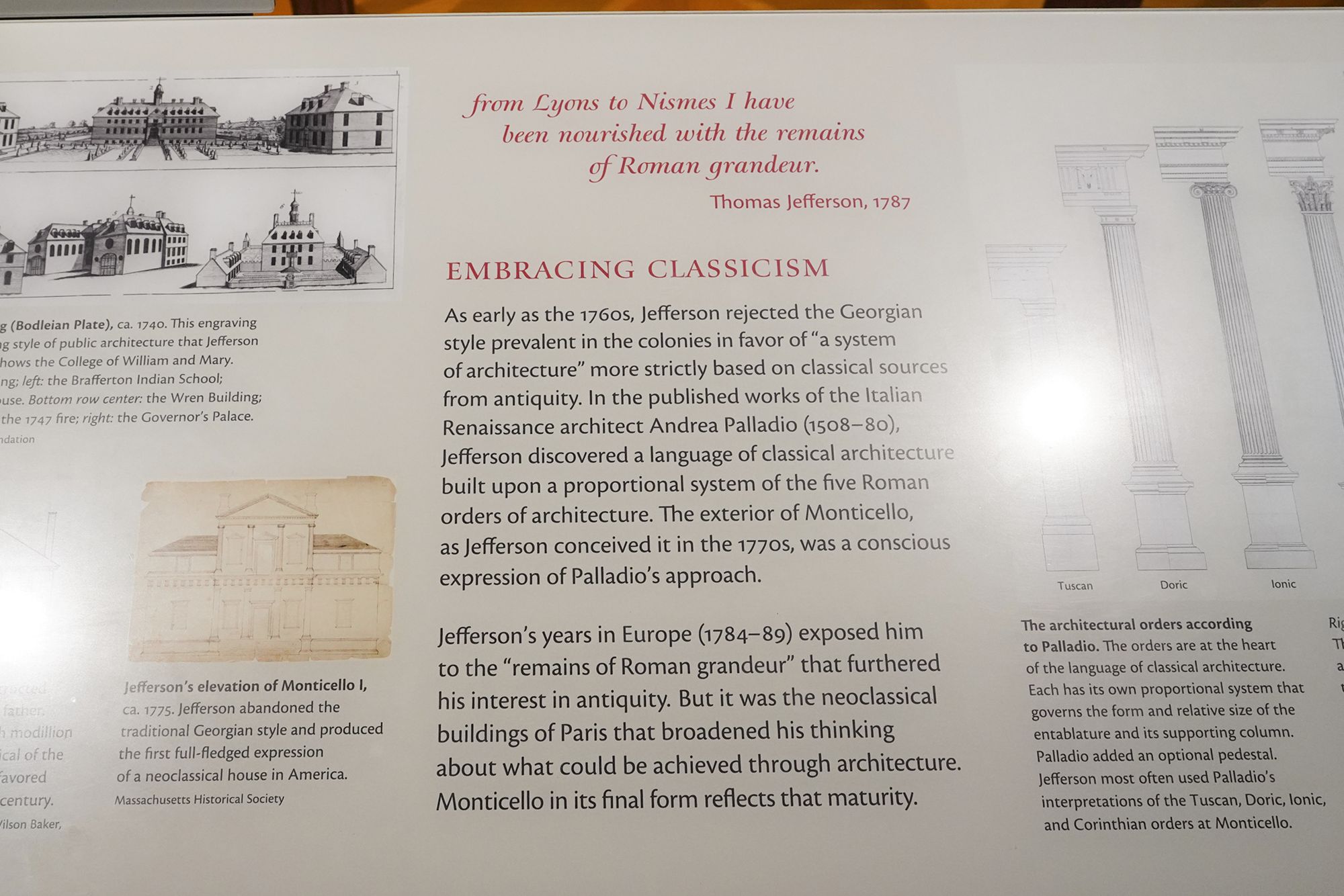
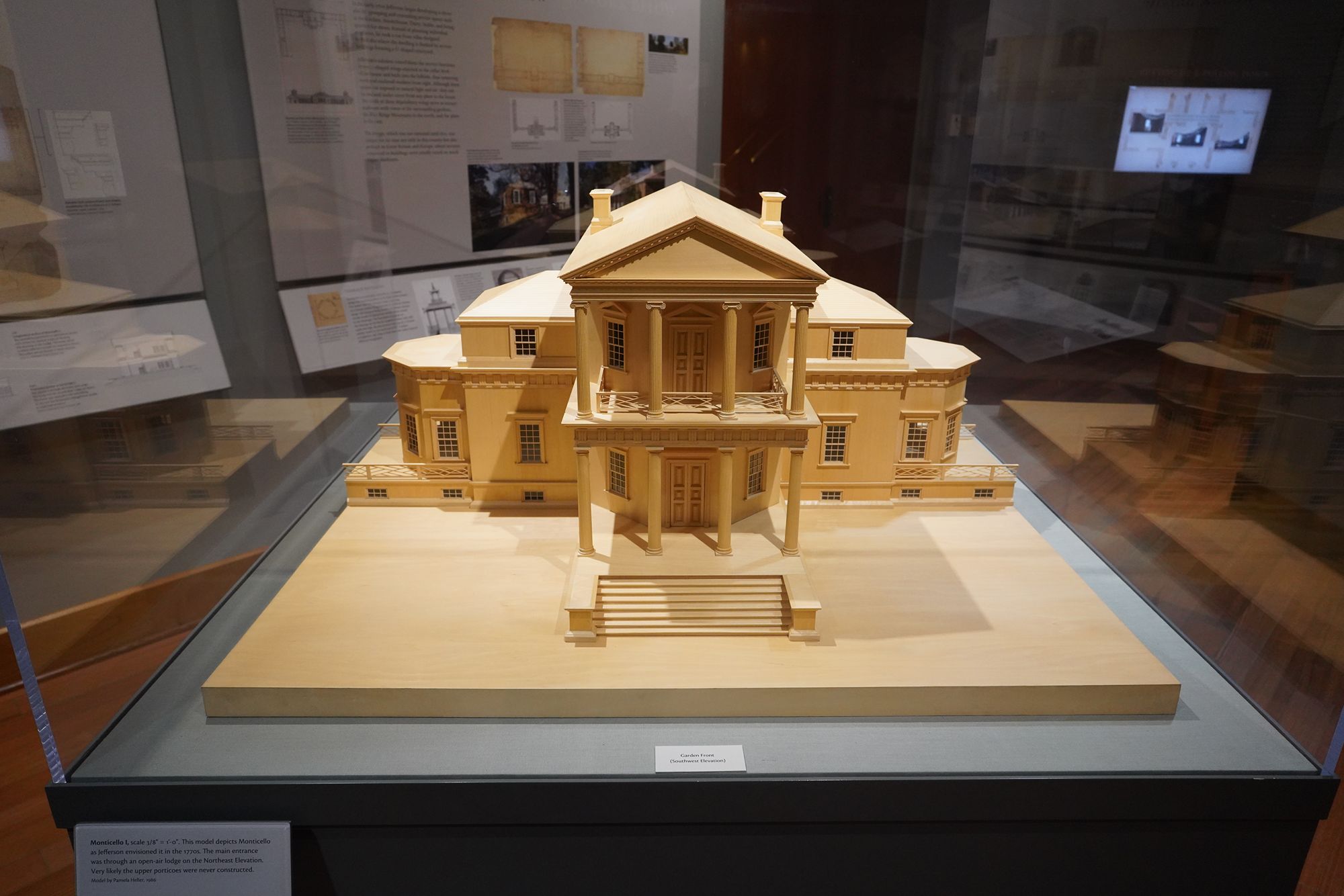
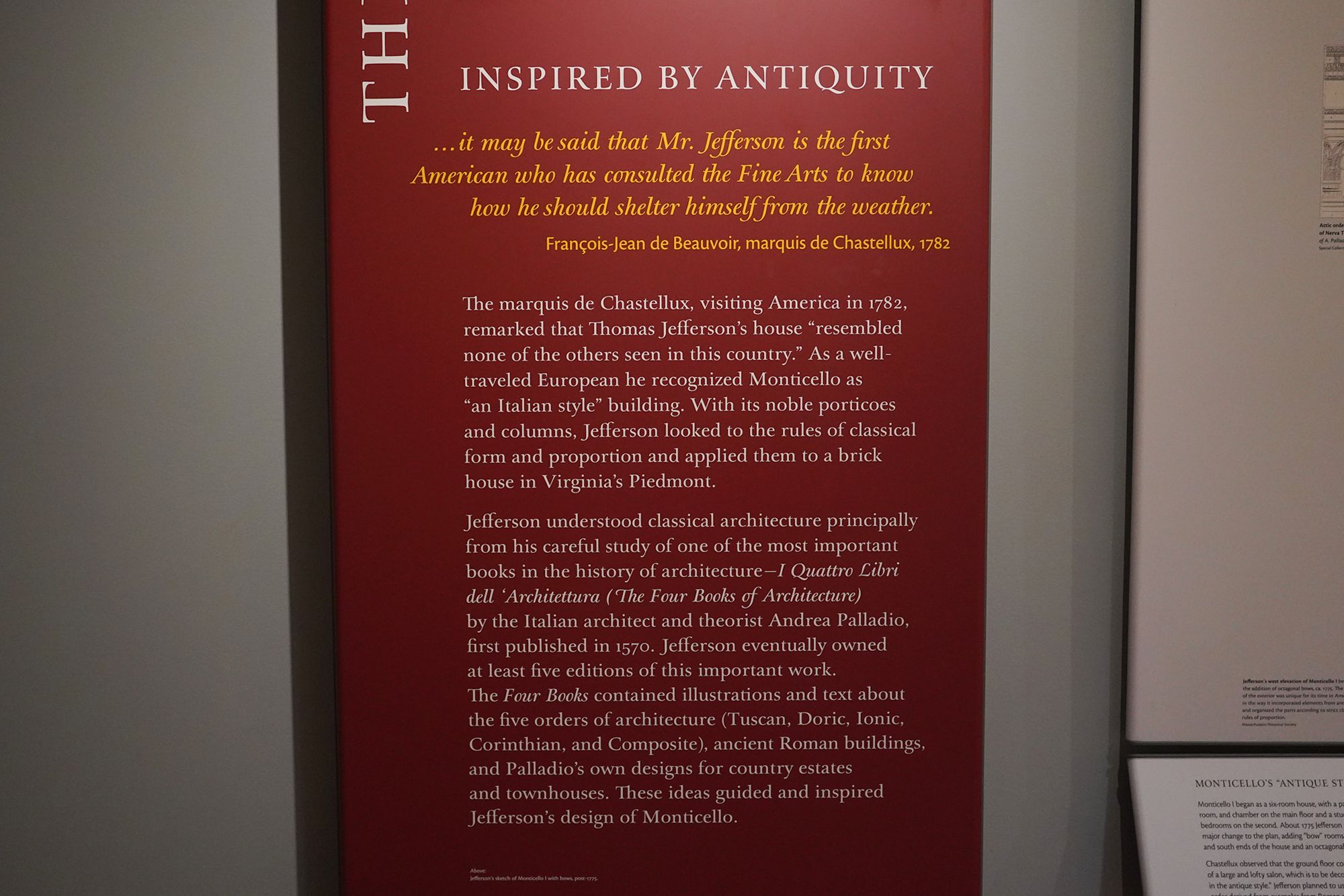
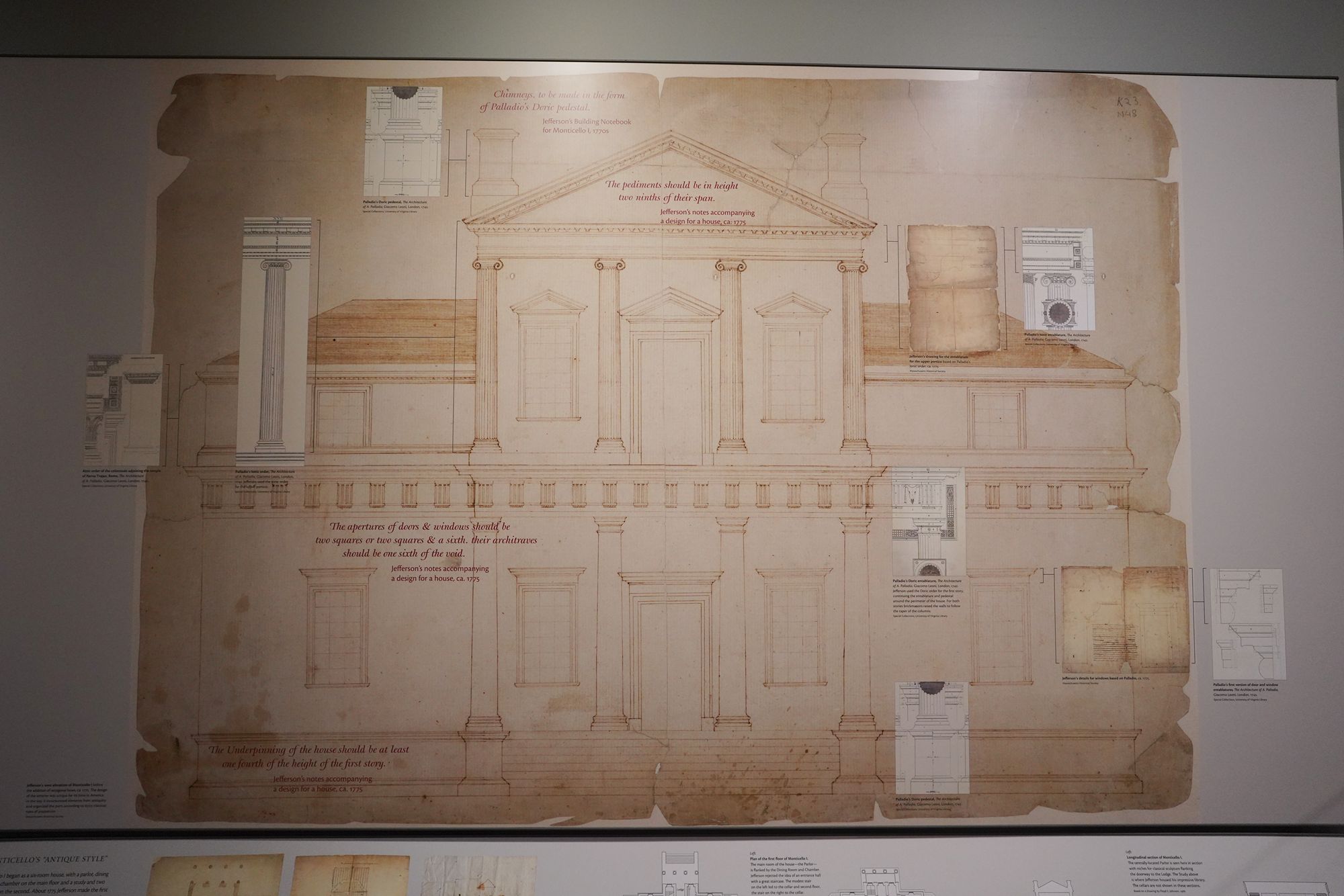
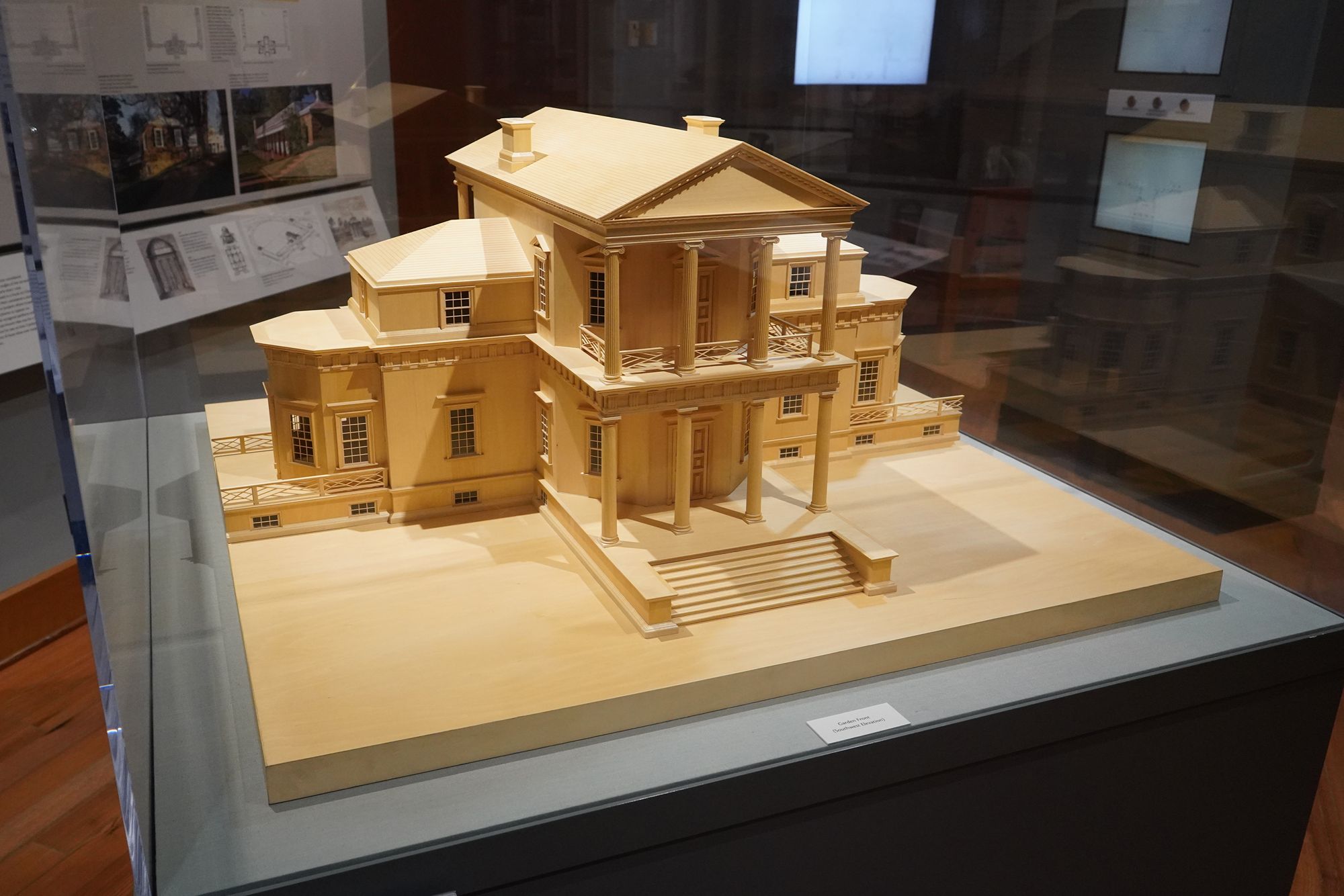
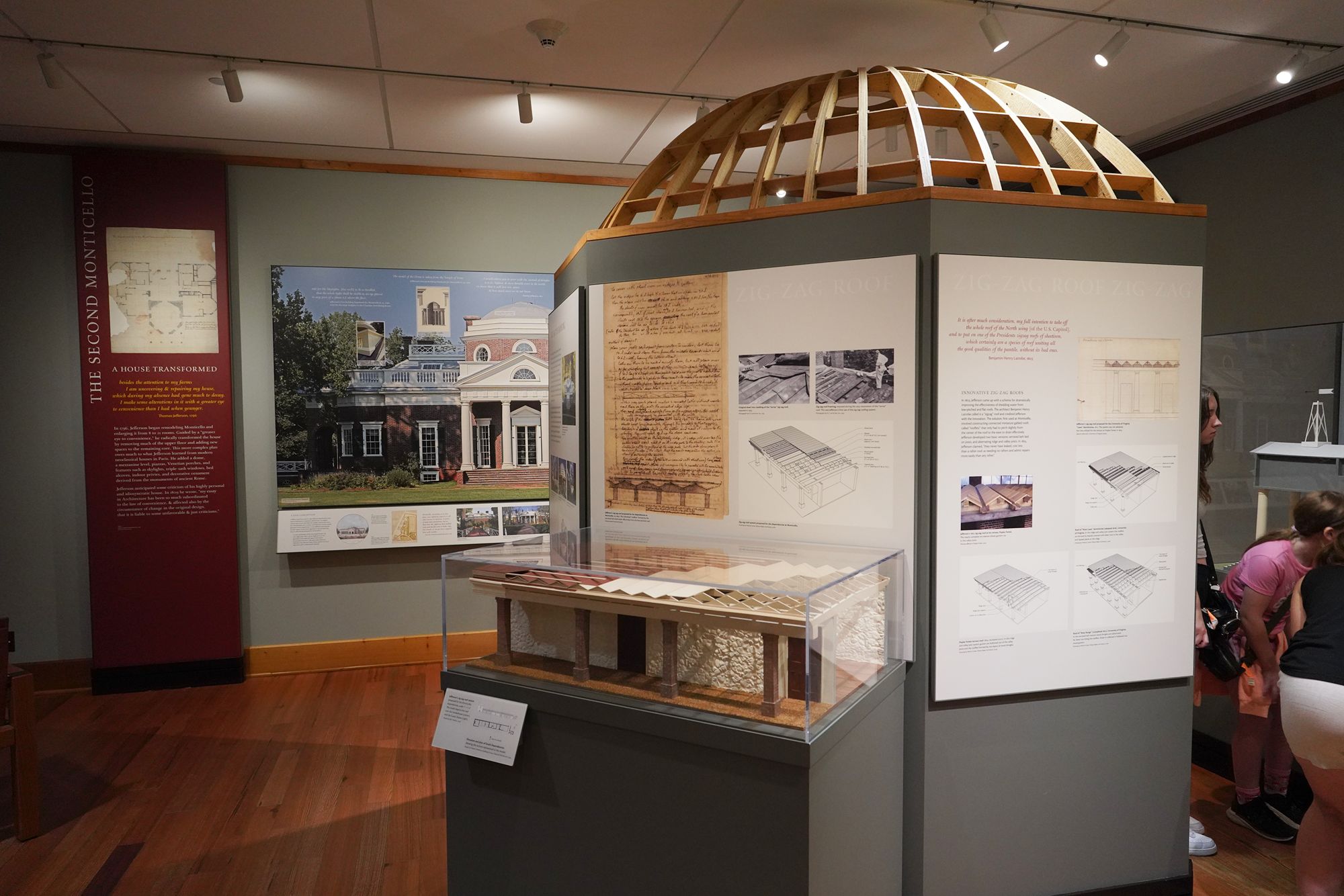
Designed by Jefferson himself, it reflects neoclassical and Palladian architectural styles inspired by European ideas of symmetry and proportion.
Built between 1768 and 1809, Monticello served as Jefferson’s home, working farm, and experimental laboratory for agriculture, architecture, and innovation. The estate included slave quarters, as Jefferson enslaved more than 600 people during his lifetime—many of whom sustained the plantation’s operations.
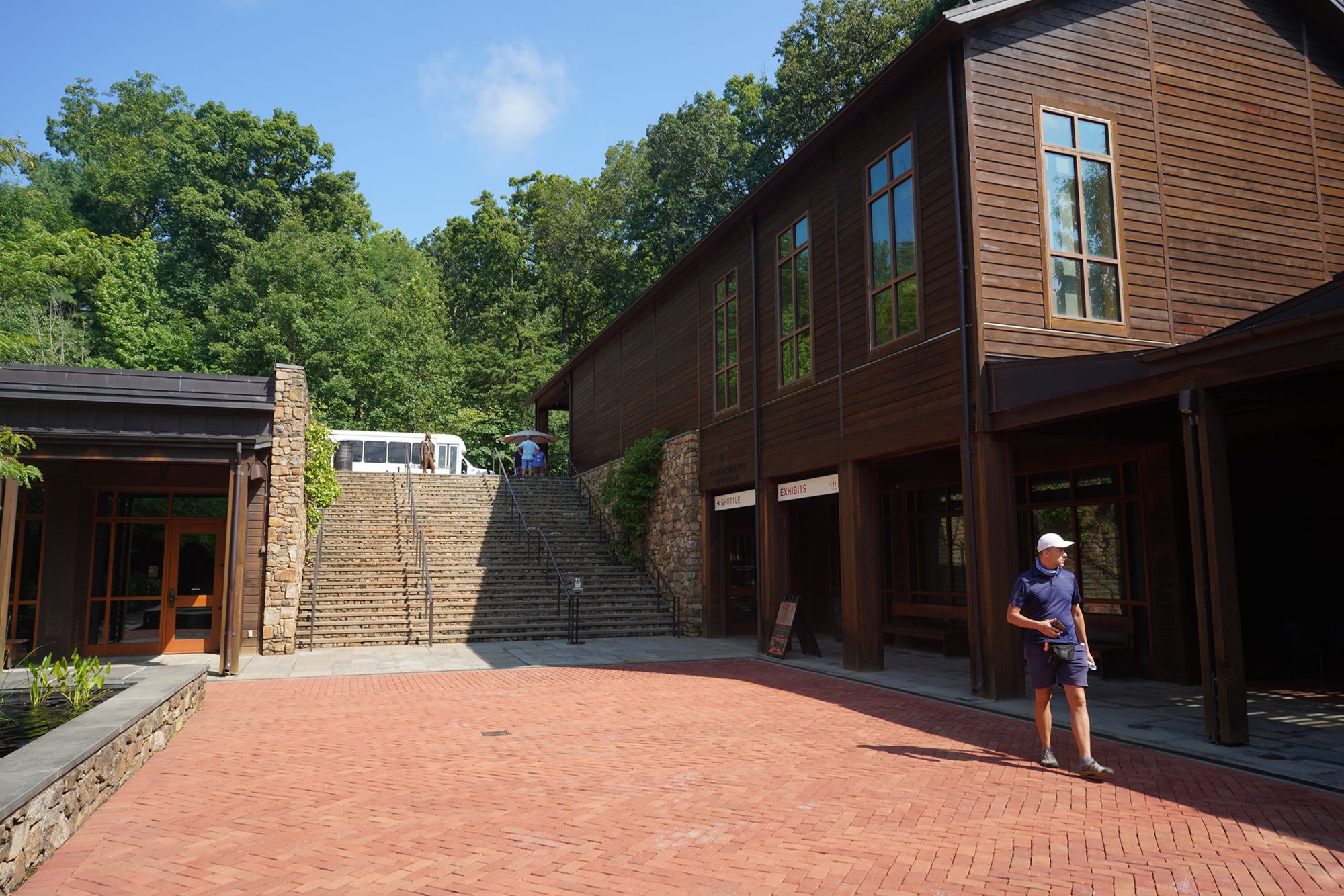
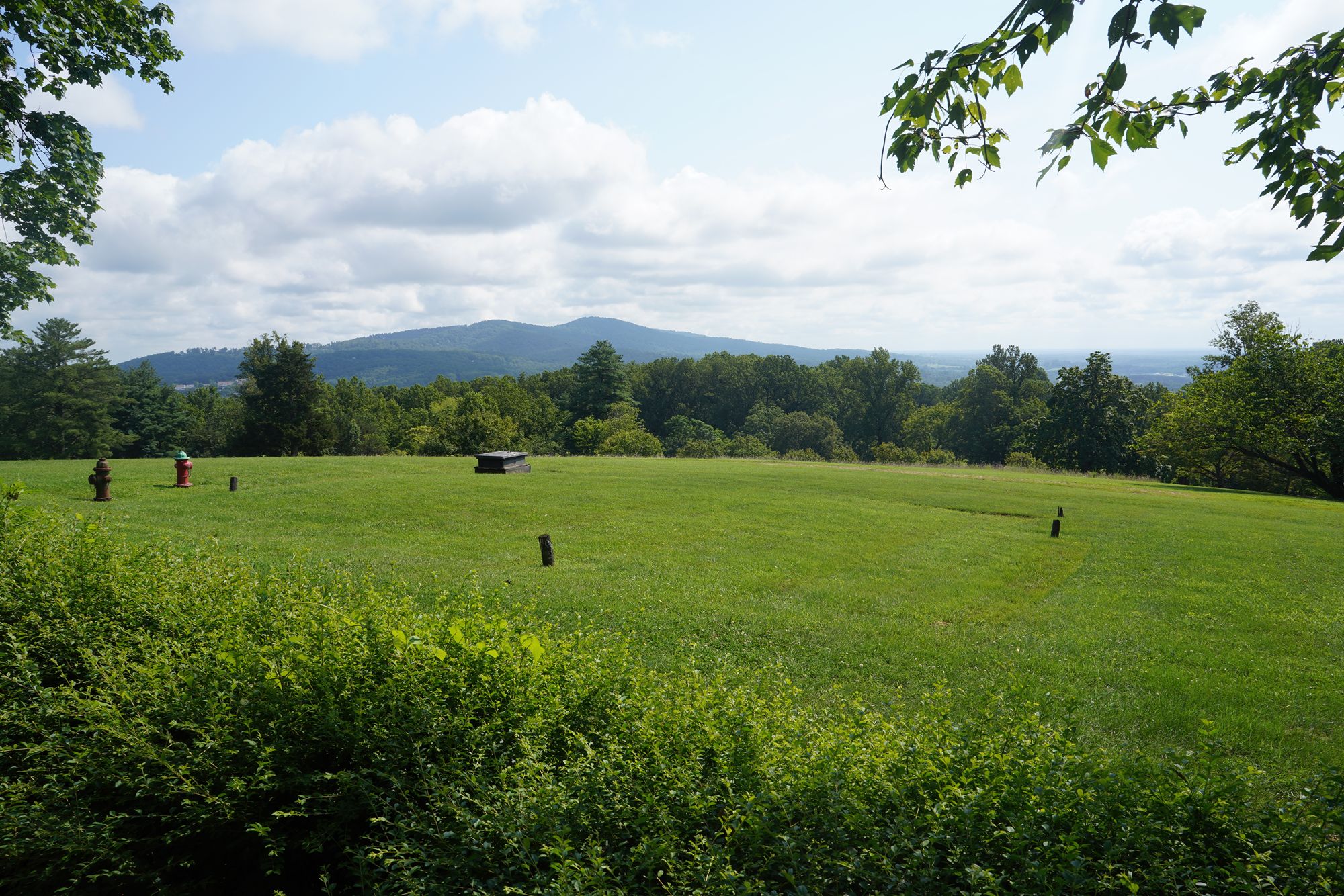
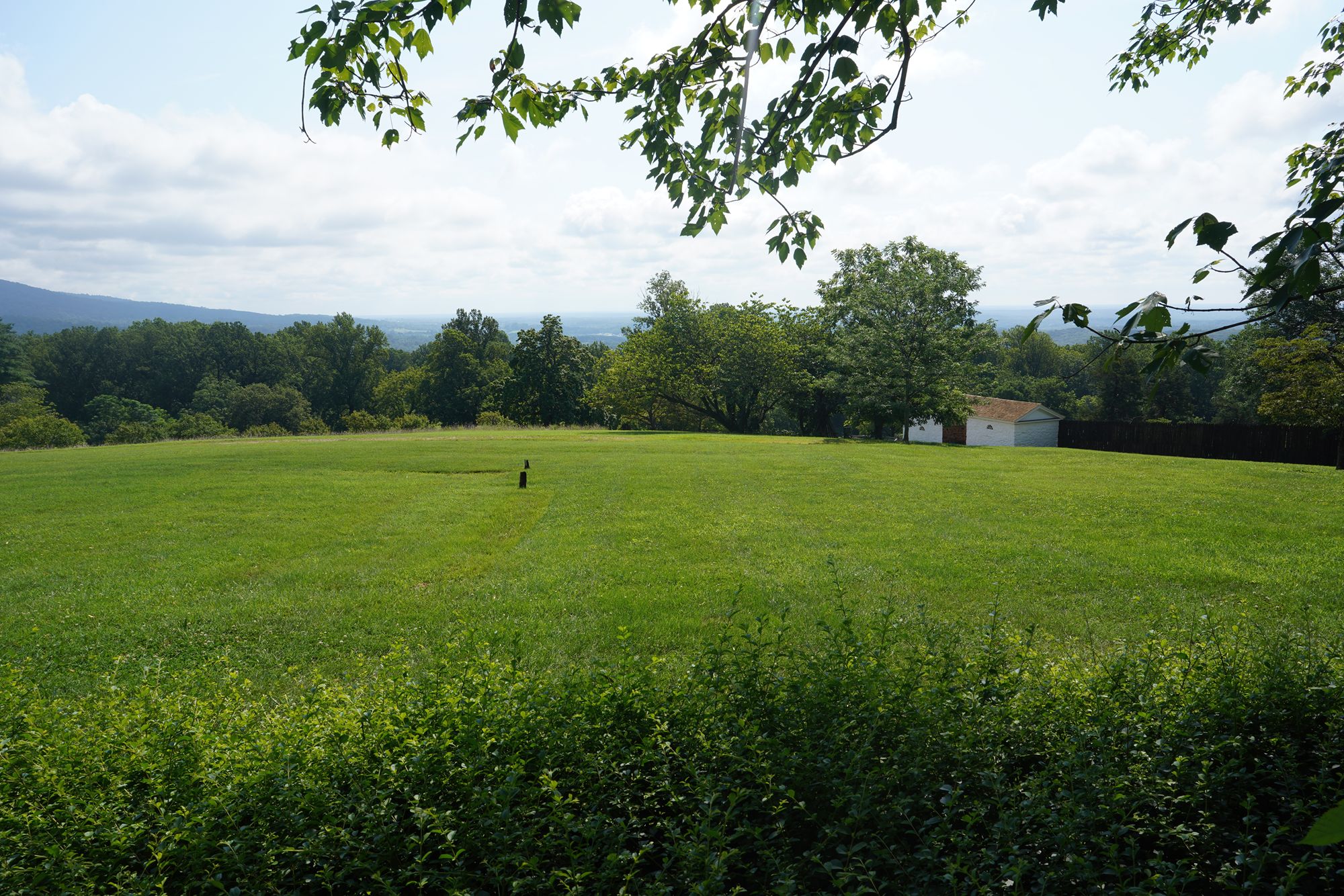
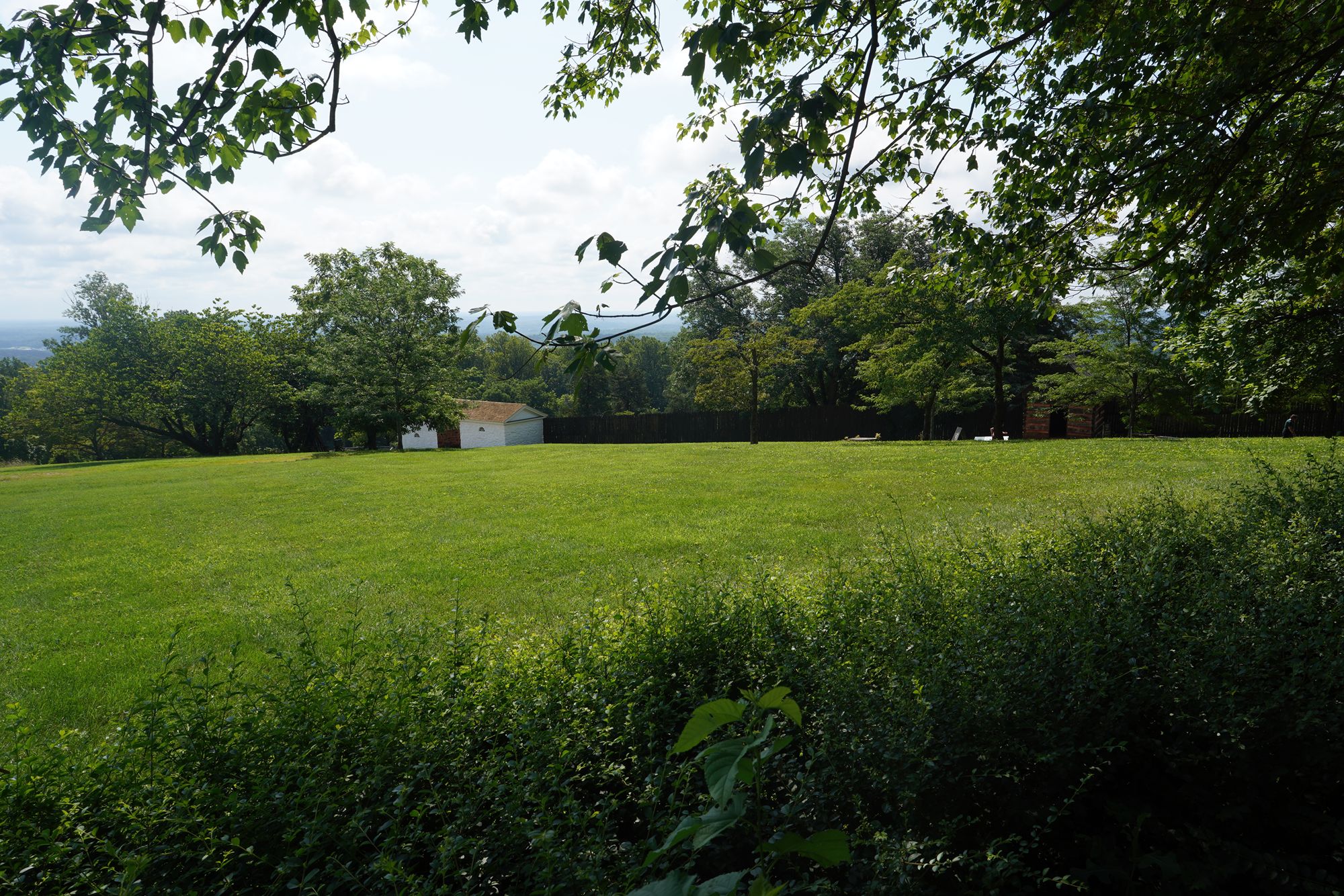
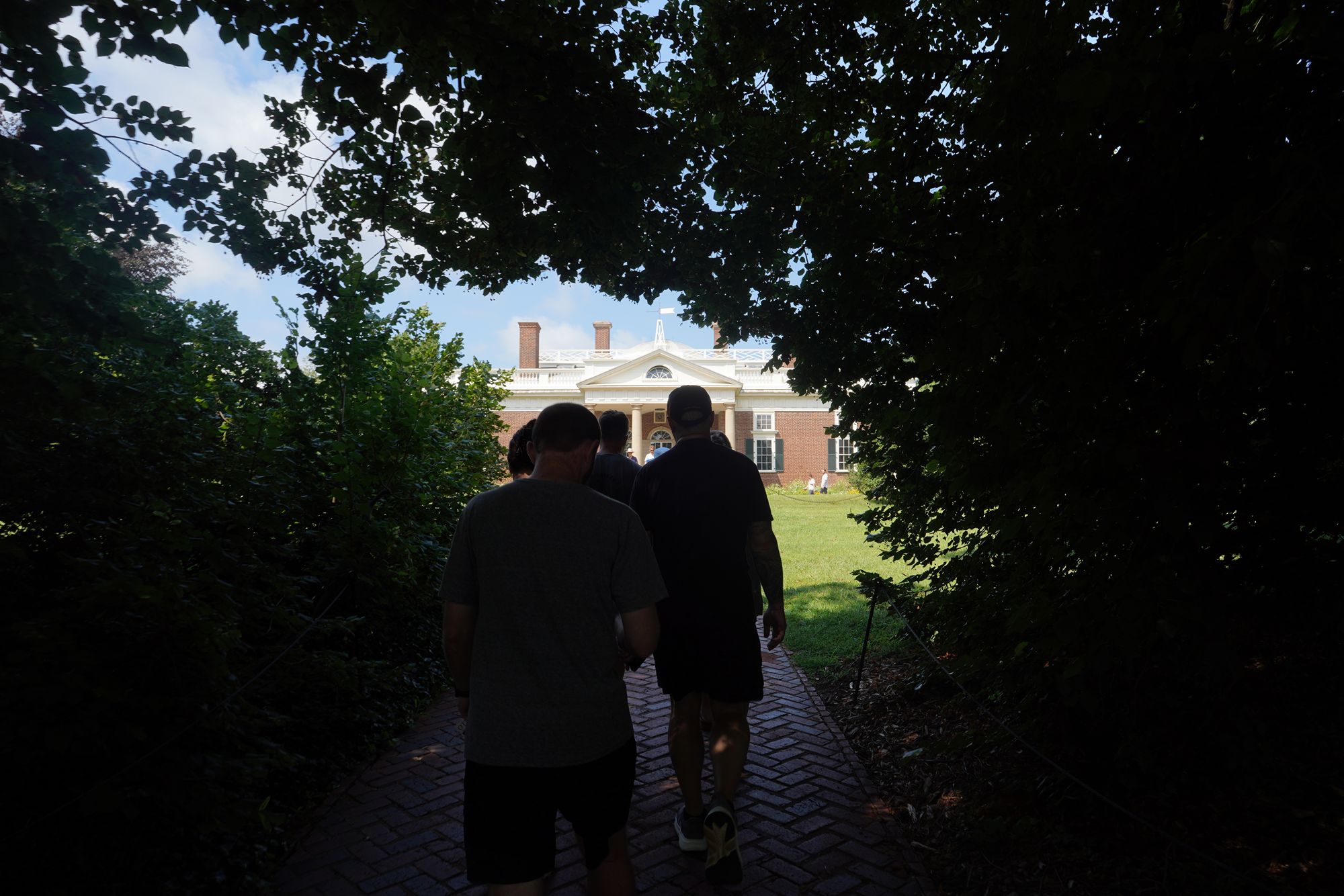
Today, Monticello is a UNESCO World Heritage Site and museum that interprets both Jefferson’s achievements and the lives of the enslaved people who lived there, offering a fuller view of early American history.
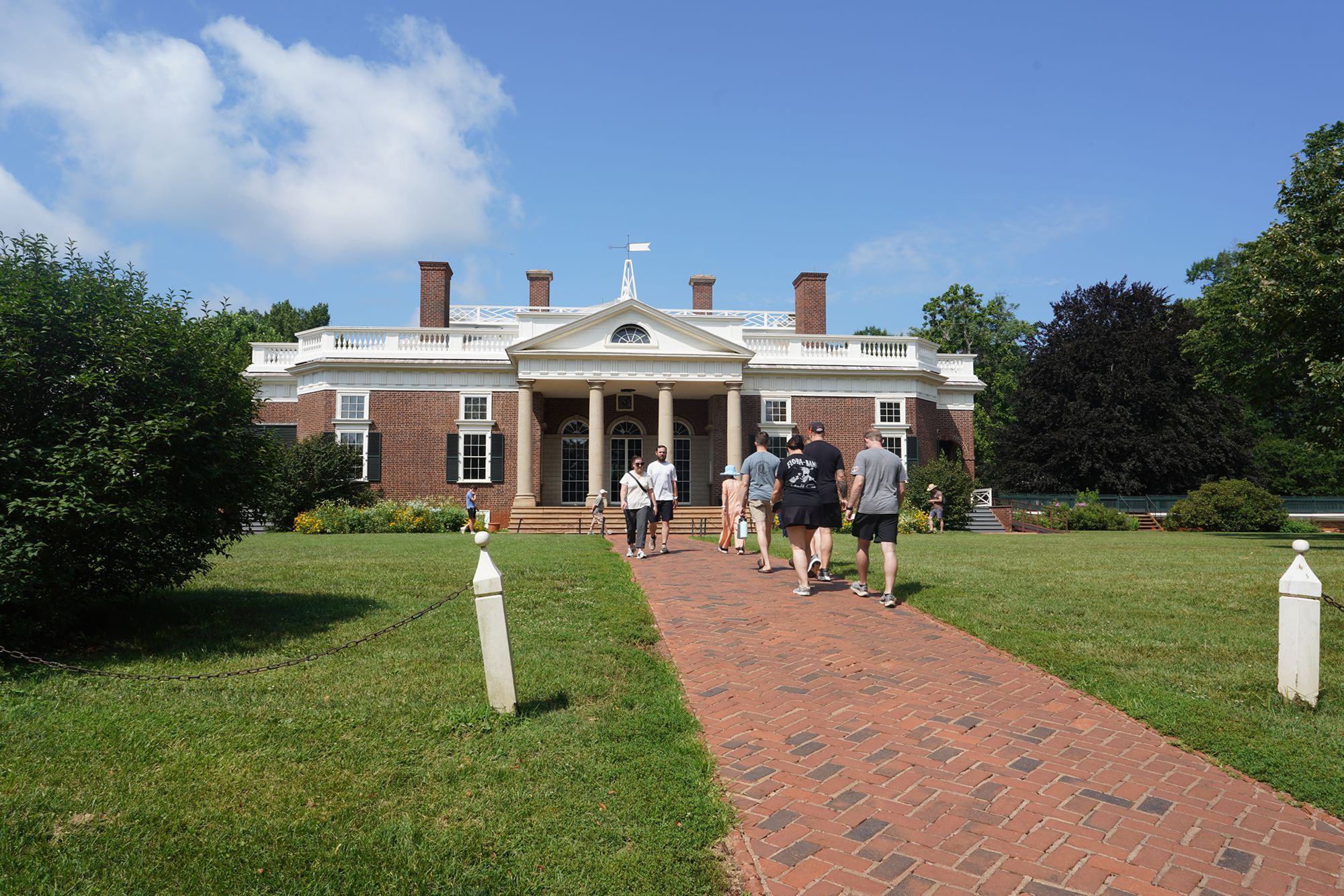
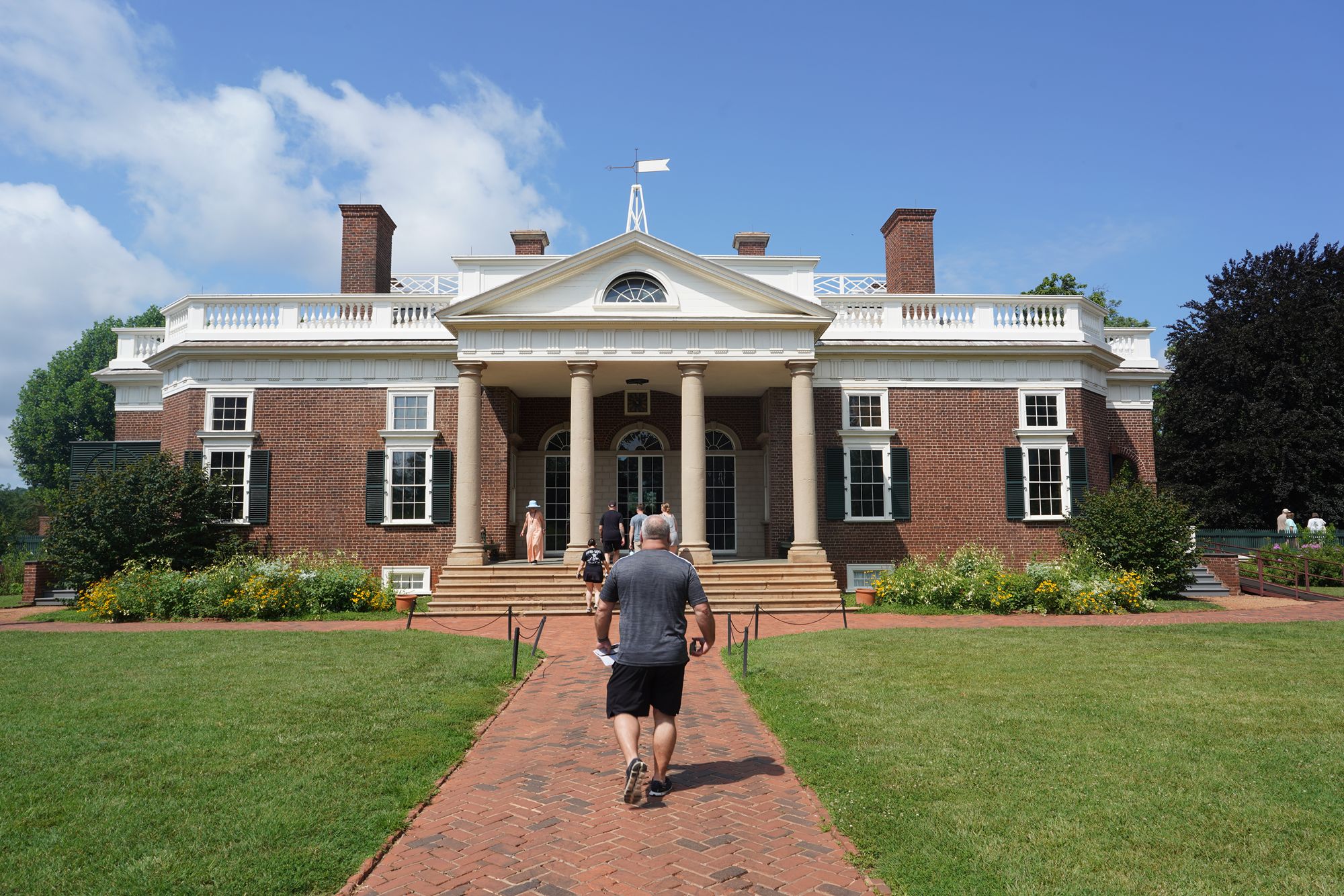
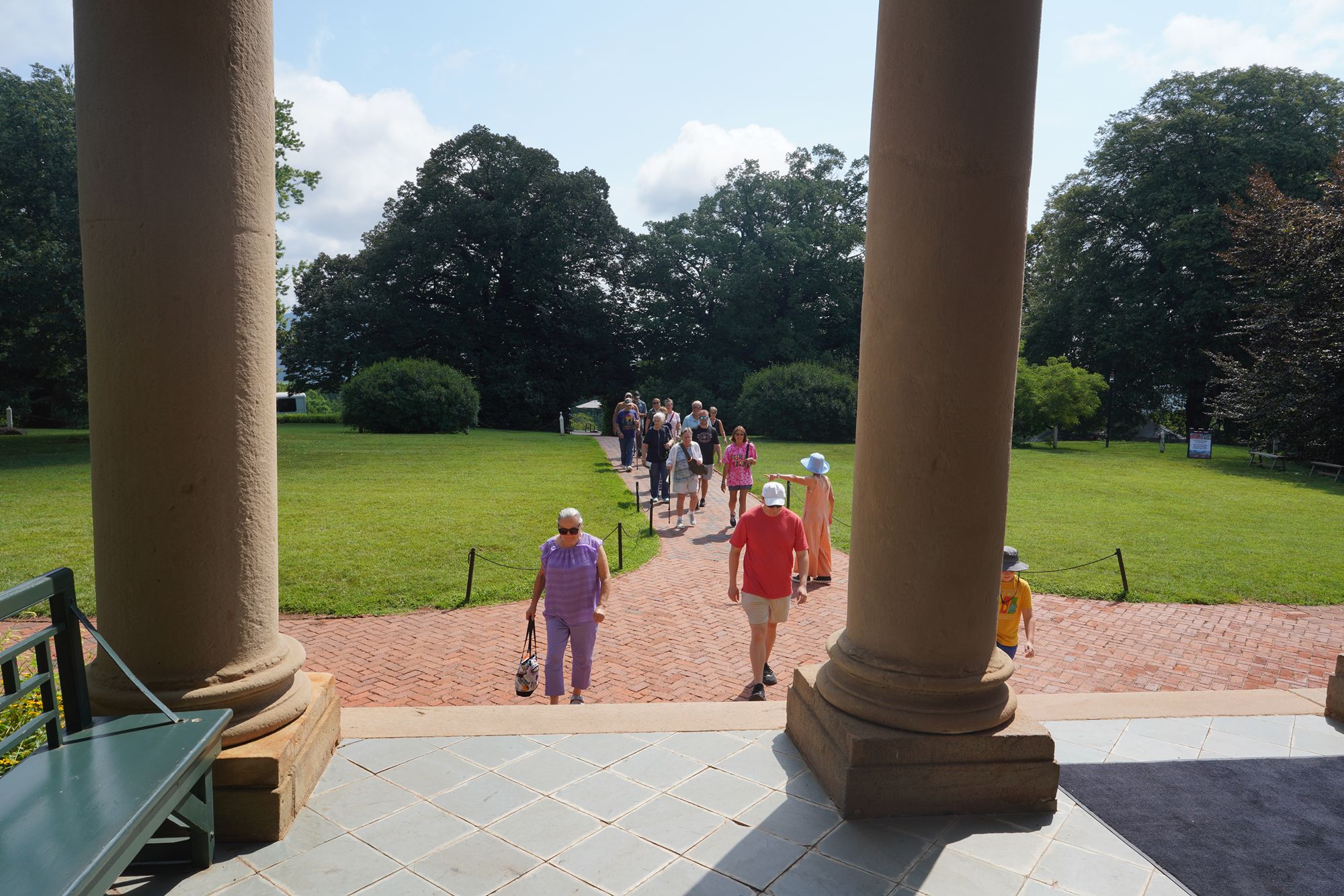
Visitors can enter Monticello only through a guided tour, which provides access to the main house and offers historical context about Jefferson’s life, architecture, and the enslaved community who lived there.
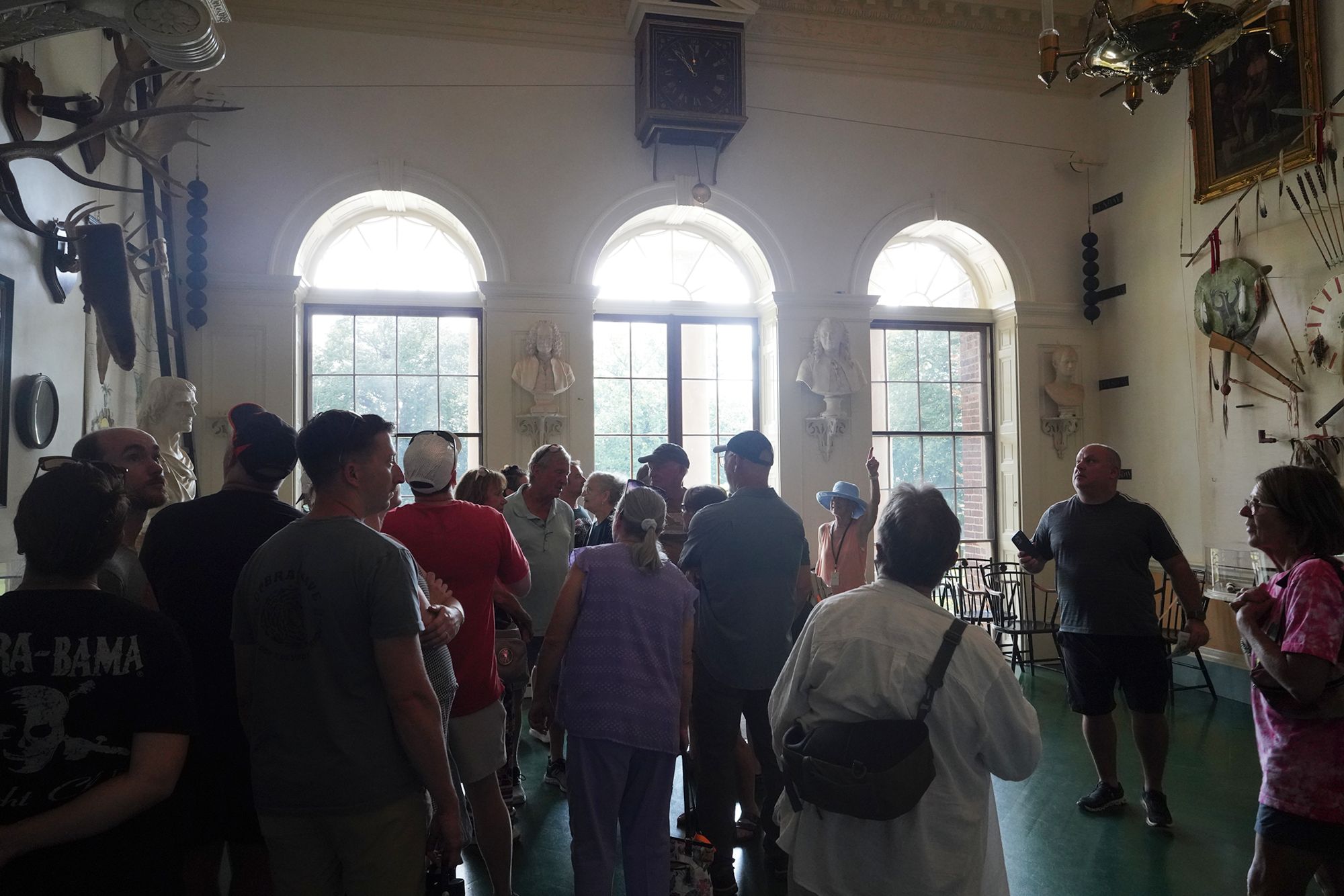
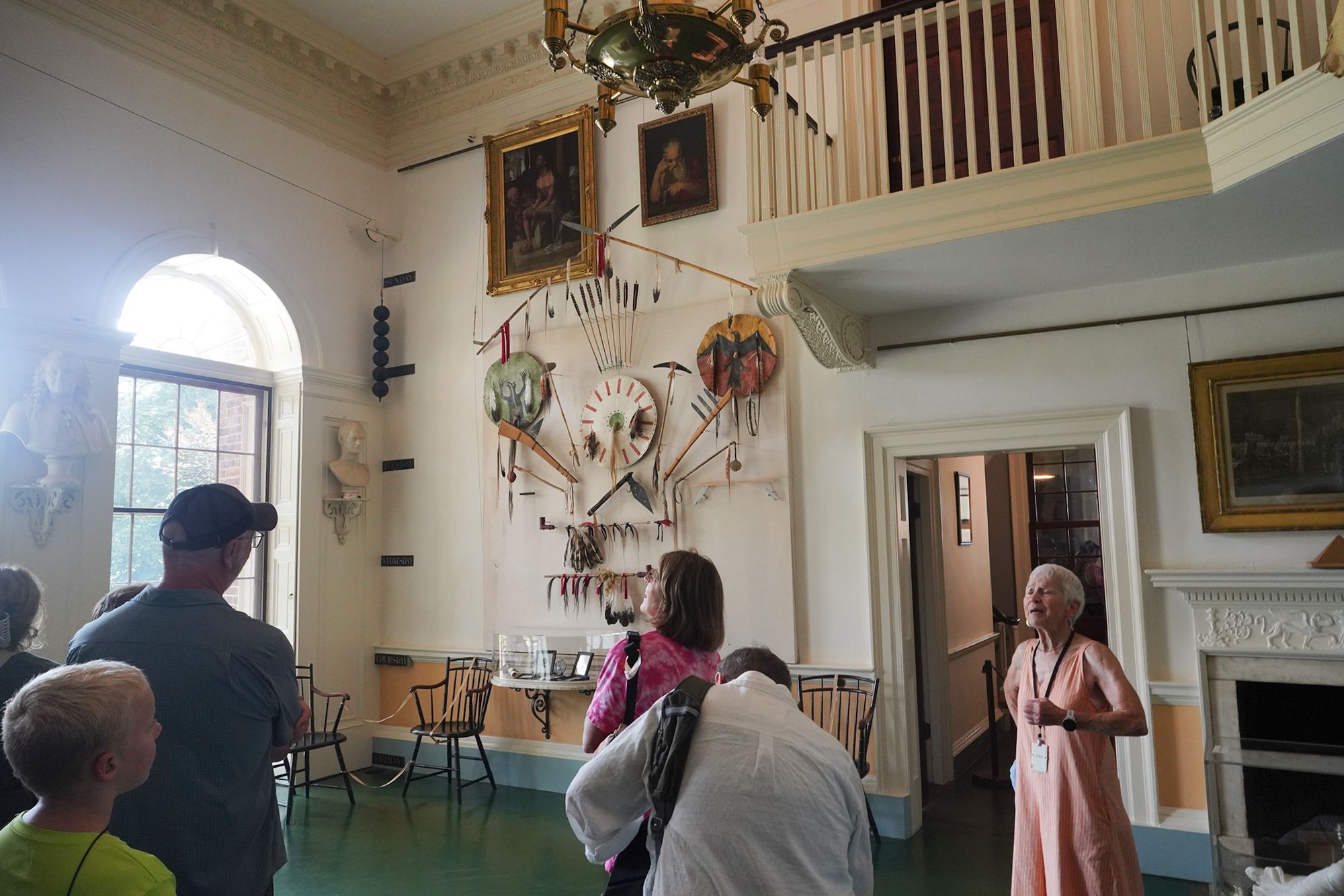
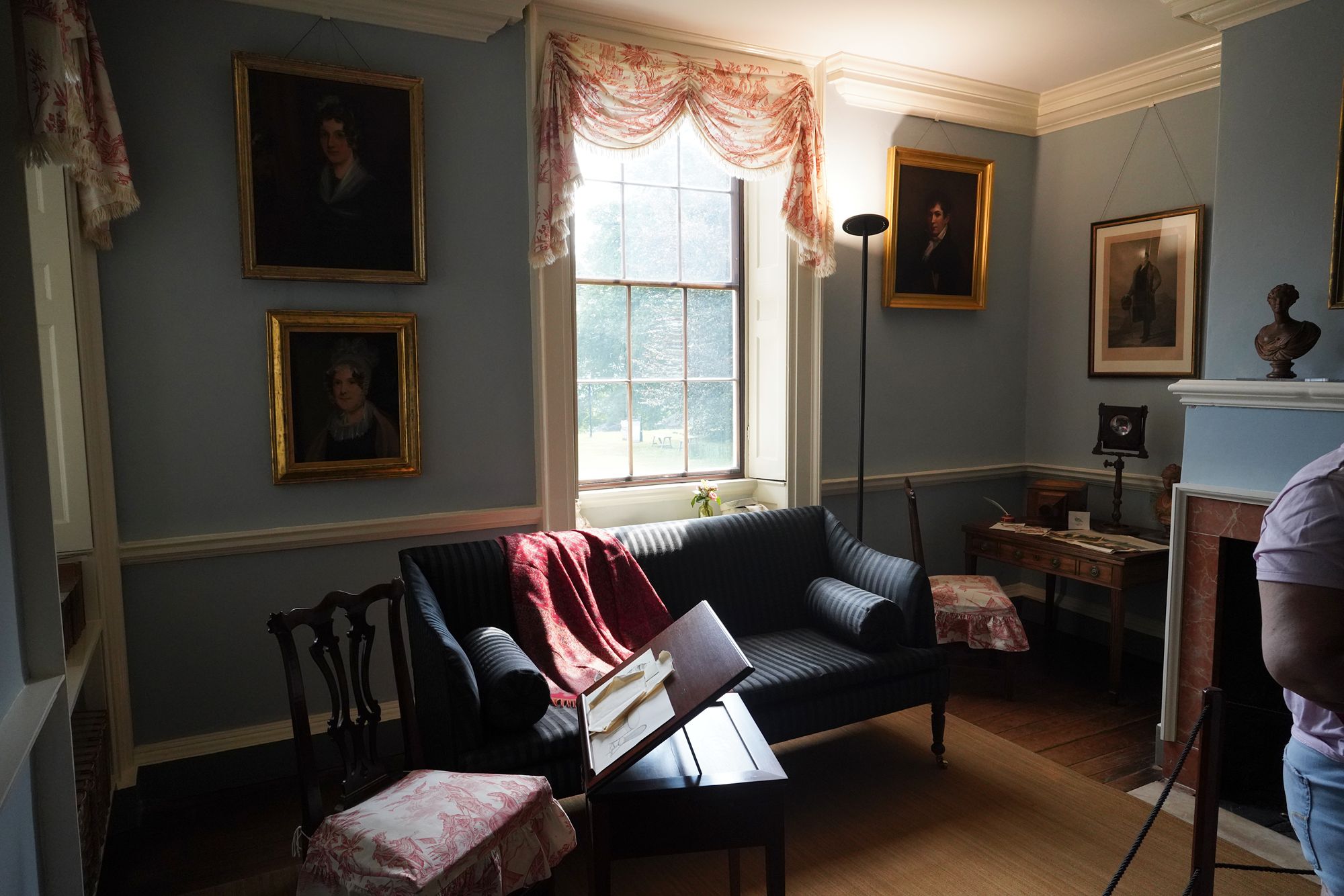
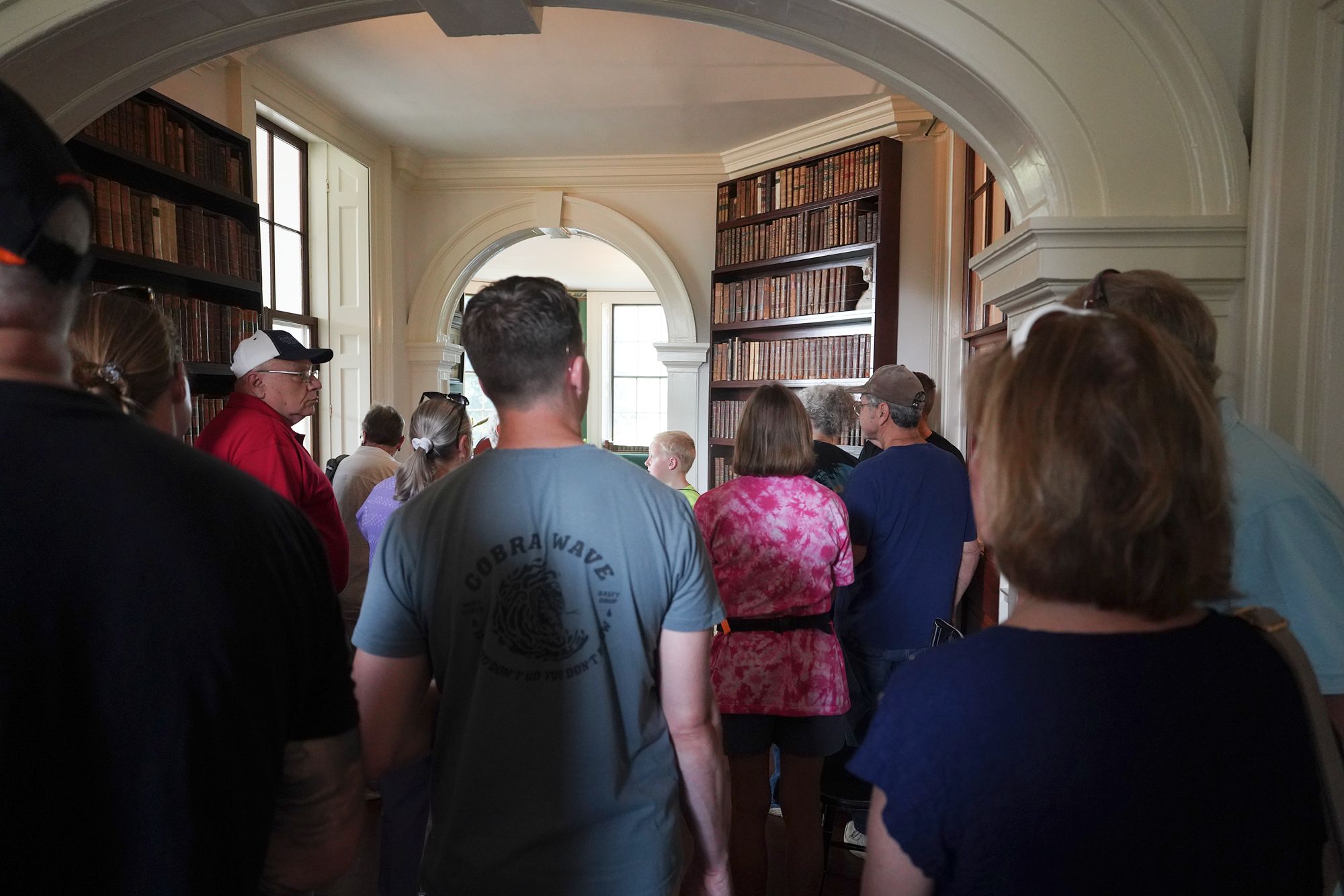
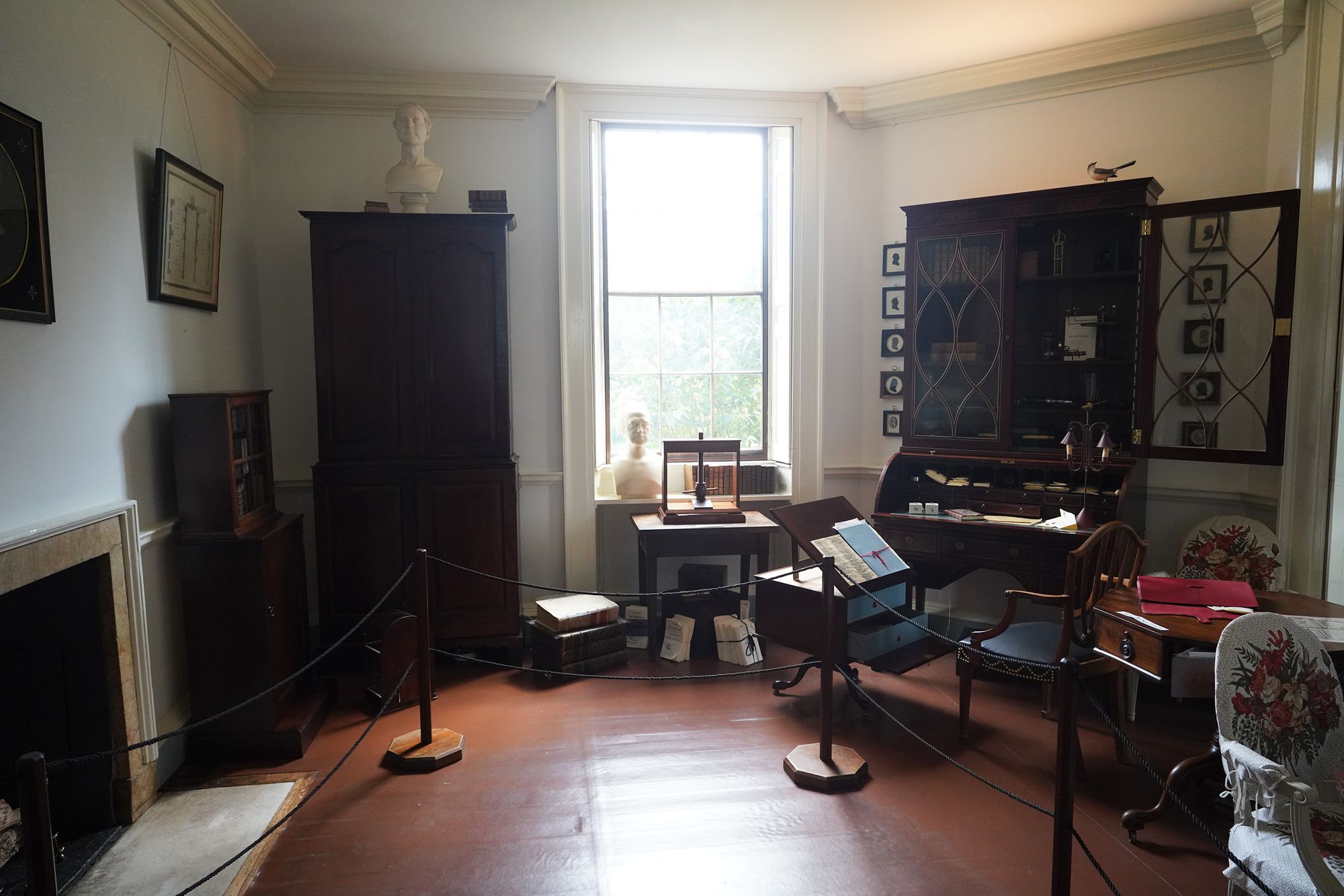
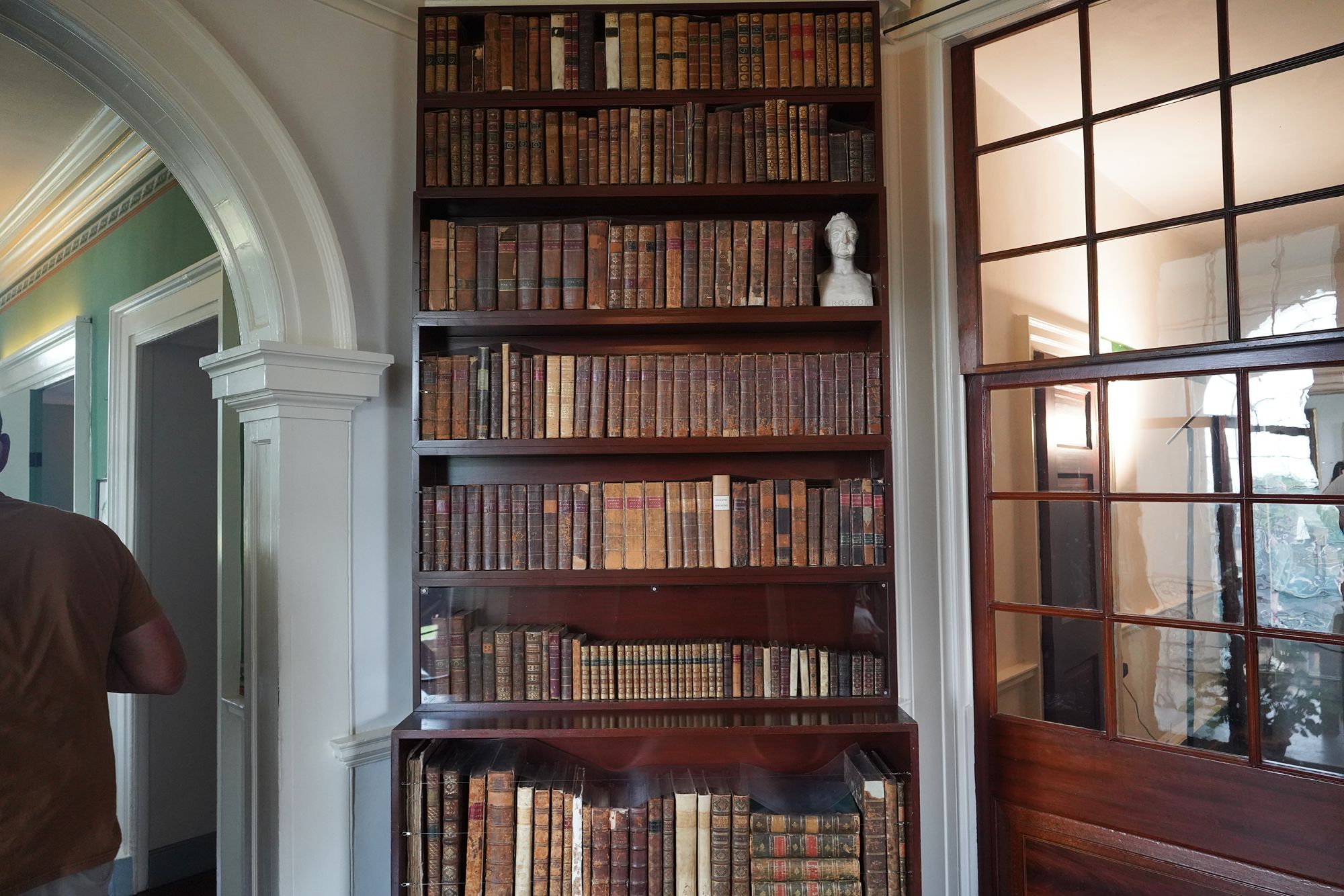
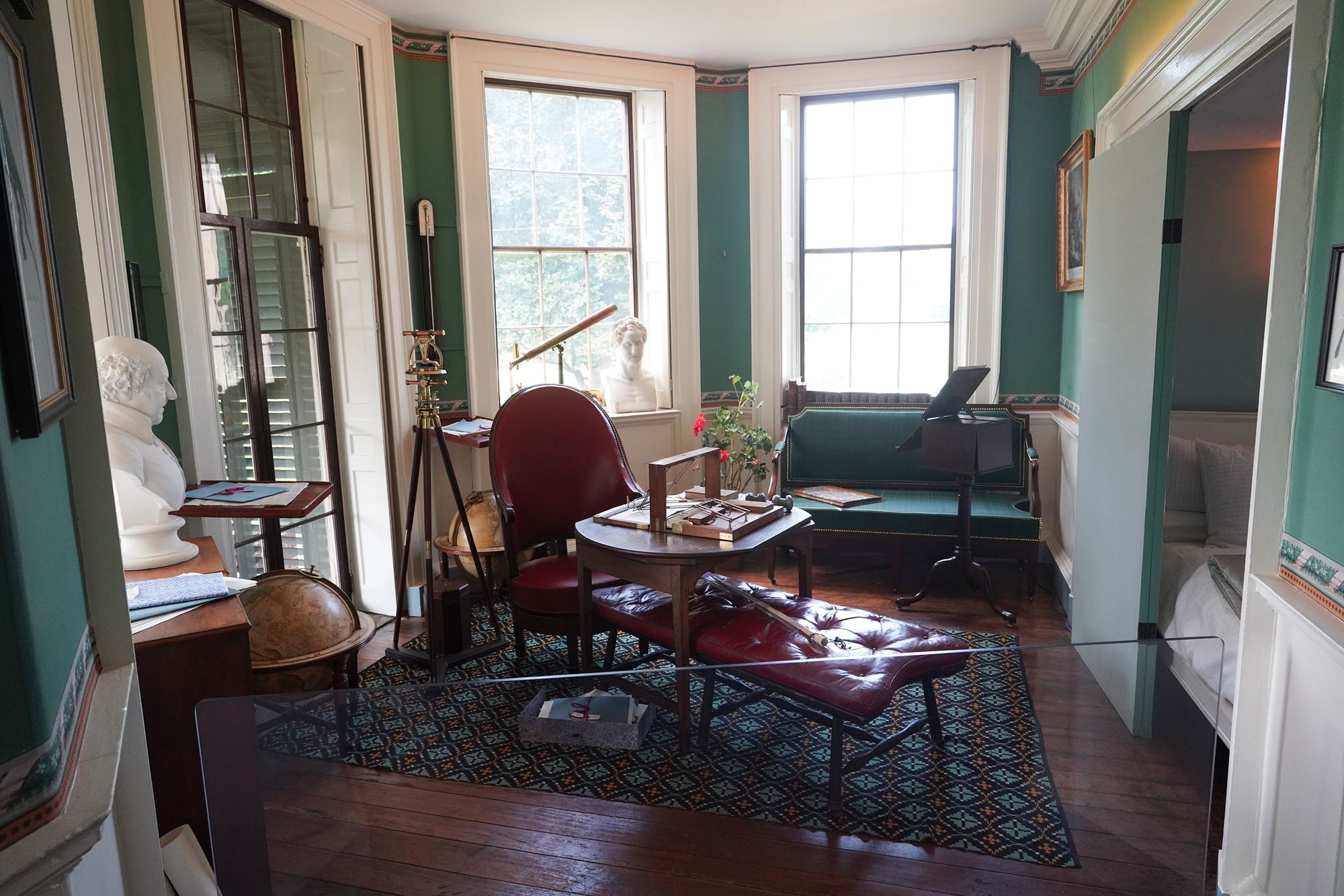
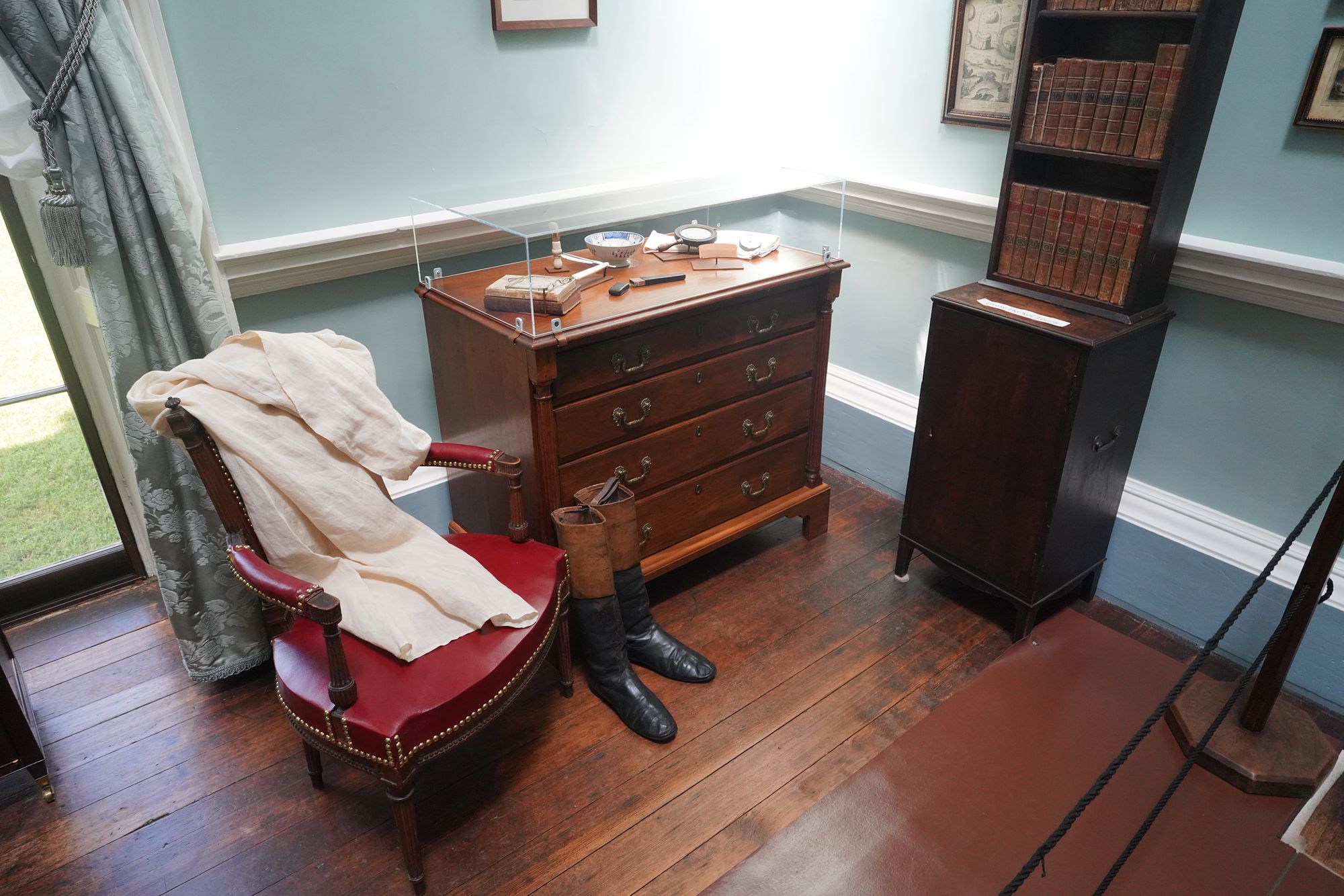
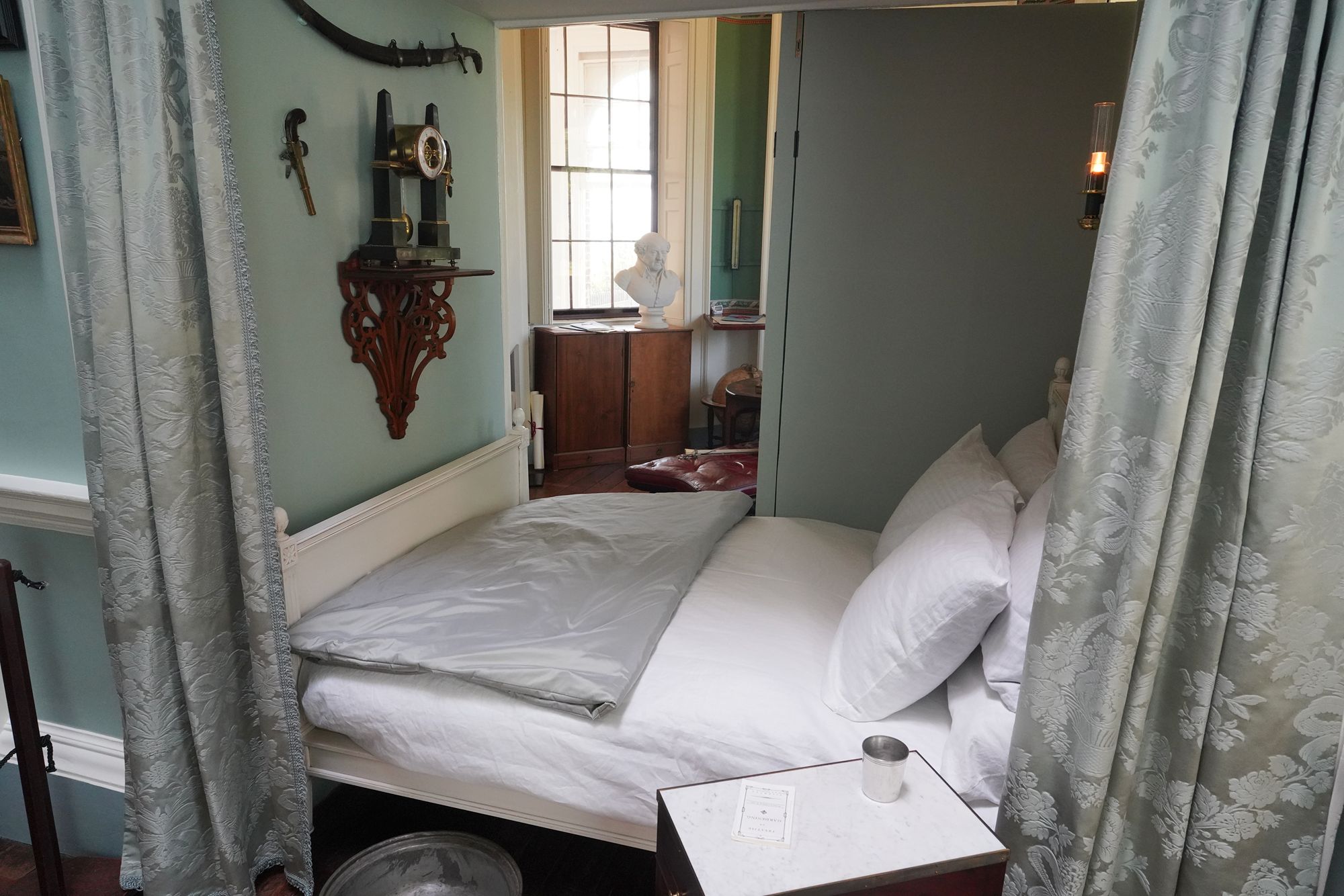
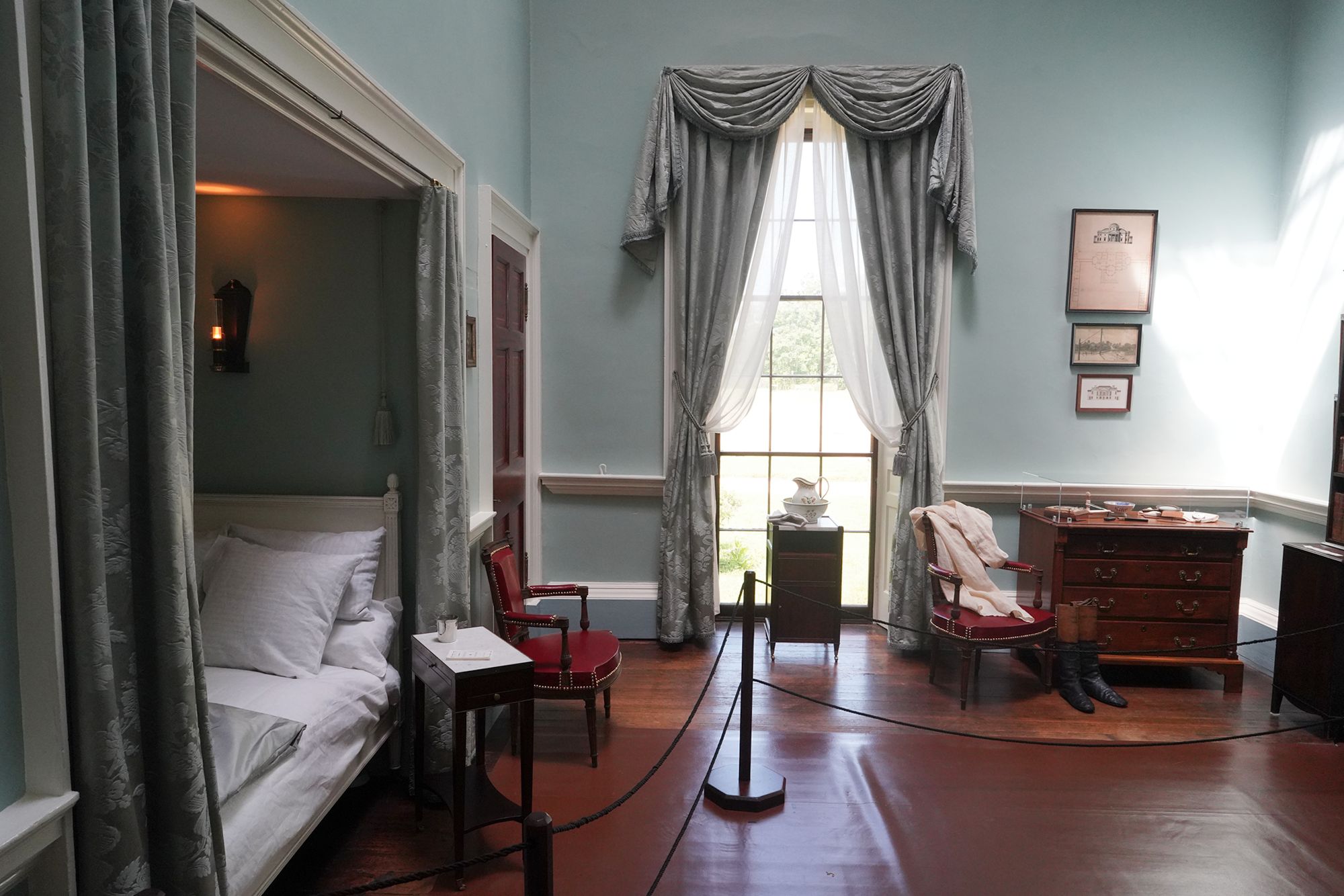
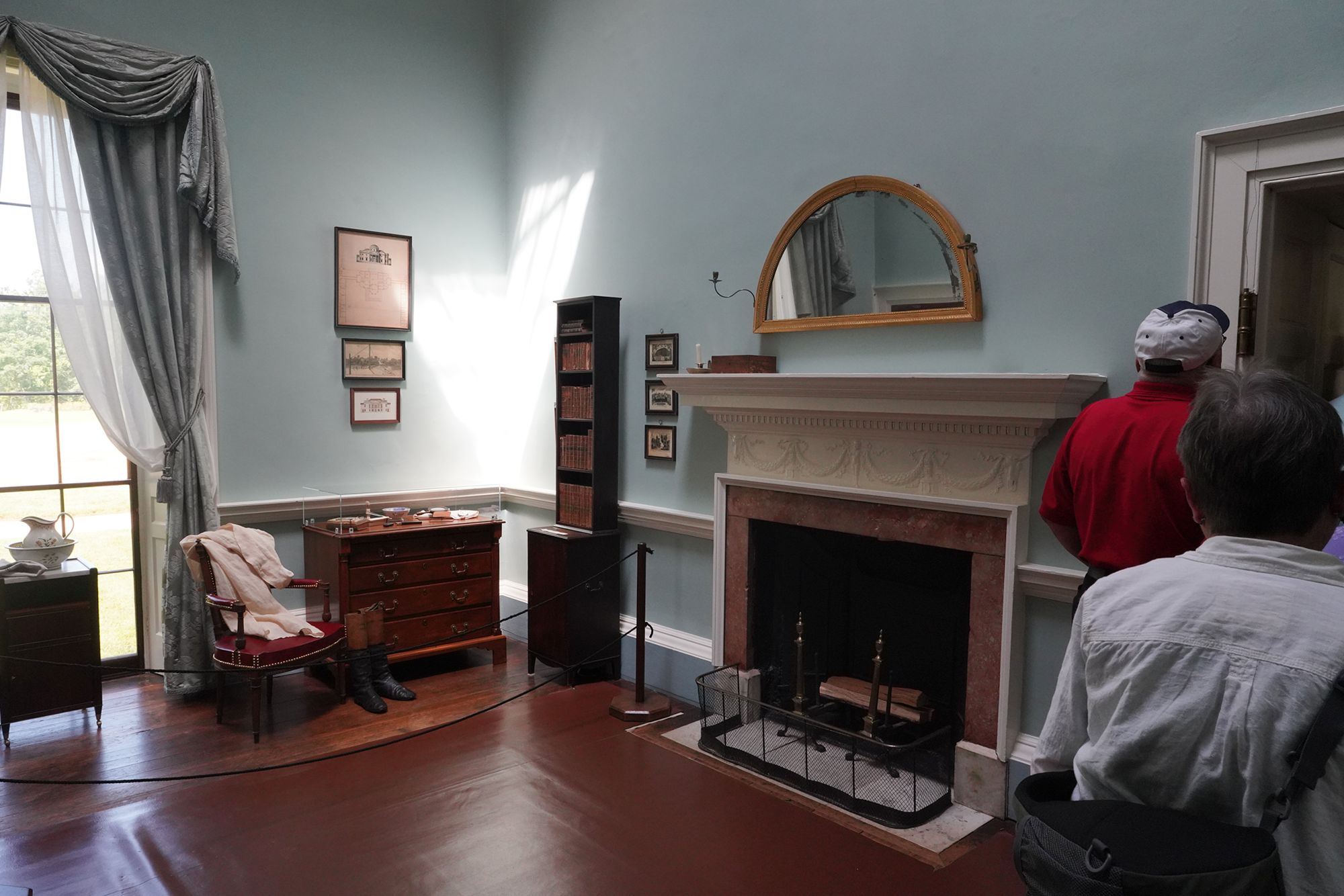
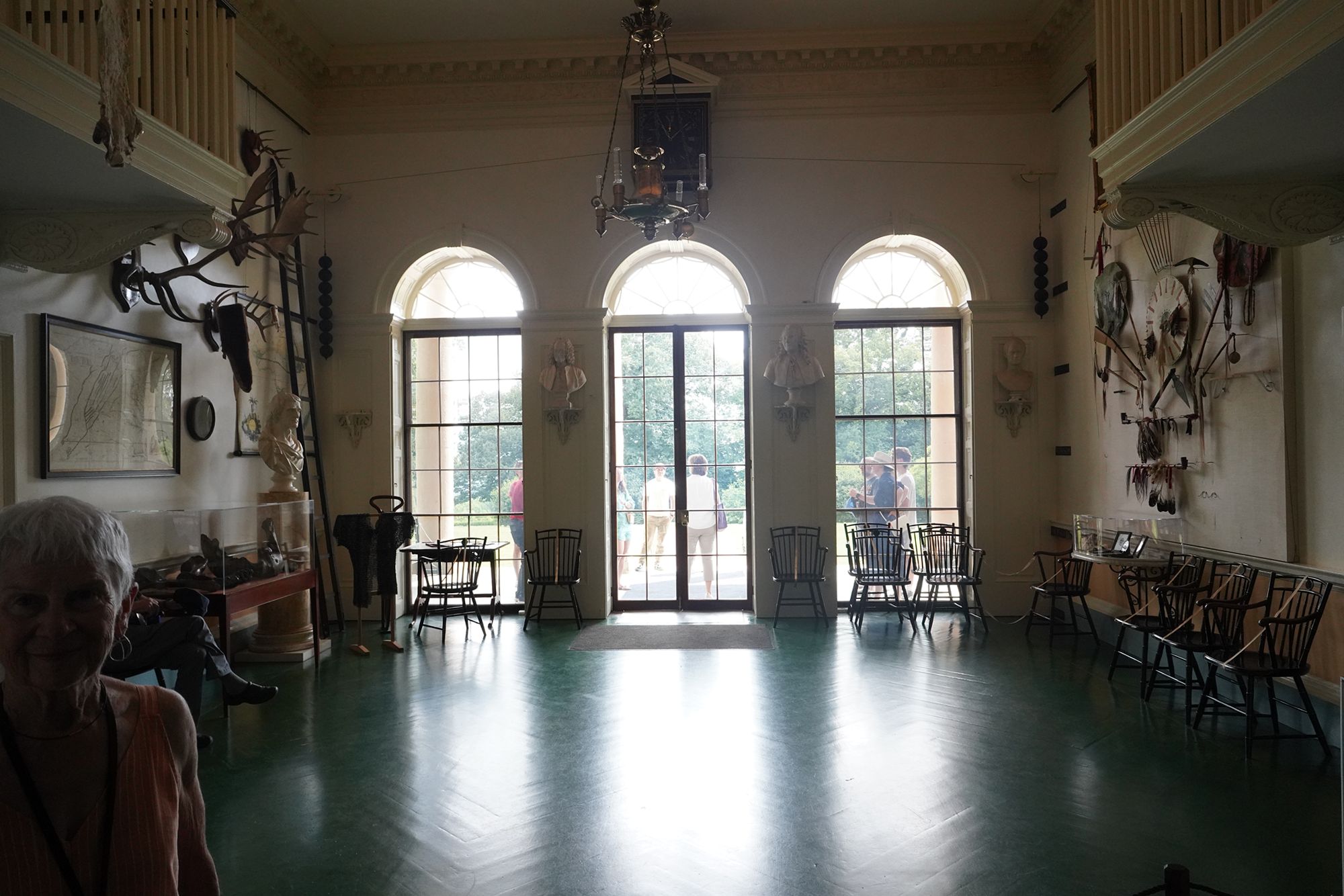
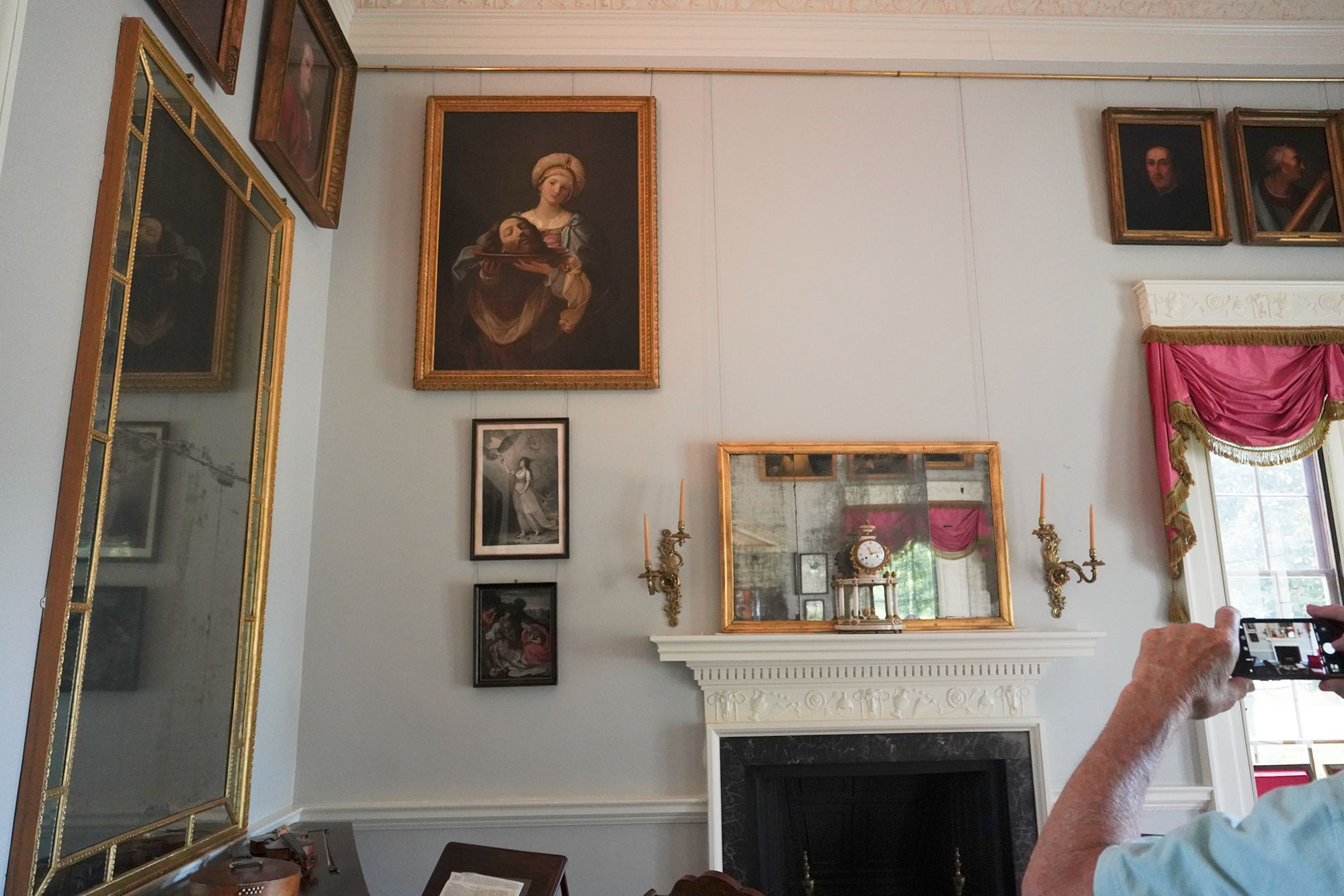
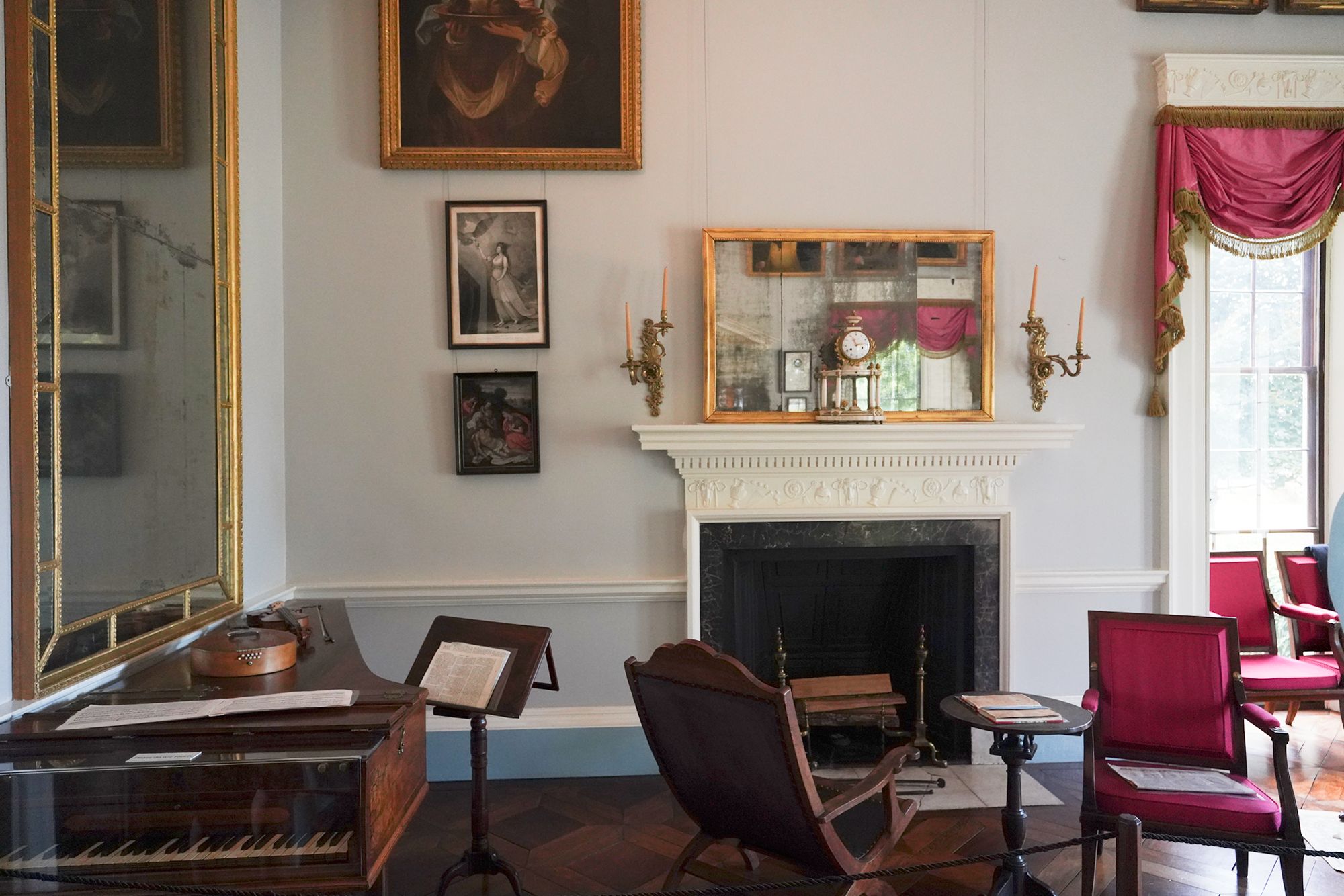
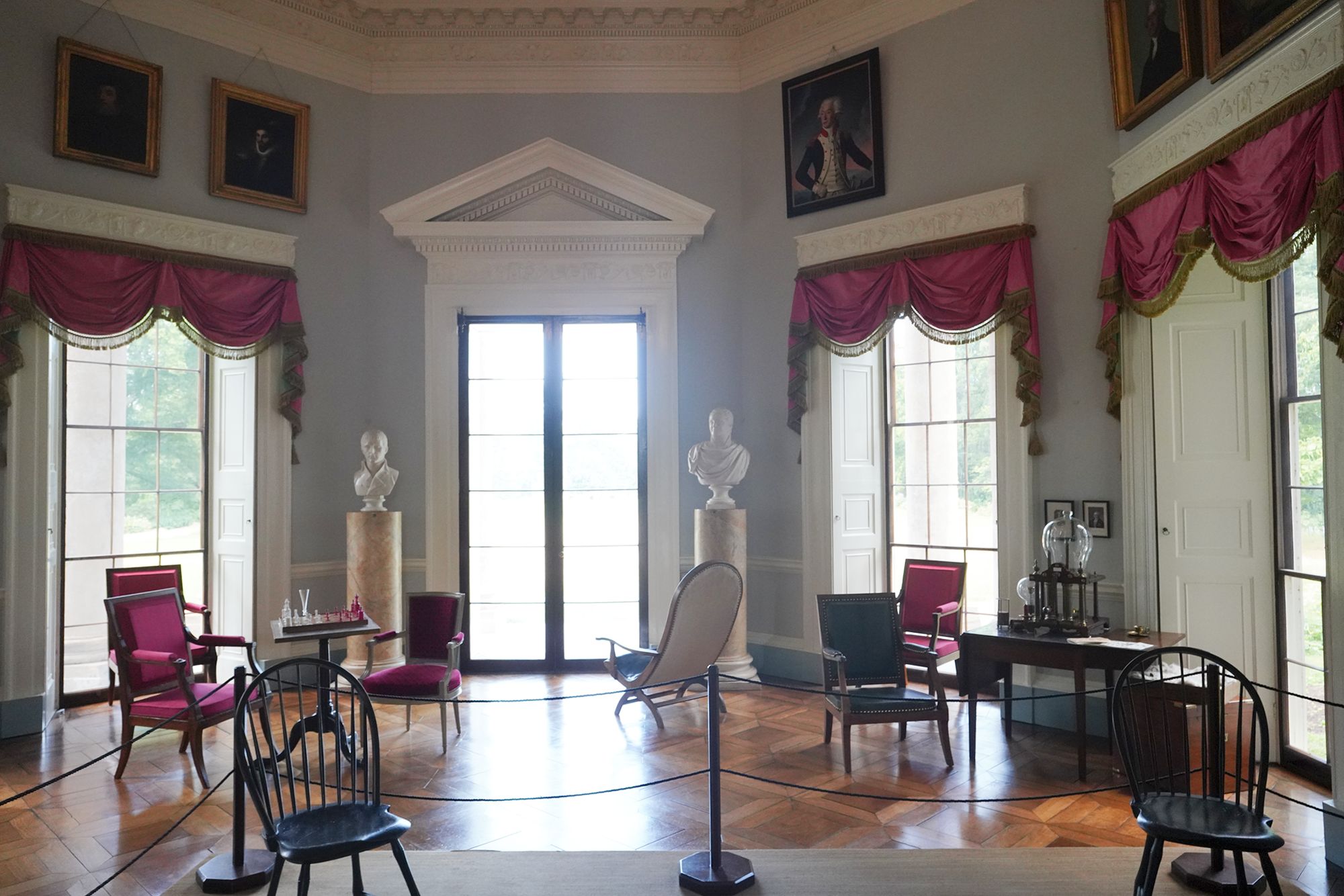
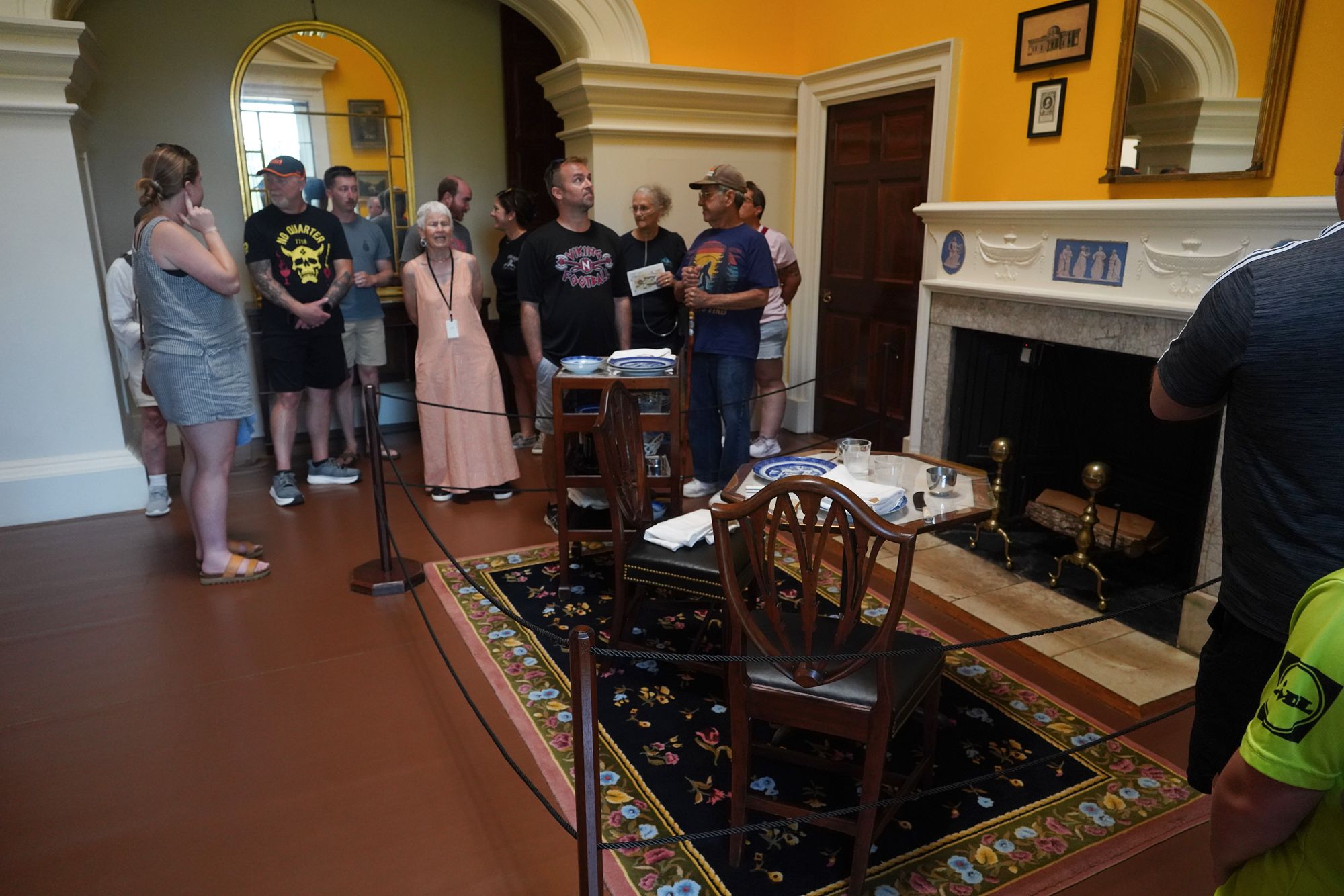
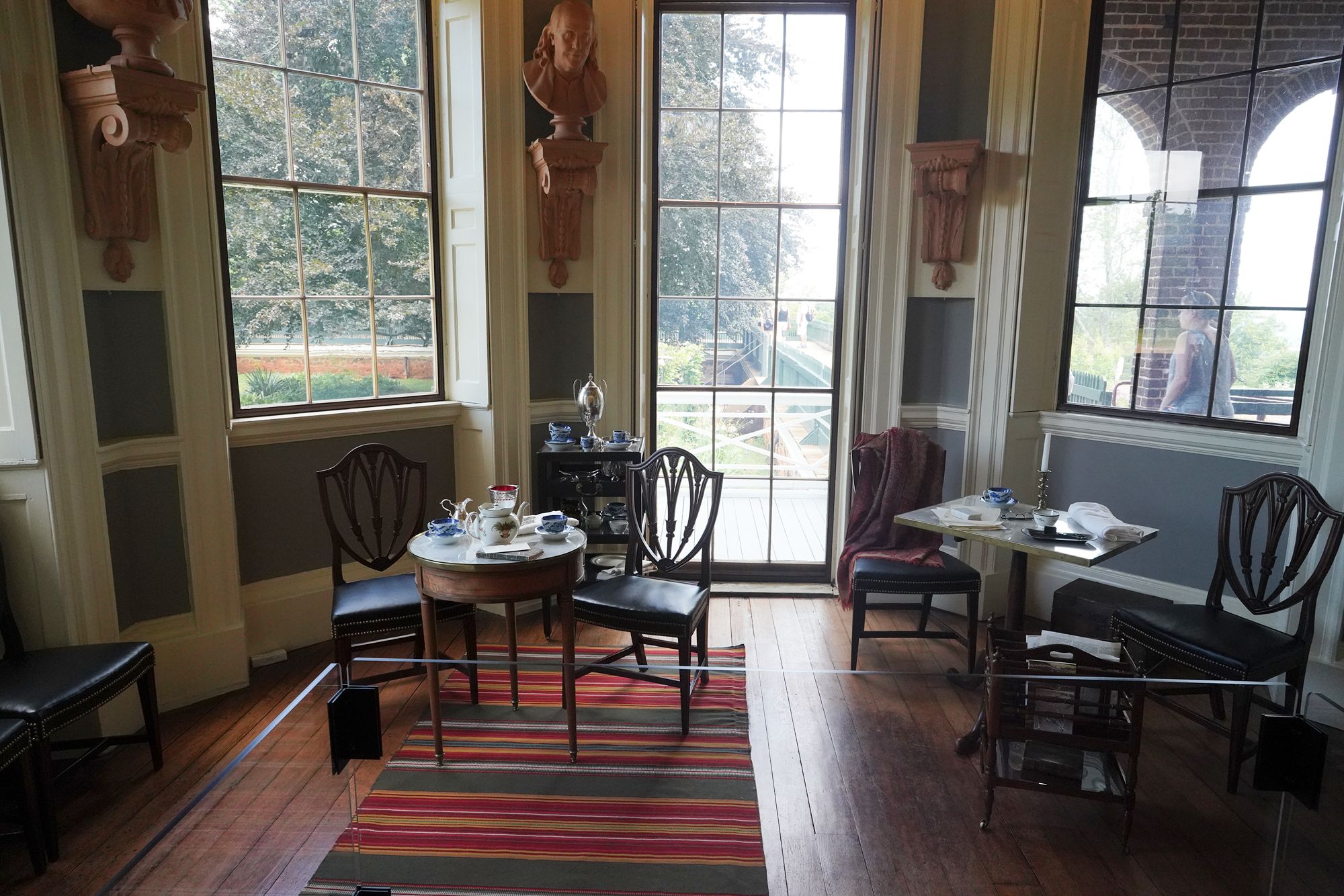
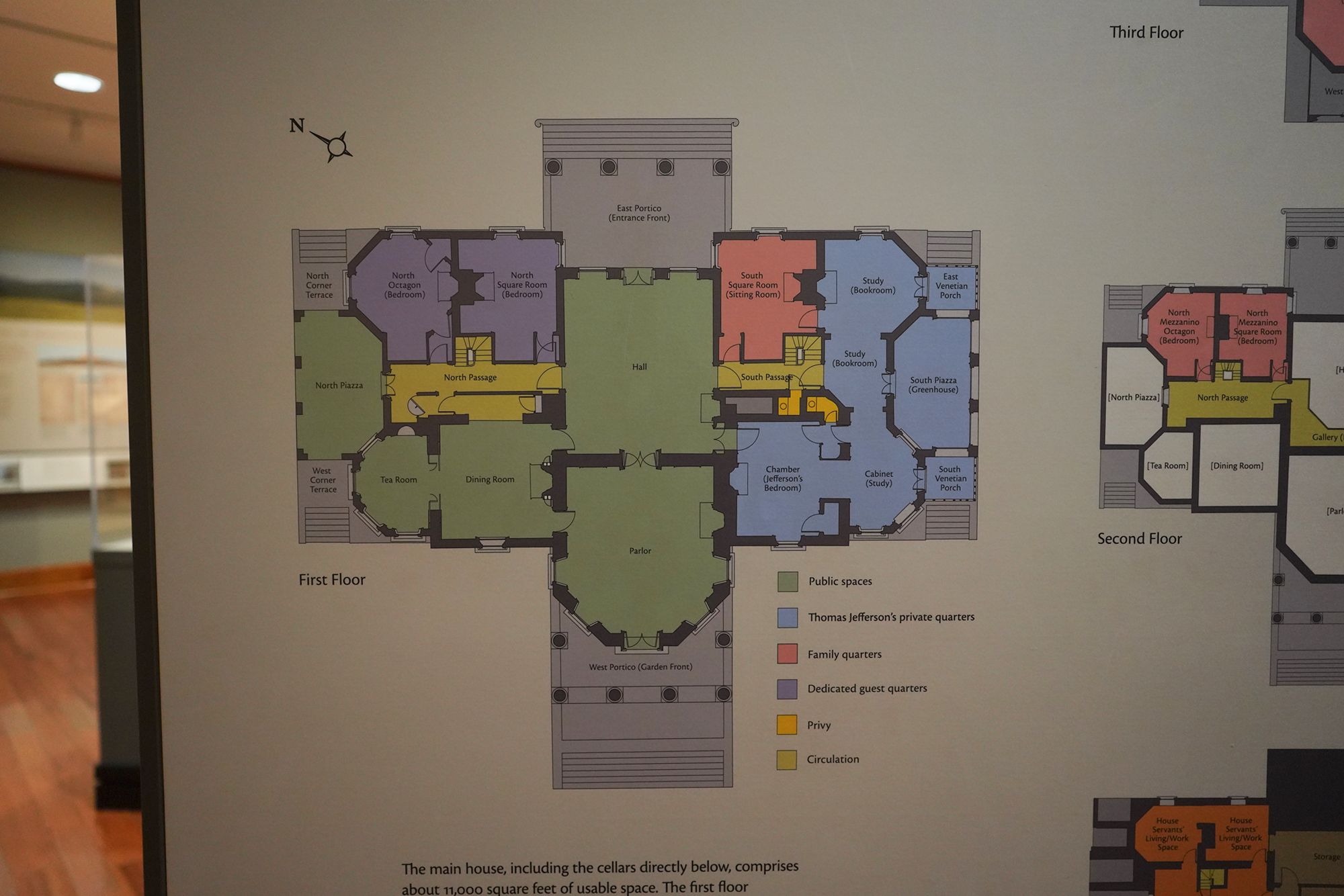
Typically, only the first floor of Monticello is open to the public on regular tours; access to the upper floors is limited to special tours or not open due to preservation concerns.
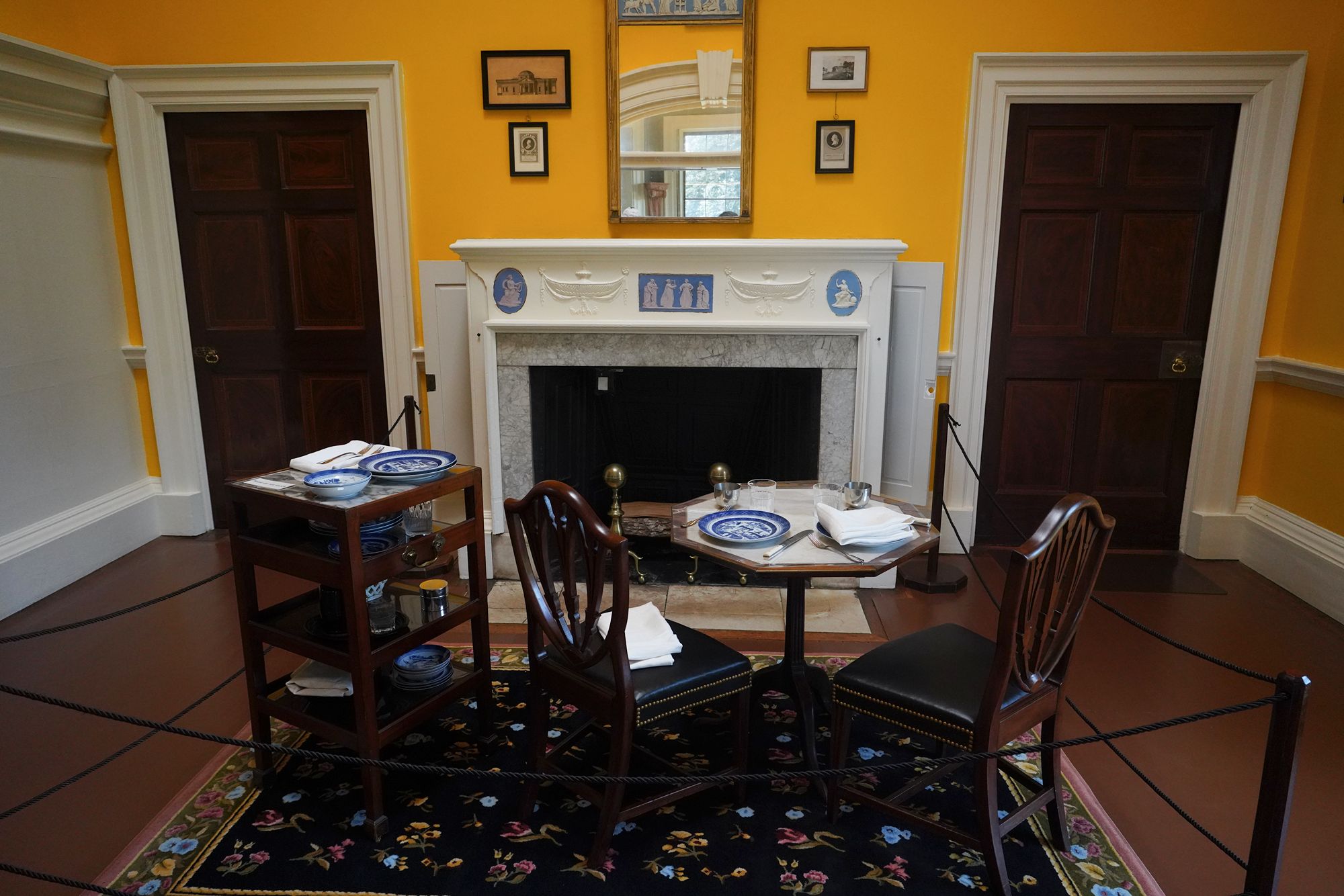
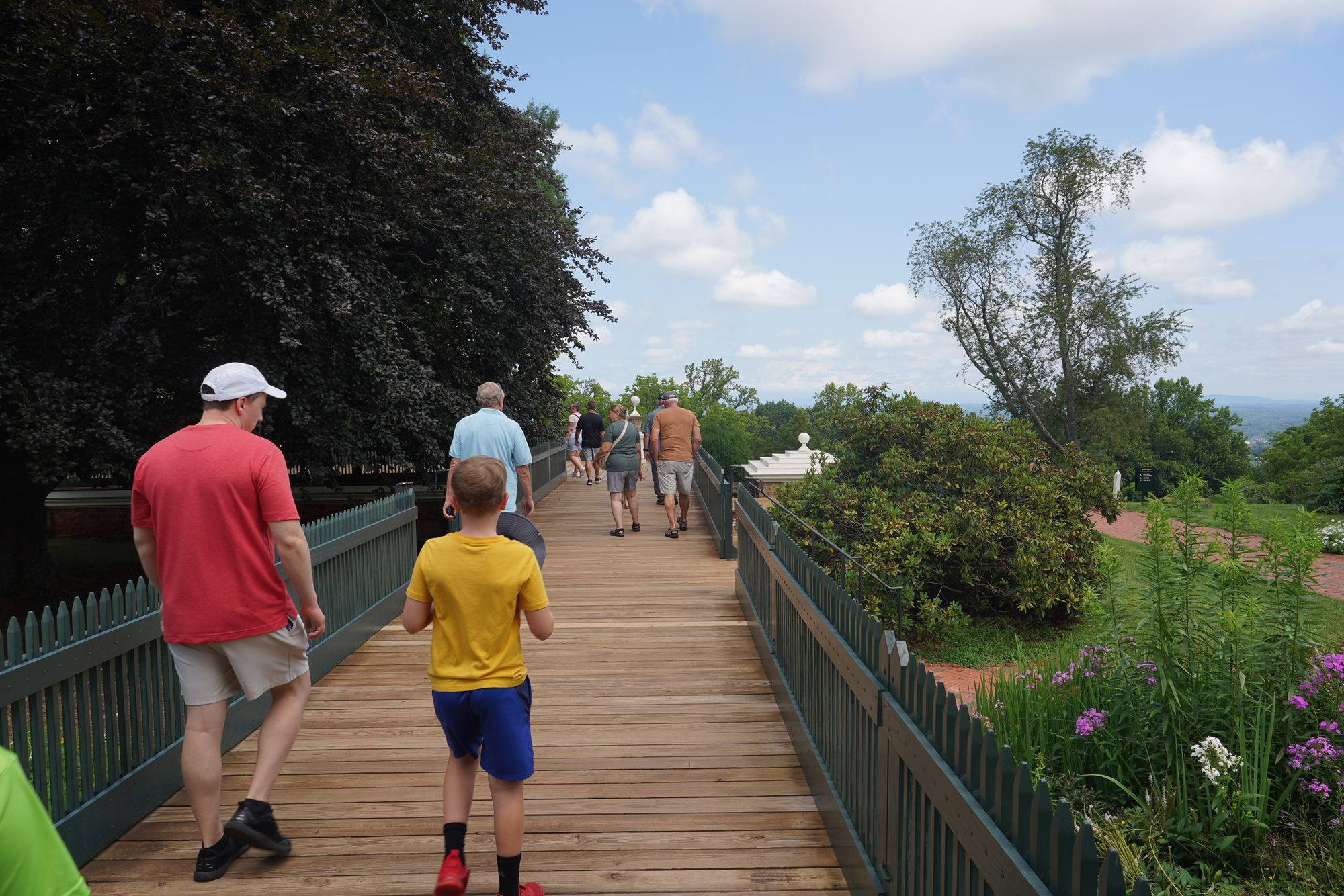
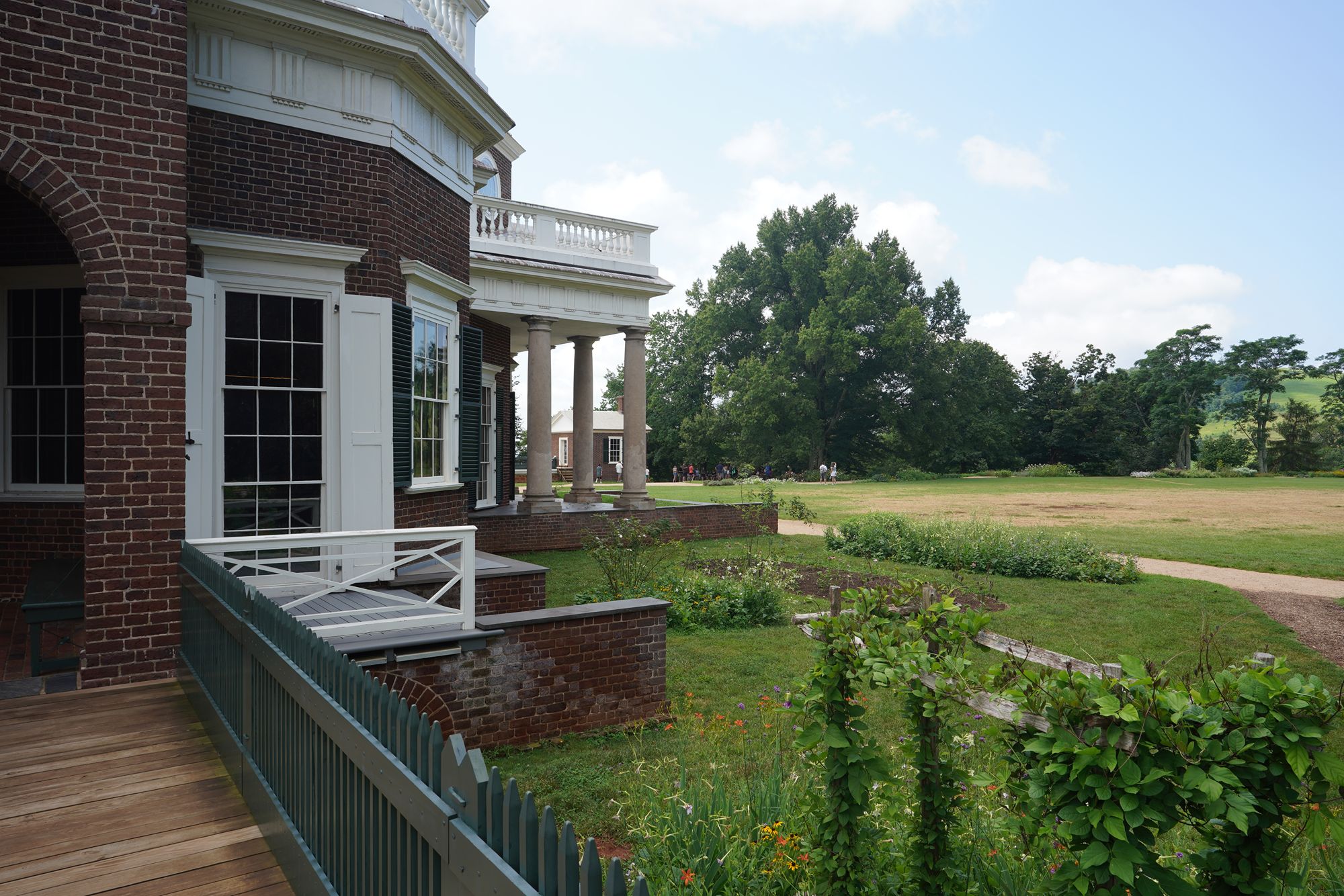
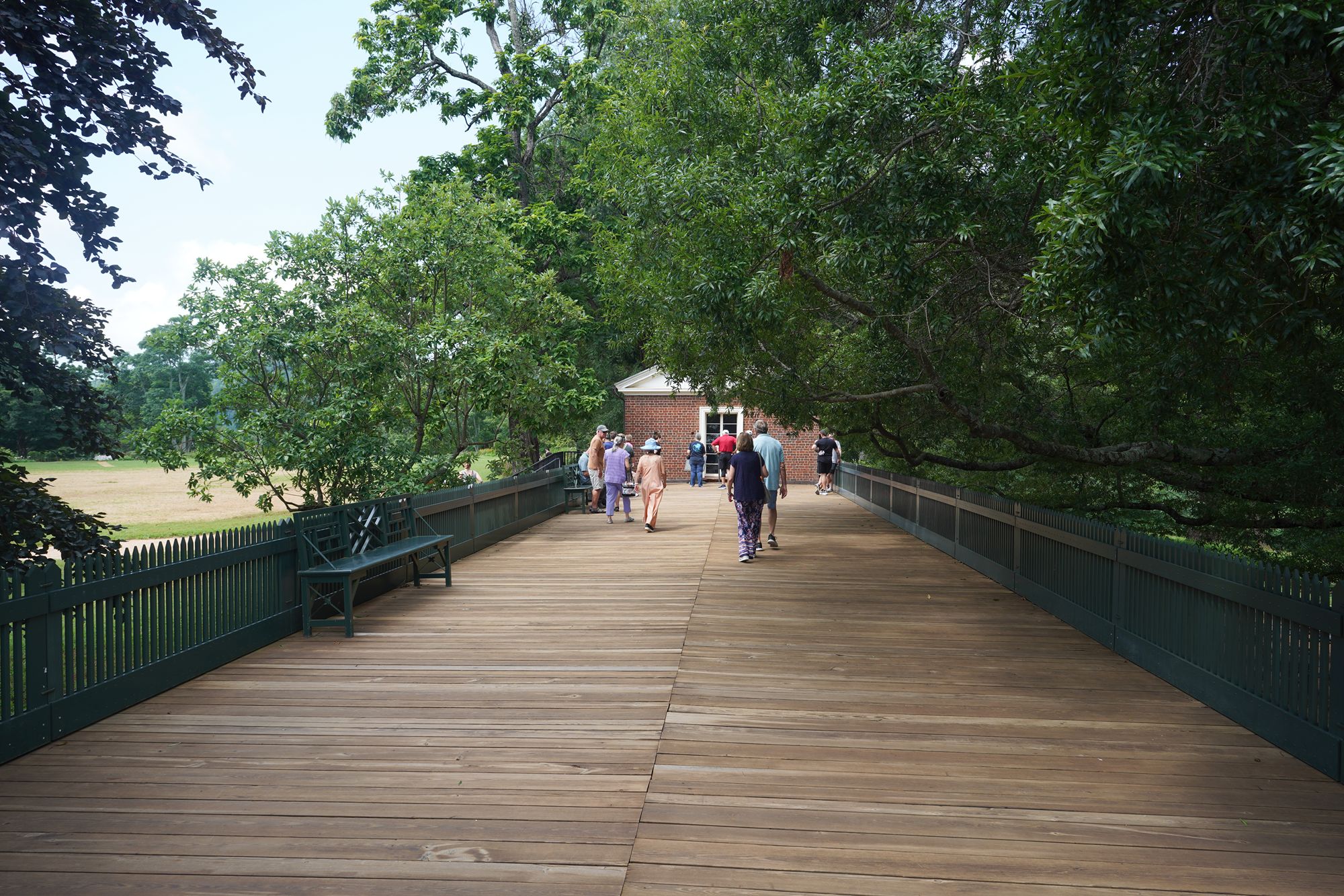
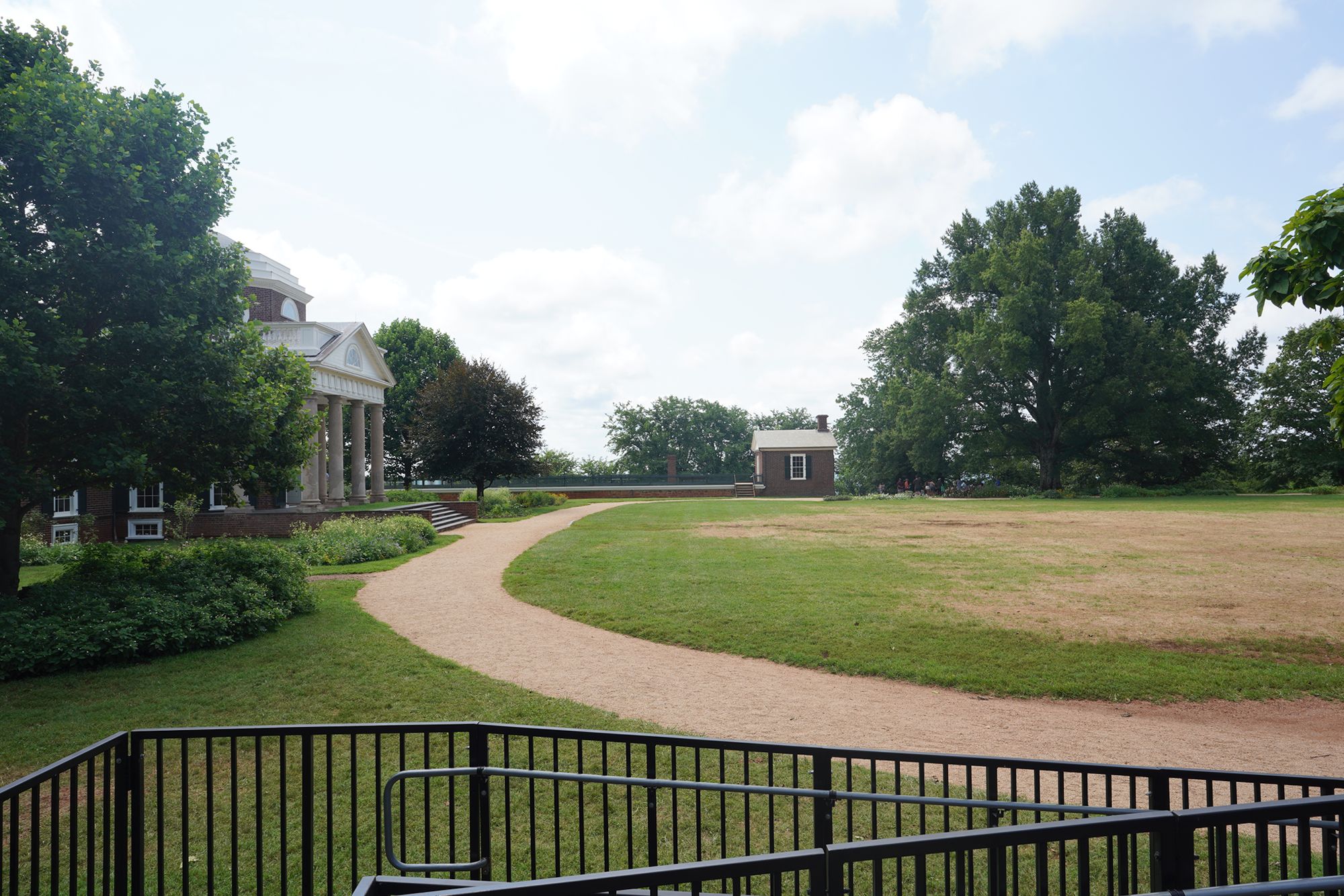
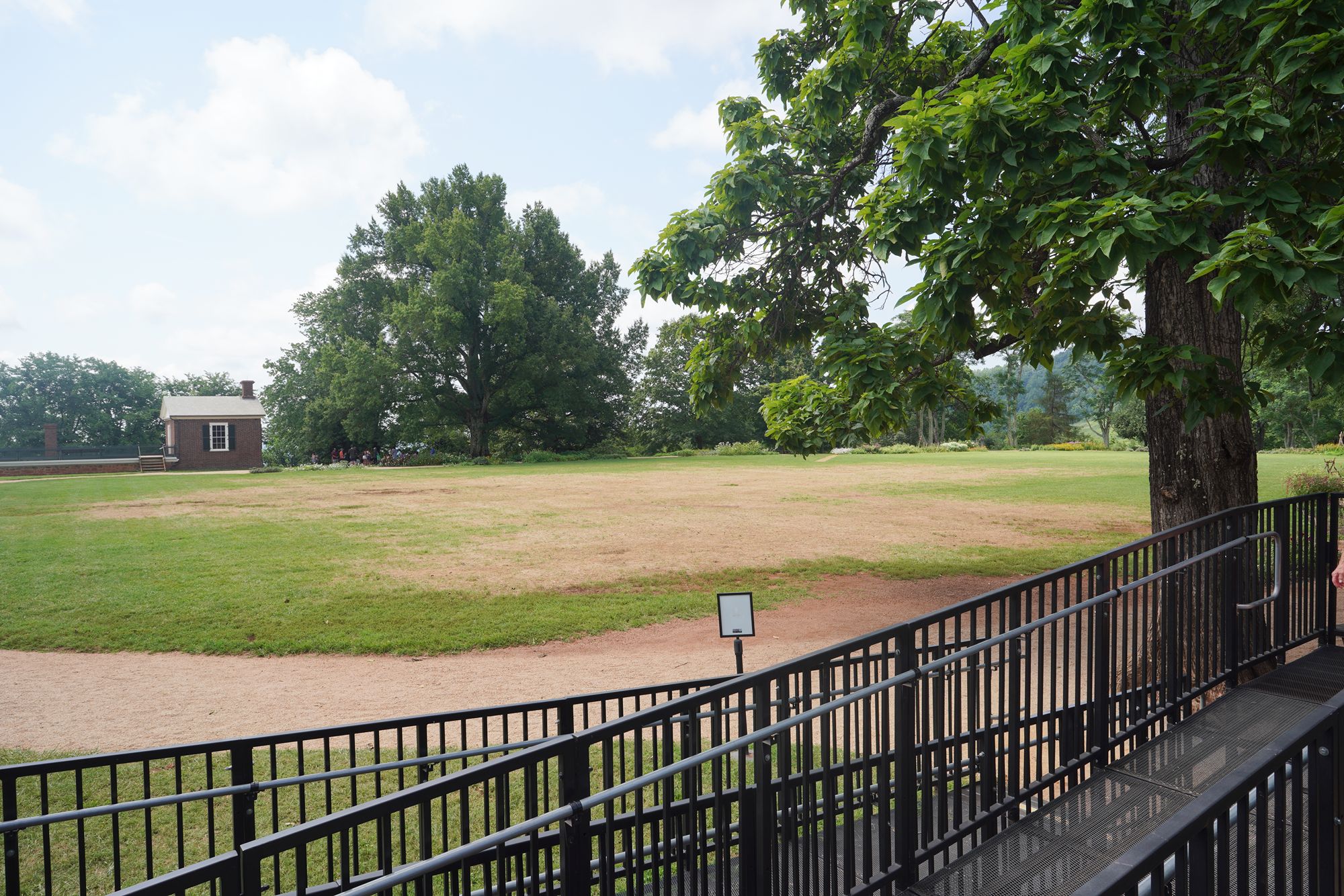
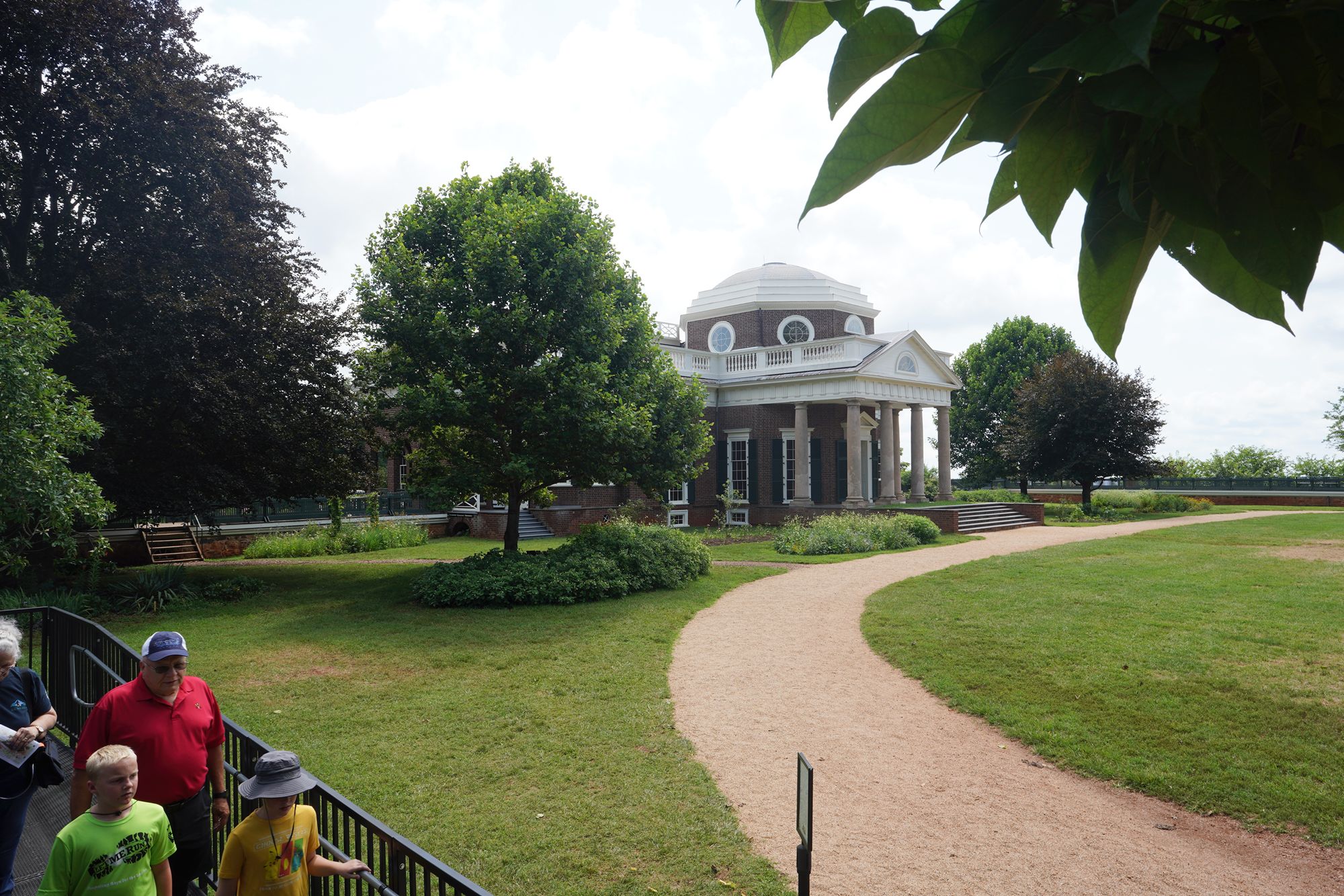
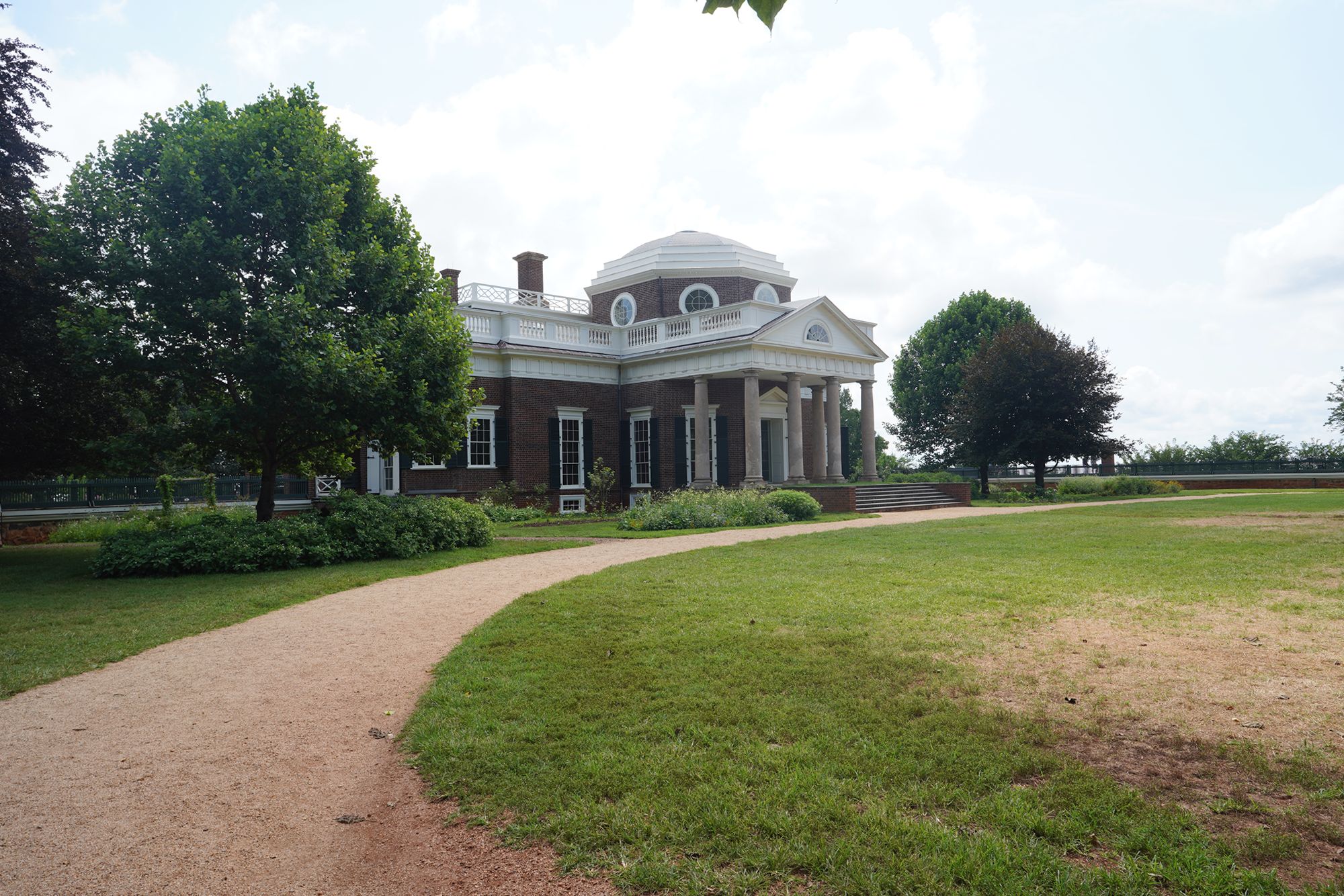
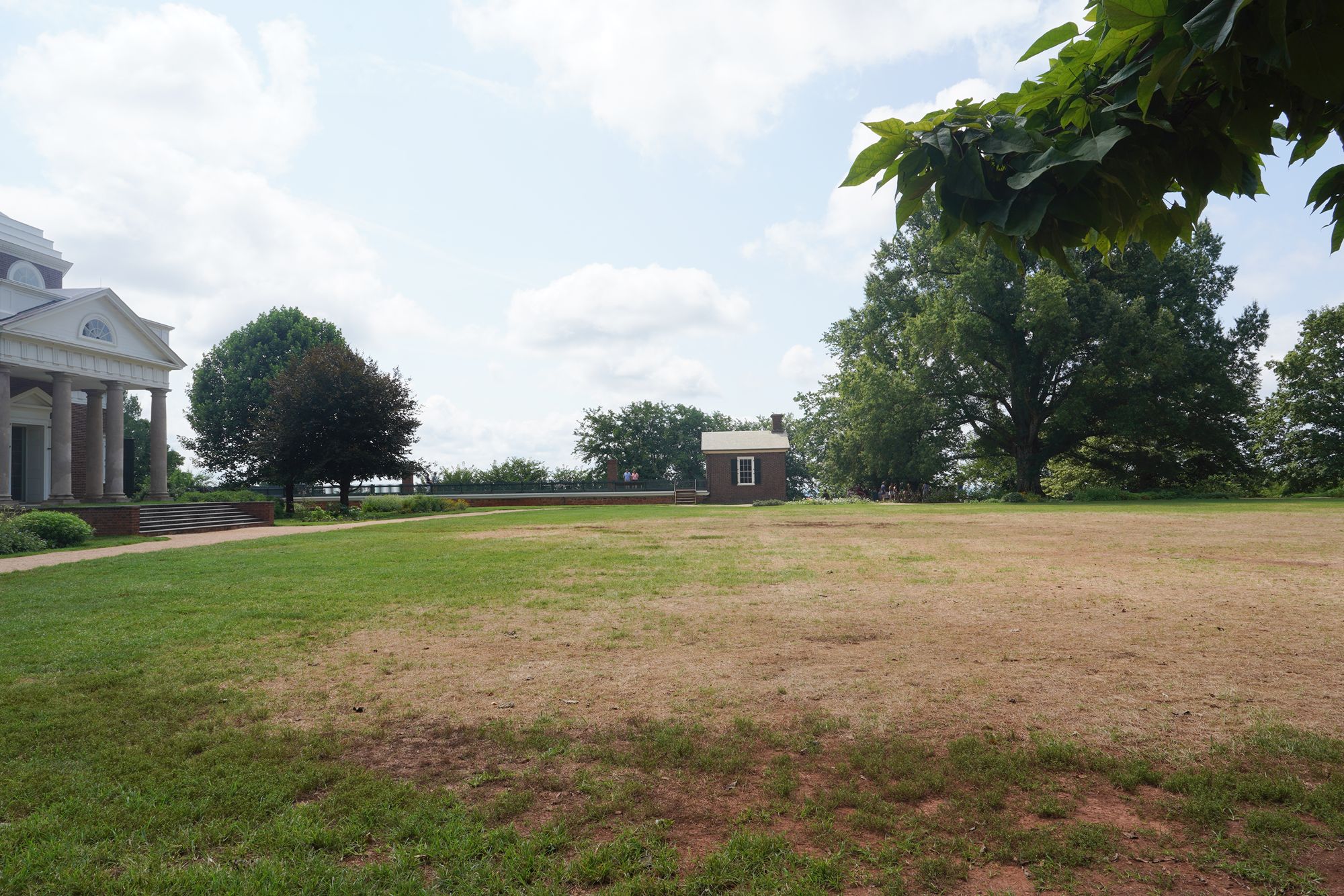
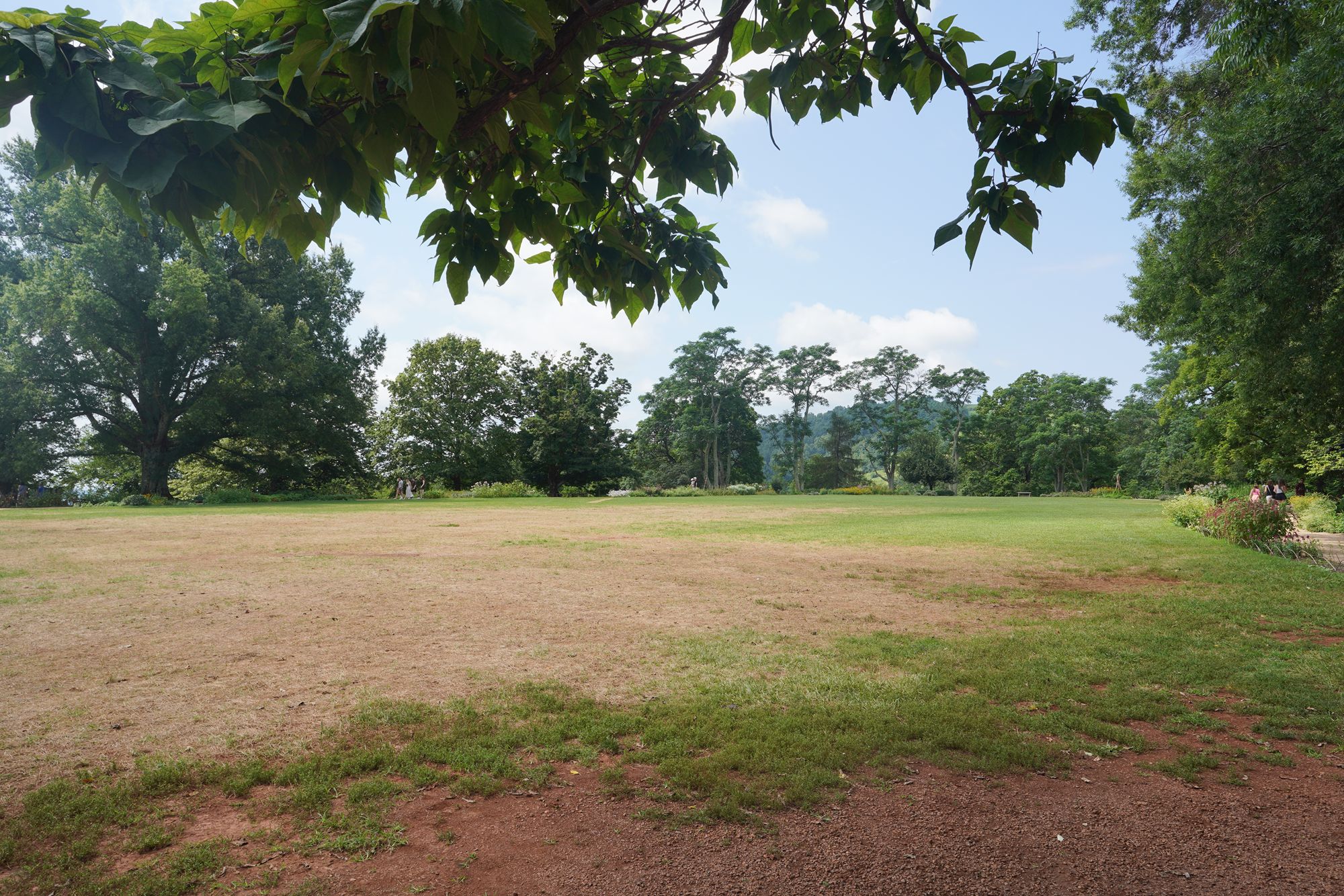
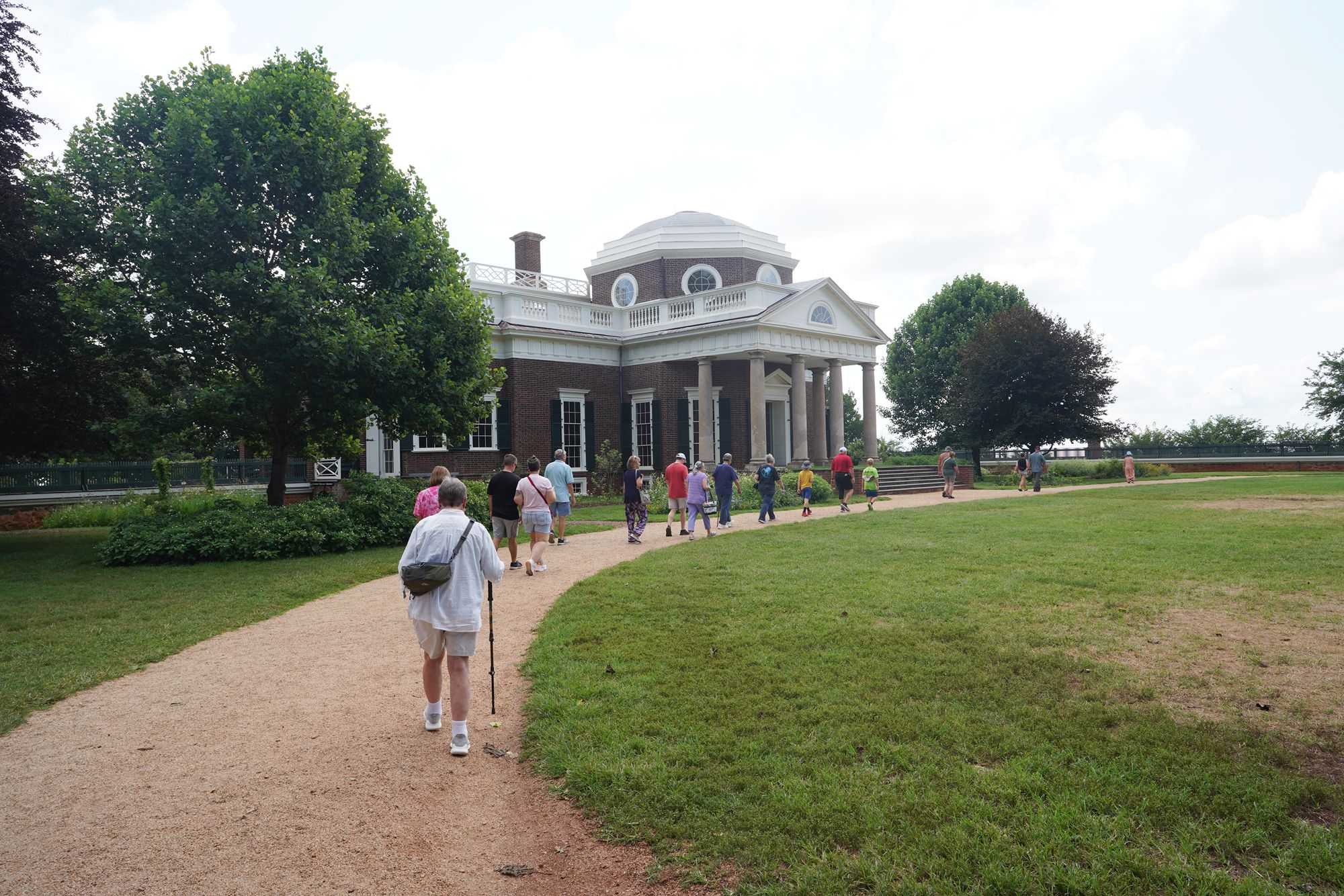
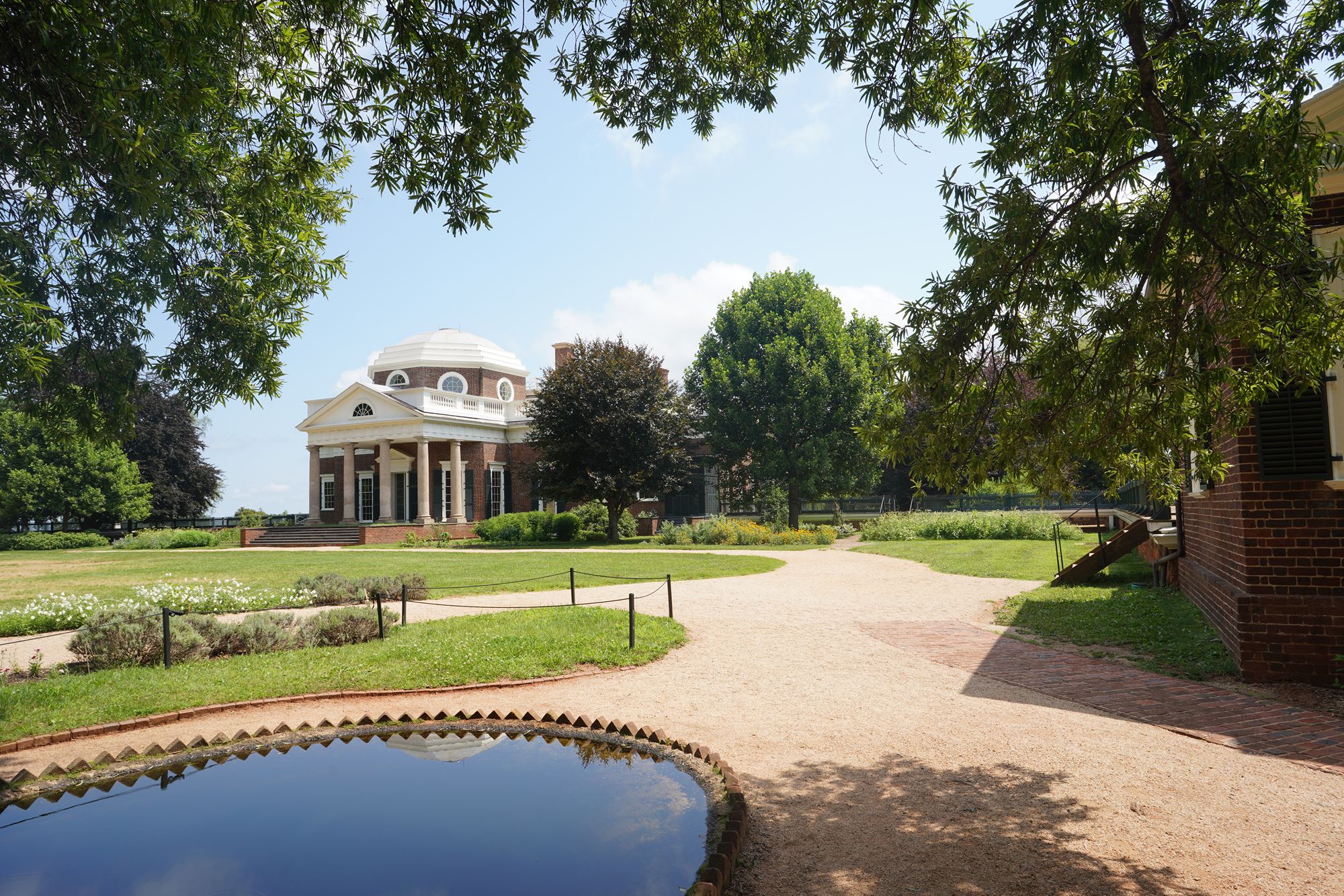
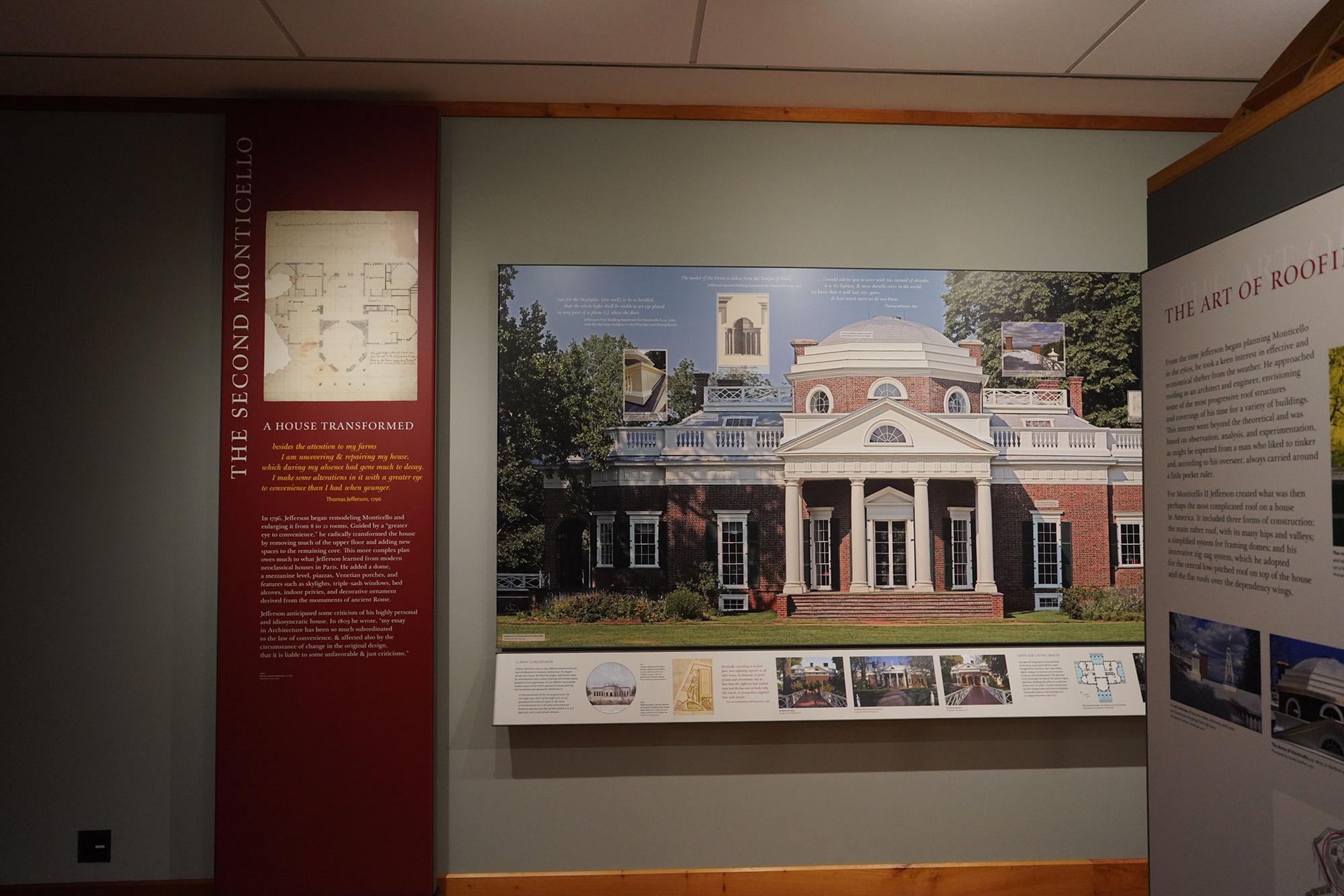
Monticello’s architecture reflects Thomas Jefferson’s passion for classical design, featuring symmetrical proportions, a central dome, columned porticos, and large windows inspired by Palladian and neoclassical styles.
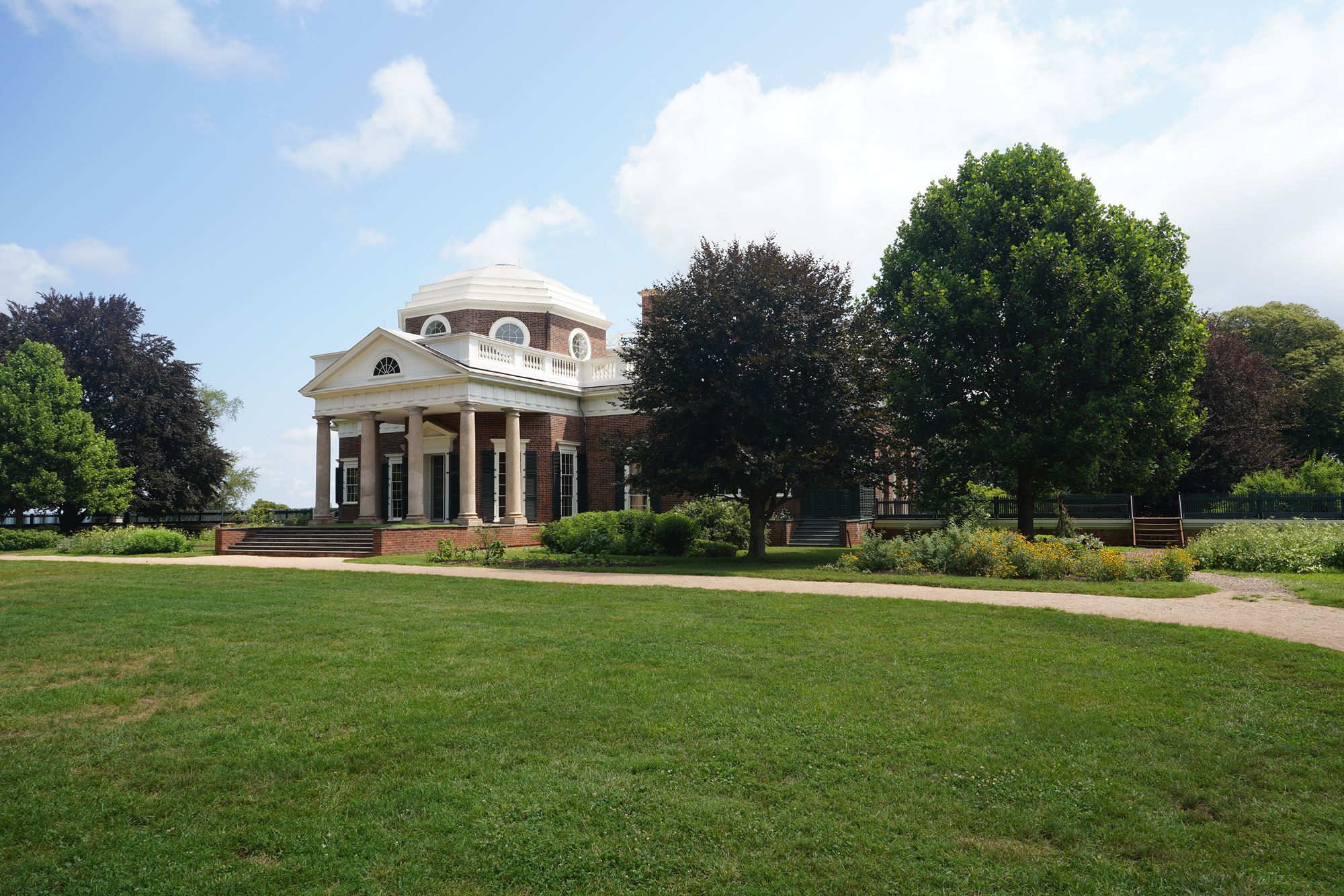
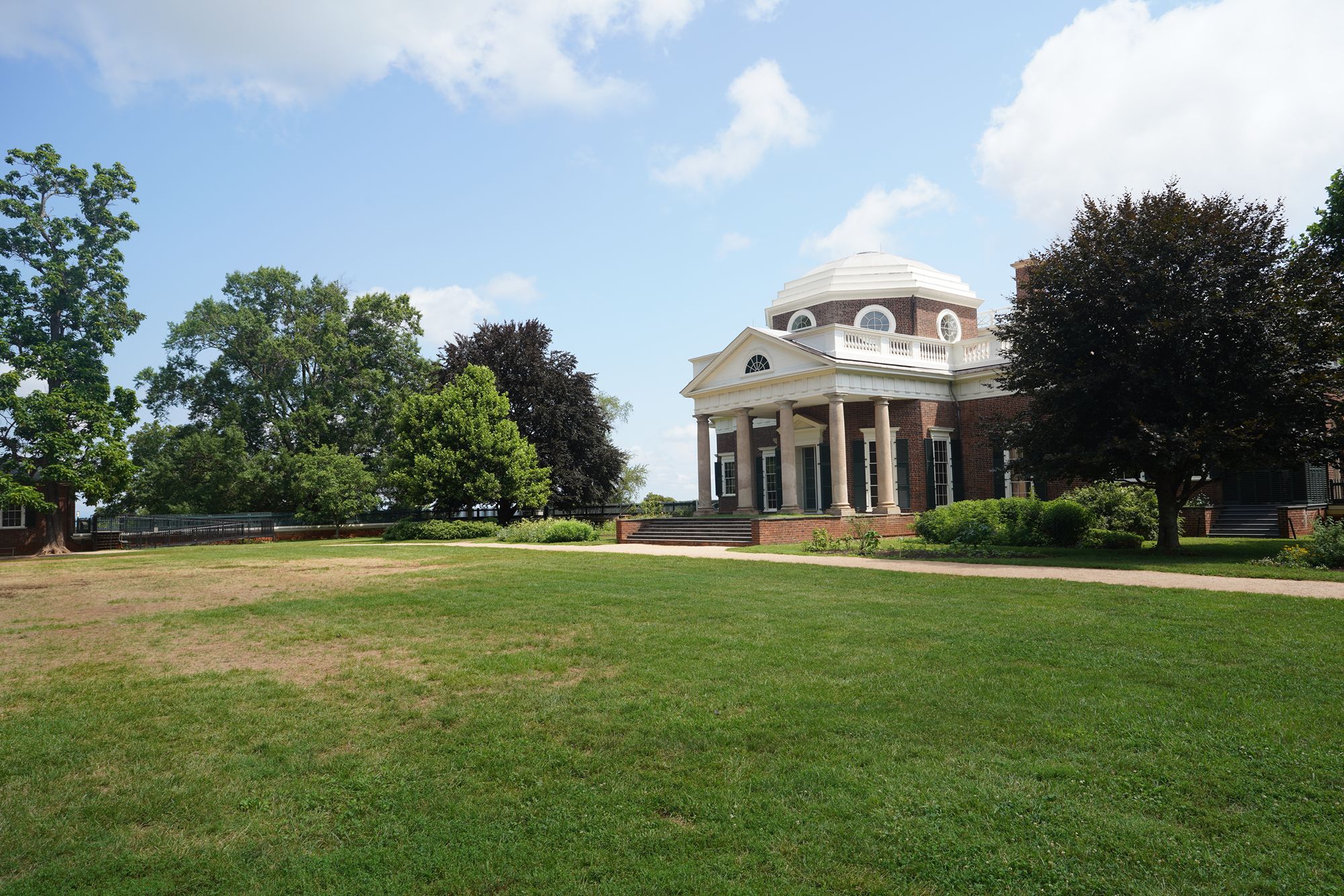
Jefferson blended European elegance with practical American materials, creating a uniquely personal and innovative home that symbolized enlightenment ideals in architecture.
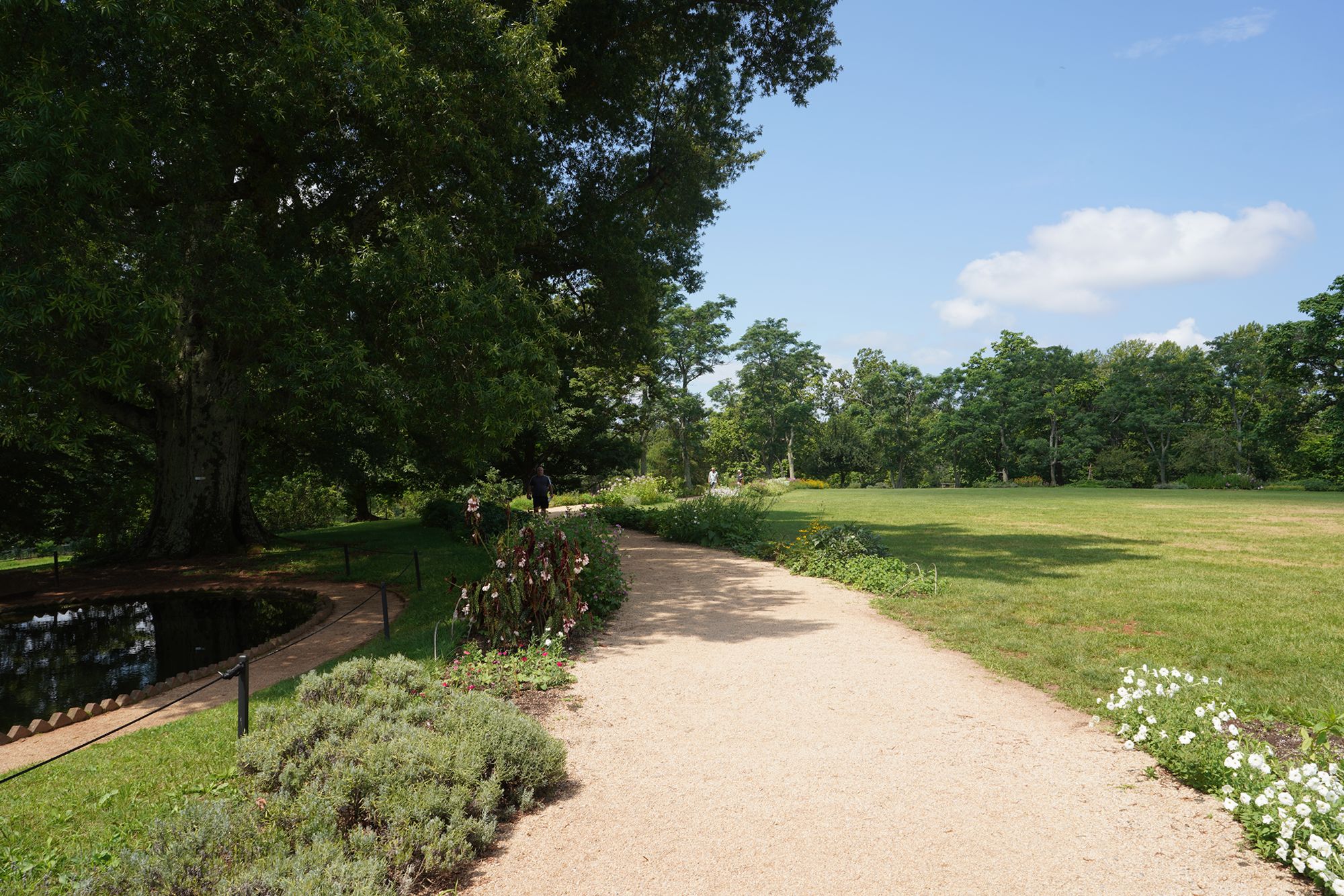
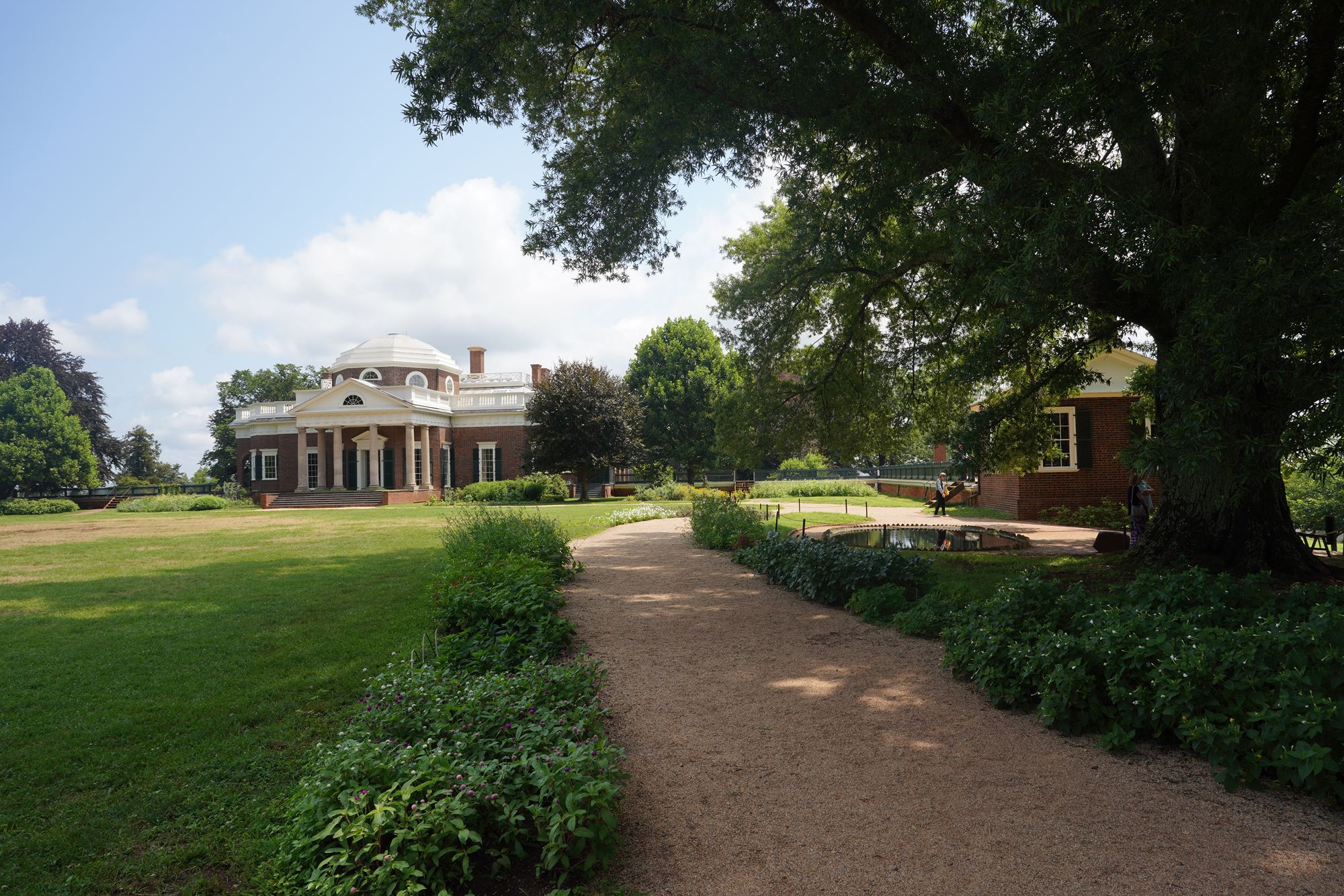
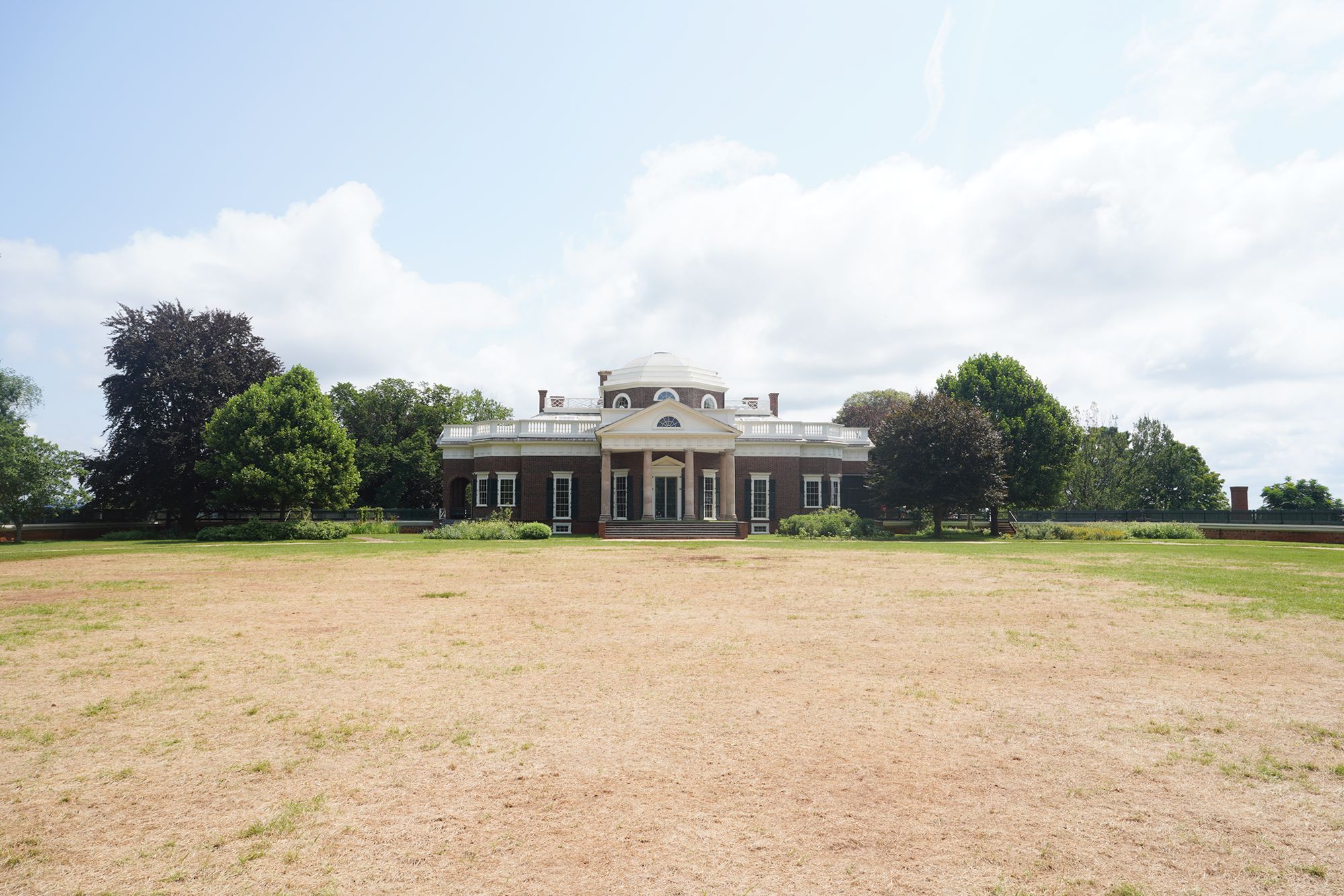
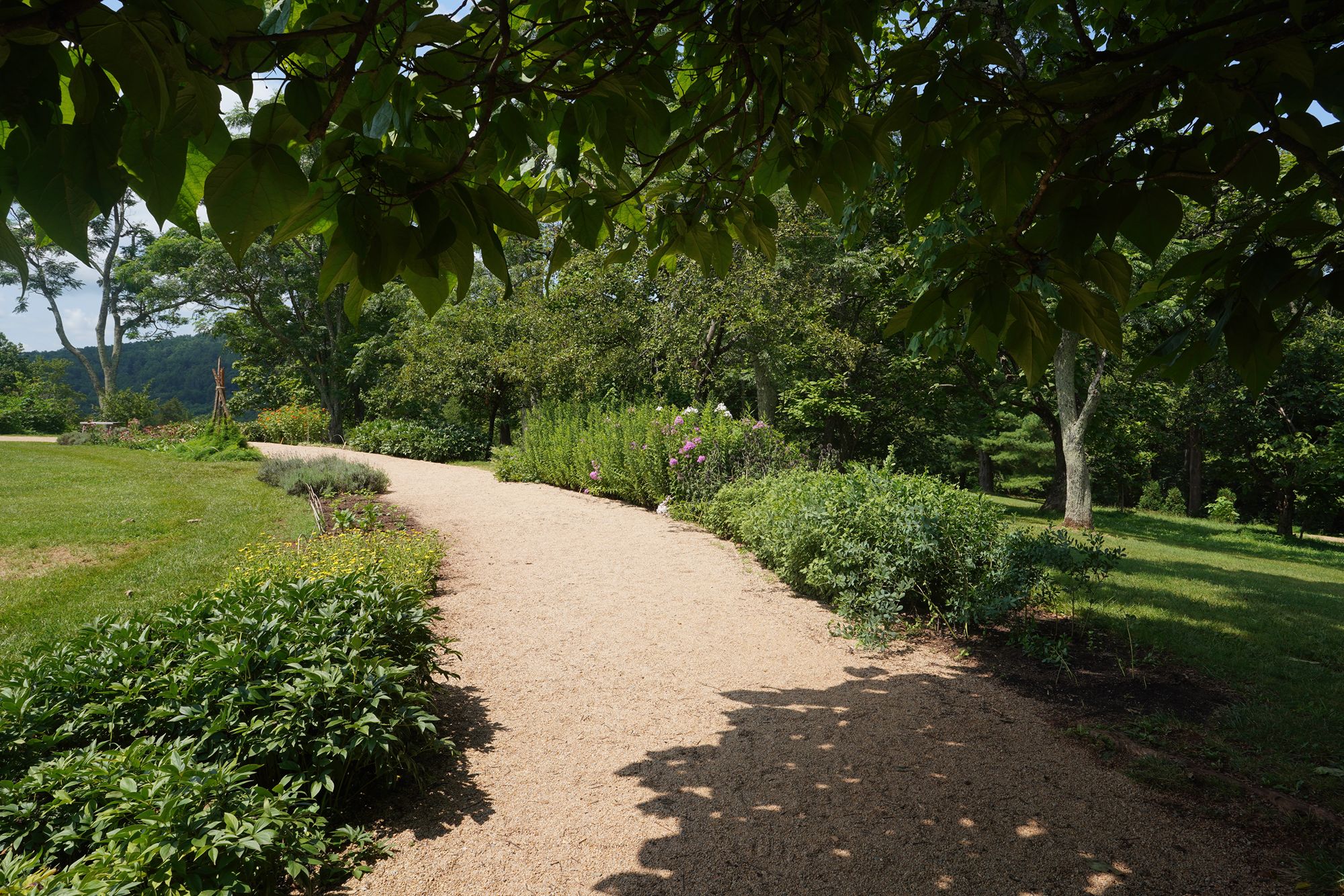
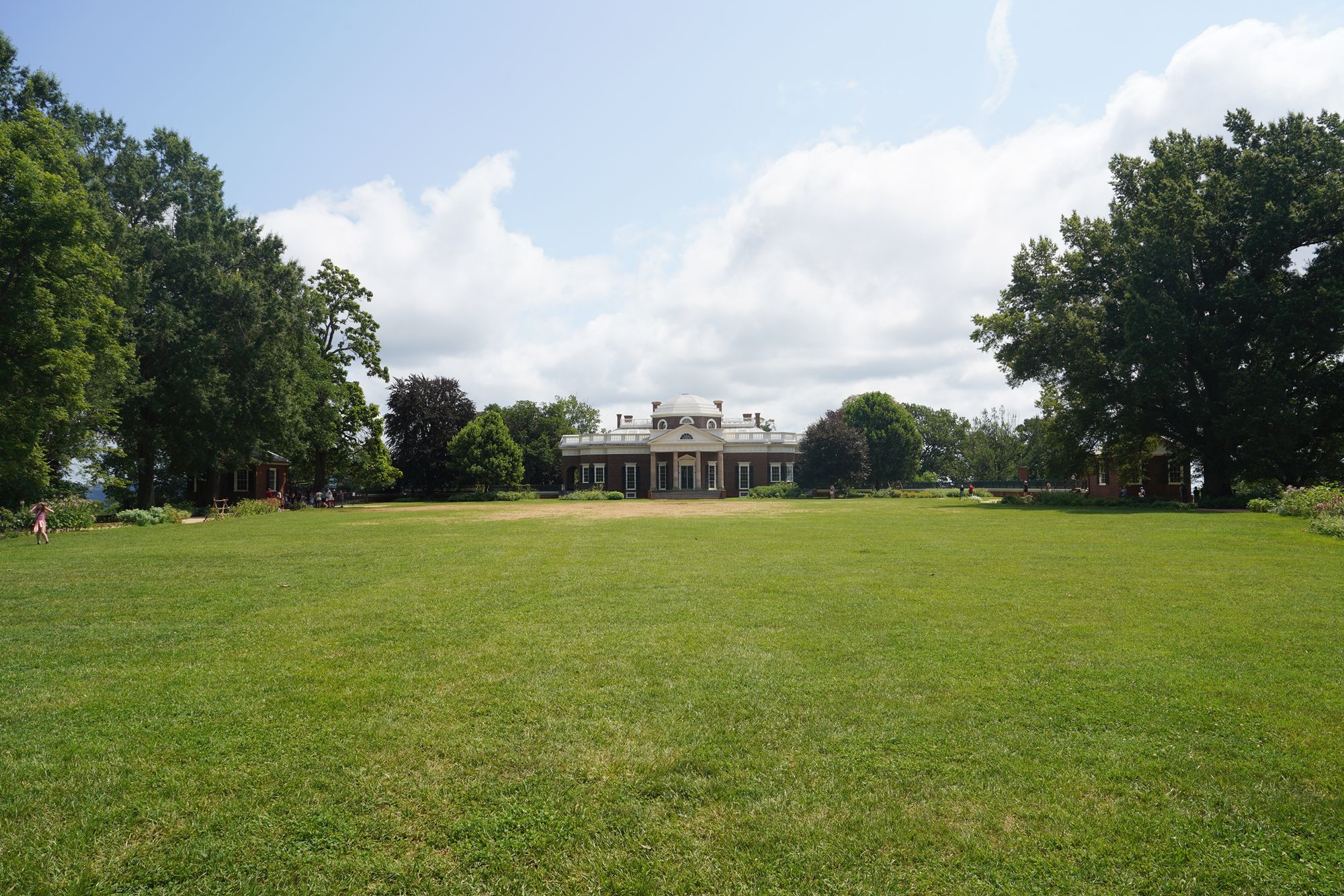
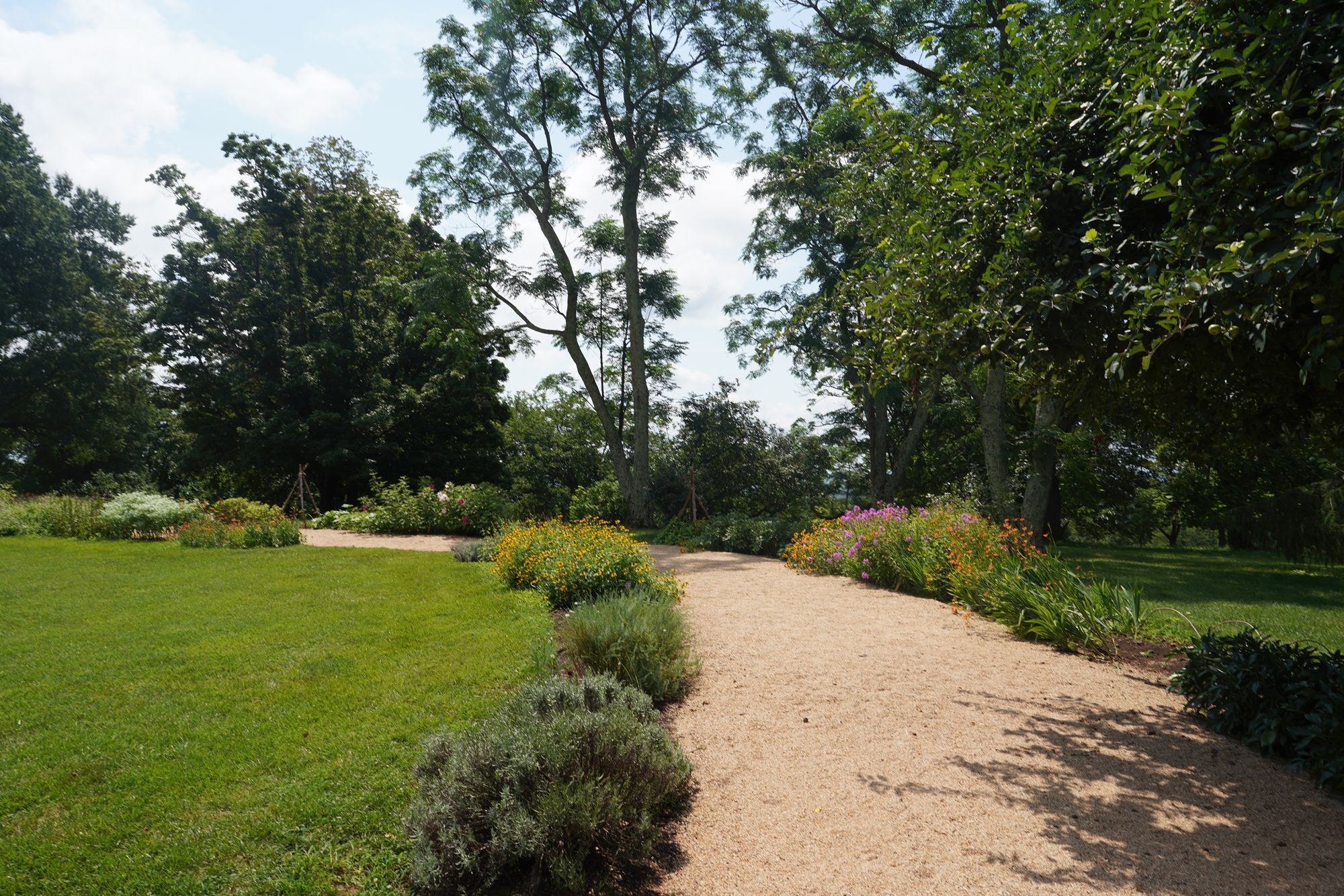
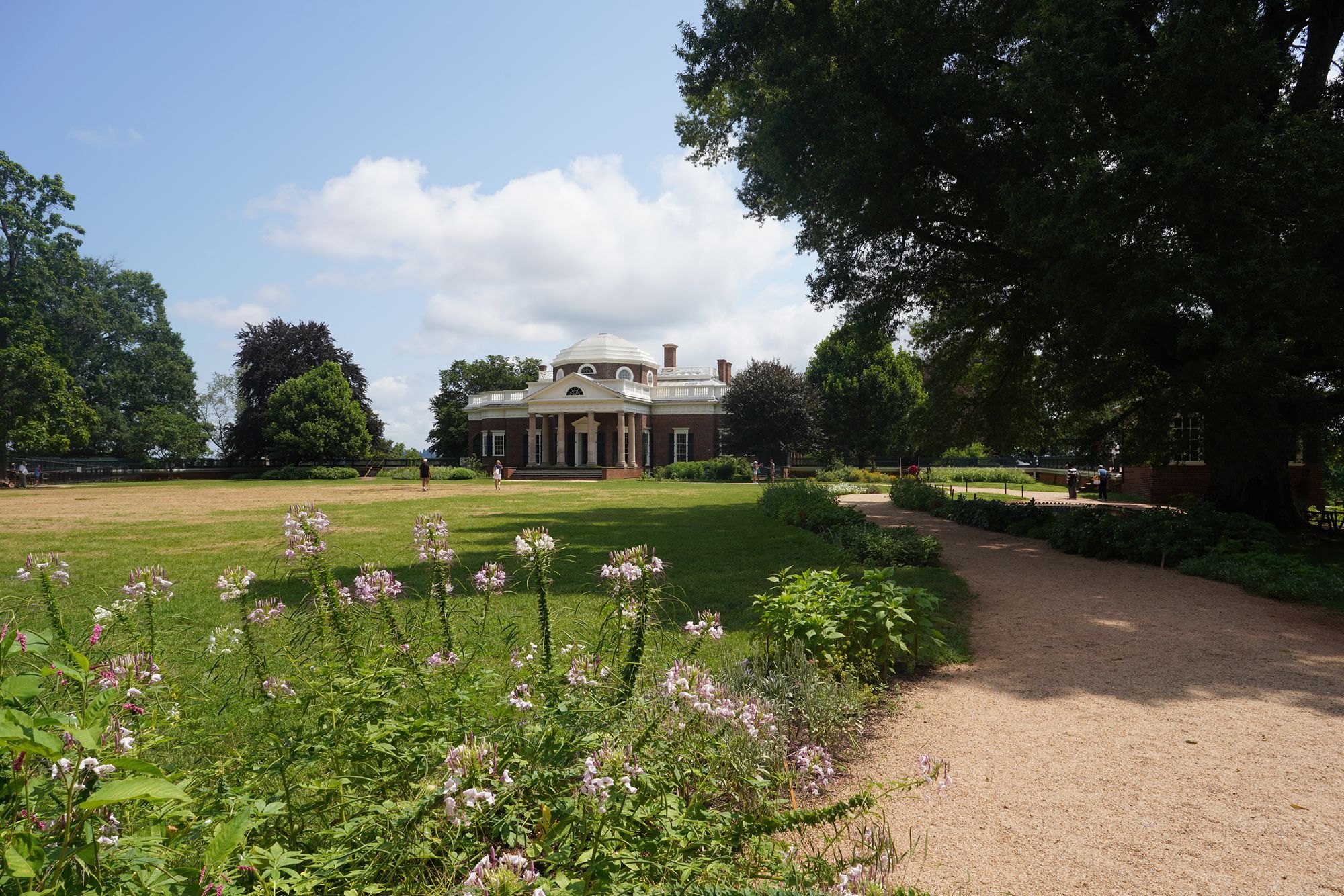
Below the house is an area with many rooms that were used by household workers, most of whom were enslaved people.
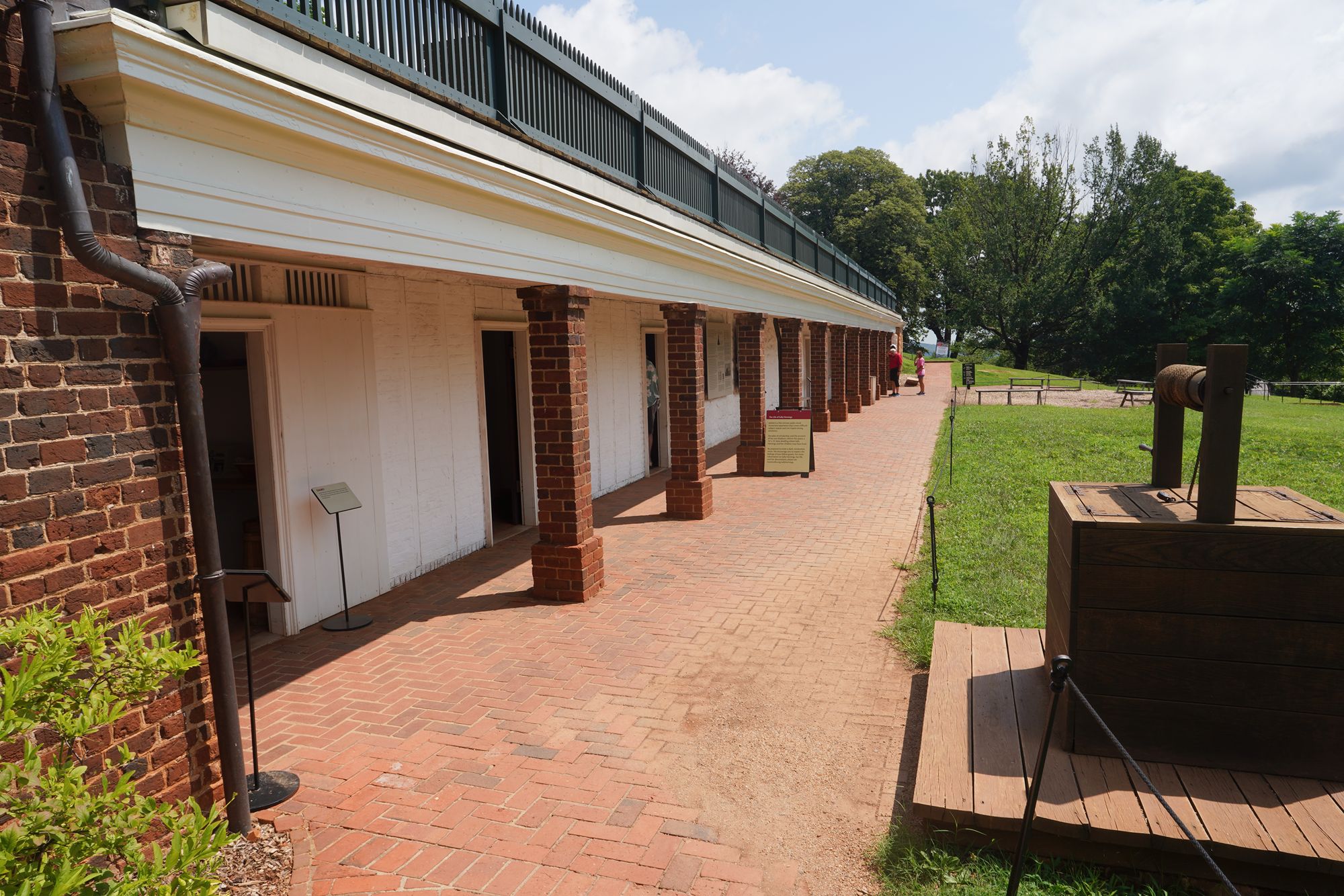
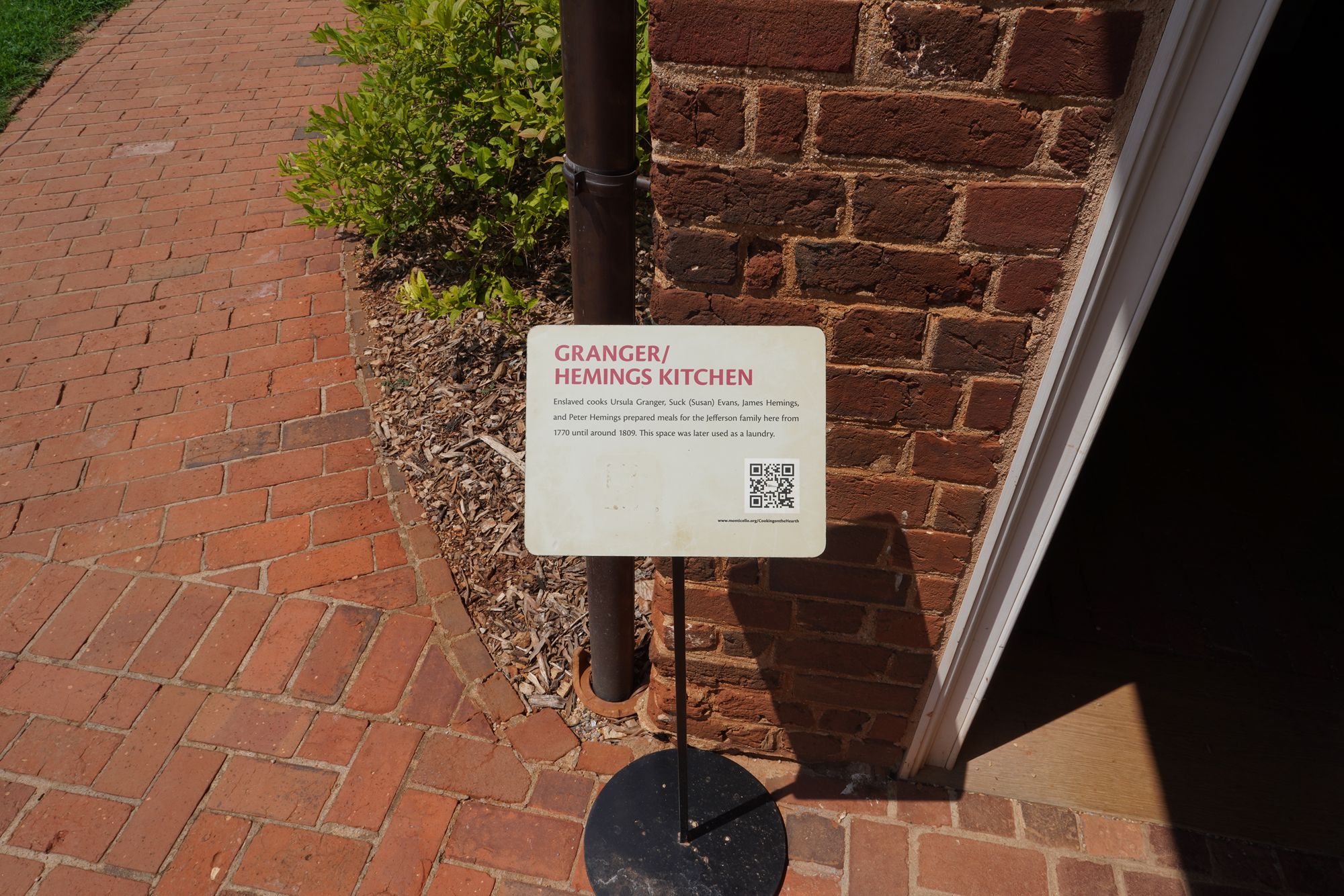
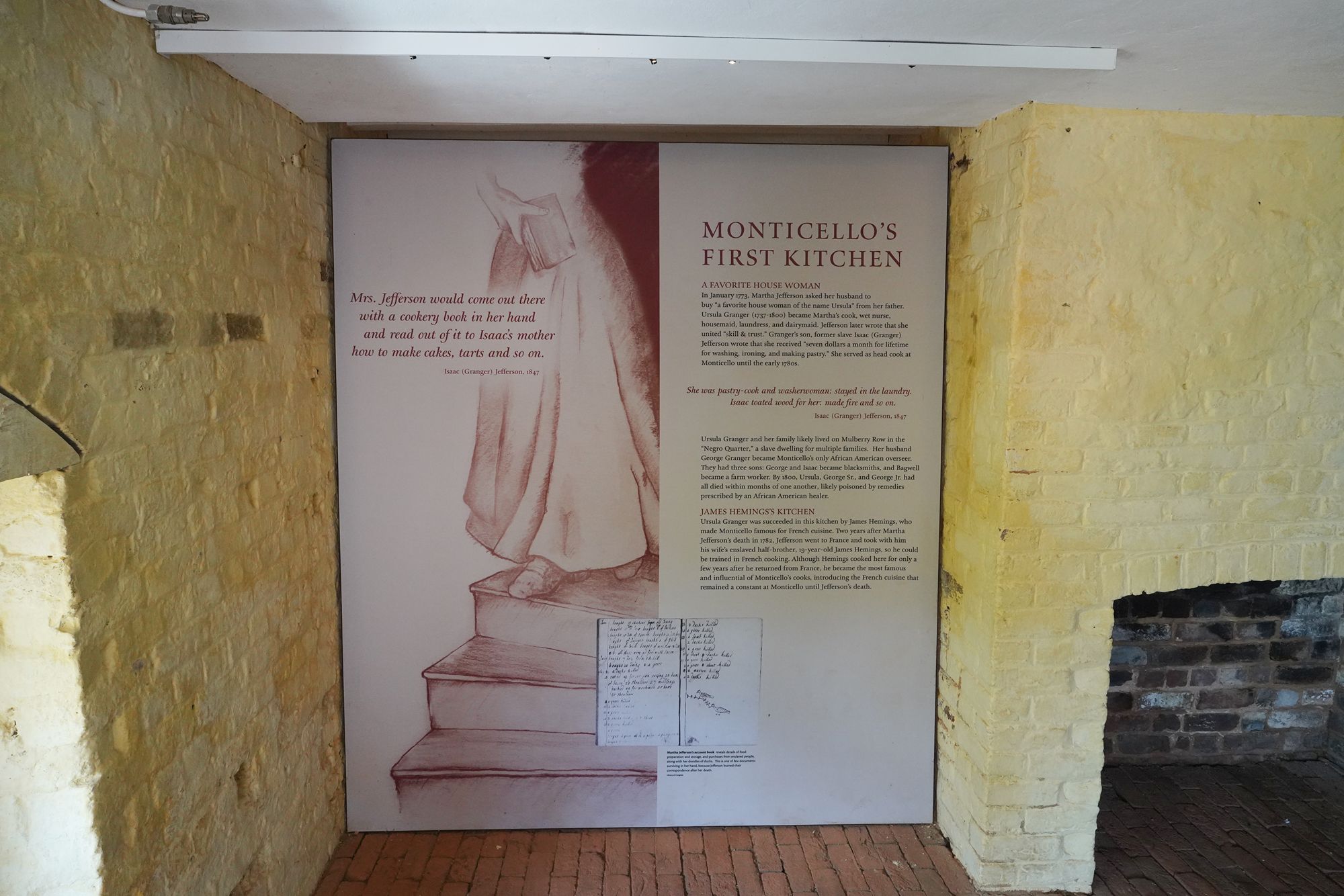
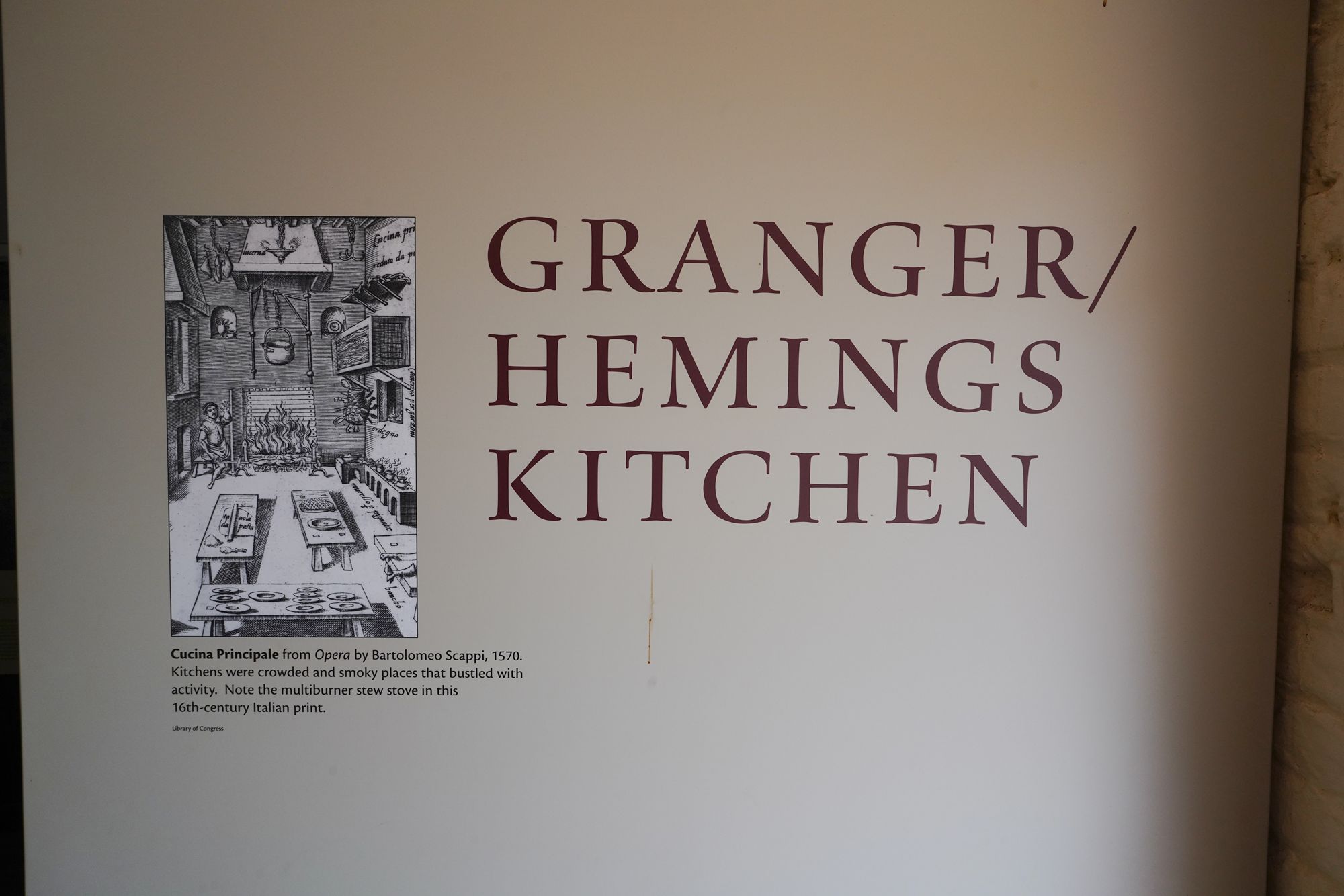
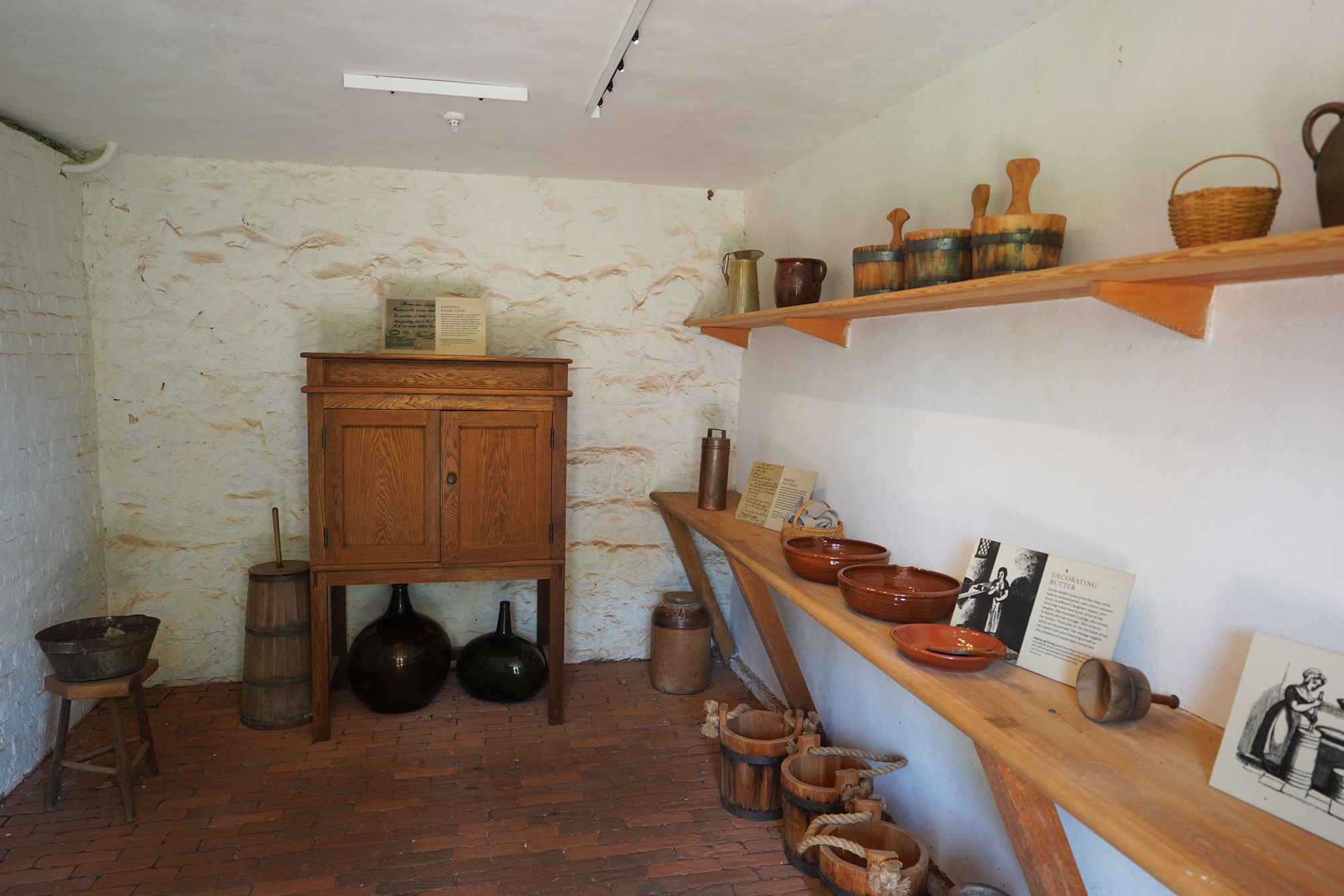
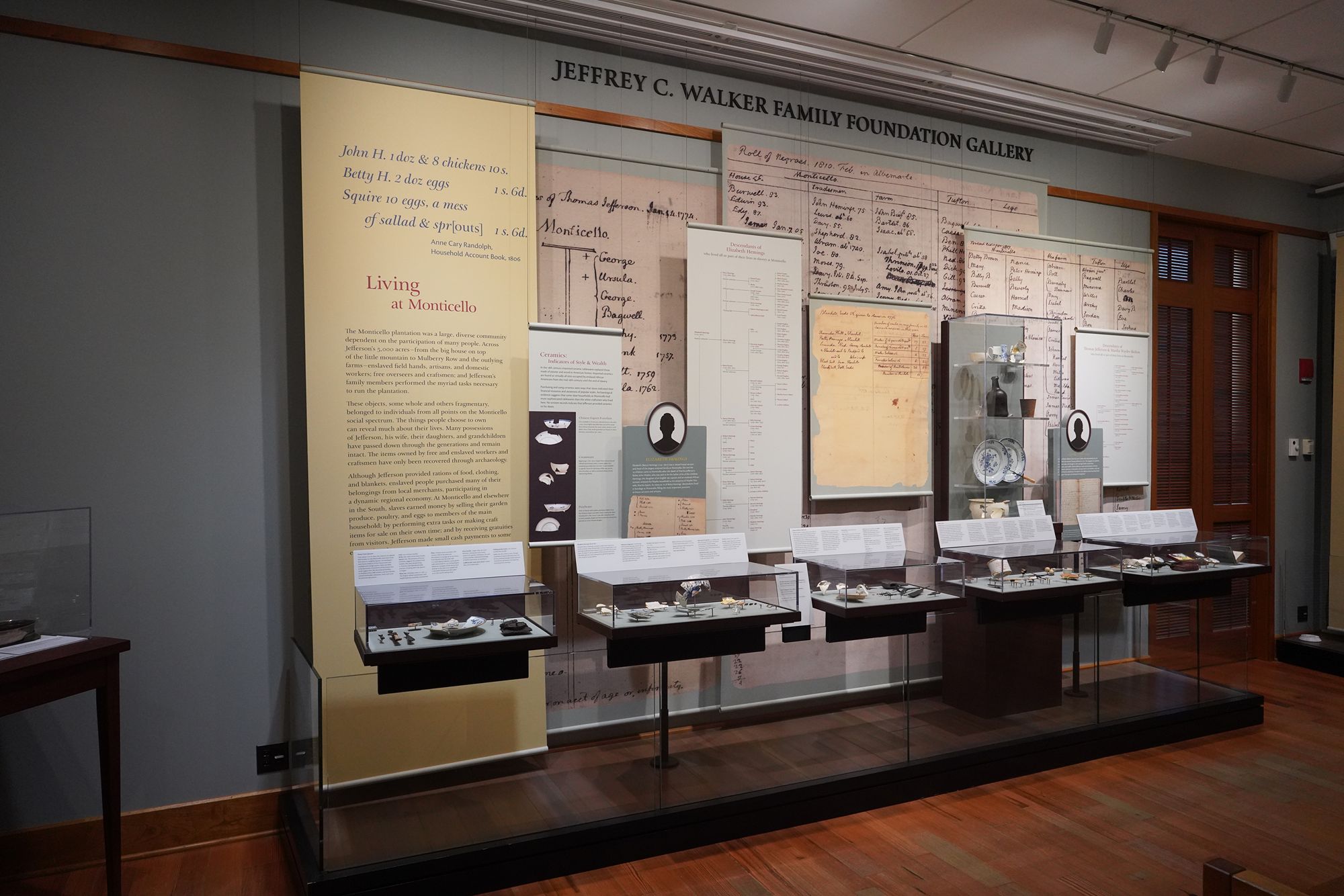
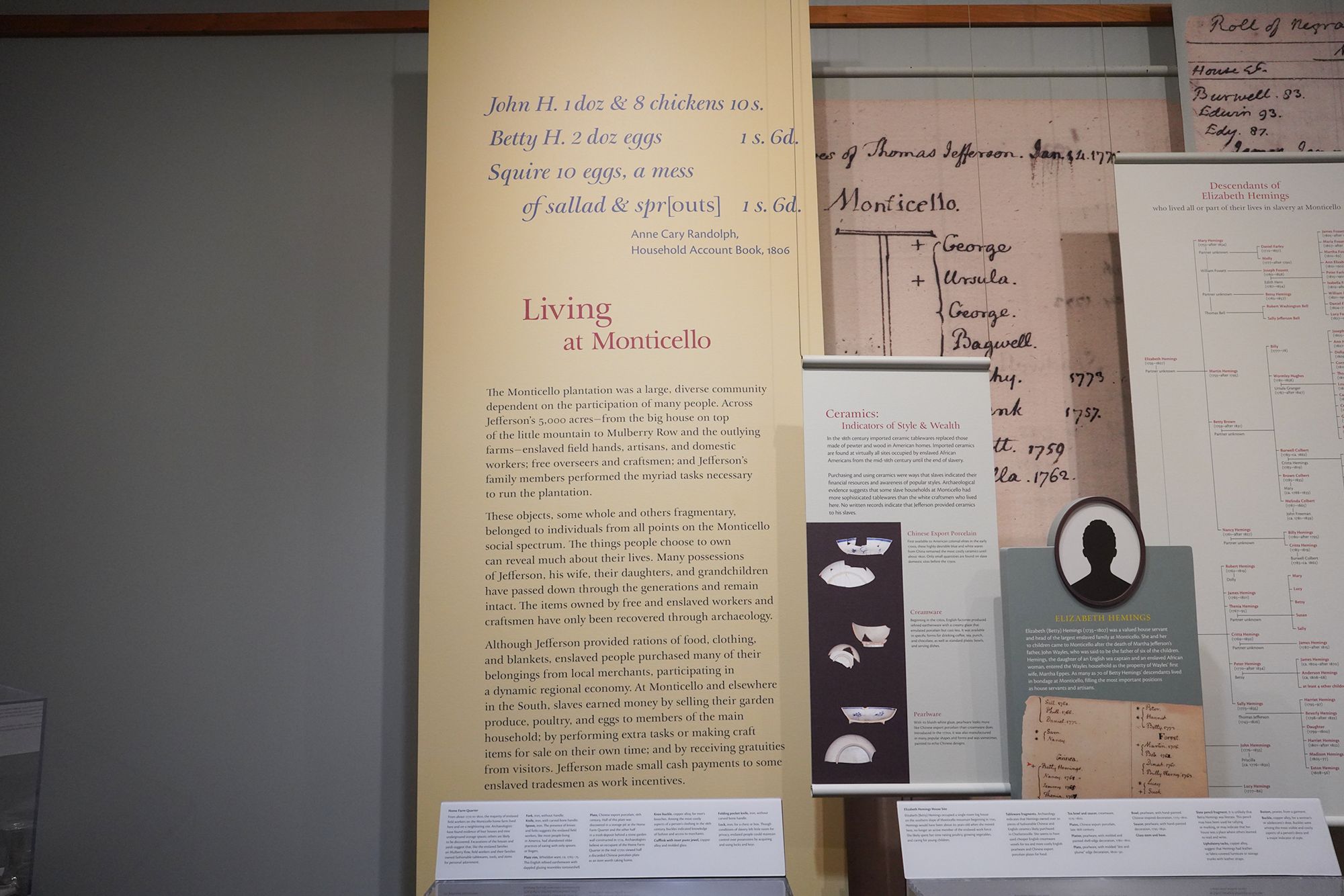
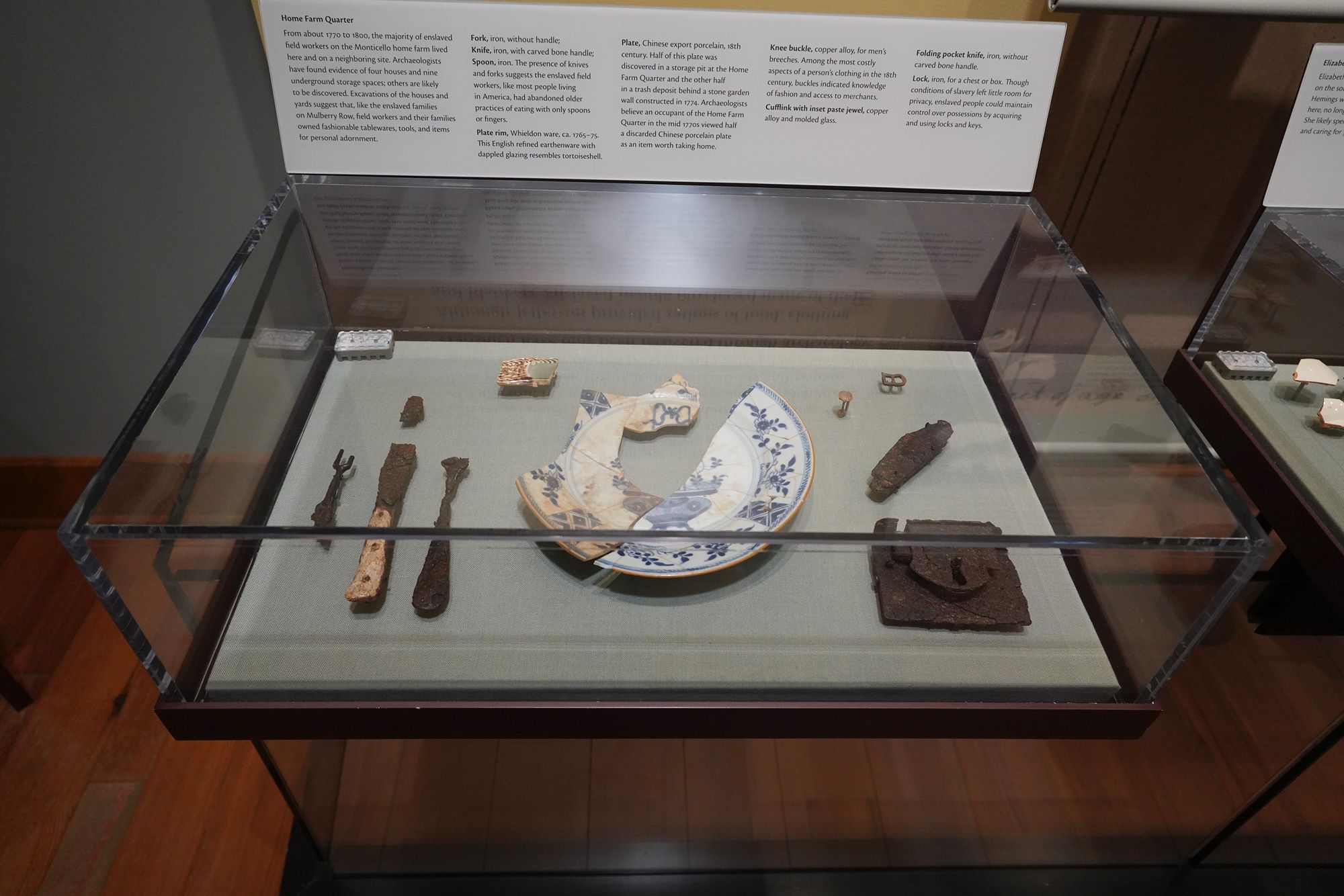
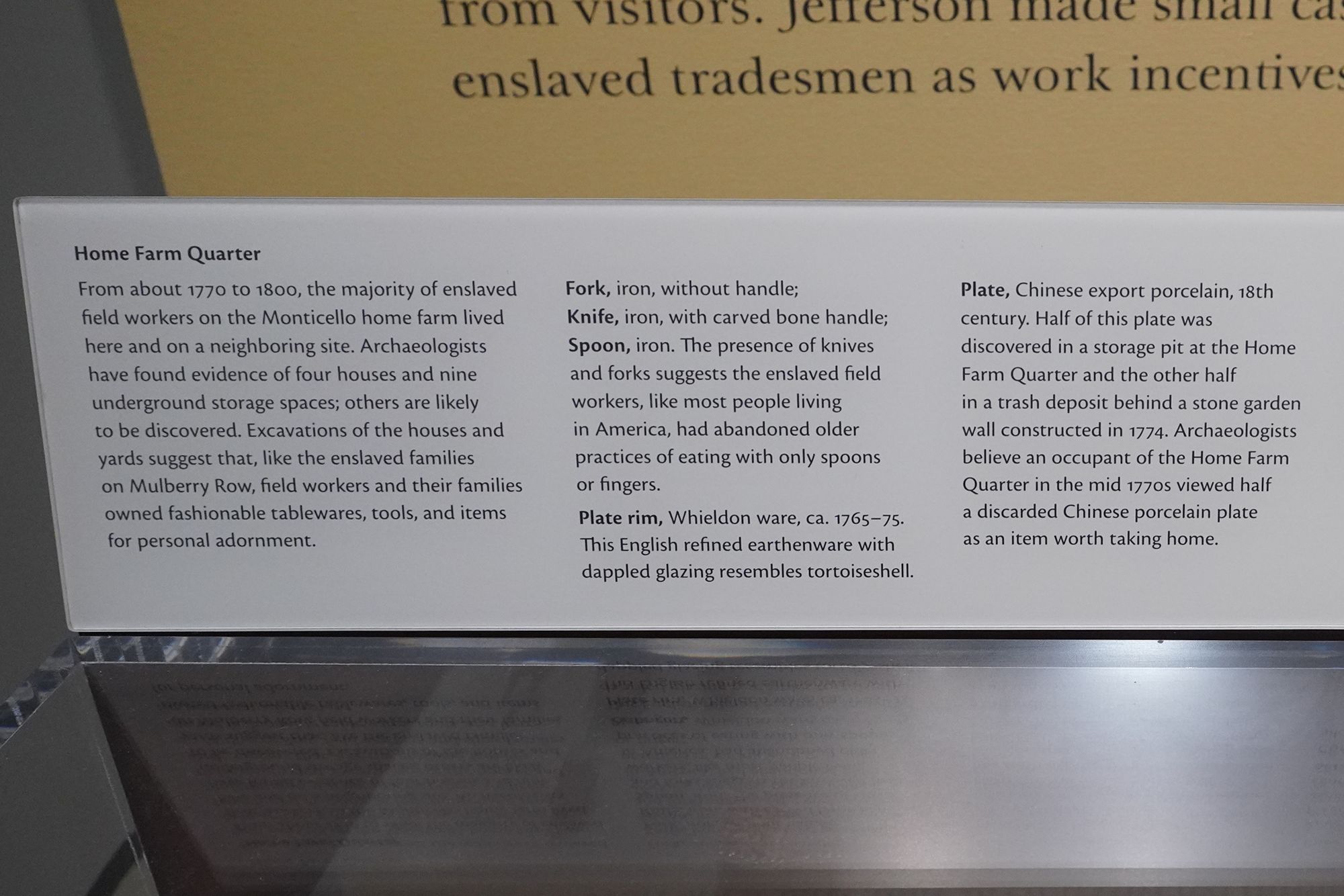
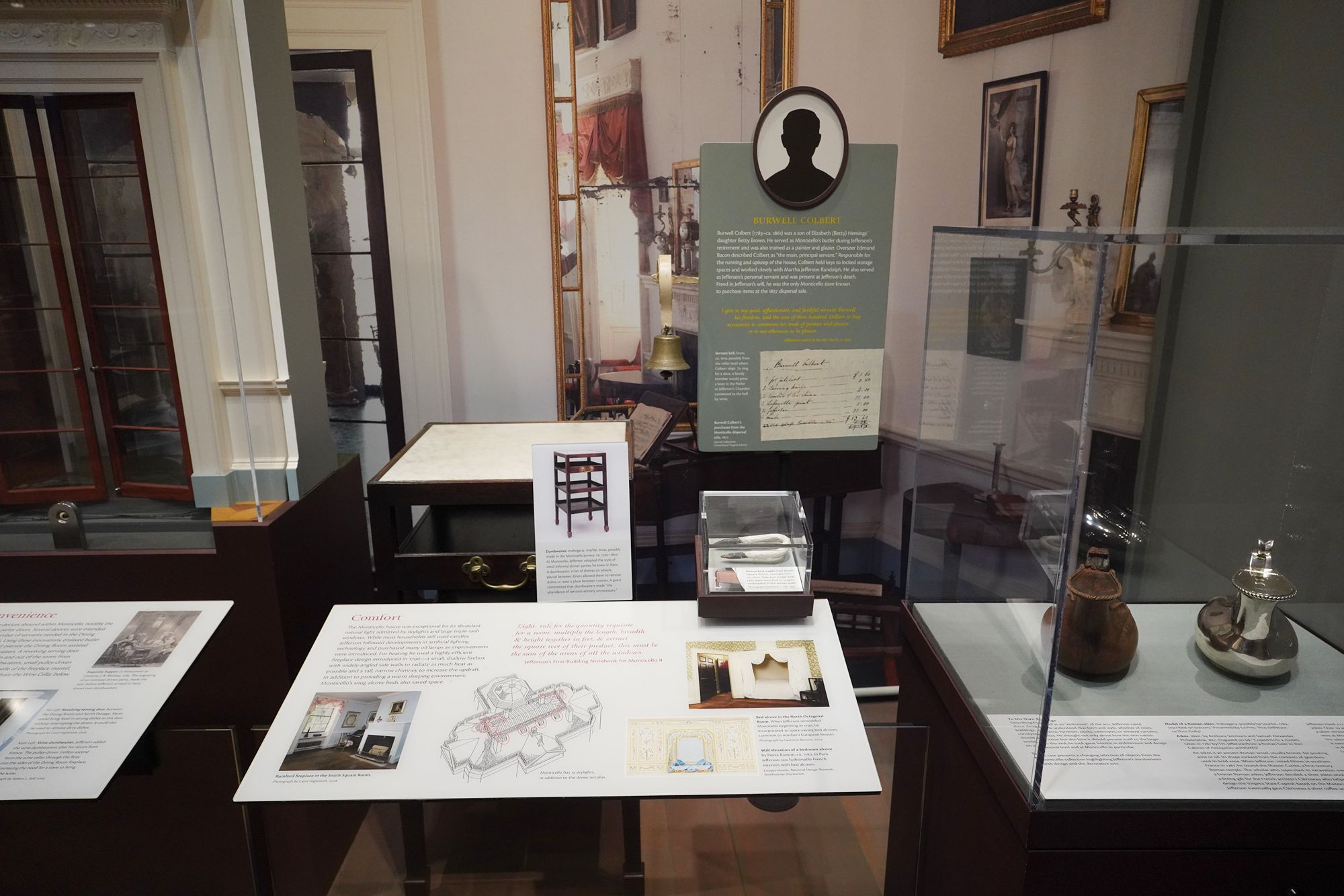
These rooms now serve as exhibits illustrating the lives of the enslaved people who lived and worked in the house.
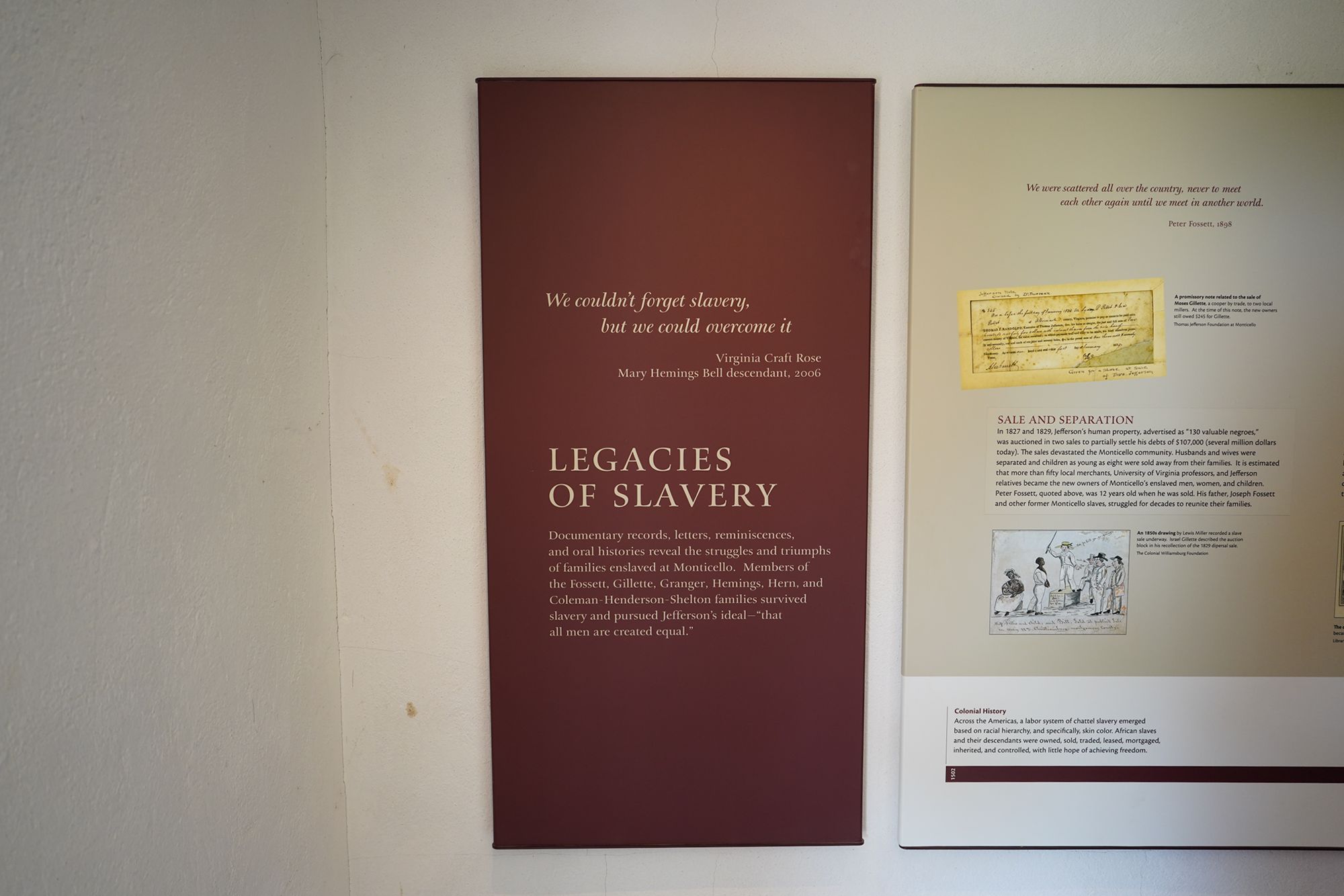
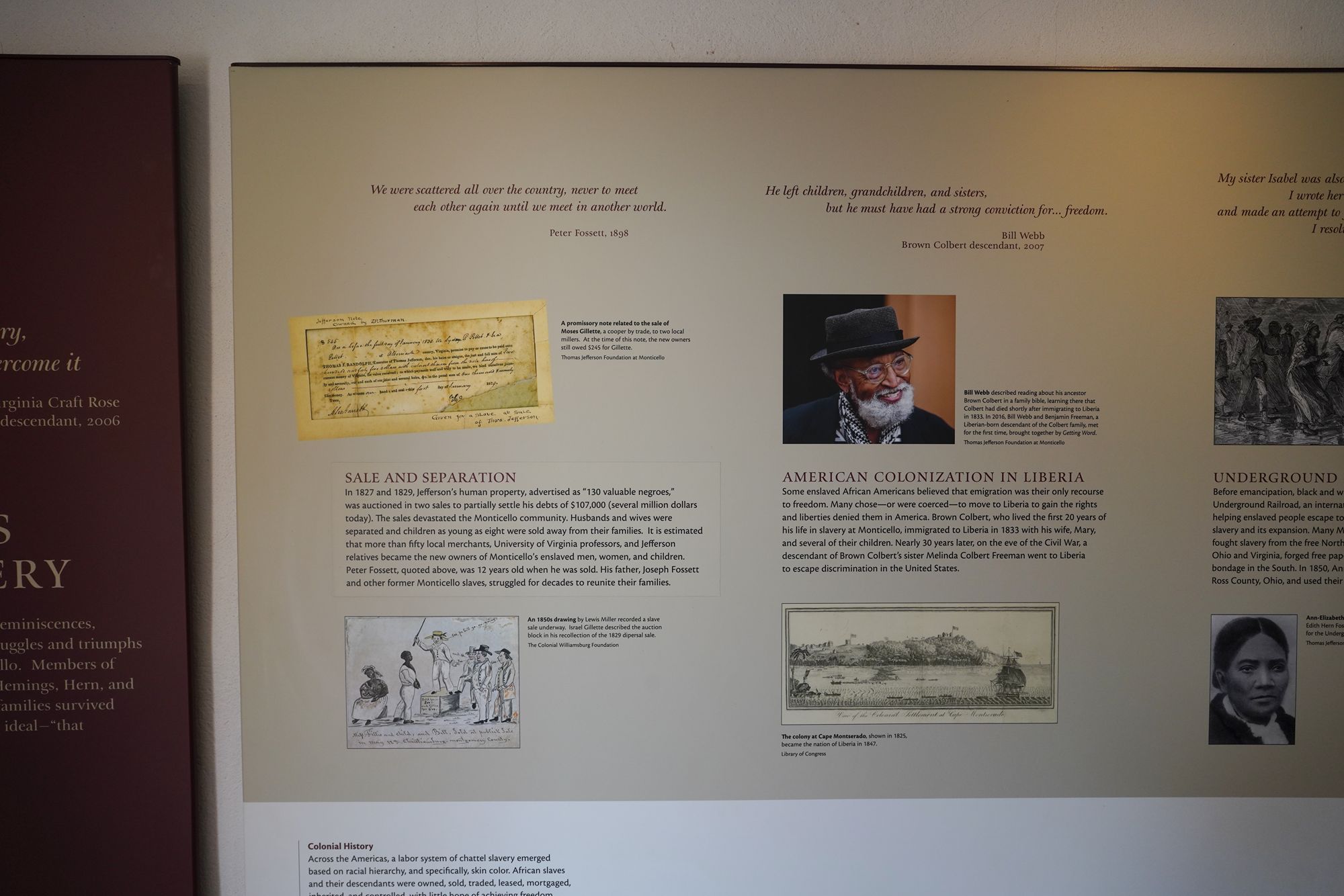
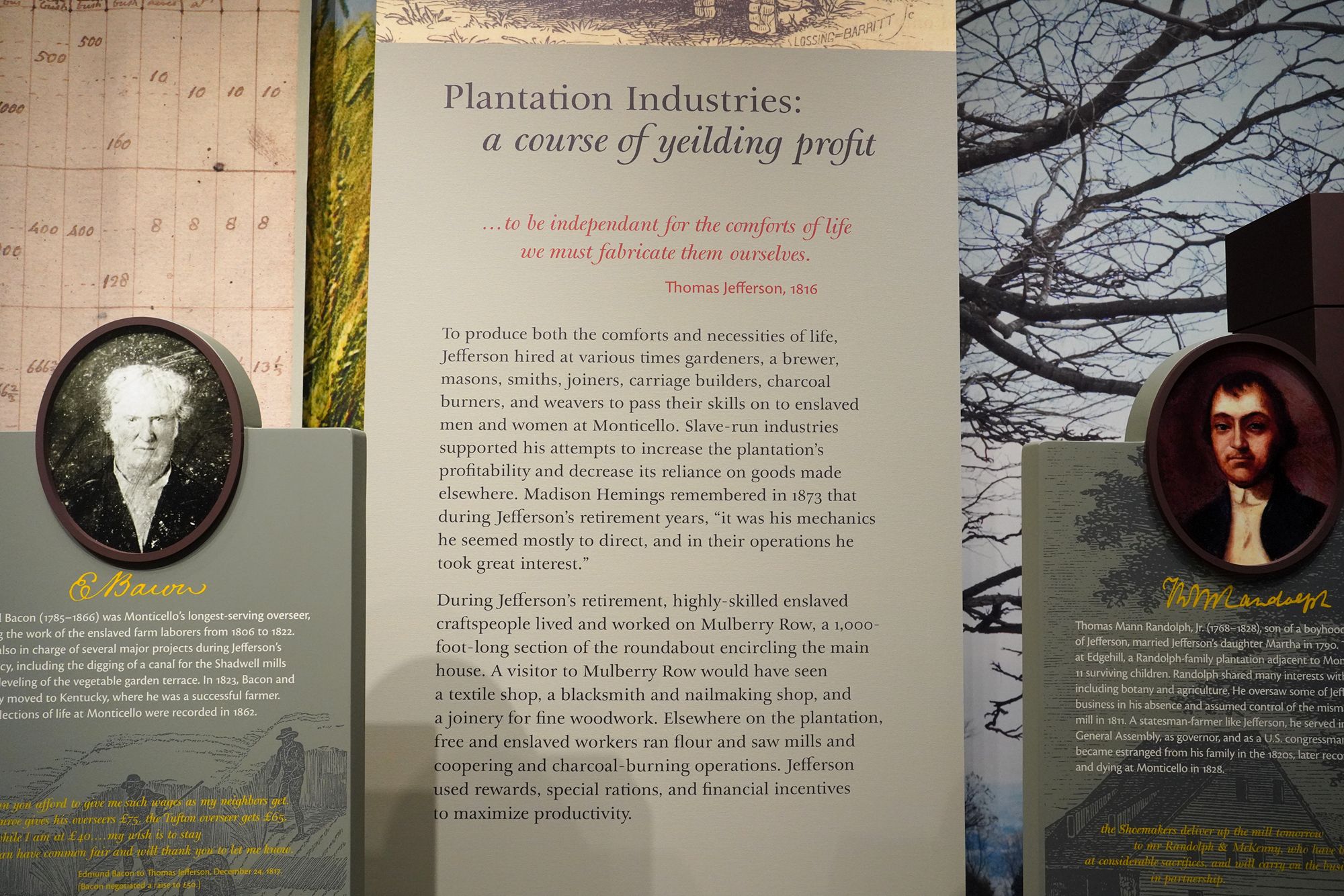
At Monticello, enslaved people were considered property and were bought, sold, or inherited like other assets. Thomas Jefferson enslaved more than 600 people over his lifetime, and while some were hired out or granted limited freedoms, many were sold to pay debts after his death in 1826. Families were often separated through these sales, a common and tragic reality of slavery at the time.
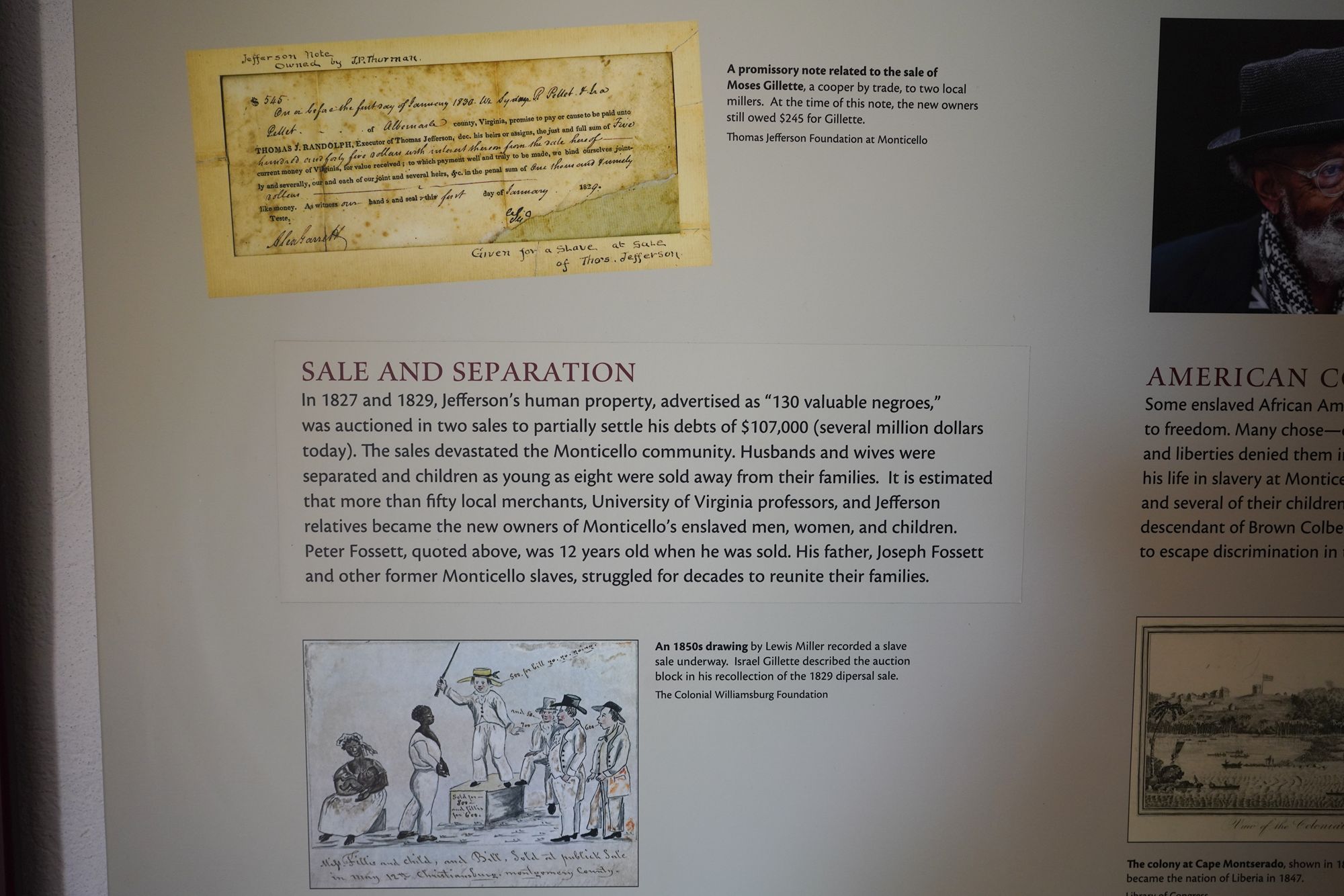
The Underground Railroad was a secret network of routes, safe houses, and people who helped enslaved African Americans escape from the South to freedom in the North or Canada during the 19th century.
It wasn’t a literal railroad but a covert system organized by both Black and white abolitionists, including figures like Harriet Tubman, who personally guided many to safety. Conductors, stationmasters, and supporters used coded language and nighttime travel to avoid capture.
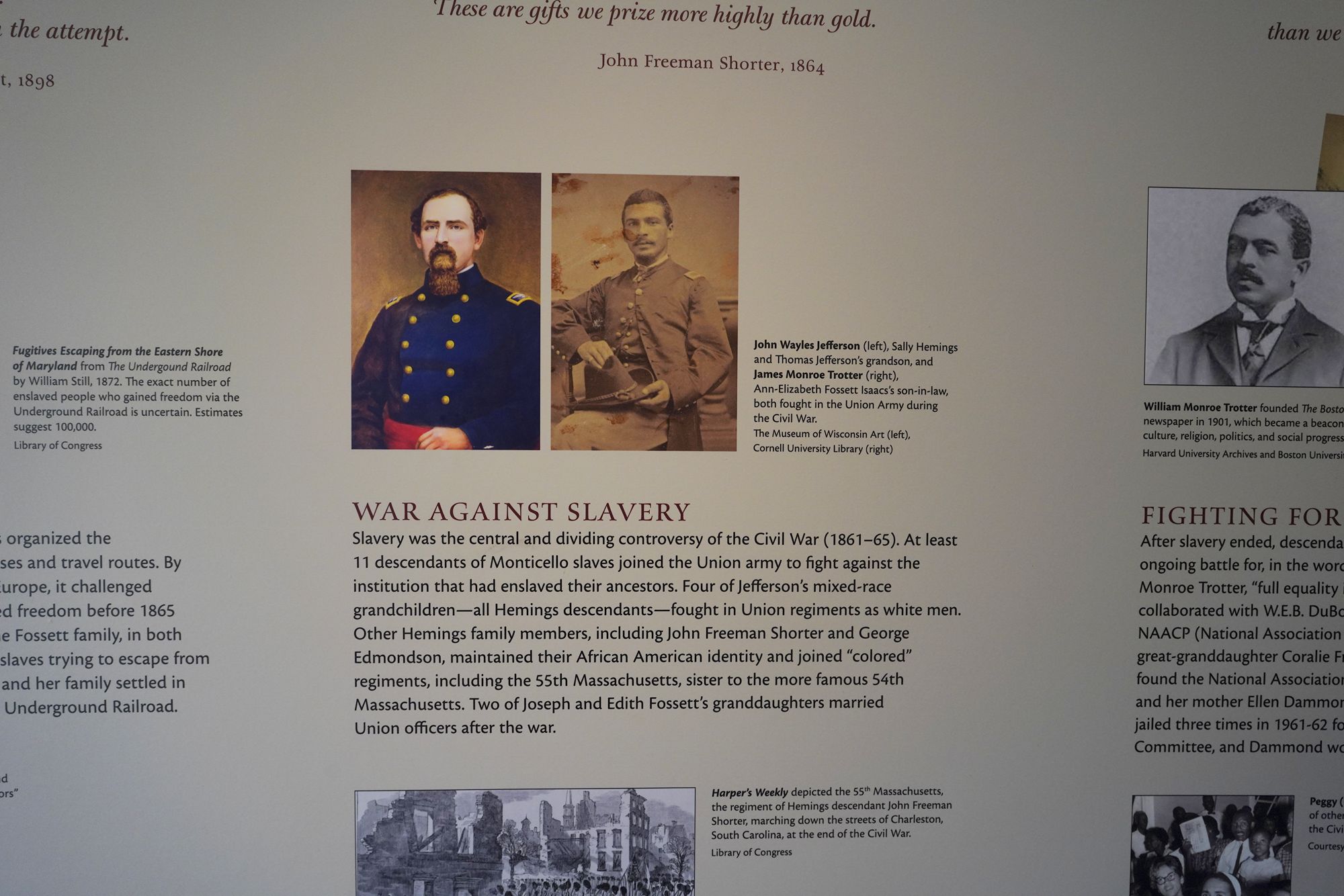
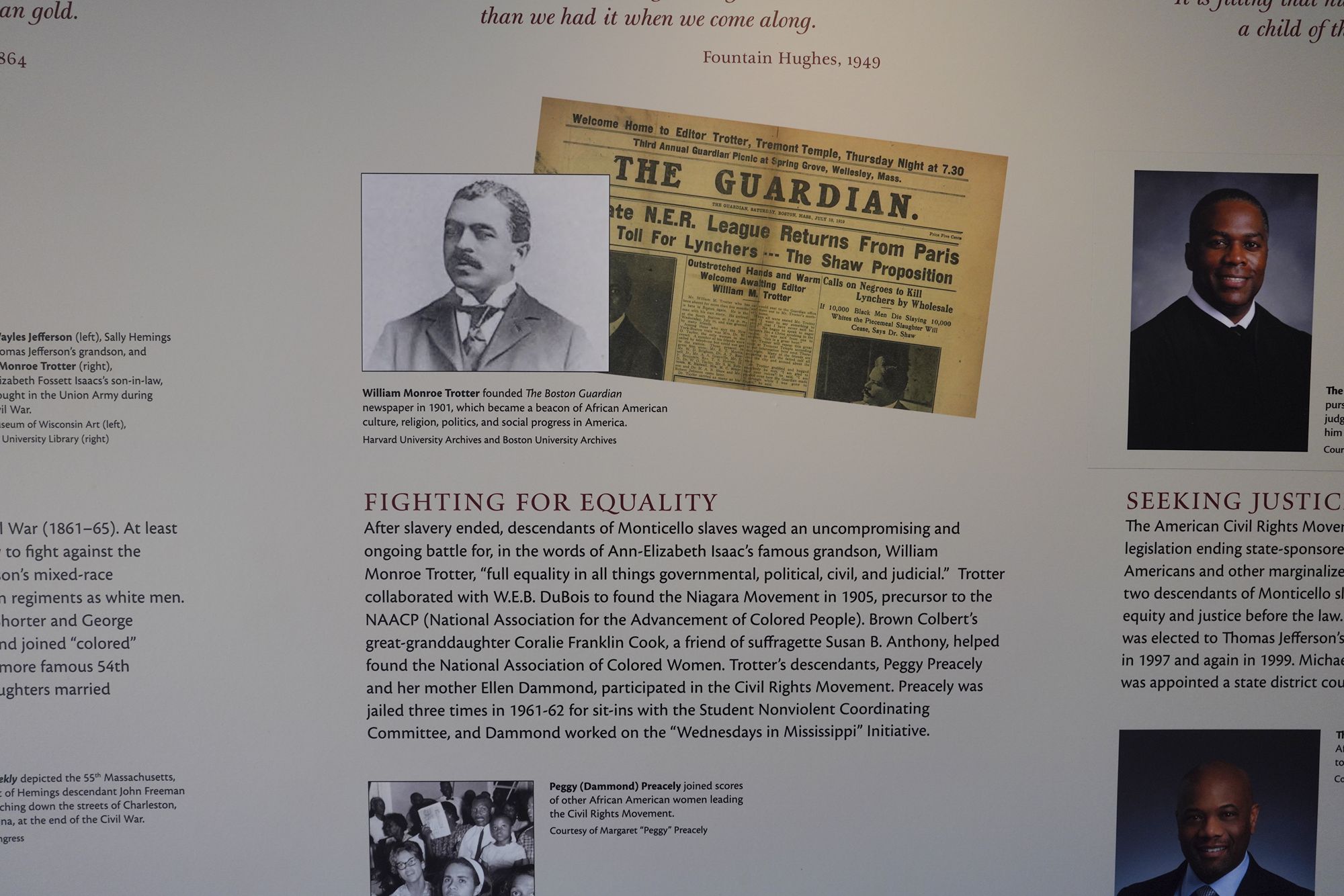
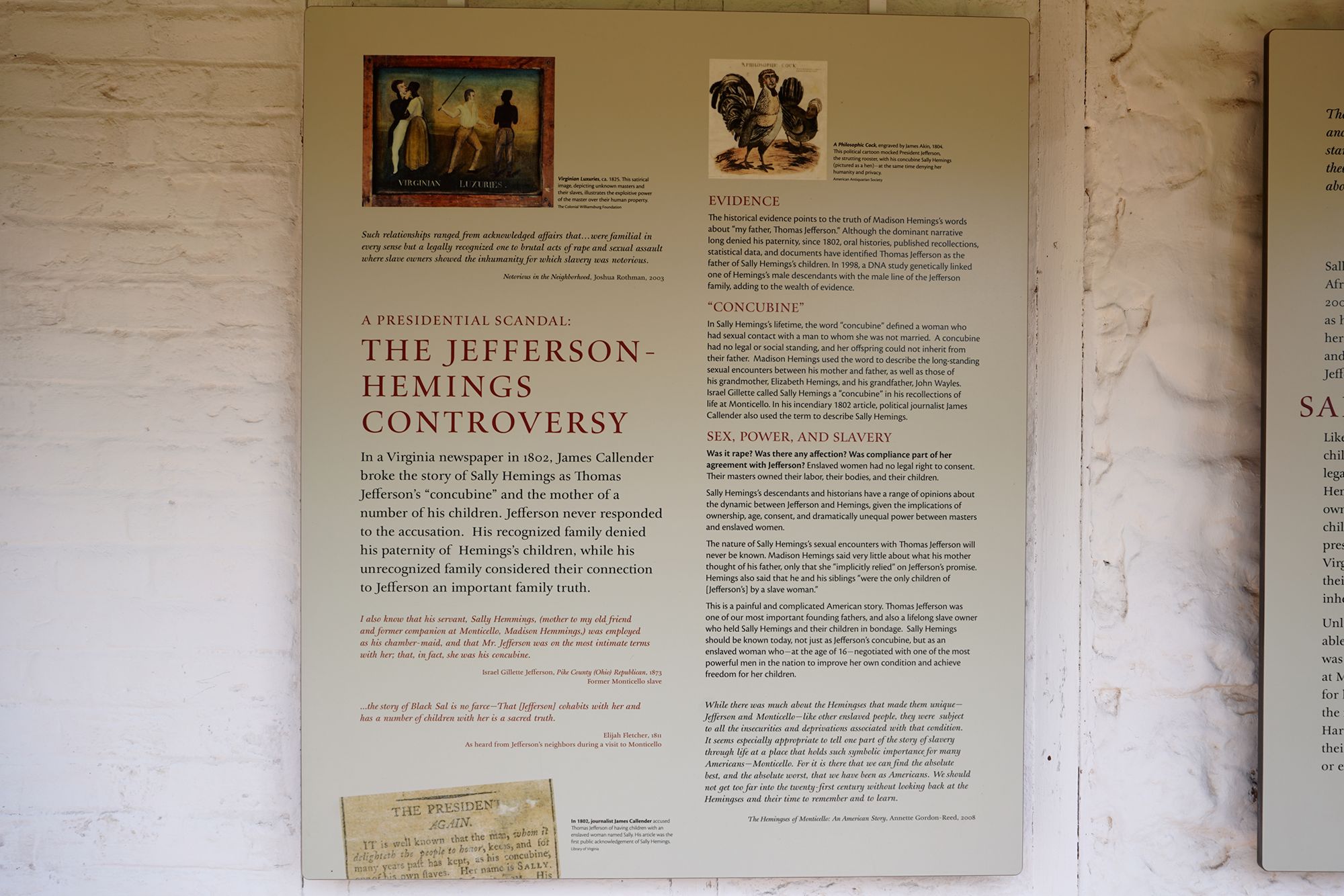
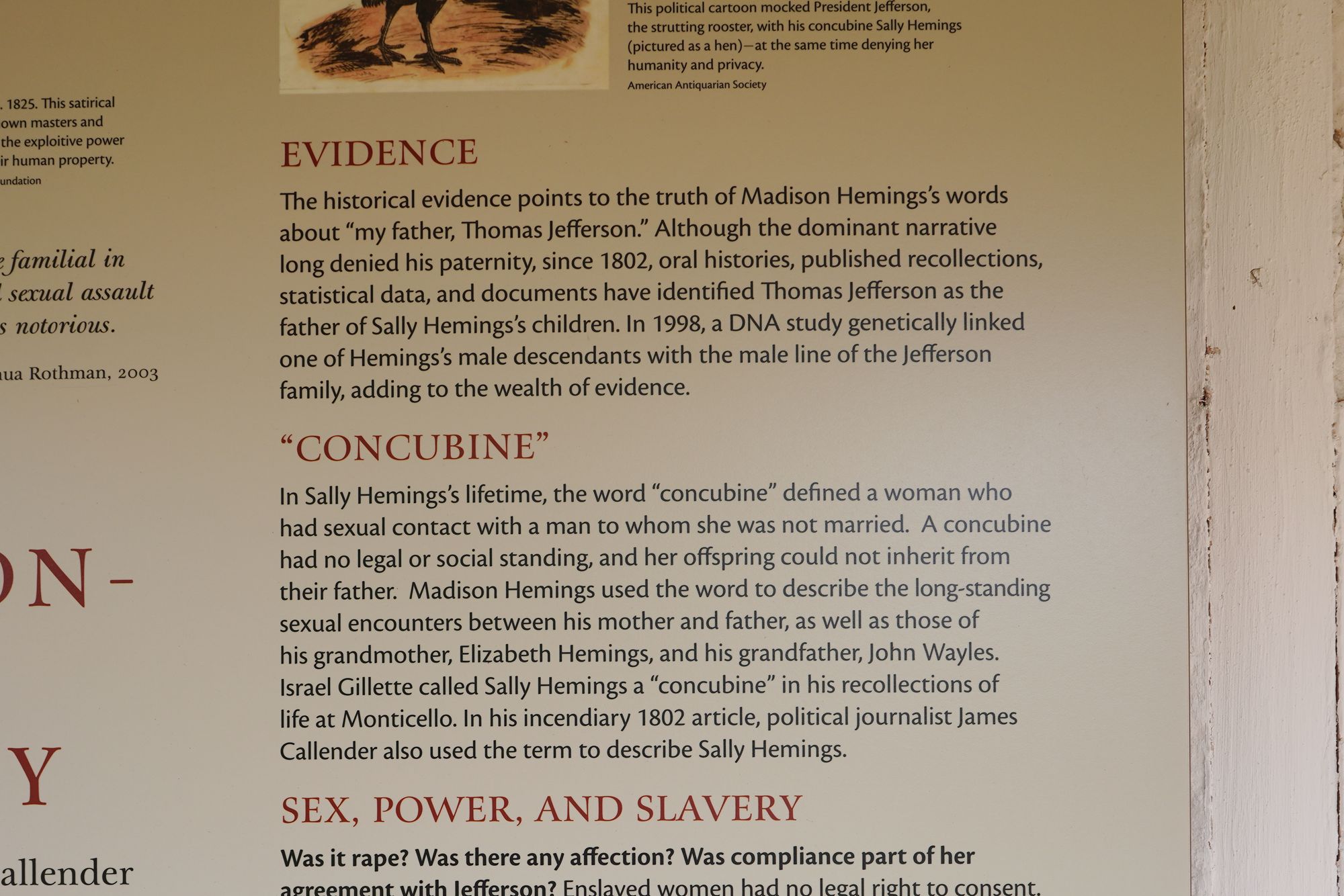
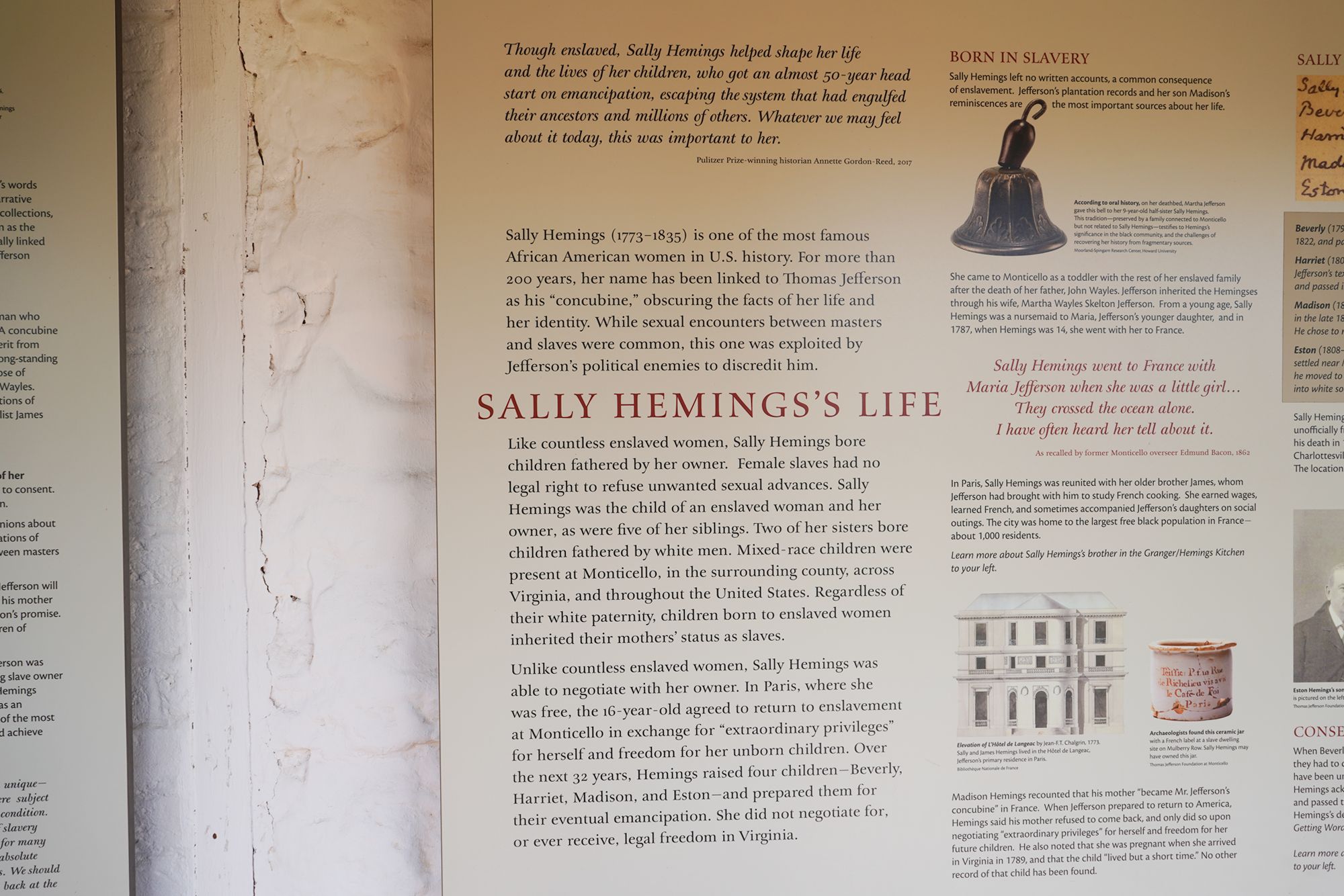
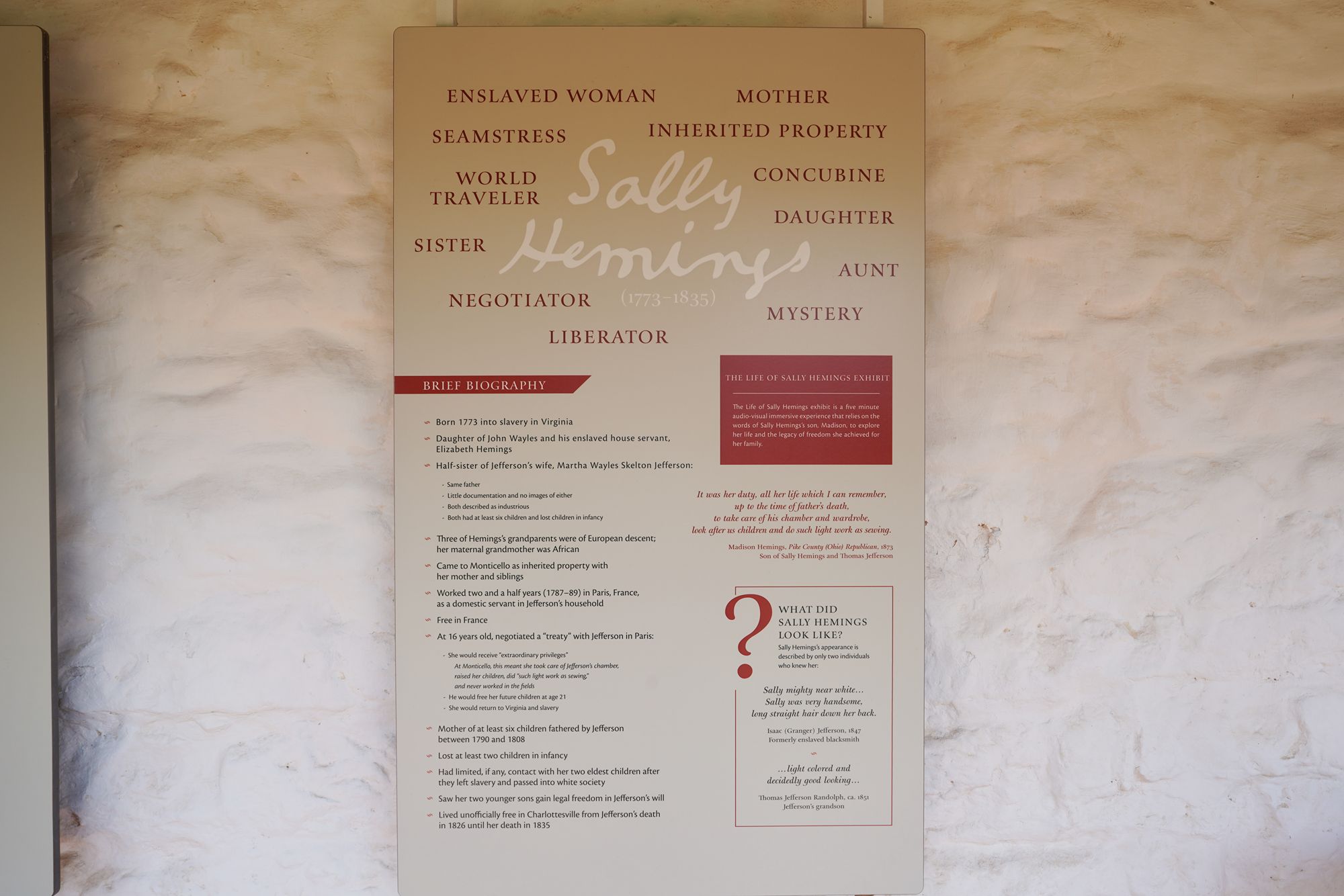
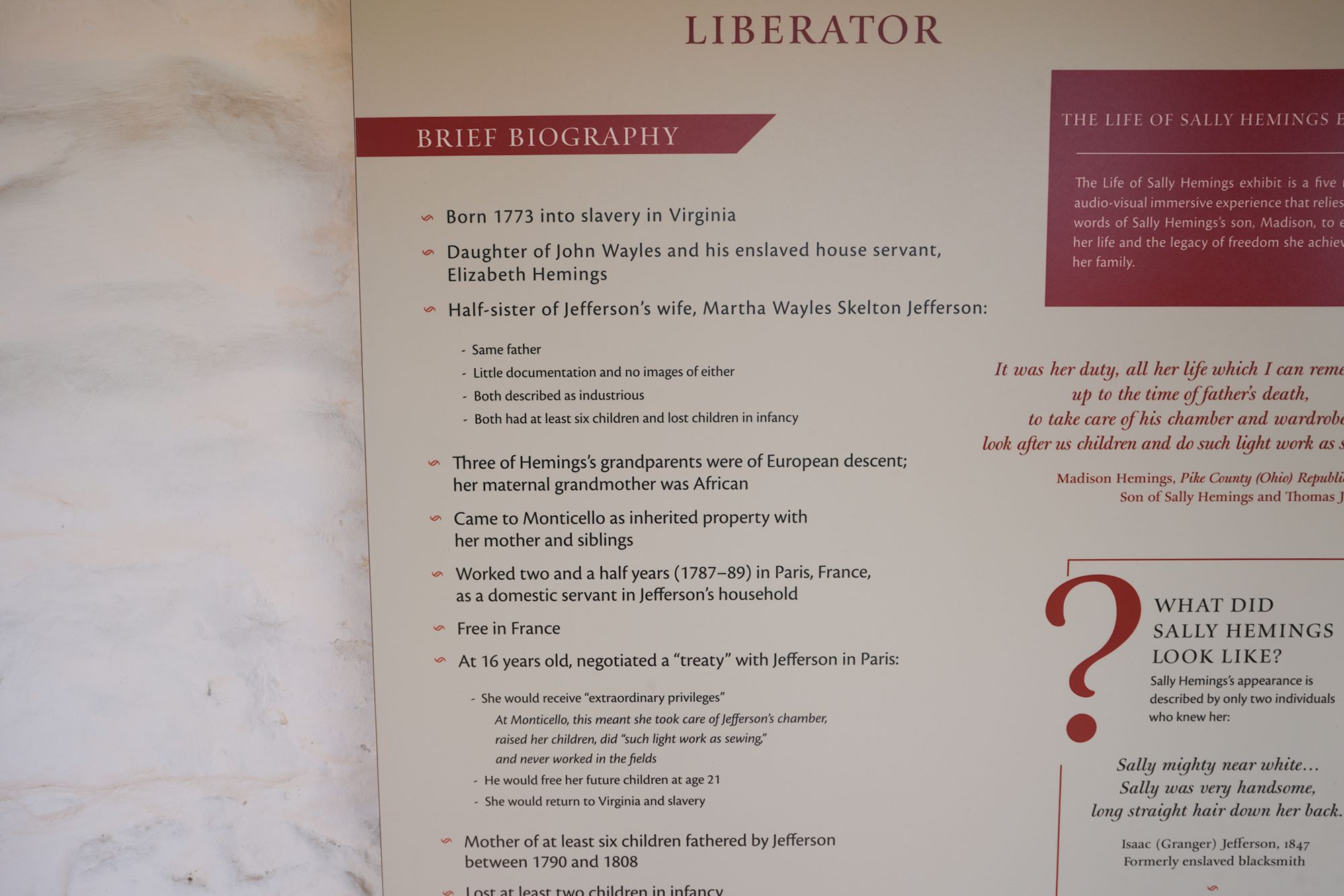
The Hemings controversy centers on the long-debated relationship between Thomas Jefferson and Sally Hemings, an enslaved woman at Monticello.
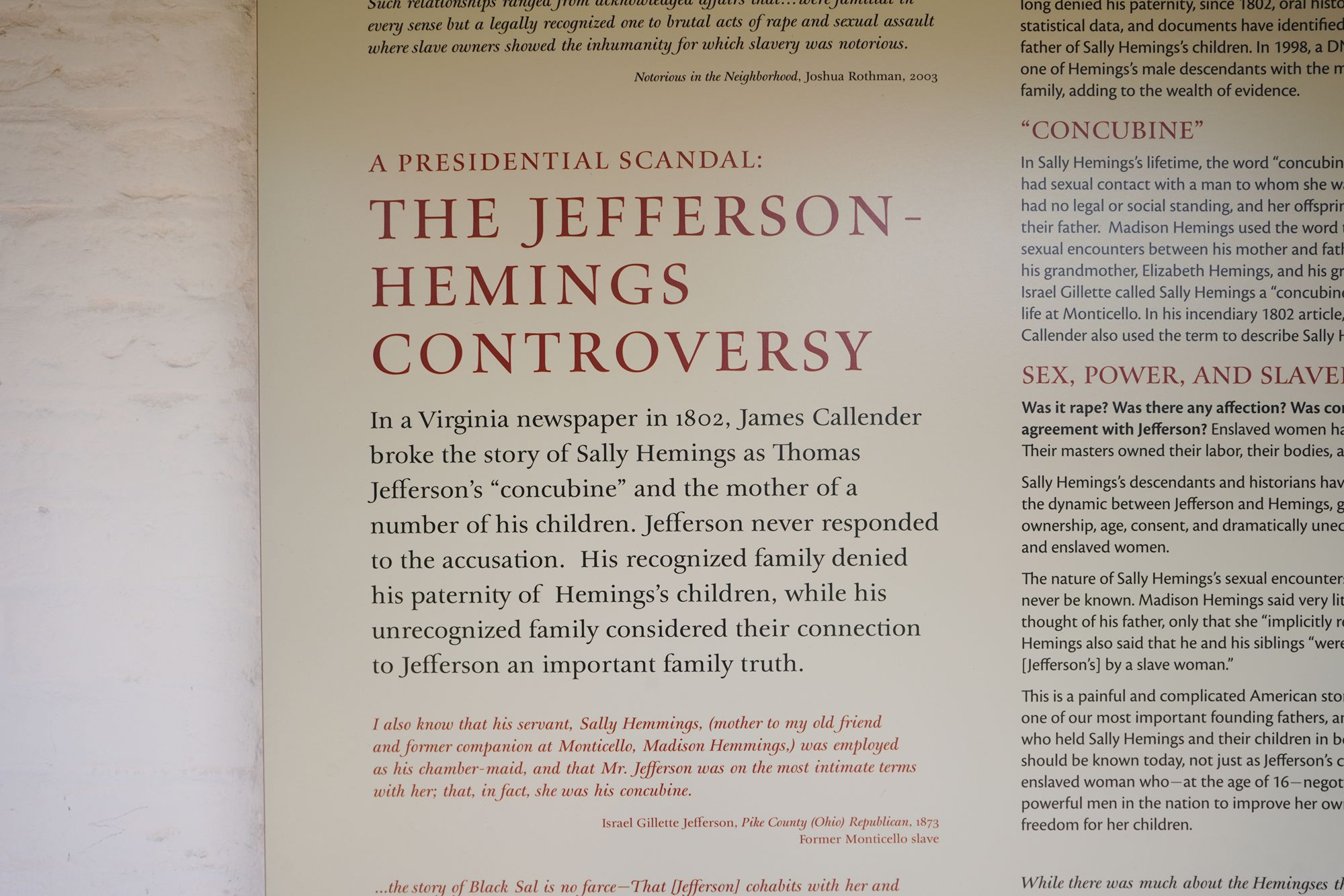
Historical evidence, including DNA testing in 1998, strongly supports that Jefferson fathered several of Hemings’s children. Sally Hemings was the half-sister of Jefferson’s wife, Martha, and began living at Monticello as a teenager. She accompanied Jefferson to France, where slavery was illegal, but returned to Virginia under a promise that her future children would be freed.
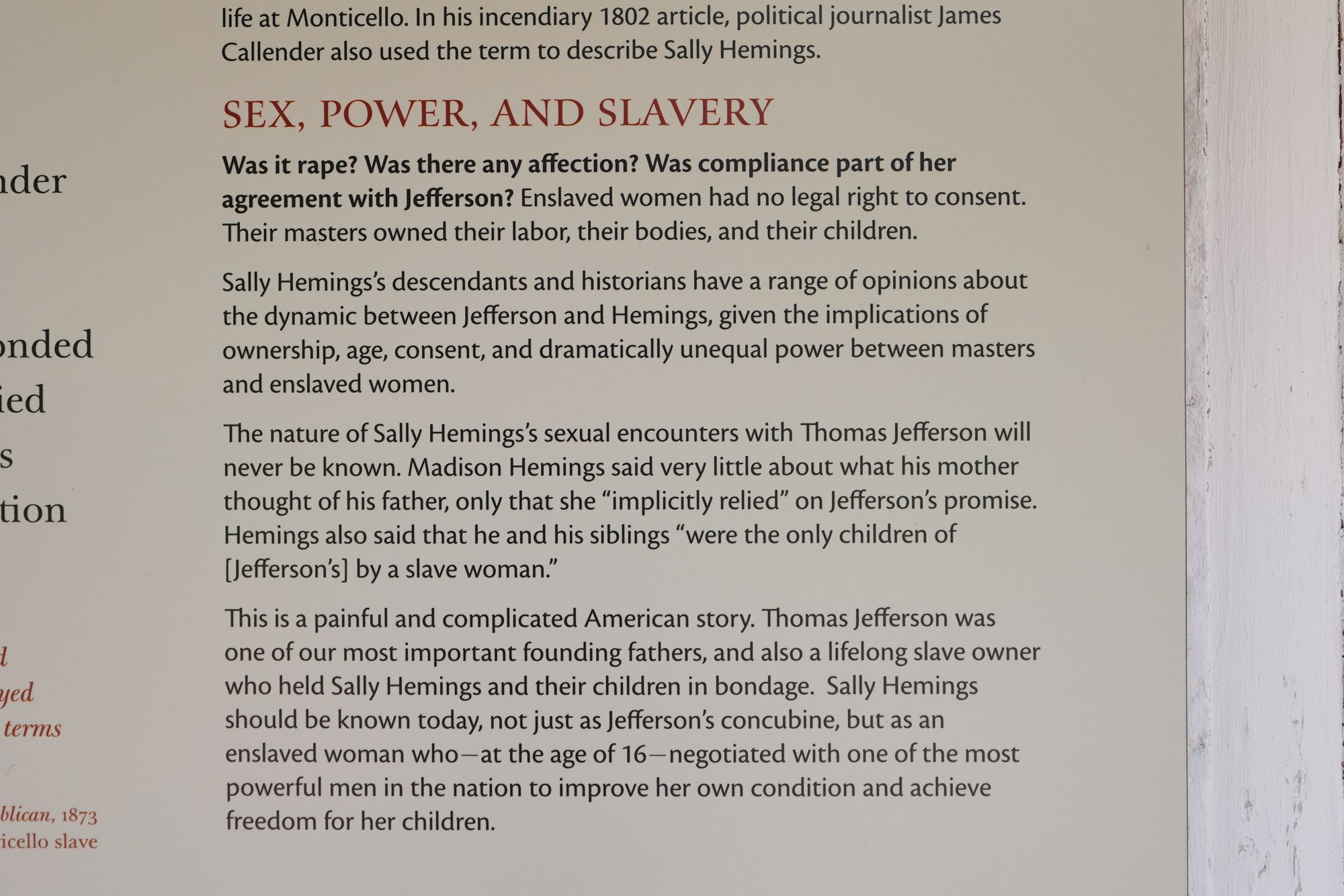
For decades, Jefferson’s descendants and historians disputed the claim, but modern research and documentation have led most scholars to accept the relationship as fact. The story highlights the deep contradictions between Jefferson’s public ideals of liberty and his private life as a slaveholder.
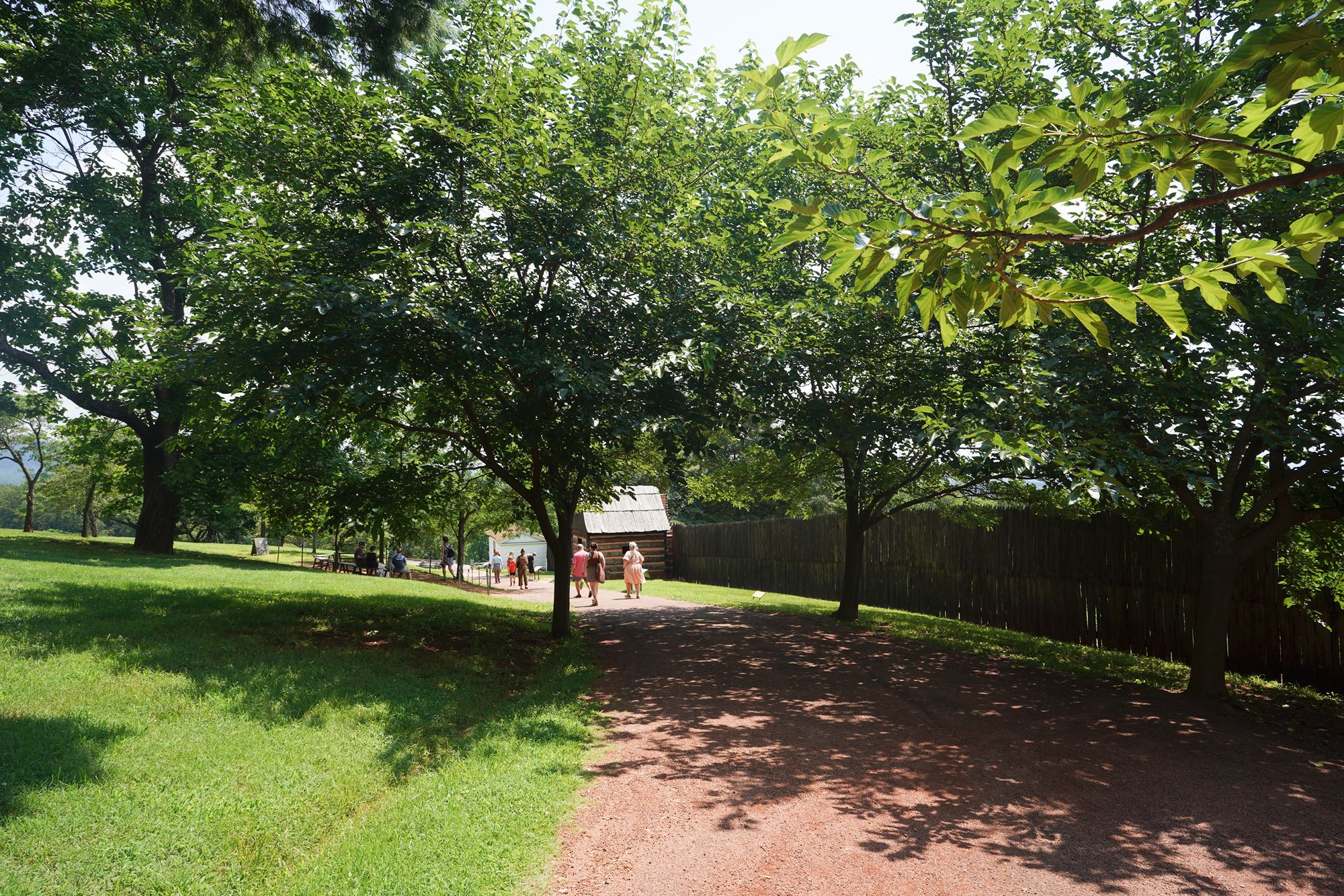
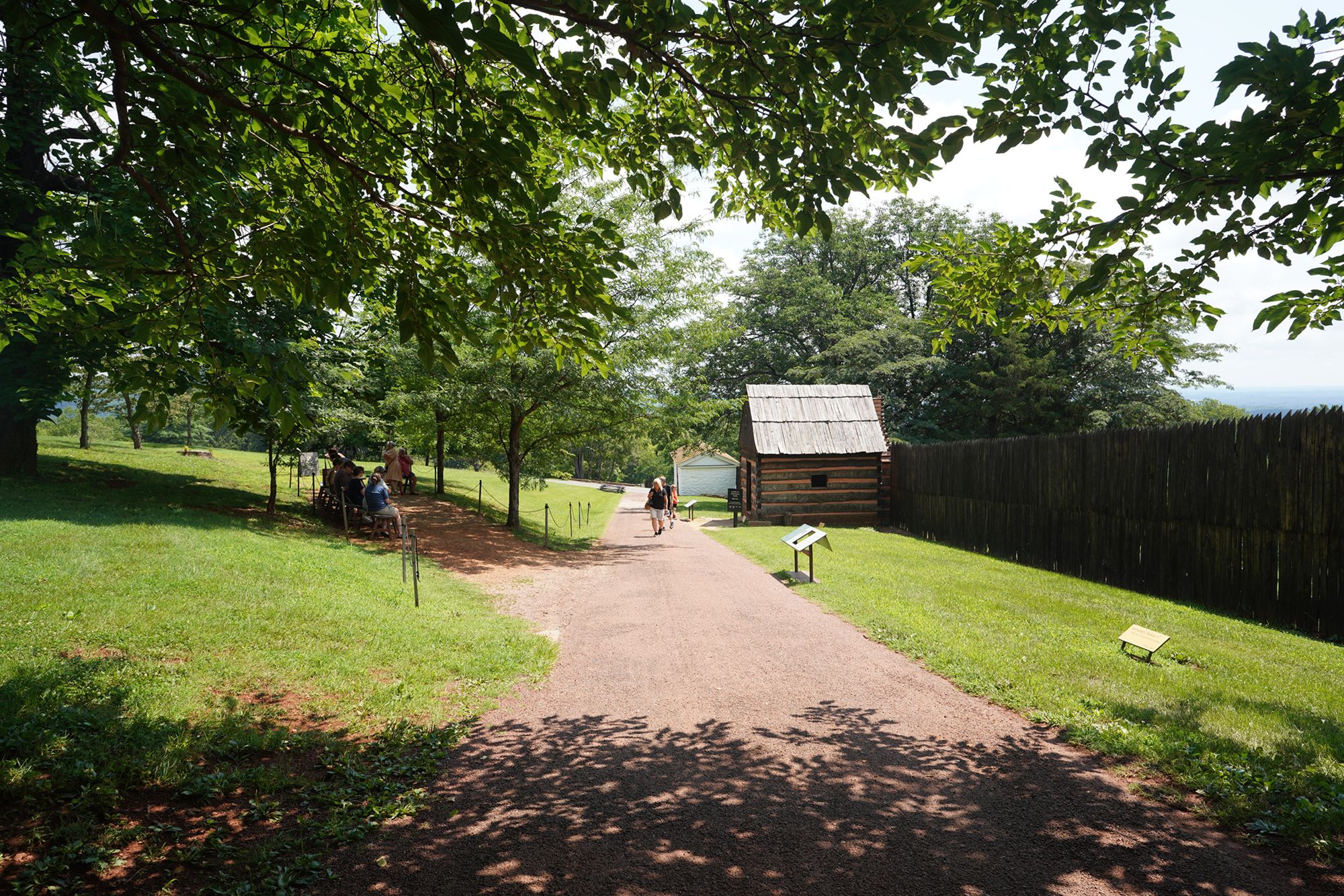
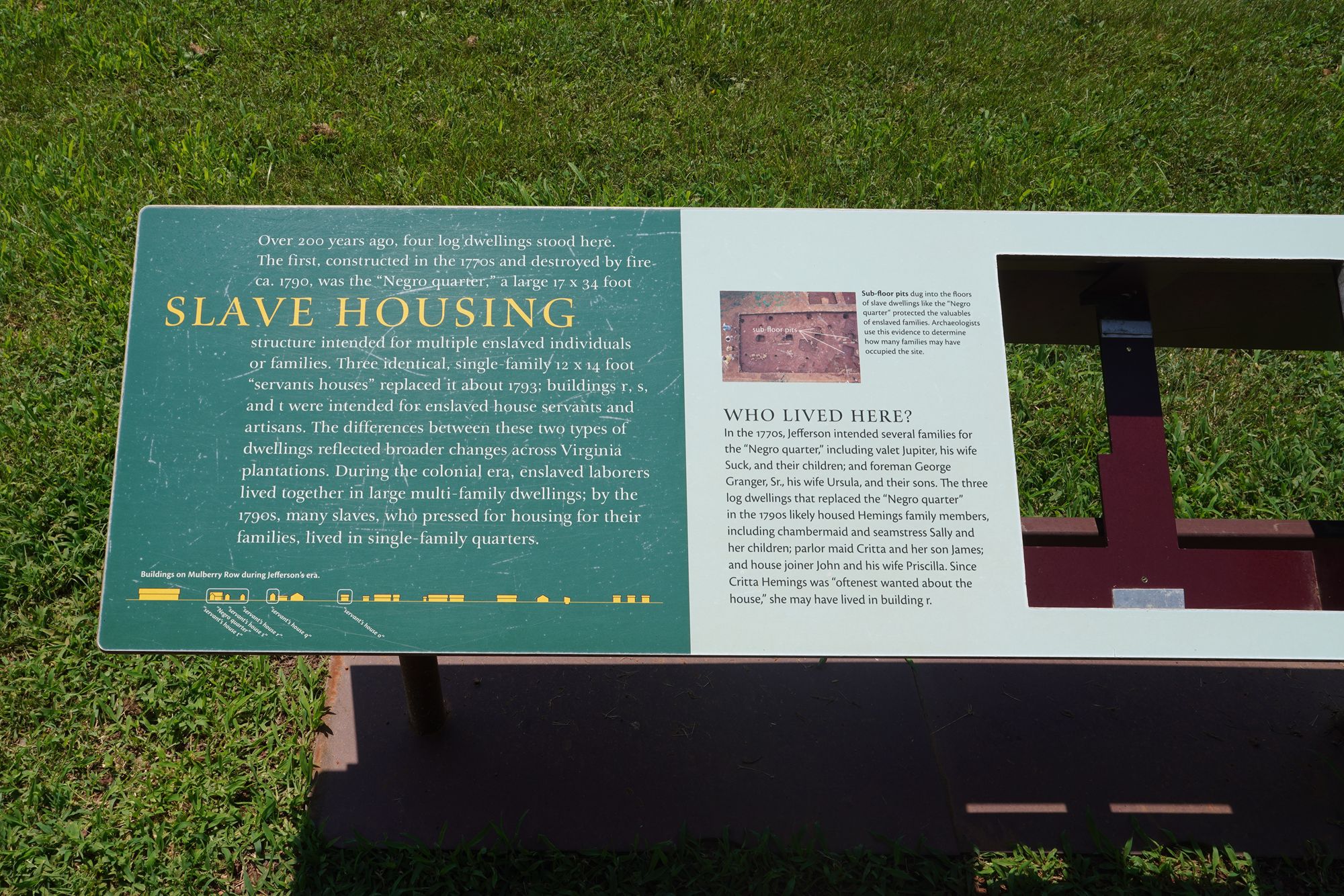
Slave Housing
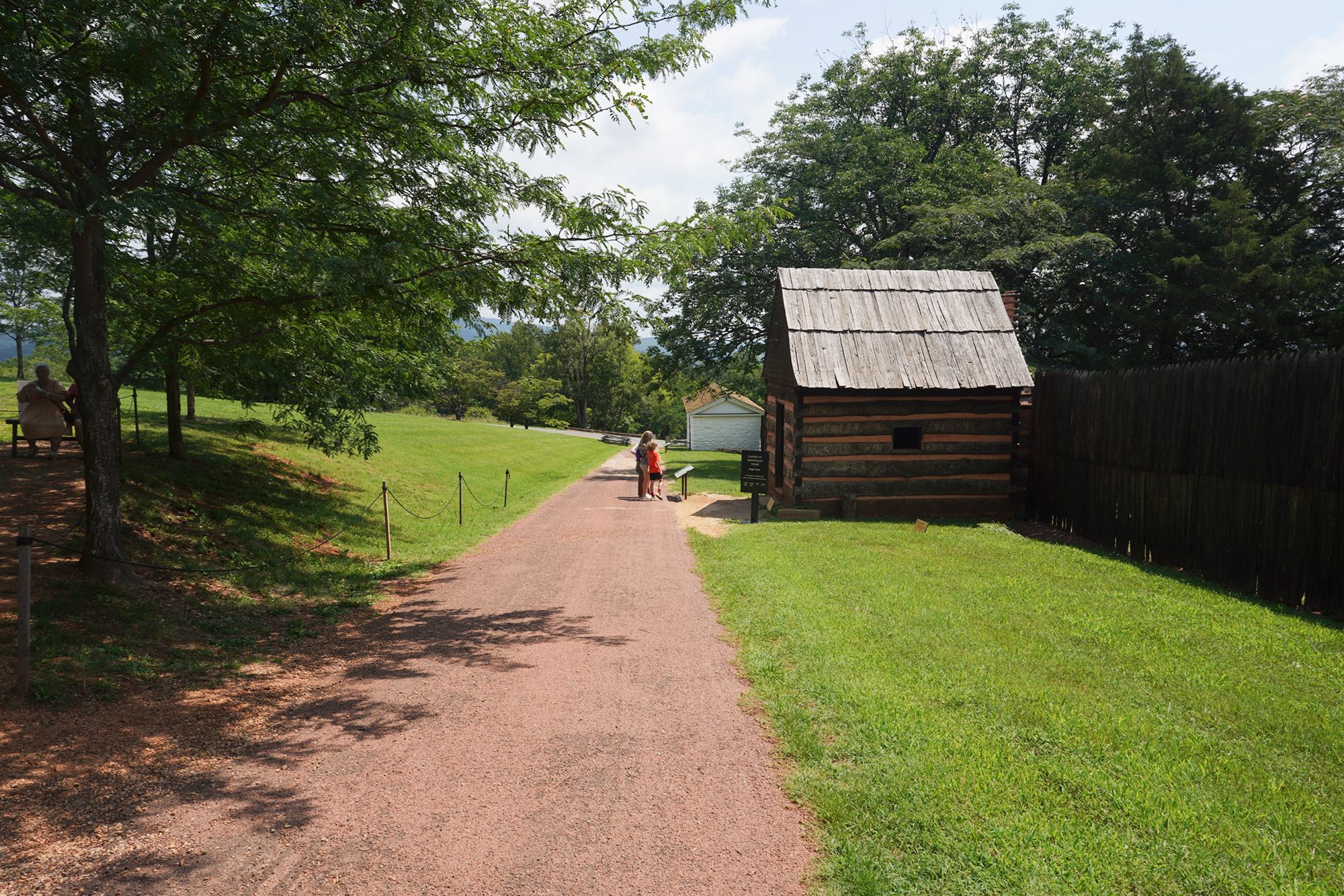
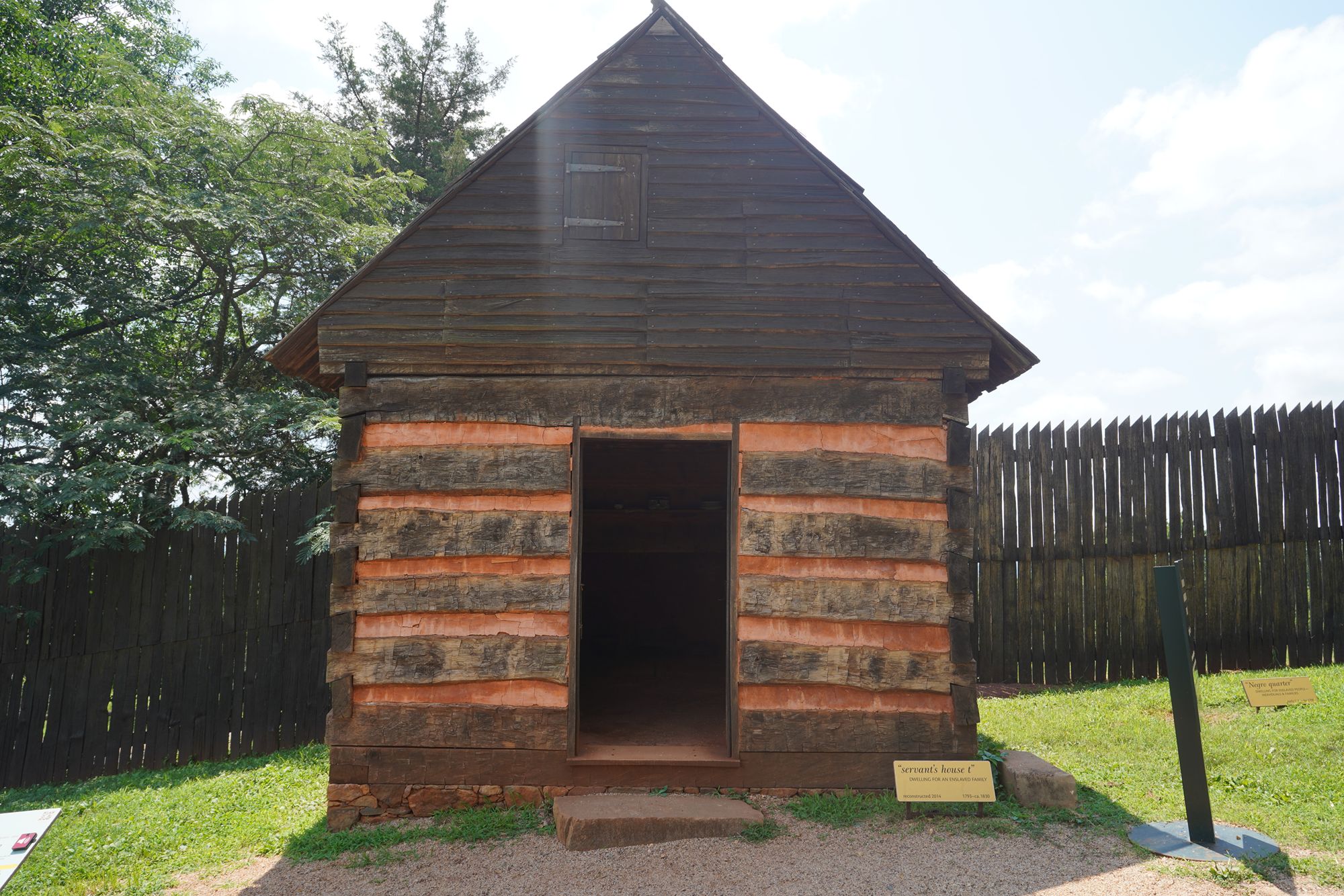
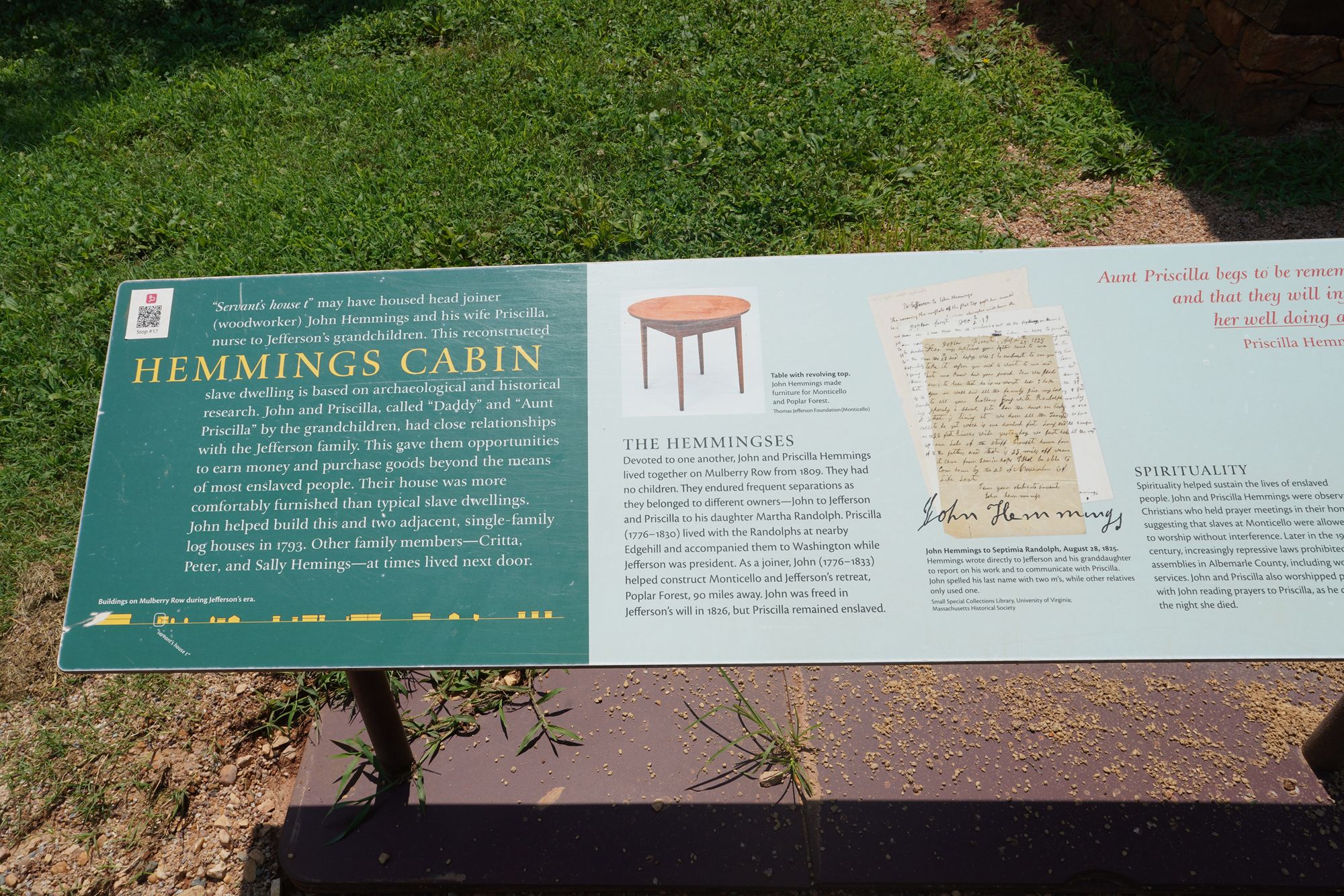
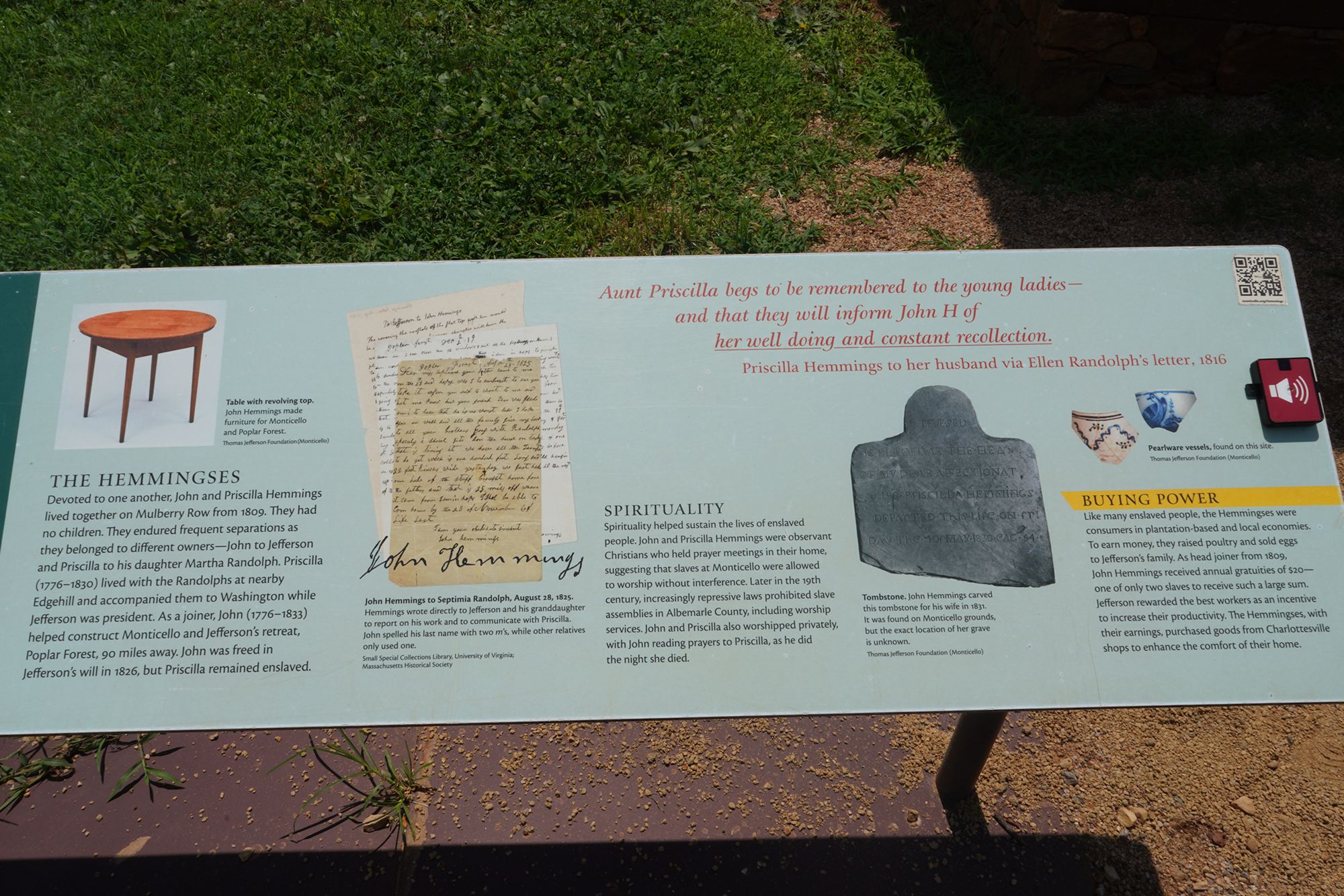
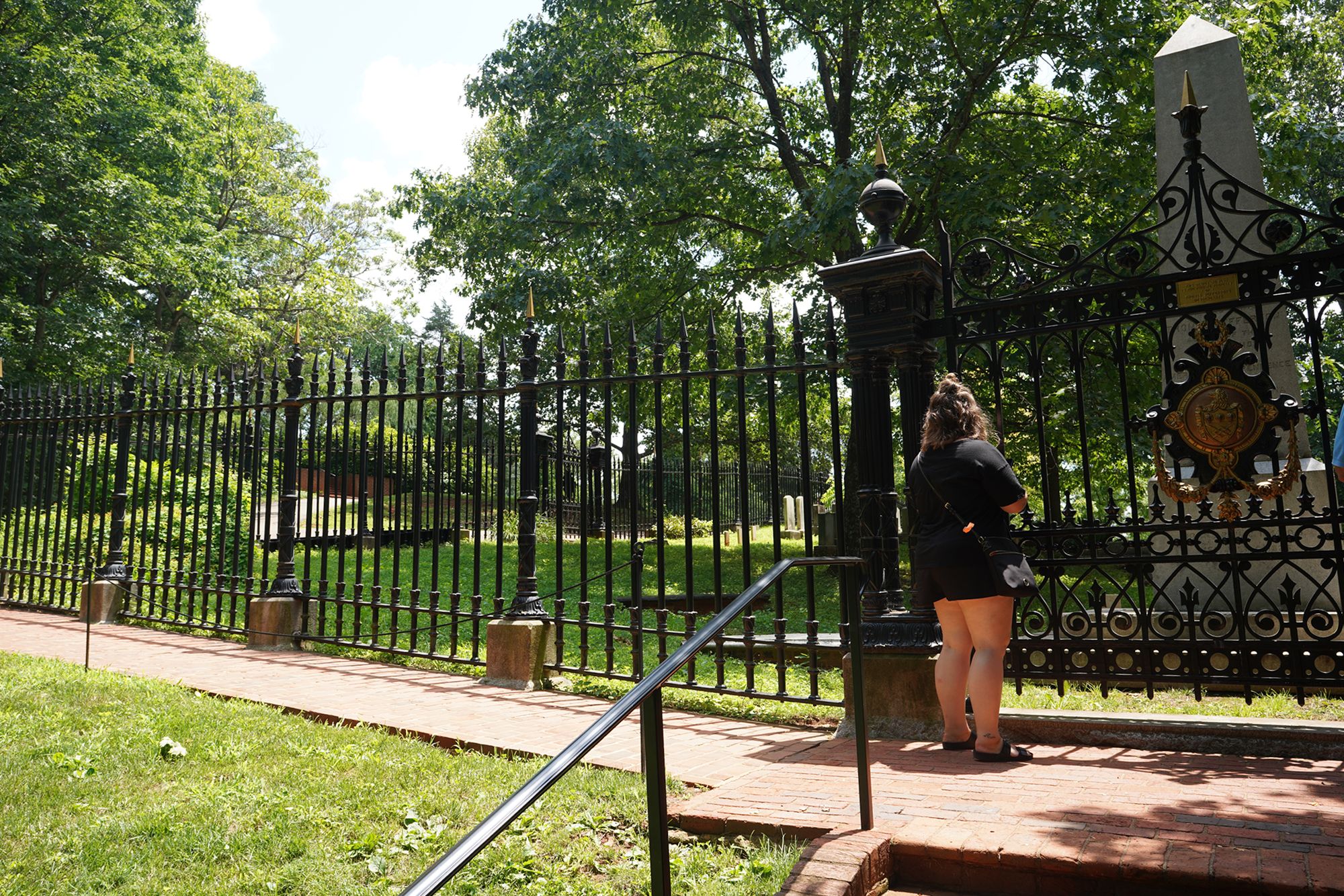
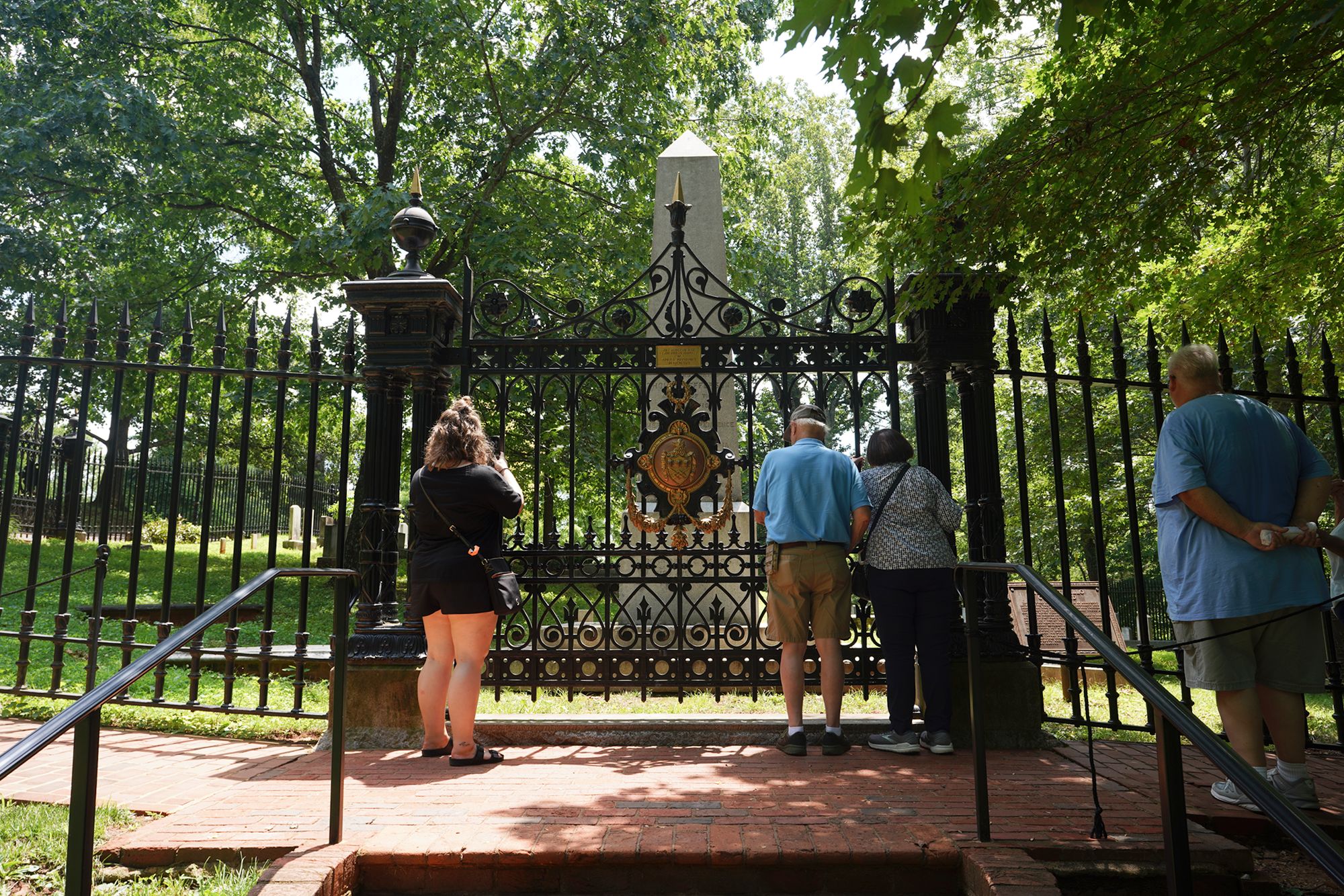
Thomas Jefferson’s tomb at Monticello is a simple obelisk he designed himself, inscribed with his authorship of the Declaration of Independence, the Virginia Statute for Religious Freedom, and the founding of the University of Virginia.
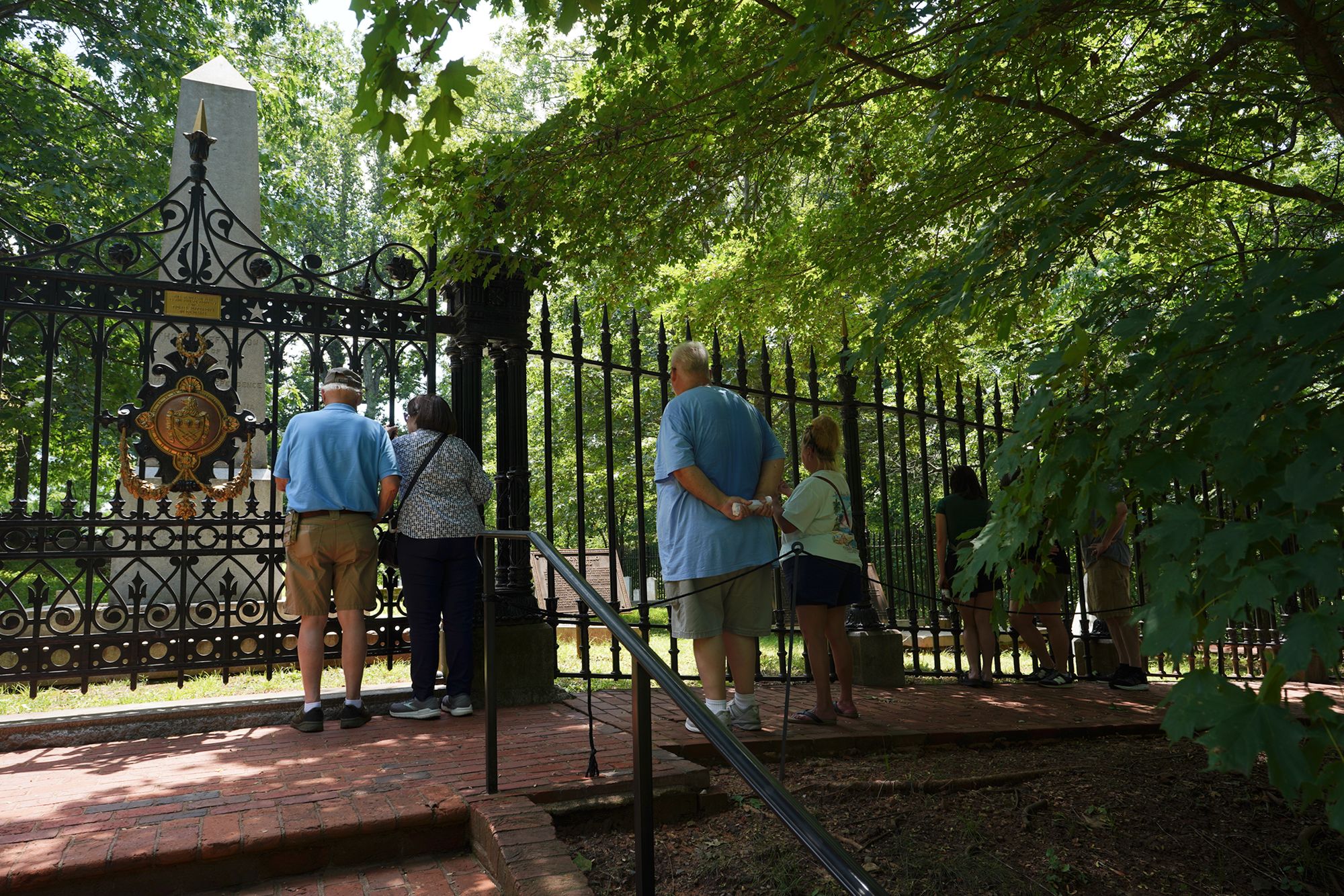
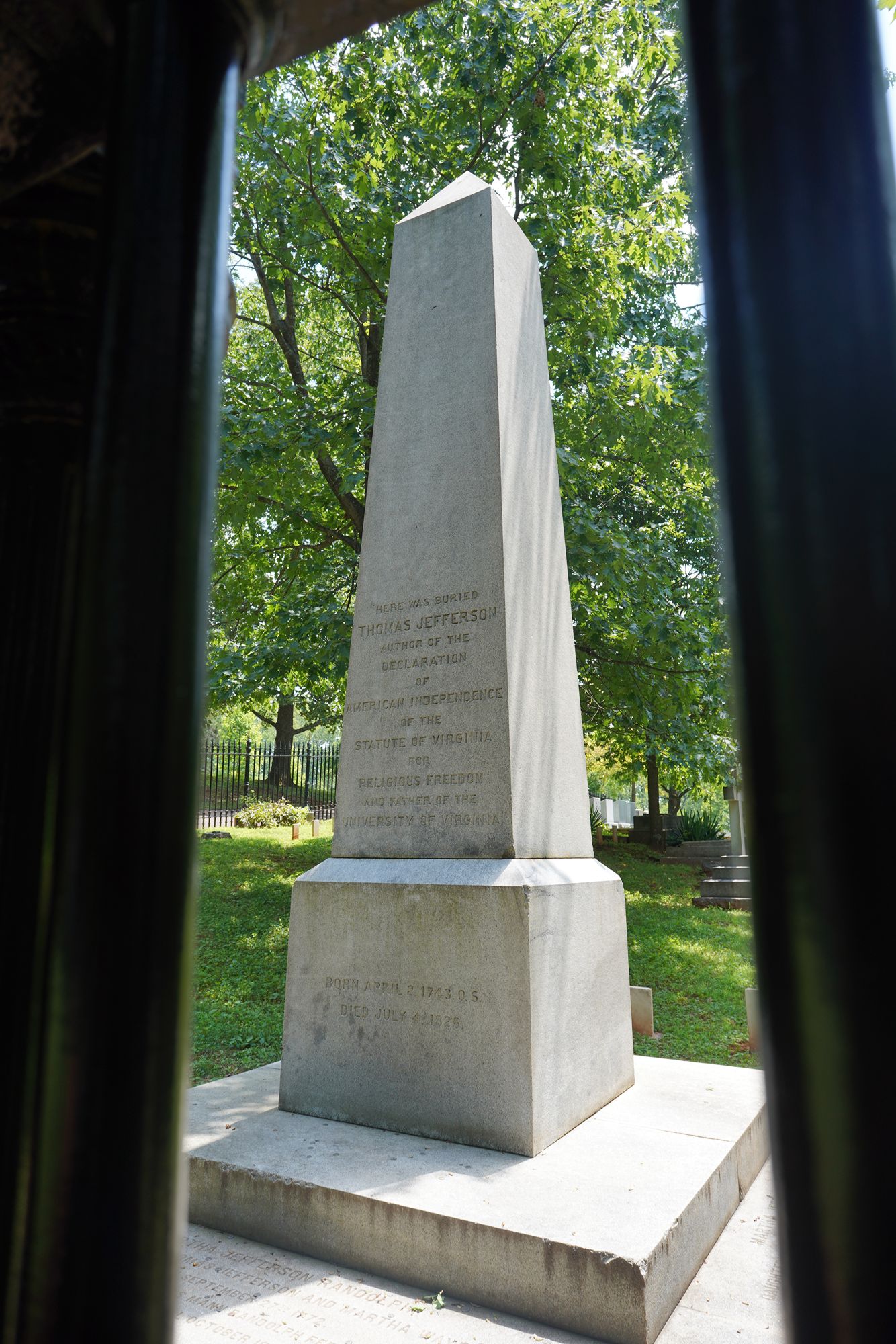
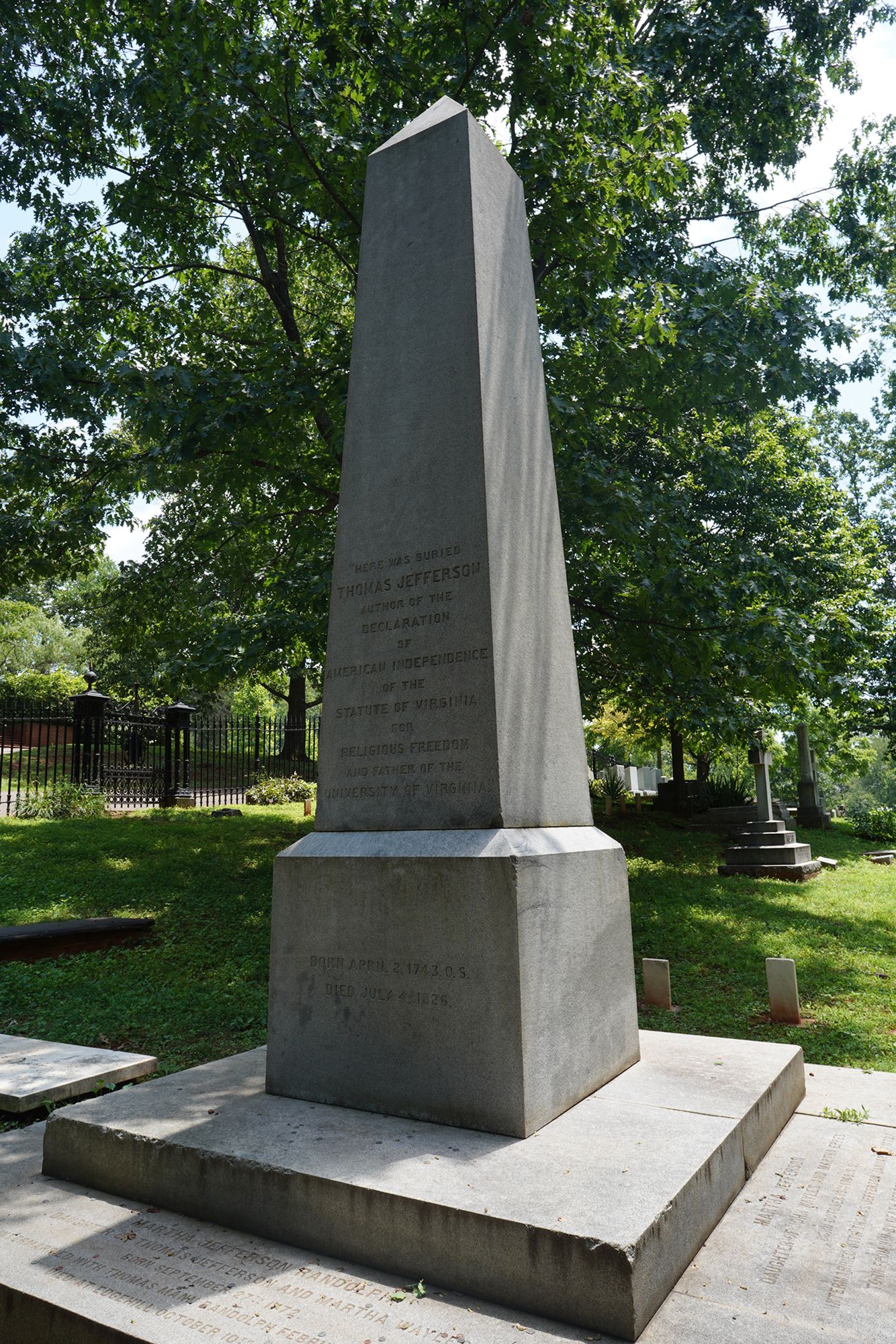
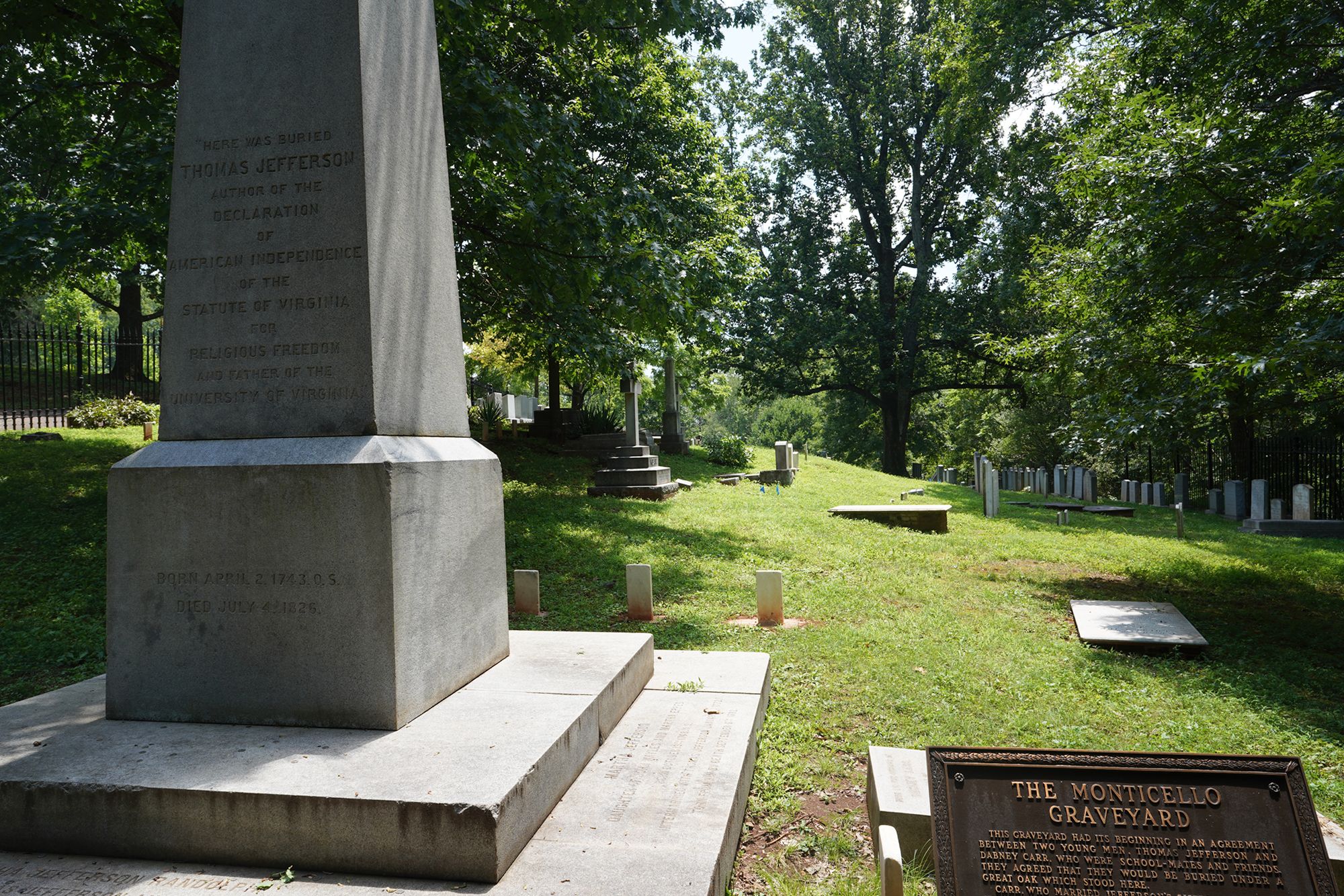
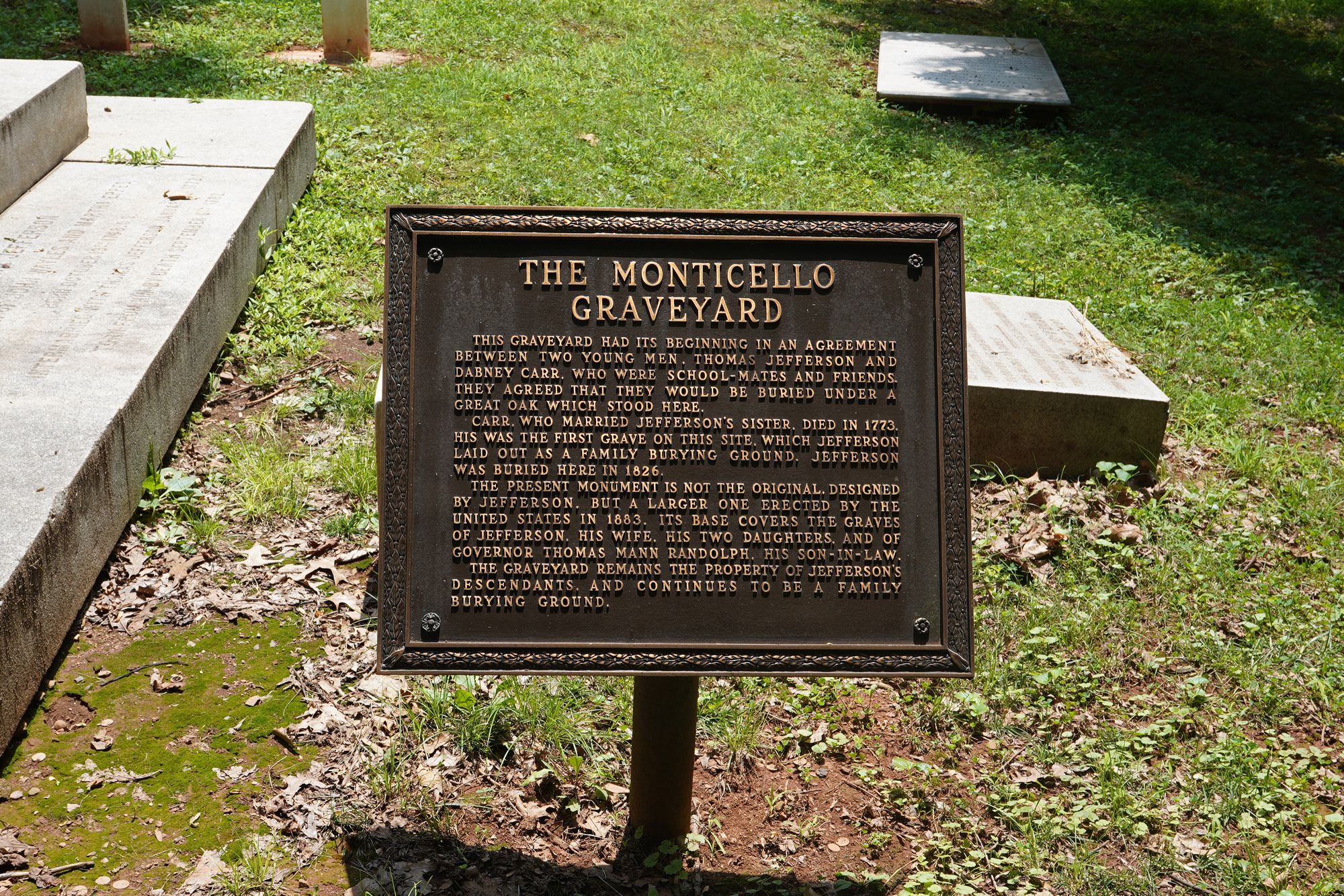
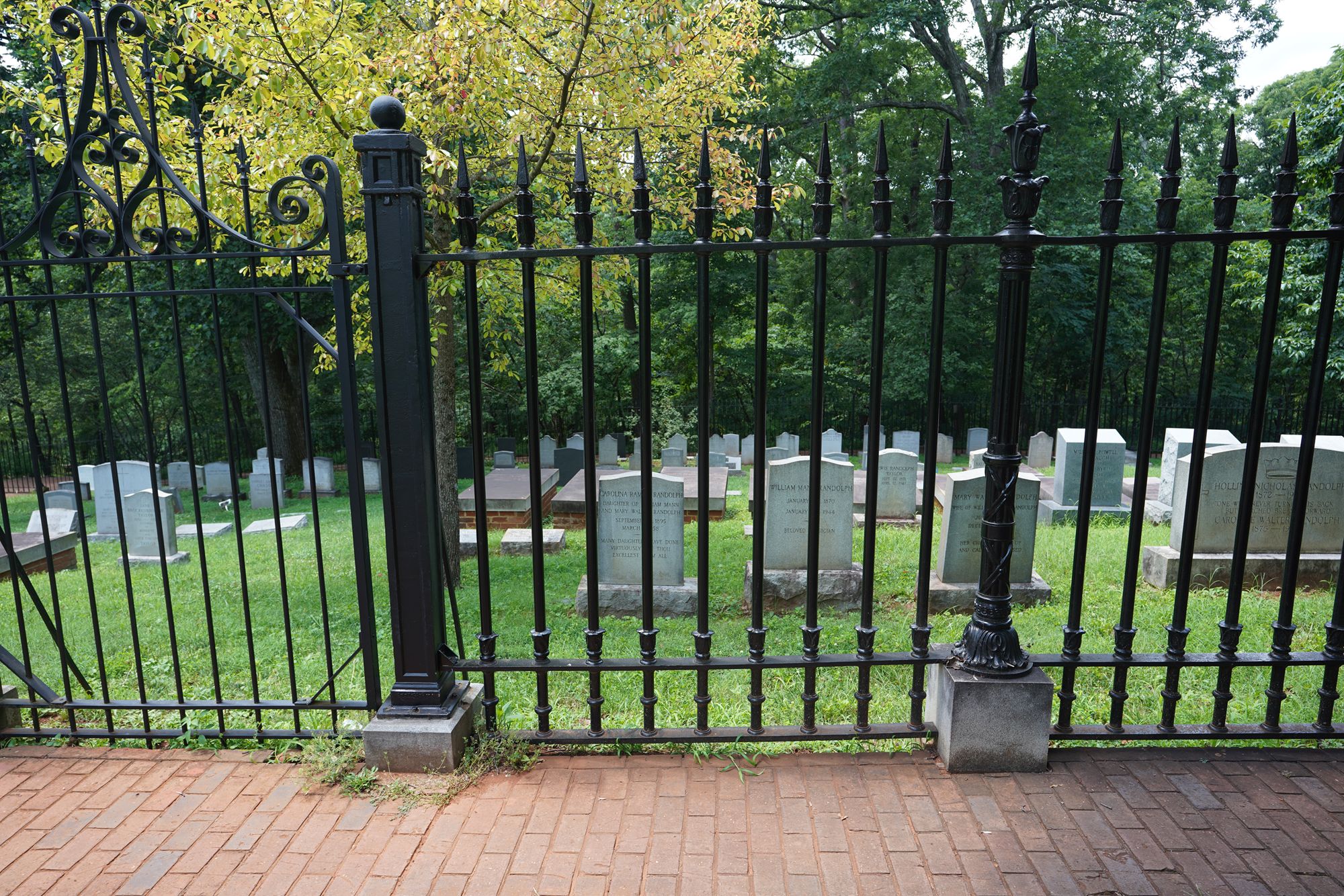
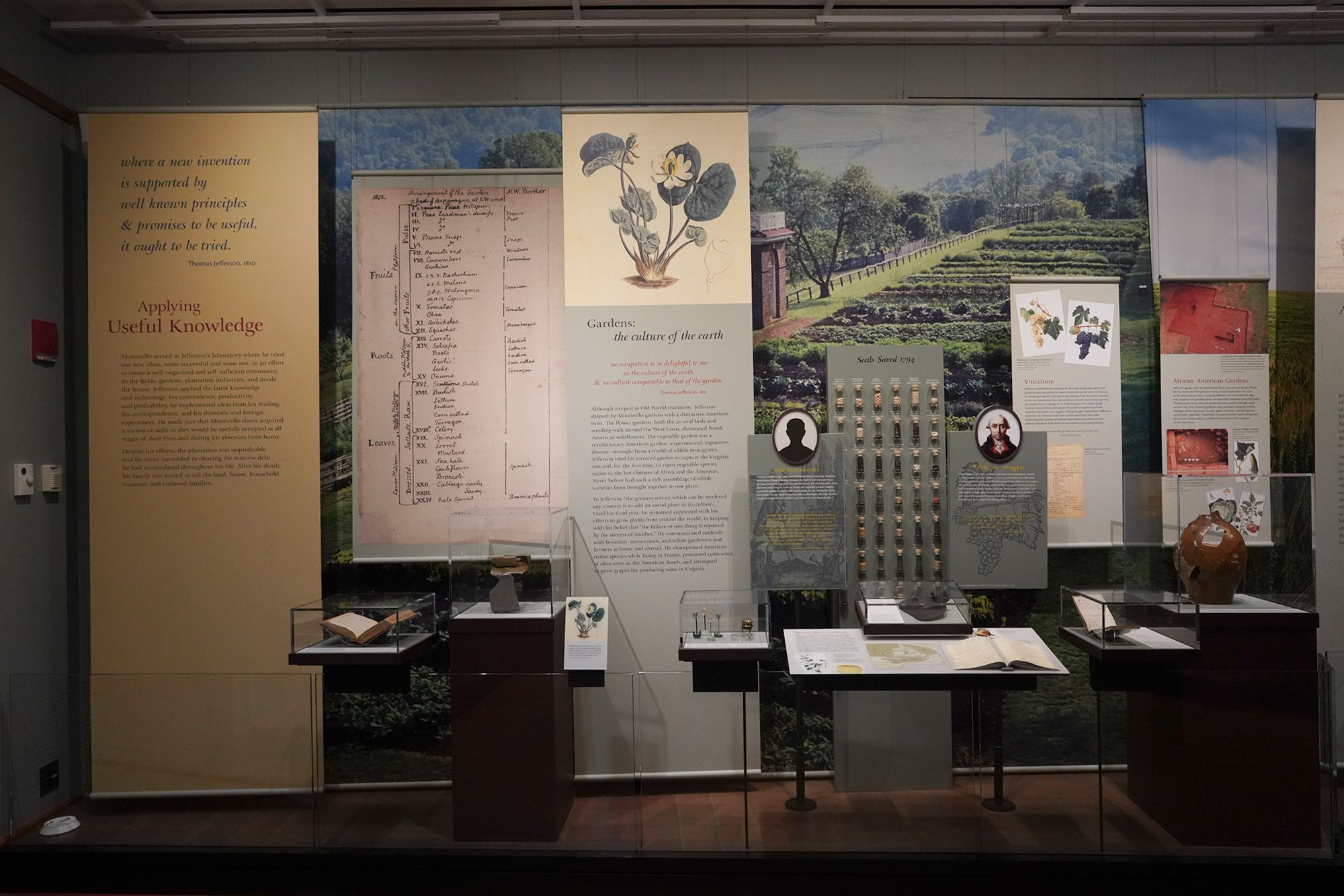
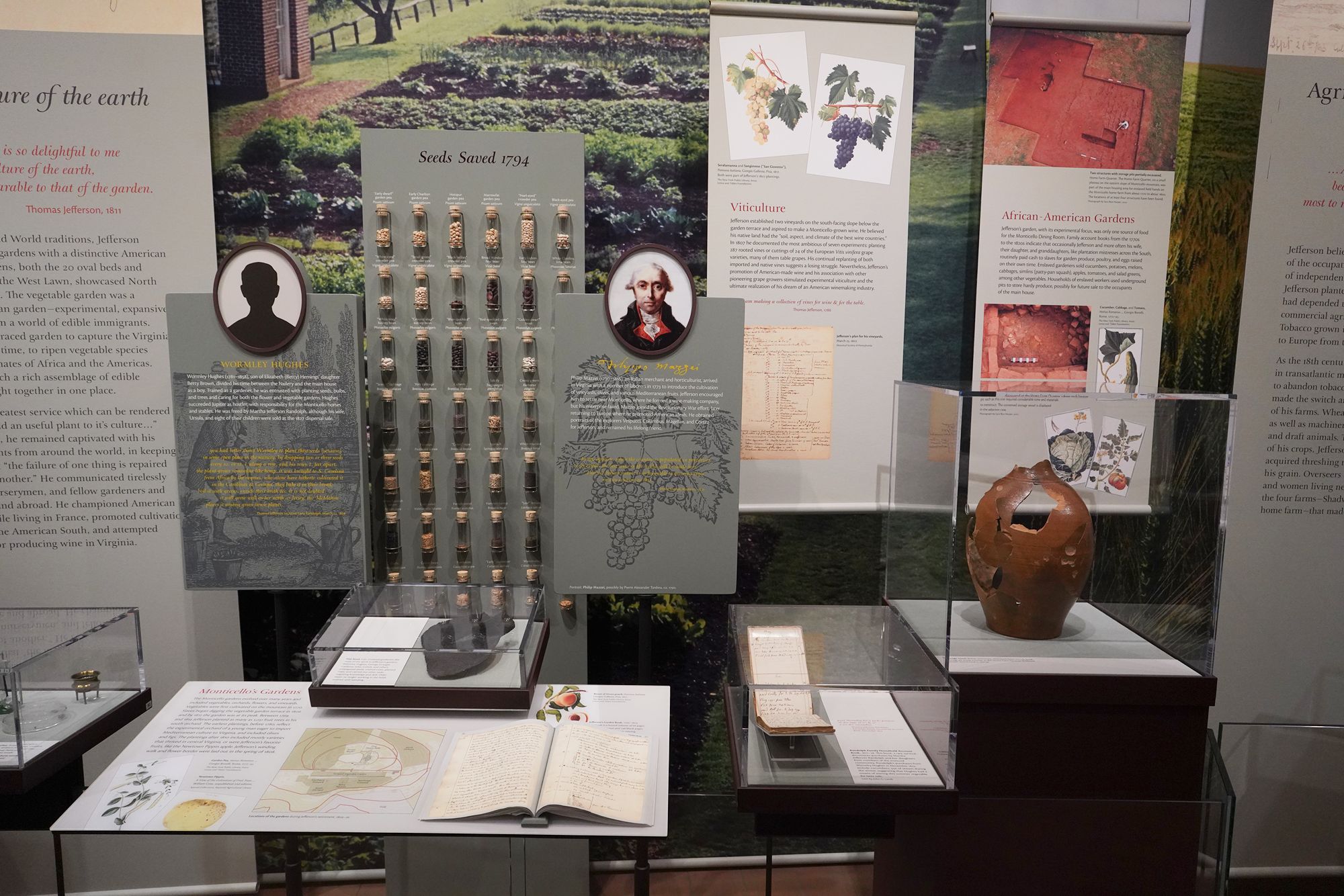
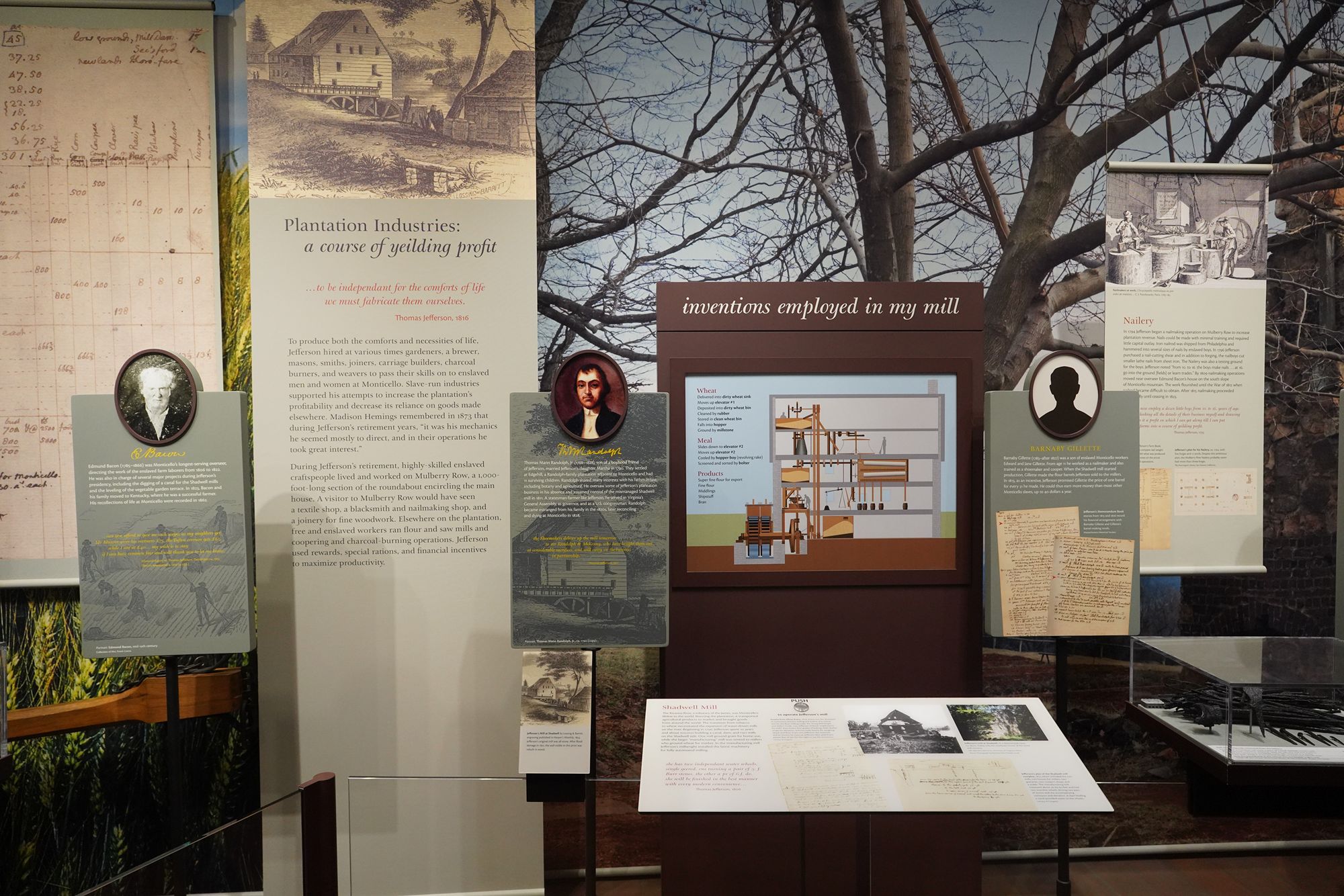
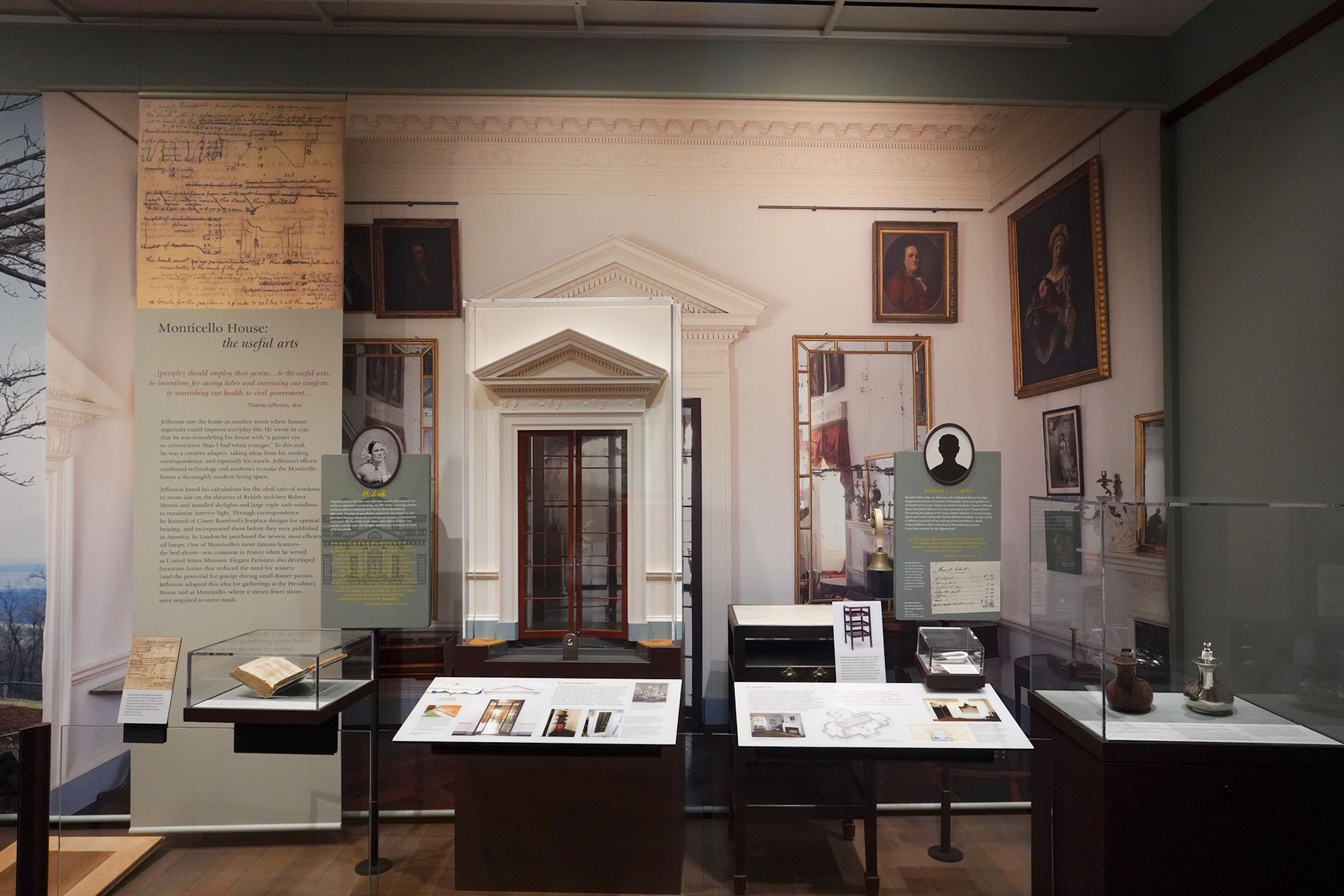
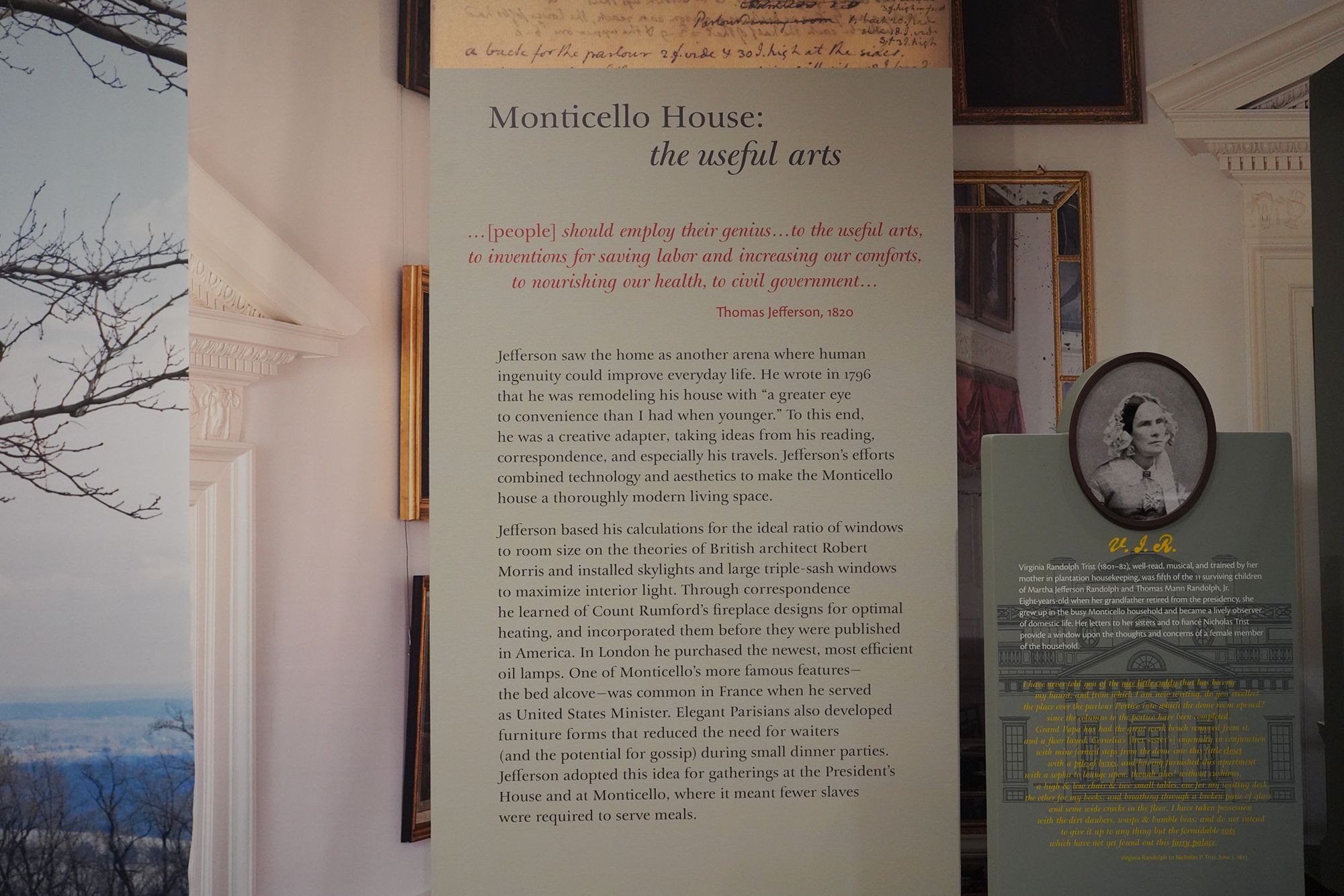
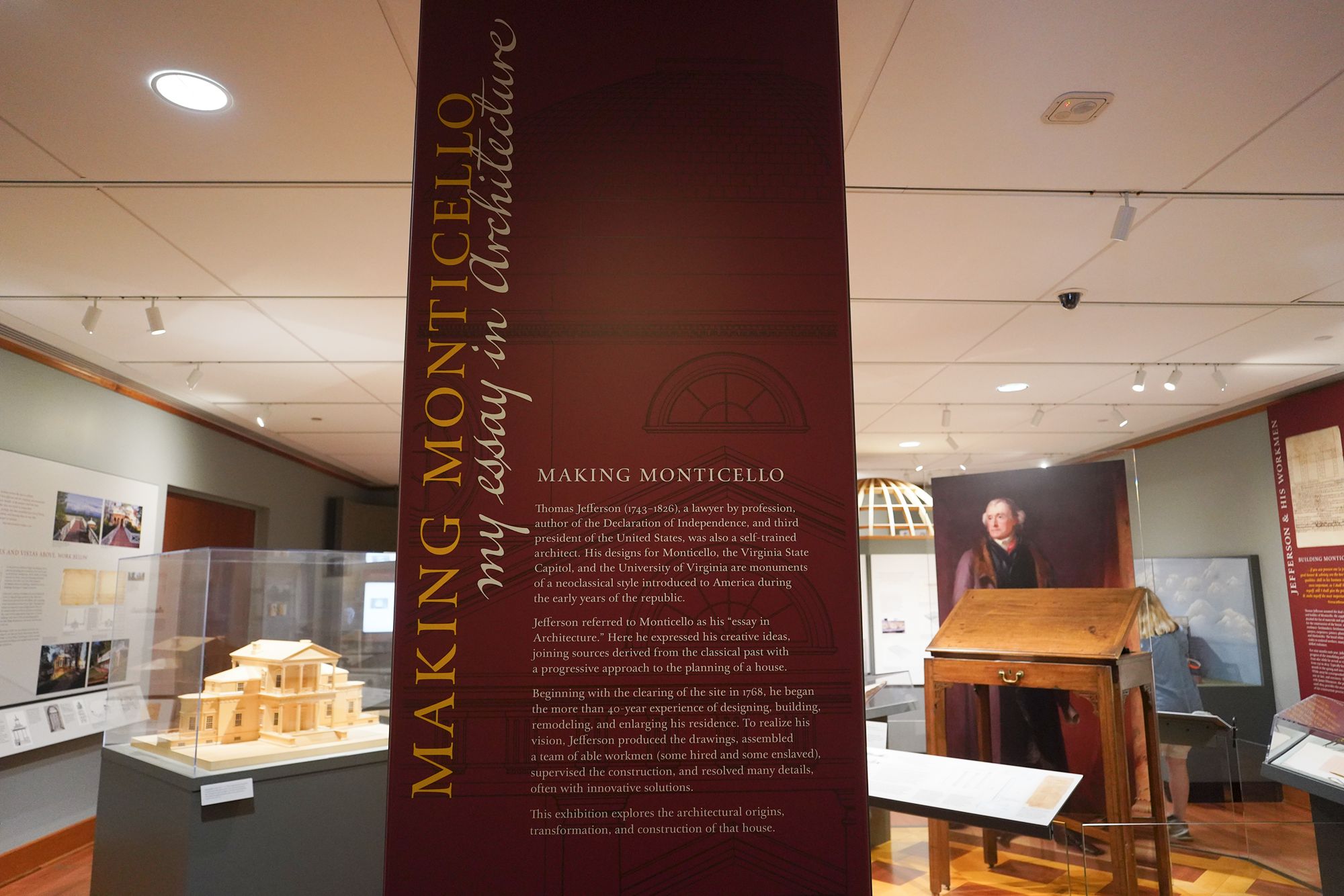
The Monticello Museum, located near the main house, presents exhibits on Thomas Jefferson’s life, his ideas, inventions, and the daily lives of the enslaved people who lived on the plantation, offering a balanced view of Monticello’s history through artifacts, documents, and interactive displays.
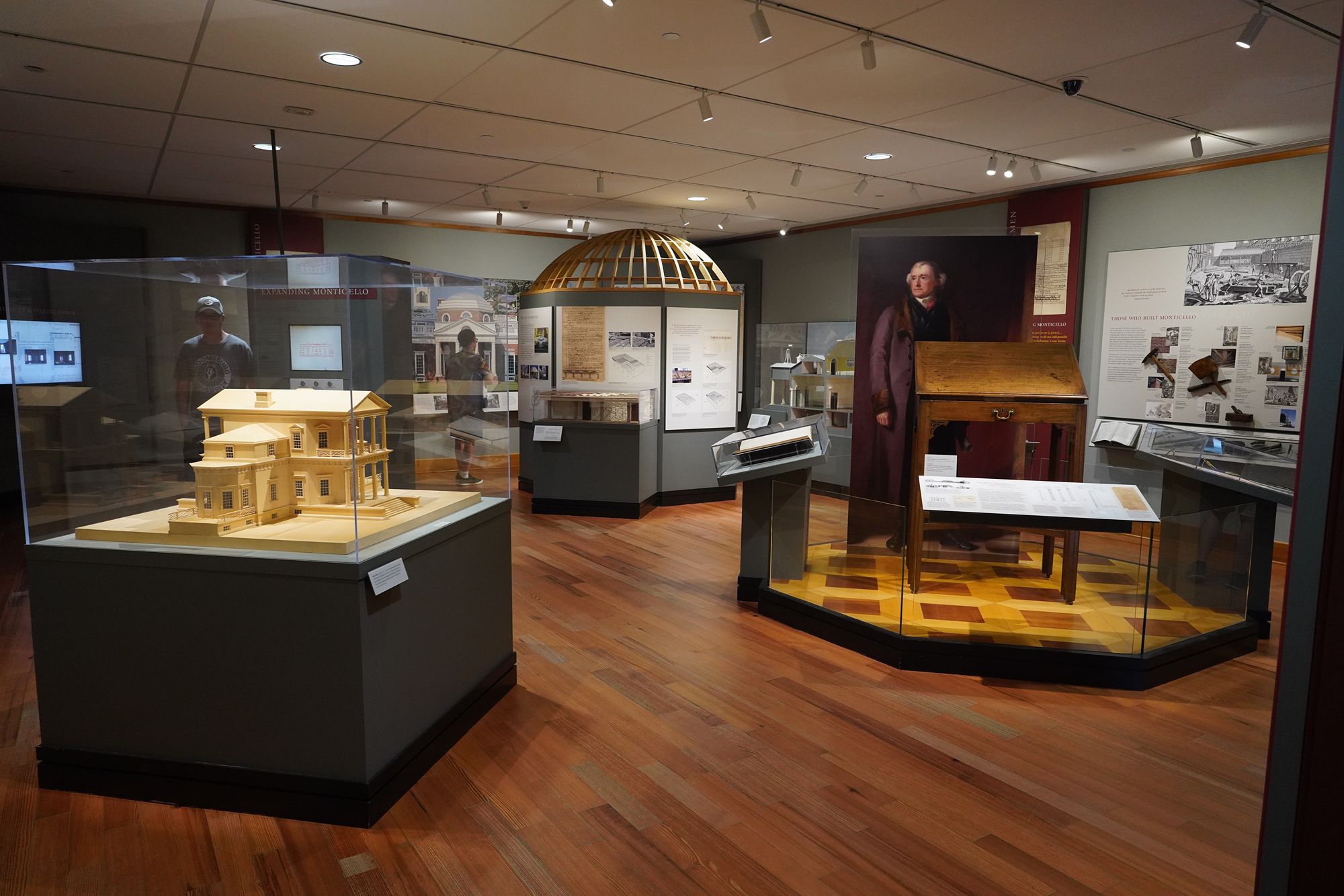
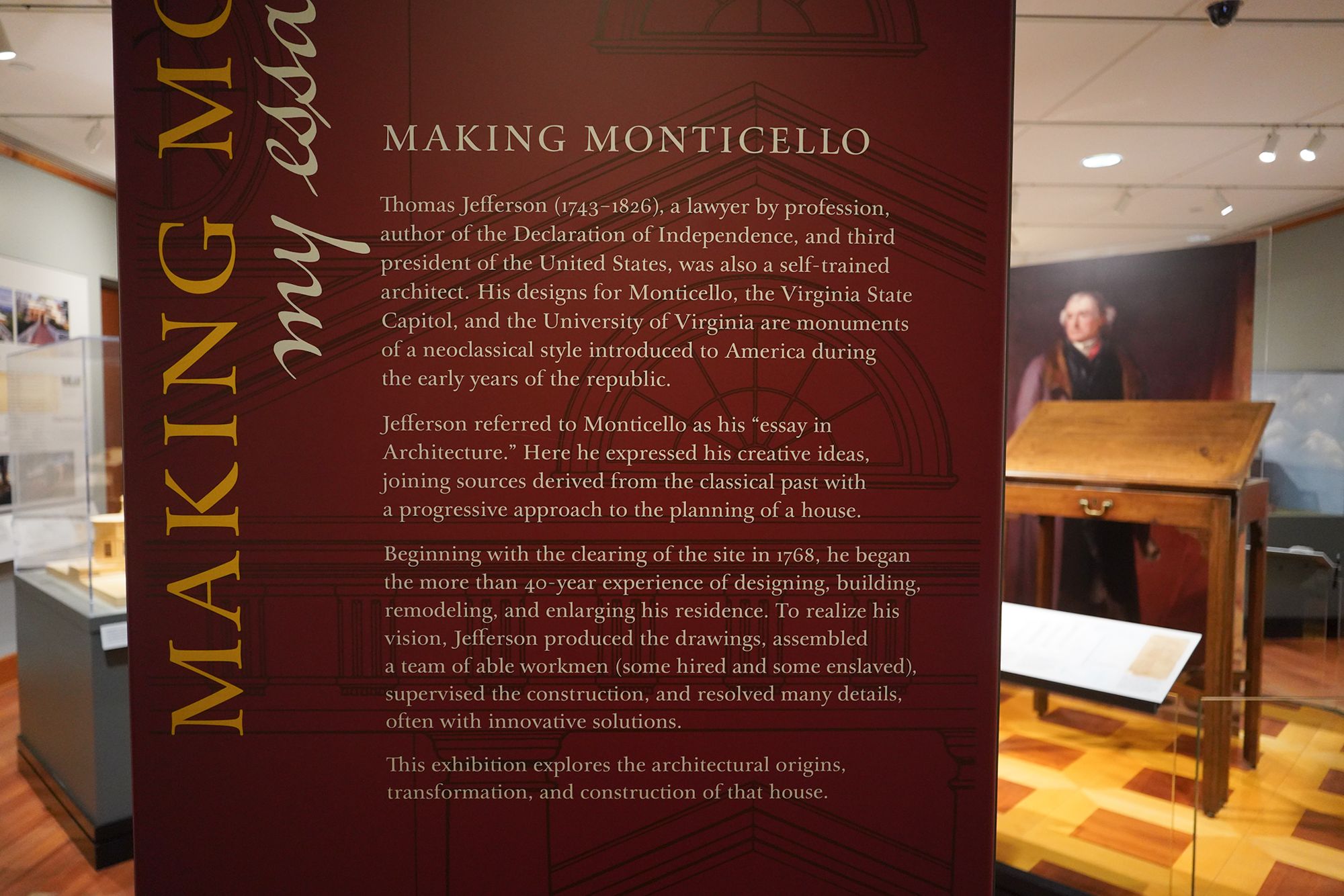
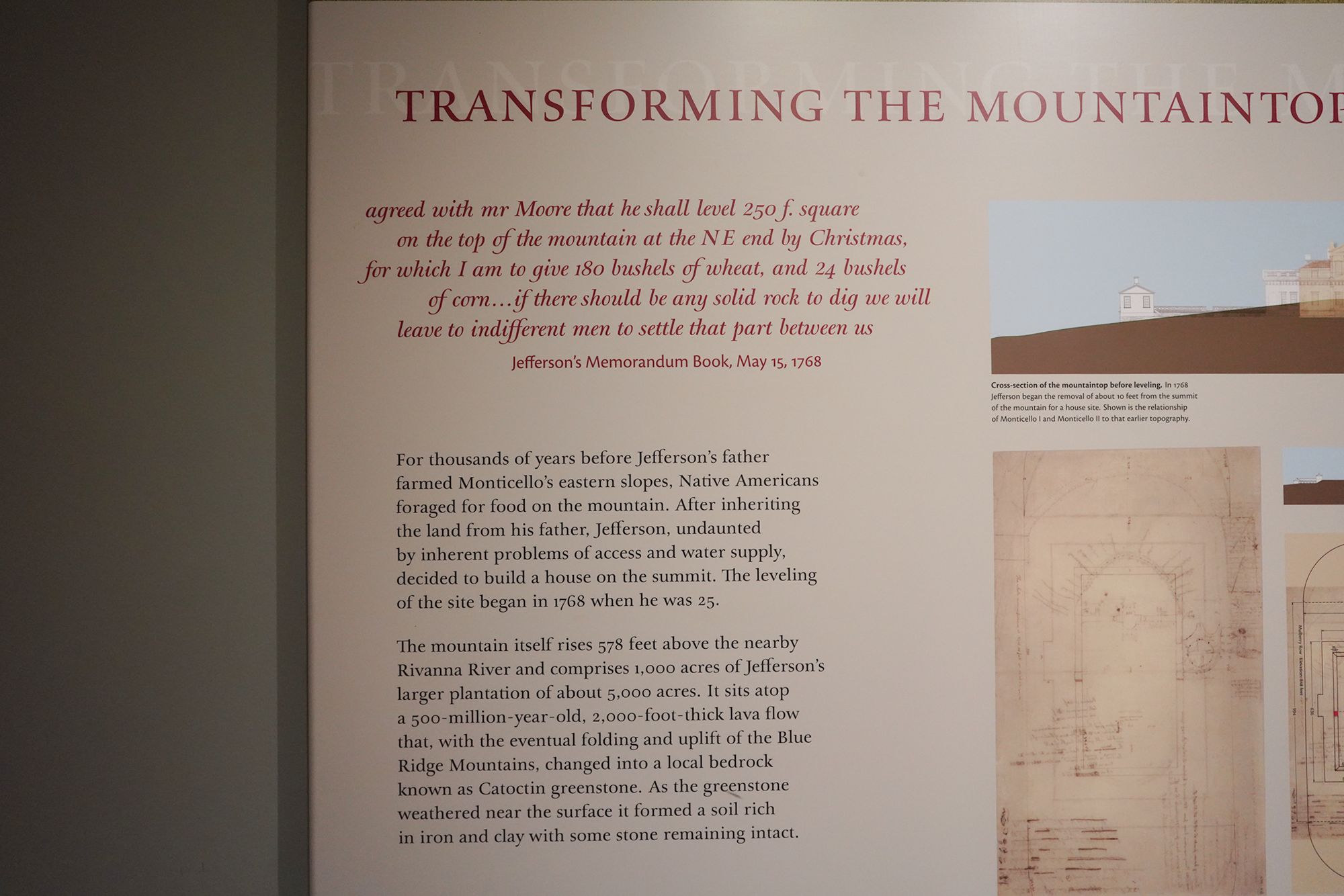
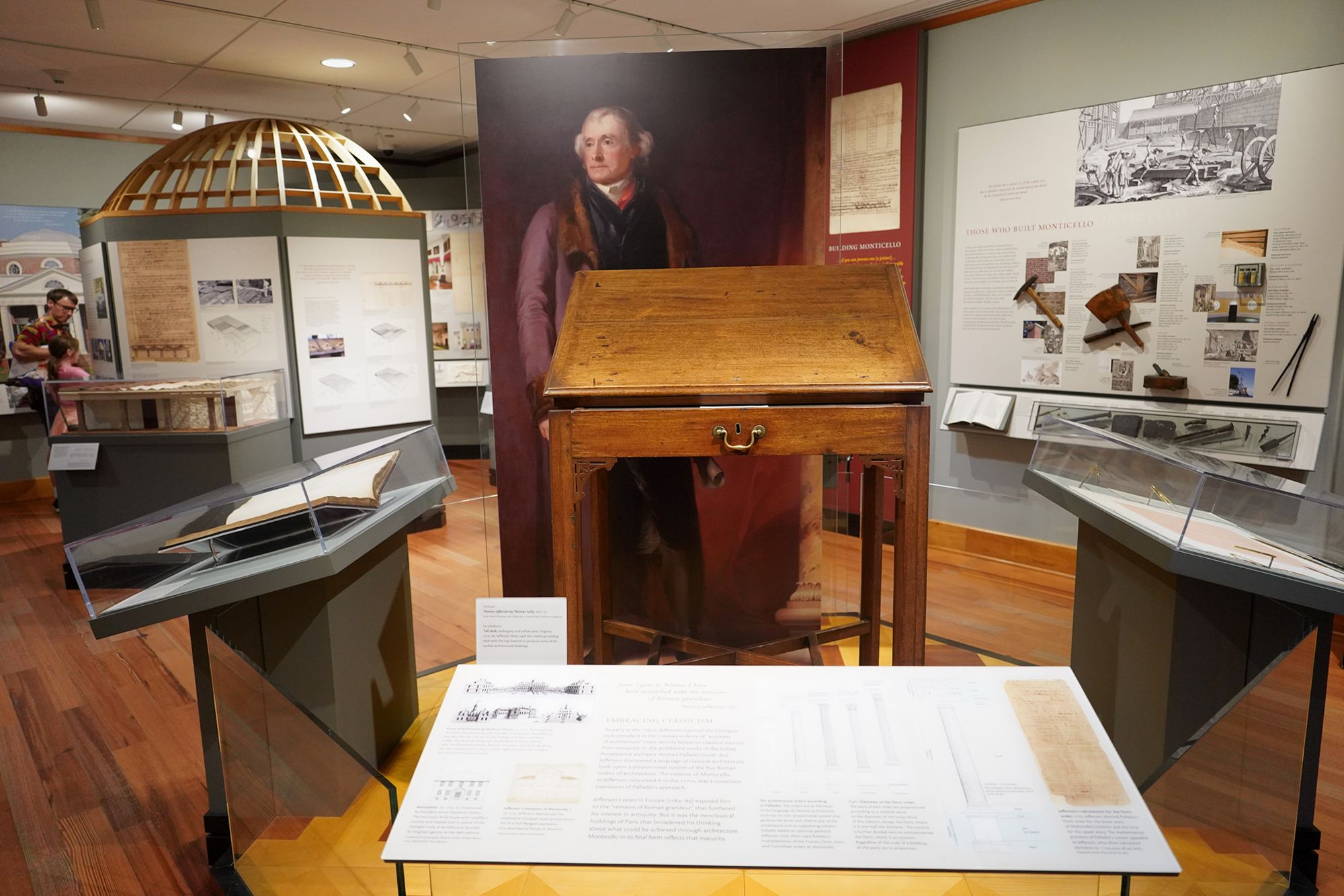
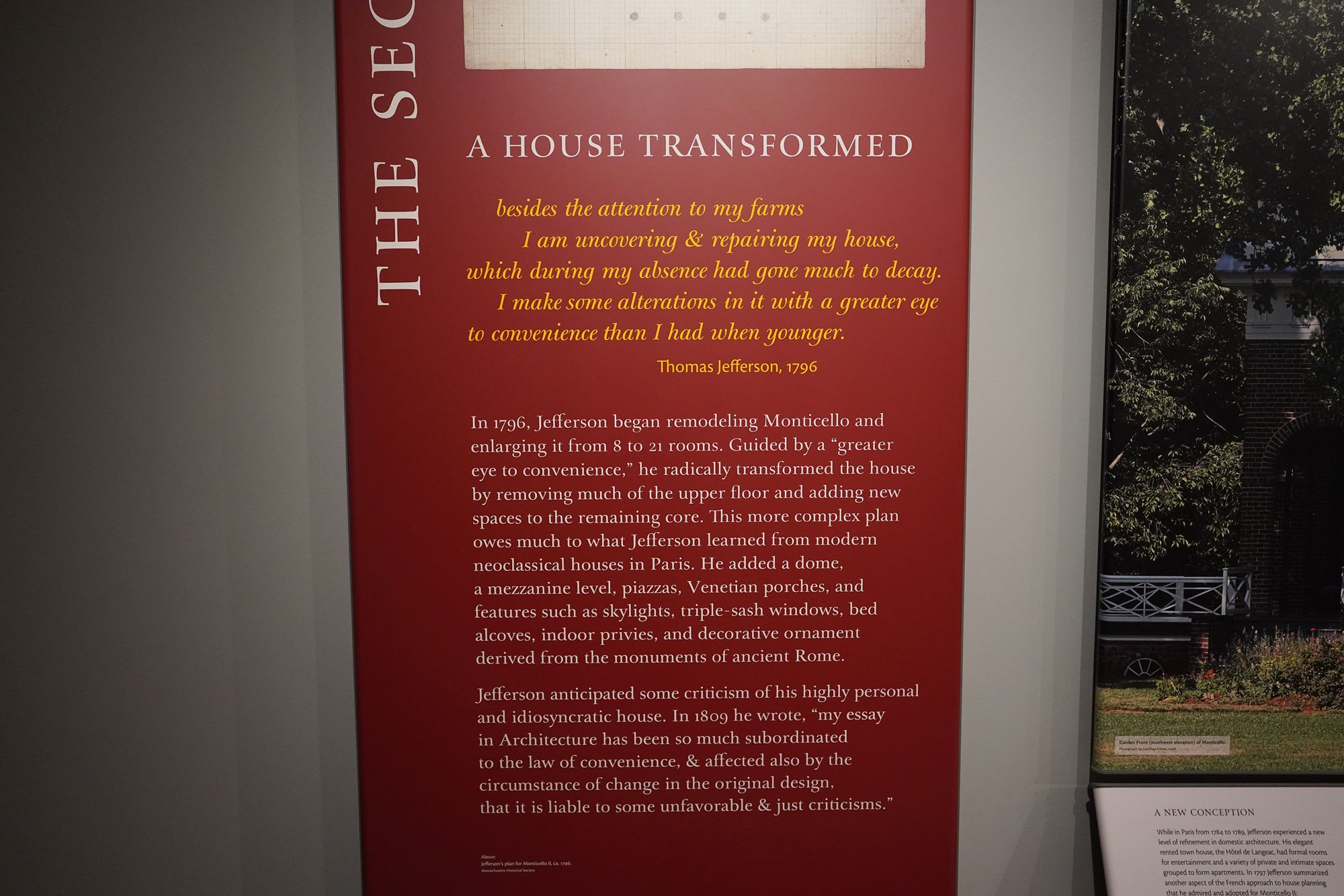
Monticello was designed and built by Thomas Jefferson himself, who began construction in 1768 on his family’s plantation near Charlottesville, Virginia. Drawing inspiration from classical Roman and Palladian architecture, he continually redesigned the house over four decades, blending European influences with American materials and craftsmanship.
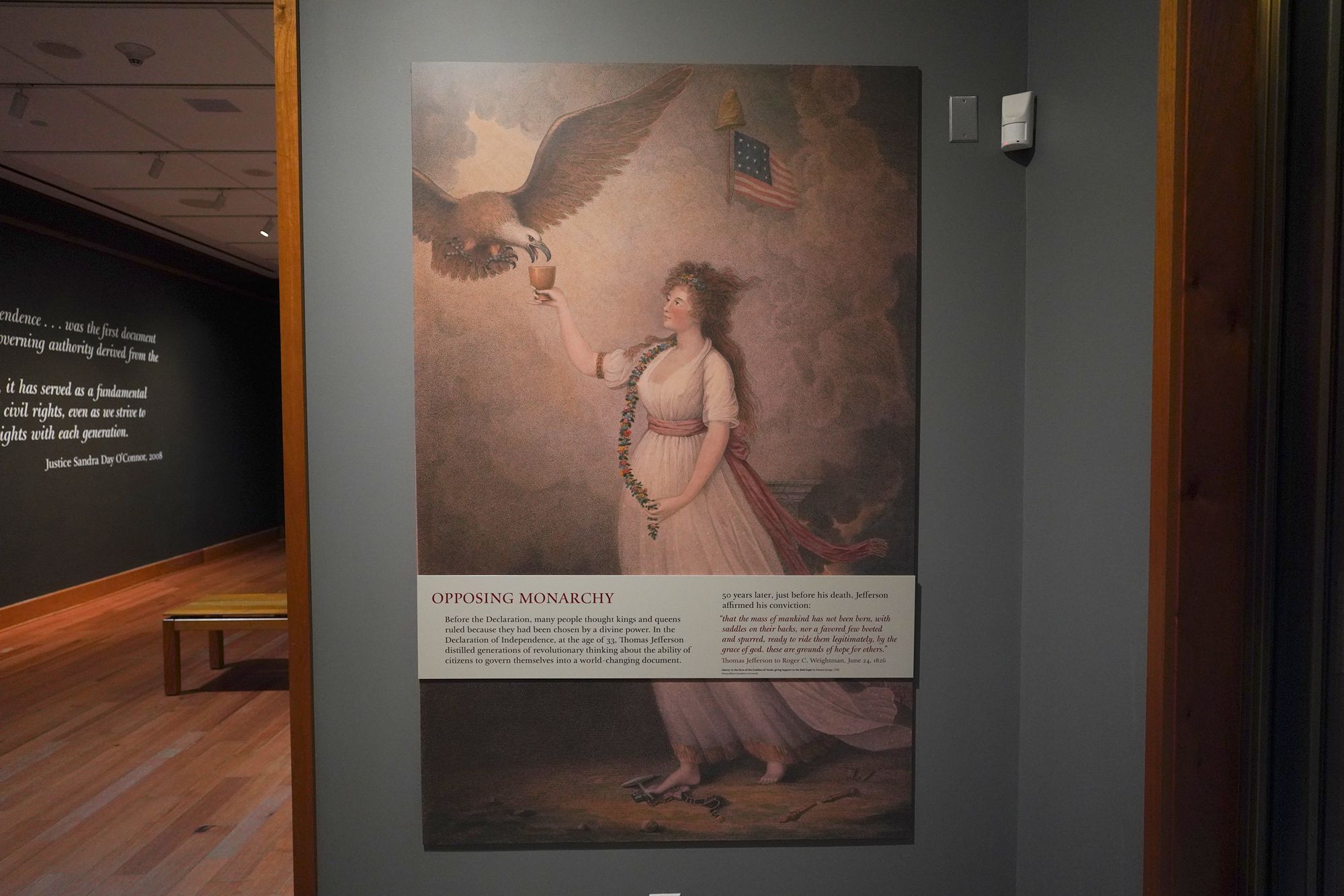
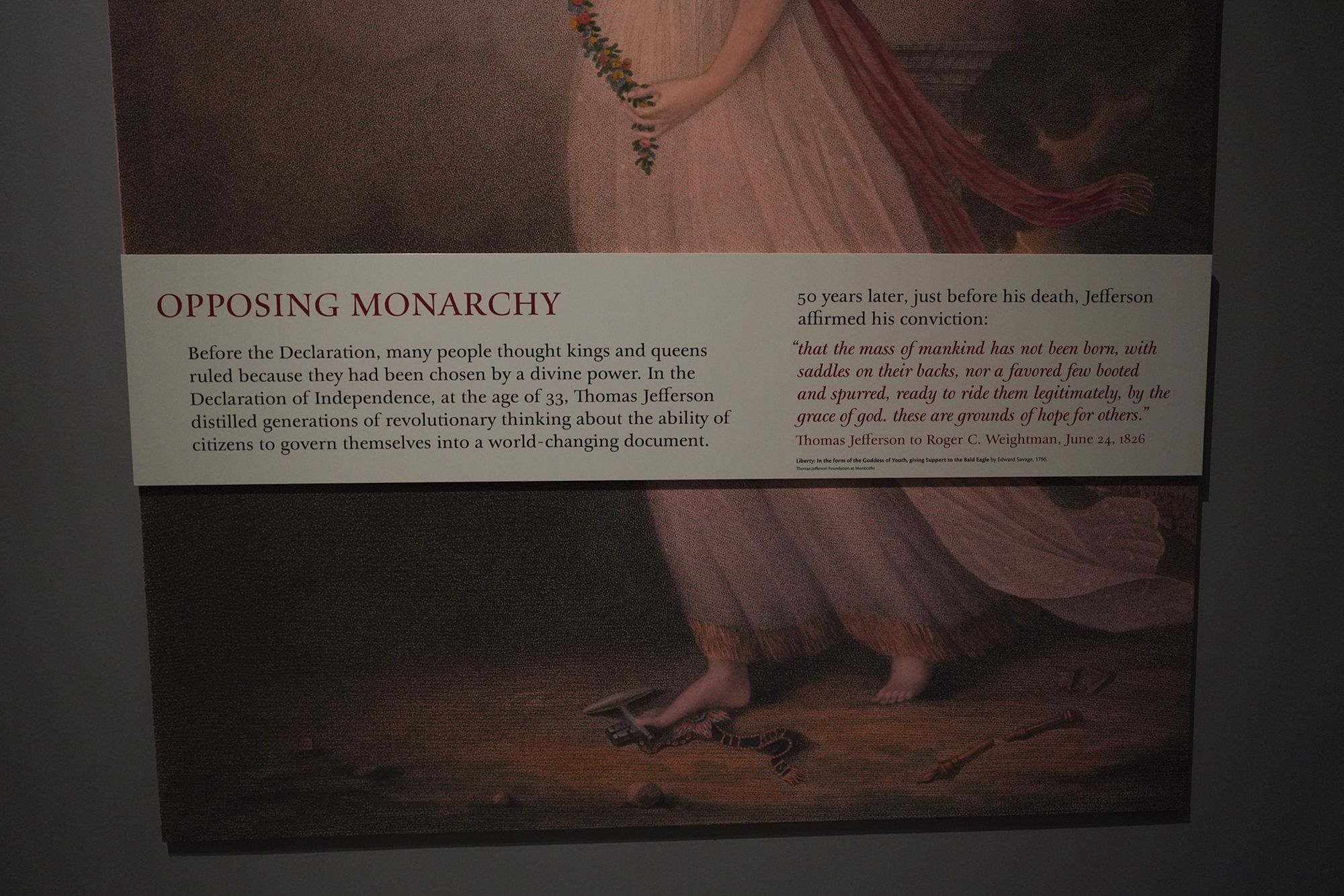
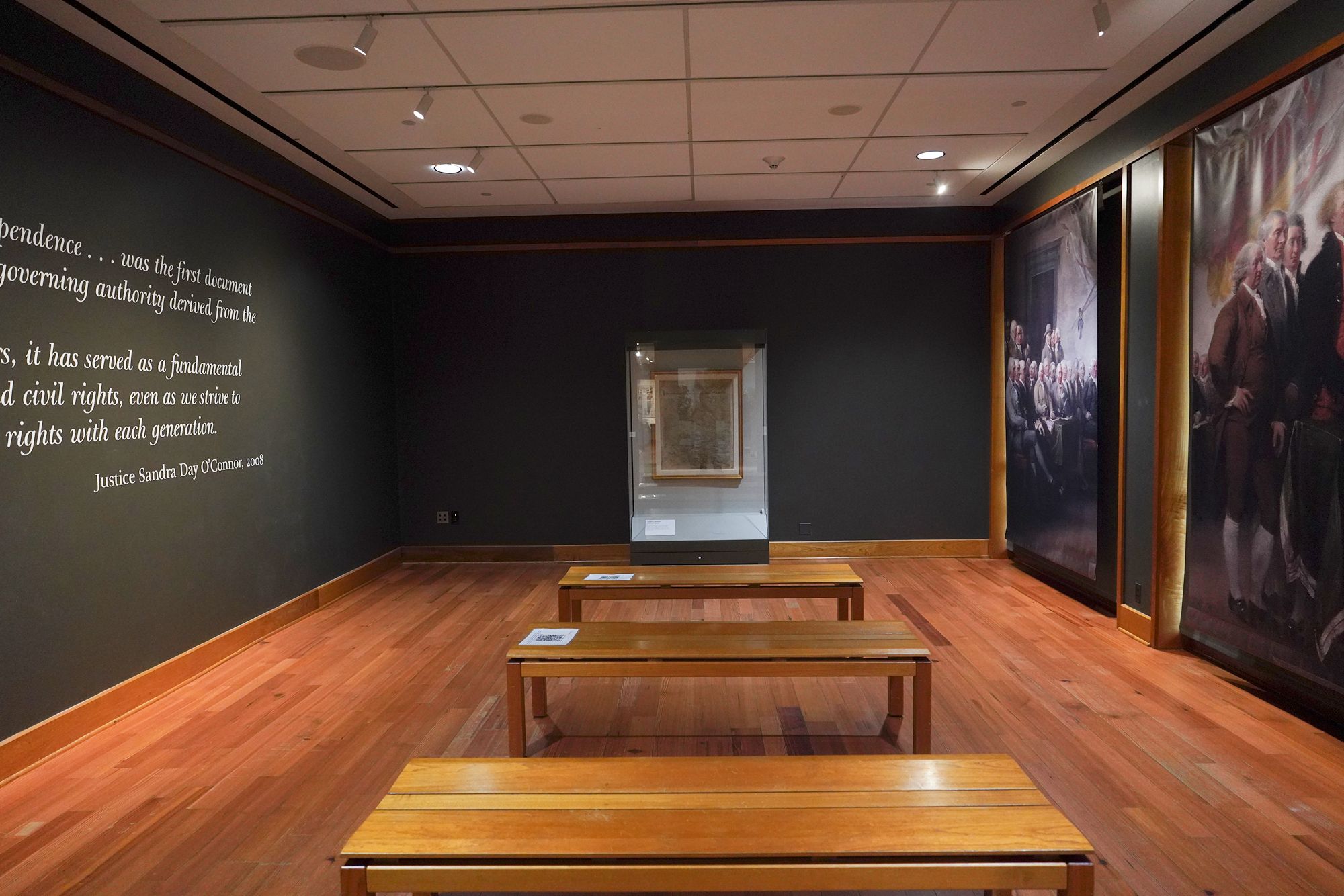
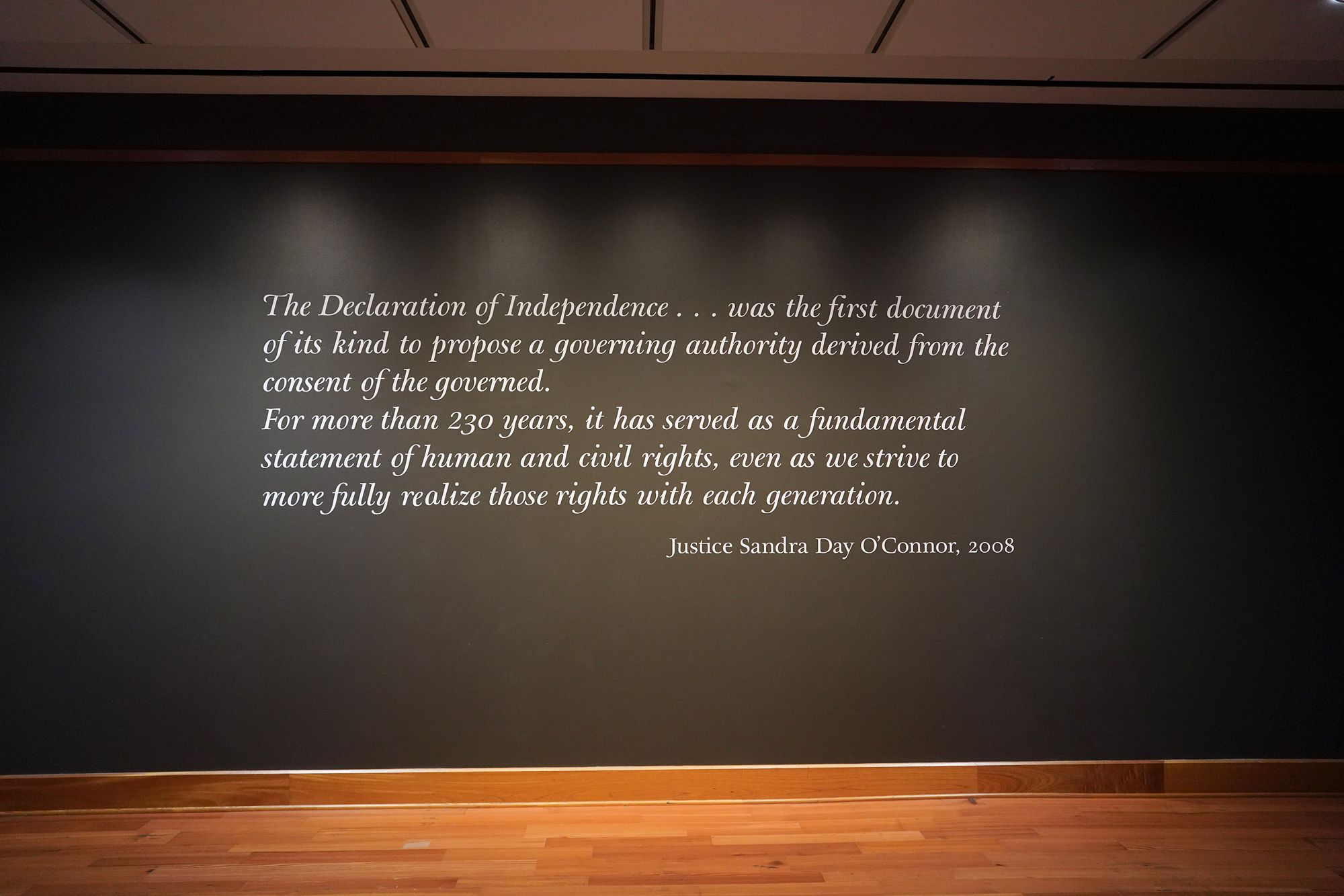
Thomas Jefferson opposed monarchy and hereditary rule, believing that government should derive its power from the people. As the principal author of the Declaration of Independence (1776), he declared that all men are created equal and that people have the right to abolish oppressive governments—formally breaking America’s ties with Britain and rejecting the authority of the king.
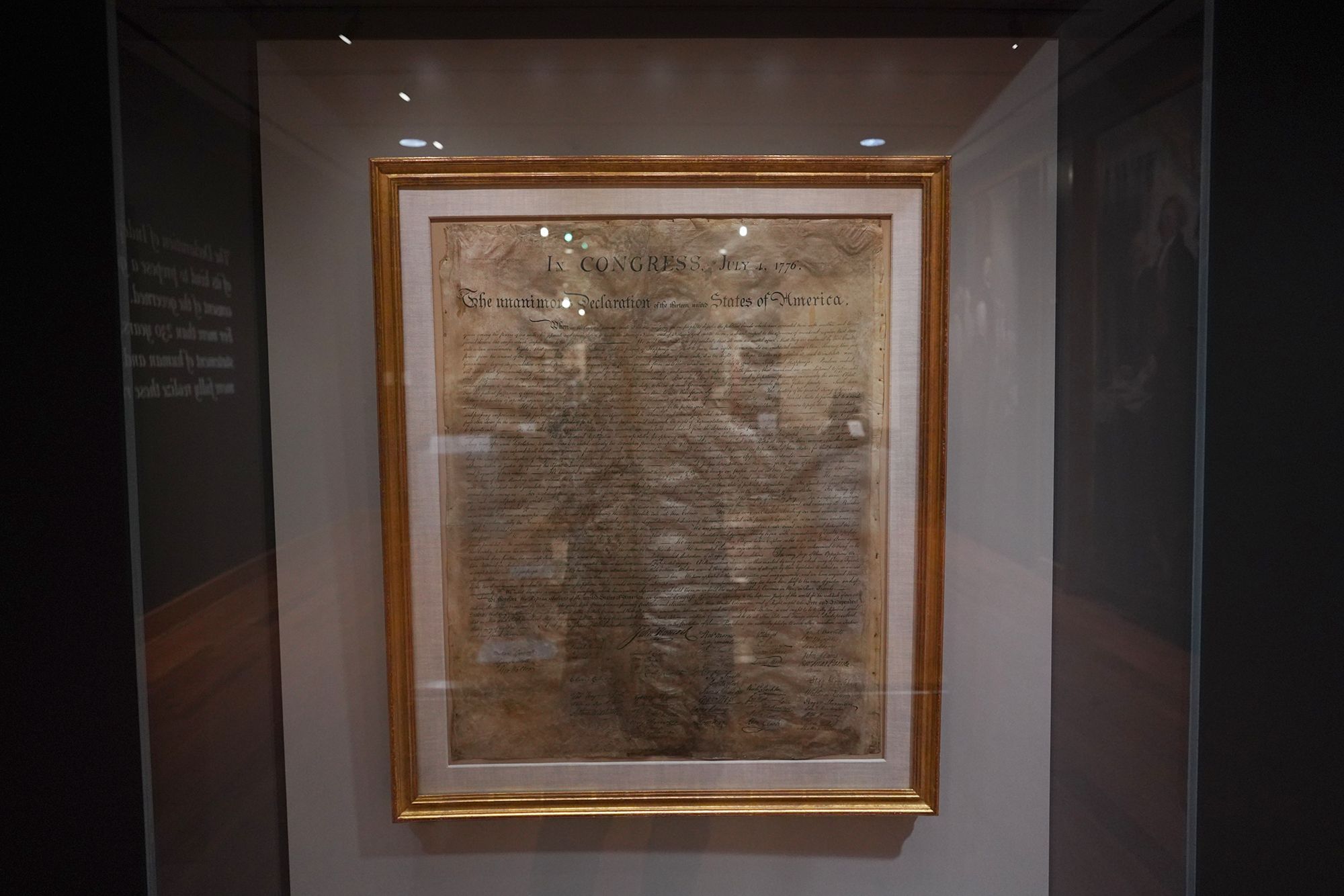
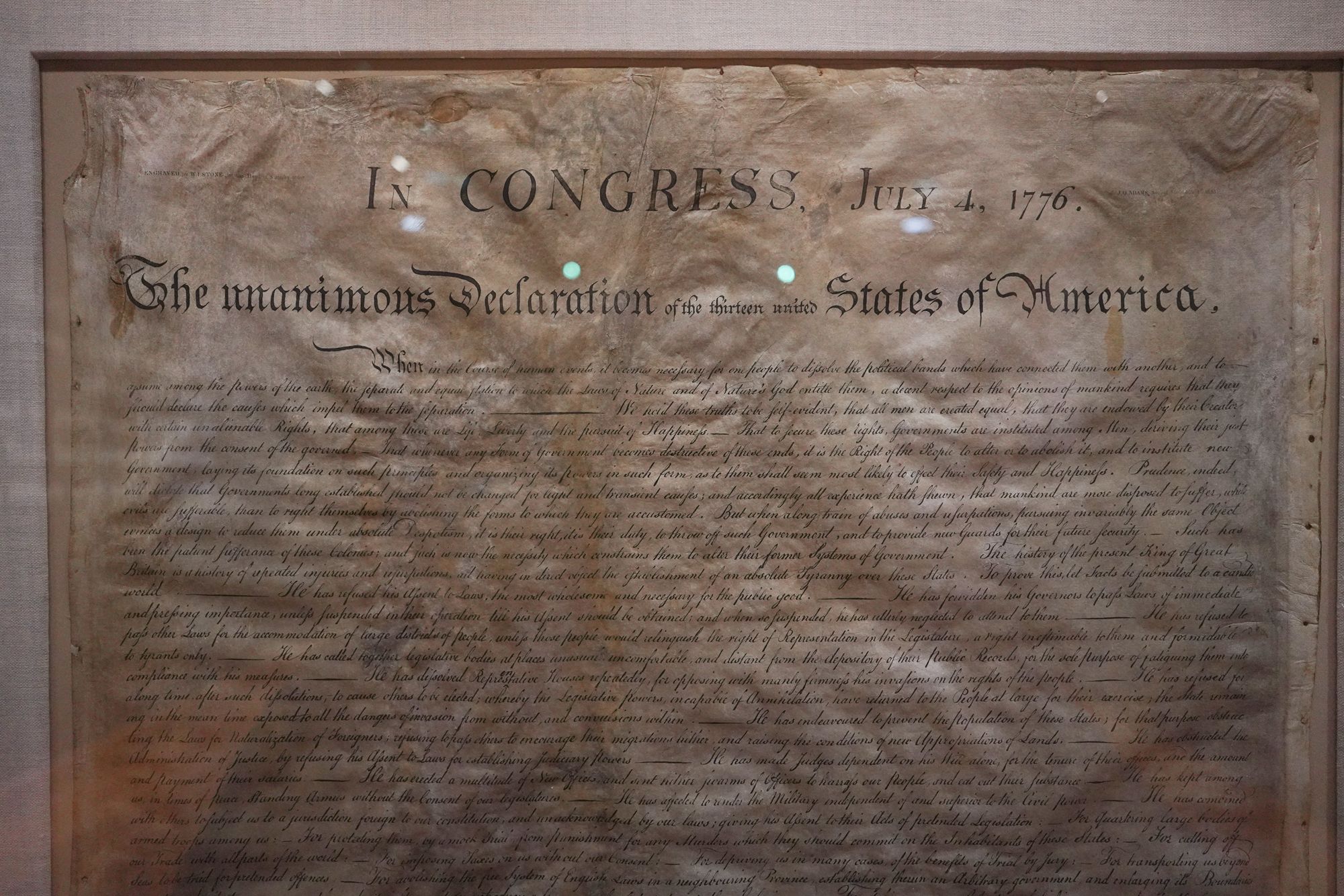
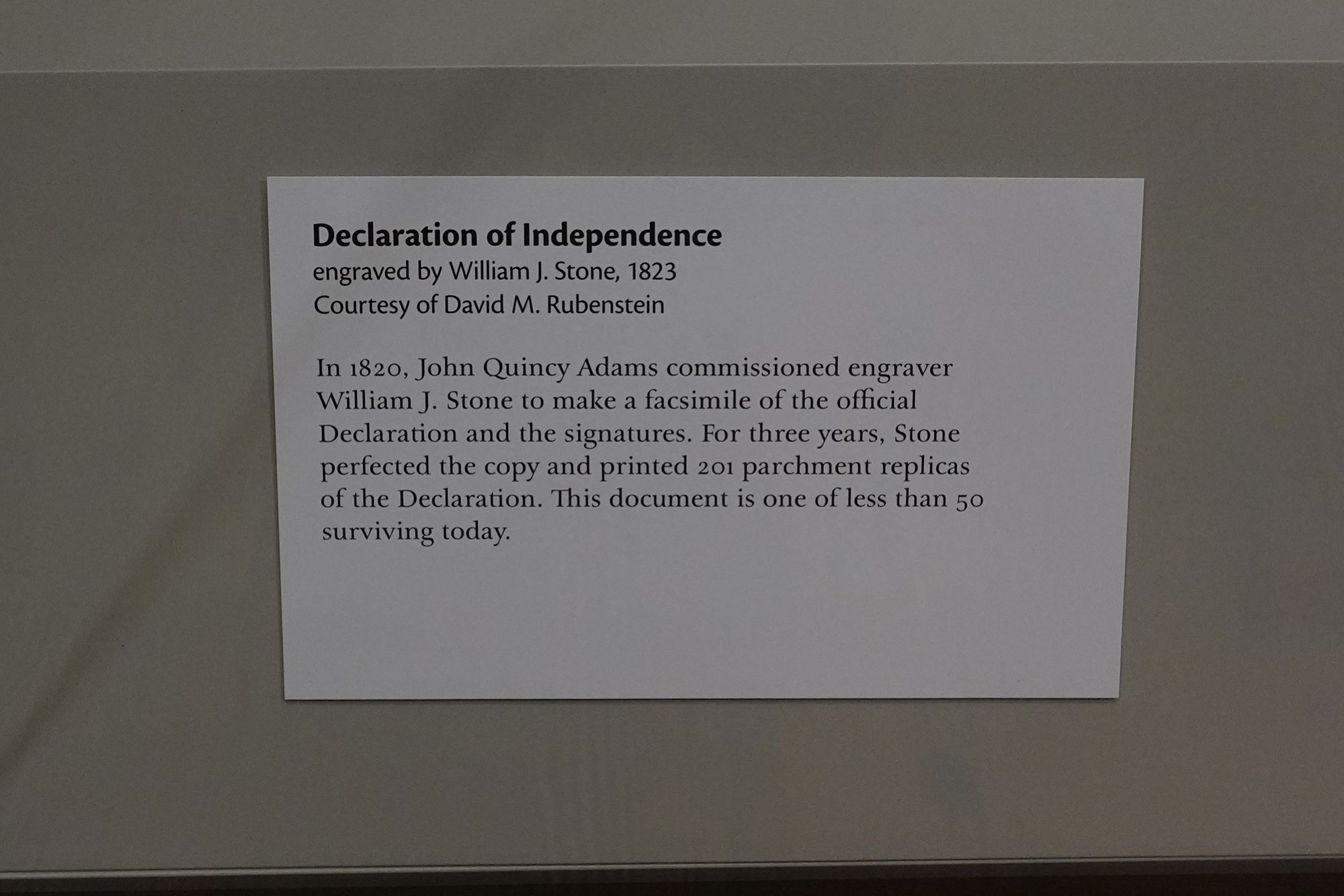
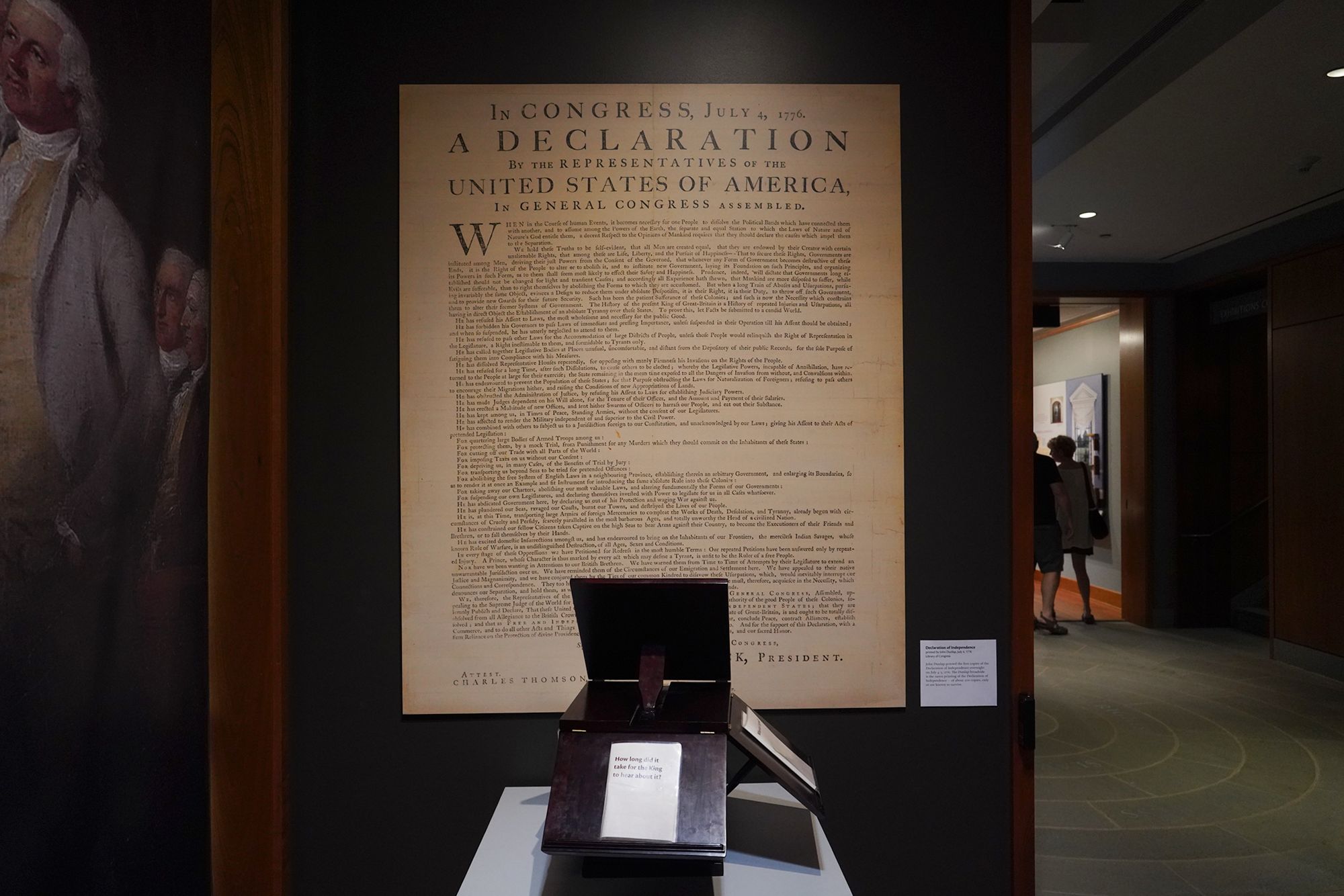
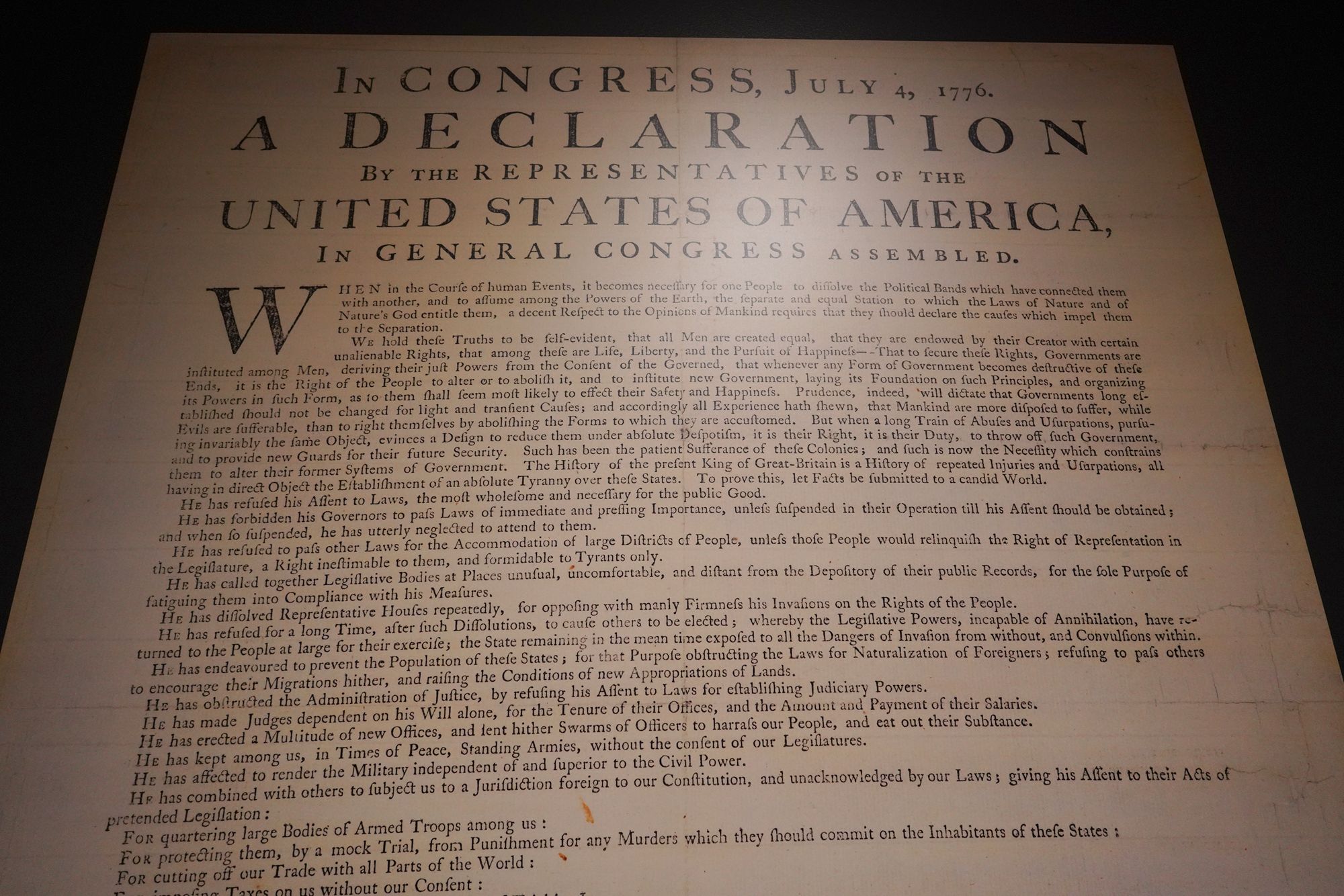
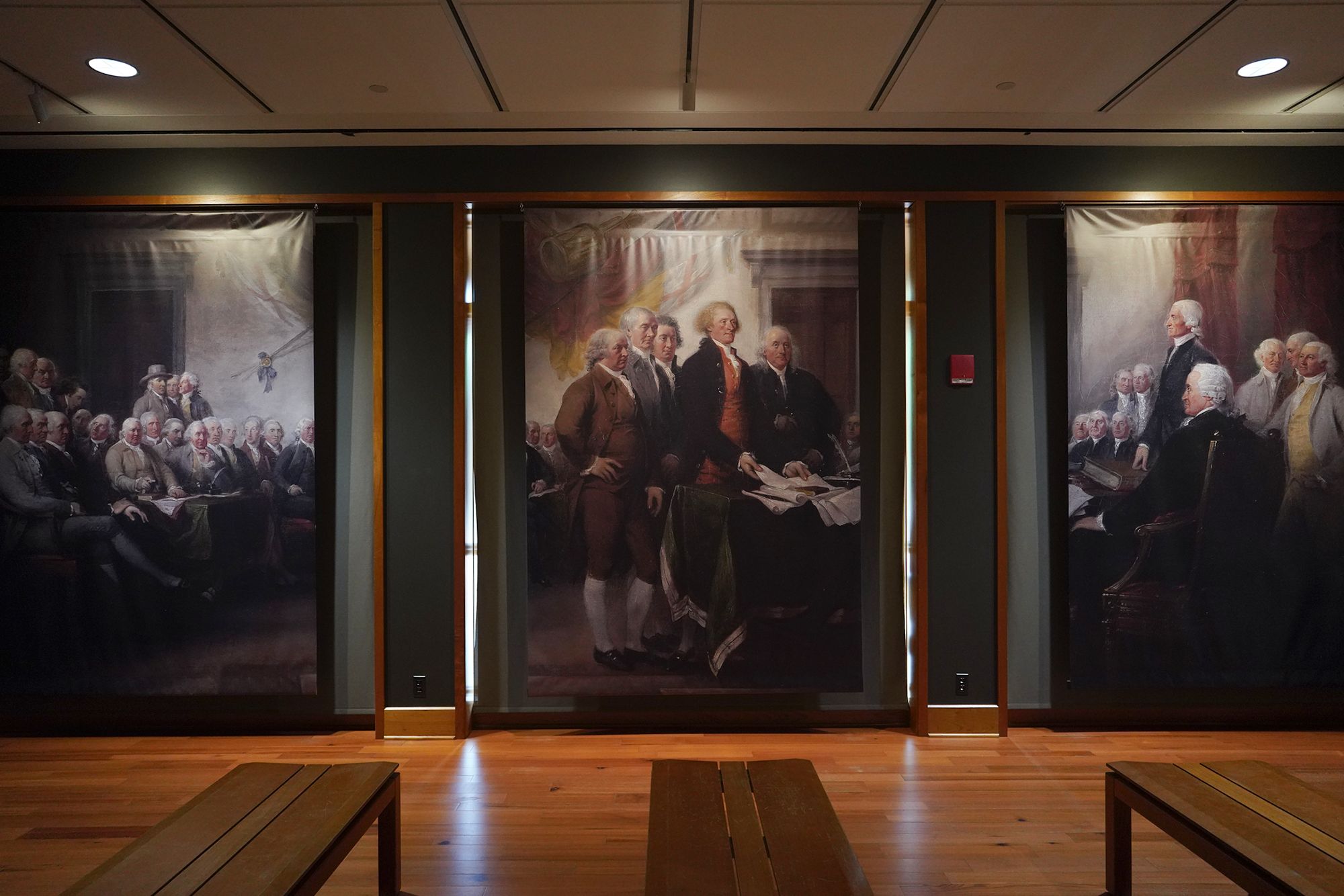
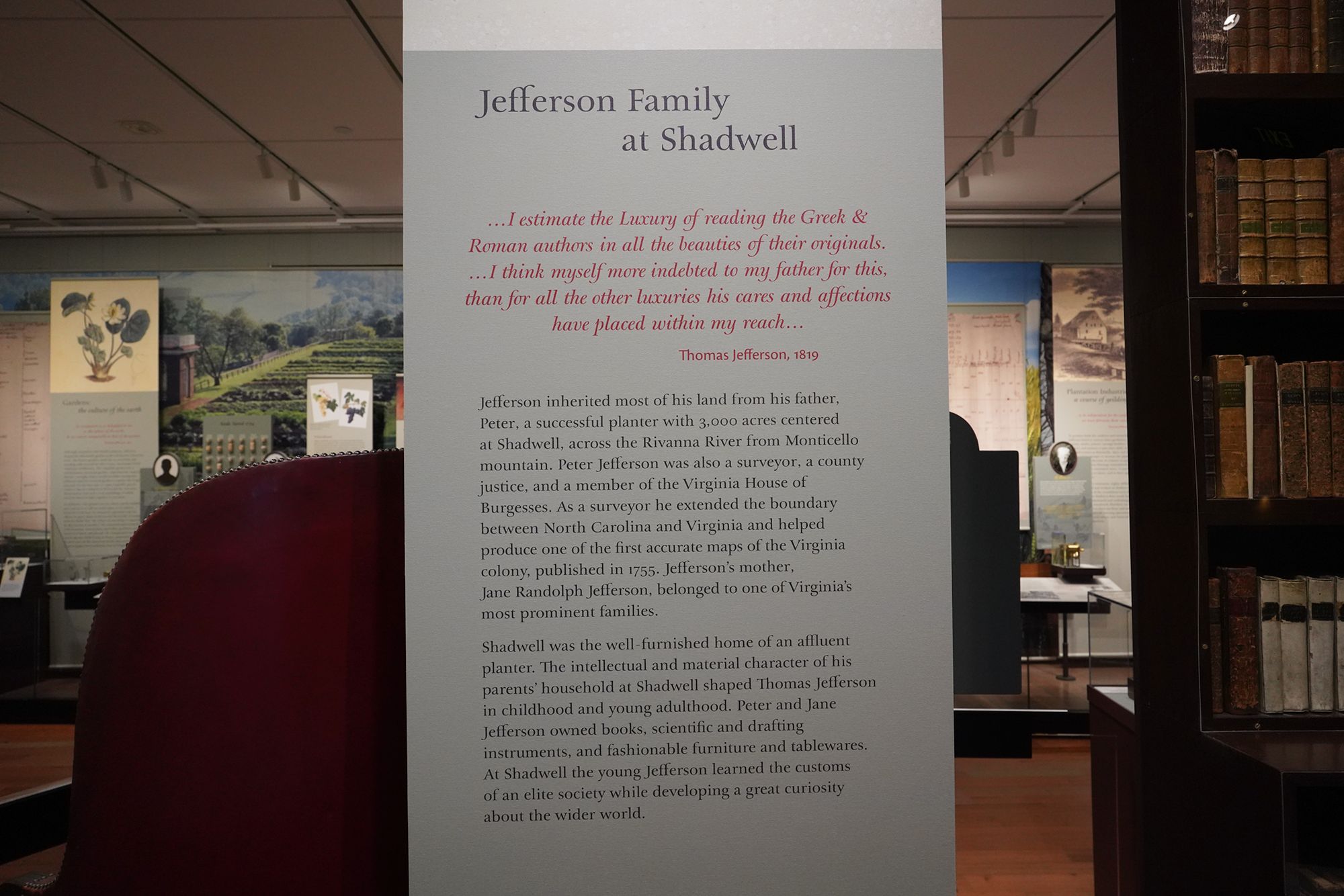
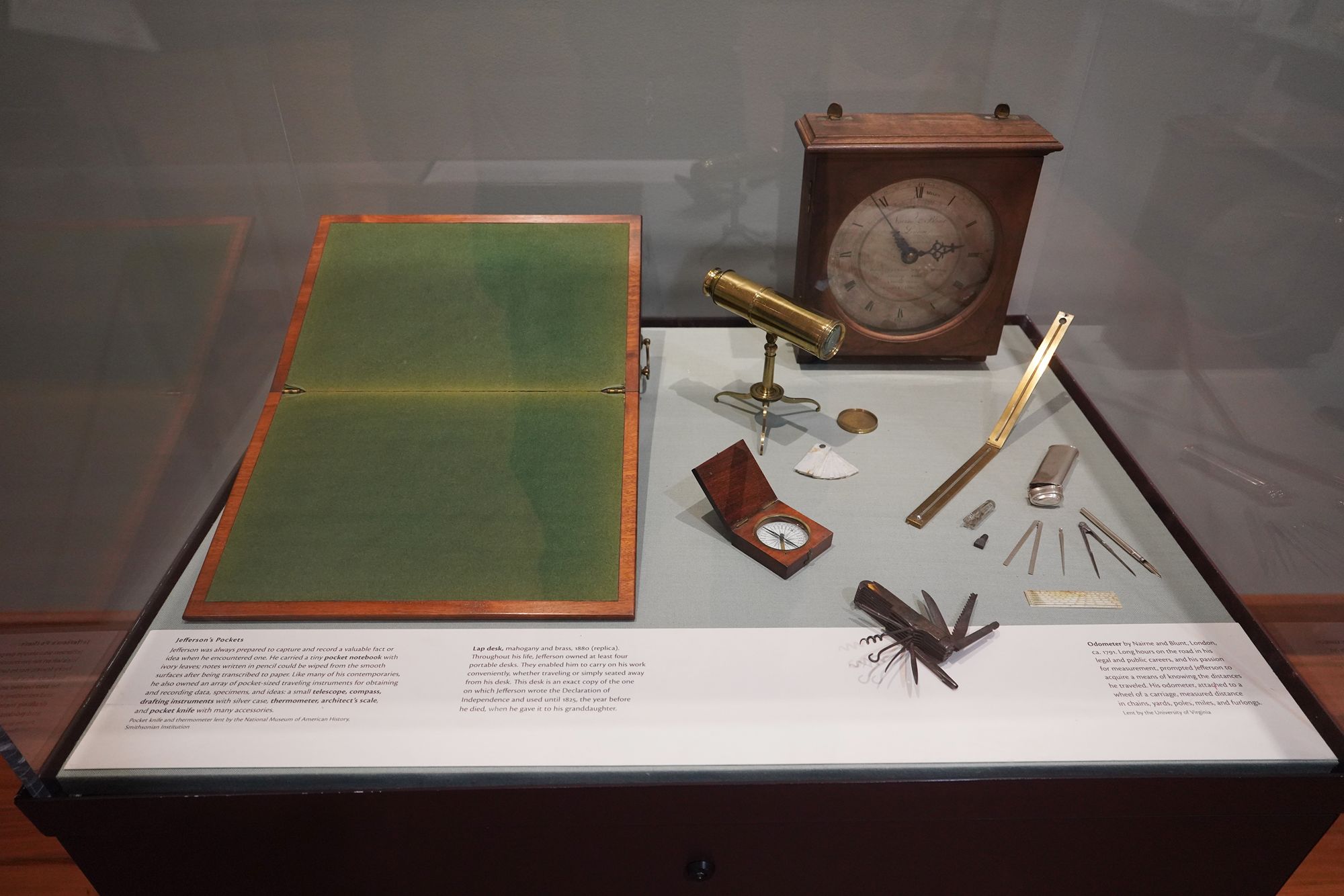
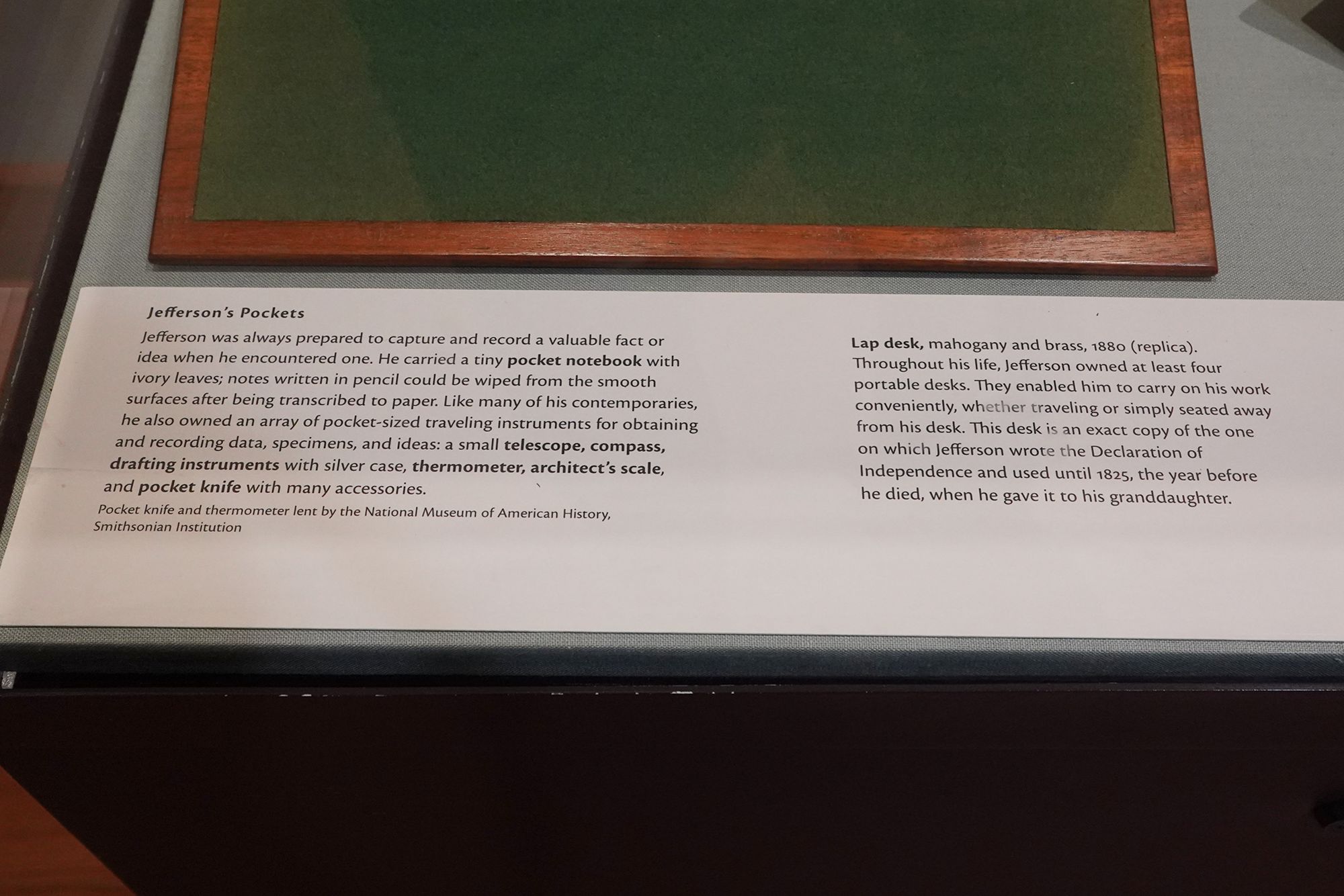
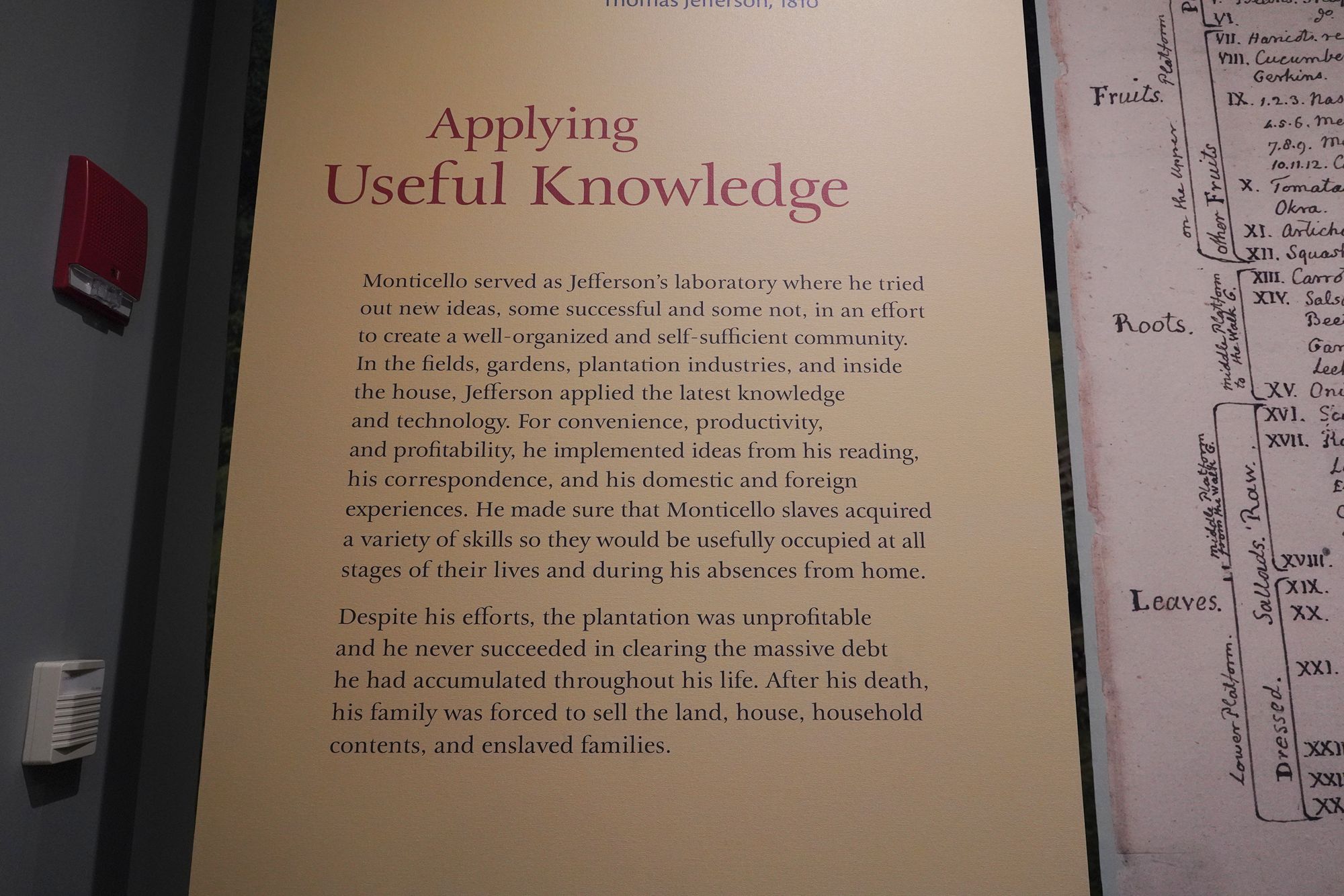
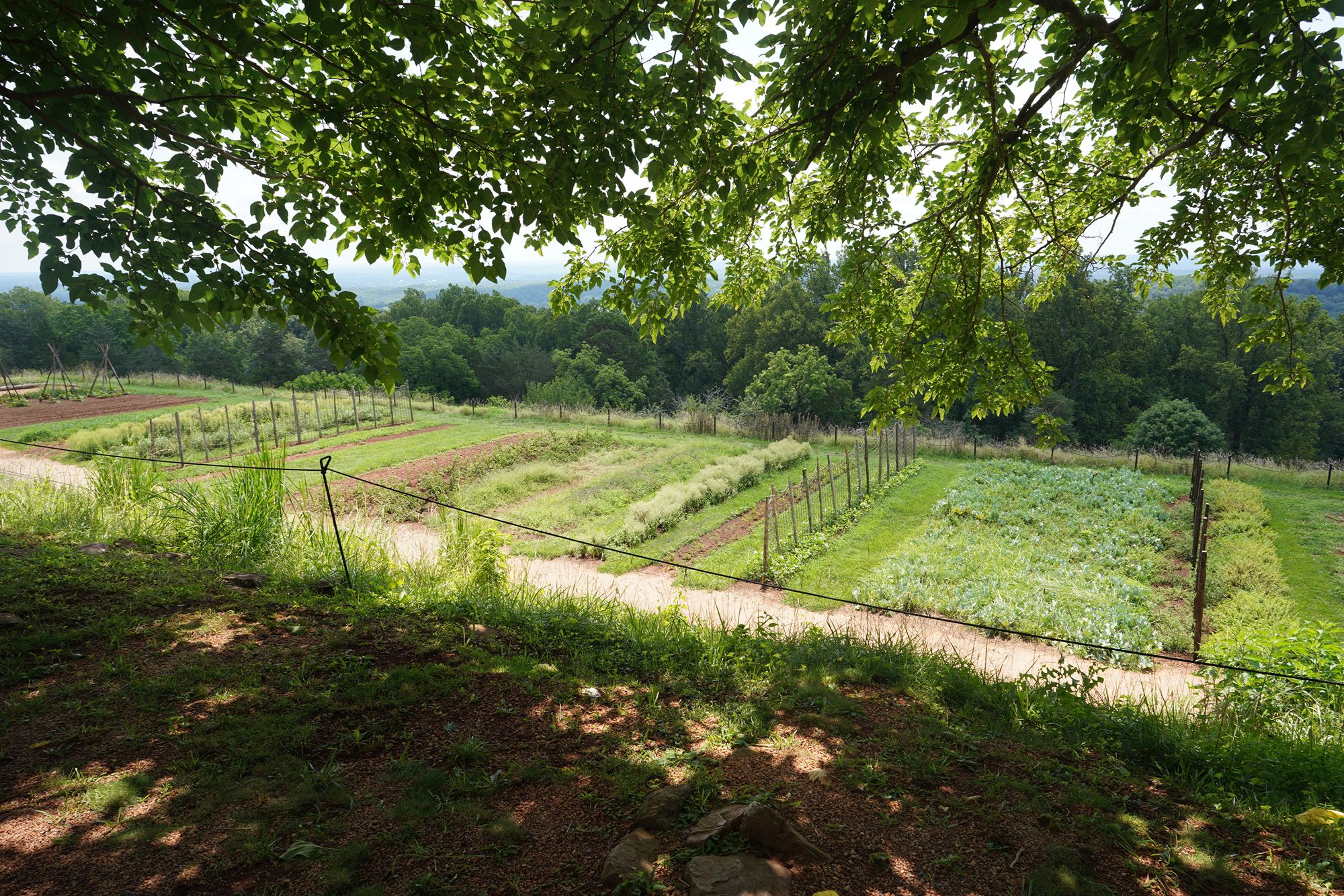
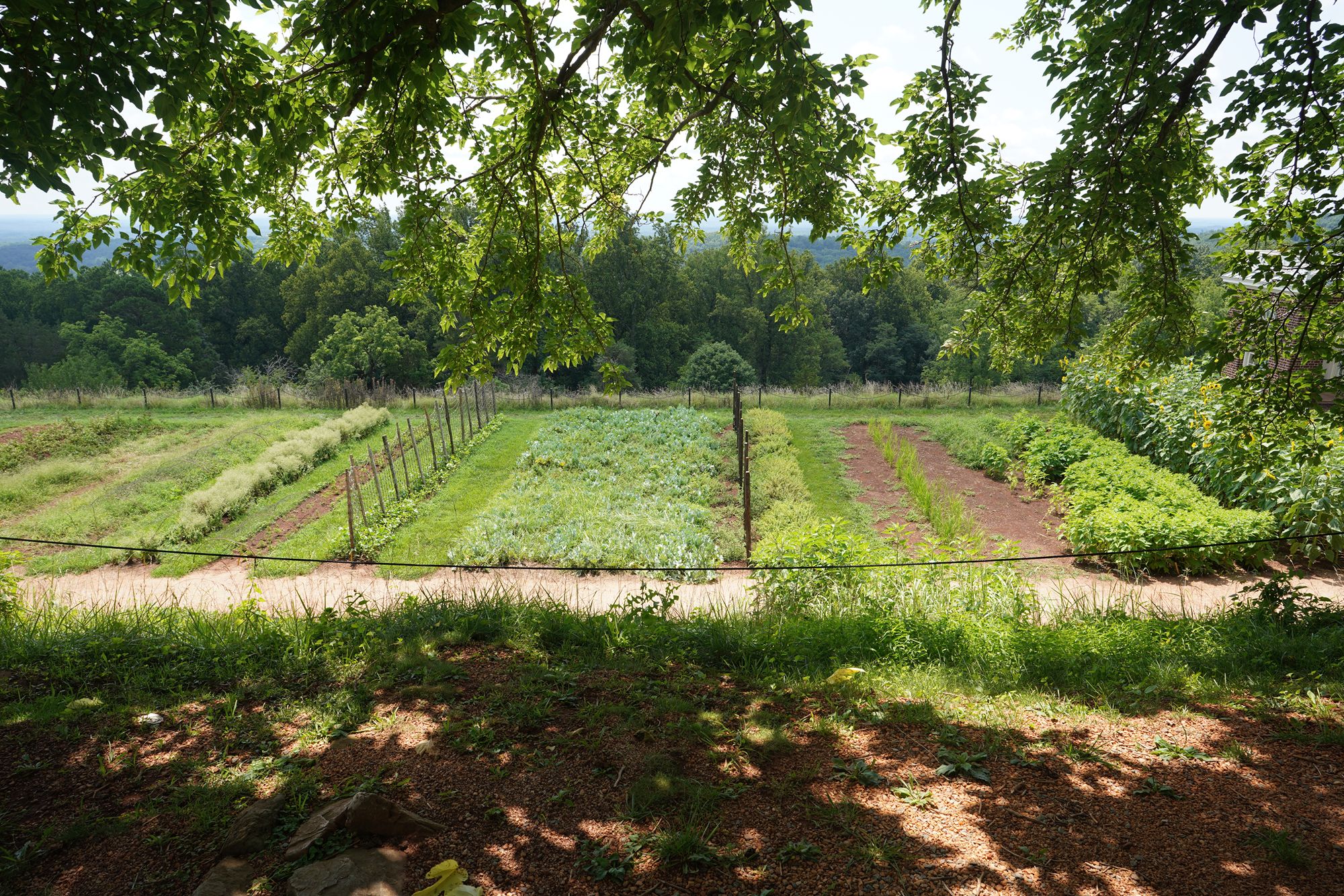
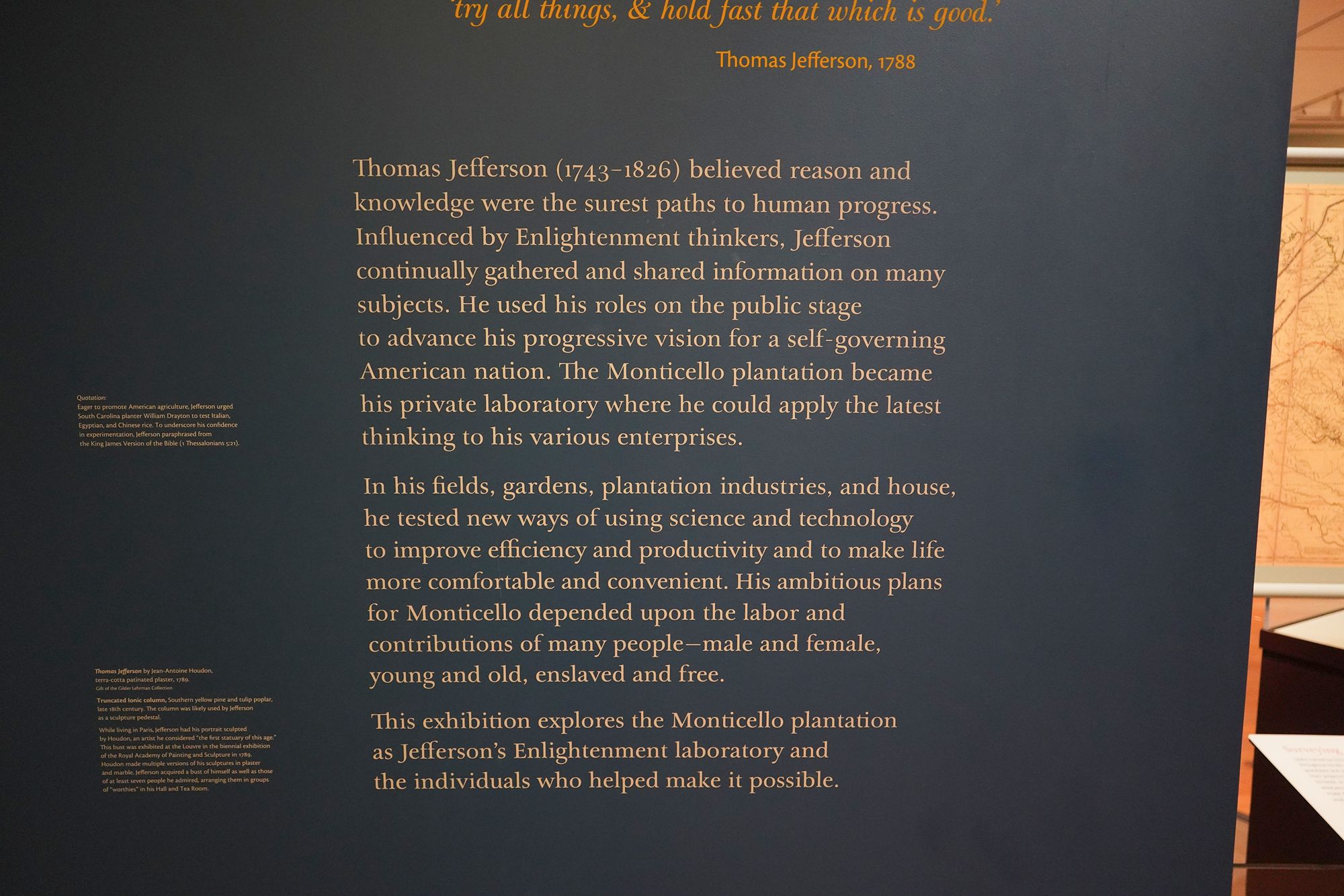
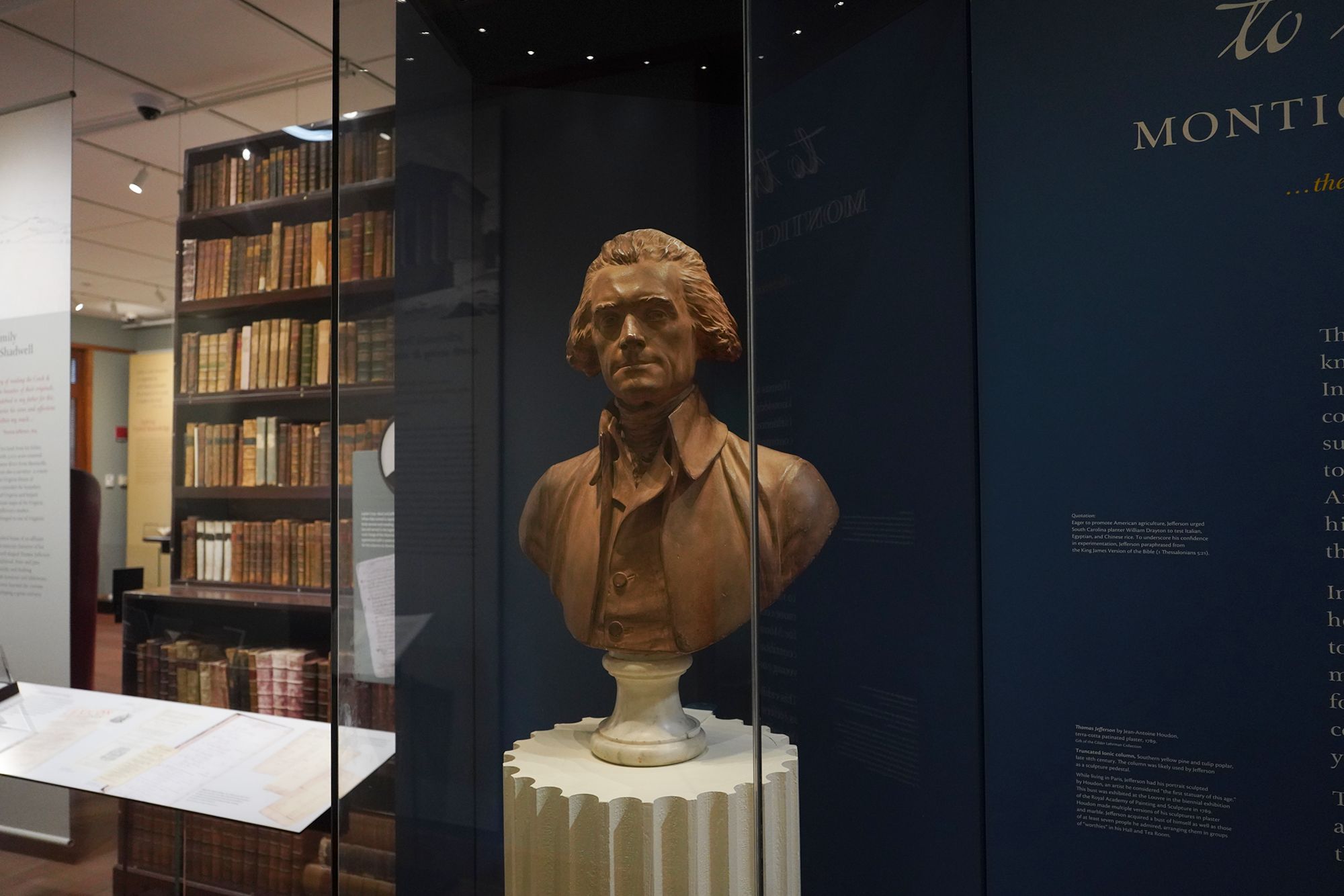
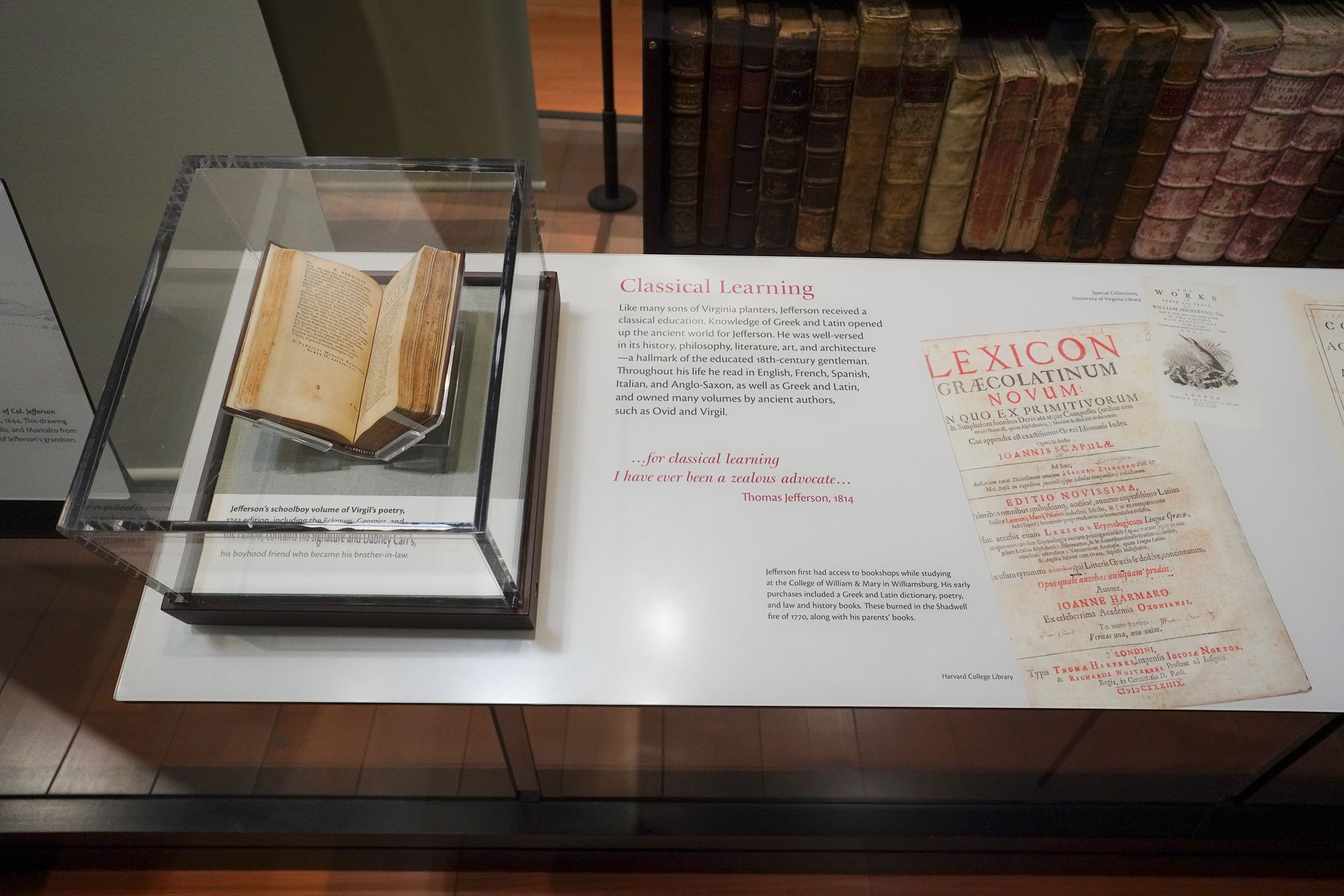
Monticello served as Thomas Jefferson’s experimental ground for ideas in architecture, agriculture, and innovation. He tested new farming methods, plant varieties, and tools, designed mechanical devices like a rotating bookstand and a copying machine, and incorporated inventive features into the house such as hidden dumbwaiters and skylights. The estate reflected his belief in reason, science, and progress, making Monticello both a home and a living laboratory for Enlightenment ideas.
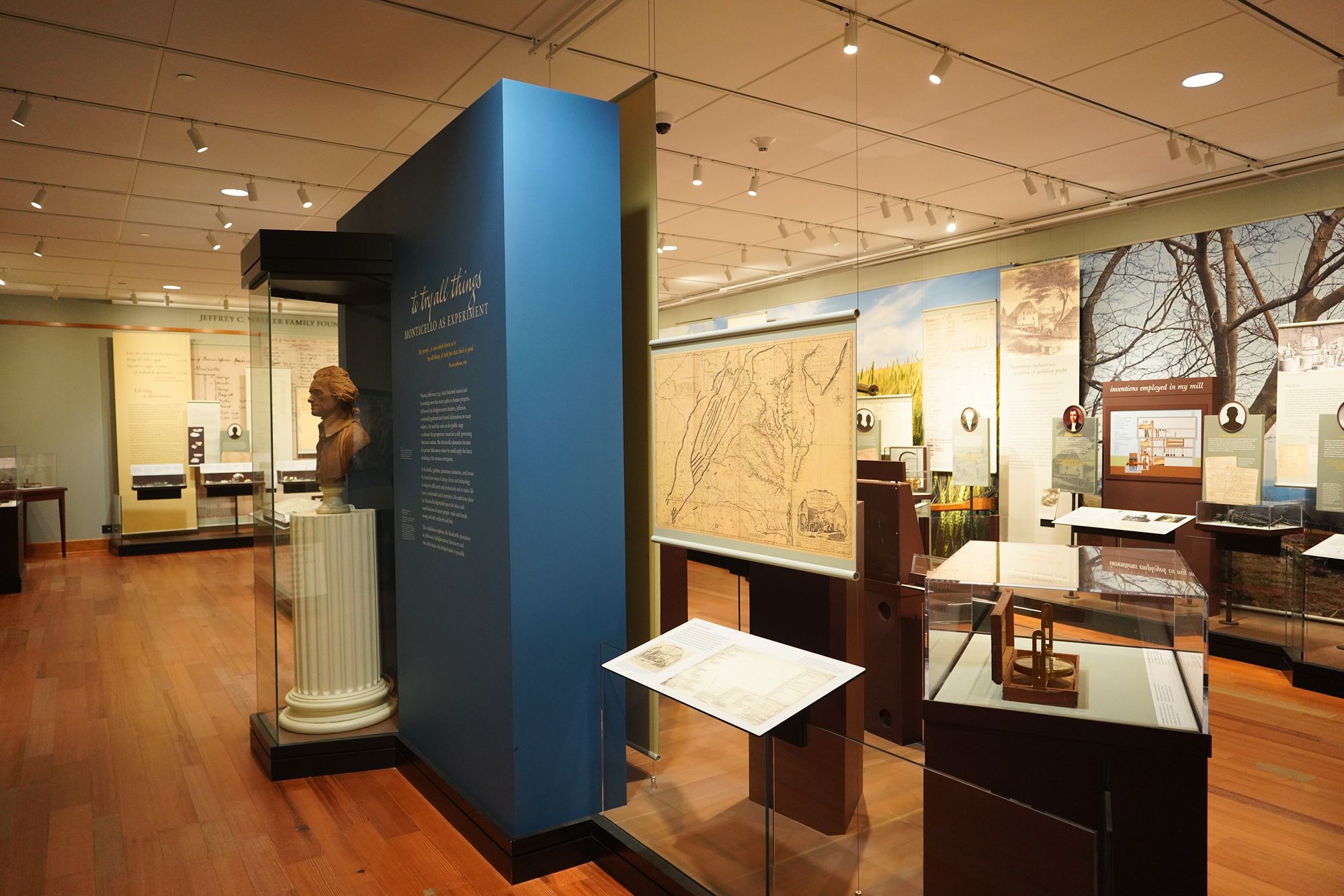
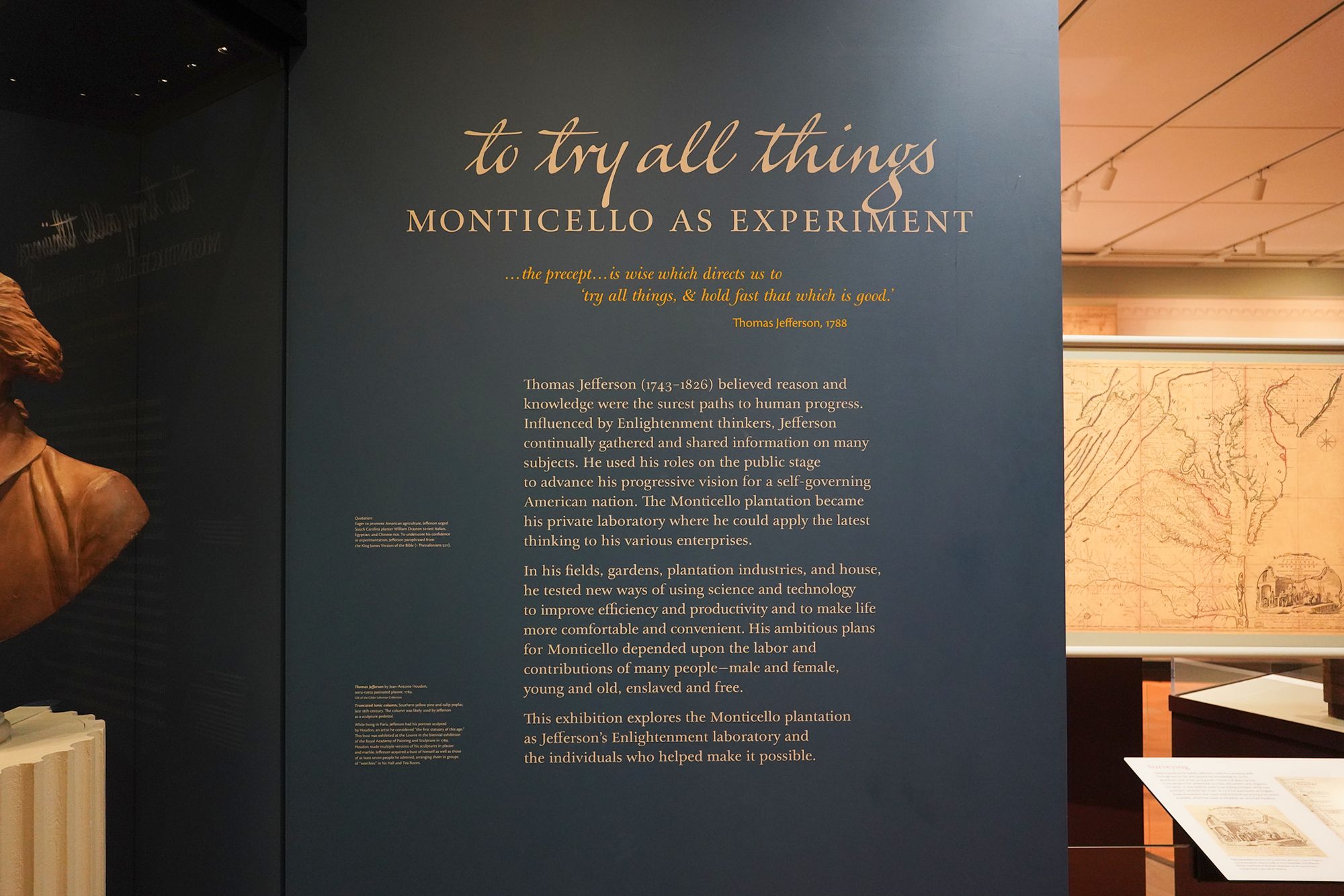
Thomas Jefferson’s wealth came primarily from inherited land, enslaved labor, and plantation agriculture. He inherited Monticello and hundreds of enslaved people from his father and father-in-law, and his income came mostly from tobacco and later wheat farming.