Virginia Museum of Fine Arts – Ancient Egyptian and European Art, and Russian Fabergé, Richmond, Virginia, USA
The Virginia Museum of Fine Arts houses notable collections of ancient Egyptian and European artifacts, and exquisite Fabergé treasures. 1105
Virginia Museum of Fine Arts: 200 N Arthur Ashe Blvd, Richmond, VA 23220
Date Picture Taken: July 2025
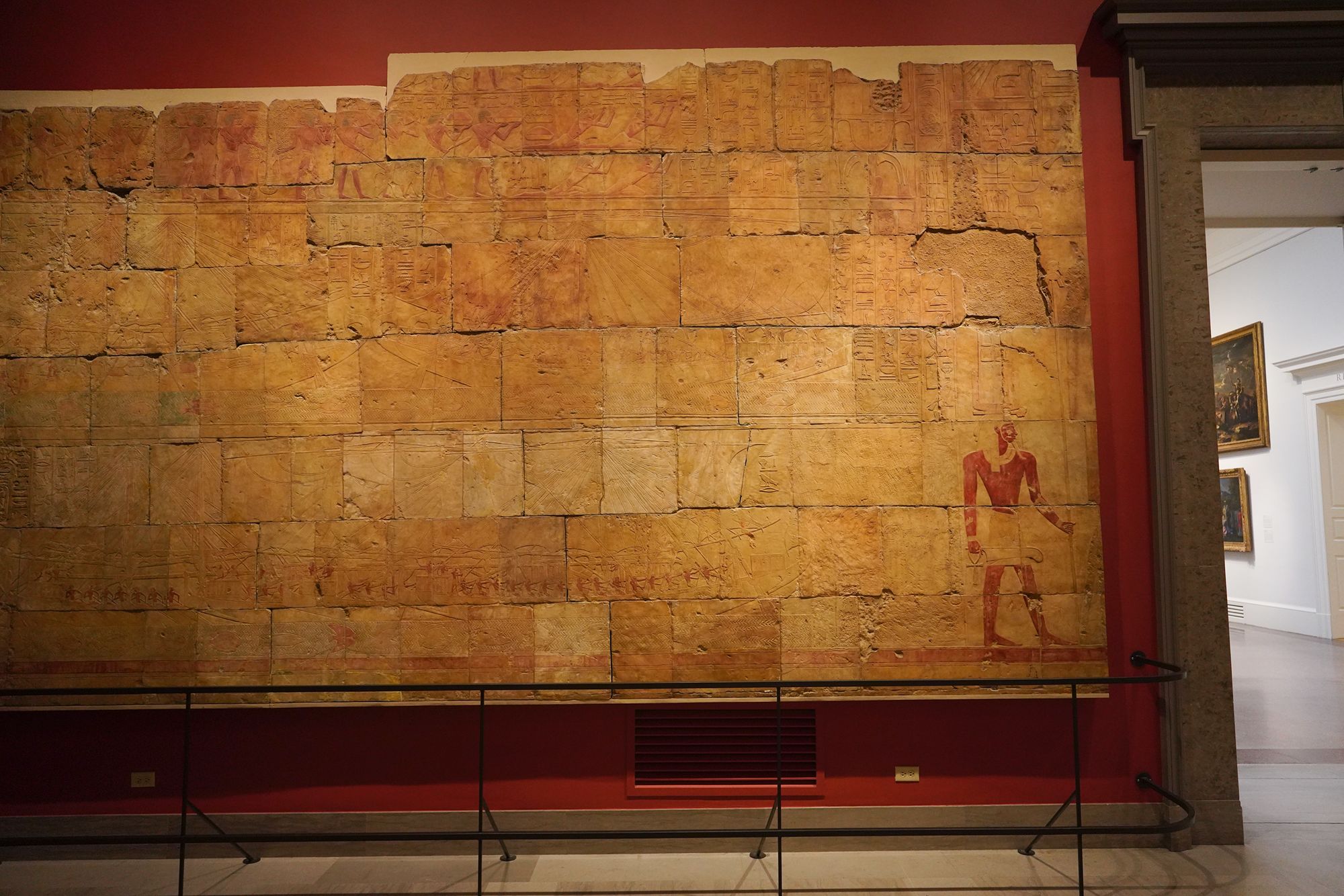
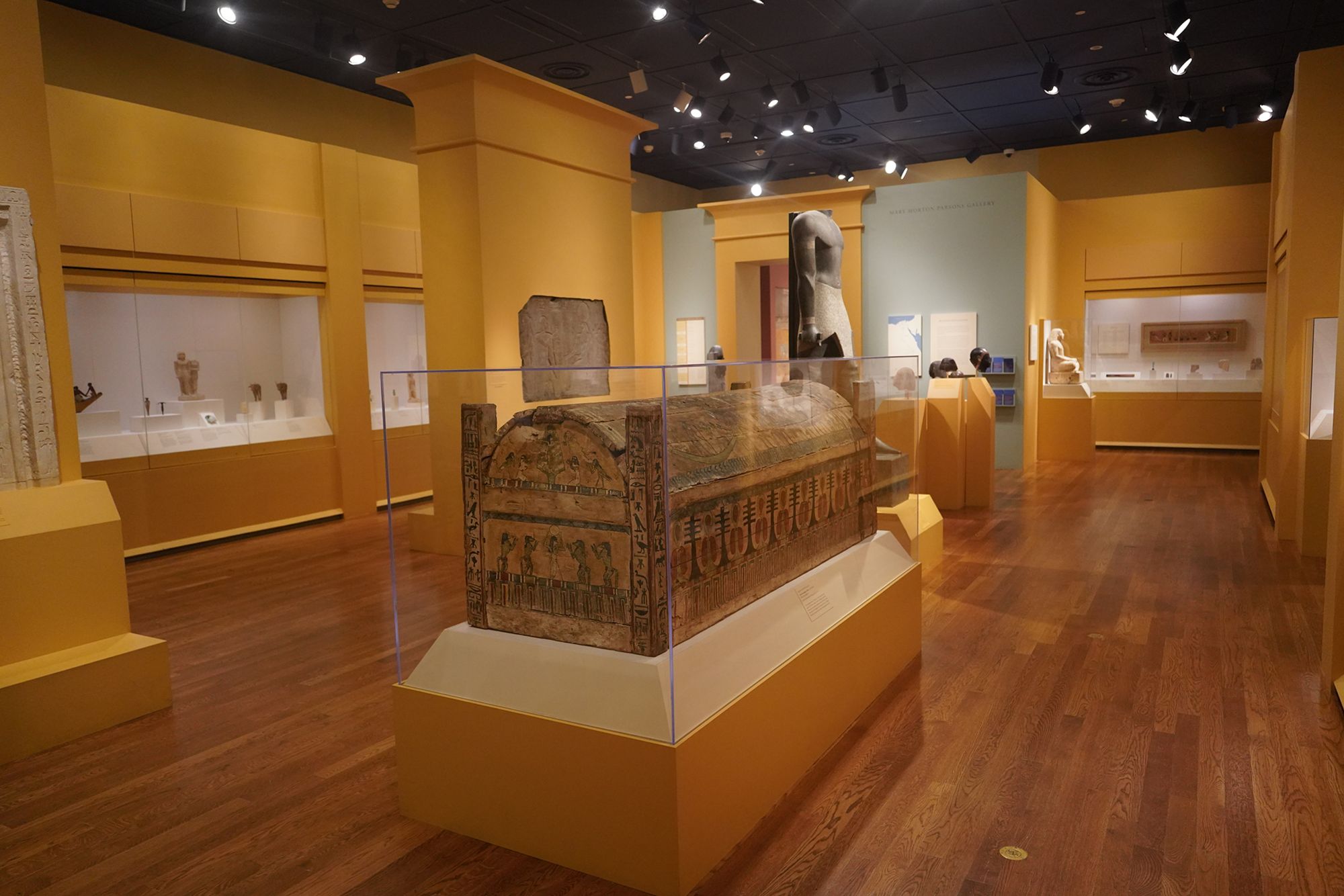
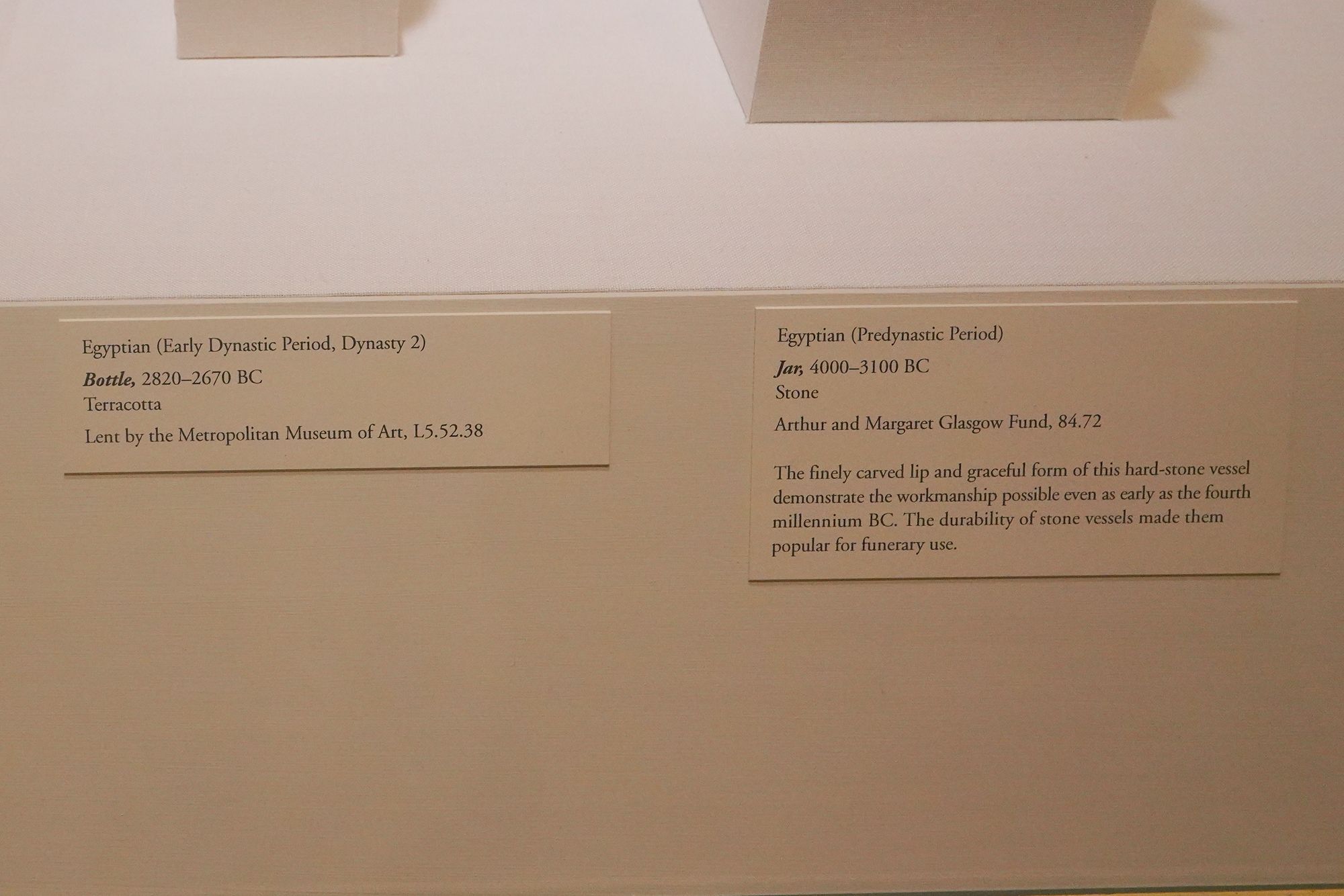
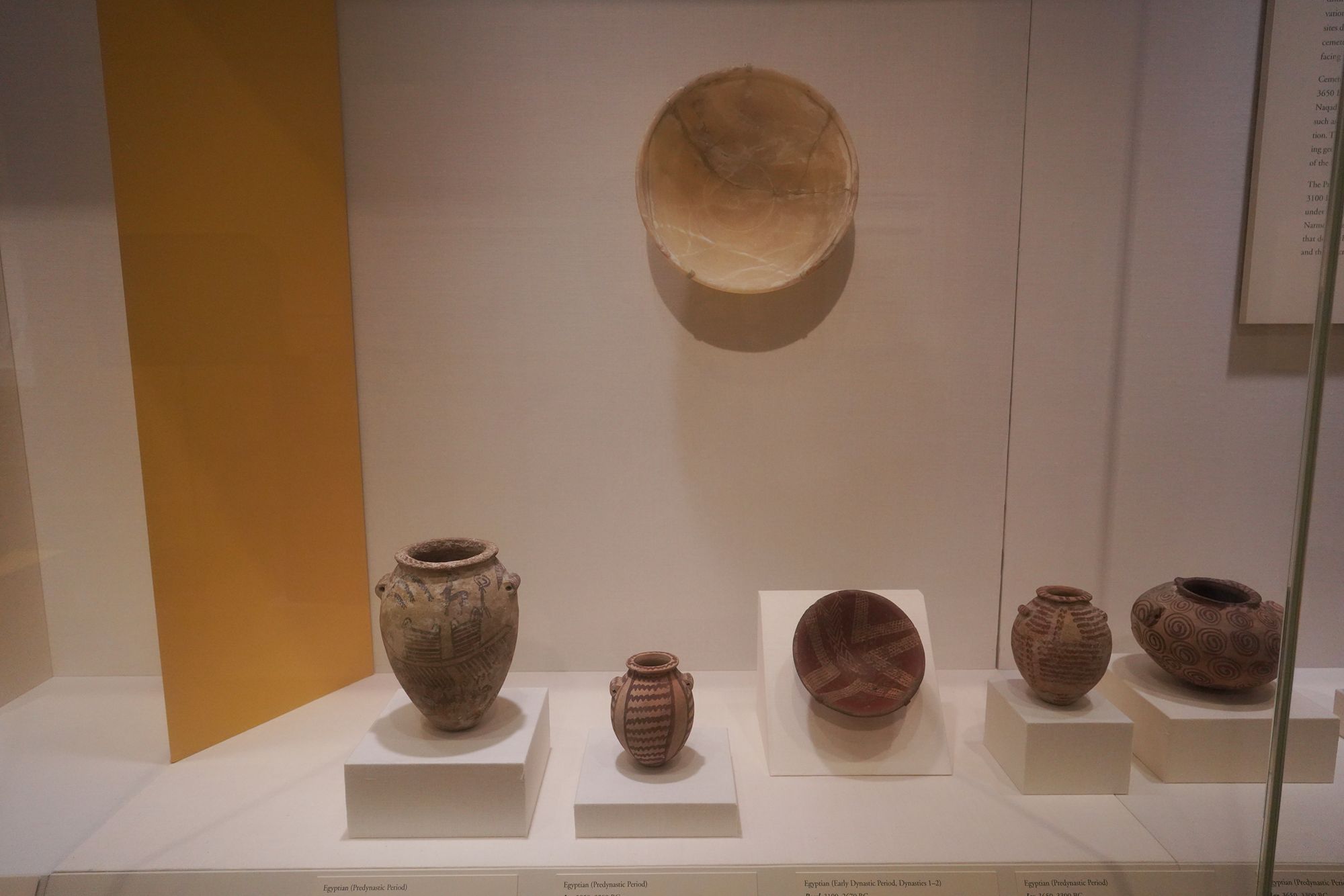
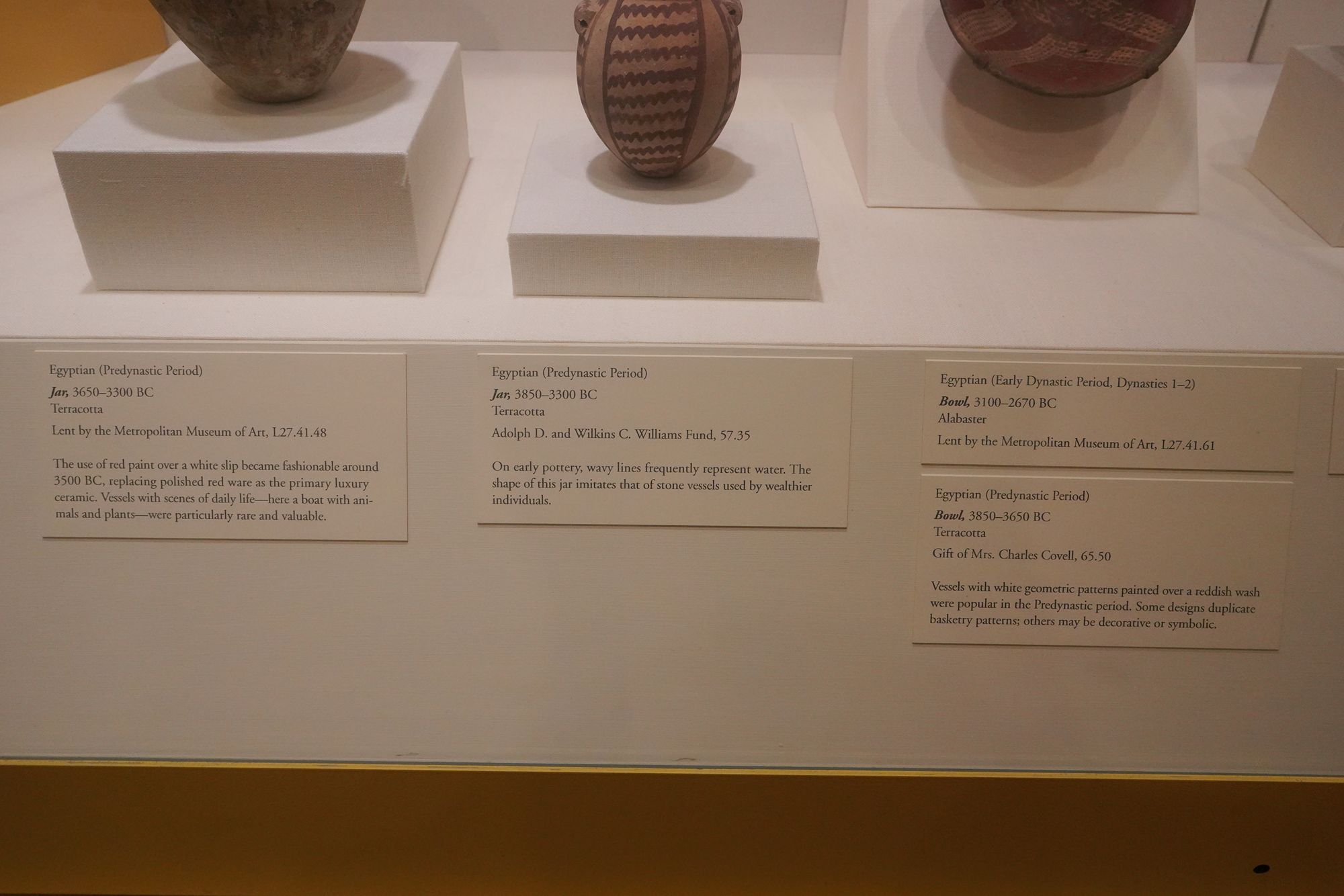
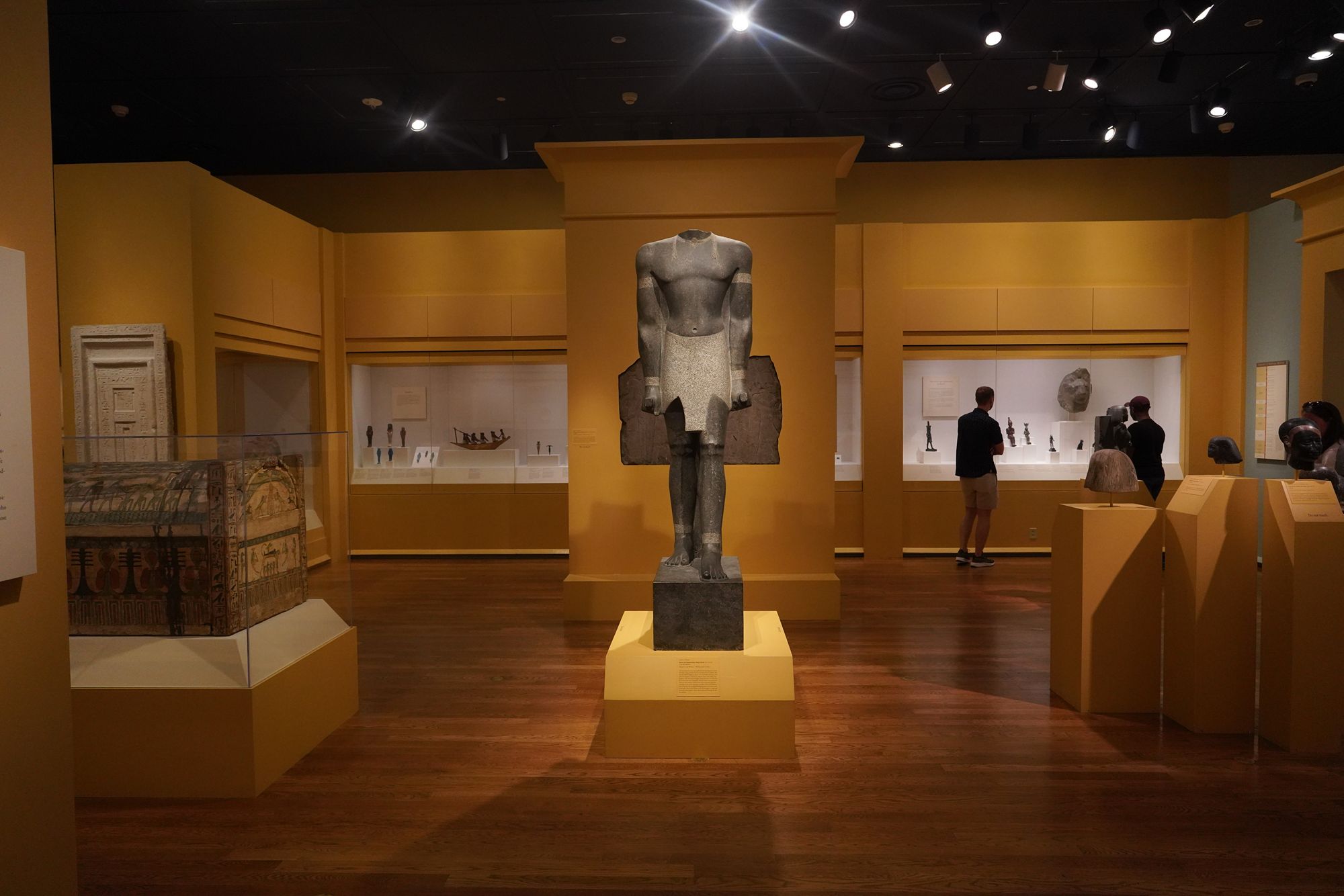
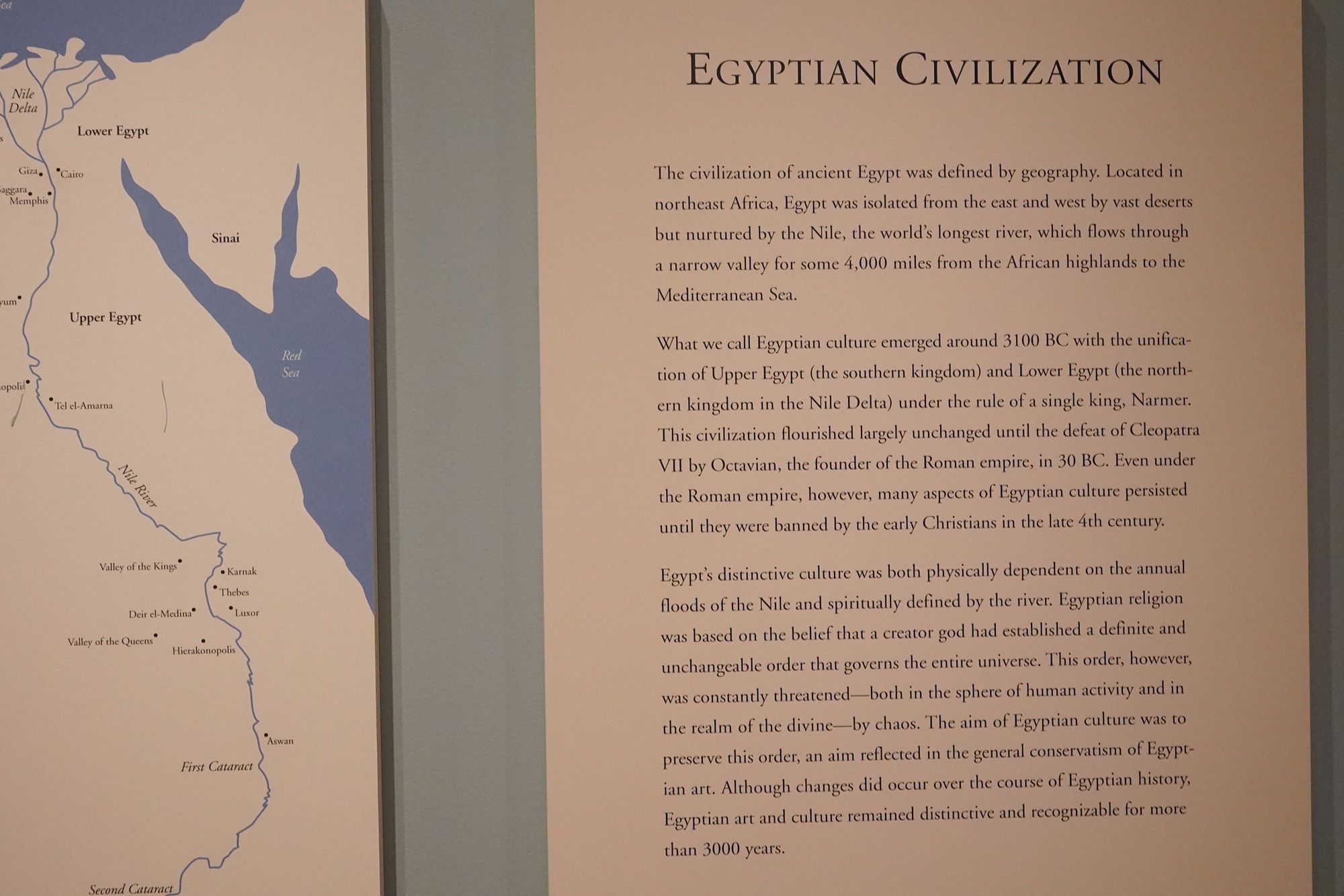
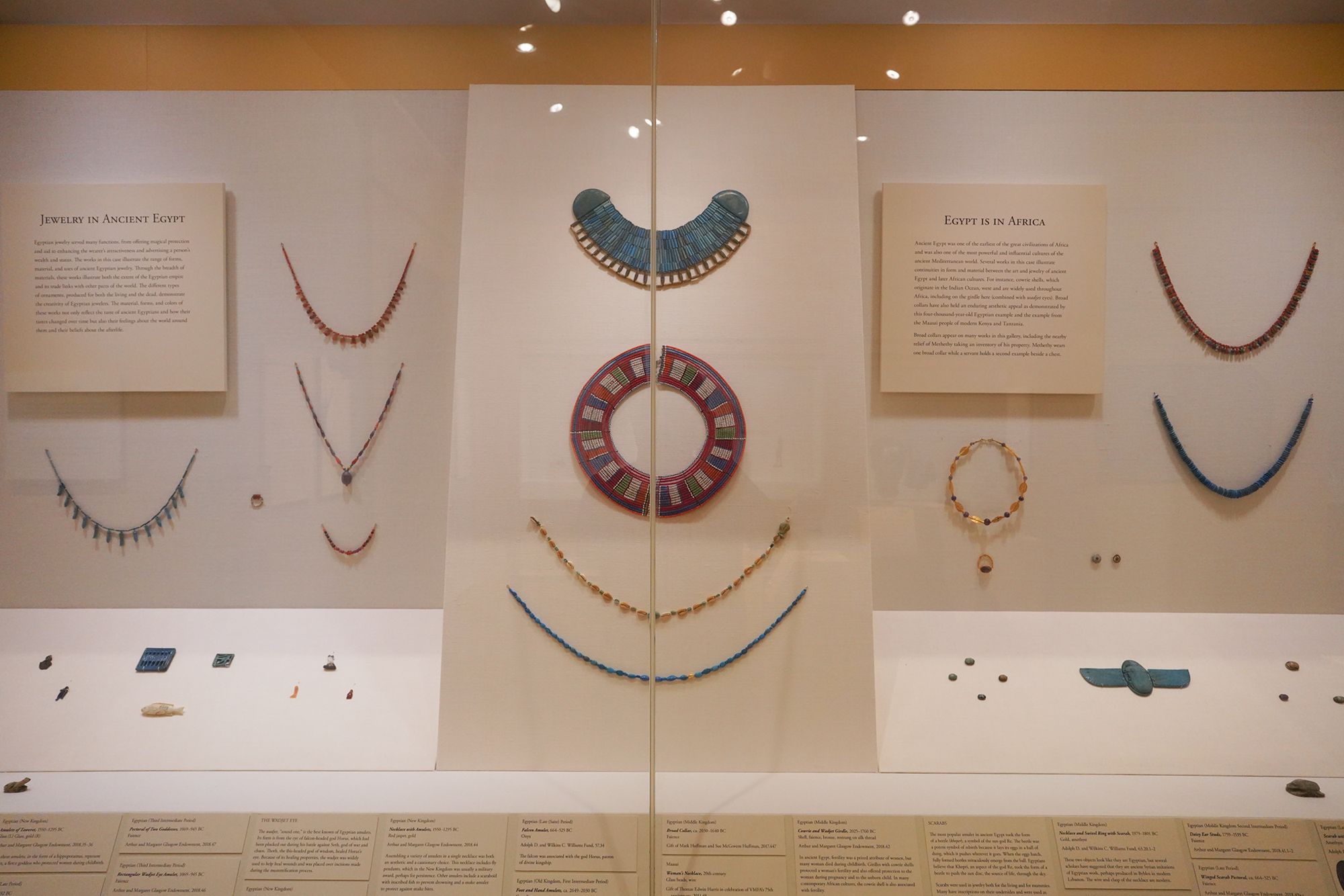
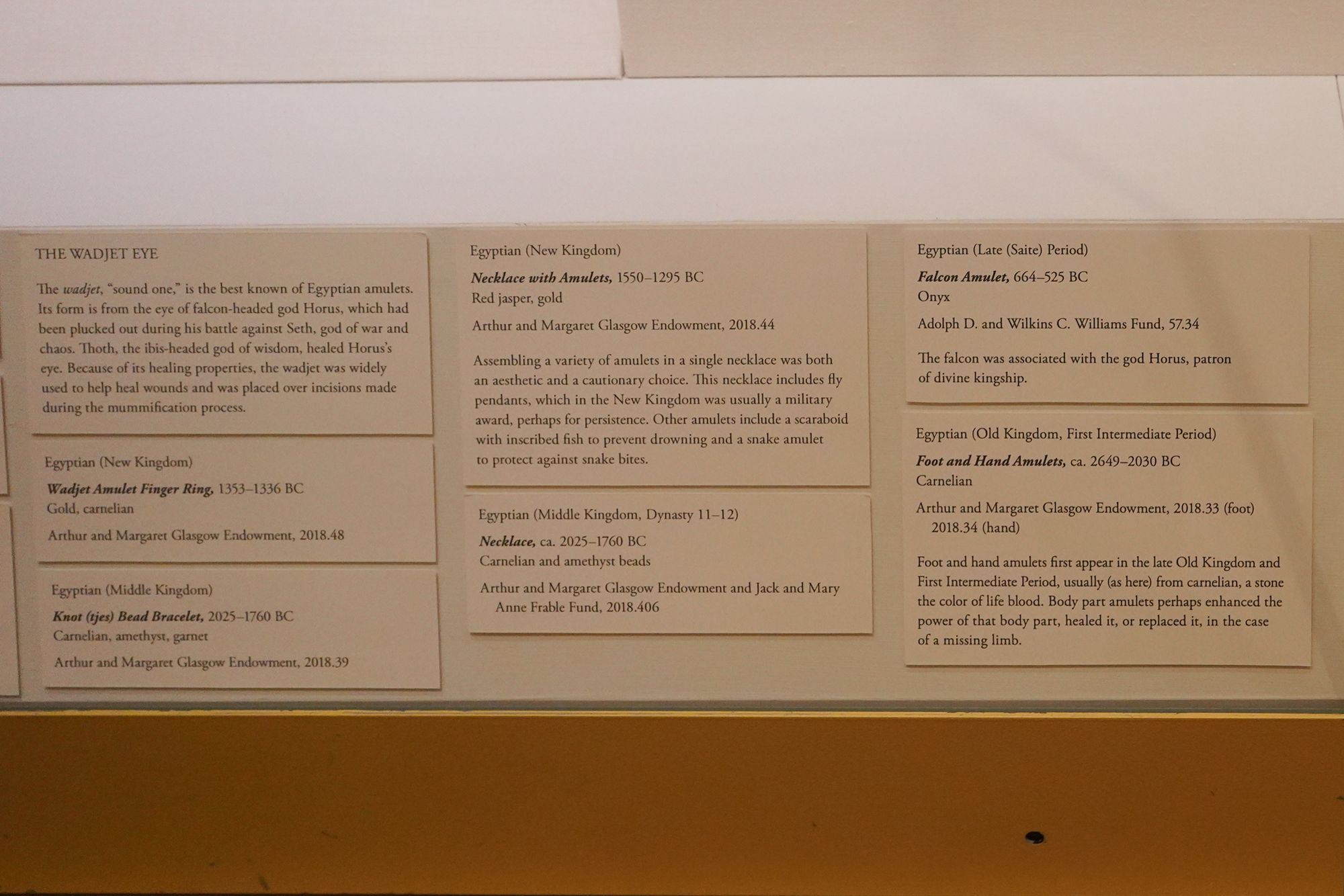
The Virginia Museum of Fine Arts’ Egyptian collection features artifacts spanning over 3,000 years of ancient history, including sculptures, jewelry, amulets, mummies, coffins, and everyday objects that illustrate Egyptian beliefs about life, death, and the afterlife.
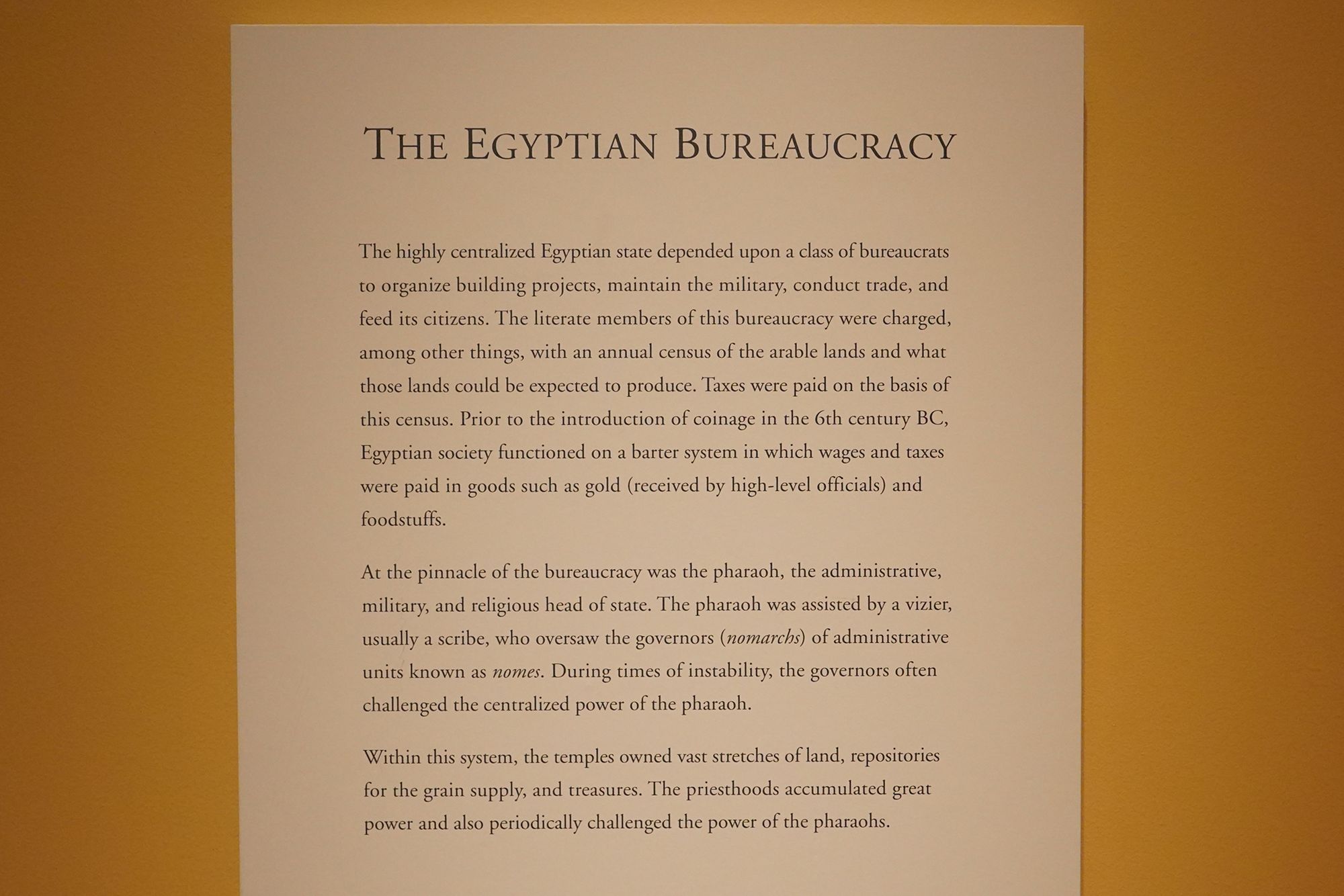
The Egyptian Bureaucracy
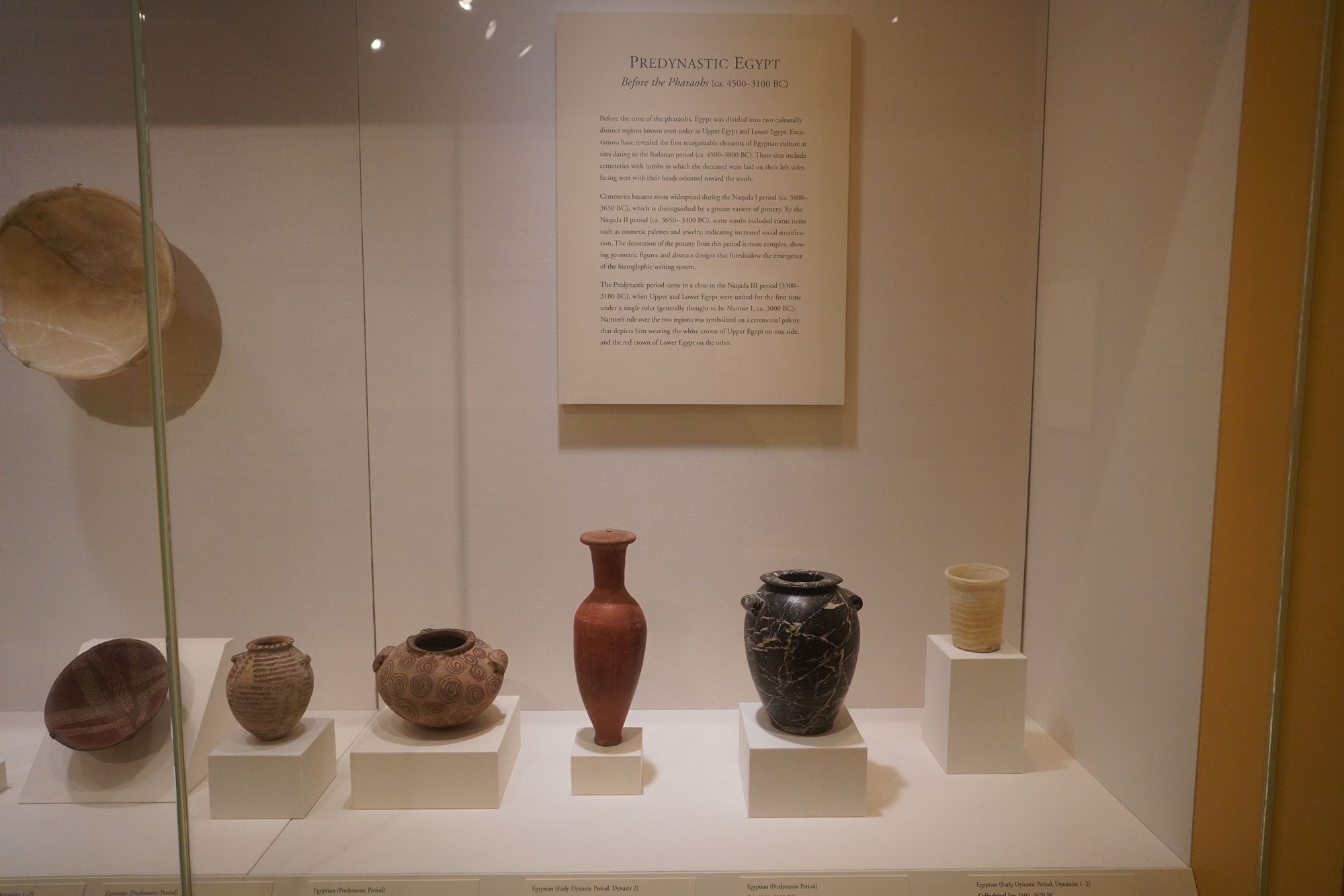
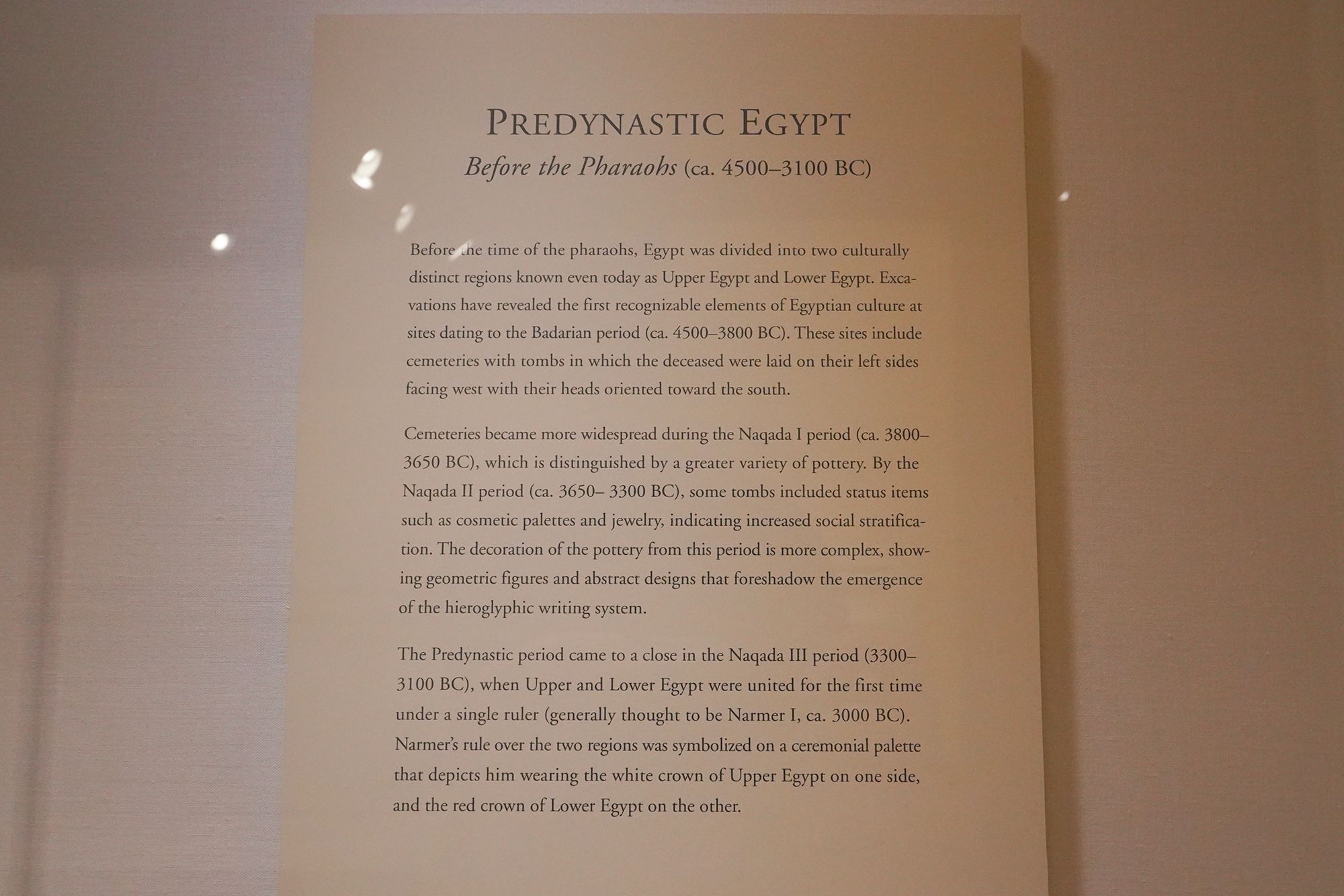
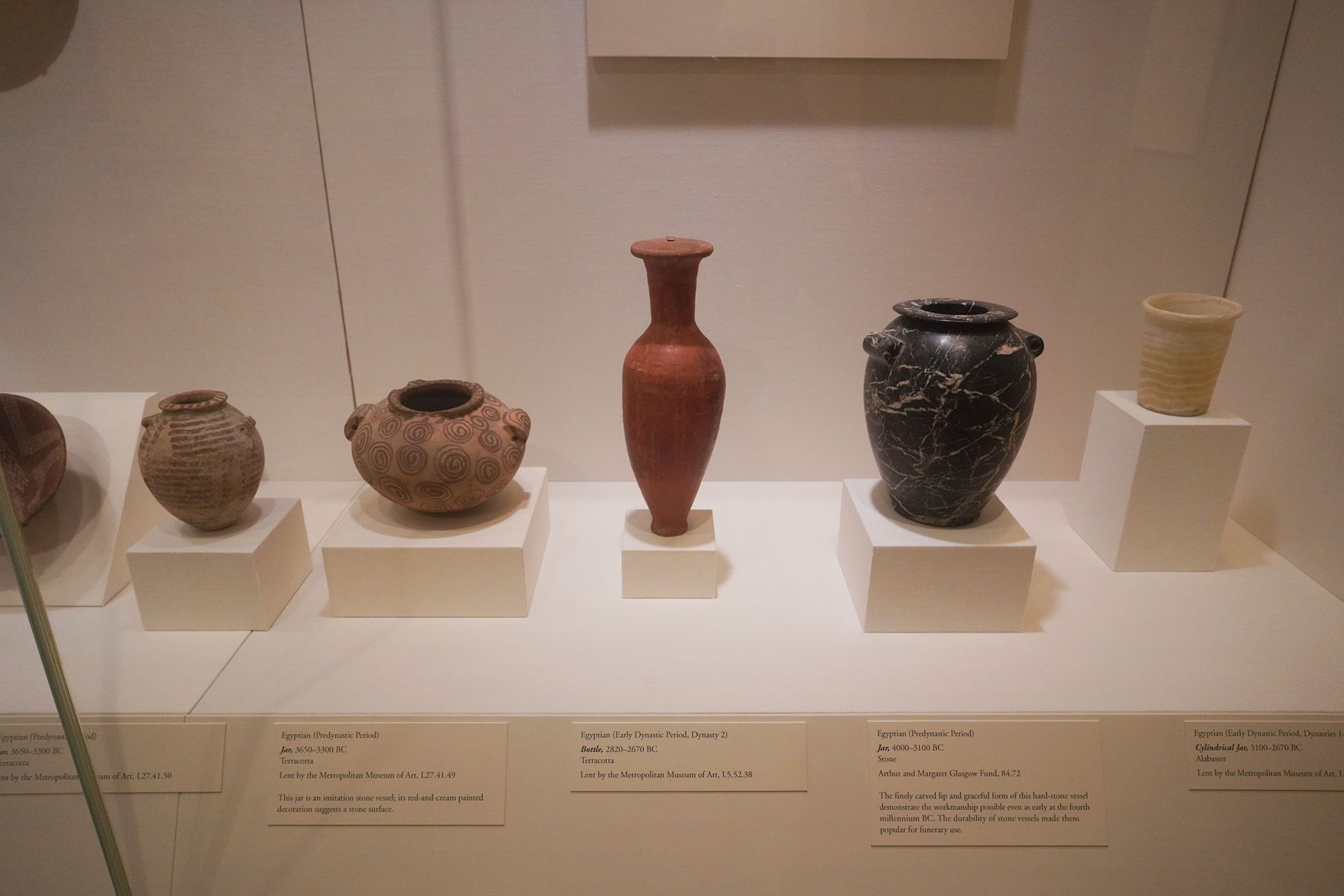
Predynastic Egypt
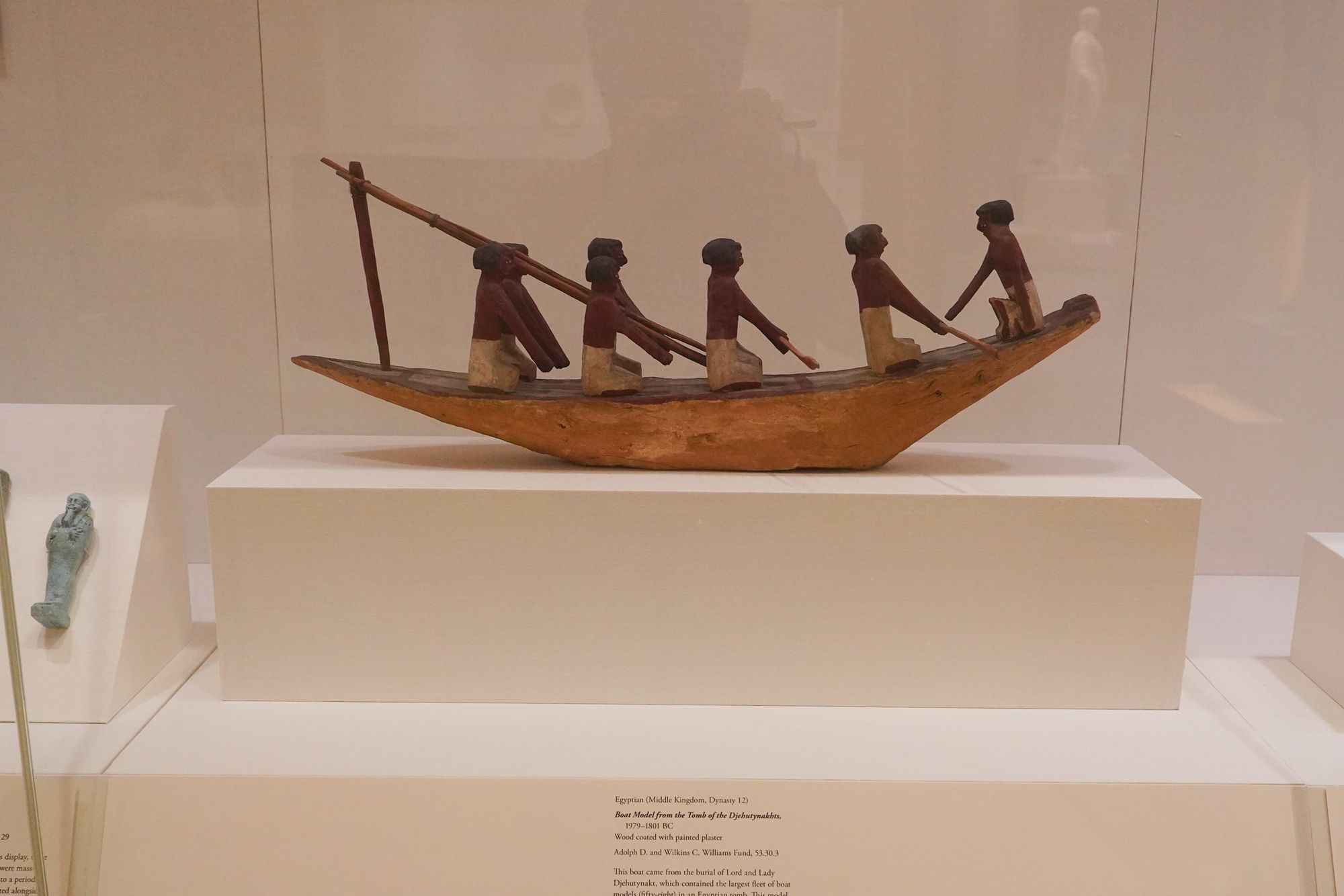
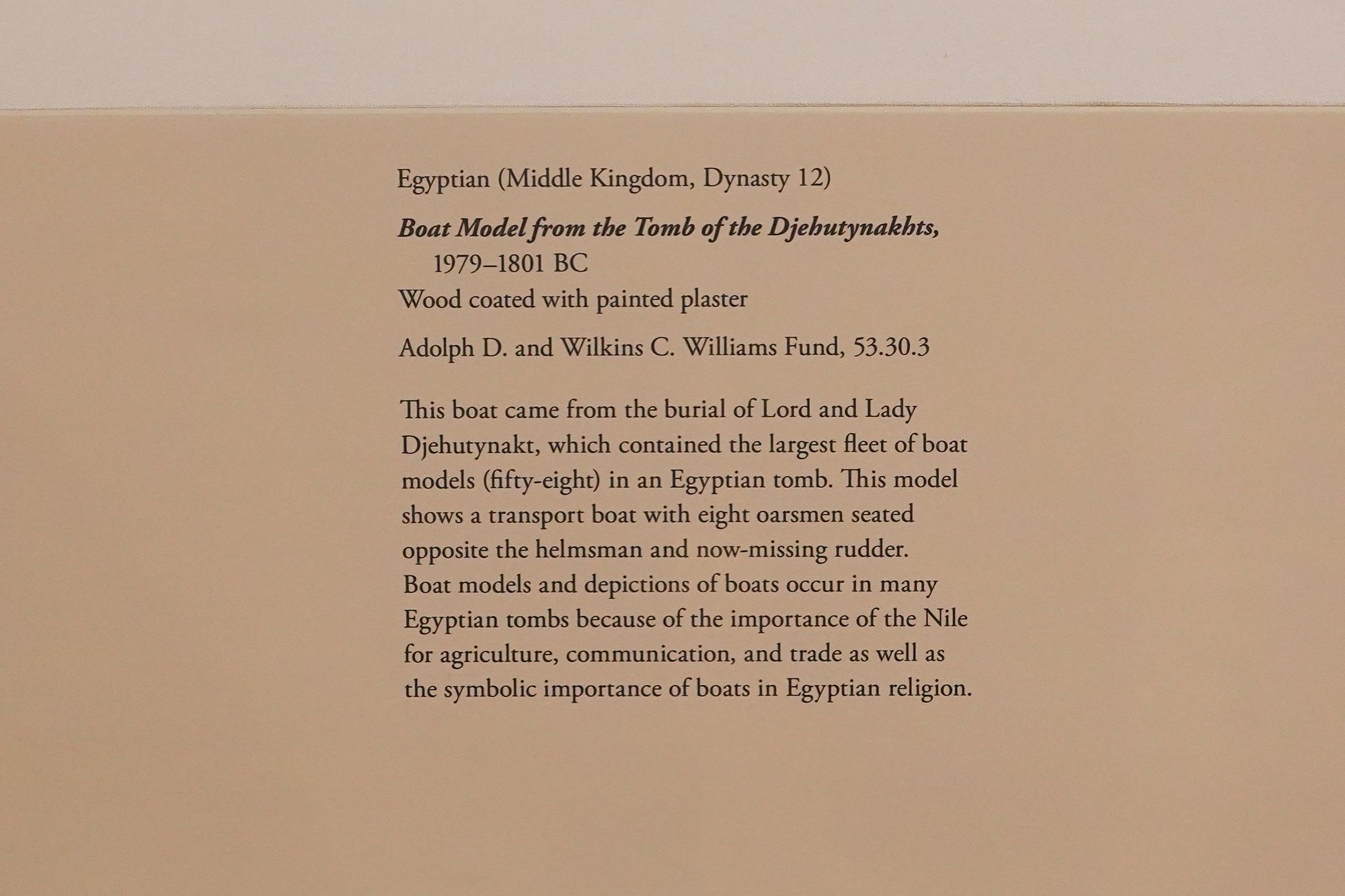
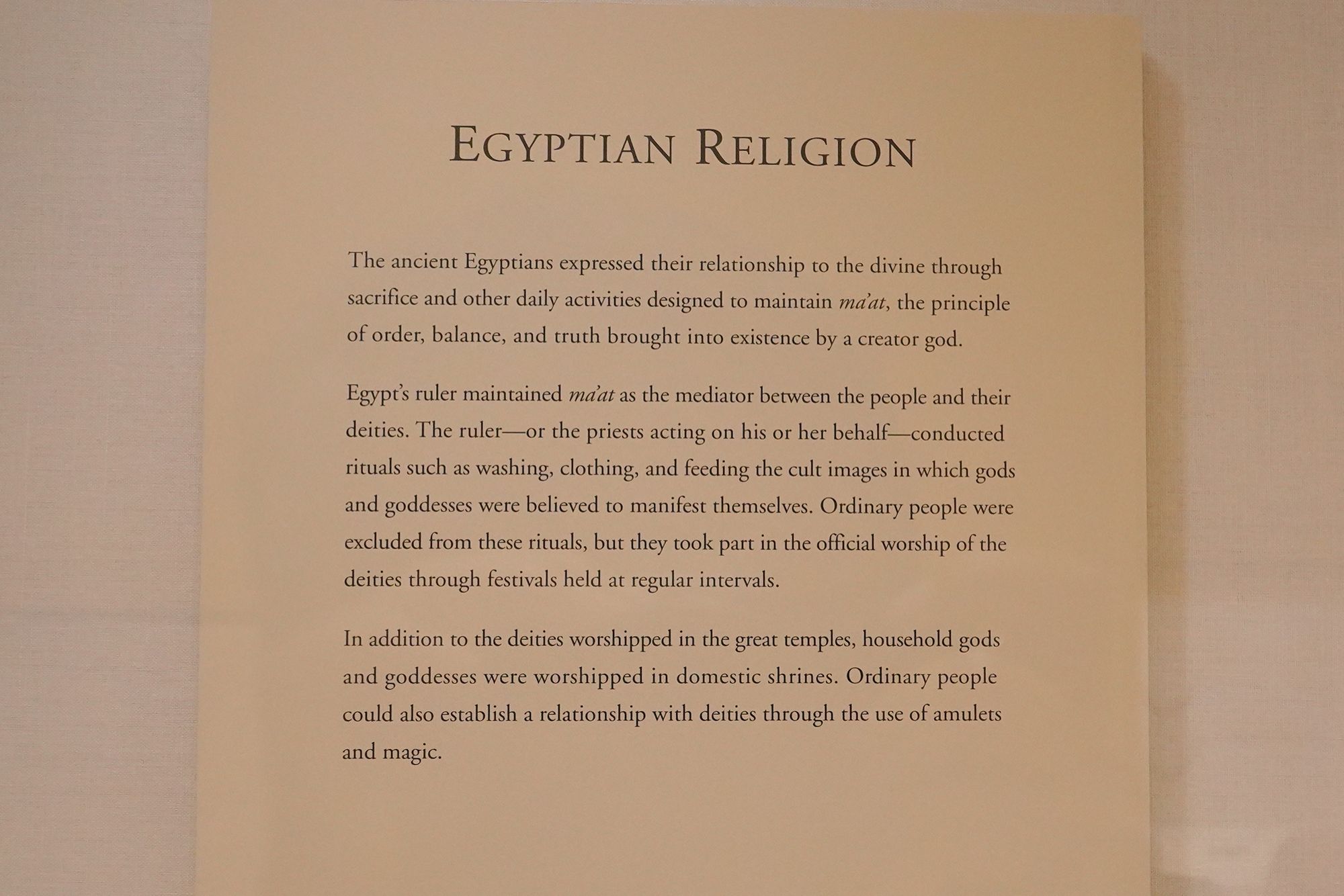
Egyptian Religion
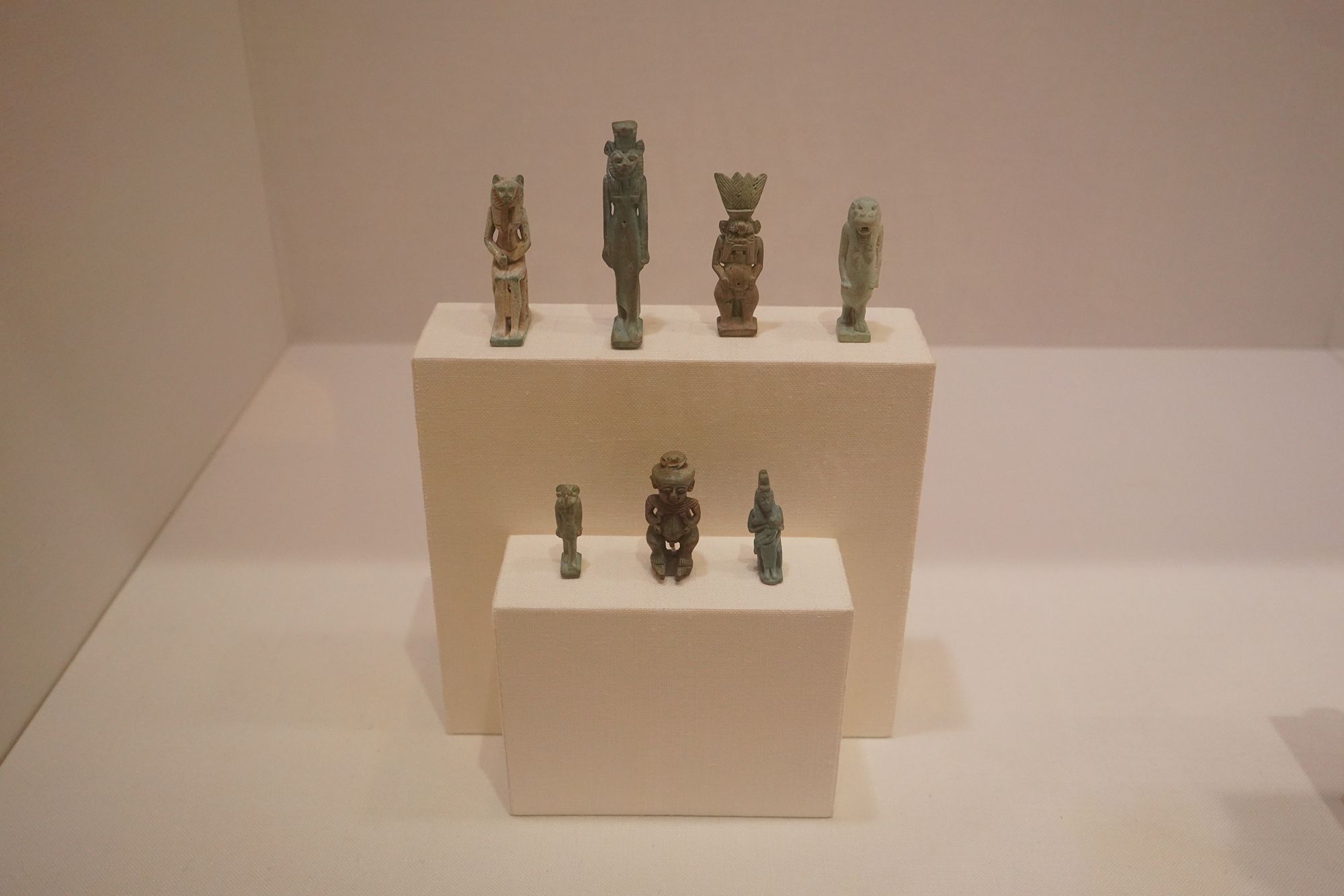
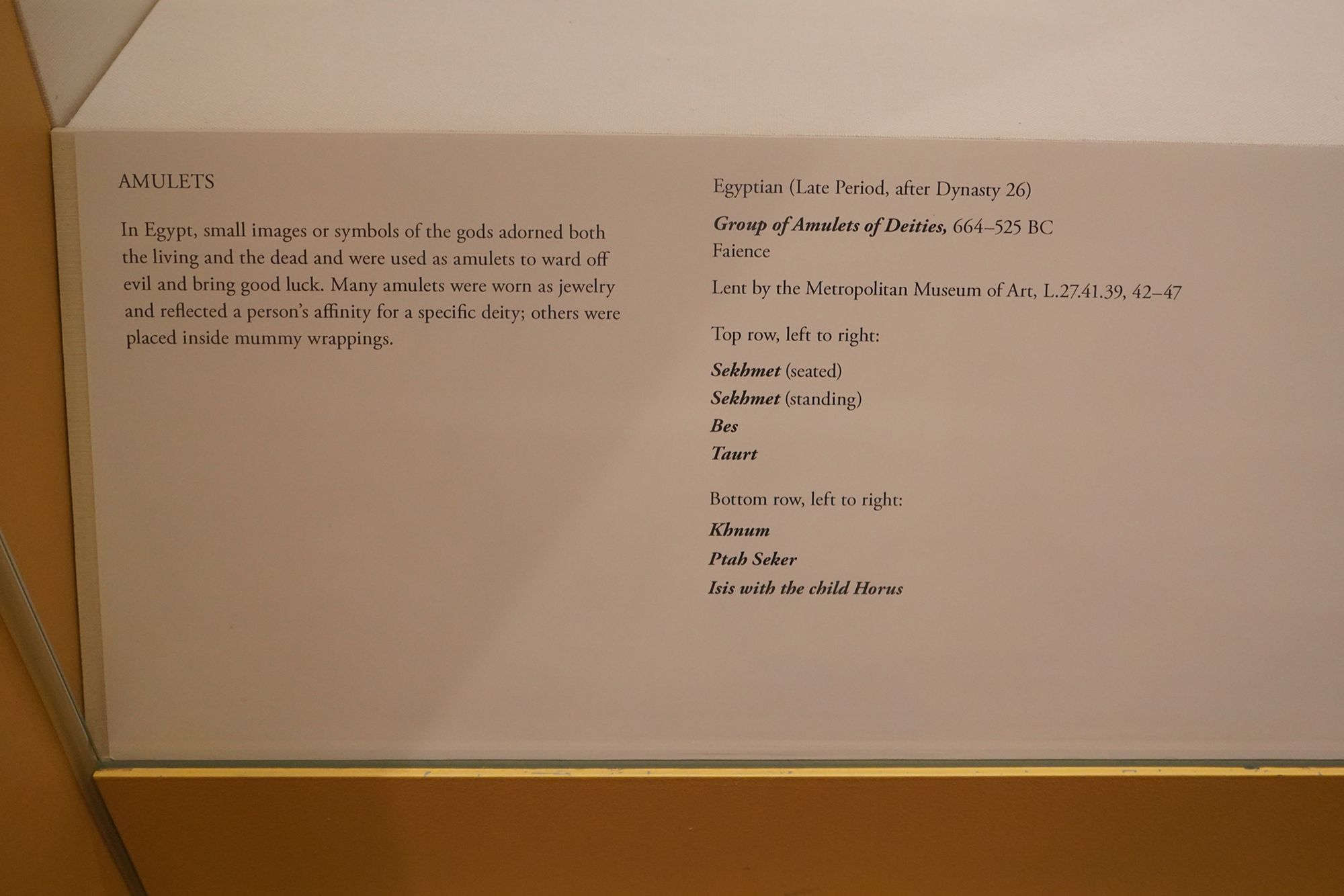
The Gods and Goddesses of Egypt
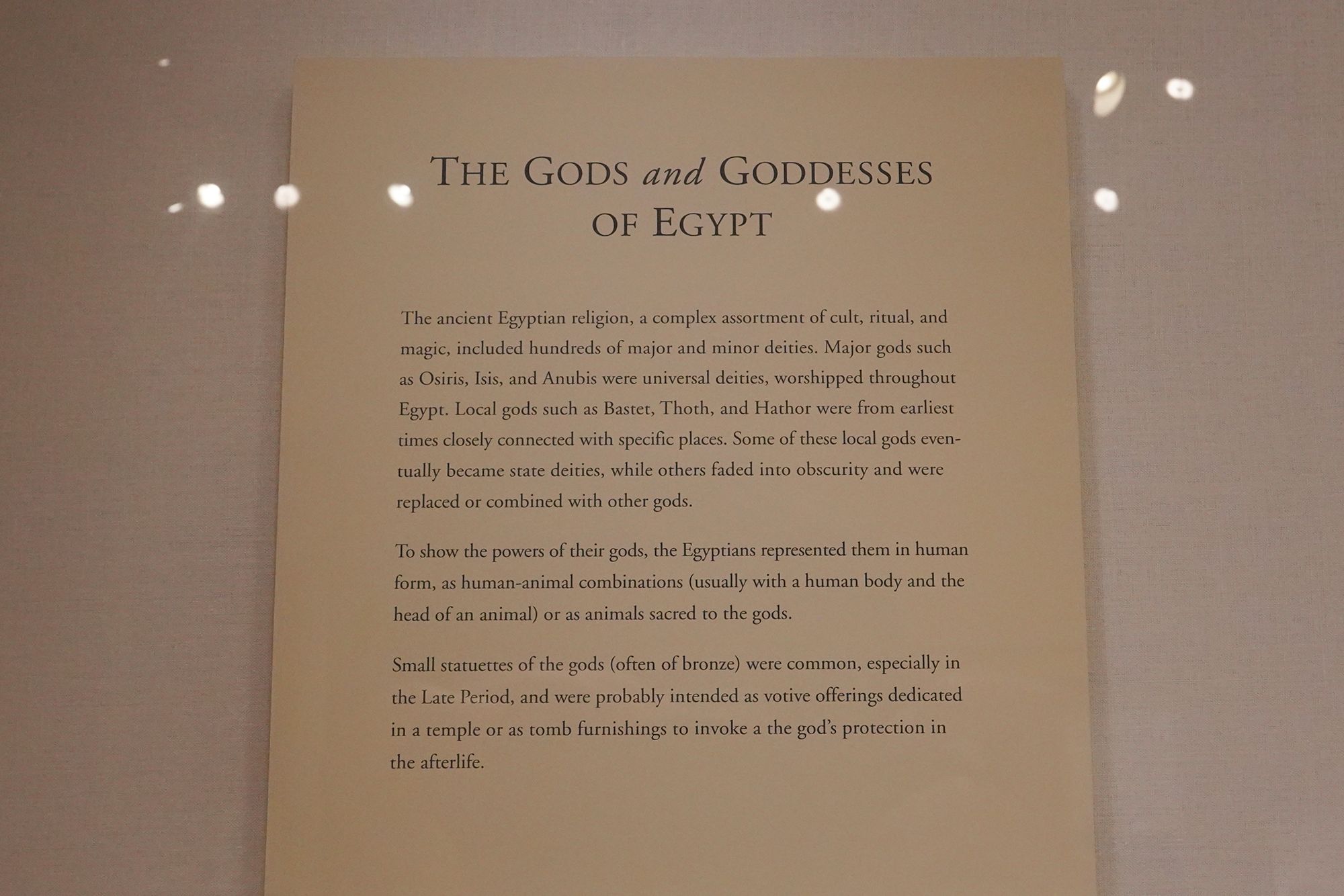
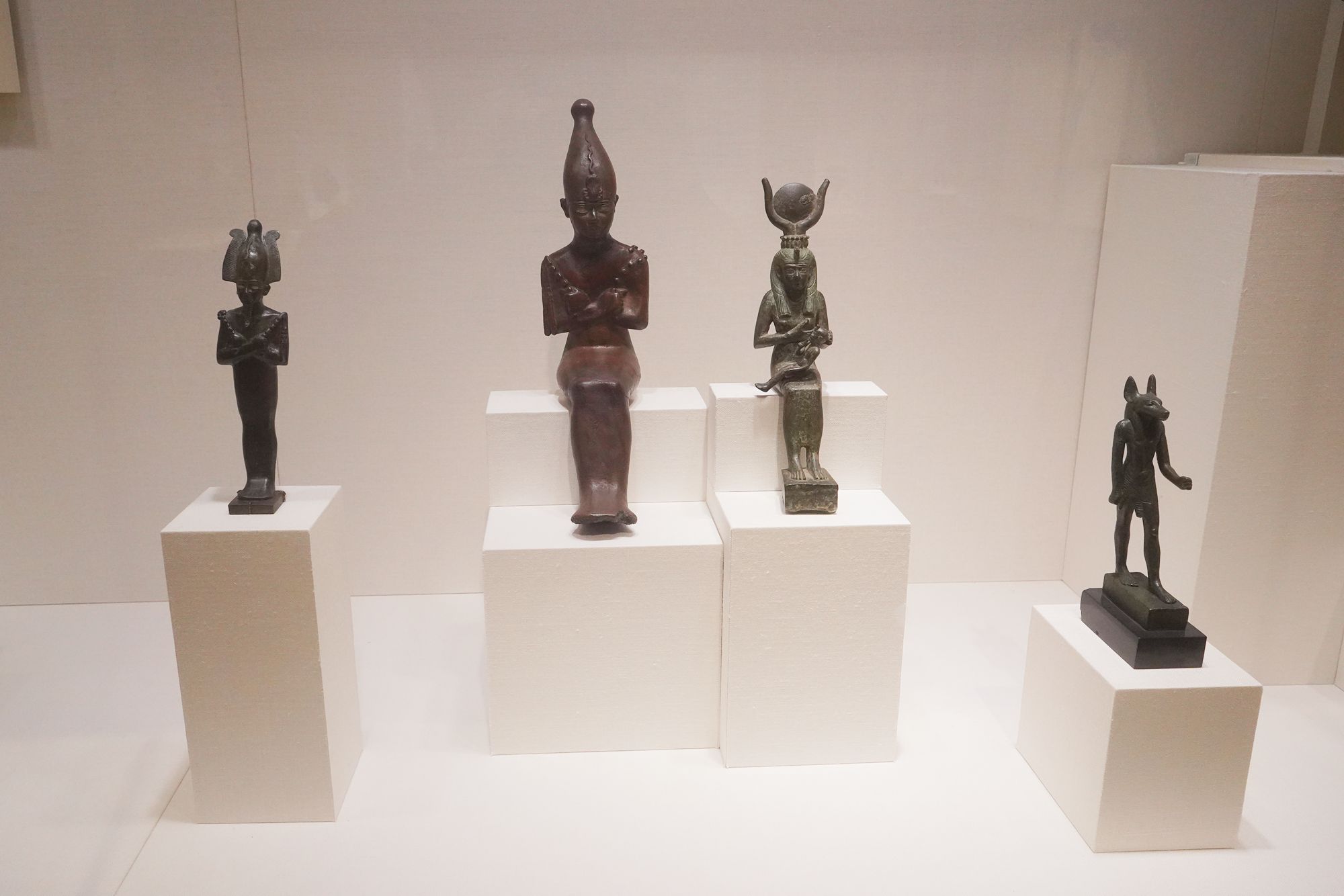
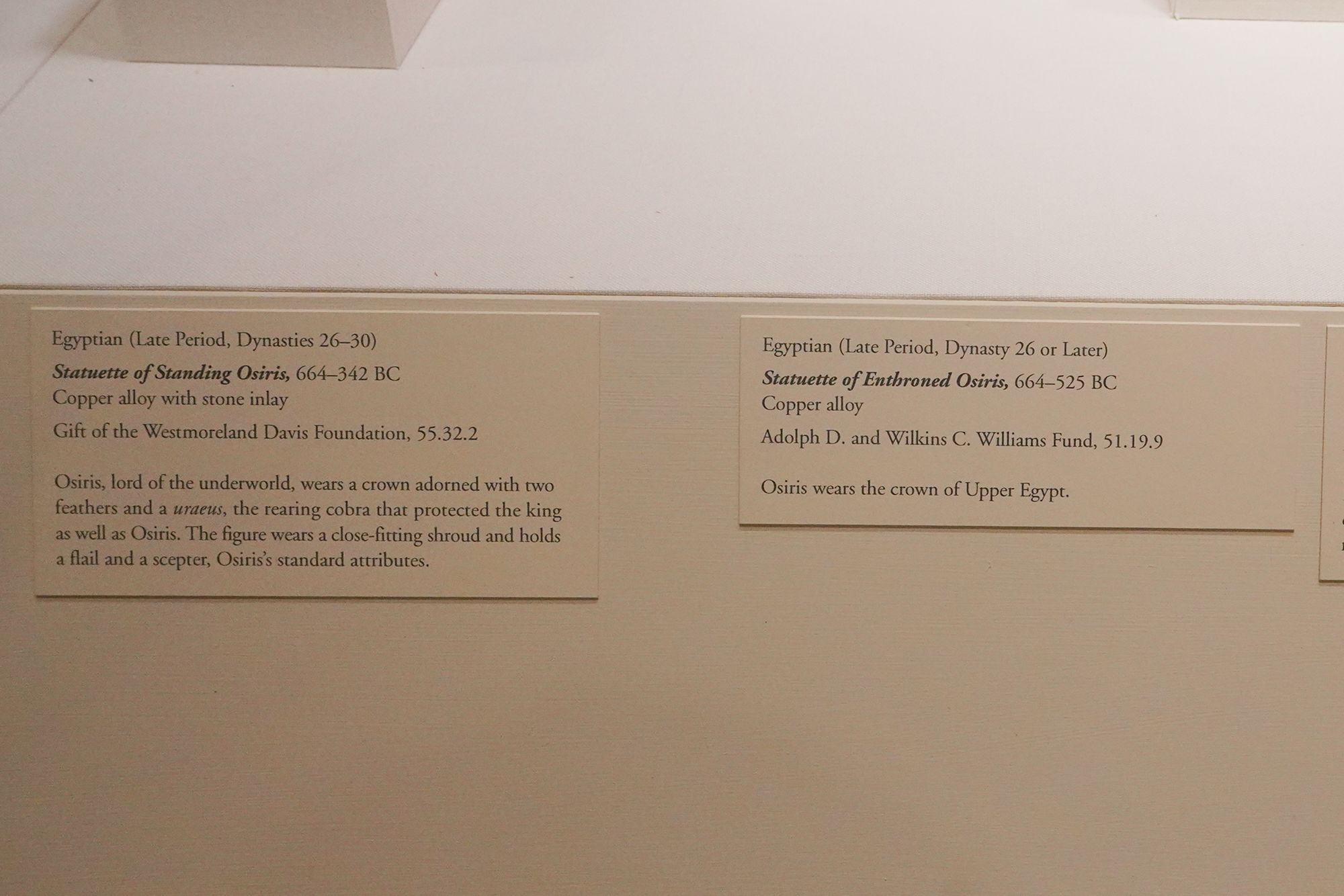
Egyptian Civilization
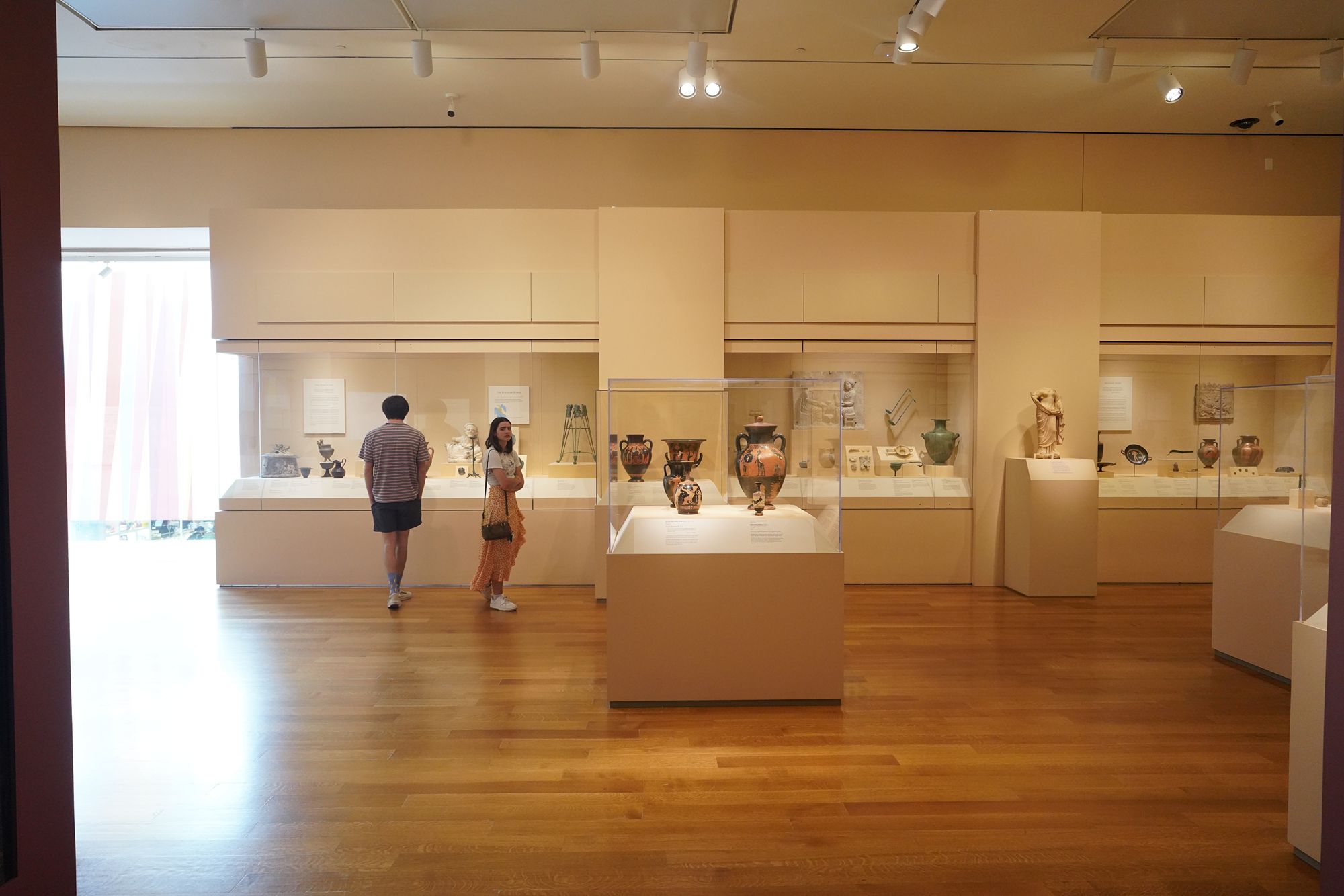
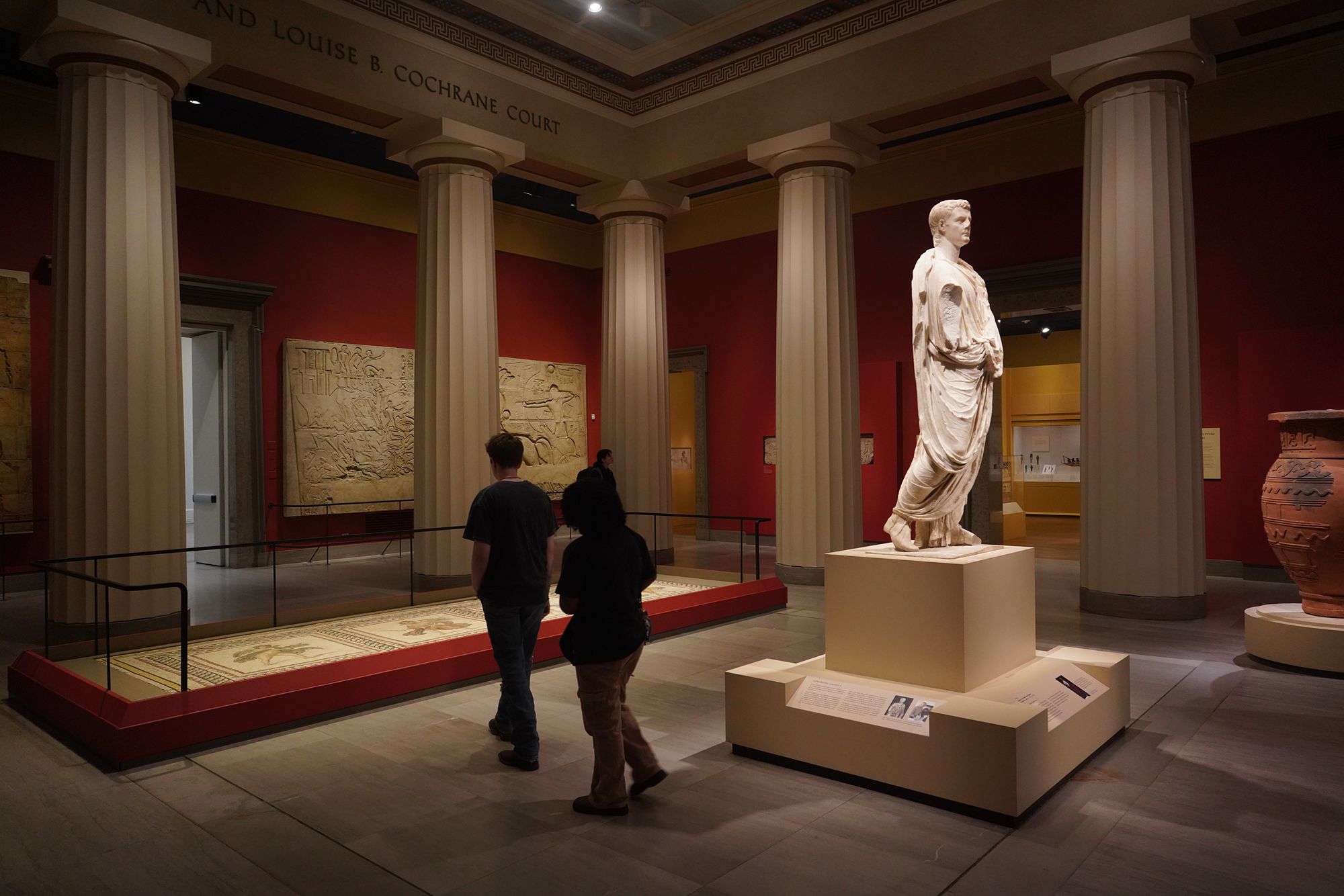
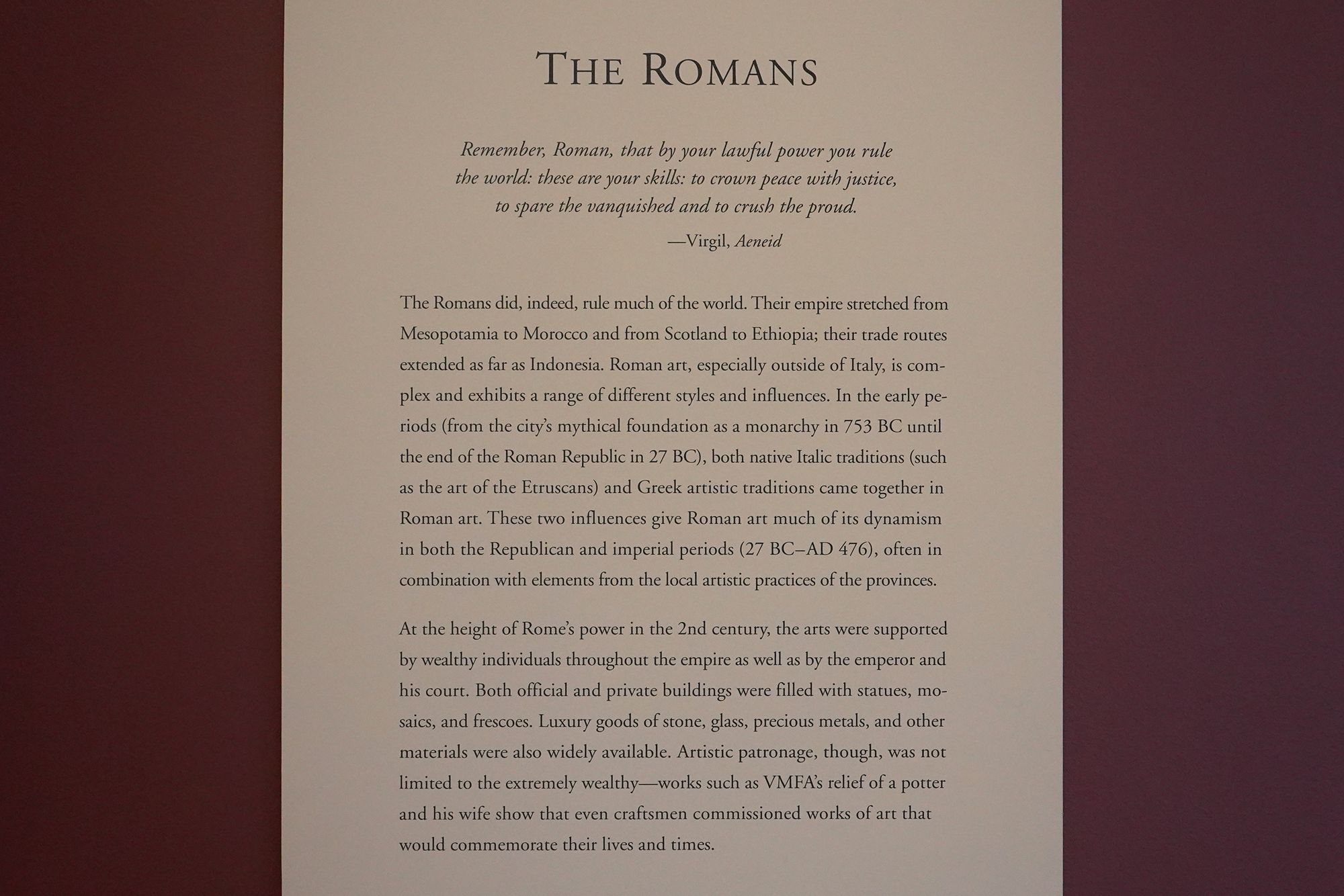
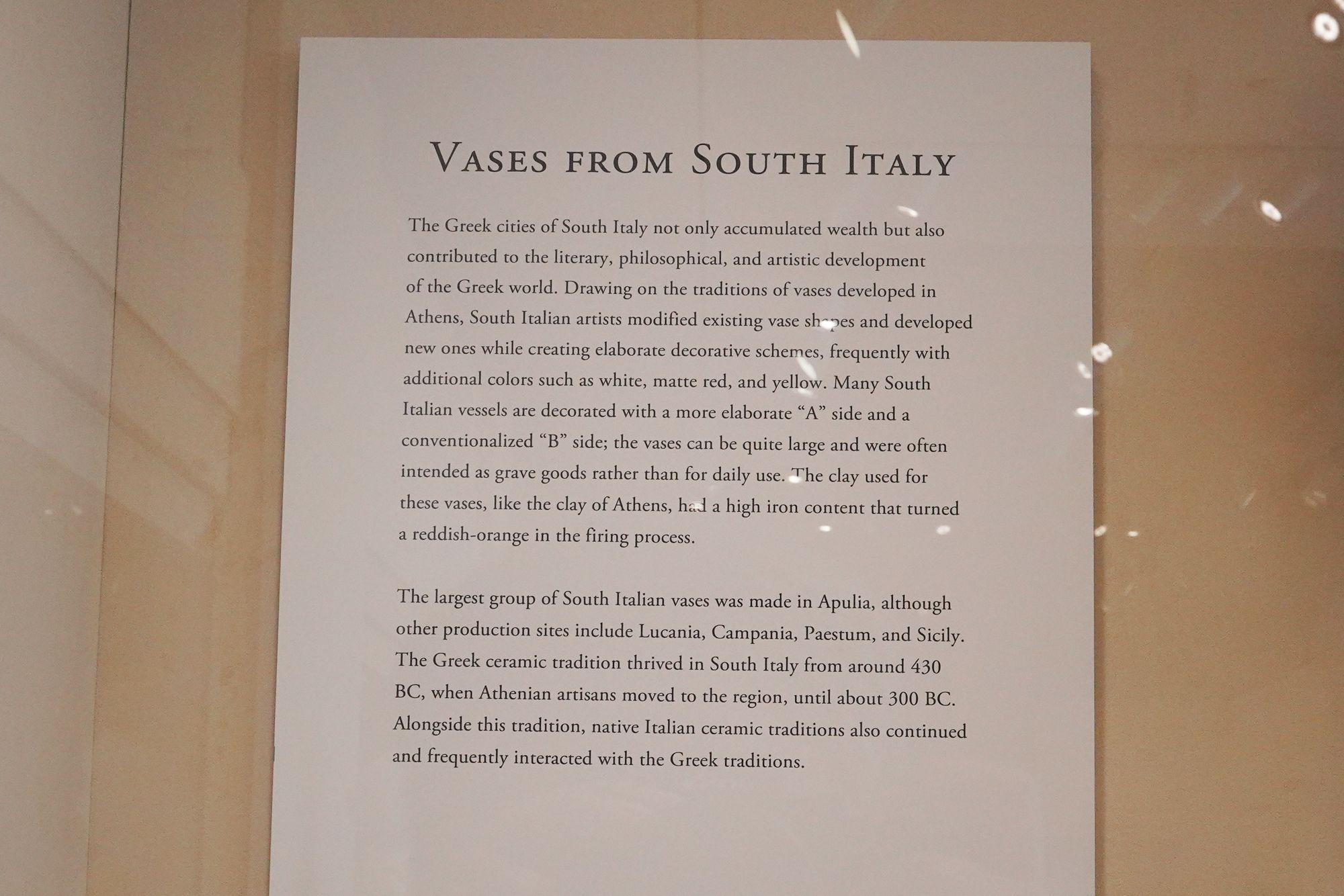
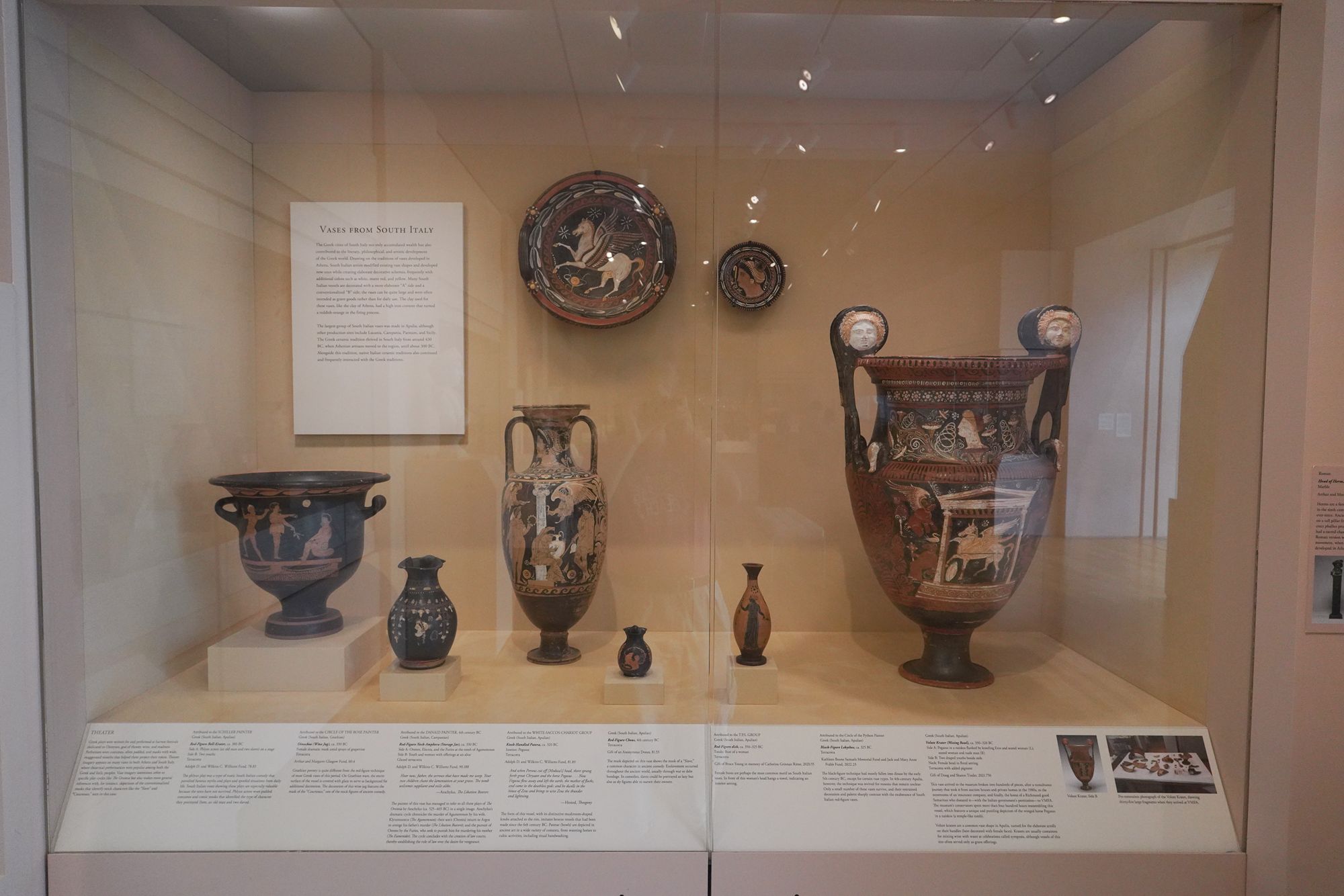
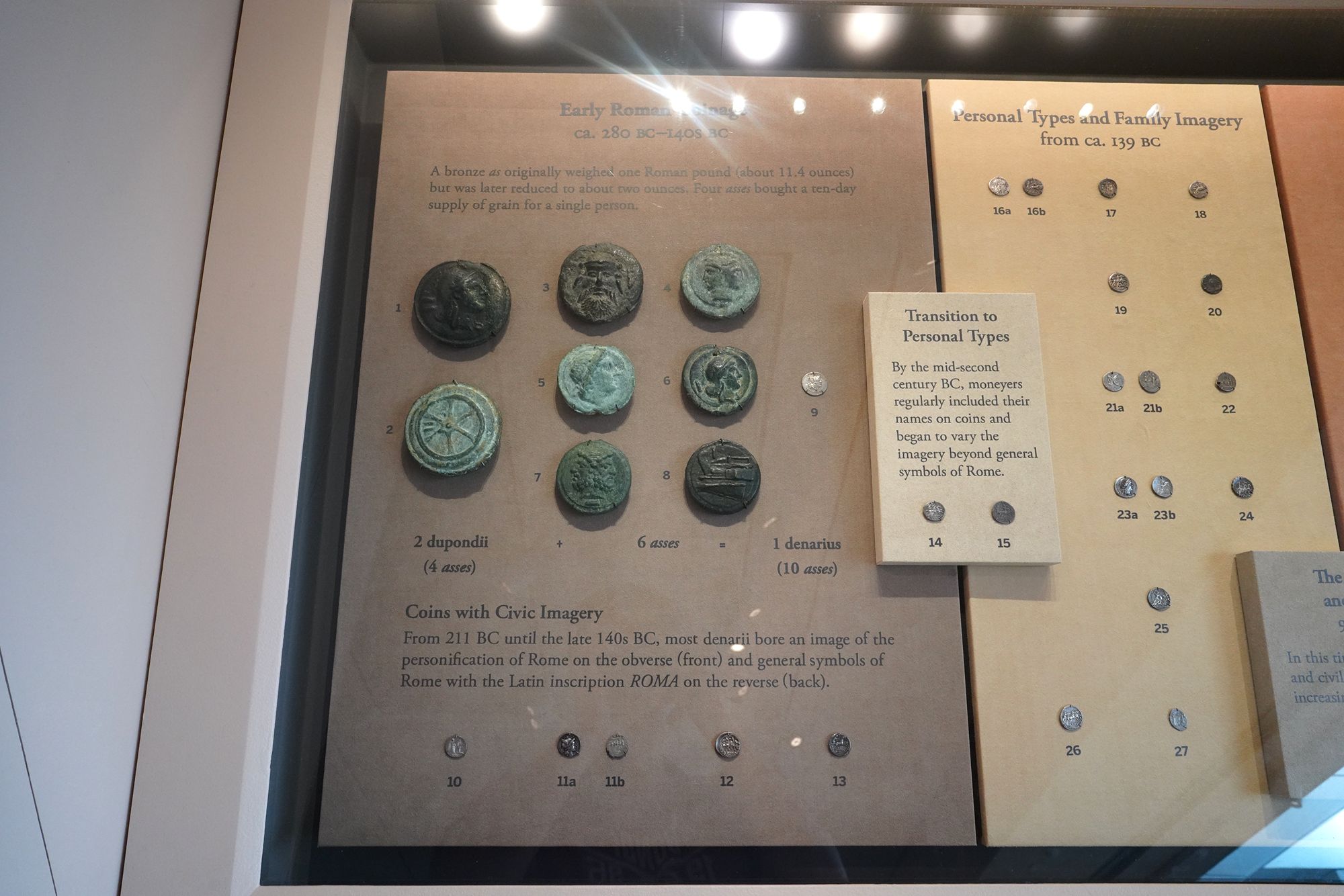
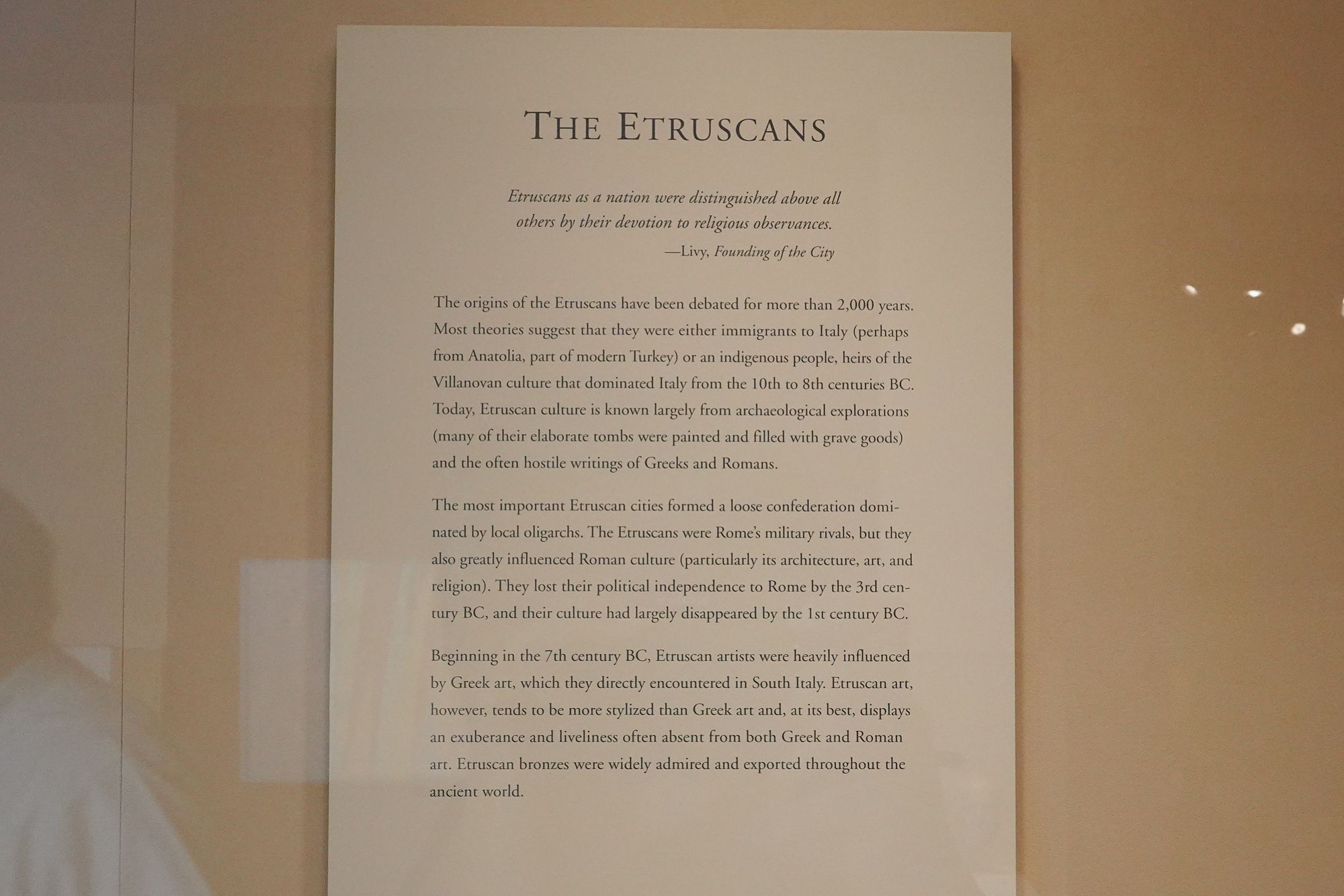
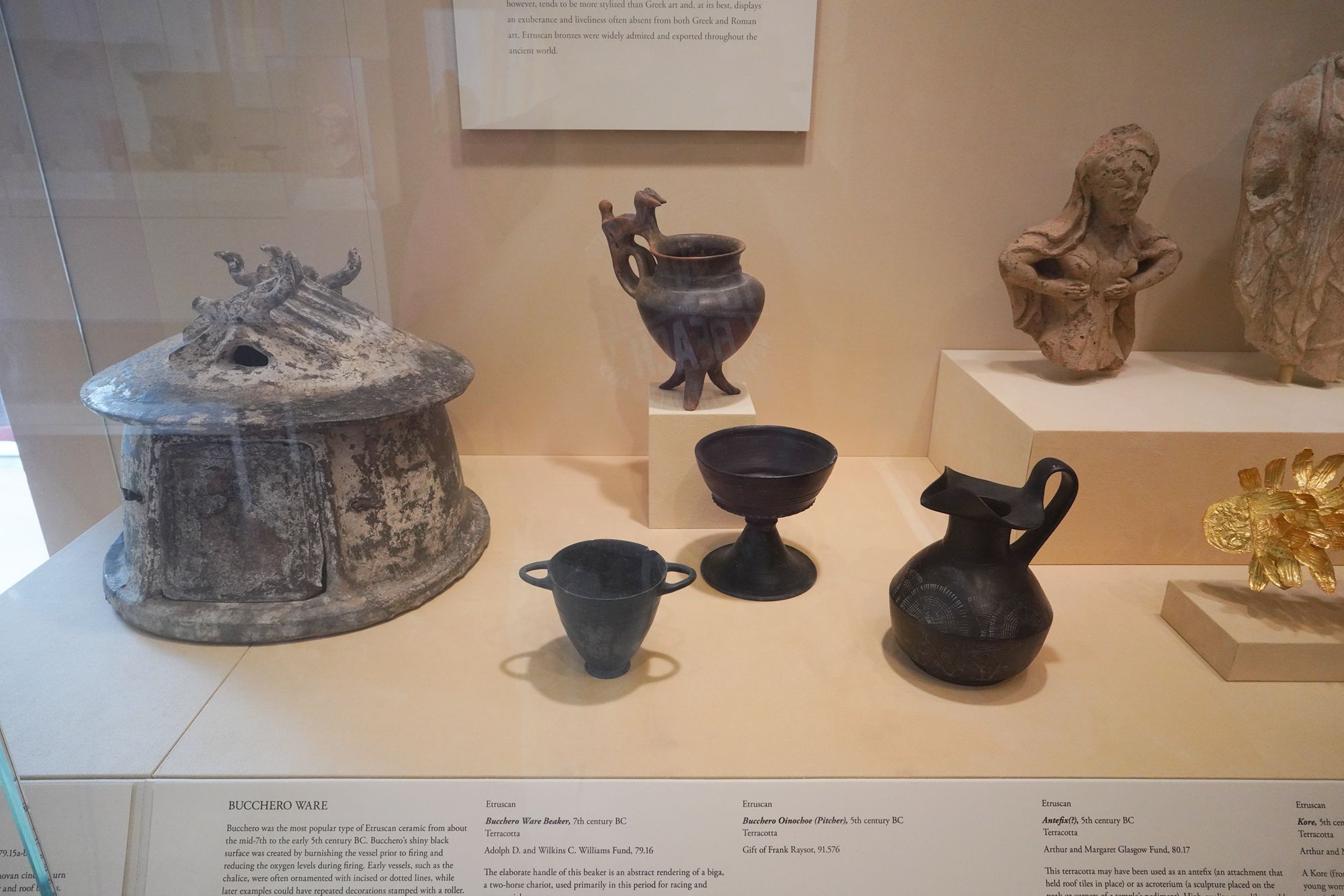
The Virginia Museum of Fine Arts also holds ancient artifacts from the Etruscan and Roman civilizations, including pottery, bronze figures, glassware, and coins that reveal the artistry, religion, and daily life of early Italy and the Roman Empire.
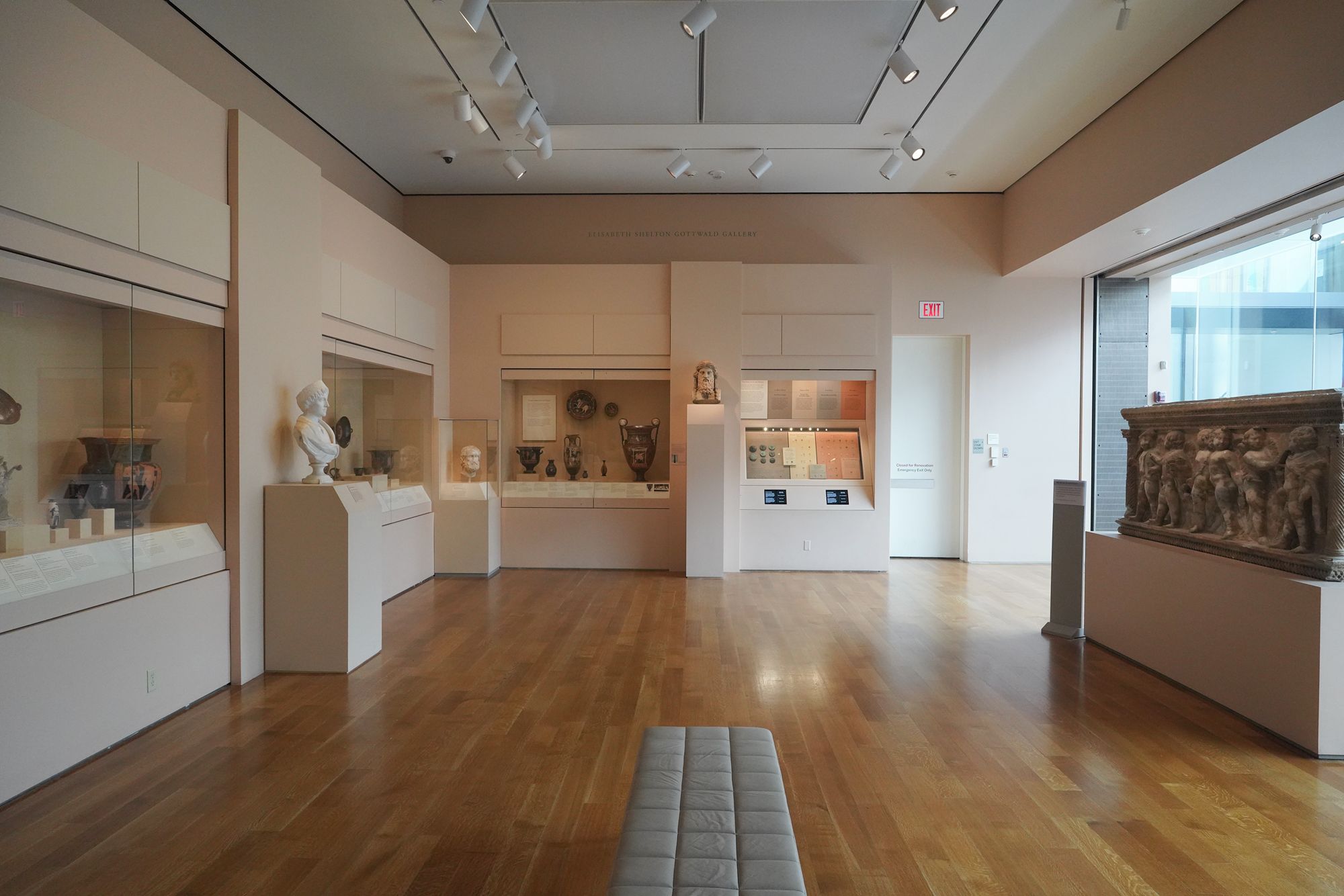
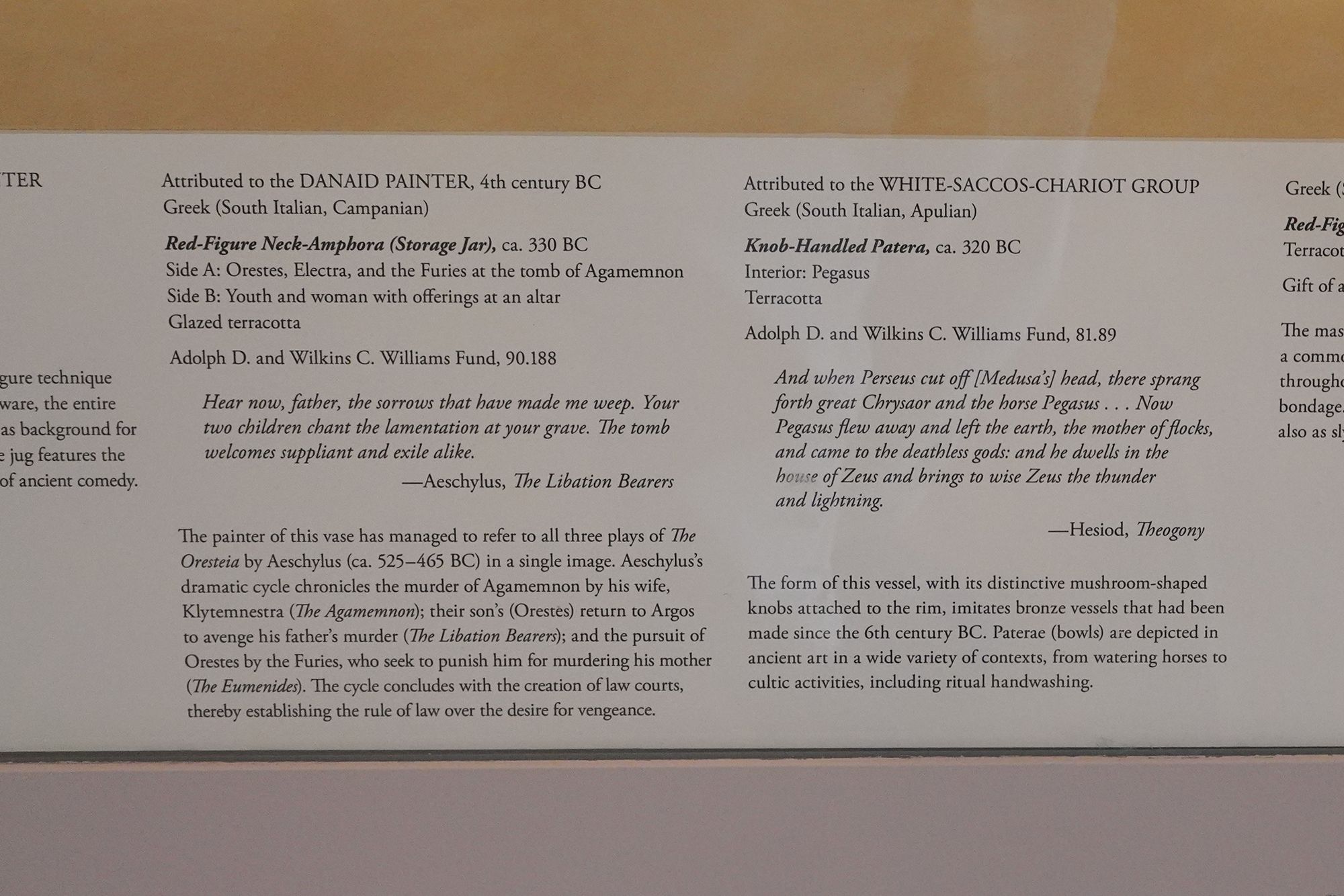
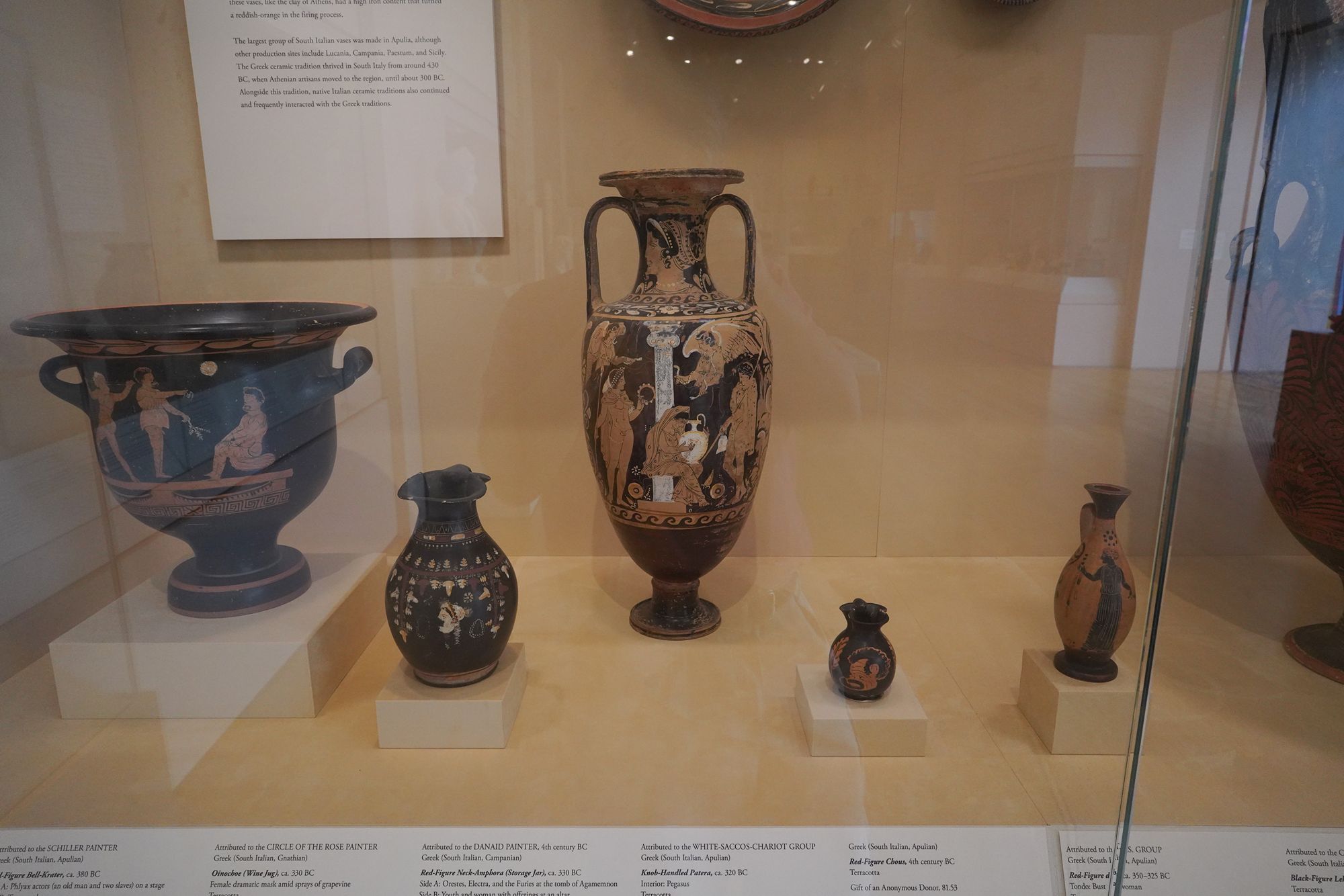
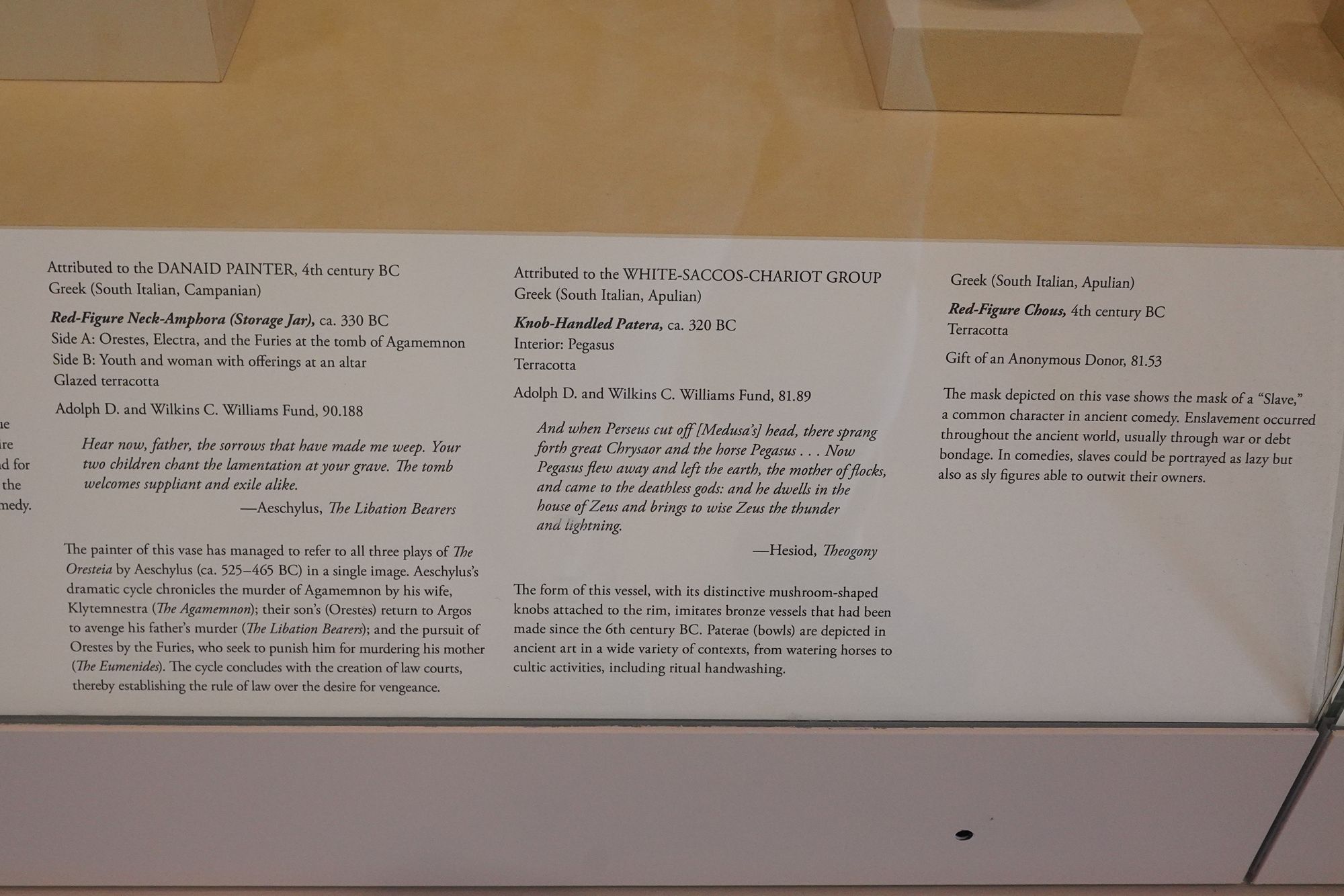
Vases from South Italy
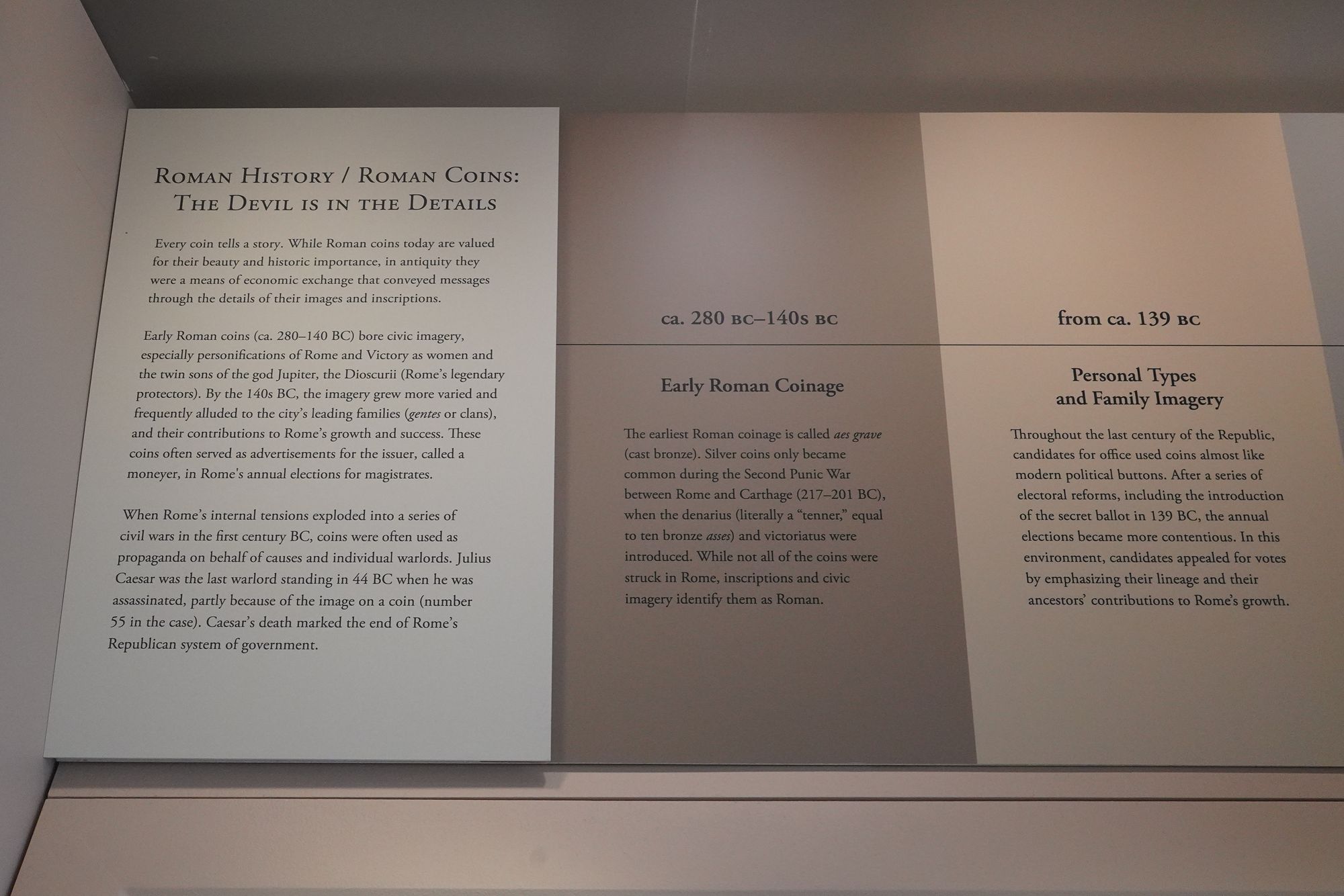
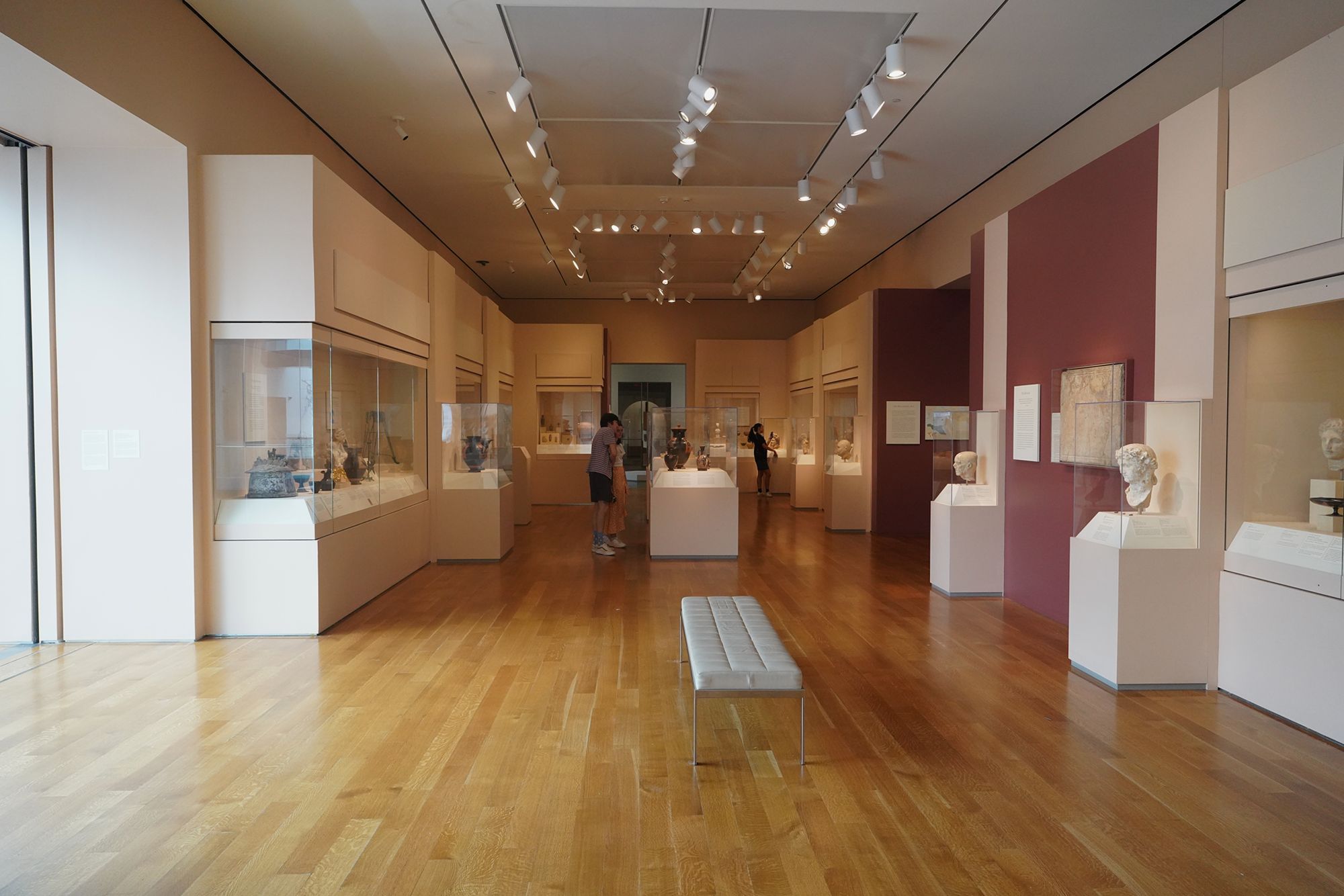
The Etruscans
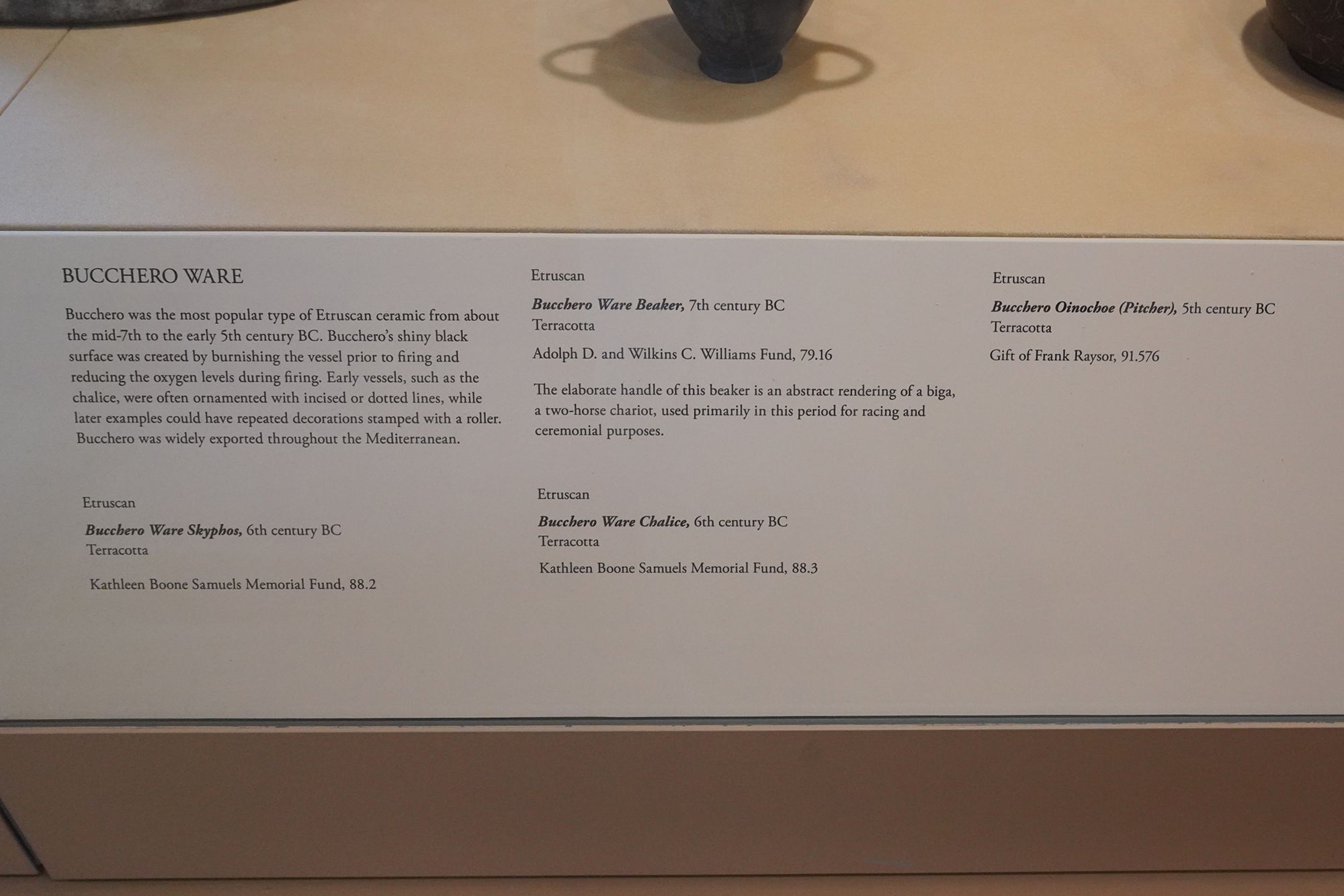
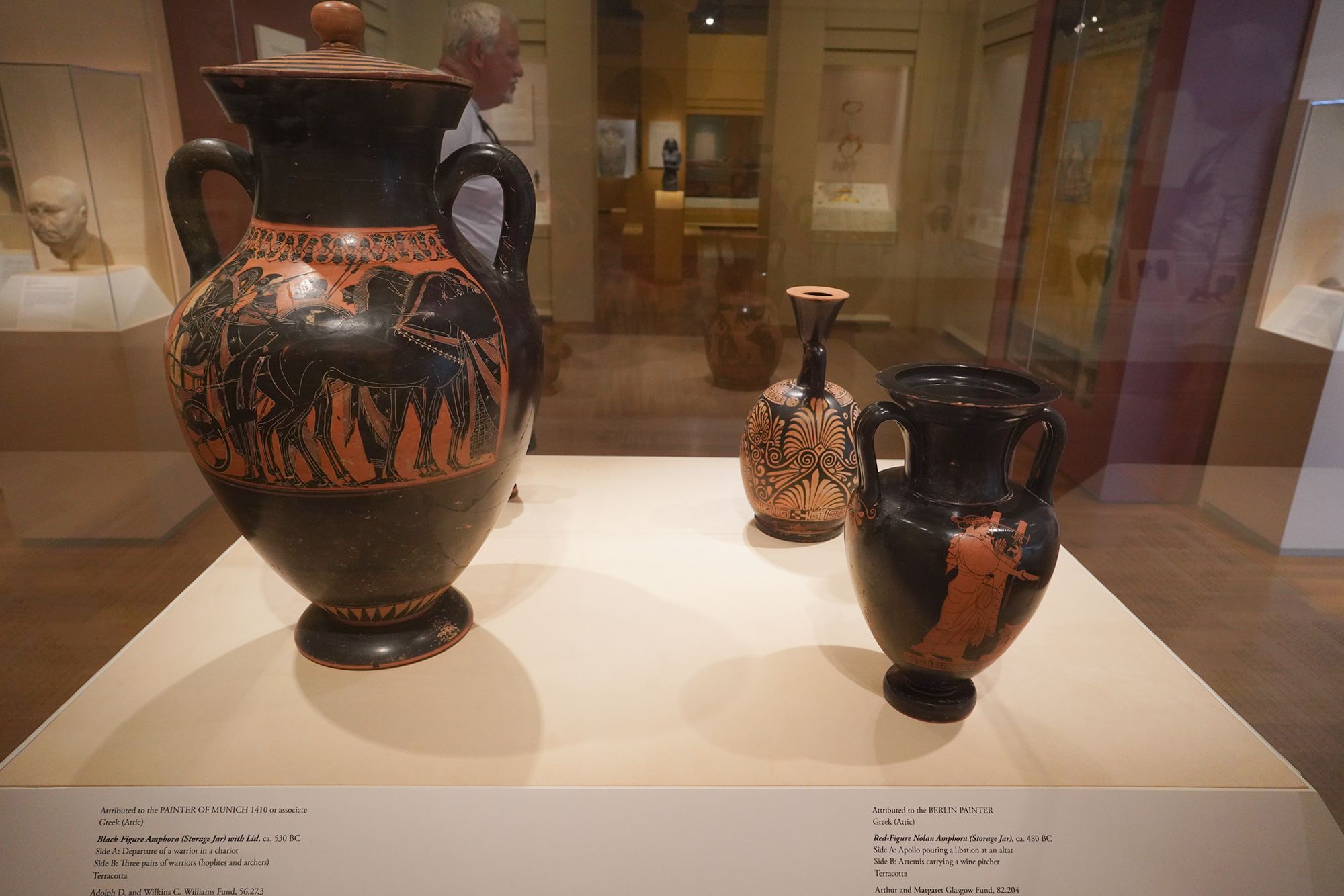
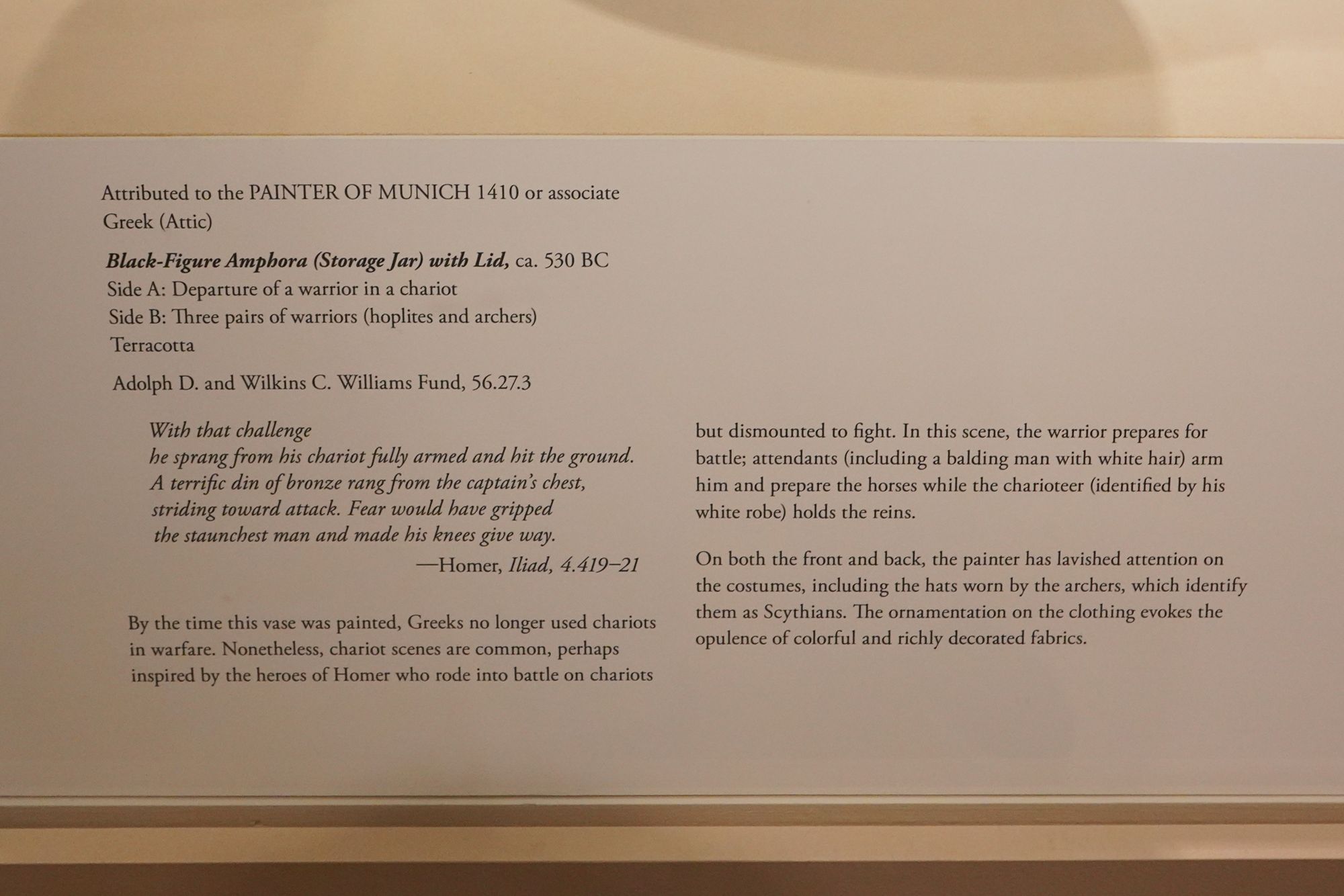
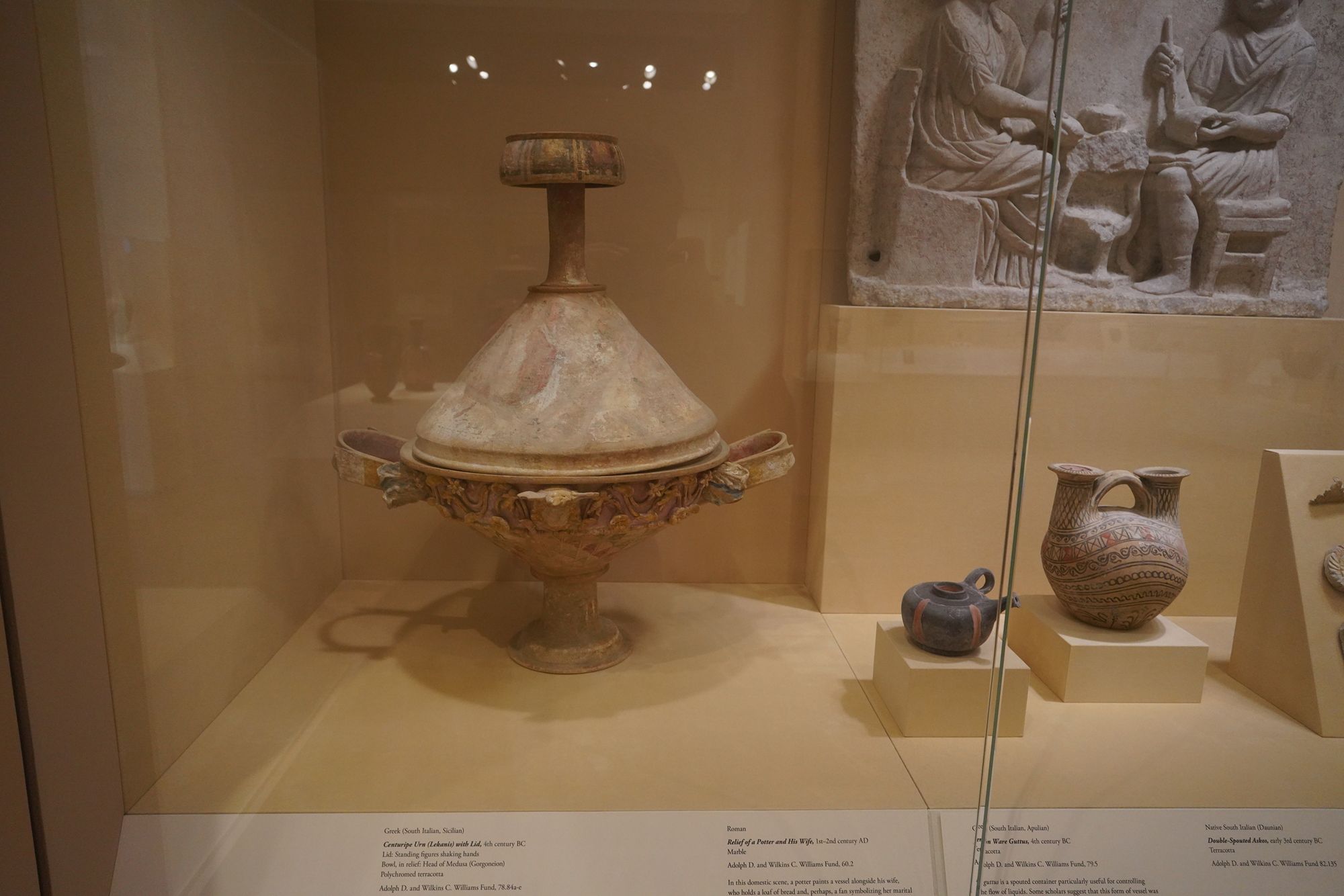
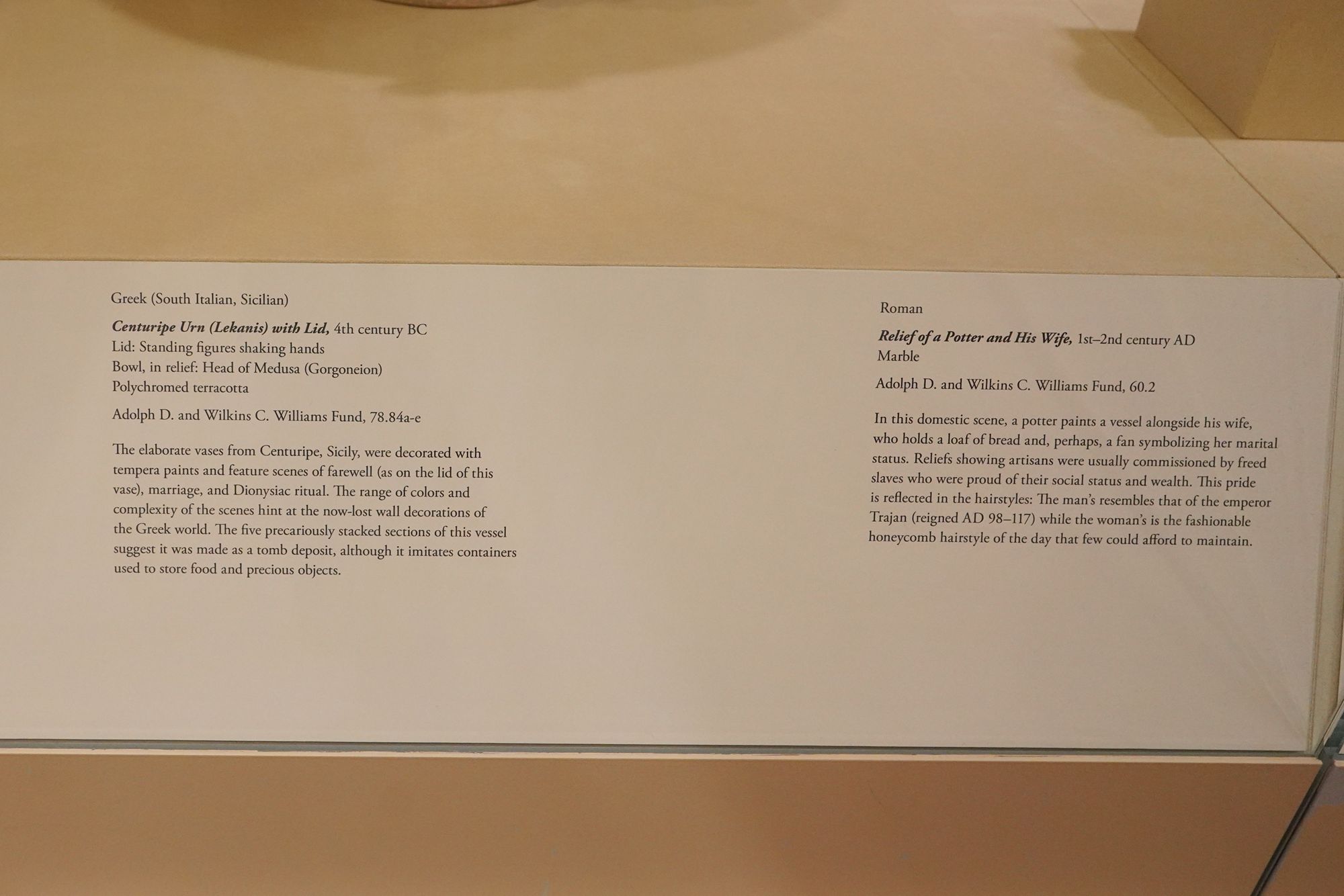
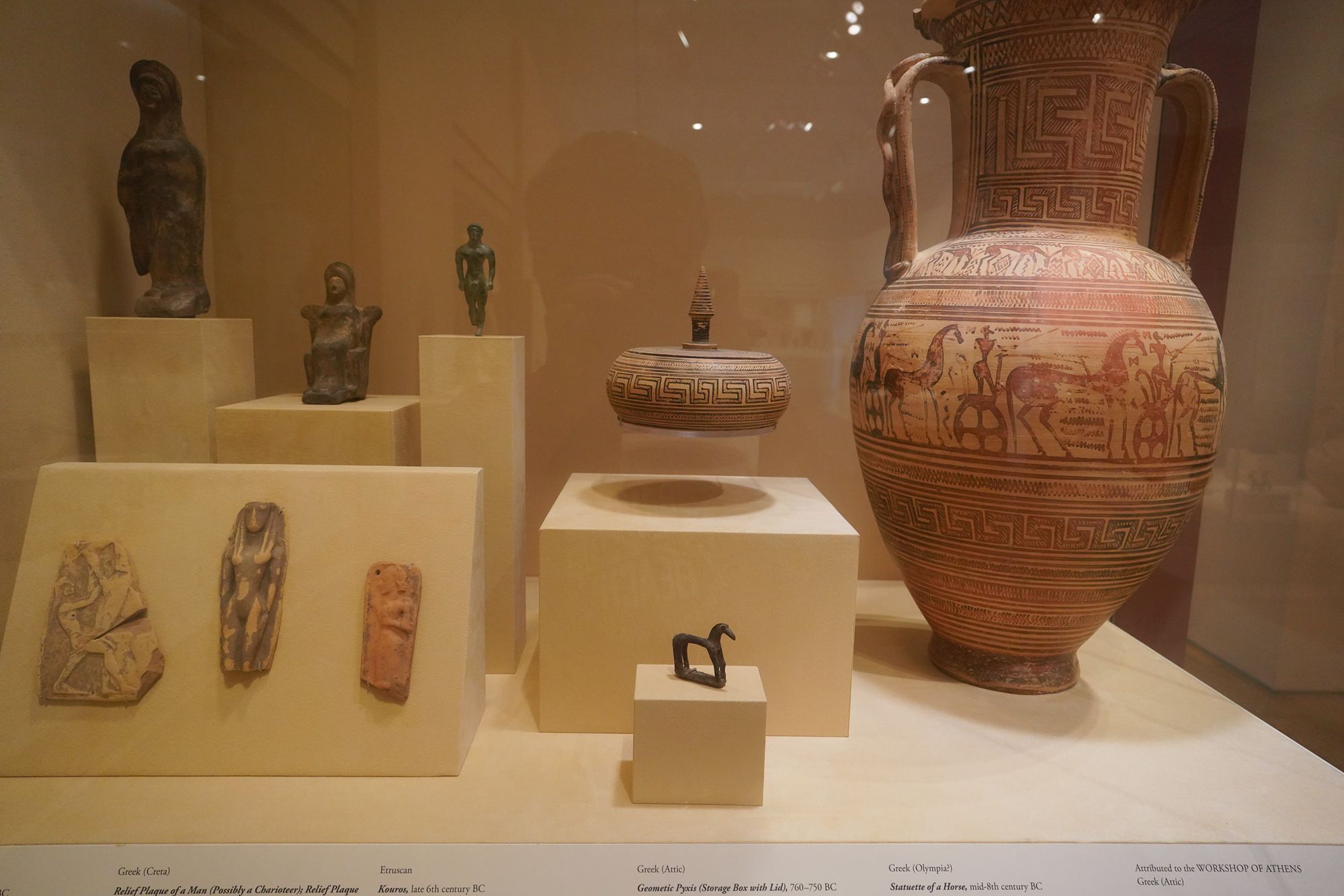
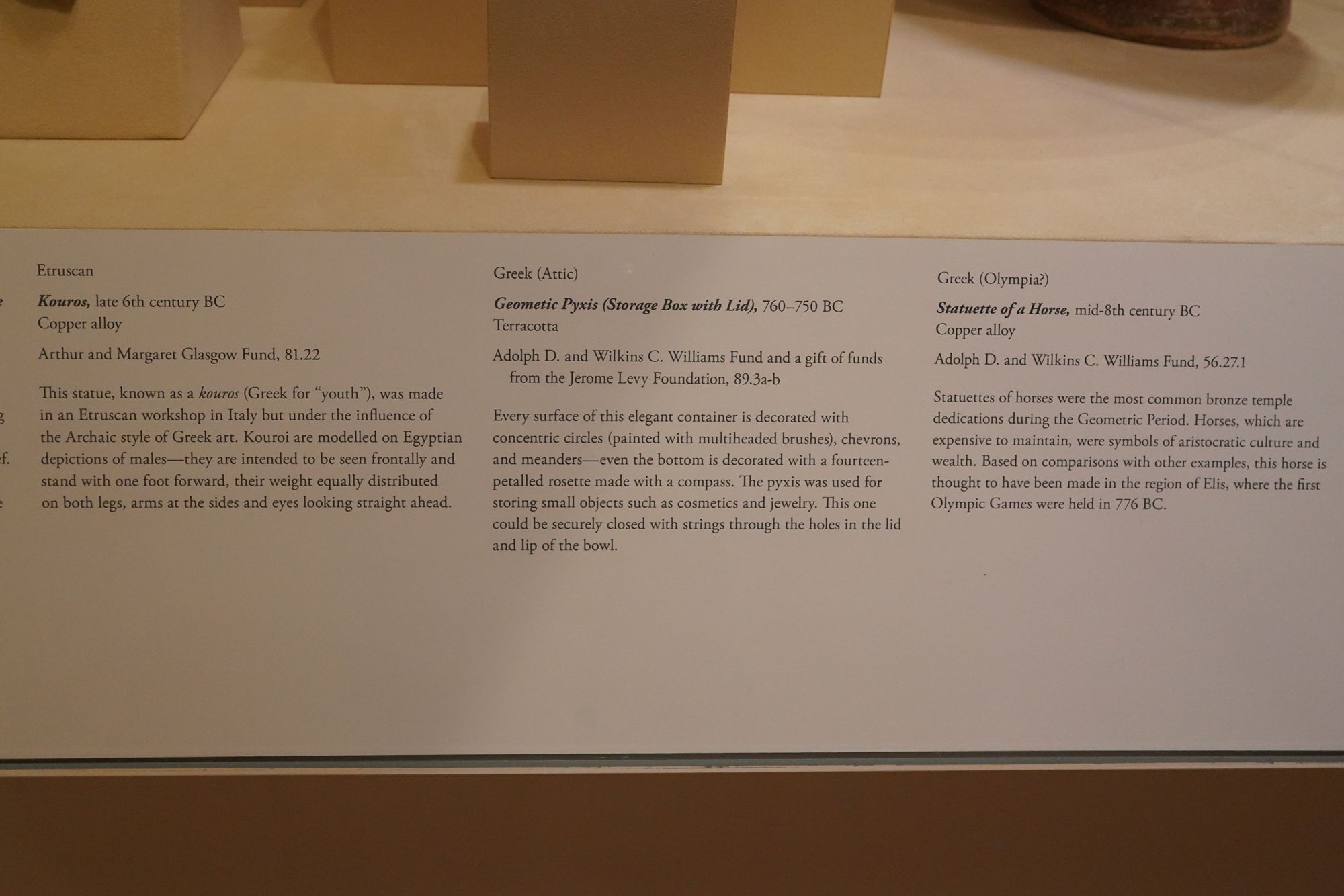
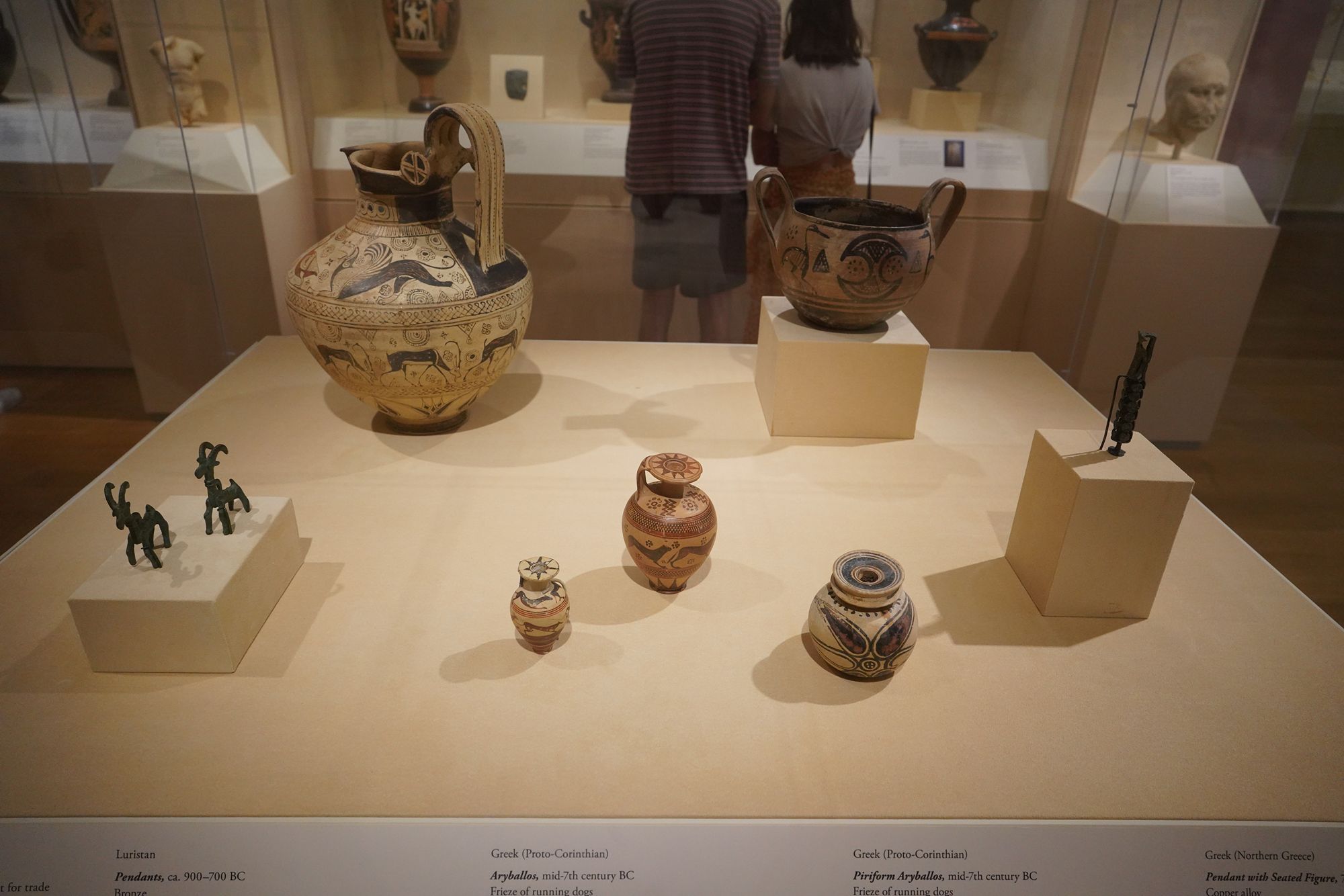
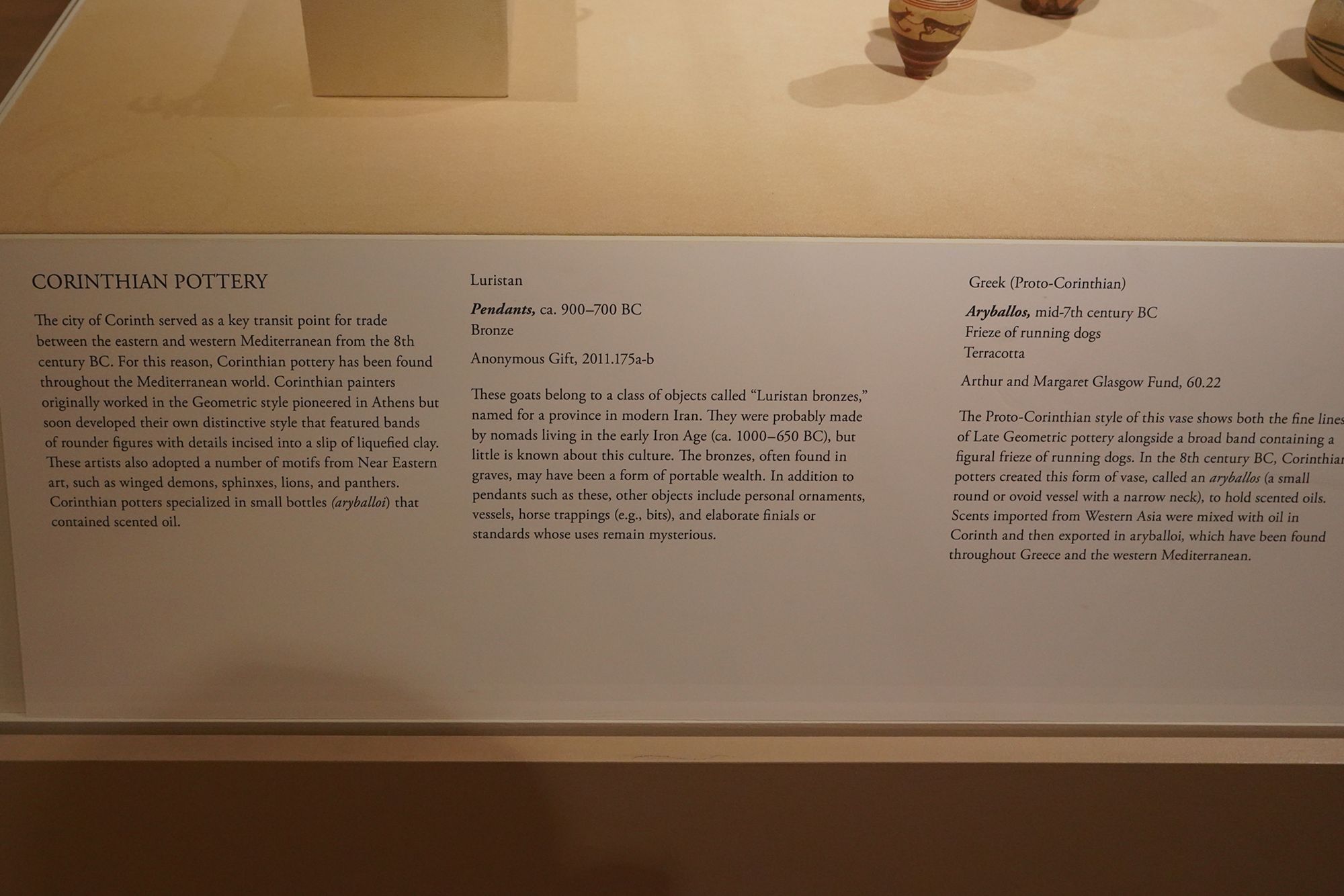
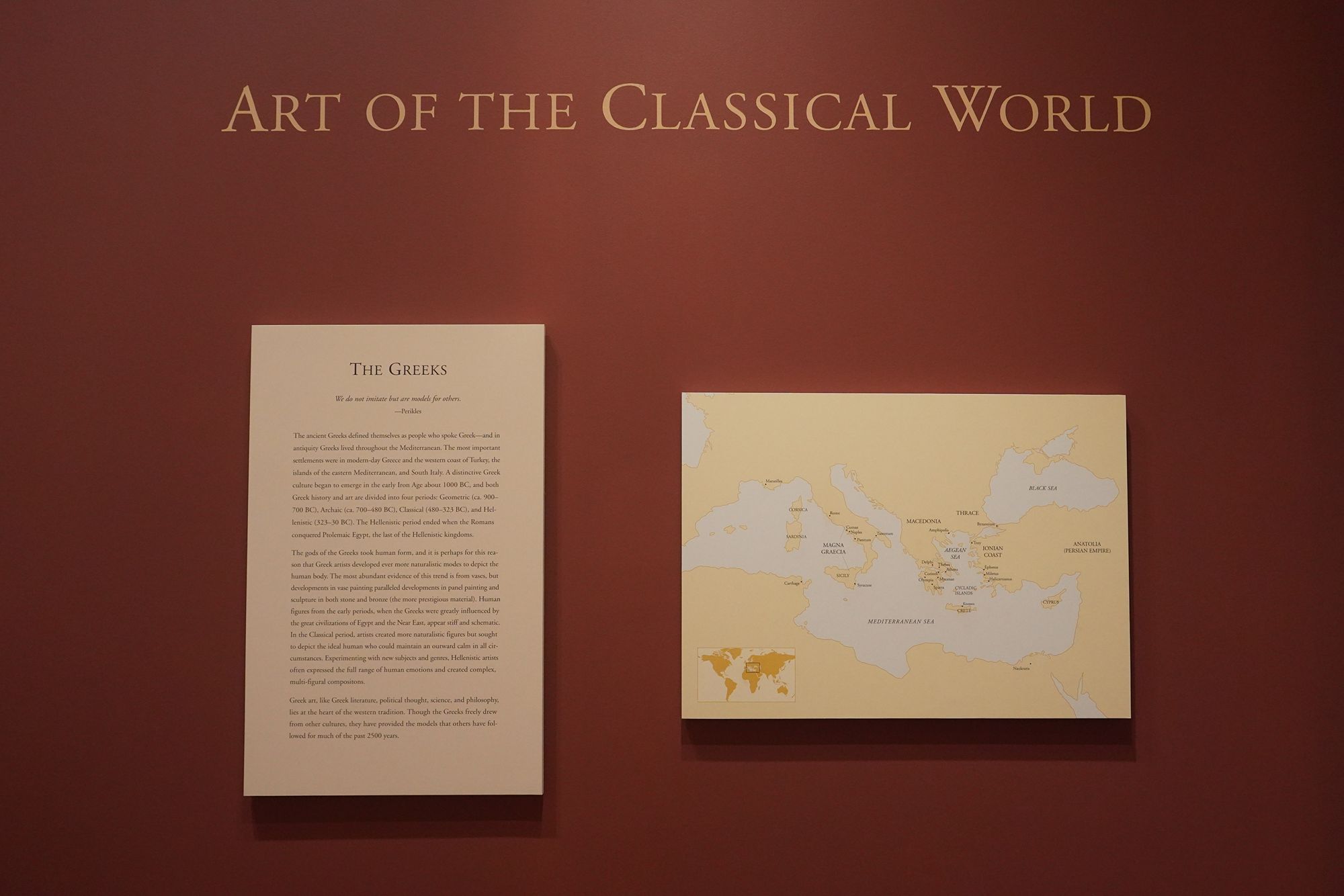
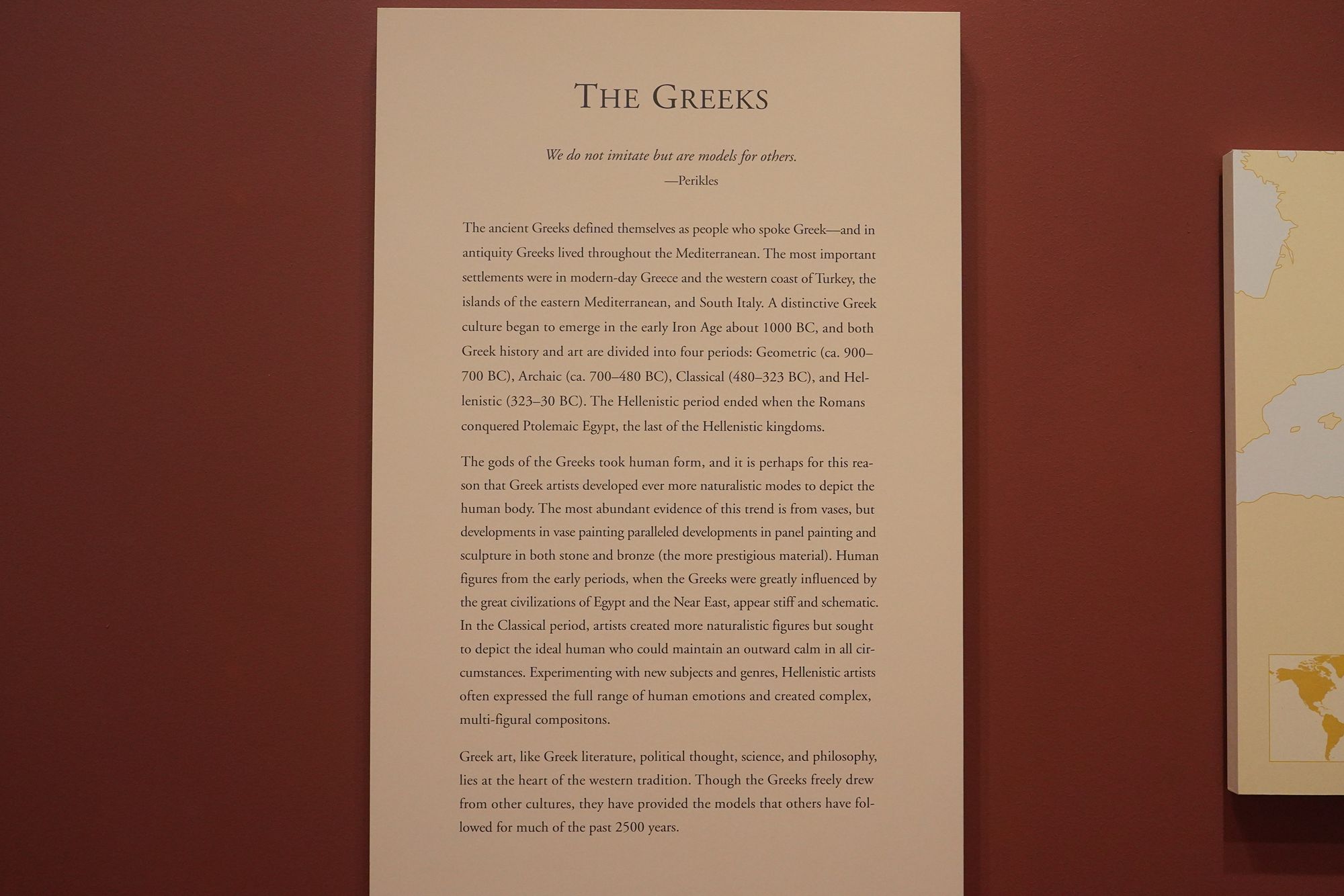
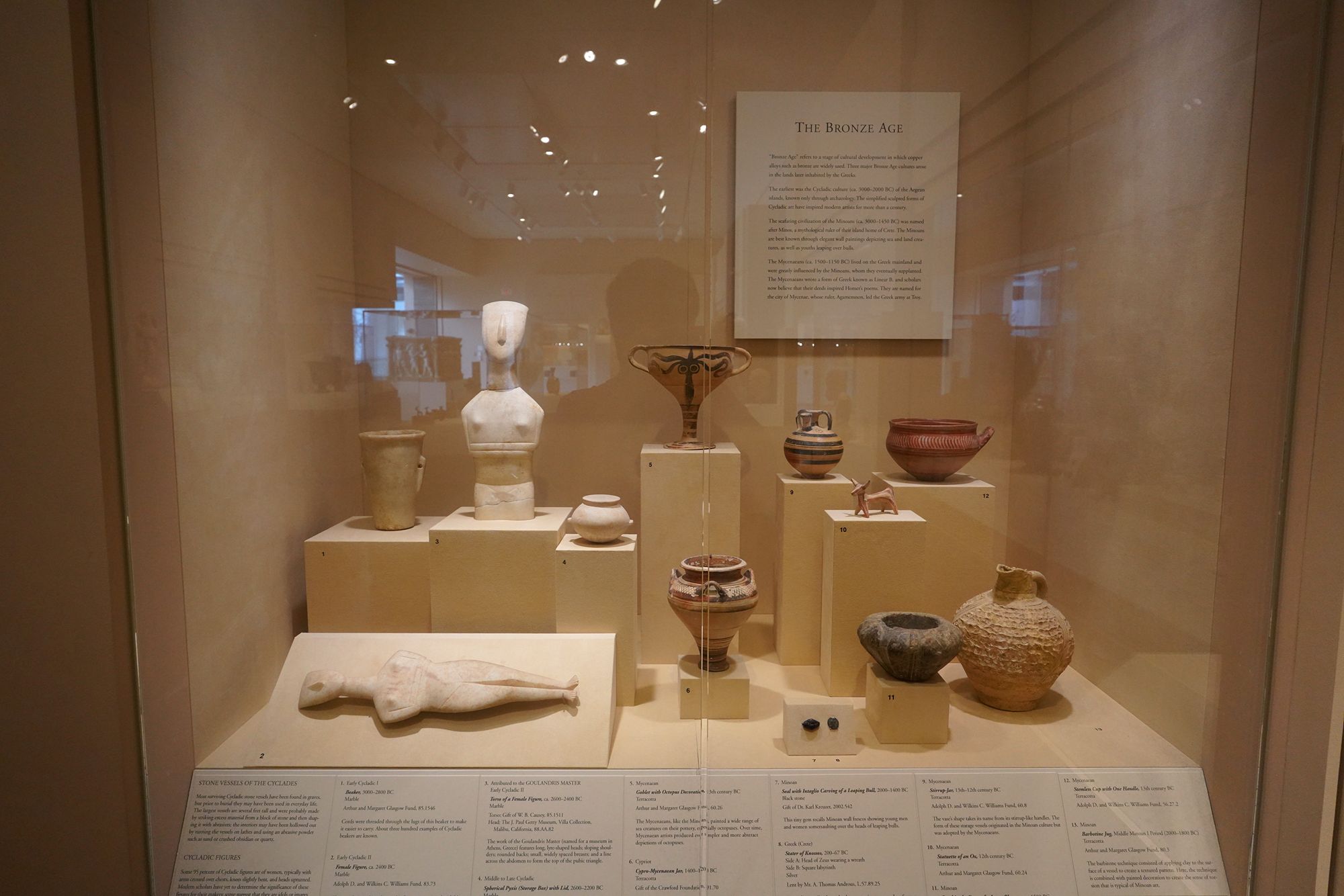
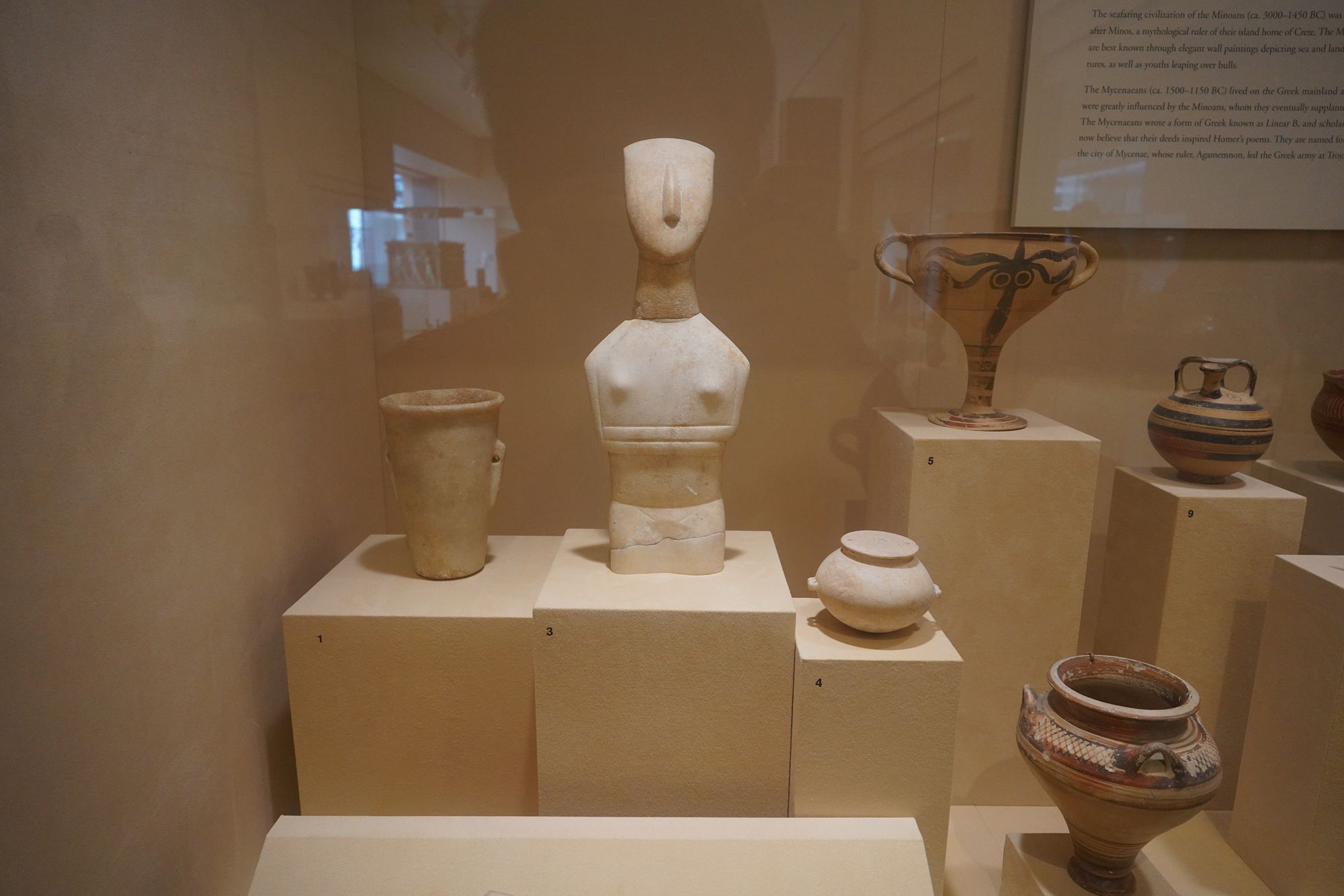
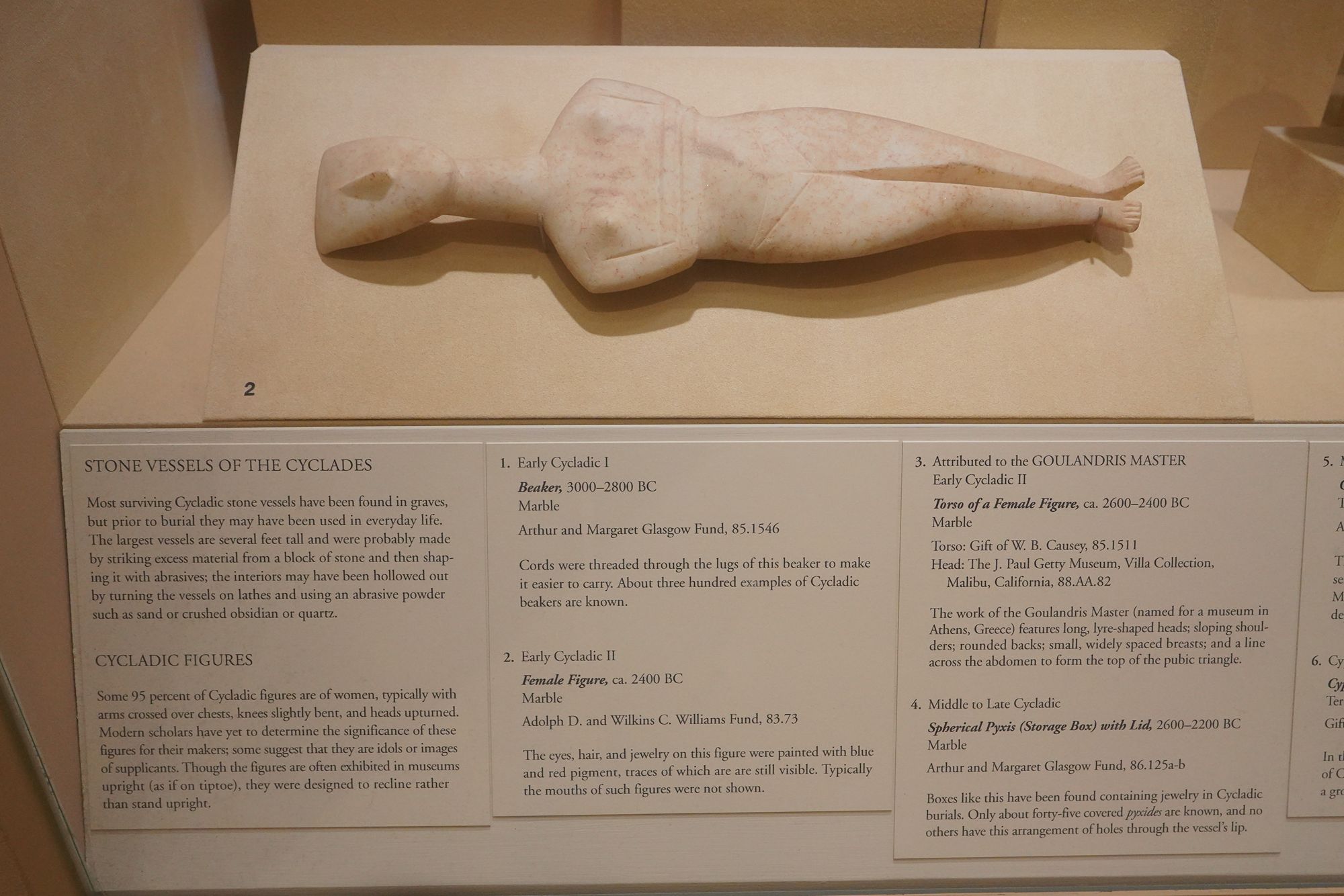
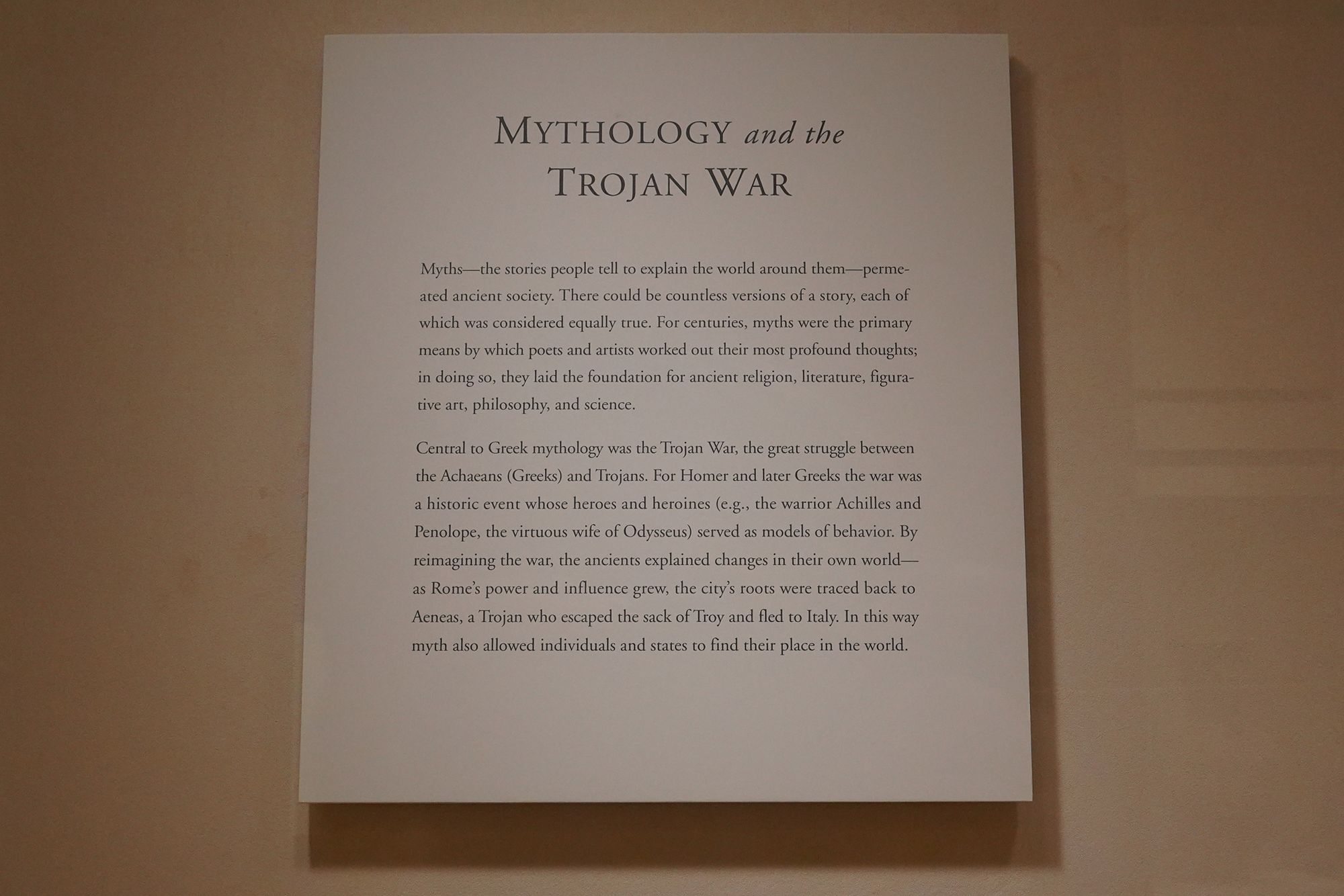
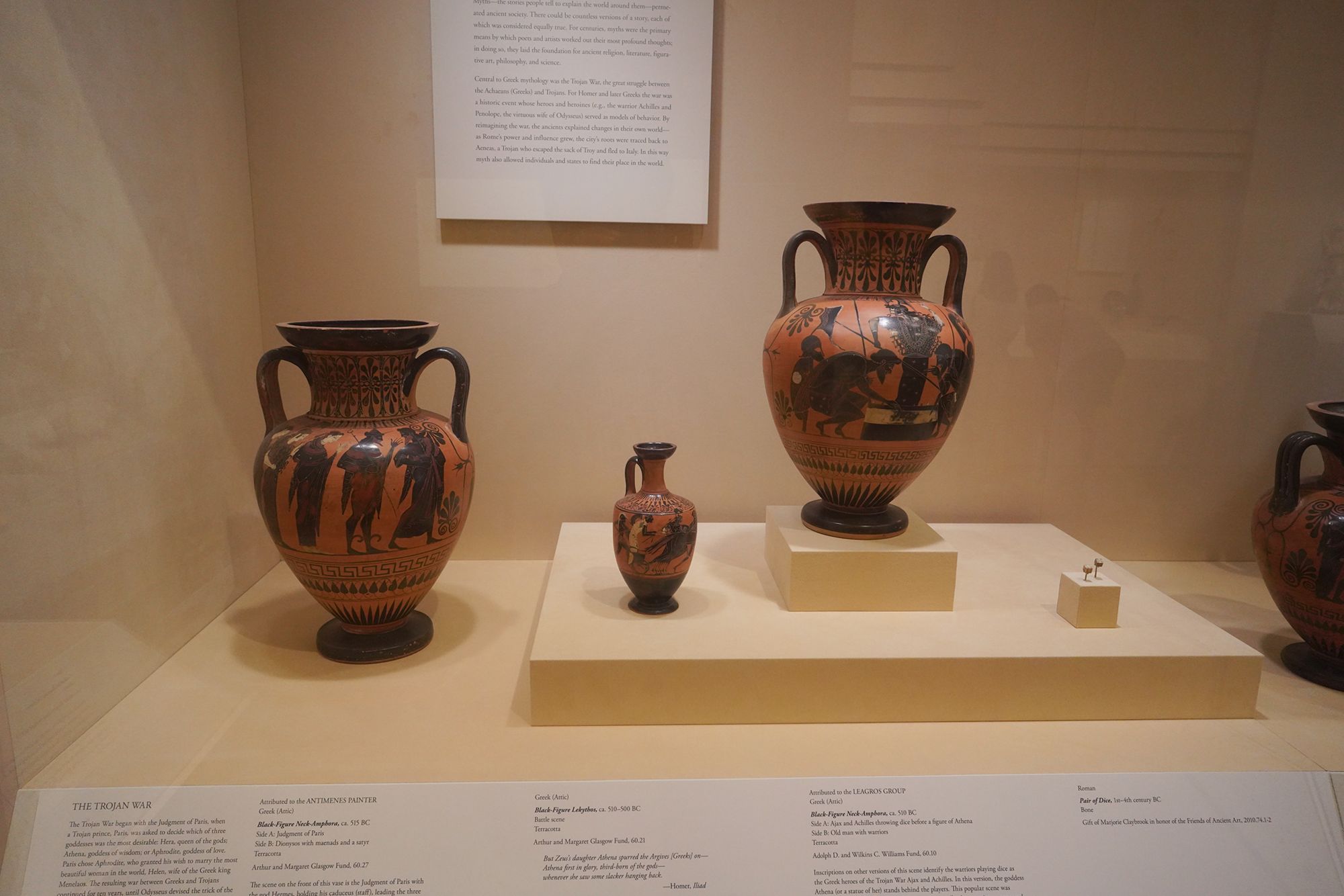
The museum’s Greek art collection includes marble sculptures, painted vases, and decorative objects that reflect the ancient Greeks’ mastery of form, mythology, and the human figure in both religious and everyday contexts.
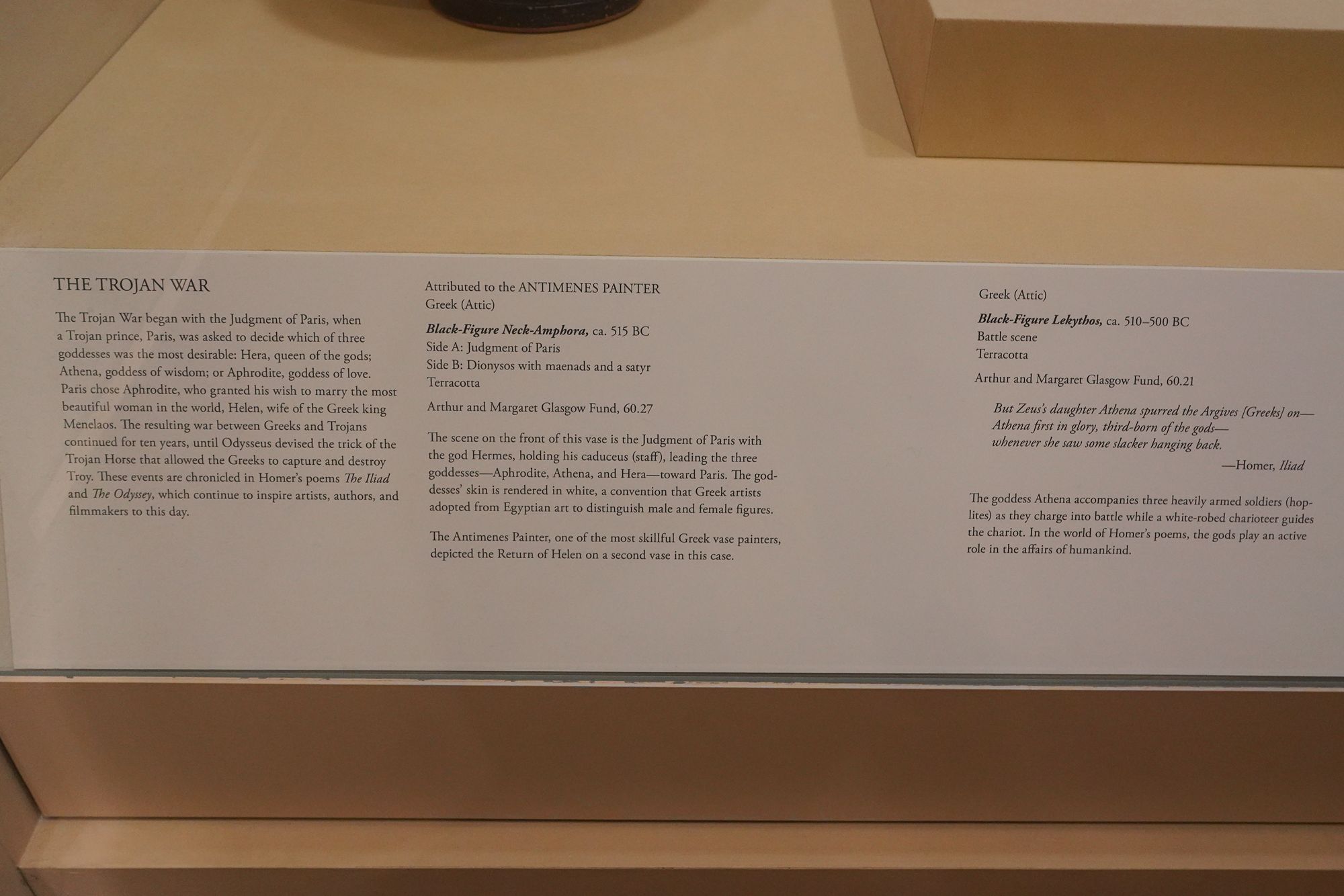
Mythology and the Trojan War
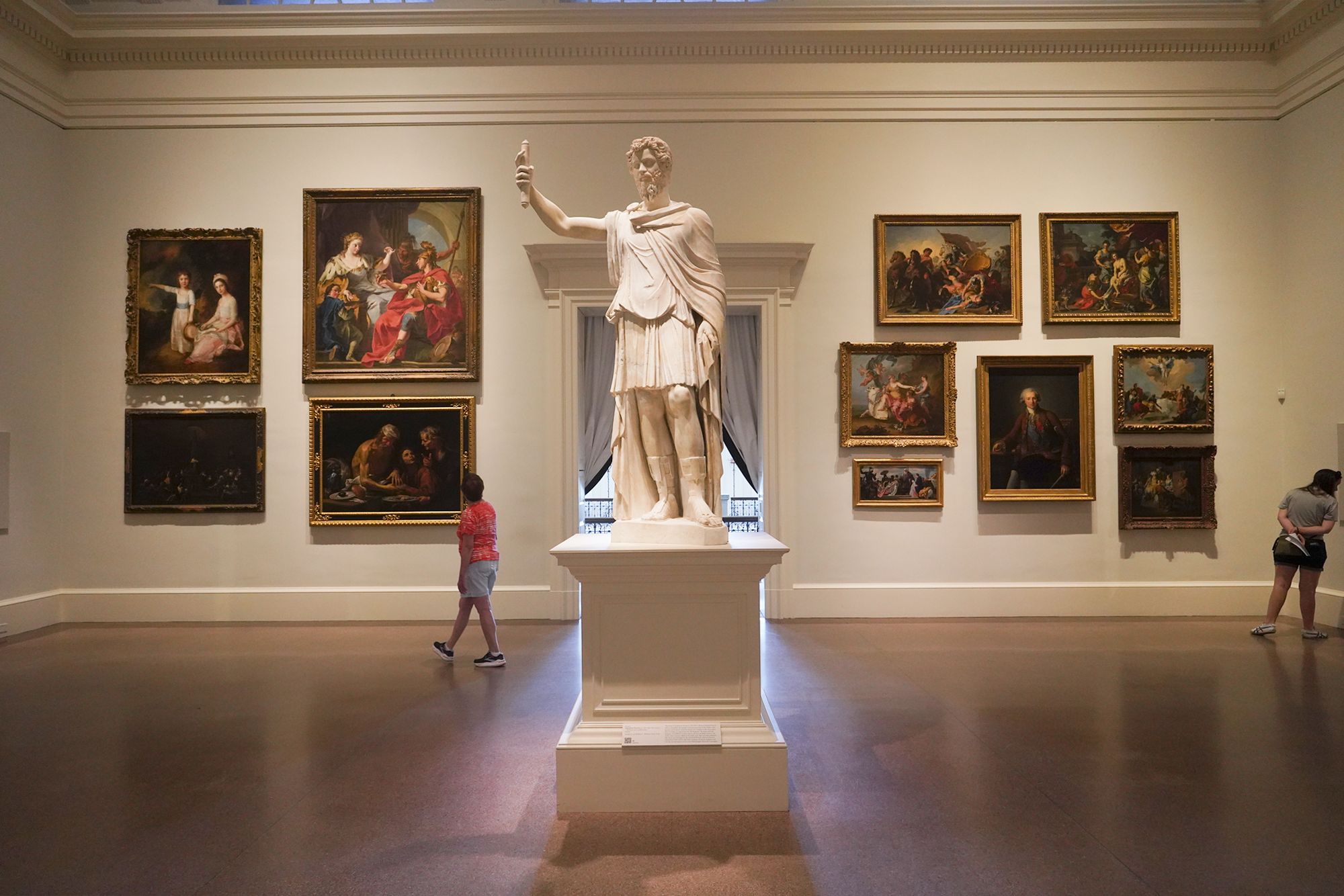
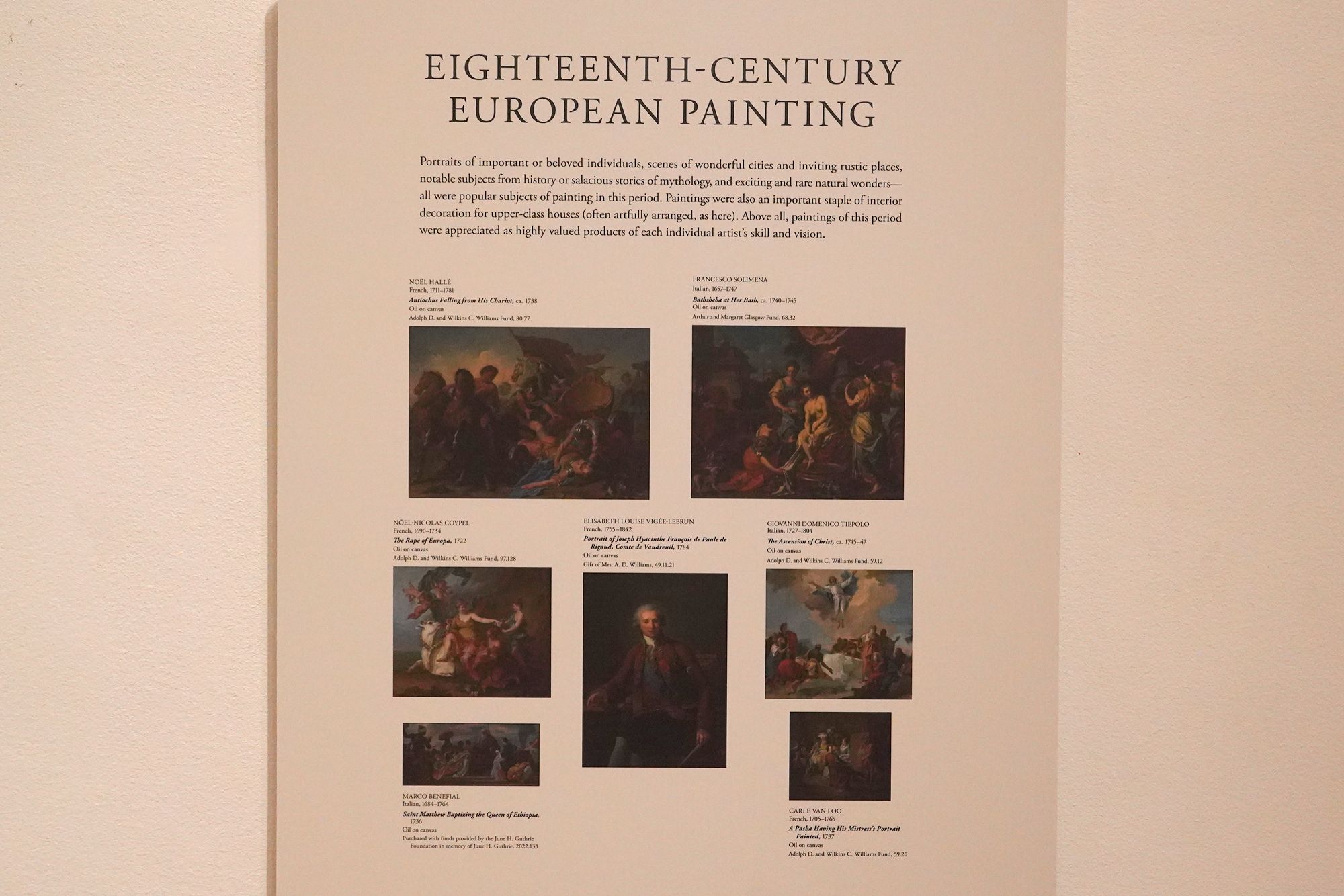
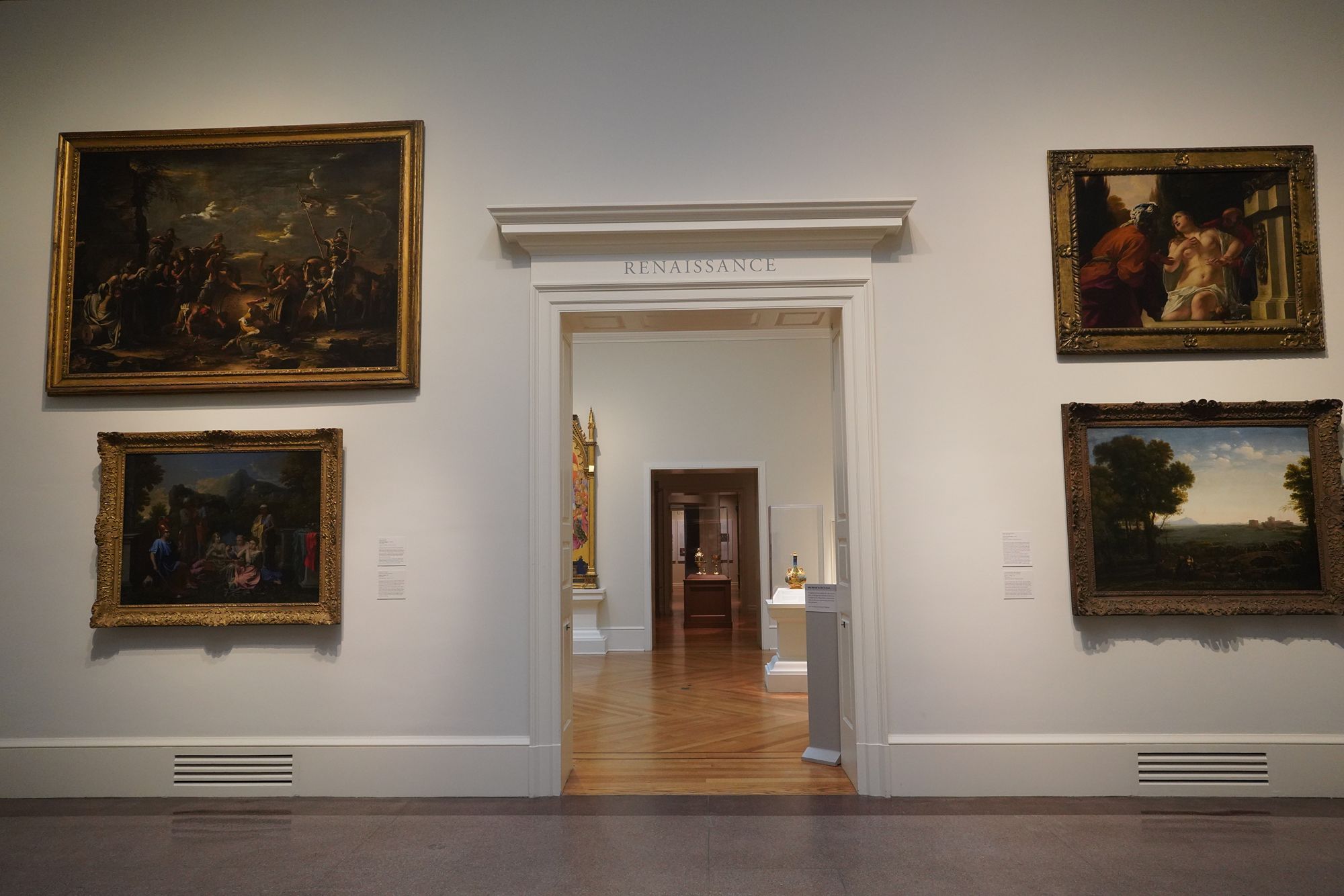
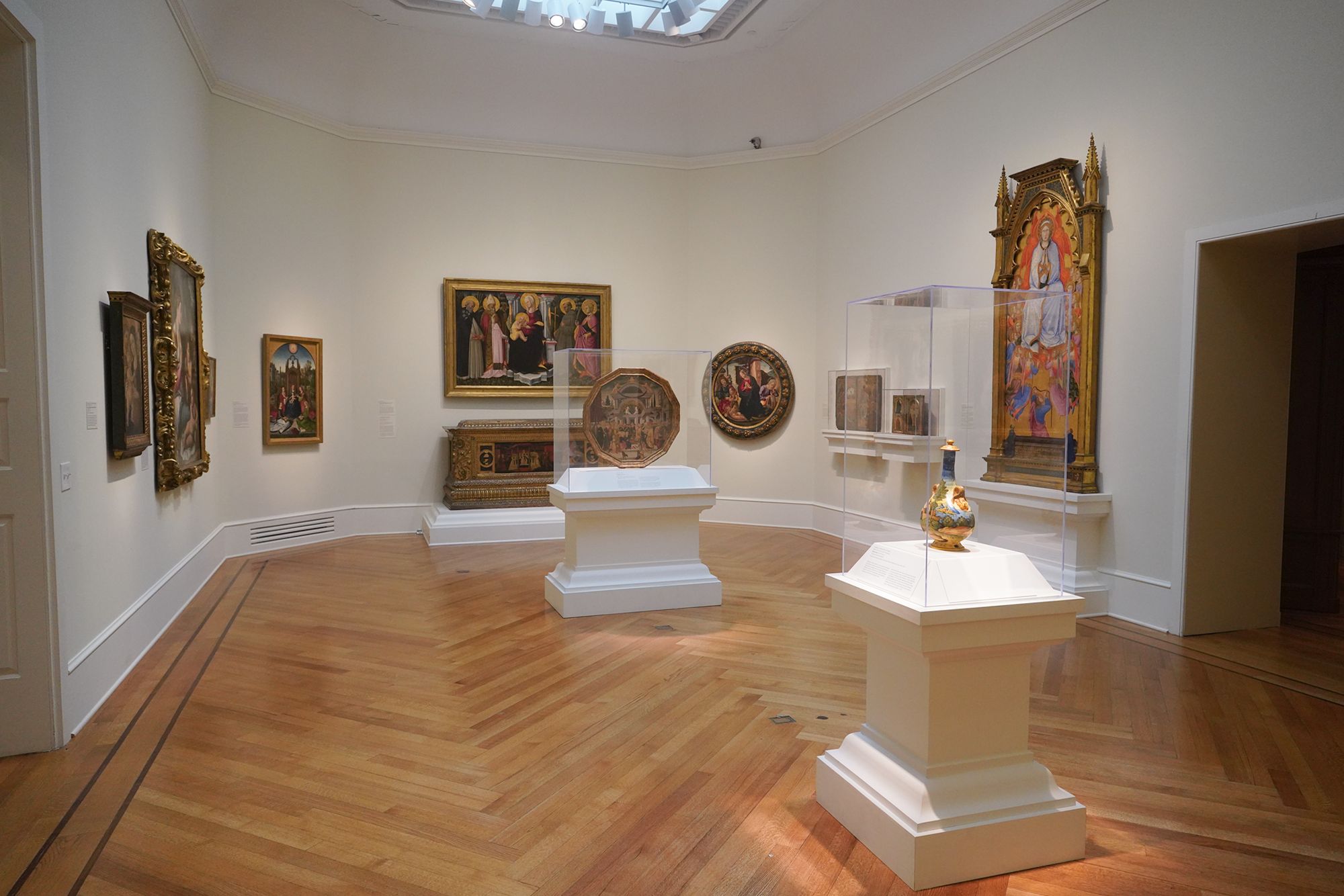
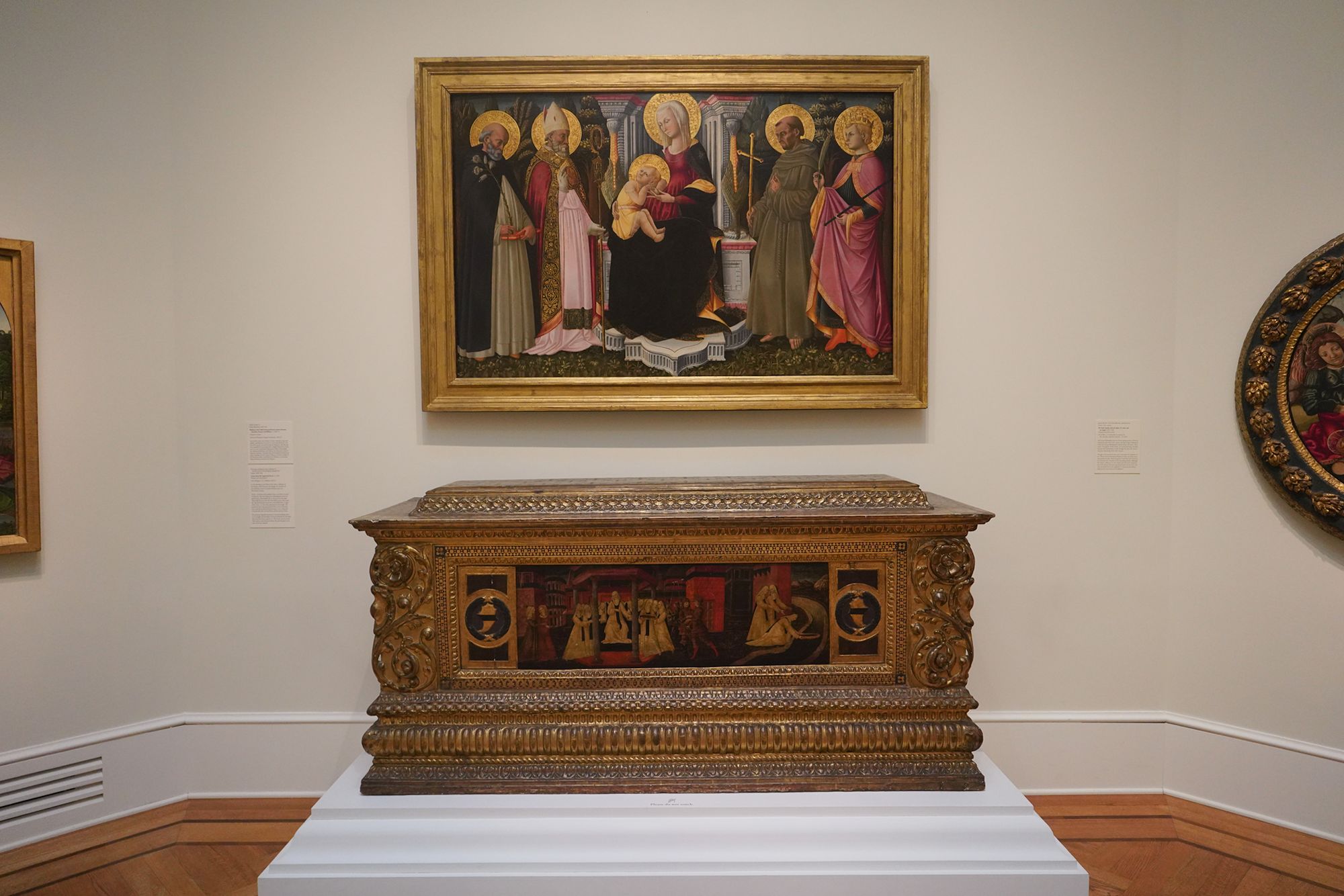
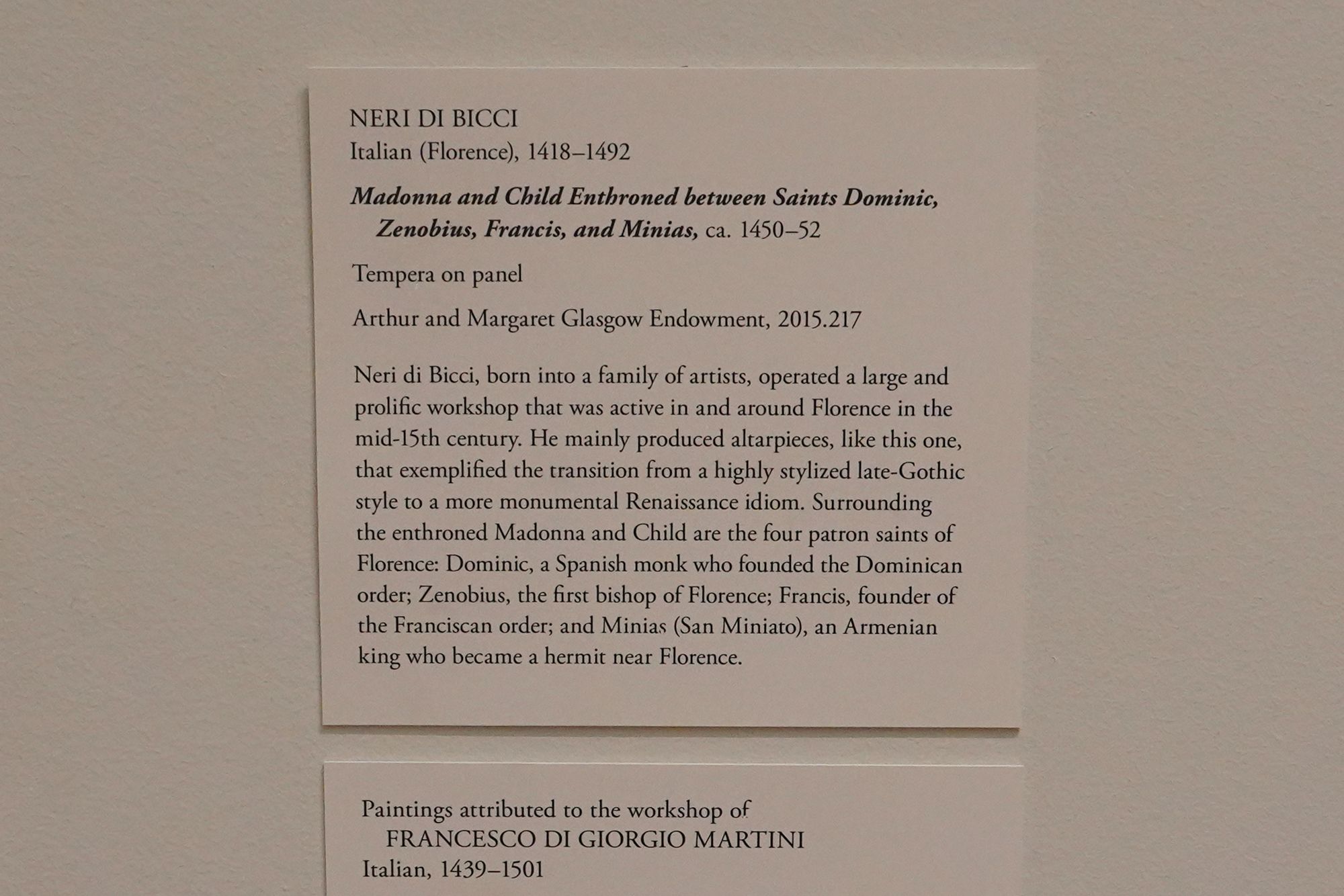
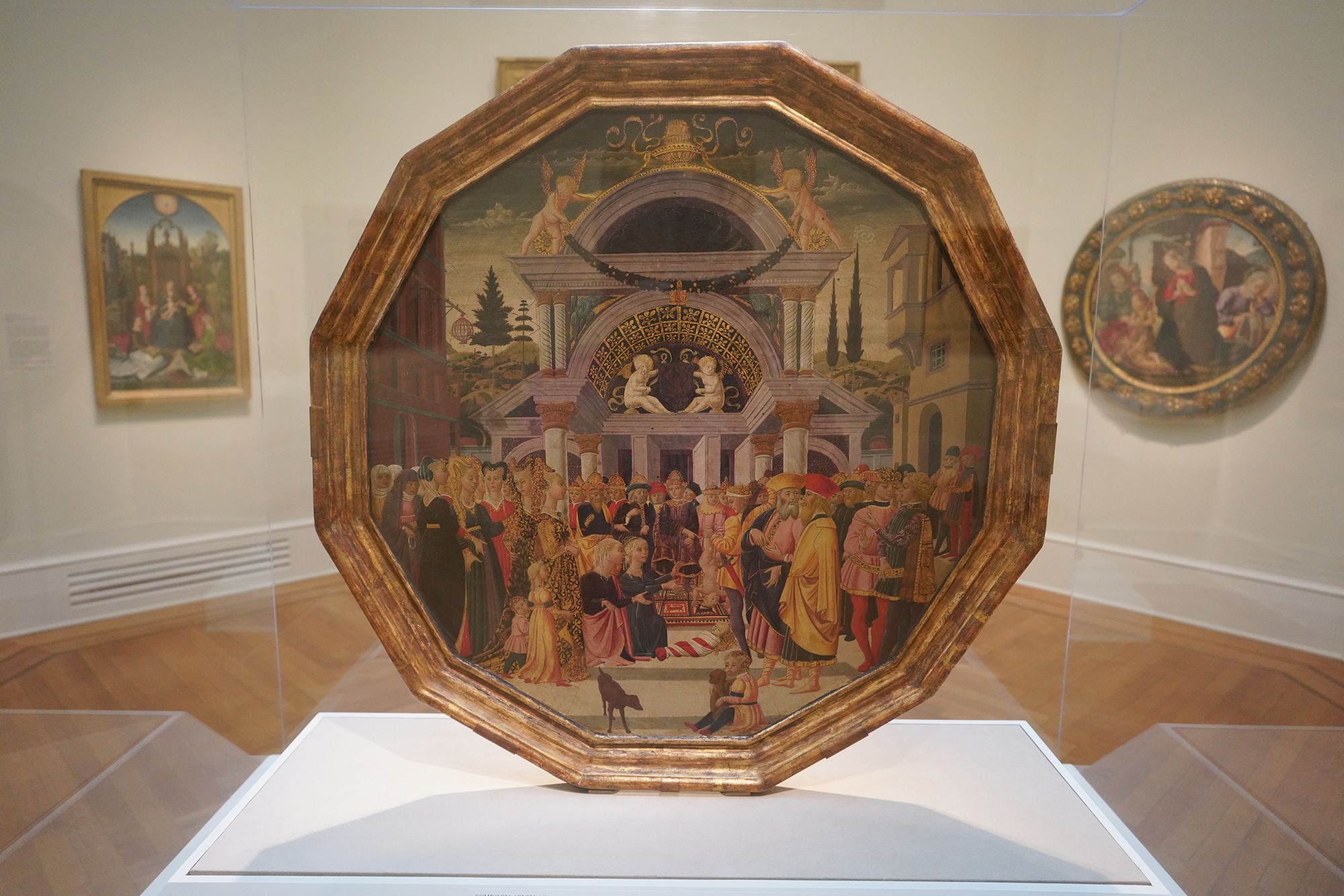
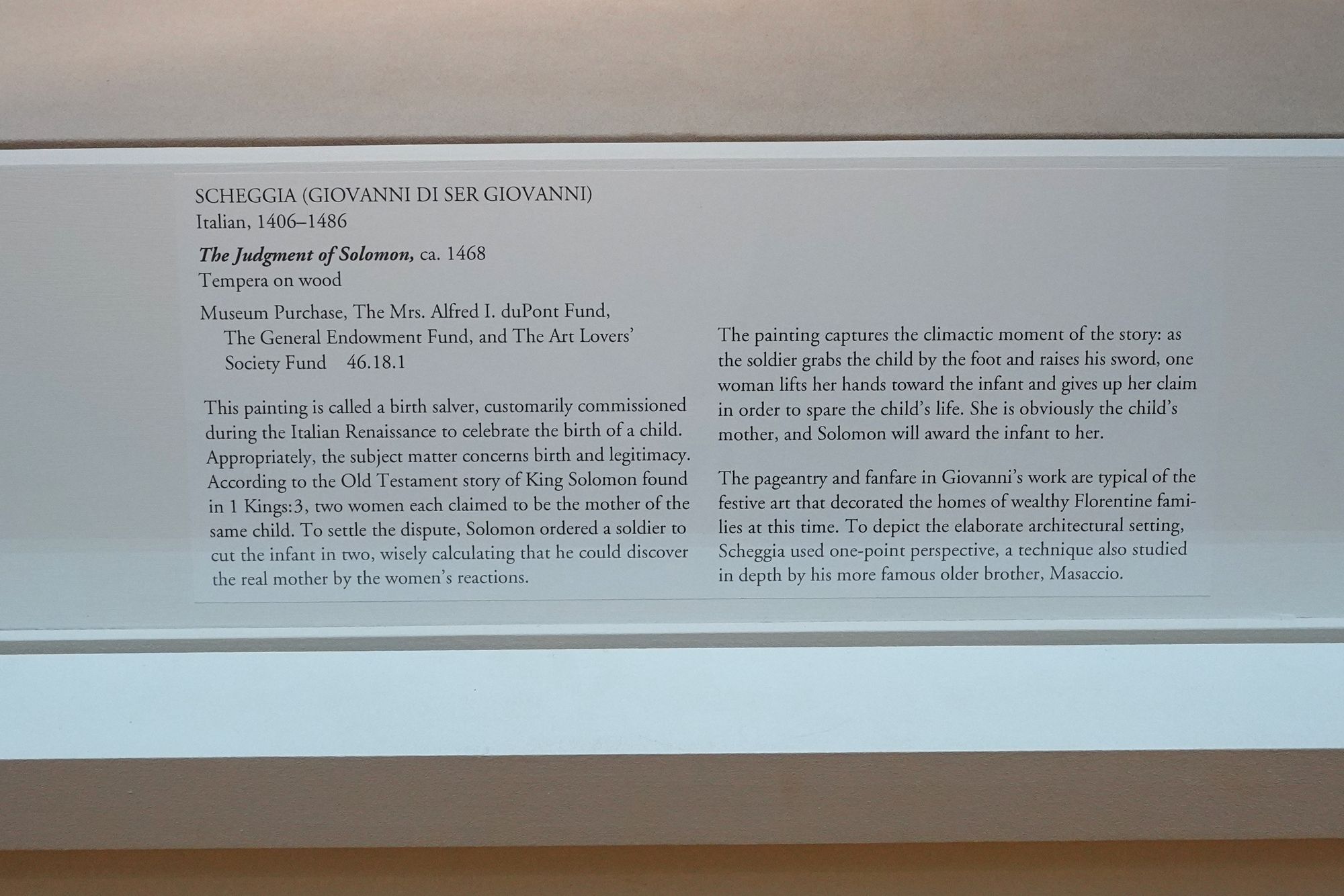
The museum’s Renaissance collection features paintings, sculptures, and decorative arts from 14th- to 17th-century Europe, highlighting the era’s revival of classical ideals, humanism, and the refined craftsmanship of artists inspired by ancient Greece and Rome.
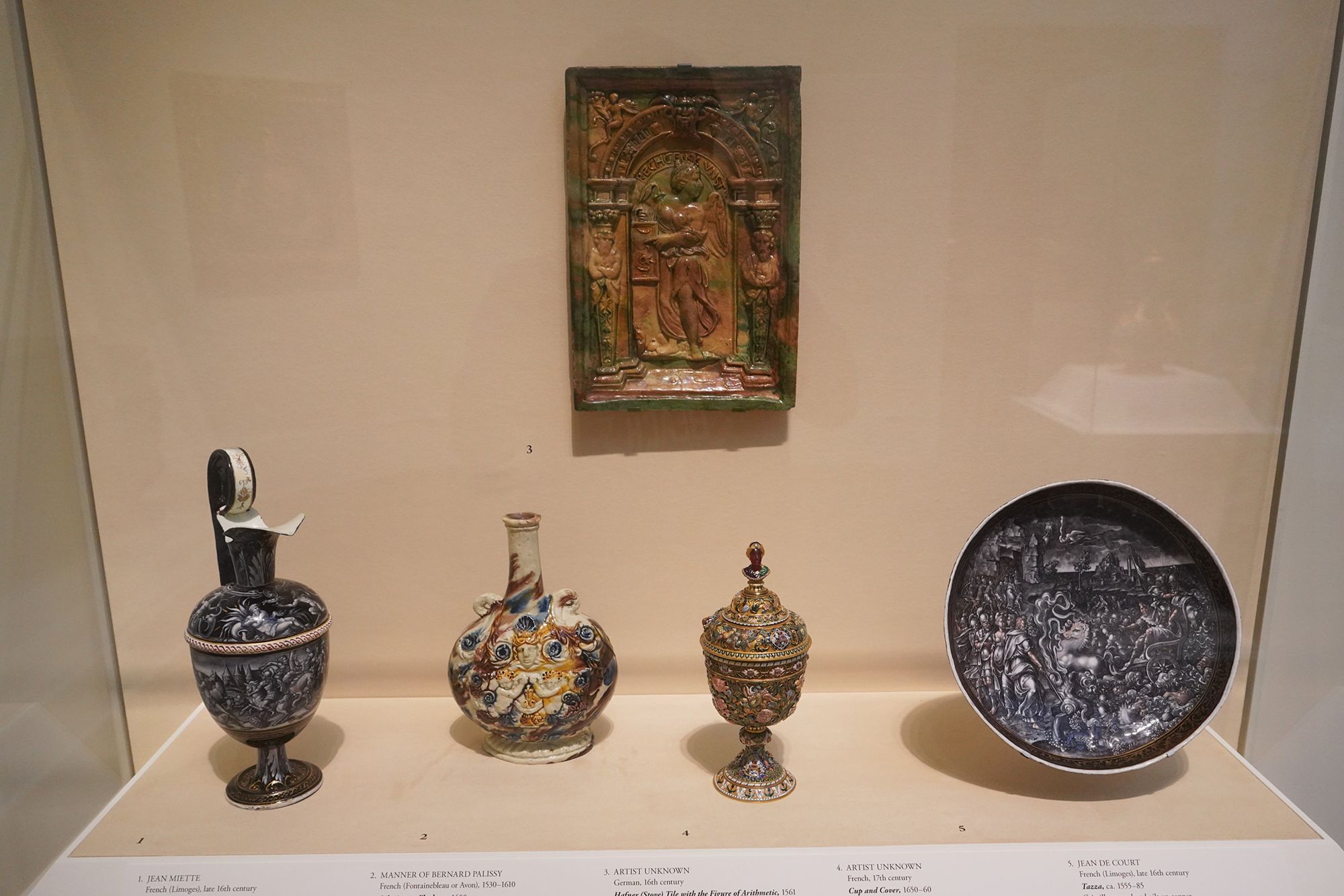
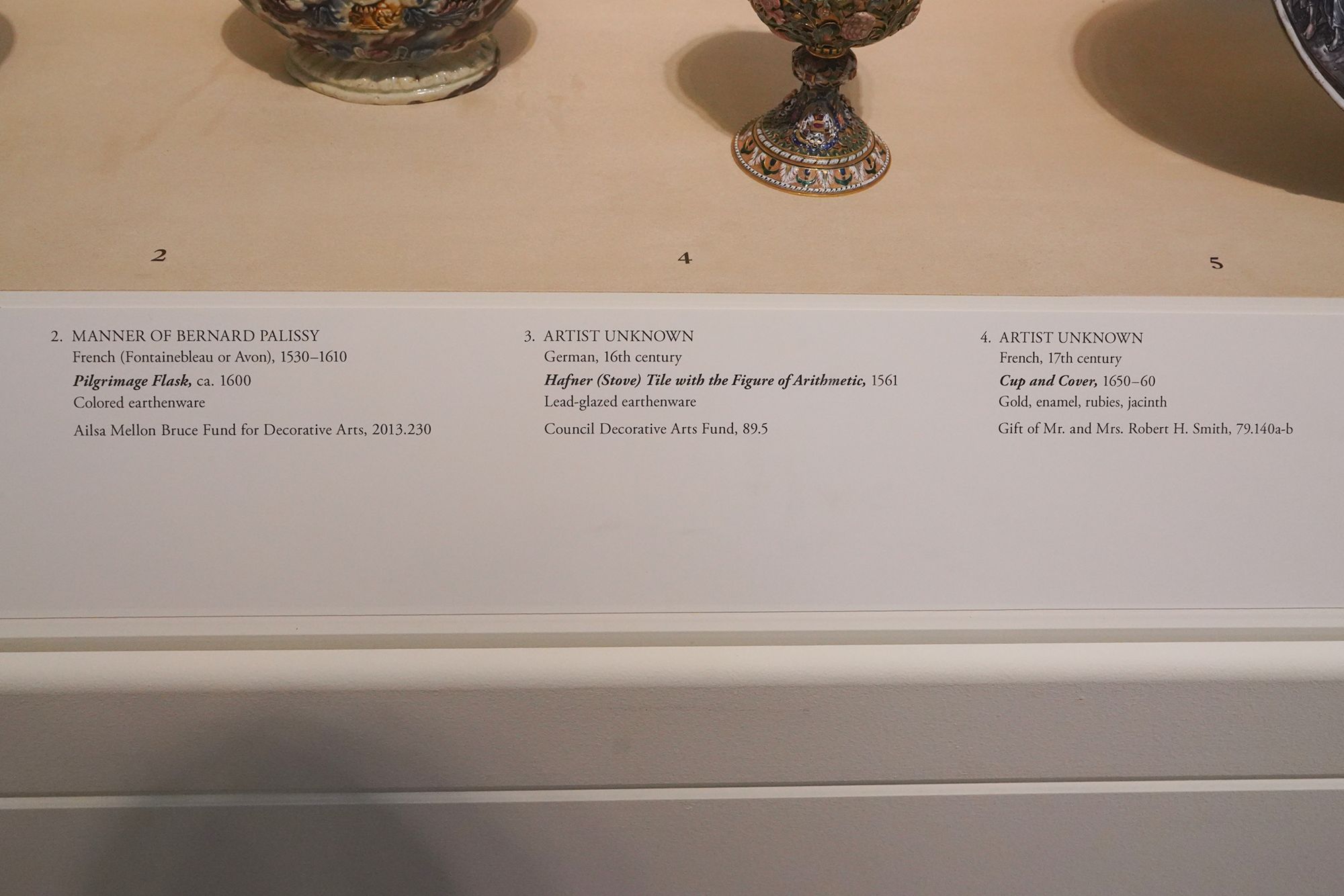
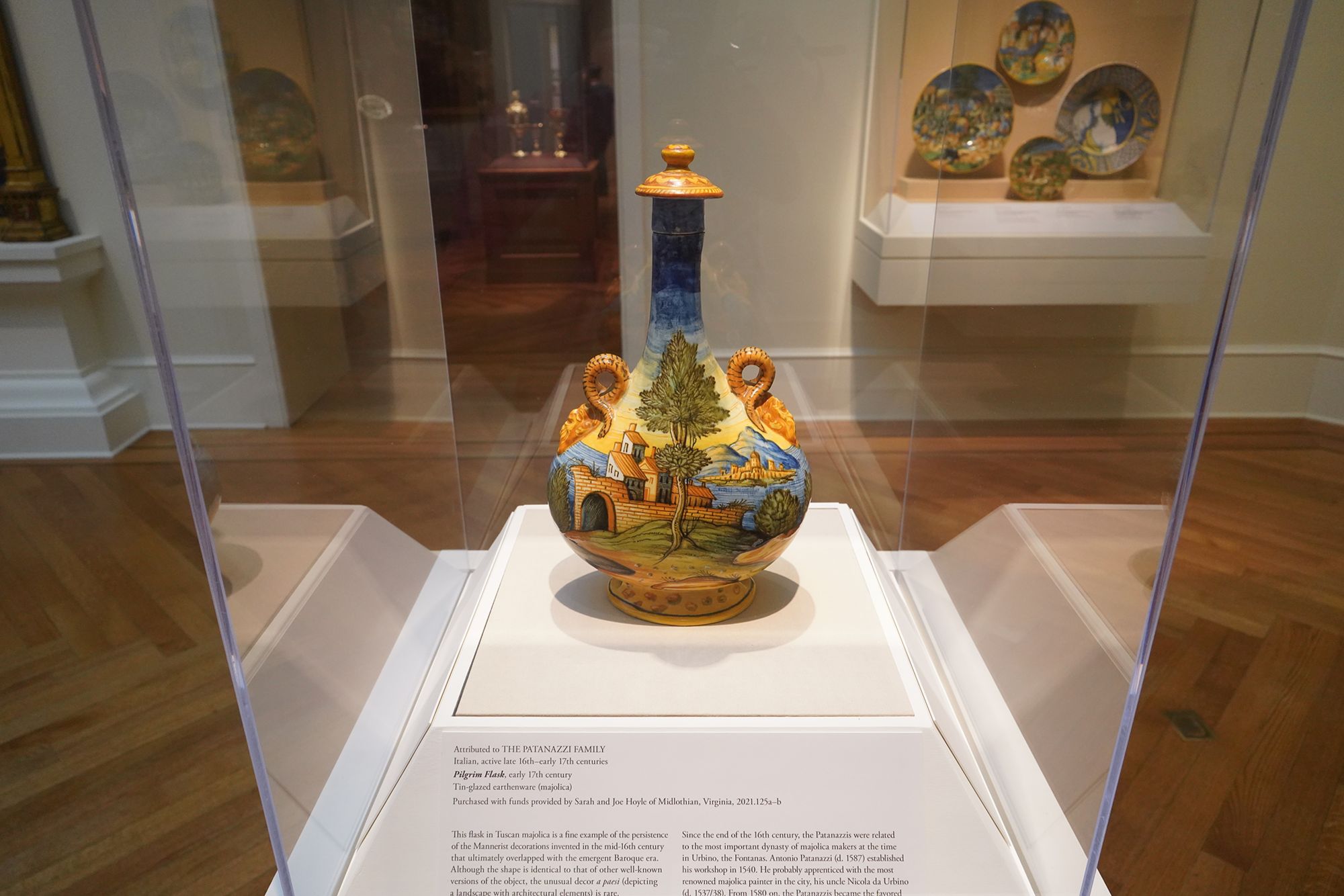
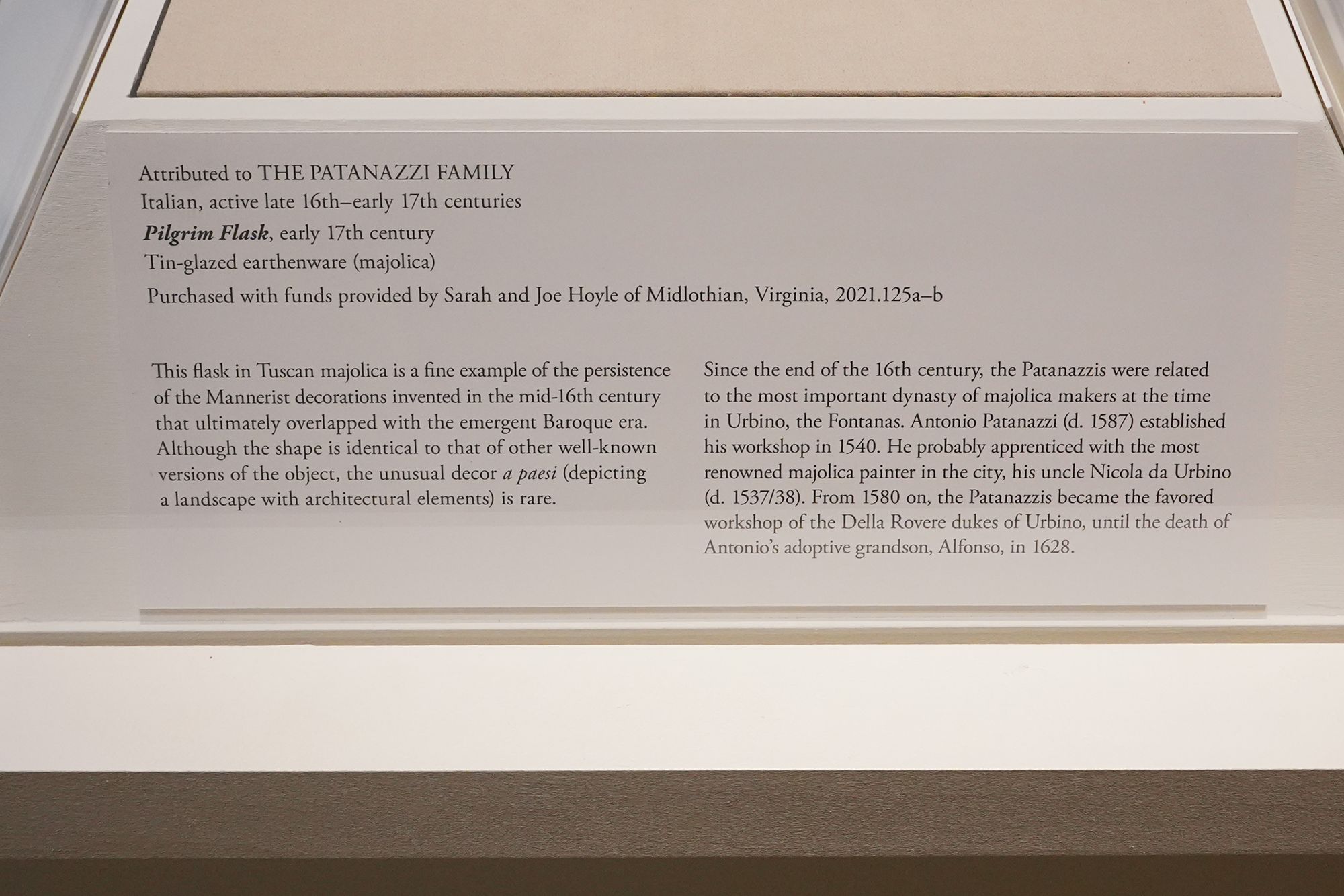
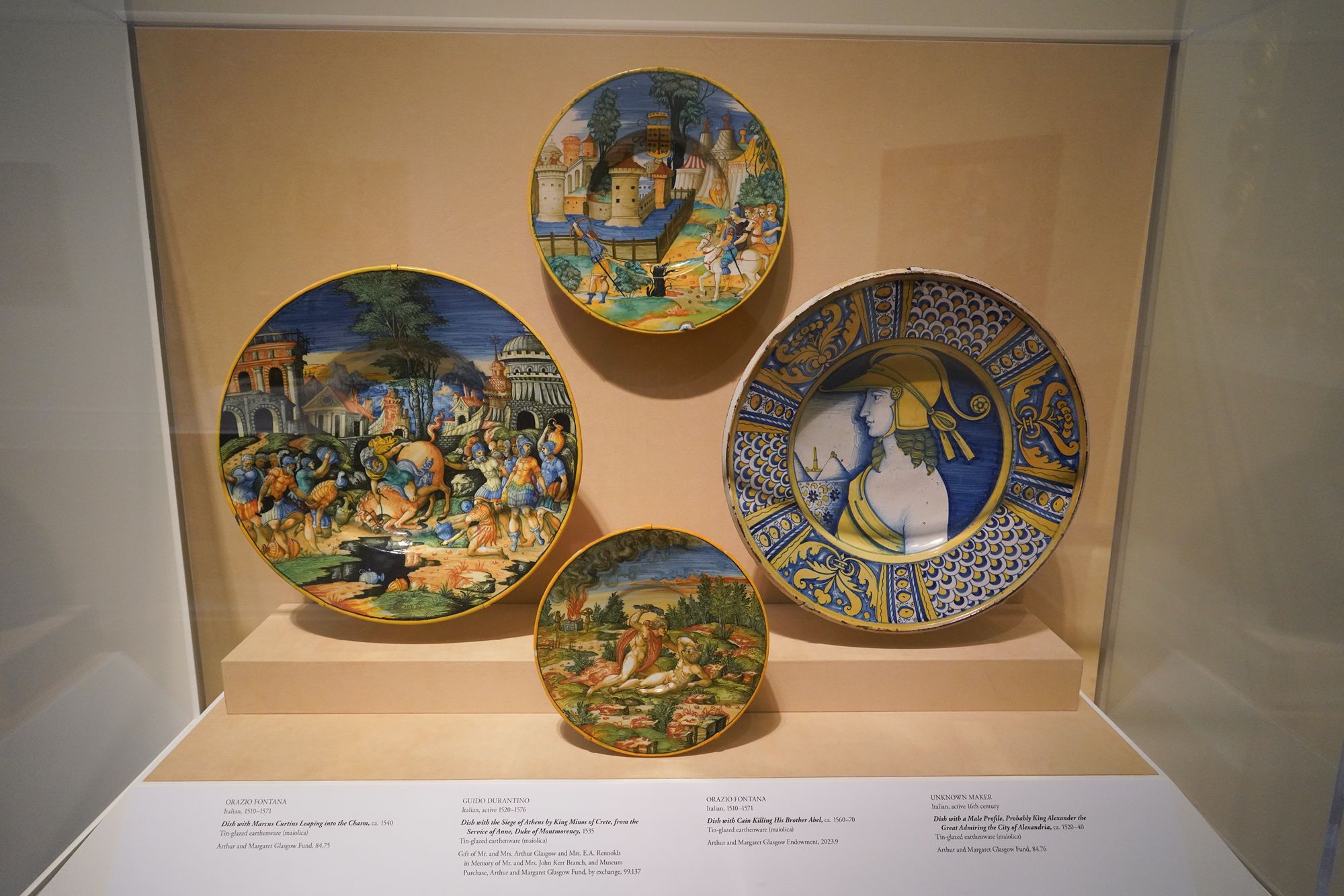
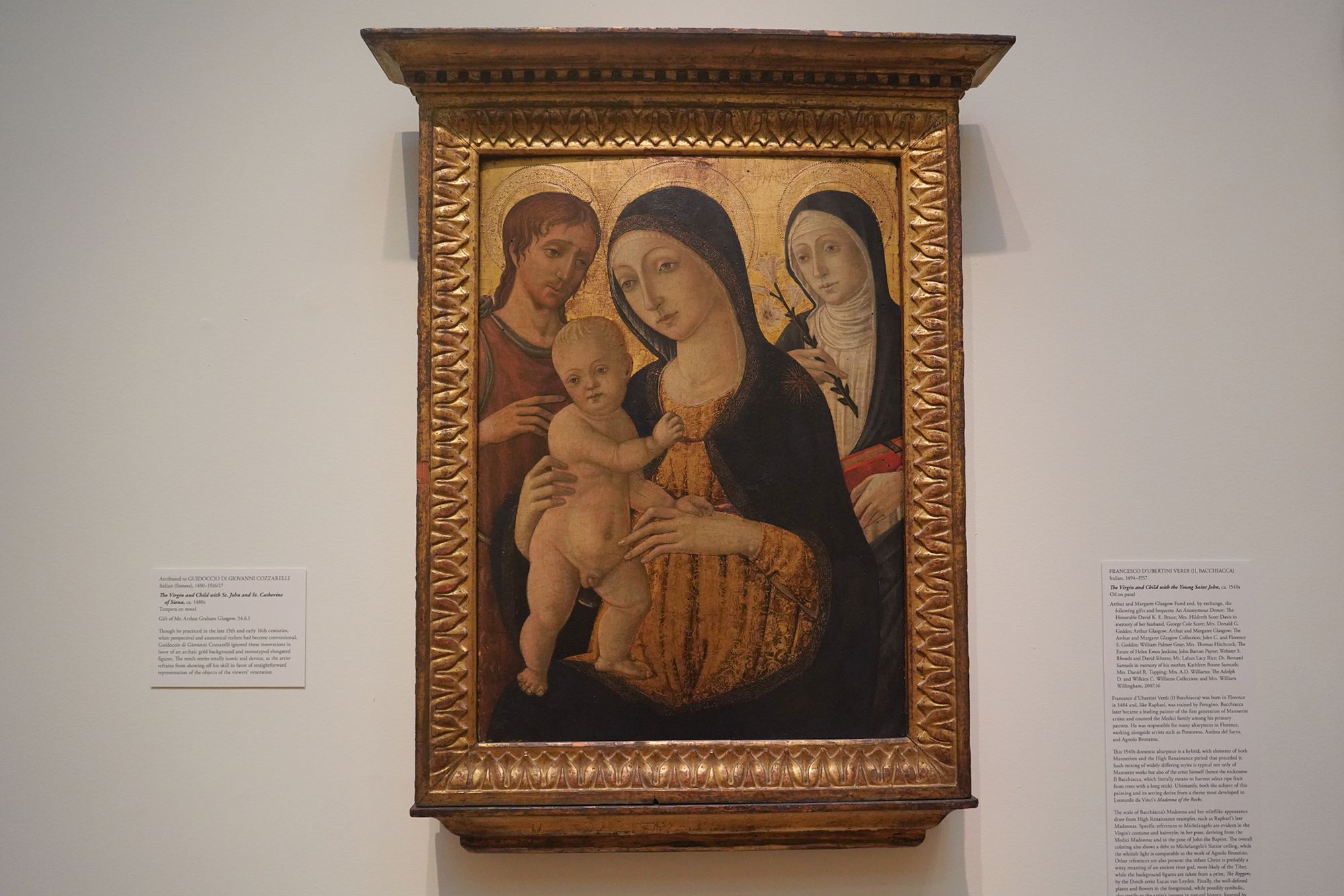
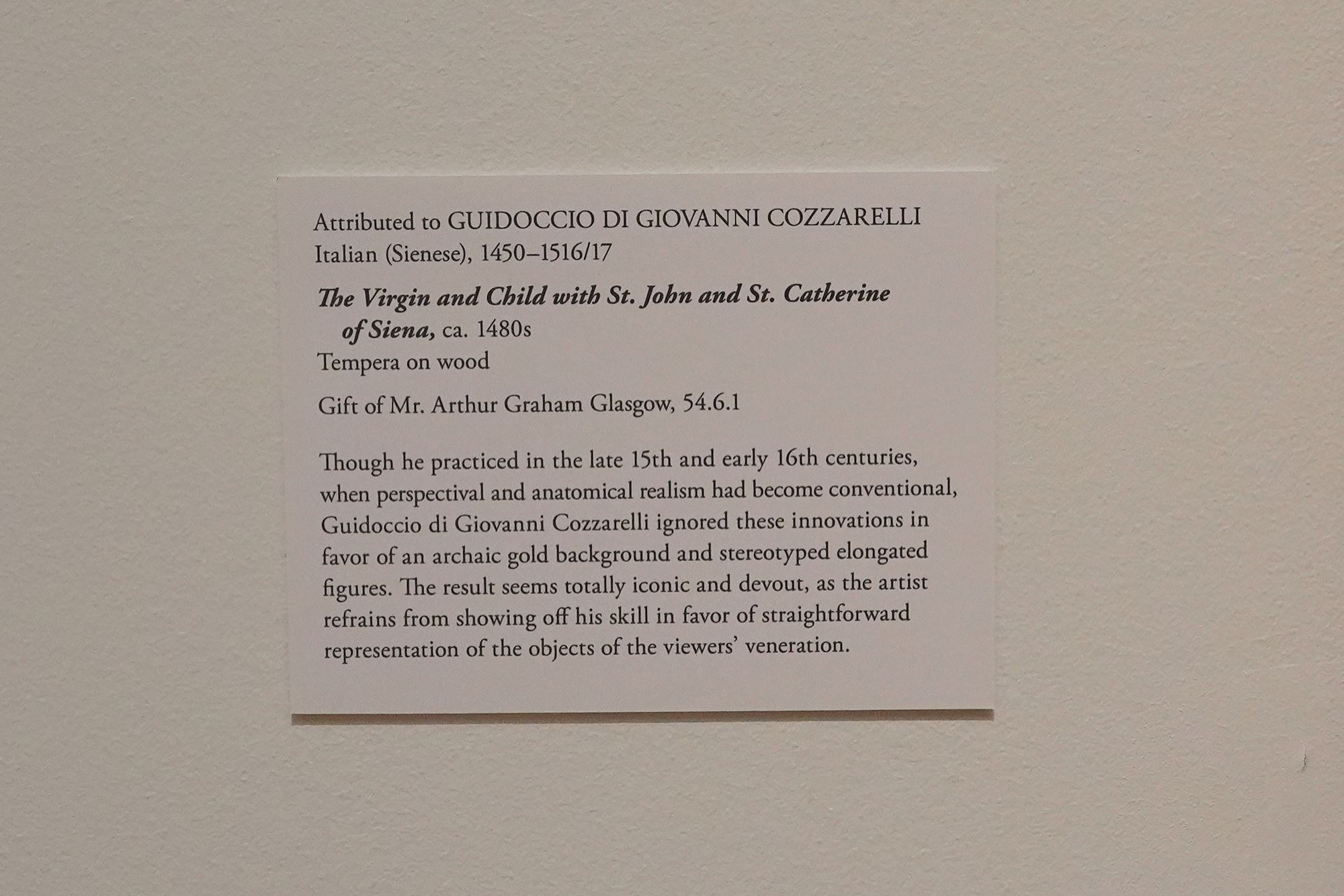
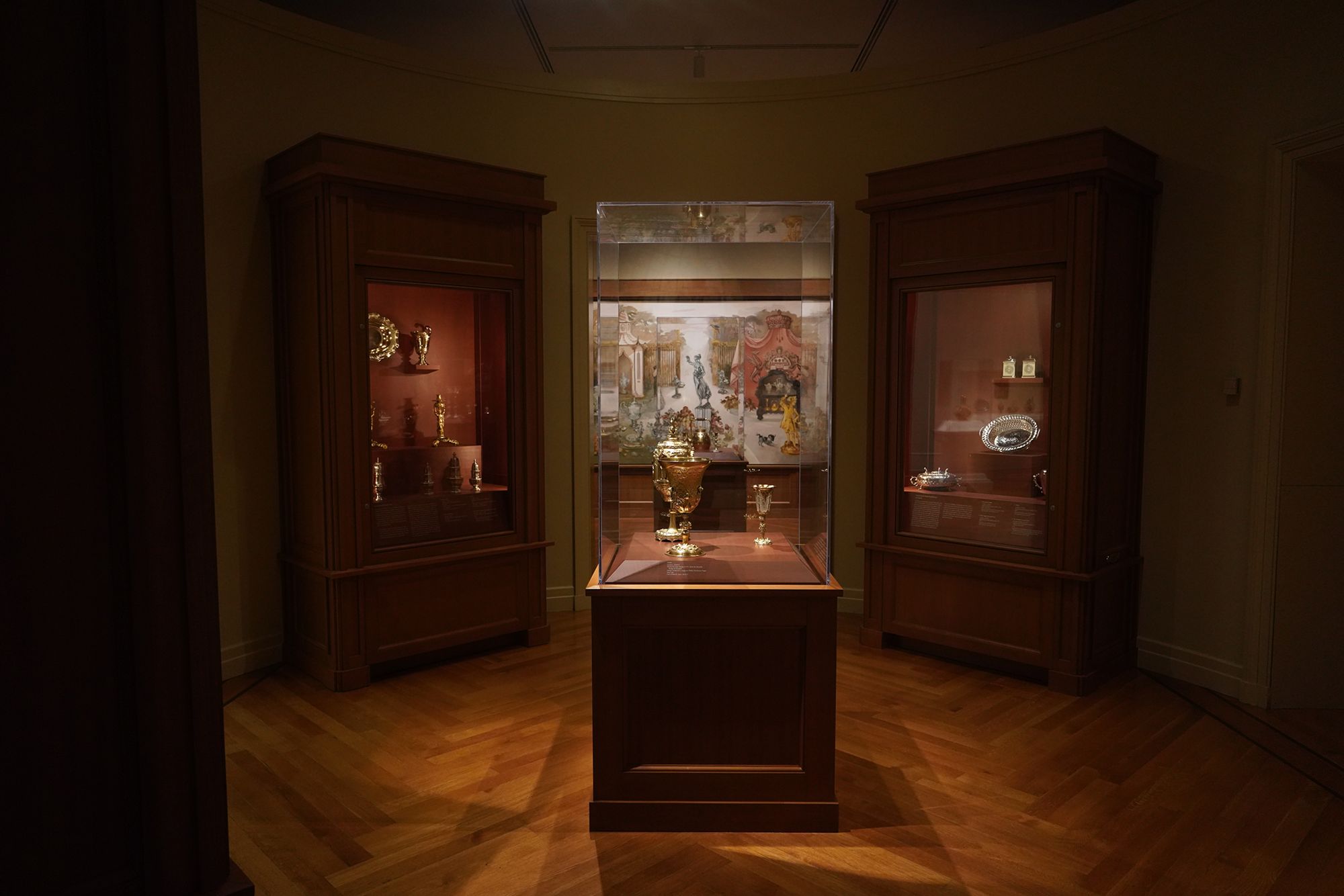
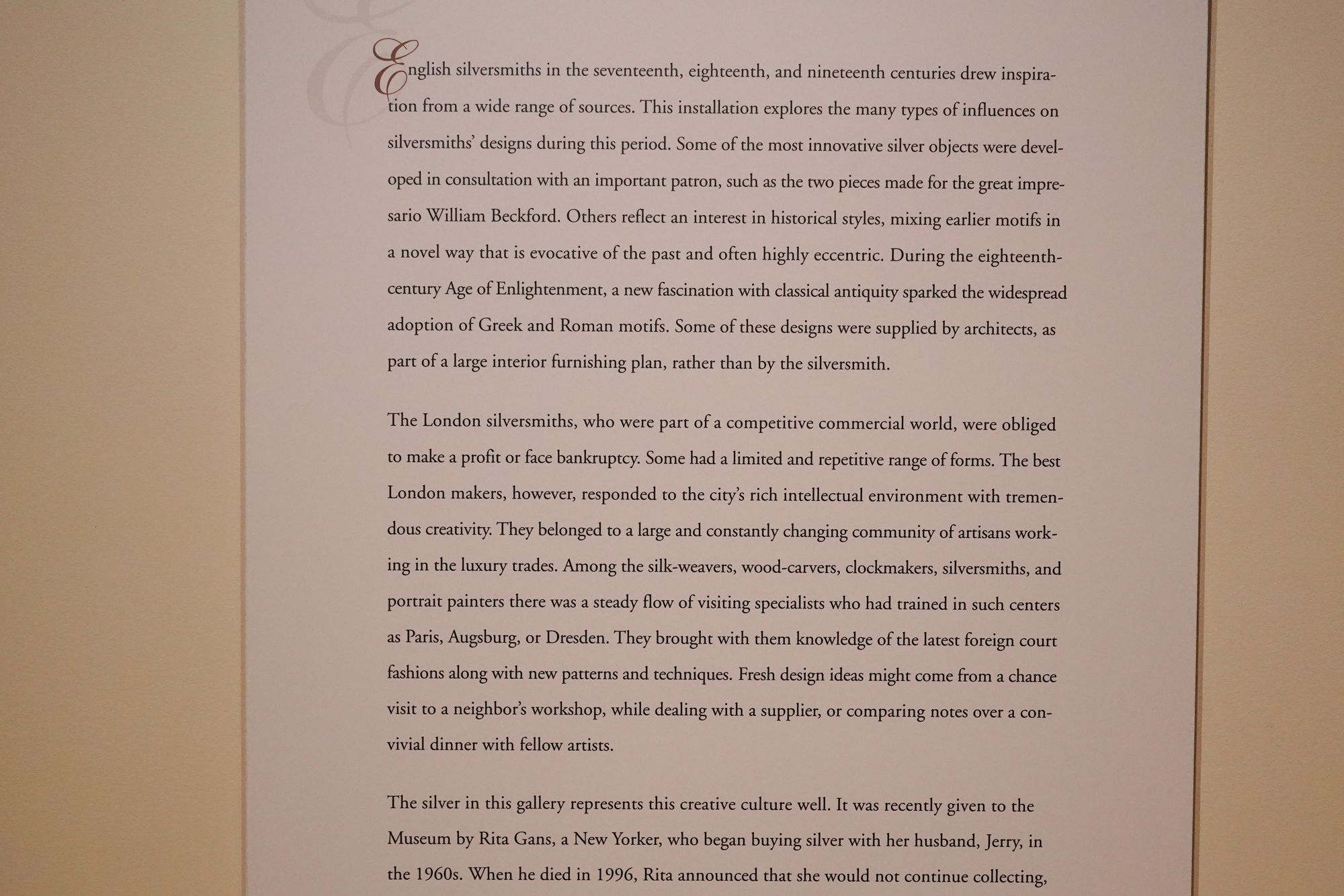
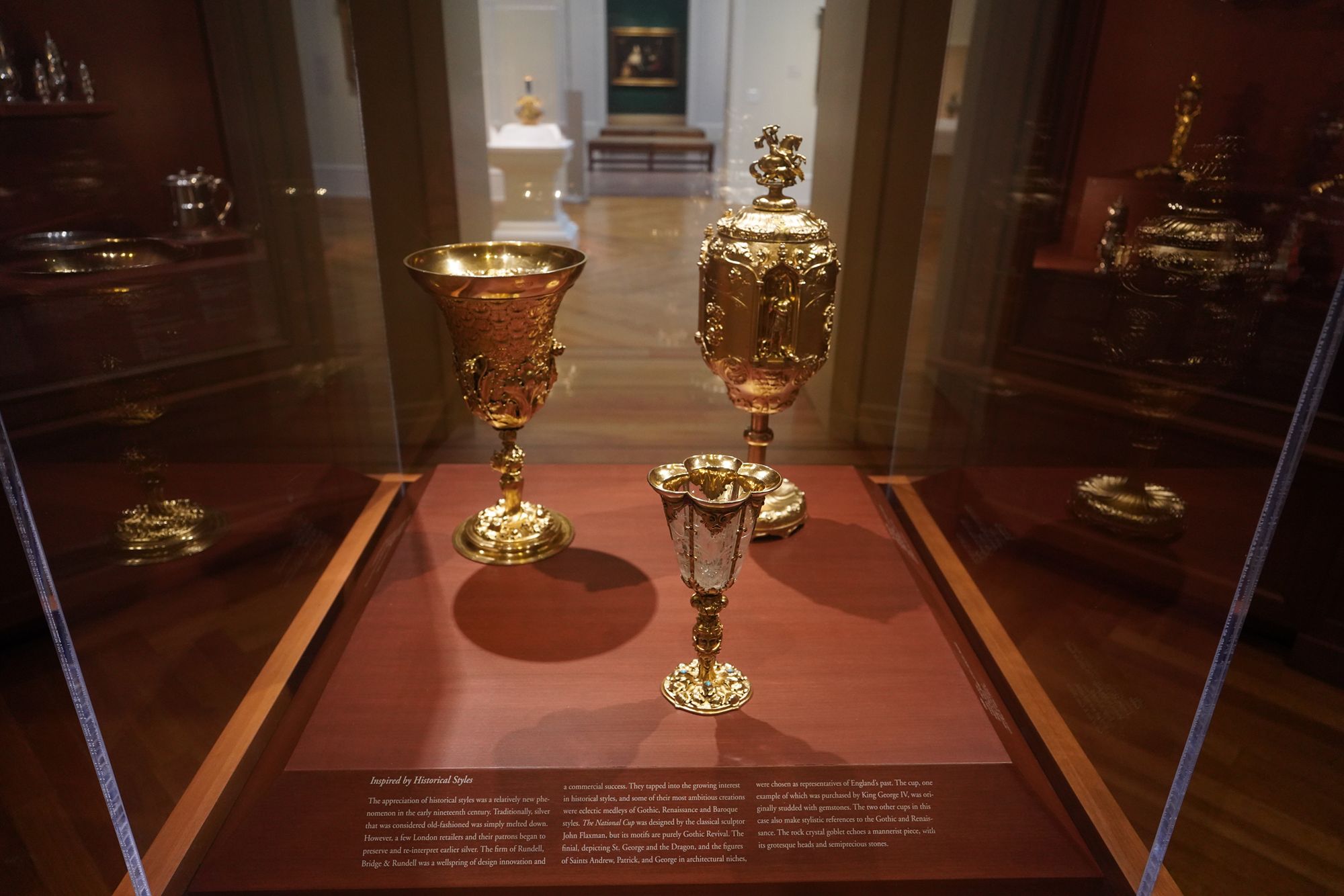
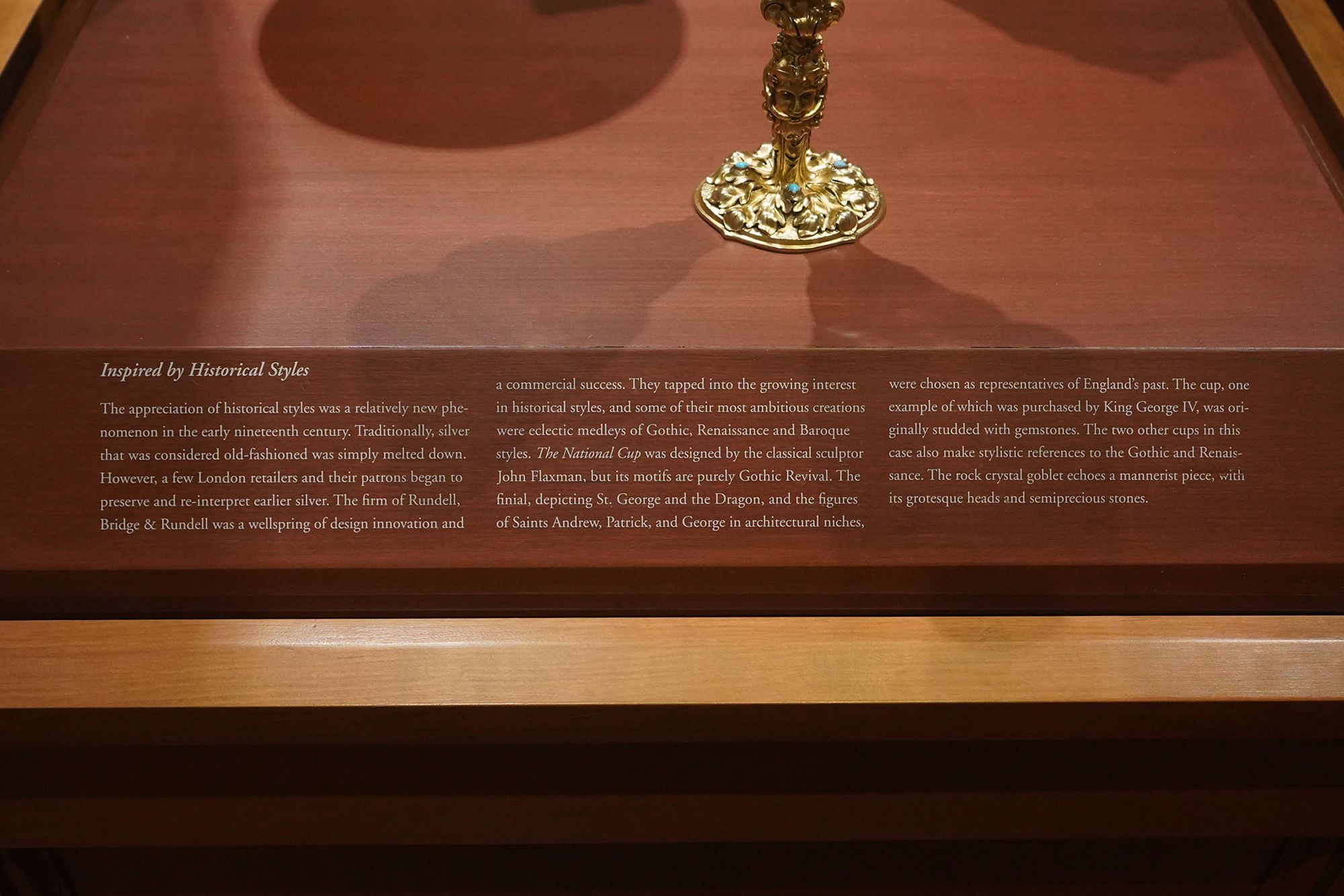
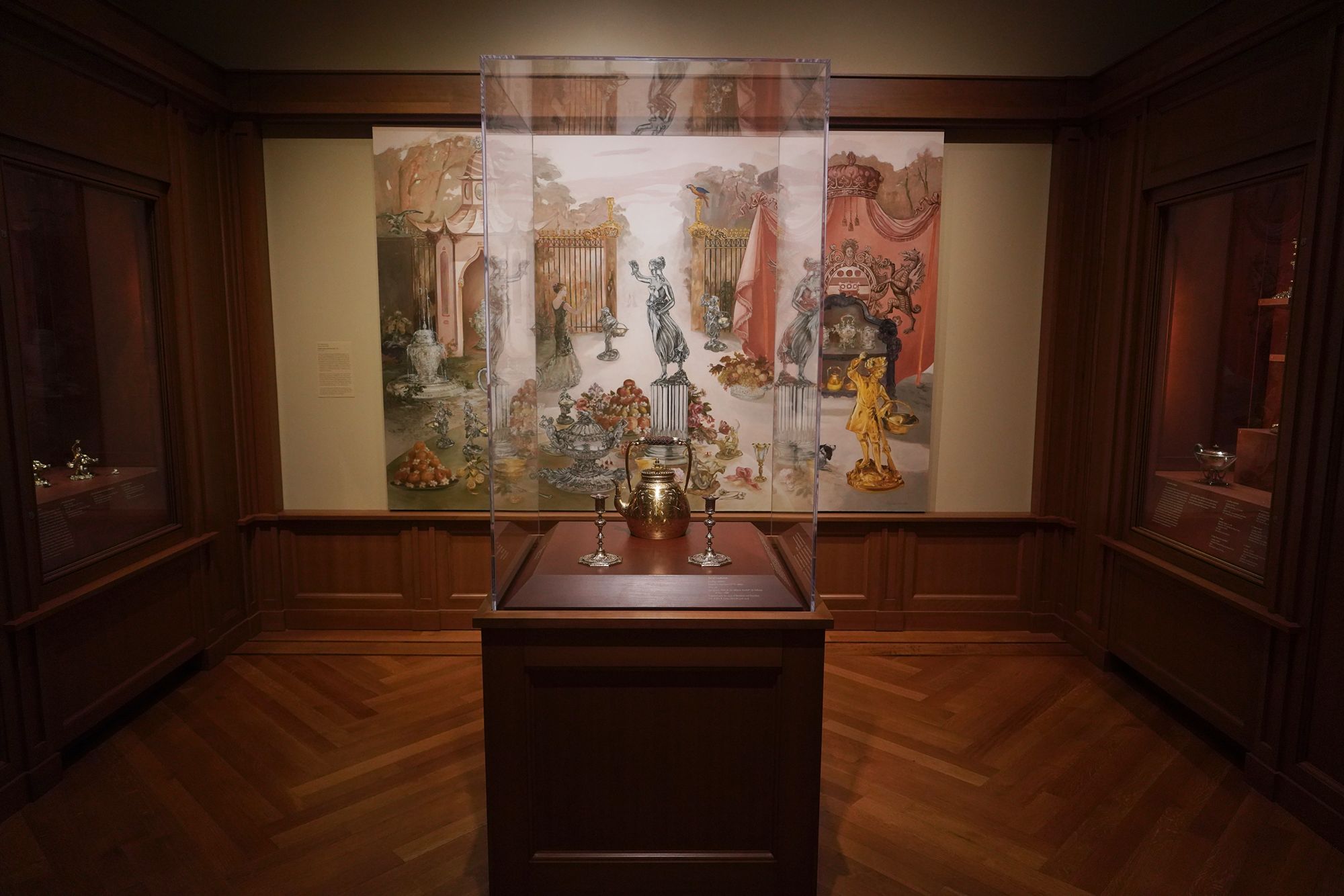
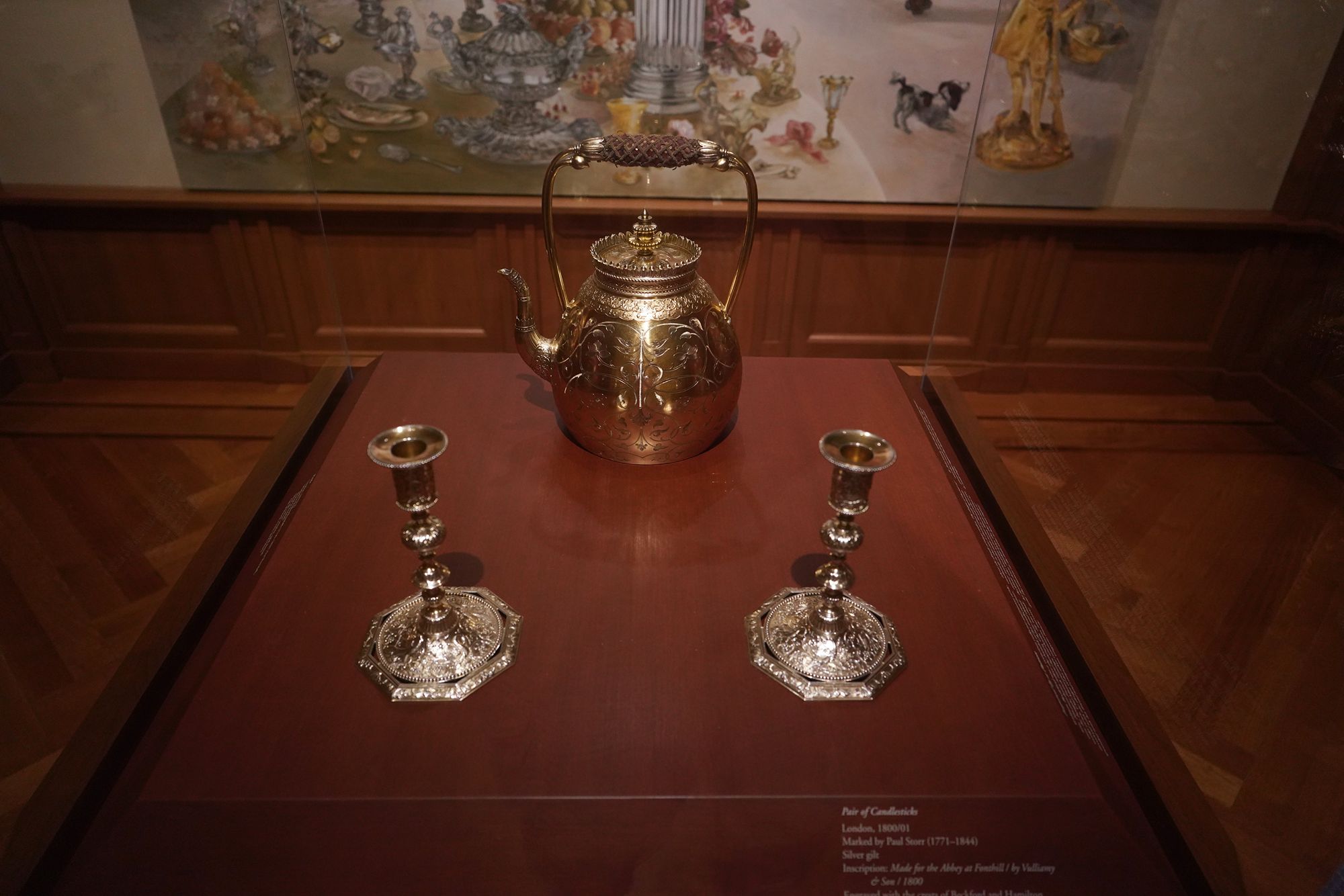
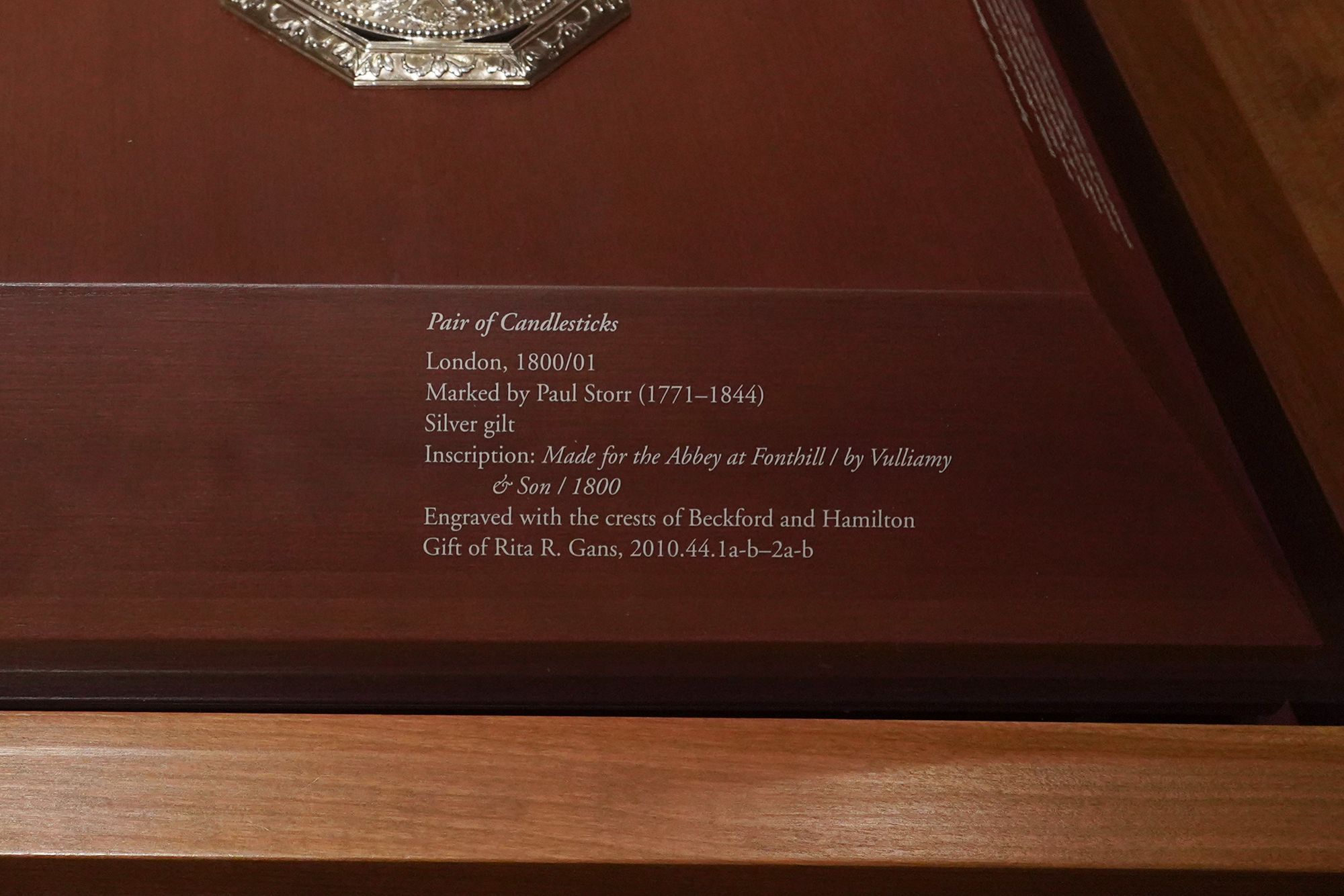
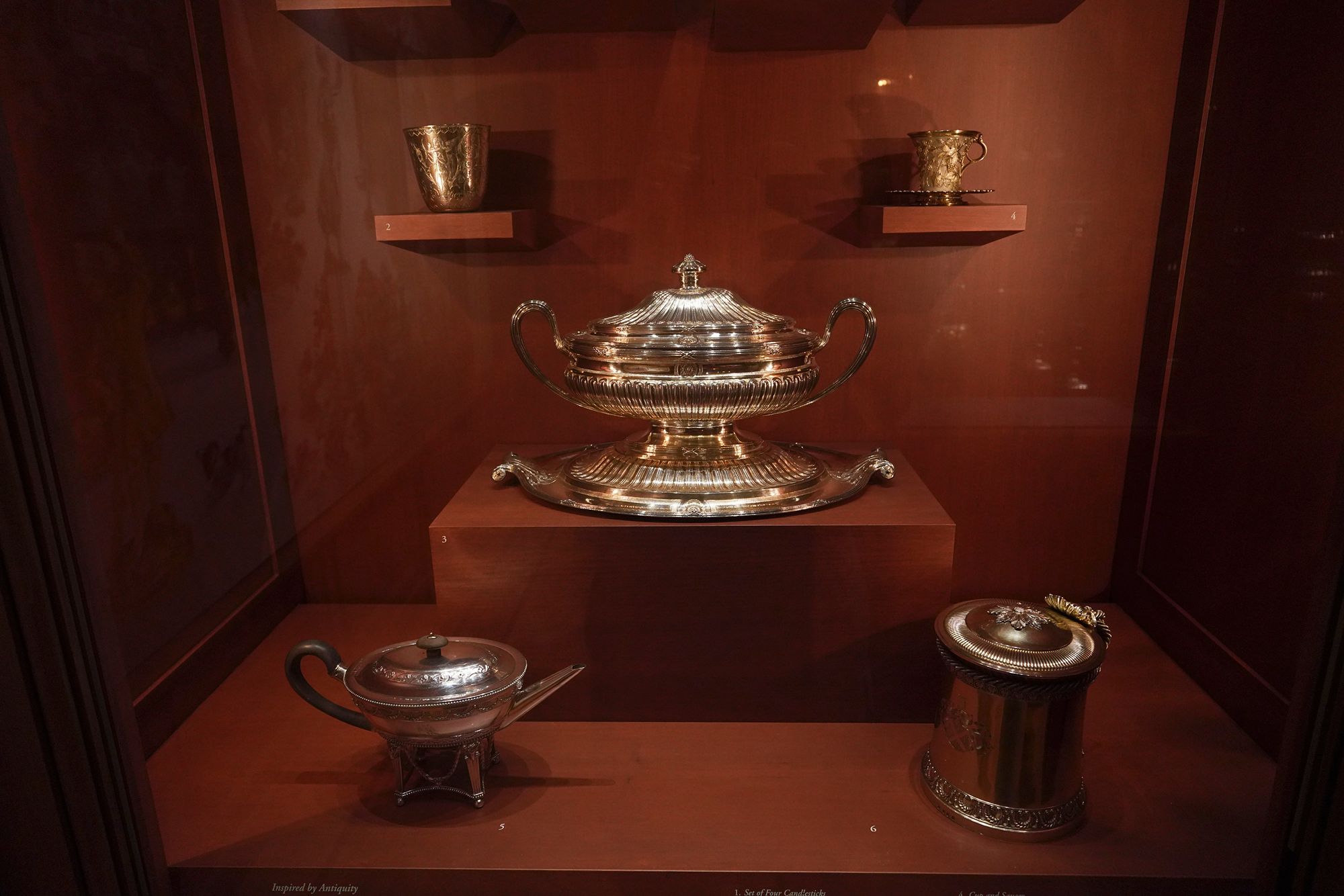
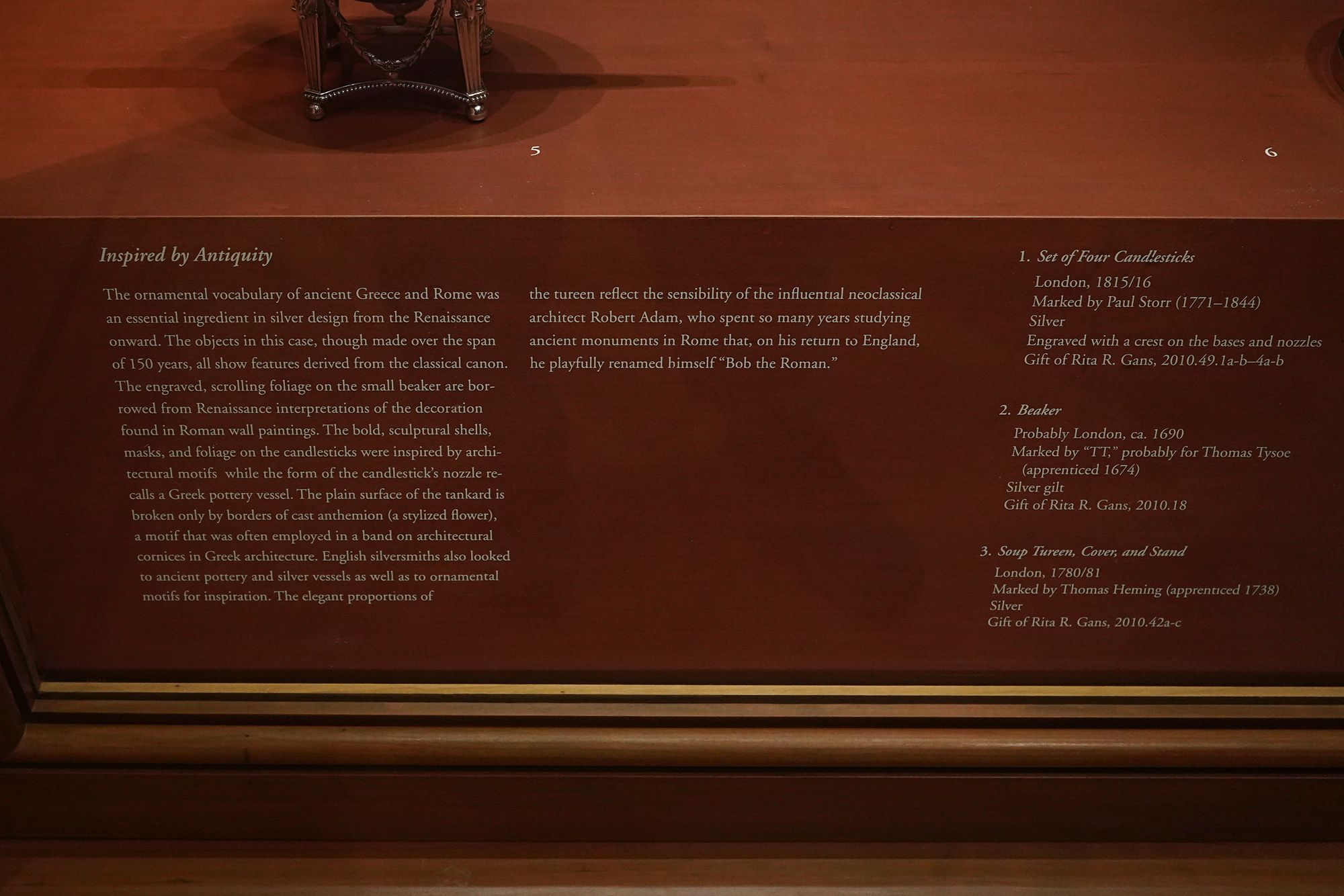
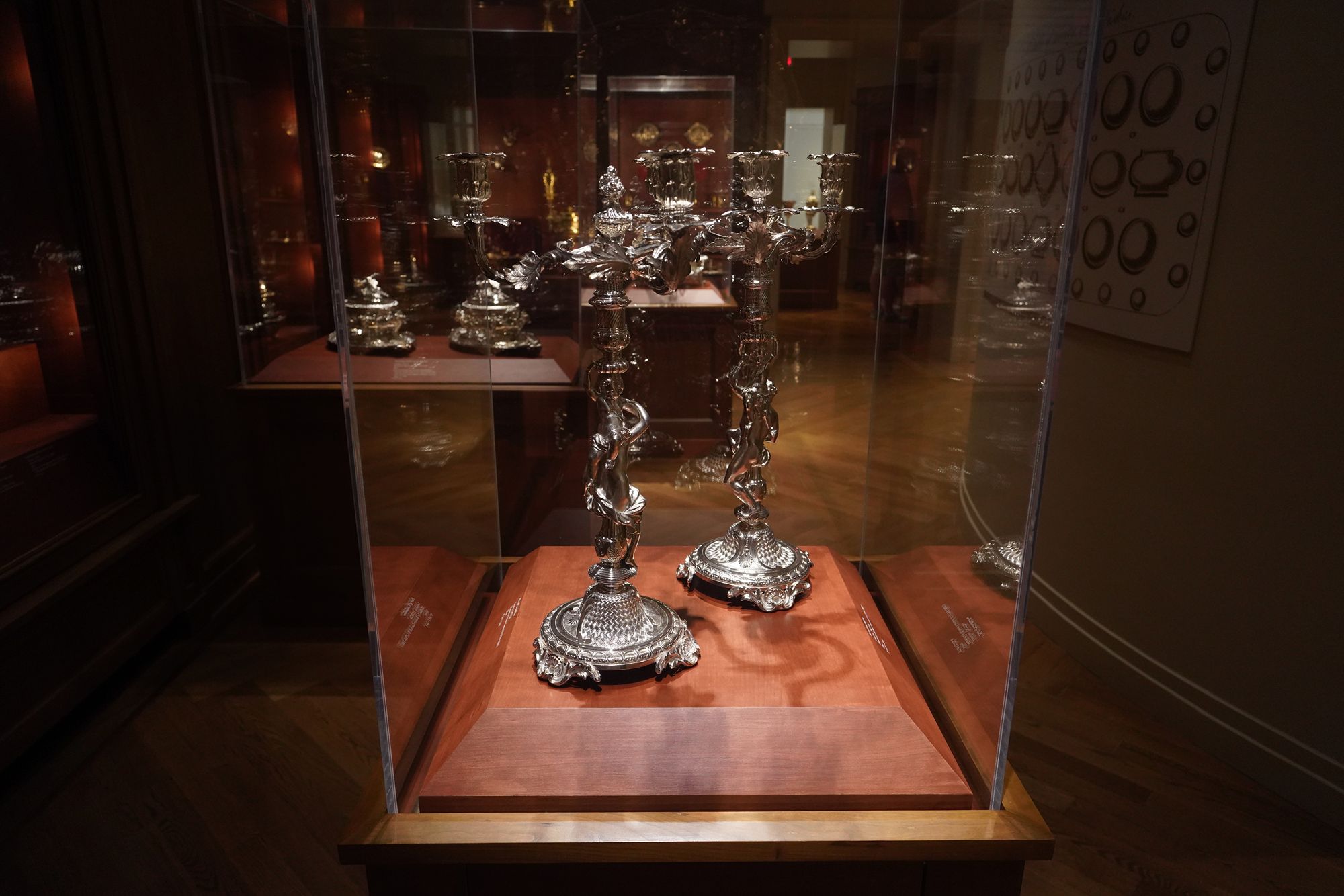
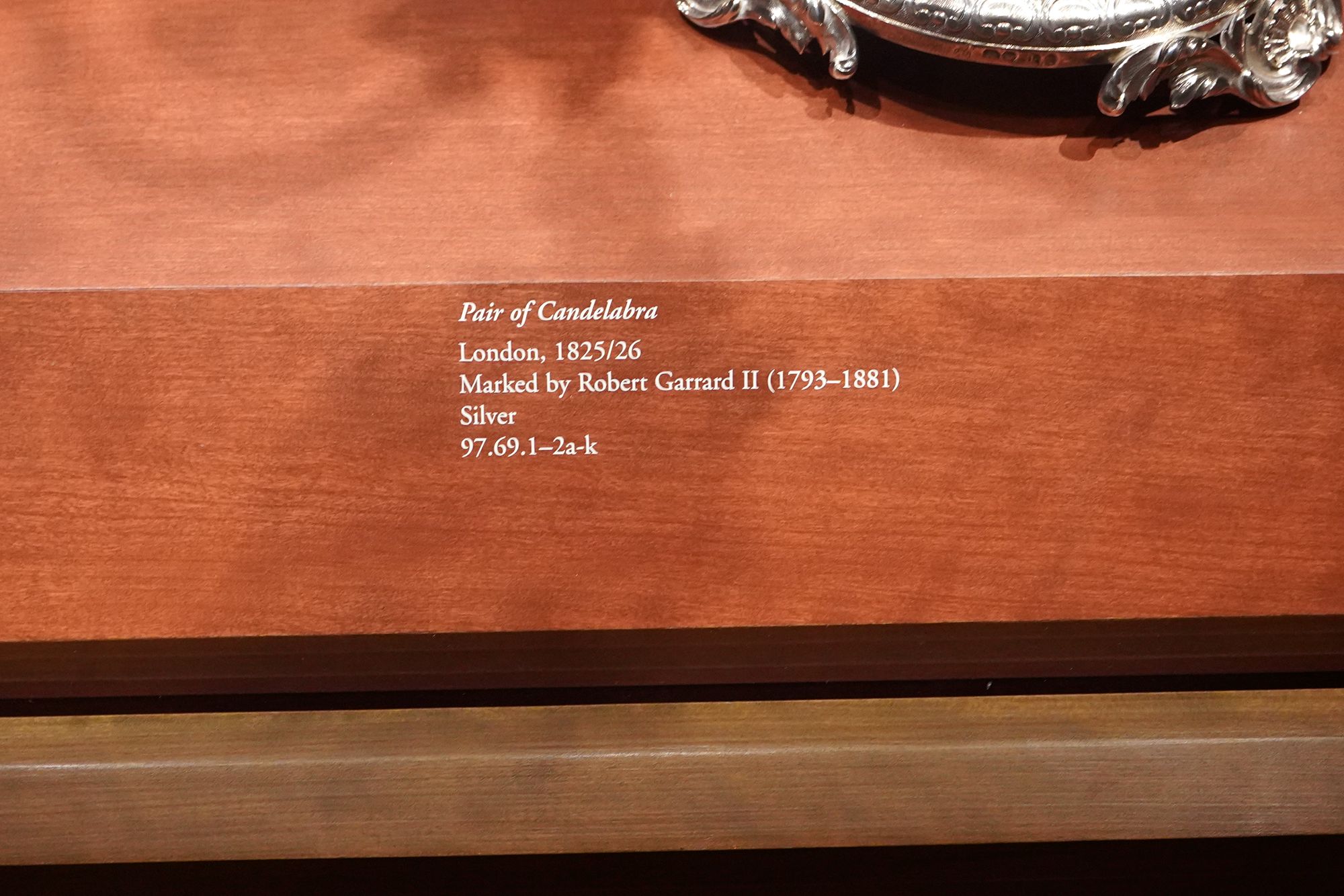
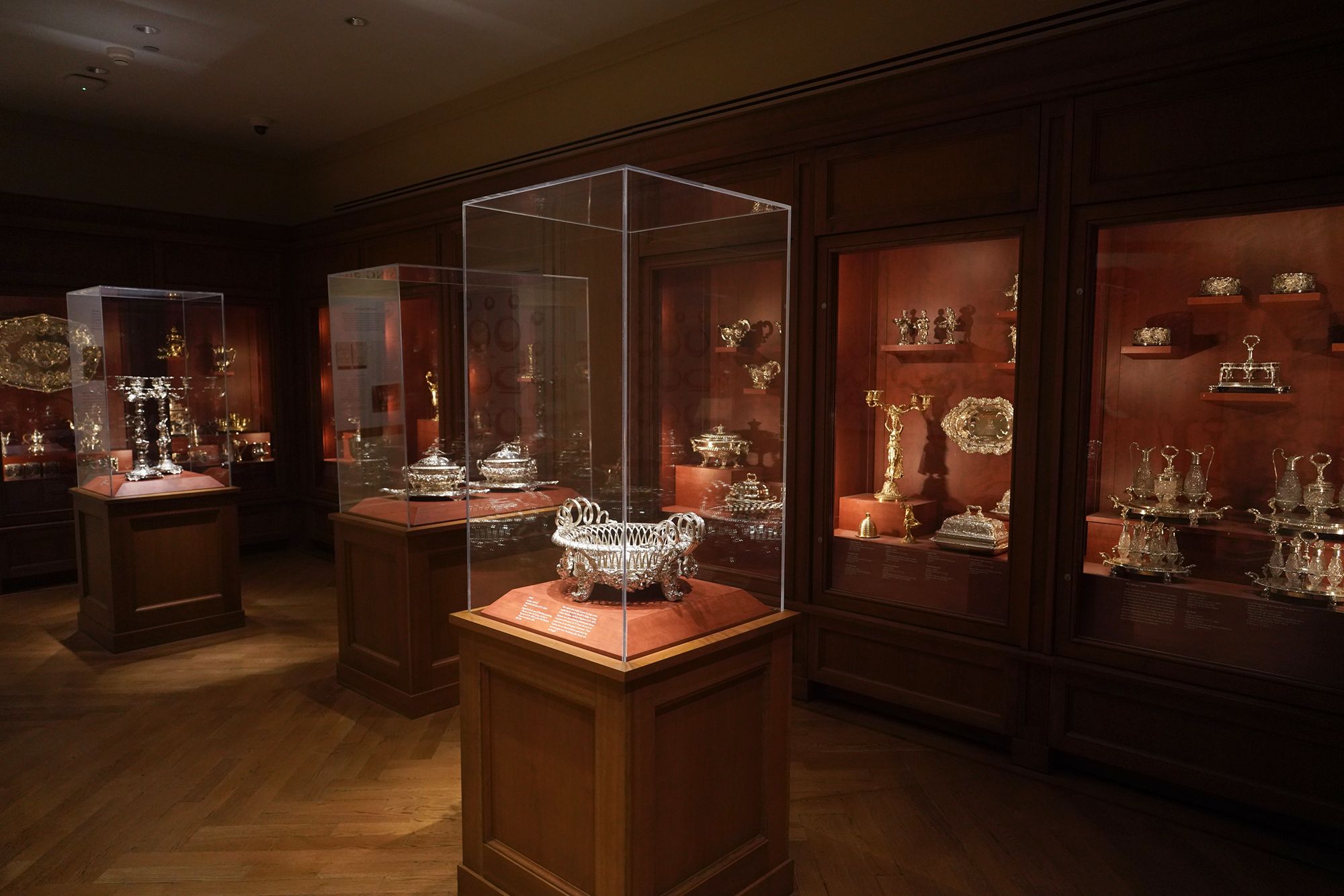
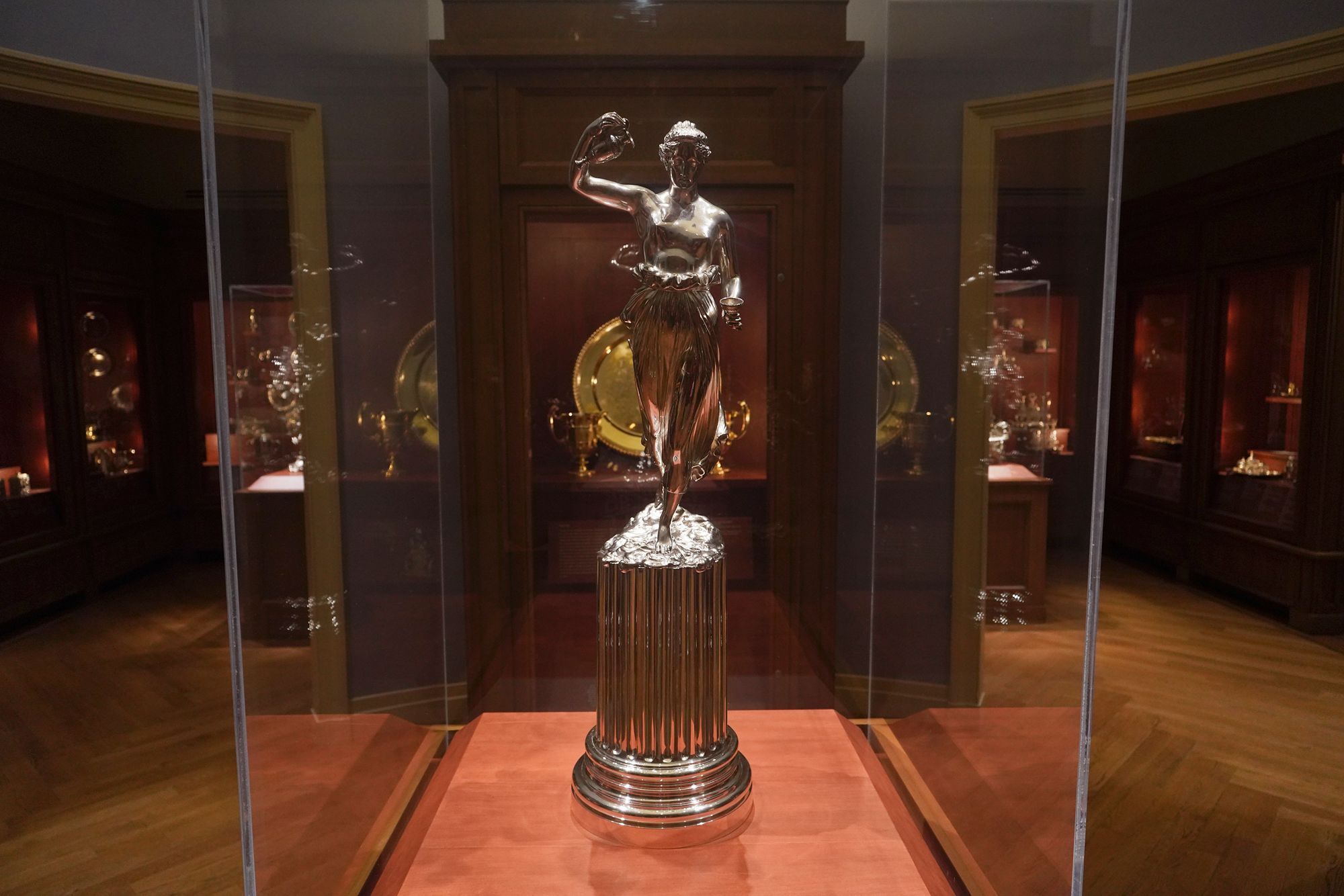
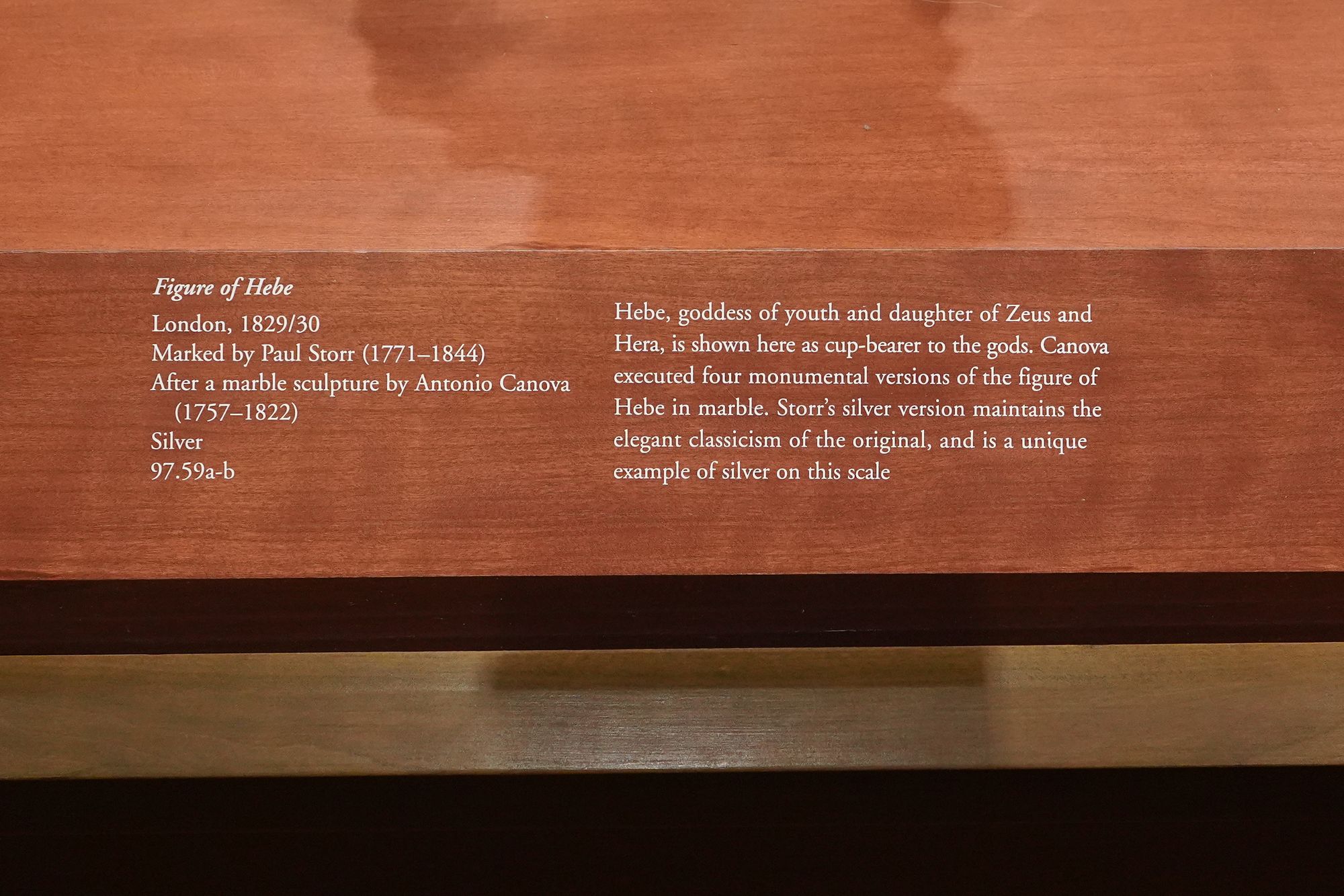
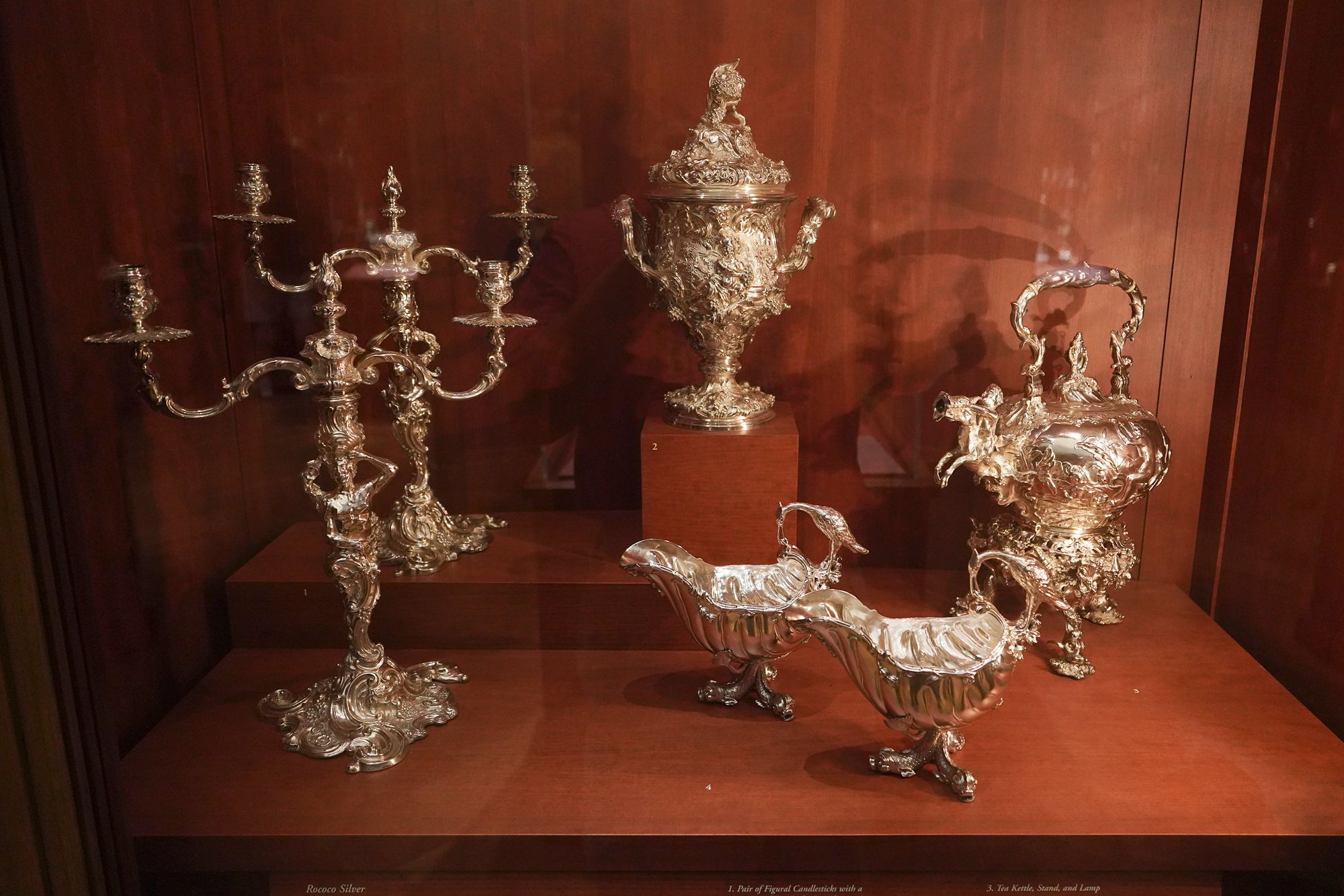
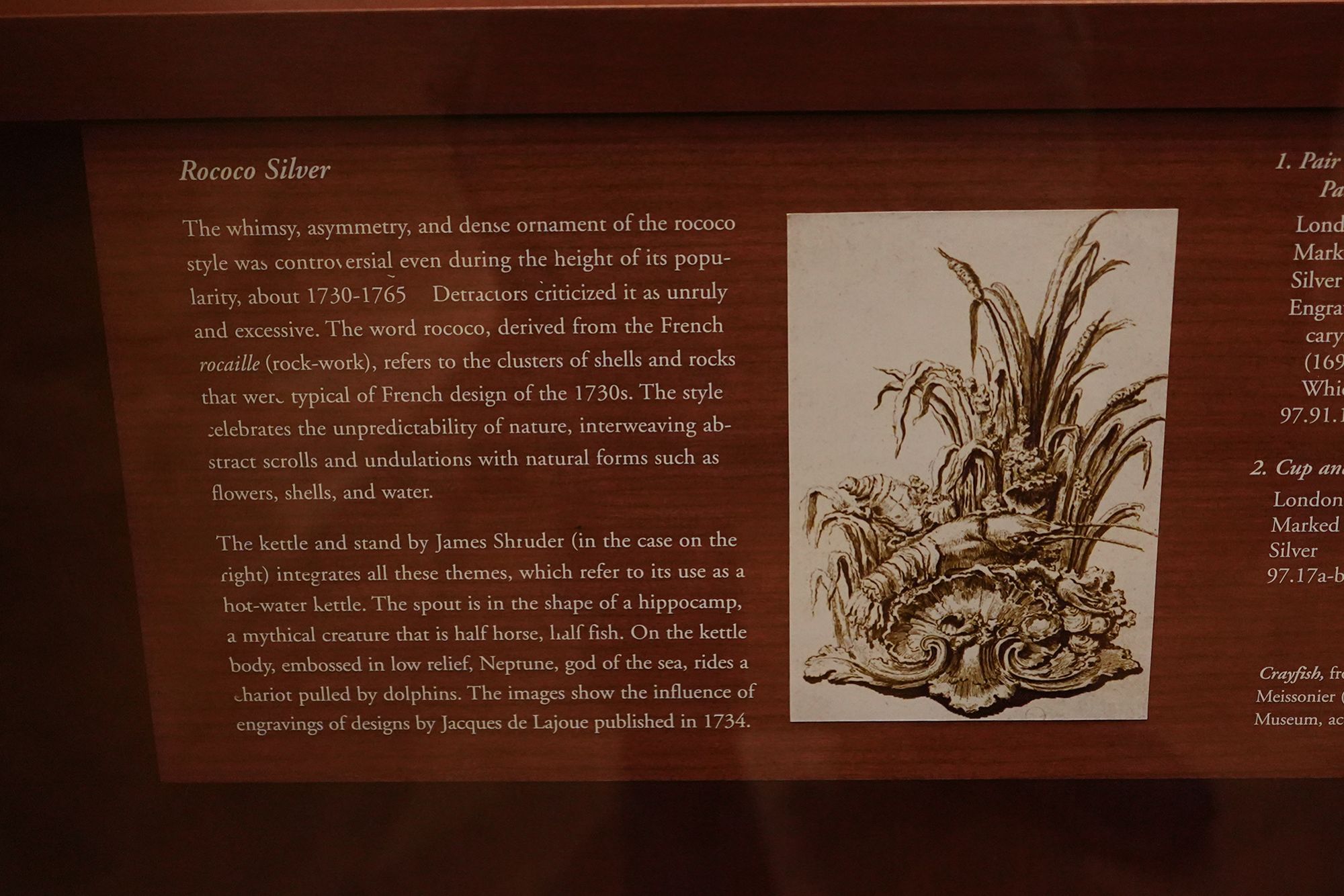
The museum’s English silverware collection showcases finely crafted pieces such as teapots, trays, and tableware from the 17th to 19th centuries, reflecting the elegance, craftsmanship, and social customs of Britain’s decorative arts tradition.
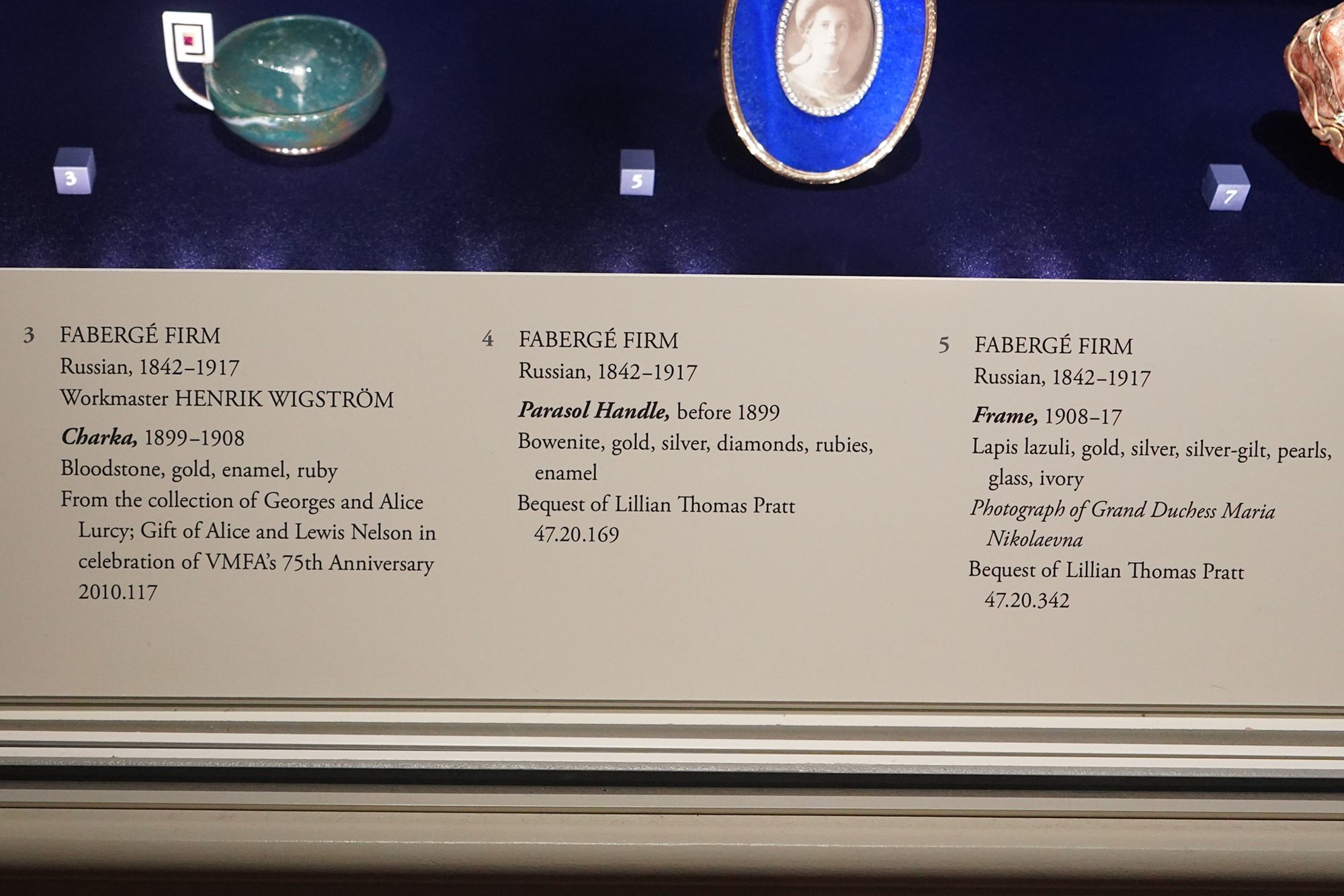
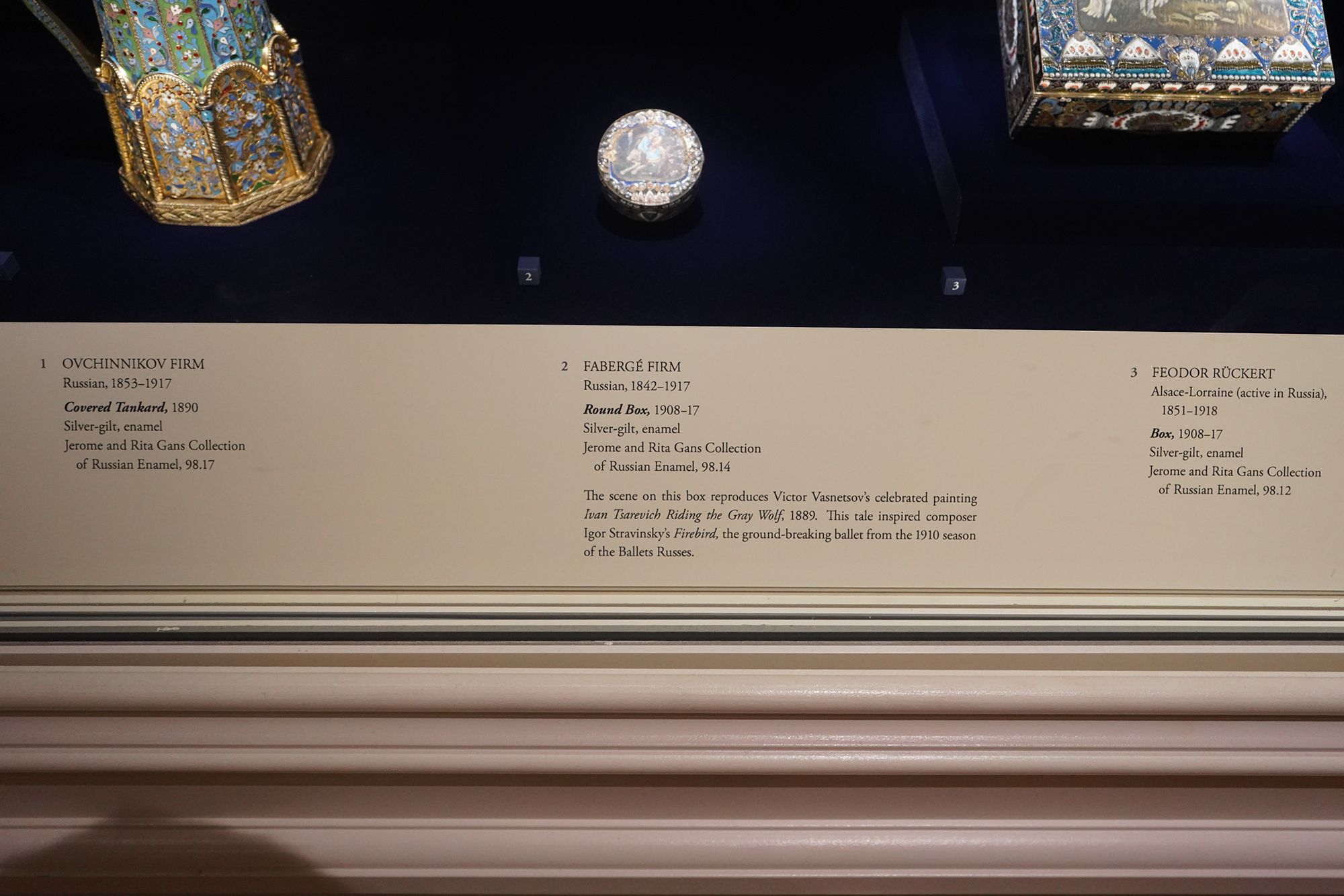
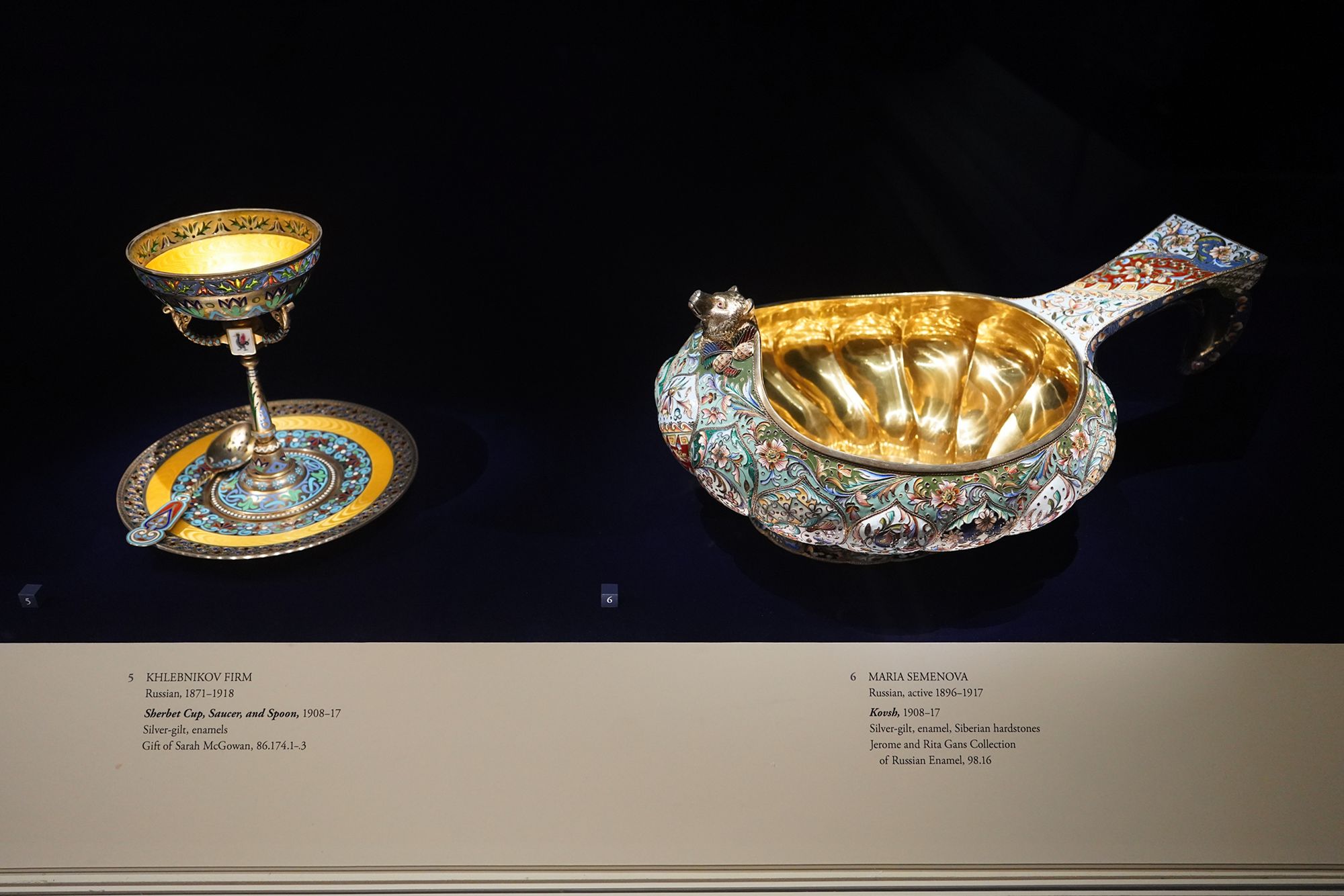
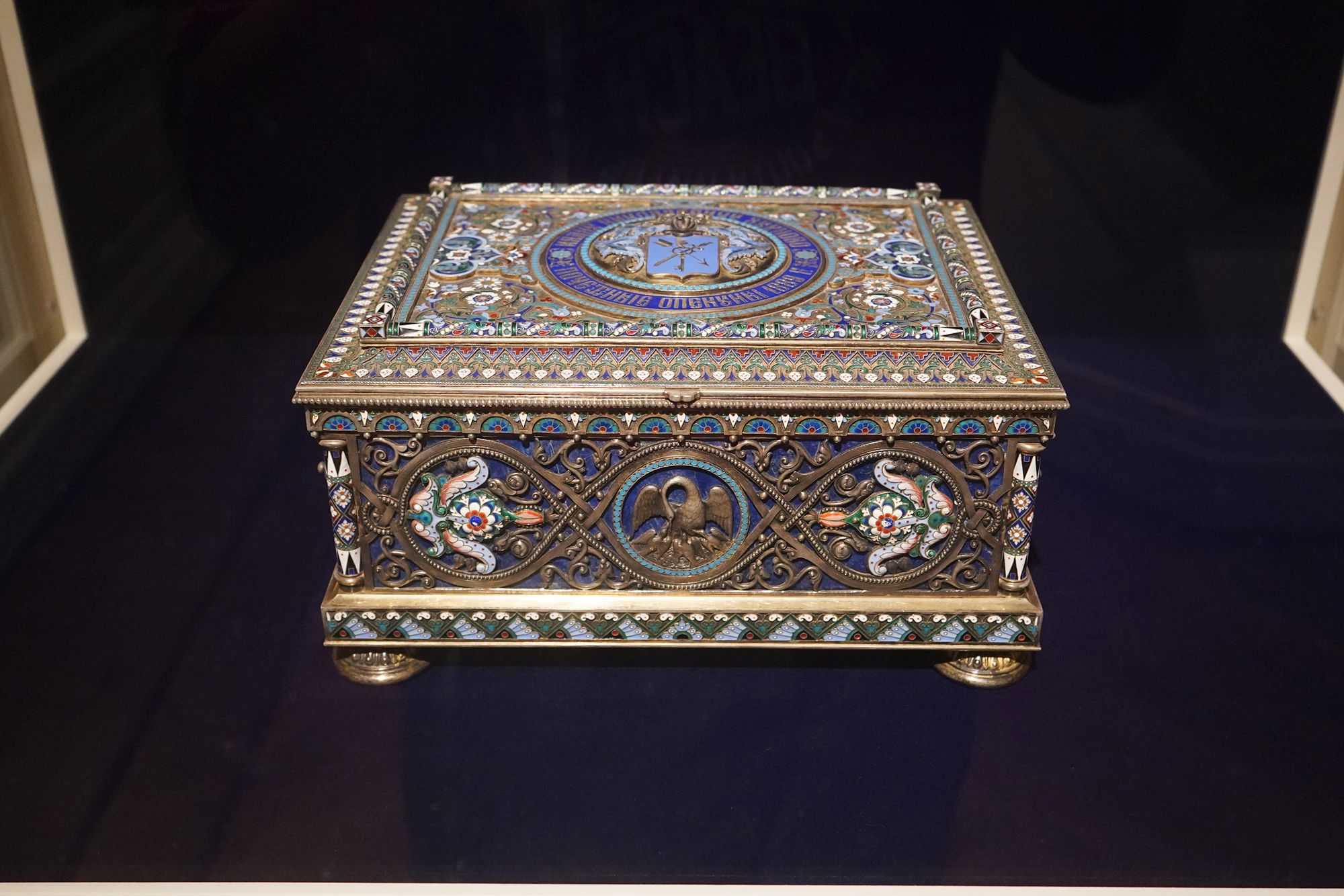
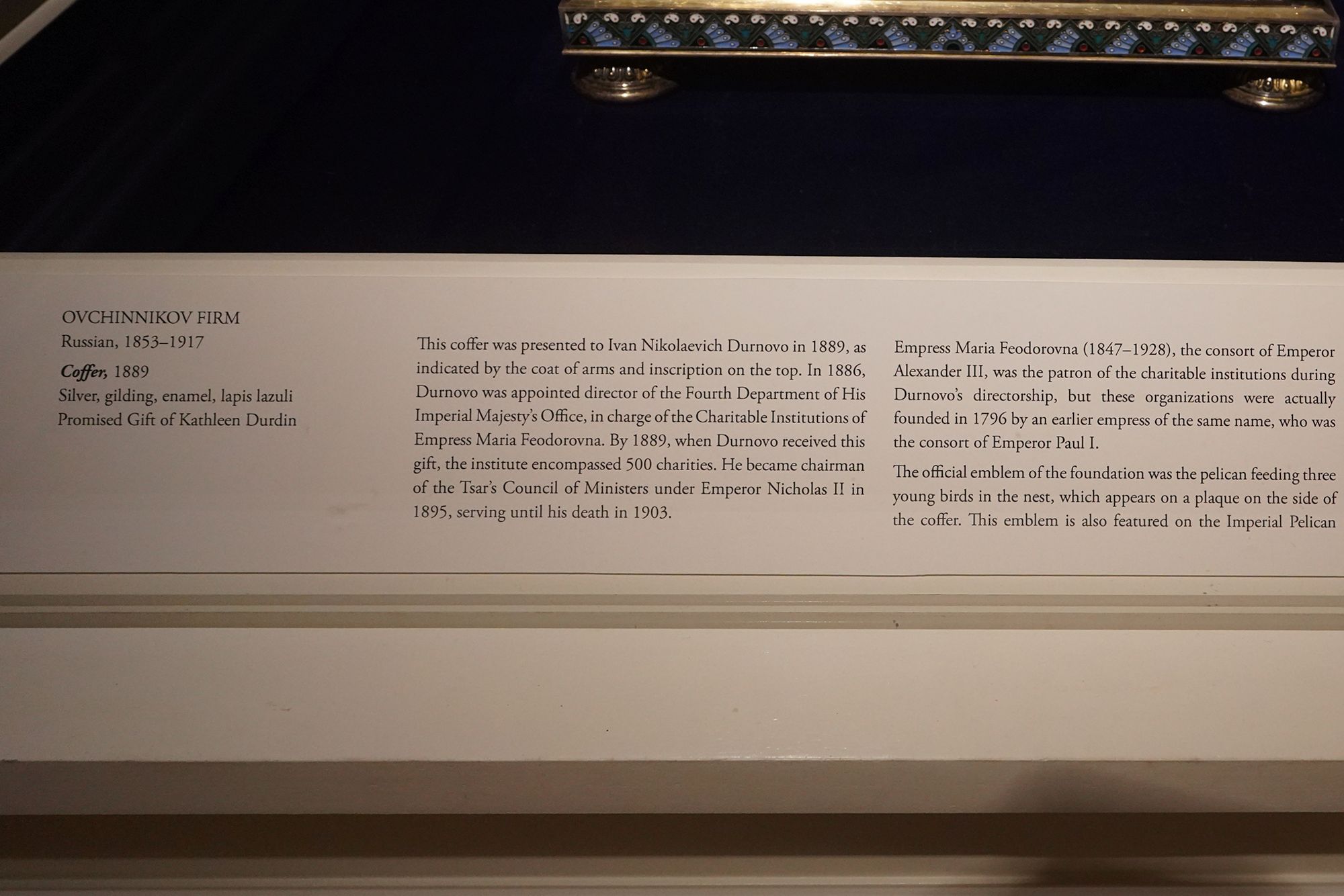
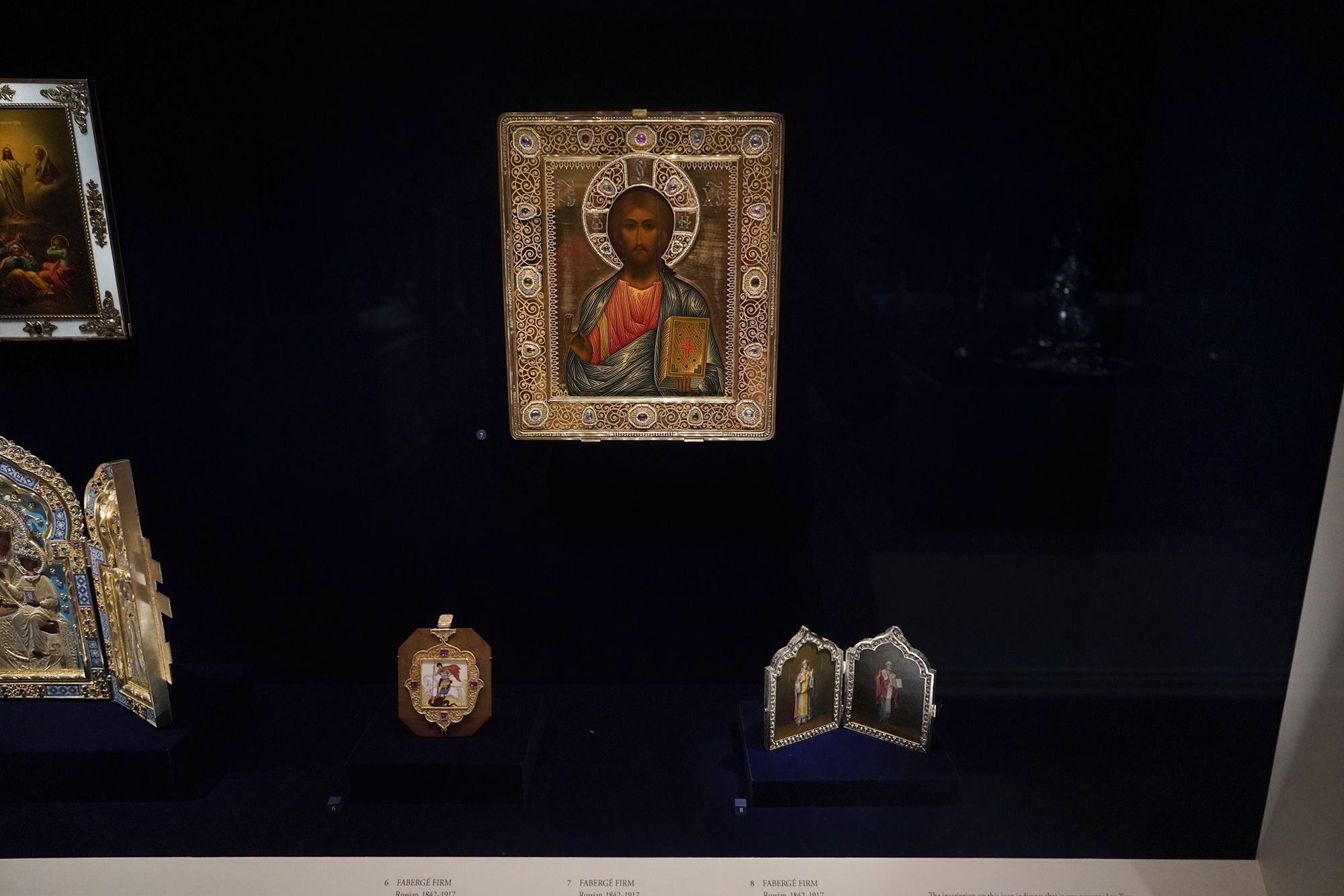
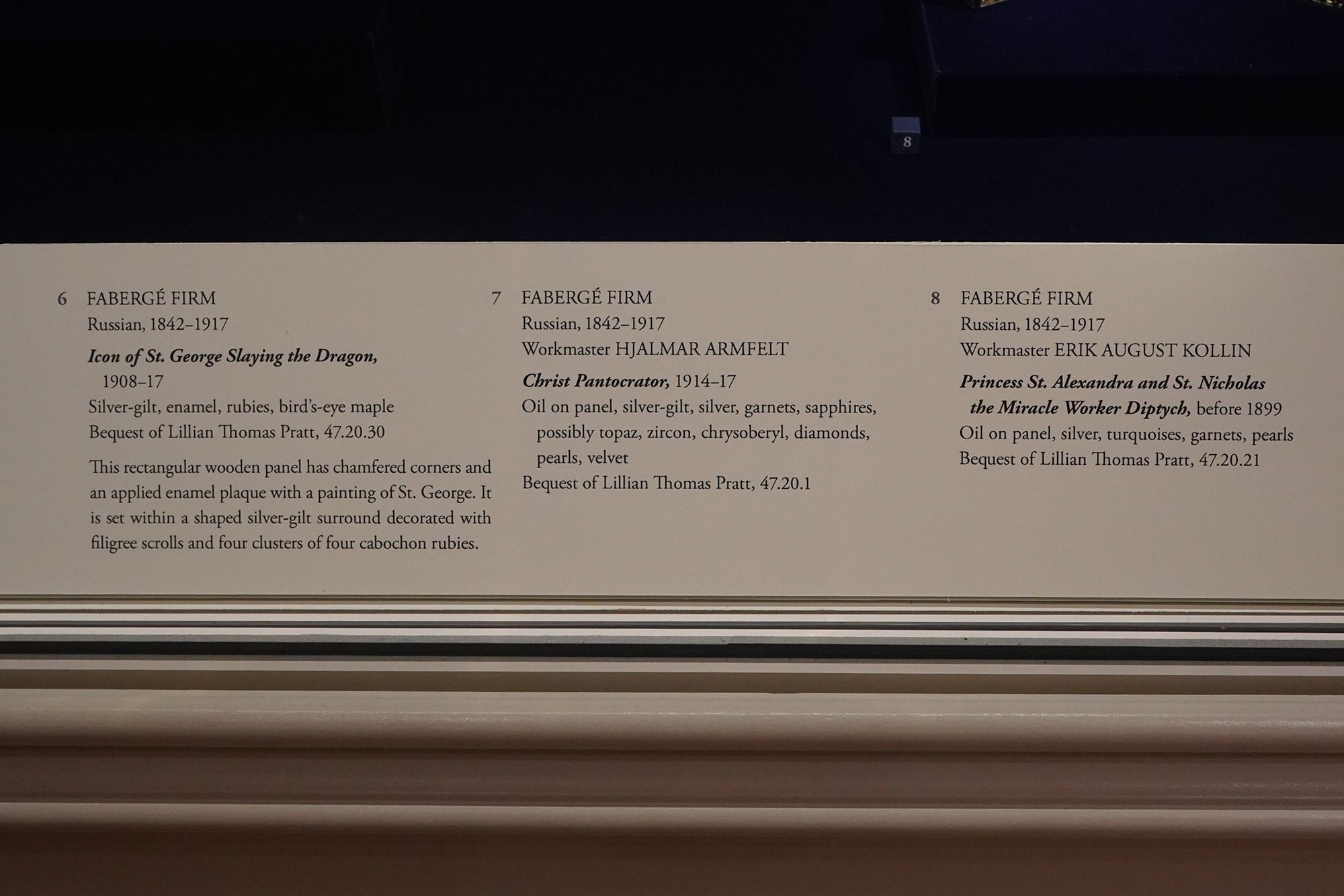
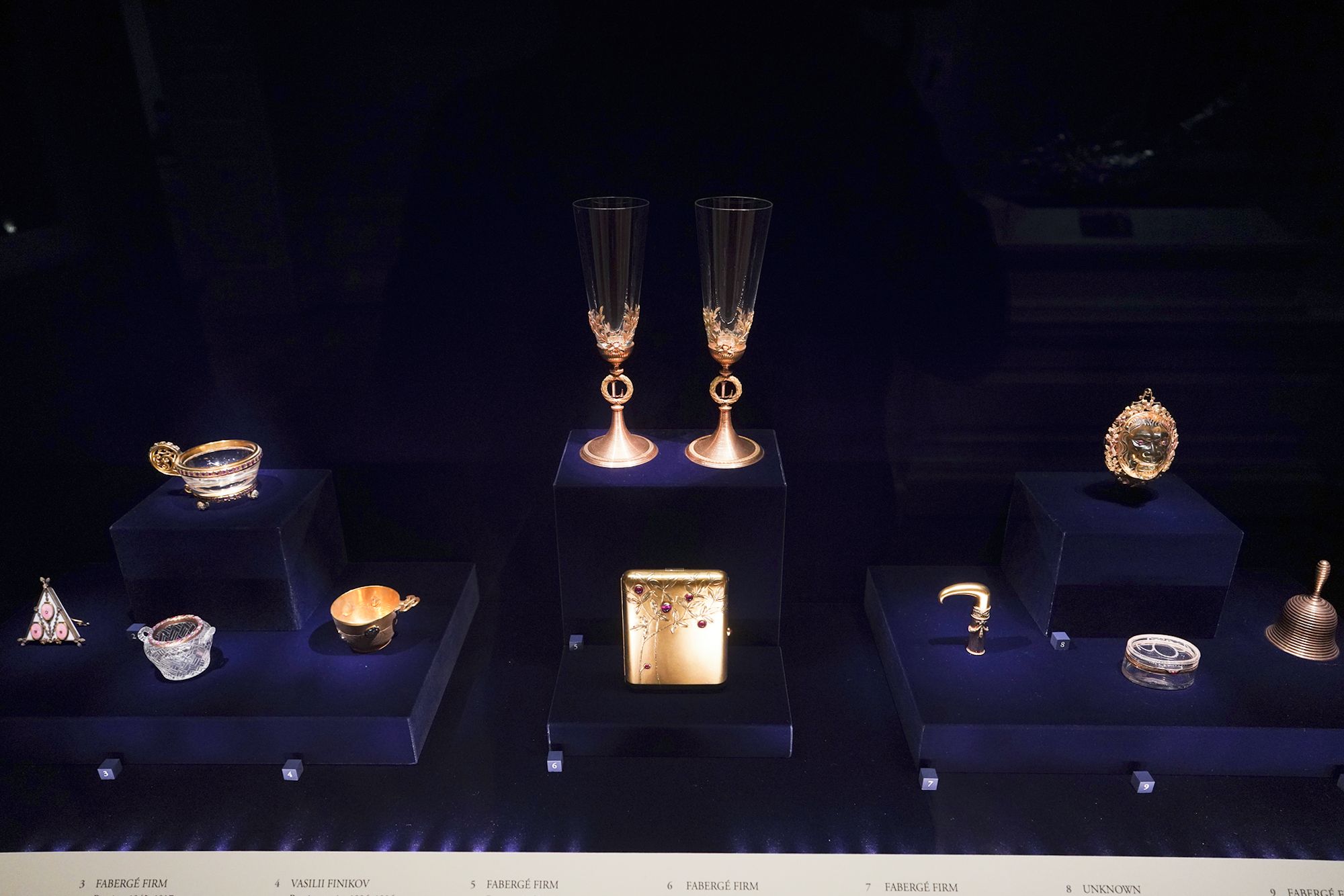
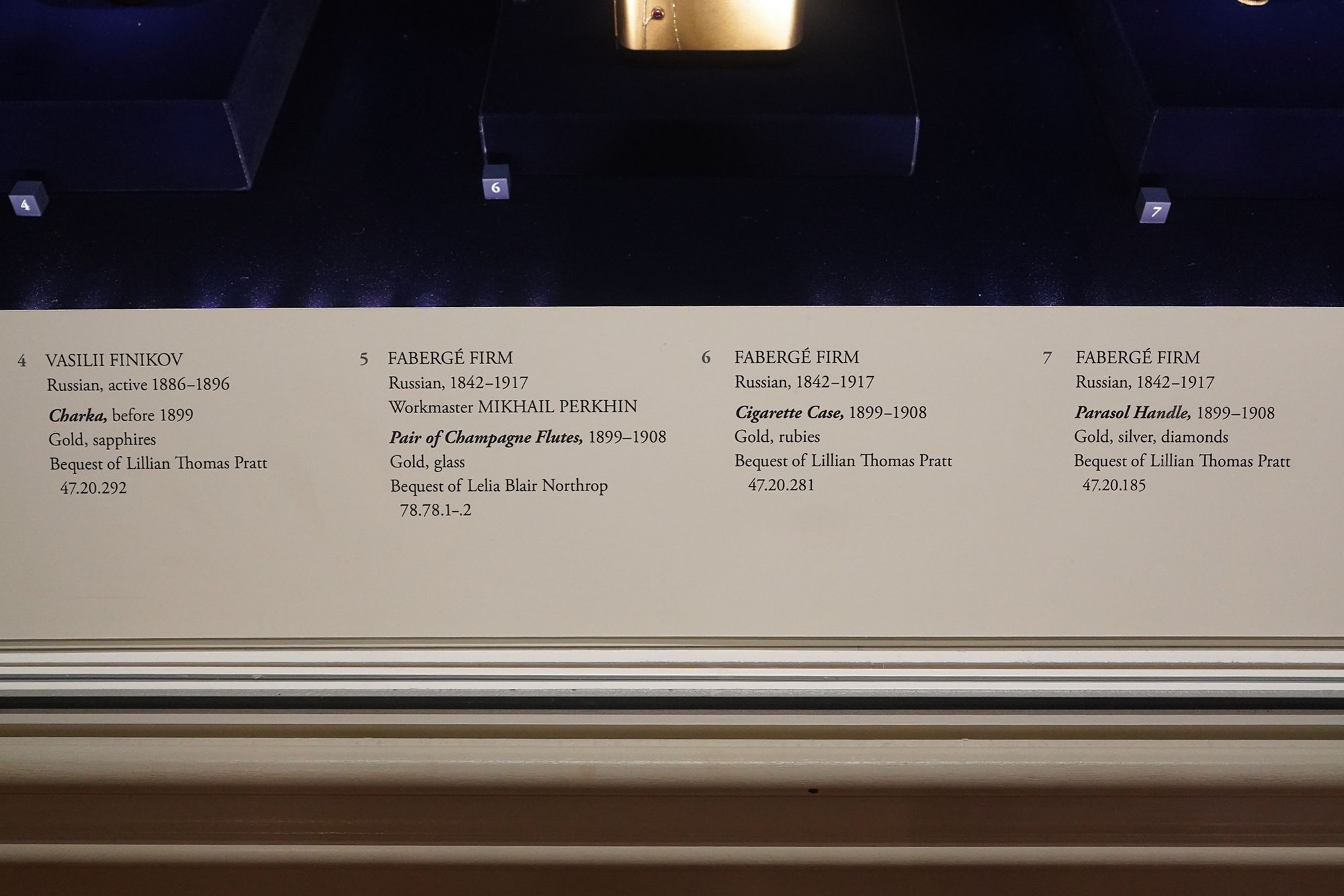
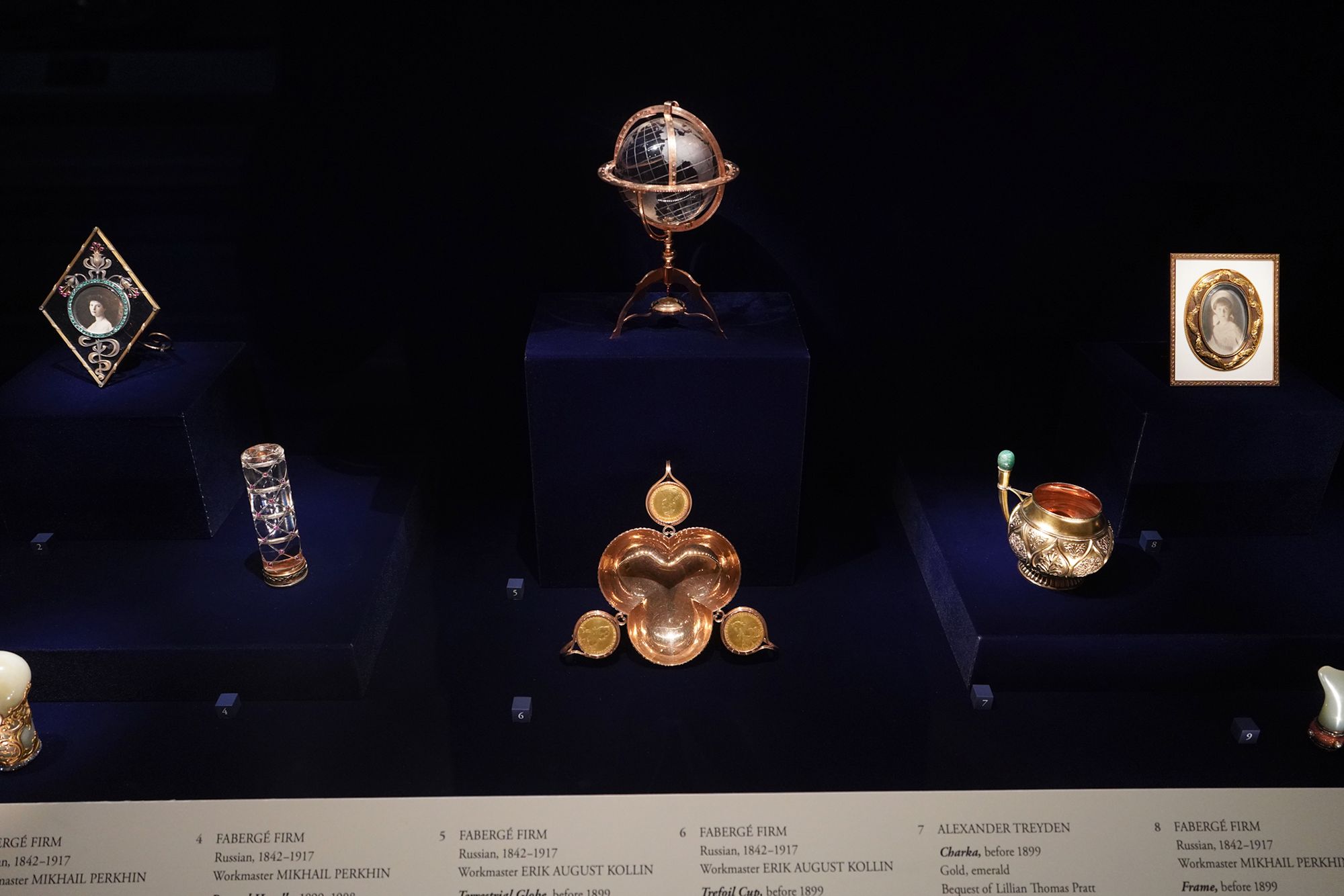
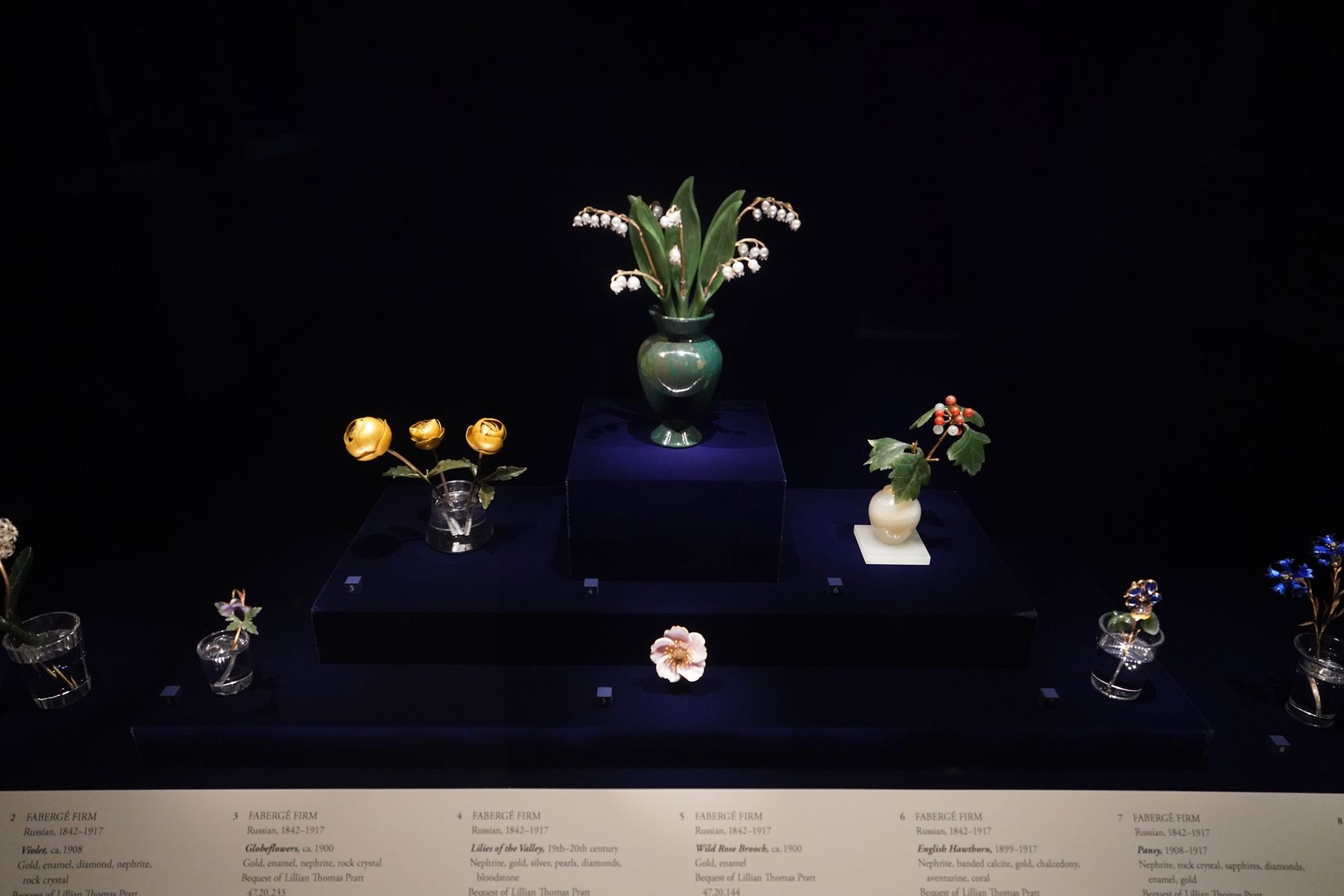
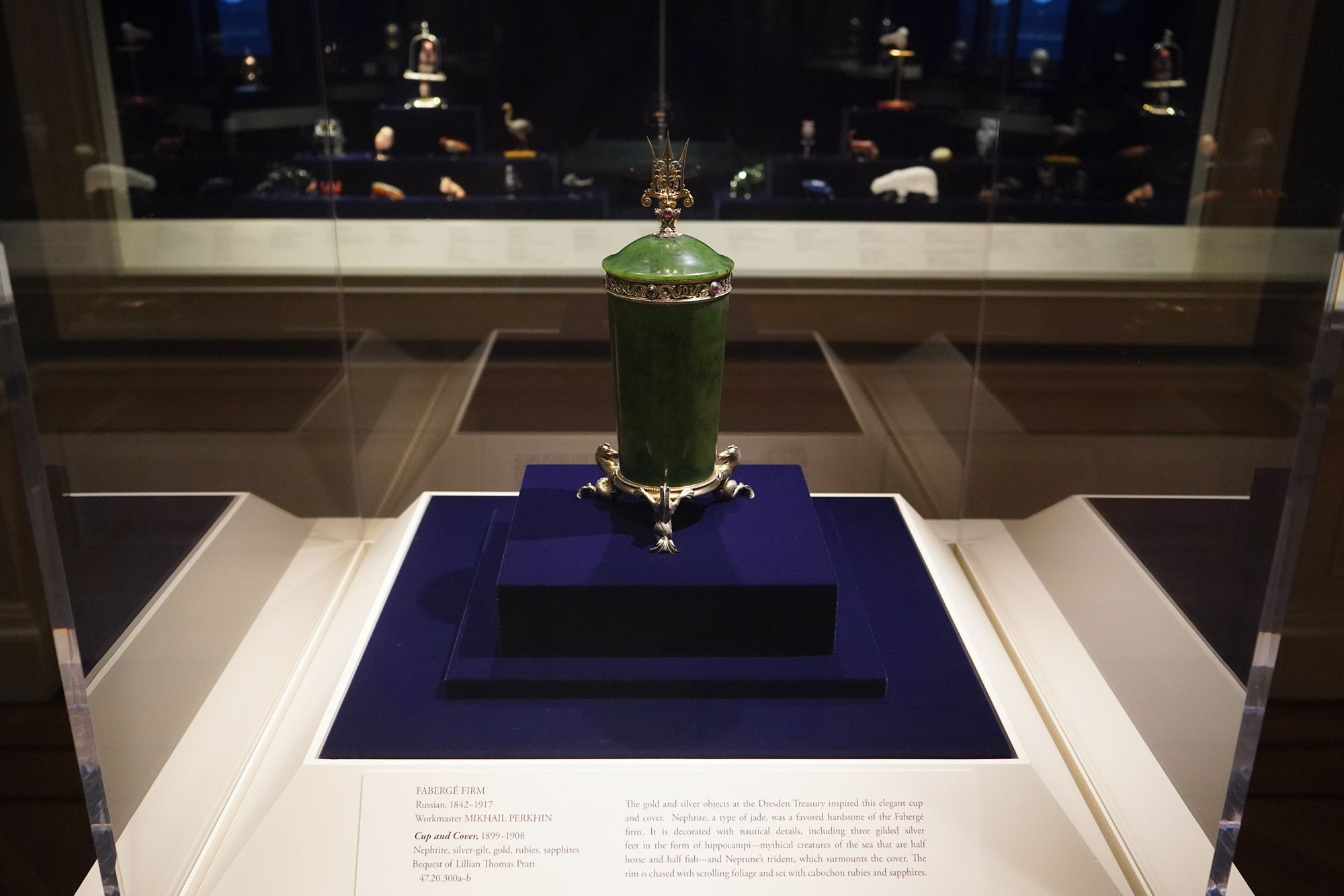
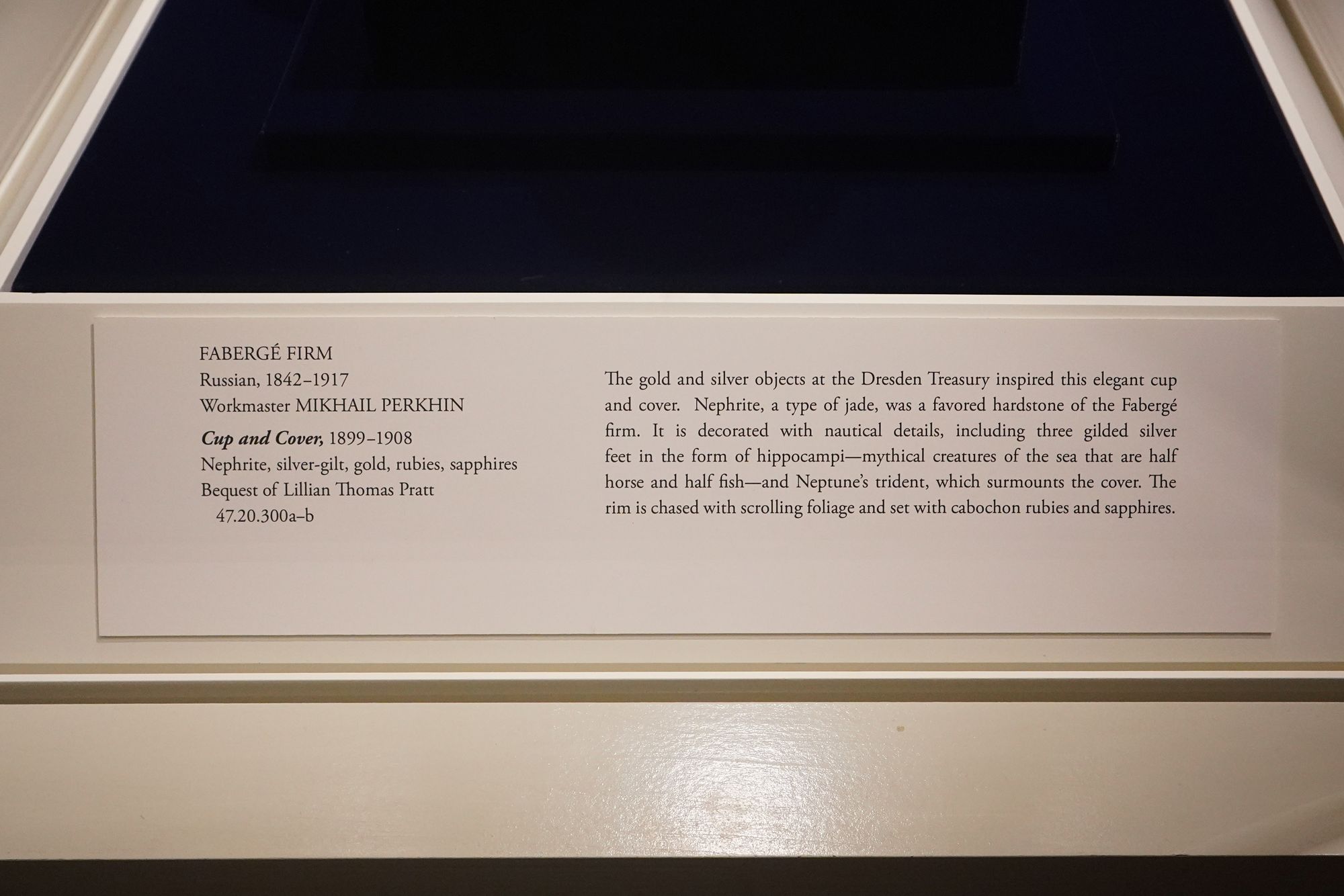
Faberge - Fabergé was a renowned Russian jewelry firm famous for its exquisitely crafted jeweled objects—especially the Imperial Easter eggs—created for the Russian tsars in the late 19th and early 20th centuries.
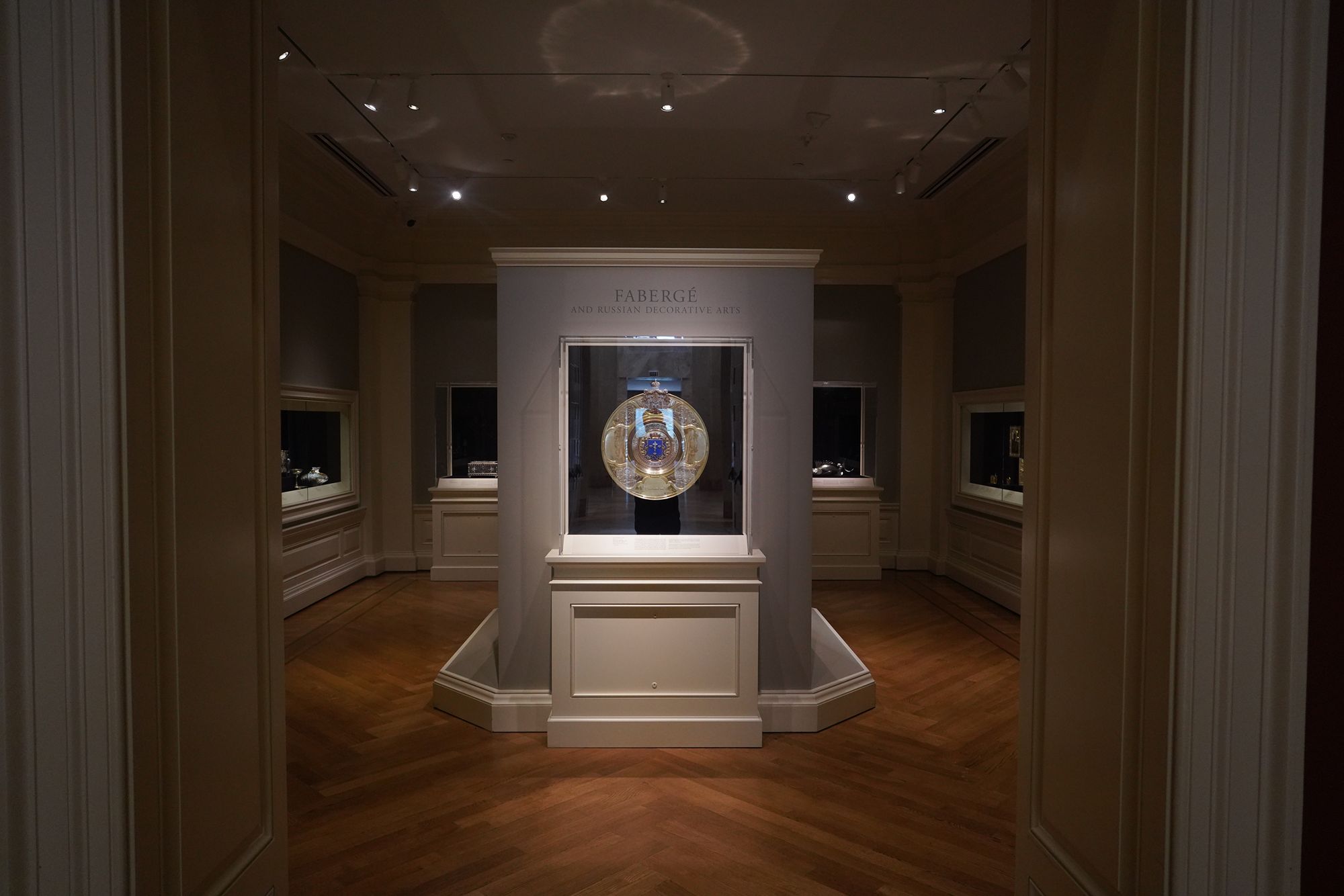
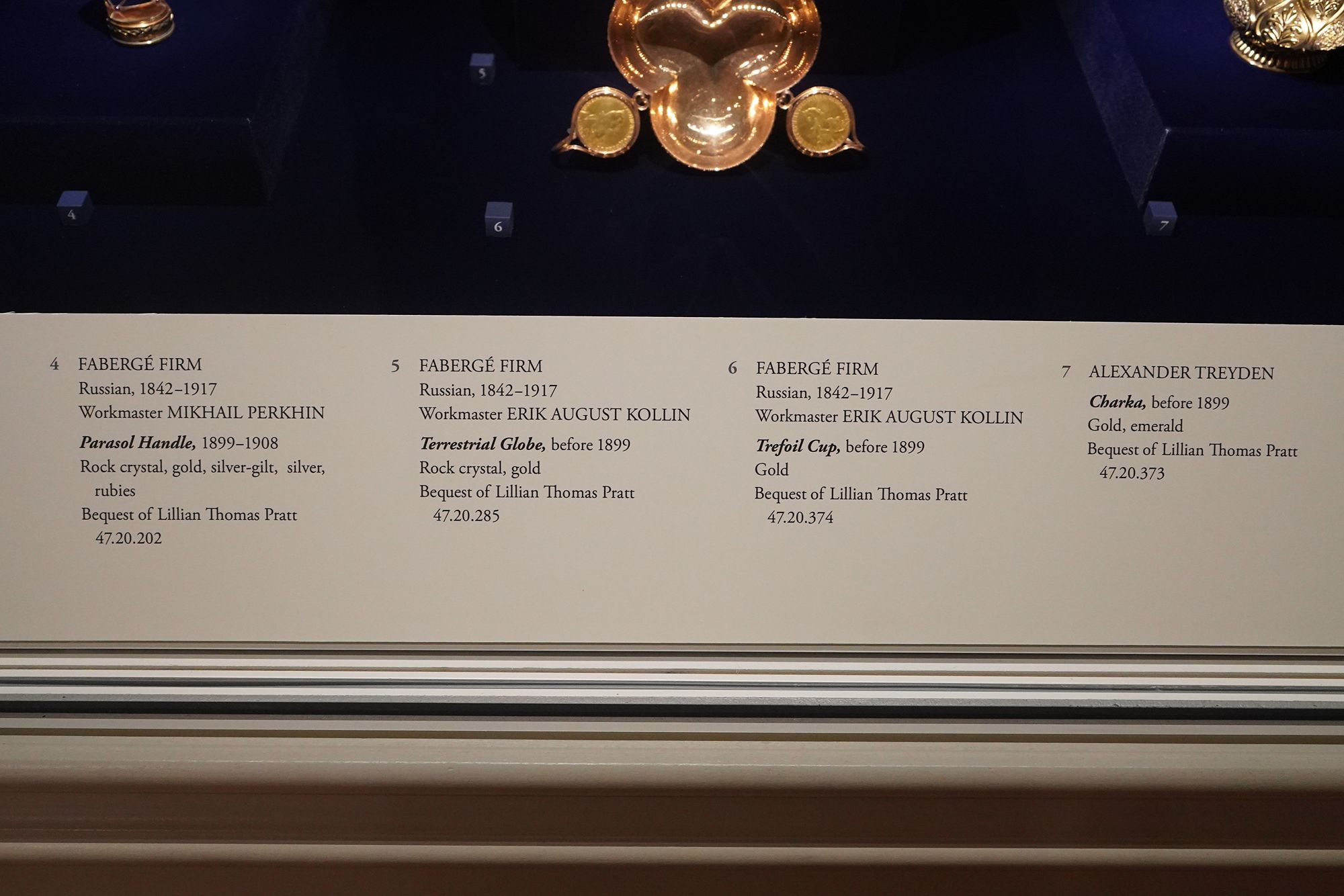
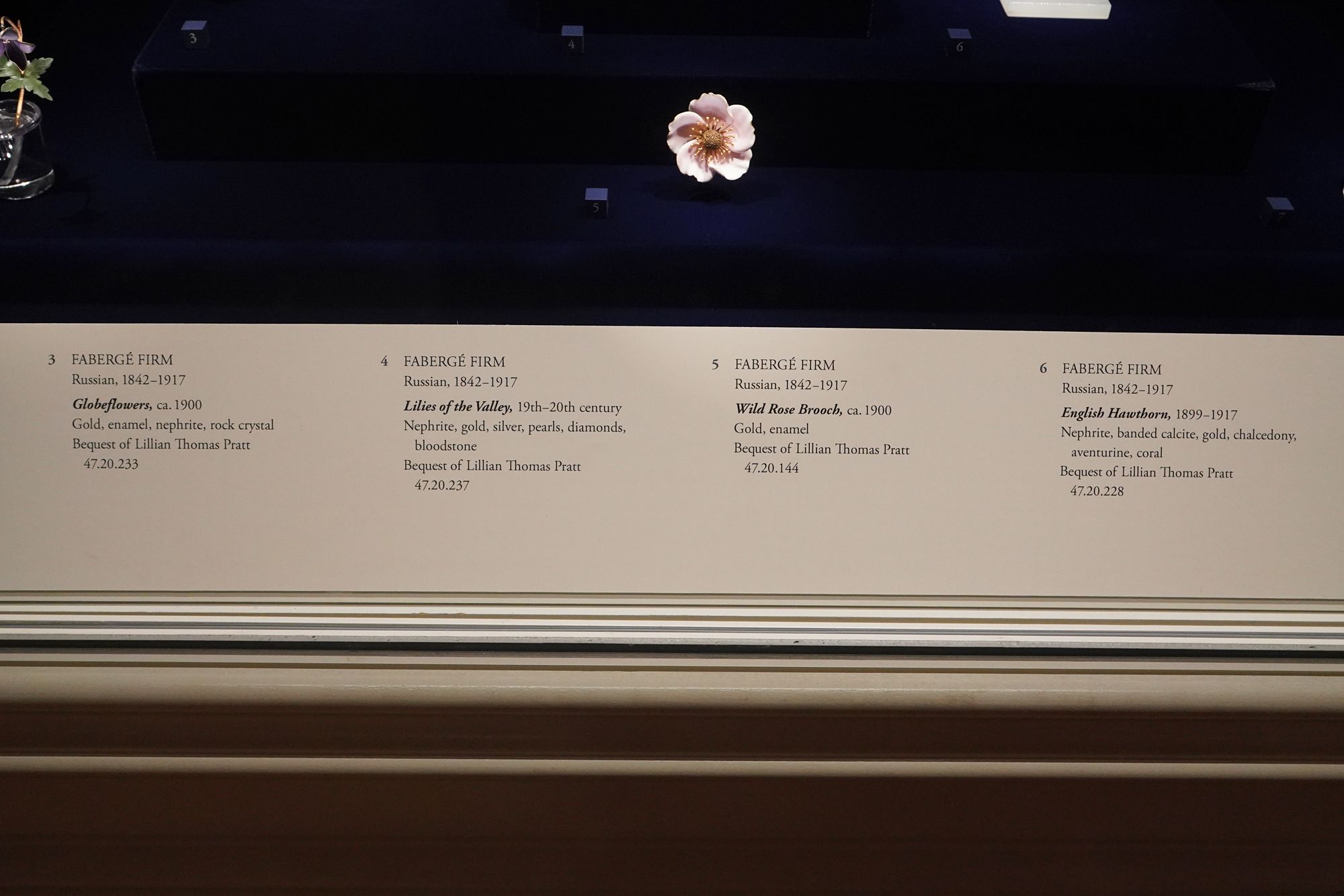
The Virginia Museum of Fine Arts (VMFA) in Richmond holds one of the largest Fabergé collections outside Russia, featuring over 200 jeweled objects—including five Imperial Easter eggs—showcasing the exquisite craftsmanship of the House of Fabergé.
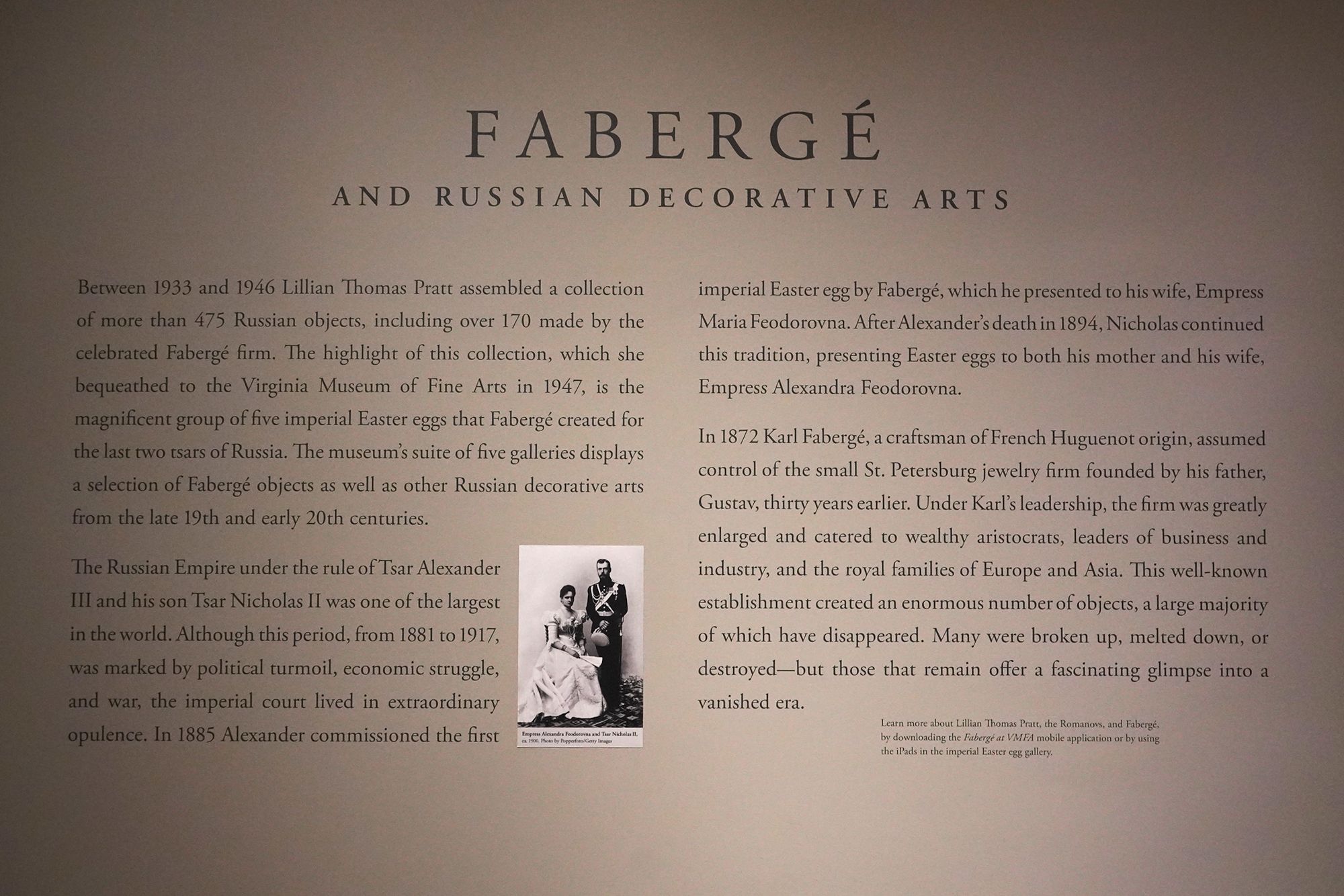
The firm was founded in 1842 in St. Petersburg, Russia, by Gustav Fabergé (of Baltic-German descent) and operated initially as a jewellery workshop.
Gustav’s son, Peter Carl Fabergé (often spelled Carl Fabergé), took over the business (formally in the 1880s) and elevated it to global renown.
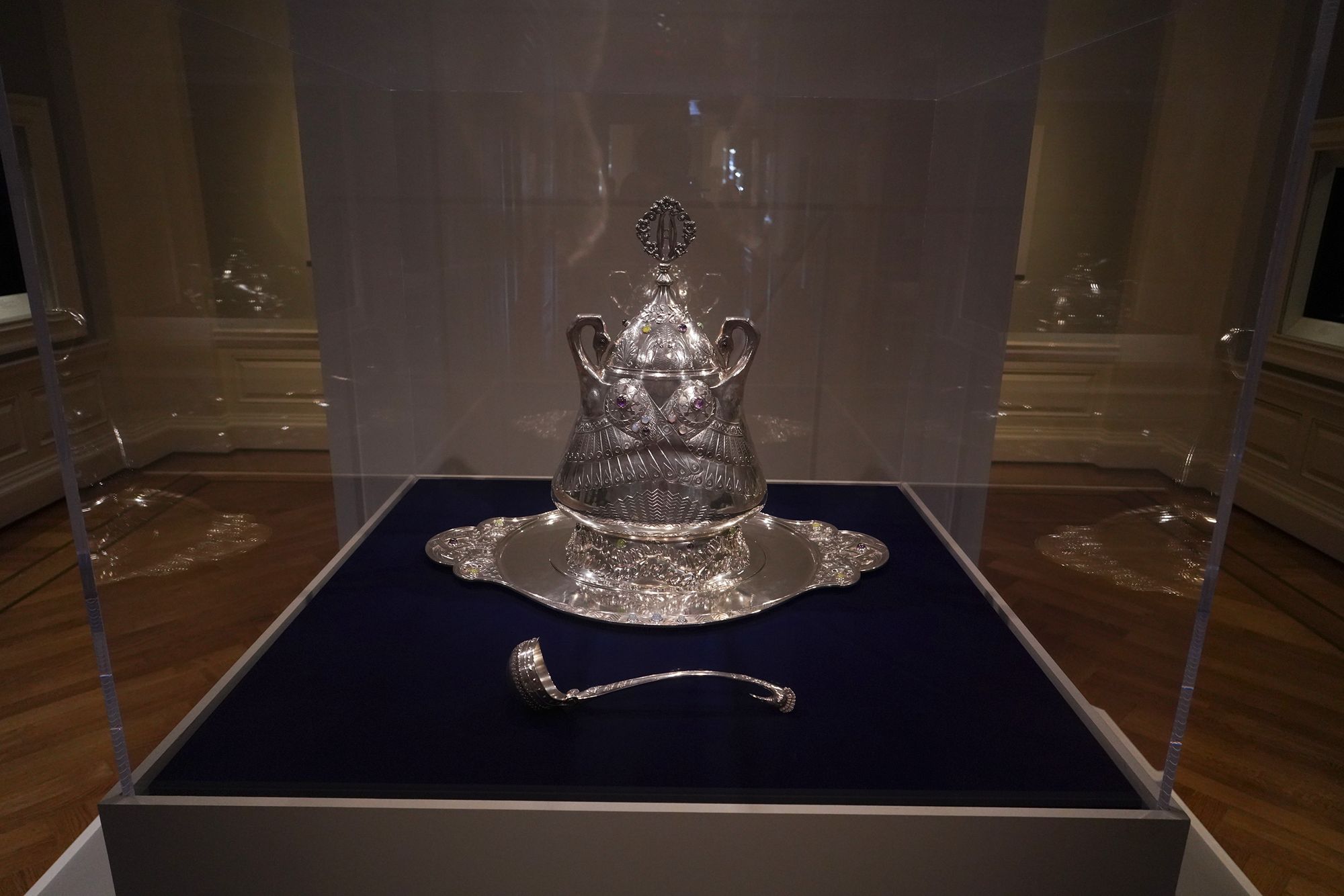
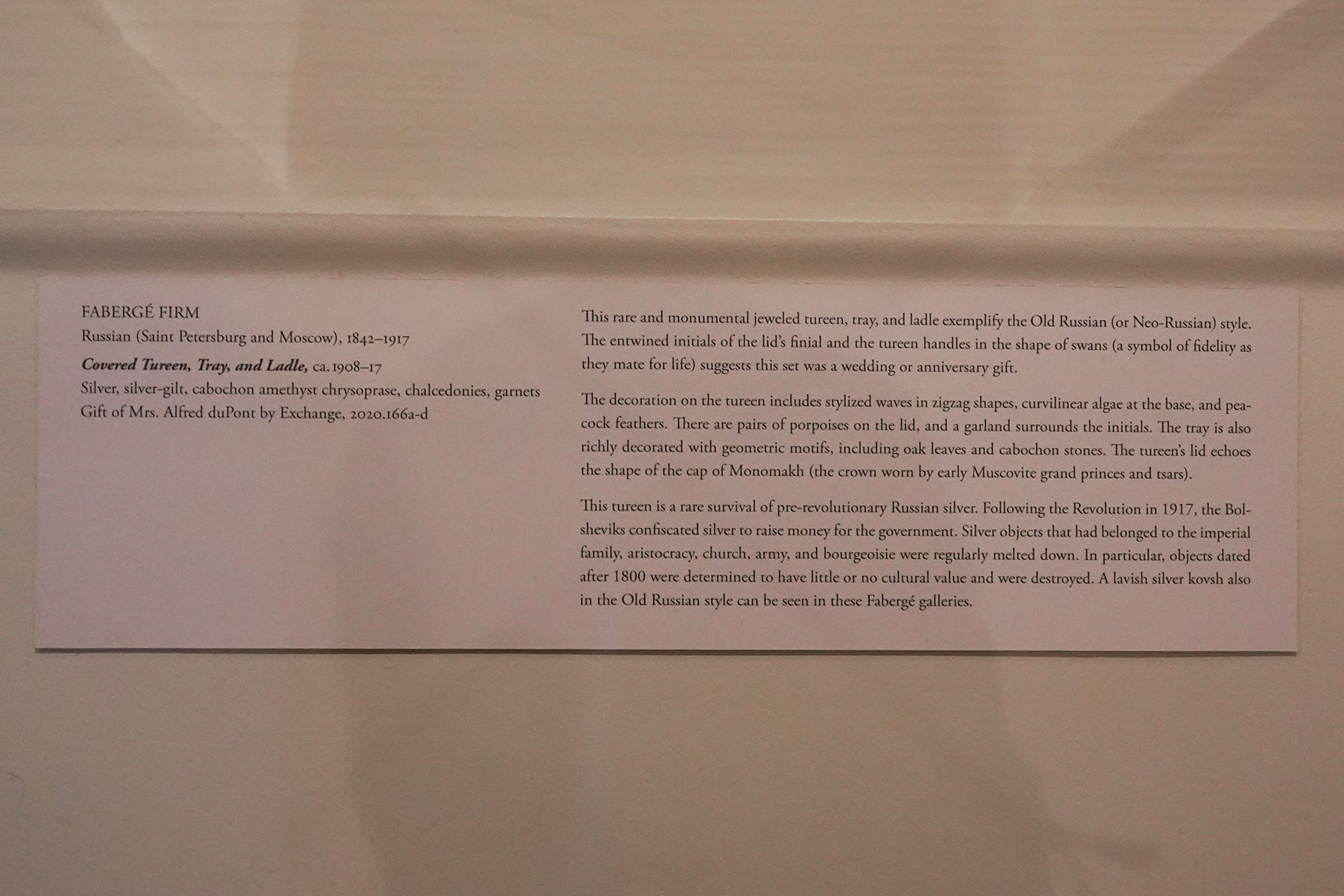
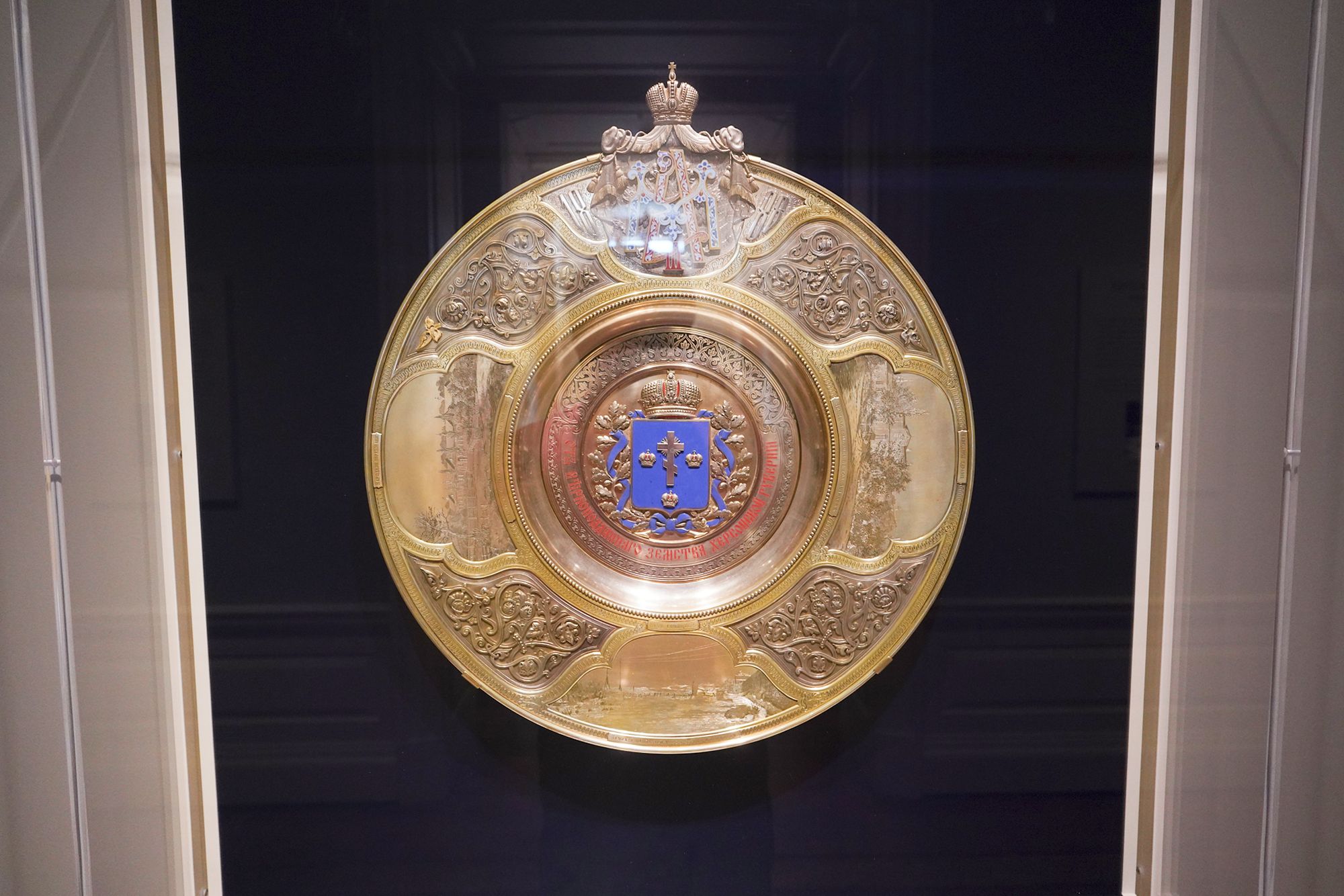
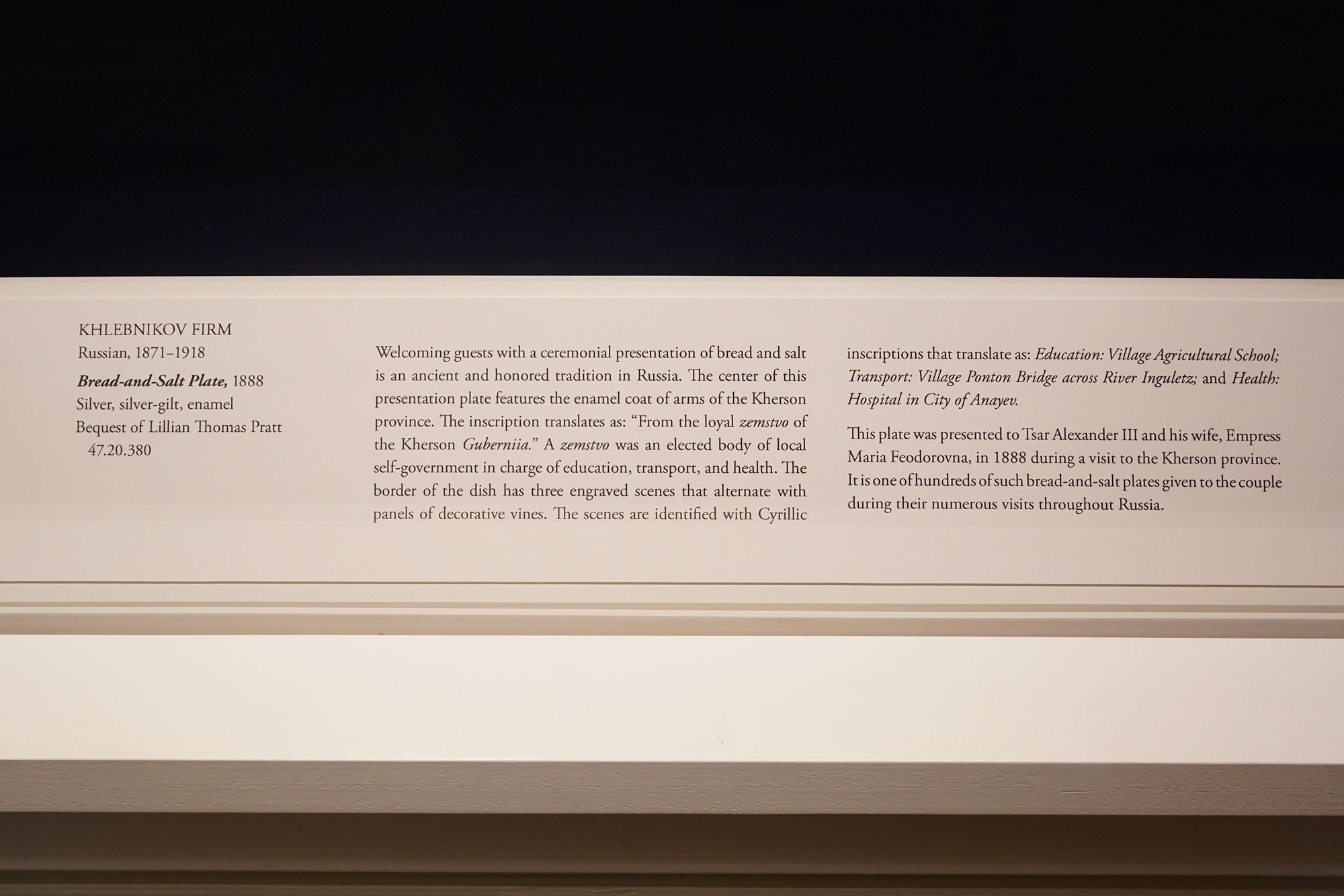
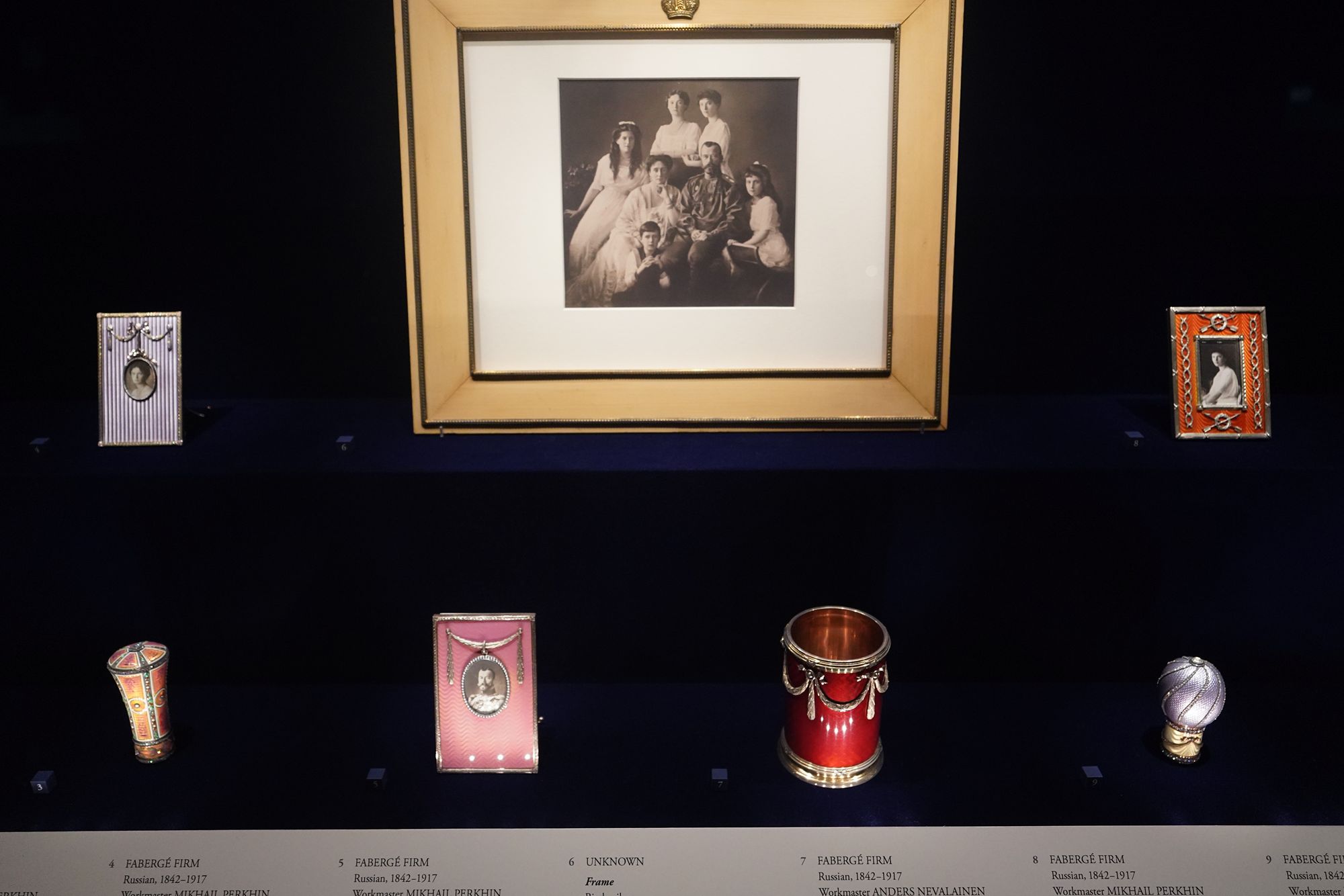
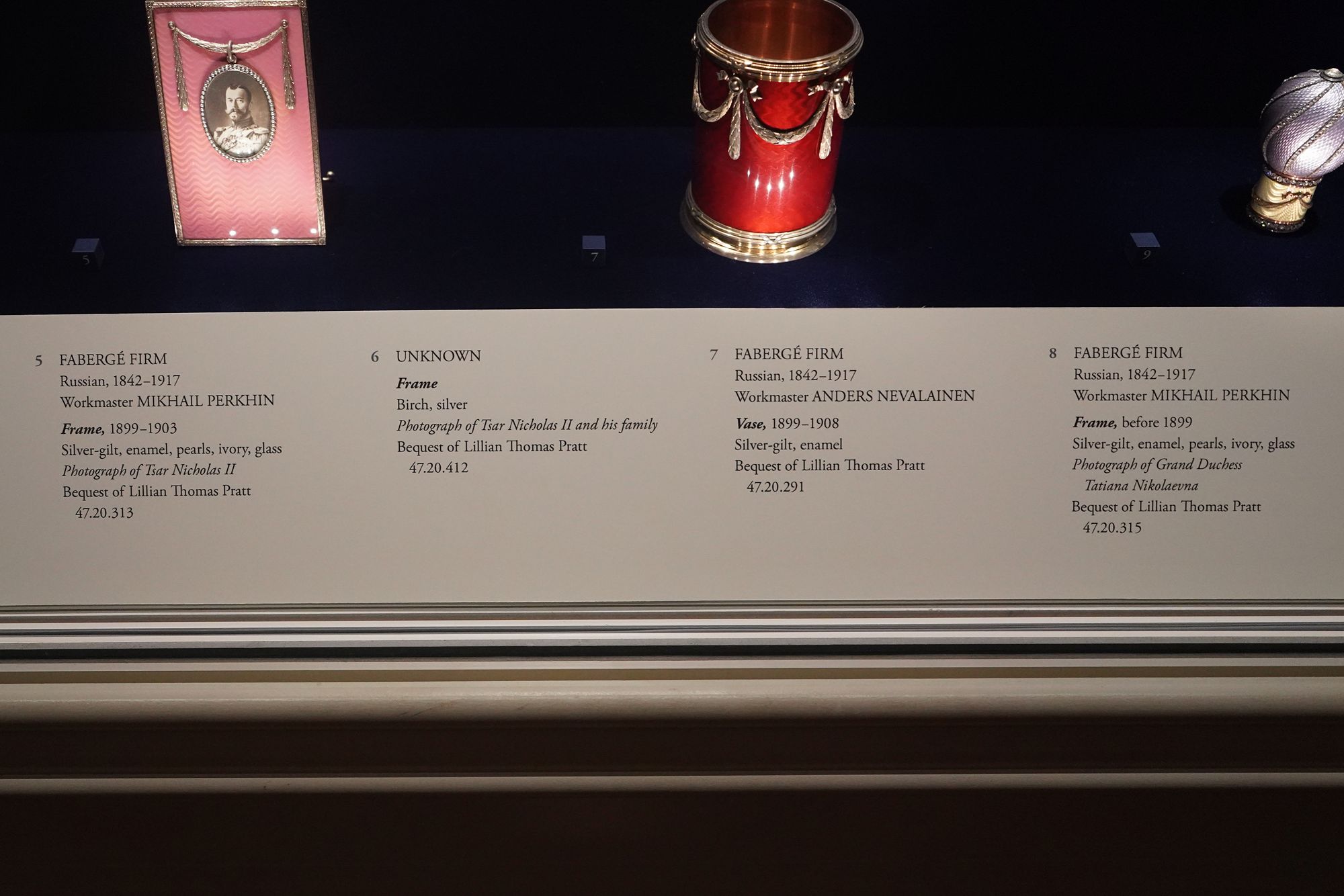
VMFA holds one of the largest public collections of Fabergé and Russian decorative arts in the U.S. thanks largely to the donor Lillian Thomas Pratt.
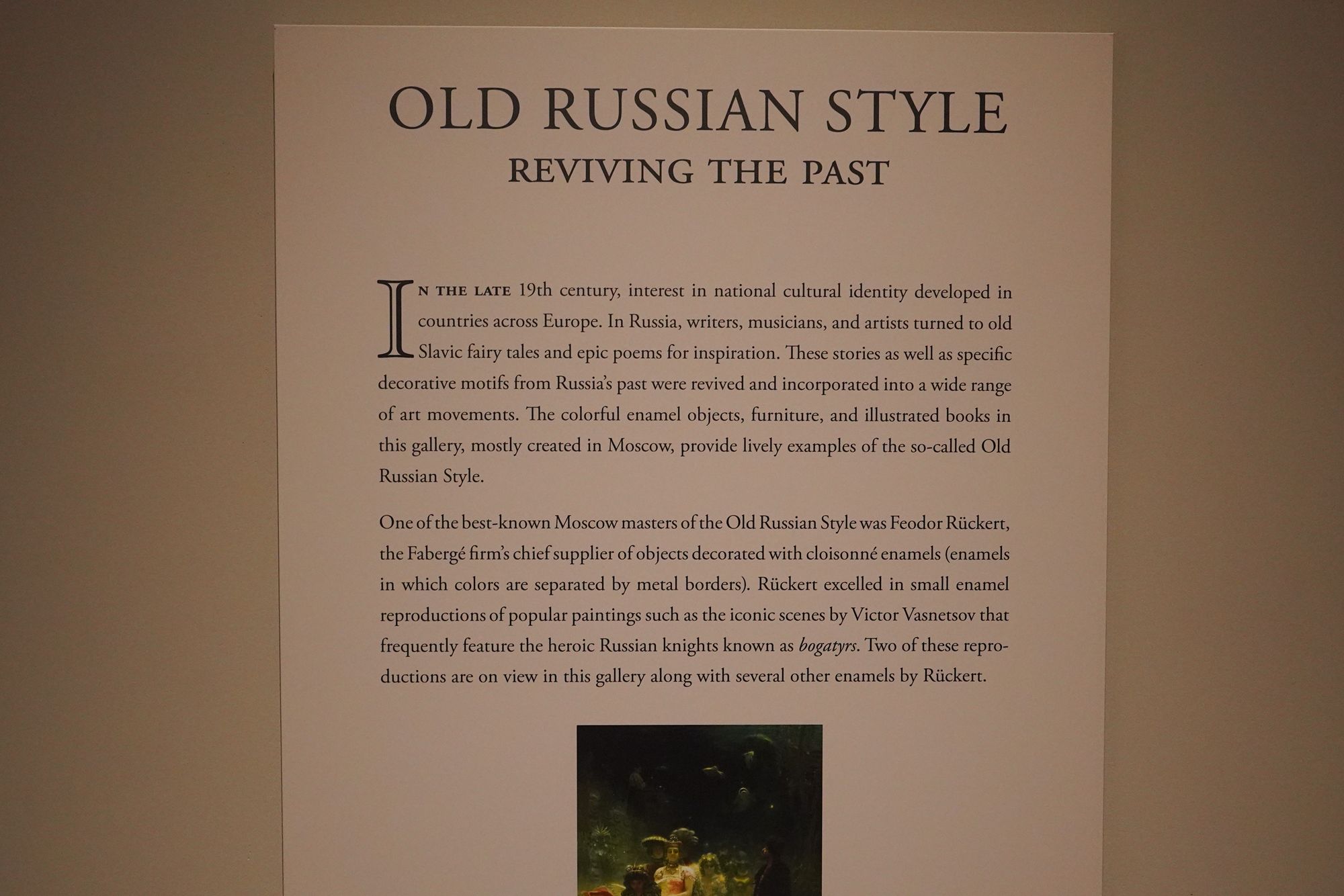
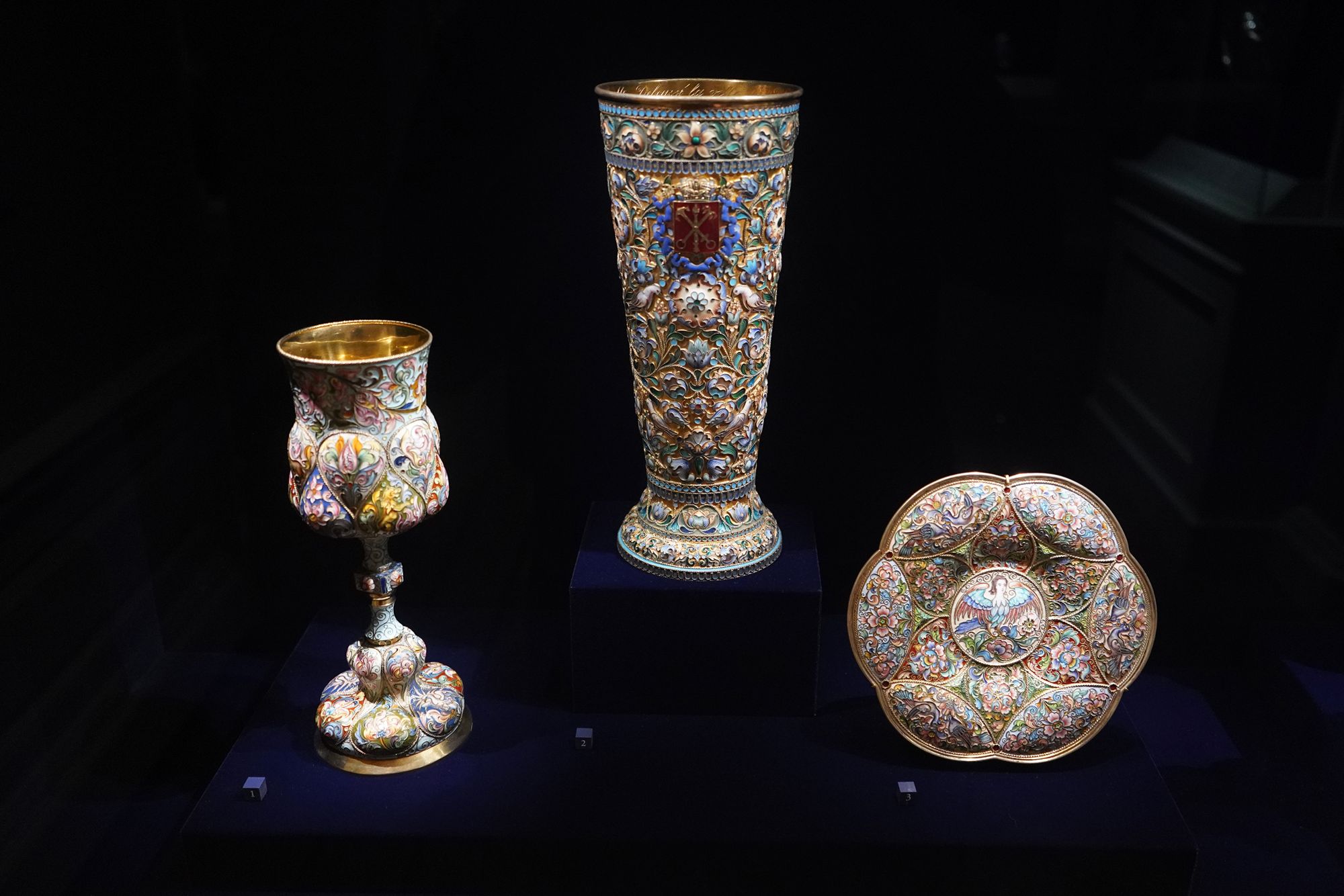
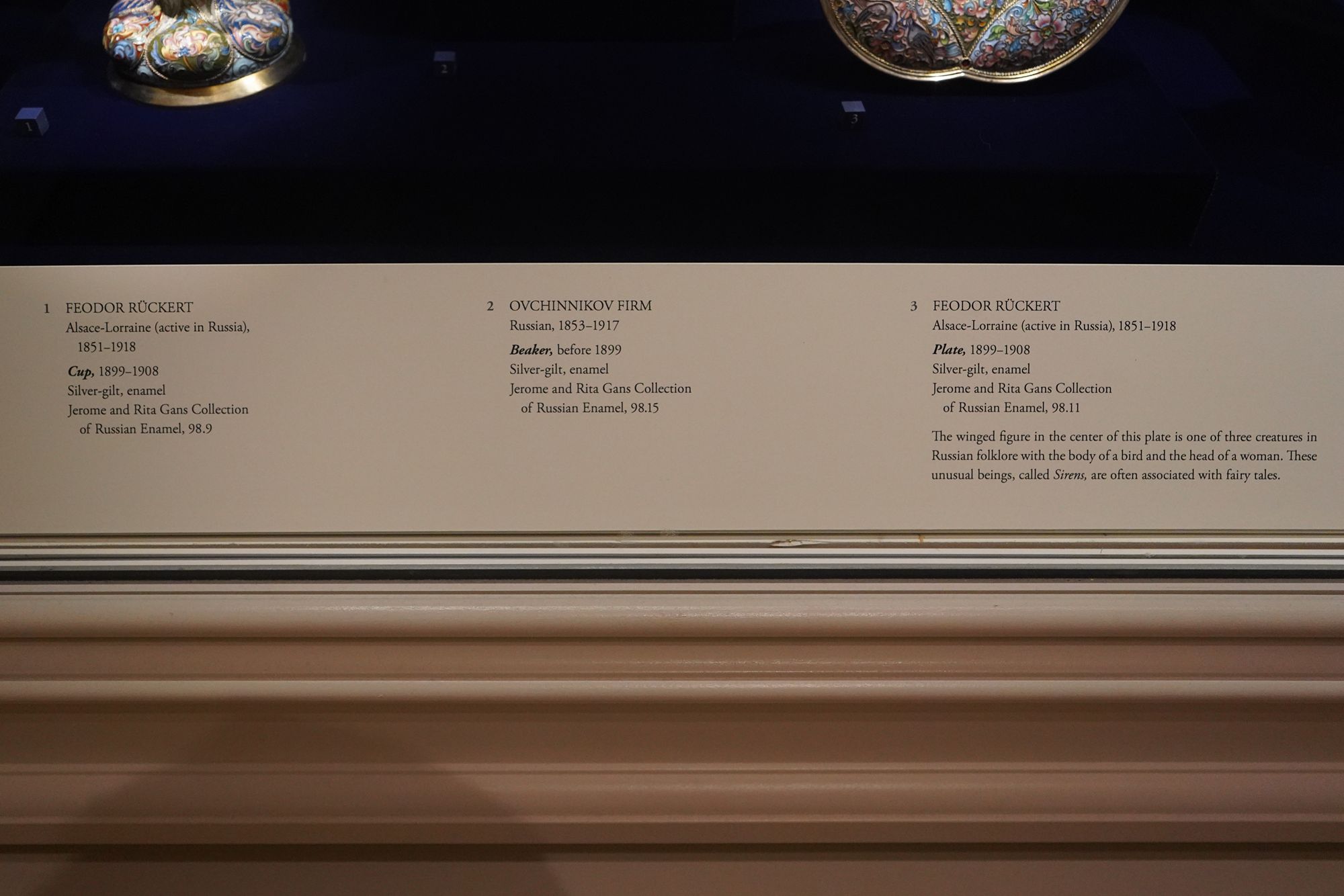
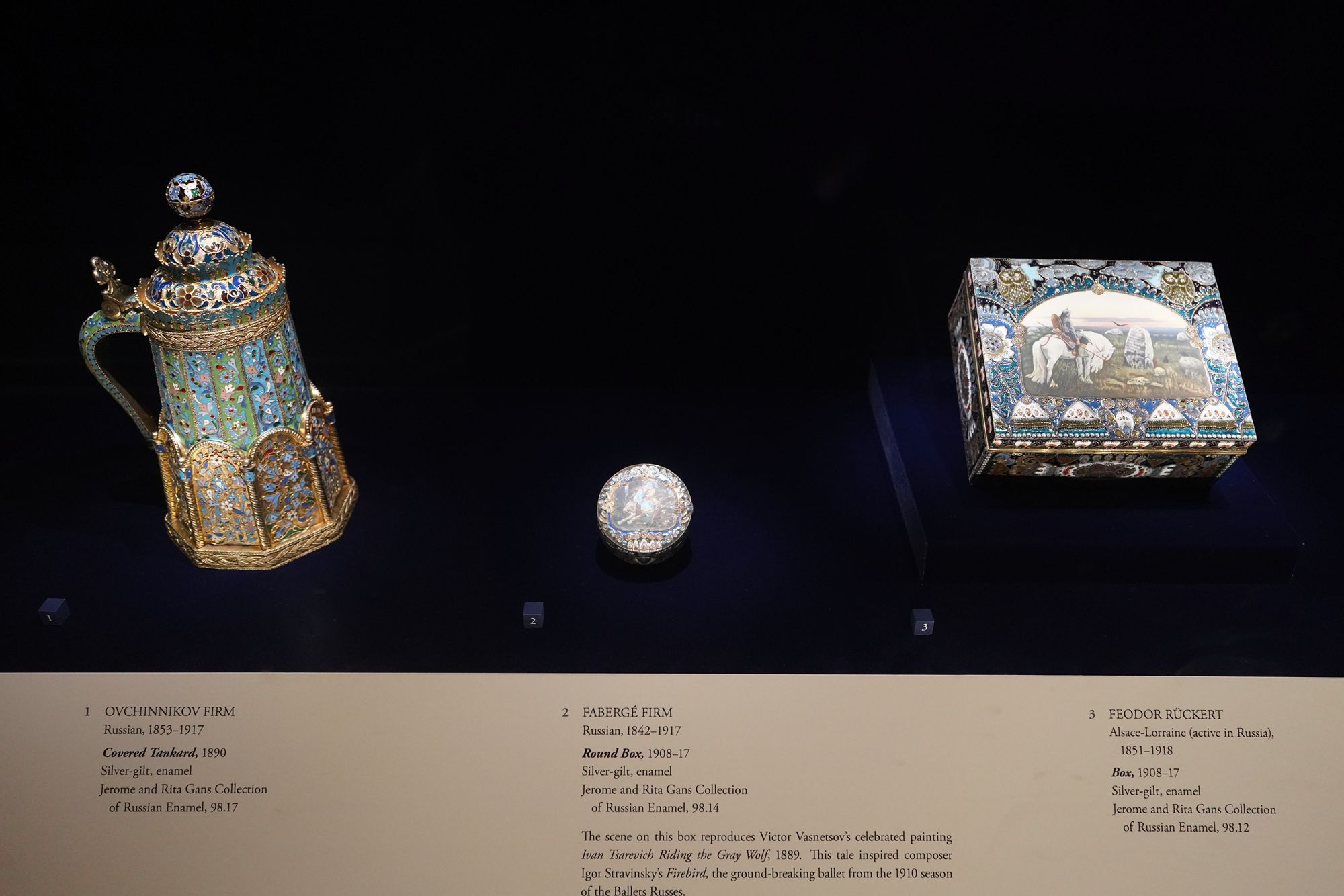
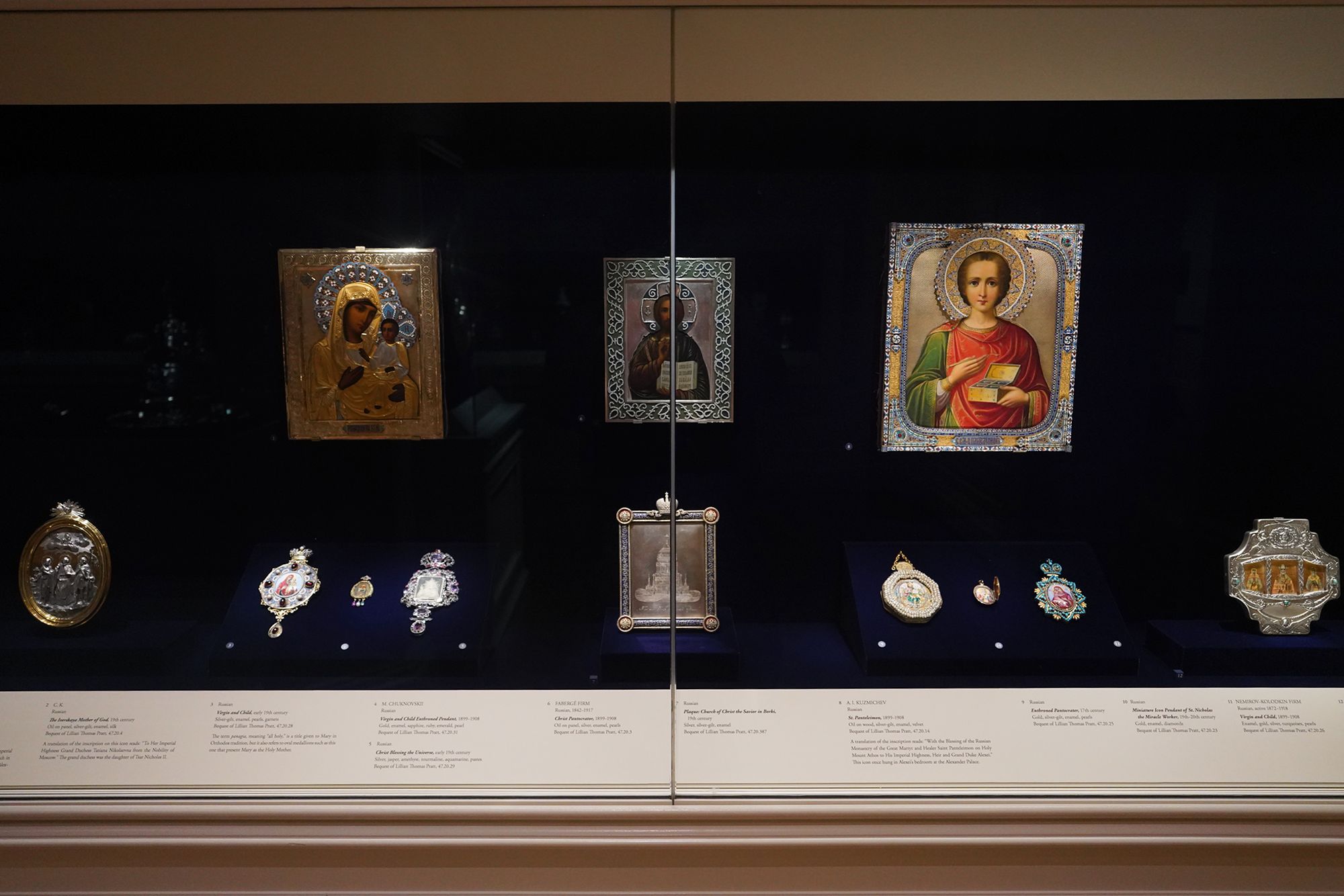
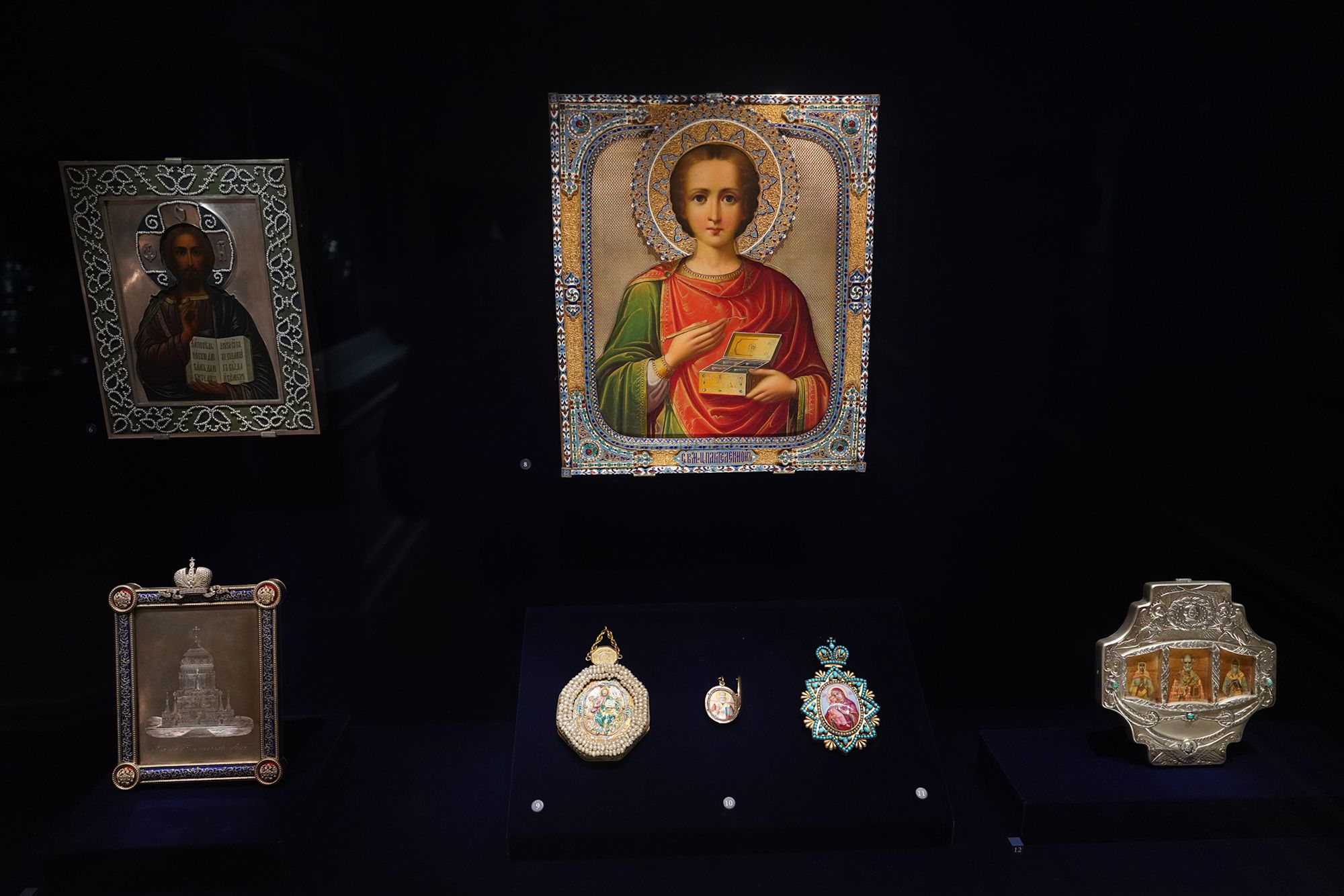
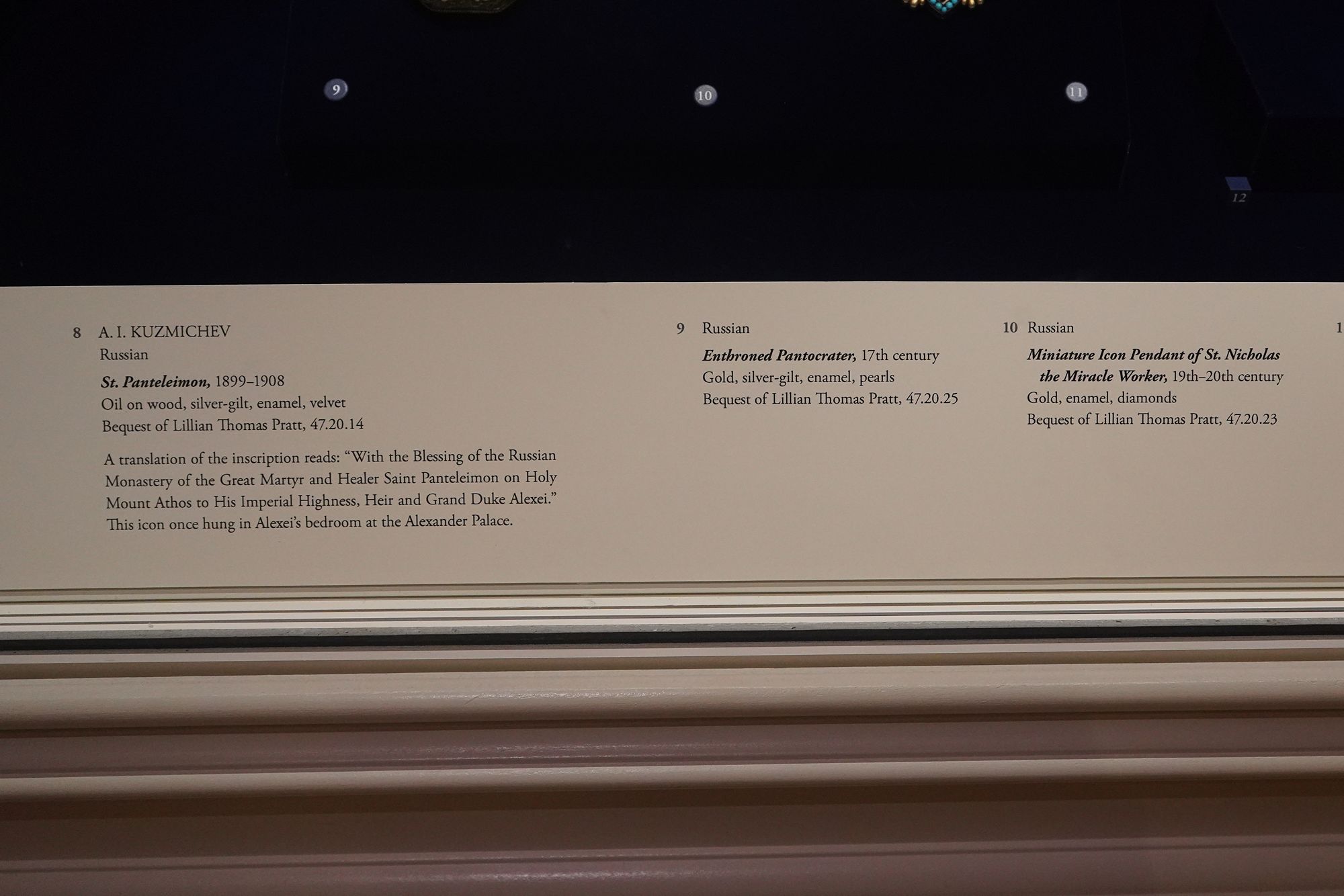
Russian Icons and Religion
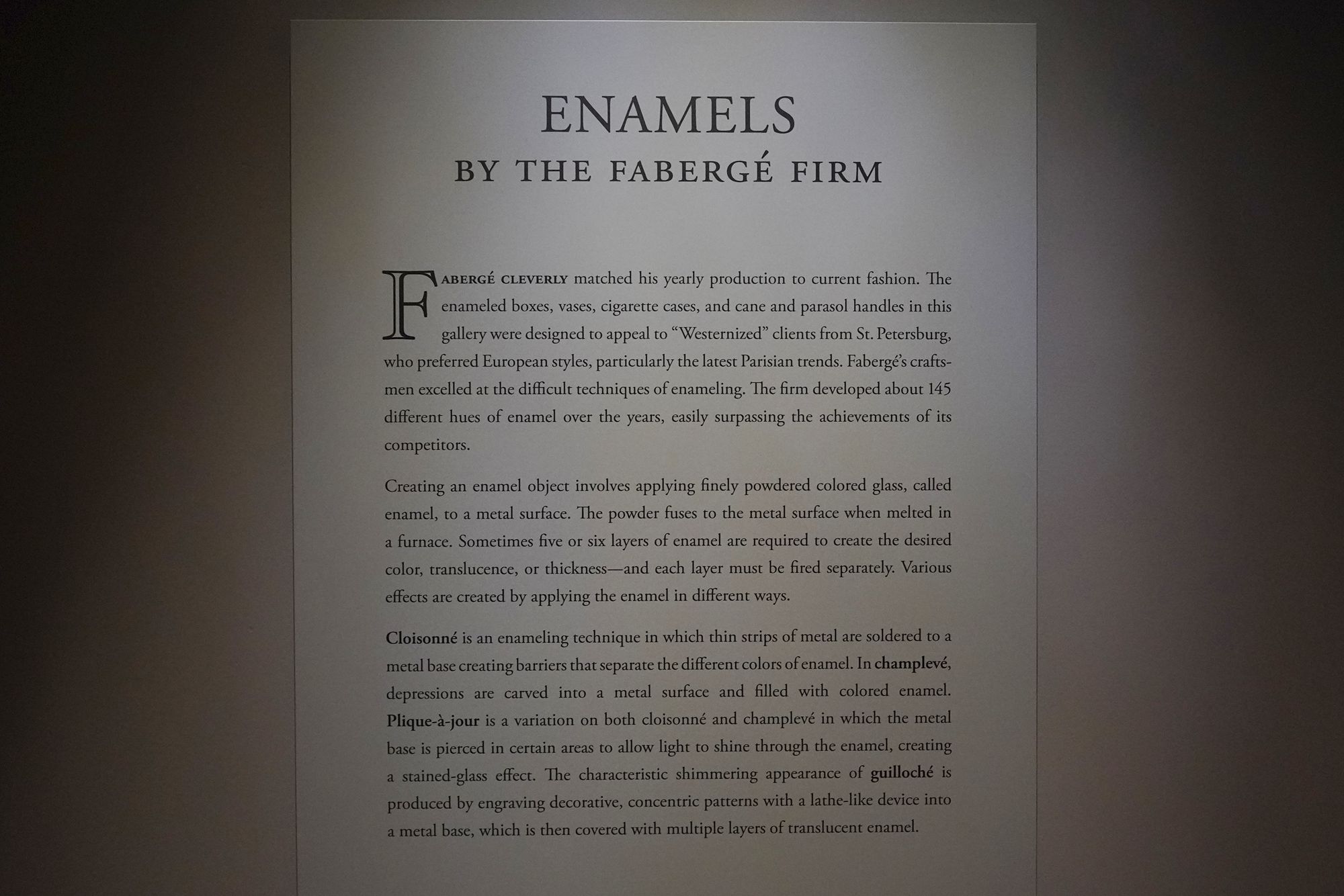
Enamels
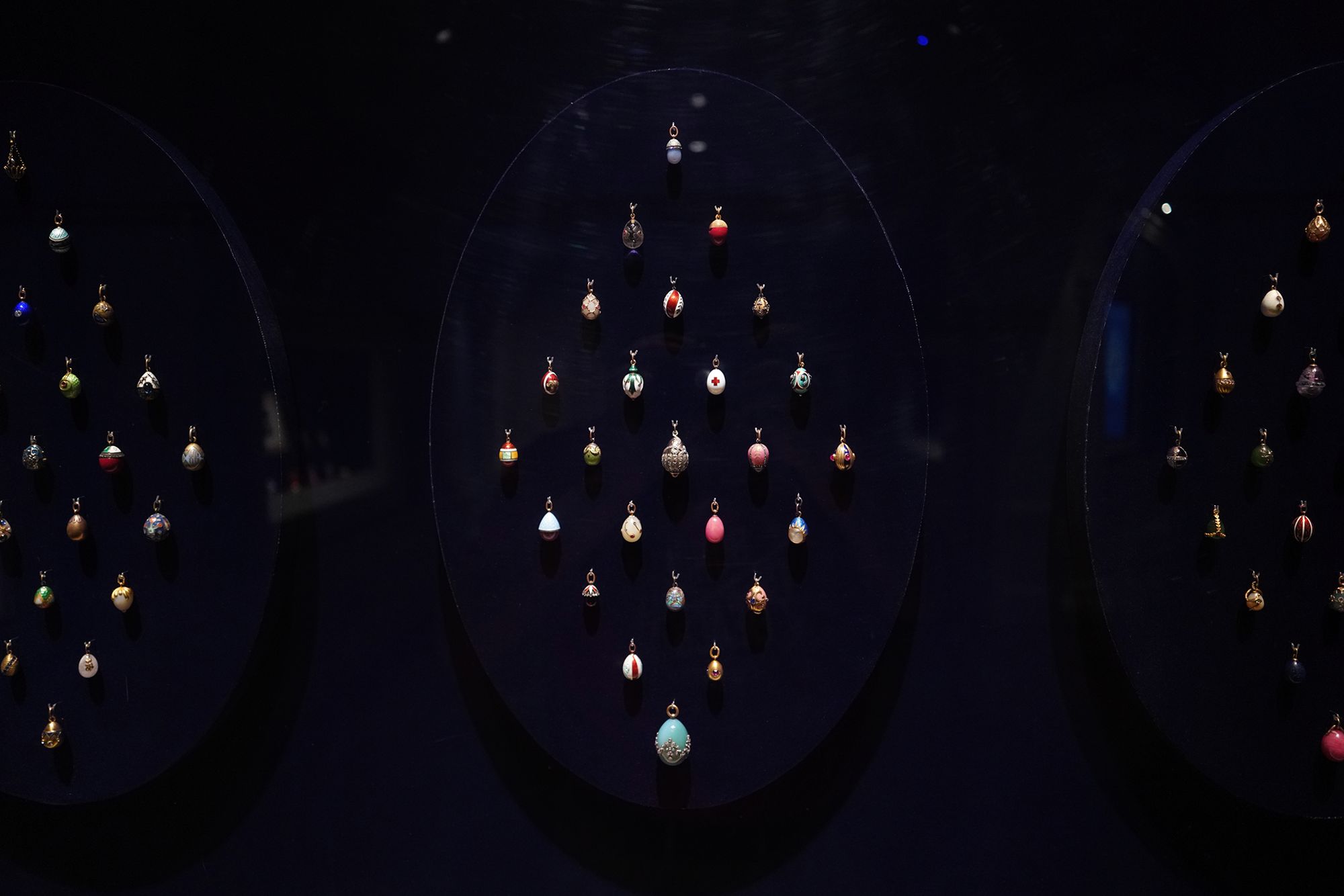
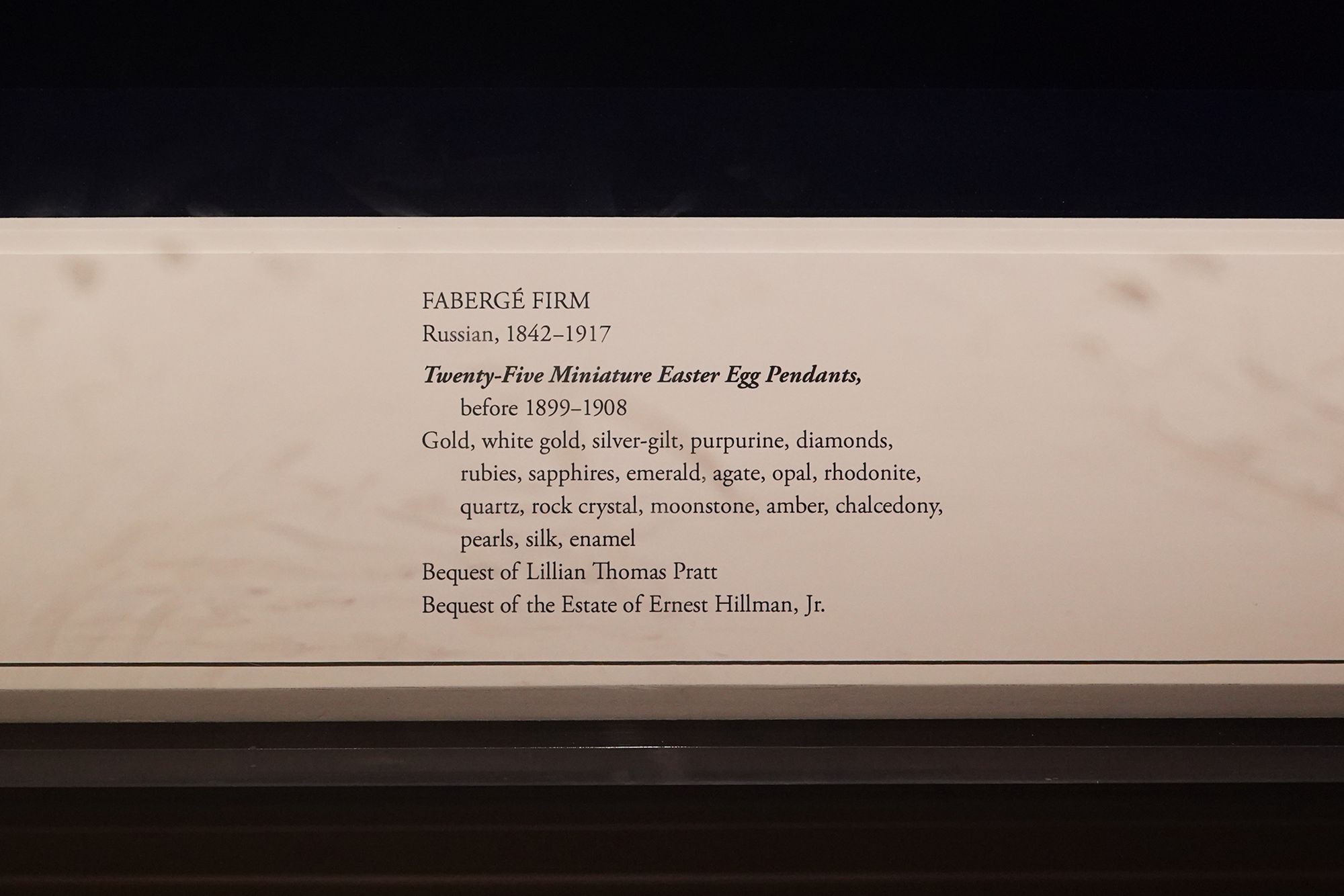
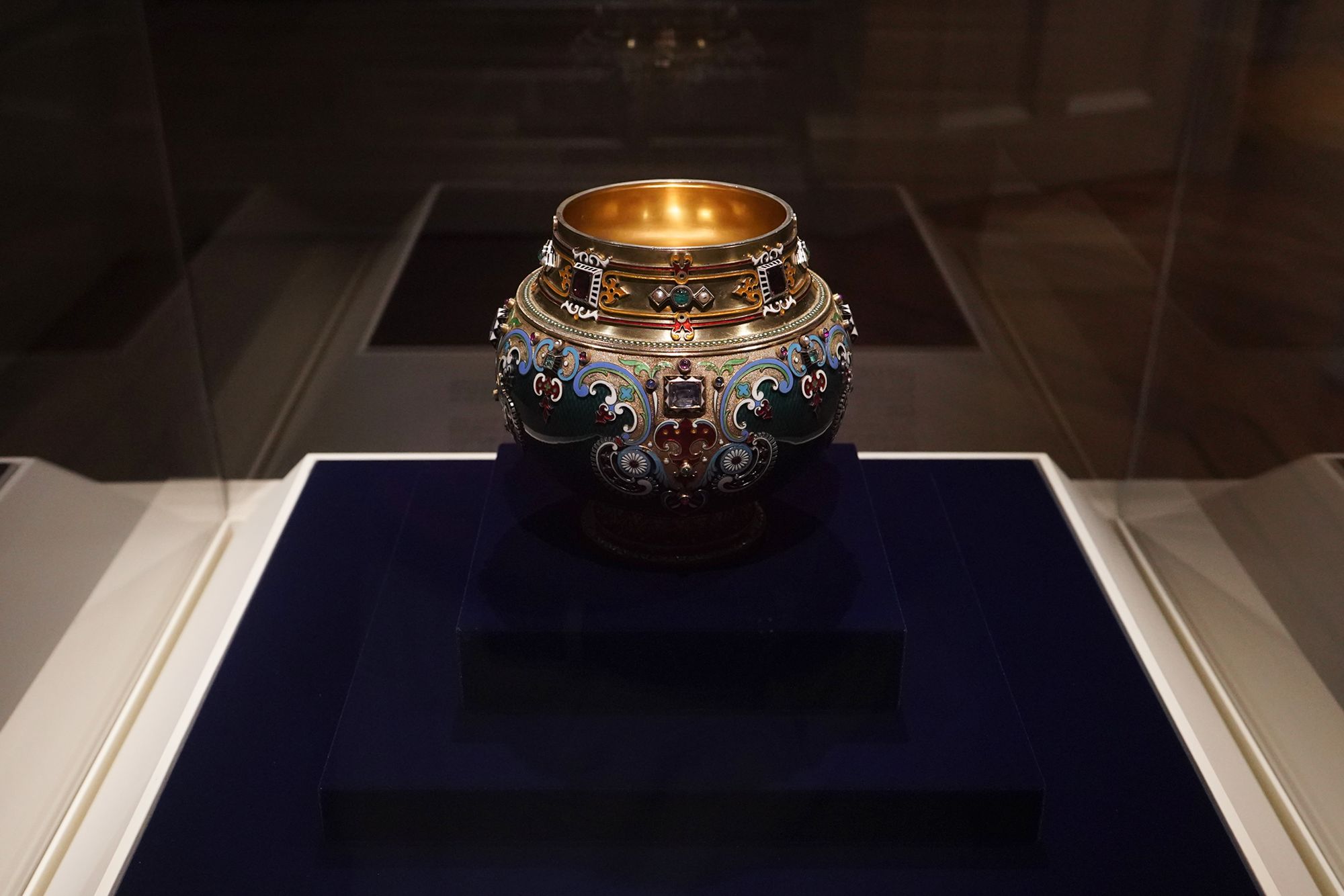
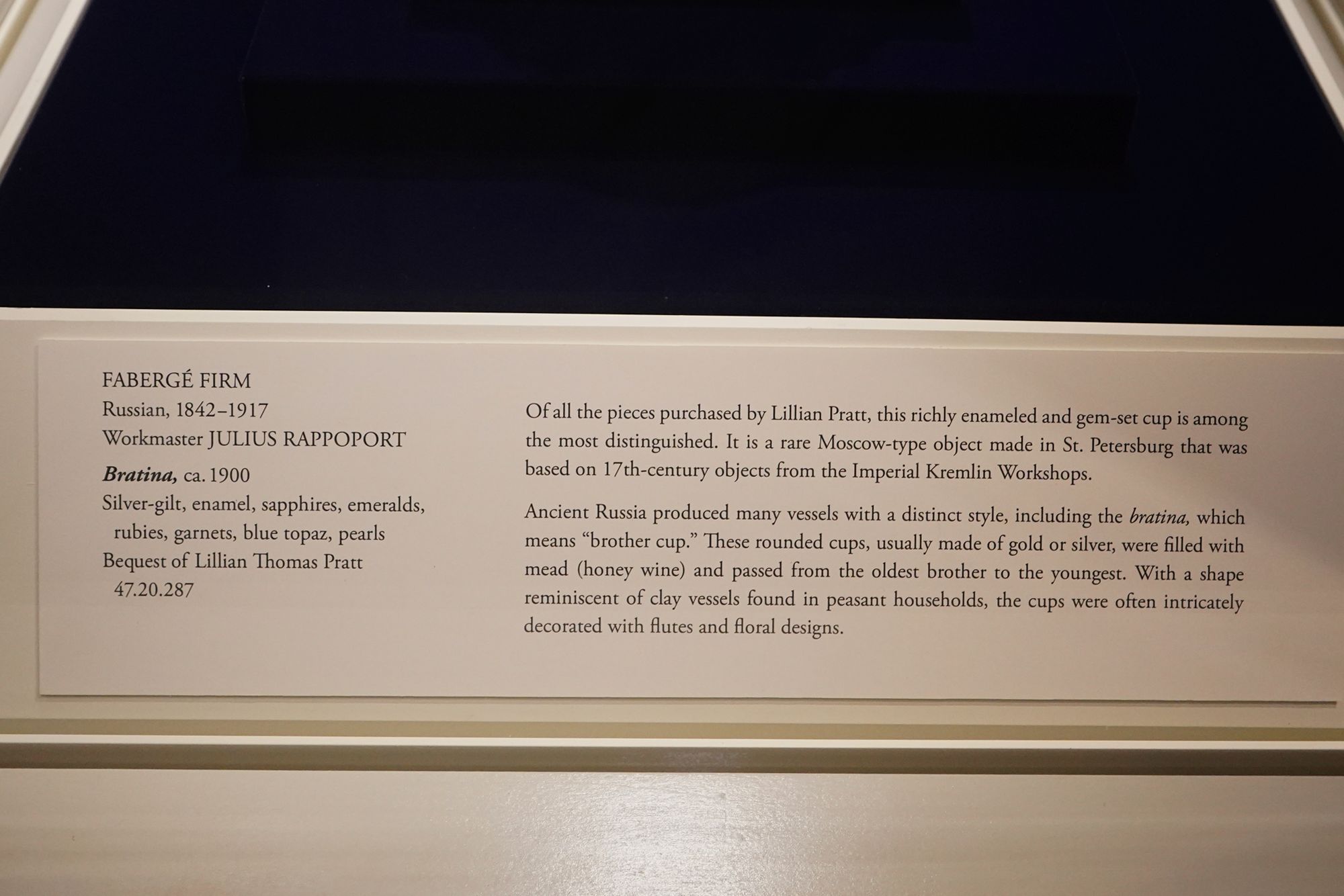
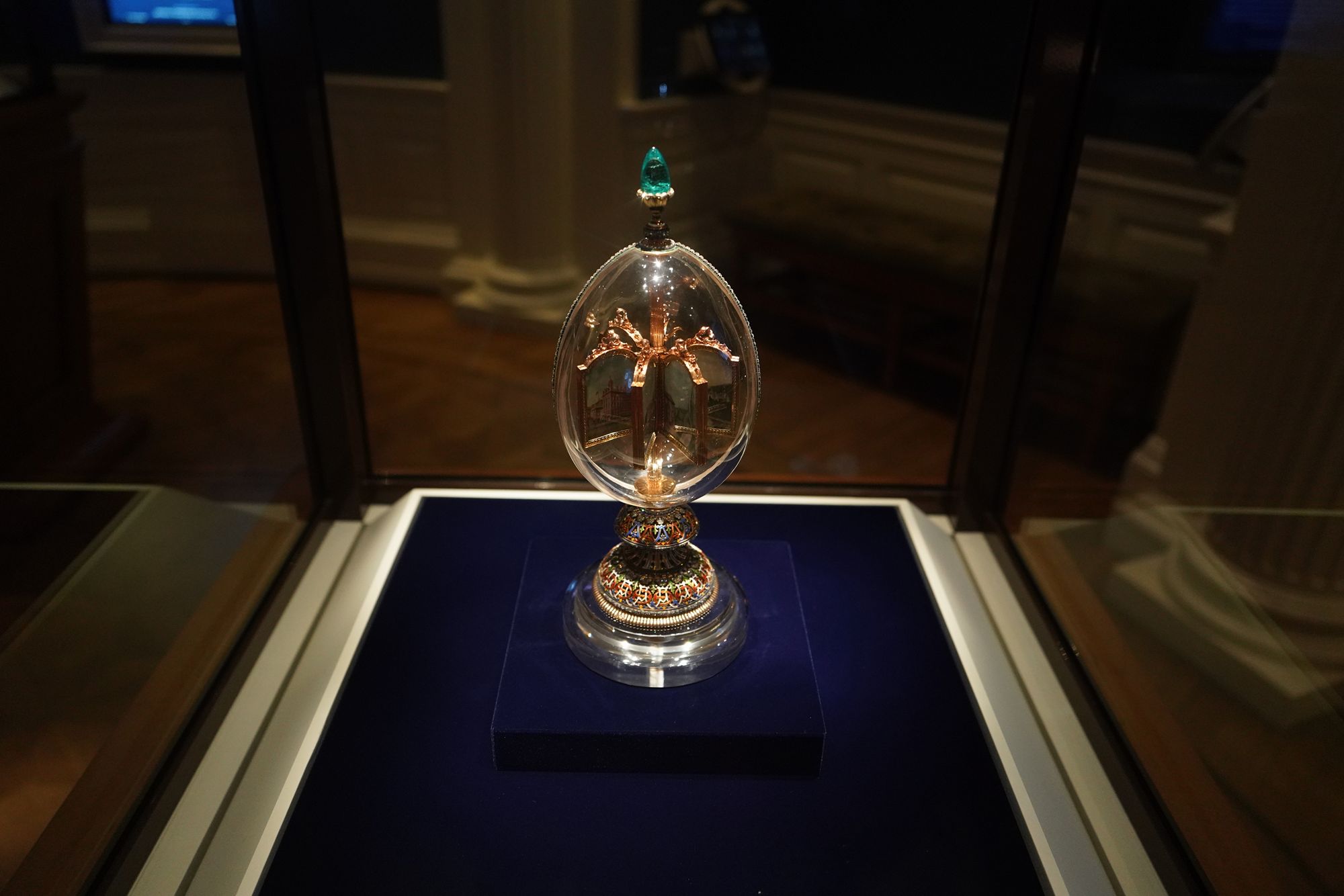
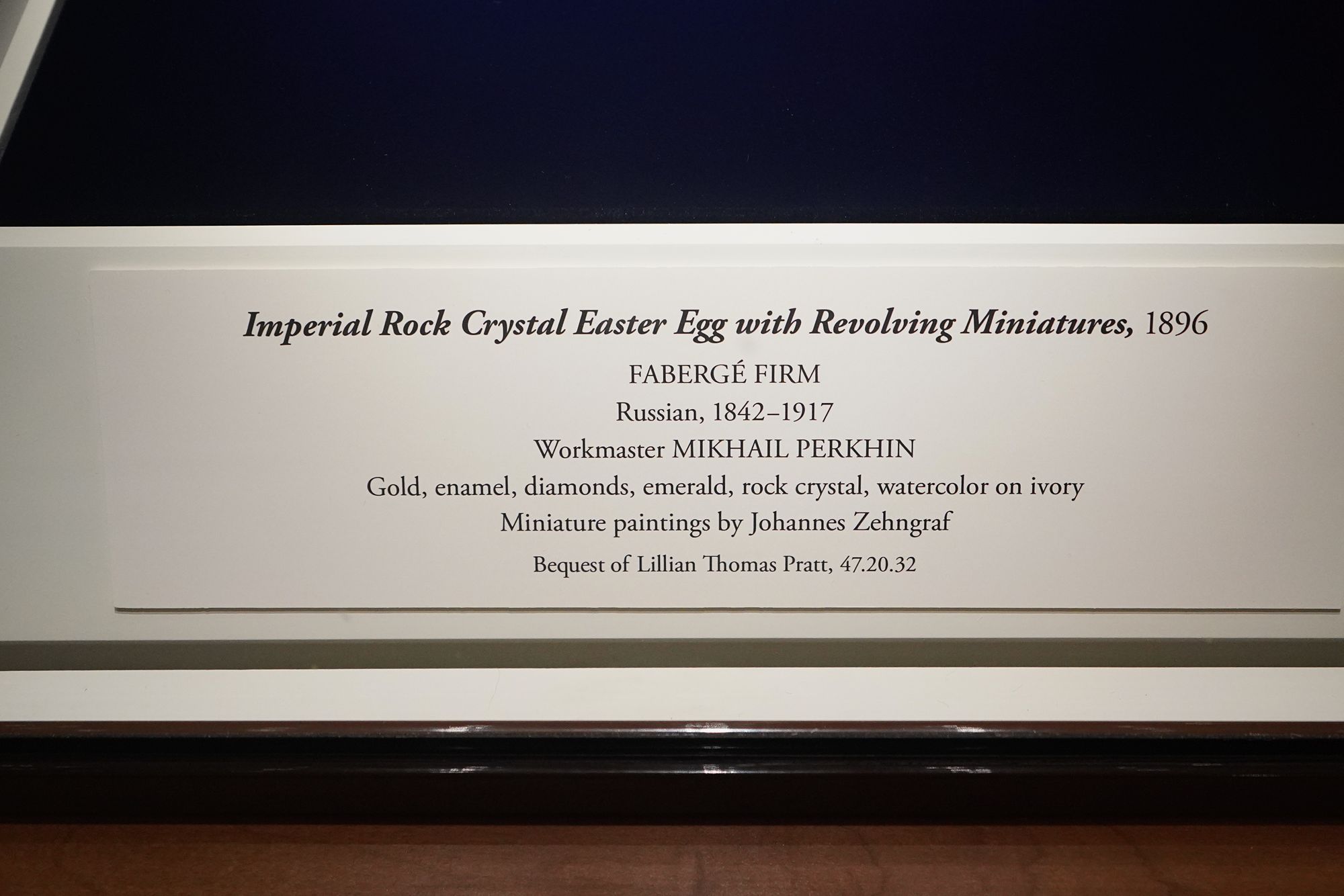
The most iconic Fabergé objects are the “Imperial Easter eggs”—jewelled, enamelled eggs created for the Russian tsars.
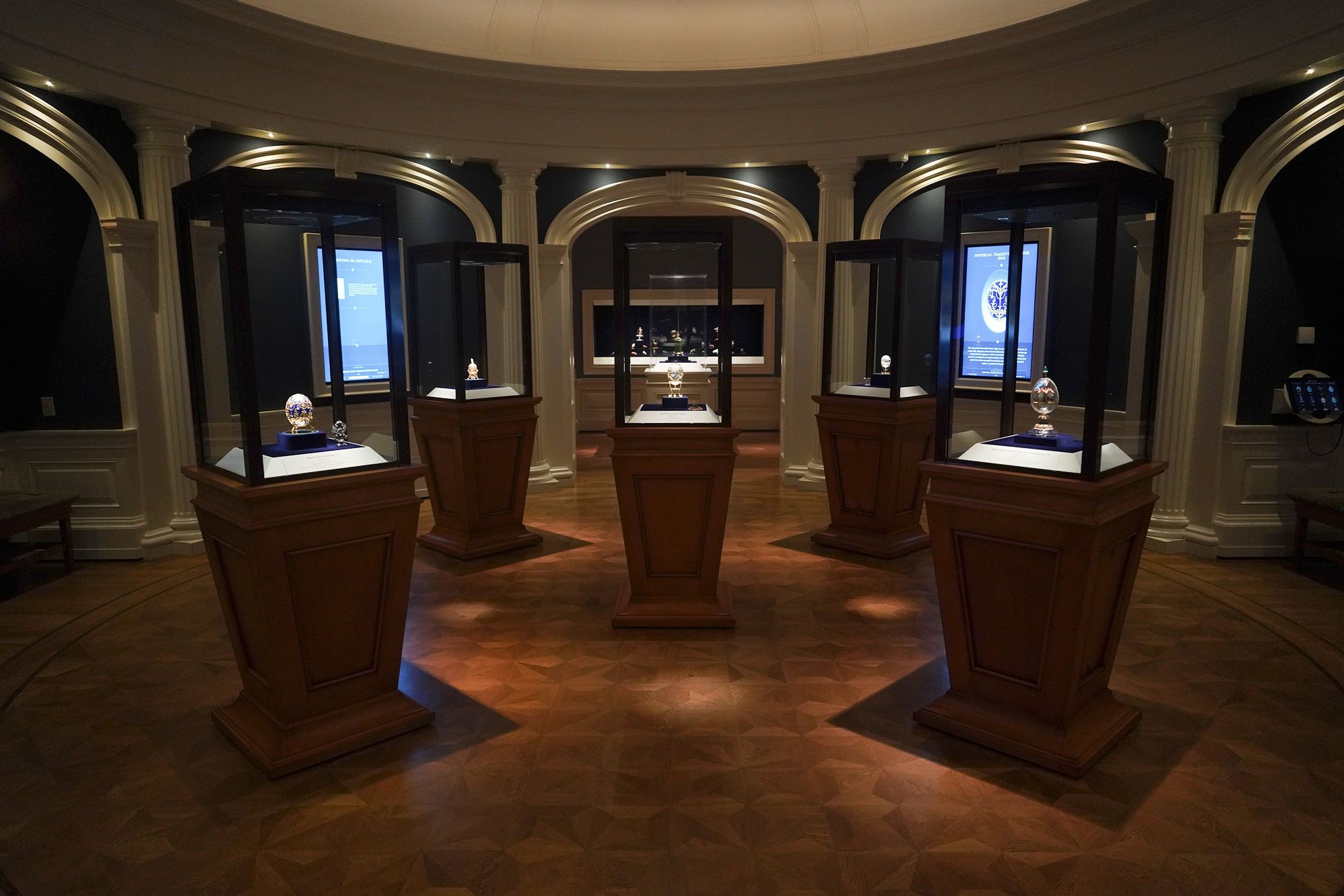
The first one of this series was commissioned in 1885 by Alexander III of Russia for his wife, Empress Maria Feodorovna.
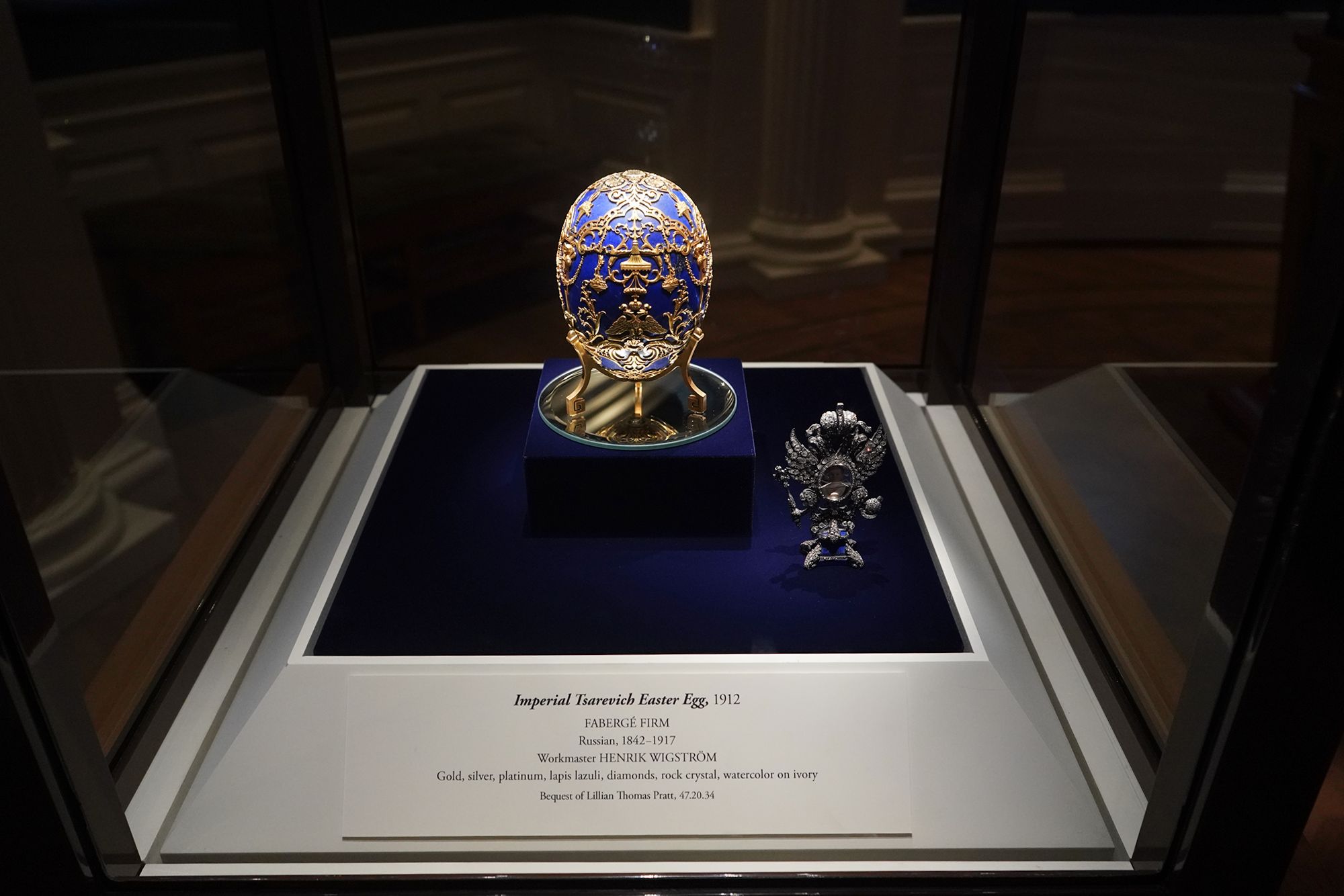
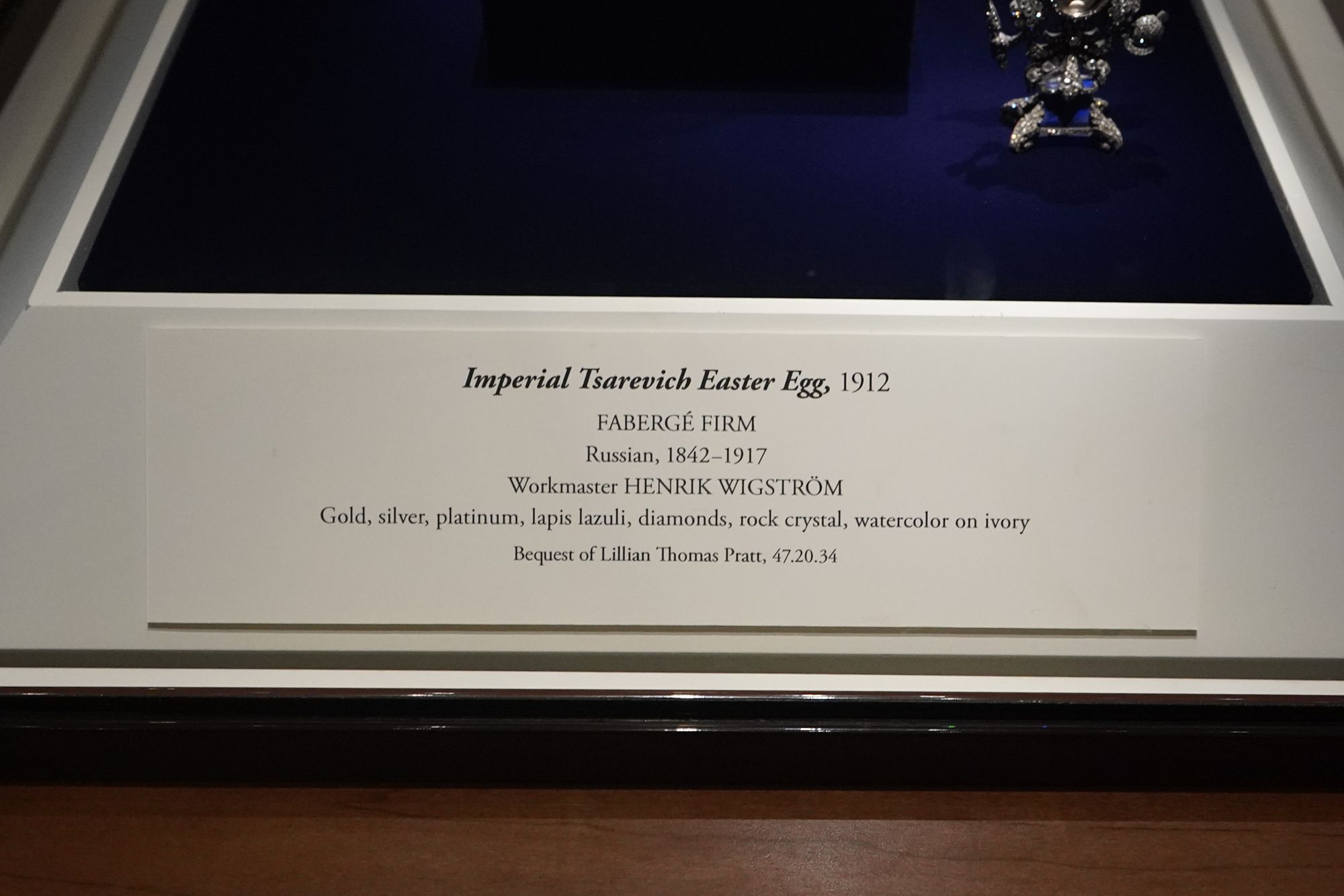
These eggs were not just beautiful—they incorporated a “surprise” inside (miniatures, clockworks, miniature scenes, automata) and each was unique.
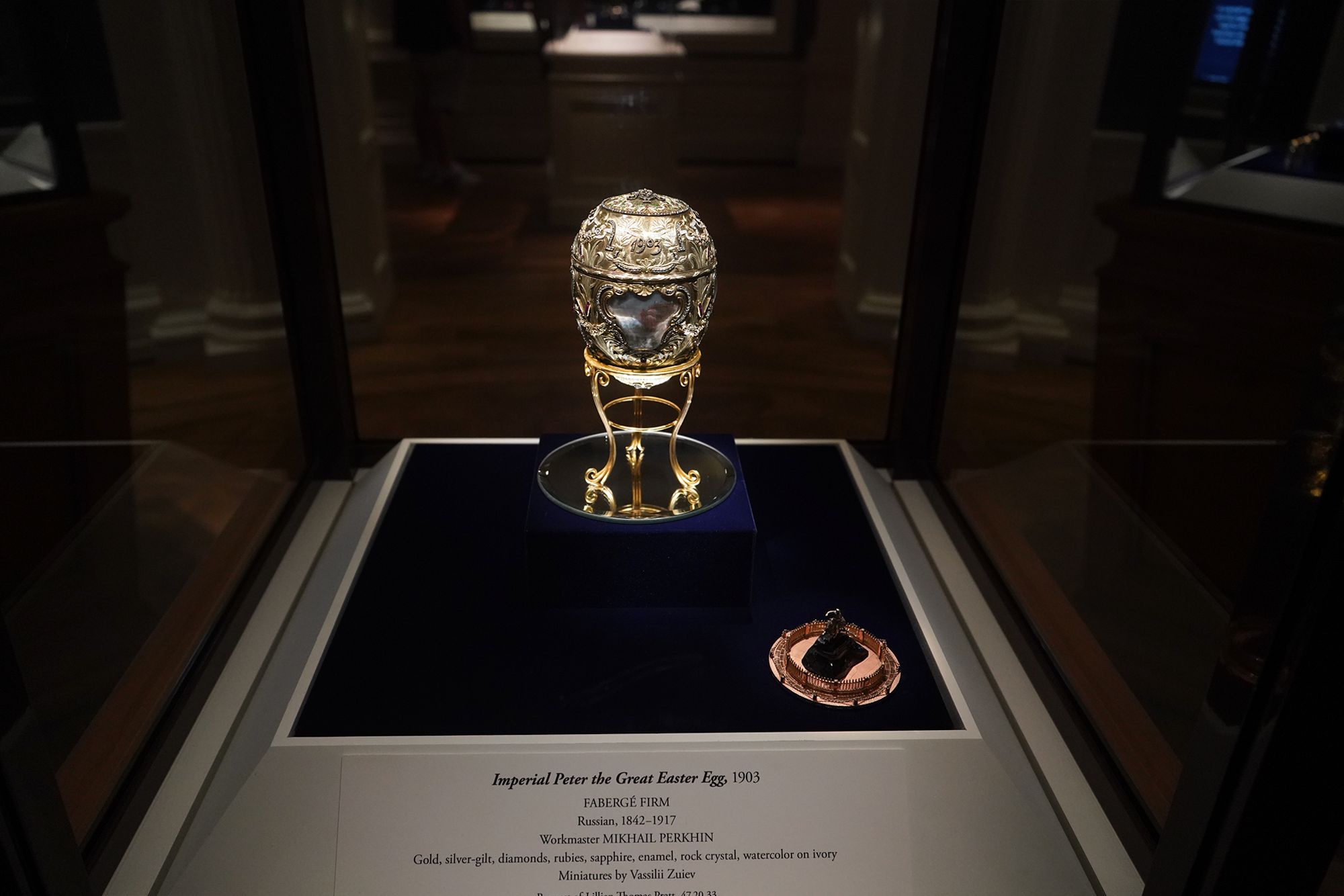
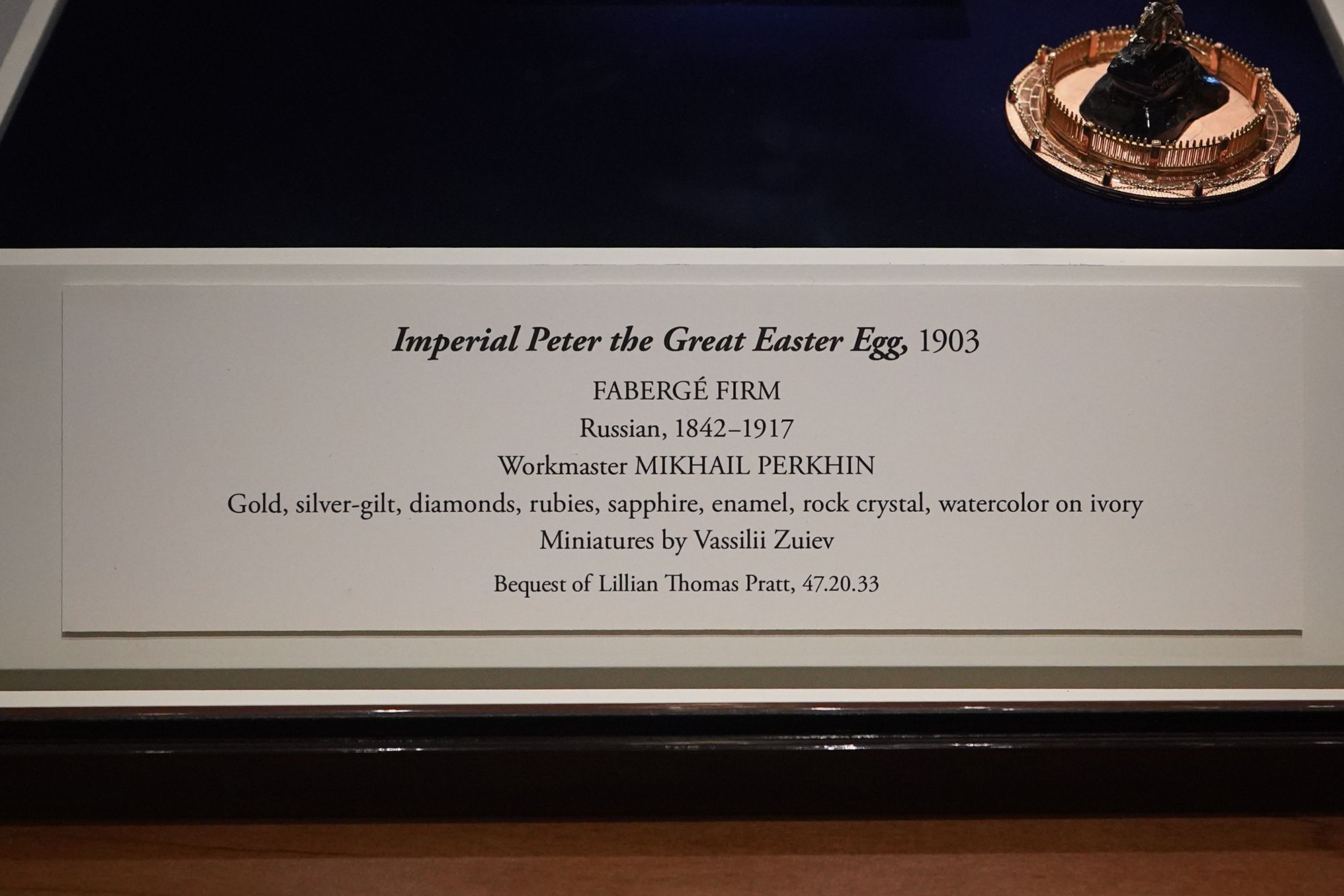
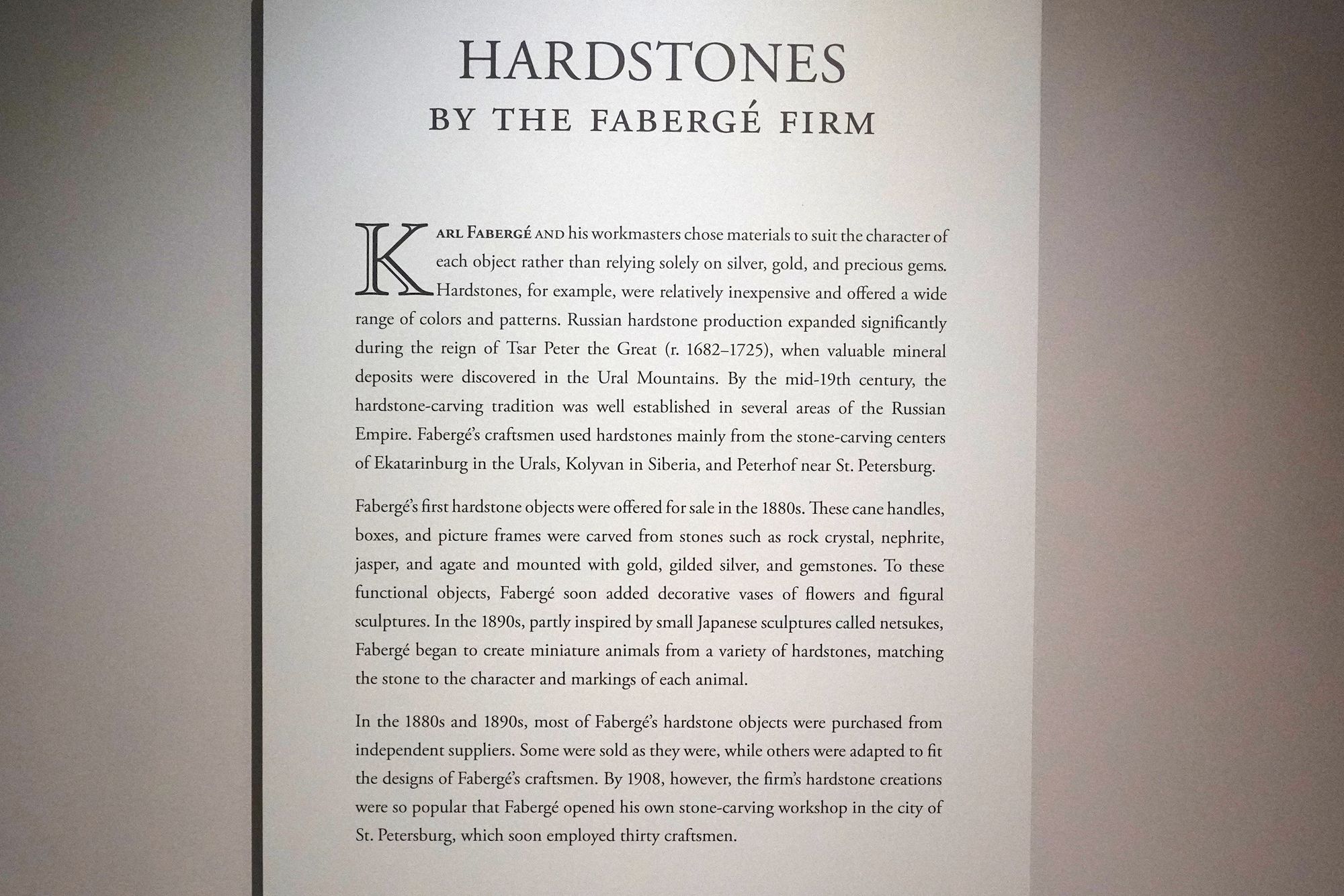
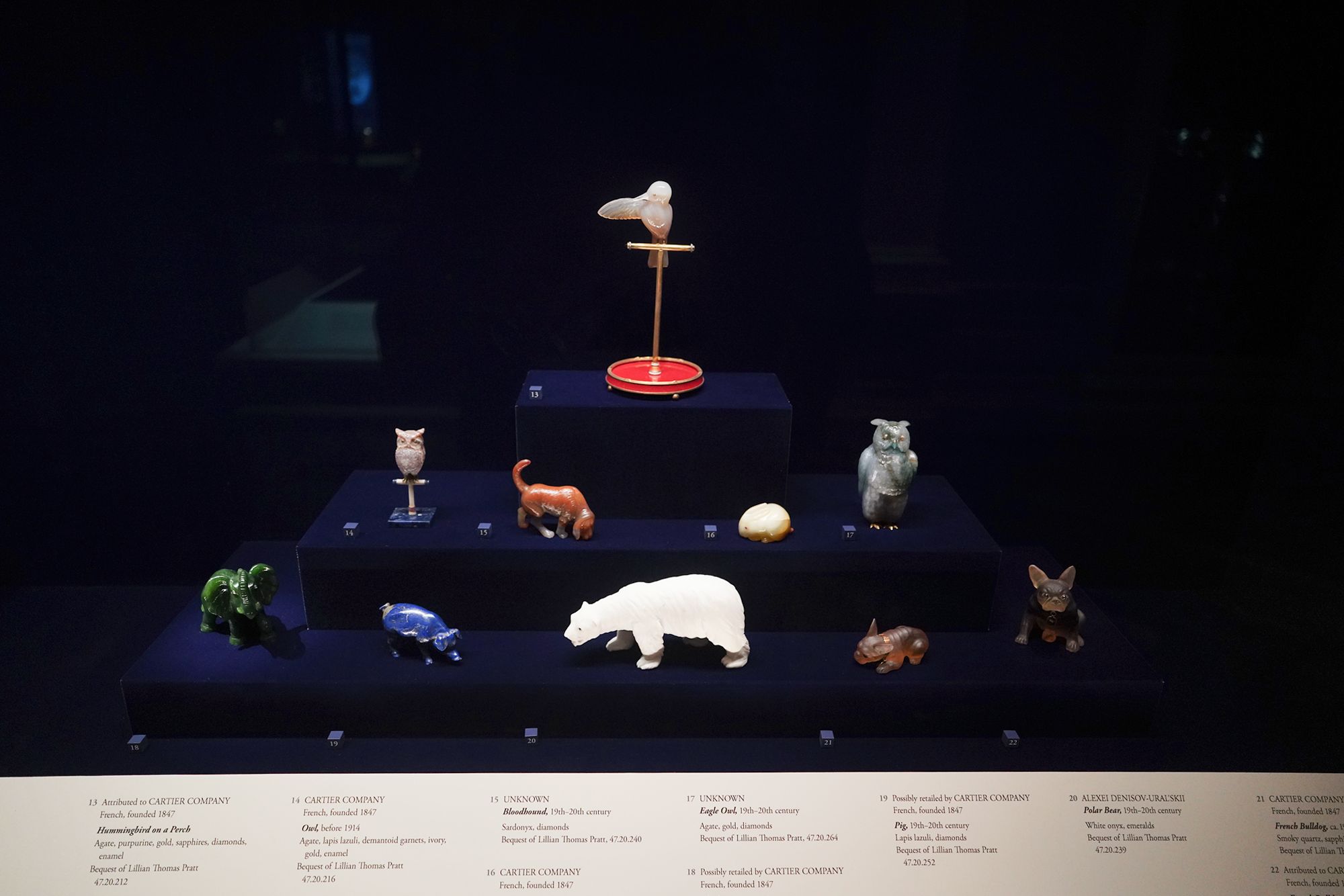
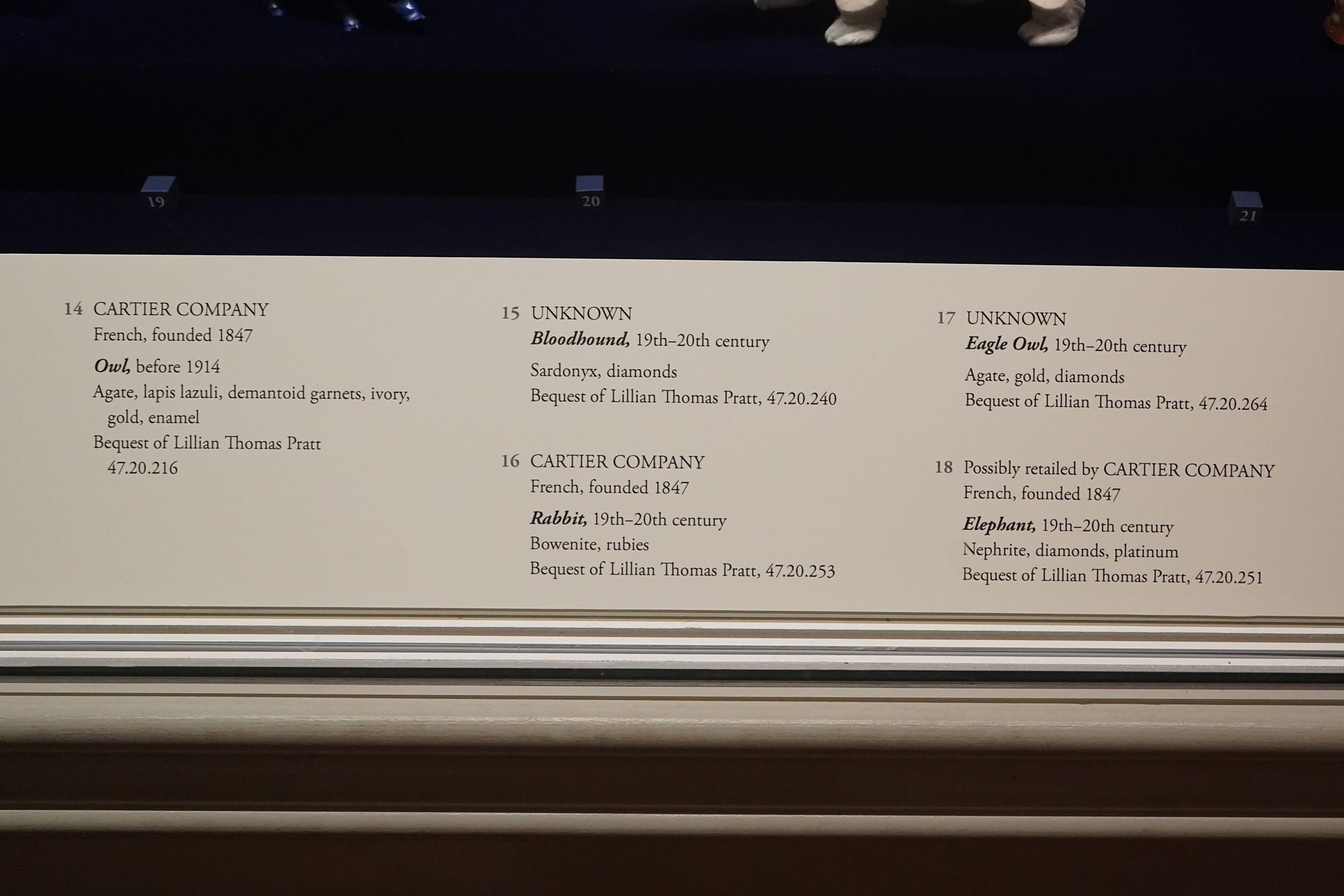
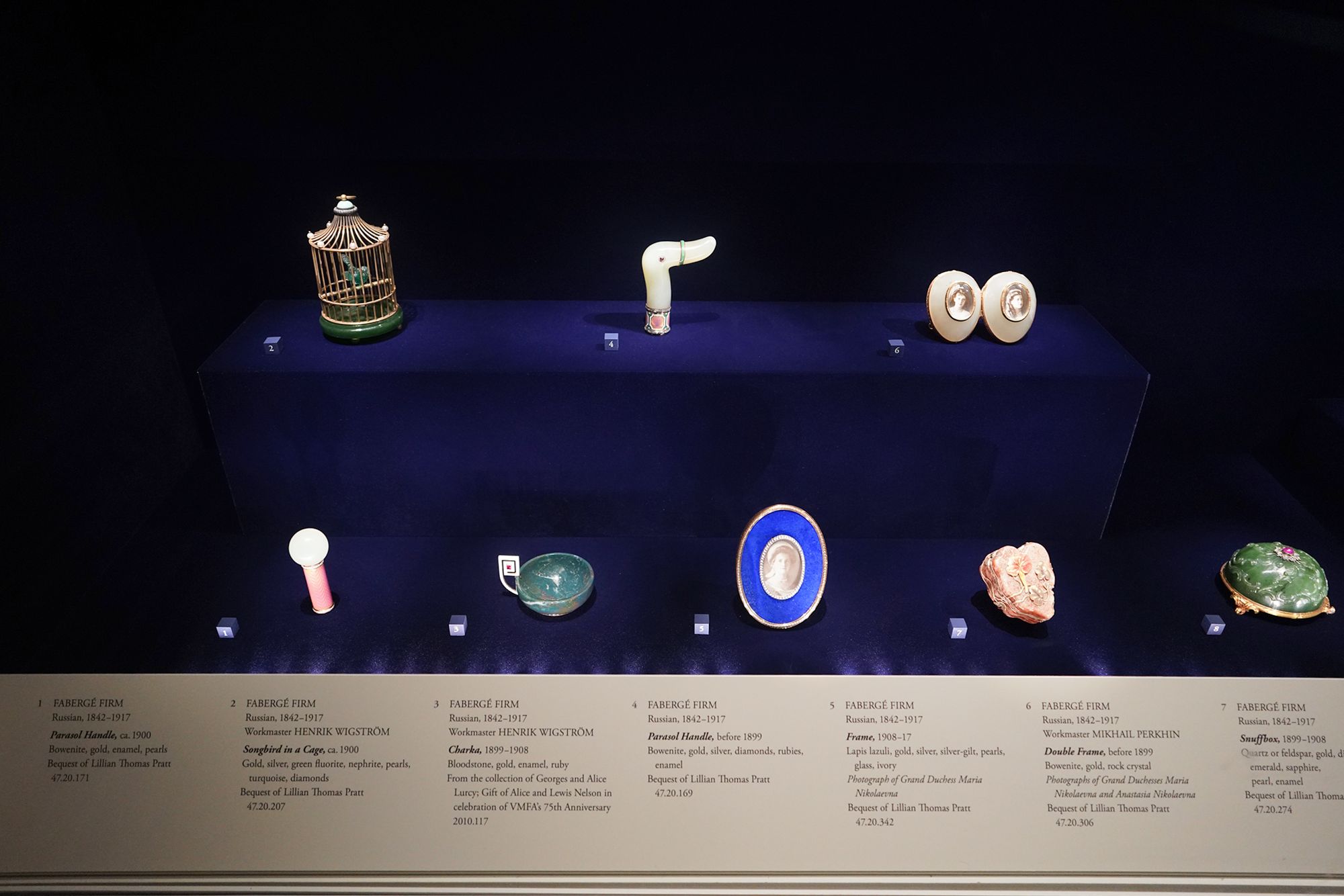
Hardstones