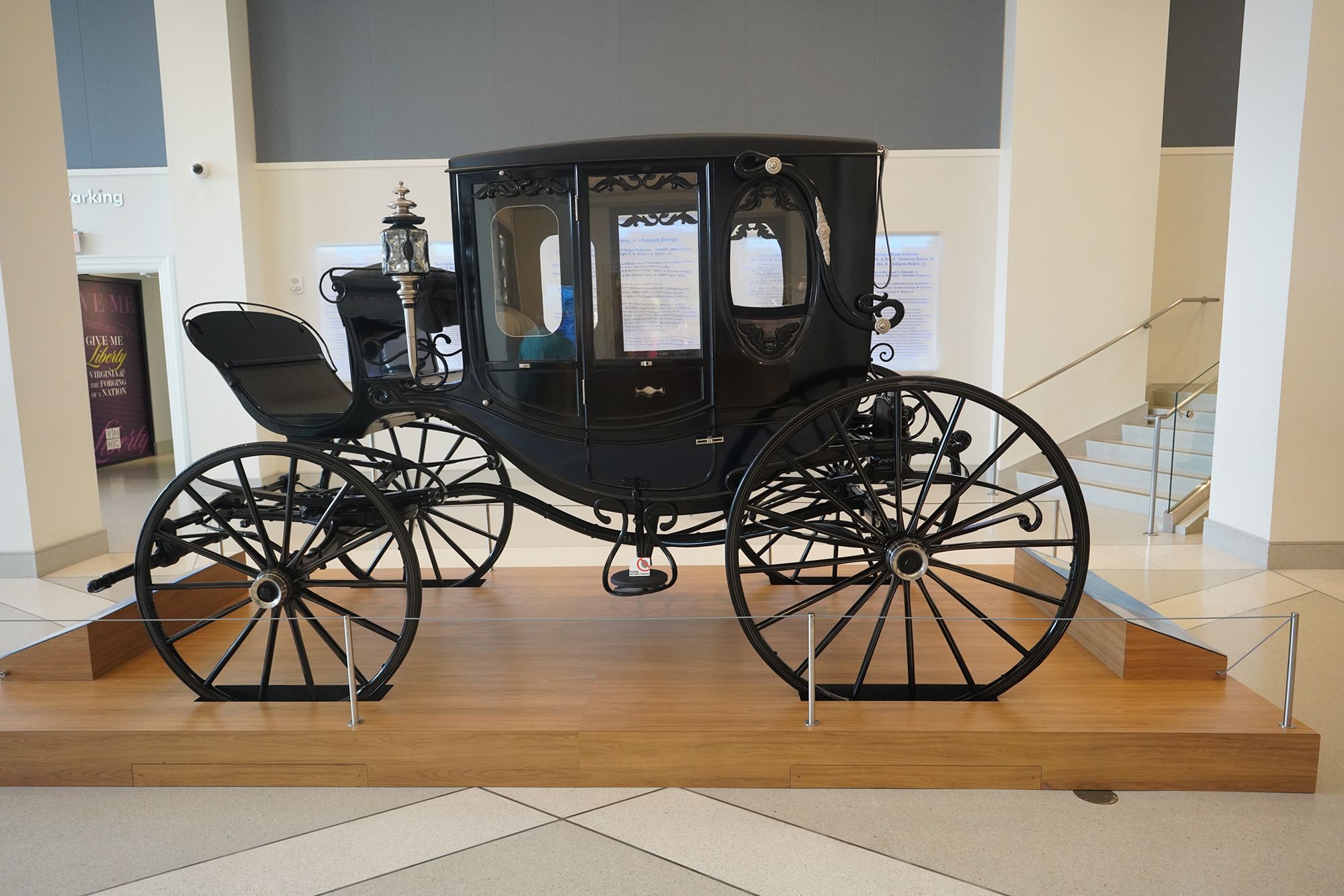
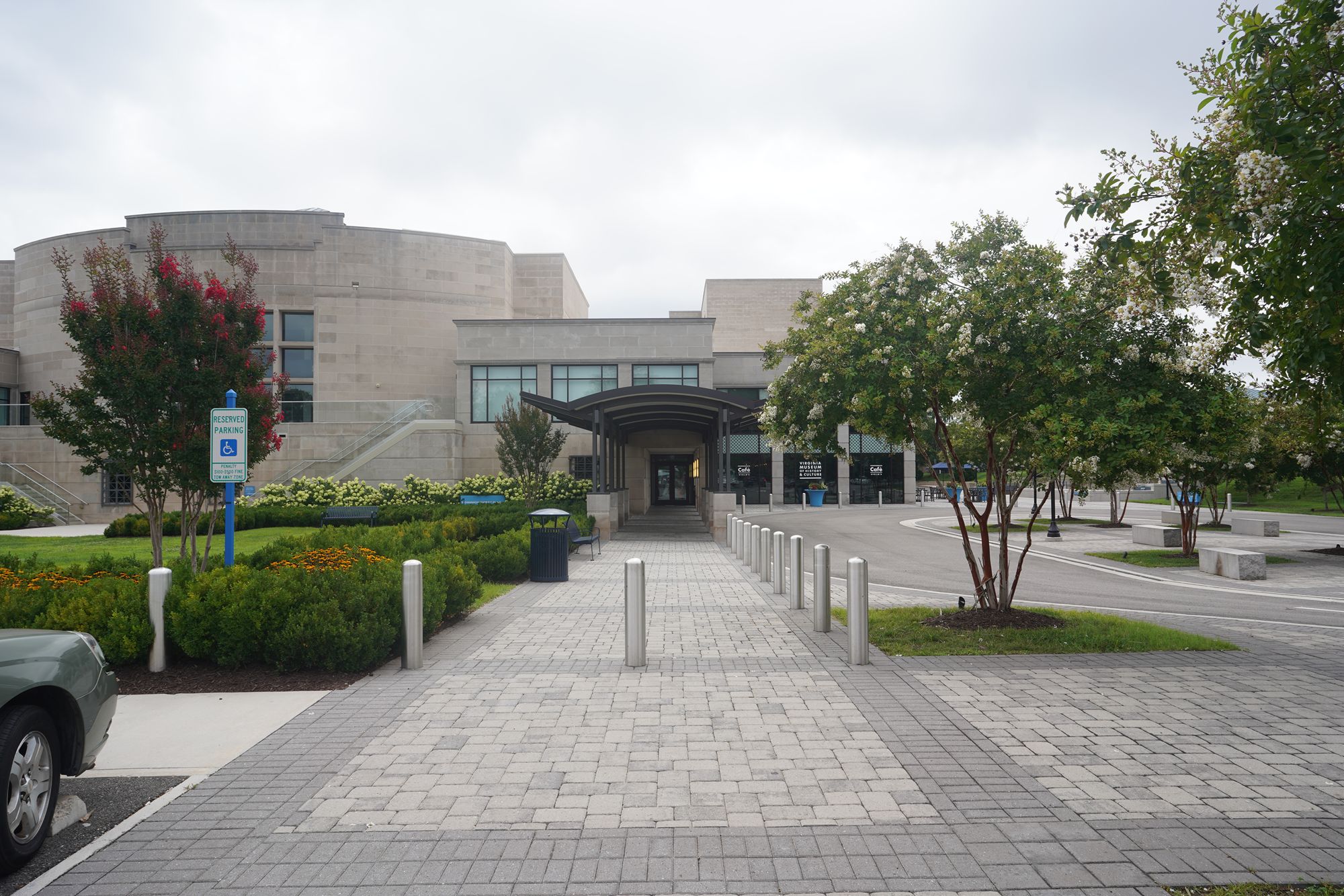
Virginia Museum of History & Culture, Richmond, Virginia, USA
The Virginia Museum of History and Culture in Richmond is dedicated to preserving and interpreting the state’s rich past from its early Native American roots to the present. 1108
Virginia Museum of History & Culture: 428 N Arthur Ashe Blvd, Richmond, VA 23220
Date Picture Taken: July 2025
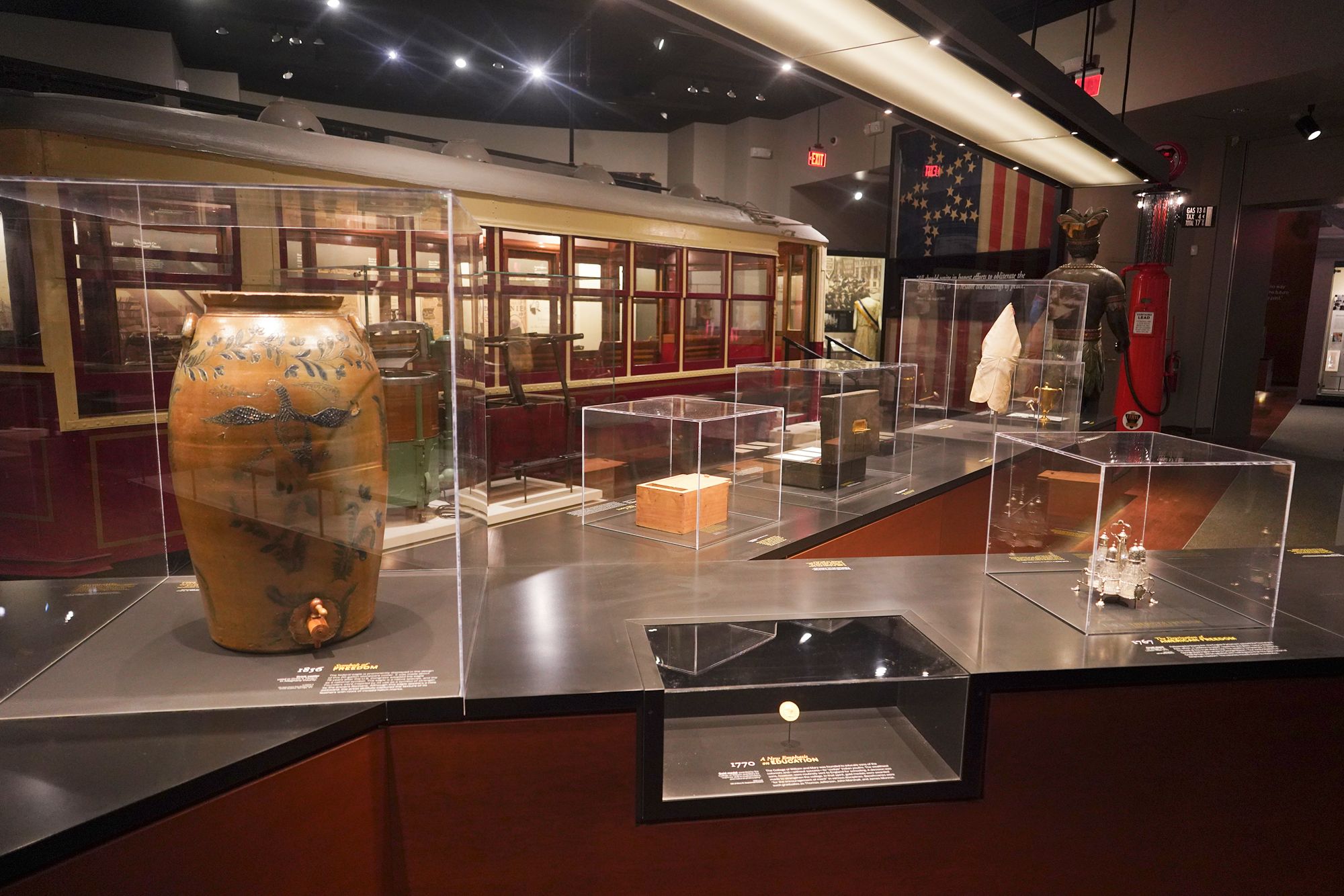
Its exhibitions feature historical artifacts, documents, photographs, and multimedia displays that explore Virginia’s role in shaping American history, including colonial settlement, the Revolution, the Civil War, and civil rights.

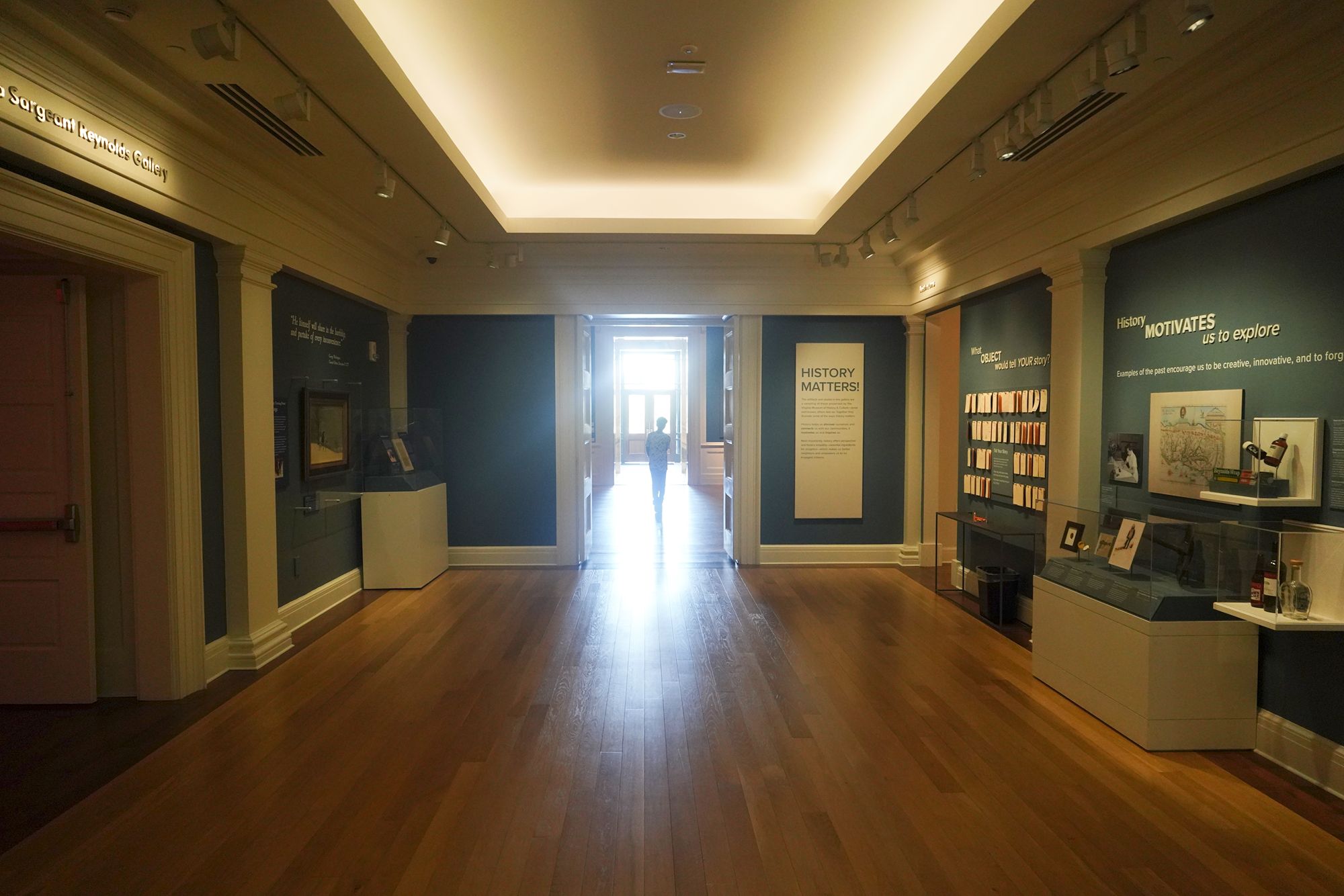
Treasures of Virginia
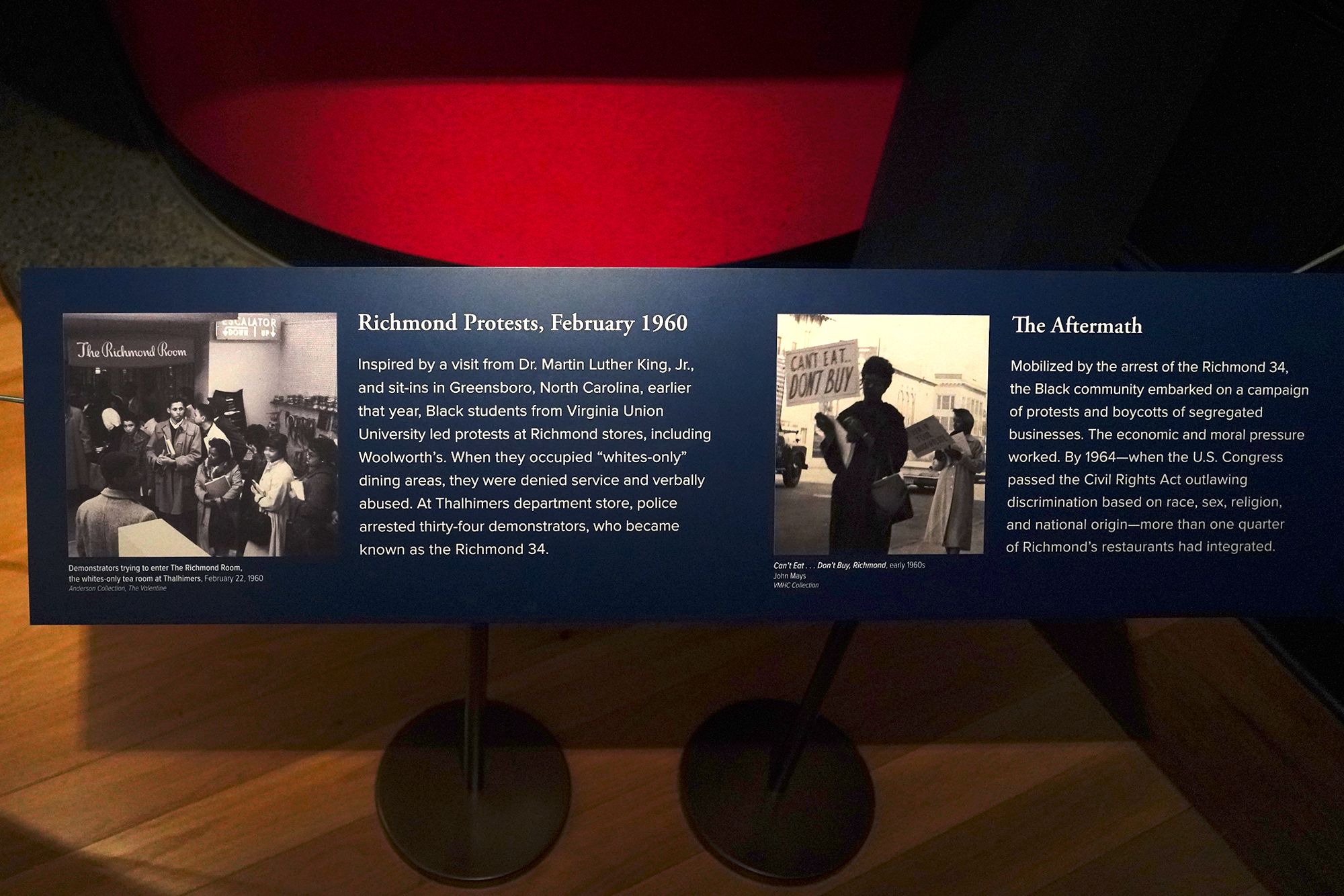
The Virginia Museum of History and Culture includes exhibits on the civil rights sit-ins that took place in Virginia during the 1960s, when African American students peacefully protested segregation by sitting at whites-only lunch counters.
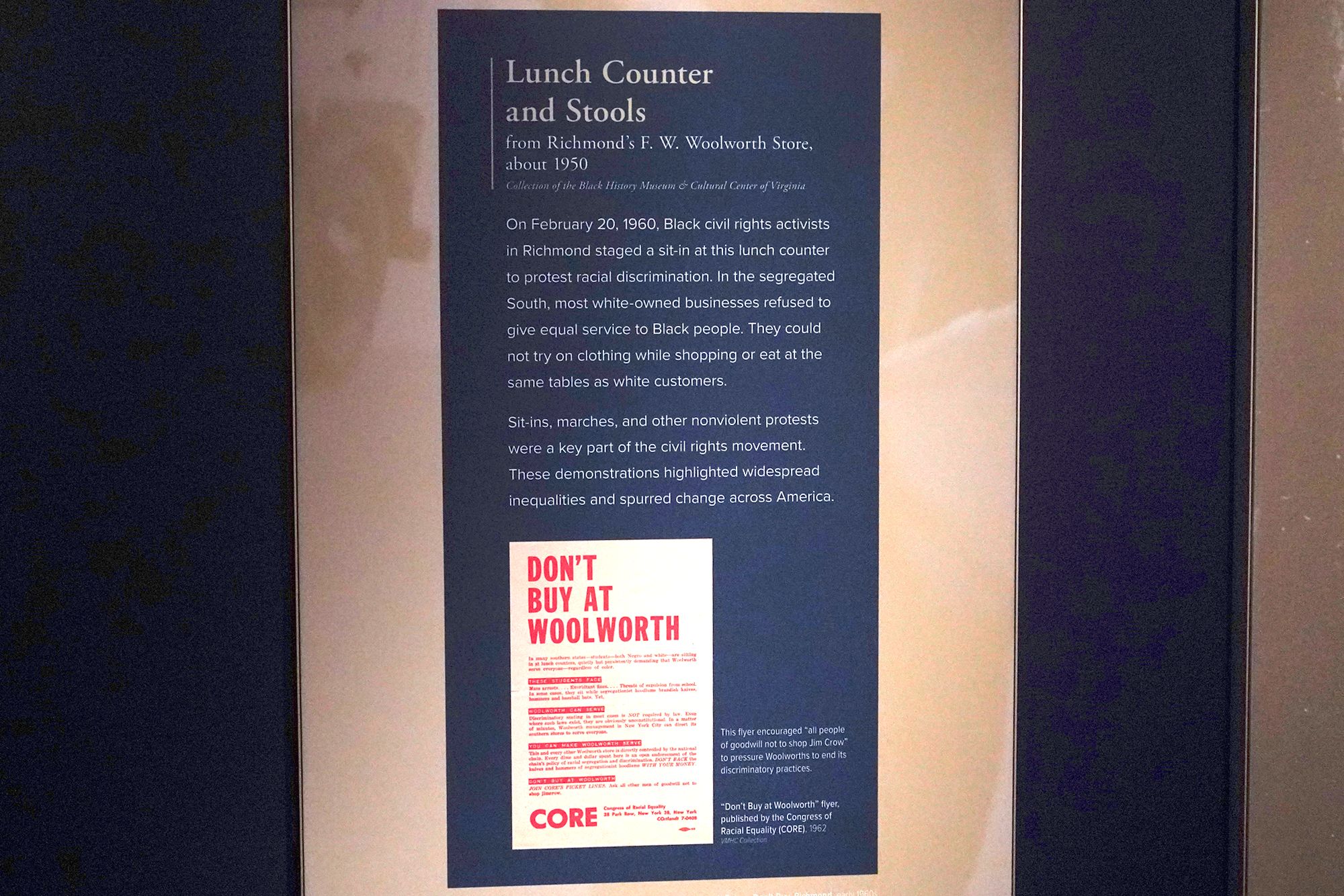
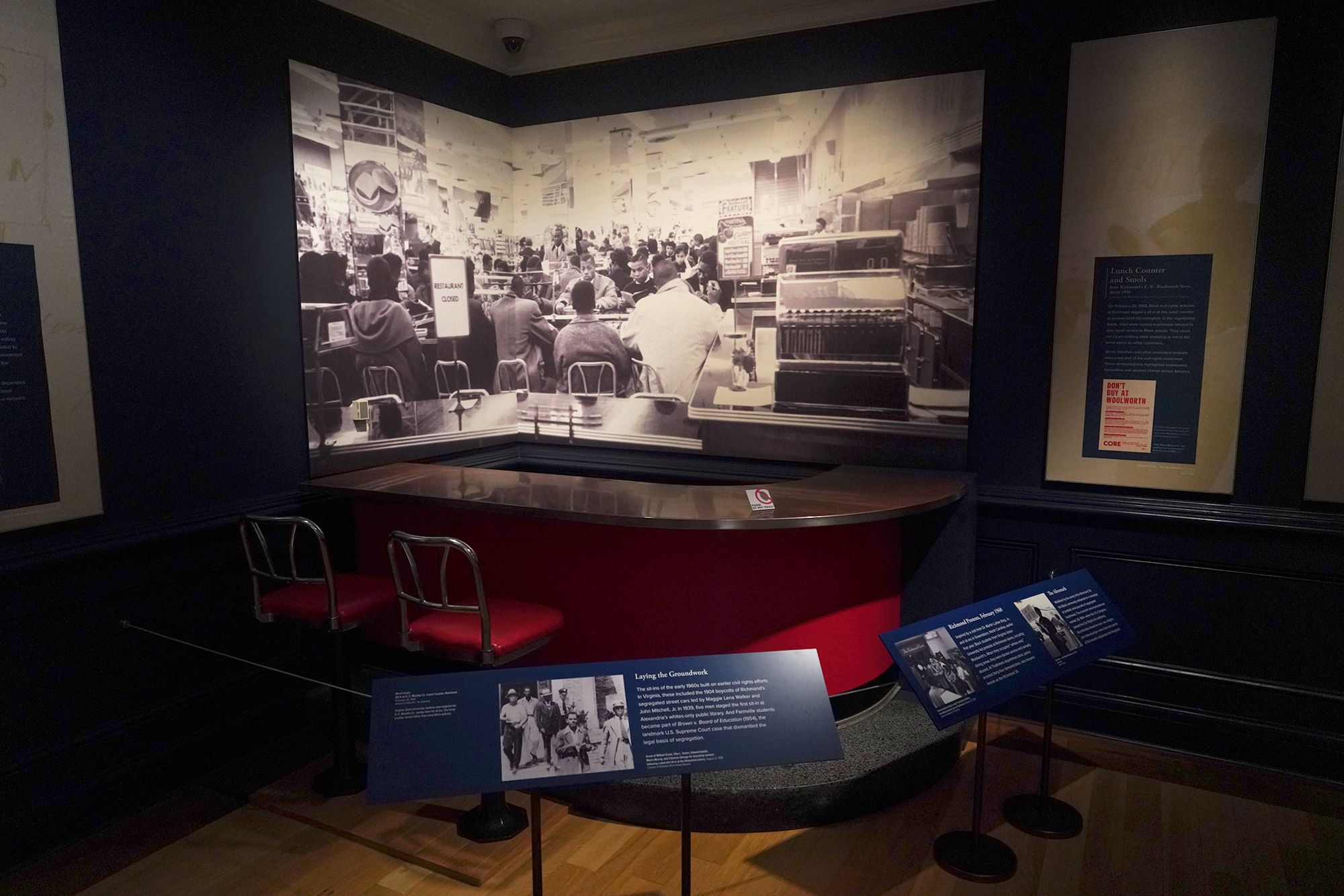
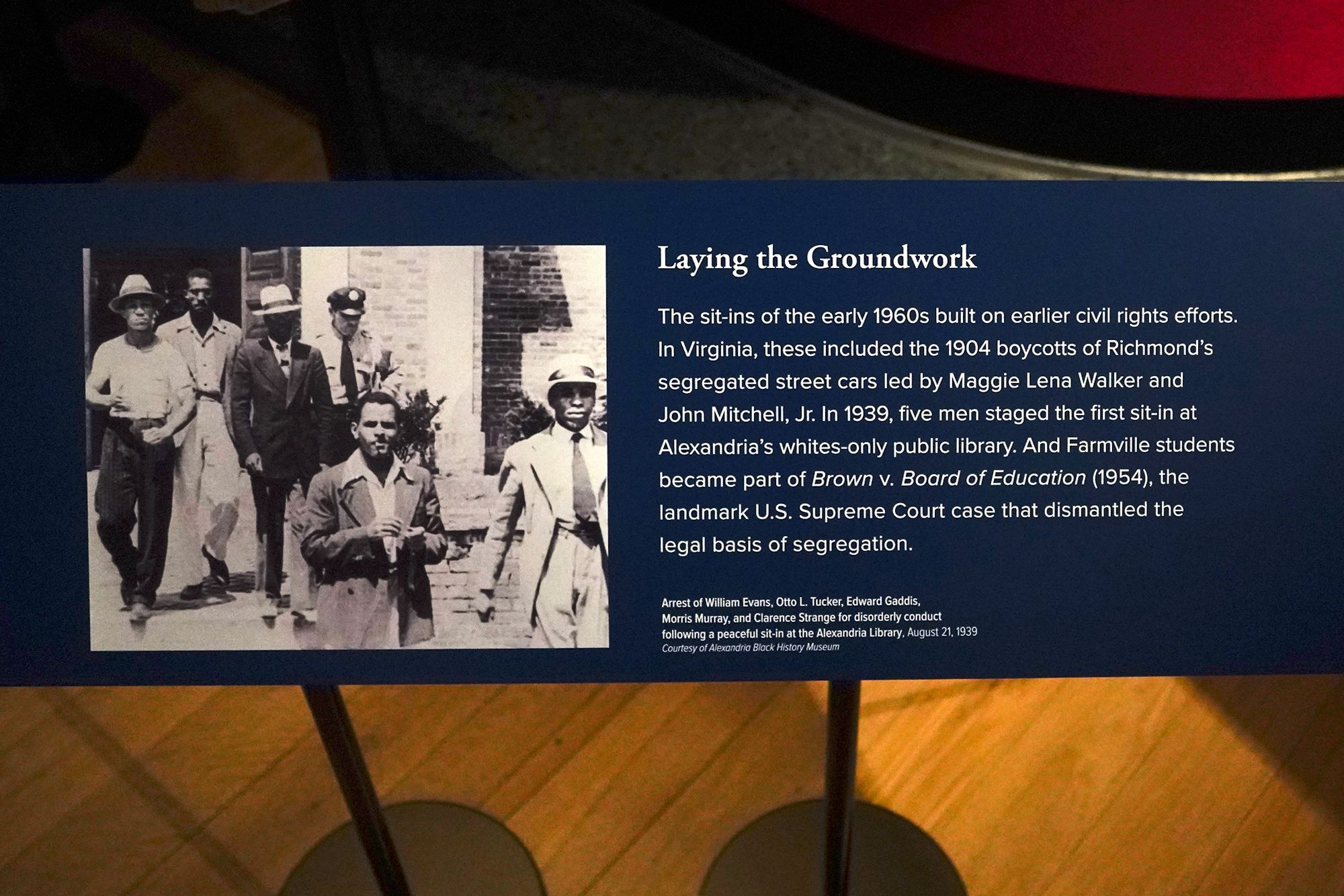
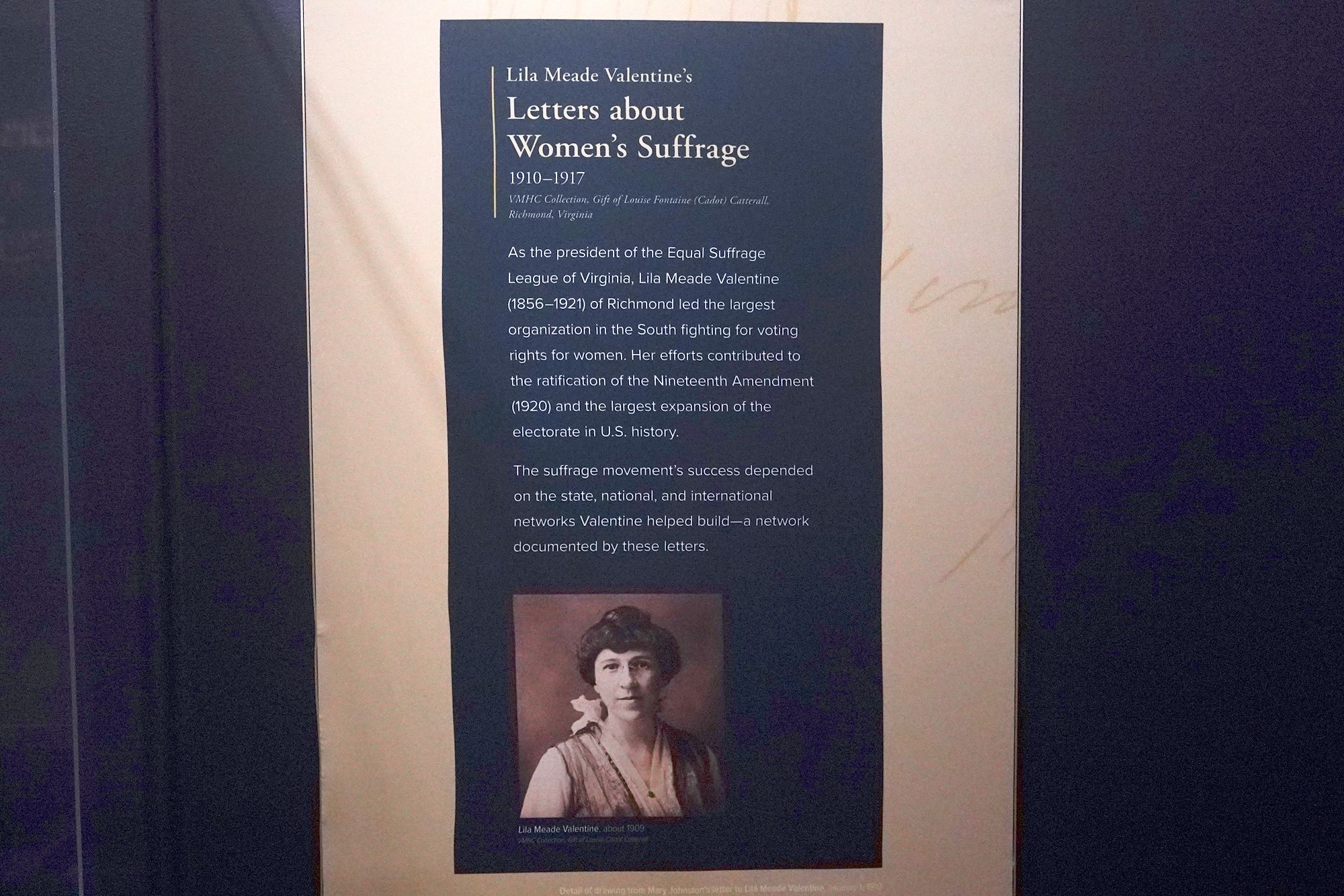
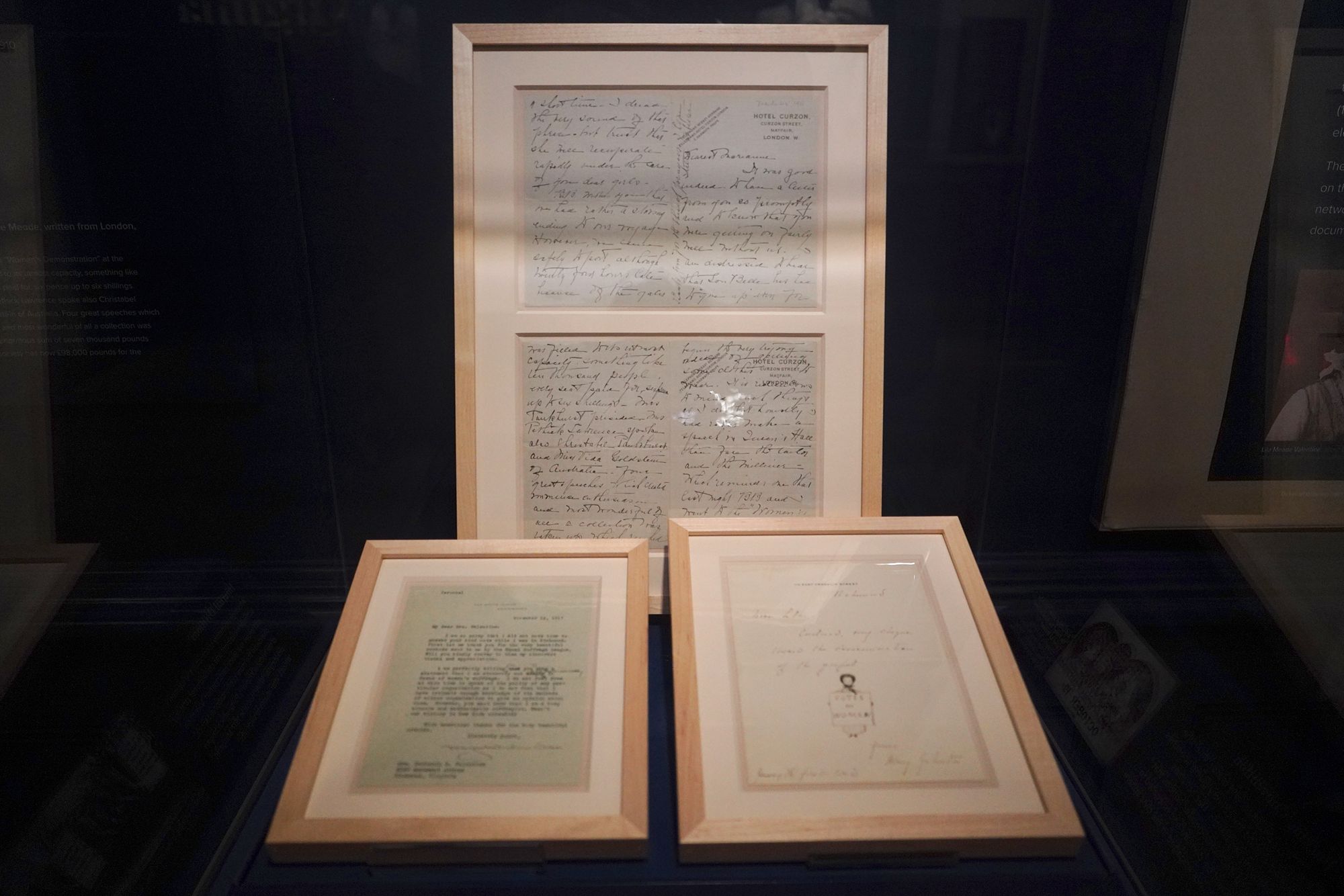
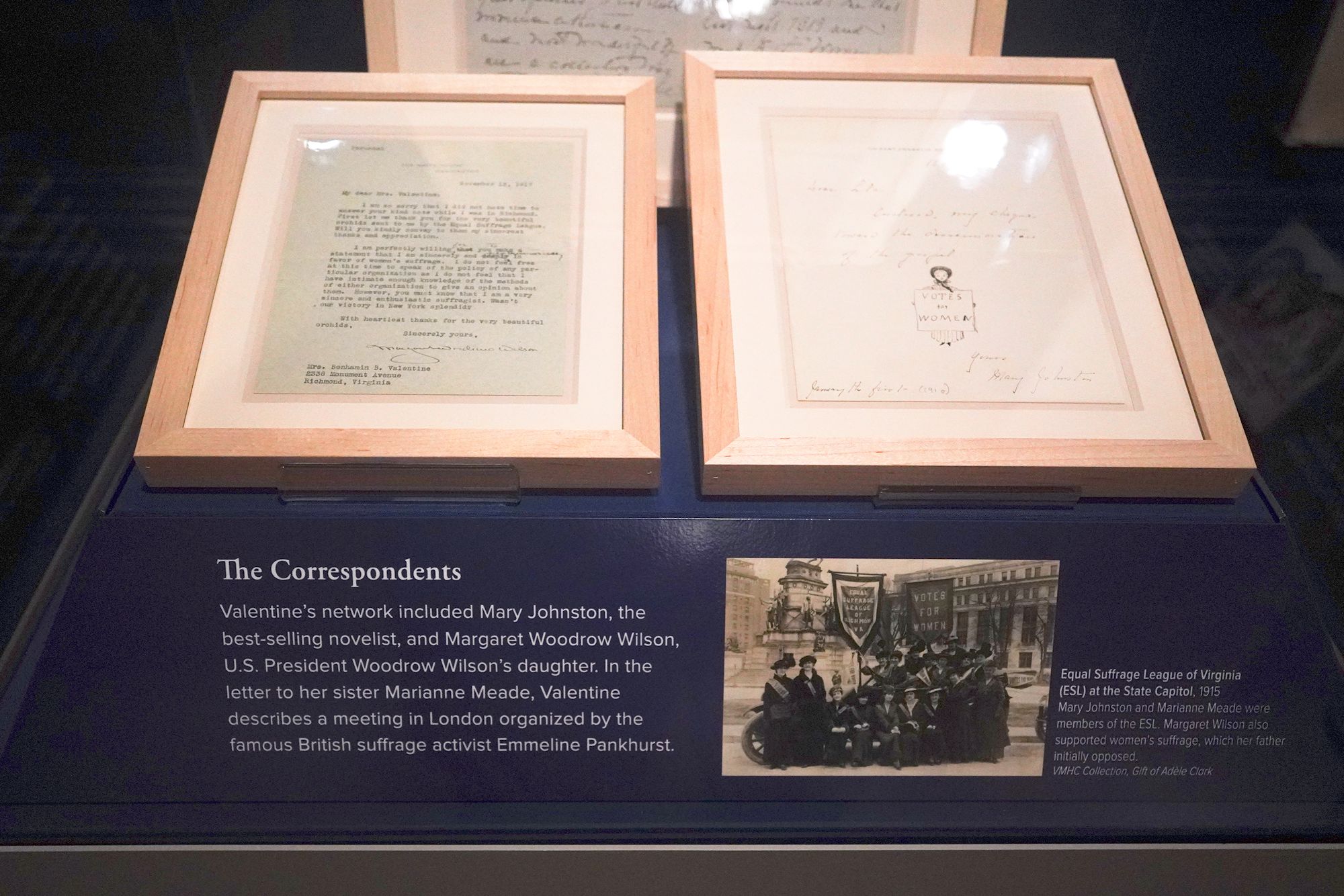
The Virginia Museum of History and Culture preserves letters and documents related to the women’s suffrage movement in Virginia, written by activists who campaigned for the right to vote in the early 20th century.
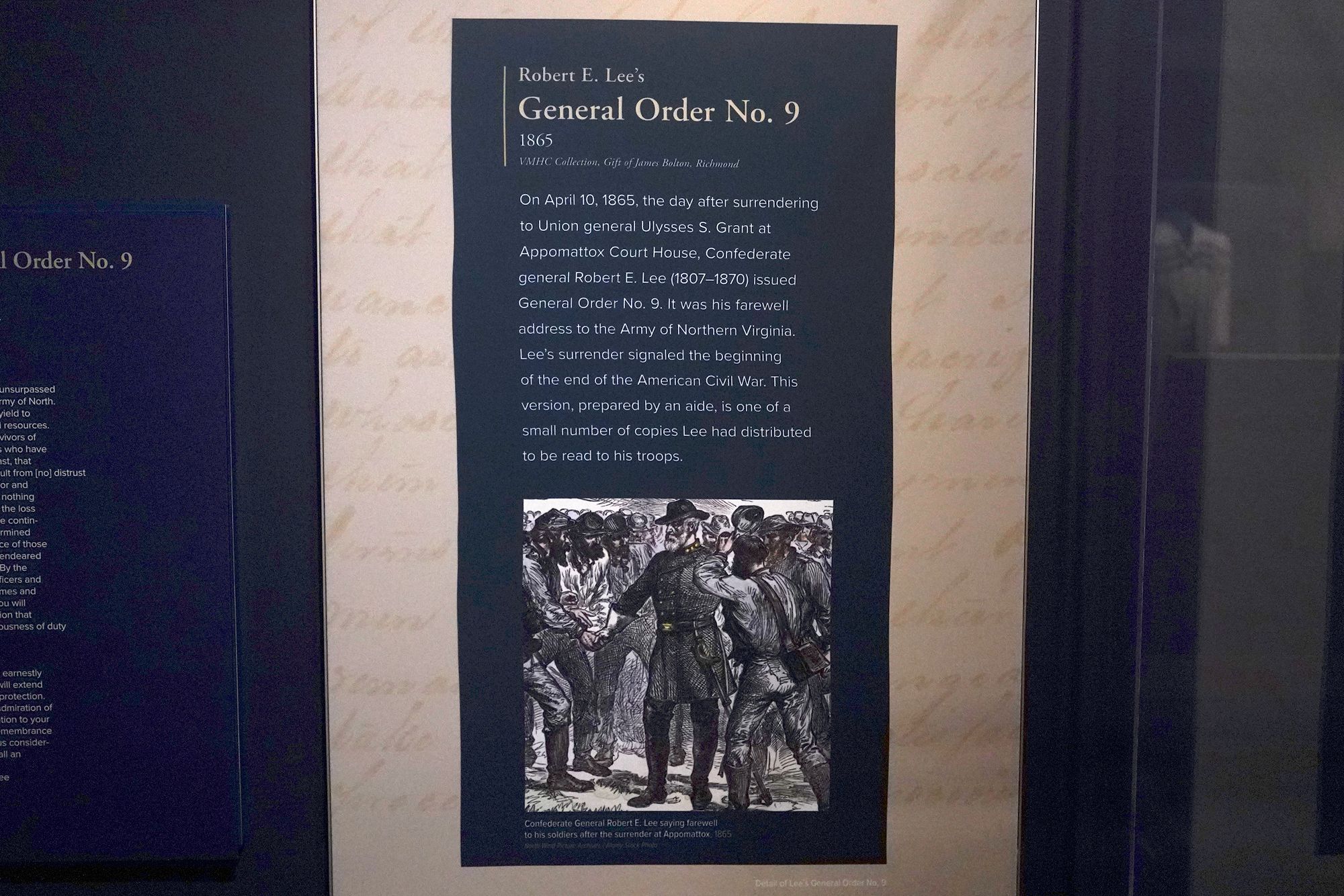
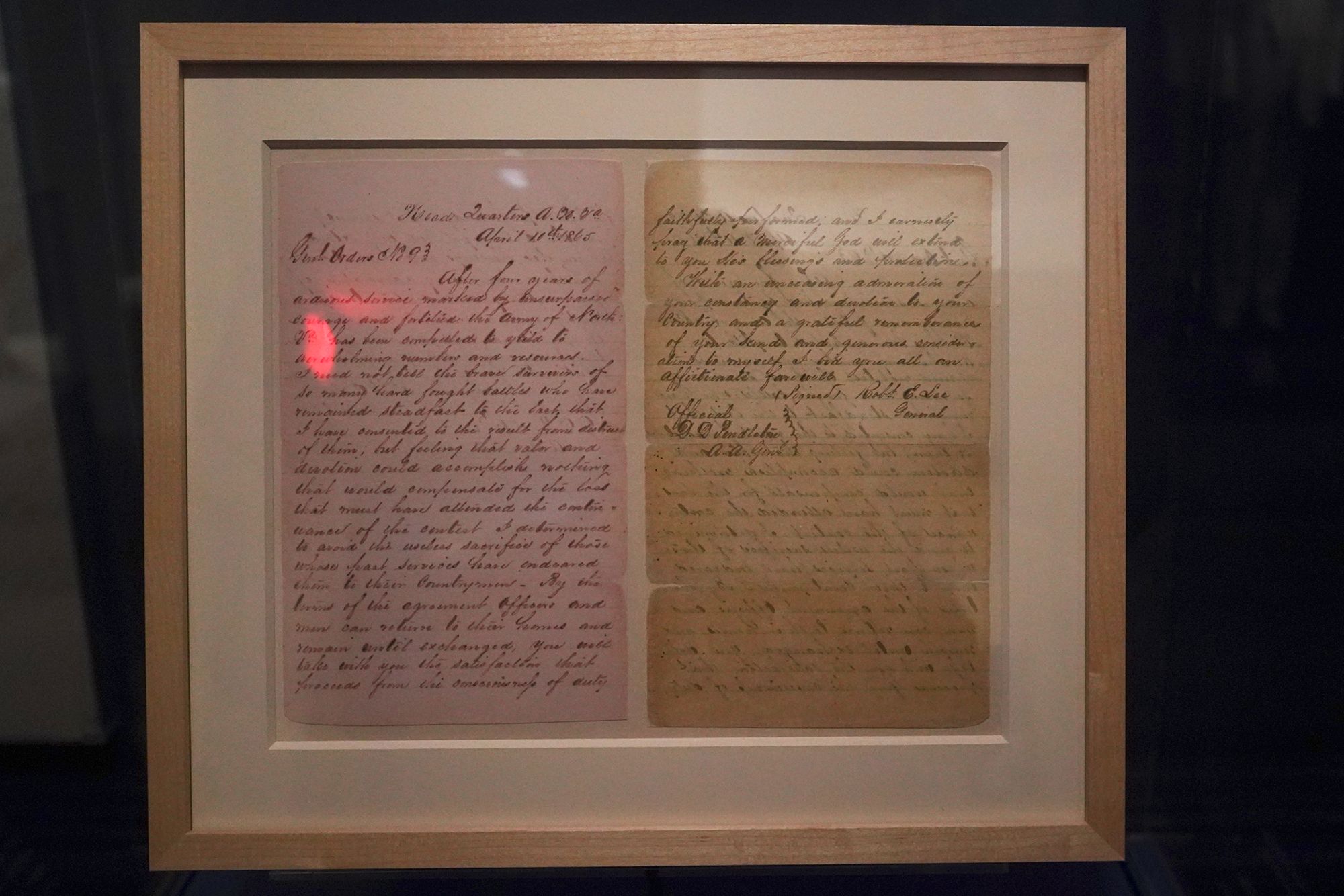
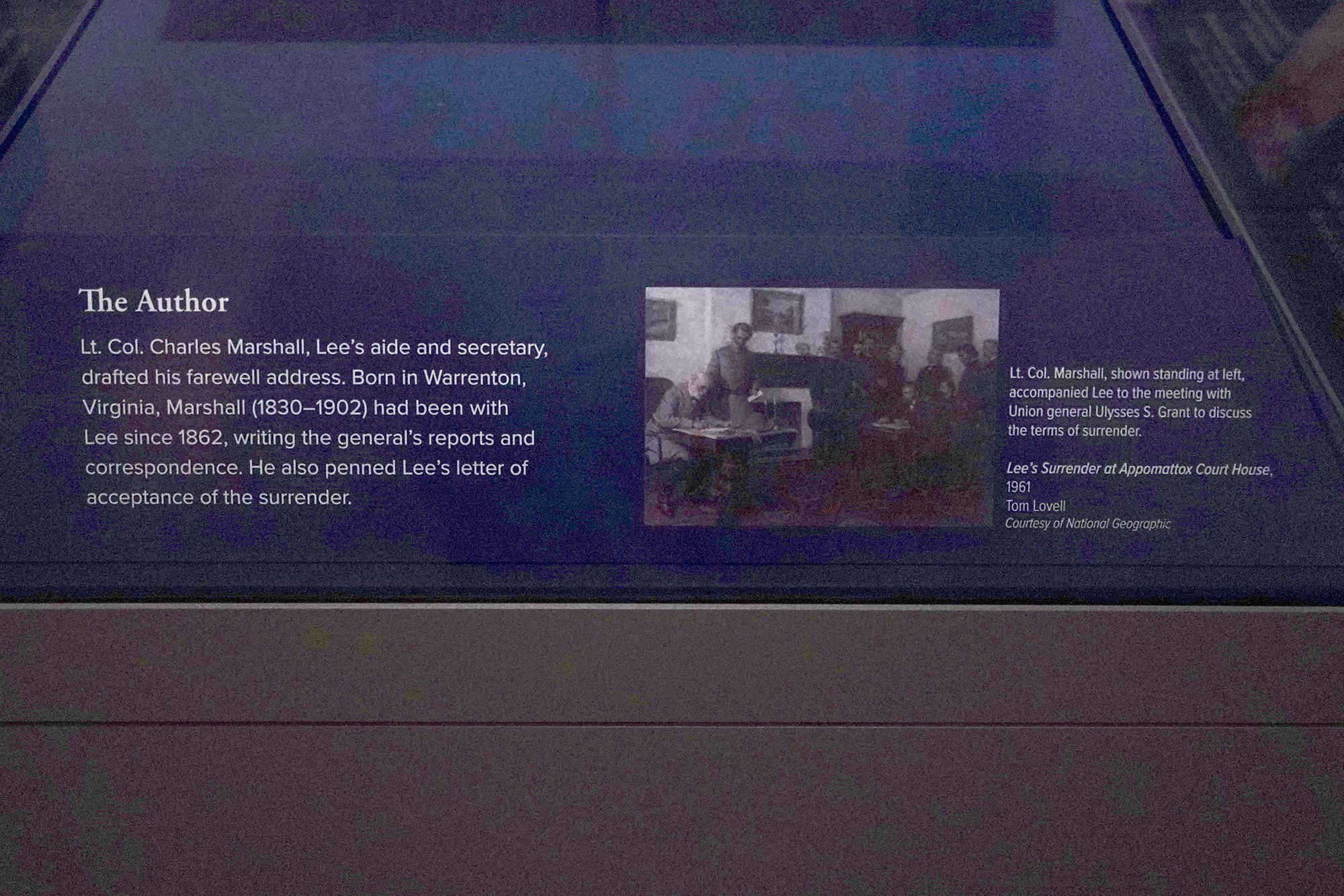
General Order No. 9 was the final order issued by Confederate General Robert E. Lee to his Army of Northern Virginia on April 10, 1865, the day after his surrender to Union General Ulysses S. Grant at Appomattox Court House. In this brief but poignant farewell message, Lee praised his soldiers for their bravery, acknowledged their hardships, and expressed sorrow that duty required surrender.
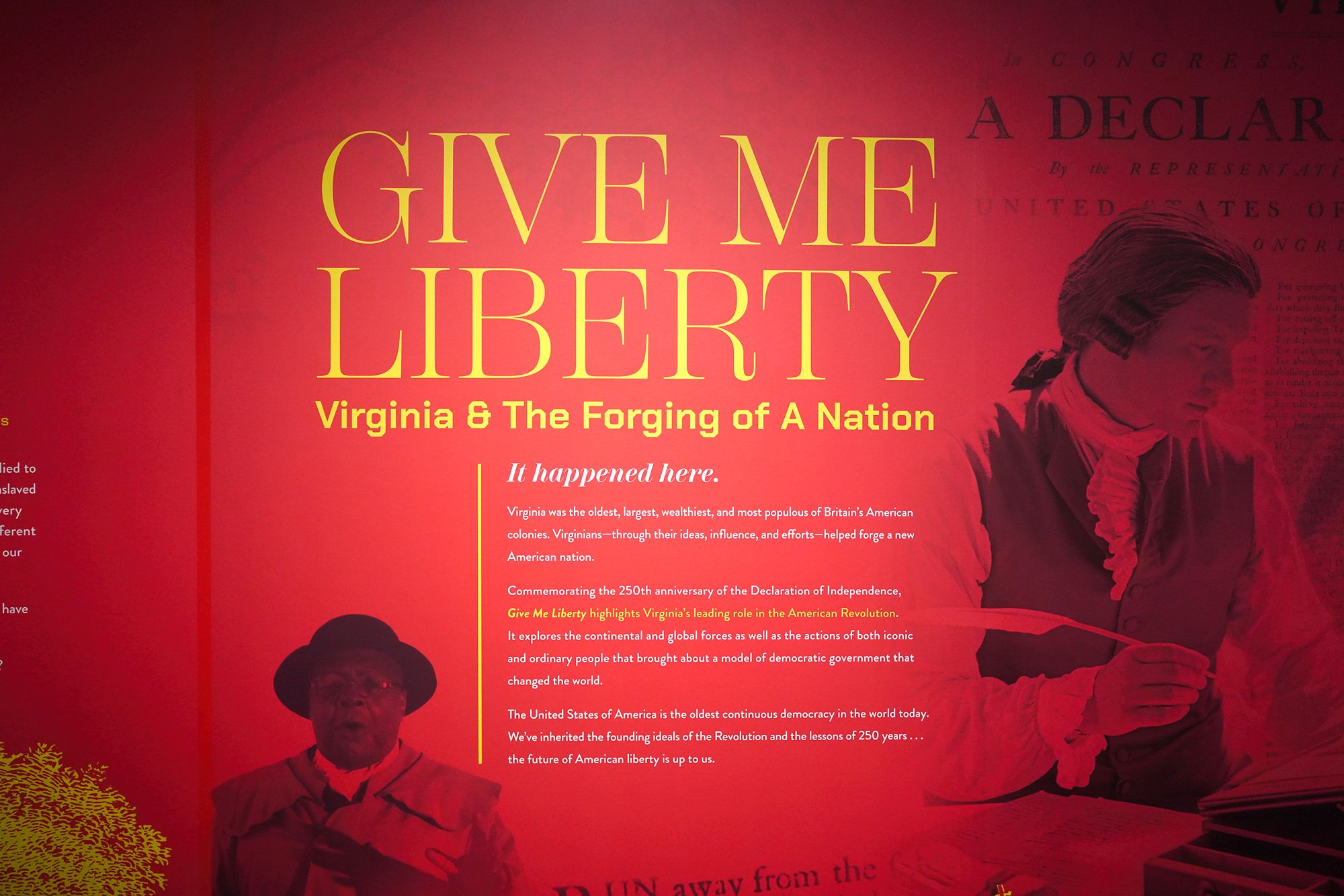
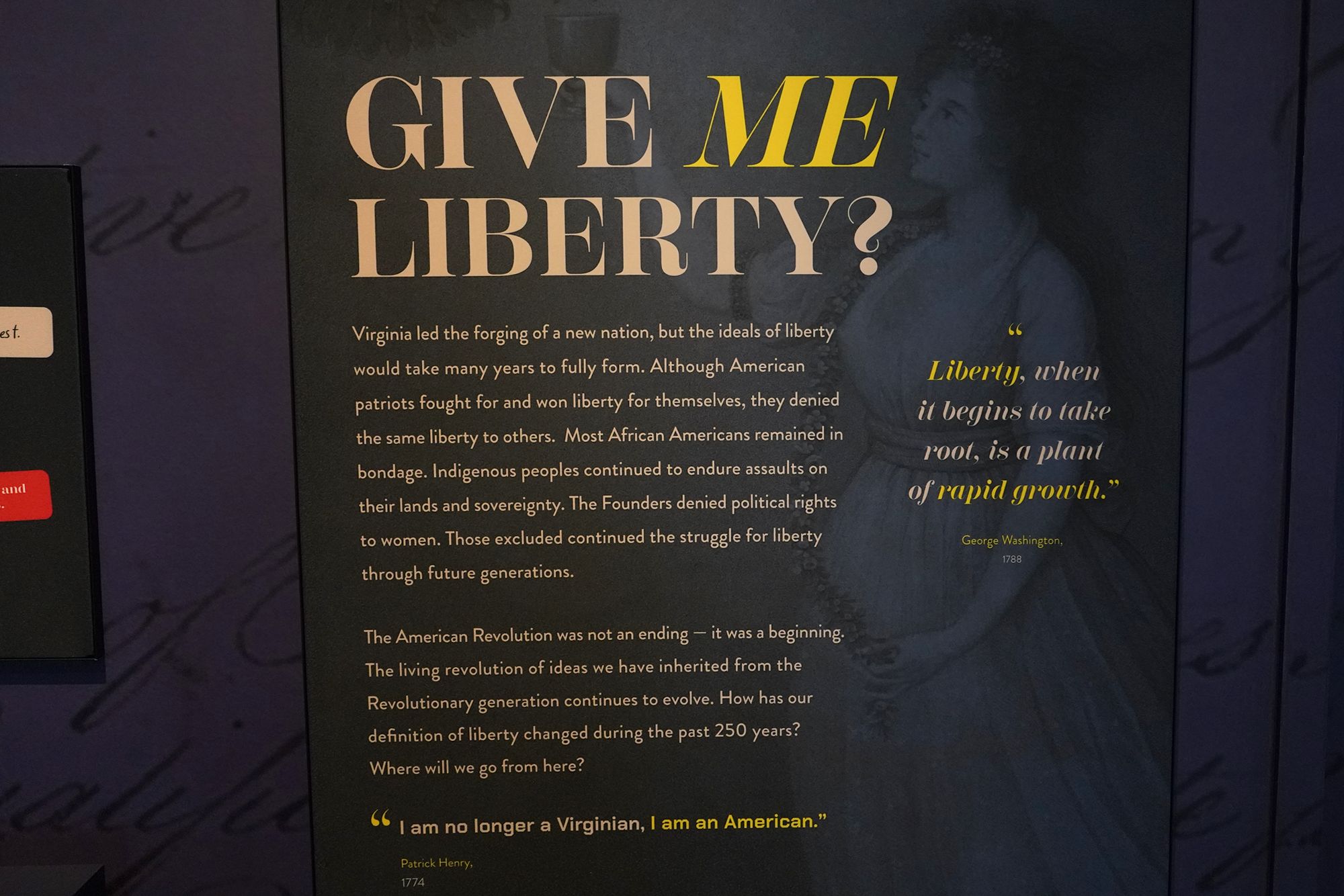
Give me Liberty
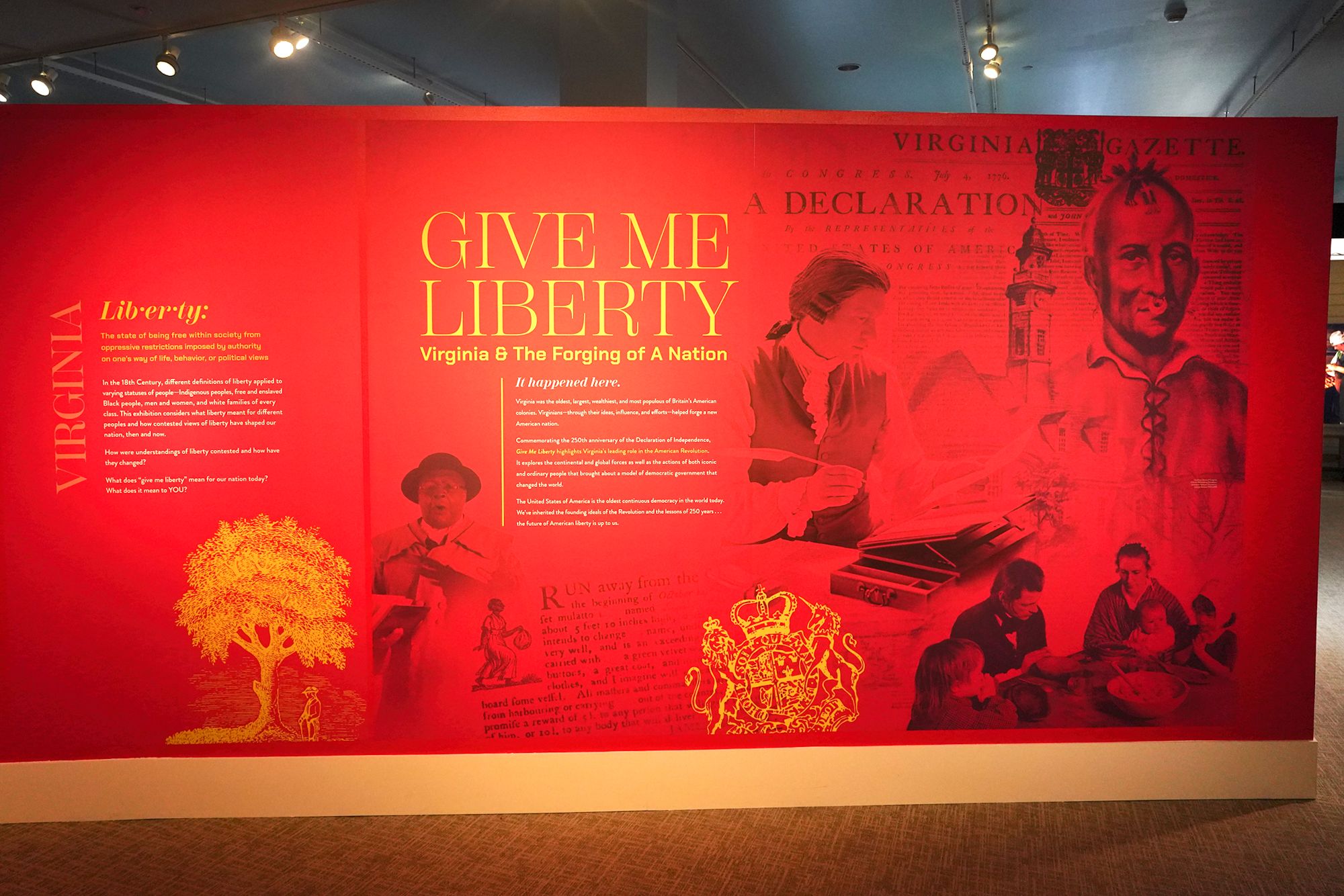
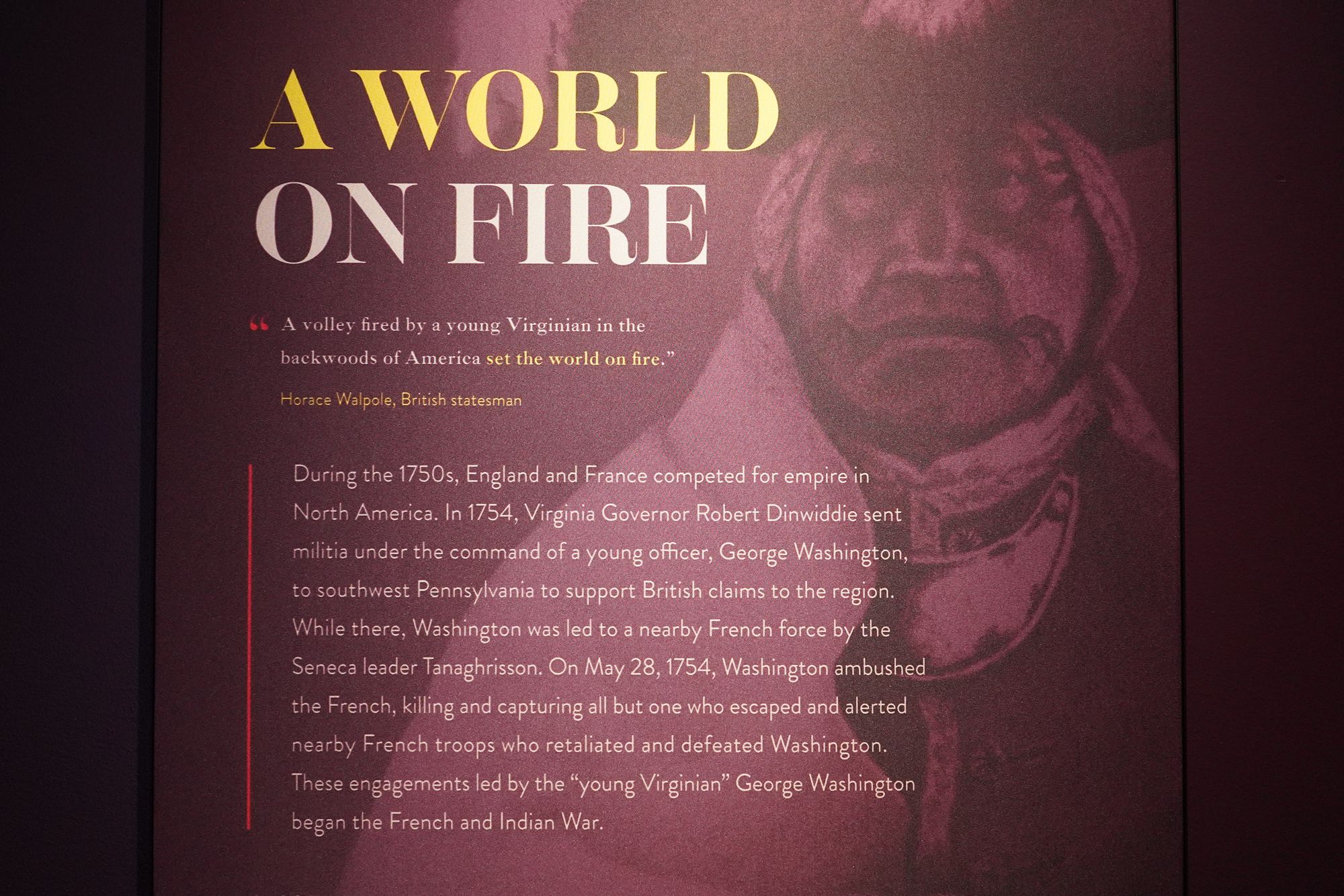
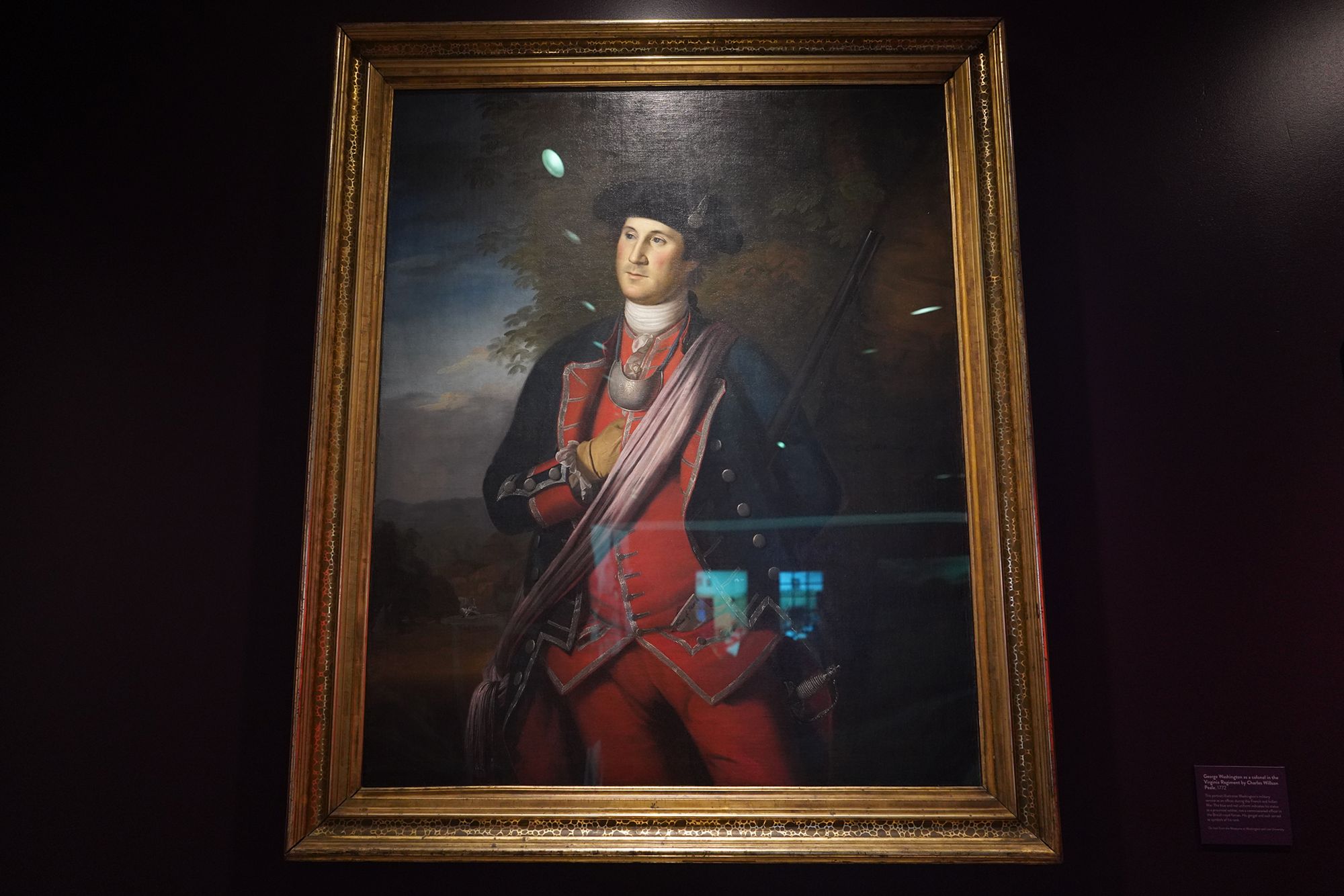
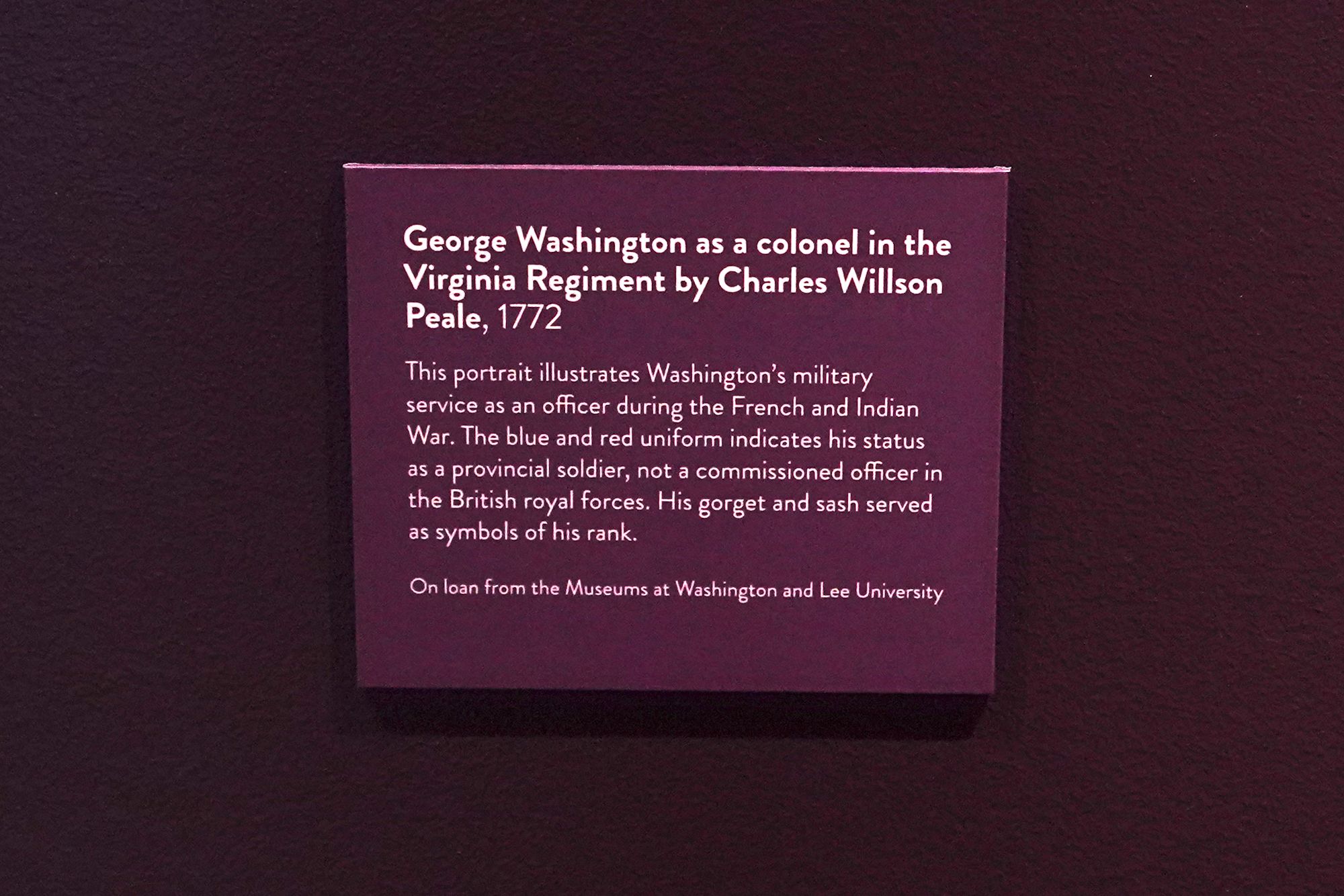
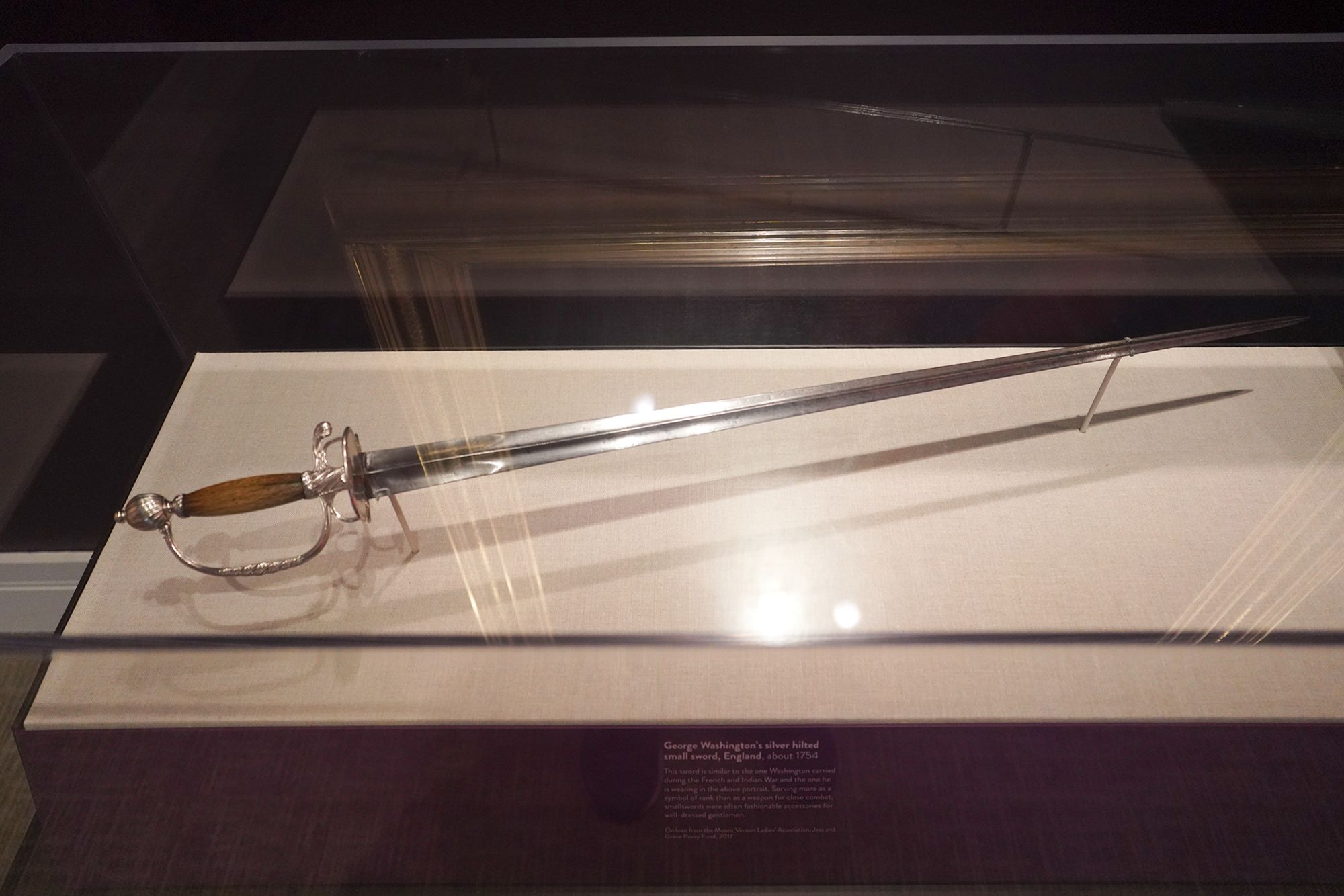
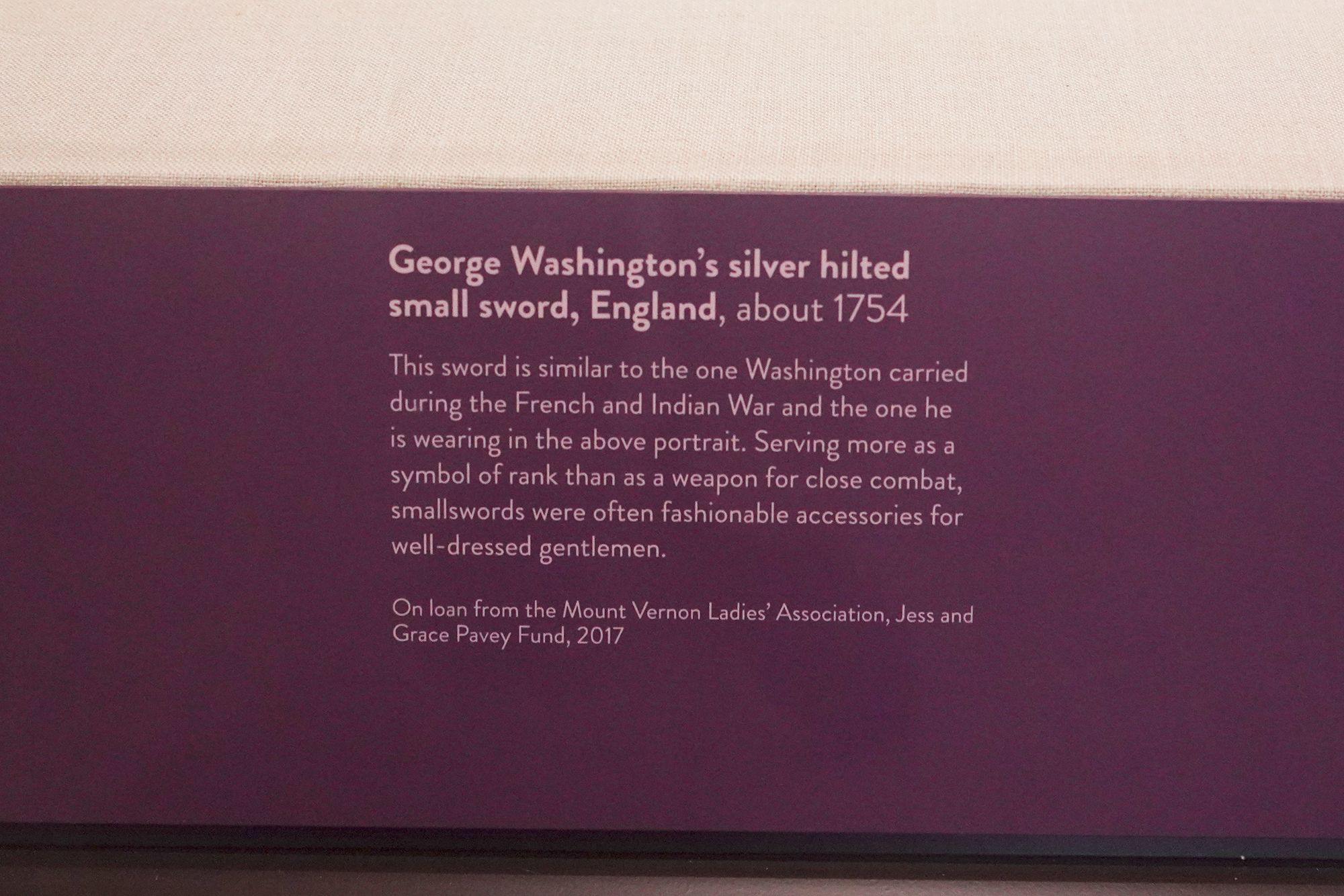
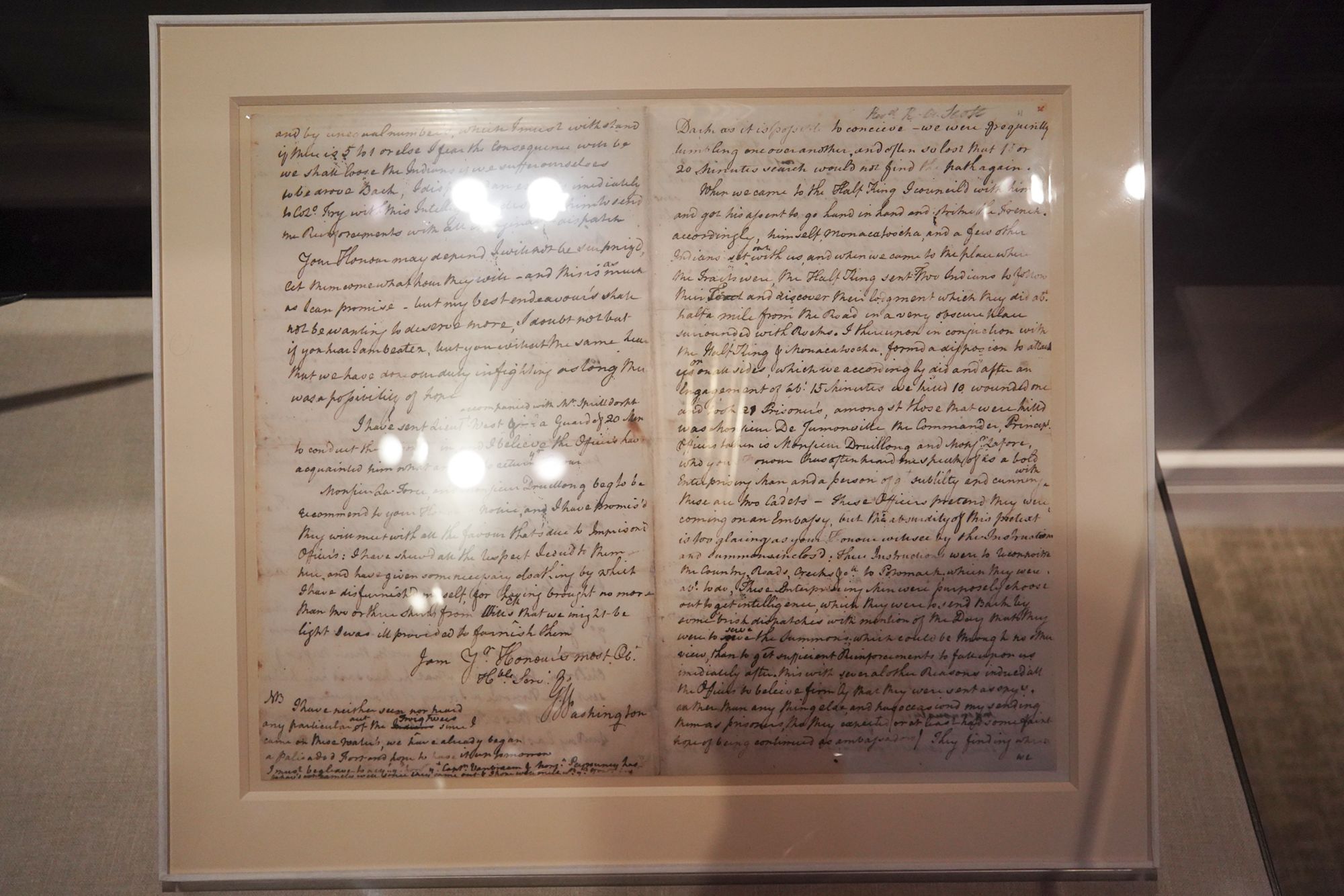
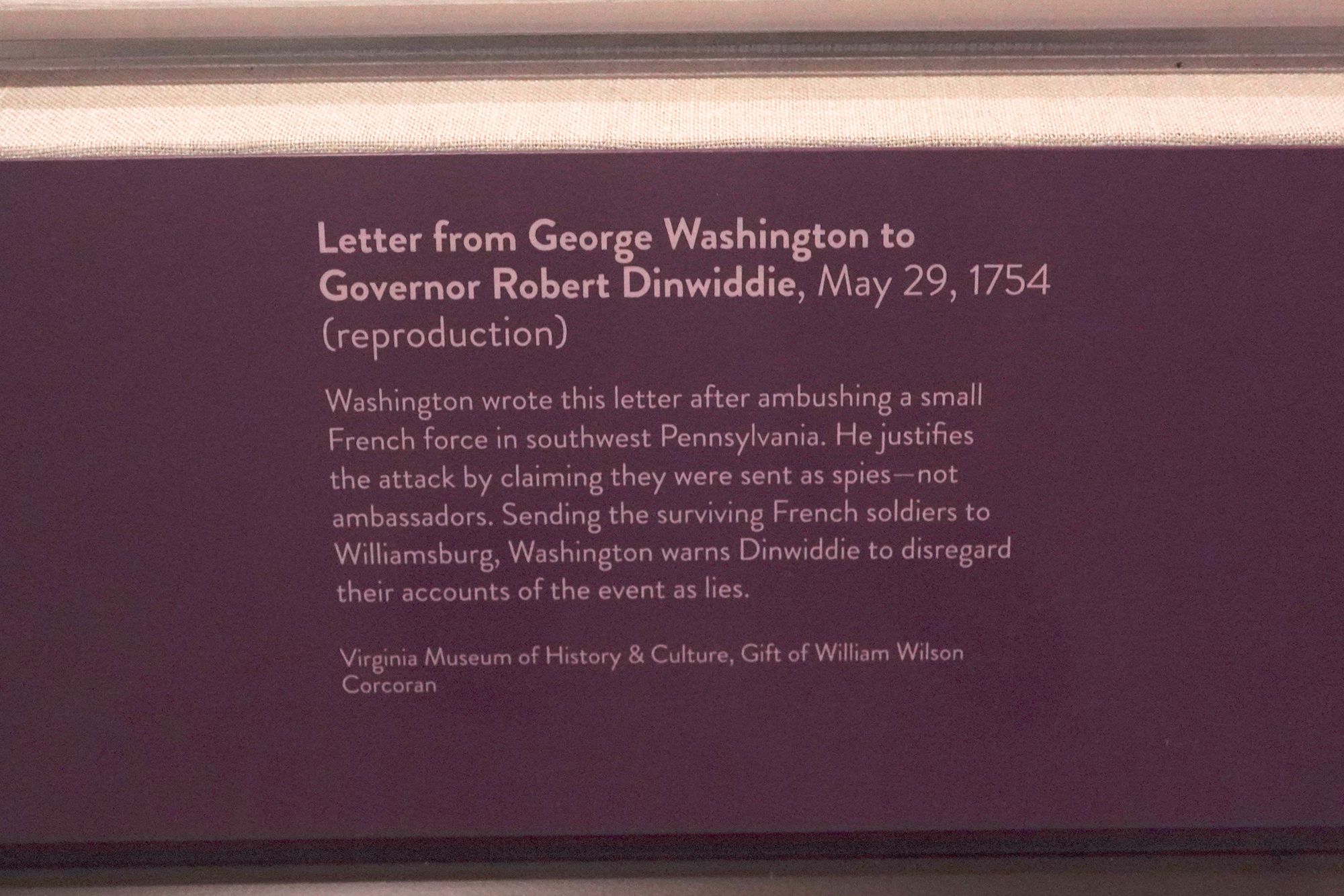
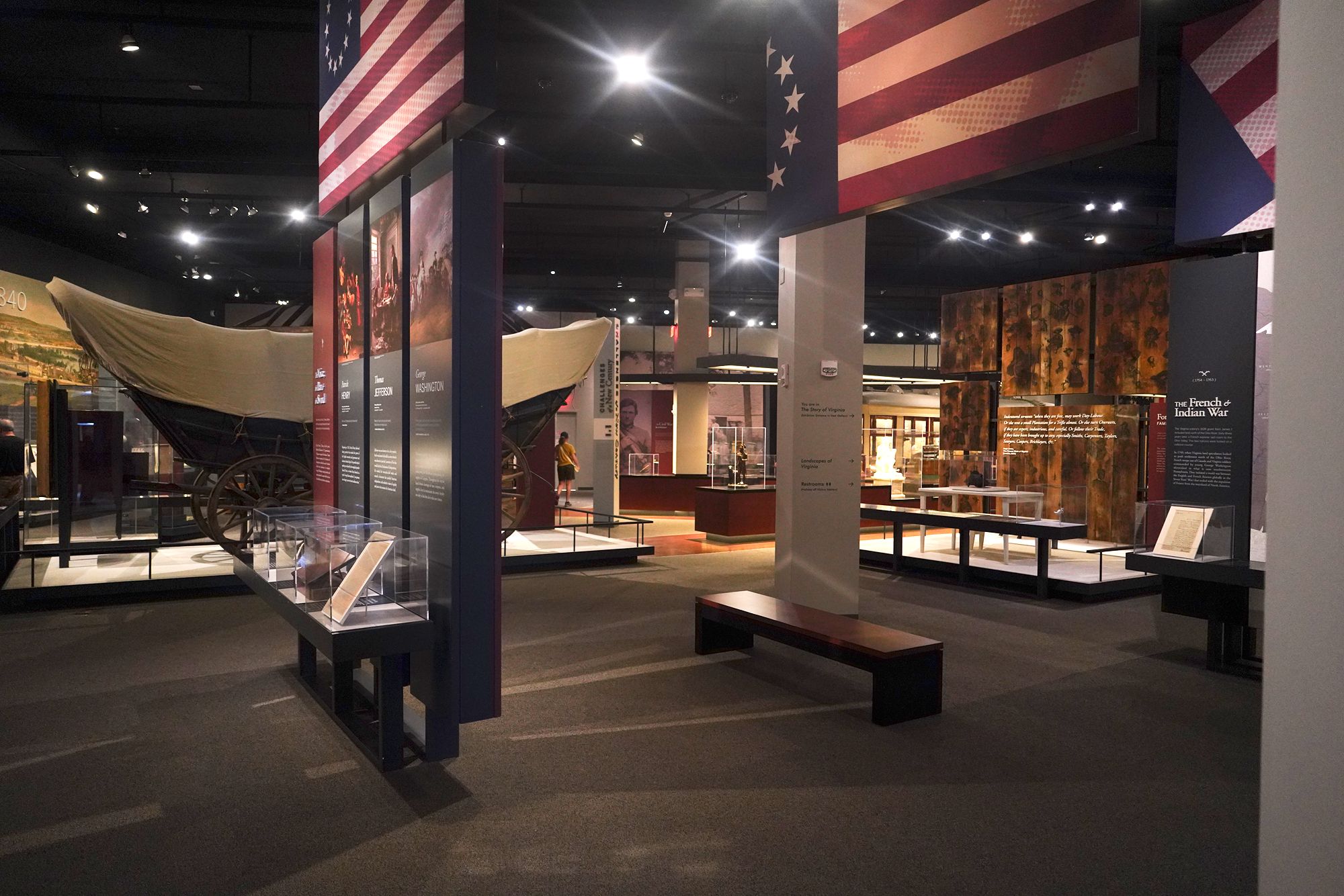
In 1753, Governor Robert Dinwiddie of Virginia sent George Washington, then a young major in the colonial militia, on a mission to the Ohio River Valley to deliver a message to the French, demanding that they withdraw from territory claimed by Britain.
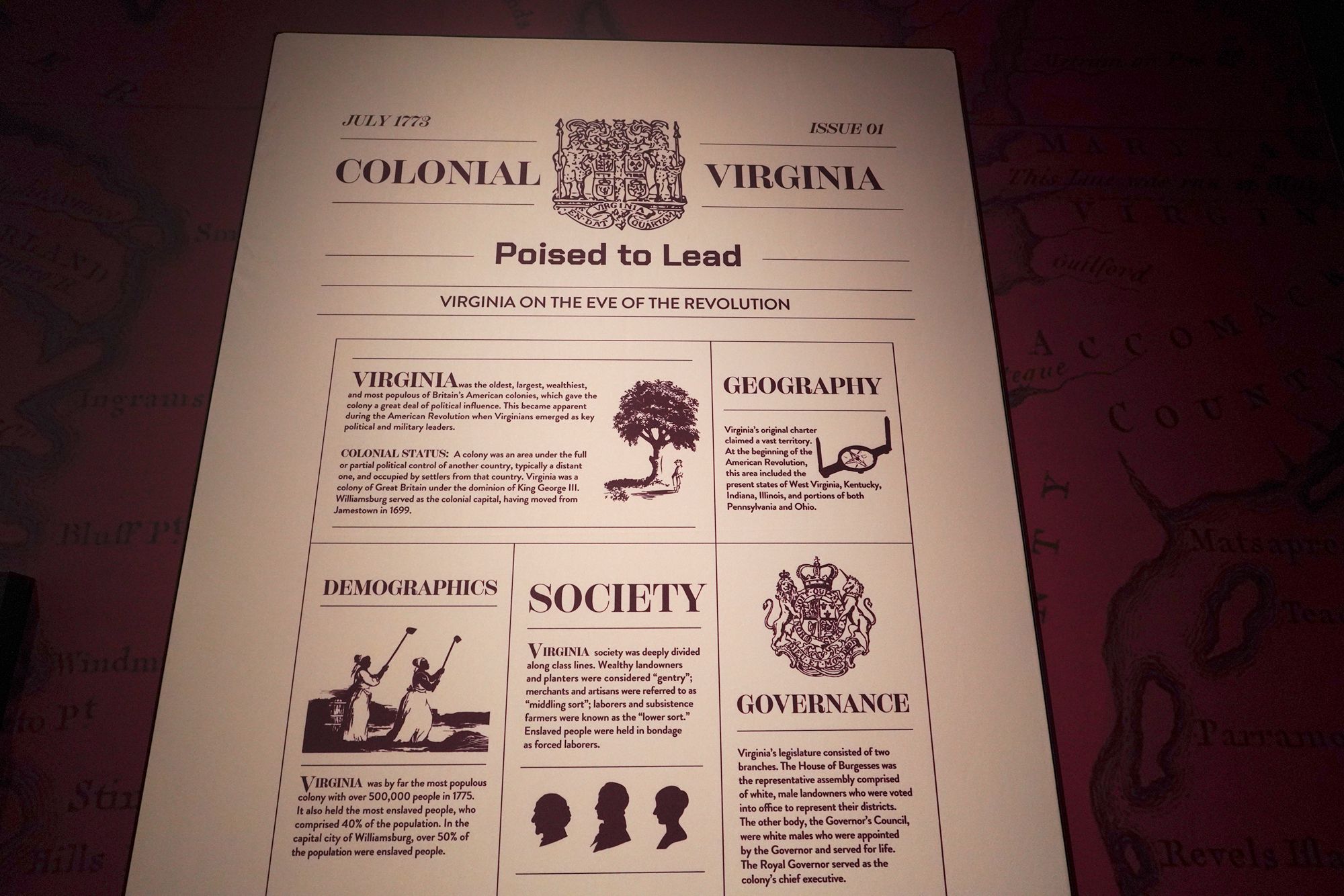
Because it was the earliest successful English colony with a lucrative export economy, a functioning representative government, and a dominant landed elite, Virginia was effectively positioned to lead in early colonial America.
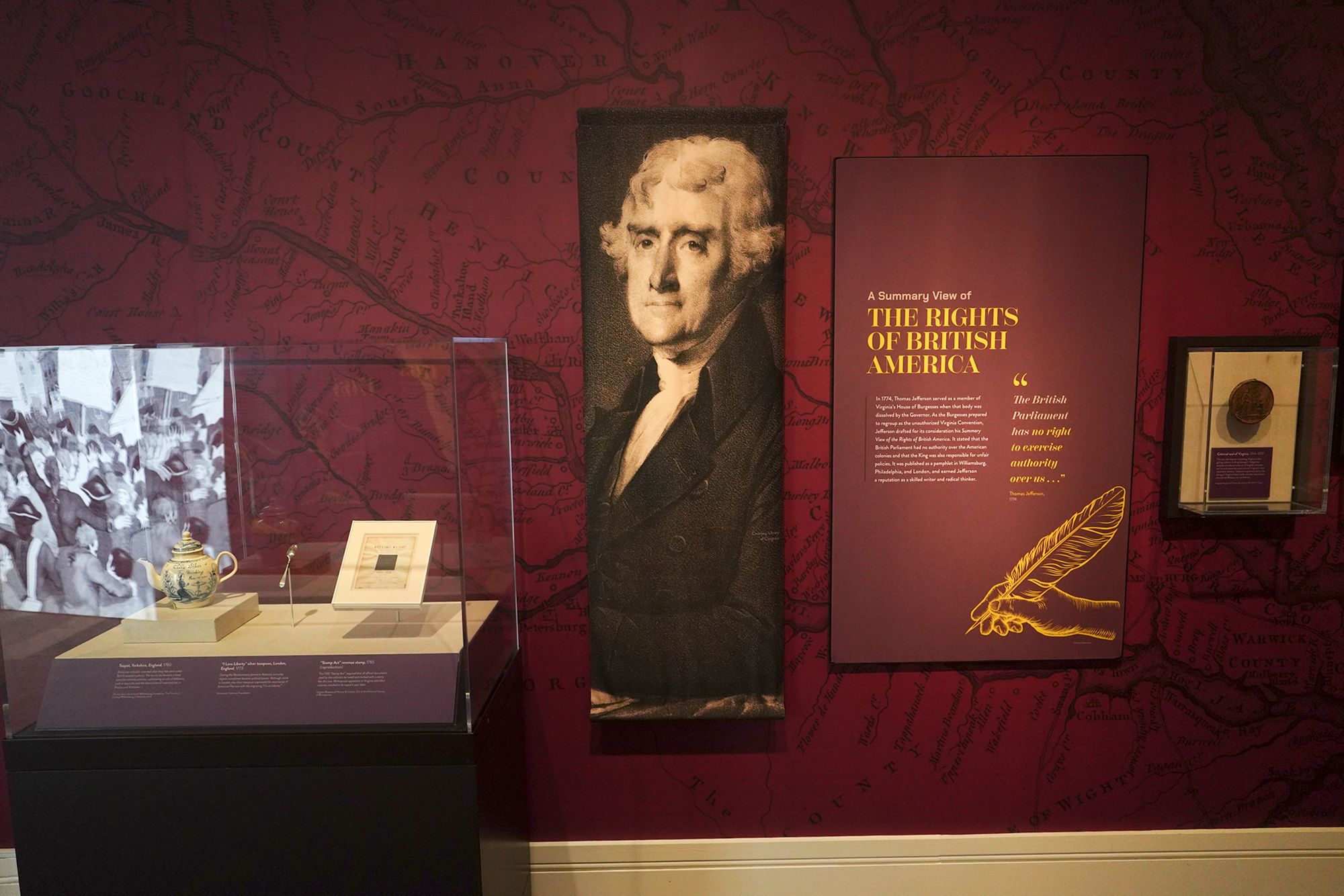
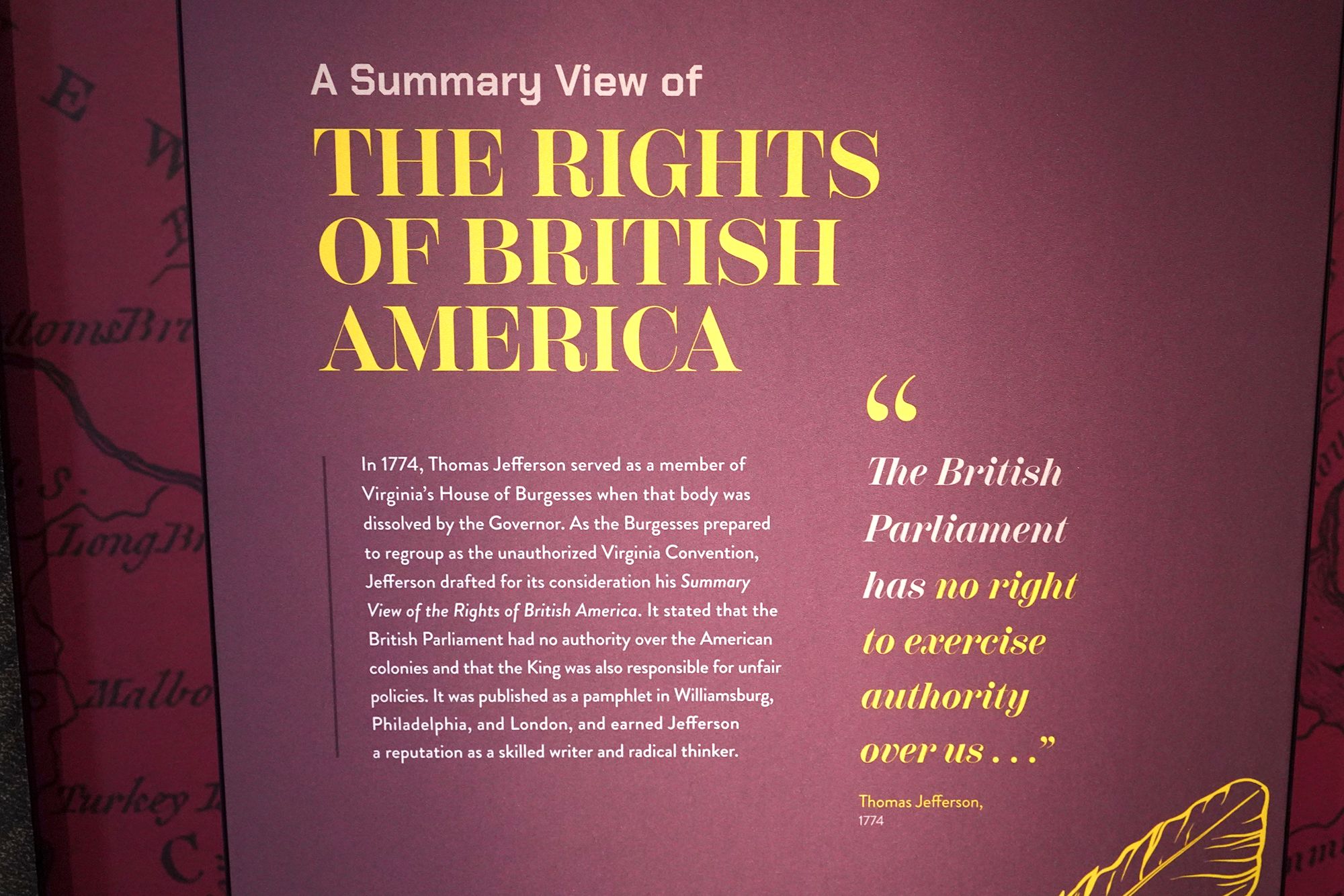
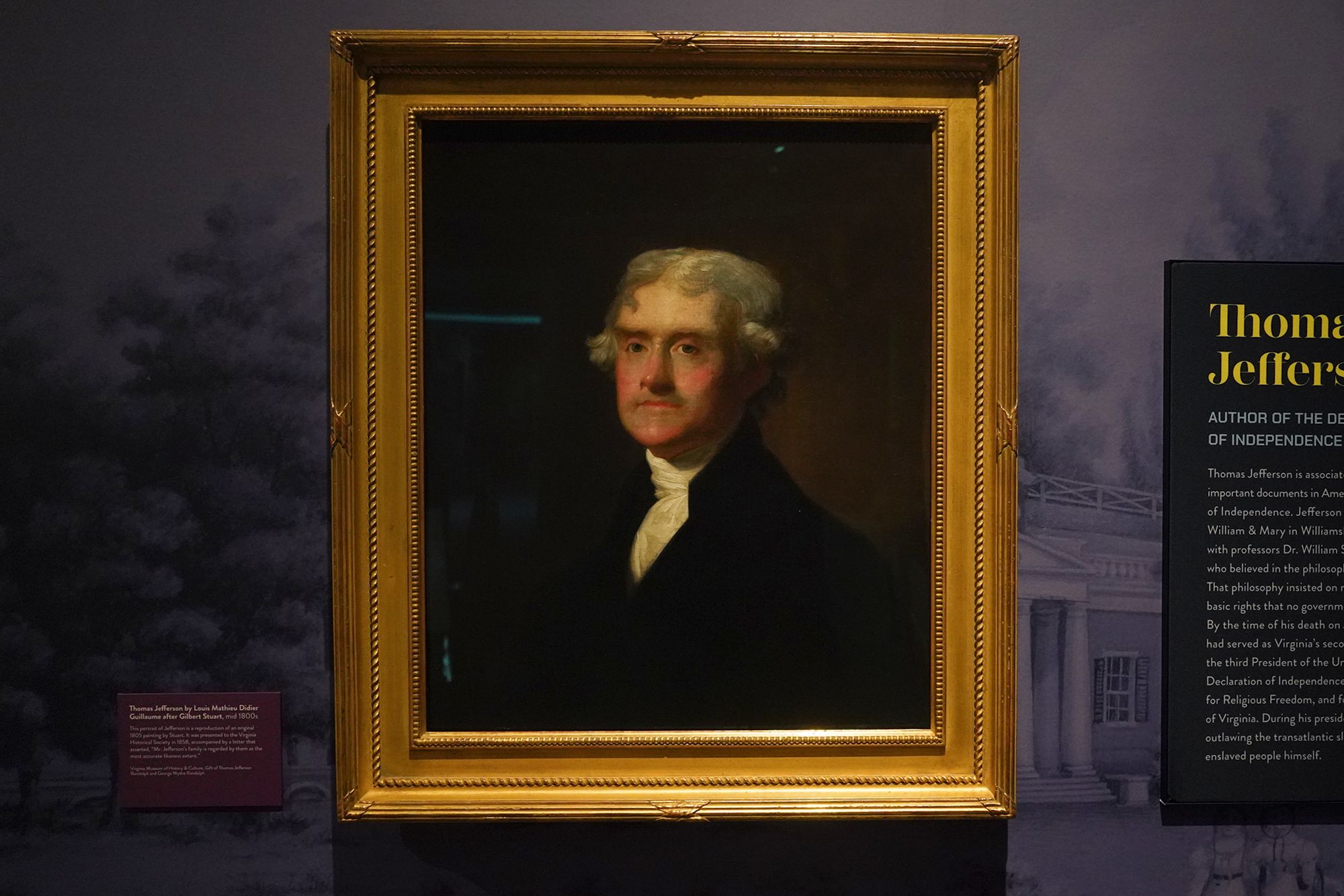
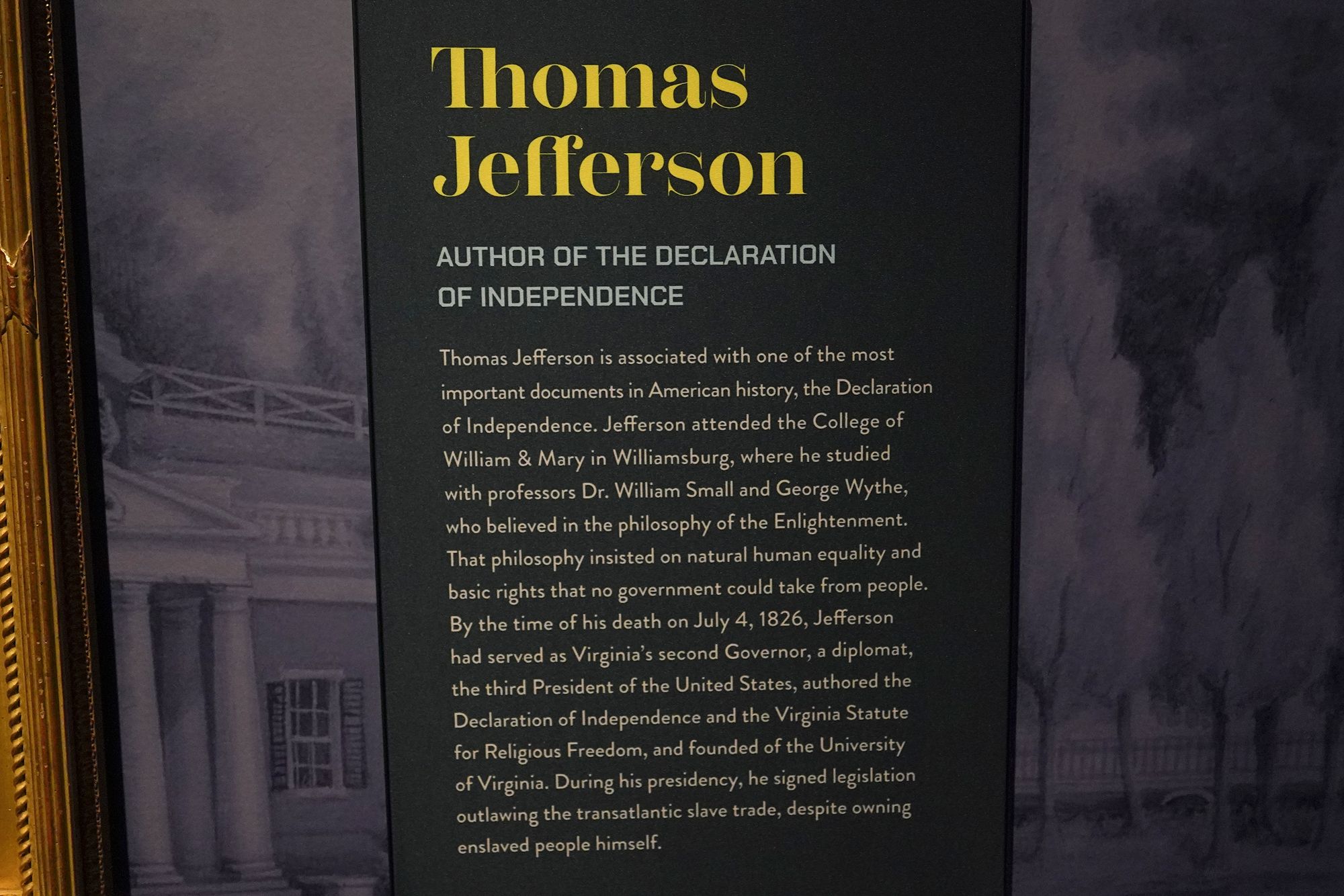
“The Rights of British America” refers to a 1774 document written by Thomas Jefferson in which he argued that the American colonies were entitled to the same natural and legal rights as citizens living in Britain. In it, Jefferson protested British interference in colonial self-government, condemned the king’s vetoes of colonial laws, and criticized taxation without representation.
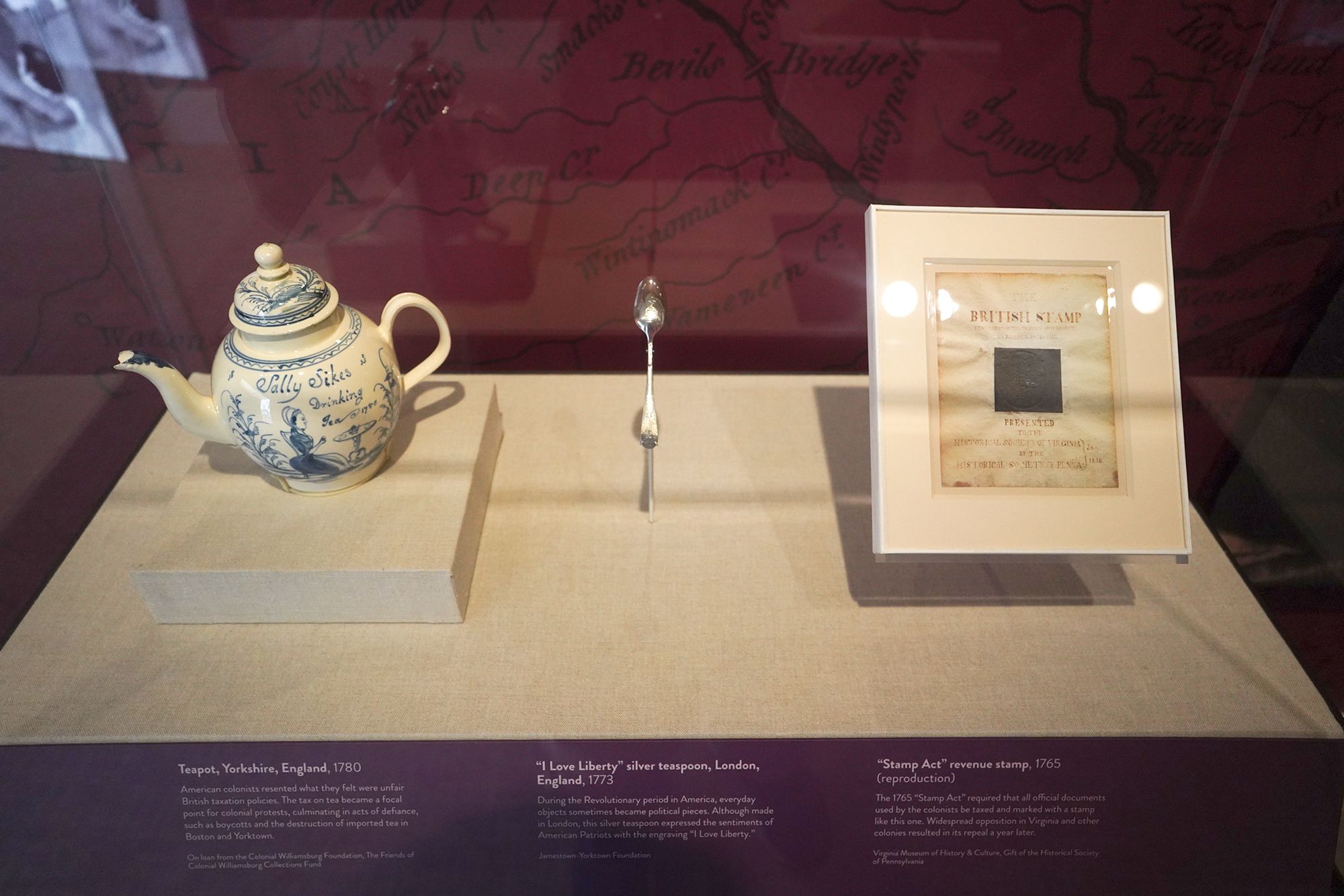
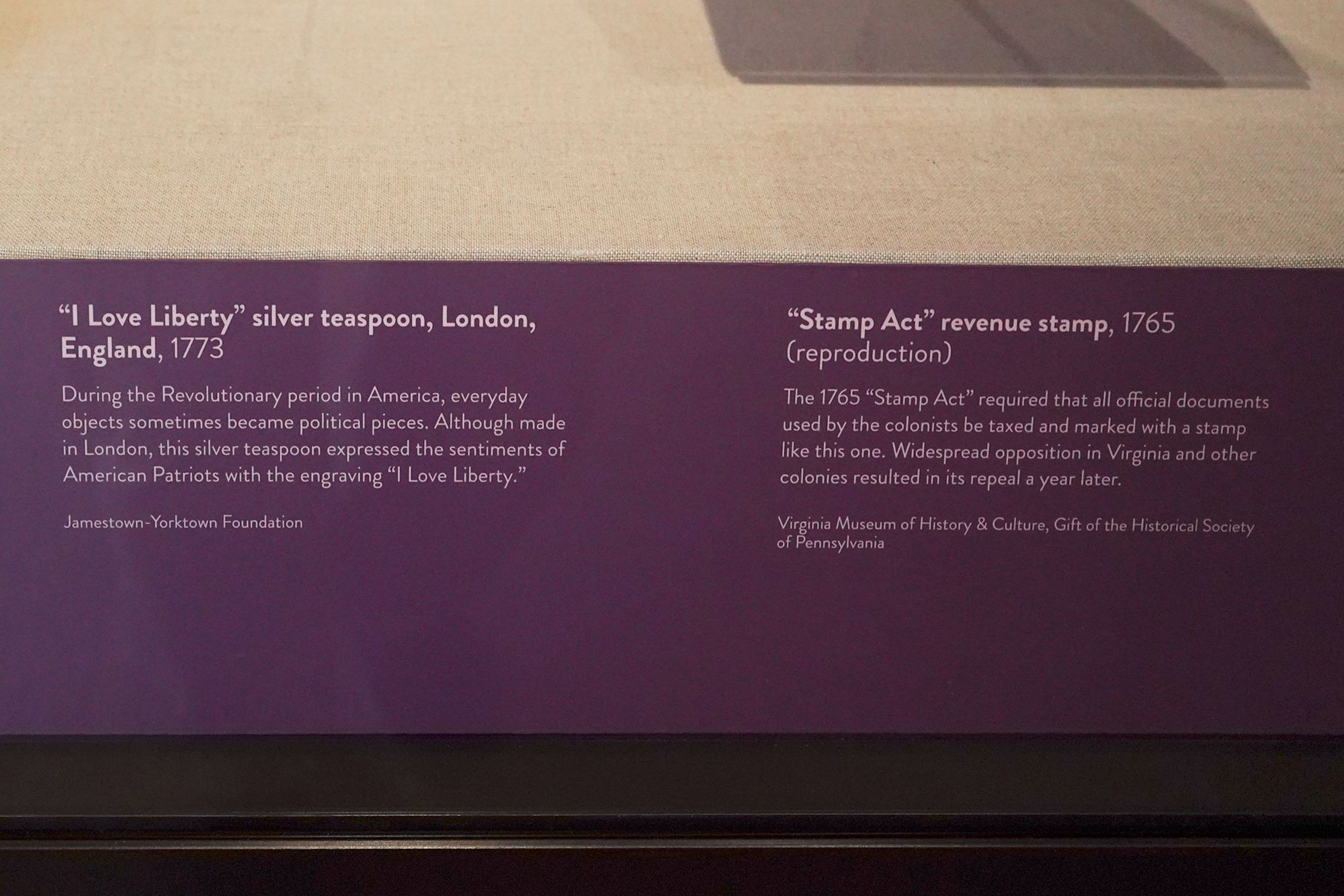
The Boston Tea Party took place on December 16, 1773, when American colonists, protesting the British Tea Act, boarded ships in Boston Harbor and dumped 342 chests of British tea into the water.
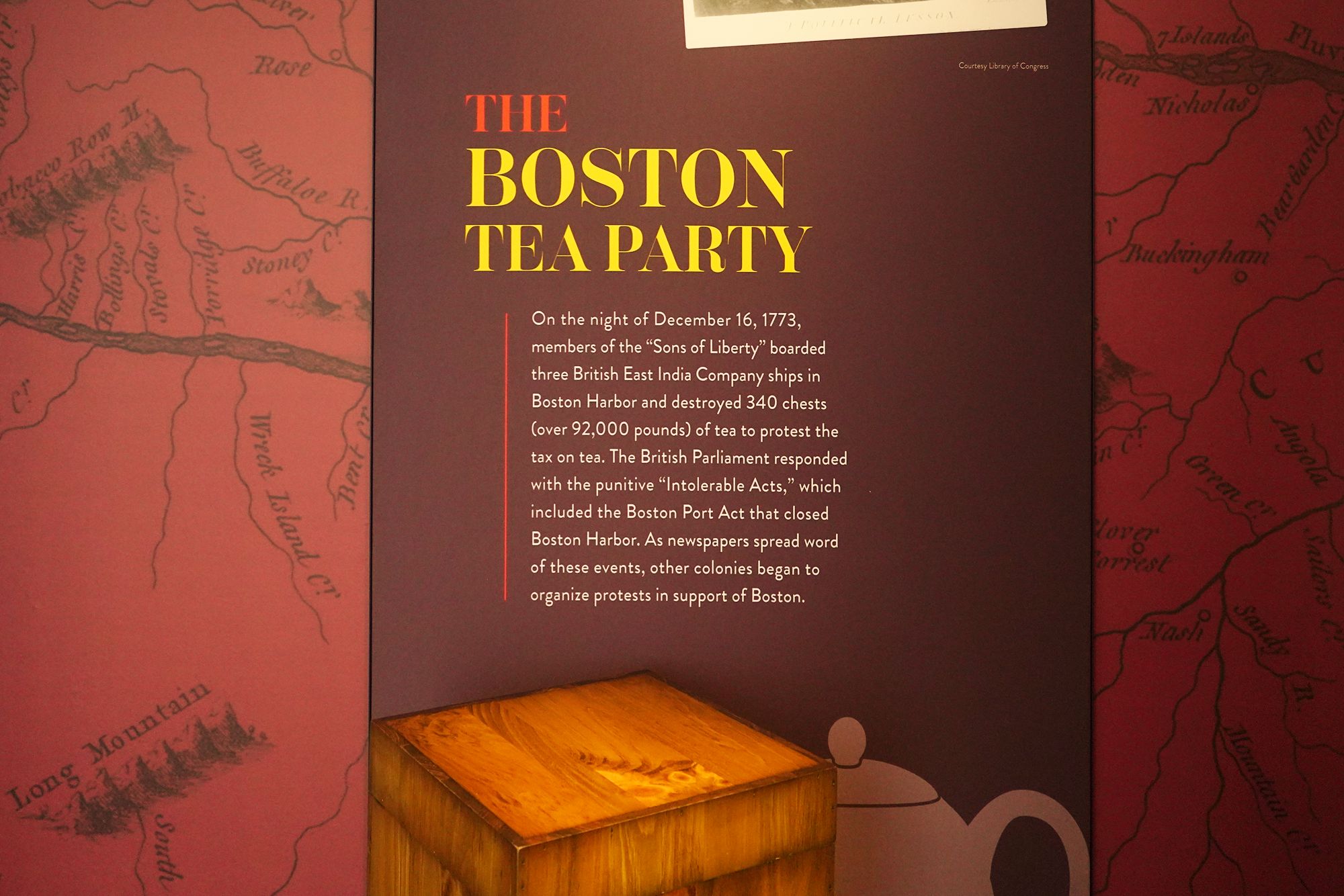
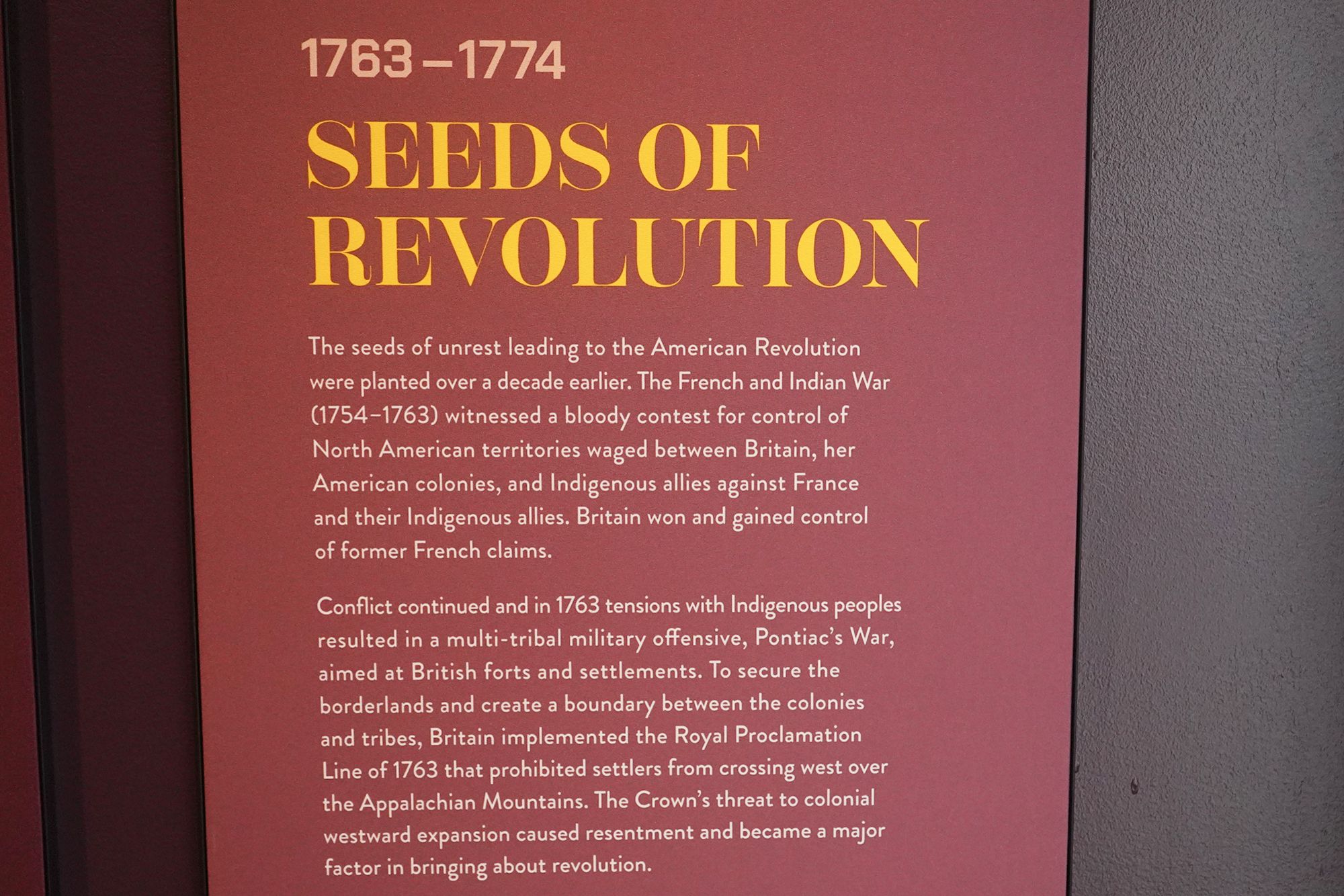
The “seed of revolution” refers to the early events and ideas that planted the desire for independence in the American colonies. These included Britain’s increasing control and taxation after the French and Indian War—such as the Stamp Act, Townshend Acts, and Tea Act—along with colonial protests like the Boston Massacre and Boston Tea Party.

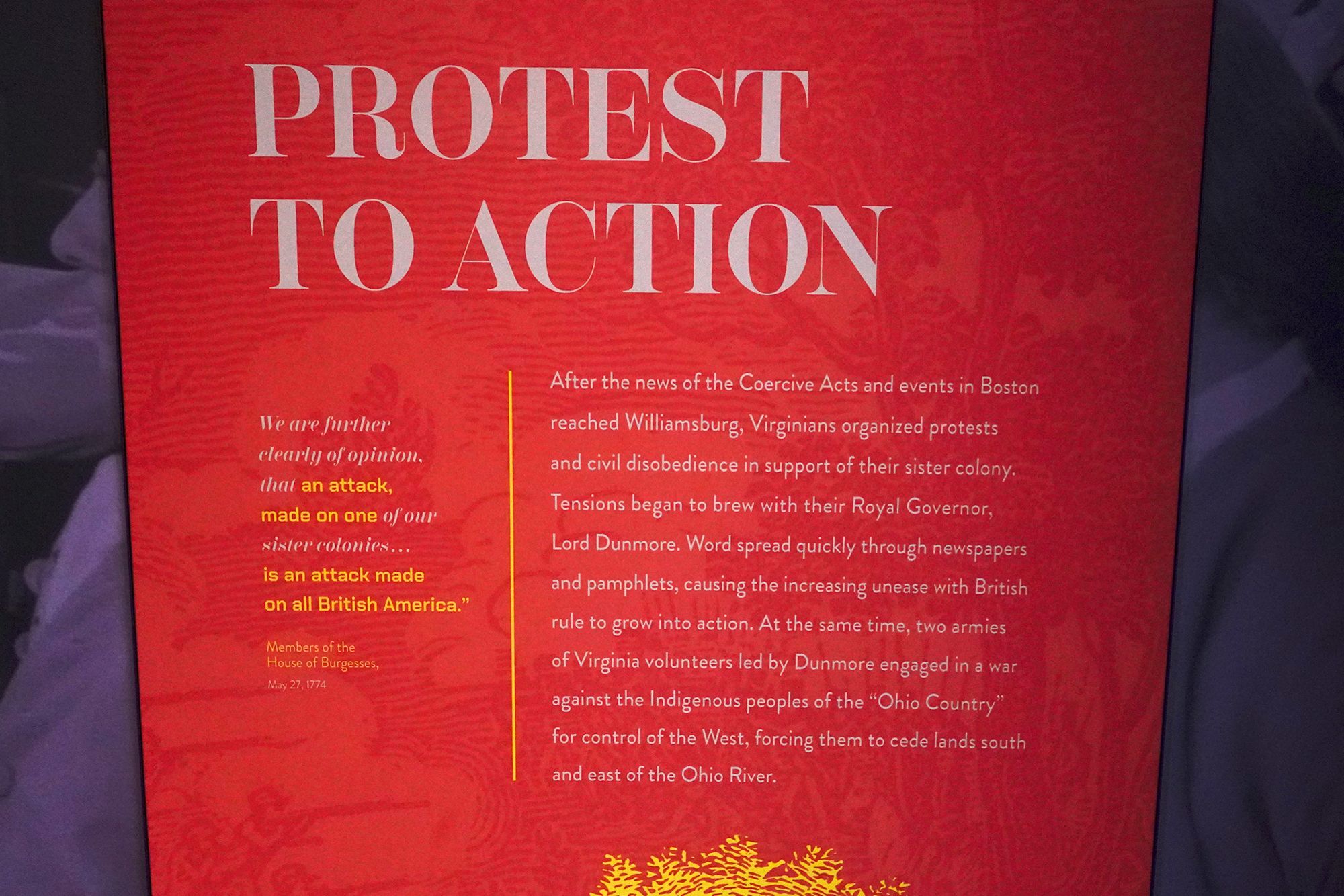
“Protest to Action” describes the turning point when American colonists moved from voicing grievances against British policies to actively resisting them.
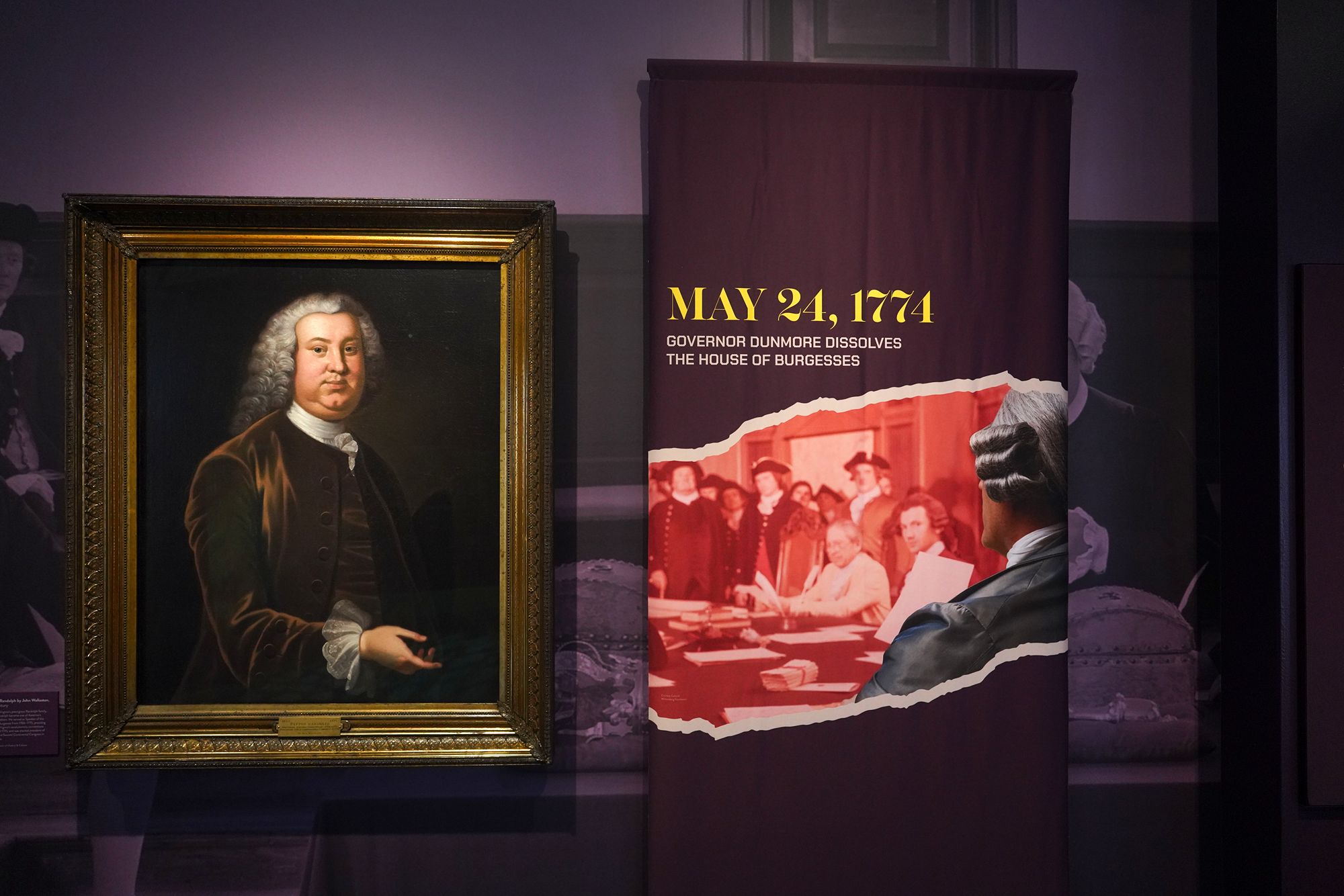
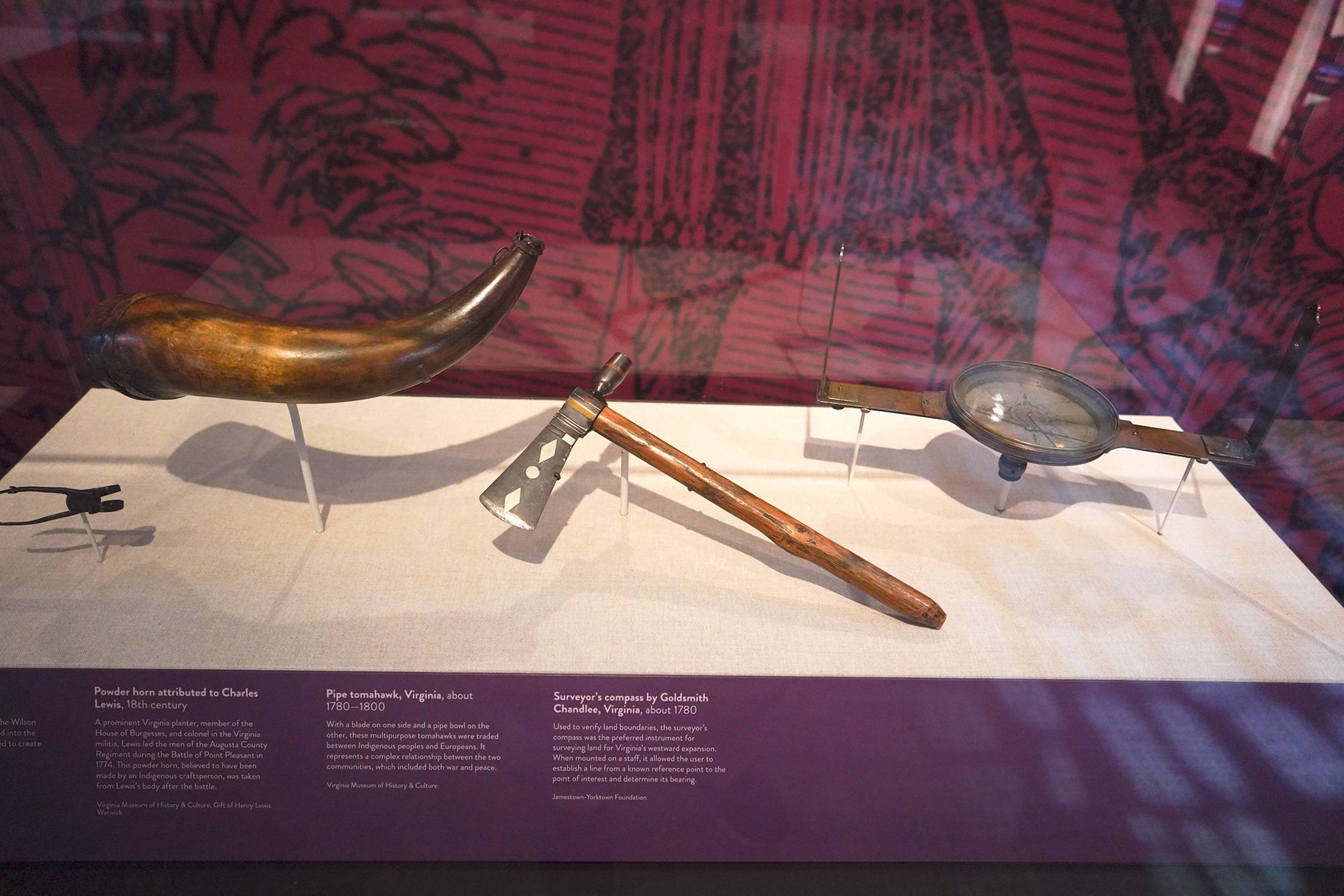
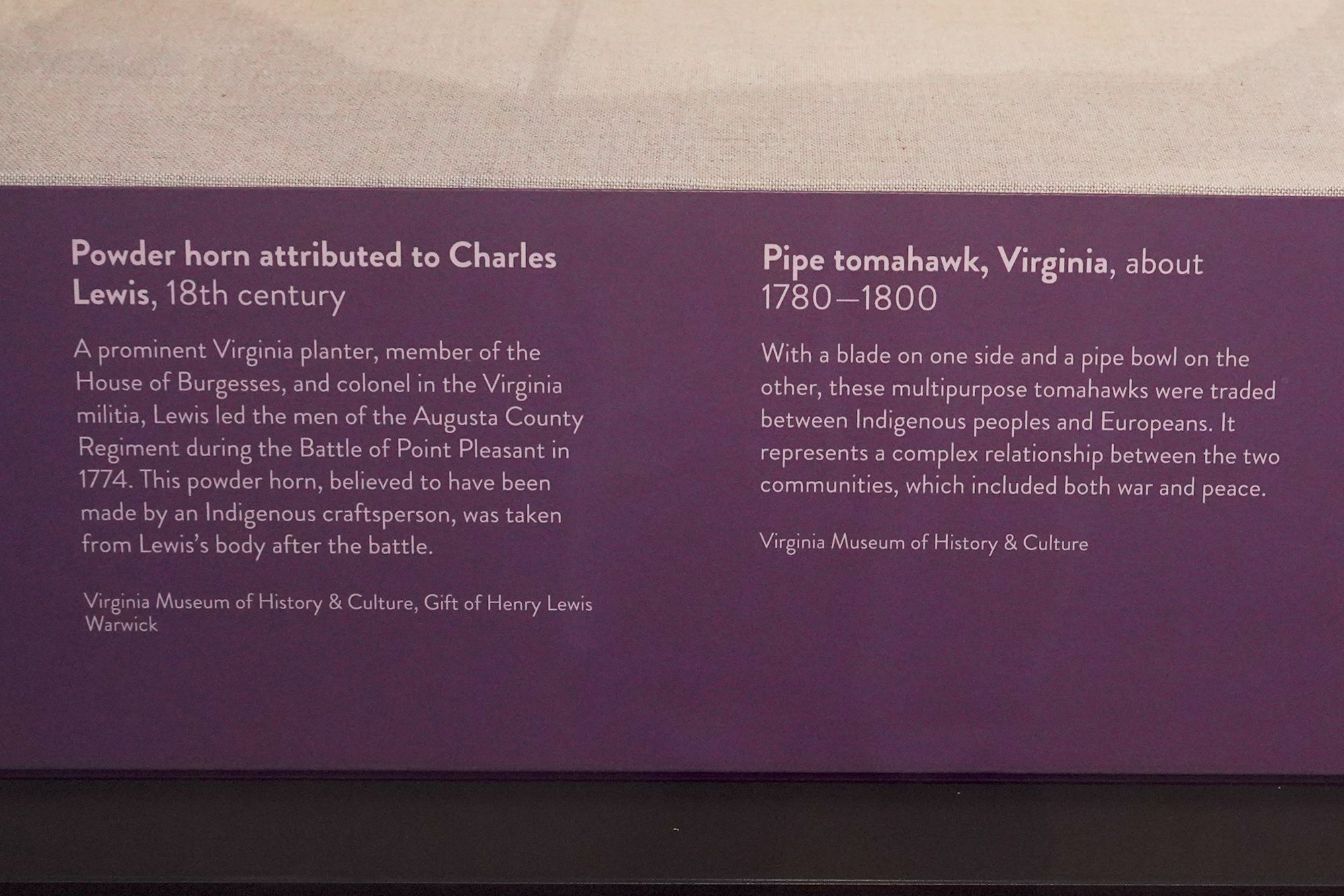
The war began in New England in April 1775, when tensions between British troops and colonial militias erupted at the Battles of Lexington and Concord in Massachusetts. British soldiers had marched to seize colonial weapons, but were met by armed patriots, marking the first shots of the American Revolution.
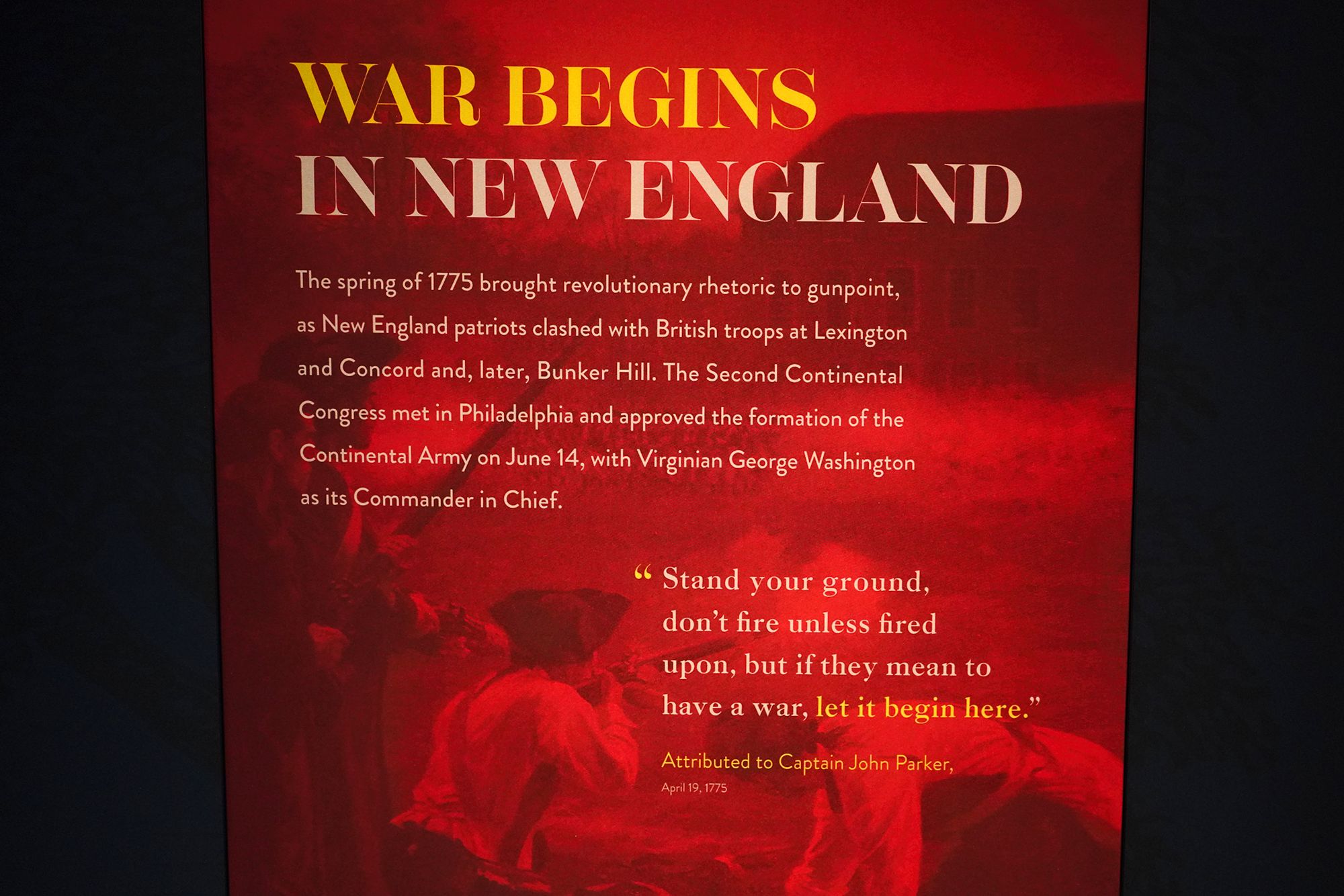
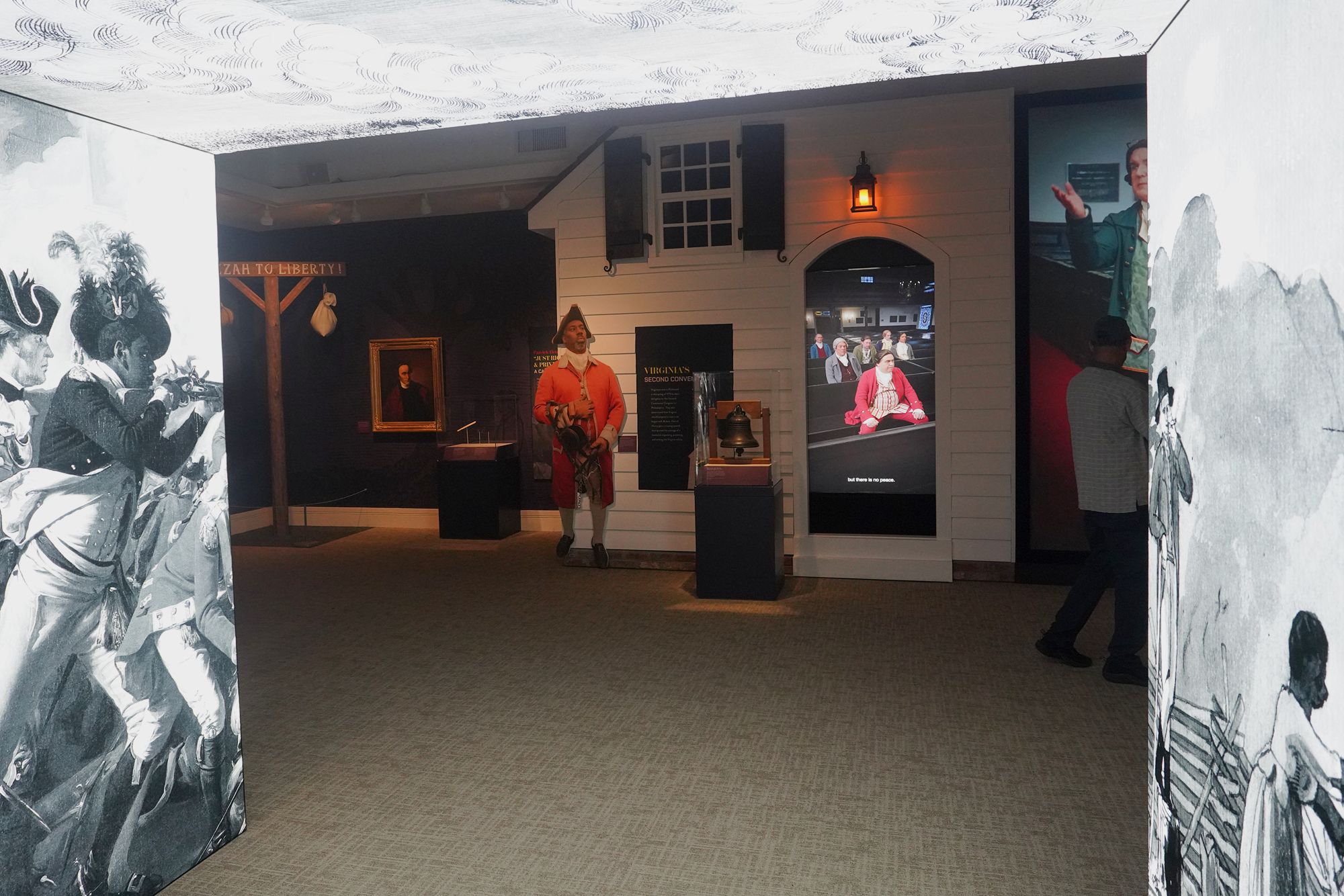
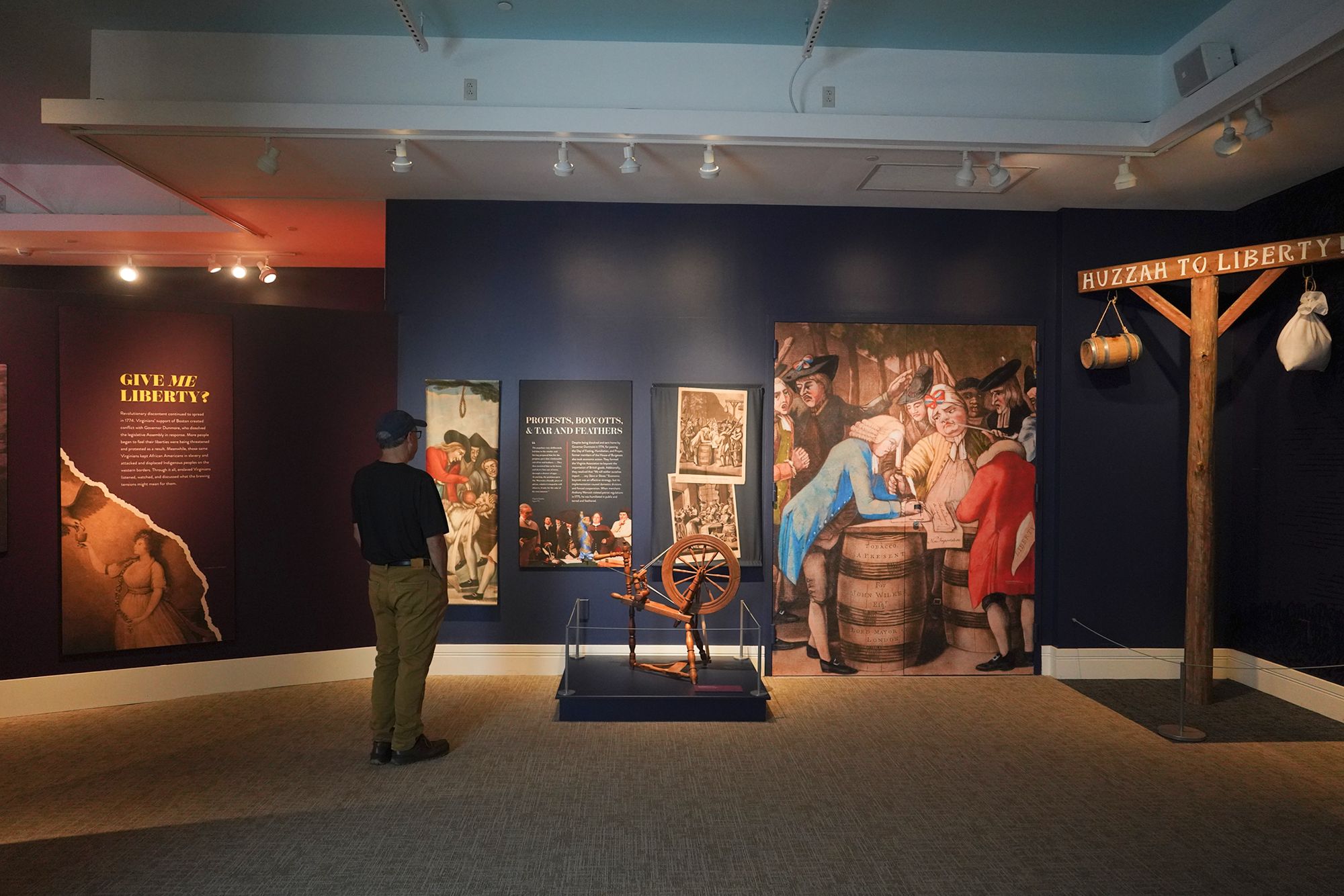
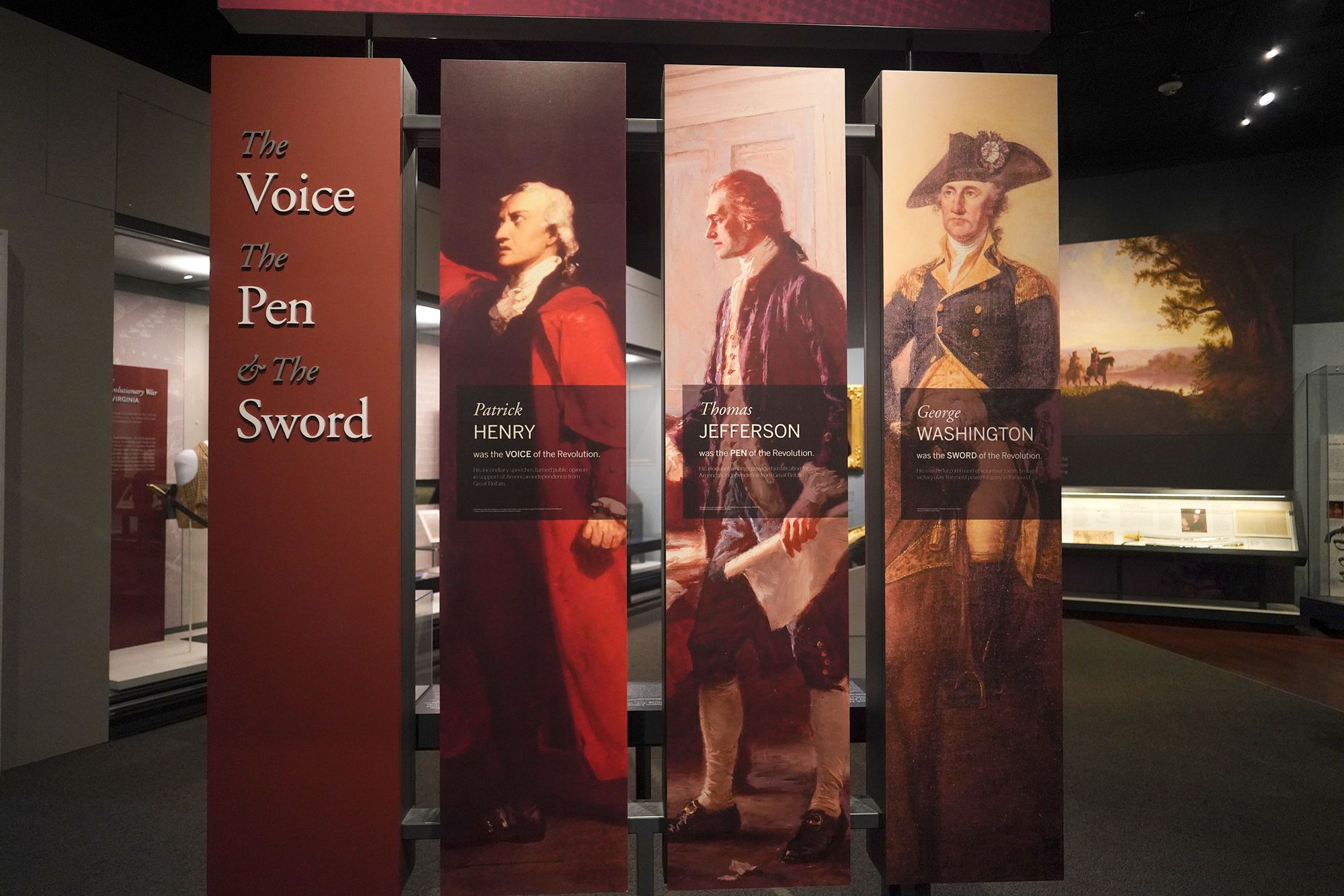
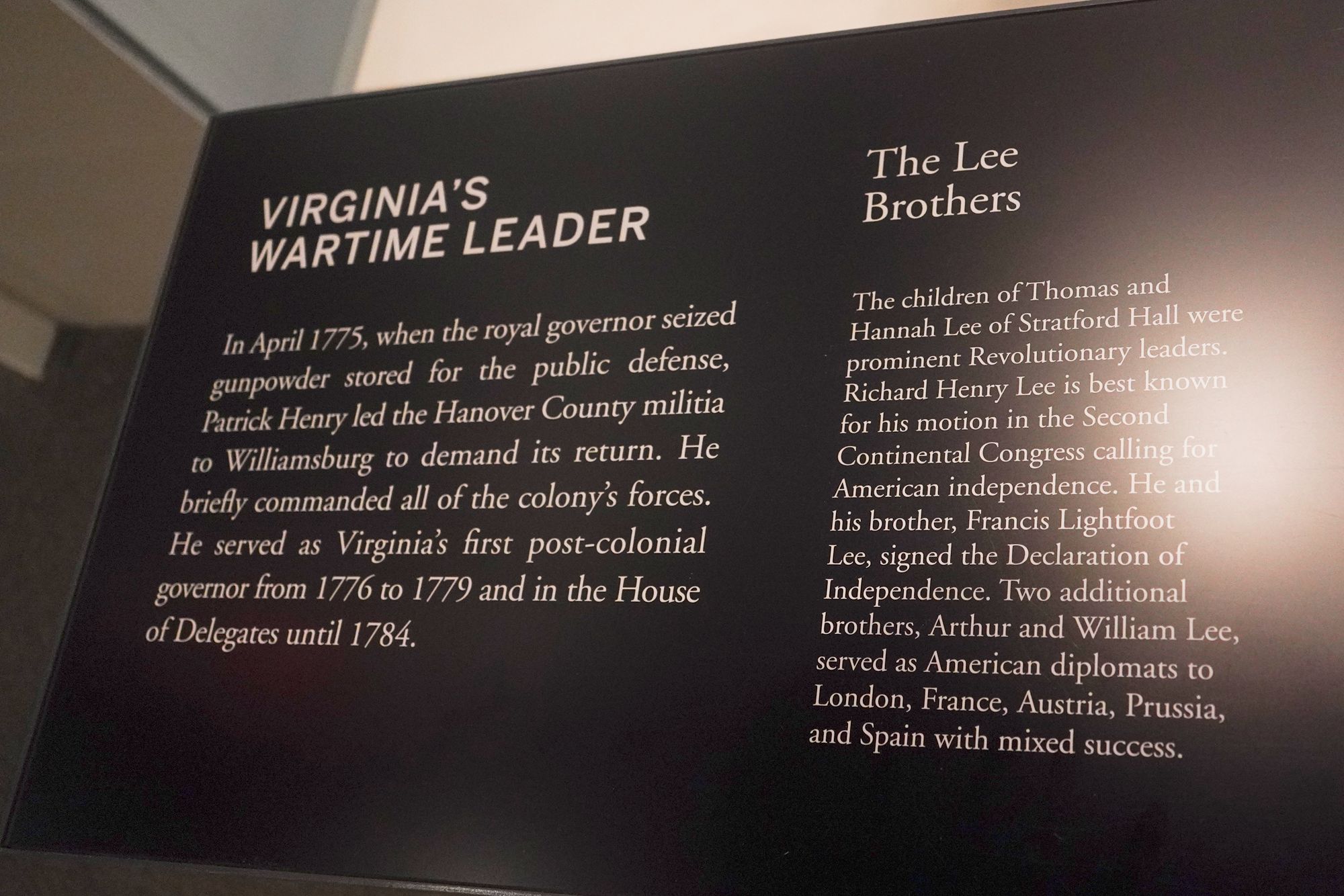
“Give me liberty, or give me death!” is the famous declaration made by Patrick Henry on March 23, 1775, during a speech at St. John’s Church in Richmond, Virginia. Speaking before the Second Virginia Convention, Henry urged his fellow colonists to take up arms against British tyranny, arguing that peaceful petitions had failed and that only resistance could preserve their freedom.
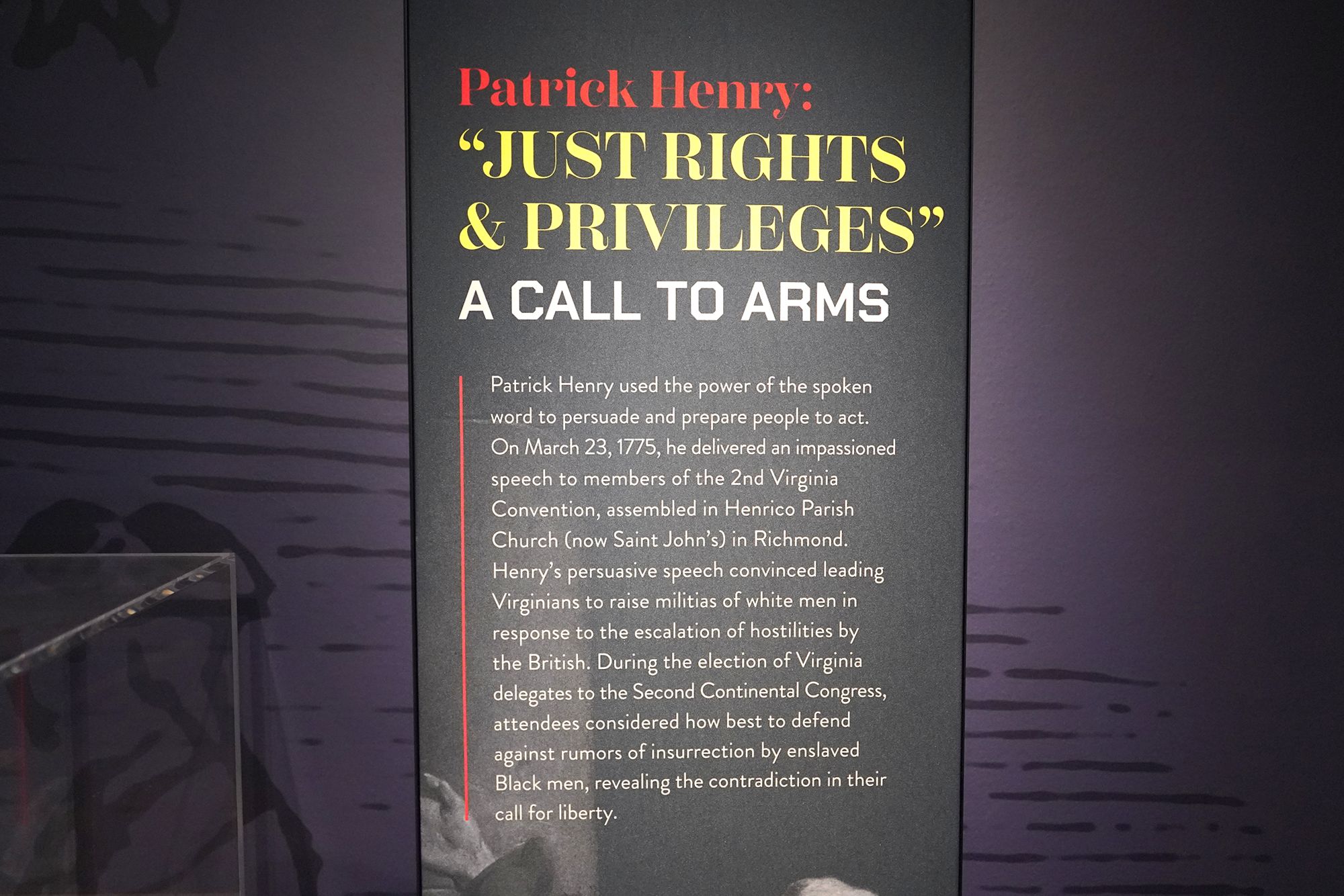
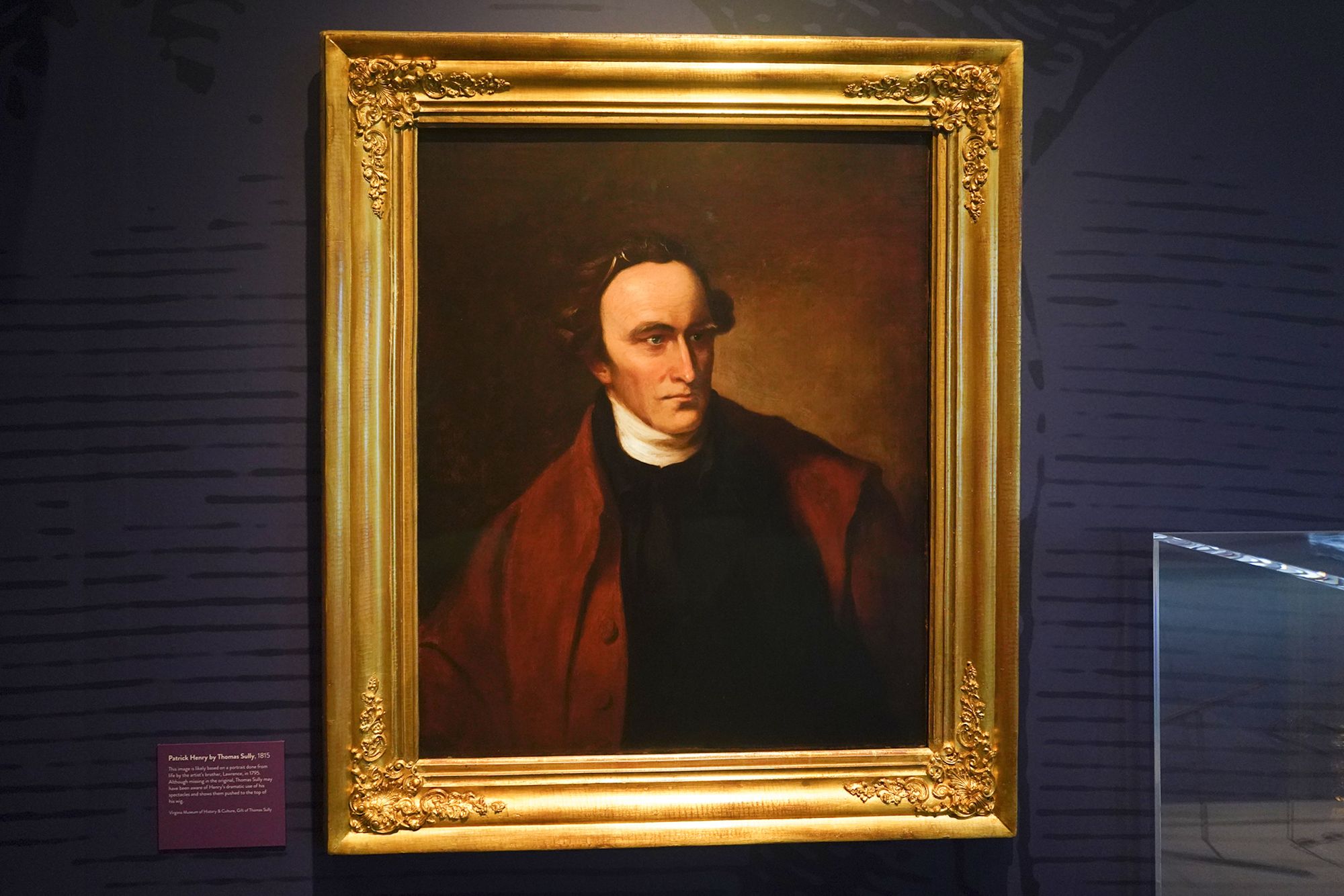
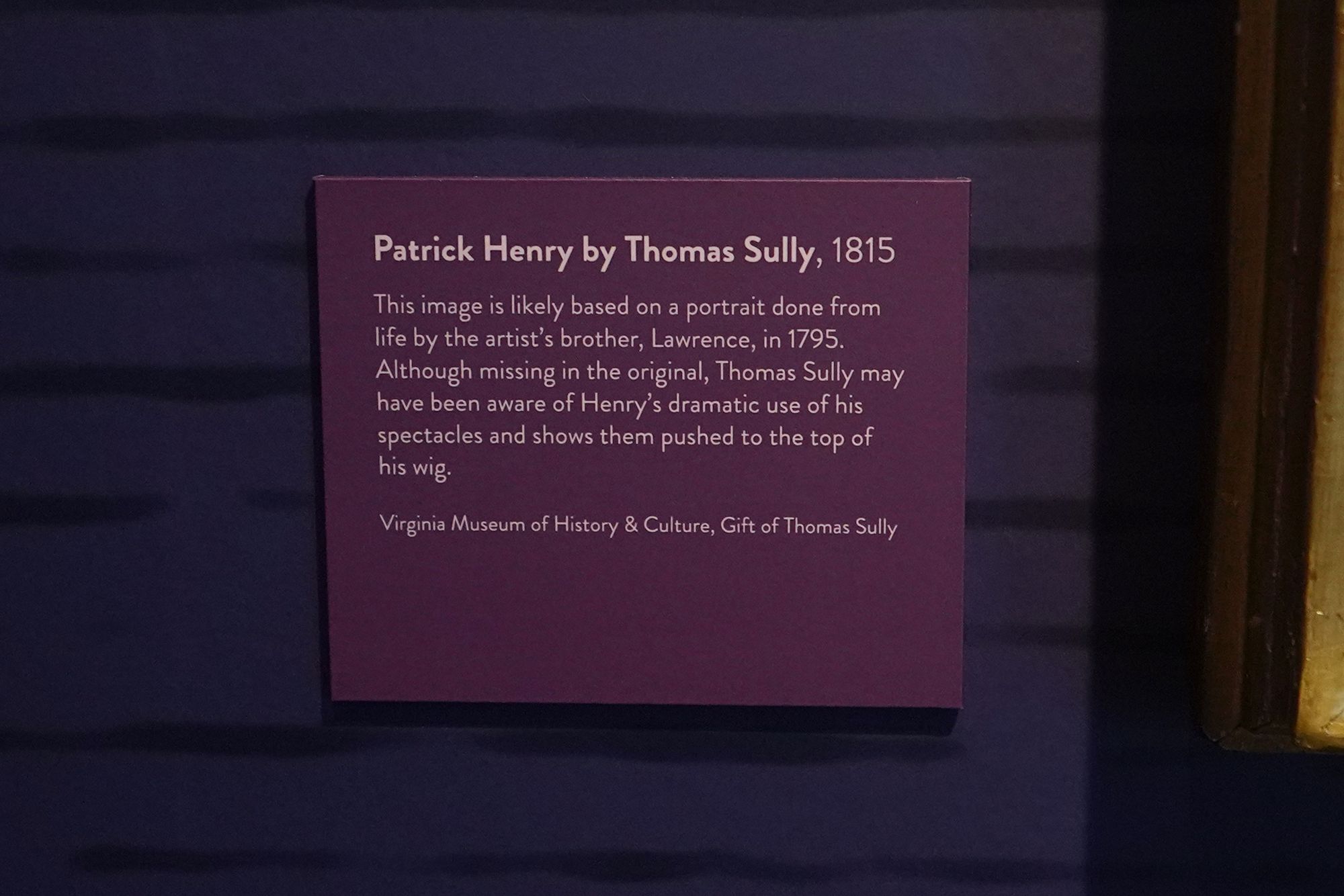
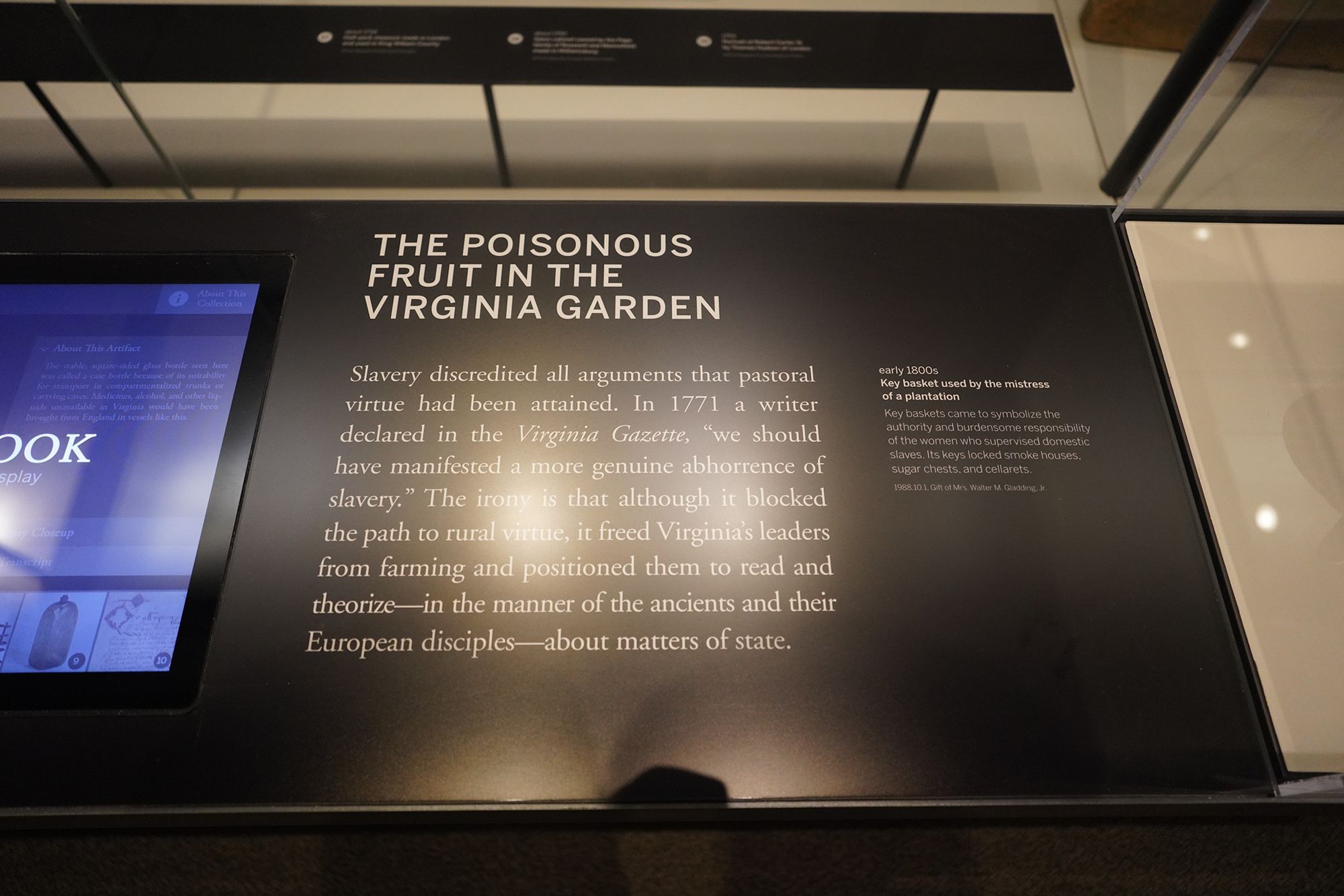
When Patrick Henry declared, “Give me liberty, or give me death!” in 1775, he was speaking passionately for American freedom from British rule—but like many leaders of his time, he was also a slaveholder. This contradiction highlights one of the great moral paradoxes of the American Revolution: the same society that fought for liberty and natural rights denied freedom to enslaved Africans.
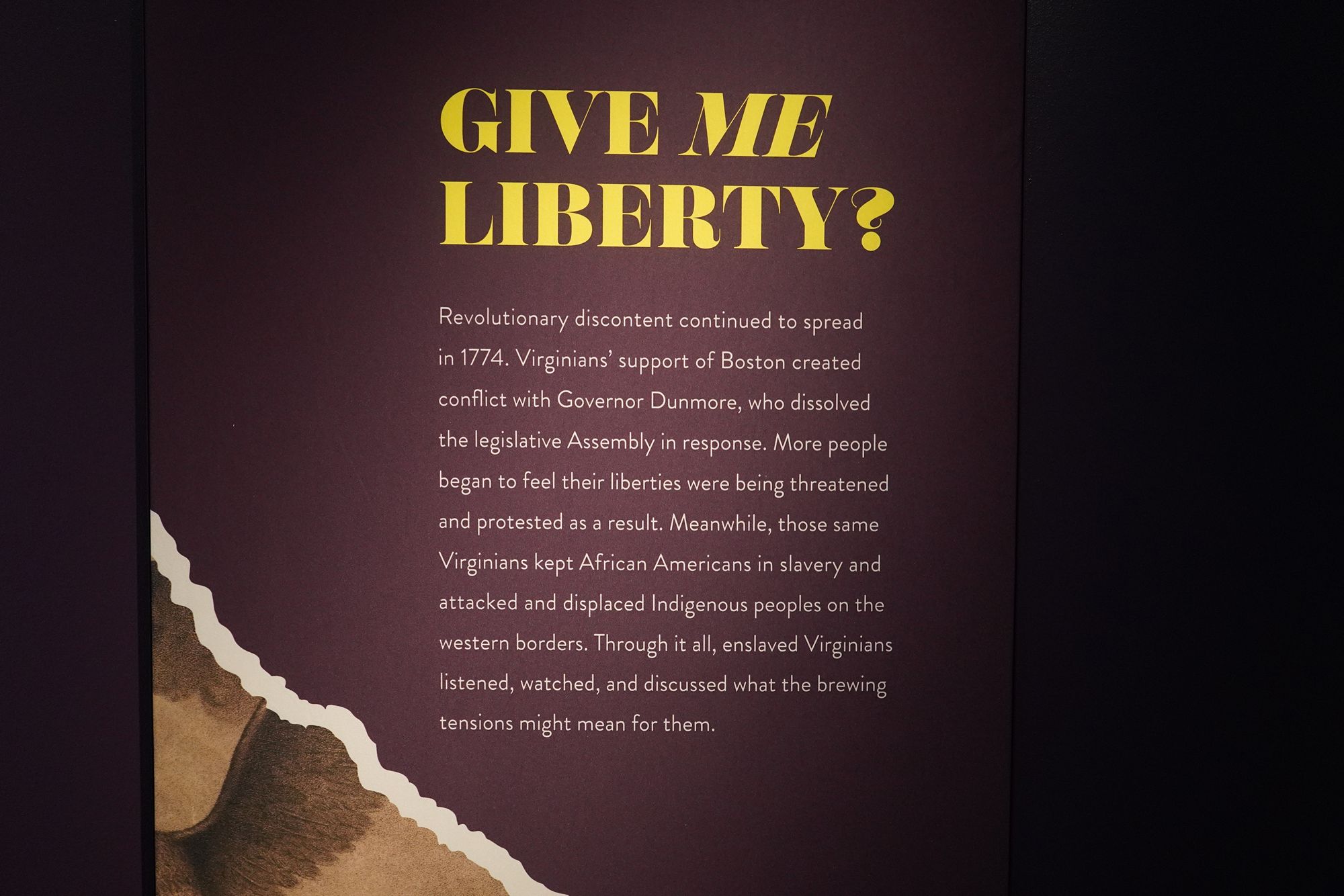
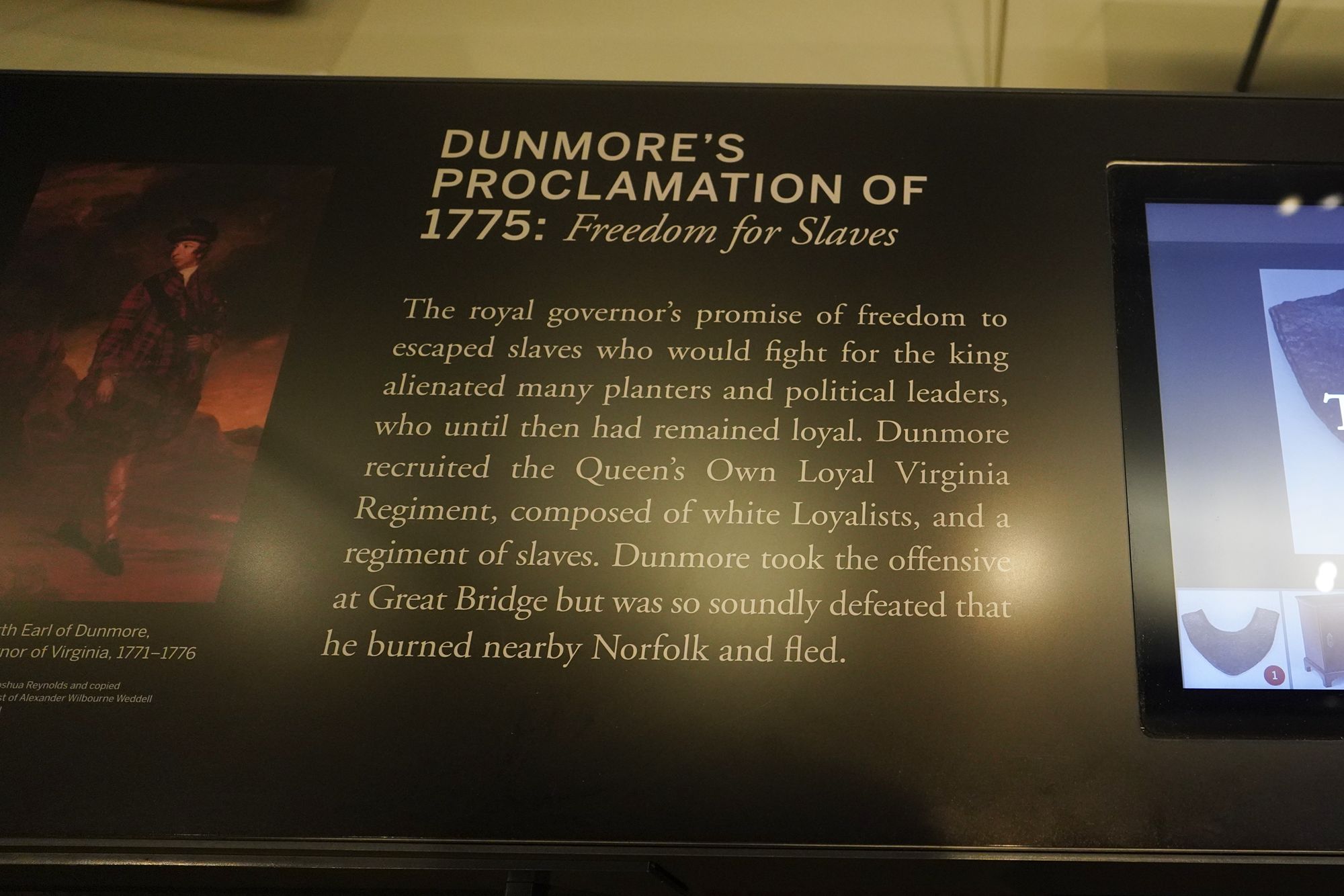
Dunmore’s Proclamation, issued on November 7, 1775, by Lord Dunmore, the royal governor of Virginia, declared freedom for any enslaved person who left a rebel (Patriot) master and joined the British army. His goal was to weaken the colonial rebellion by depriving the Patriots of labor and adding manpower to the British side.
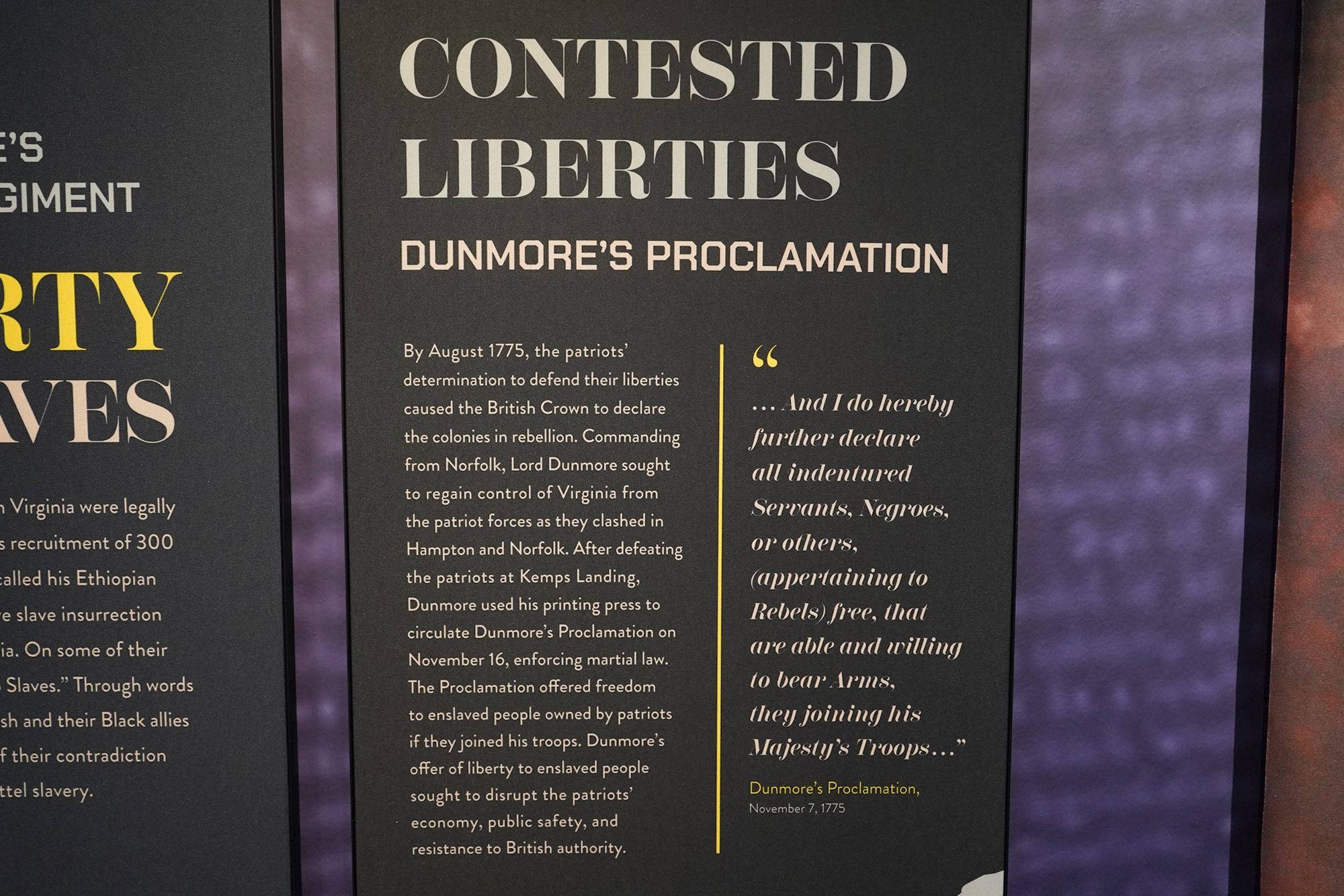
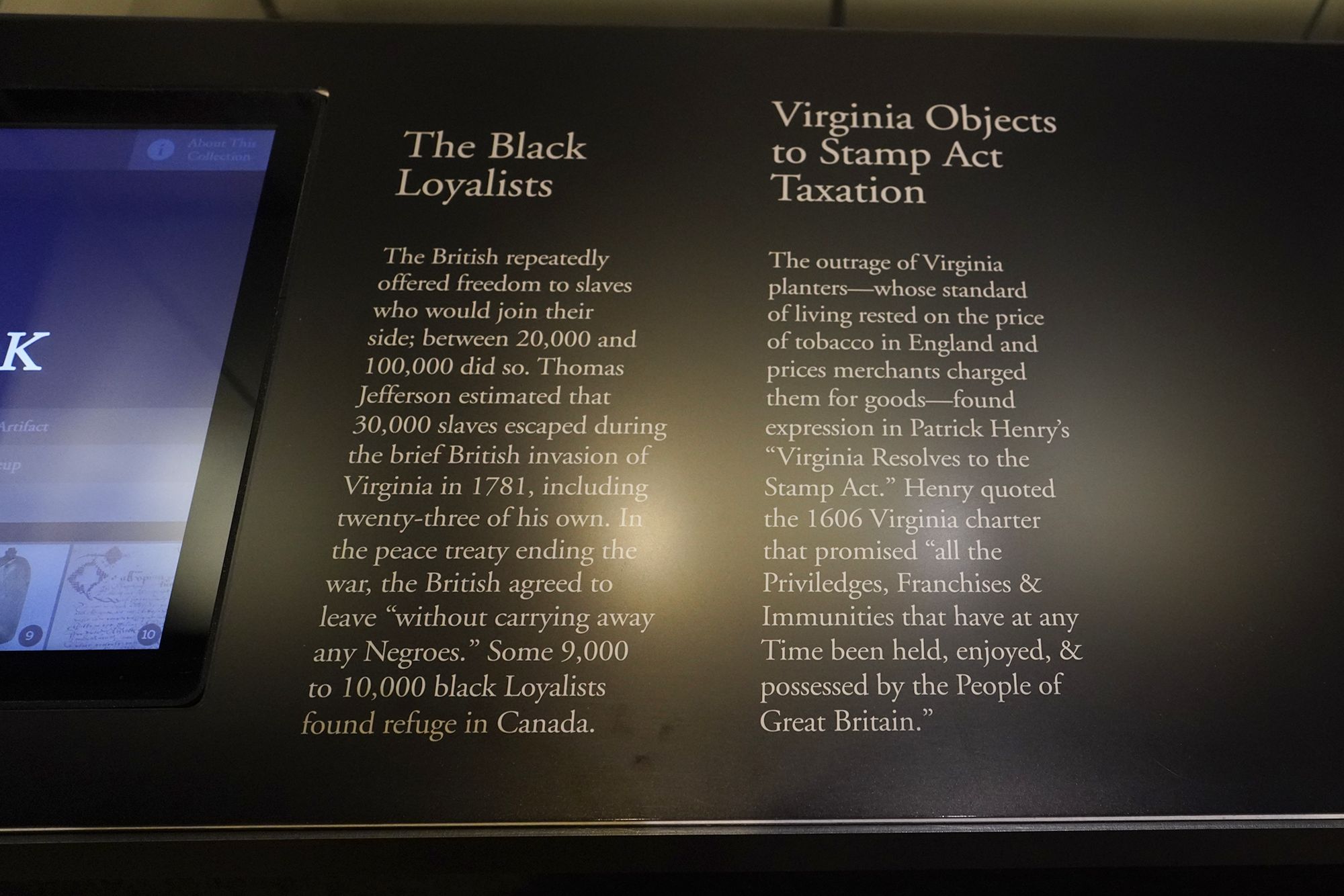
The proclamation caused fear and outrage among white Virginians, as it threatened their social and economic order, but it also inspired hope among the enslaved. Hundreds of African Americans fled to British lines, forming the Ethiopian Regiment, the first Black military unit of the Revolution.
Although many who escaped later faced hardship or death, Dunmore’s Proclamation marked a pivotal moment—it linked the fight for freedom in the Revolution with the question of slavery and human rights, revealing the deep contradictions within the colonial struggle for liberty.
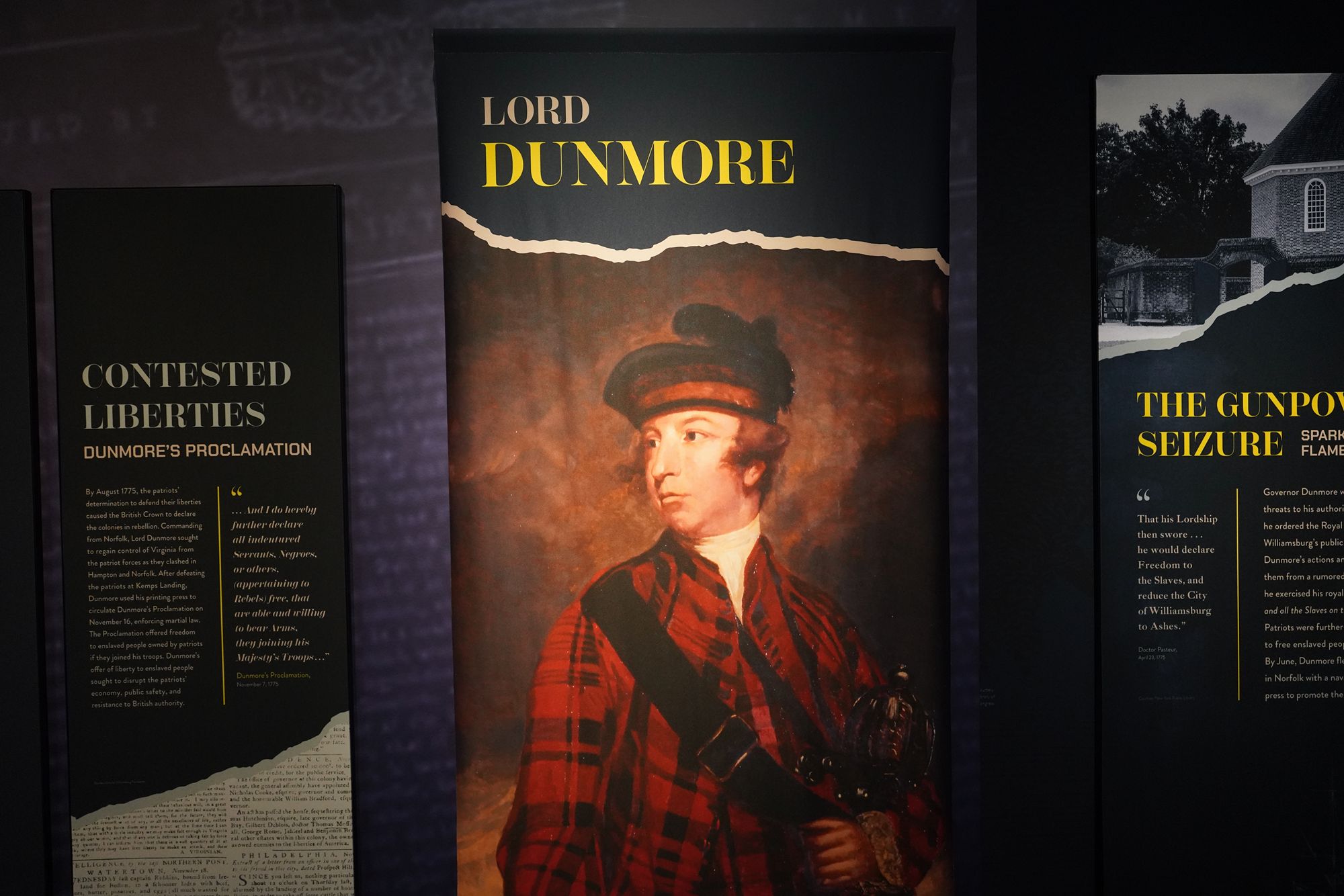
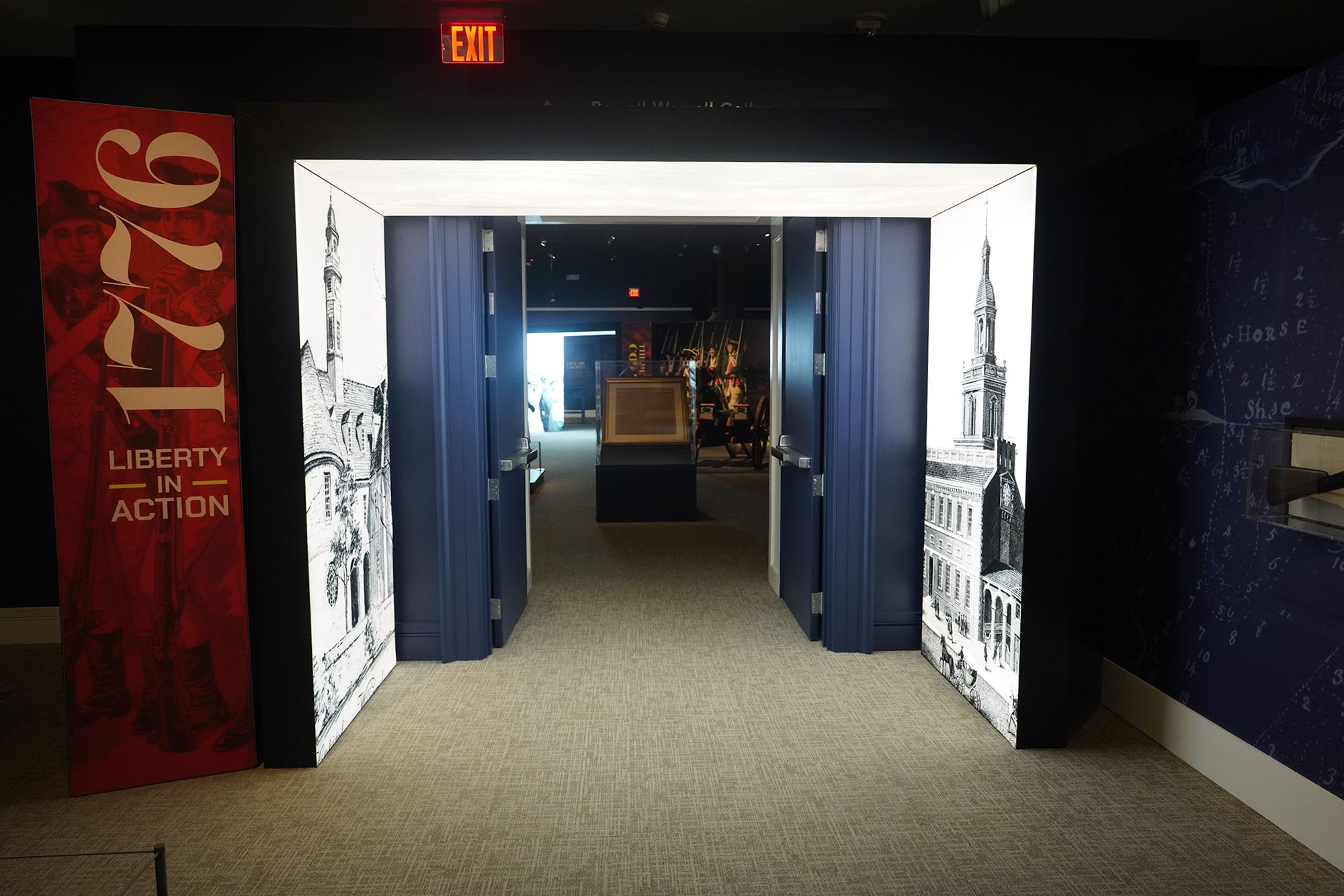
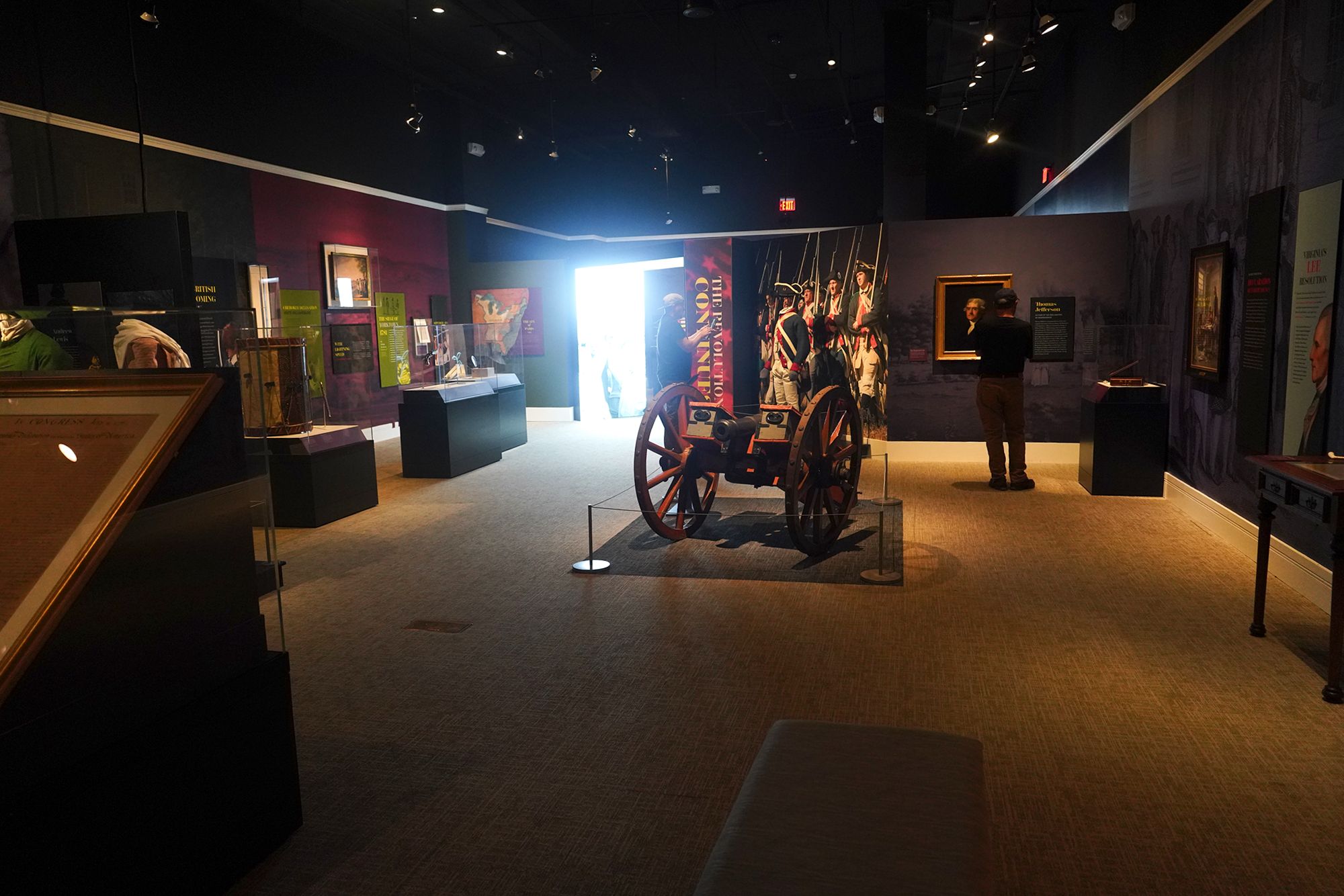
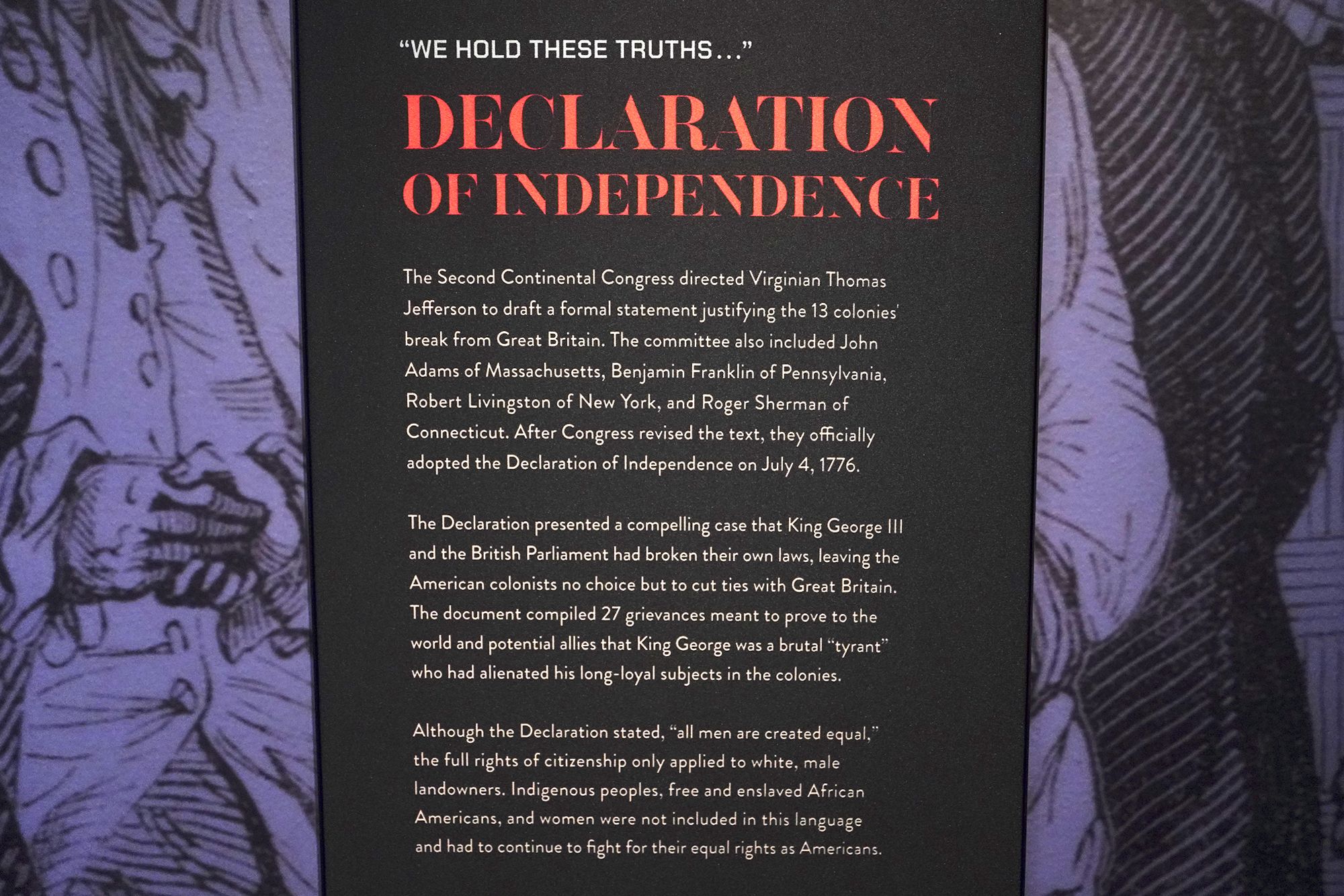
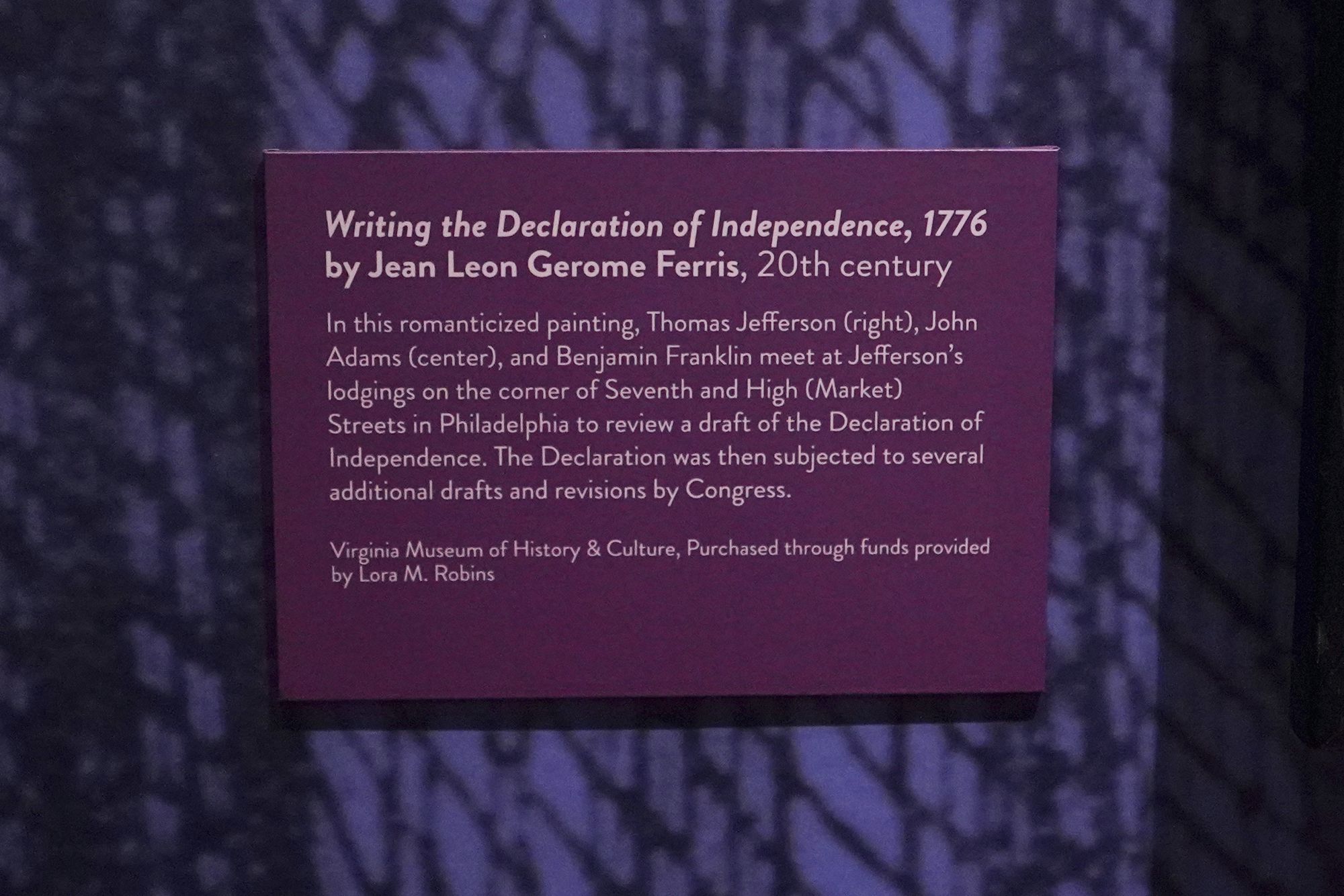
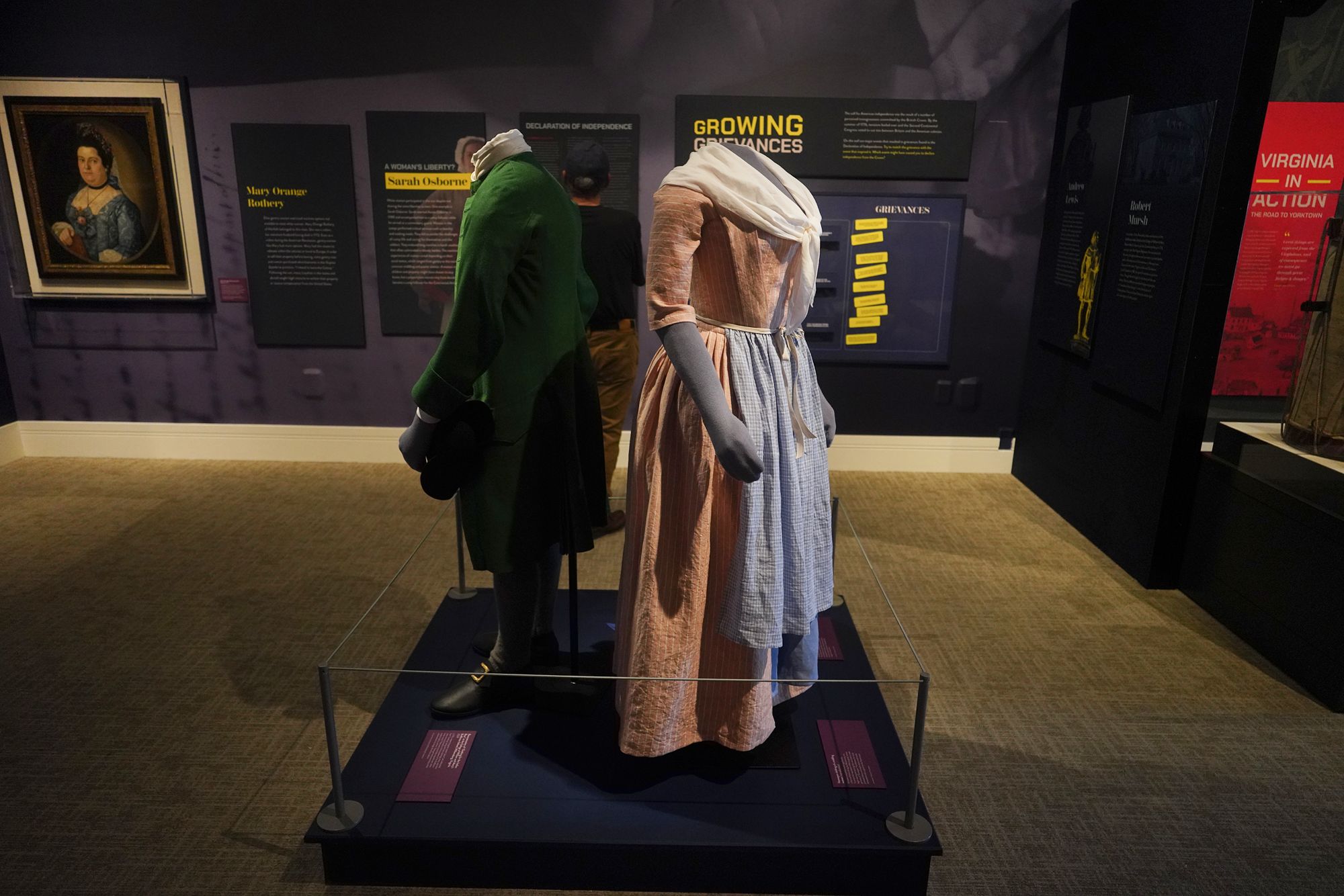
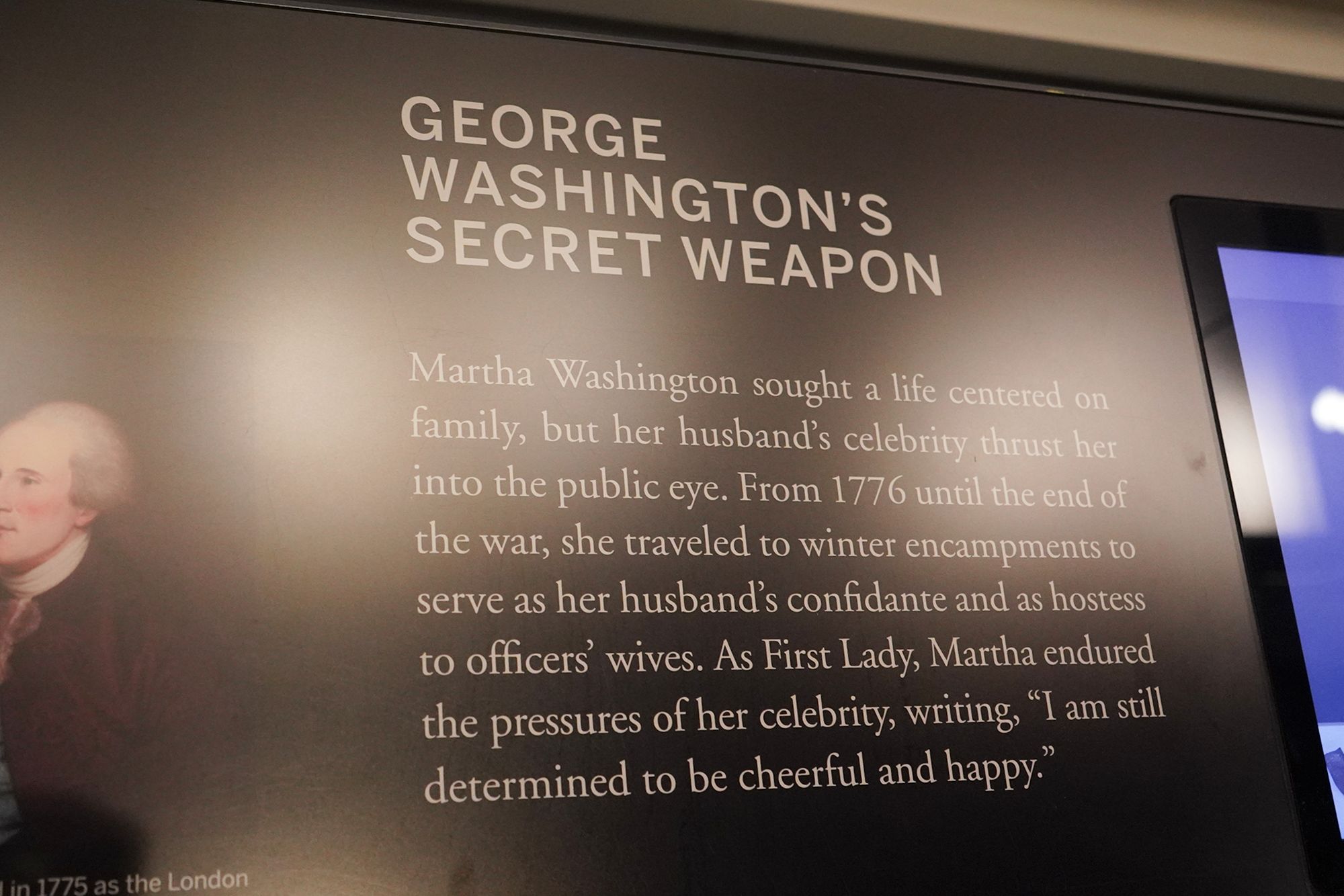
The Second Continental Congress convened in May 1775 in Philadelphia, shortly after the battles of Lexington and Concord, as Britain and its American colonies moved from protest to open war. Delegates from all thirteen colonies met to coordinate the war effort and manage colonial affairs.
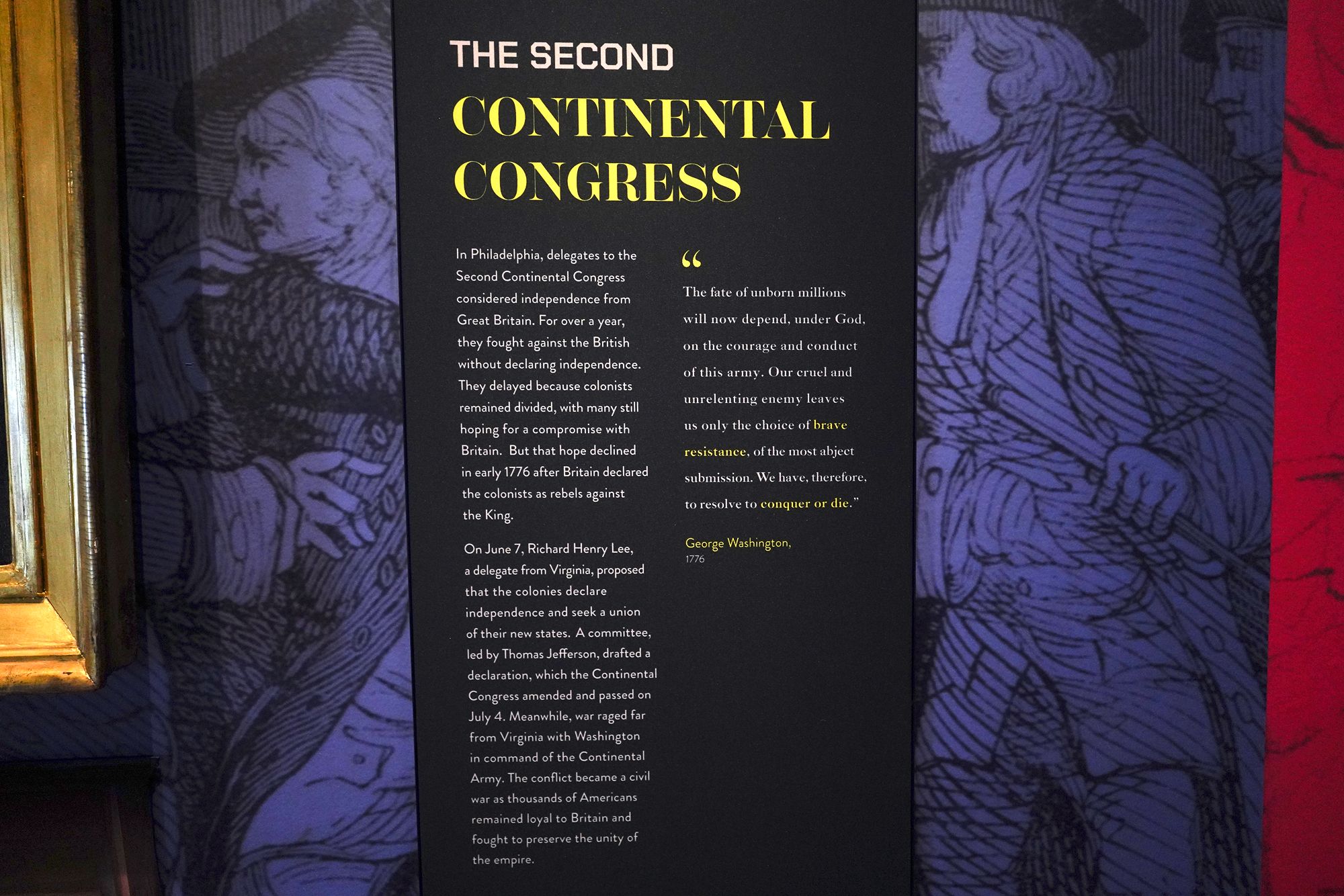
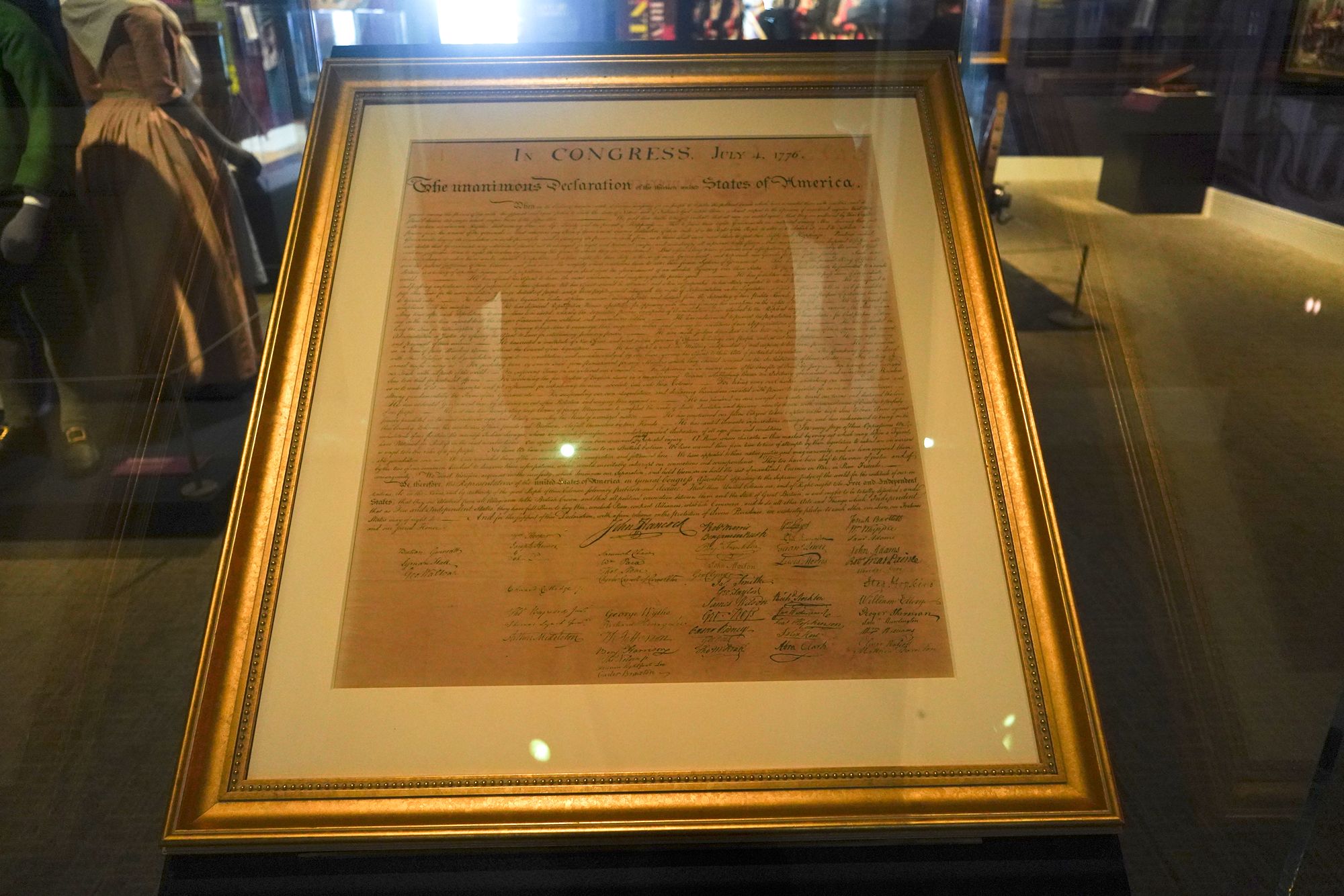
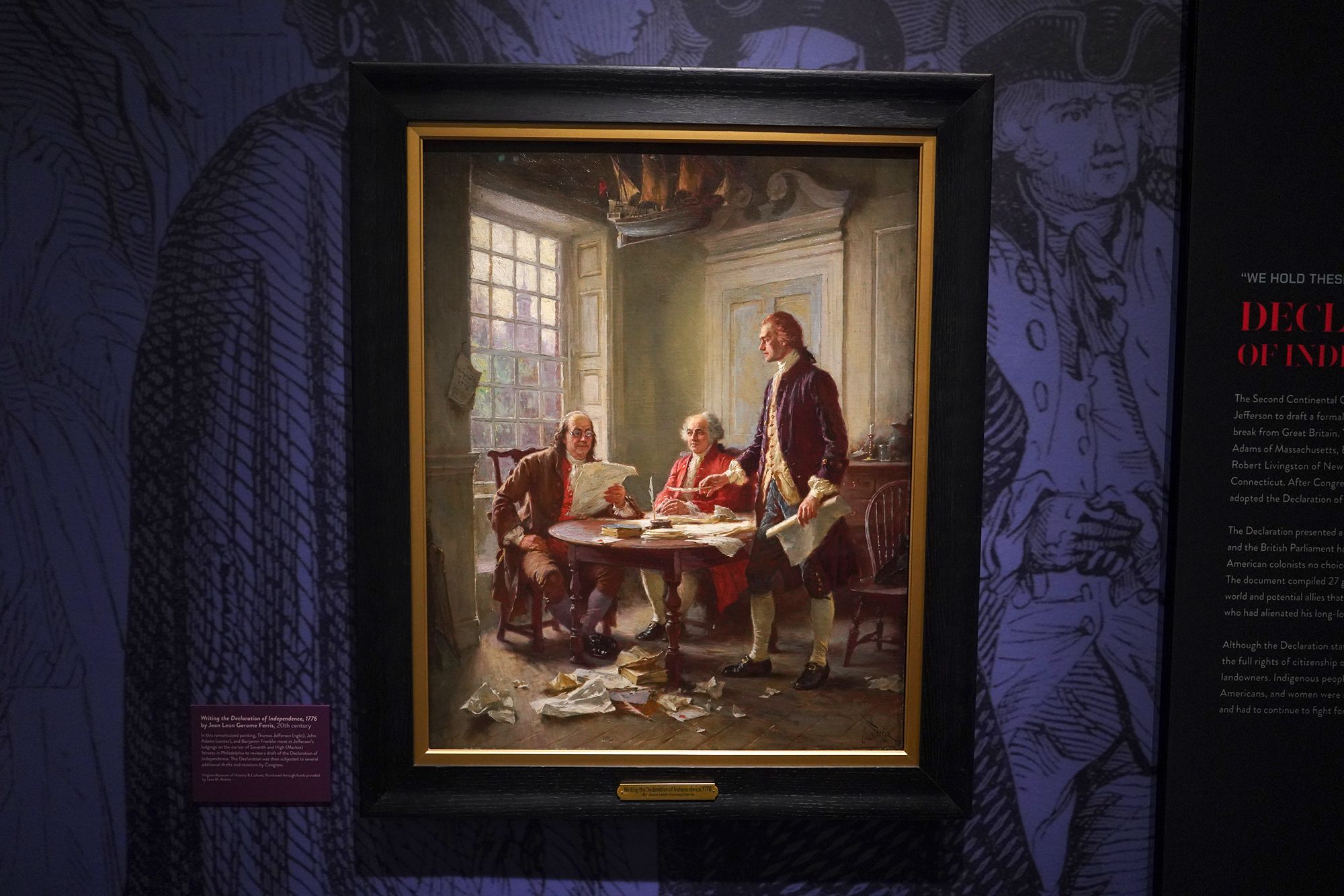
The Second Continental Congress organized the colonies for war, appointed George Washington as commander, sought peace through the Olive Branch Petition, and ultimately declared American independence from Britain.
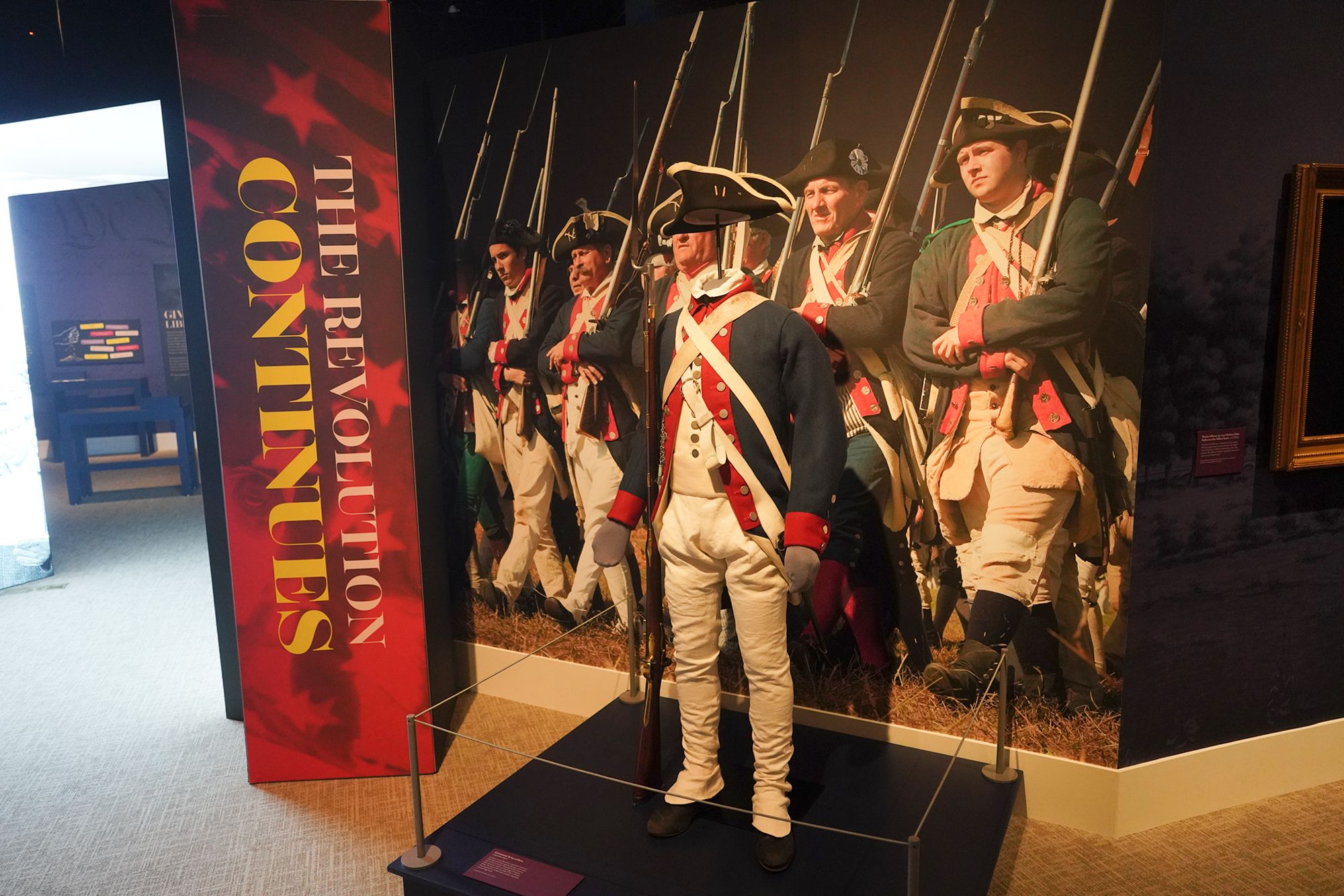
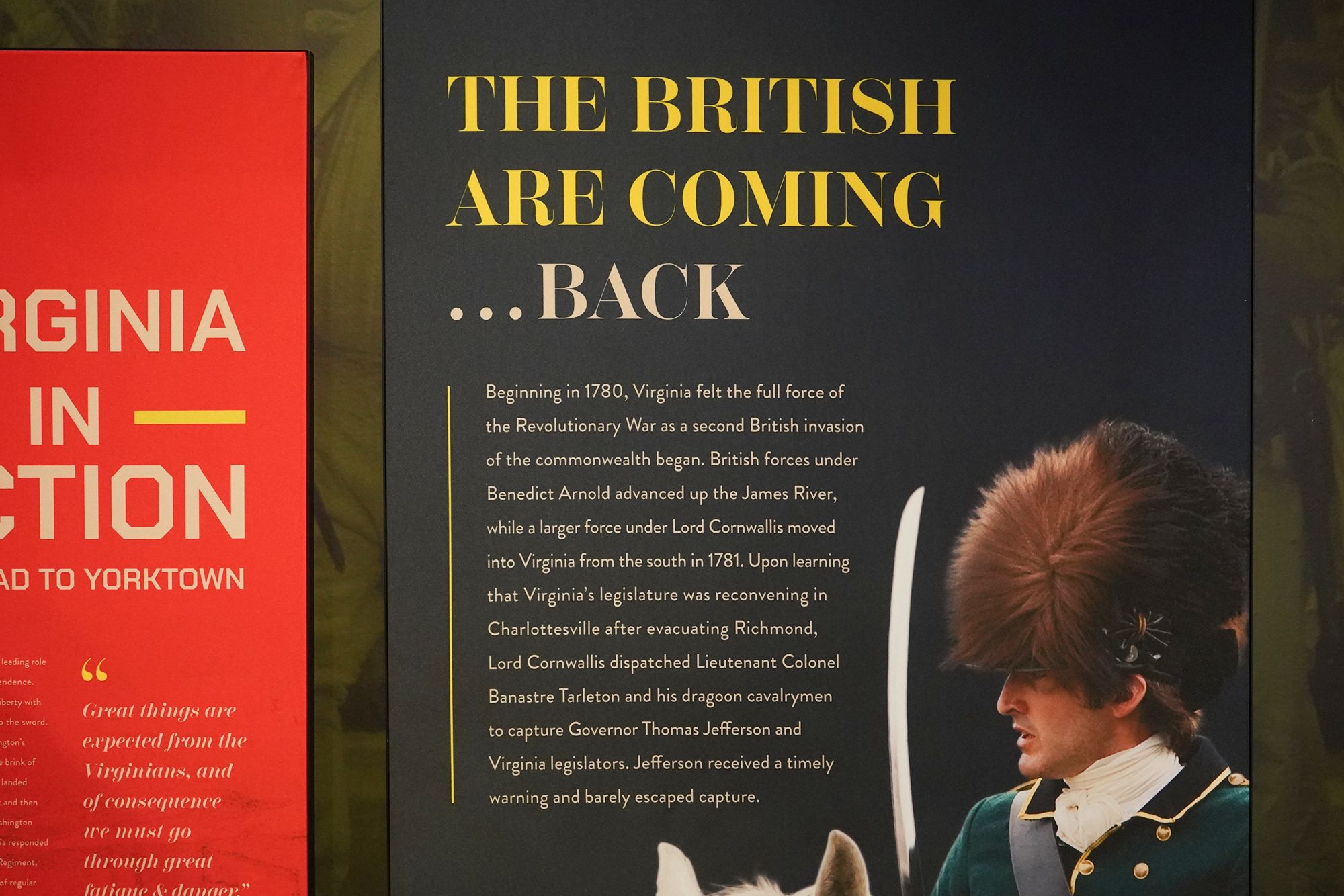
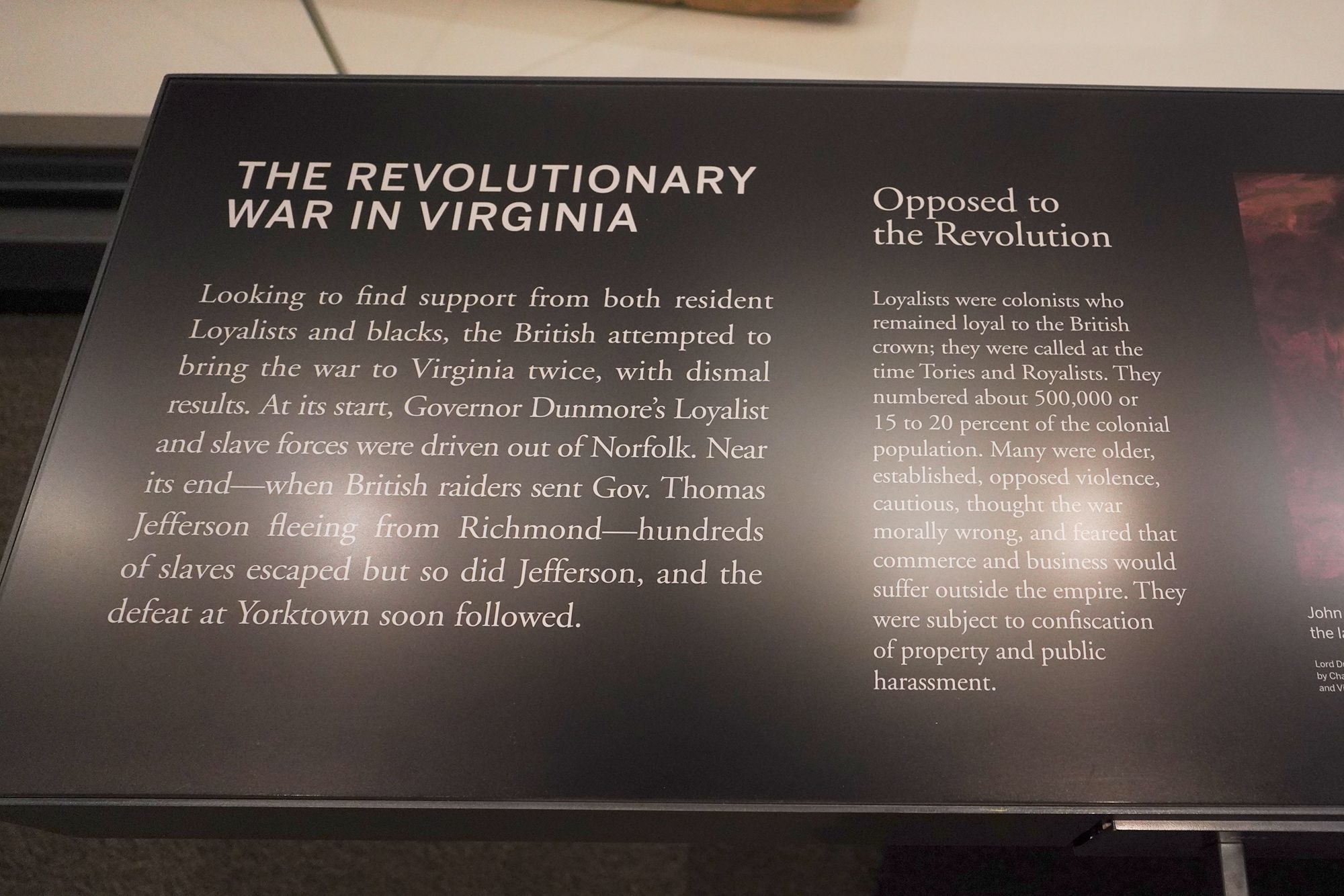
In 1780, during the American Revolution, Britain launched a renewed southern campaign—often called the second British invasion of the colonies—shifting the war’s focus to the South after stalemates in the North. British forces captured Charleston, South Carolina, one of the worst American defeats of the war, and gained control over much of Georgia and the Carolinas.
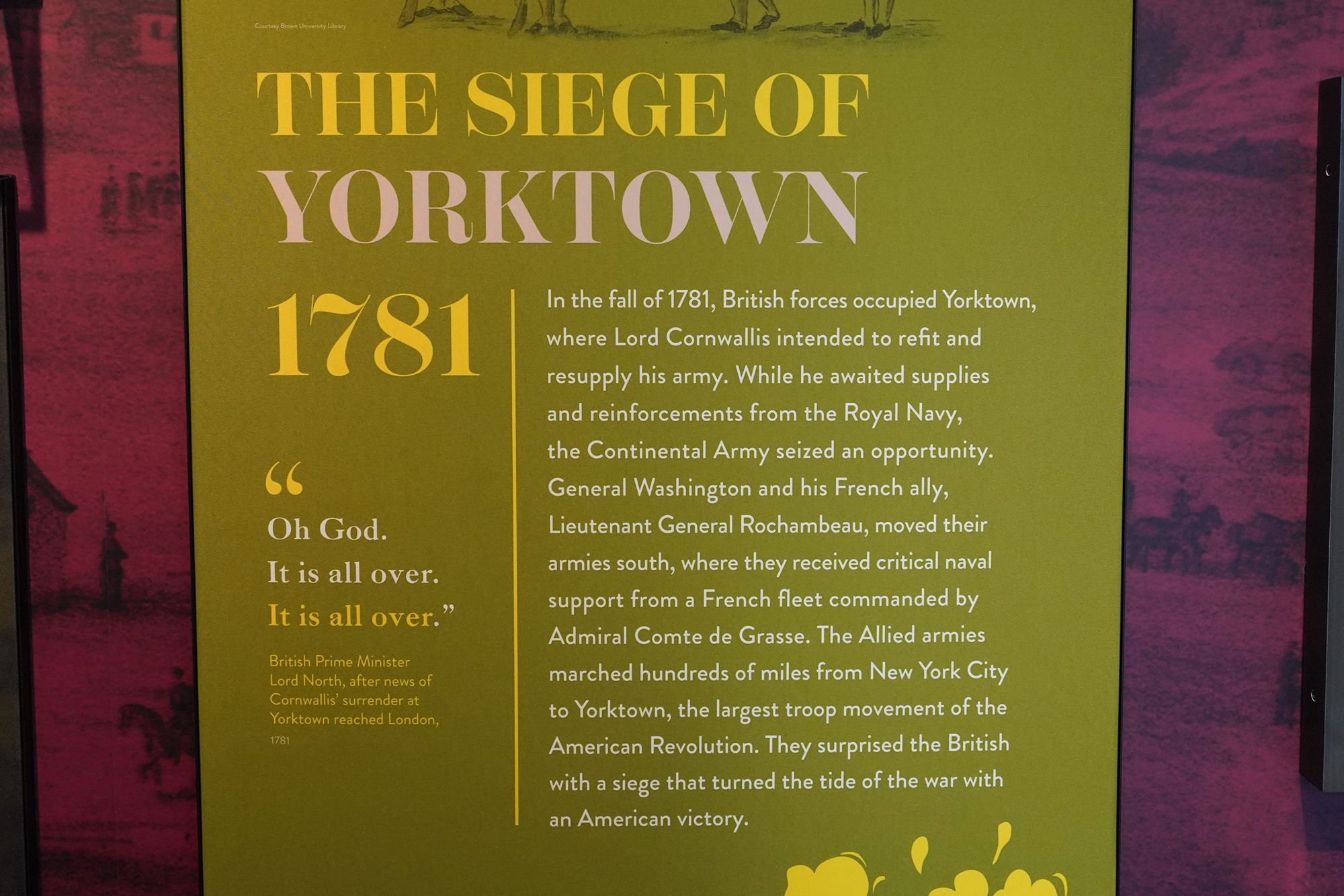
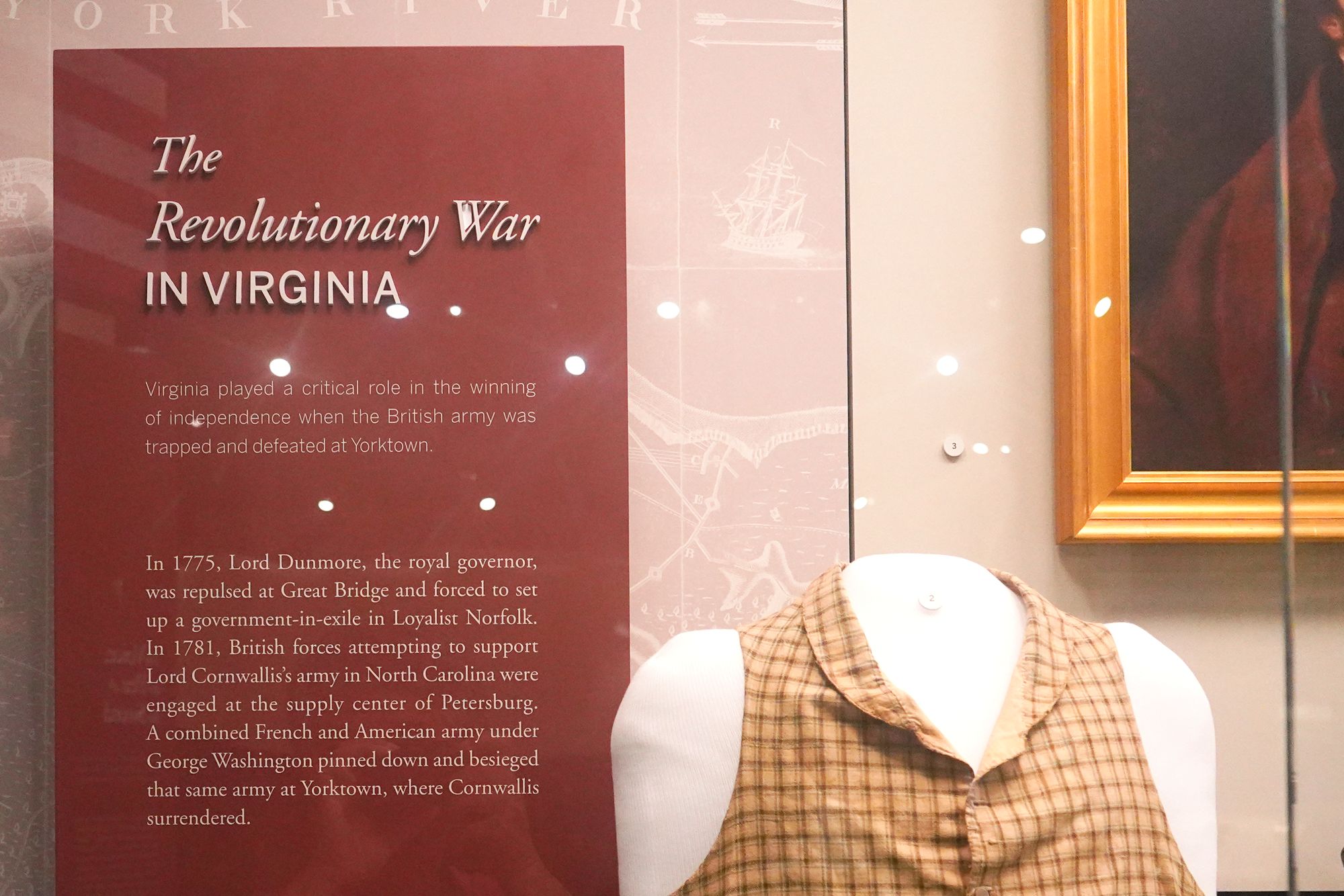
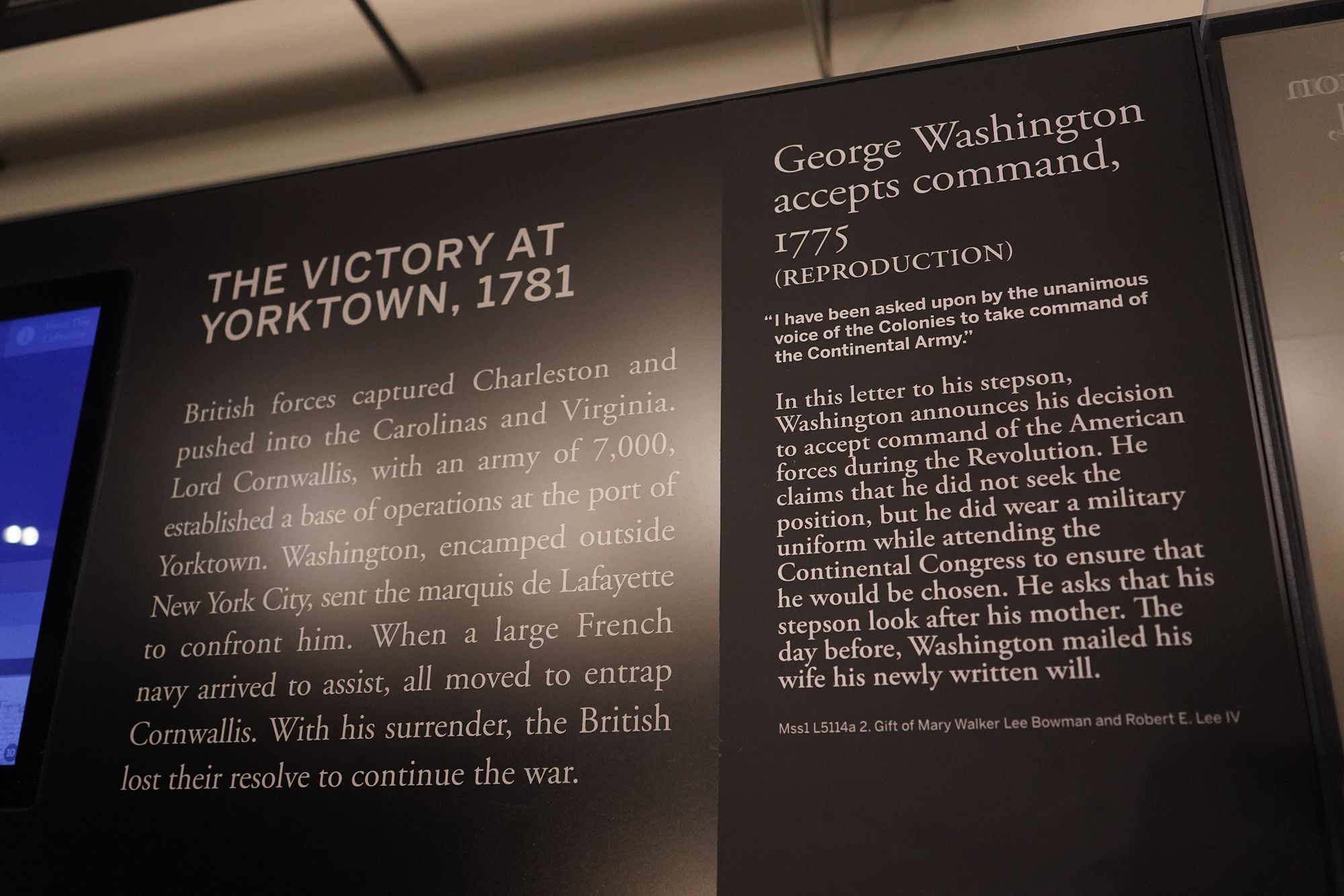
The Siege of Yorktown, fought in October 1781 in Virginia, was the decisive battle of the American Revolution, where American and French forces, led by George Washington and the Comte de Rochambeau, surrounded and trapped British General Charles Cornwallis’s army at Yorktown. After weeks of bombardment and no hope of escape or reinforcements, Cornwallis surrendered on October 19, 1781, effectively ending major combat and securing American victory and independence.
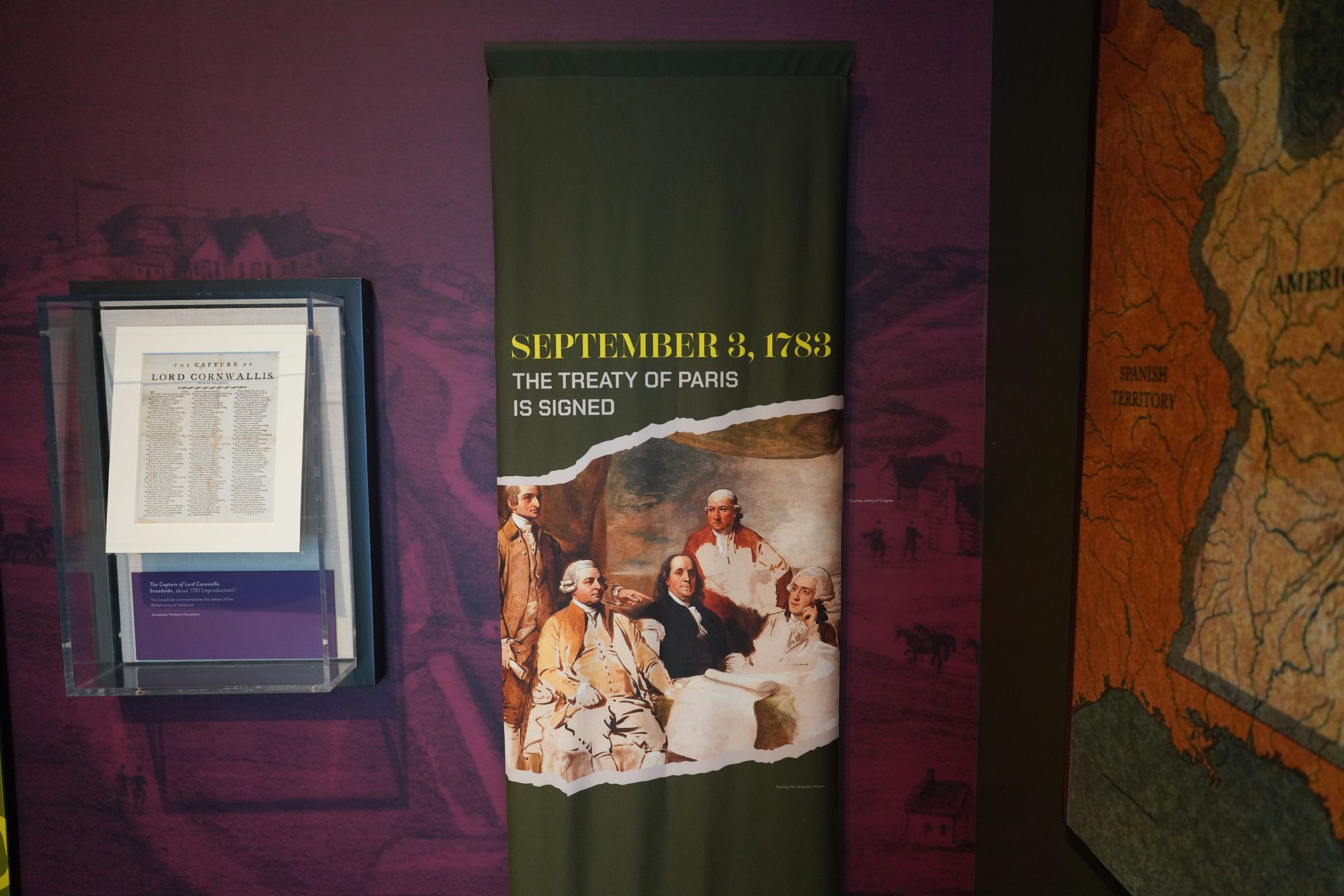
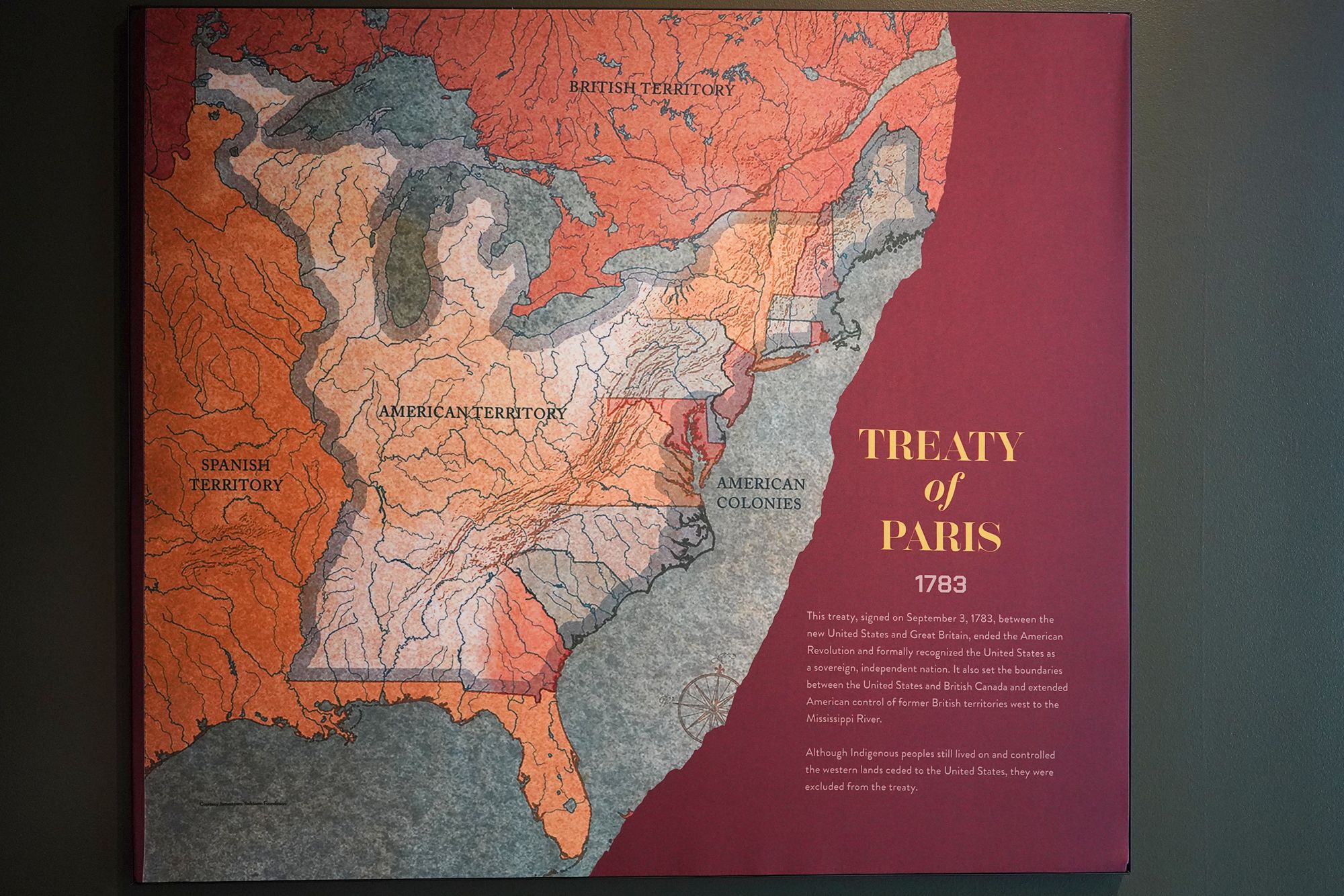
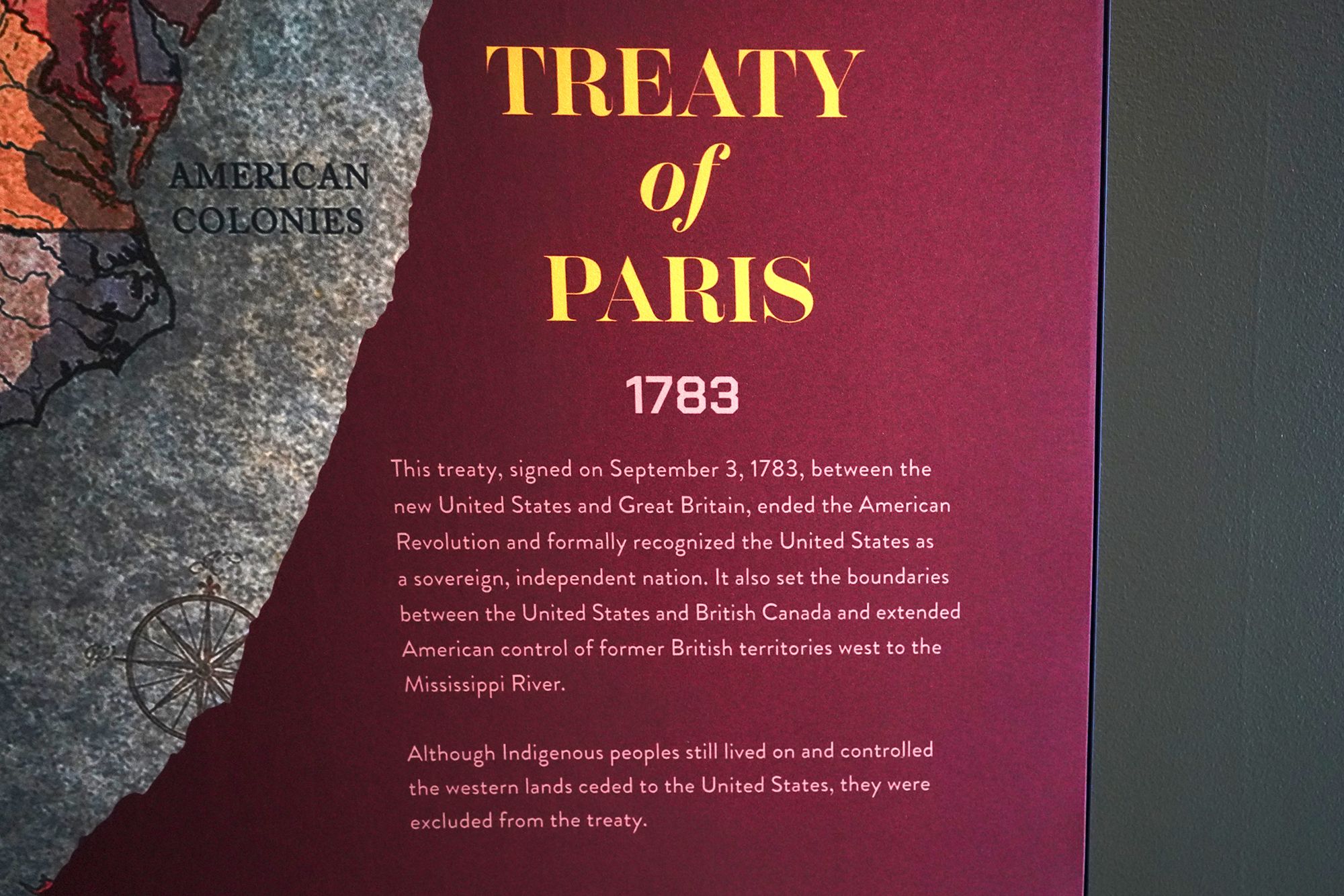
The Treaty of Paris, signed on September 3, 1783, officially ended the American Revolutionary War between Great Britain and the United States. In the treaty, Britain recognized American independence and agreed to new national boundaries extending west to the Mississippi River, north to Canada, and south to Florida.
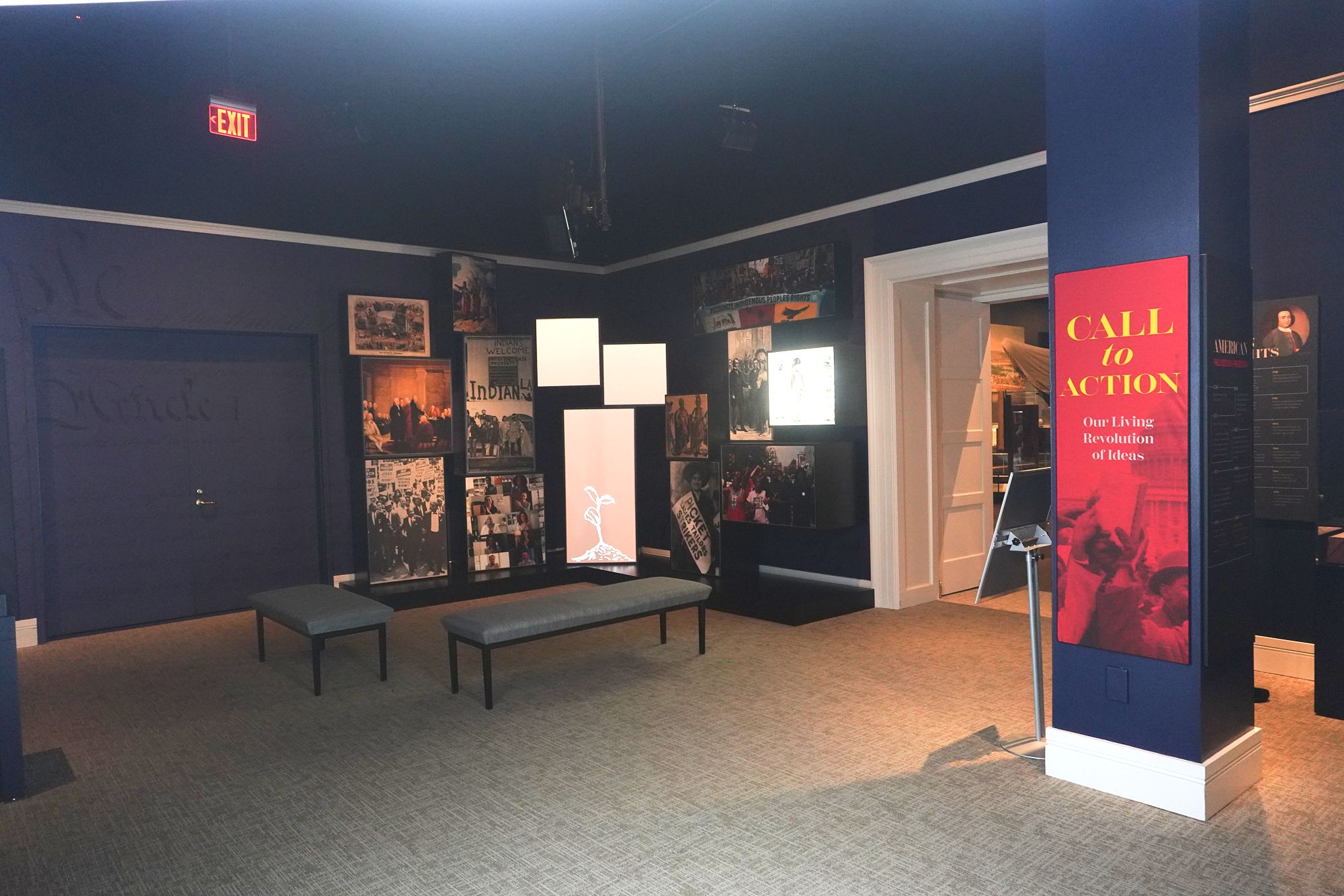
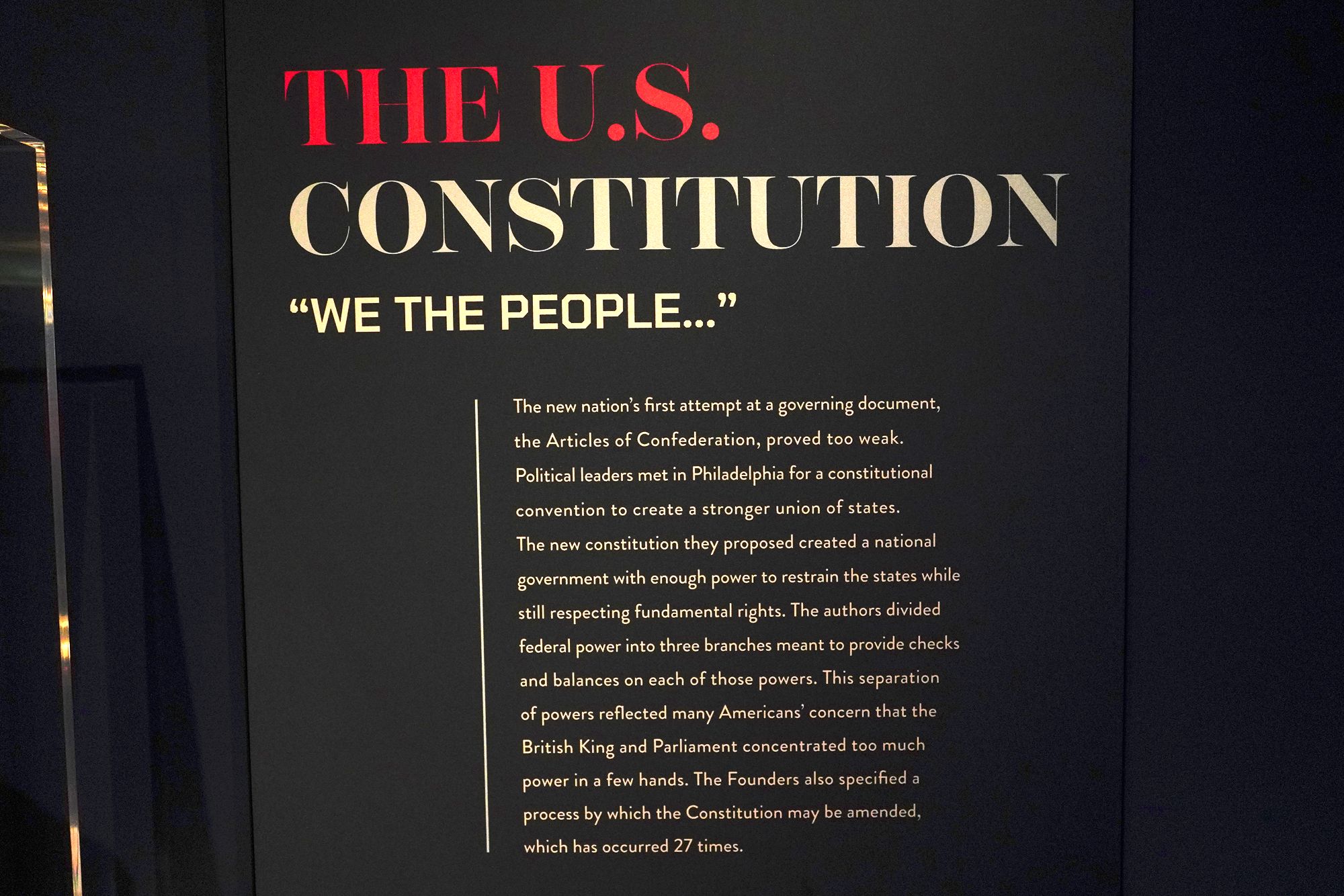
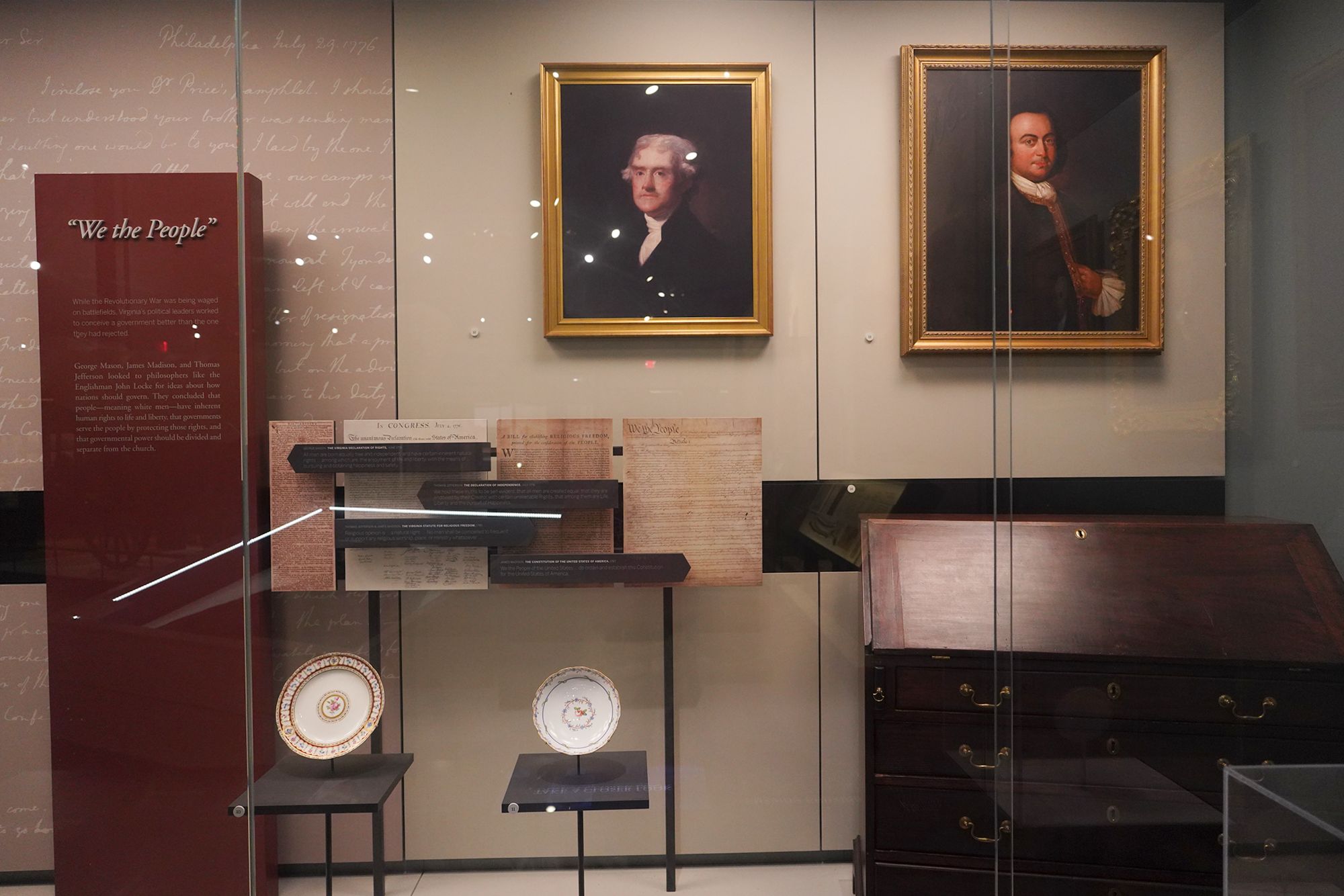
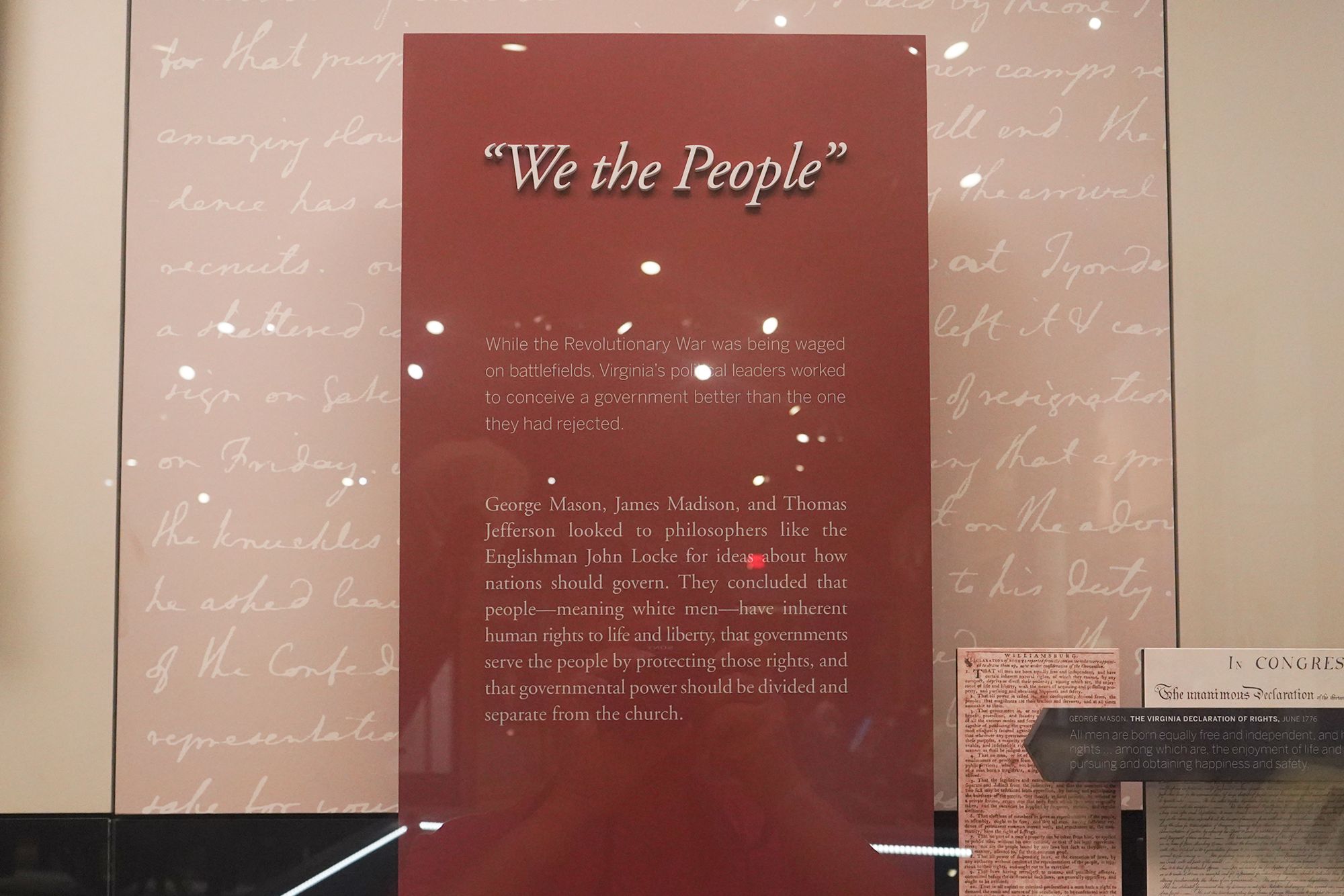
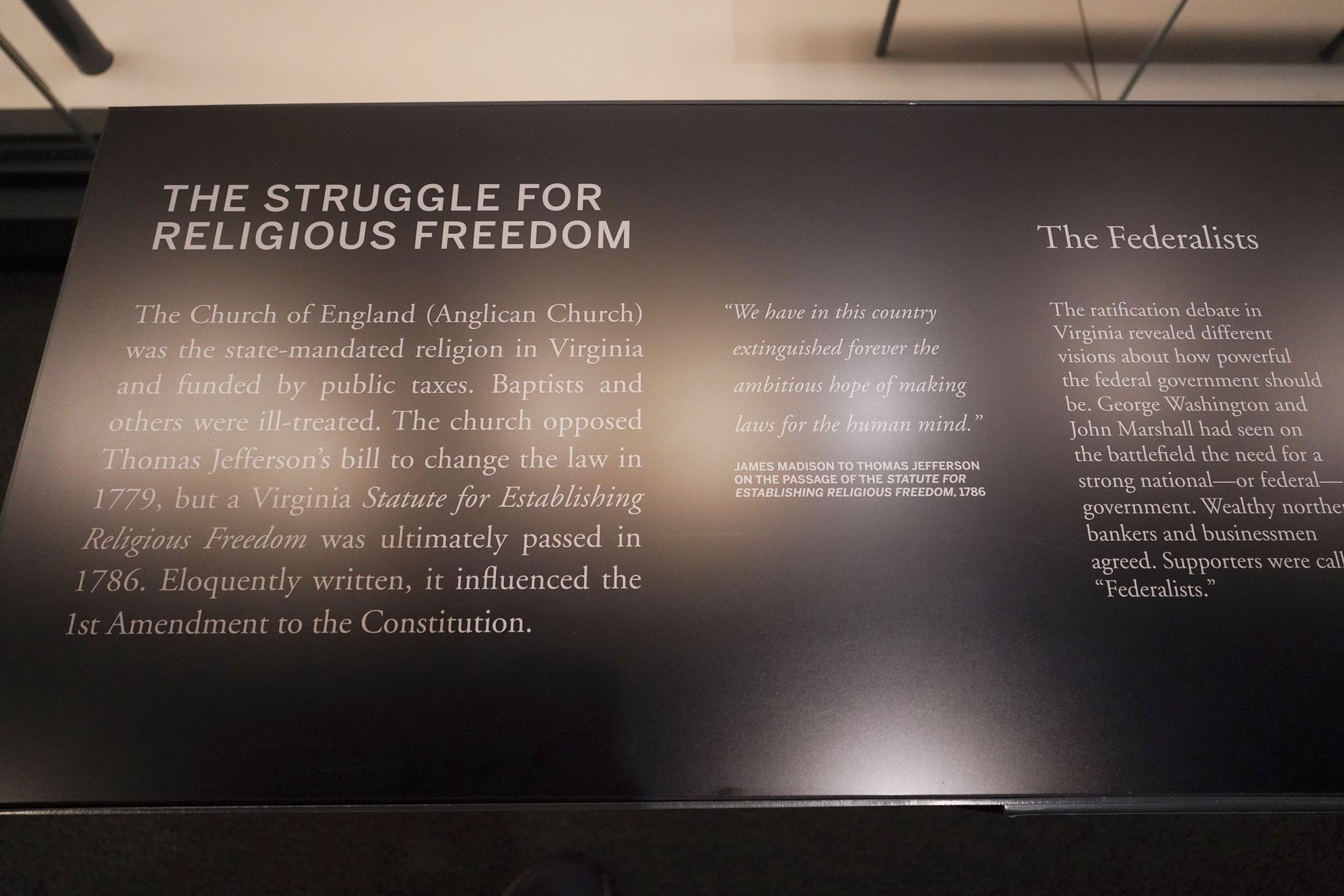
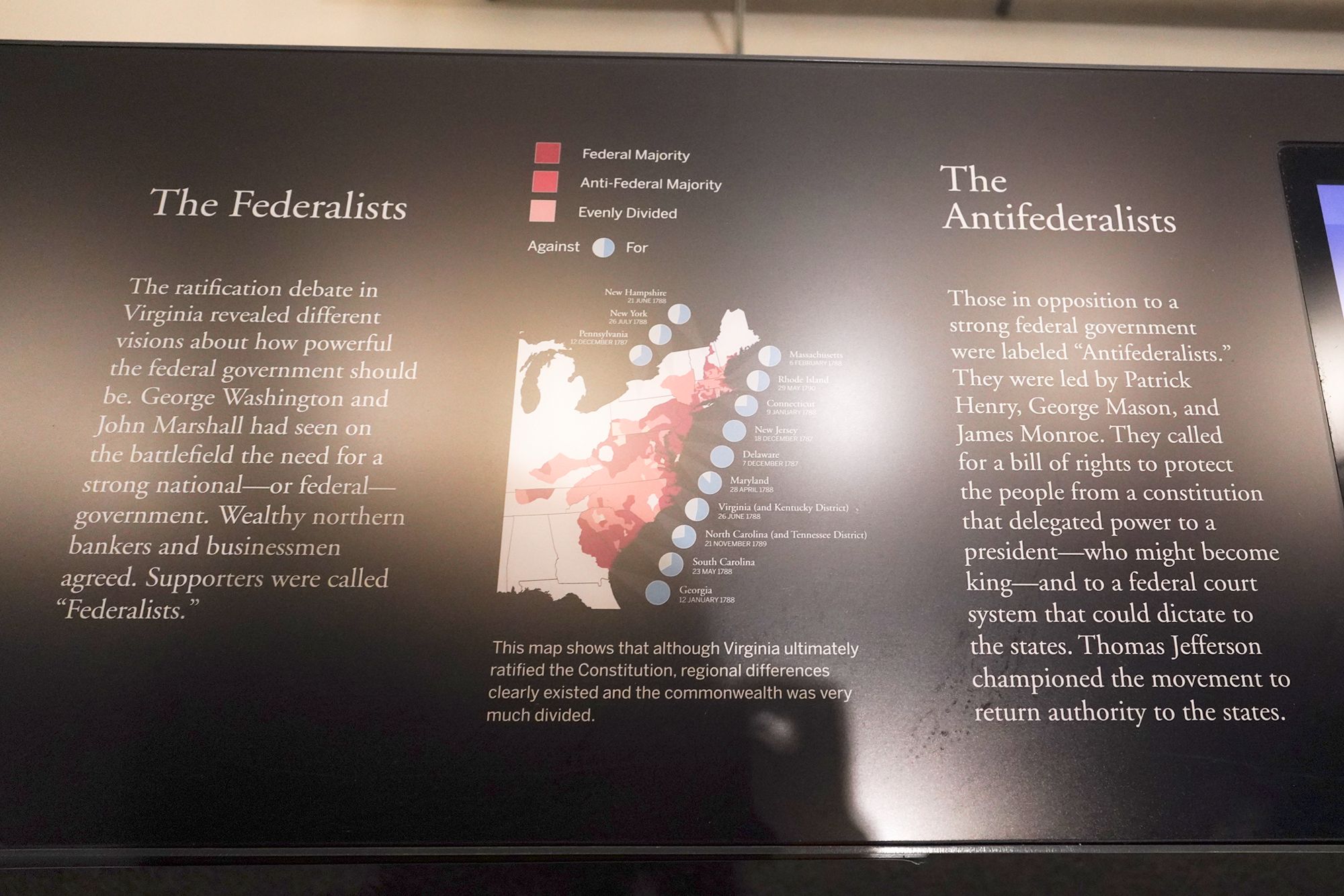
The U.S. Constitution, drafted in 1787 and ratified in 1788, established the framework for the federal government of the United States. It created a system of three branches—legislative, executive, and judicial—with checks and balances to prevent any one branch from gaining too much power.
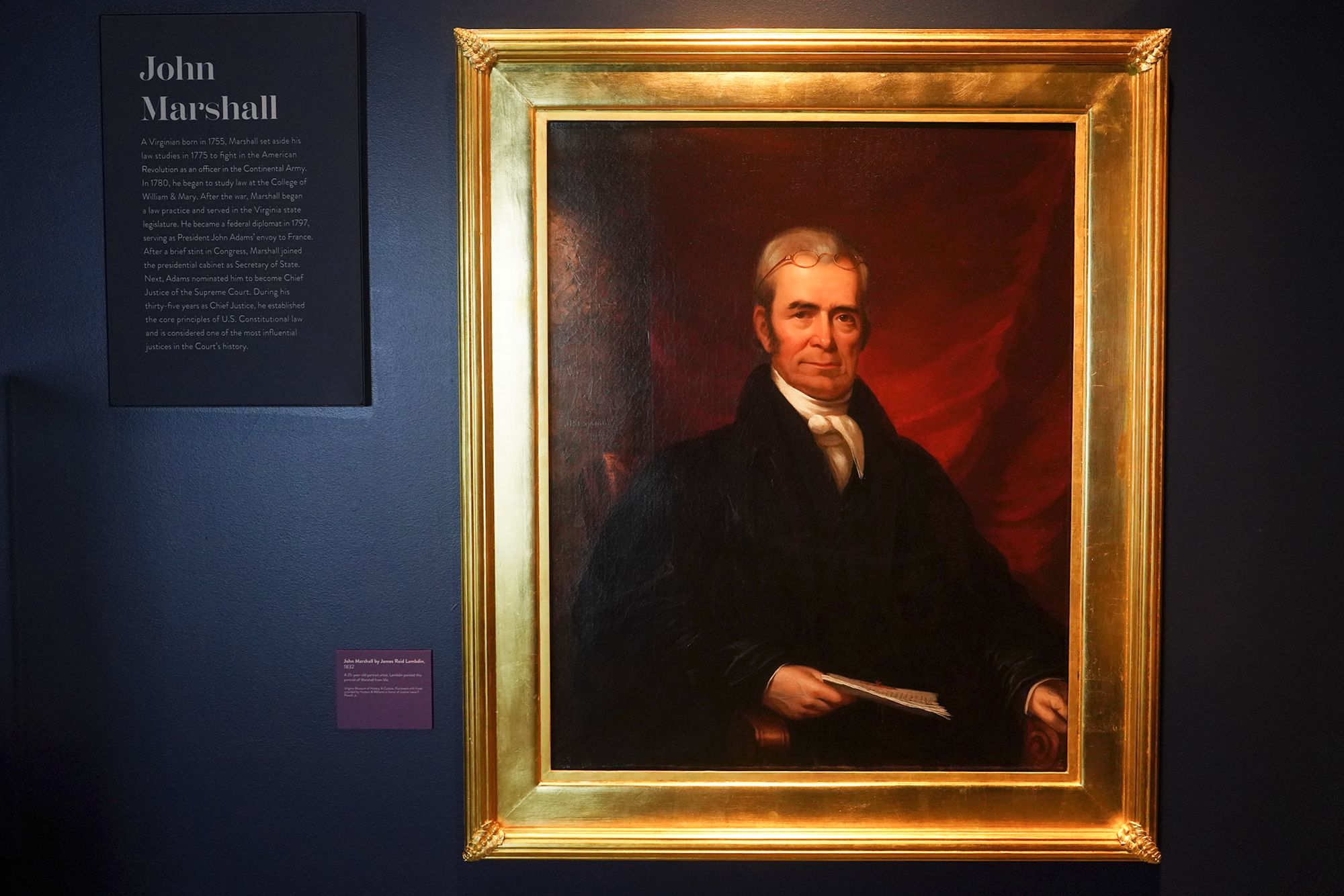
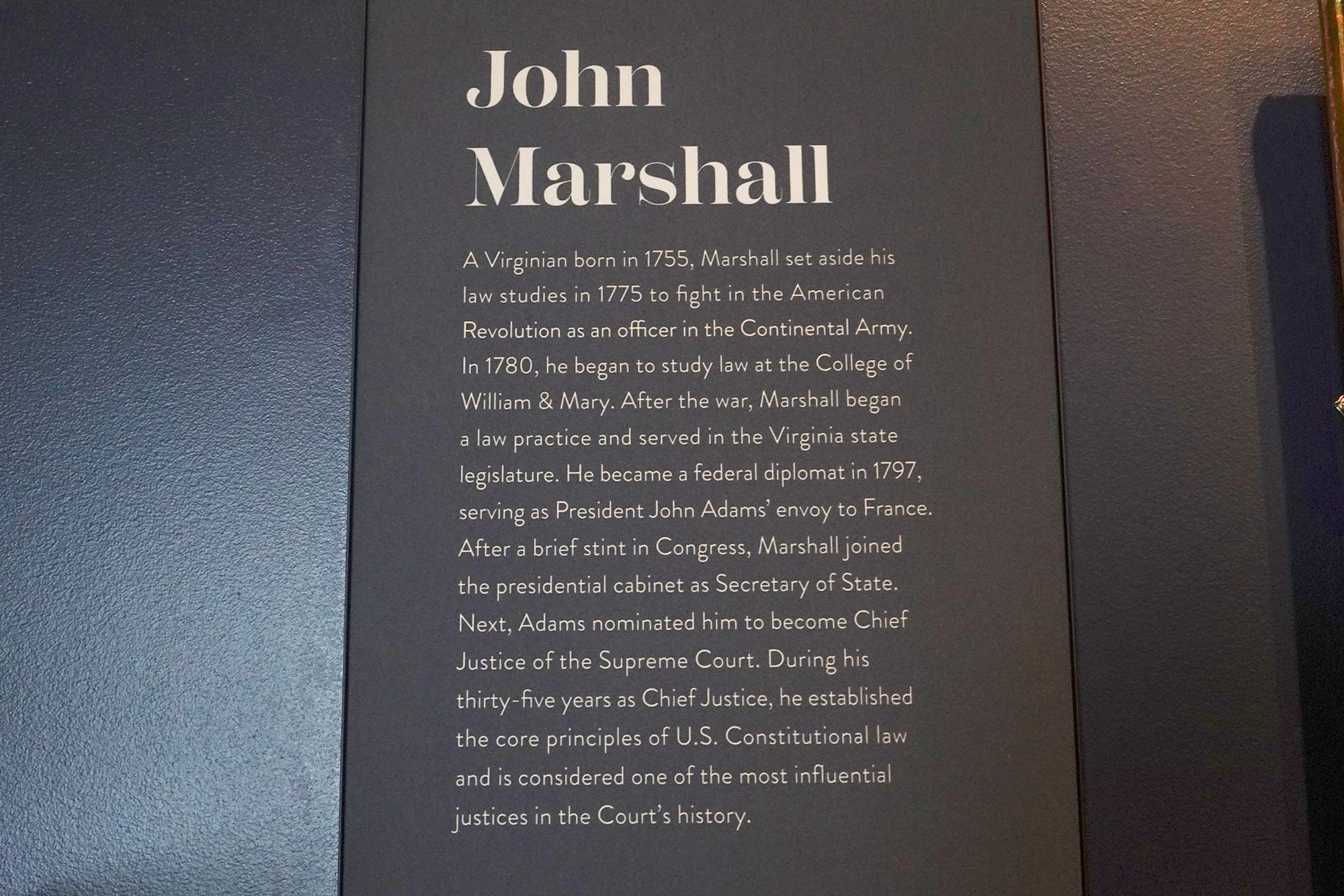
John Marshall (1755–1835) was the fourth Chief Justice of the United States, serving from 1801 to 1835, and is widely regarded as the most influential figure in shaping the Supreme Court’s role in American government. A former Revolutionary War officer and Federalist, Marshall strengthened the power of the federal government and established the judiciary as an equal branch through landmark decisions.
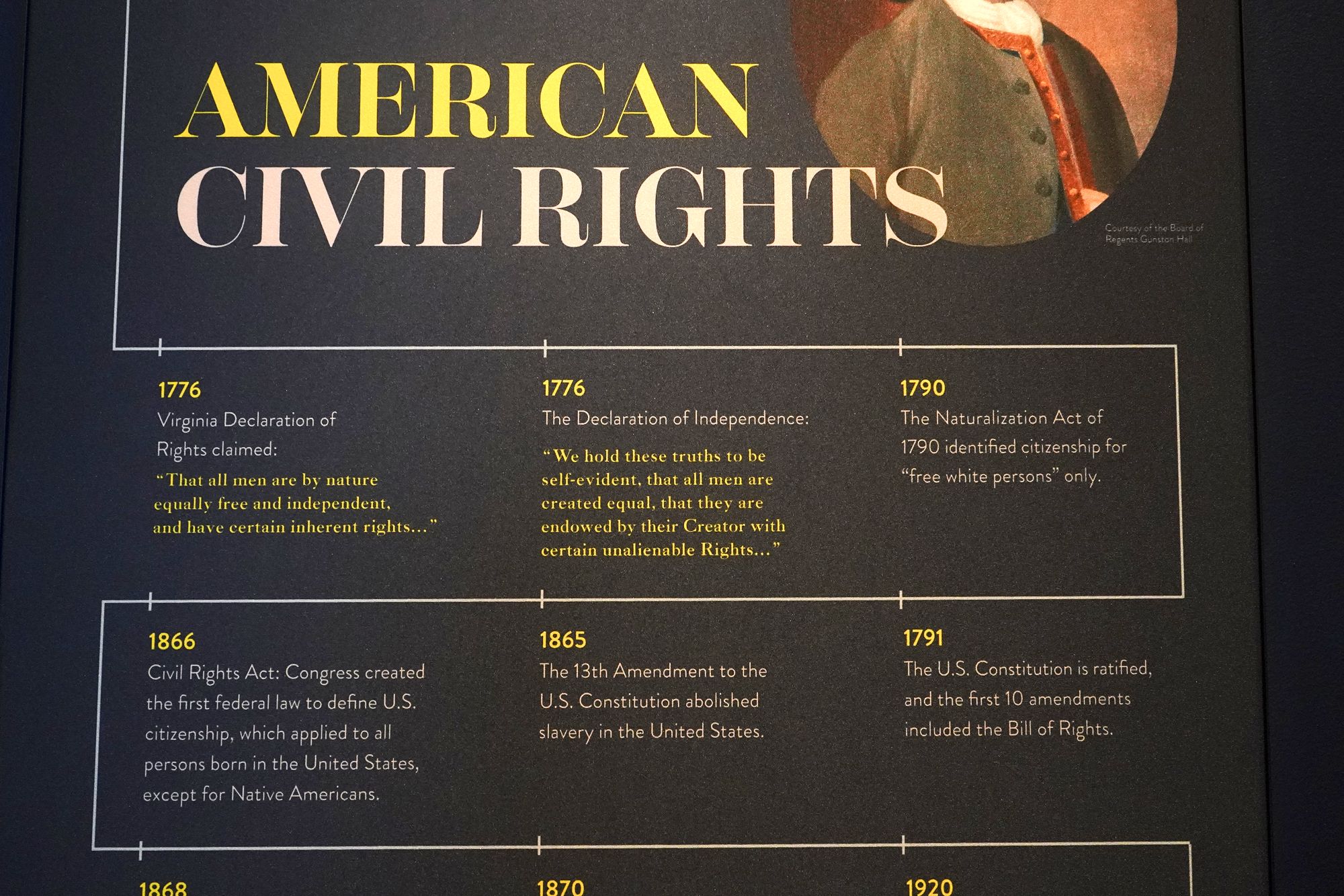
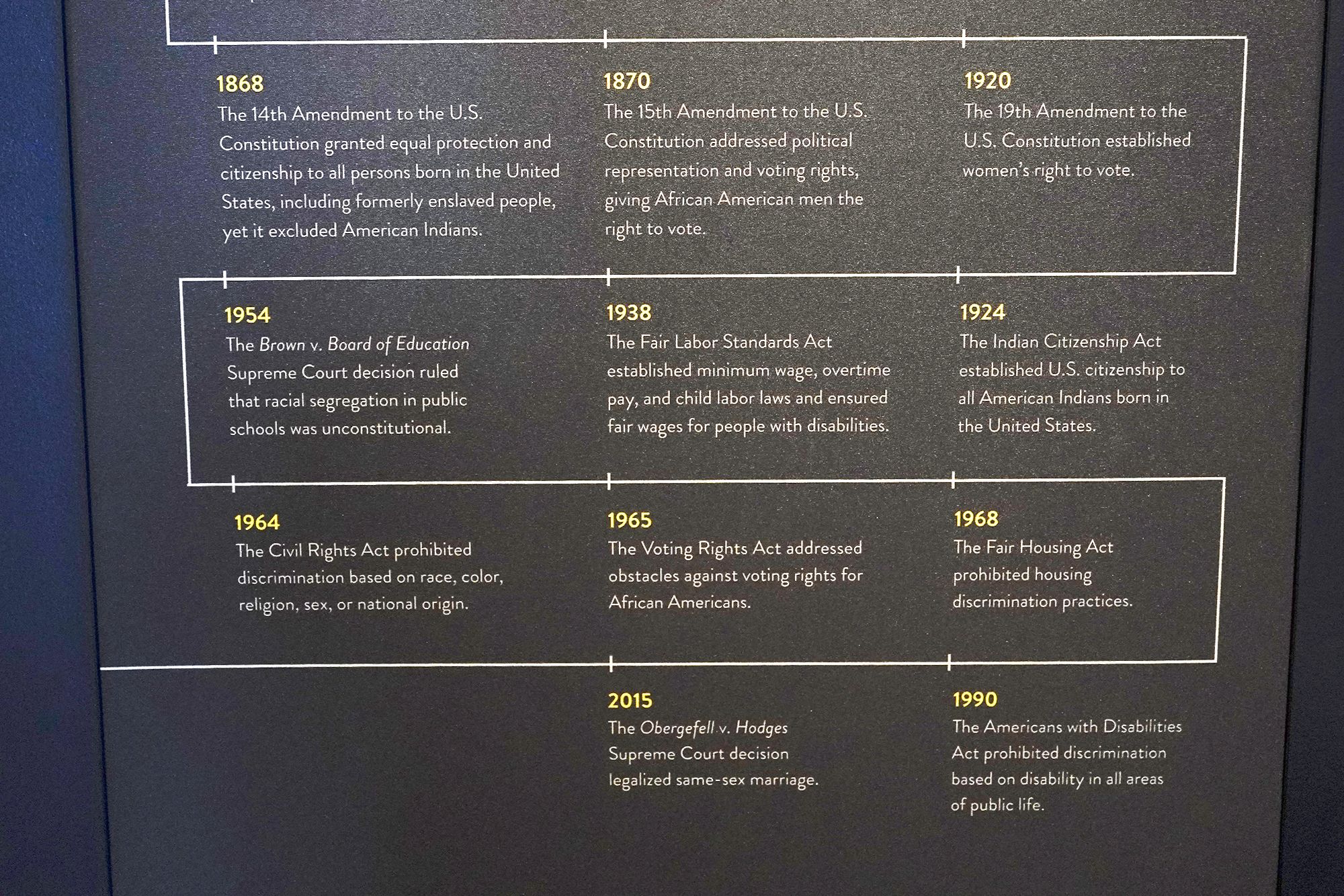
Landmark decisions on American Civil Rights
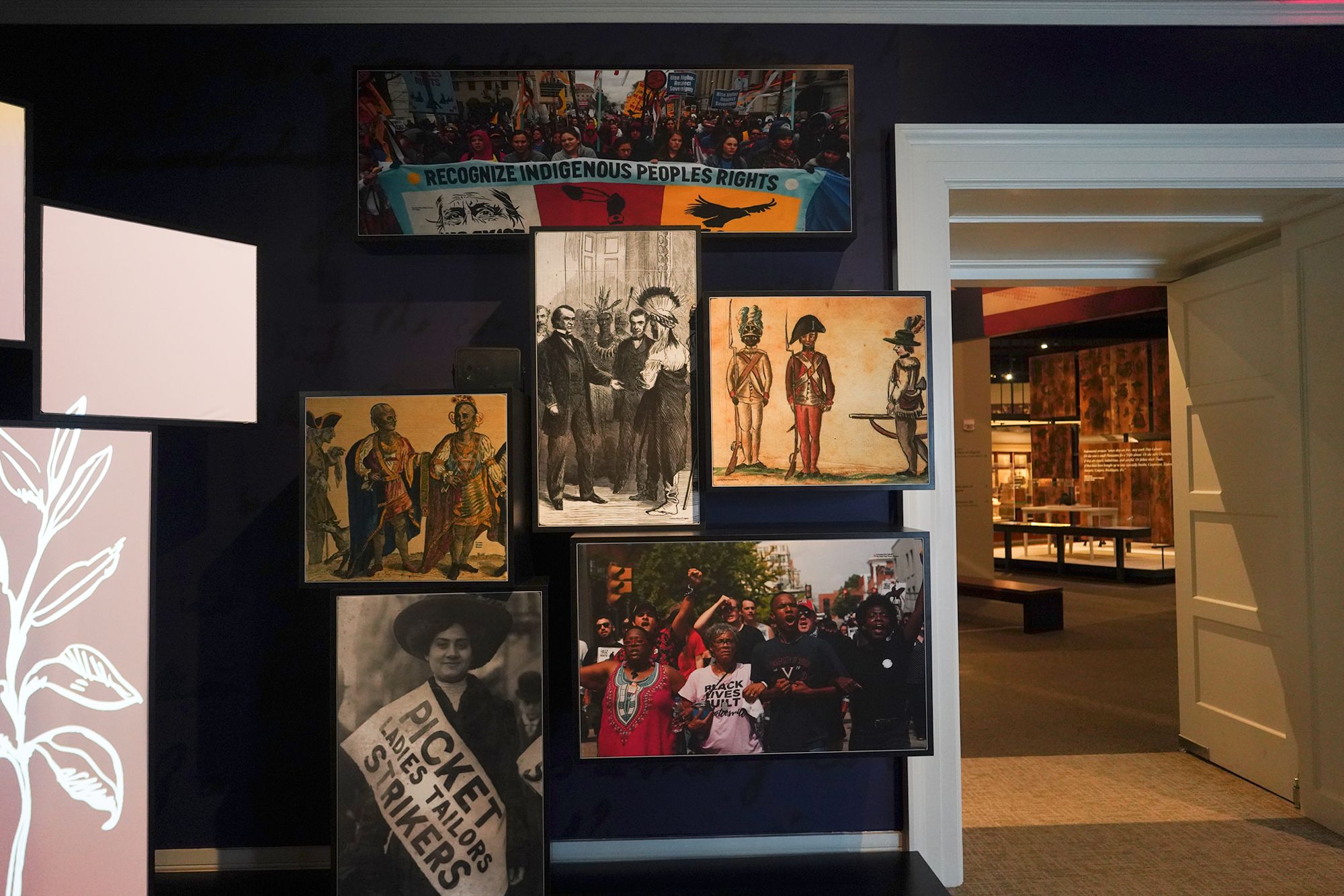
During the American Revolution, Britain tried to win the loyalty of enslaved African Americans by offering them freedom in exchange for military service or support for the British cause. The most famous example was Lord Dunmore’s Proclamation of 1775, issued by the royal governor of Virginia, which promised freedom to any enslaved person who escaped from a rebel master and joined the British army.
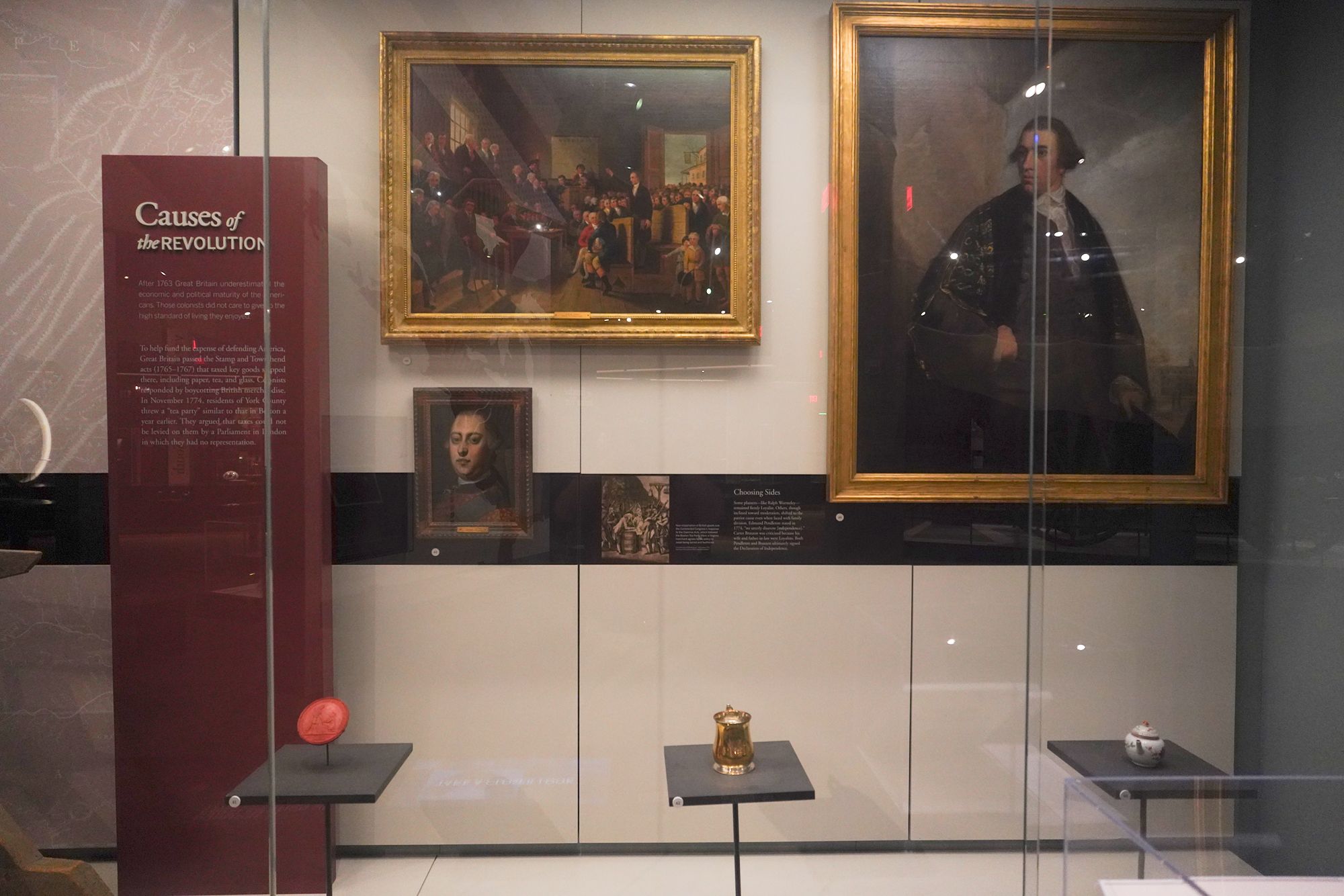
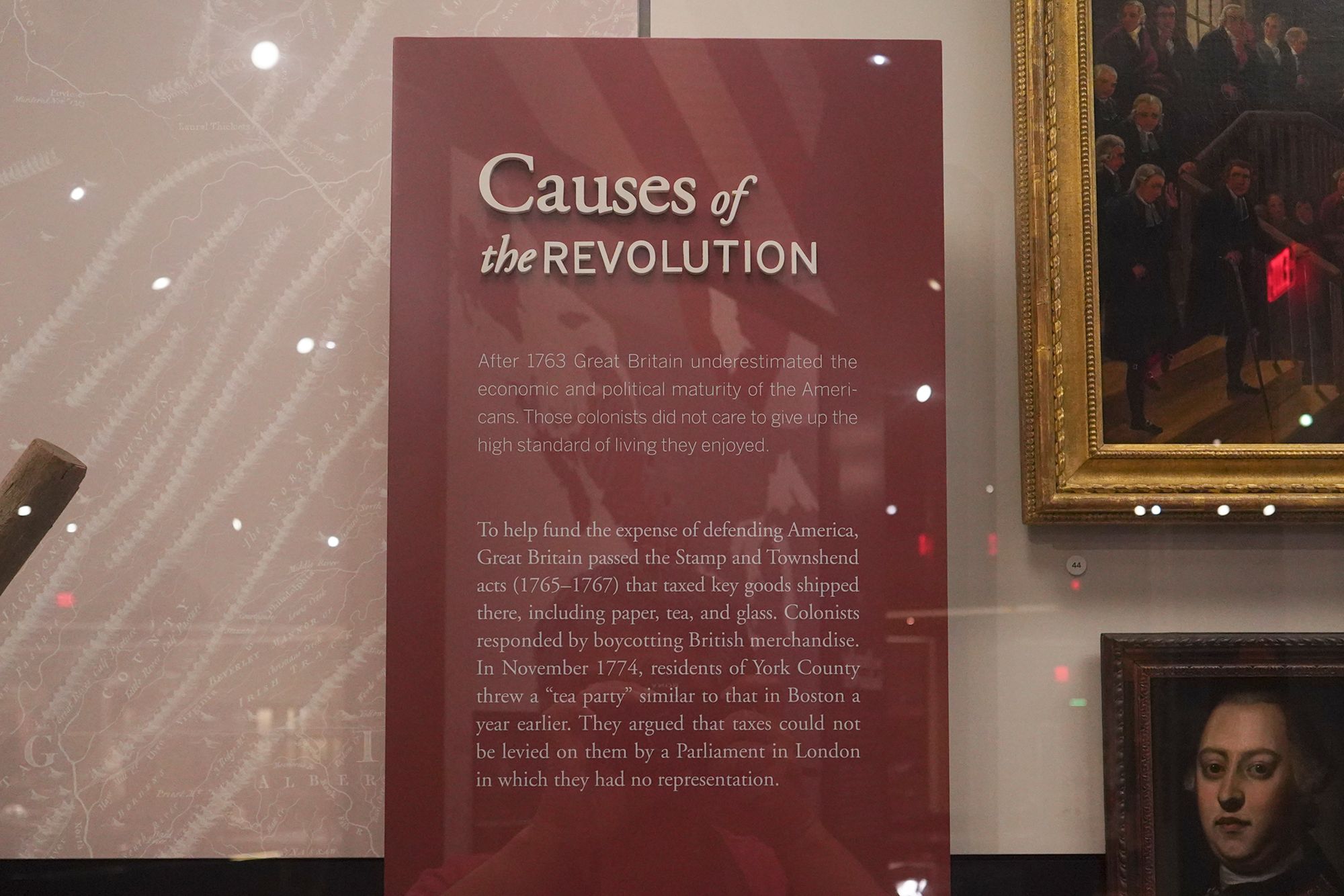
Causes of the Revolution
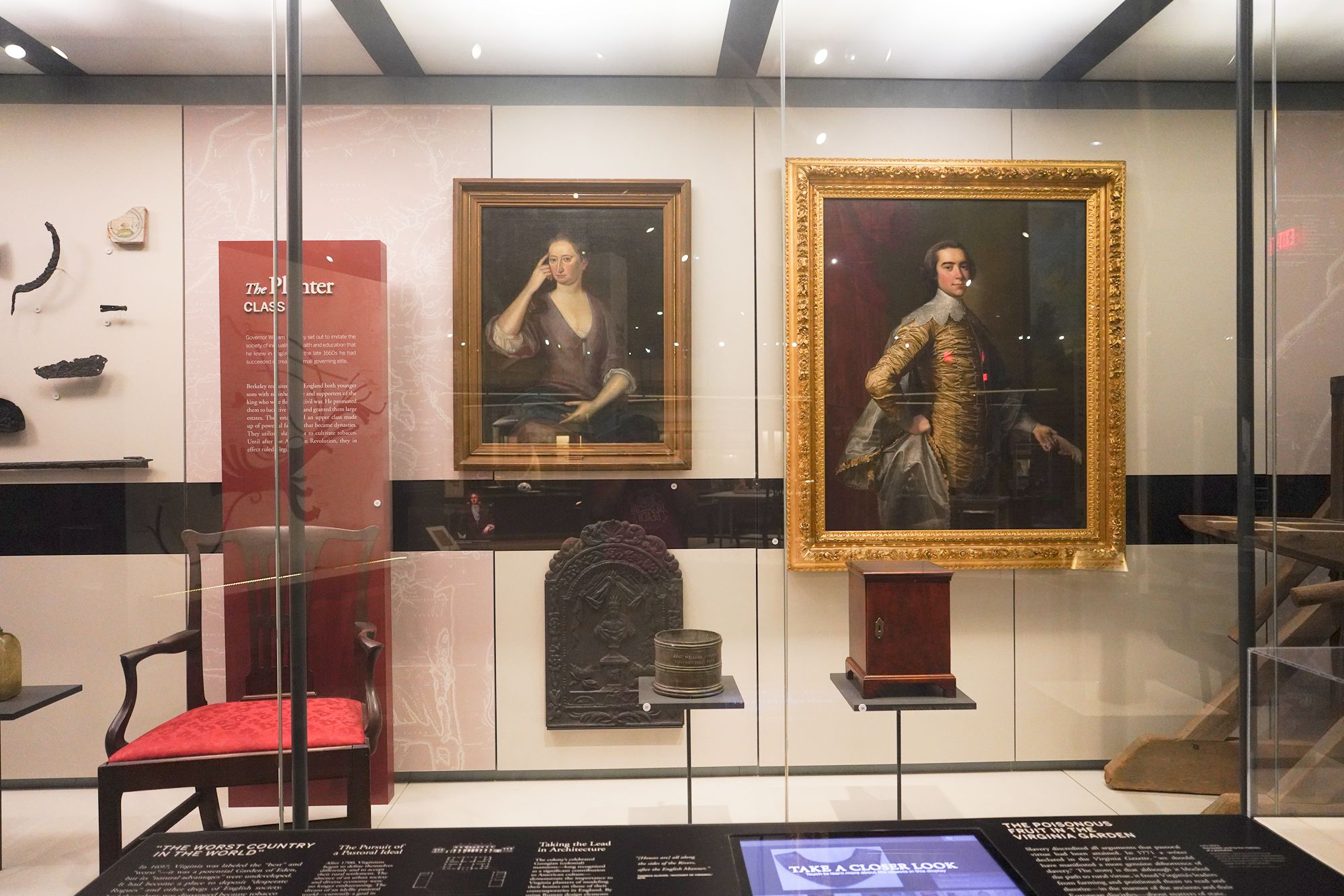
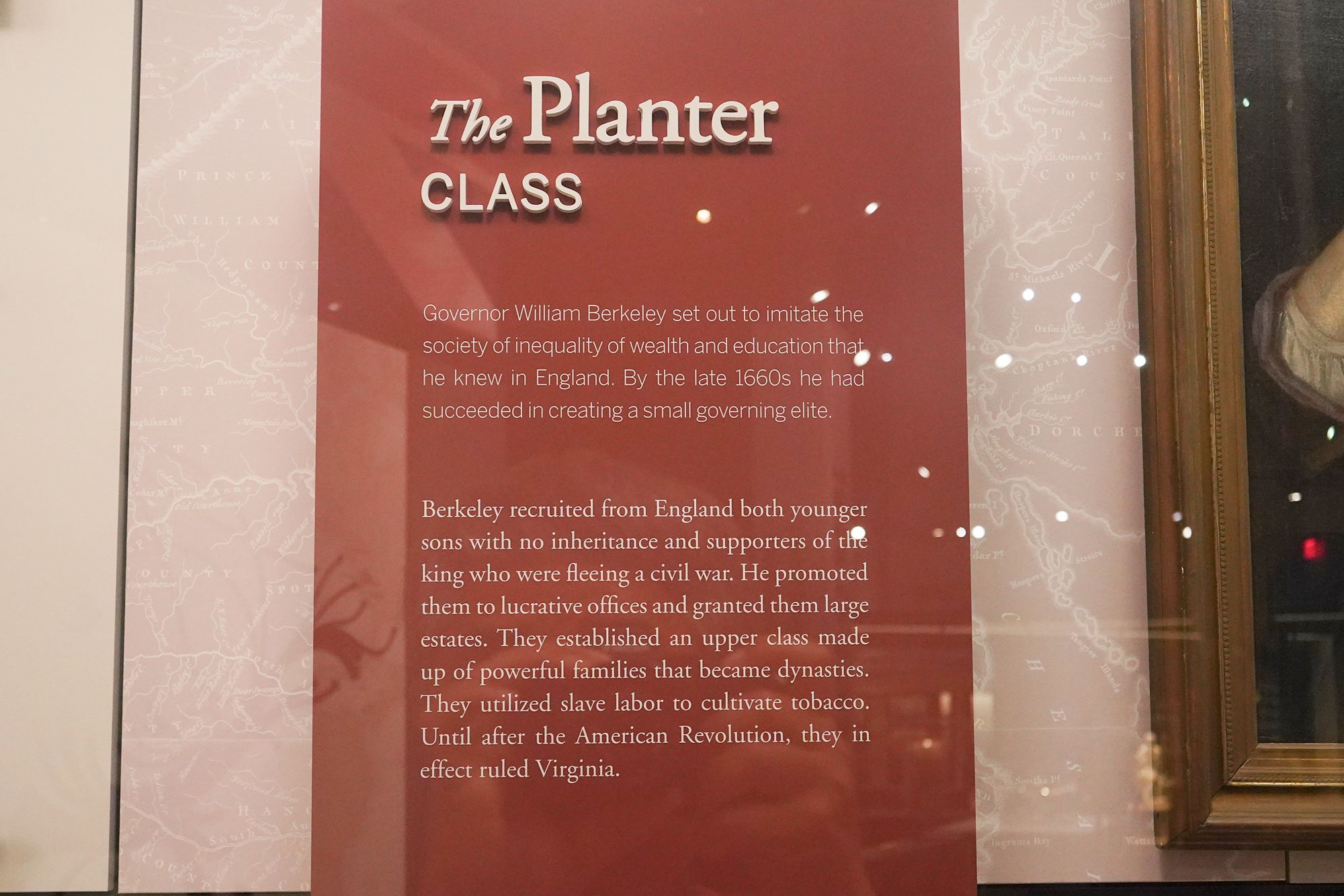
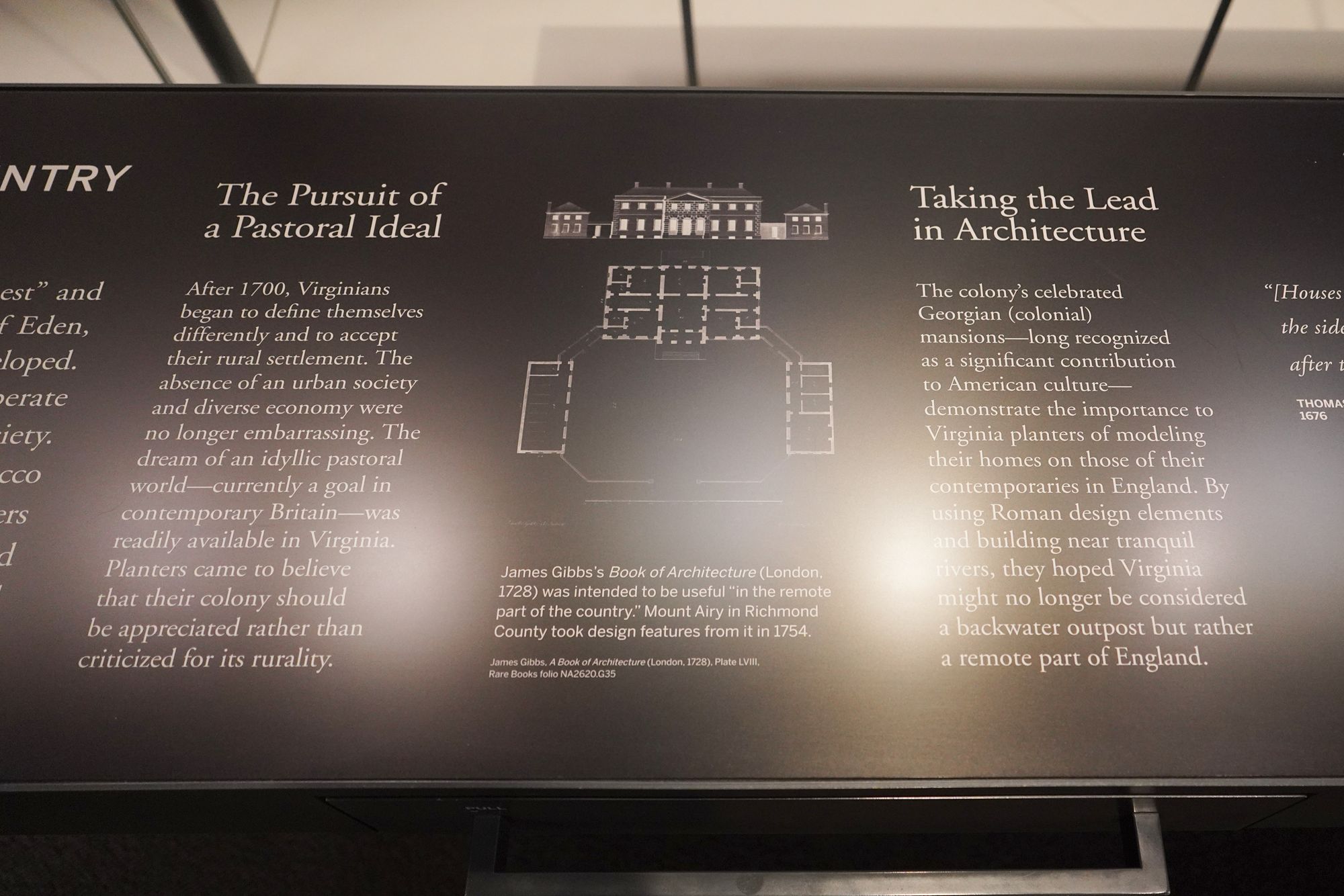
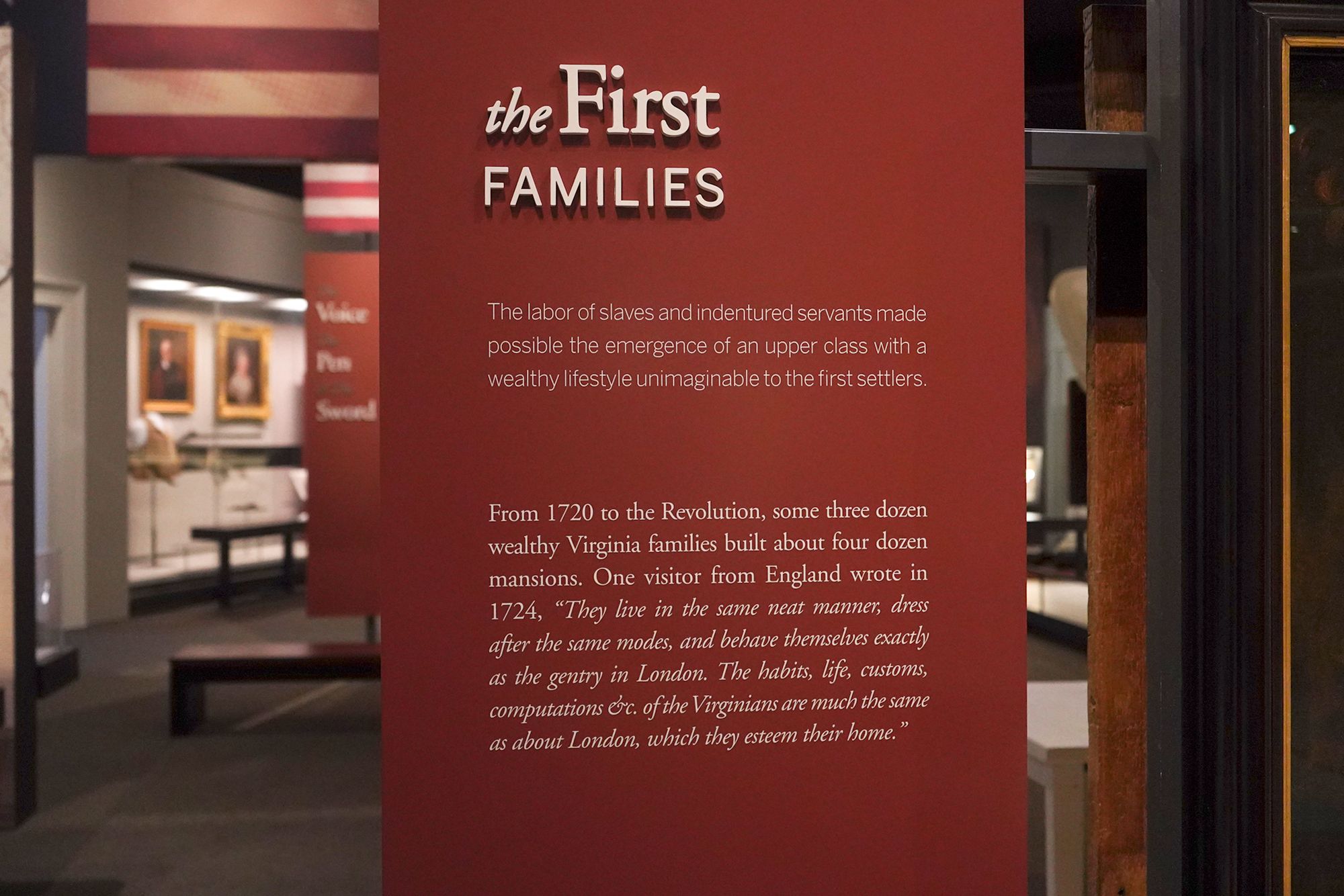
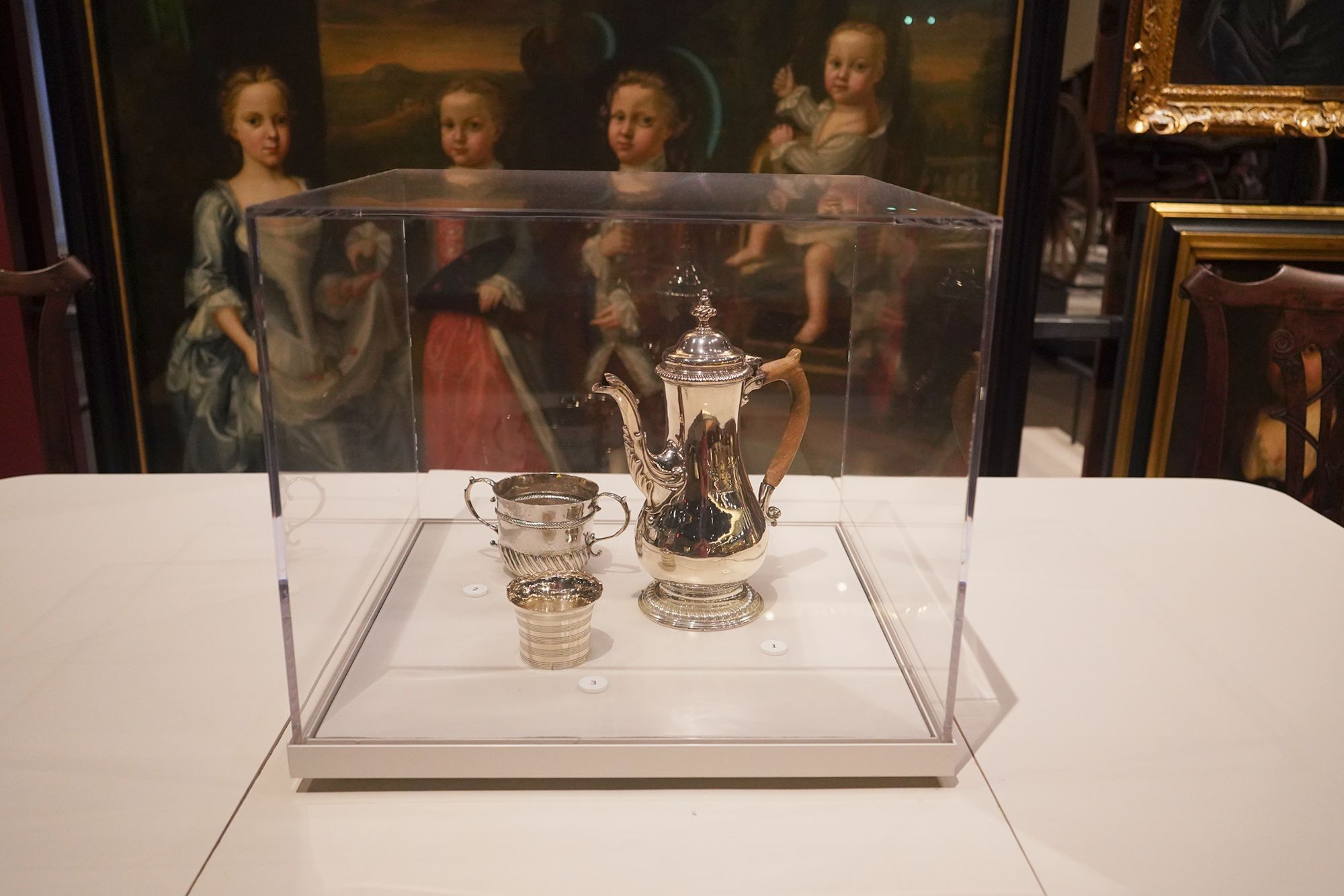
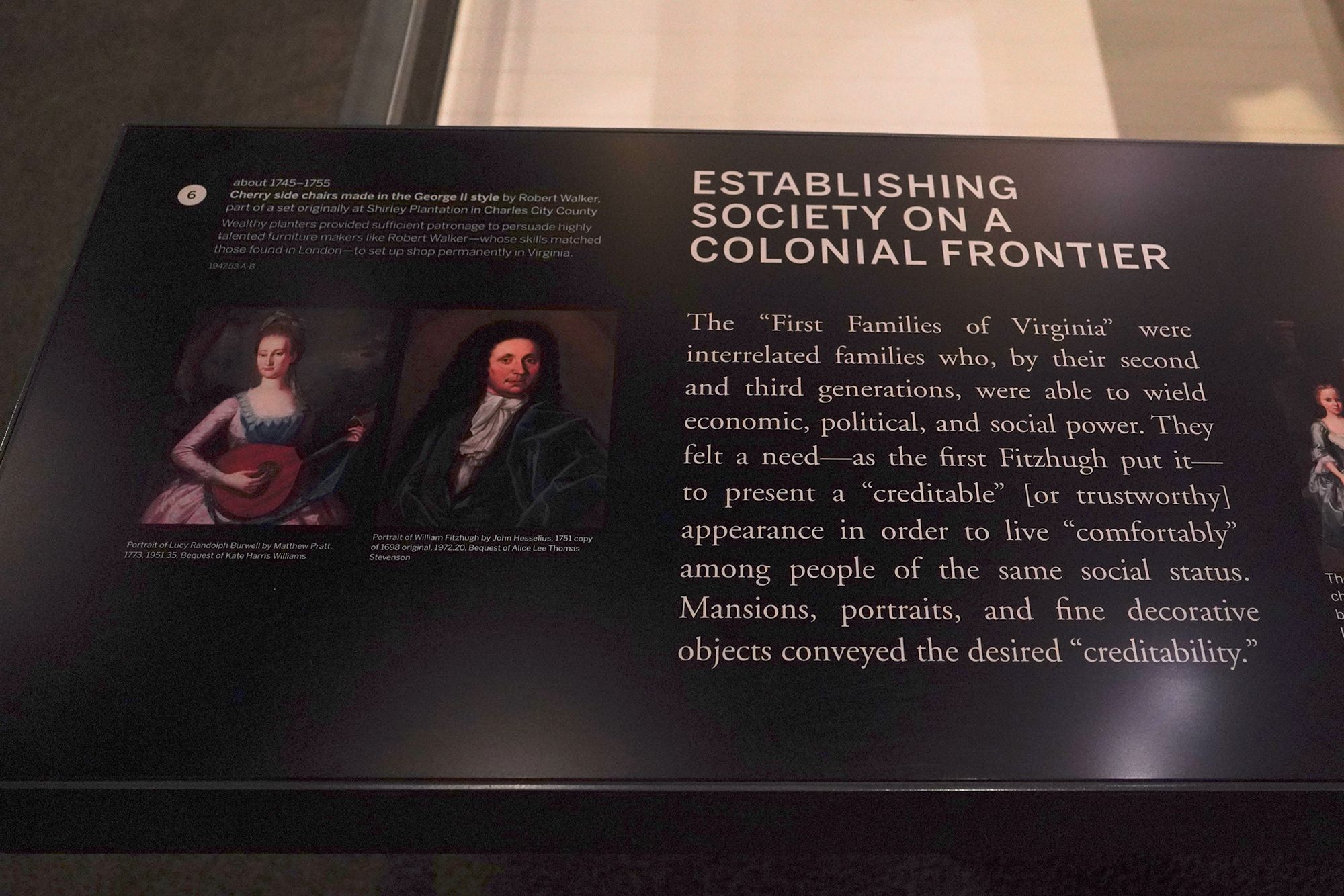
The planter class emerged in colonial Virginia and the southern colonies as wealthy landowners accumulated large plantations devoted to cash crops like tobacco, rice, and later cotton. This class developed through systems such as the headright policy, which granted land to settlers, and the increasing reliance on enslaved African labor to sustain large-scale production.
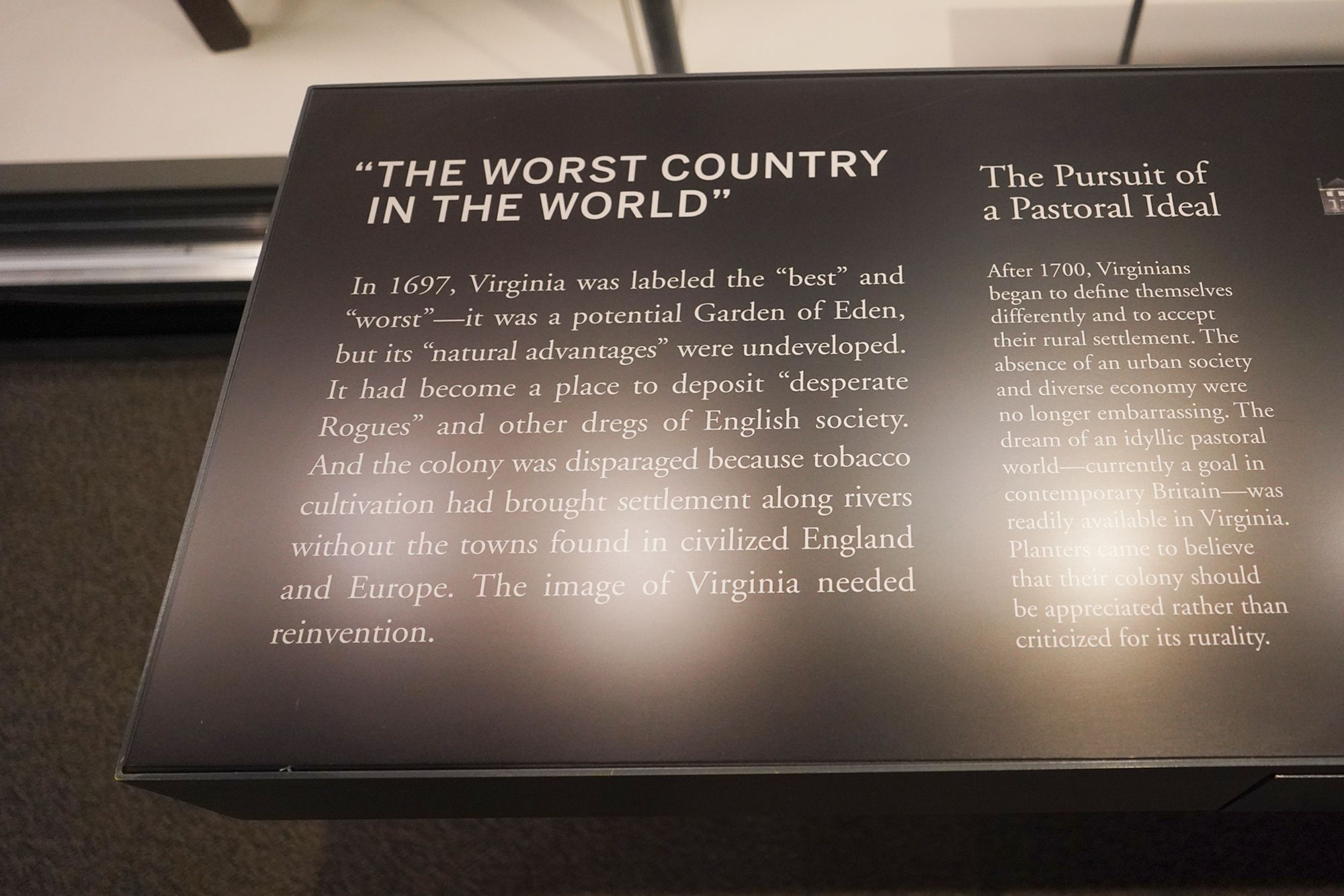
History of Early Virginia
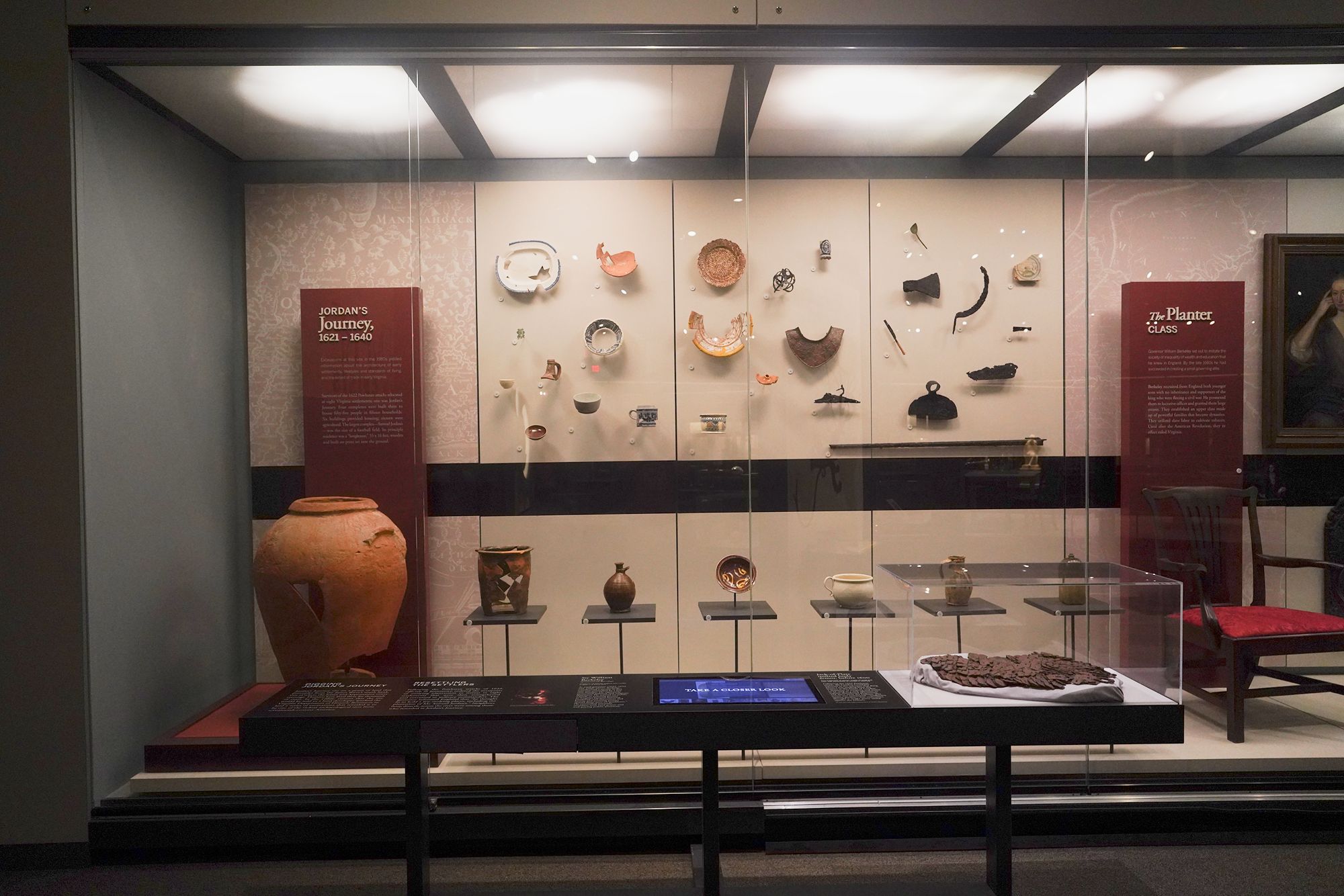
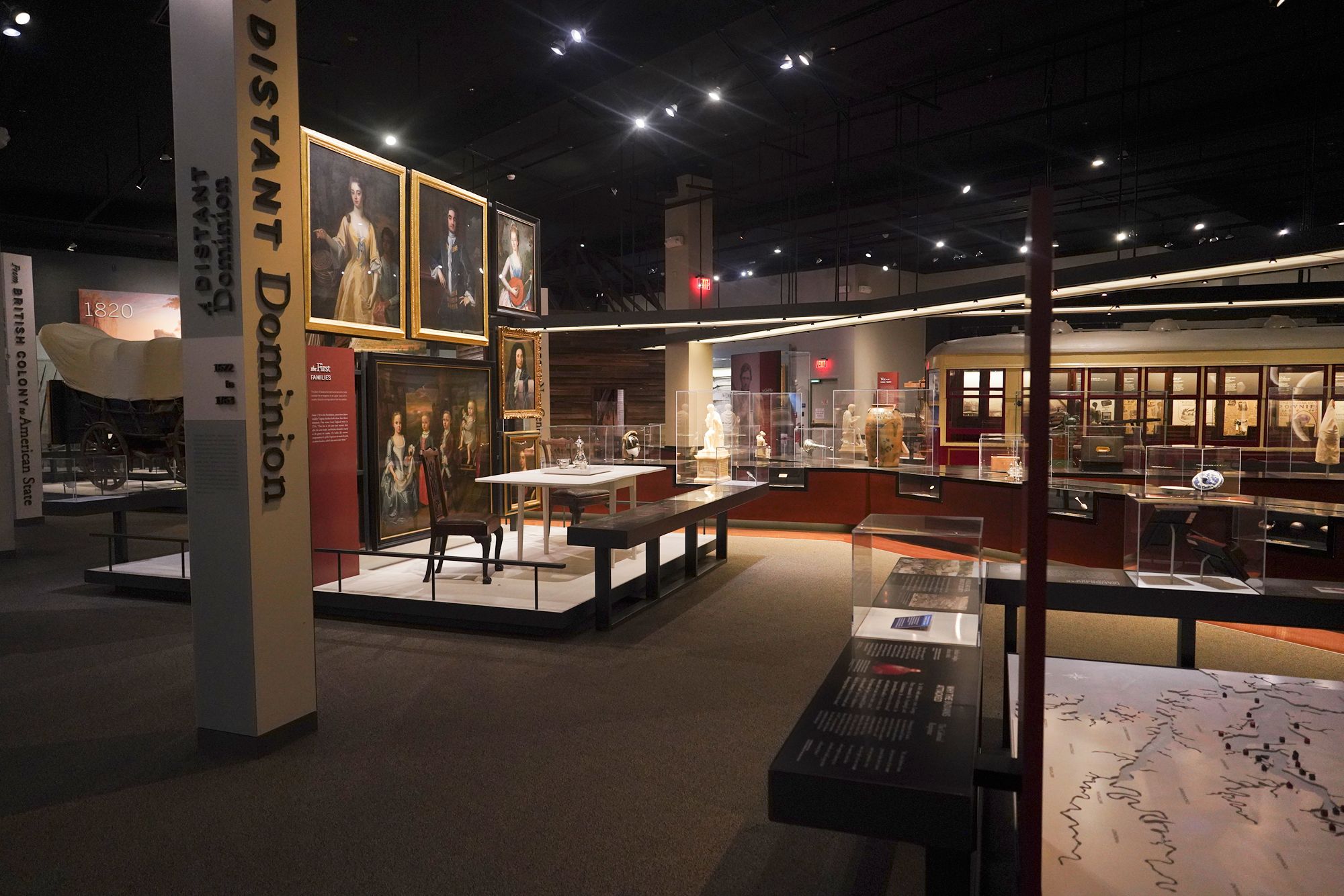
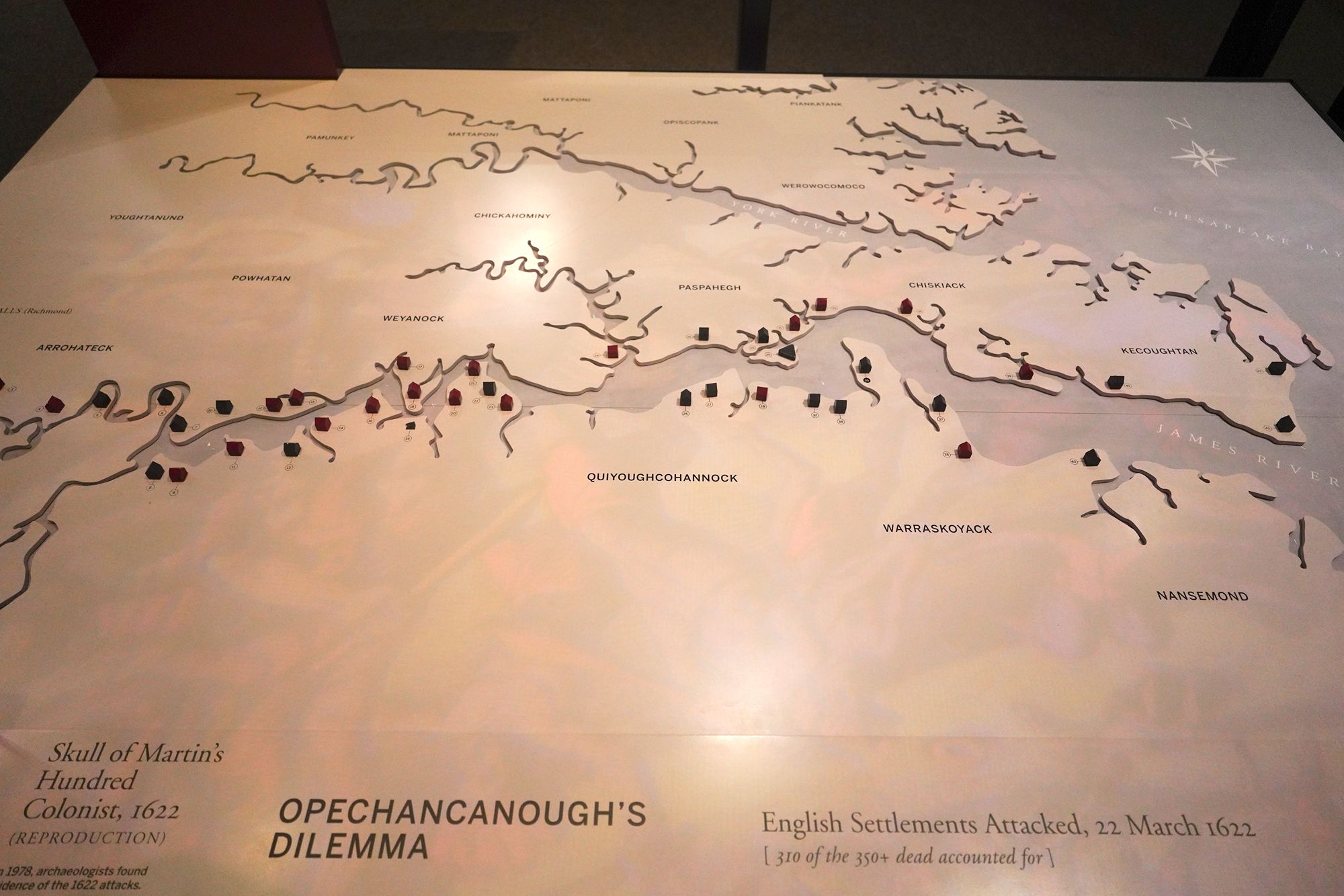
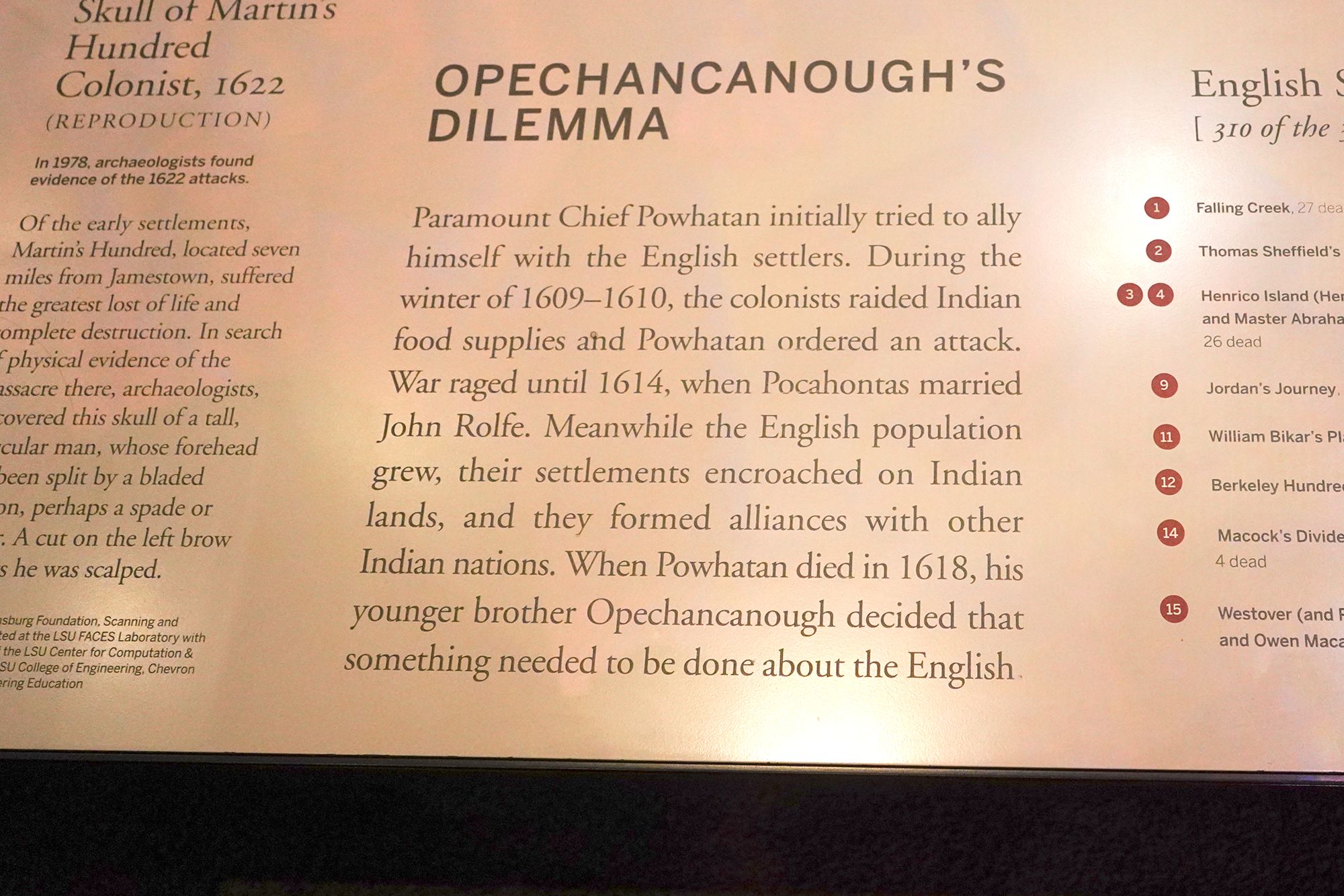
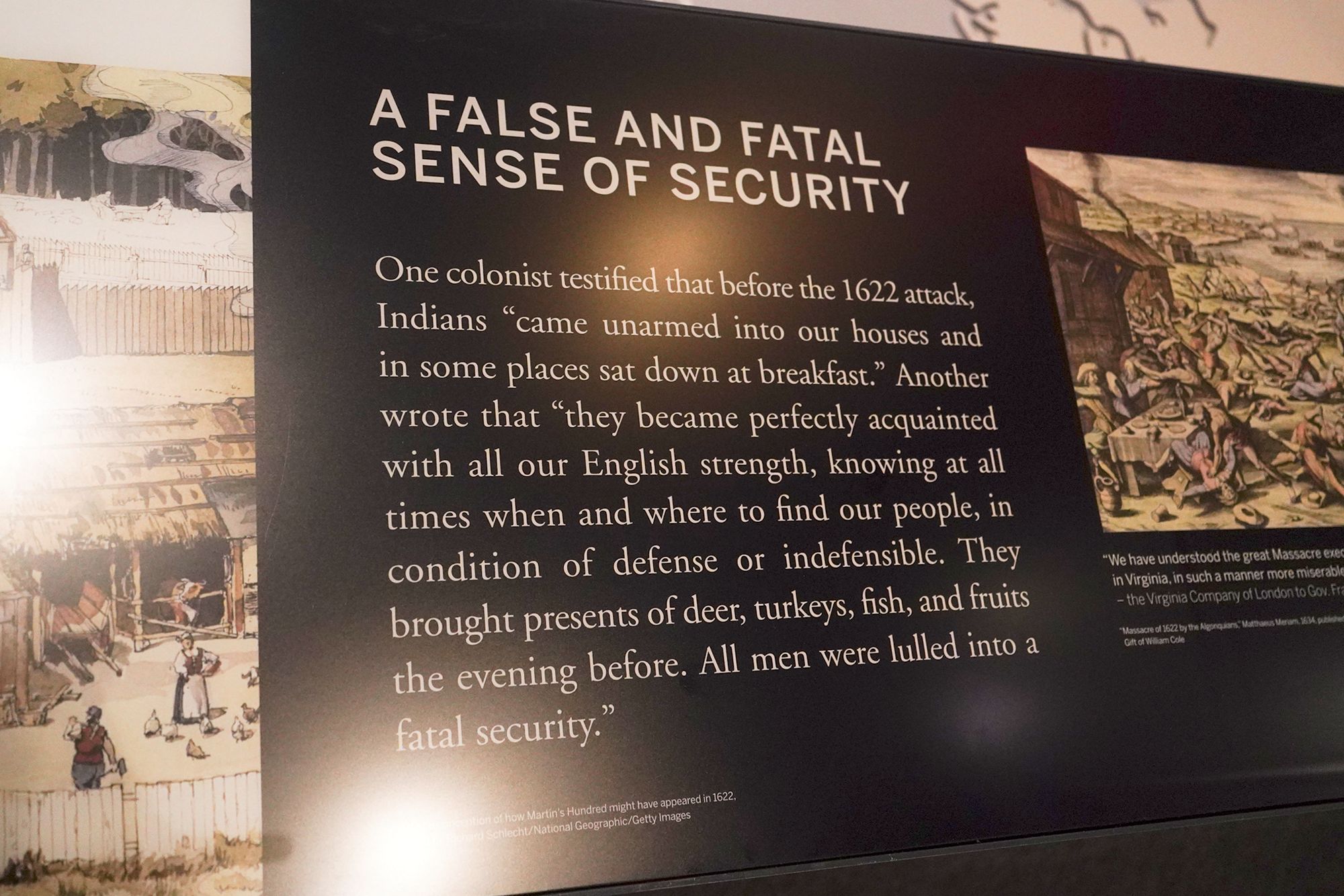
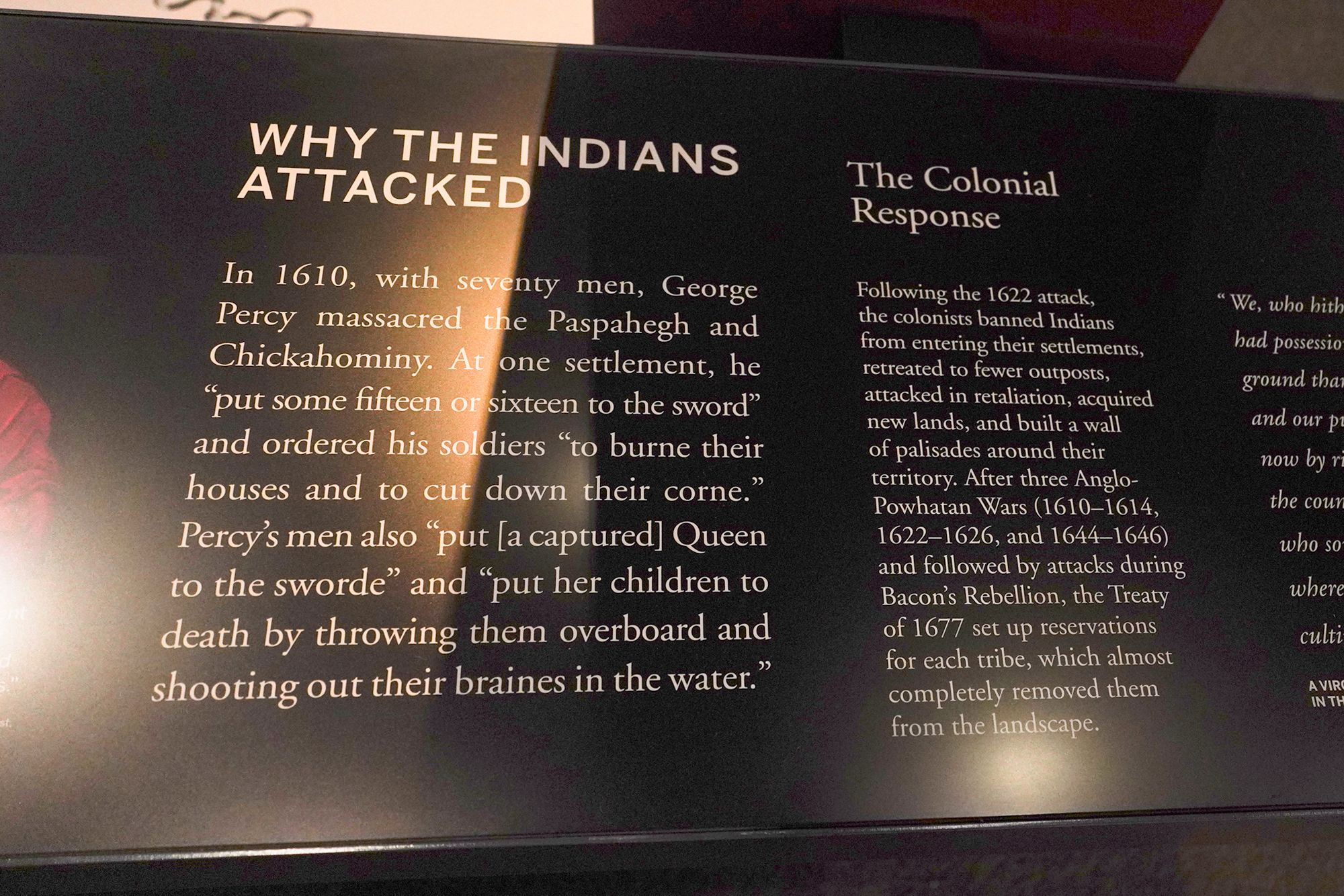
Early Settlement and War with Indians
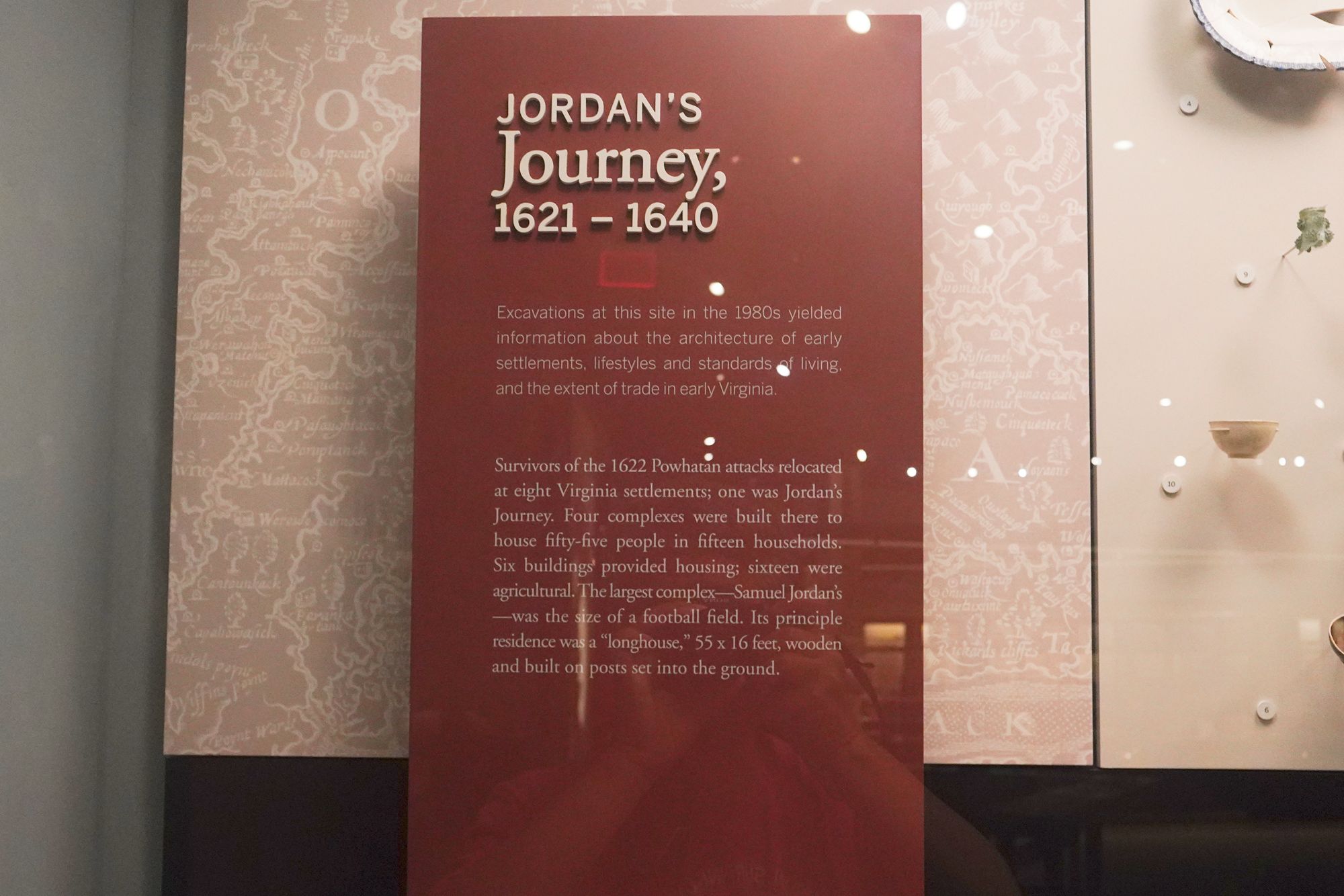
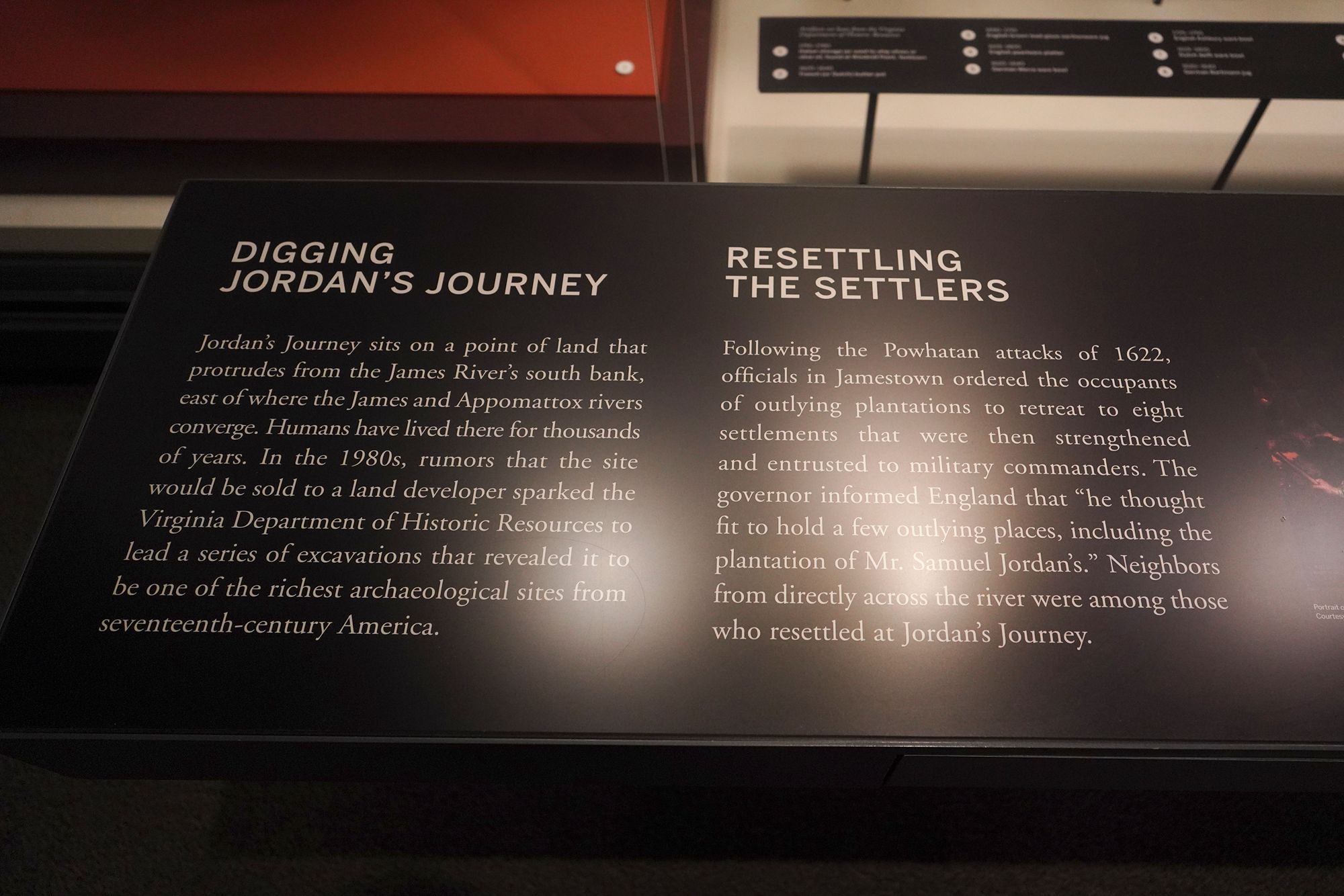
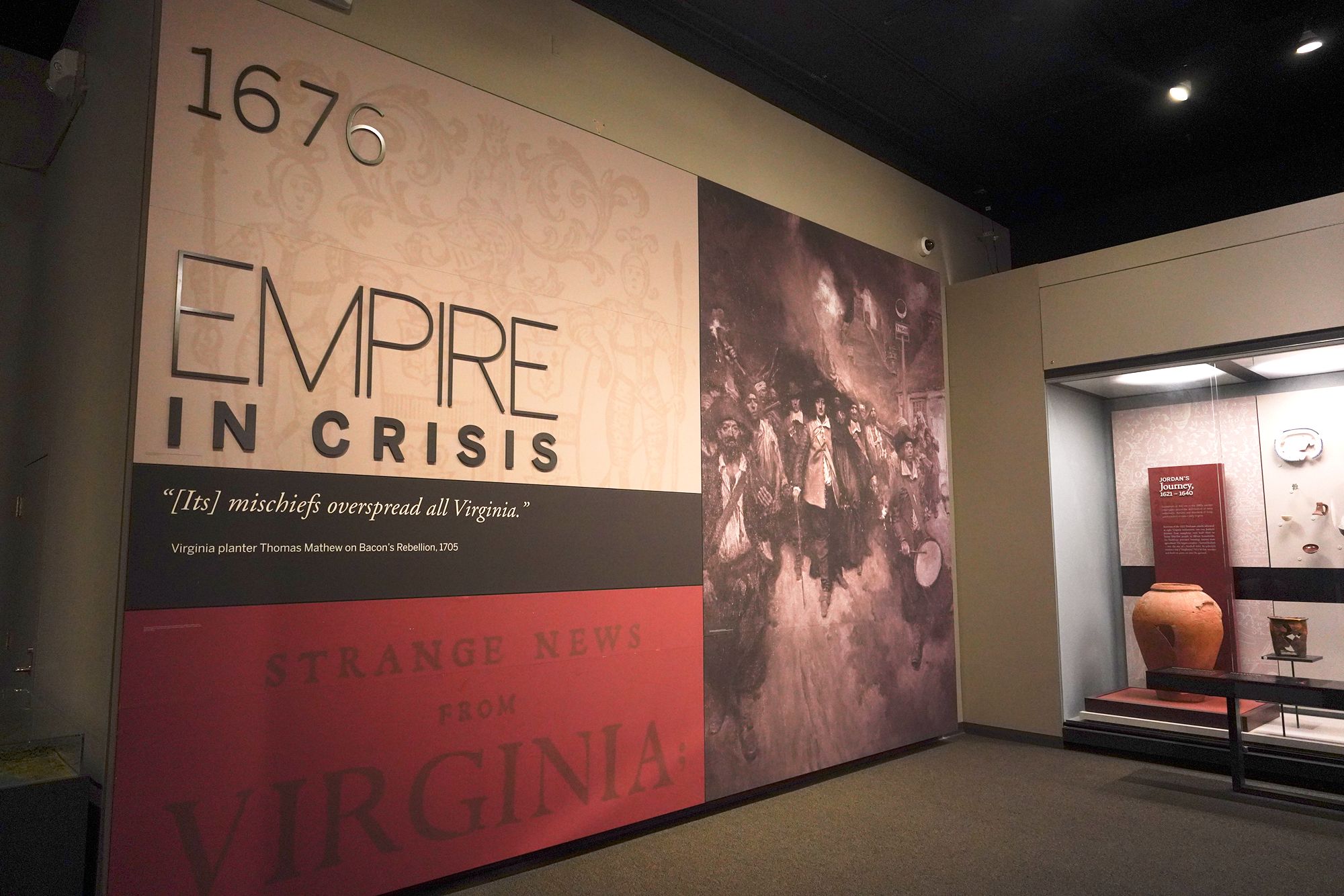
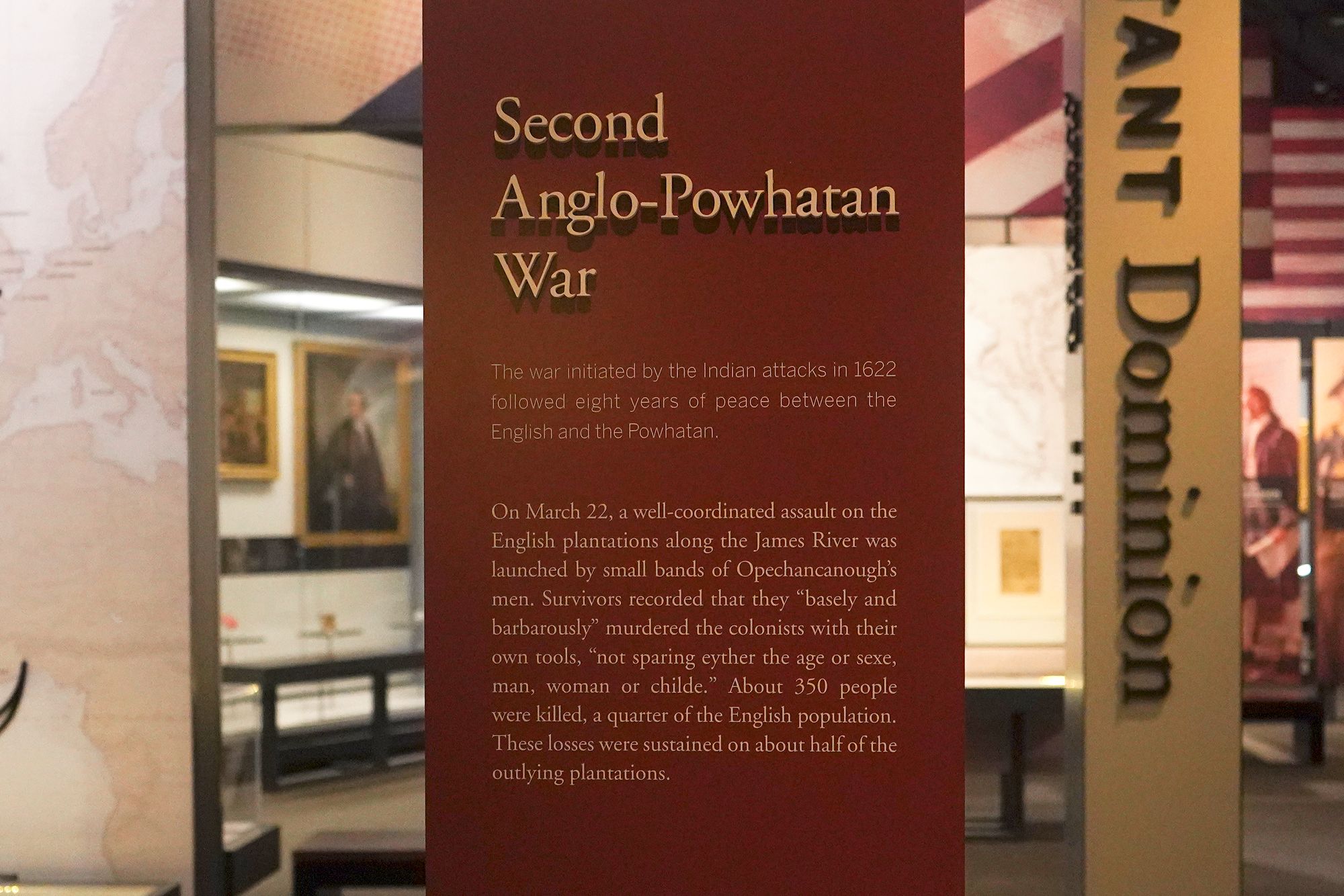
Second Indian War with Powhatan
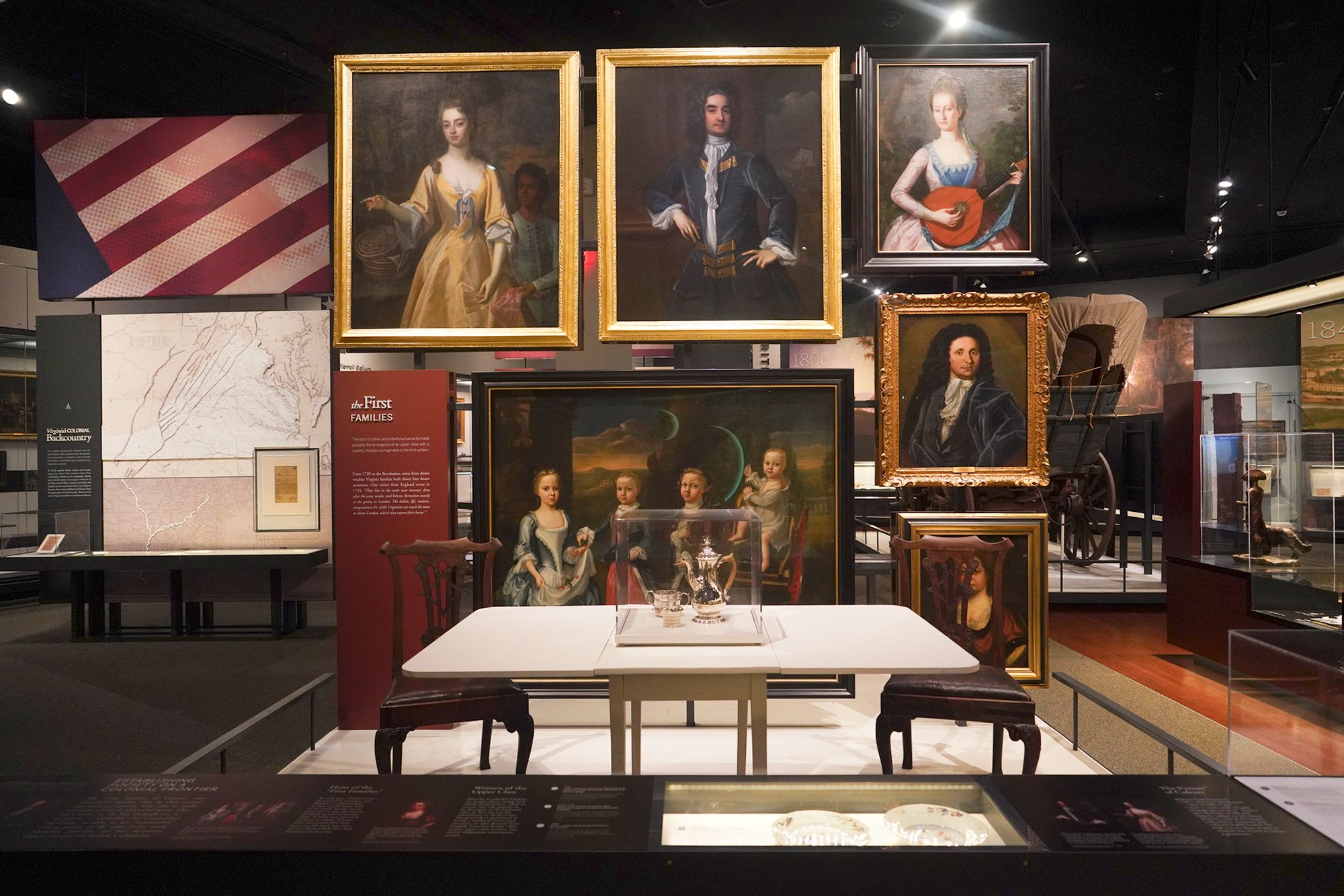
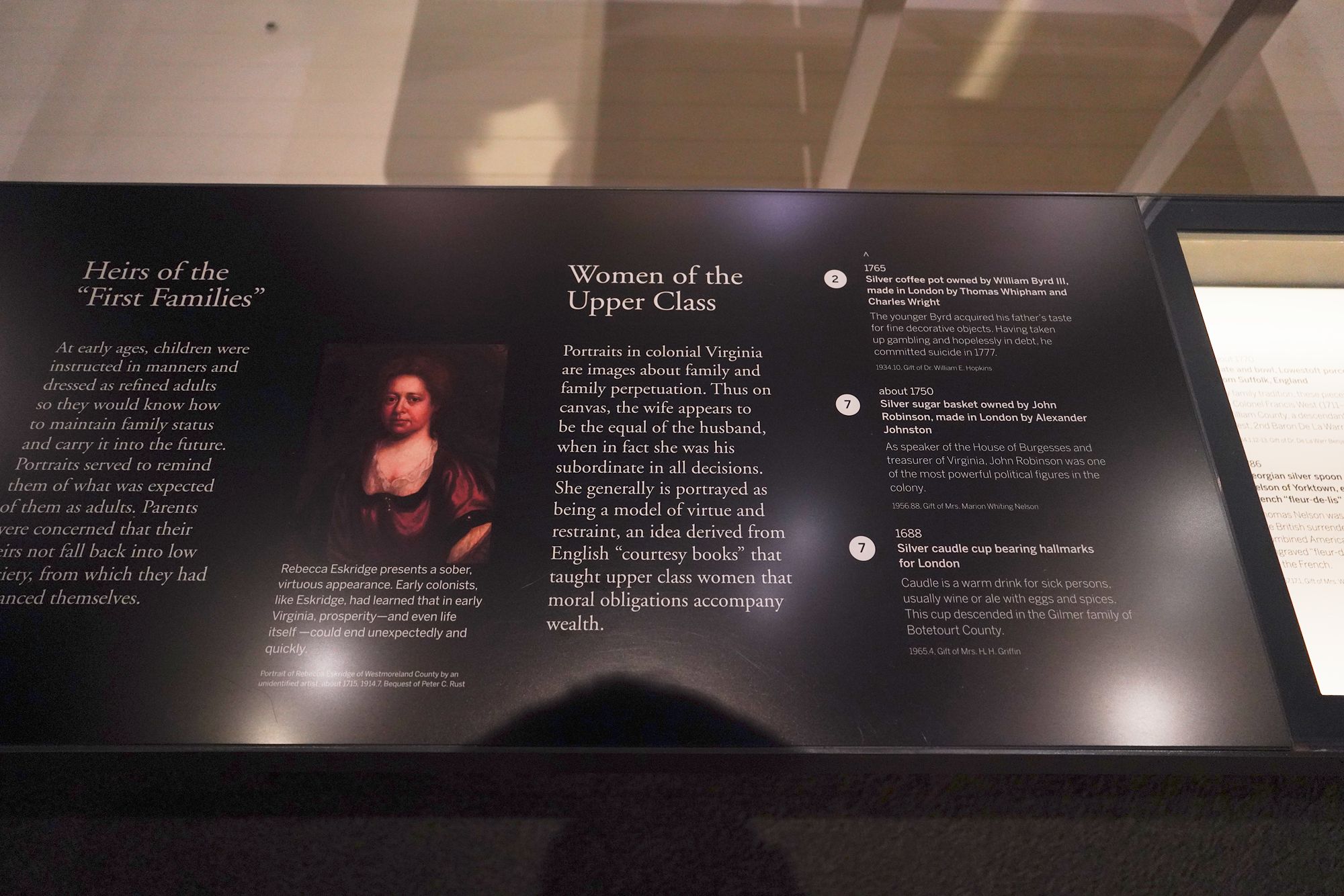
Emergence of Upper Class in Virginia
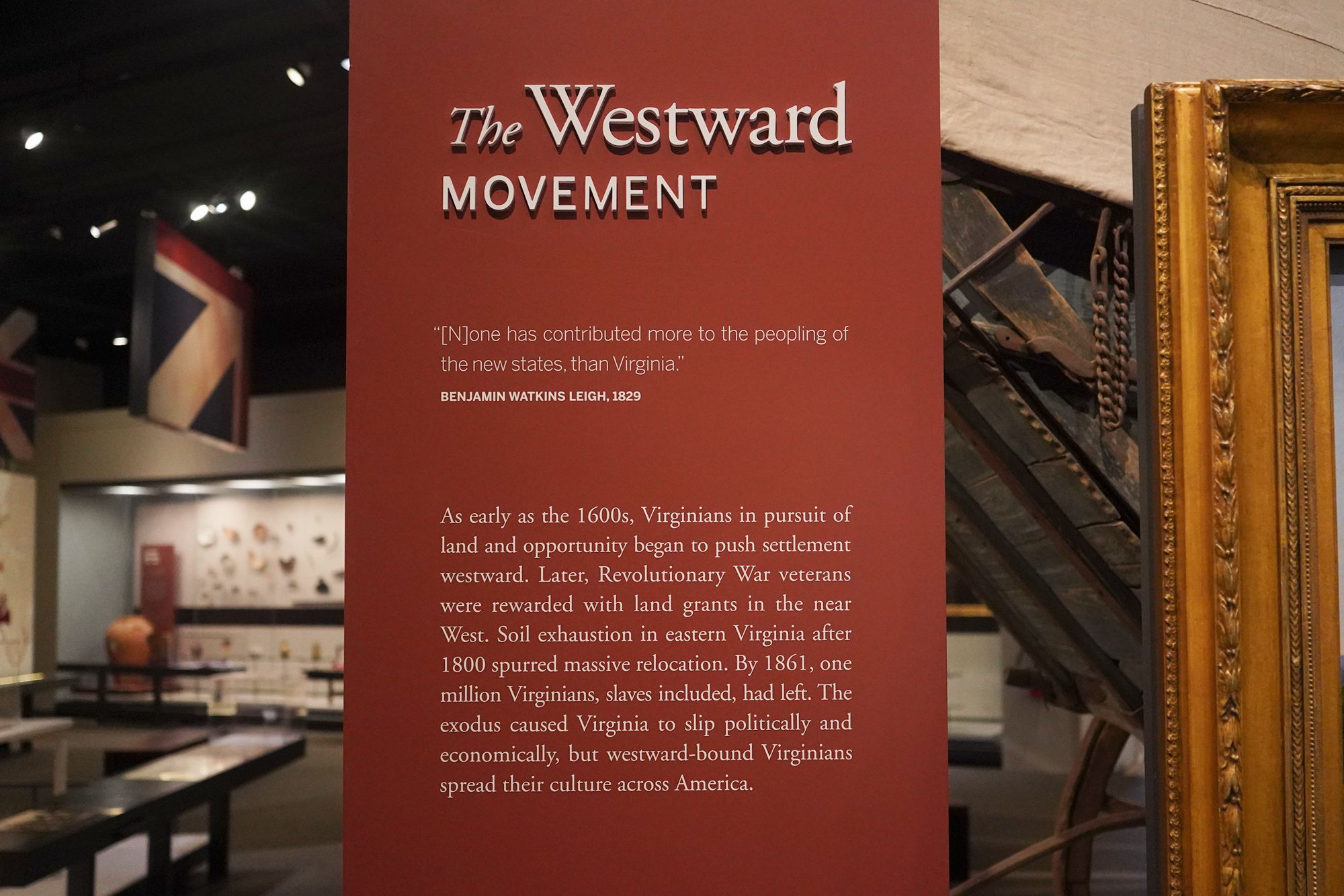
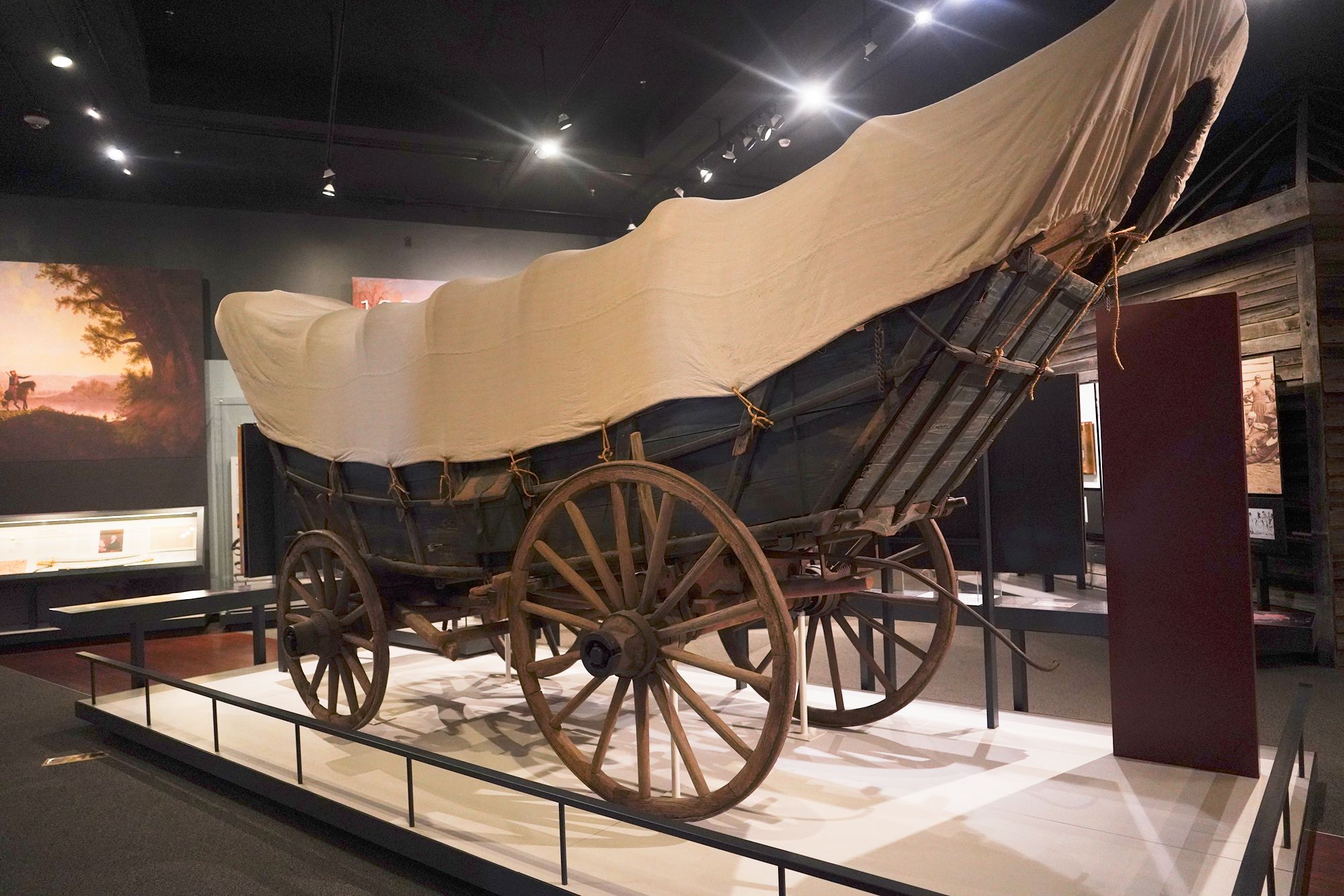
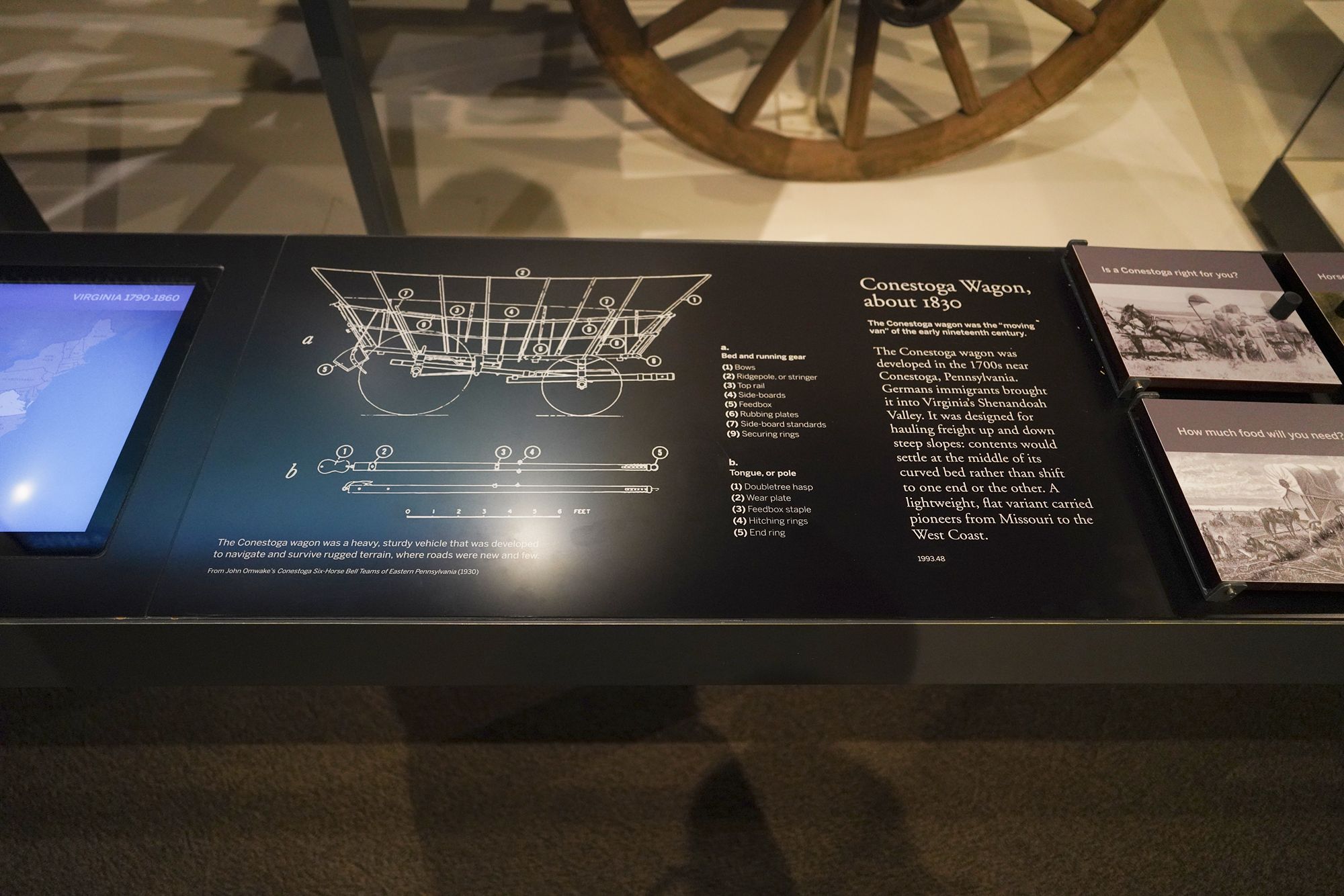
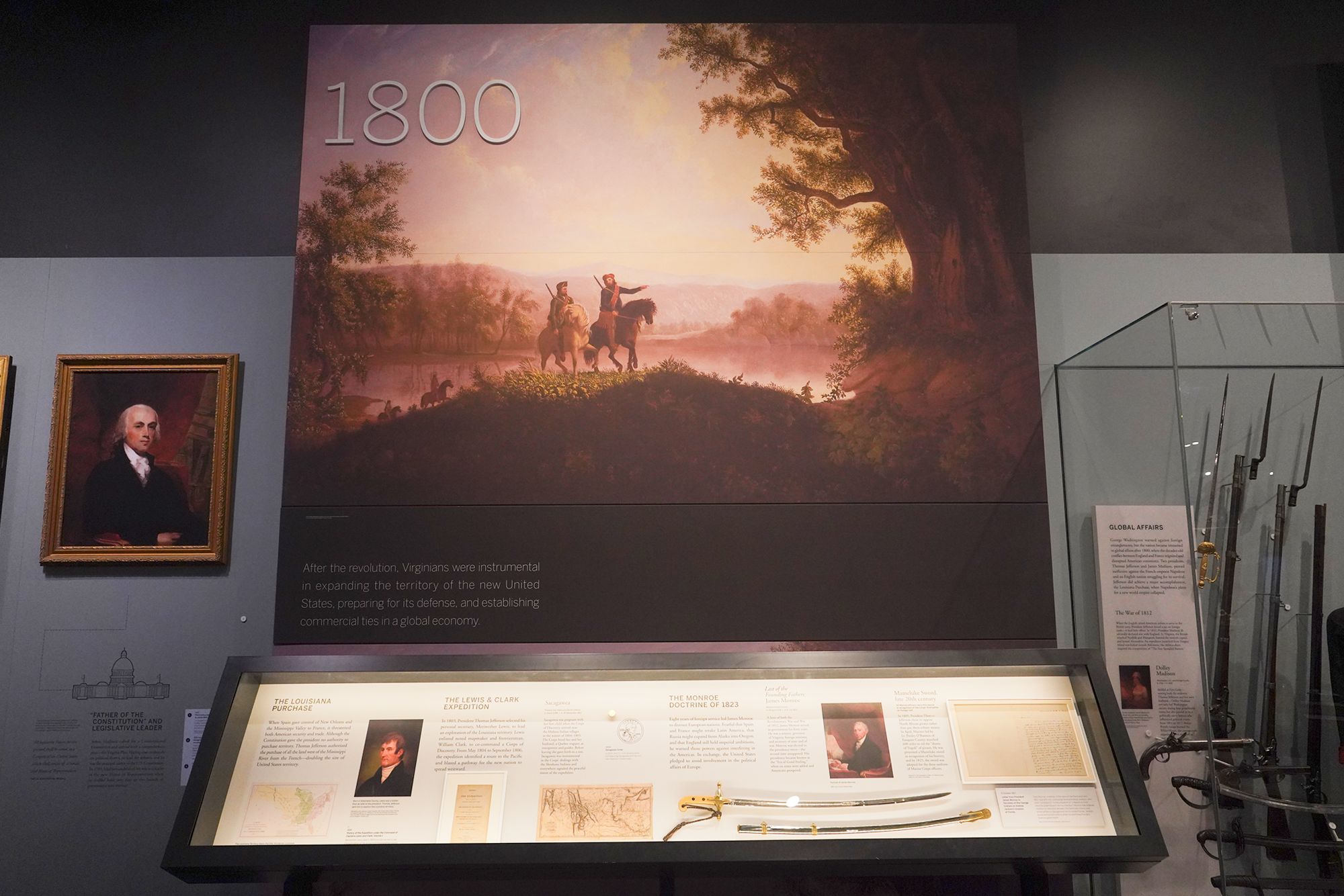
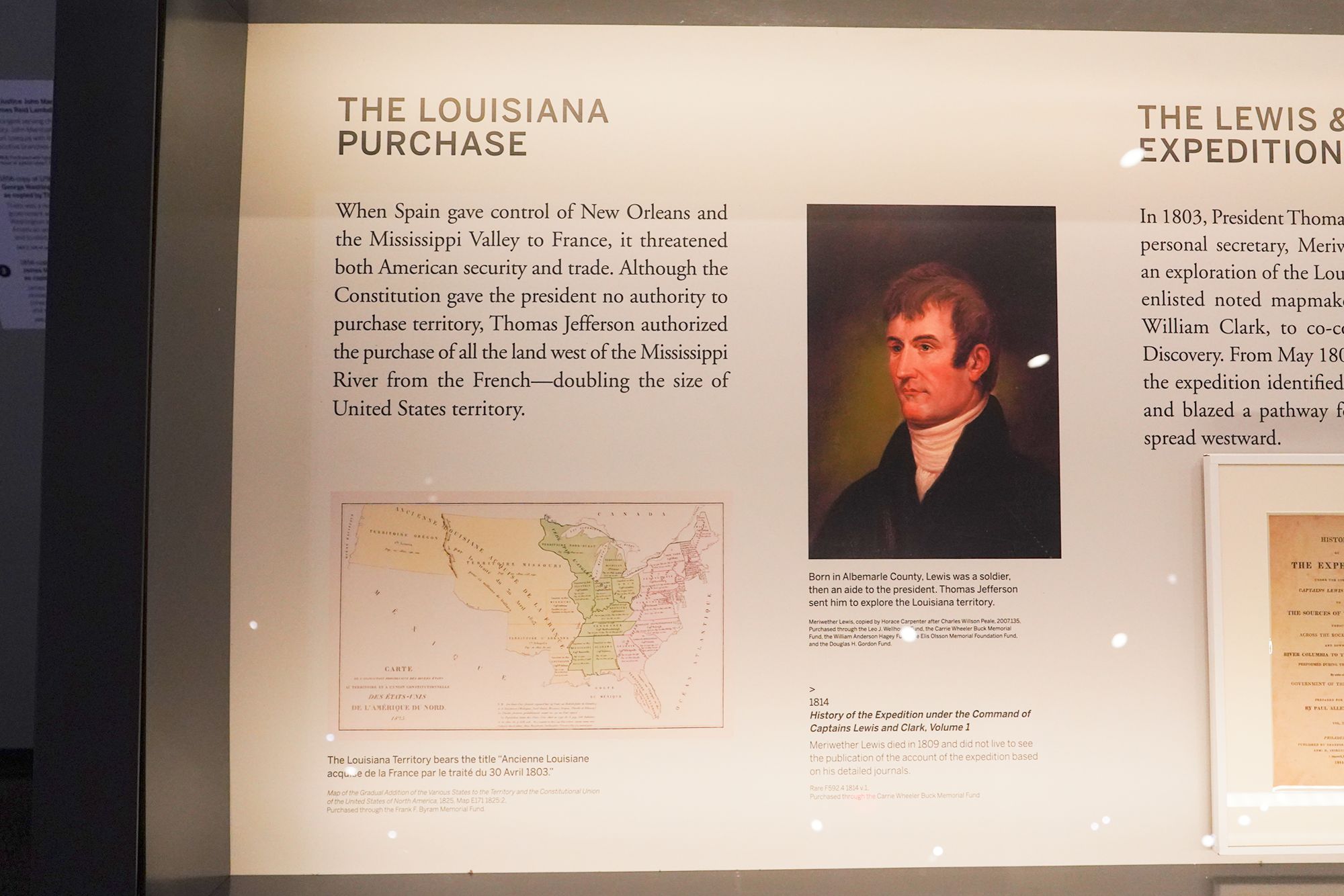
The Westward Movement
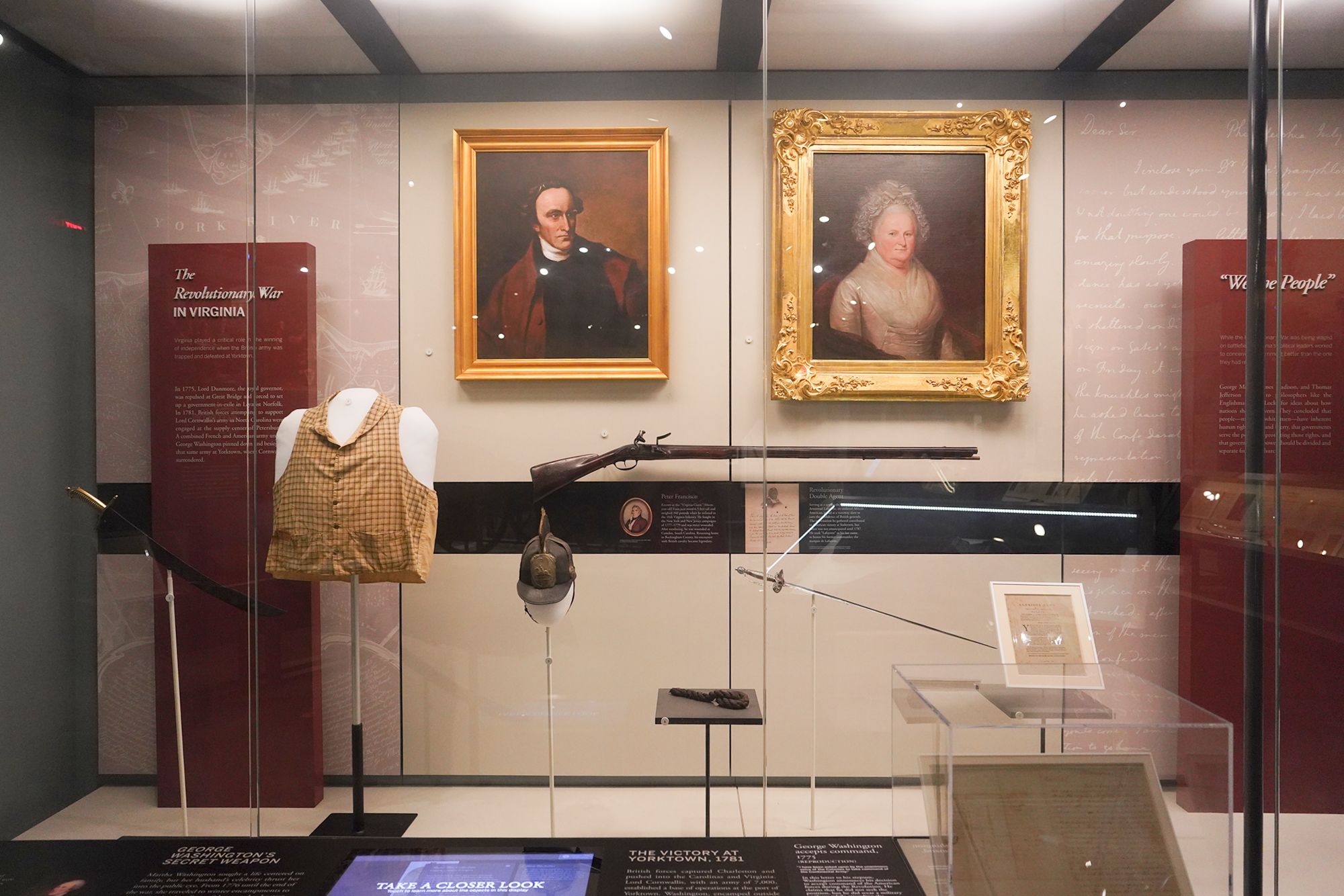
The Revolutionary War in Virginia
The Constitution
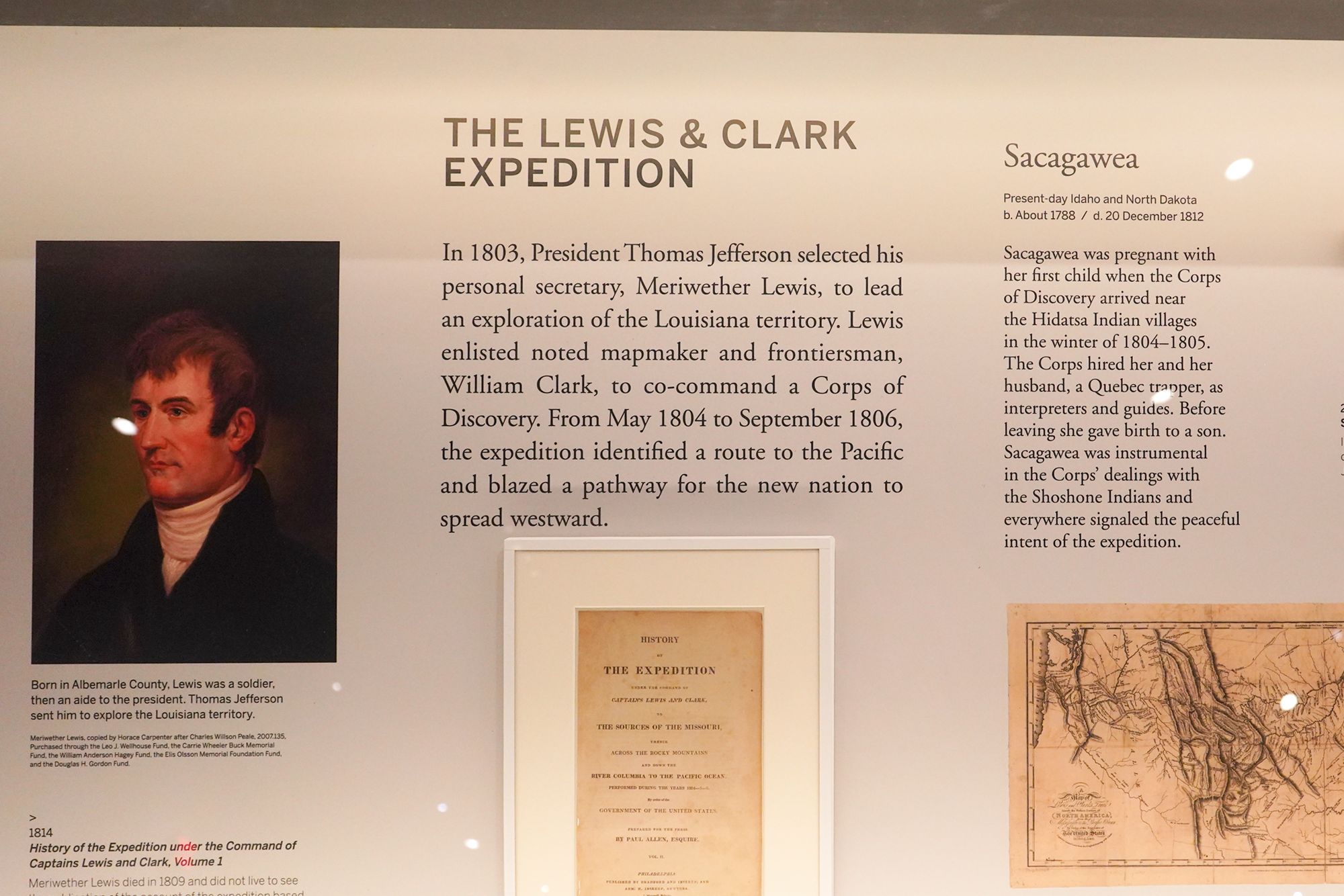
In 1800s
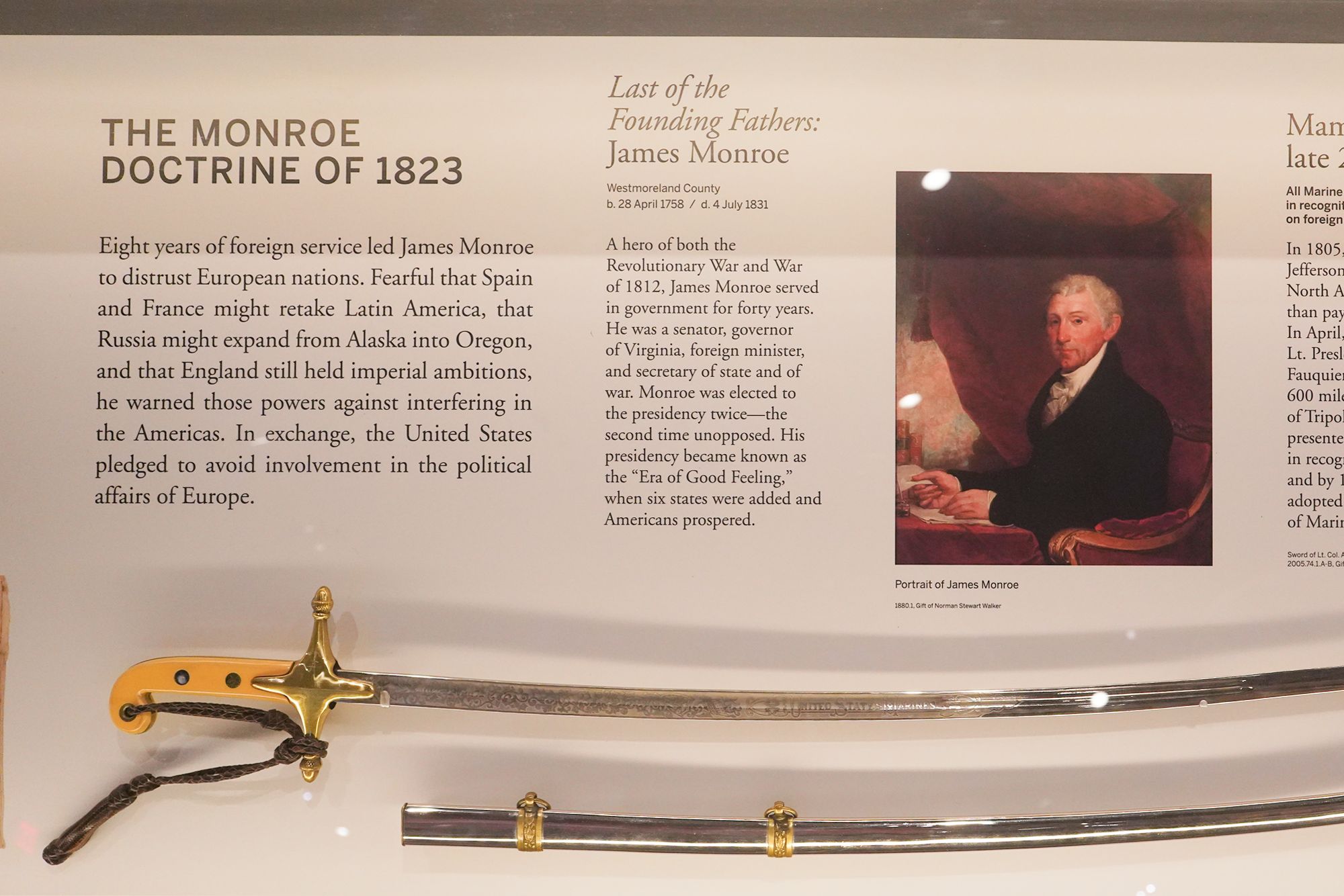
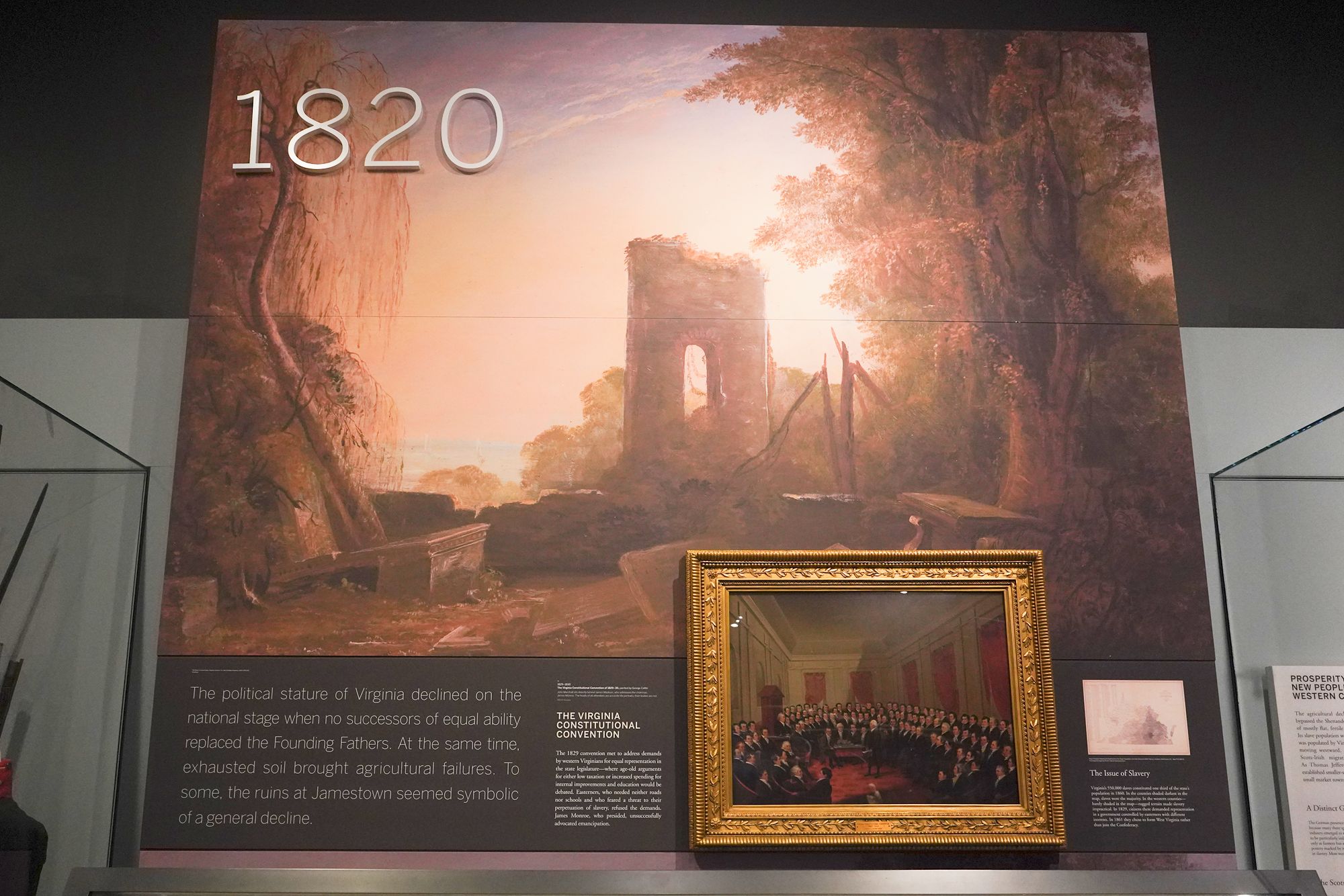
In 1820s
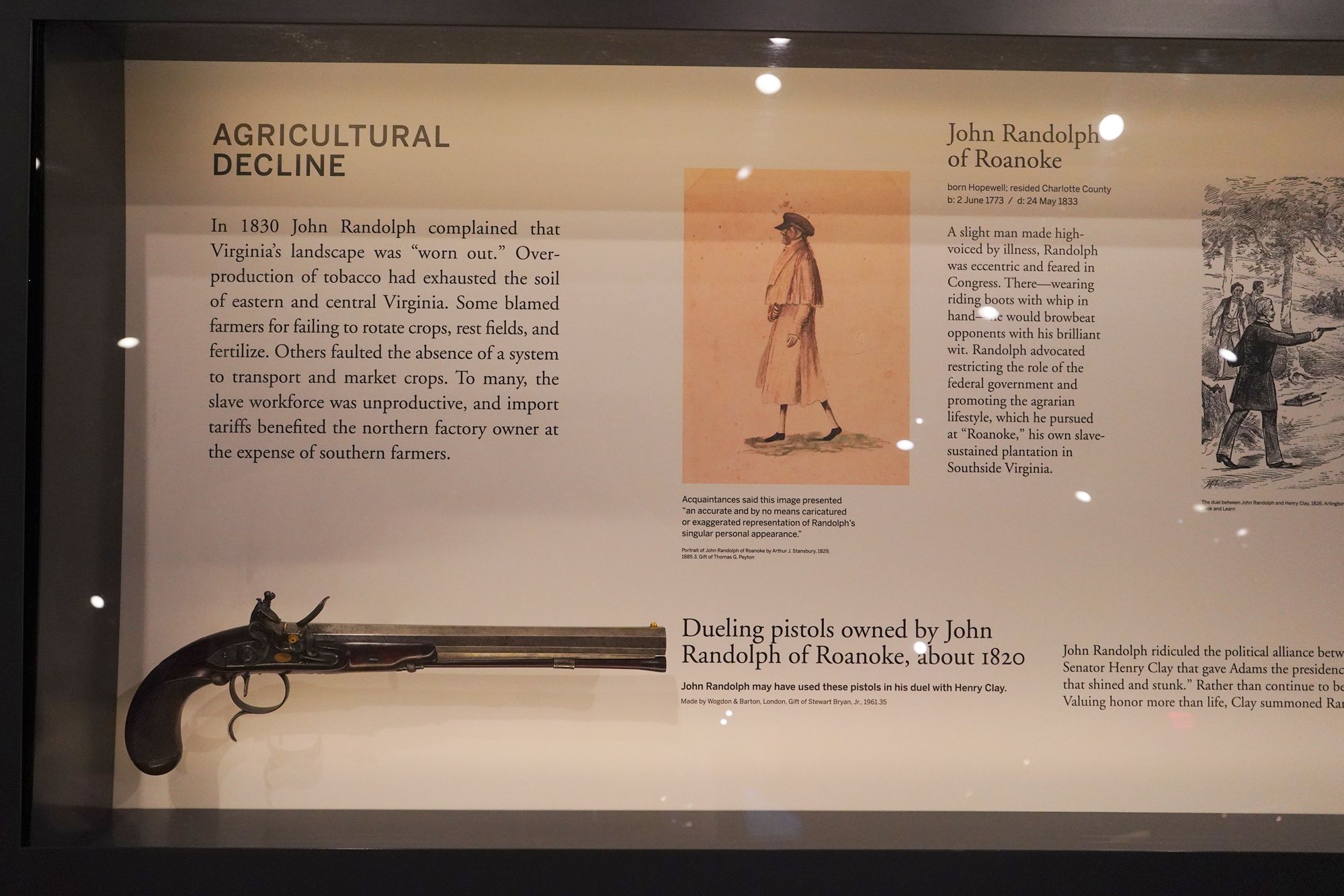
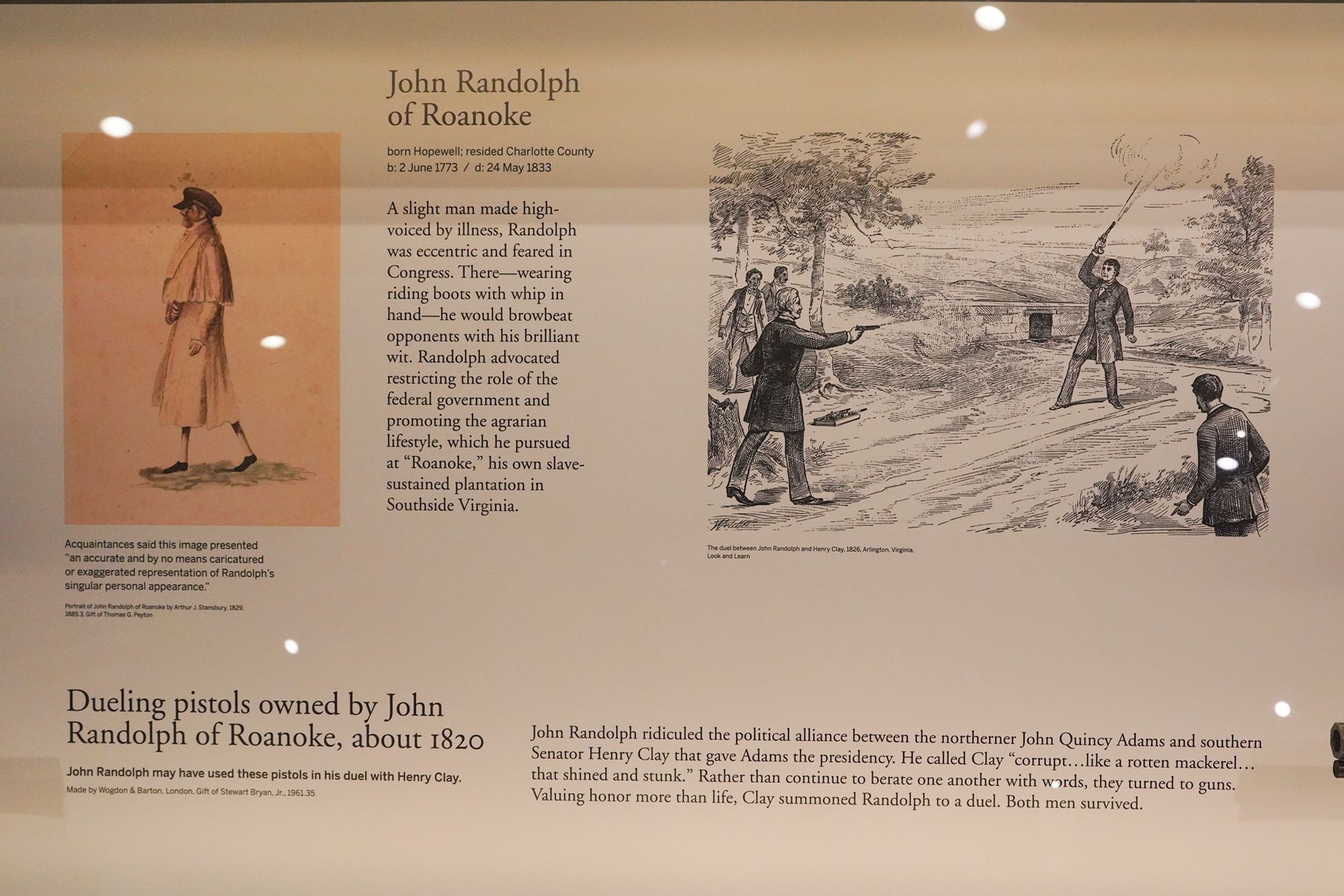
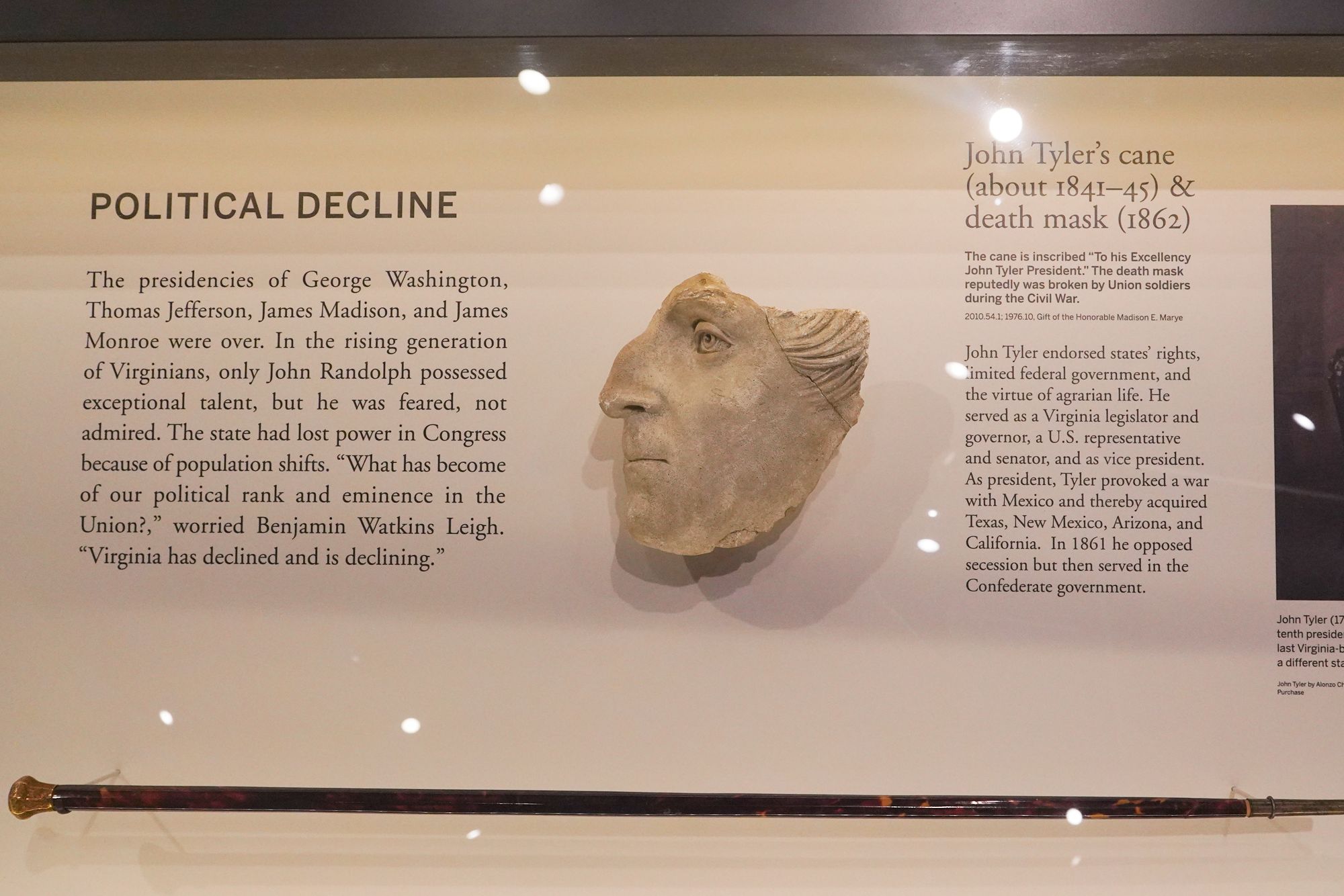
In 1840s
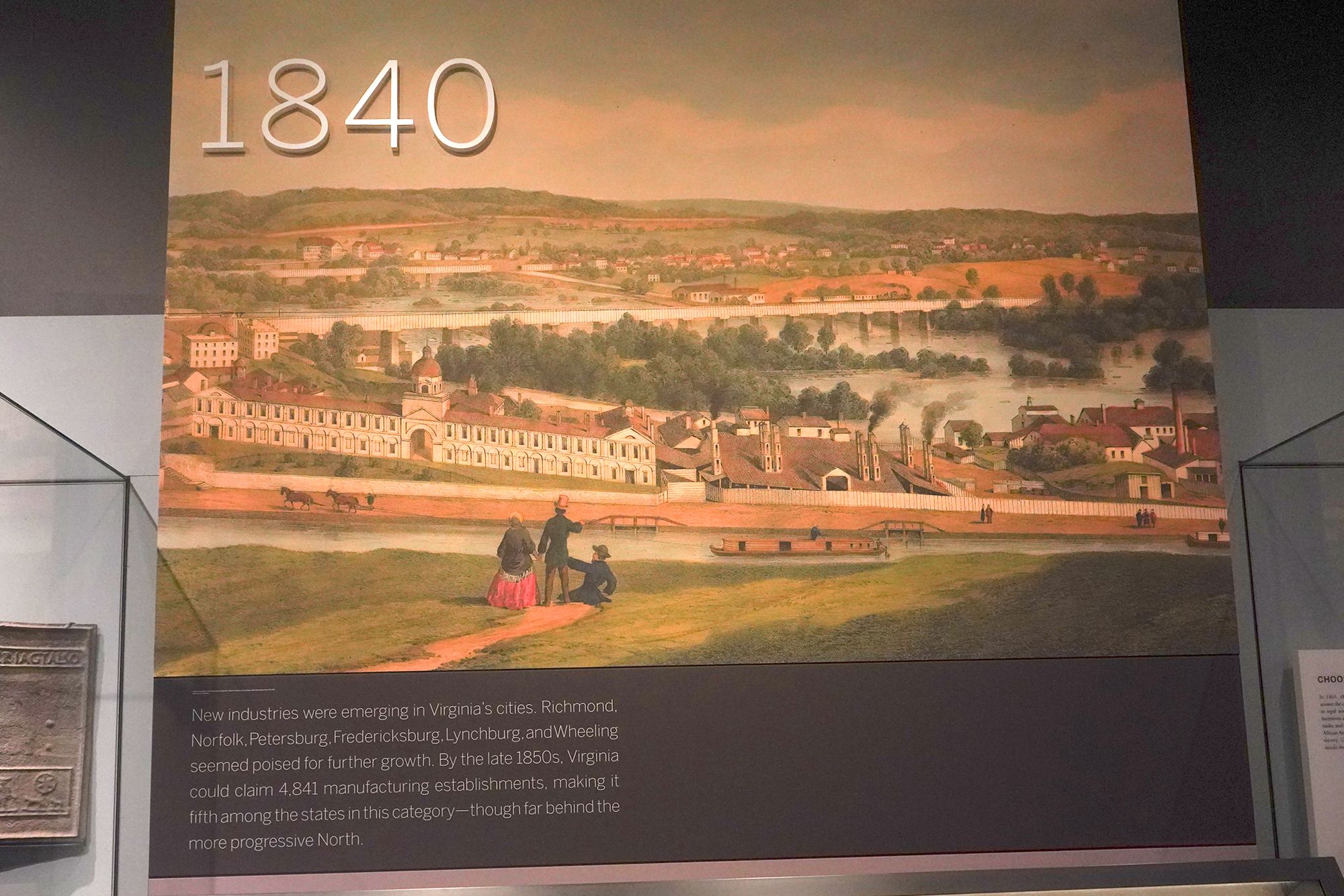
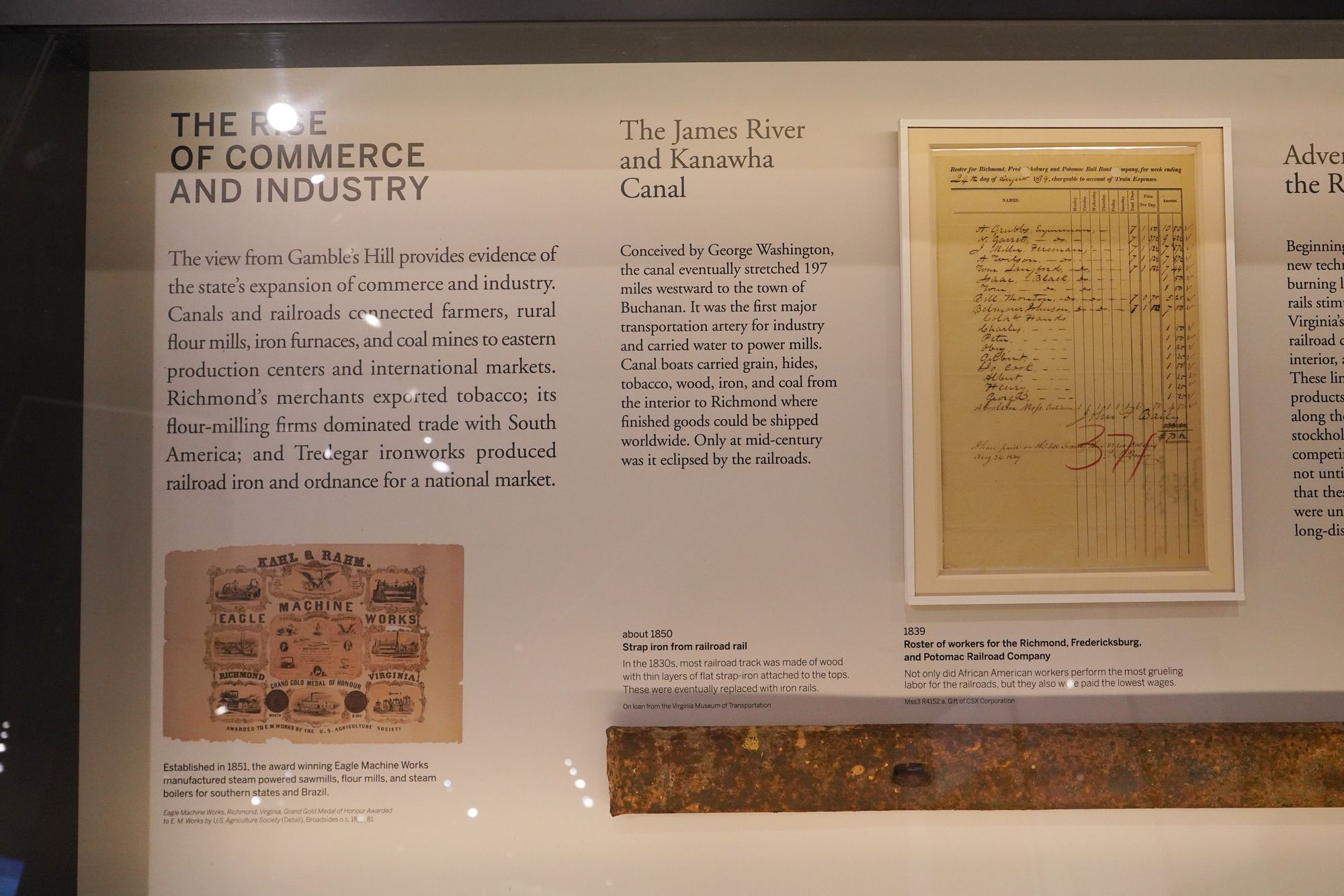
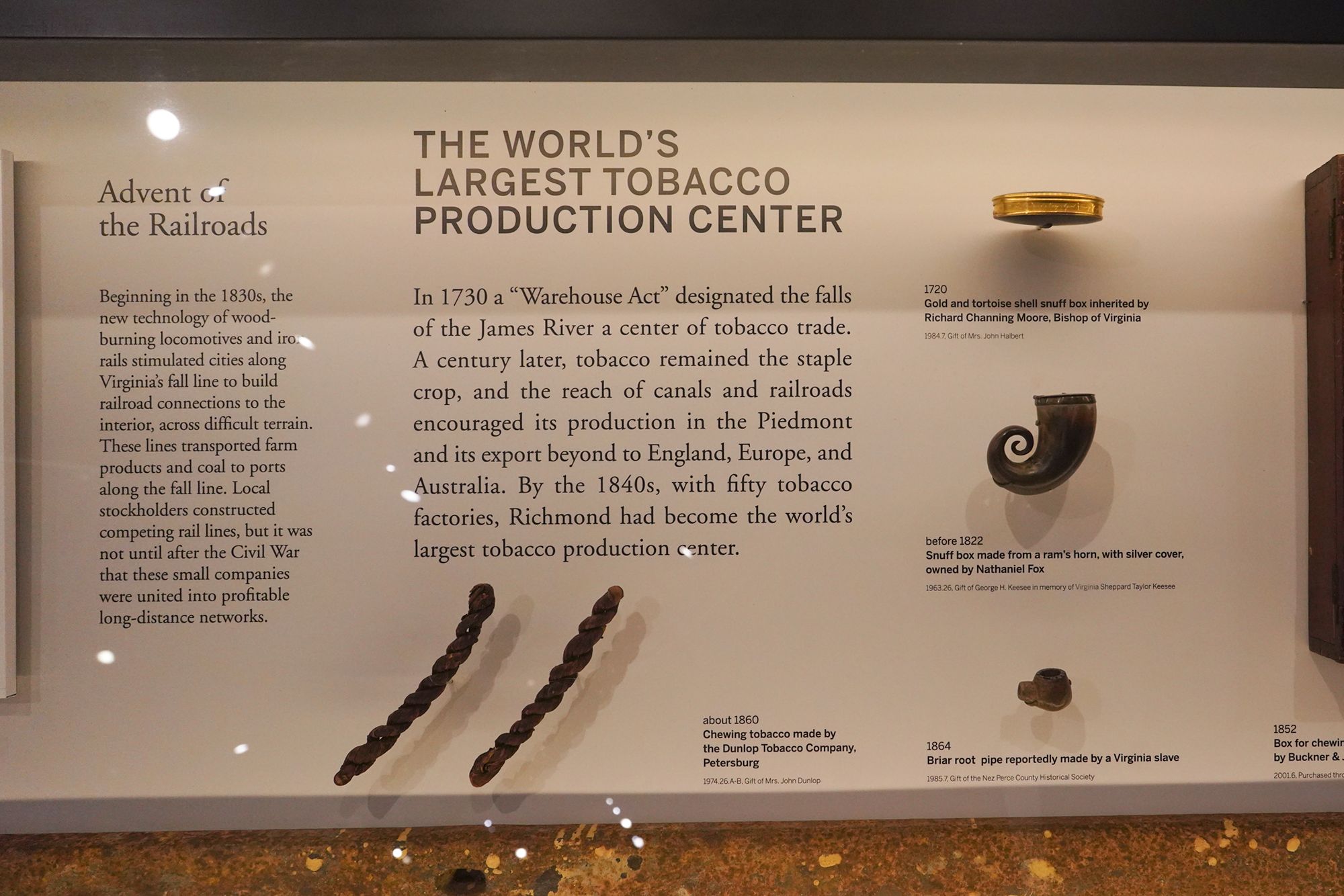
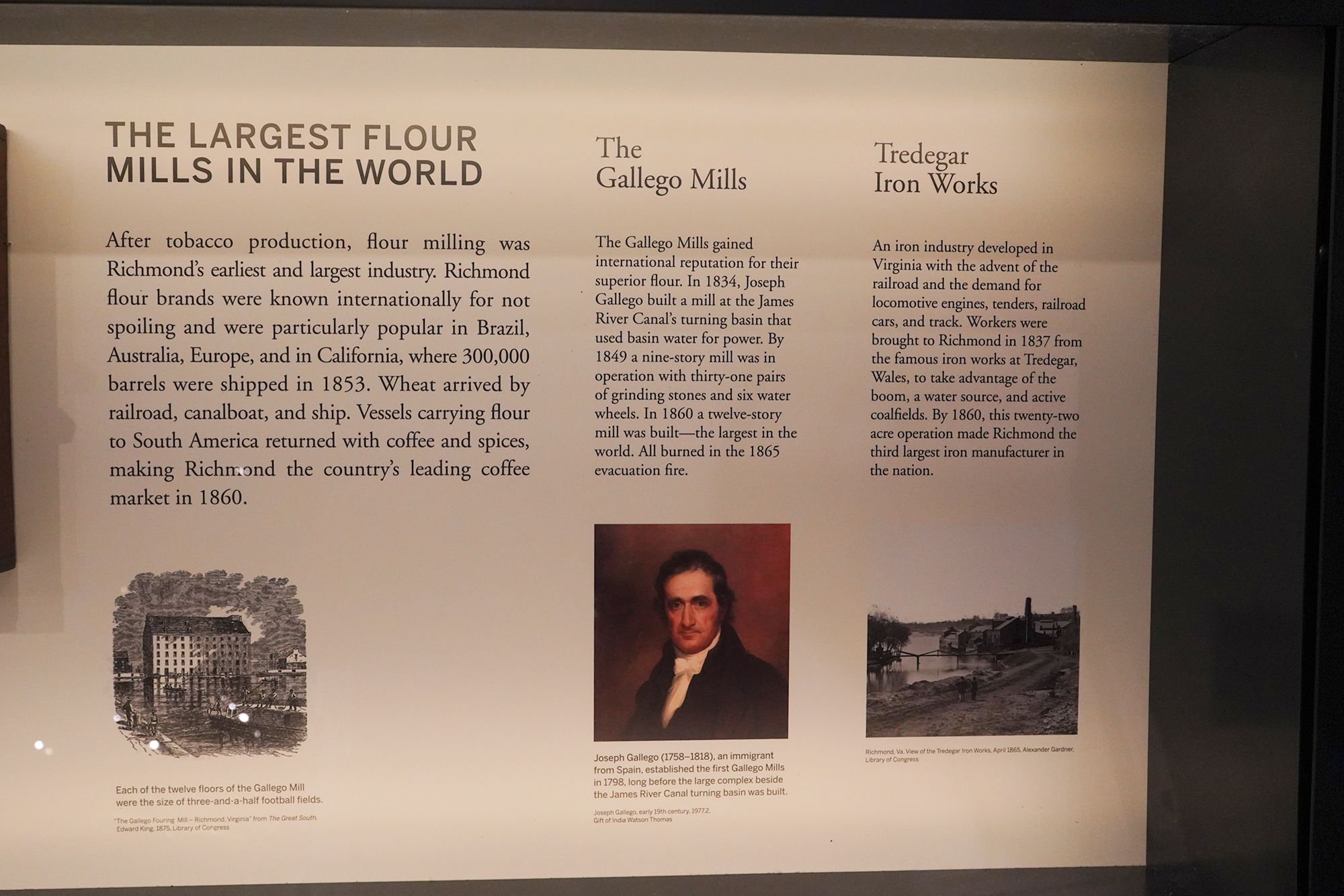
In 1860s
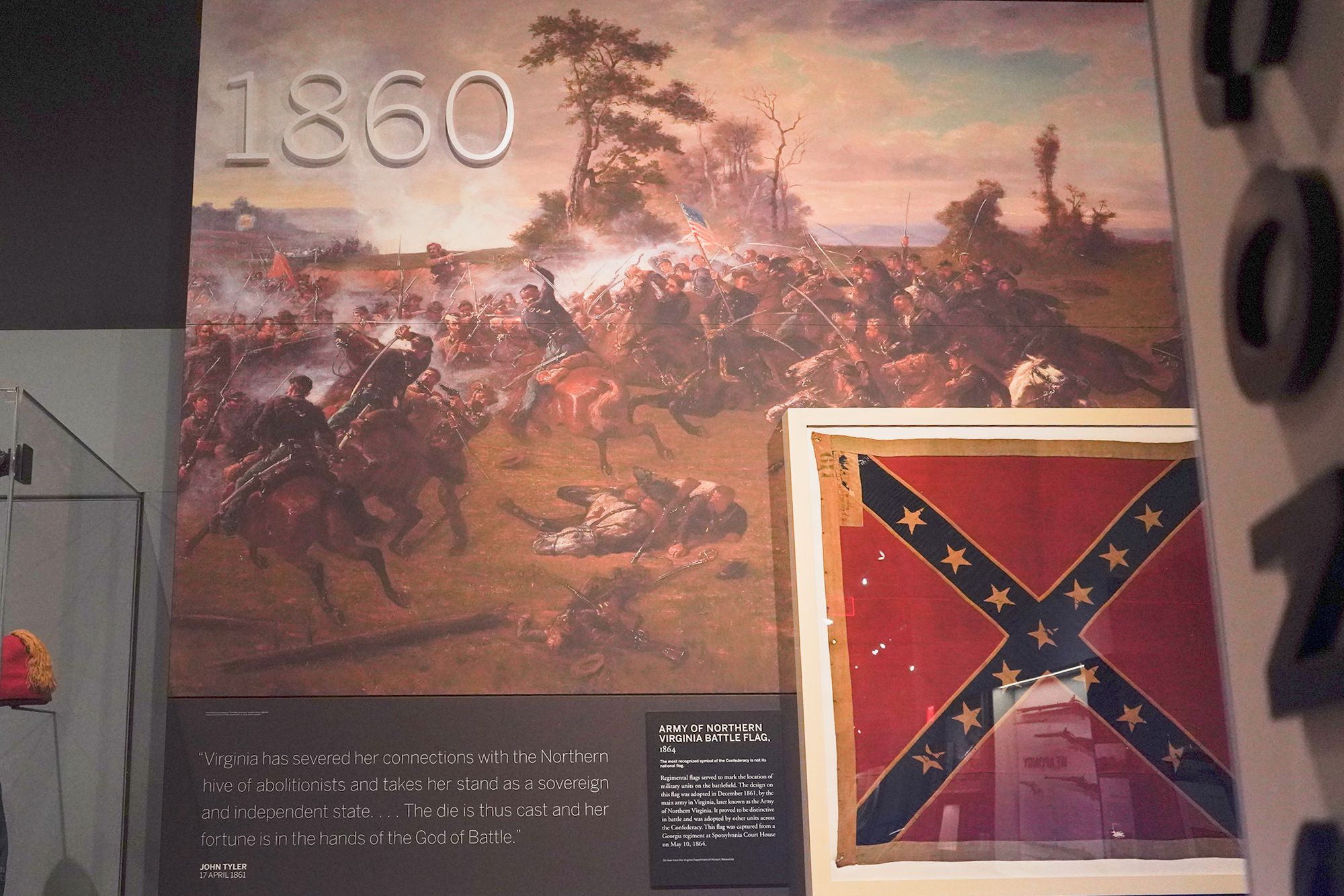
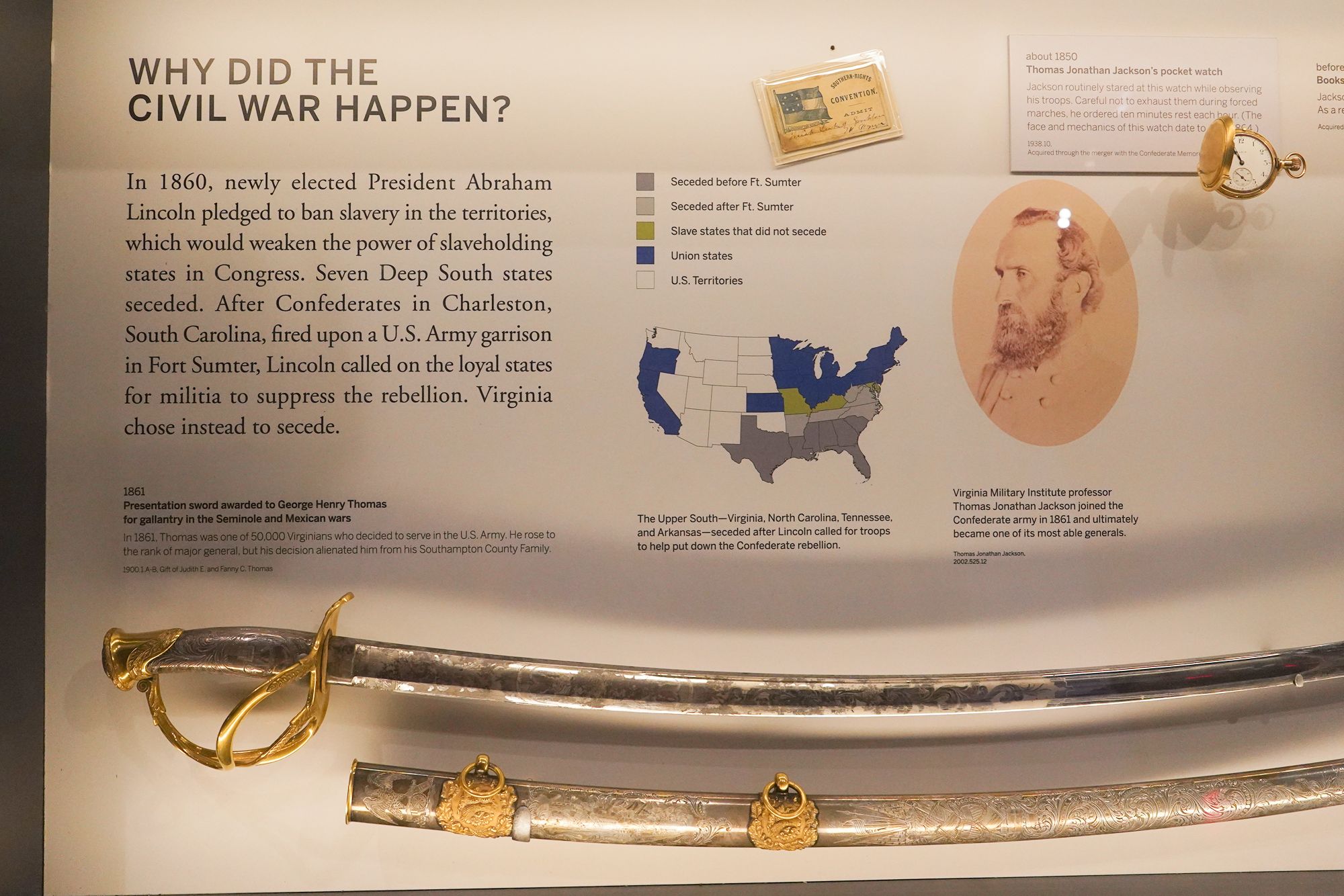
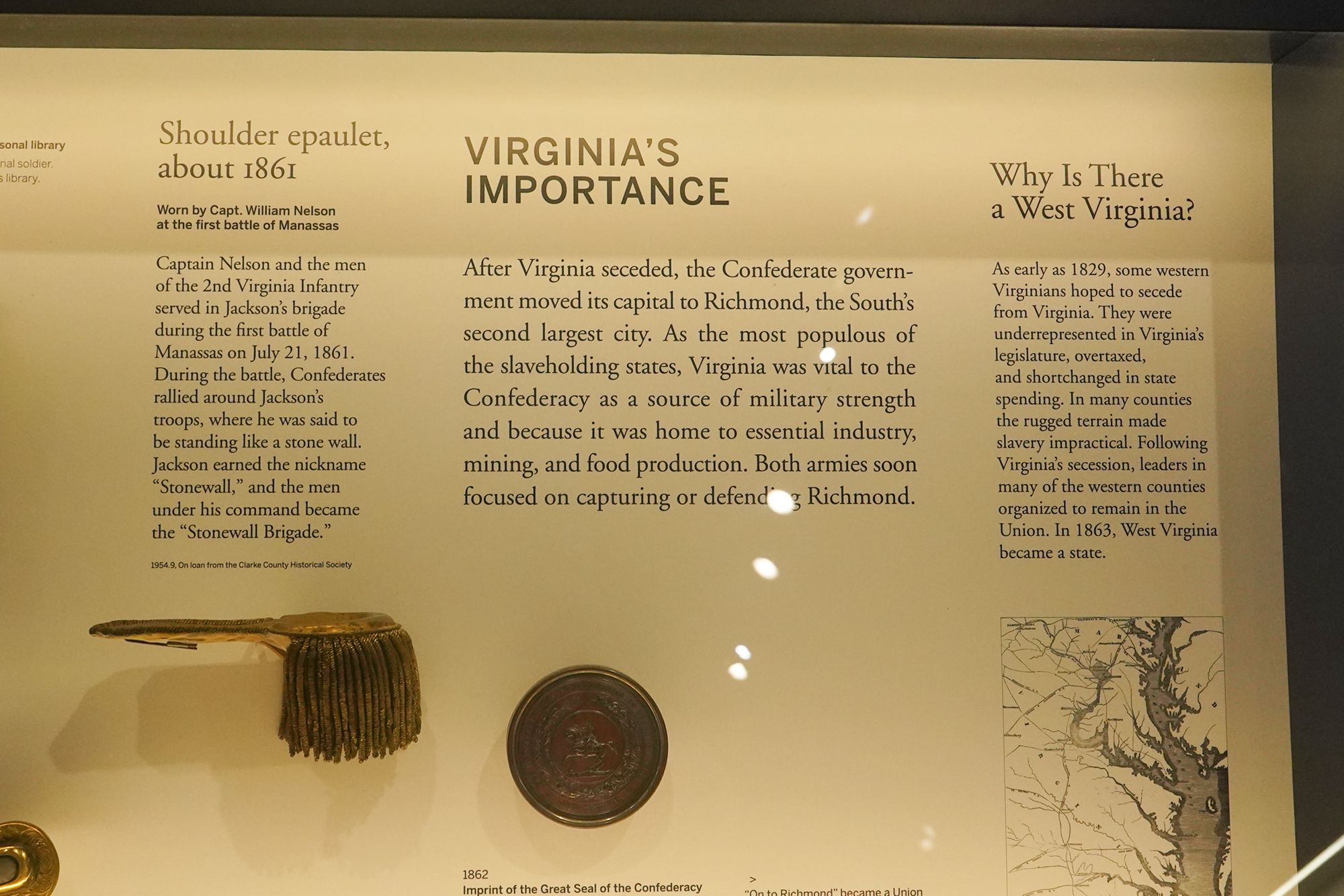
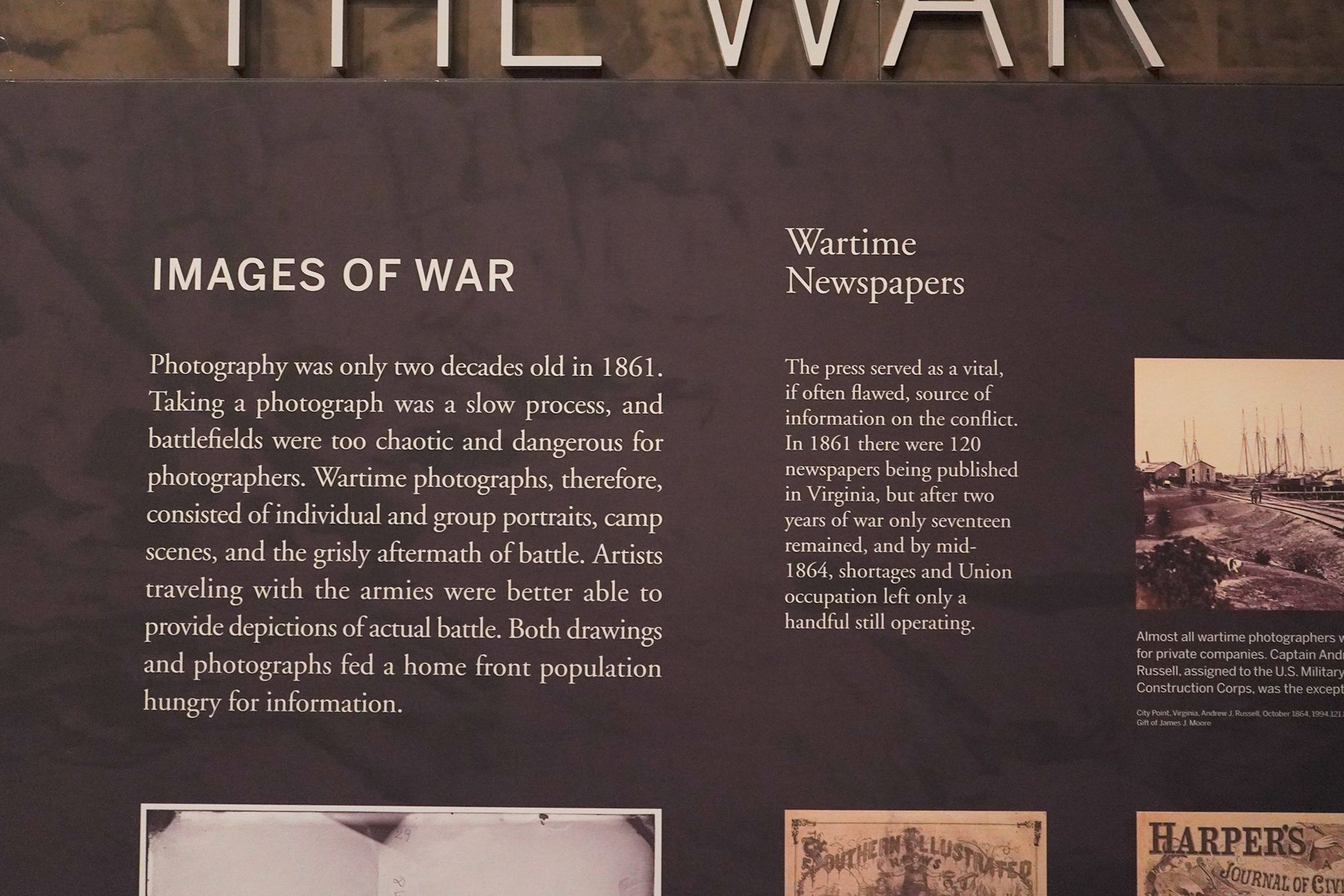
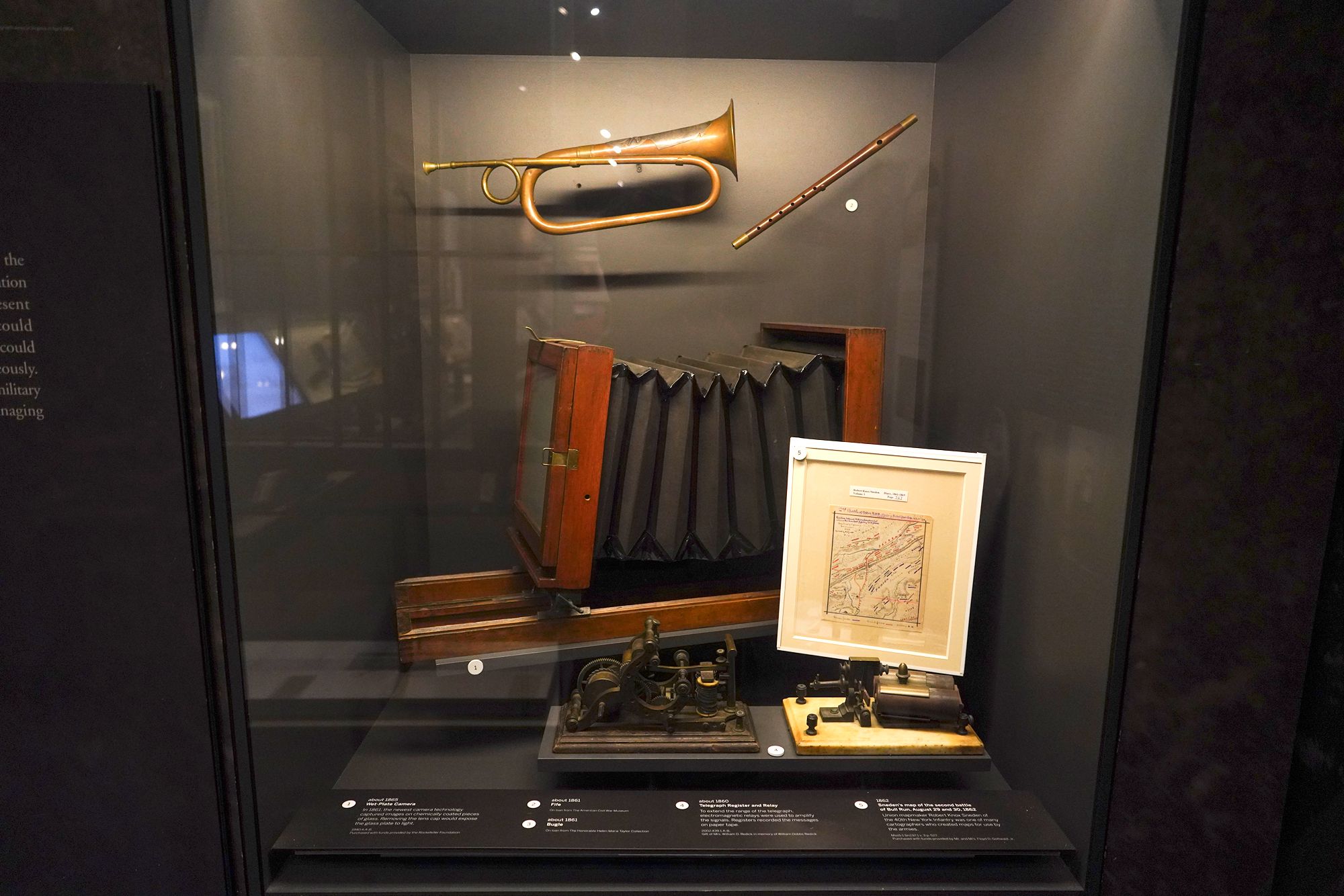
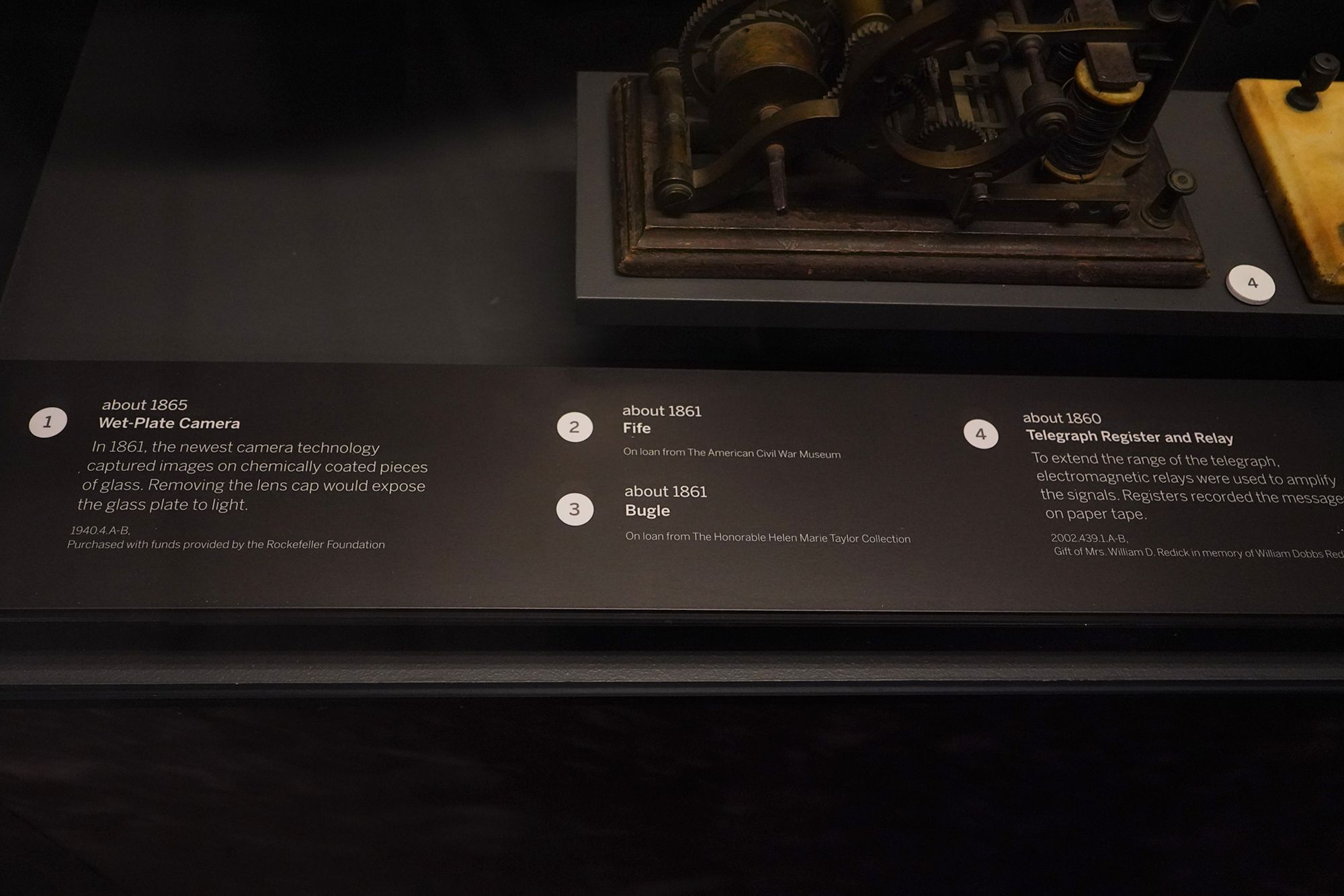
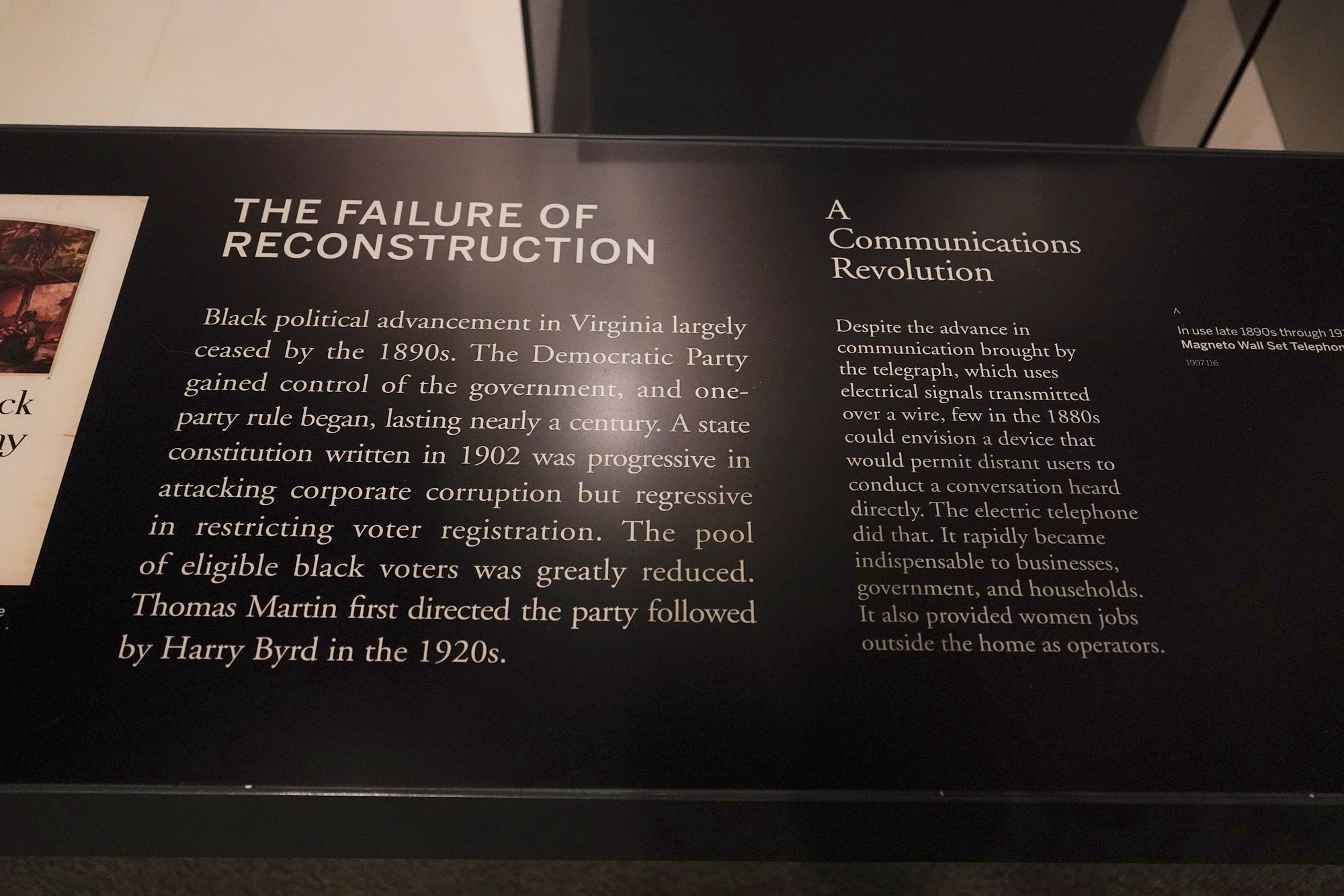
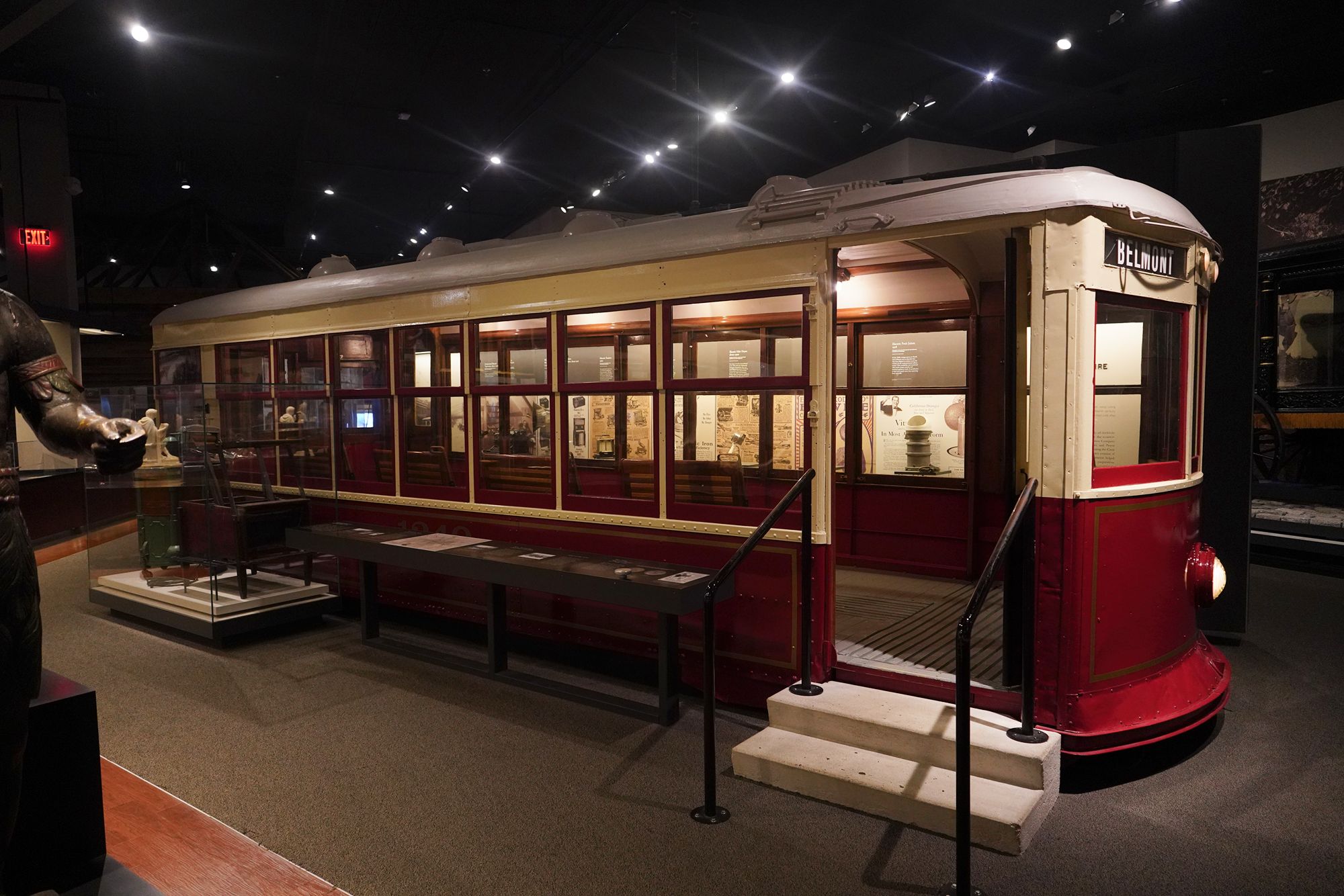
Communication Revolution
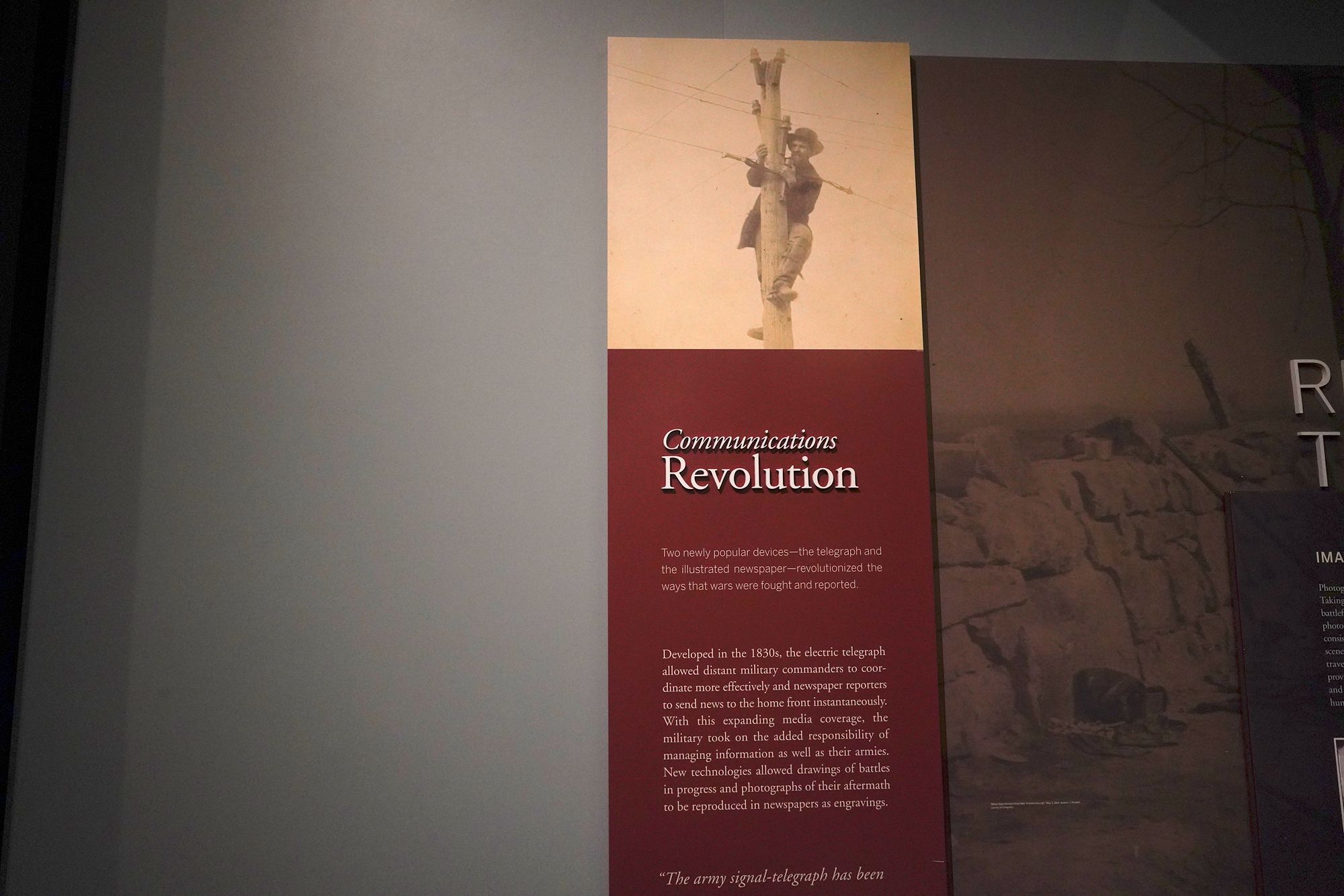
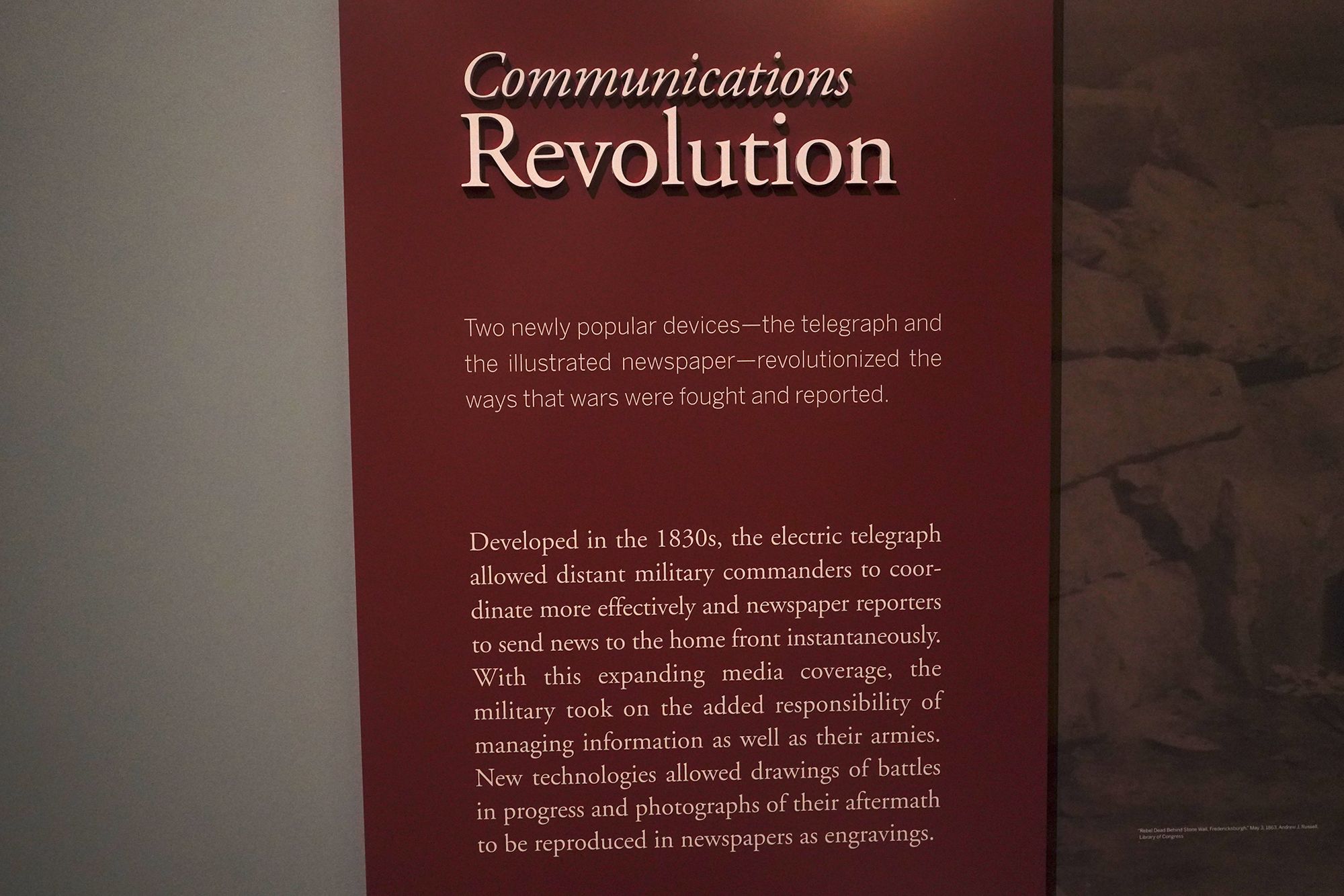
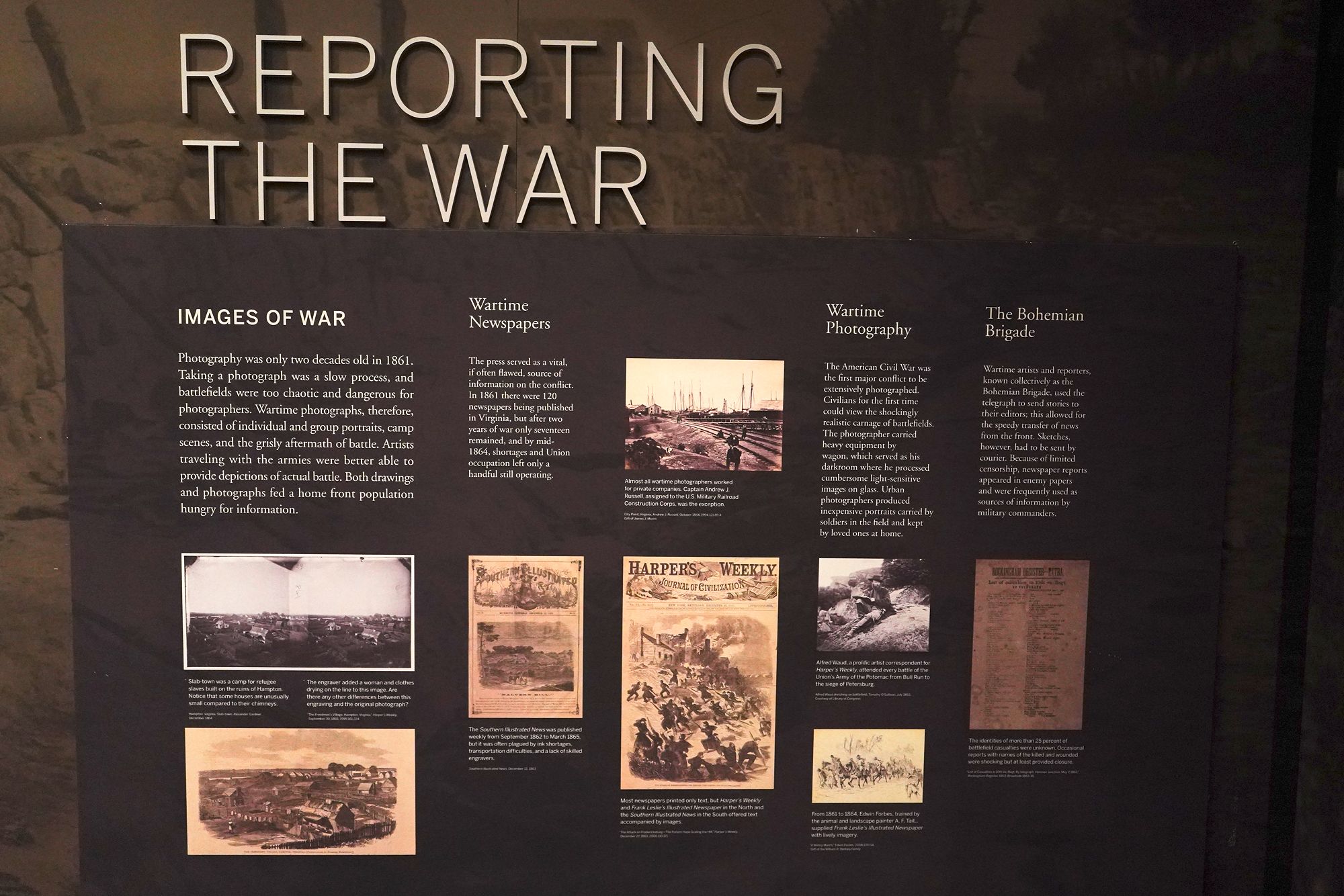
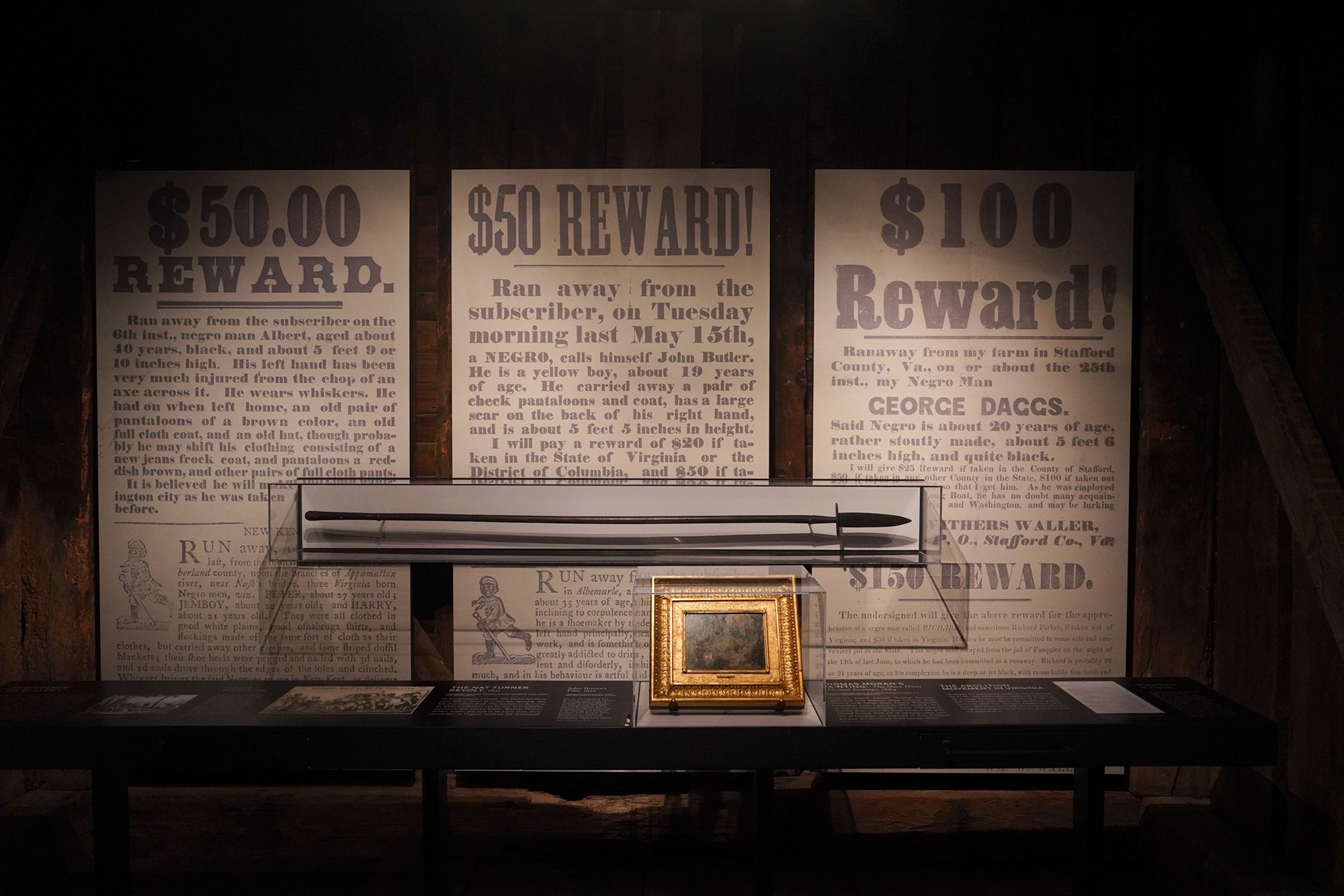
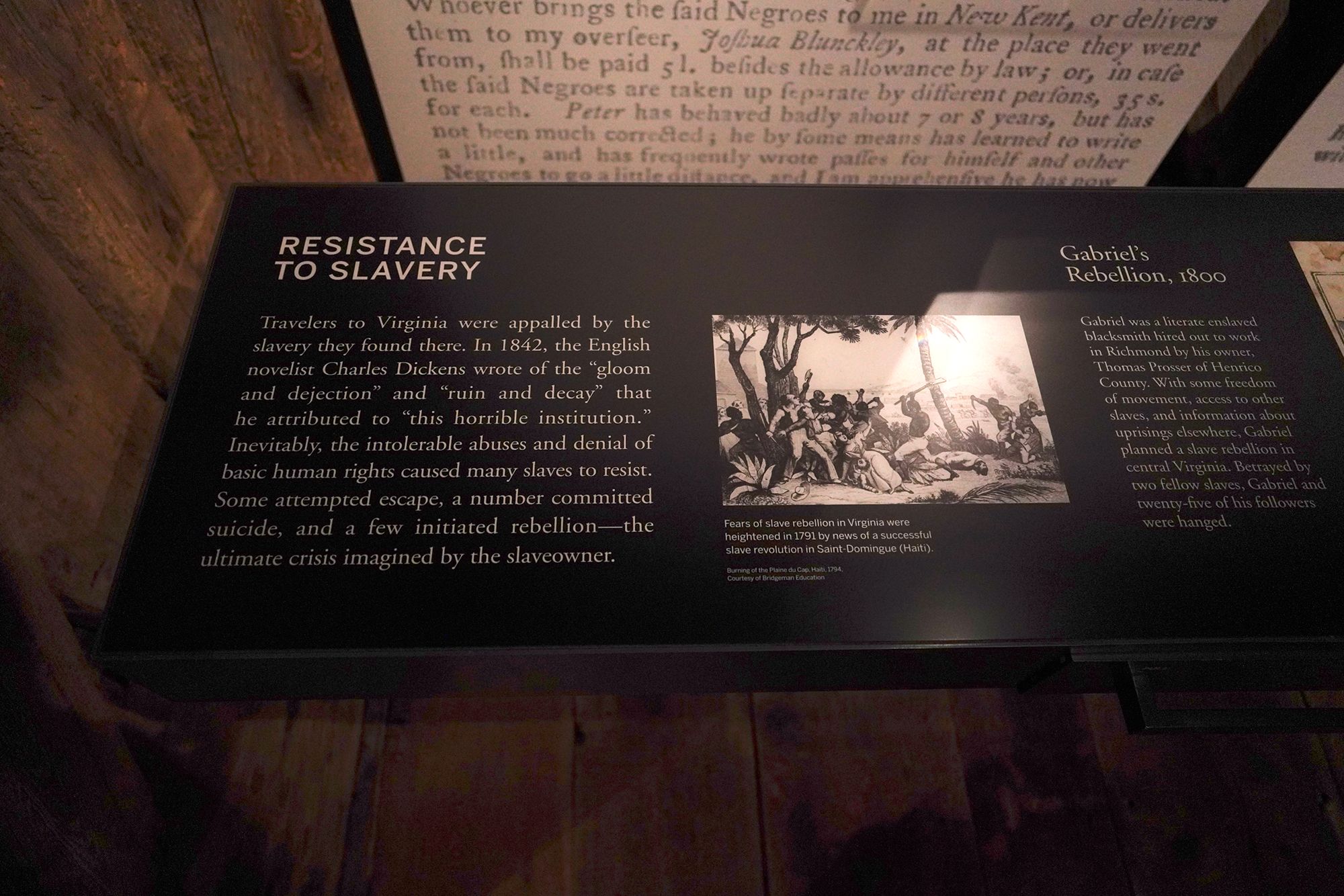
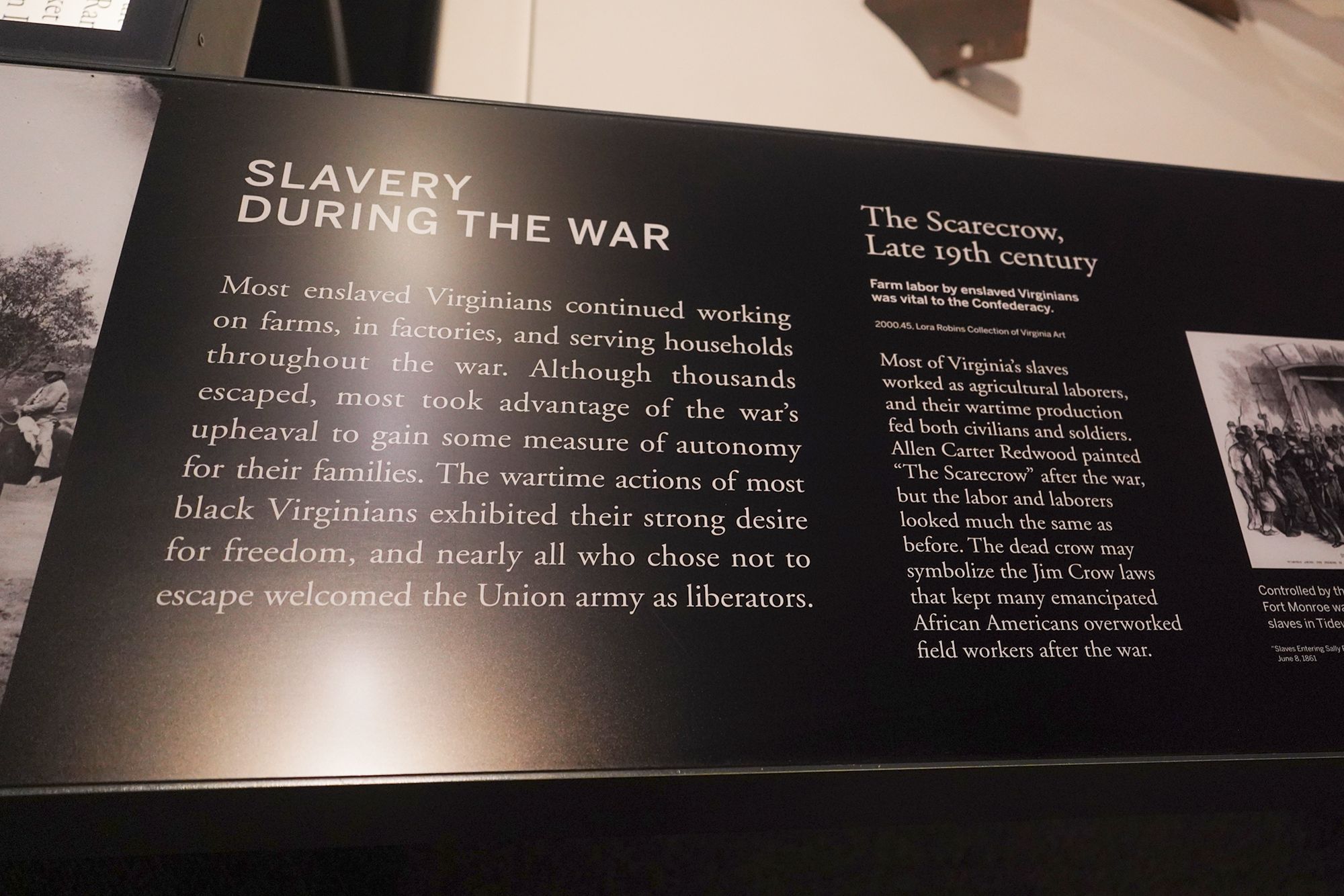
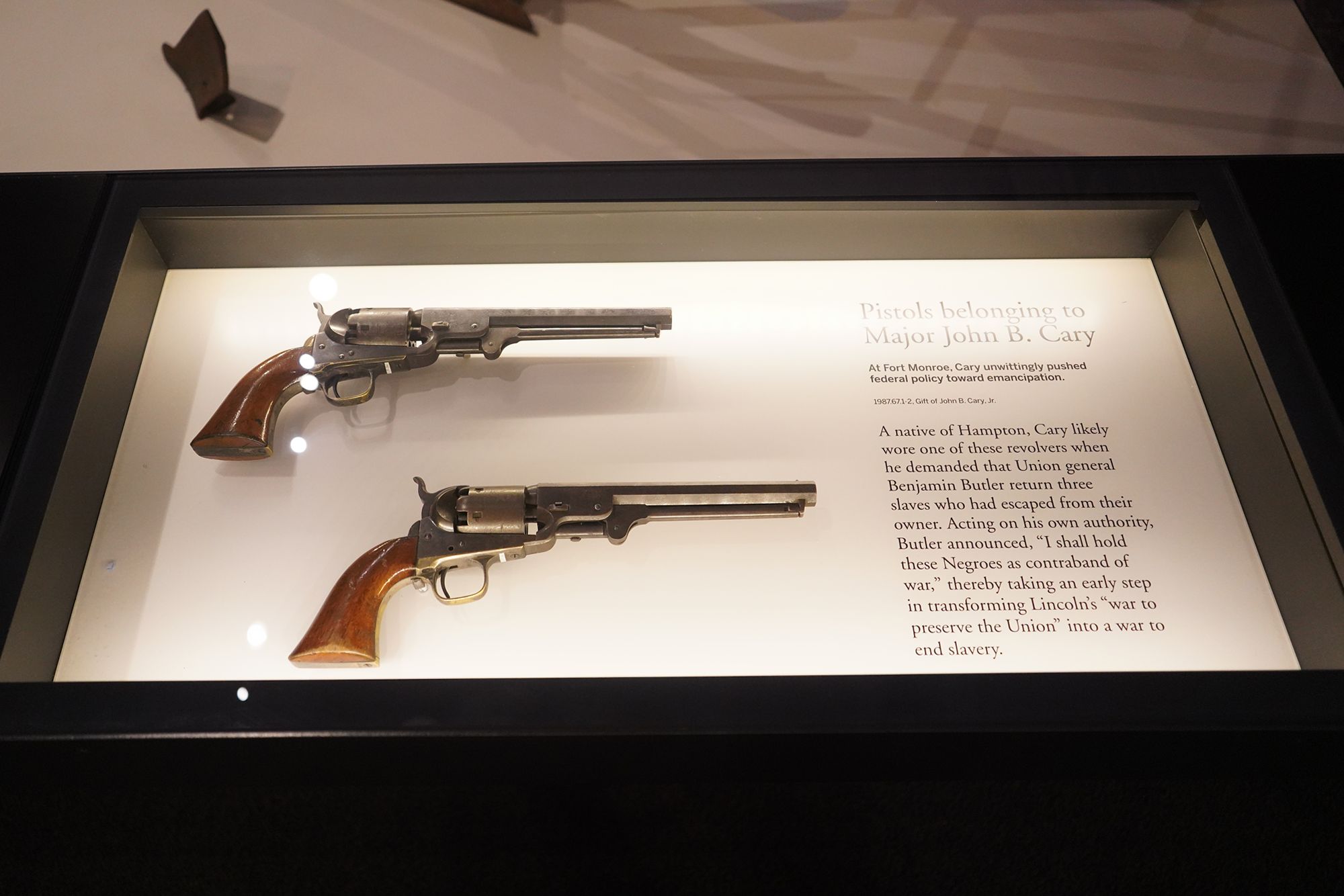
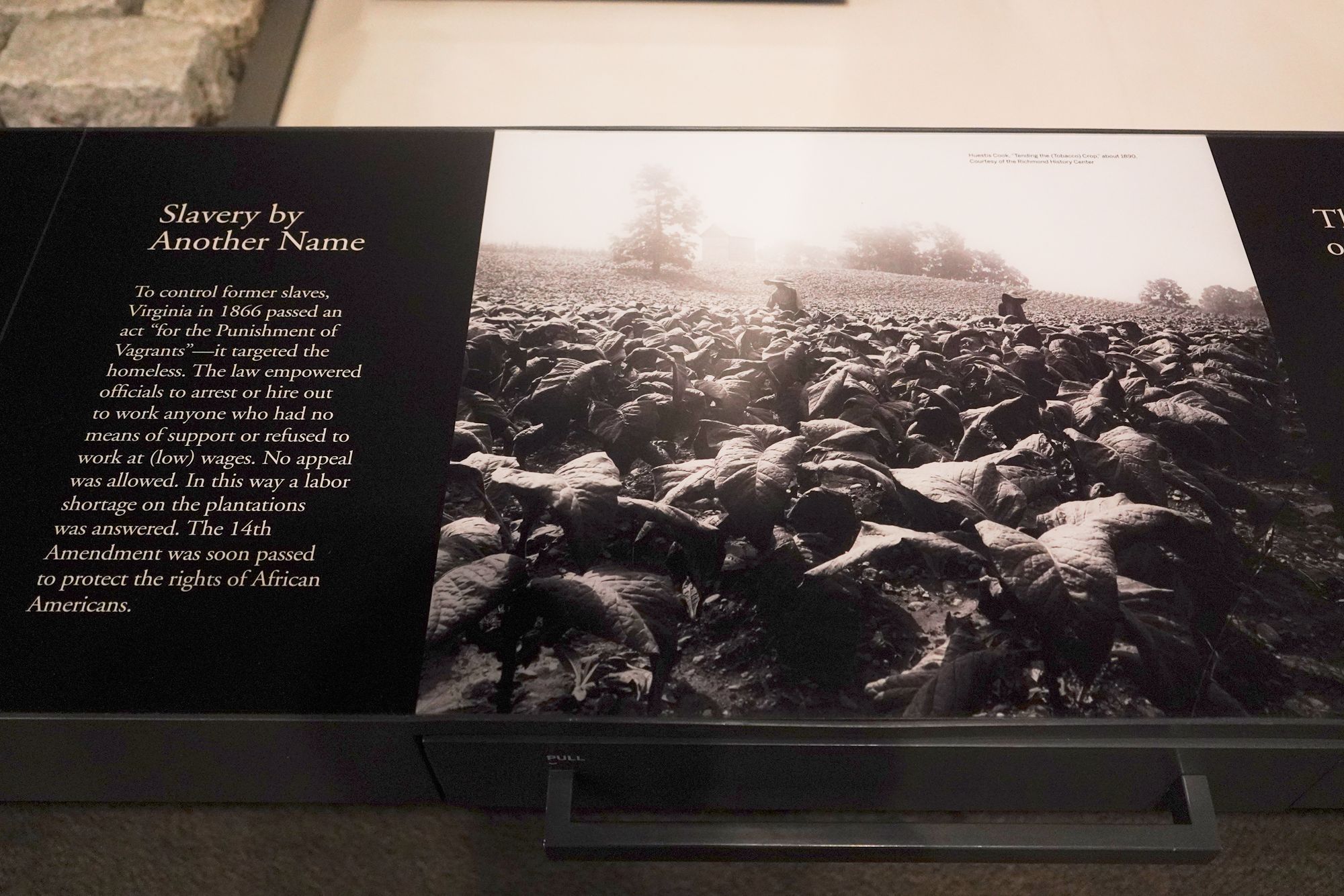
Slavery
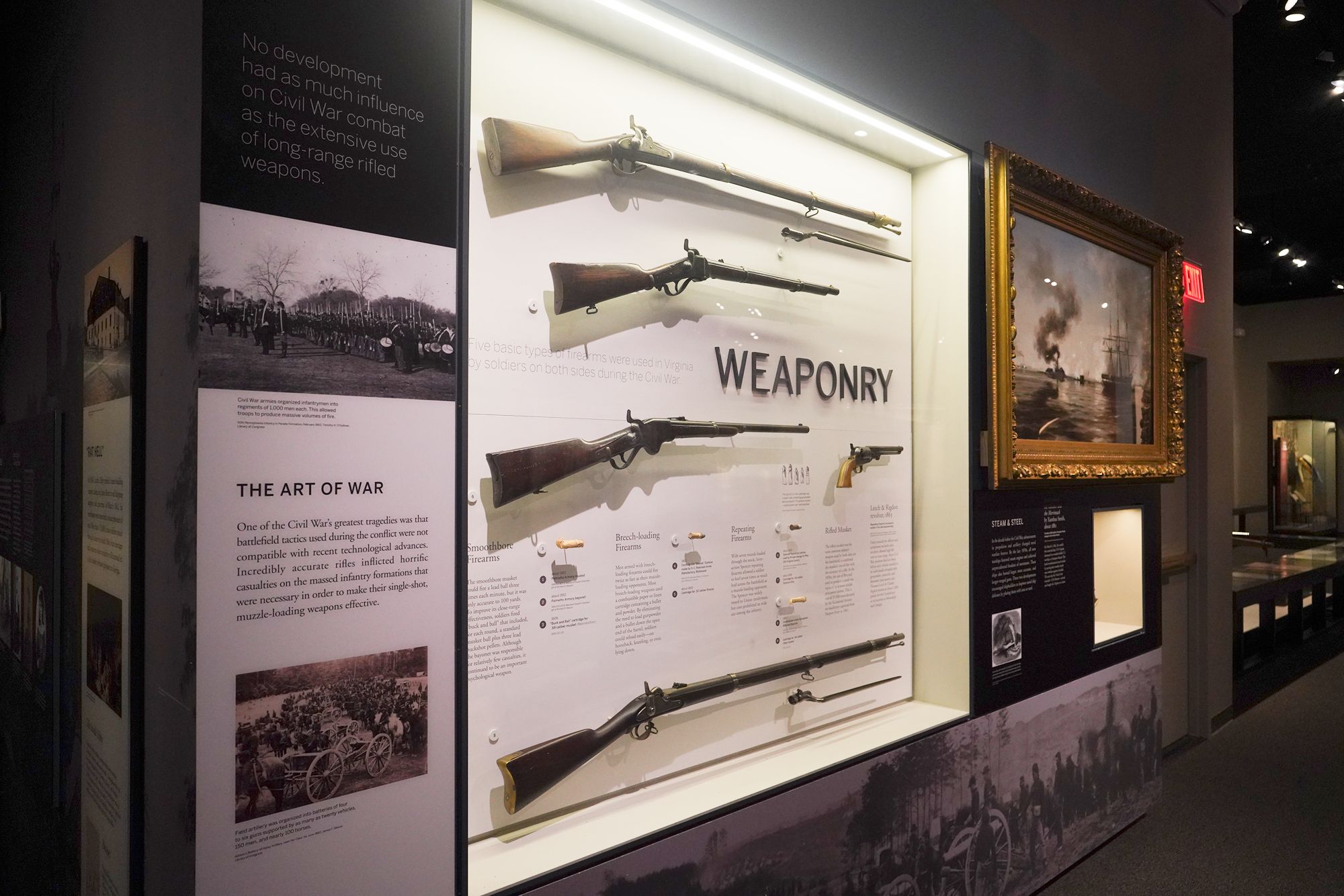
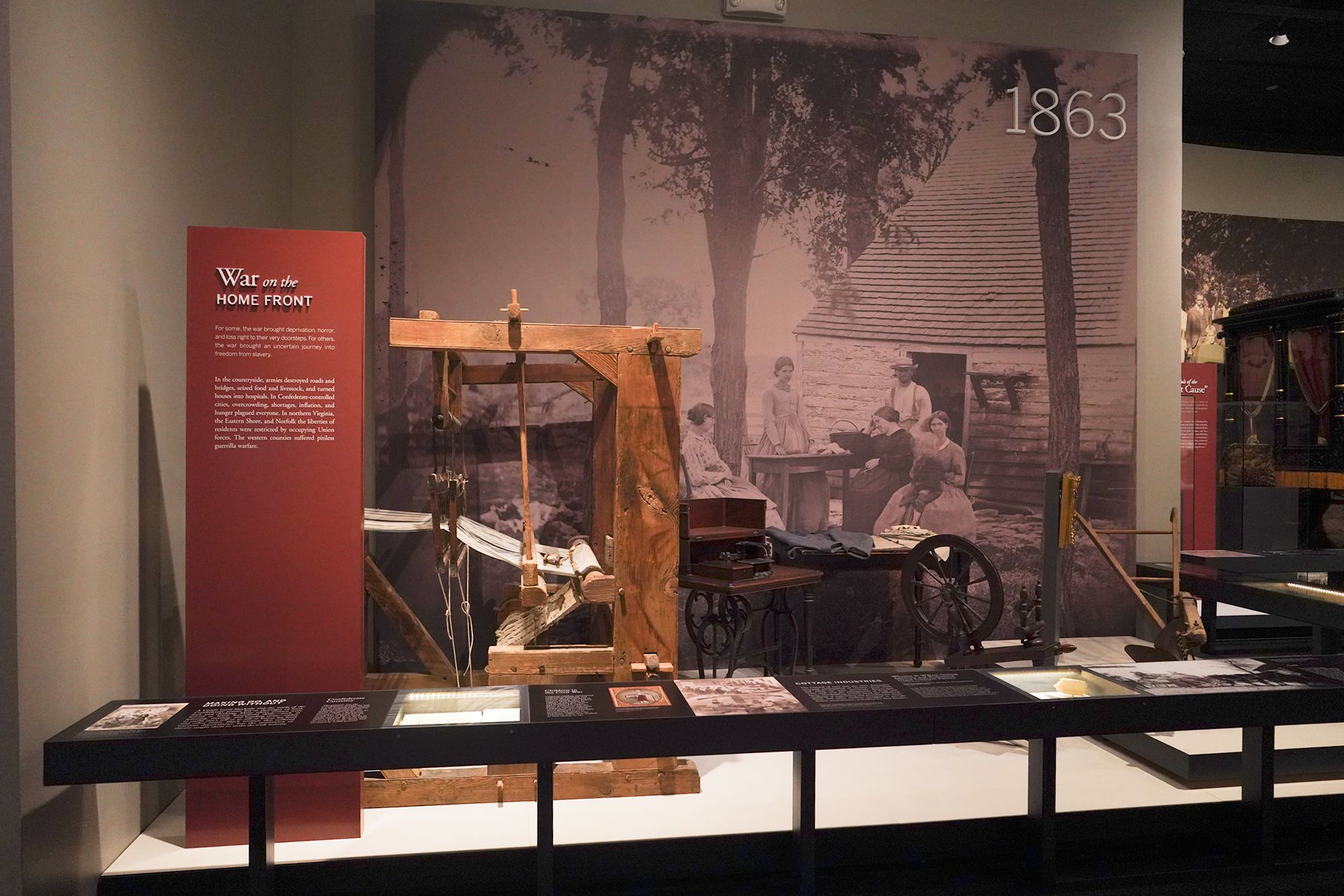
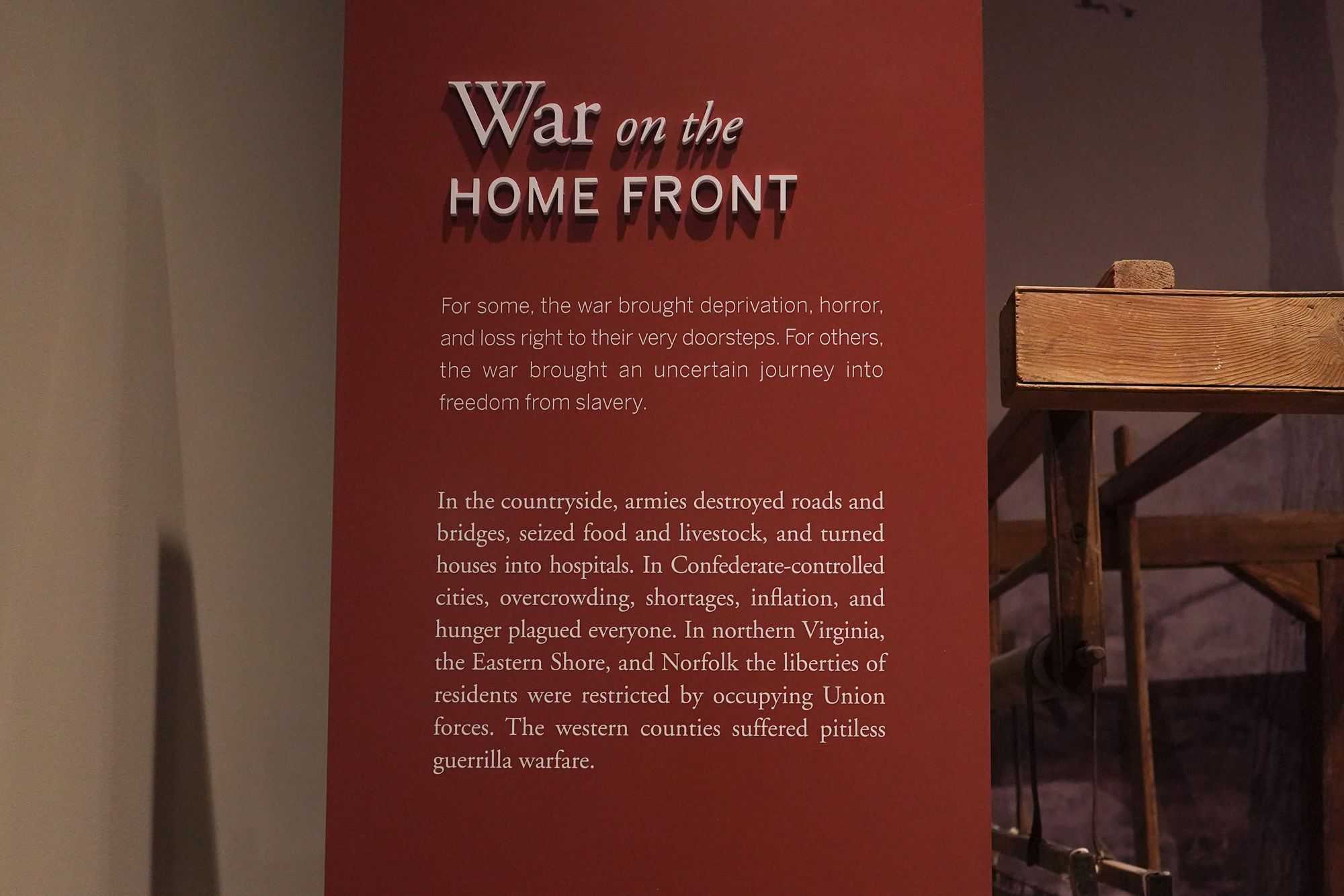
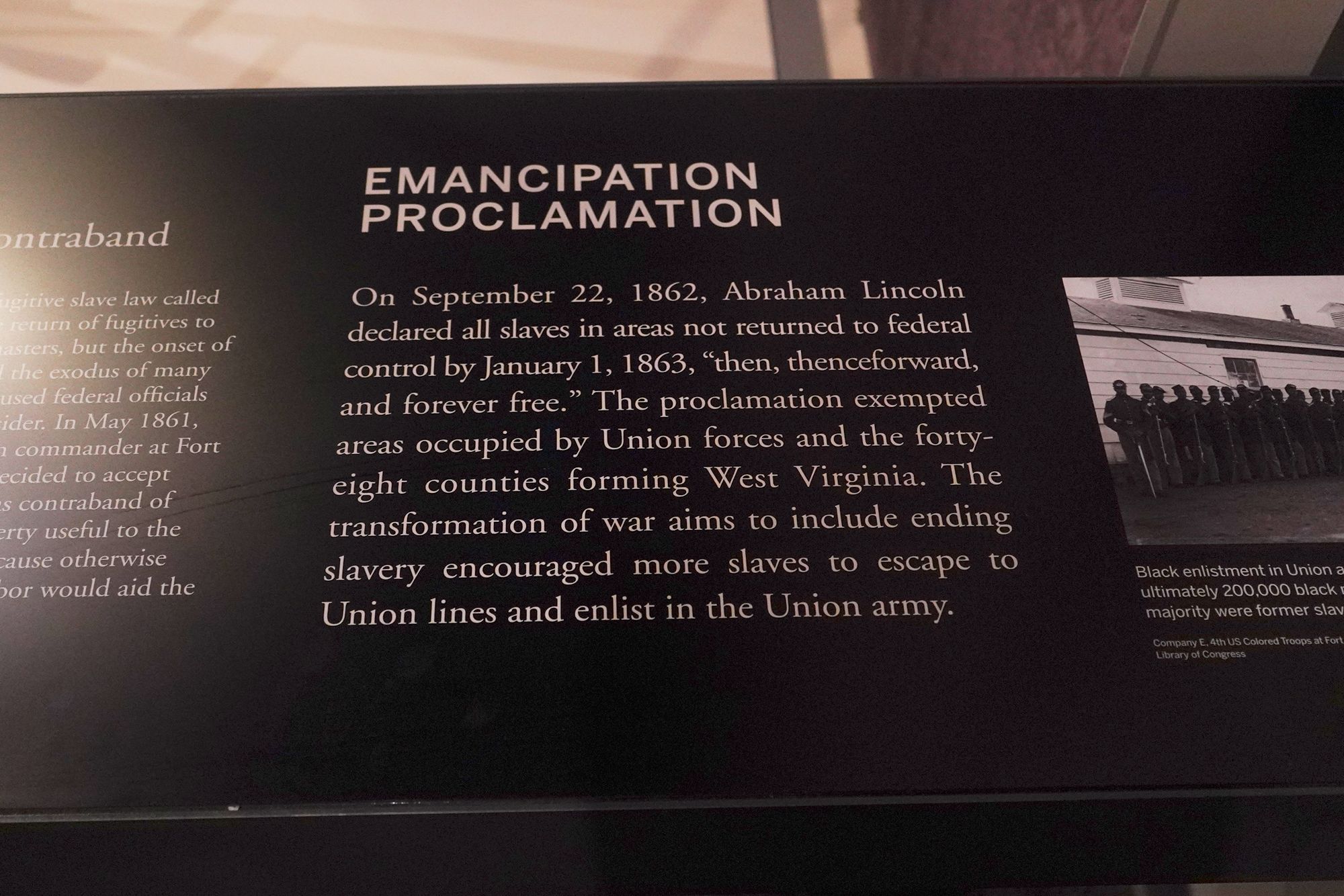
The Civil War
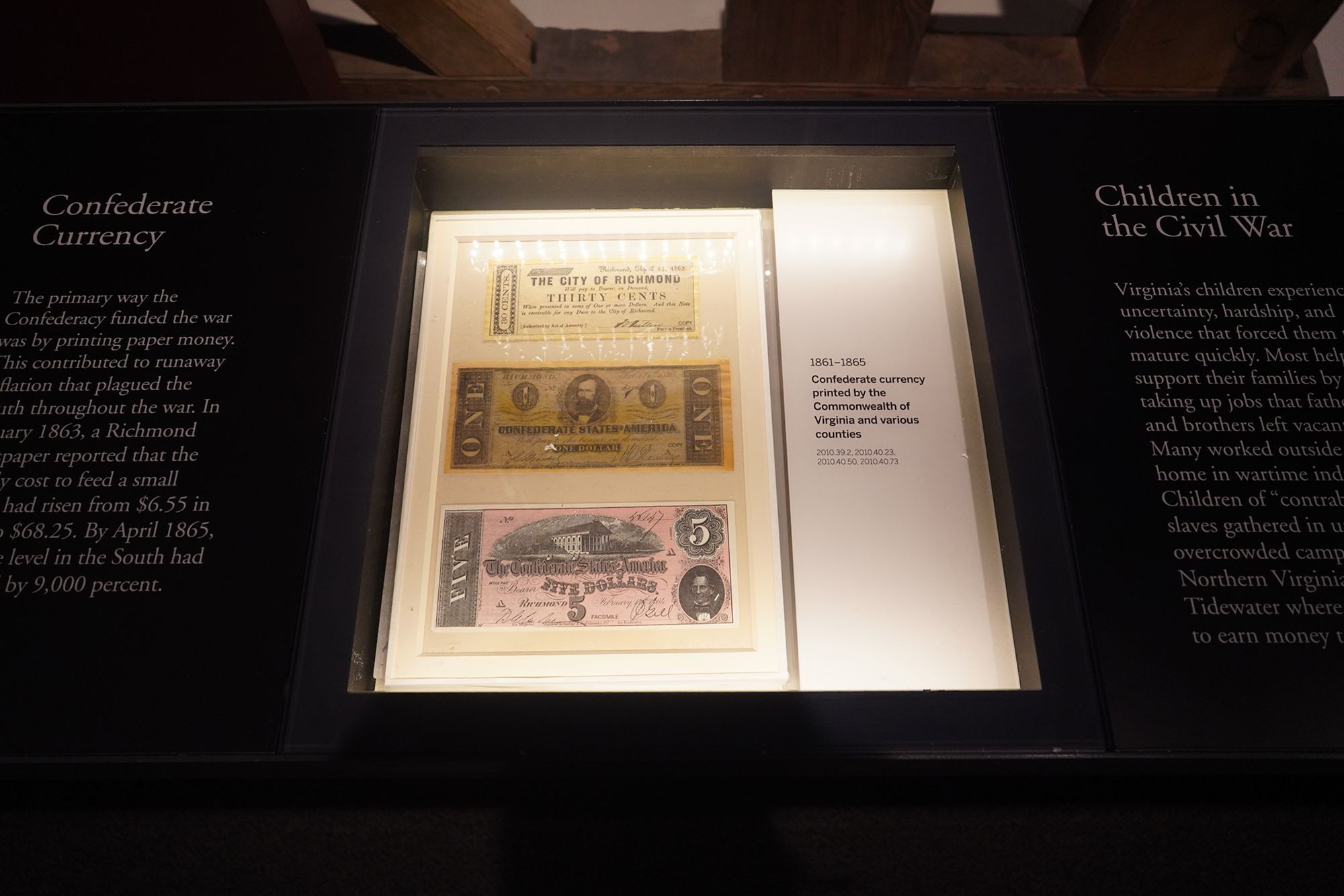
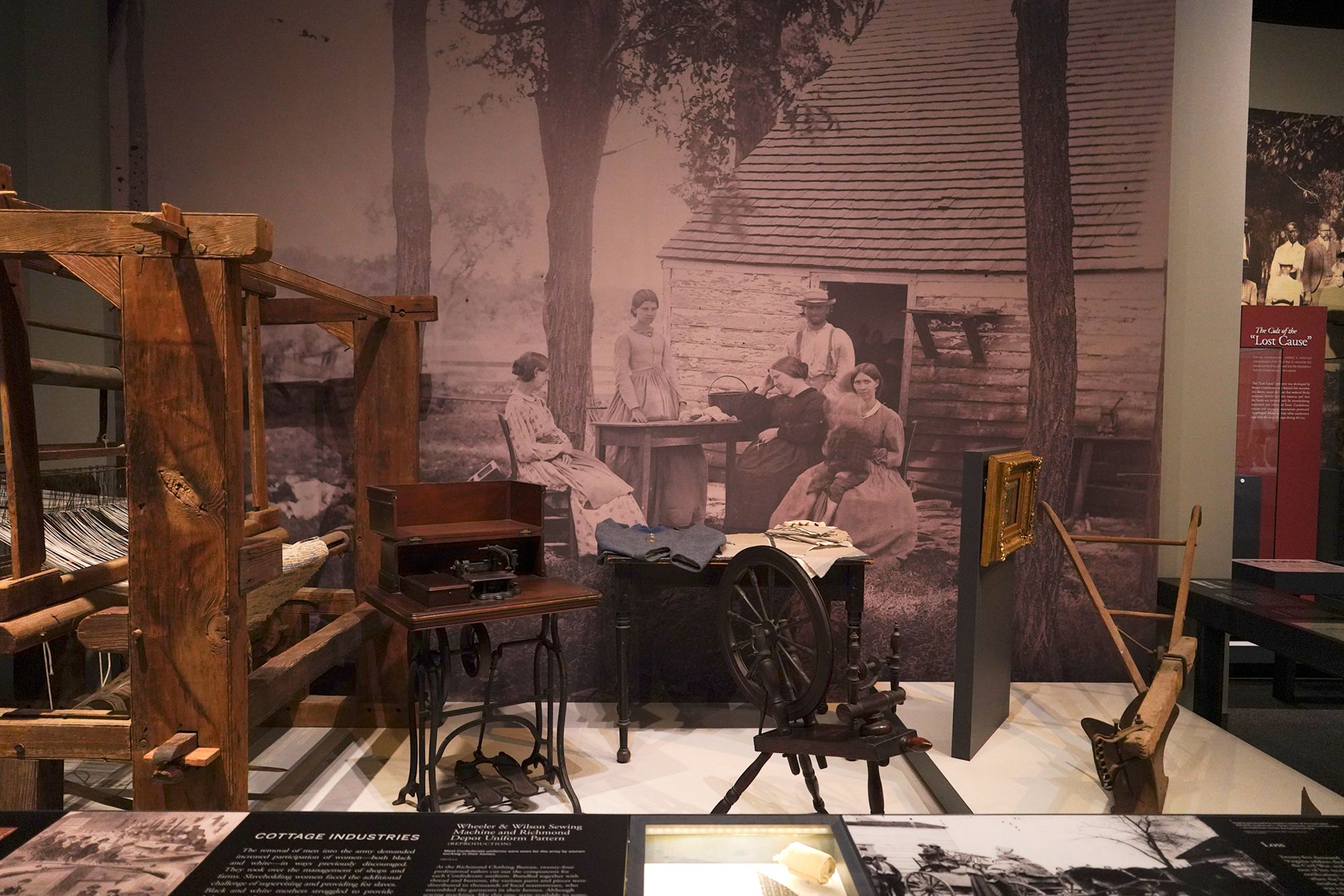
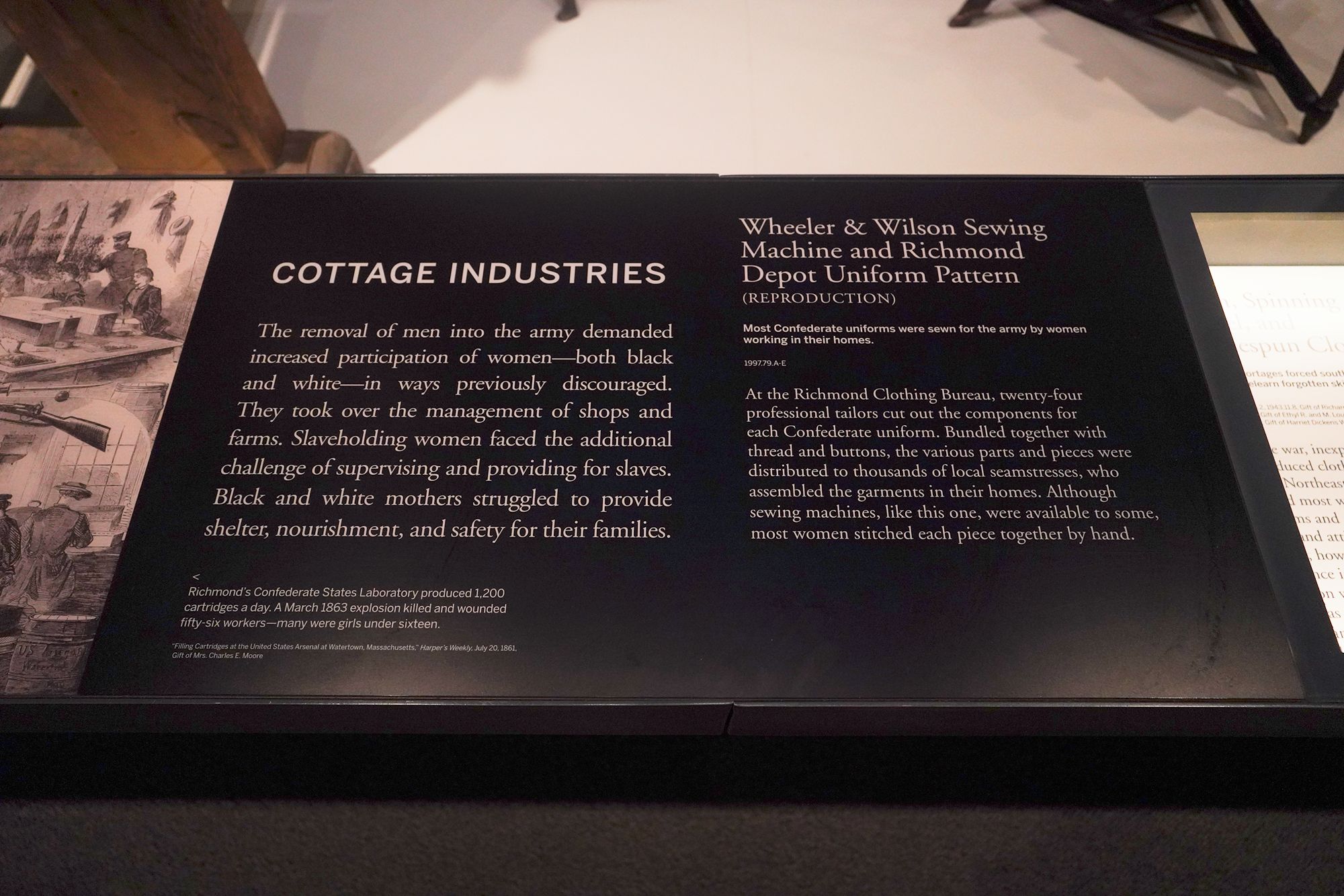
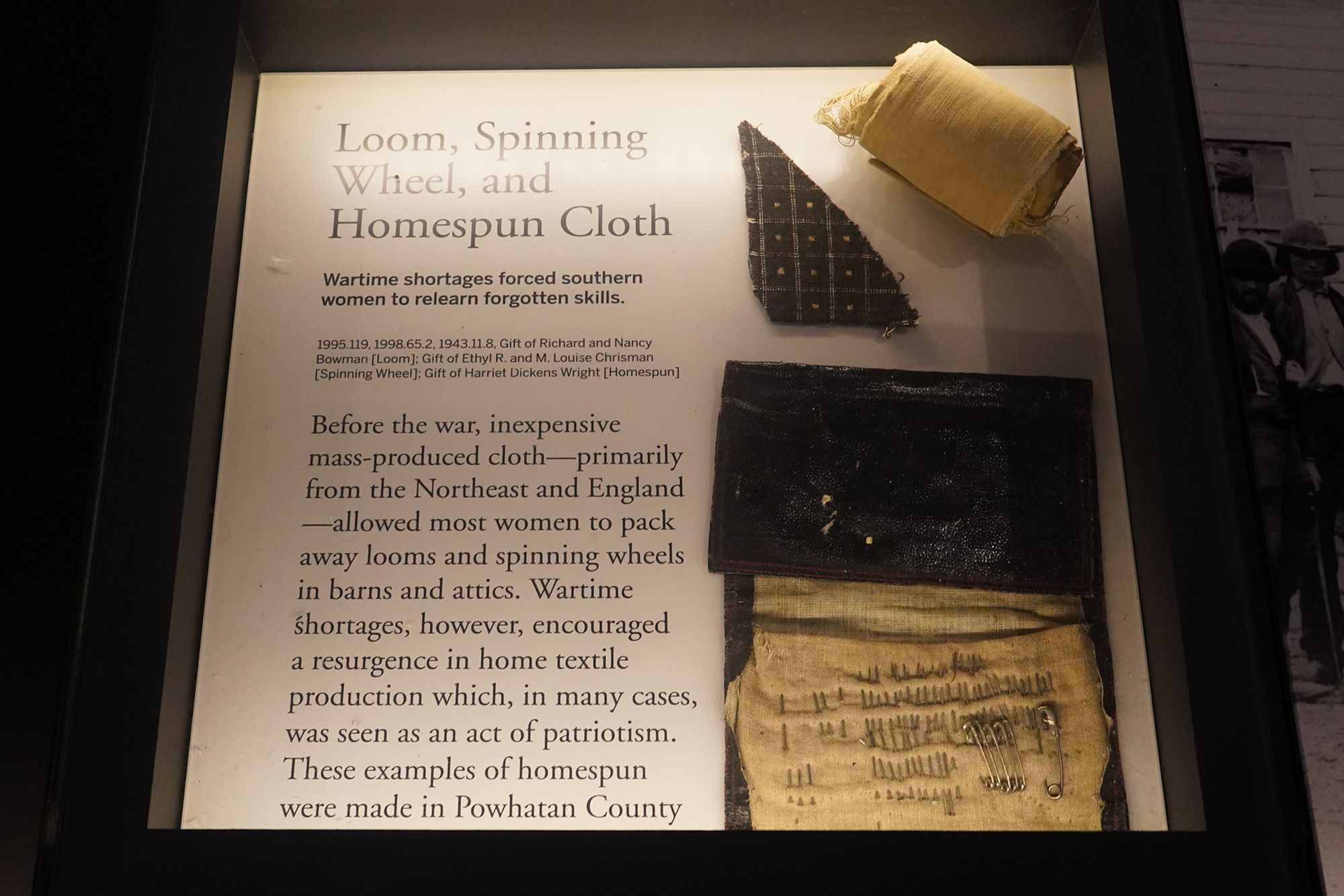
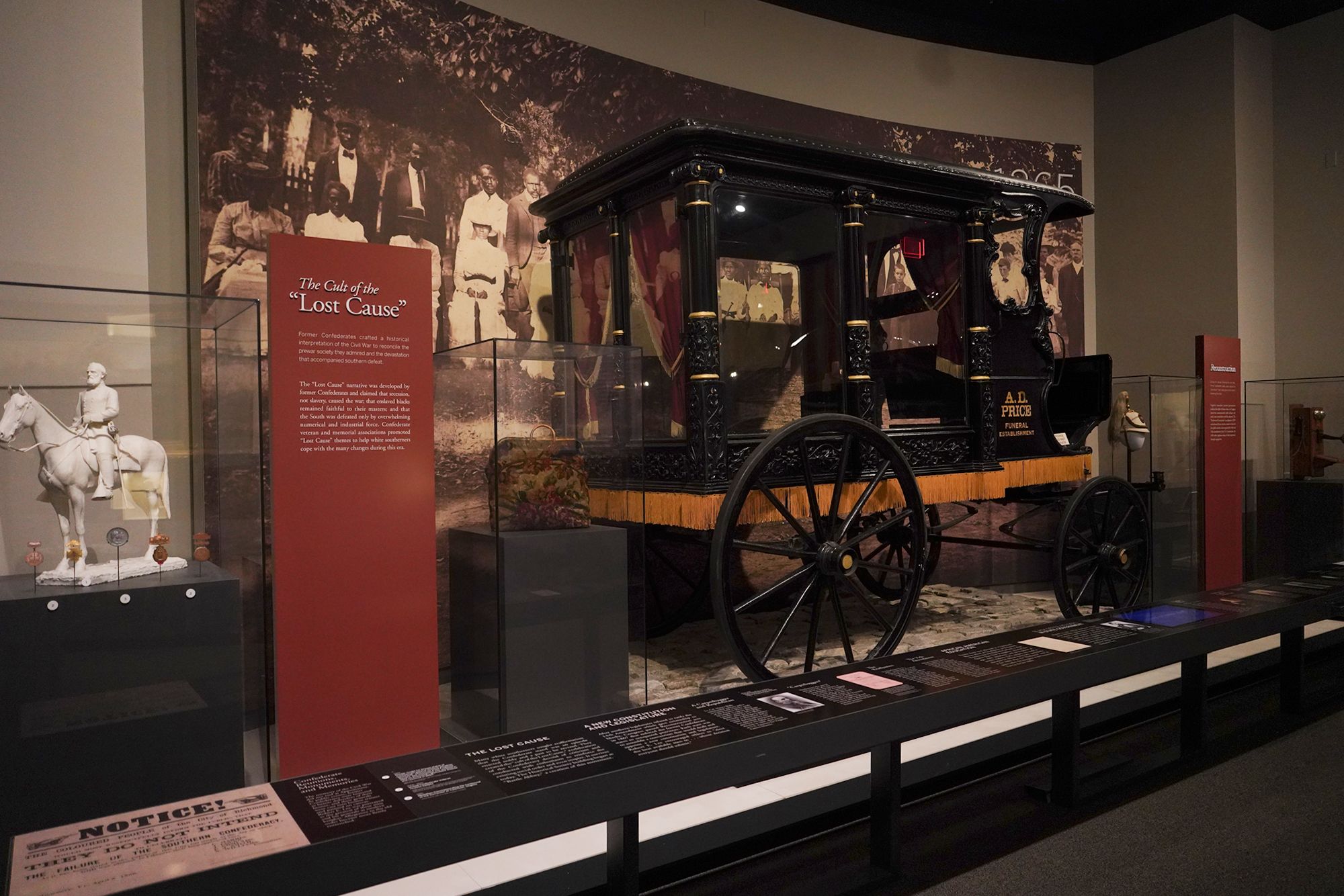
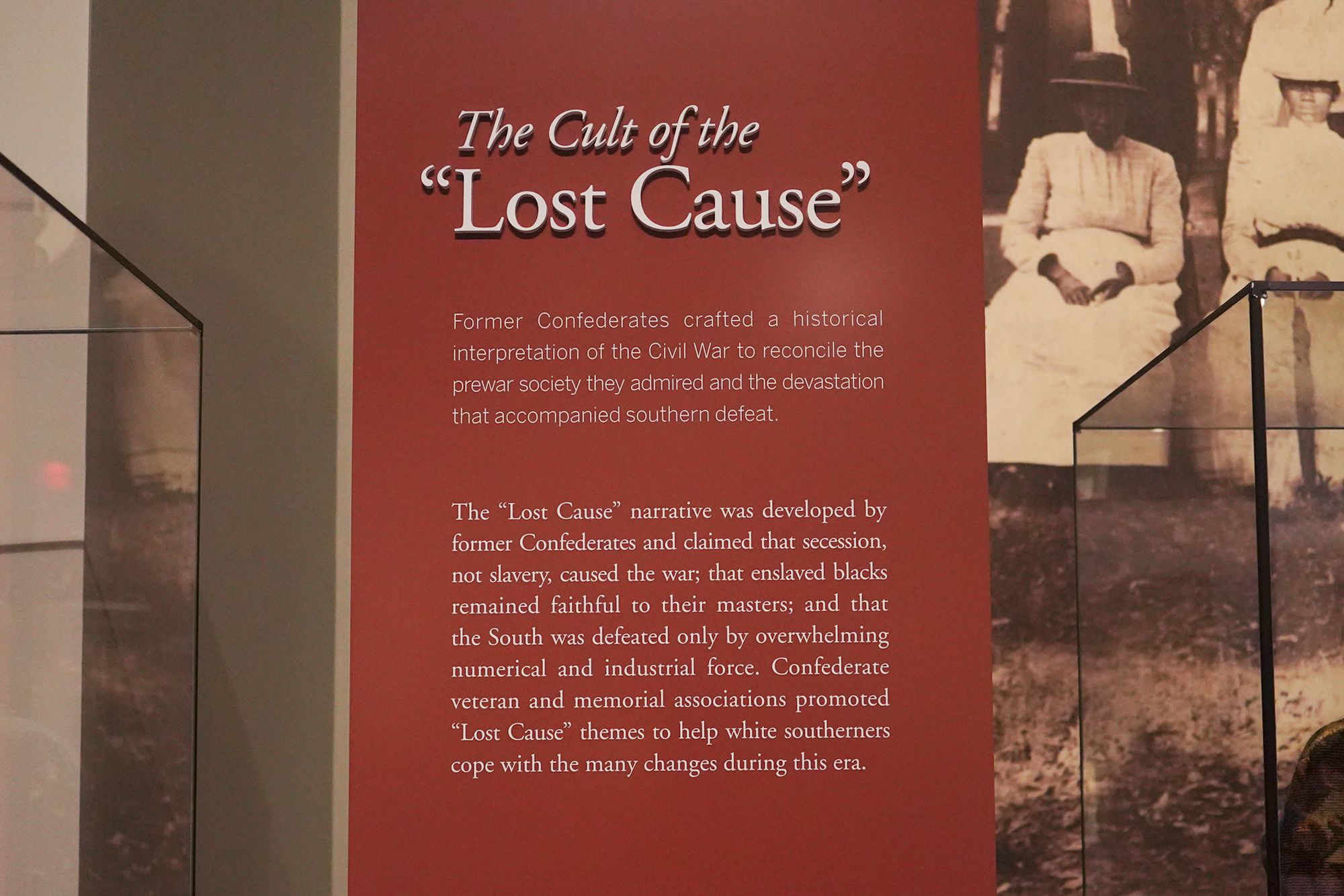
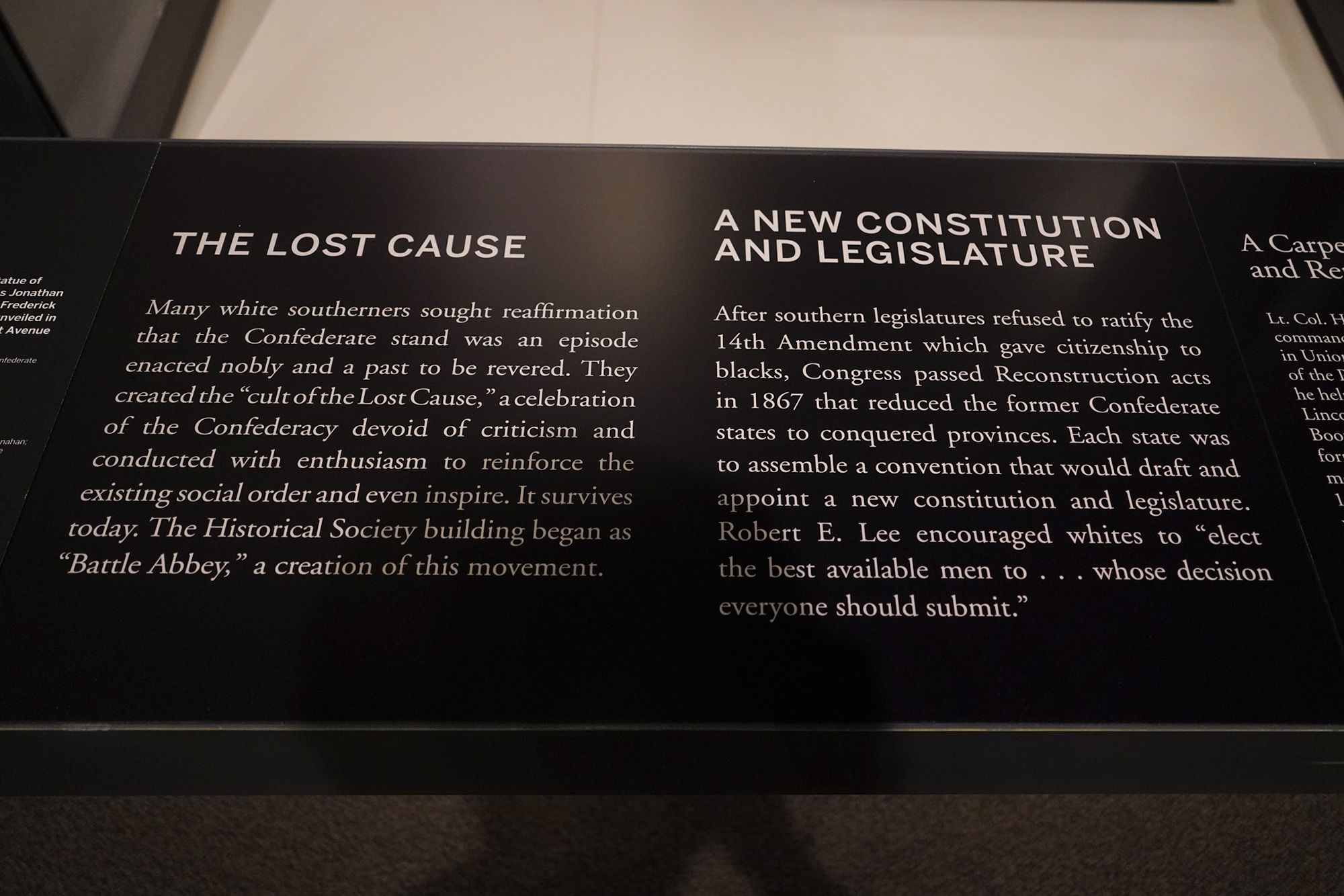
The Cult of the "Lost Cause" - The Cult of the “Lost Cause” was a post–Civil War ideology that emerged in the American South to romanticize and justify the Confederate cause. Promoted by former Confederates, writers, and groups like the United Daughters of the Confederacy, it portrayed the Confederacy’s defeat as noble rather than wrong and depicted the war as a defense of states’ rights and southern honor, while minimizing the role of slavery as its central cause.
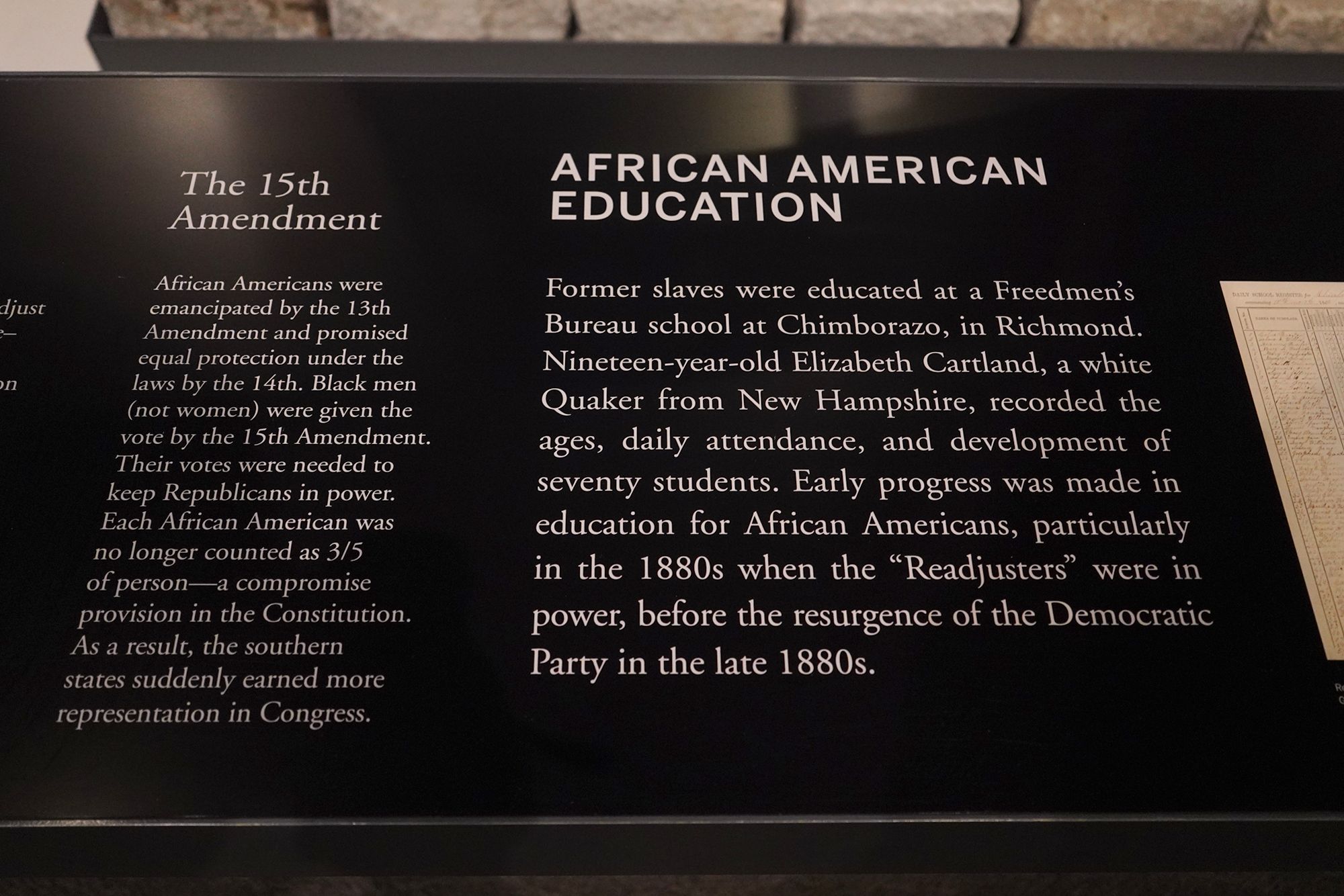
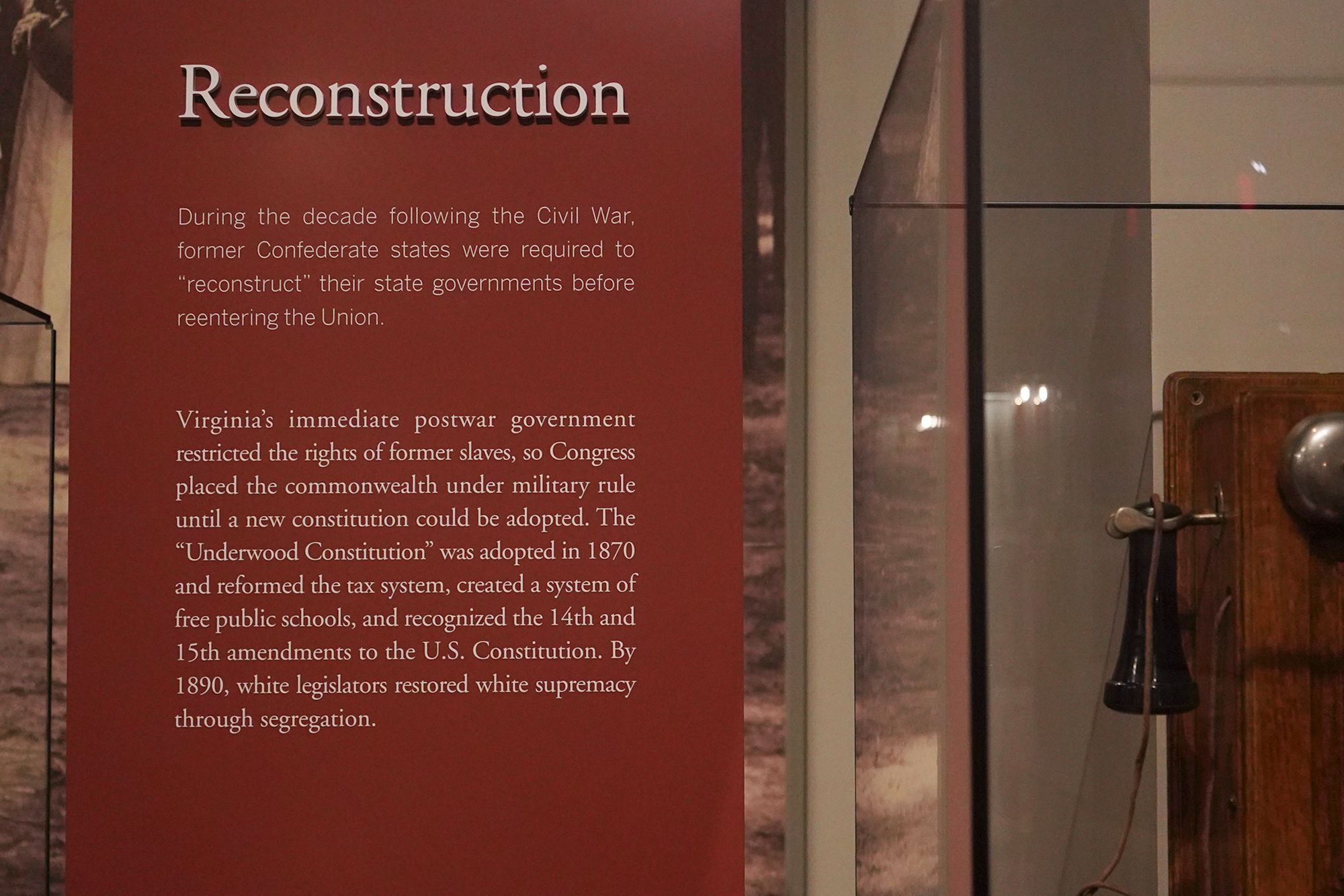
The 15th Amendment - The 15th Amendment to the United States Constitution, ratified in 1870, granted African American men the right to vote by declaring that the right to vote could not be denied or restricted by the federal or state governments “on account of race, color, or previous condition of servitude.”
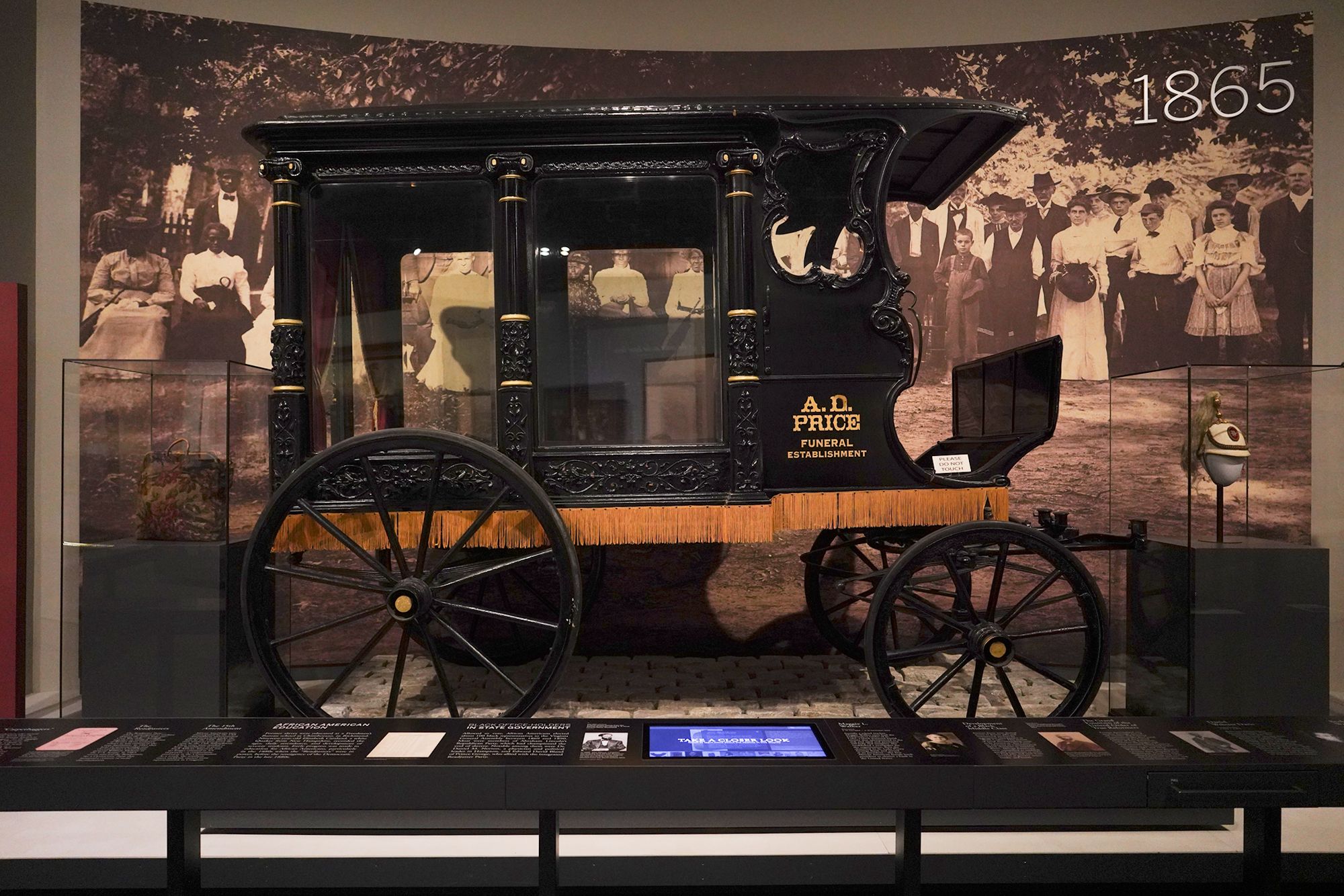
Reconstruction was the period from 1865 to 1877 following the American Civil War, when the United States worked to rebuild the South and reintegrate the former Confederate states into the Union. It was also a time of profound social and political change, as the nation confronted the challenge of defining freedom for nearly four million formerly enslaved people.
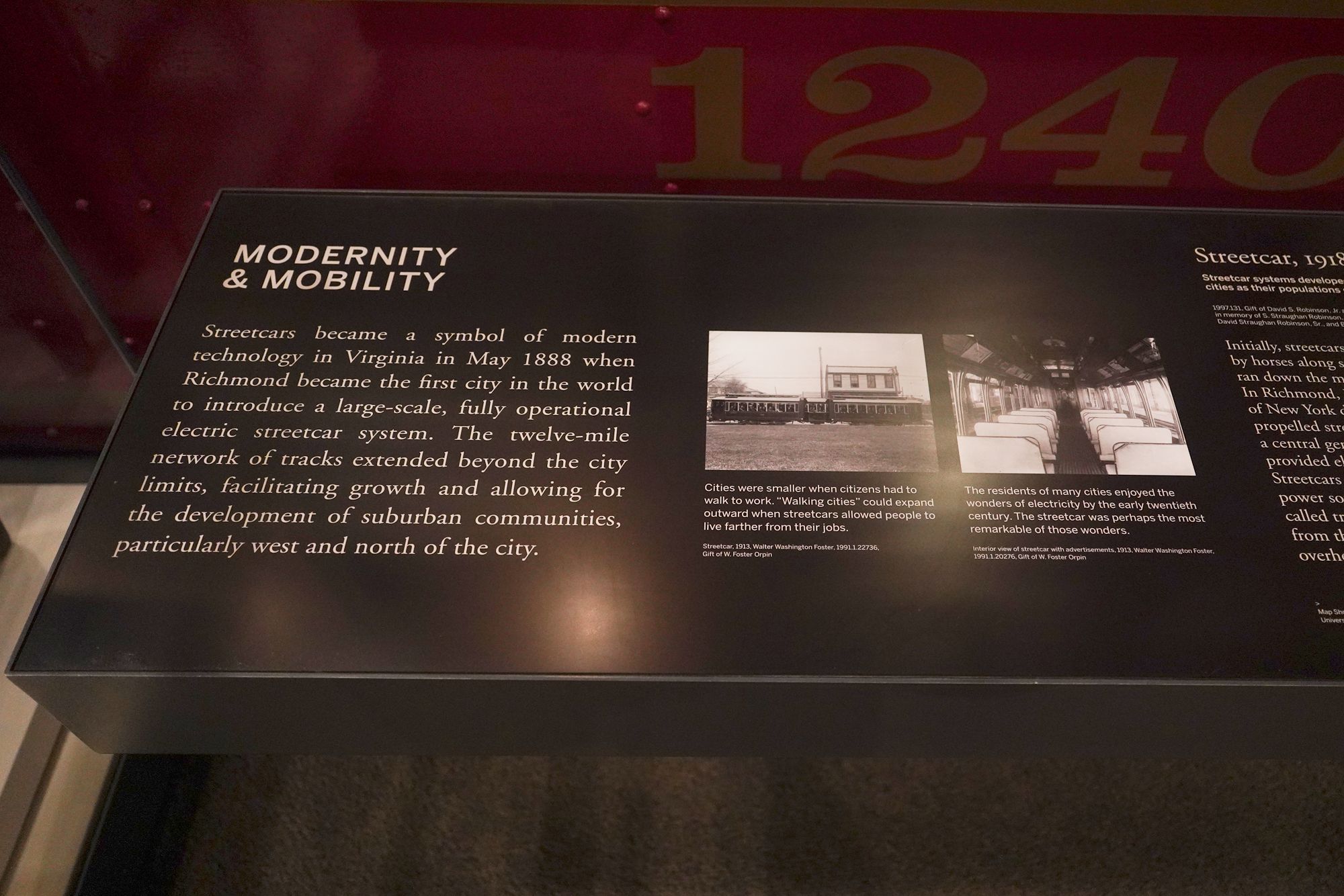
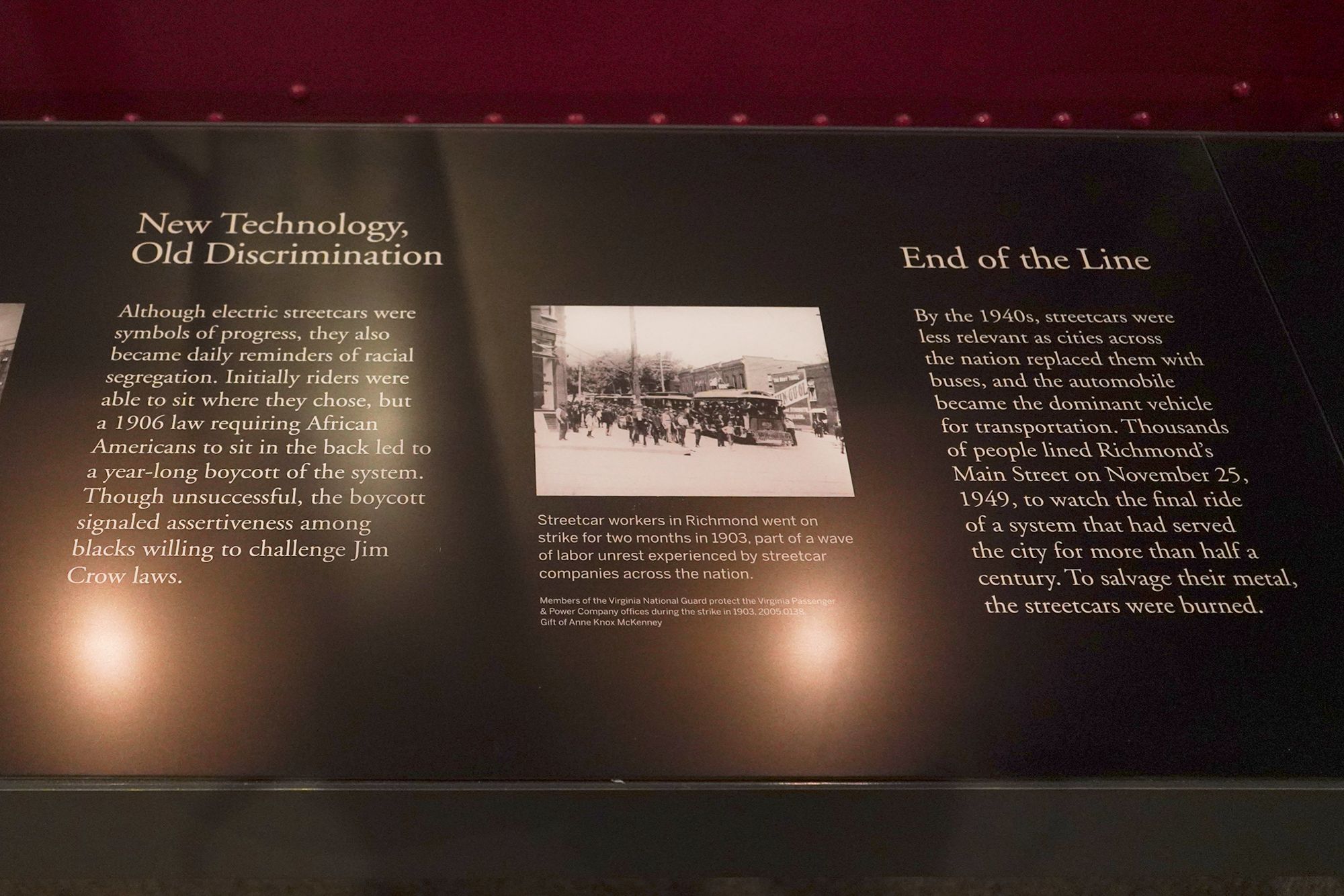
Modernity

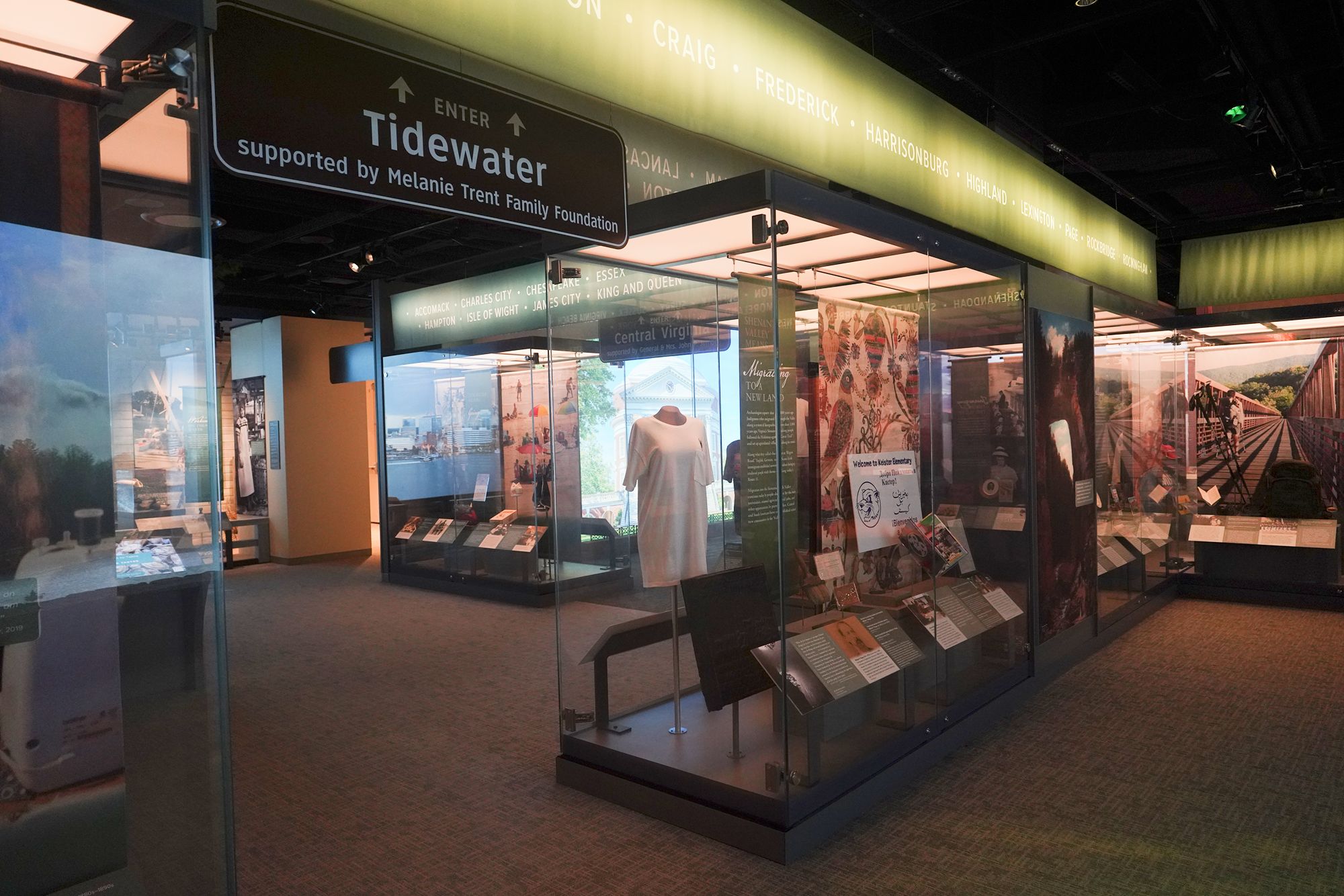
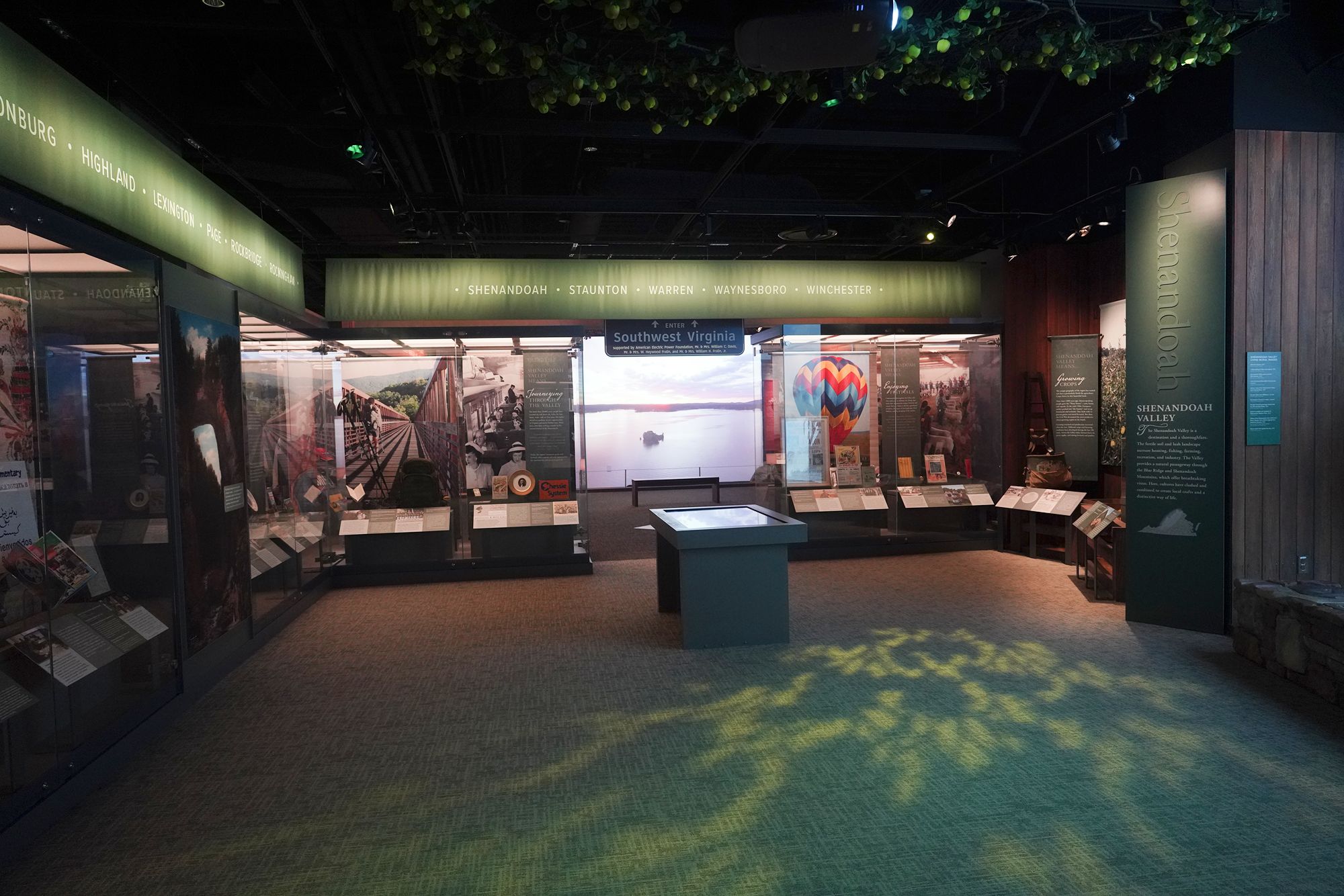
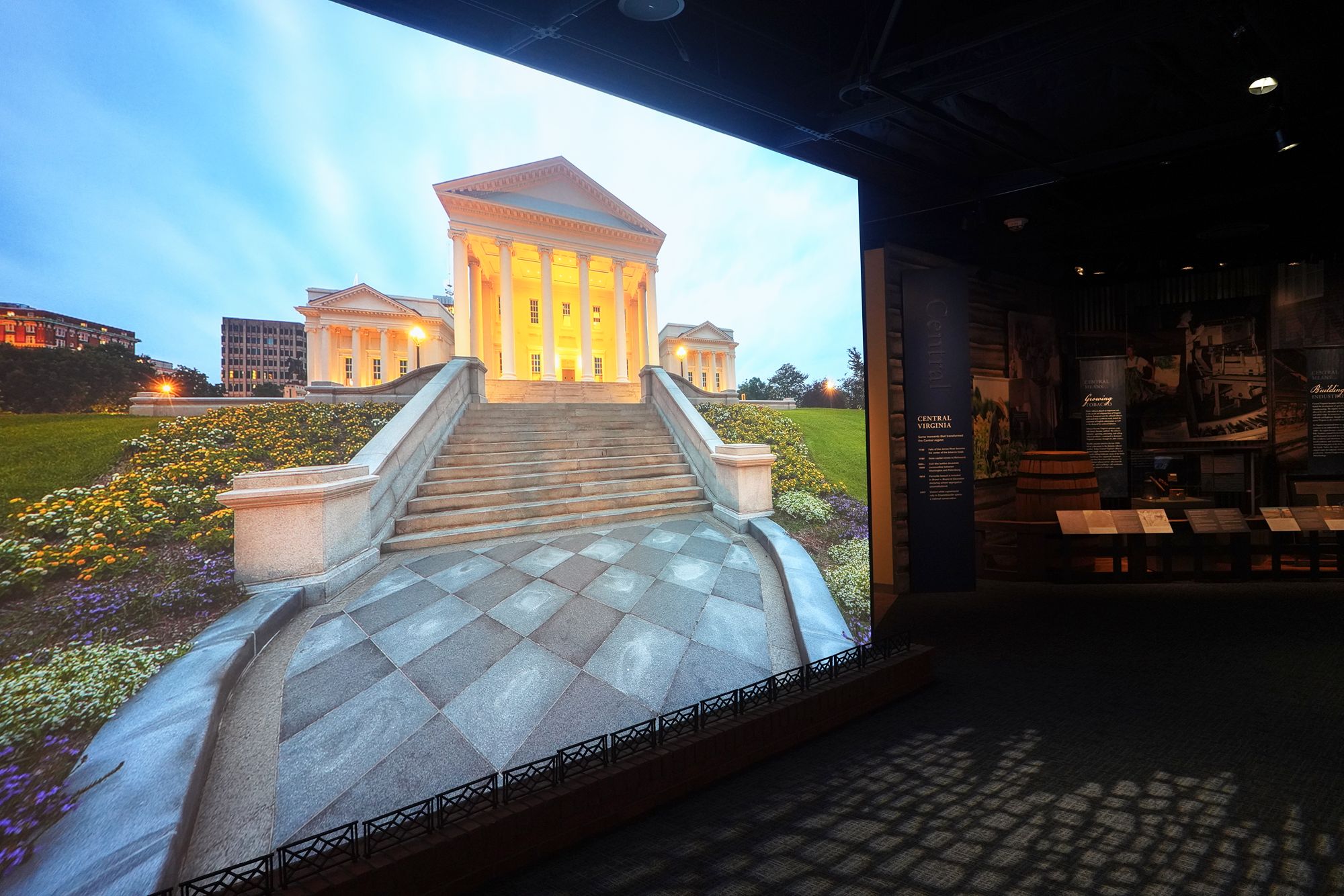
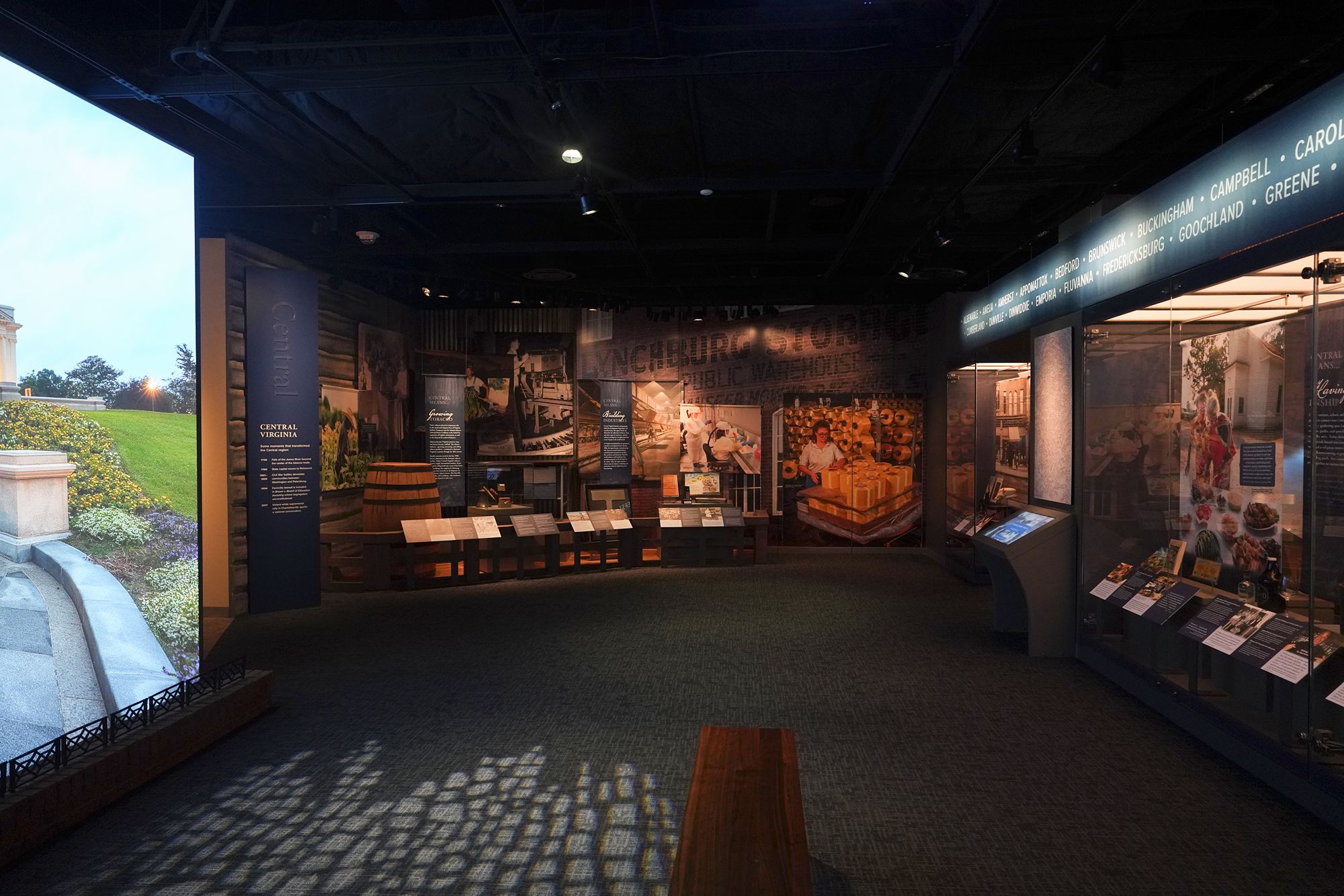
Virginia Now
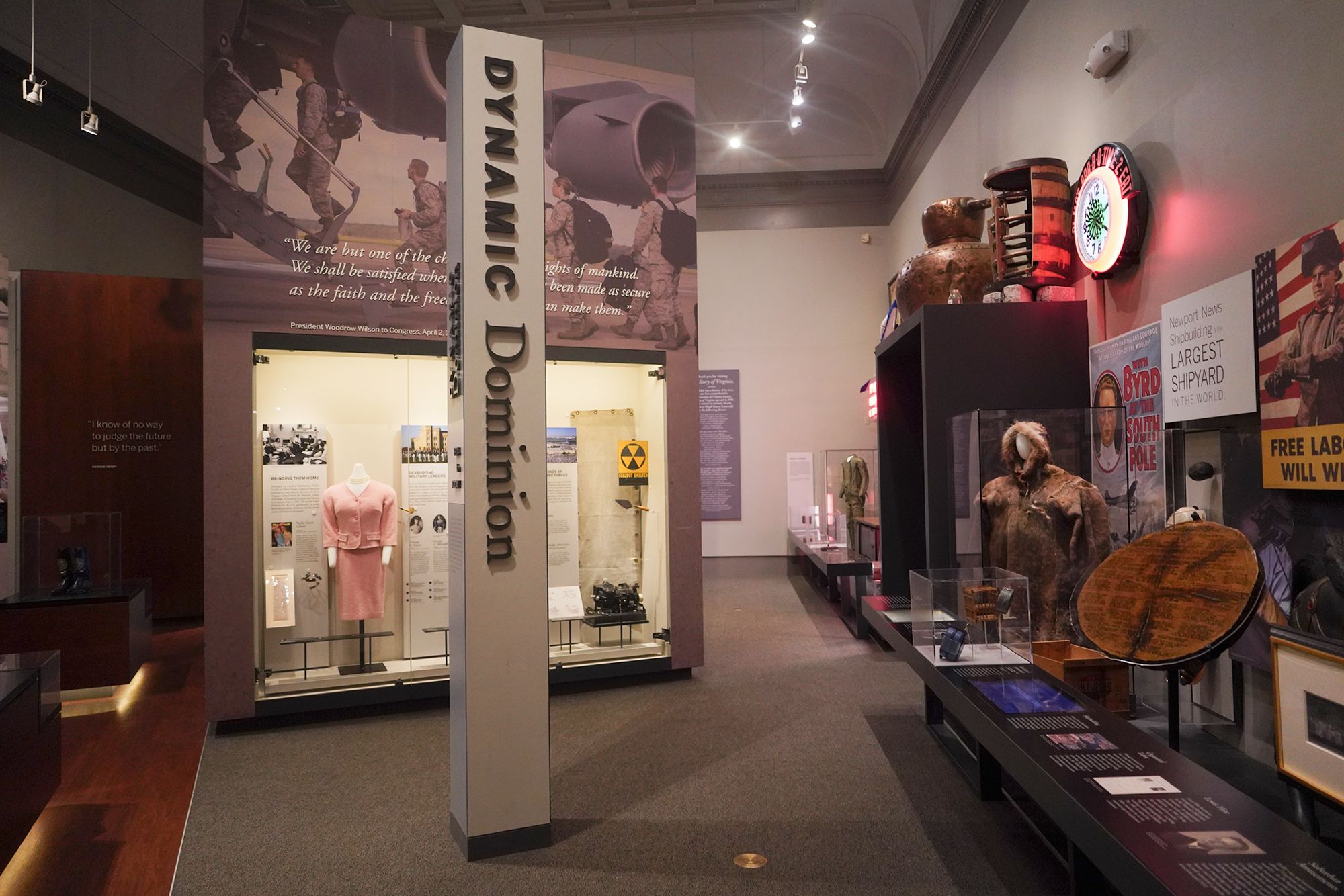
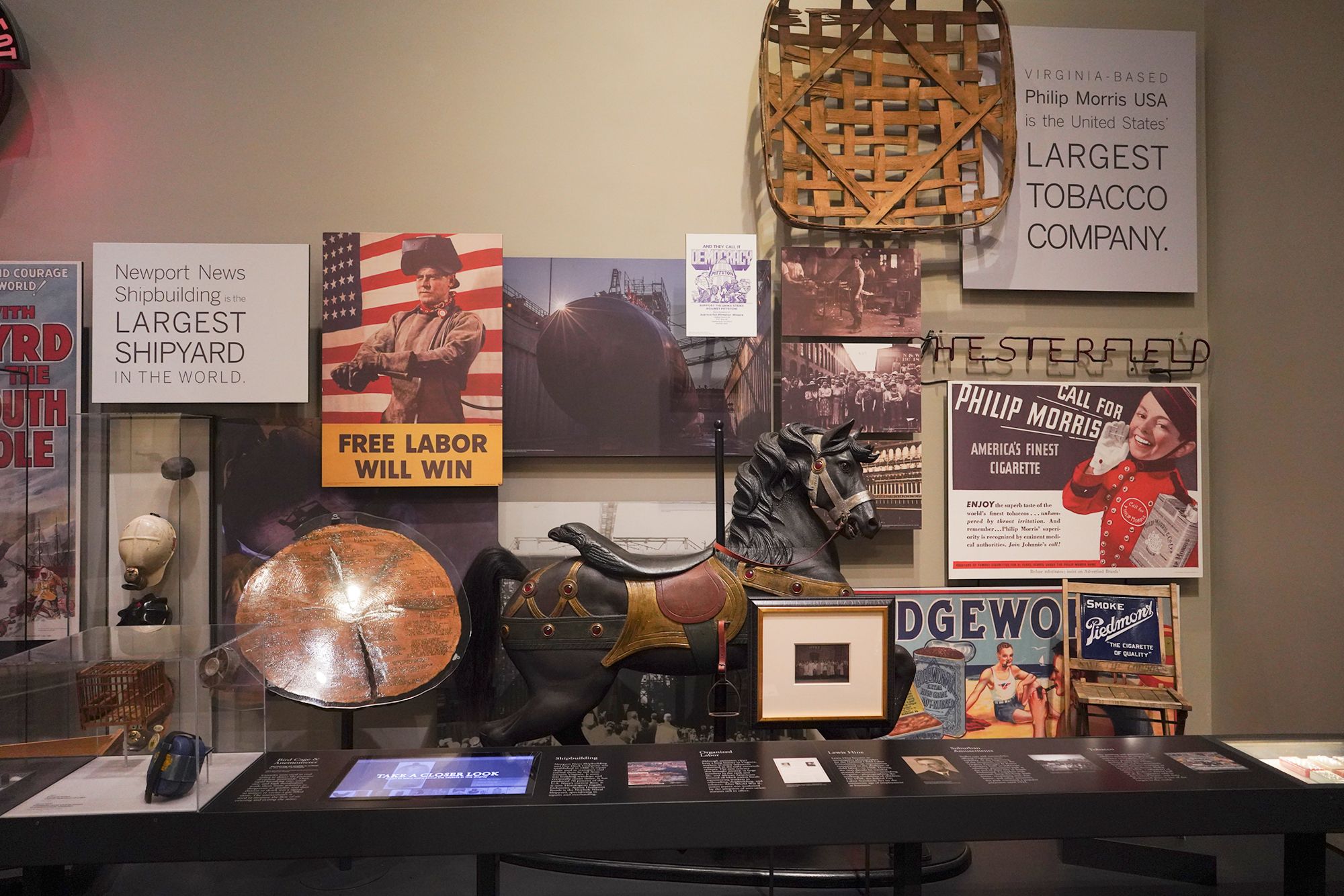
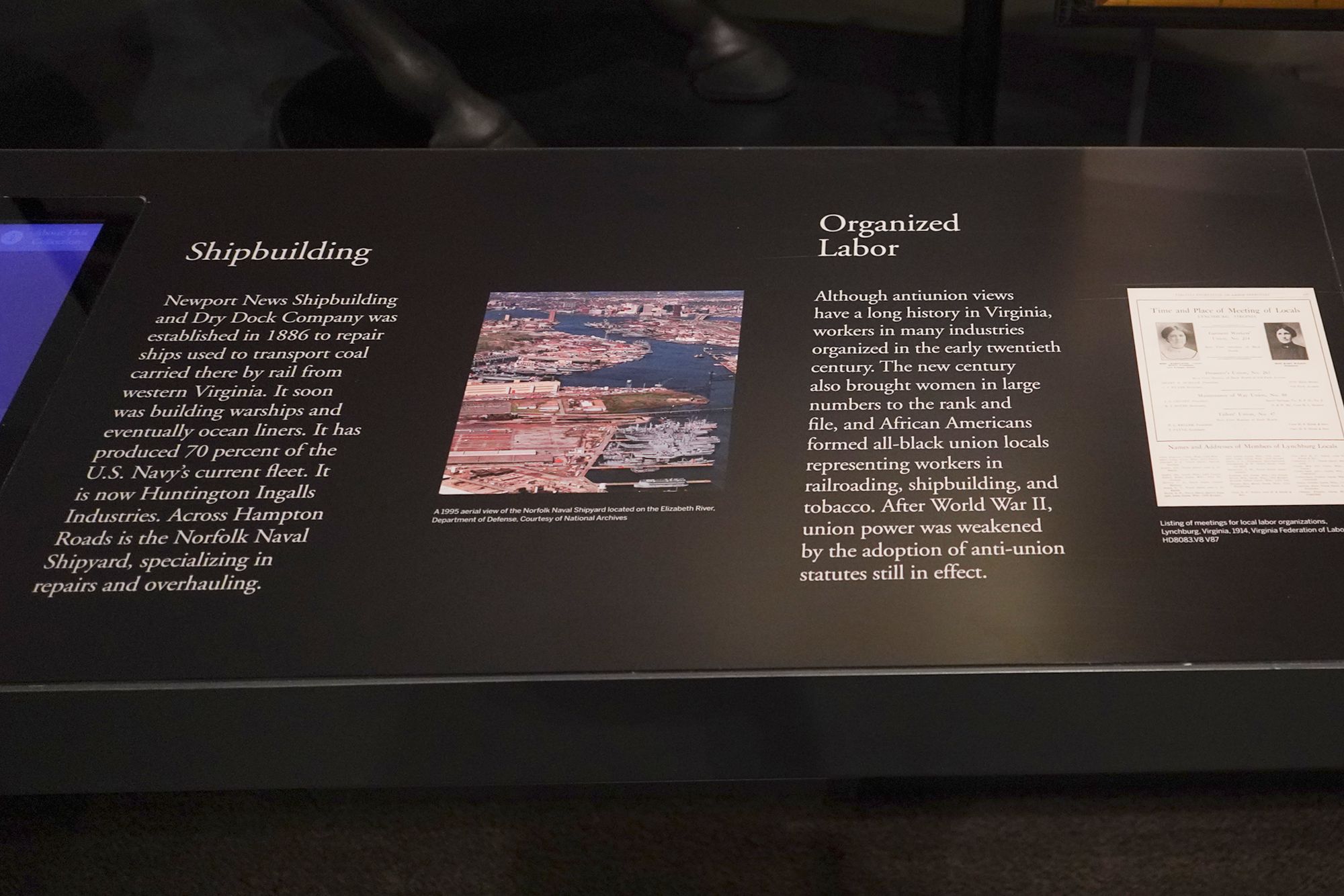
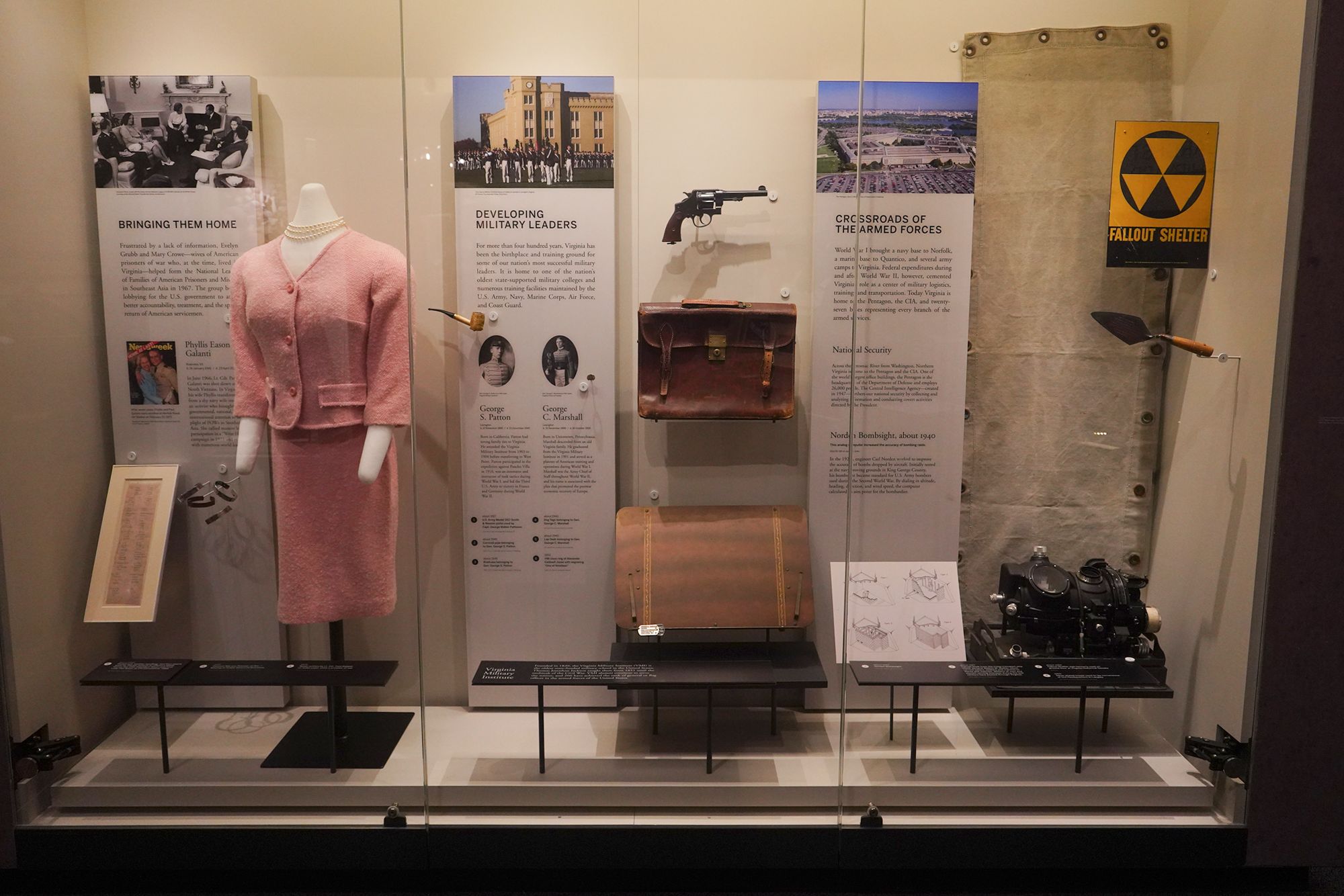
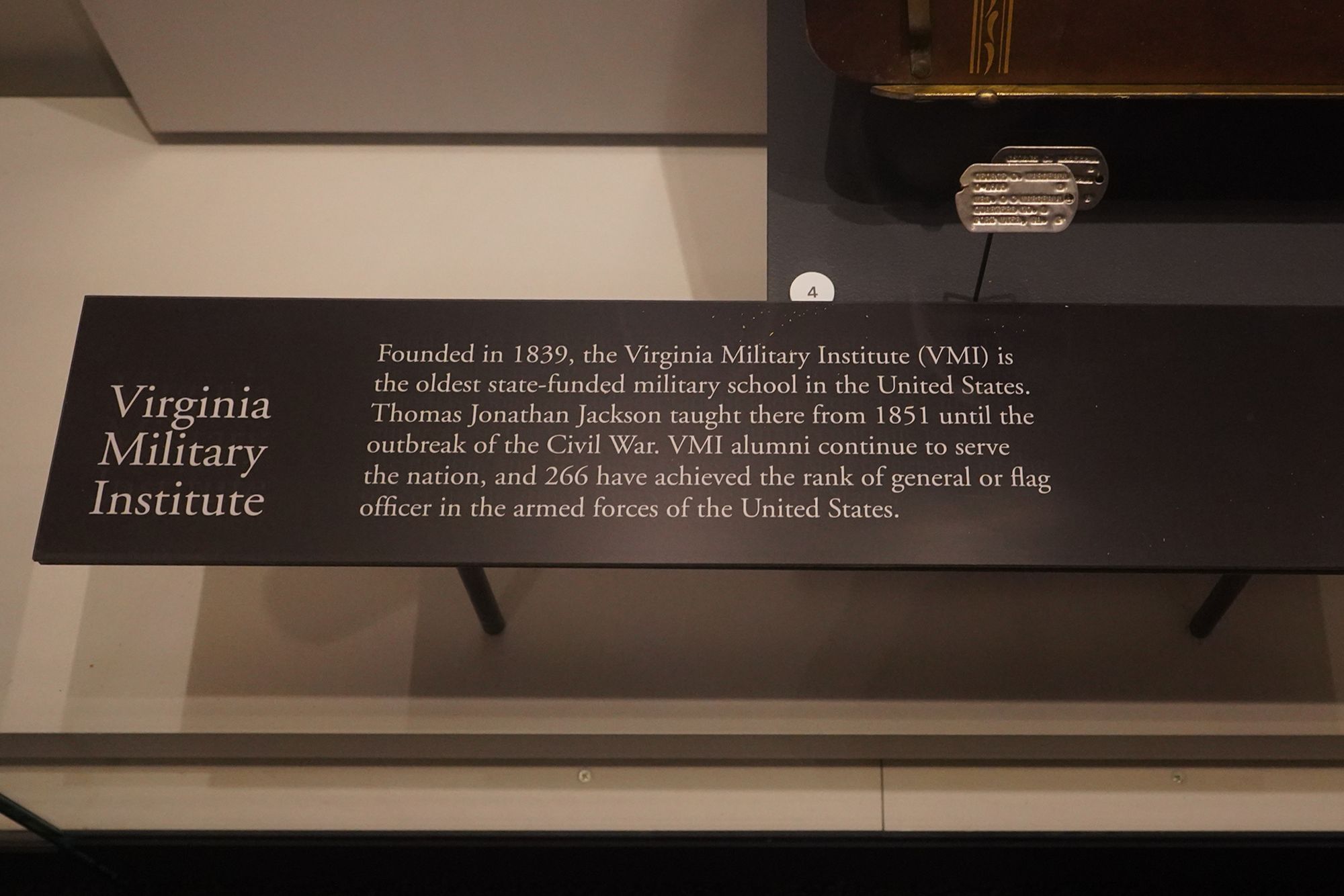

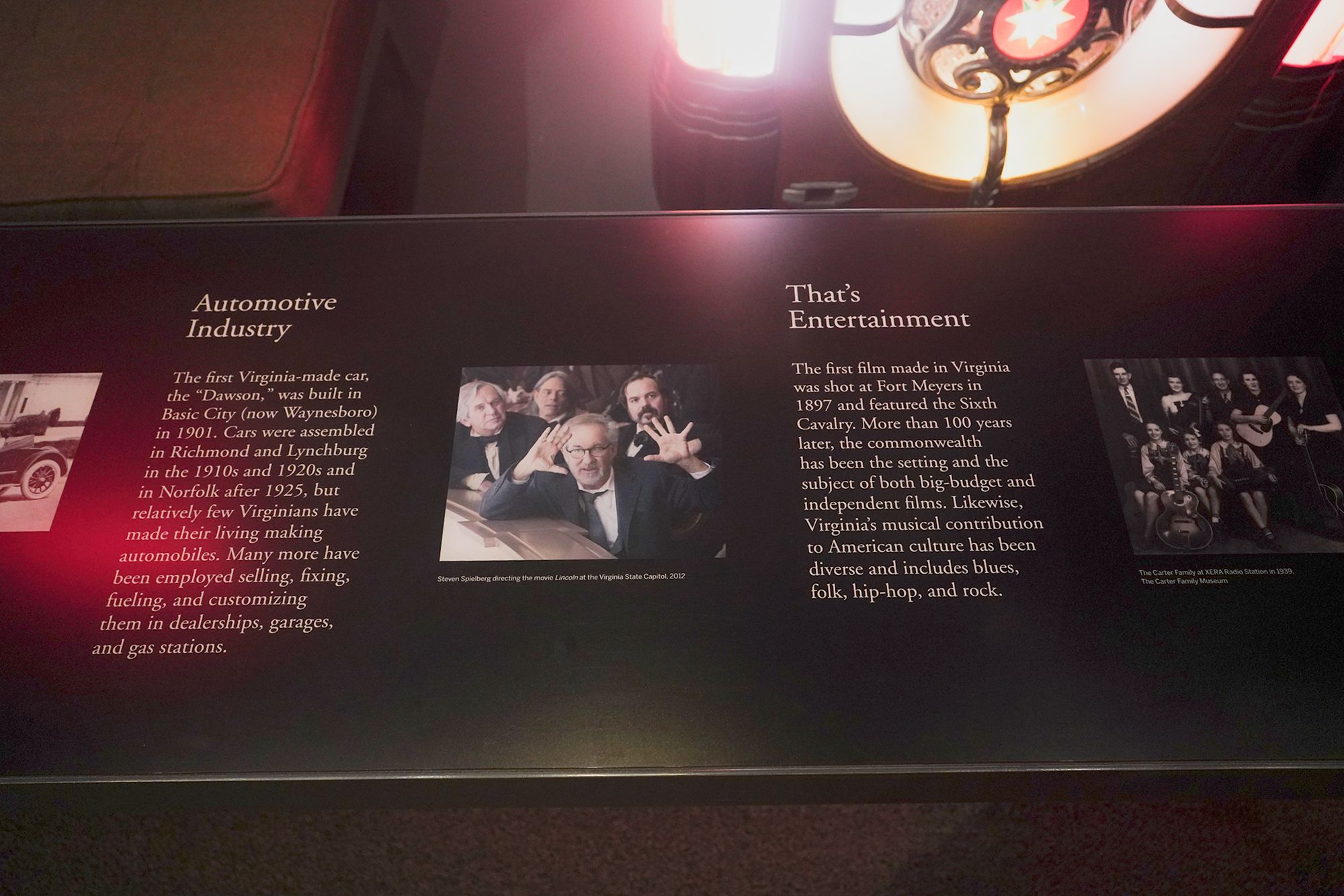
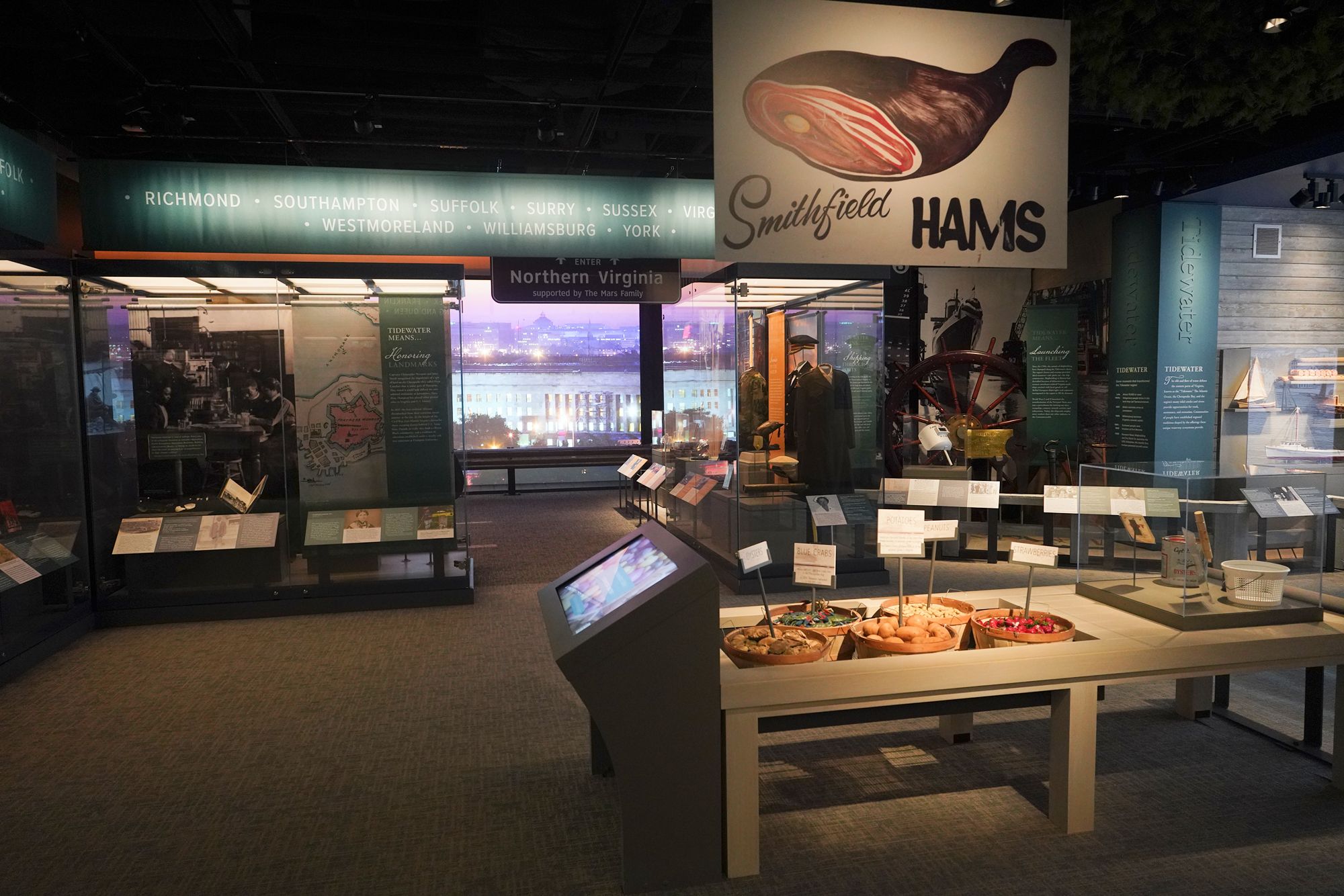
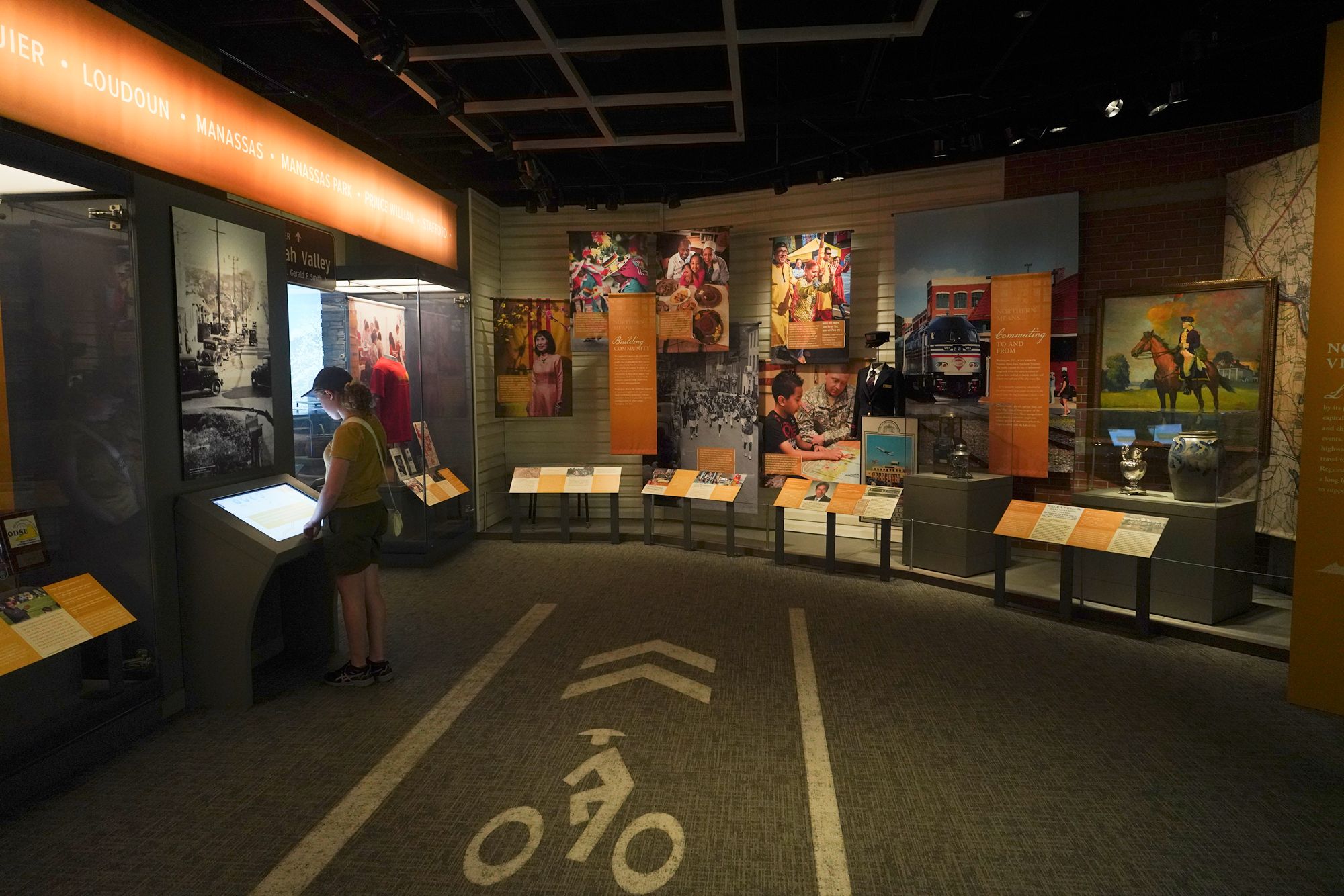
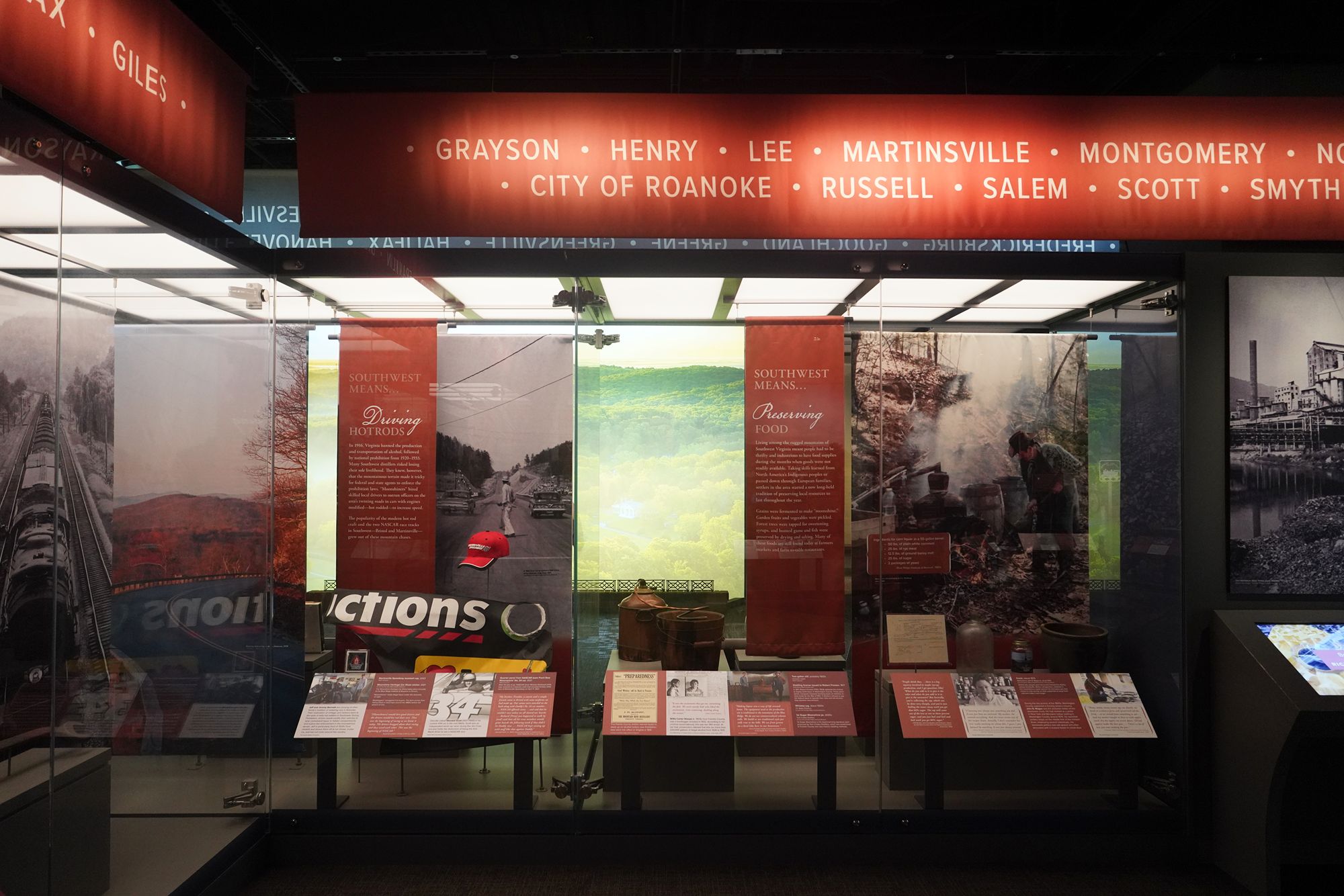
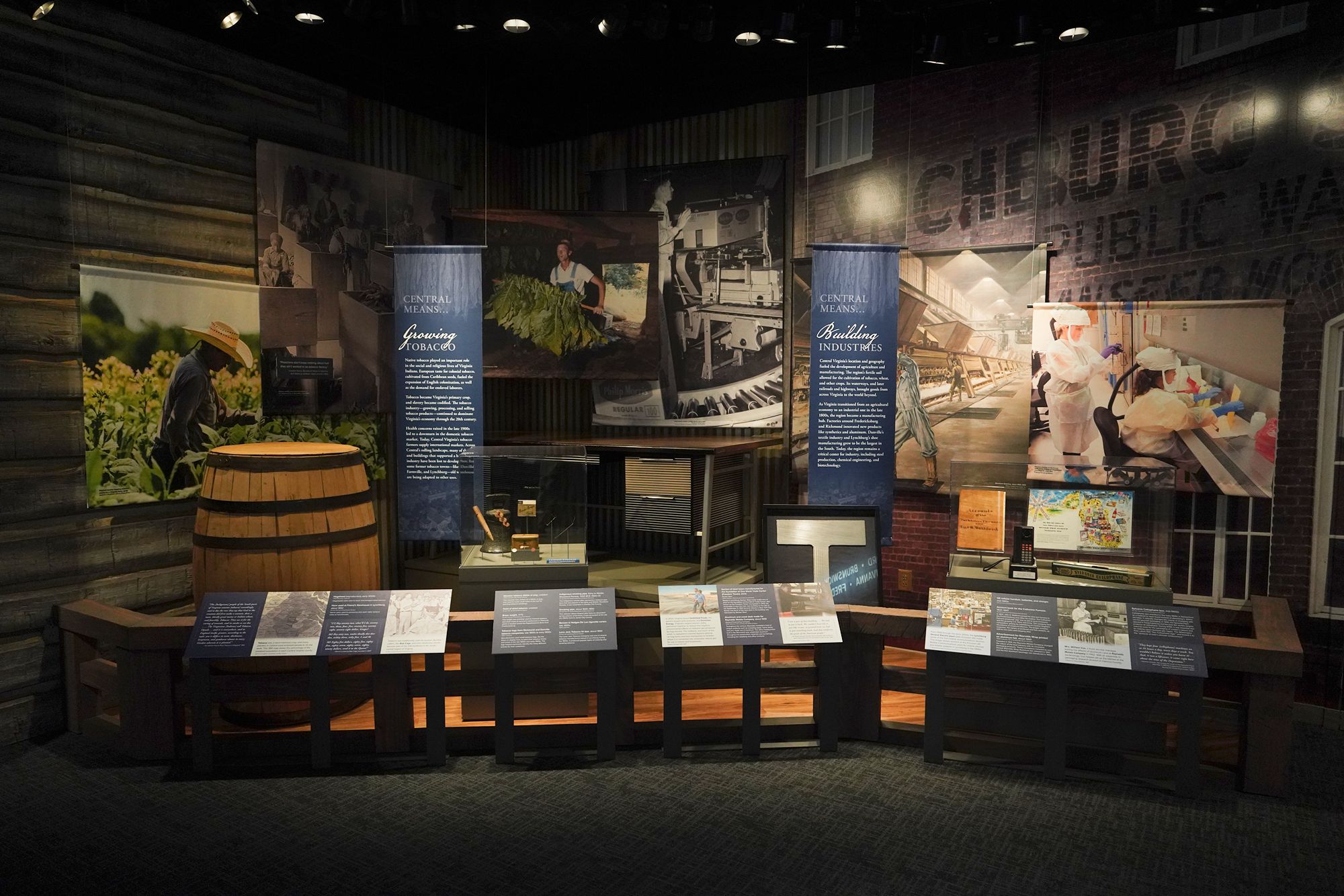
The museum was closing at this time, so I wasn’t able to thoroughly examine the exhibitions on "present-day Virginia."