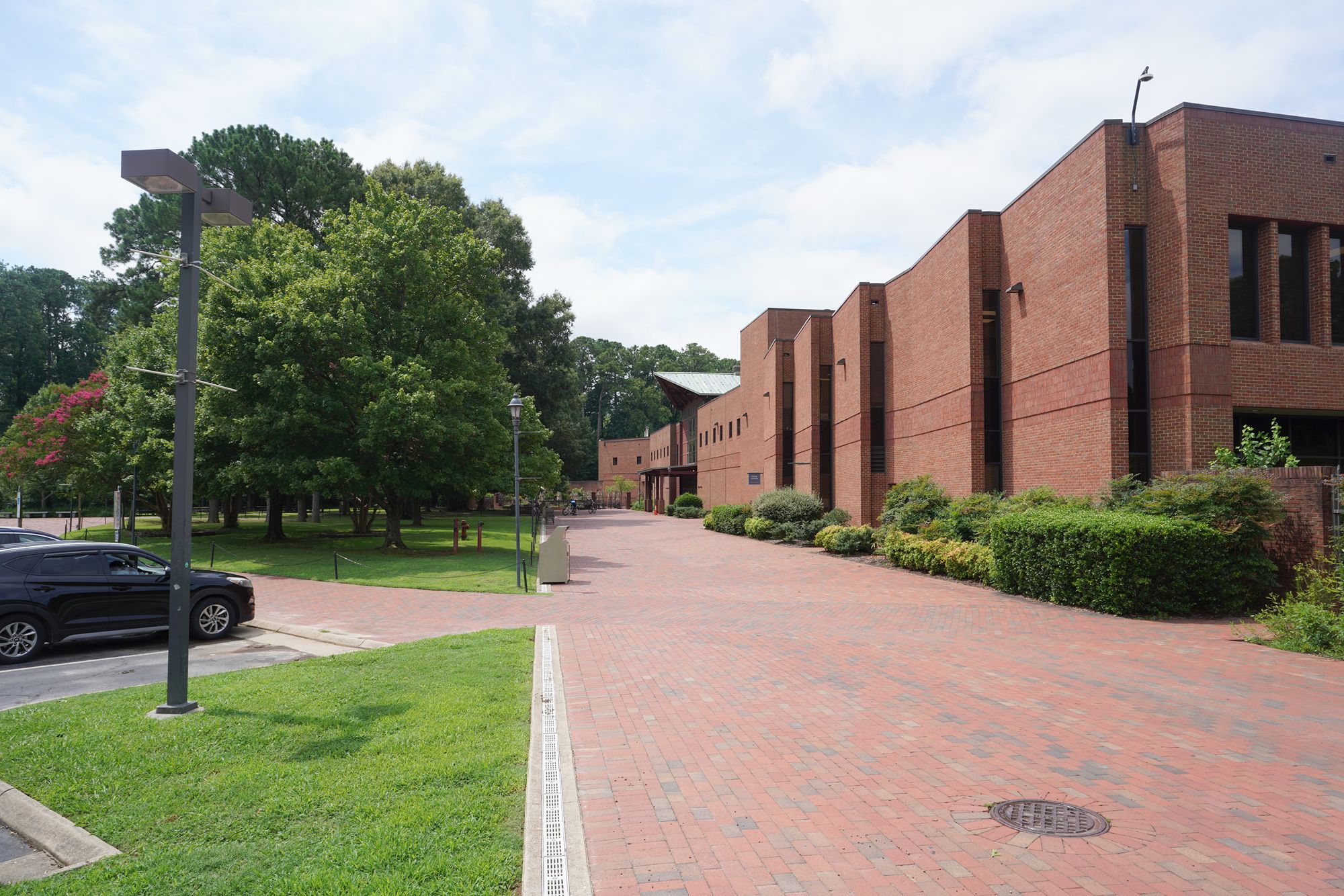
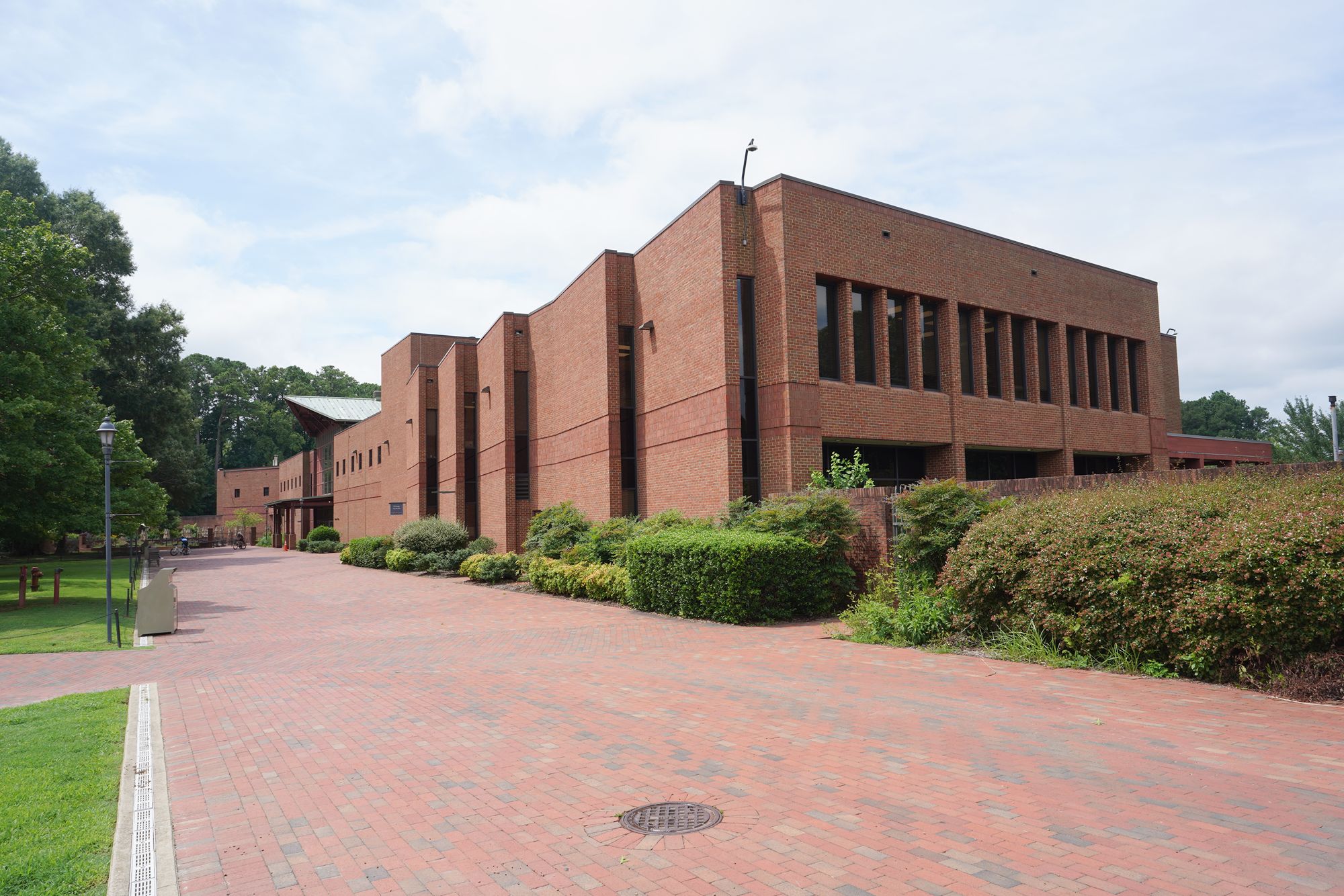
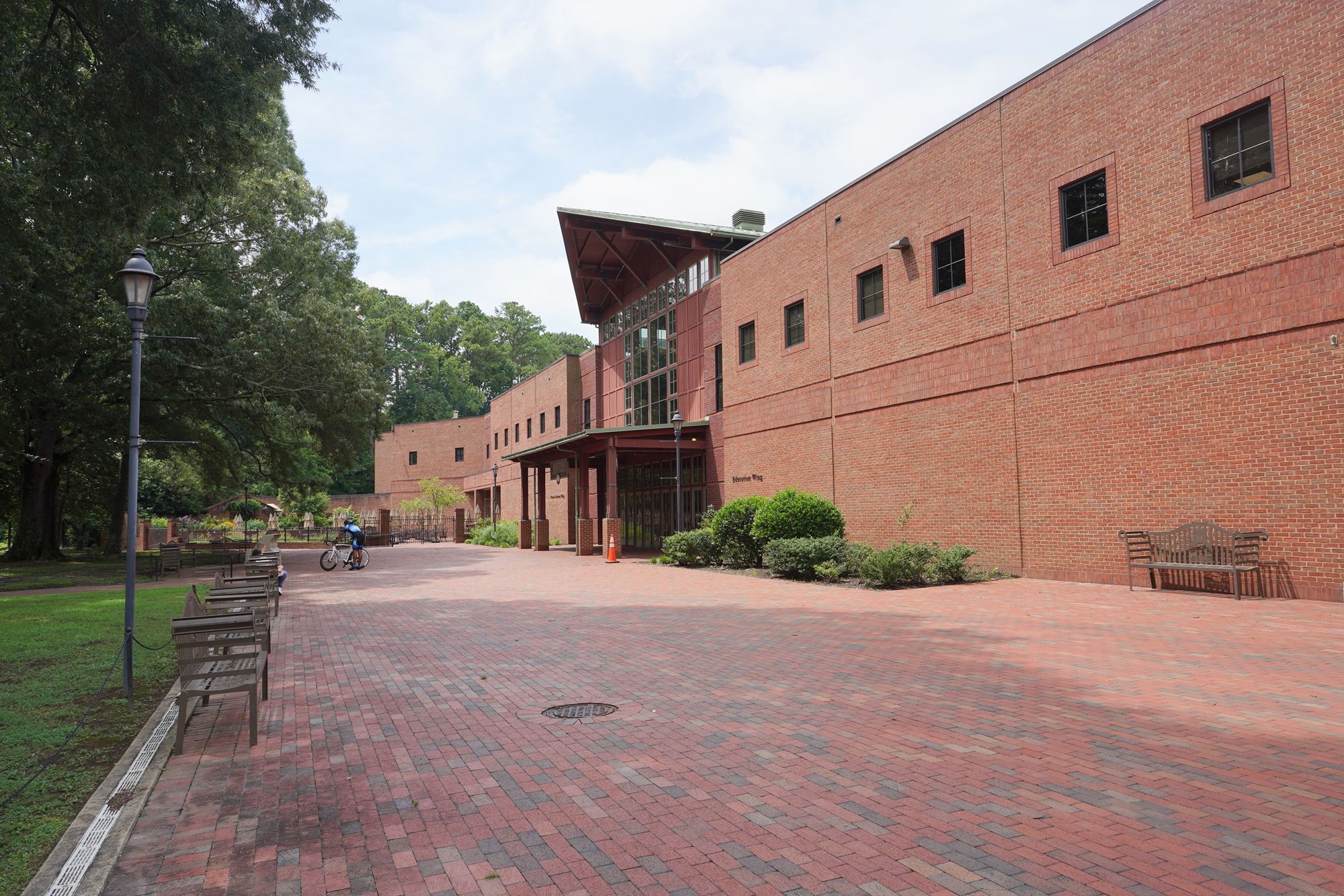
Jamestown Settlement Museum, Williamsburg, Virginia, USA
The Jamestown Settlement Museum provides an in-depth look at the early history of English America through immersive exhibits, films, and historical artifacts. 1111
Jamestown Settlement Museum: 2110 Jamestown Rd, Williamsburg, VA 23185
Date Picture Taken: July 2025
Inside, galleries trace the stories of the English settlers, the Powhatan Indians, and the enslaved Africans who shaped Virginia’s beginnings. Visitors can see weapons, tools, and personal items recovered from archaeological sites, along with multimedia displays that explain the colony’s struggles, trade, and cultural exchanges.
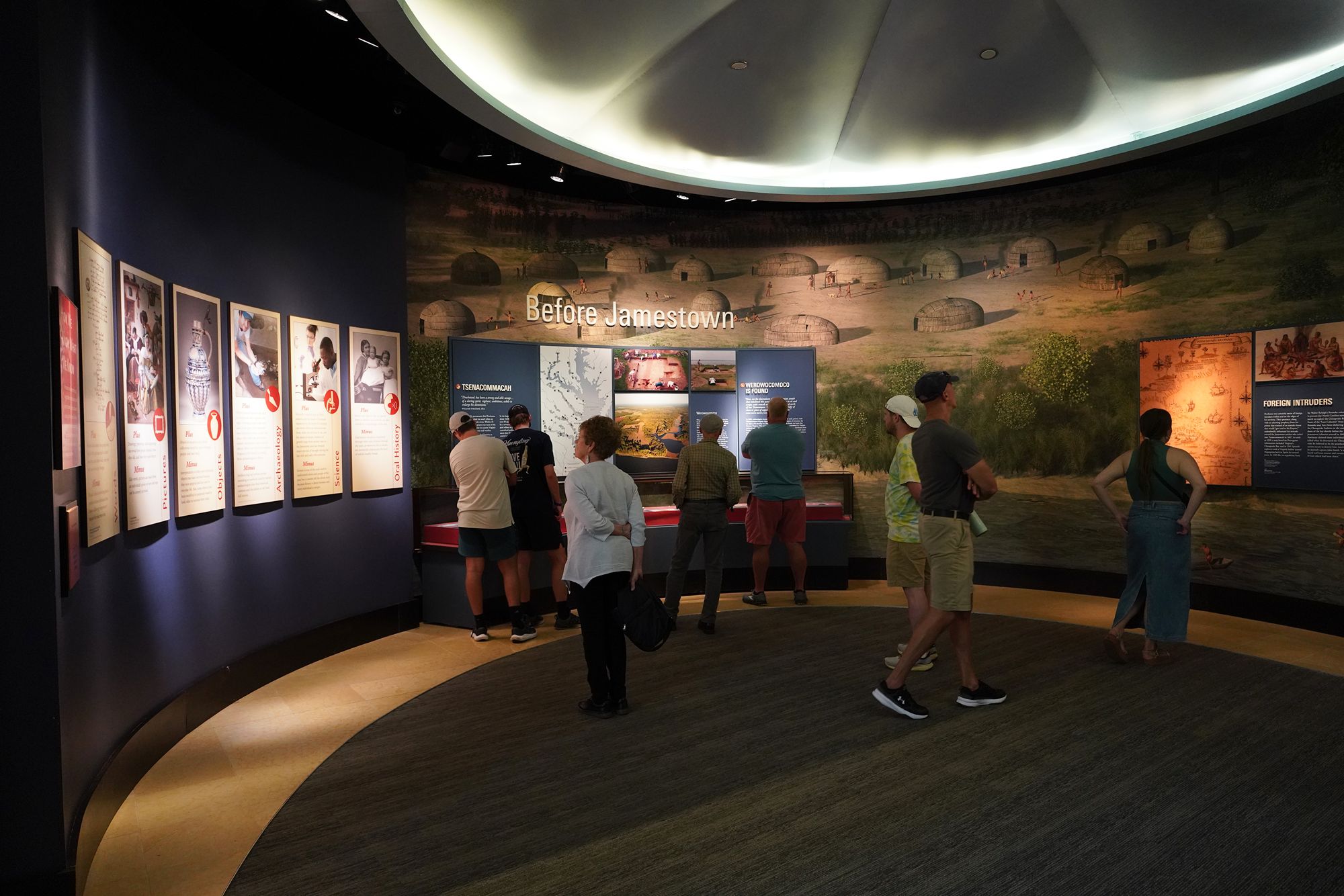
Before Jamestown
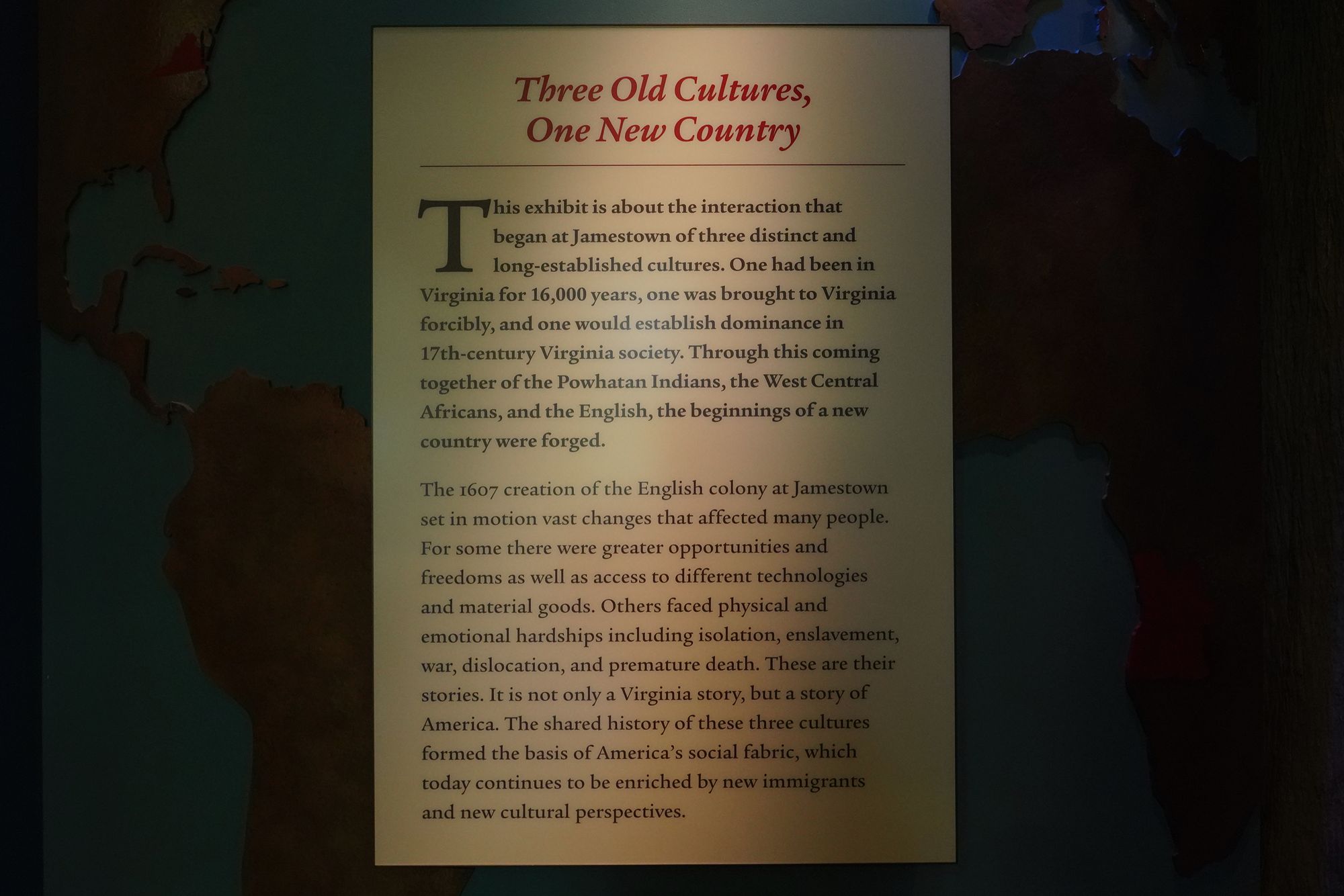
The “Before Jamestown” exhibit at the Jamestown Settlement explores the history of the Indigenous peoples who lived in Virginia long before the English arrived in 1607. It highlights the complex societies of the Powhatan and other Native American cultures, showing how they built villages, farmed, traded, and developed spiritual and political systems over thousands of years
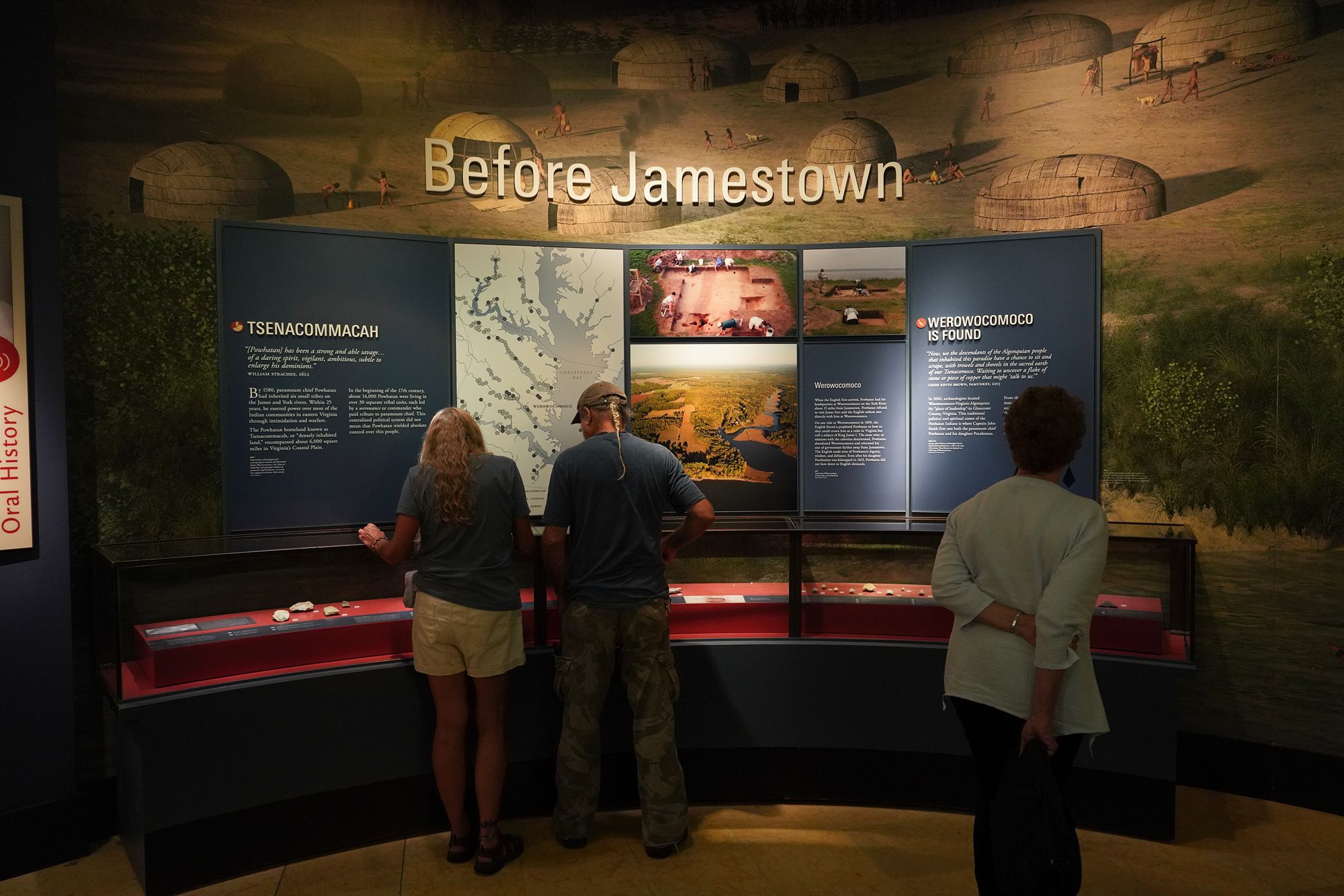
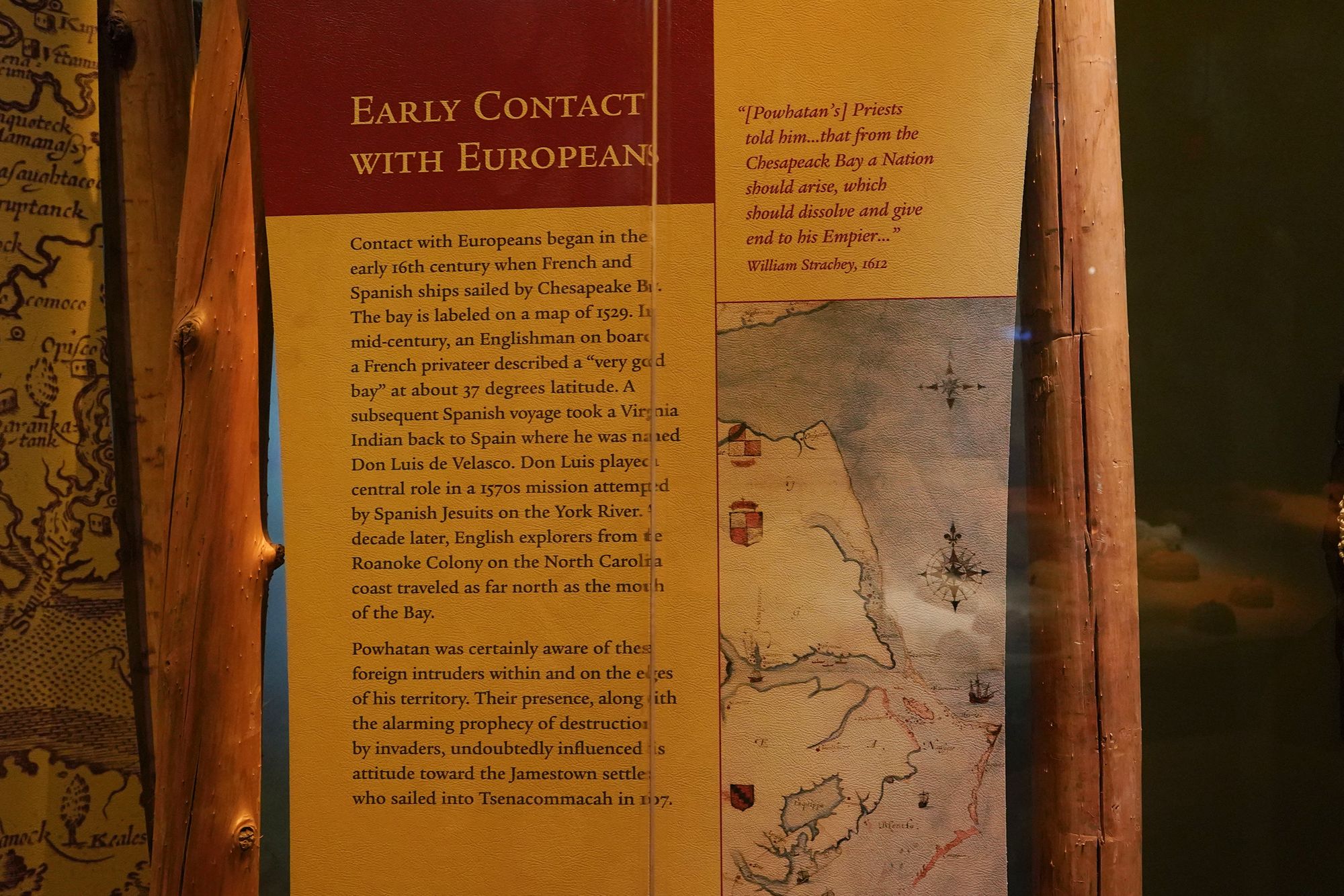
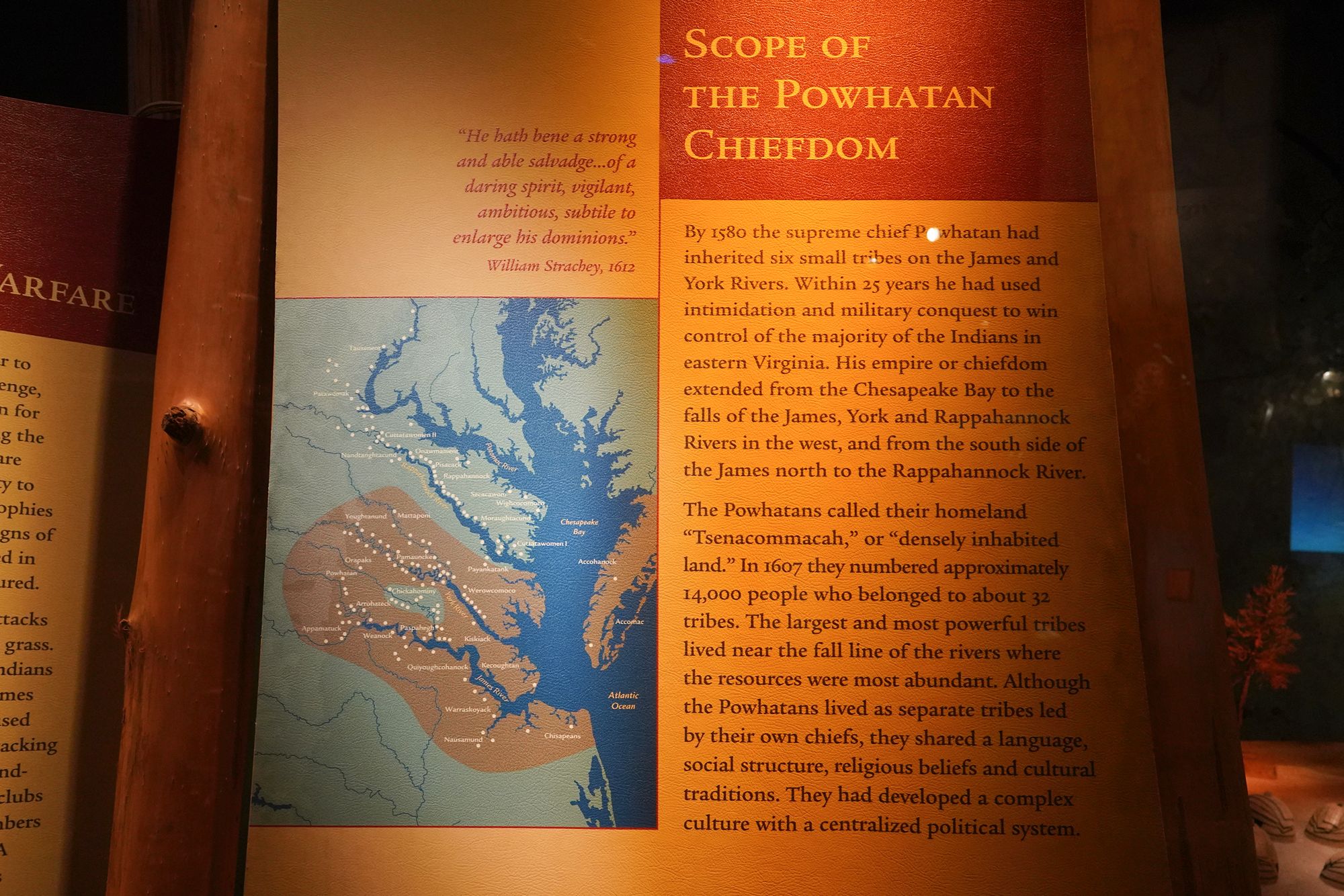
Tsenacommacah (pronounced cheh-nah-kom-muh-kah) was the name used by the Powhatan people for their homeland in eastern Virginia at the time of English colonization. The word means “densely inhabited land” or “place of many communities.”
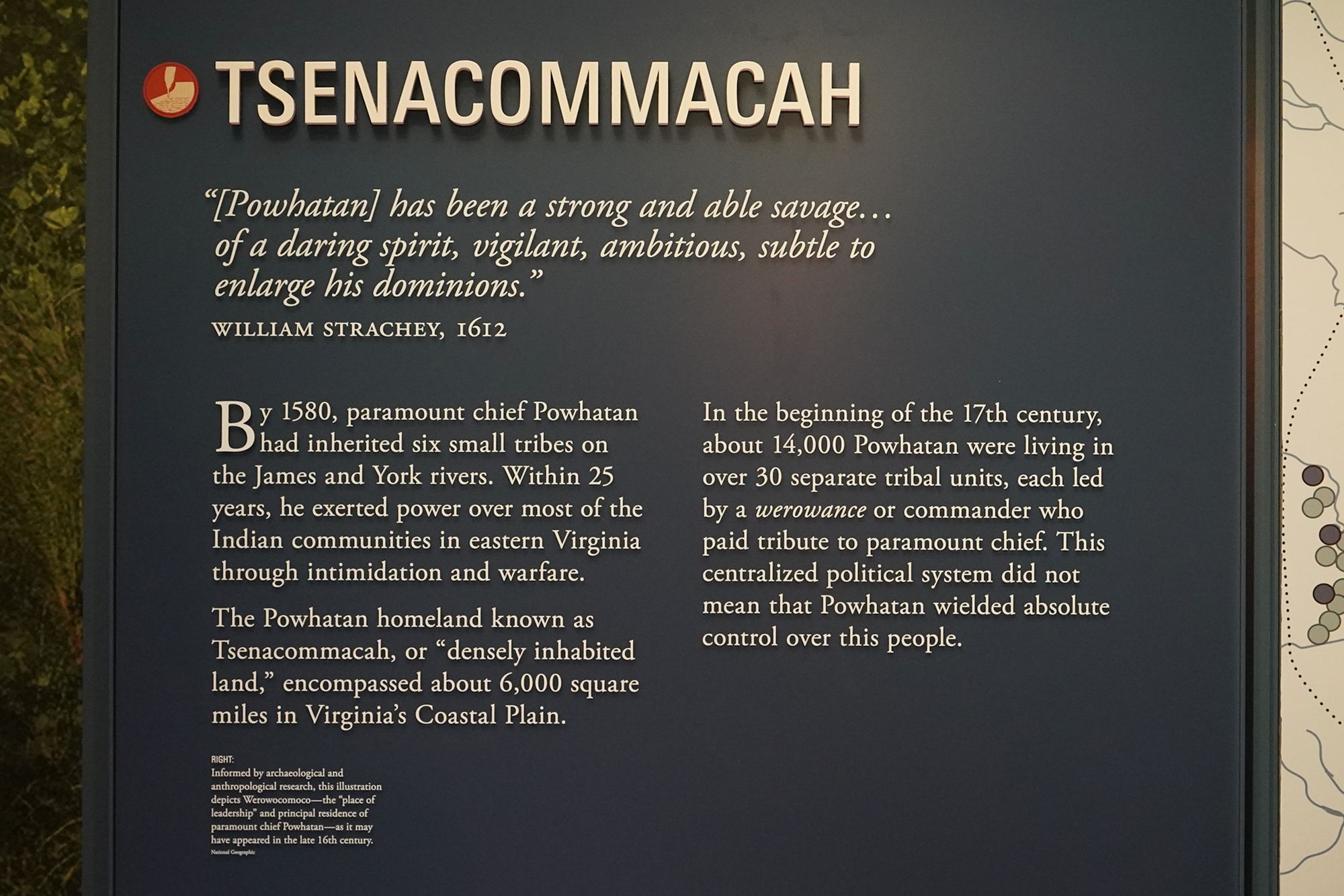
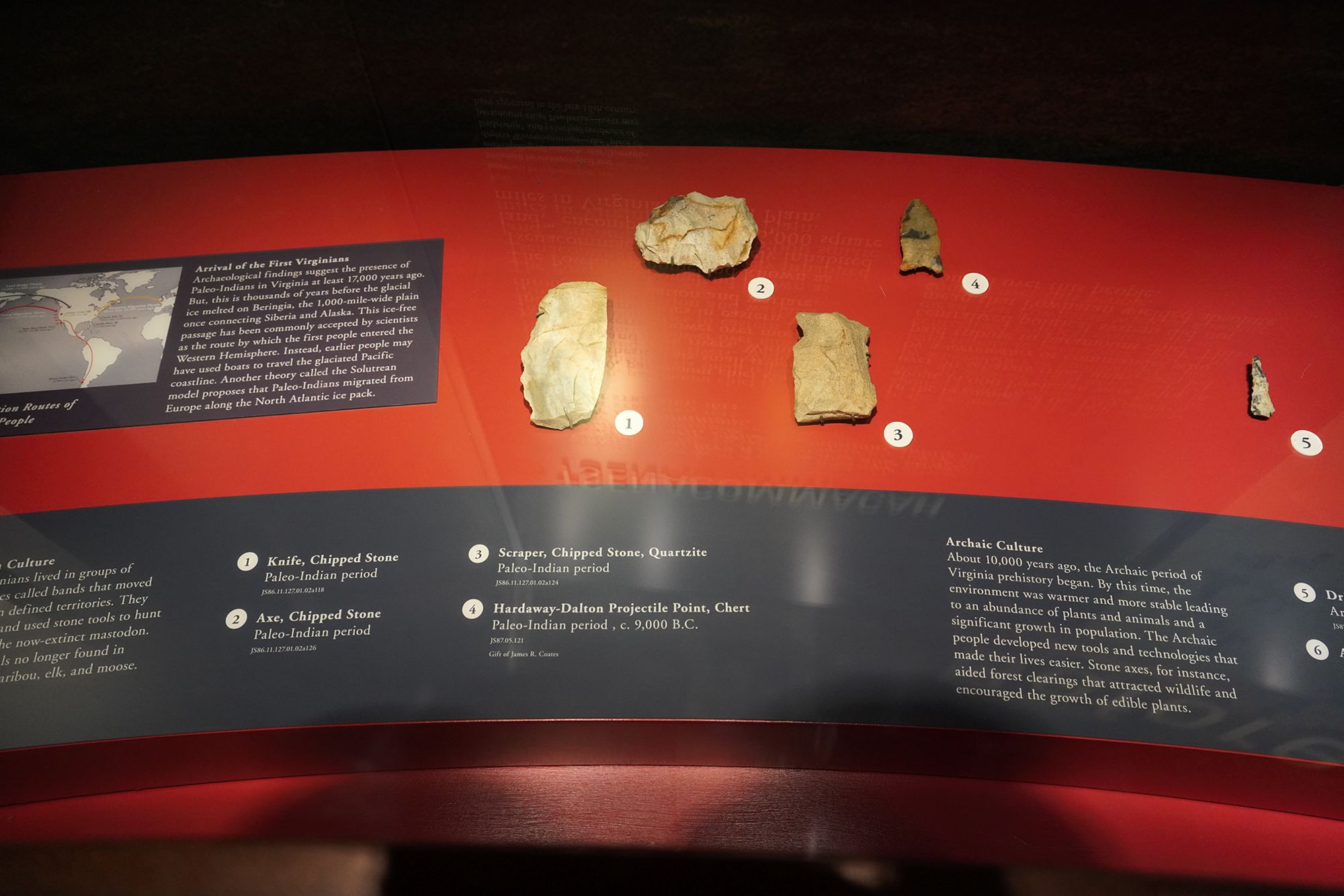
It was a vast region stretching from the Potomac River in the north to the James River in the south, encompassing about 30 tribes united under the leadership of Chief Powhatan (Wahunsenacawh). Each tribe had its own village and chief, but all paid tribute to Powhatan, creating a powerful confederacy of more than 15,000 people.
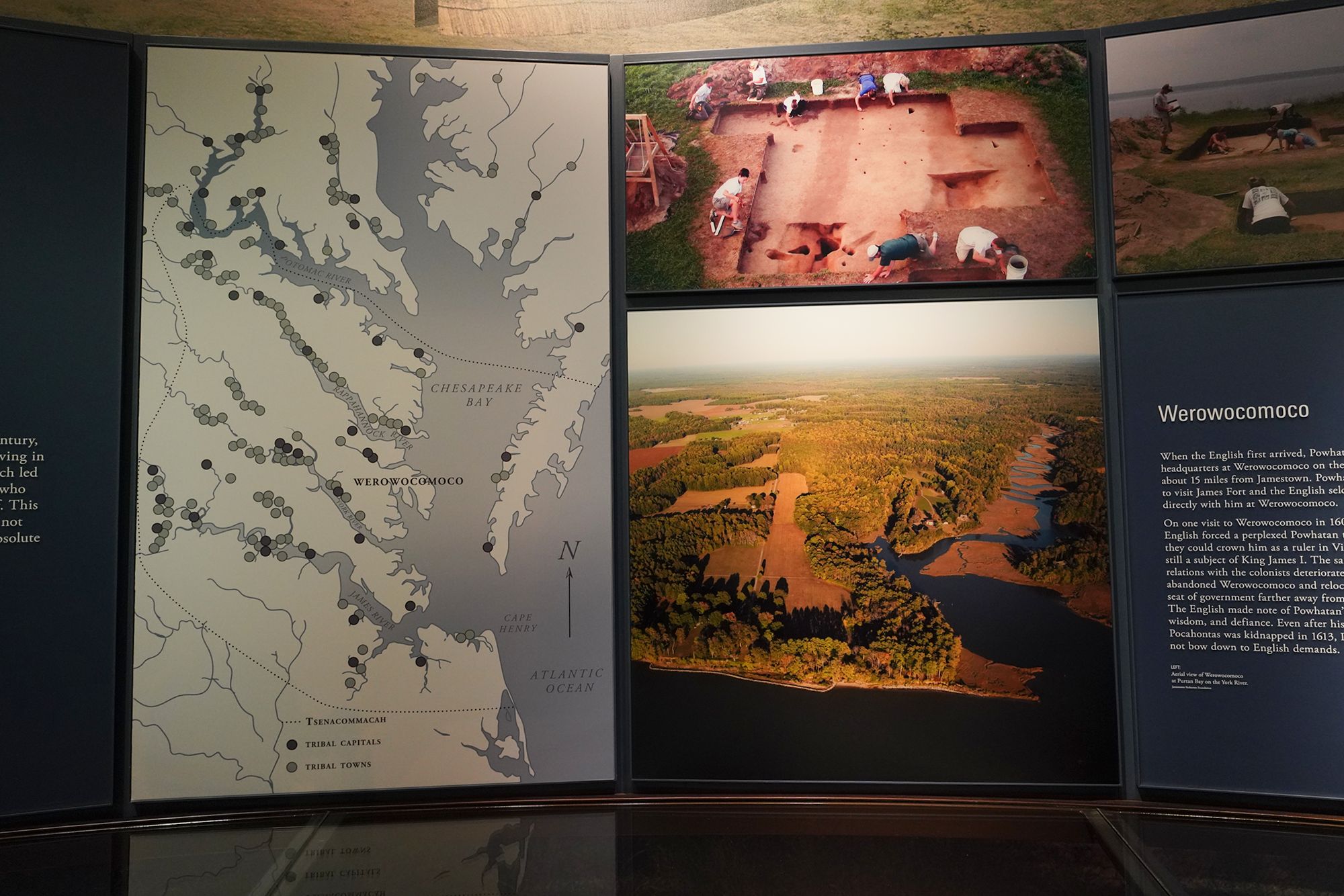
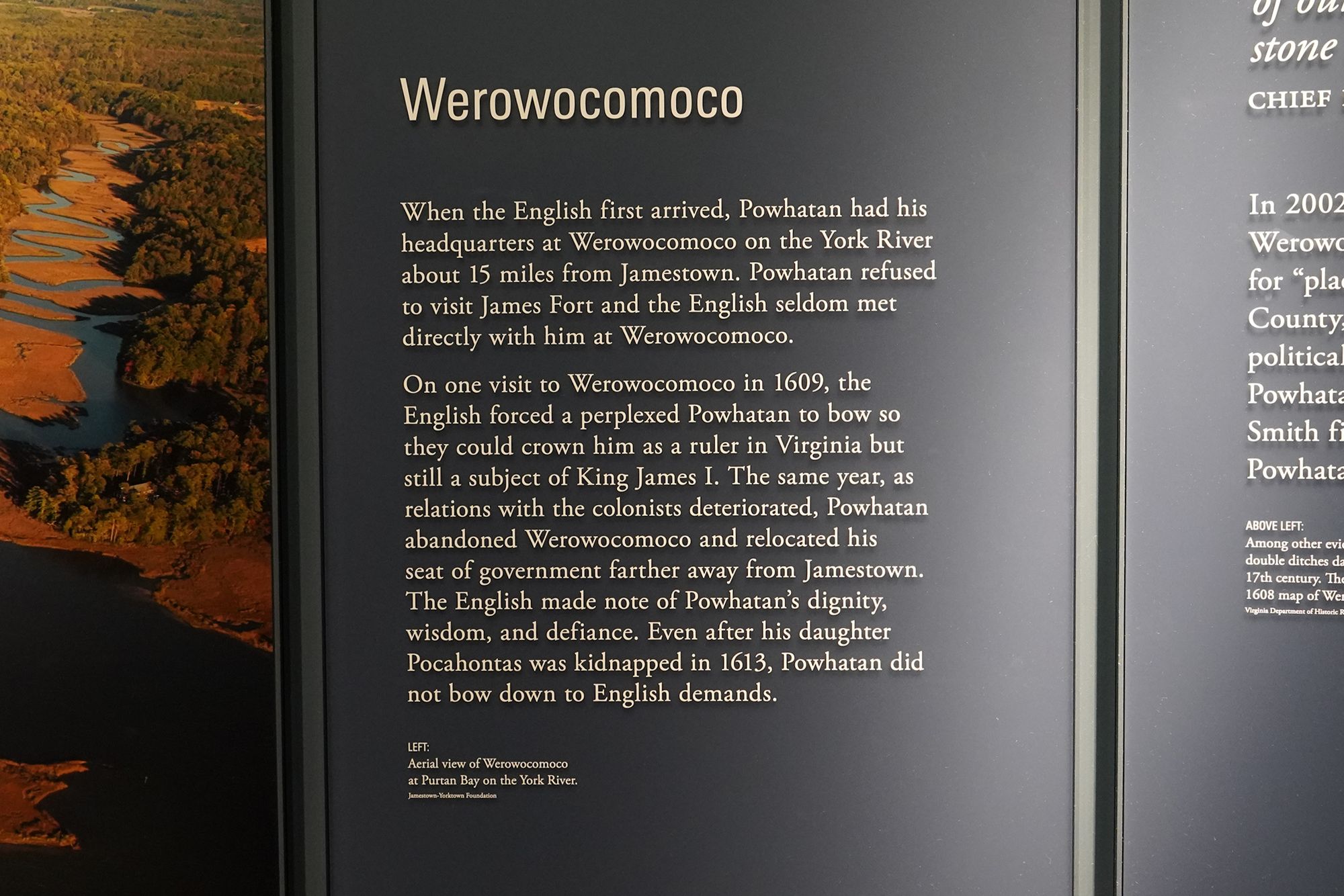
Werowocomoco
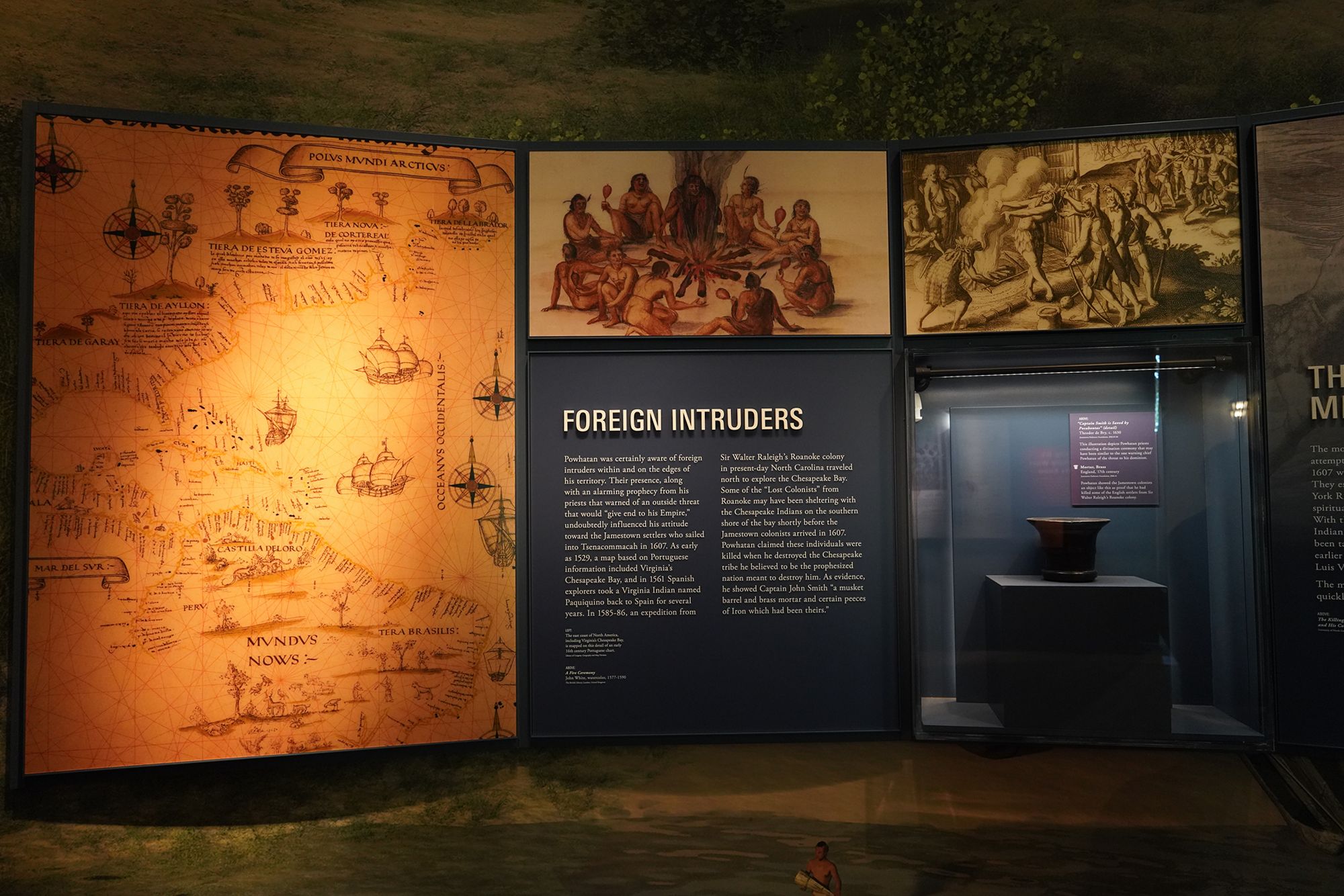
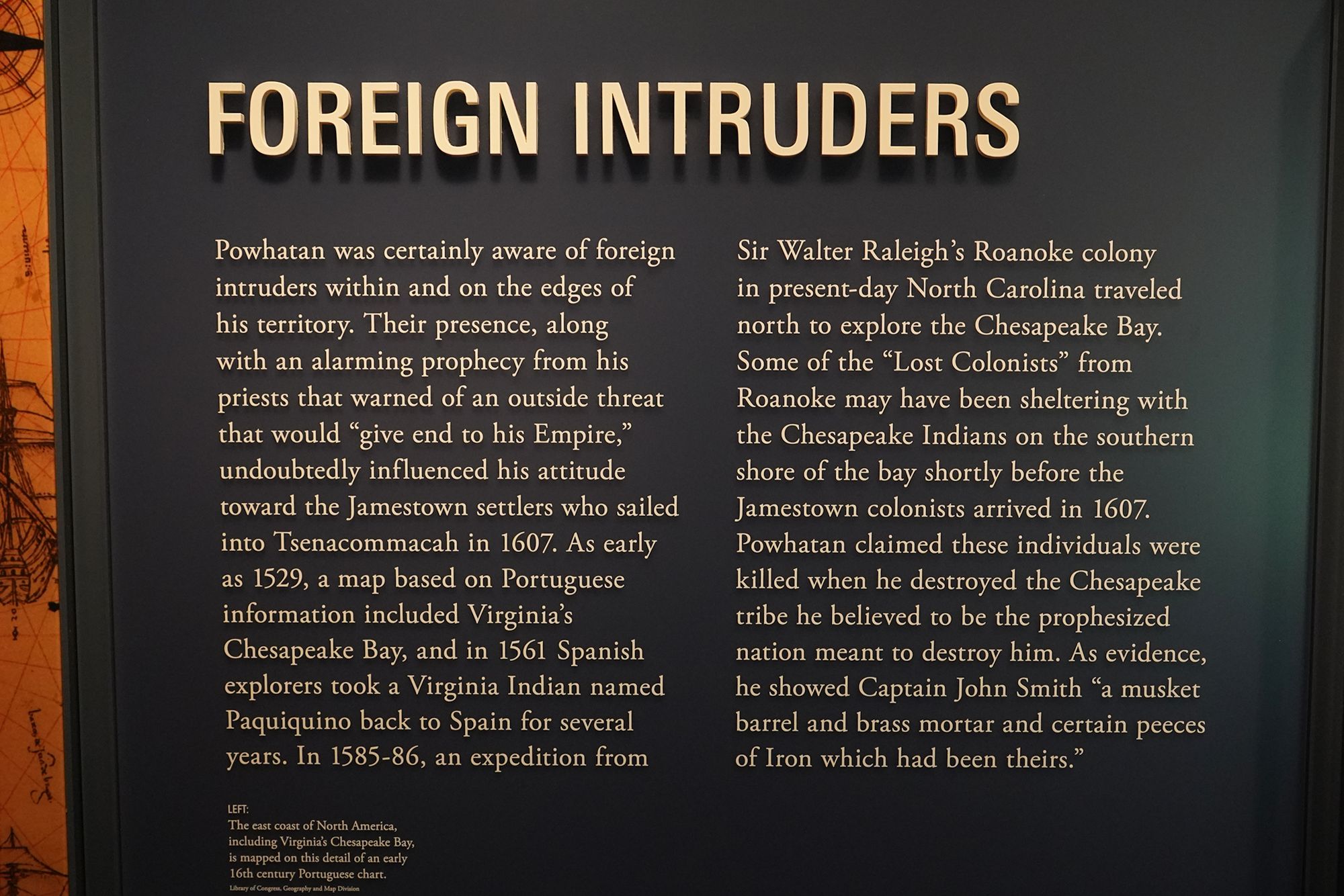
Foreign Intruders
Powhatan was both the name of a powerful Native American leader and the confederation of tribes he ruled in eastern Virginia at the time the English founded Jamestown in 1607.
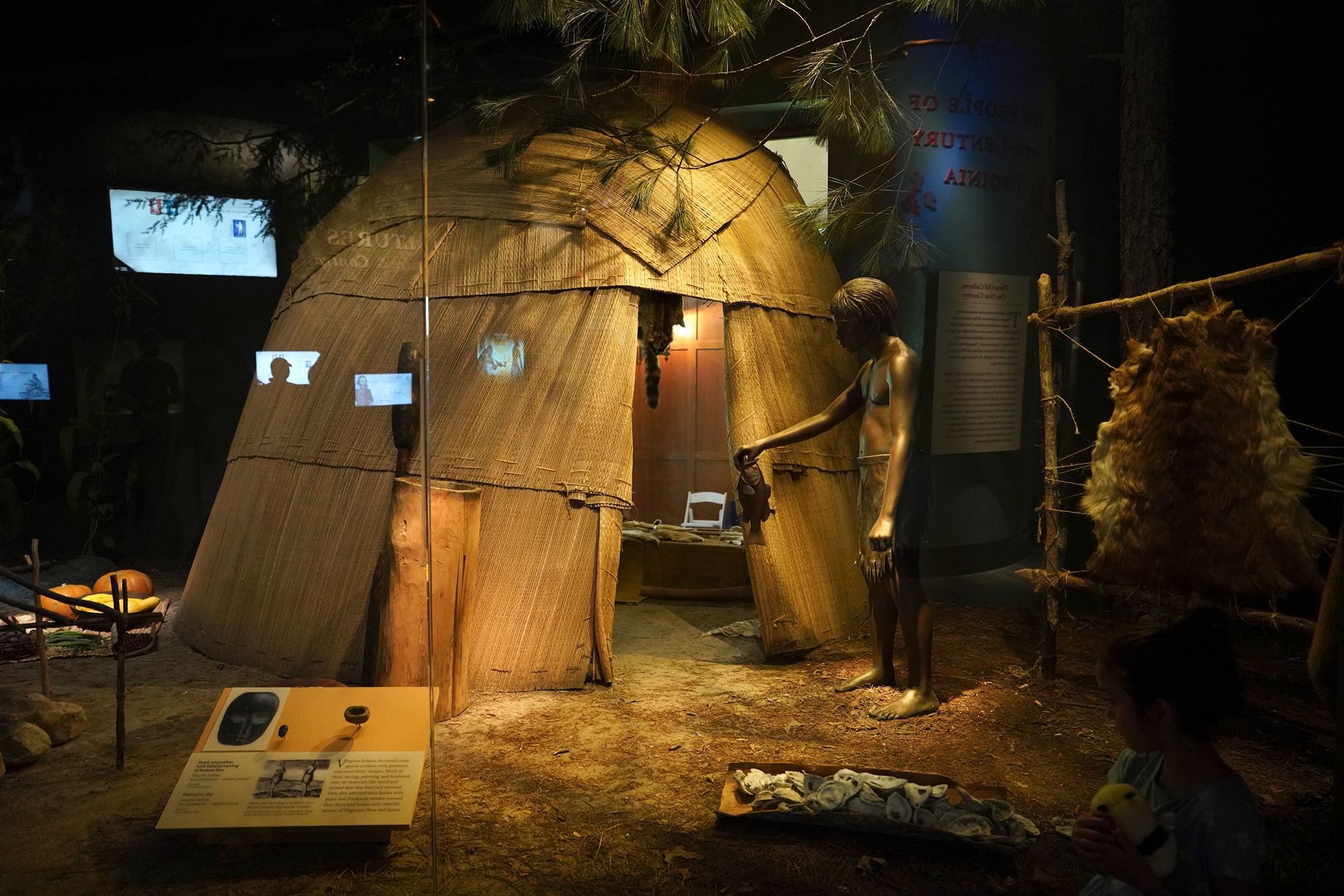
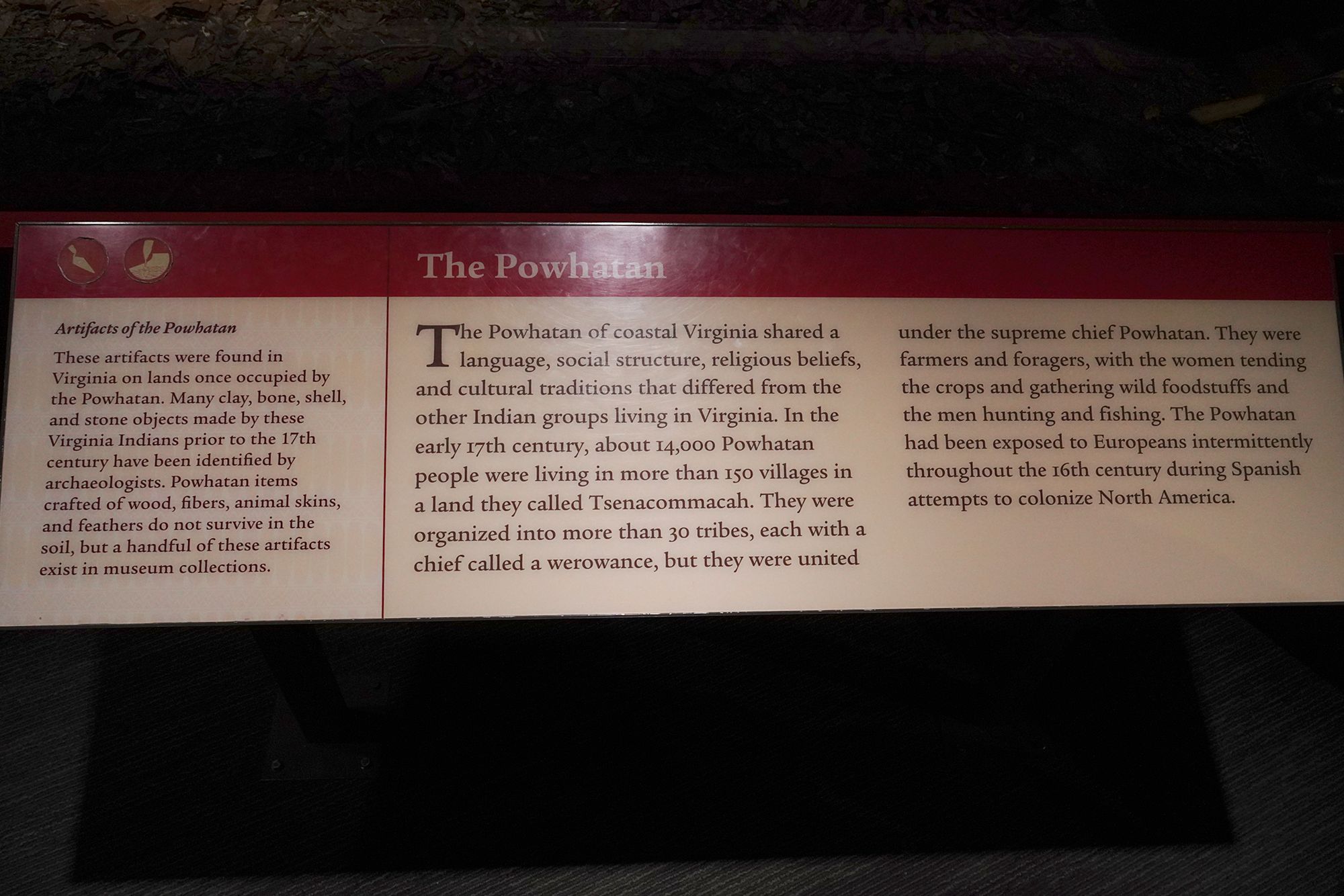
The Indians - the native people
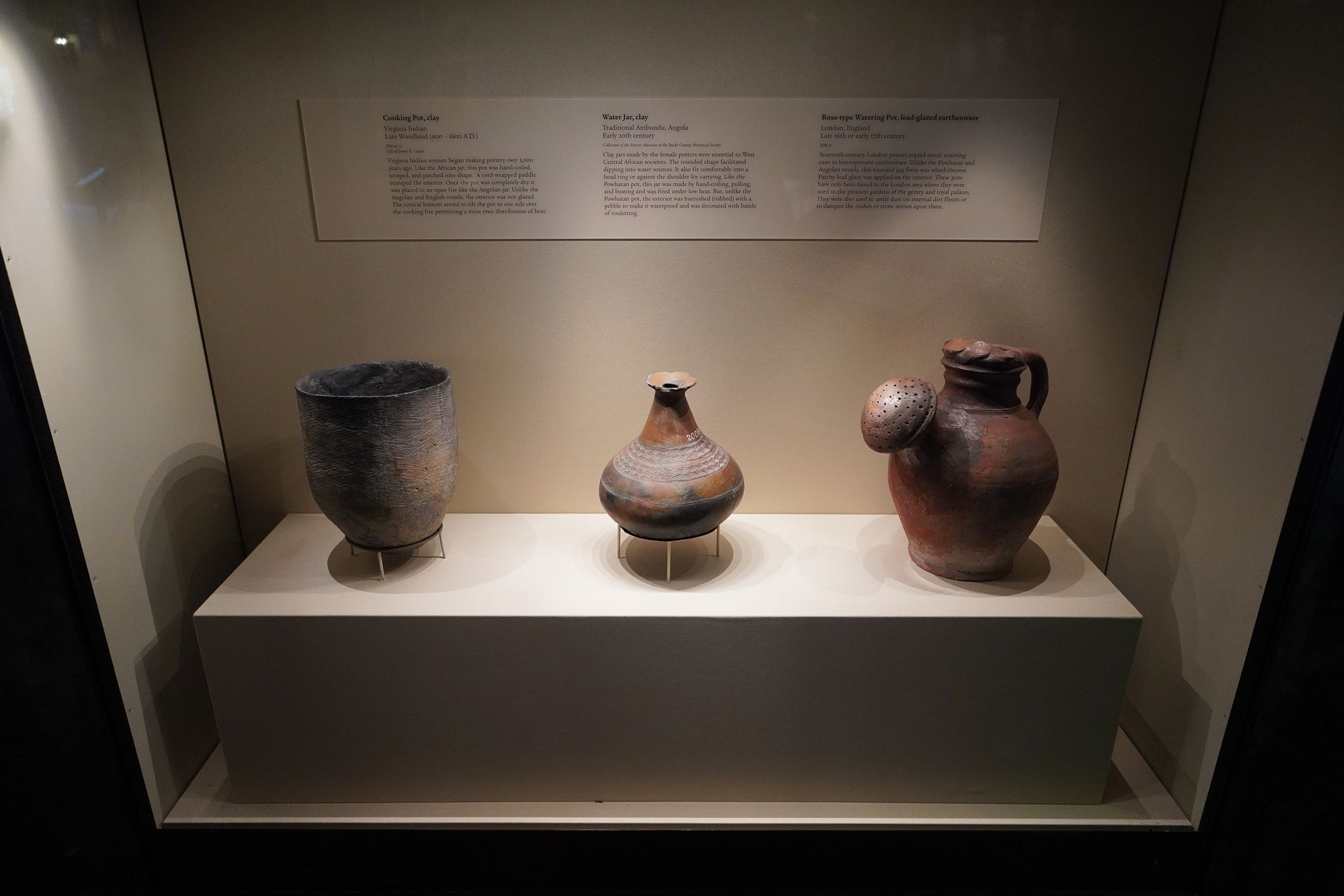
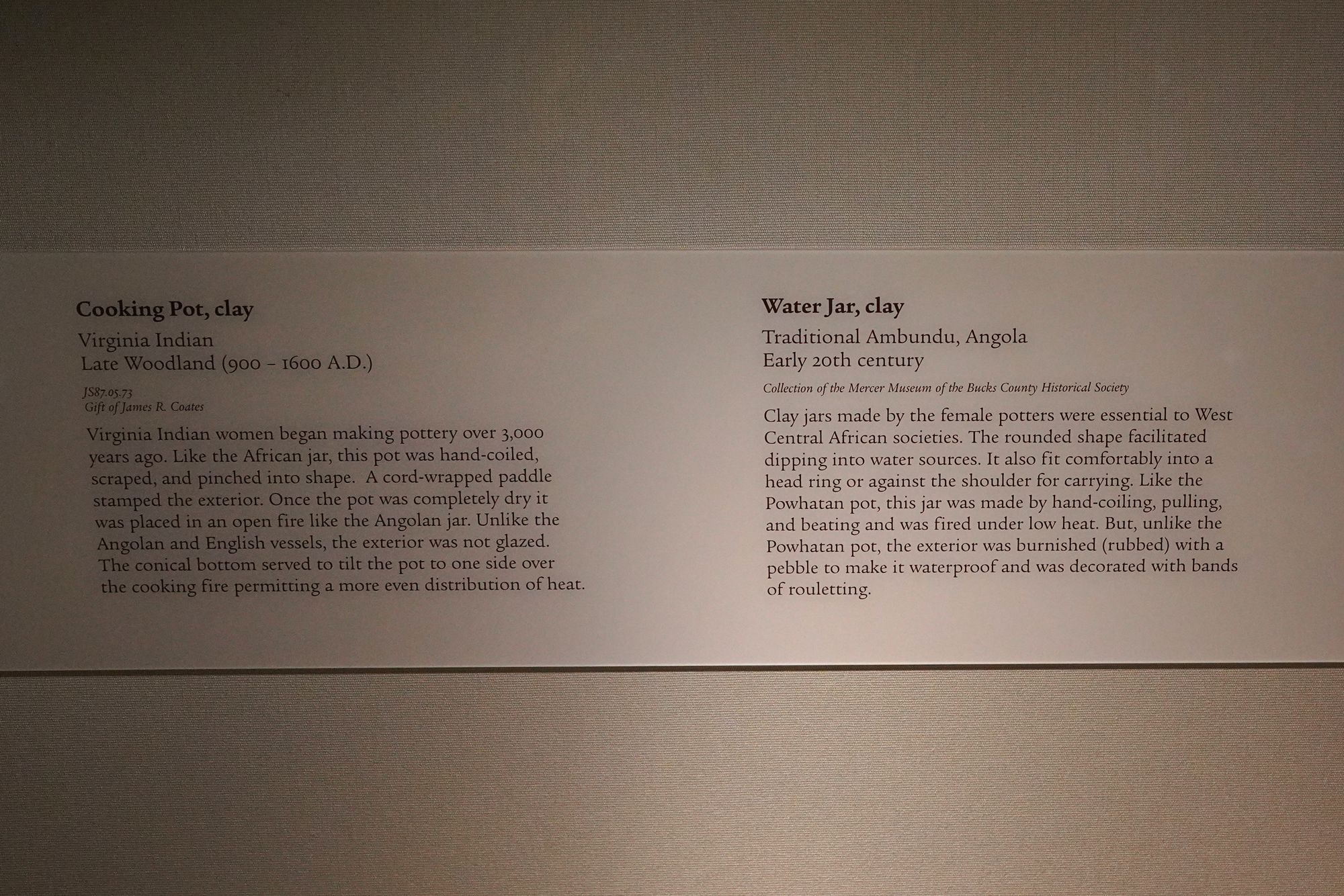
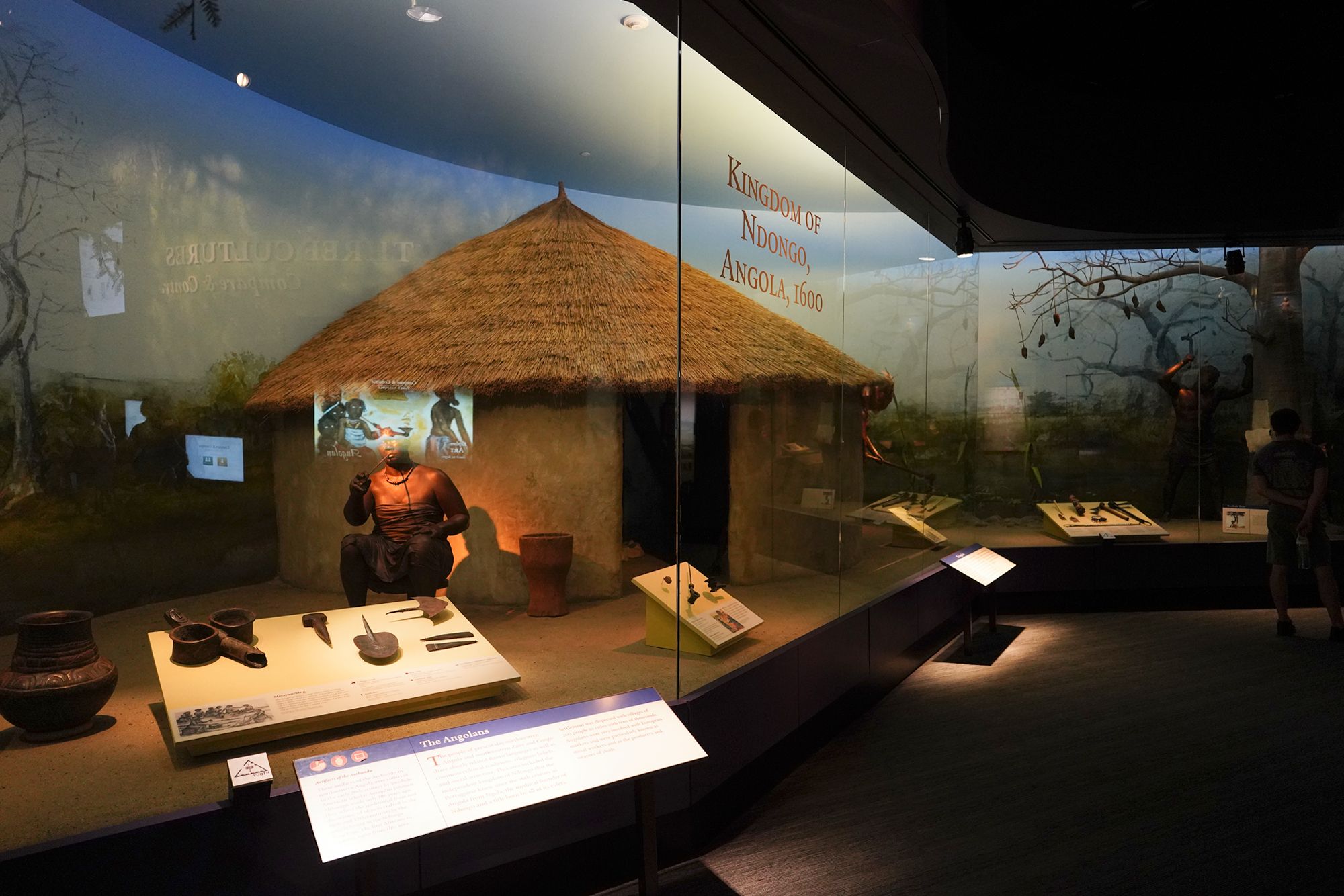
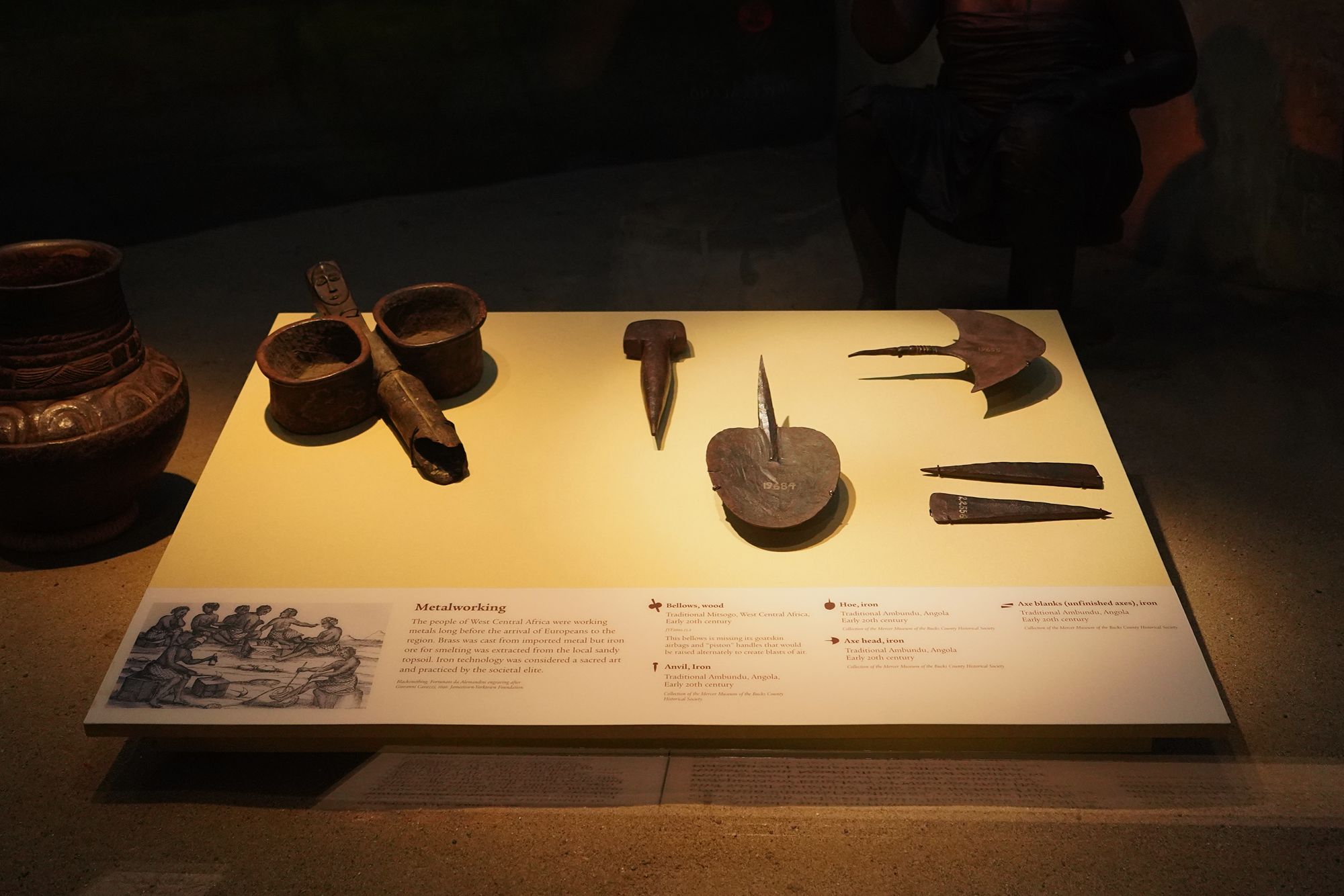
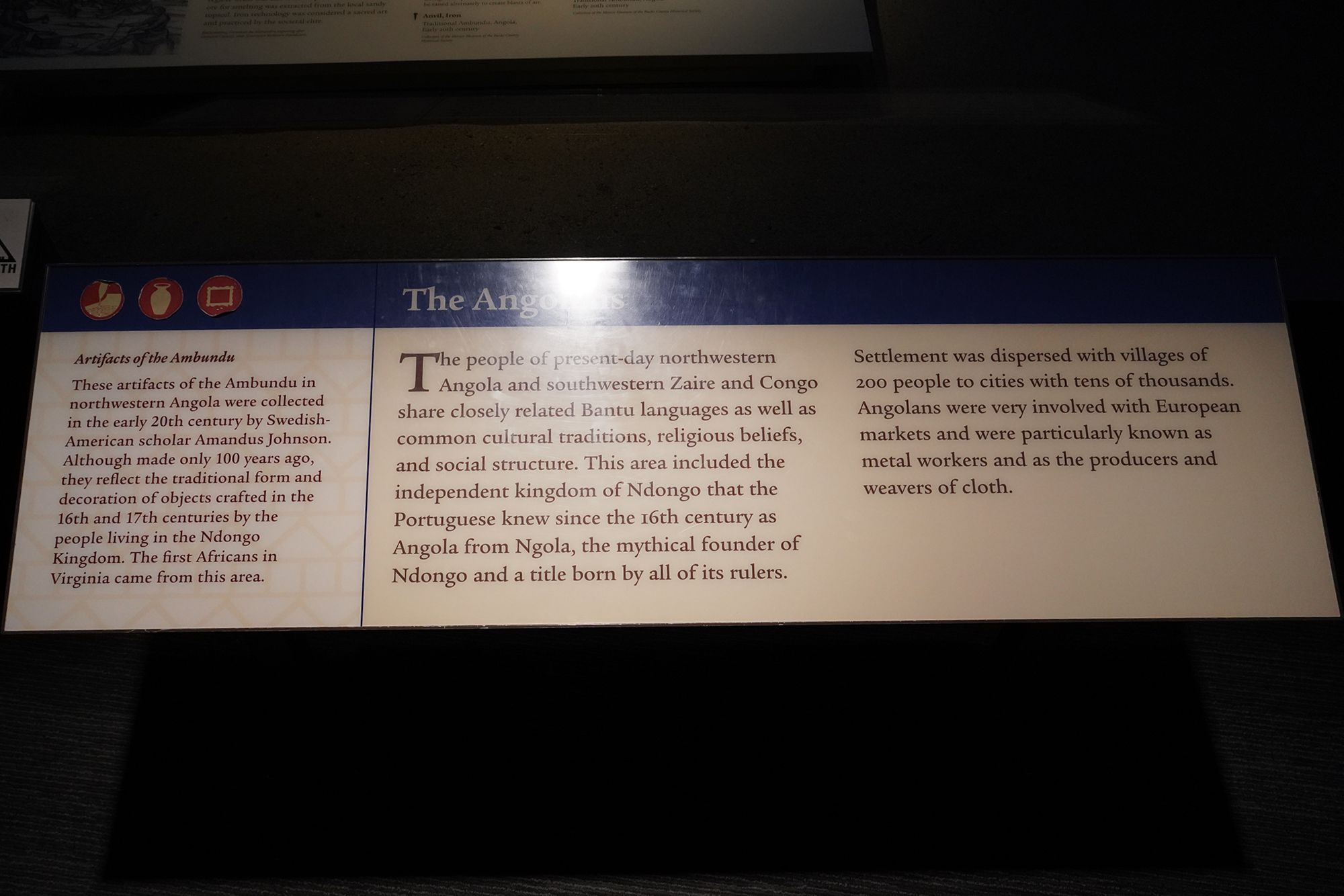
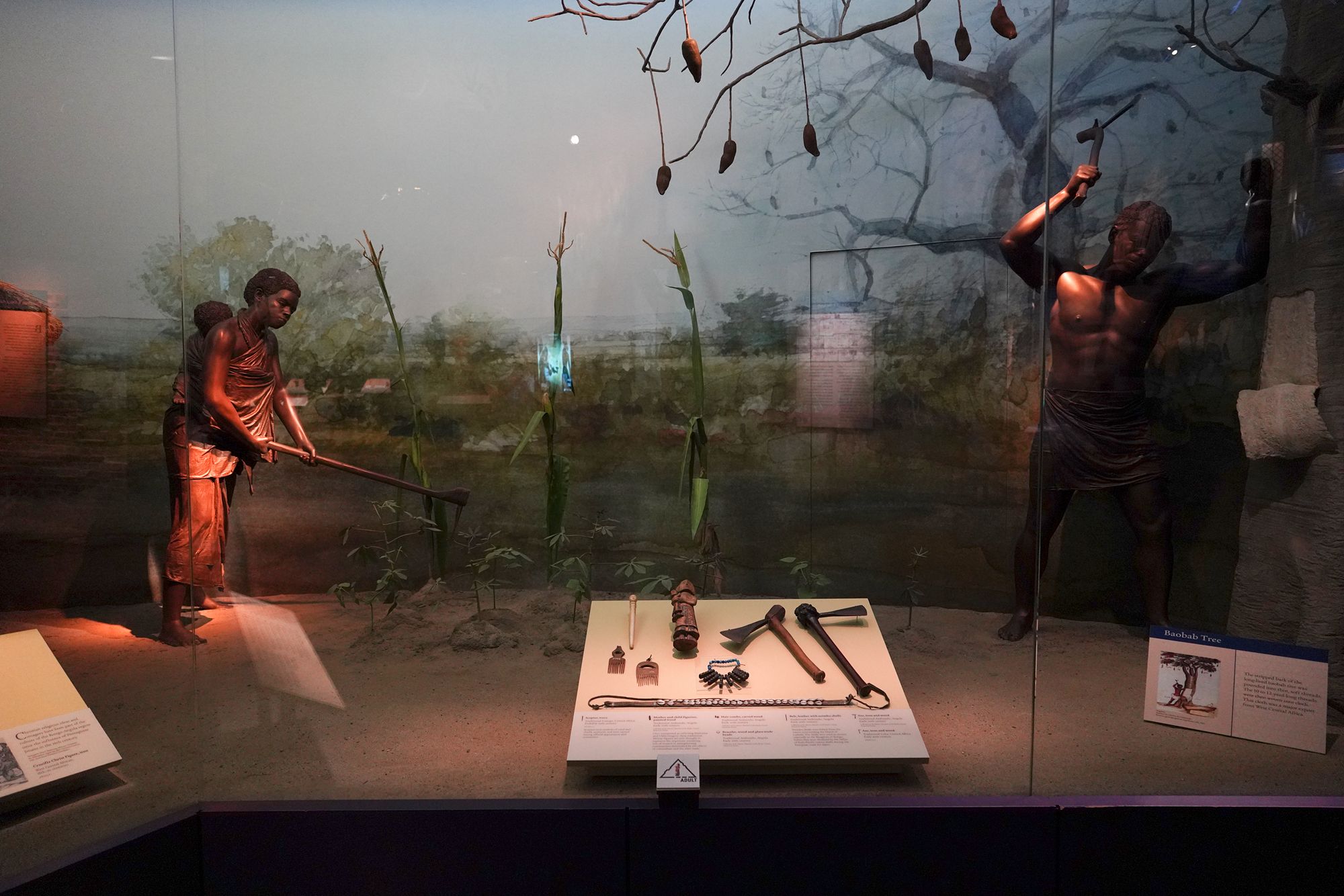
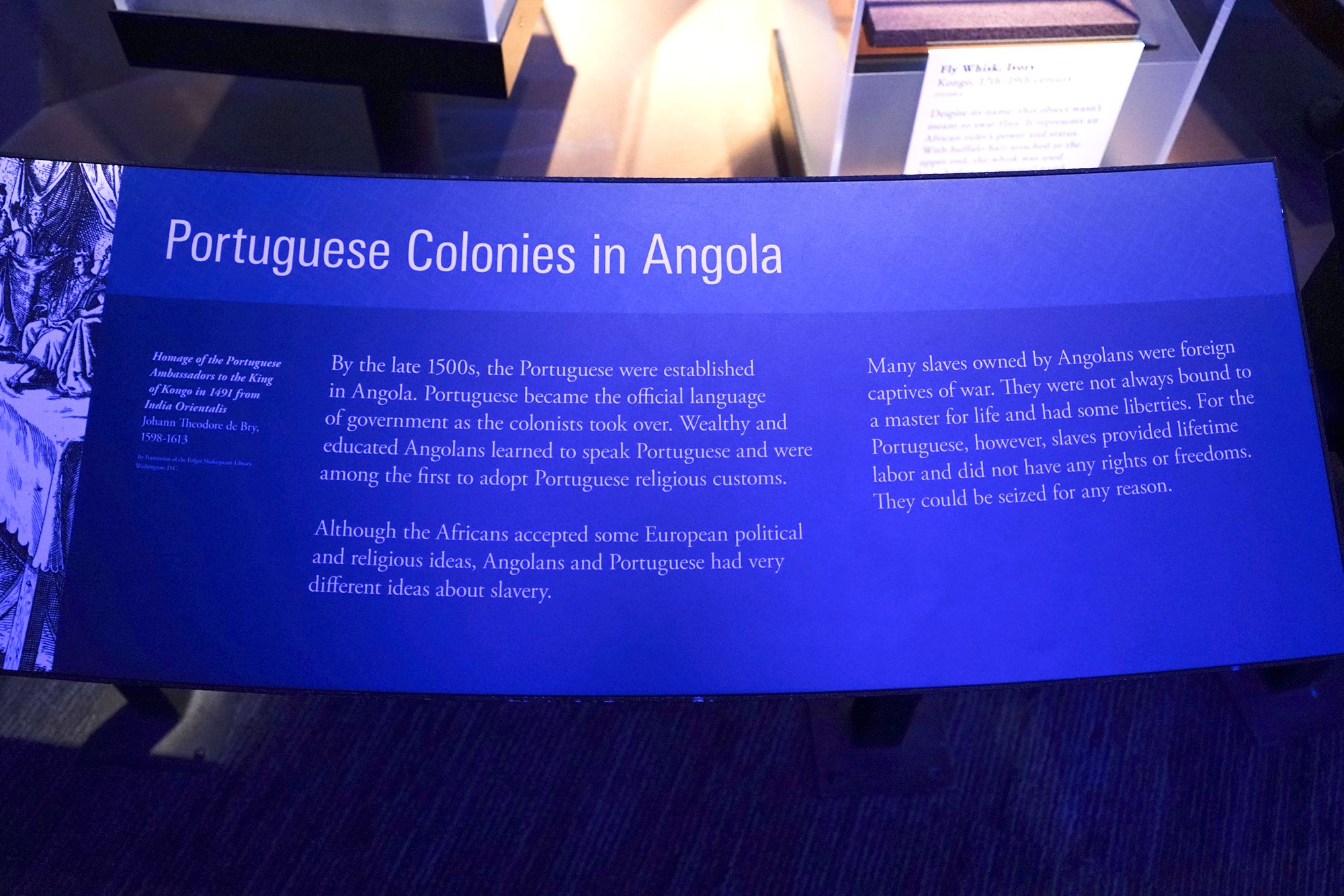
The first recorded Africans in Jamestown arrived in 1619, brought from the Kingdom of Ndongo, in present-day Angola. They had been captured by Portuguese traders and were being transported to Spanish America when an English privateer ship, the White Lion, intercepted their vessel and brought about 20 to 30 Africans to Virginia.
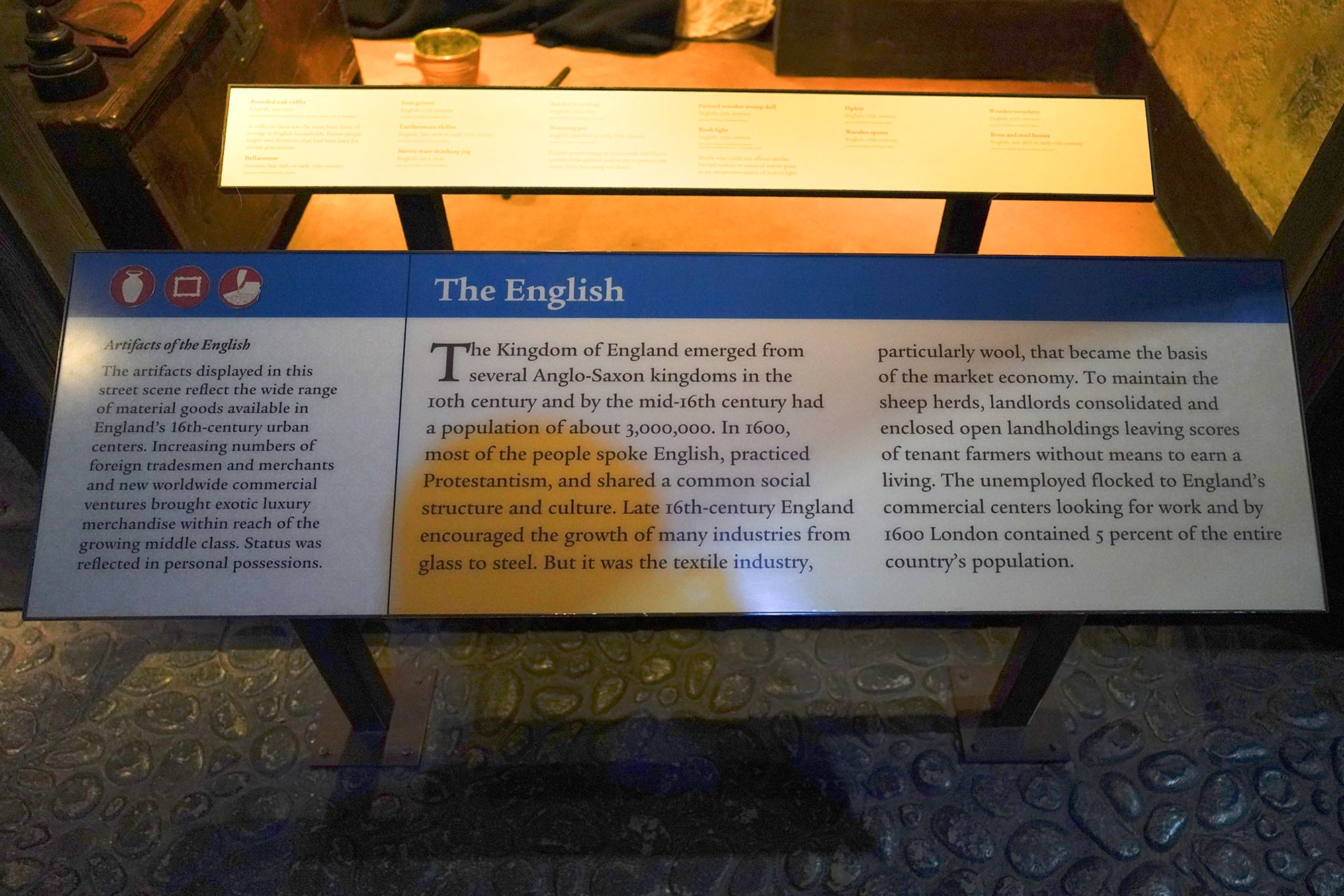
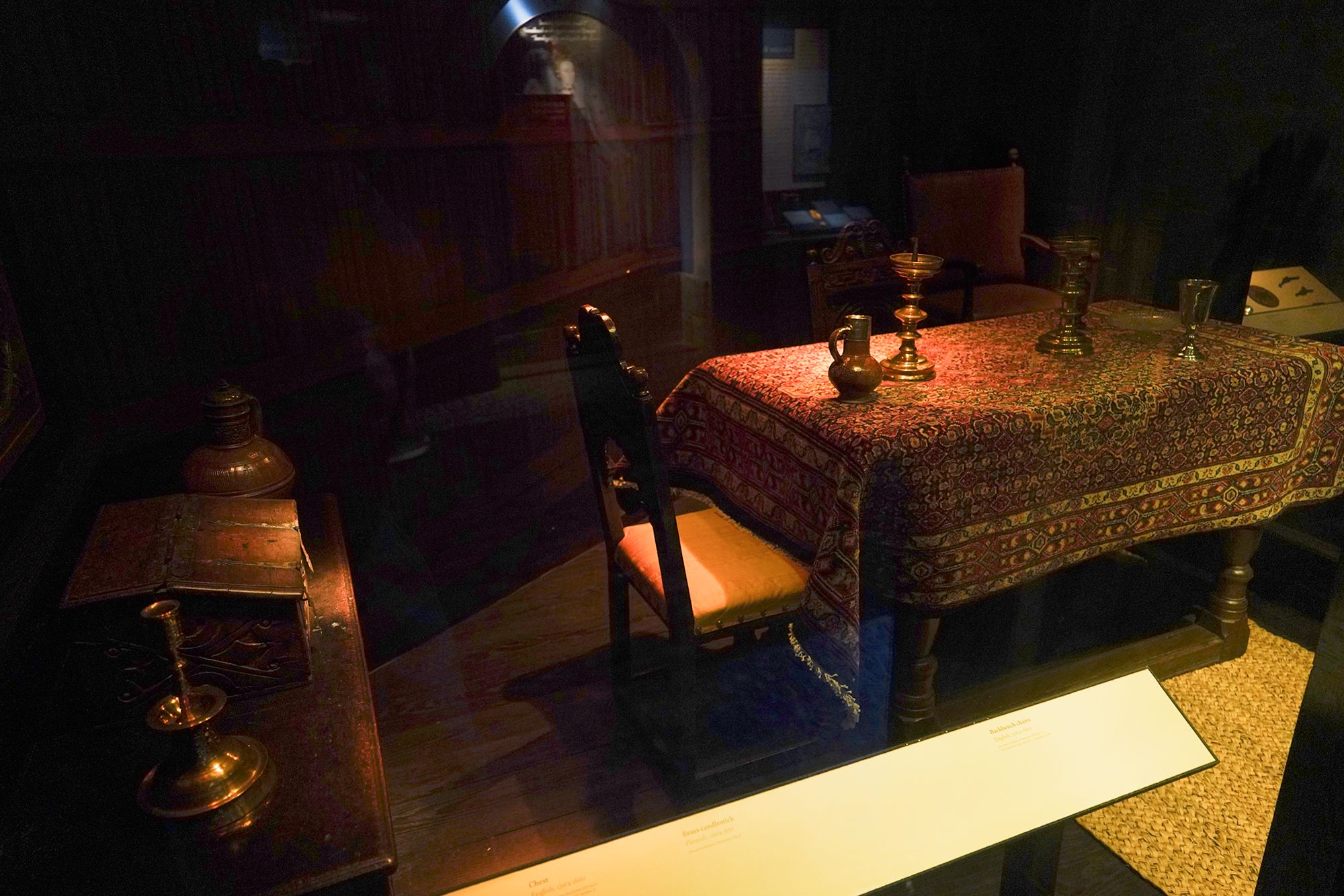
England around 1600 was a nation of ambition and unrest—confident in its global reach yet struggling with poverty, class divisions, and religious conflict, all of which shaped the people who crossed the Atlantic to start new lives in Virginia.
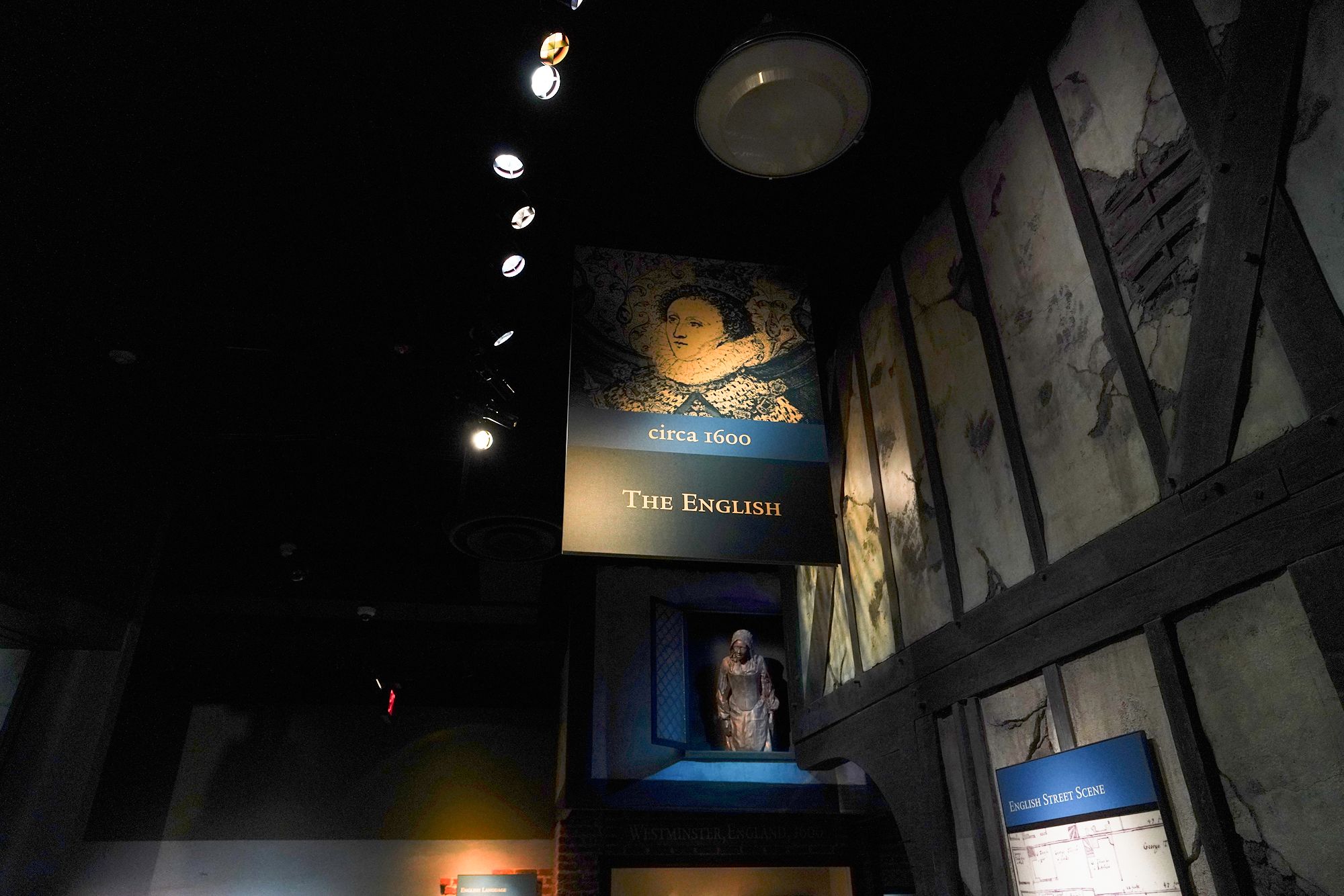
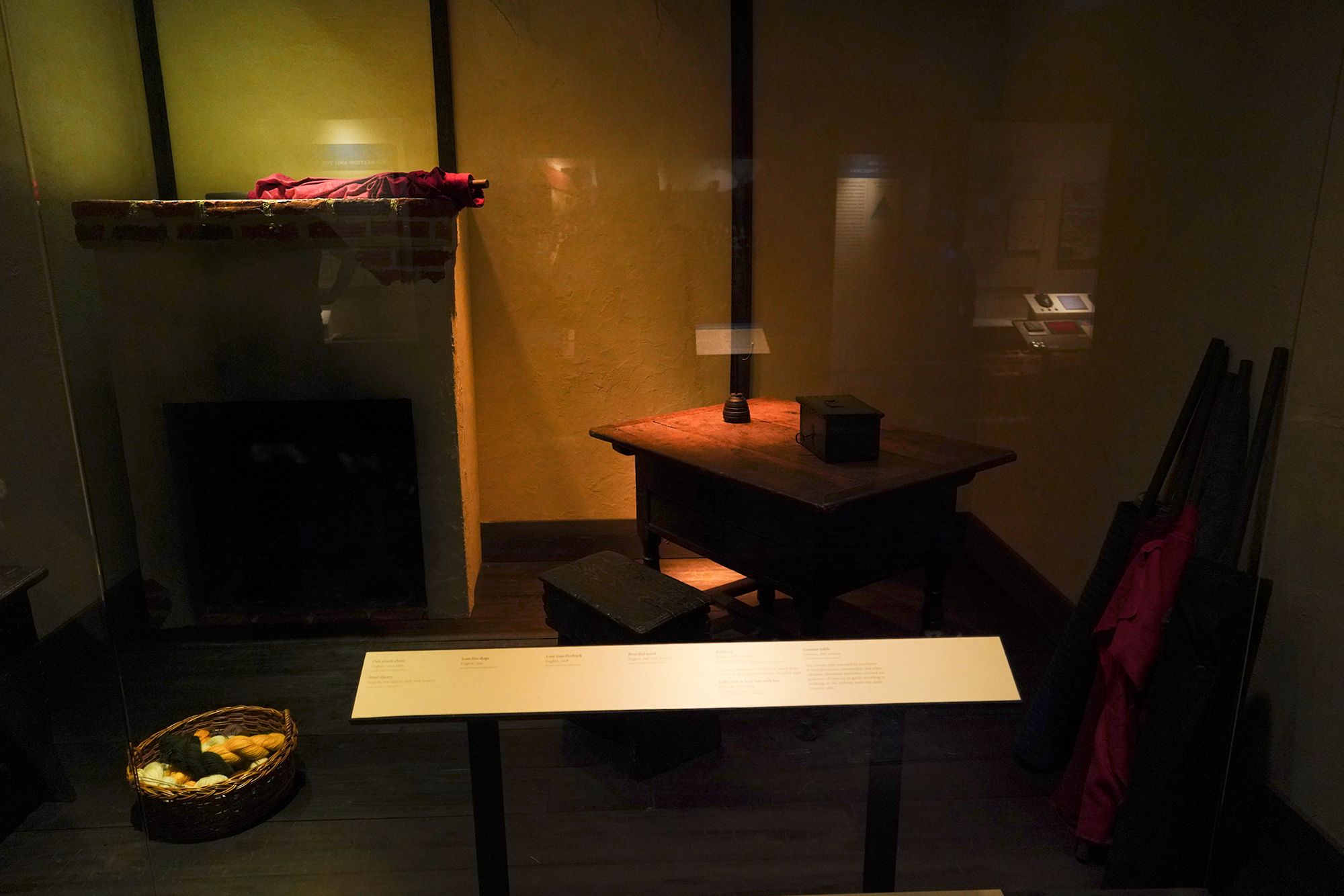
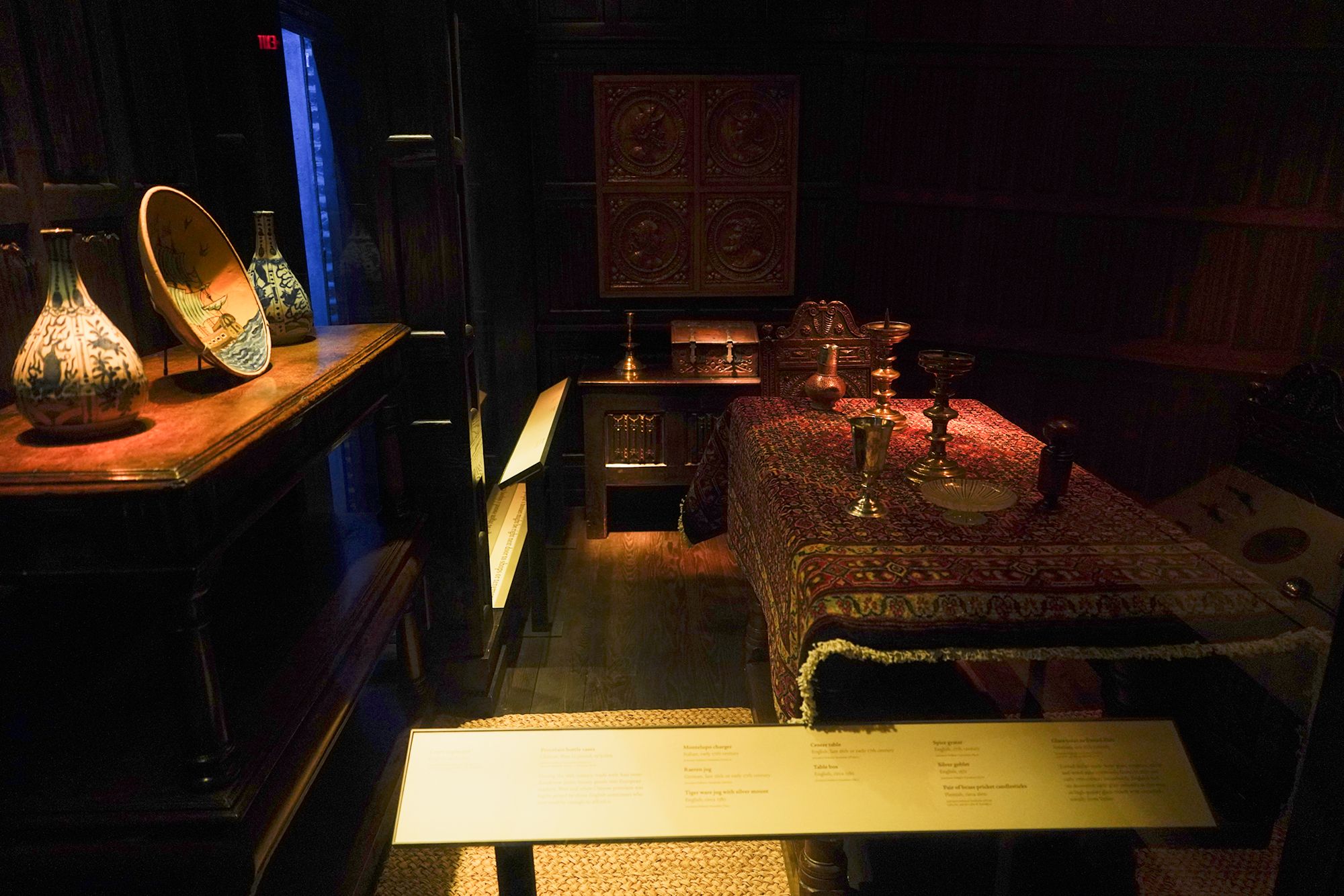
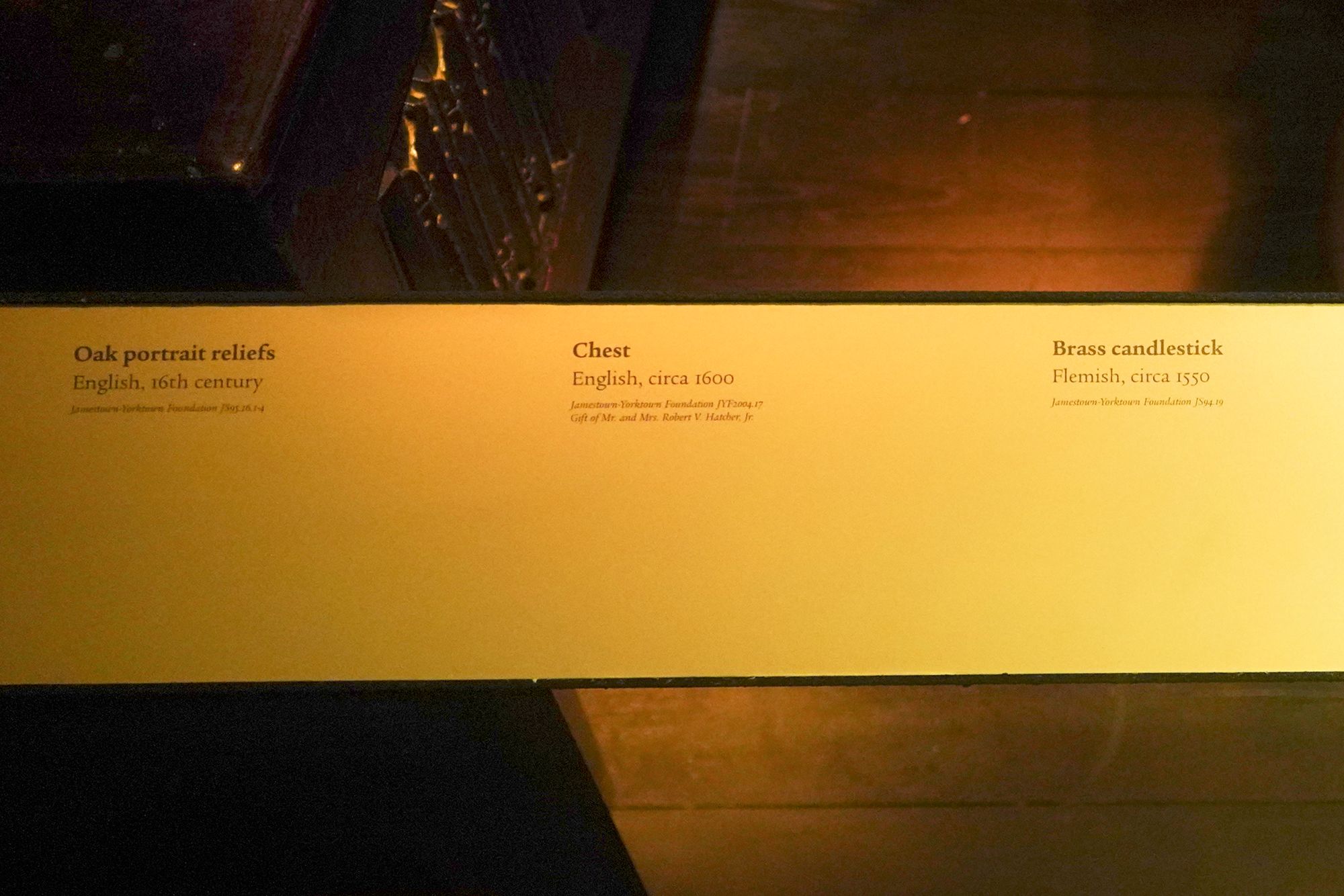
The exhibition at the Jamestown Settlement that shows how the English people lived in England provides context for why settlers left their homeland to start new lives in America.
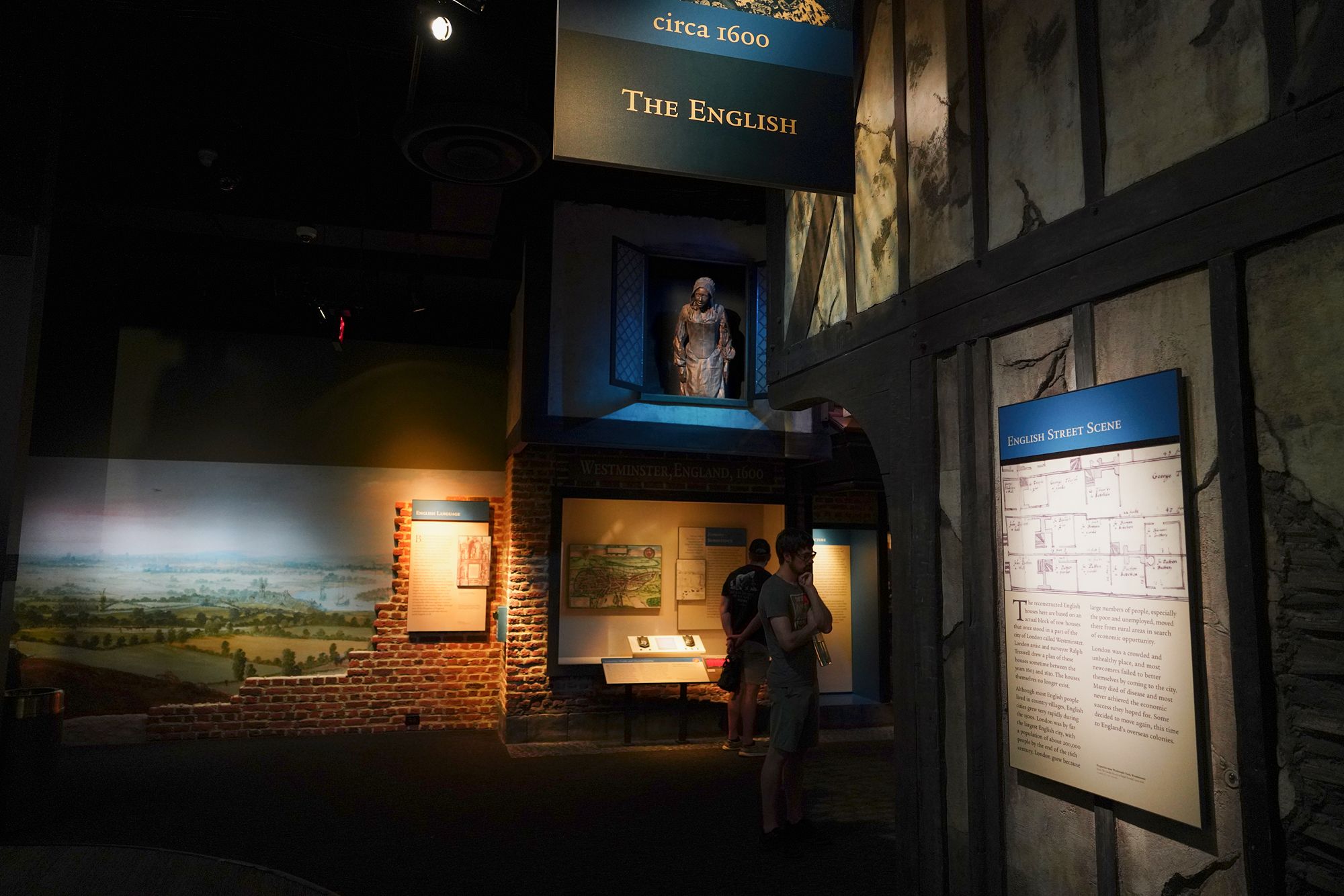
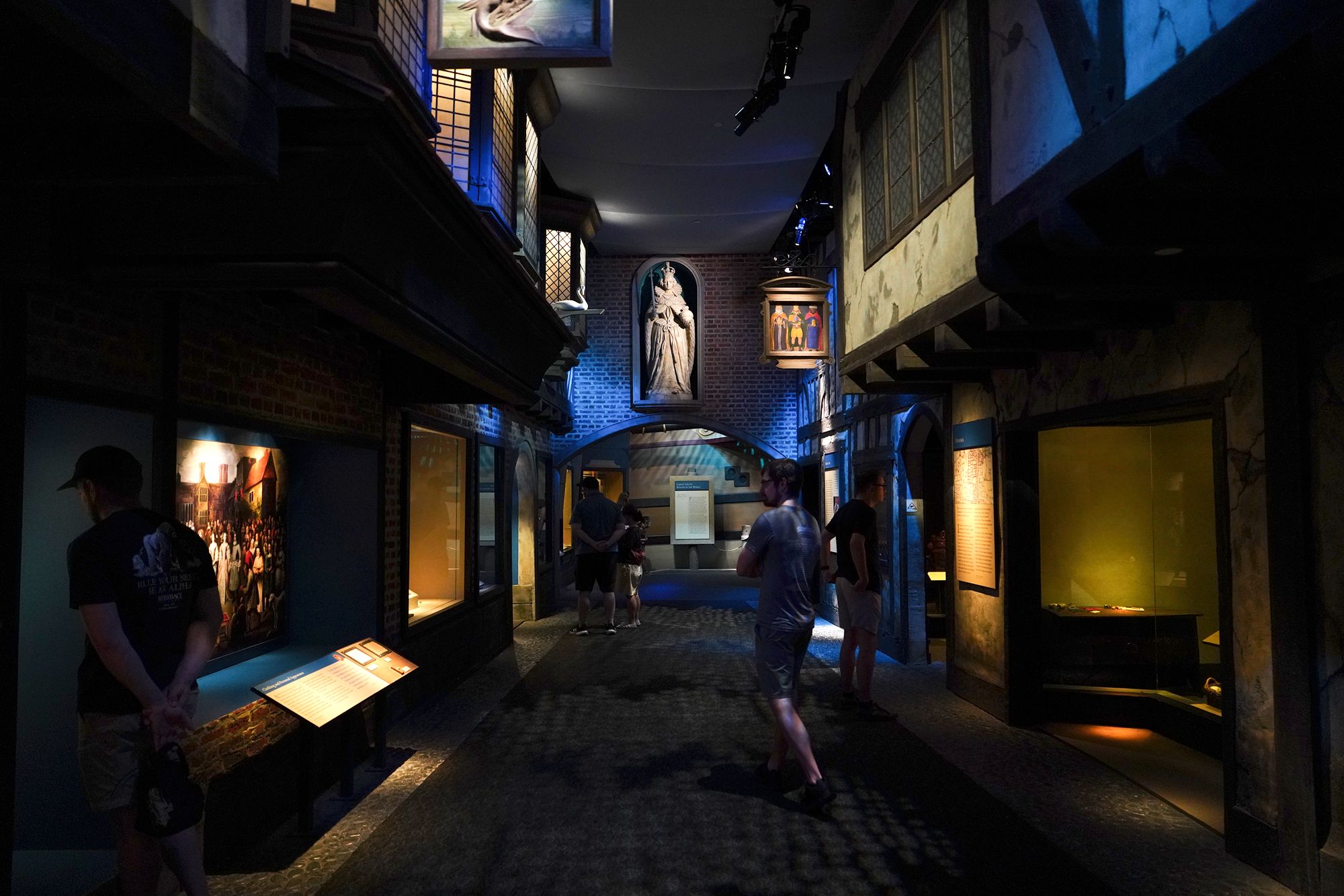
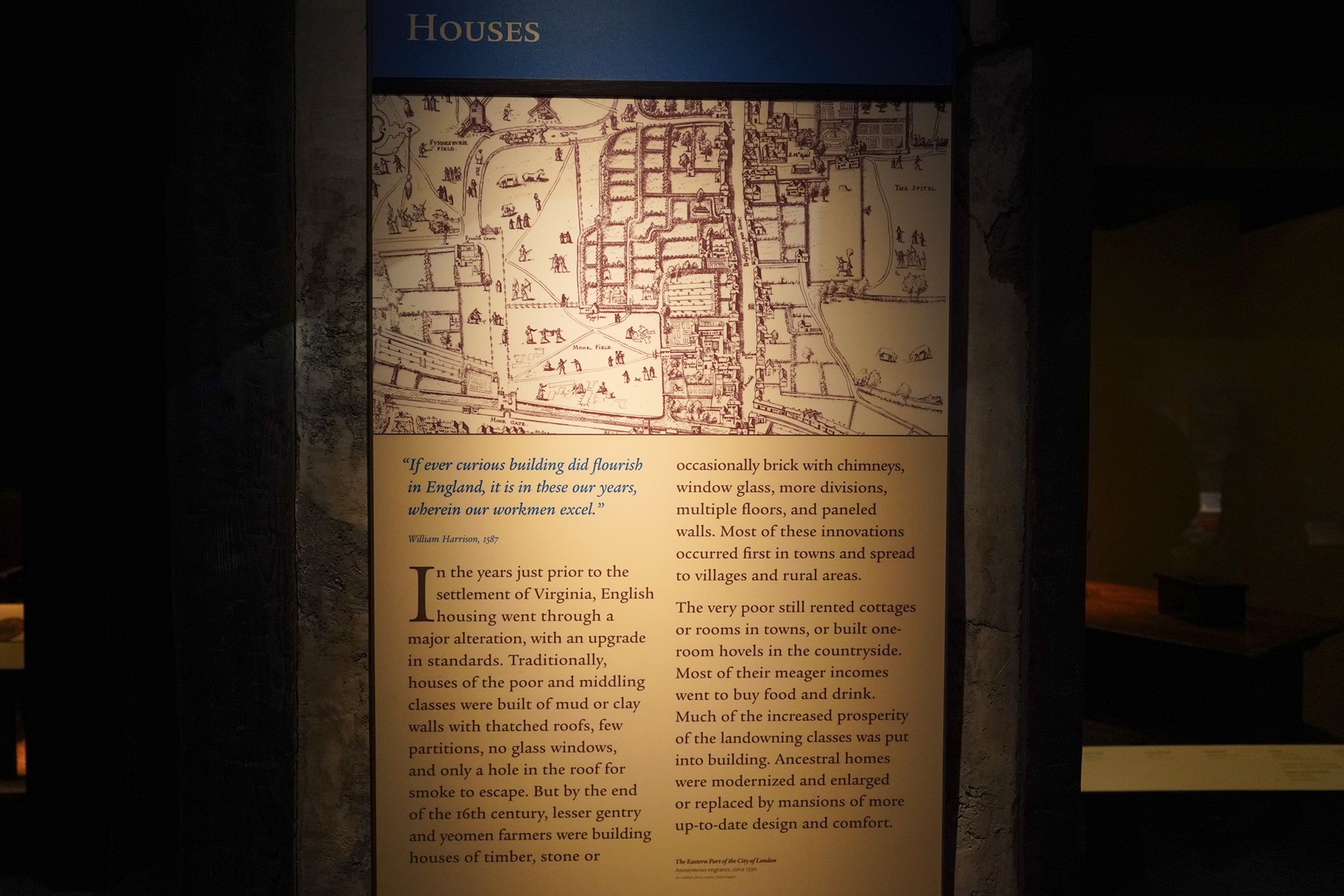
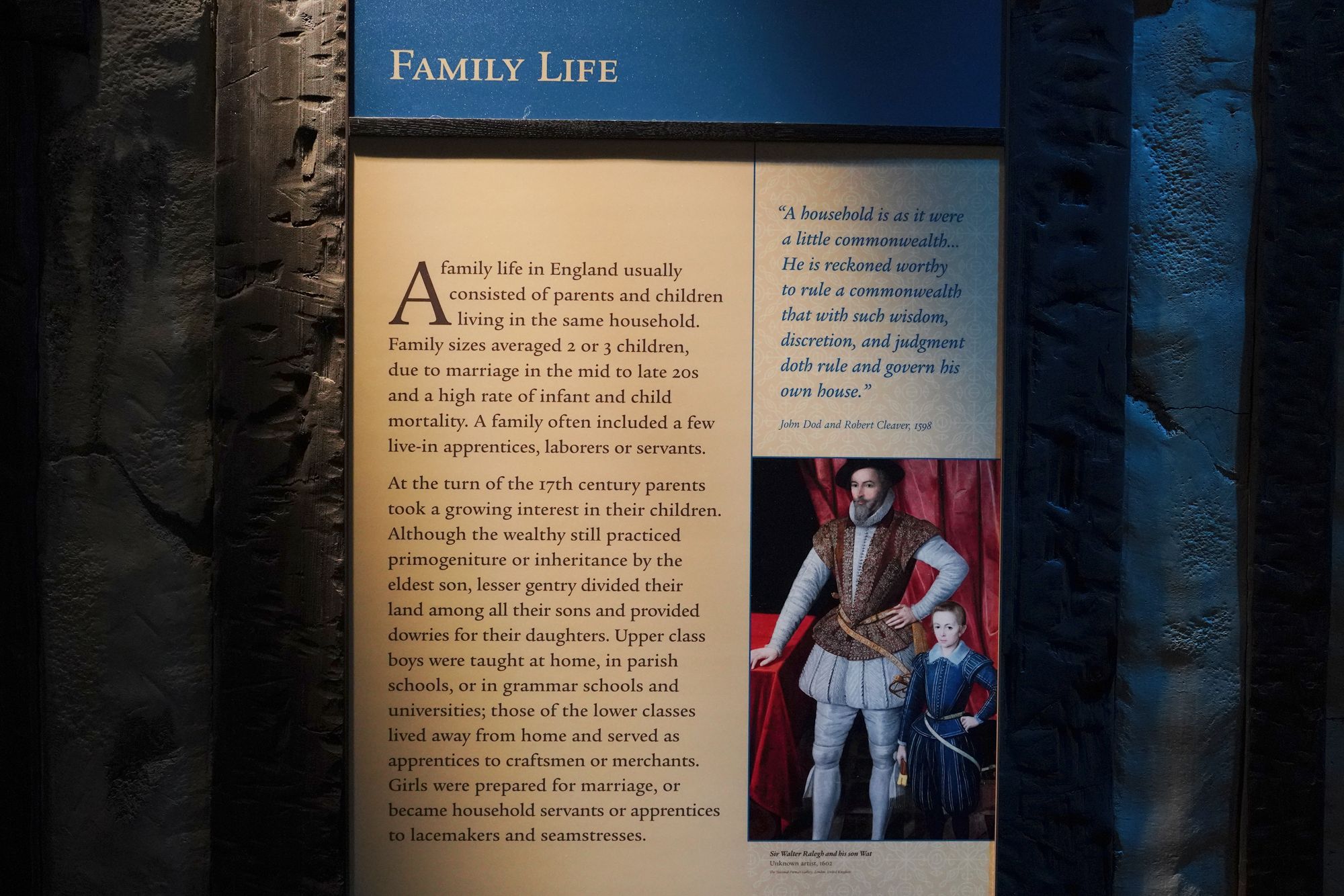
It recreates scenes of everyday life in 17th-century England, illustrating the sharp contrast between wealth and poverty during that time. Displays show crowded city streets, simple rural cottages, and manor houses of the upper class, highlighting England’s rigid social hierarchy.
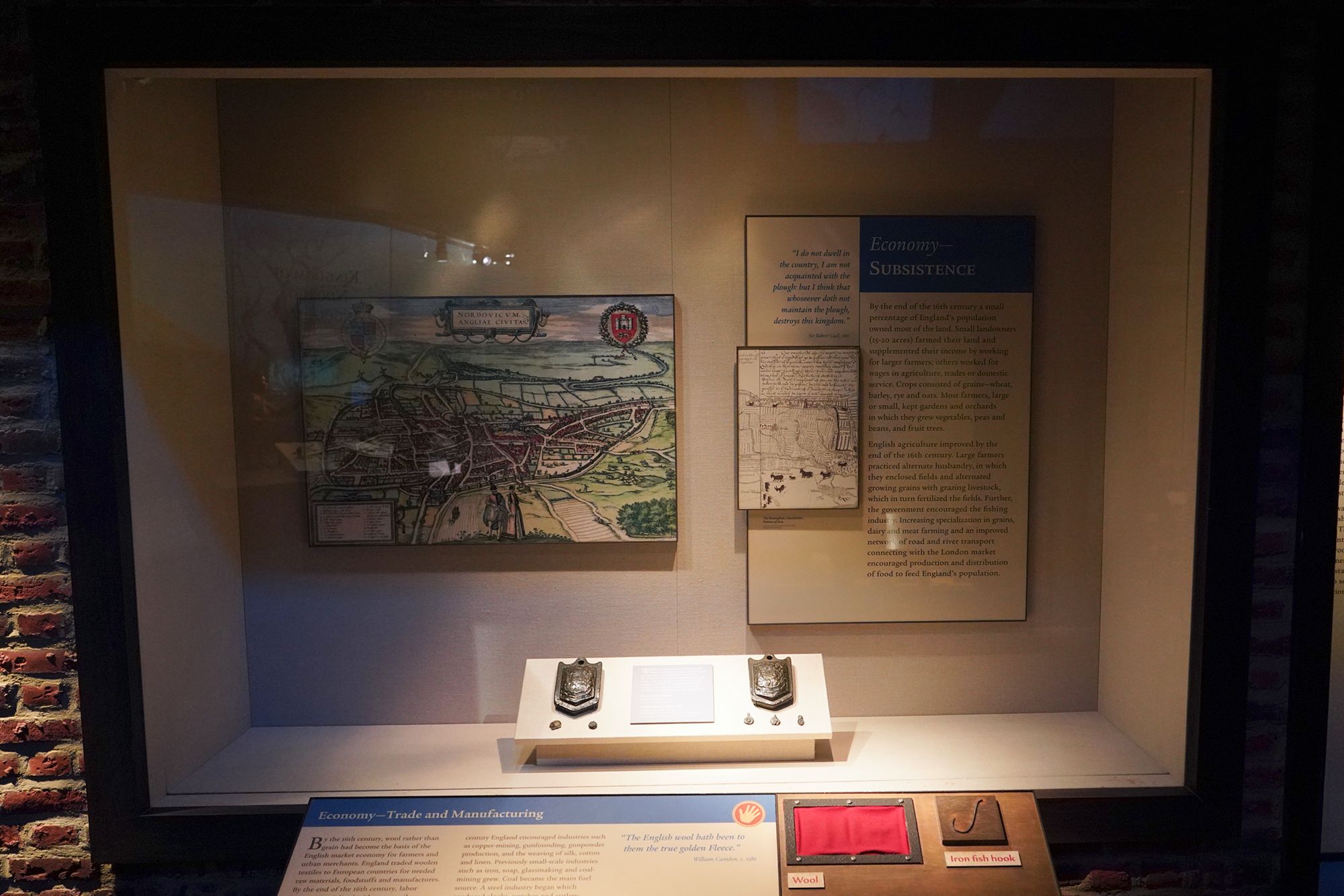
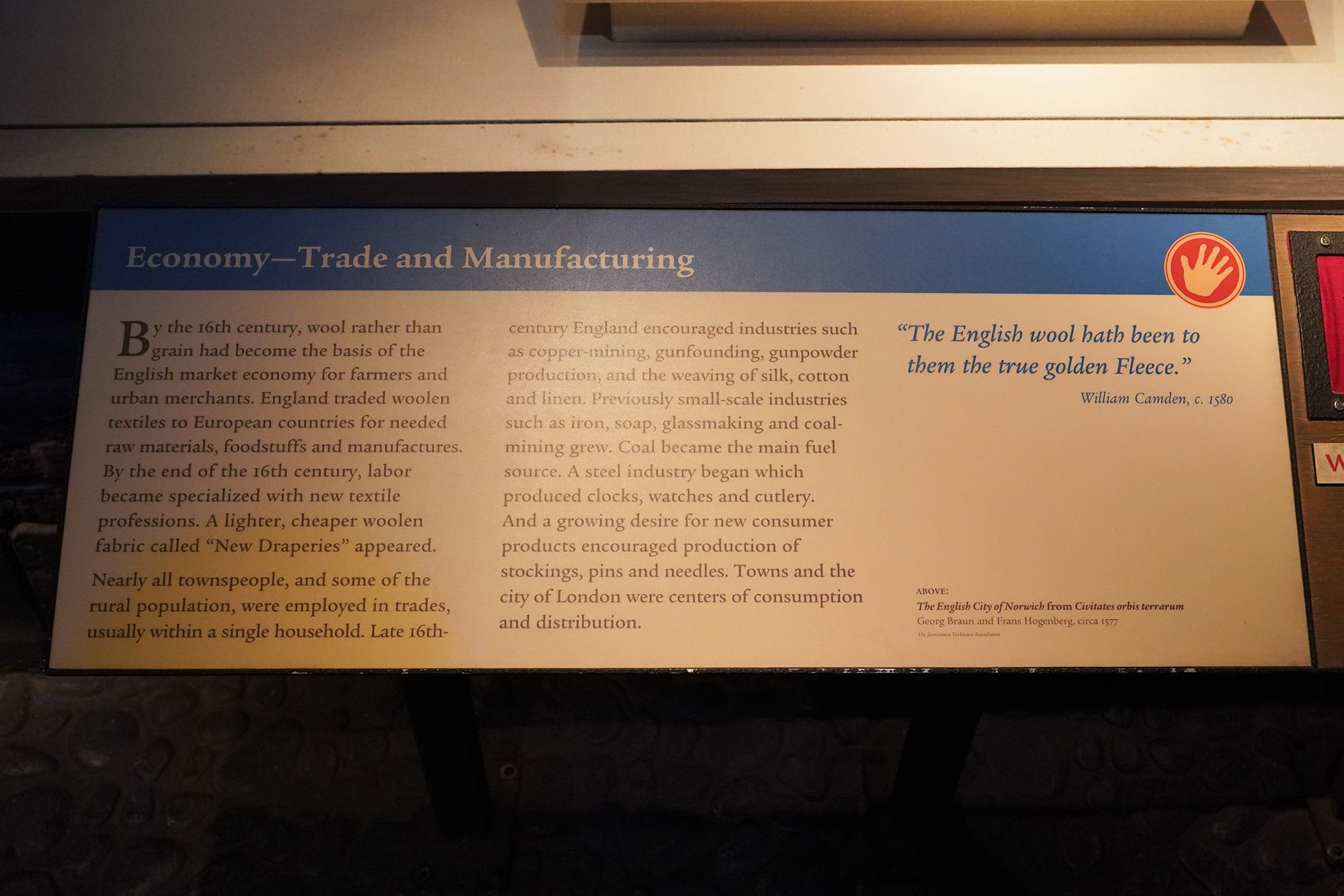
Economy
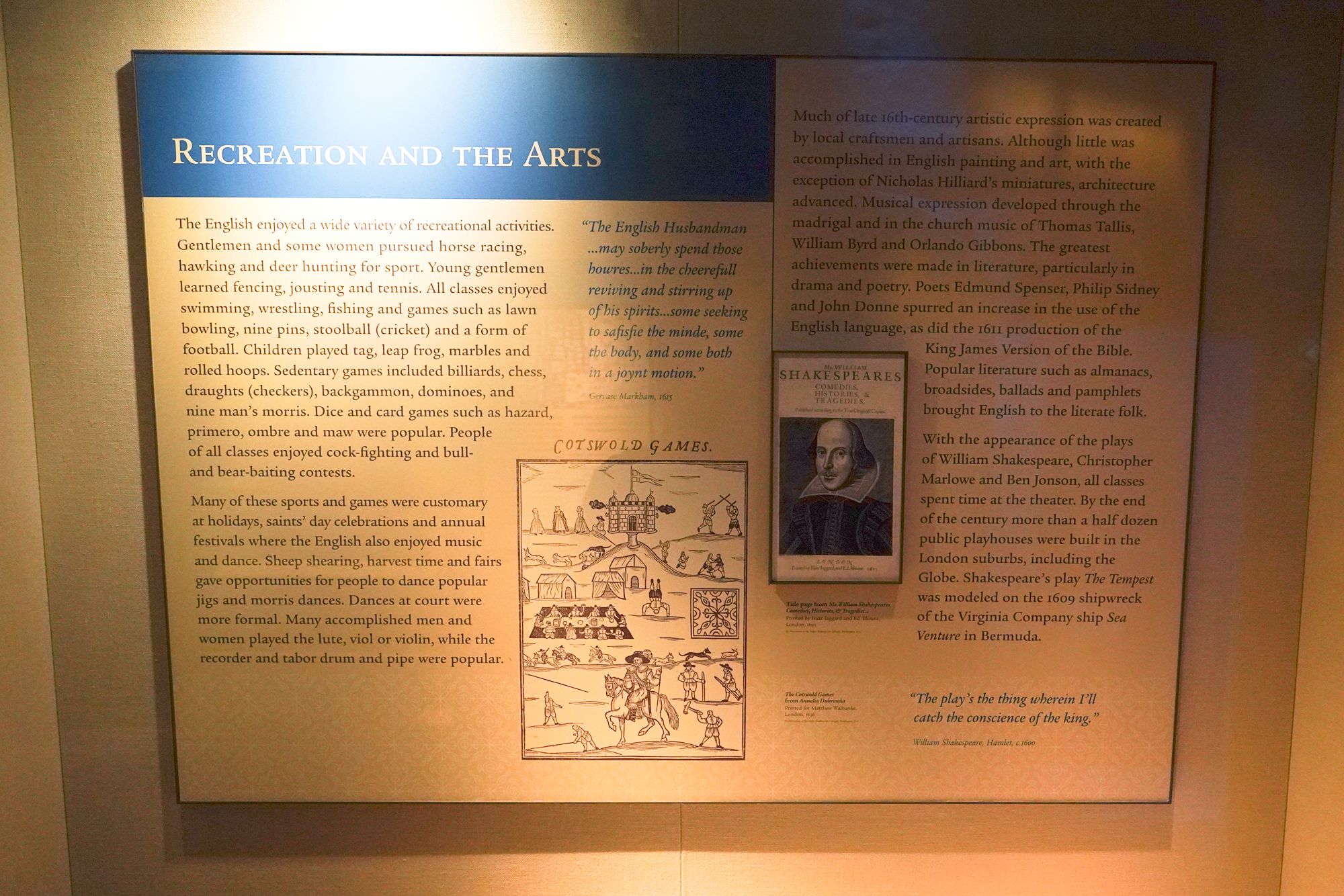
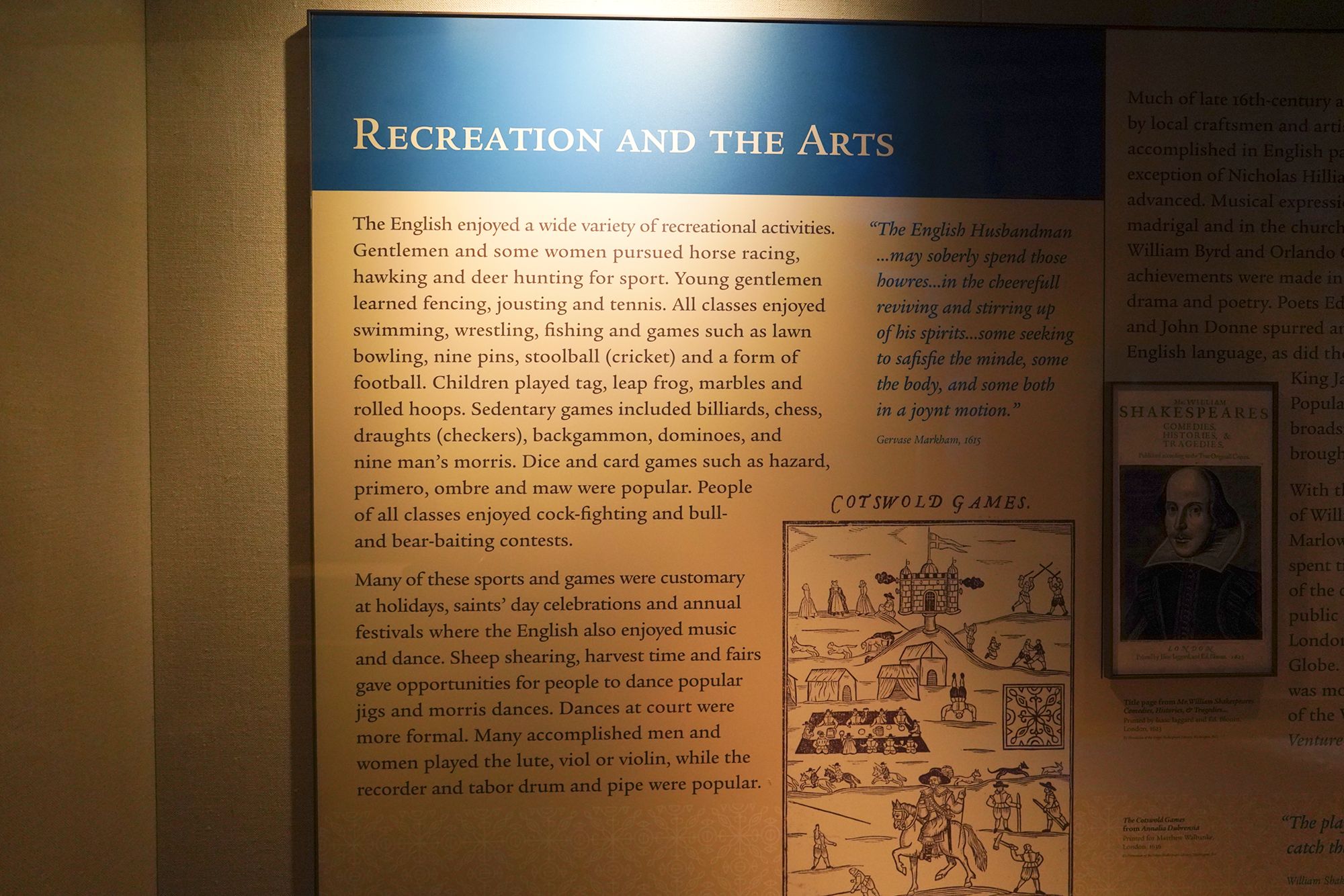
Recreation and the Arts
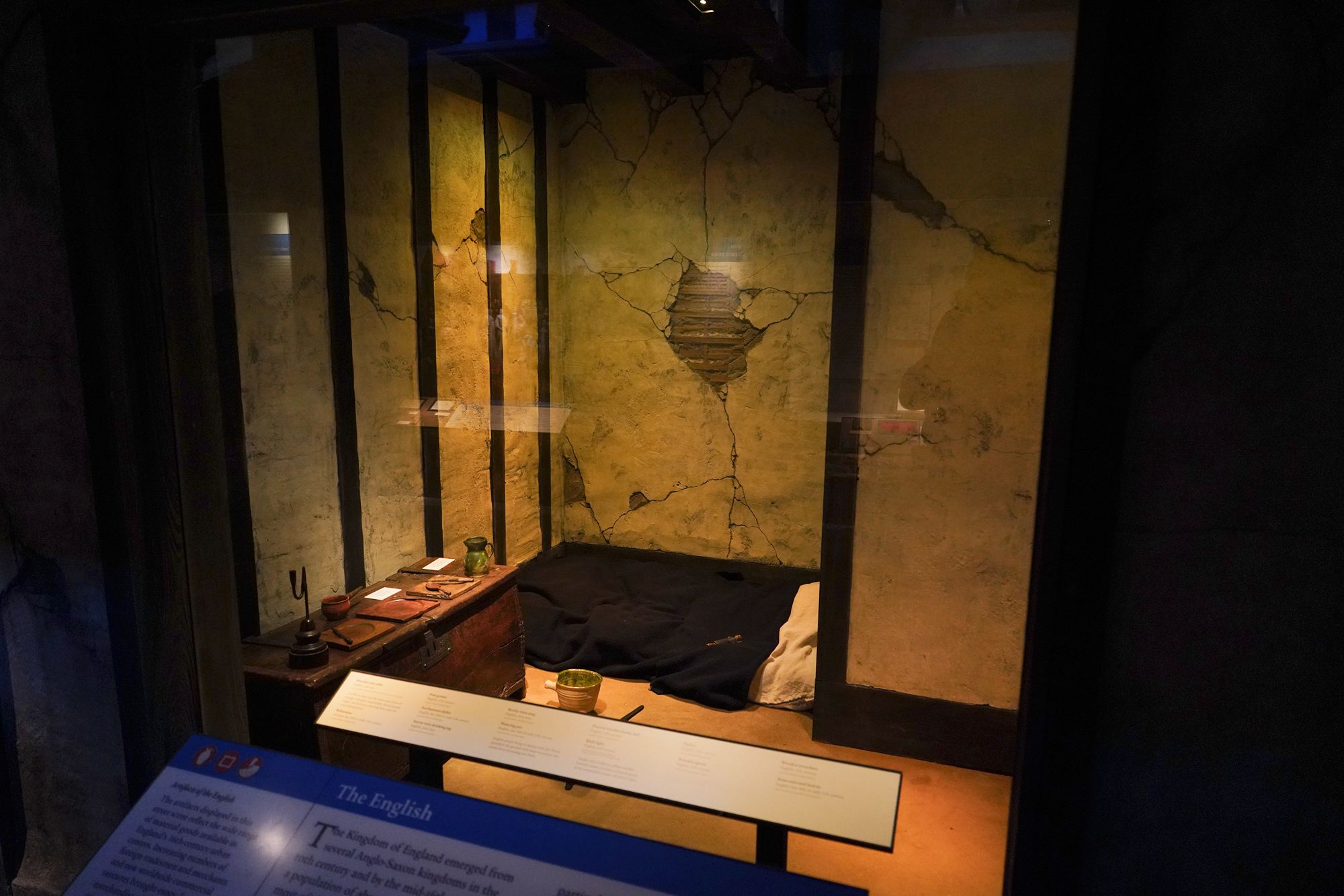
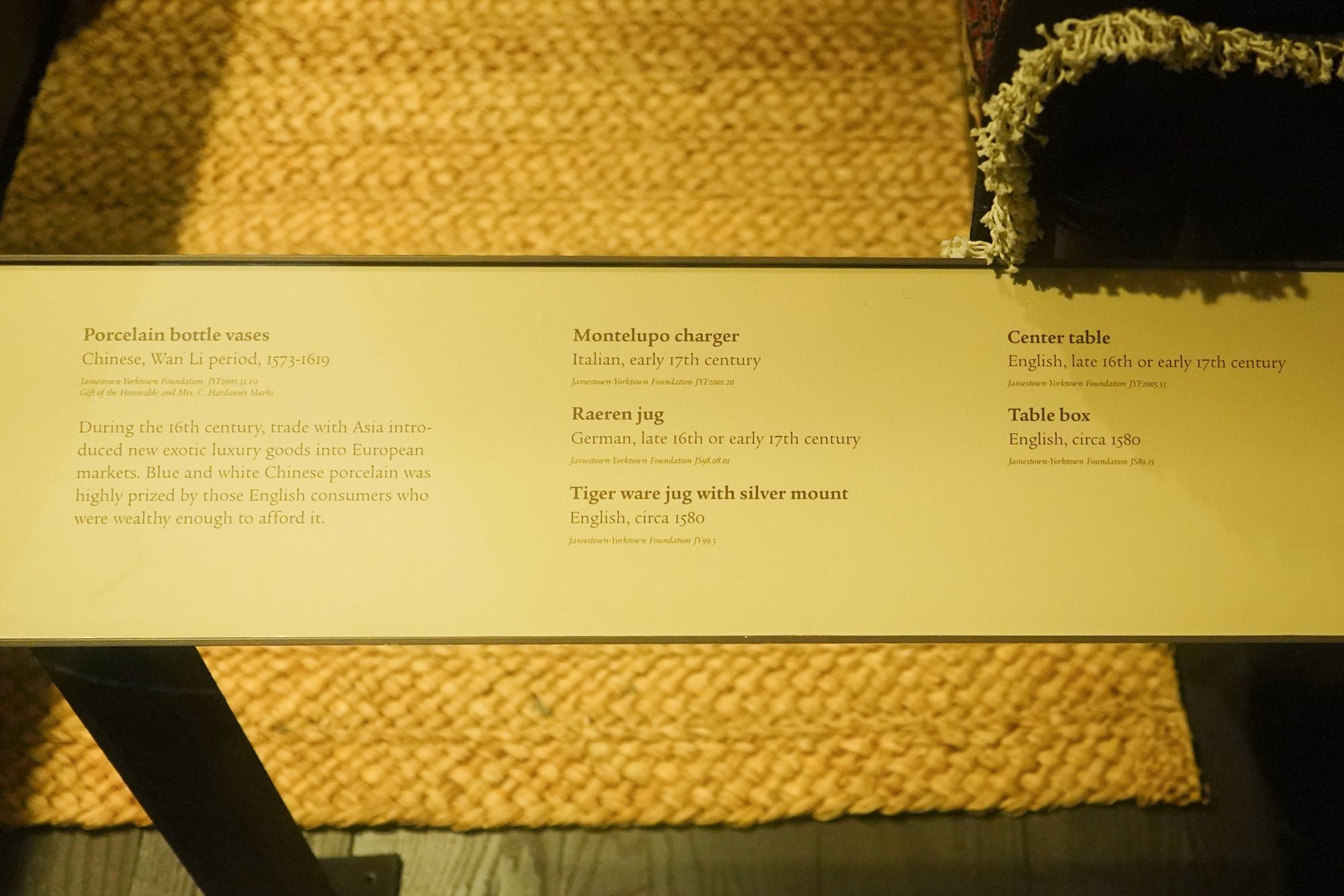
Houses
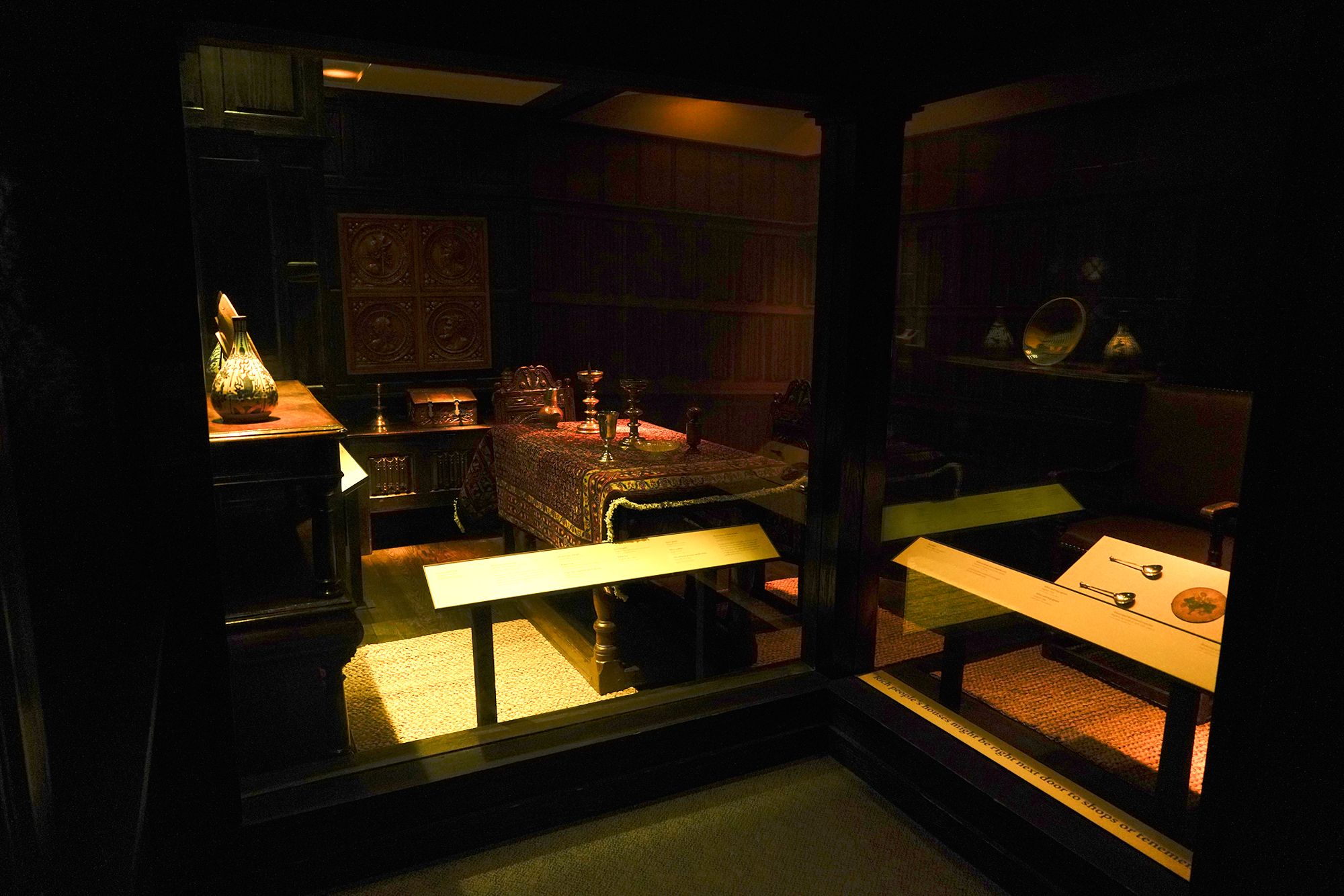
Family Life
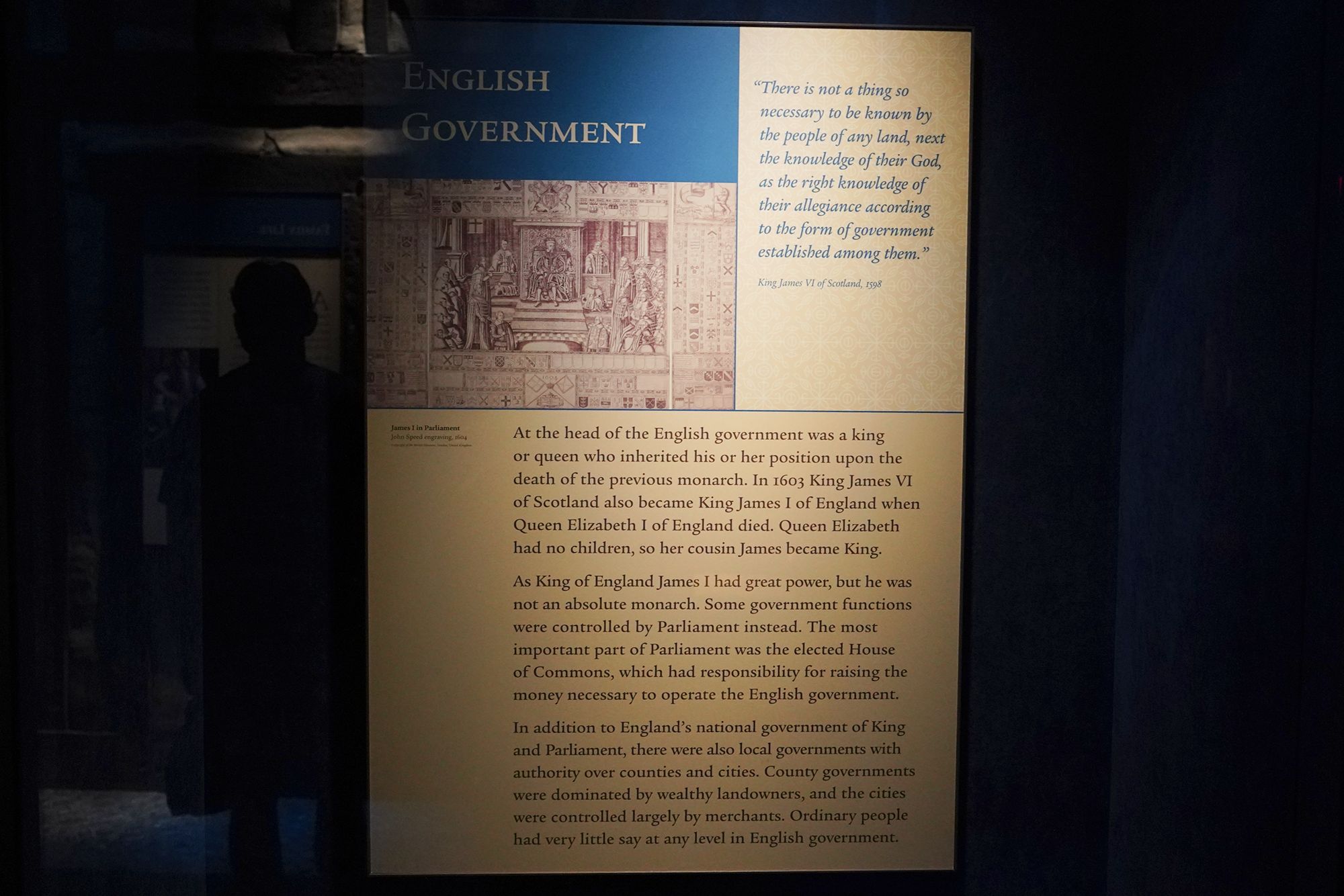
English Government
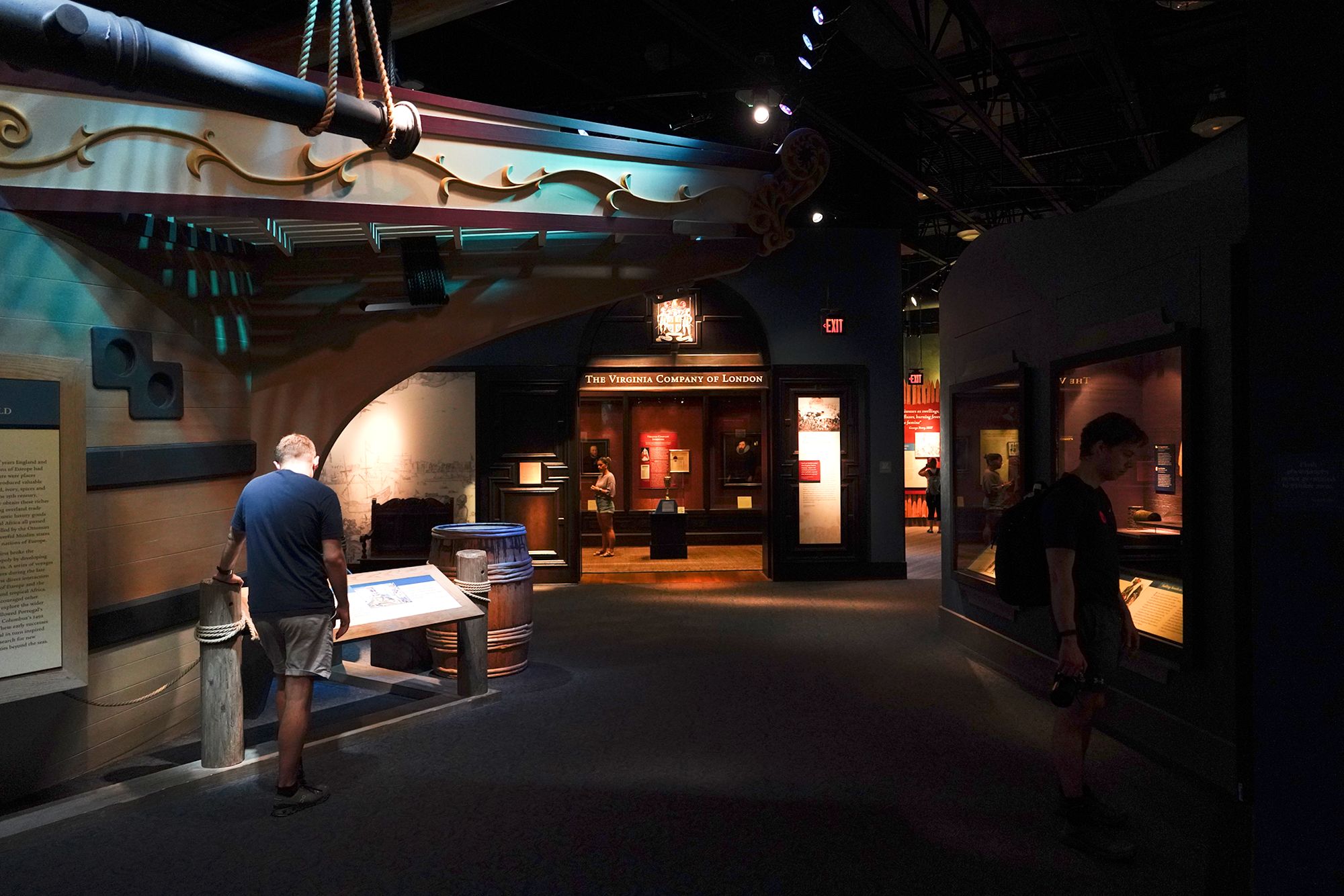
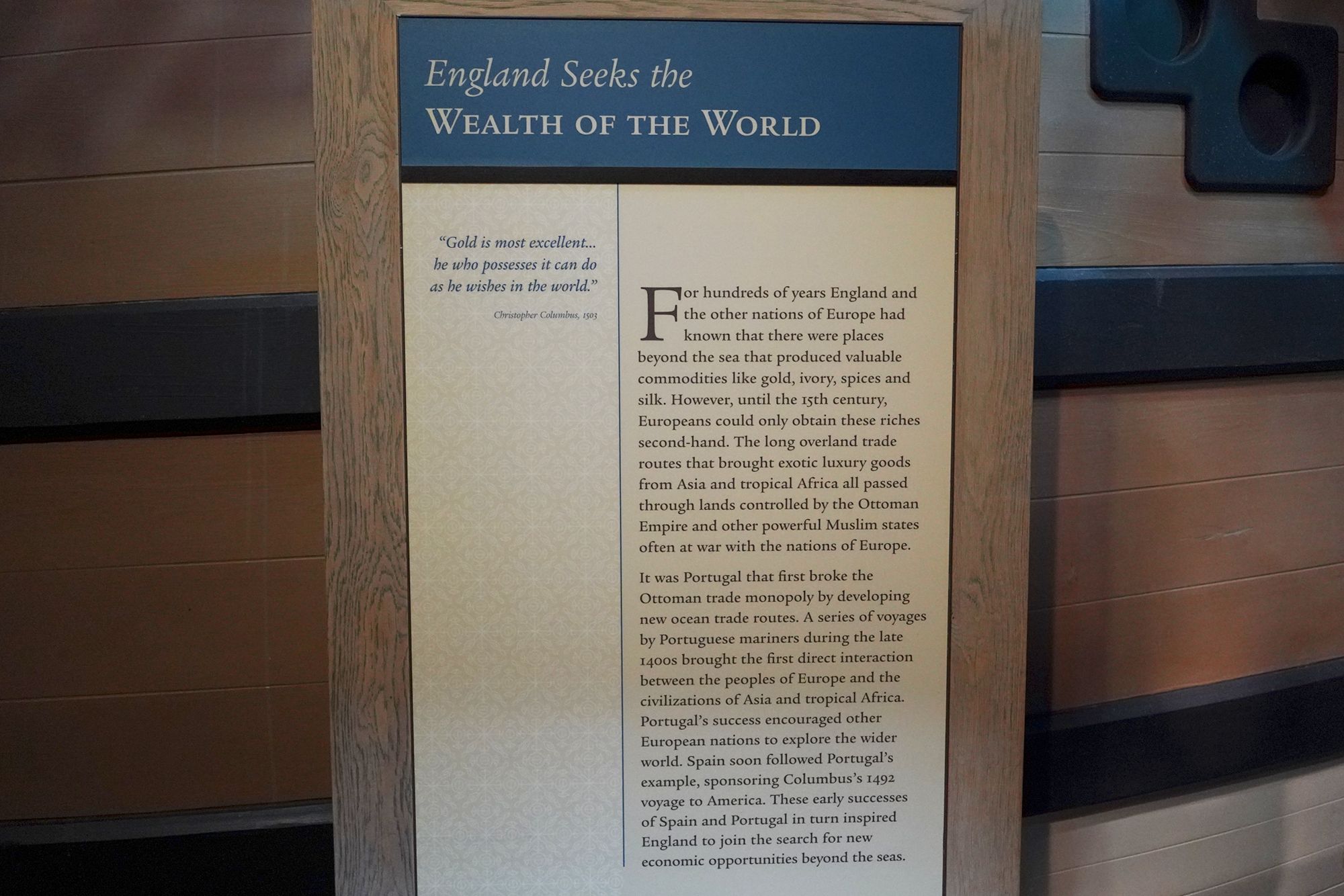
England Seeks the Wealth of the World
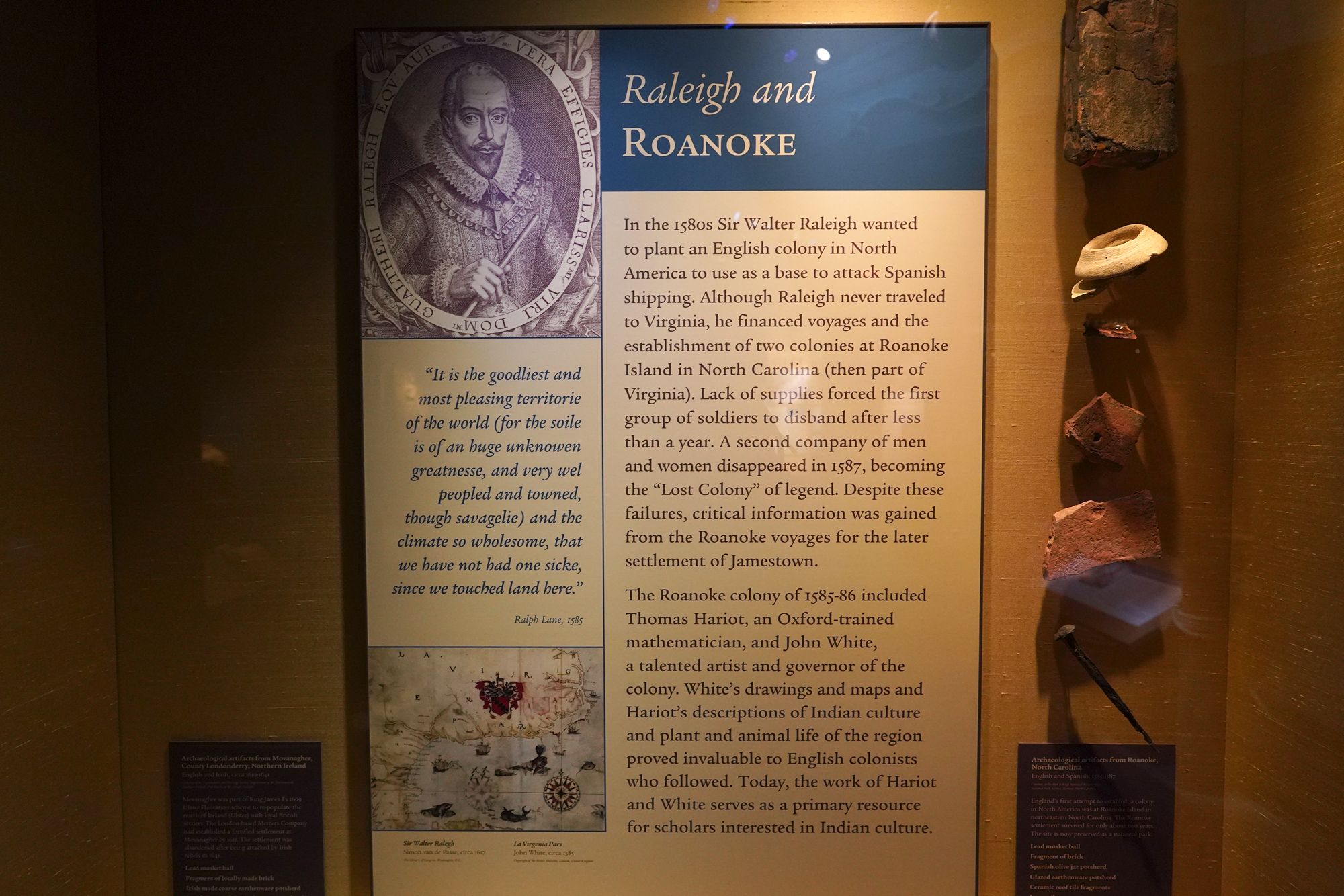
Roanoke refers to the first English attempt to establish a colony in North America, located on Roanoke Island (in present-day North Carolina) during the 1580s. Sponsored by Sir Walter Raleigh, the colony was part of England’s early efforts to expand overseas and challenge Spanish power.
The first small settlement in 1585 failed due to food shortages and tense relations with local Native peoples. A second group of about 115 settlers, including women and children, arrived in 1587 under Governor John White. When White returned to England for supplies and came back three years later, he found the colony completely deserted—the only clue was the word “CROATOAN” carved into a post.
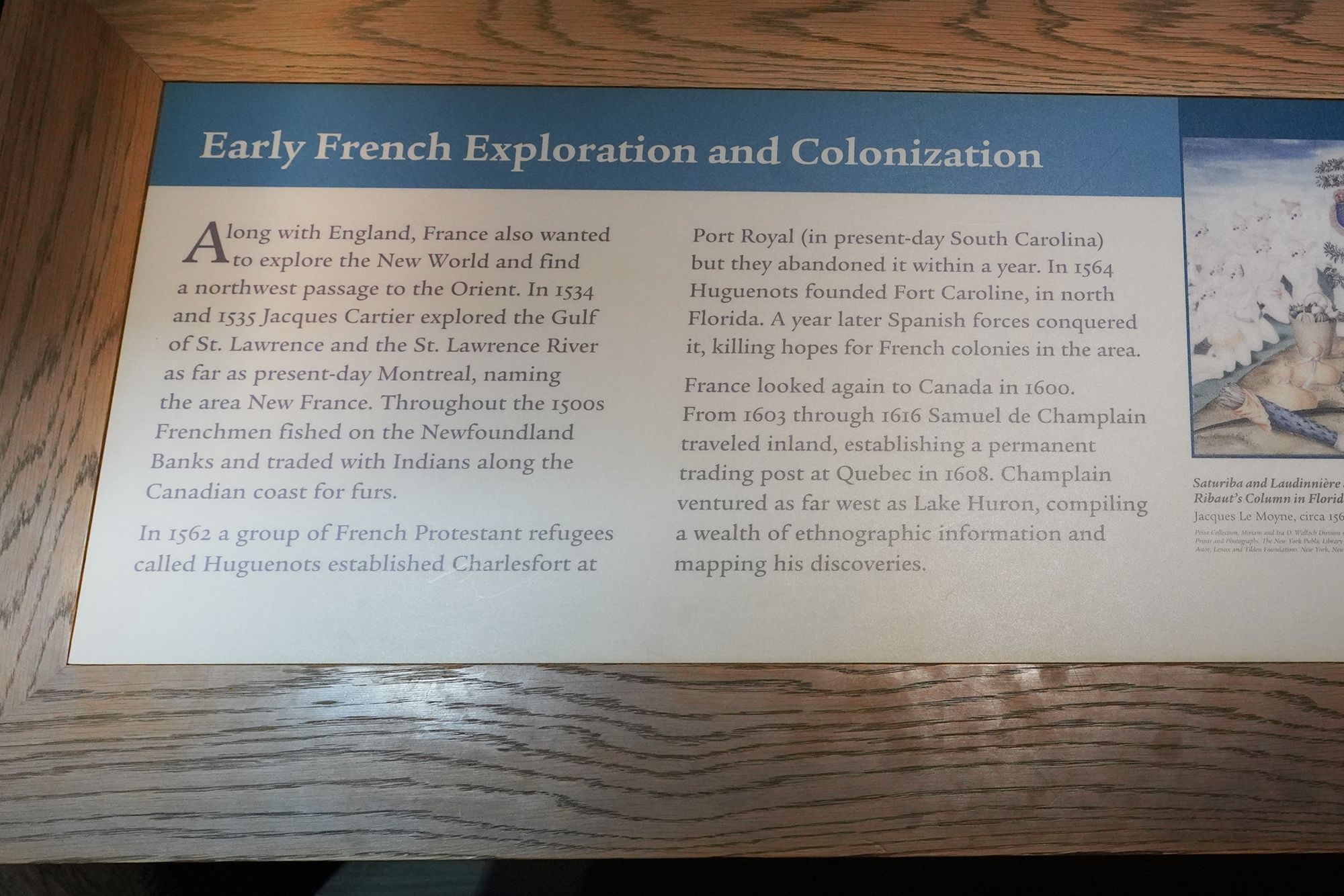
Early French Exploration
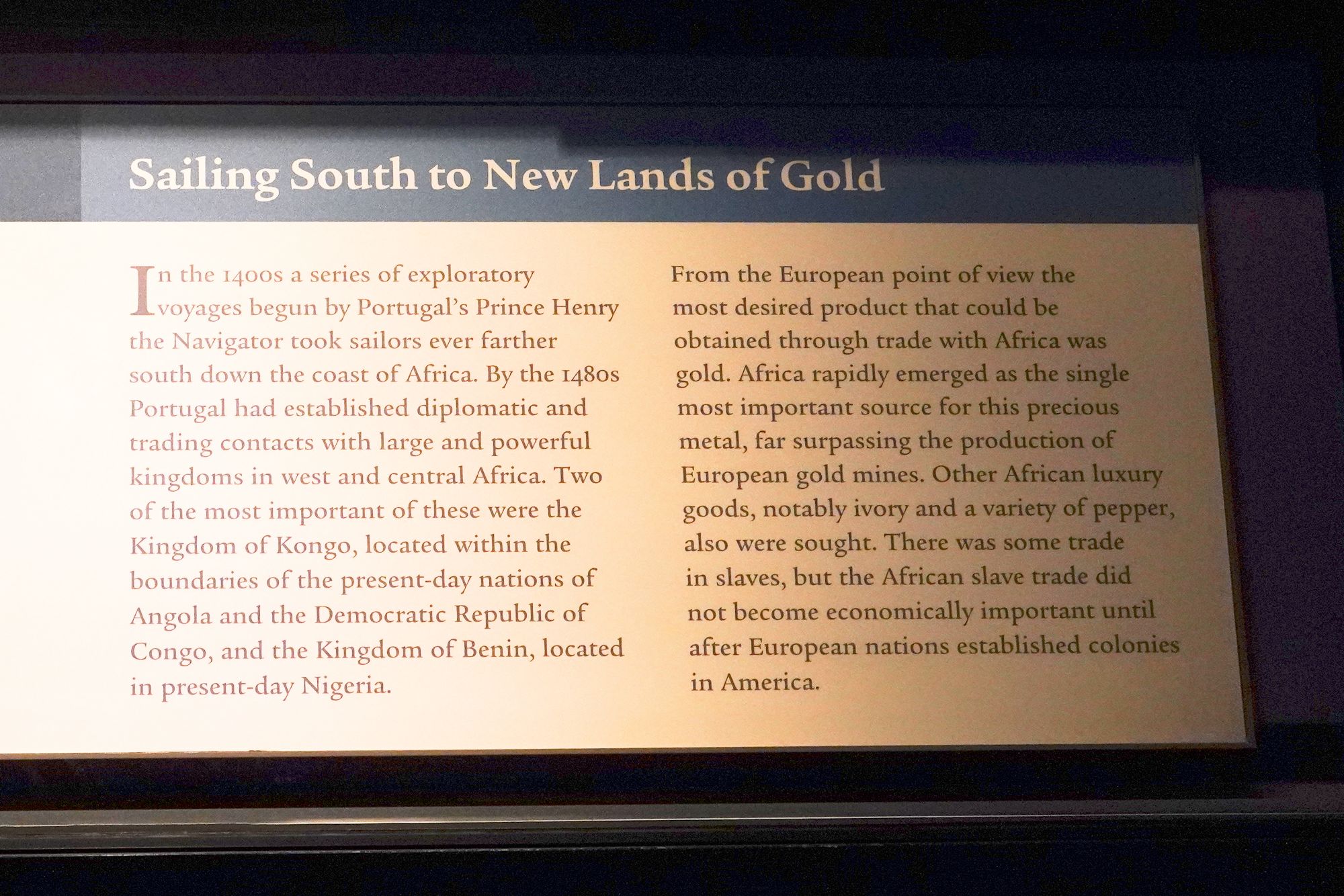
Portuguese Exploration
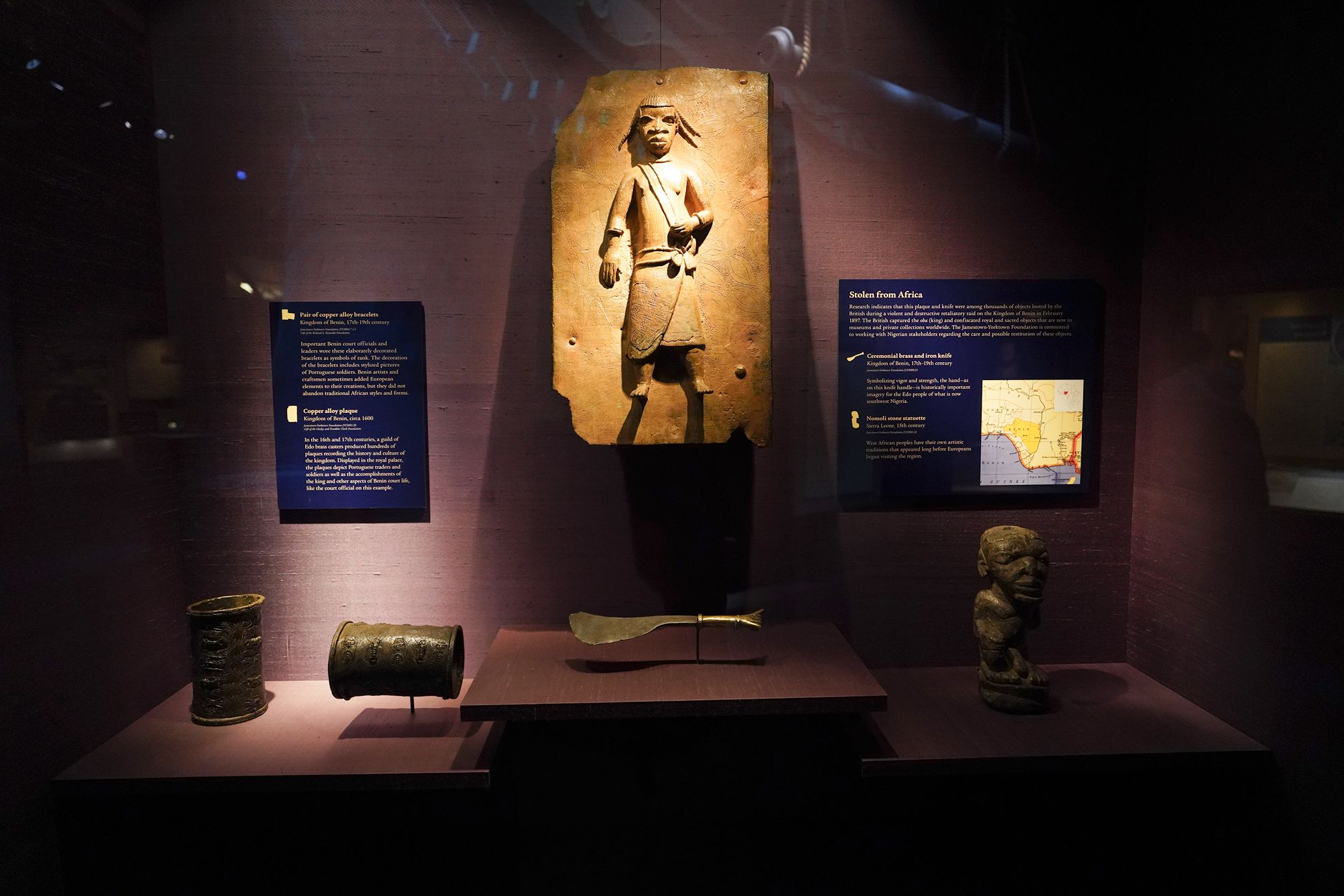
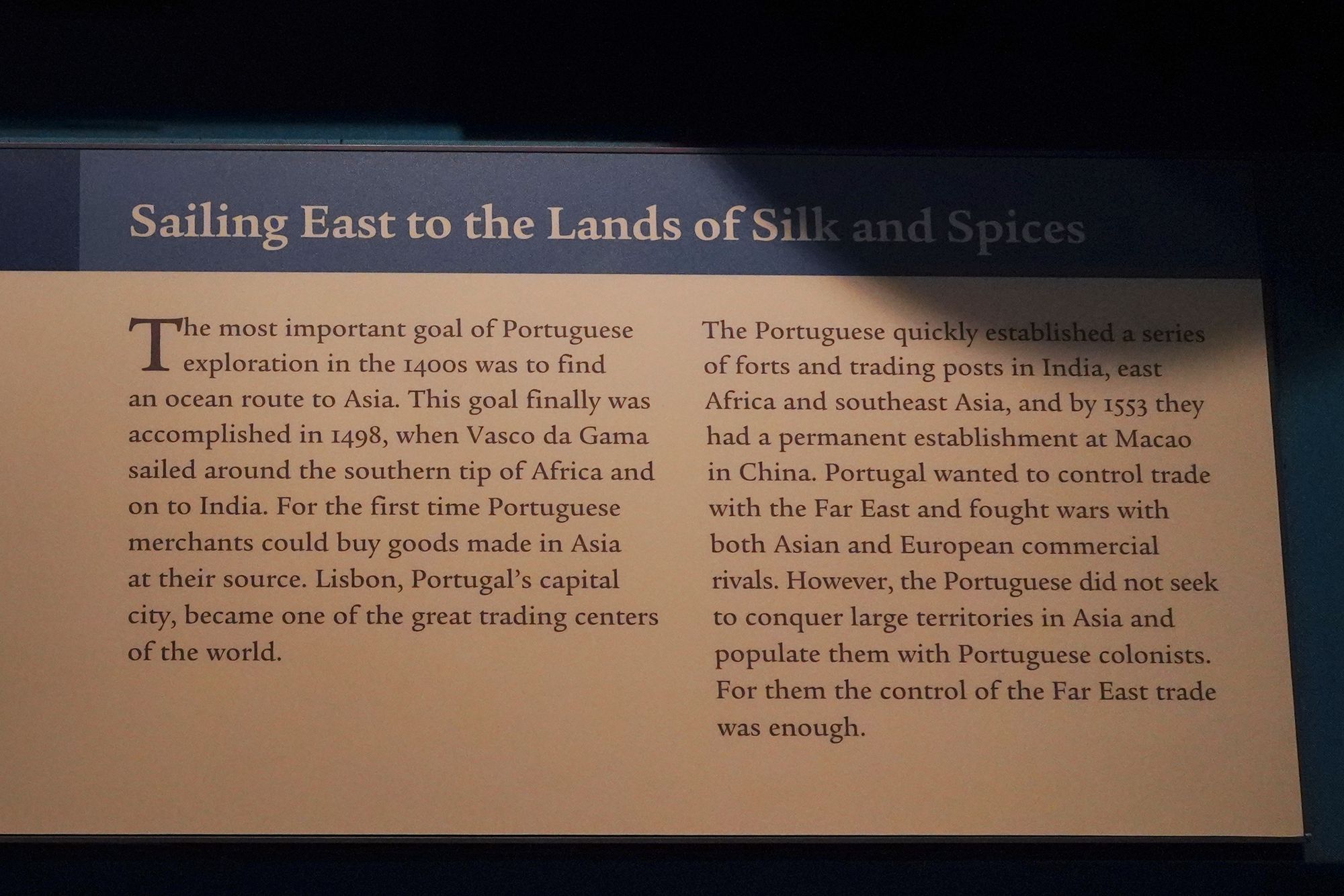
Portuguese Exploration to East Asia
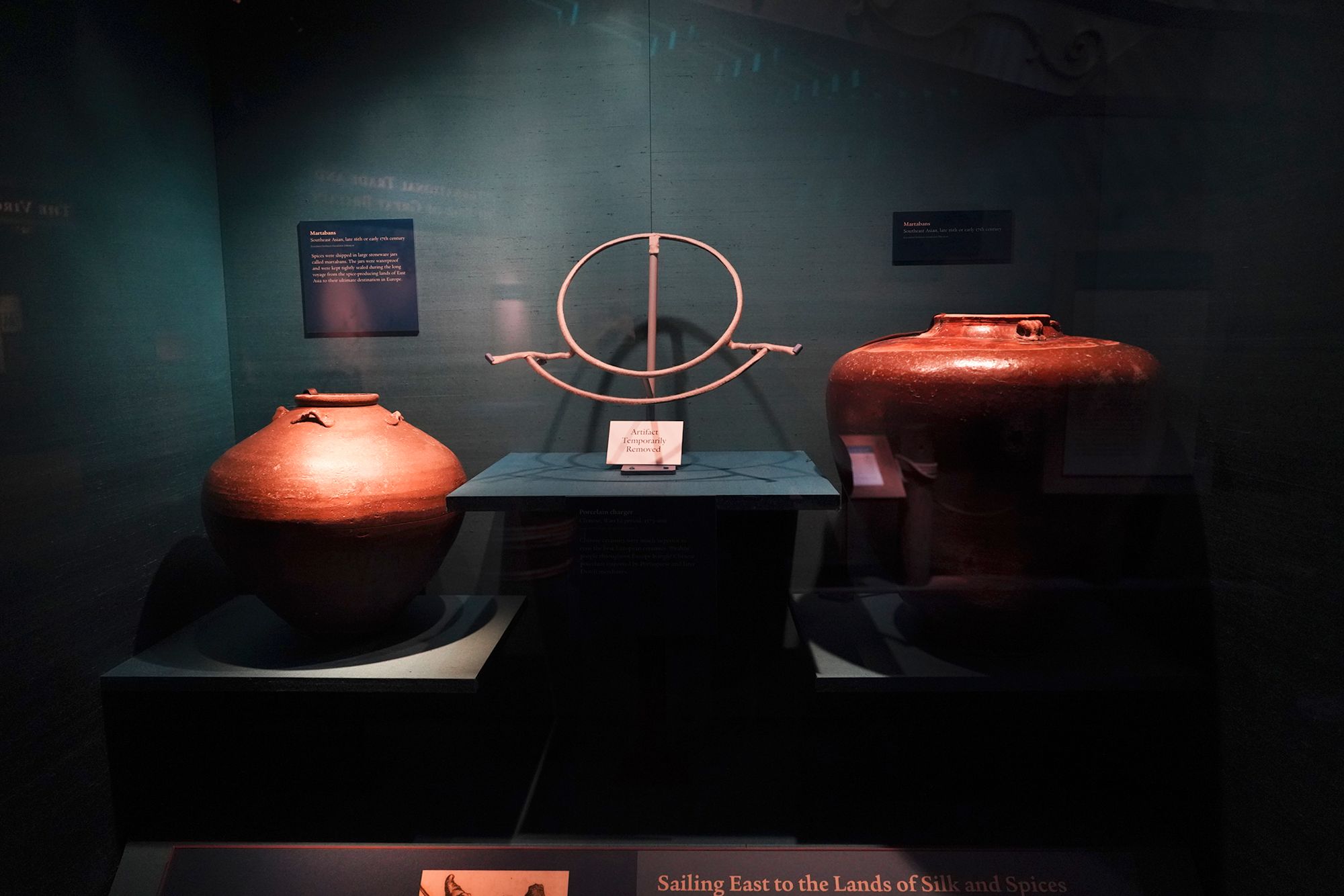
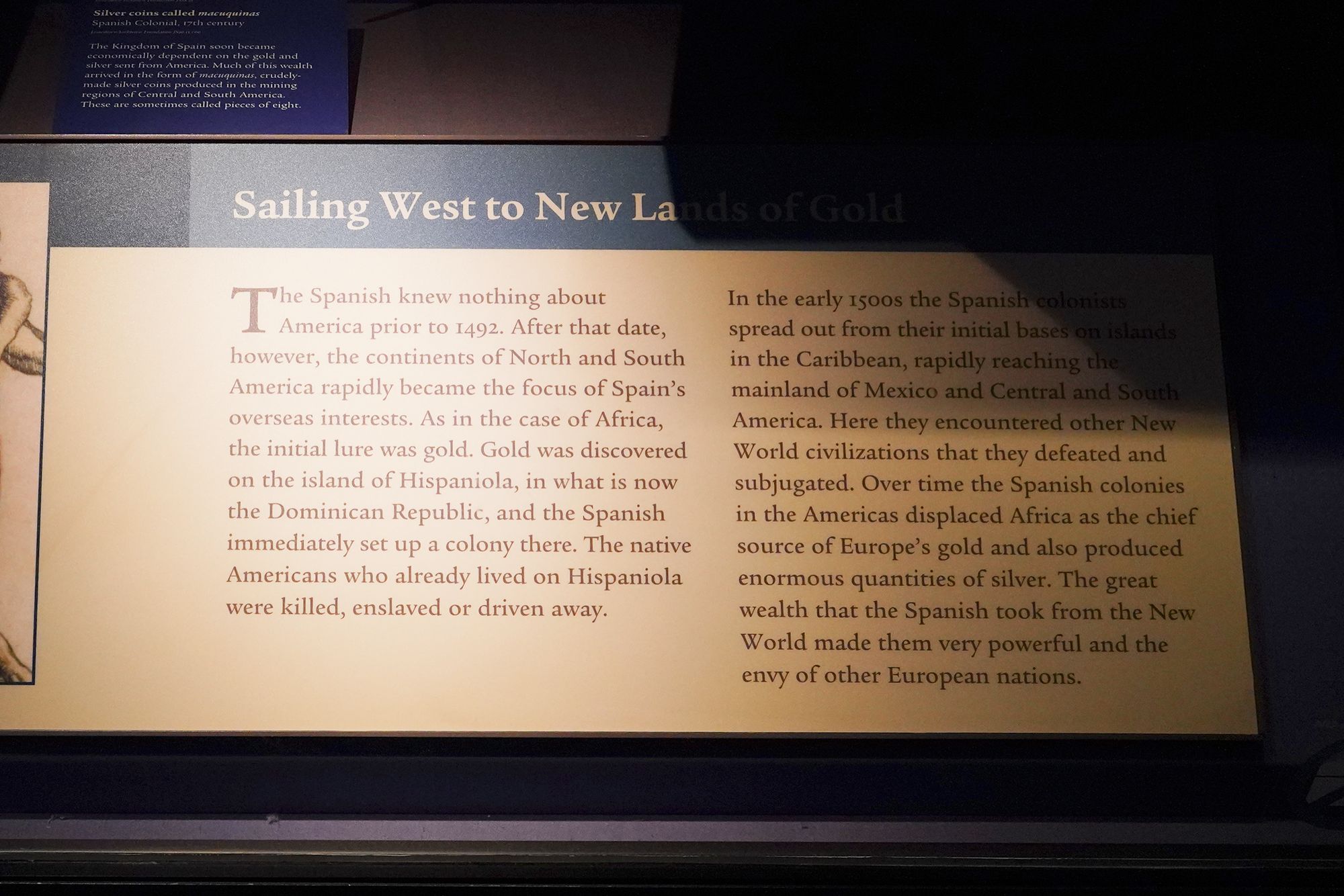
Spanish's Sailing to West
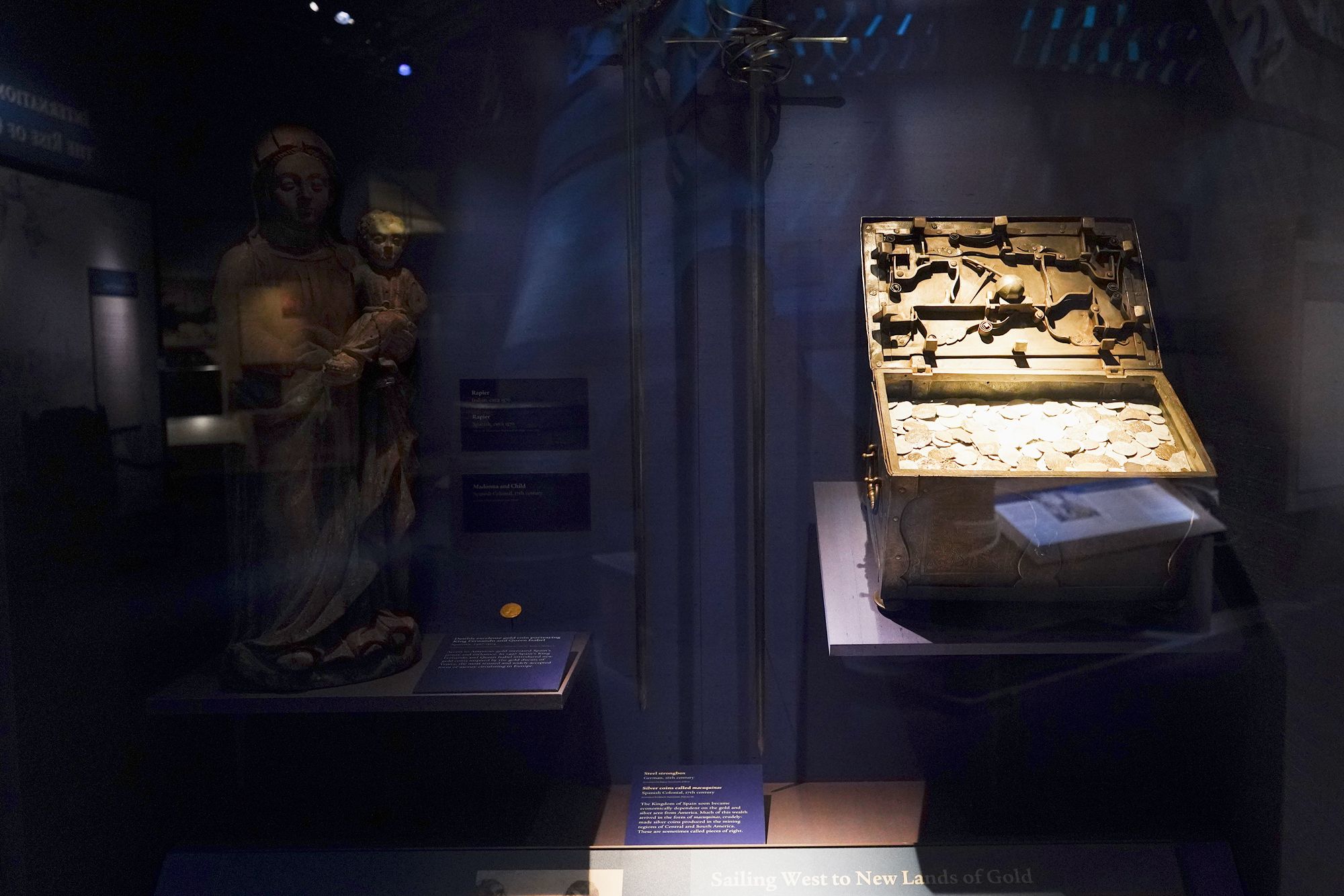
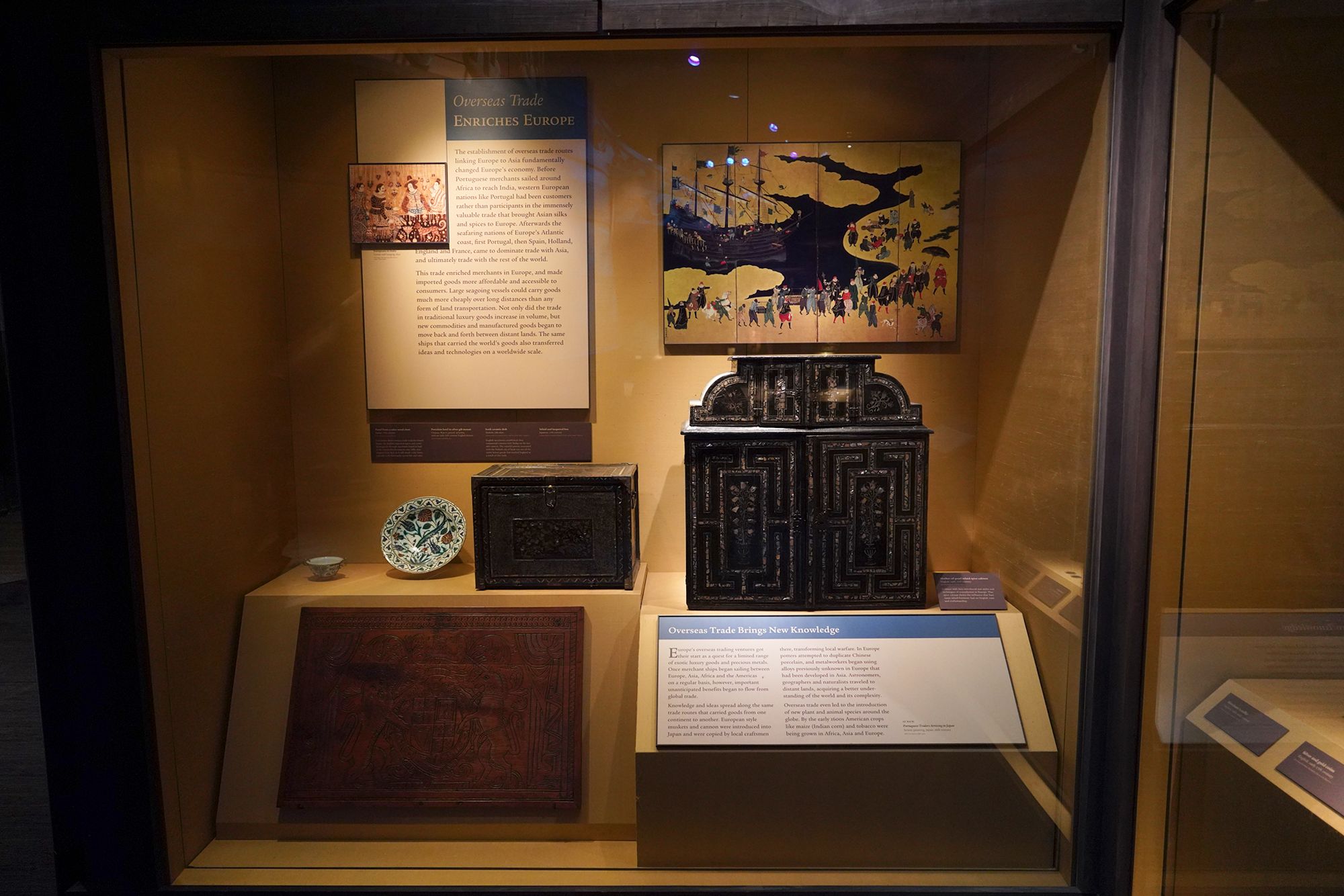
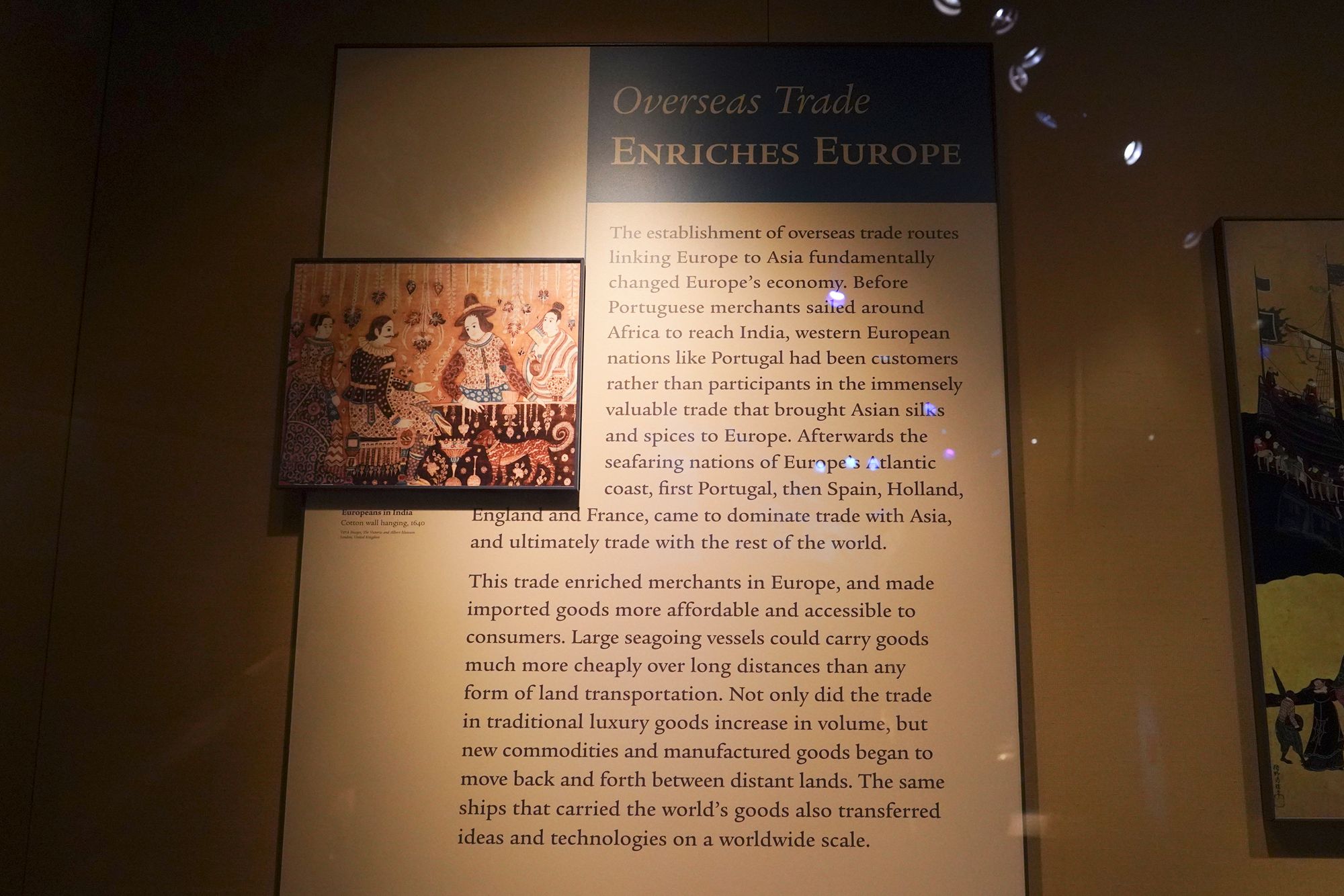
Overseas trade during the Age of Exploration greatly enriched Europe by bringing in vast wealth from colonies, trade routes, and new resources. Beginning in the 15th century, European powers such as Portugal, Spain, England, France, and the Netherlands established global trading networks that linked Europe with Africa, Asia, and the Americas.
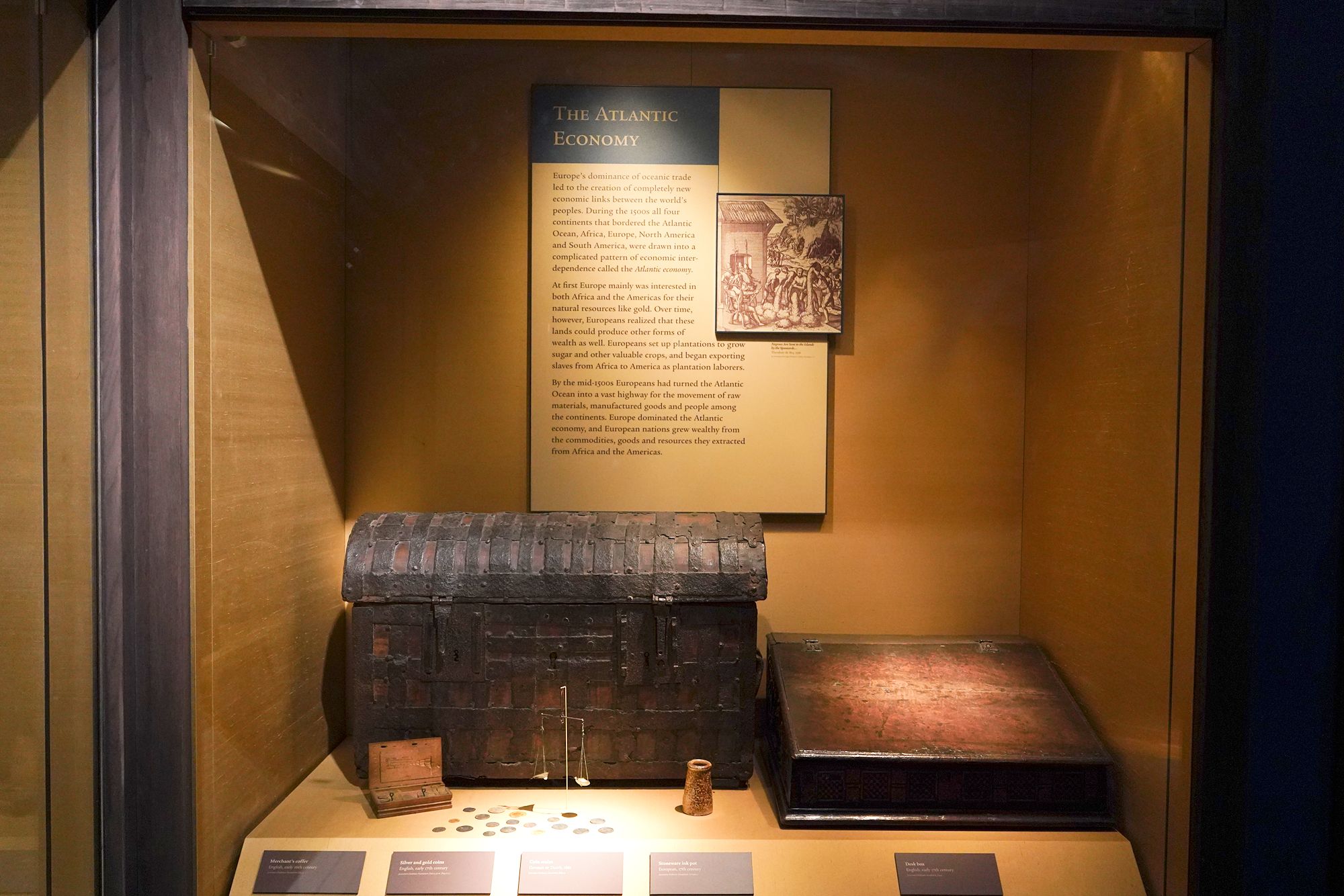
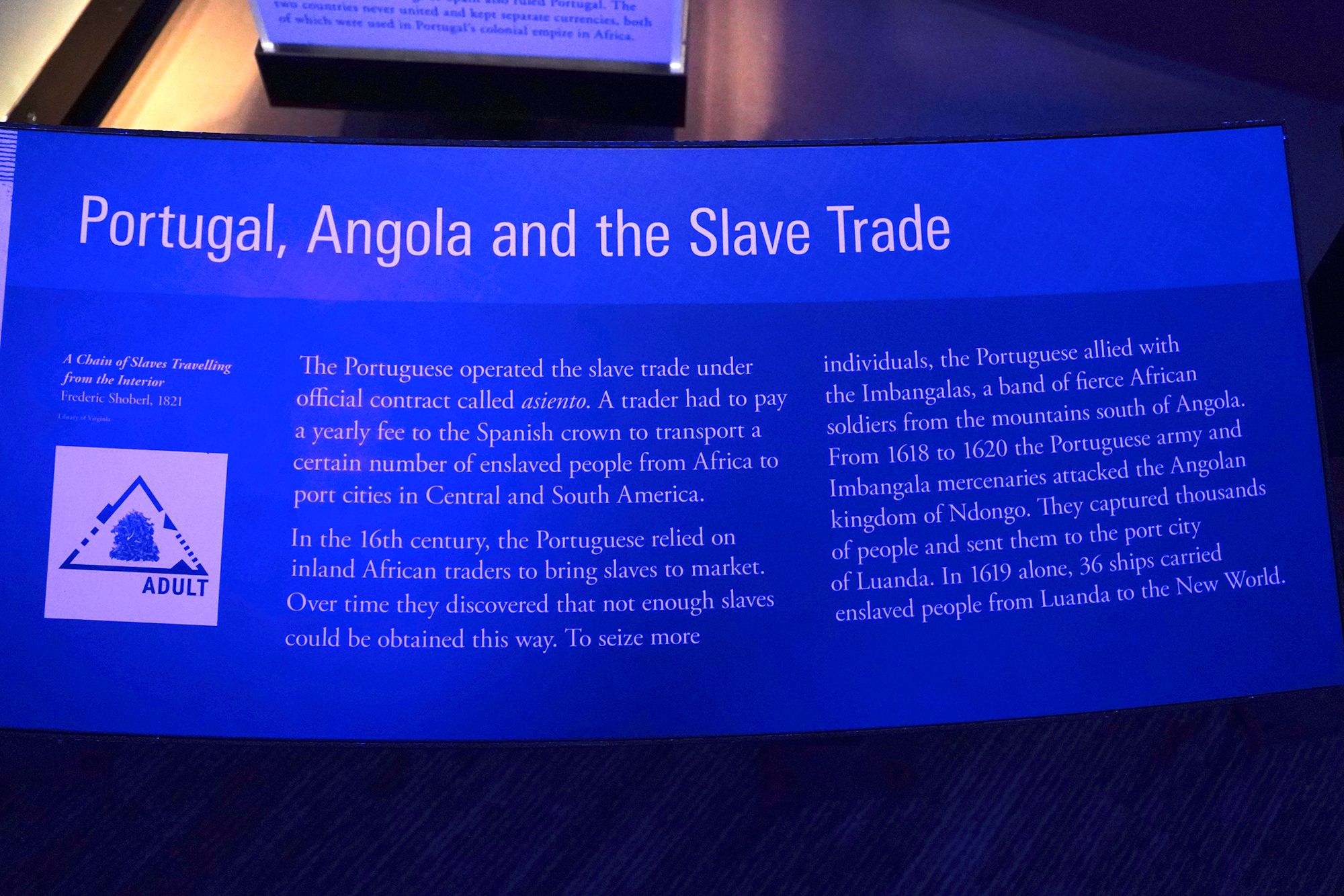
The Atlantic economy was a trade network that connected Europe, Africa, and the Americas from the 1500s to the 1800s. European ships carried goods to Africa, where they exchanged them for enslaved people. These captives were transported across the Atlantic to the Americas and forced to work on plantations producing sugar, tobacco, and cotton. Those raw materials were then shipped back to Europe, enriching merchants and fueling industrial growth. While the system brought great wealth to Europe, it was built on the suffering of millions of enslaved Africans and the exploitation of the New World.
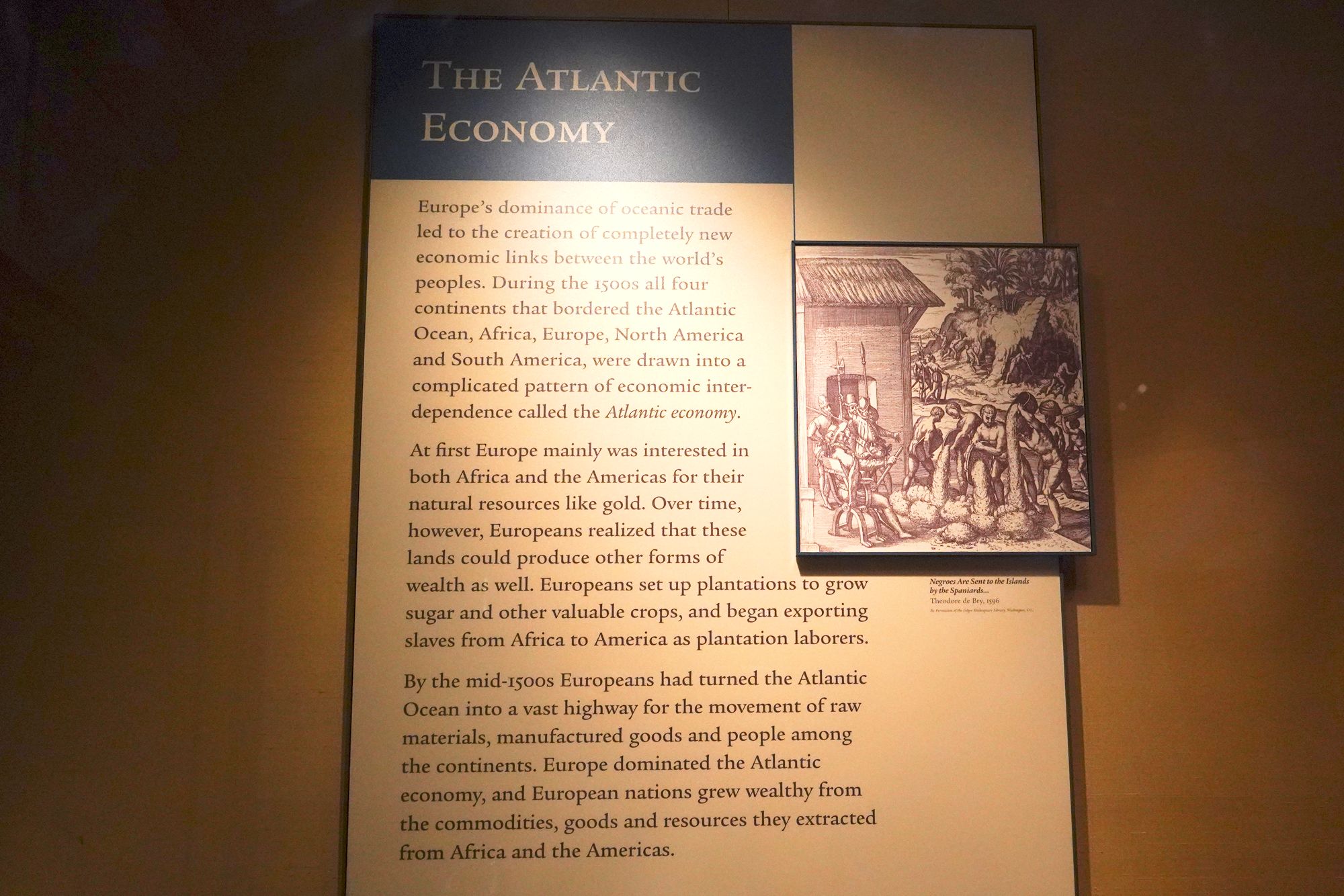
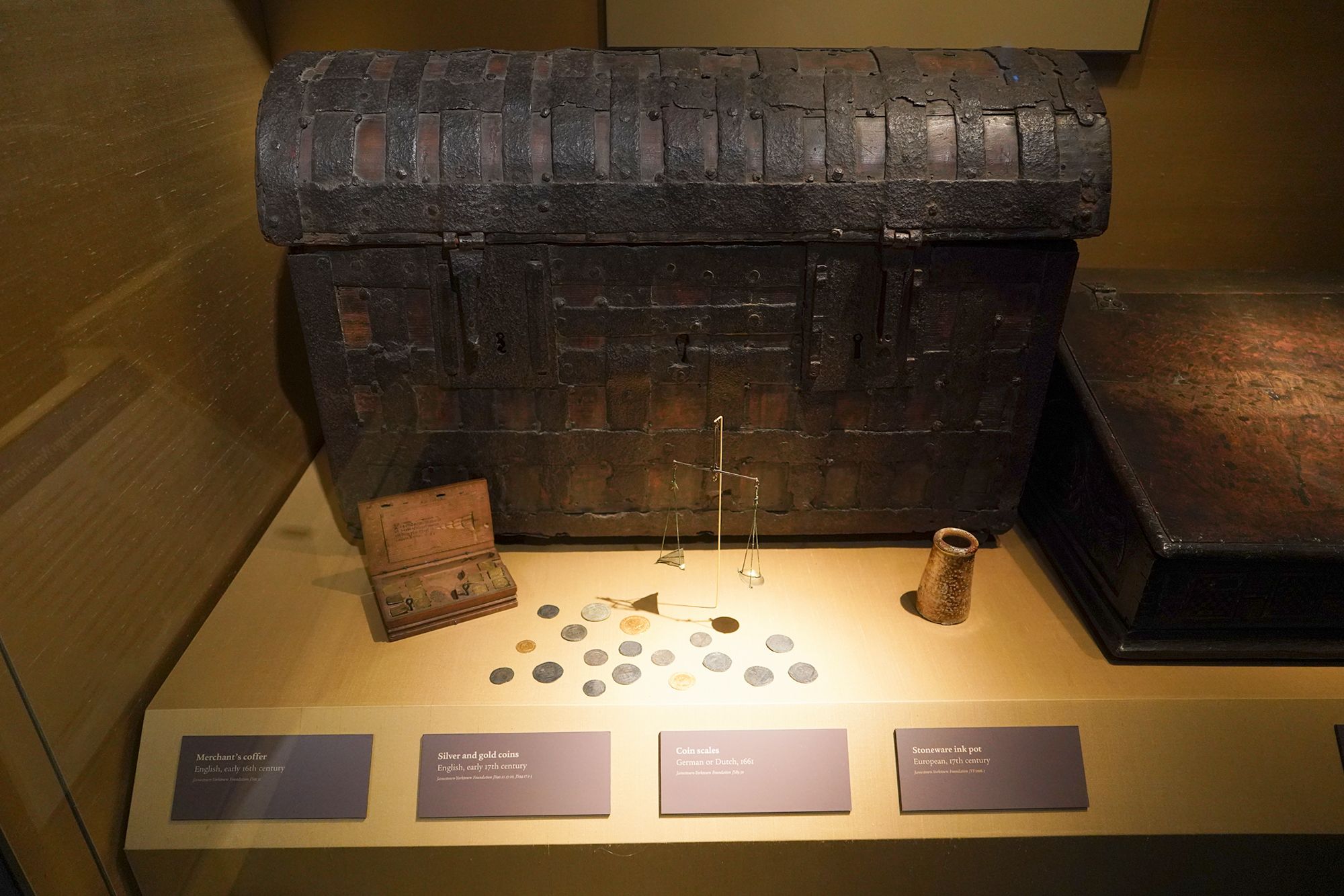
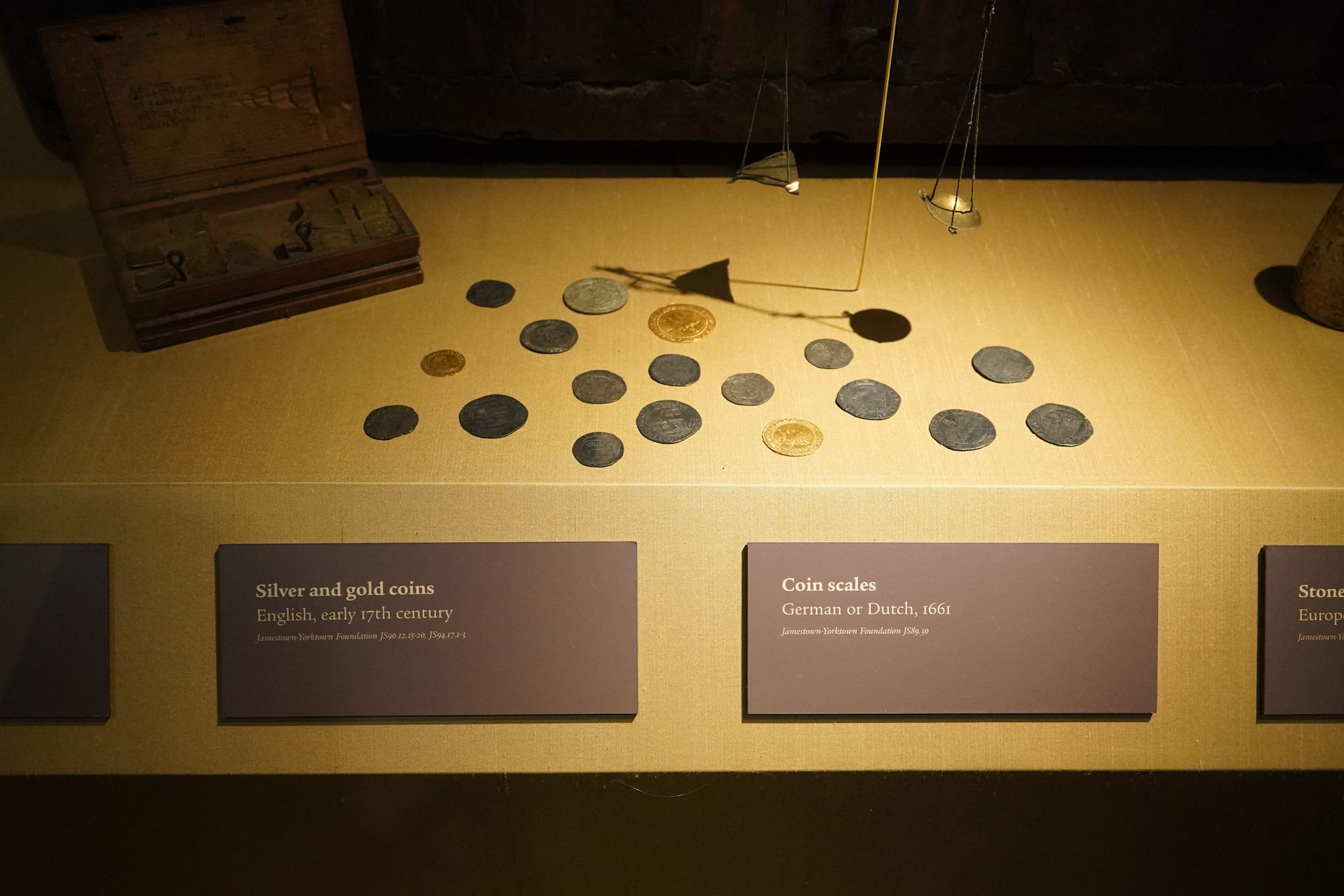
This system made European merchants and investors enormously wealthy, built cities like London, Liverpool, and Bristol, and financed the rise of industrial capitalism. However, it was also built on brutal human exploitation, as millions of Africans were enslaved and millions more Indigenous peoples were displaced.
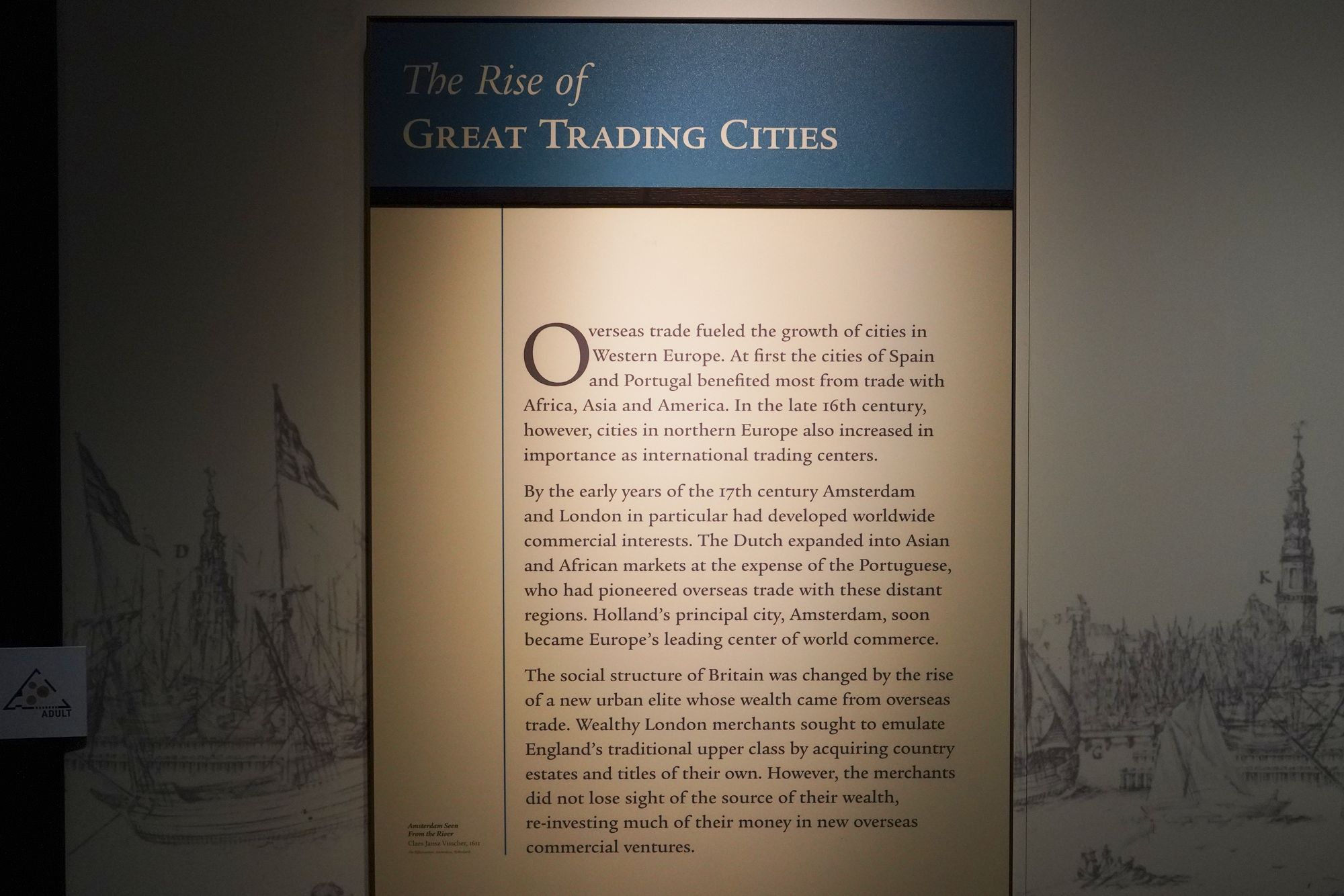
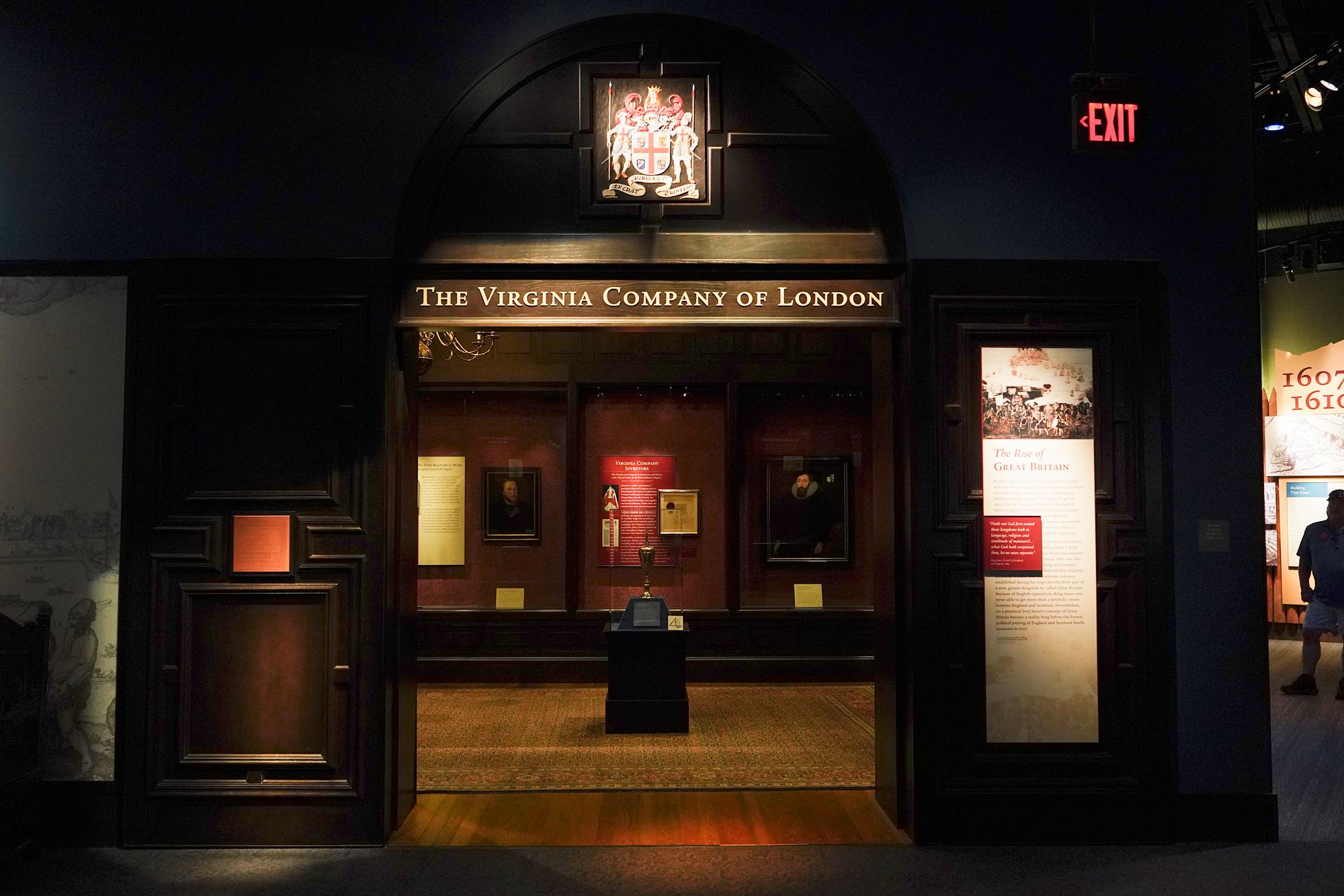
The rise of Great Britain in the 17th and 18th centuries came from a combination of economic power, naval strength, and colonial expansion. After uniting England and Scotland in 1707, Britain became a major world power through its dominance of trade and sea routes, building one of the strongest navies in history.
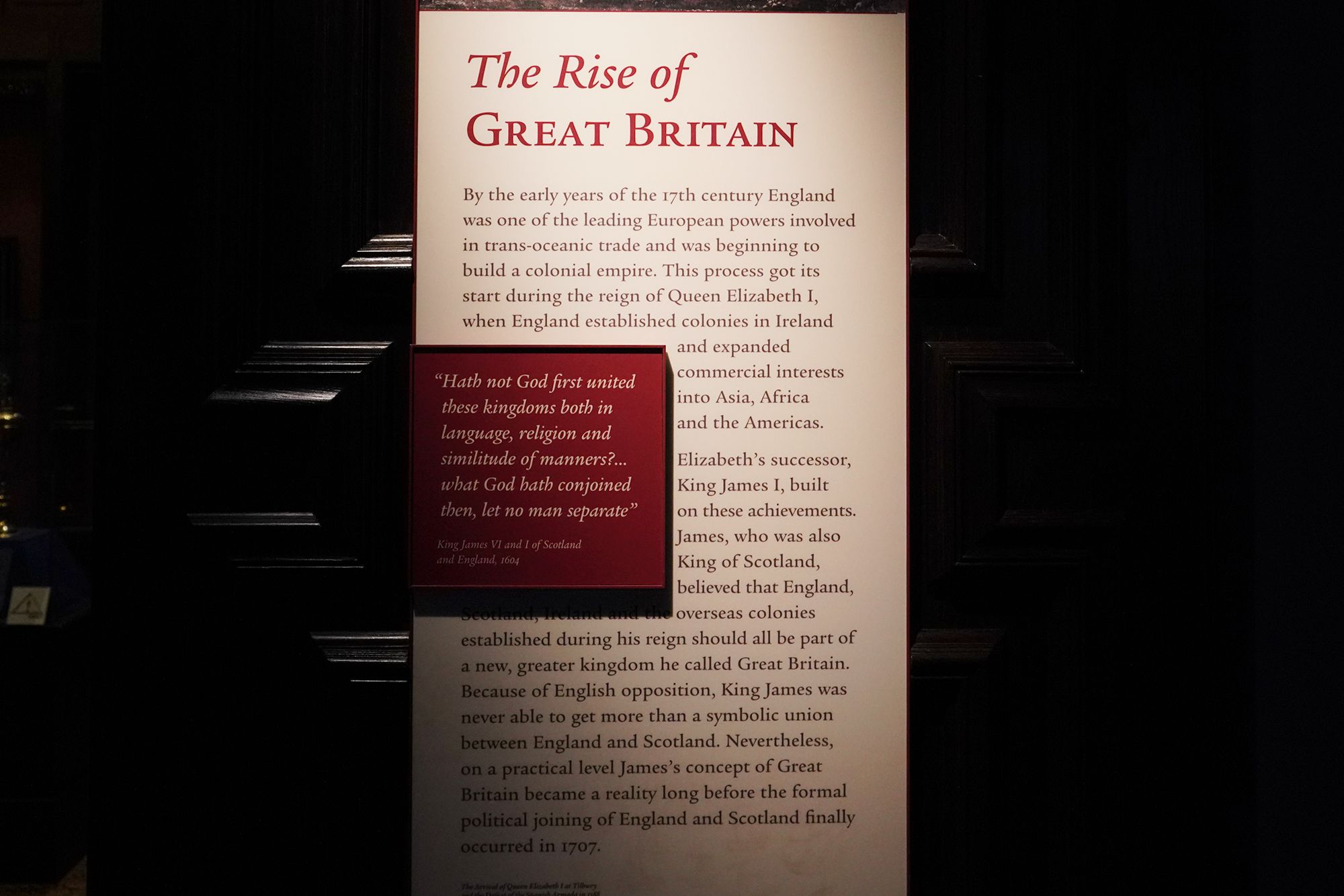
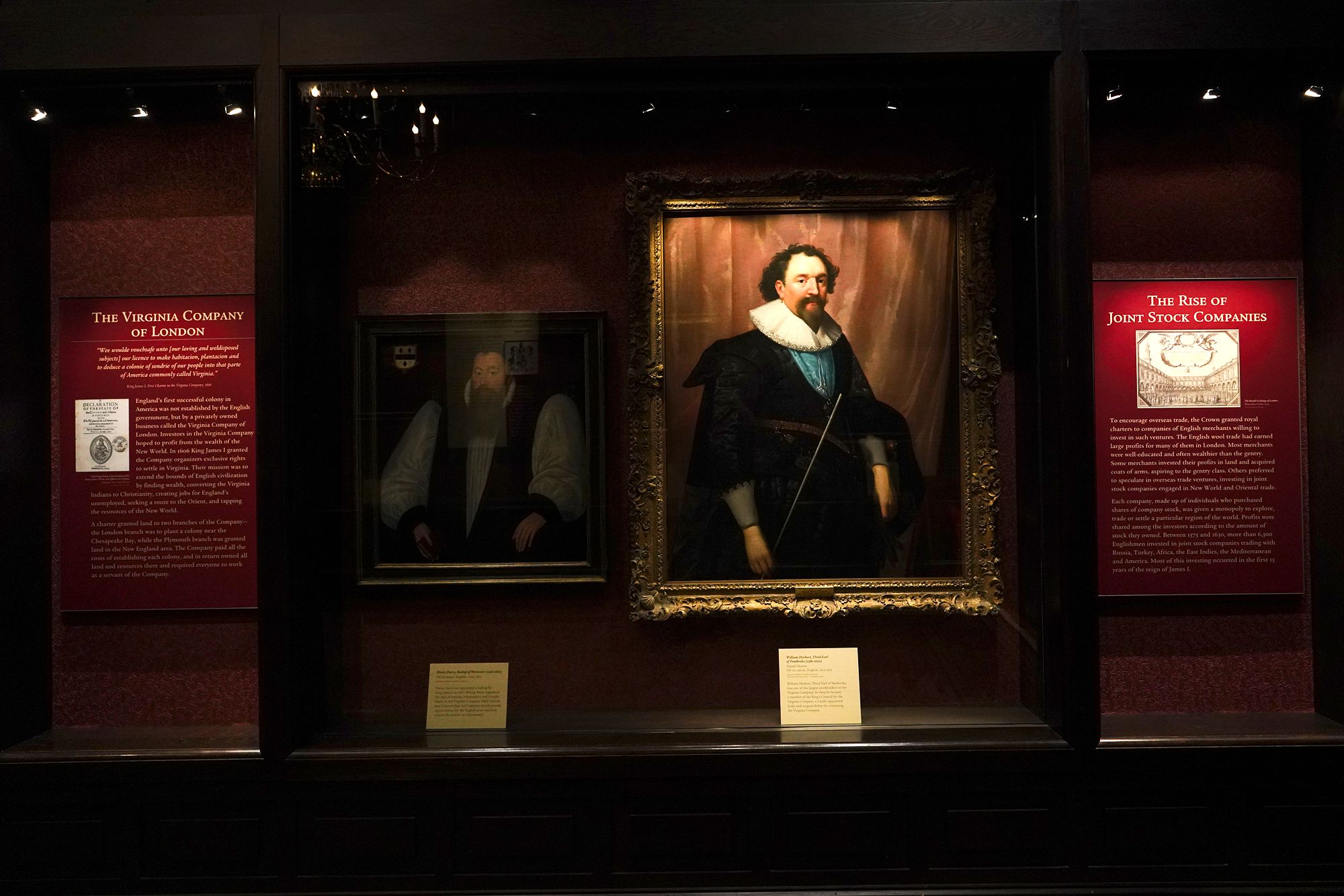
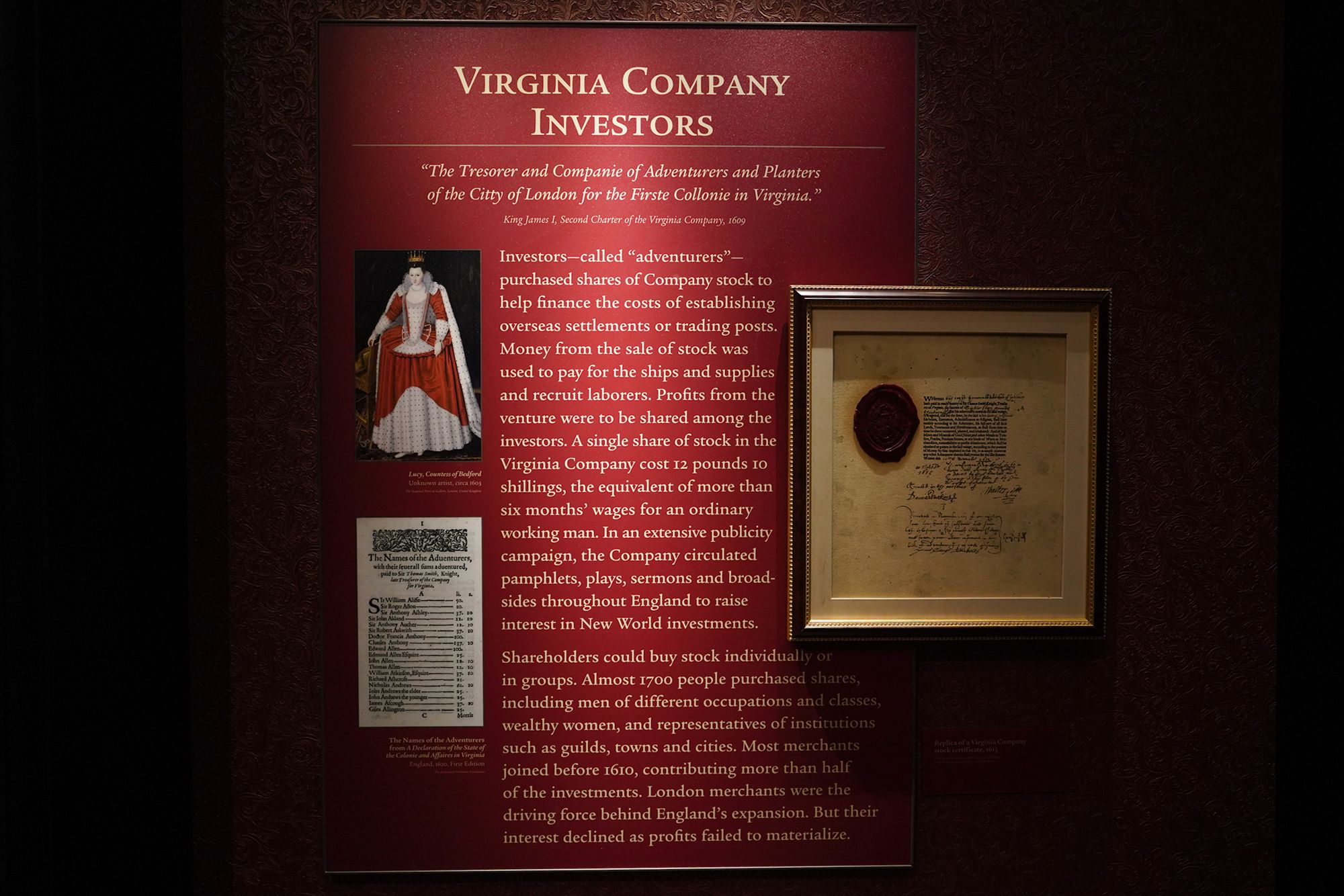
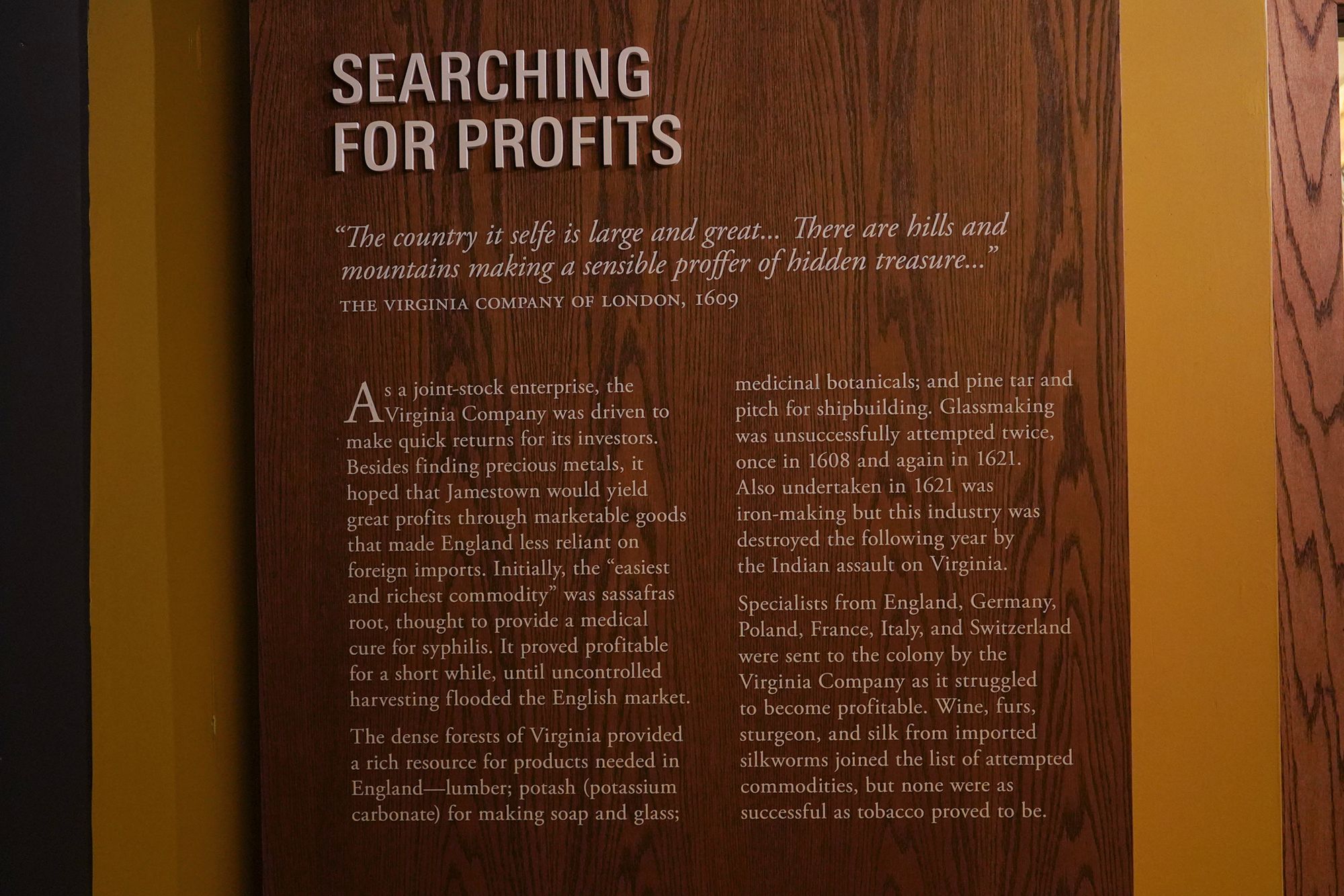
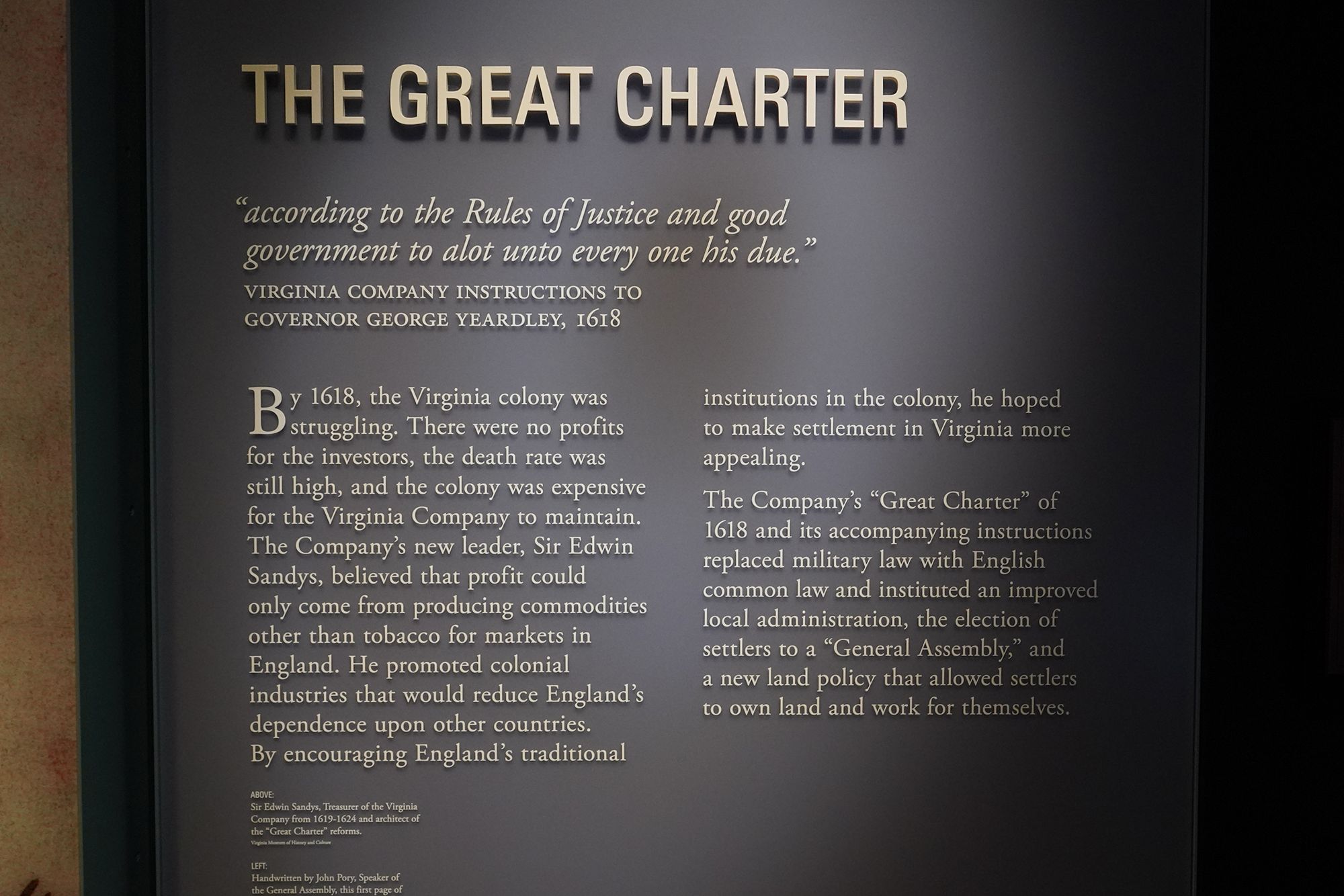
The Virginia Company of London was a joint-stock company chartered by King James I in 1606 to establish an English colony in North America. Financed by investors seeking profit, the company sent settlers to found Jamestown in 1607, the first permanent English settlement in the New World.
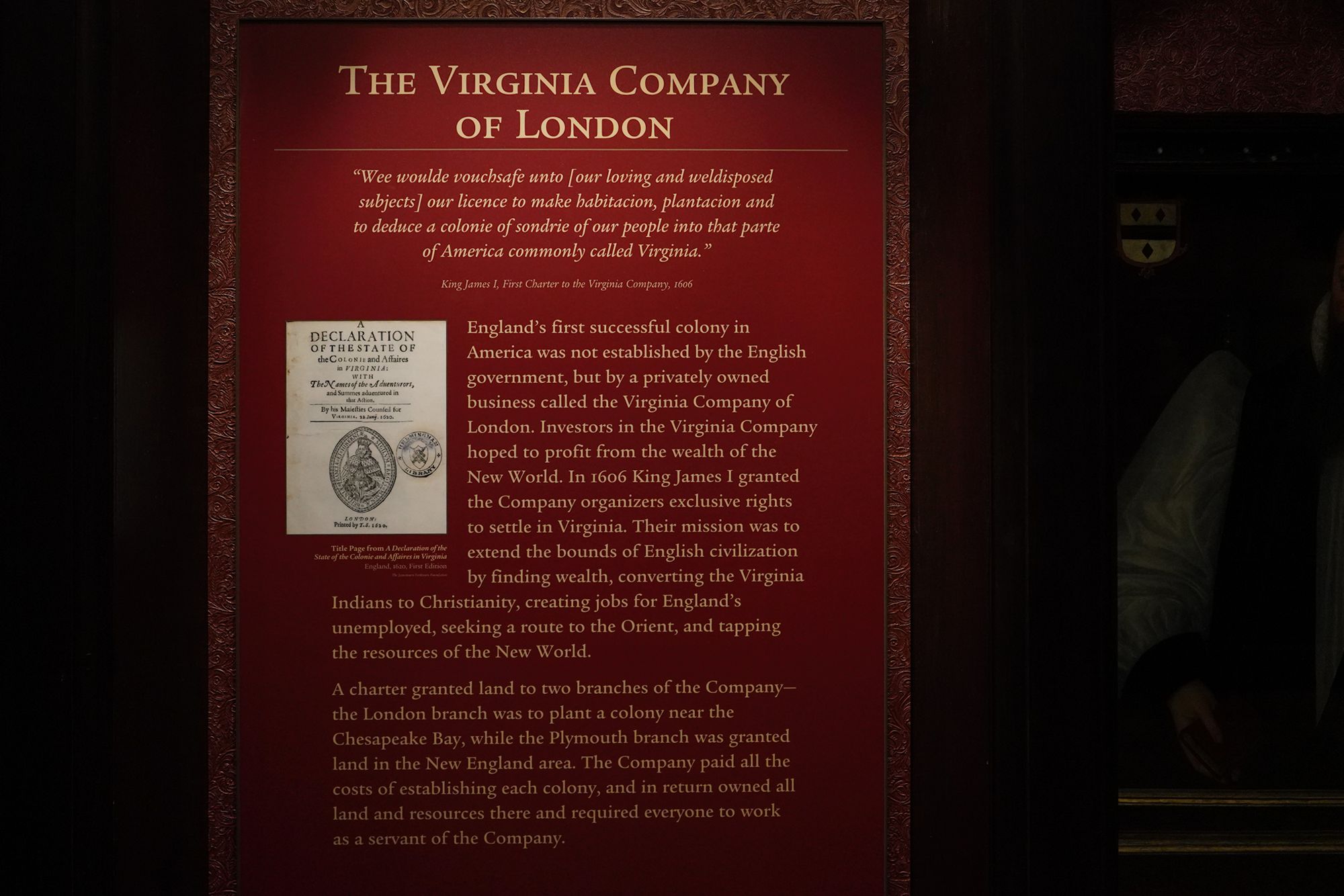
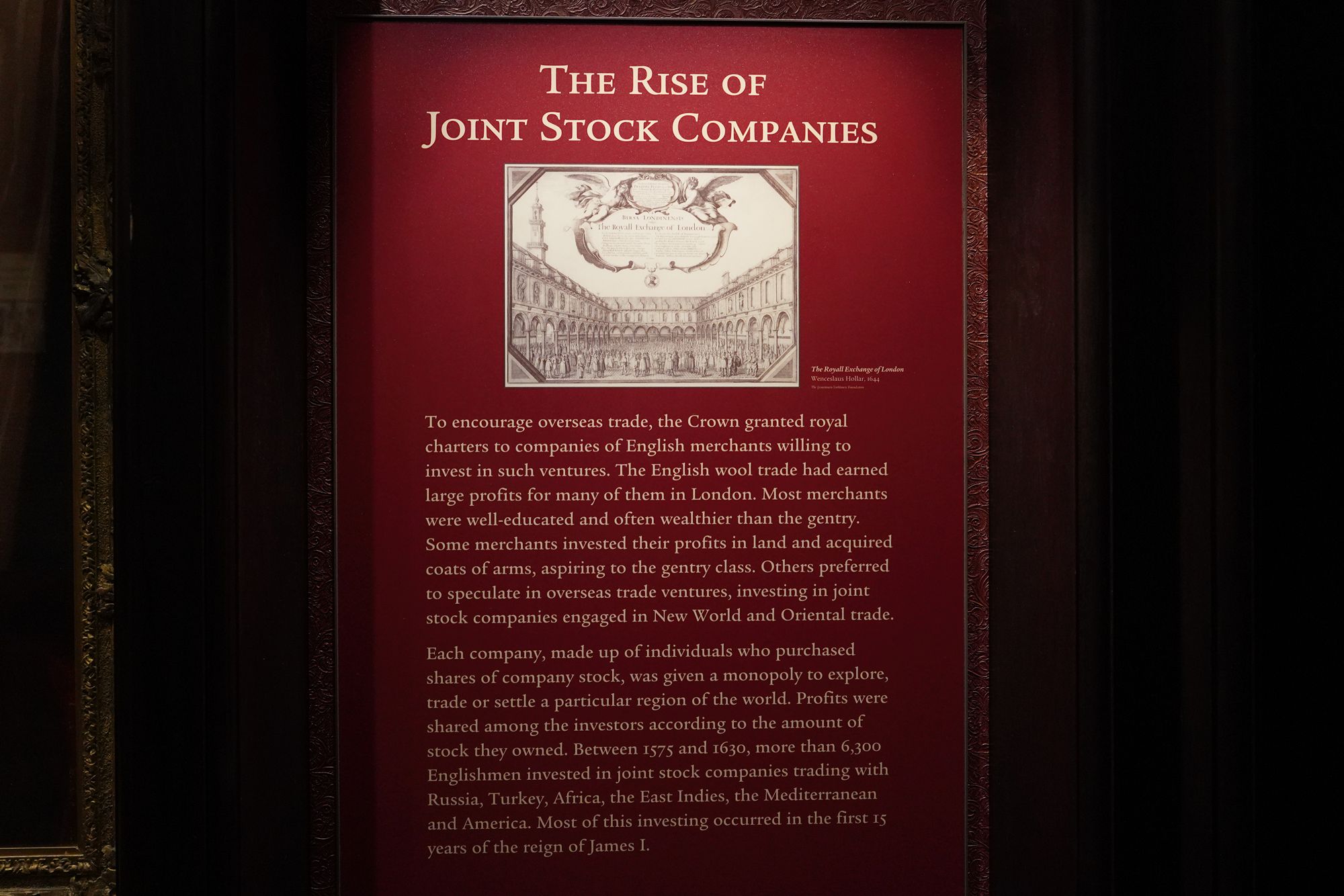
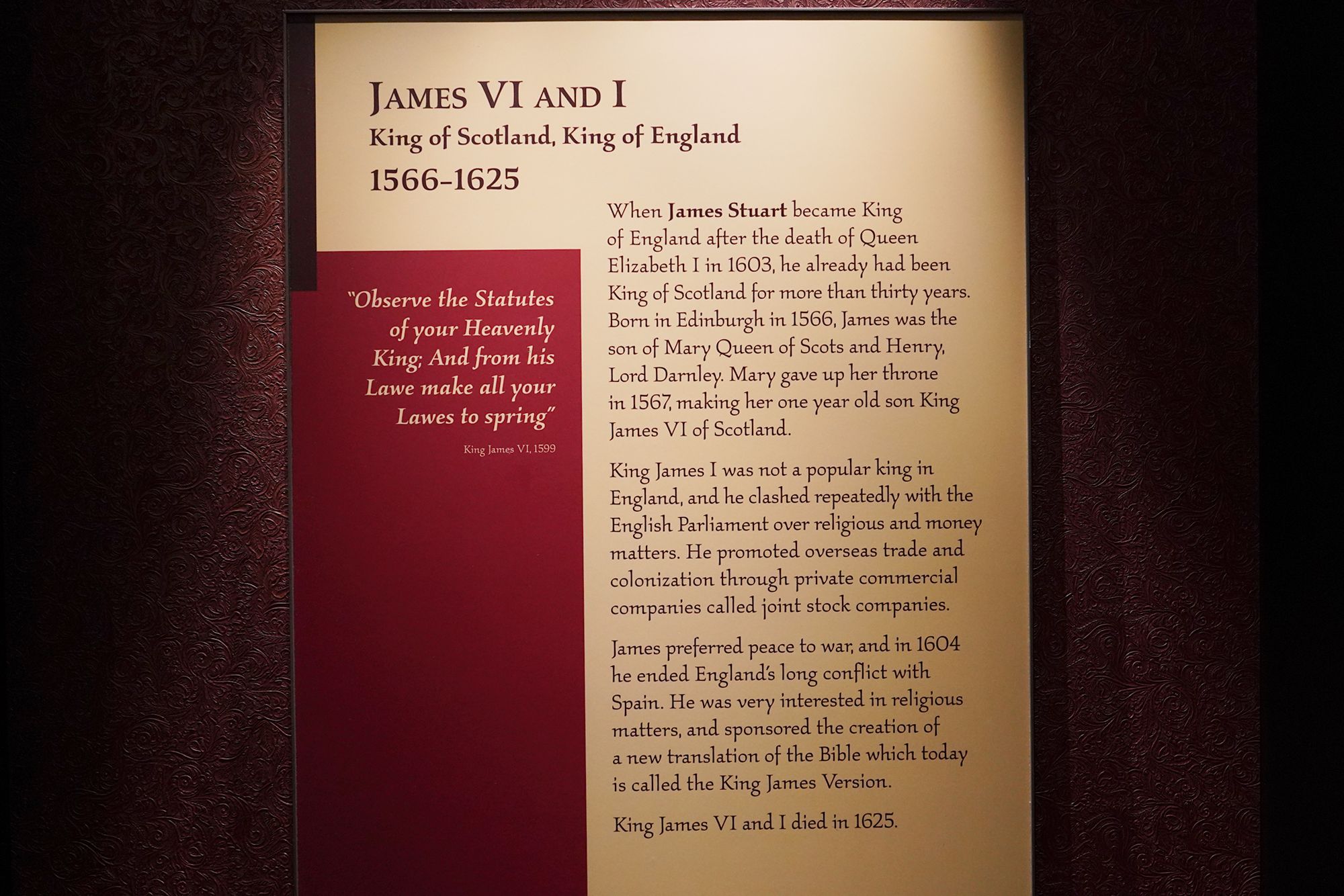
The Virginia Company of London's goals were to find gold, trade with Native peoples, and secure new markets for England, but early years brought disease, hunger, and conflict. The company introduced the headright system to attract settlers and began exporting tobacco, which became Virginia’s first profitable crop.
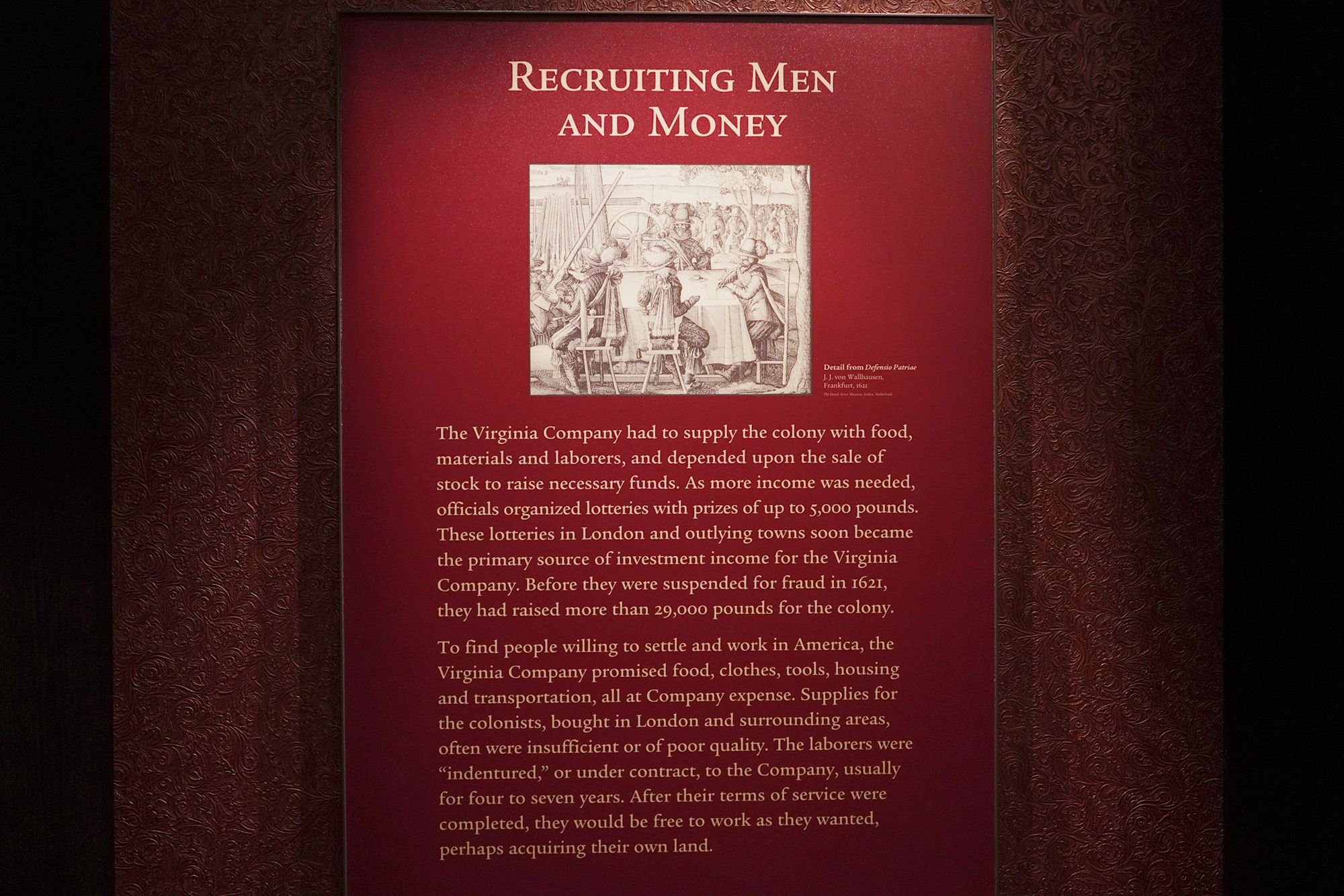
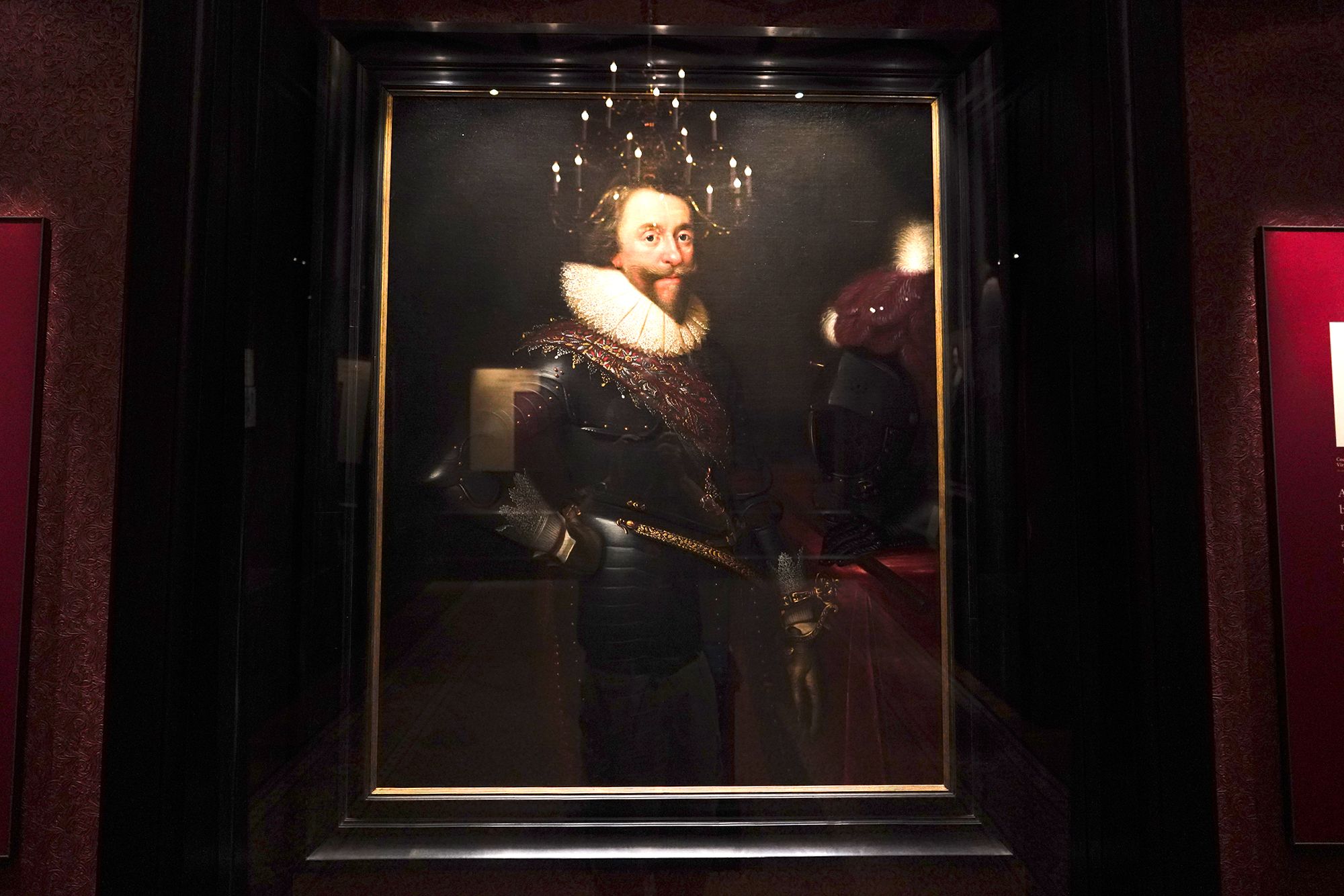
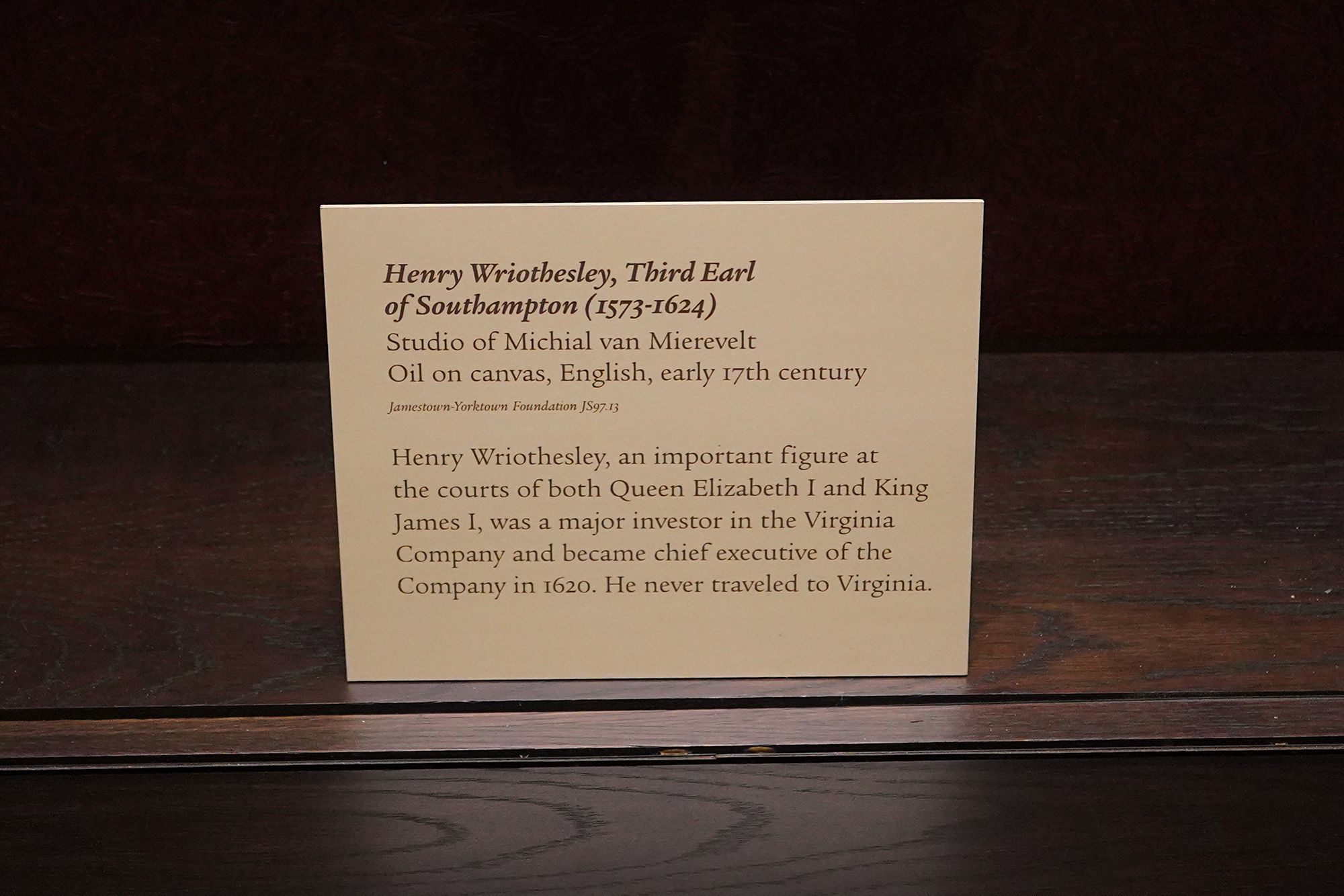
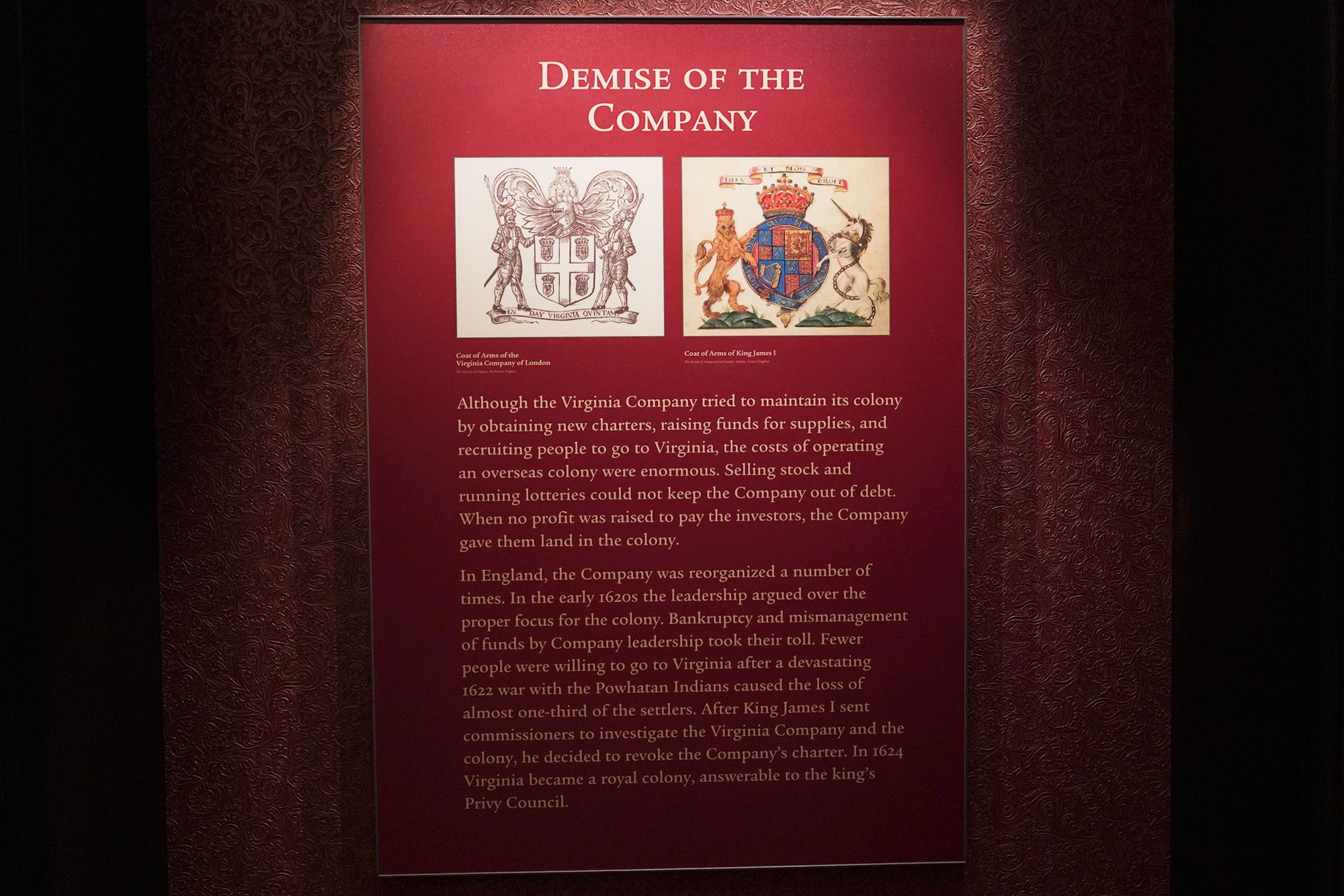
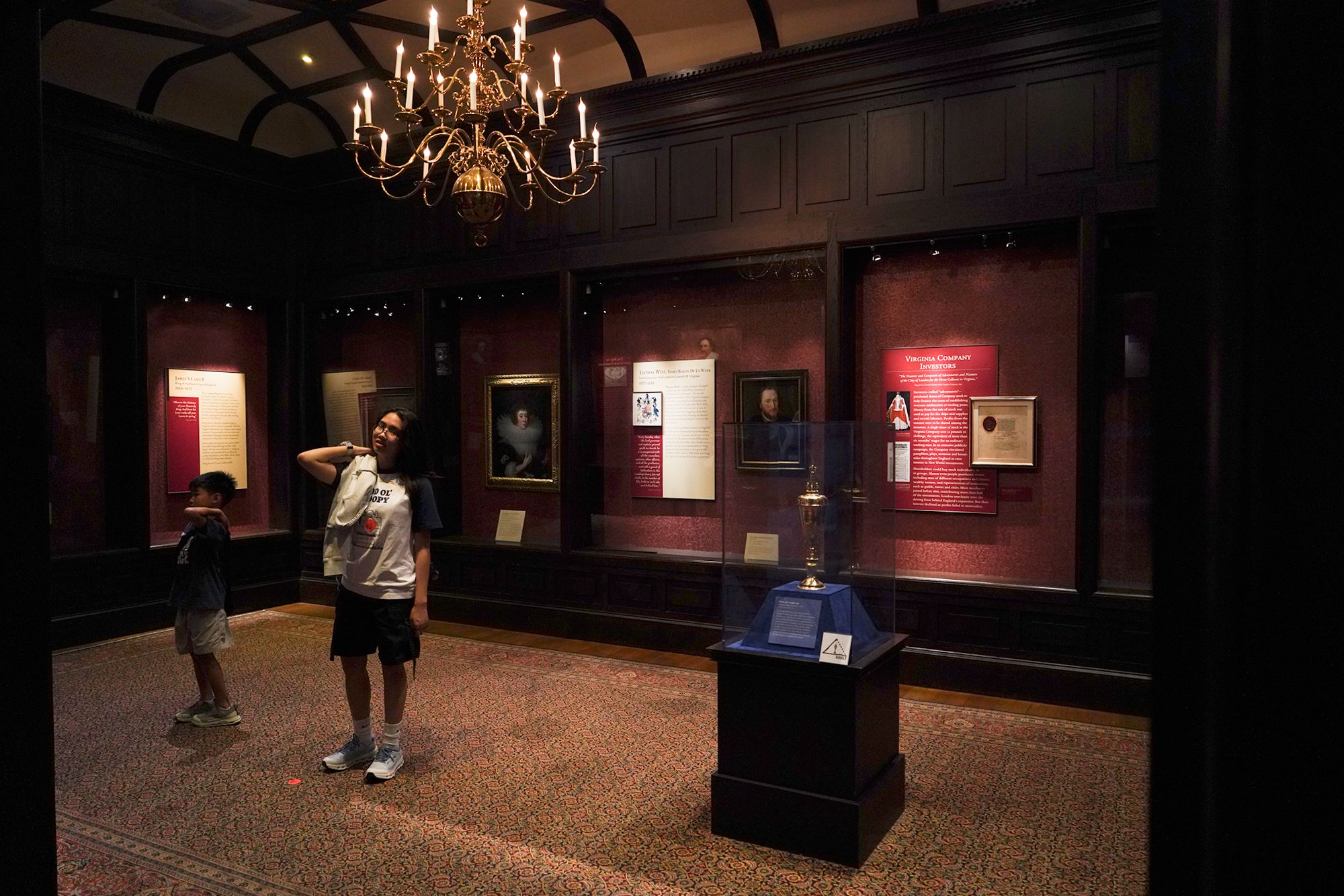
Although the company eventually failed and lost its charter in 1624, leading Virginia to become a royal colony, its efforts laid the foundation for English colonization in America and the beginnings of the British Empire.
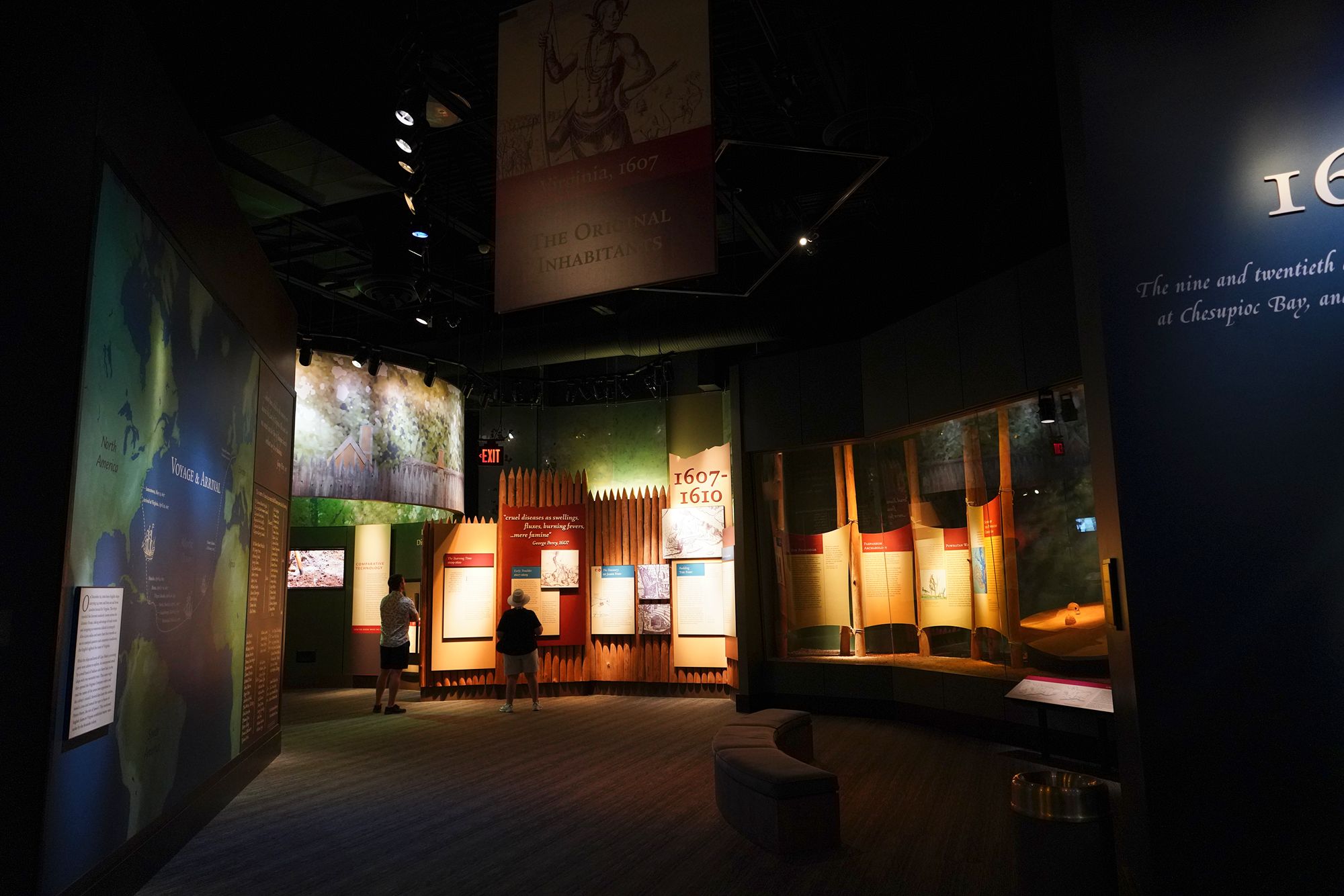
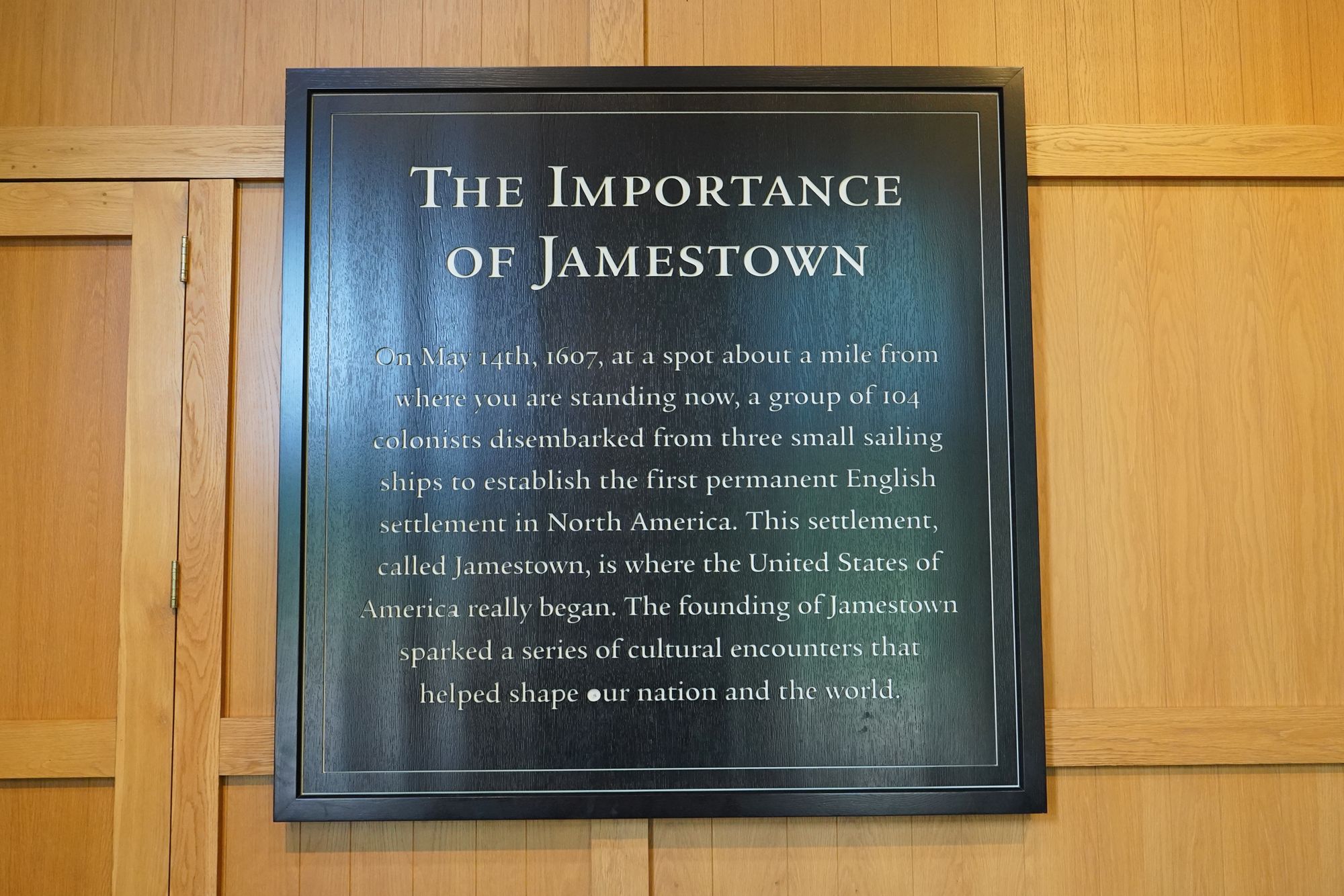
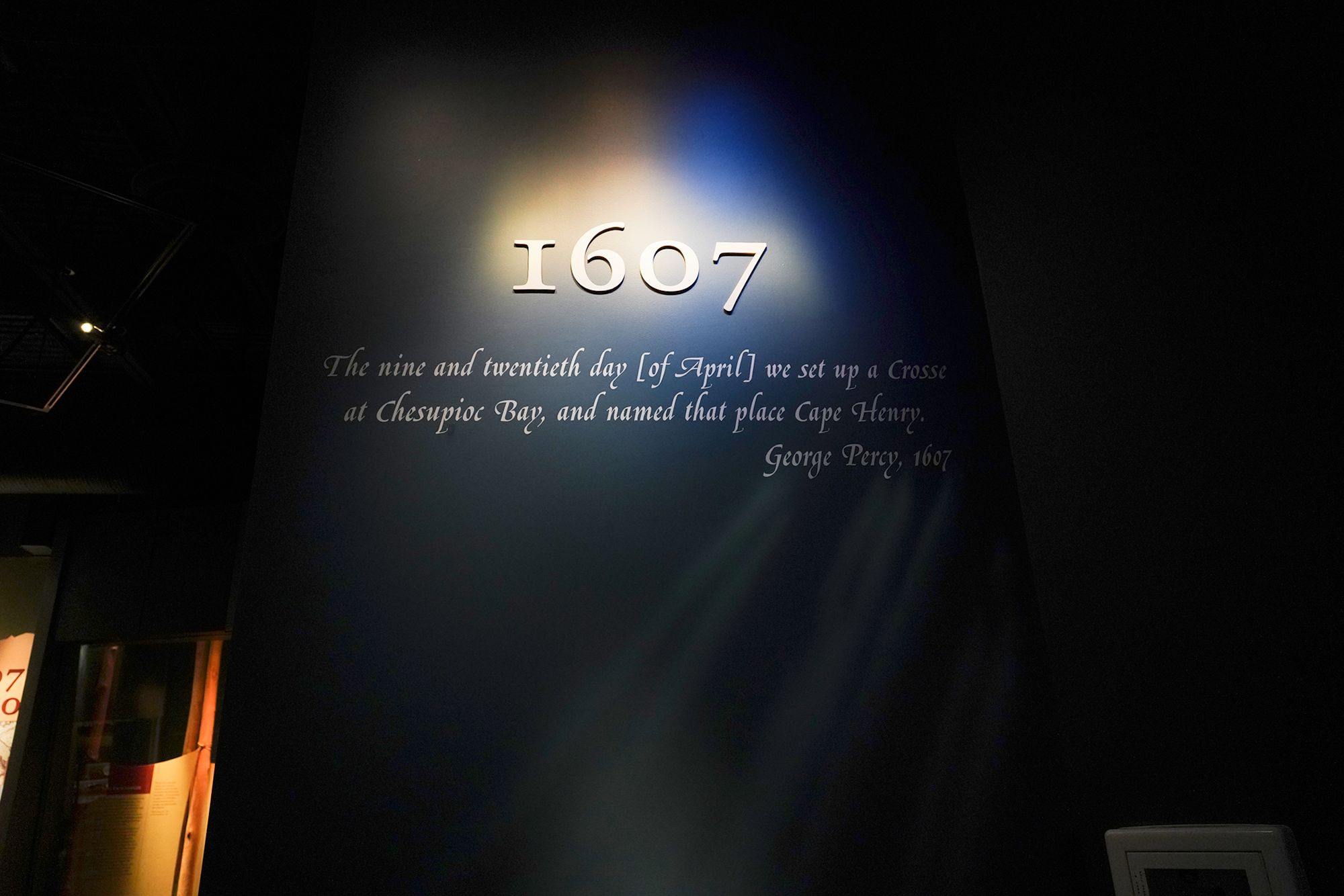
The year 1607 marks the founding of Jamestown, the first permanent English settlement in North America, located in present-day Virginia. On May 14, 1607, about 104 English men and boys, sent by the Virginia Company of London, landed along the James River and built James Fort.
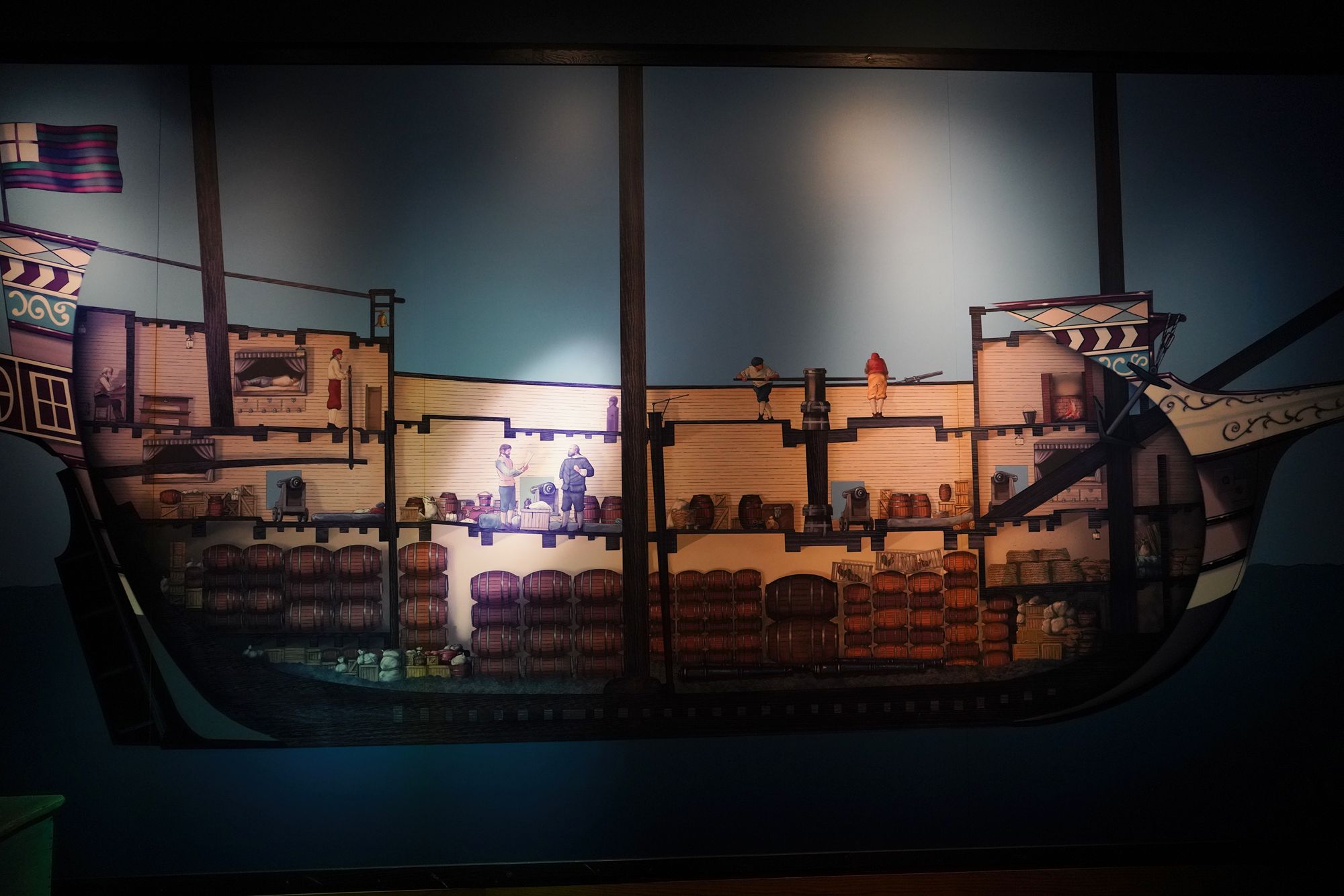
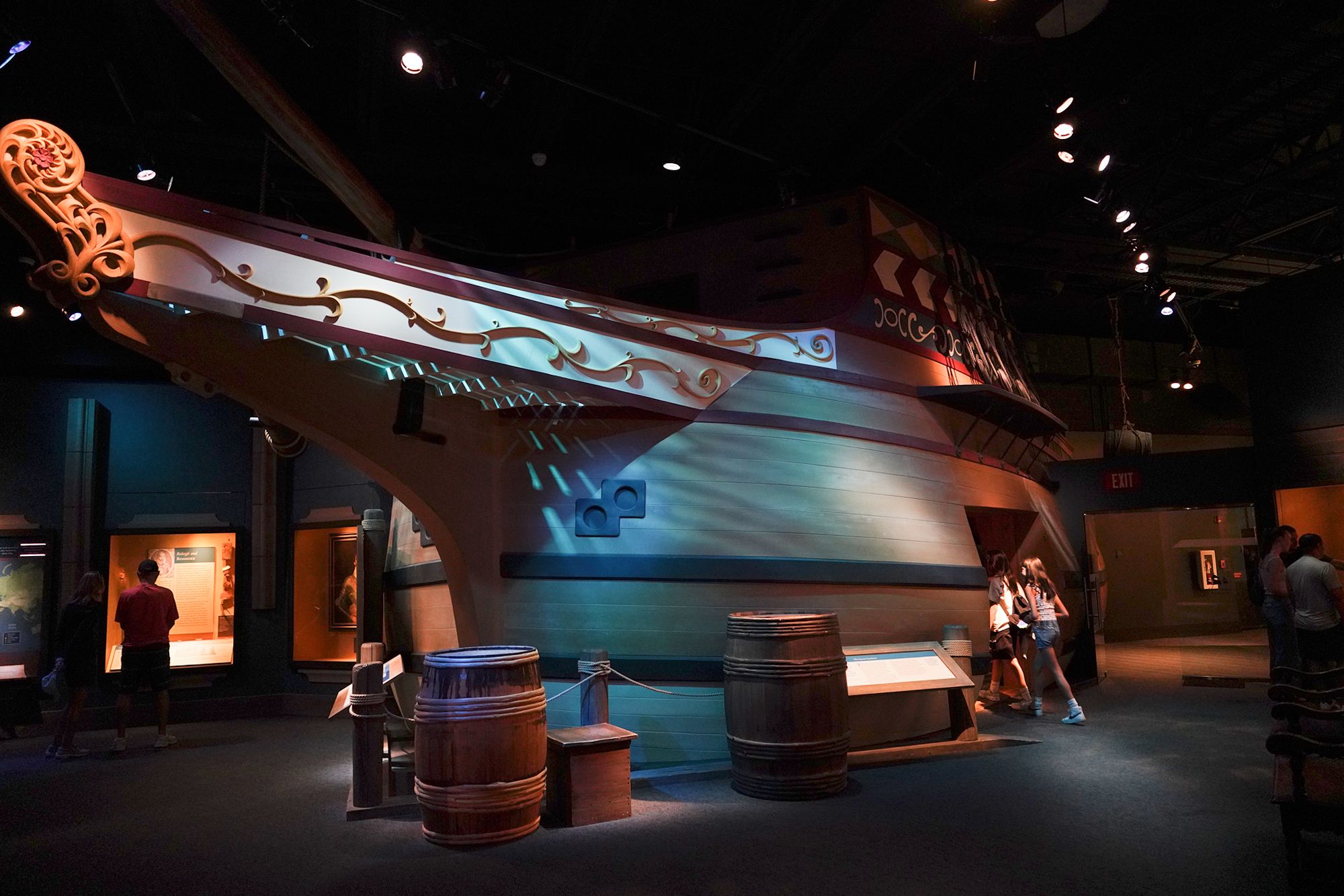
The boat that carried the first settlers
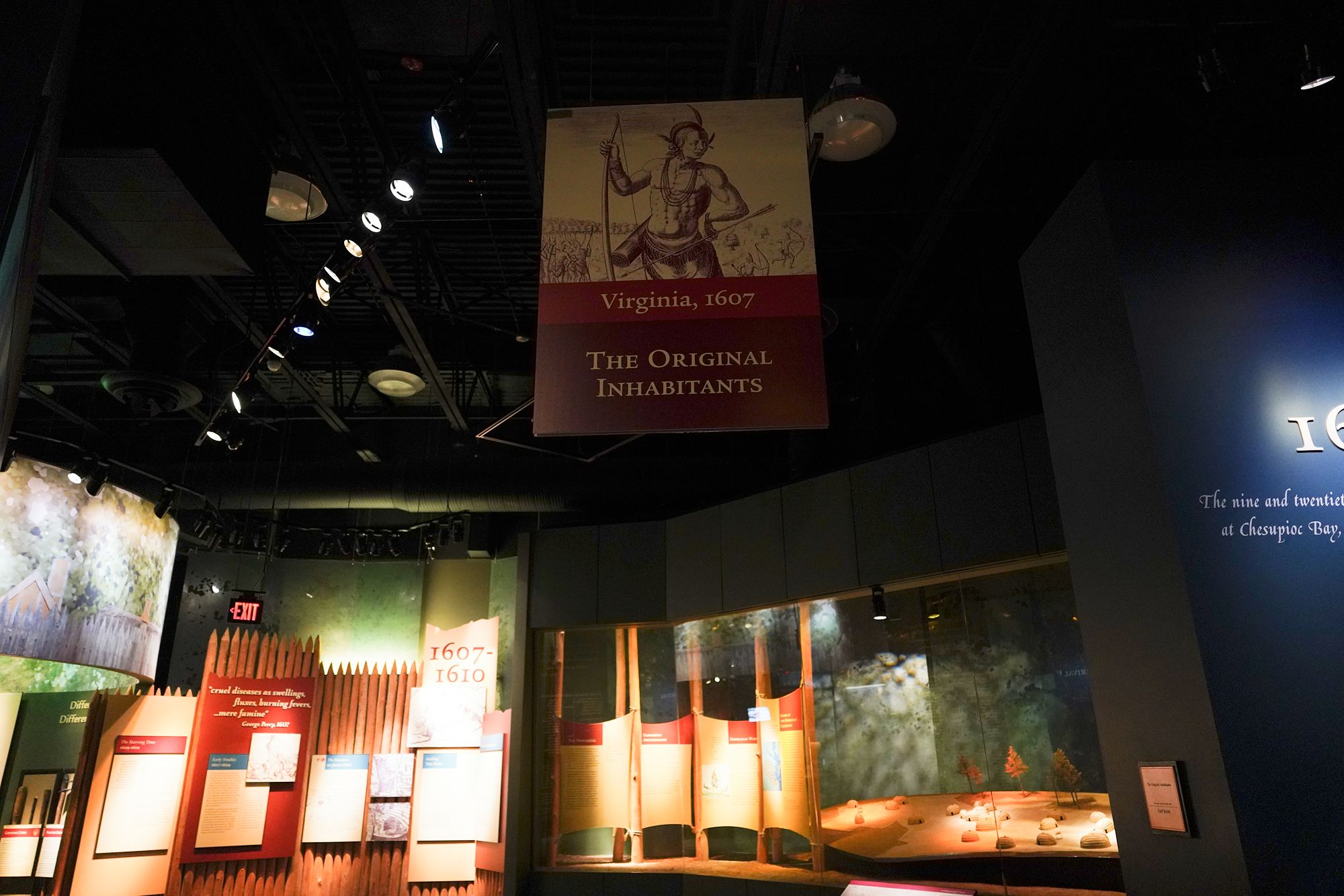
The Original Inhabitants in Virginia
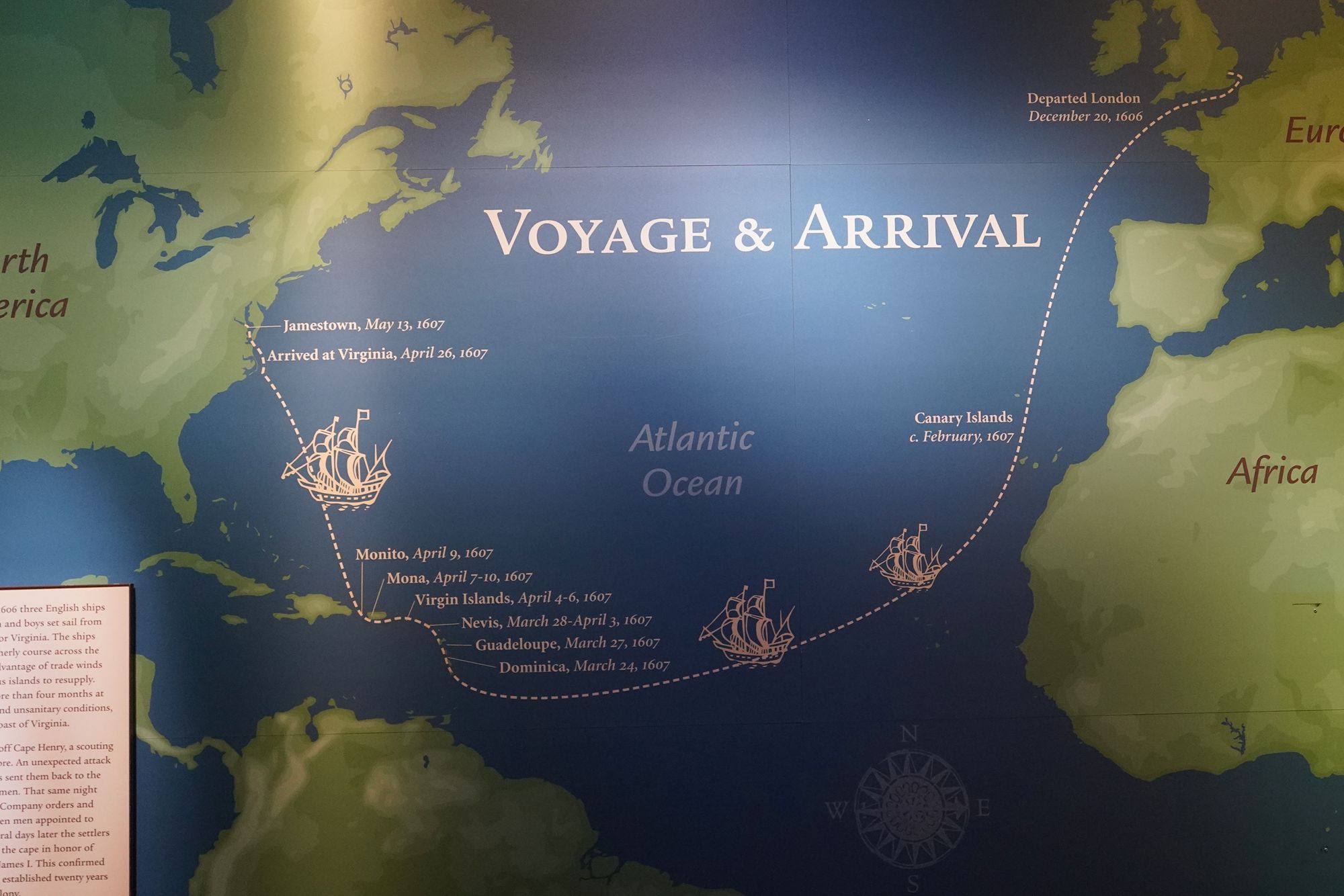
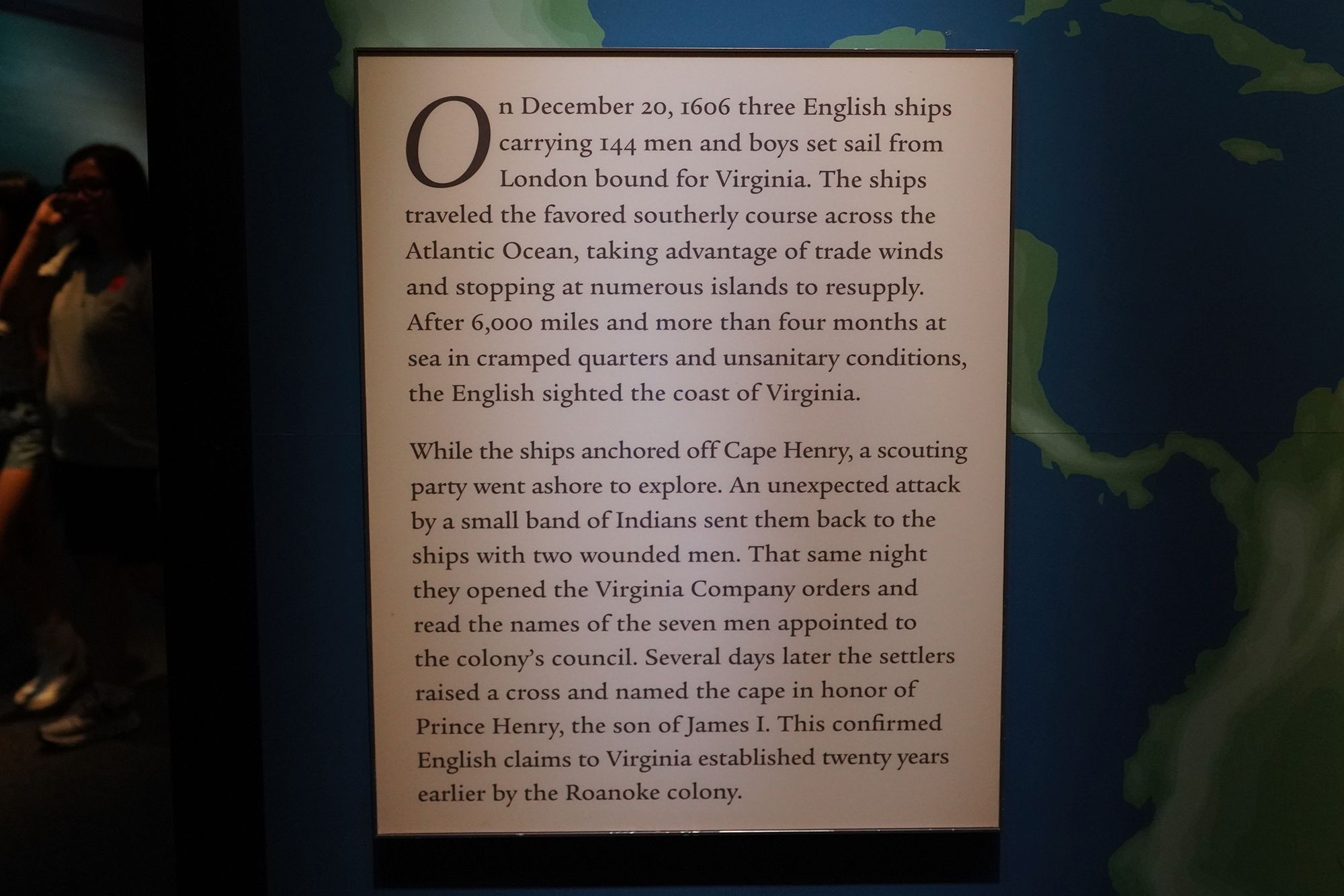
The voyage of the first settlers
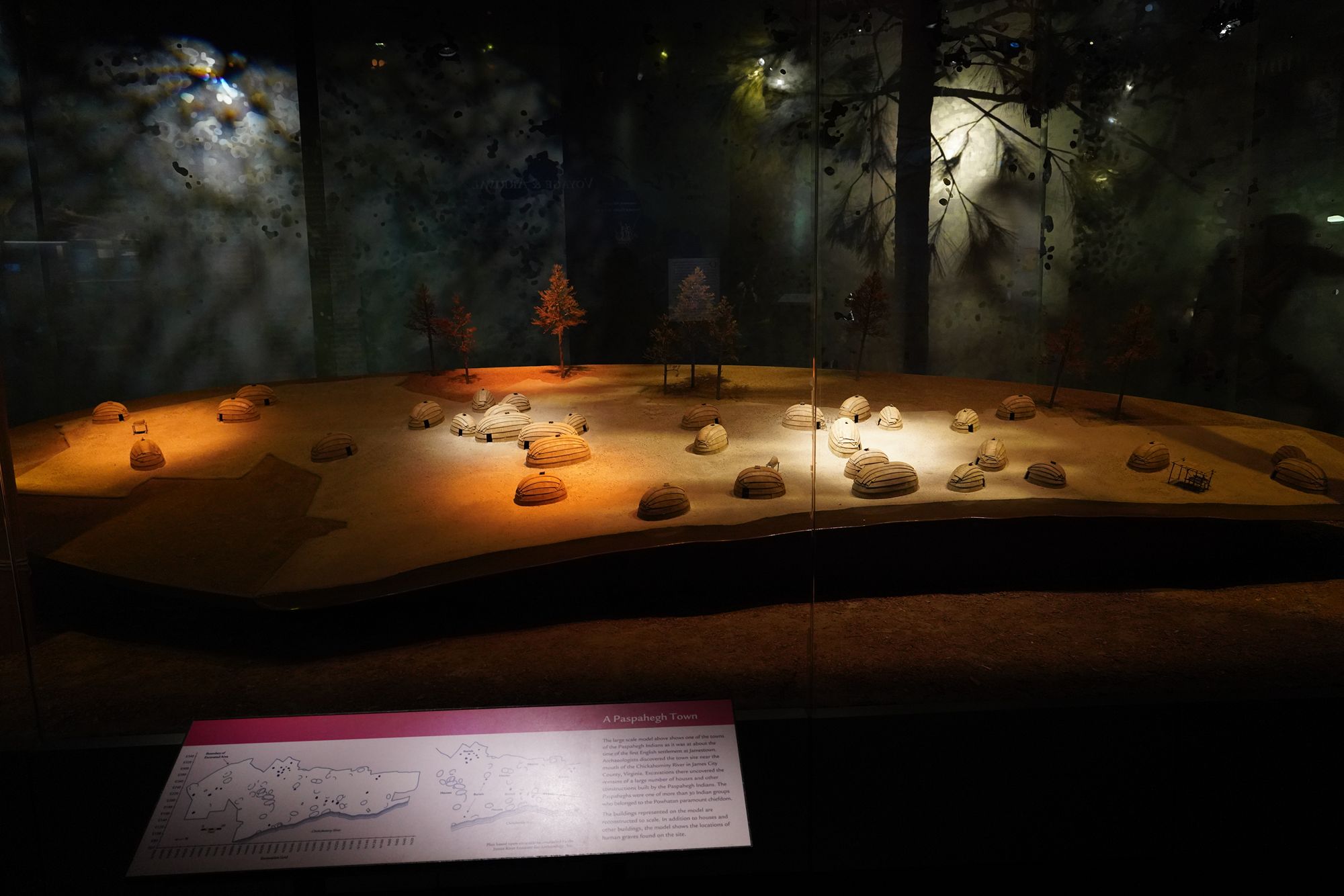
The Indian Village when the first settler arrived
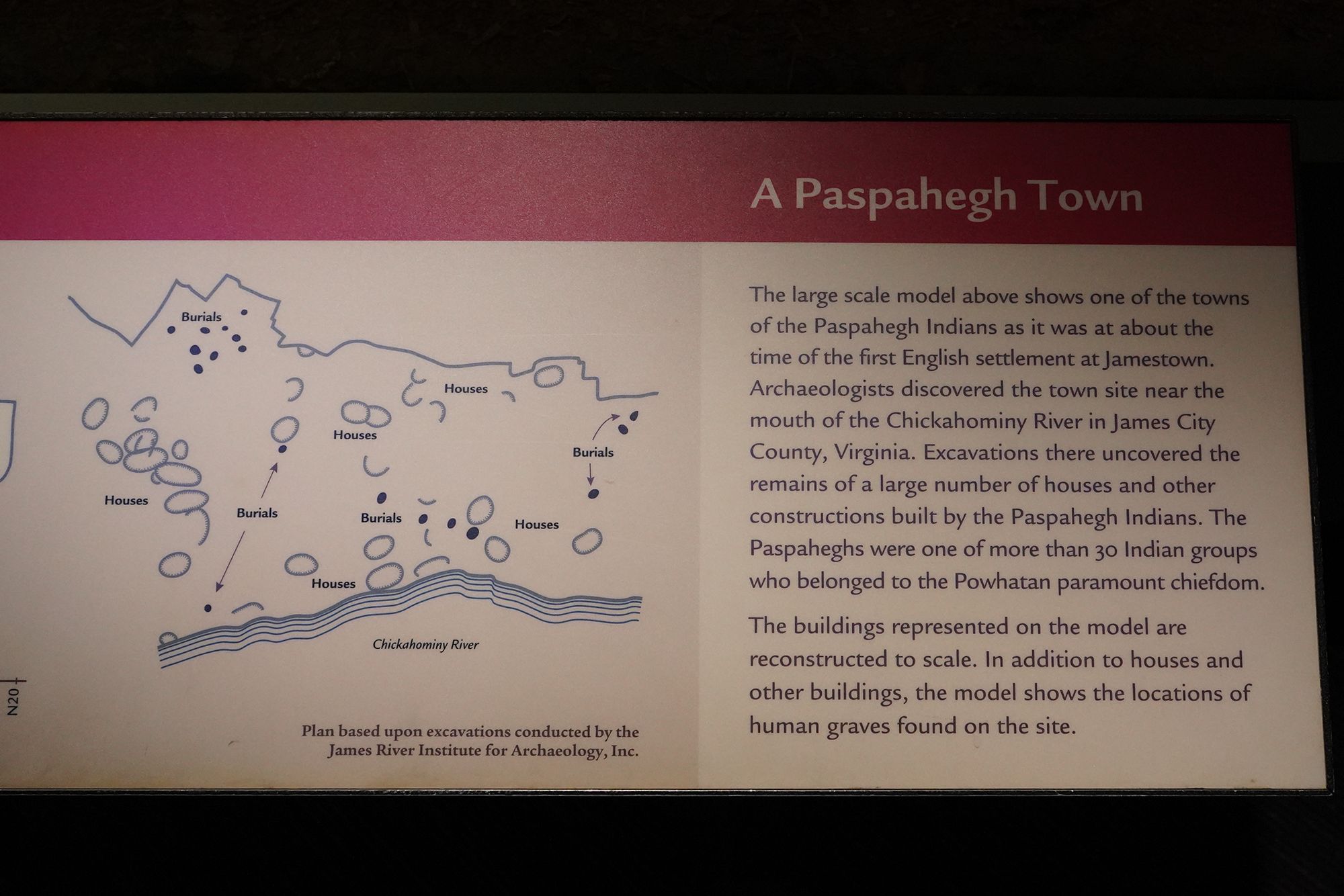
Before the founding of Jamestown in 1607, the Spanish Jesuit Mission of Ajacán was established in 1570 near the Chesapeake Bay, in what is now Virginia. Led by Father Juan Baptista de Segura and a small group of Jesuit priests and brothers, the mission aimed to convert the local Powhatan peoples to Christianity and establish a Spanish foothold in the region.
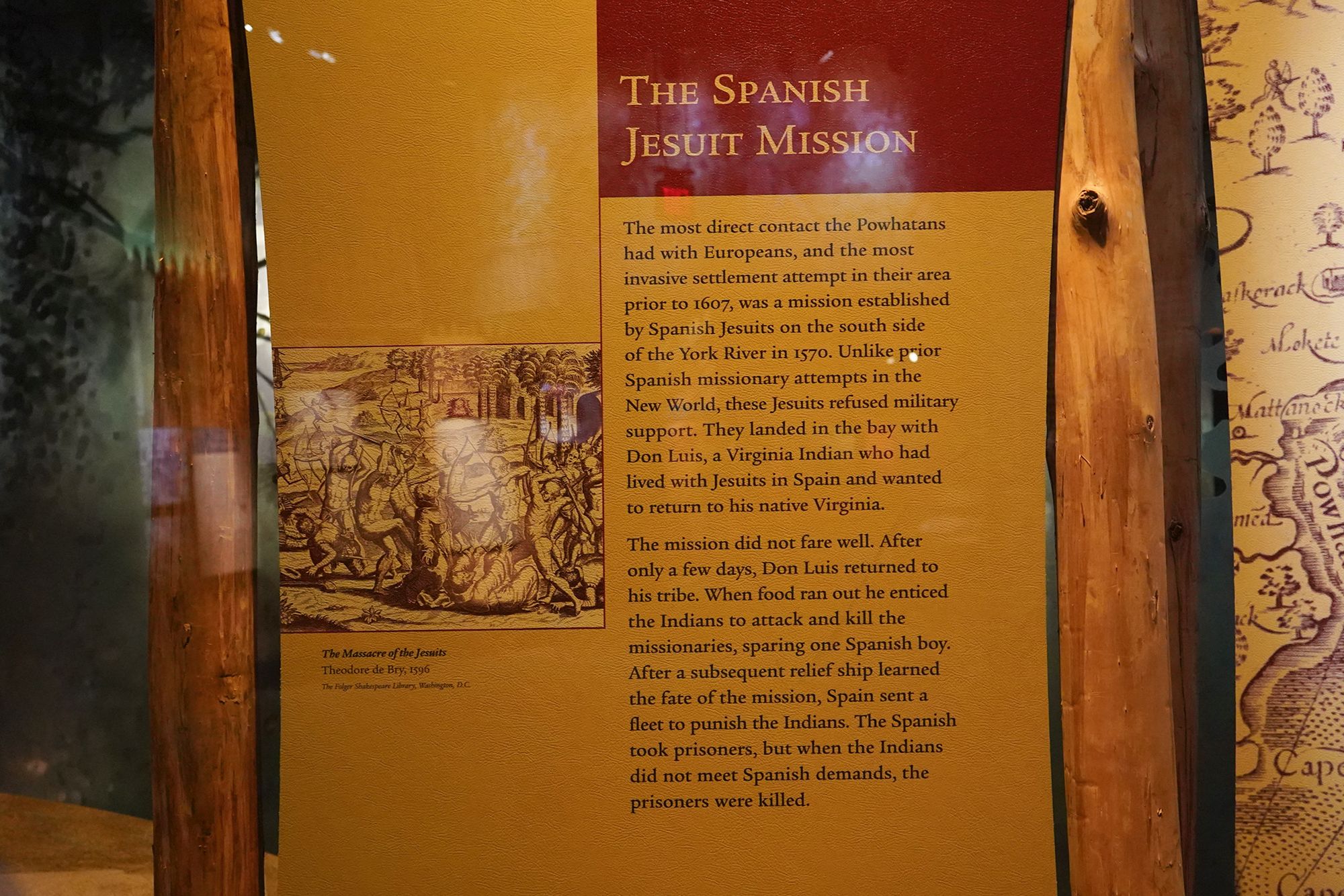
Unlike other Spanish ventures, the Ajacán mission had no military protection, relying instead on peaceful relations with the Indigenous people. However, within a year, tensions arose, and the missionaries were killed by Native inhabitants, ending Spain’s attempt to colonize that part of North America.
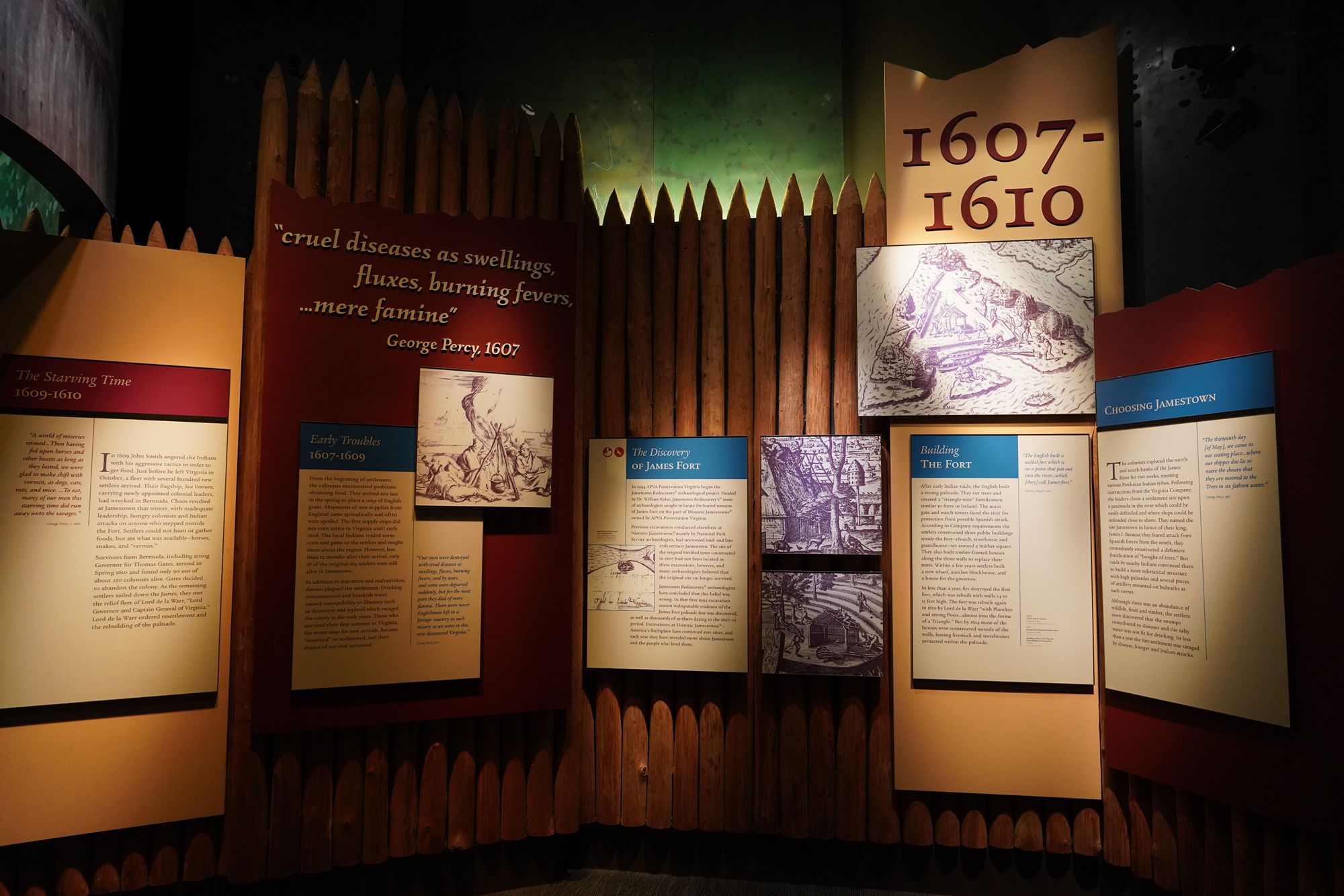
The English chose Jamestown in 1607 as the site for their first permanent settlement in North America for several strategic reasons. The location, a peninsula along the James River (then an island at high tide), could be easily defended against possible attacks by the Spanish, who also had colonies in the Americas. The deep river allowed English ships to anchor close to shore, making it convenient for unloading supplies.
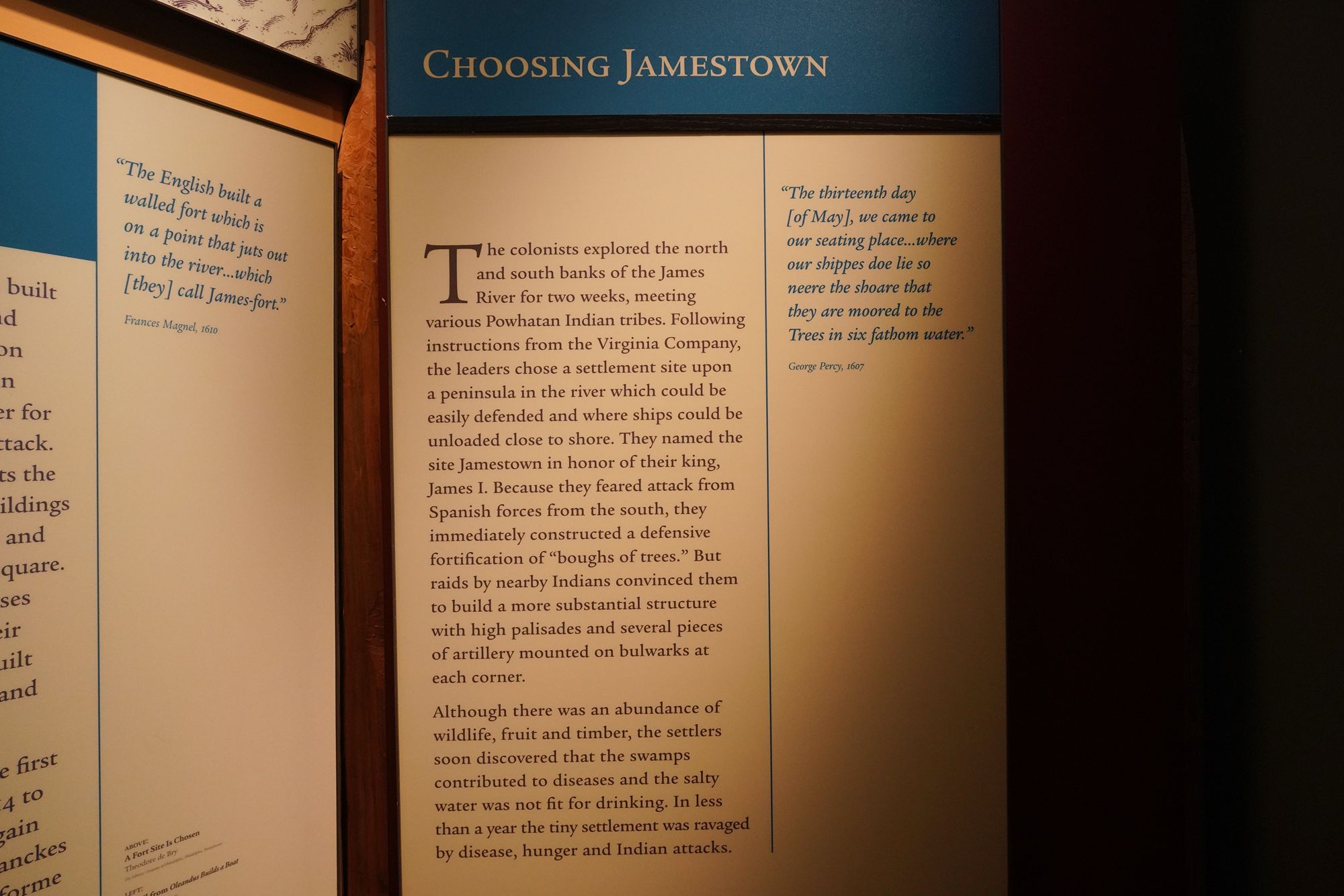
Indian Raids and Building the Fort
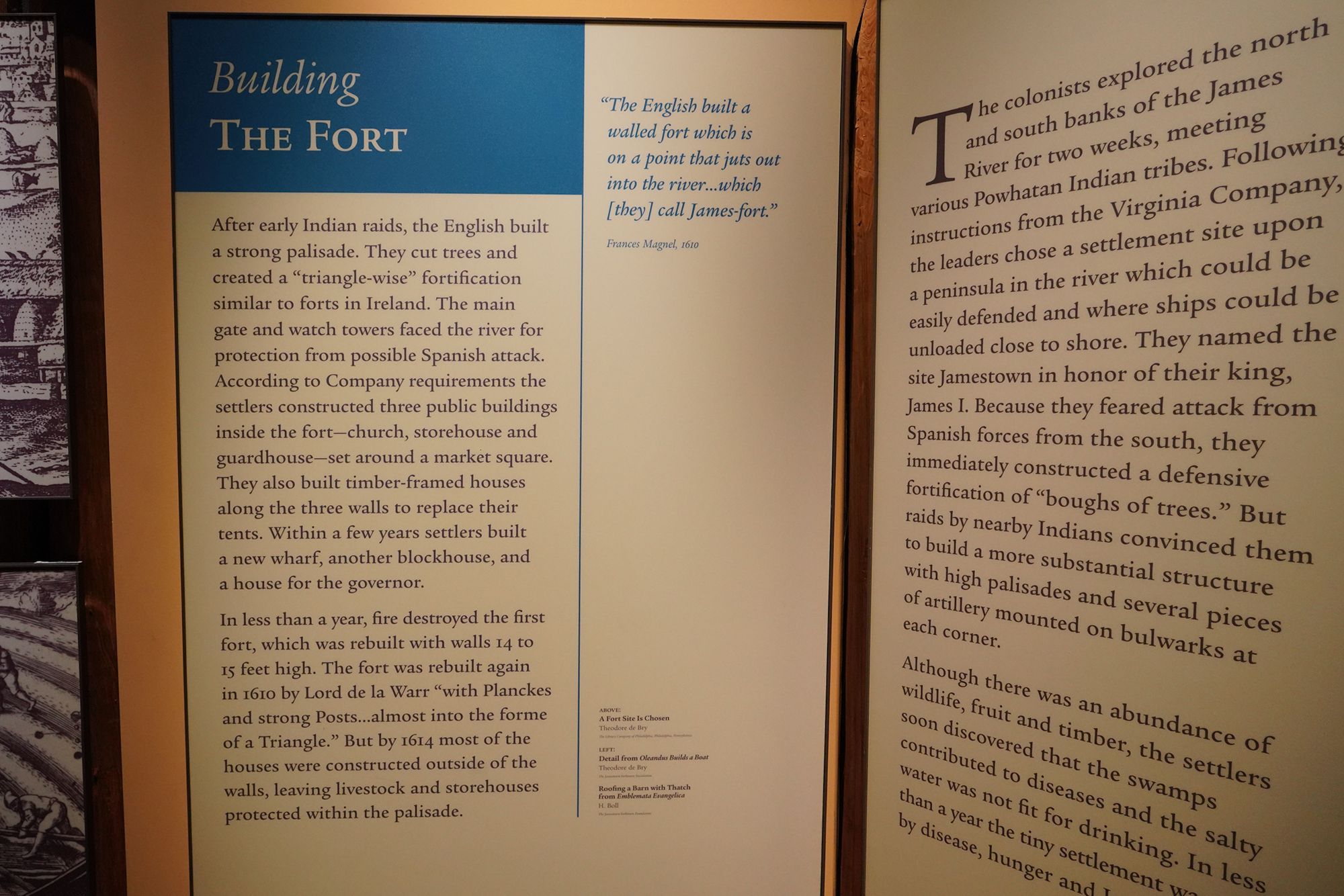
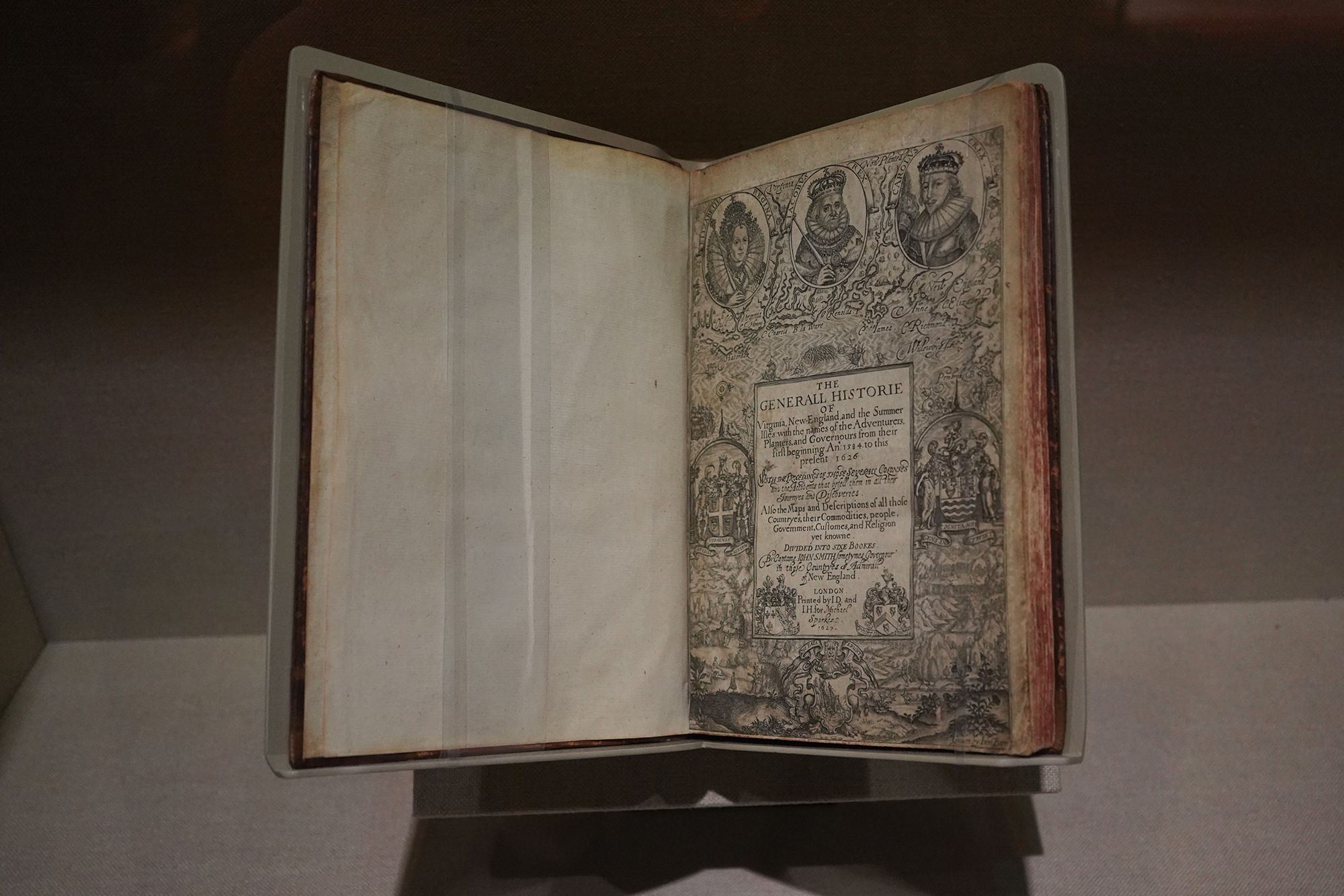
George Percy (1580–1632) was an English nobleman, explorer, and early leader of the Jamestown Colony. A member of the aristocratic Percy family of Northumberland, he arrived in Virginia with the first settlers in 1607 as part of the Virginia Company’s expedition.
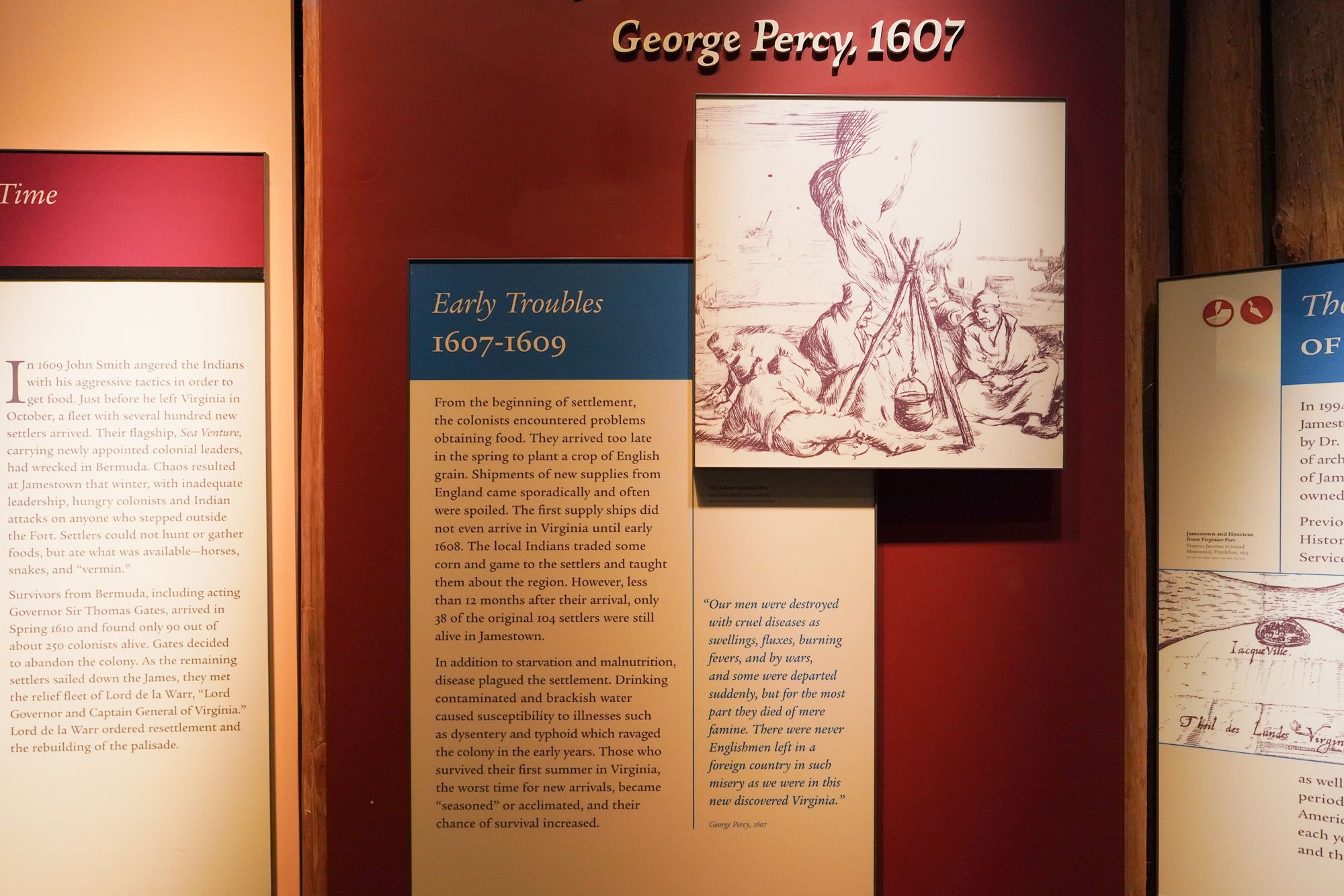
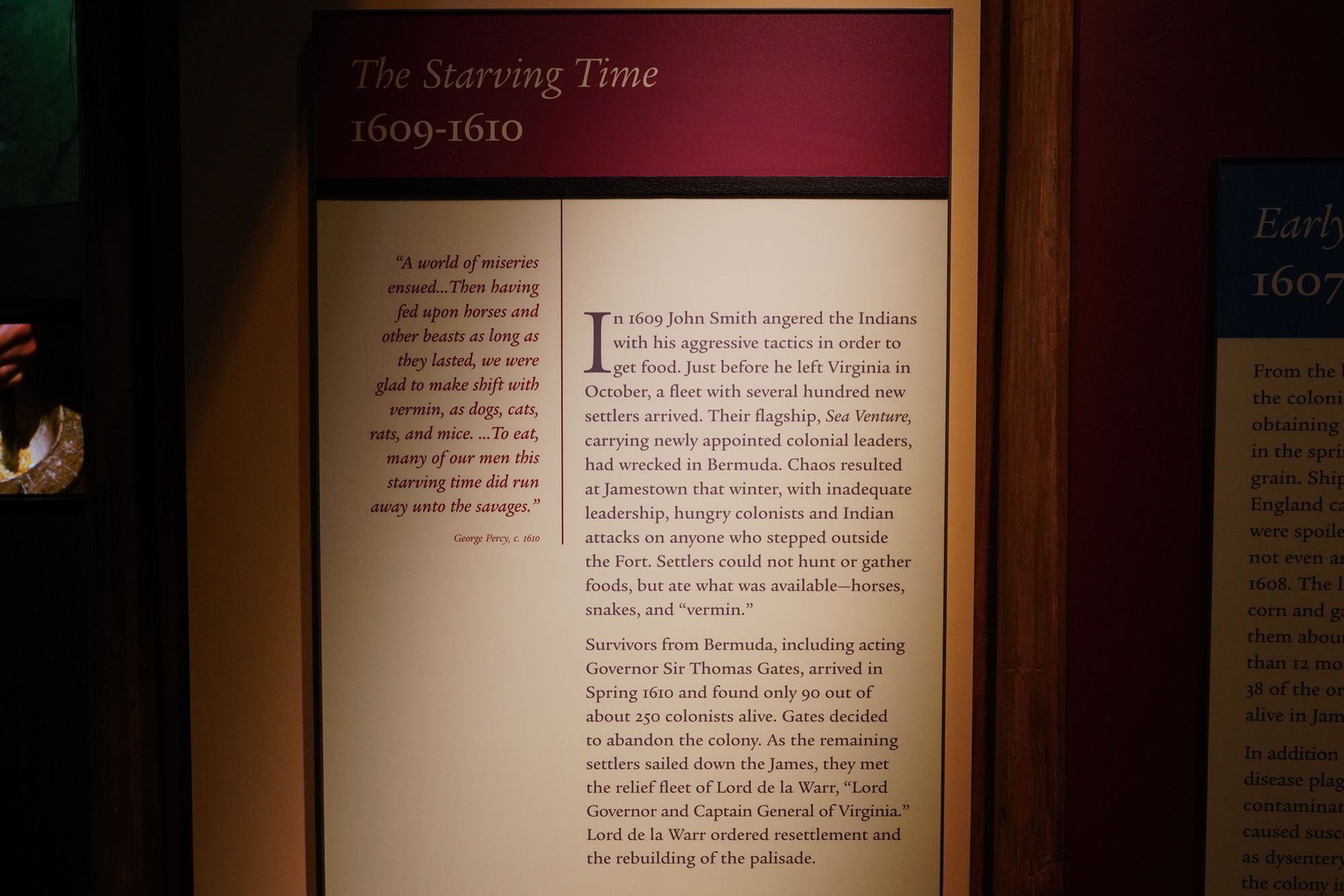
Although of high birth, Percy struggled with poor health, which limited his leadership abilities. He served as a council member and briefly became governor of Jamestown from 1609 to 1610, during the disastrous “Starving Time,” when disease, hunger, and conflict with the Powhatan decimated the colony.
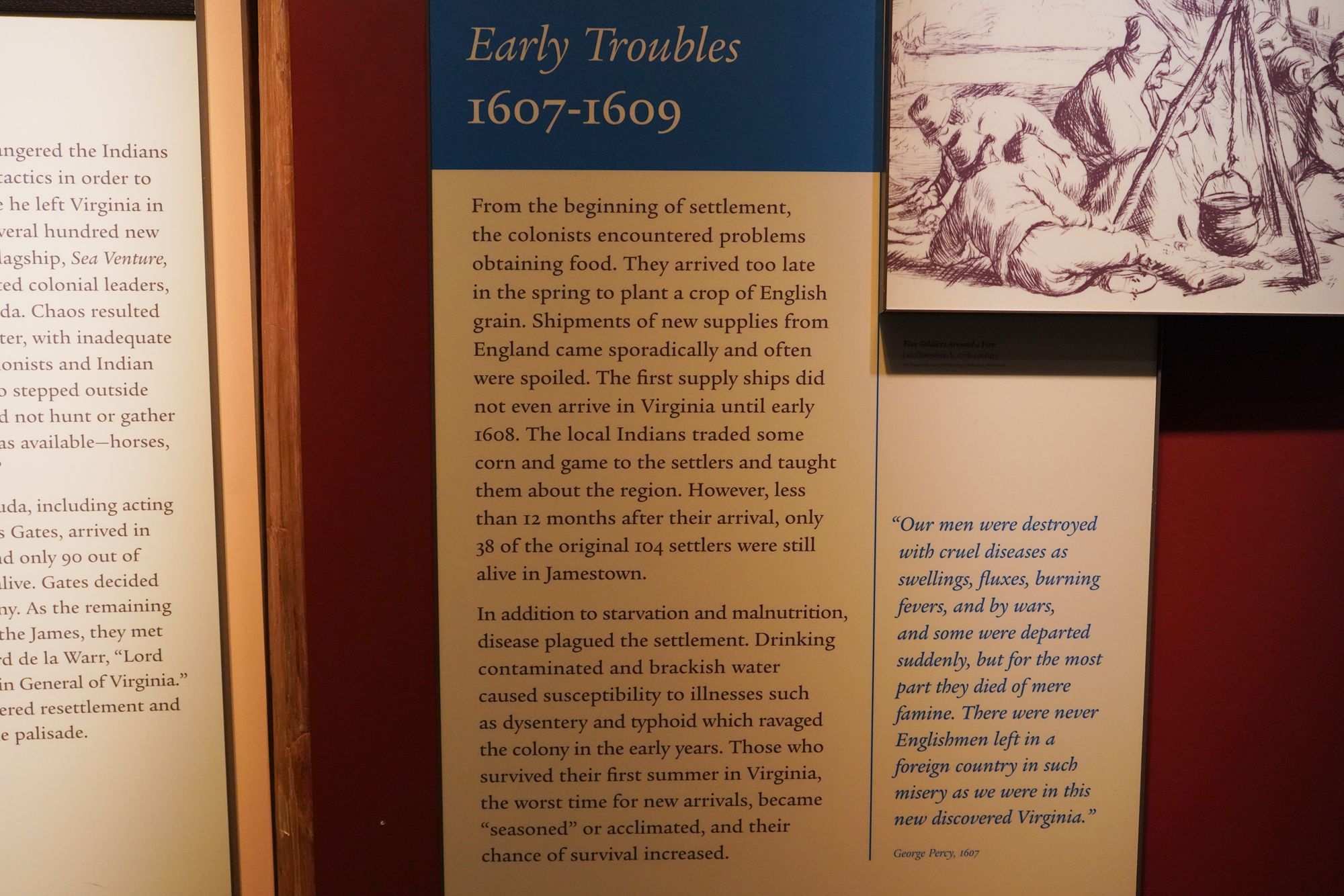
Despite the tragedy, Percy’s detailed journals and letters provide valuable firsthand accounts of the early years at Jamestown, including relations with Native Americans and the settlers’ daily struggles. After returning to England, he continued his military career and remained an important witness to the harsh realities of England’s first permanent colony in America.
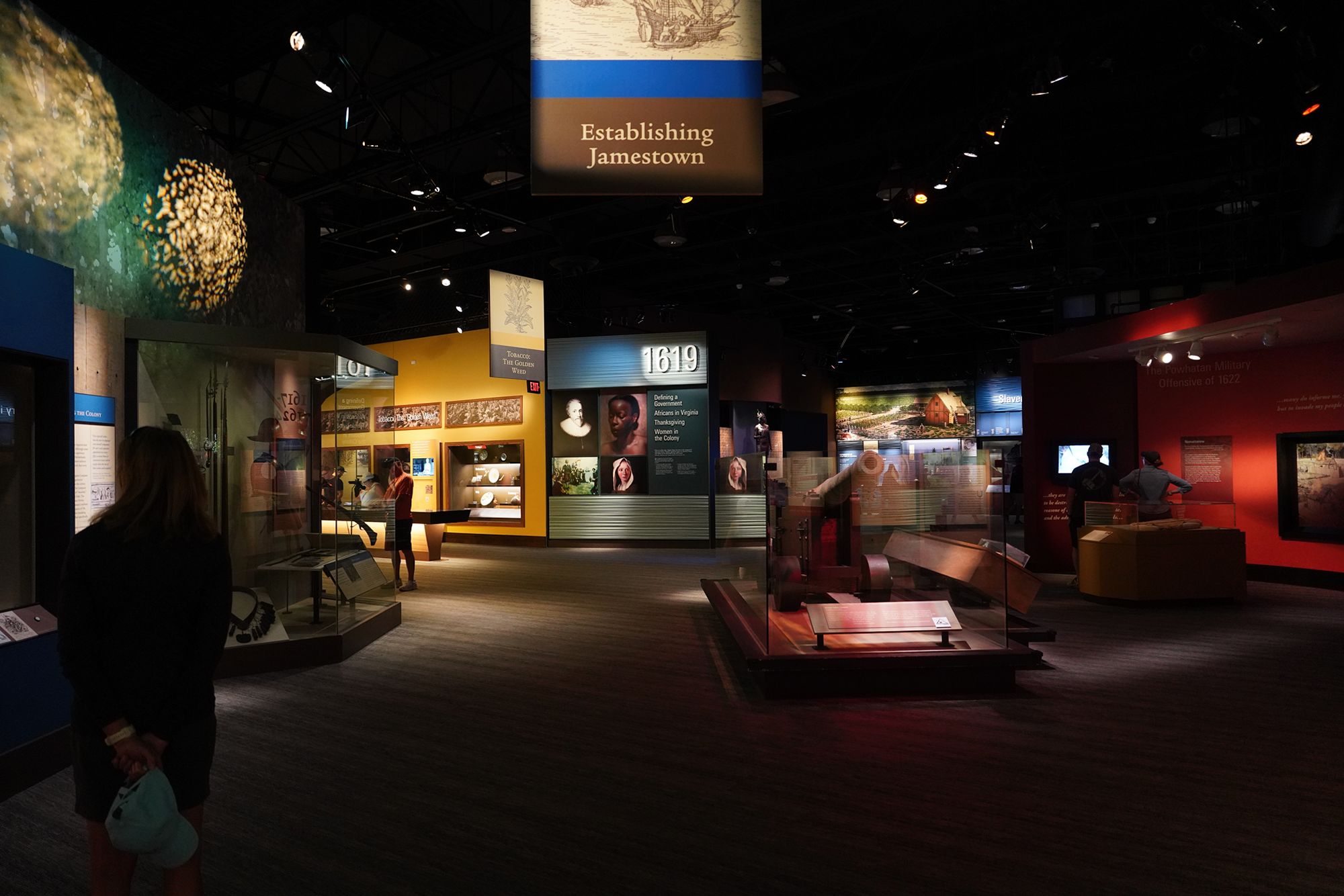
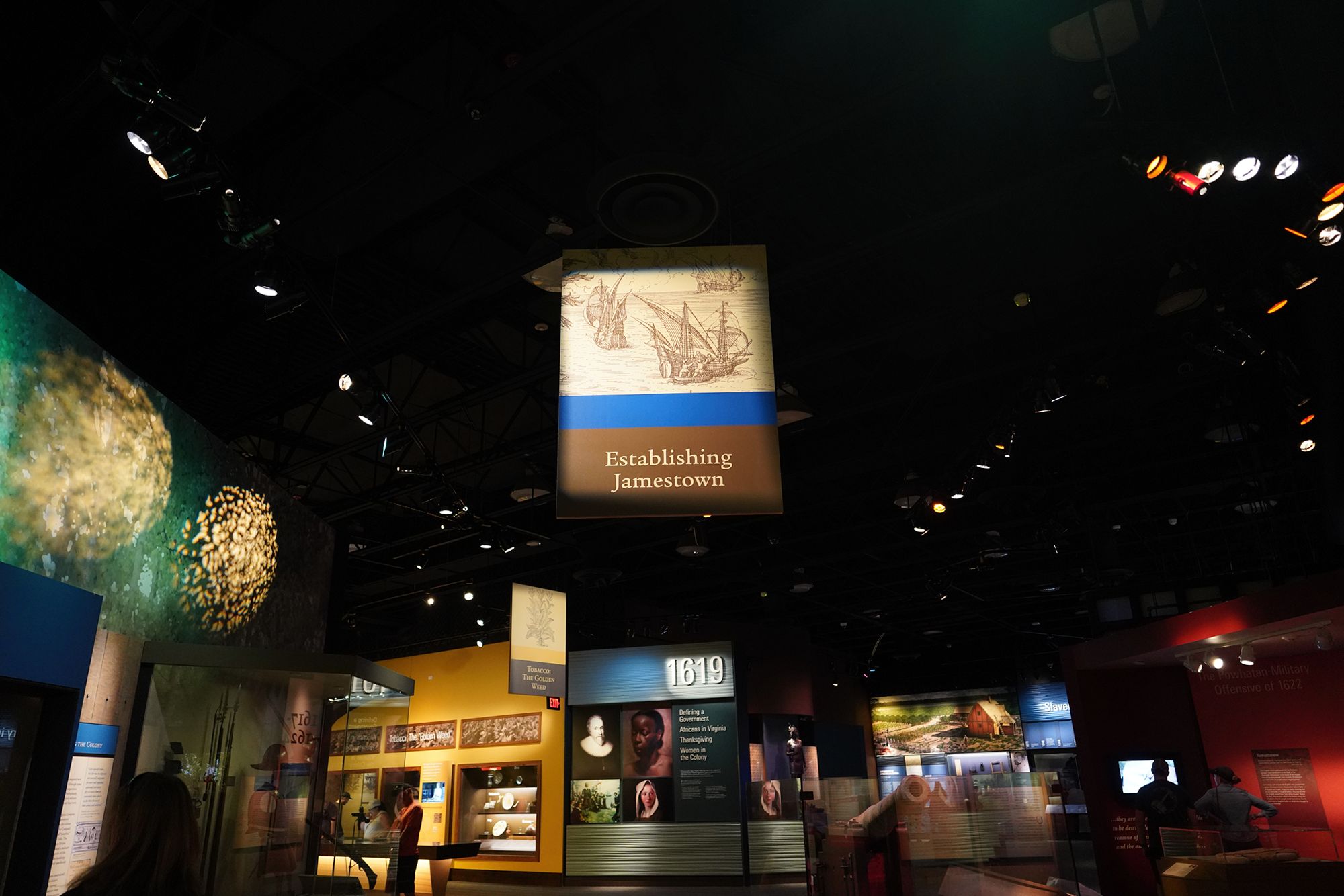
Establishing Jamestown
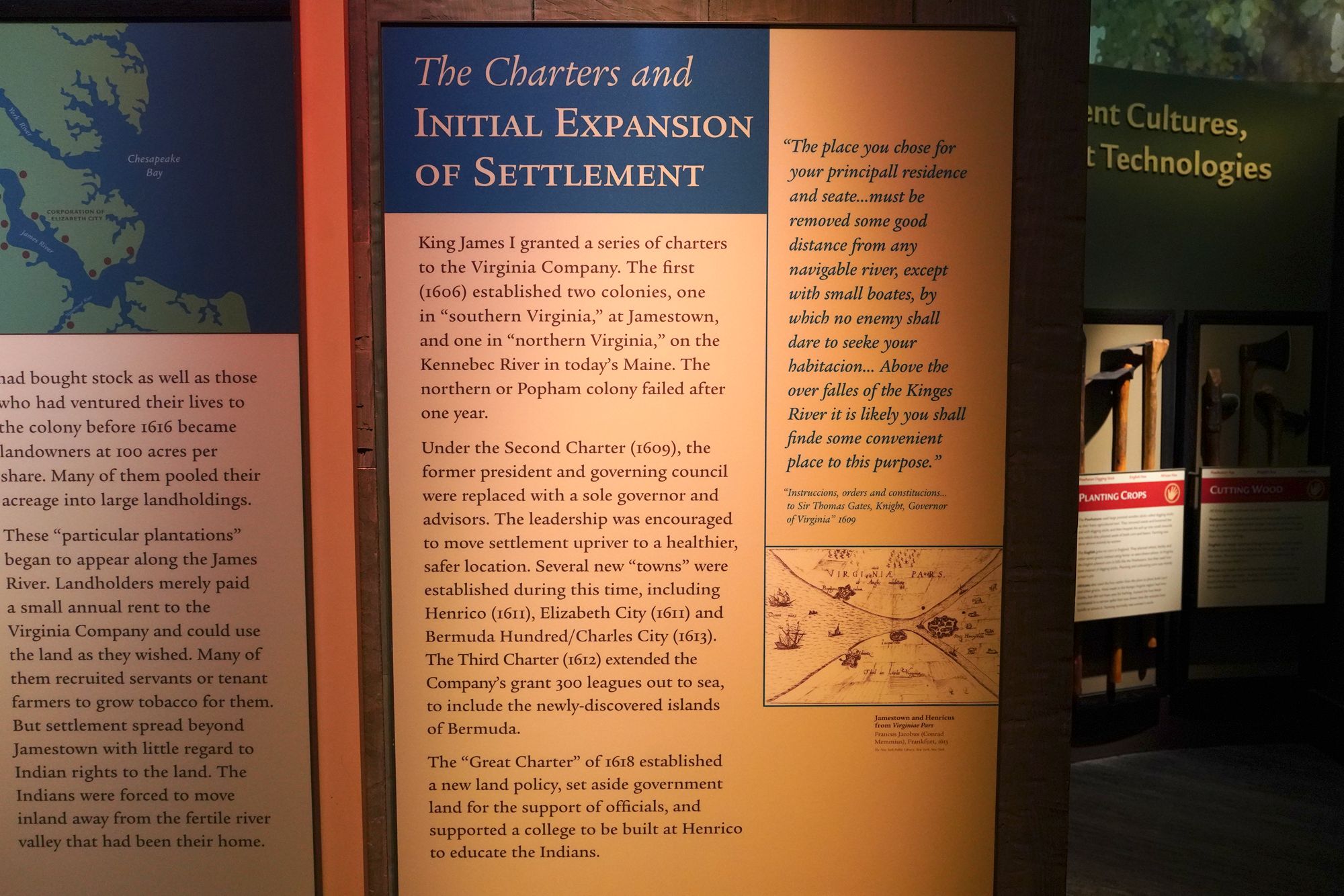
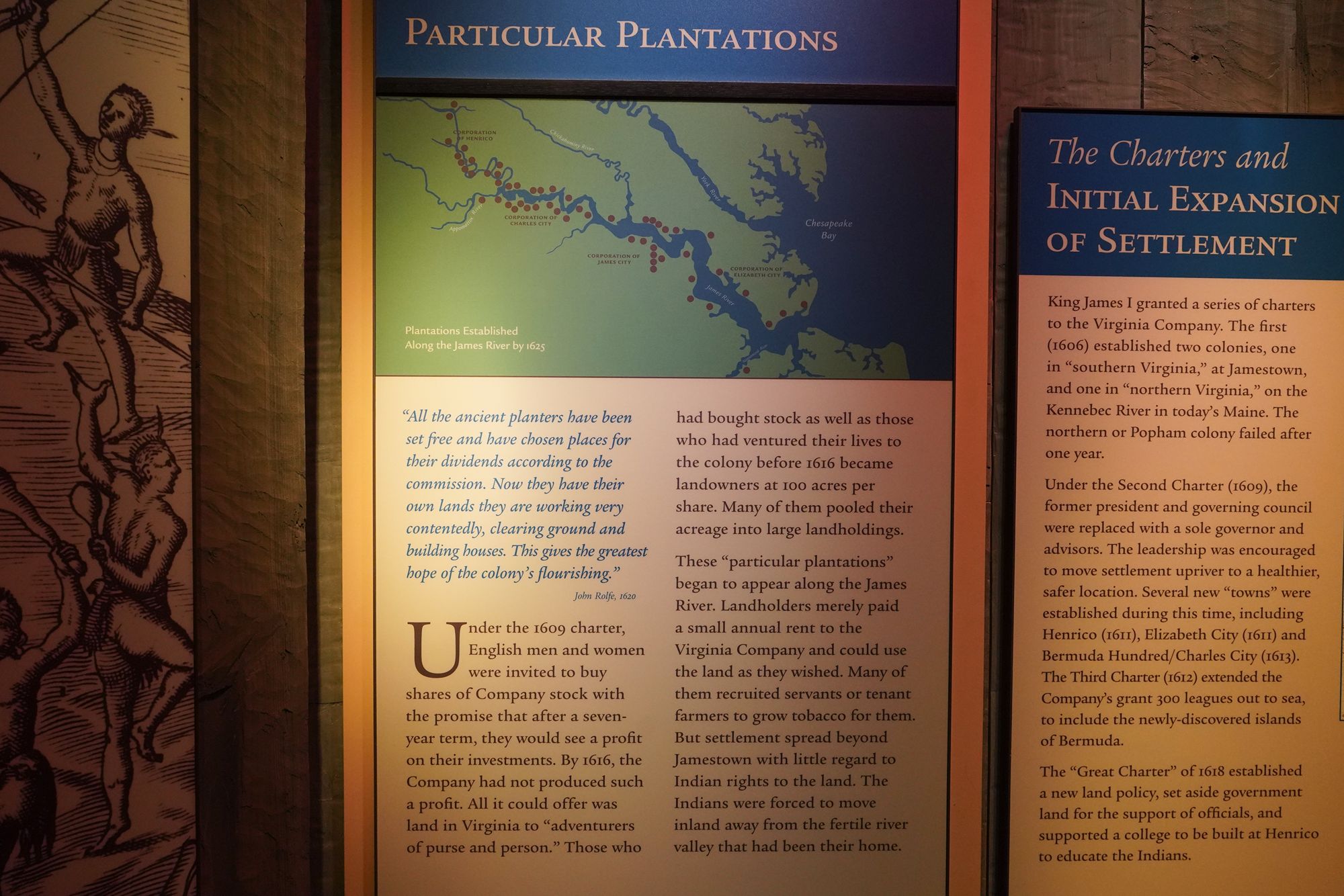
The royal charters gave the colony its legal foundation, encouraged private investment, and spurred the territorial and economic expansion that transformed Virginia from a struggling outpost into a permanent English settlement.
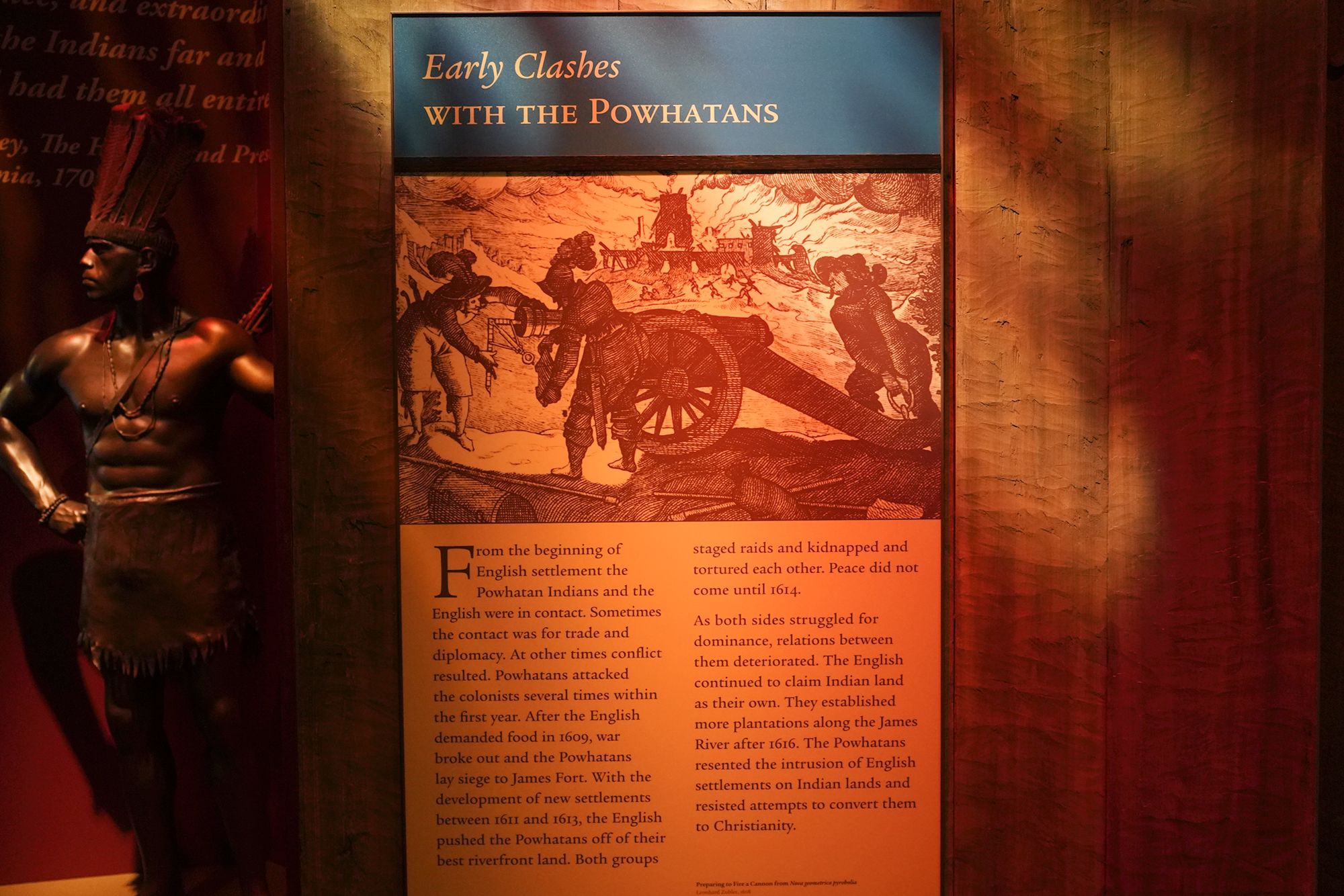
Early Clashes with the Powhatans Indians
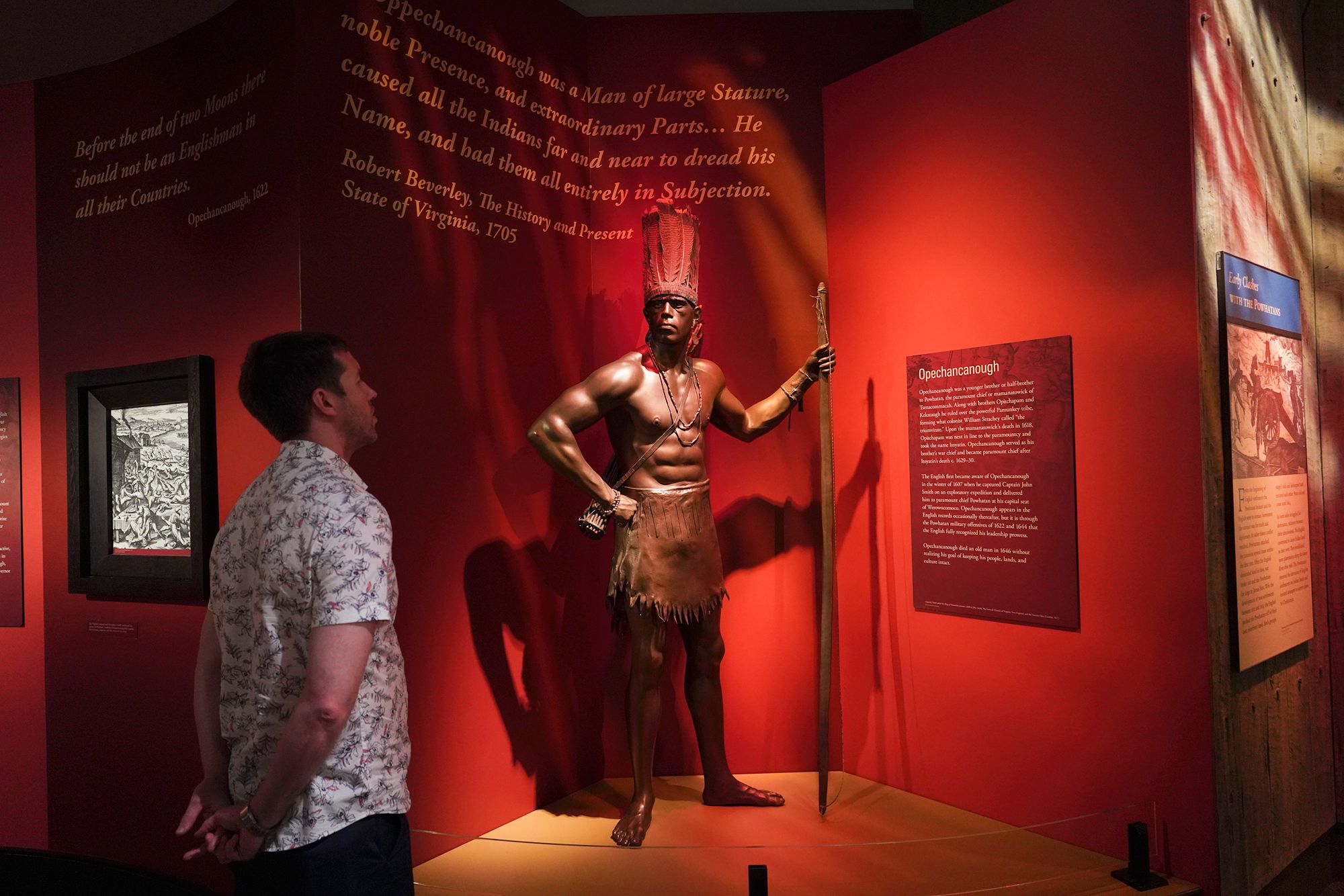
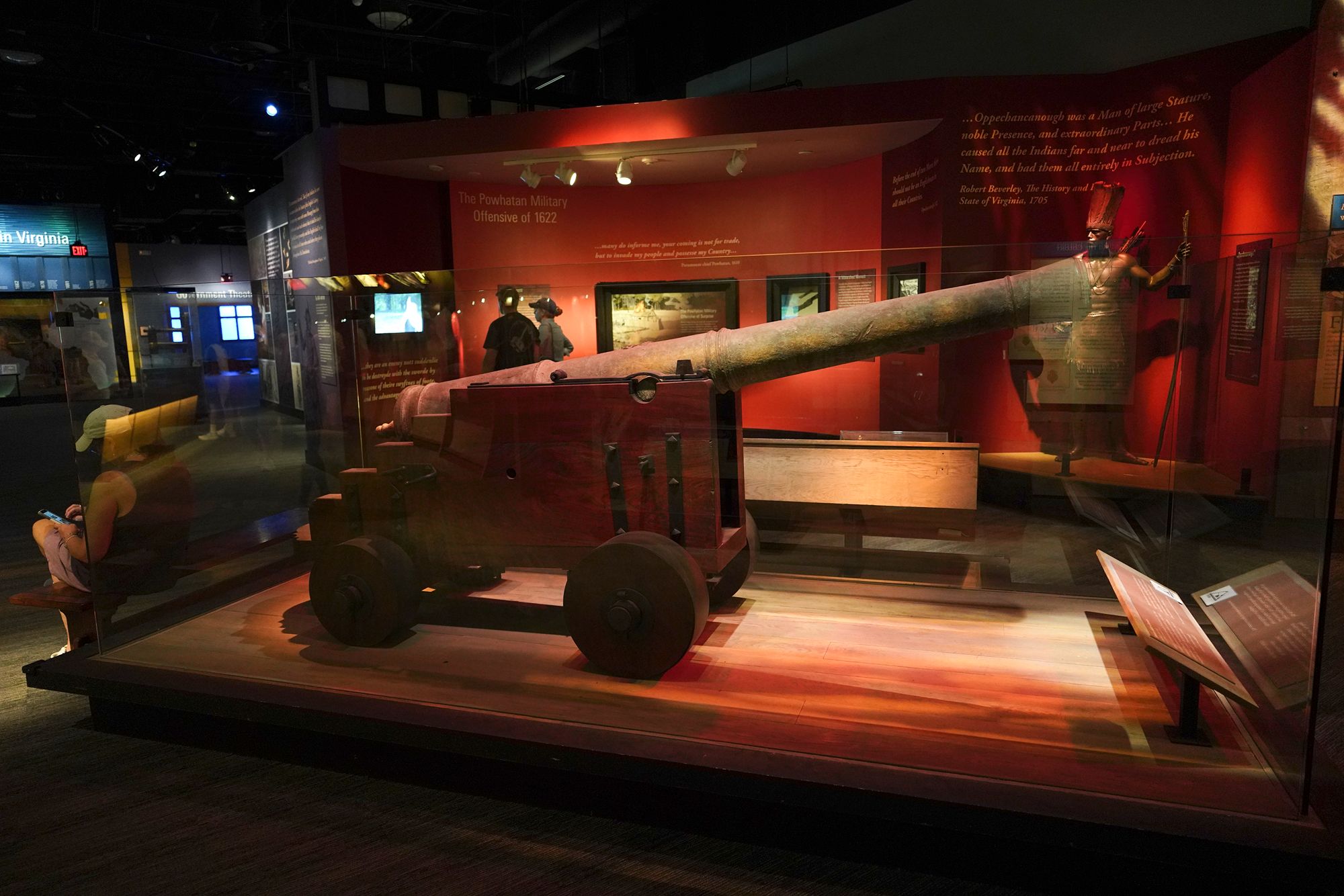
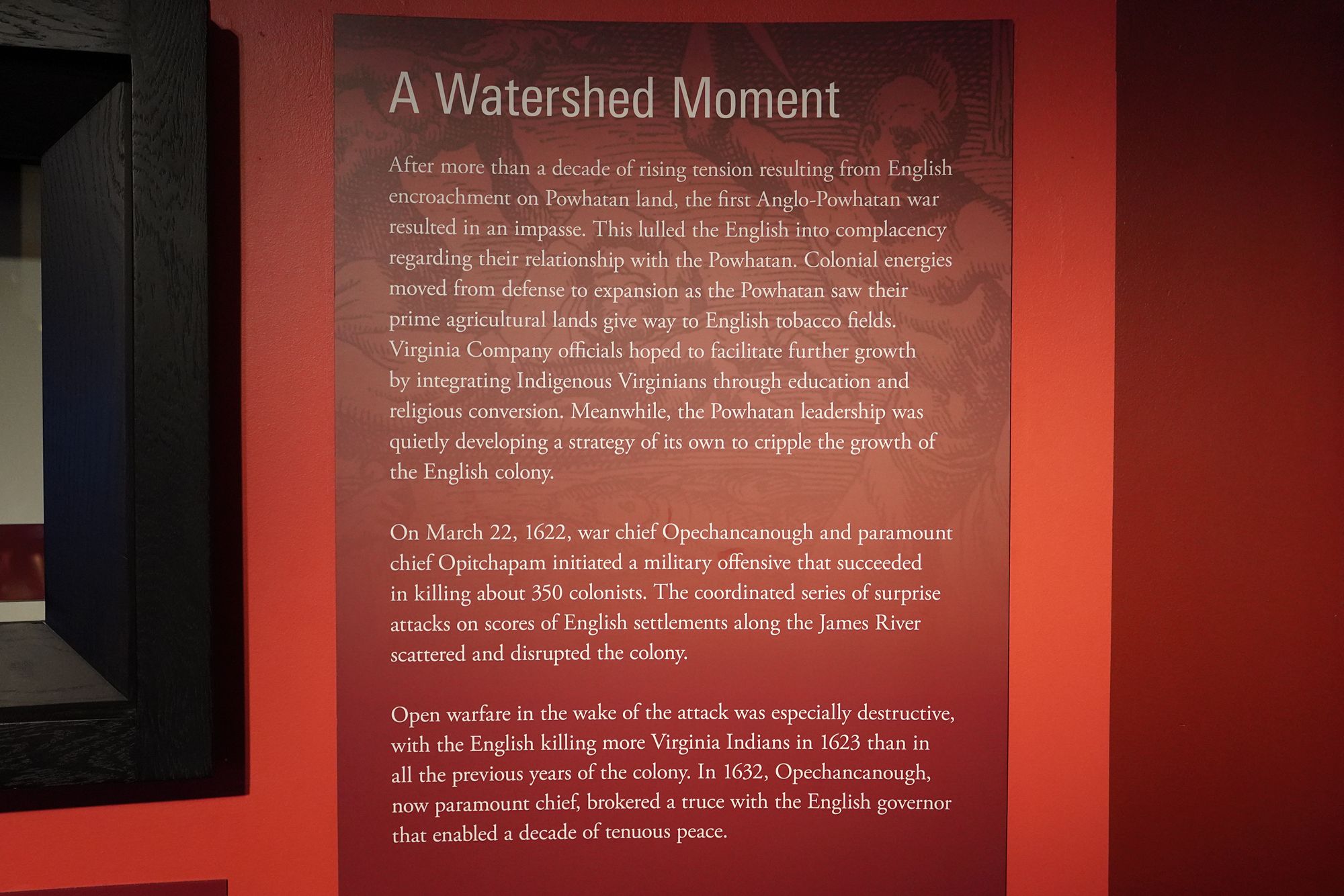
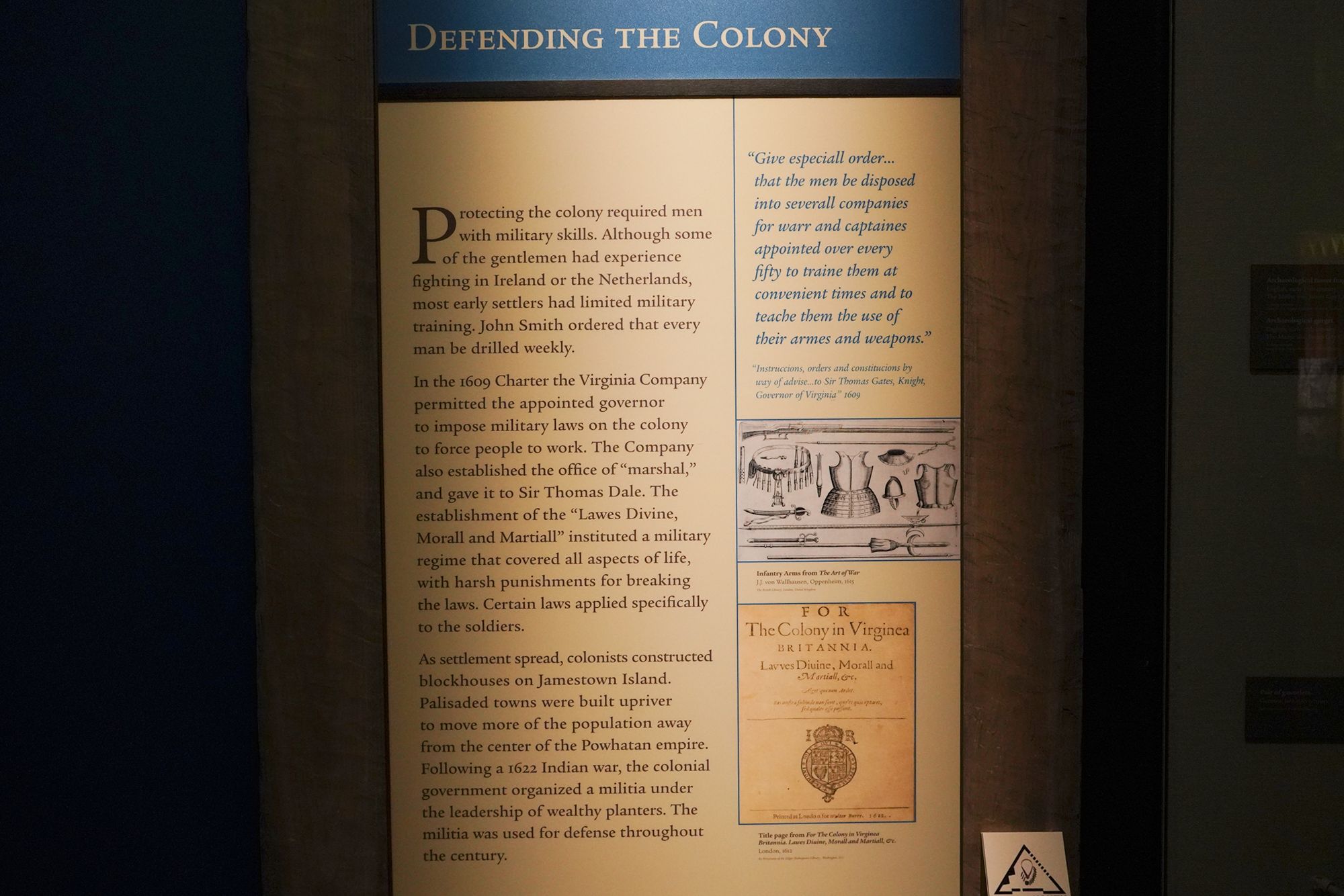
On March 22, 1622, the Powhatan Indians launched a coordinated surprise attack on English settlements throughout Virginia in an effort to drive the colonists from their land. Led by Chief Opechancanough, the Powhatan warriors killed about 347 colonists—nearly one-quarter of Virginia’s English population—destroying plantations and outlying settlements along the James River.
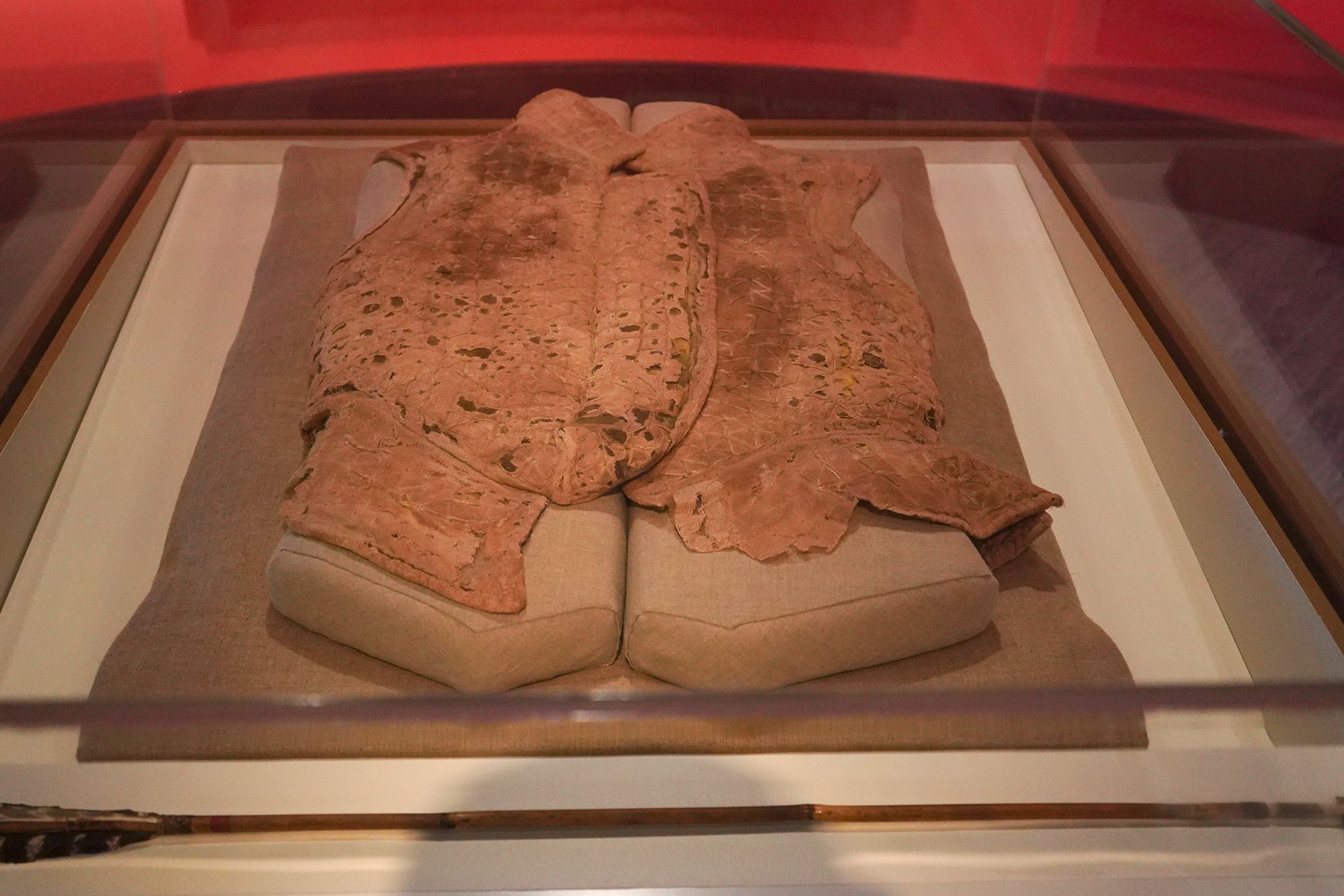
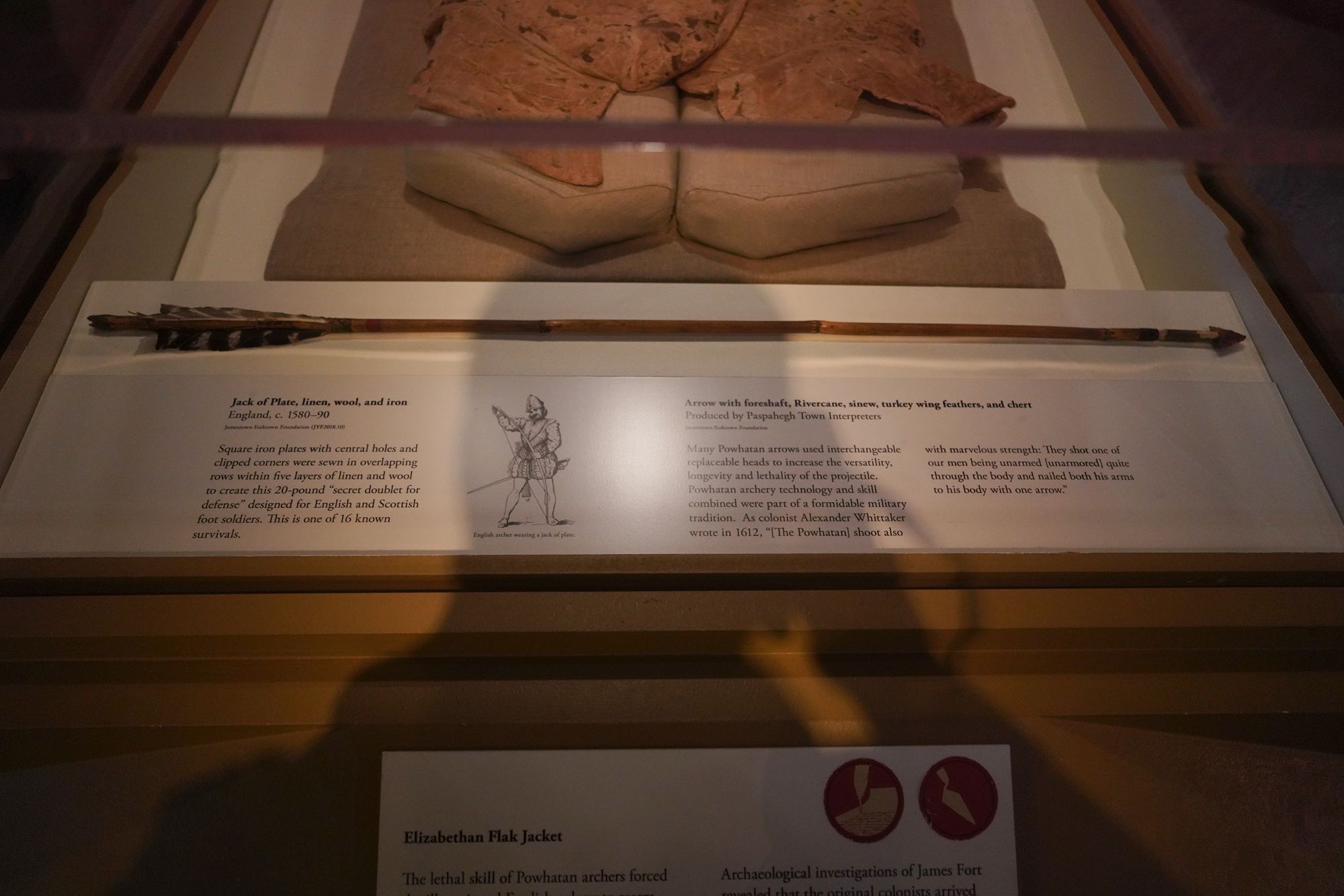
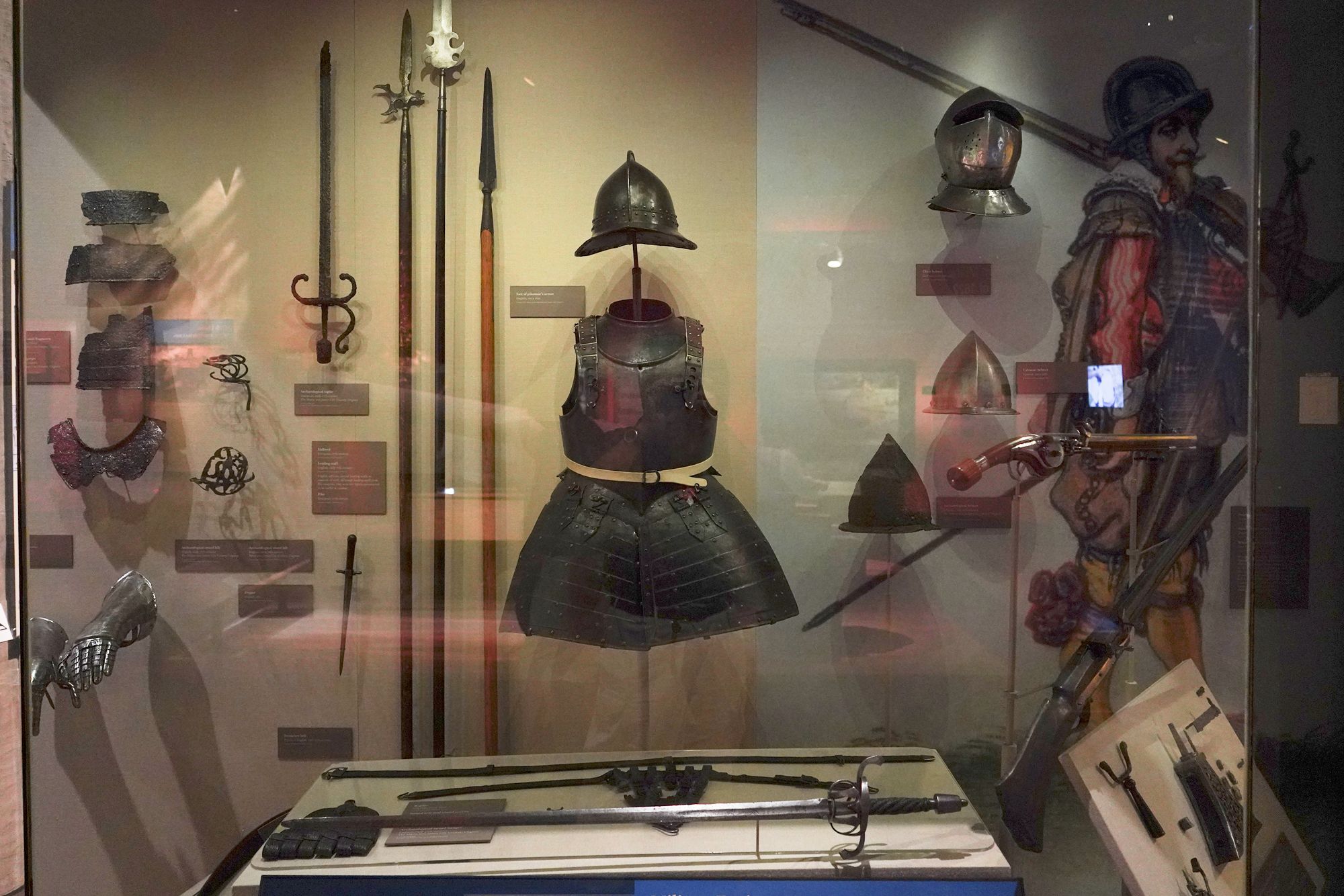
After the Powhatan attack of 1622, defense became more organized: settlements were rebuilt closer together, militias were formed, and patrols guarded against future assaults. Over time, Virginia’s defenses shifted from survival to stability, as fortified homes and garrisons gave way to a network of militia companies protecting plantations and expanding frontiers.
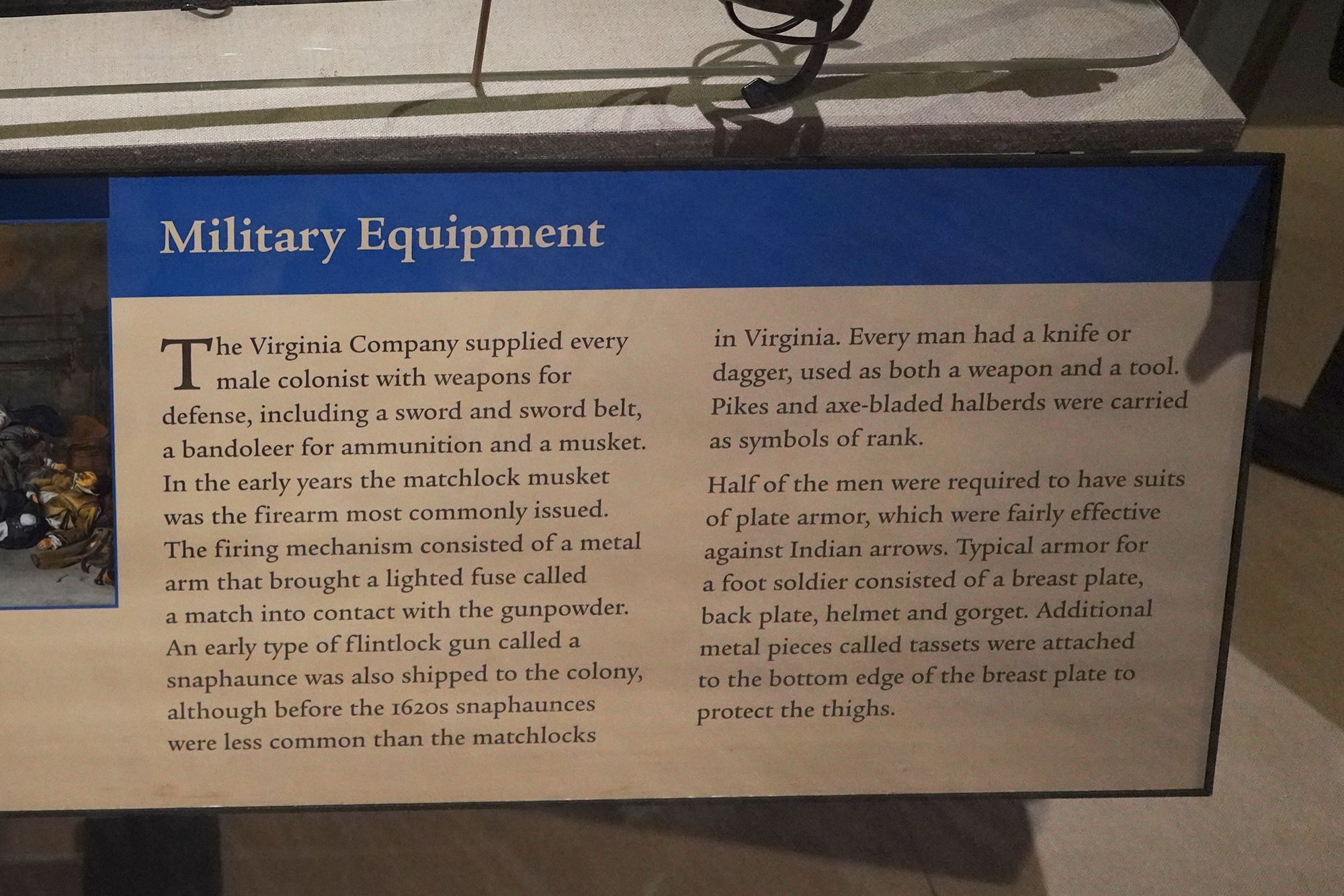
Tobacco: The Golden Weed
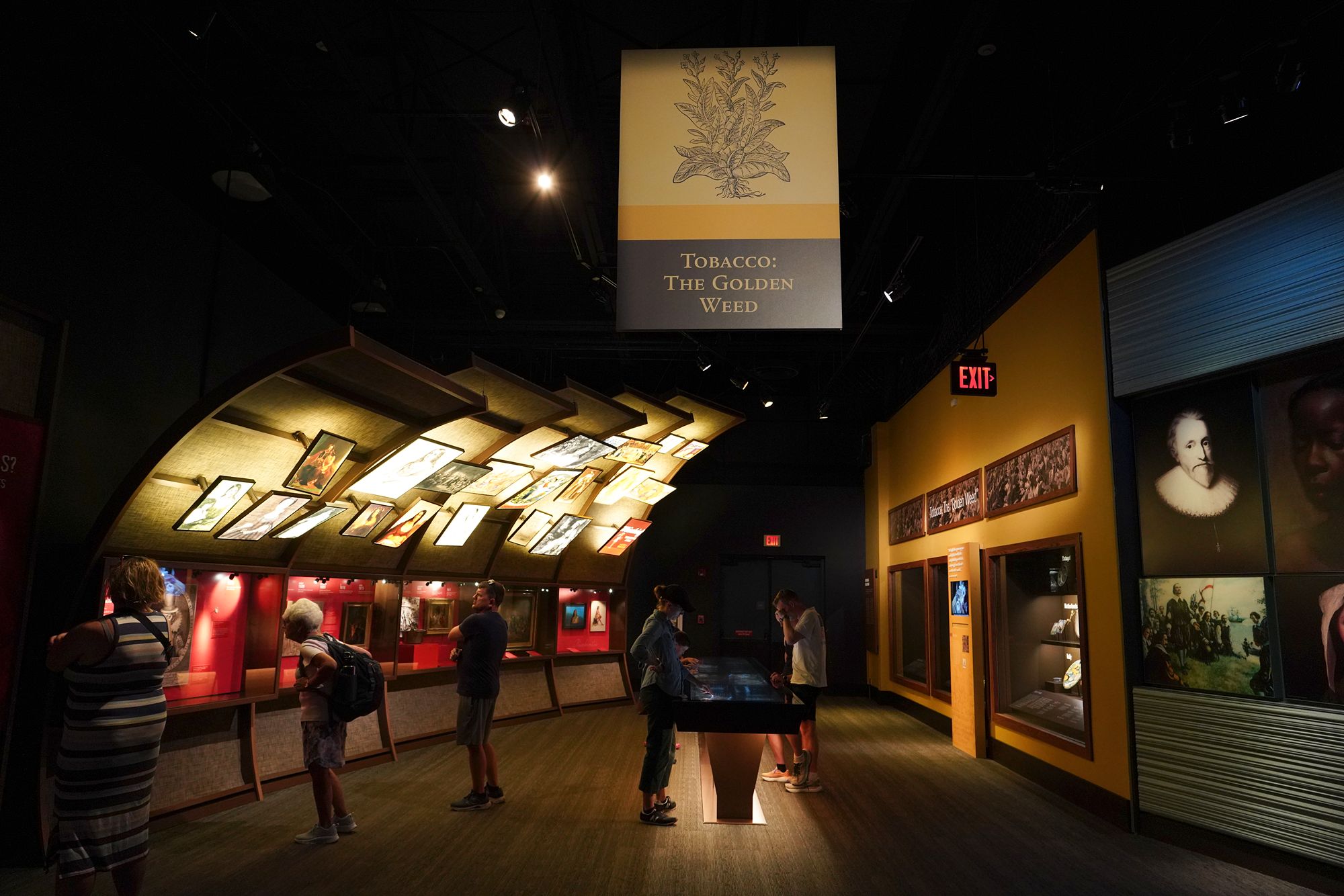
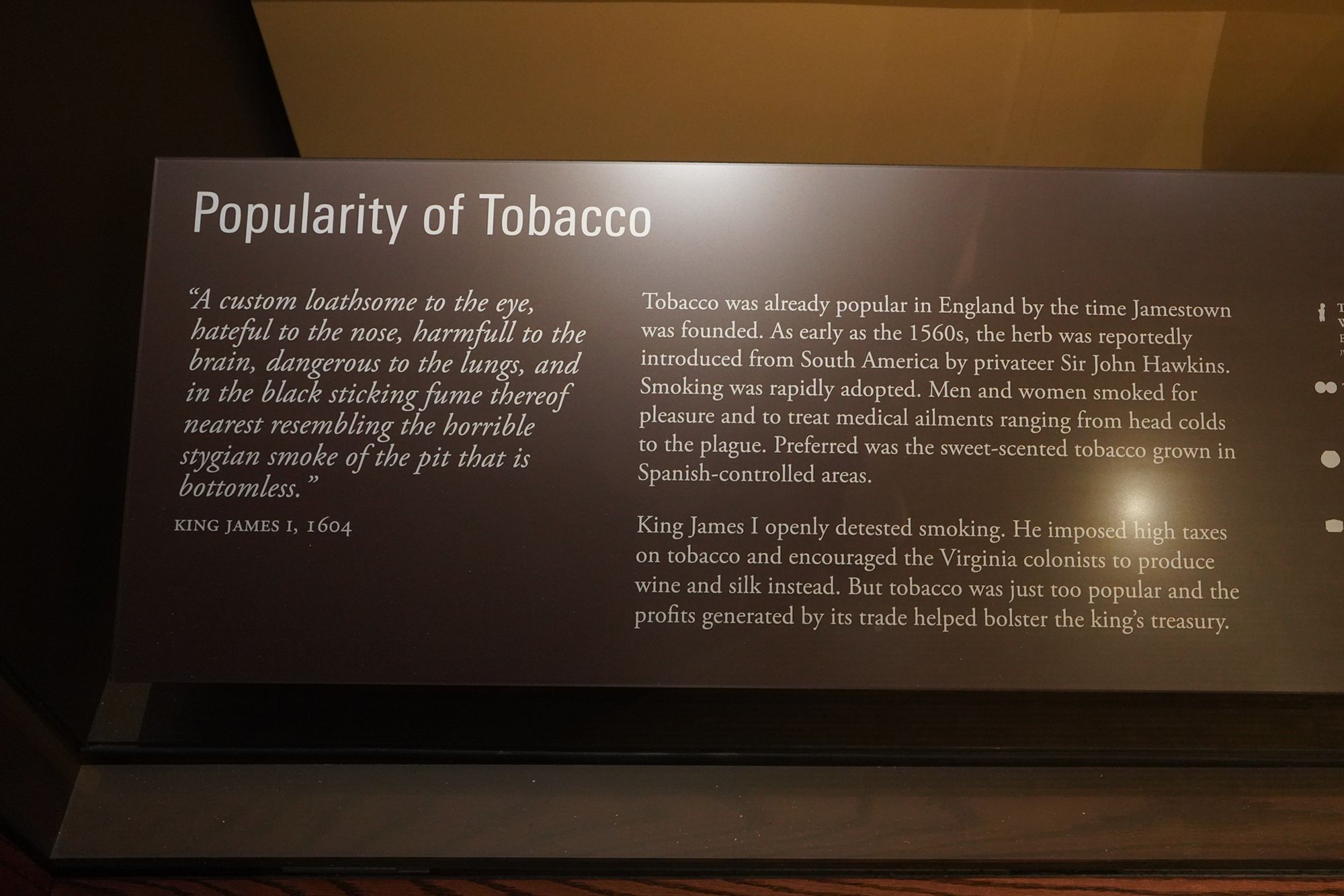
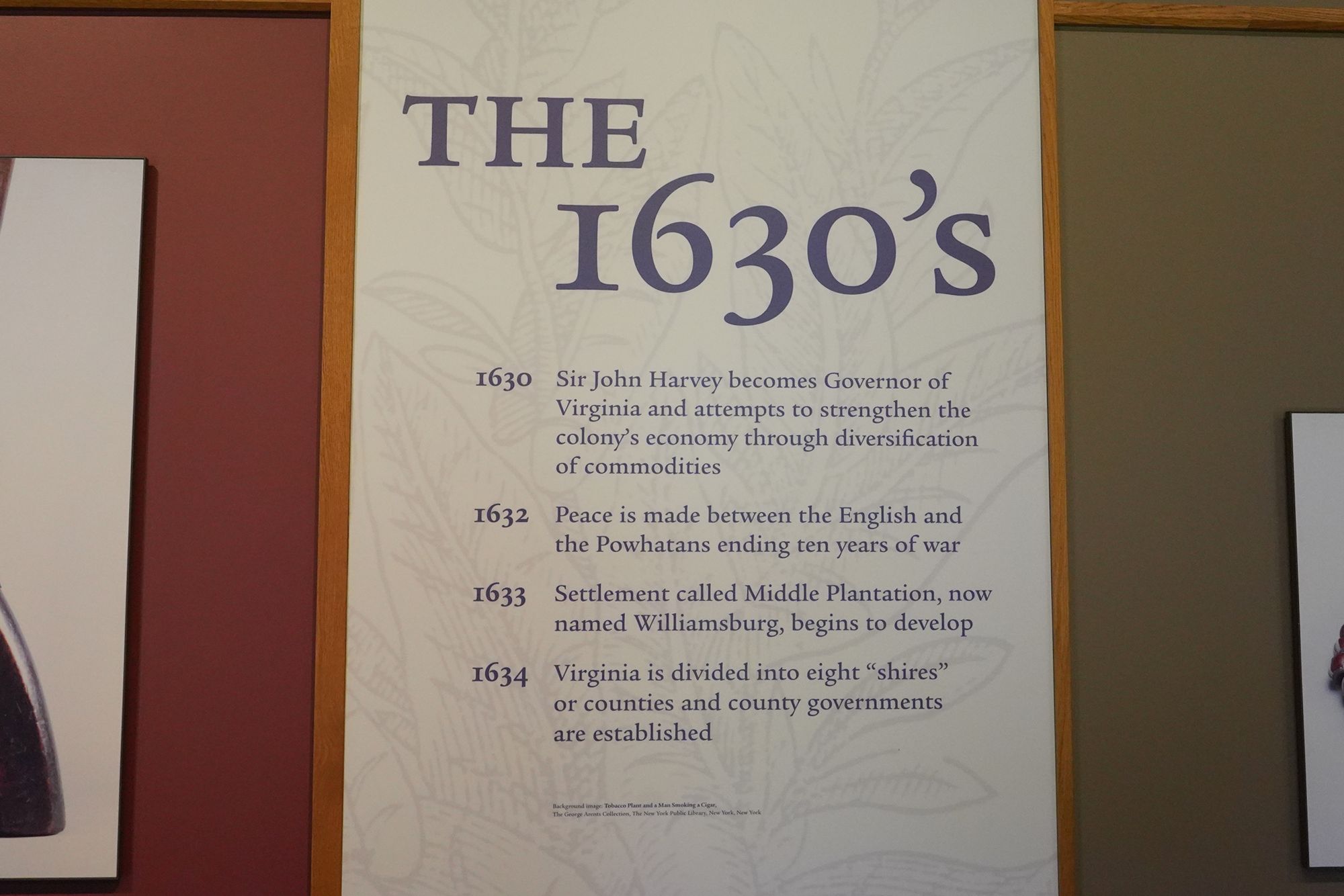
“Tobacco: The Golden Weed” refers to the crop that transformed early Virginia from a struggling settlement into a thriving colony. Introduced by John Rolfe around 1612, tobacco quickly became Virginia’s first profitable export and the foundation of its economy.
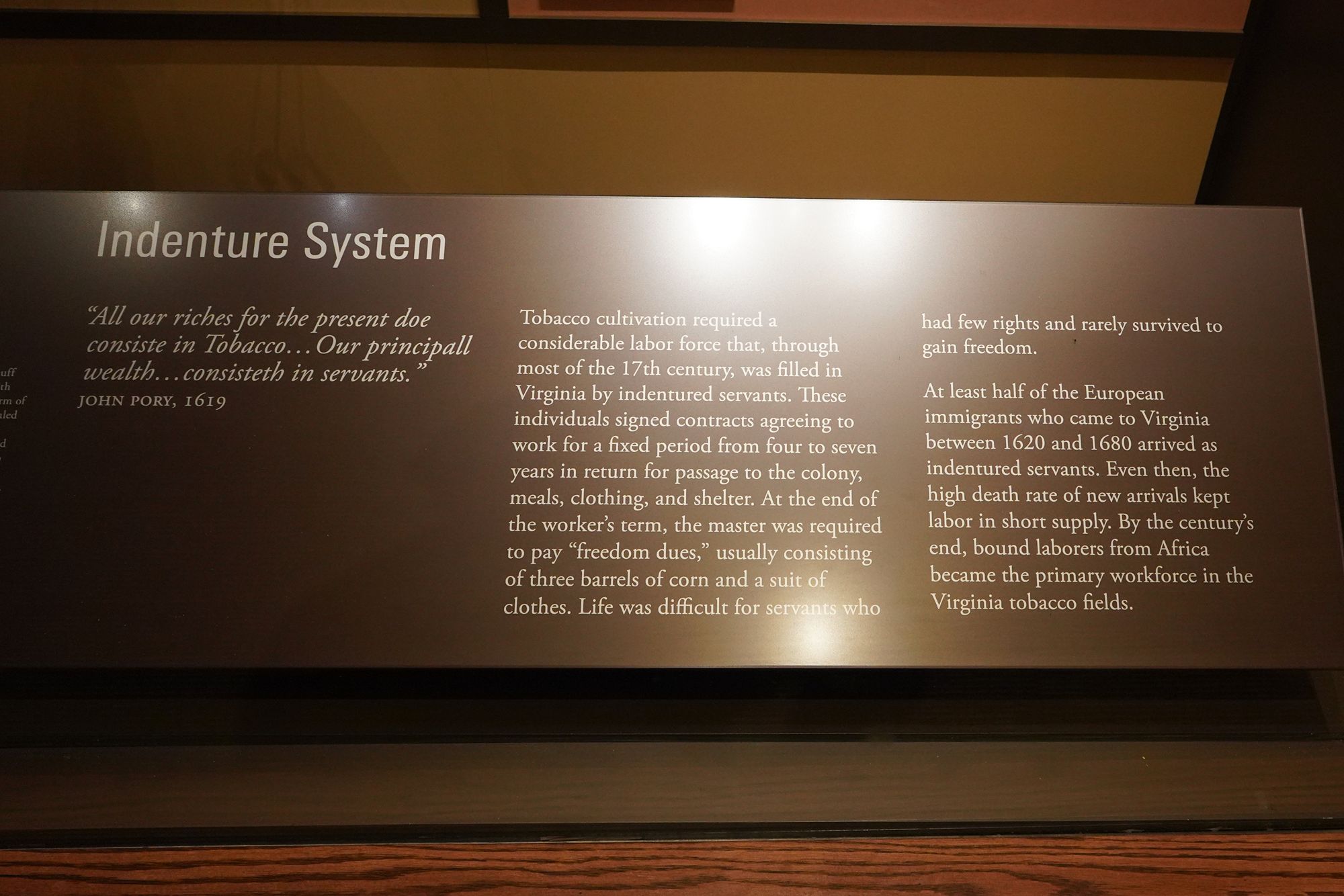
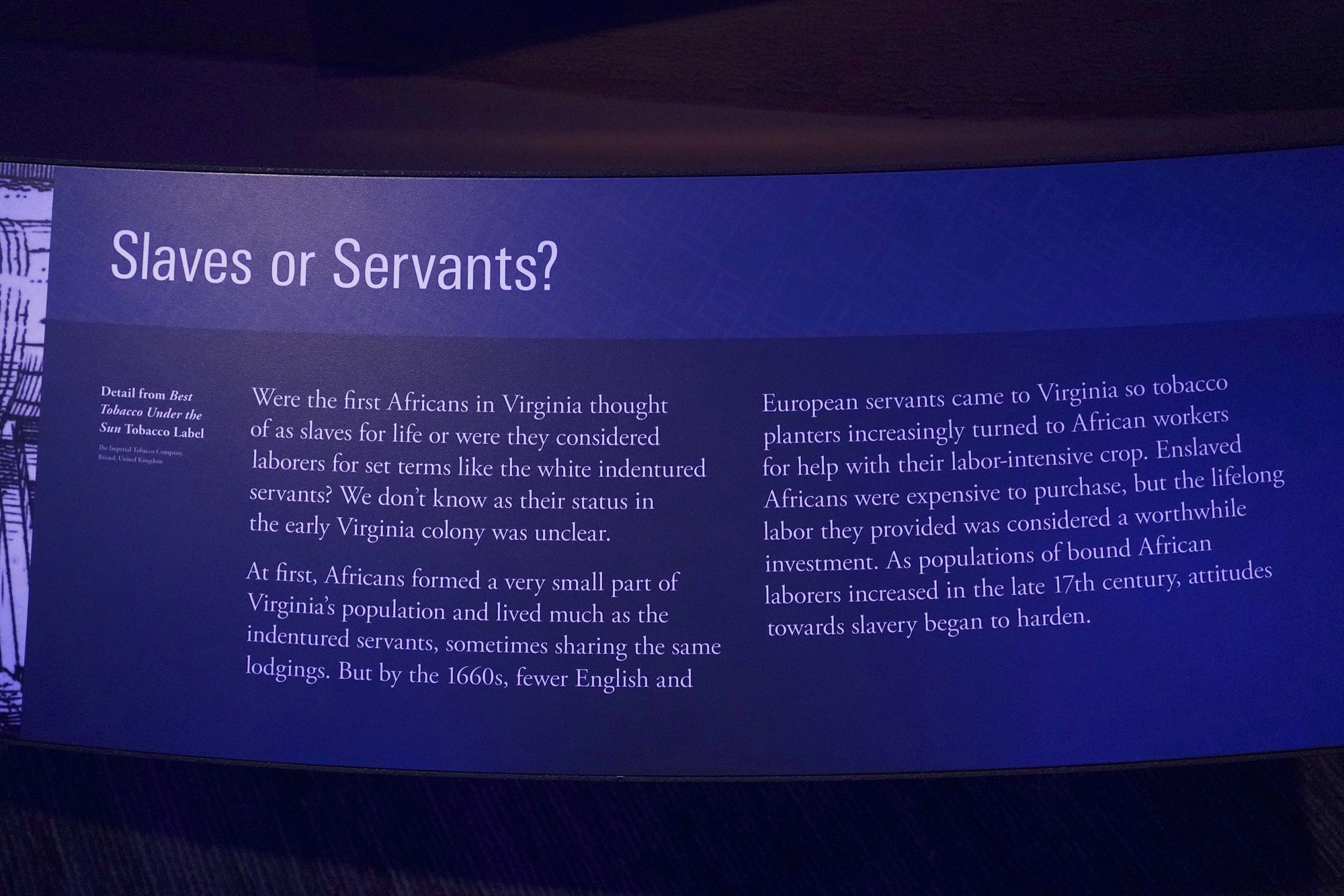
Europeans eagerly demanded tobacco, and its success turned land into wealth—earning it the nickname “the golden weed.” Colonists cleared vast tracts of land to grow it, and the labor-intensive crop created a huge demand for workers. This led first to the use of indentured servants from England and later to the large-scale importation of enslaved Africans, which shaped Virginia’s society and economy for centuries.
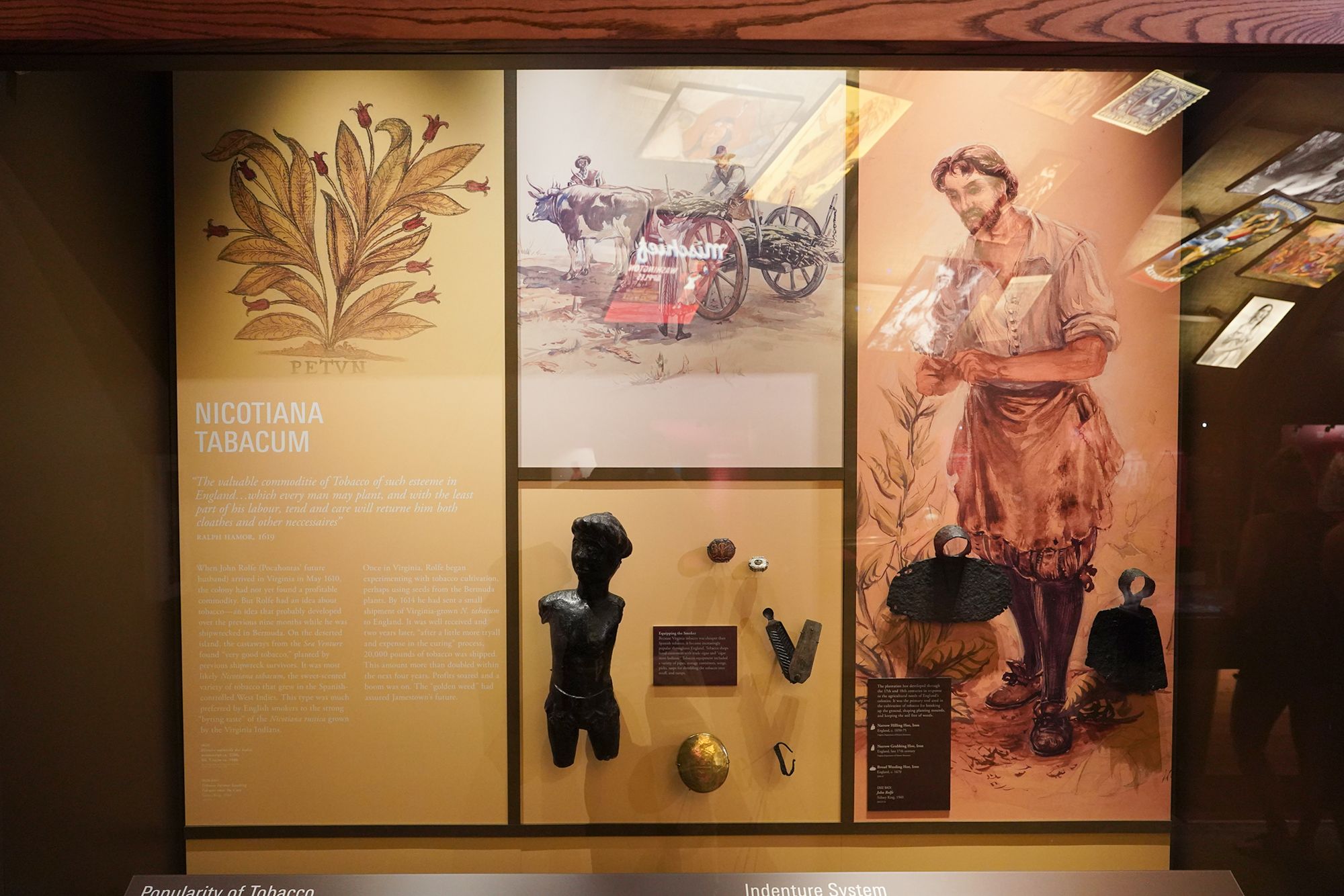
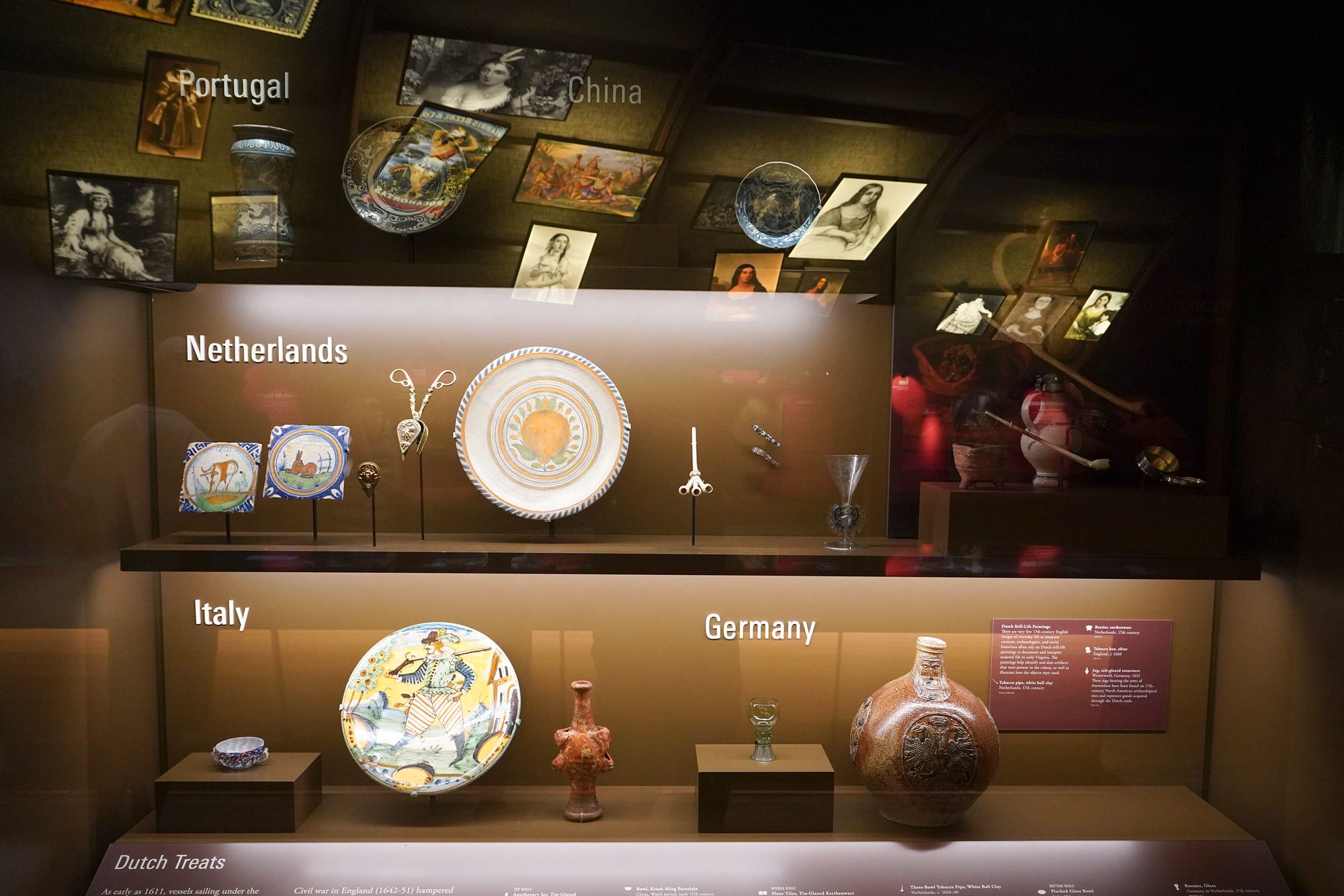
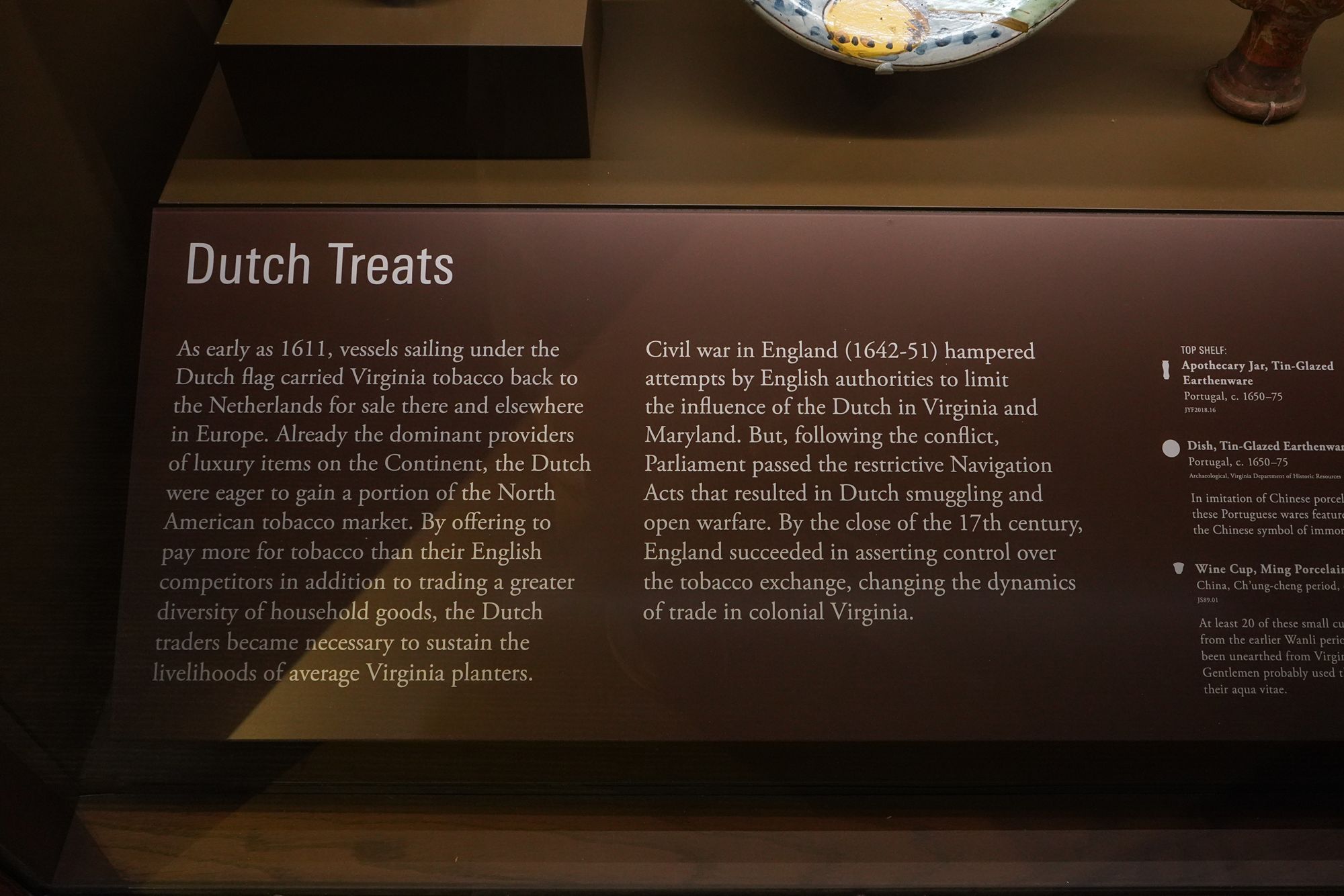
Tobacco not only brought prosperity but also tied Virginia to global trade networks, making it the most important cash crop in colonial America and a driving force behind the growth of both the colony and the institution of slavery.
Pocahontas?
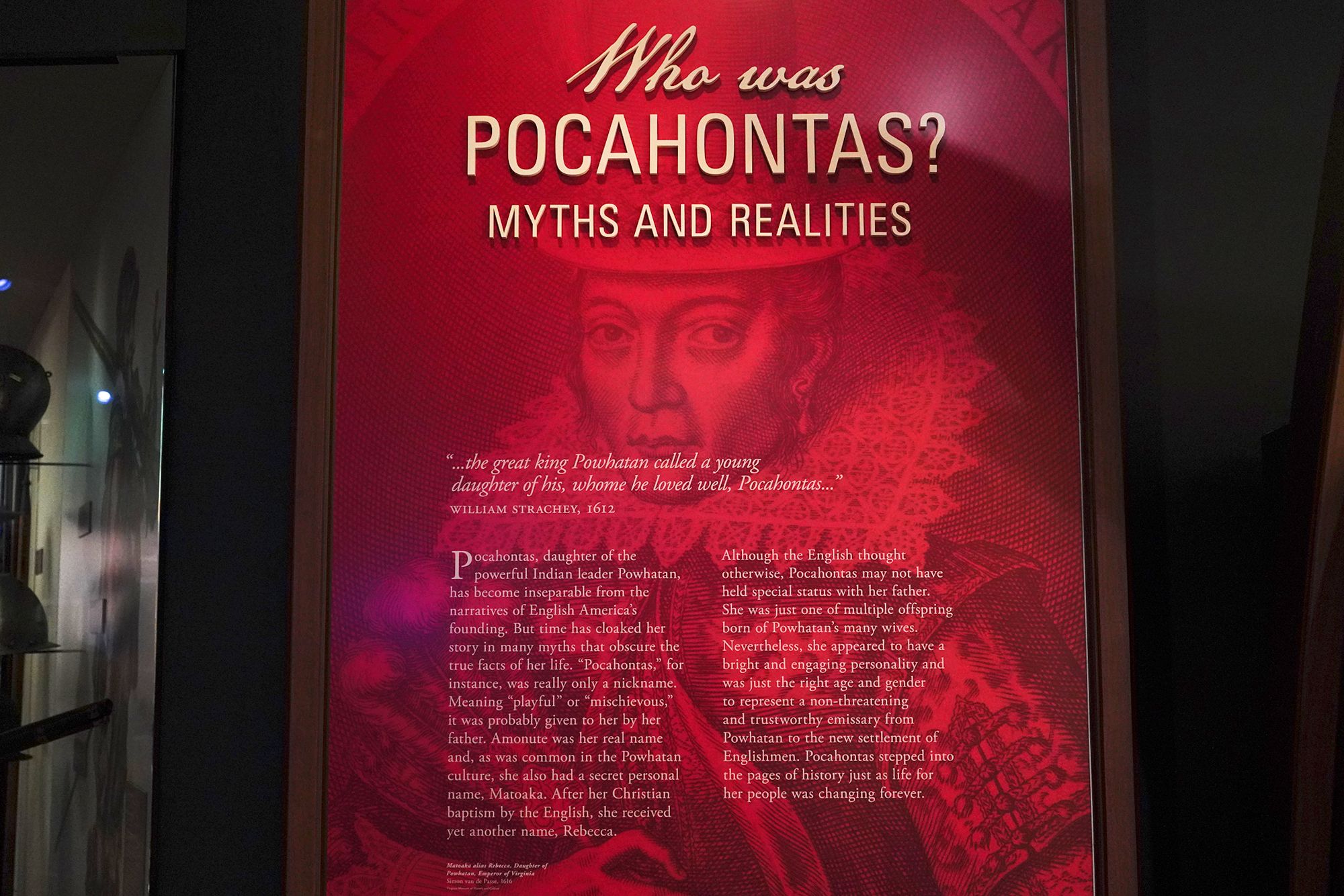
Pocahontas (c. 1596–1617) was the daughter of Chief Powhatan, leader of the Powhatan Confederacy in Virginia at the time of the English arrival in 1607. She played a key role as an intermediary between the Powhatan people and the Jamestown colonists, helping to establish fragile peace through acts of diplomacy and exchange.
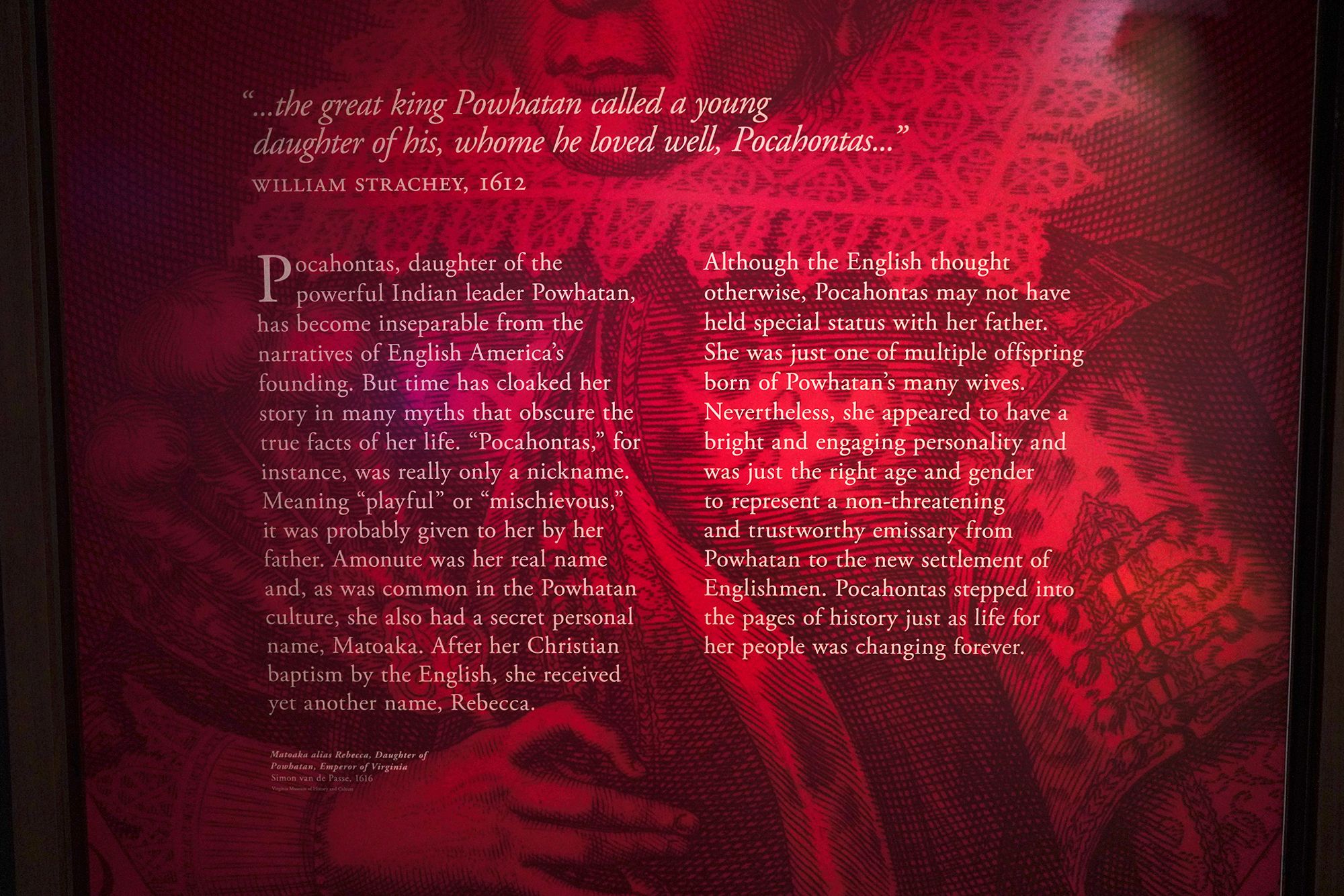
In 1616, Pocahontas traveled to England with Rolfe and their son, where she was received as a symbol of the New World and Anglo-Native friendship. She died in 1617, around age 21, at Gravesend, England, shortly before returning to Virginia. Pocahontas remains one of the most famous figures of early American history, symbolizing both cultural exchange and the deep complexities of colonization.
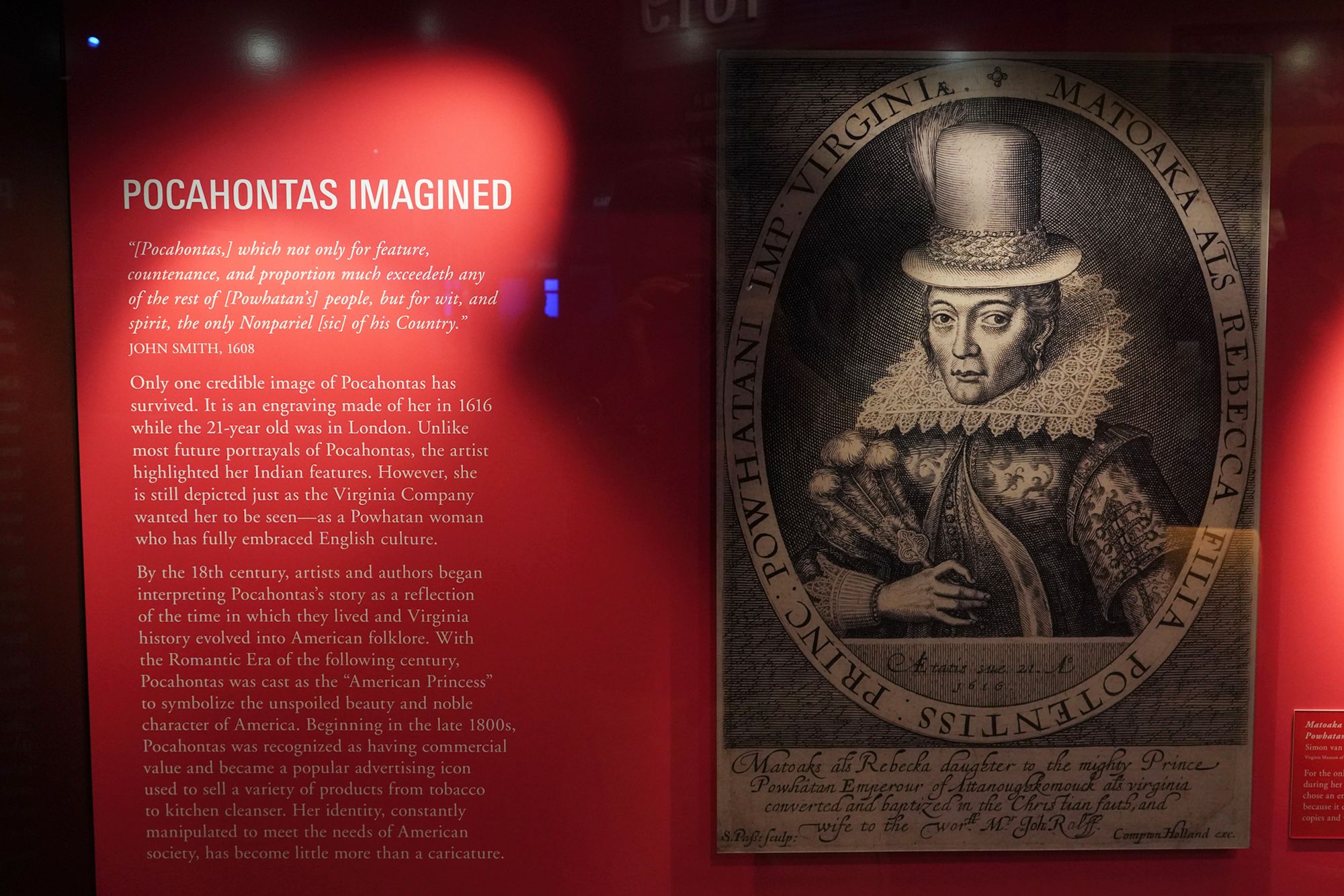
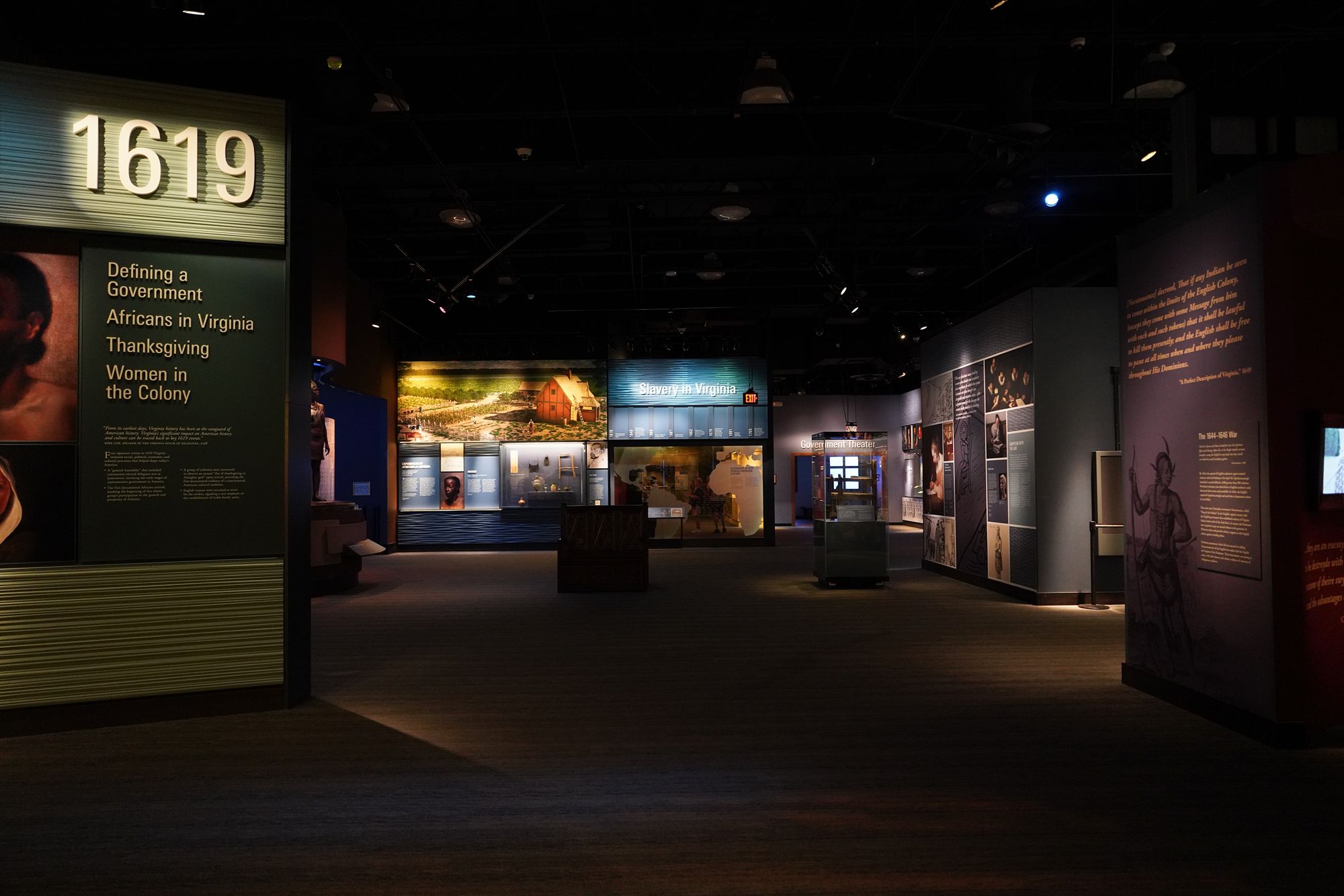
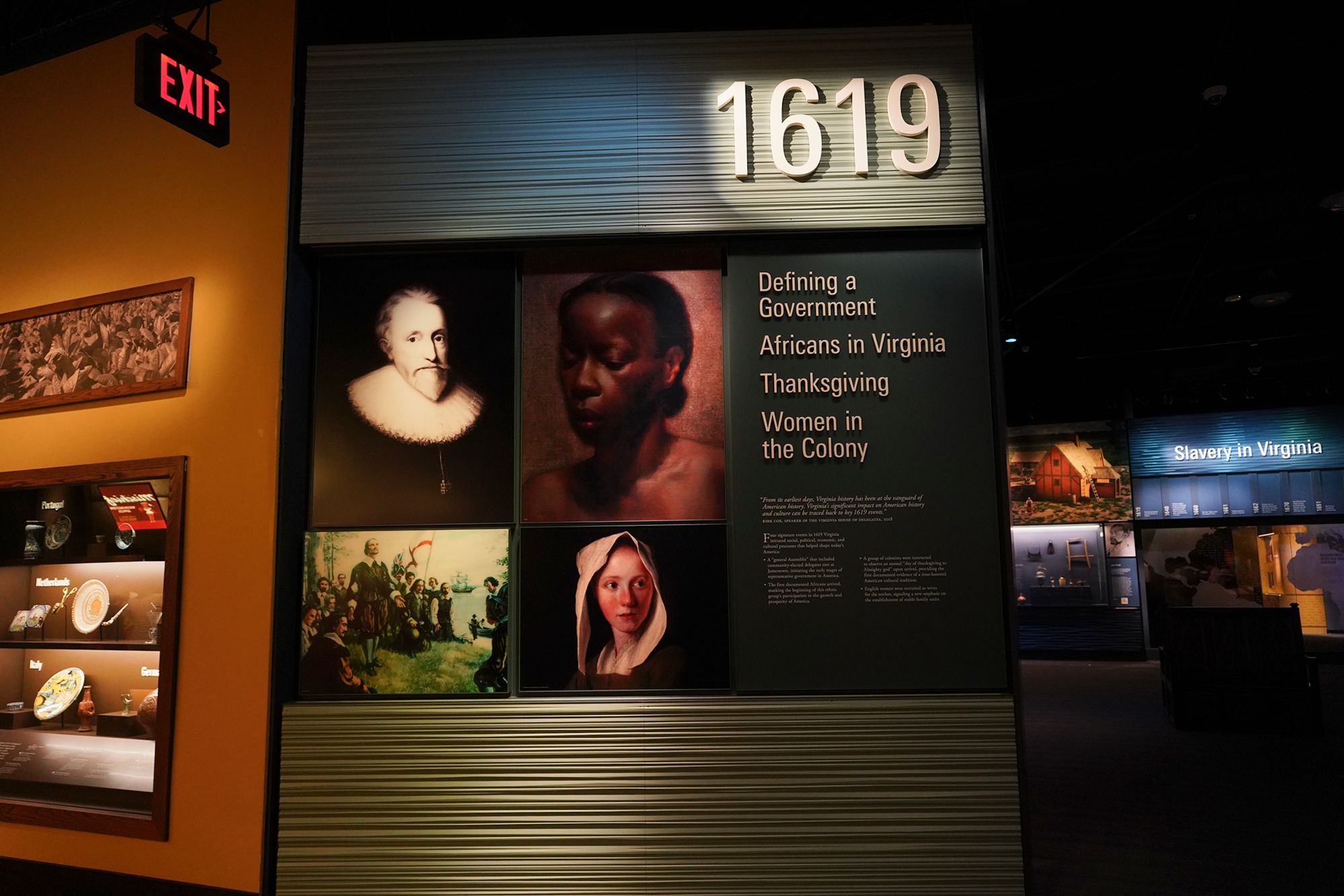
The first Africans arrived at Jamestown in 1619 as part of the transatlantic slave trade. They came from the Kingdom of Ndongo, in present-day Angola, where they had been captured during wars with Portuguese slave traders.
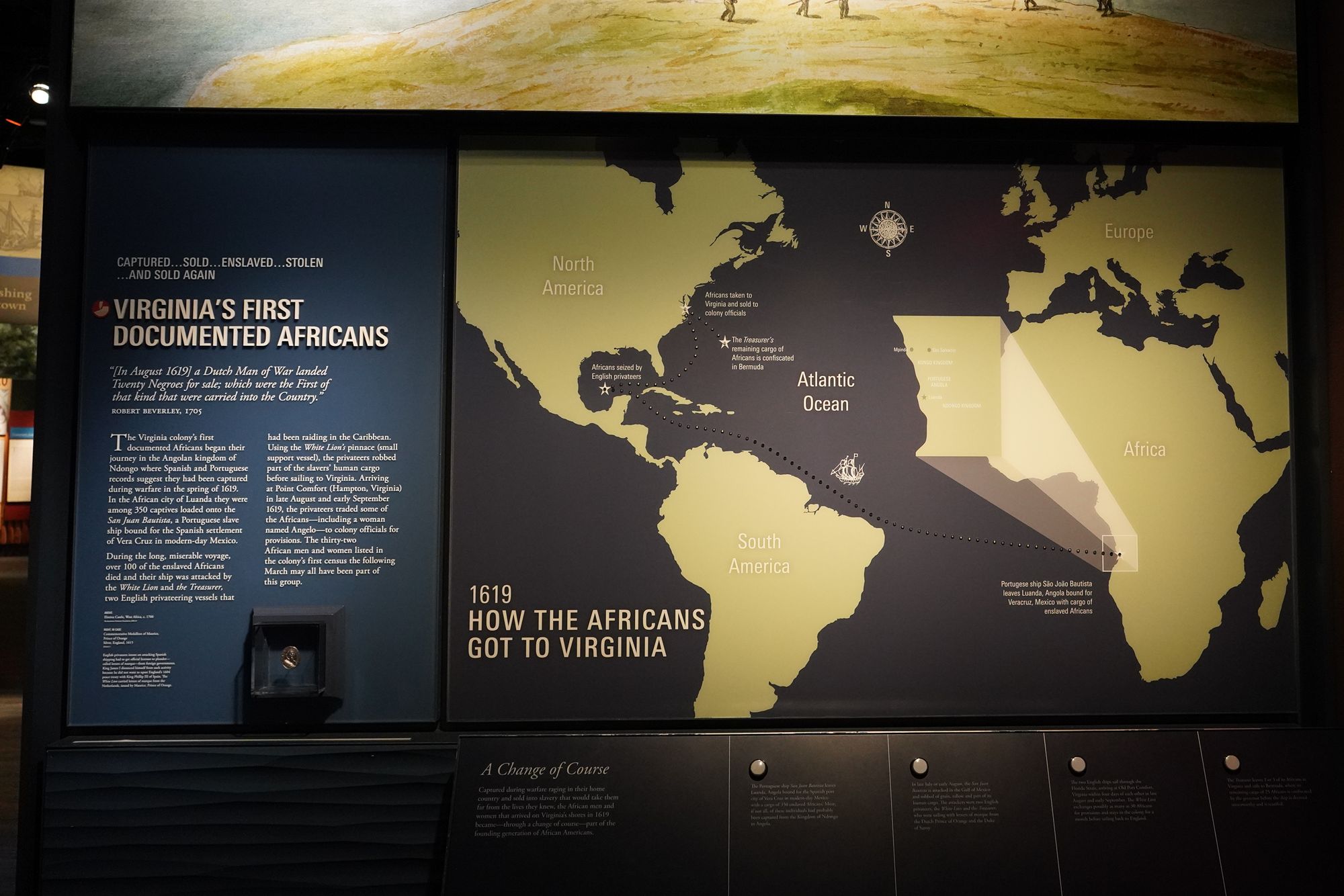
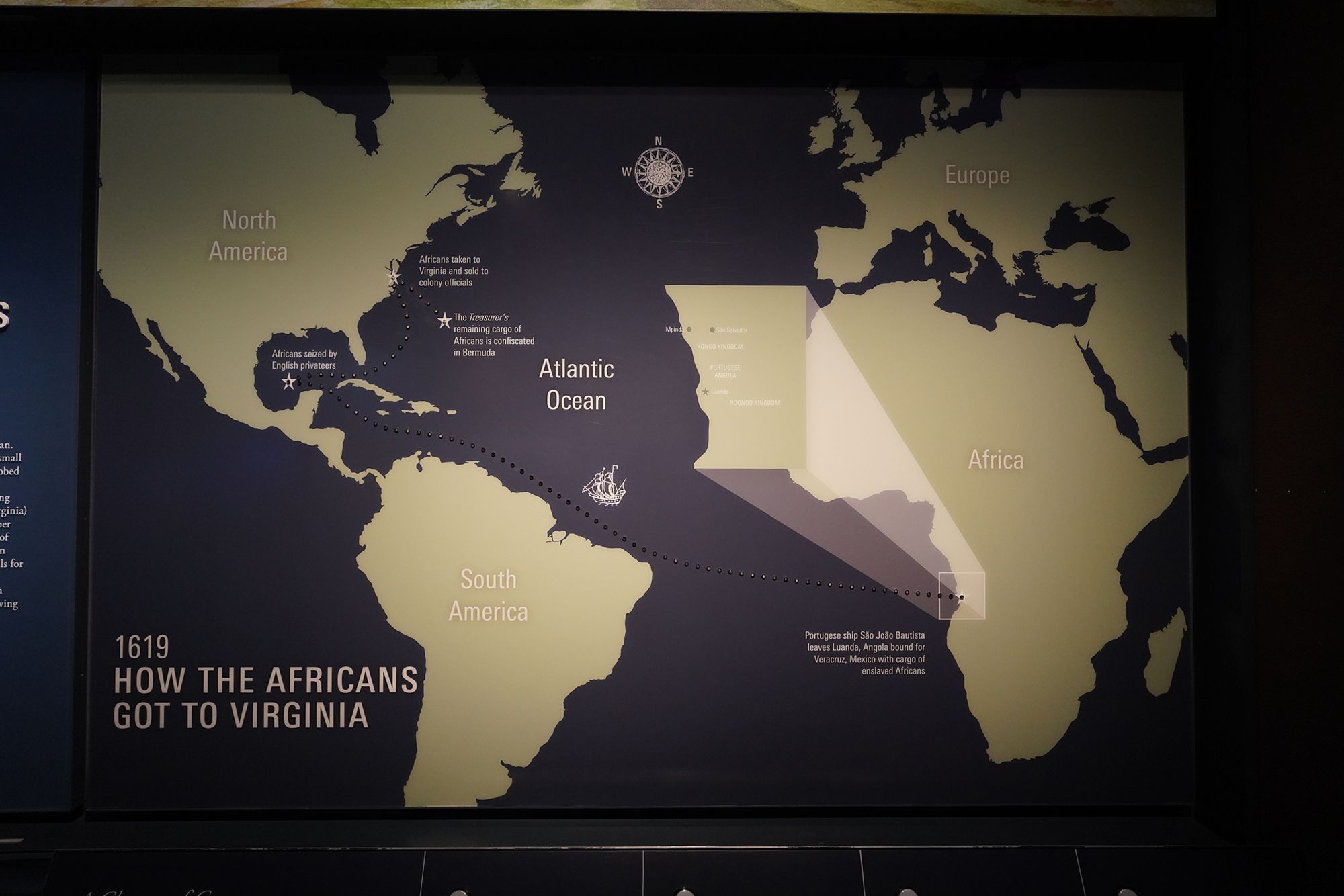
Originally, they were loaded onto a Portuguese ship called the São João Bautista, bound for Spanish America. However, near the coast of Mexico, the ship was attacked by two English privateer vessels, the White Lion and the Treasurer. The White Lion carried about 20 to 30 Africans to Point Comfort (near present-day Hampton, Virginia), where they were traded for food and supplies with the English colonists at Jamestown.
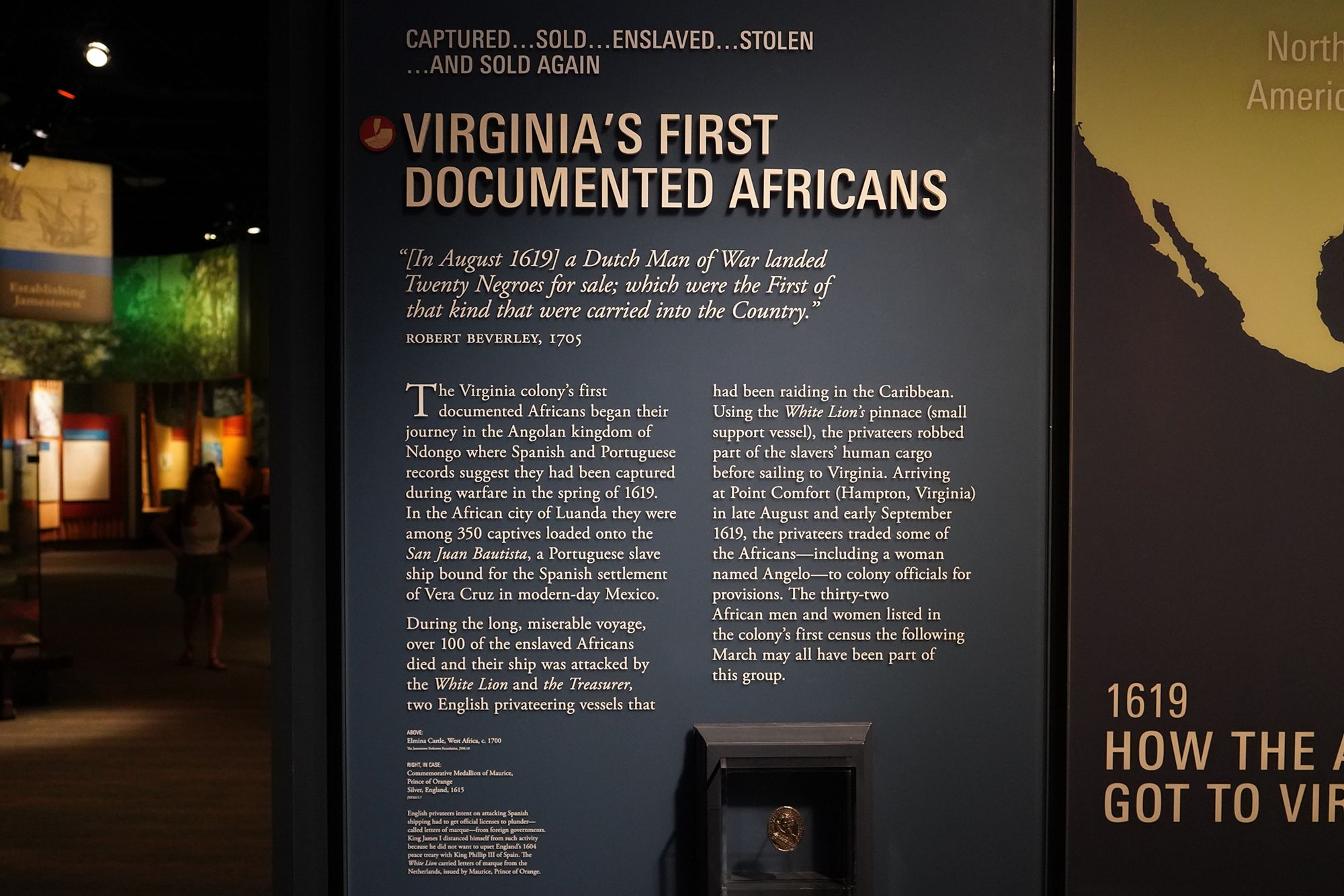
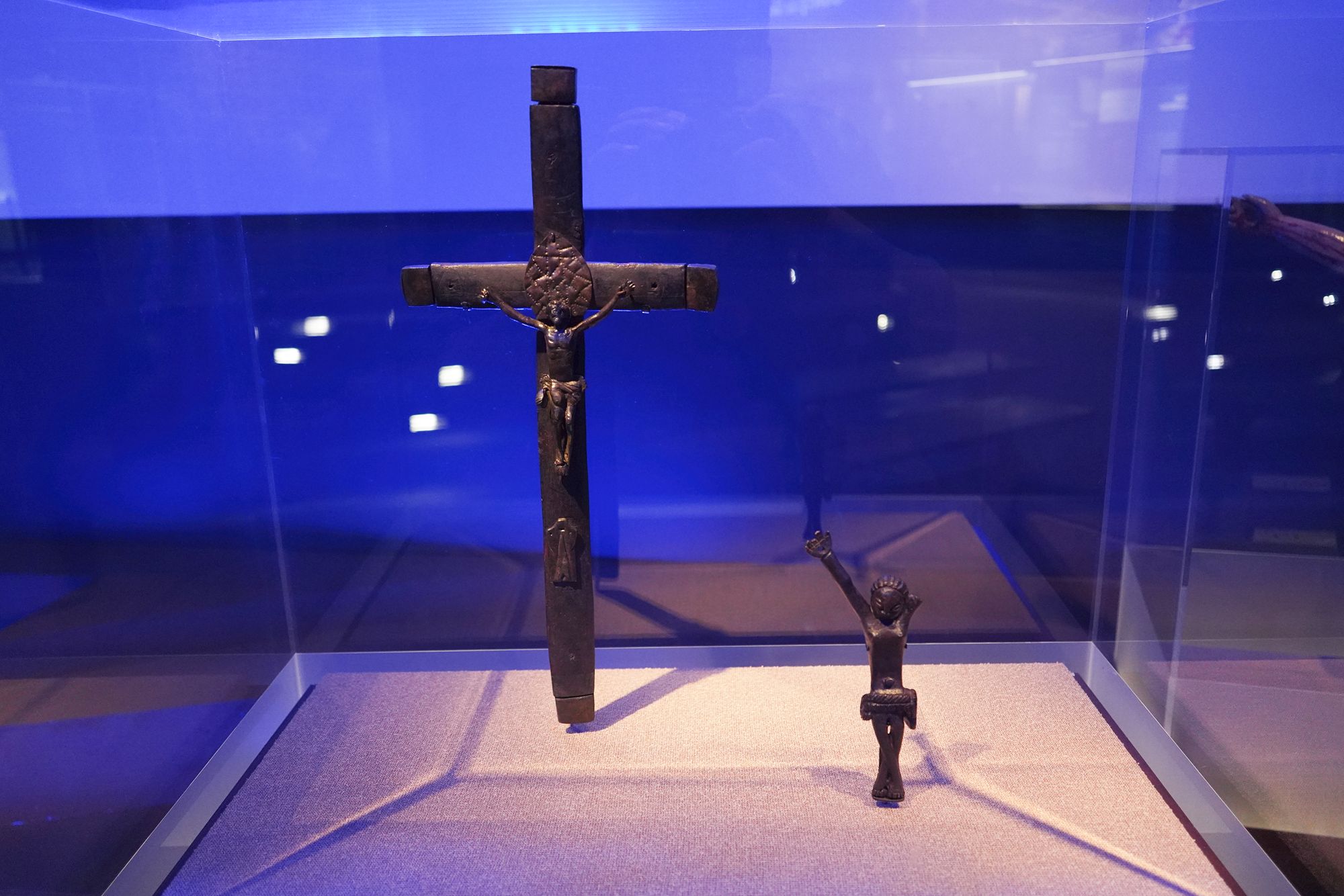
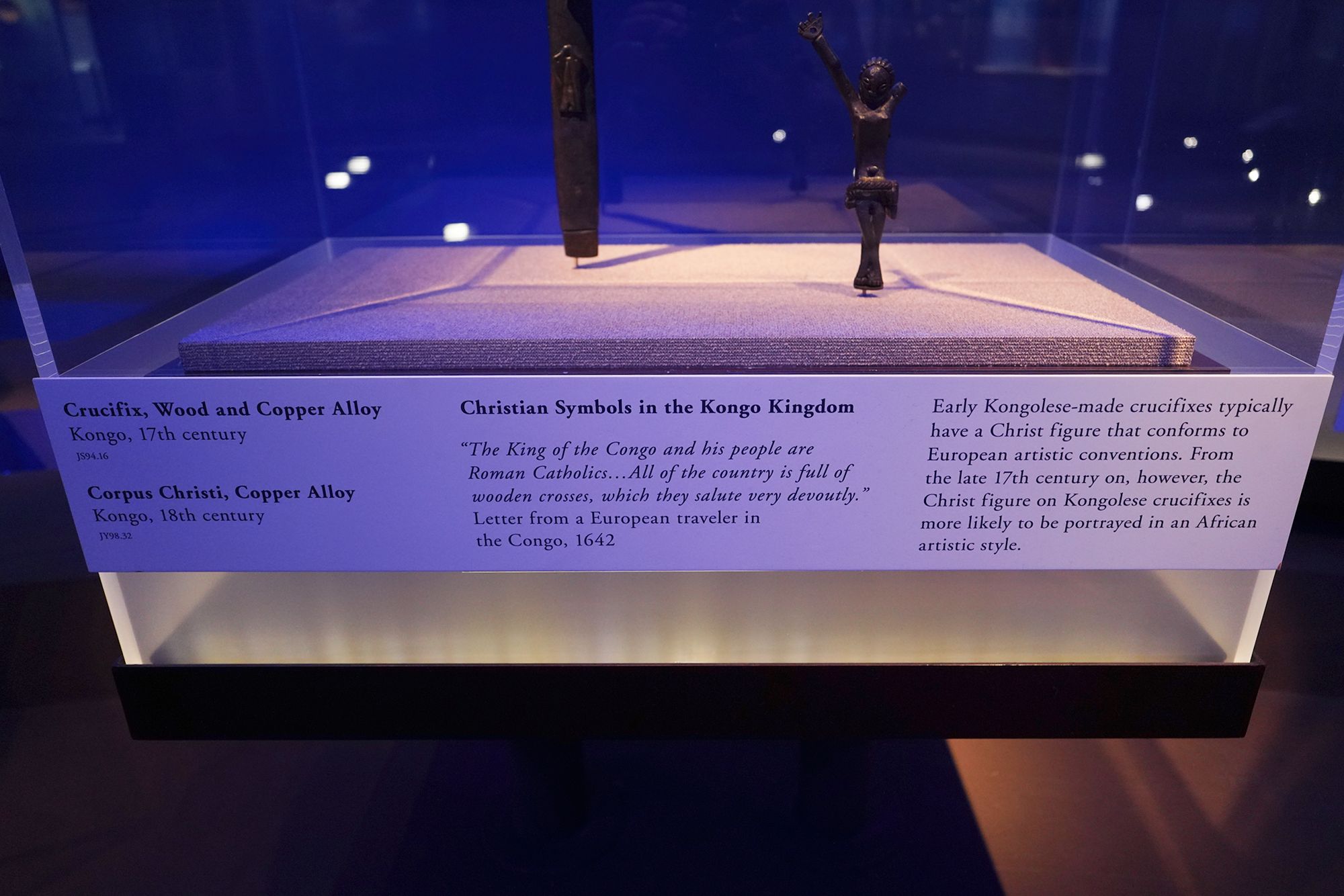
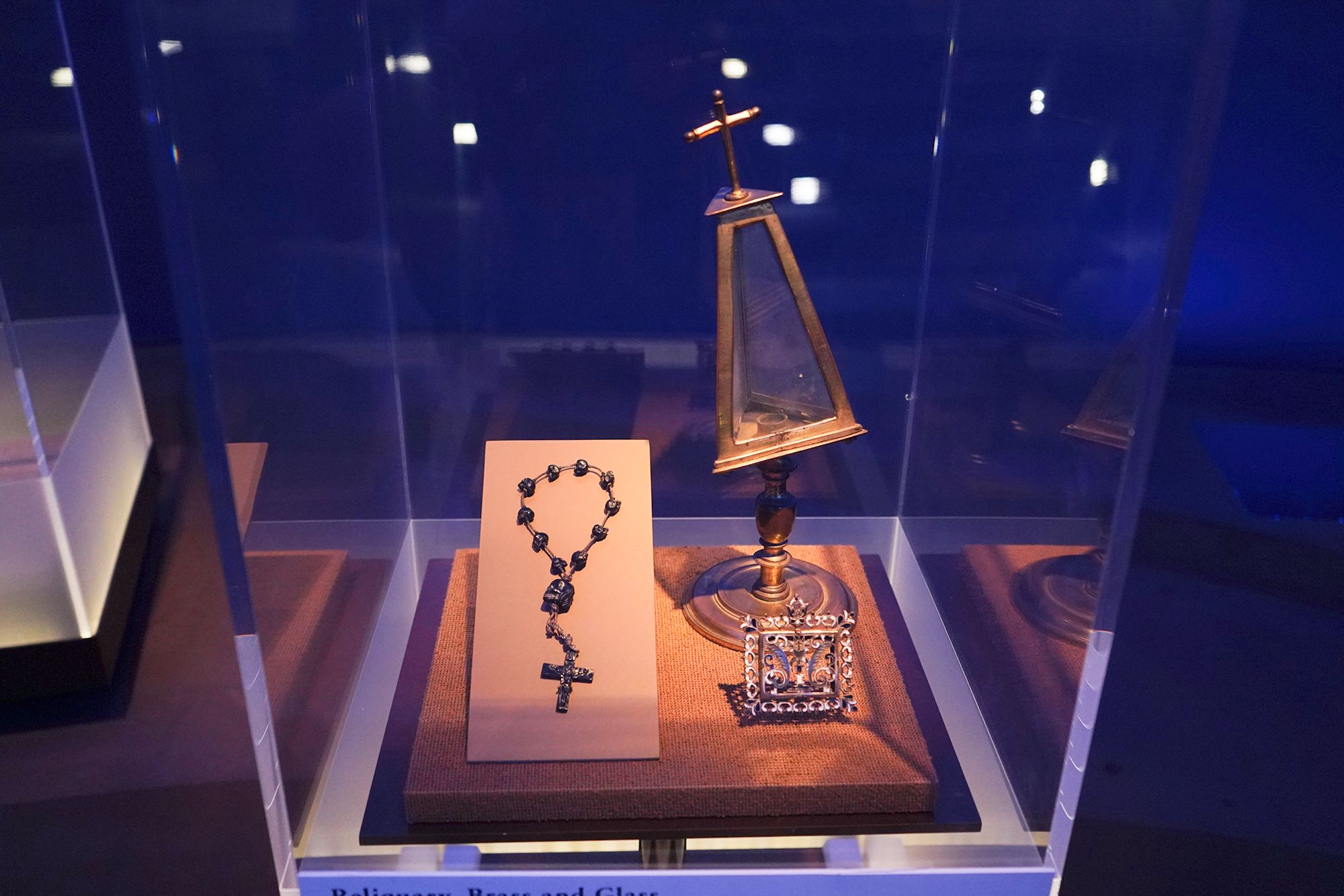
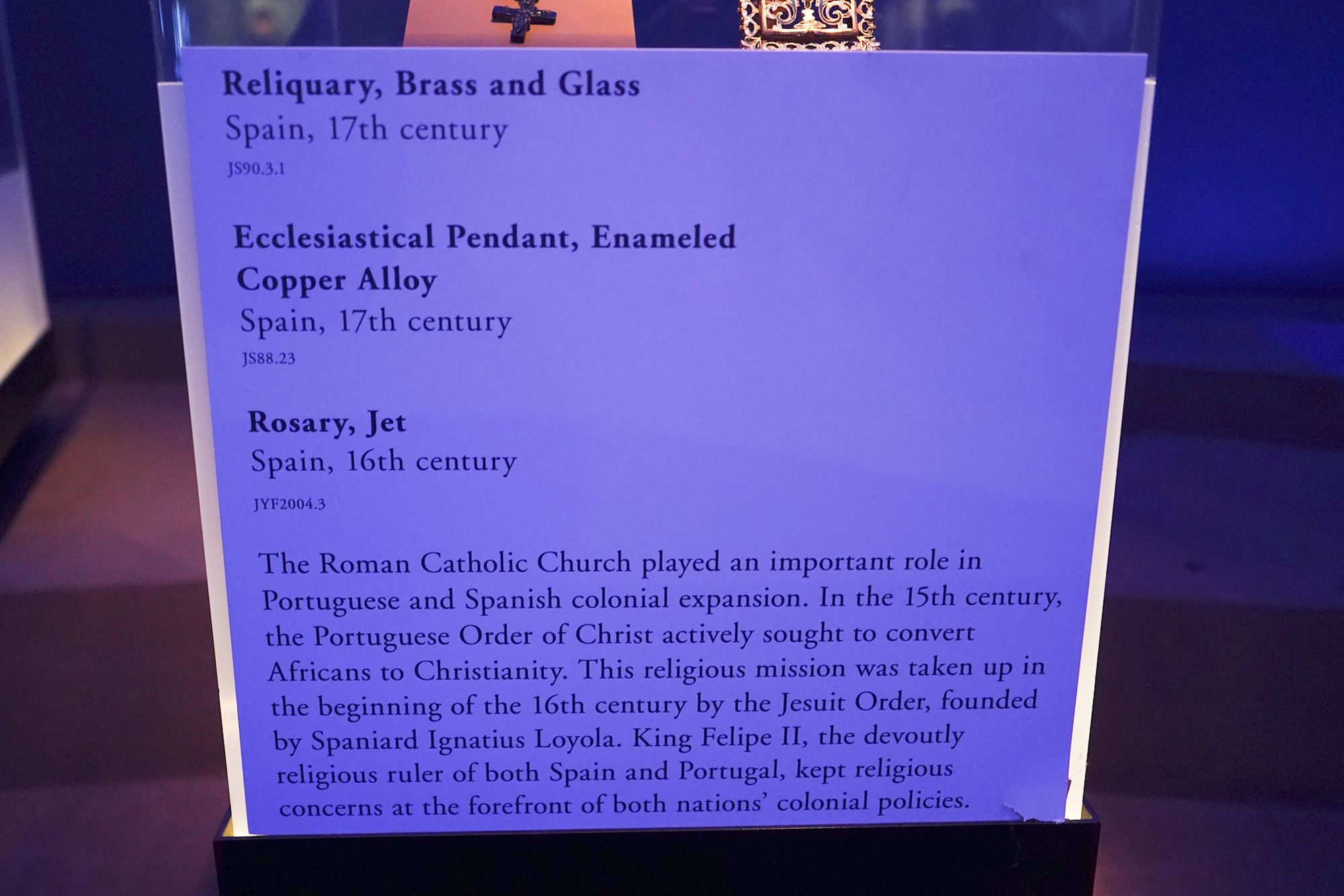
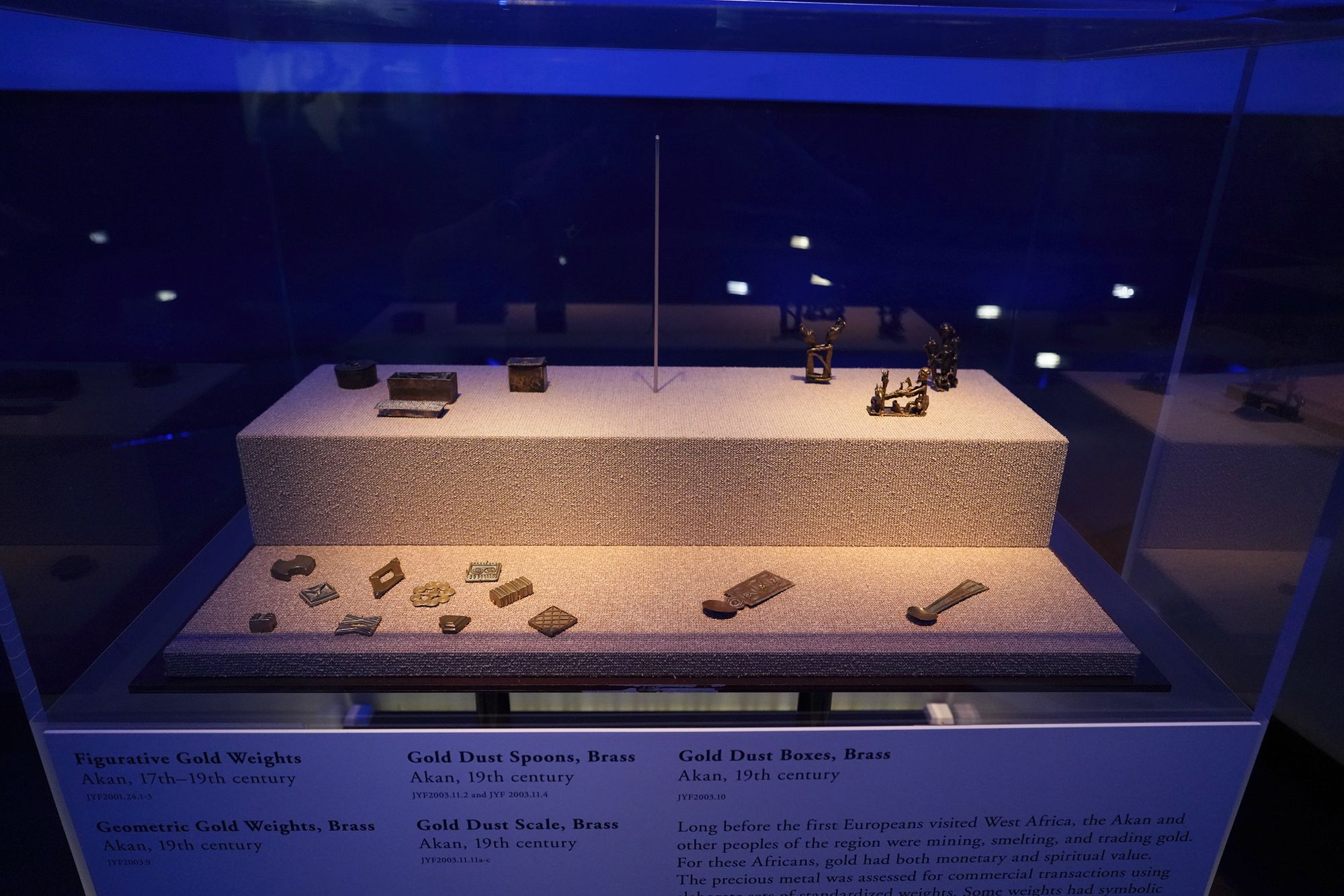
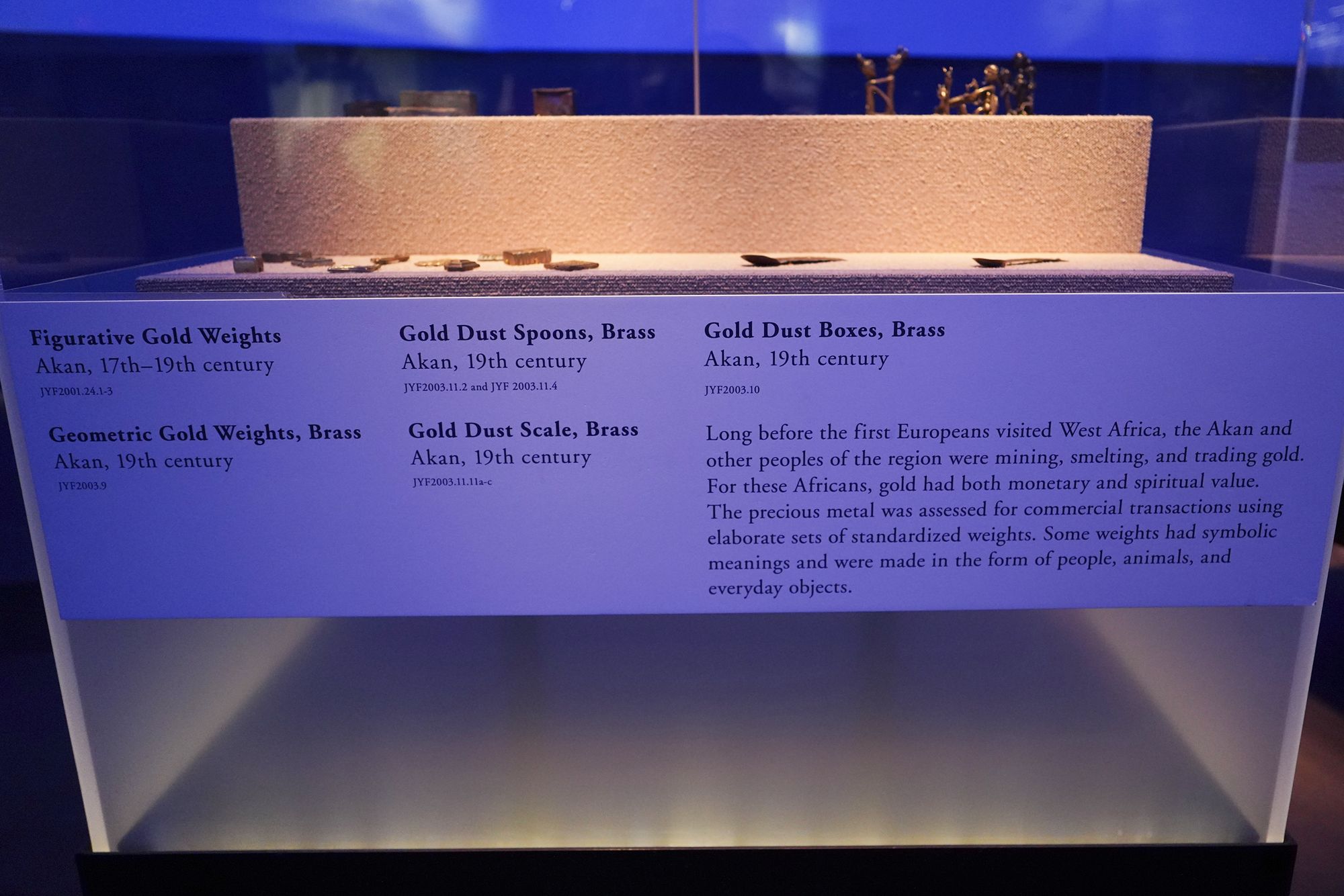
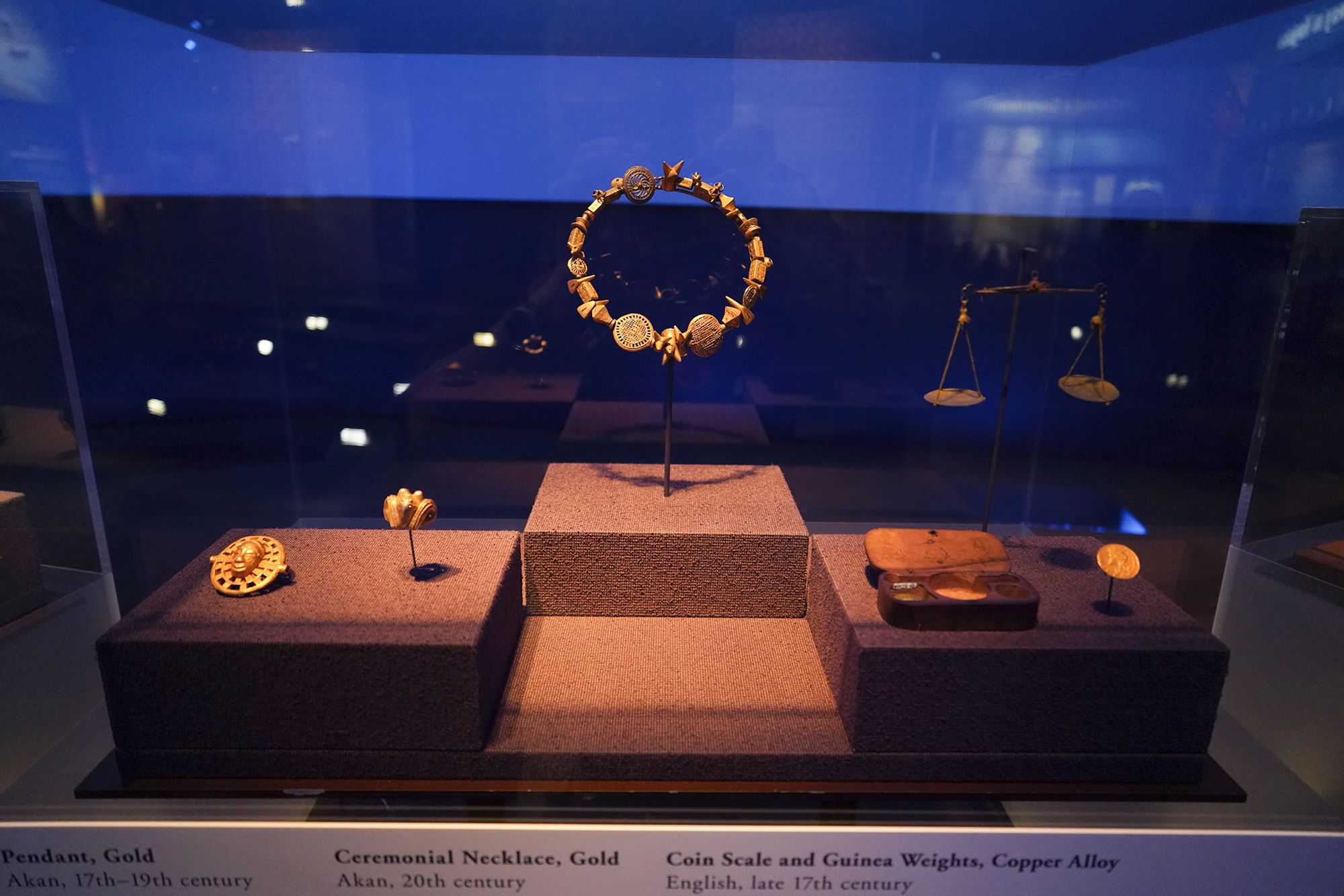
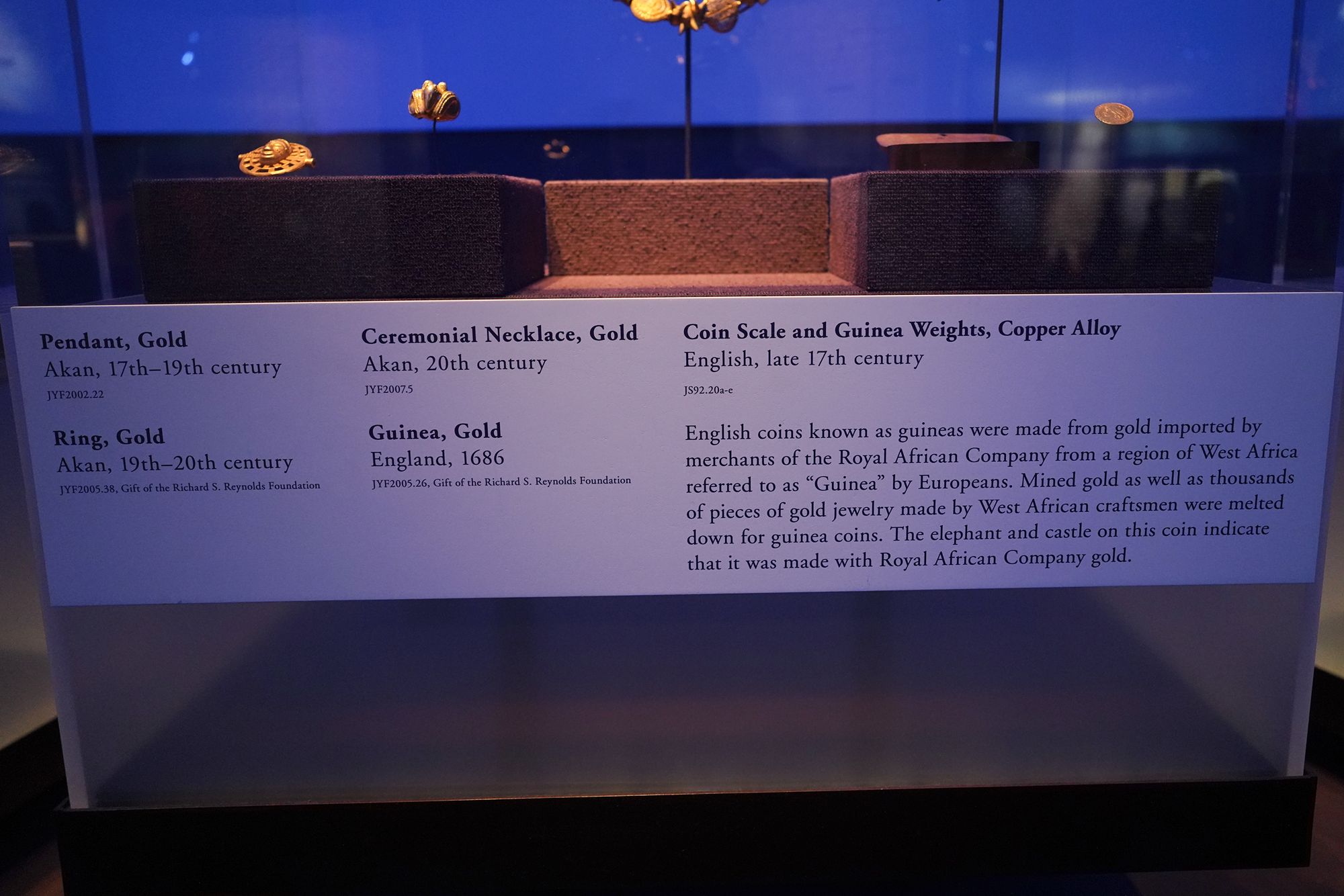
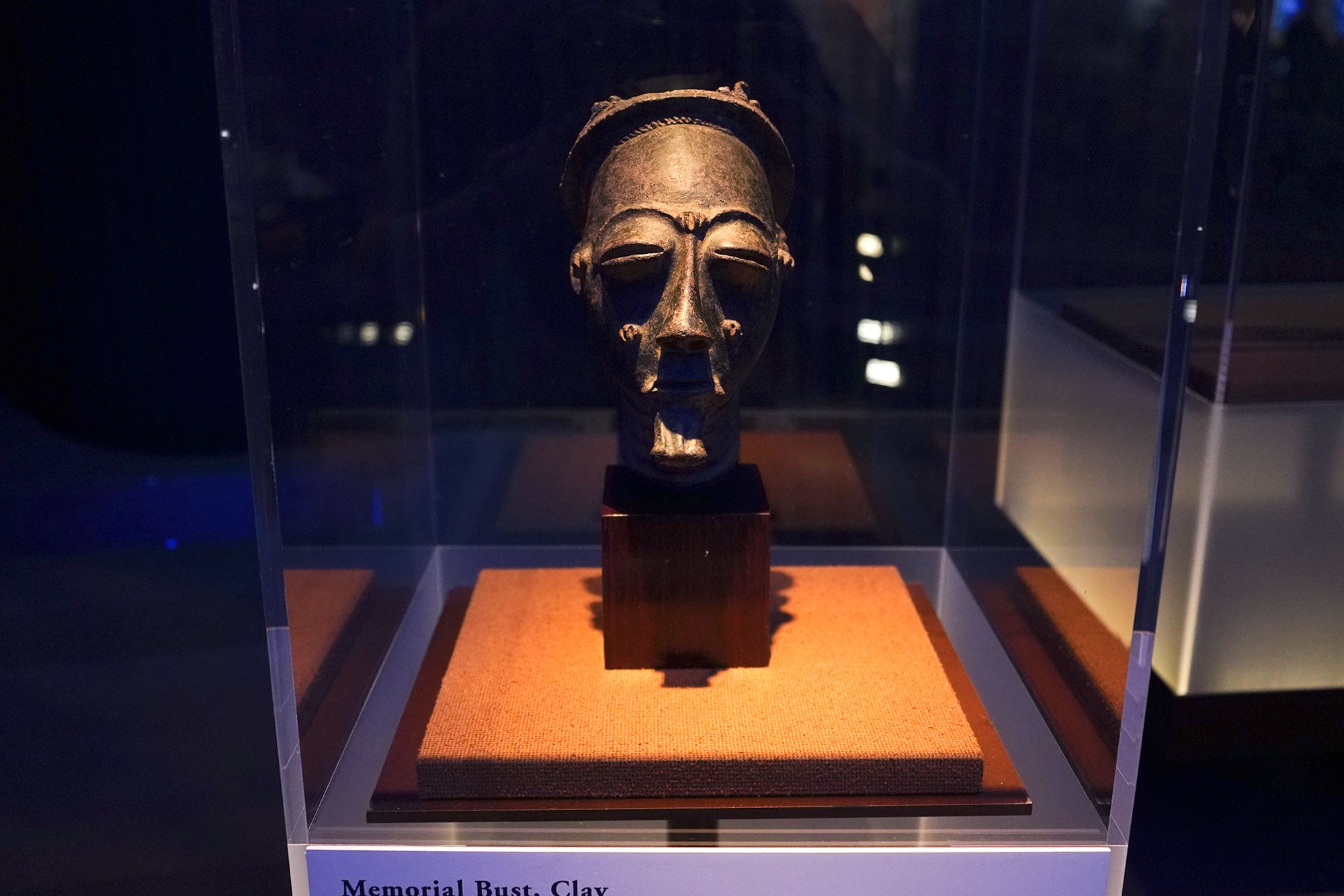
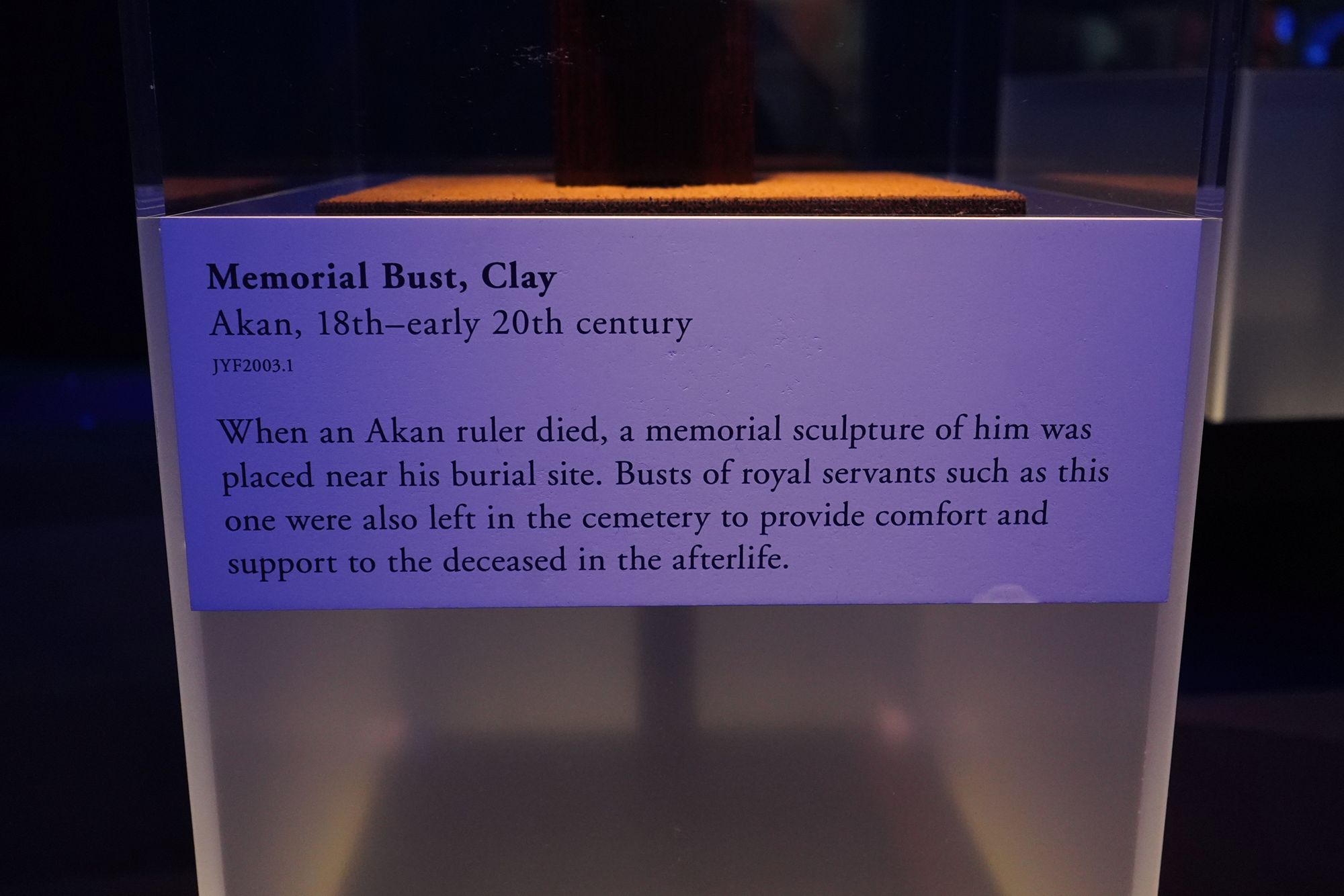
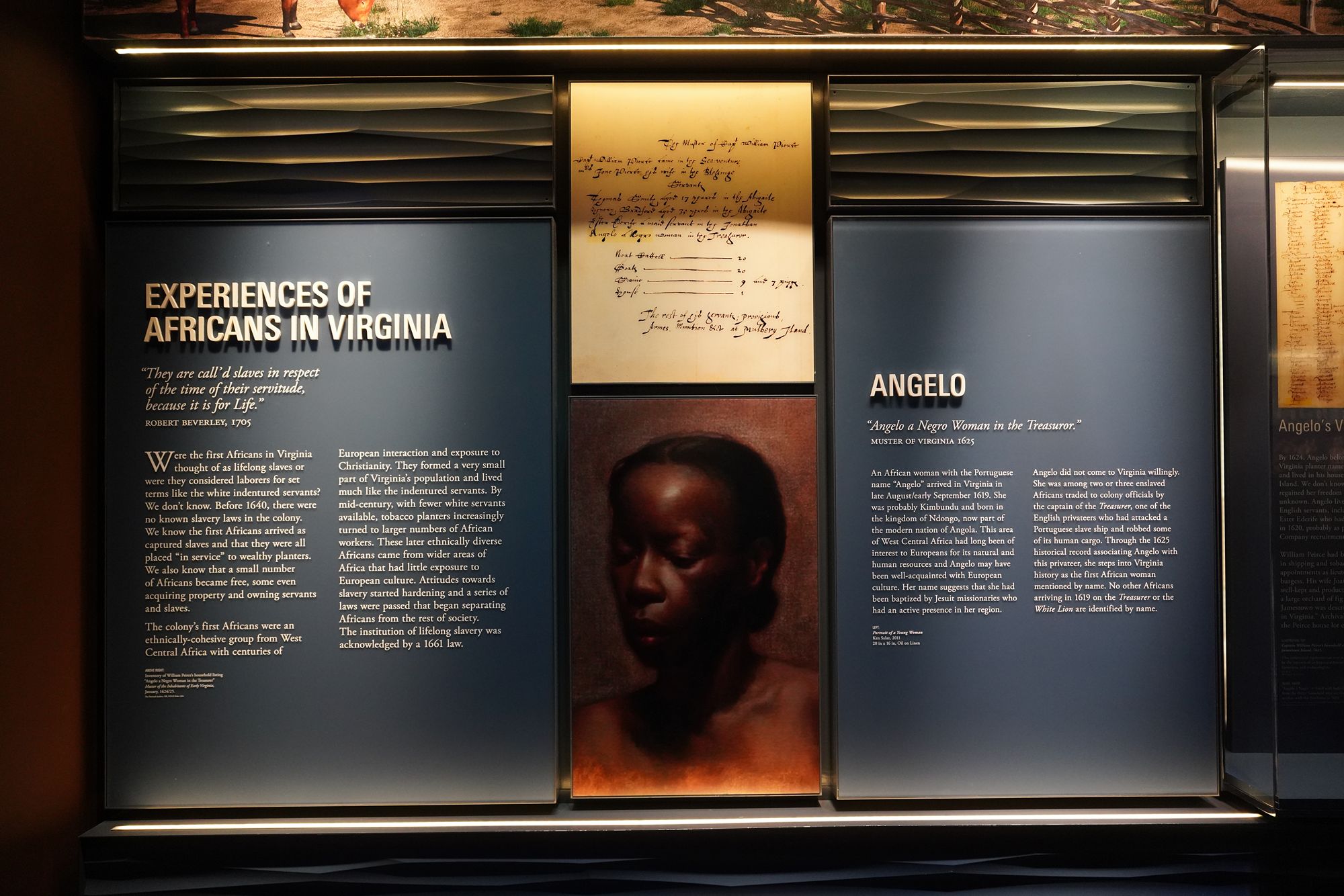
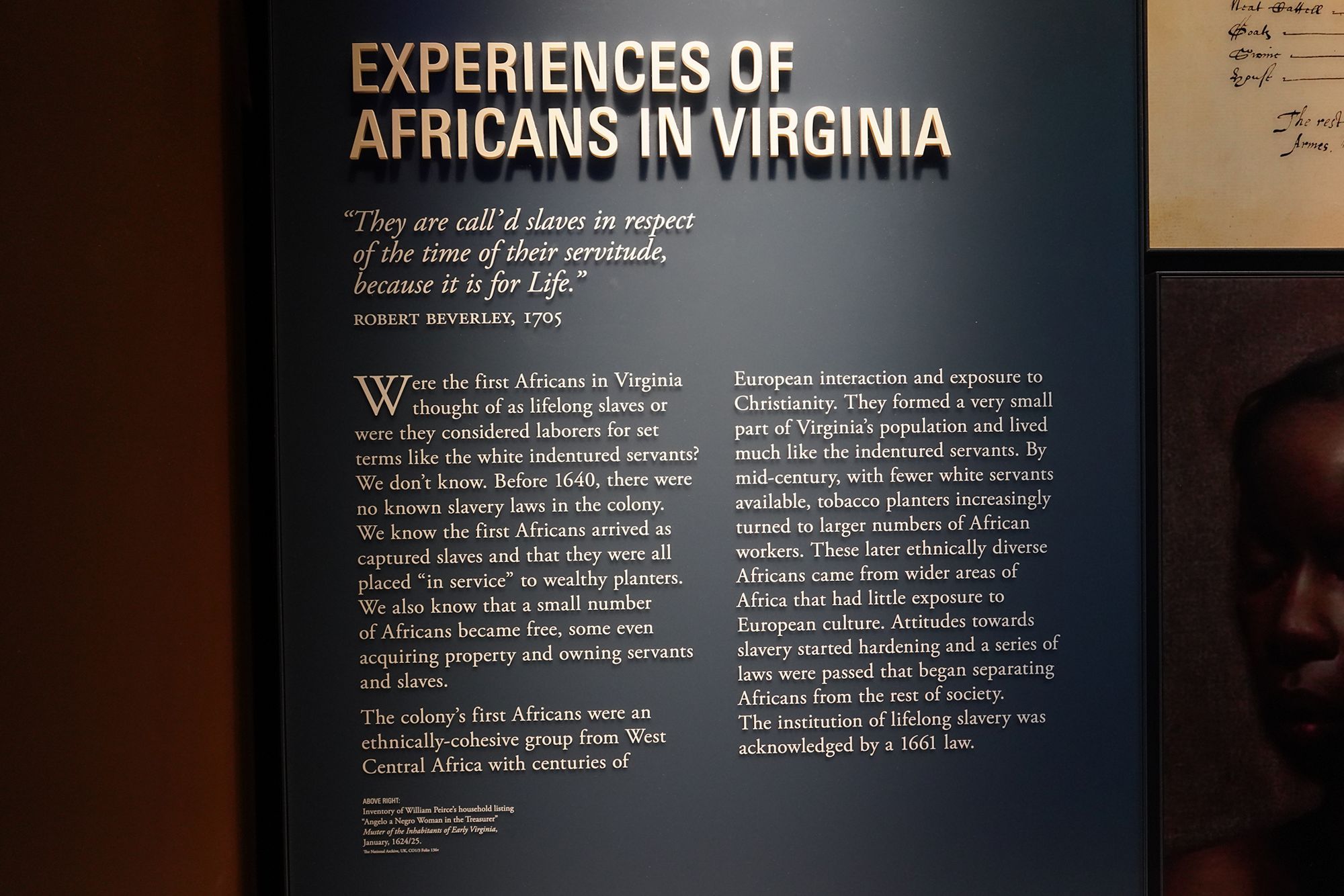
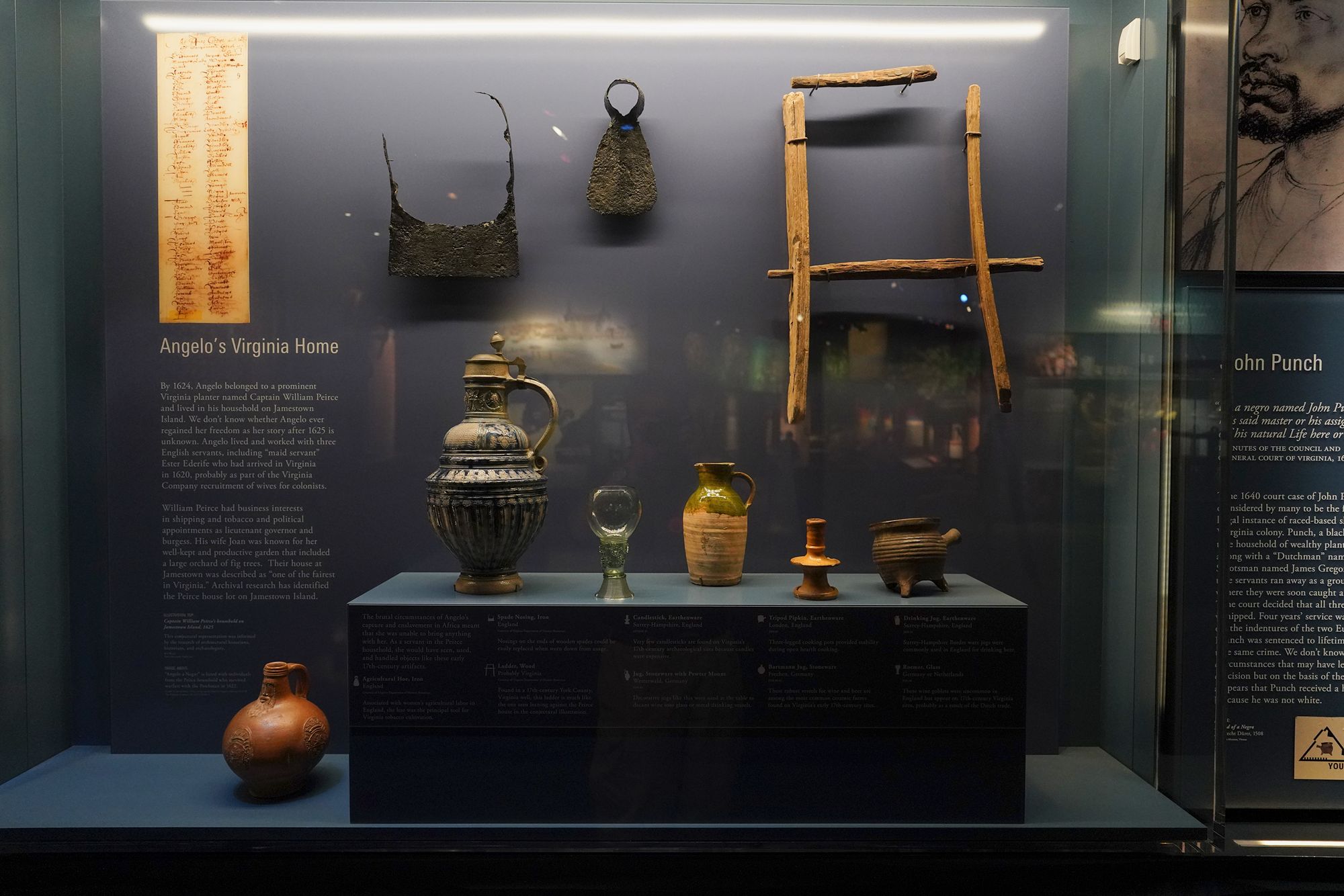
The Africans who arrived in Jamestown in 1619 had complex and often harsh experiences that marked the beginning of African presence in English America. Brought from Angola by English privateers, they were traded to the colonists in exchange for food and supplies.
Their legal and social status was uncertain at first—some were treated as indentured servants, working for a period before gaining freedom, while others were held as enslaved for life. A few early Africans, such as Anthony and Mary Johnson, later gained land and some social standing, showing that racial slavery was not yet fully defined.
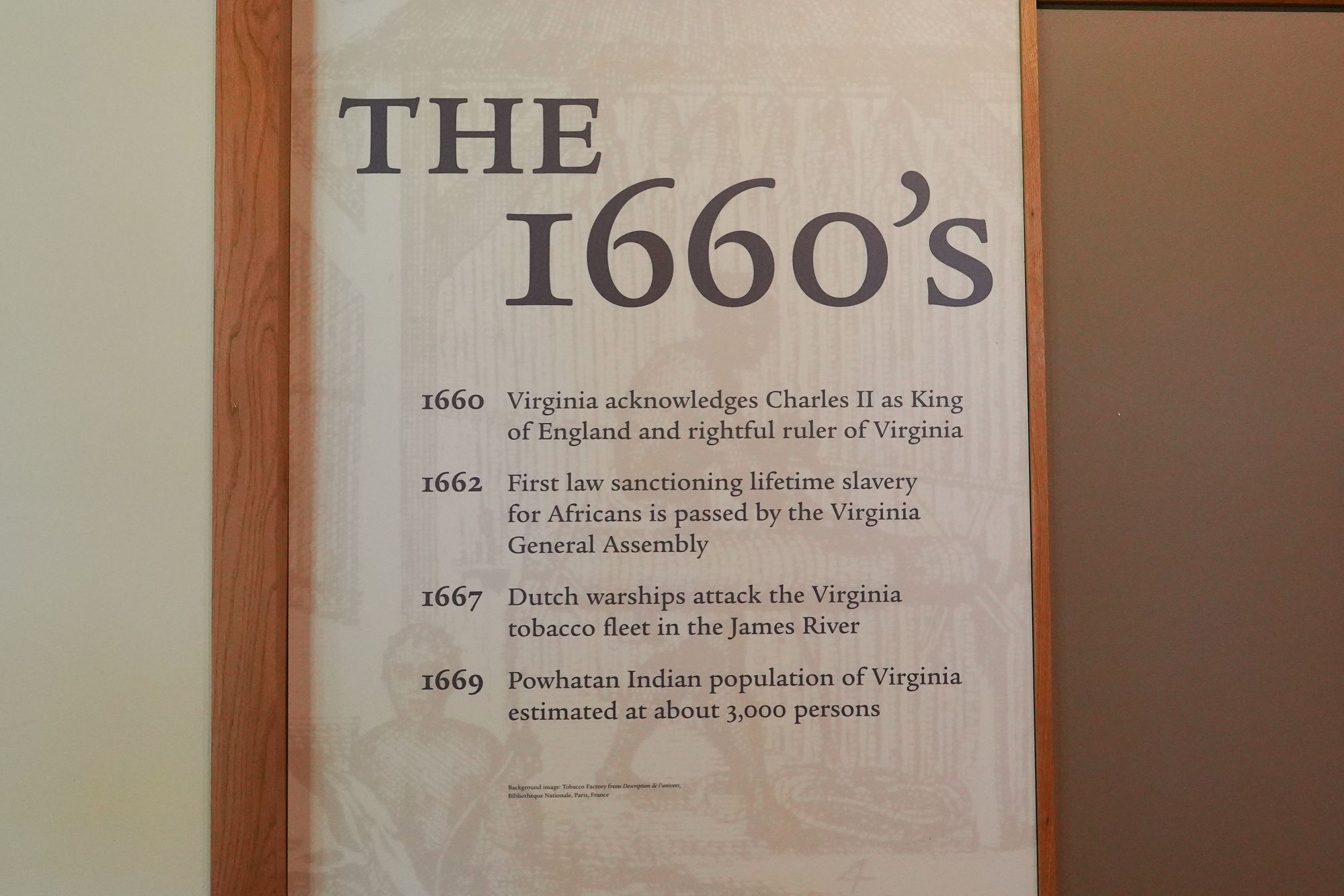
However, by the mid-1600s, Virginia’s laws began to change: African laborers and their children were declared enslaved for life, and freedom became restricted to Europeans. Africans in Jamestown and beyond endured forced labor on tobacco plantations, loss of family ties, and racial discrimination as slavery hardened into a permanent institution.
Even in these early years, though, Africans contributed vital skills in agriculture, craftsmanship, and survival, shaping the economic and cultural foundations of colonial Virginia. Their story marks both the beginning of slavery in English America and the early roots of African American history.
The History of Jamestown
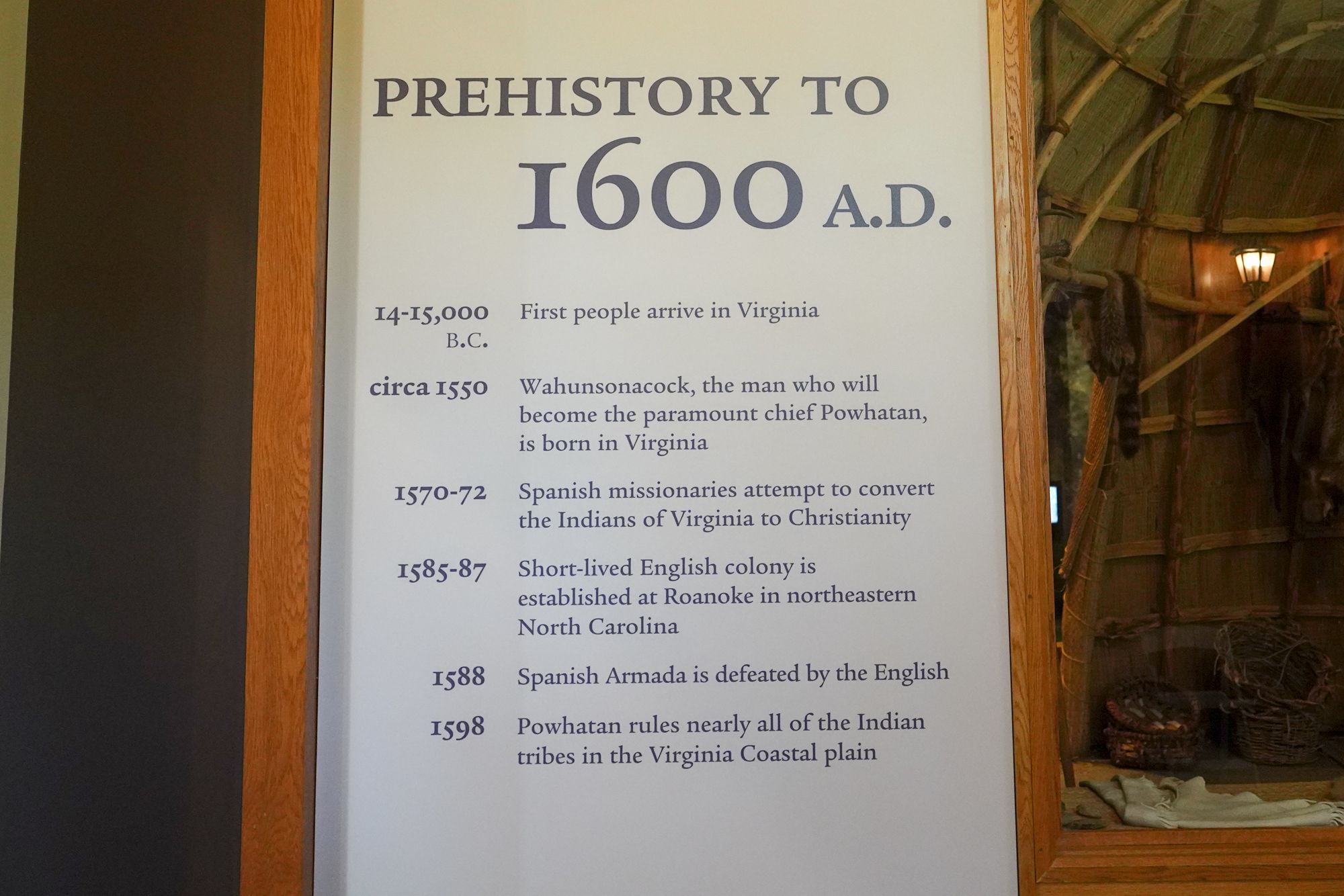
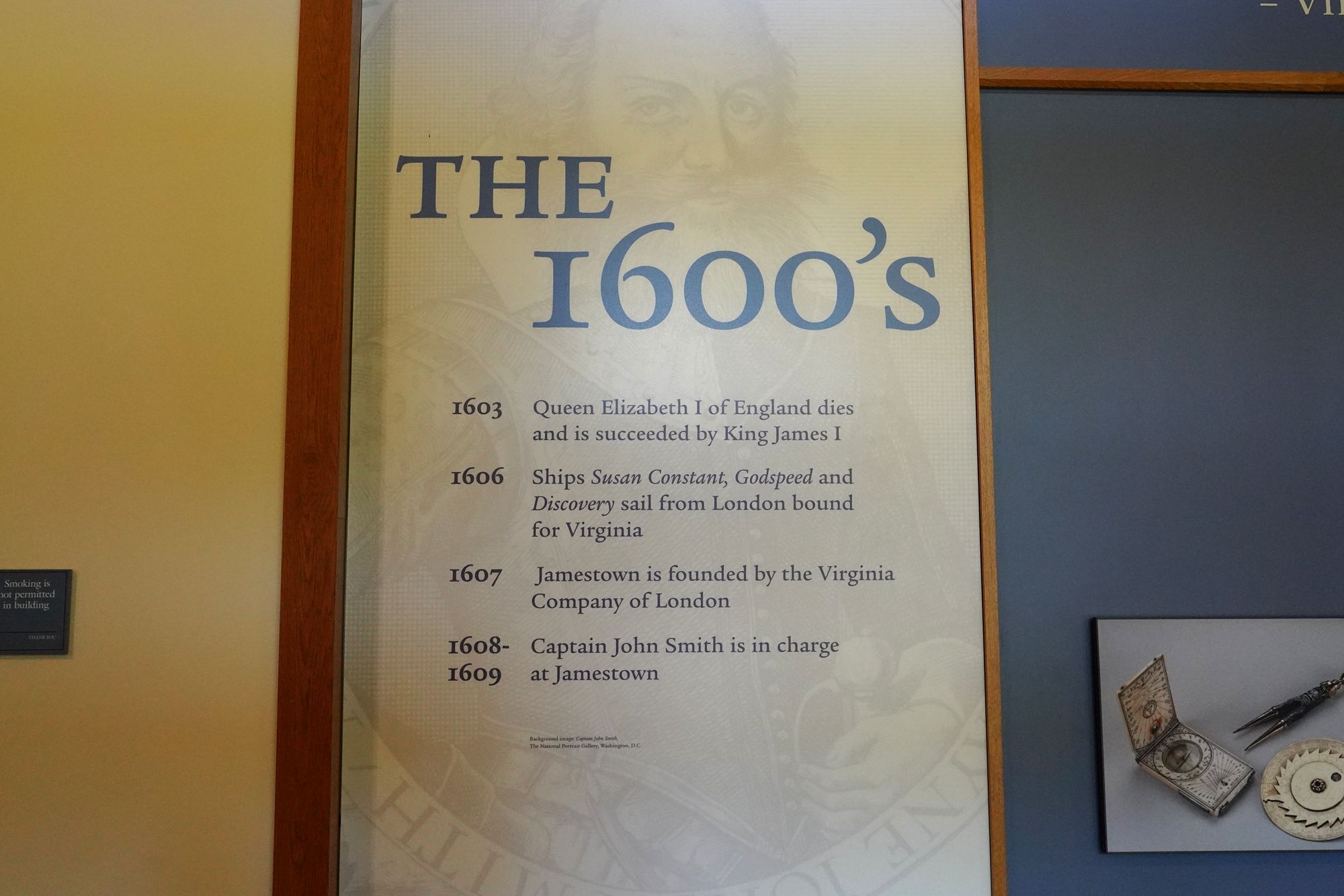
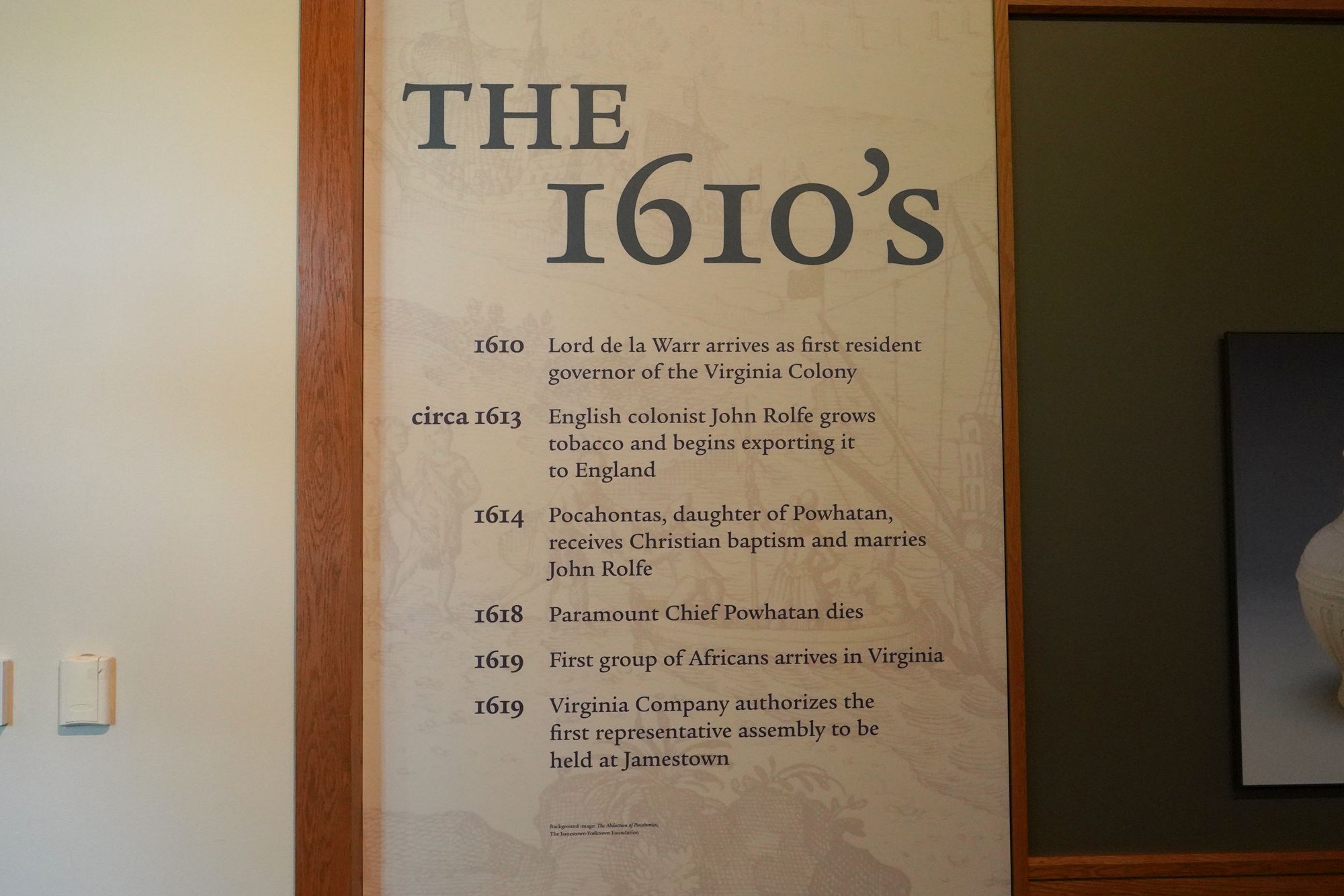
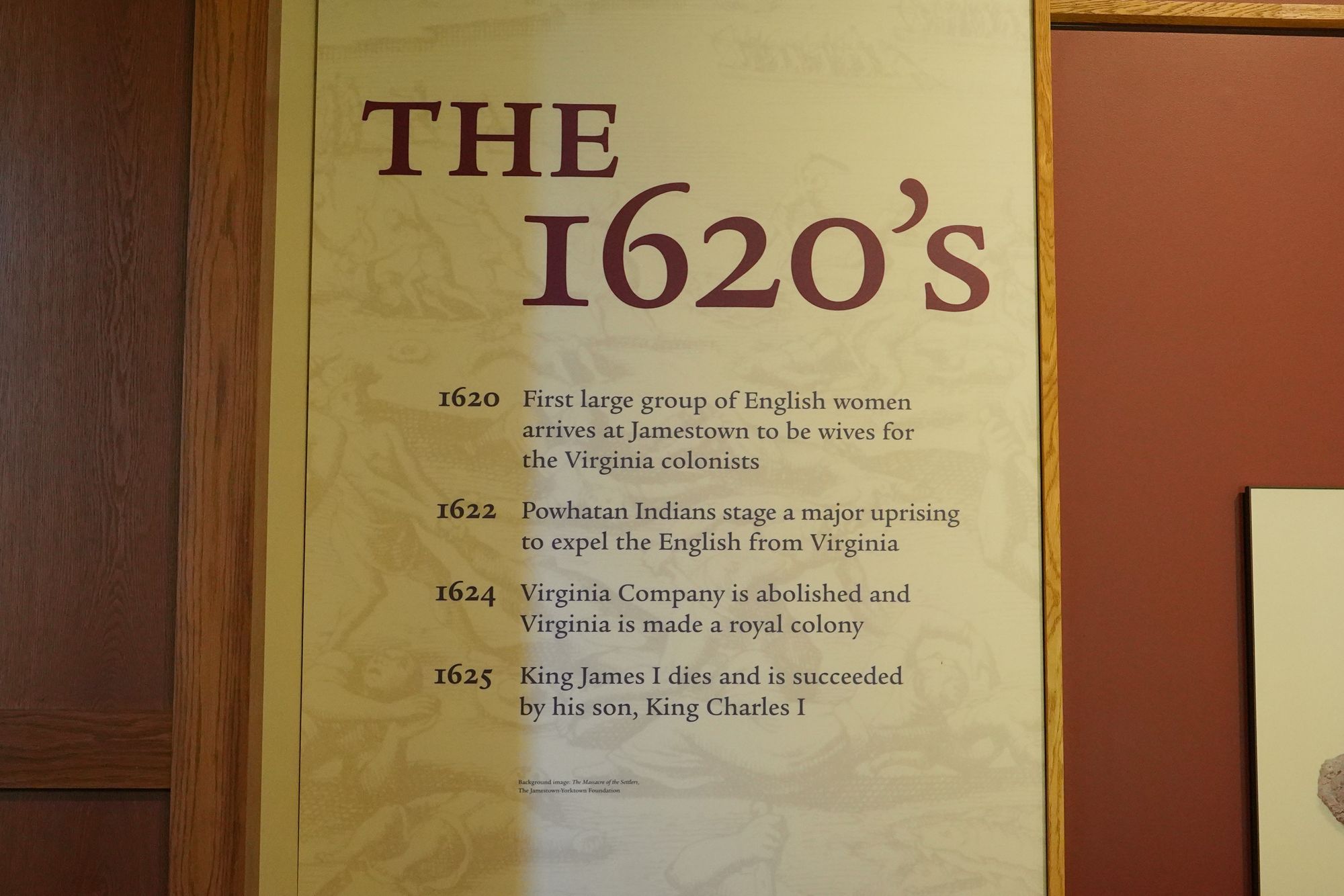
Women in Virginia
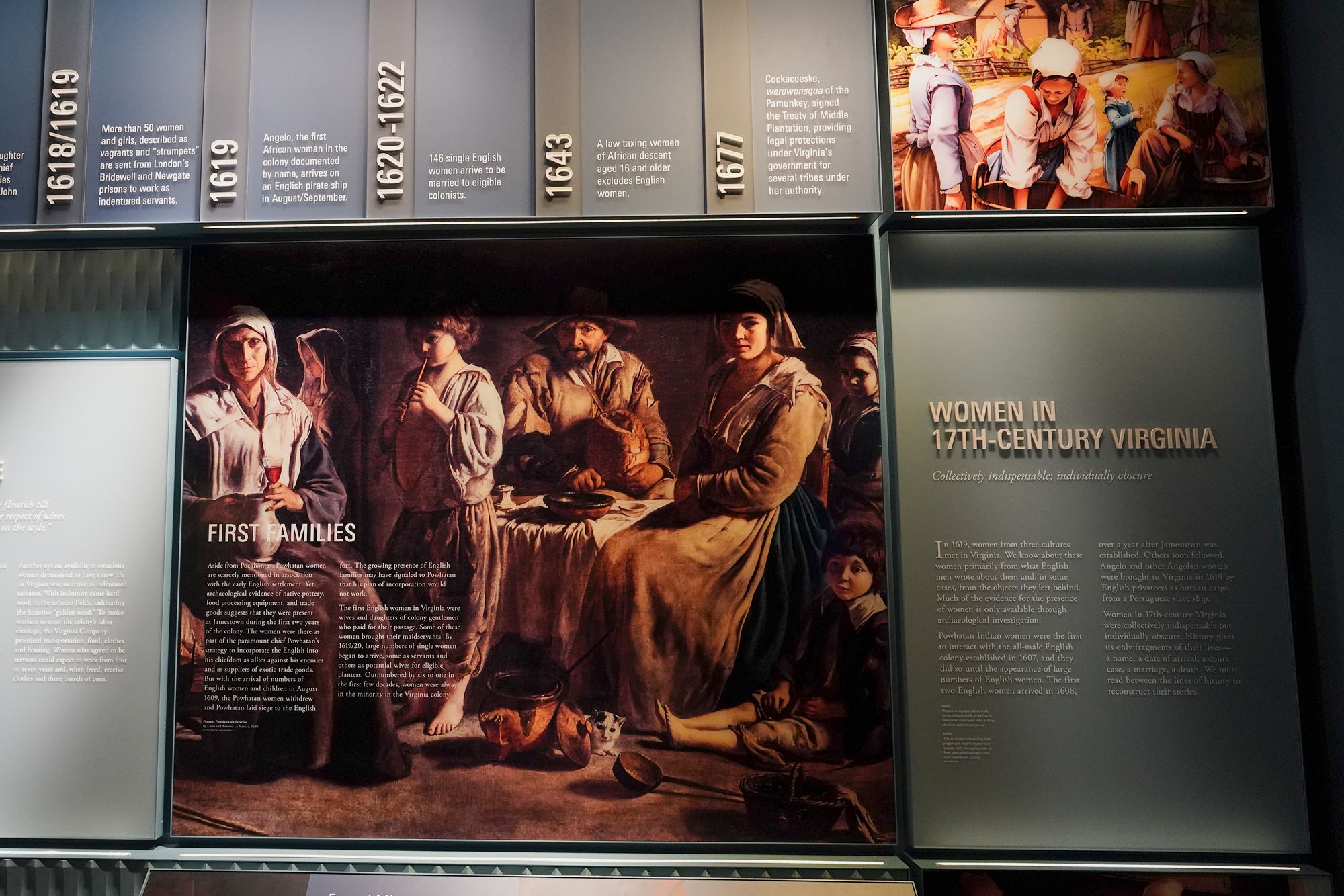
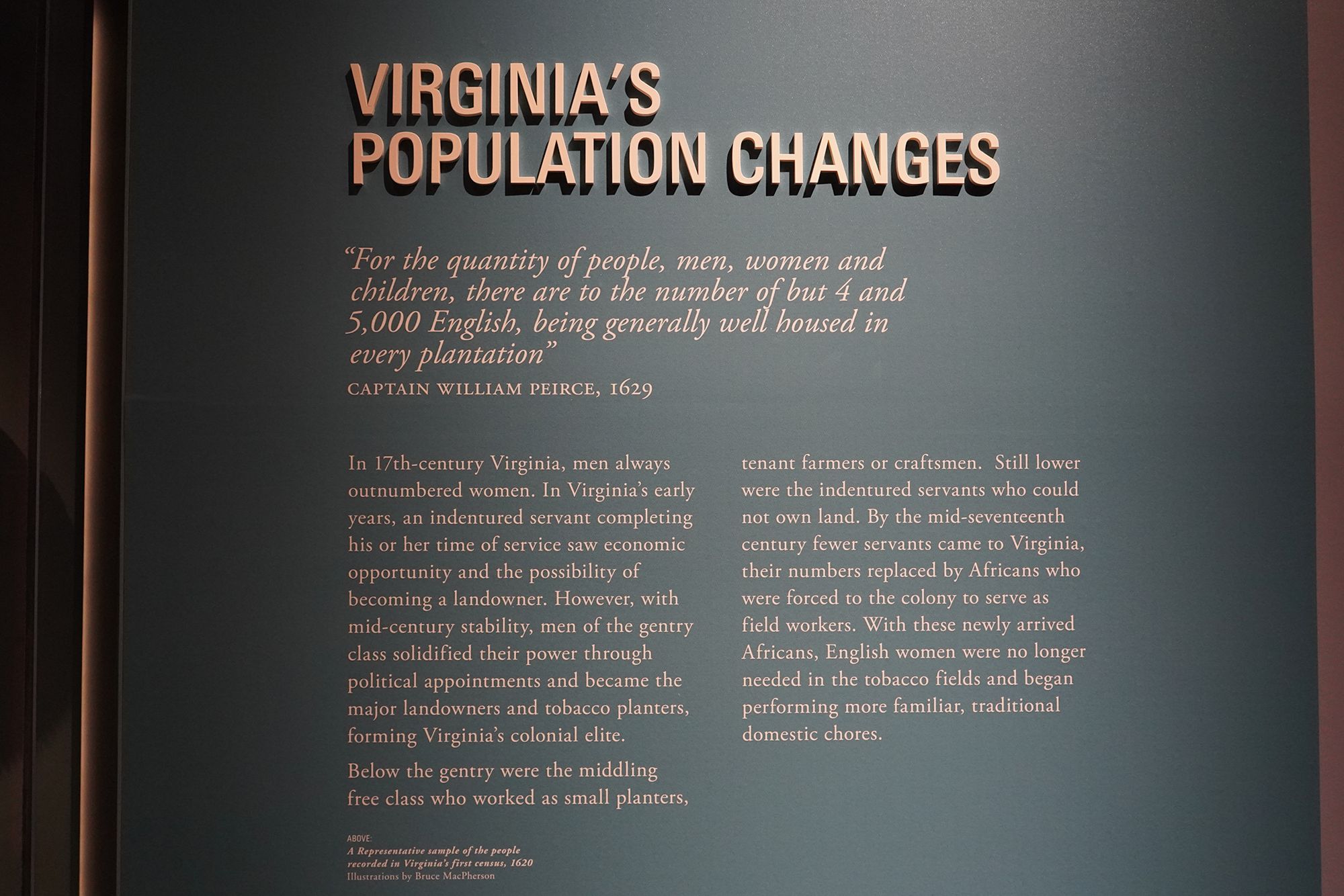
Women in early Virginia played a crucial but often overlooked role in the survival and growth of the colony. When the English first arrived in 1607, the settlement was entirely male, and the absence of women contributed to instability and poor living conditions.
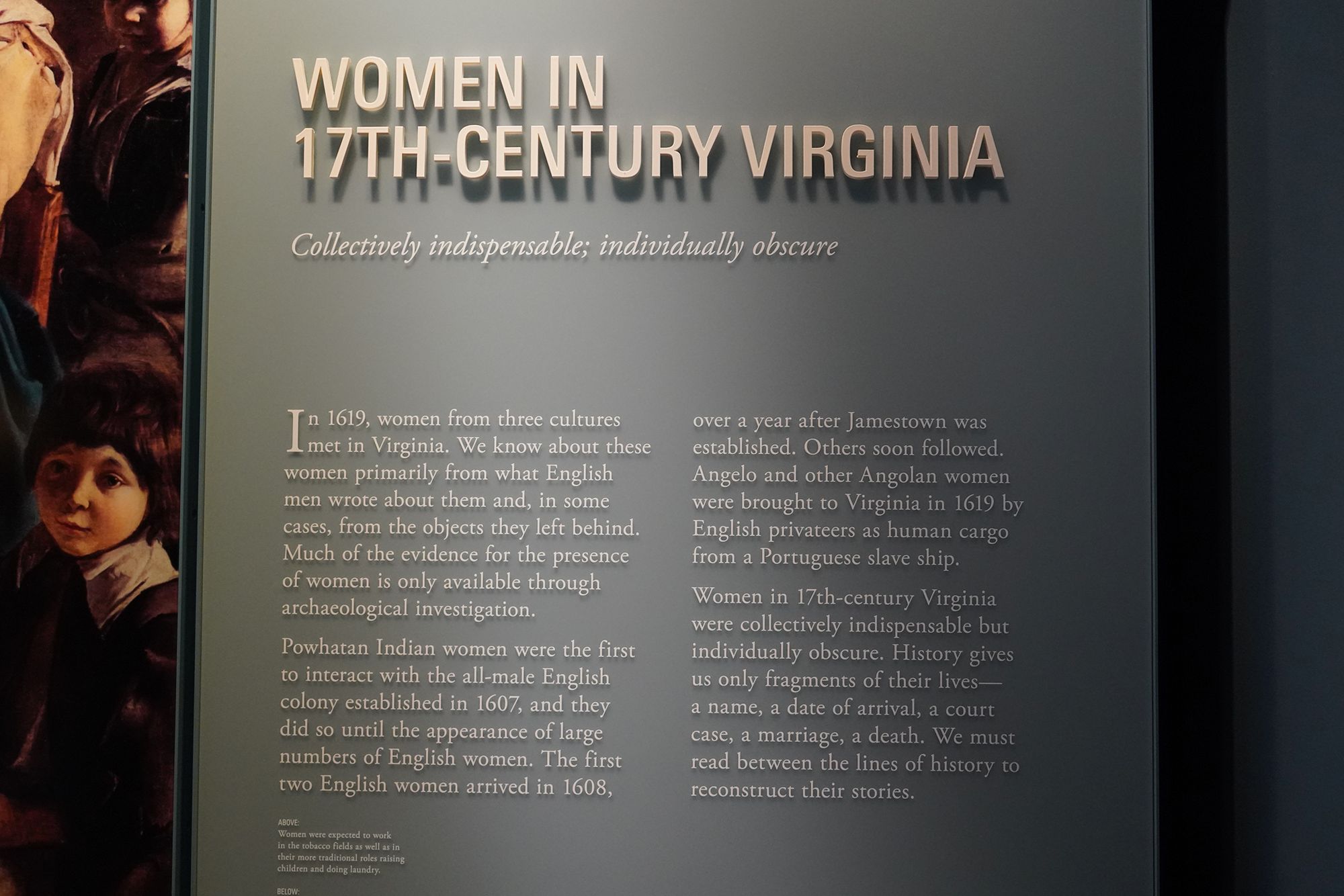
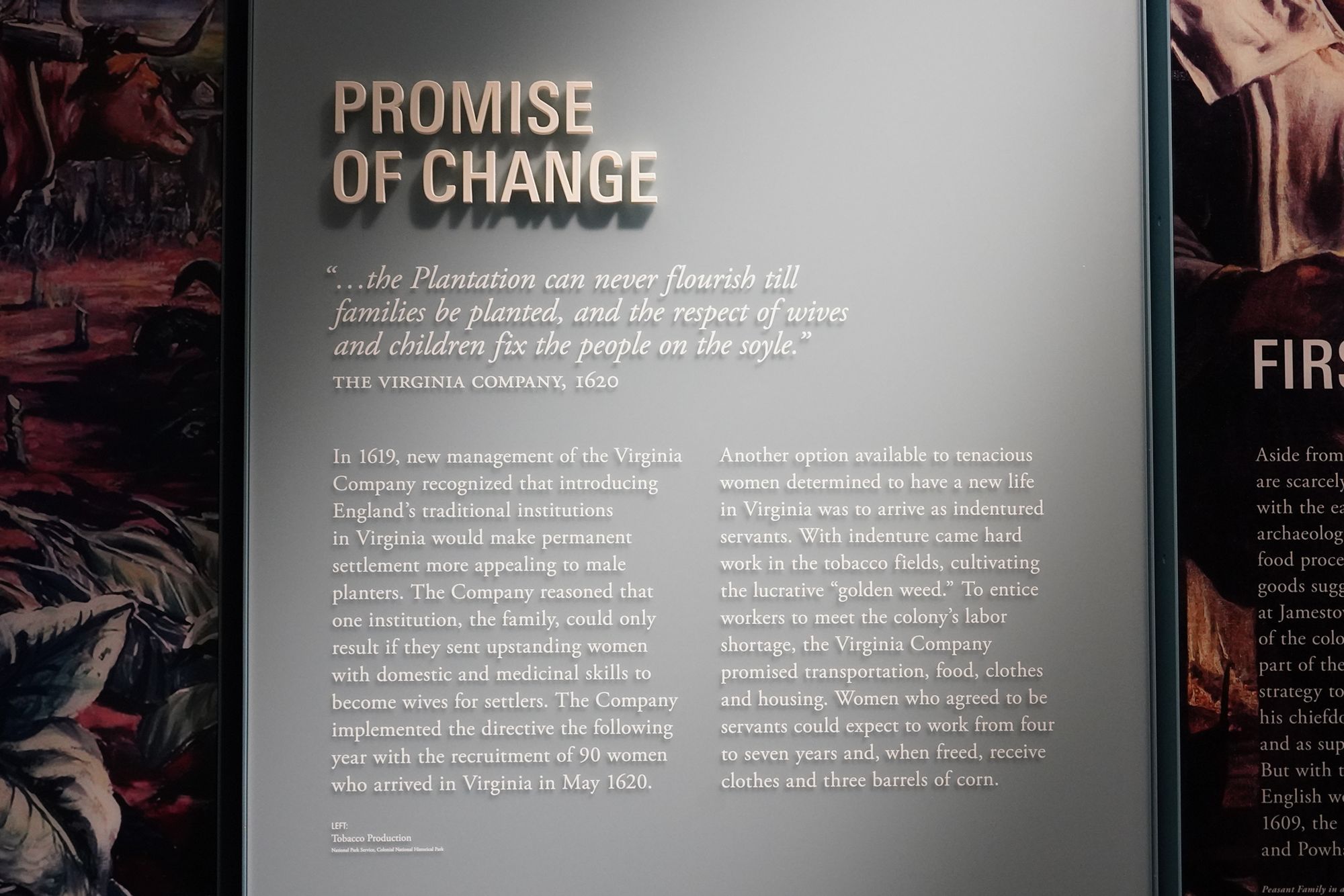
By 1608–1620, the Virginia Company began encouraging women to emigrate, believing that family life would help make the colony permanent. Some women came as “tobacco brides,” whose passage was paid by planters seeking wives, while others arrived as indentured servants, working for years to gain freedom and land.
Life was extremely hard: disease, harsh labor, and childbirth dangers were constant. Yet women were central to establishing homes, families, and community order. They helped grow food, manage households, and support the colony’s moral and social structure.
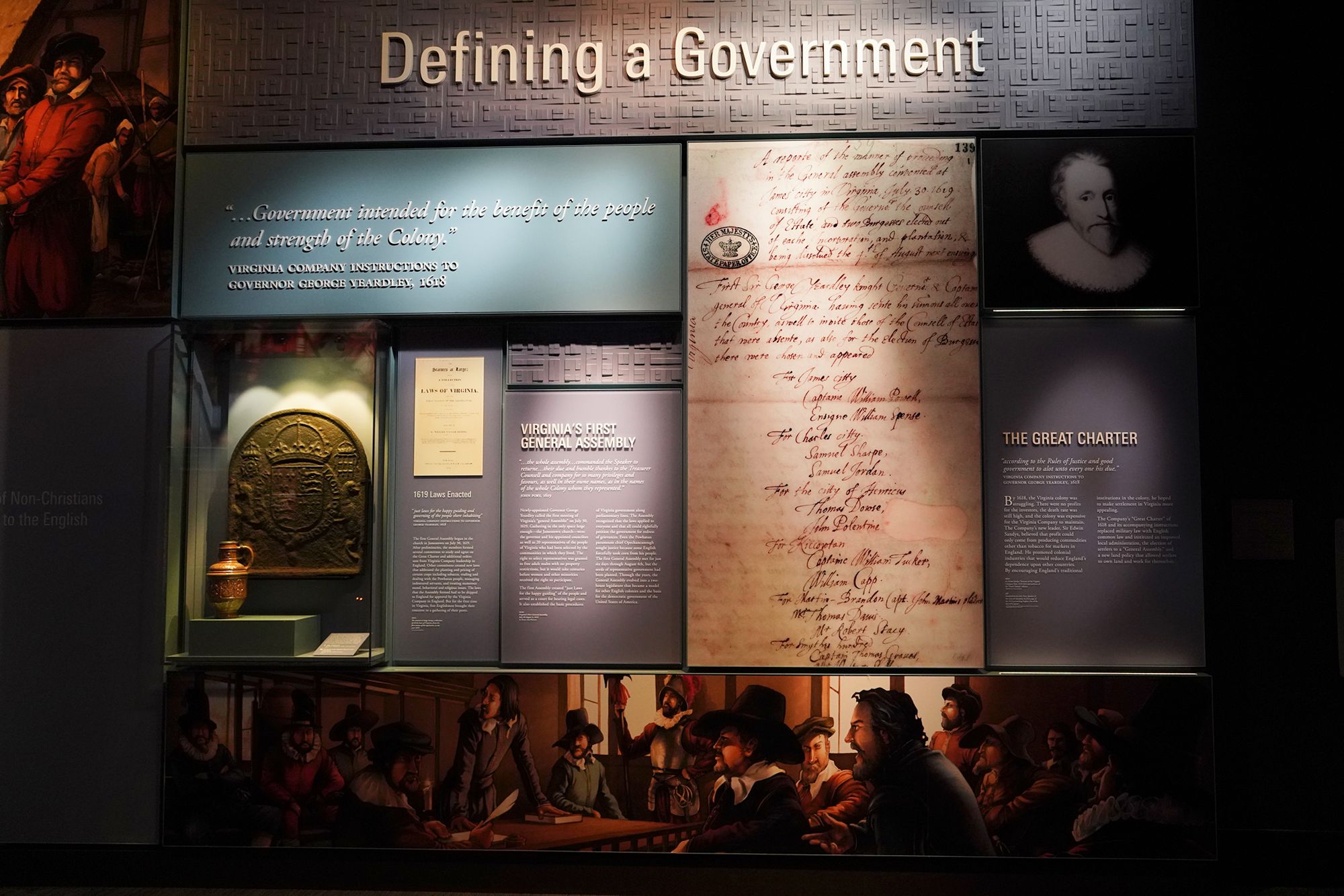
Establishing the Government
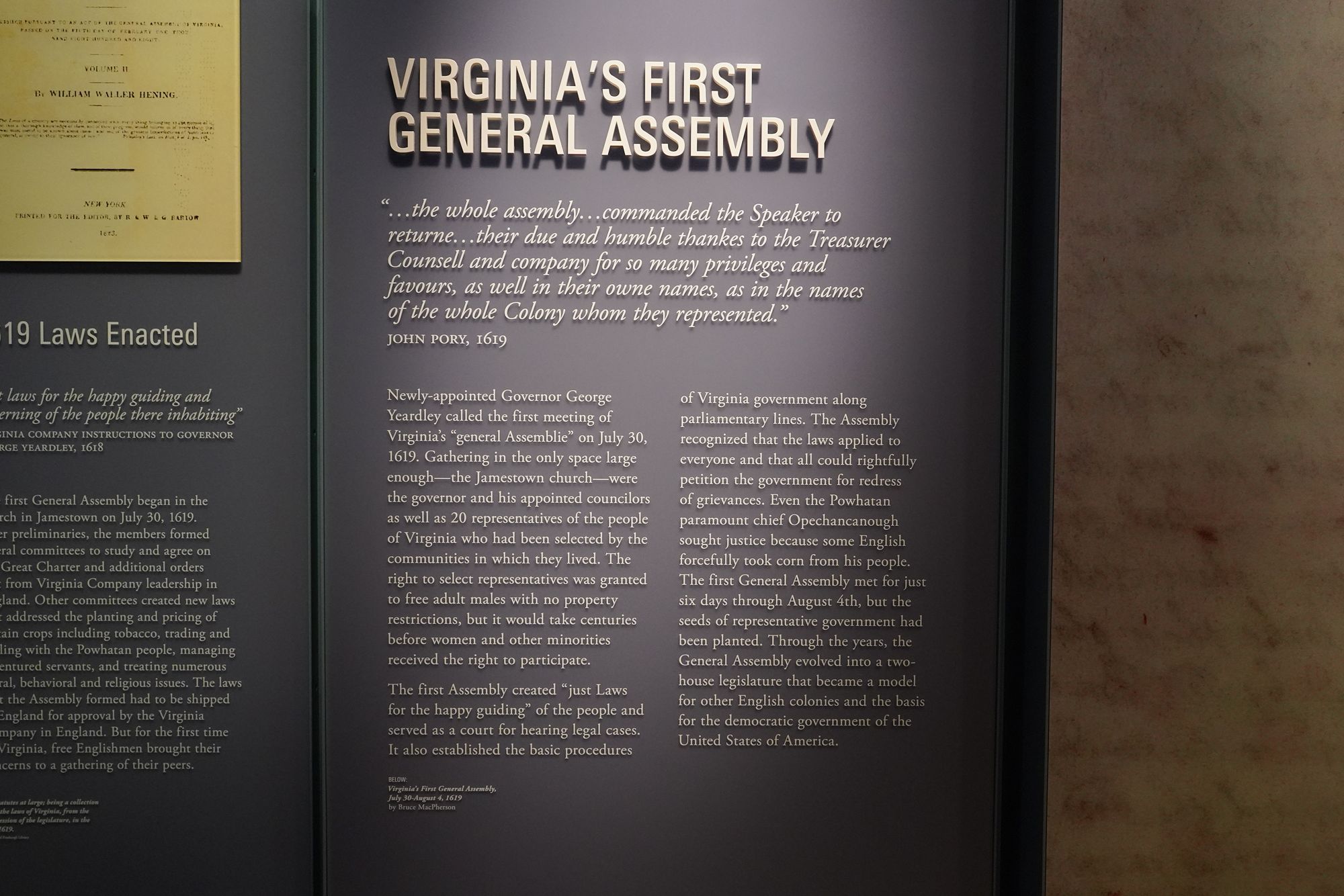
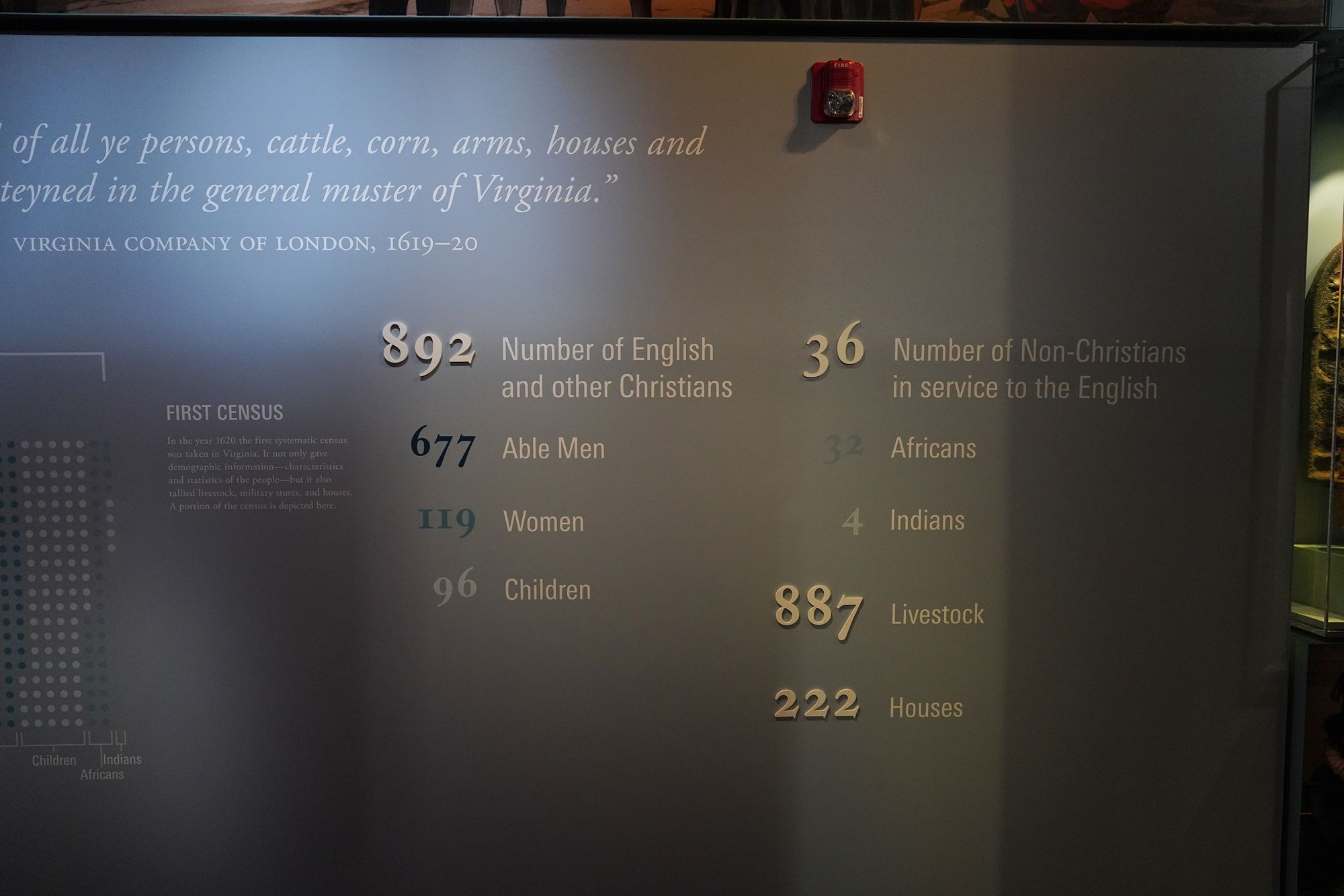
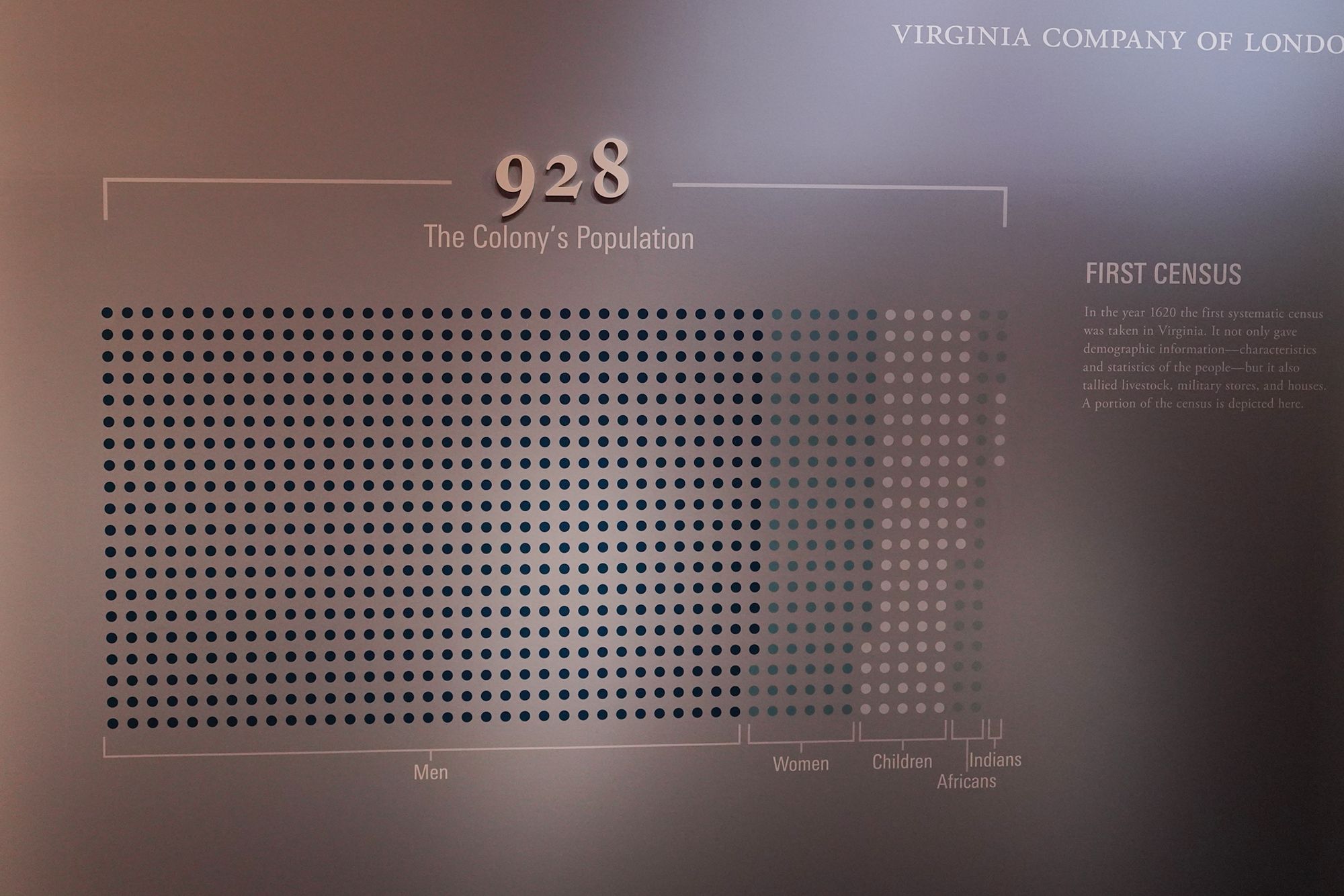
Population in the Jamestown
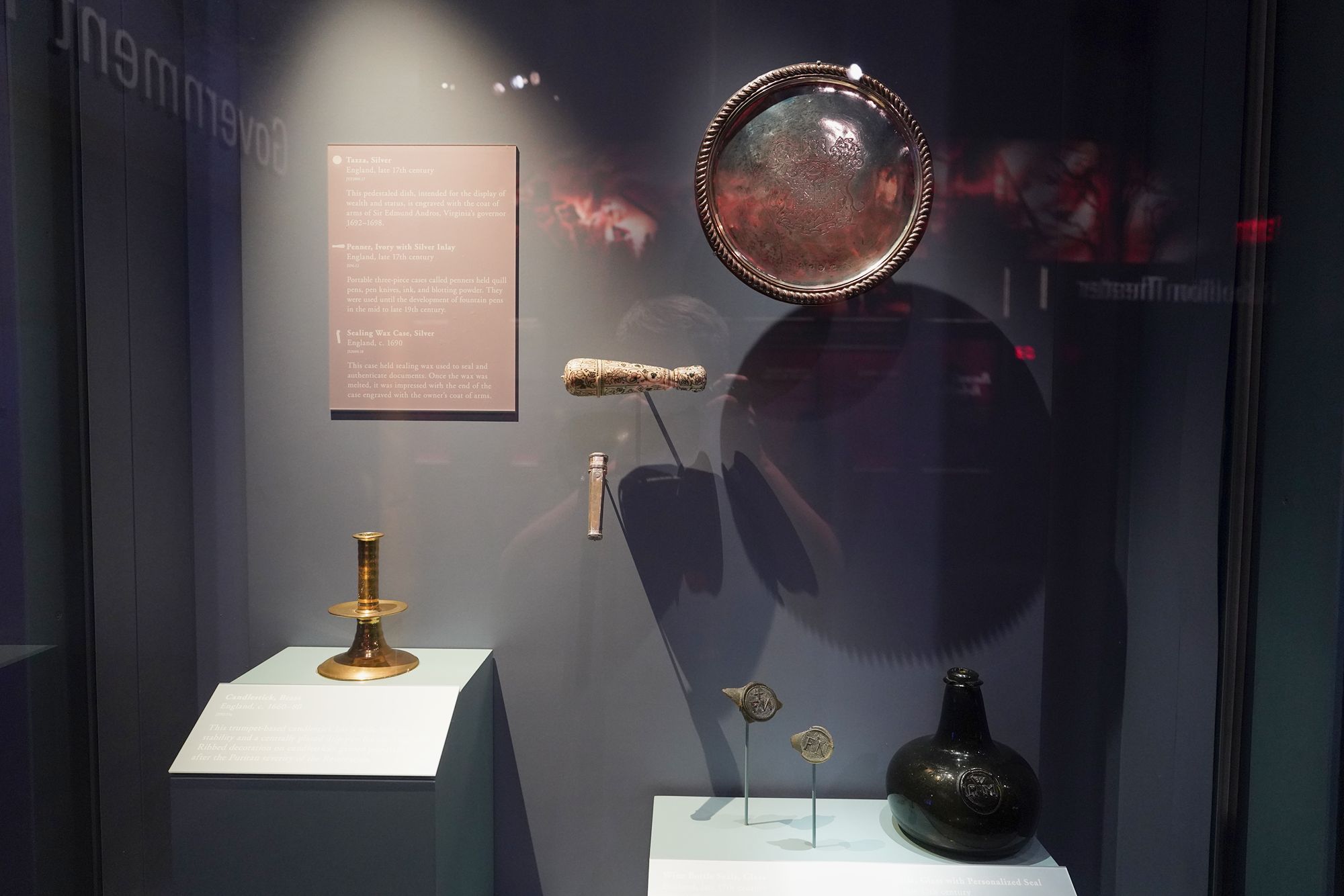
Virginia's Political Changes
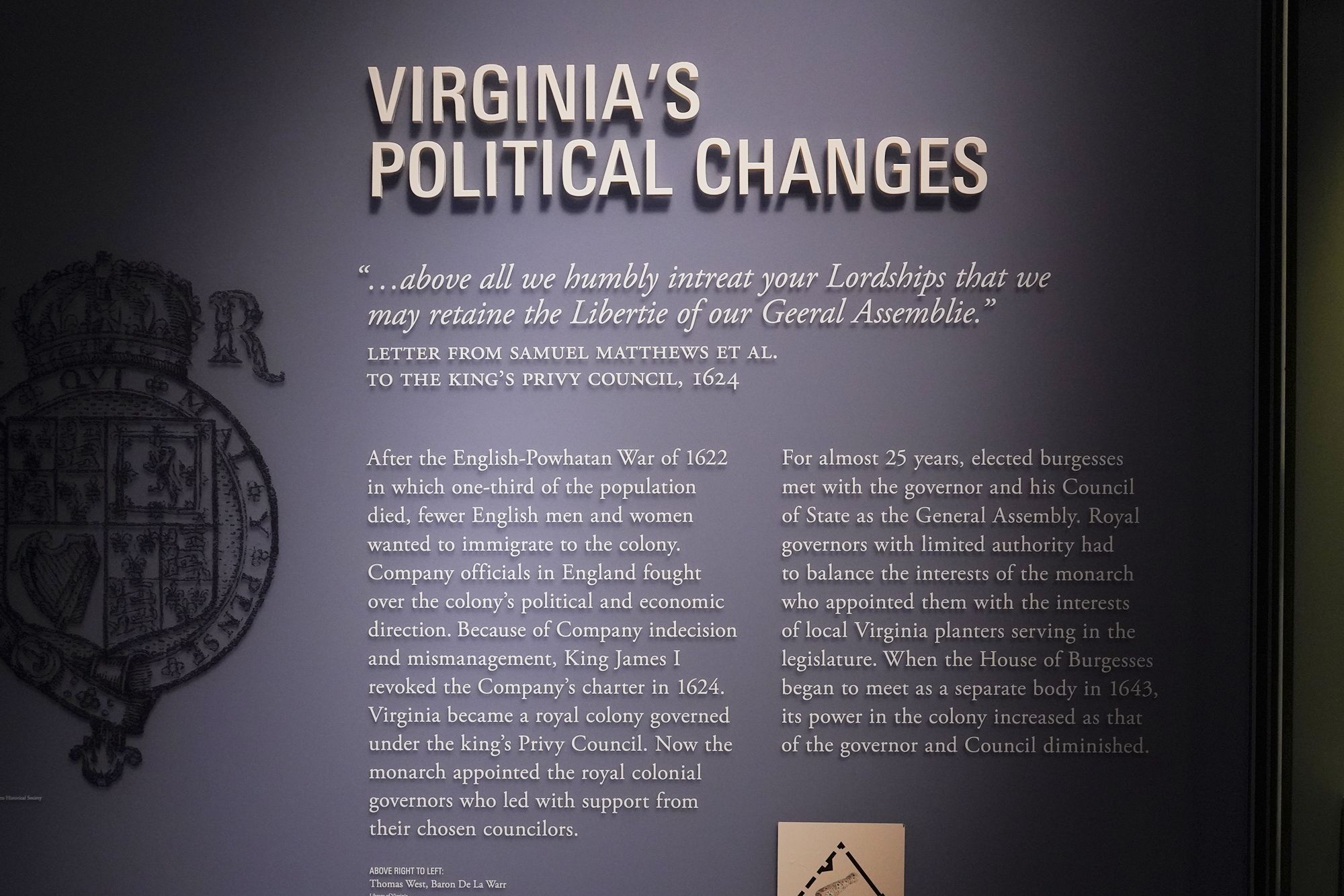
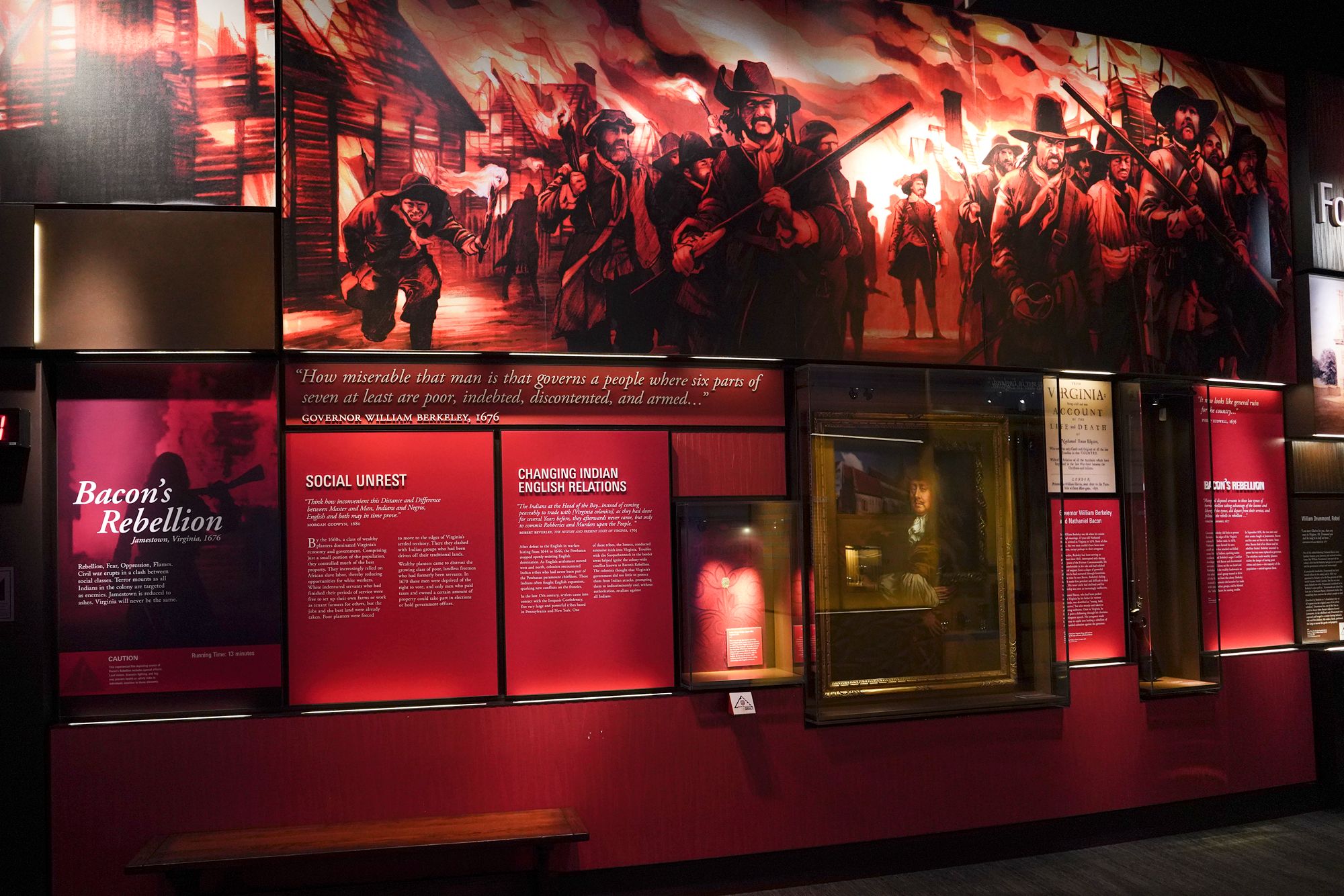
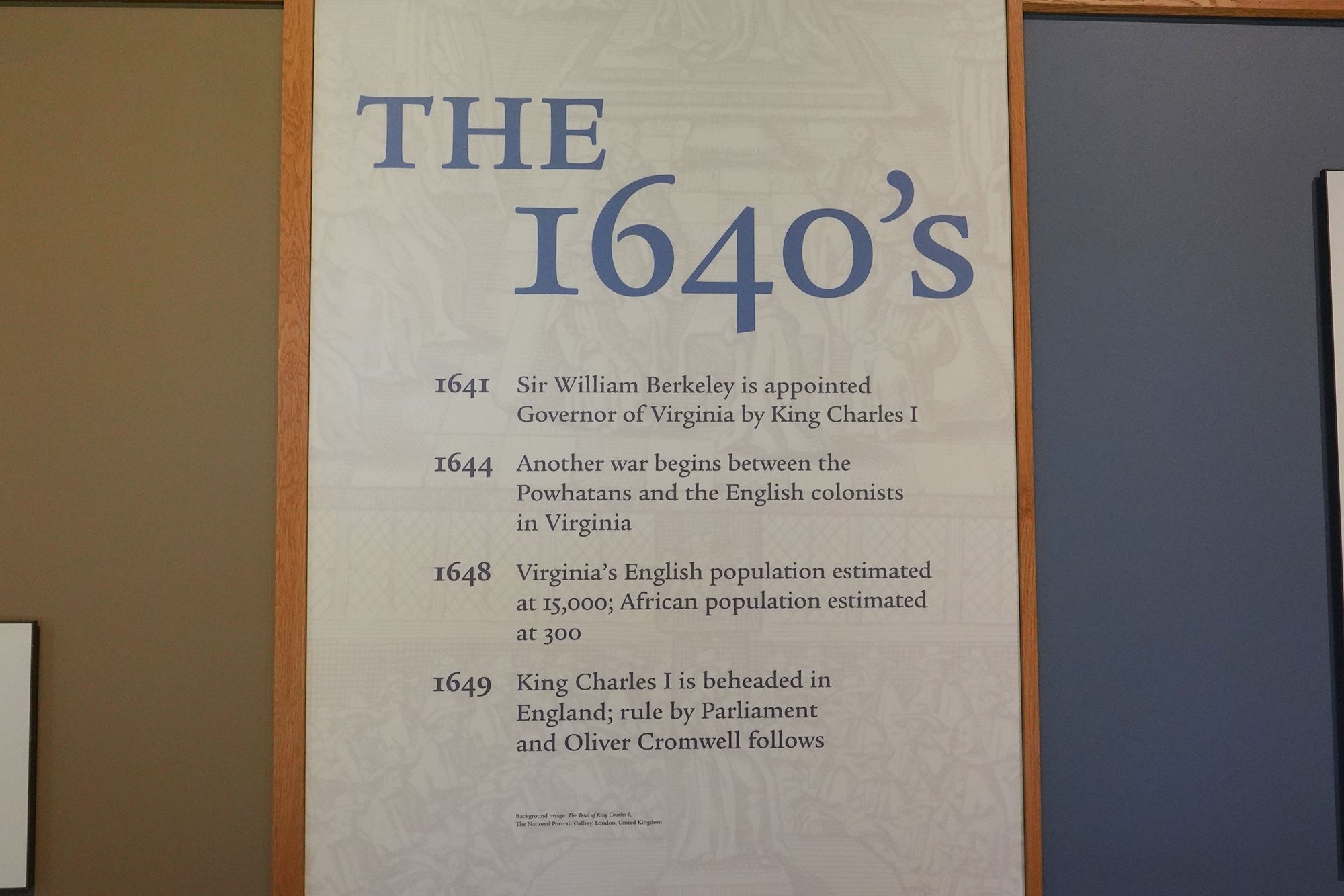
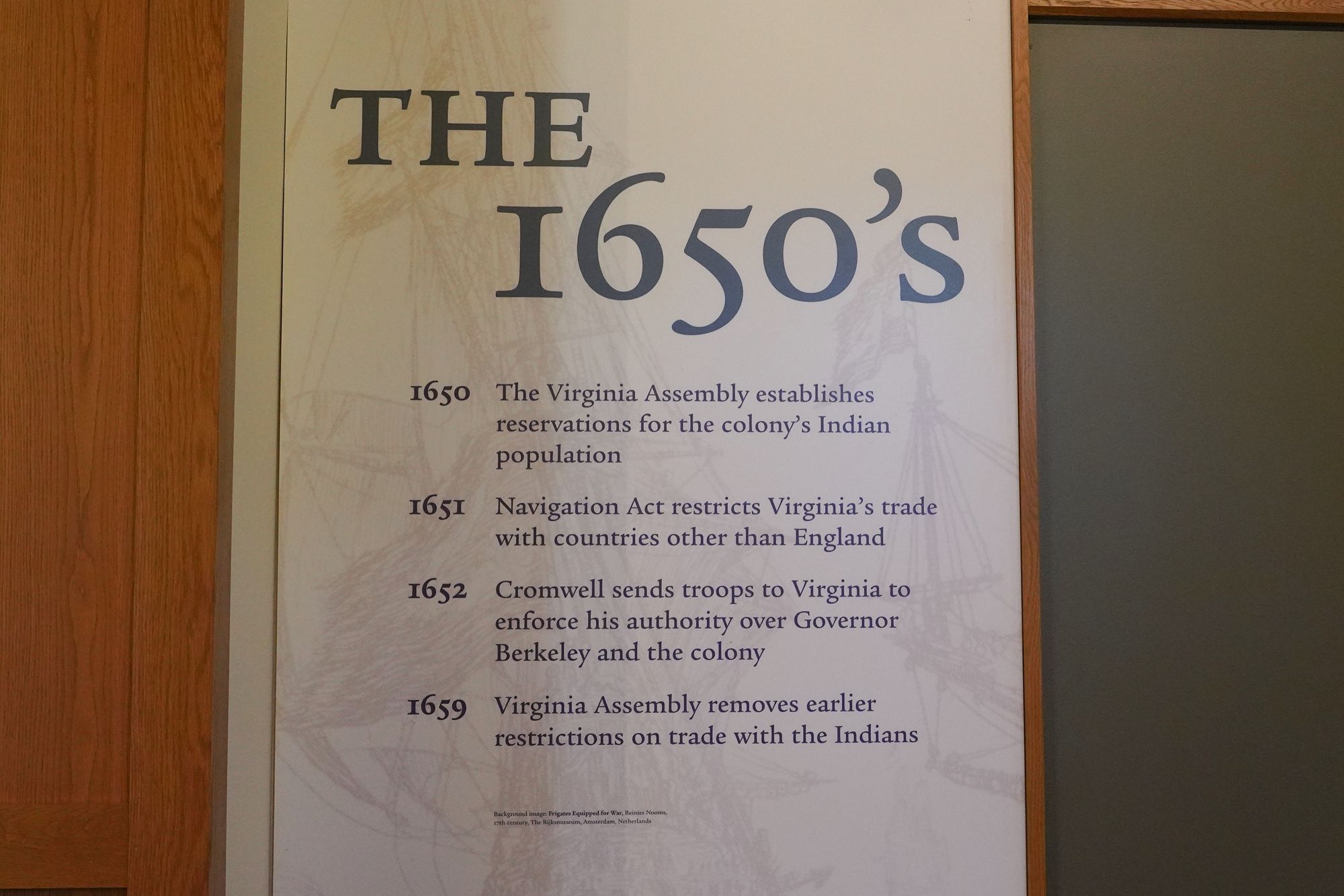
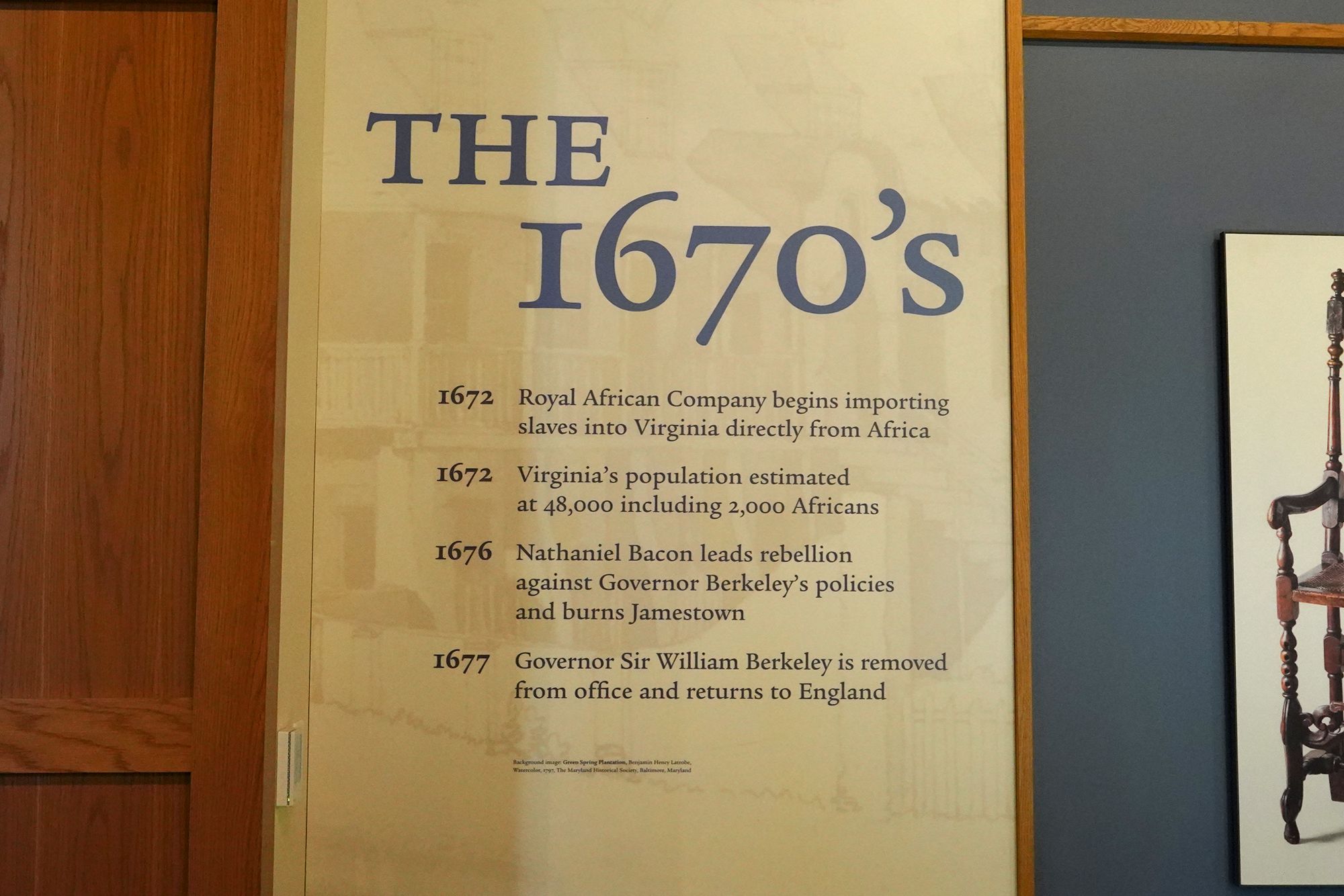
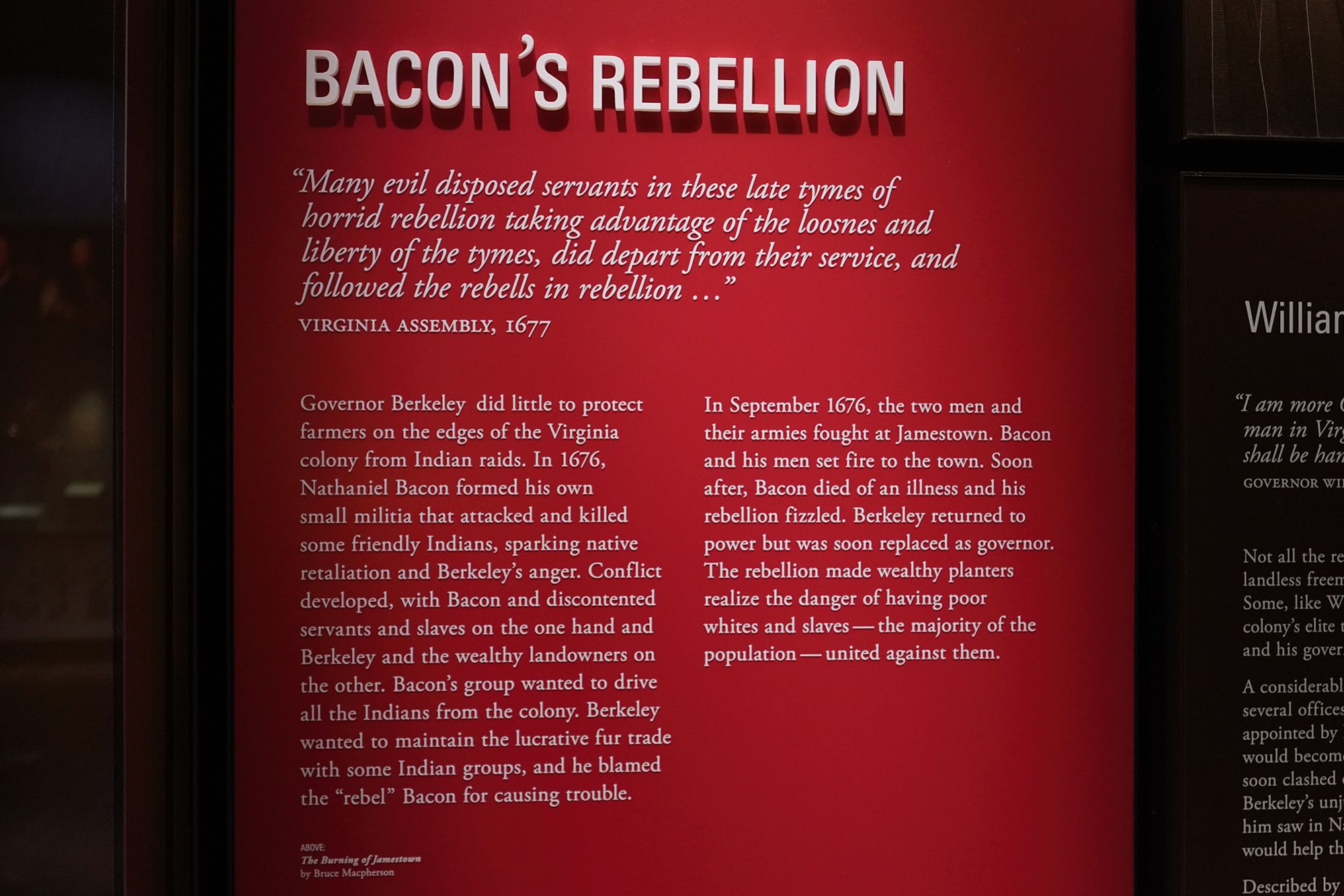
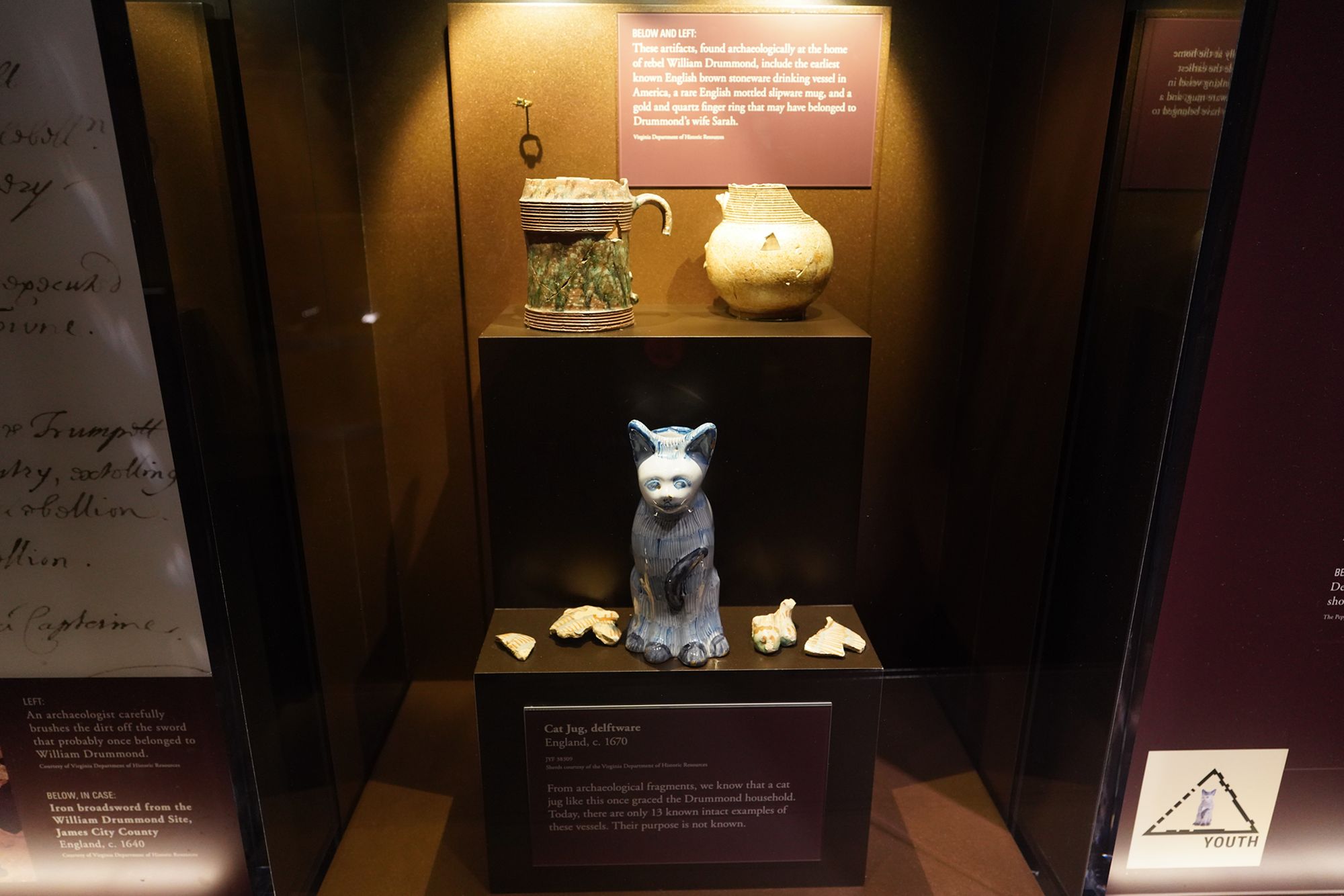
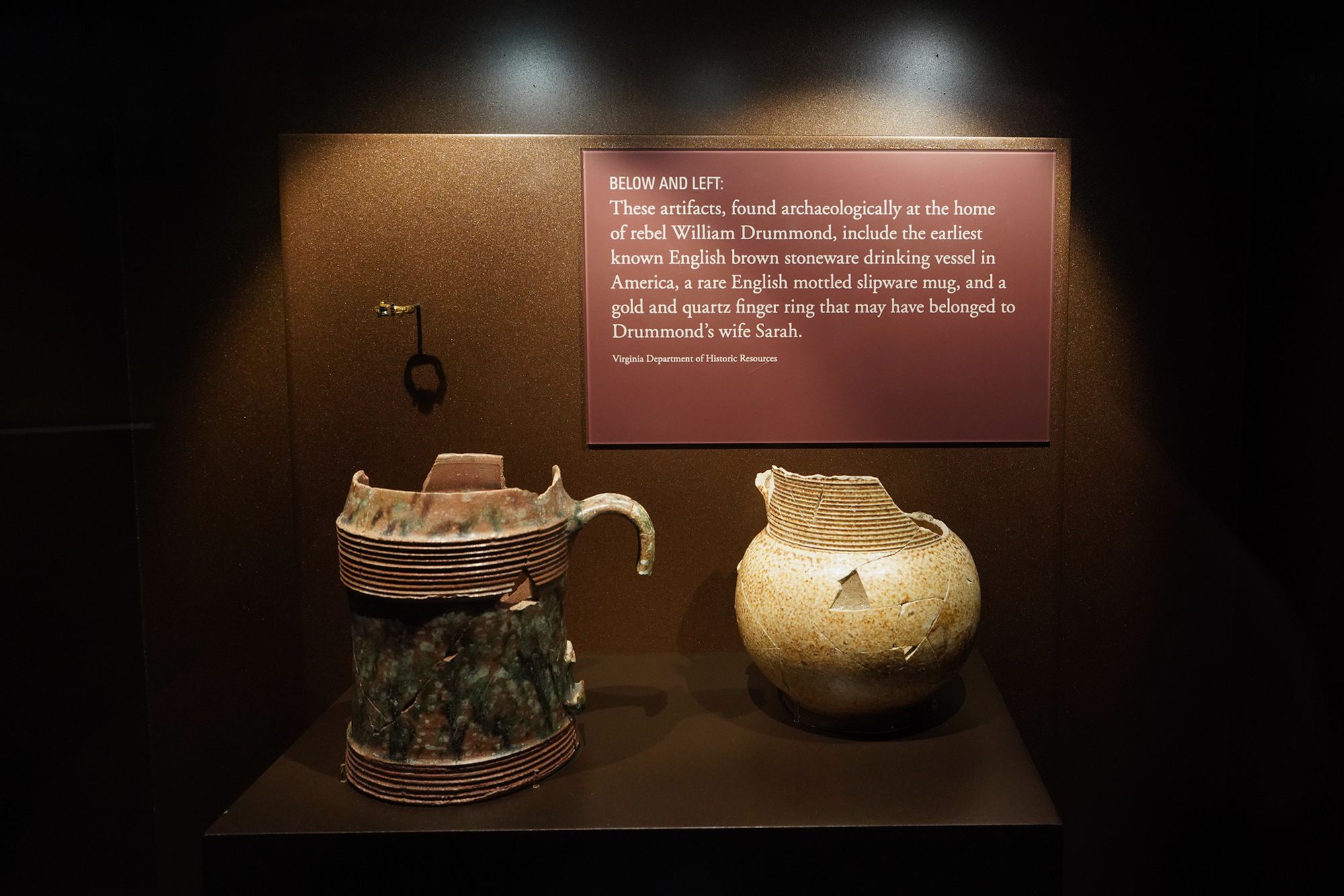
Bacon's Rebellion - Bacon’s Rebellion was an armed uprising in 1676 in the Virginia Colony, led by Nathaniel Bacon, a wealthy but discontented planter. The rebellion arose from deep tensions between frontier settlers and Governor William Berkeley’s government.
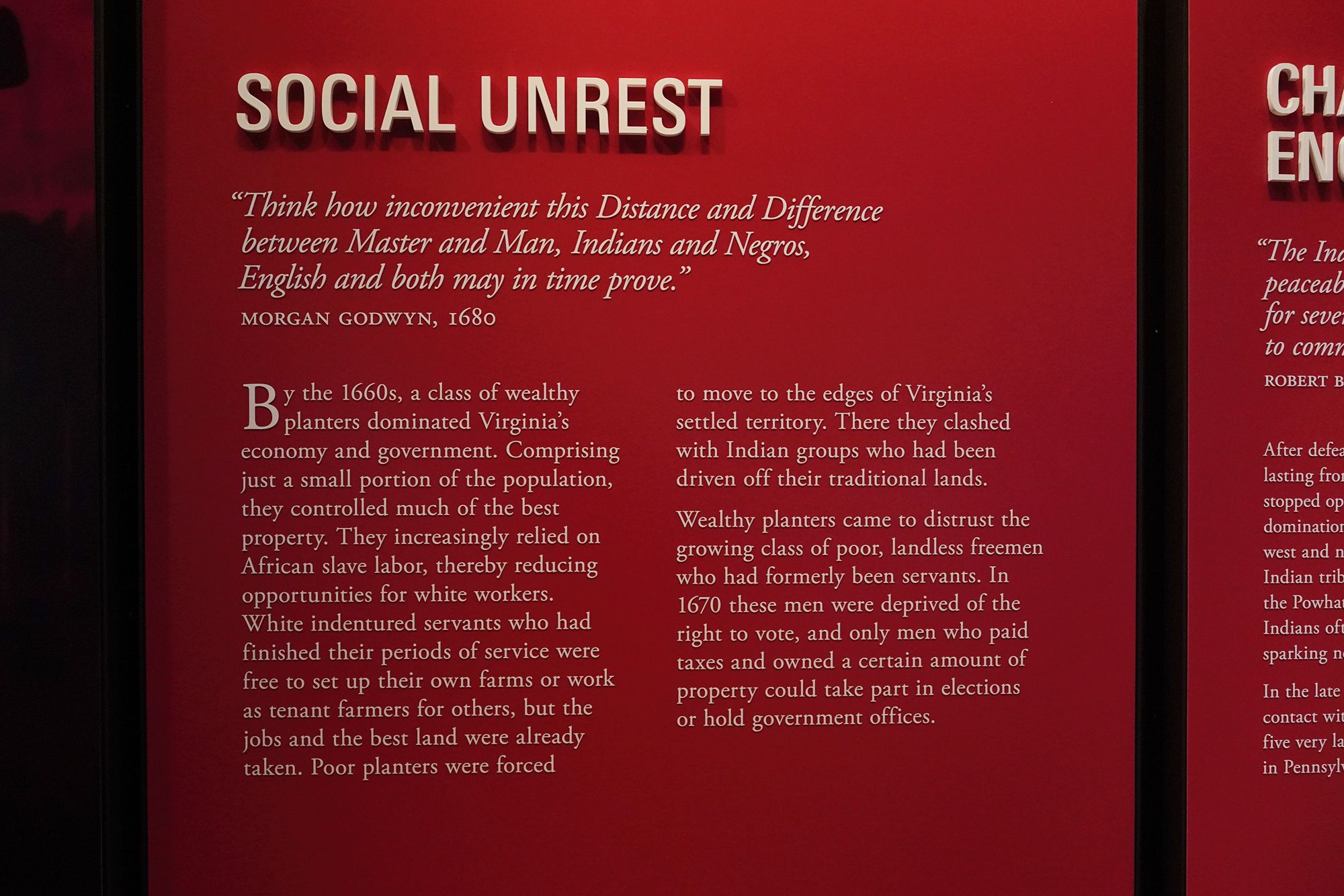
Settlers on the frontier were frustrated by the governor’s refusal to protect them from Native American raids and his favoritism toward a small group of wealthy planters who dominated politics and trade. Bacon gathered an army of poor farmers, indentured servants, and some enslaved Africans, promising to defend settlers and challenge corrupt leadership.
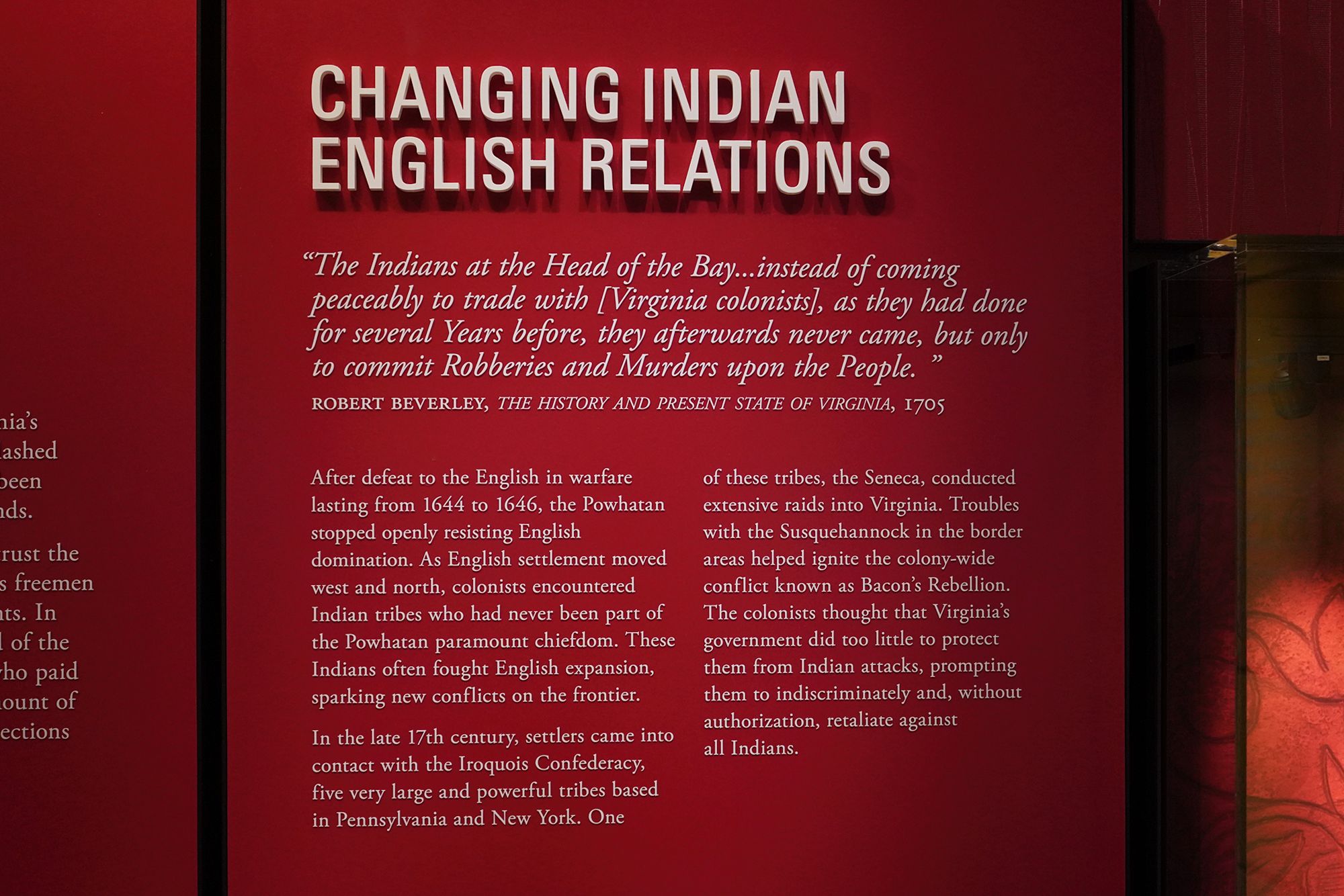
His forces attacked Native tribes—both hostile and friendly—then marched on Jamestown, burning the capital to the ground. The rebellion collapsed soon after Bacon died of illness, and the government brutally suppressed the remaining rebels.
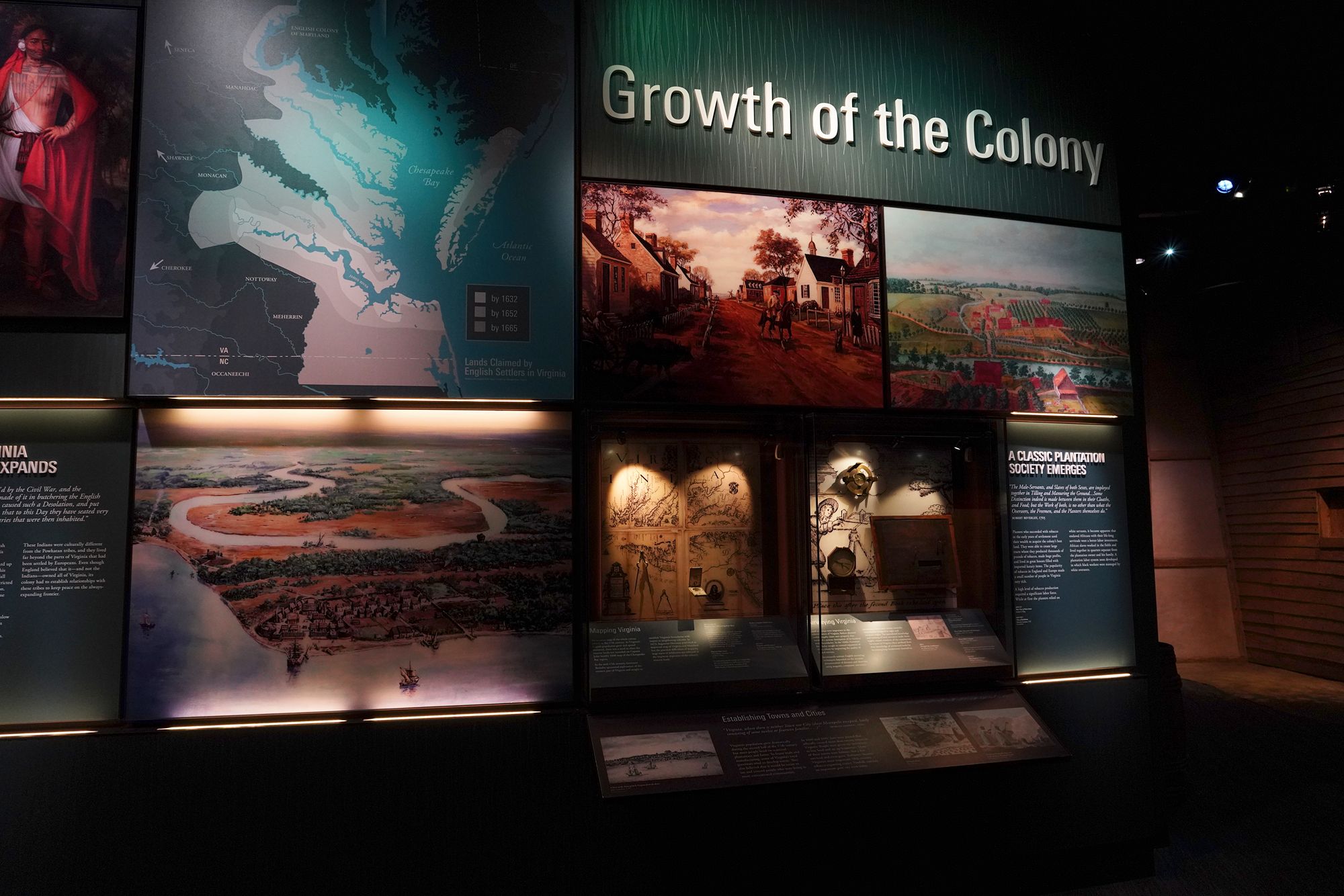
The Virginia Colony expanded steadily during the 1600s and 1700s as settlers pushed inland from Jamestown in search of fertile land for tobacco farming. The introduction of the headright system—which granted 50 acres to anyone who paid for their own or another’s passage—encouraged thousands of new arrivals and created large plantations along the James, York, and Rappahannock Rivers.
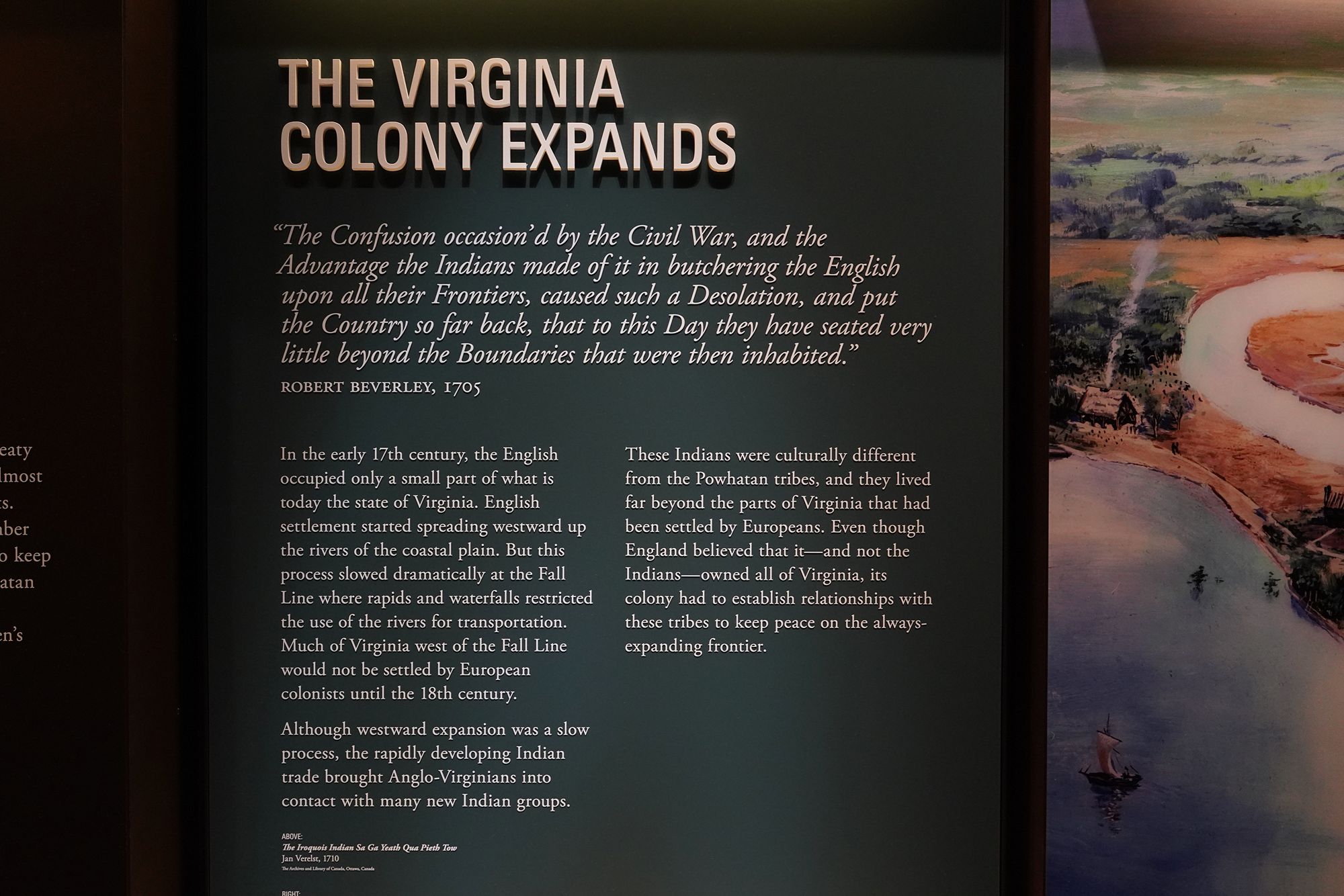
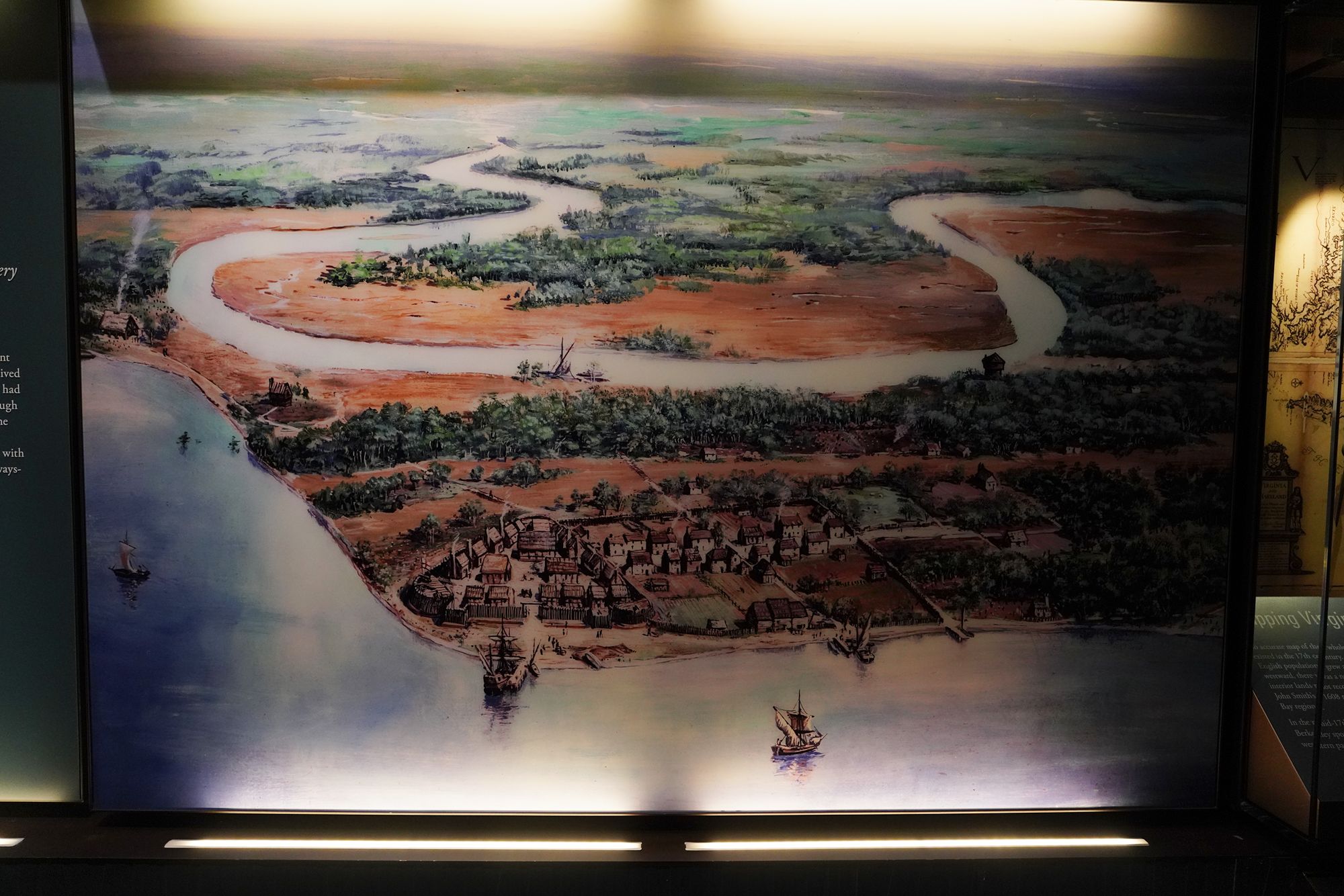
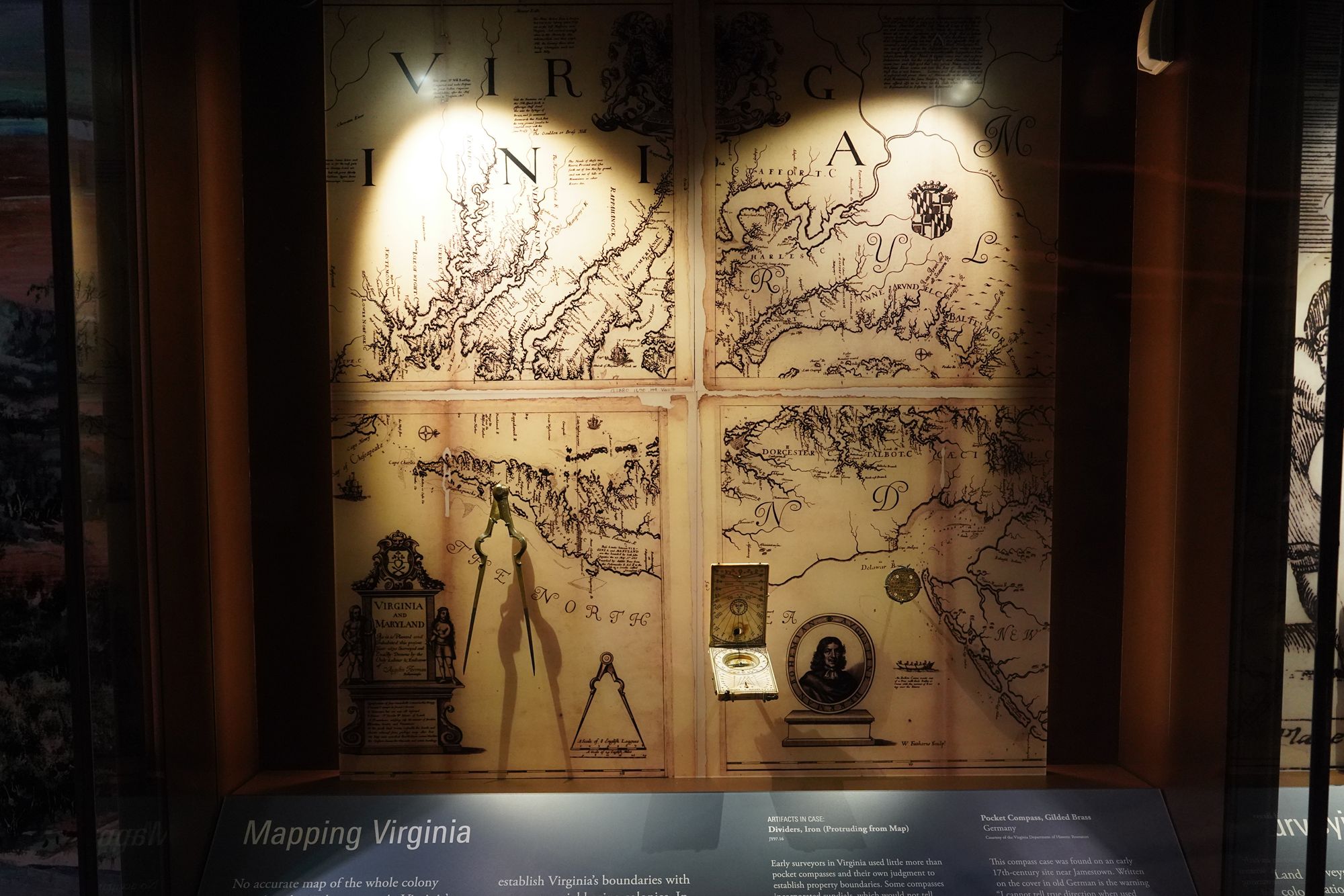
As the population grew, colonists established new towns and counties, spreading westward into Native American territories. This expansion often led to violent conflicts with Indigenous peoples, including the Powhatan wars and later frontier clashes.
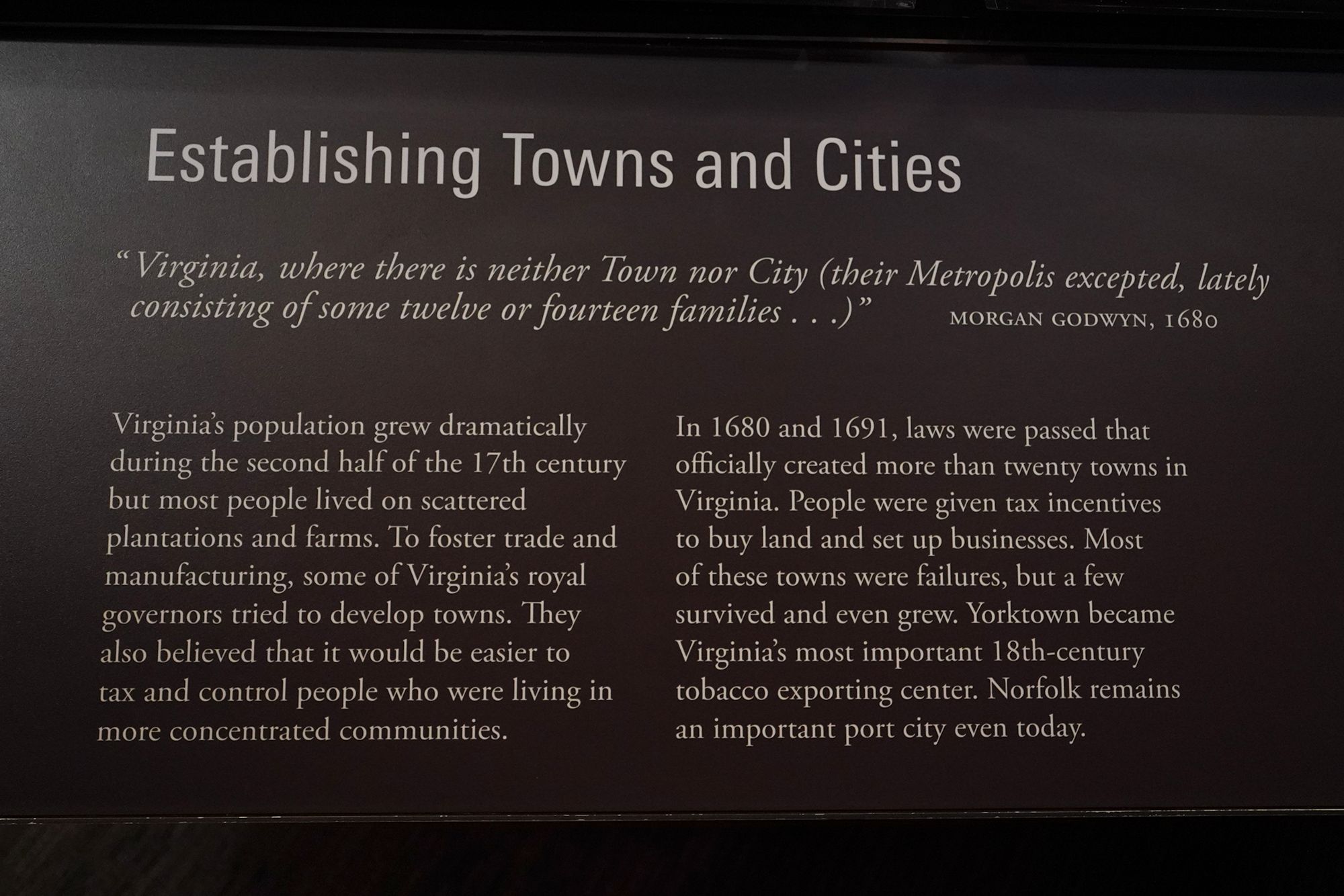
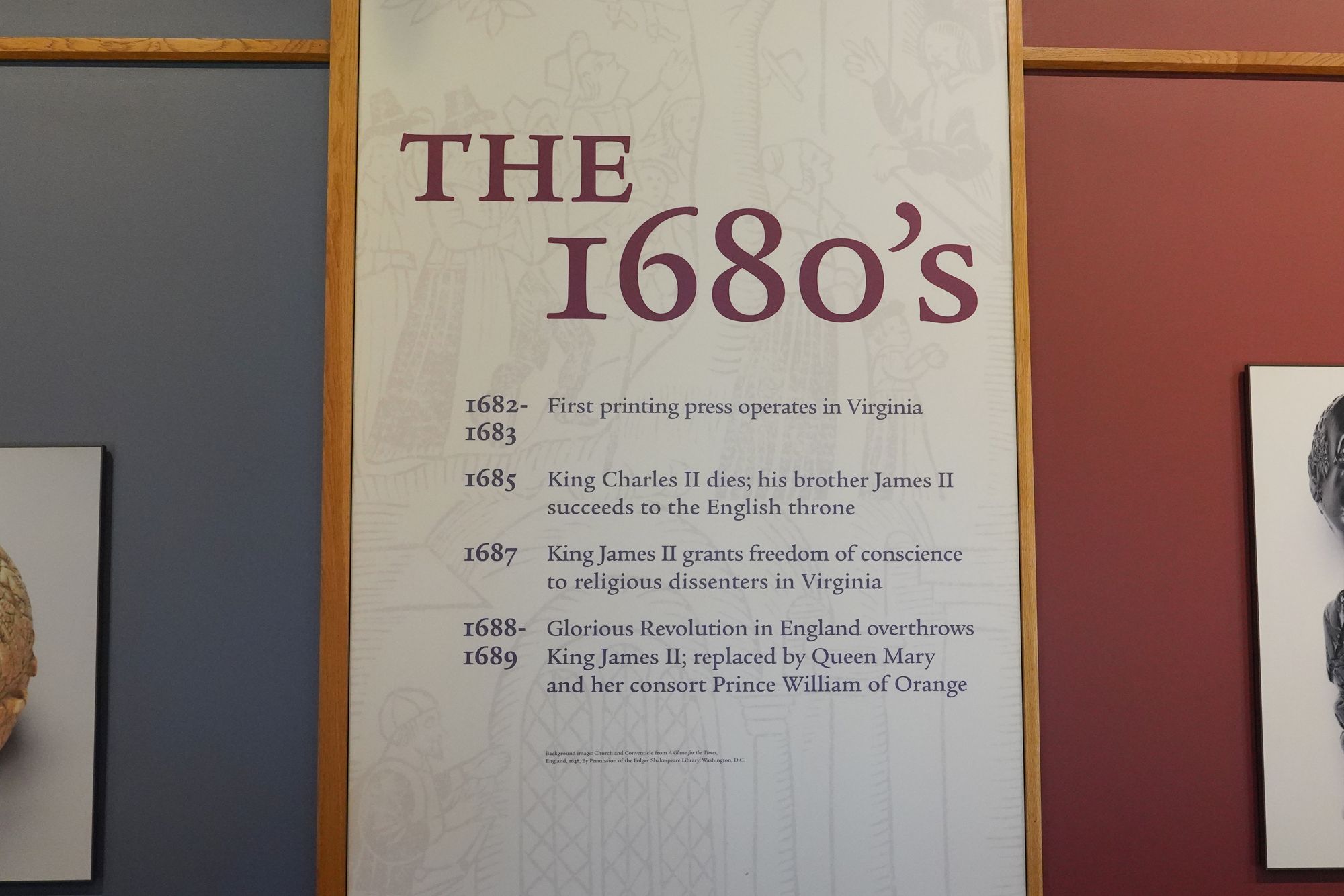
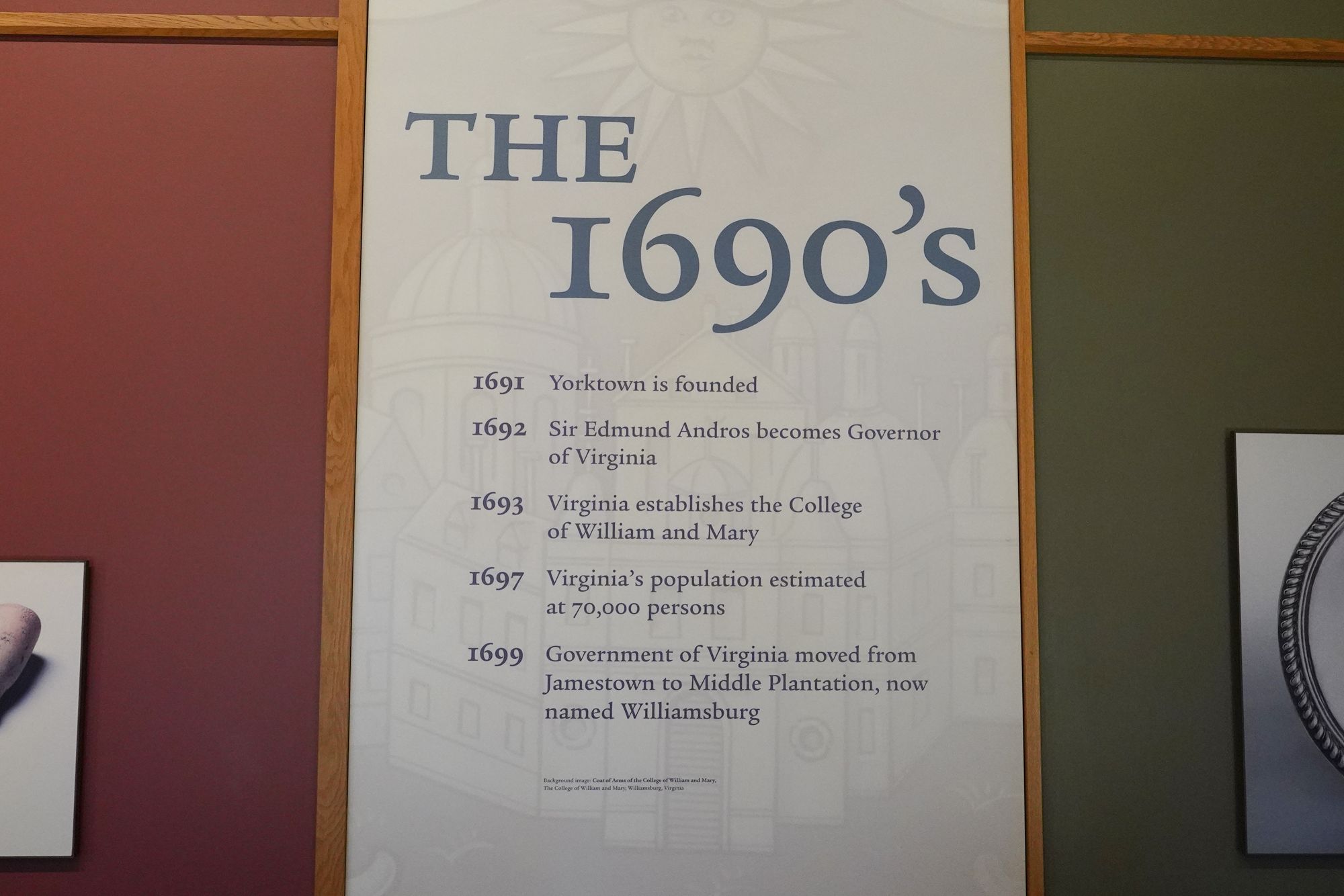
By the early 1700s, Virginia had become the largest and wealthiest English colony, its economy powered by tobacco exports and enslaved African labor. New settlements such as Williamsburg, which became the capital in 1699, reflected the colony’s prosperity and growing political influence in British America.
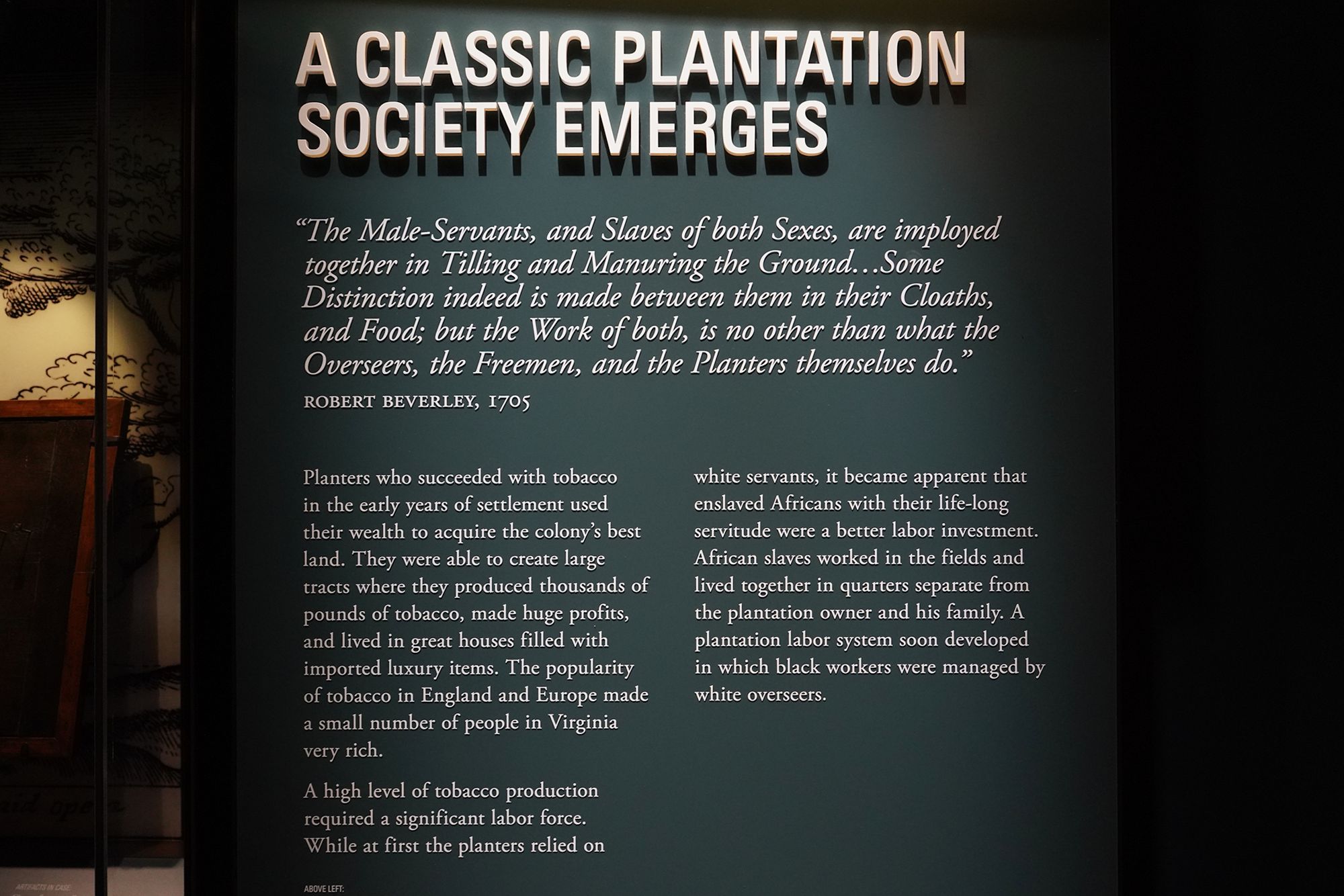
Church and State
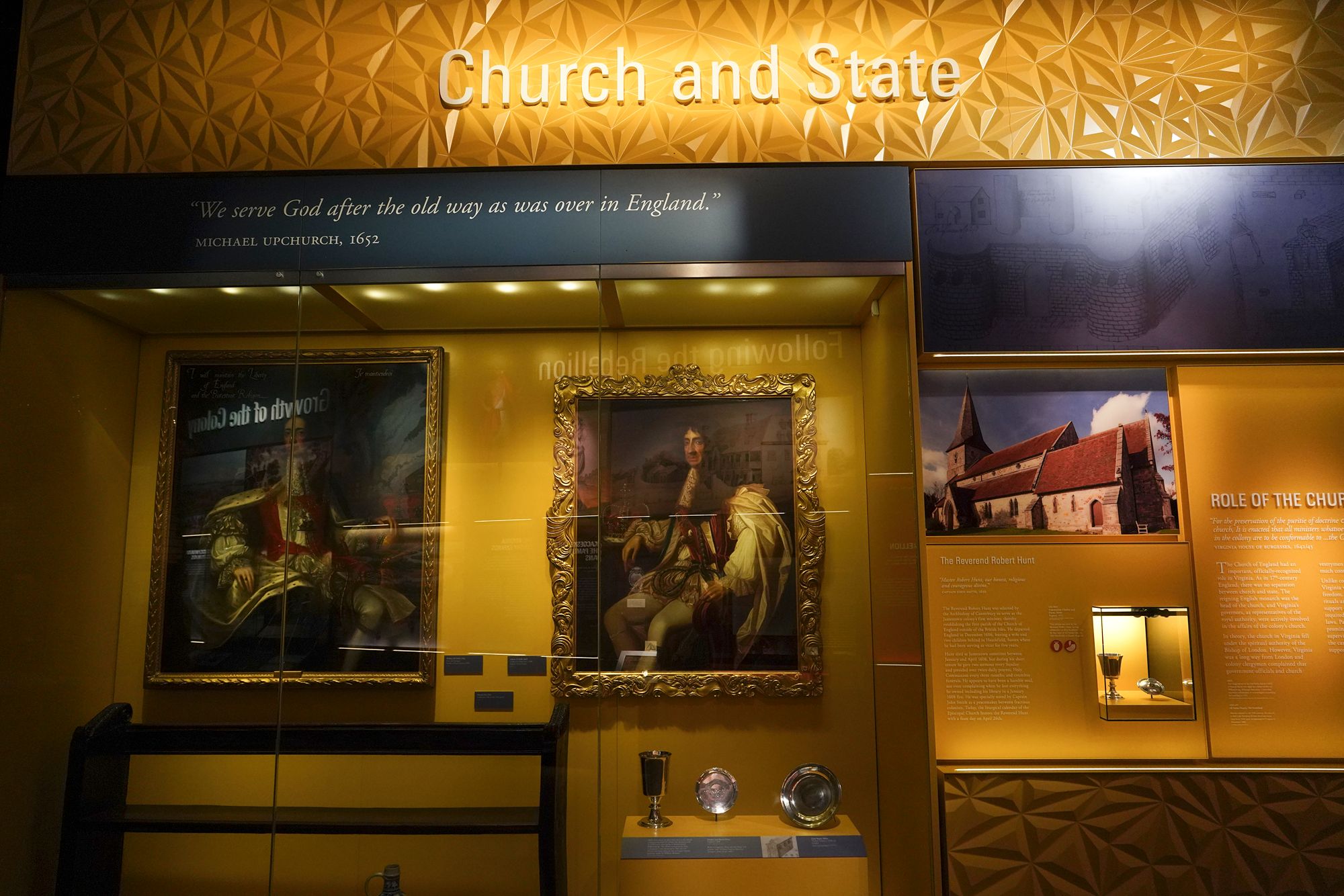
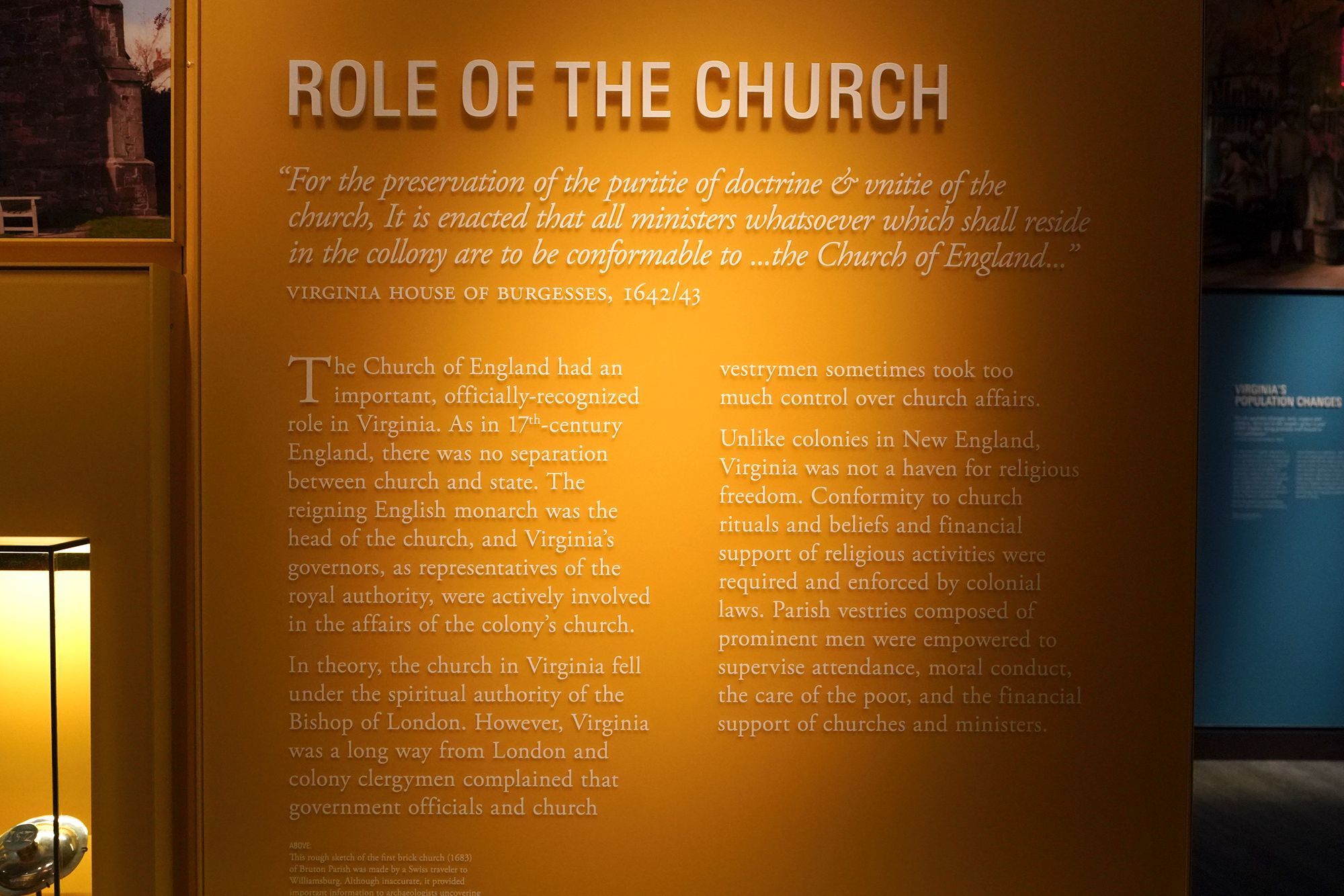
In colonial Virginia, the Church of England—also known as the Anglican Church—played a central role in both religious and civic life. As the established church, it was supported by public taxes, and attendance at services was expected of all colonists.
Churches were more than places of worship—they were community centers where local news was shared, marriages and baptisms were recorded, and moral conduct was overseen. Parish vestries, made up of local landowners, managed not only church affairs but also social welfare, caring for orphans, the poor, and the sick.
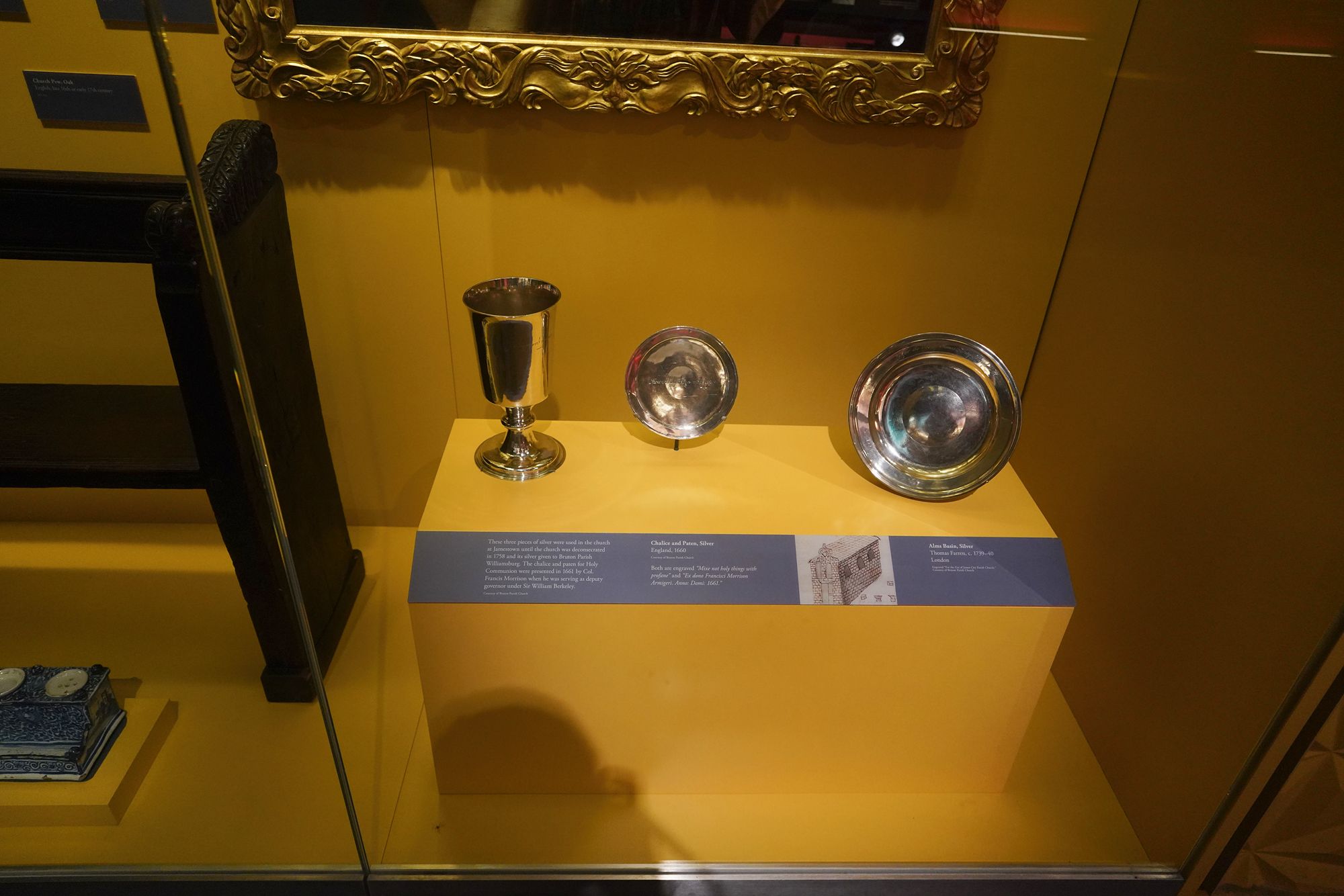
Life at Home
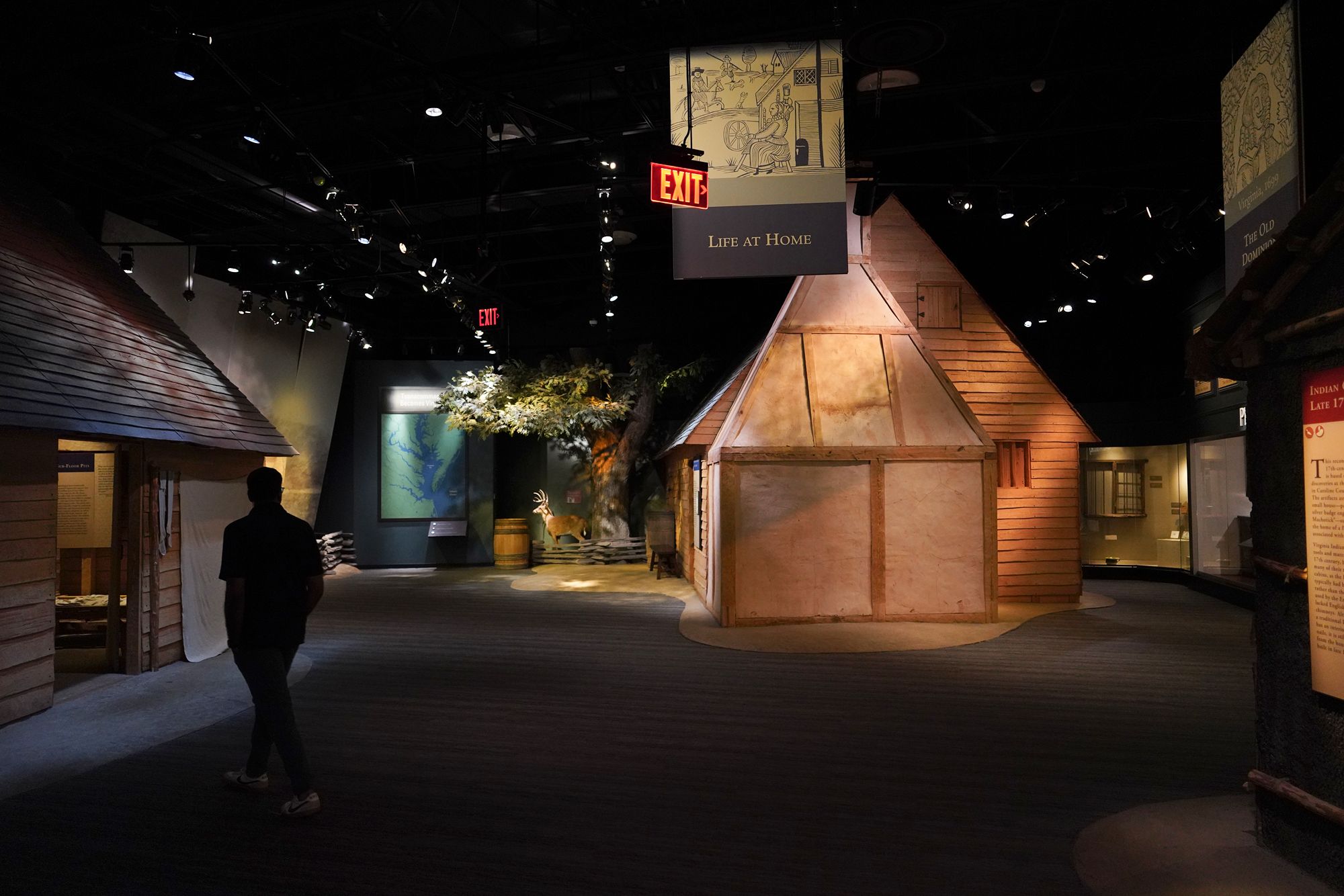
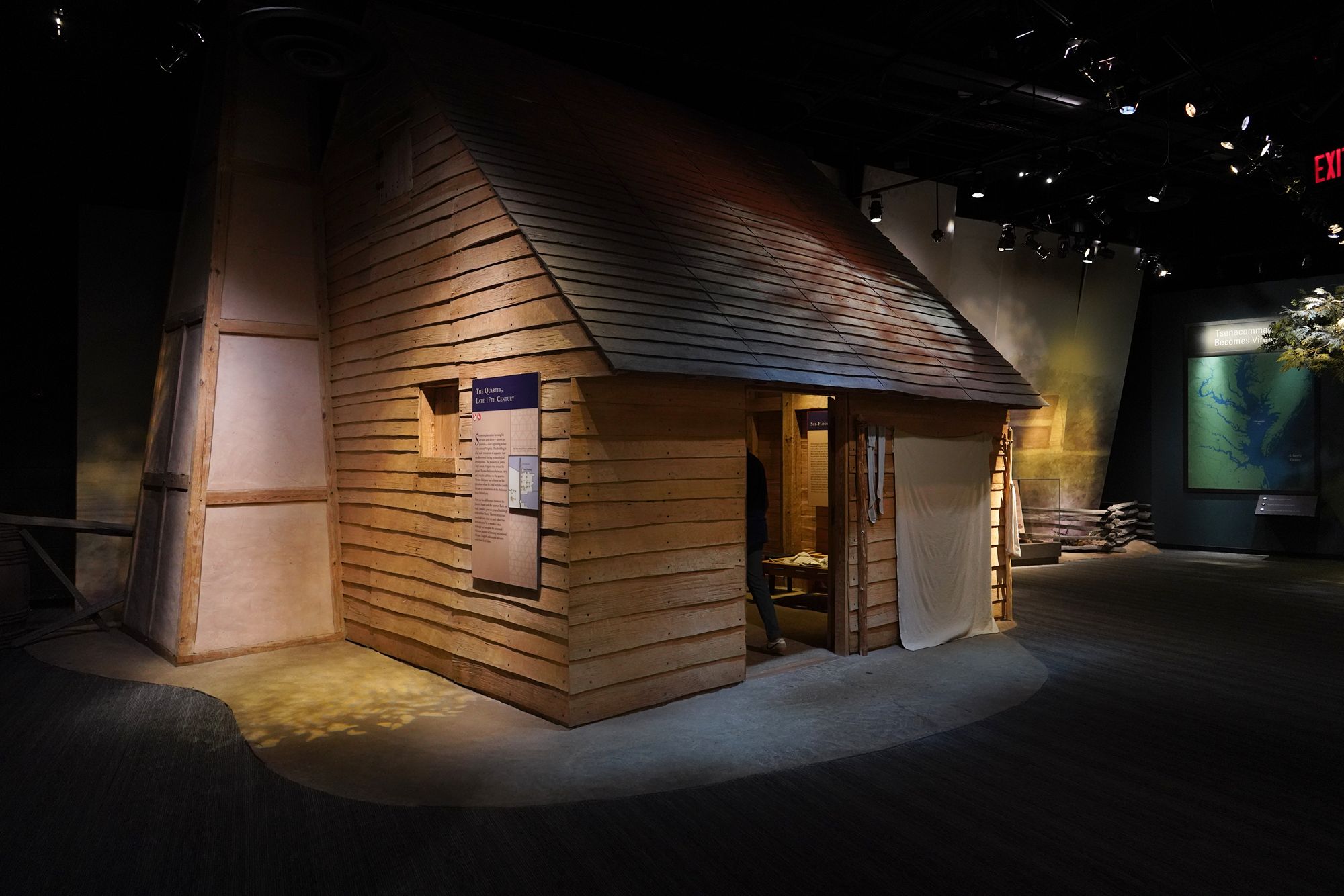
Late 17th Century Home
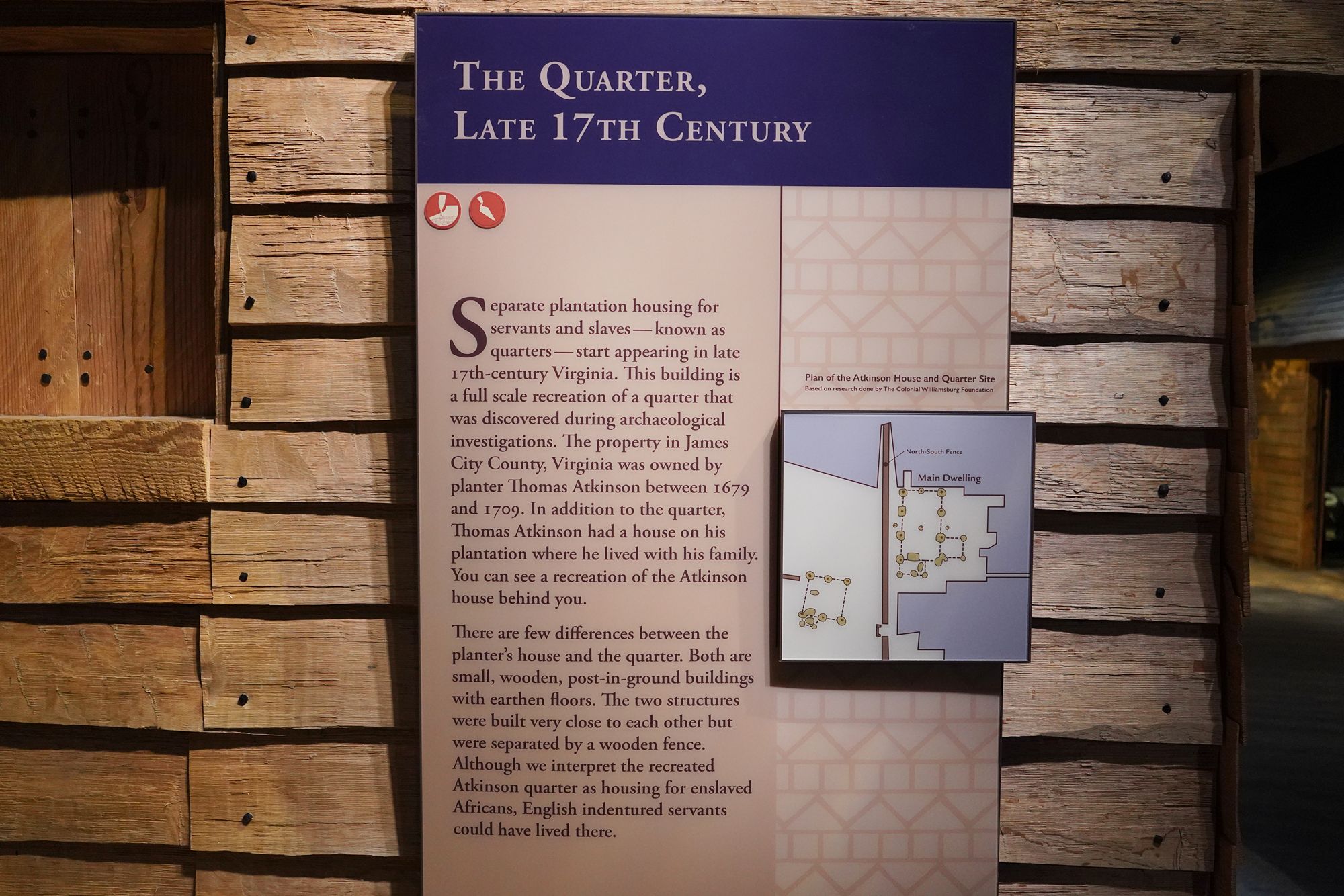
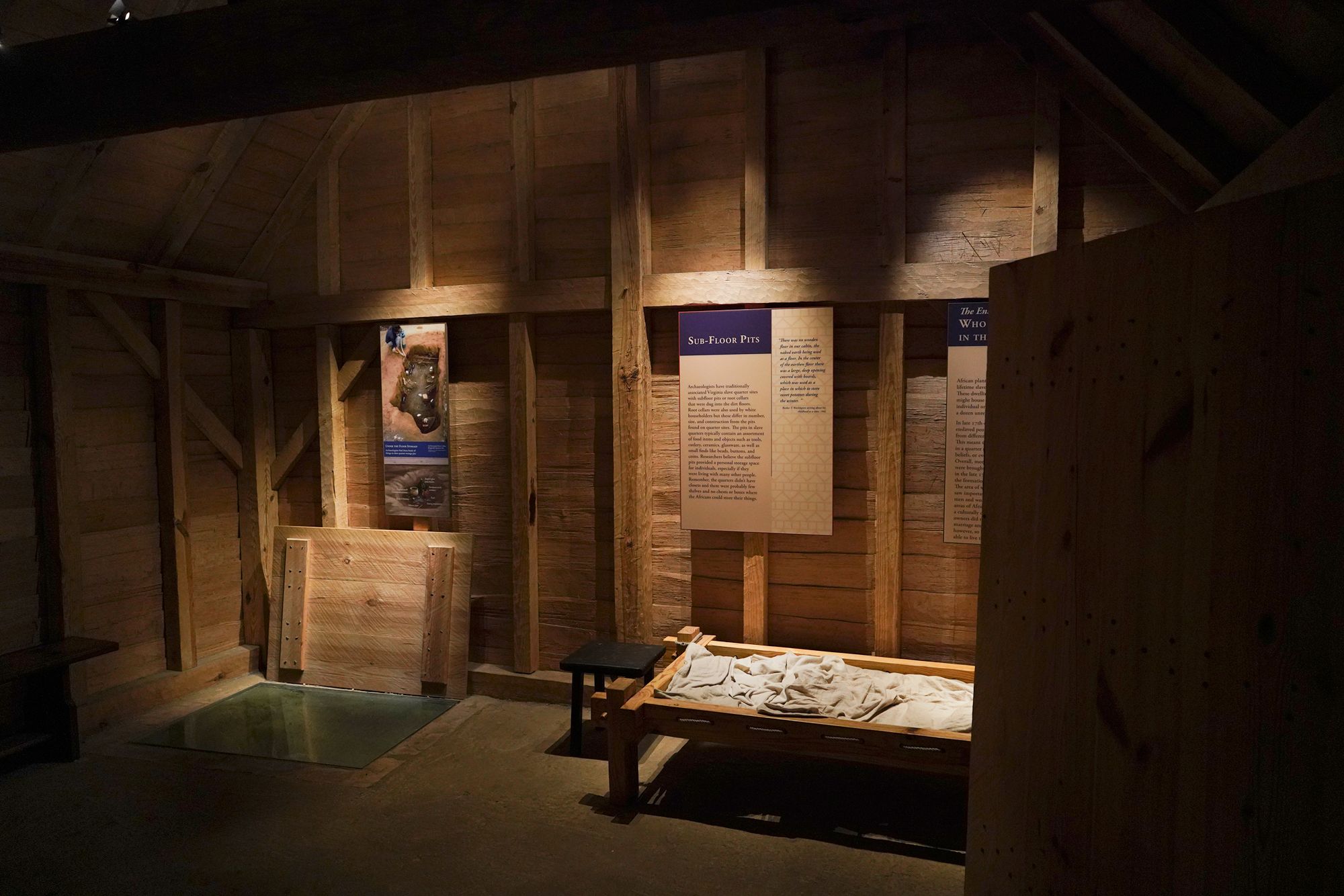
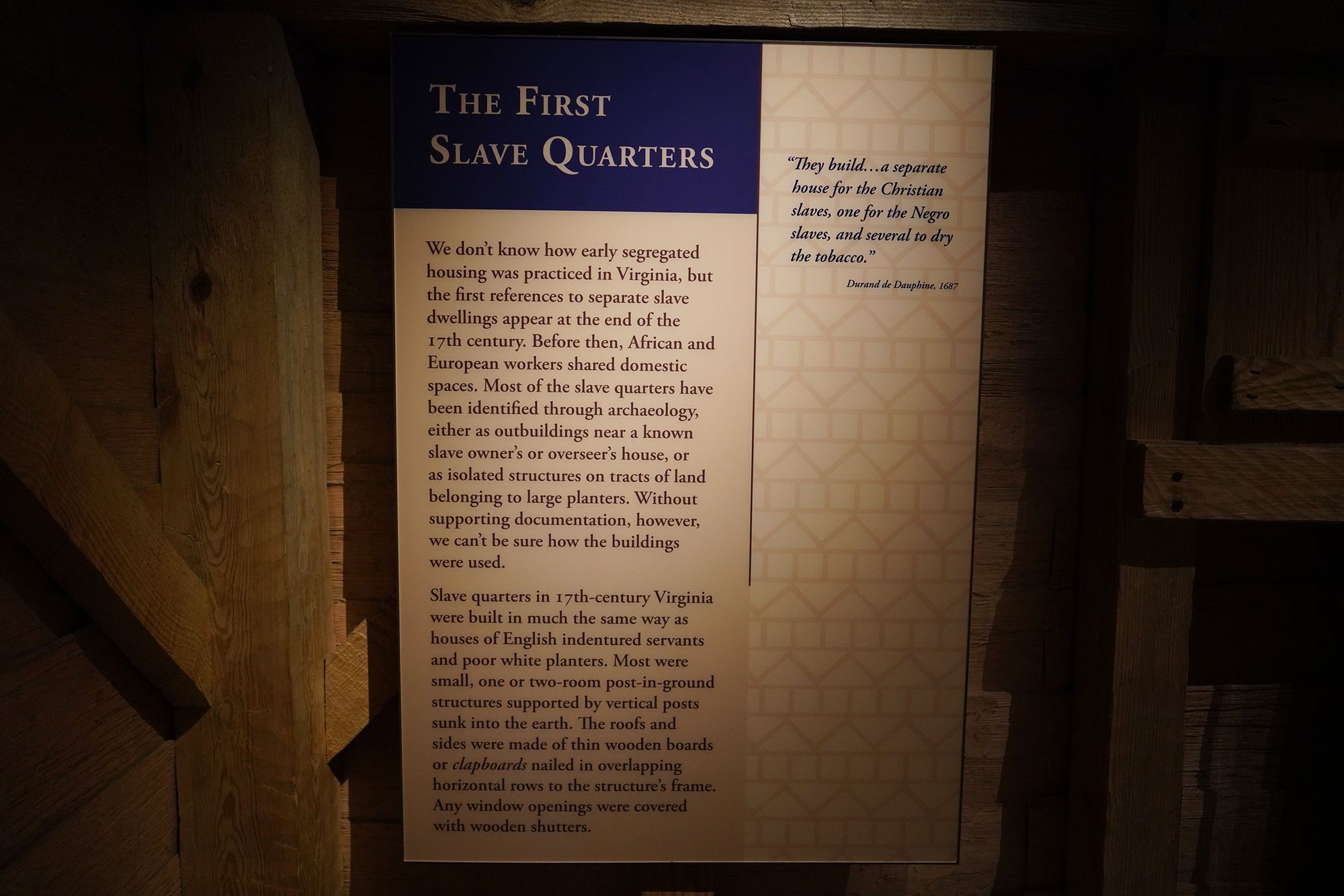
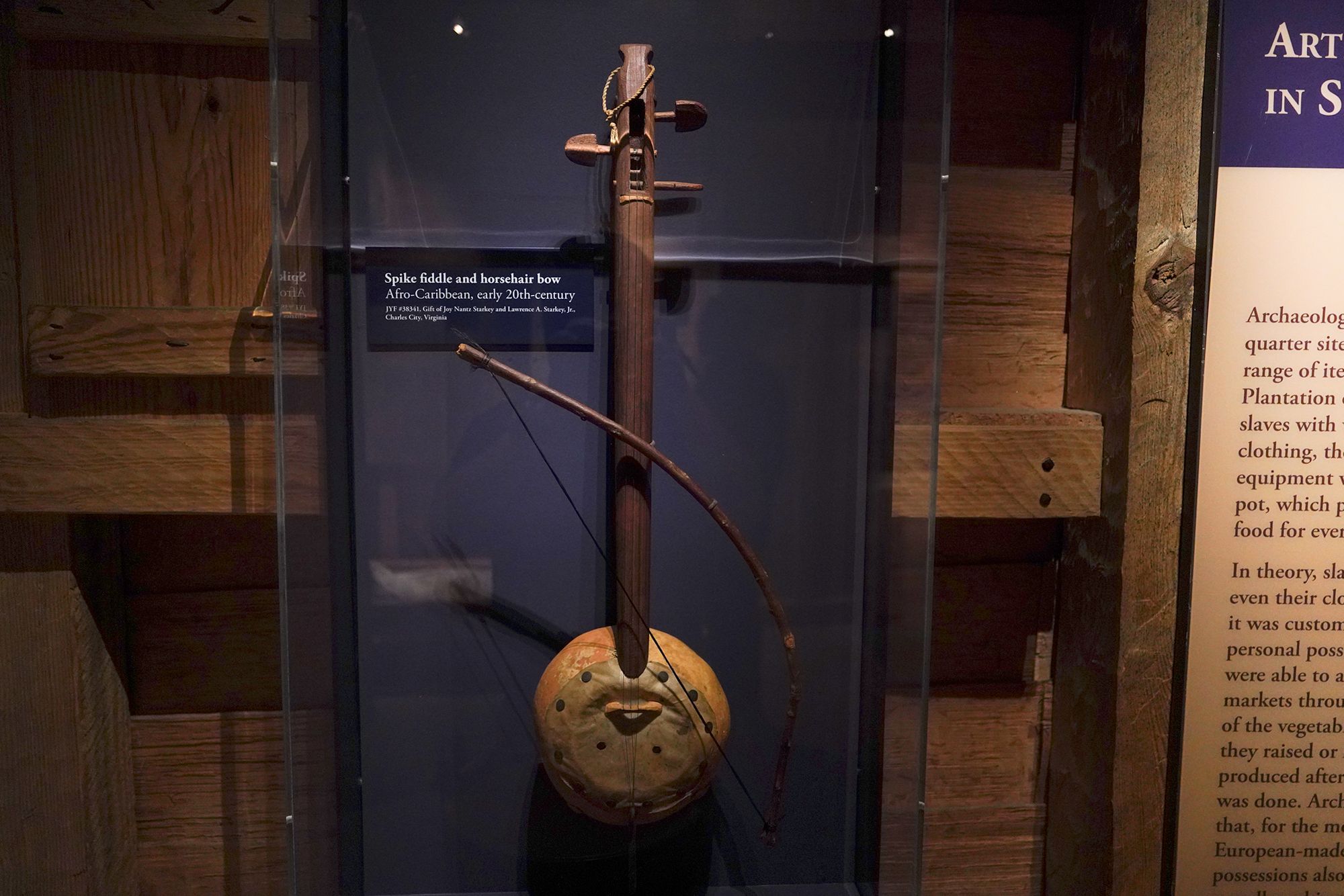
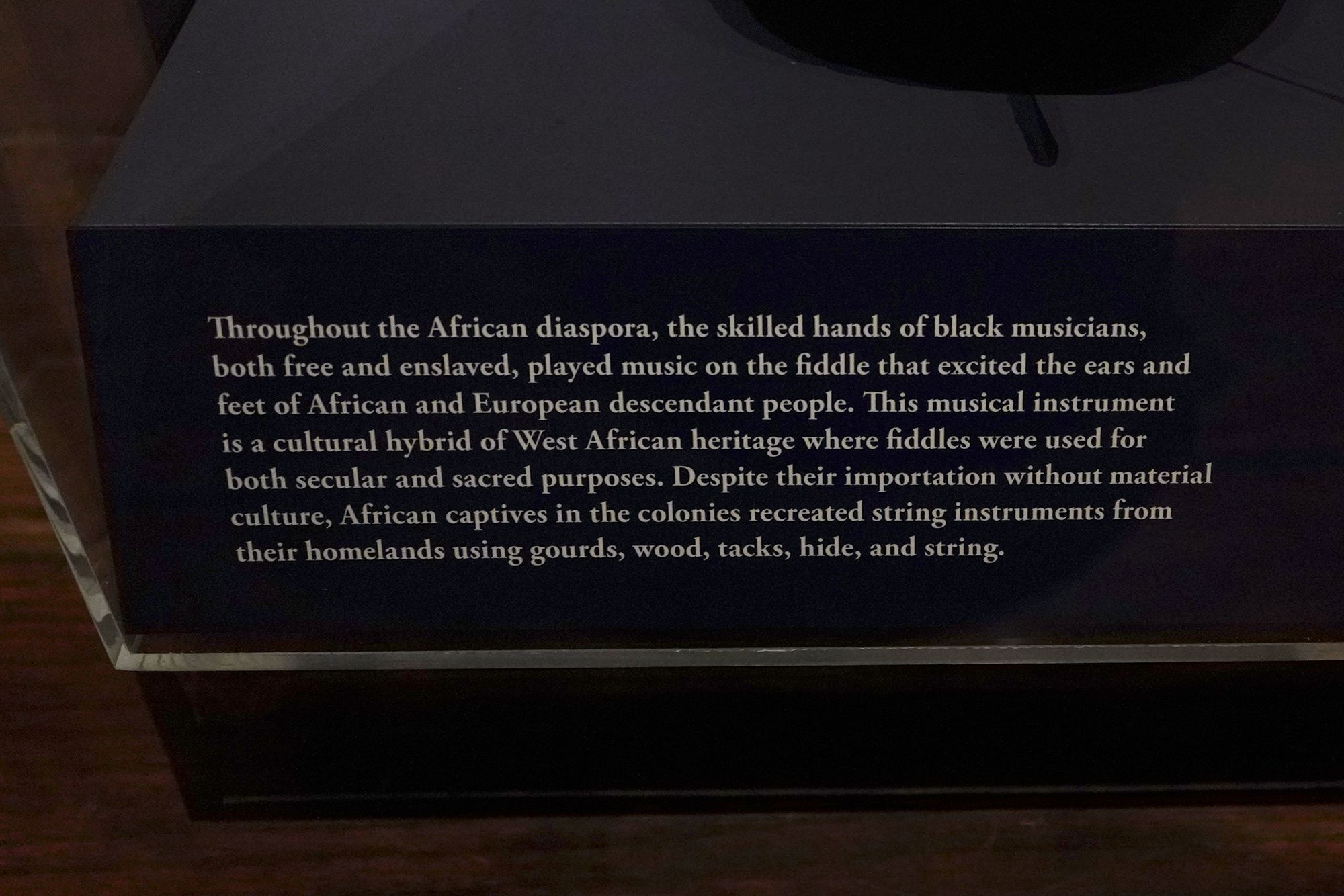
The Slave Home
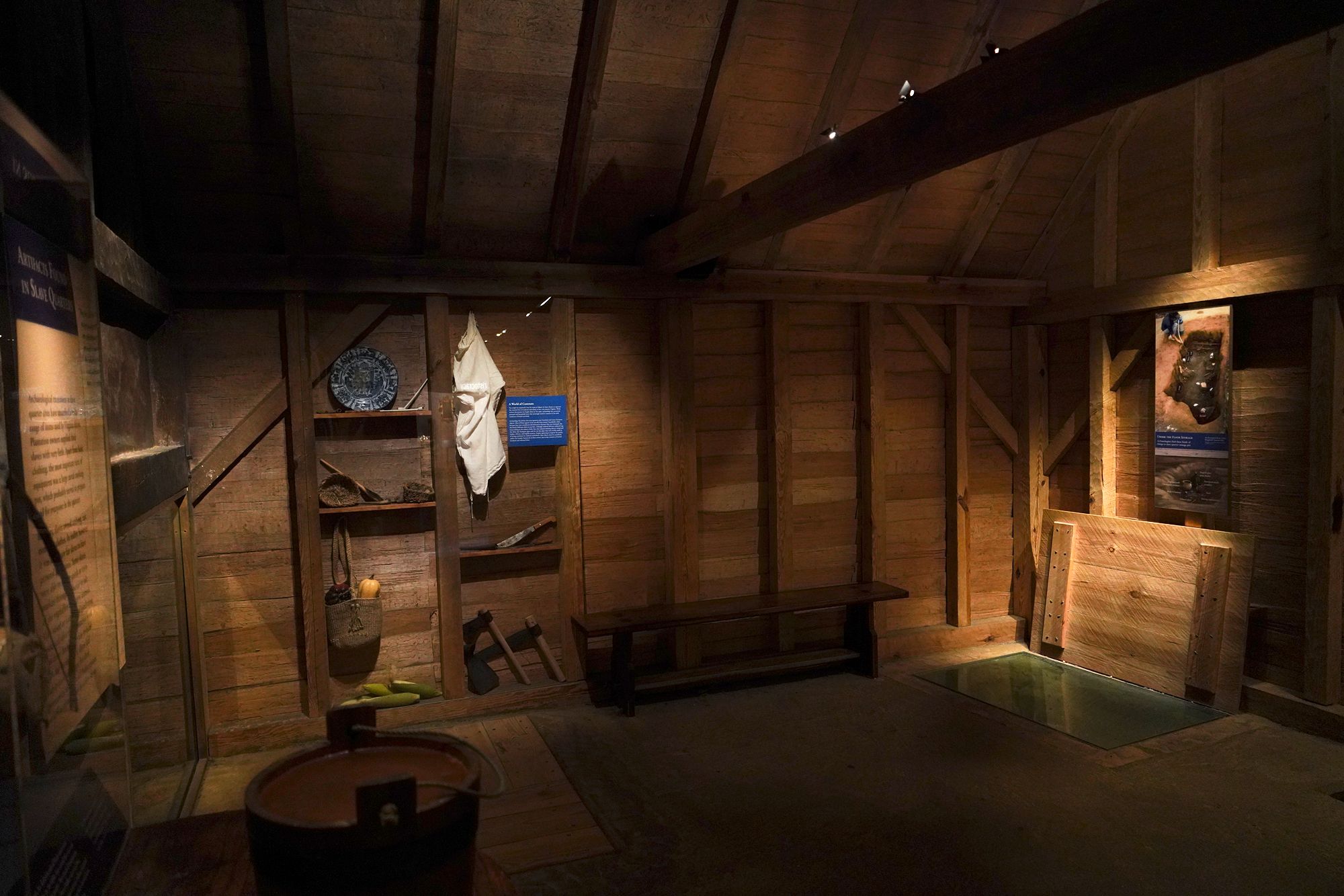
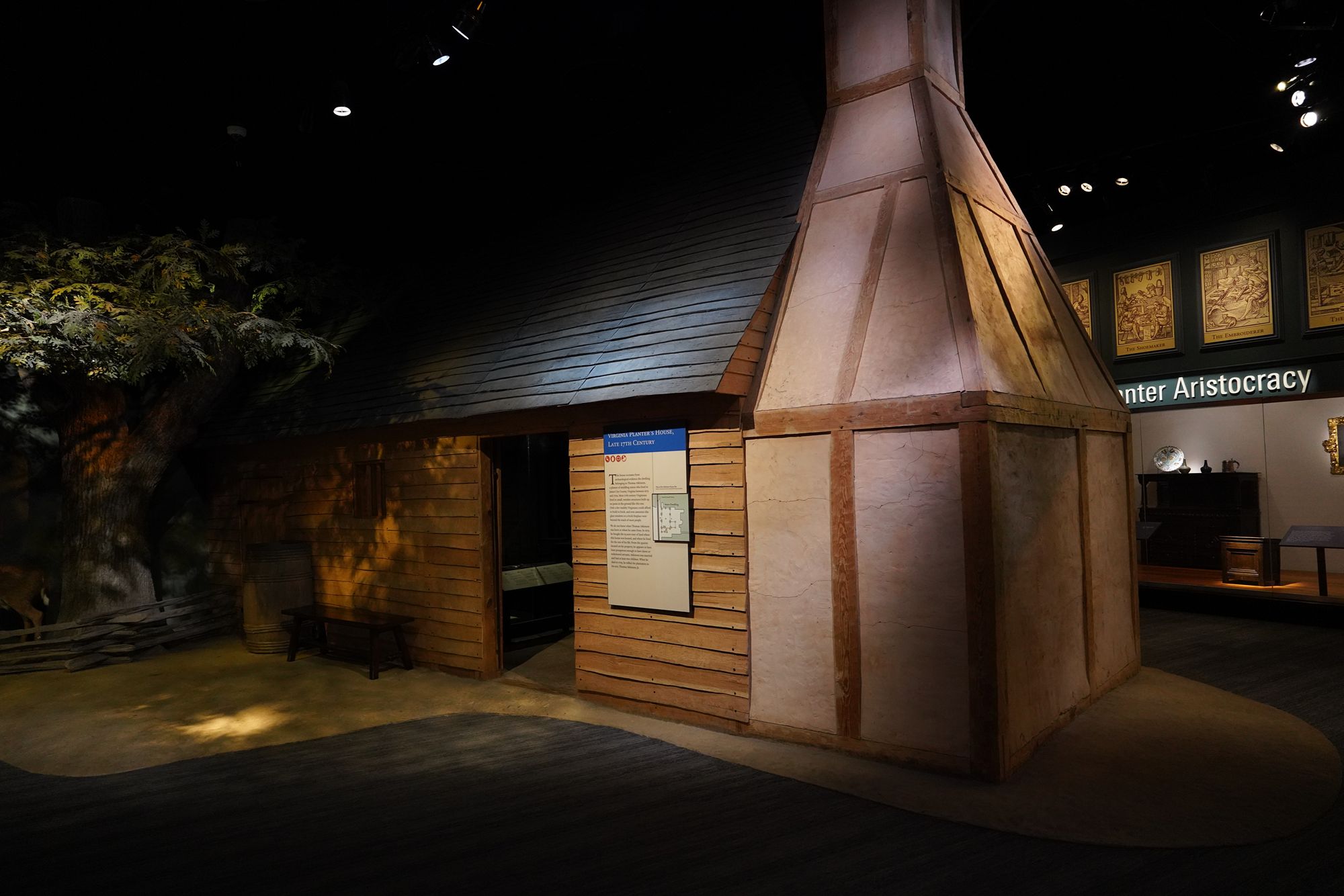
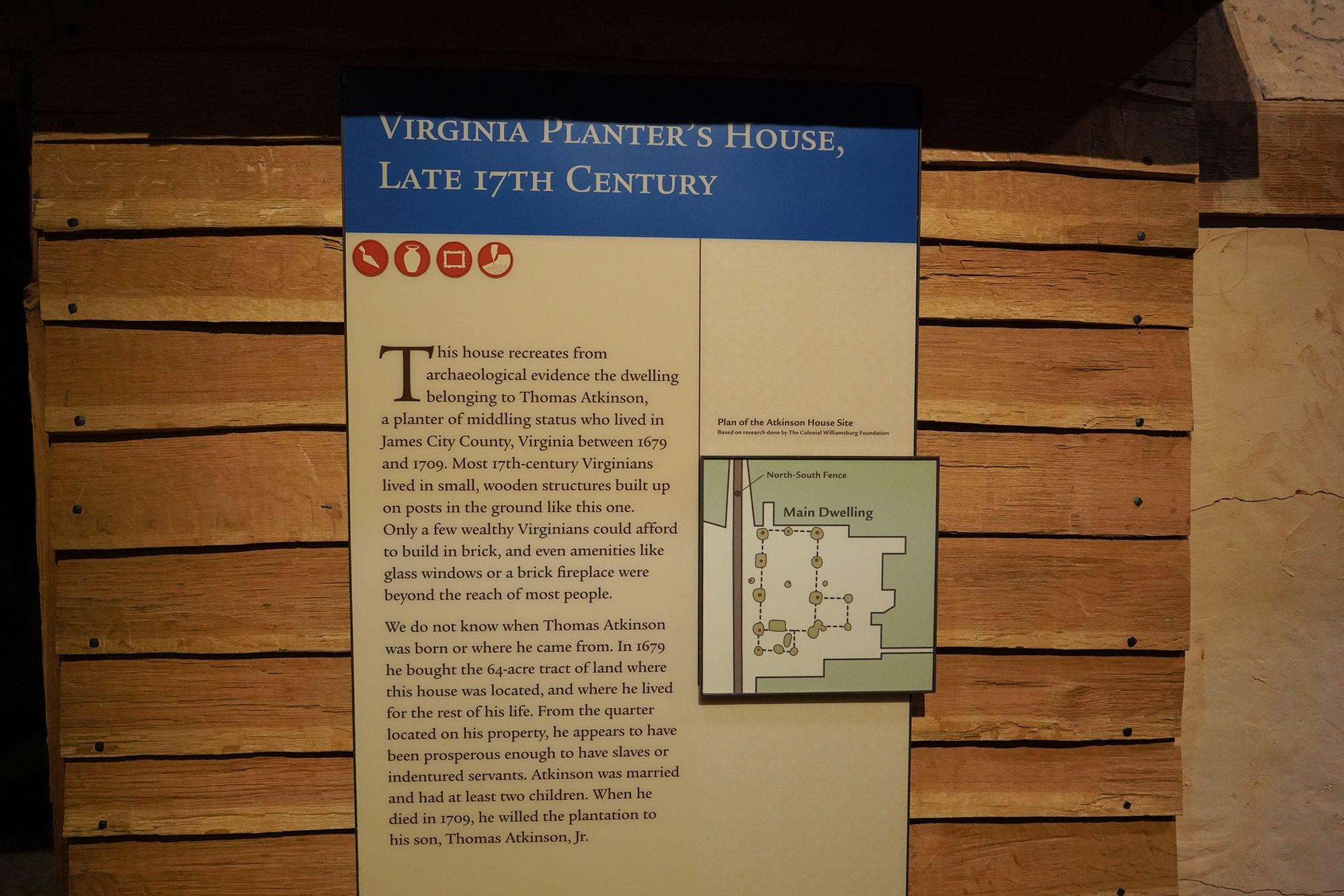
Virginia Planter's Houses, Late 17th Century
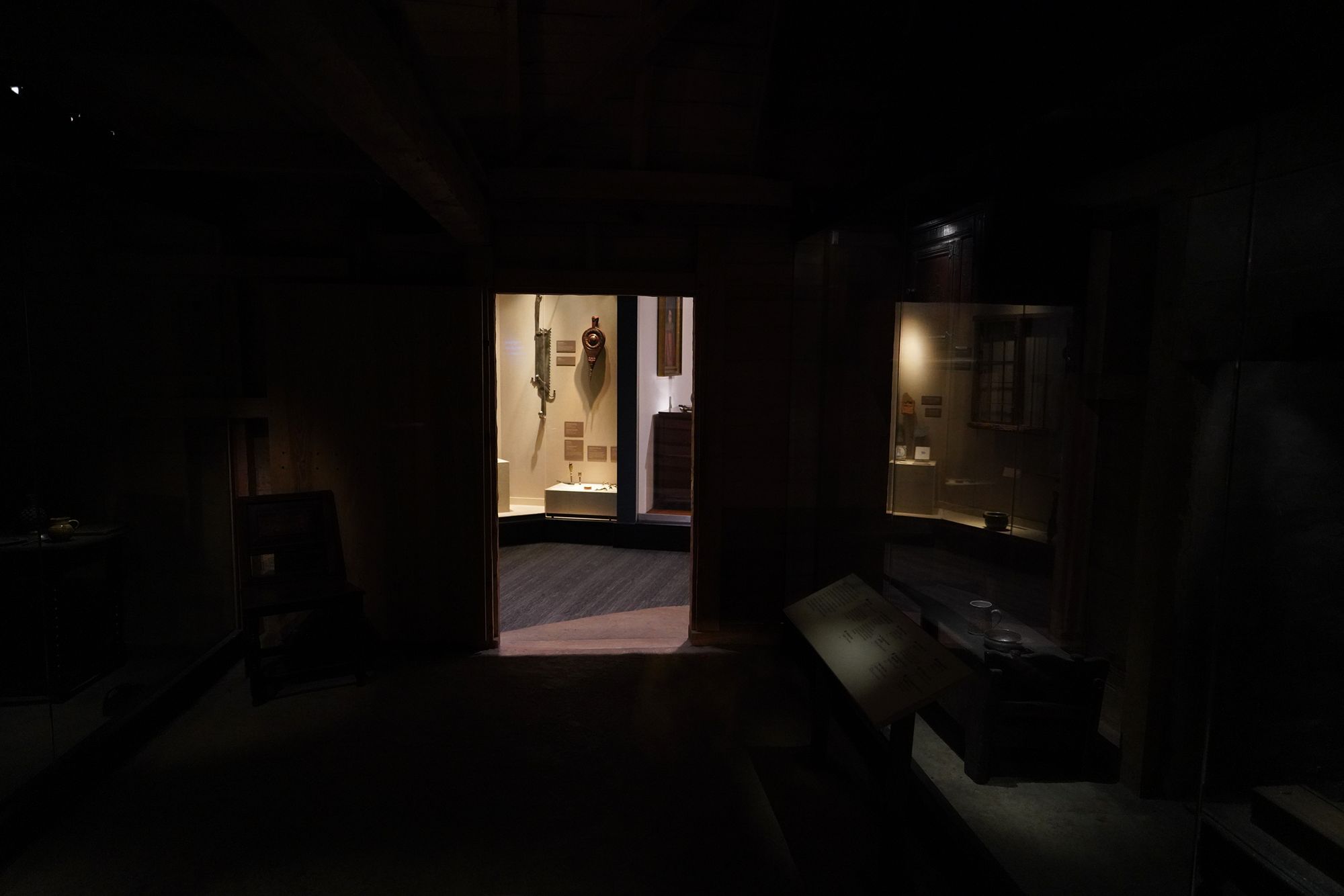
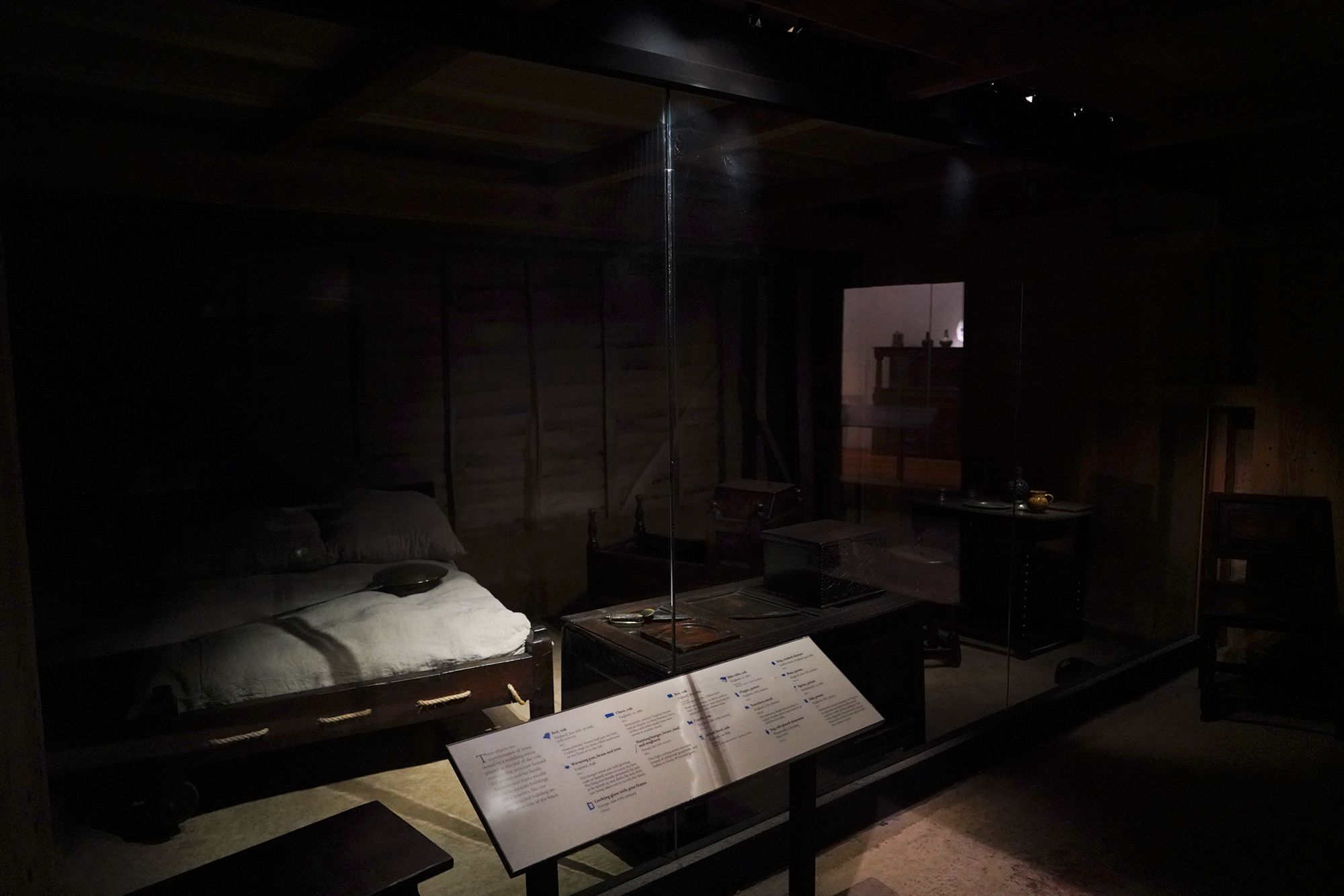
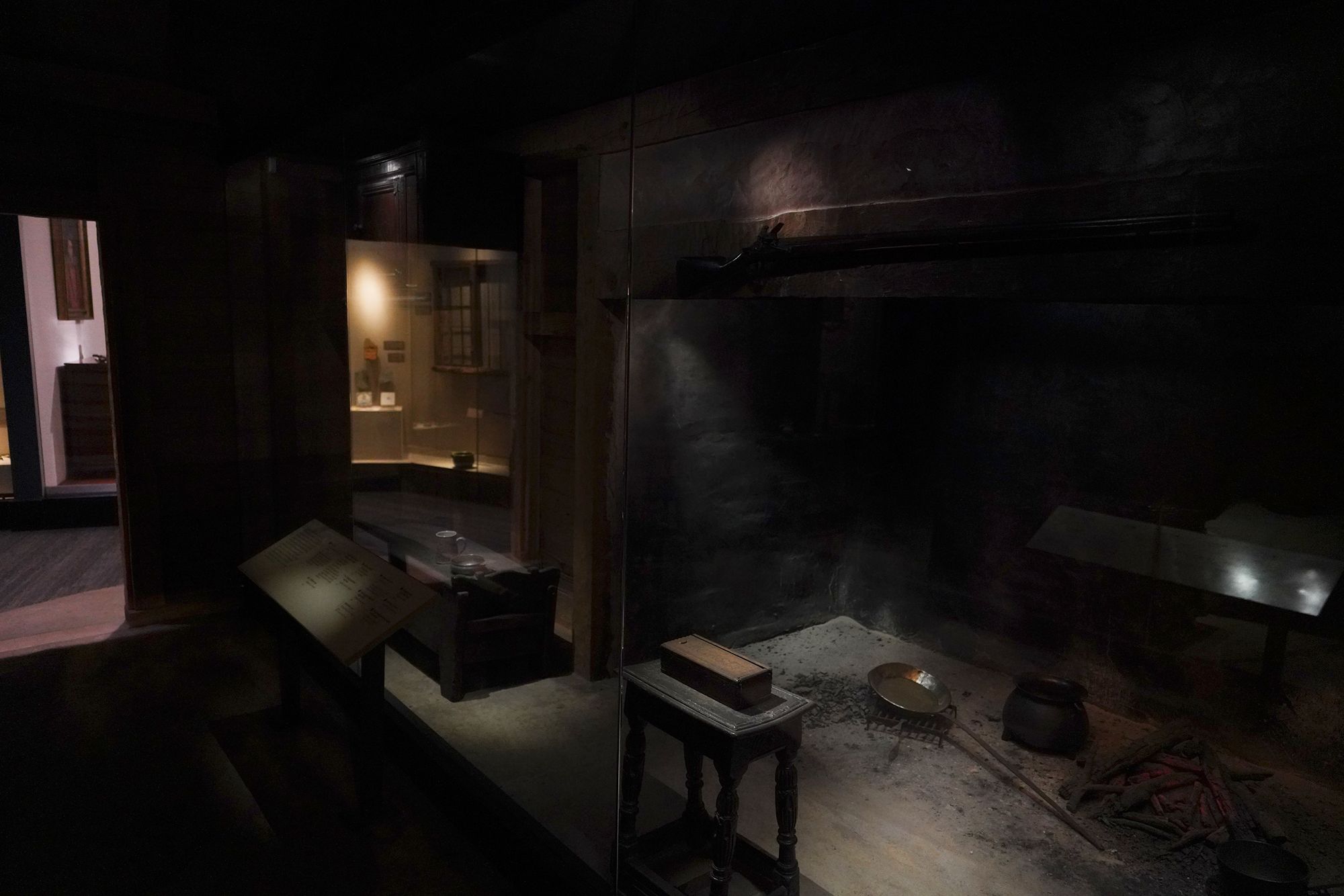
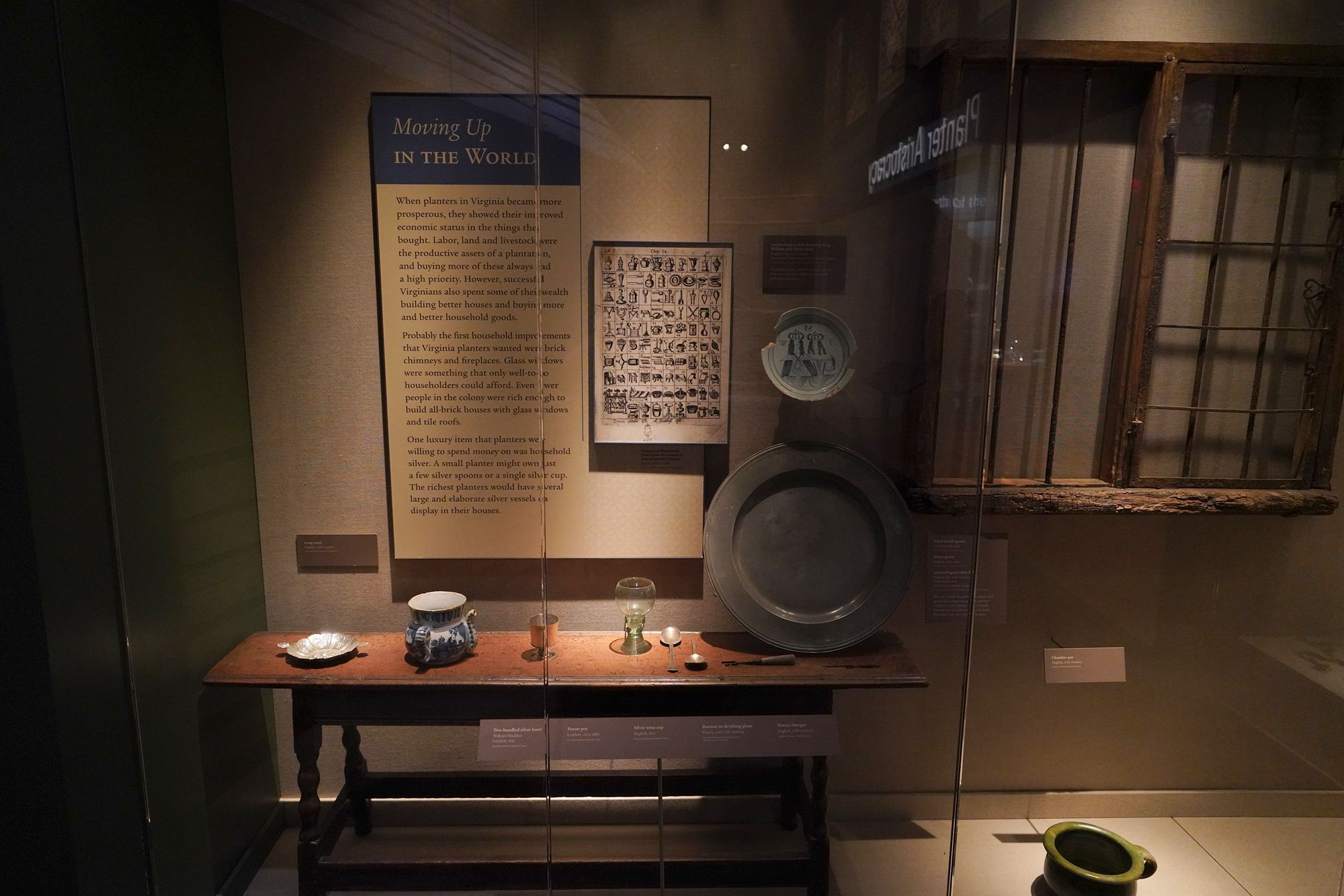
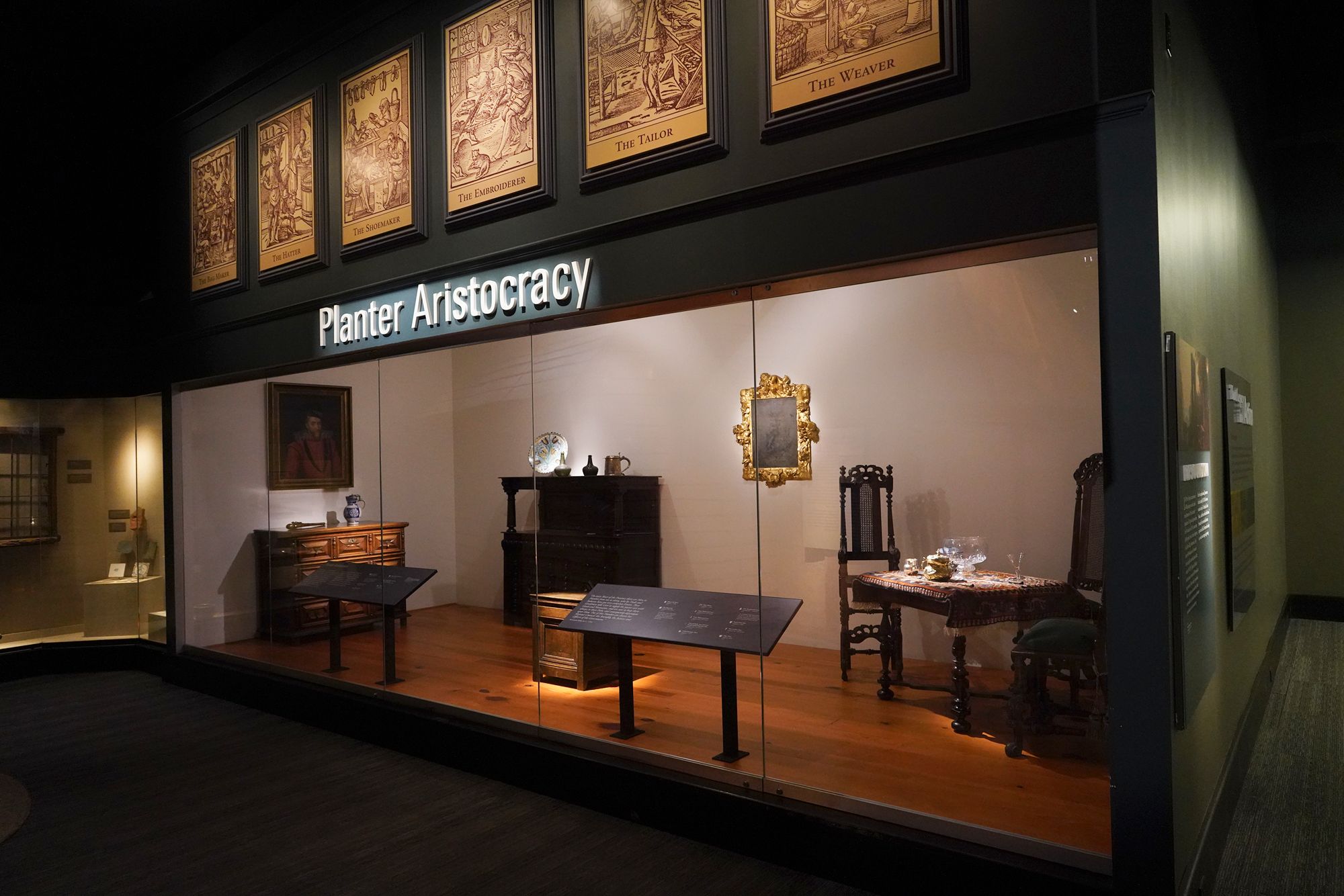
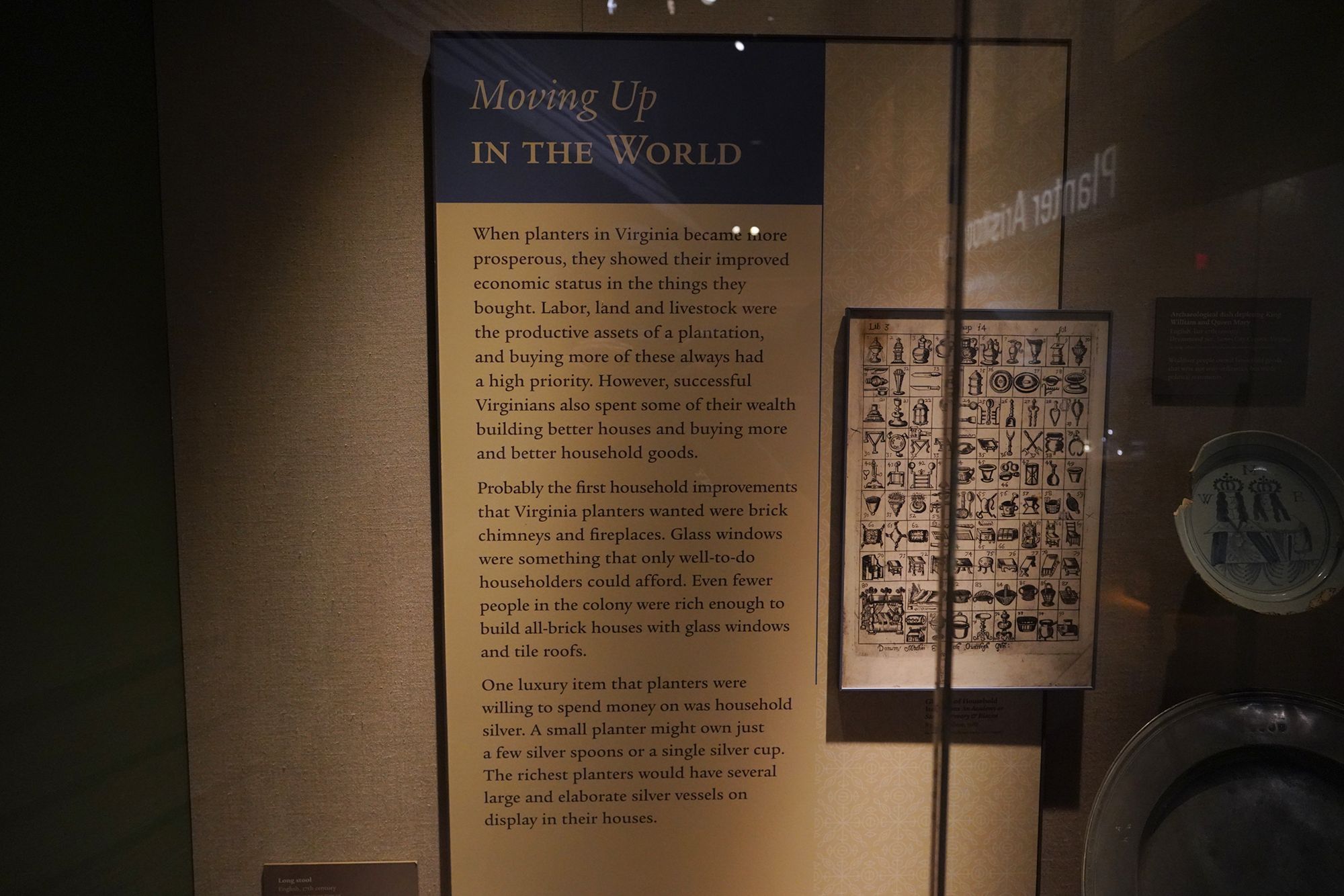
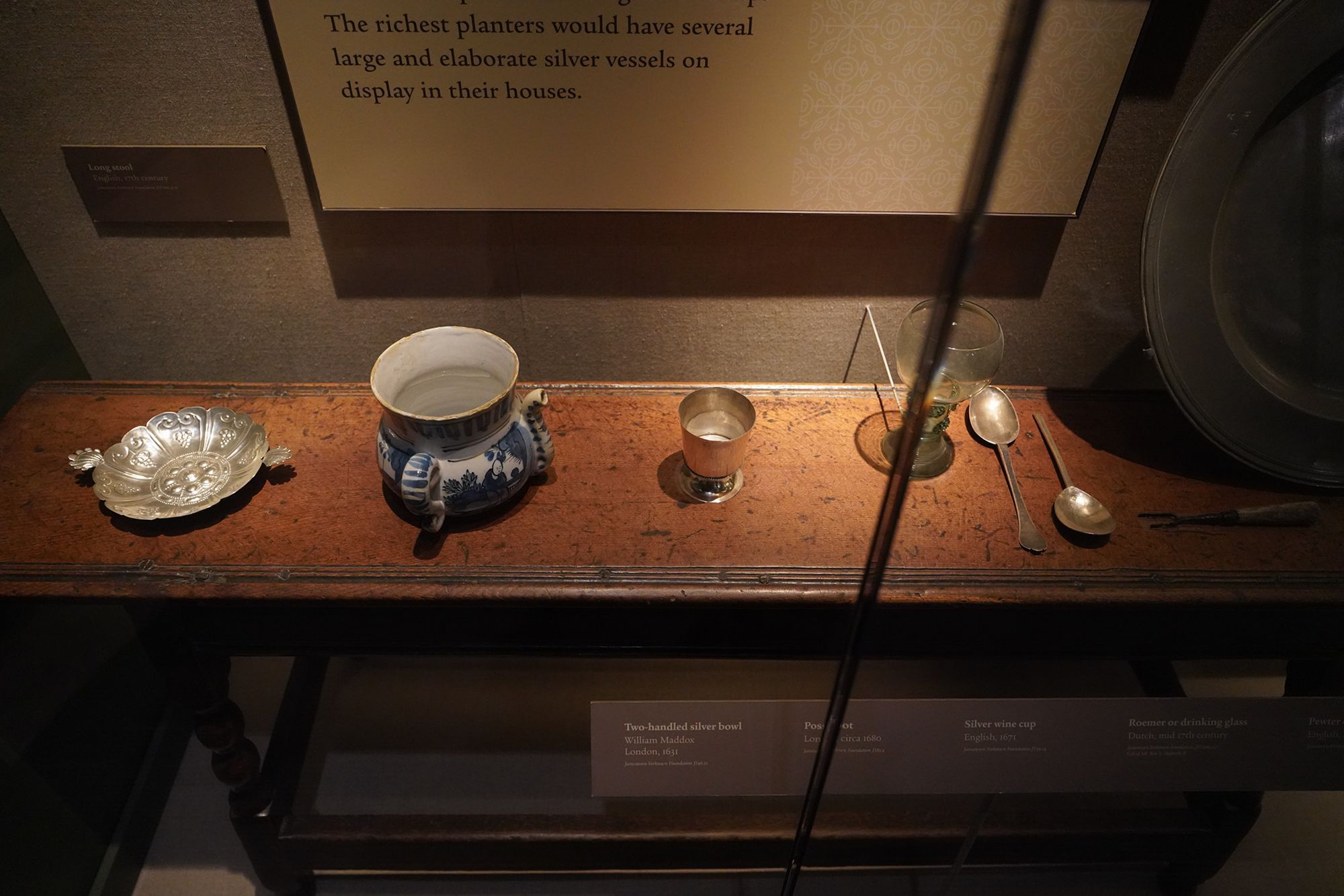
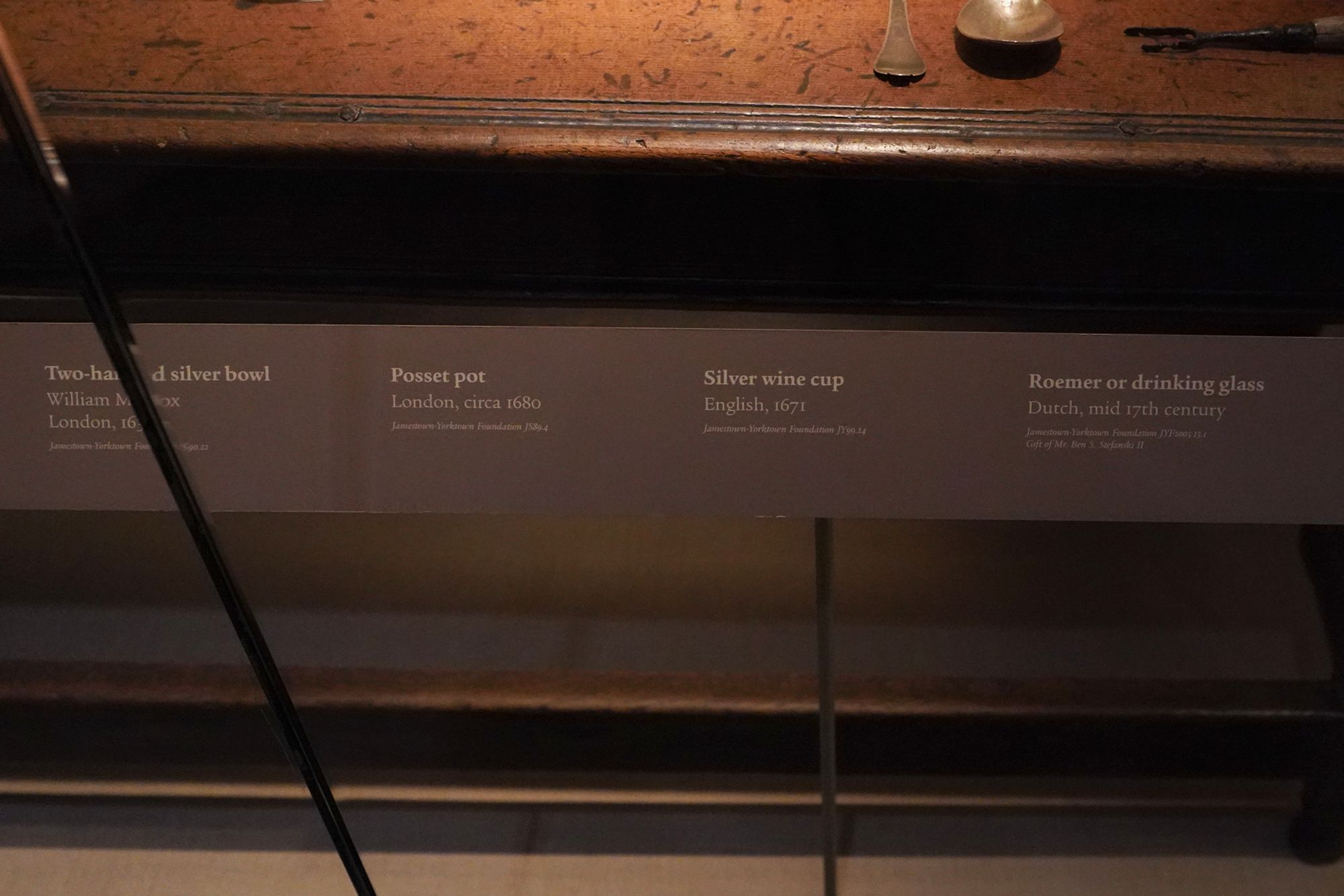
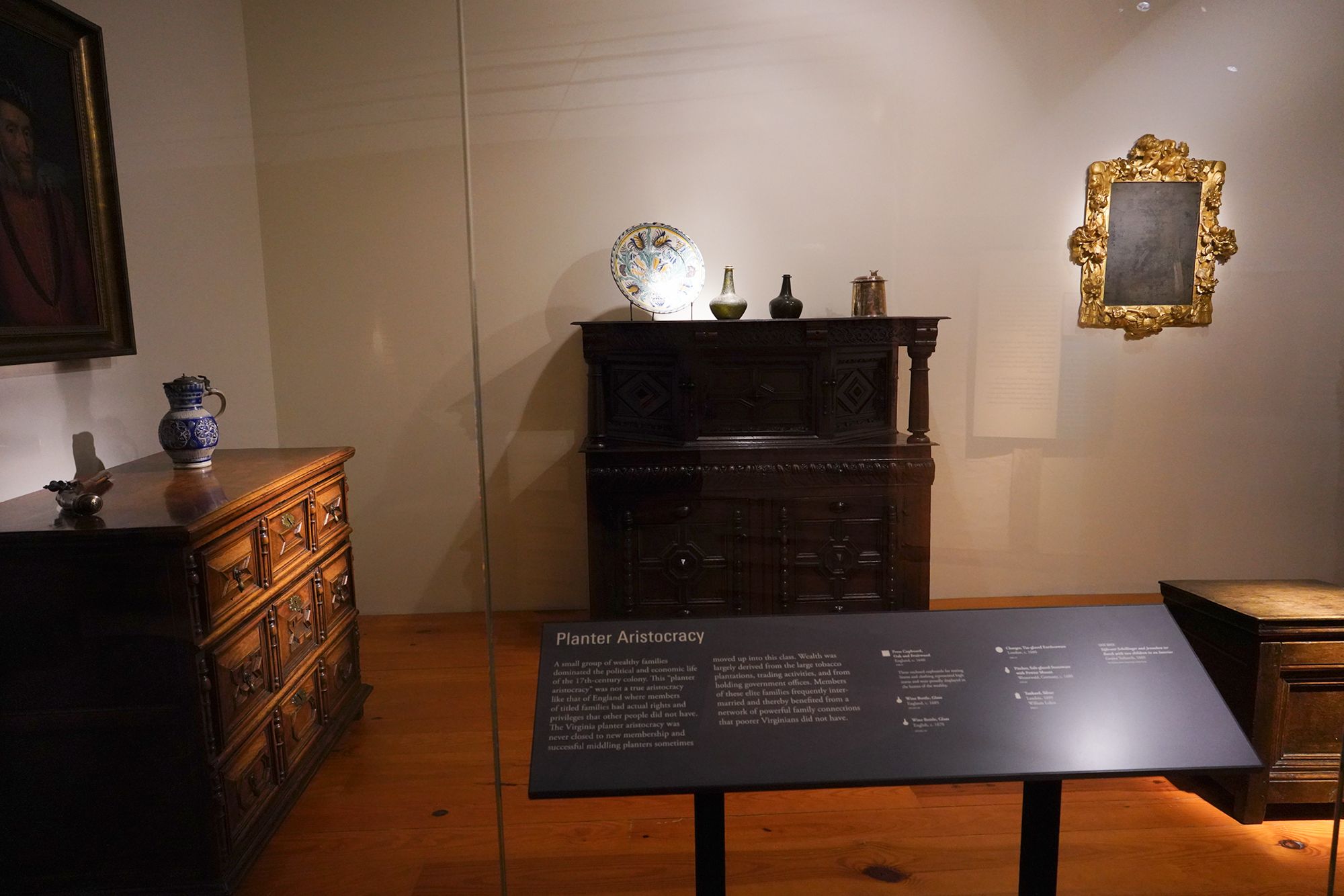
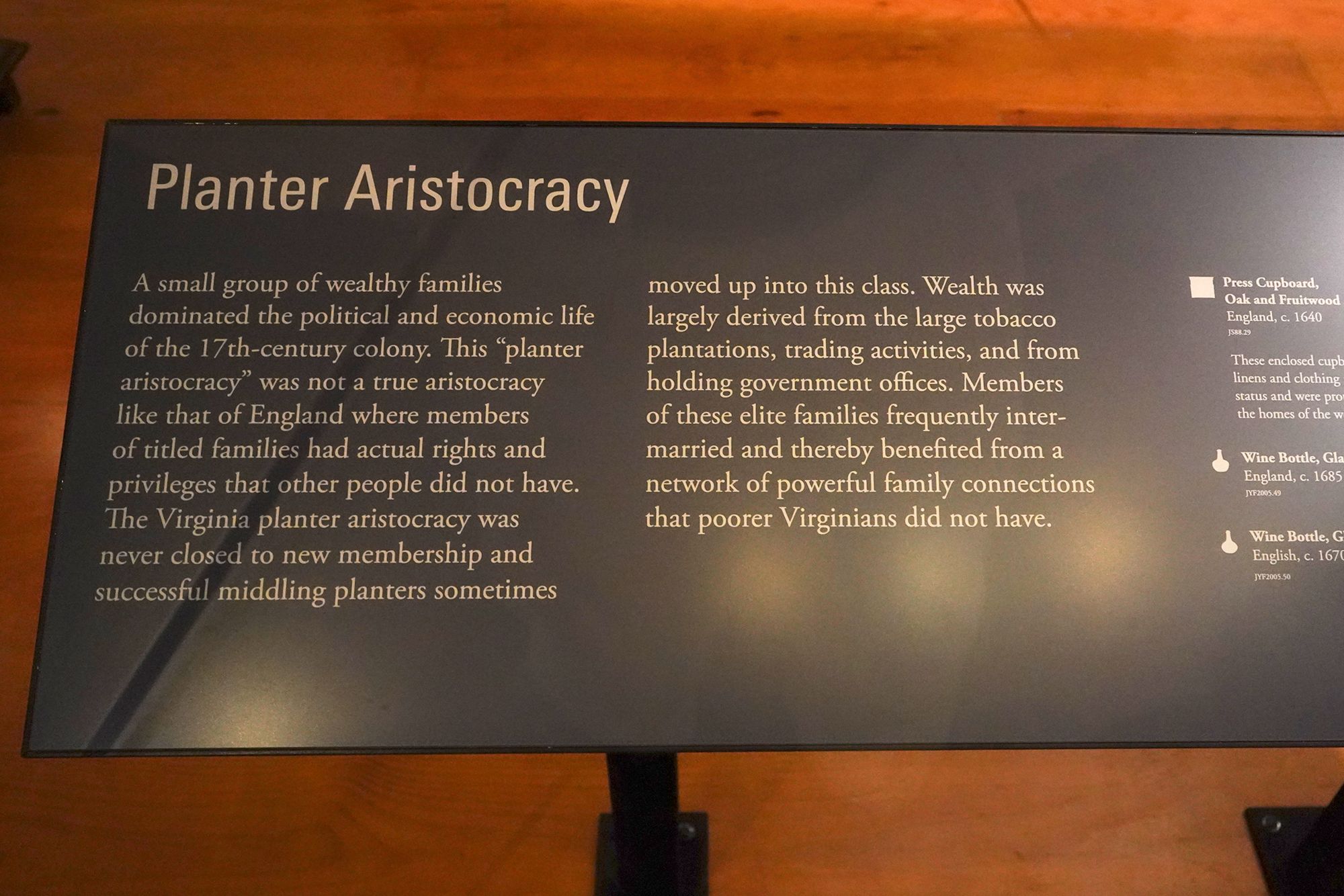
Moving up in Status
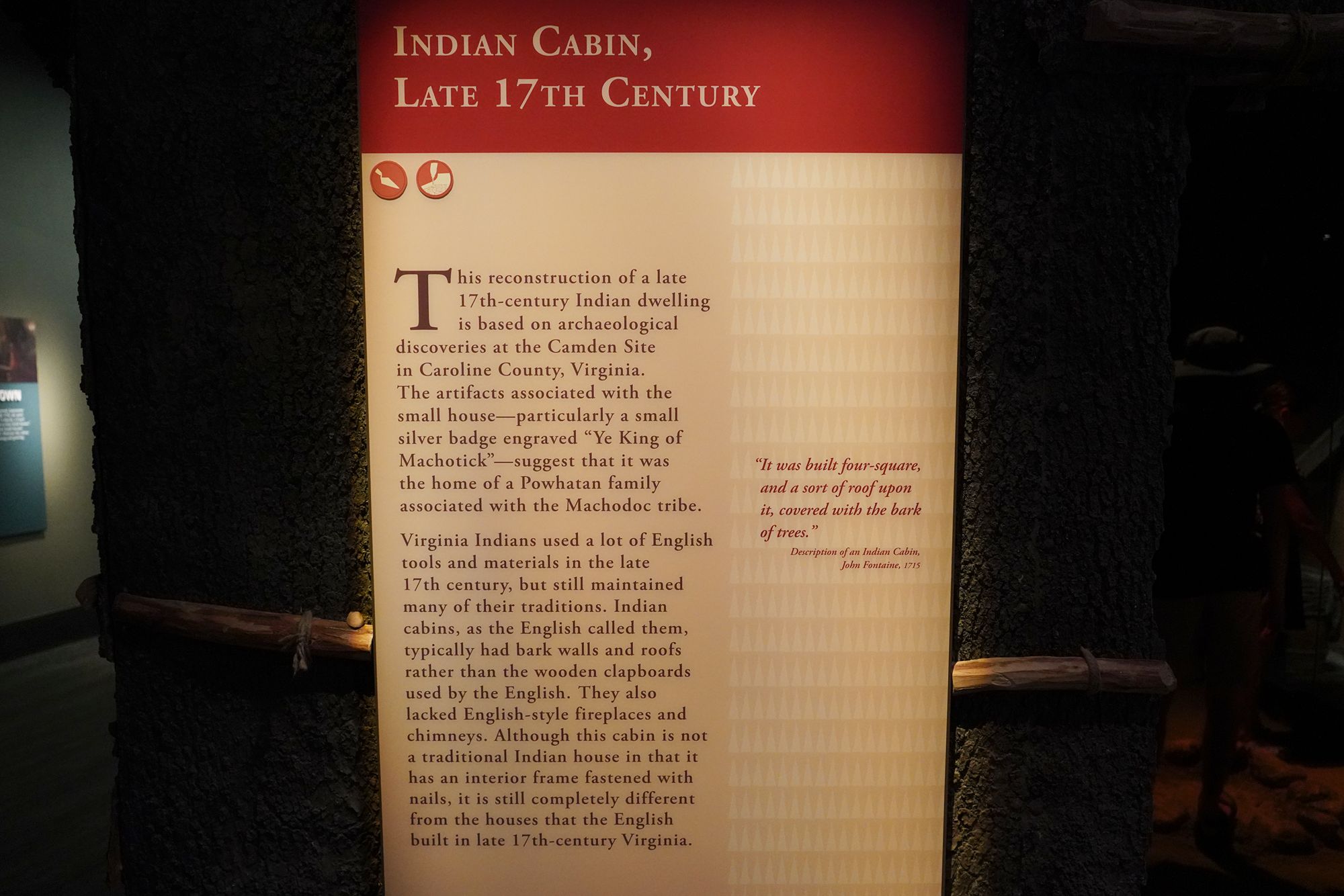
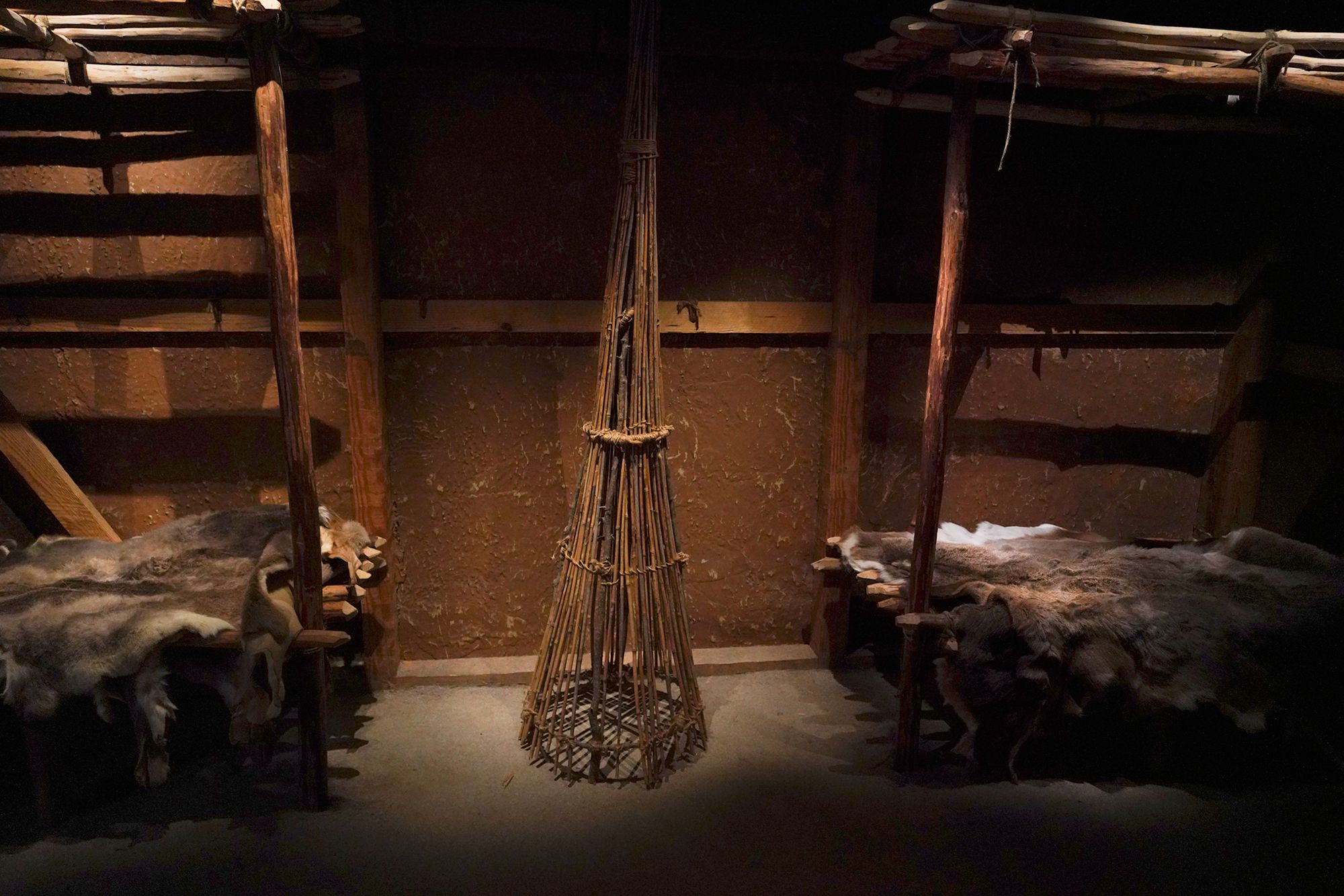
Indian Cabin, Late 17th Century
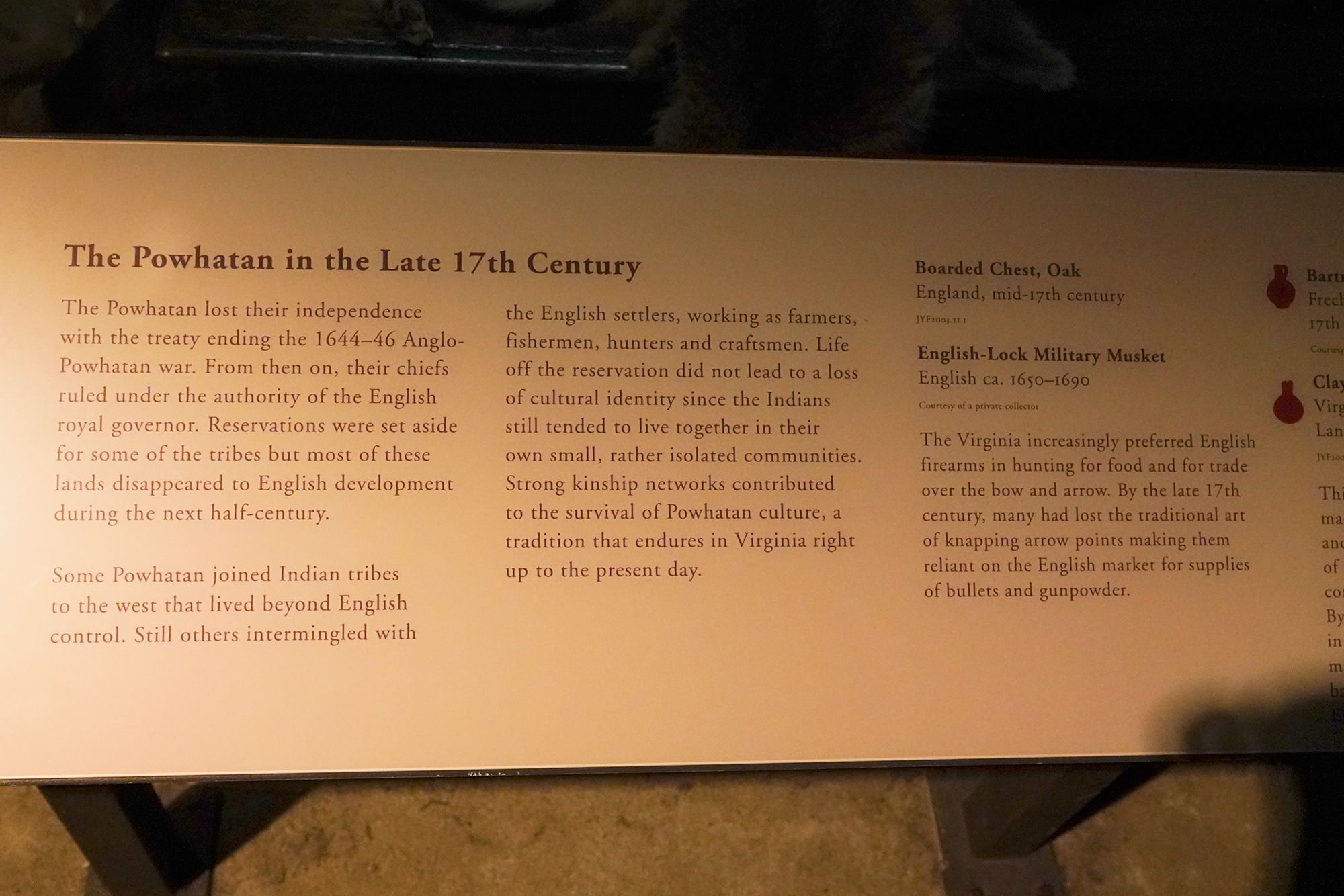
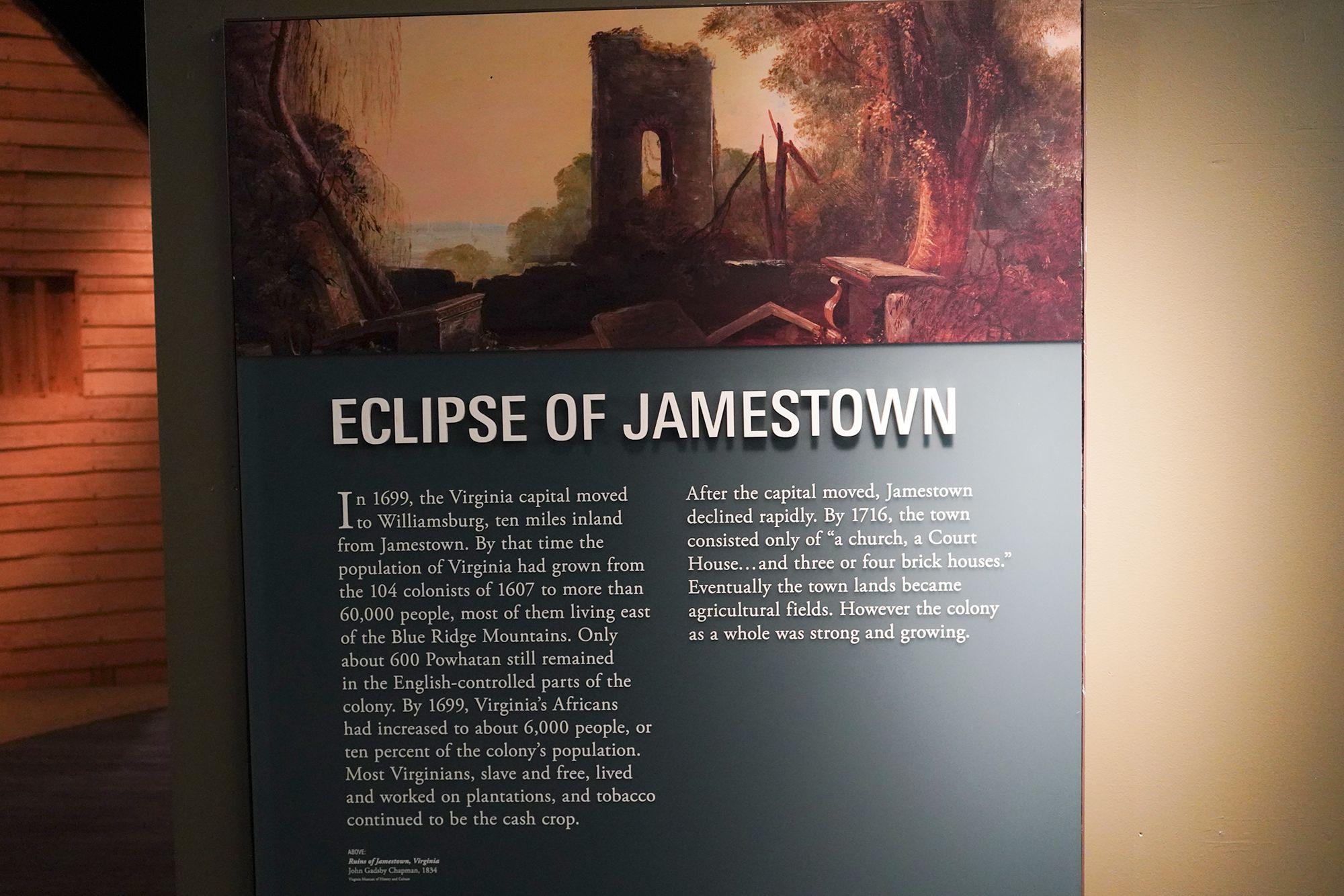
Eclipse of Jamestown