Art Museum of Colonial Williamsburg – Musical Instruments and Archaeology, Virginia, USA
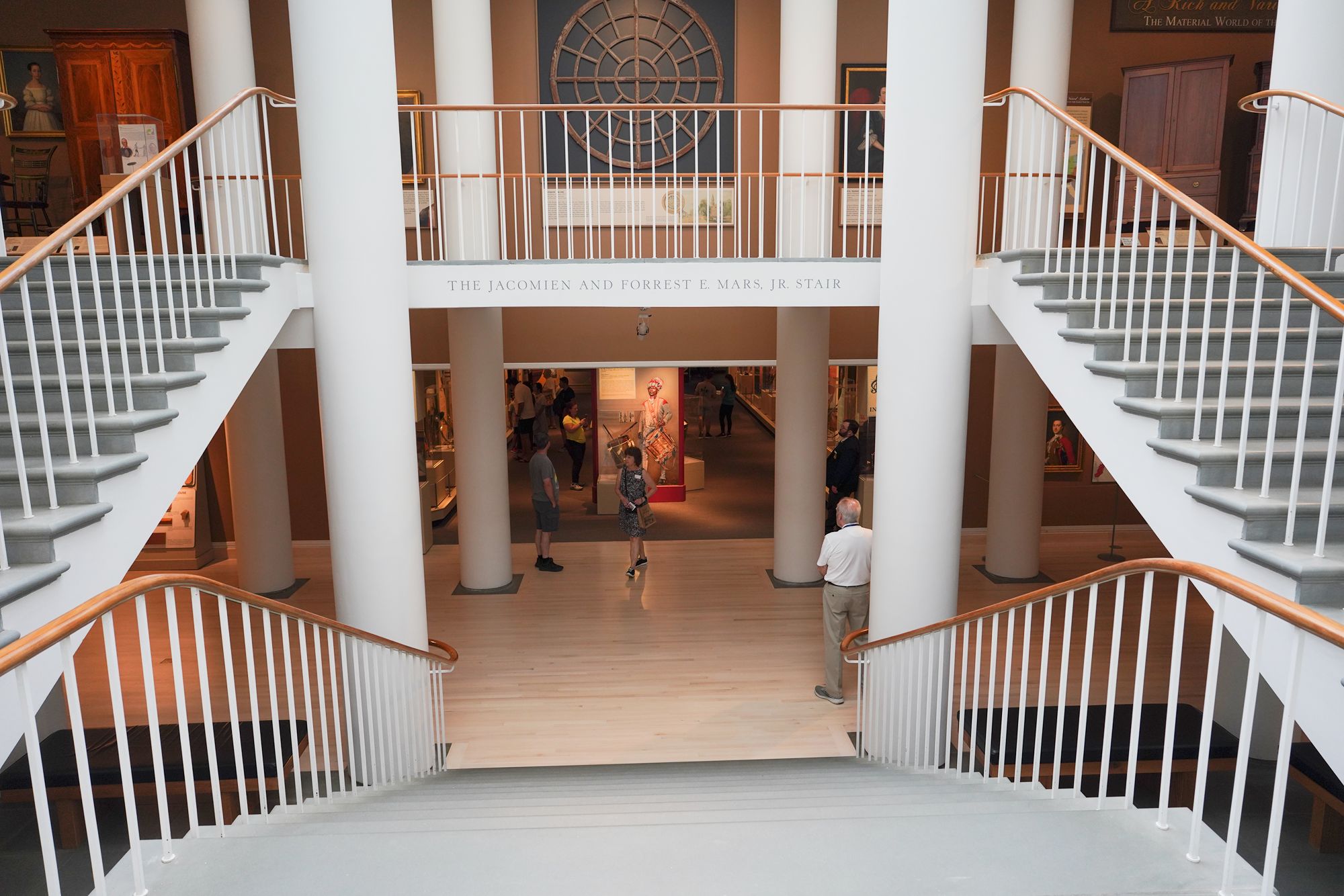
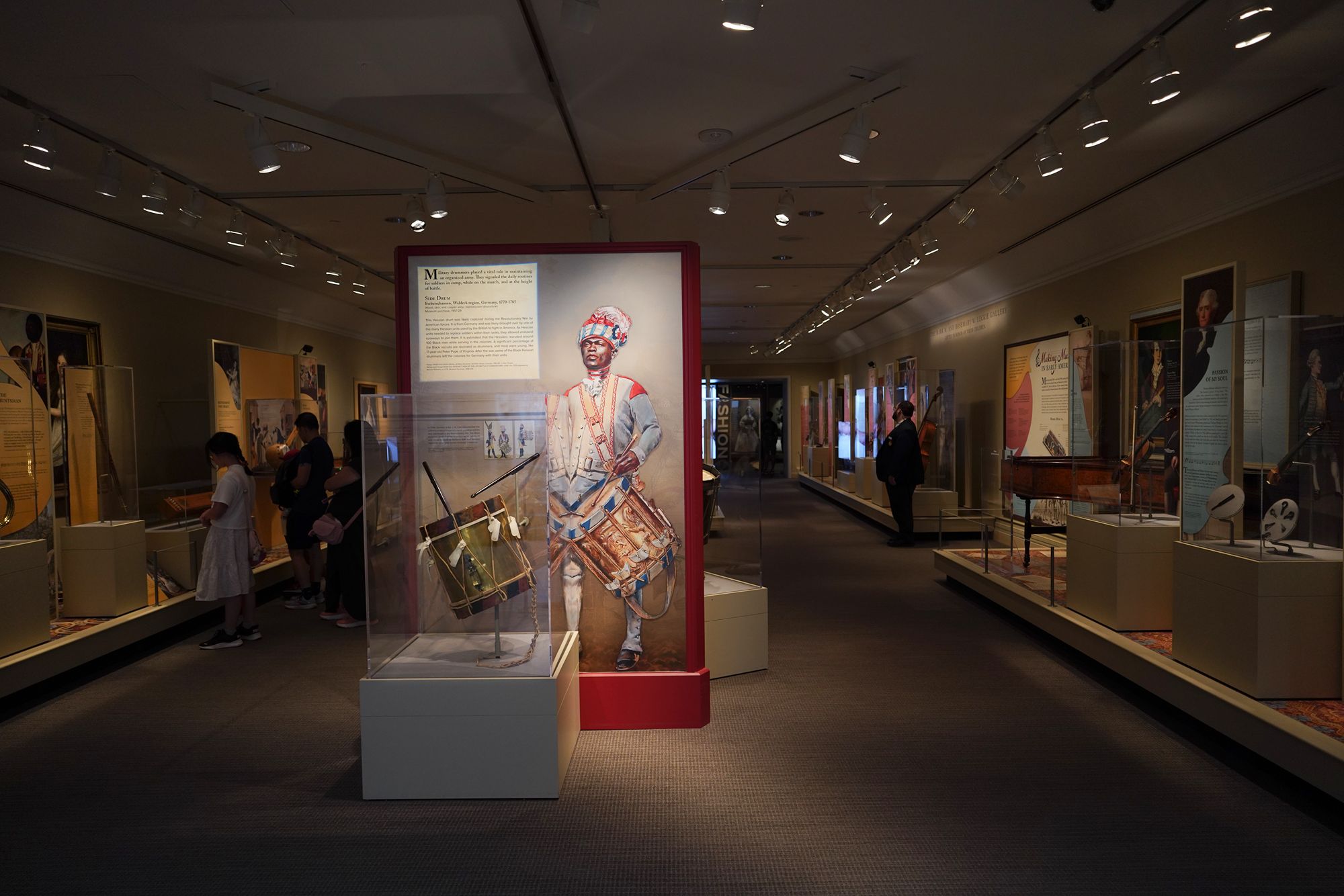
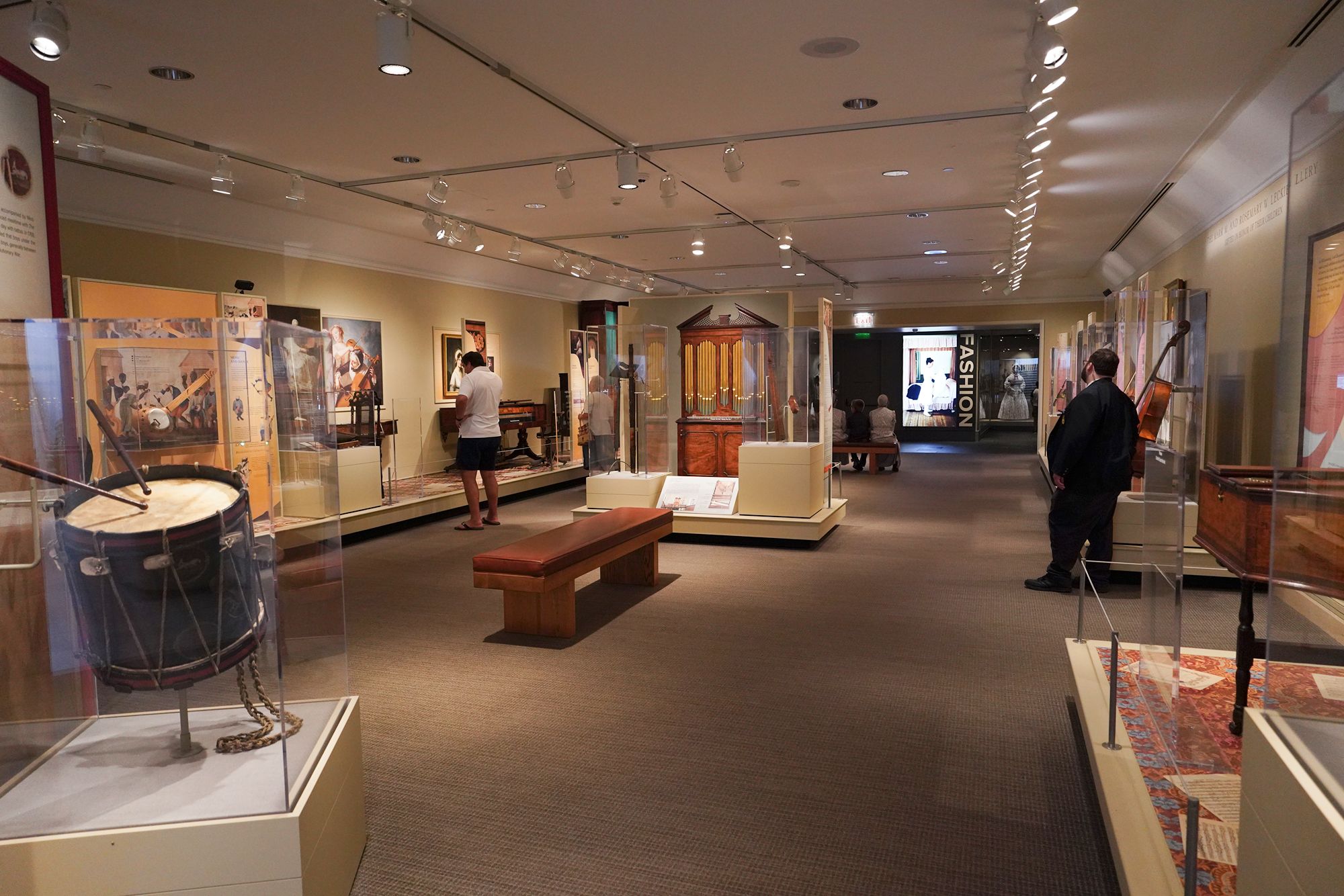
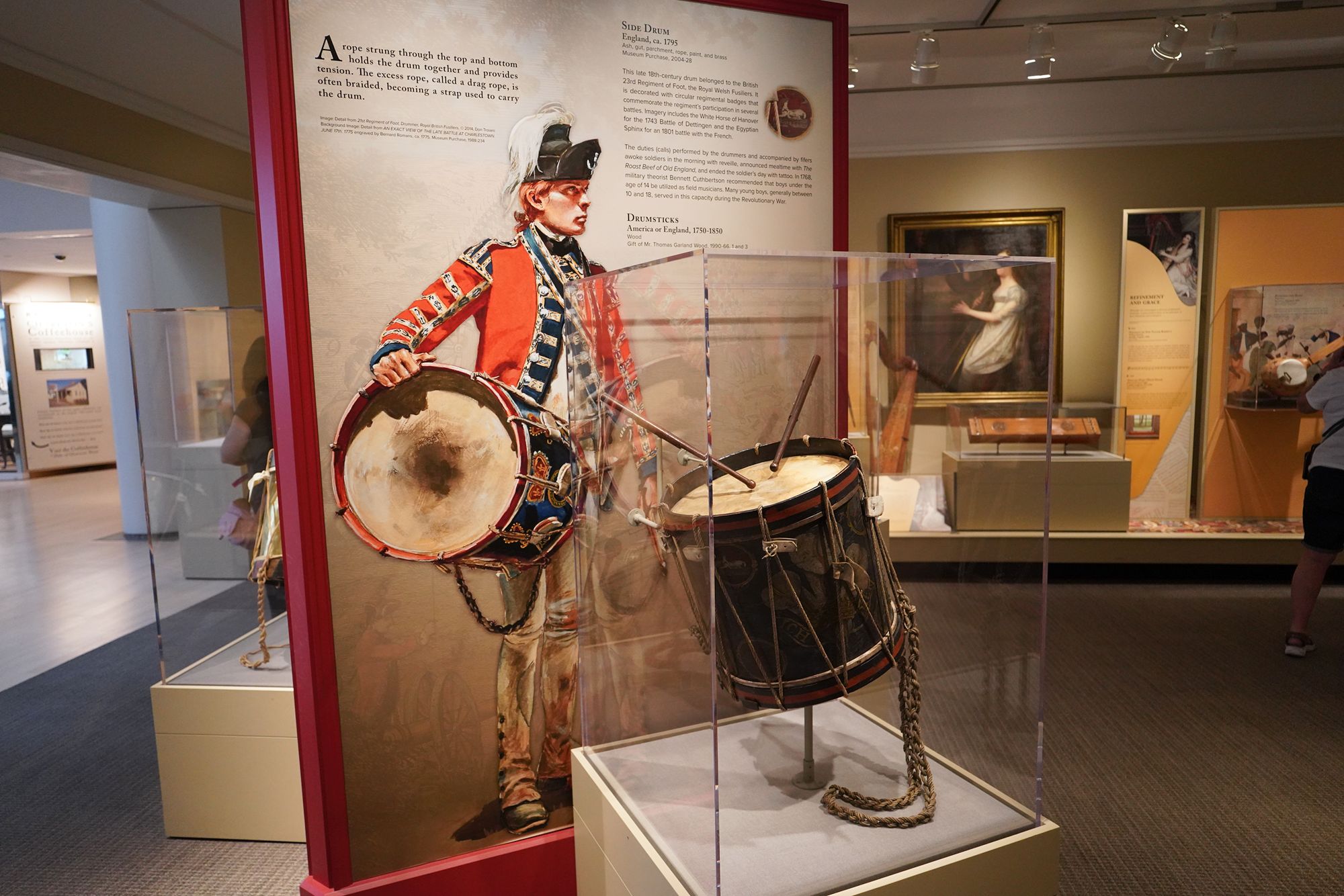
The museum’s collection of musical instruments and archaeology reveals how early Americans lived, worked, and expressed themselves through music and everyday objects. 1118
The Art Museums of Colonial Williamsburg: 301 S Nassau St, Williamsburg, VA 23185
Date Picture Taken: July 2025
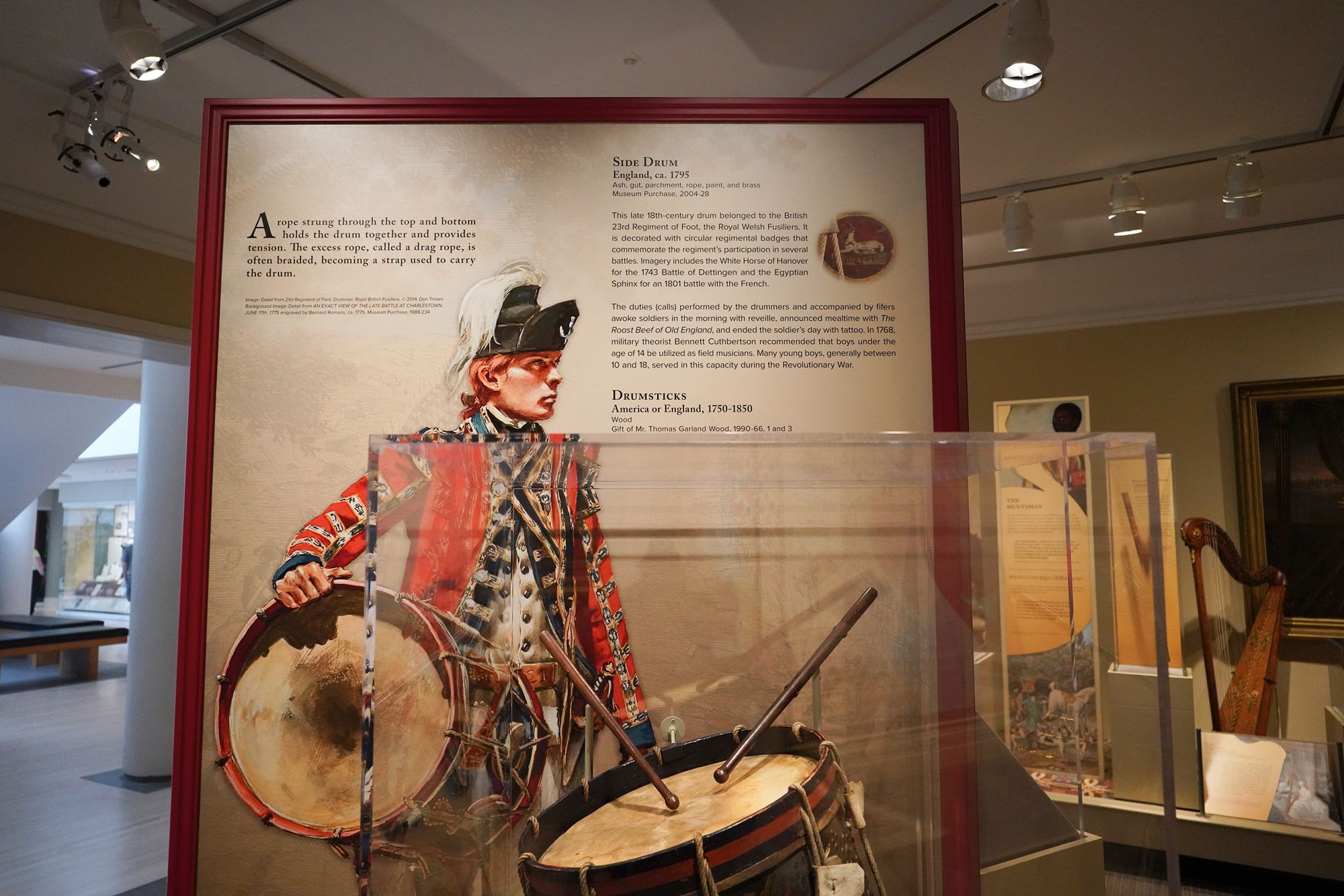
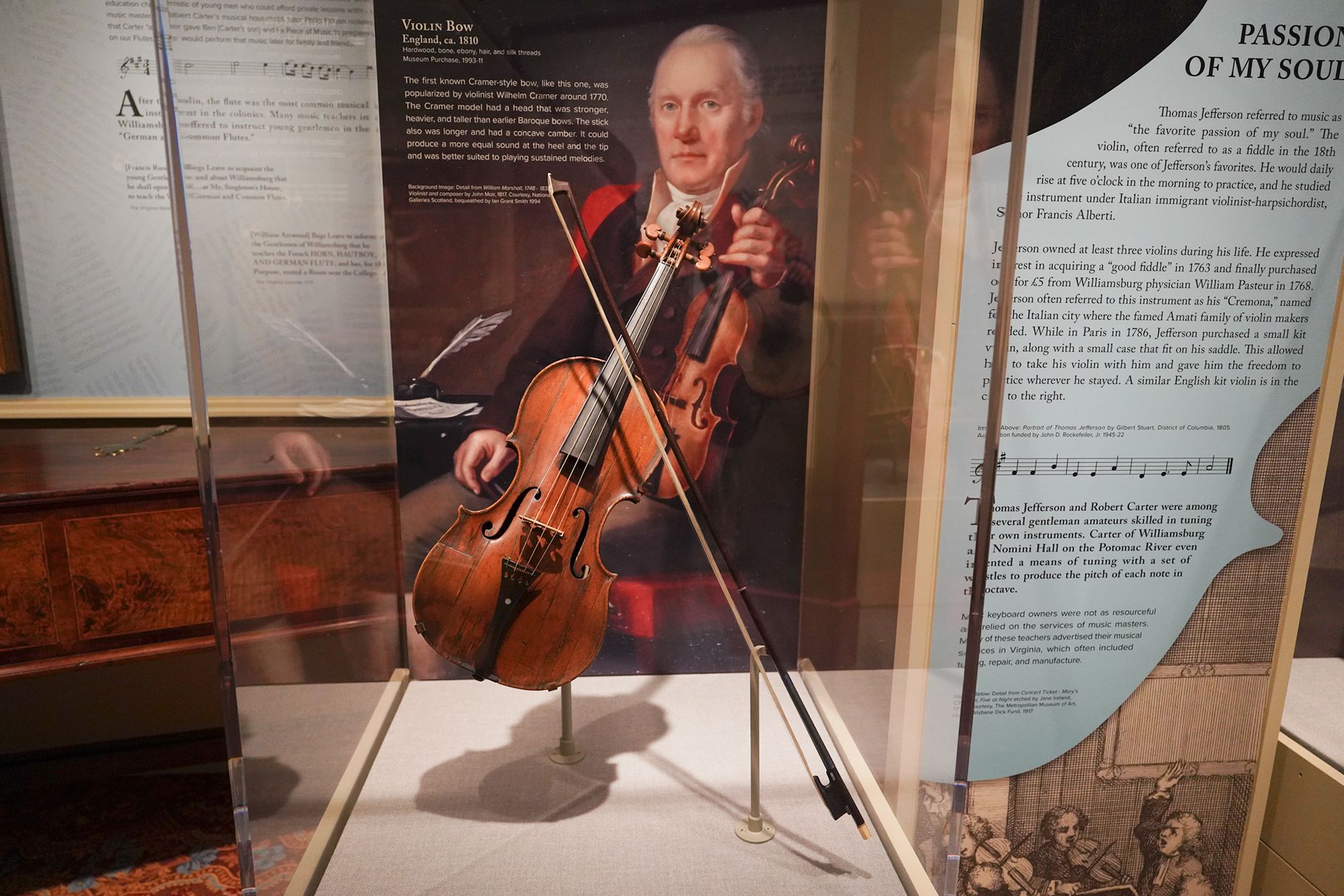
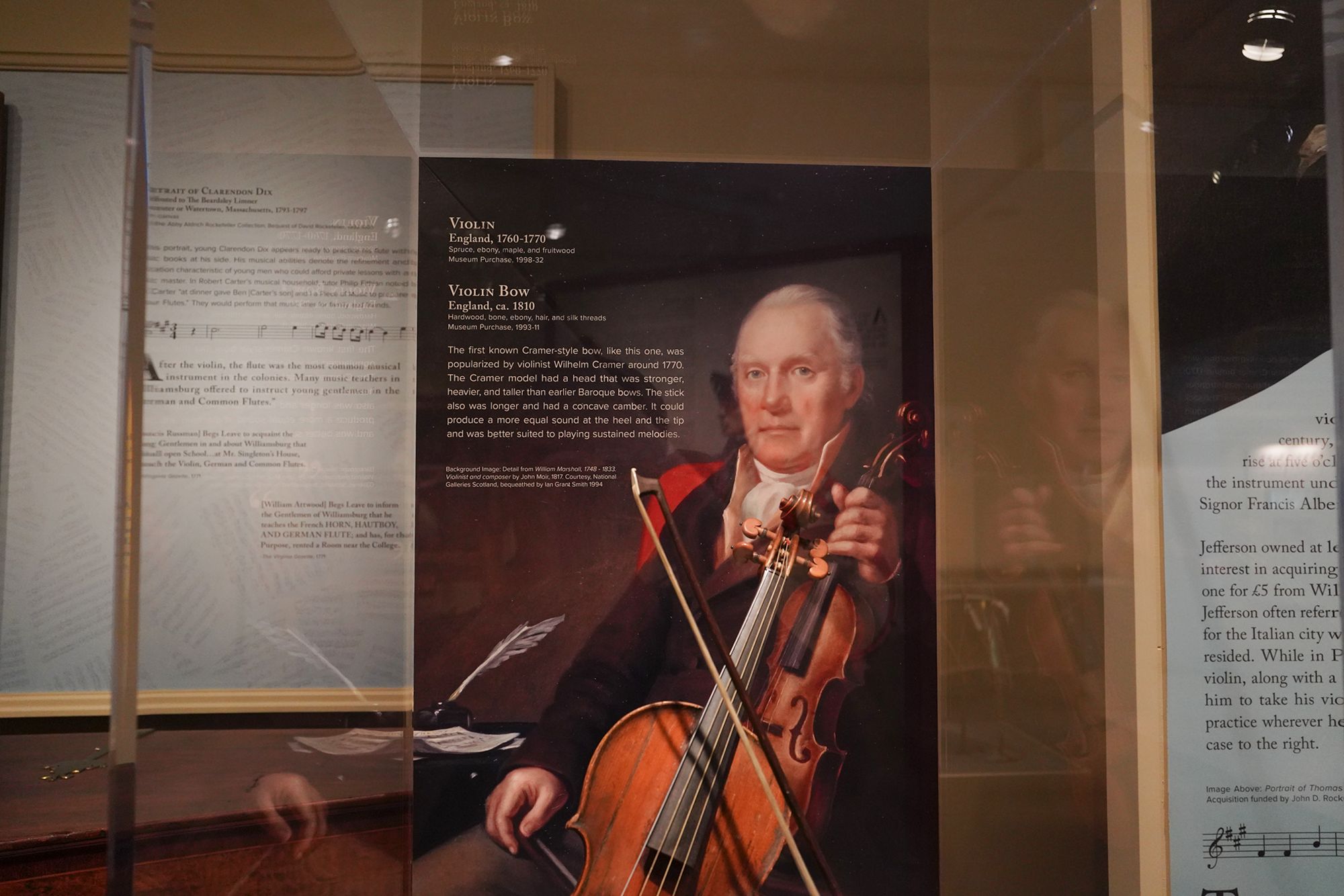
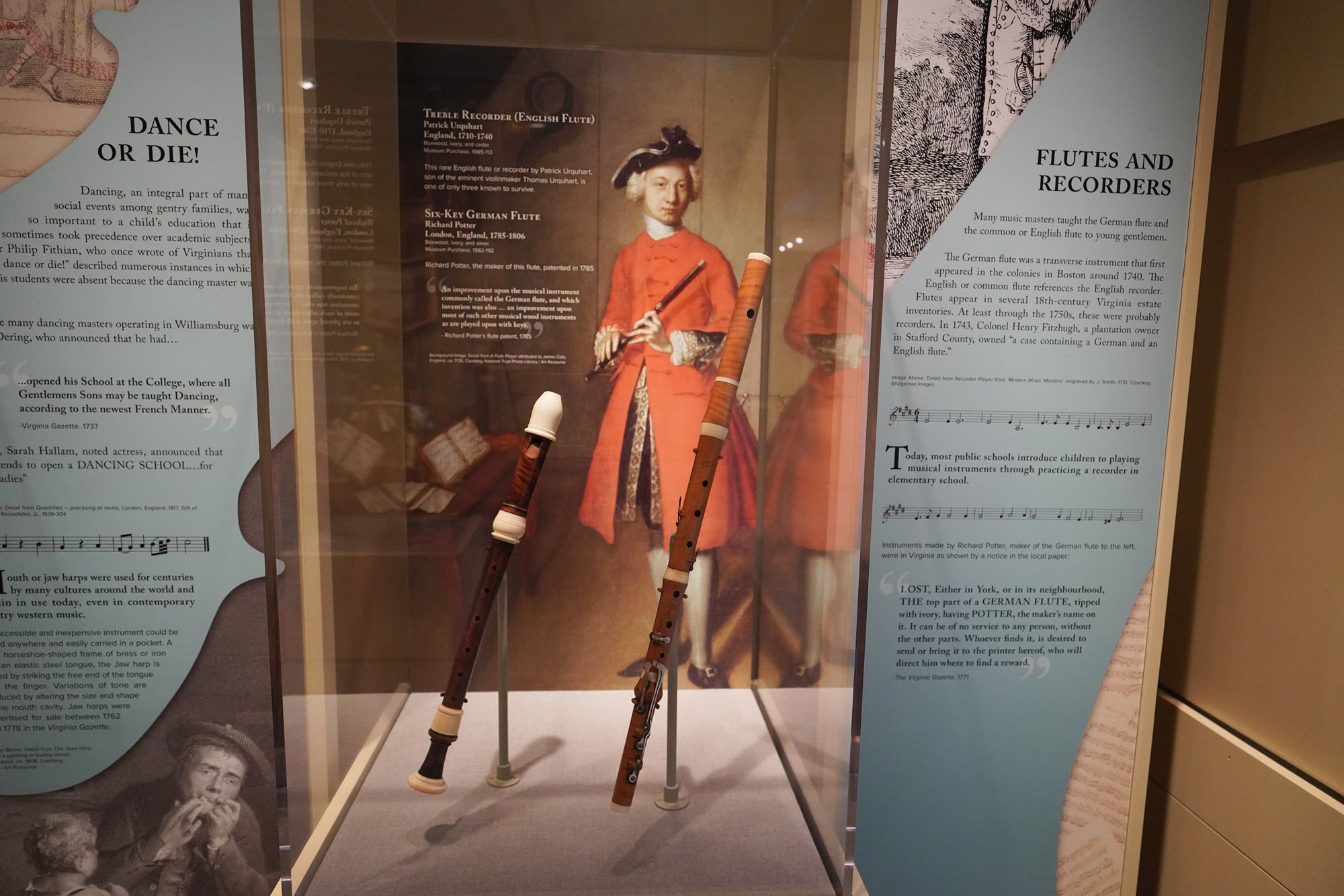
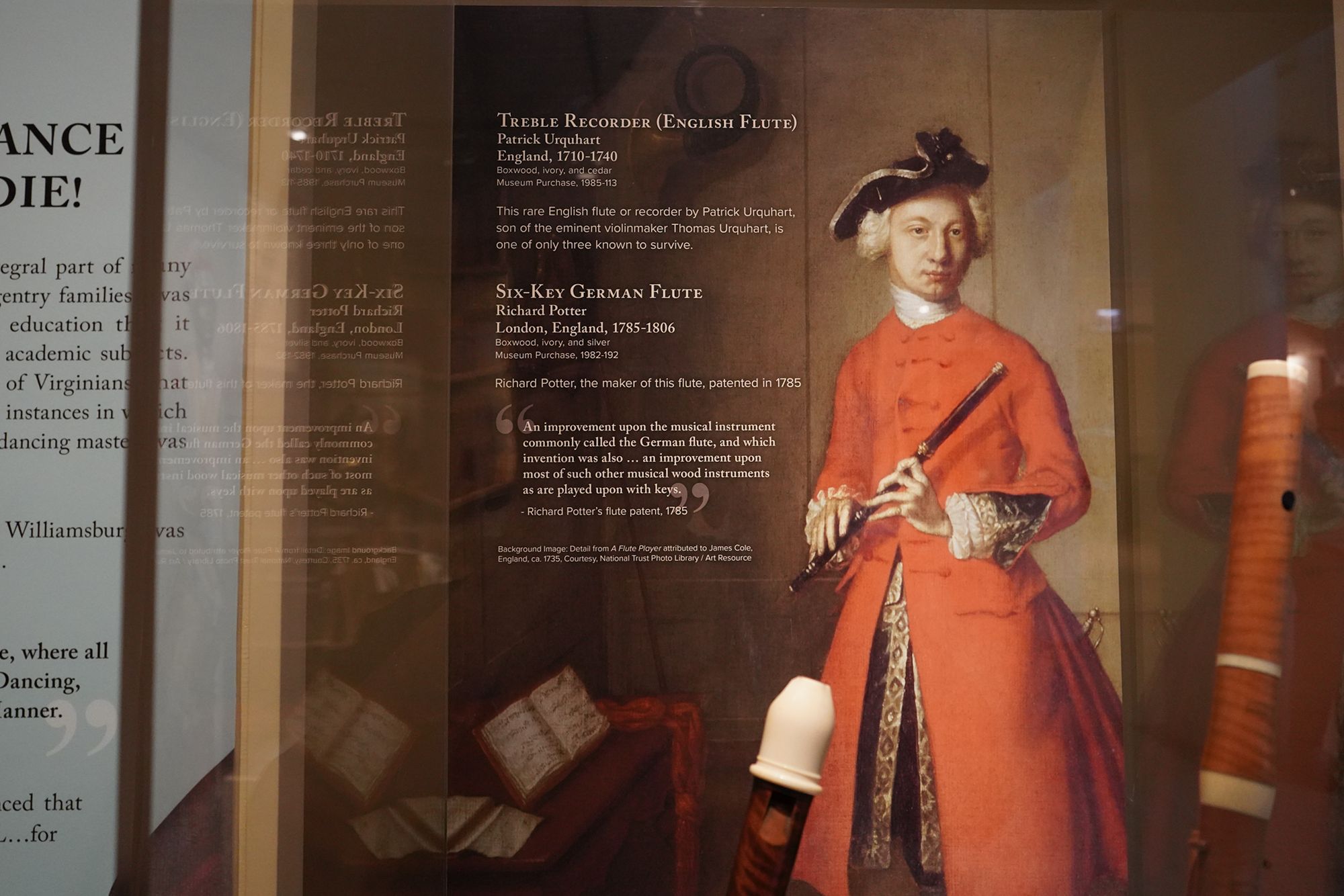
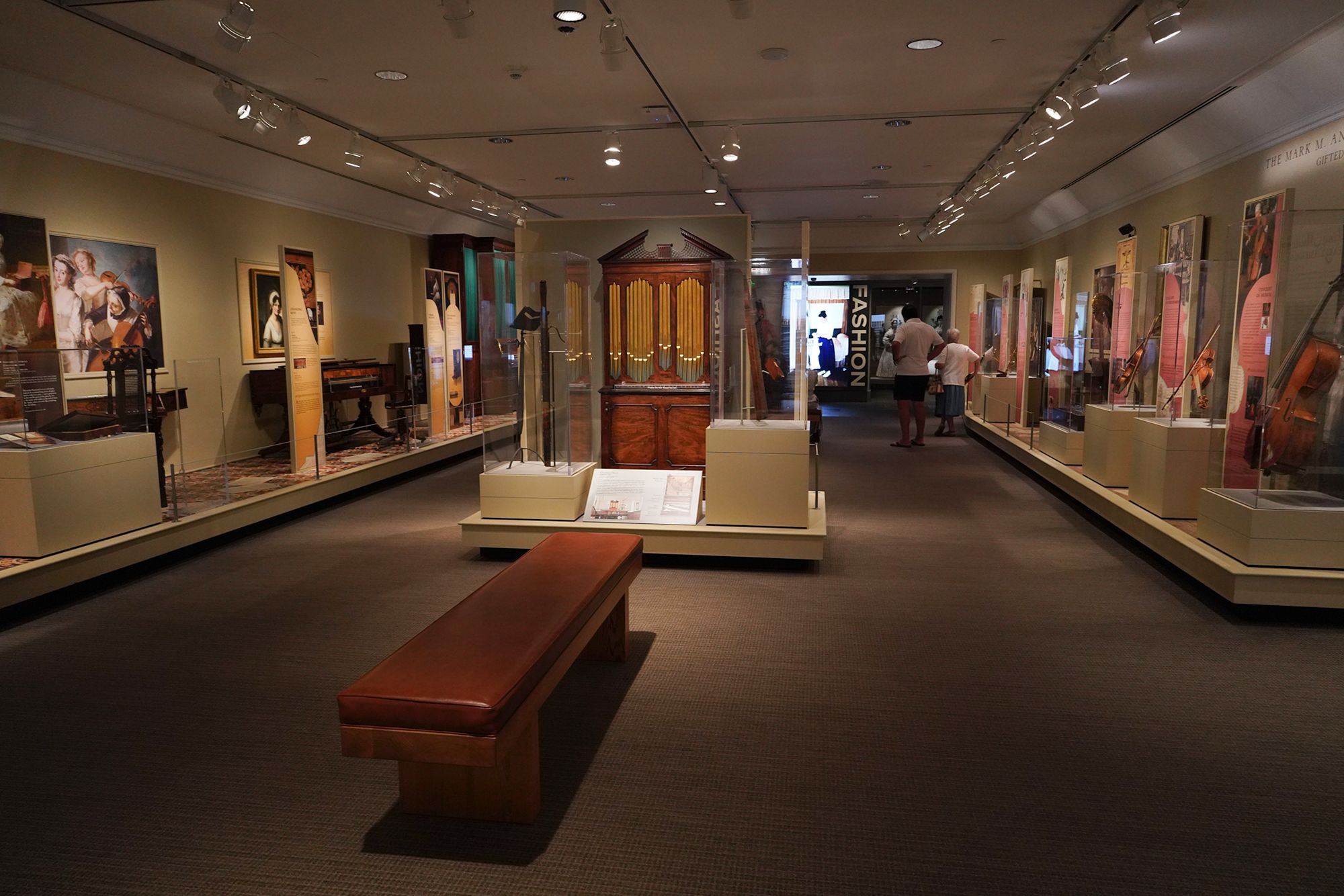
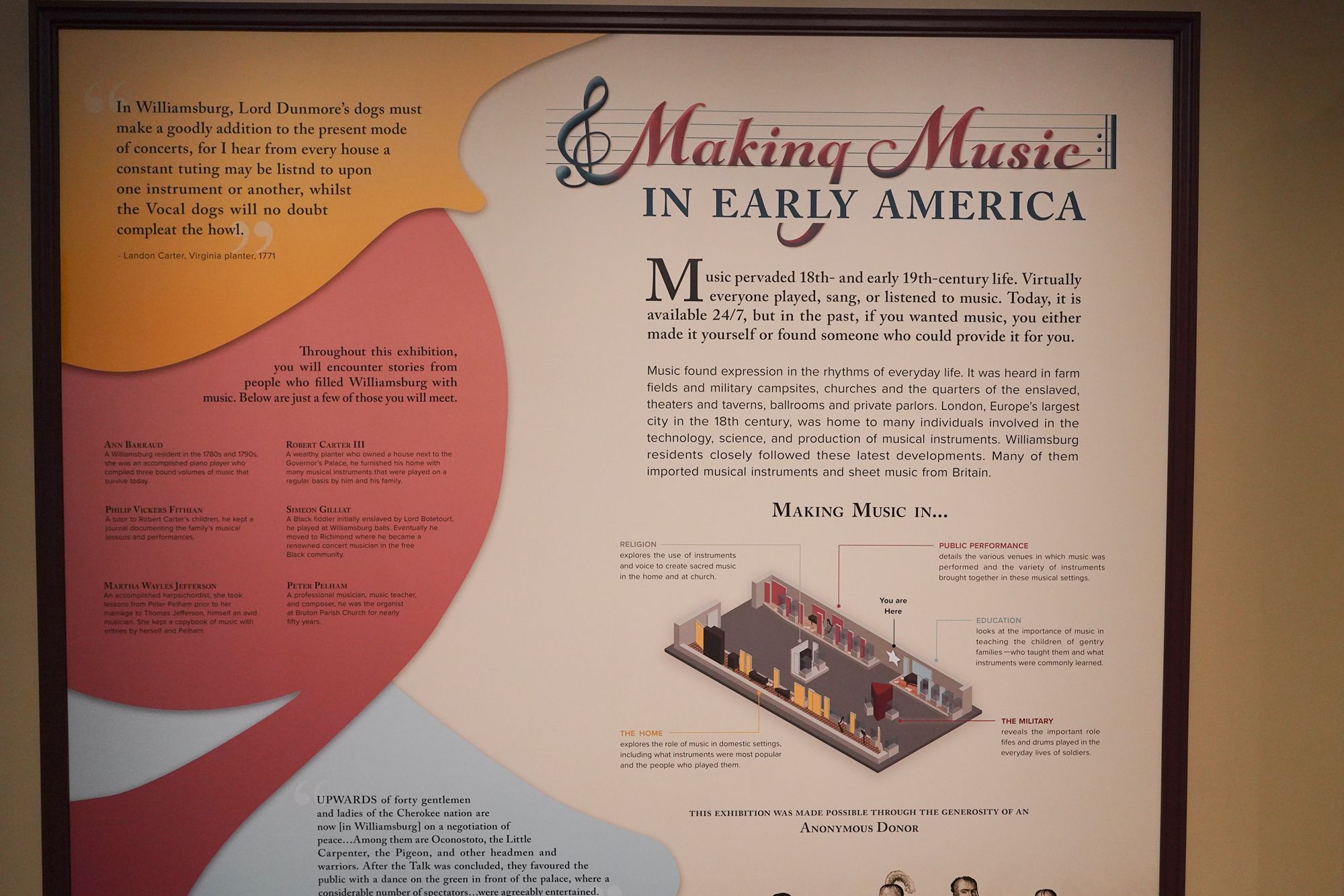
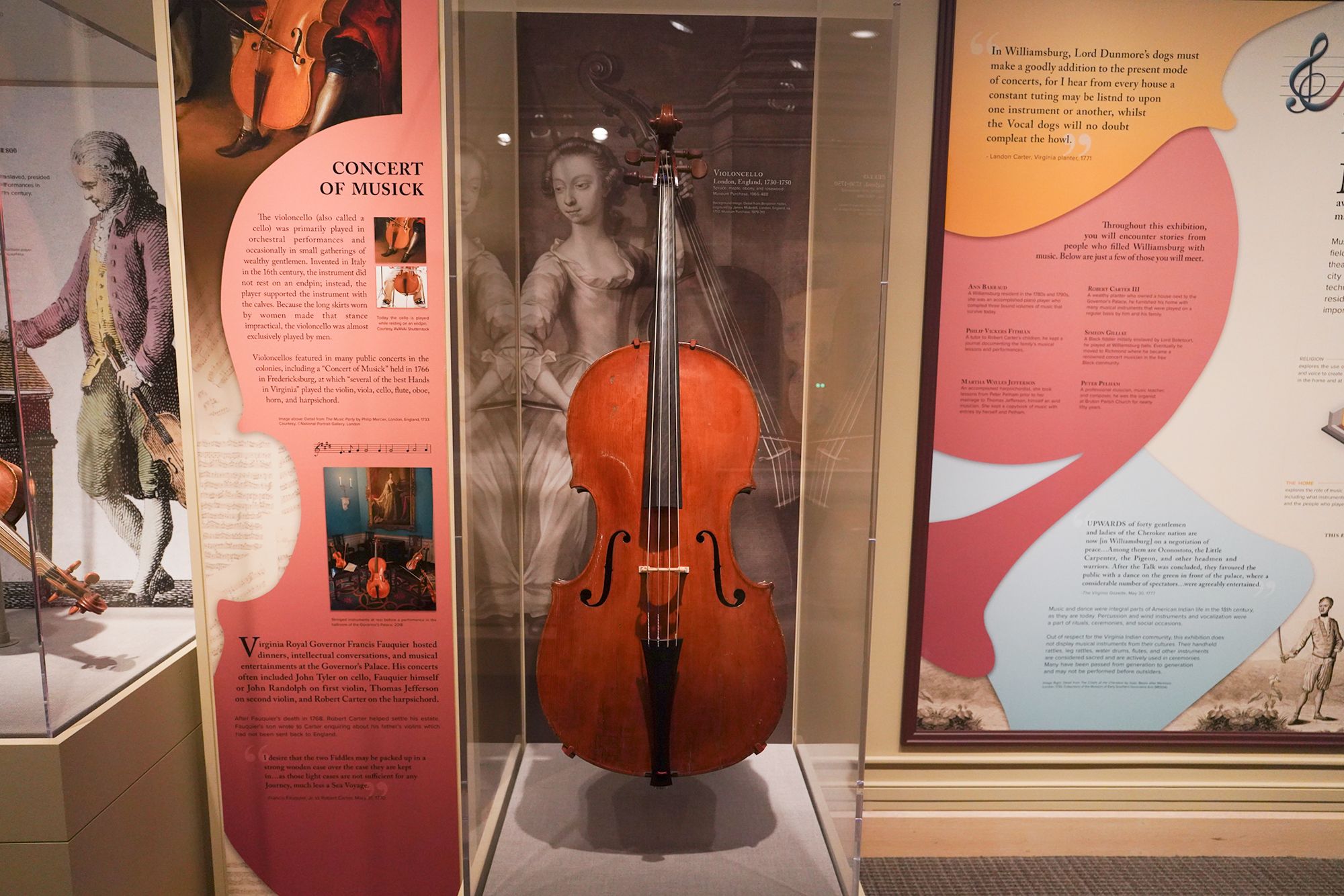
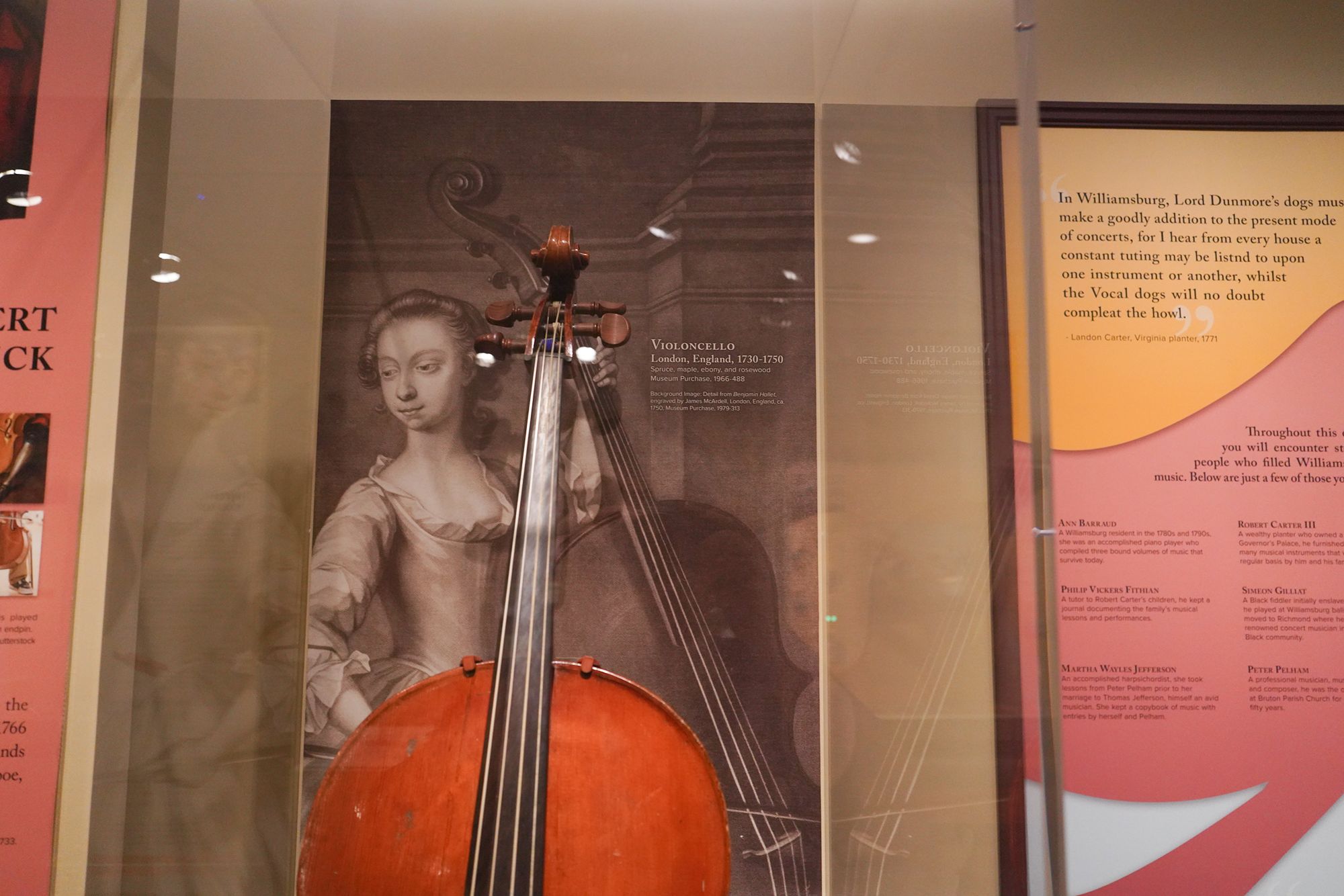
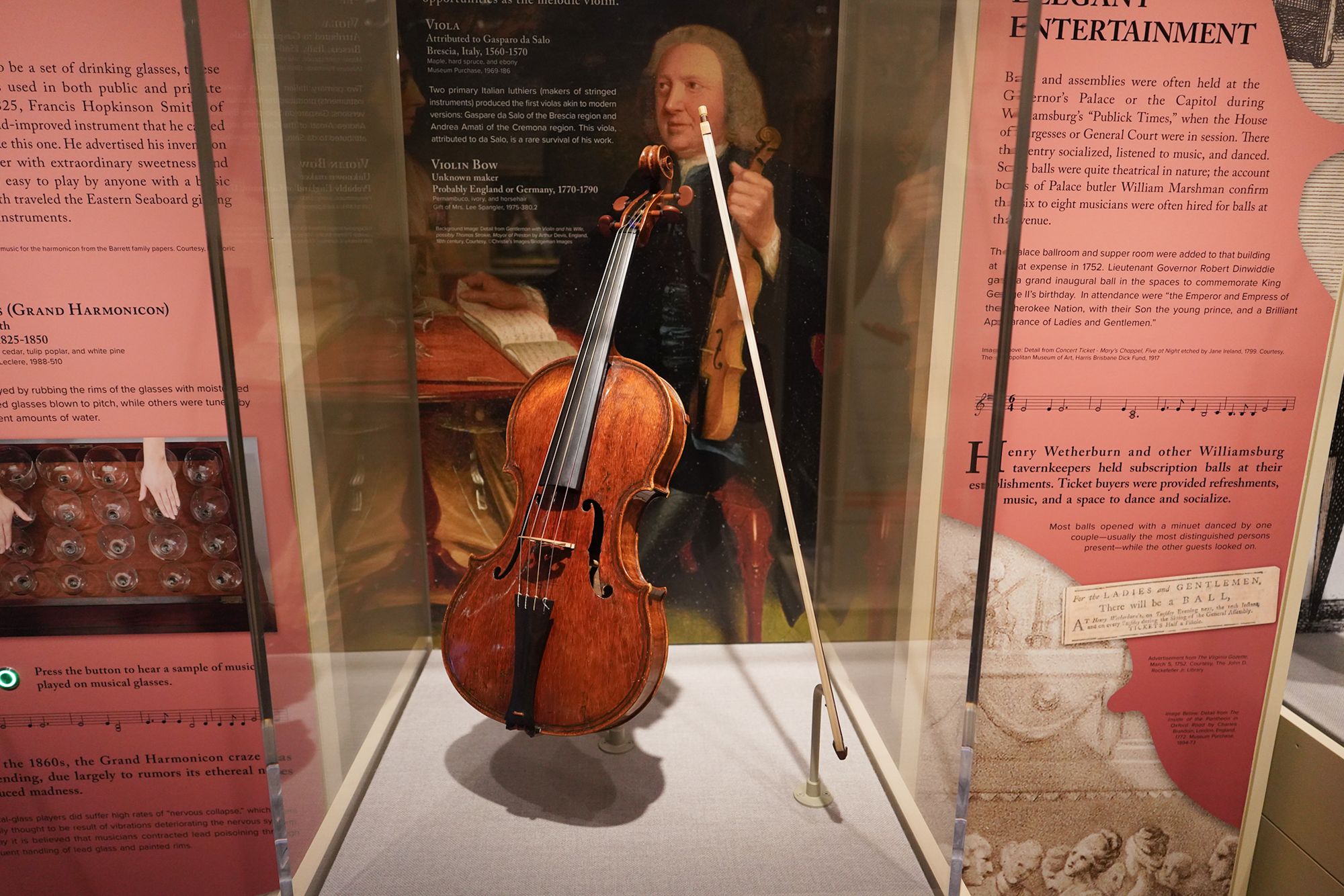
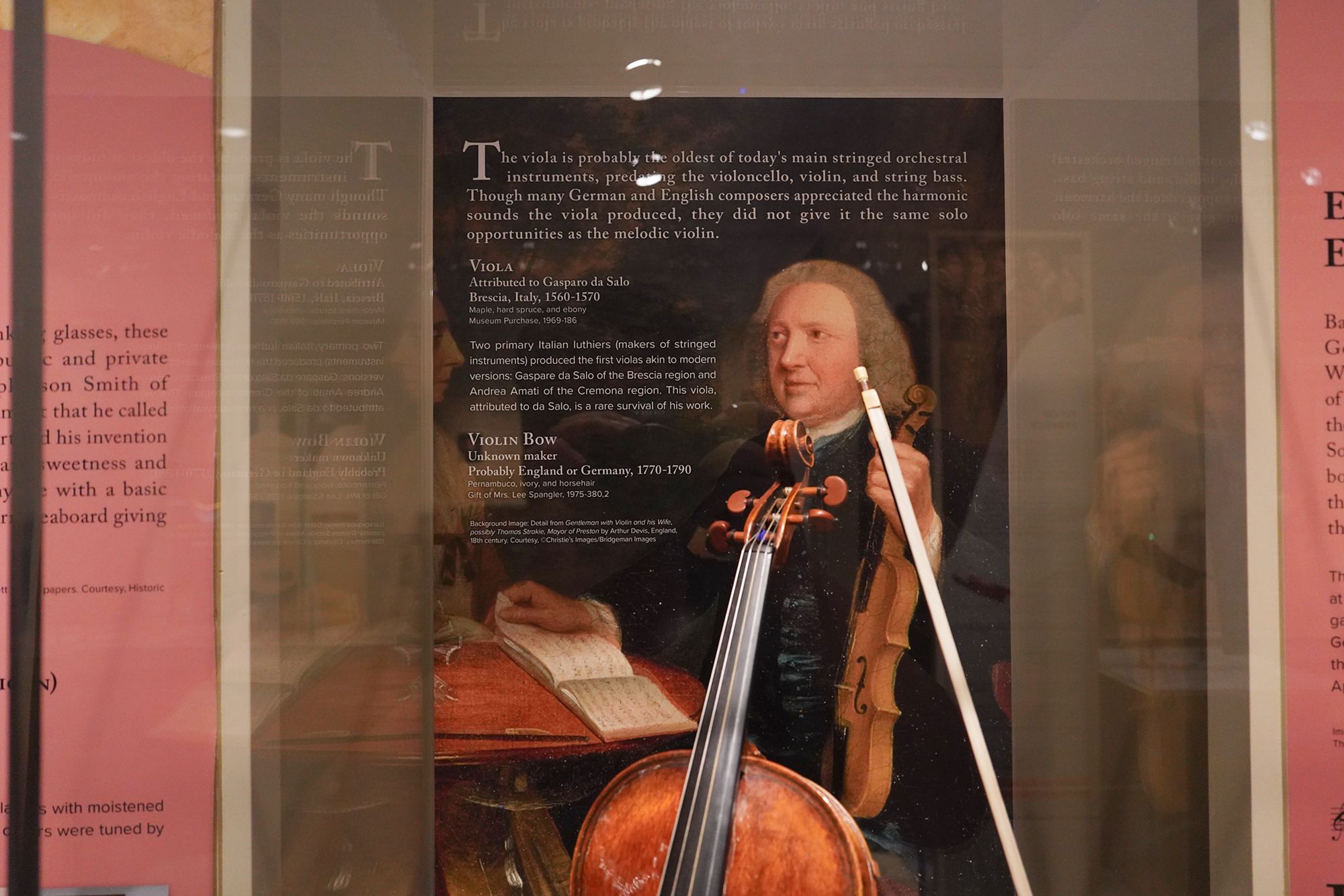
The museum’s collection of musical instruments and archaeology offers a glimpse into both the sound and material culture of early America. The musical instruments include violins, harpsichords, fifes, and other pieces used in homes, churches, and public gatherings, showing how music was part of daily and social life in the colonies.
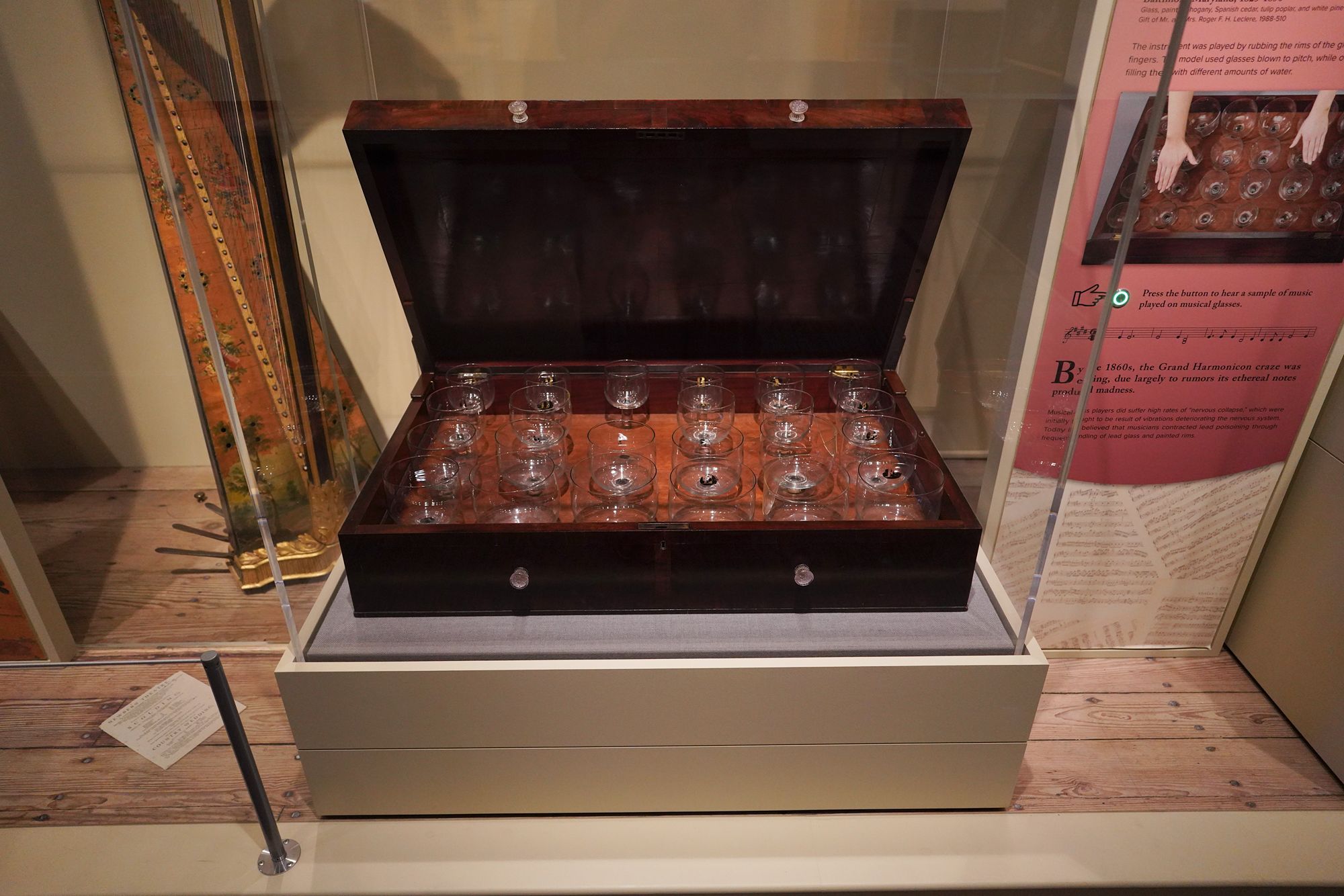
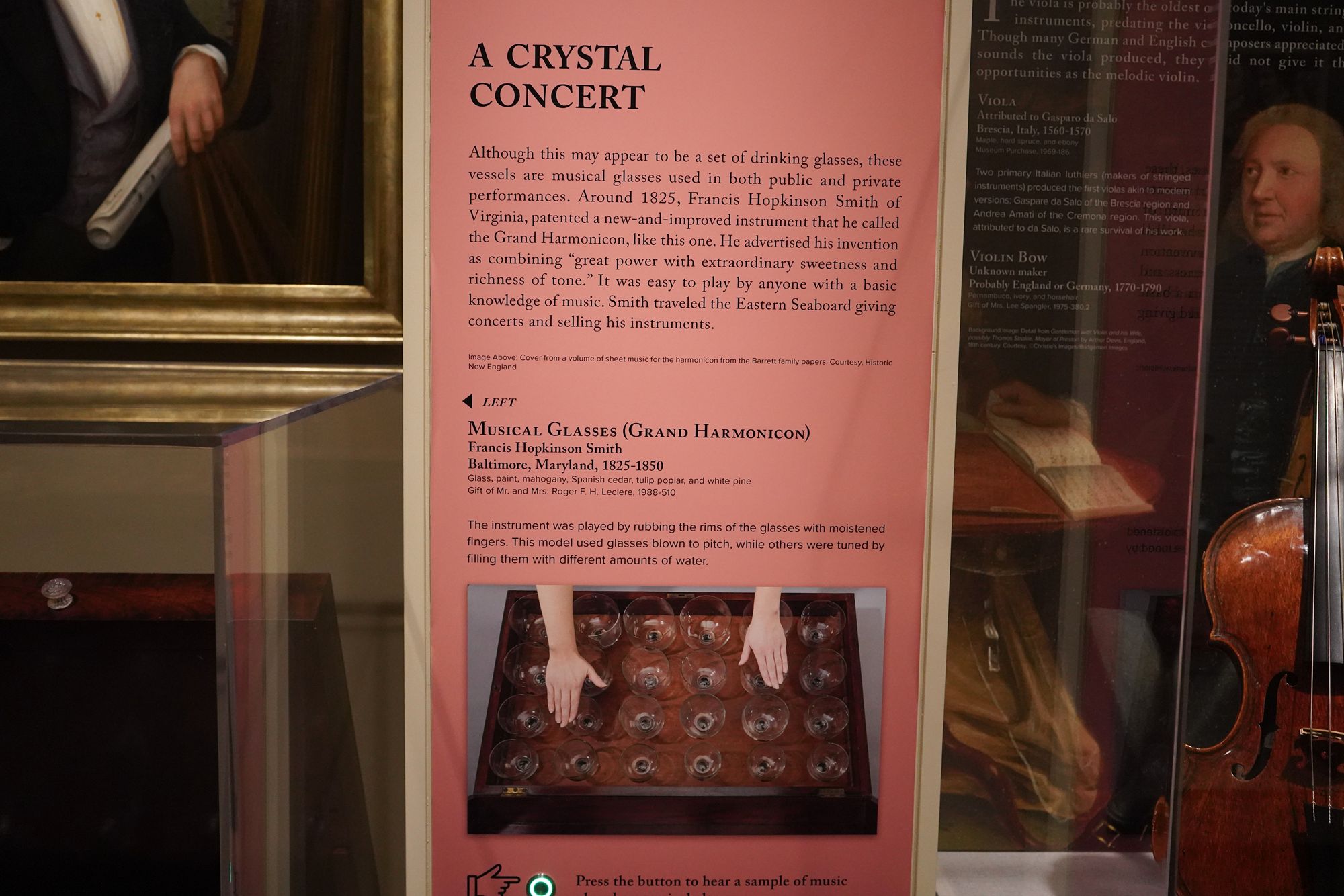
Musical Glasses
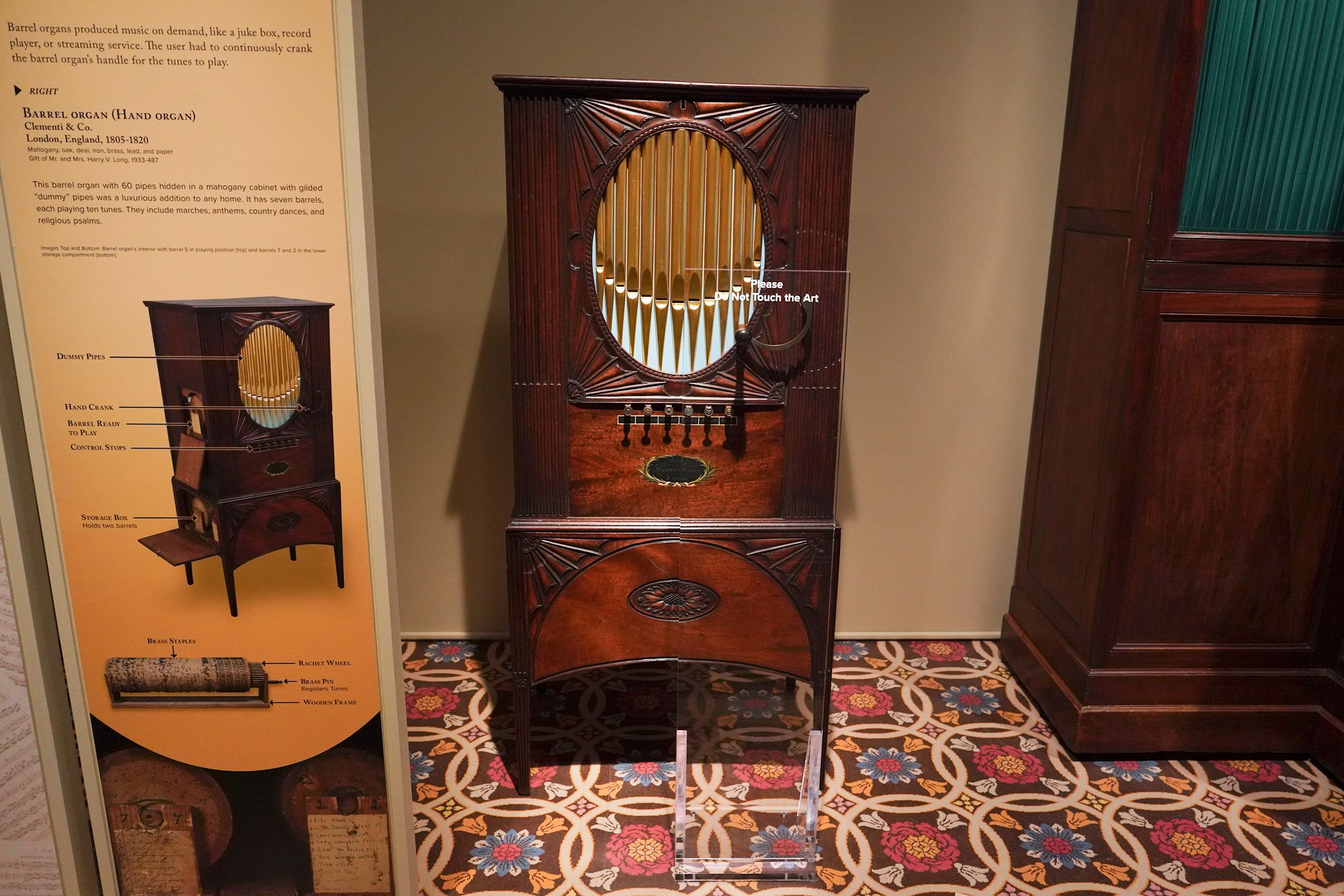
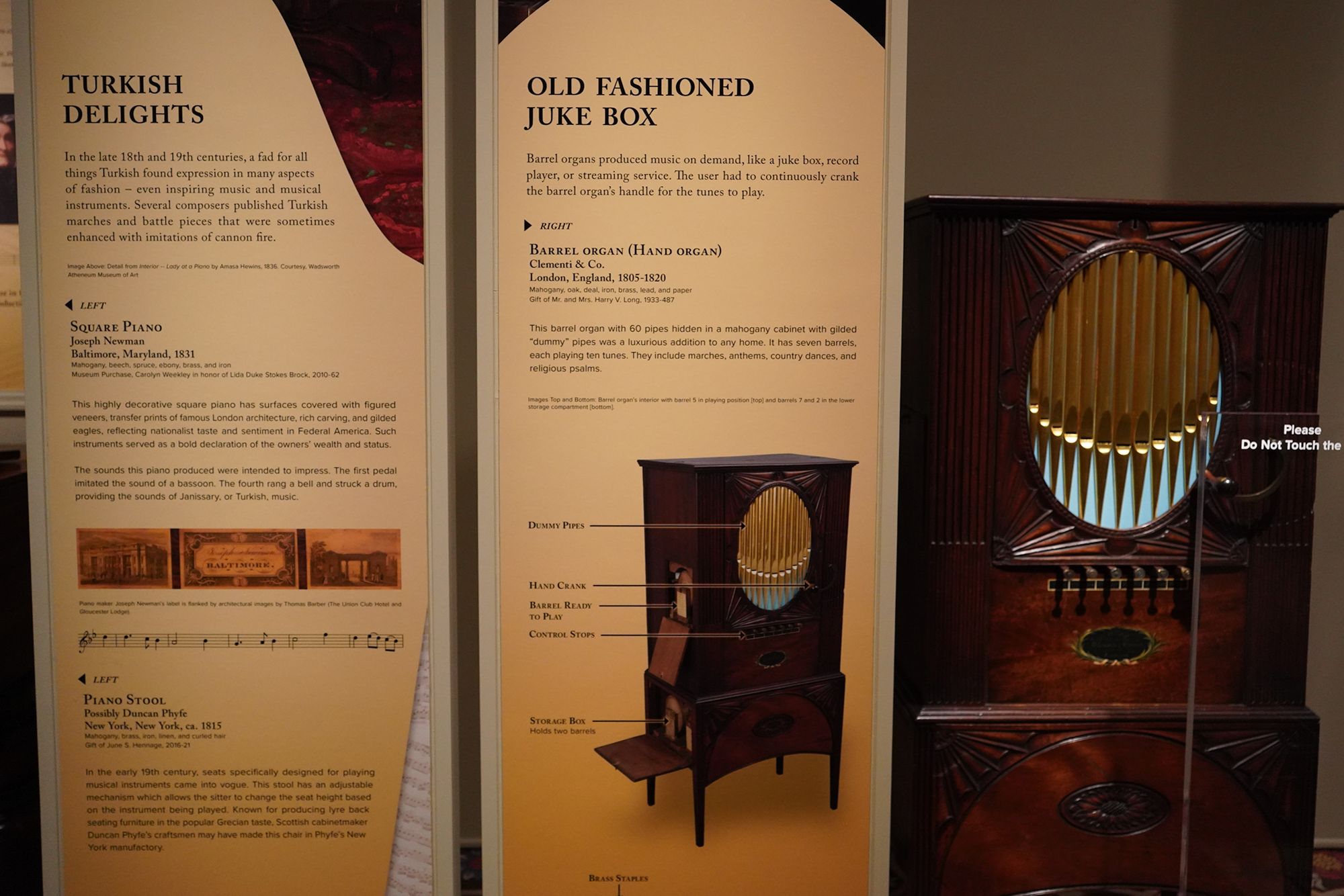
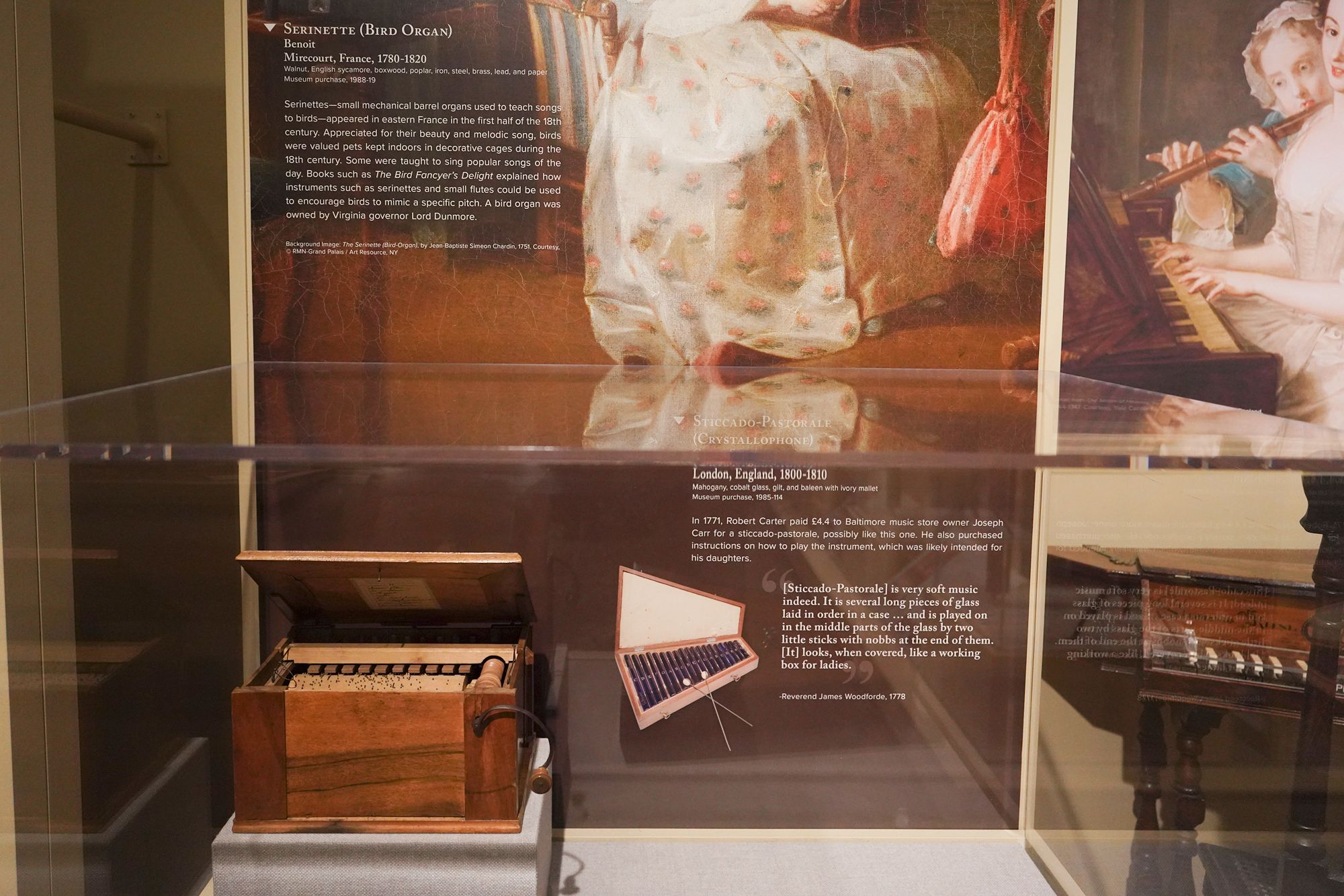
Barrel Organ
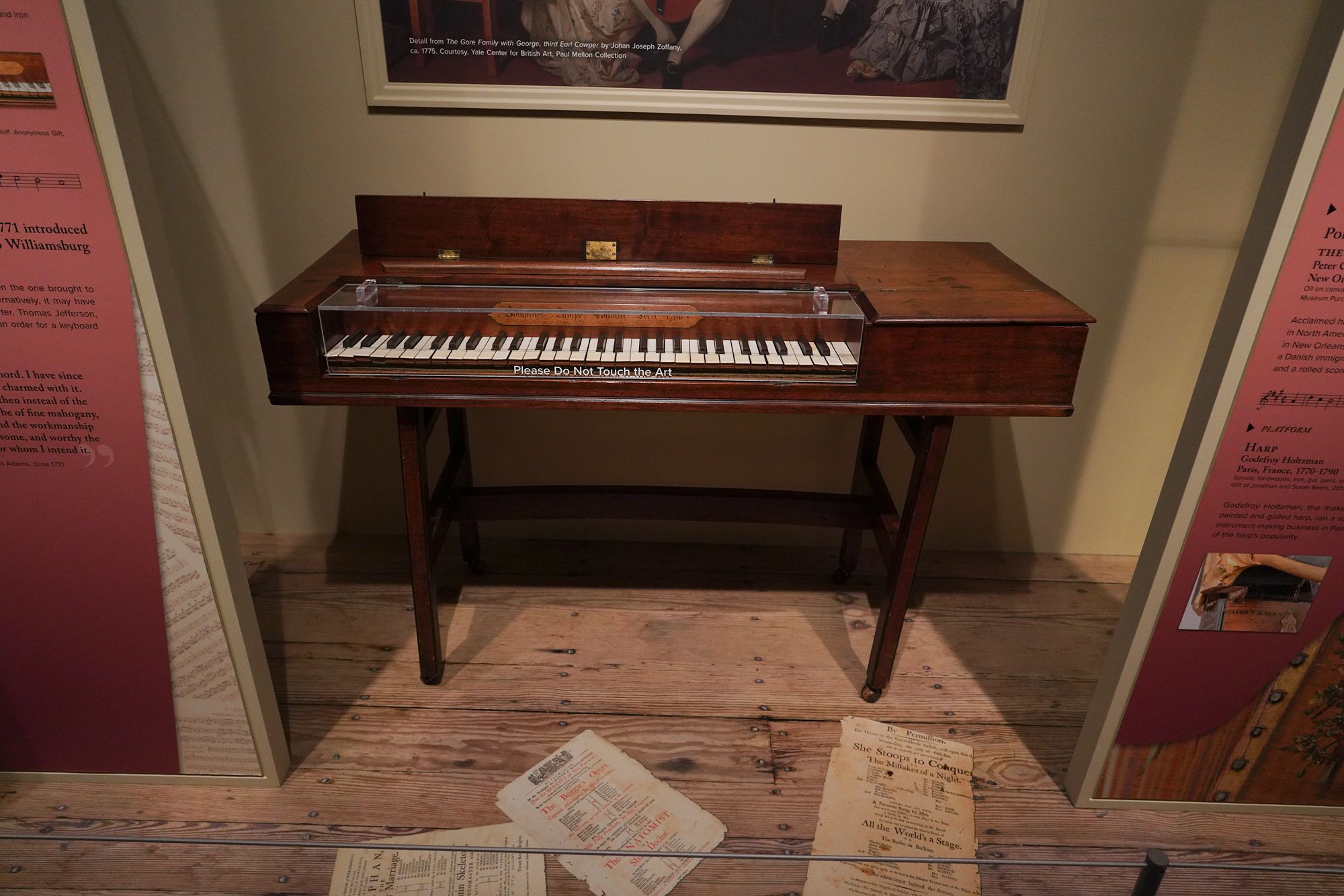
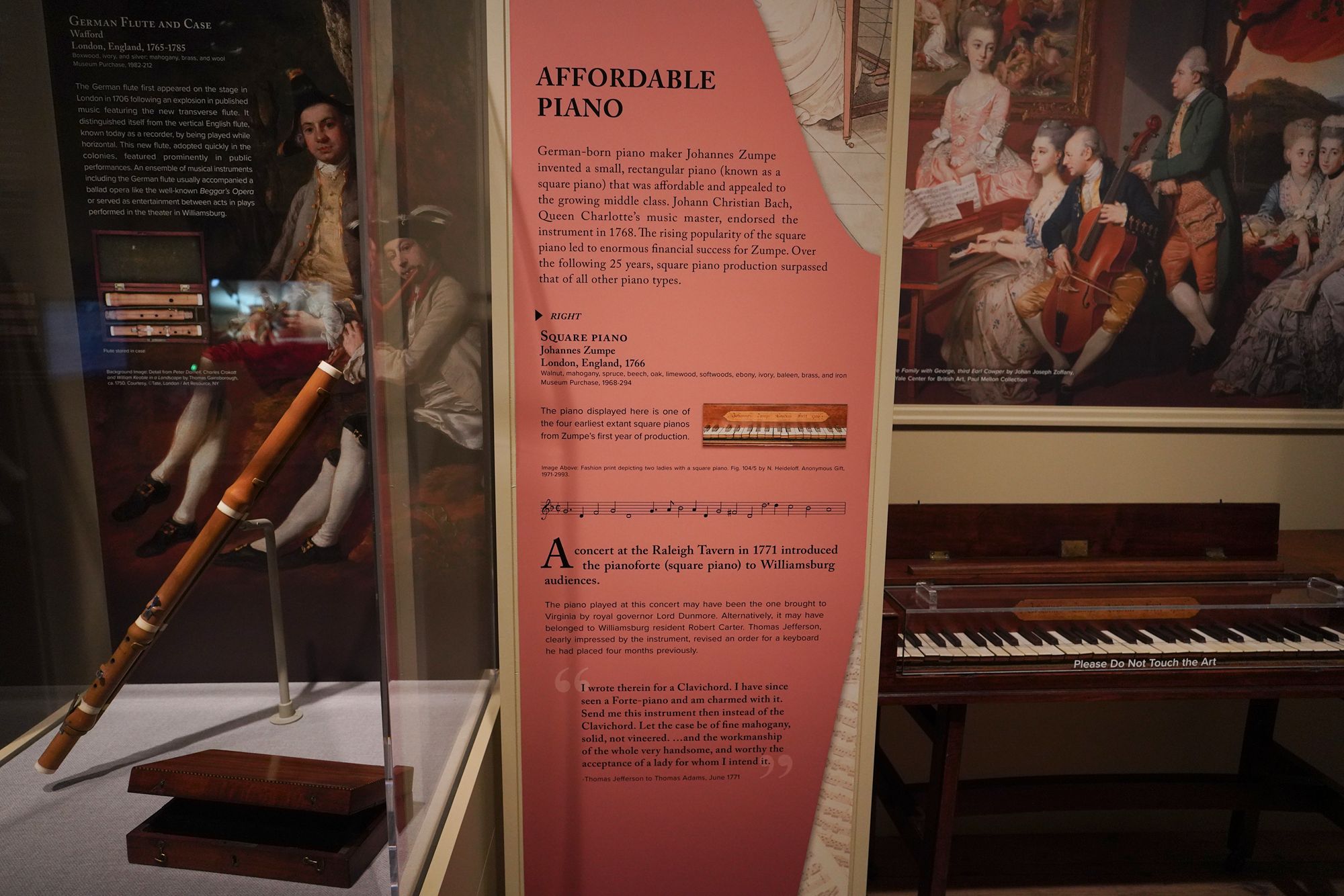
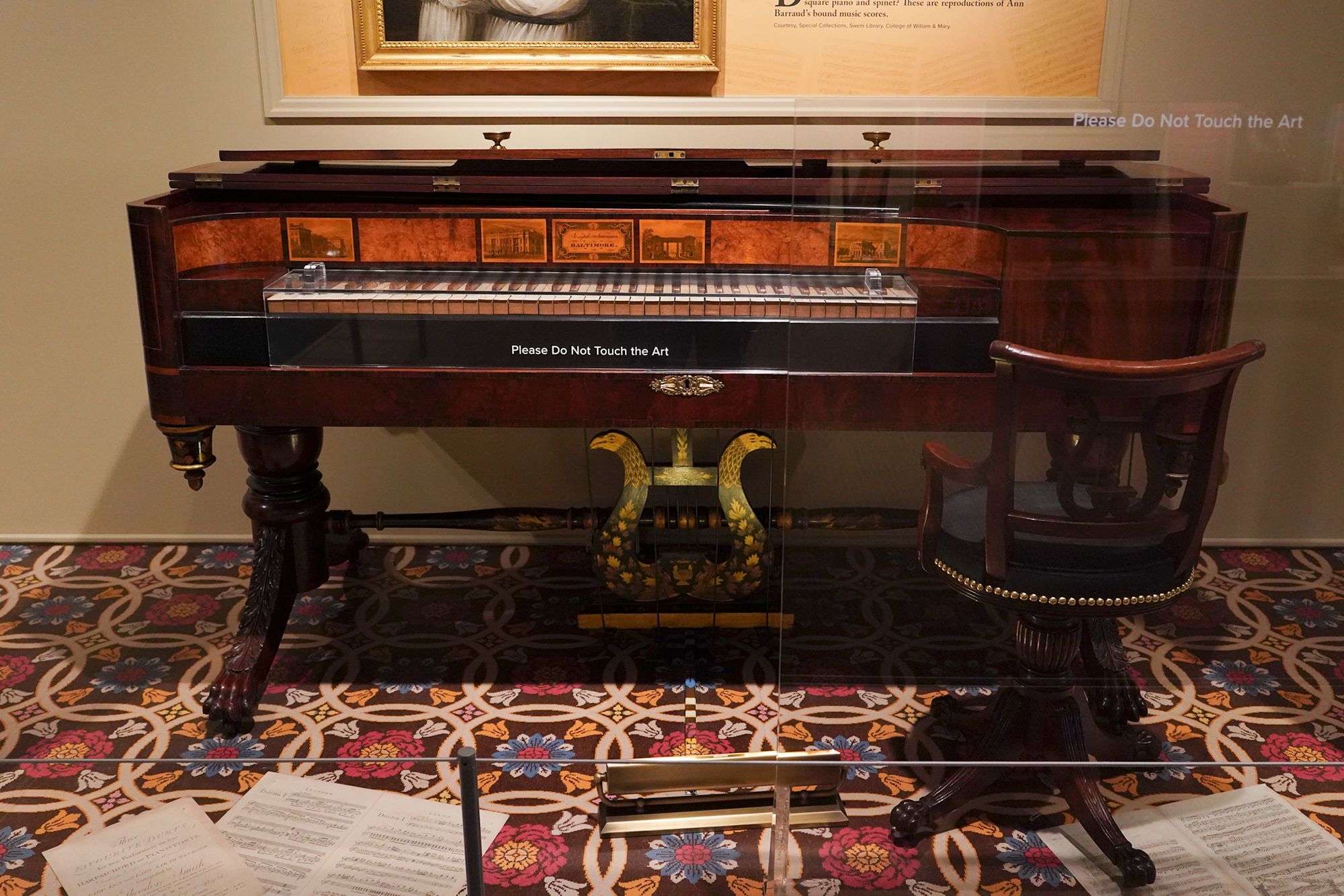
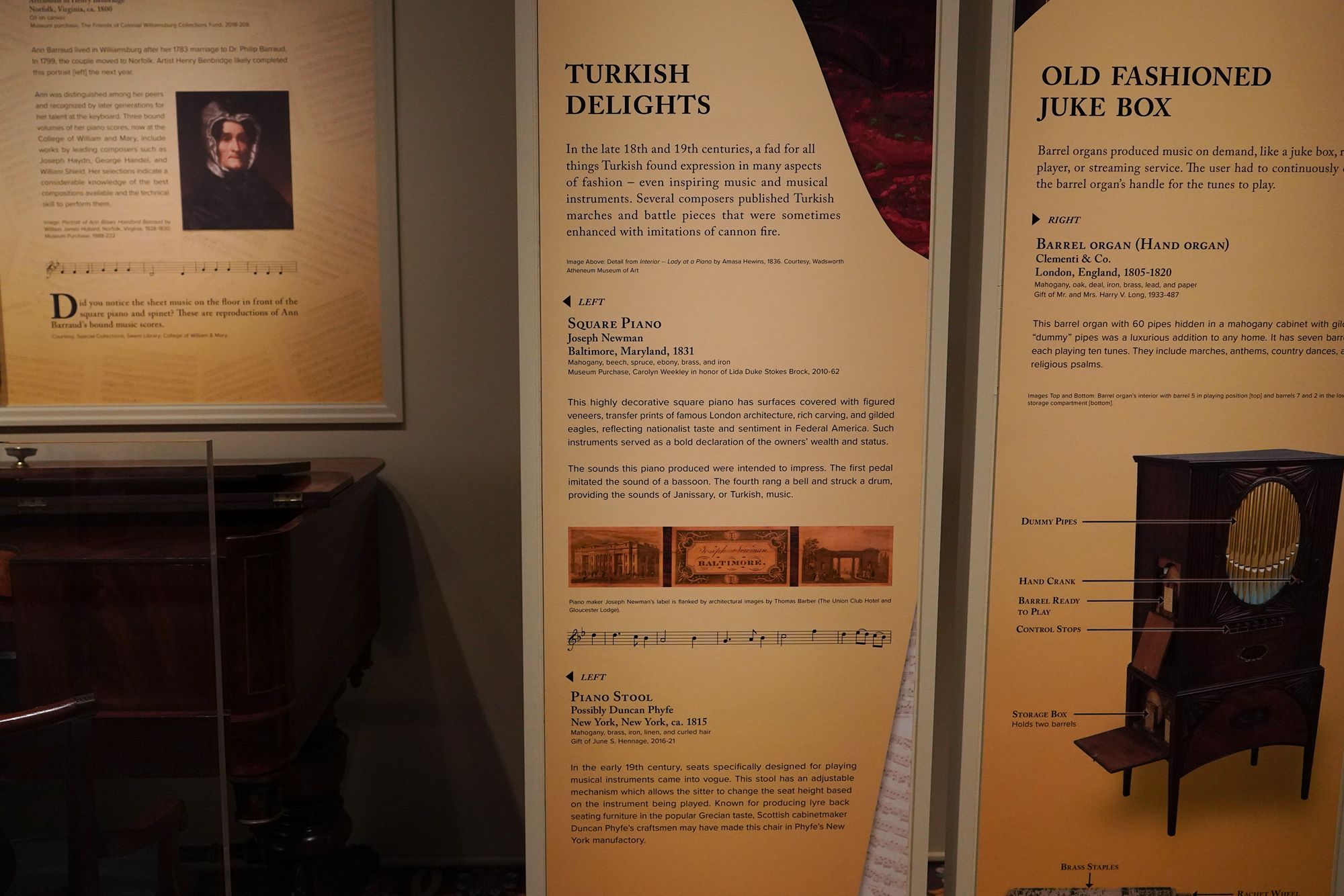
Square Piano
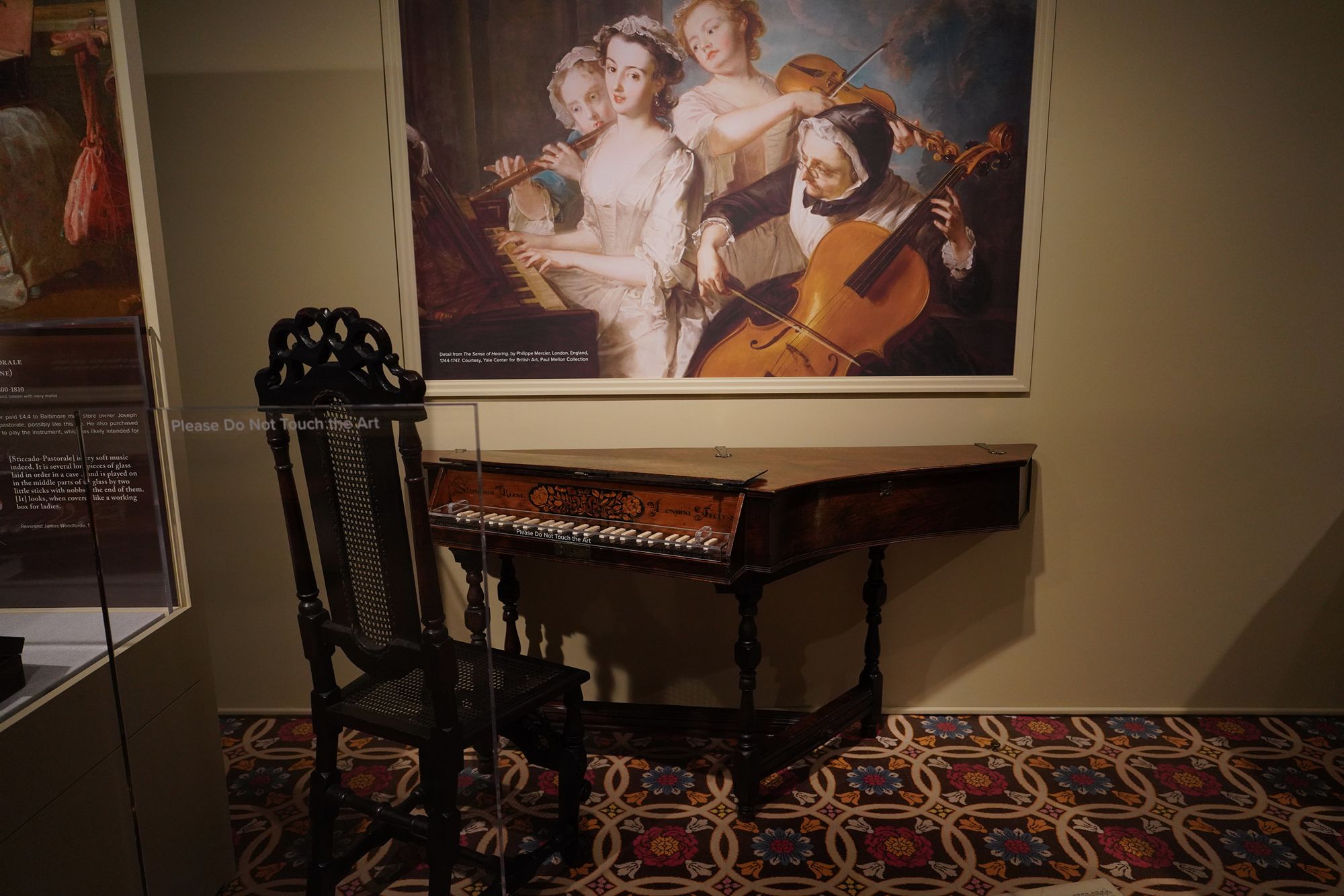
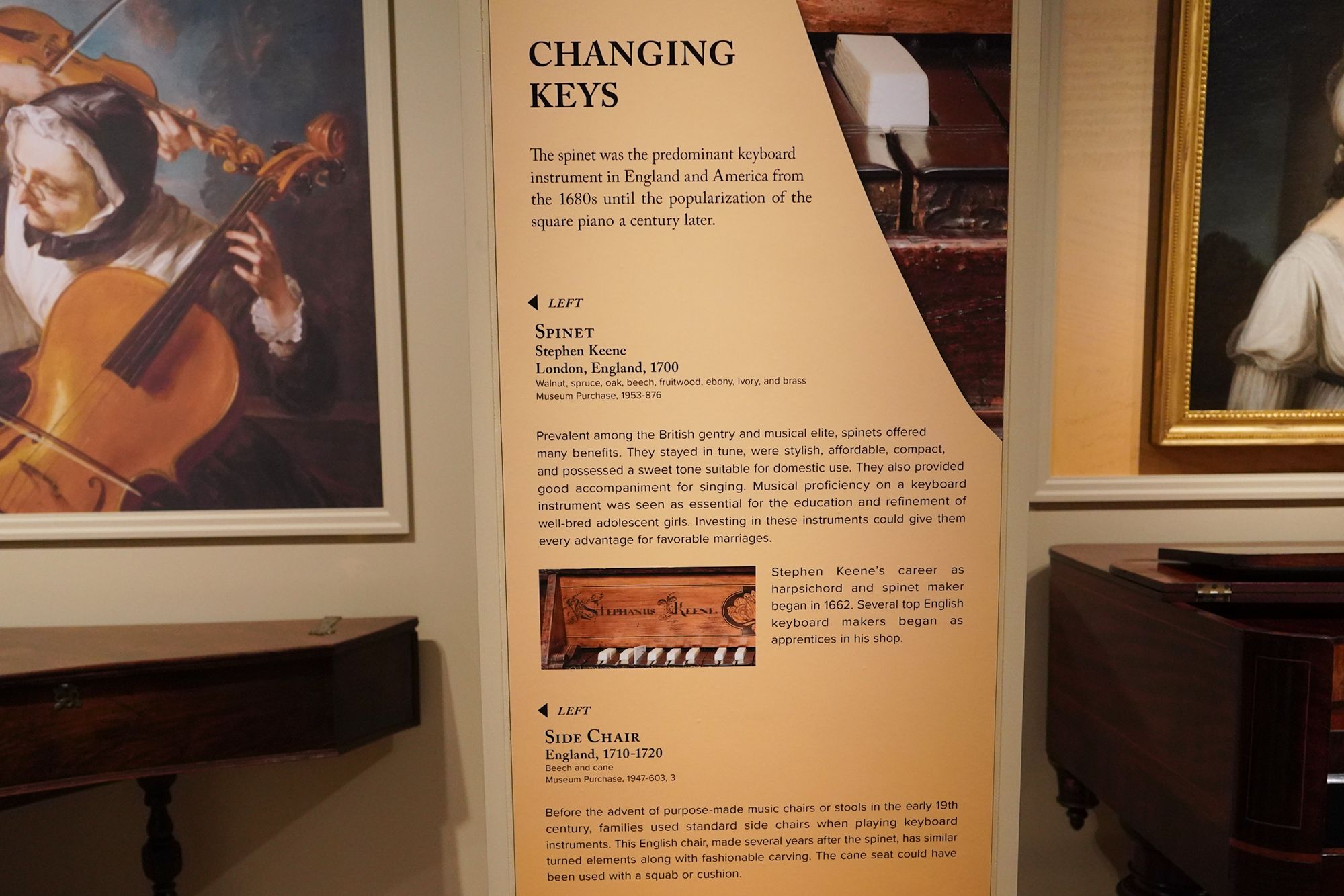
Spinet
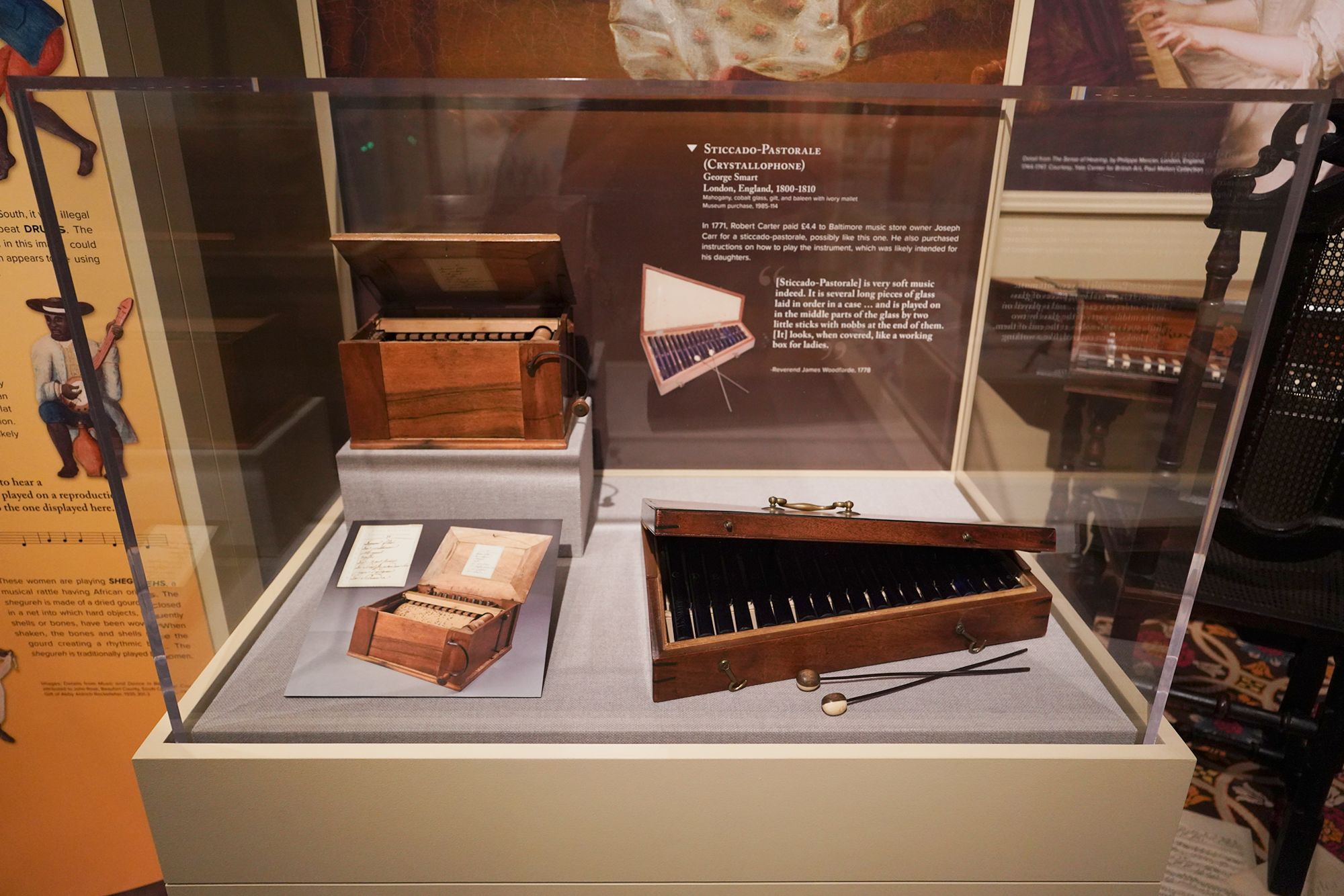
Sticcado-Pastorale
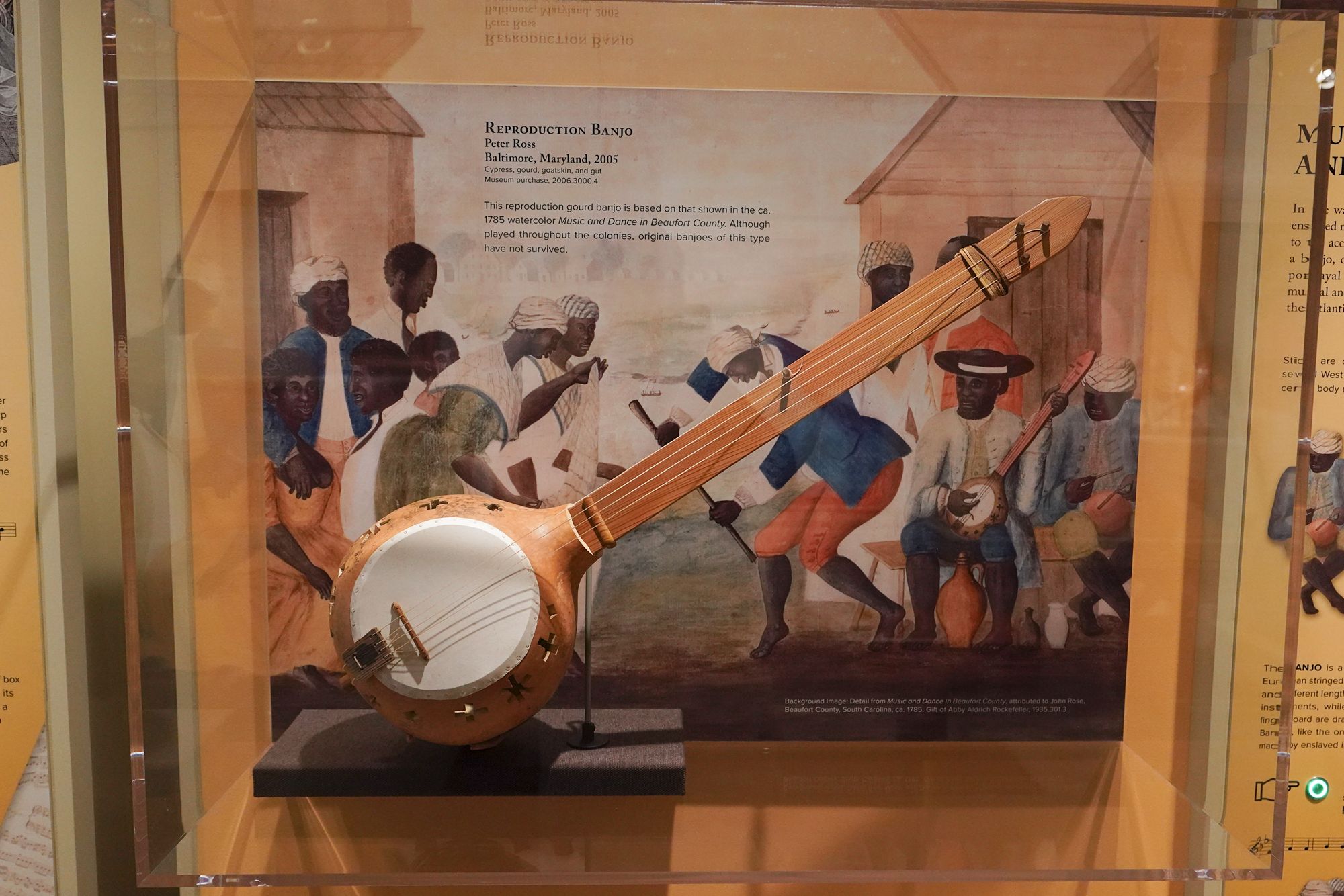
Banjo
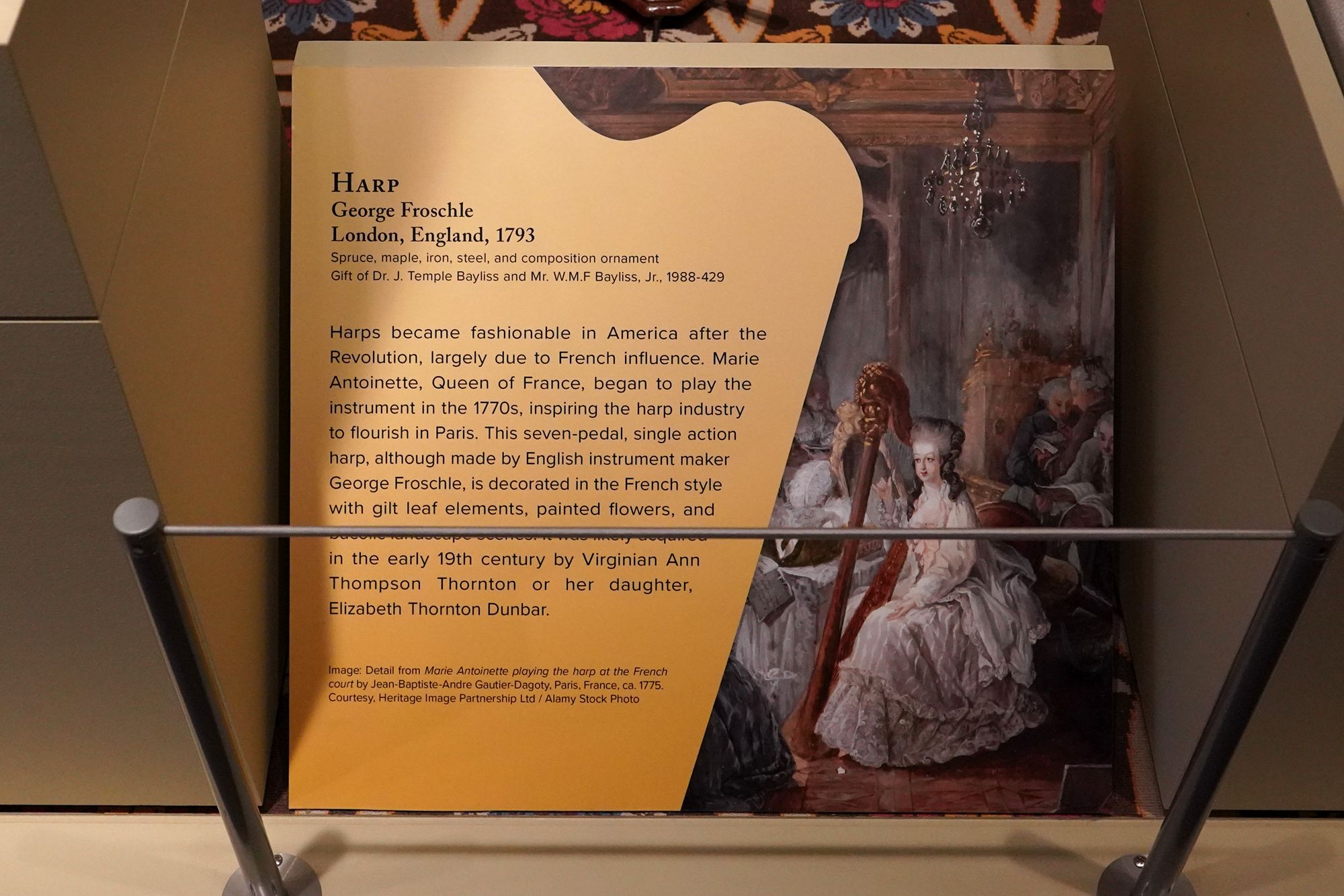
Harp
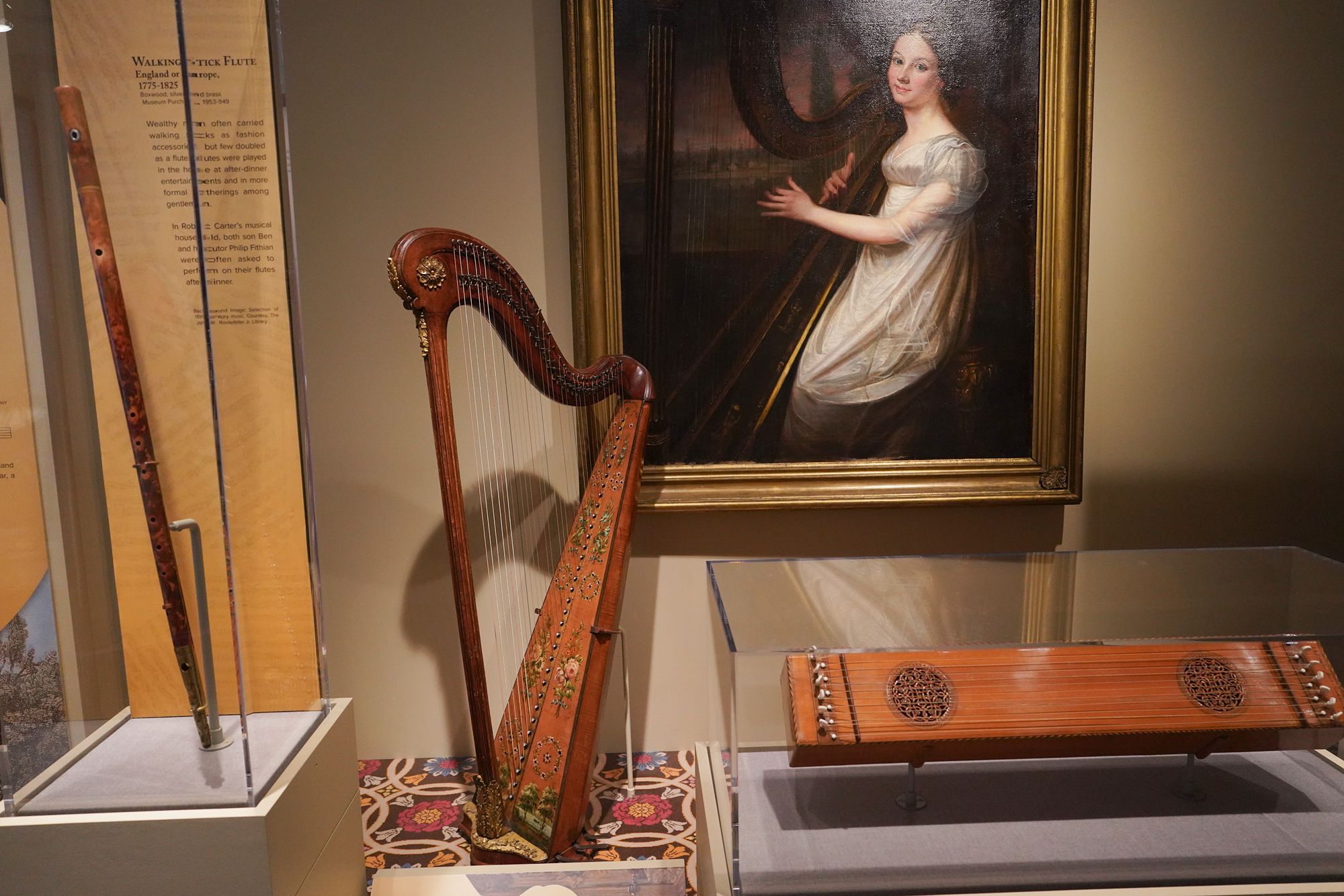
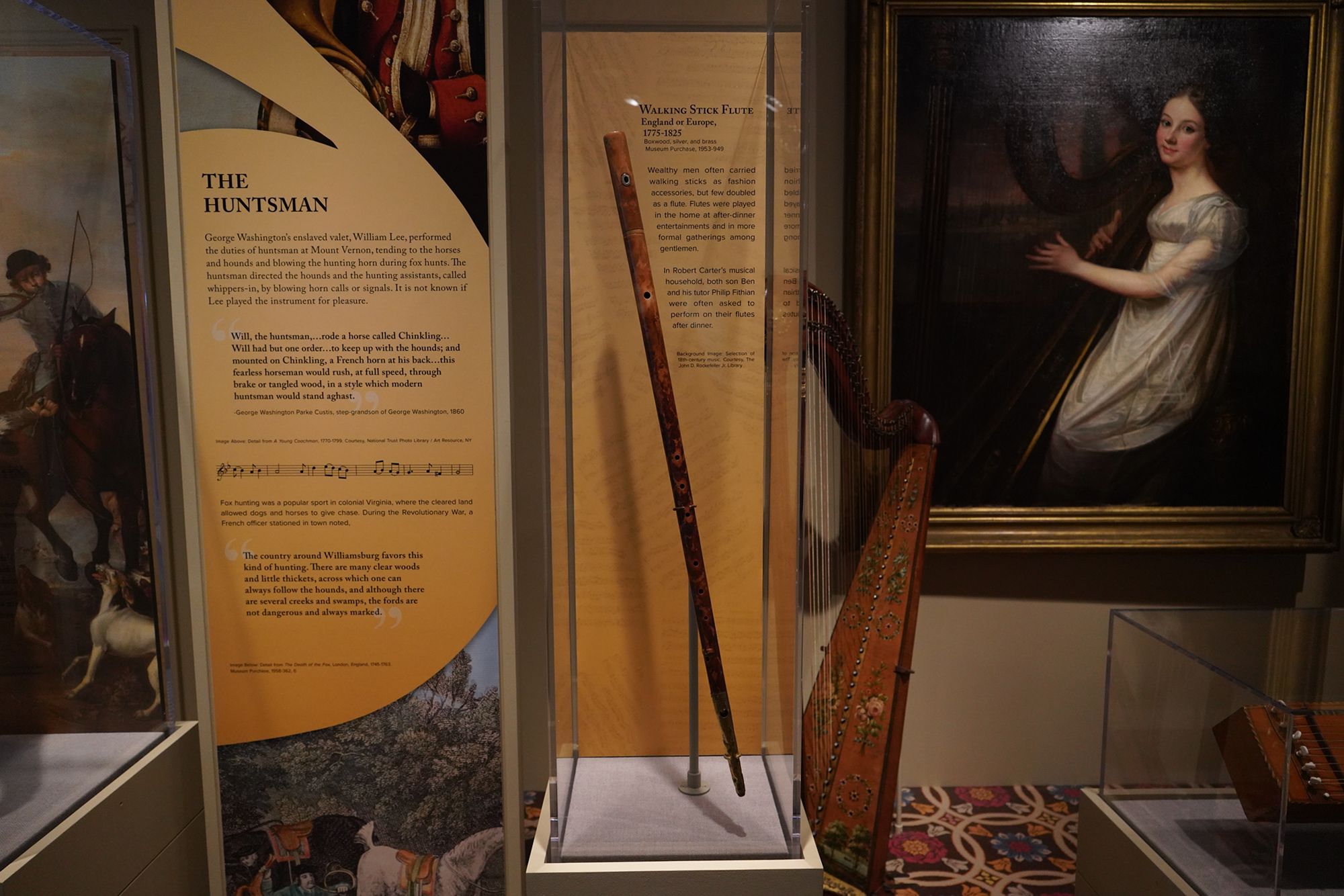
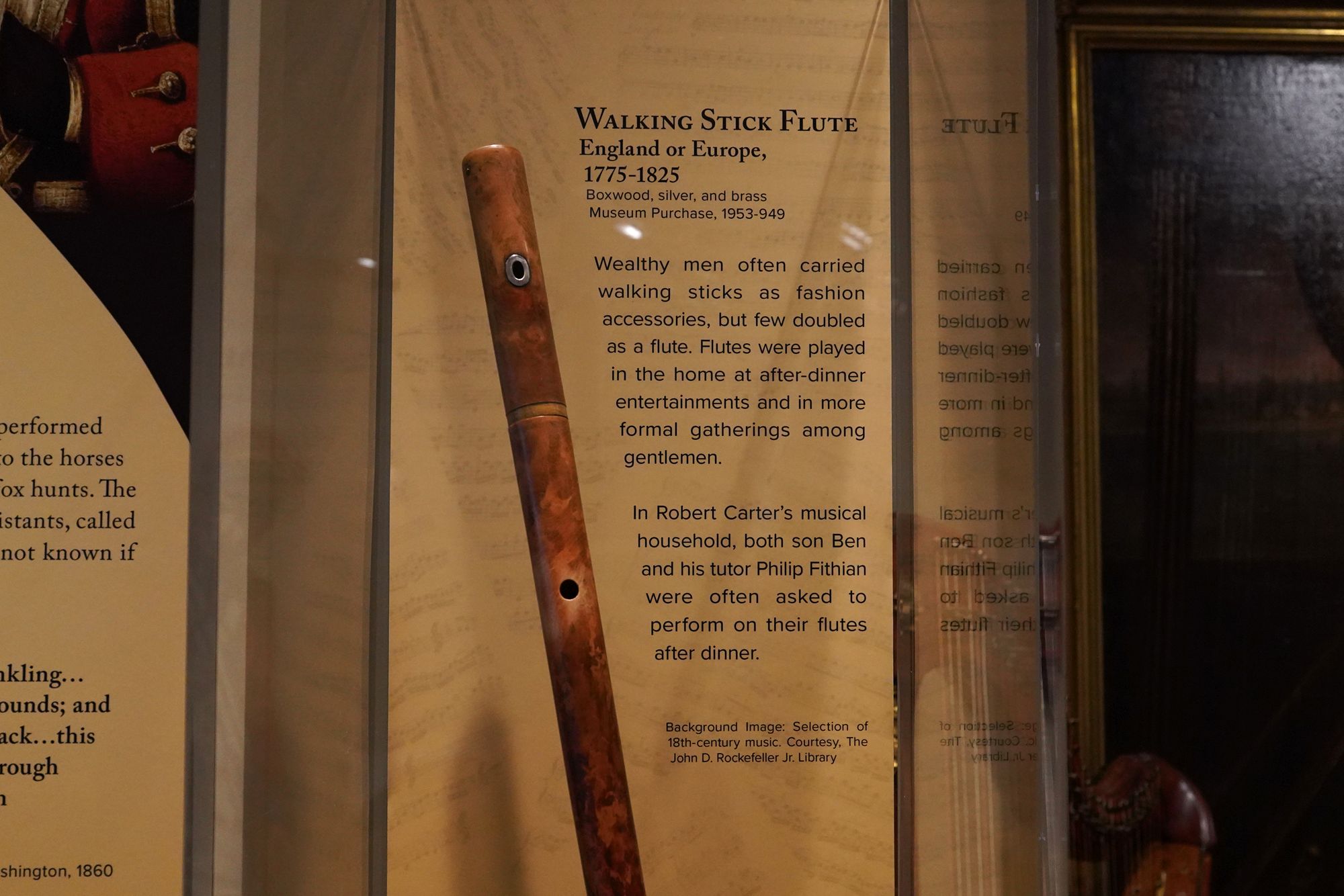
Walking Stick Flute
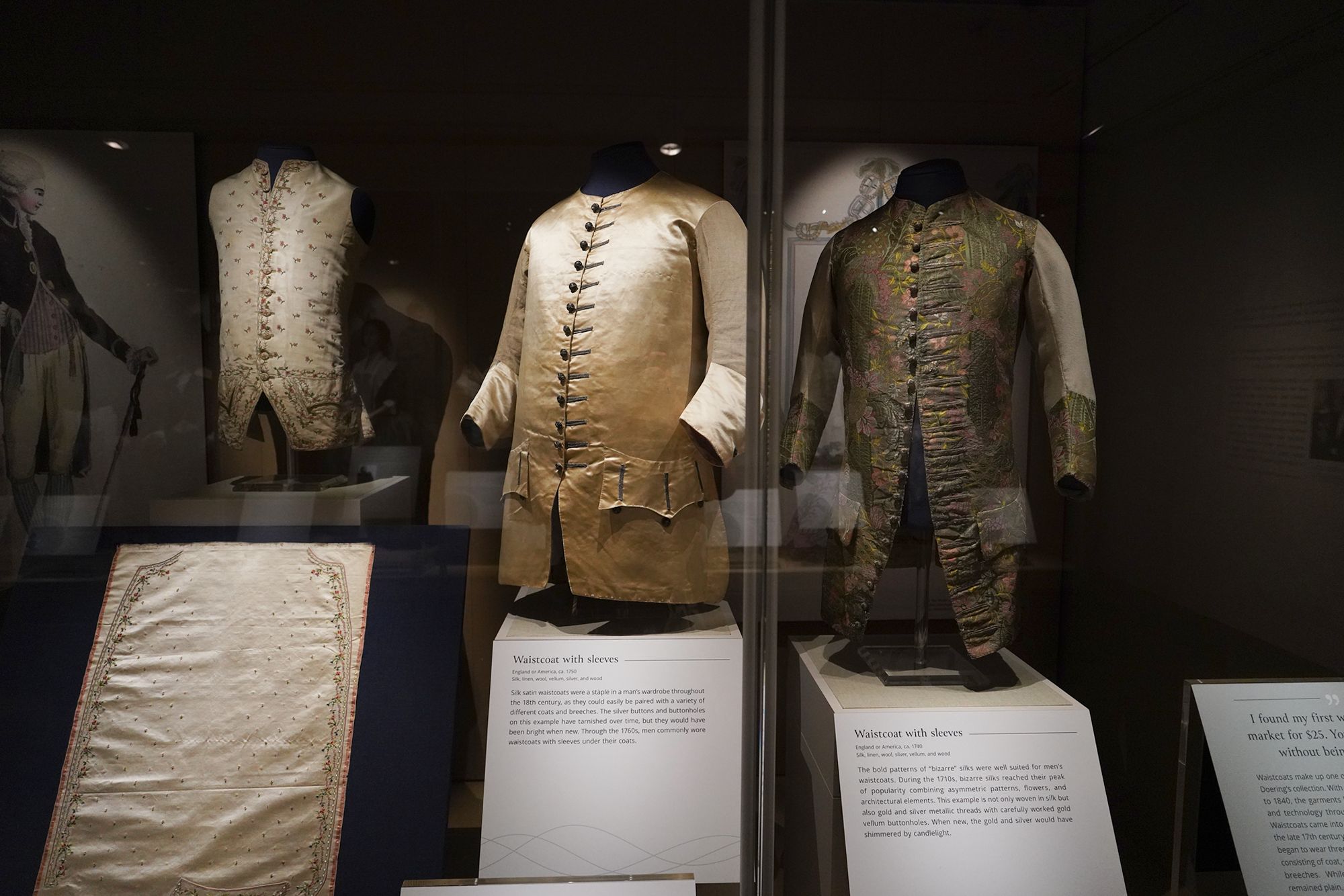
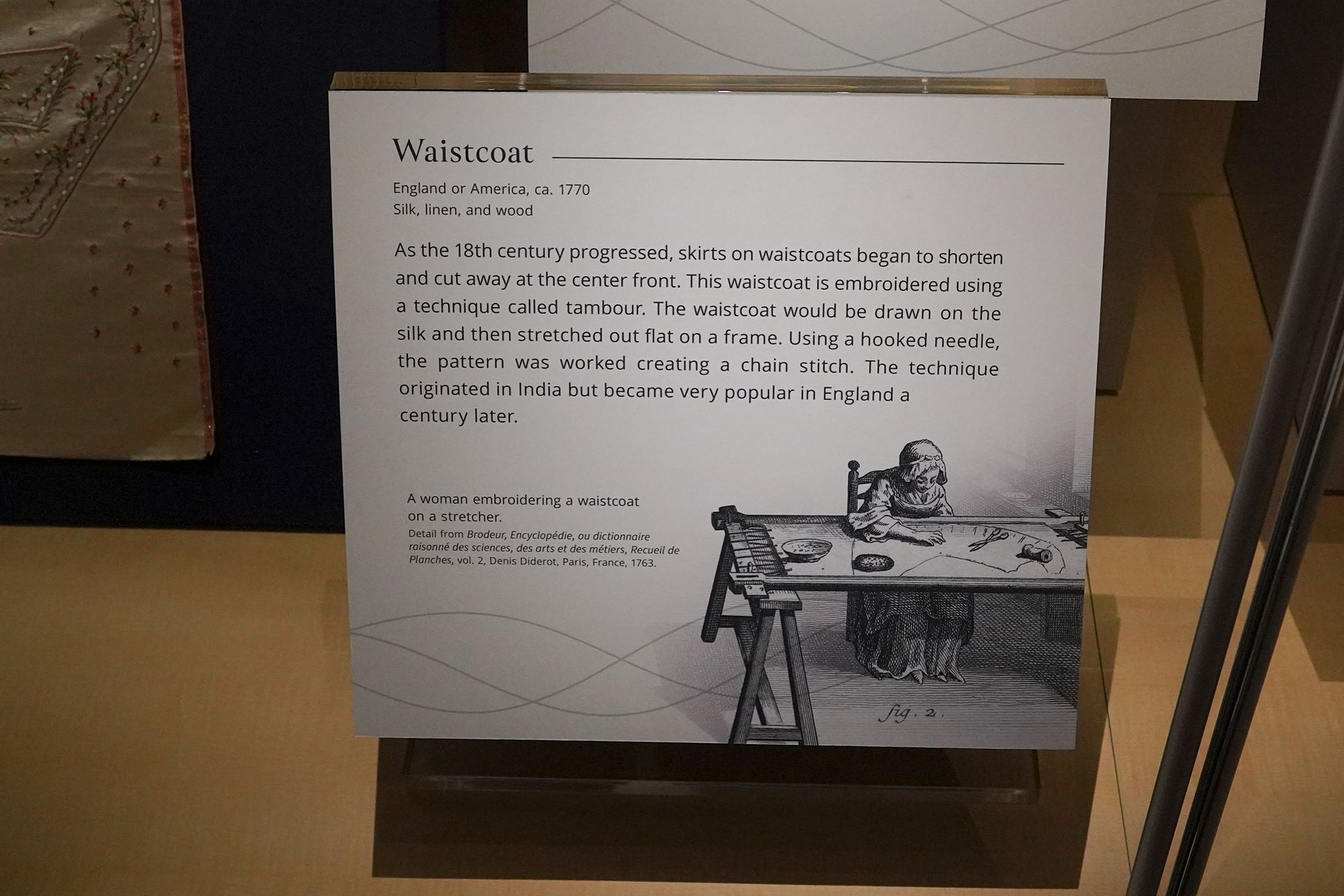
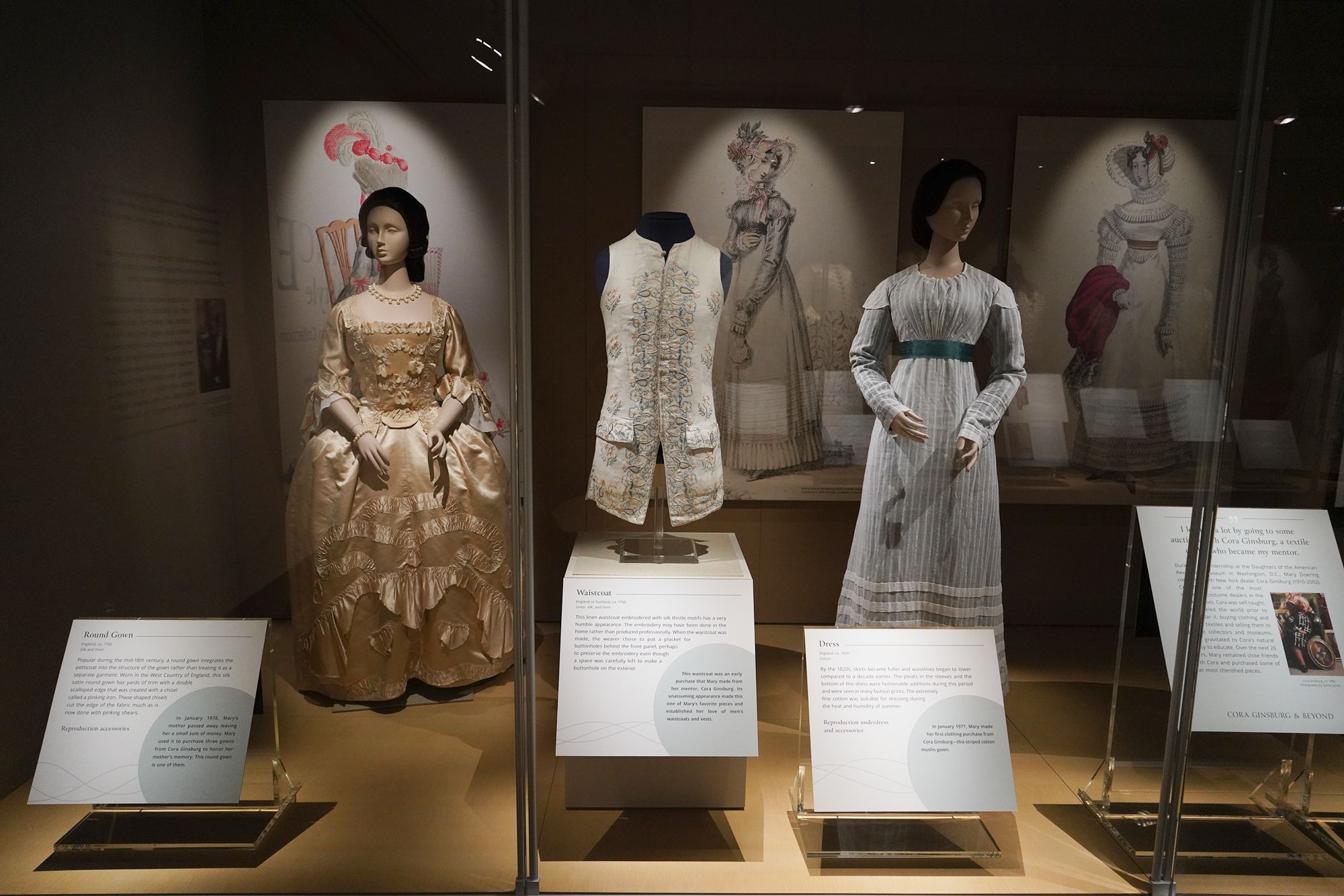
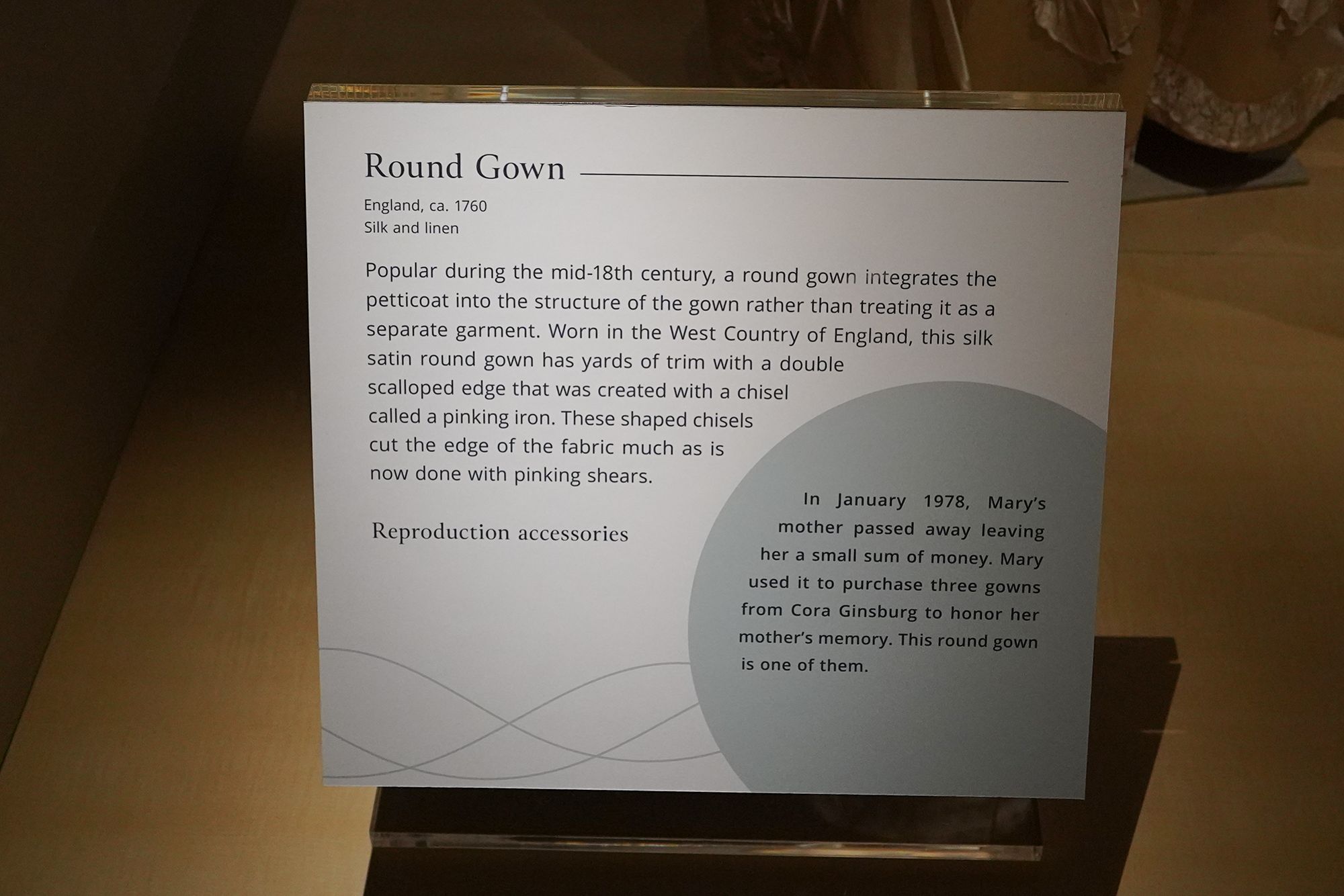
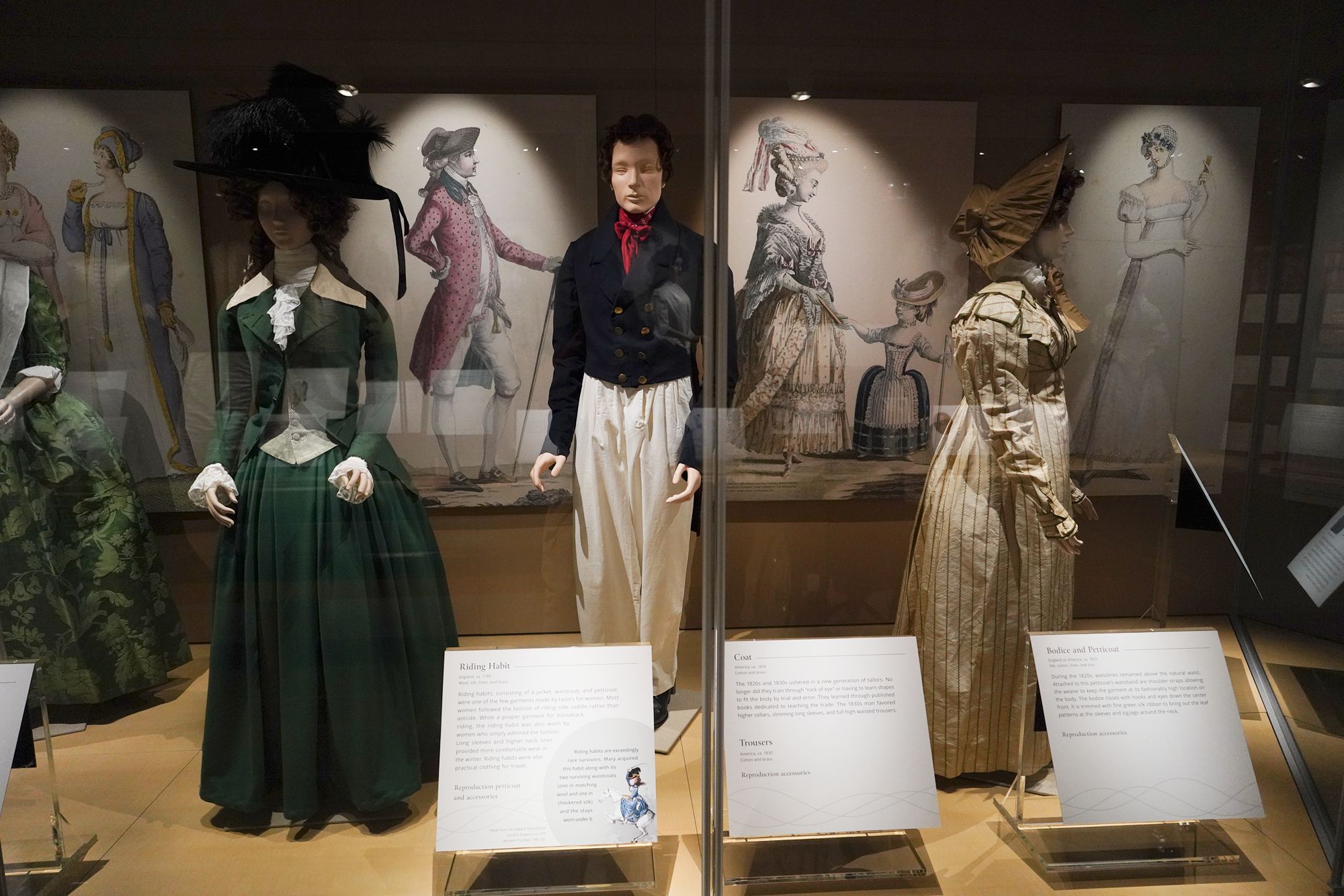
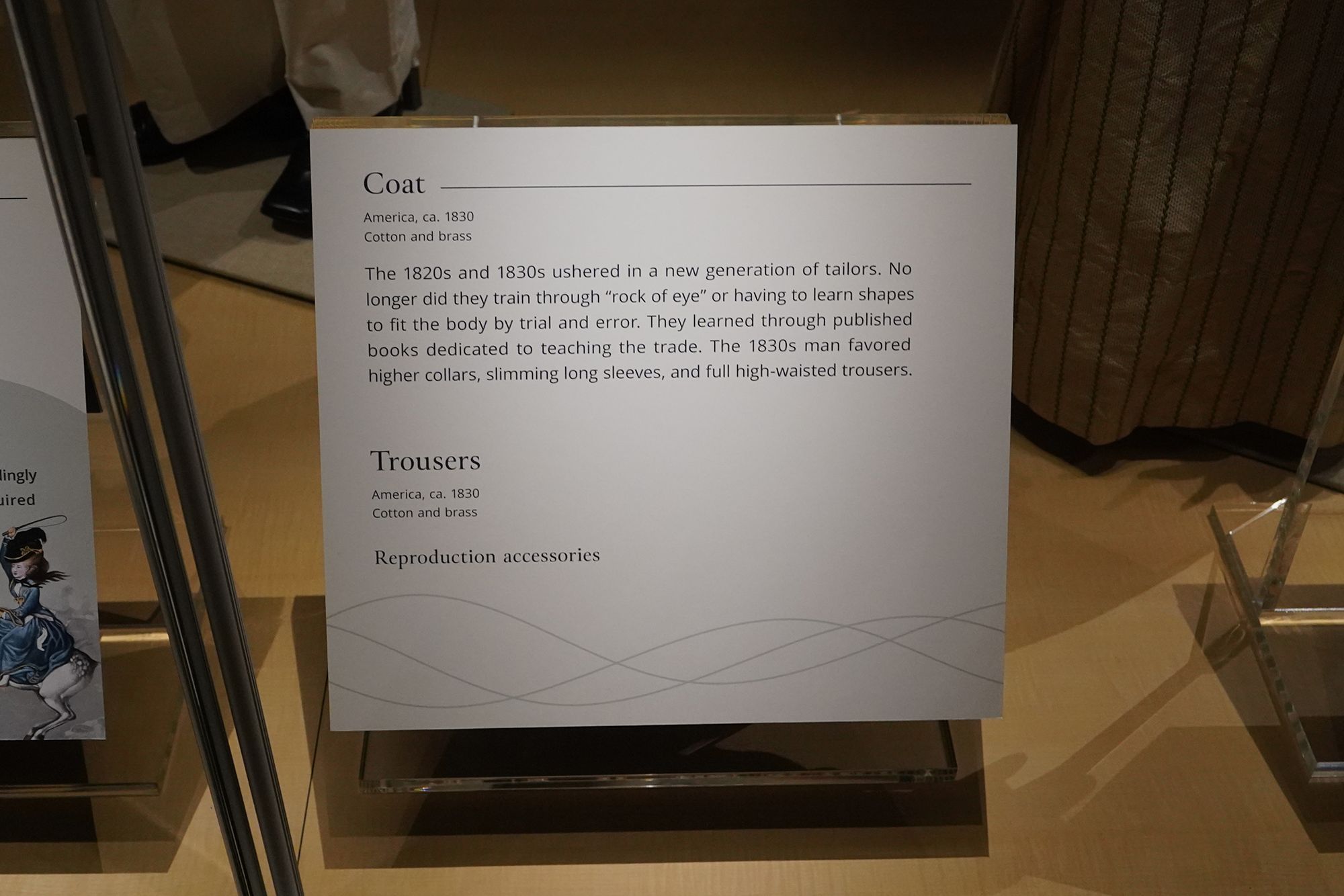
Fashion
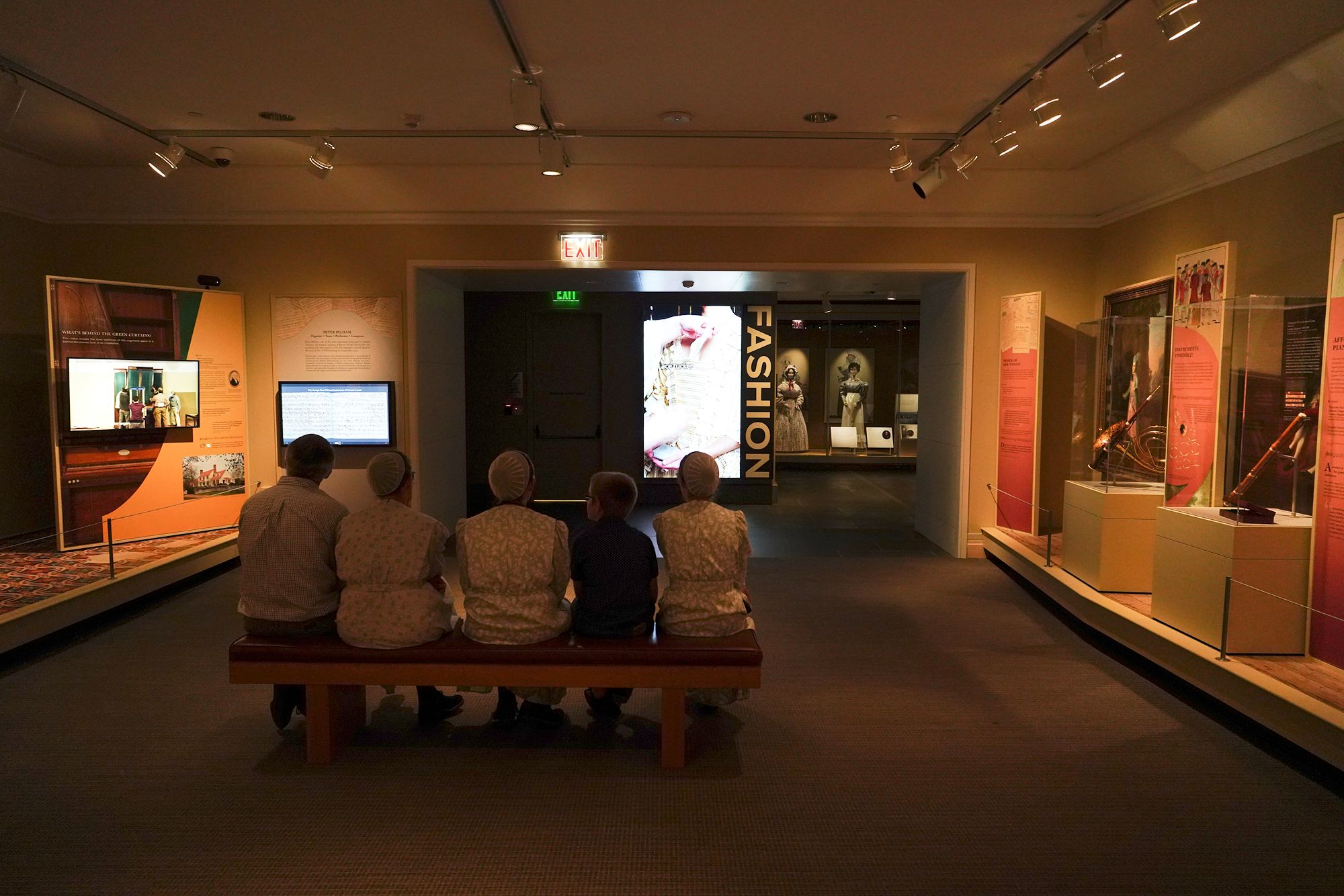
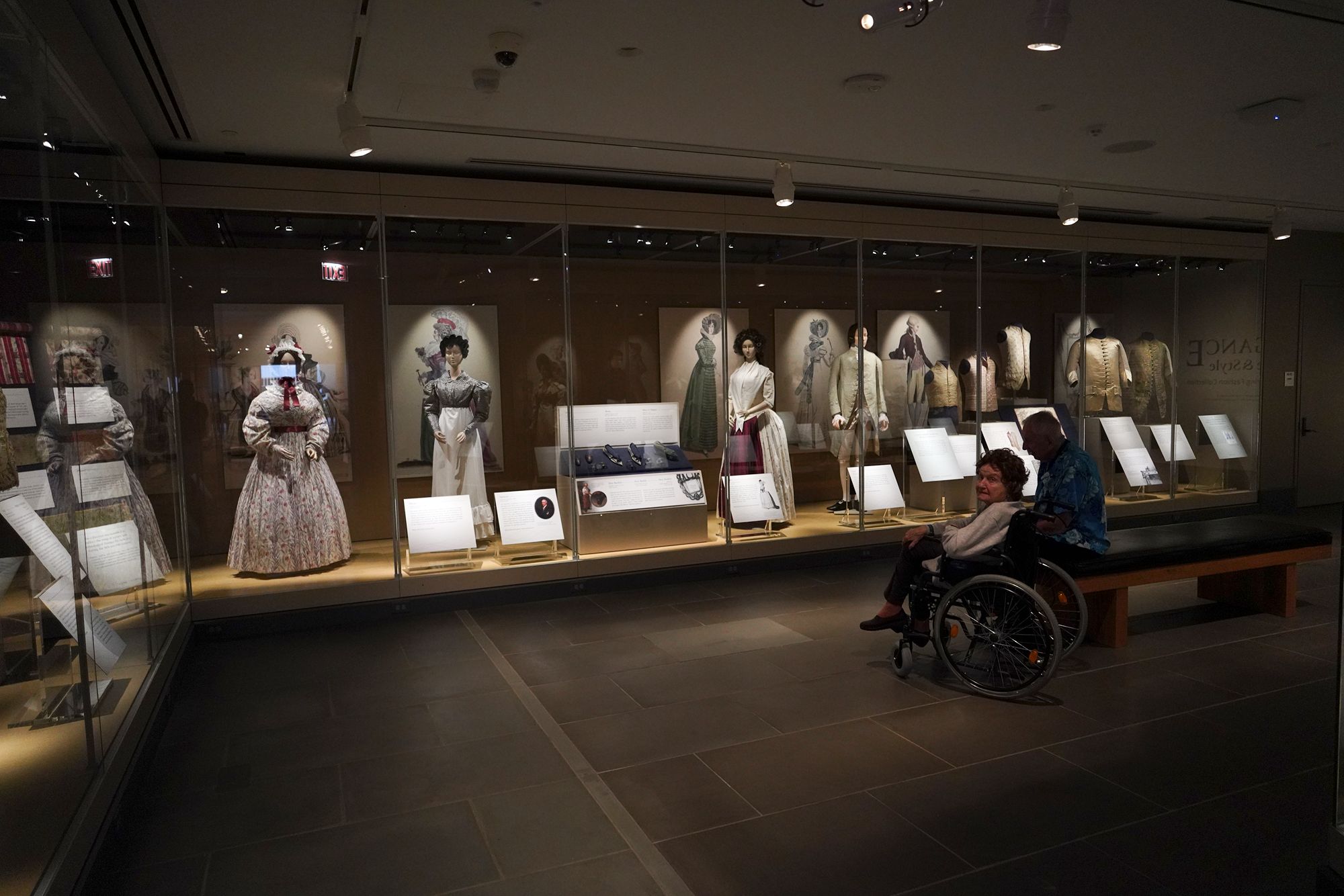
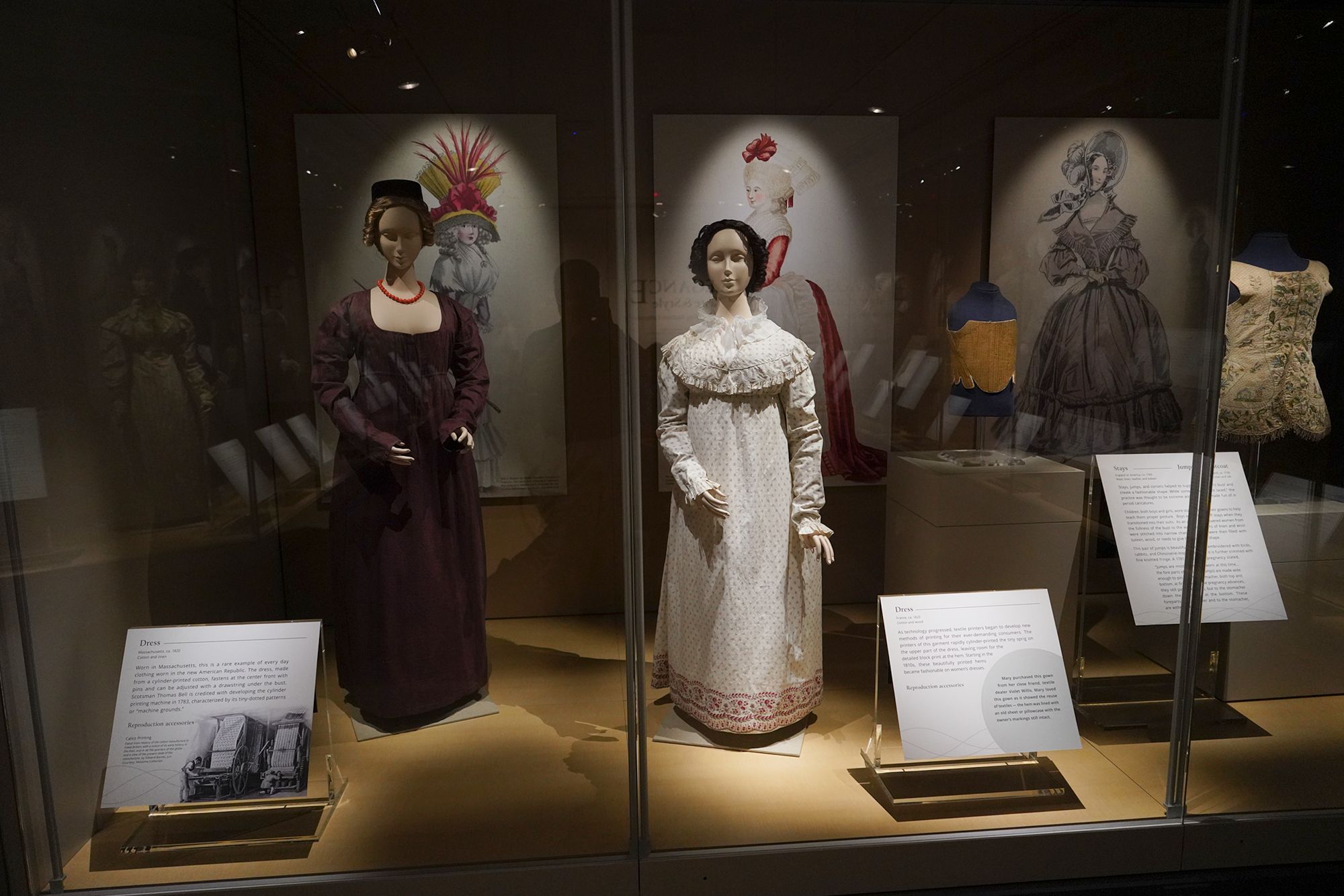
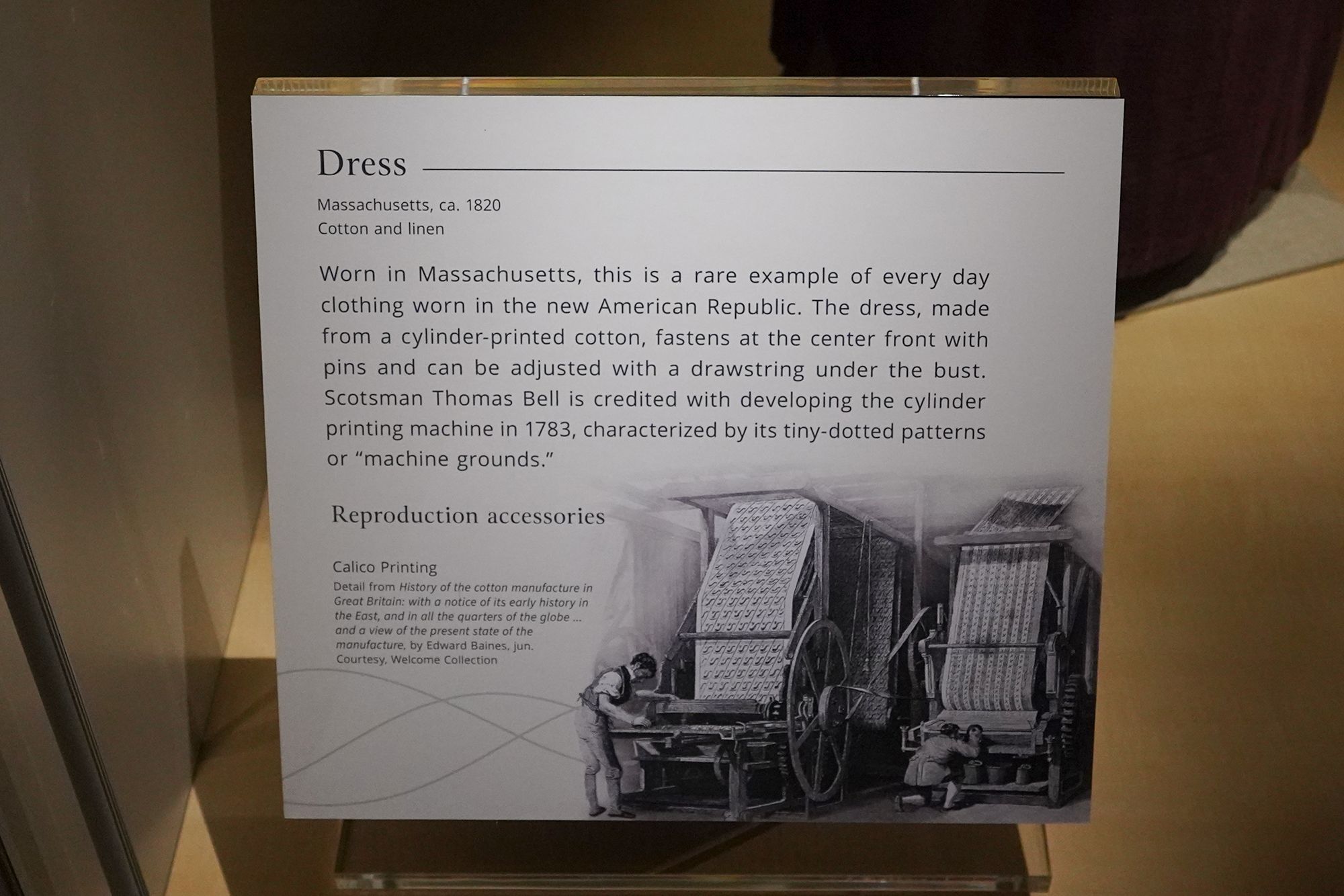
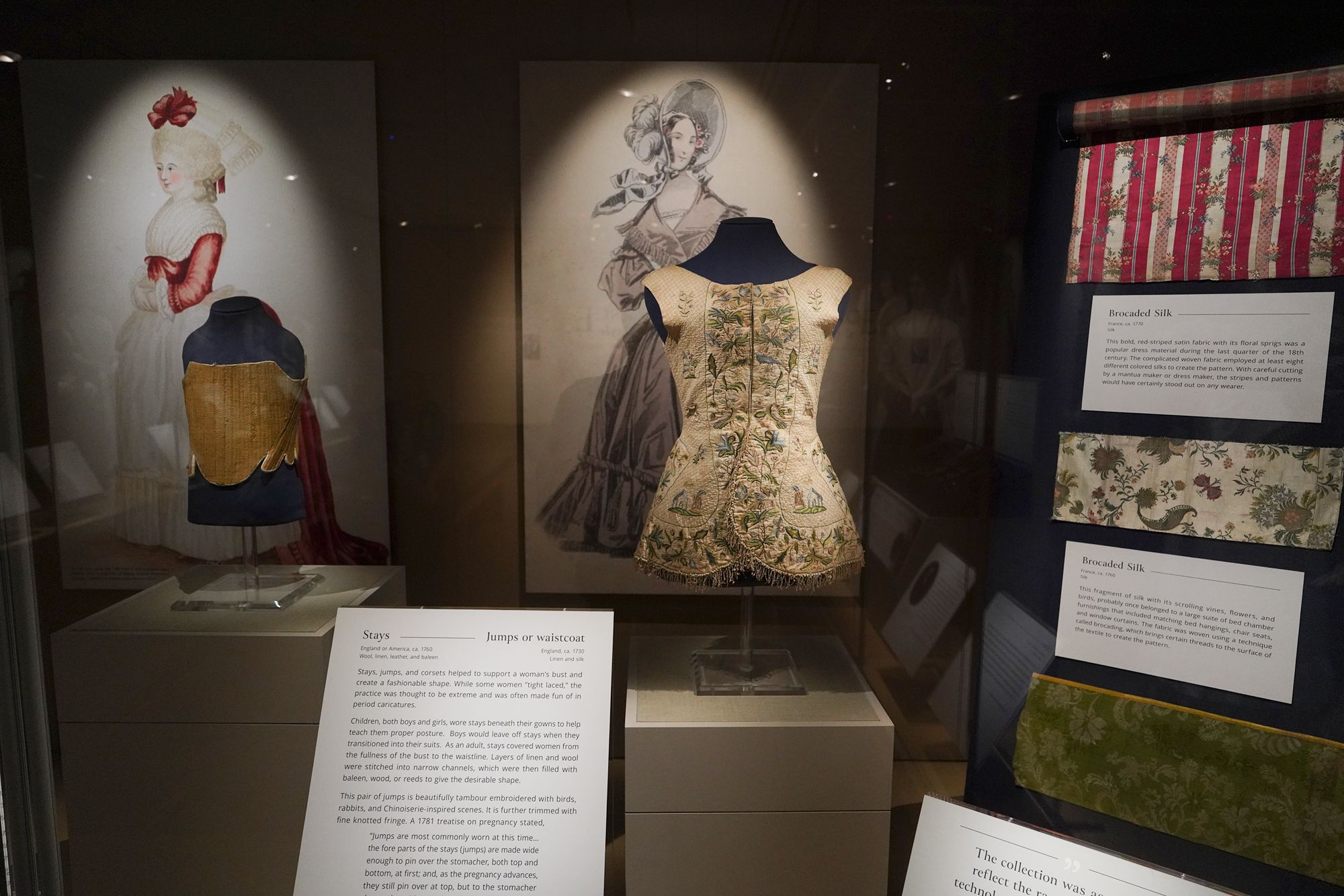
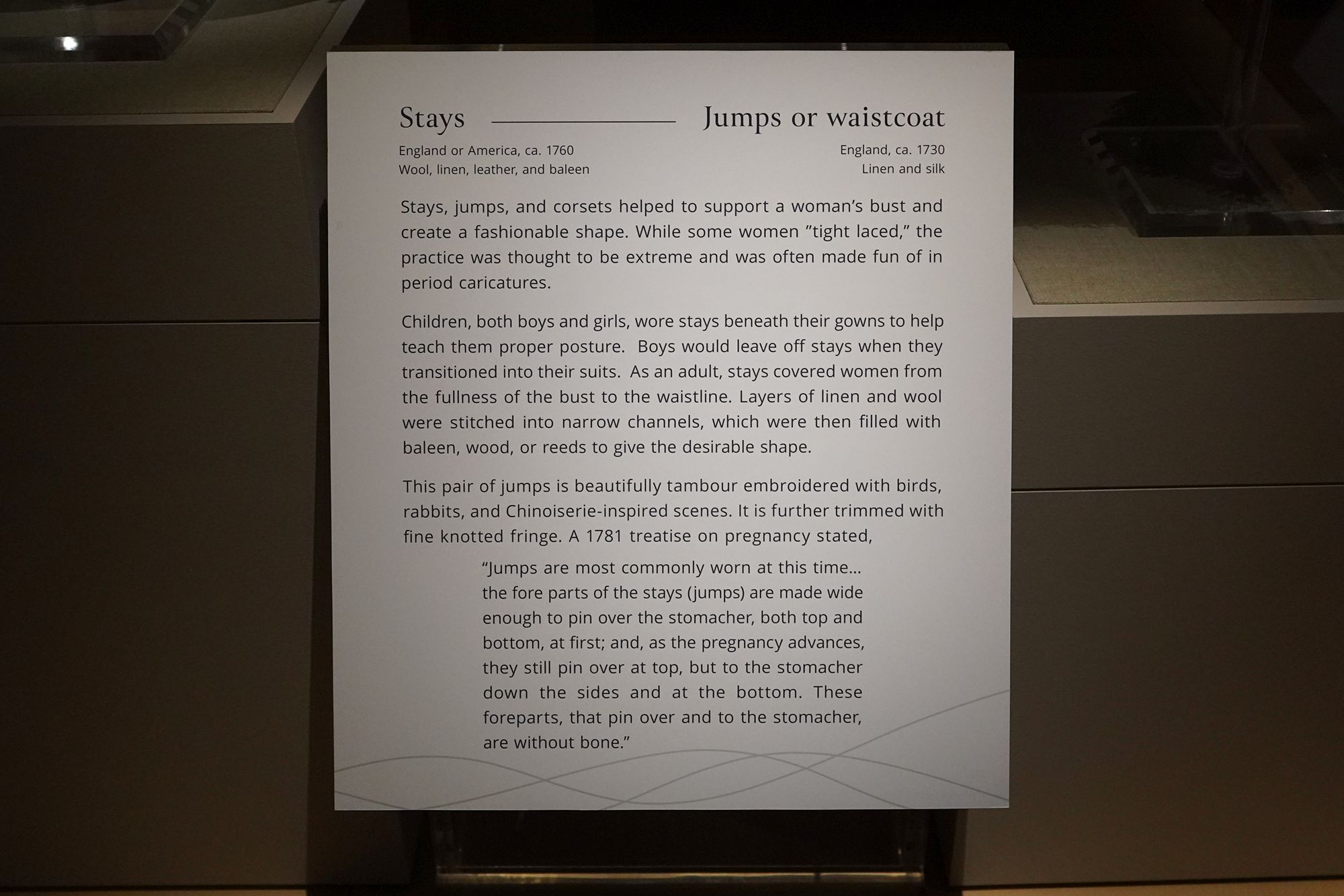
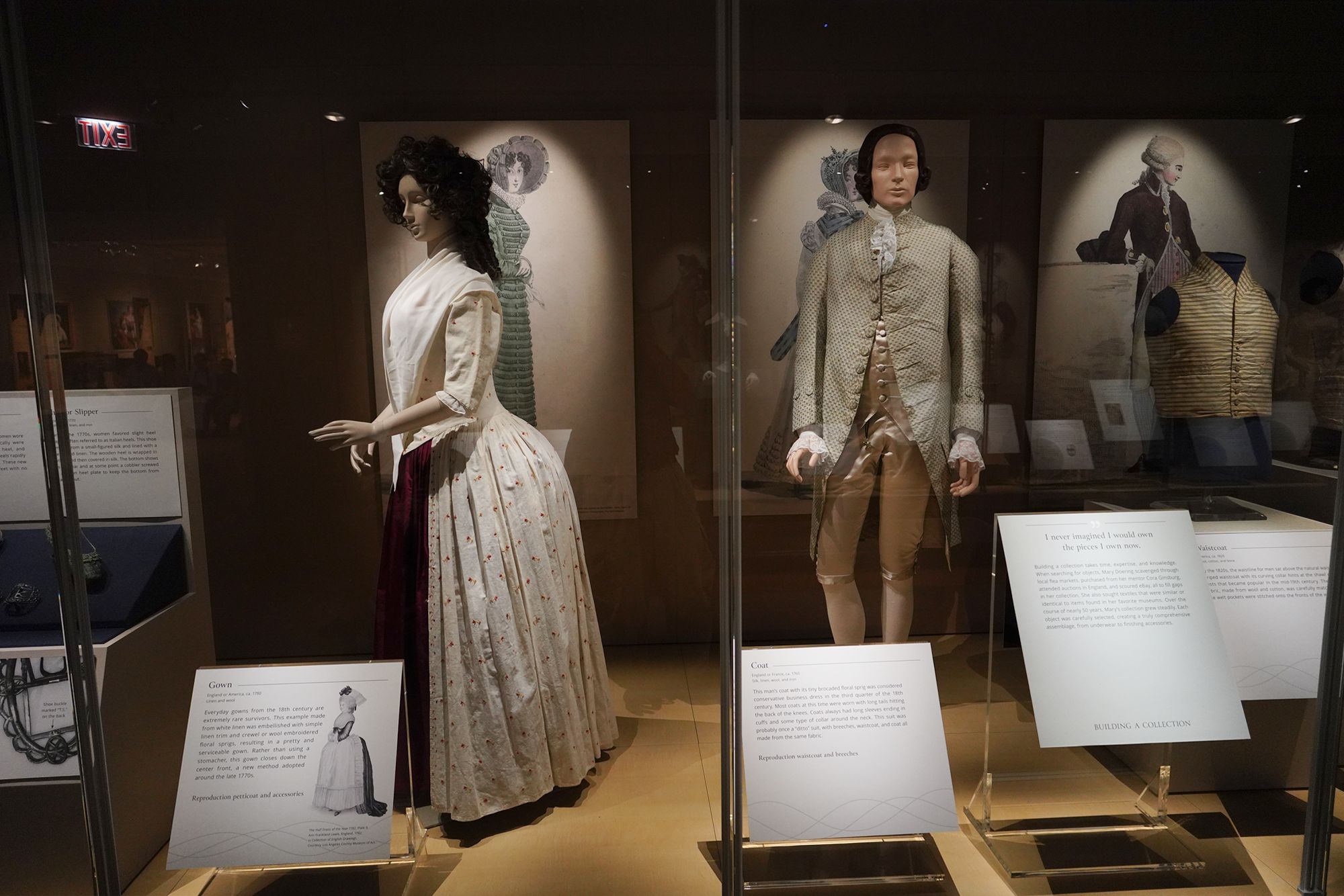
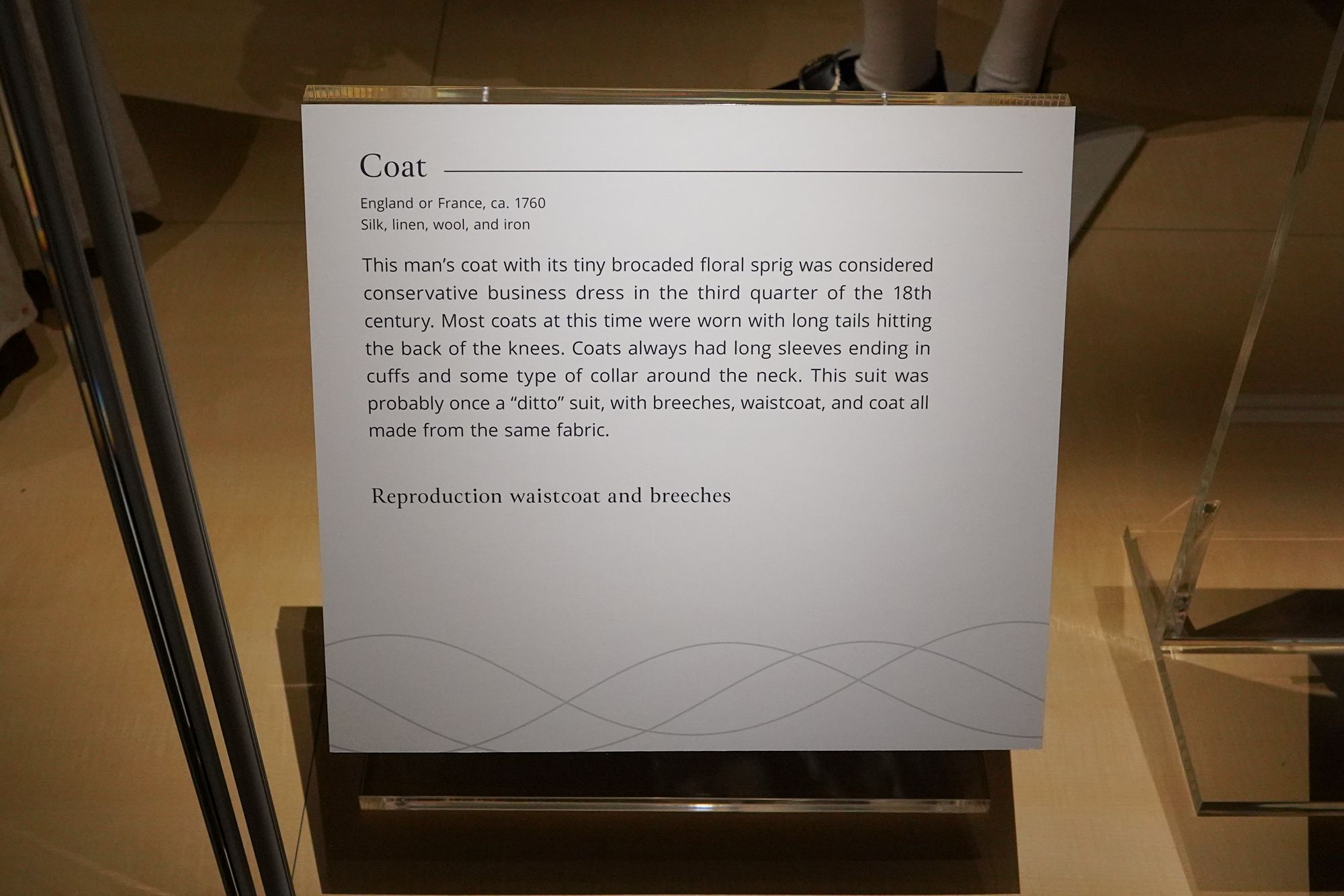
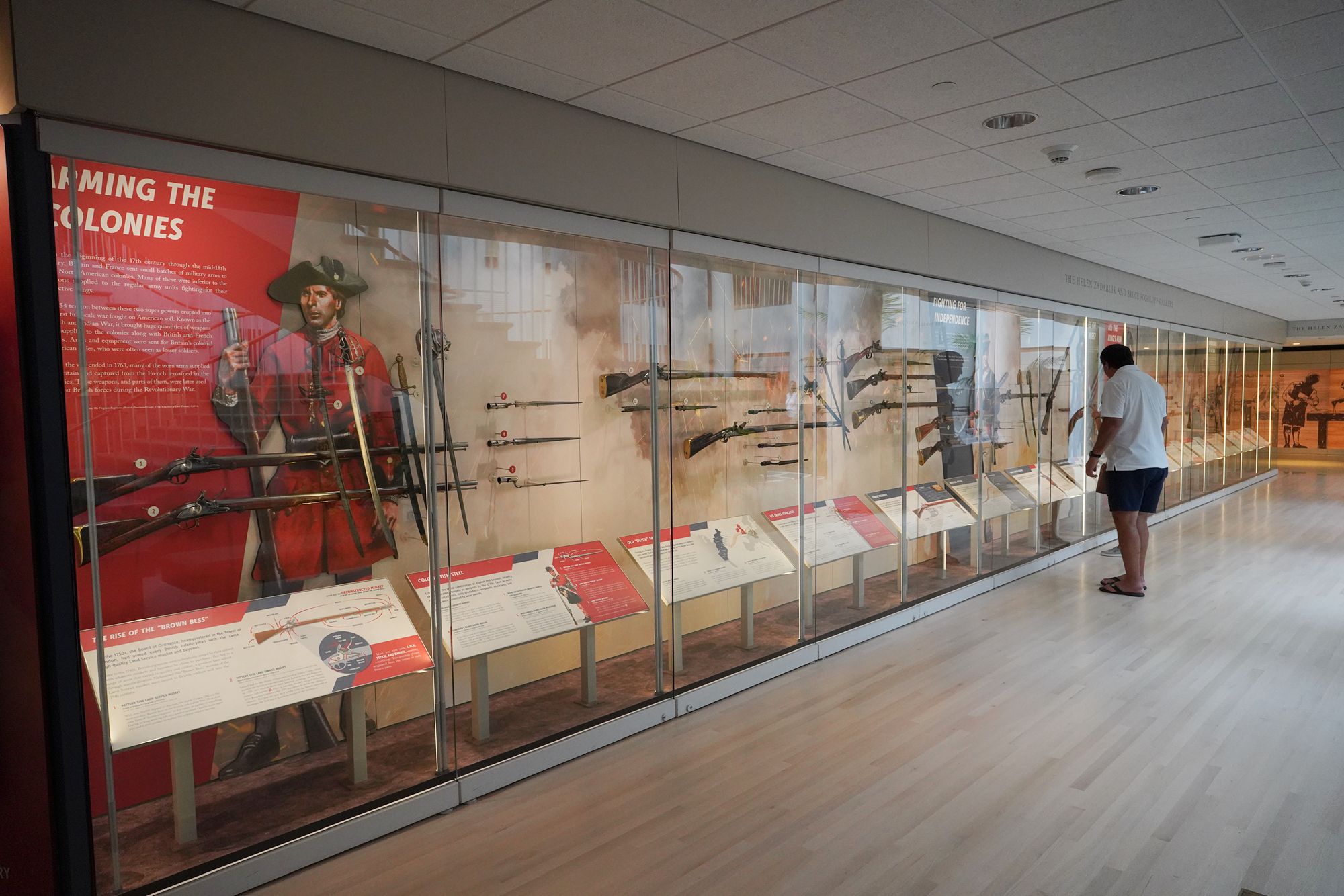
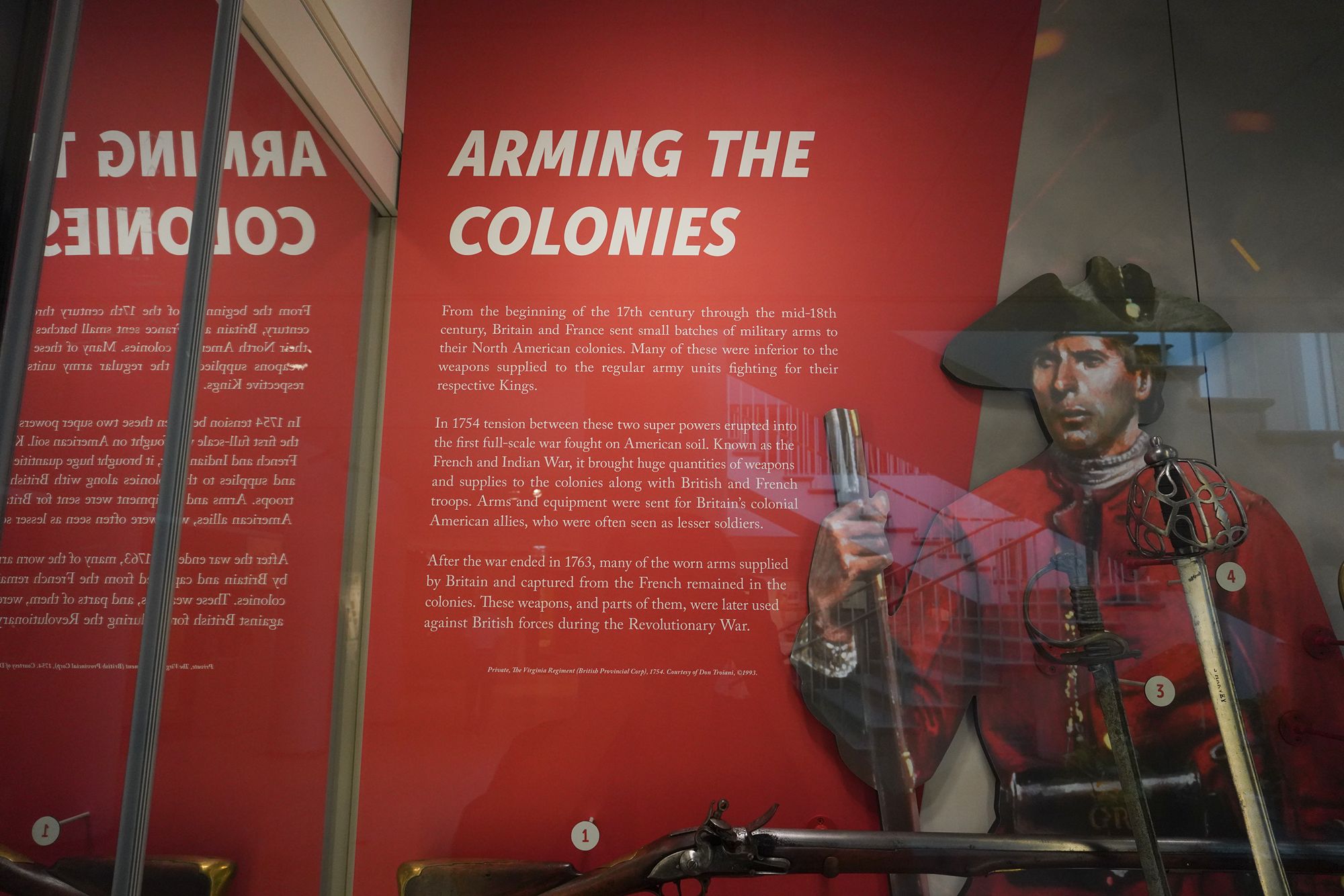
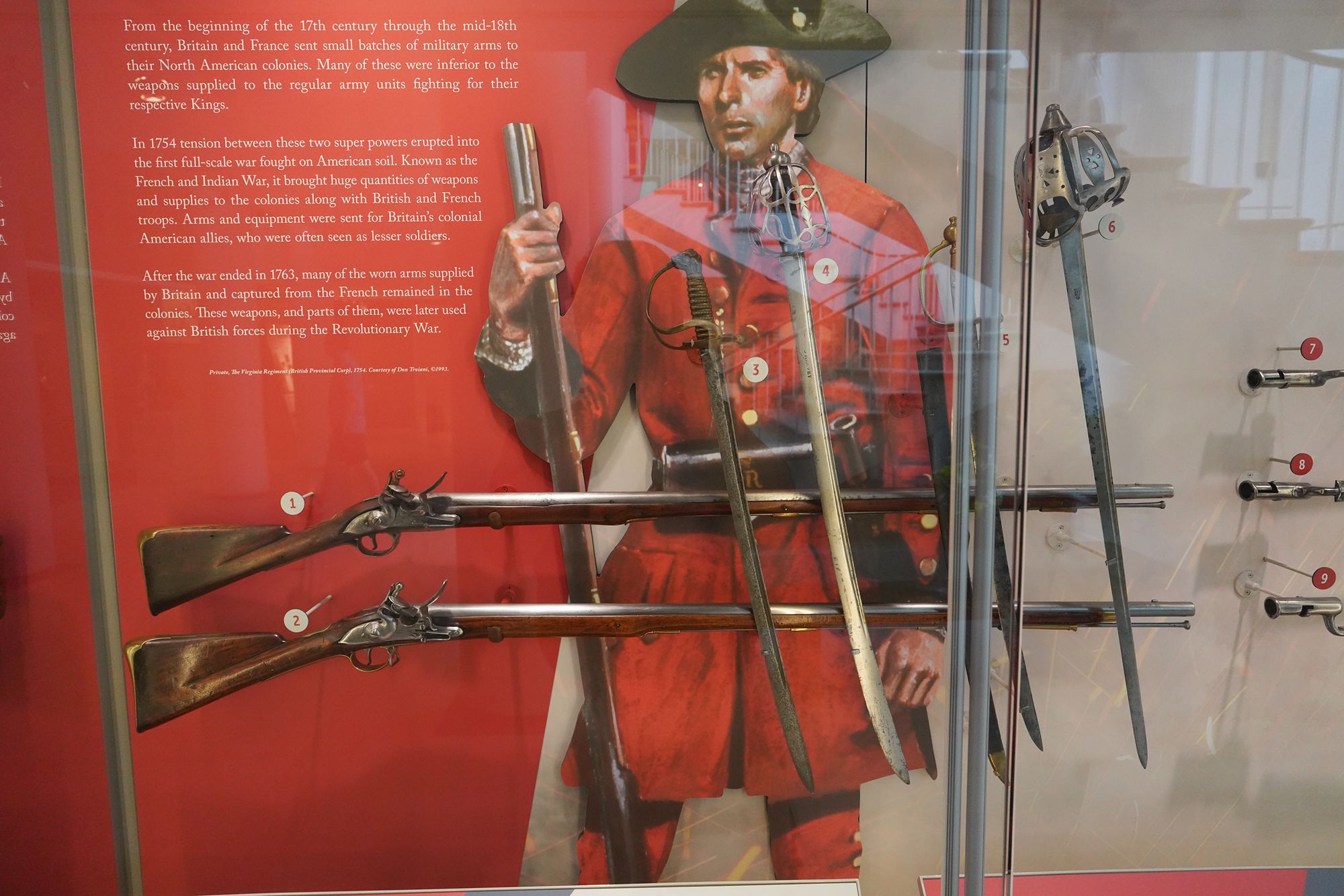
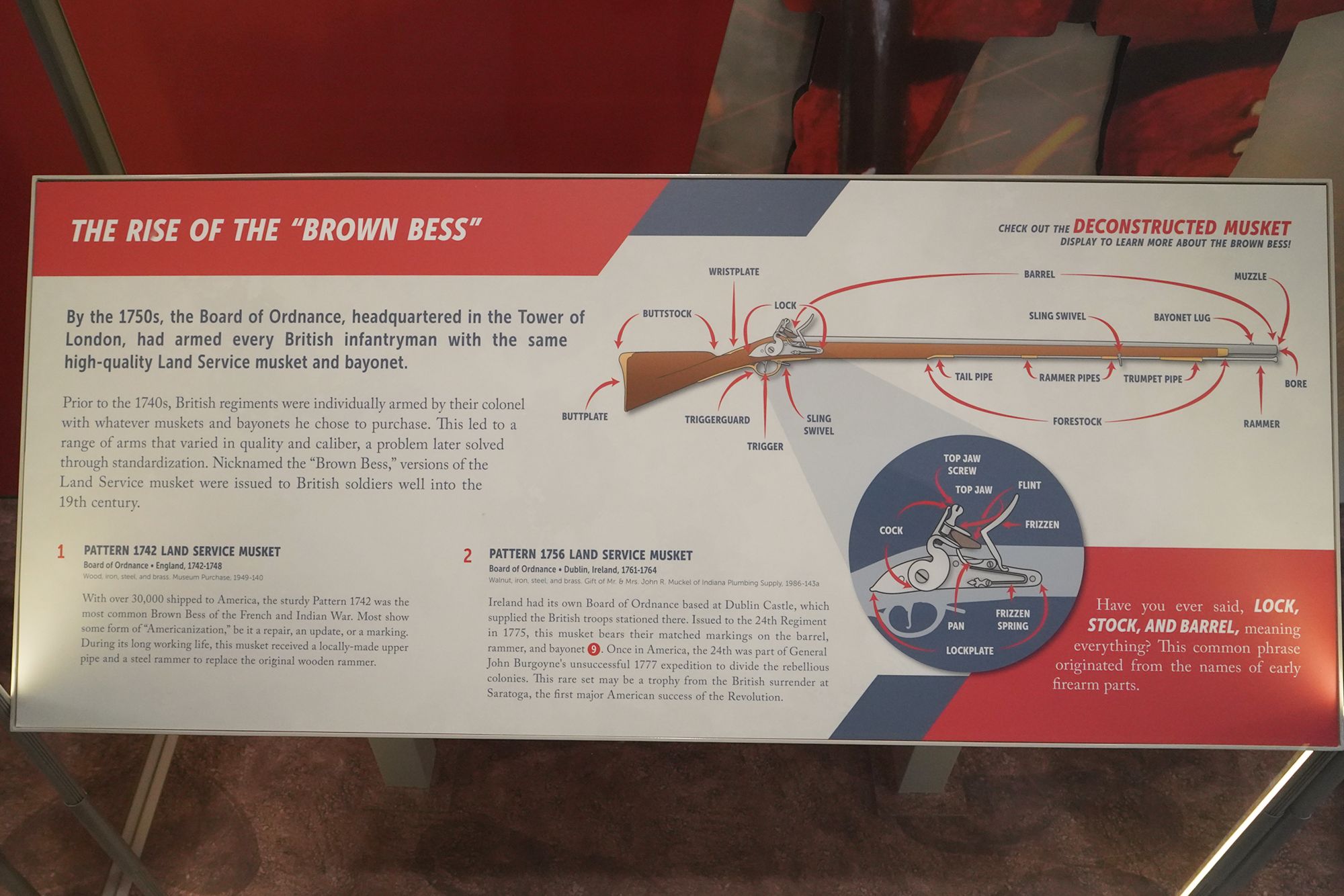
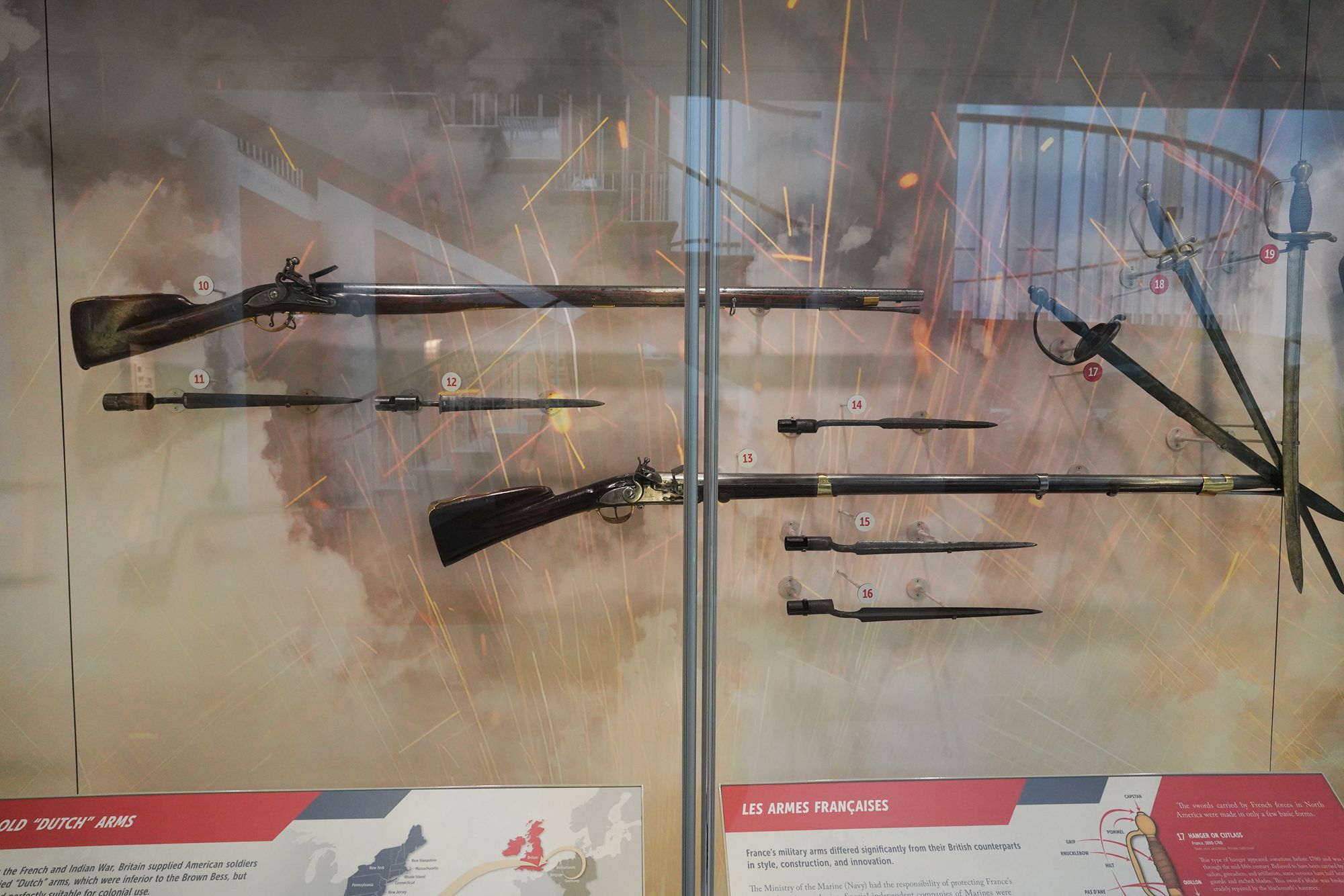
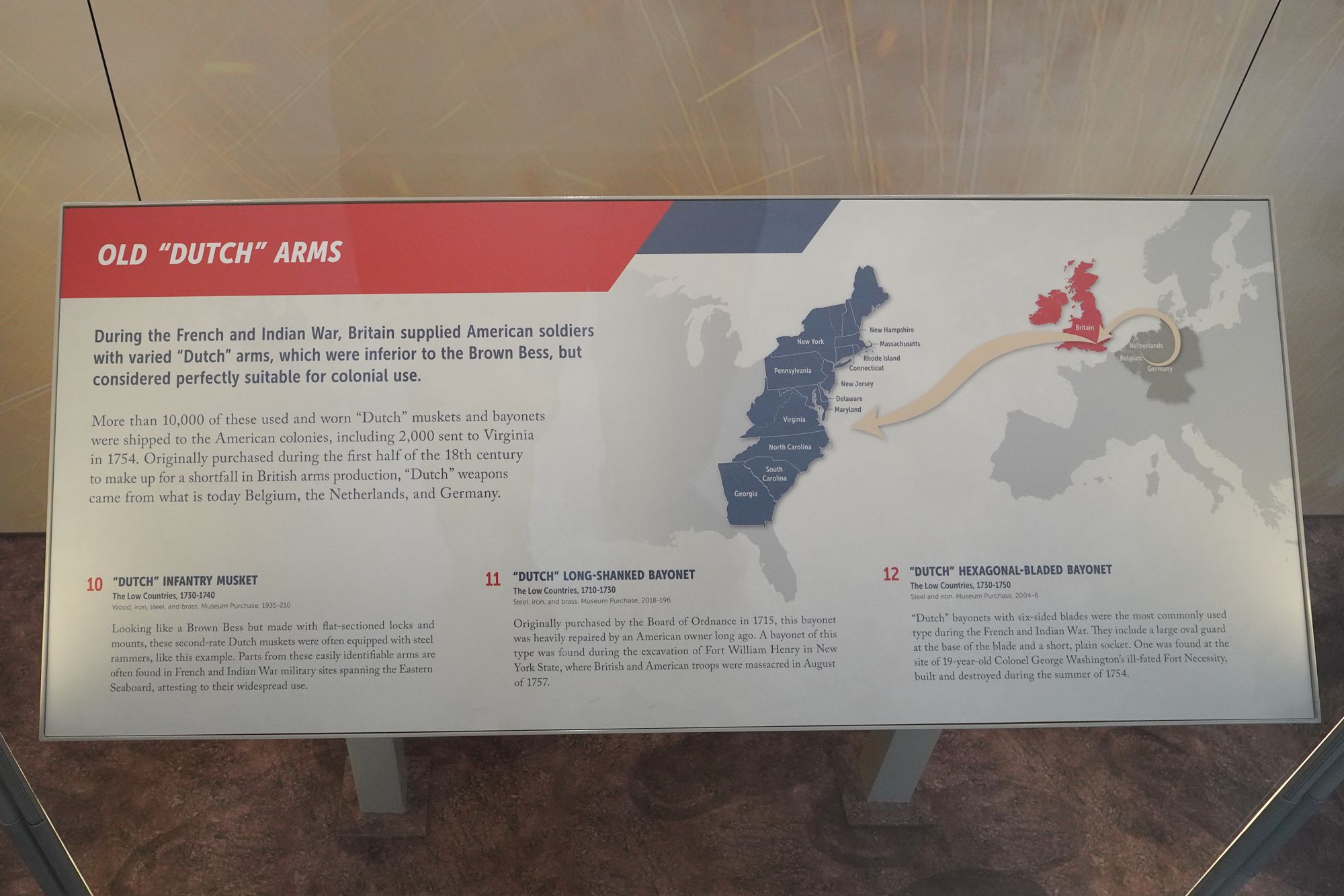
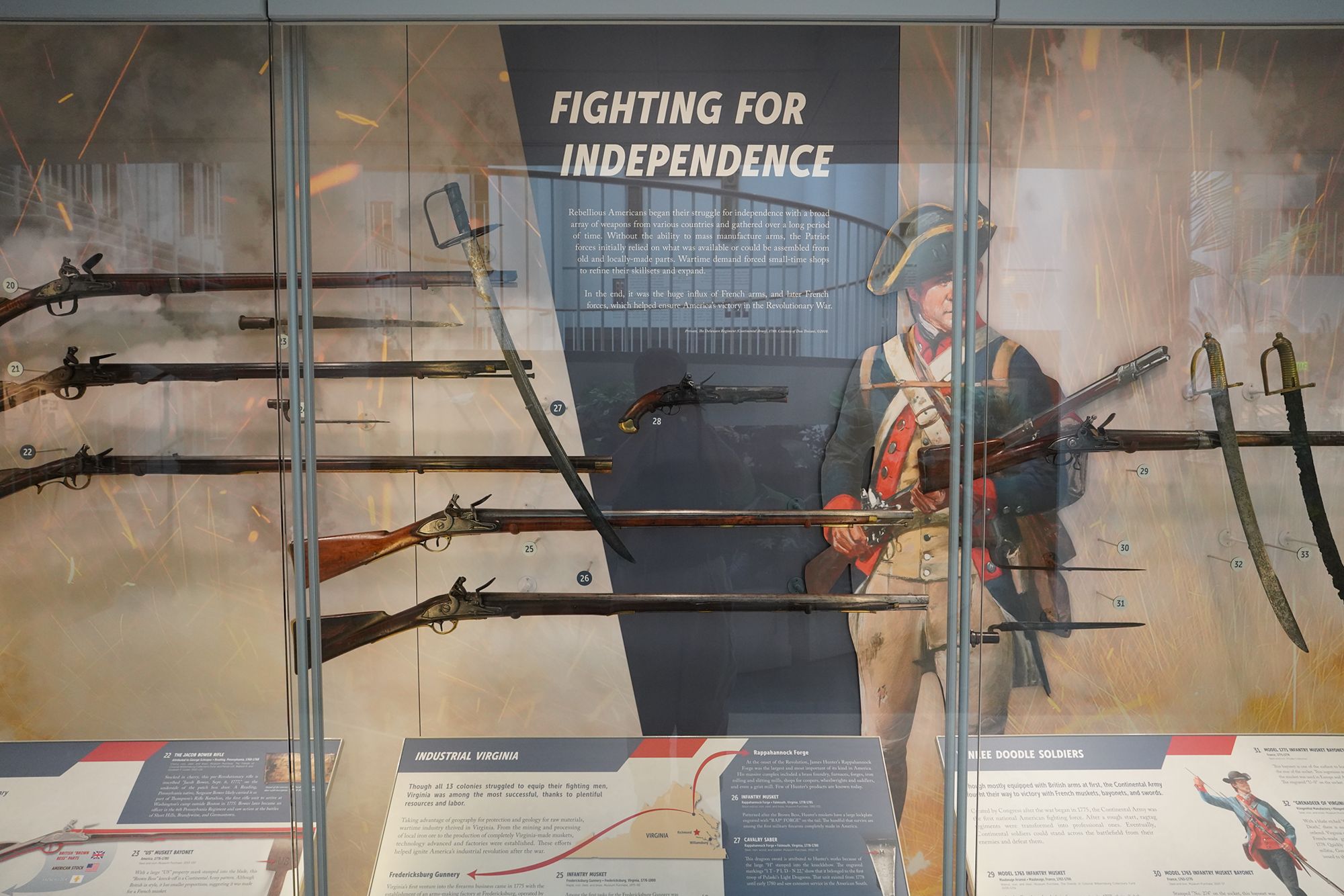
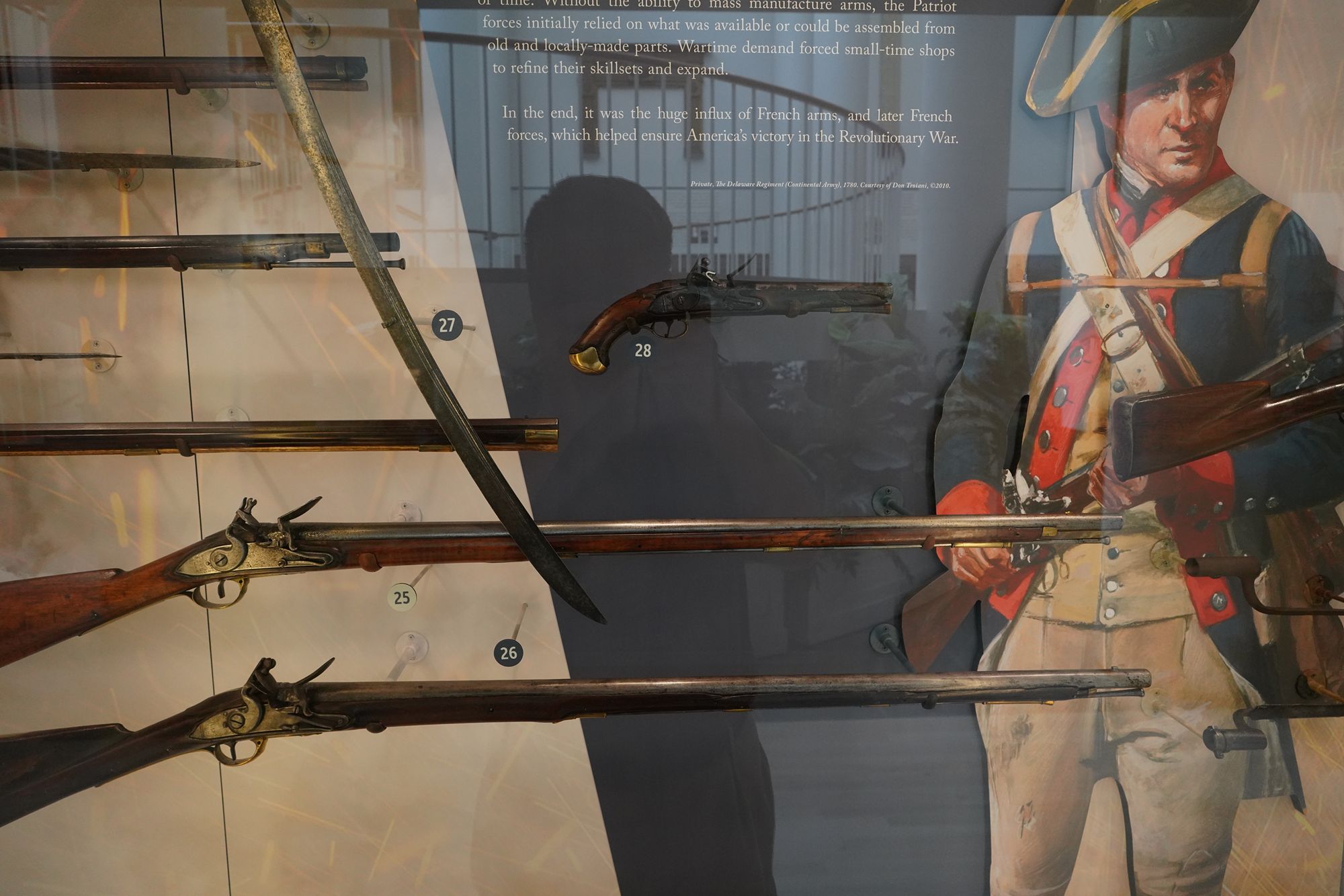
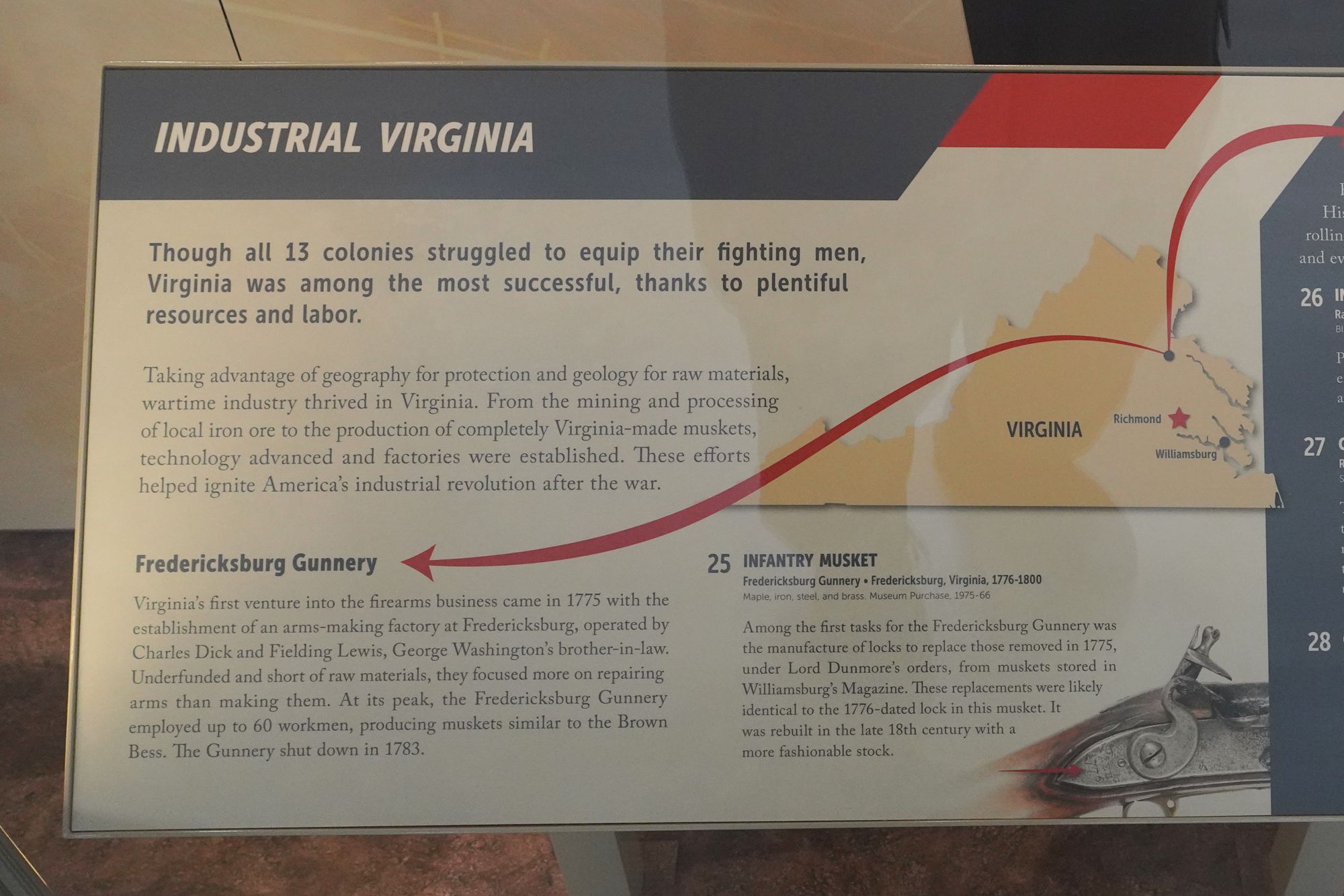
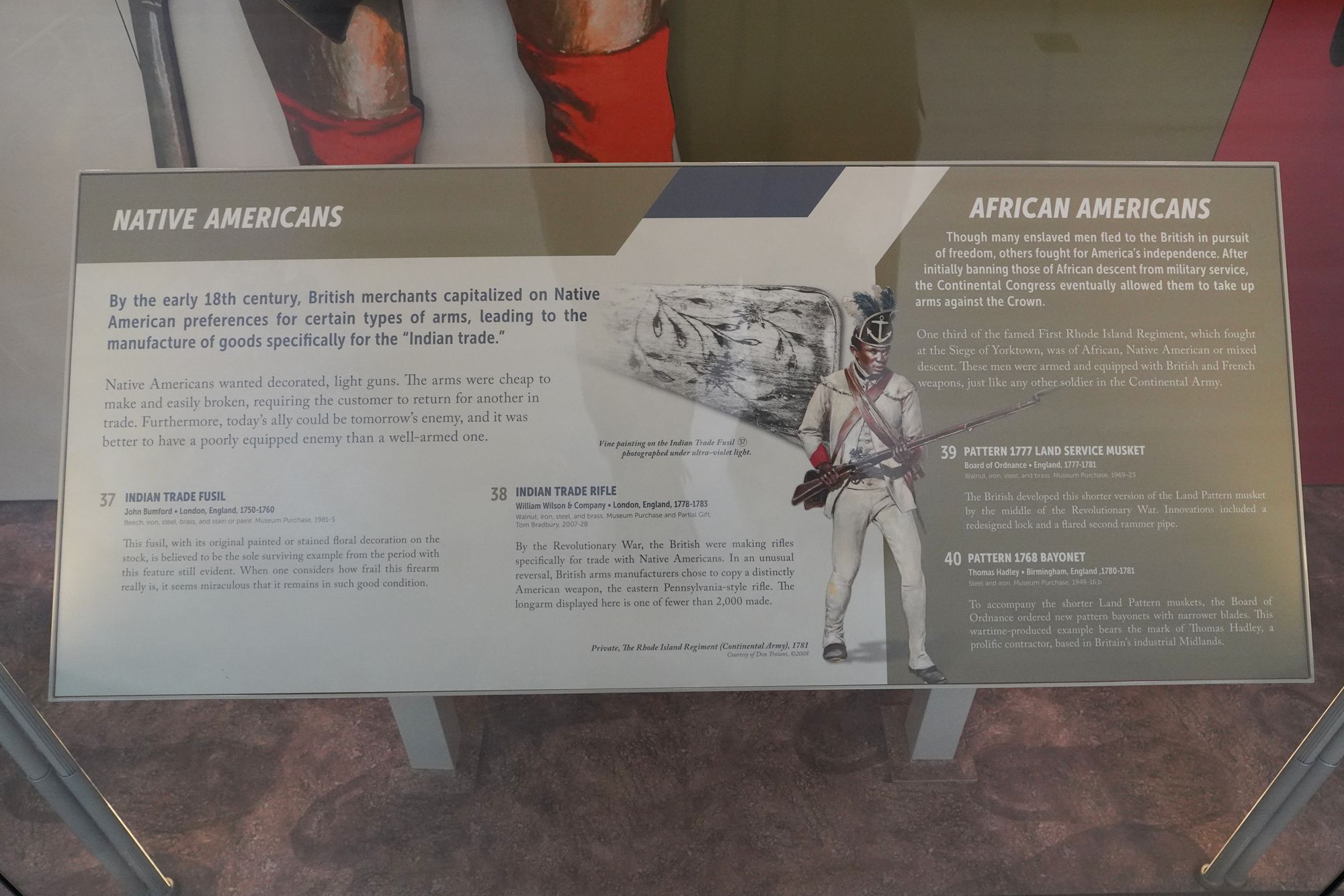
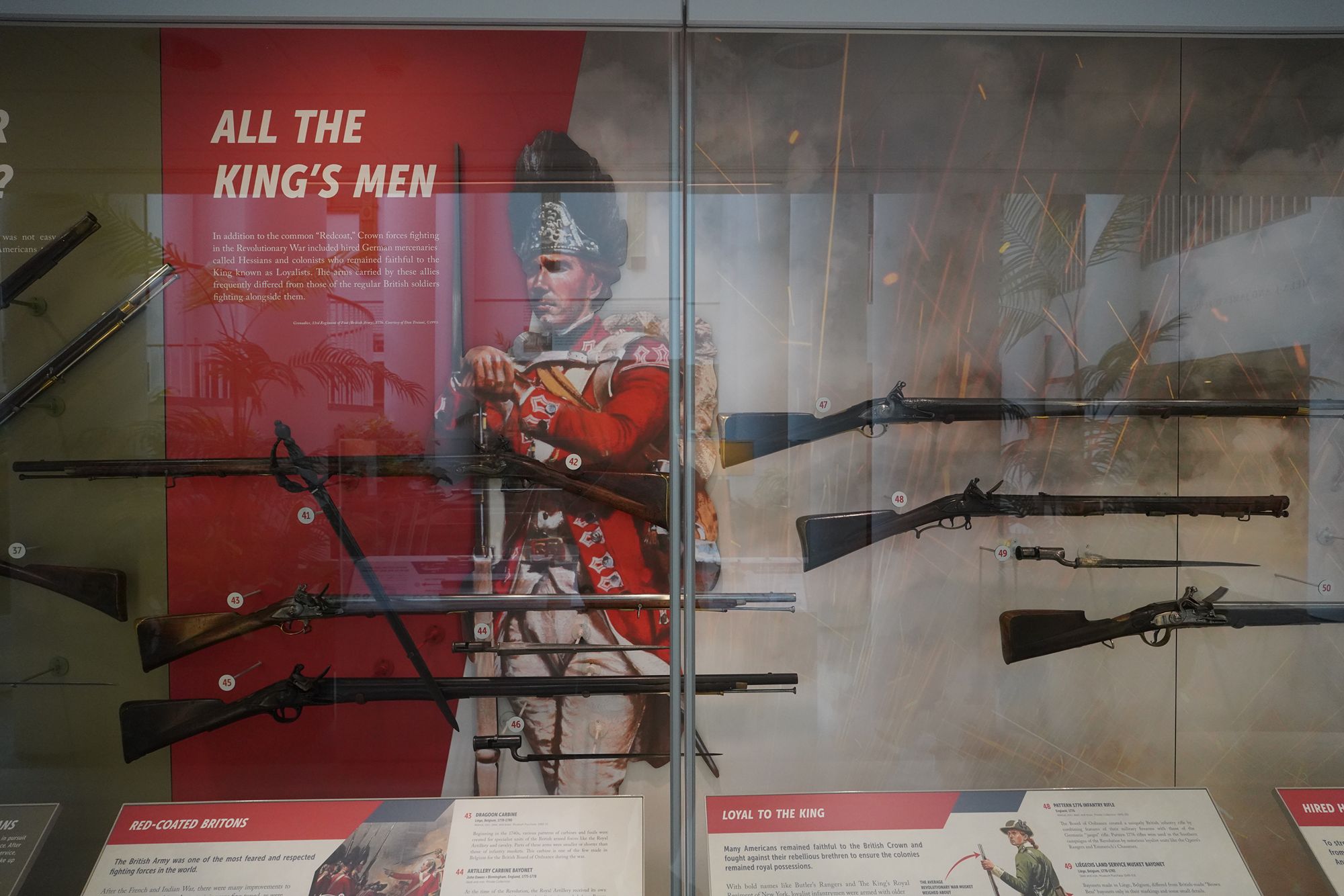
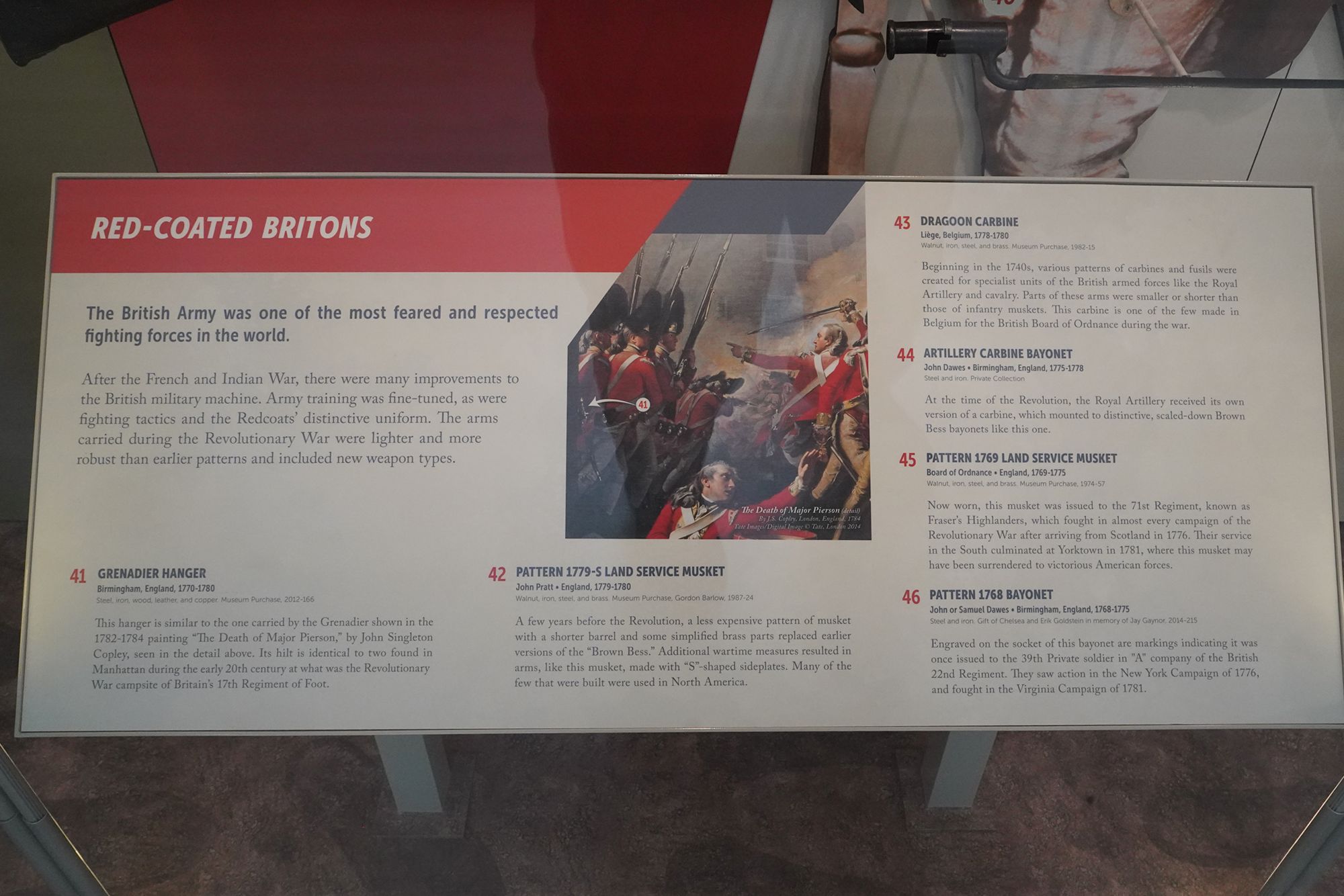
Arming the Colonies - Guns

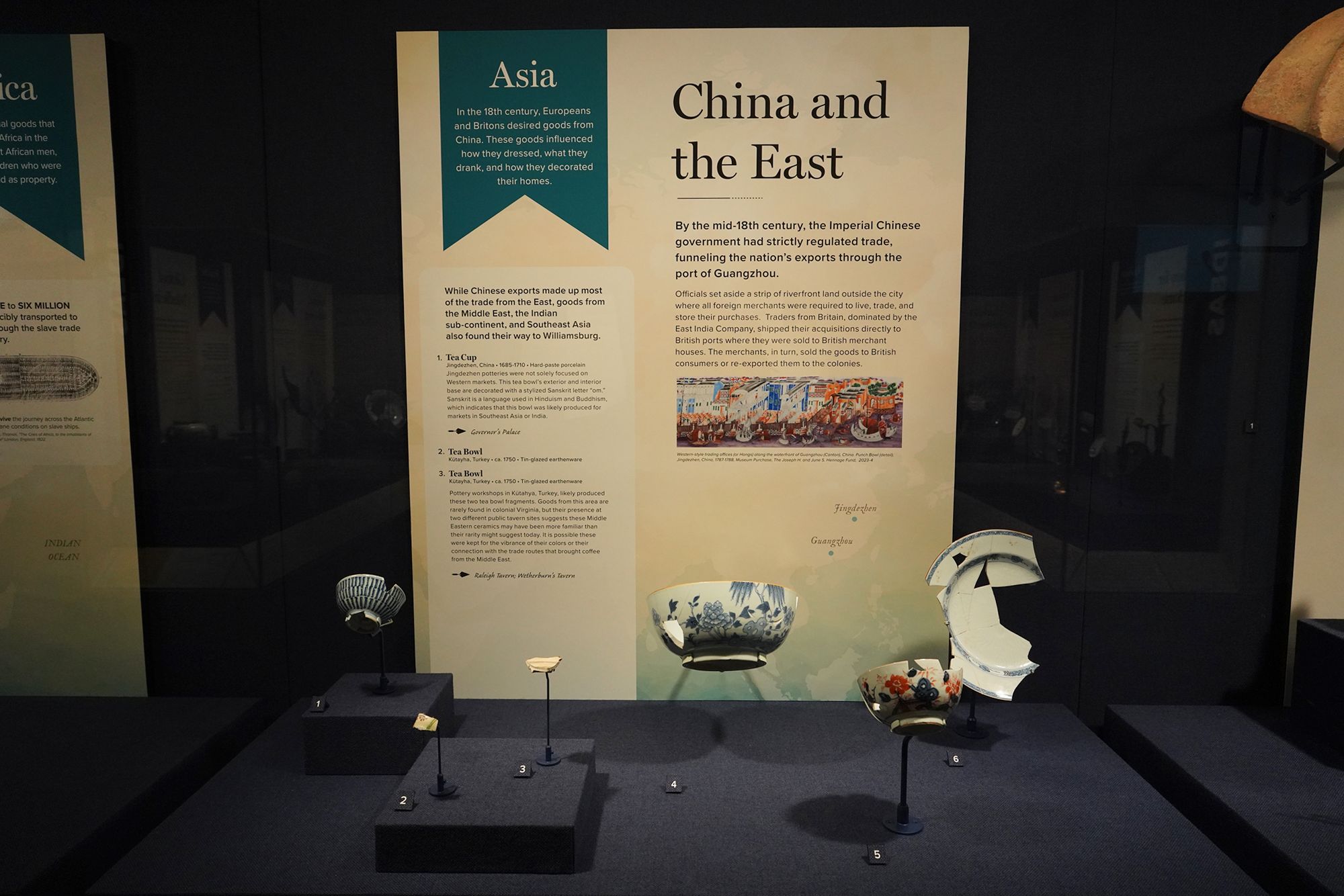
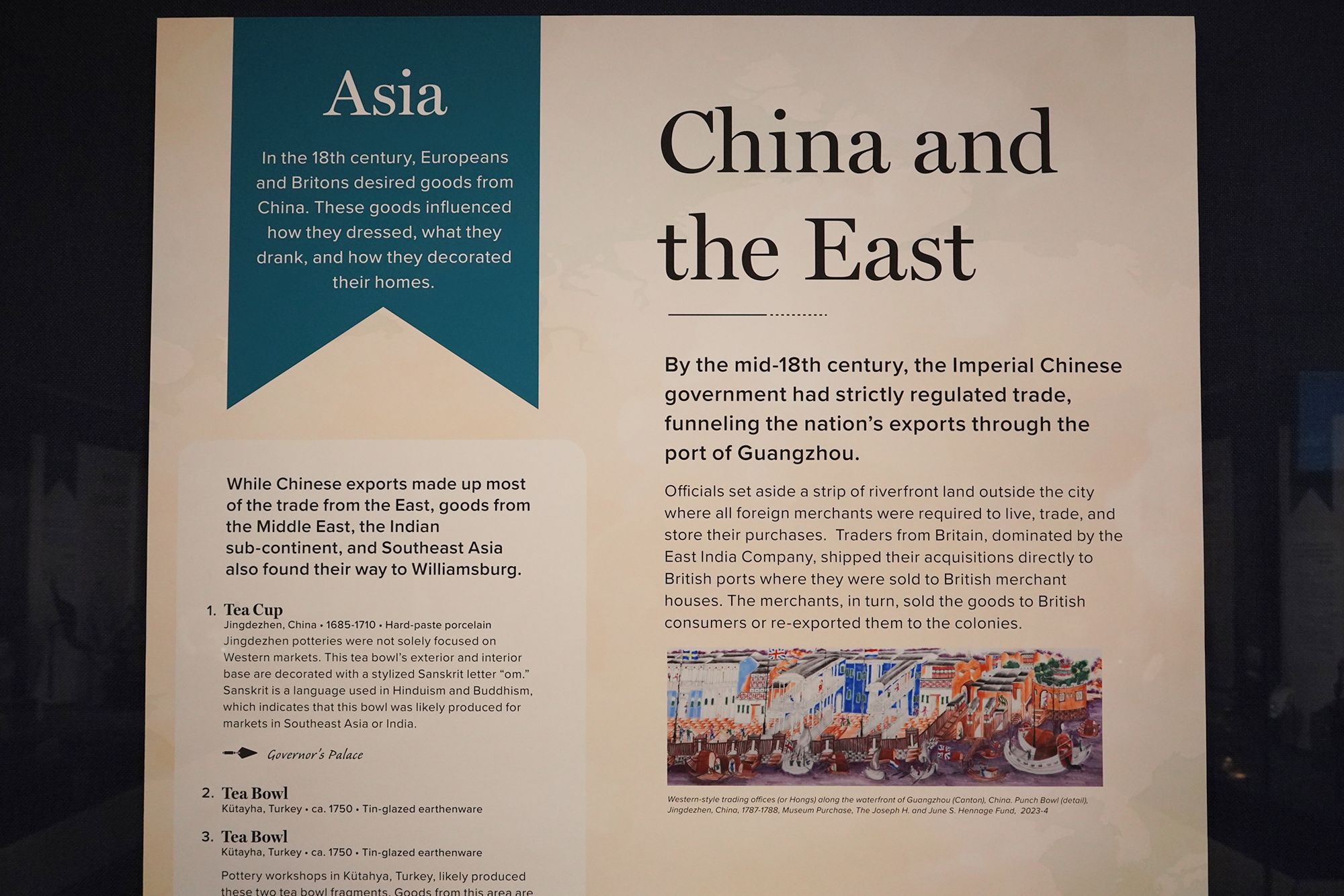
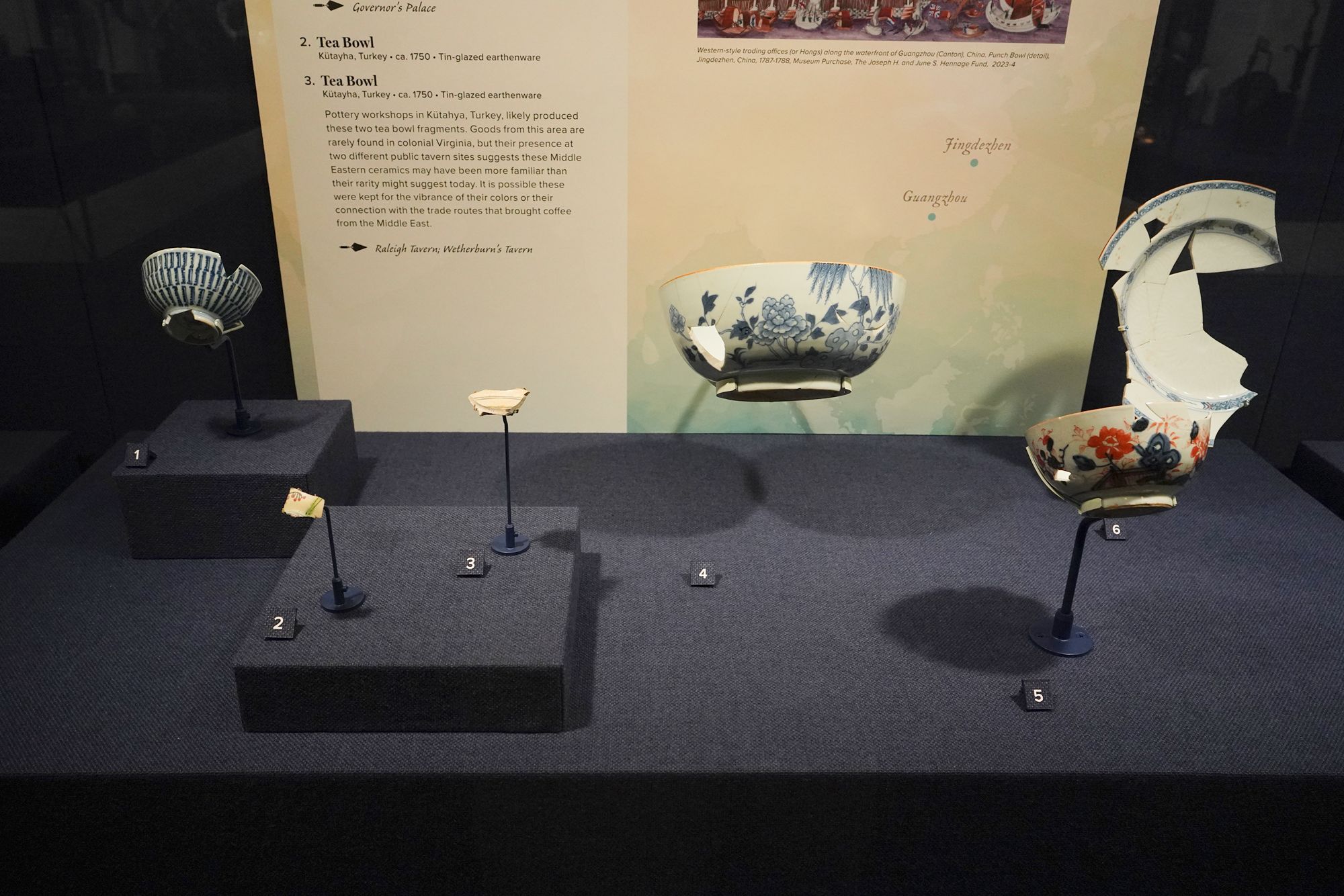
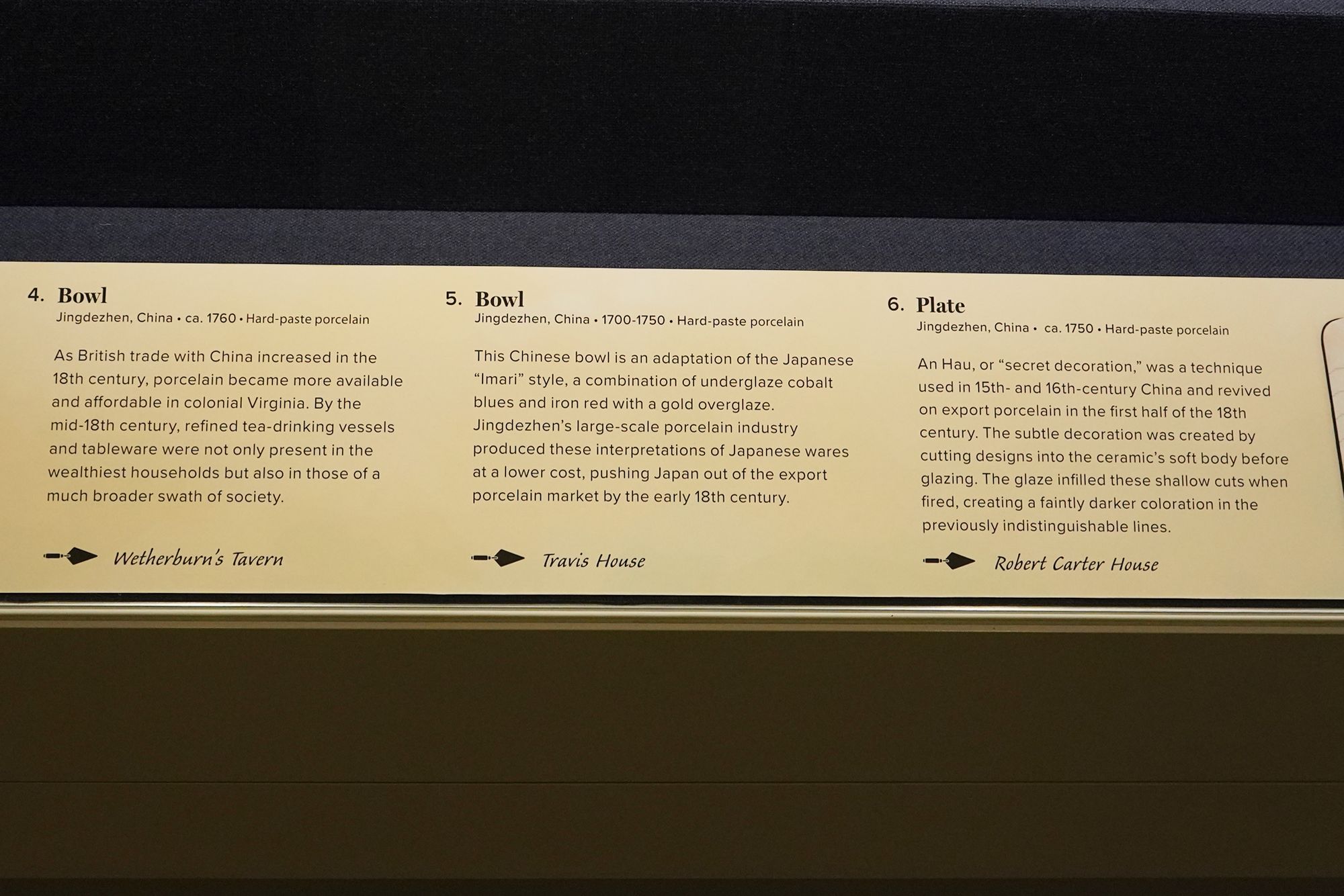
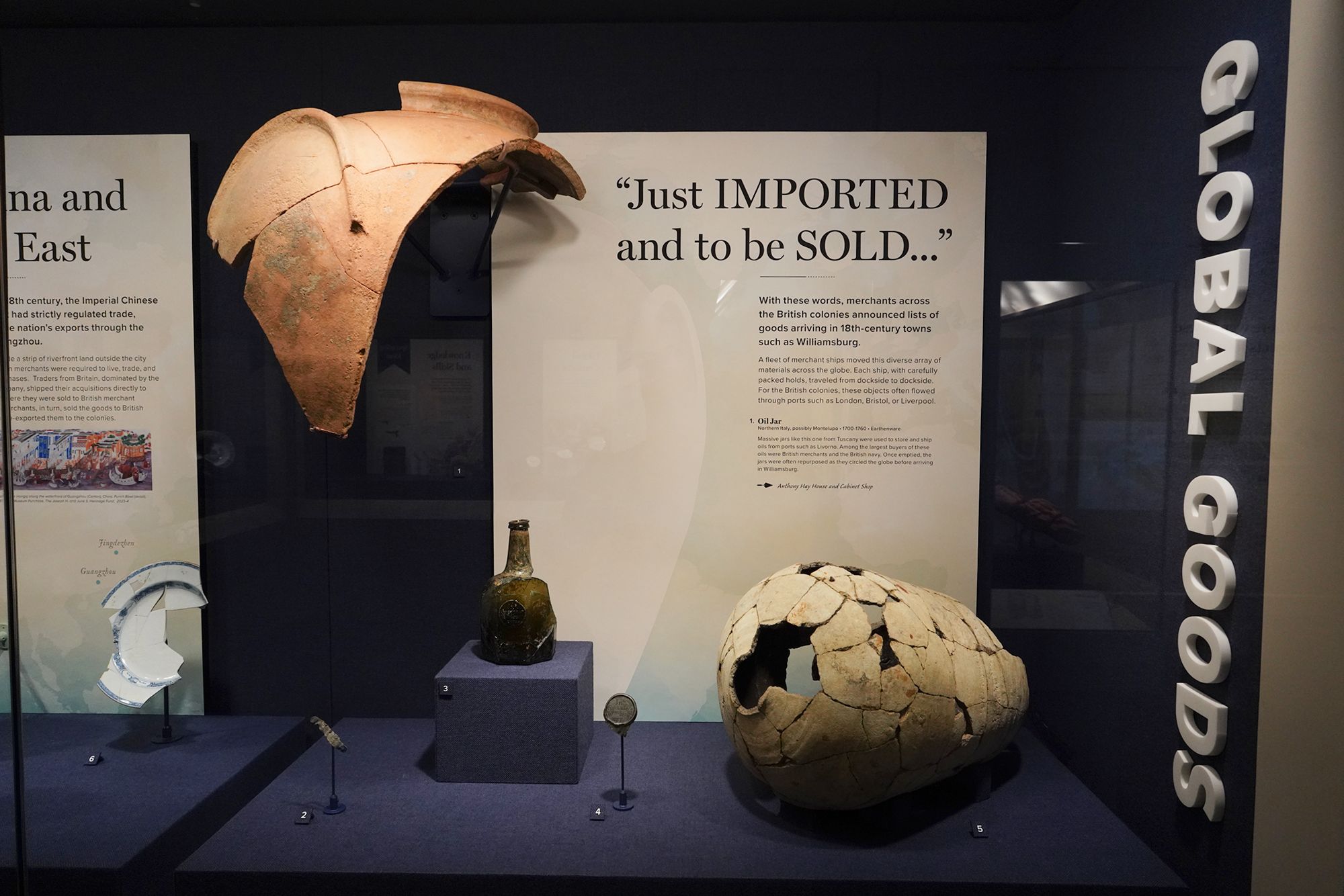
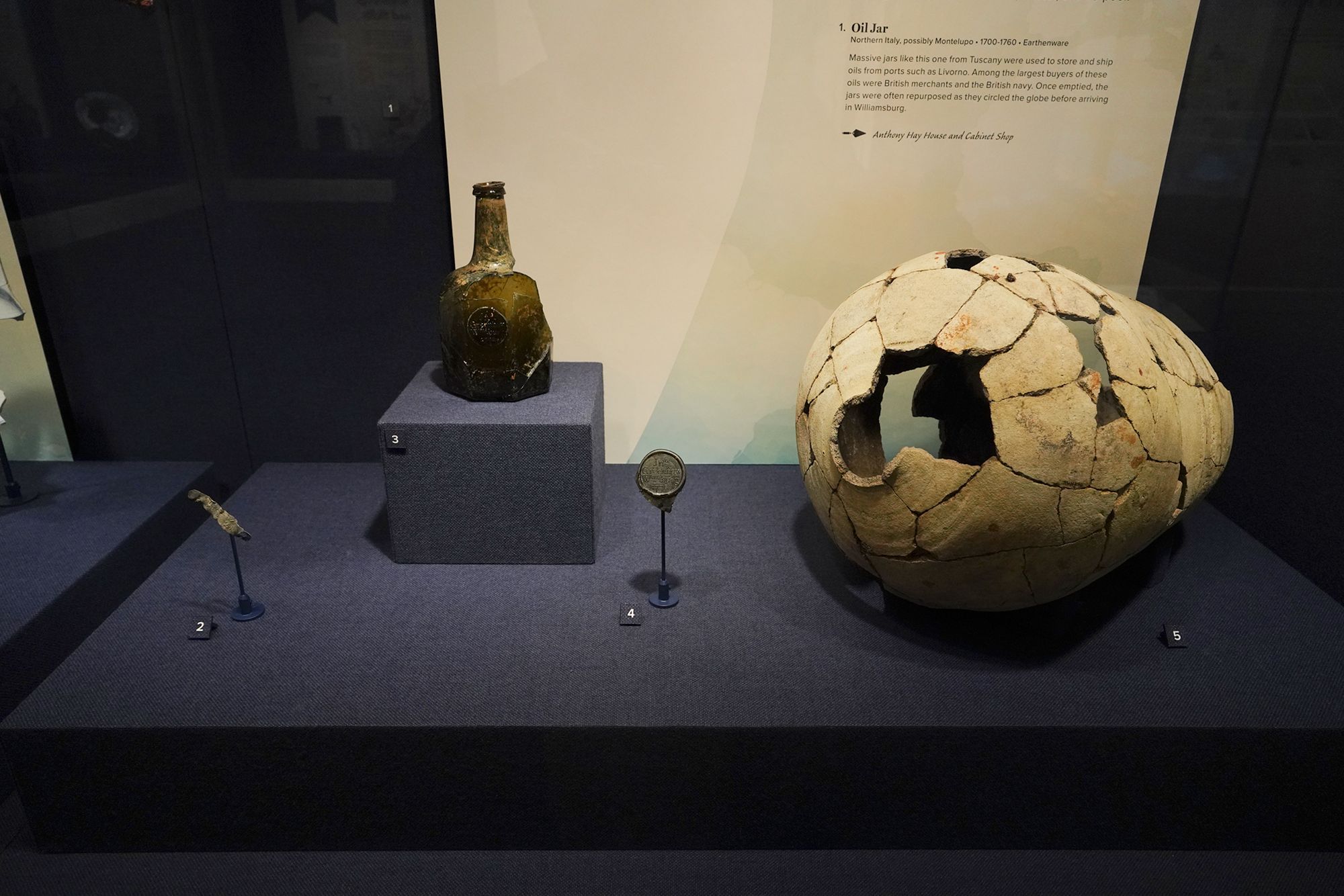
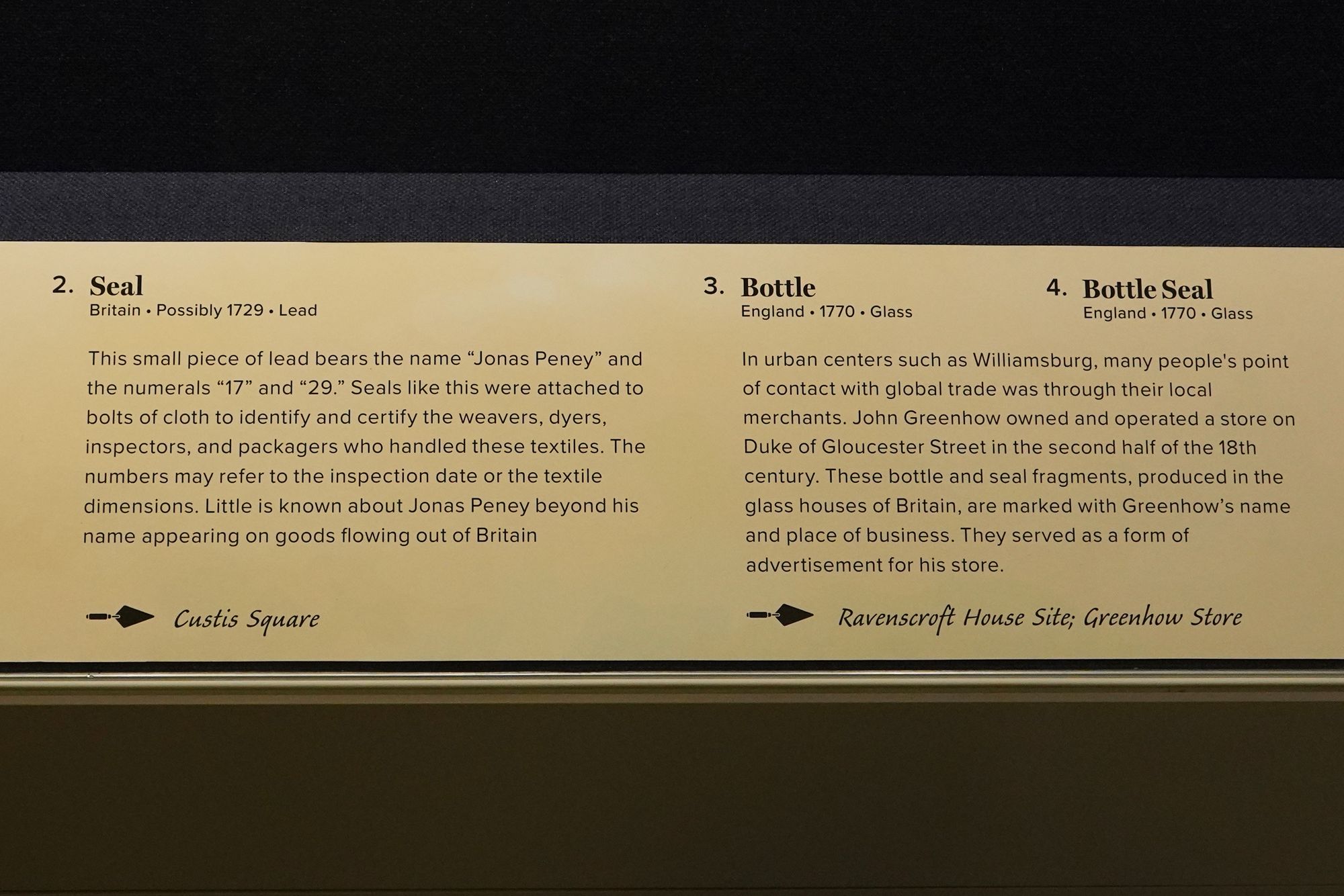
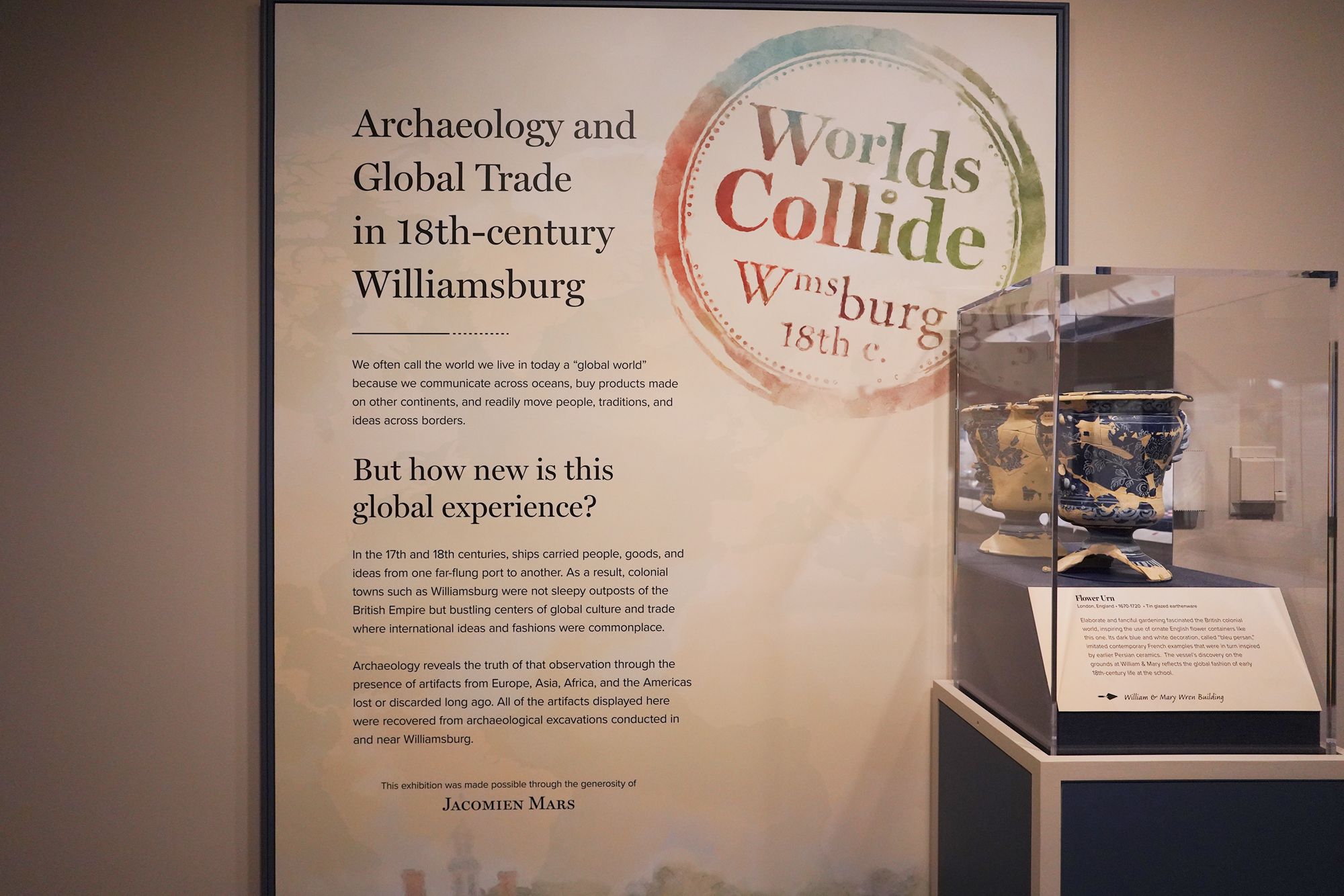
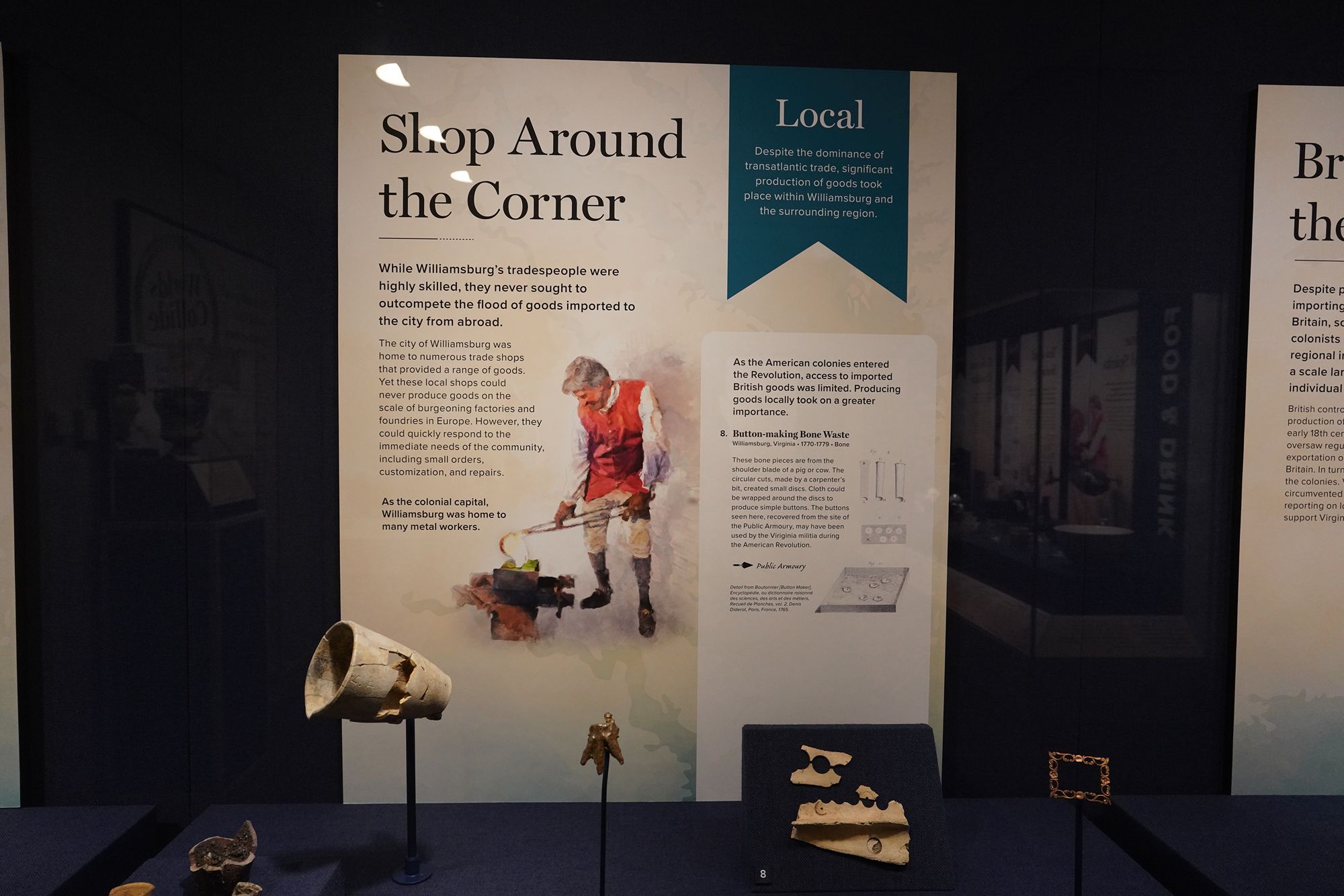
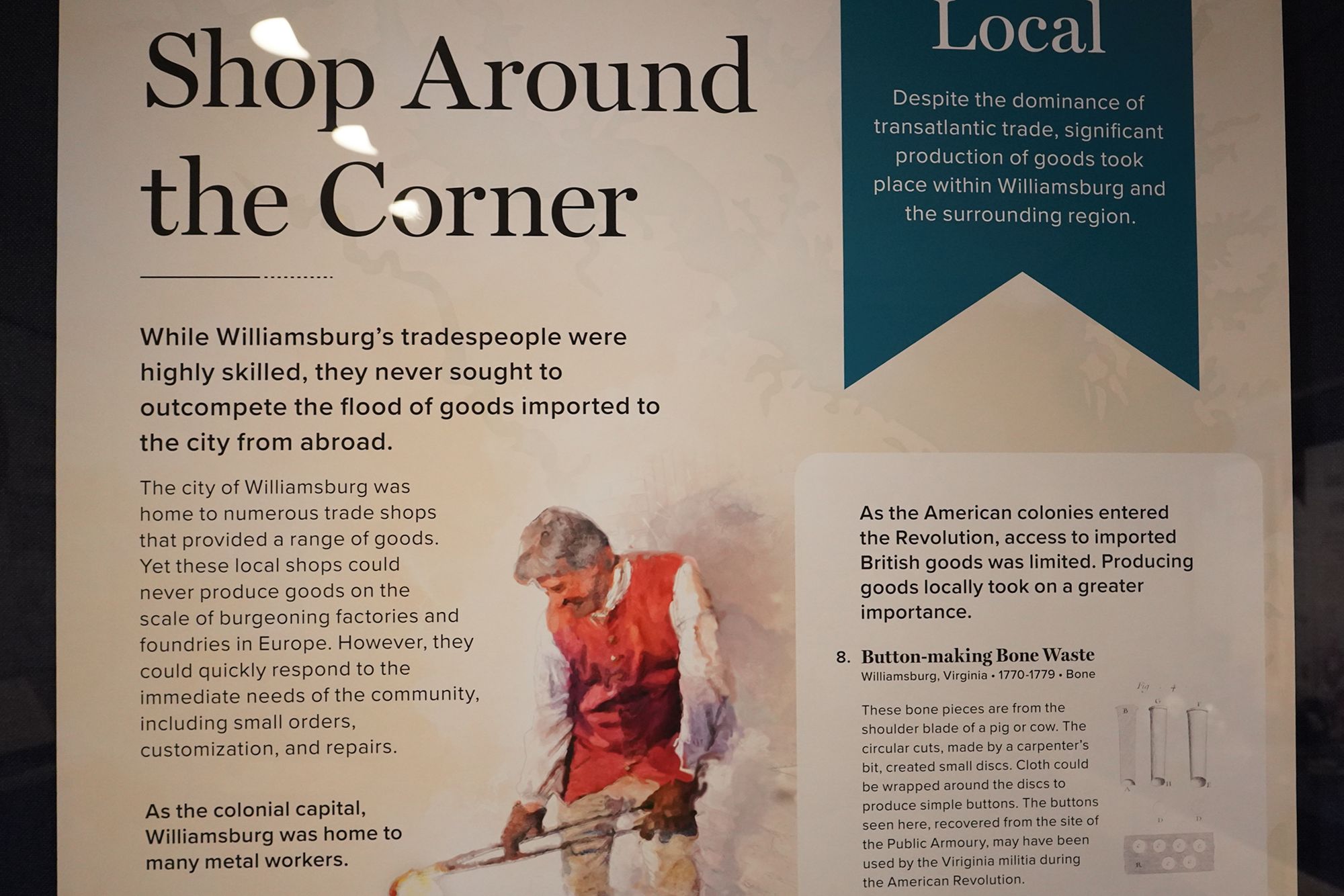
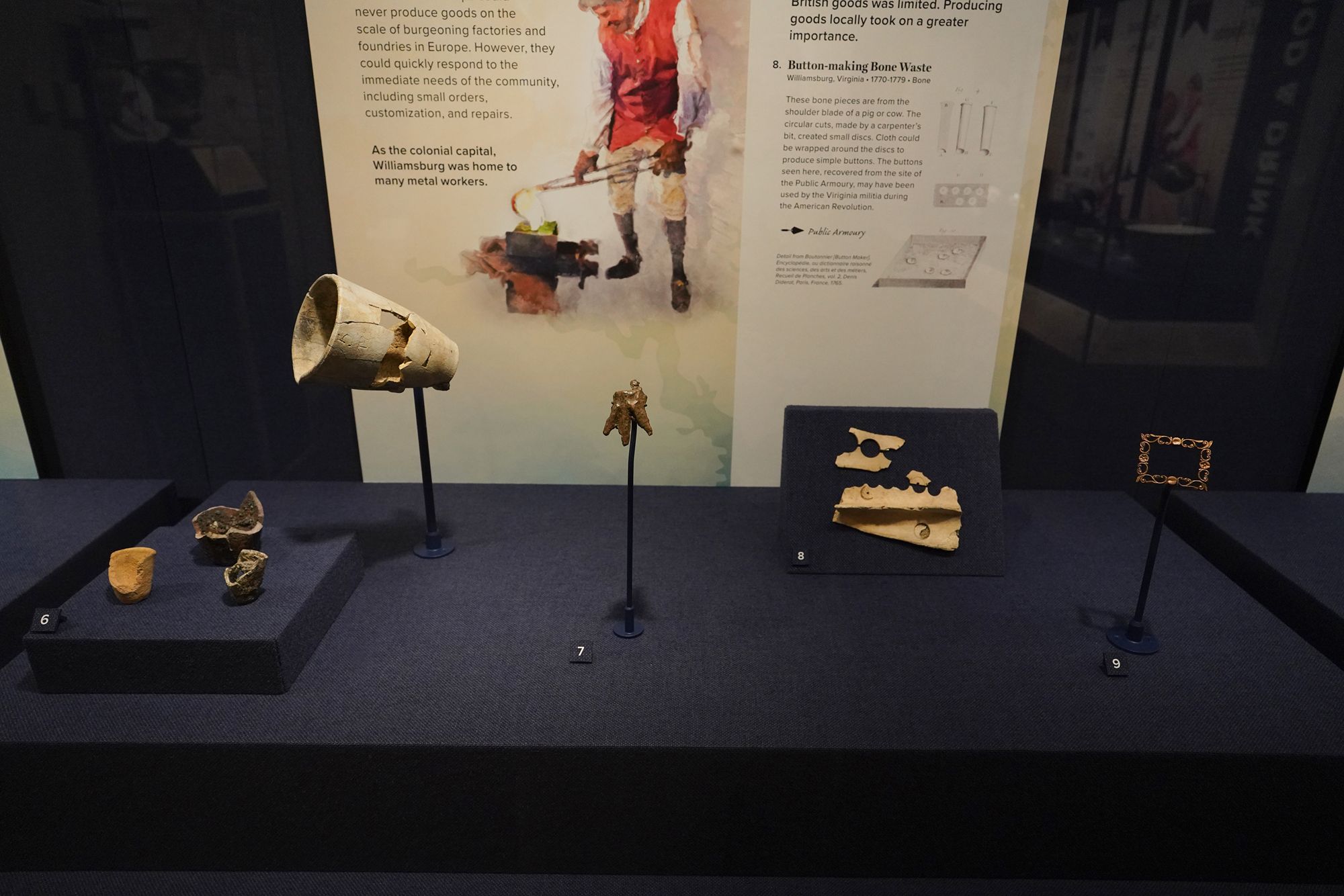
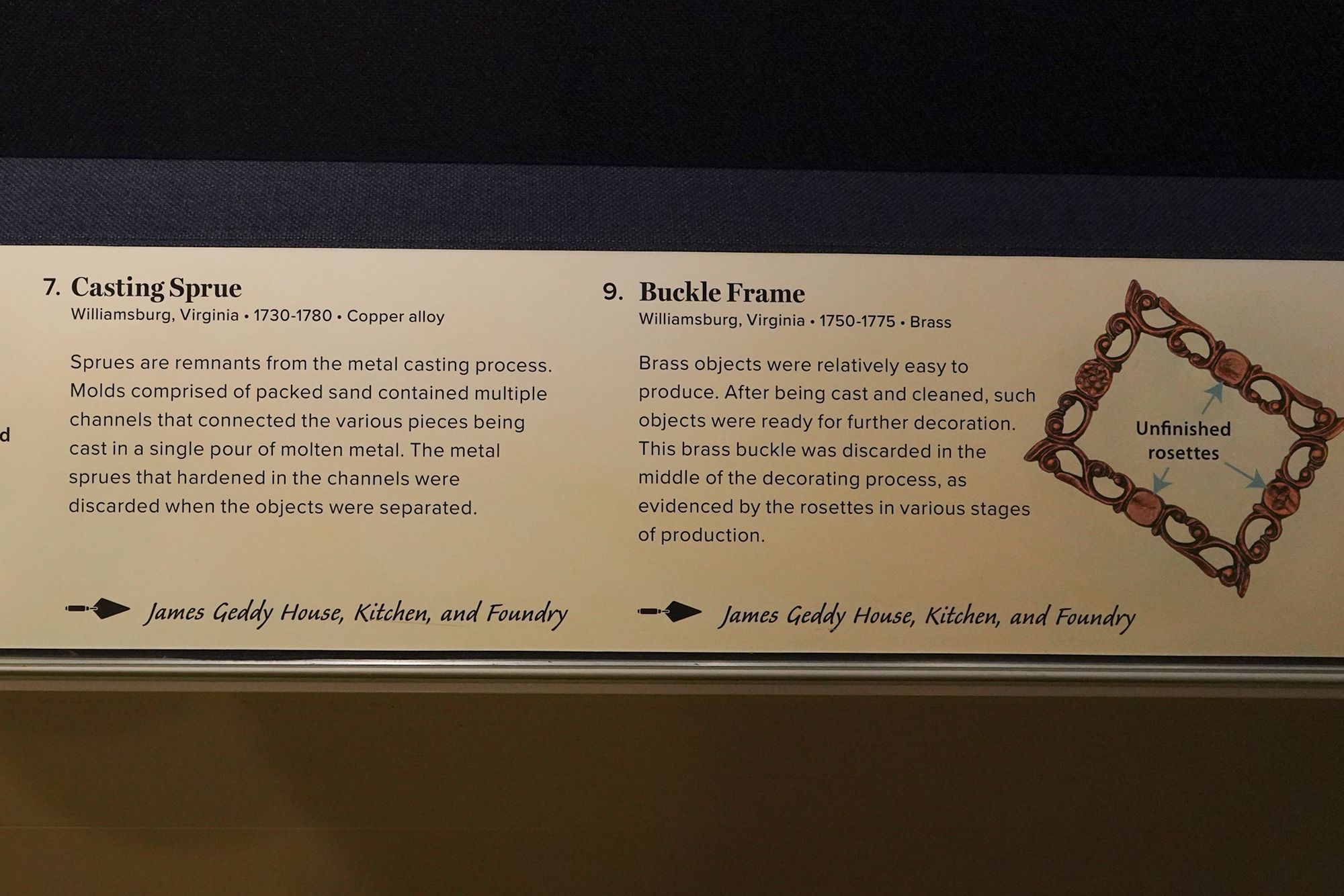
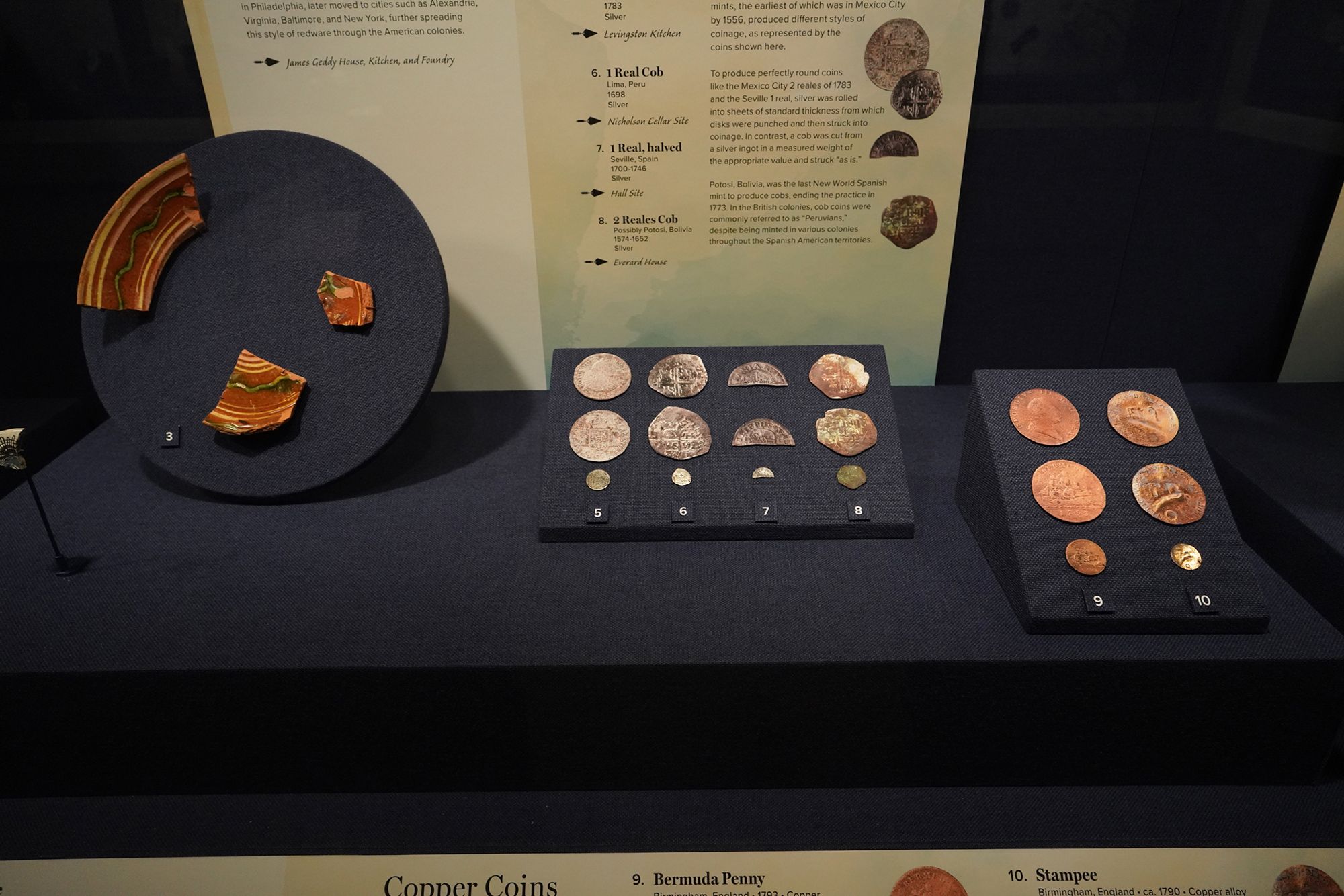
Archaeology and Global Trade in 18th-century Williamsburg
Food & Drink
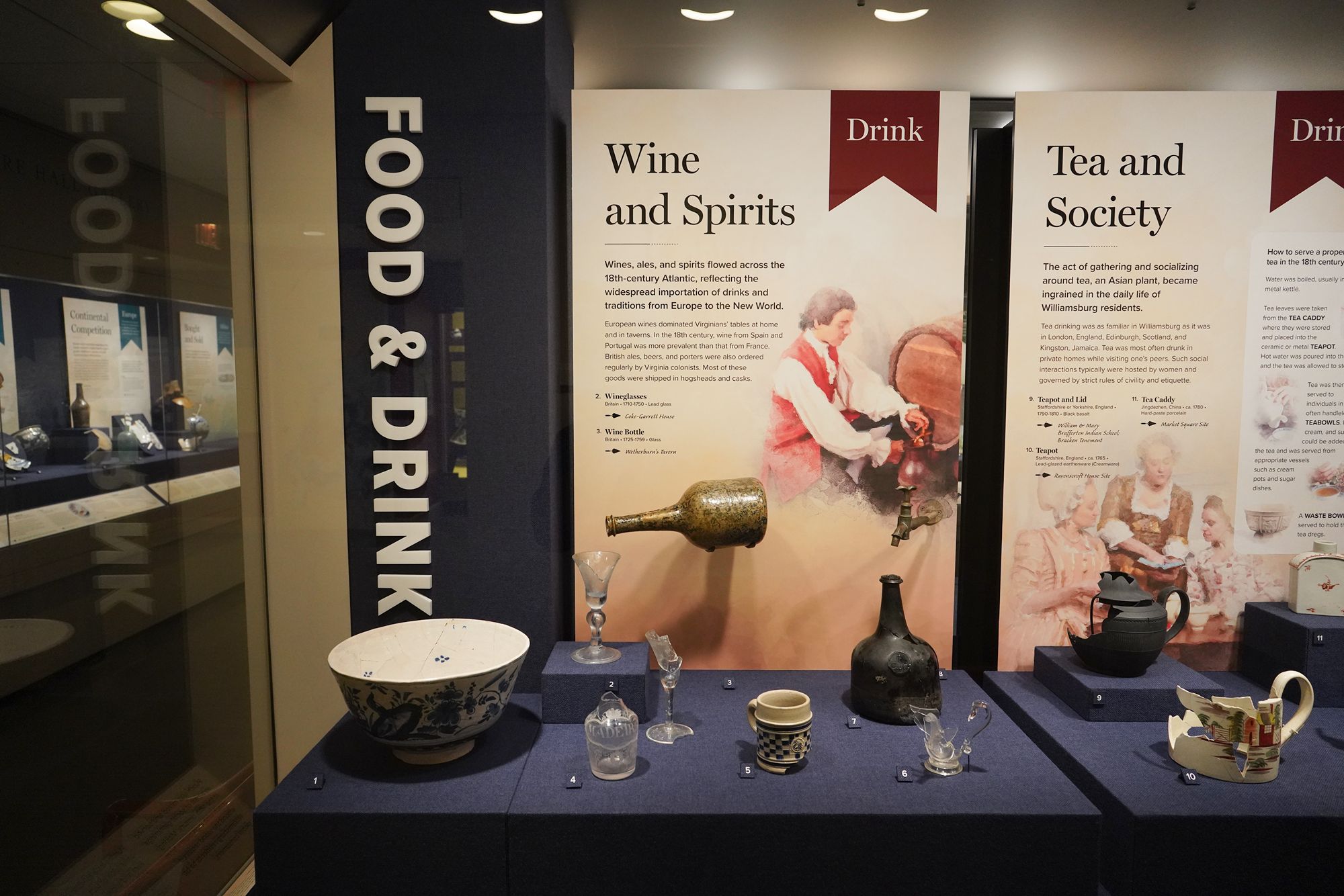
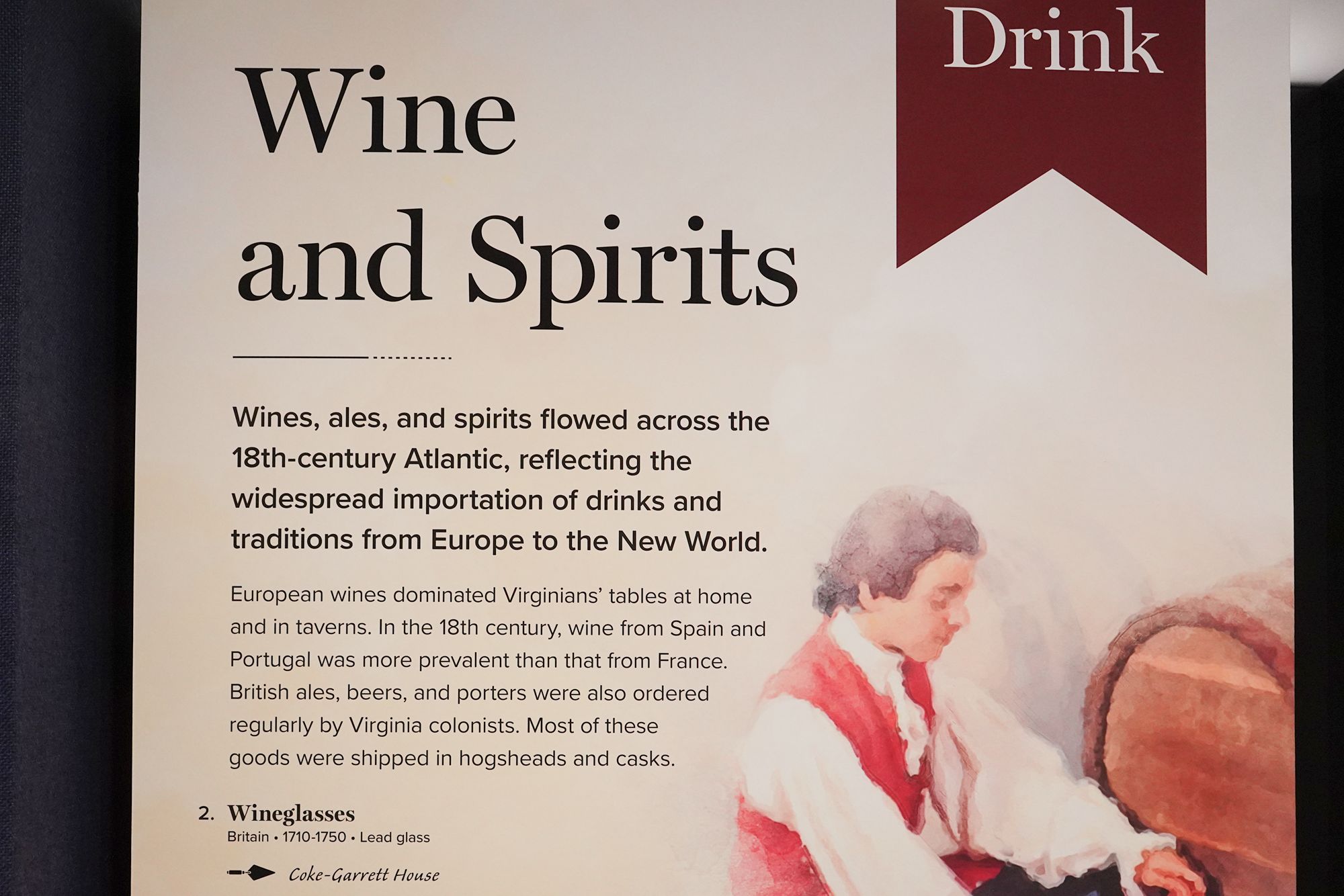
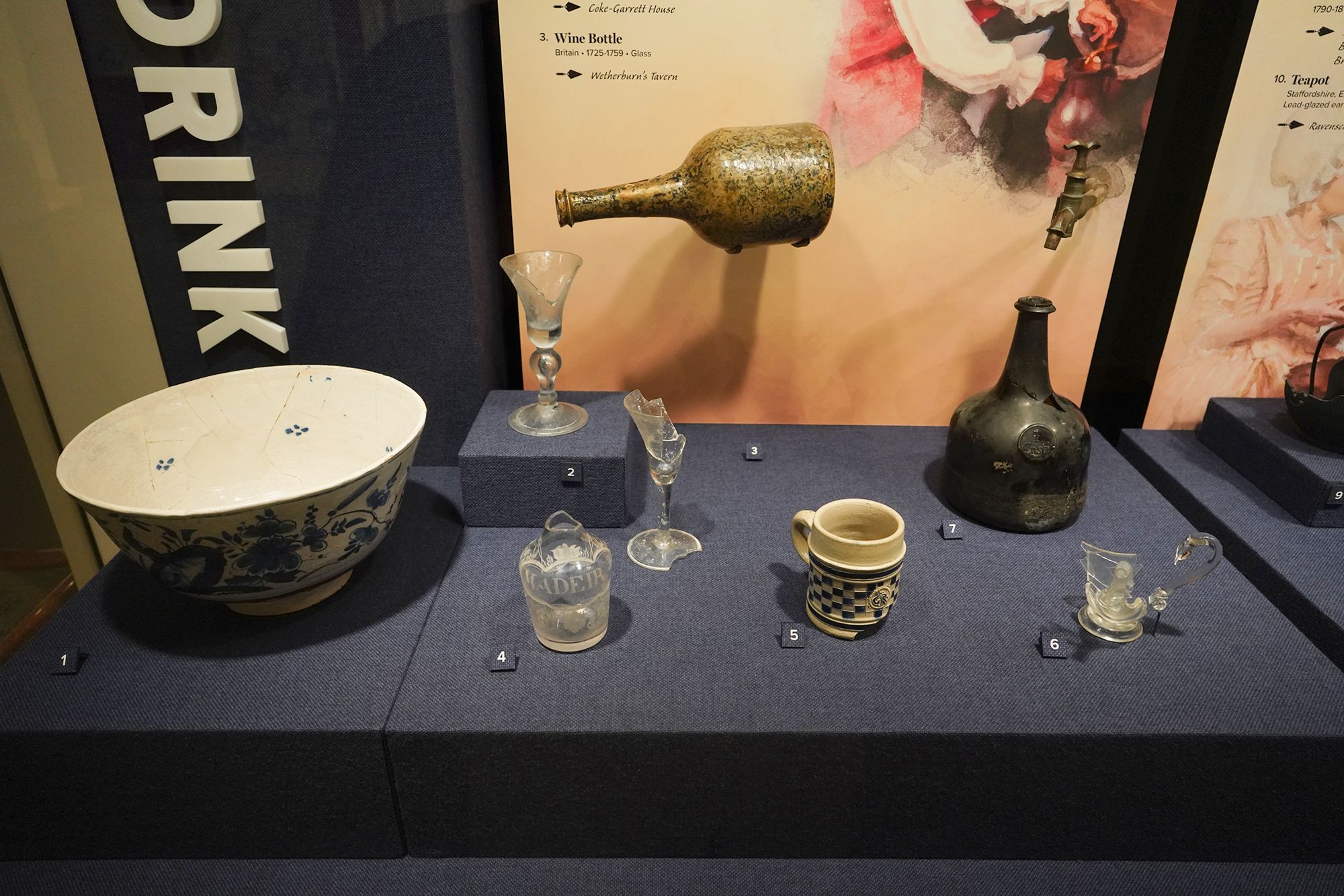
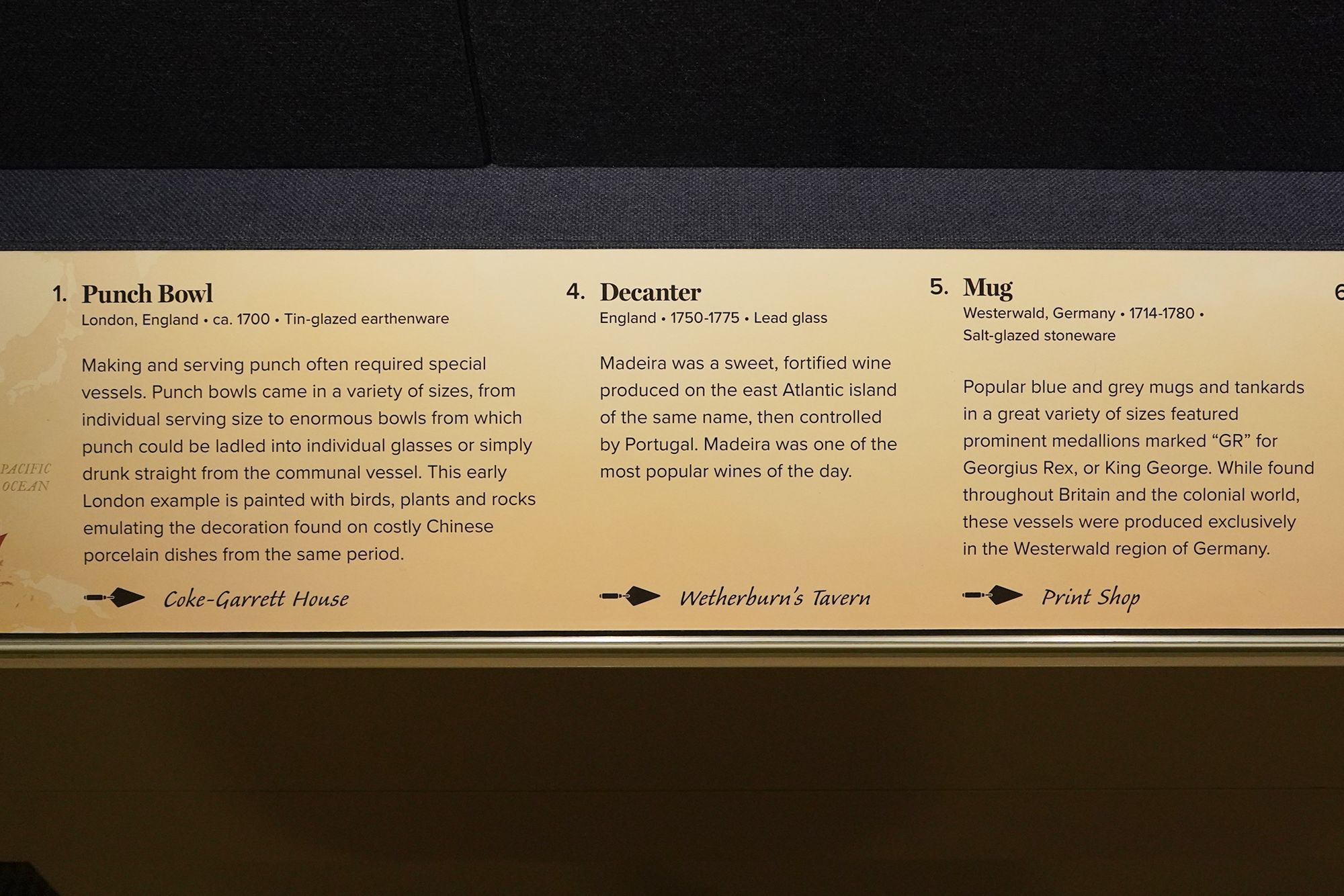
In 18th-century Williamsburg, wine from Europe—especially from France, Spain, and Portugal—was imported for the colony’s wealthier residents. Popular choices included Madeira, claret, and port, which arrived through English trade networks and were prized at taverns, banquets, and social gatherings as symbols of refinement and status.
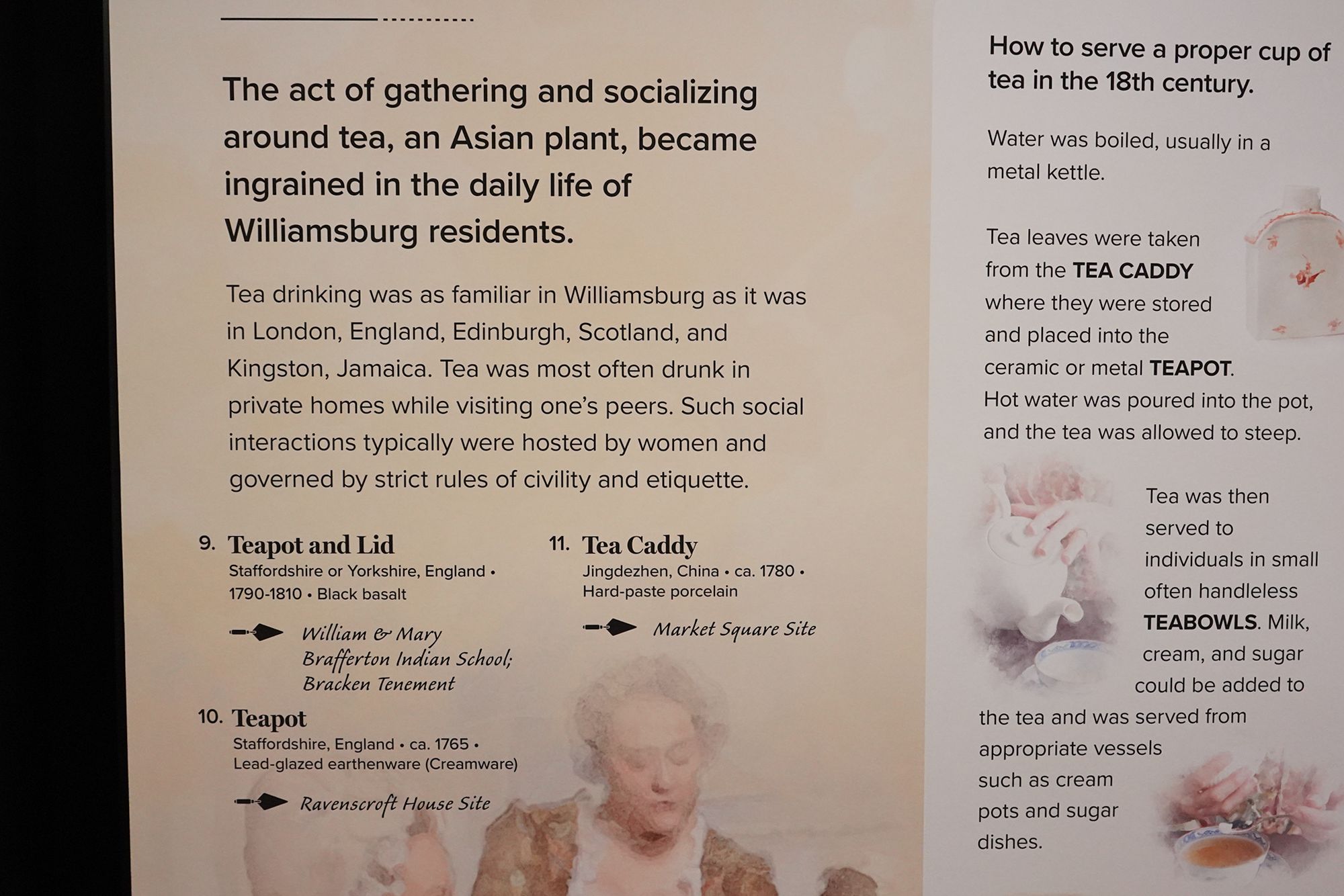
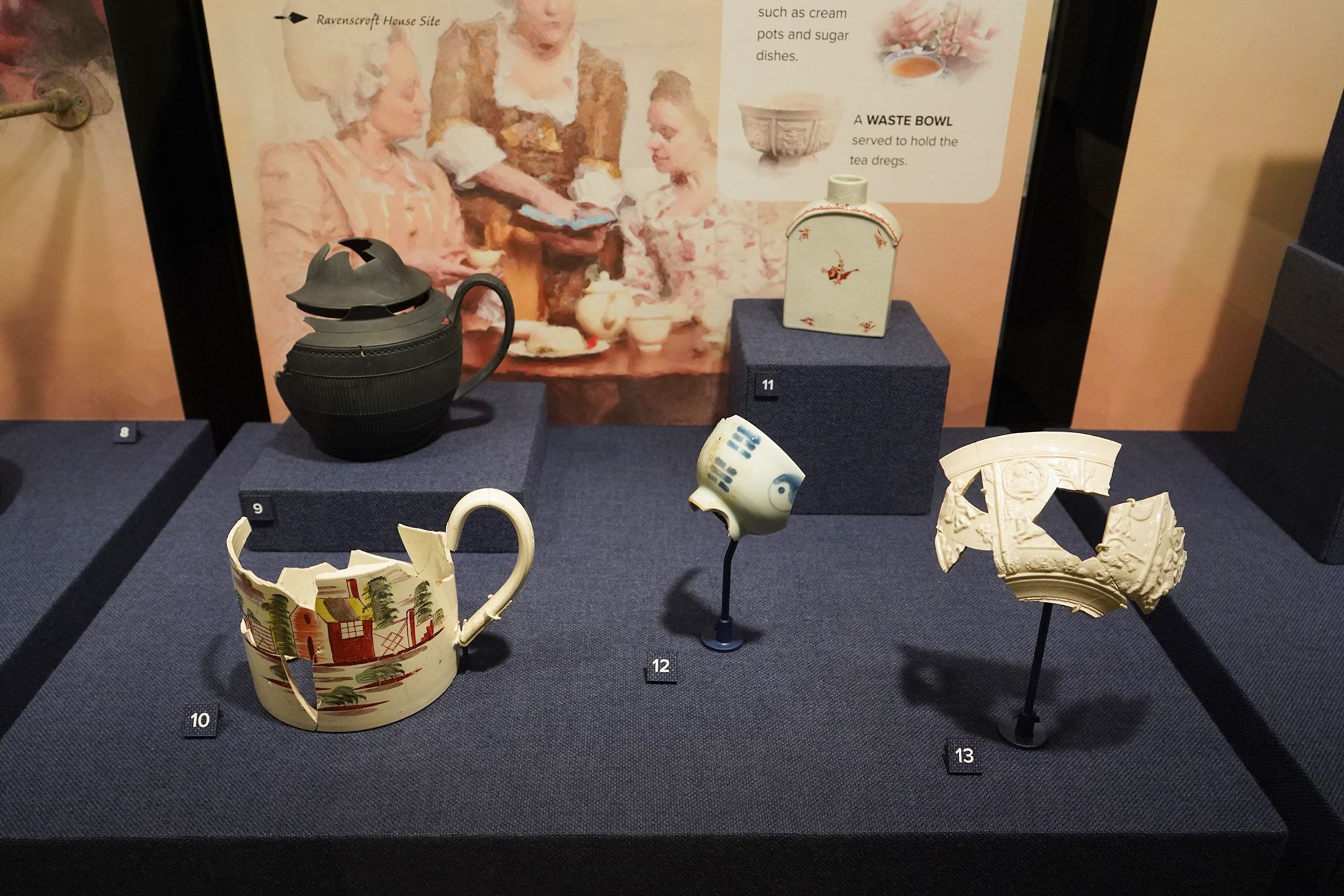
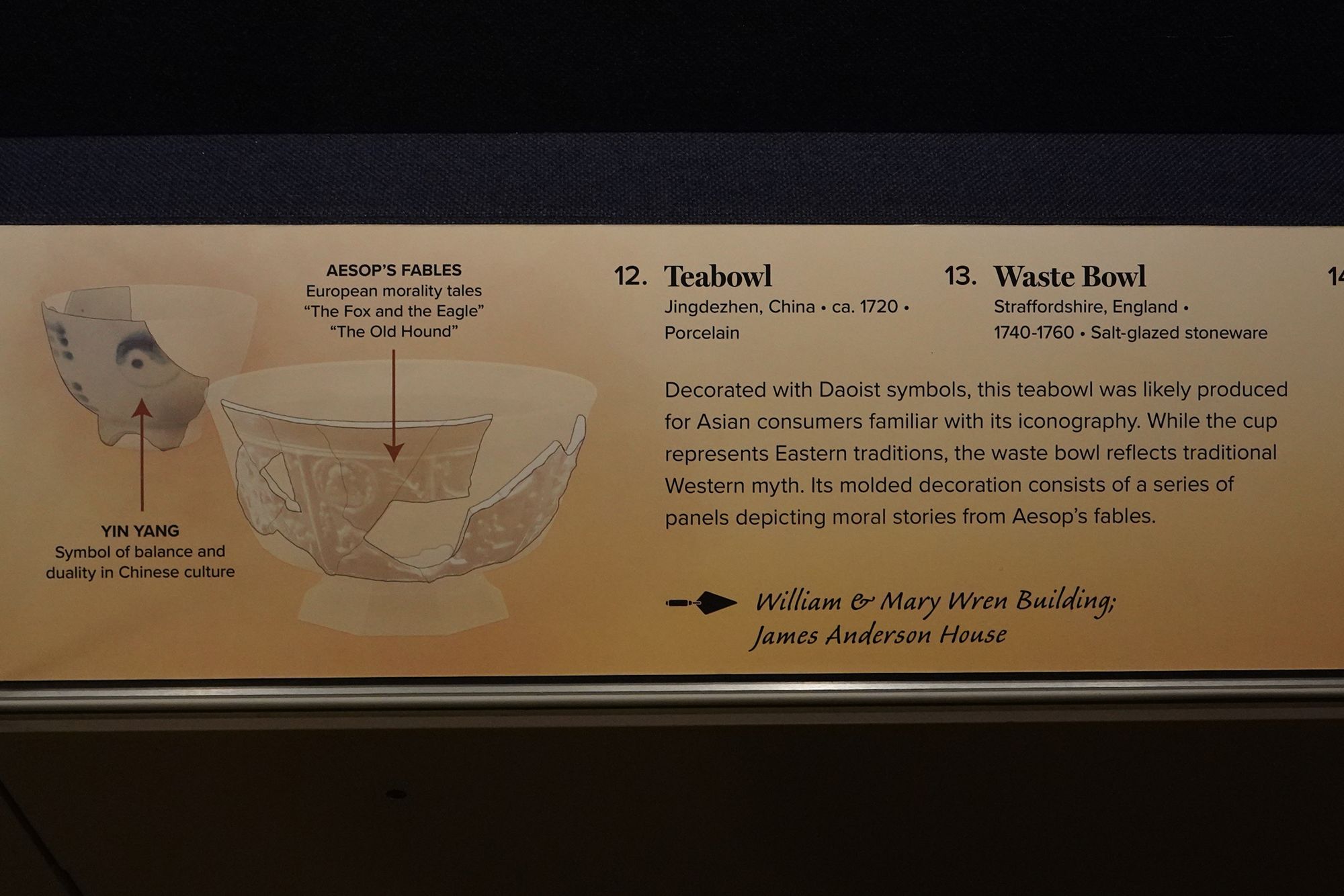
In 18th-century Williamsburg, tea drinking was both a social ritual and a symbol of gentility, reflecting English customs and refinement.
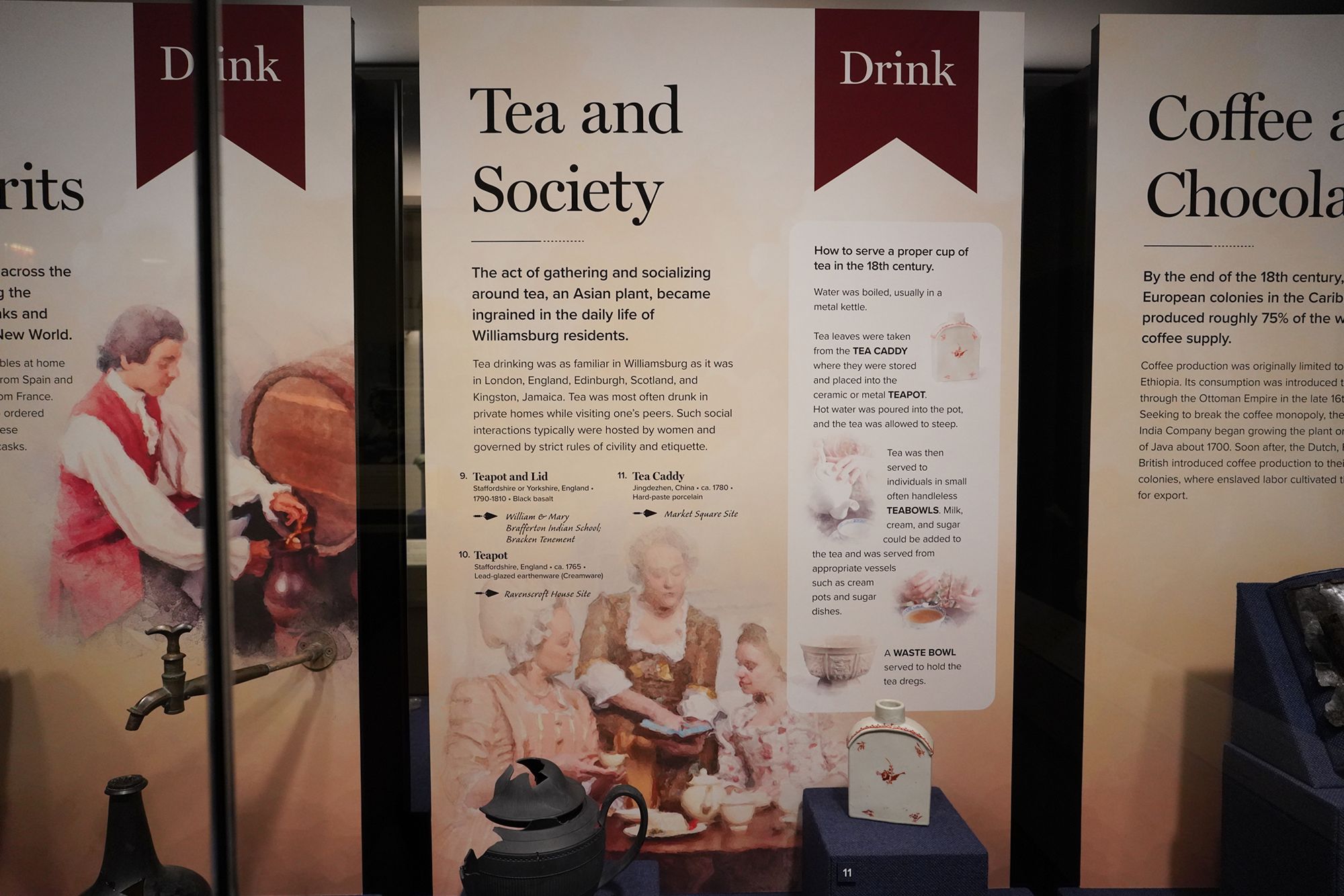
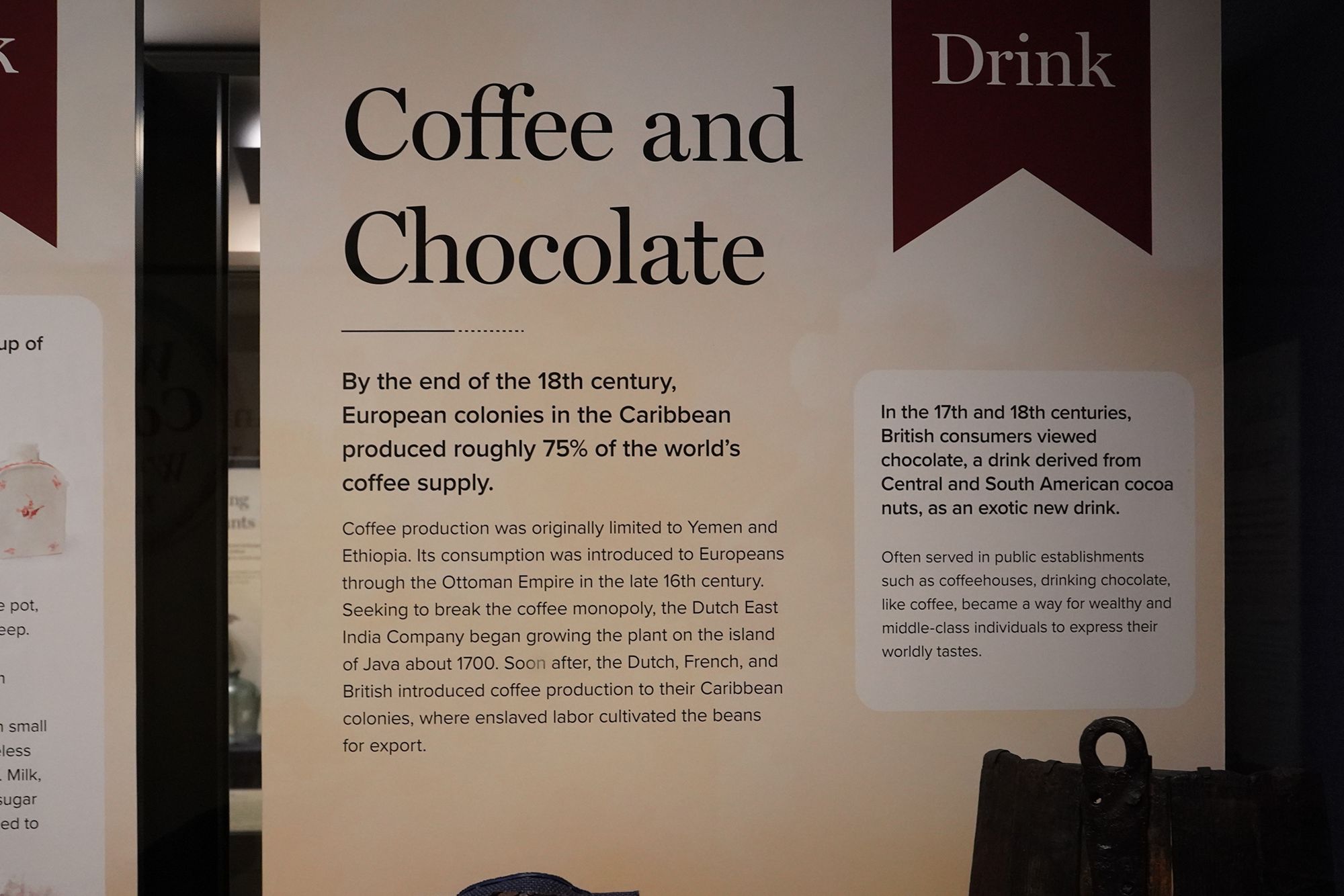
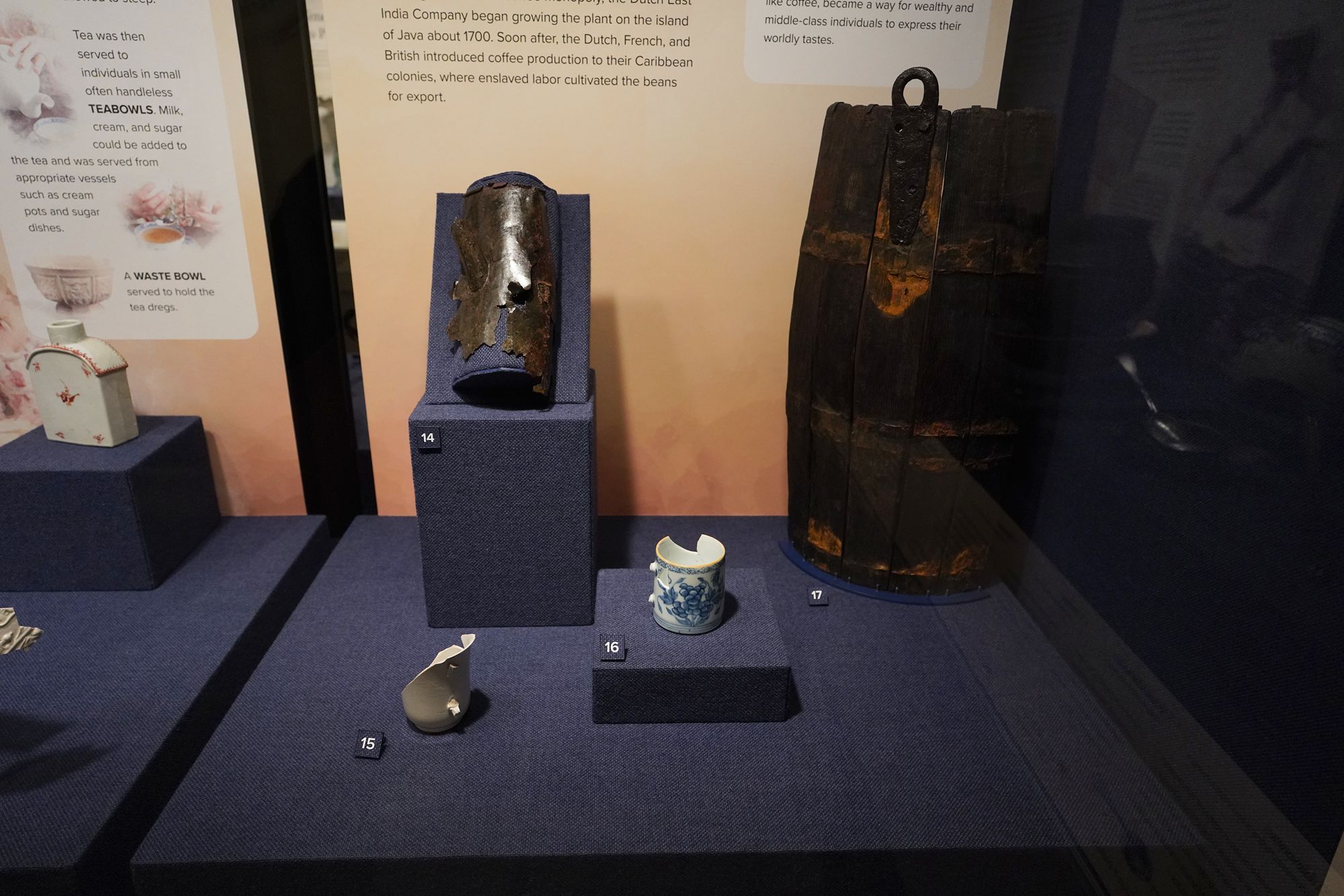
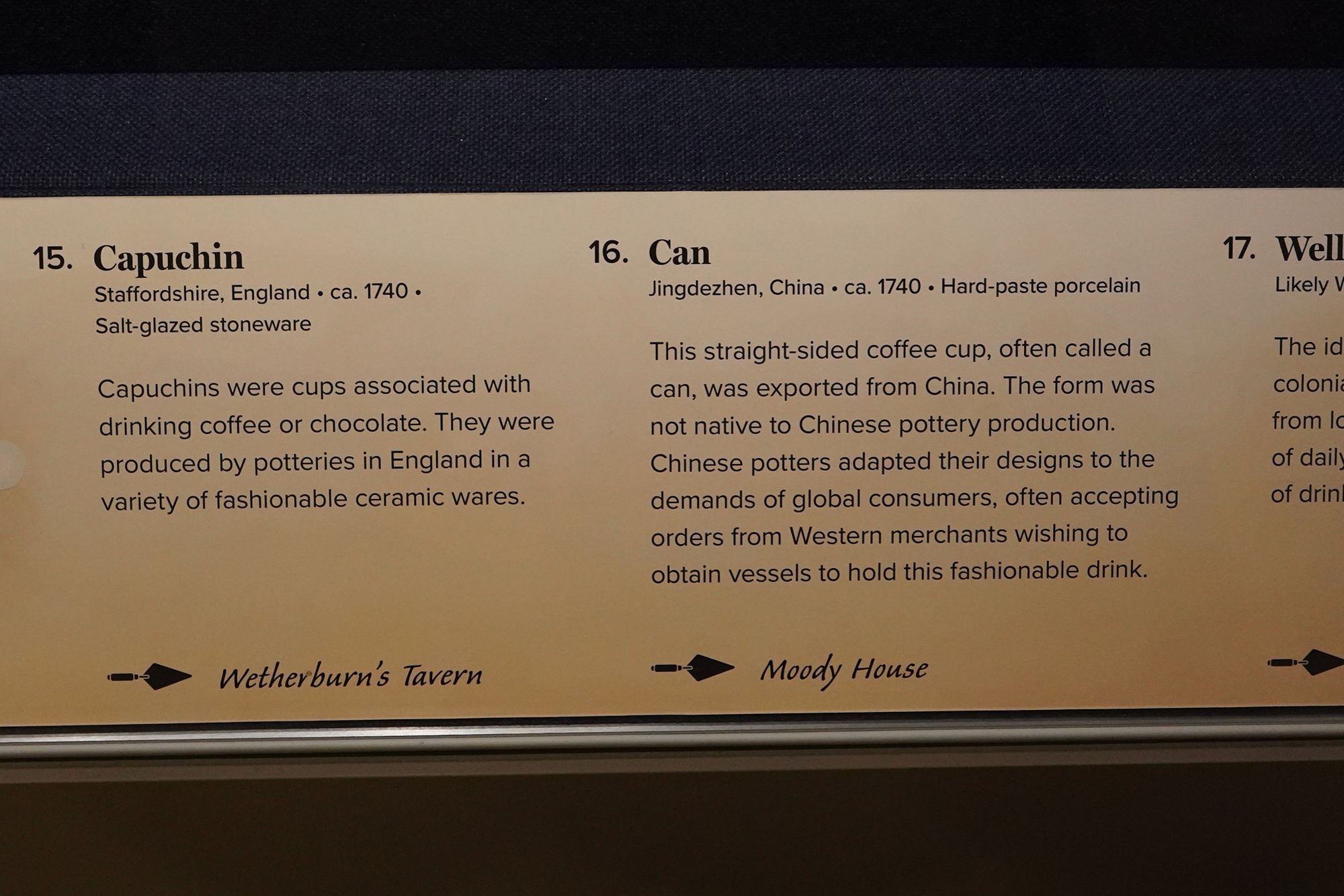
Coffee was served in taverns and homes as a stimulating social beverage, while chocolate, made from cacao from the Caribbean, was often consumed as a rich, spiced drink. Both reflected the colony’s connection to international commerce and the growing taste for luxury goods in colonial society.
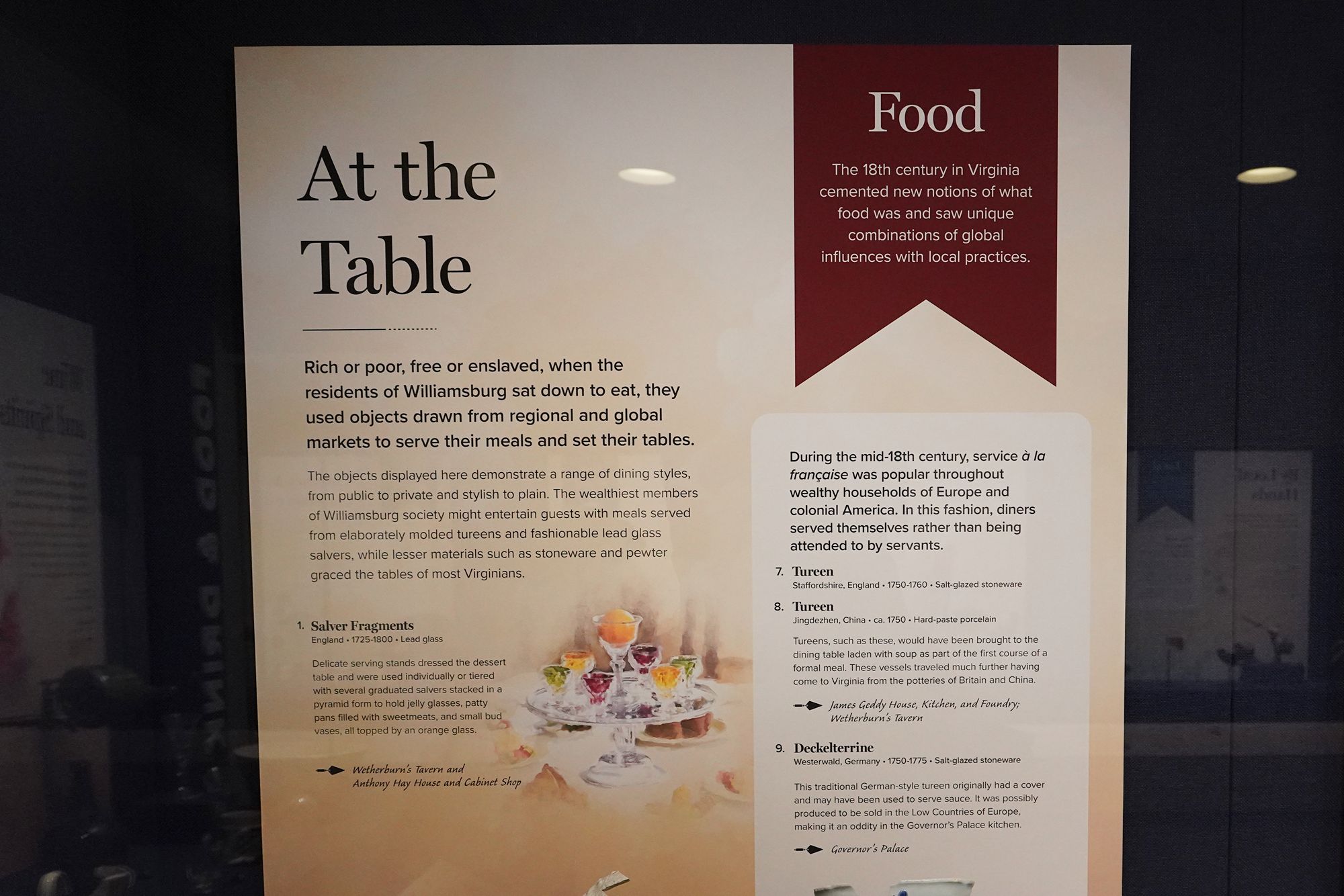
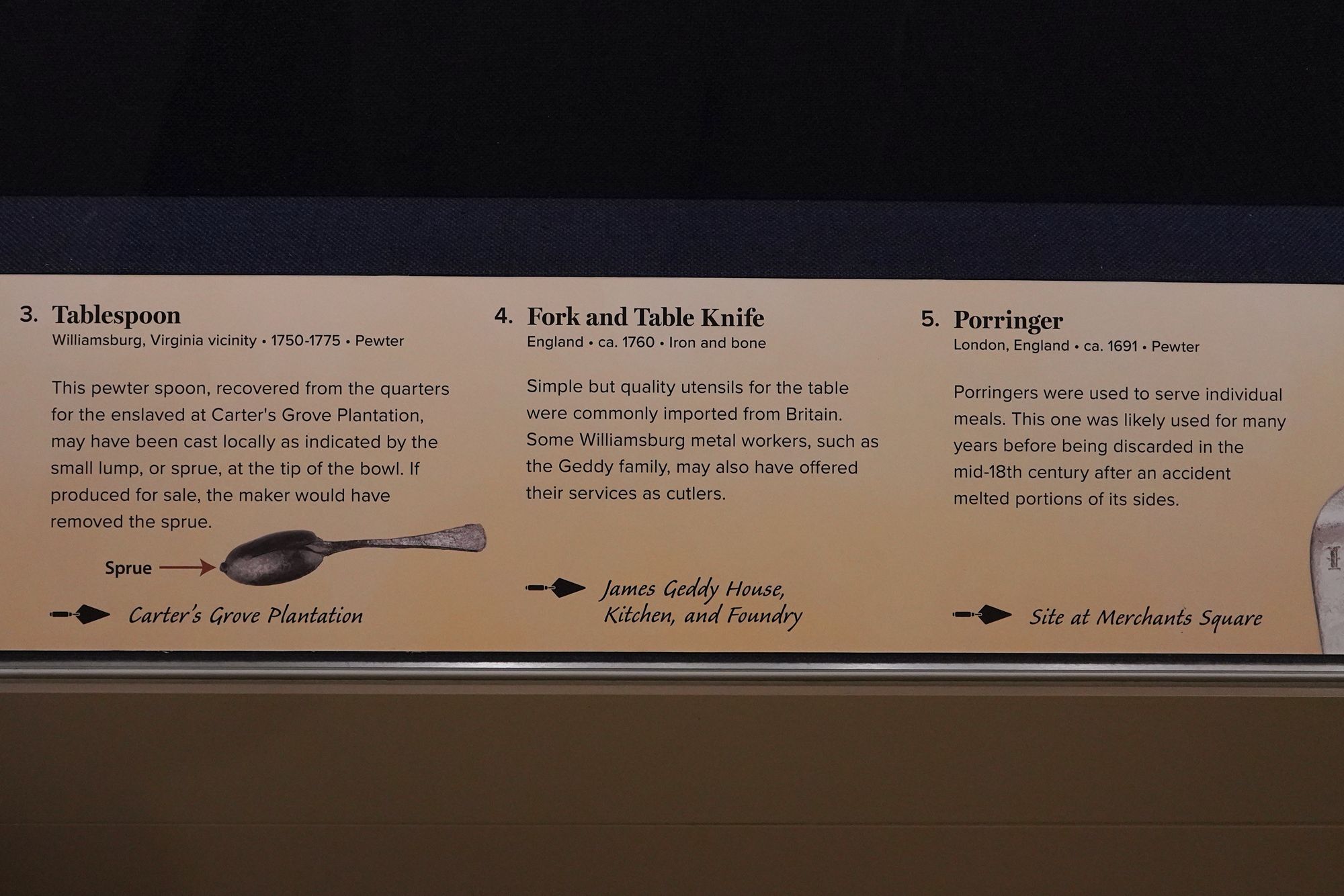
In 18th-century Williamsburg, food utensils such as forks, spoons, and knives were common at well-to-do tables, often made of silver, pewter, or bone, while simpler households used wooden or iron versions.
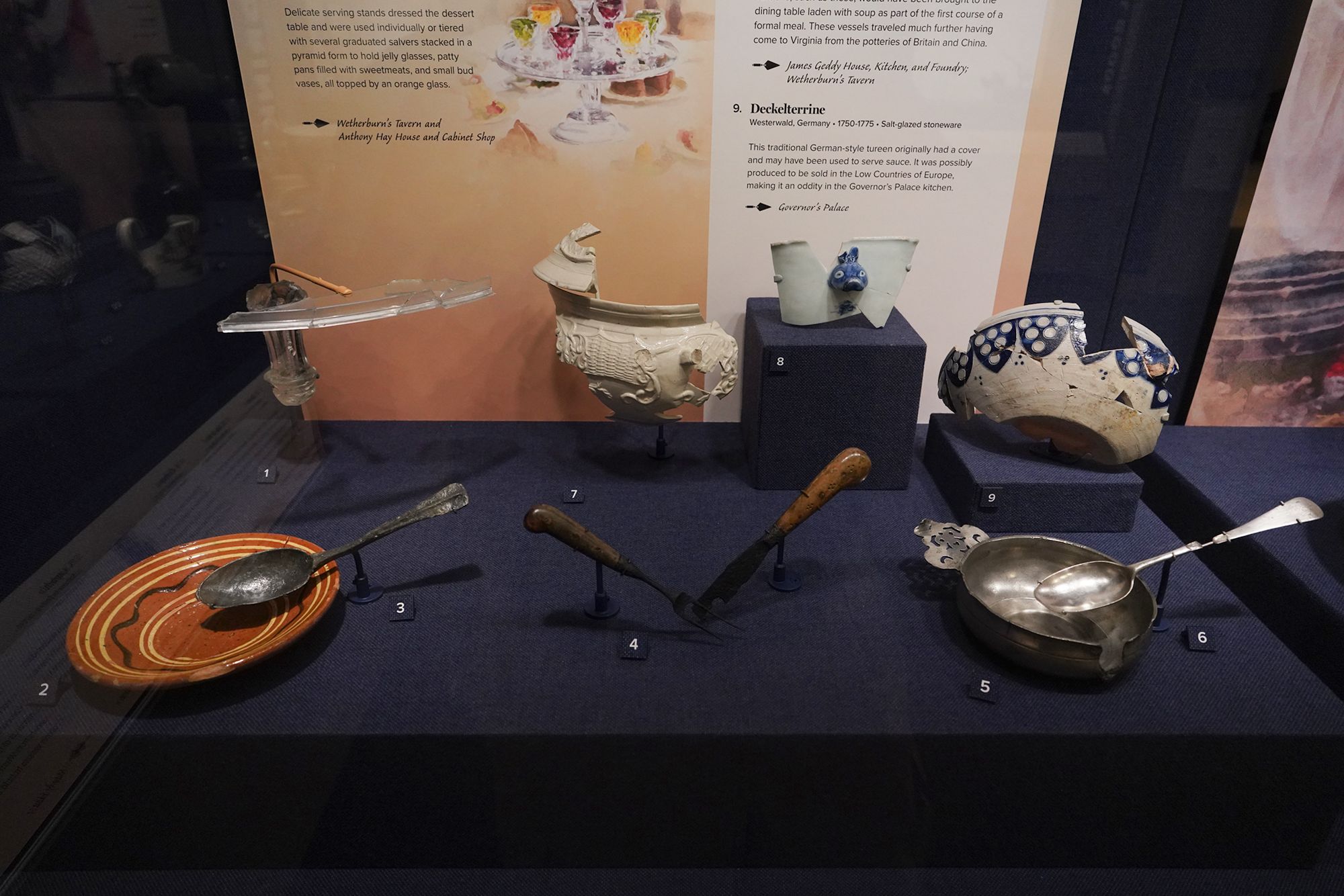
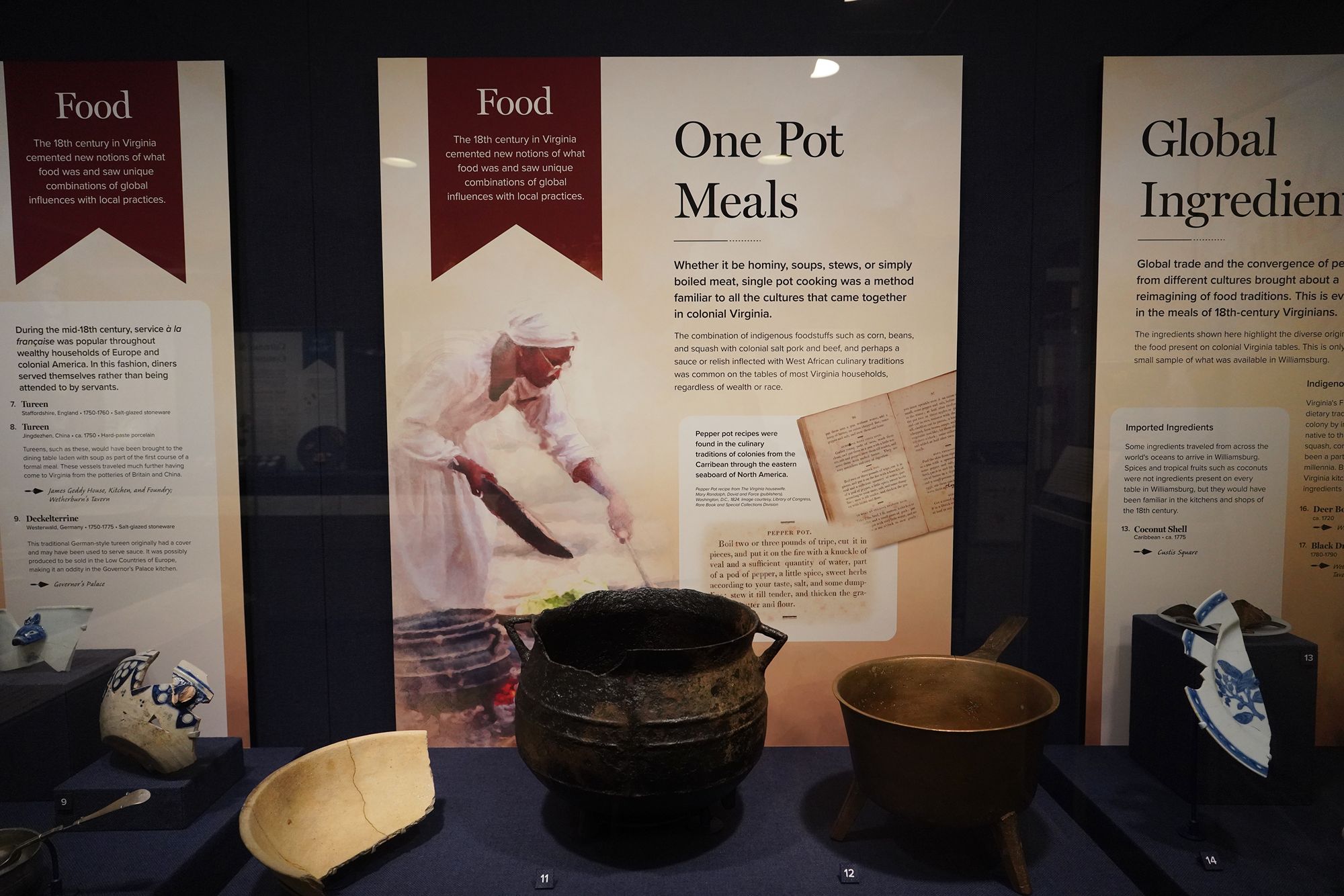
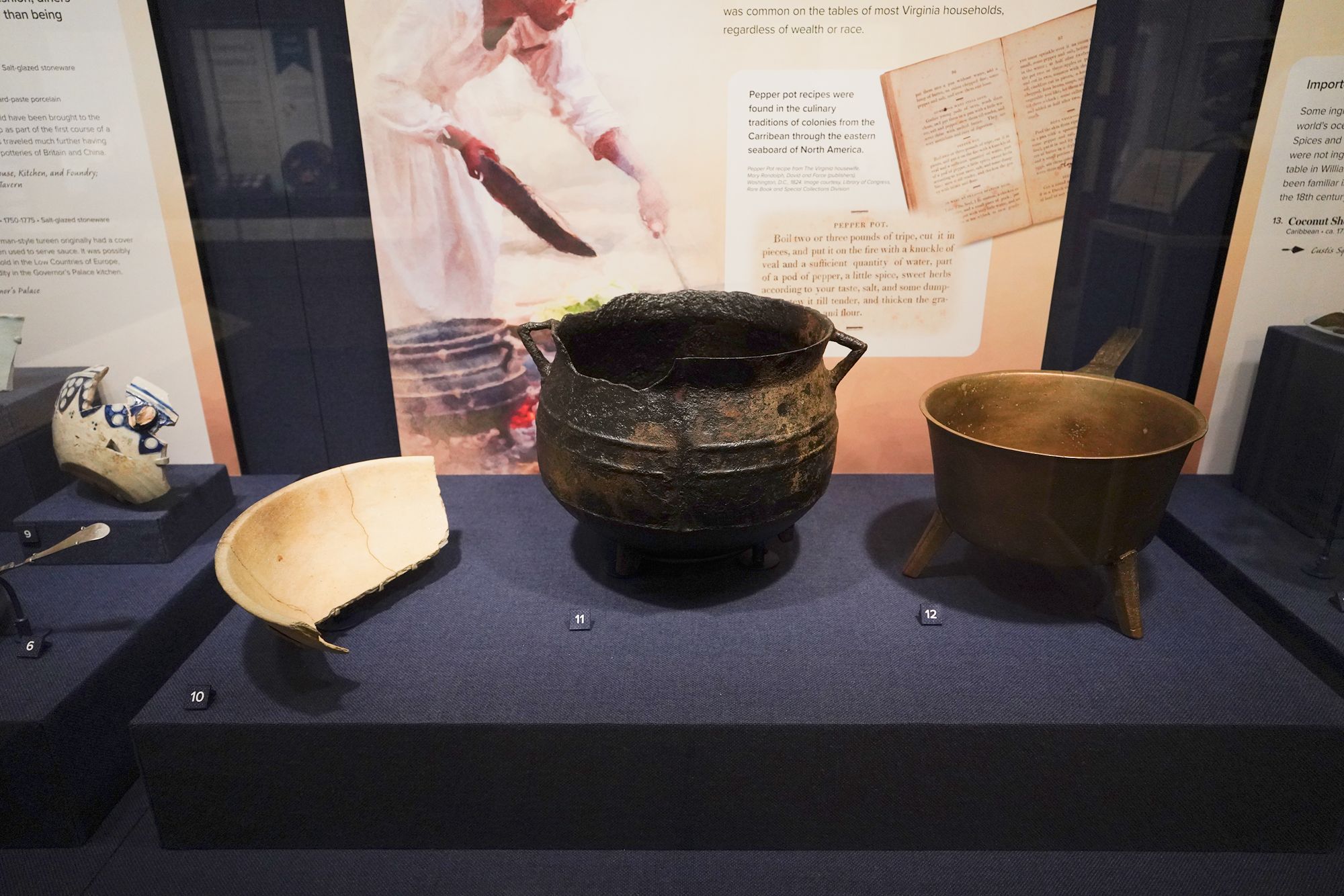
A one-pot meal in 18th-century Williamsburg was a simple dish cooked in a single pot over the hearth, combining ingredients like meat, vegetables, and grains into hearty stews or porridges, making it an efficient and practical way to feed a household with limited cooking tools.
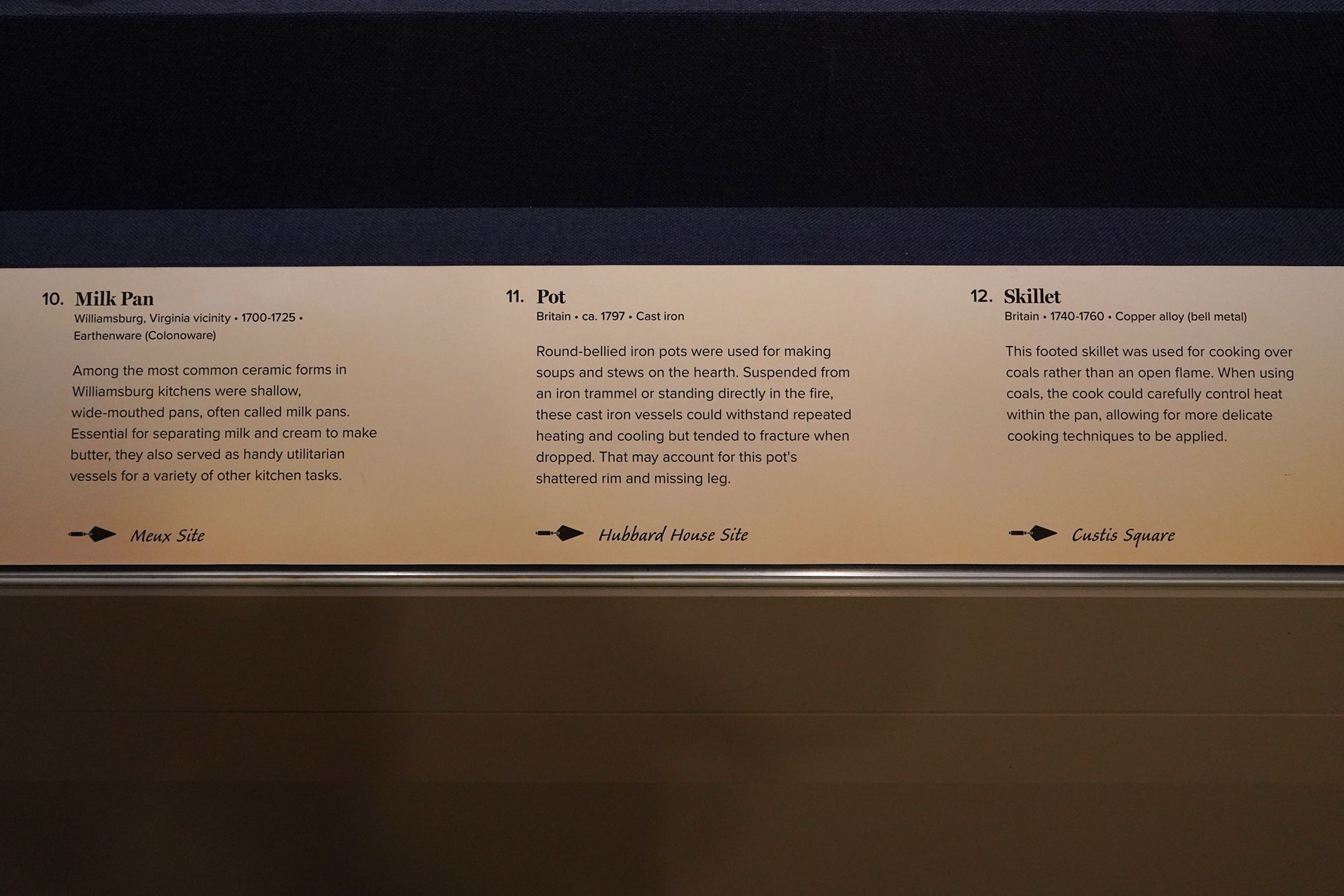
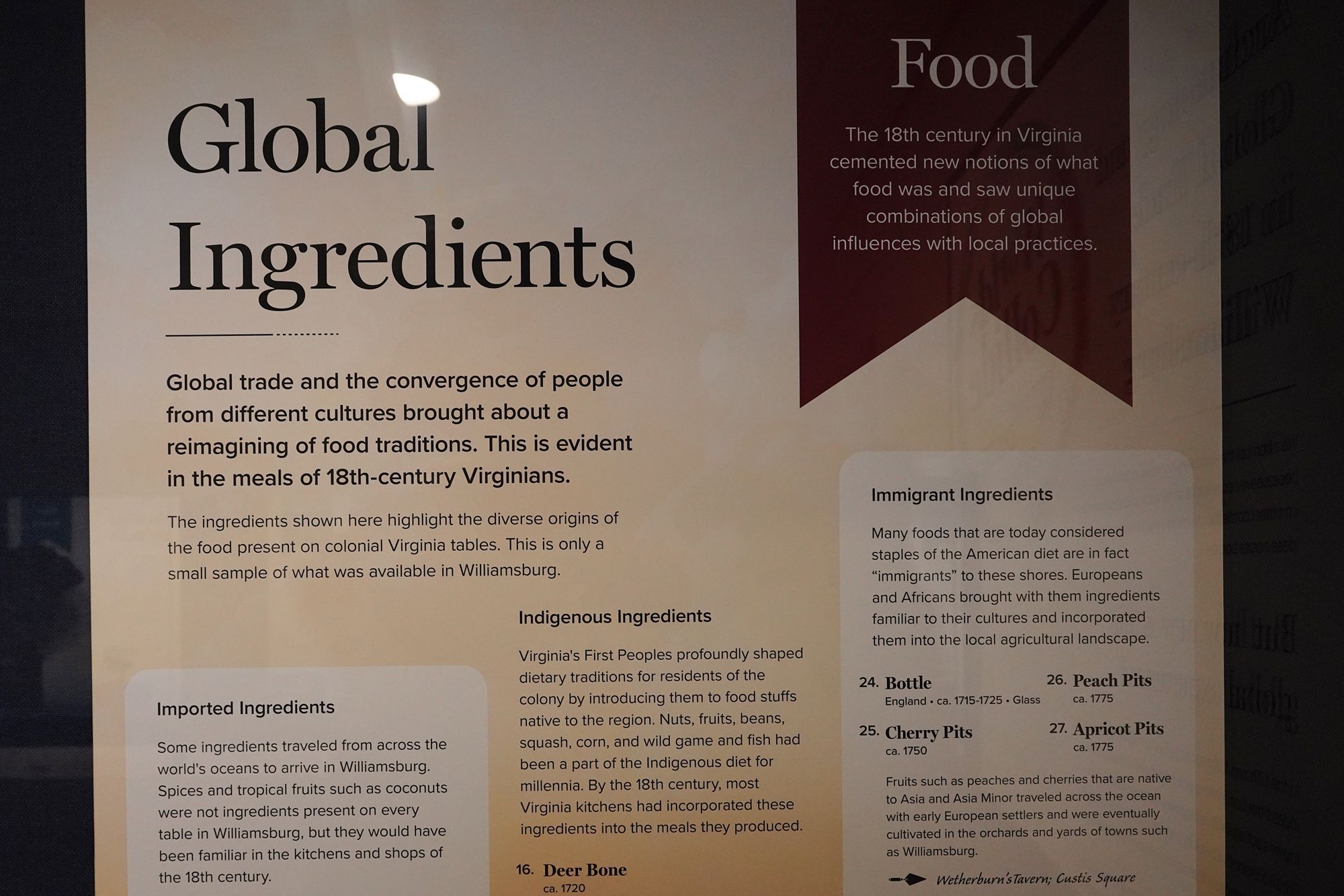
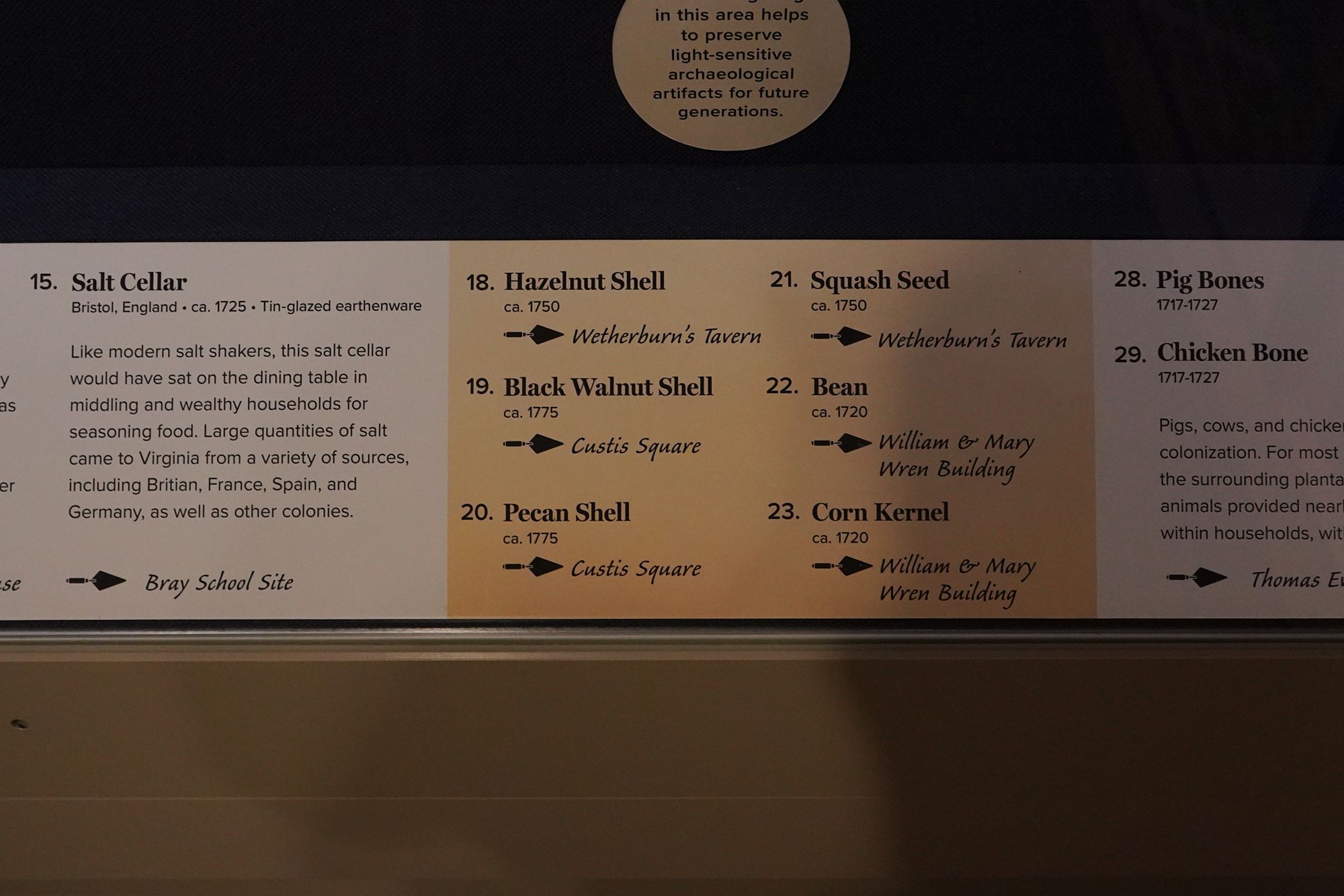
In 18th-century Williamsburg, global ingredients such as sugar, tea, coffee, chocolate, and spices came from Asia, Africa, and the Caribbean through transatlantic trade, blending with local foods to create a cosmopolitan colonial diet that reflected Virginia’s ties to the wider world.
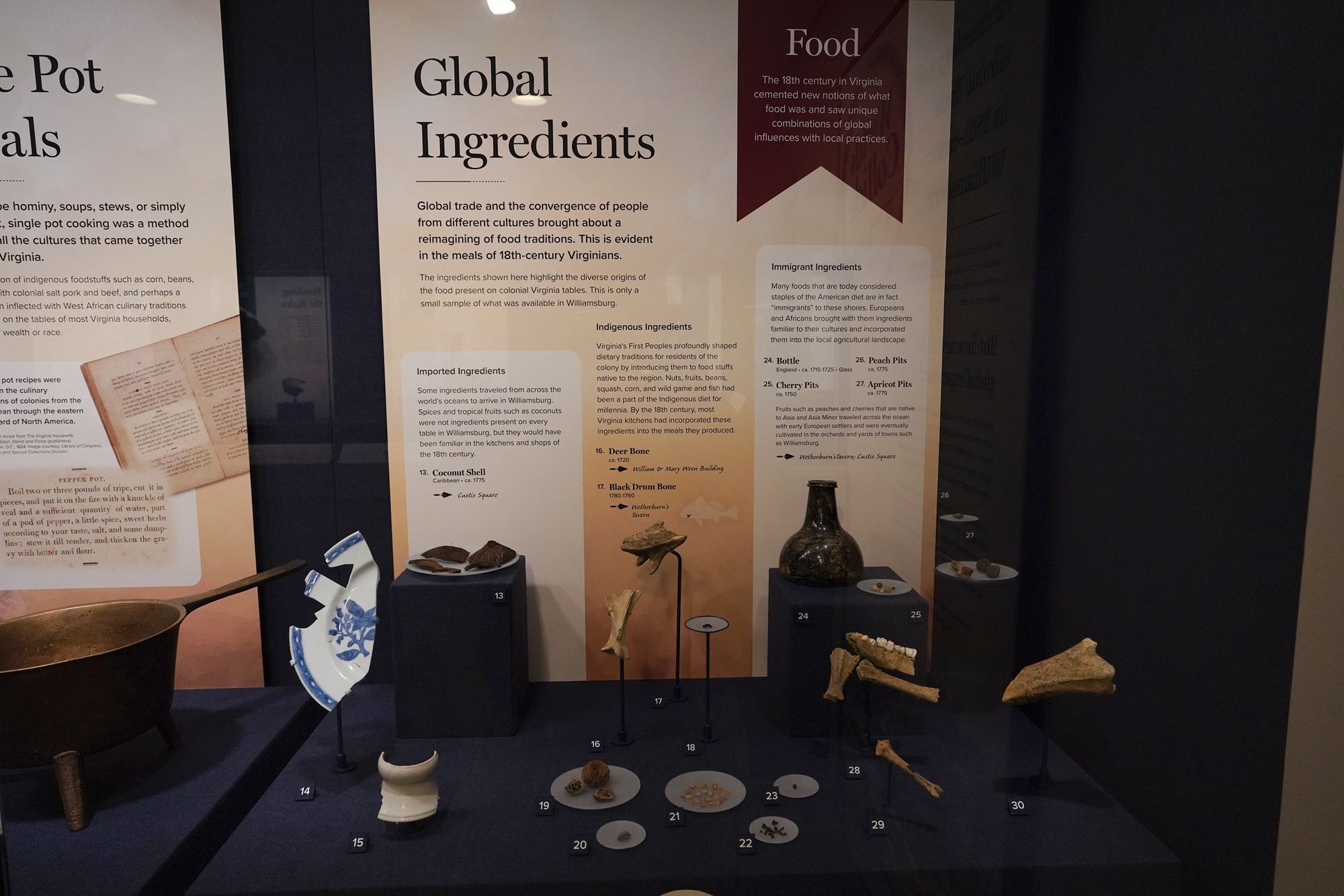
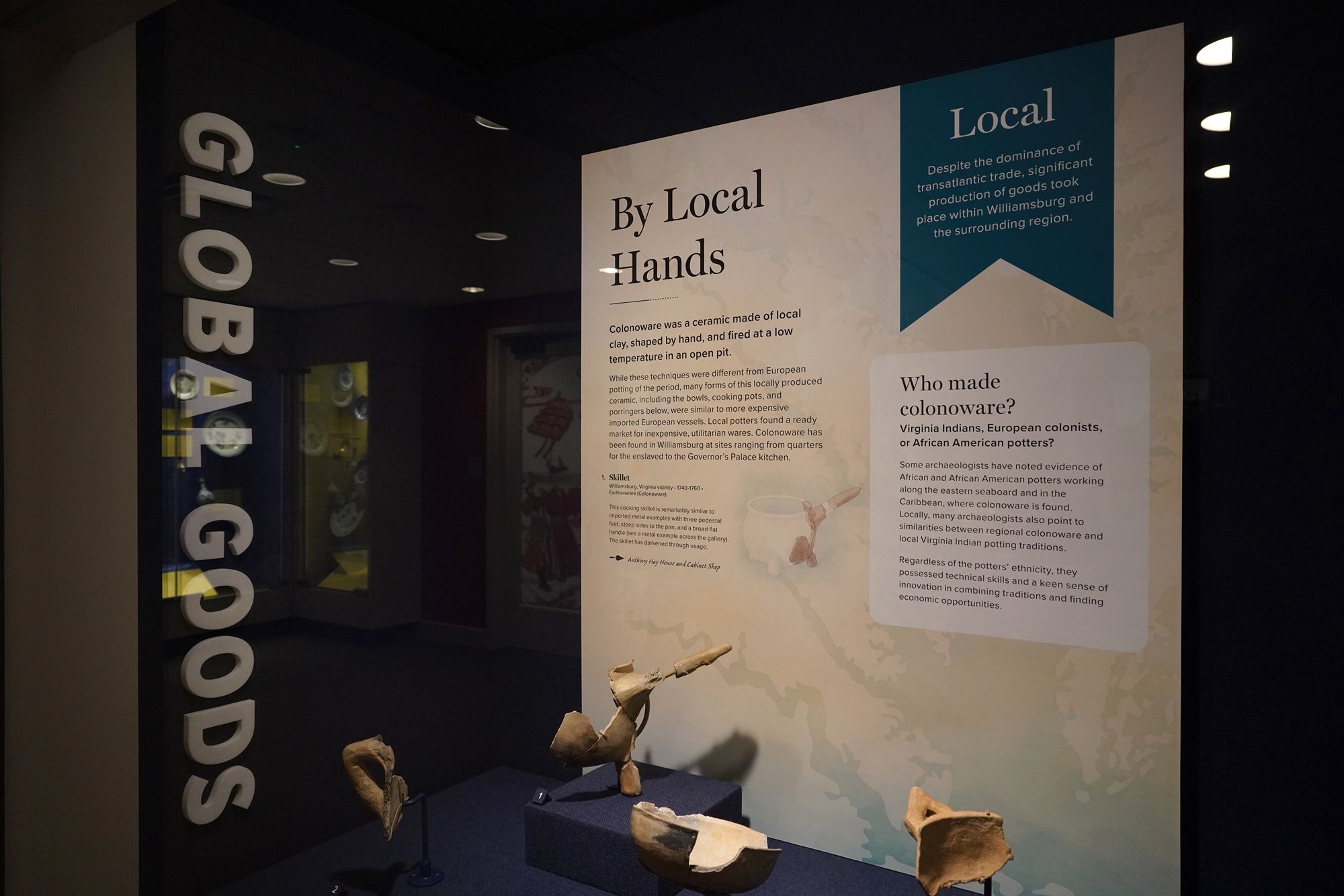
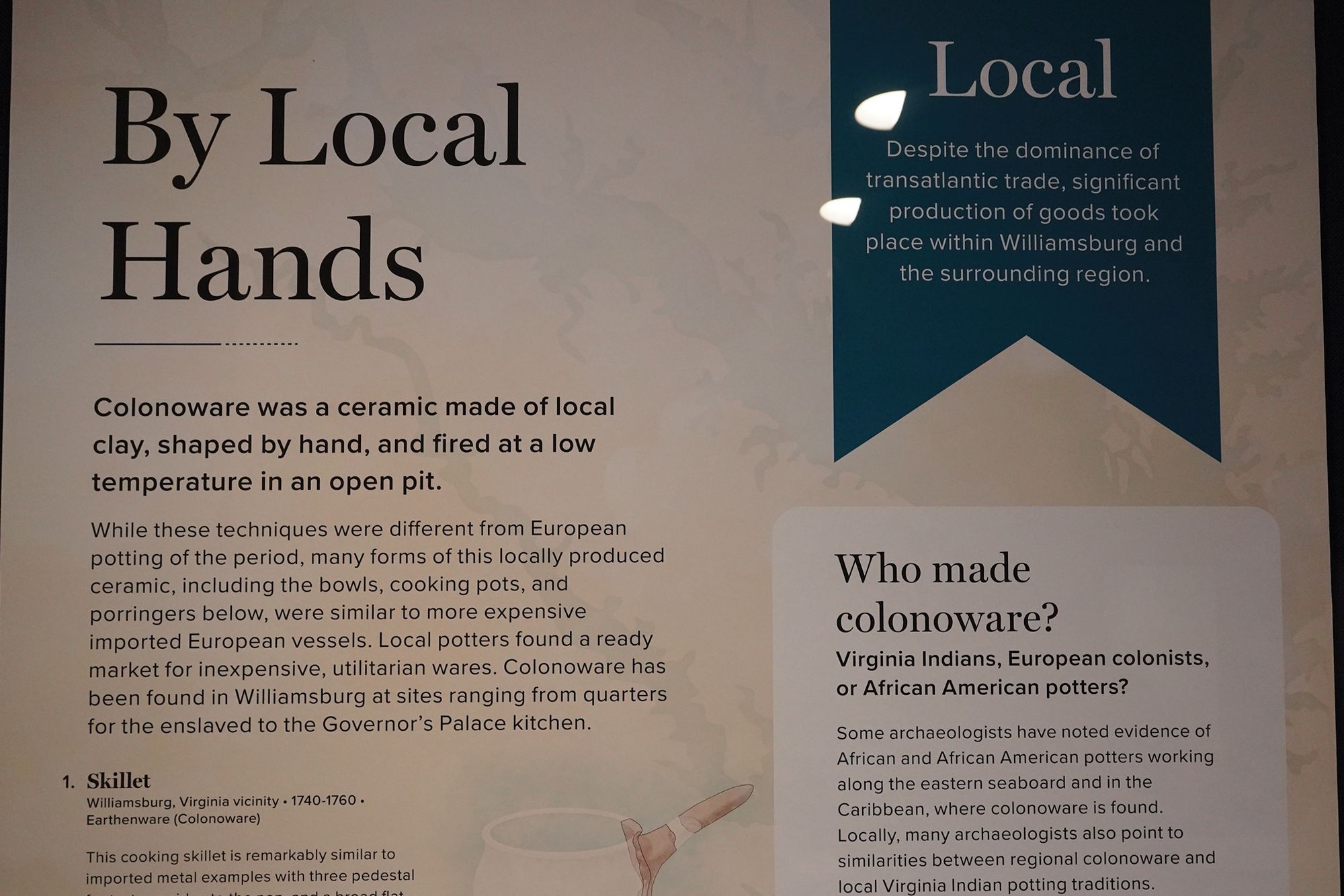
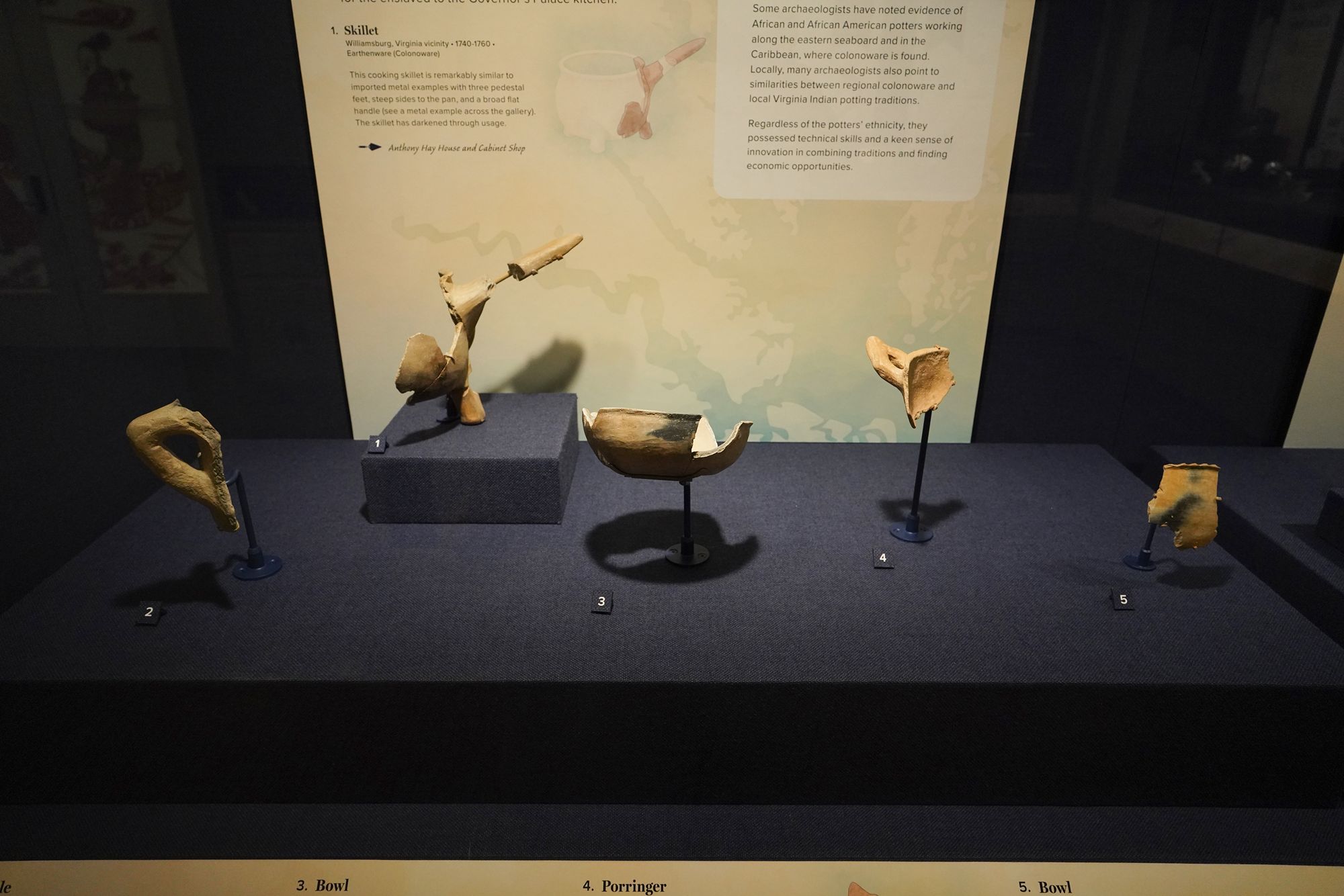
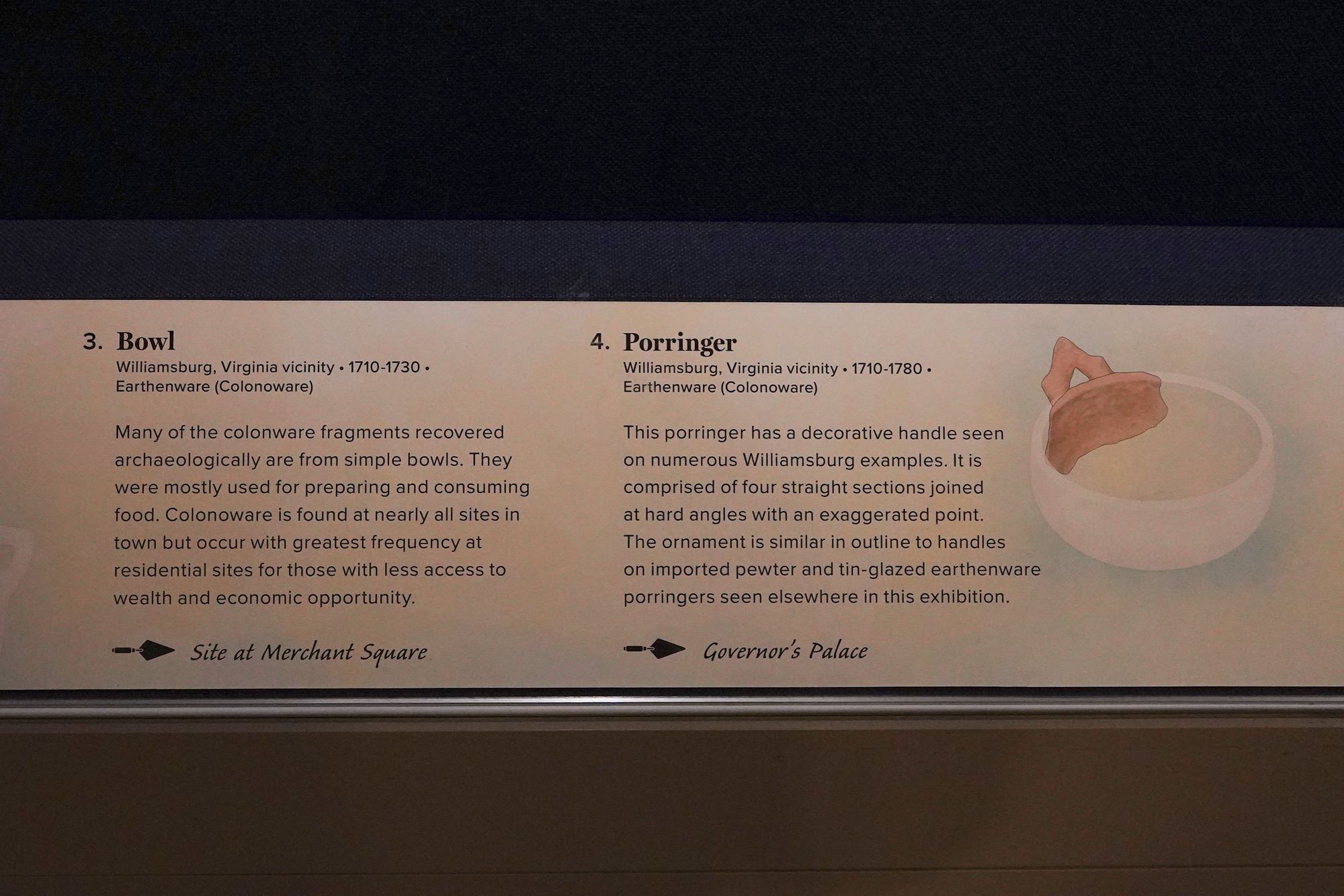
Colonoware was a type of unglazed, hand-shaped pottery made in colonial America by enslaved Africans, Native Americans, and poor Europeans.
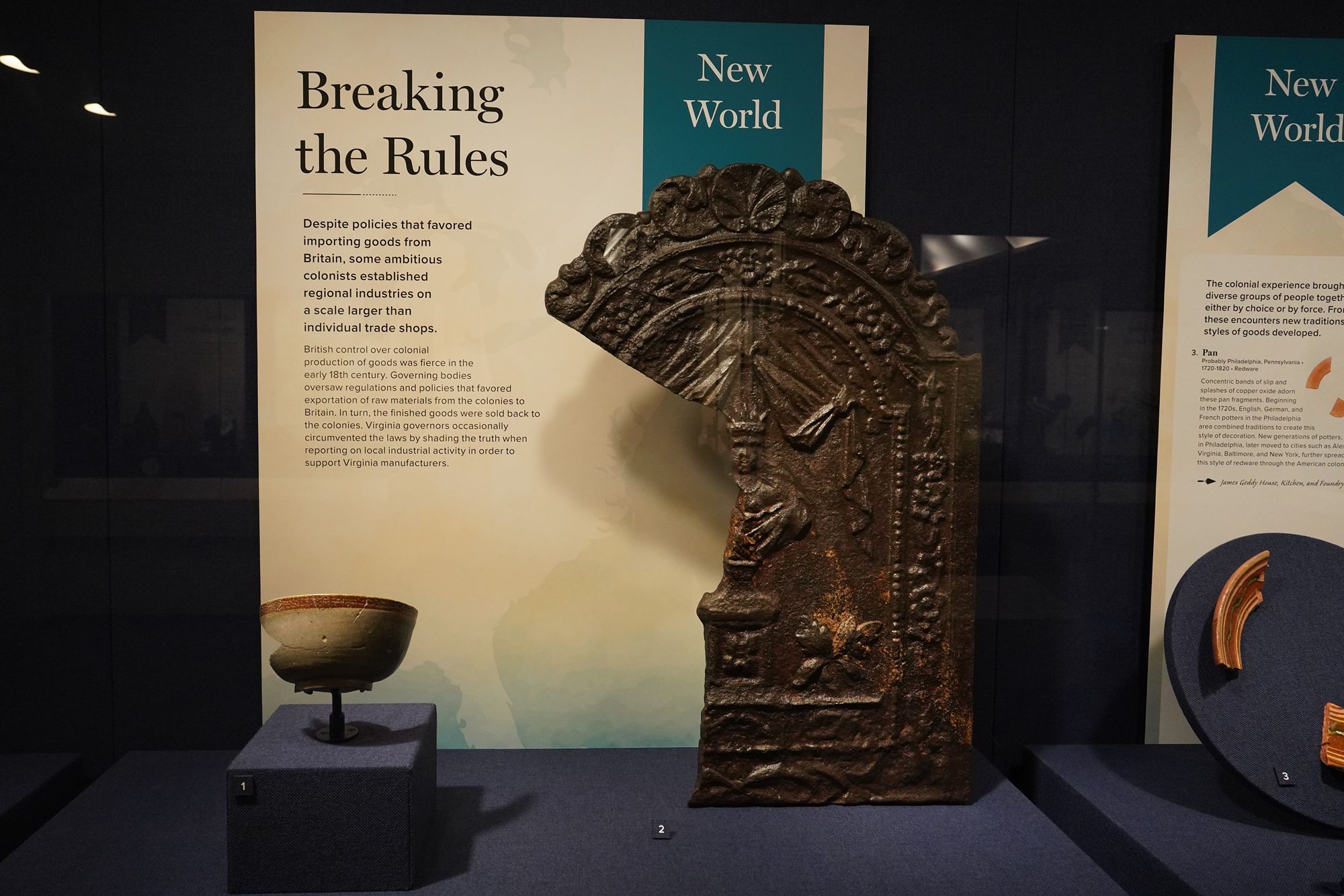
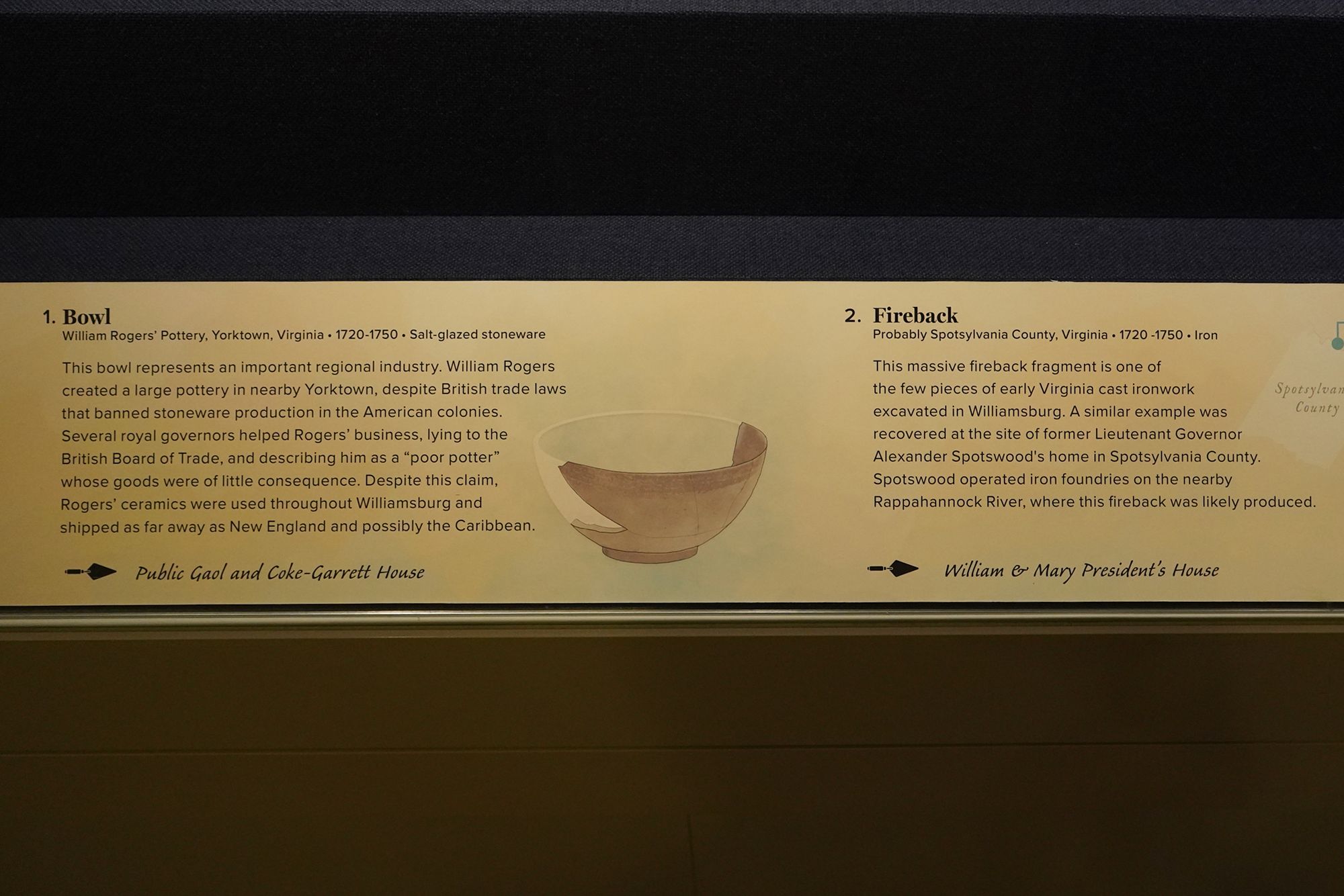
Development of Regional Industries
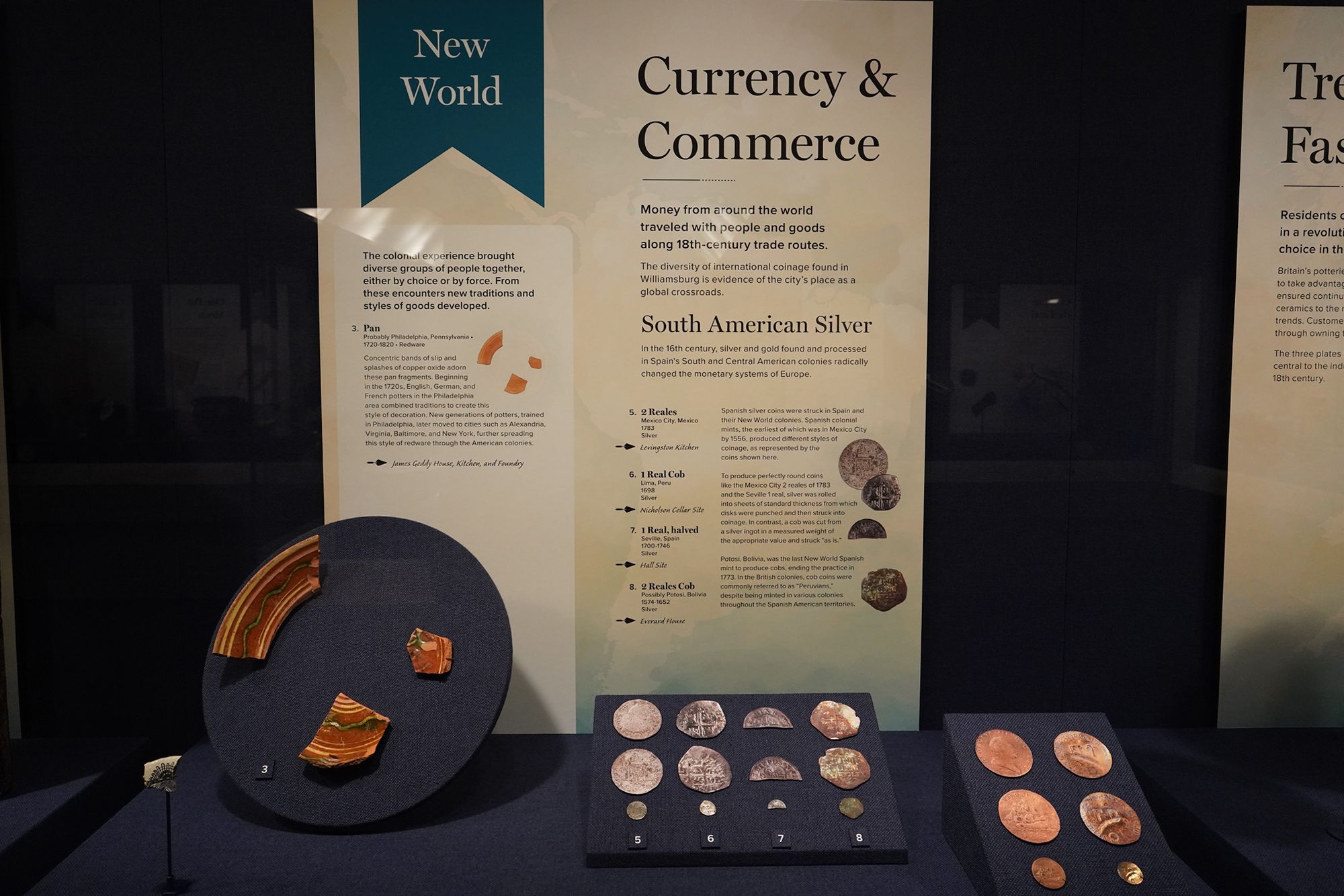
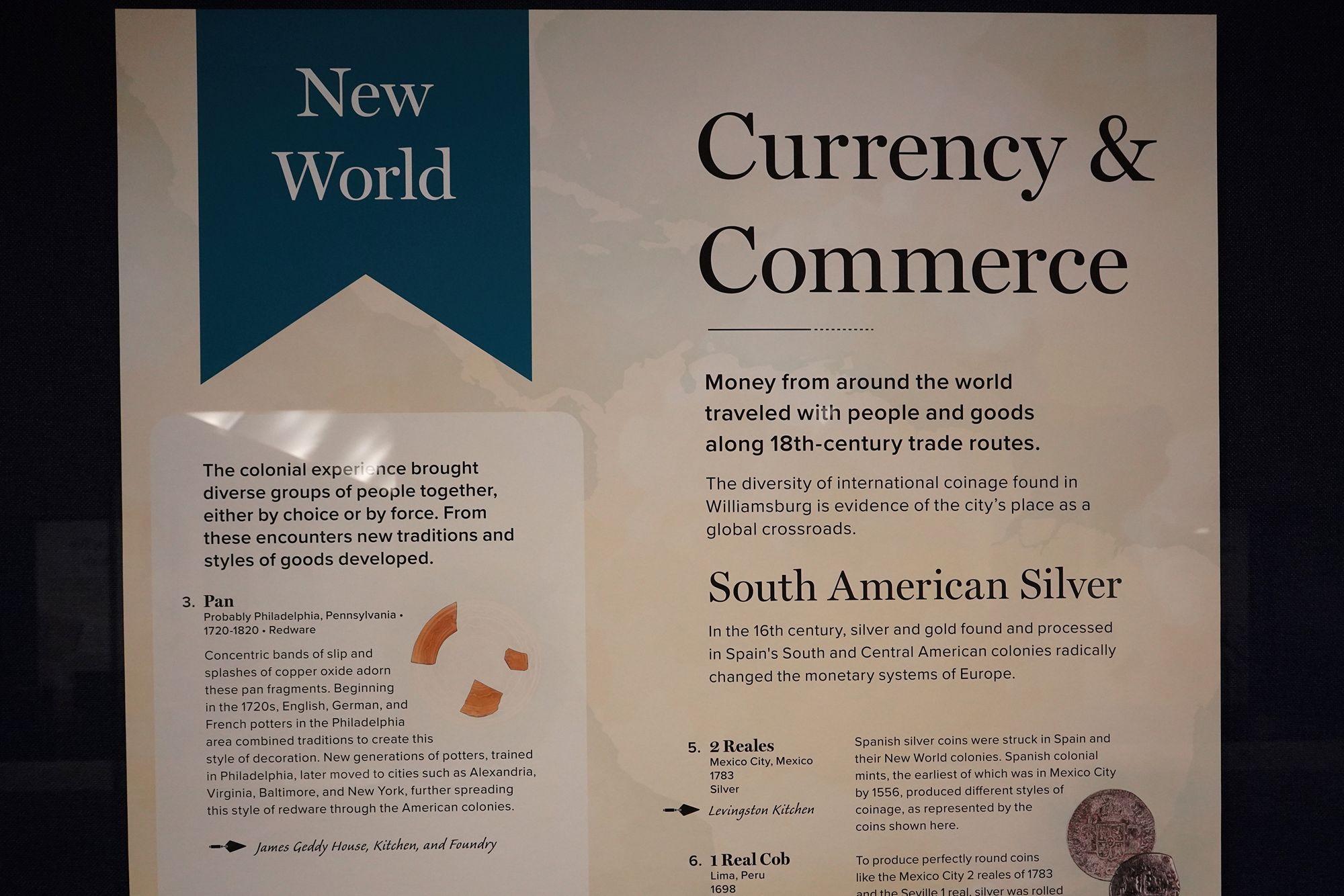
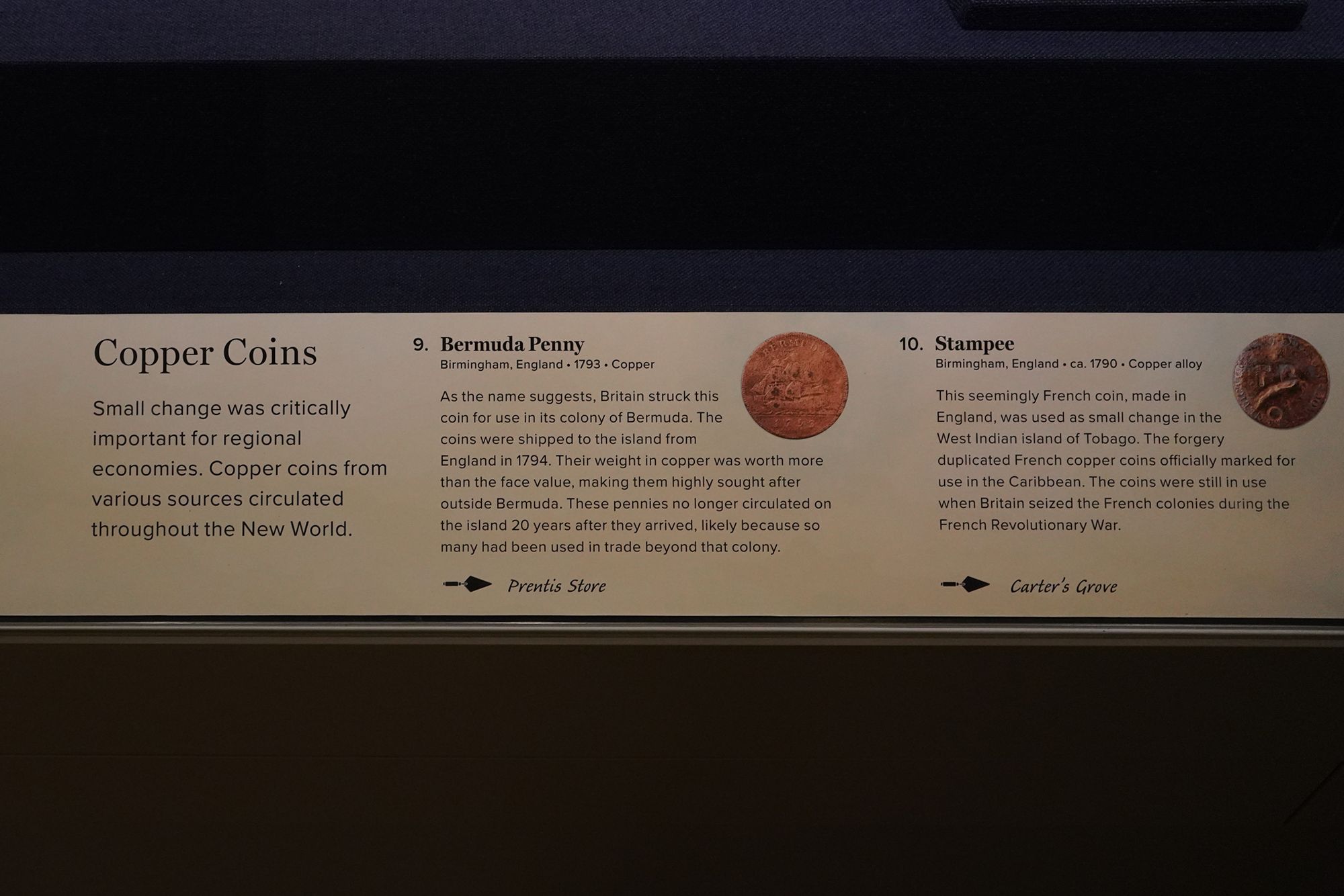
Currency & Commerce
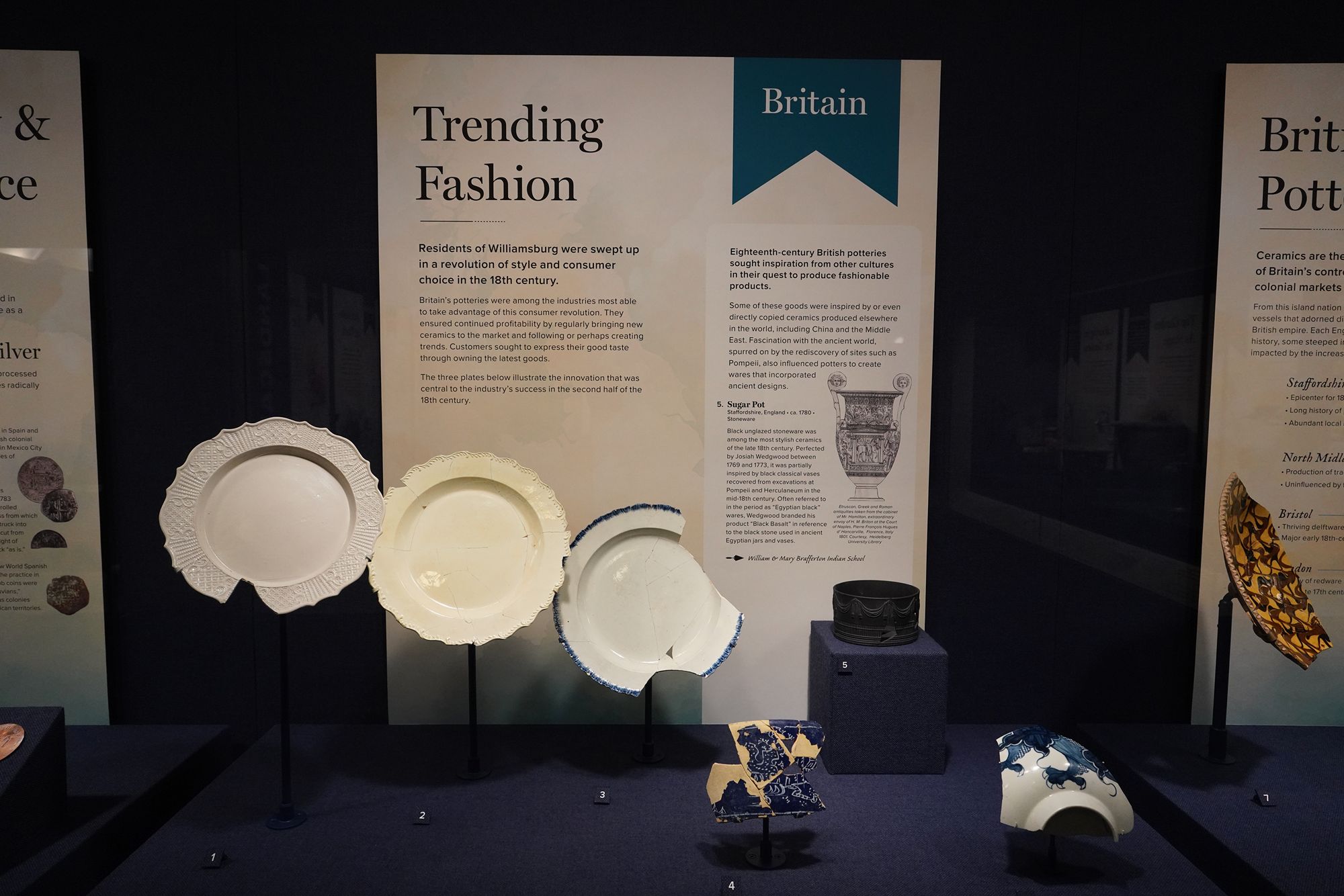
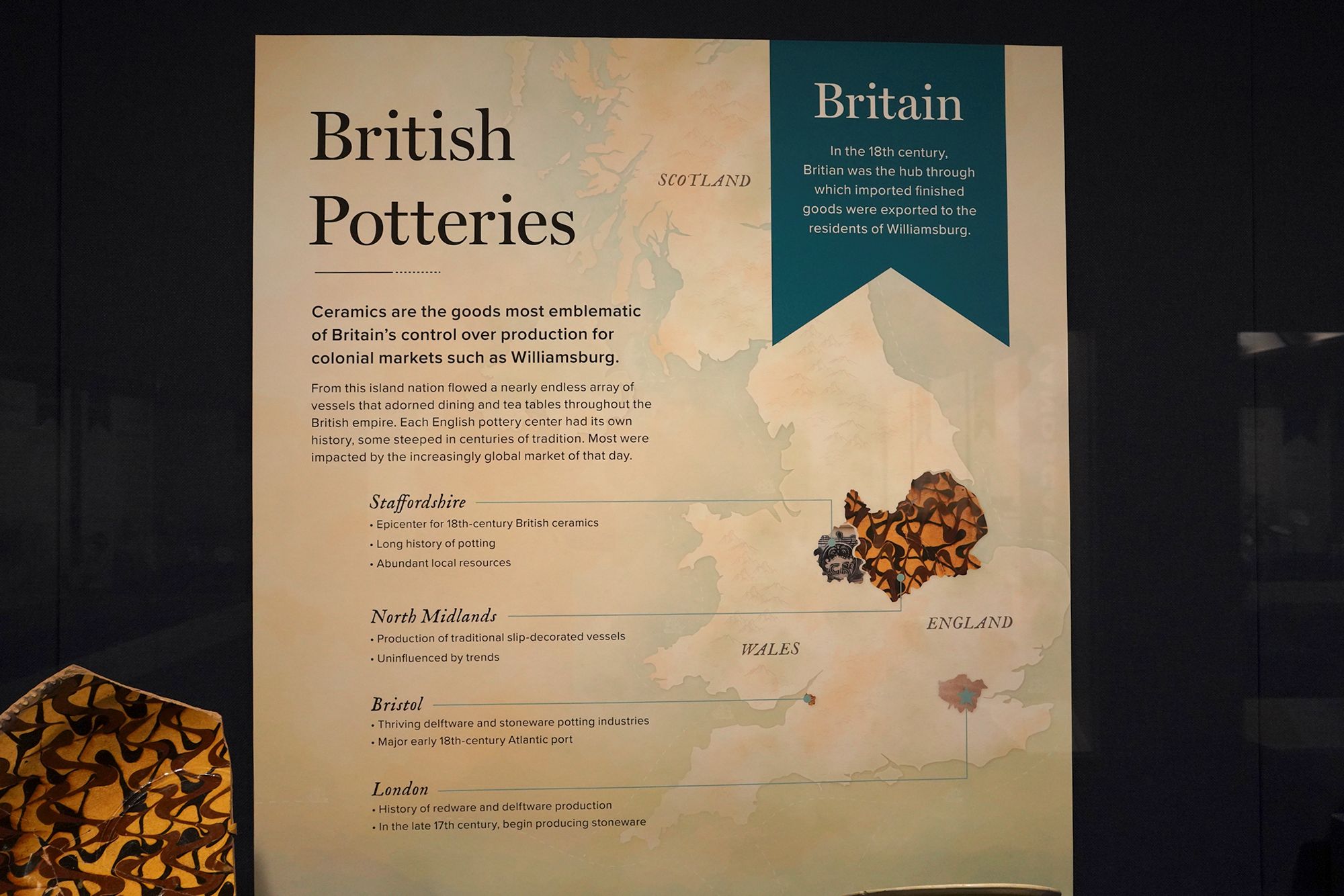
British dishes found in Williamsburg reveal how tableware mirrored English elegance and social aspiration.
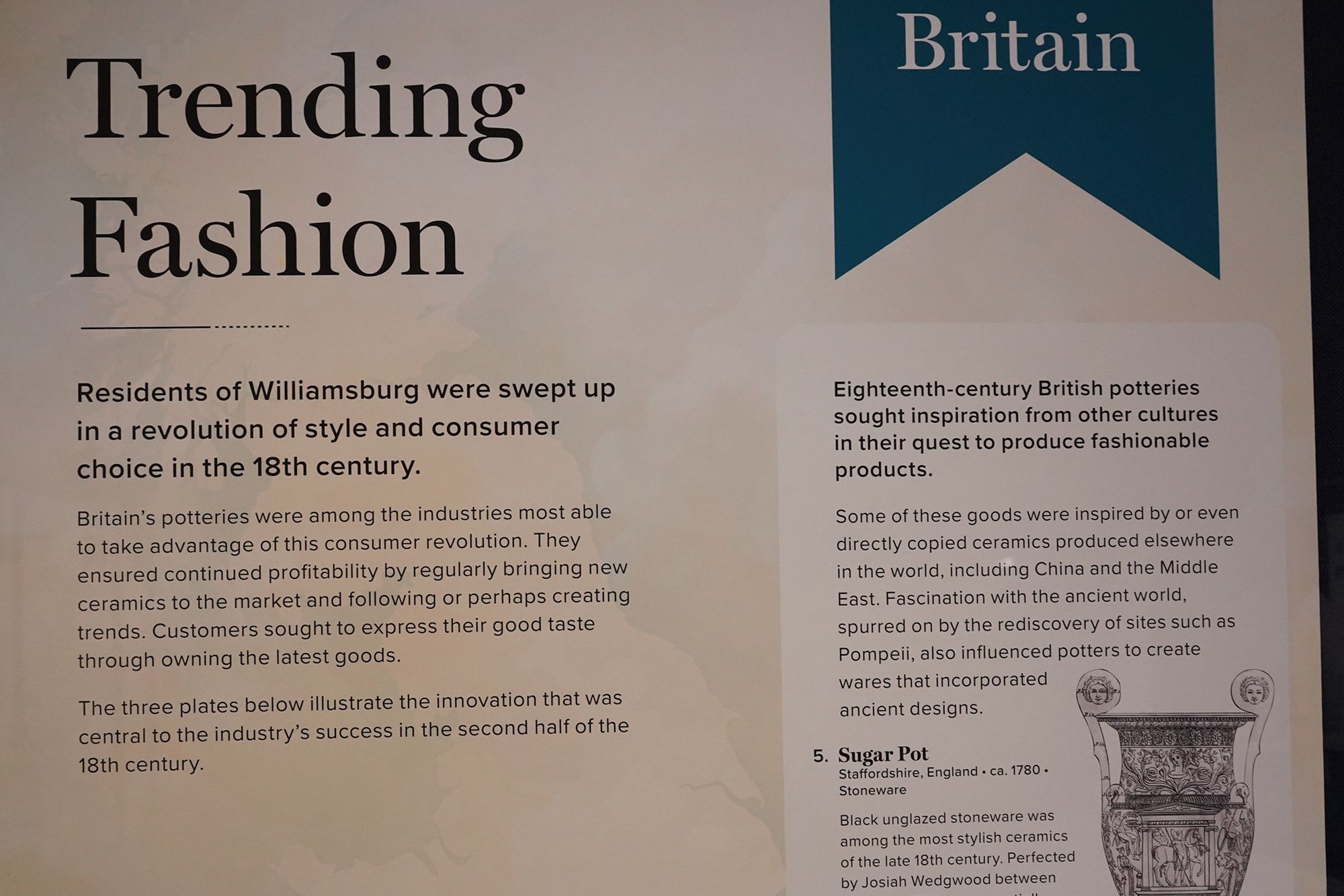
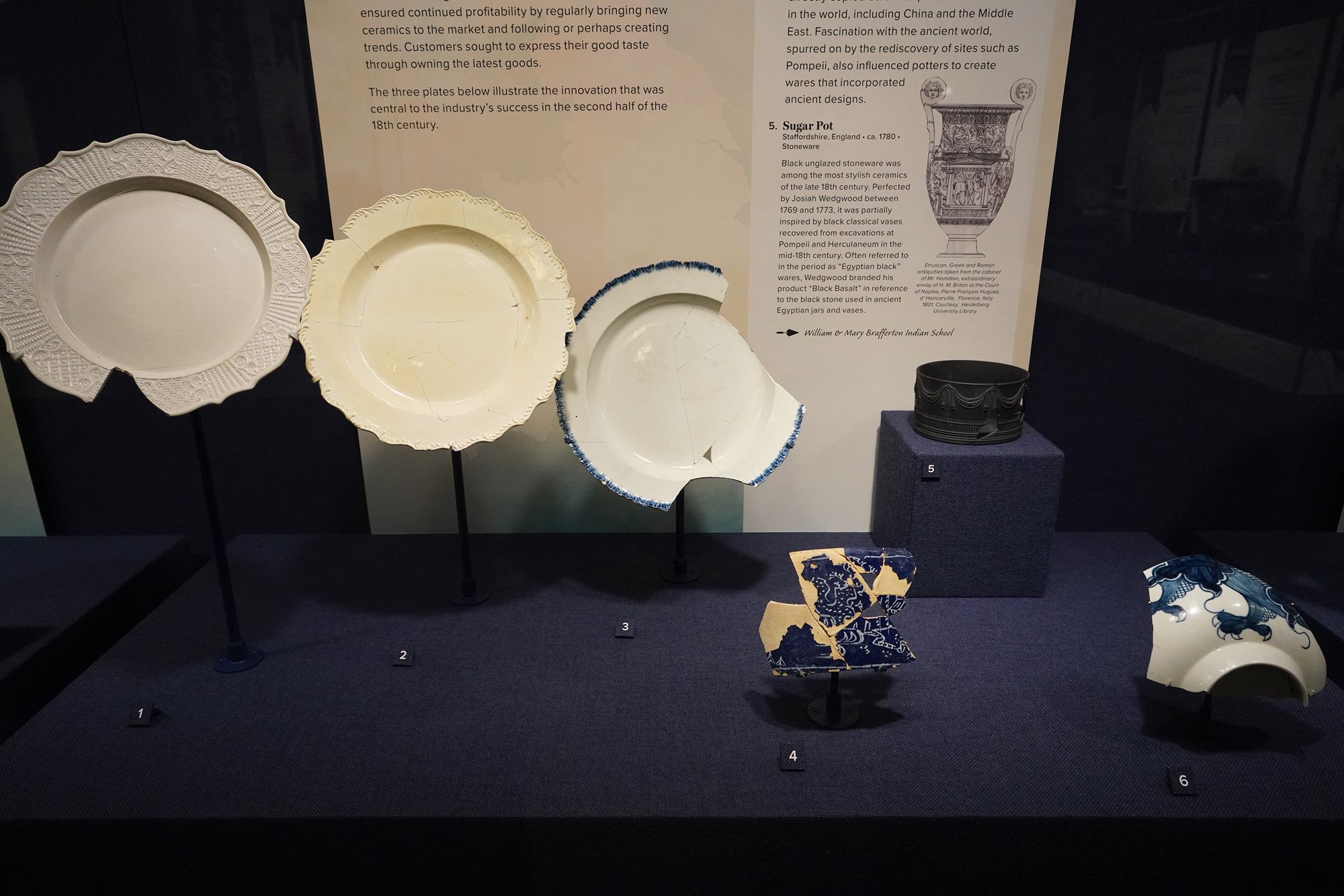
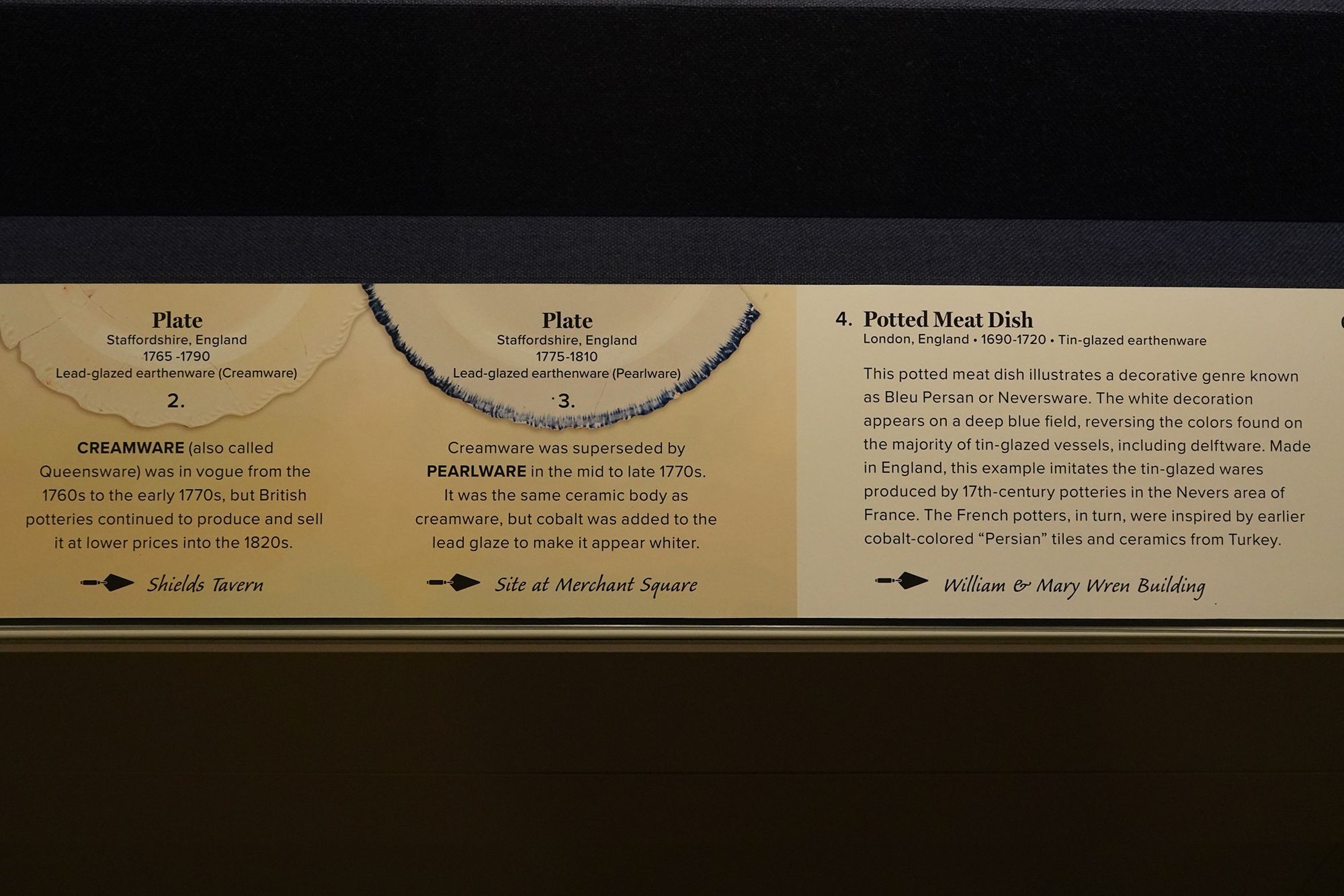
British Potteries
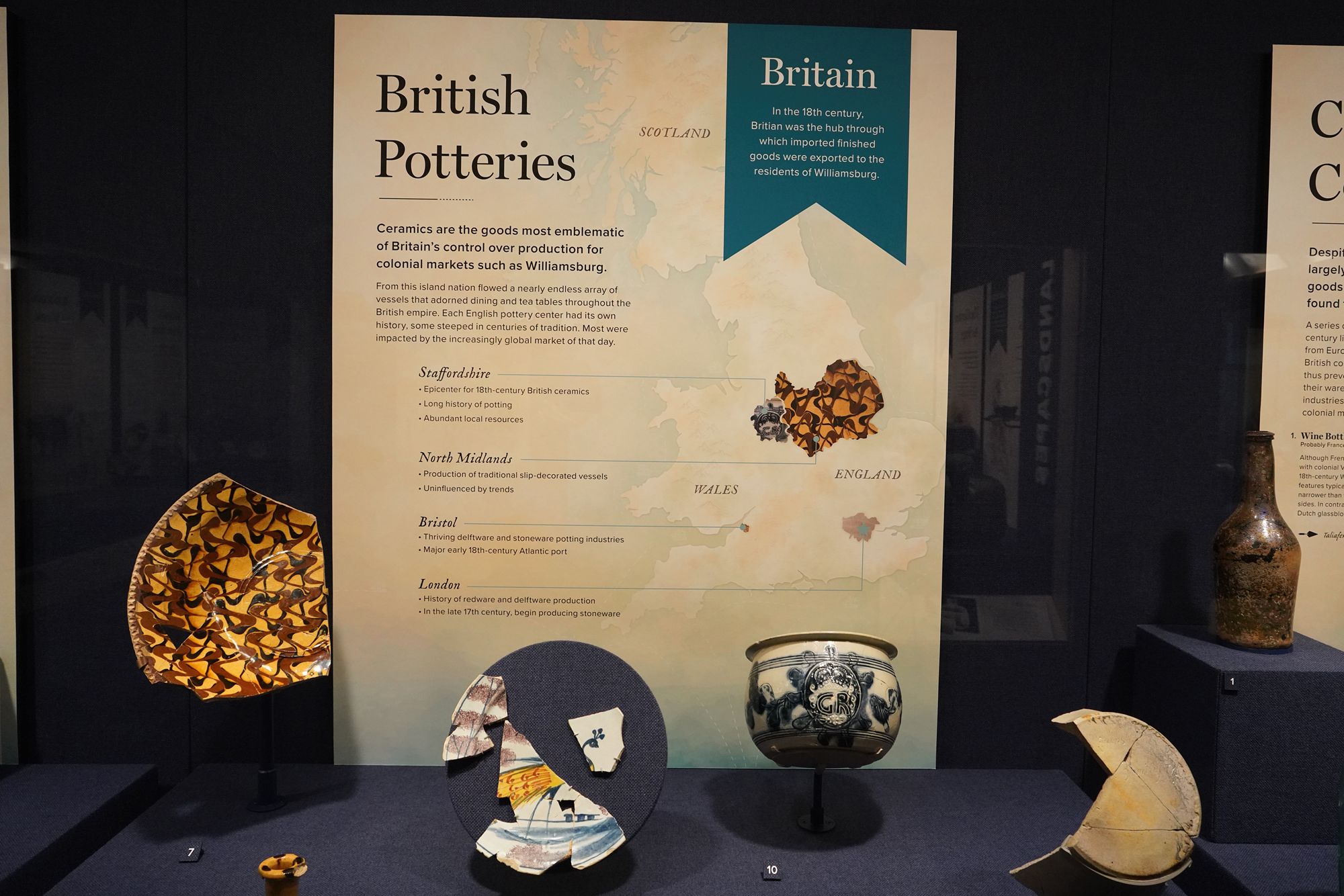
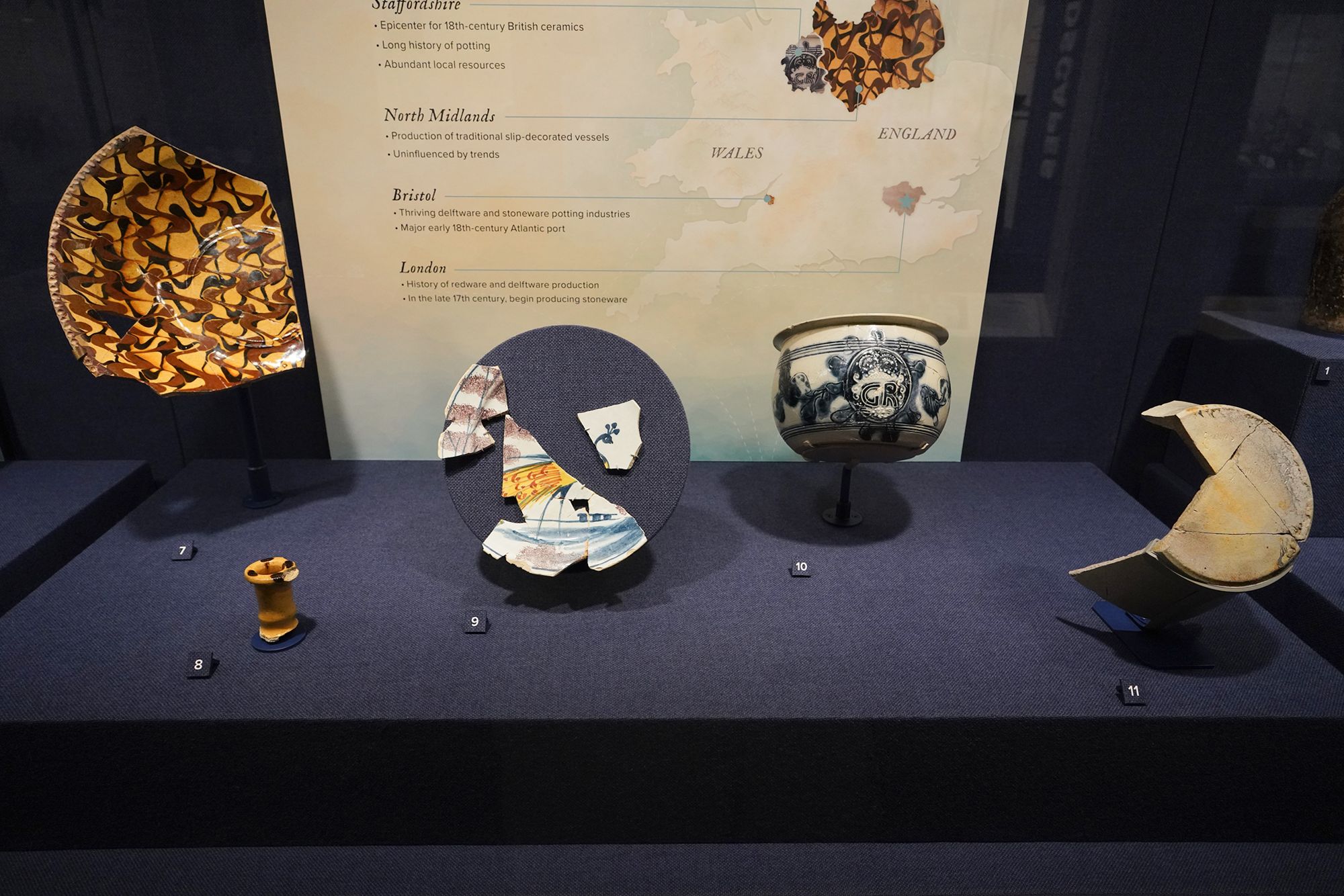
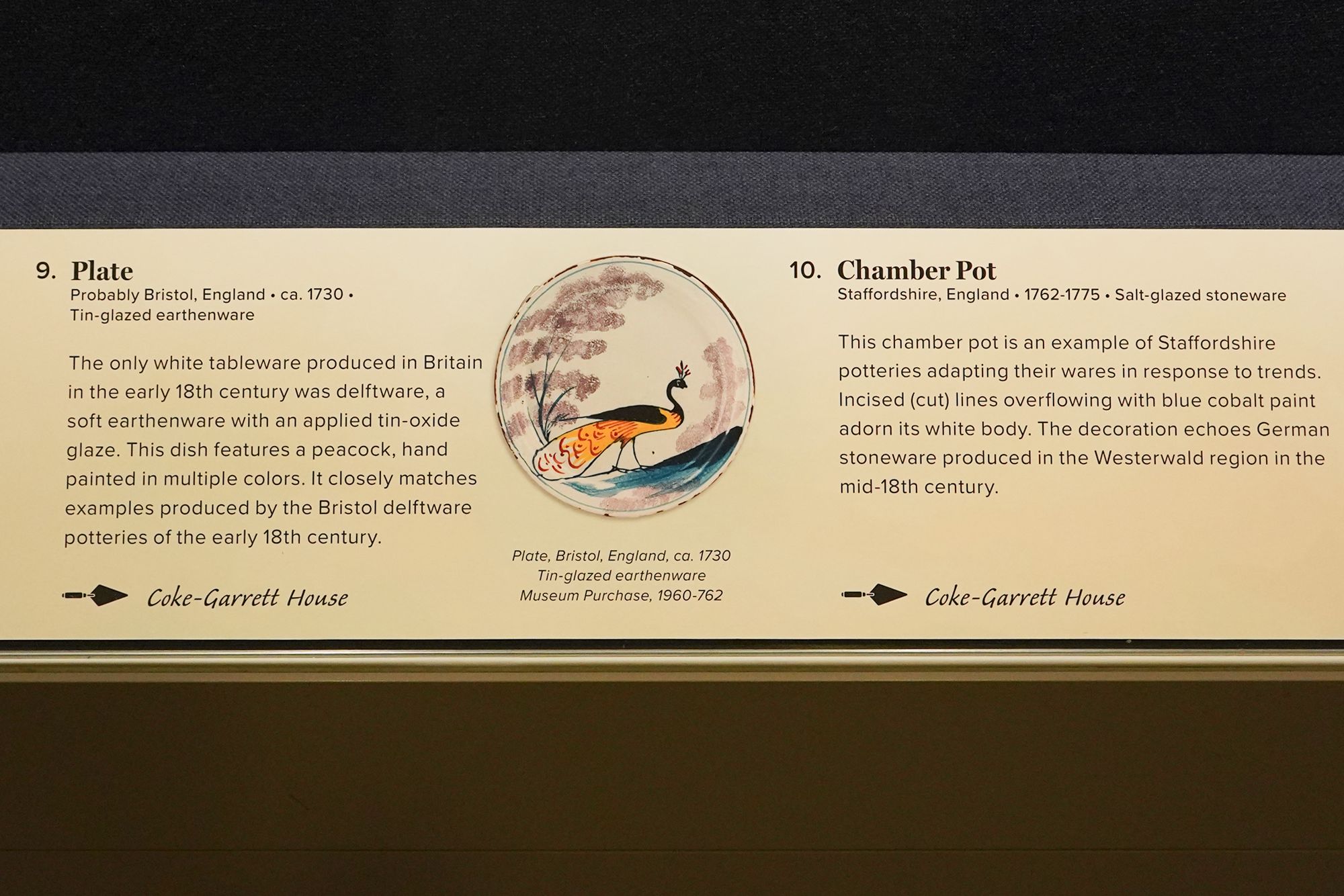
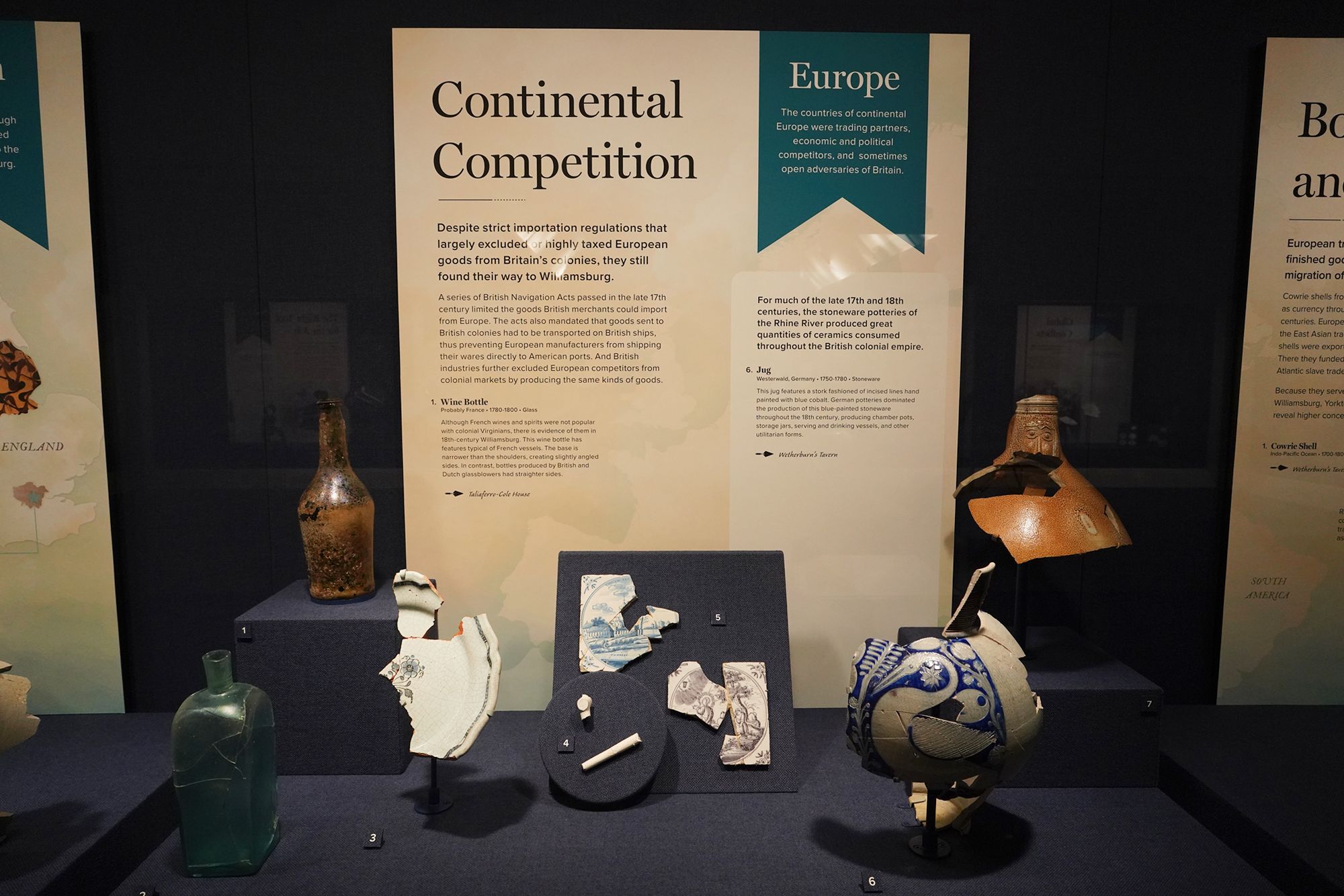
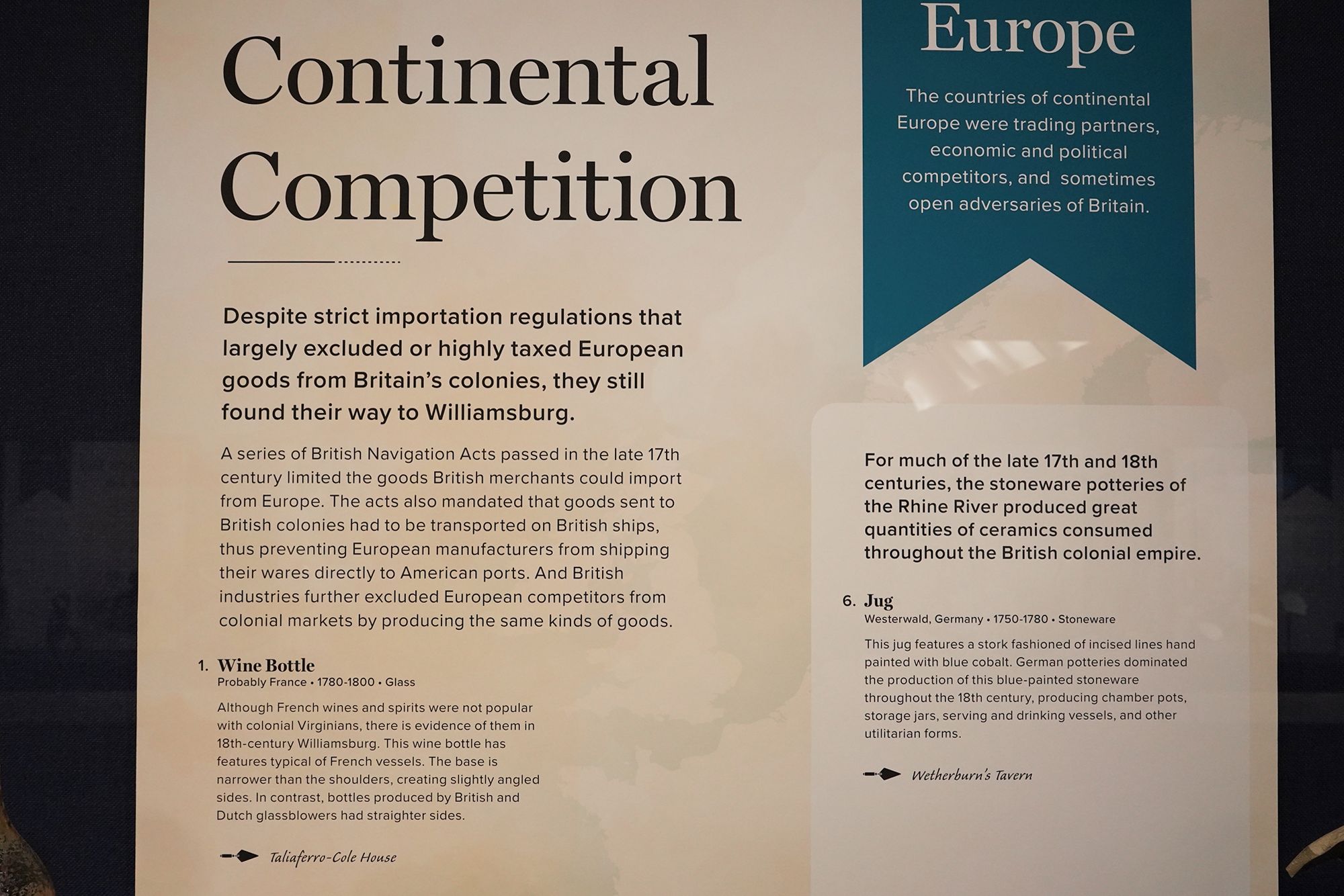
Even after the American colonies restricted British imports, many British goods such as tea, fine cloth, porcelain, and luxury items were still found in Williamsburg.
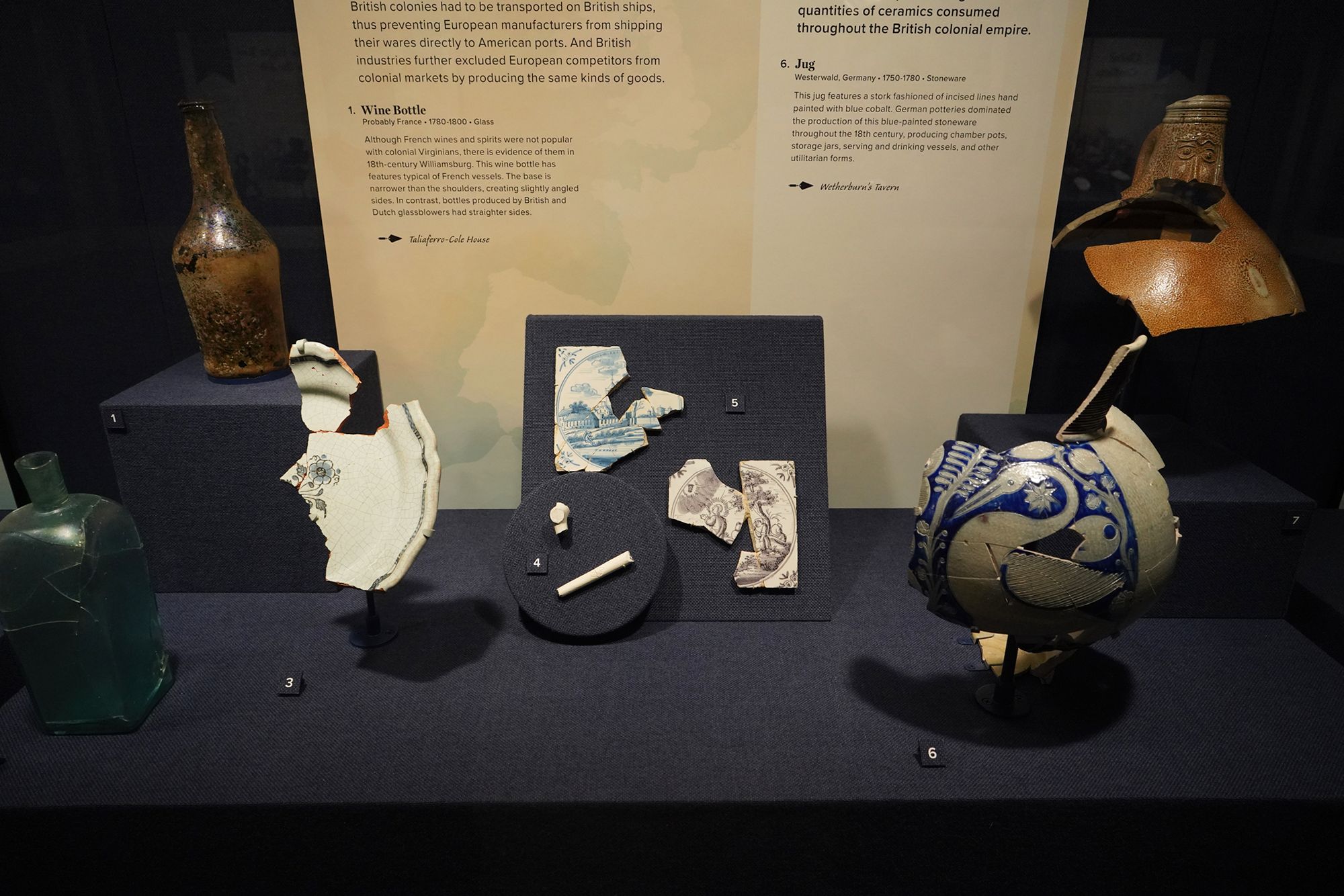
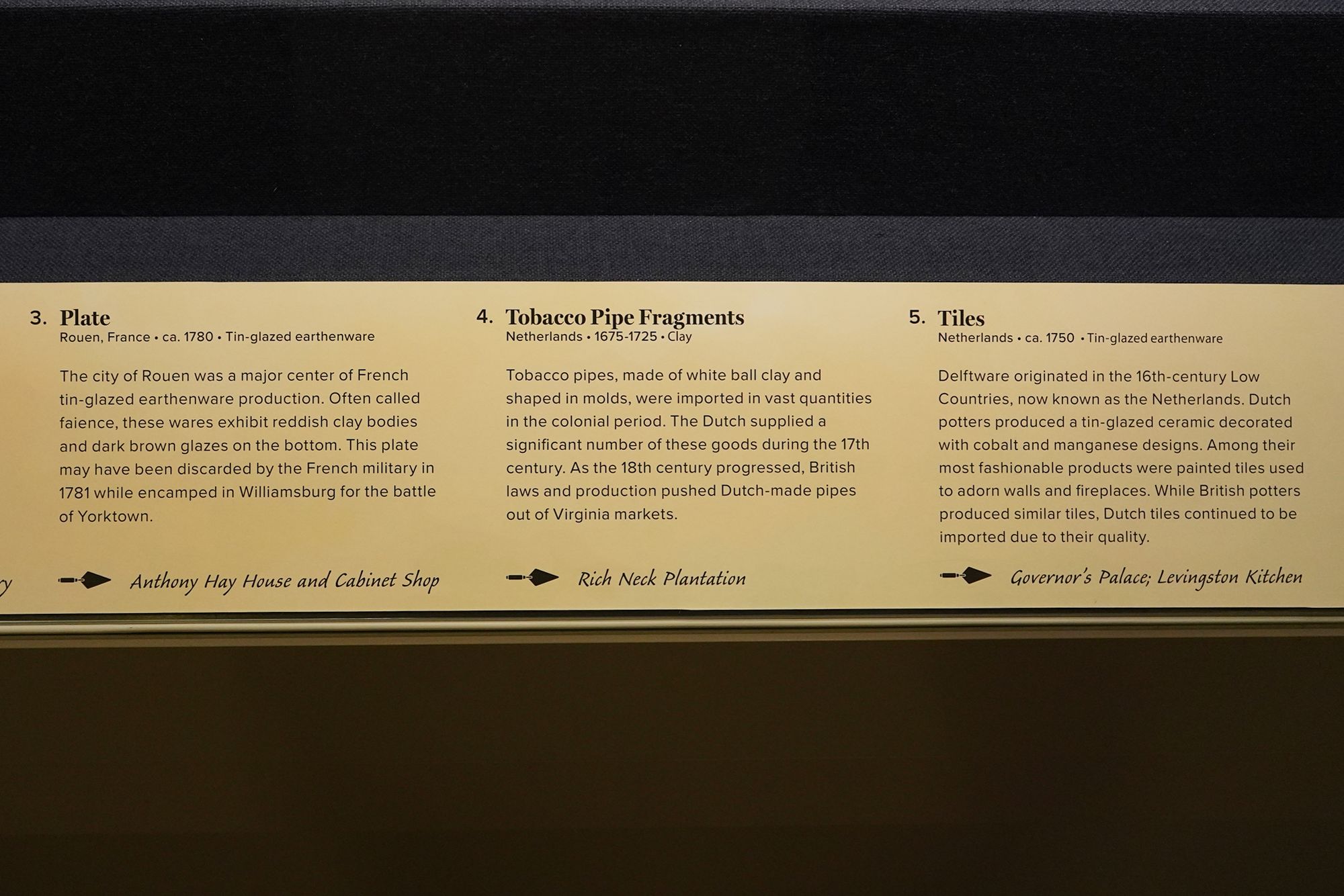
In 18th-century Williamsburg, Chinese and East Asian products such as porcelain, tea, lacquerware, and silk were prized luxury items imported through British trade routes.