George Washington’s Mount Vernon, Virginia, USA
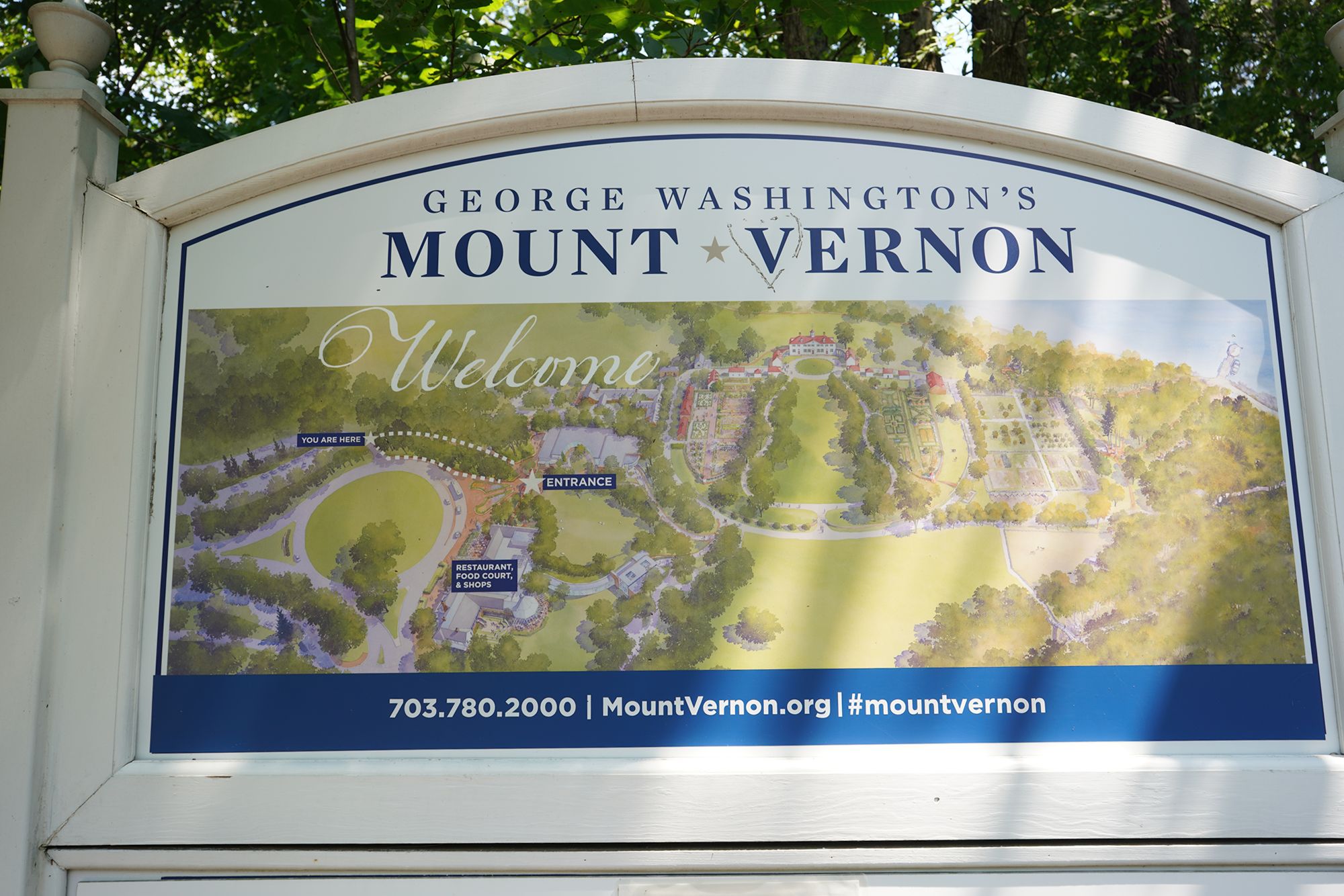
George Washington’s Mount Vernon is his famous estate located on the Potomac River in Fairfax County, Virginia, about 15 miles south of Washington, D.C. 1125
George Washington's Mount Vernon: 3200 Mount Vernon Memorial Hwy, Mt Vernon, VA 22121
Date Picture Taken: July 2025
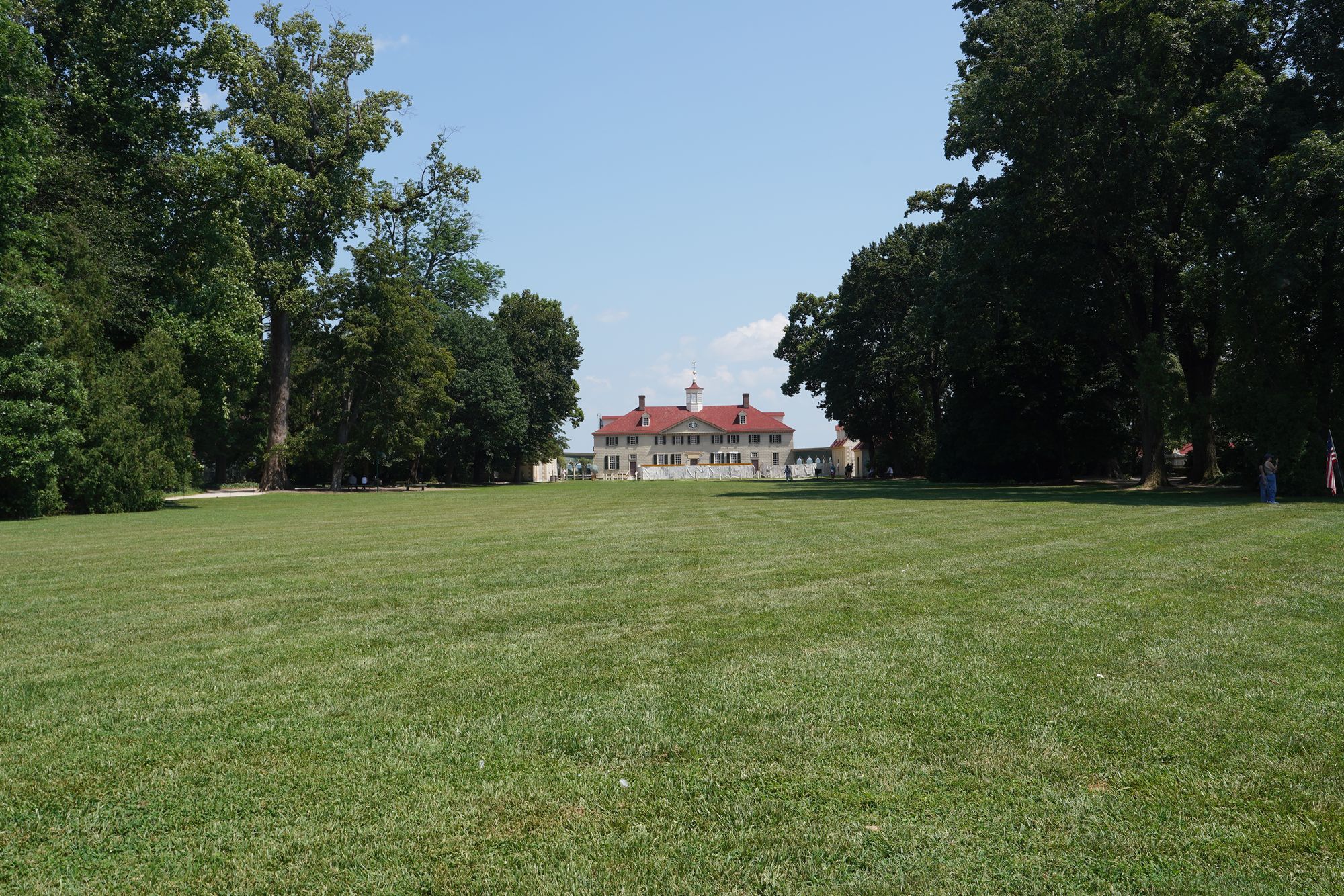
Originally inherited from his half-brother Lawrence Washington, George Washington expanded the property into a 21-room mansion surrounded by gardens, farms, and outbuildings. The home reflects his status as a wealthy Virginia planter and his careful attention to design and detail.
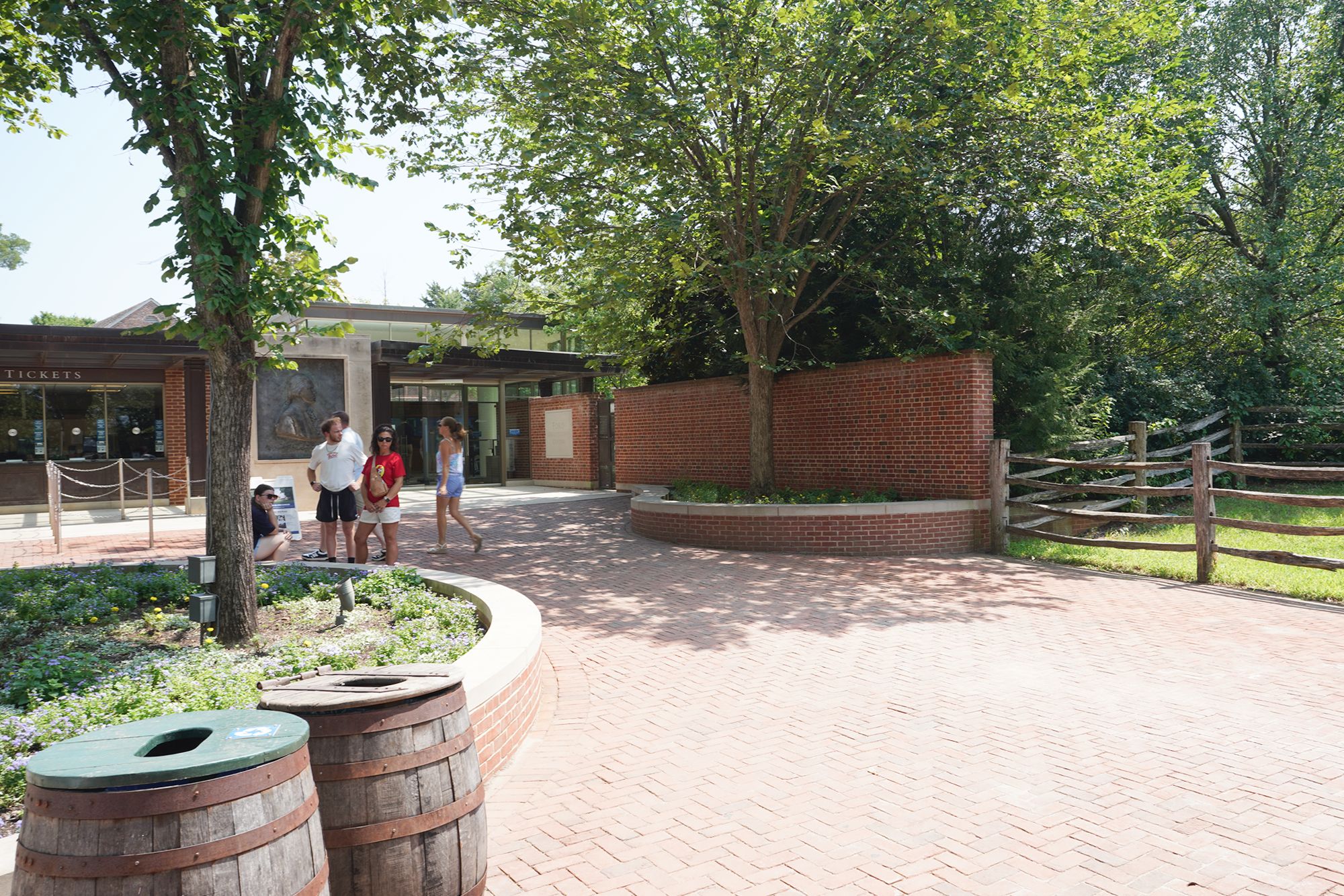
The estate once spanned over 8,000 acres and was worked by hundreds of enslaved laborers, whose quarters and work areas are also preserved today. Visitors can see gardens, barns, slave cabins, and the family tomb, where George and Martha Washington are buried.
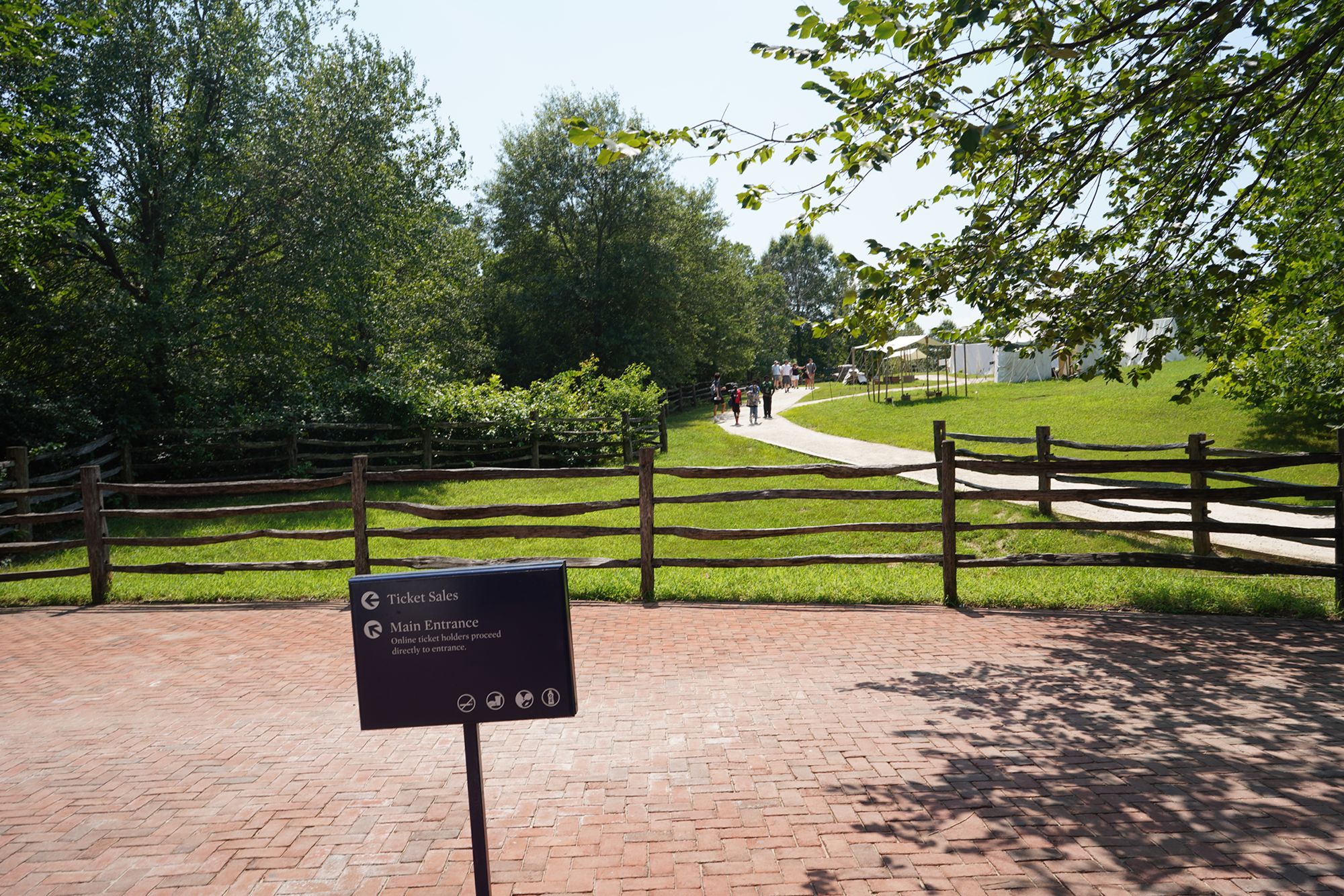
Mount Vernon is now a museum and historic site operated by the Mount Vernon Ladies’ Association, offering tours, exhibits, films, and living-history programs that bring Washington’s world to life.
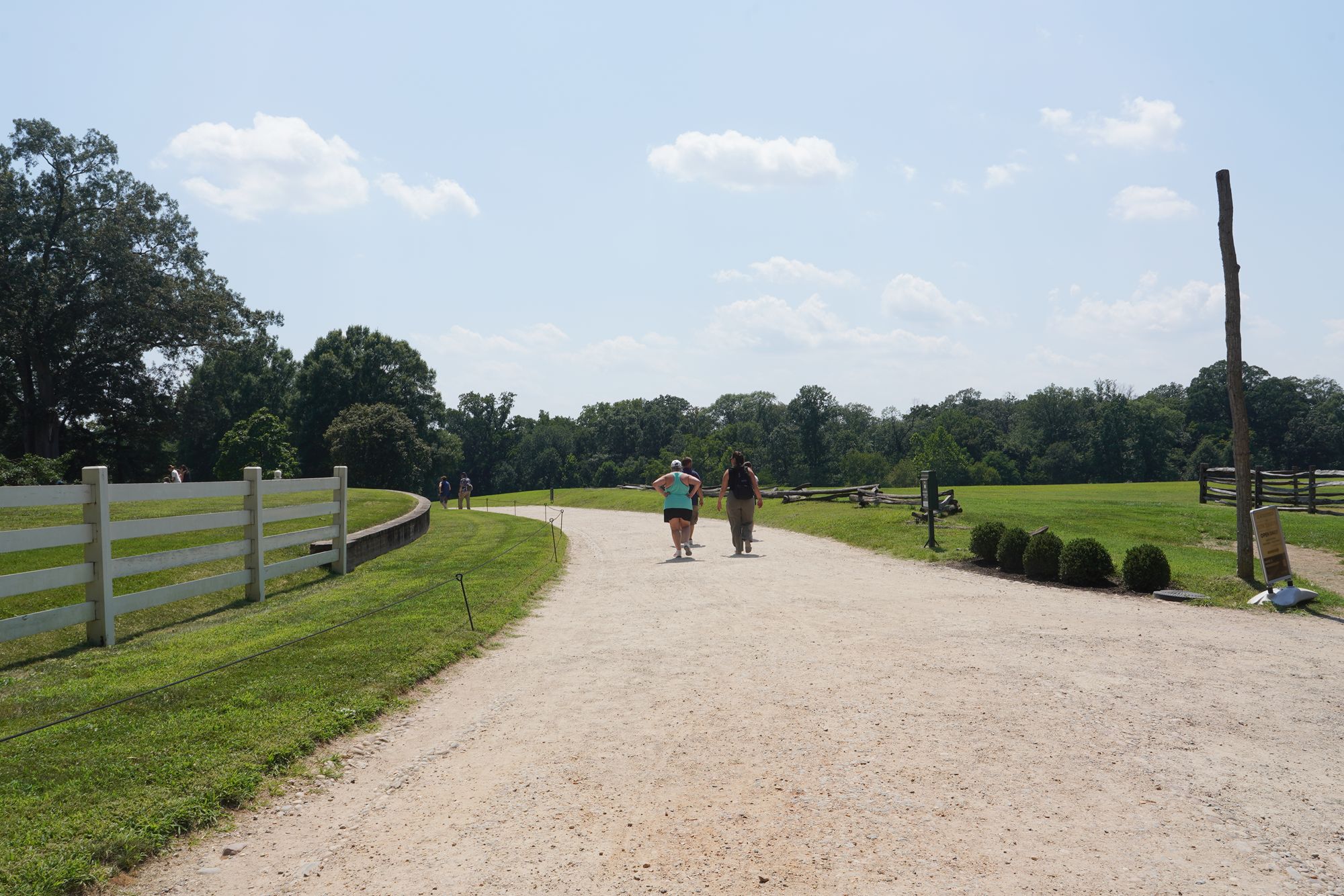
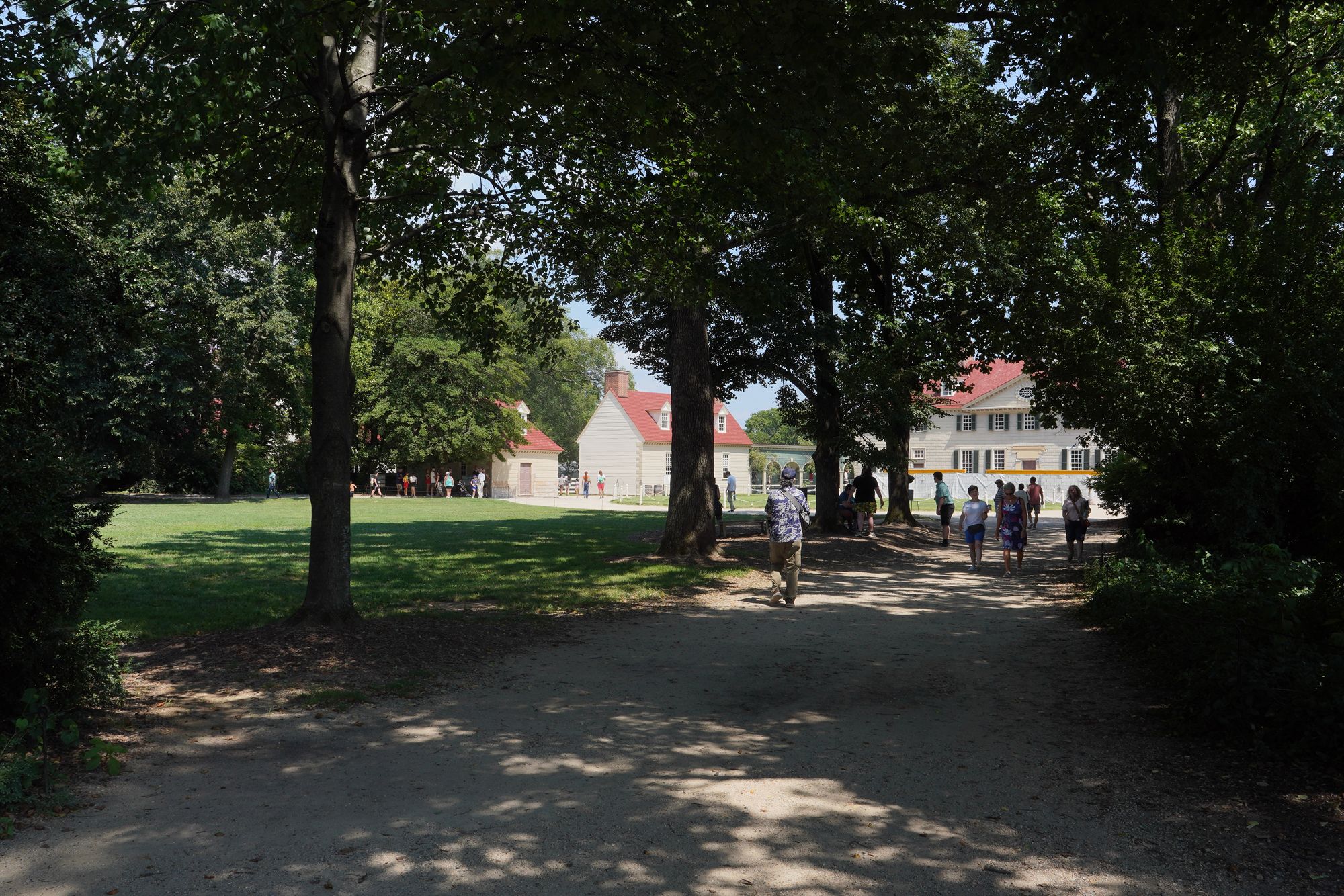
A small side garden
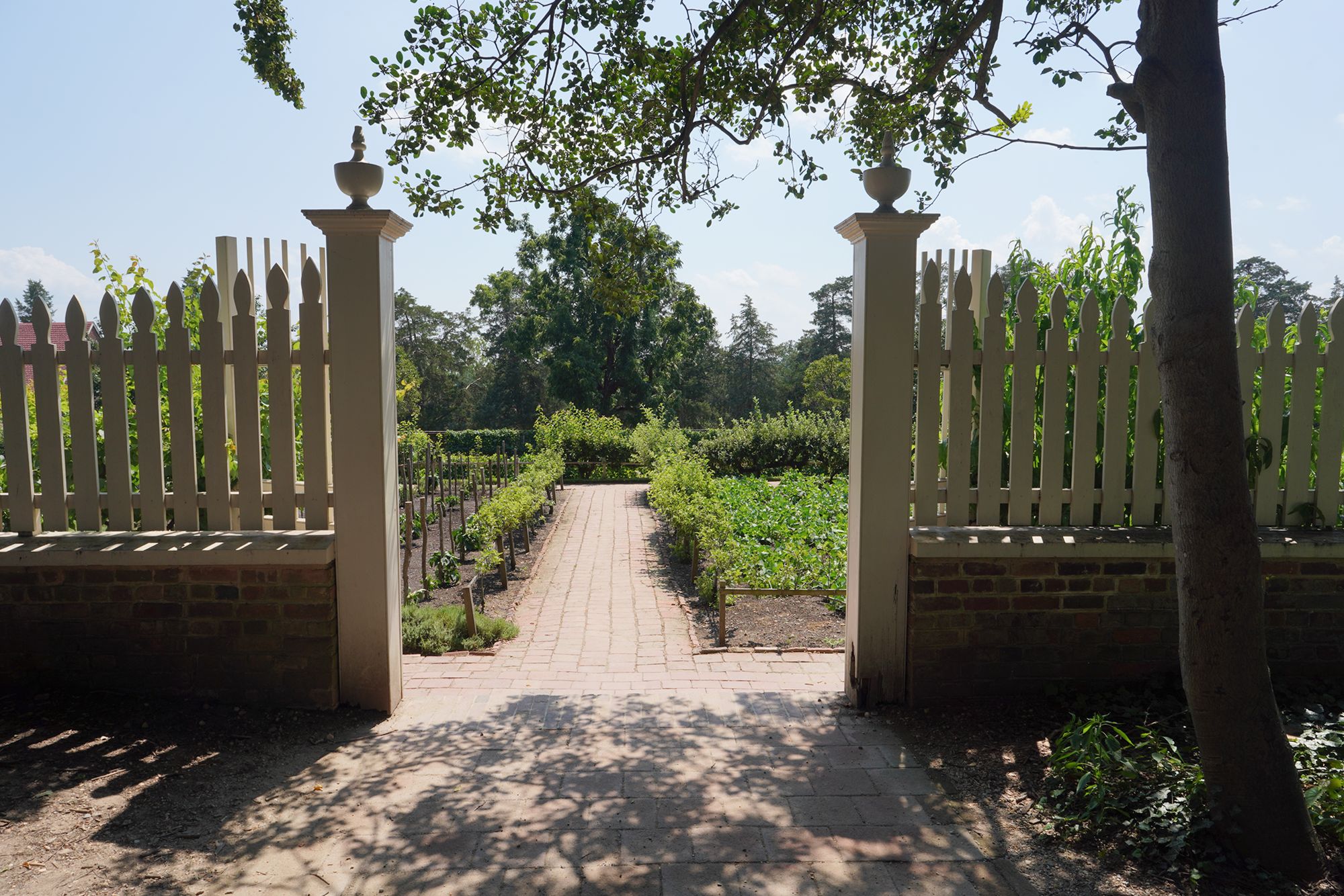
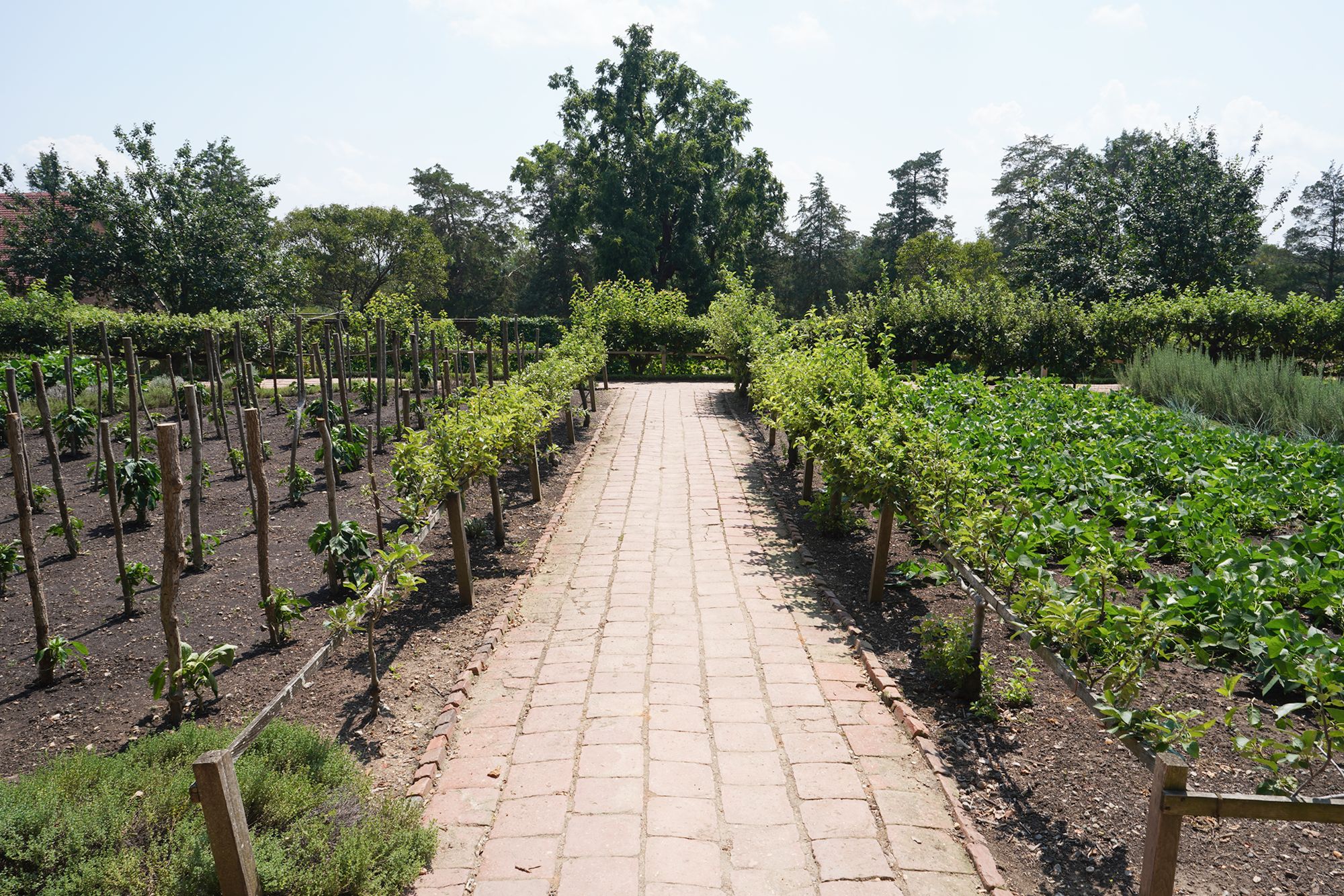
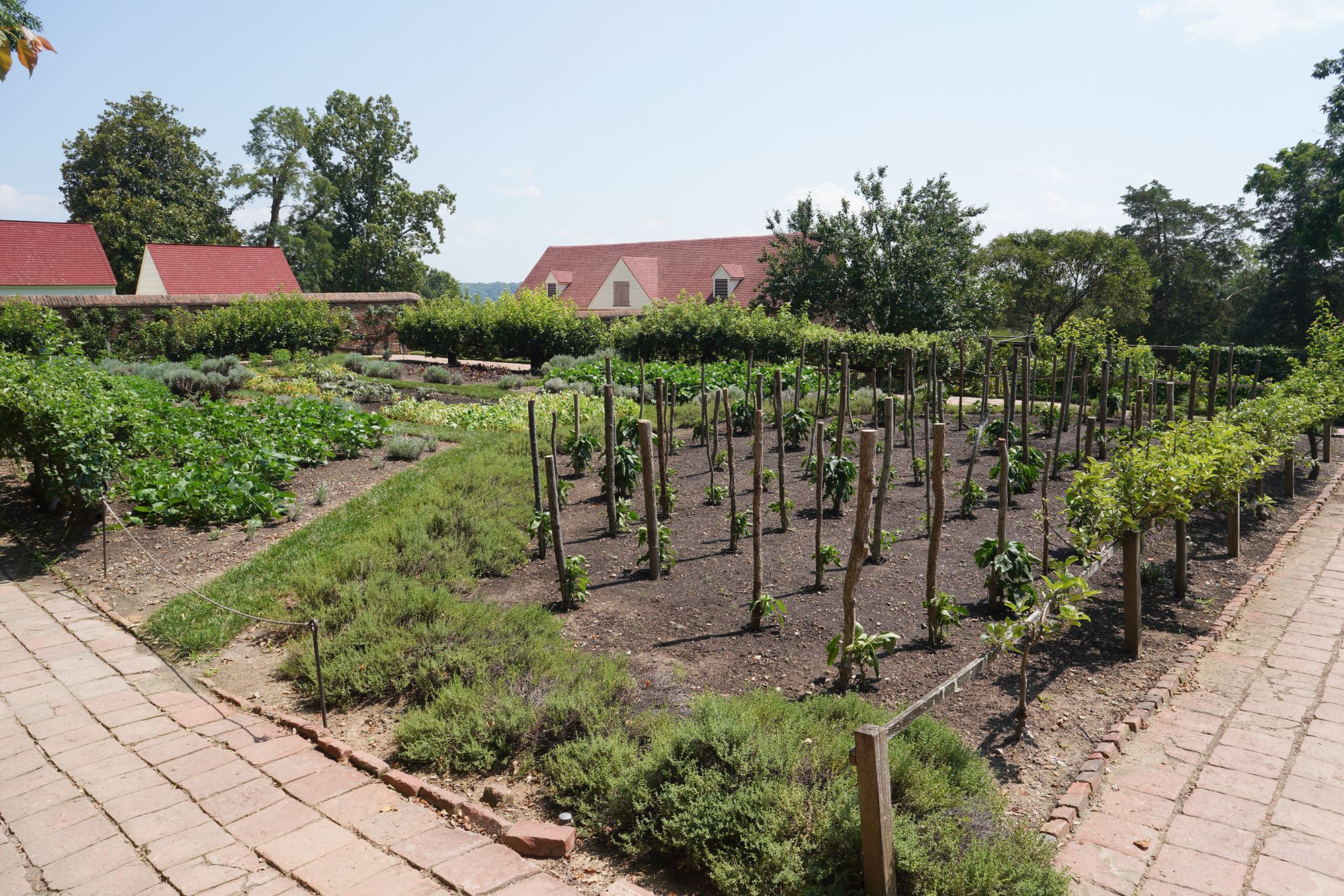
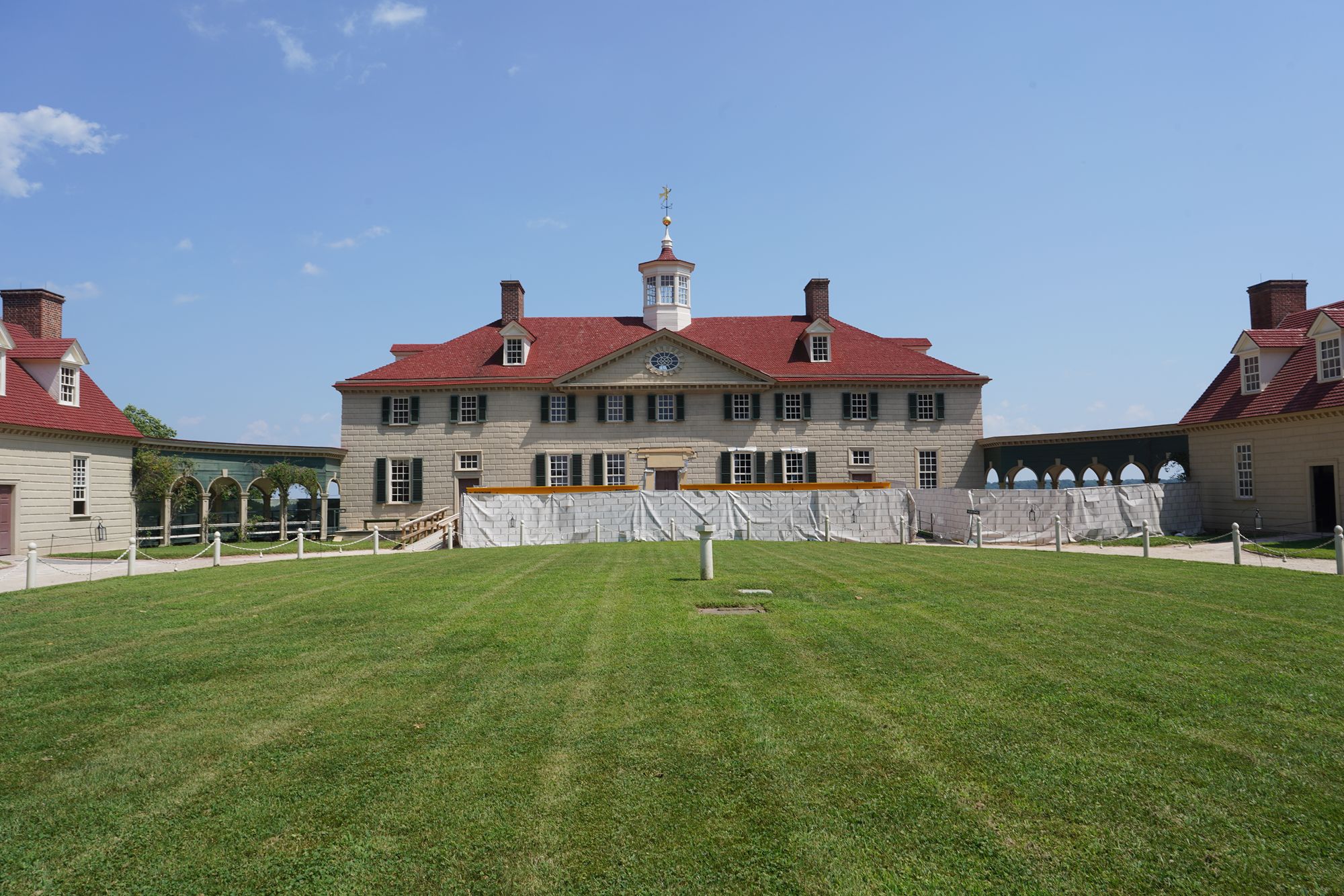
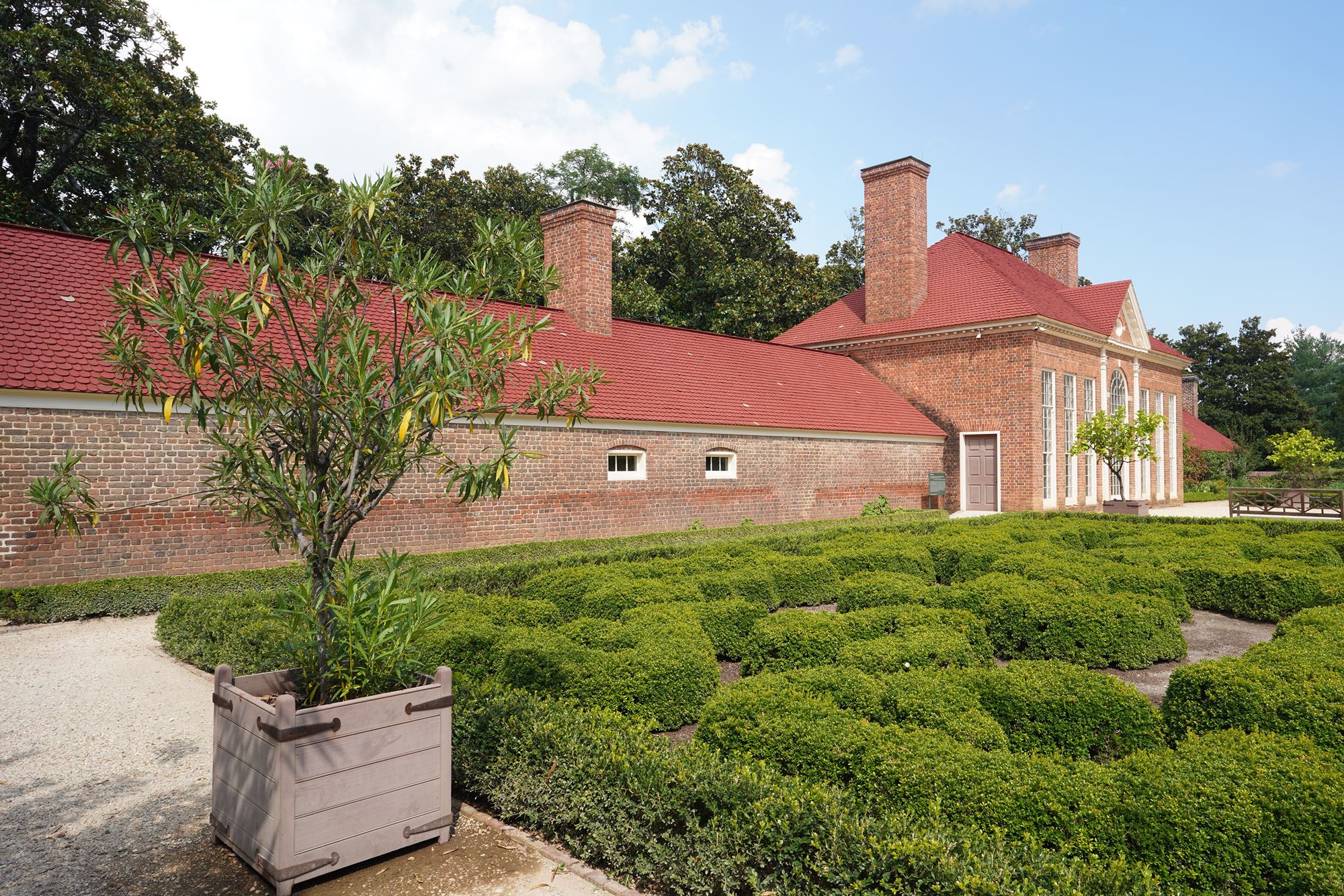
Mount Vernon features a Palladian-style mansion built with wood but painted to resemble stone. Inside, the rooms are filled with authentic 18th-century furnishings, many owned by the Washington family — including imported English furniture, elegant dining sets, decorative wallpapers, and Washington’s personal study with original objects.
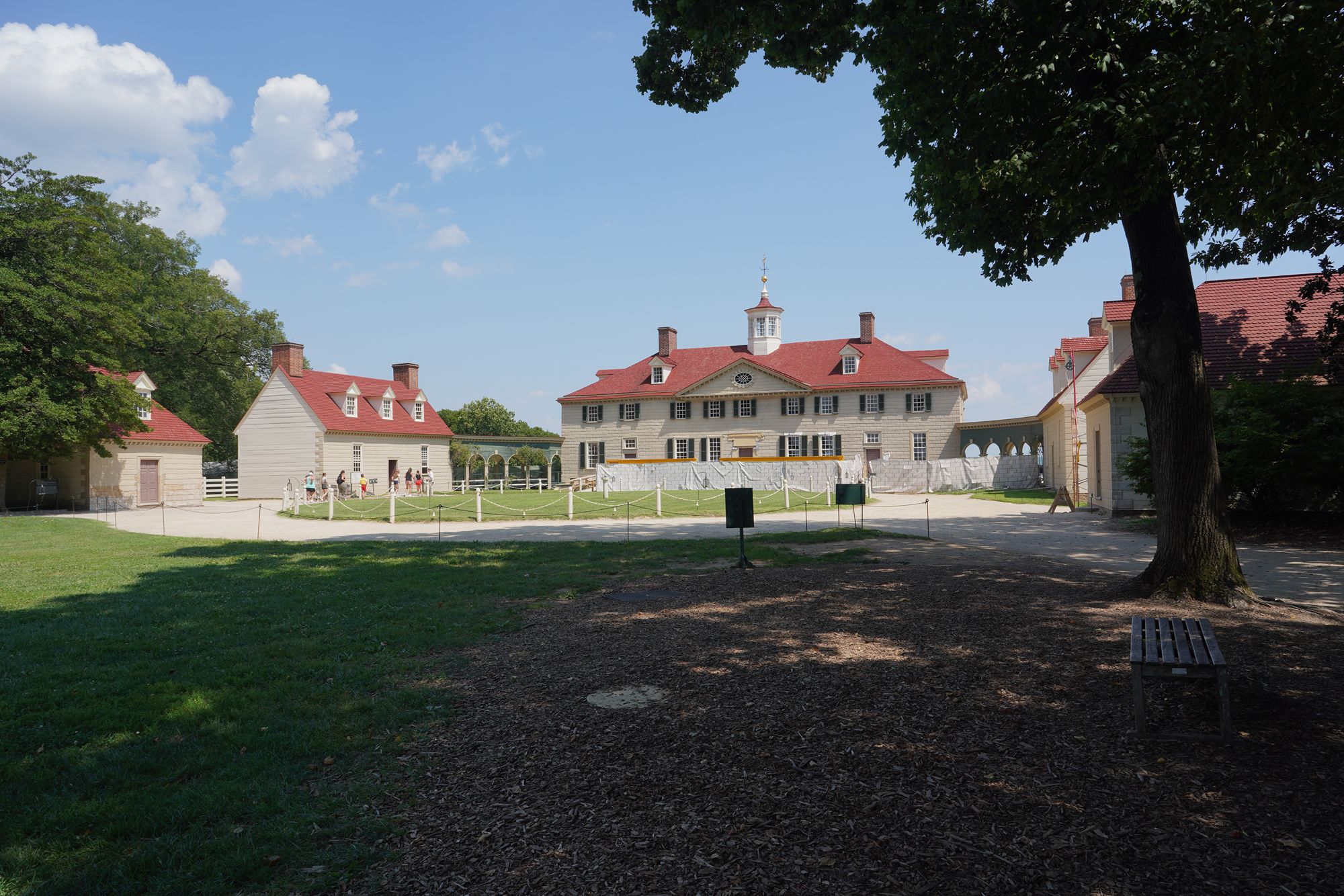
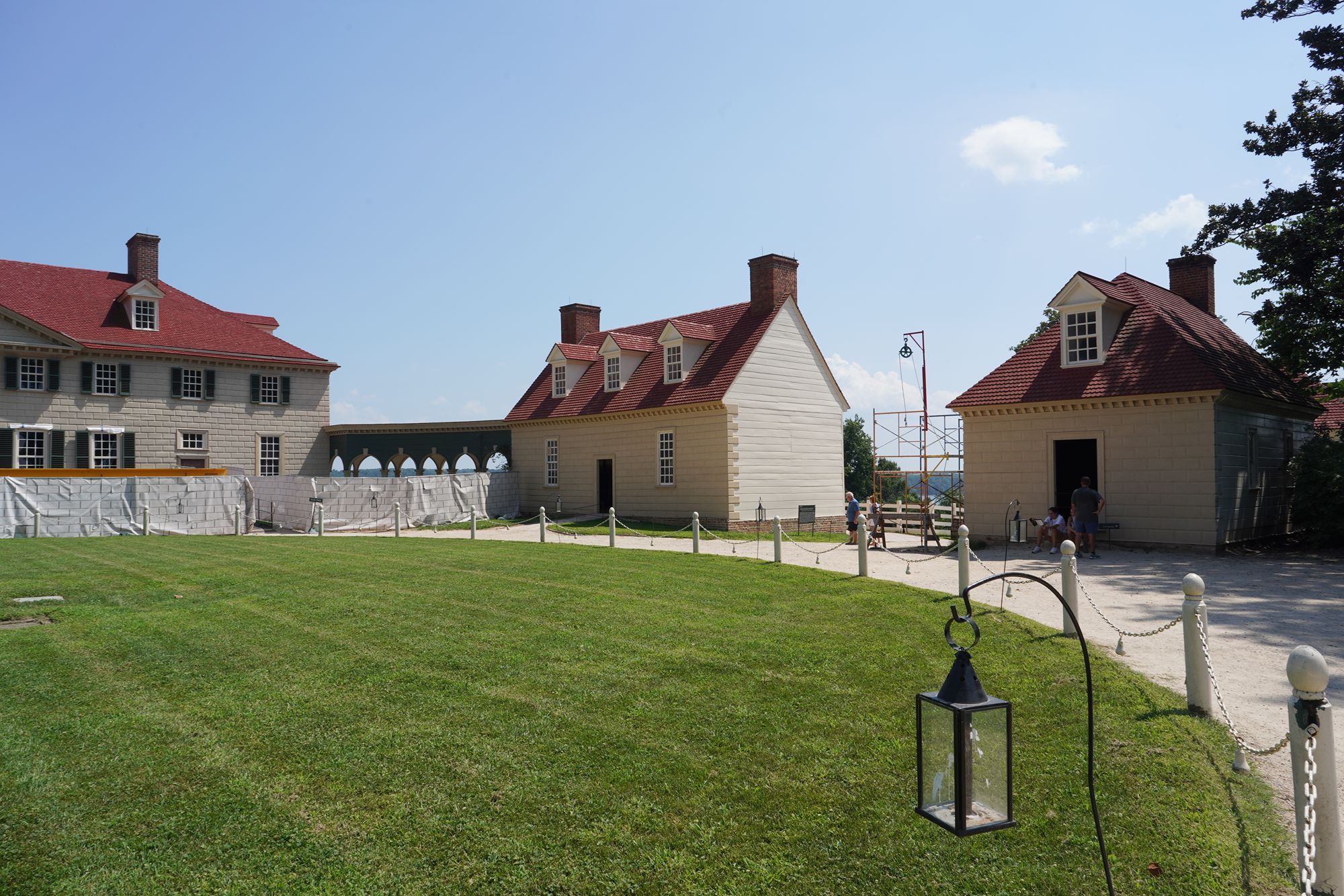
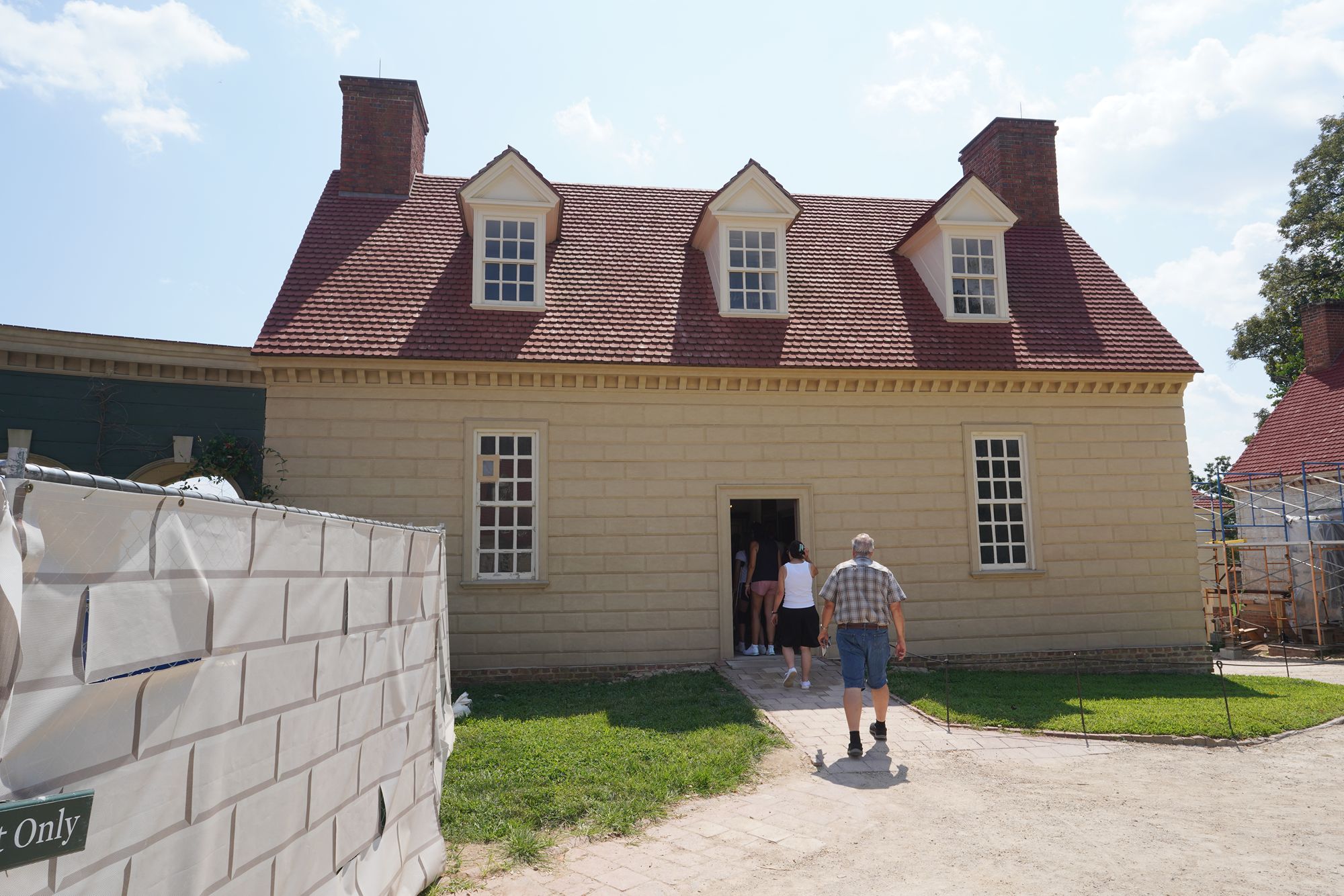
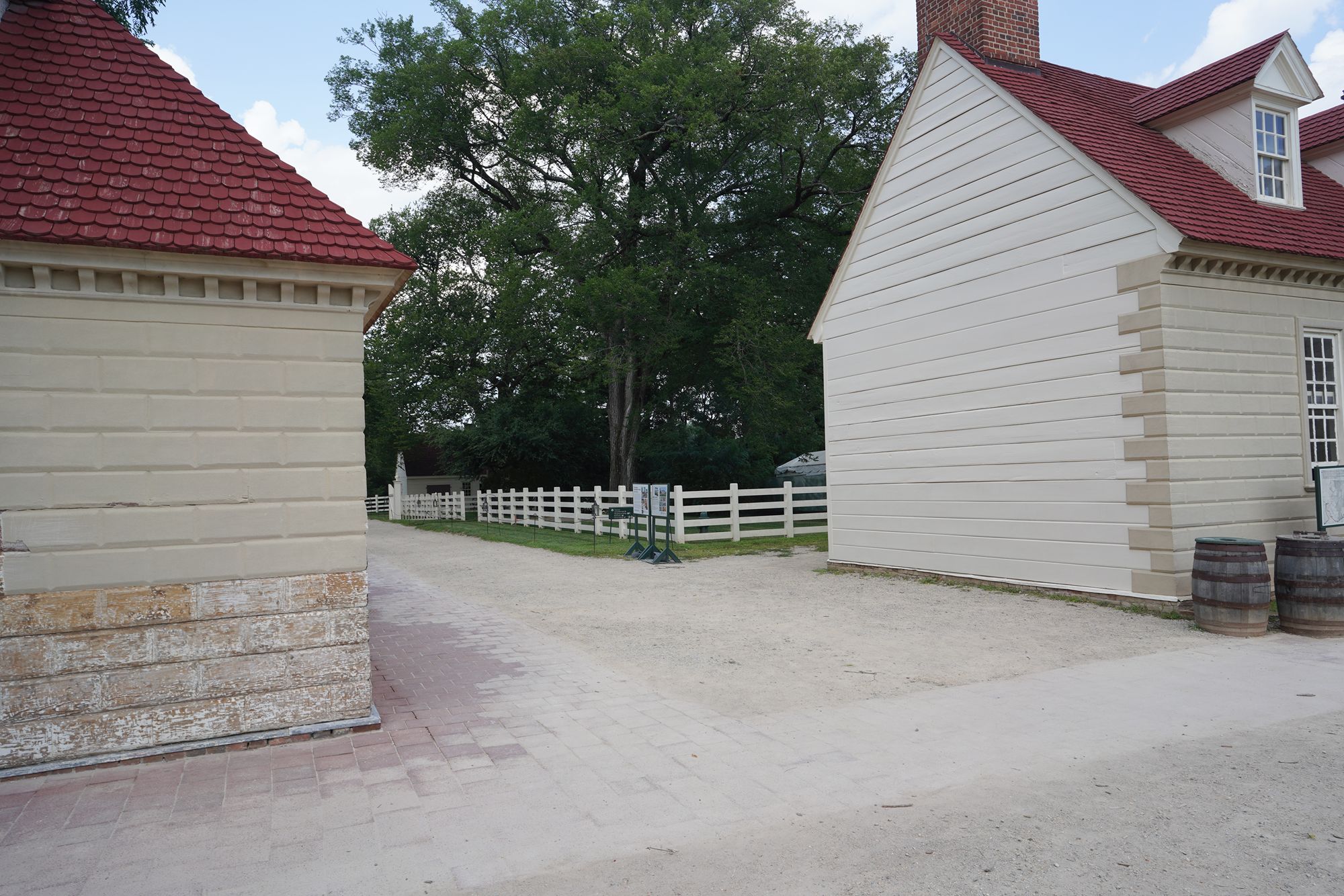
The side buildings on the right side of the main house
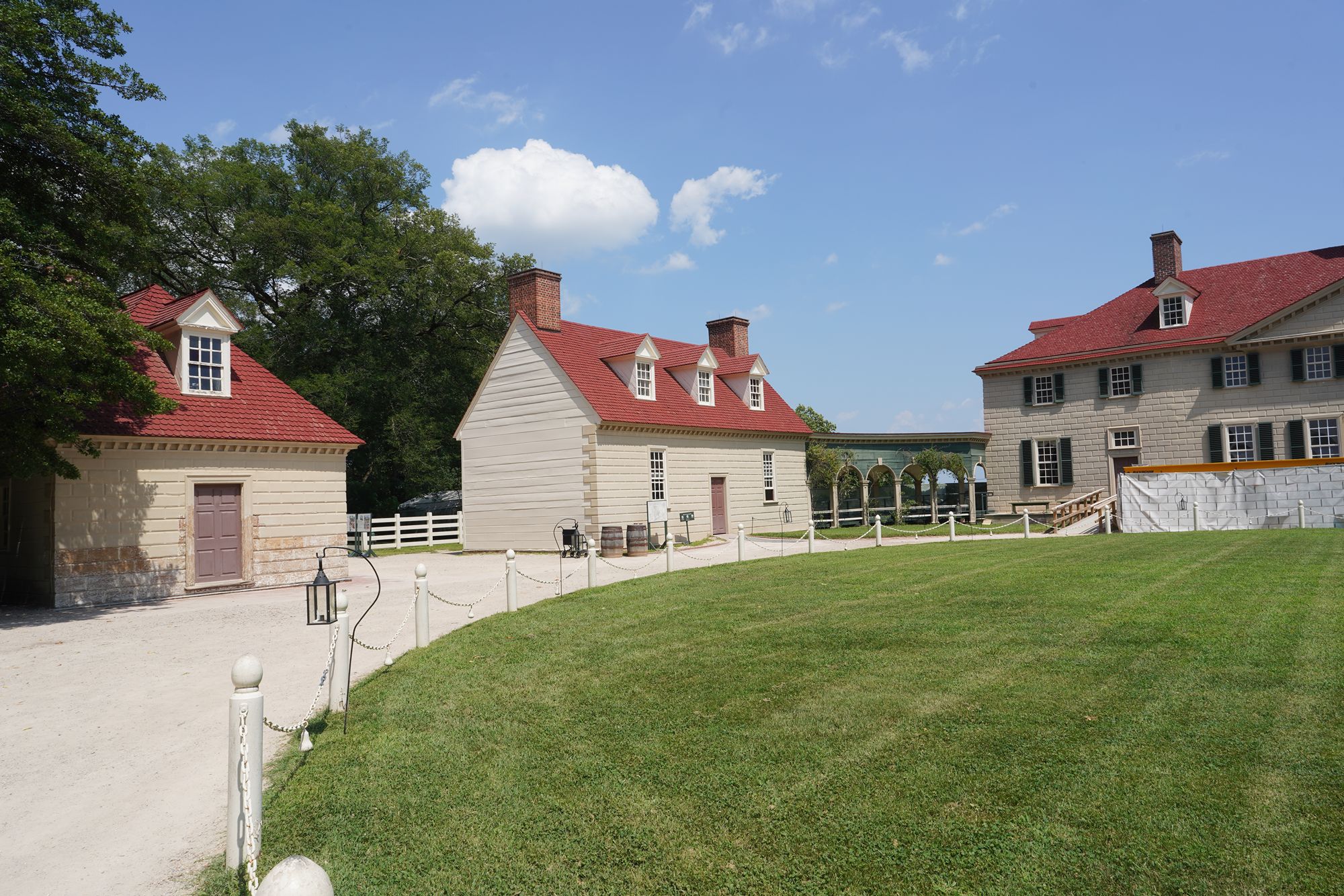
The side building on the left side of the main house
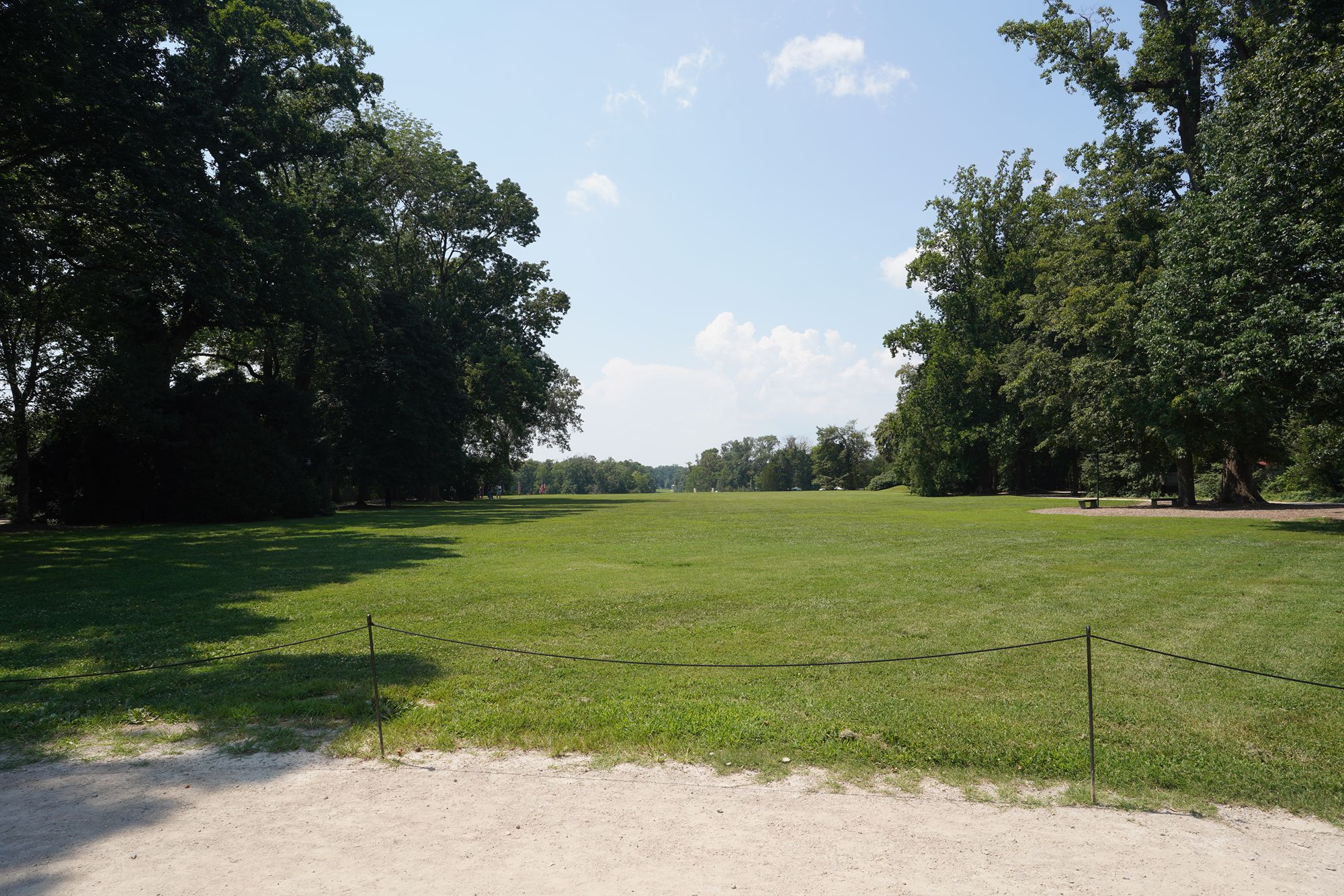
Unfortunately, the main house was under reconstruction and closed to visitors.
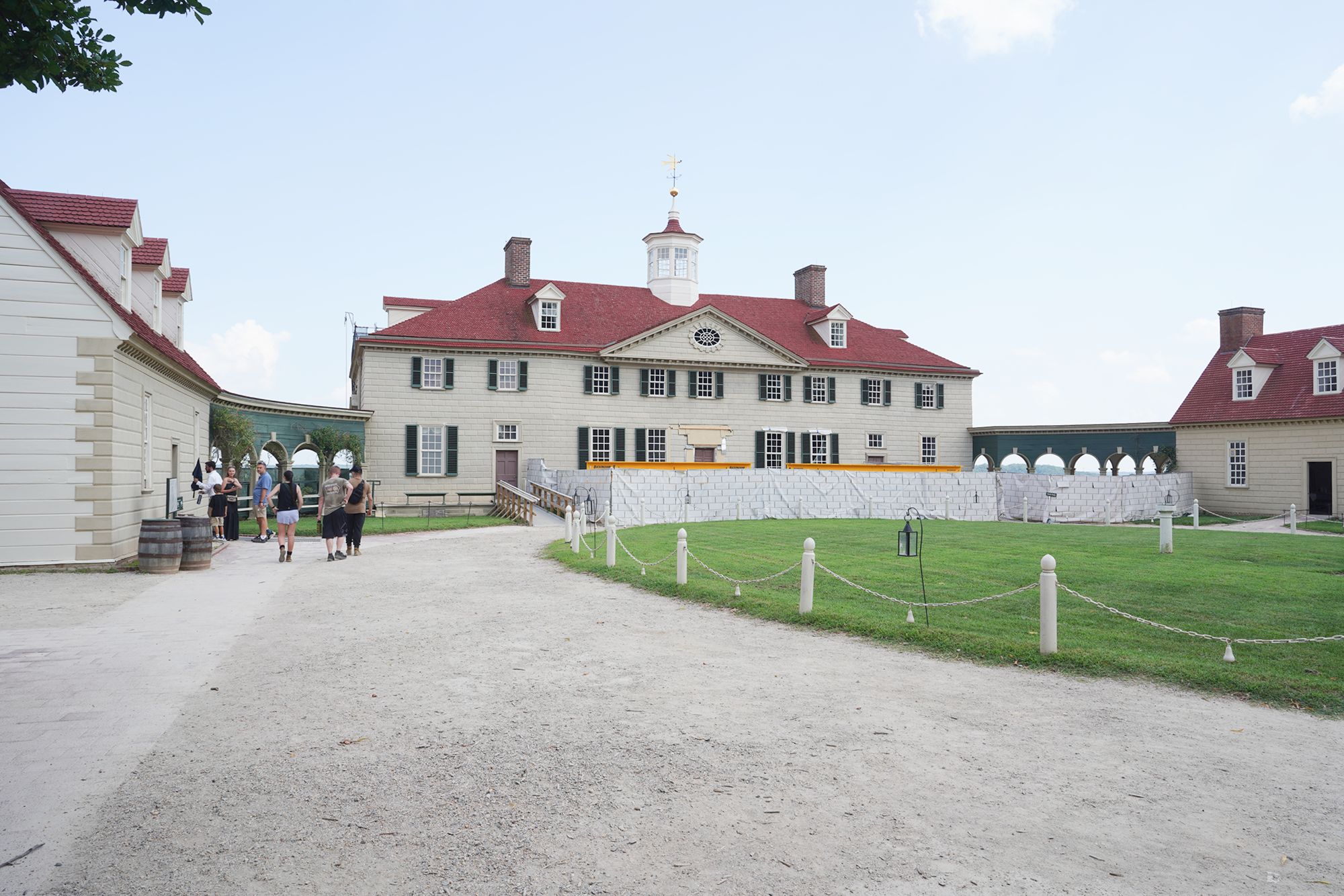
So my visit was limited to the nearby outbuildings, beginning with those on the right side of the main house.
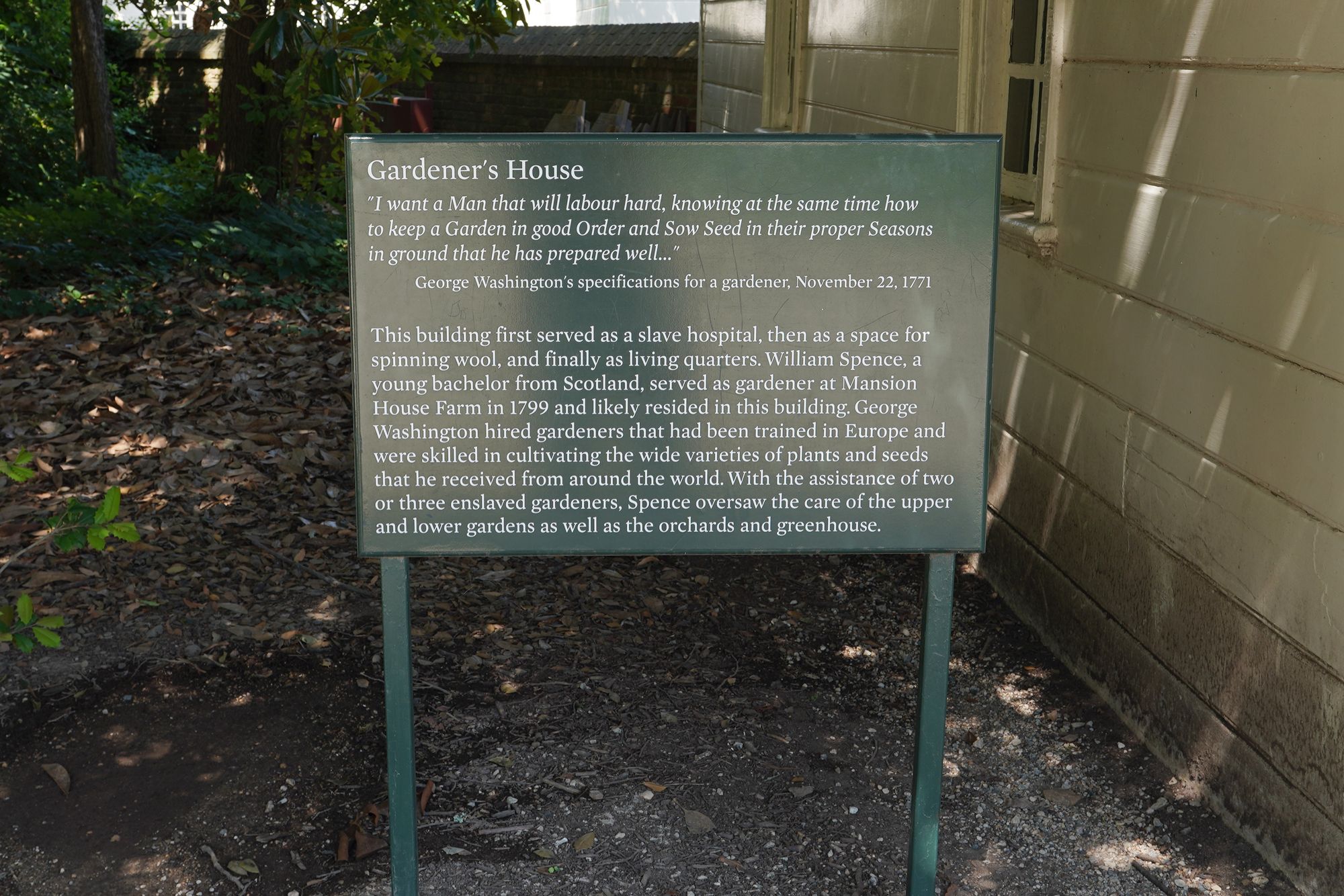
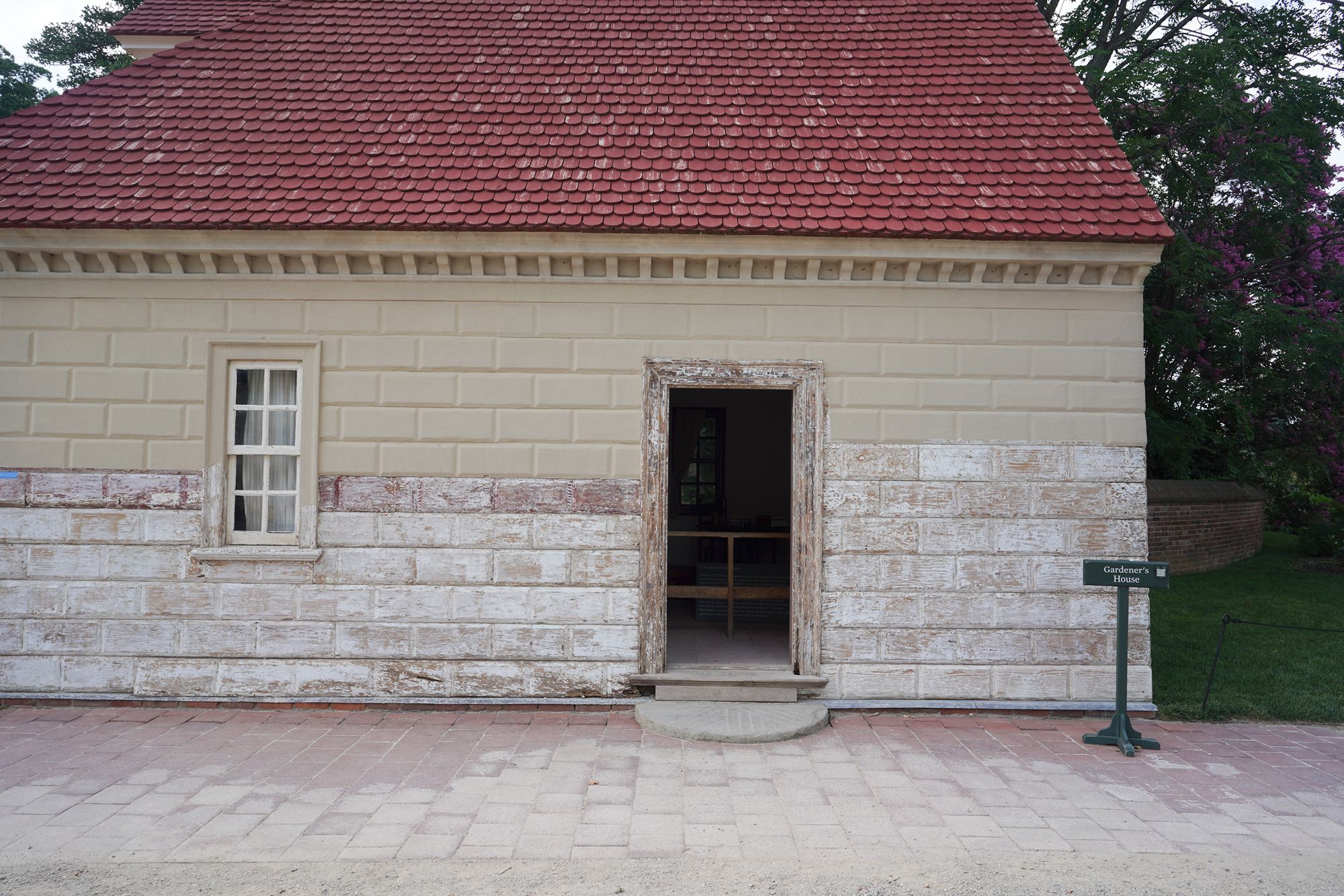
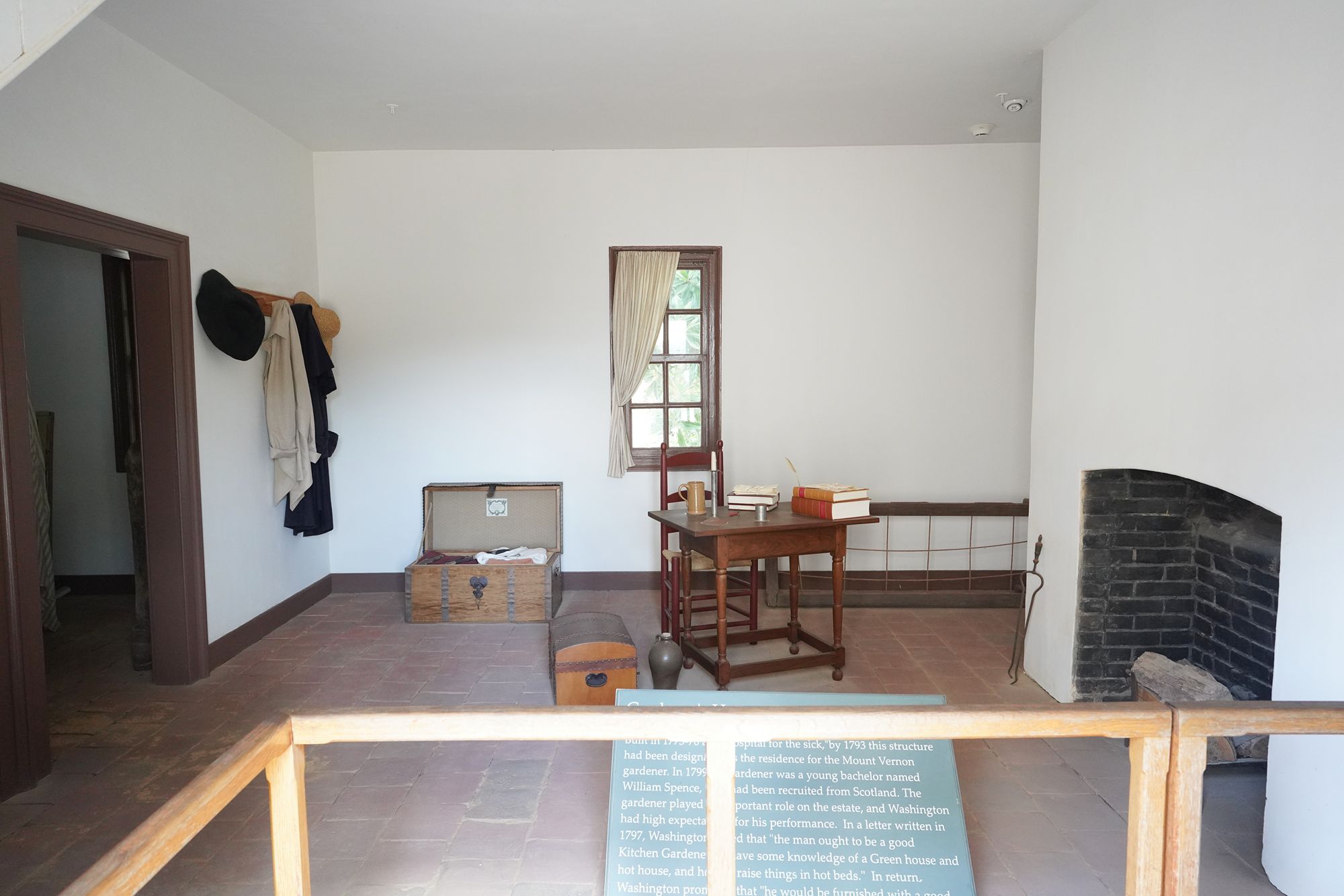
Gardner's House
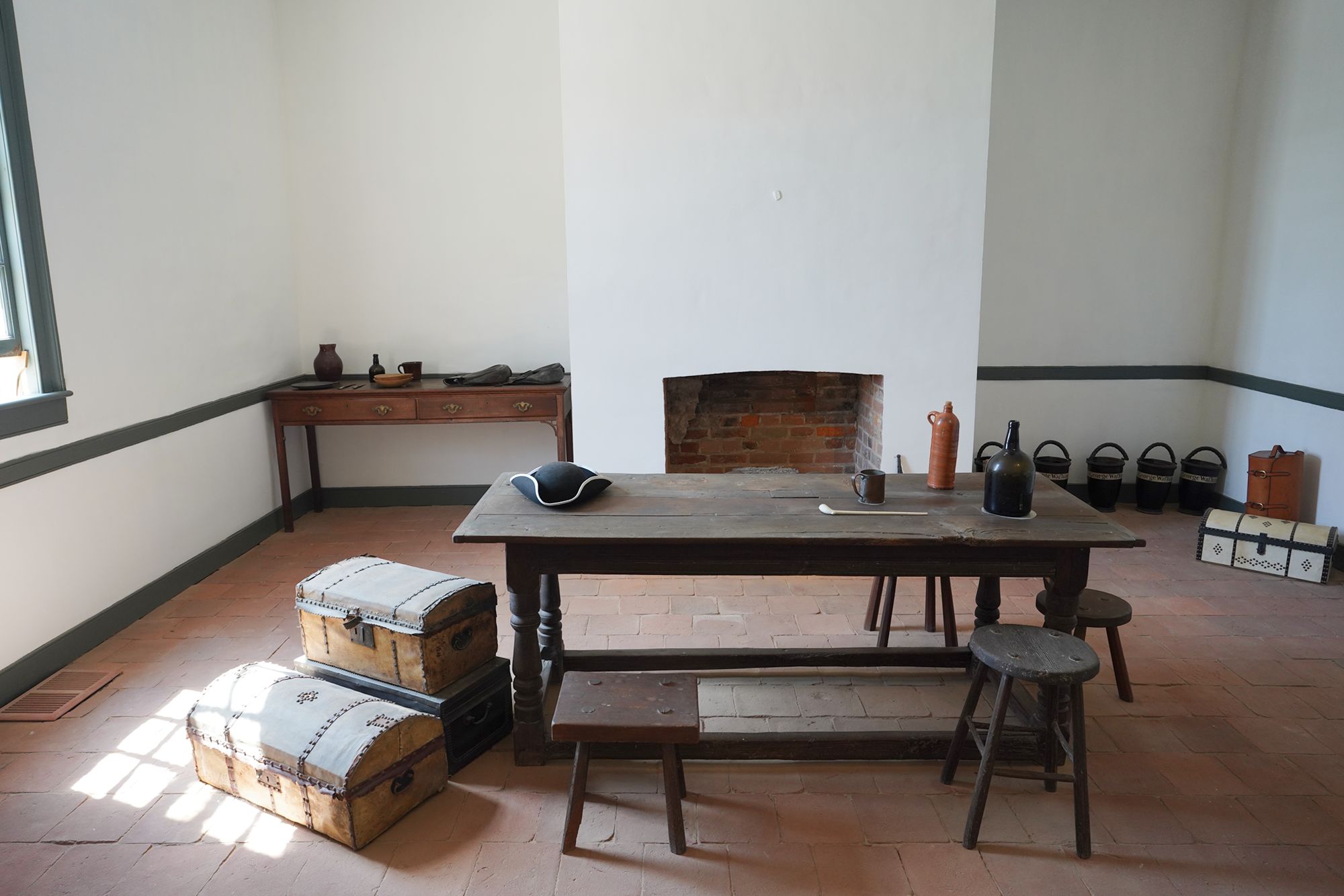
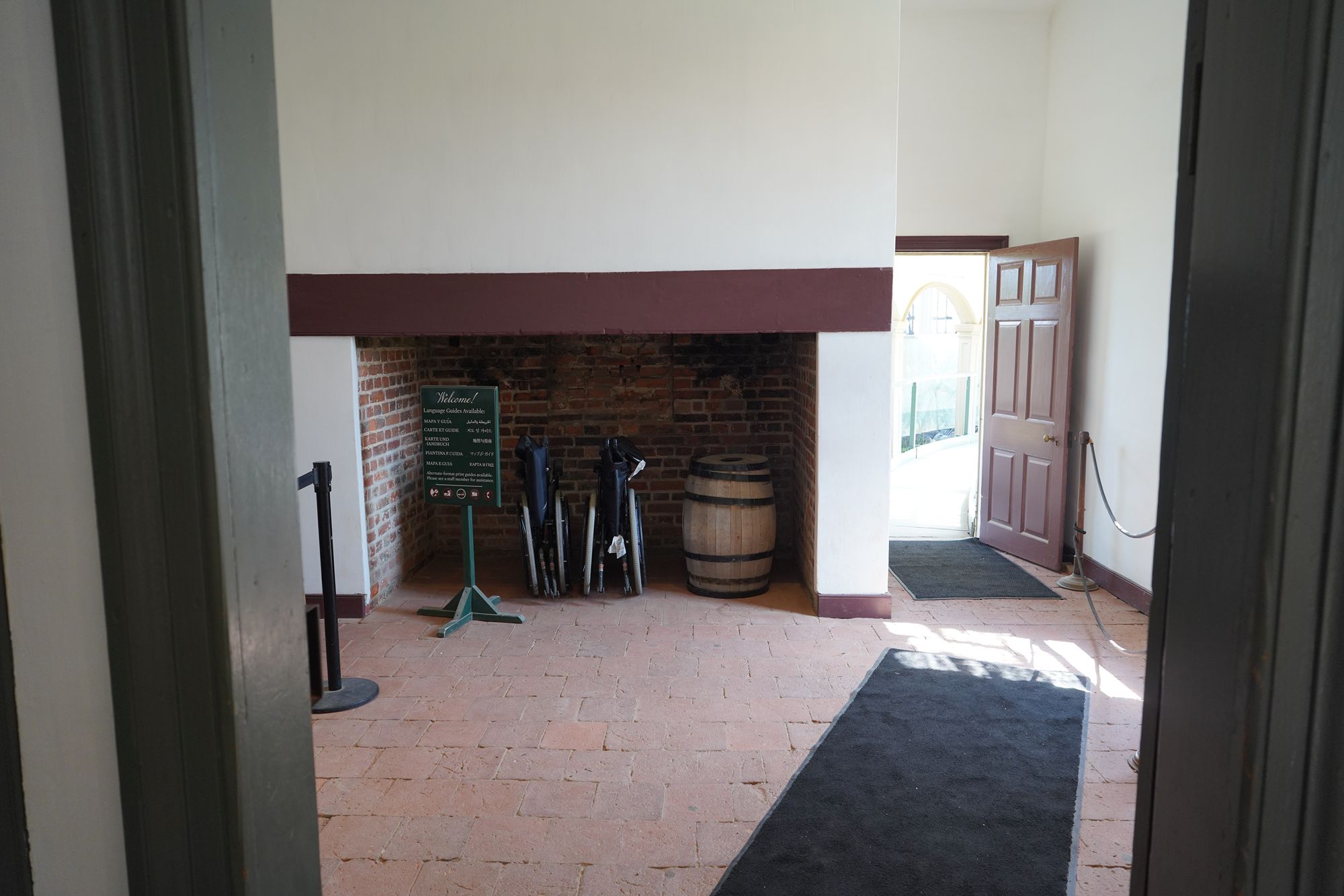
Inside the next side building.
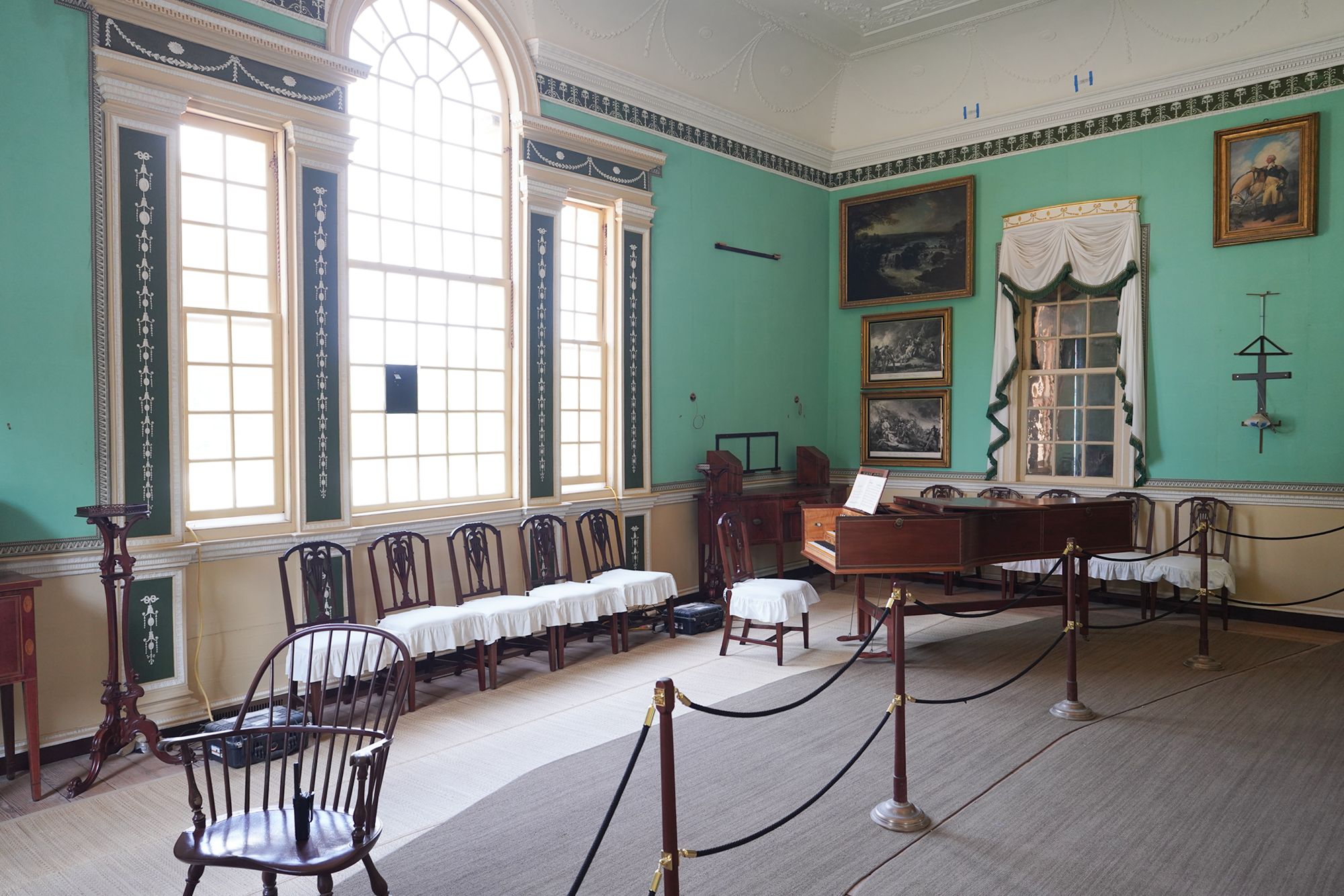
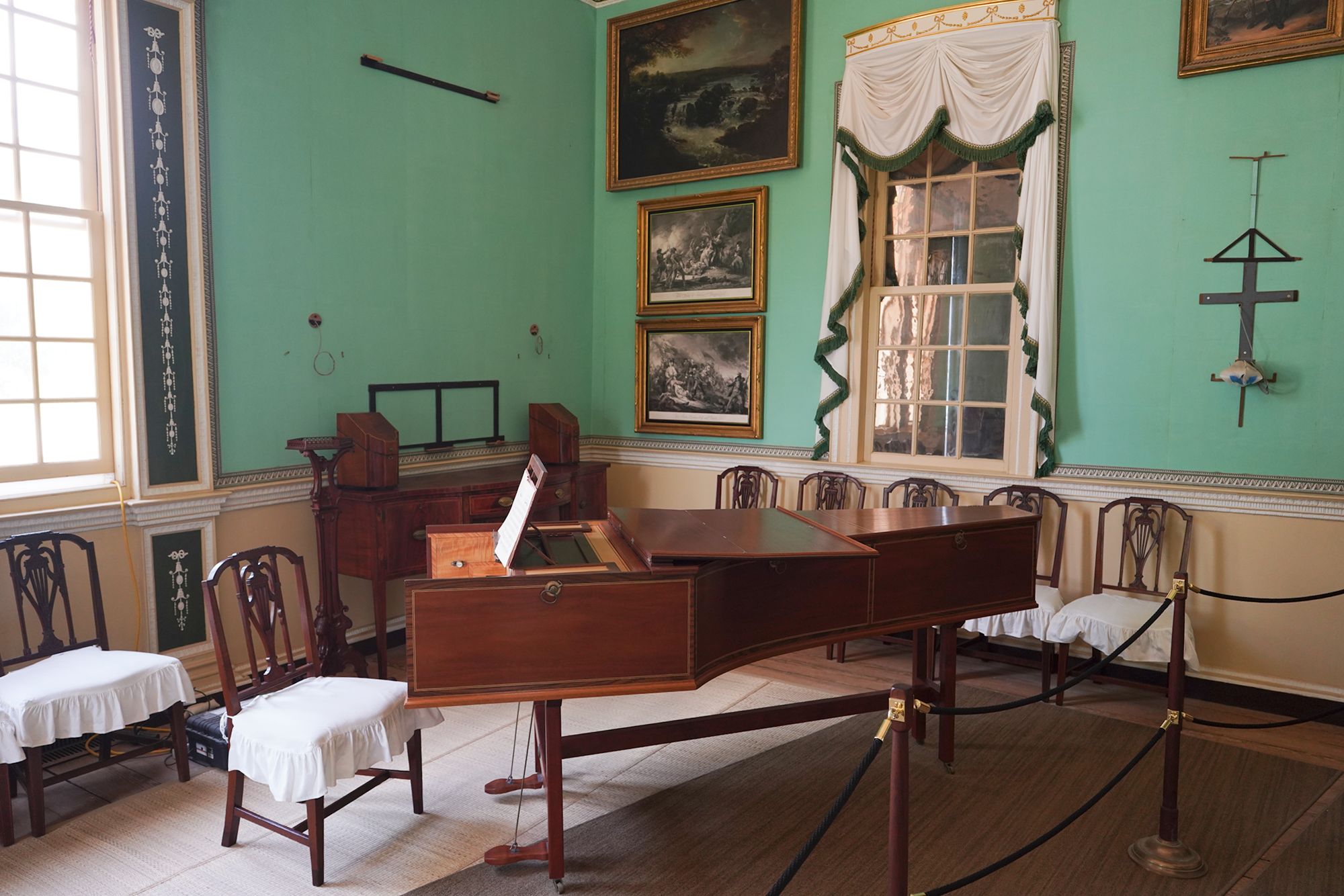
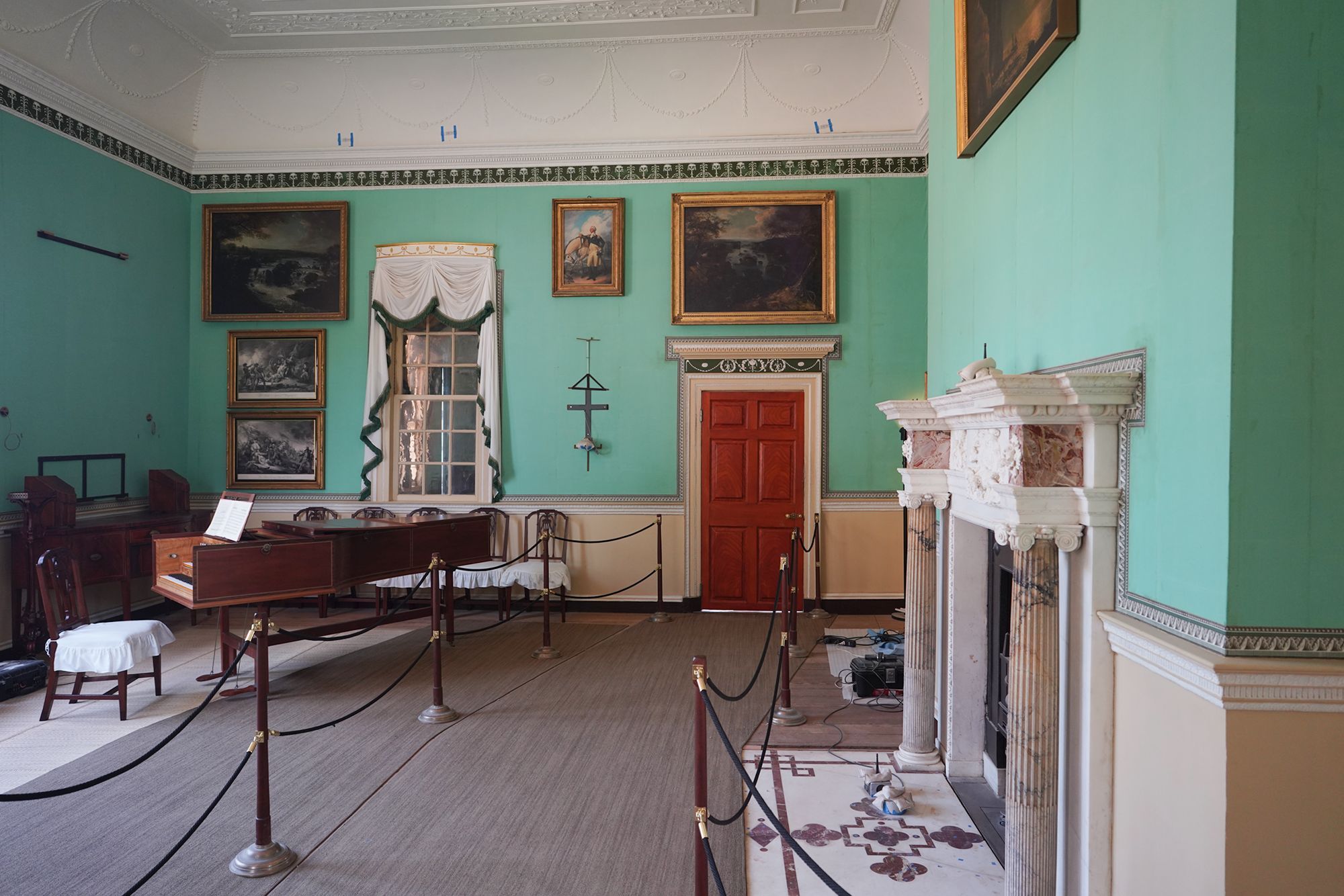
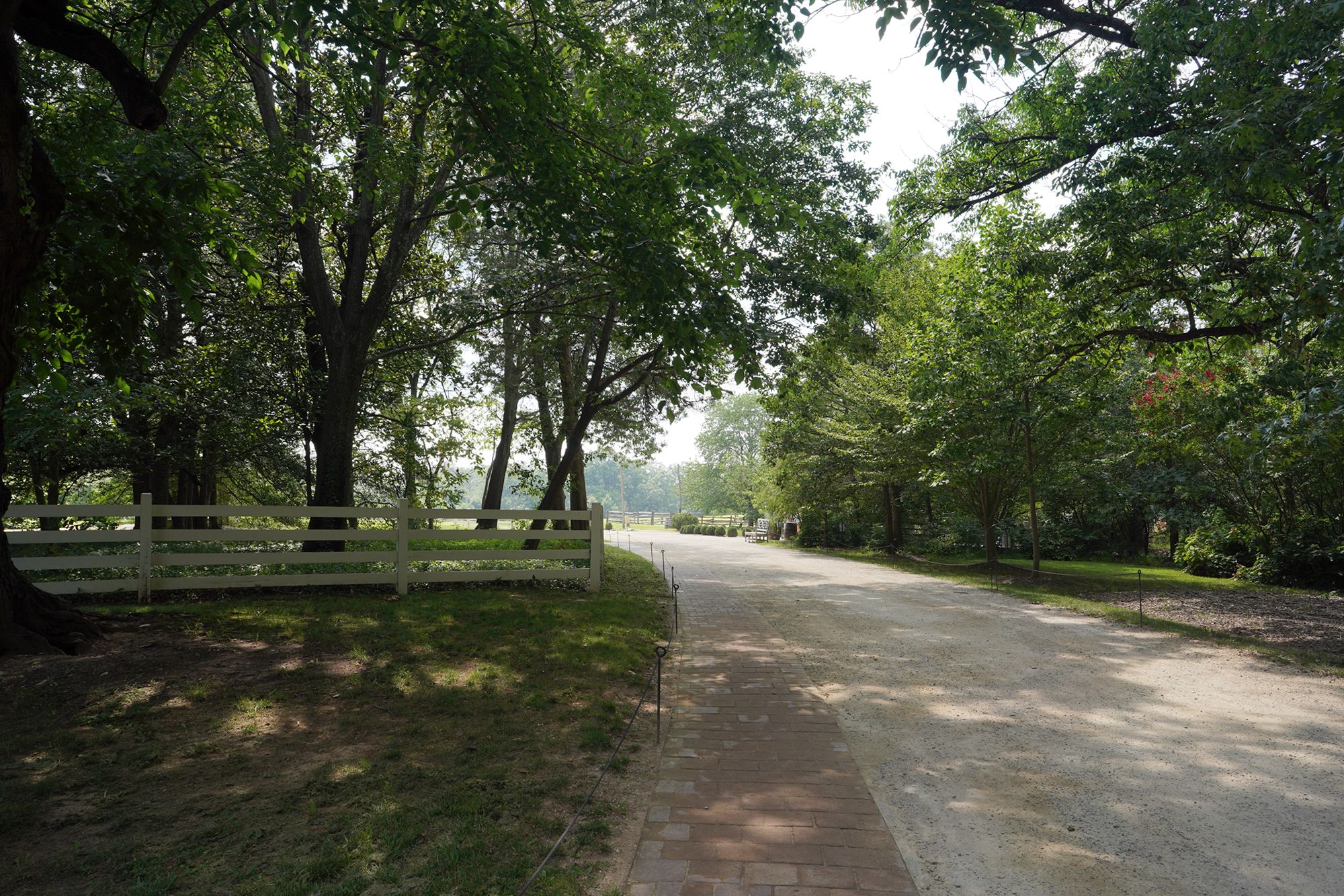
To the backyard of the main house
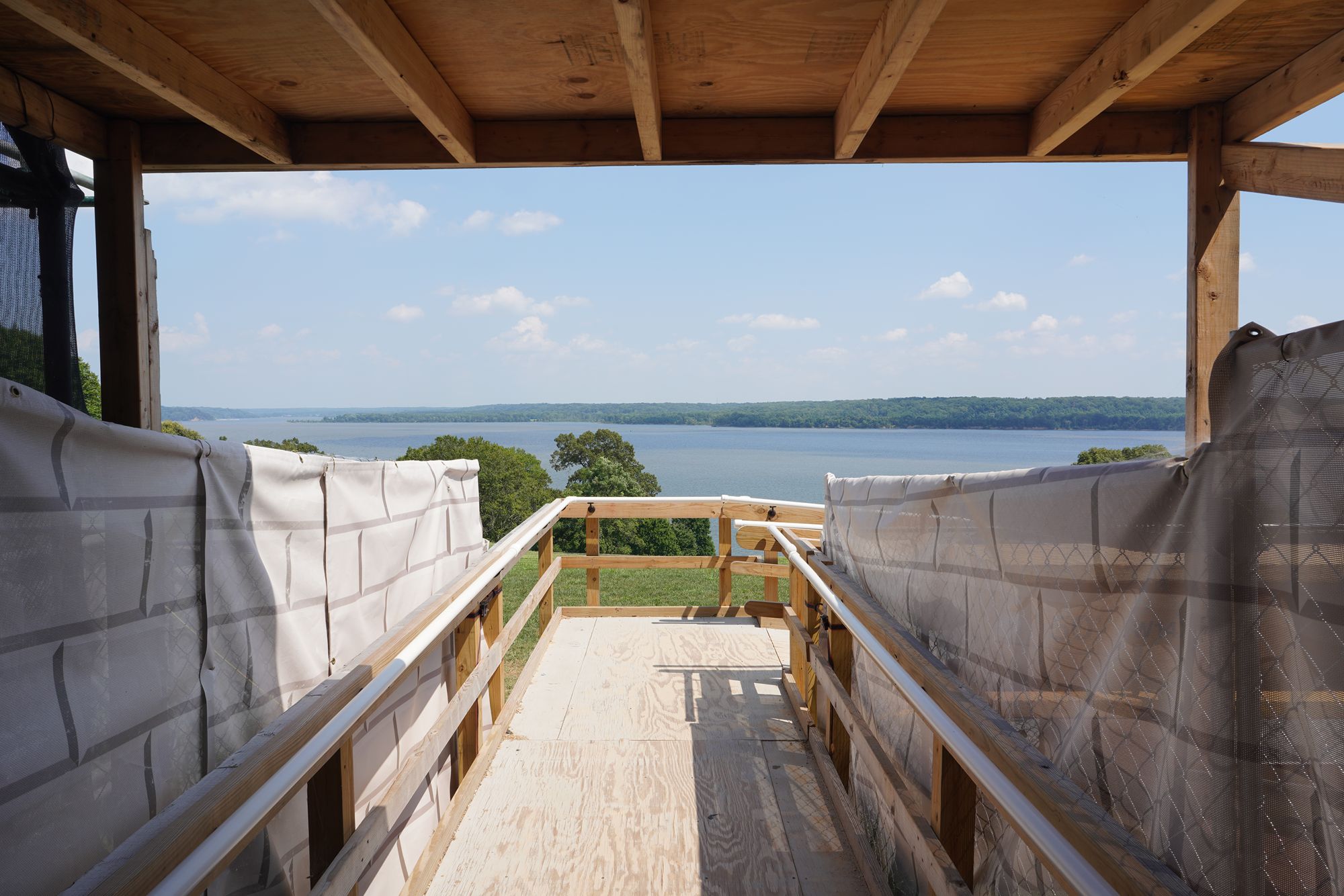
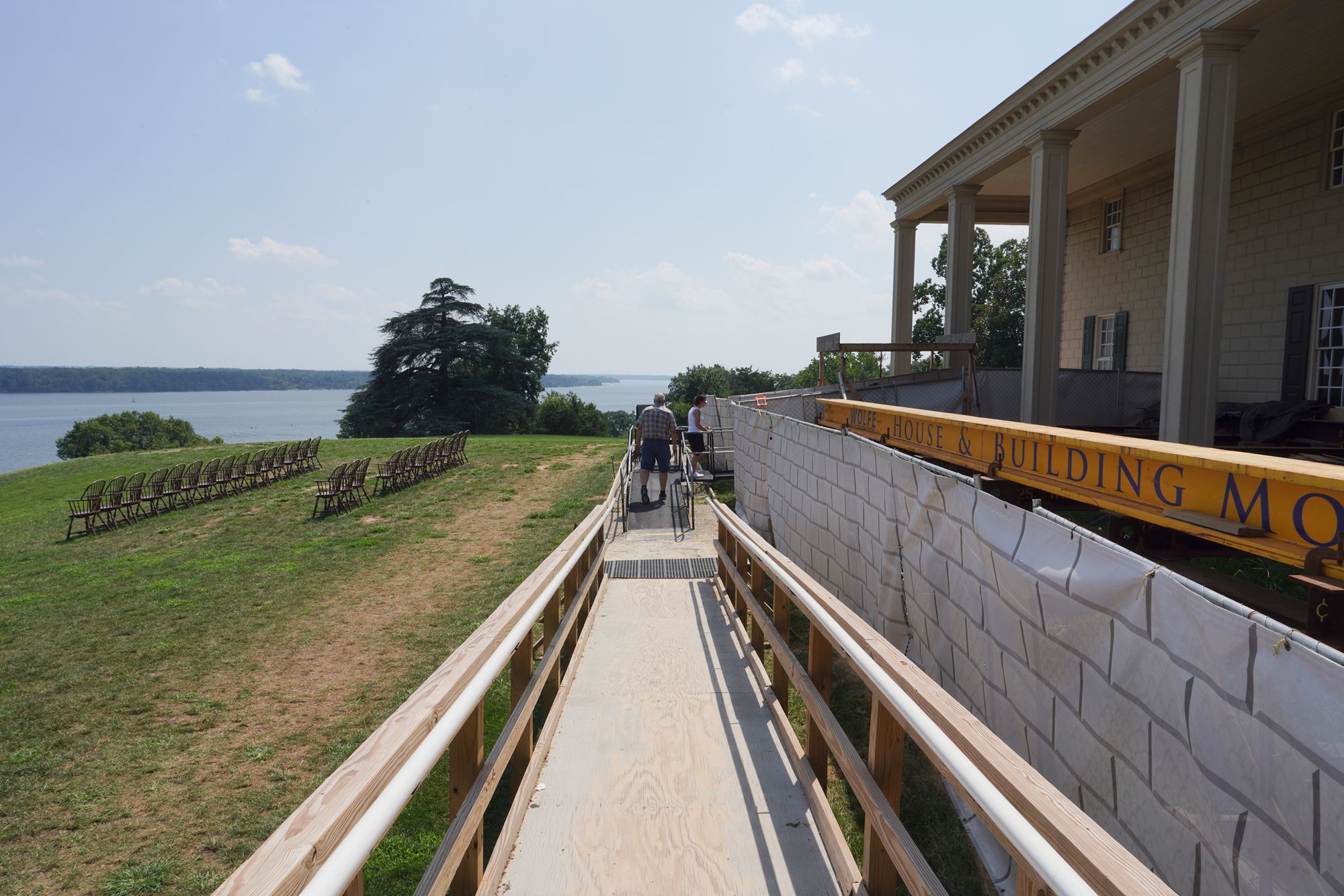
The backyard
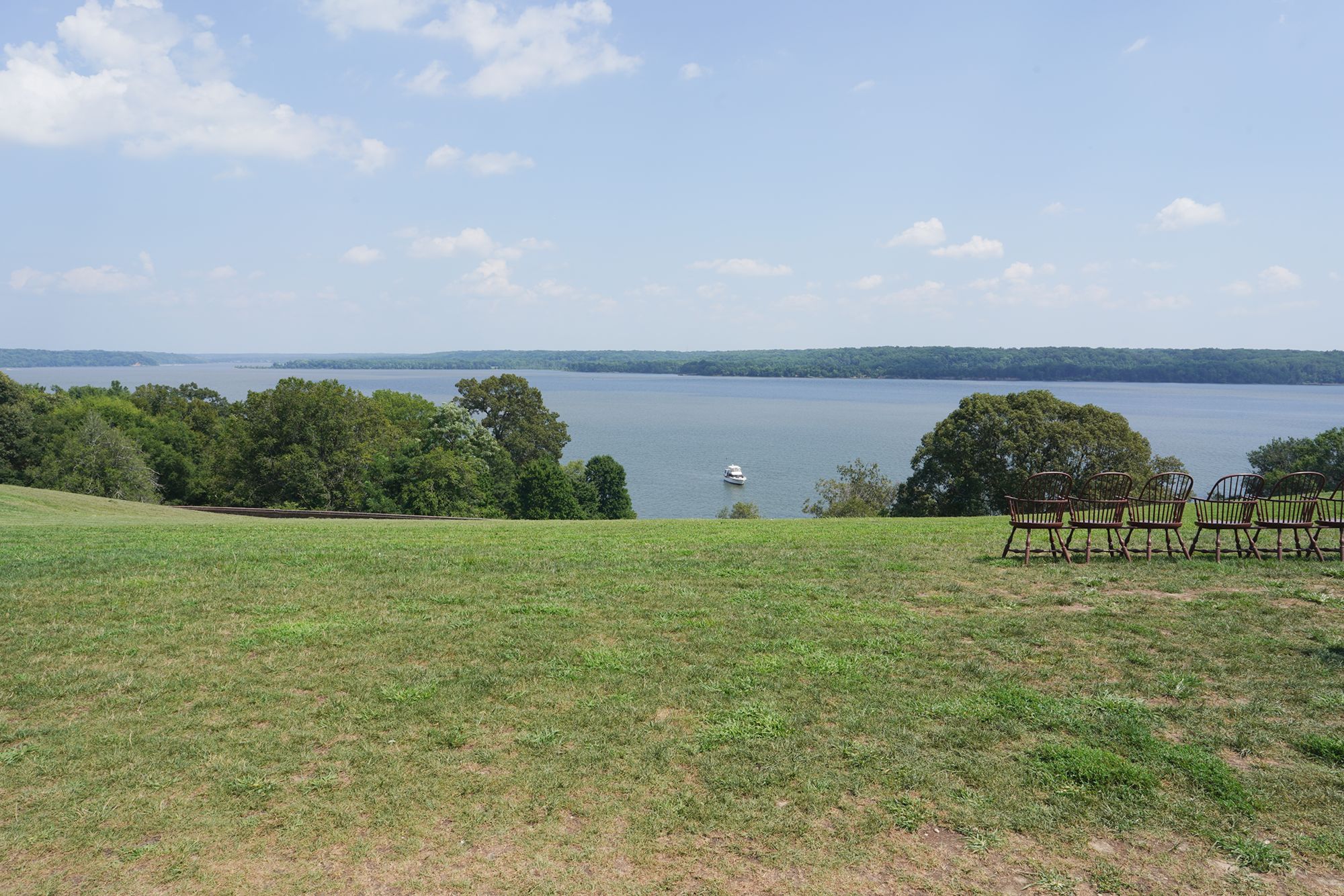
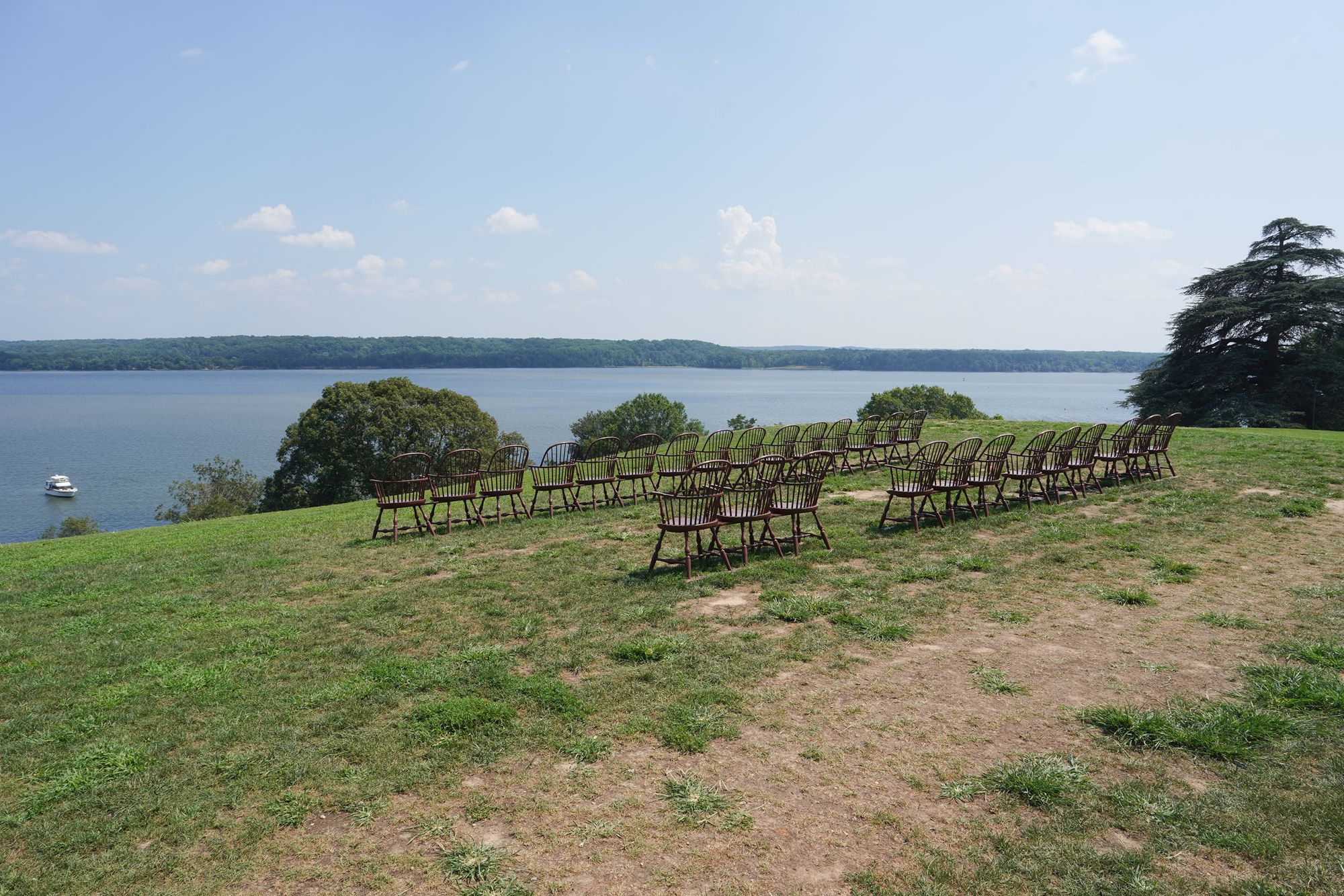
Another nearby building appeared to have been used as a kitchen.
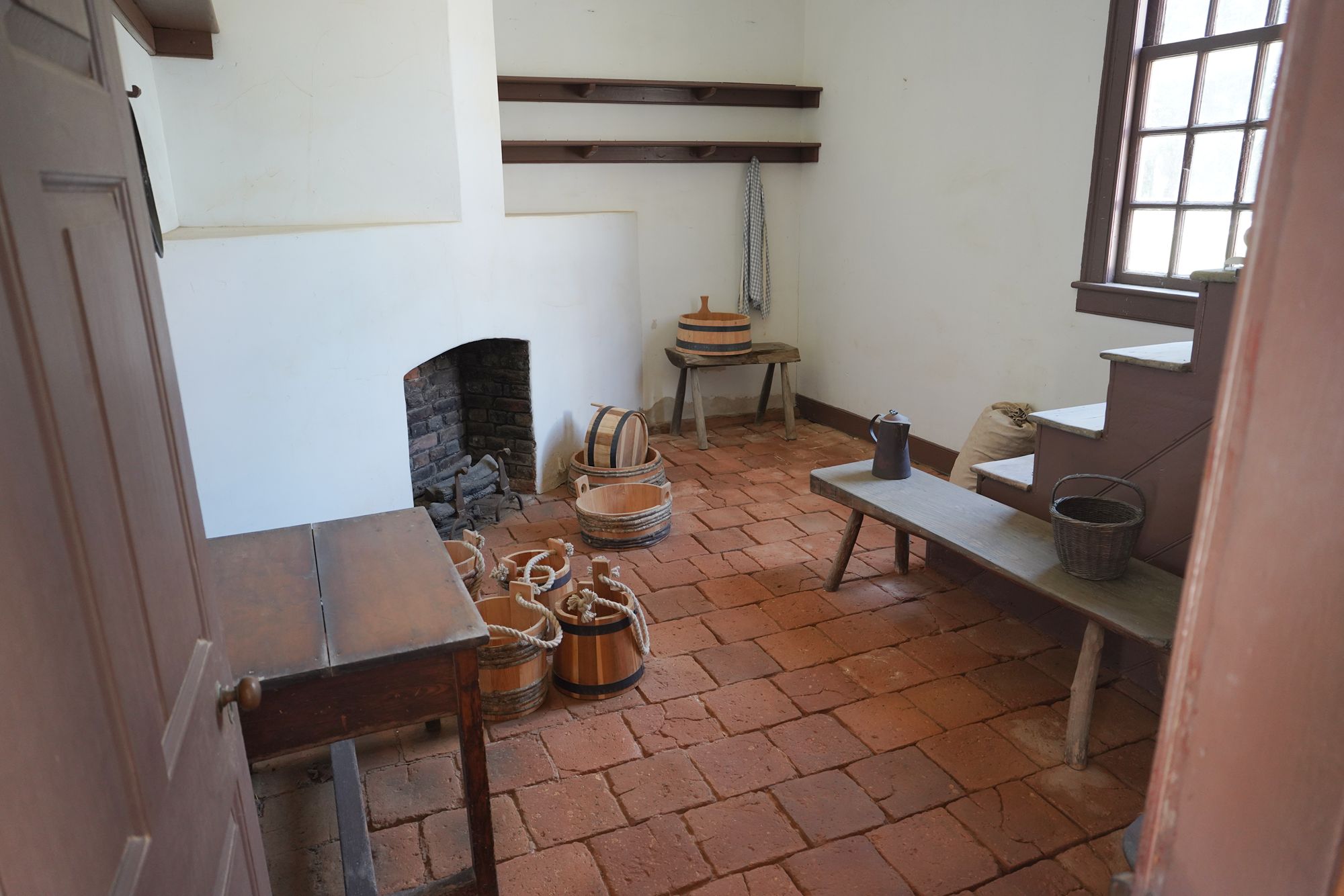
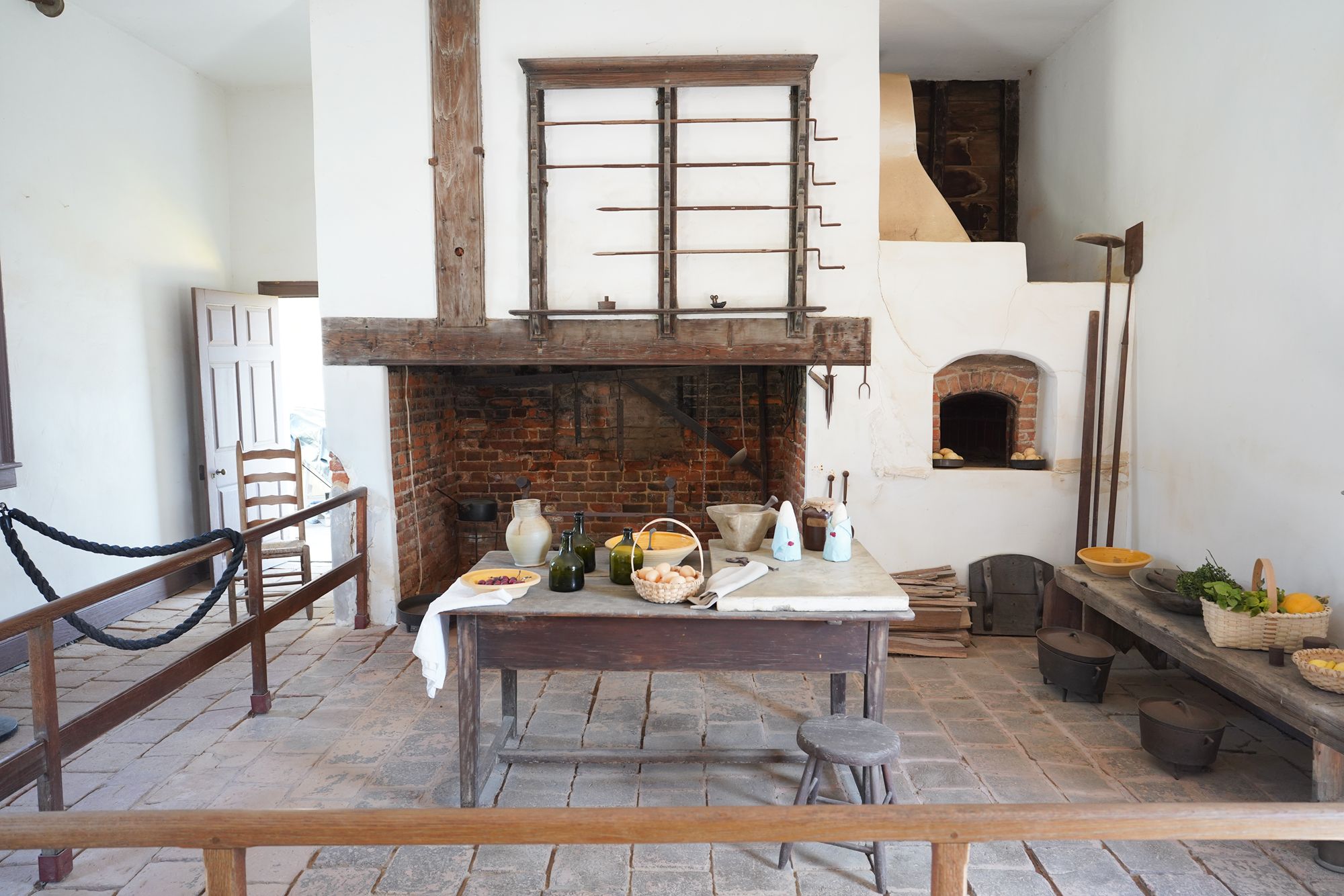
I went back to the backyard for a closer look.
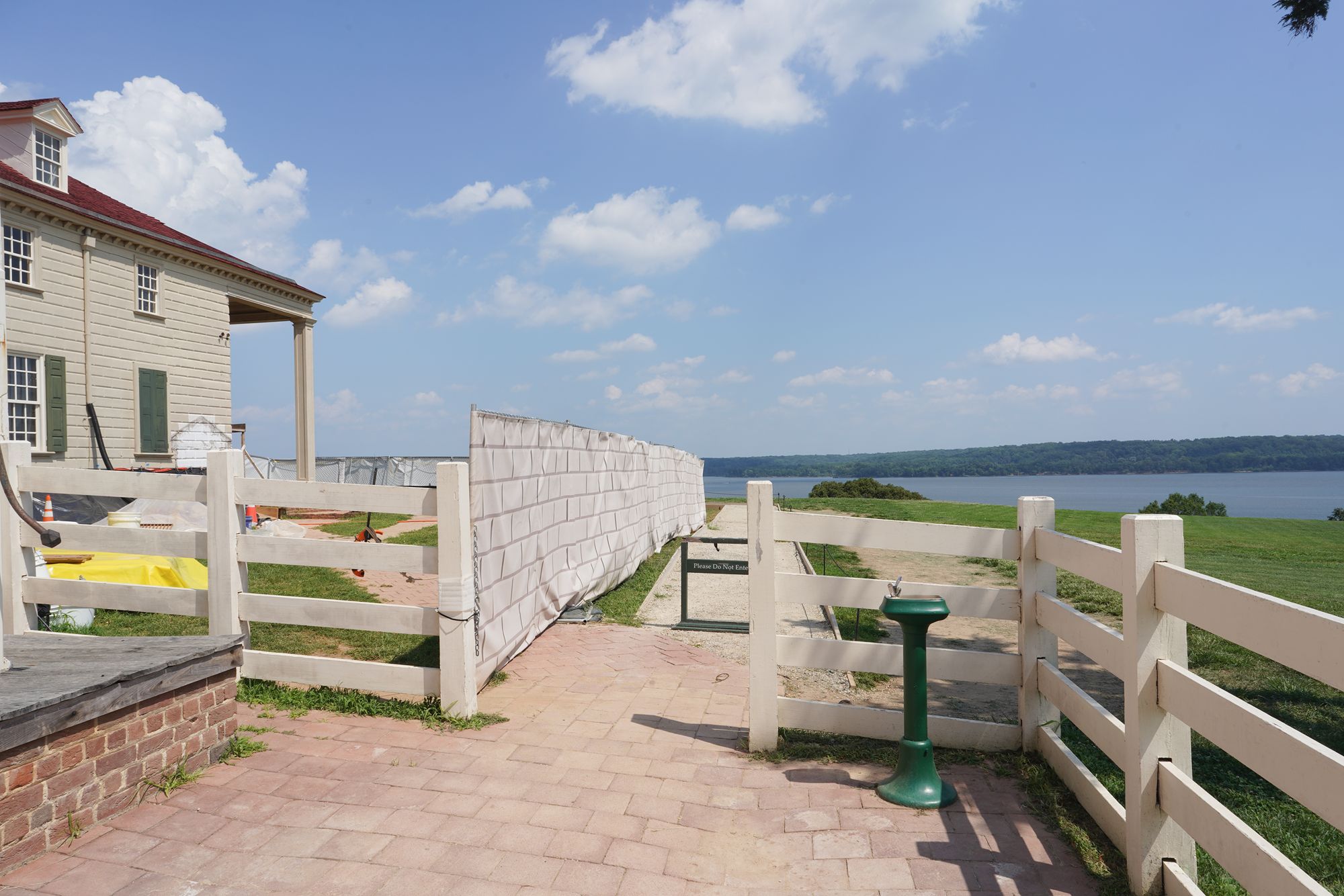
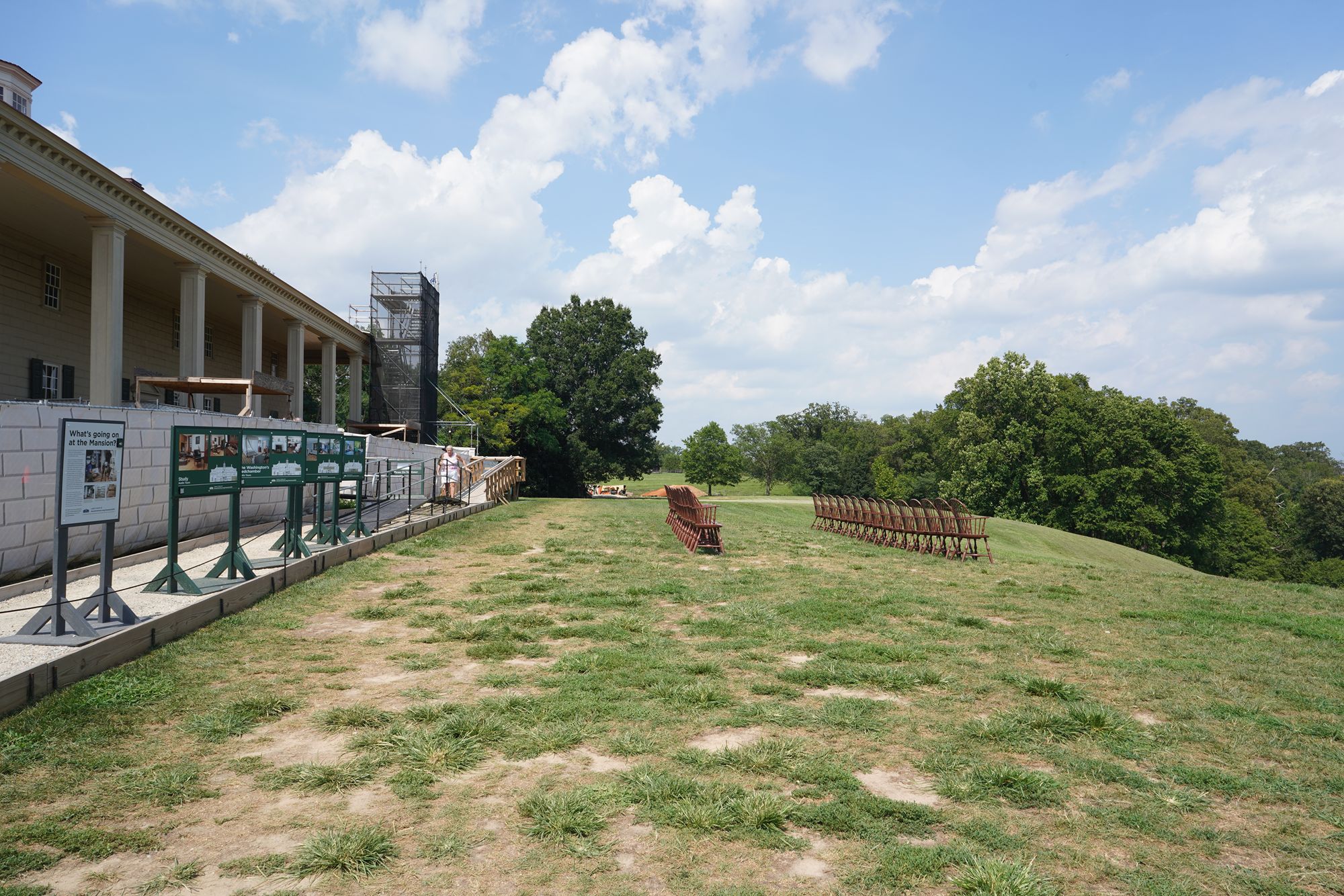
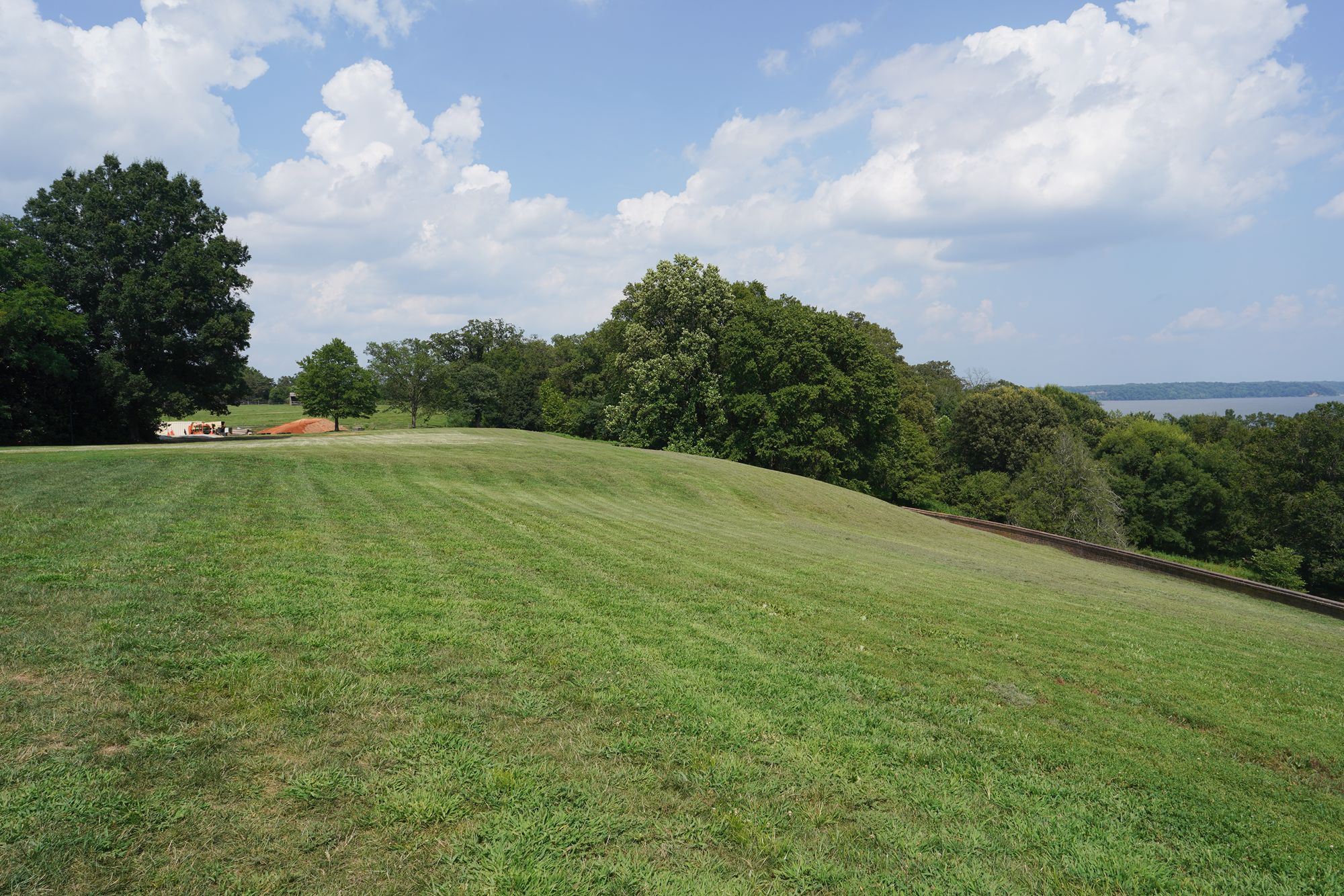
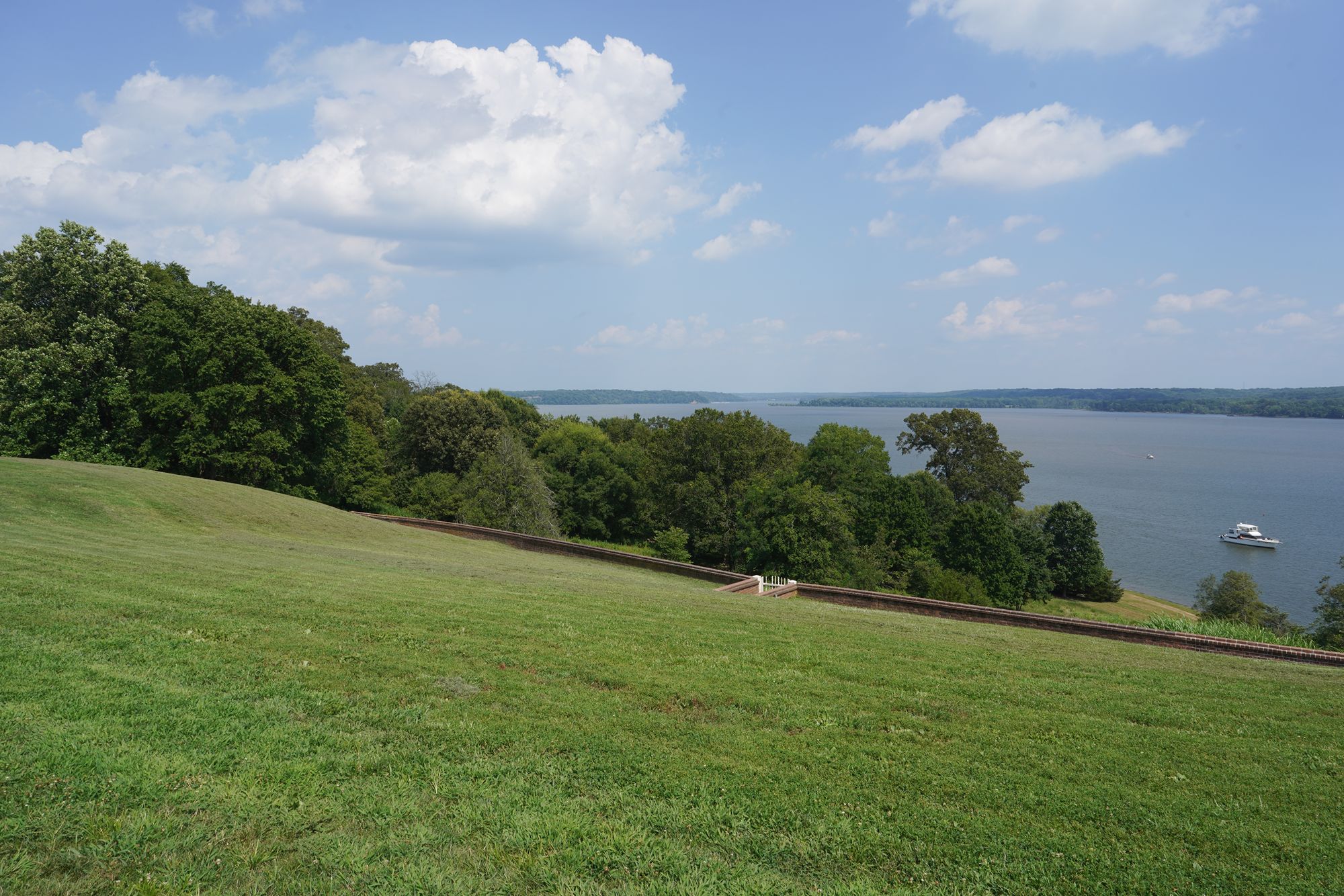
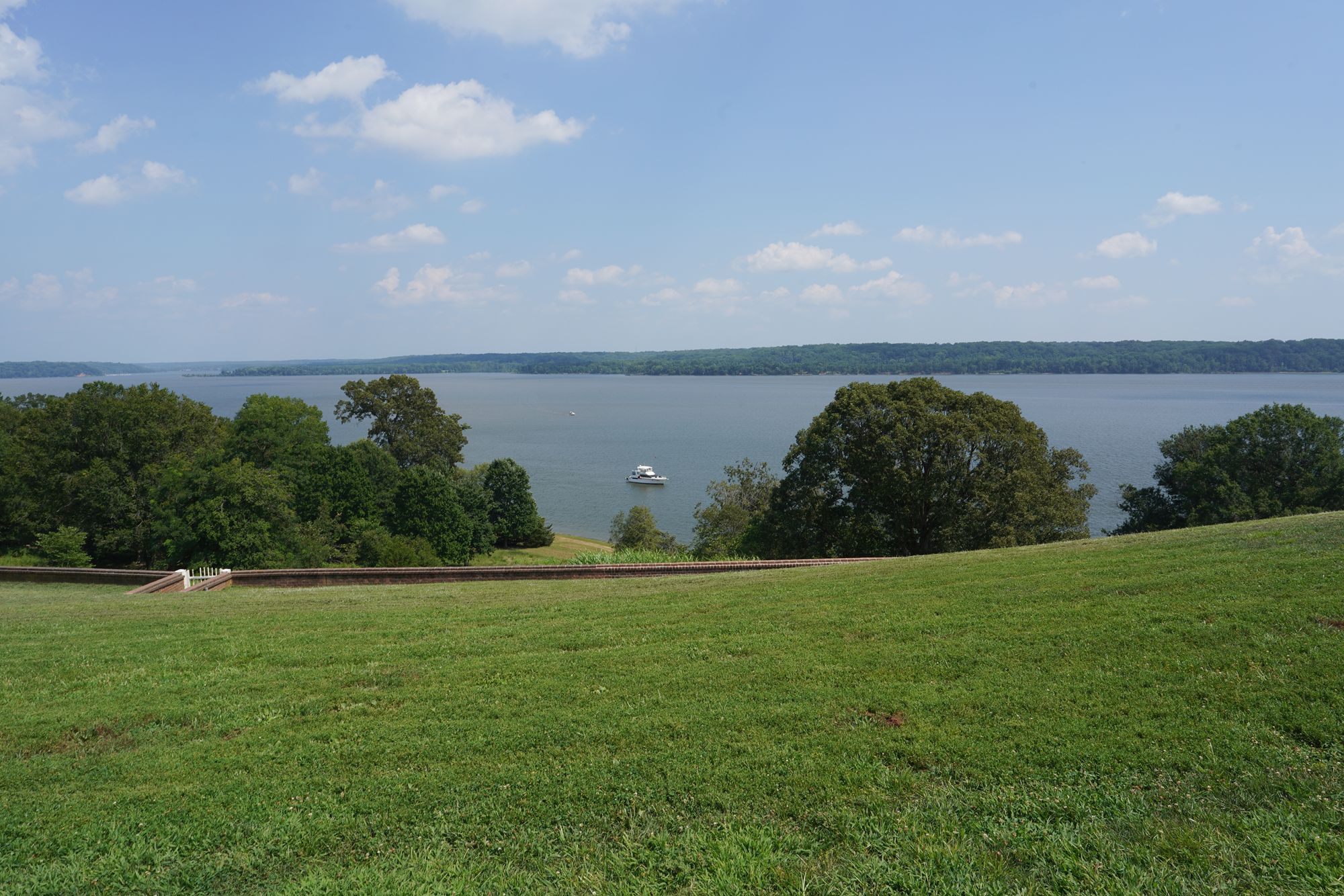
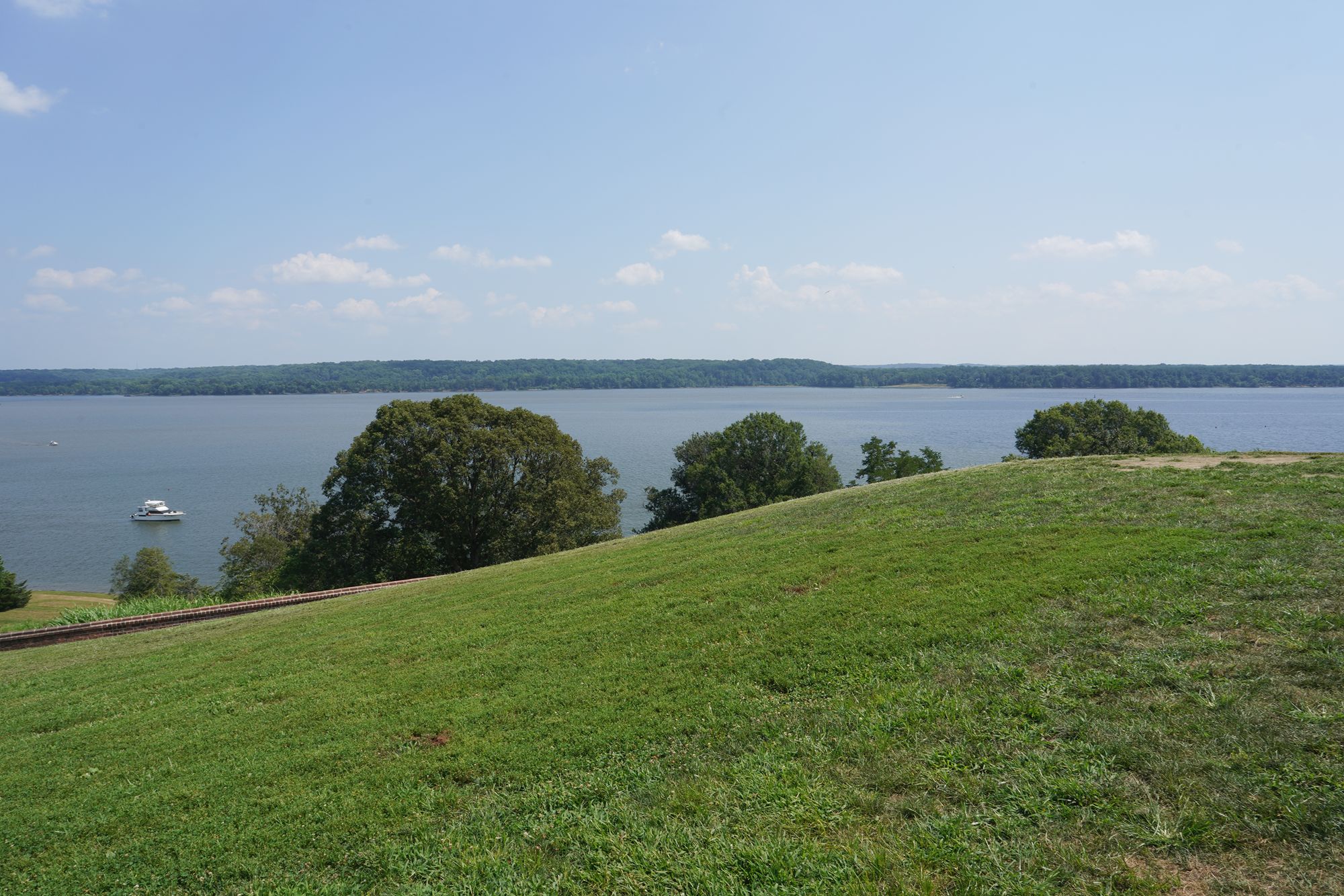
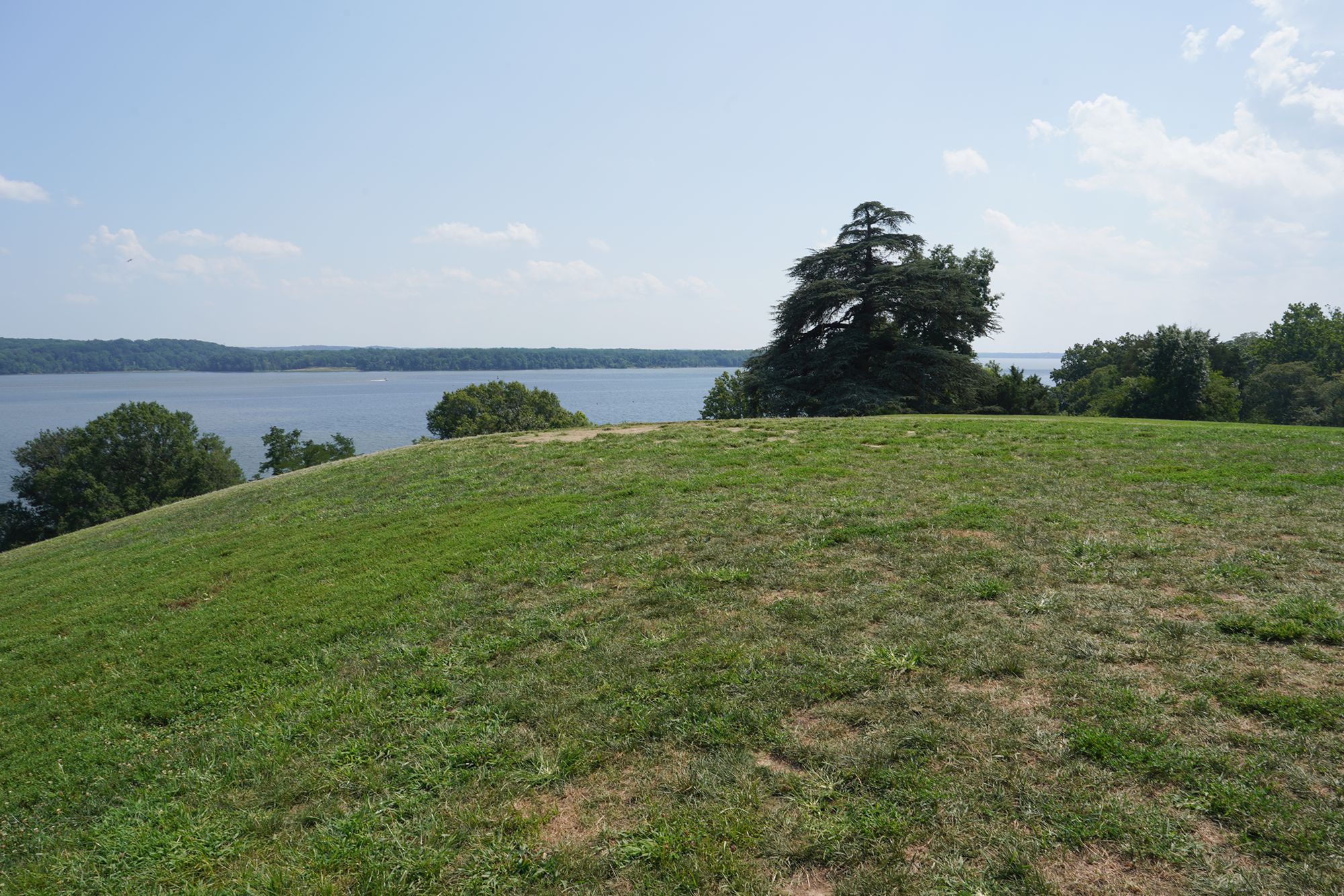
Mount Vernon stands beside the Potomac River, offering broad views across the water toward Maryland. The river provided both scenic beauty and access for transporting goods to and from the plantation.
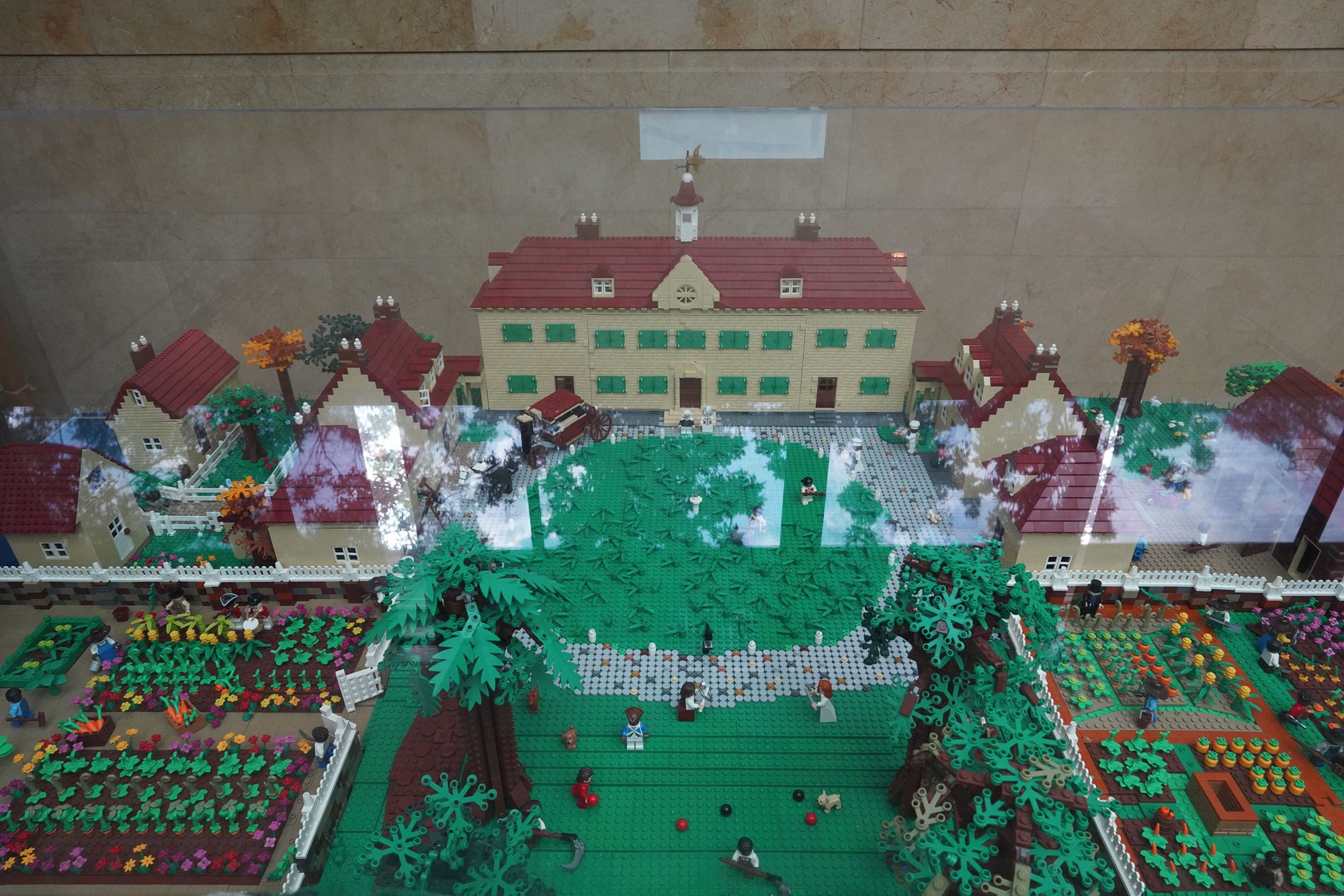
This shows how the interior of the main house looked.
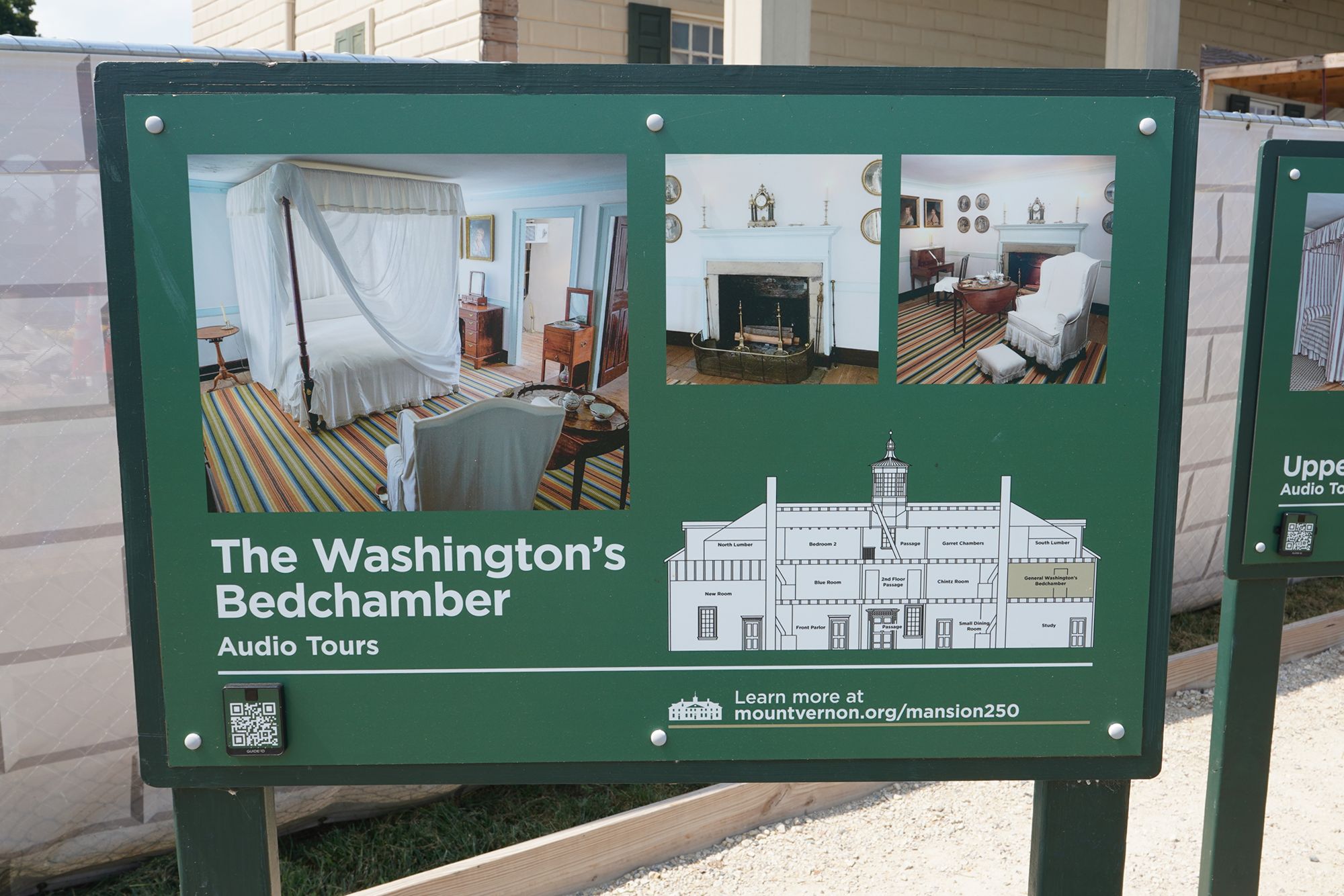
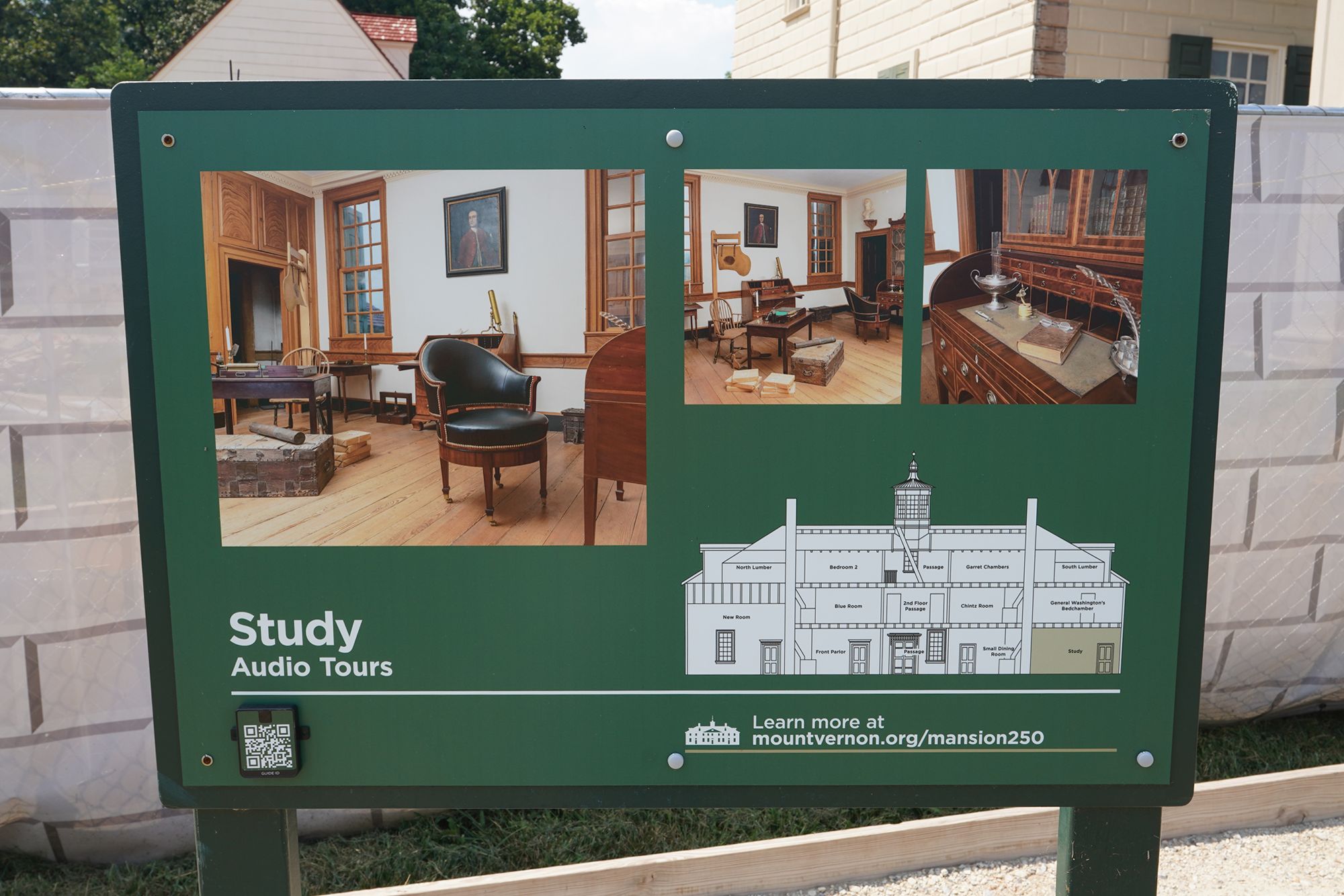
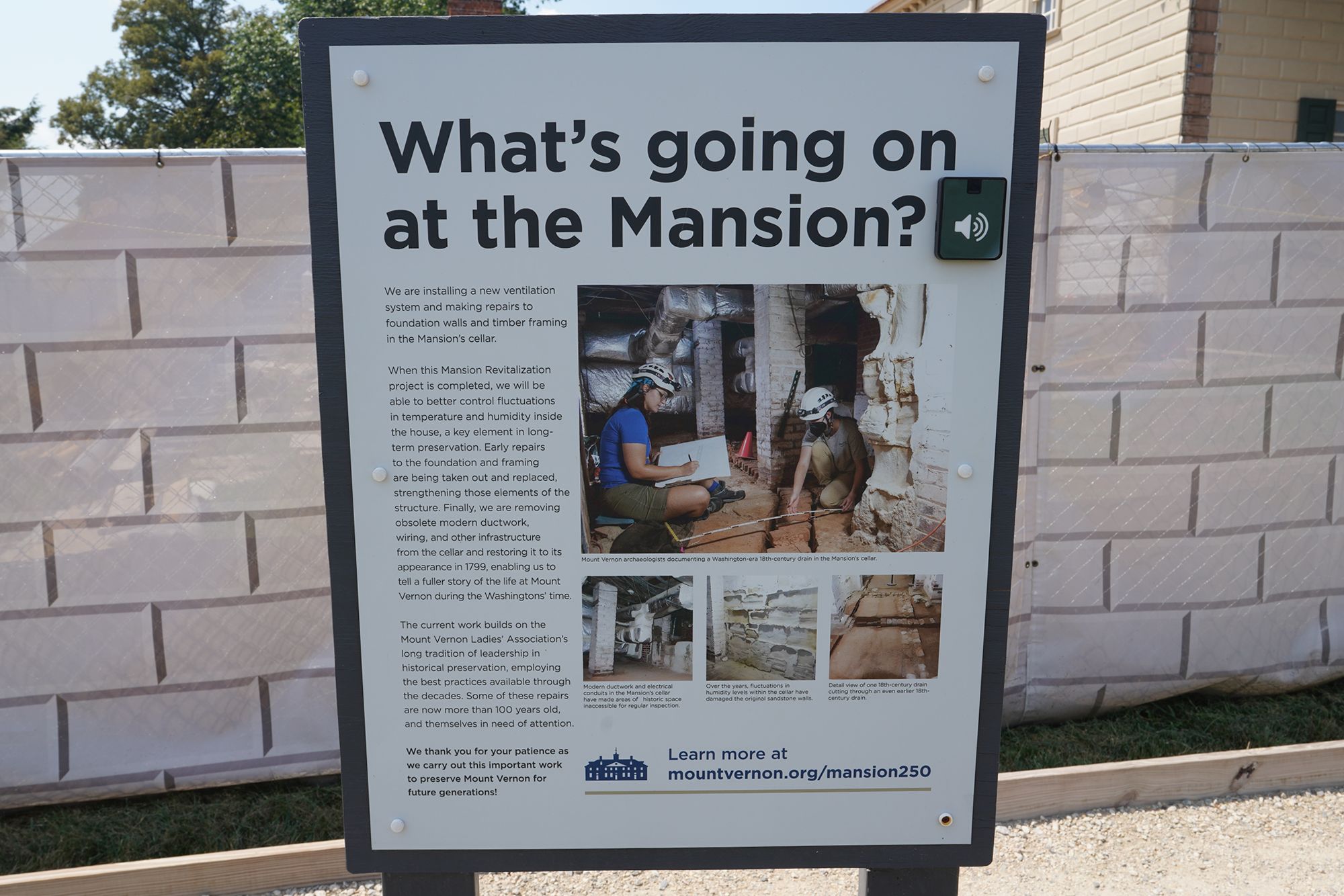
Explanation of the reconstruction
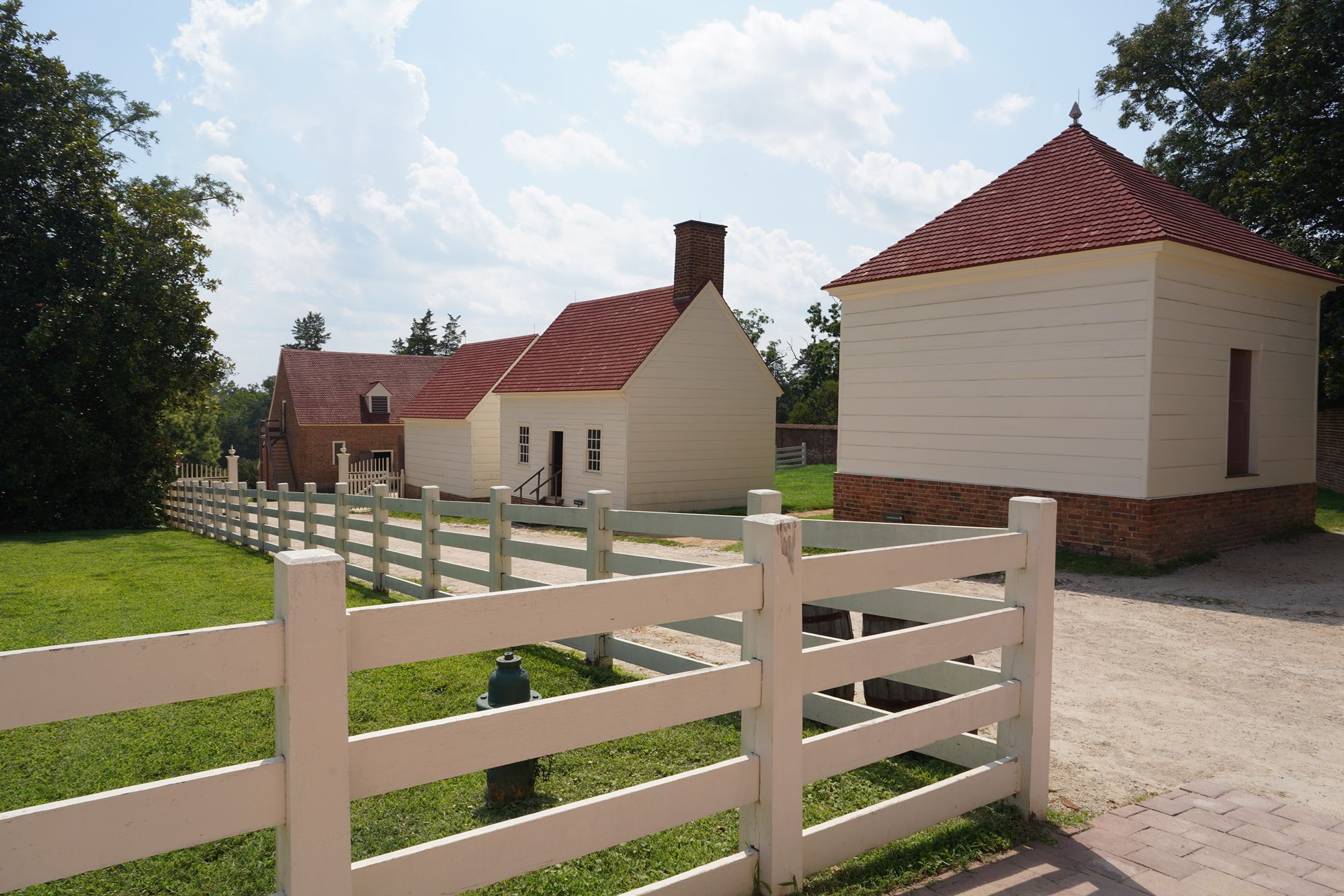
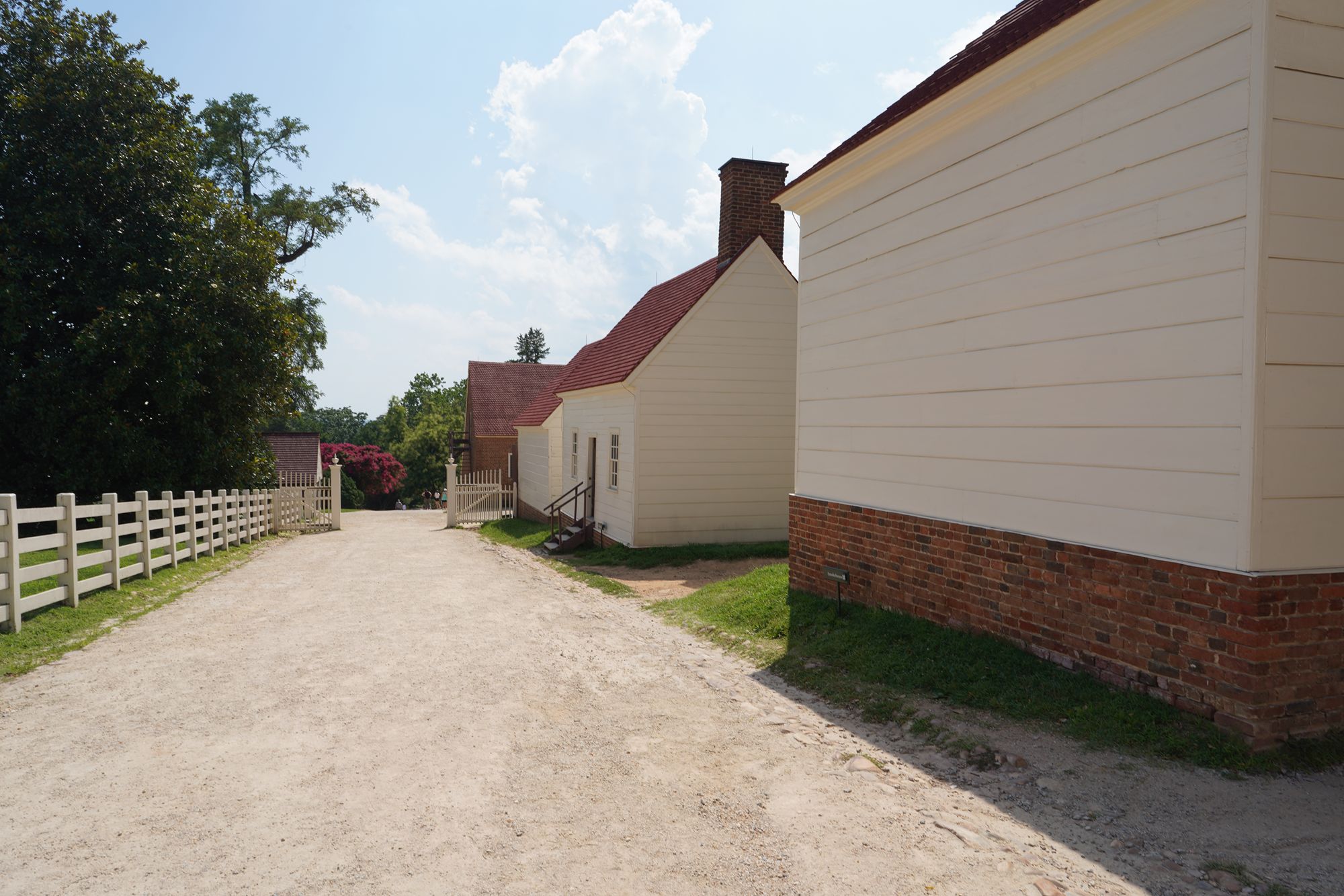
I returned to the front of the house, where several additional buildings on the right side could be seen.
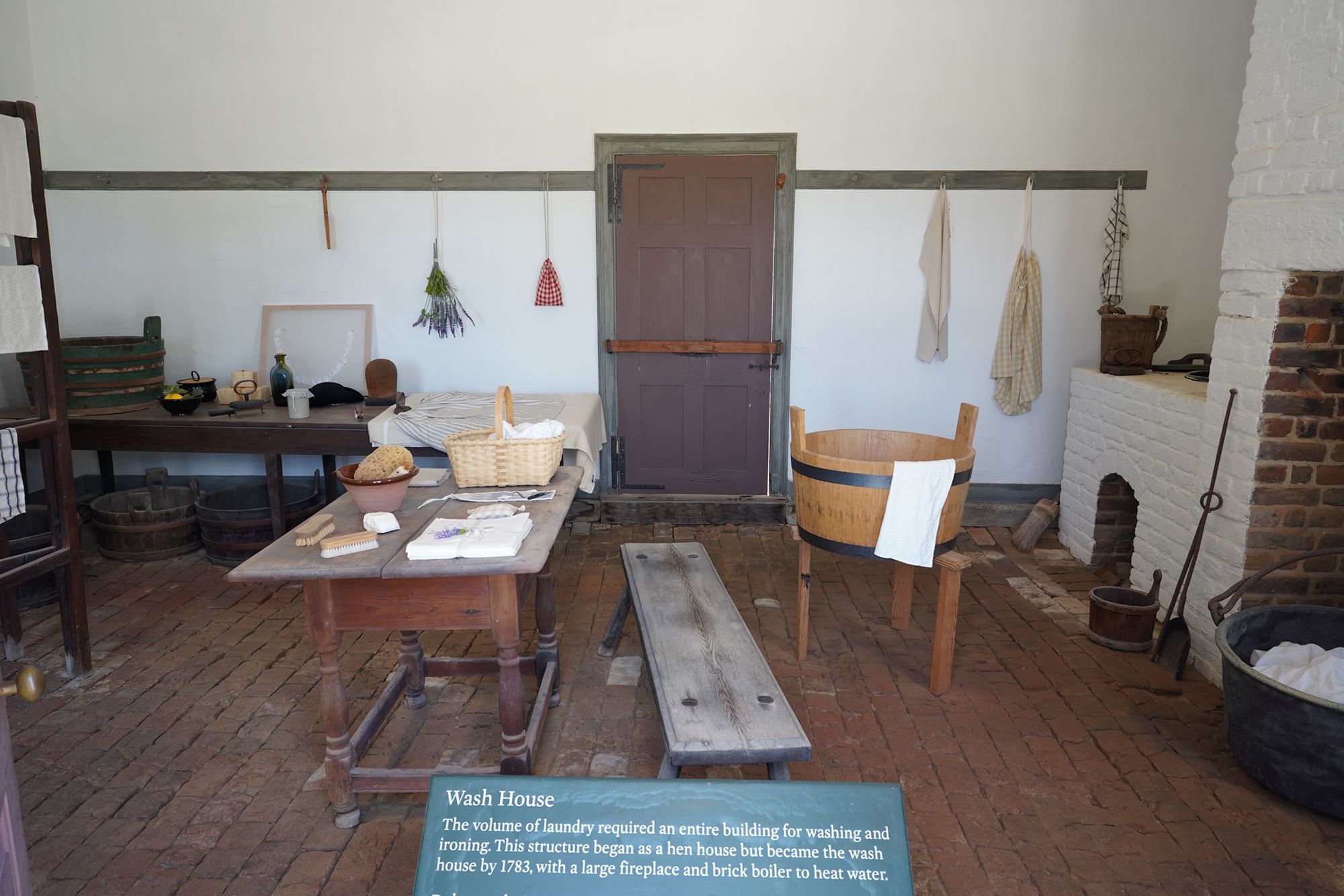
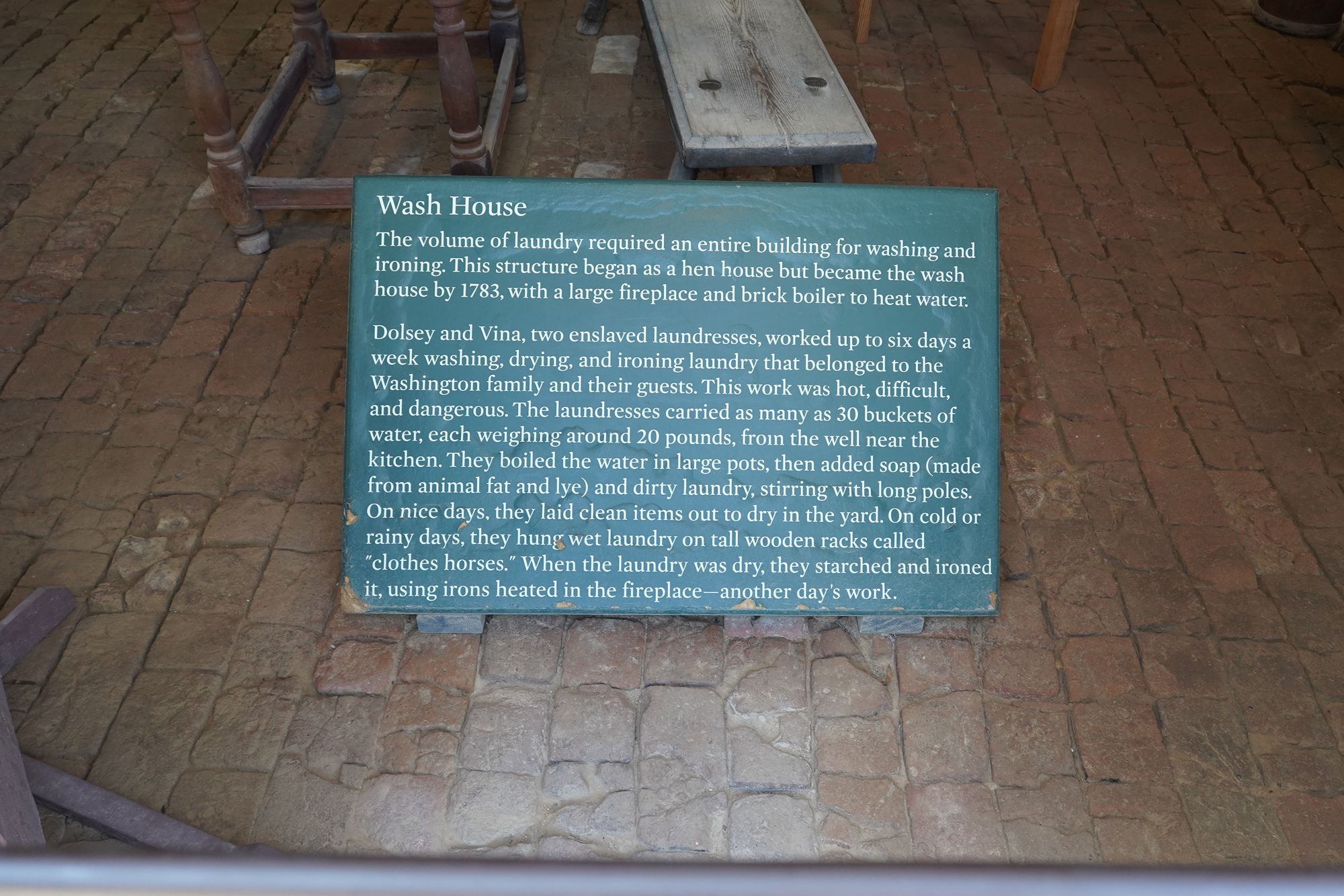
Wash House
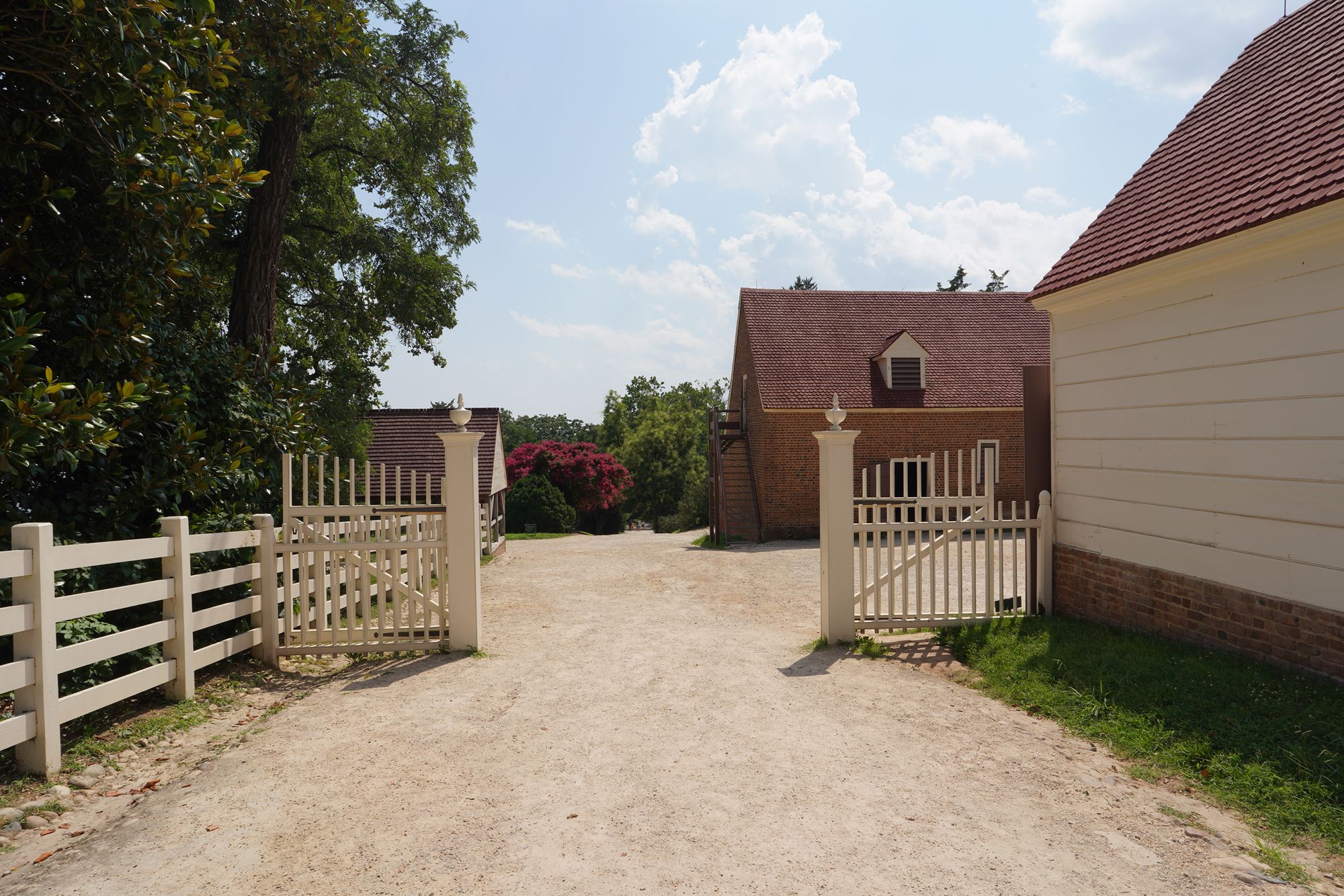
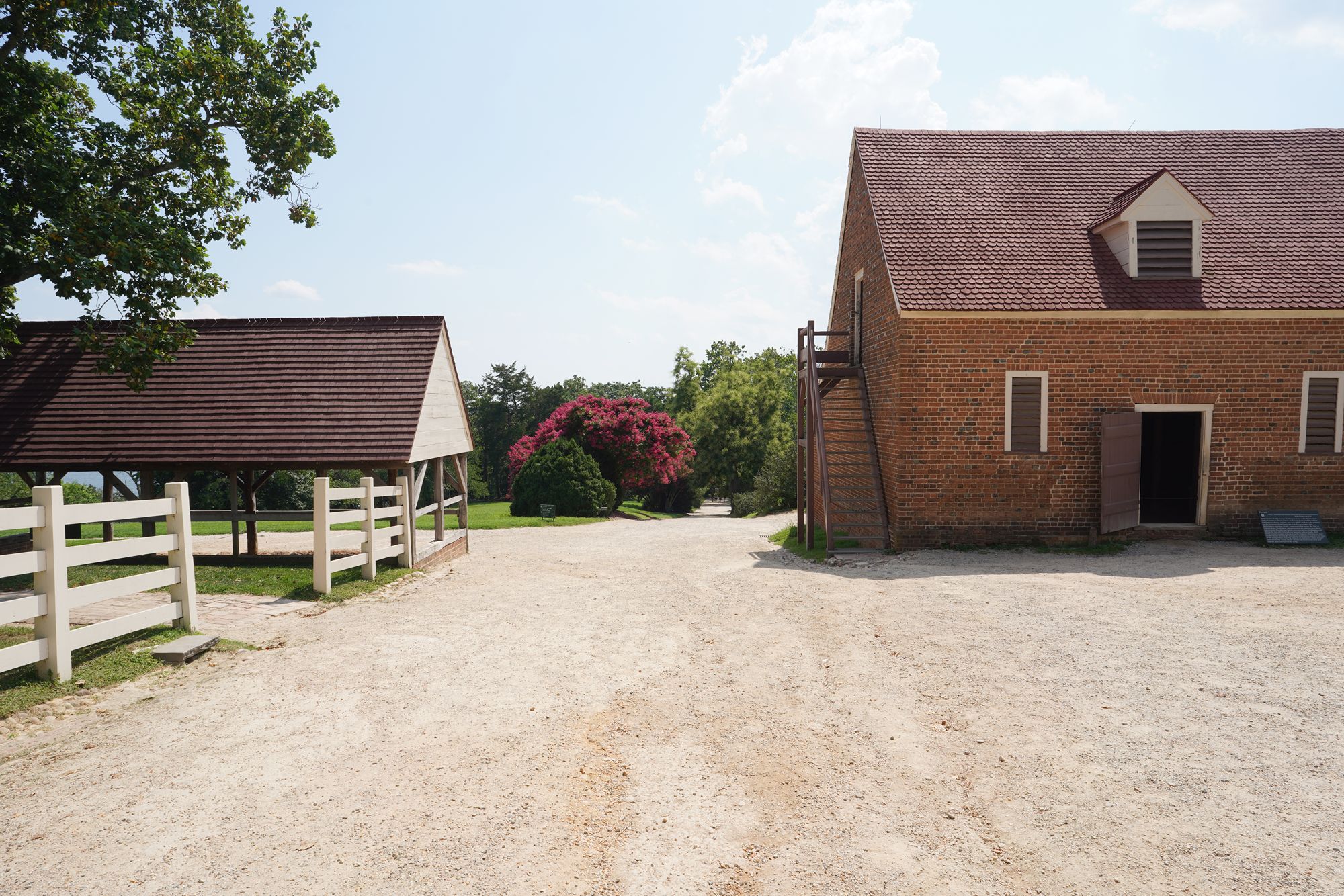
Horse Stable
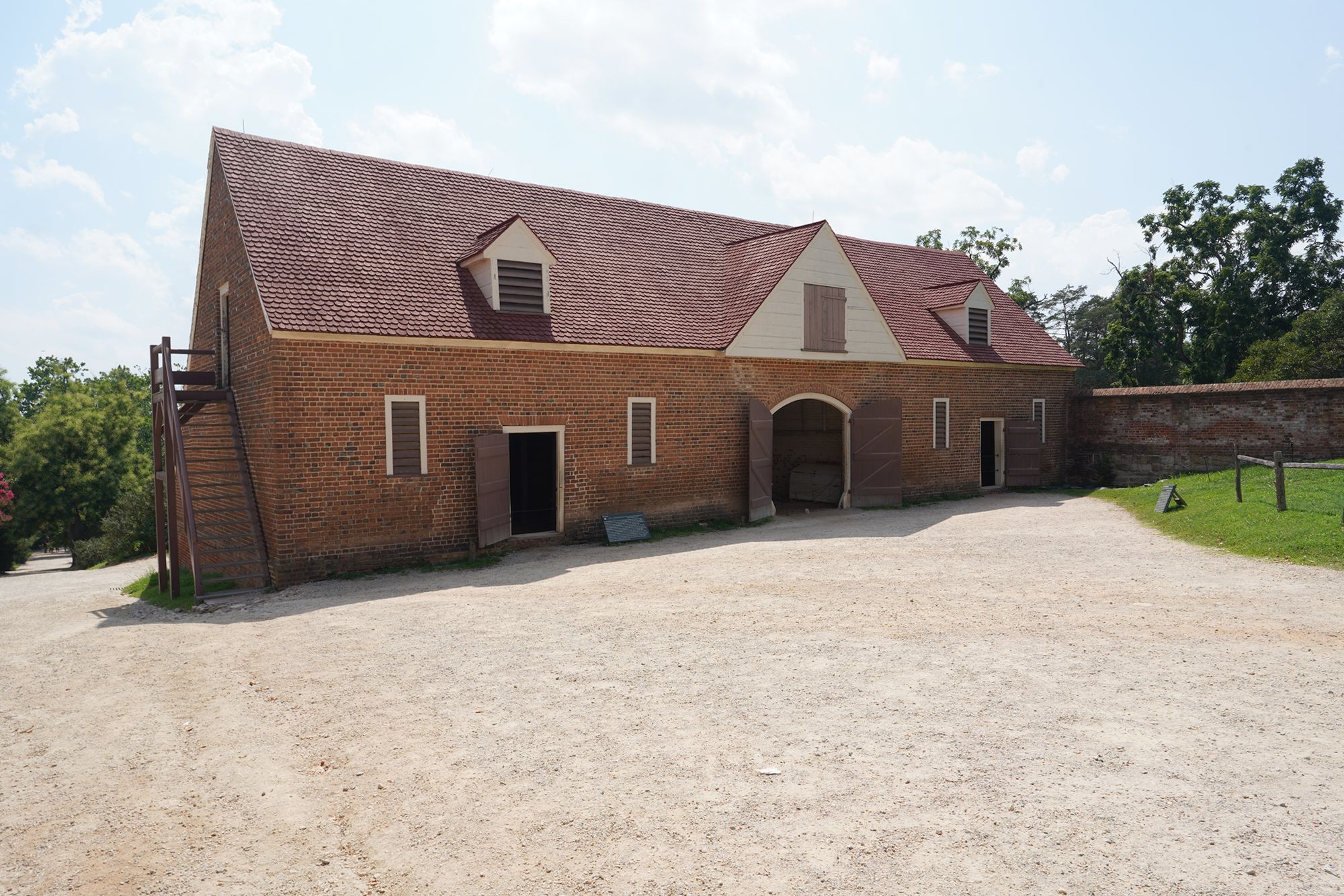
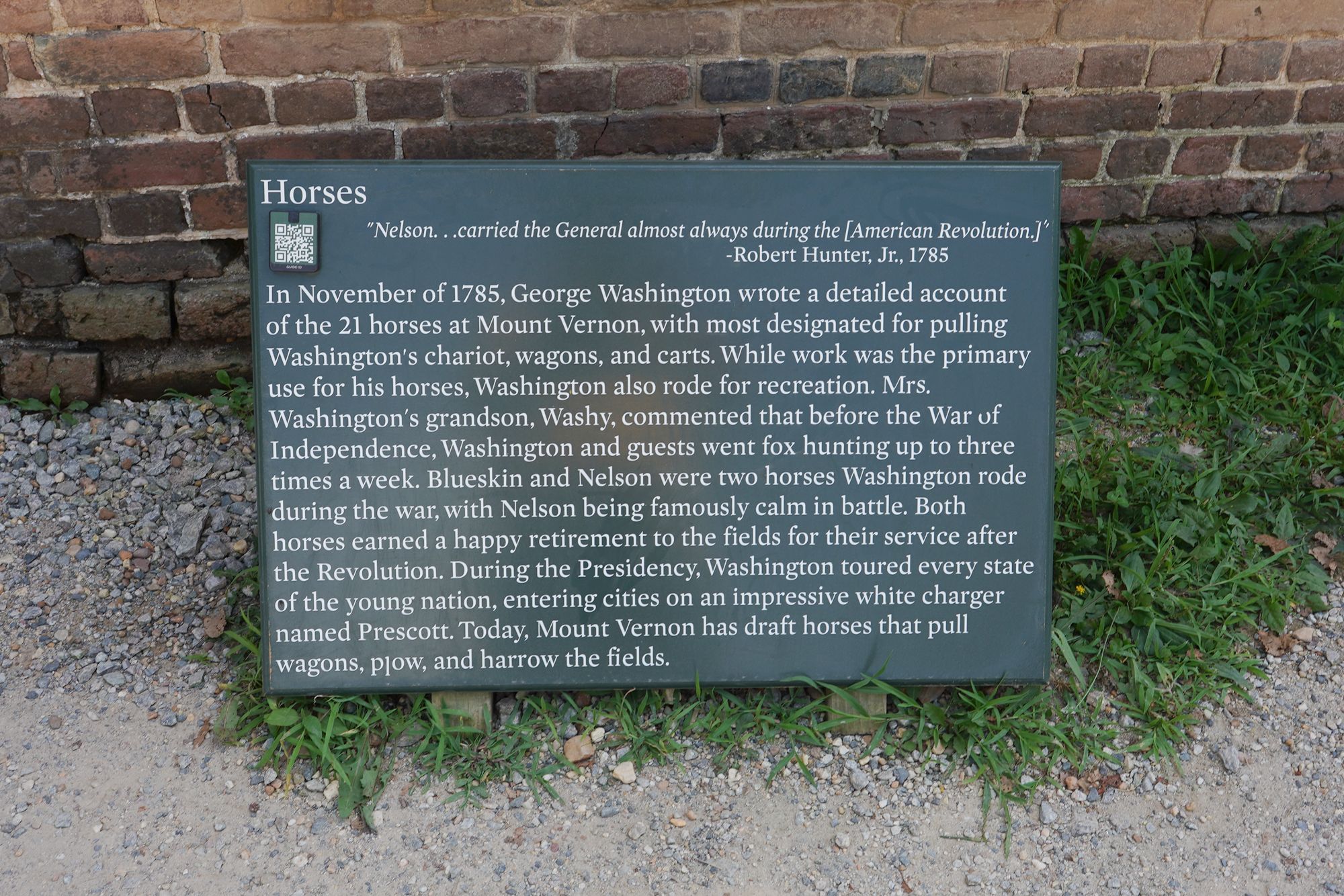
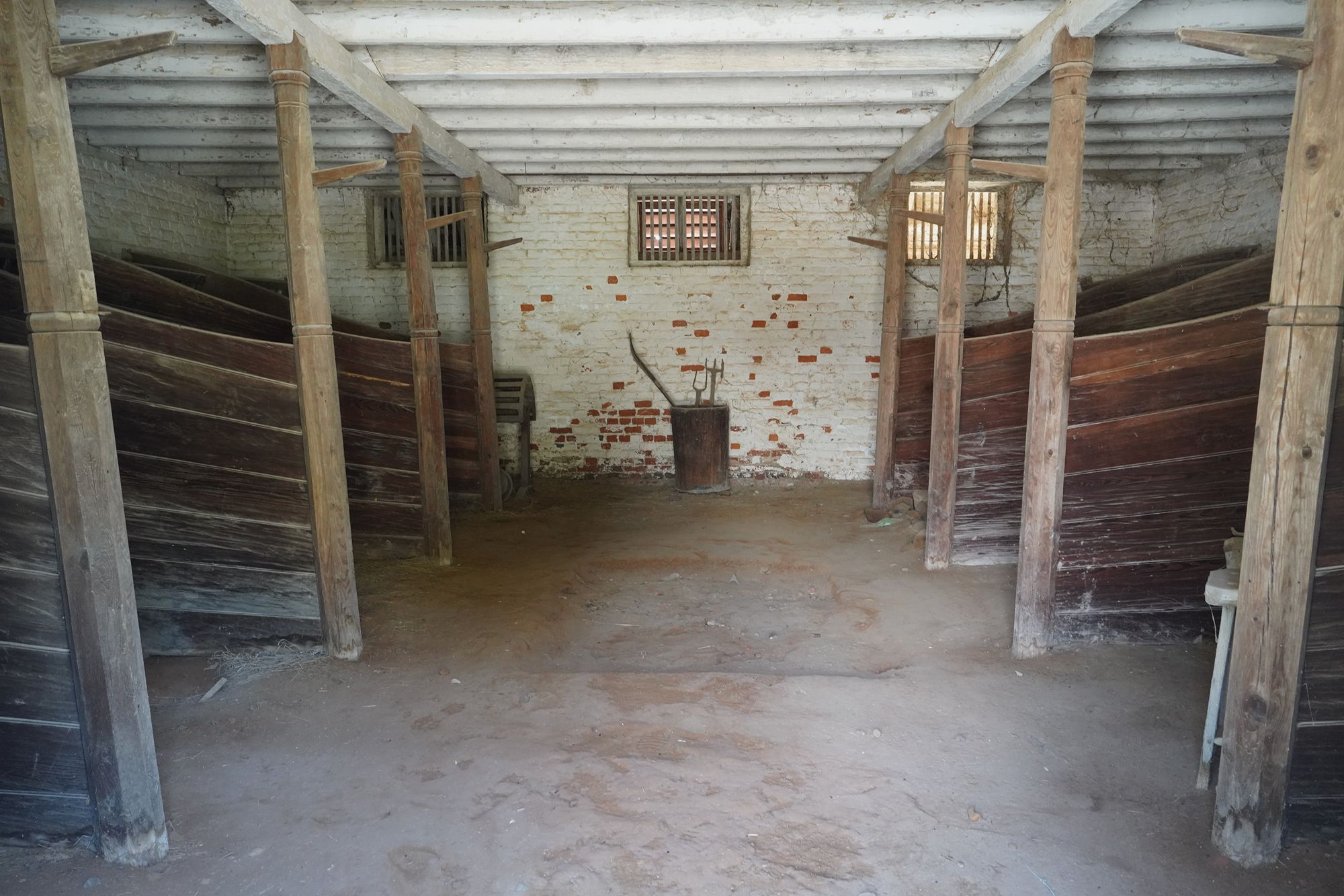
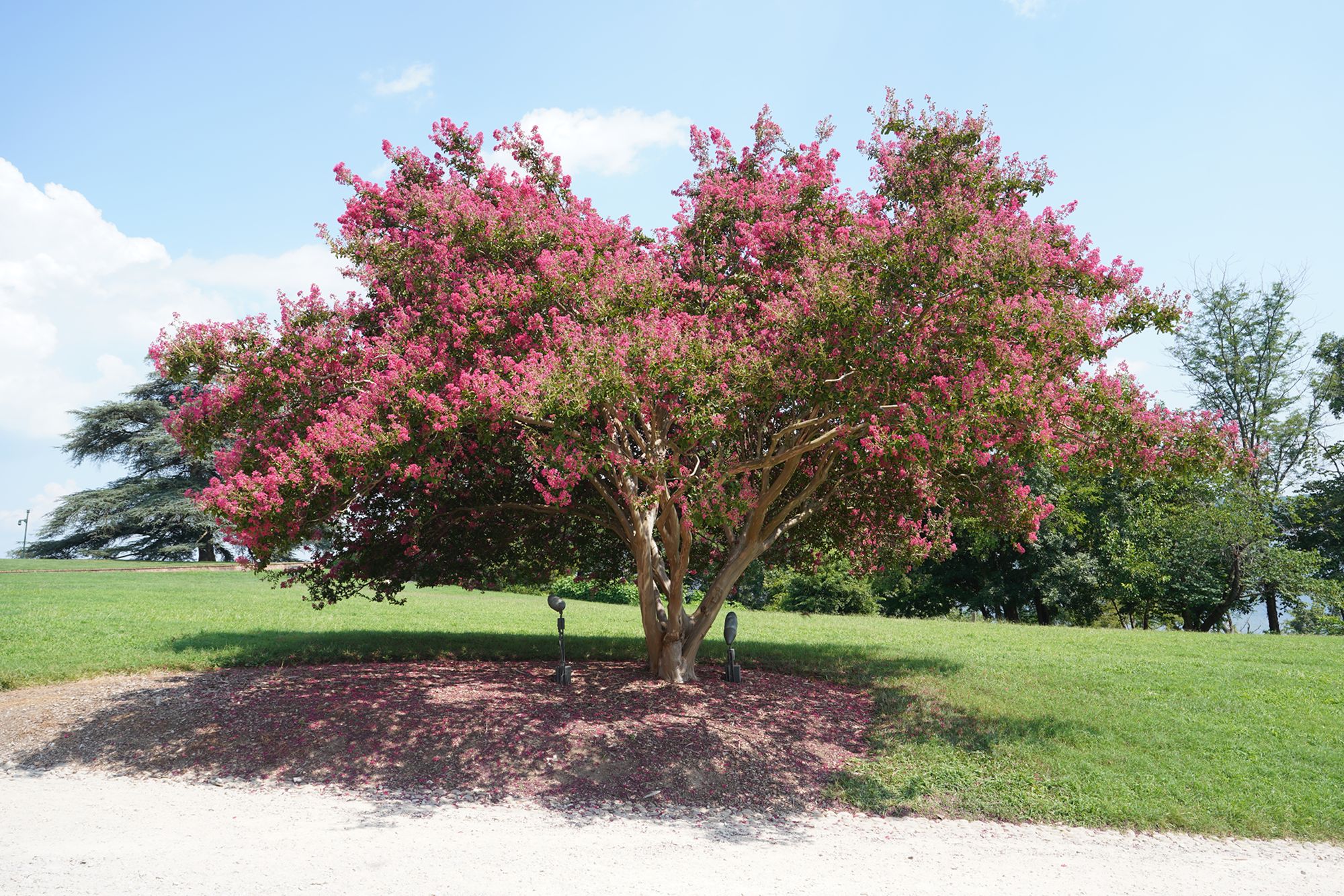
Walking toward George Washington's Tomb
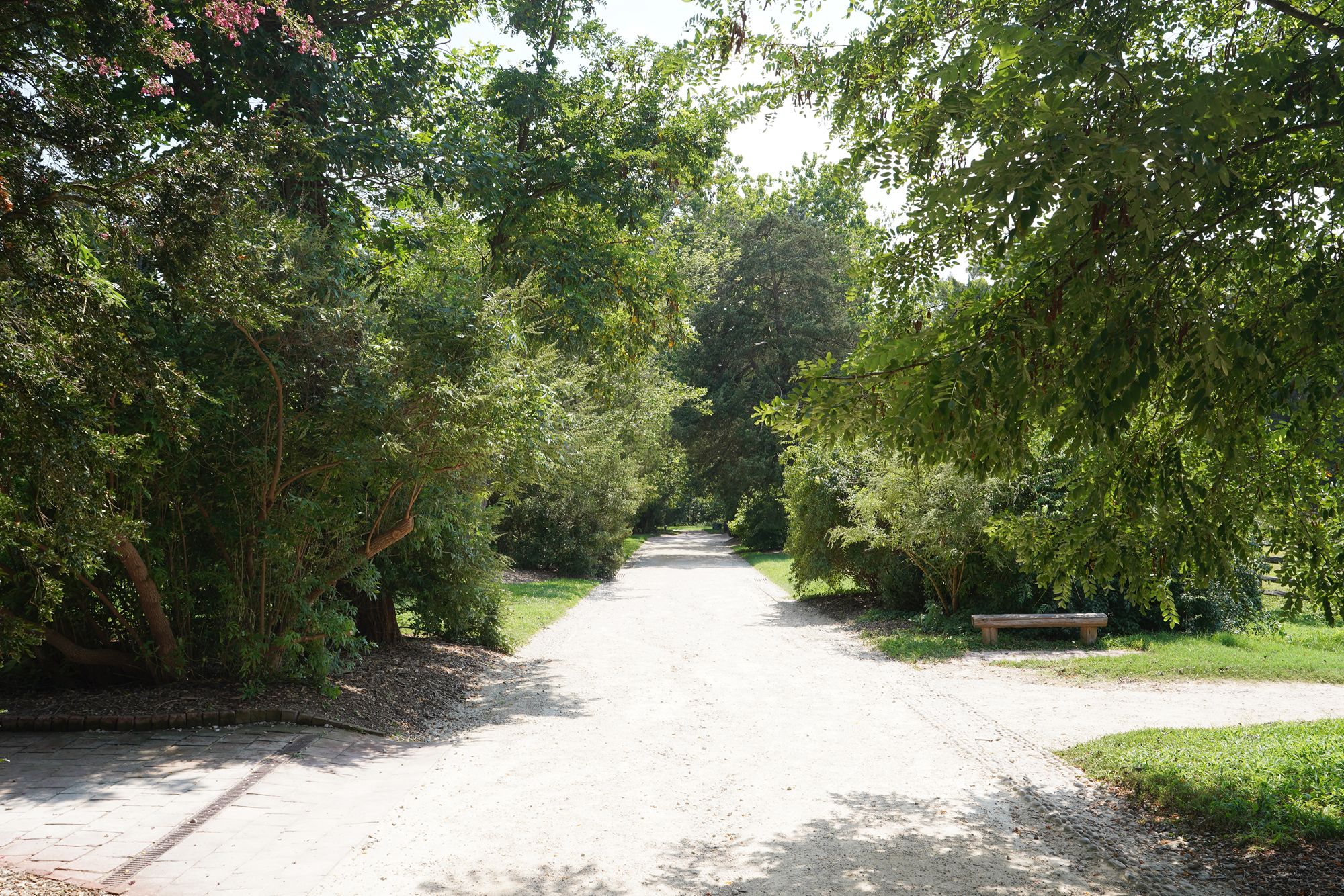
An Orchard
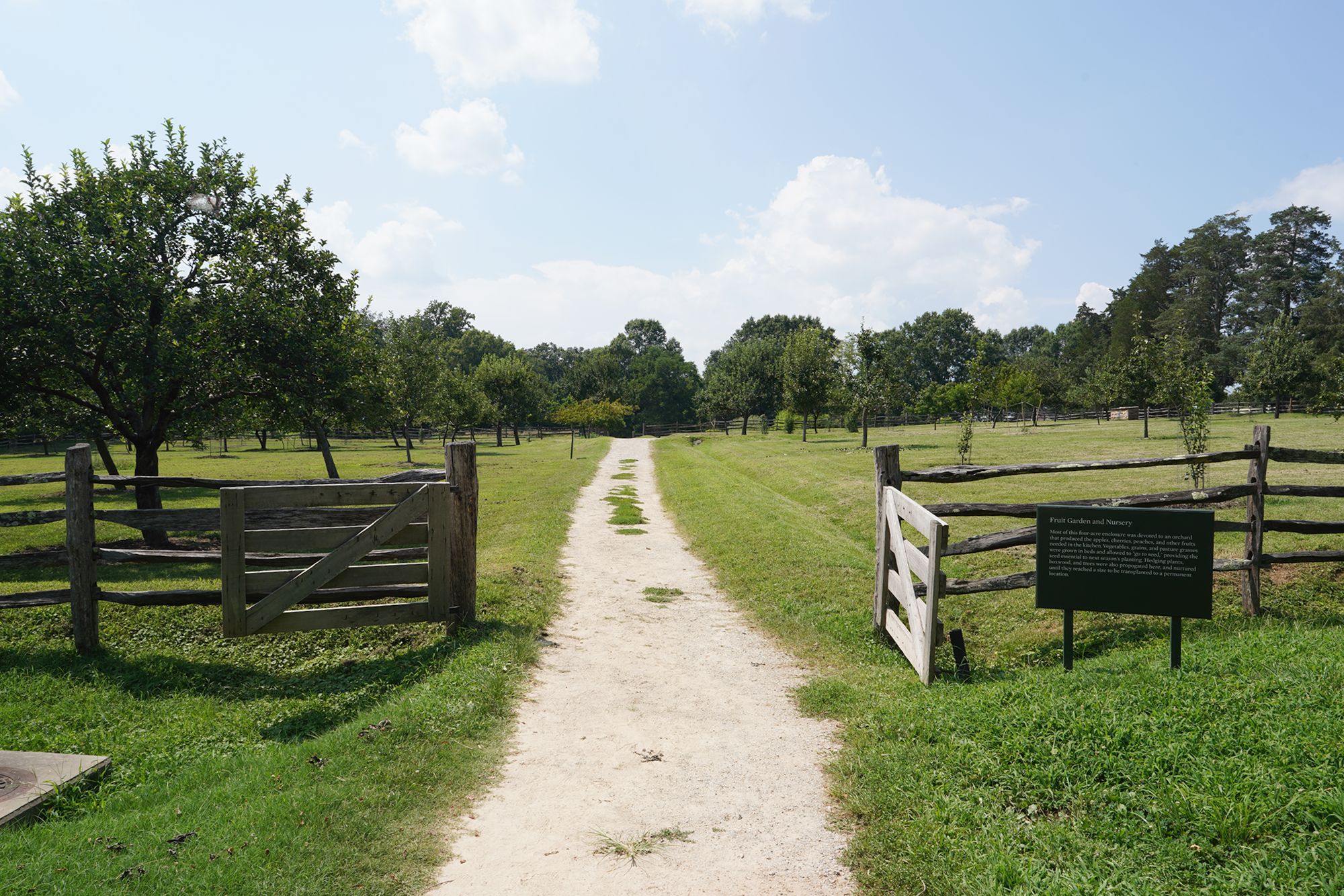
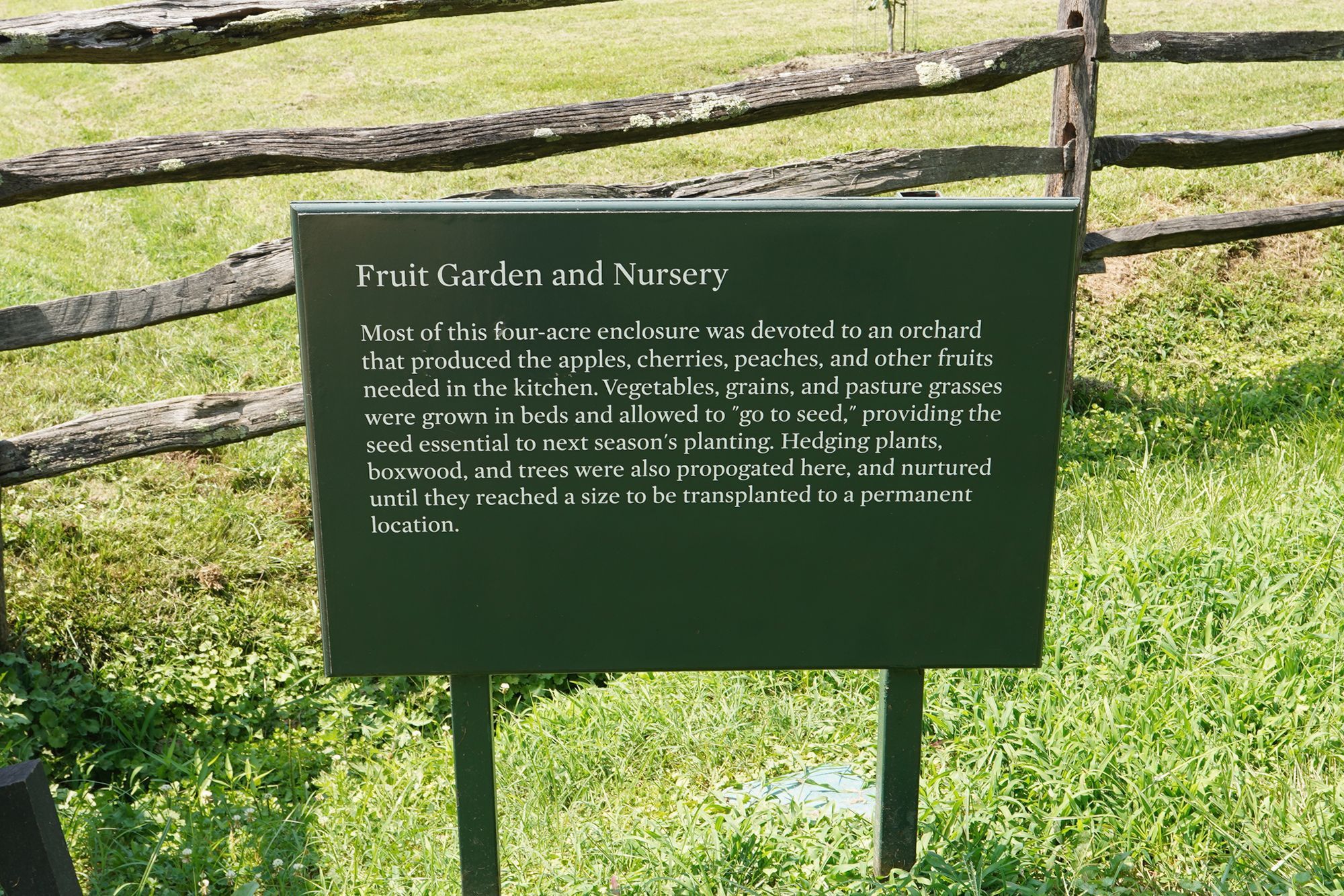
George Washington’s Tomb is located on the grounds of Mount Vernon, near the Potomac River.
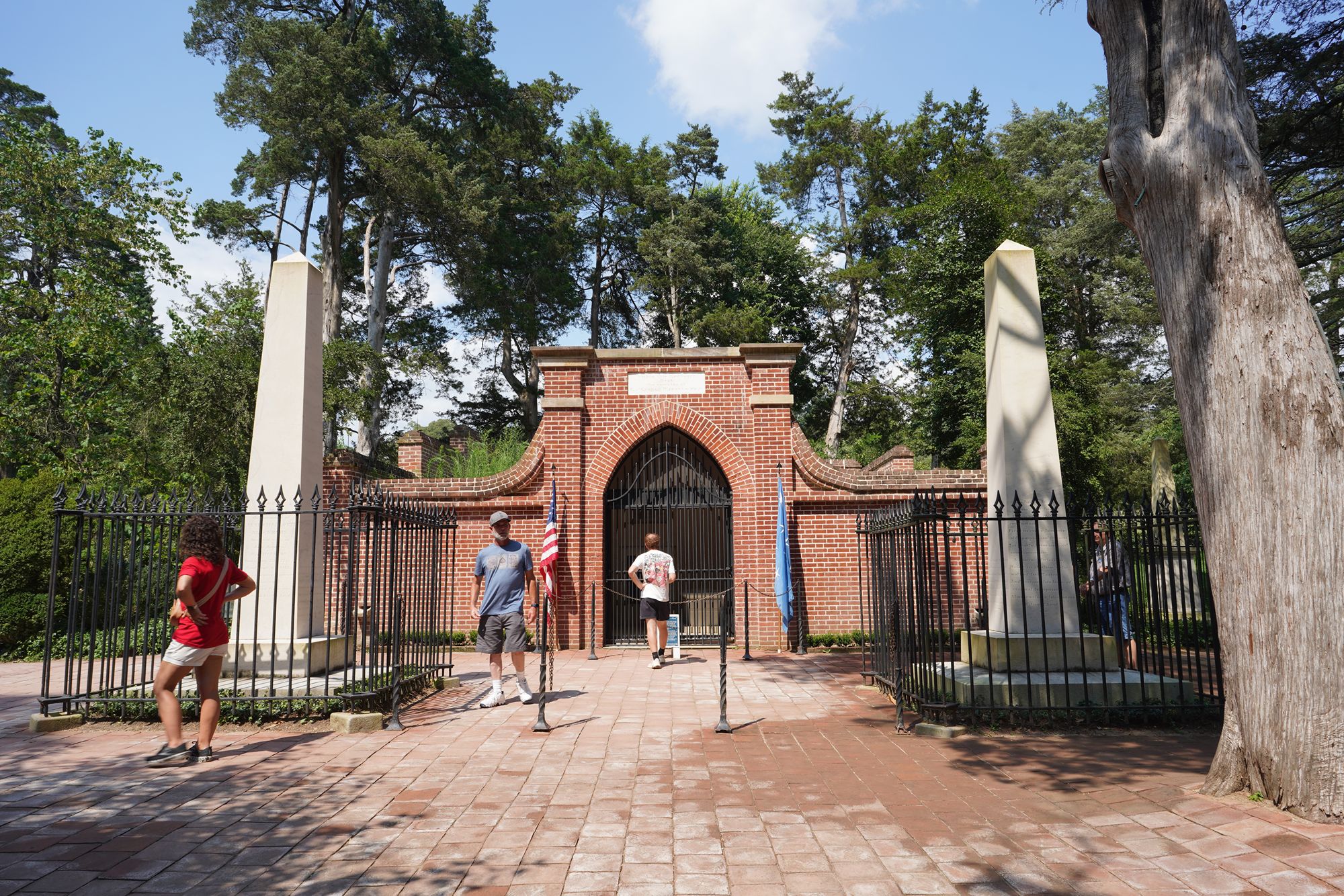
After his death in 1799, George Washington was first buried in the old family vault on the estate. By his wishes, a new brick tomb was built in the 1830s, and his remains—along with those of Martha Washington—were moved there in 1831.
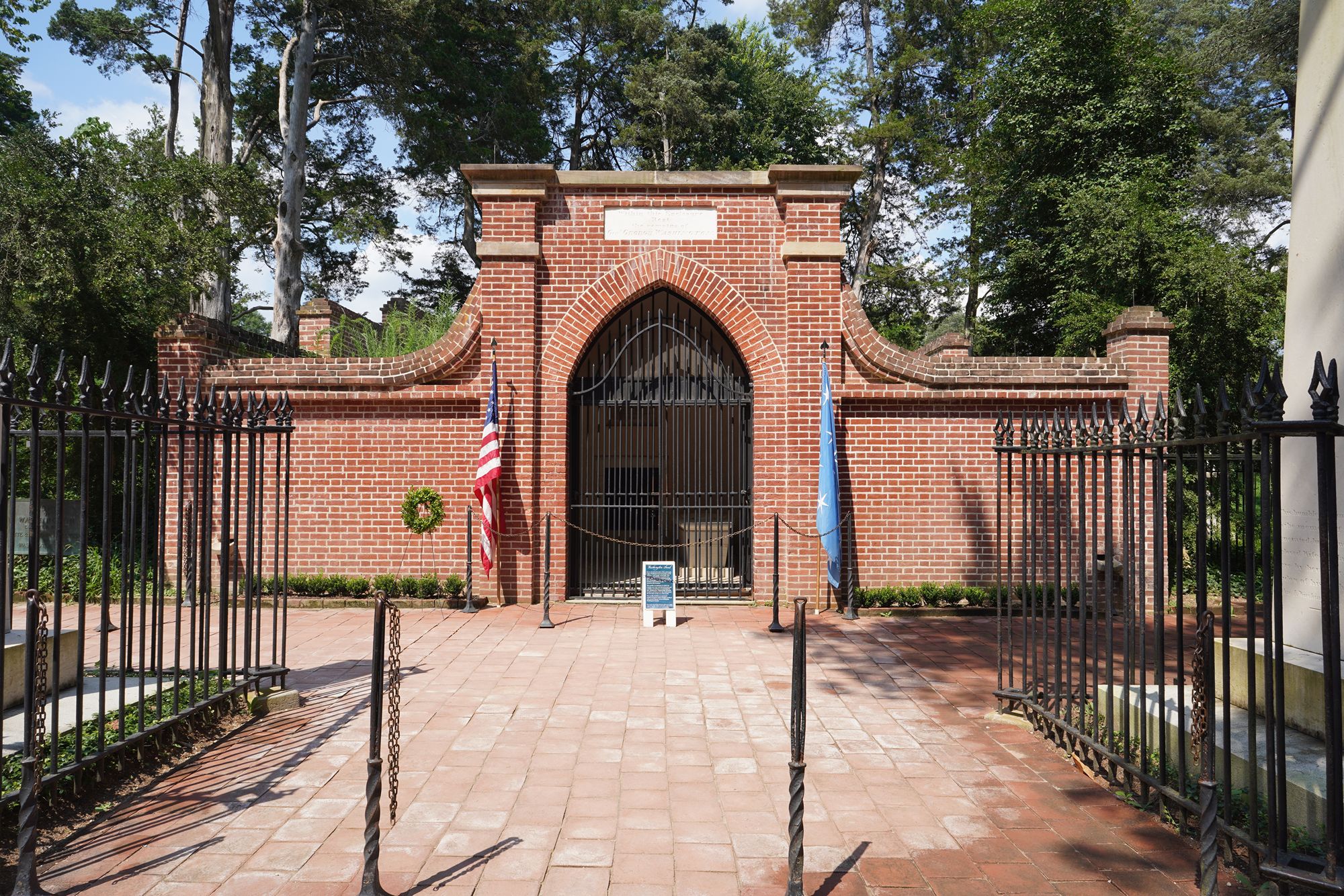
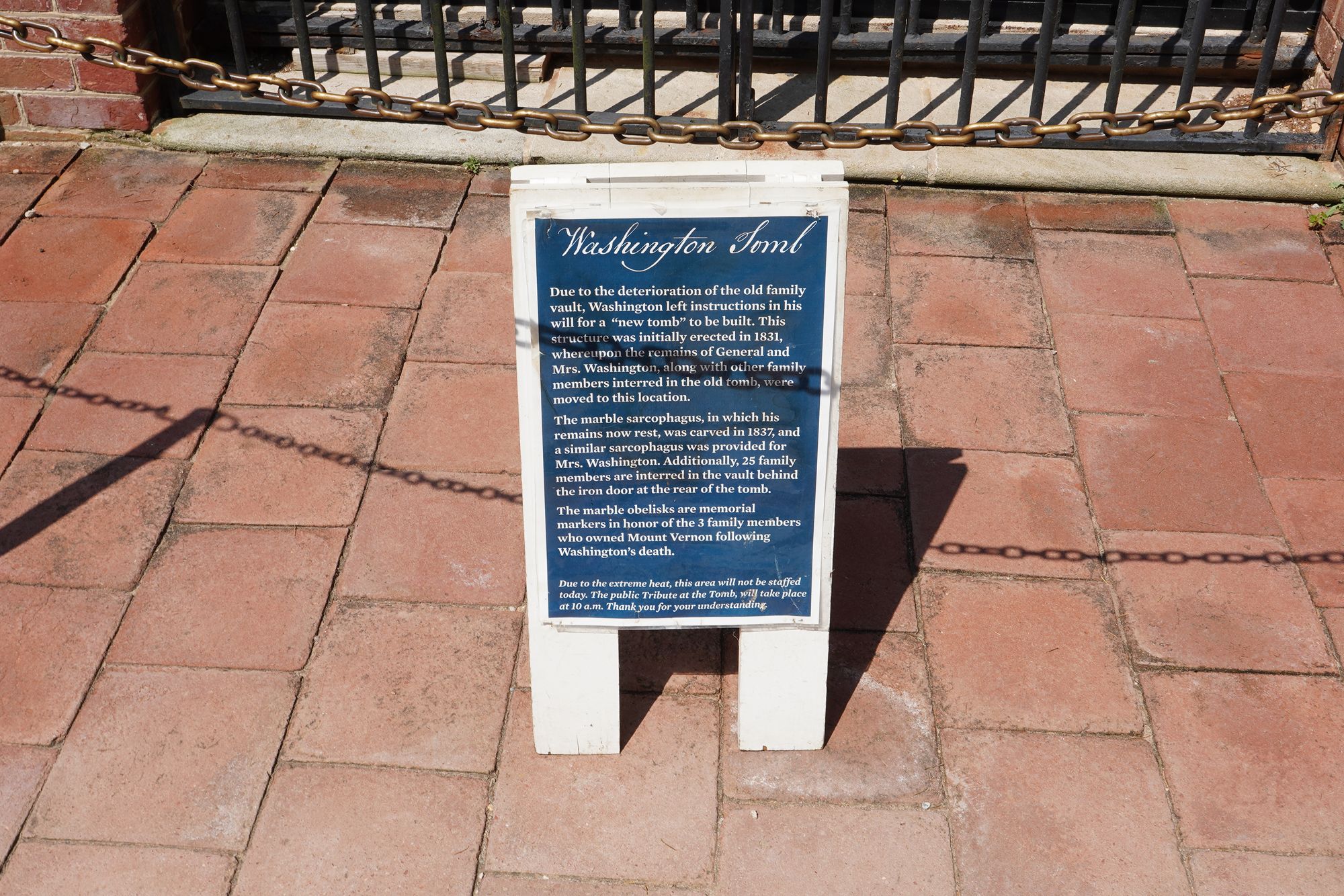
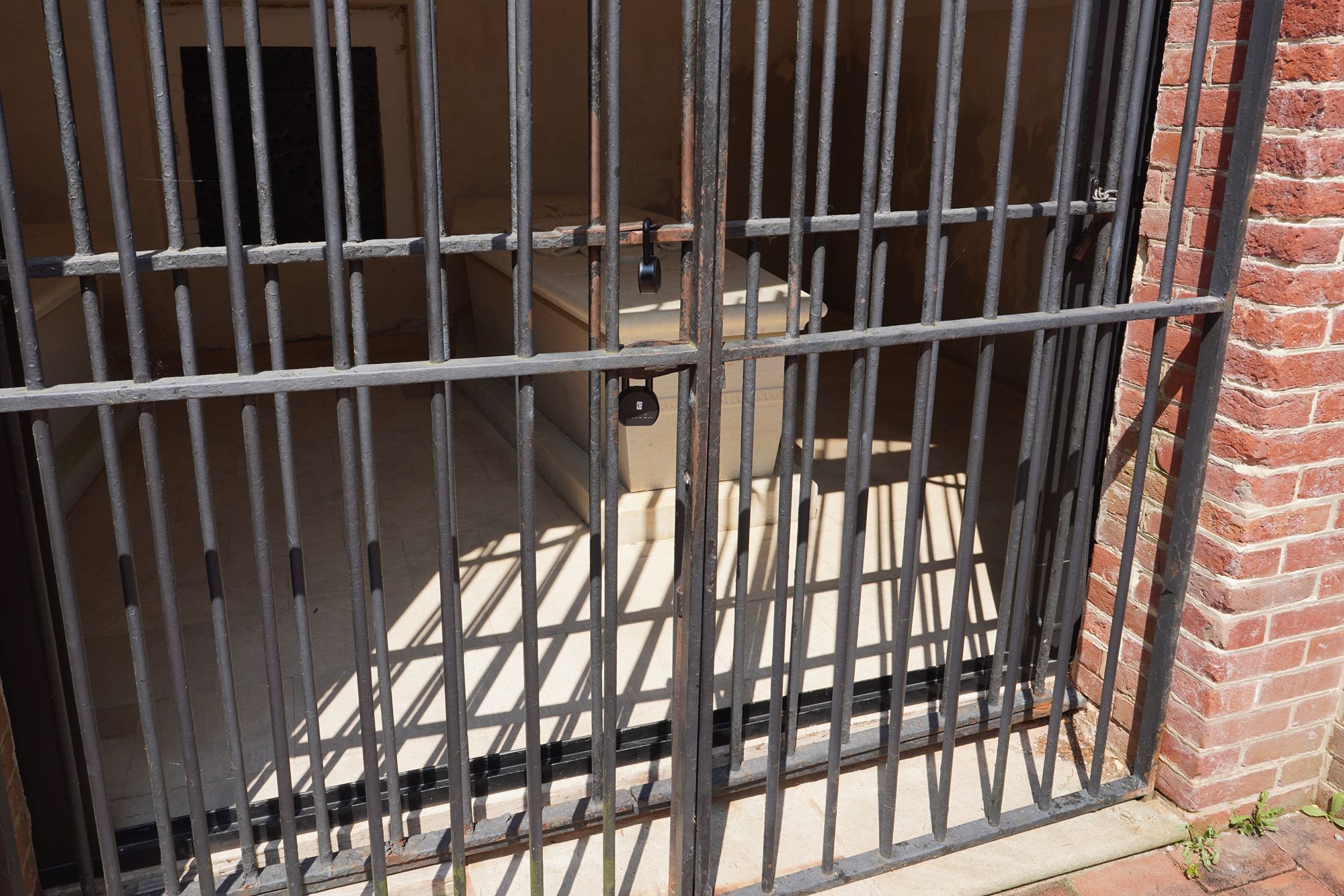
The tomb is a simple but dignified brick structure with an iron gate, surrounded by trees and paths. Inside are two marble sarcophagi: one for George and one for Martha. A small inner vault behind them holds other family members’ remains.
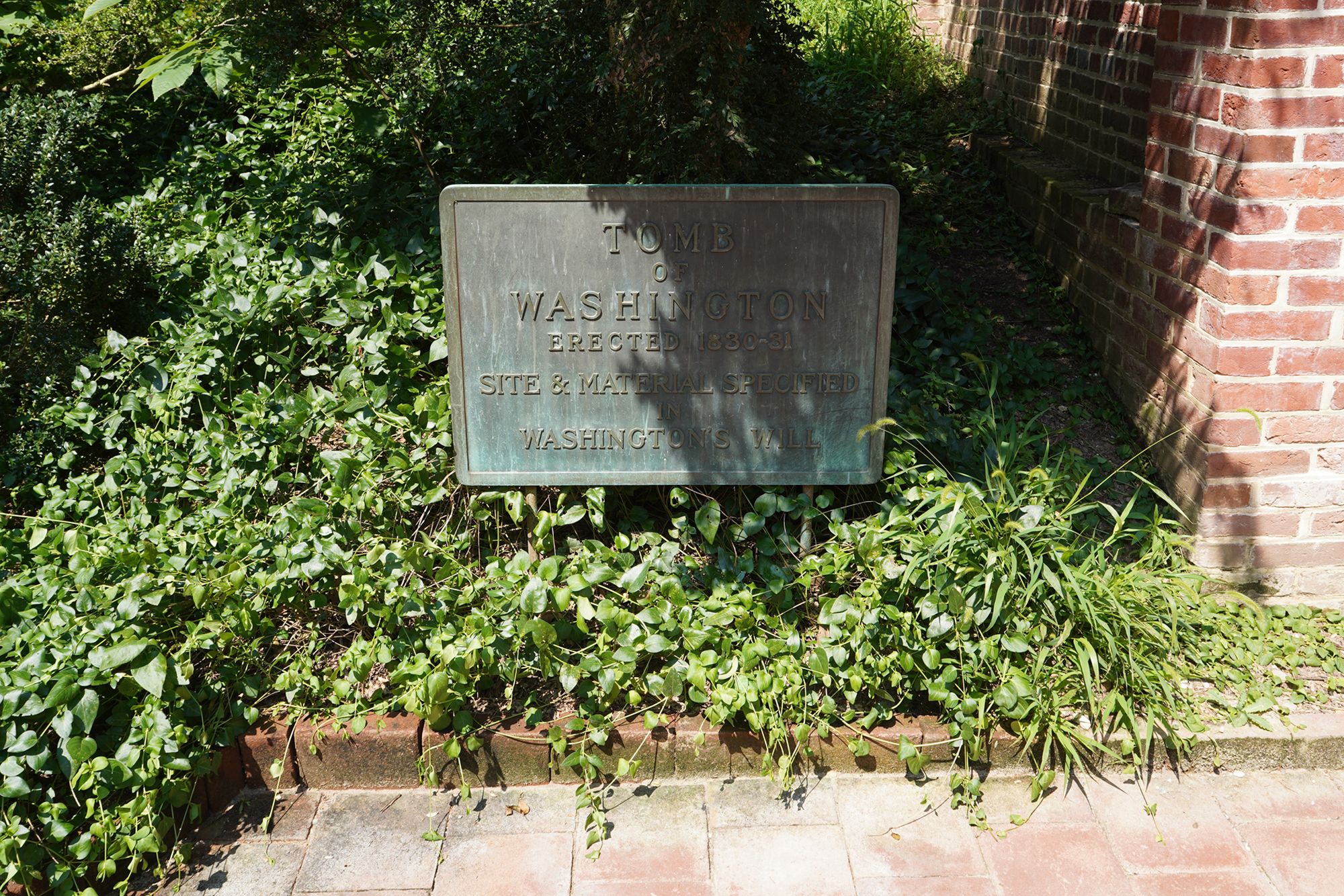
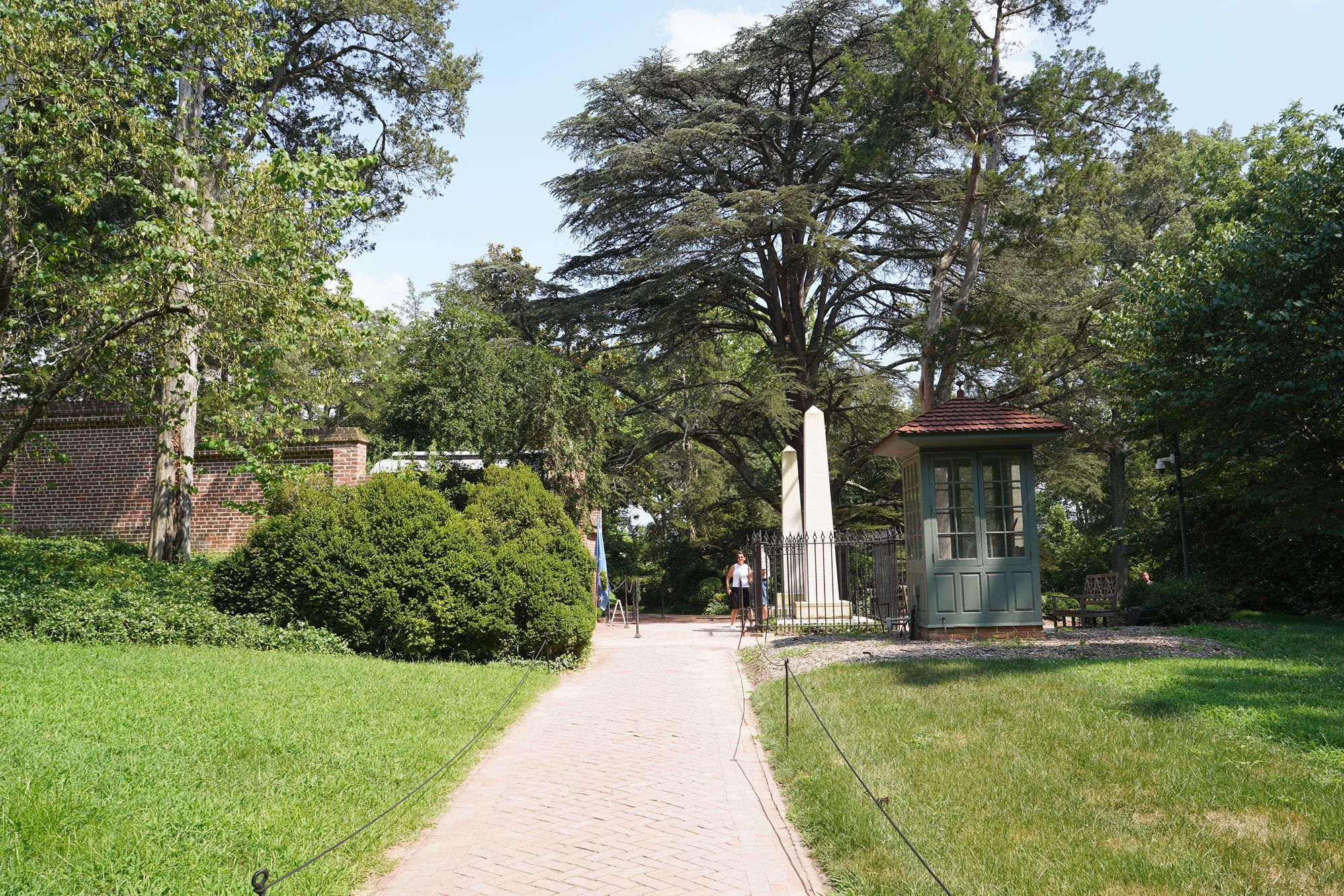
From George Washington’s Tomb, I took a shuttle back to the main house’s side buildings.
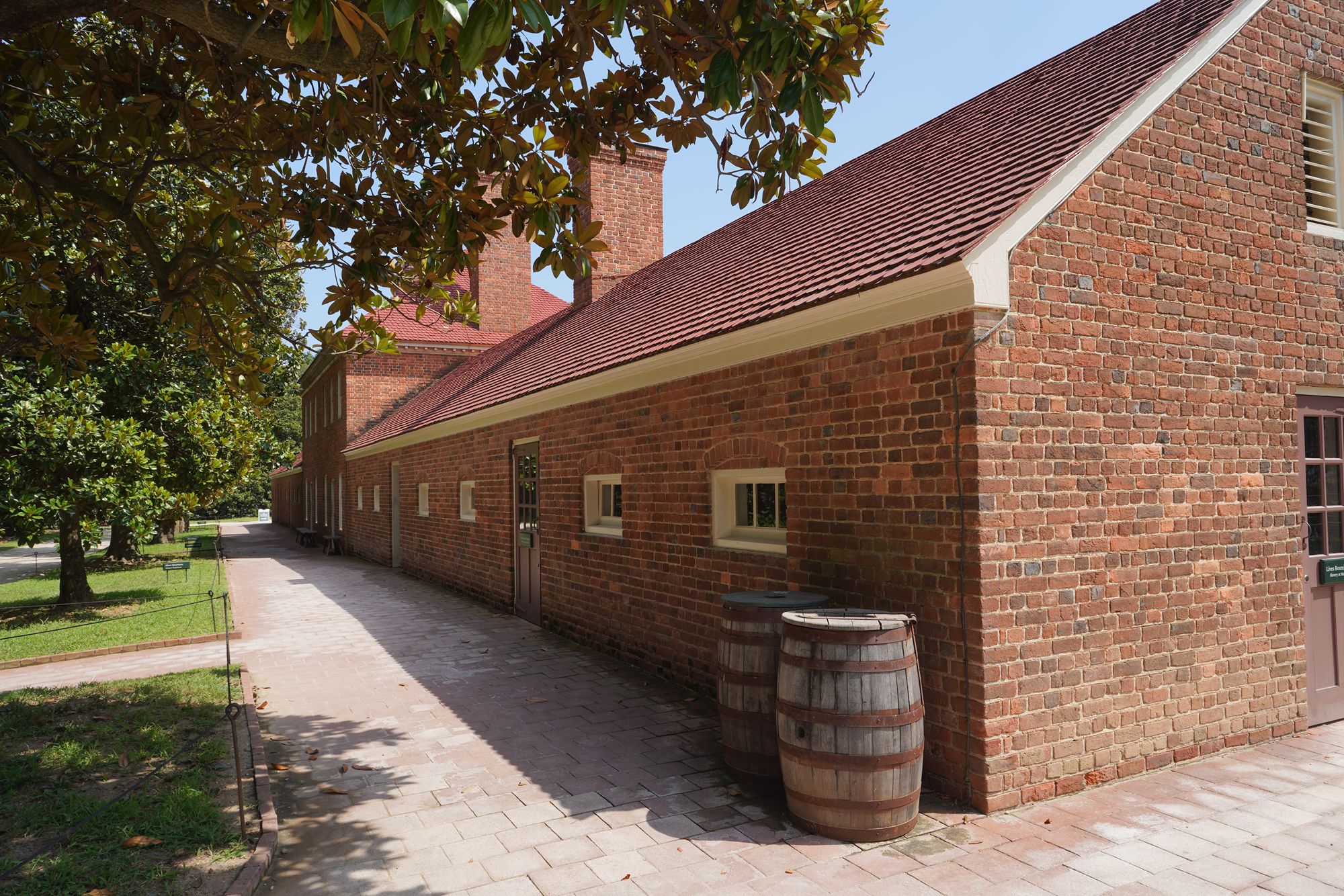
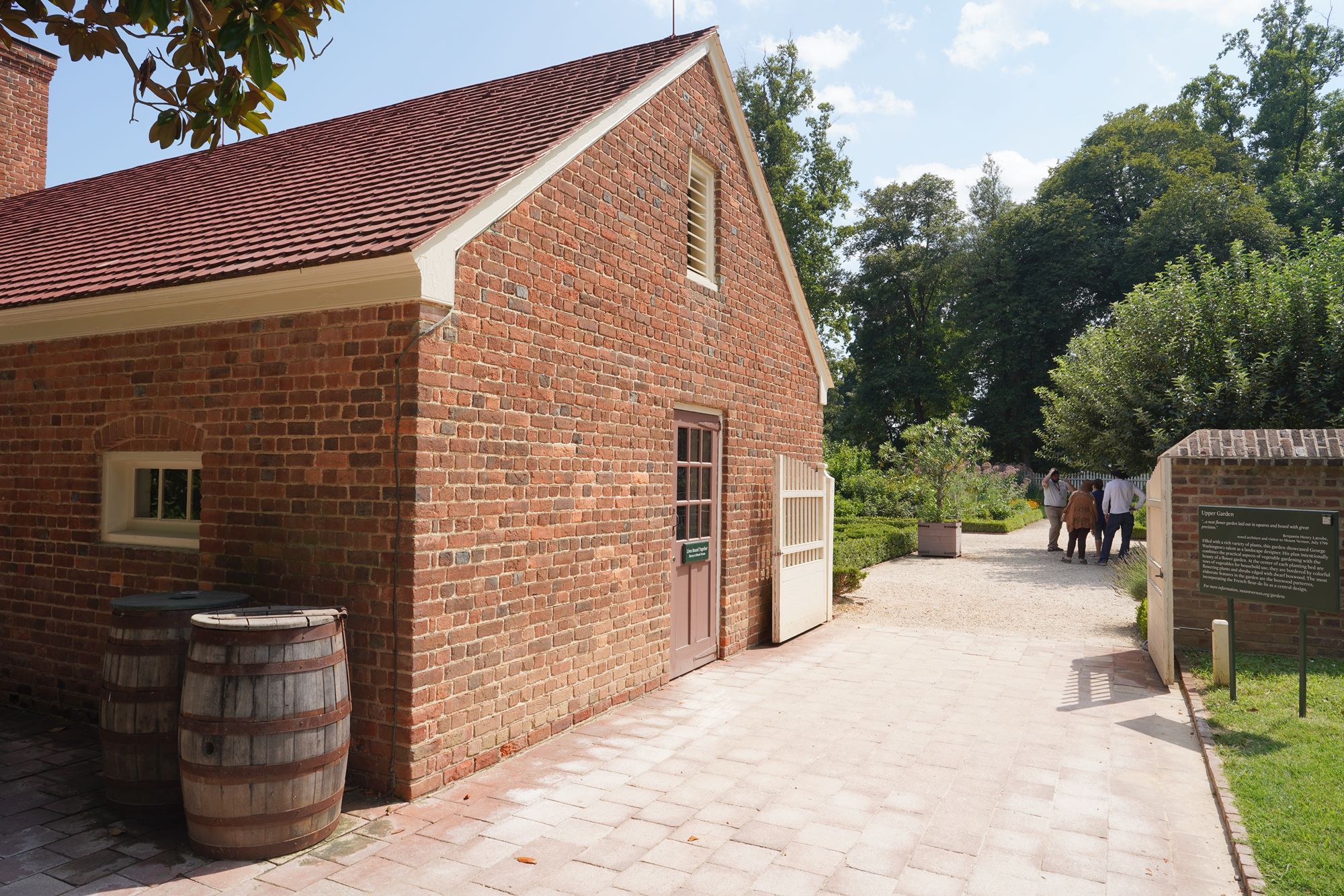
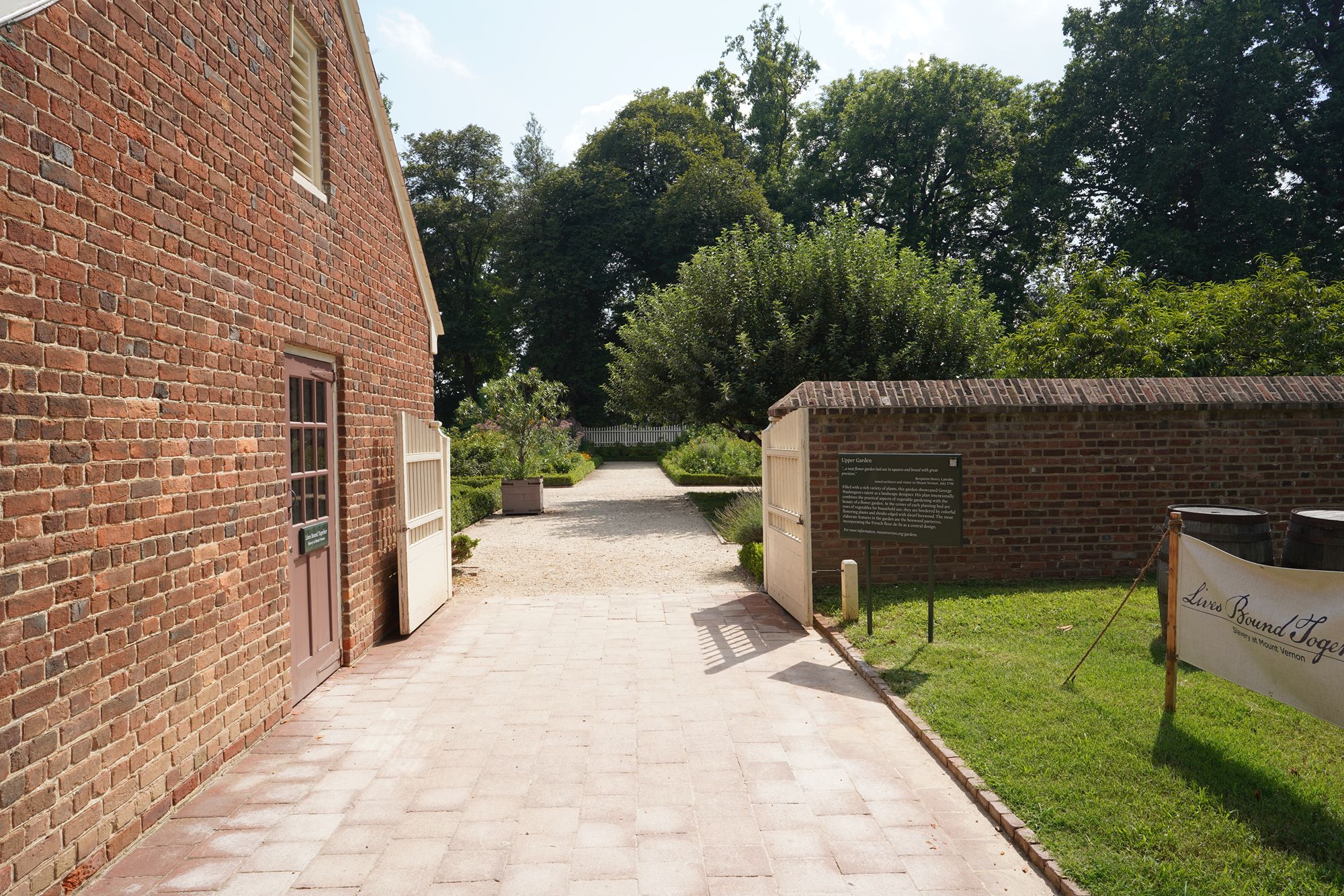
Upper Garden – the brick house on the left served as the slave quarters.
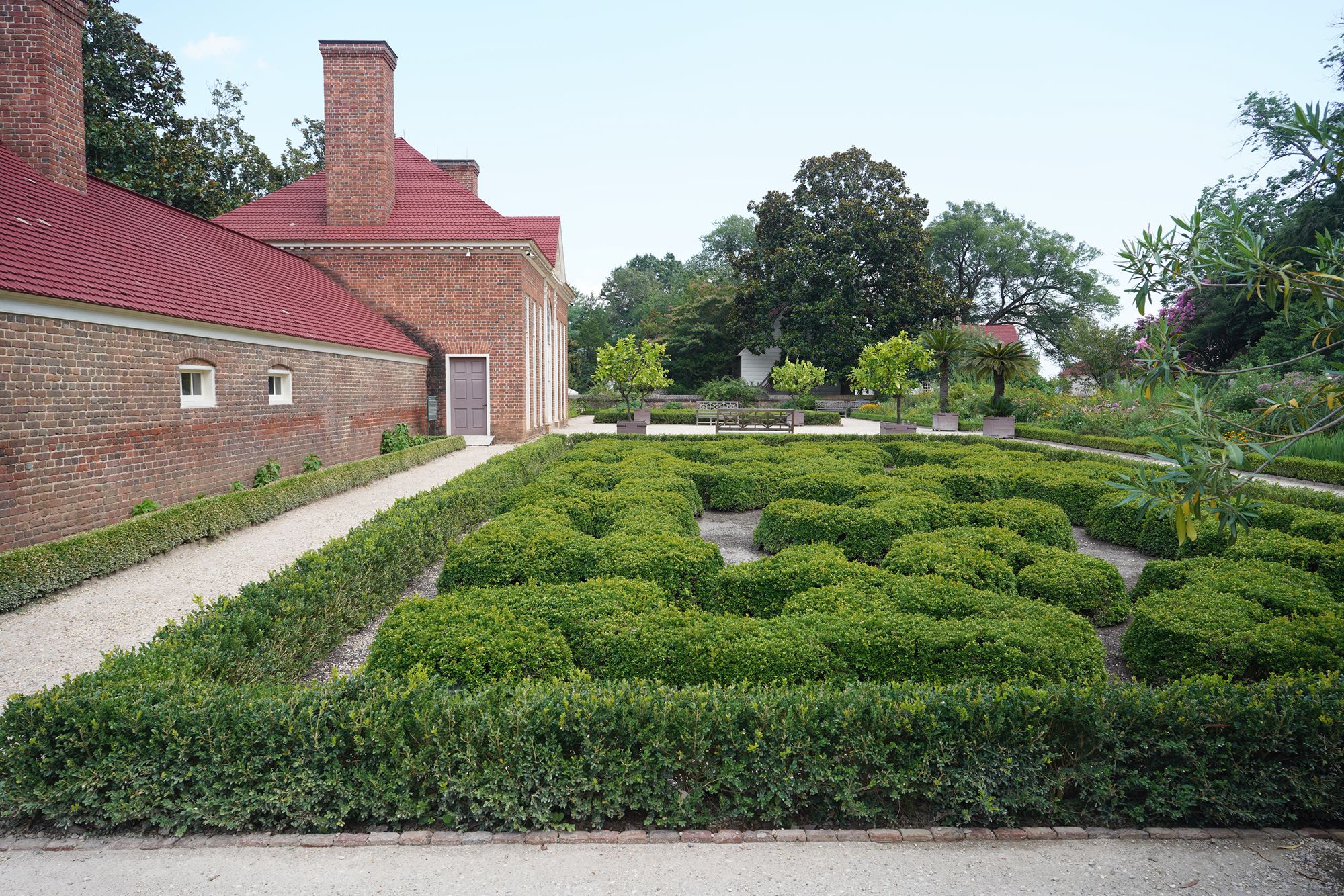
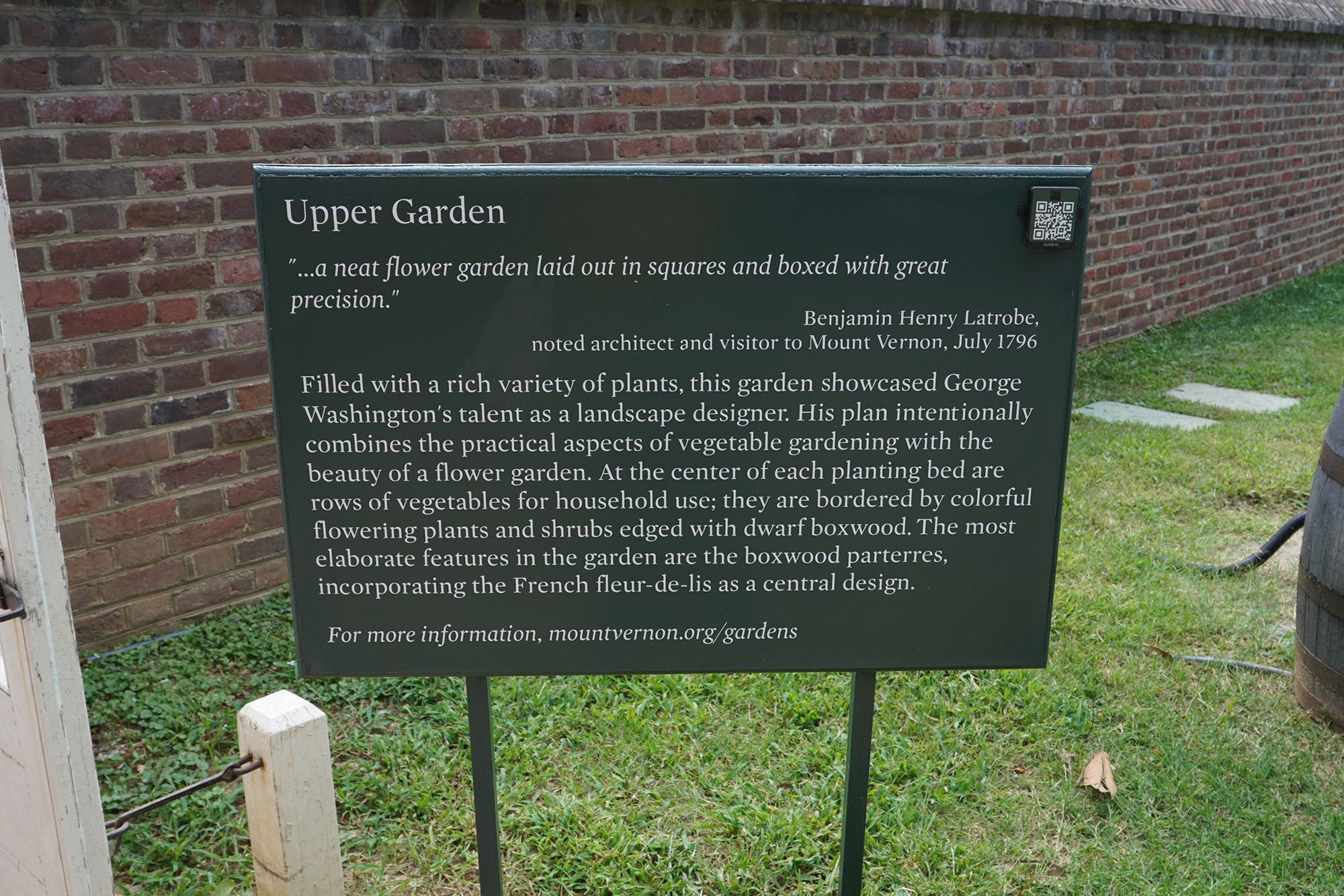
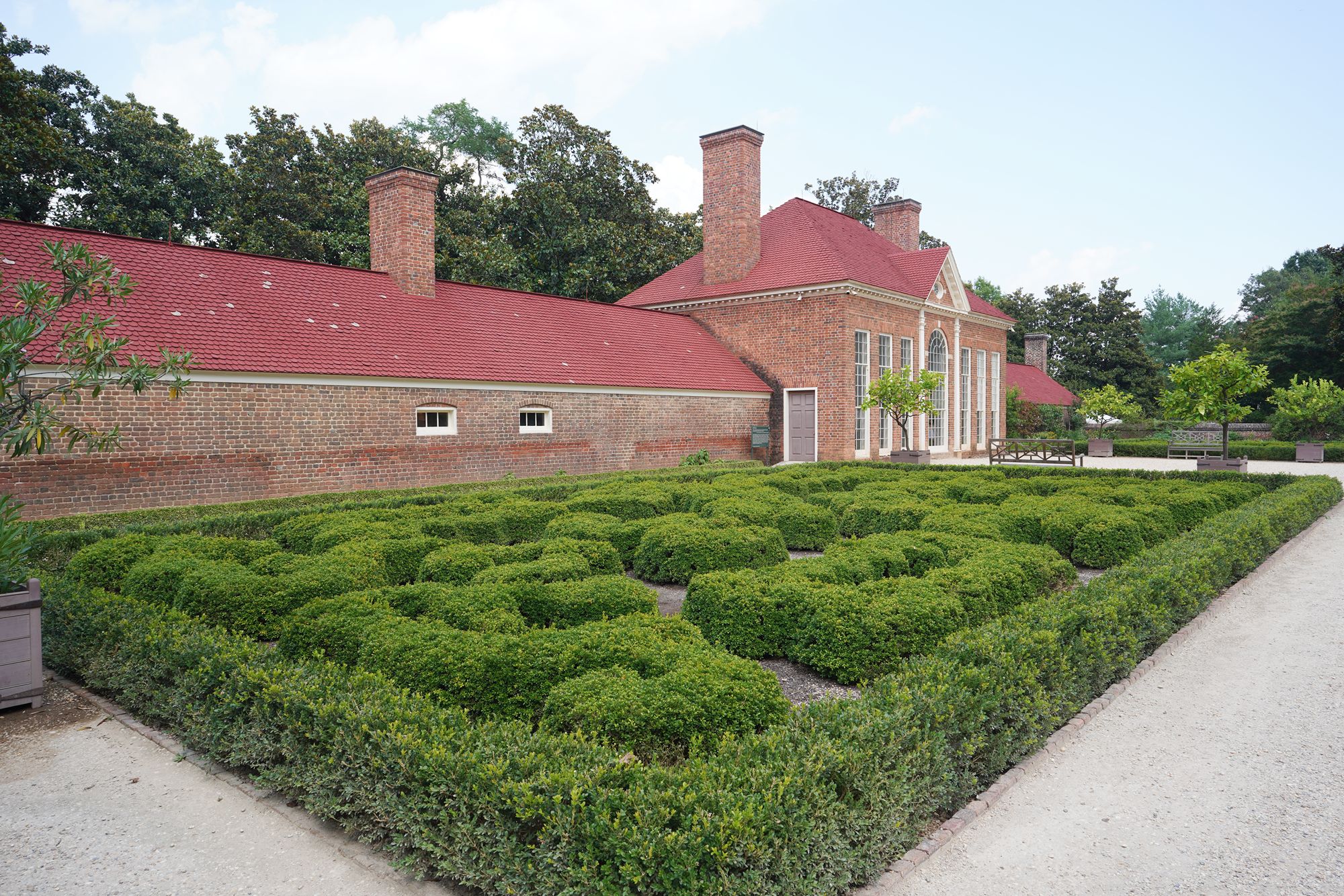
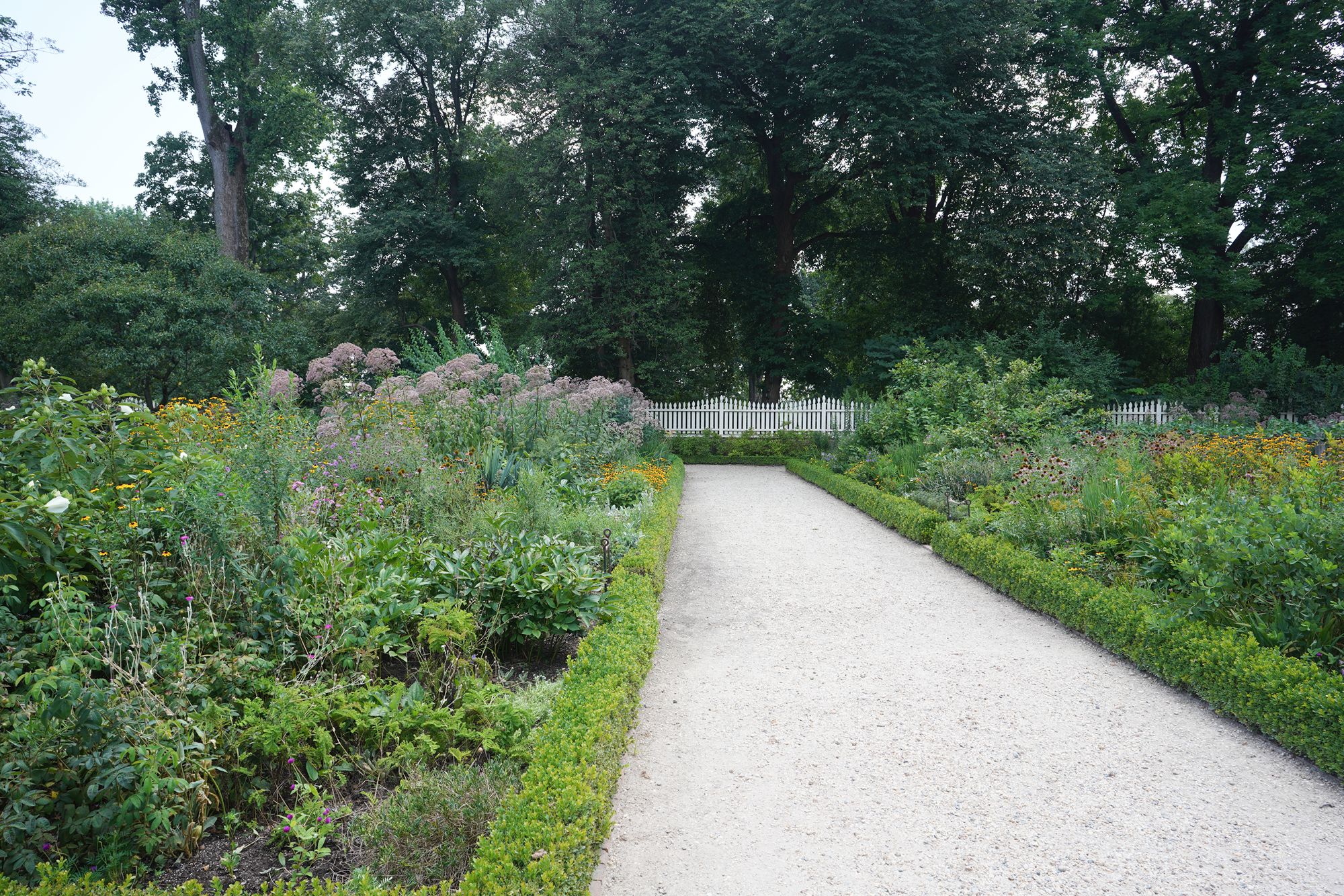
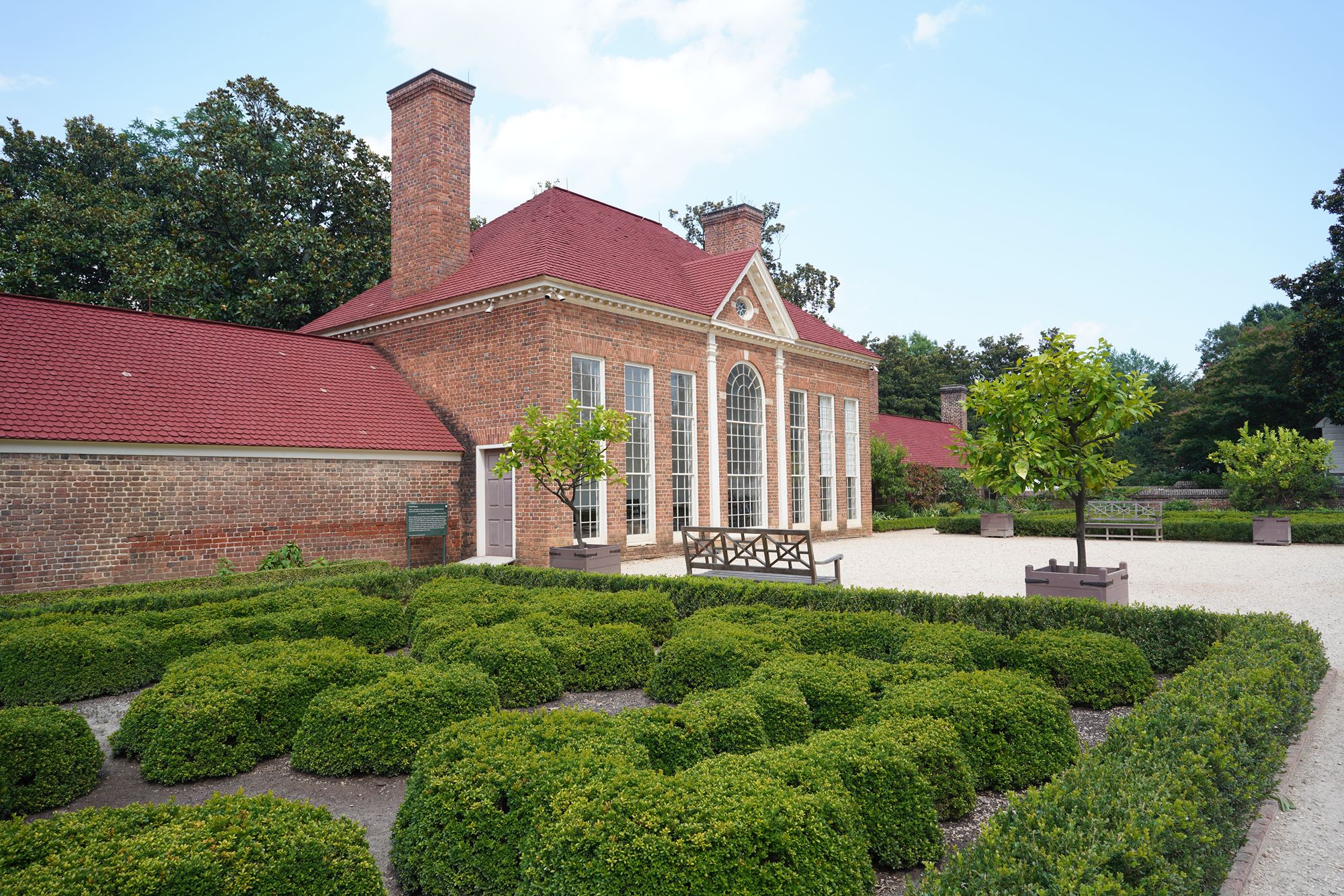
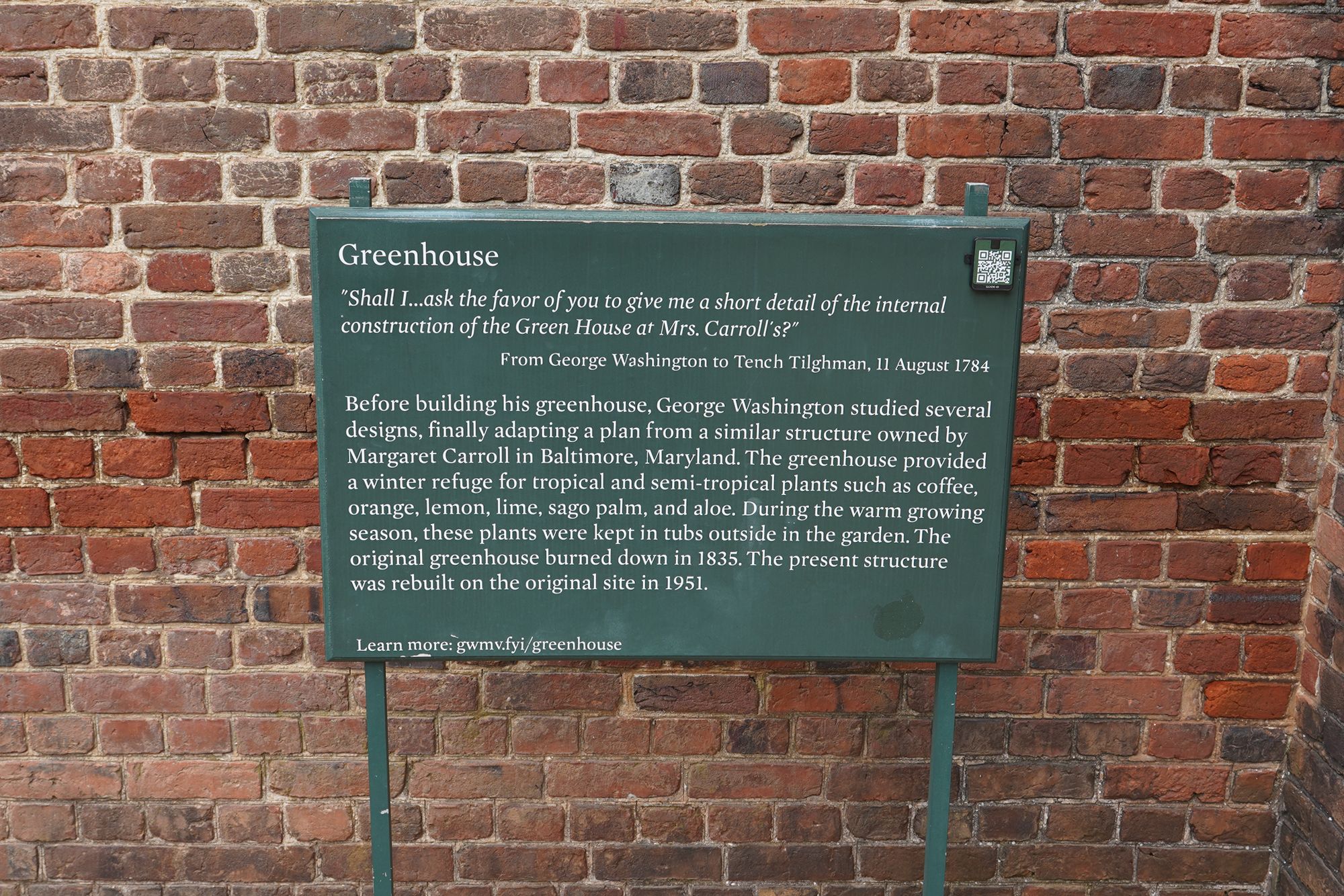
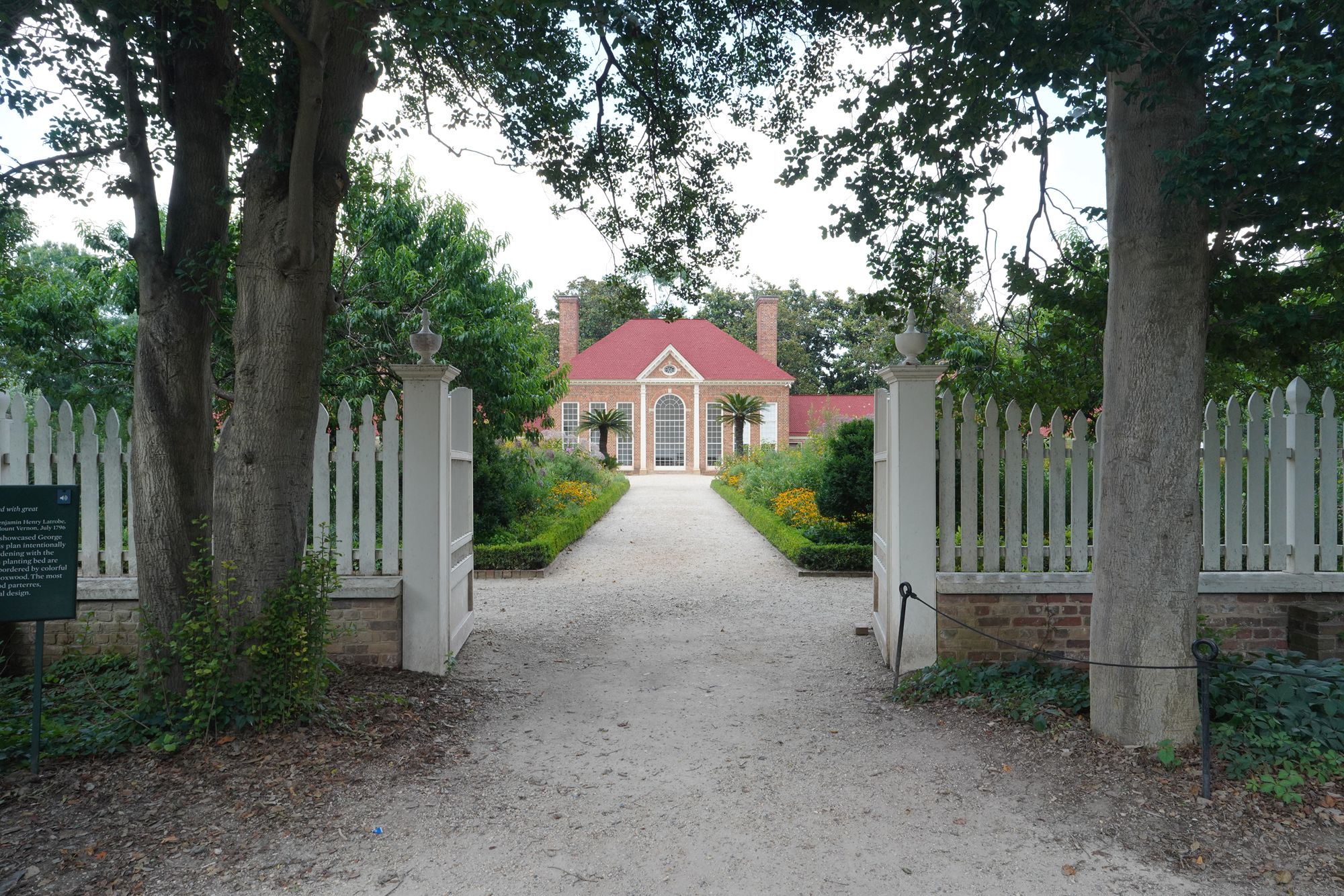
The Green House
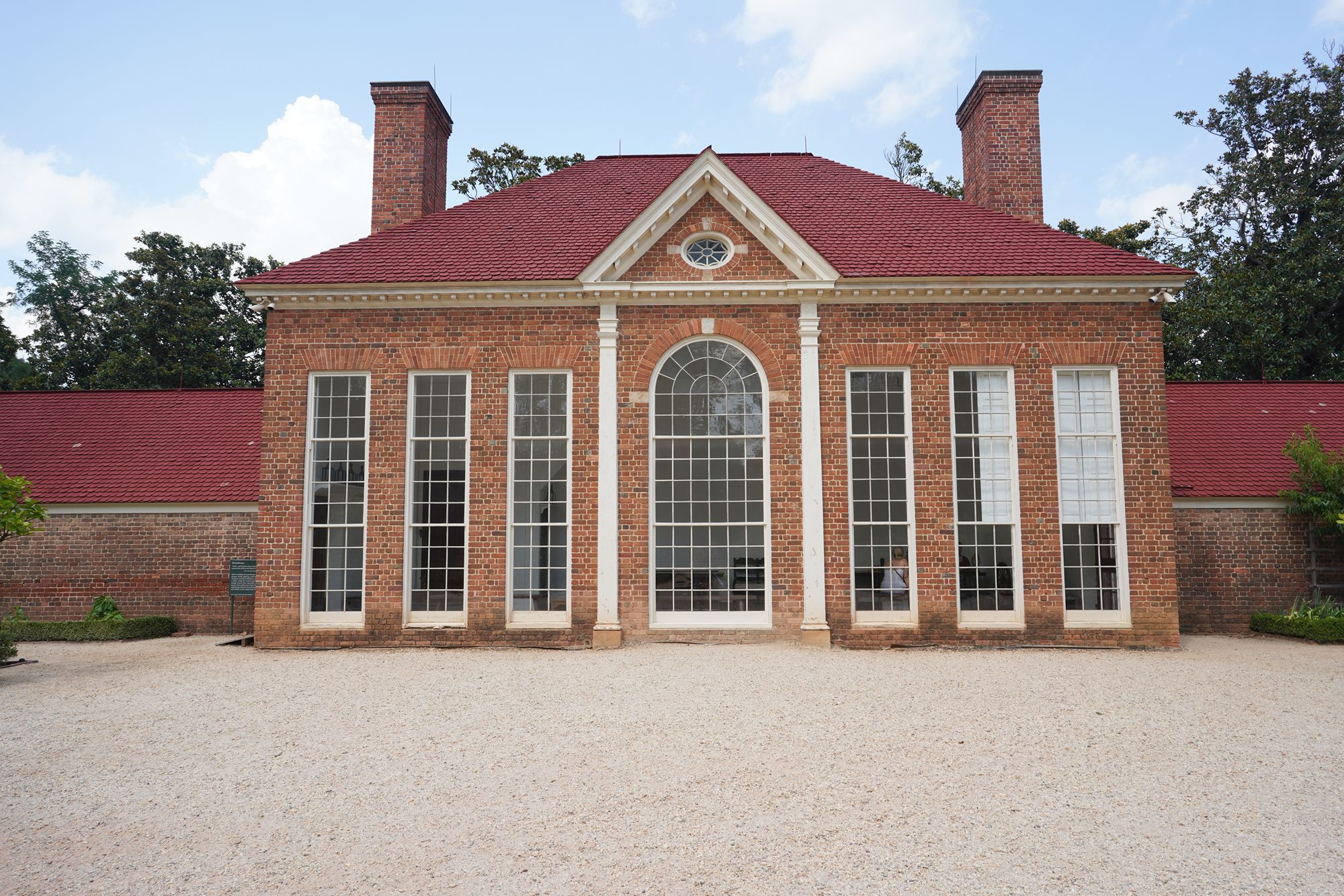
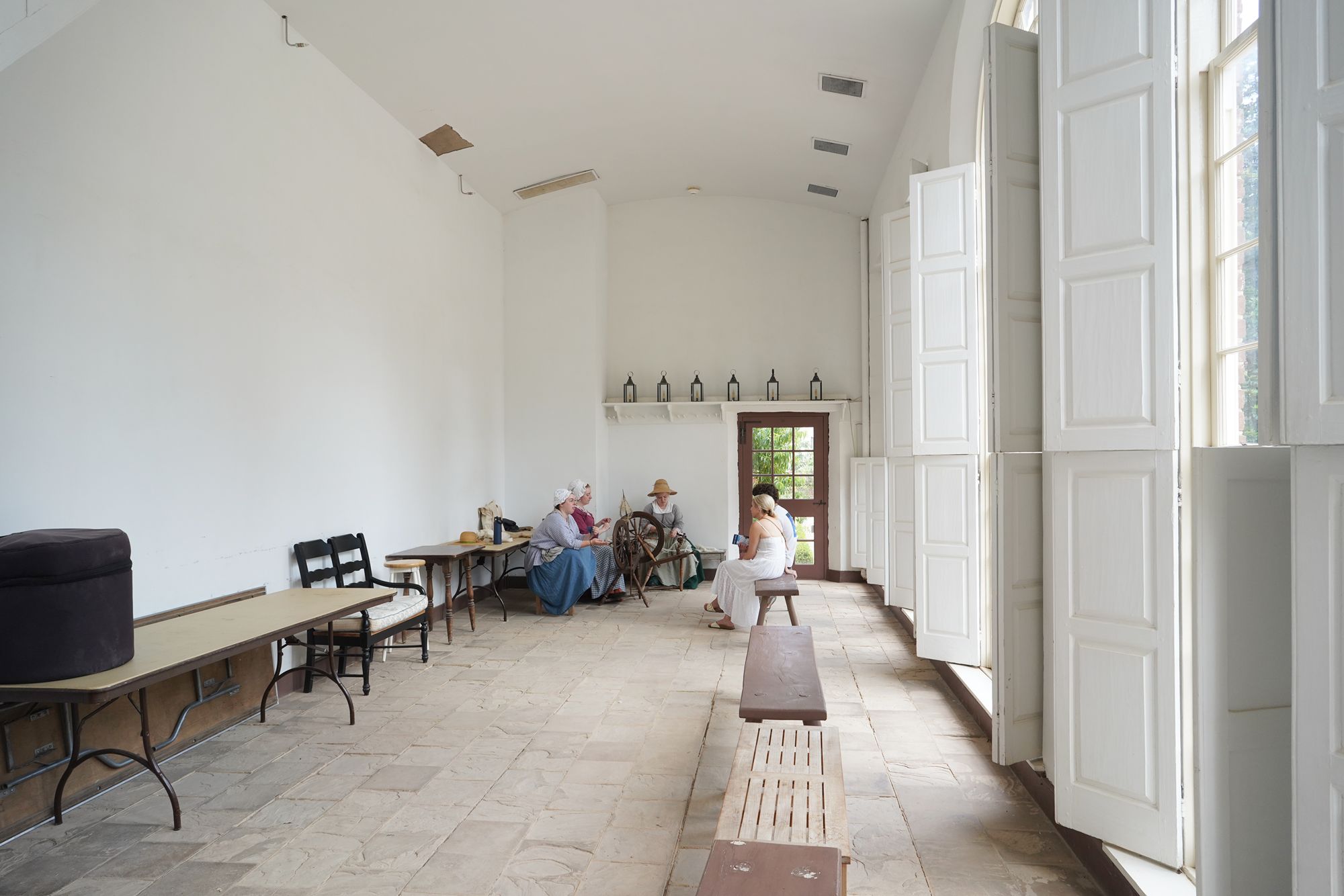
Inside the greenhouse is now used as a visitor rest area.
The greenhouse viewed from a distance.
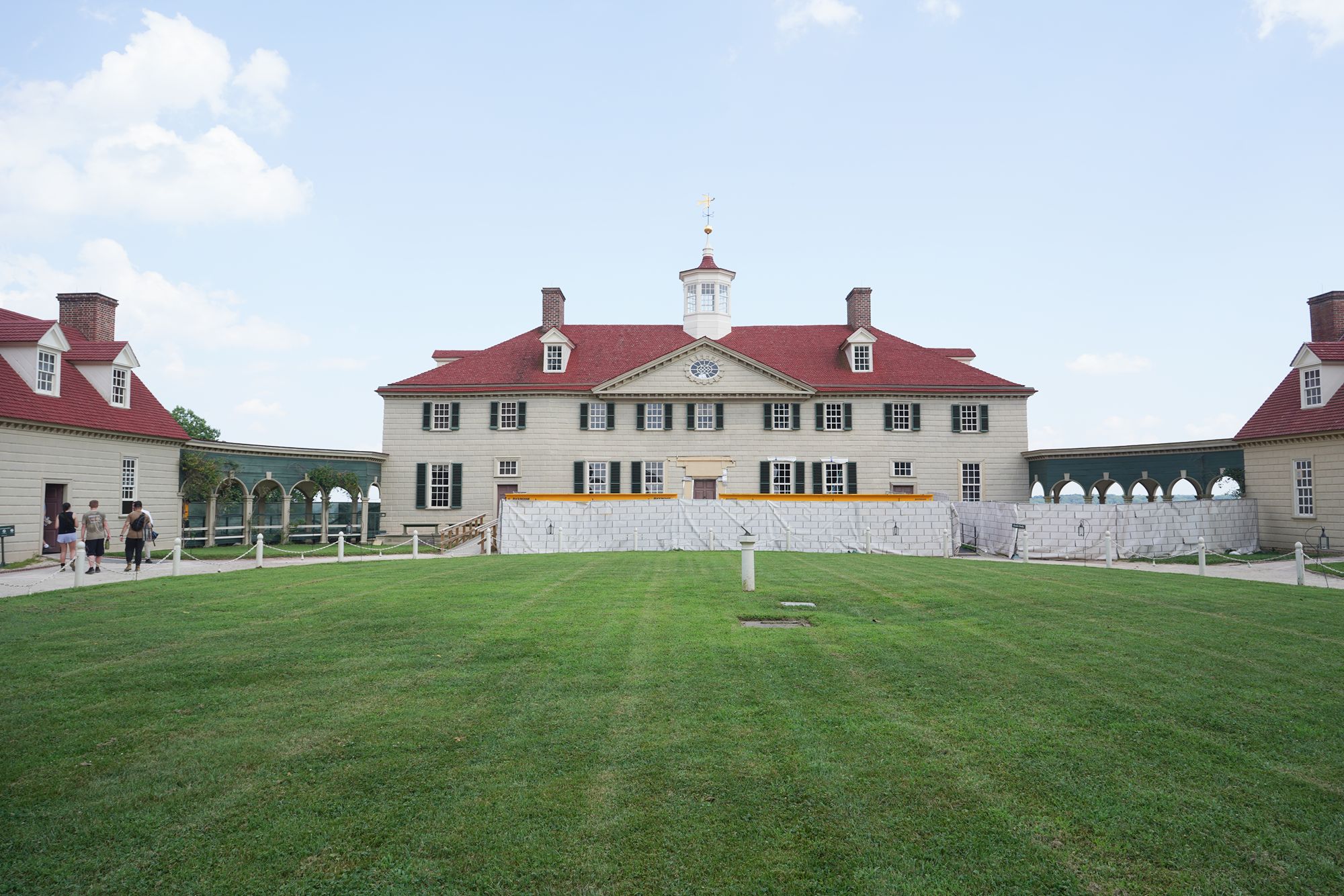
In front of the main house
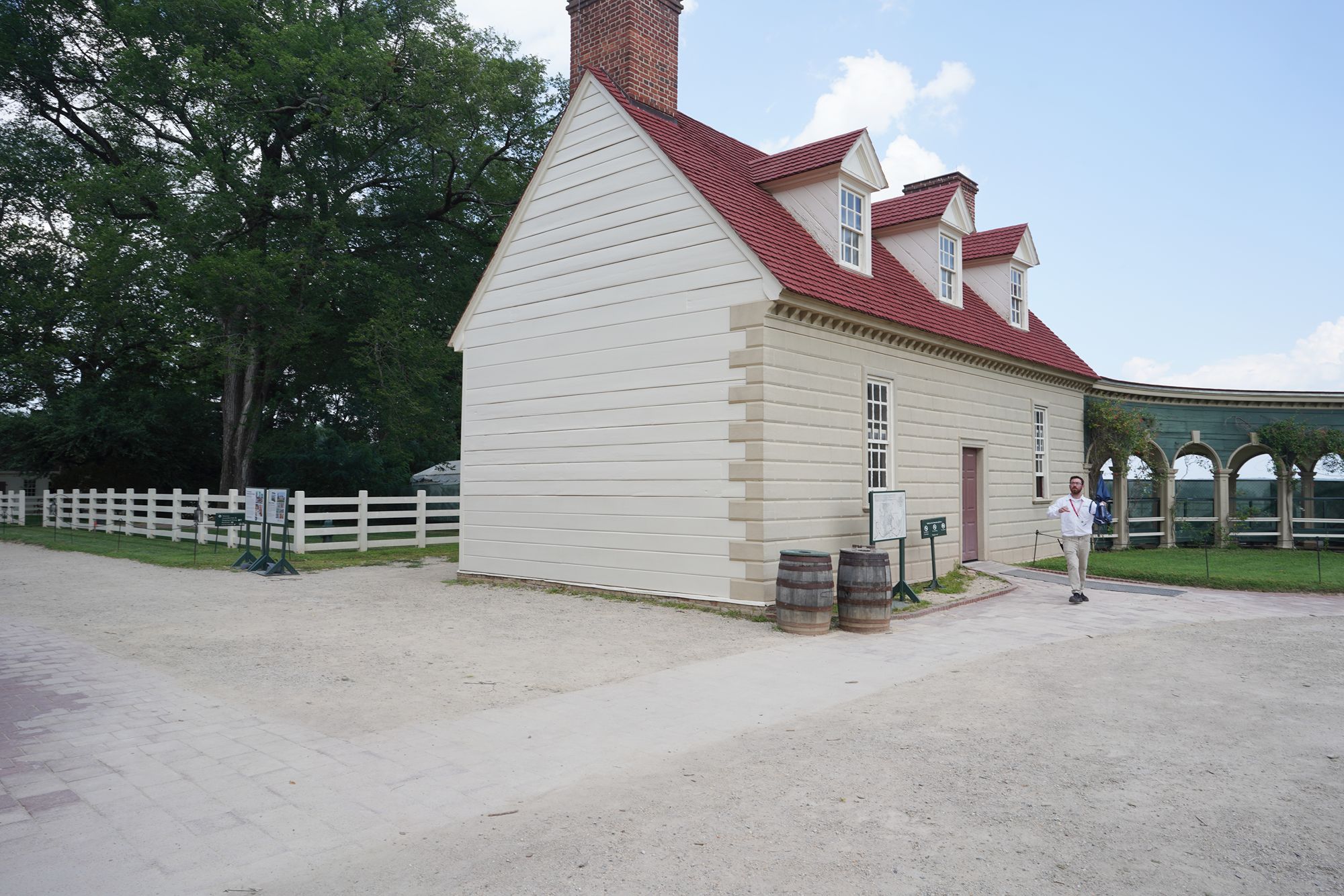
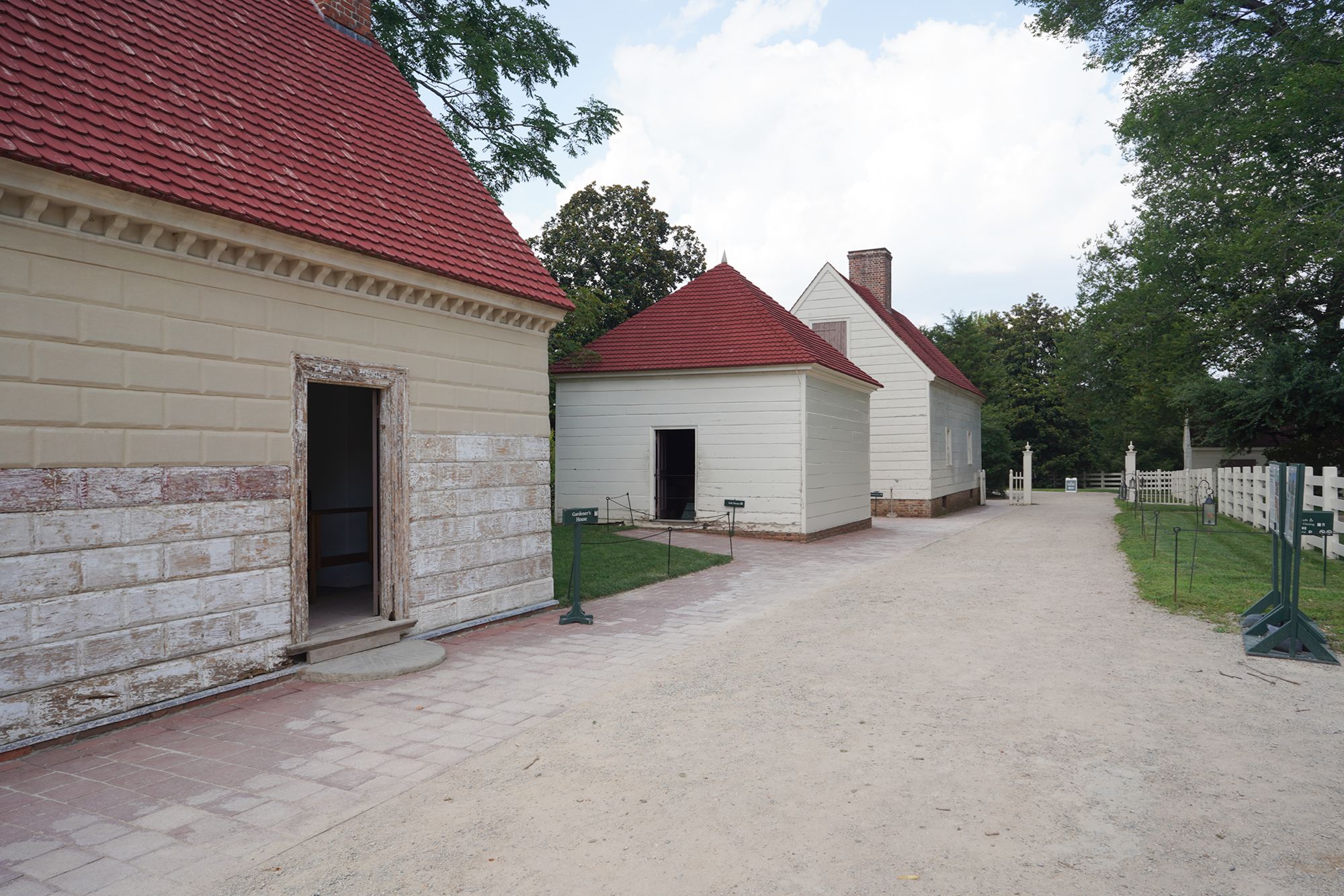
Gardener's House
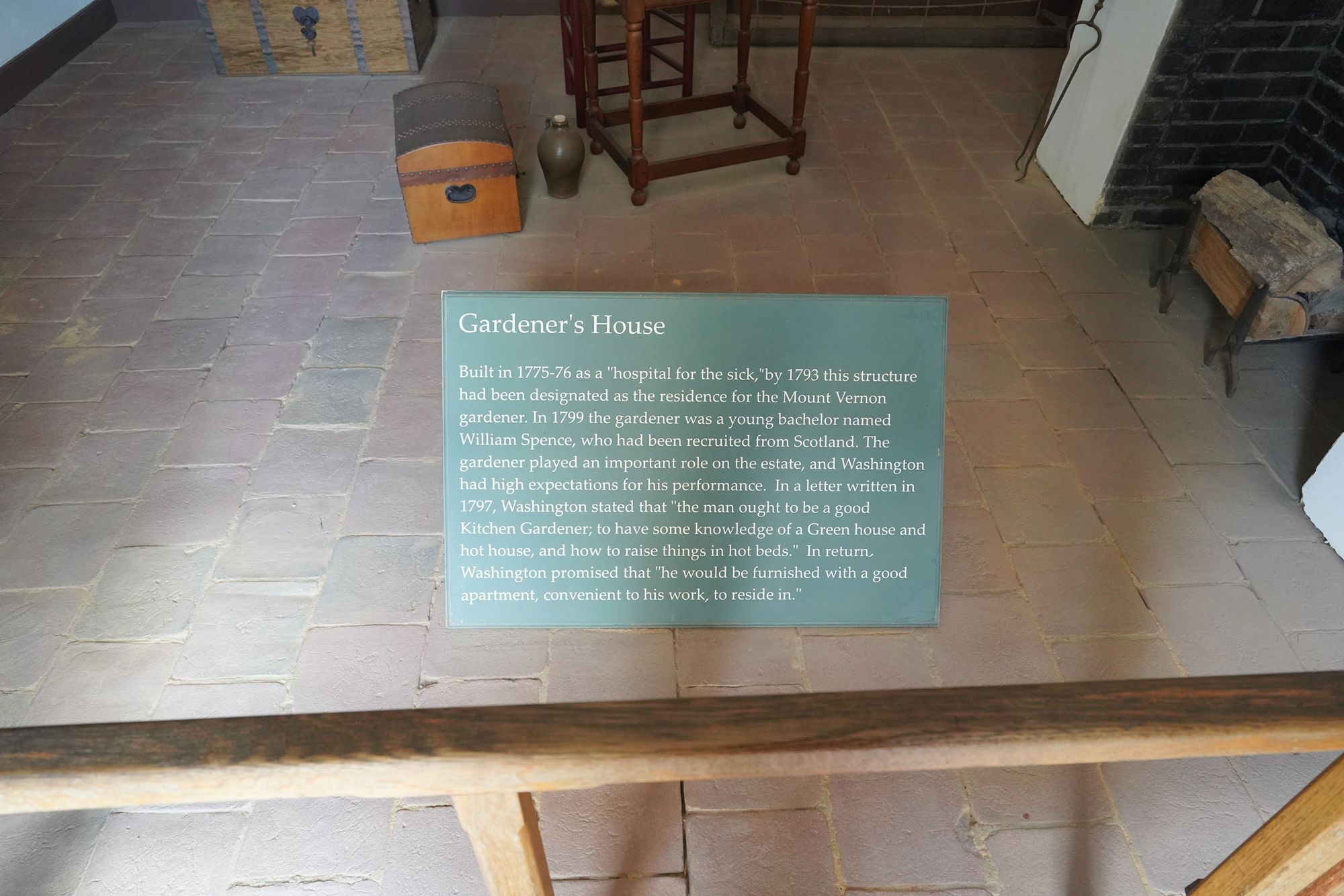
Salt House
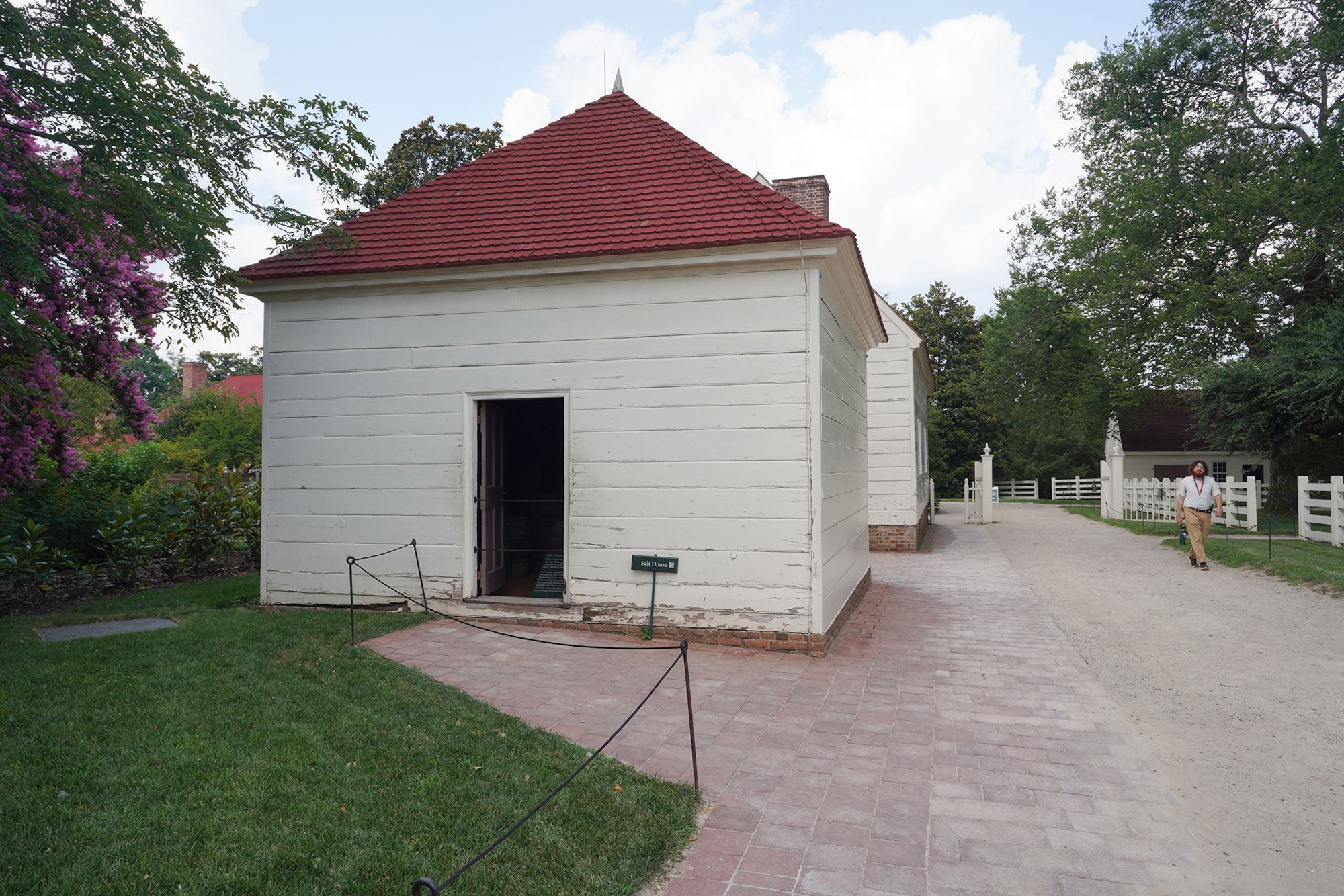
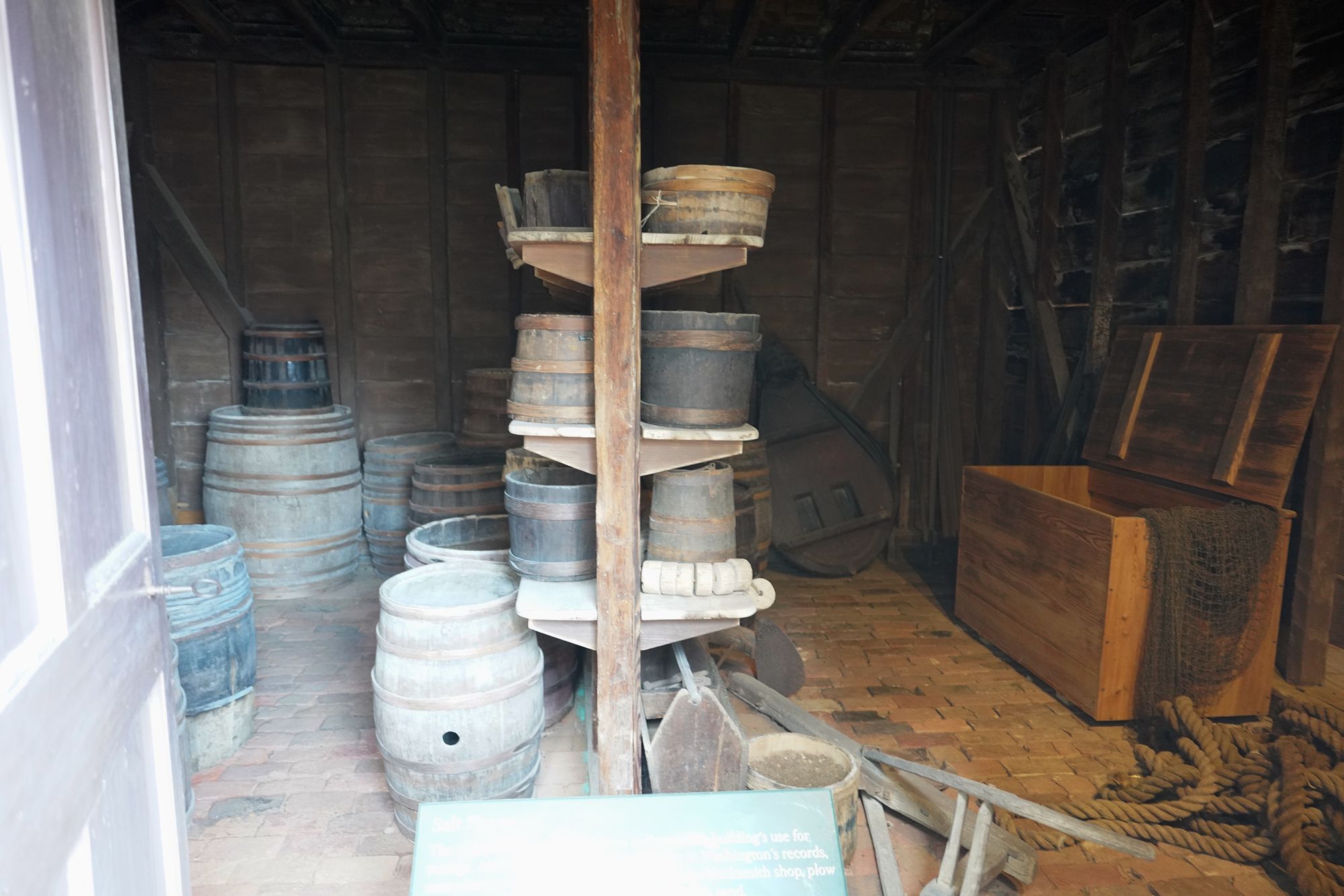
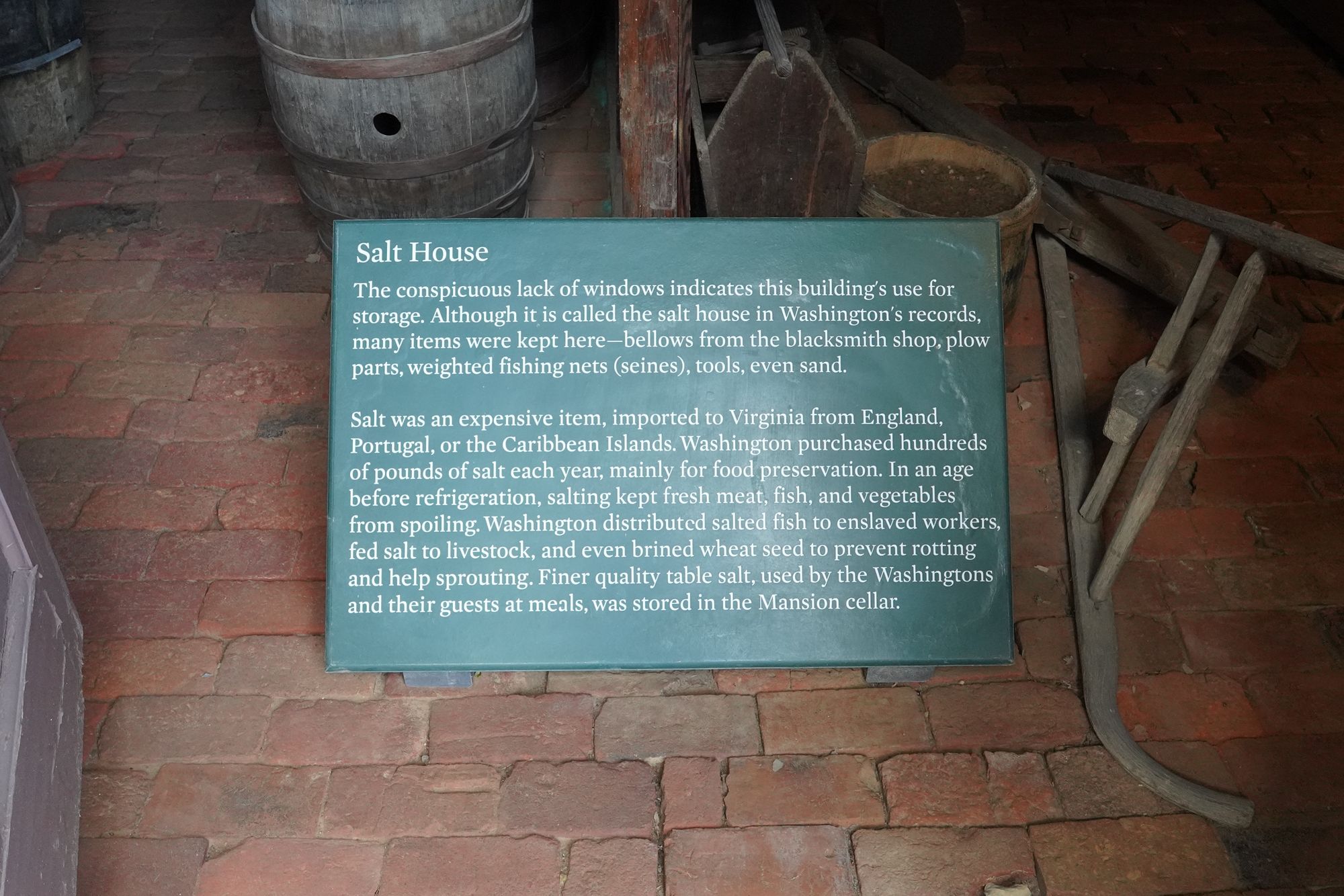
Spinning House
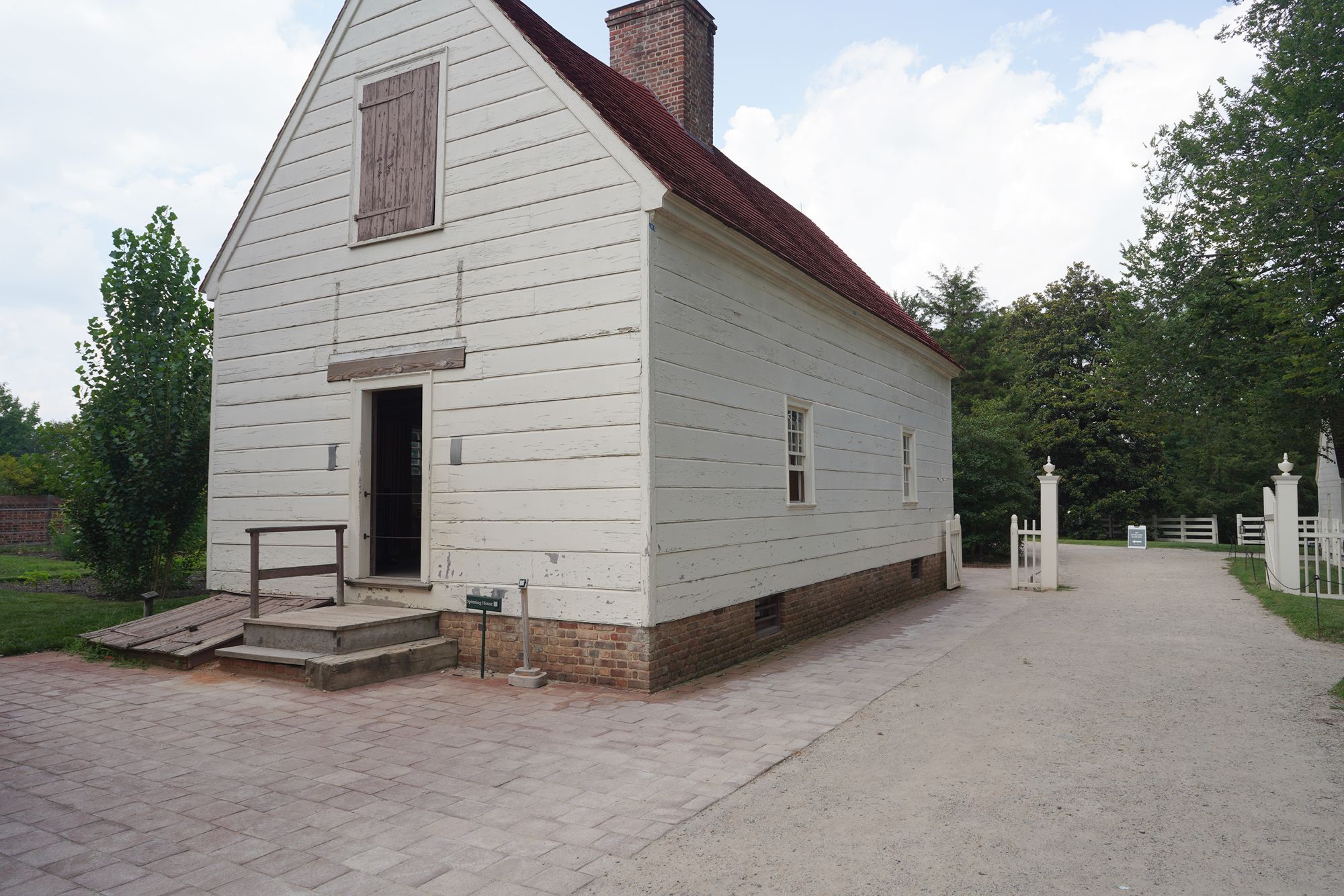
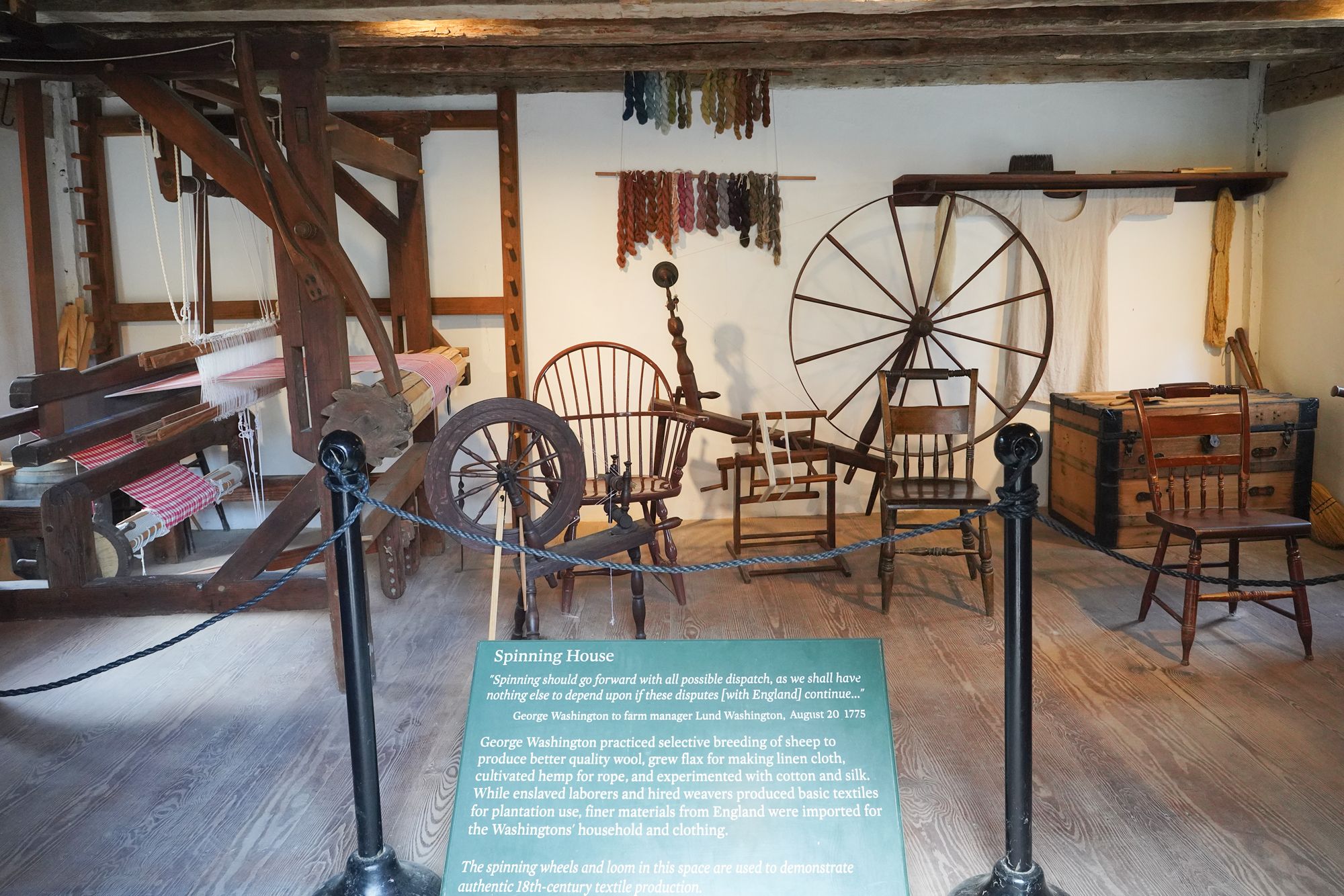
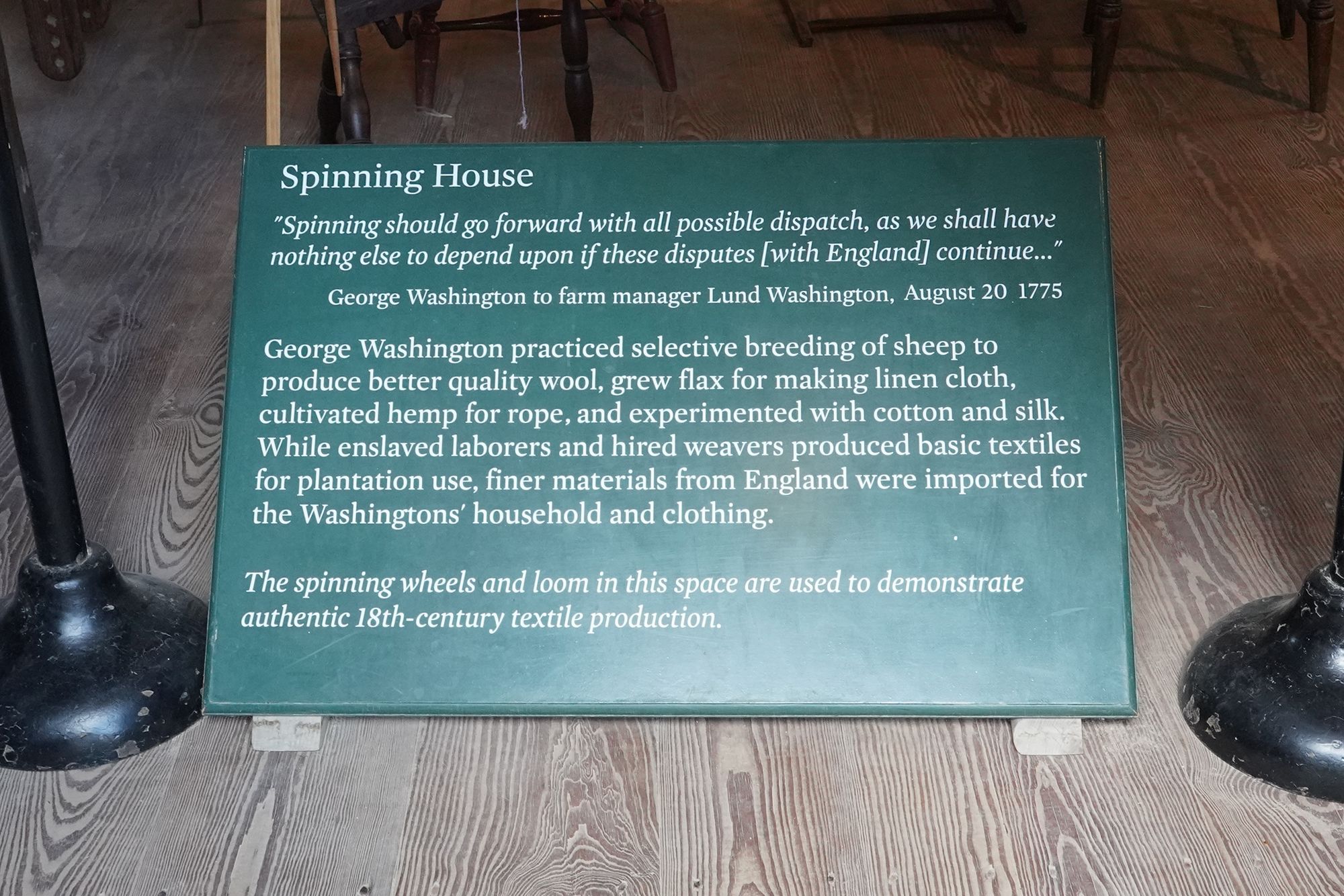
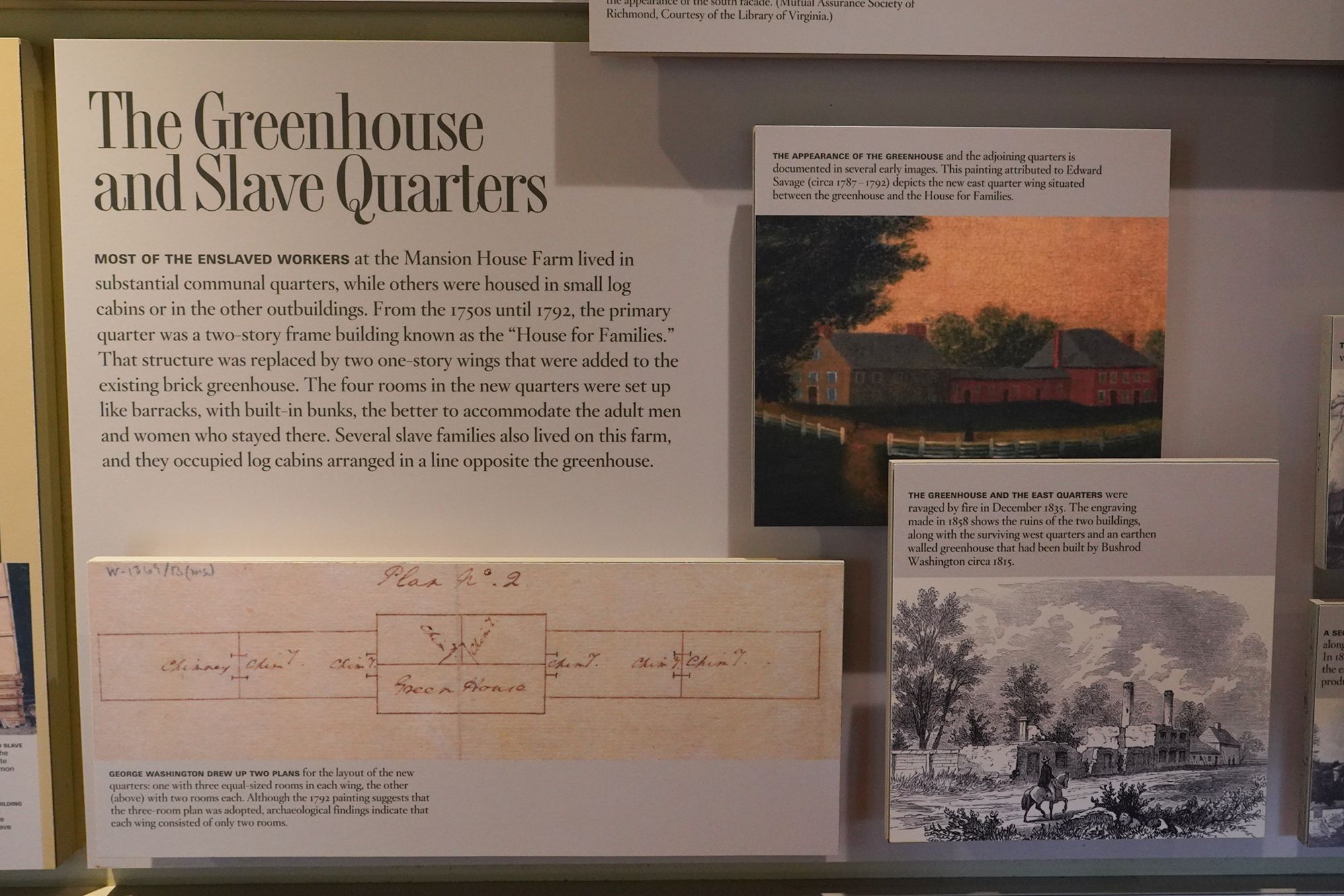
The building farthest away is the slave quarters, part of the same structure as the Greenhouse but located behind it.
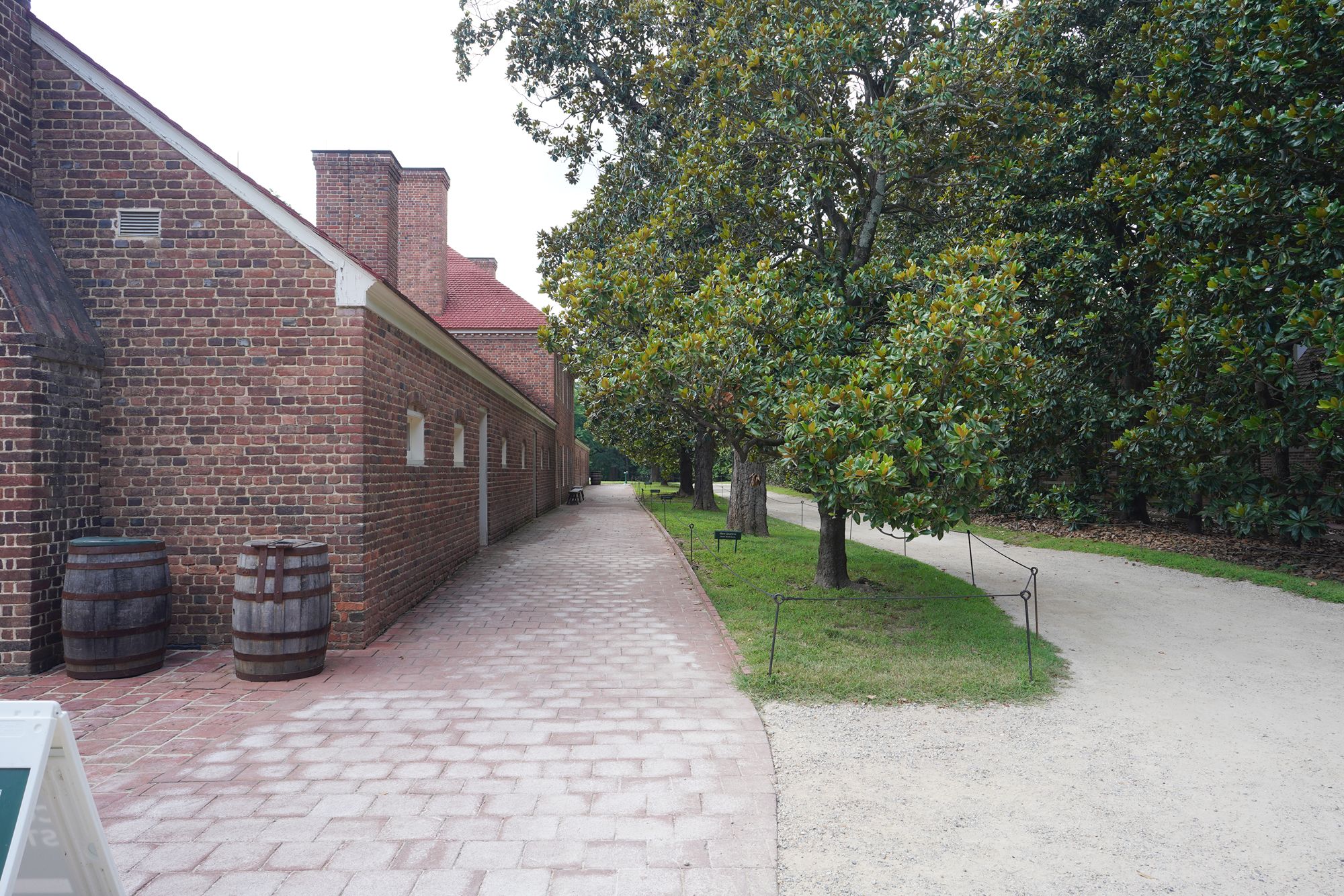
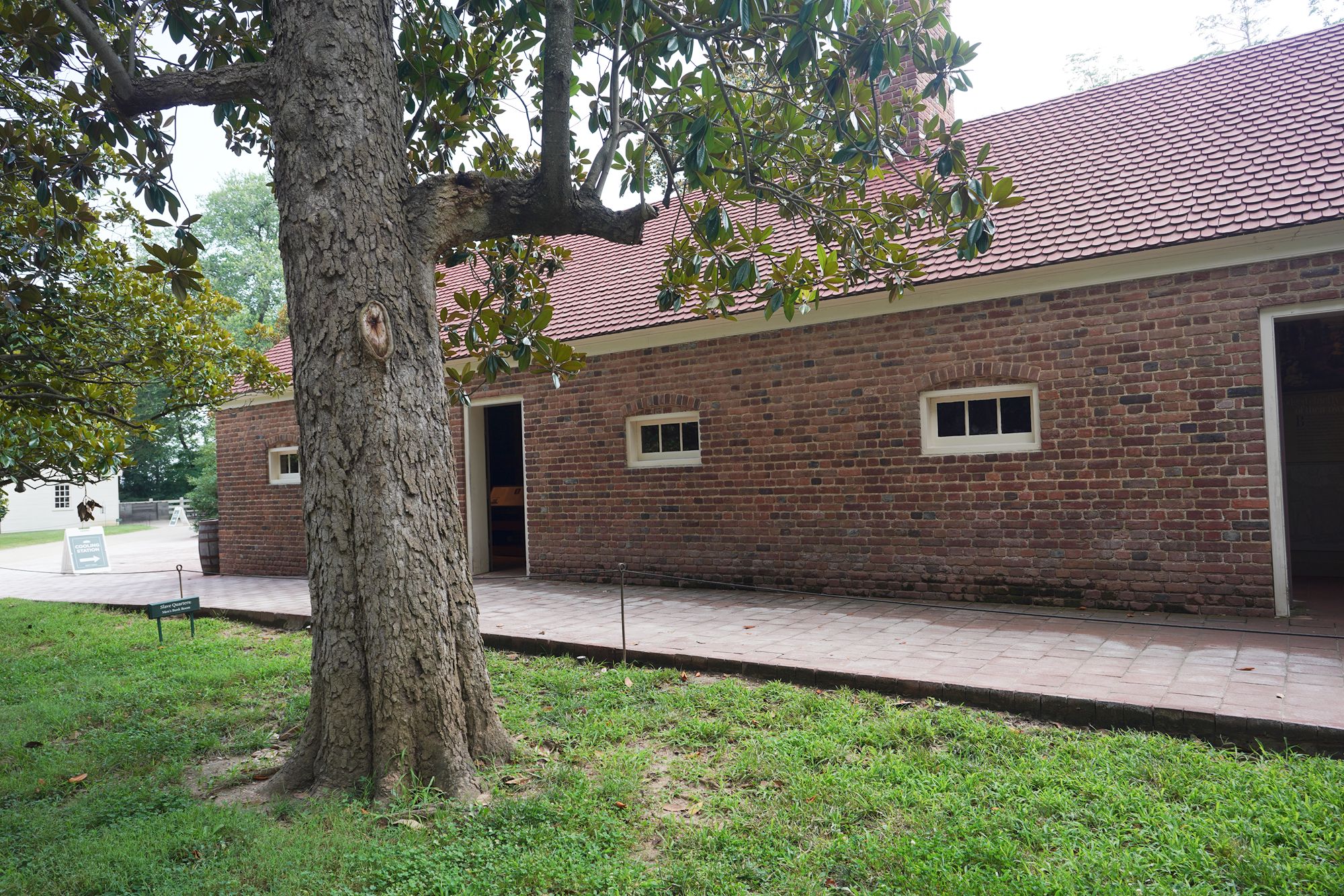
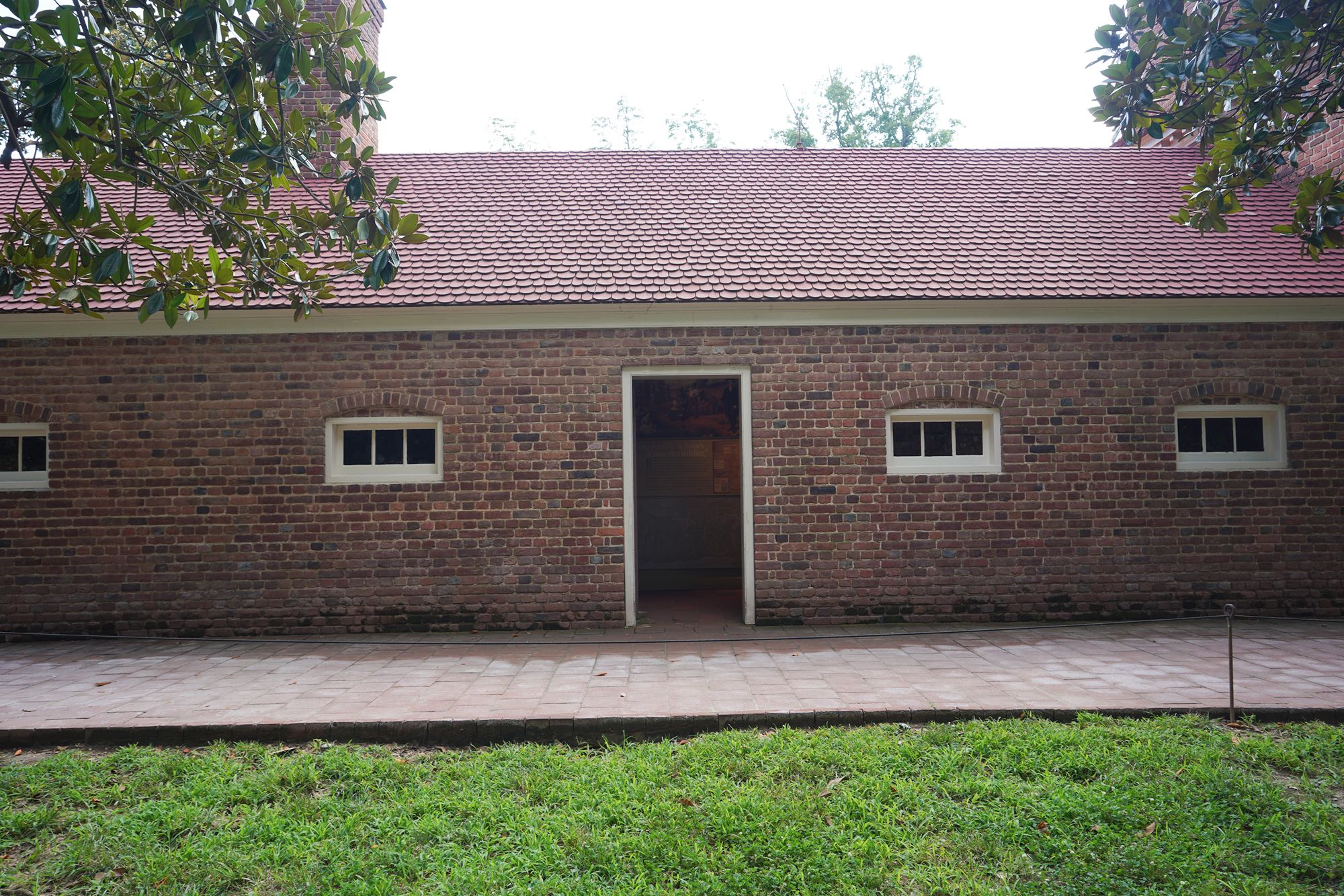
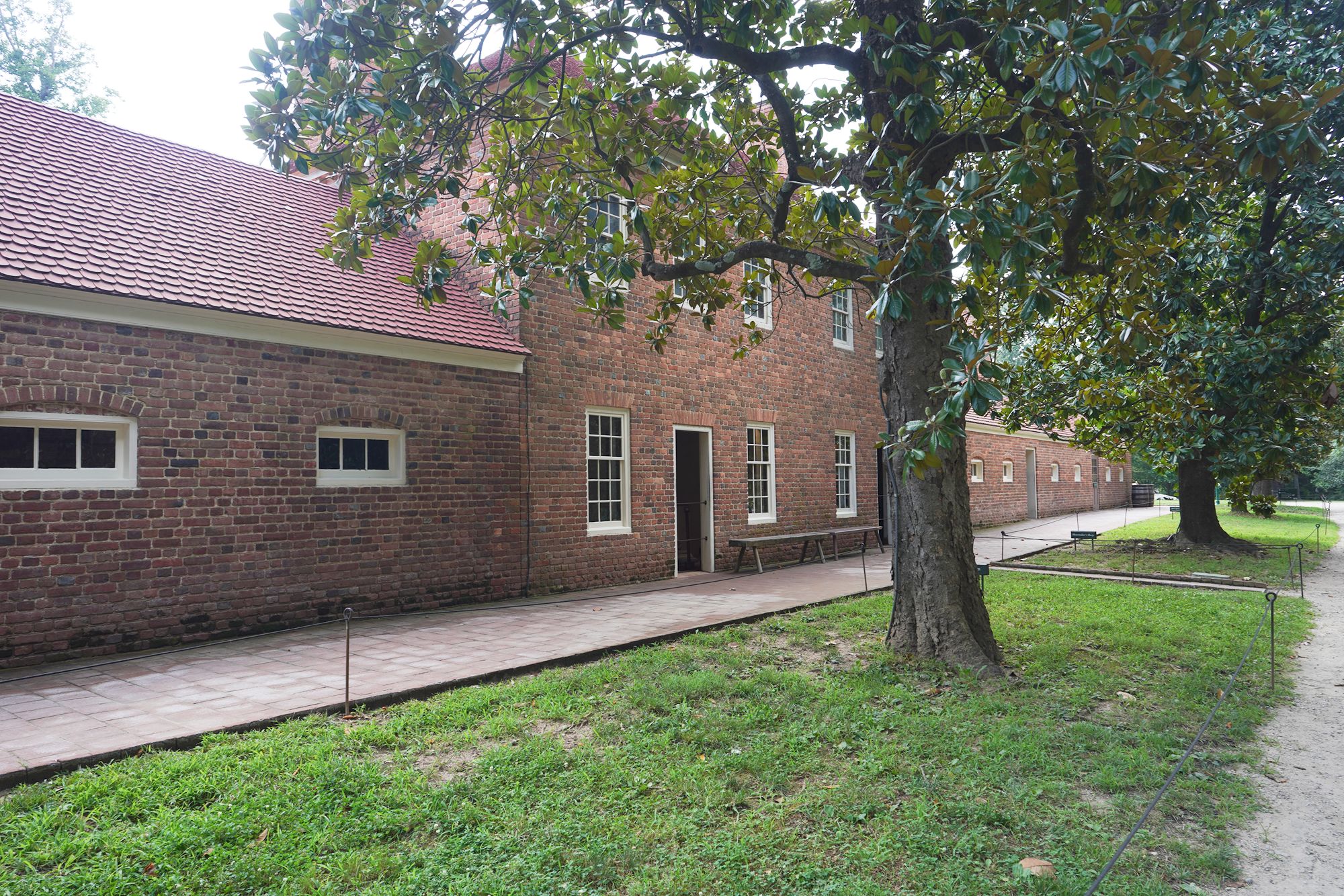
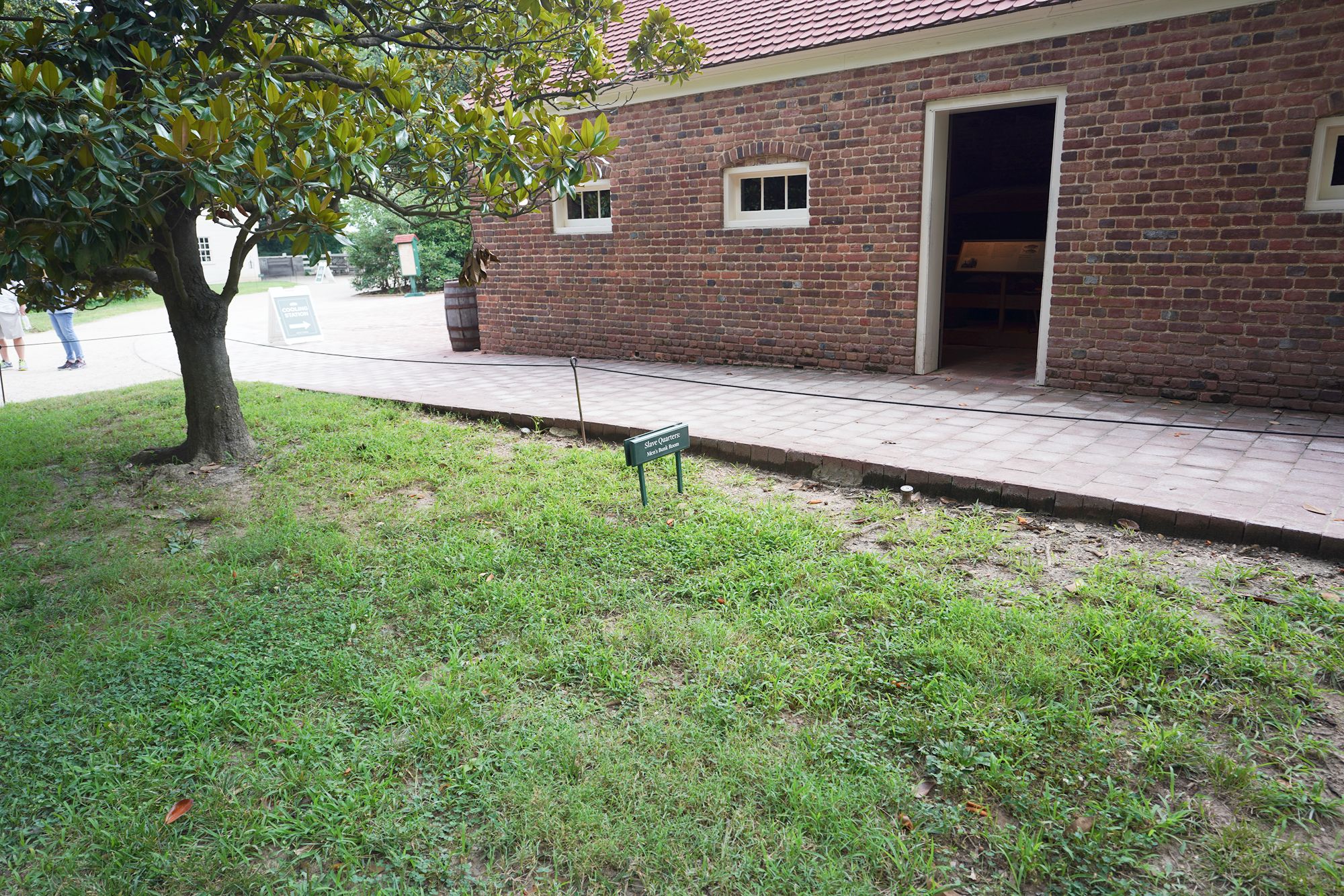
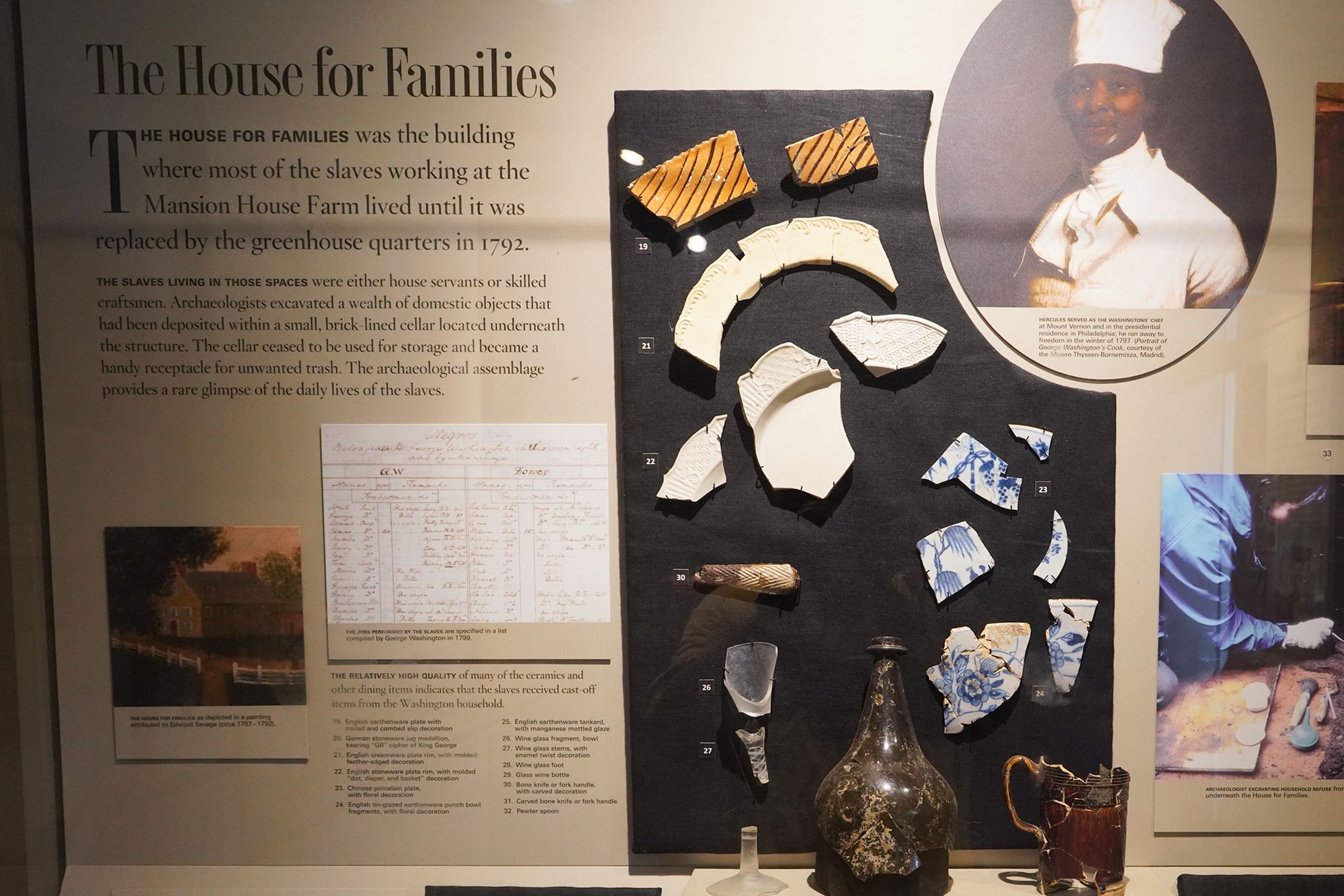
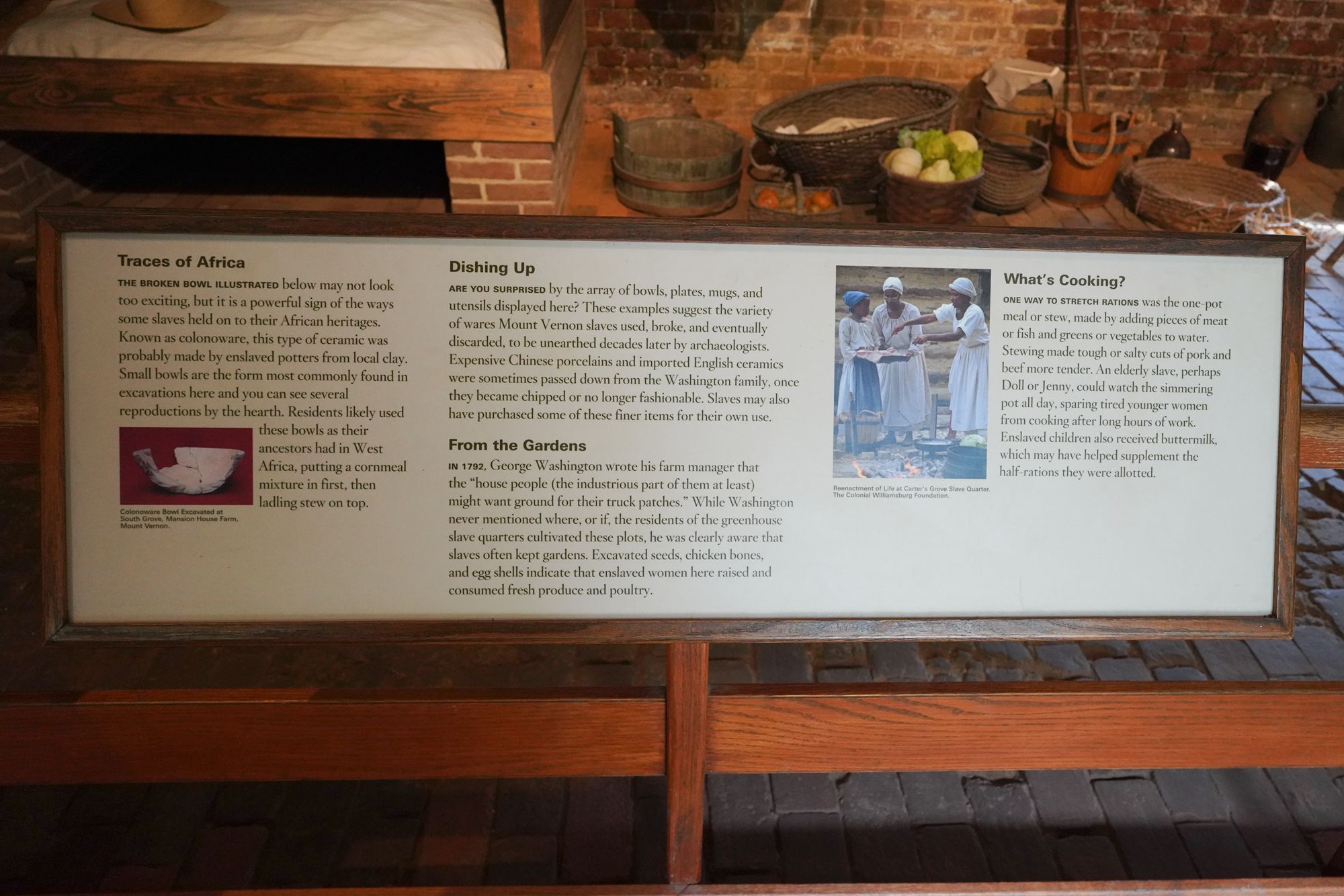
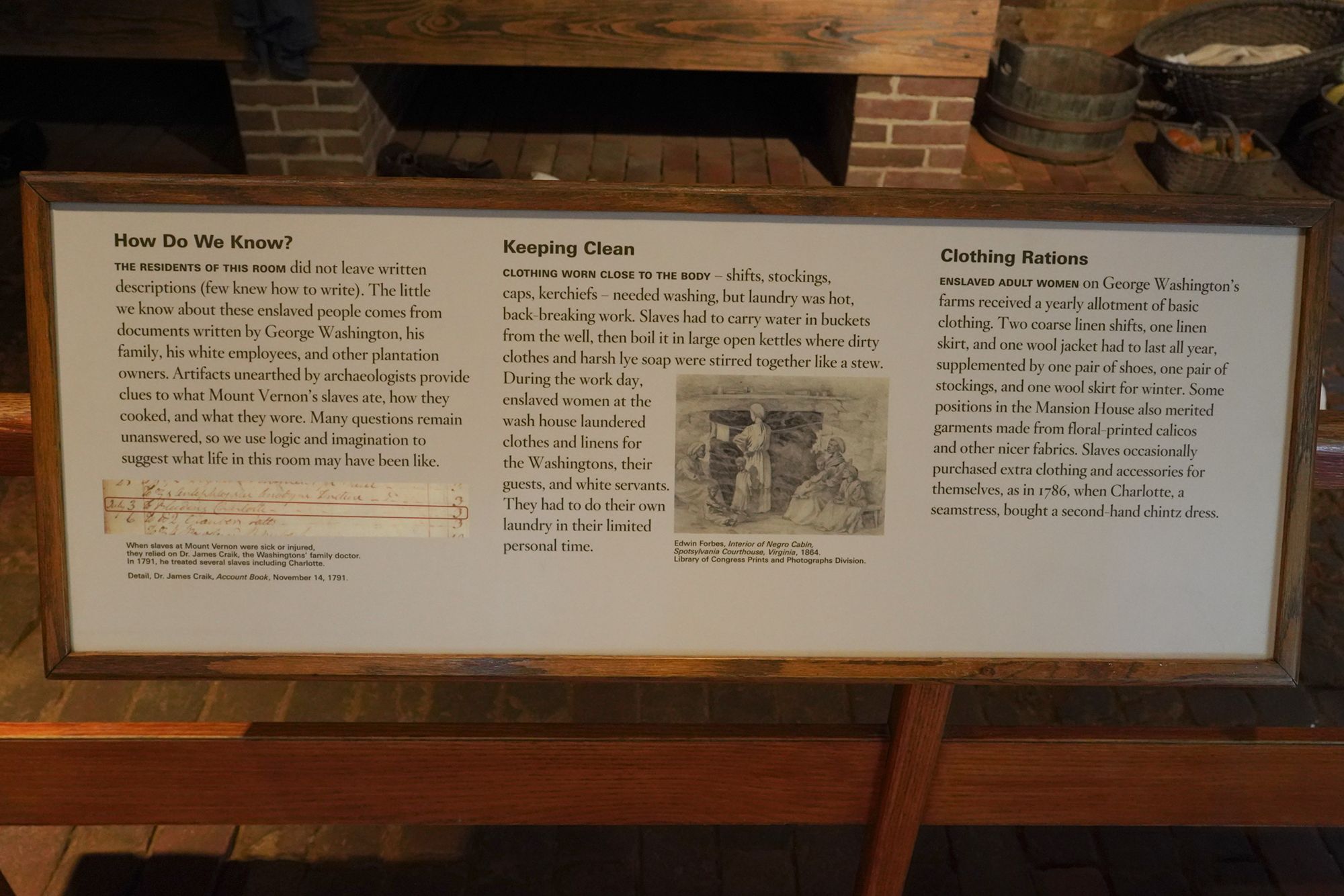
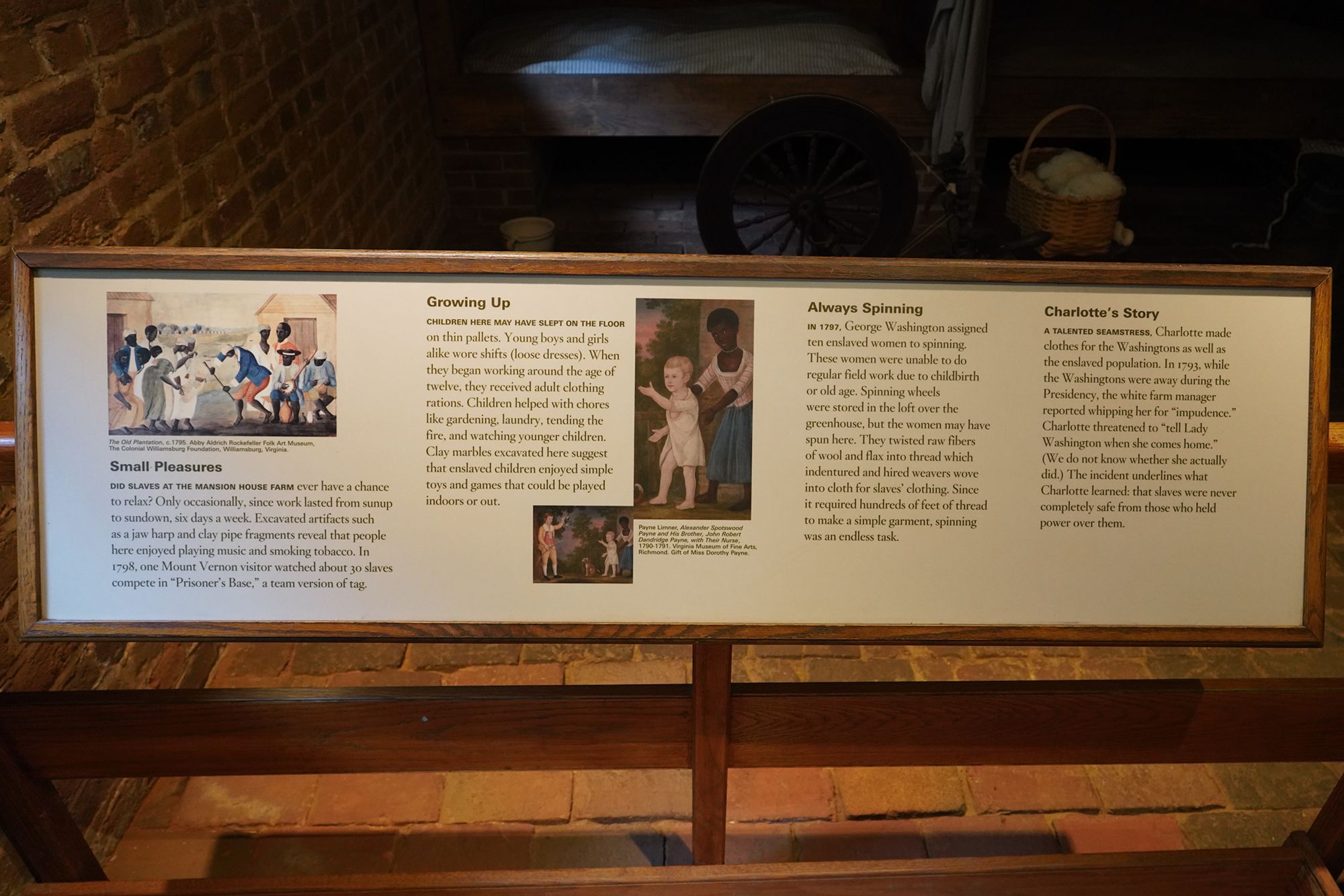
In the slave quarters, the people lived in small bunk rooms with minimal furnishings.
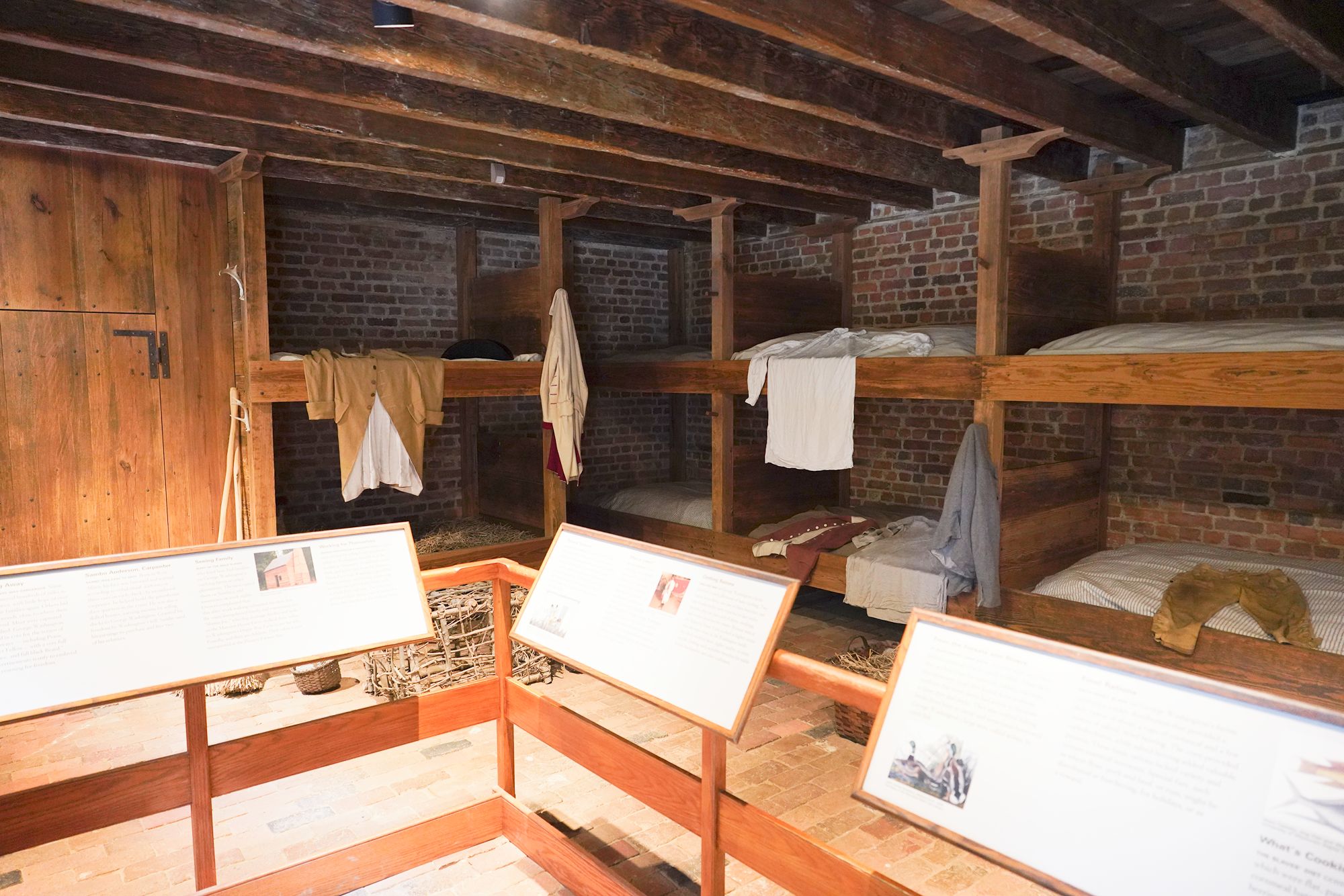
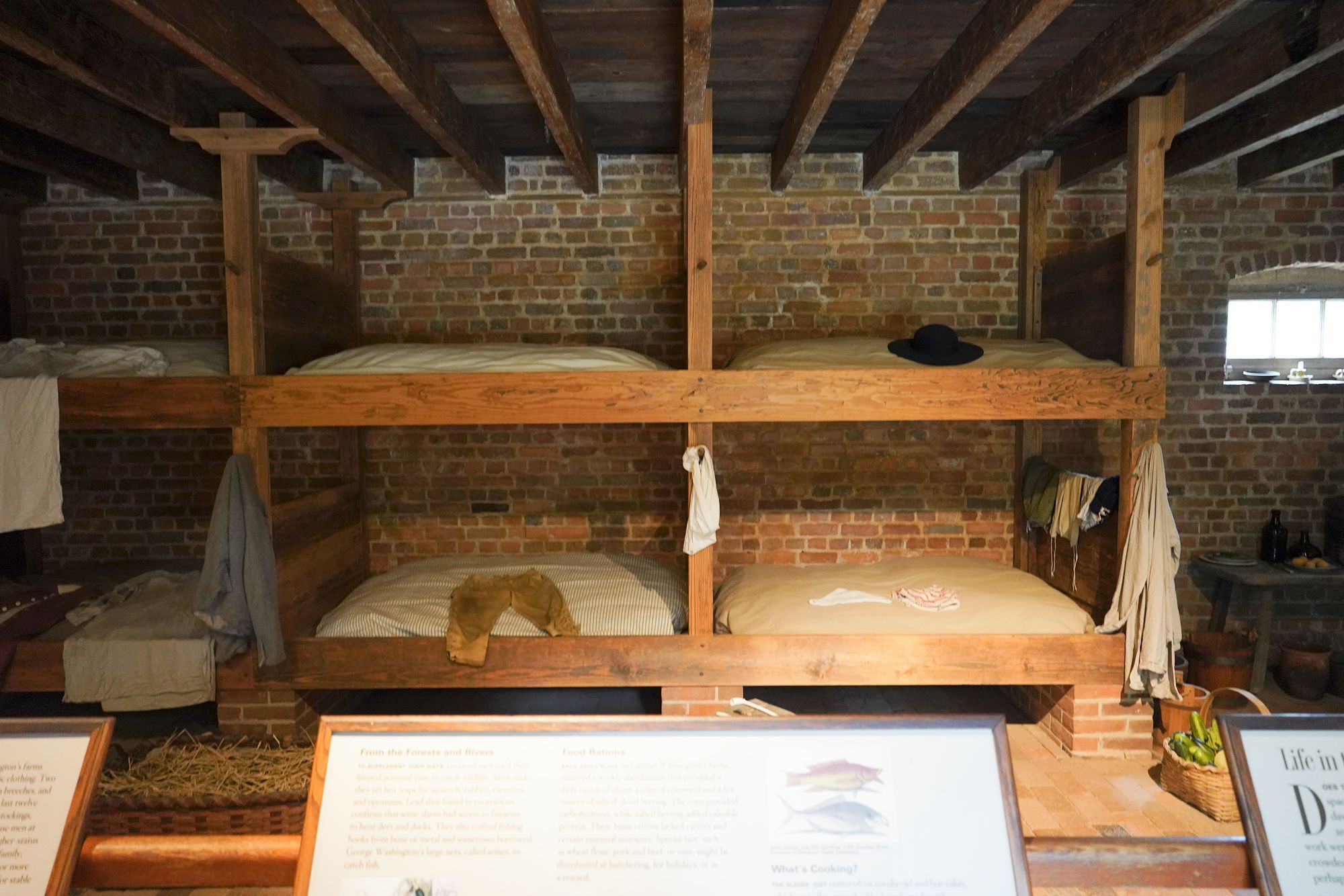
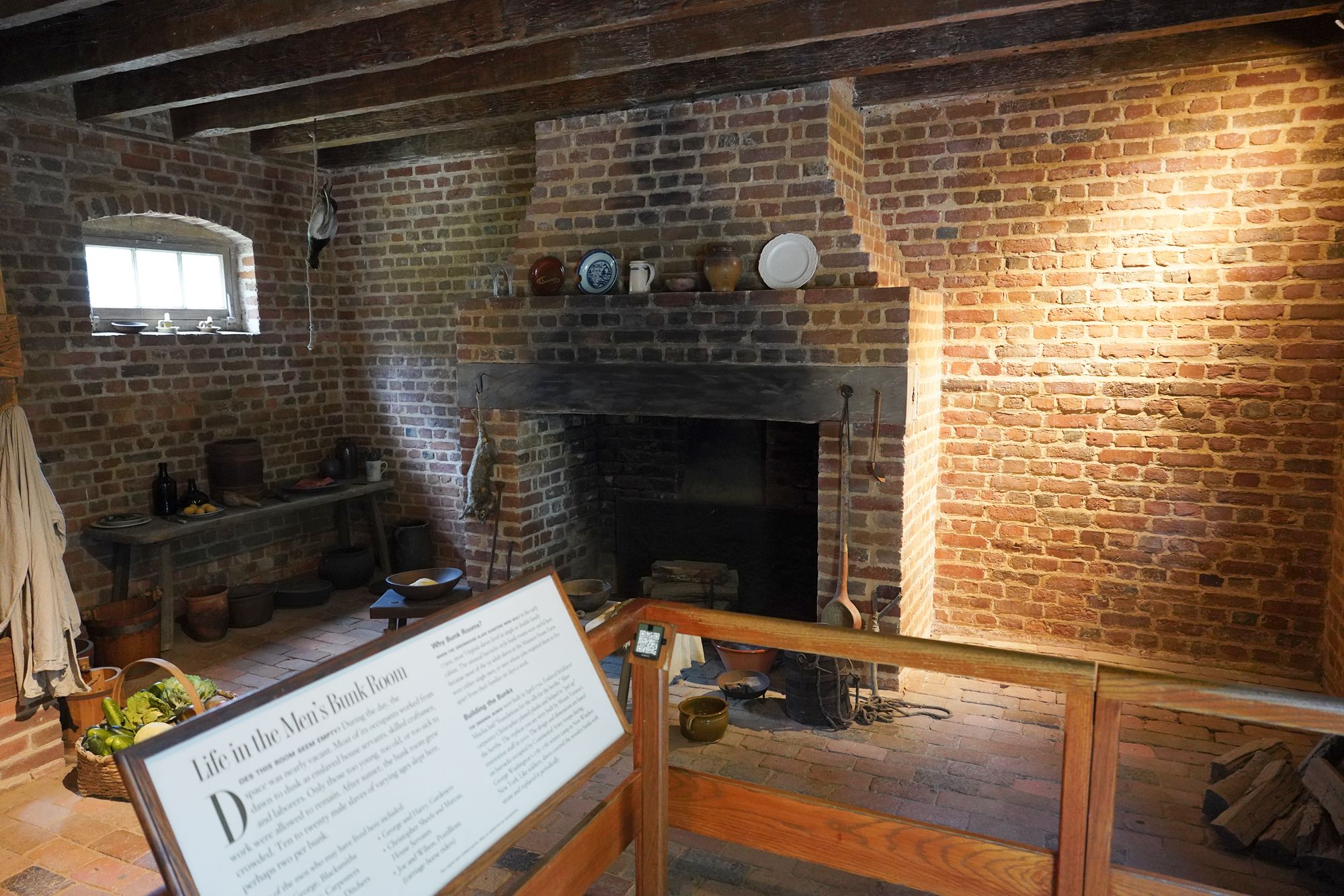
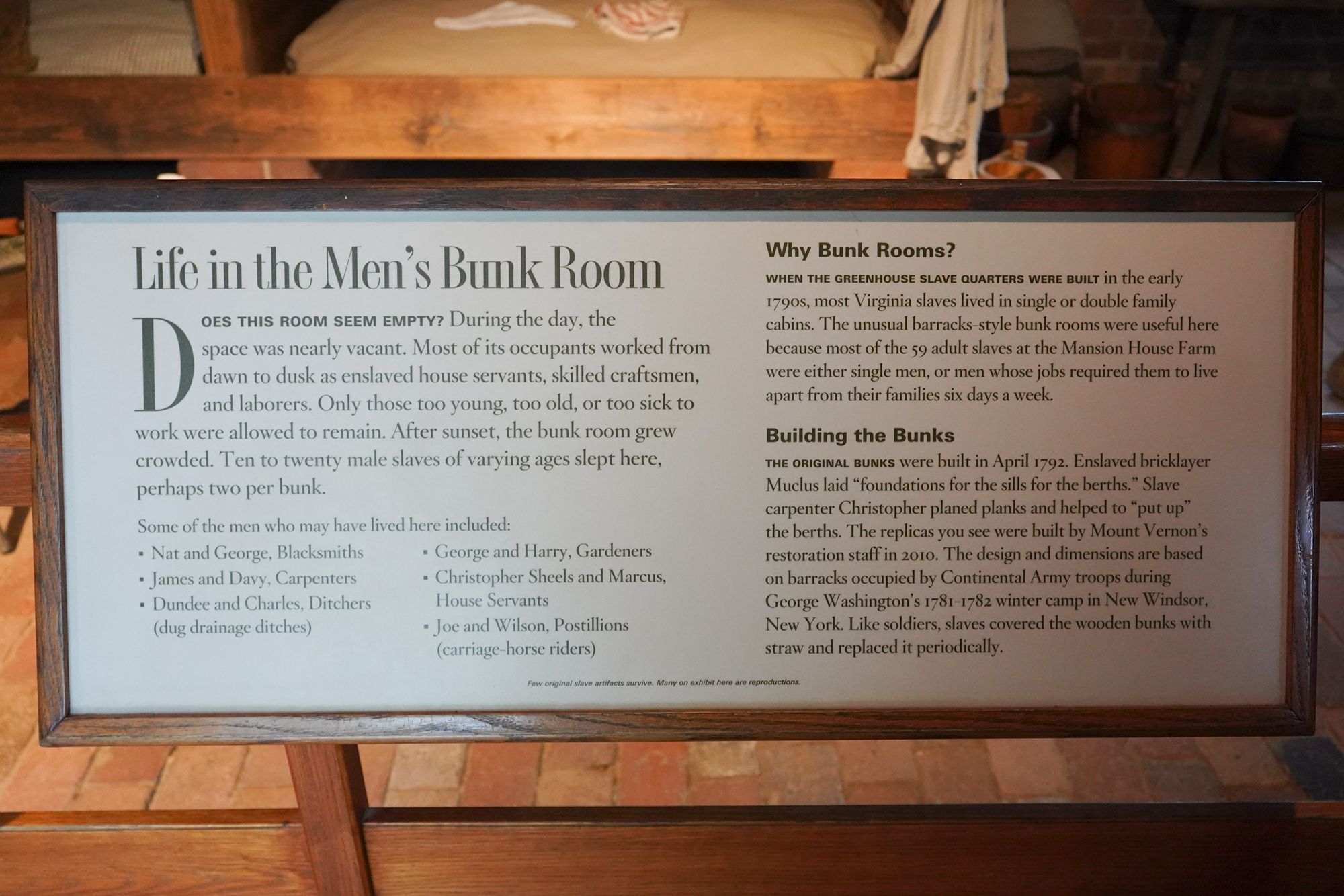
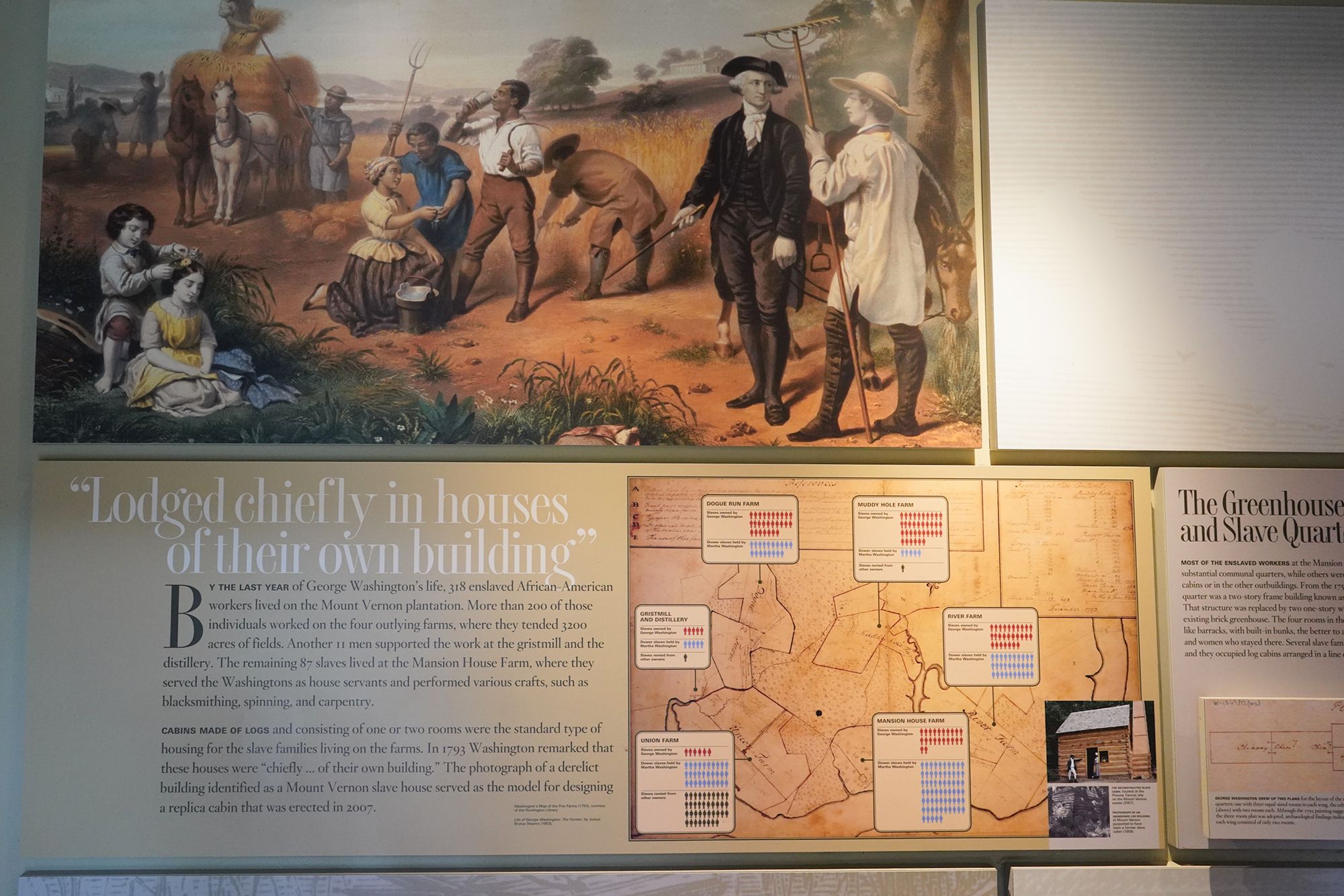
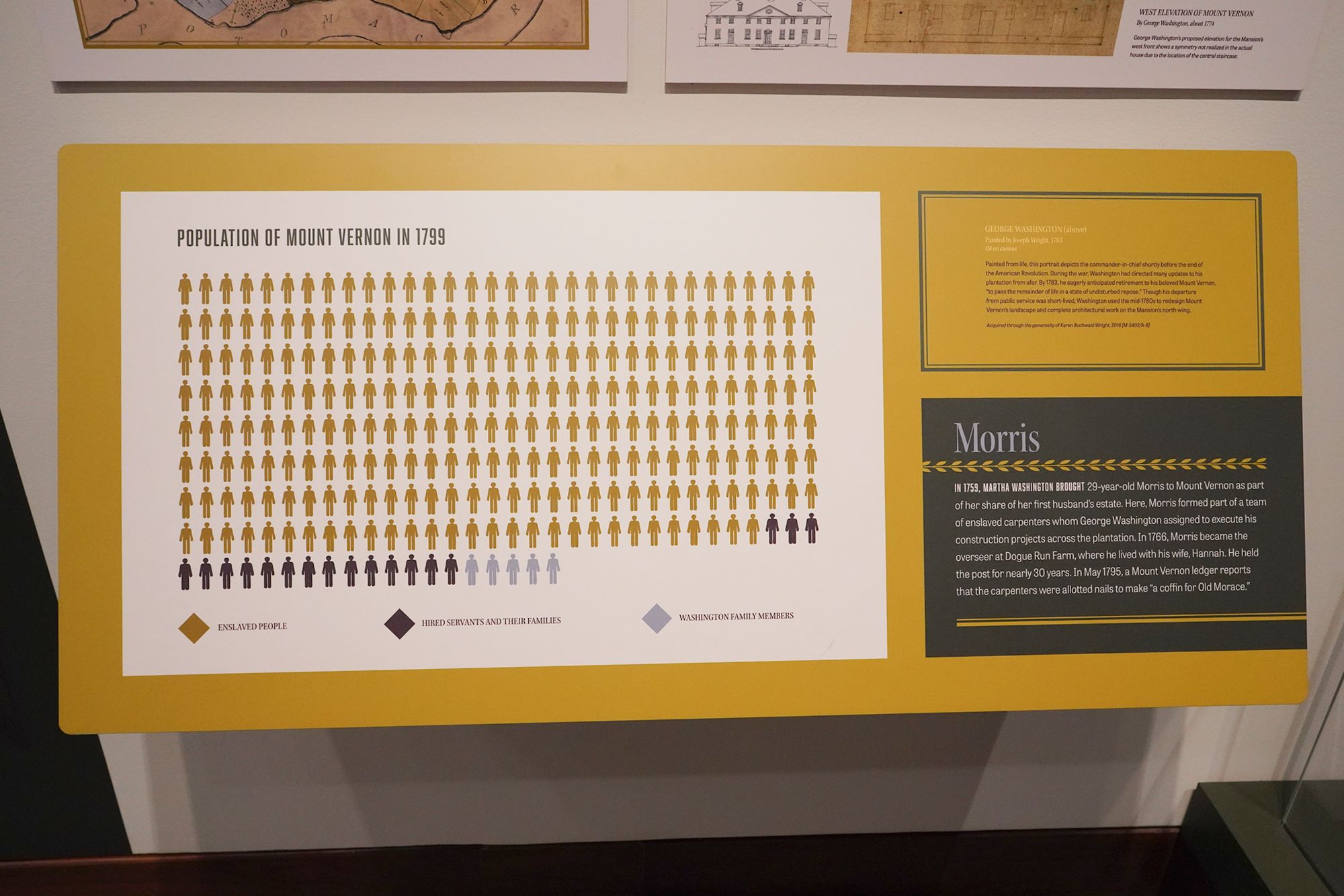
About 300 enslaved African Americans lived on the Mount Vernon plantation, working its 3,200 acres of fields.
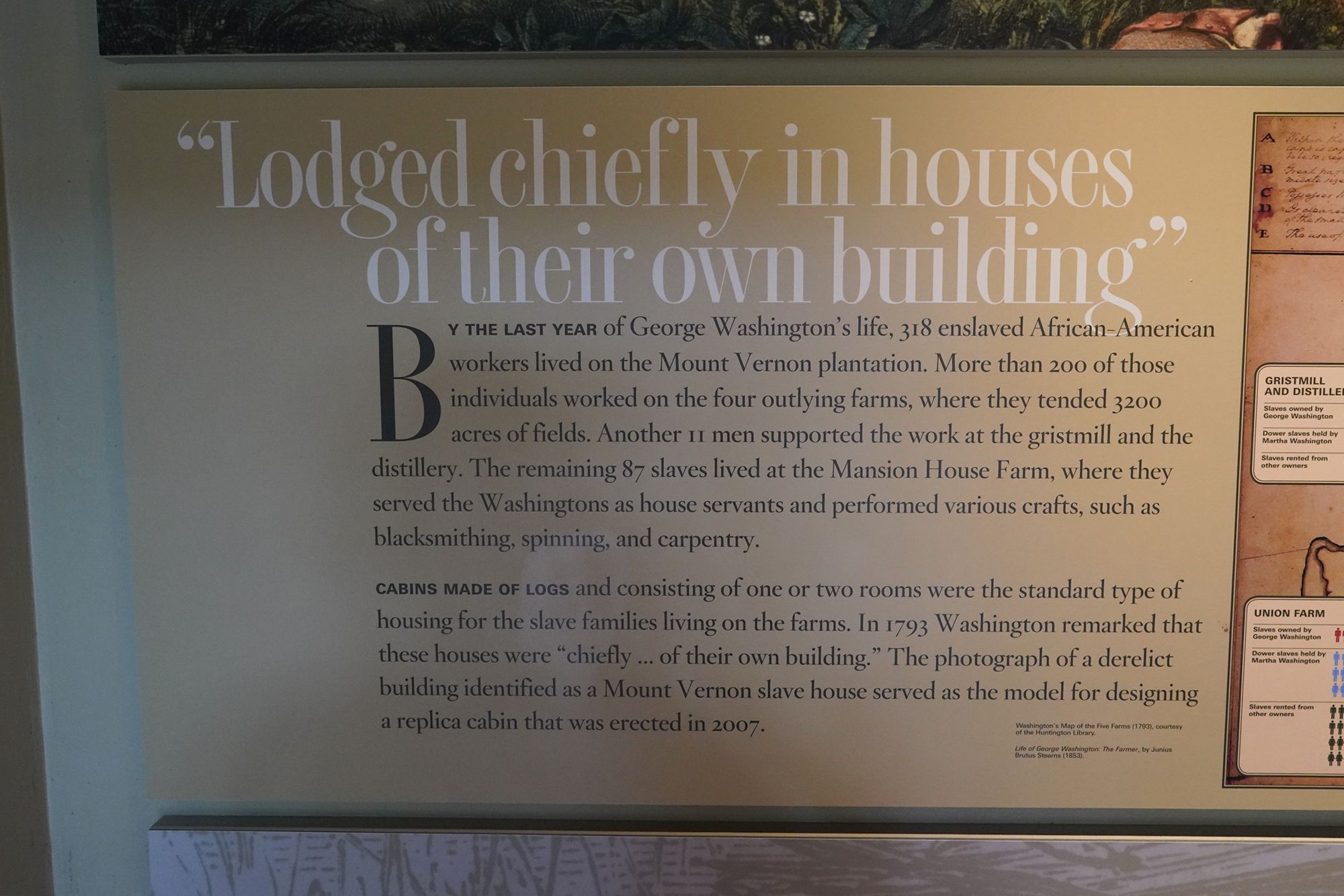
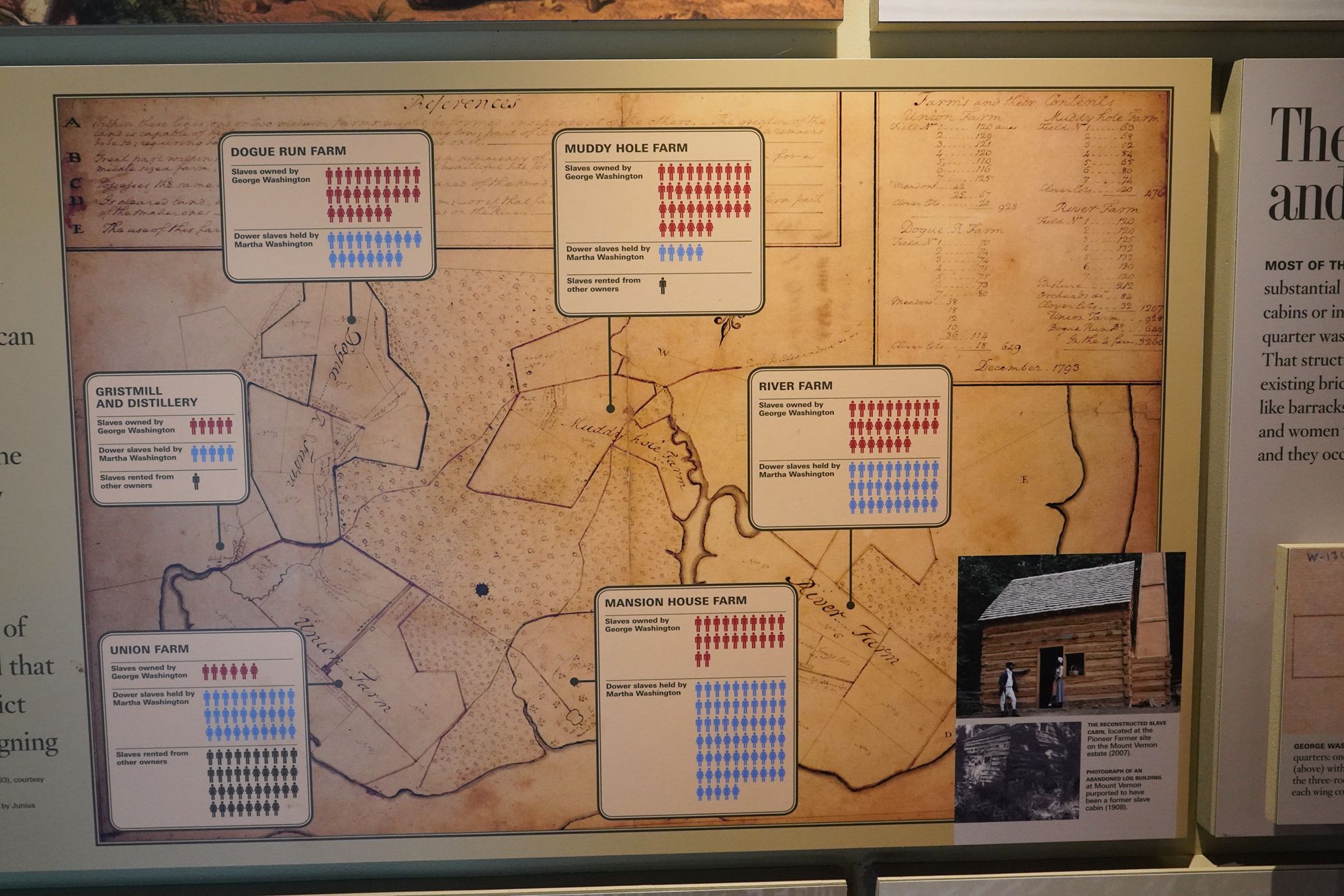
Where they lived on the Mount Vernon
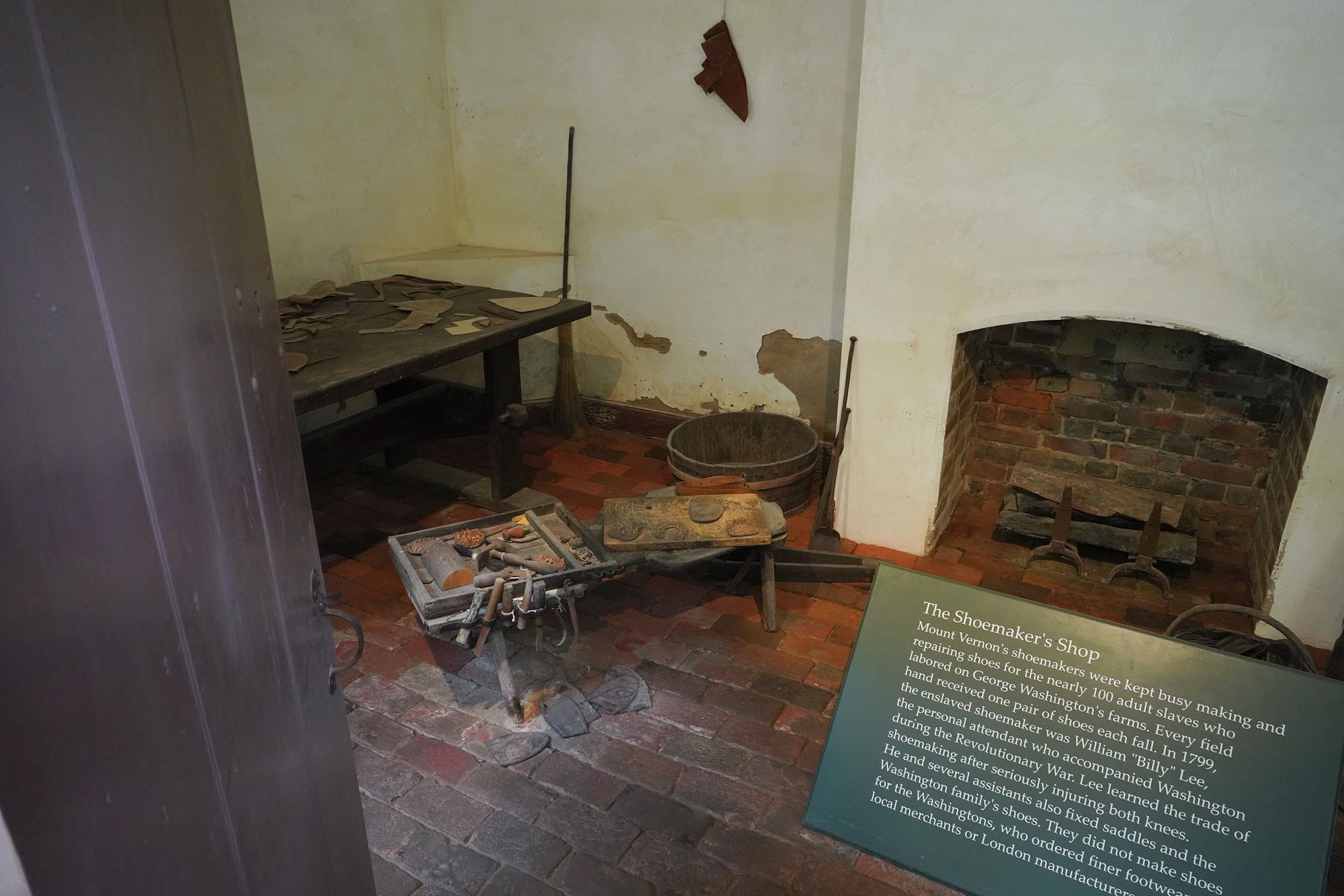
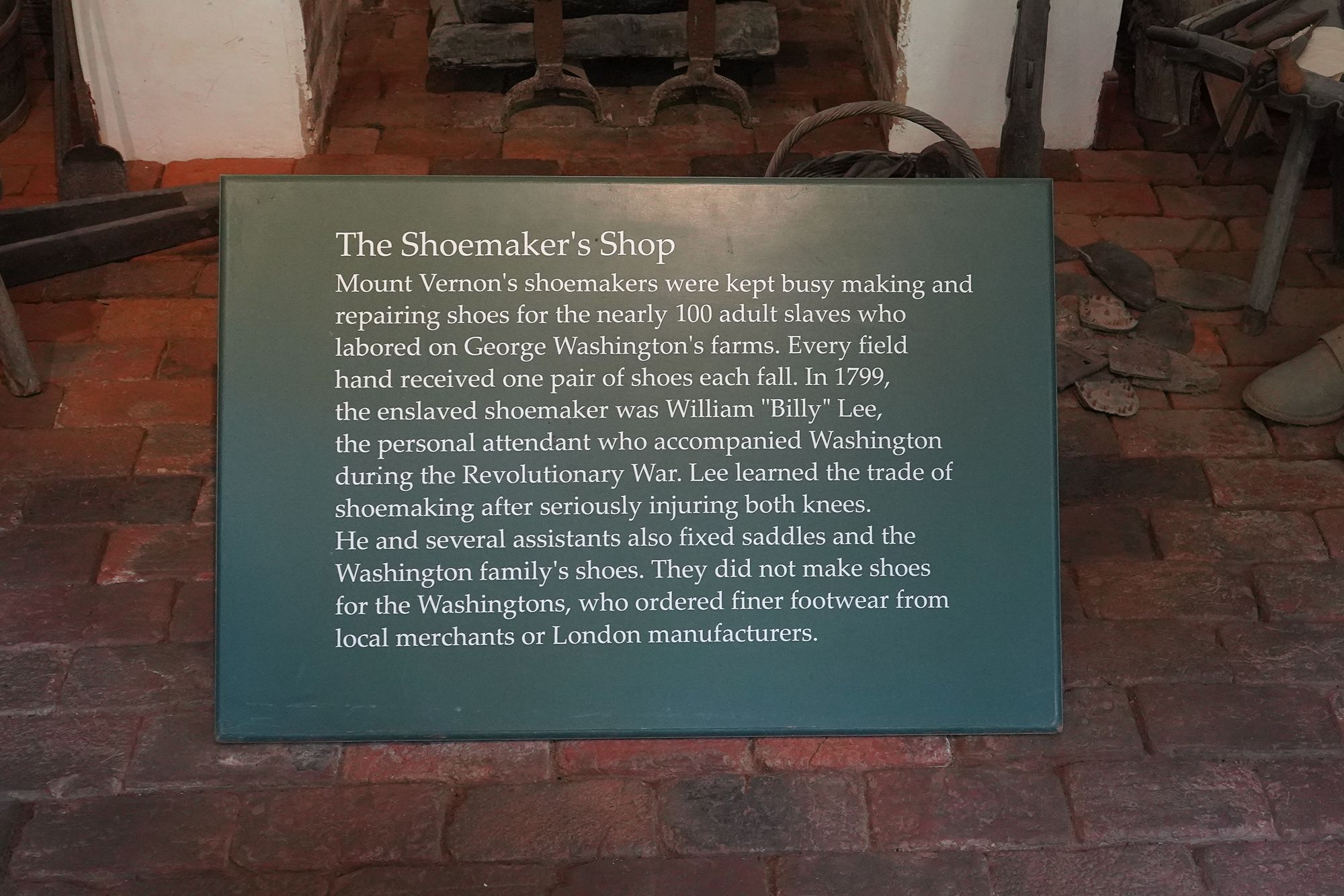
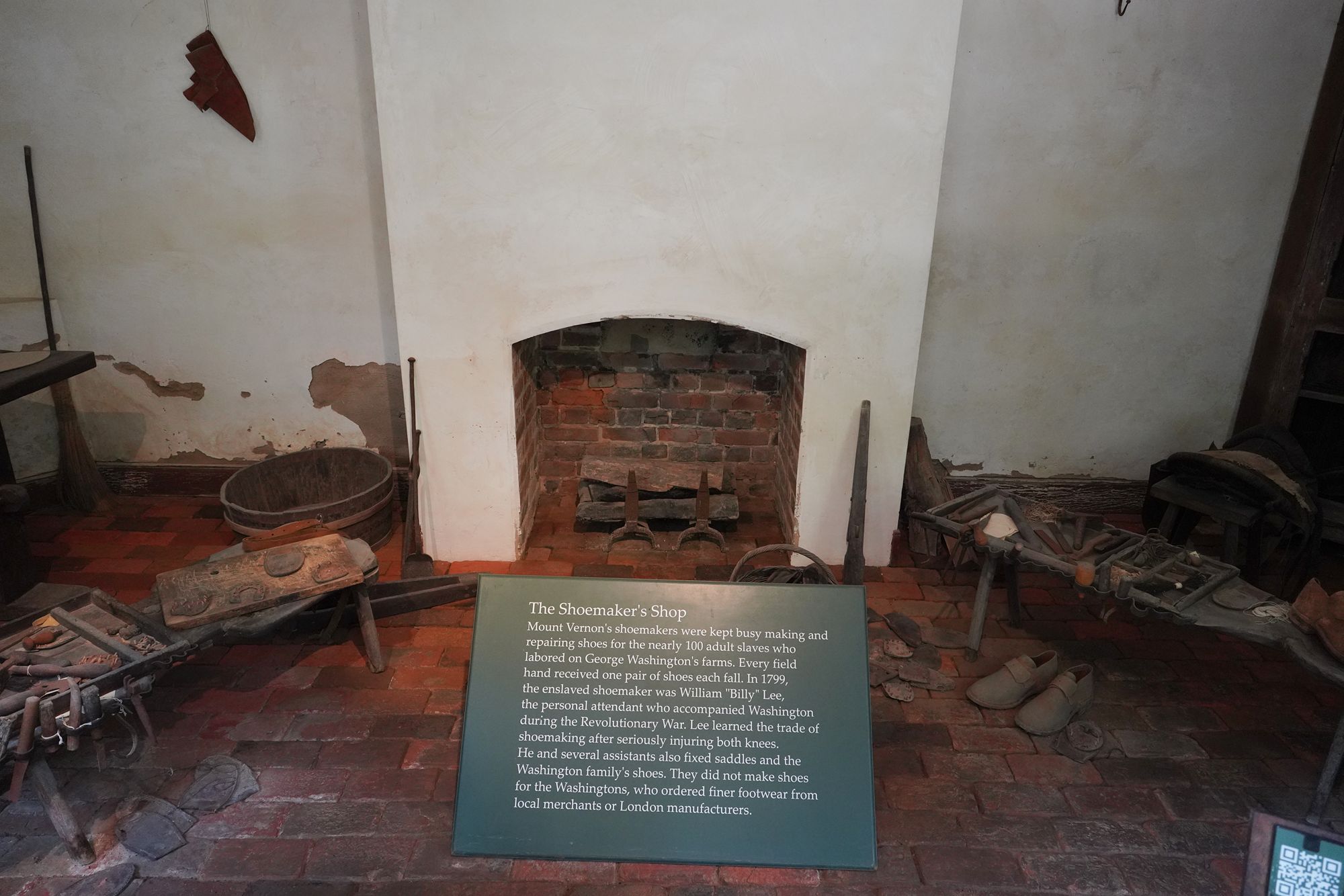
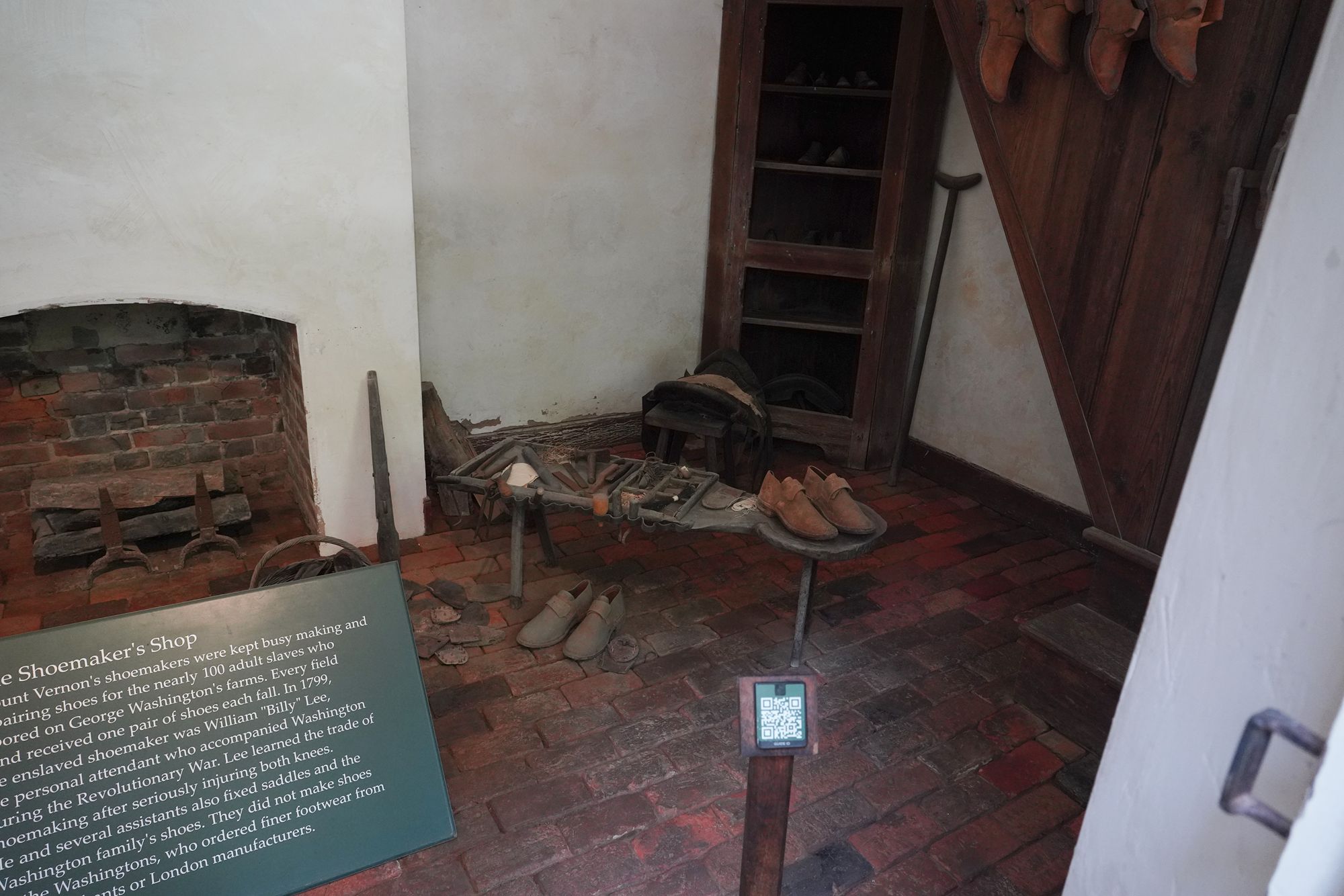
The Shoemaker's Shop
The Women's Bunk Room
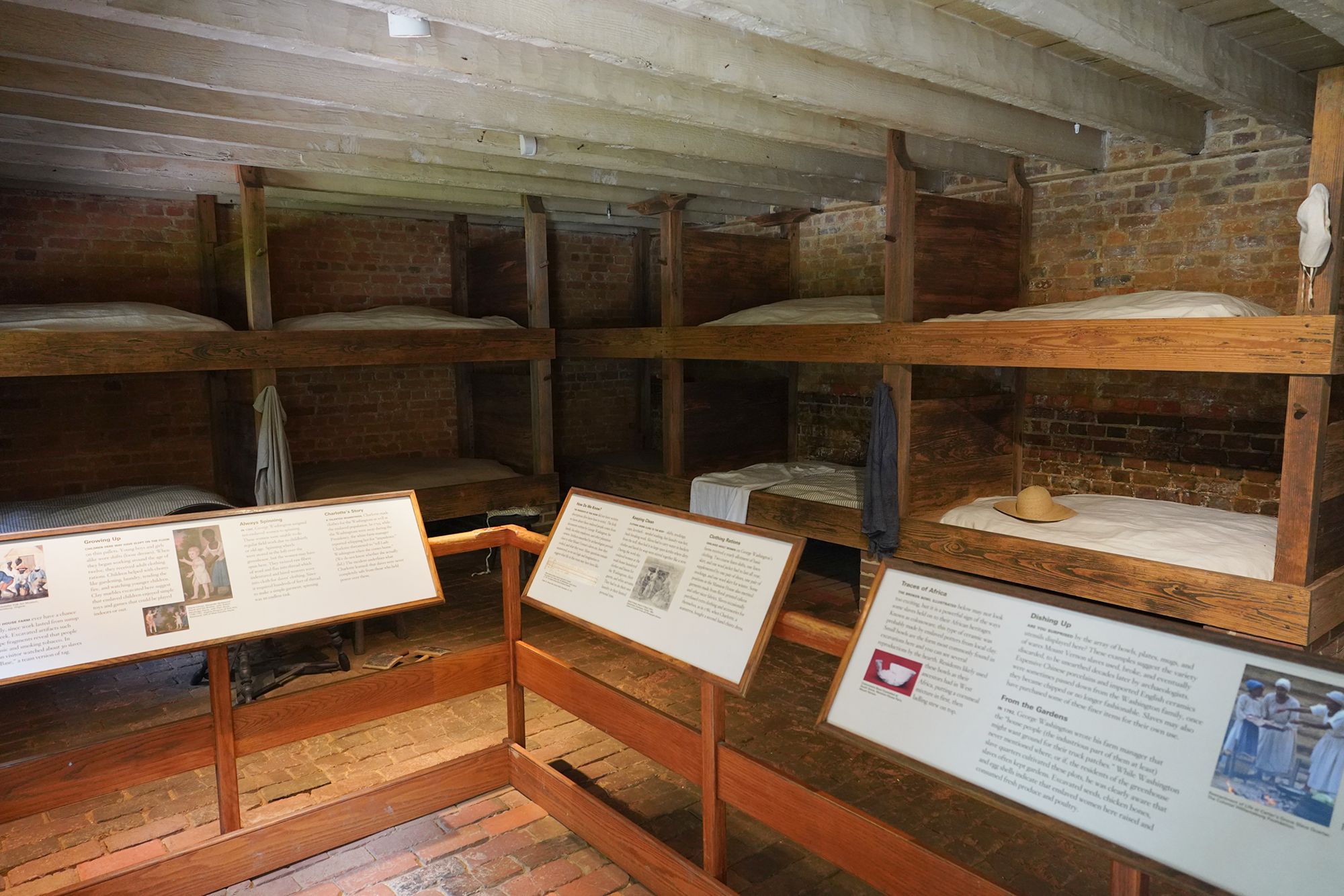
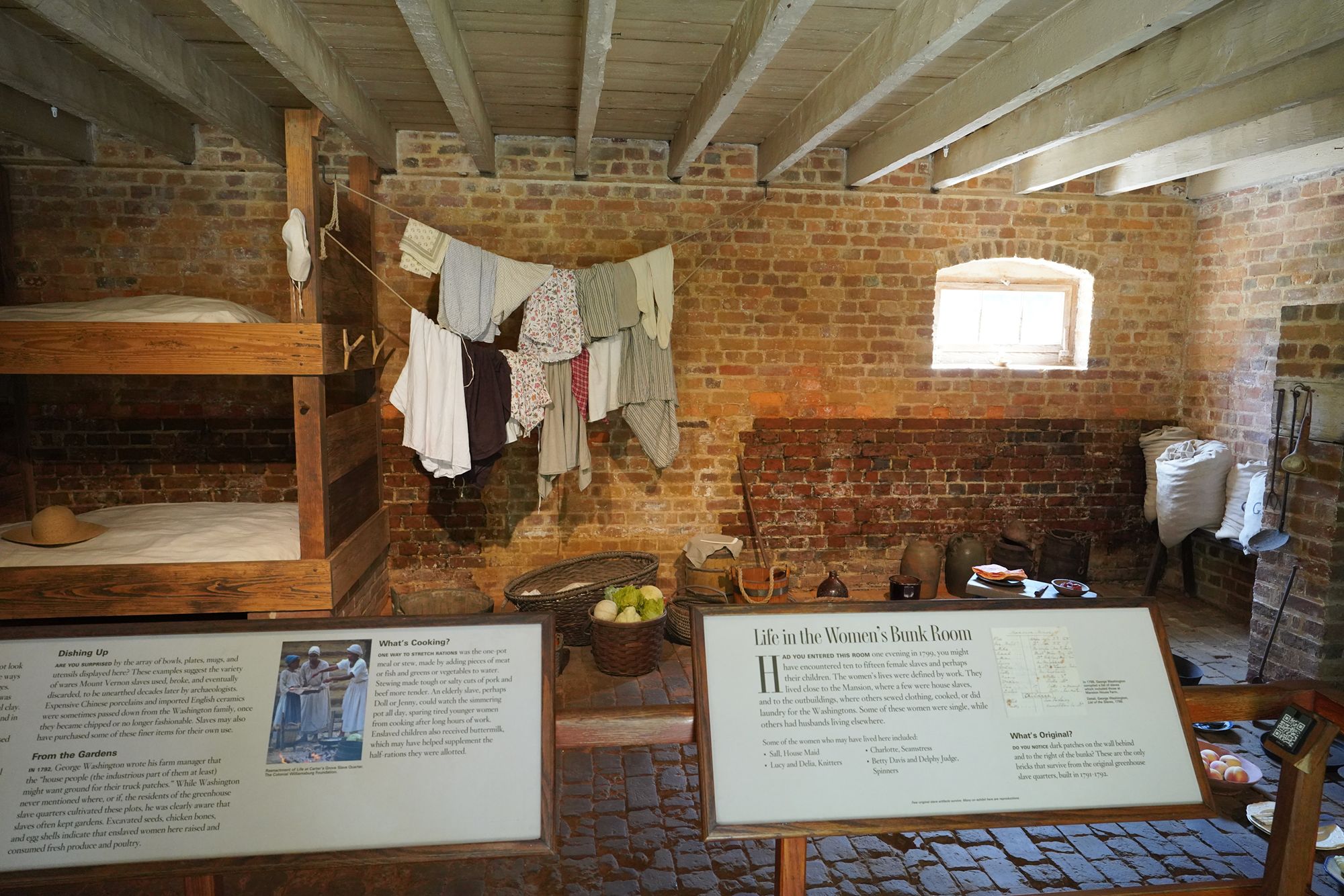
Life in the women’s bunk room at Mount Vernon was harsh and confined. Enslaved women slept in crowded, unheated quarters with simple wooden bunks, straw mattresses, and little privacy.
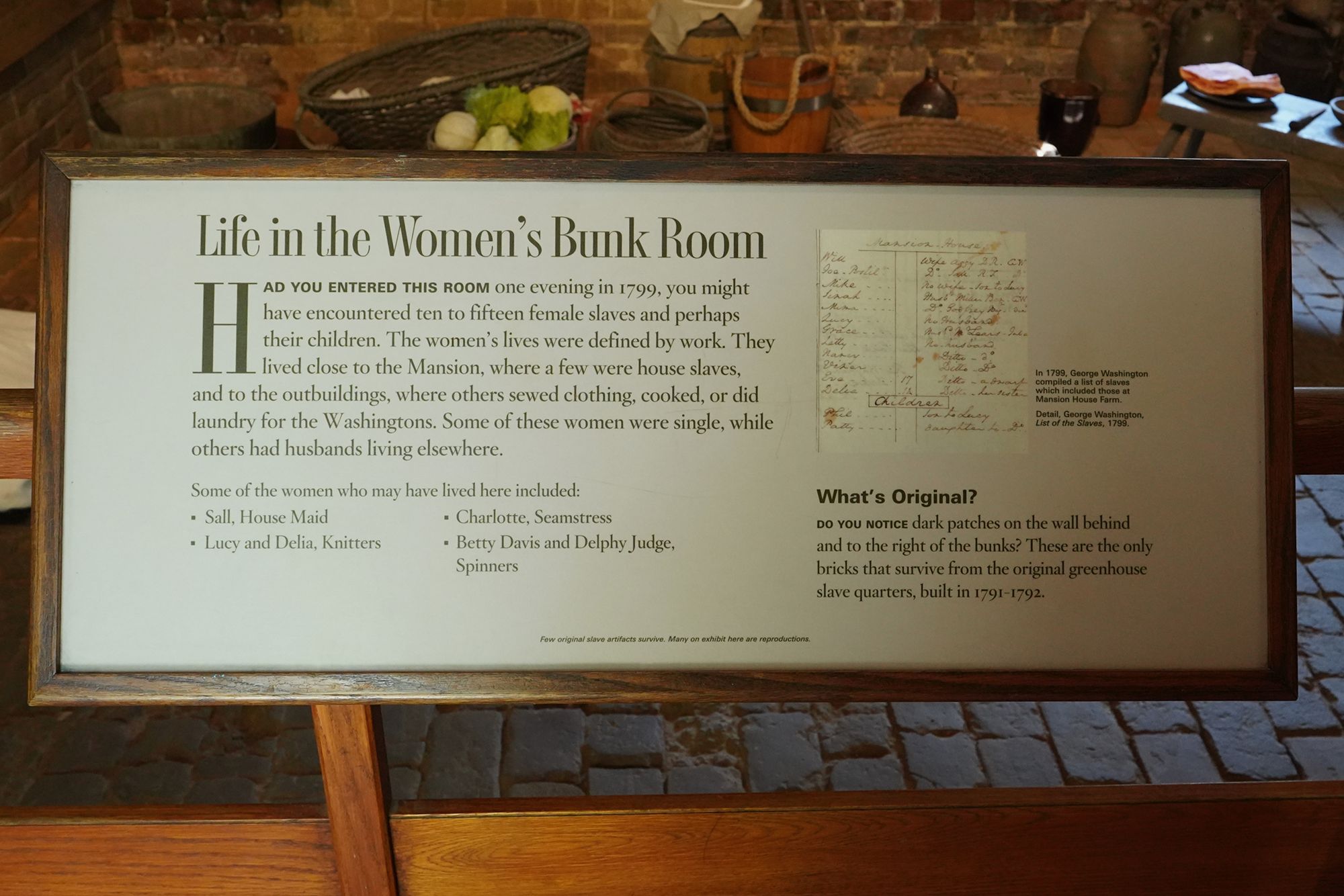
Their days were long and exhausting—many worked as spinners, seamstresses, cooks, or field laborers, often caring for their own children after dark. Despite these conditions, they built strong community ties, sharing stories, songs, and faith to endure the hardship of slavery.
The museum inside Chatham Manor is a small but informative exhibit managed by the National Park Service. It focuses on the manor’s long history, from its 18th-century plantation era through the Civil War and beyond.
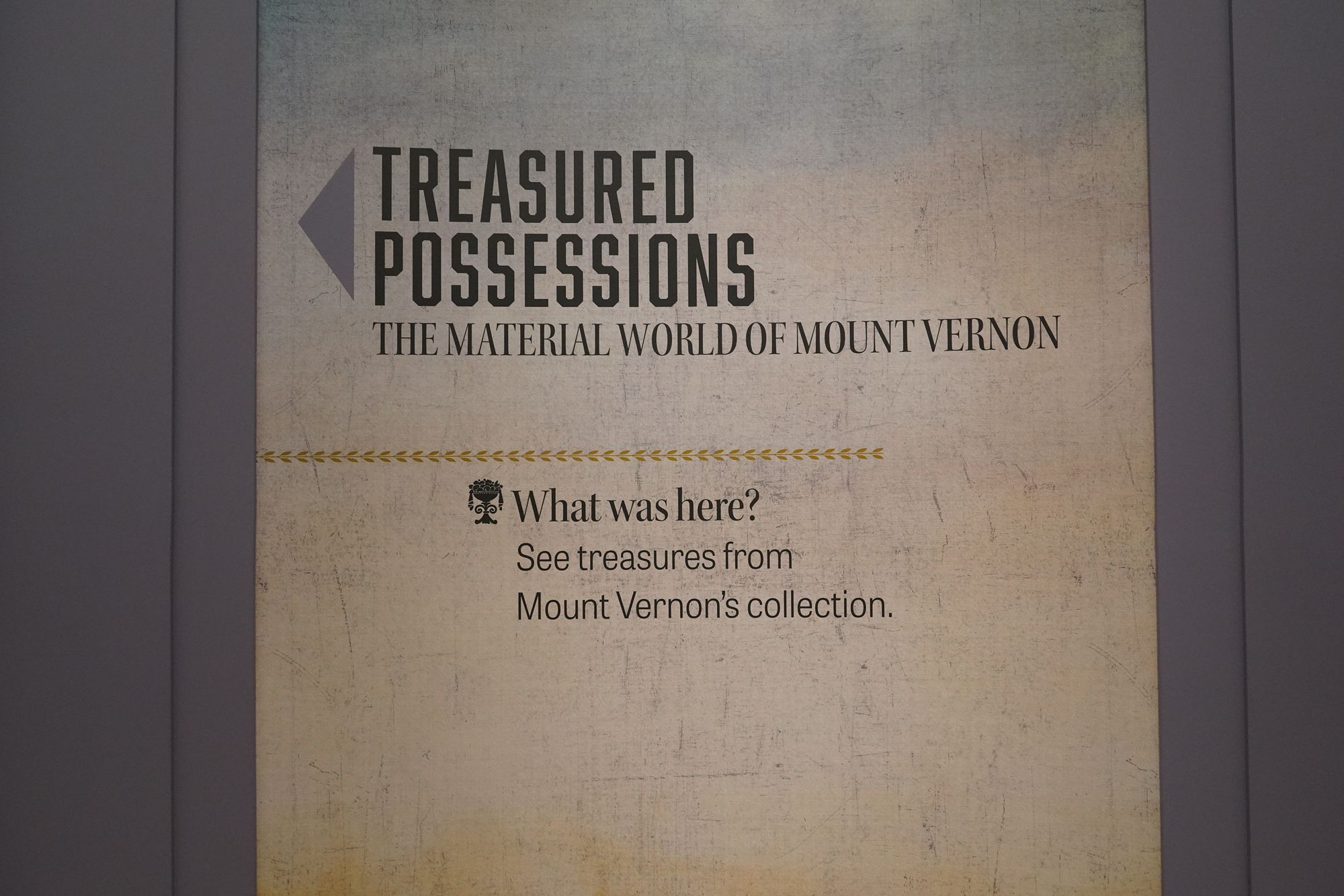
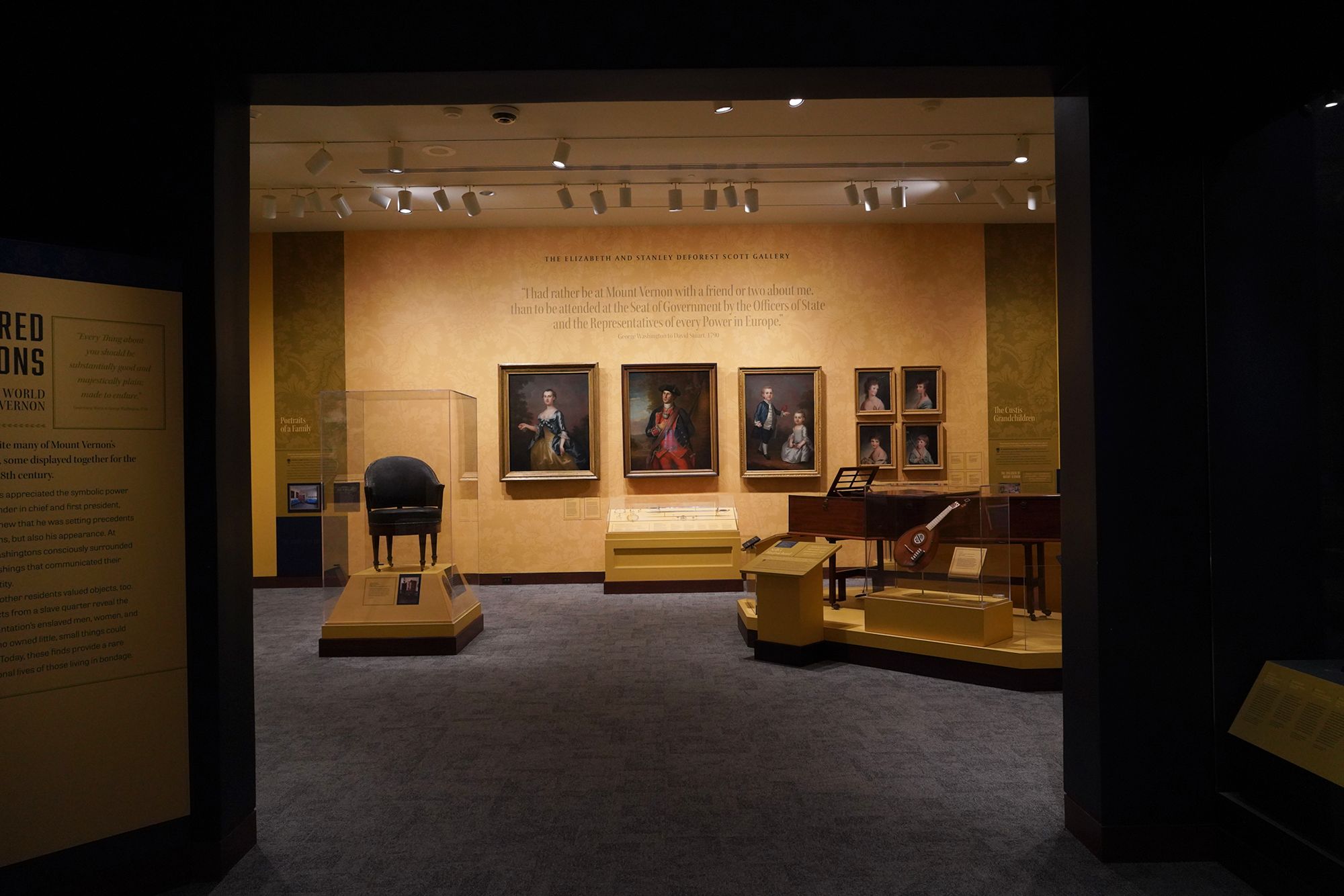
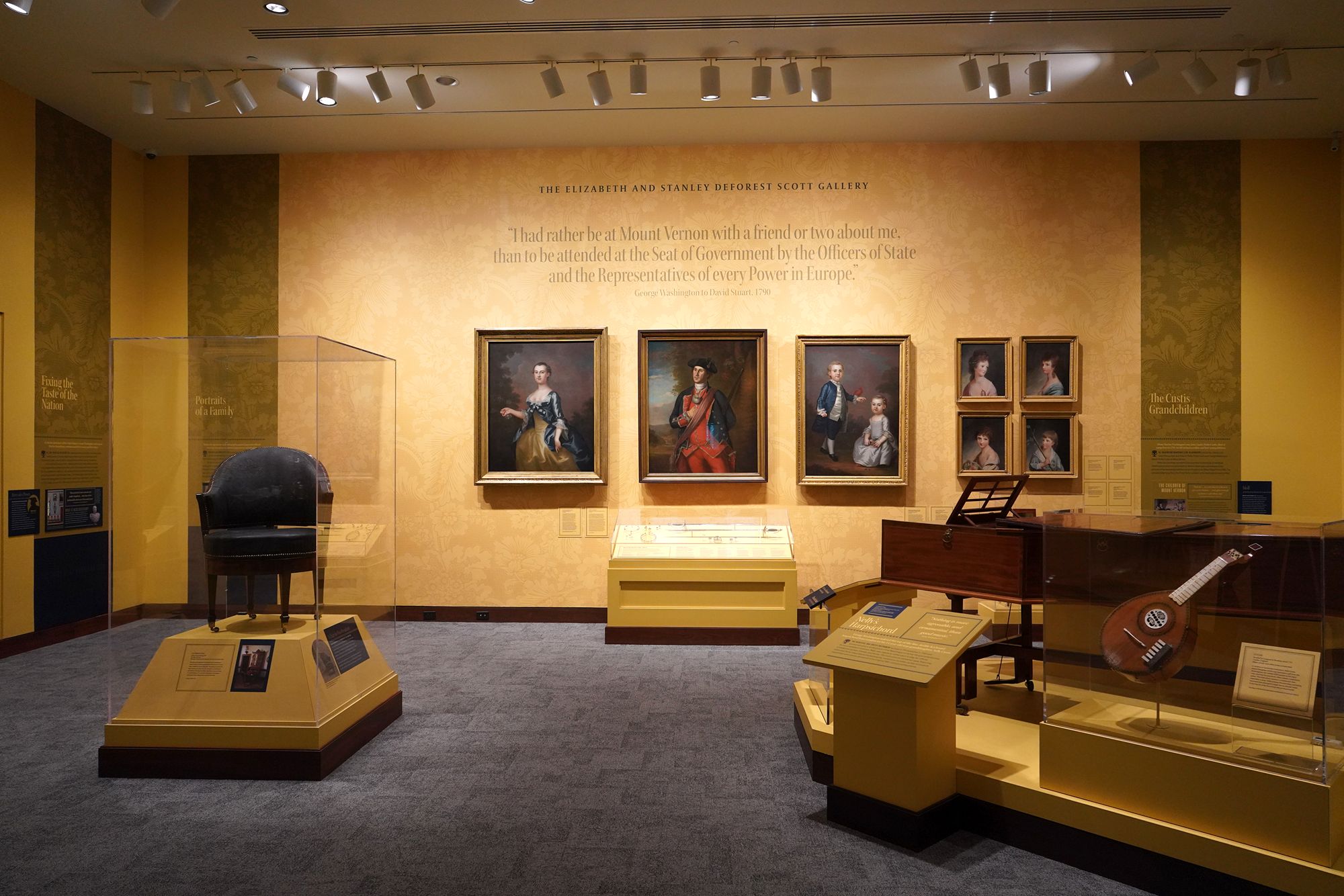
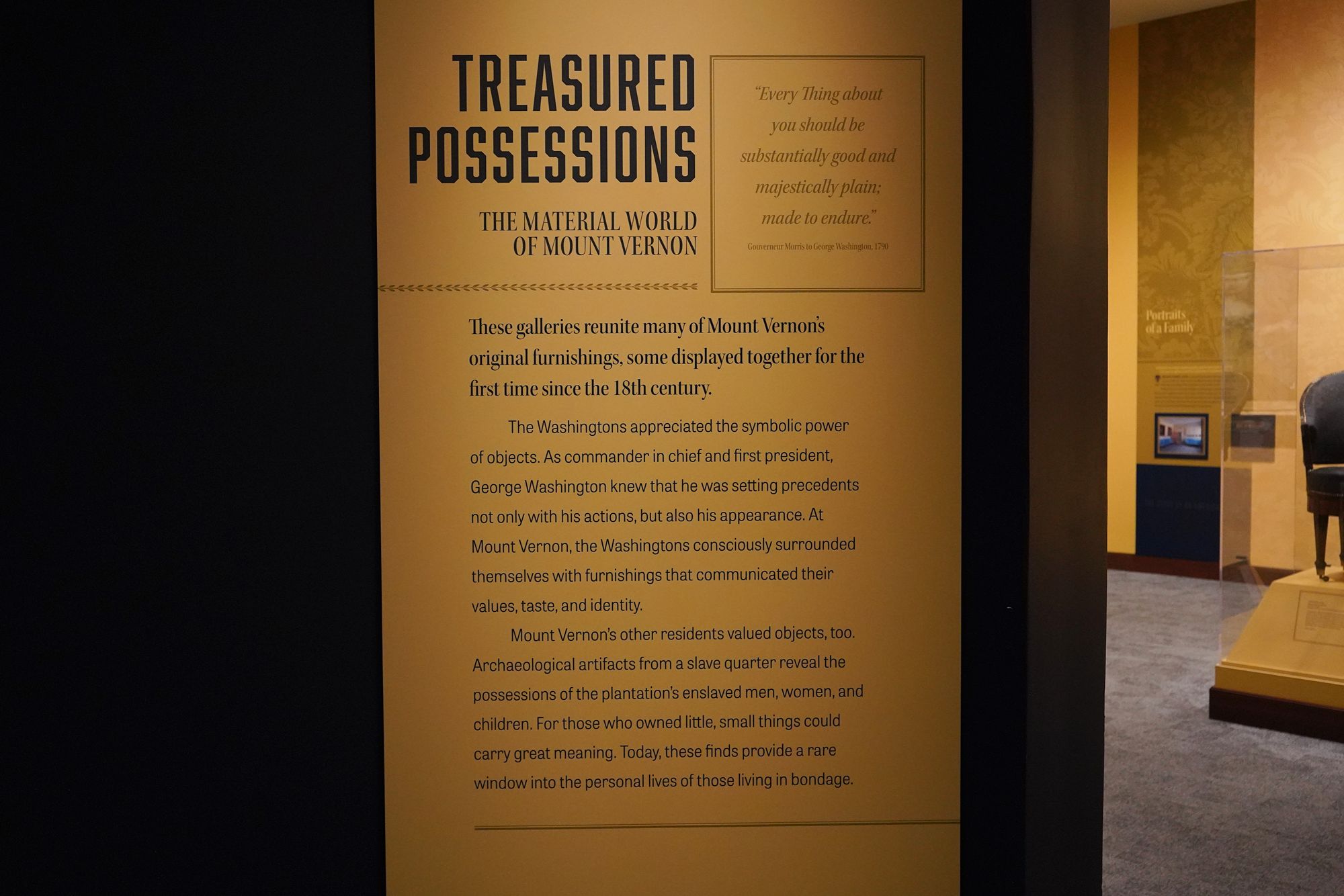
Chatham Manor once held many treasures reflecting the wealth and status of the Fitzhugh family—including fine English furniture, imported china, silverware, and portraits. These luxury goods showcased their connection to British culture and colonial high society.
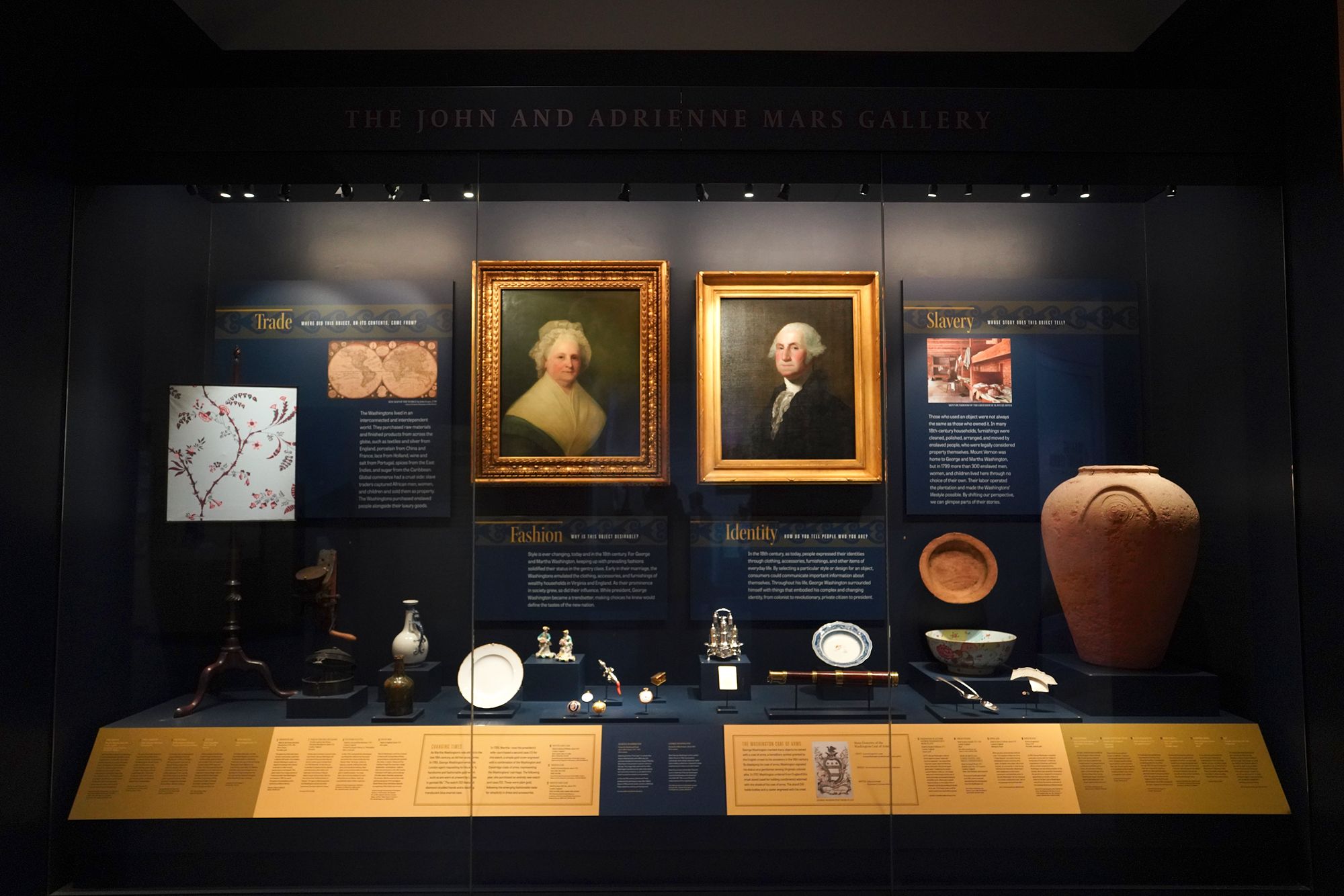
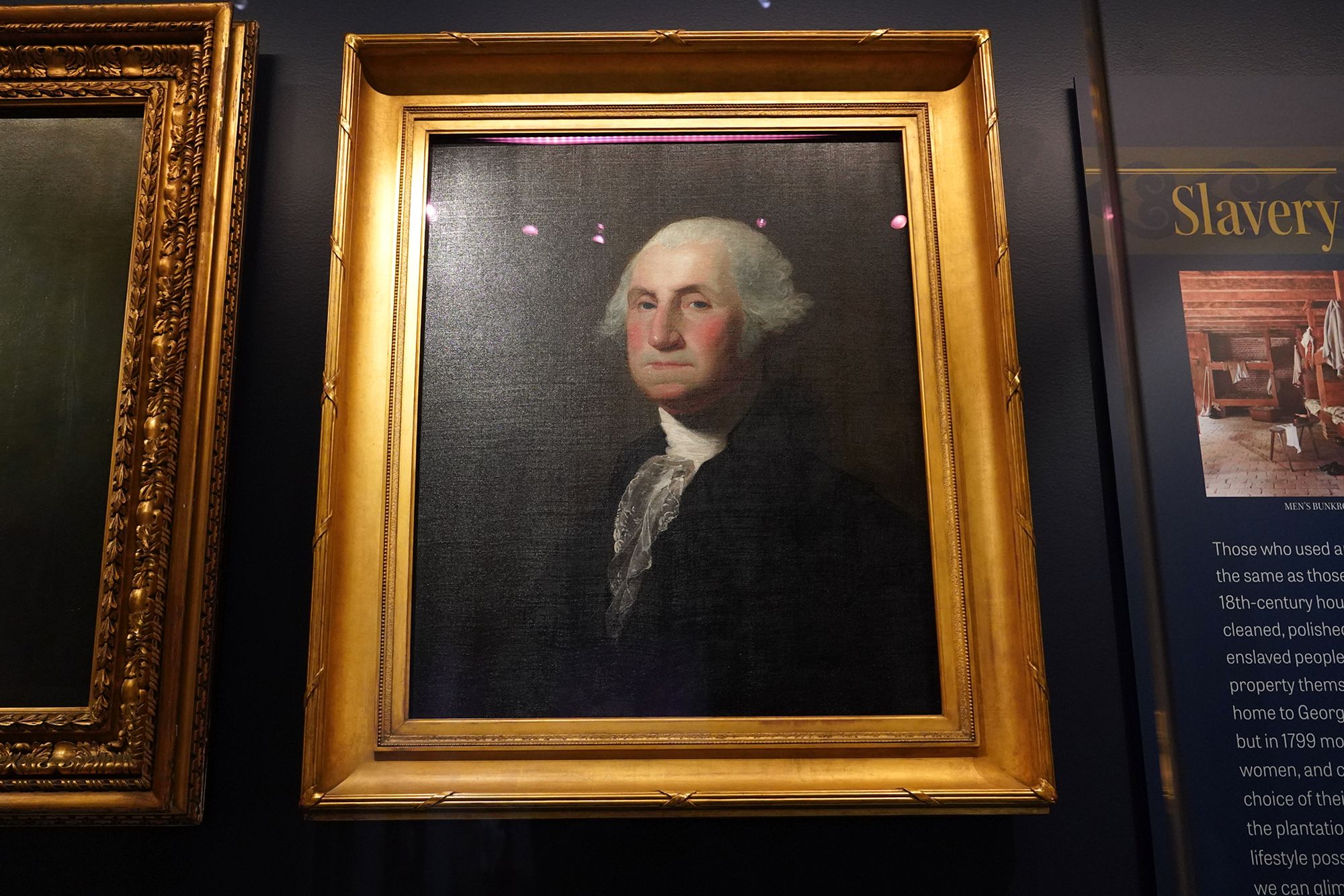
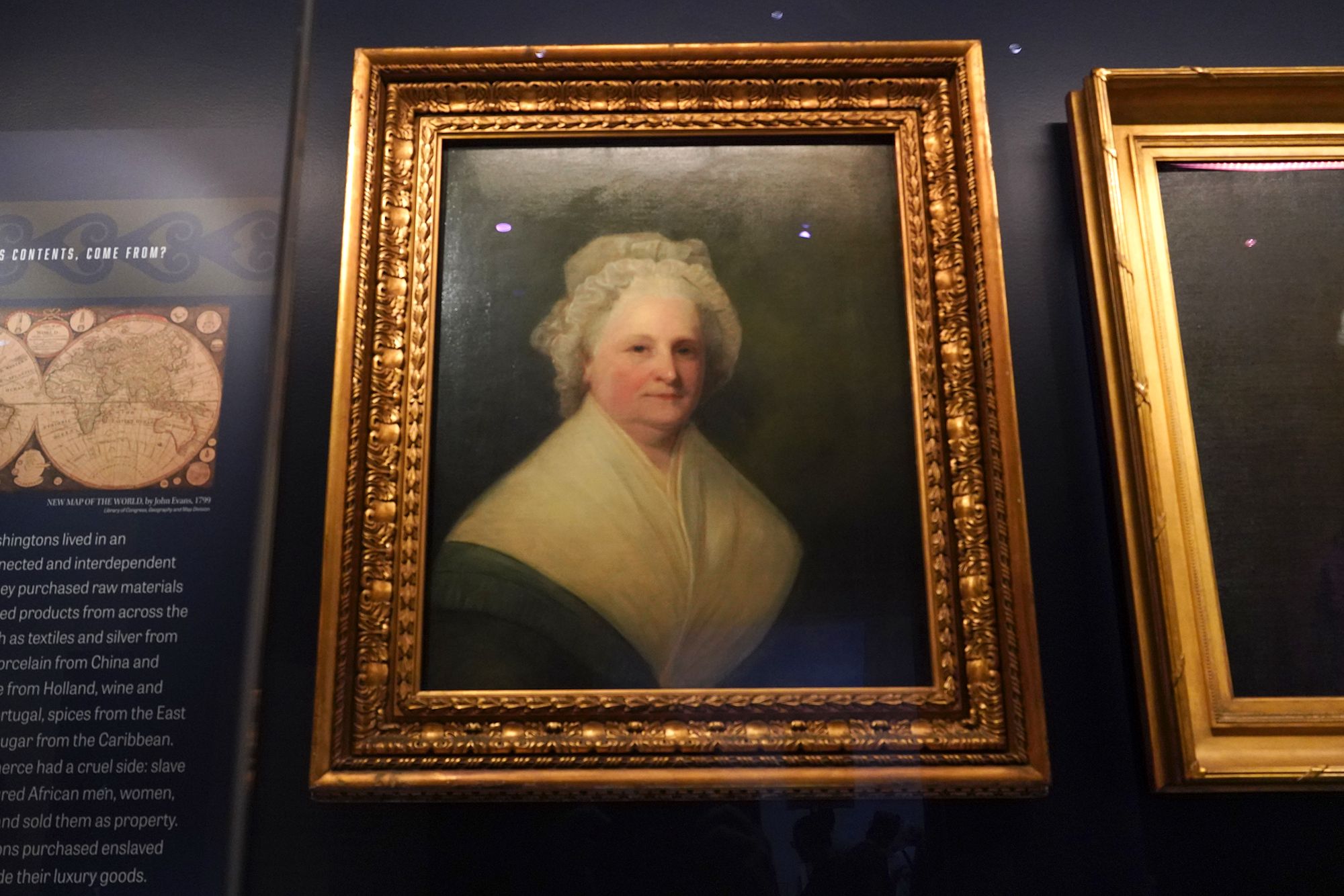
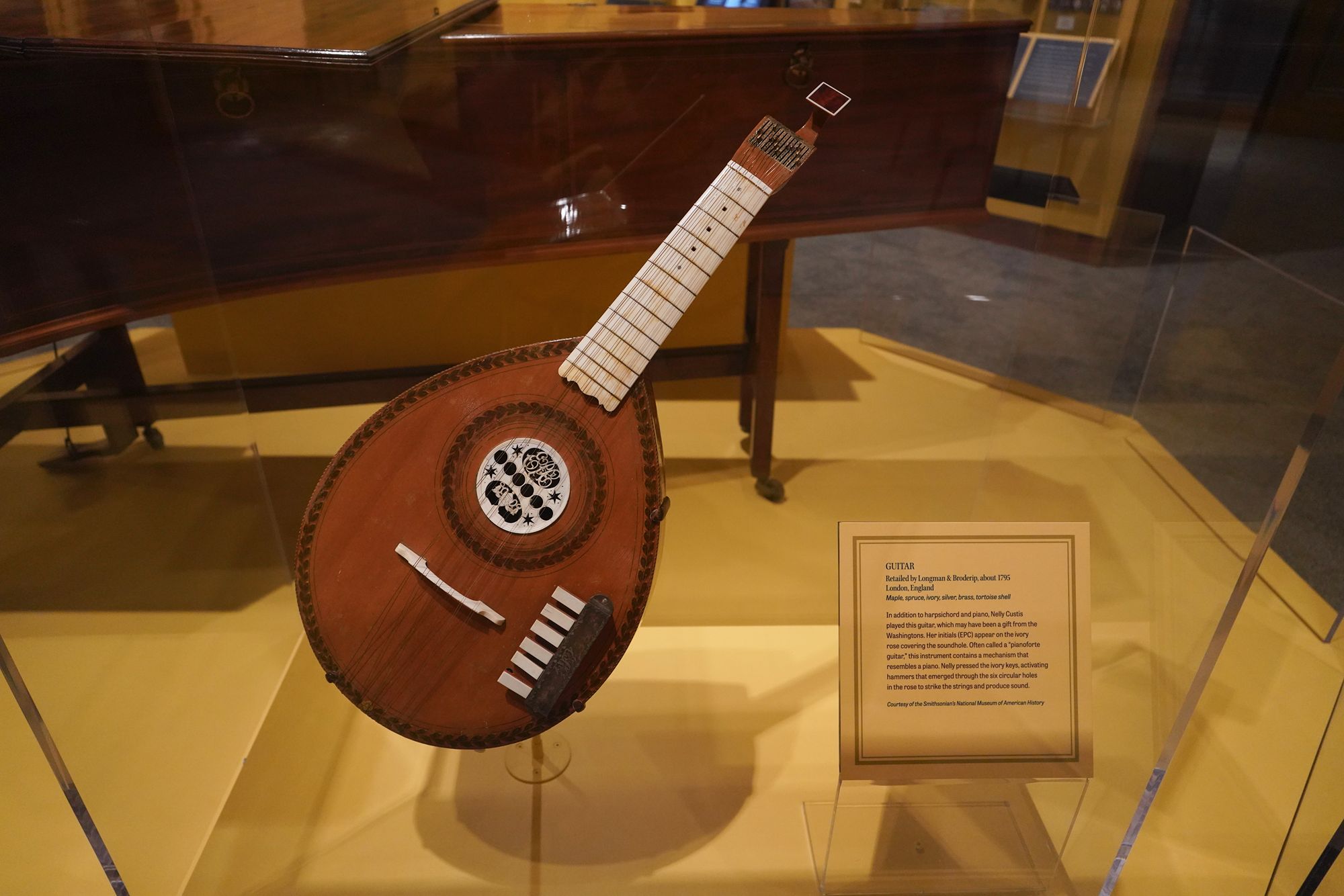
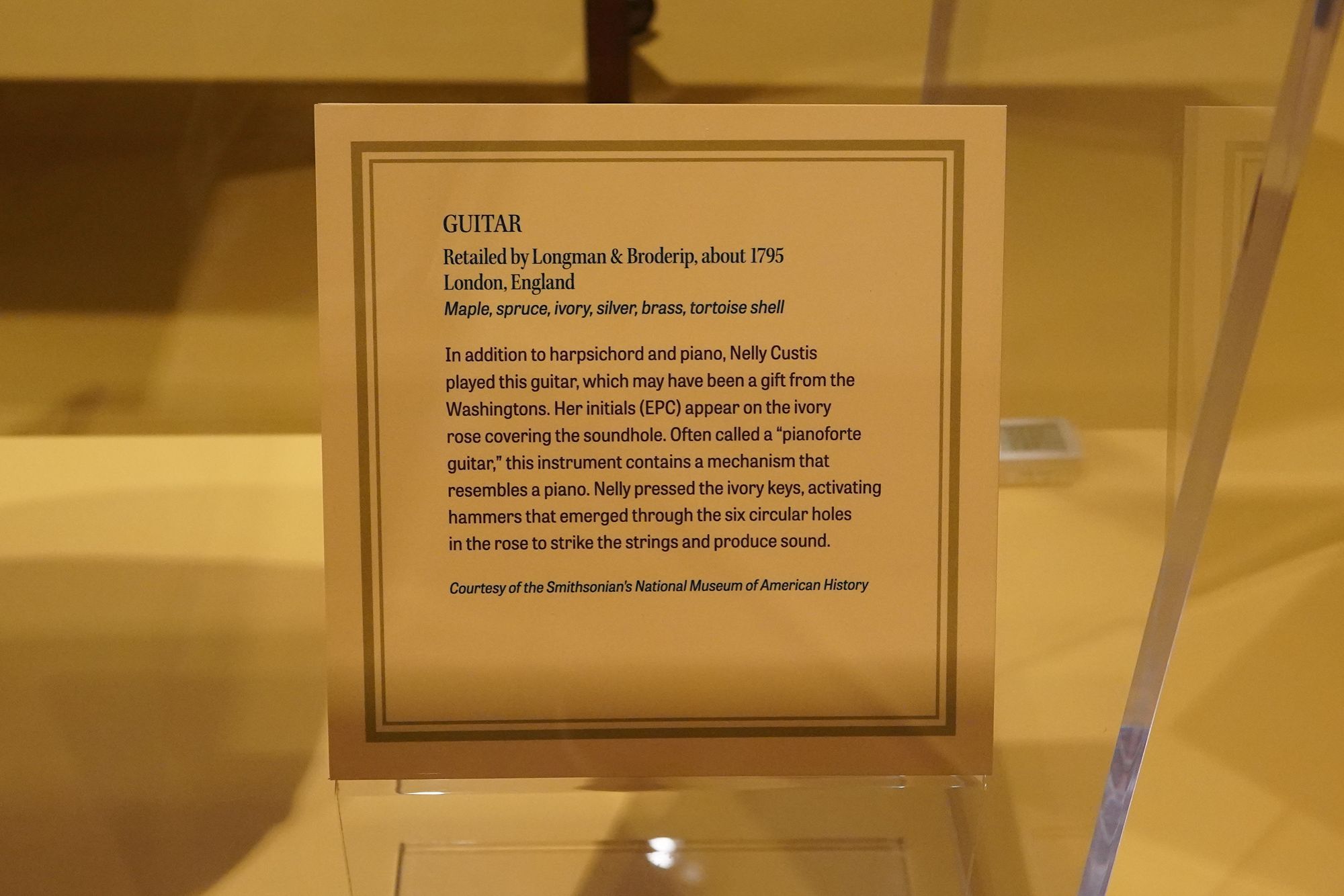
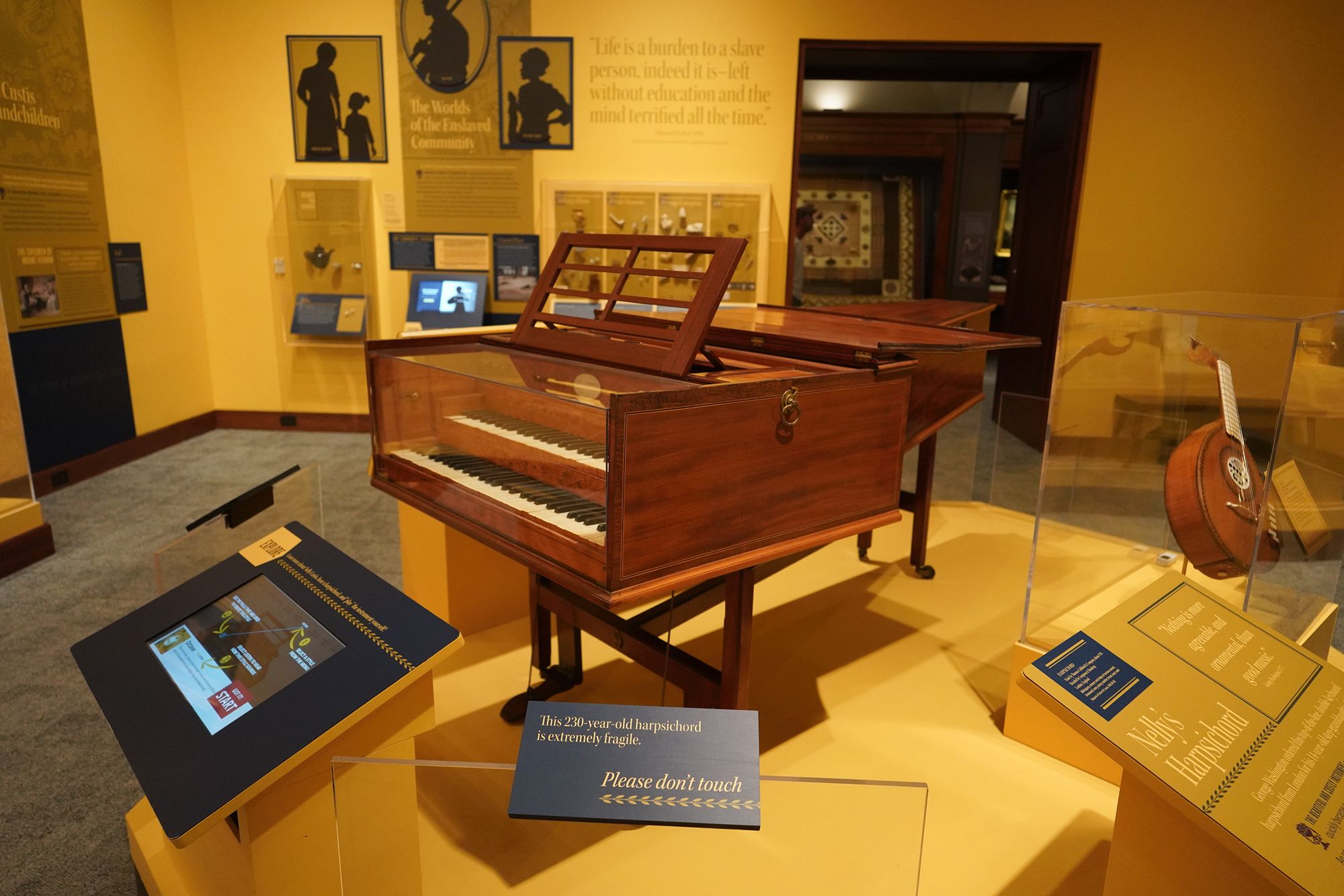
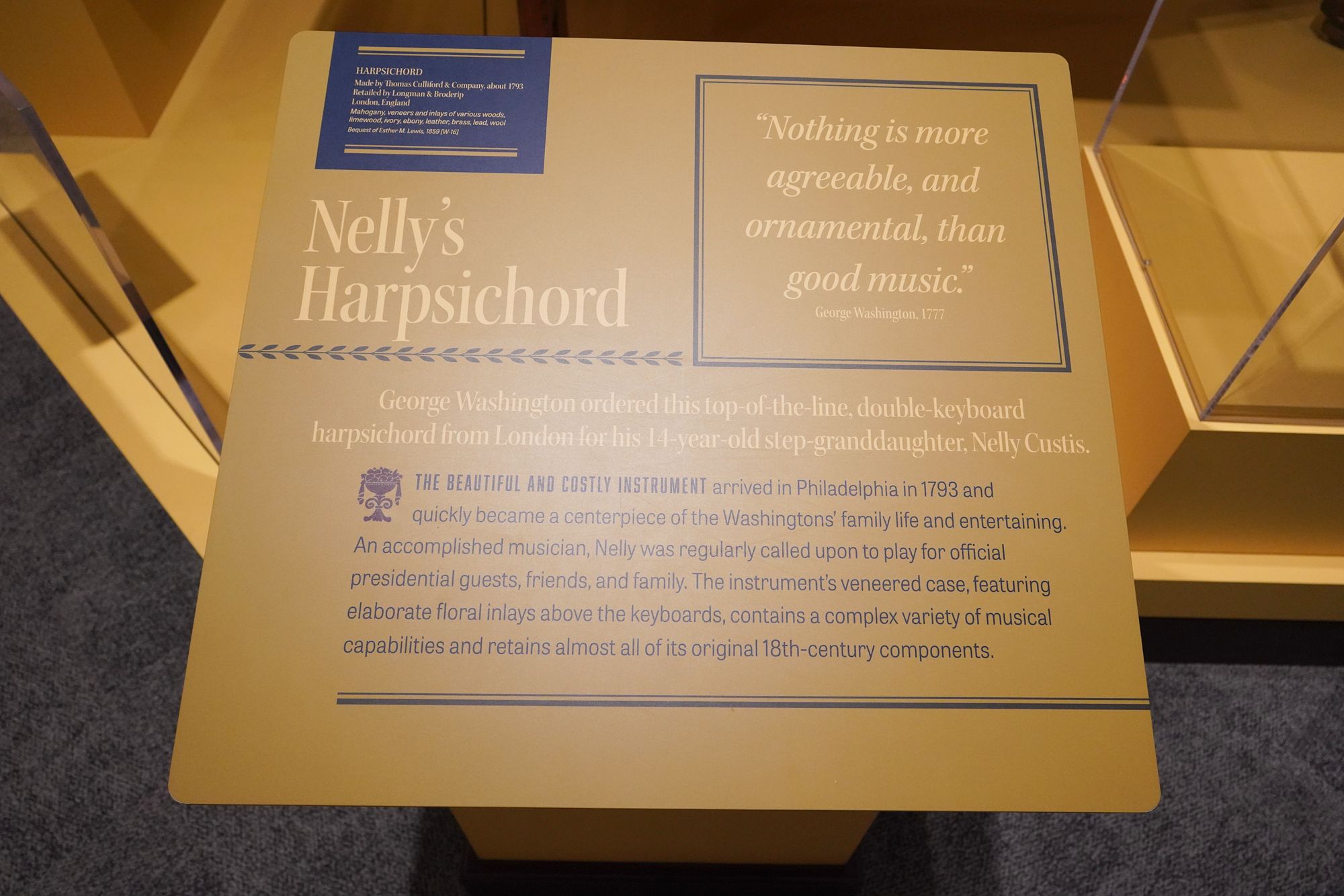
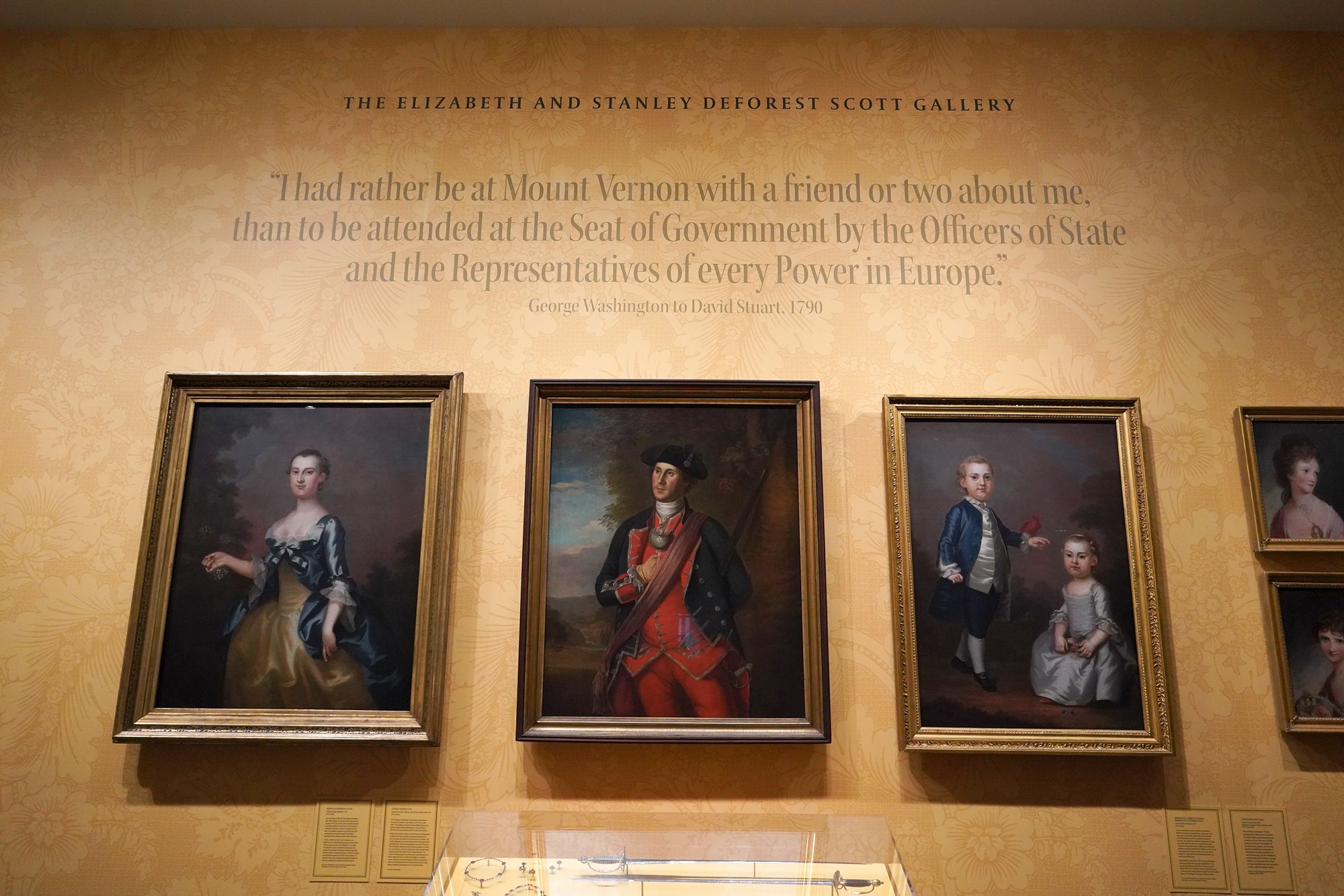
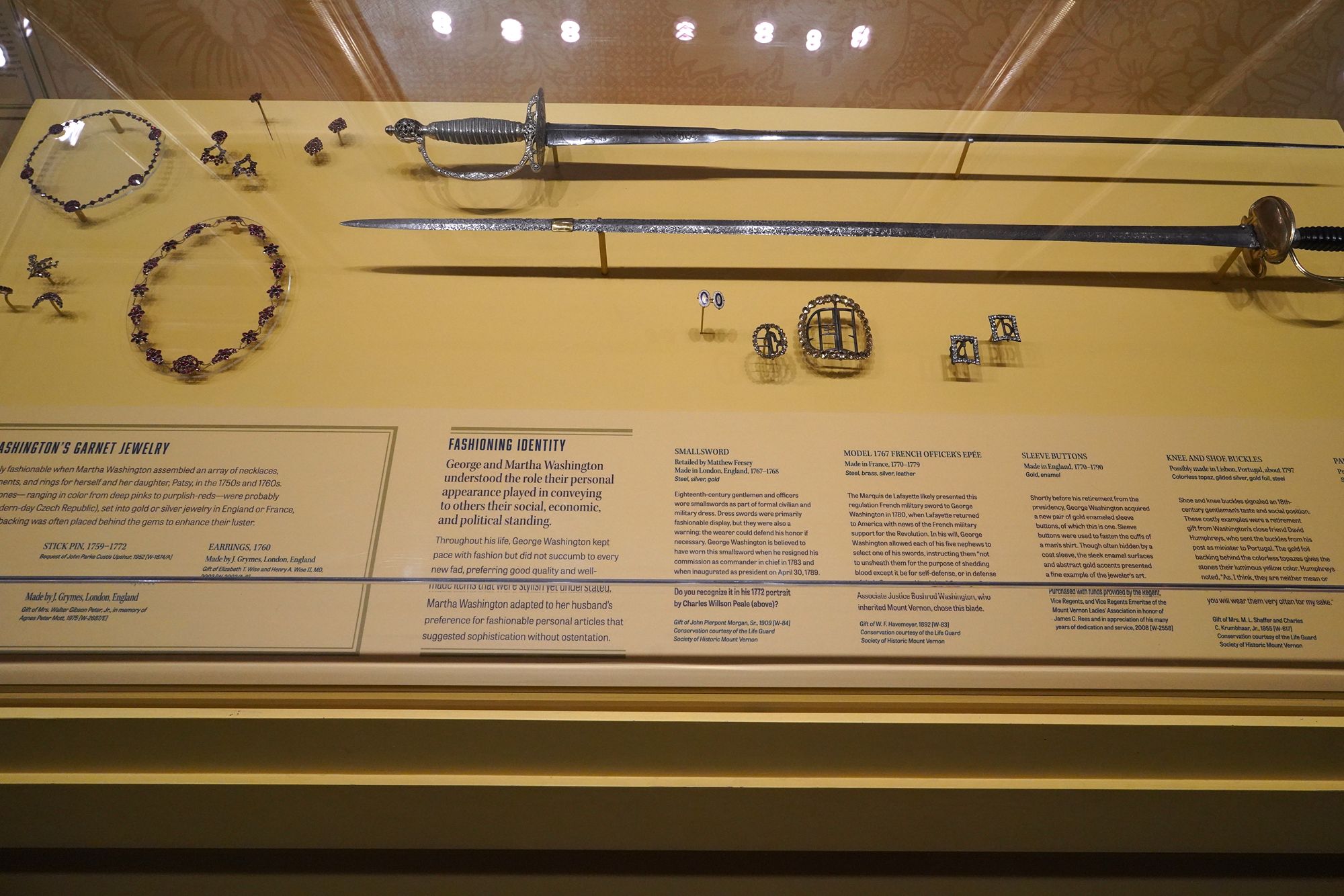
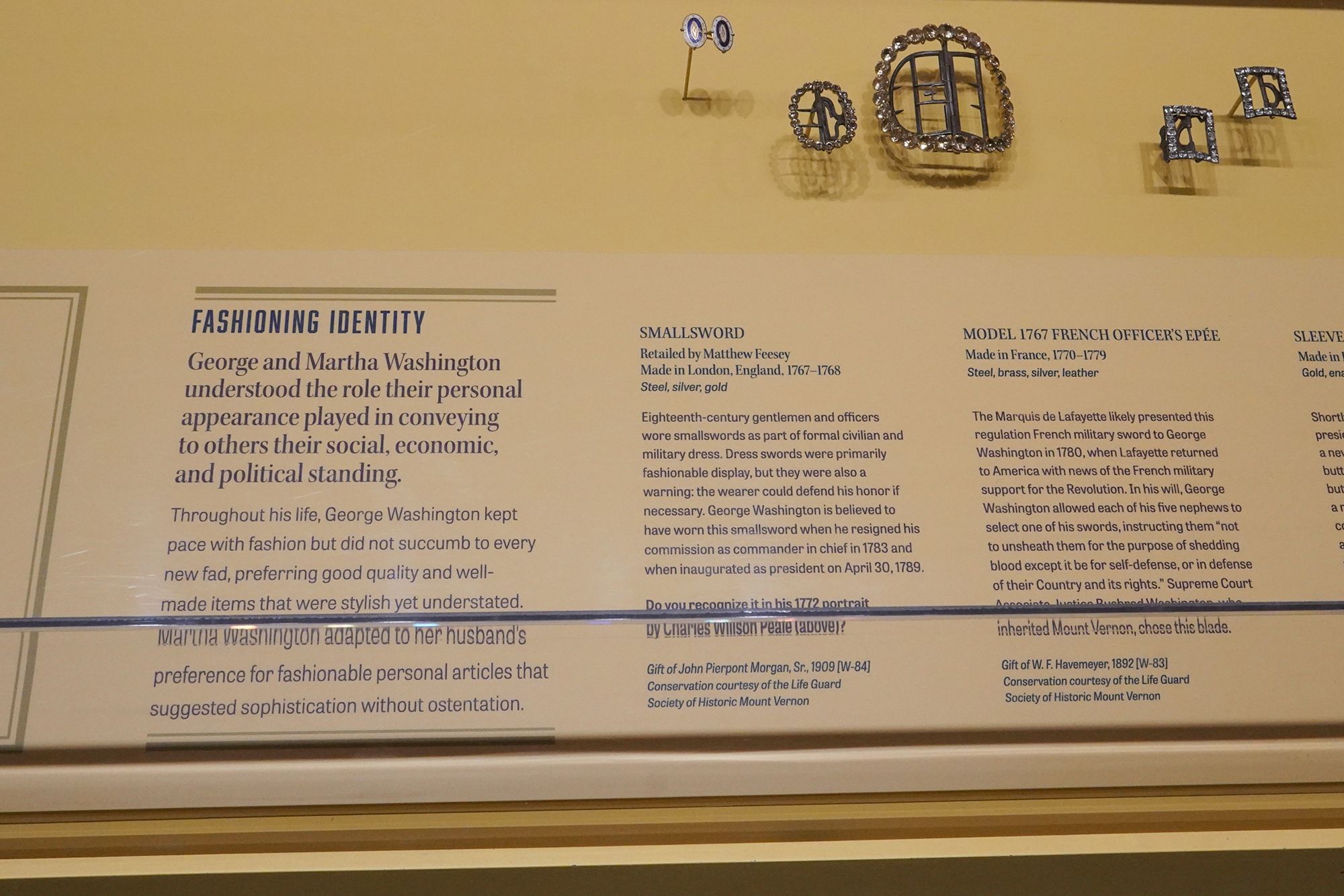
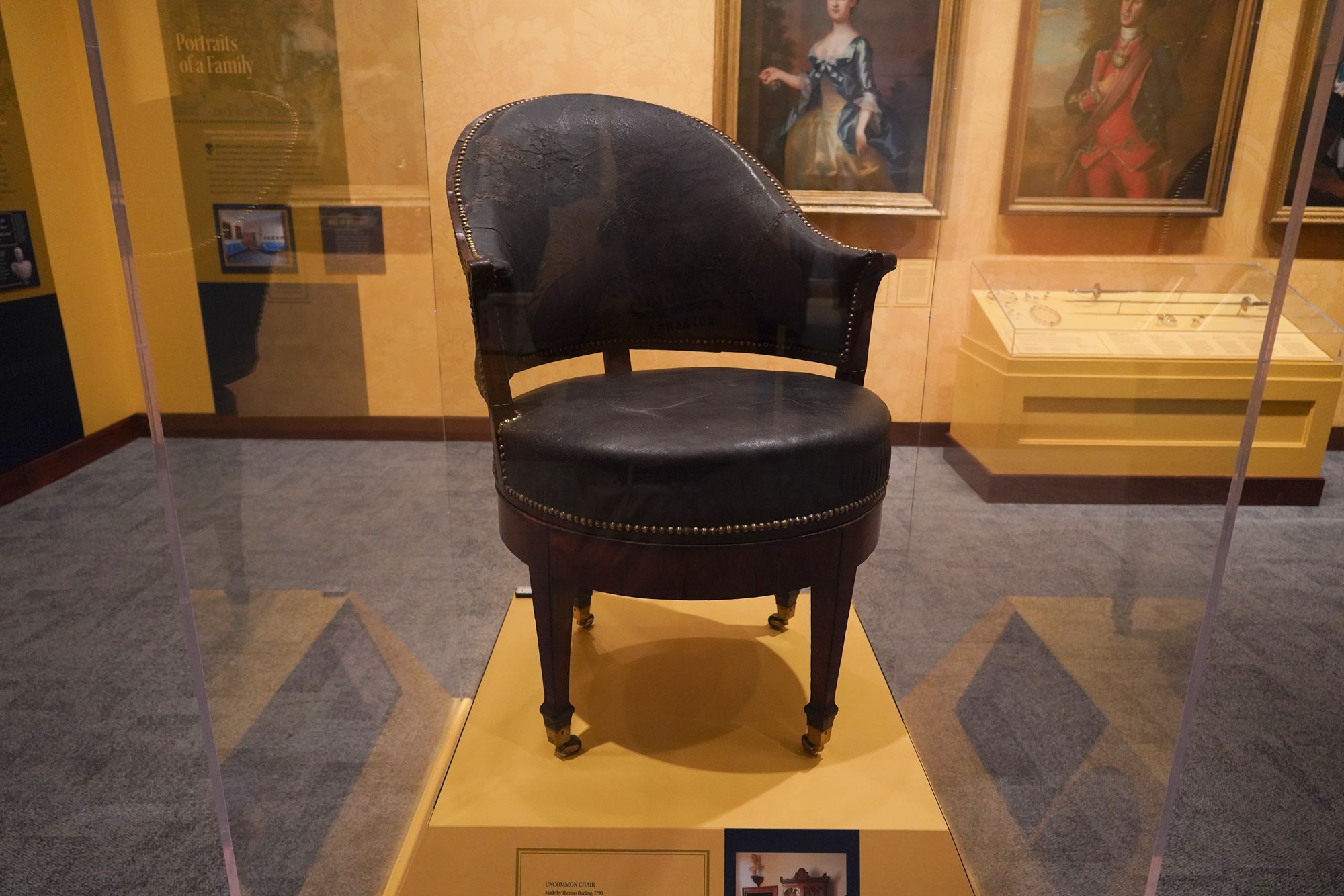
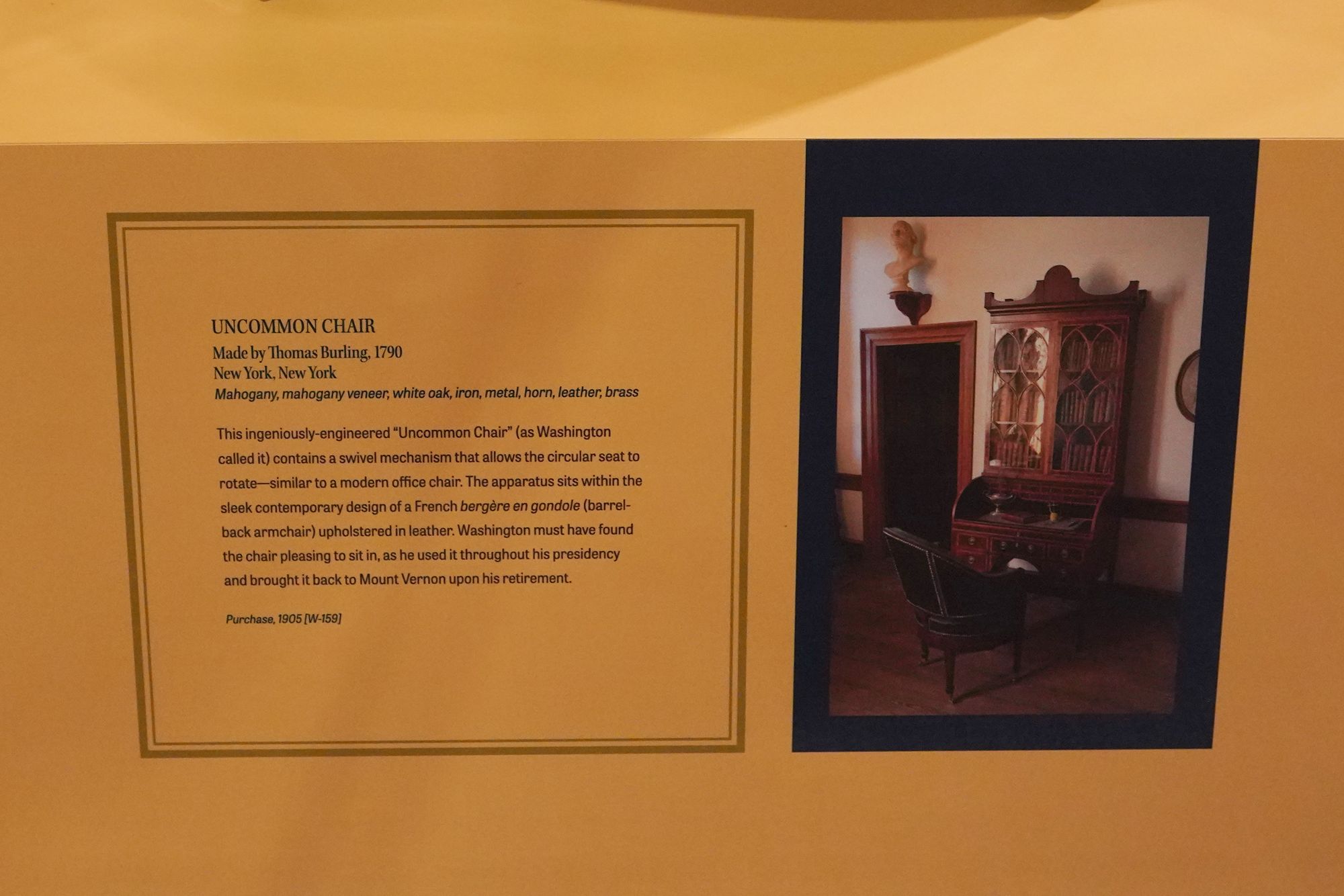
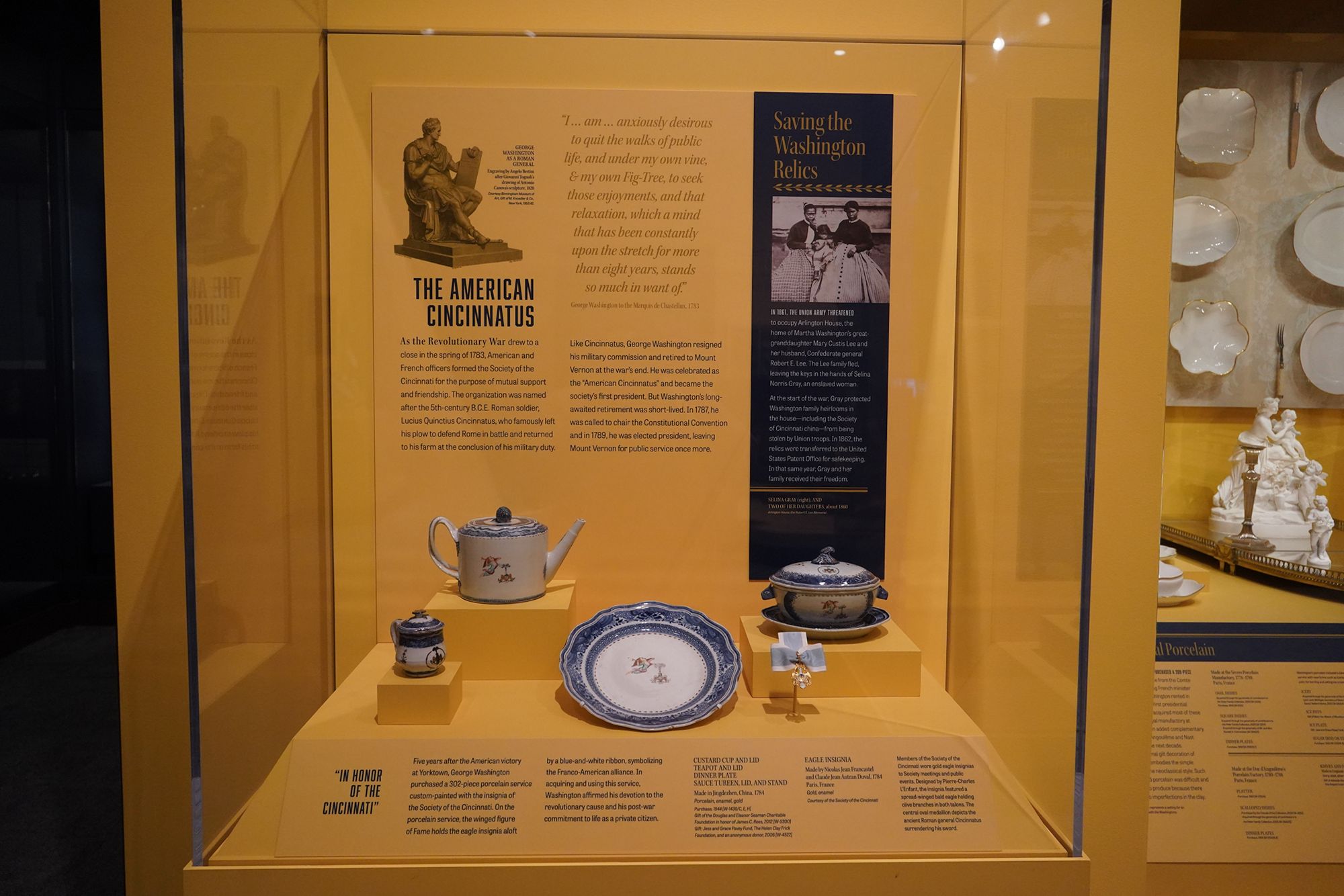
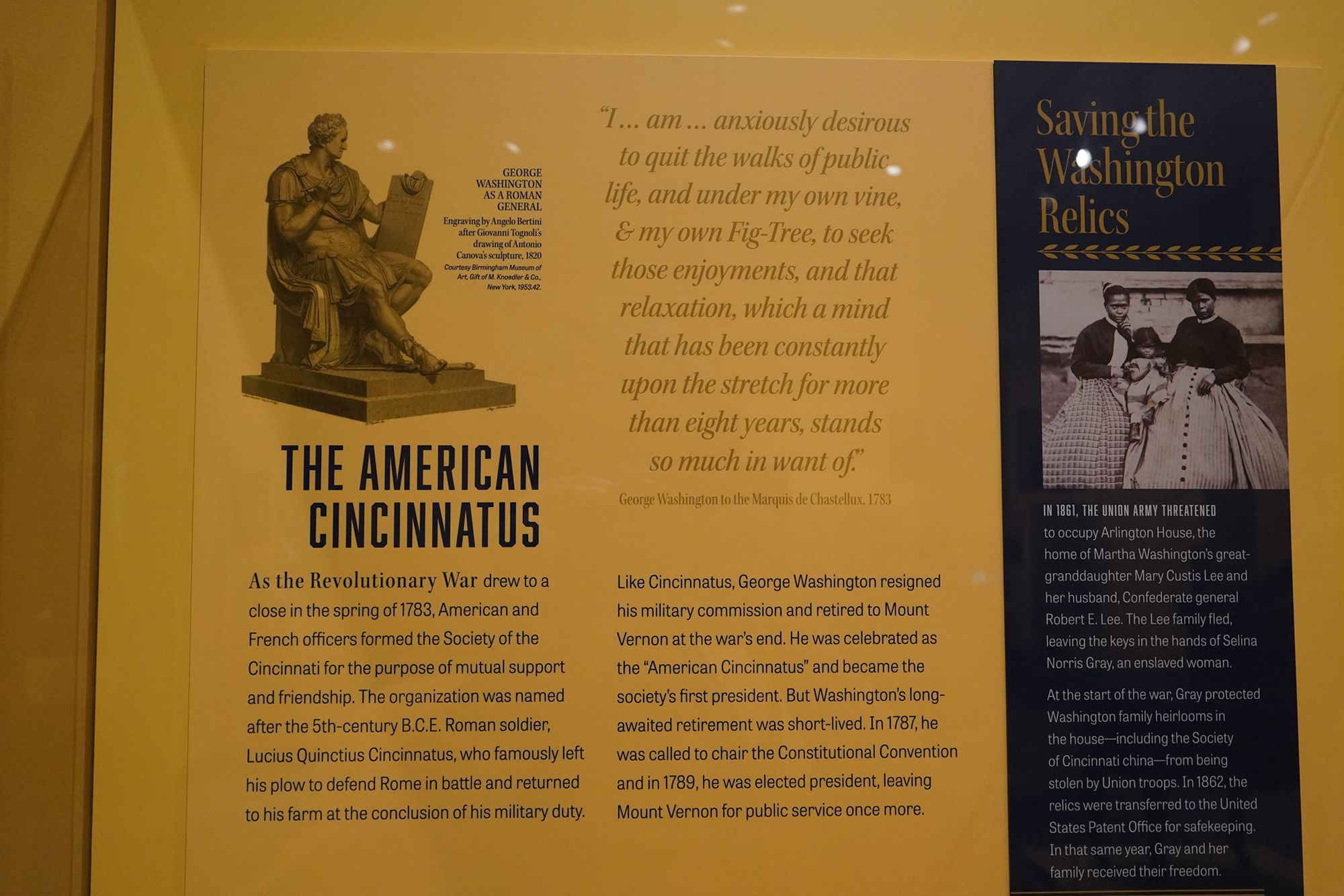
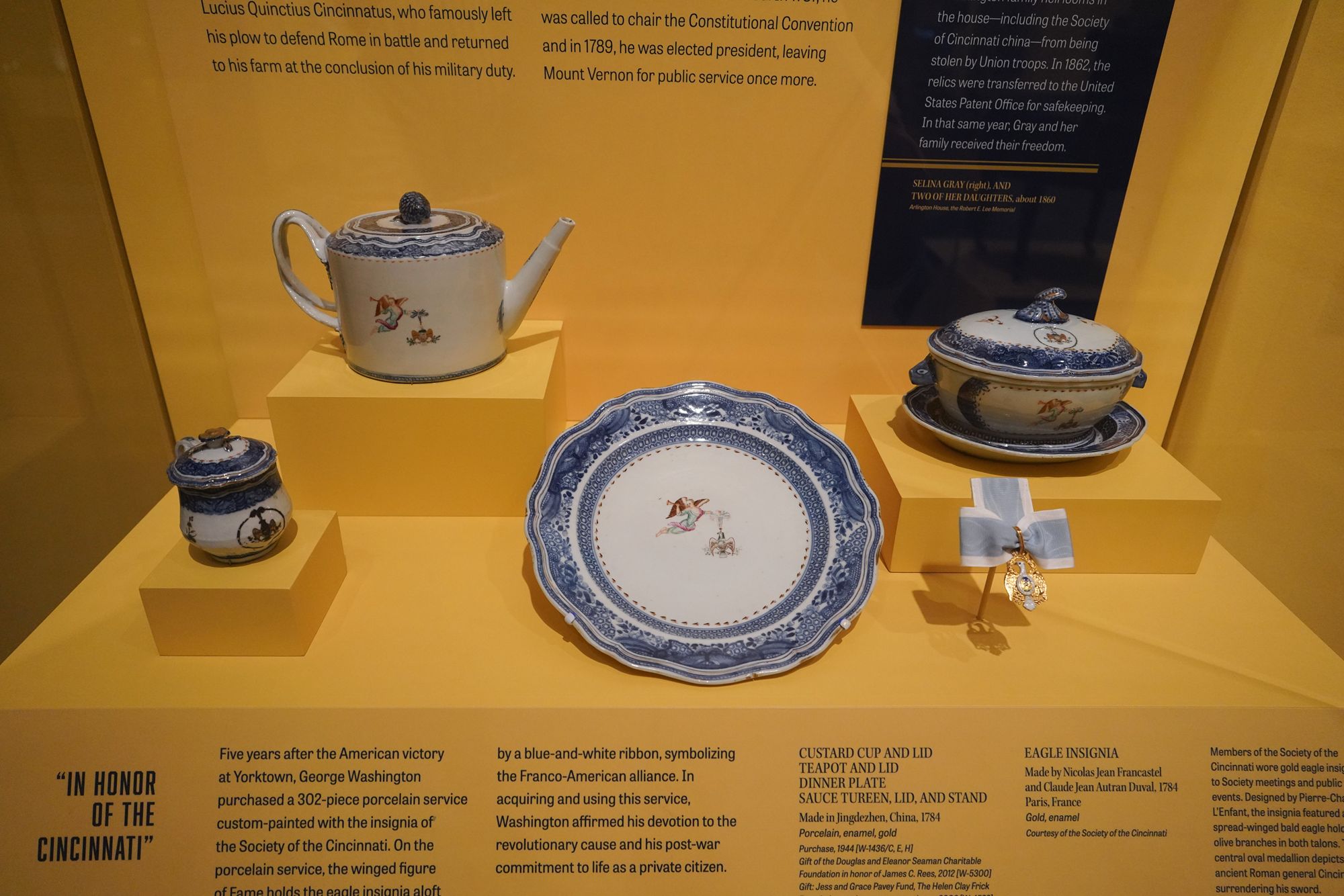
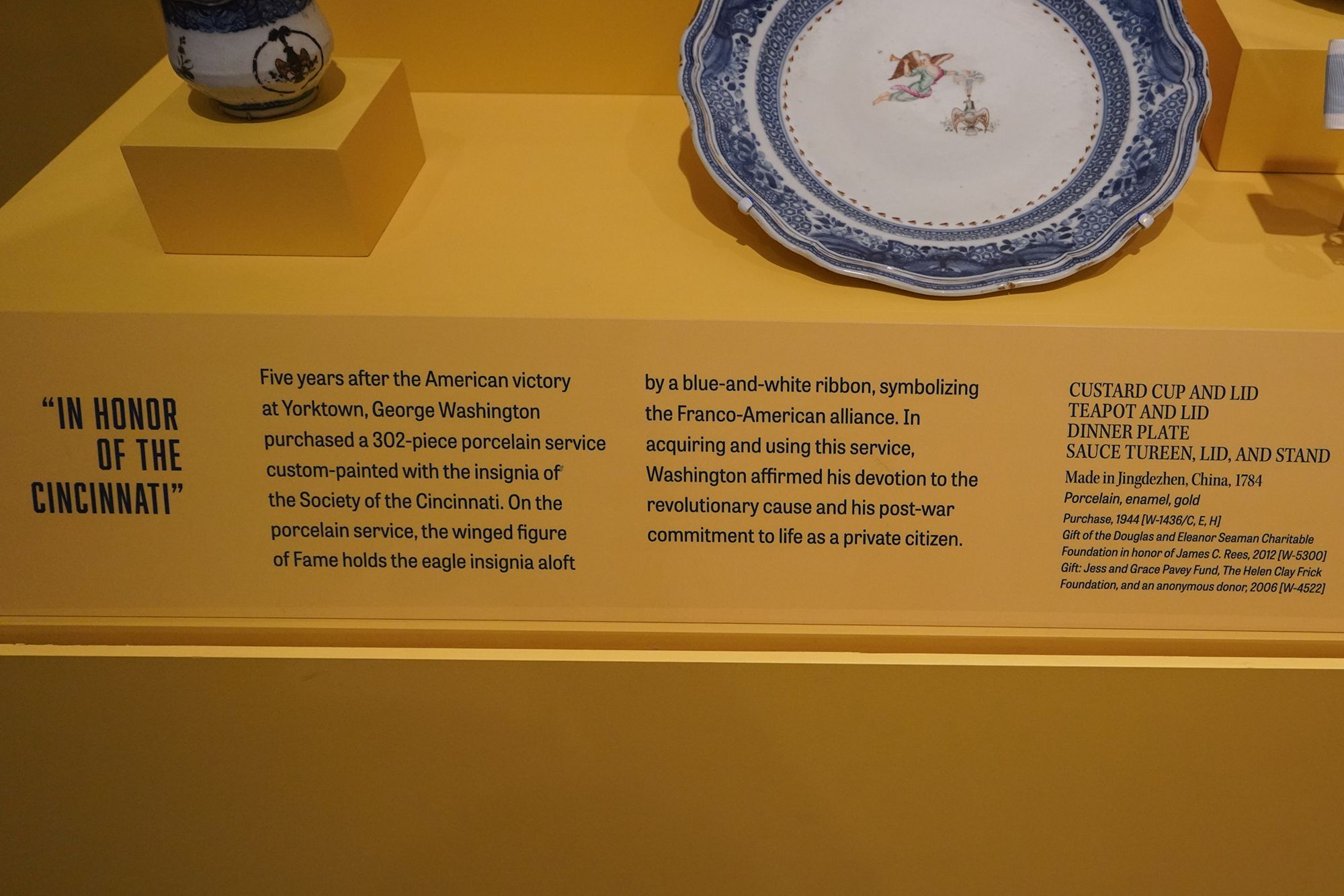
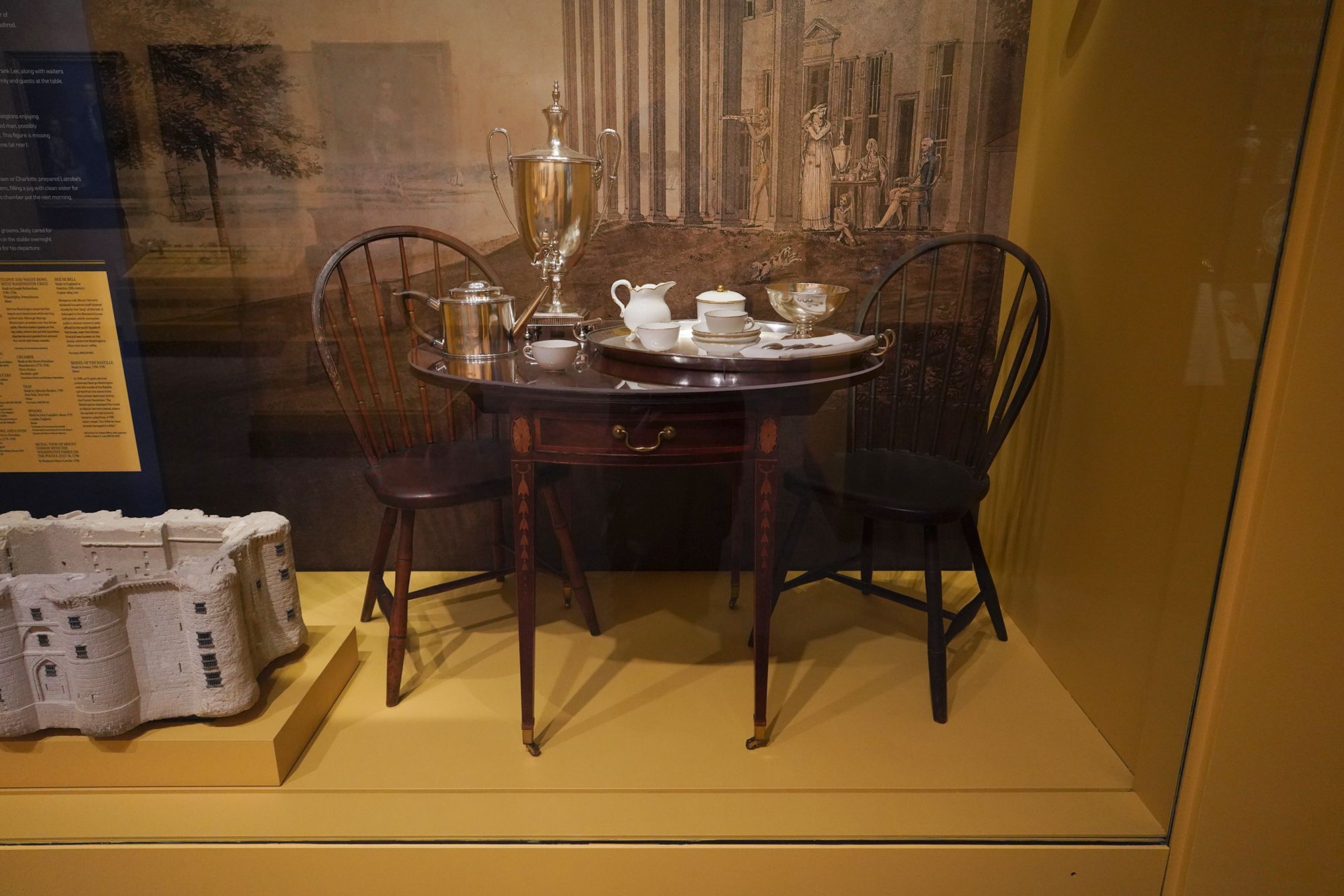
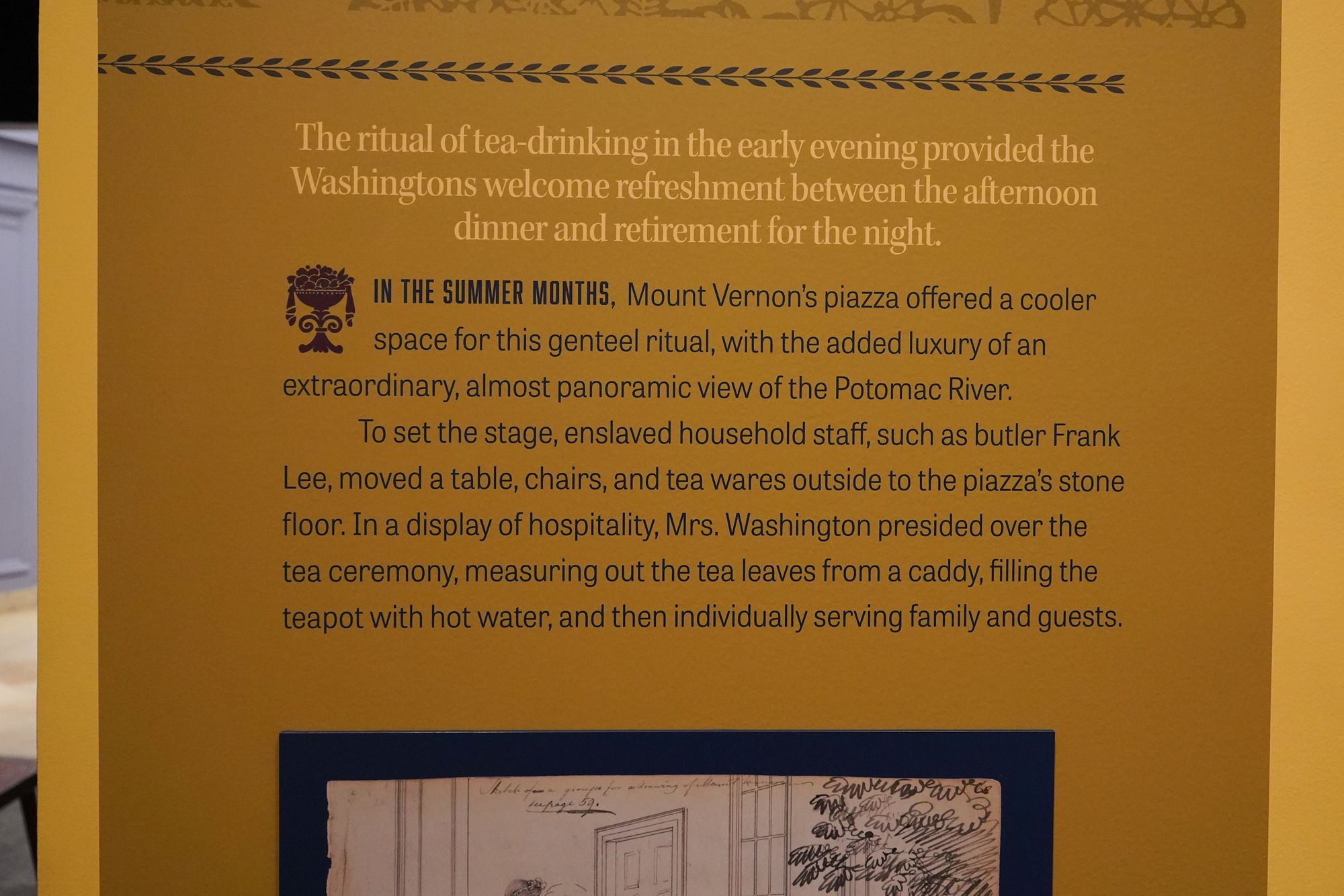
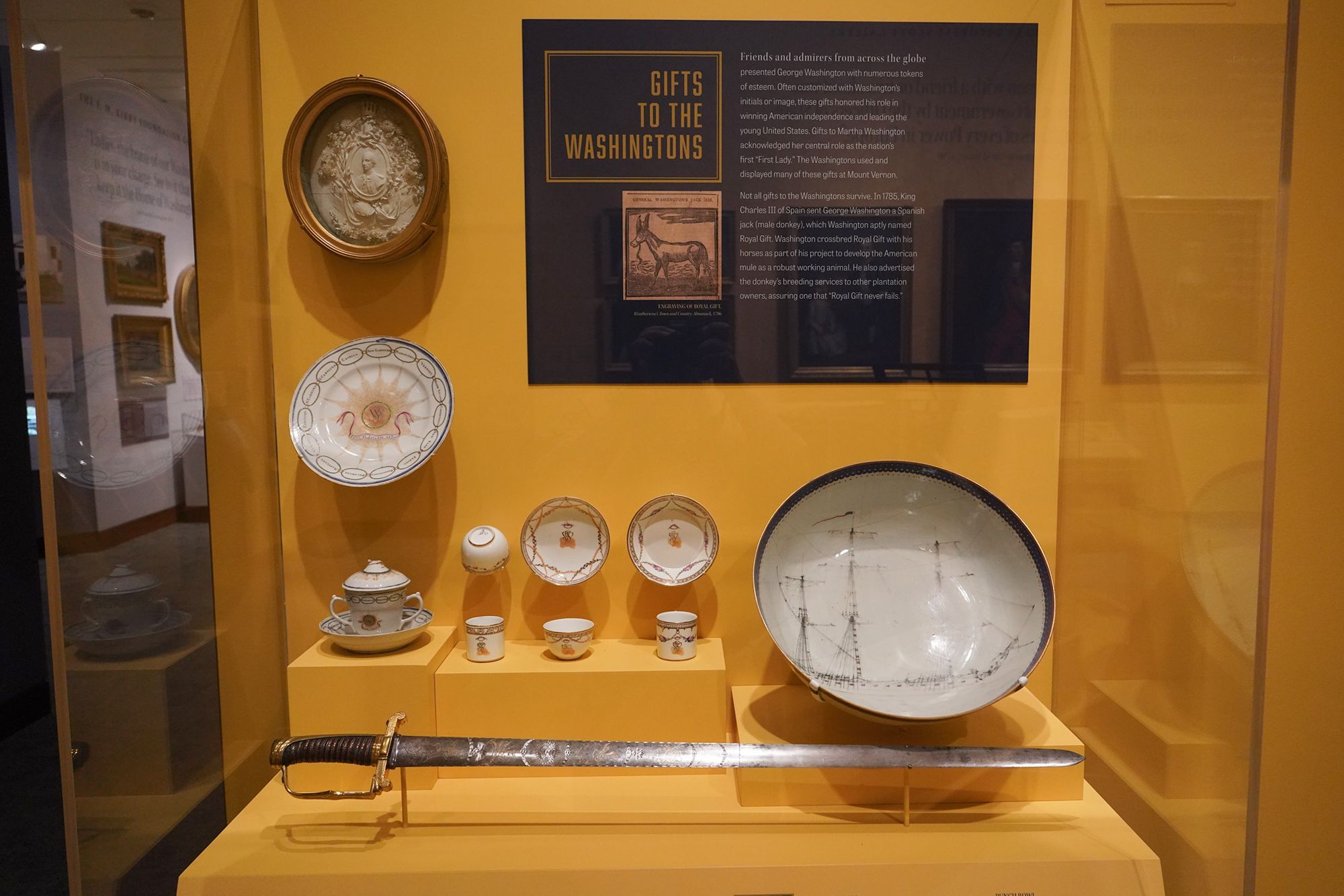
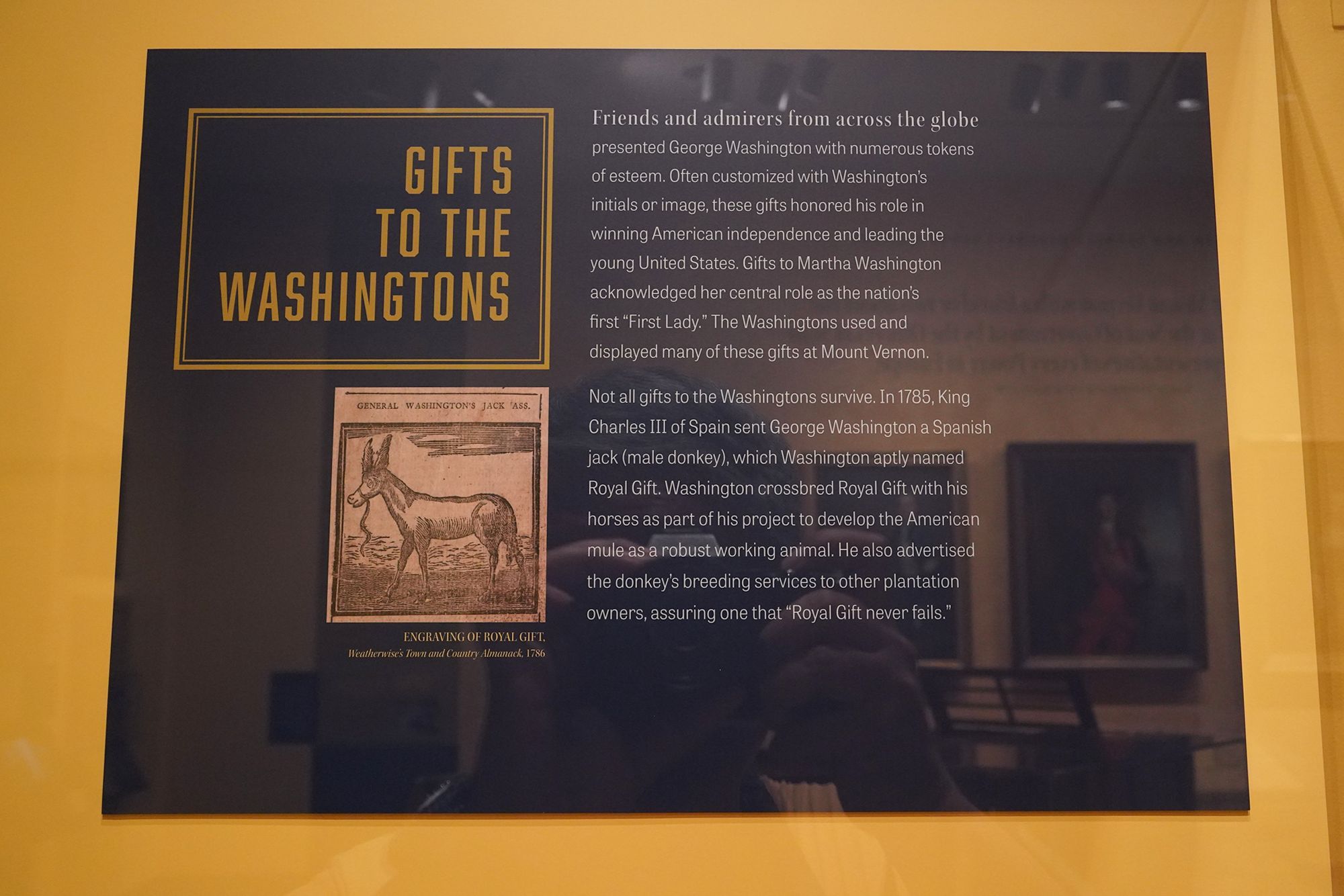
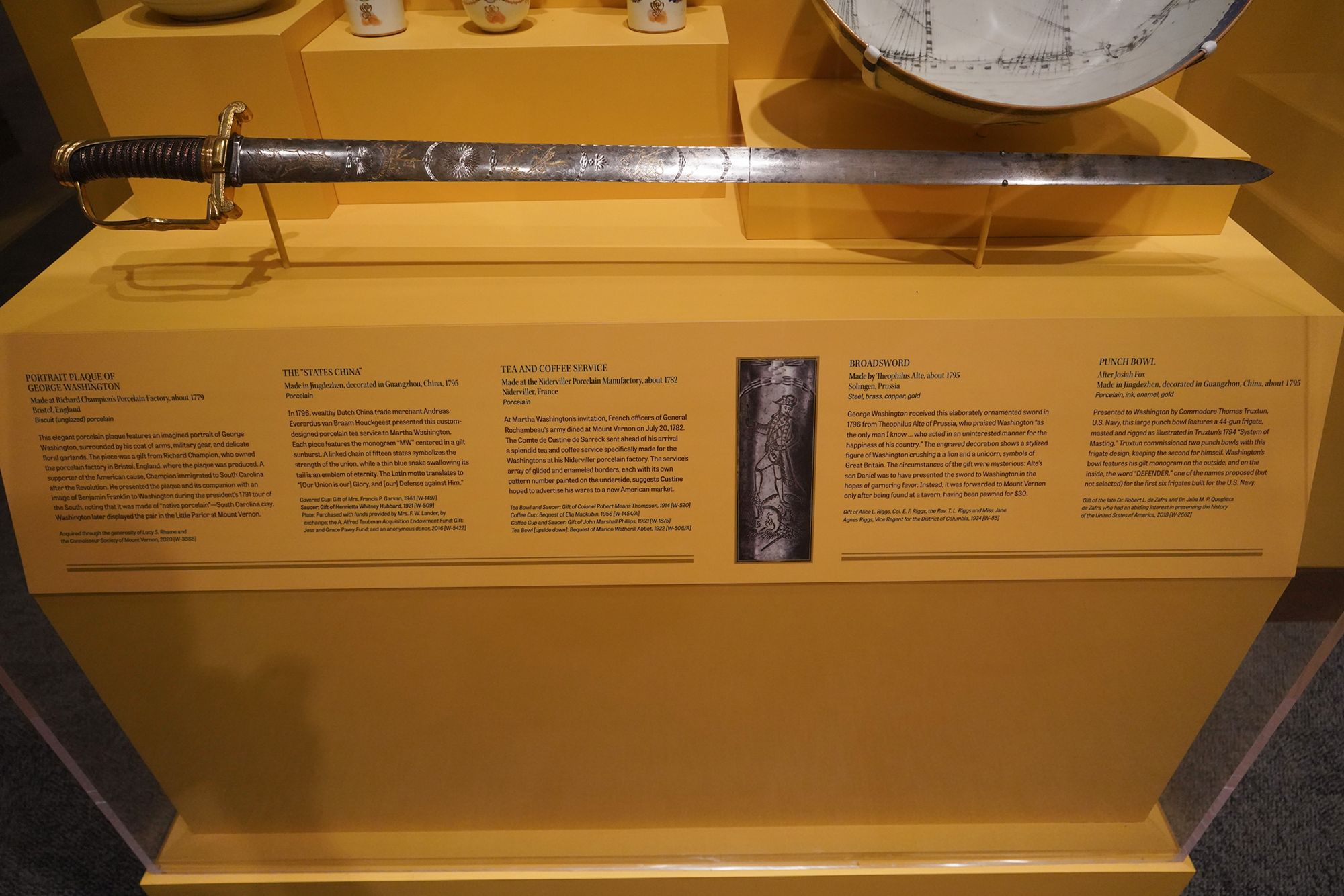
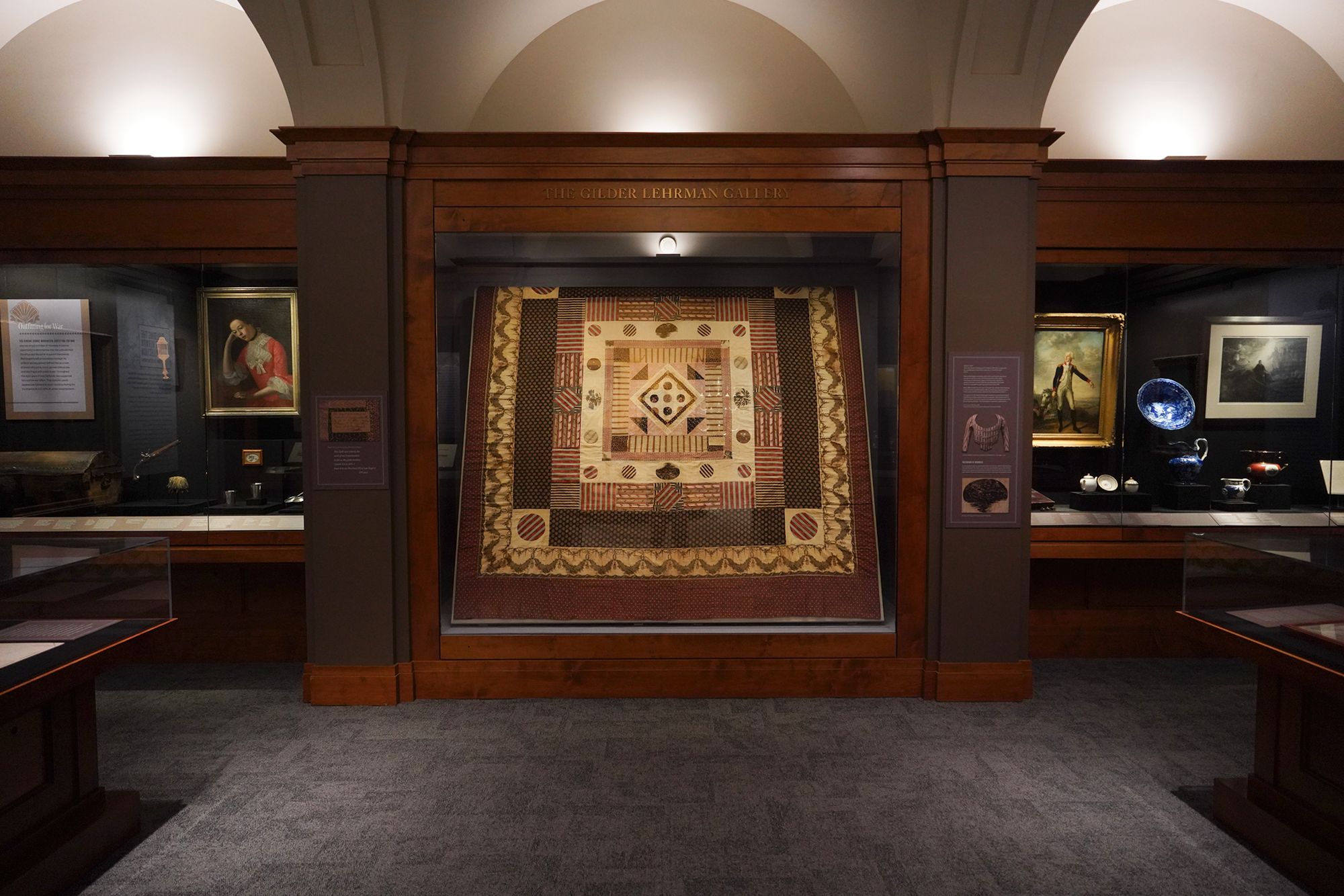
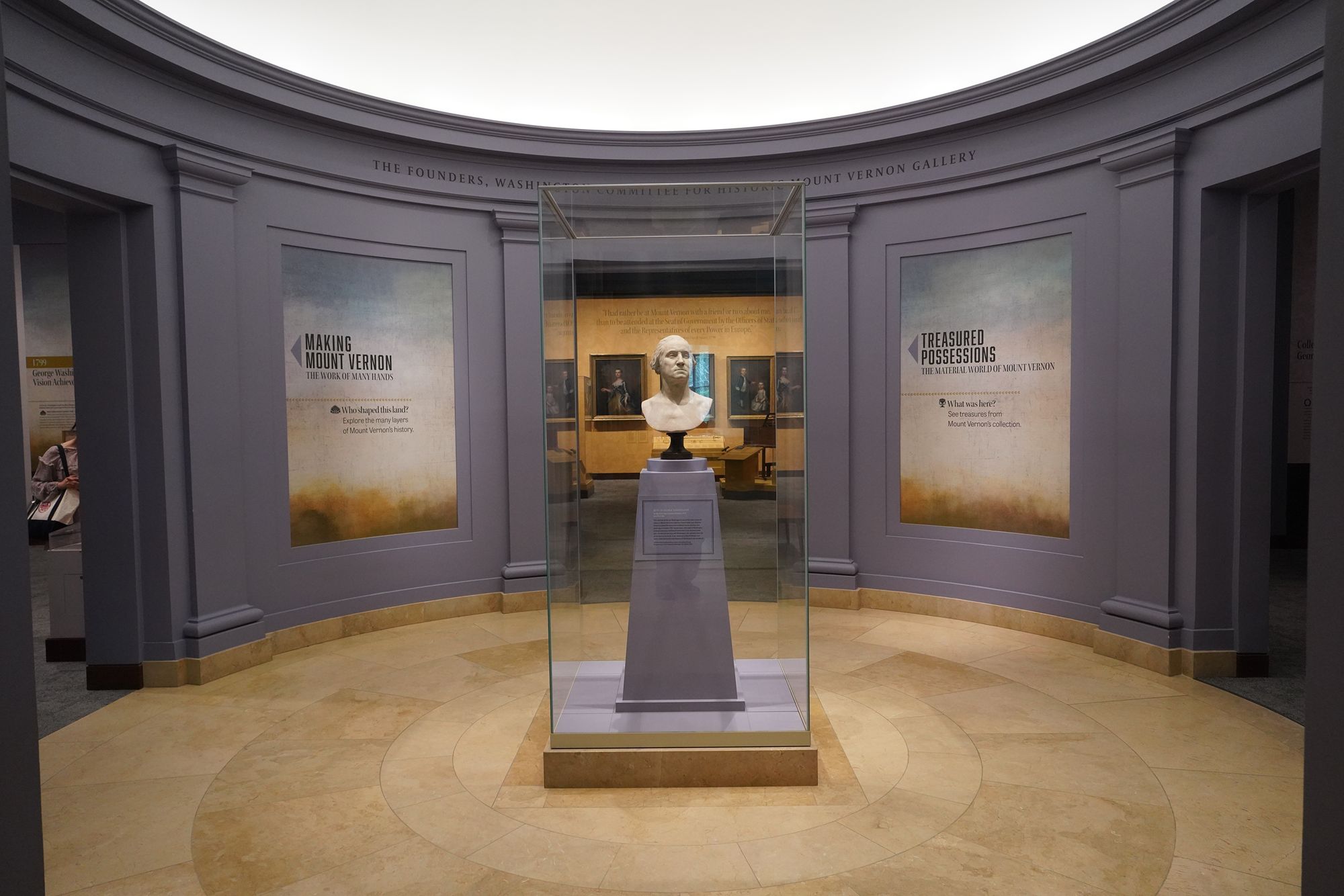
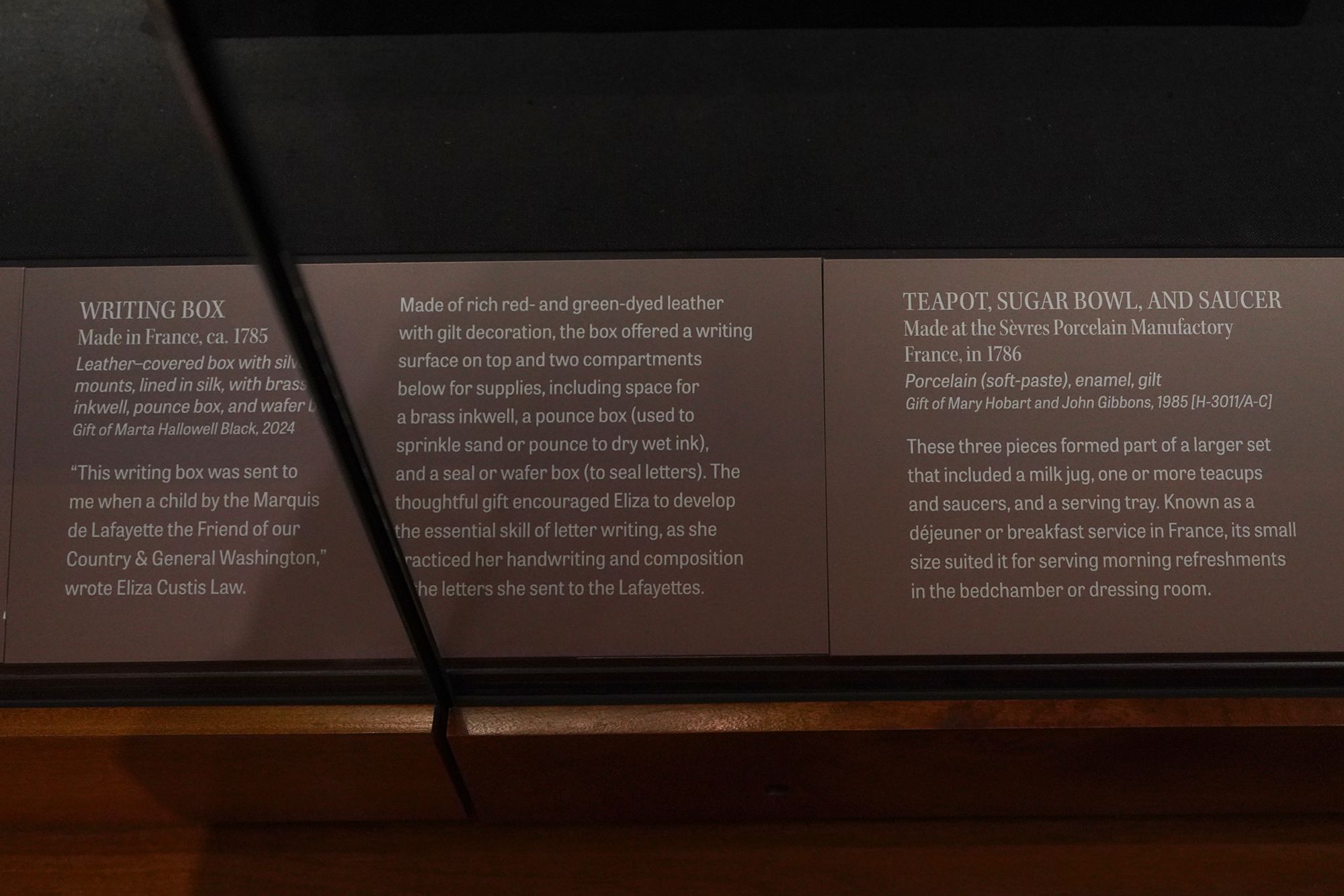
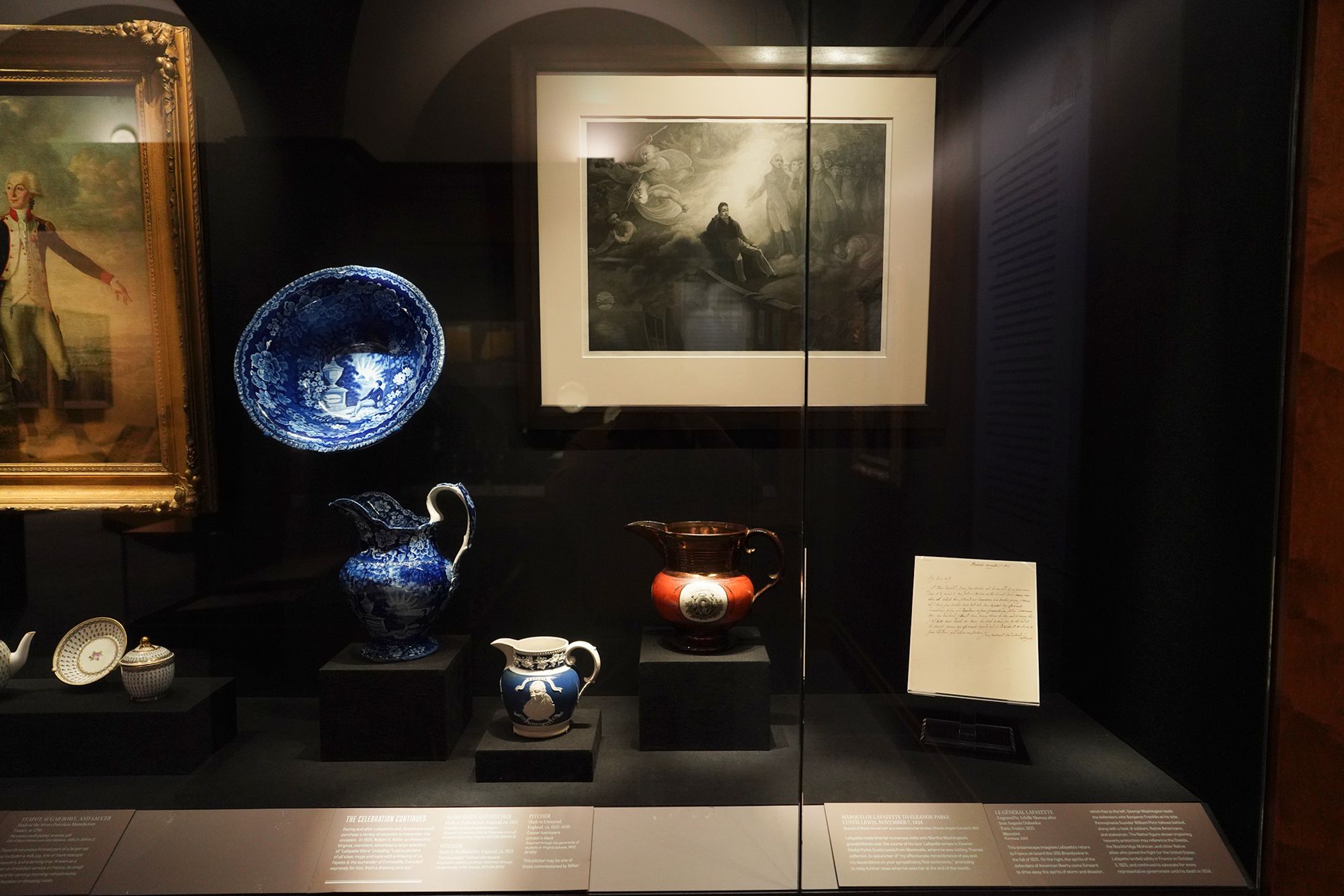
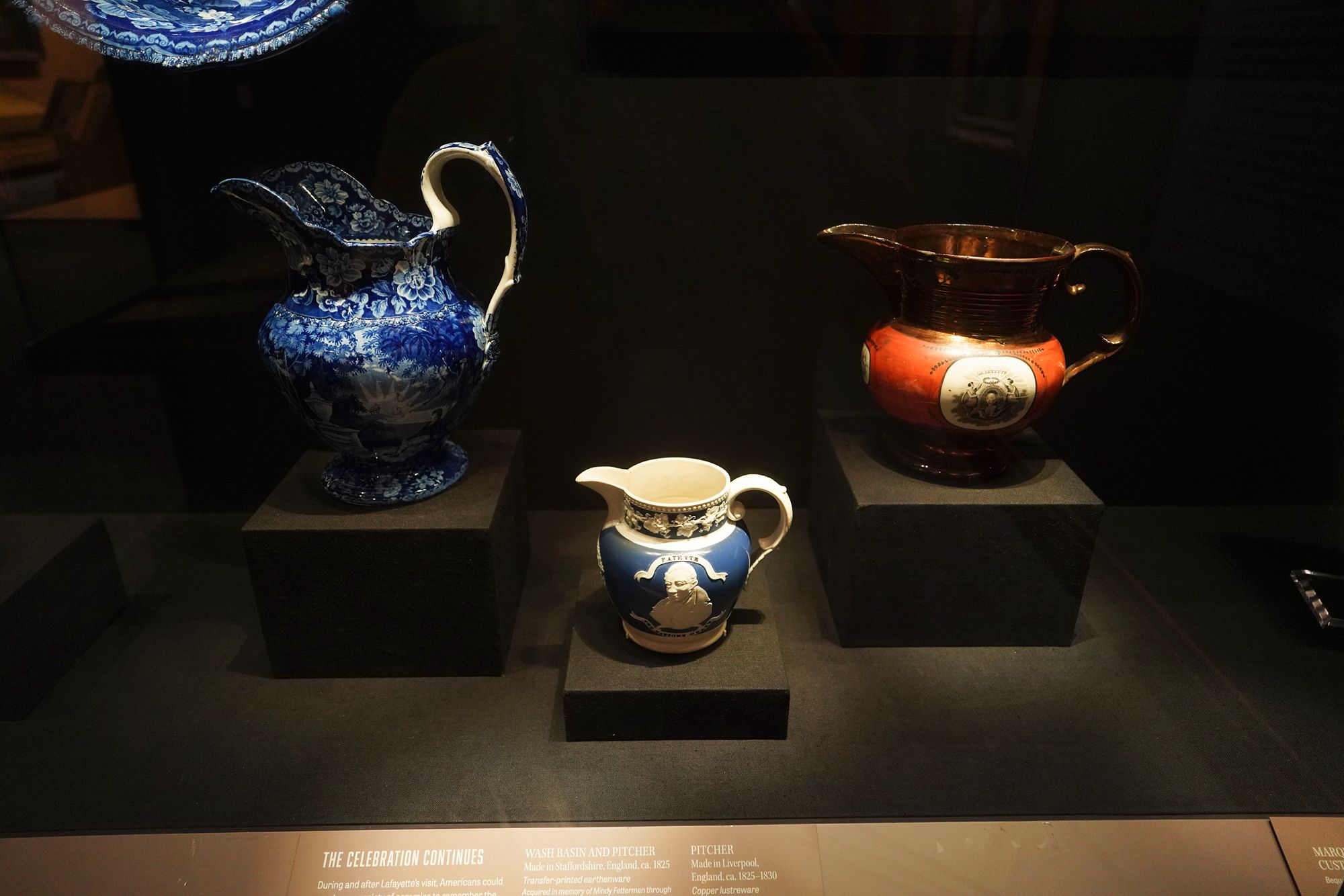
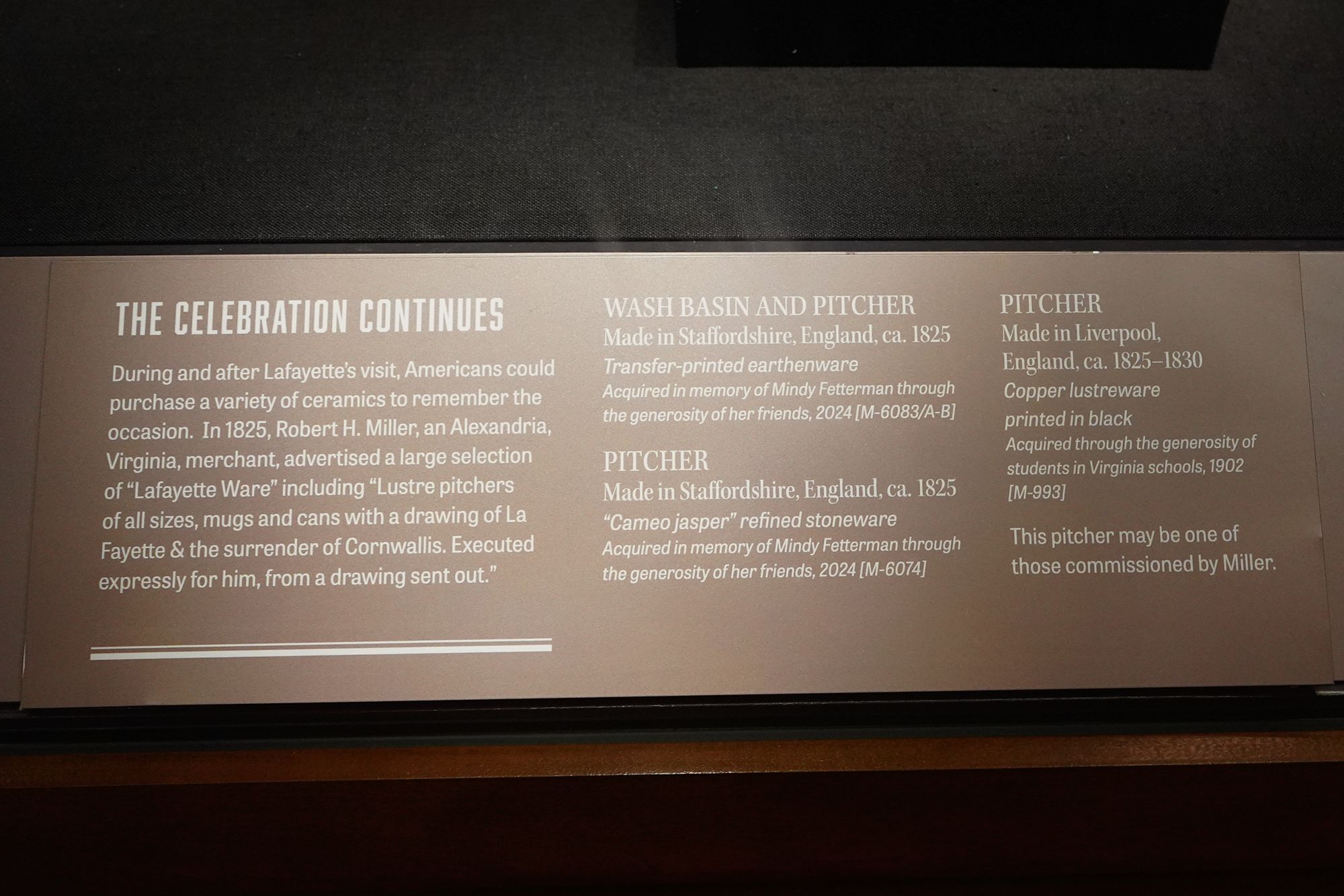
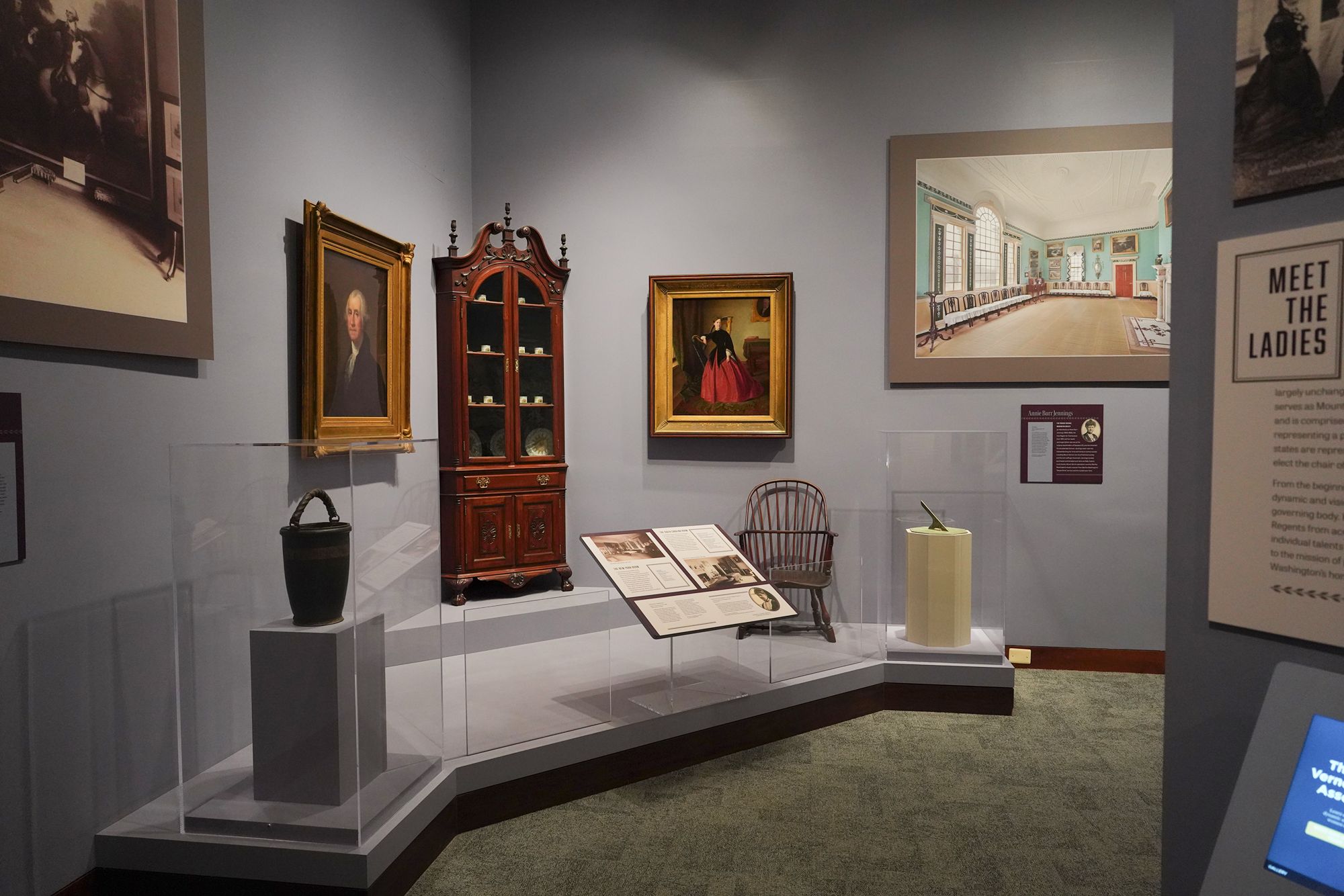
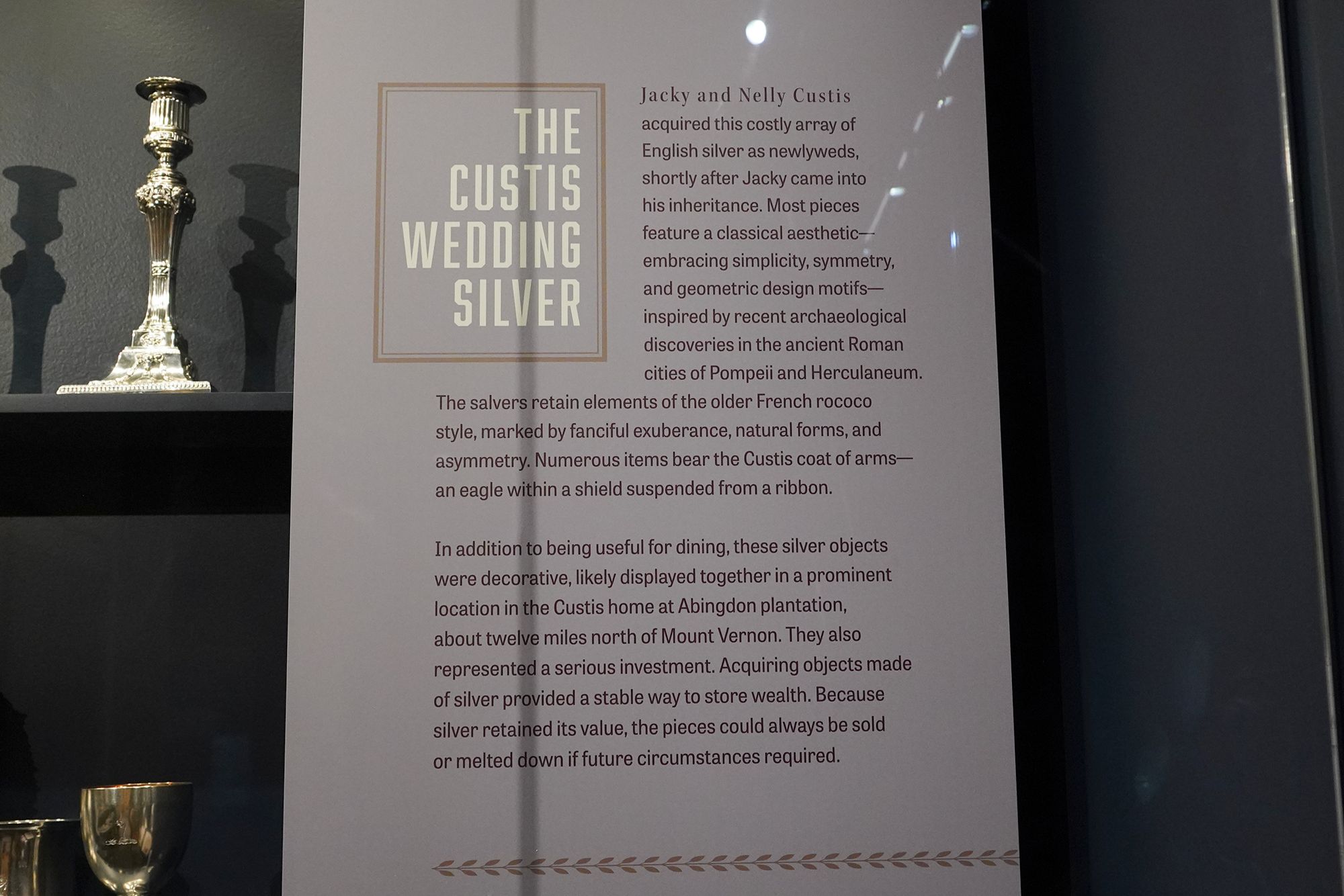
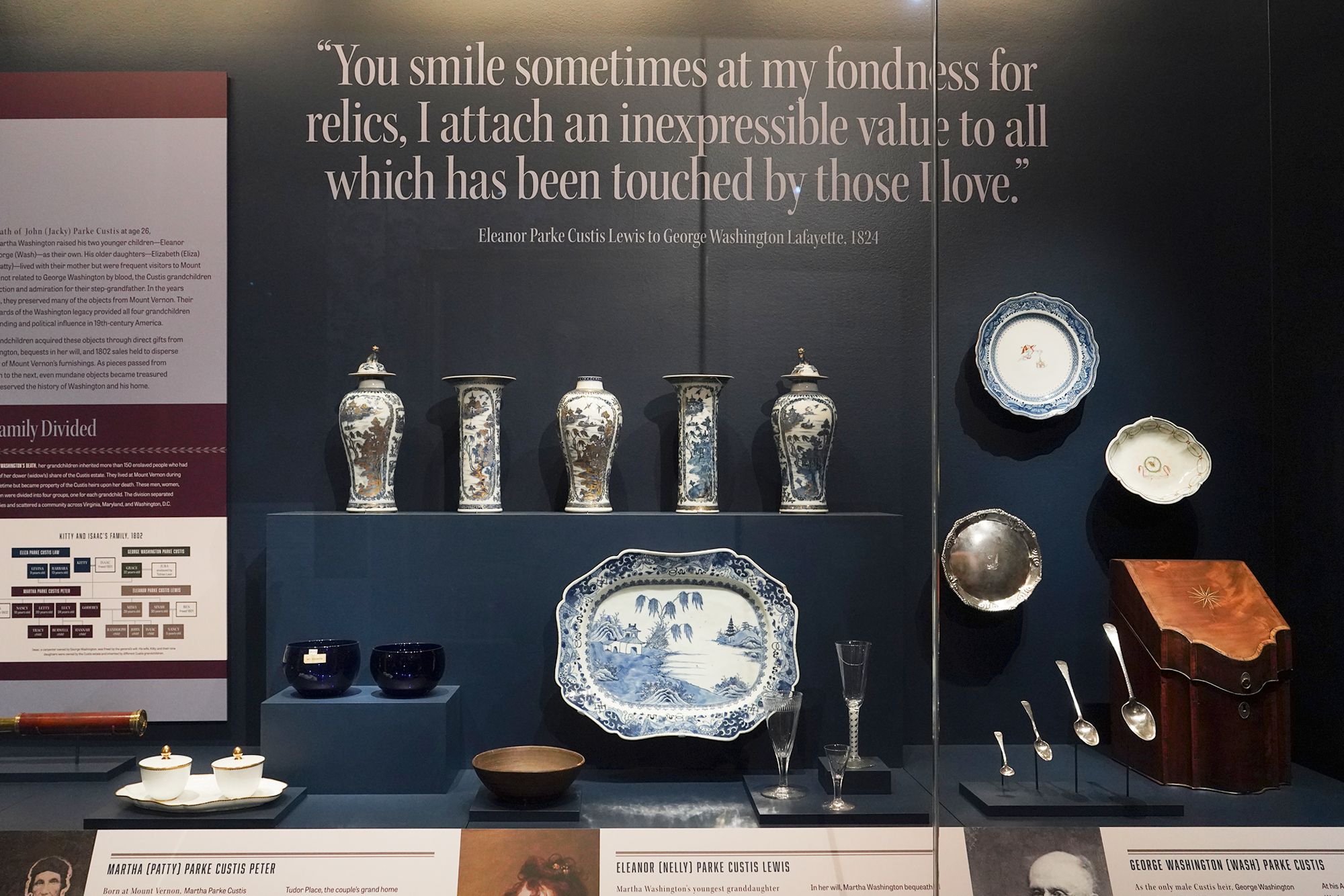
Recent Collections - The Mount Vernon Ladies’ Association (MVLA) acquired a major private assemblage of nearly 100 original items that once belonged to George Washington and Martha Washington — including rare kitchenwares and a gold-and-enamel watch that George ordered for Martha.
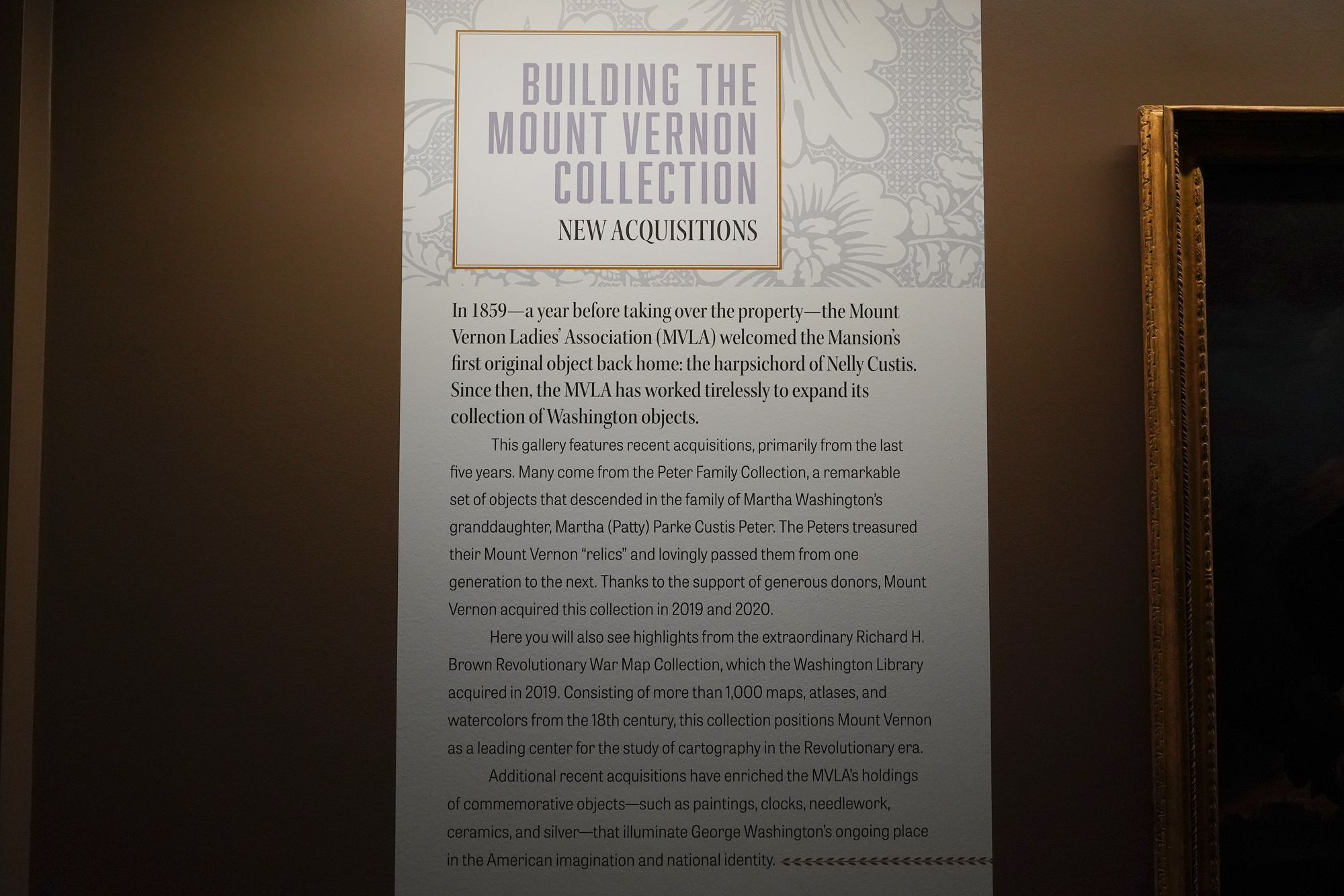
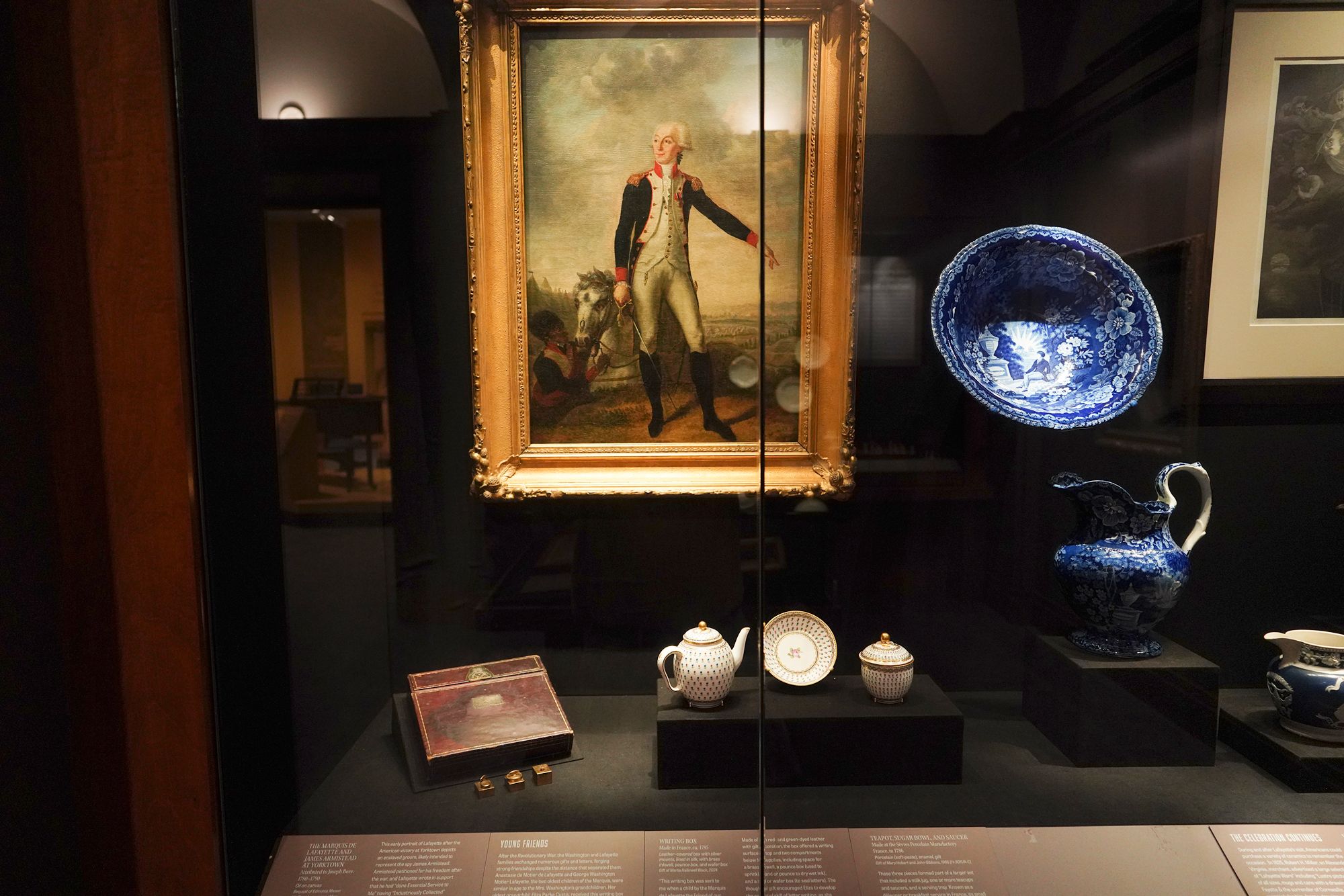
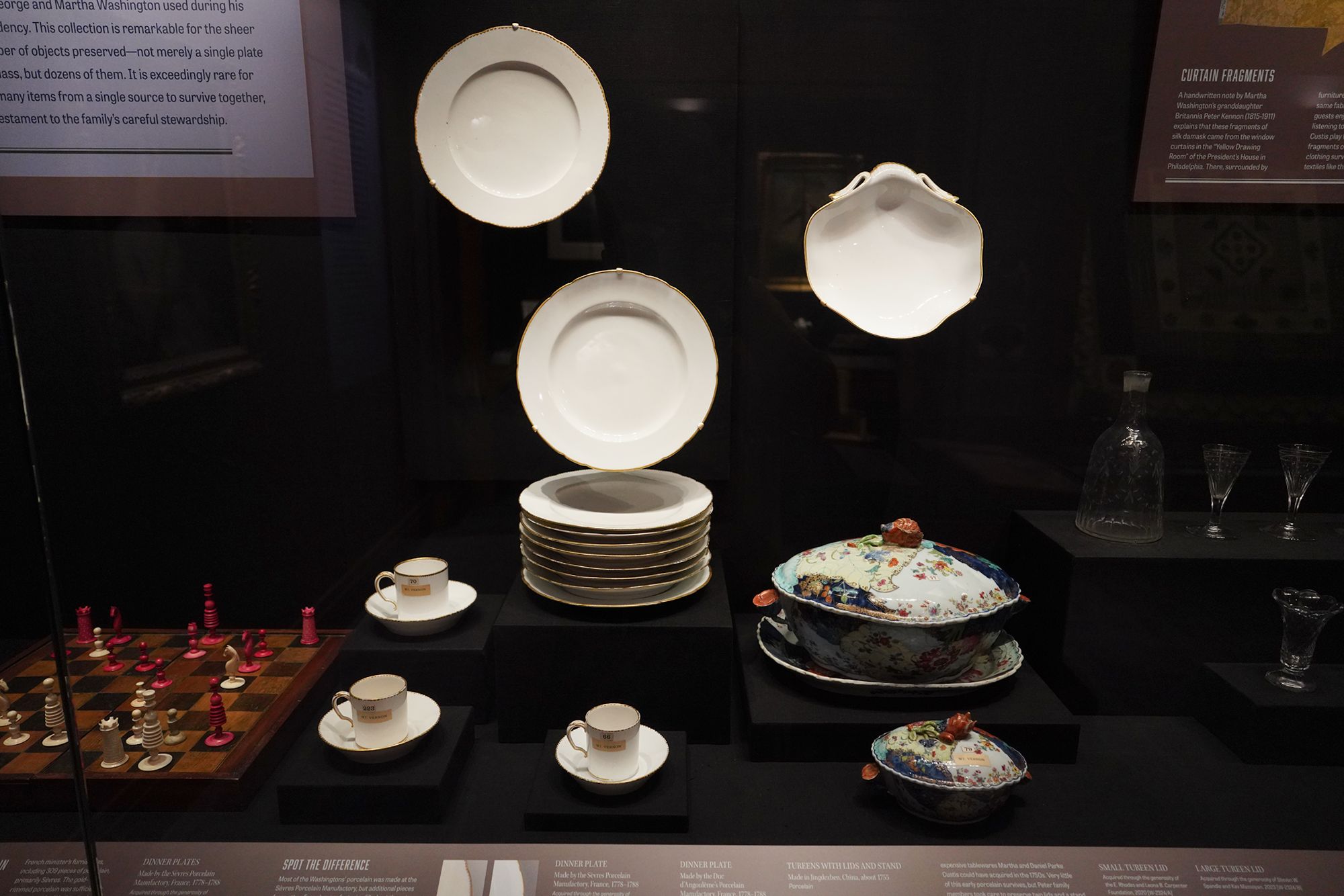
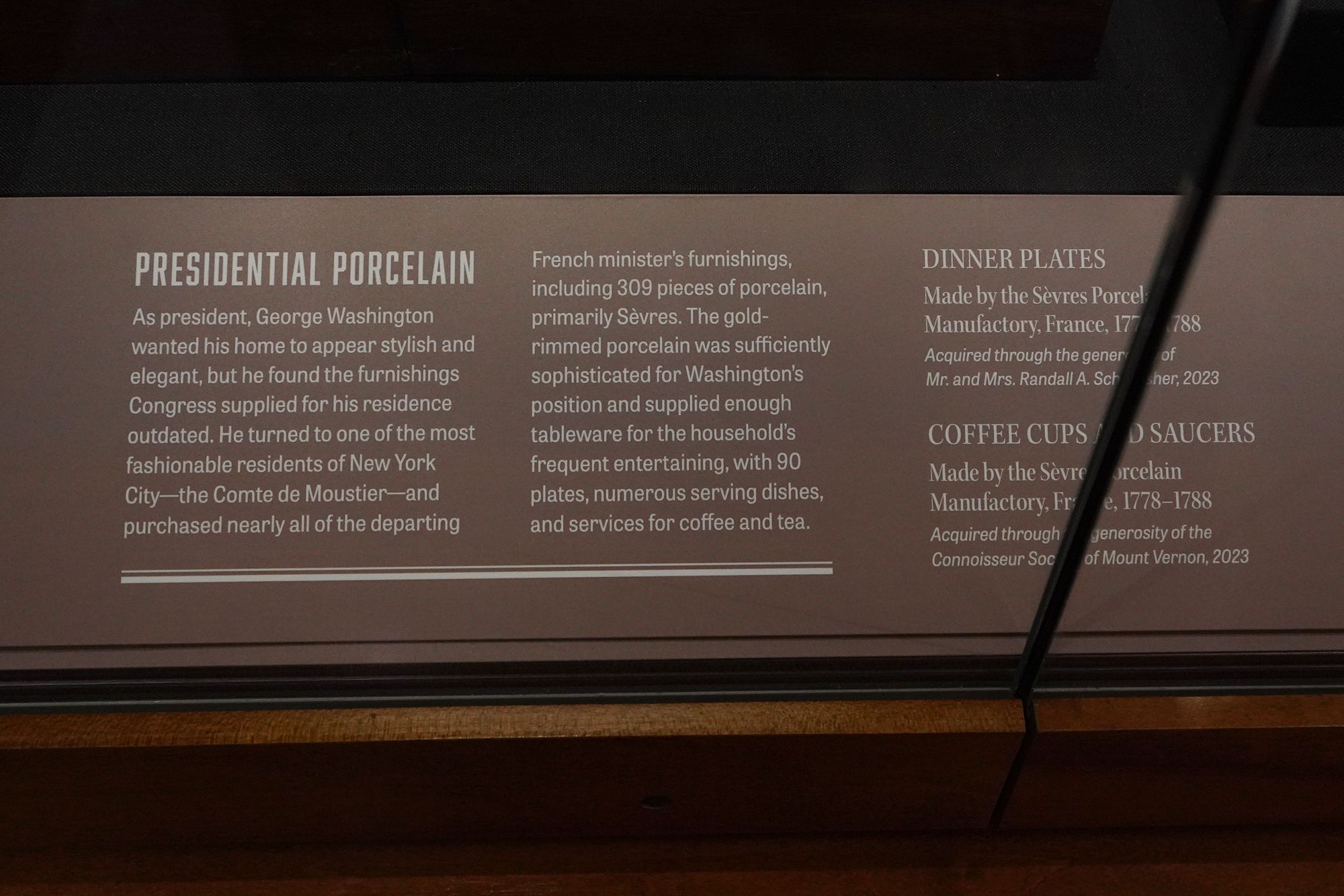
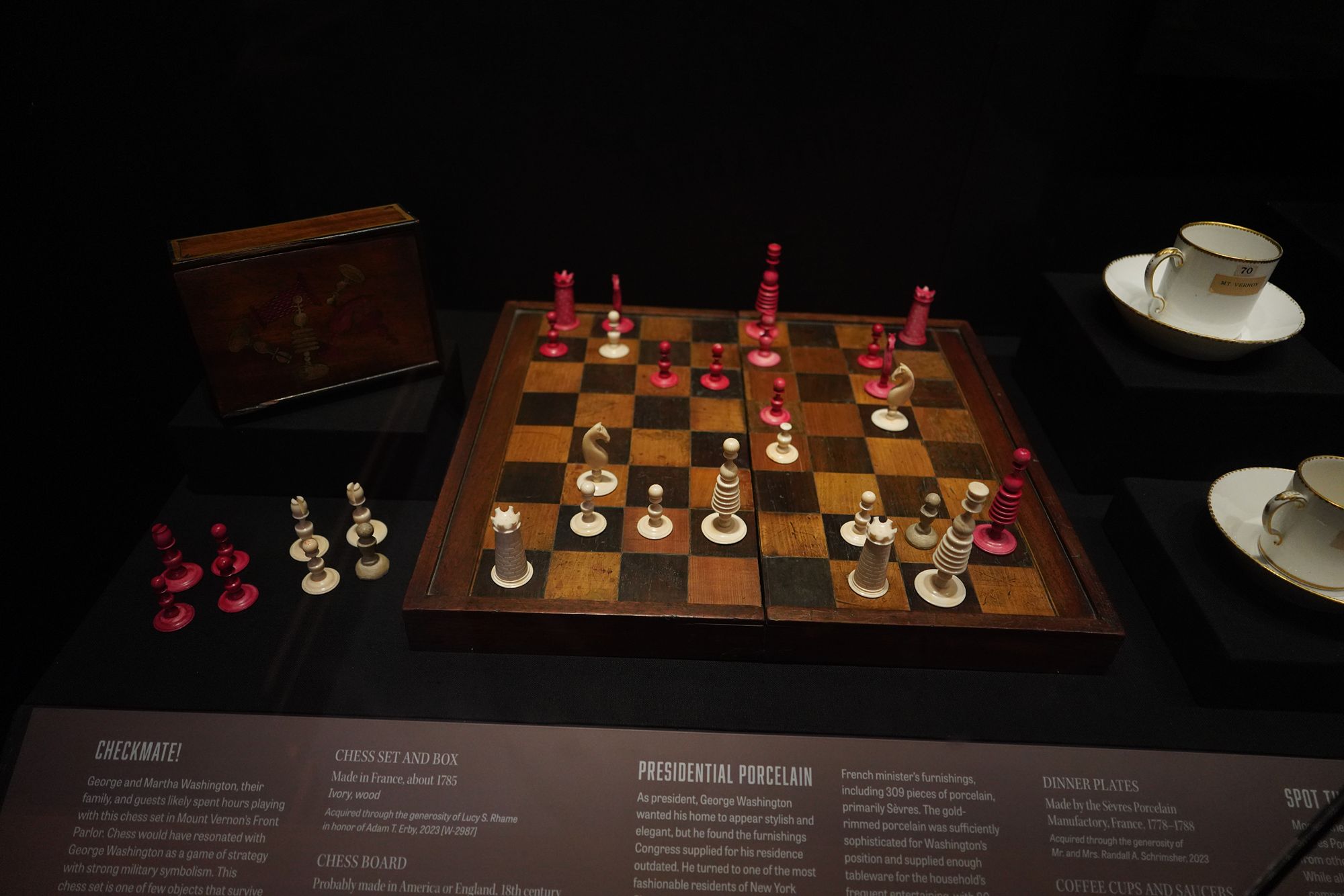
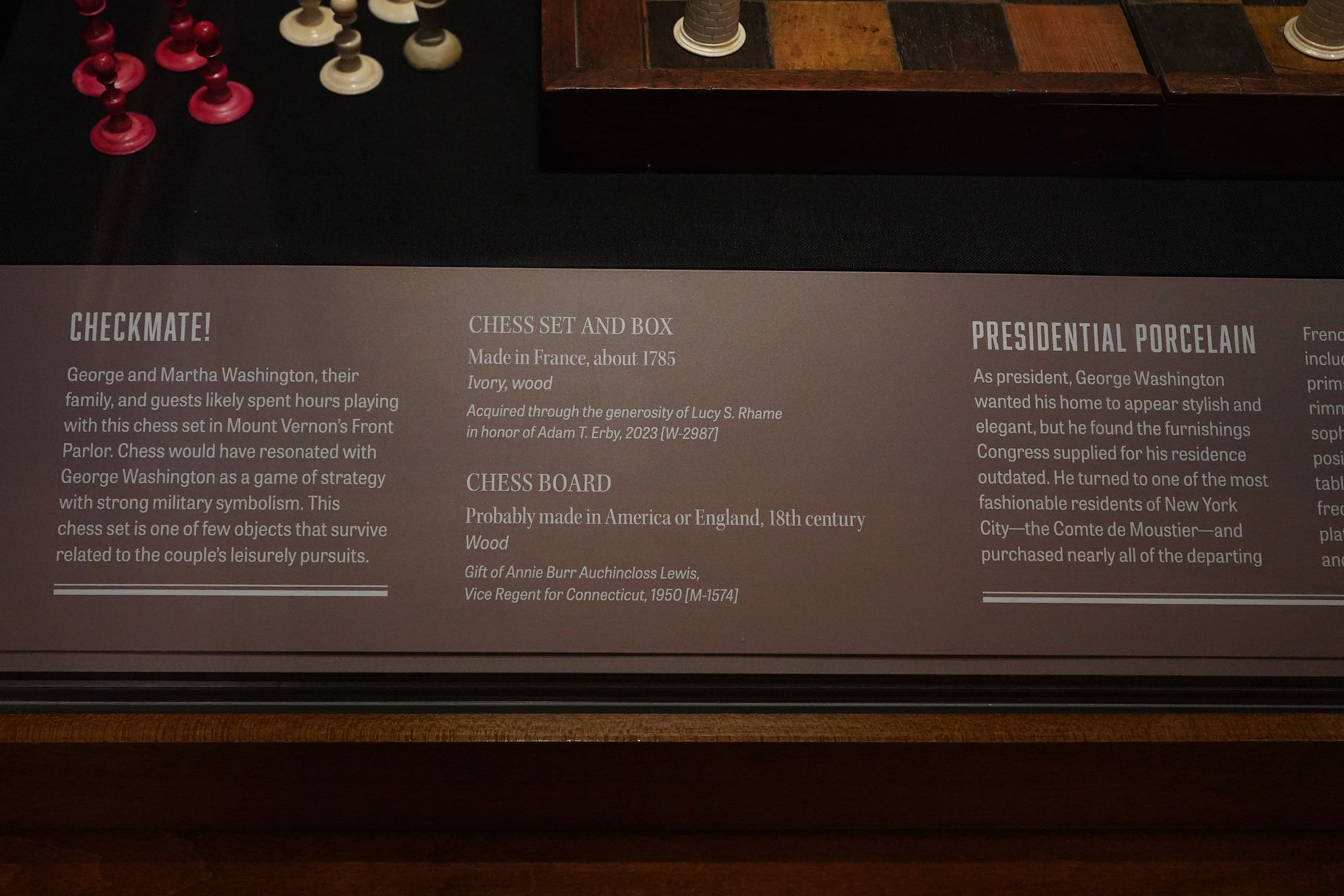
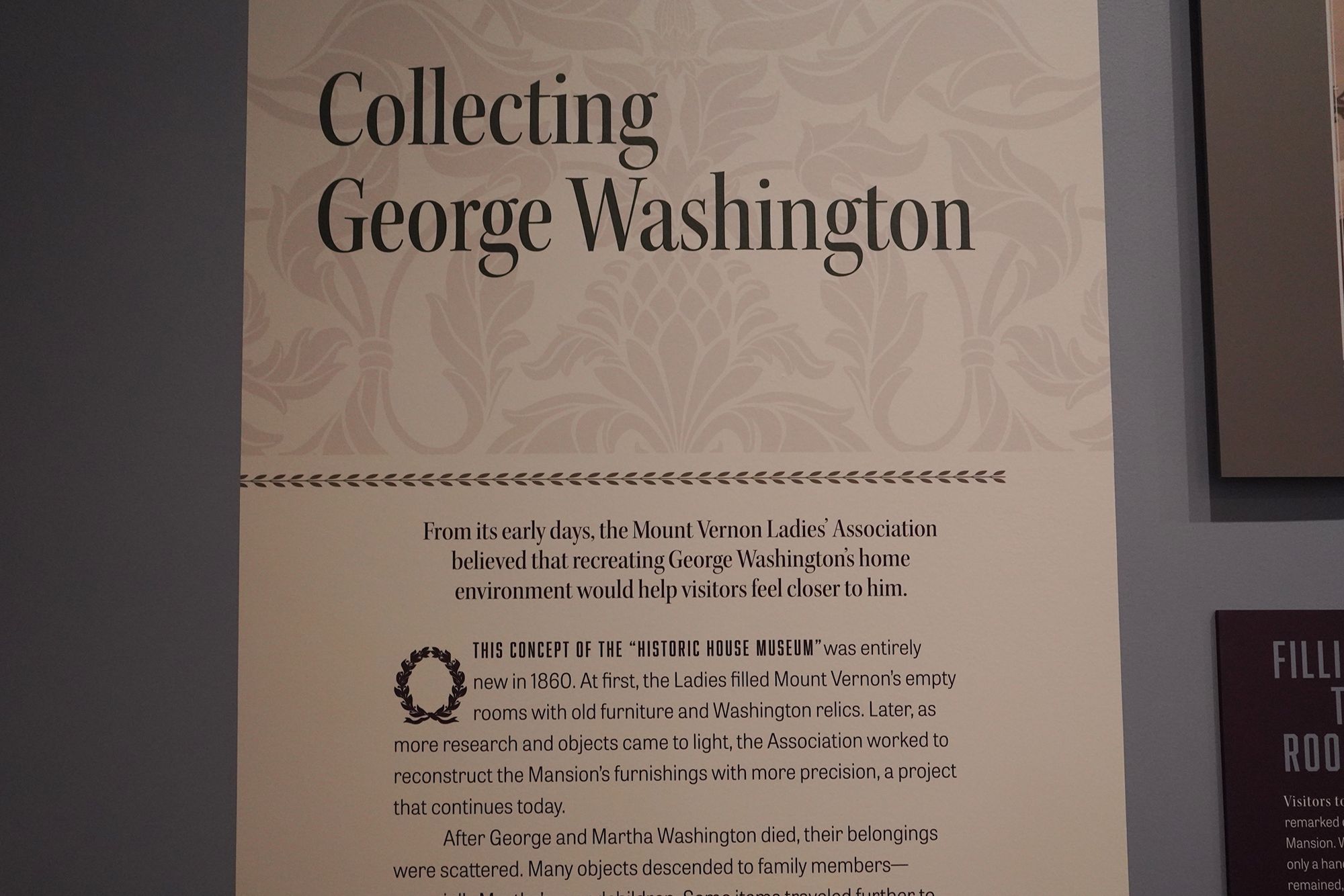
Mount Vernon was saved from decay not by the government but by private citizens — specifically, the Mount Vernon Ladies’ Association (MVLA).
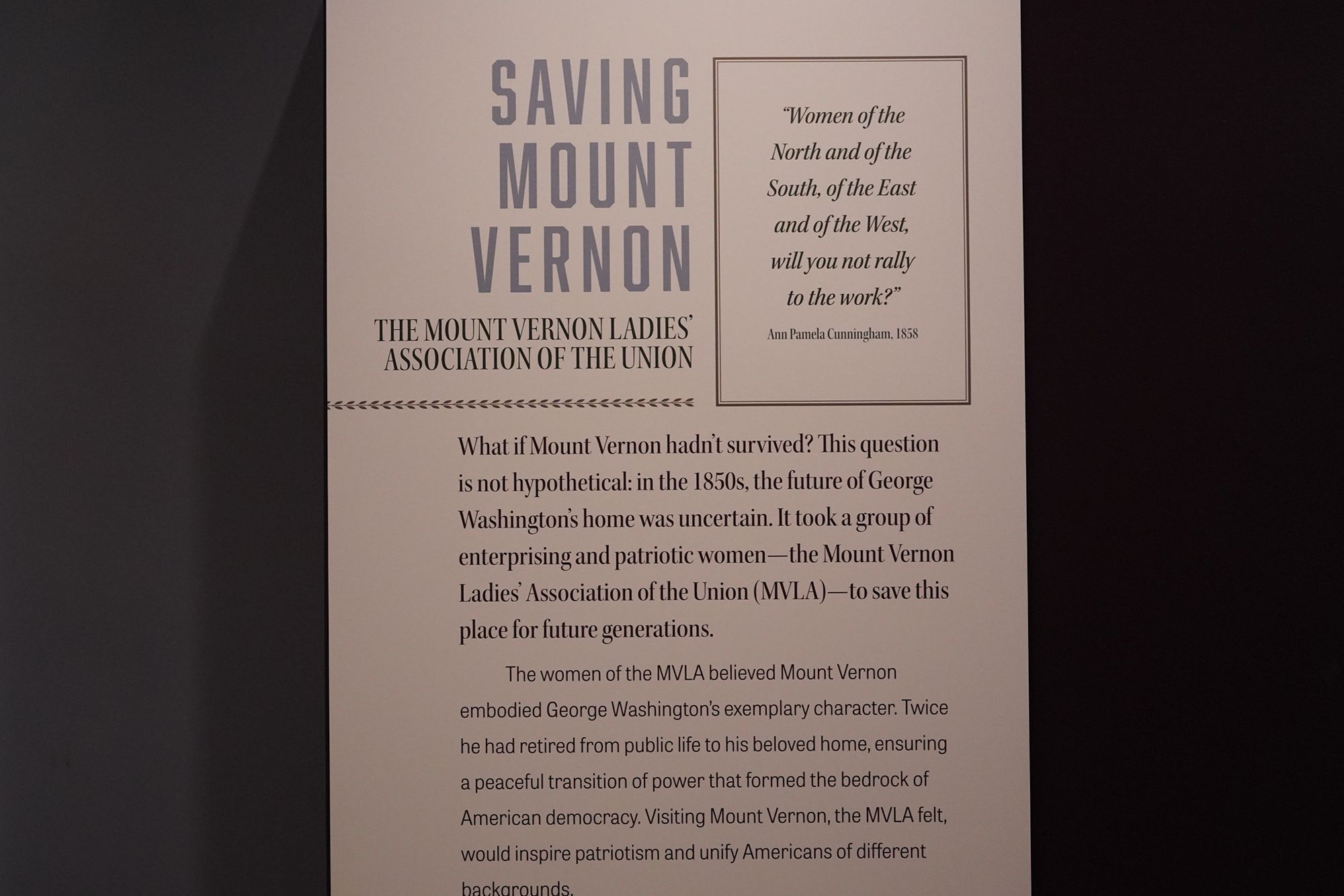
In the 1850s, after years of neglect, the estate was deteriorating badly. When the U.S. government and Virginia state declined to purchase it, a determined woman named Ann Pamela Cunningham organized the MVLA, the first national preservation organization in the U.S..
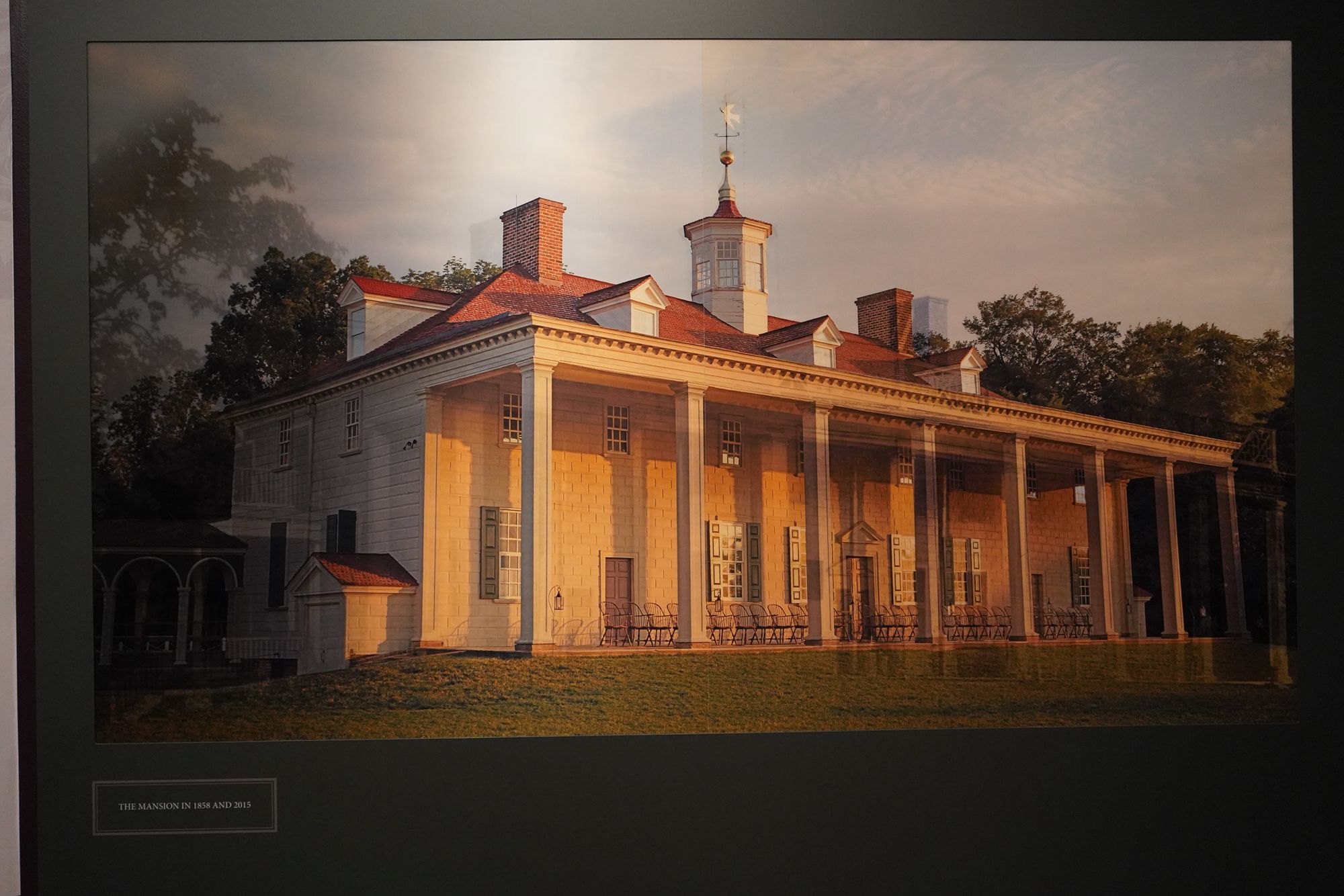
Through donations collected from people across the country — many of them women — the group purchased Mount Vernon in 1858 and began restoring it. Their work preserved George Washington’s mansion, outbuildings, gardens, and tomb, setting the model for future historic preservation efforts in America.
Today, the MVLA still owns and operates Mount Vernon, maintaining it without government funding, as a lasting tribute to Washington’s legacy and the power of civic dedication.
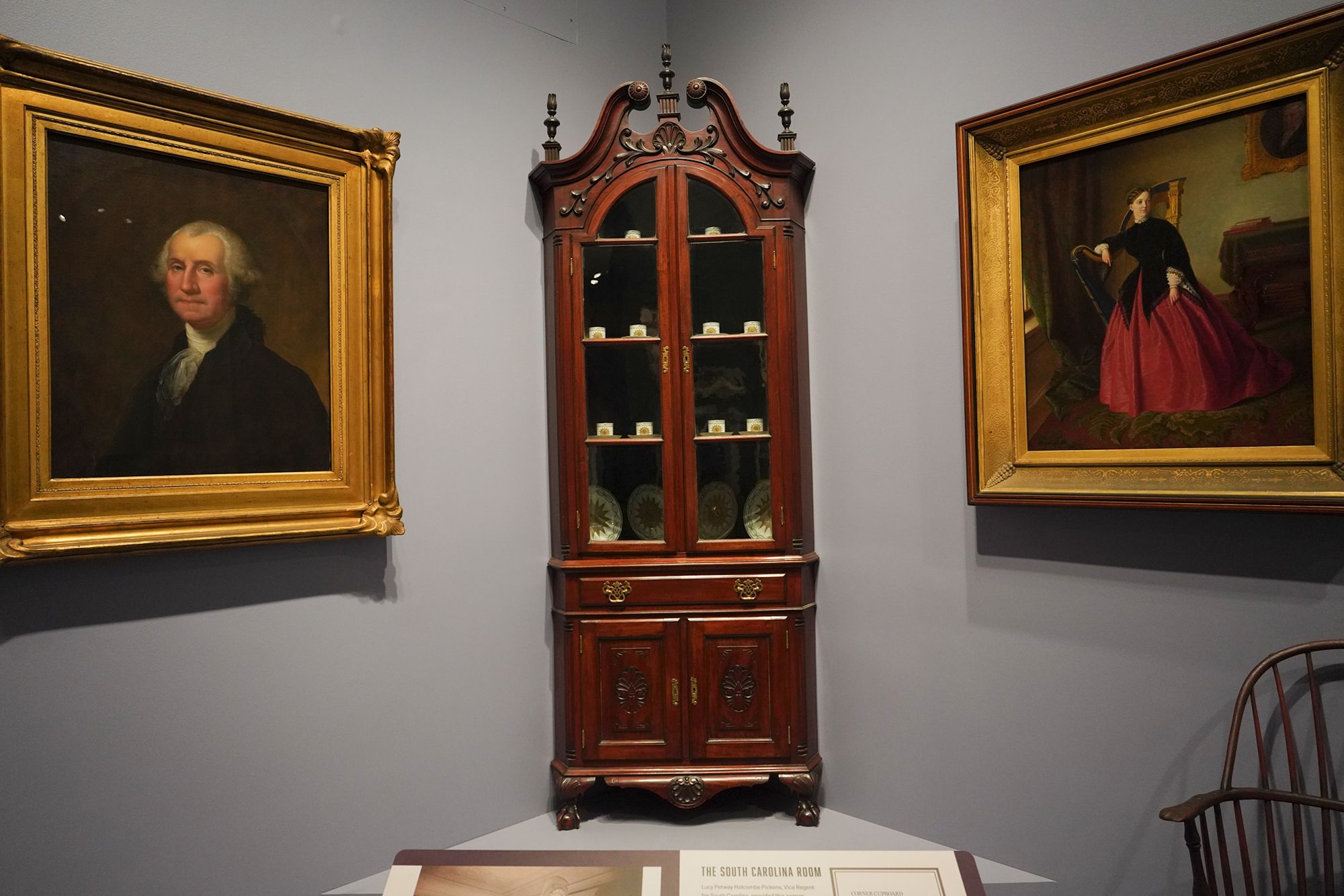
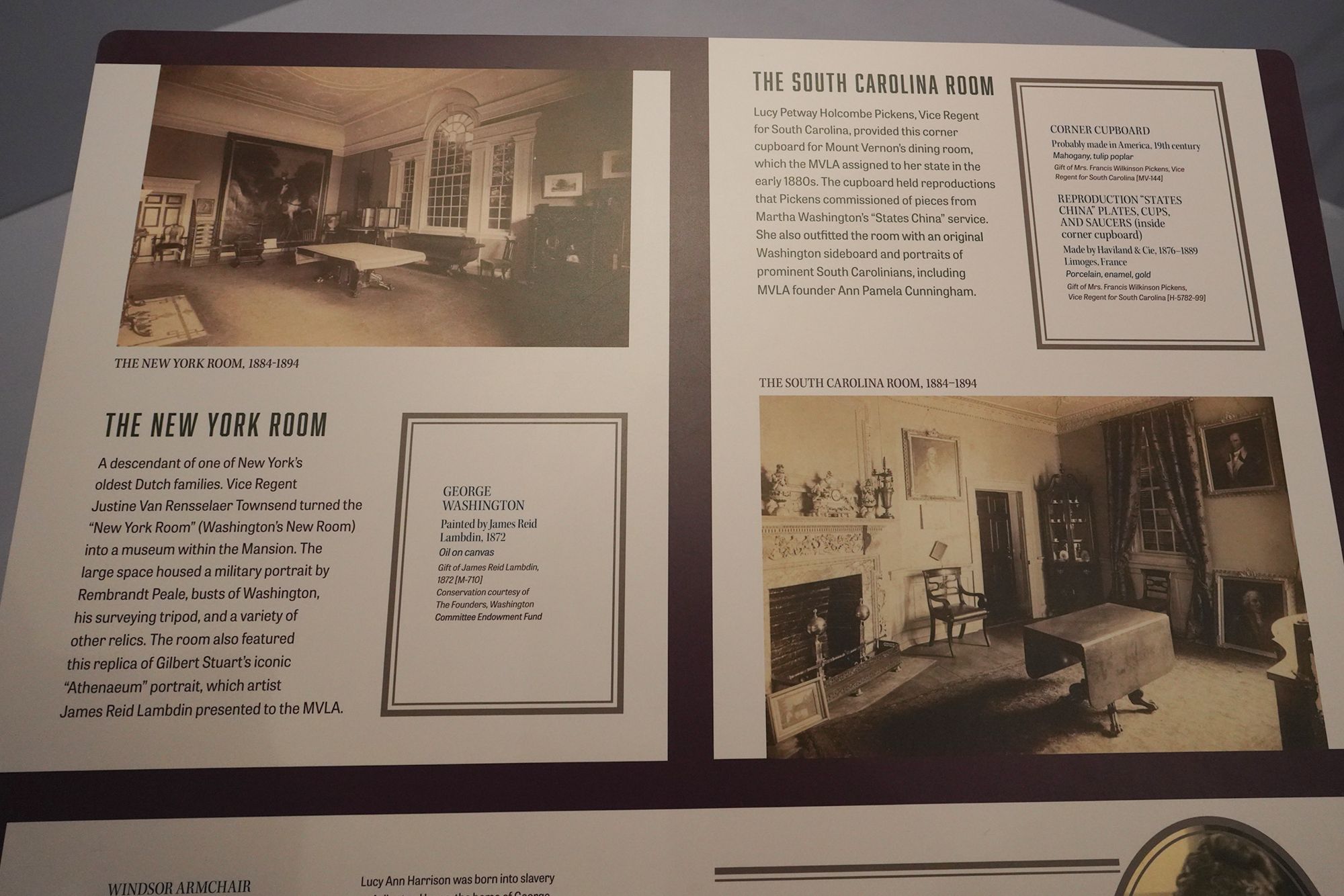
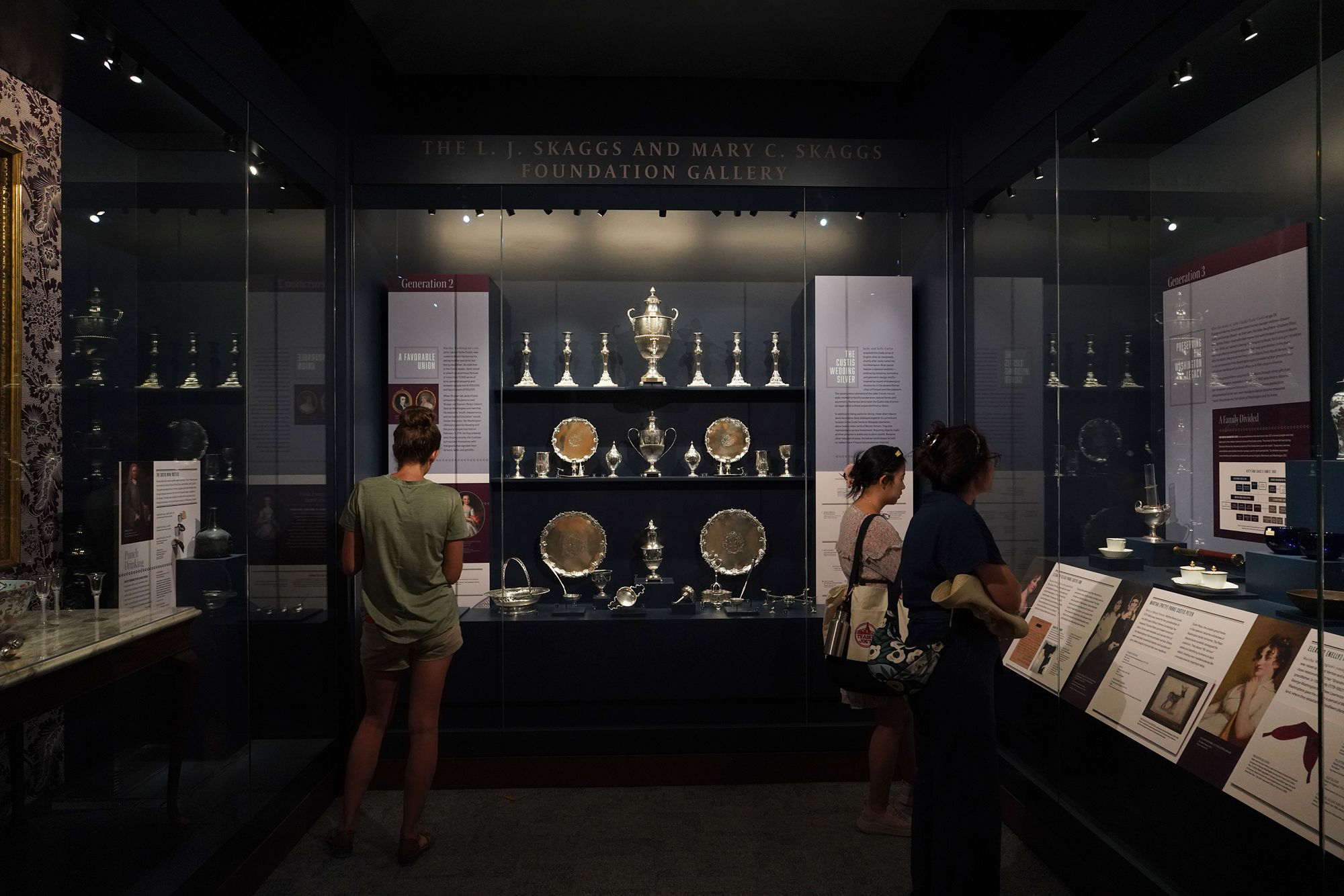
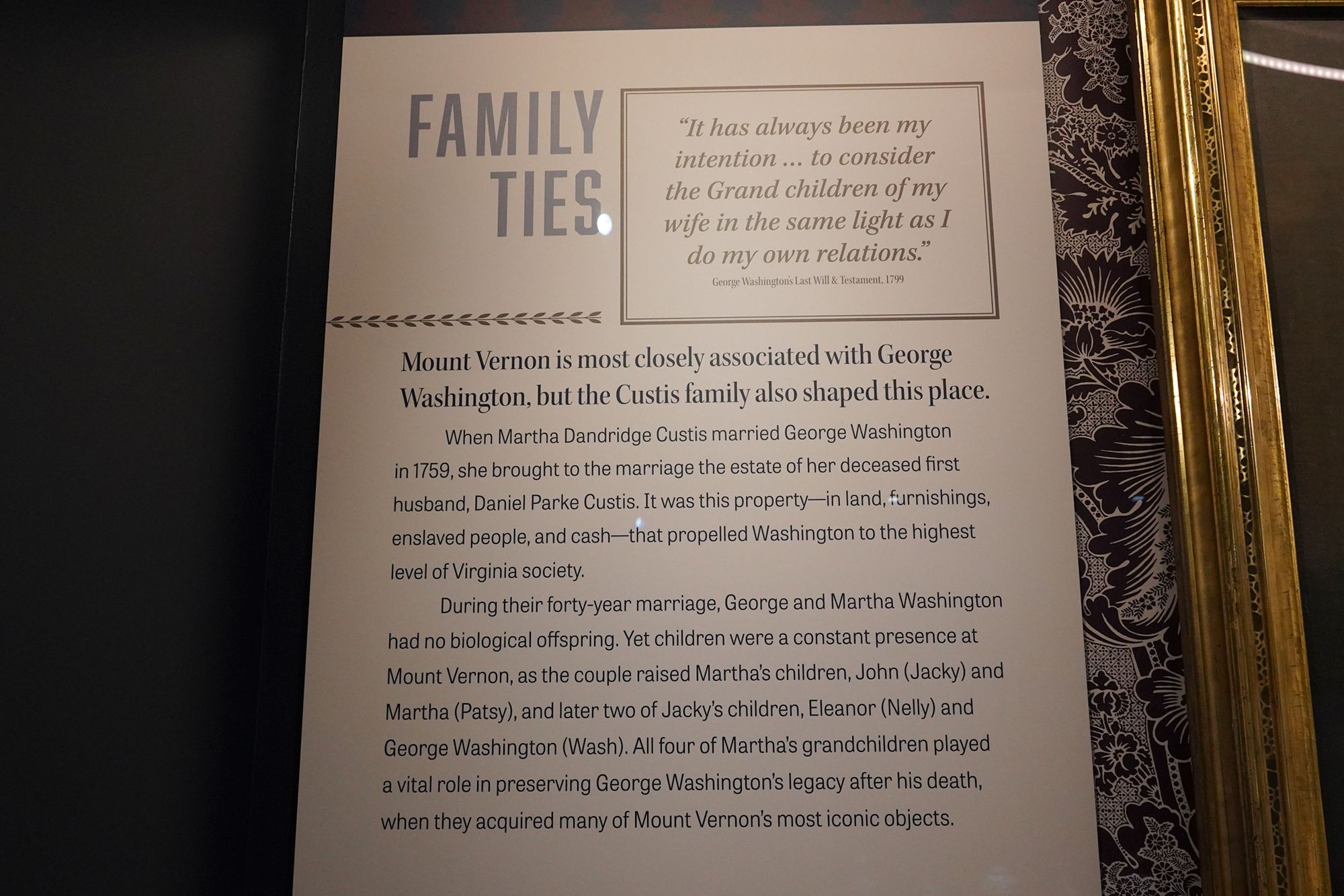
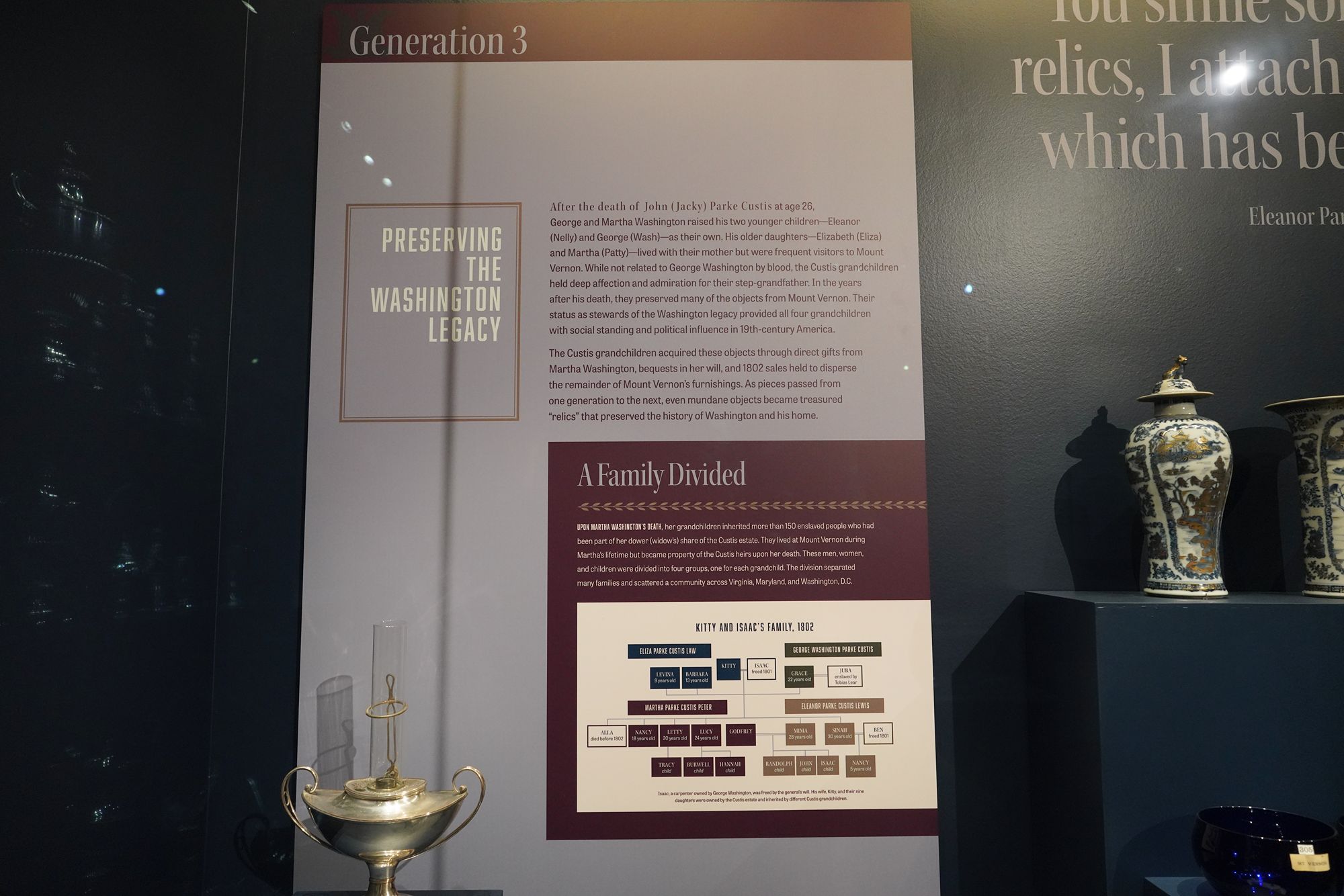
The first generation of Mount Vernon’s collection came largely from items that had belonged to Martha Washington, George Washington’s wealthy widow.
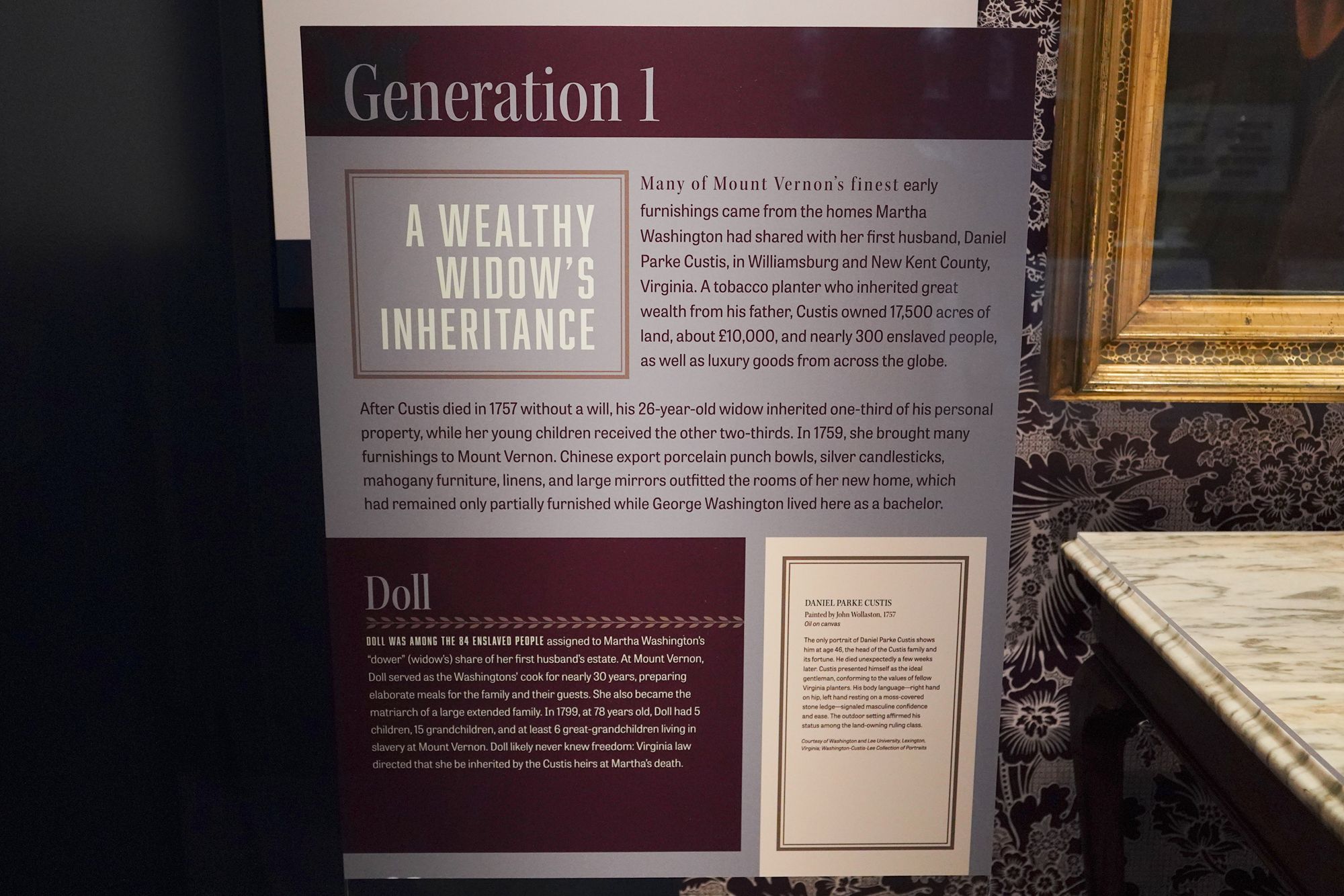
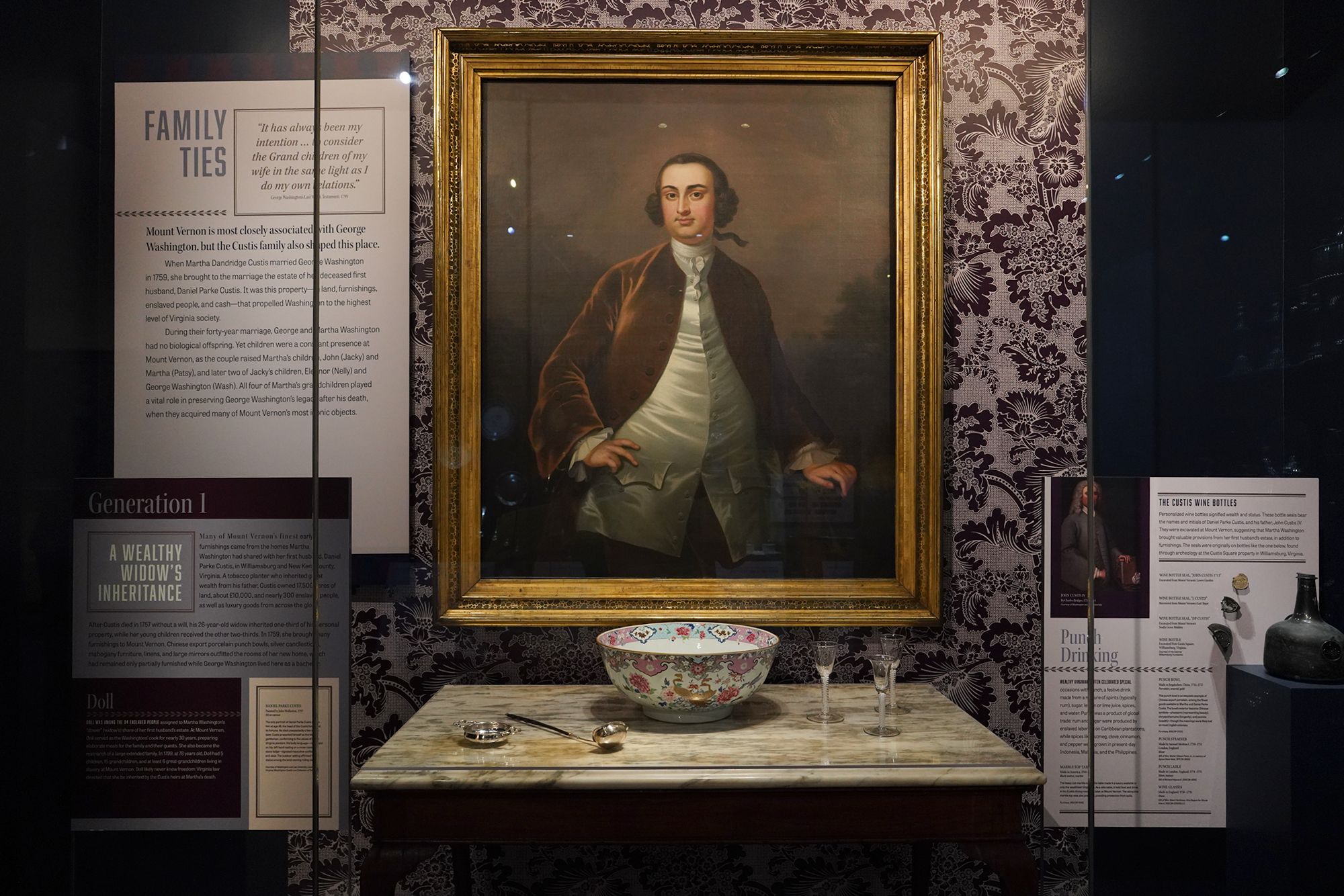
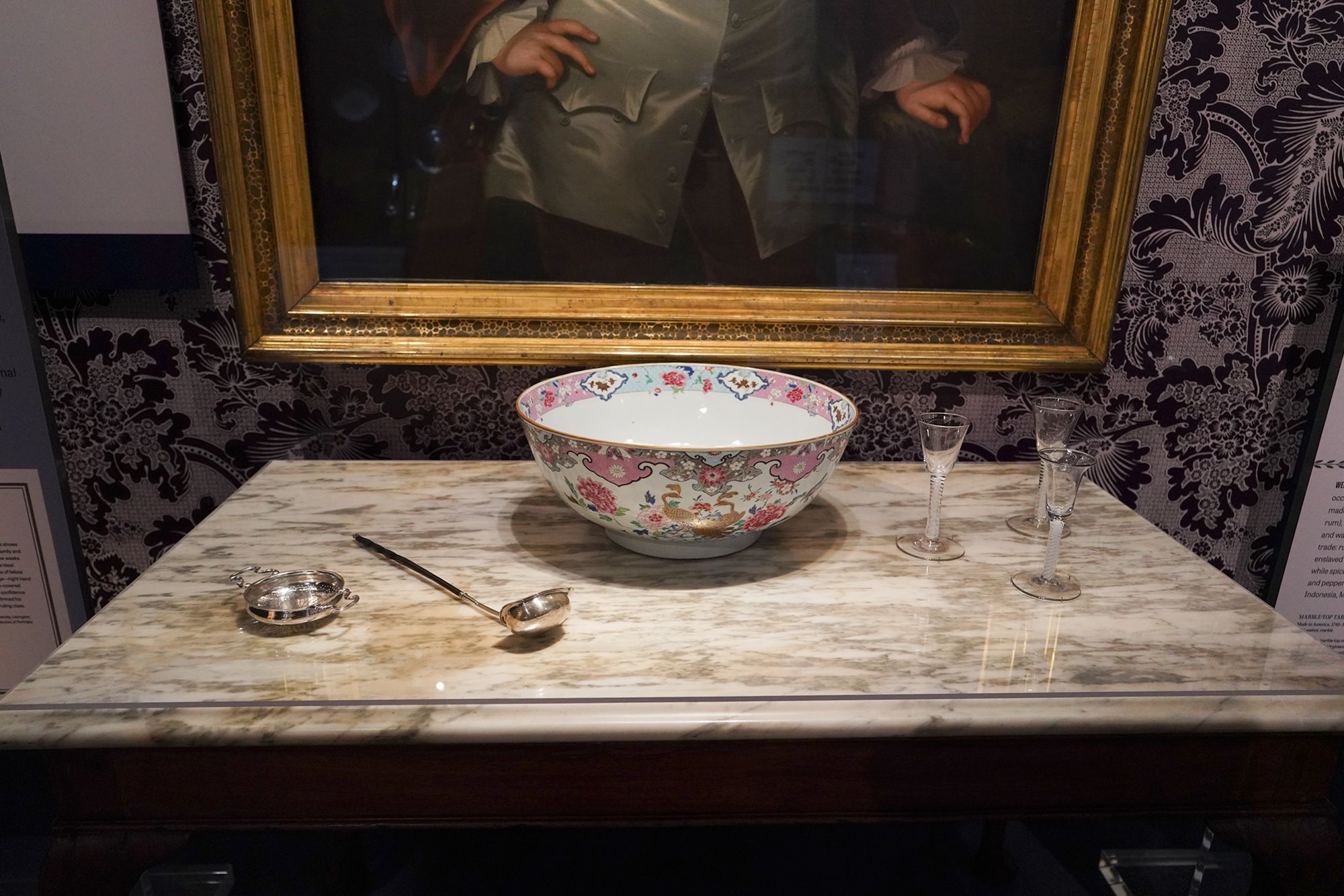
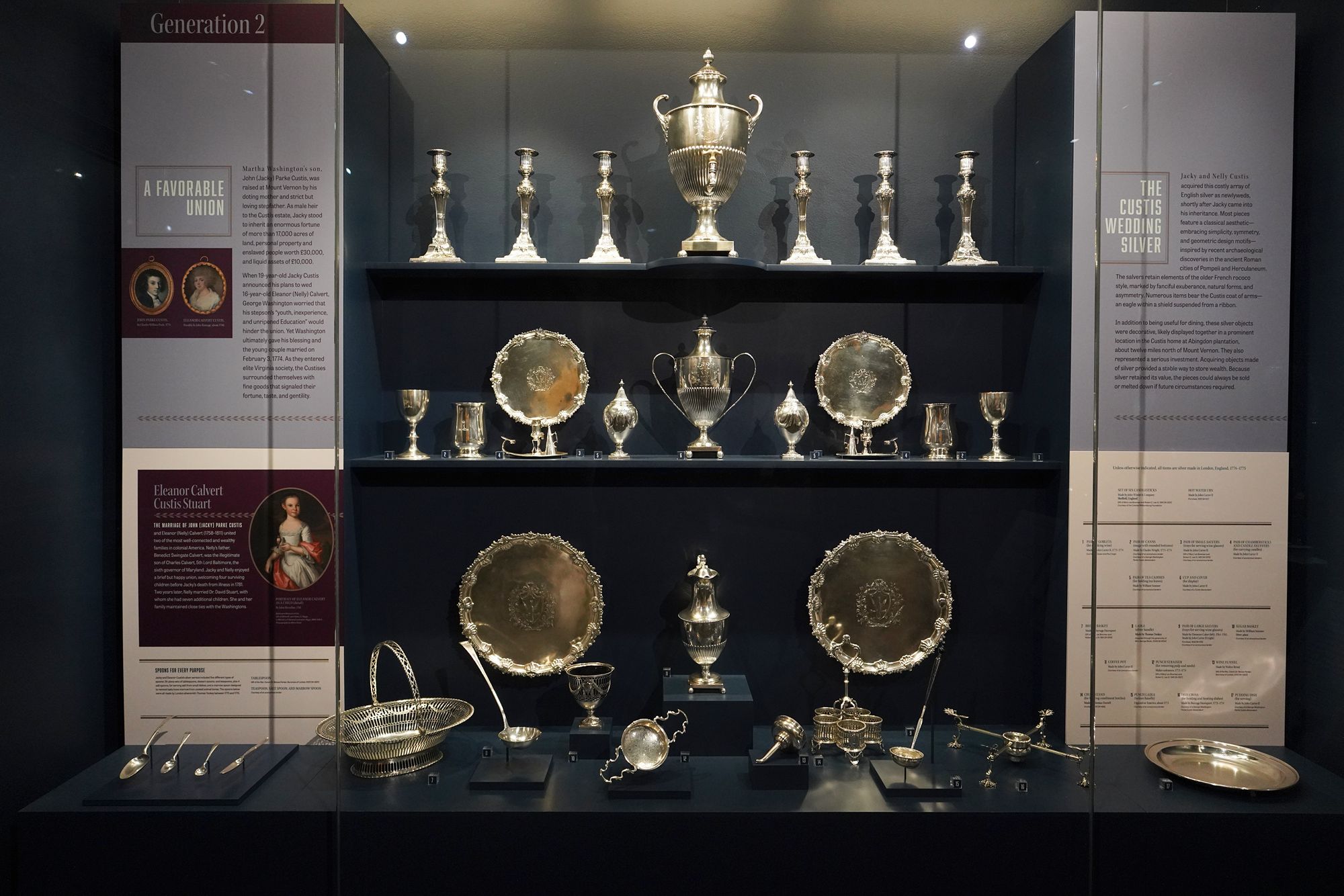
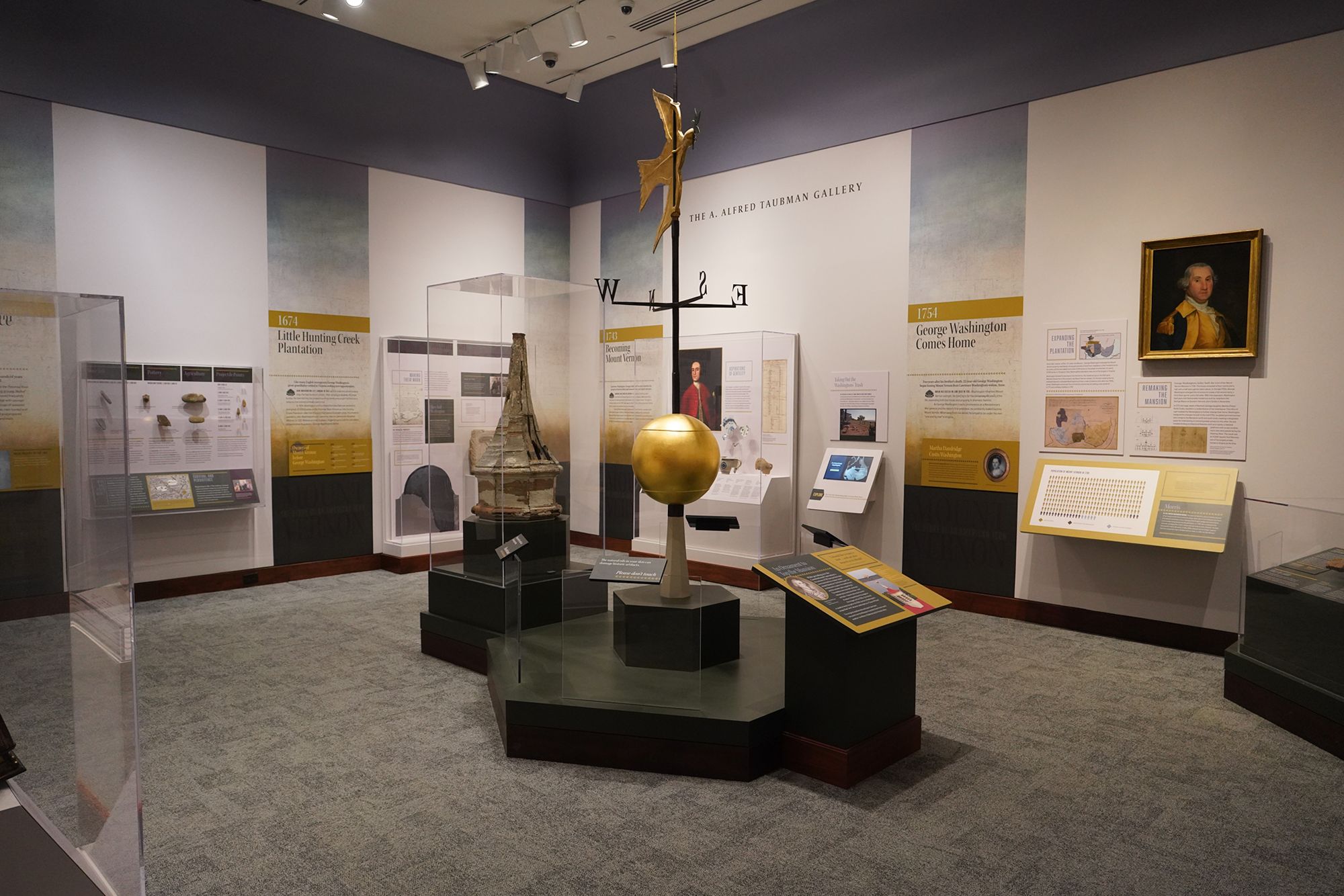
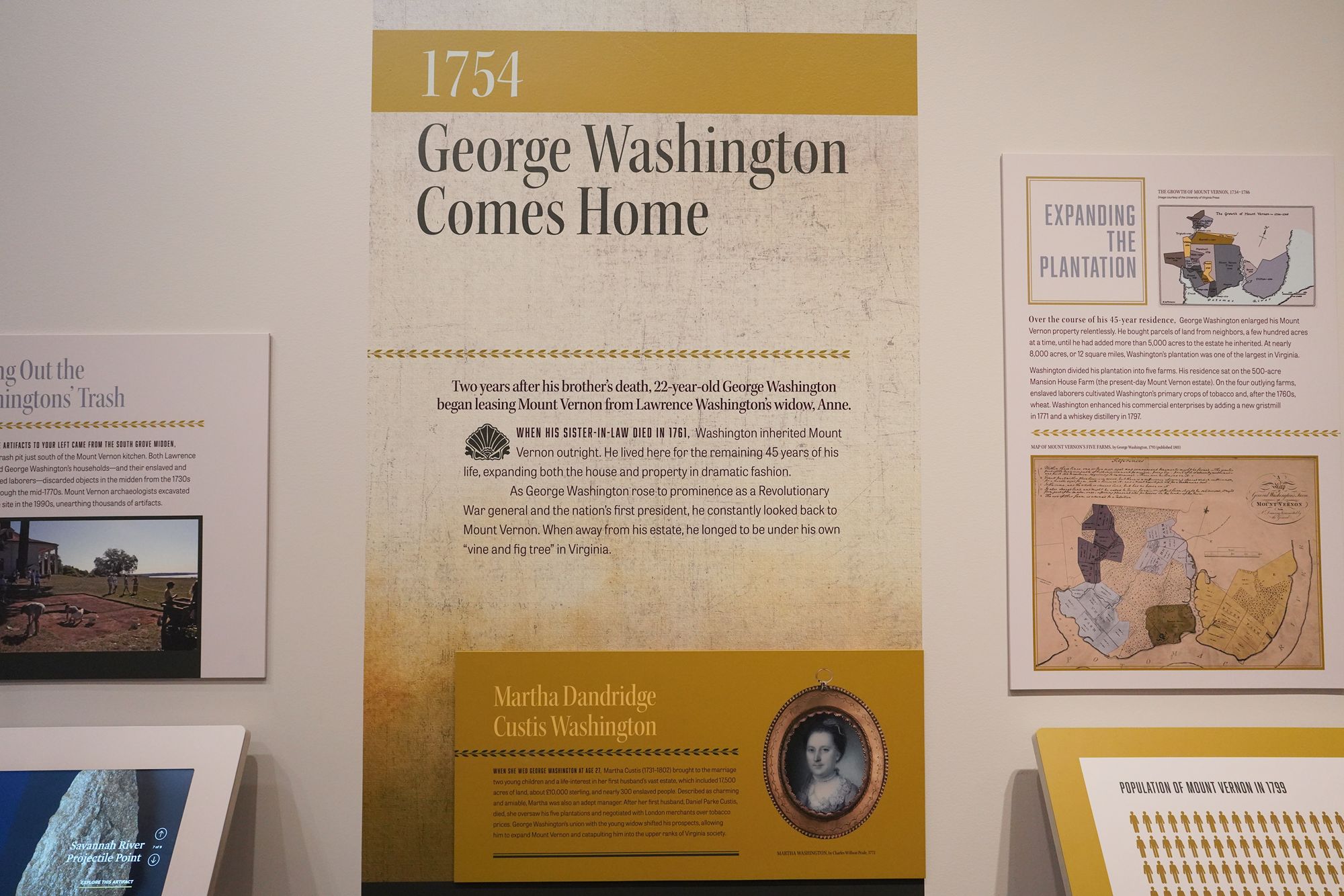
In 1754, George Washington returned home to Mount Vernon after serving in the French and Indian War. He had led Virginia troops in frontier battles, gaining both military experience and public recognition.
In 1754, Mount Vernon was owned by Lawrence Washington’s widow, Anne Fairfax Washington Lee.
George Washington’s half-brother Lawrence Washington had built and owned Mount Vernon, but after his death in 1752, his widow Anne retained life rights to the estate. When she later remarried and moved away, George leased Mount Vernon from her and began managing it. After Anne’s death in 1761, George Washington inherited full ownership, making it his permanent home.
Most of the people who lived at Mount Vernon were enslaved individuals.