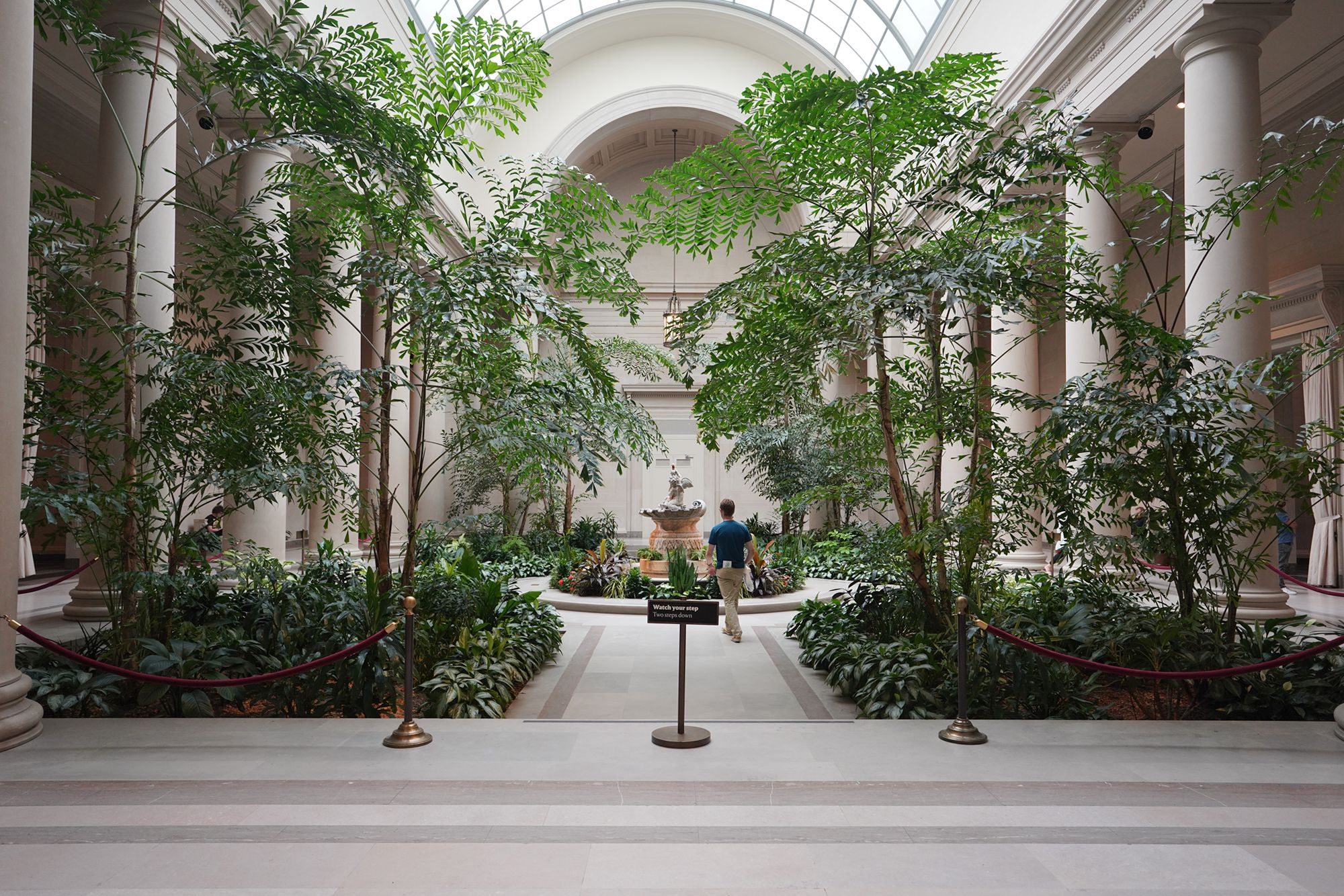
National Gallery of Art – European Art from 1600, Washington DC, USA
The period around 1600 onward marks the shift from the High Renaissance into the Baroque. 1129
National Gallery of Art: Constitution Ave. NW, Washington, DC 20565
Date Picture Taken: July 2025
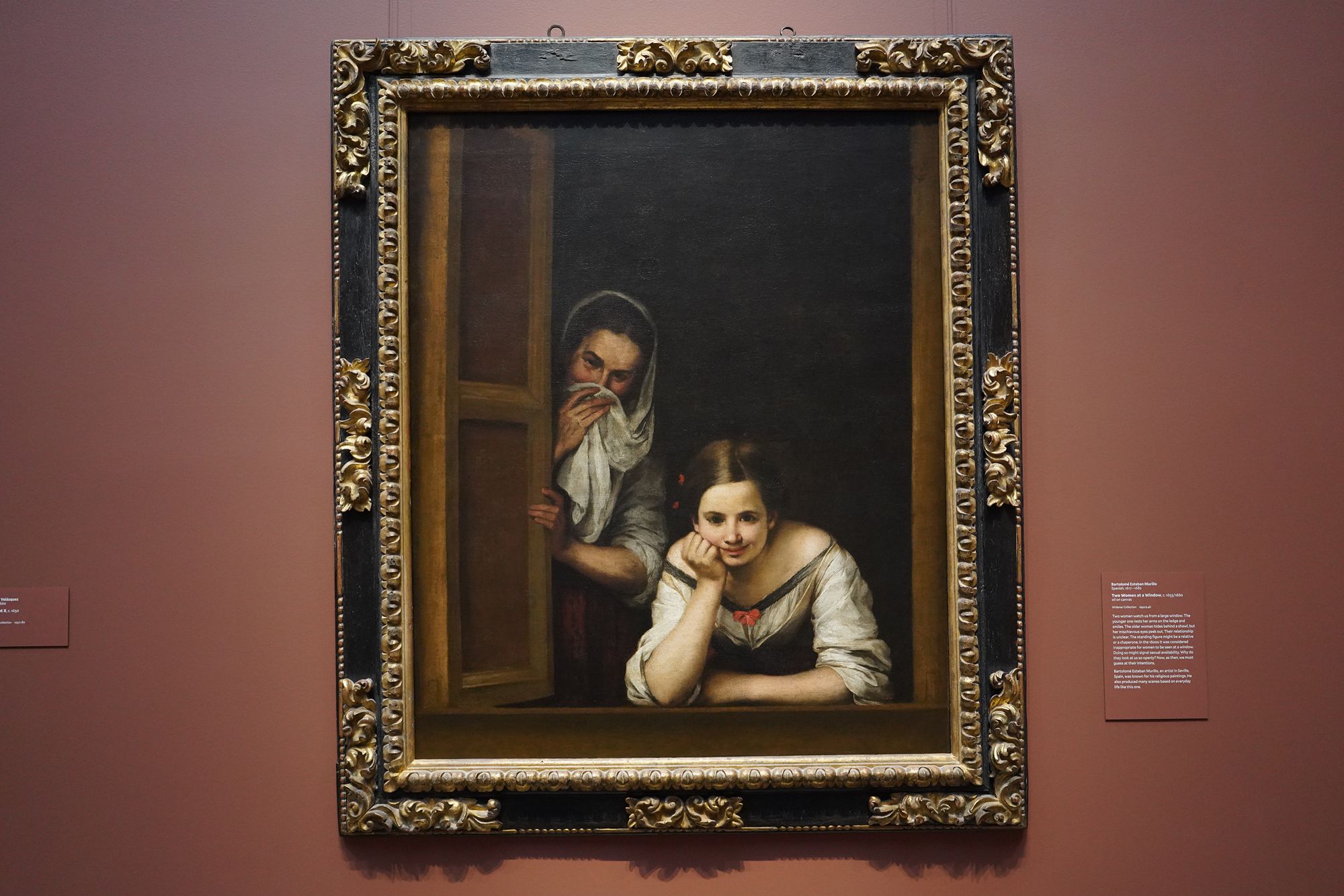
Spanish Painting 17th-Century
Spanish painting of the 17th century marks the height of the country’s Golden Age, when artists worked under the influence of the Catholic Counter-Reformation and created deeply spiritual, realistic works.
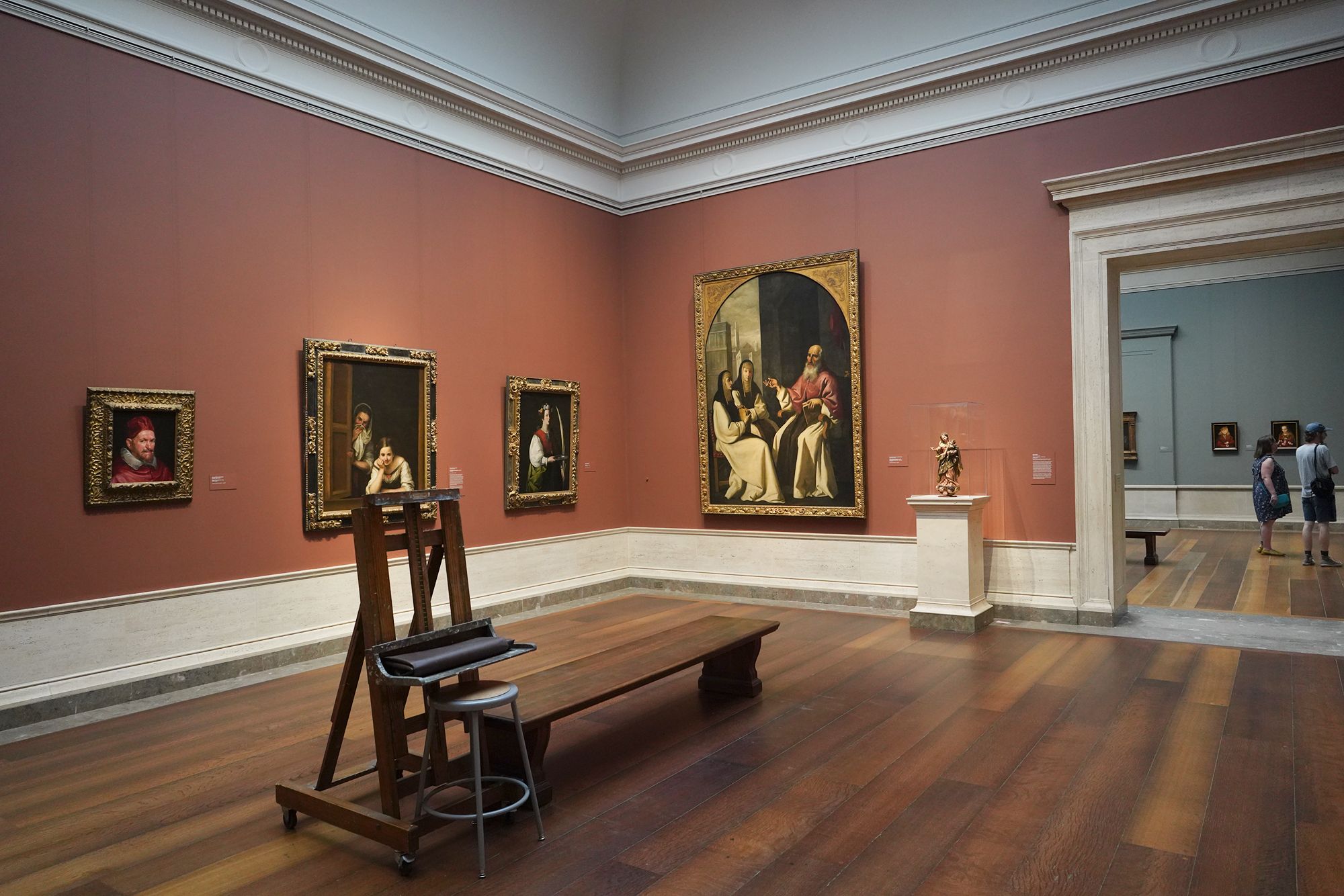
Painters like Diego Velázquez, Francisco de Zurbarán, Jusepe de Ribera, and Bartolomé Esteban Murillo emphasized faith, humility, and human emotion rather than ideal beauty. Their art is characterized by dramatic lighting, somber tones, and a sense of quiet devotion.
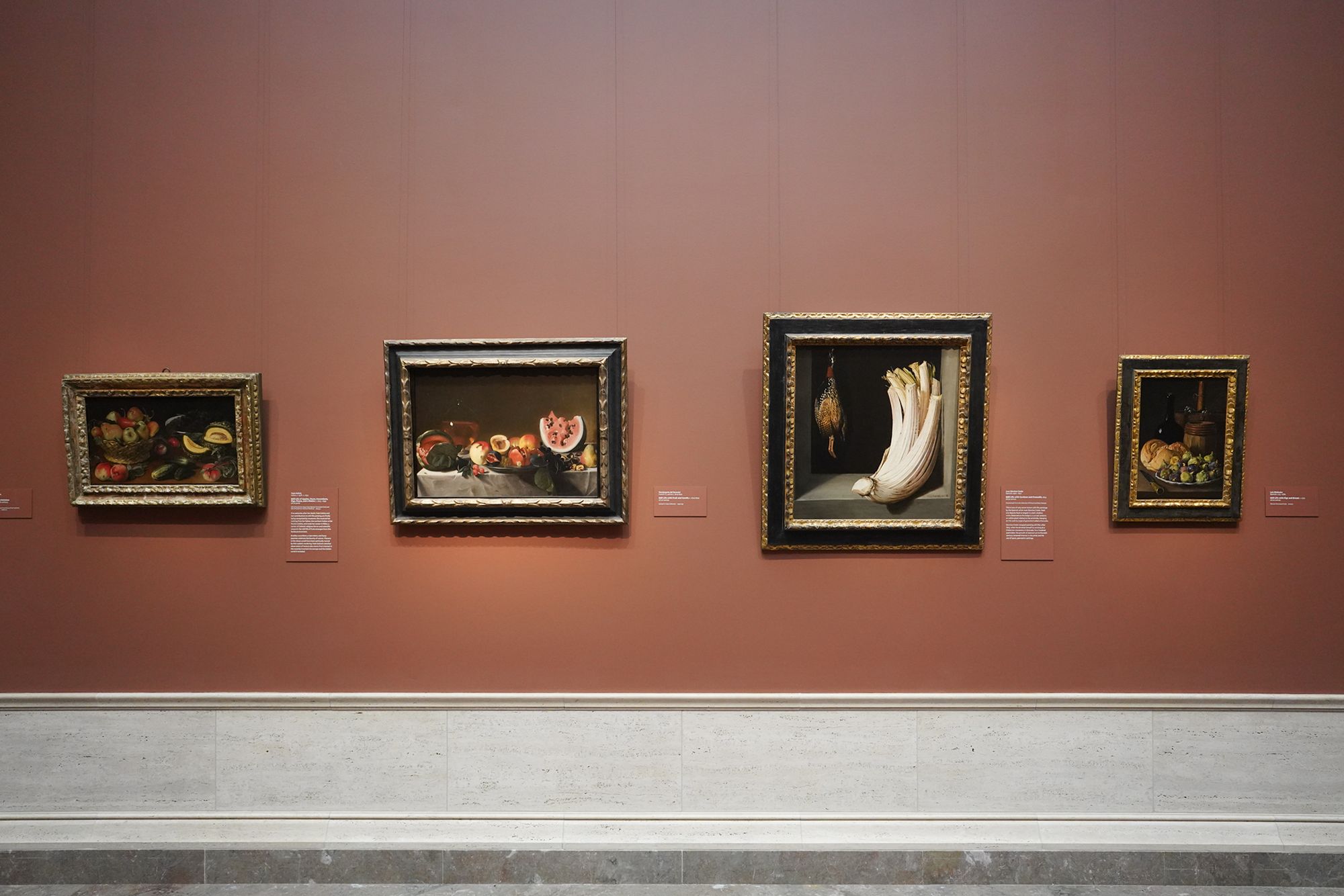
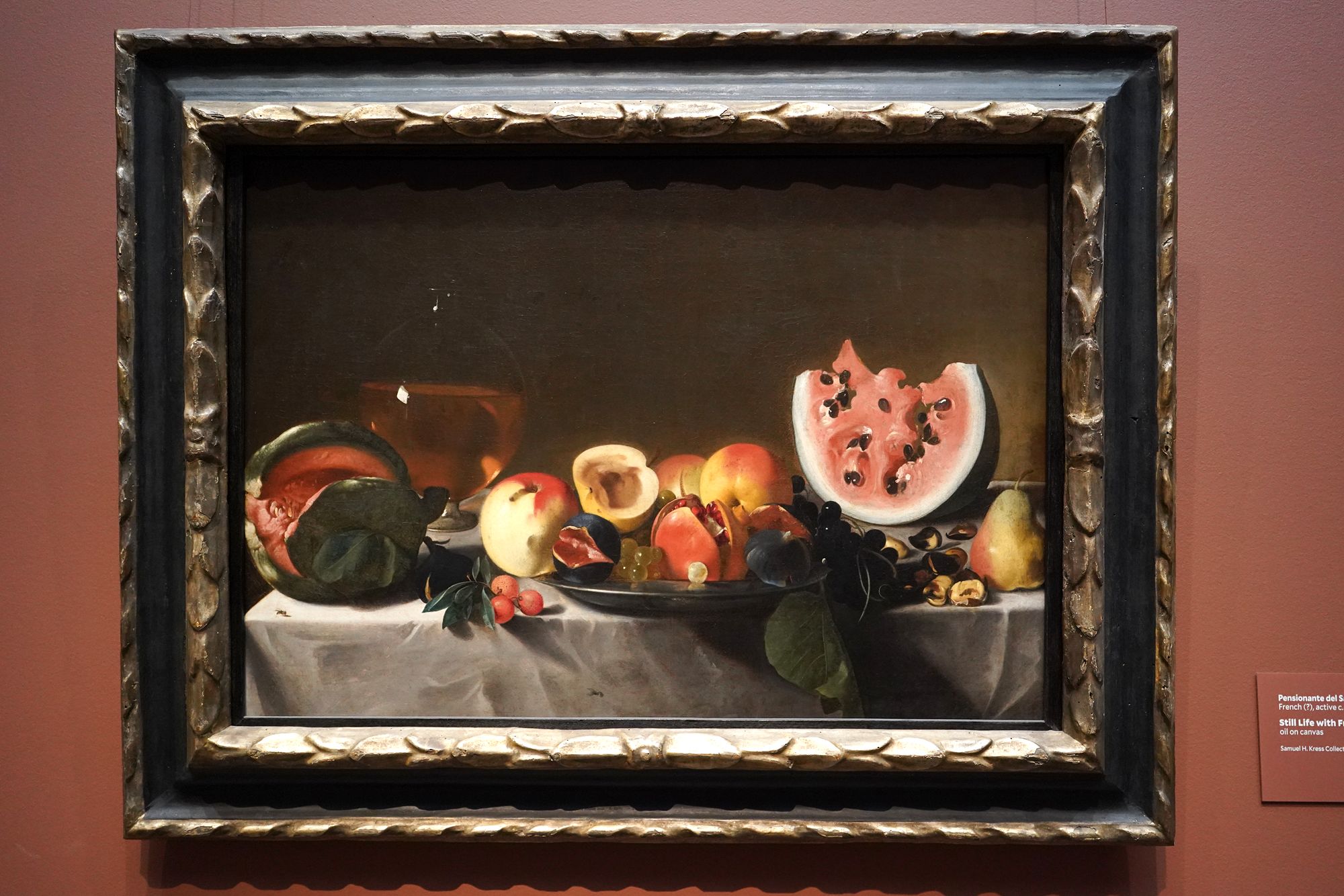
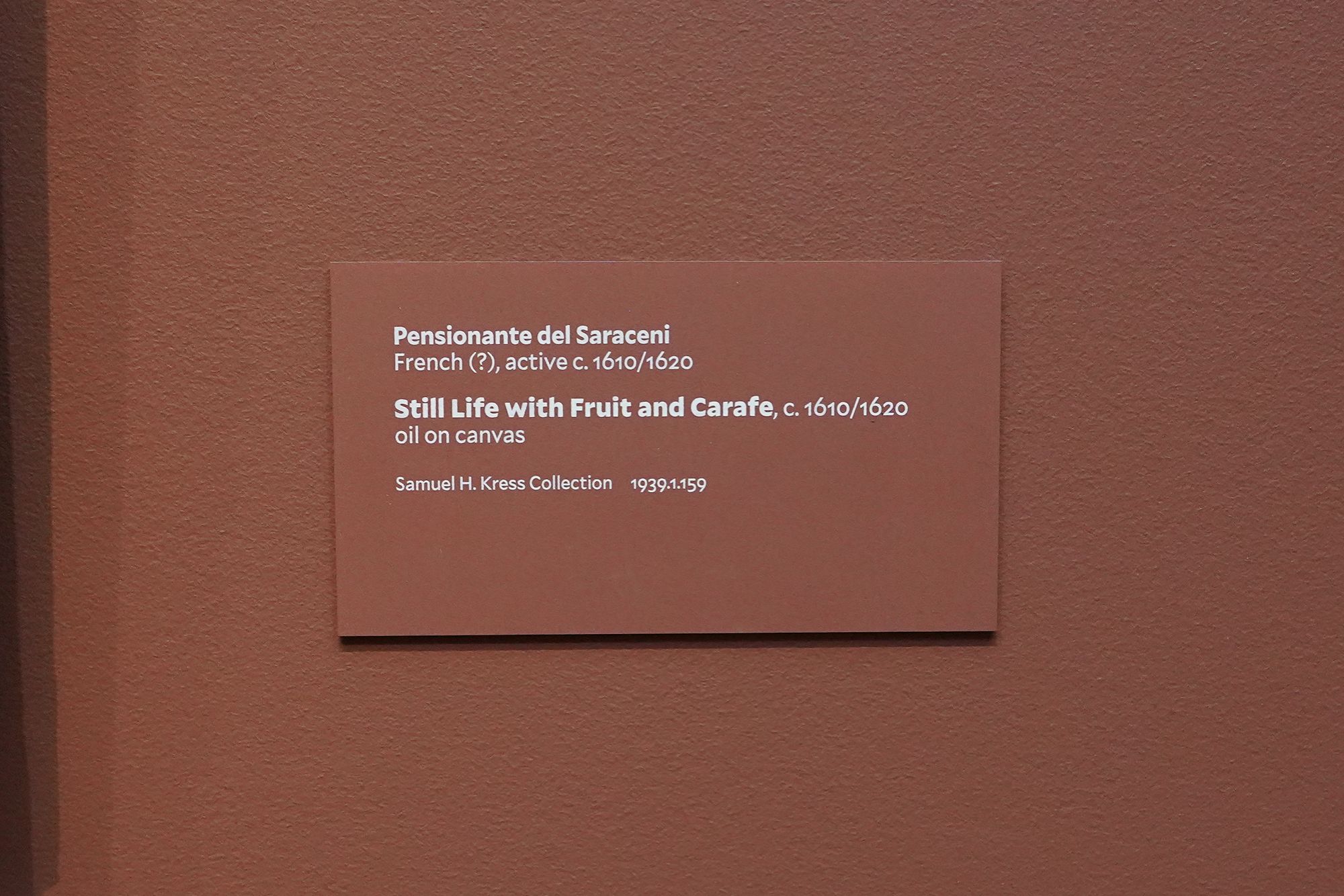
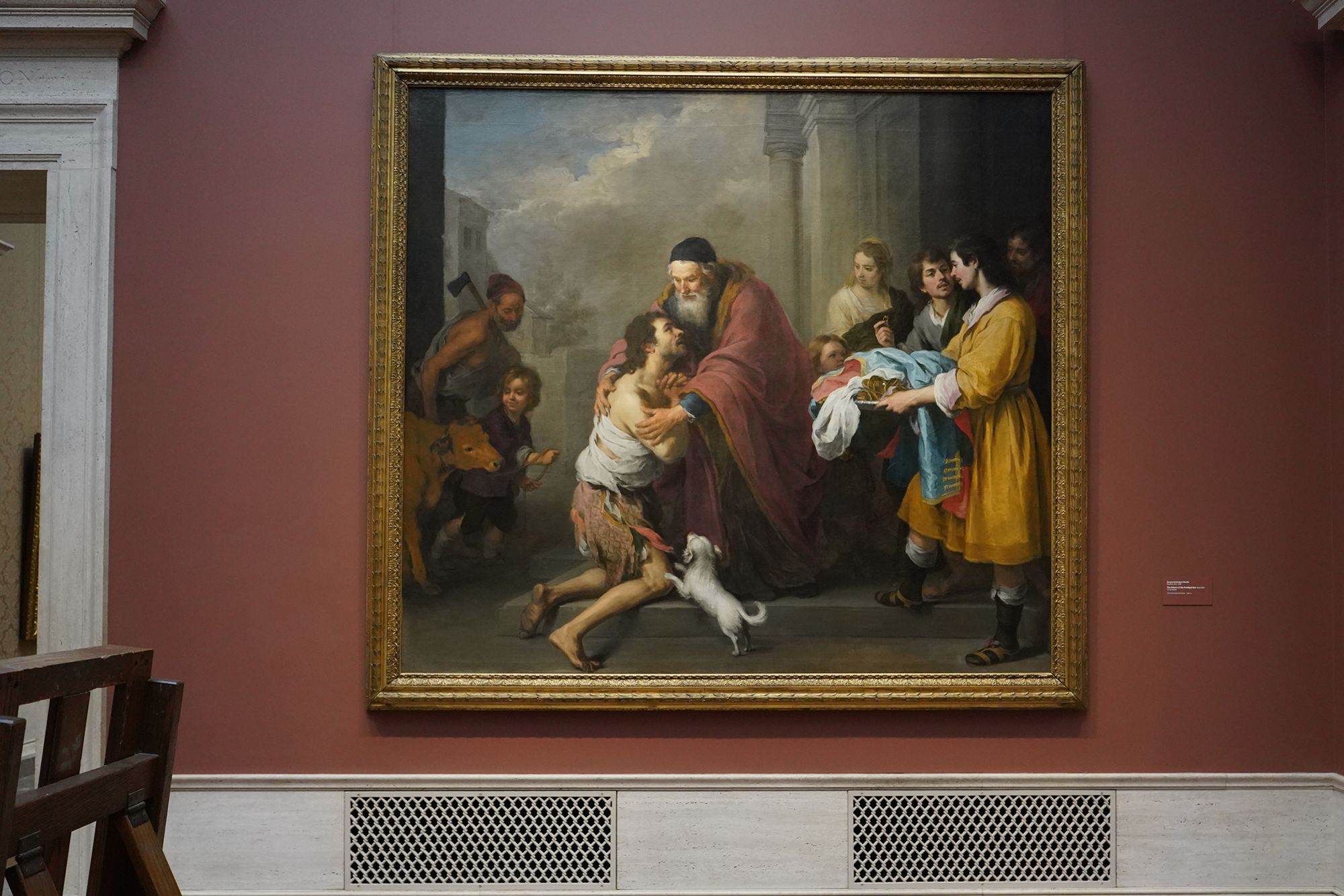
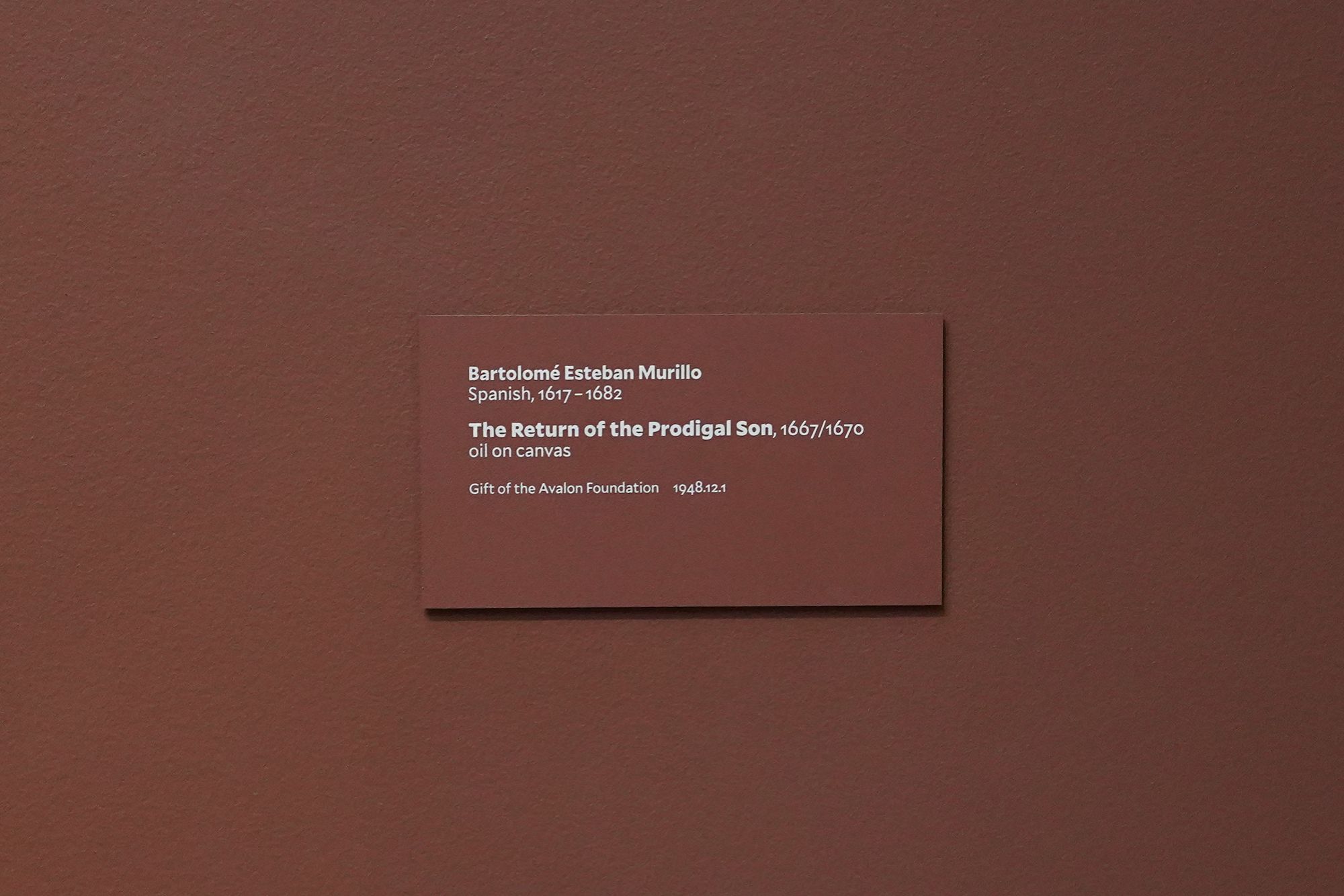
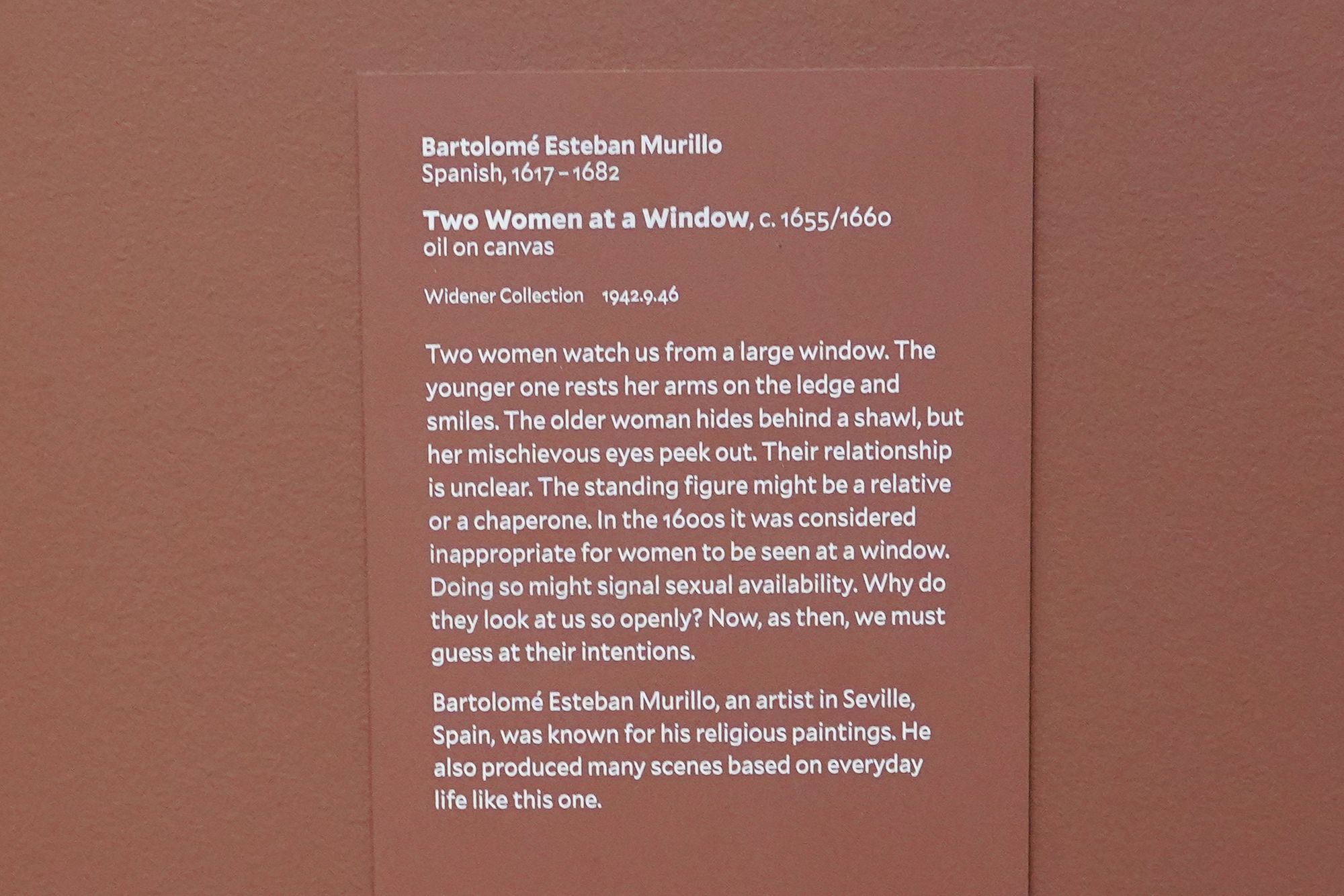
Bartolomé Esteban Murillo (1617–1682) was one of the most beloved painters of Spain’s Golden Age and the leading artist of Seville in the 17th century. His art is known for its warm light, soft color, and gentle humanity, blending Baroque realism with tenderness and grace.
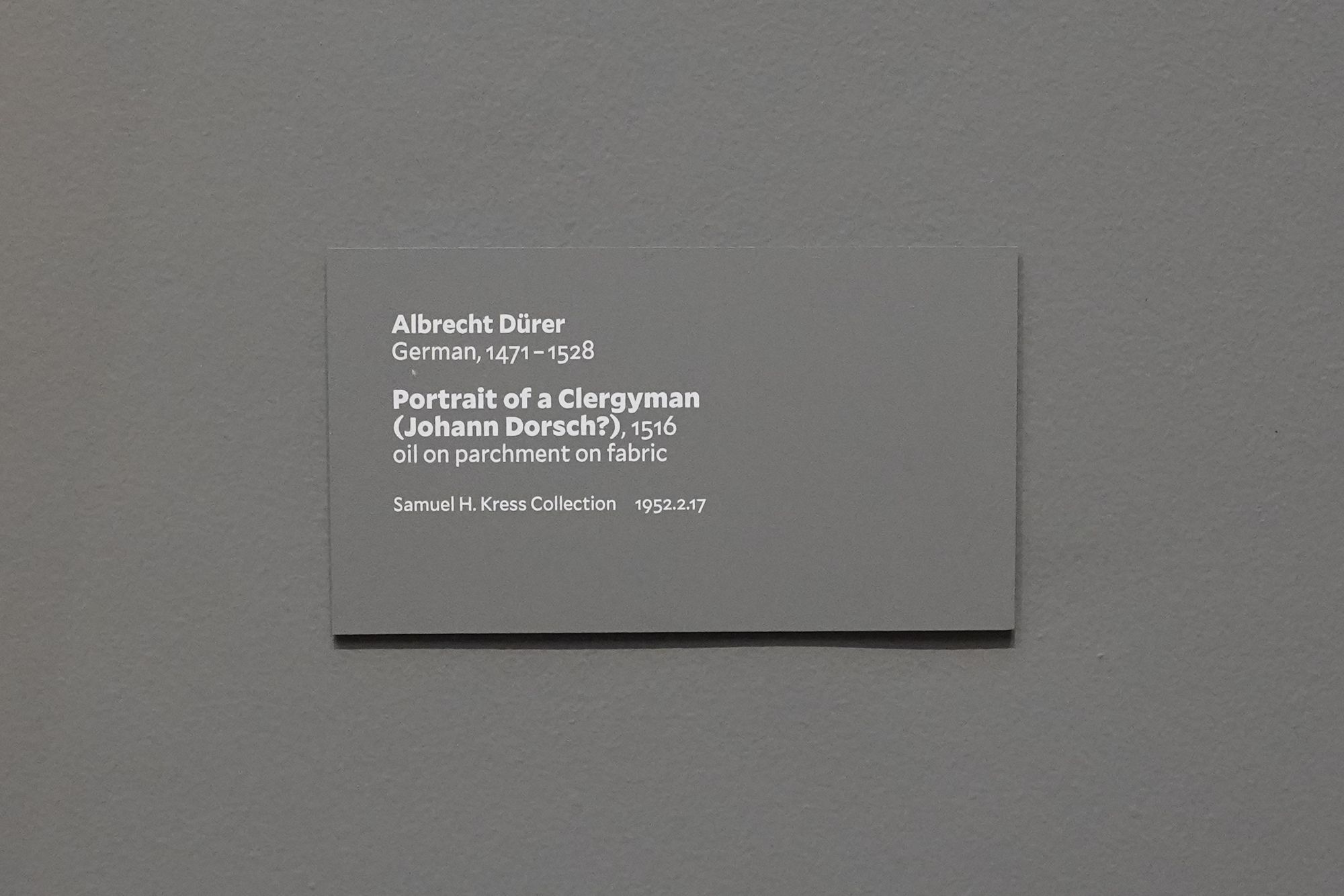
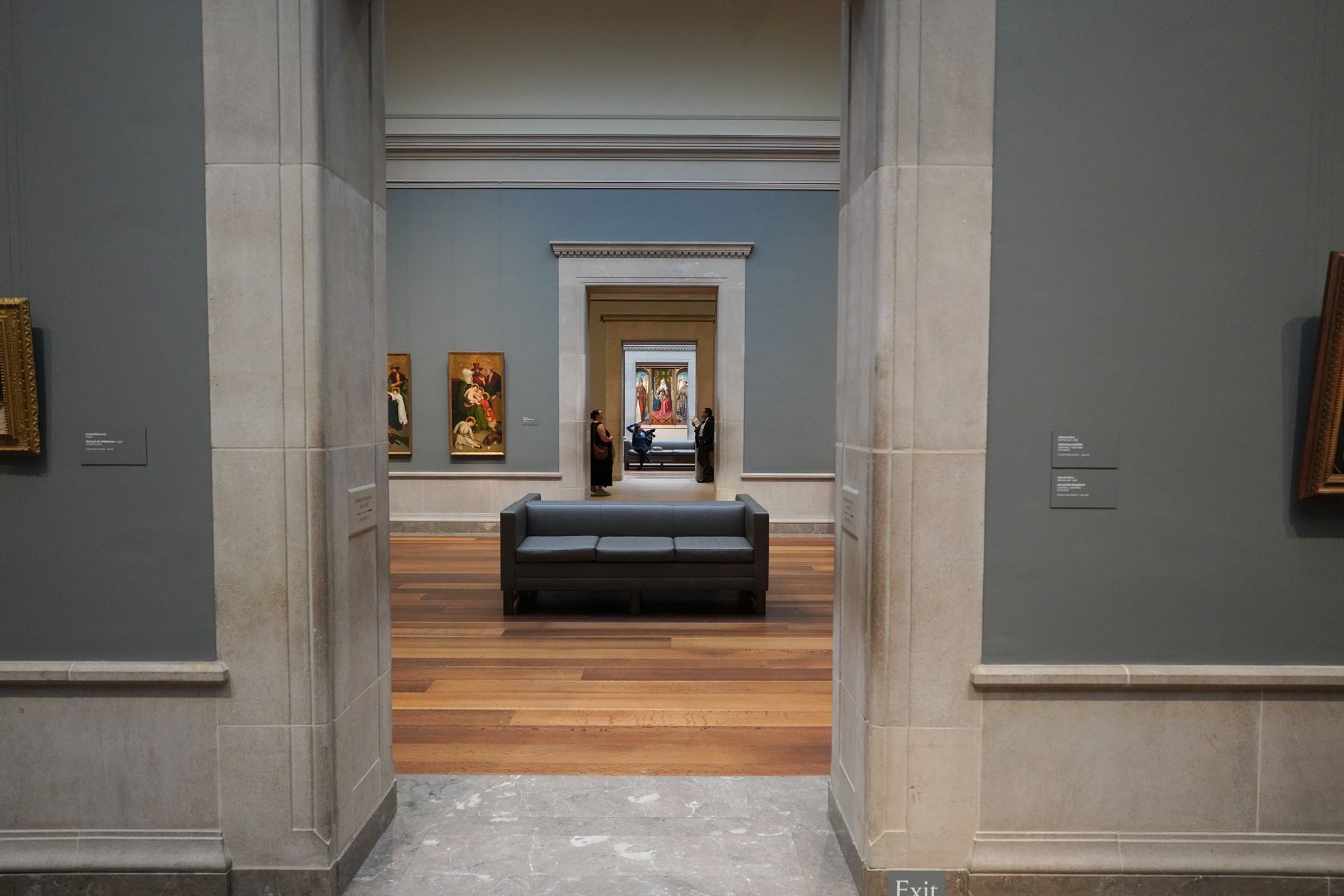
German Painting 1495-1570
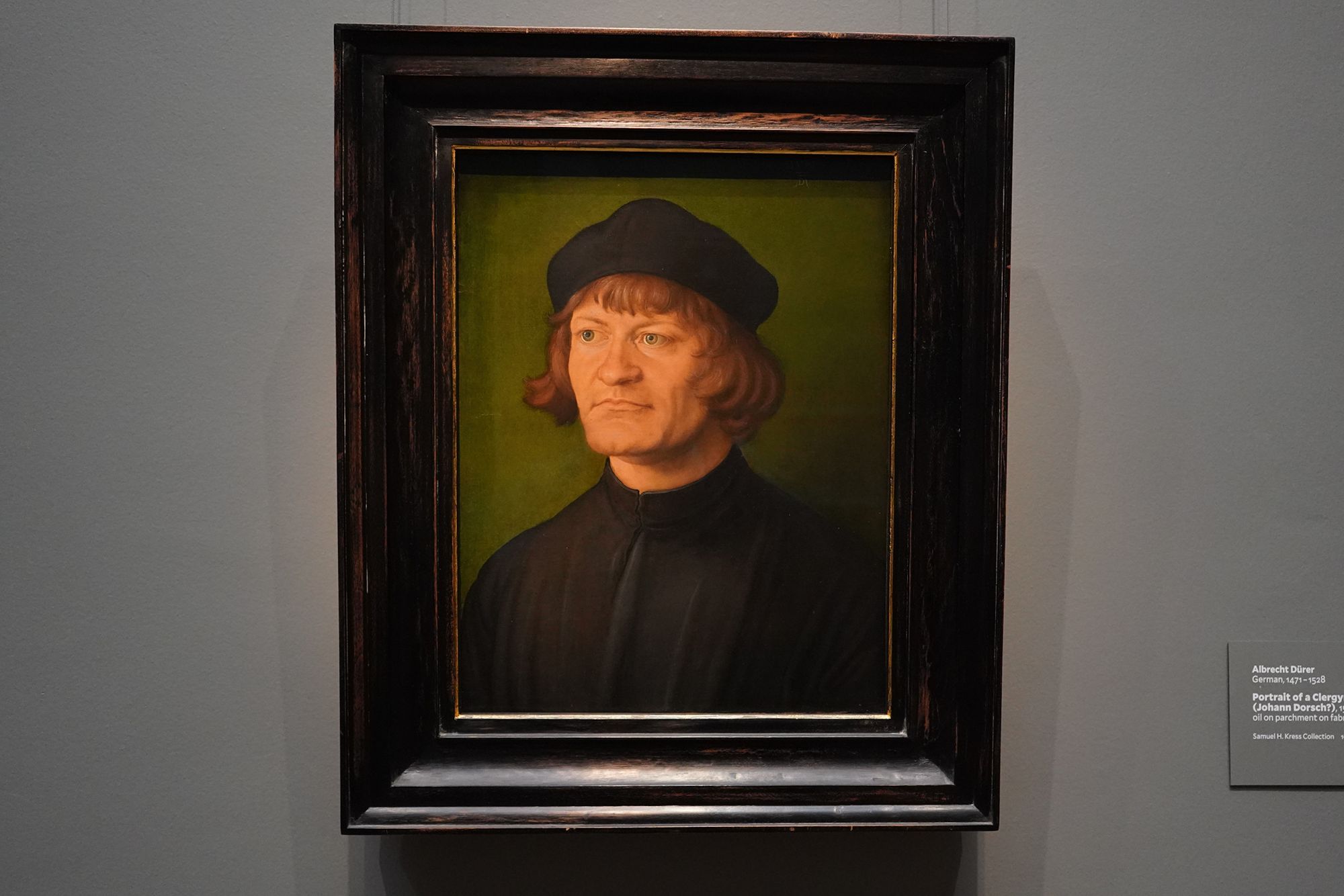
German painting from 1495 to 1570 reflects the transition from the late Gothic tradition to the Northern Renaissance and the profound cultural changes brought by the Reformation. During this period, artists combined precise observation of detail with growing humanism and individual expression.
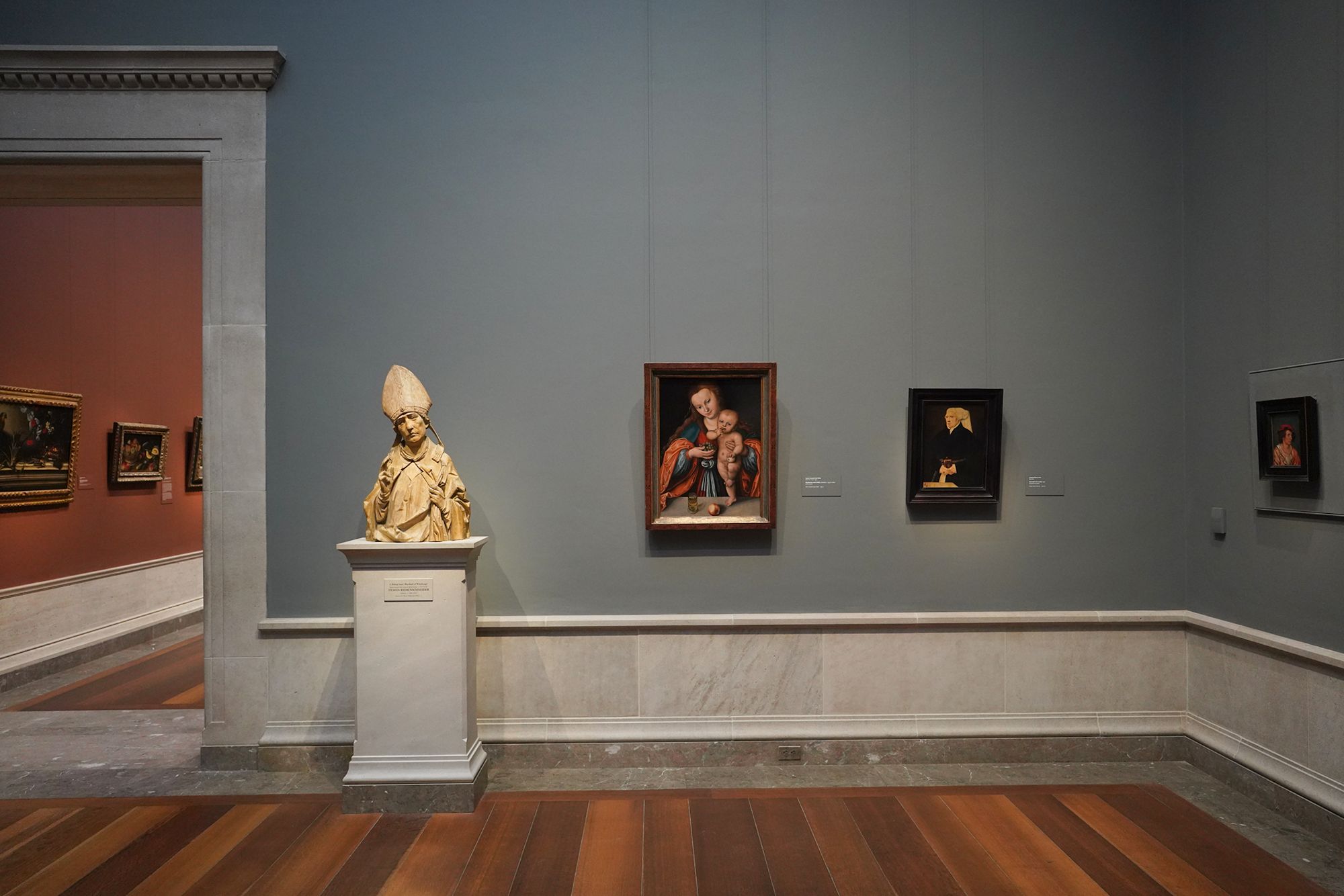
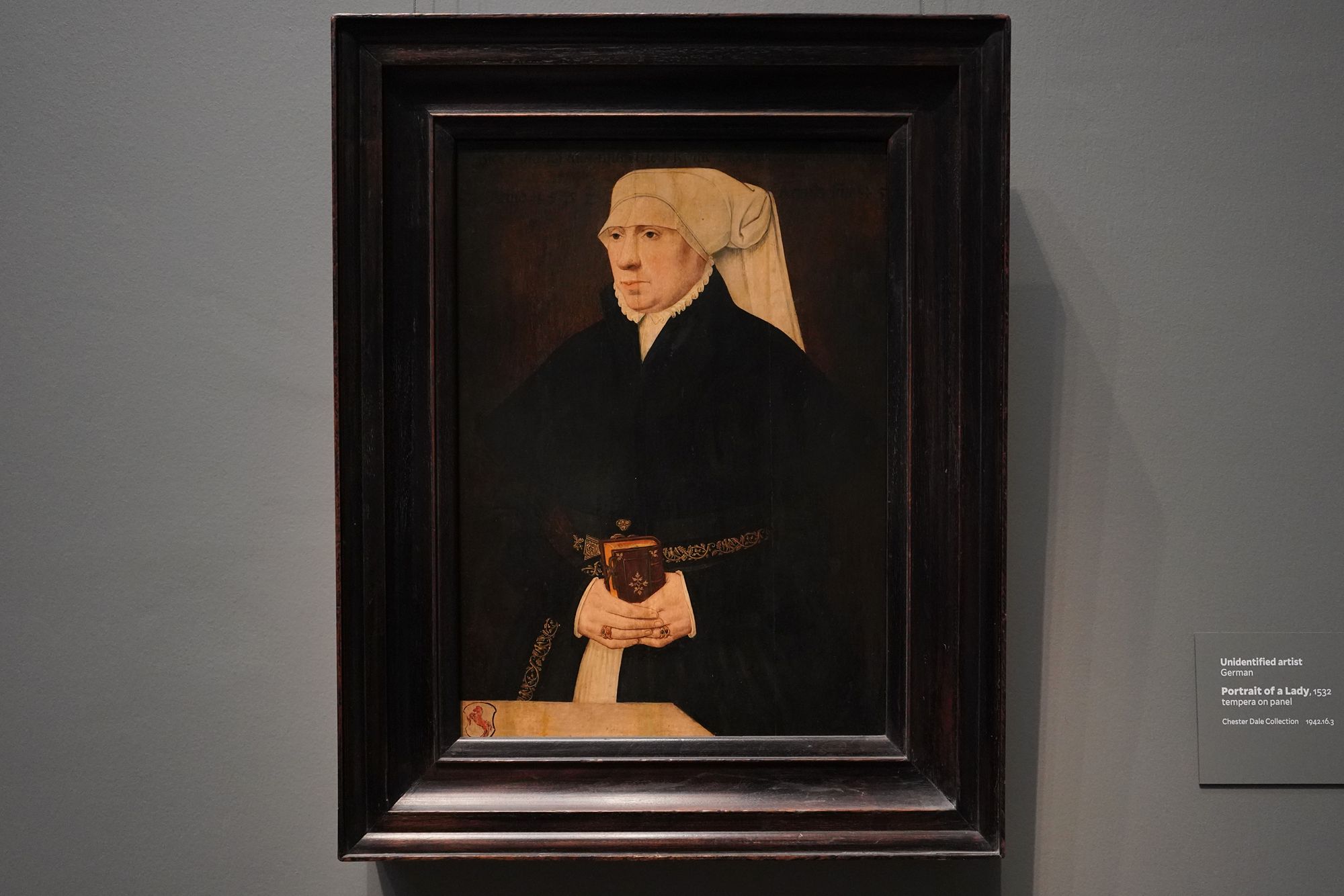
Albrecht Dürer was the central figure of this era. Influenced by his travels to Italy, he blended German realism with Italian ideals of proportion and perspective. His portraits, religious scenes, and engravings show both technical mastery and deep psychological insight.
German Painting 1400-1530
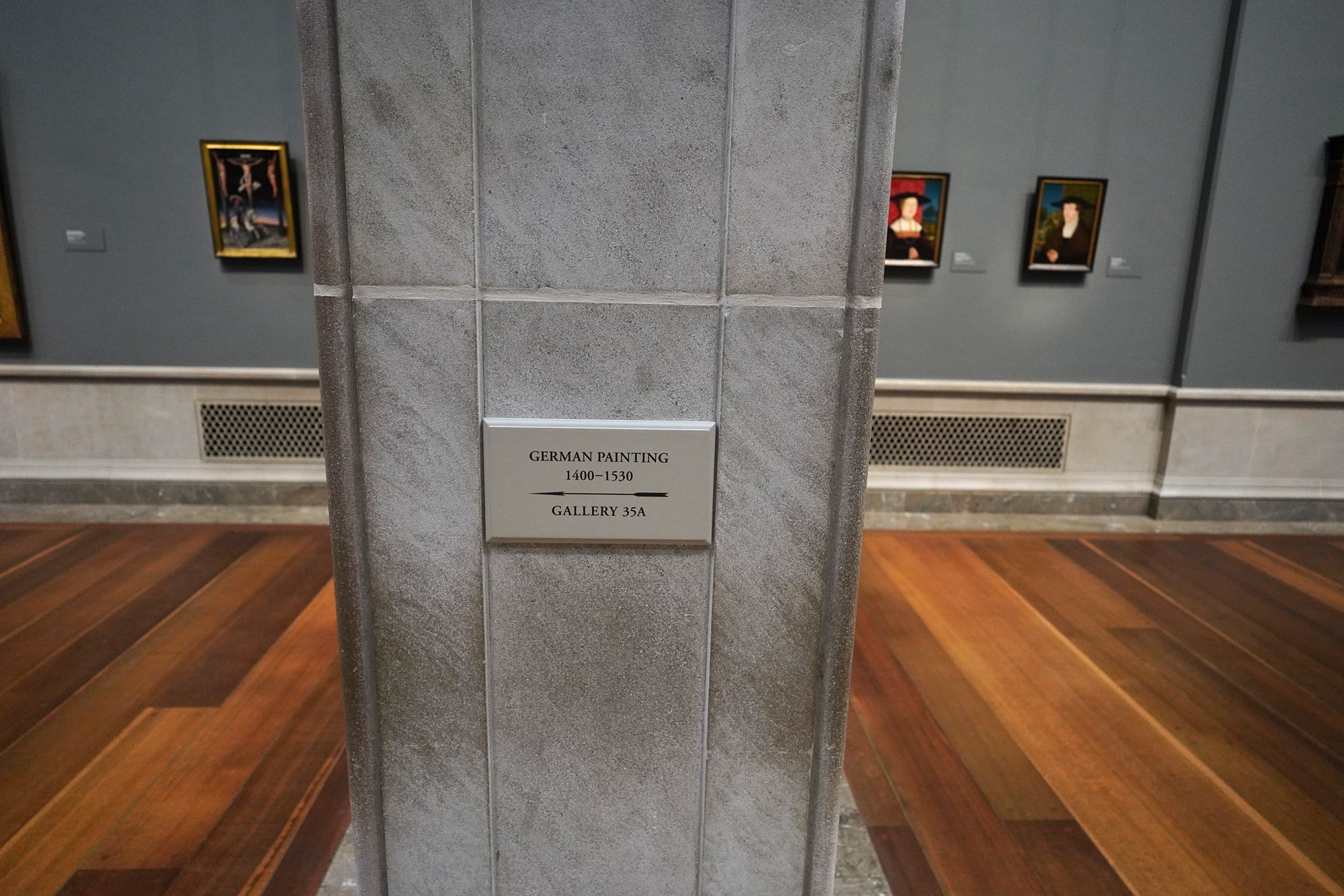
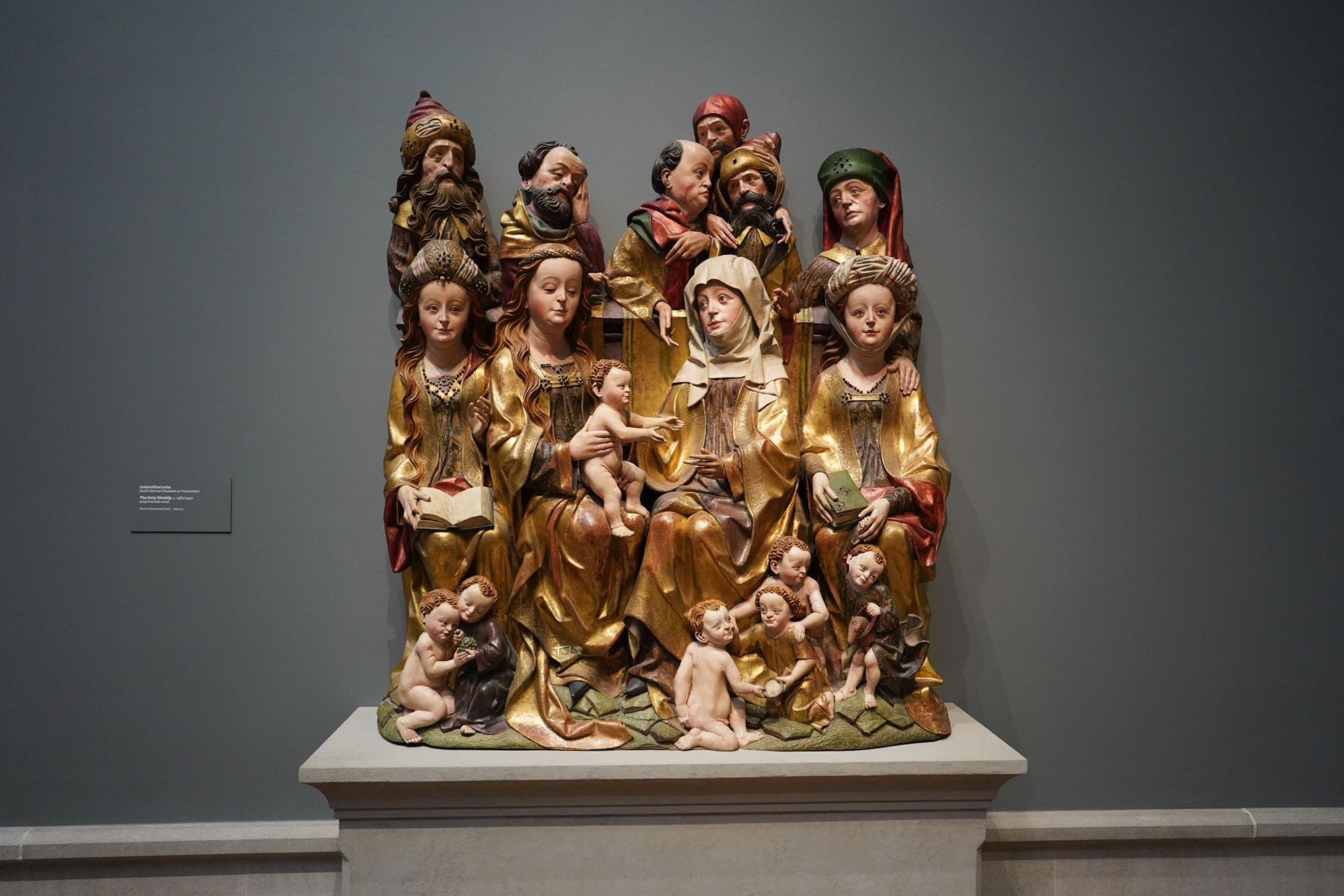
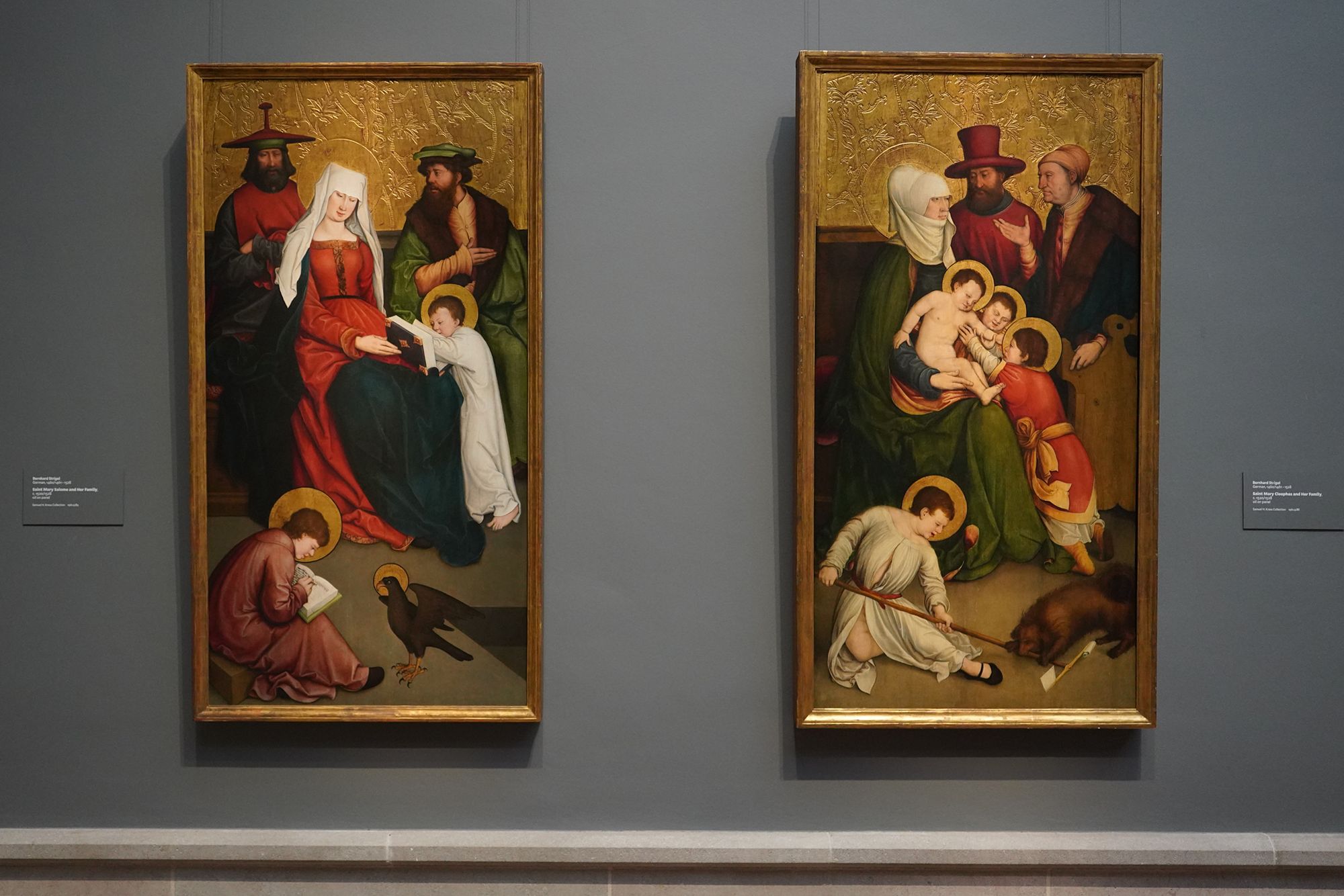
German painting from 1400 to 1530 bridges the late Gothic and early Renaissance periods, when artists sought to unite medieval spirituality with new realism and emotional depth.
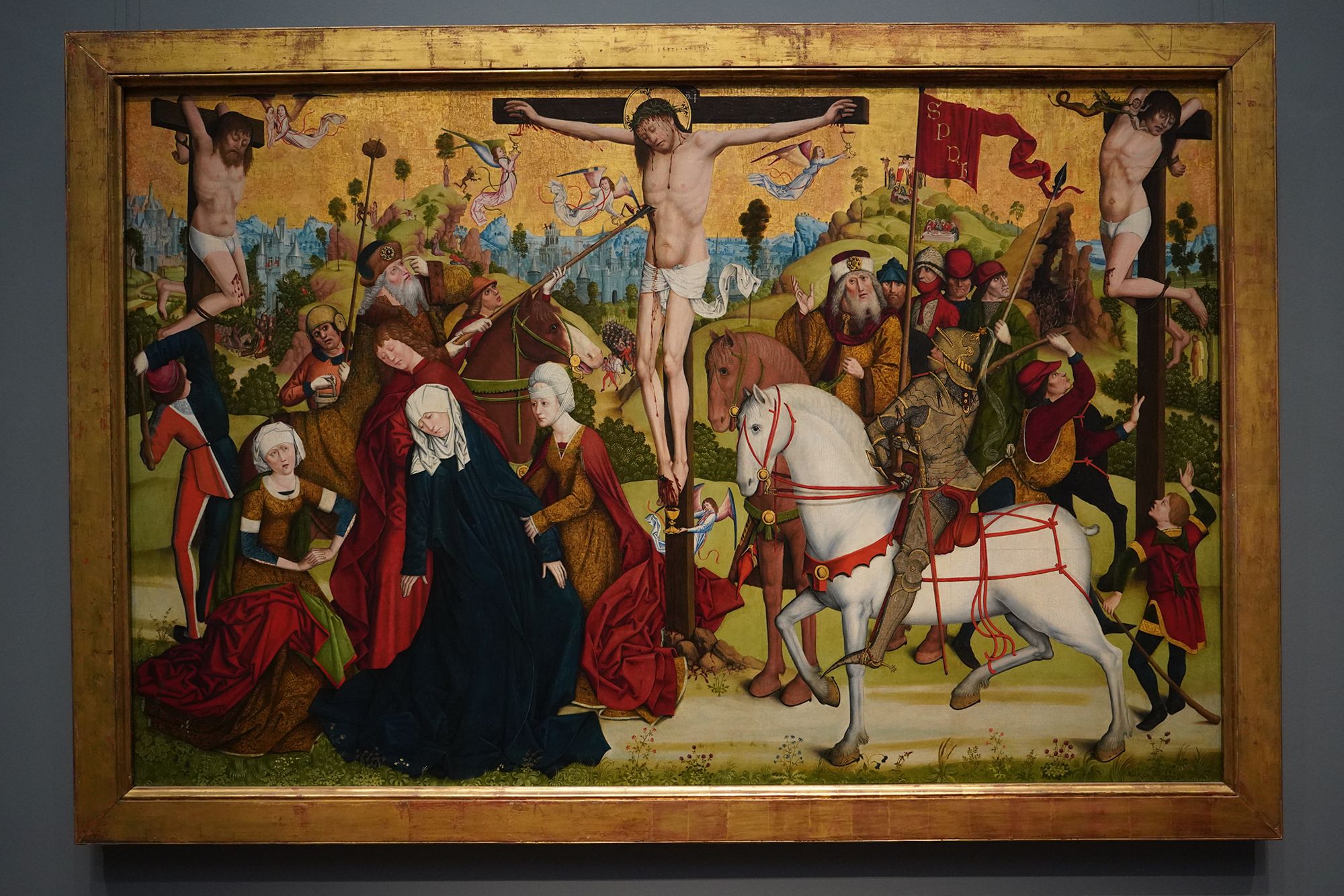
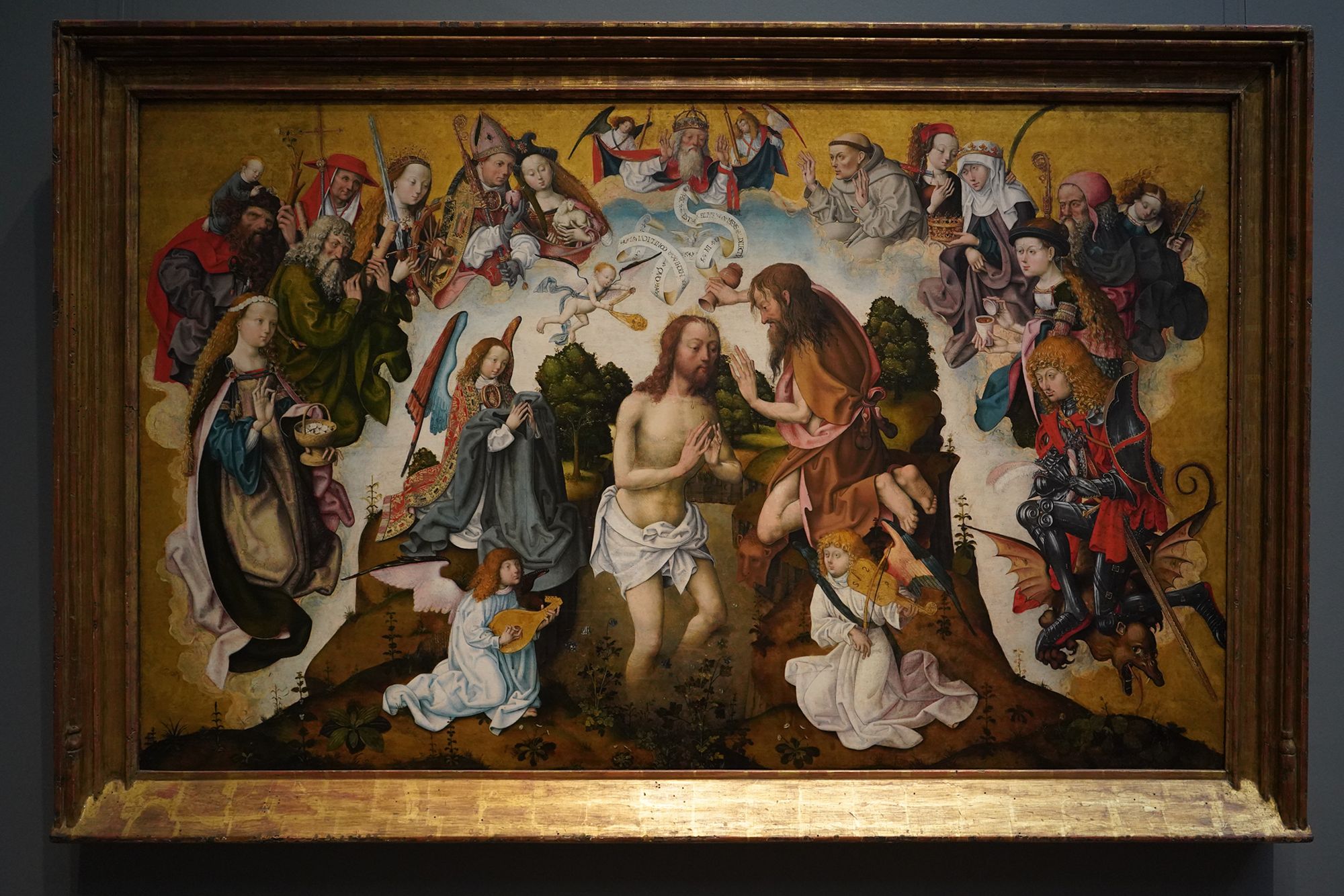
This era flourished in regions such as Nuremberg, Cologne, and Swabia, where churches, guilds, and wealthy patrons commissioned altarpieces and devotional works.
French Painting 17th Century
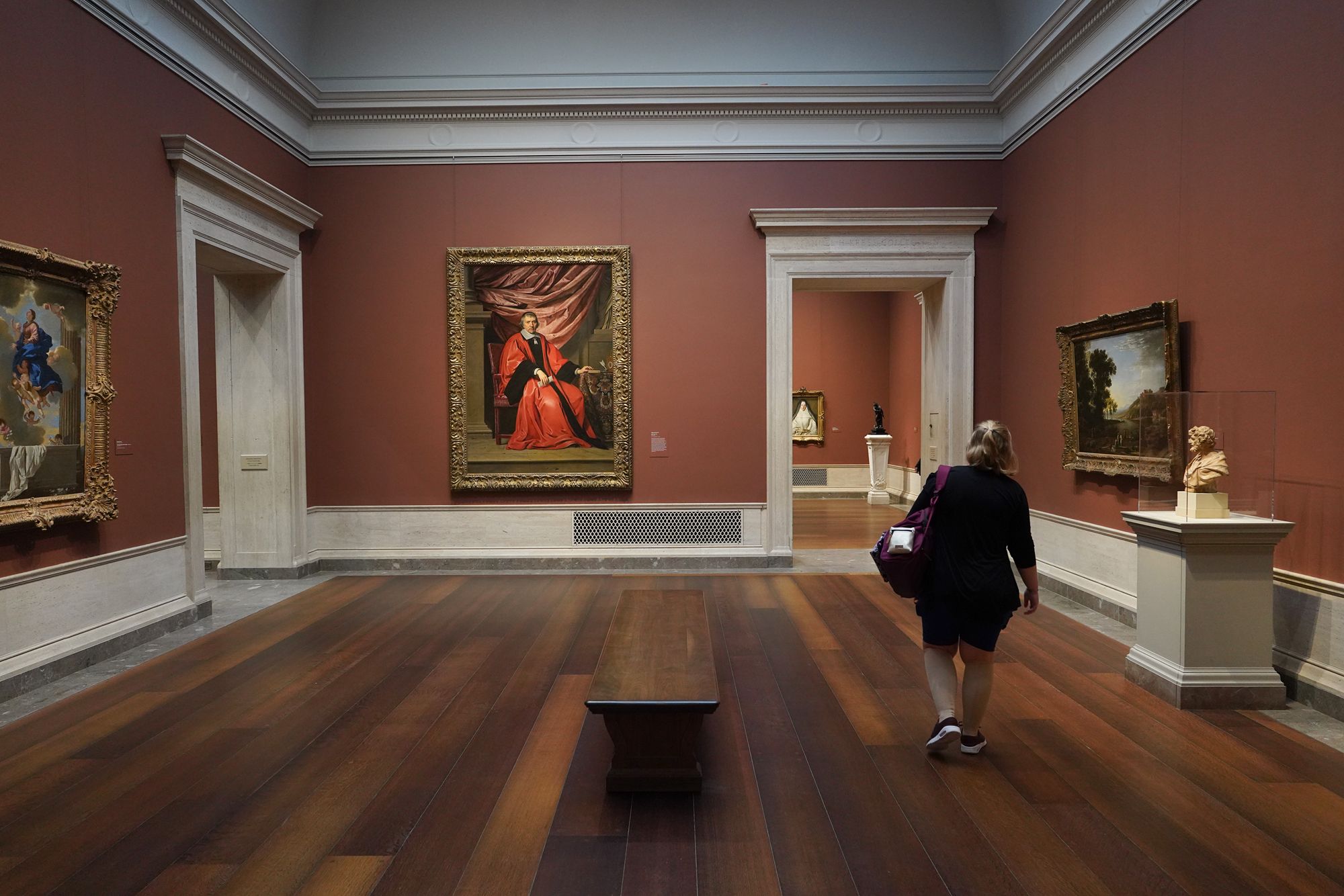
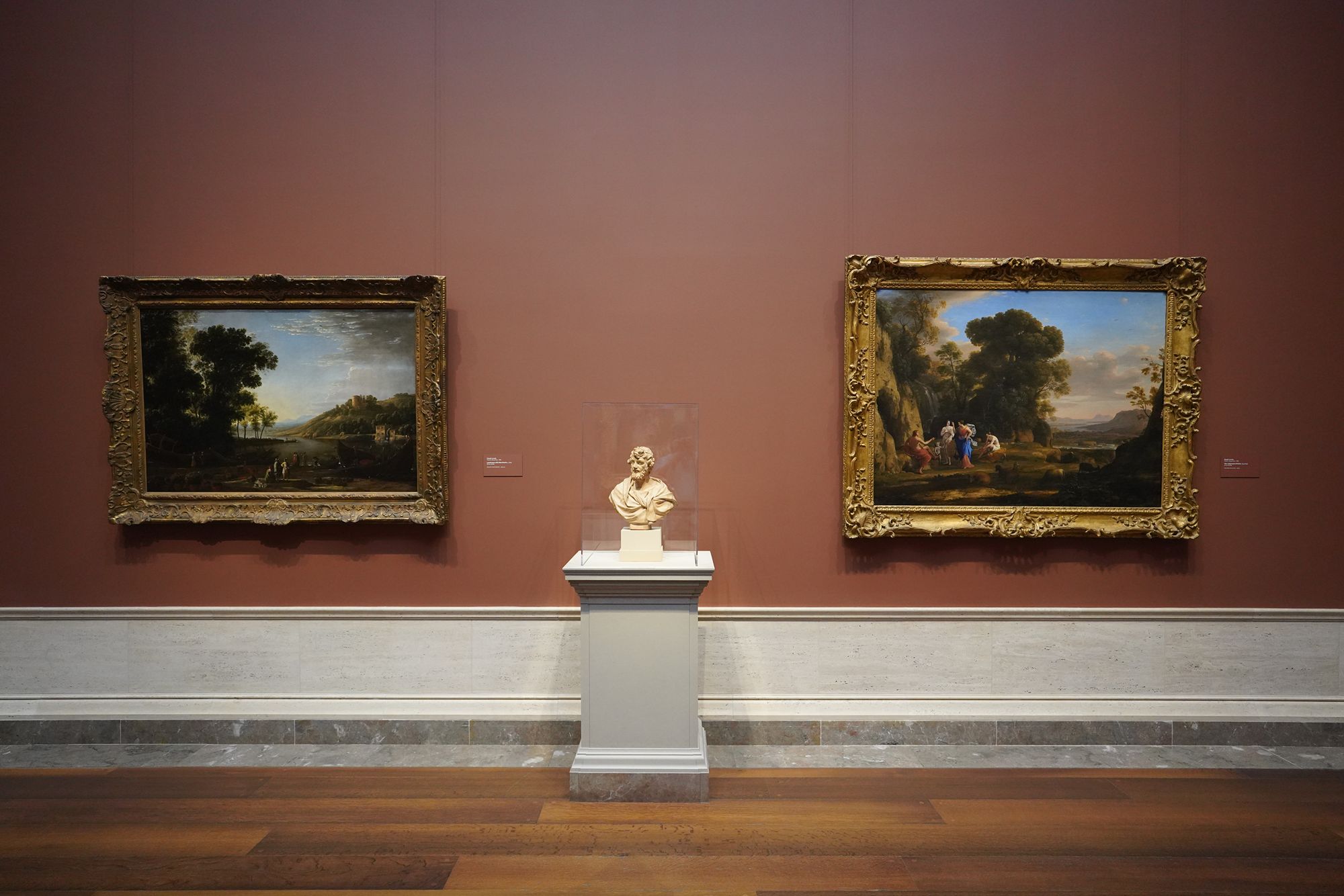
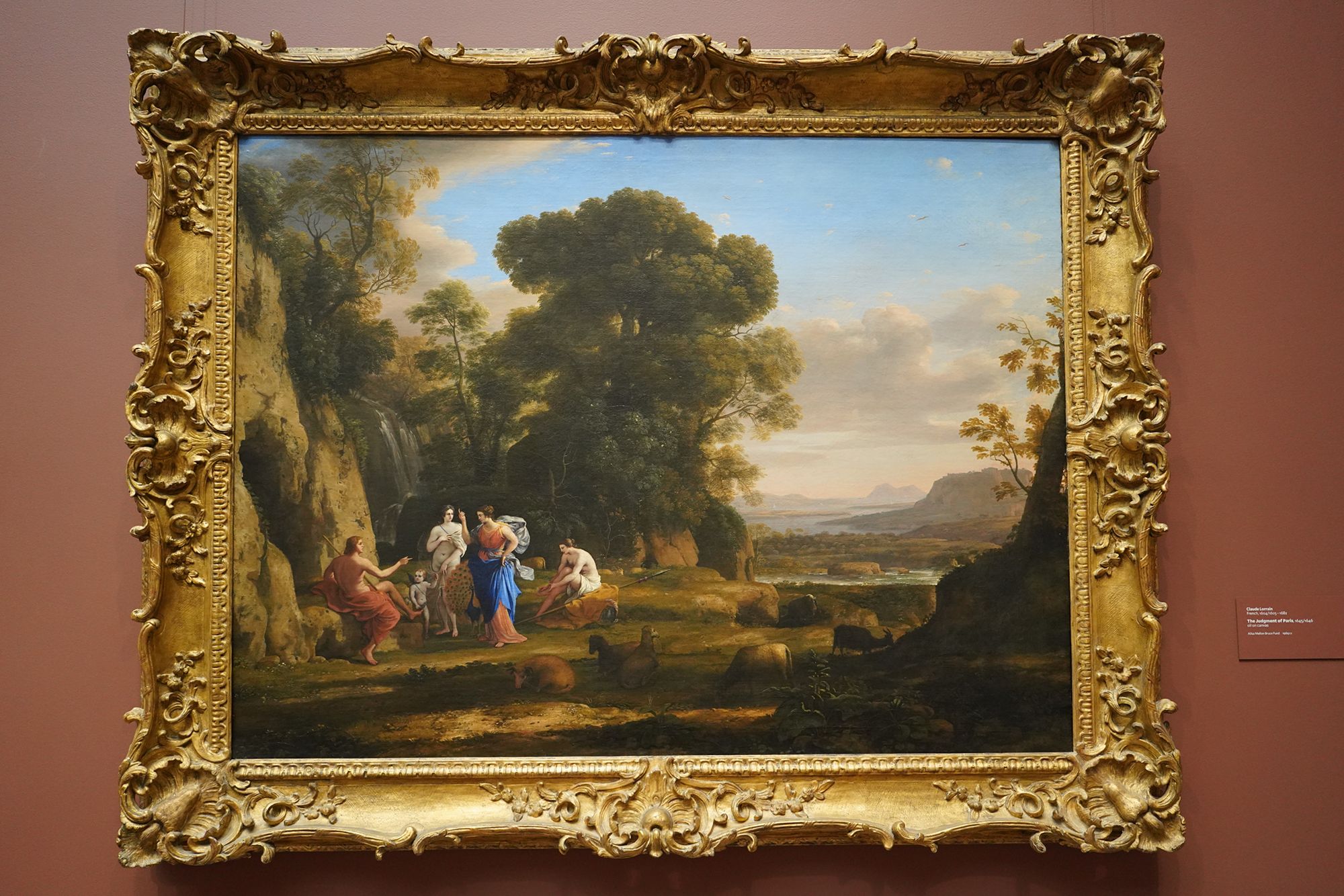
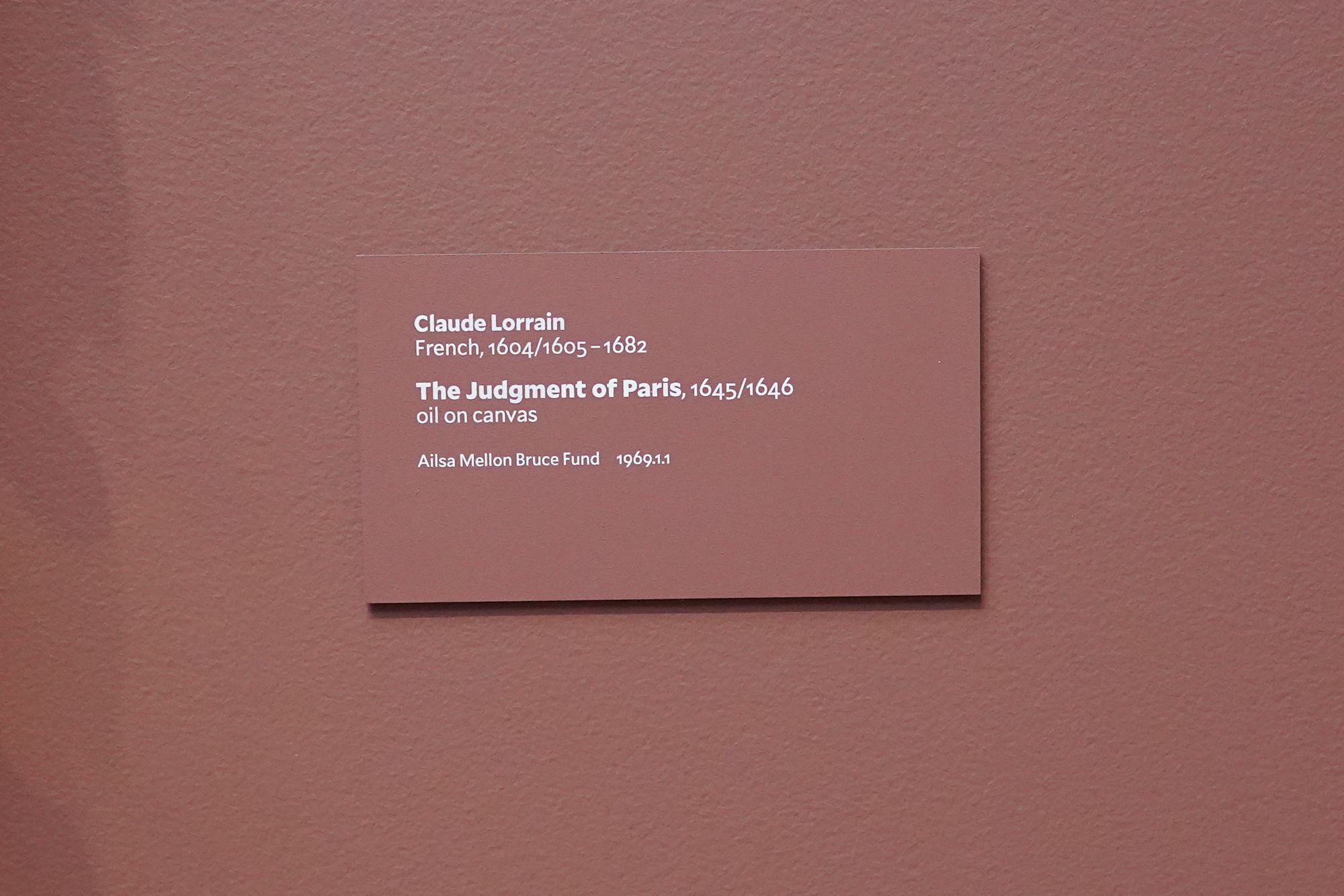
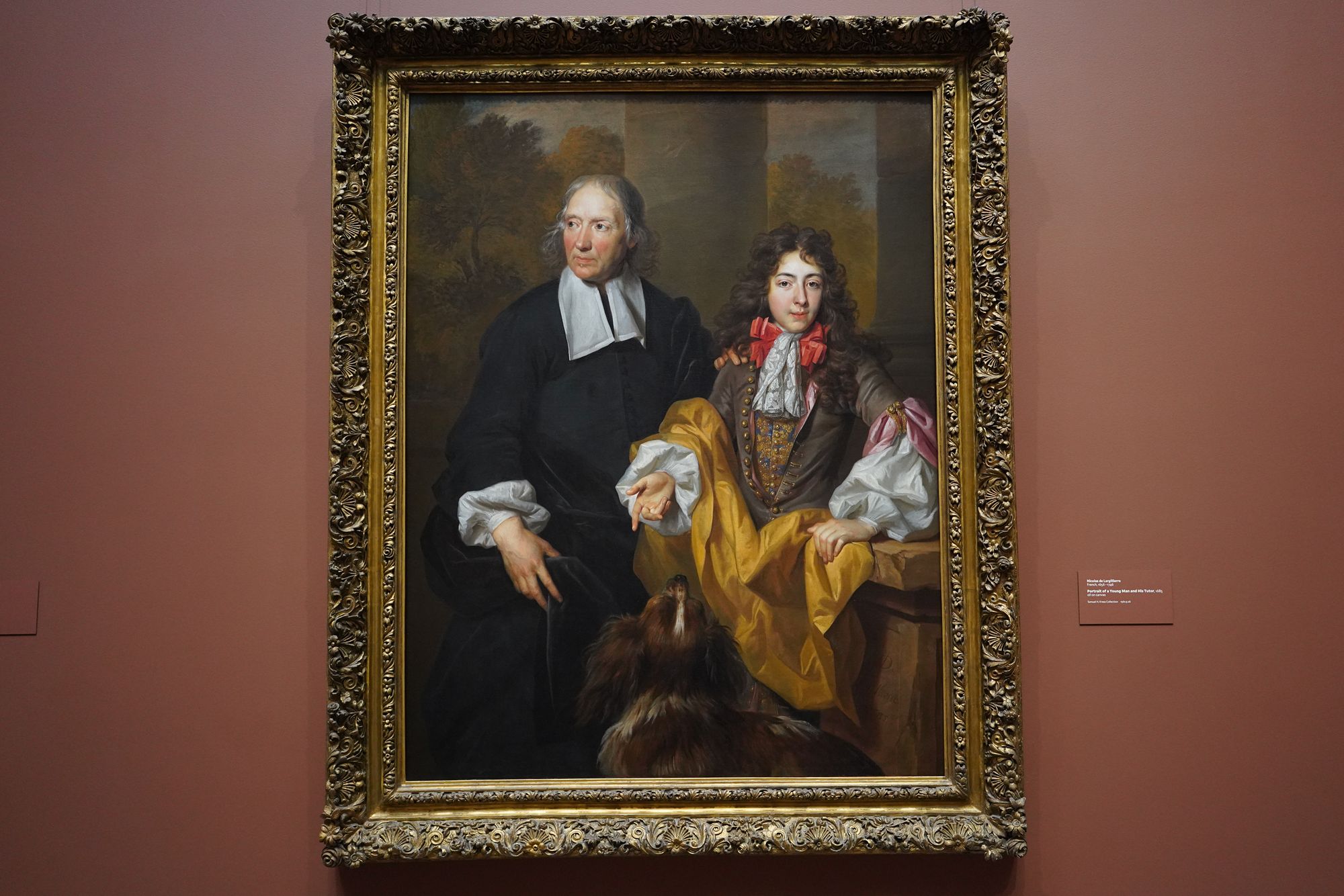
French painting of the 17th century developed during a time when France rose to cultural leadership in Europe under the rule of Louis XIII and Louis XIV. Artists sought balance, clarity, and grandeur—qualities that reflected both the ideals of classicism and the authority of the monarchy.
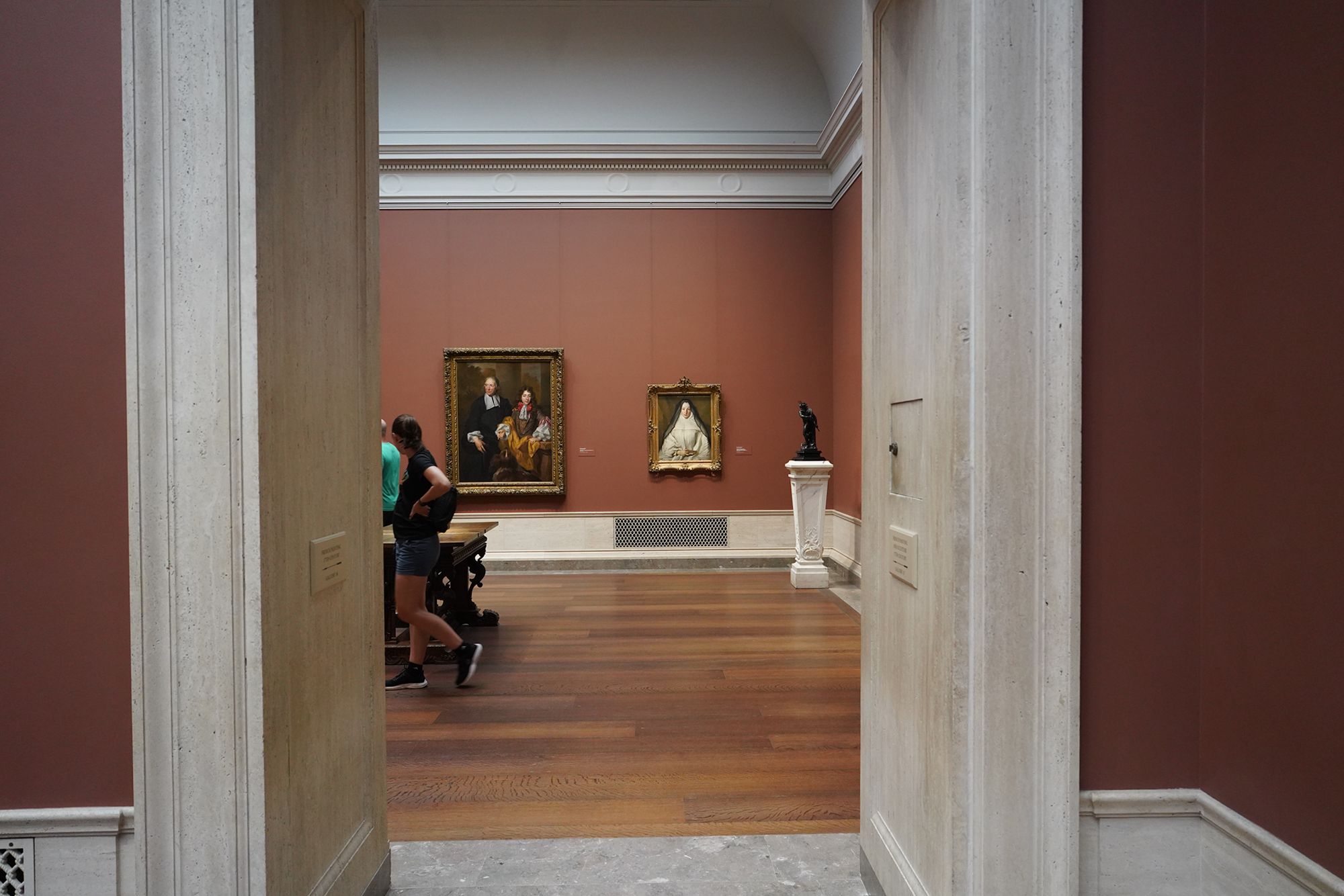
French Painting 17th Century Continues
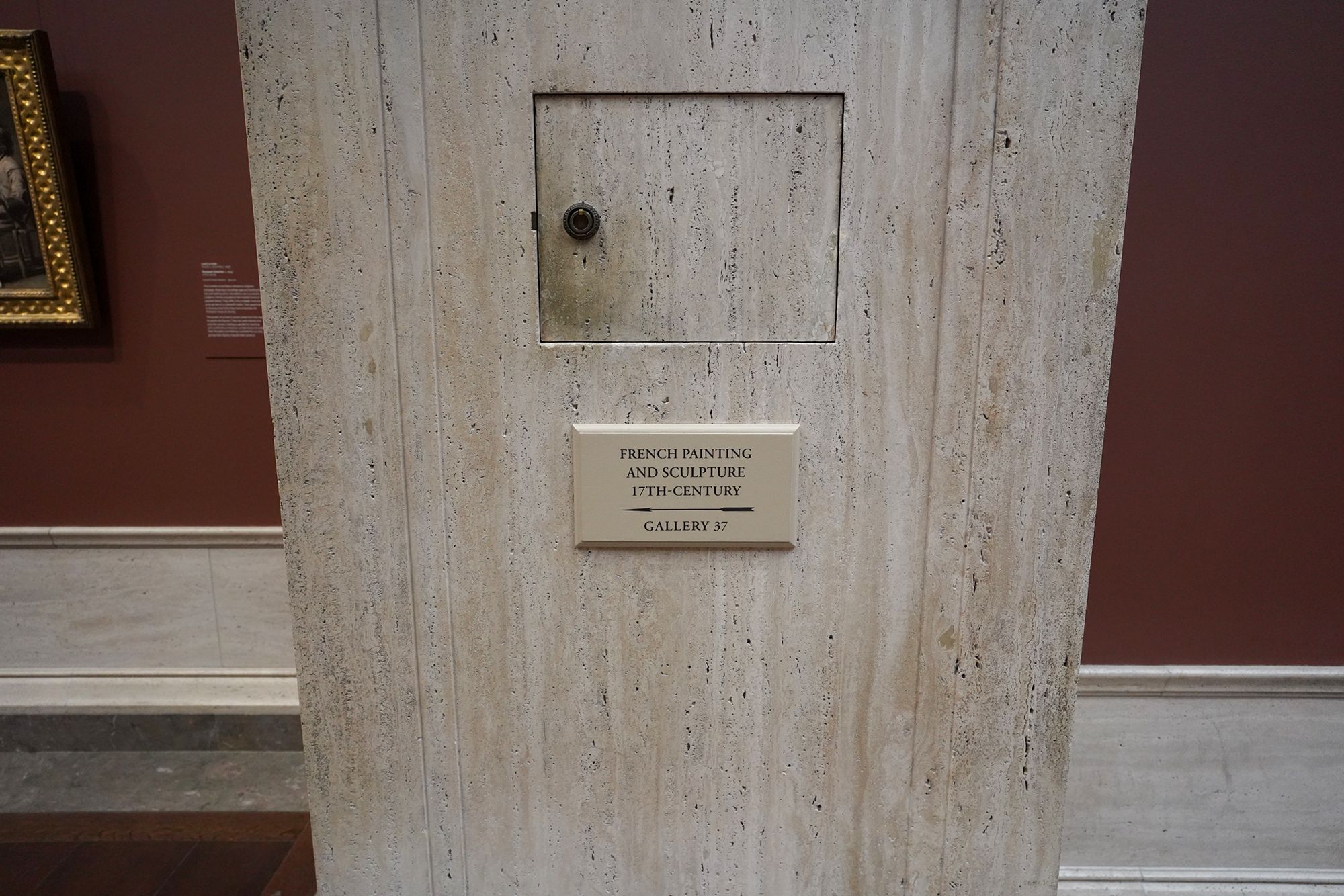
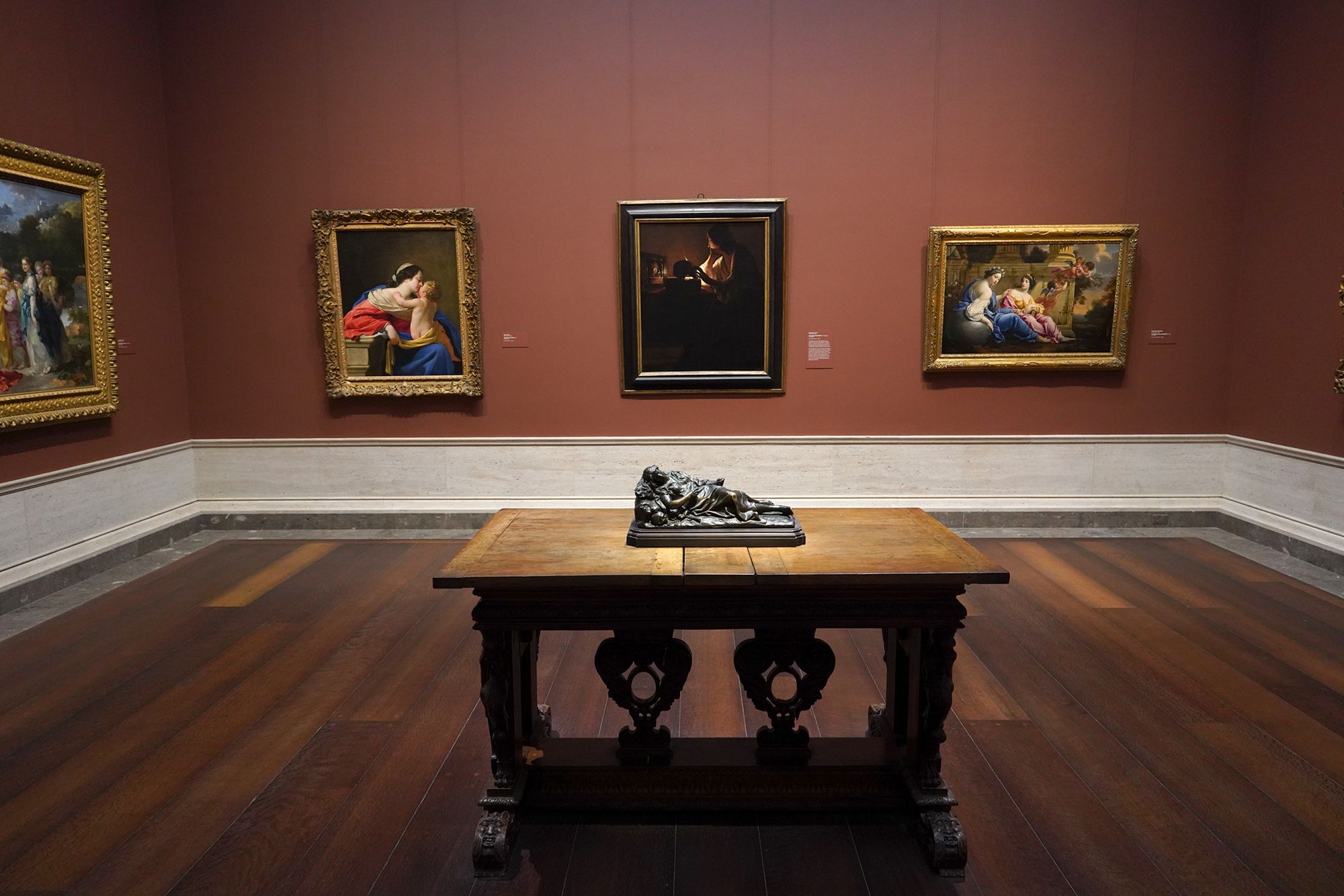
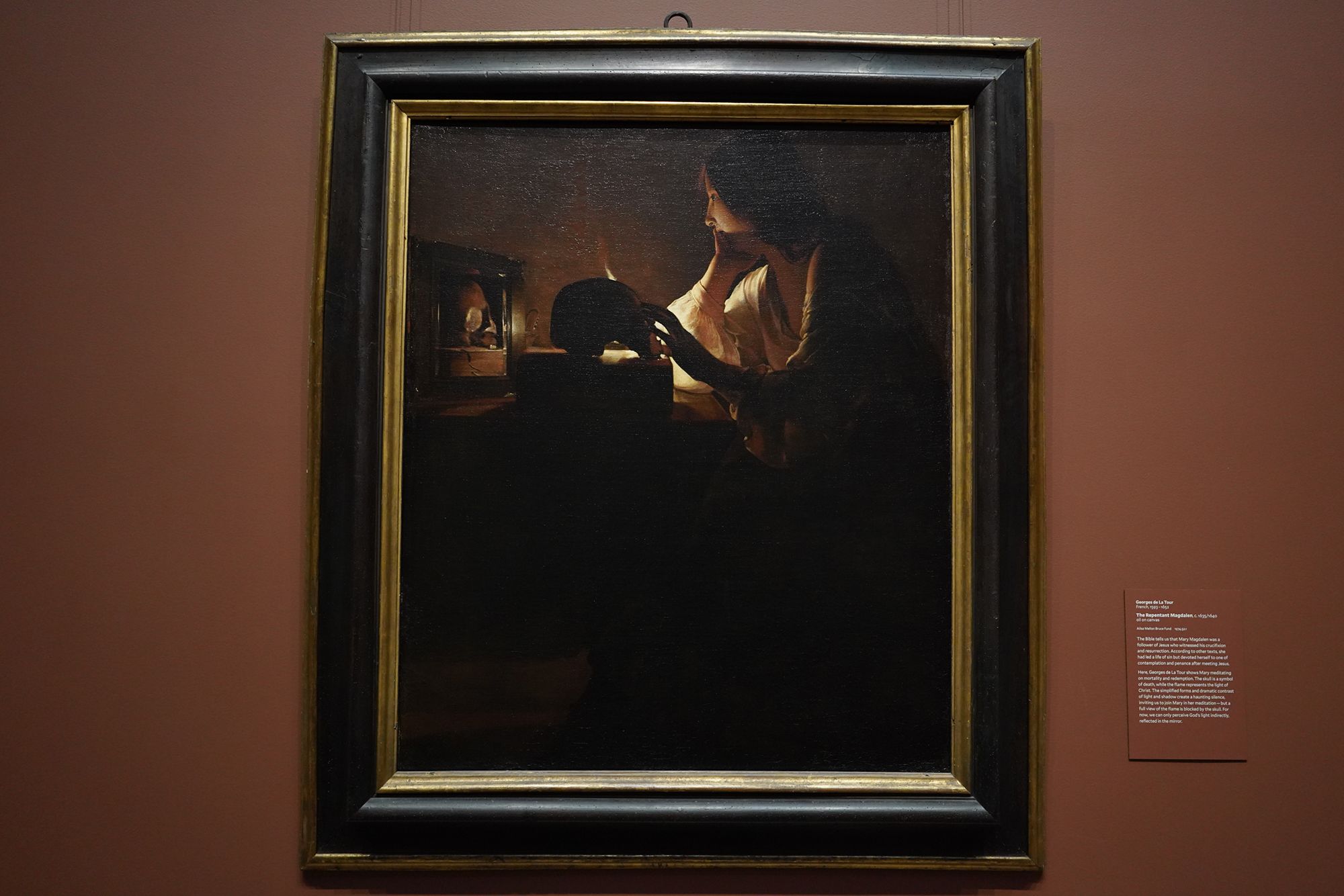
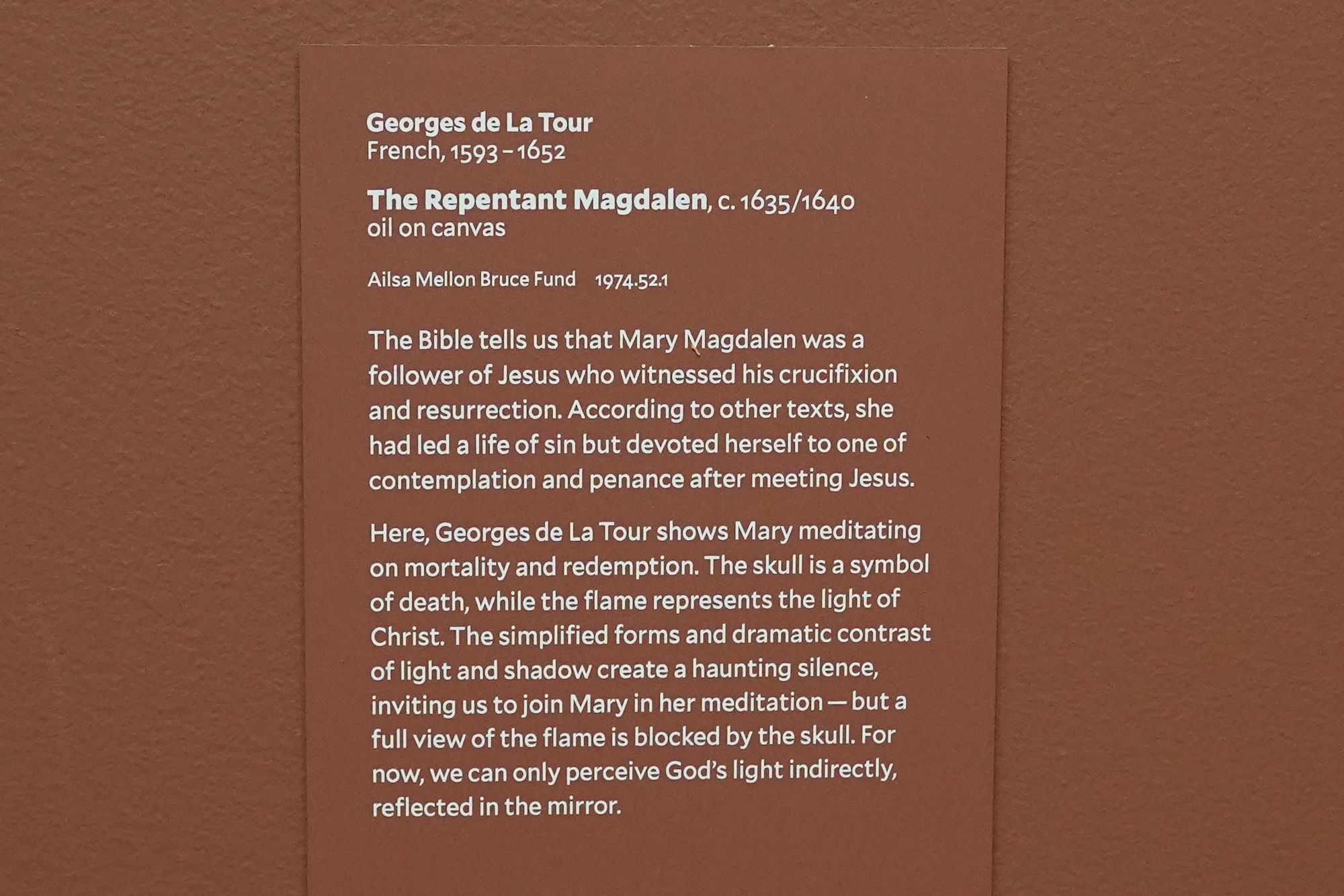
“The Repentant Magdalene” - Mary Magdalene is shown alone in a dimly lit room, dressed simply, her long hair loose over her shoulders. A skull, book, cross, or jar of ointment often lies nearby—symbols of mortality, faith, and her act of anointing Christ. A single light source illuminates her face or hands, highlighting her spiritual awakening. The darkness around her suggests both sin and the solitude of penance, while the light stands for divine forgiveness.
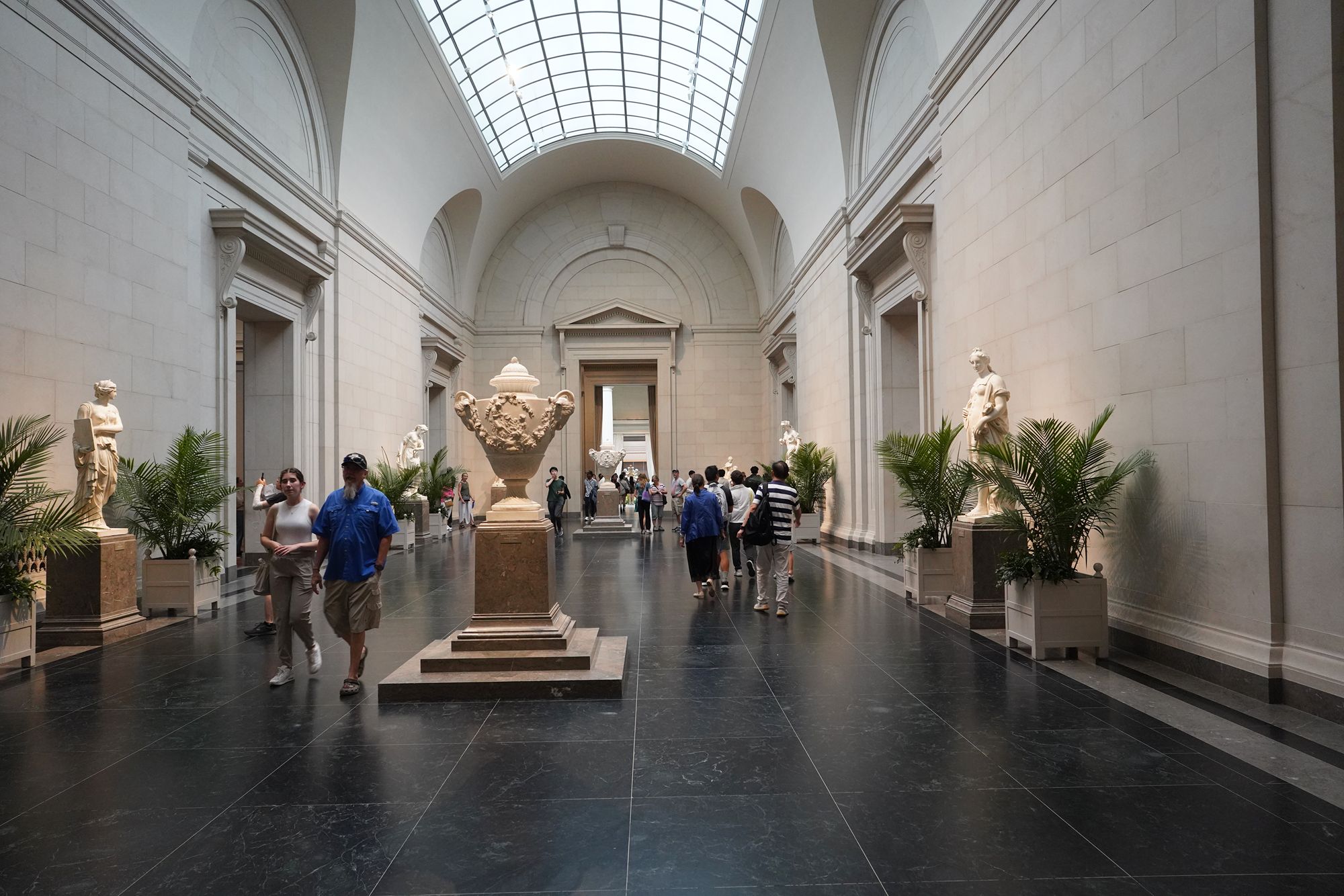
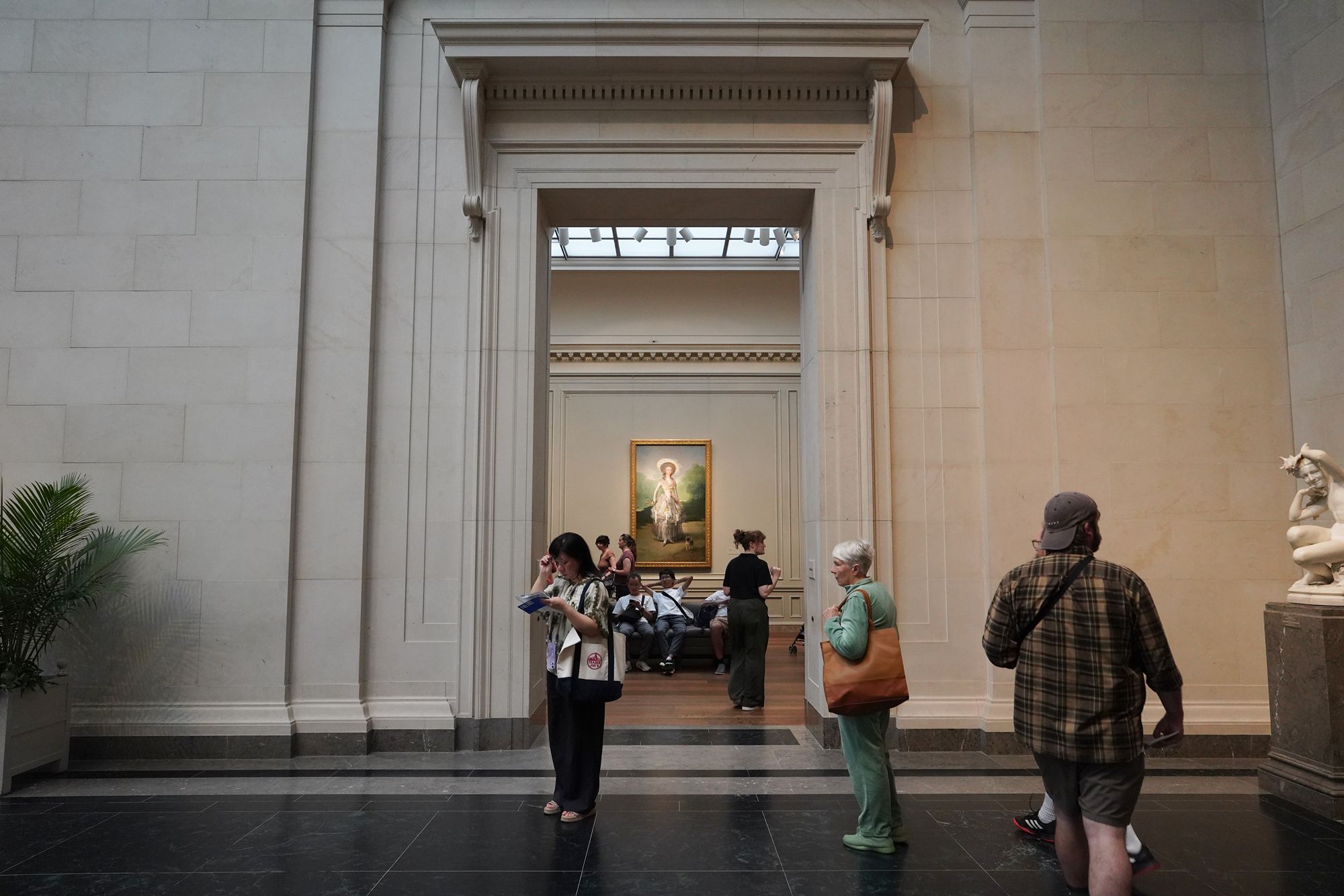
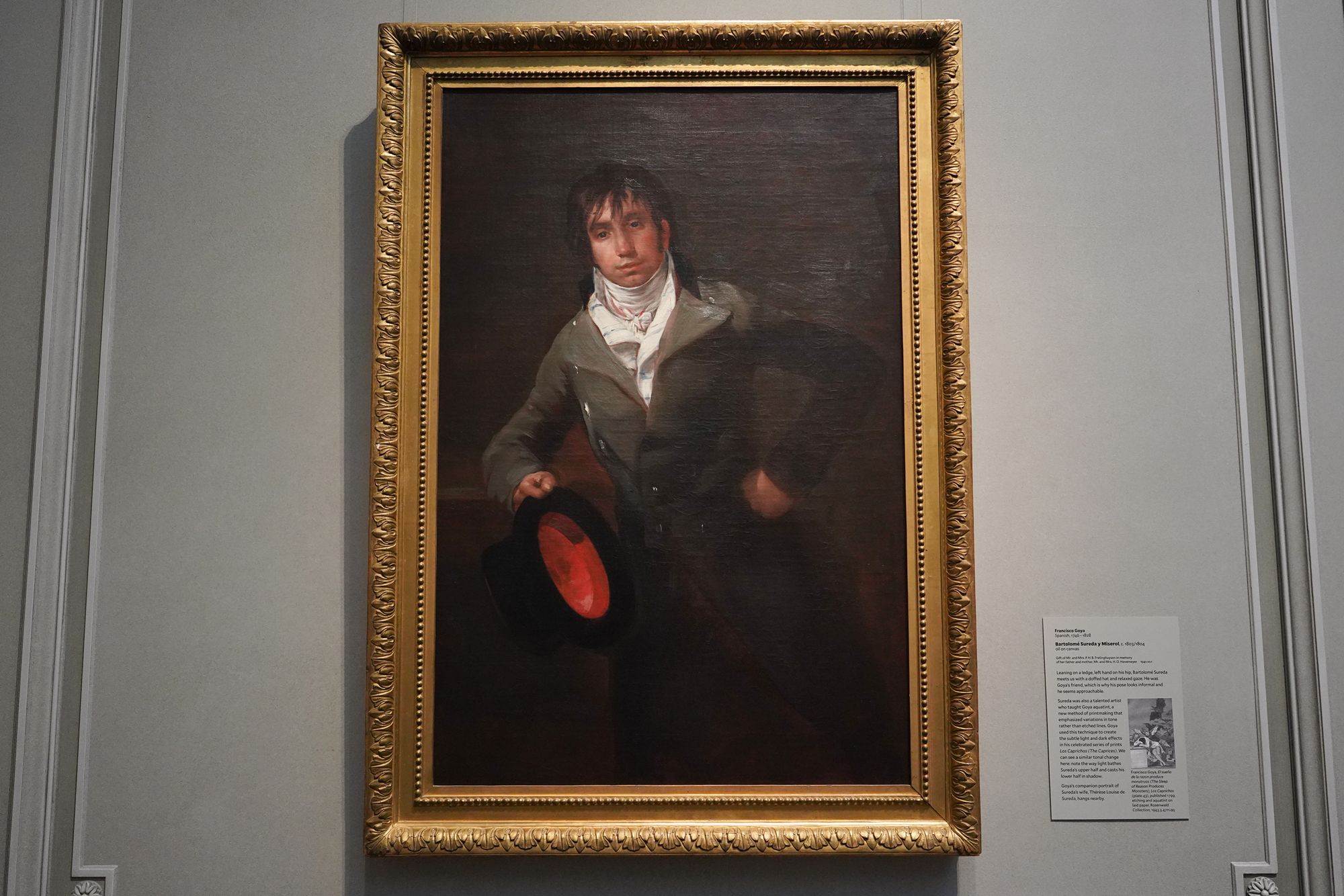
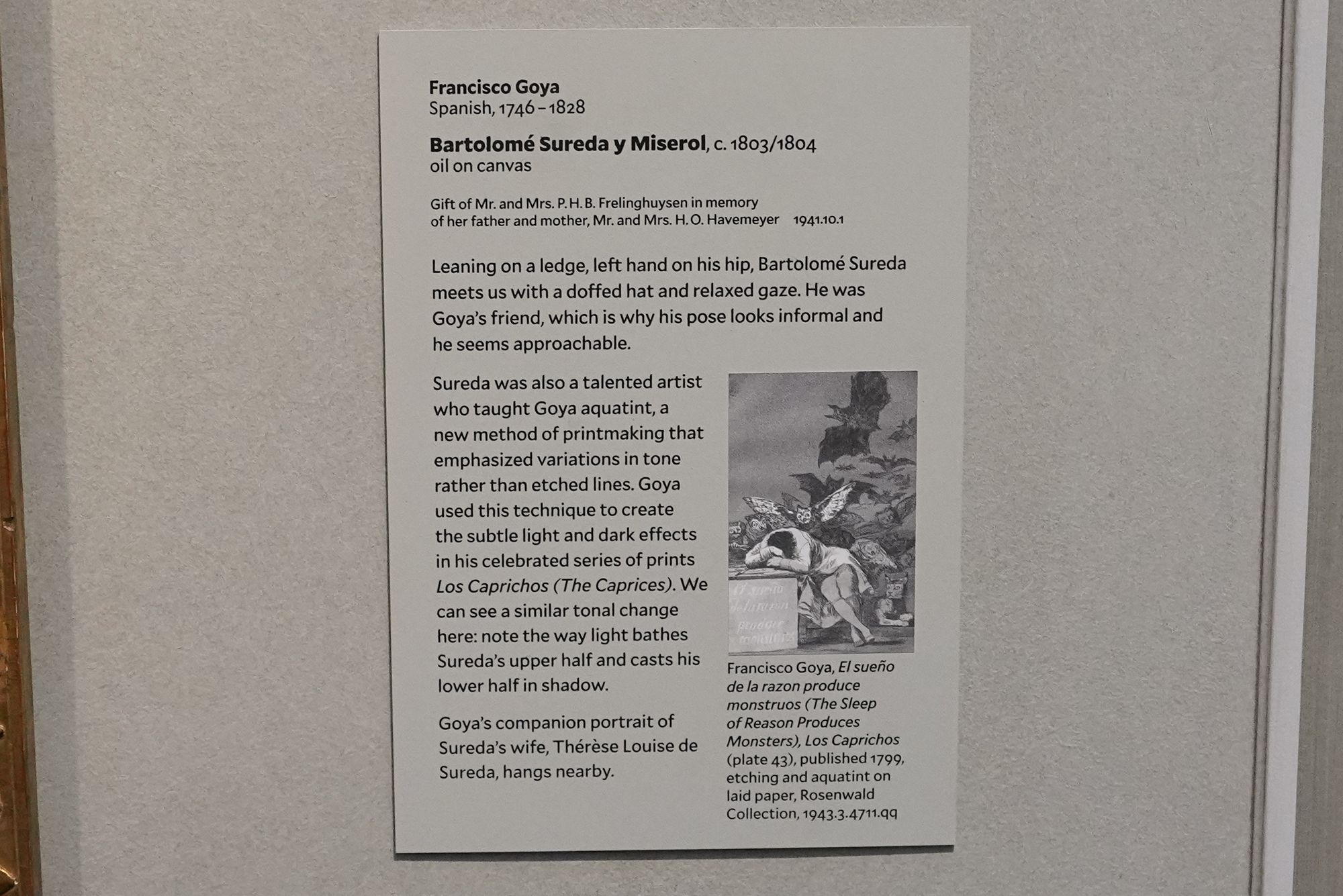
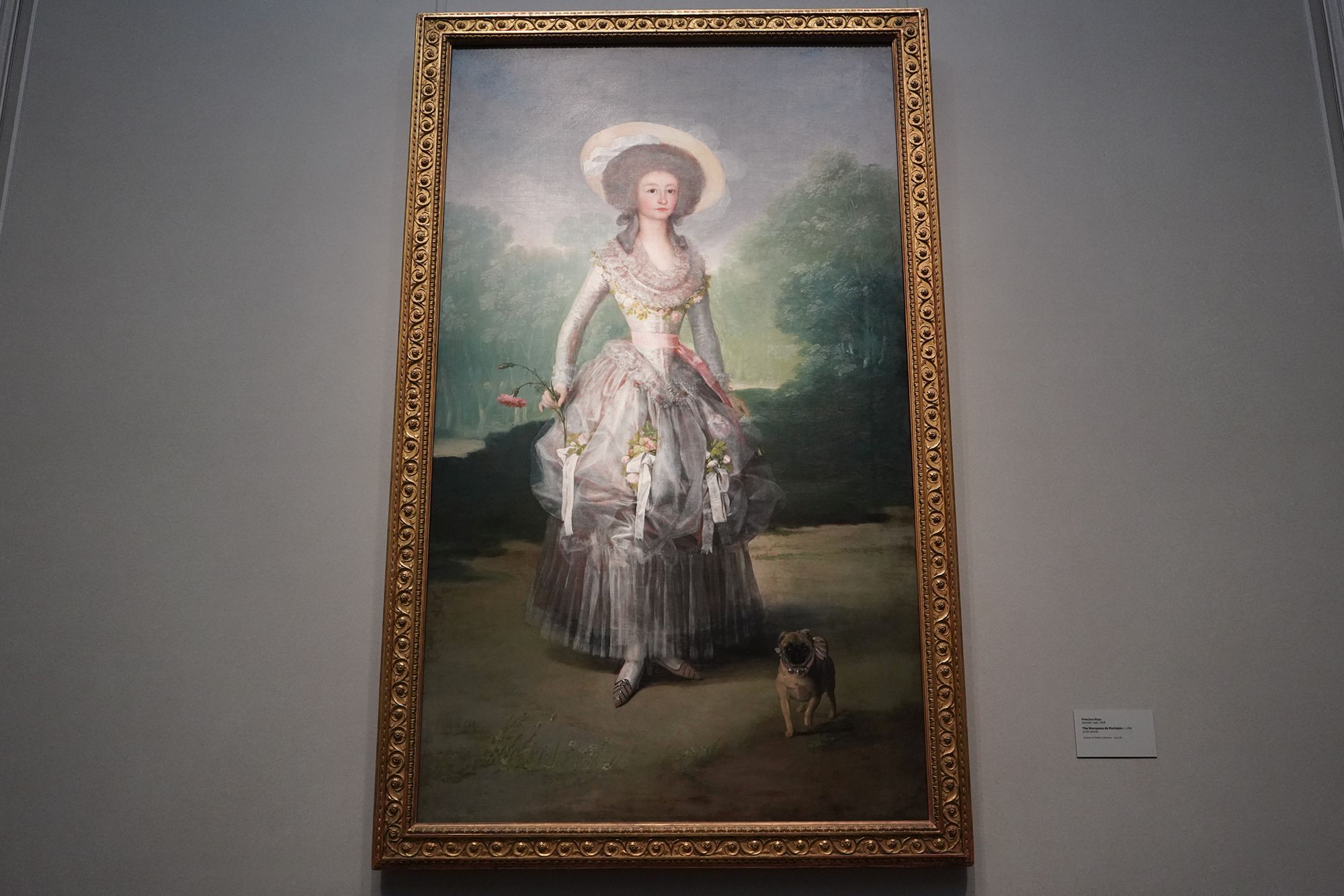
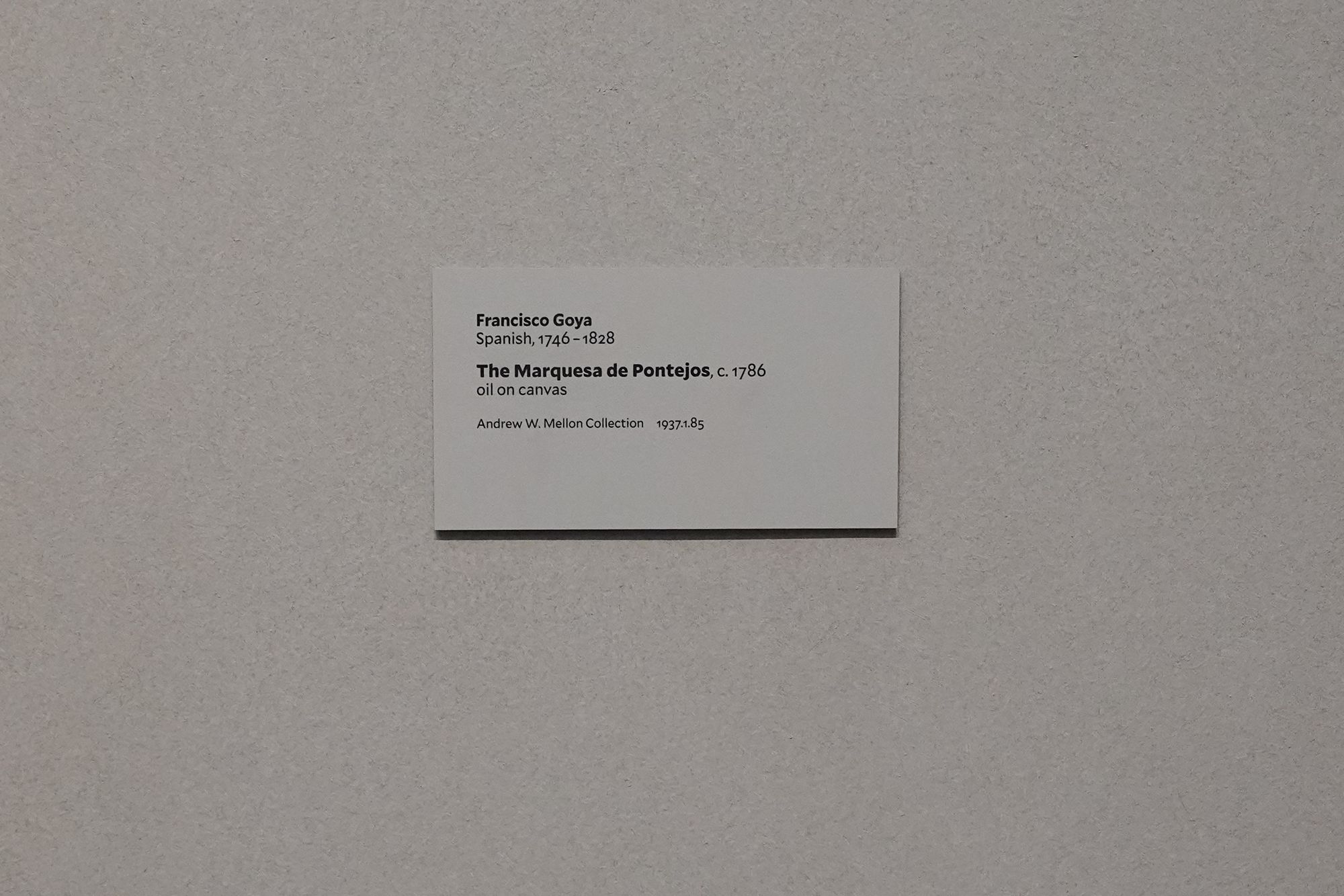
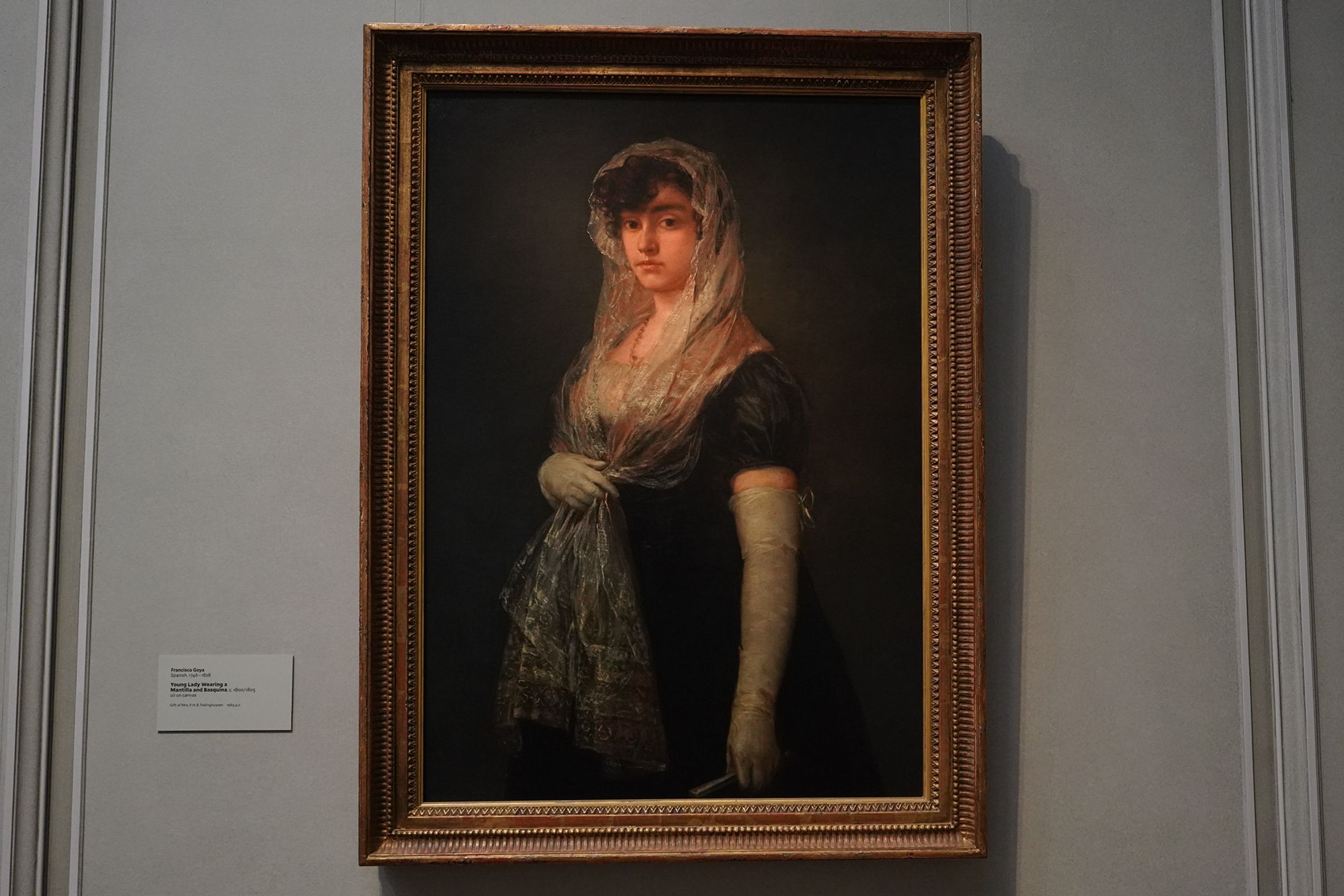
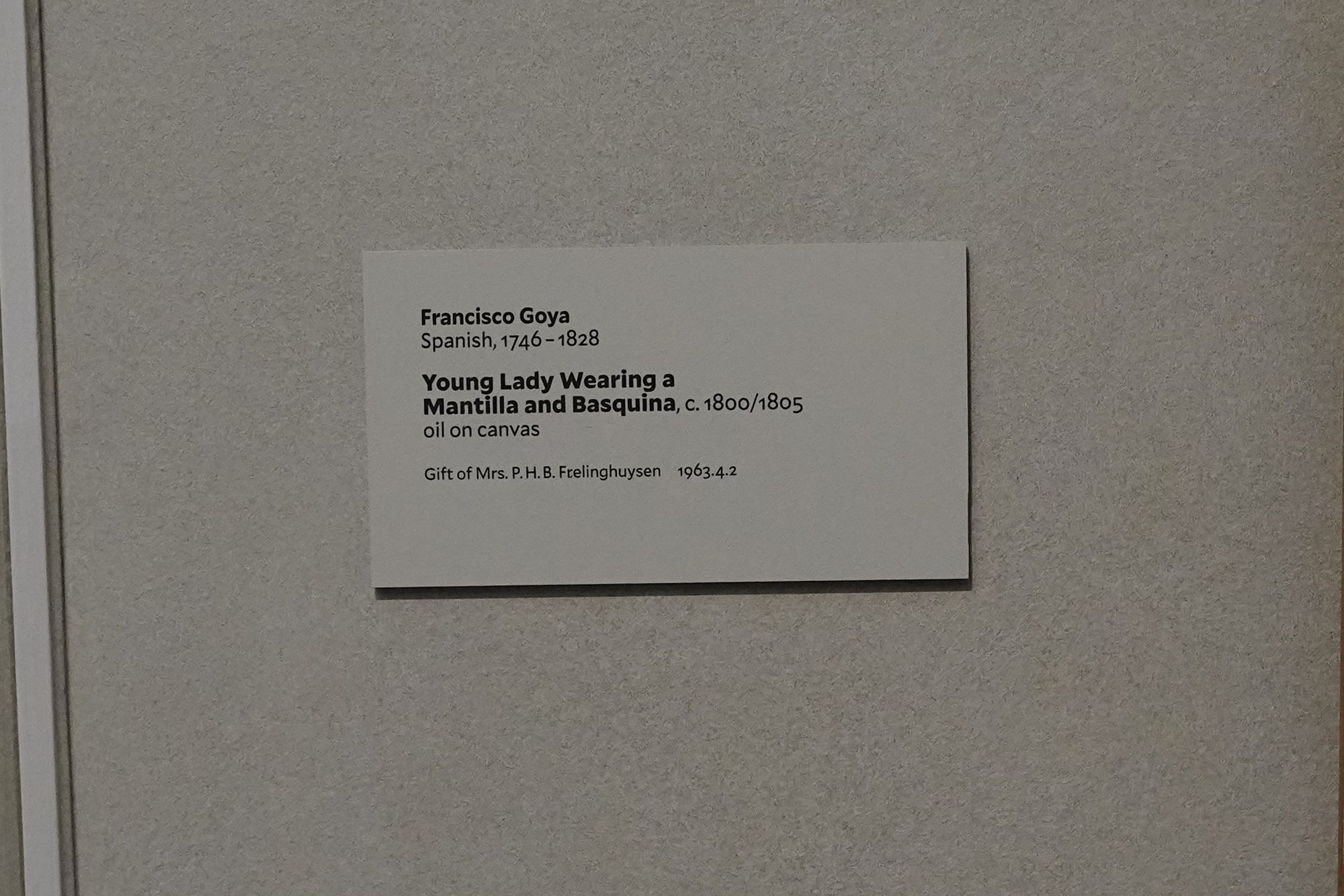
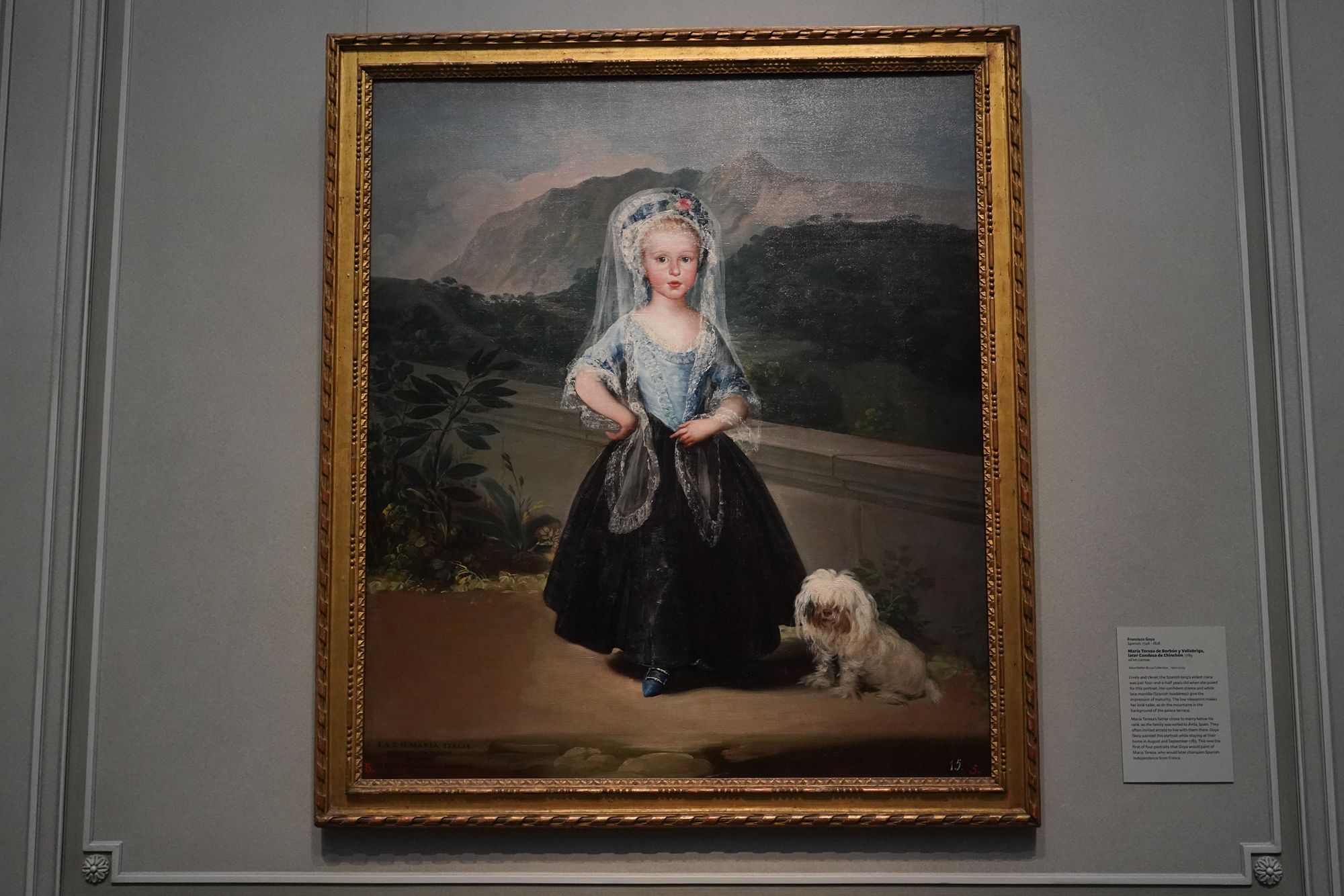
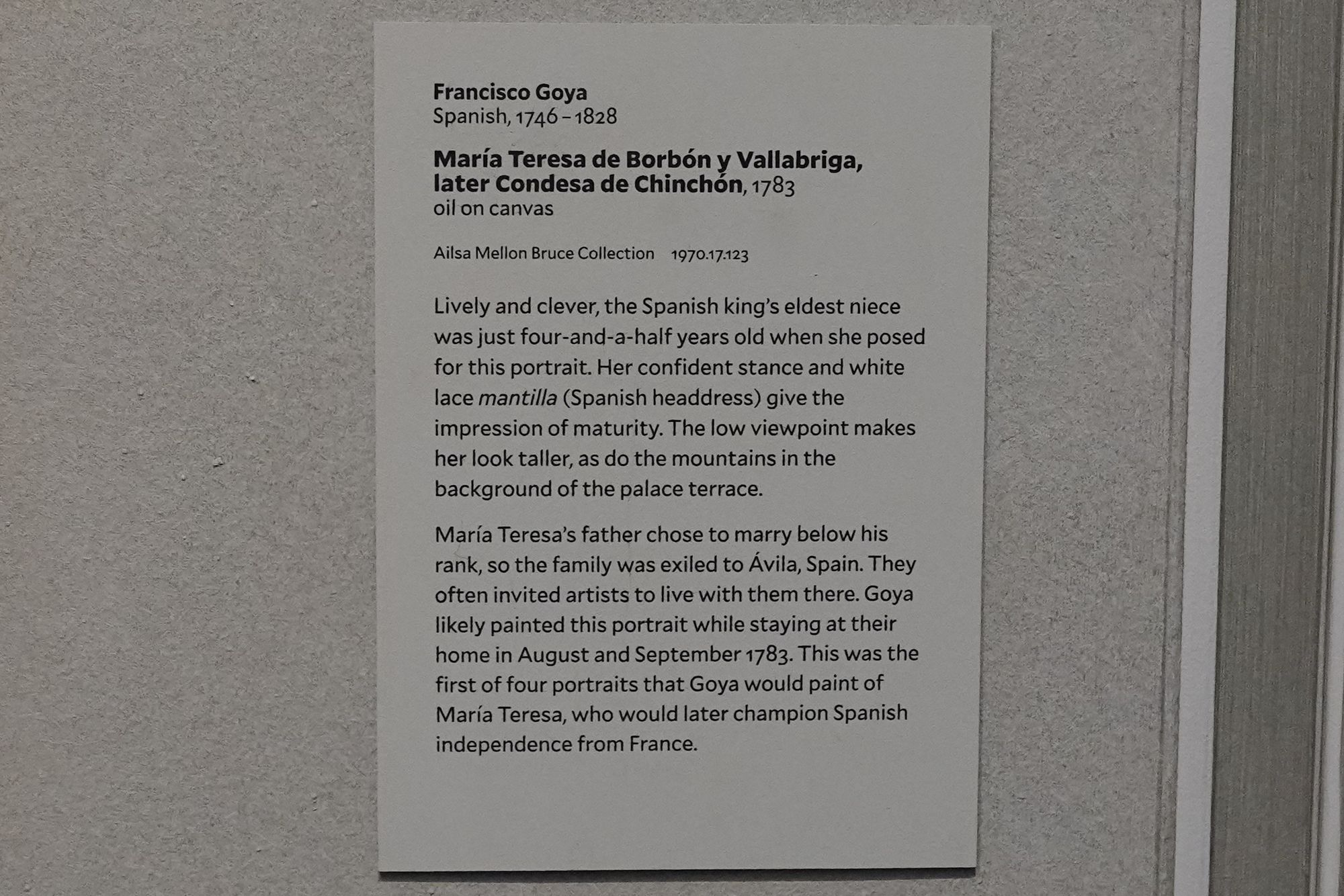
Francisco Goya (1746–1828) was one of Spain’s greatest painters and printmakers, whose work bridges the Old Masters and modern art. Over his long career, he evolved from a court painter producing elegant portraits to a profound observer of human suffering, war, and madness. His art reflects both the splendor and the darkness of late 18th- and early 19th-century Spain.
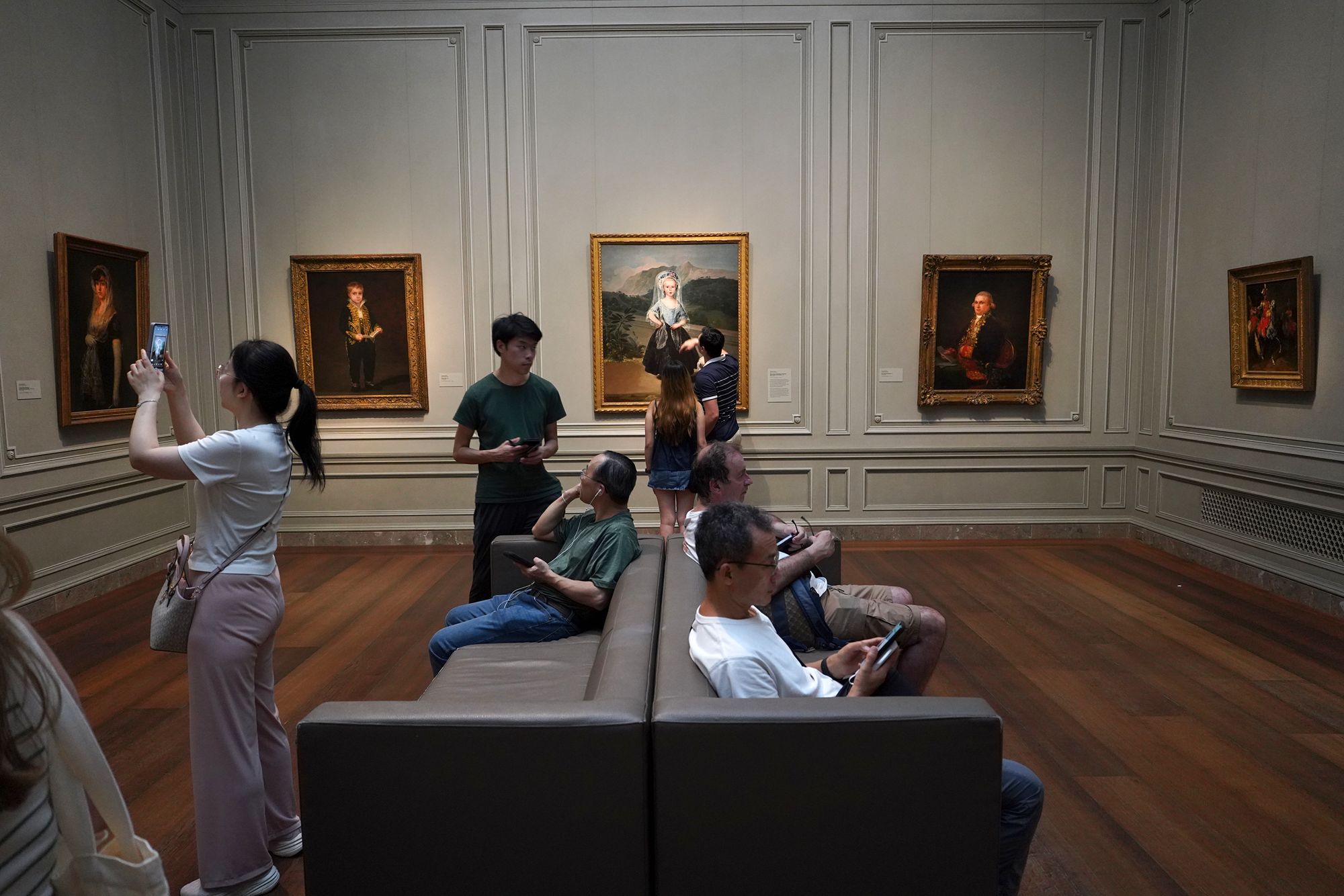
Goya’s art moves from beauty to horror, from royal elegance to human suffering. He opened the path to modern art by showing the truth of emotion and conscience. The National Gallery of Art holds several of his portraits and prints that display this powerful range.
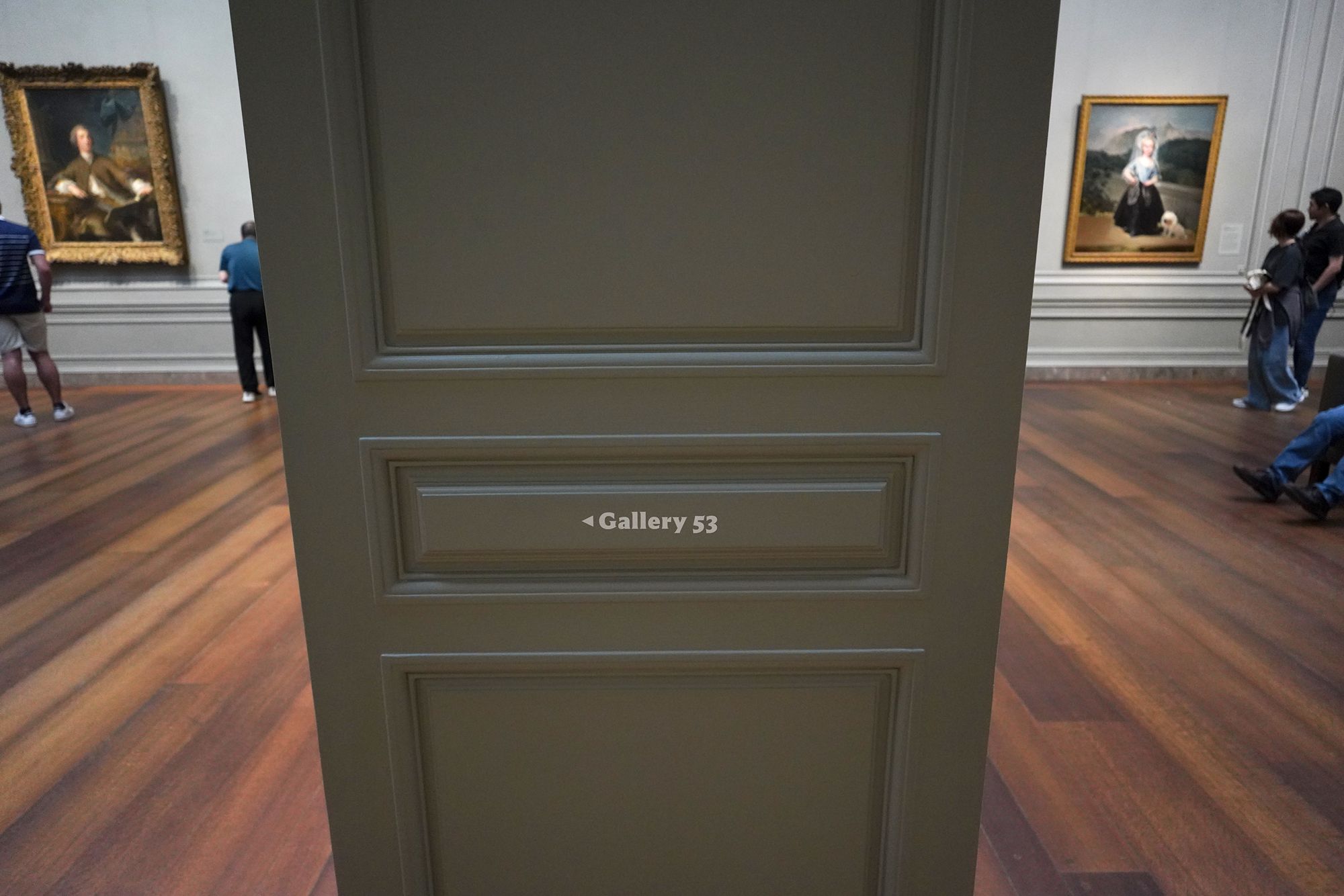
French Painting 17th Century Continues
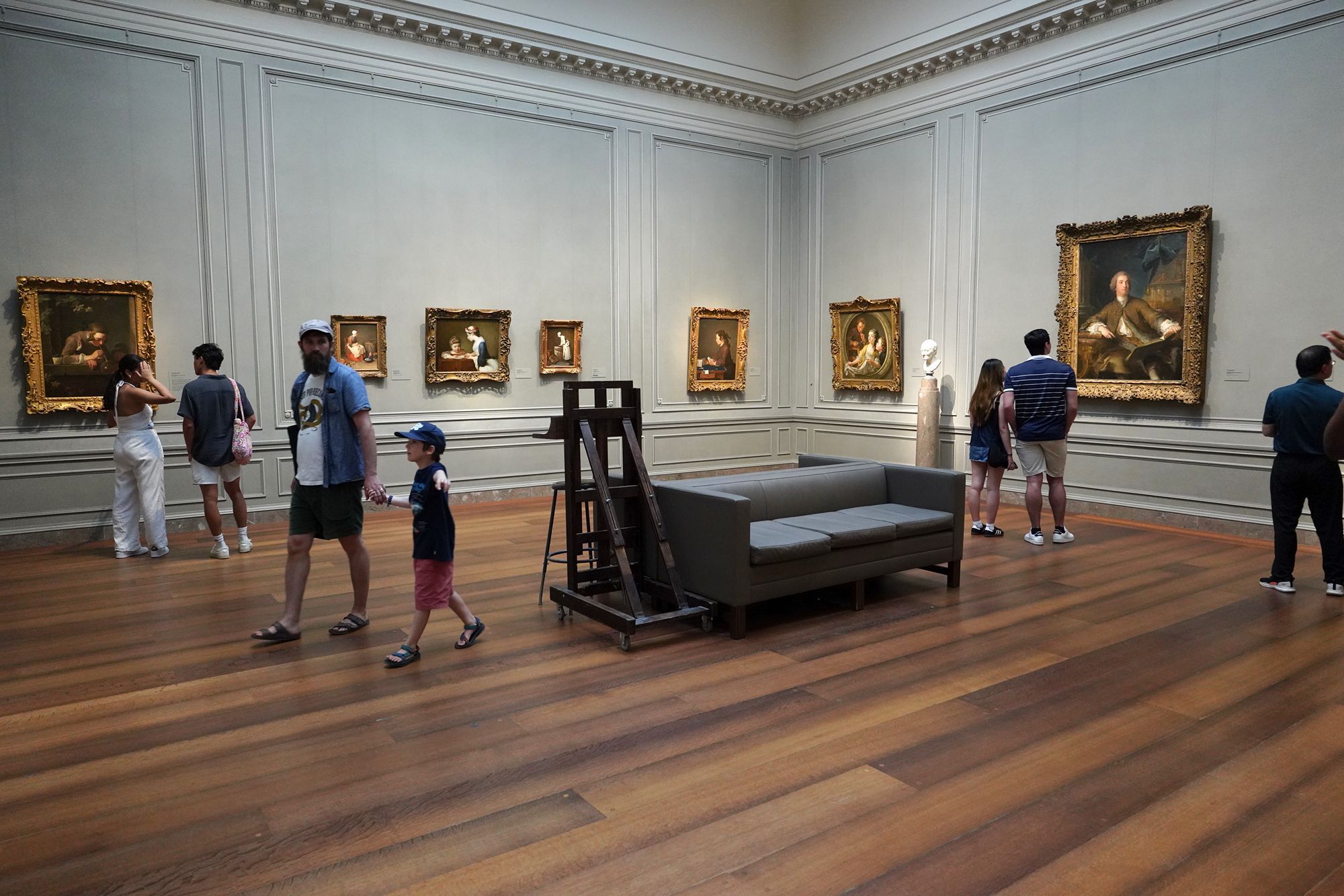
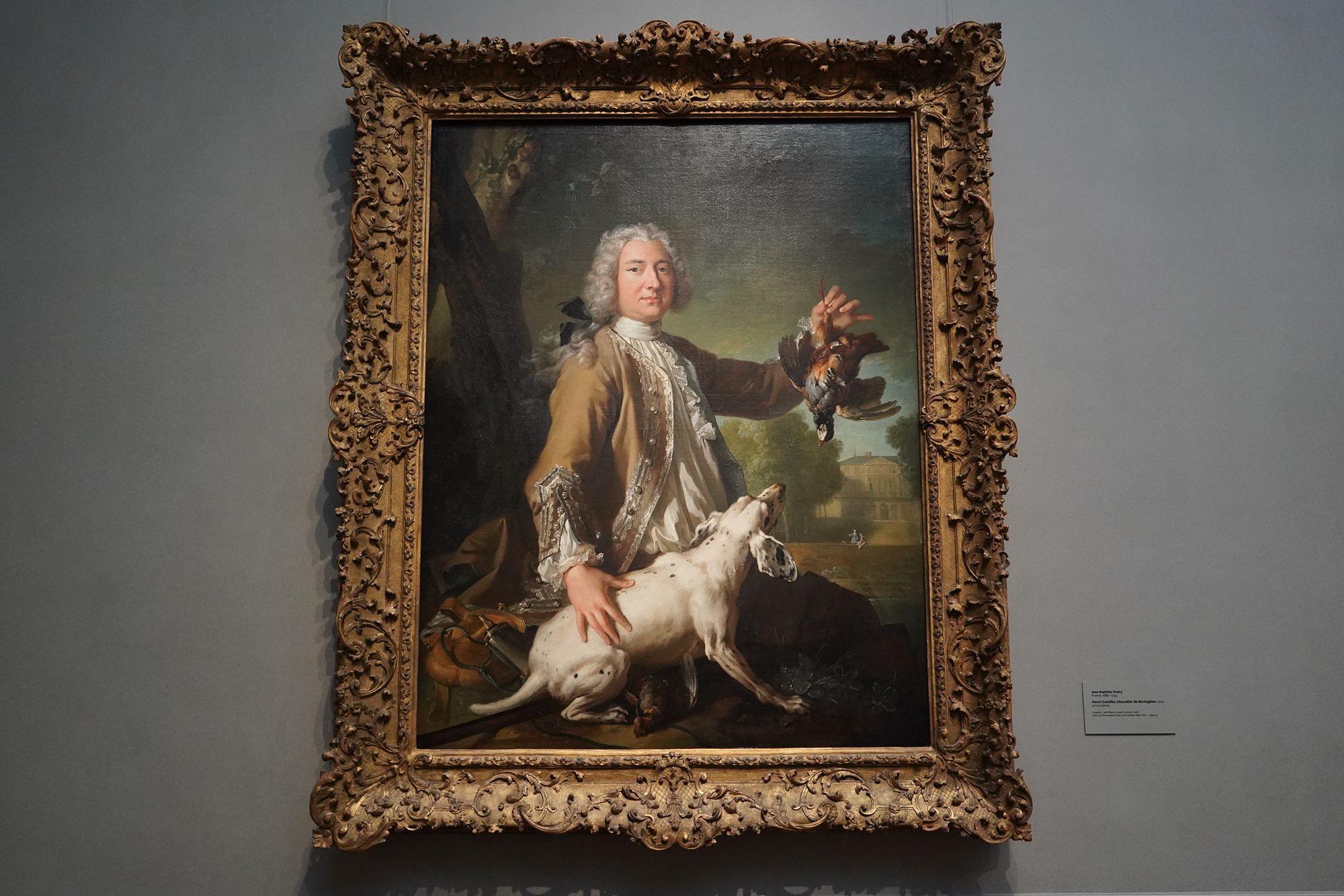
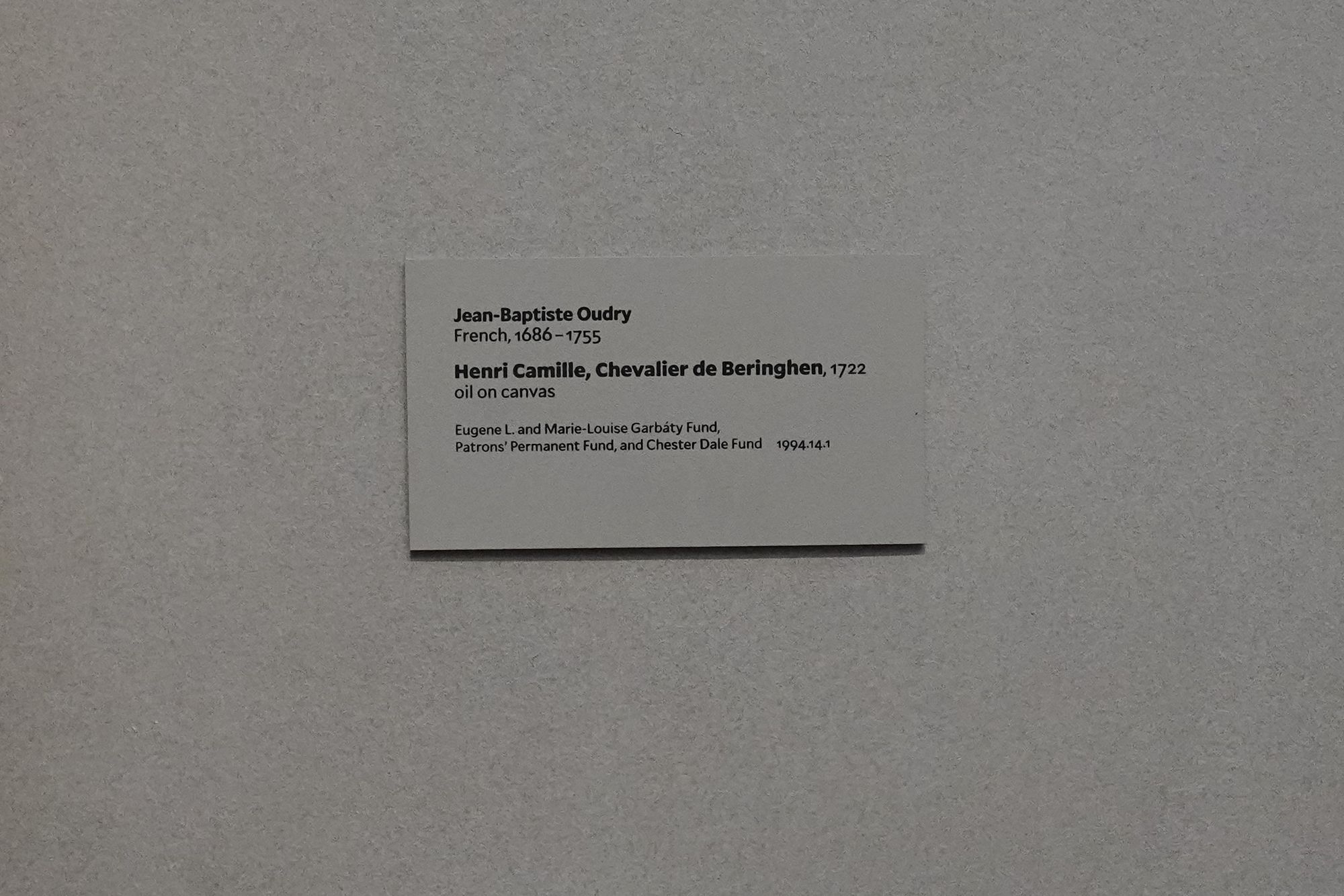
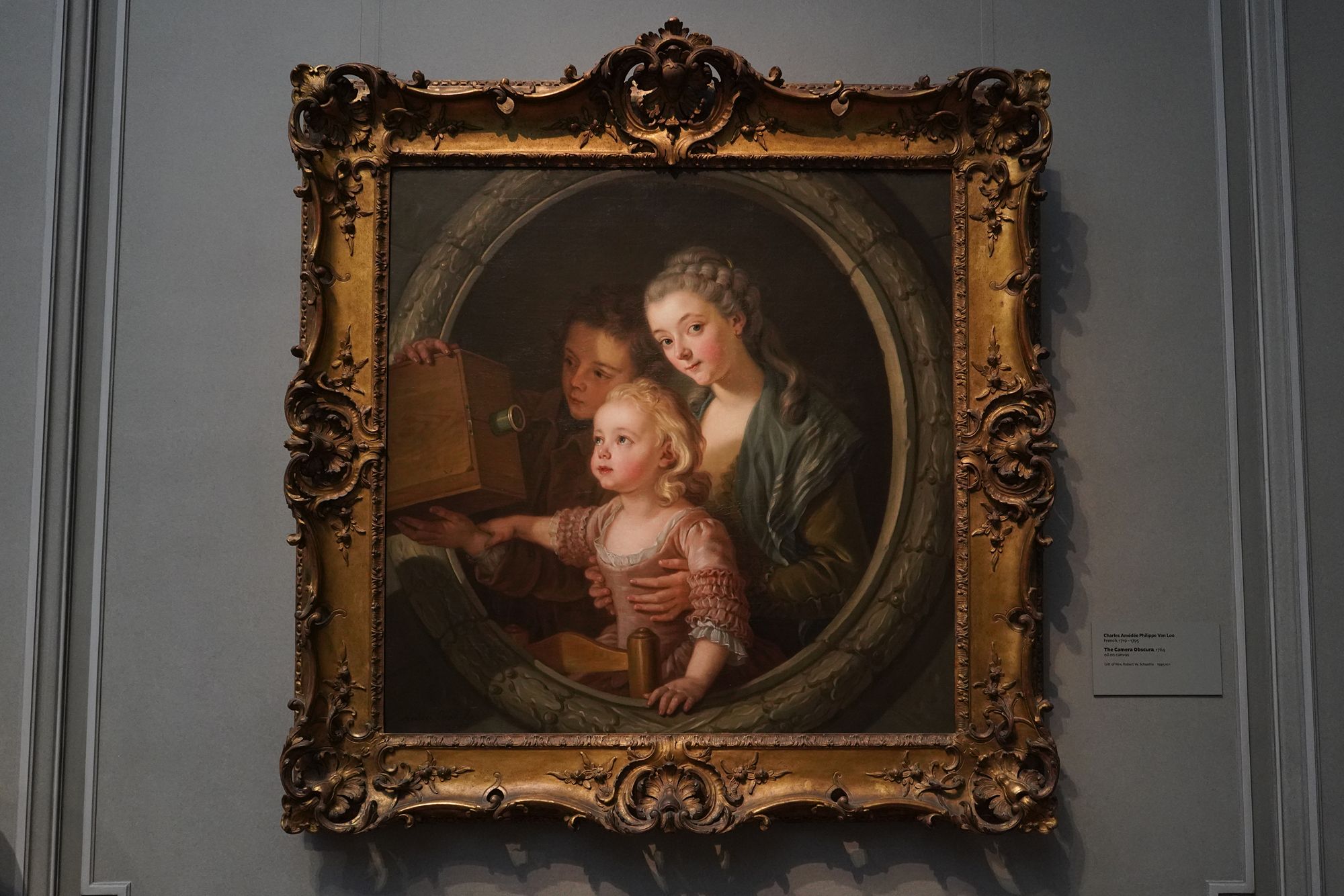
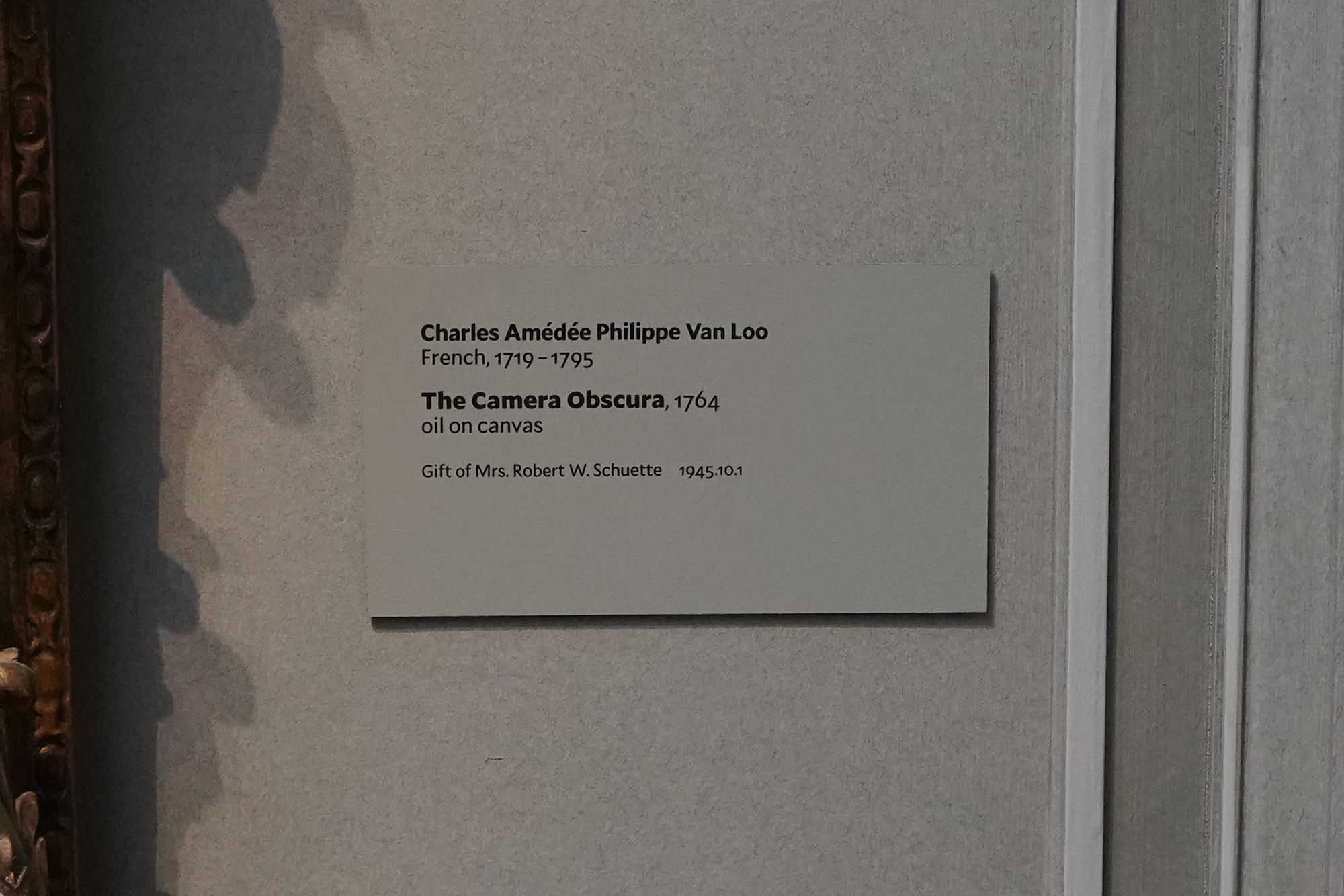
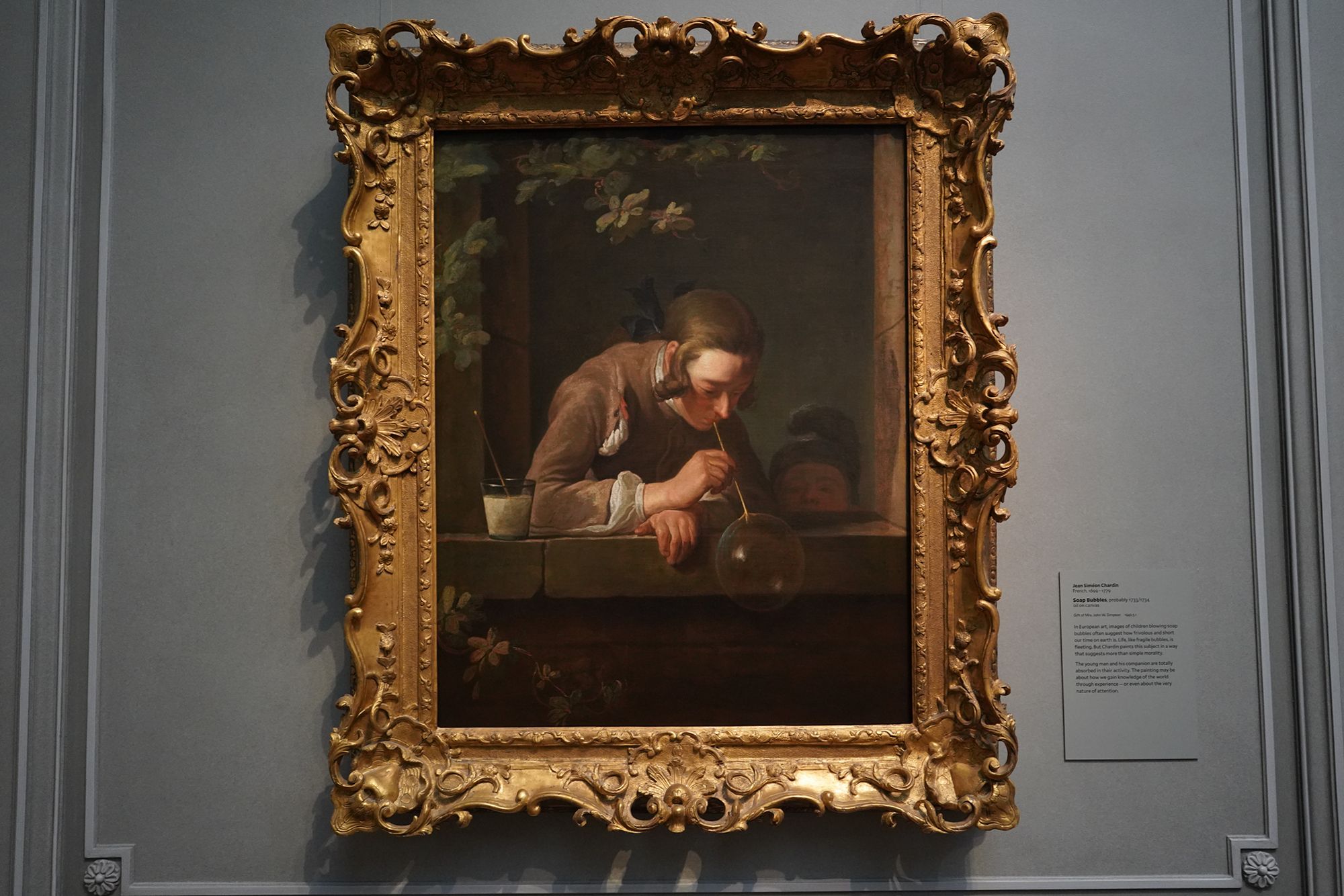
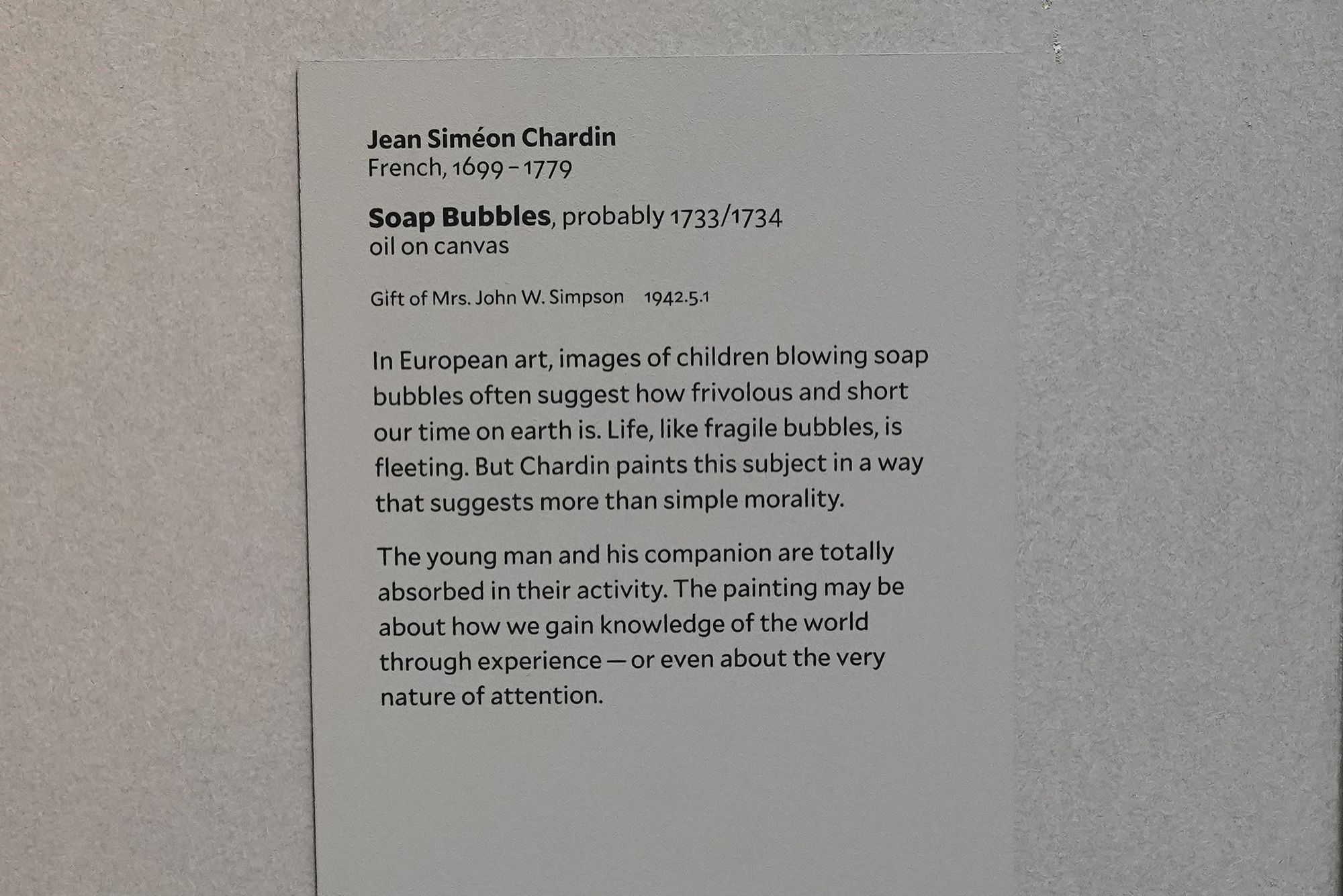
French Painting 17th Century Continues
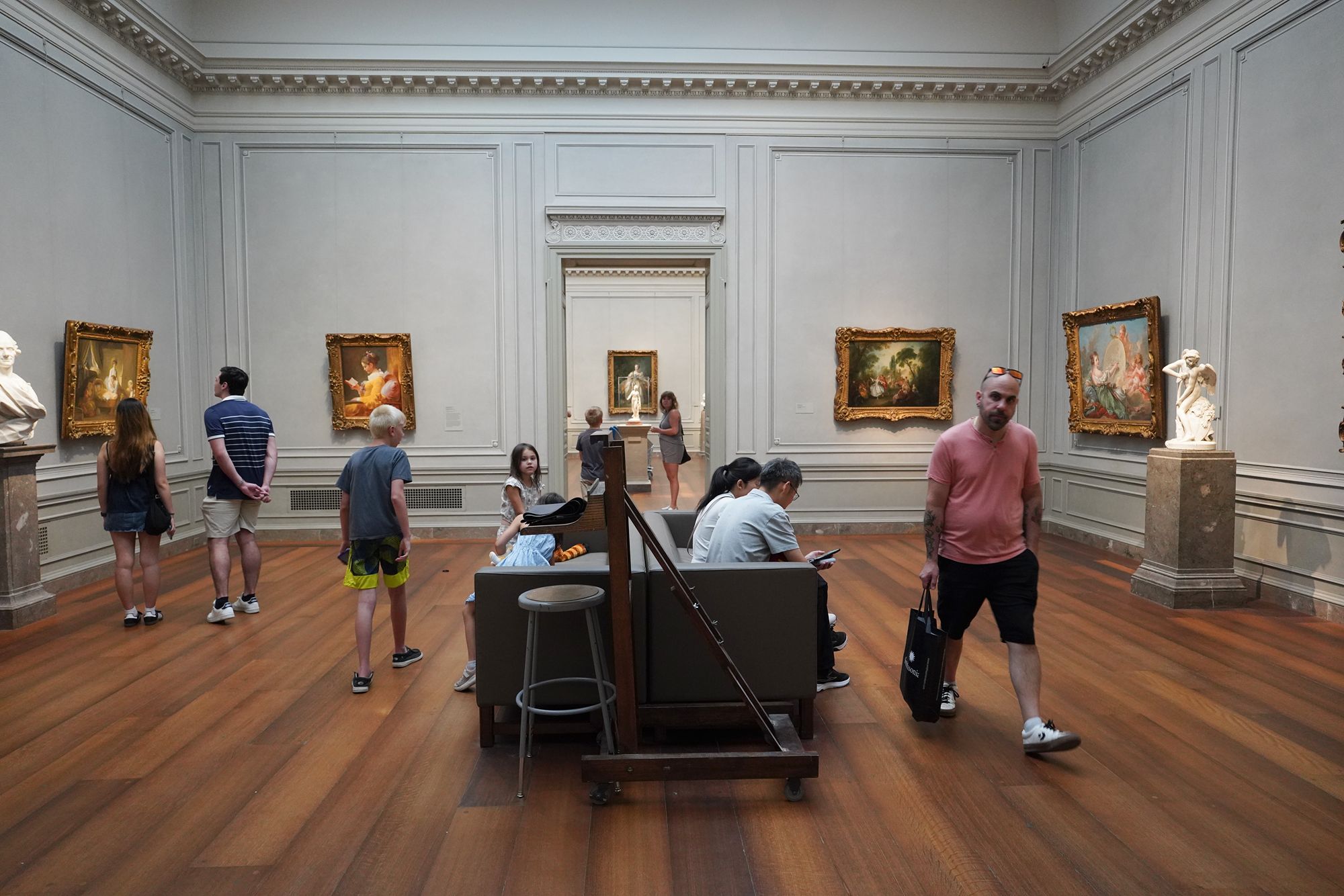
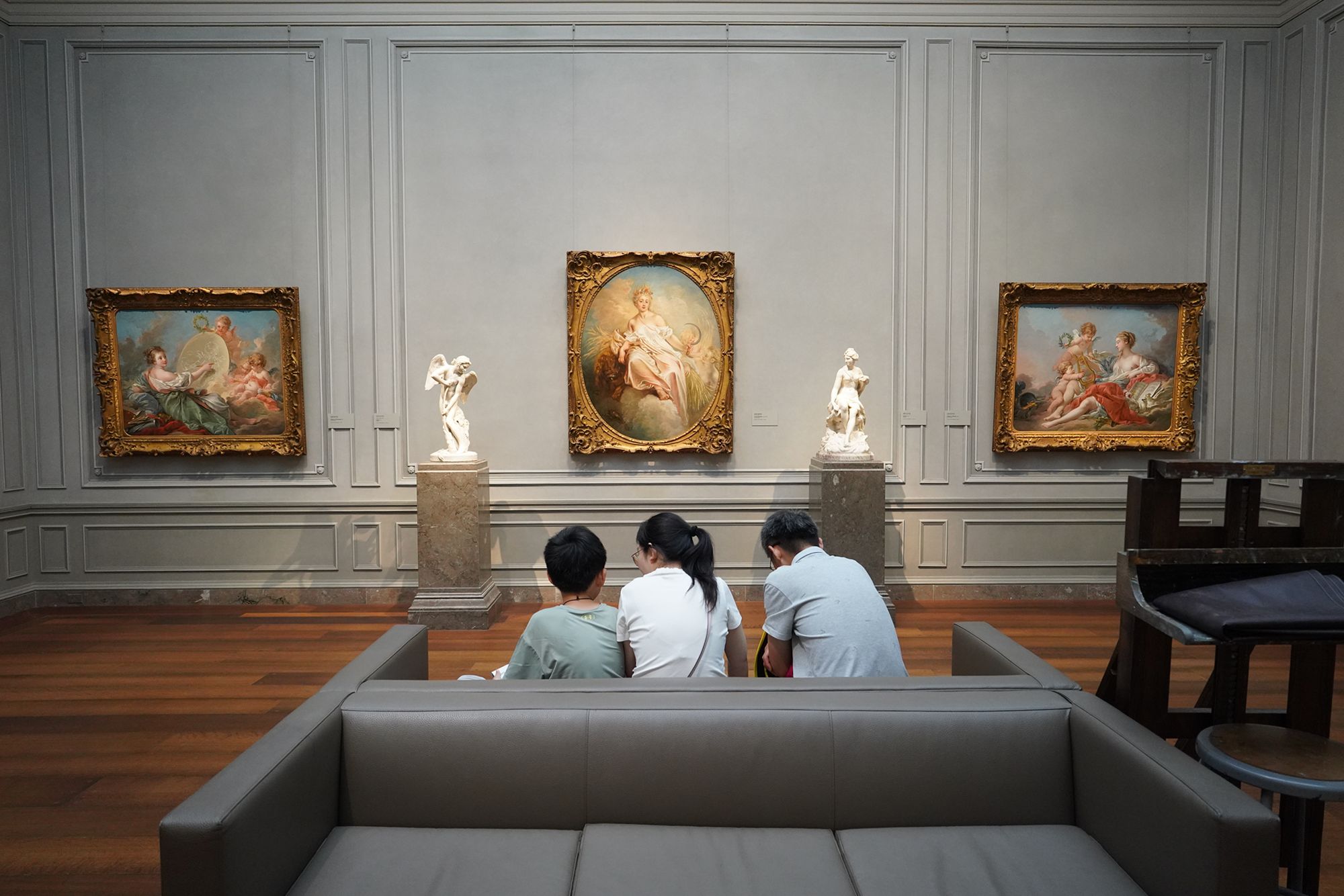
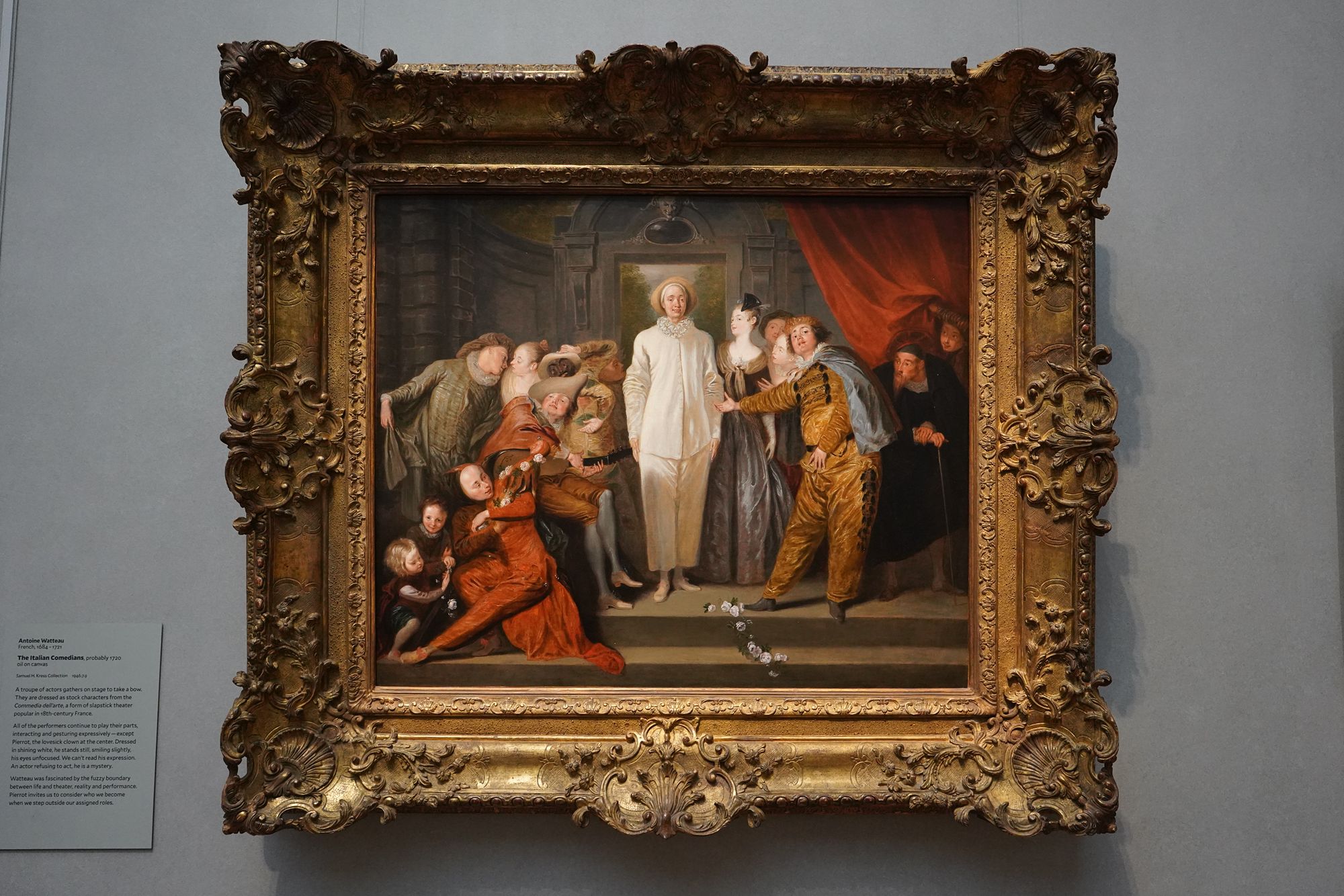
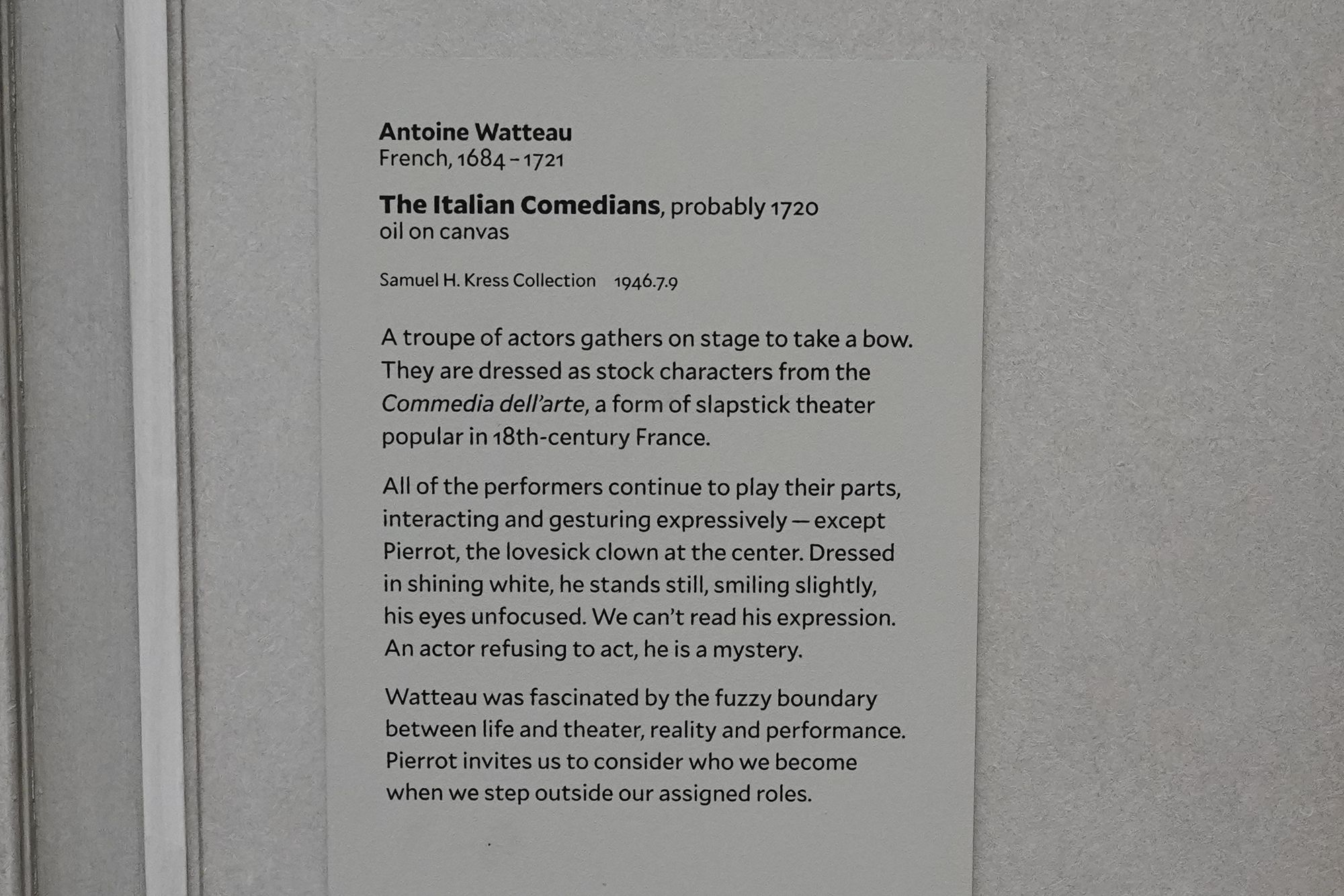
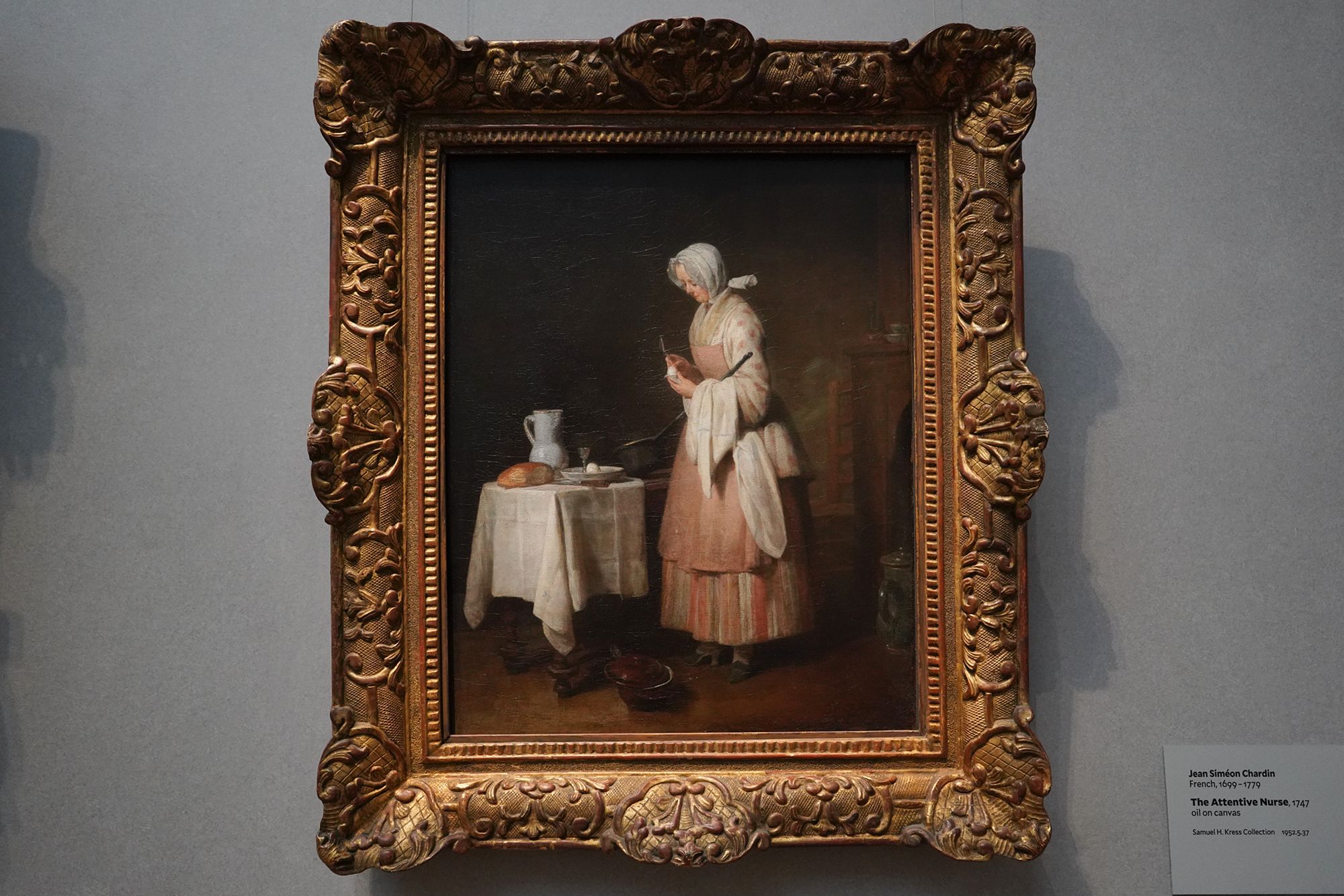
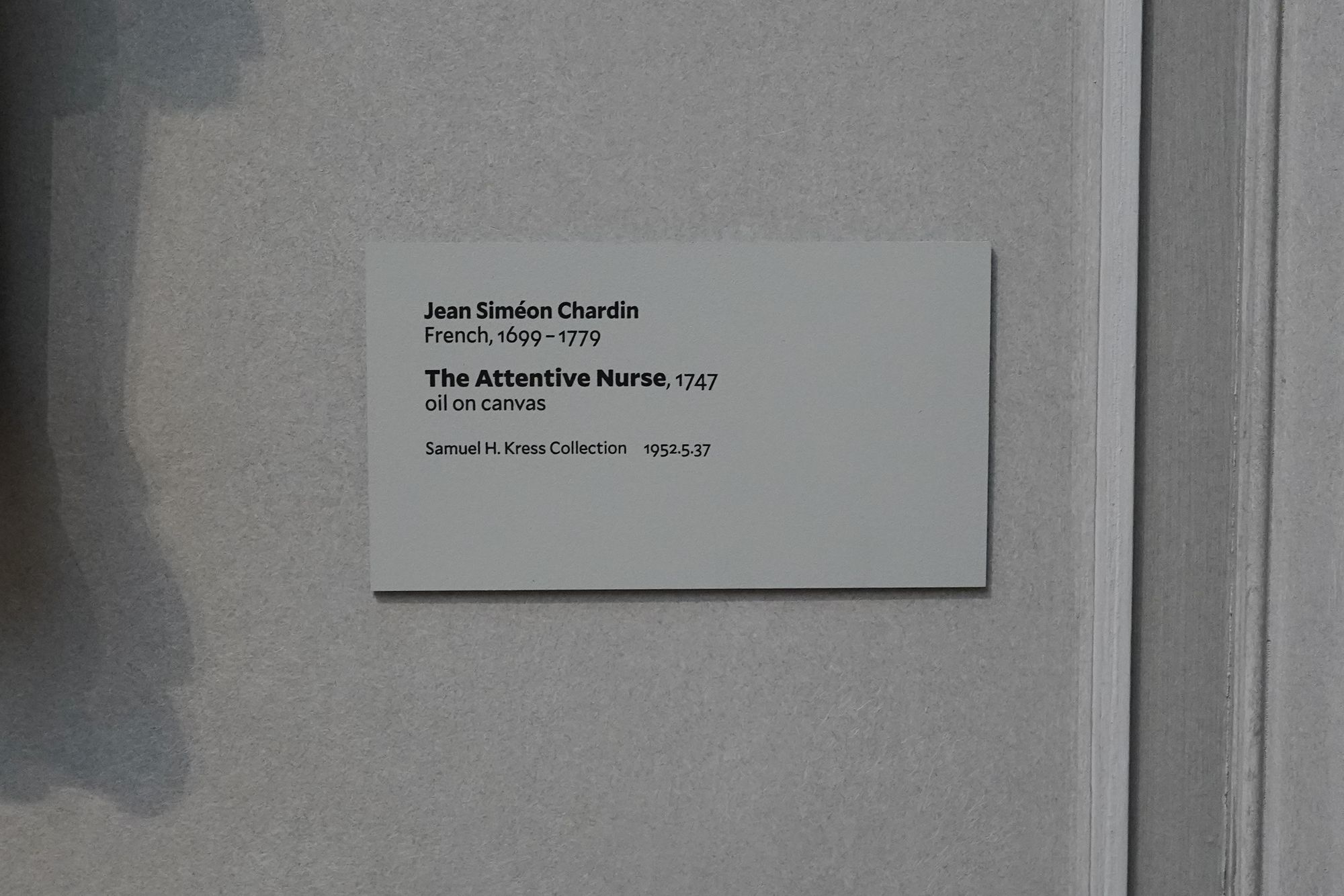
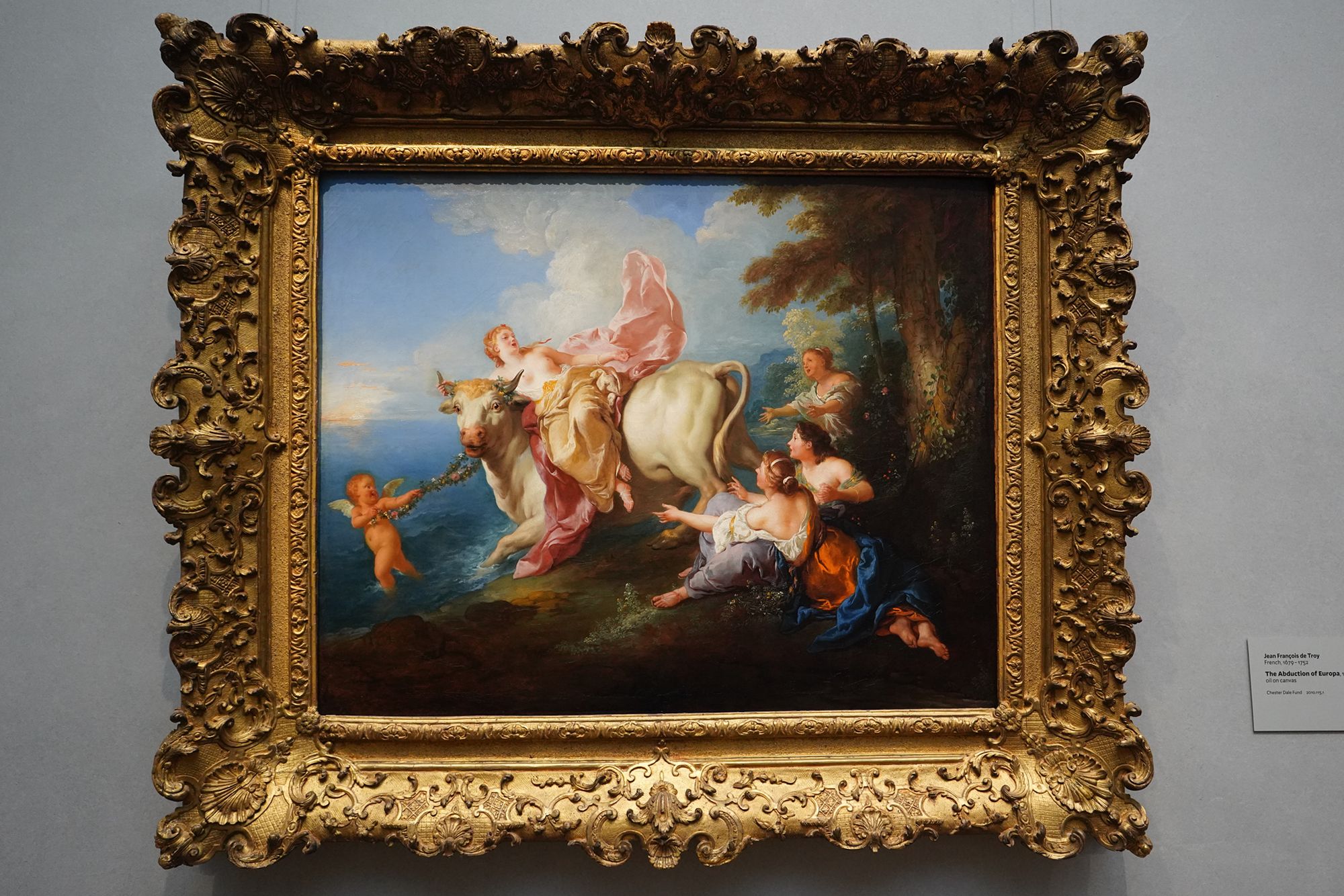
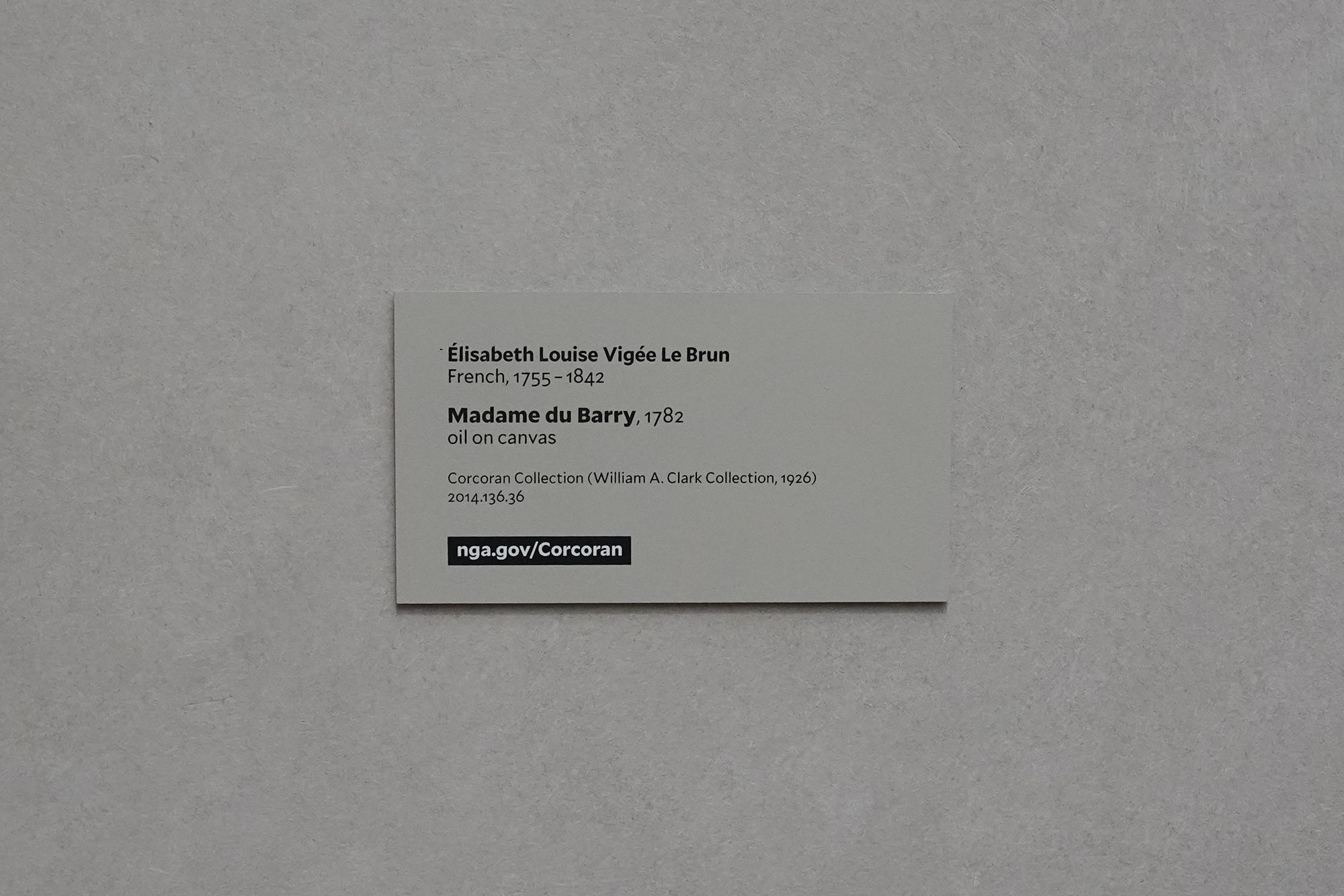
French Painting 18th Century
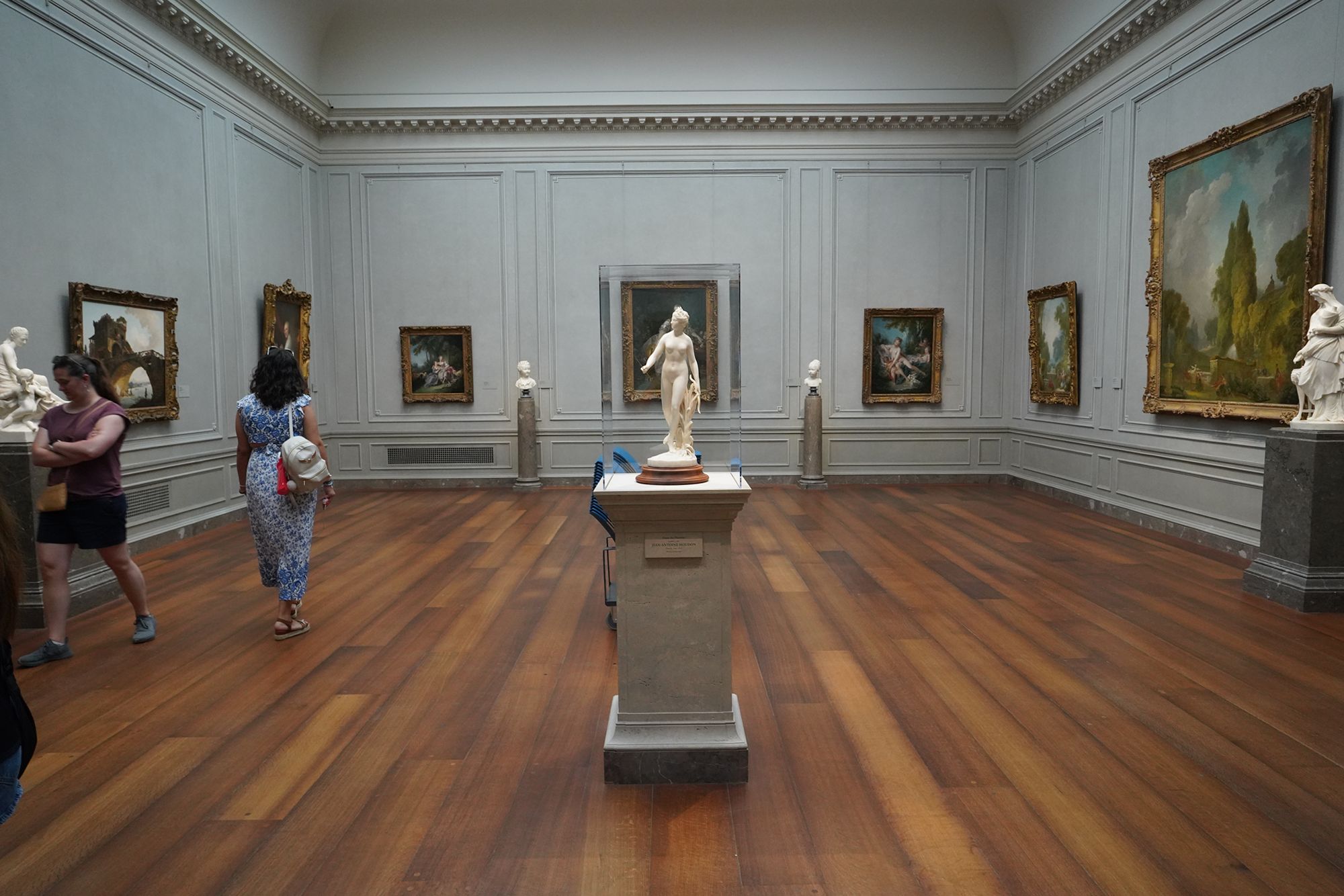
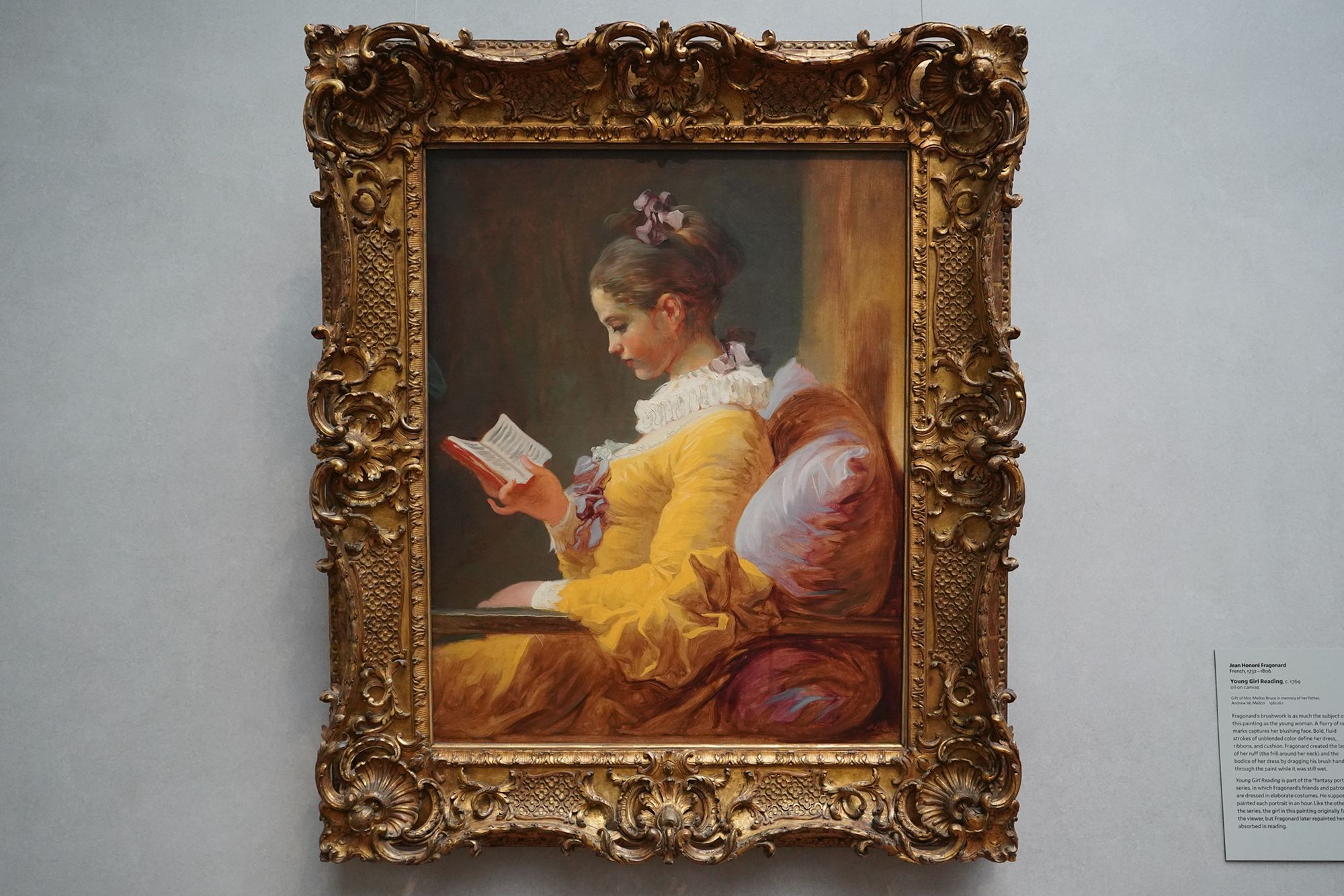
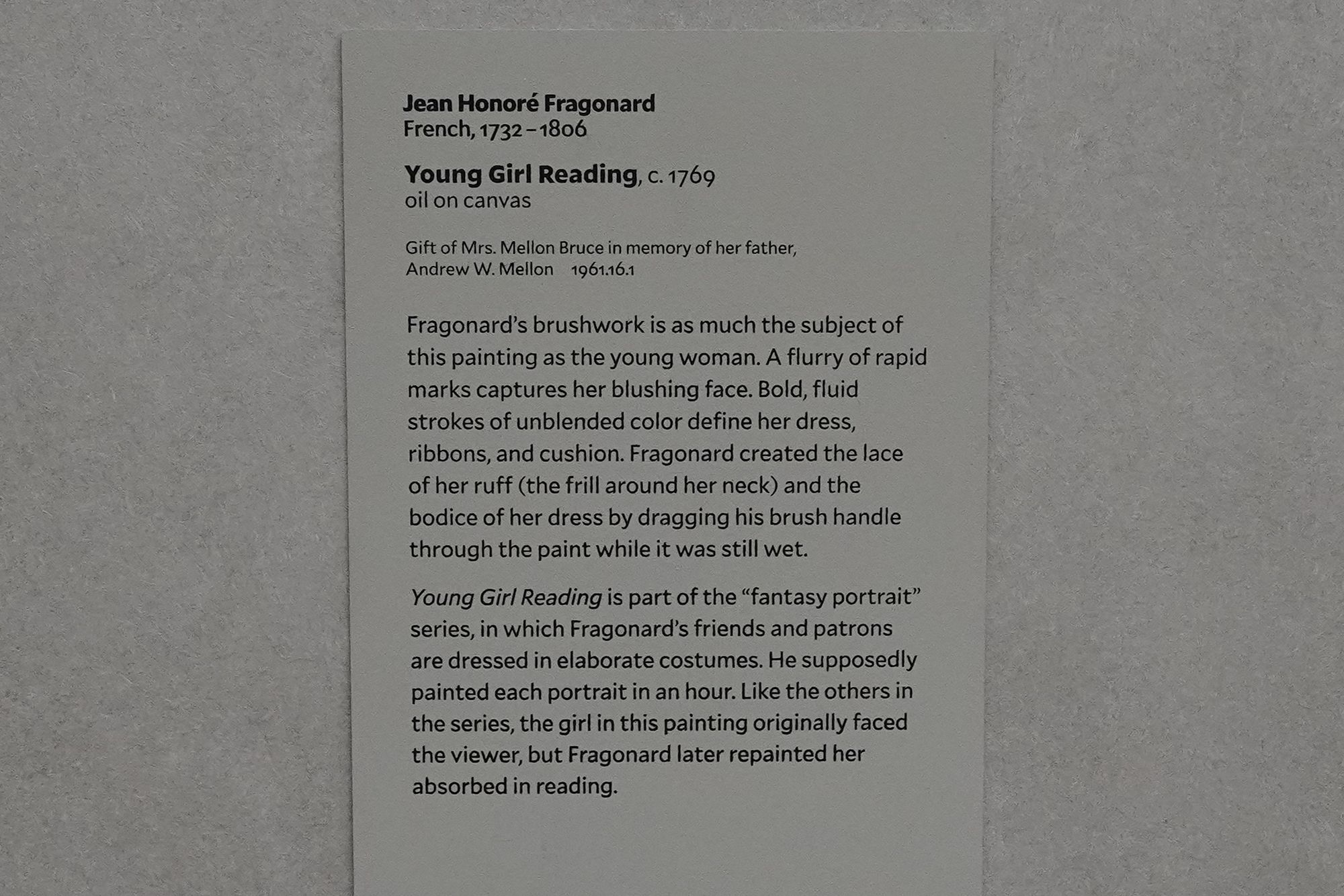
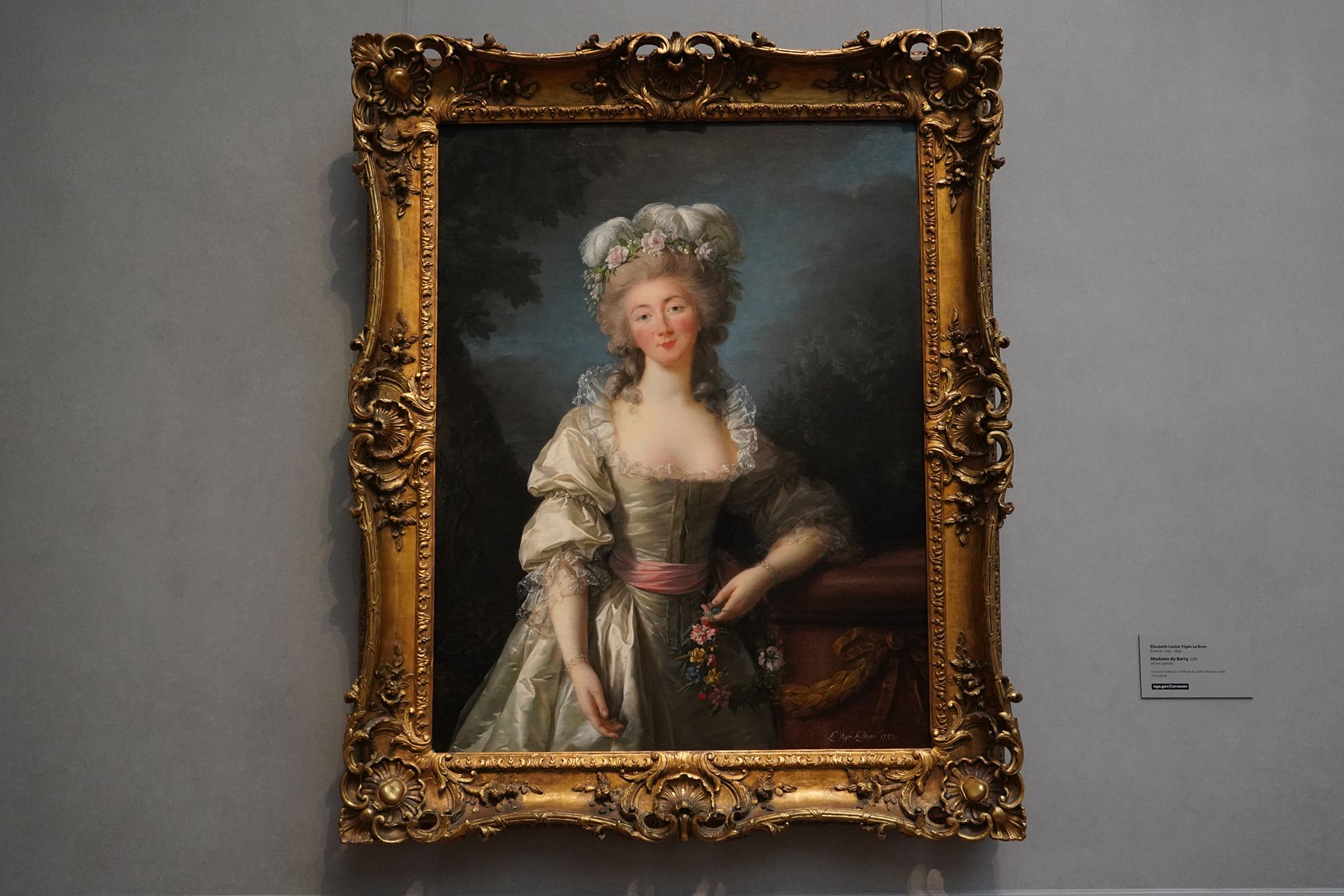
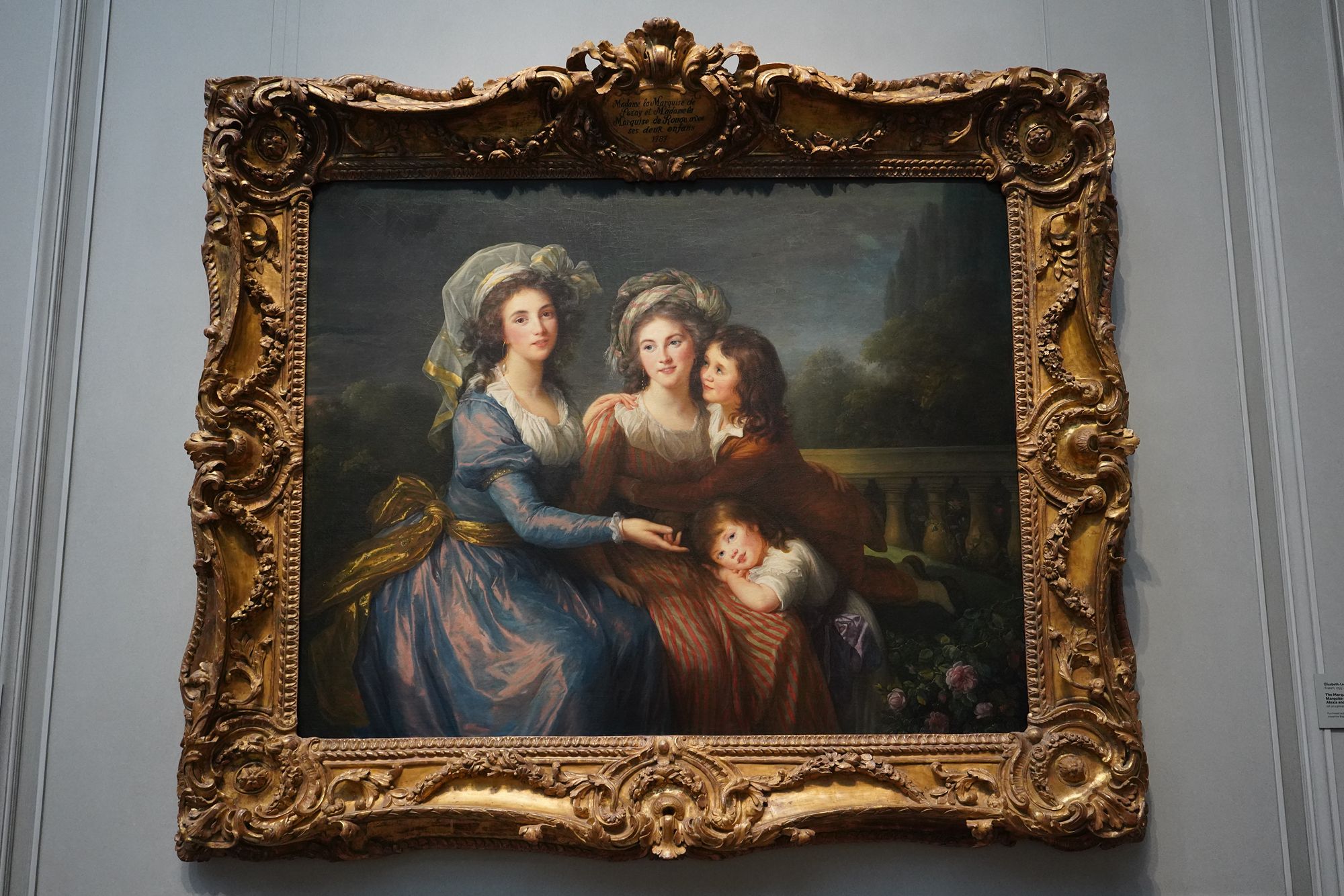
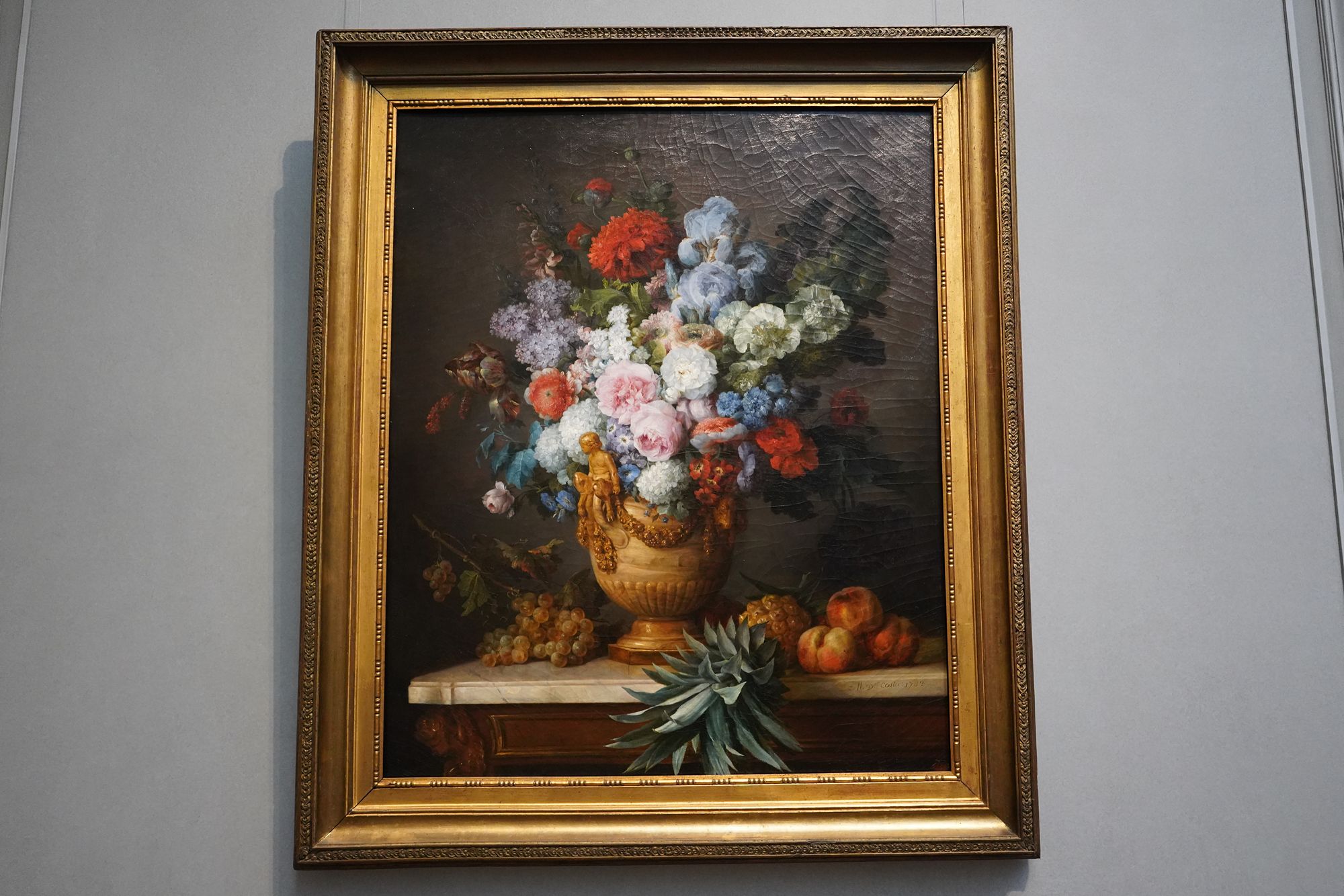
French painting of the 18th century continued the classical order of the previous era but became more graceful, decorative, and intimate. The mood shifted from royal grandeur to private elegance, reflecting the changing society before the French Revolution.
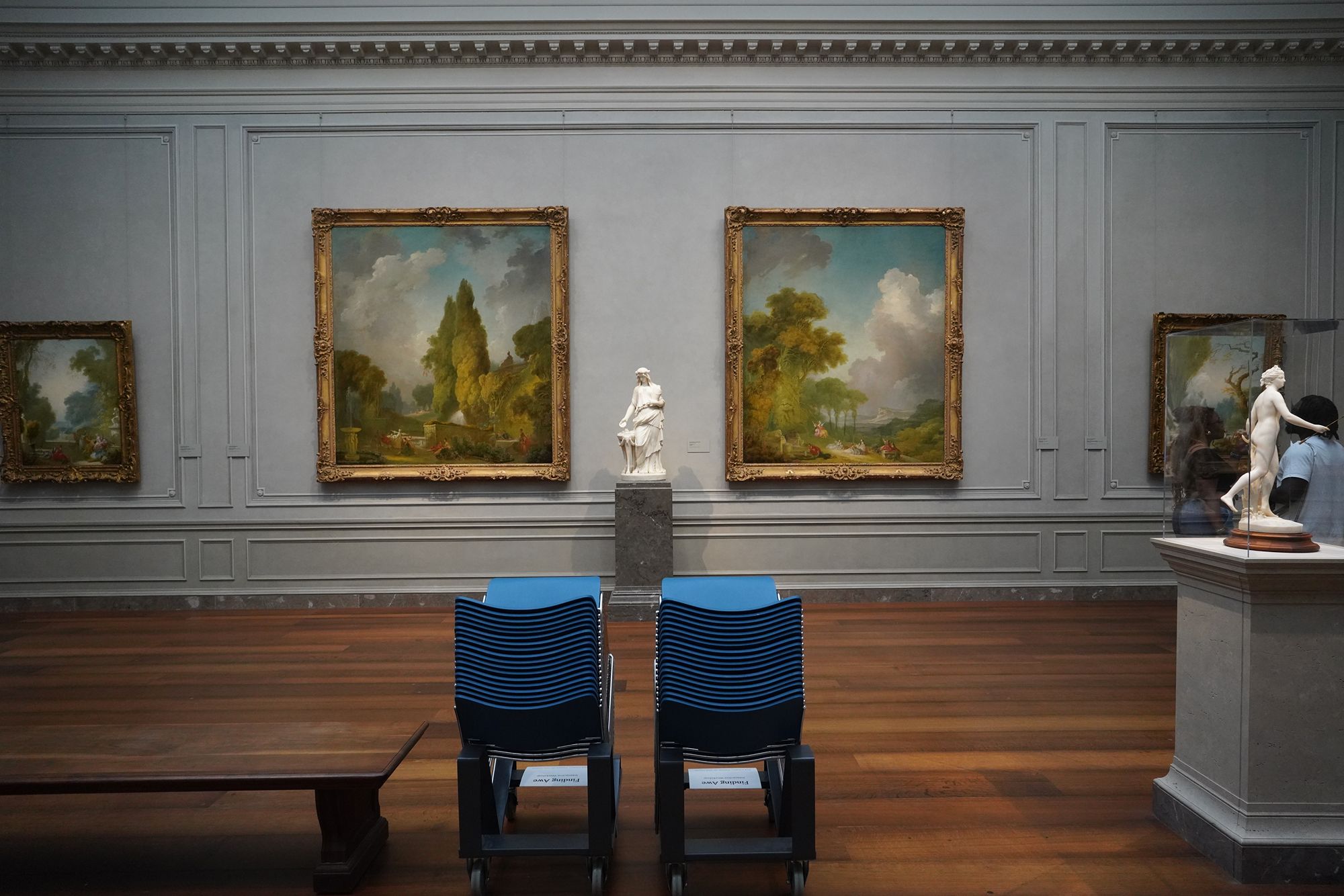
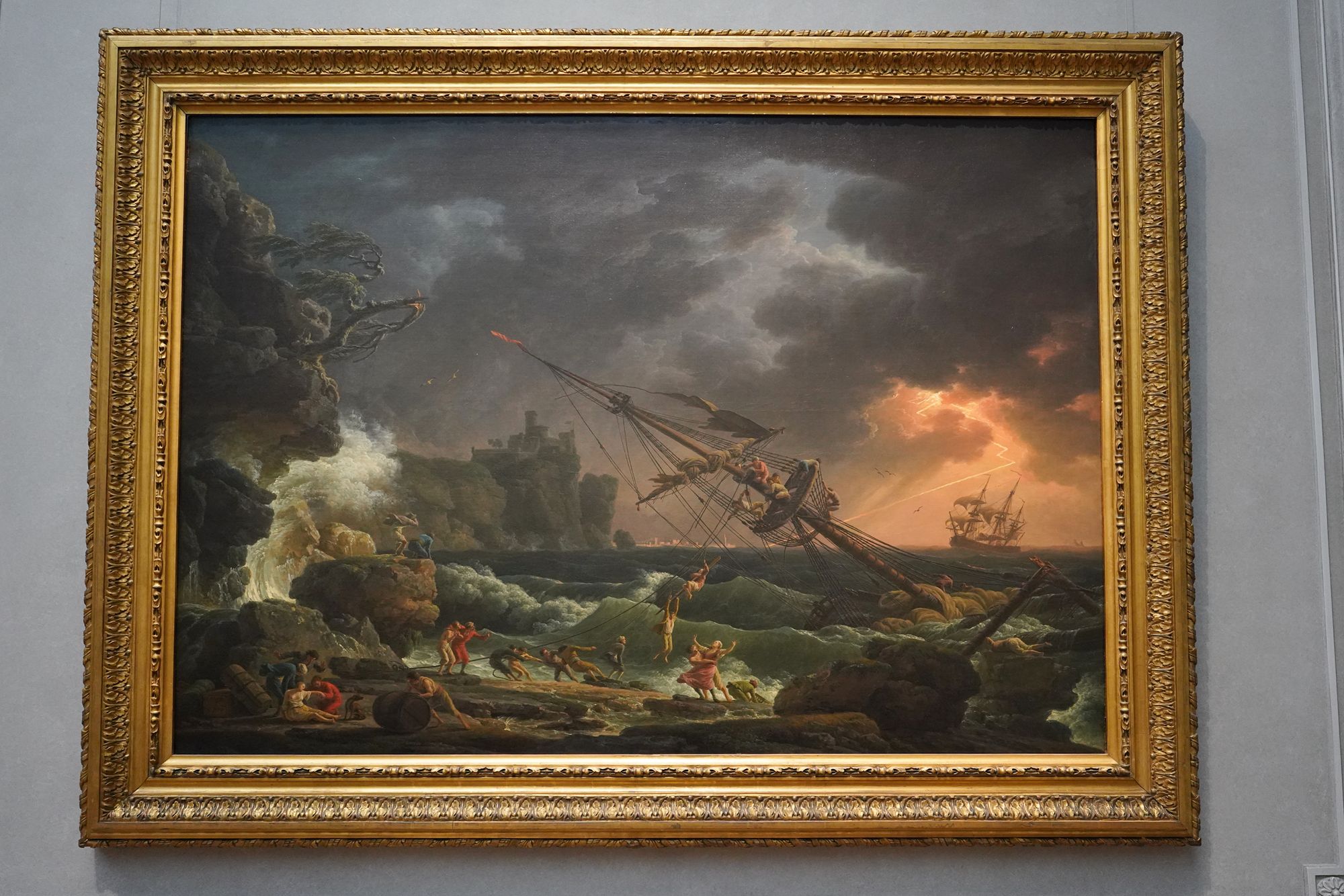
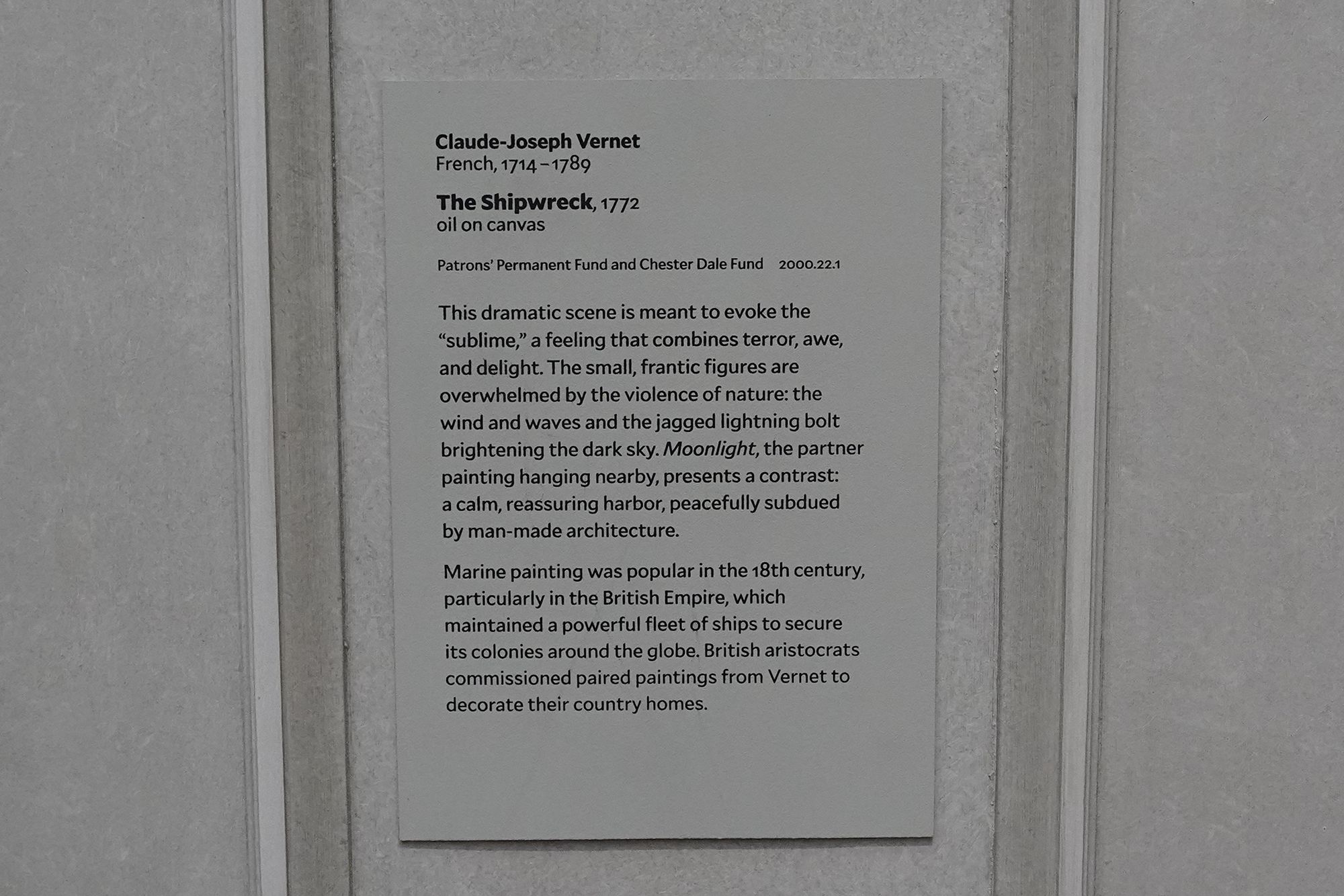
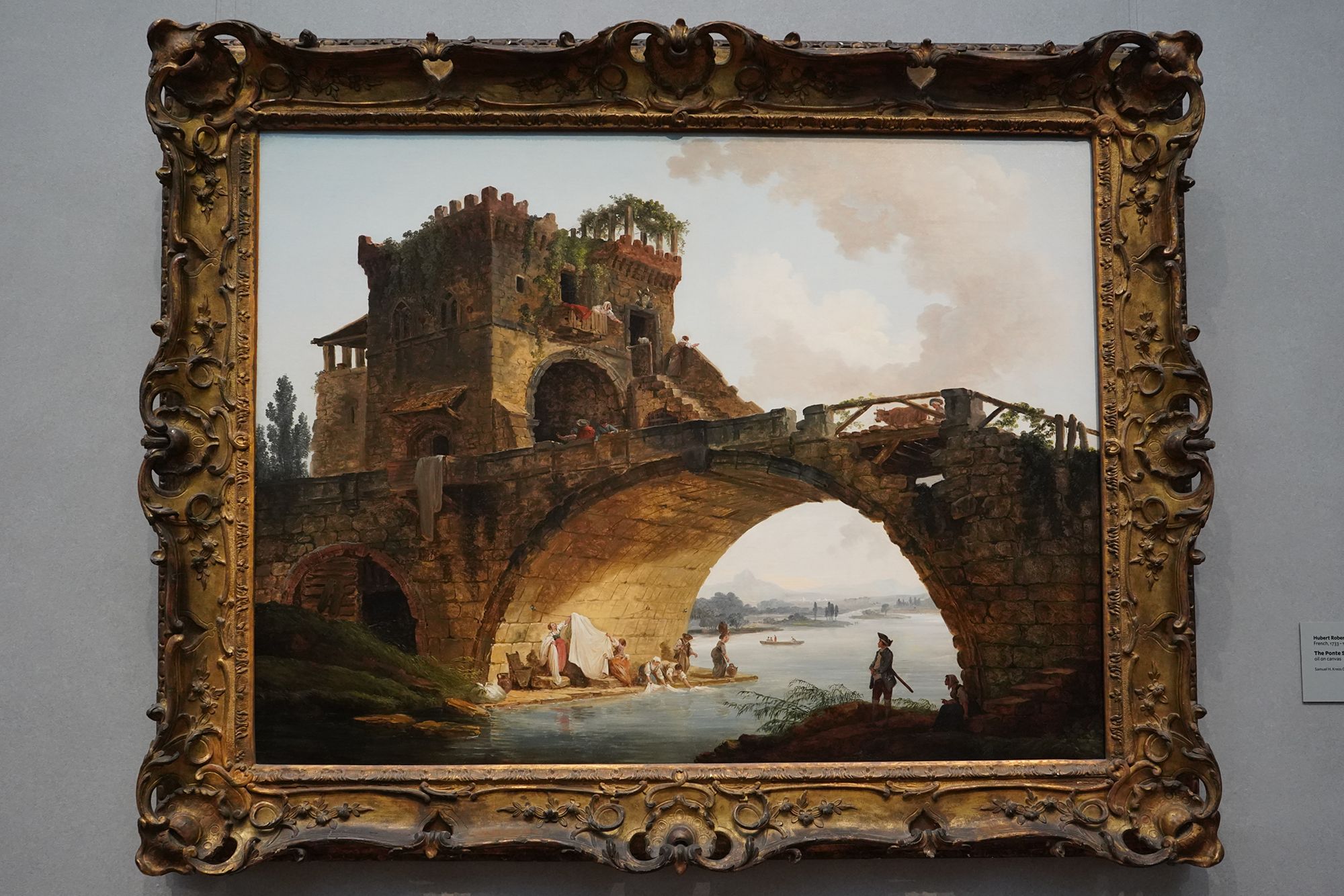
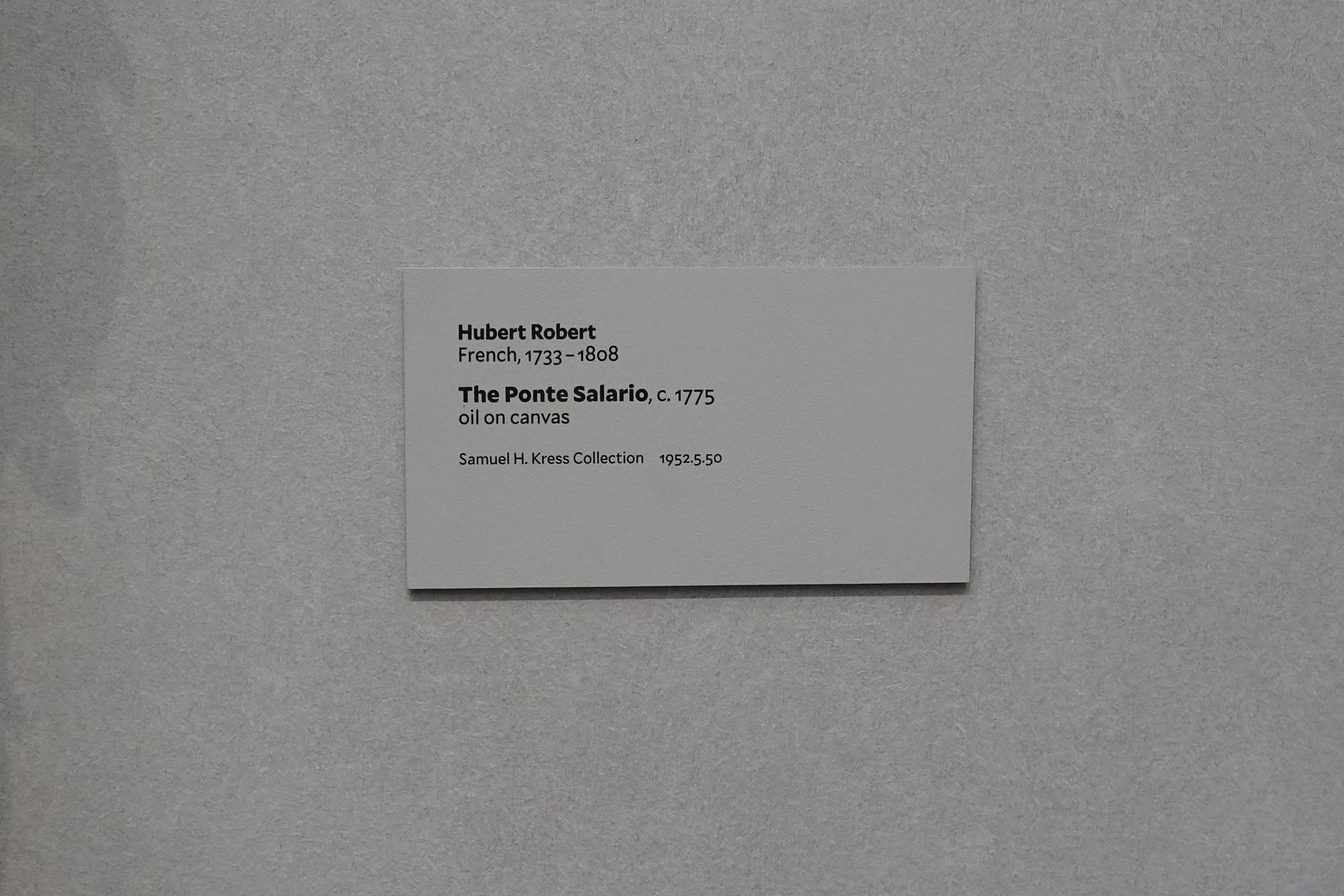
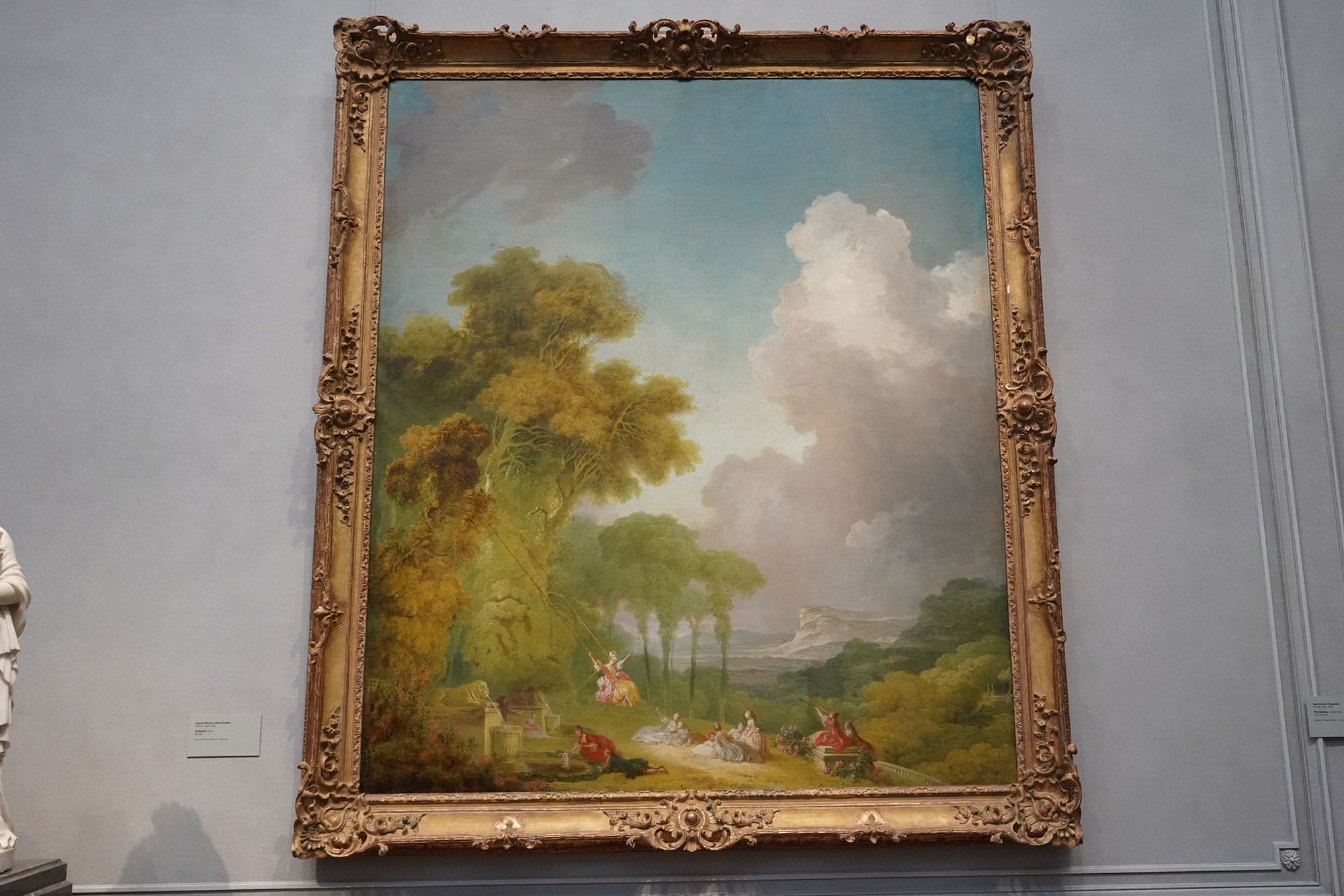
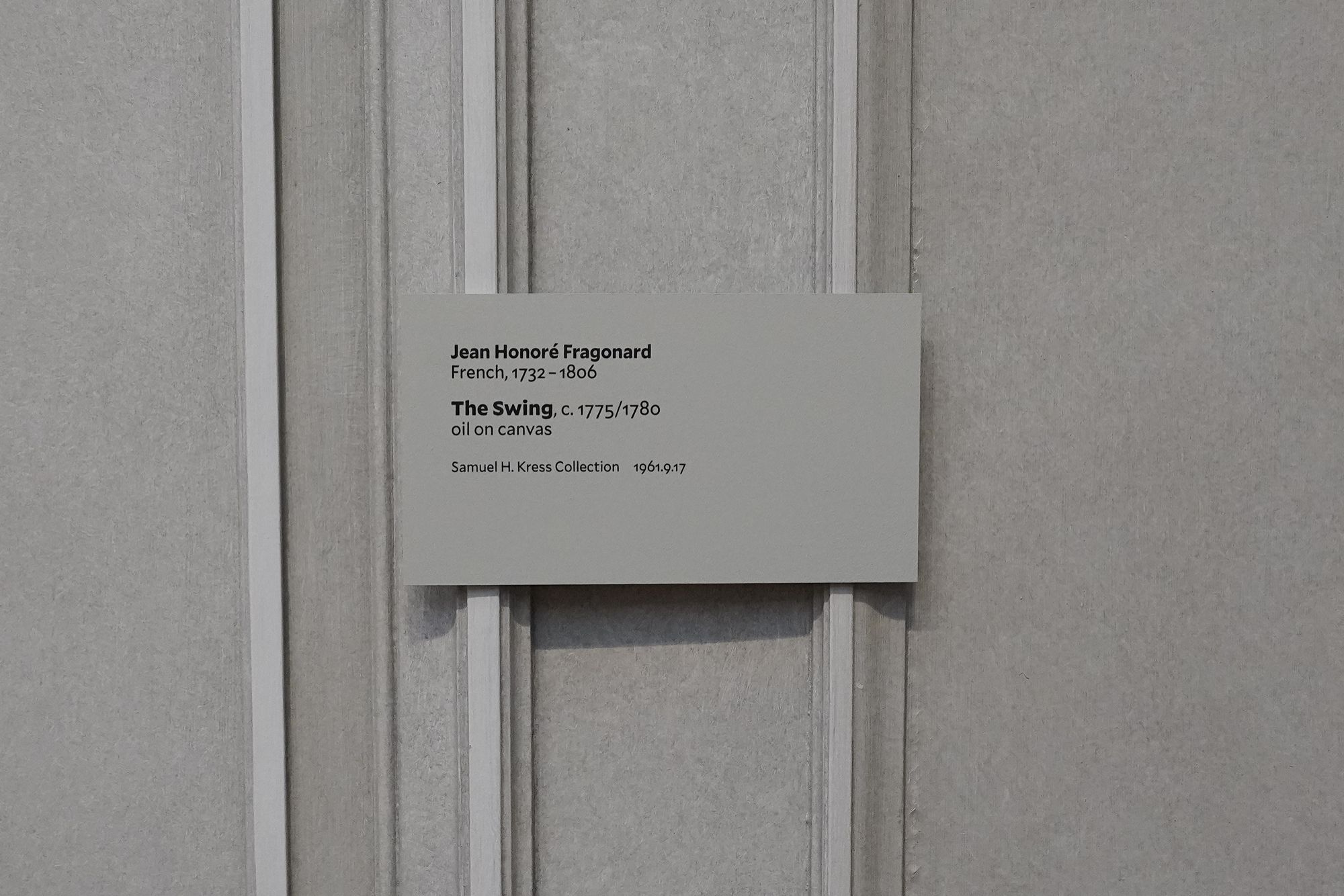
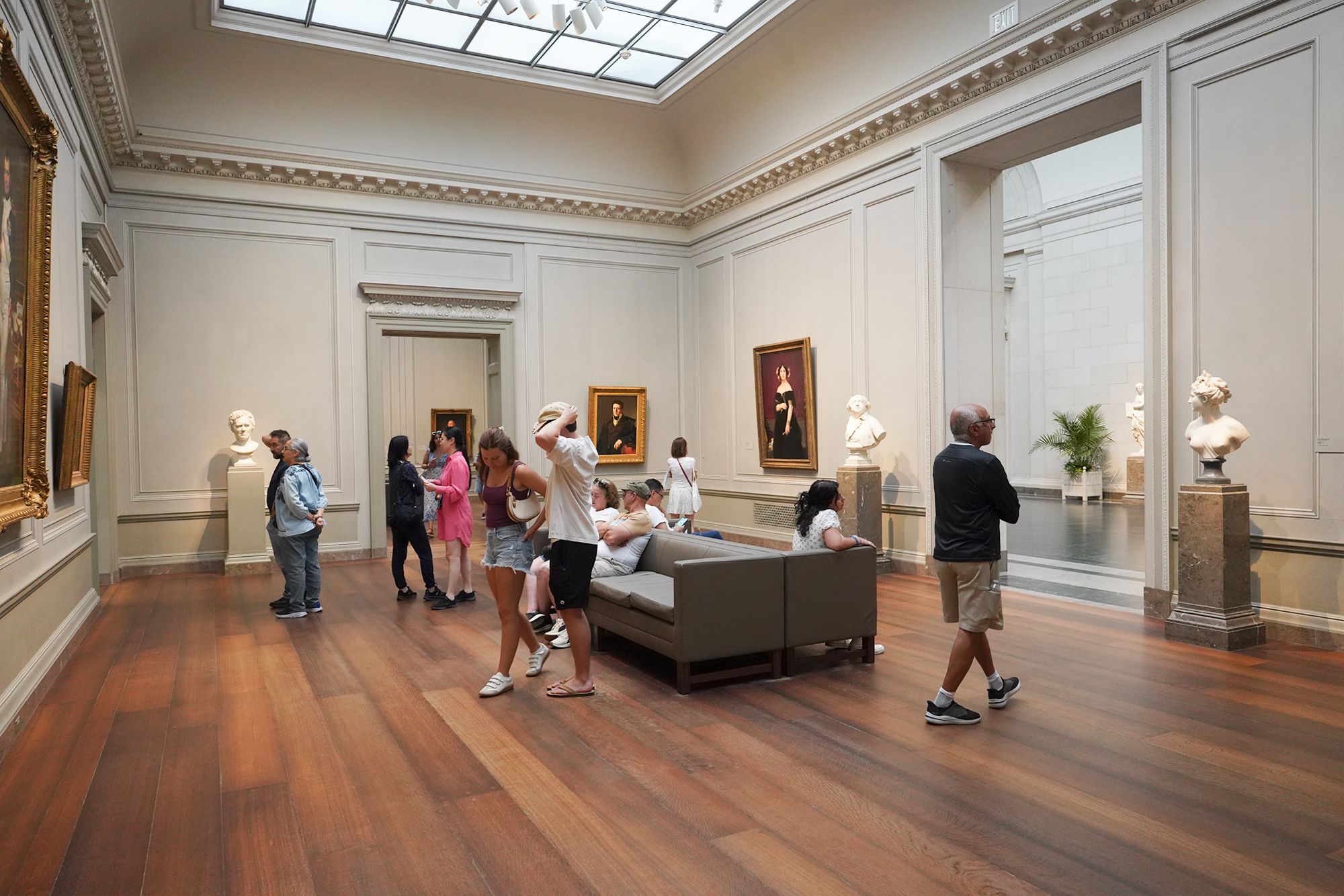
French Painting 18th Century Continues
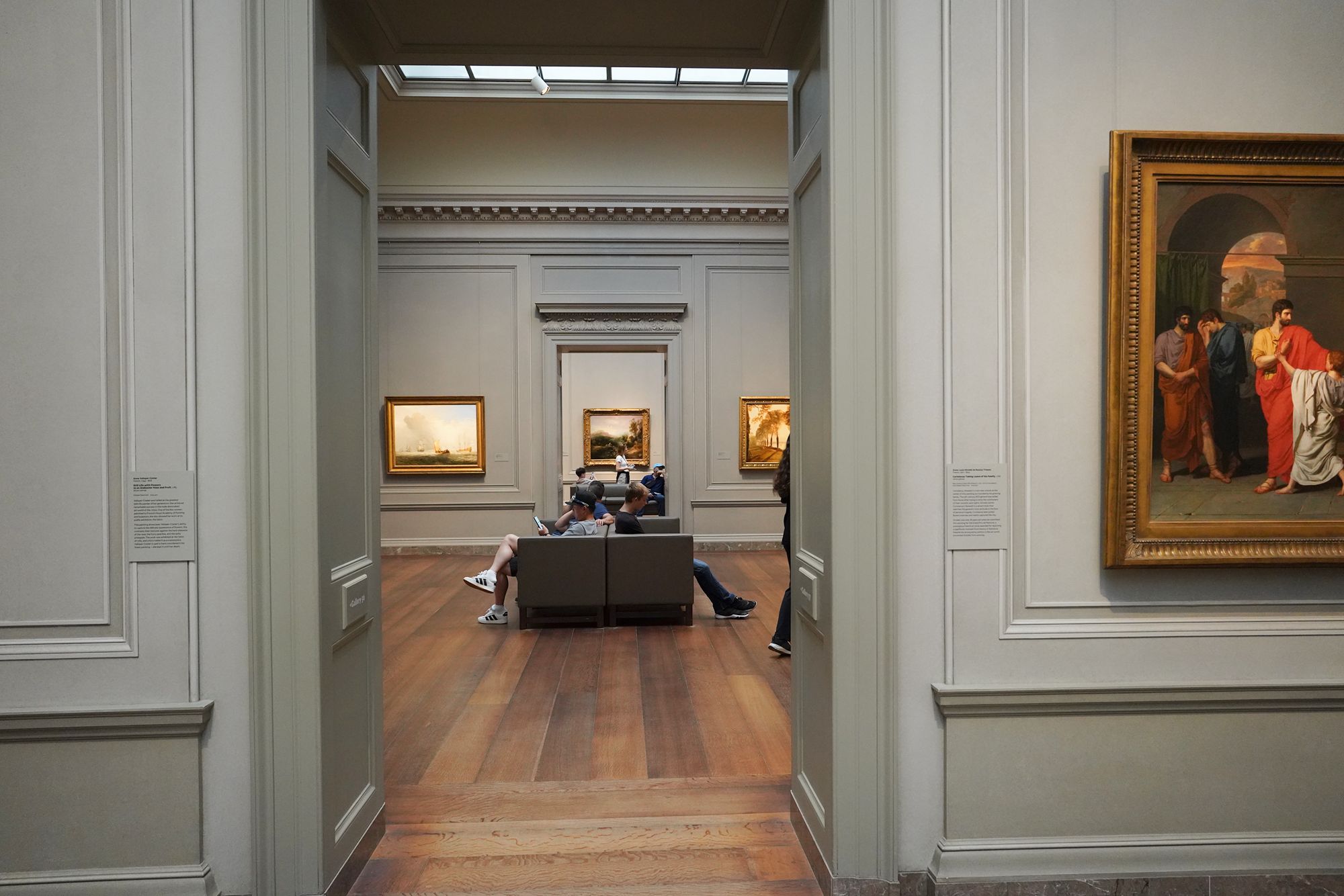
British Painting 18th Century
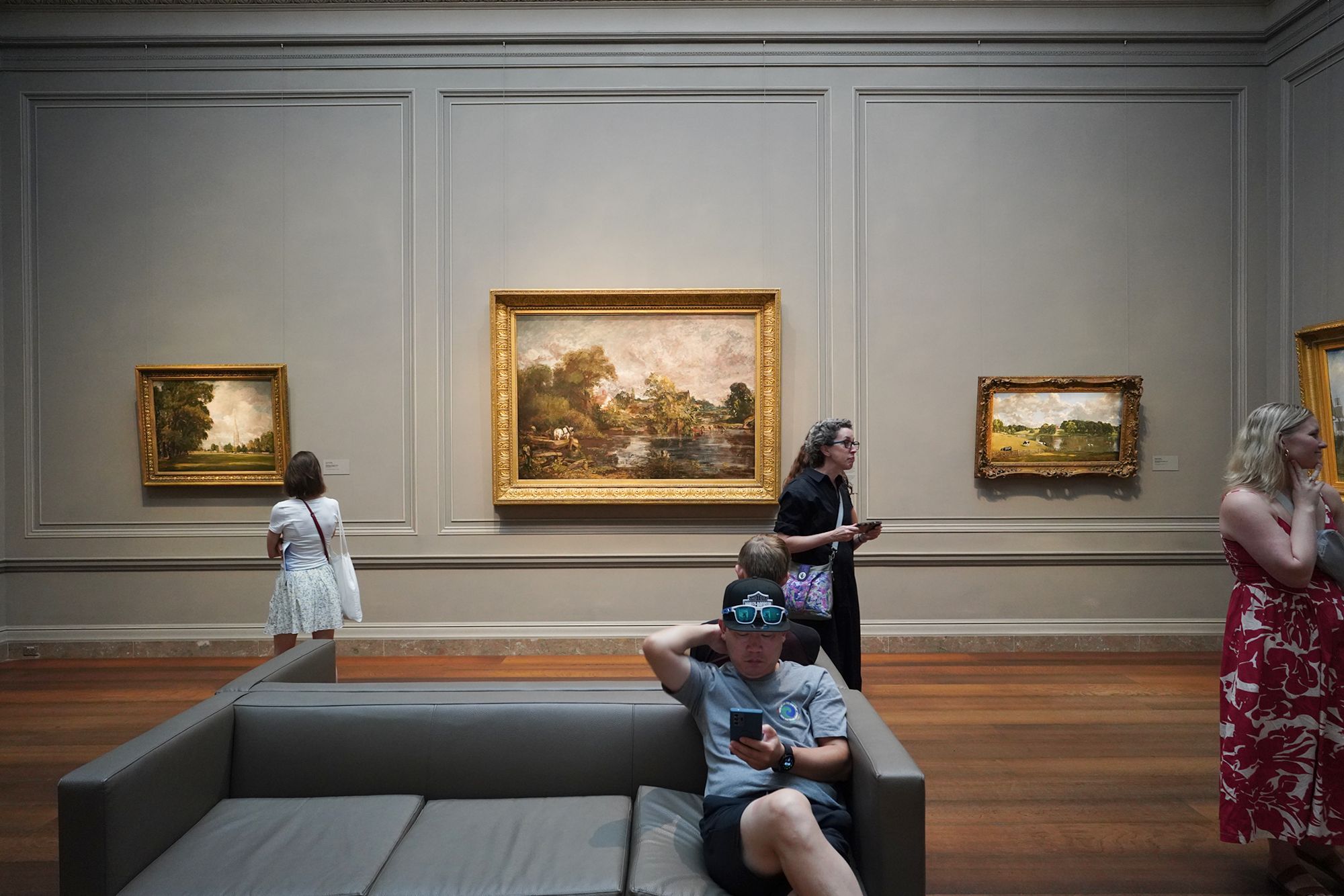
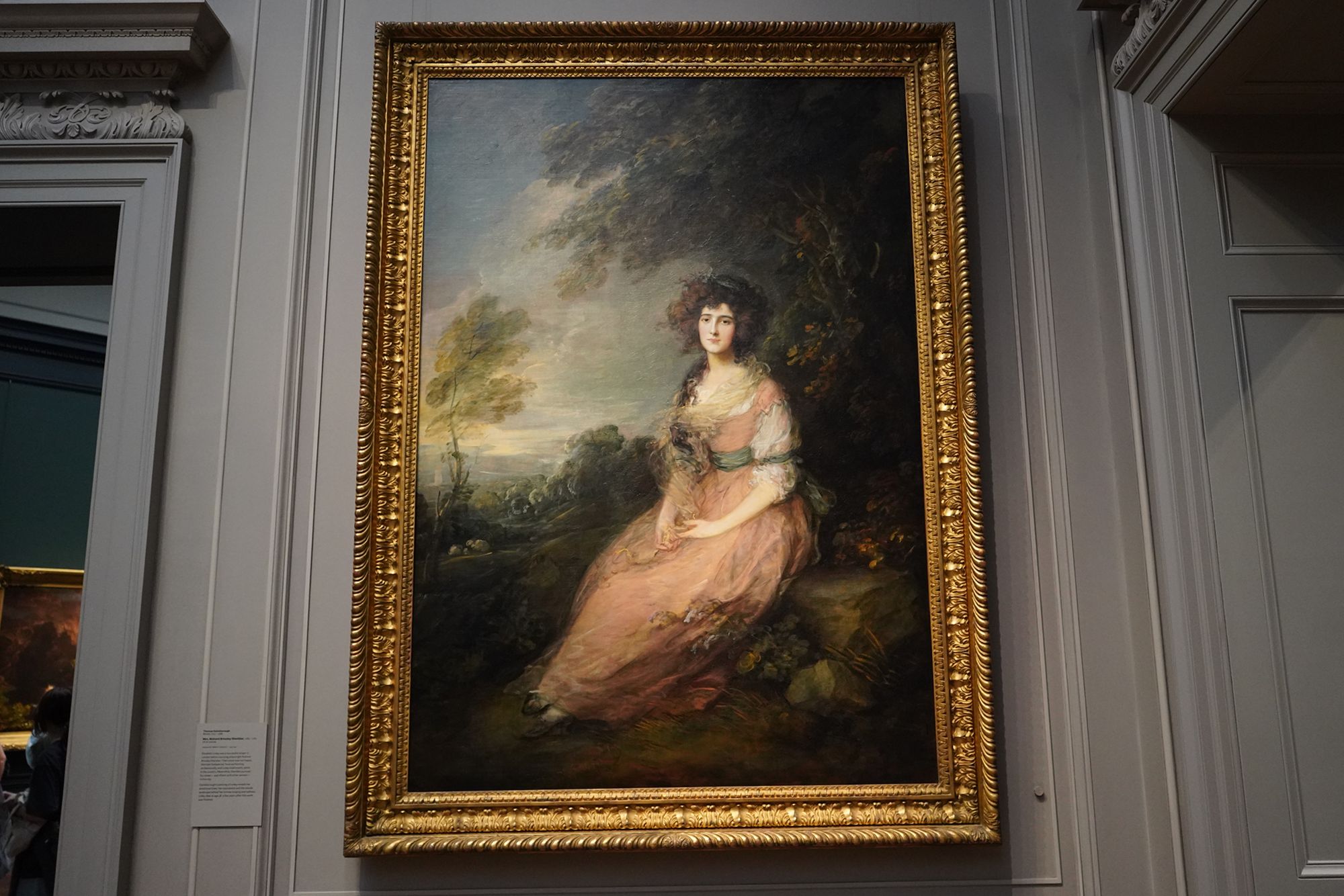
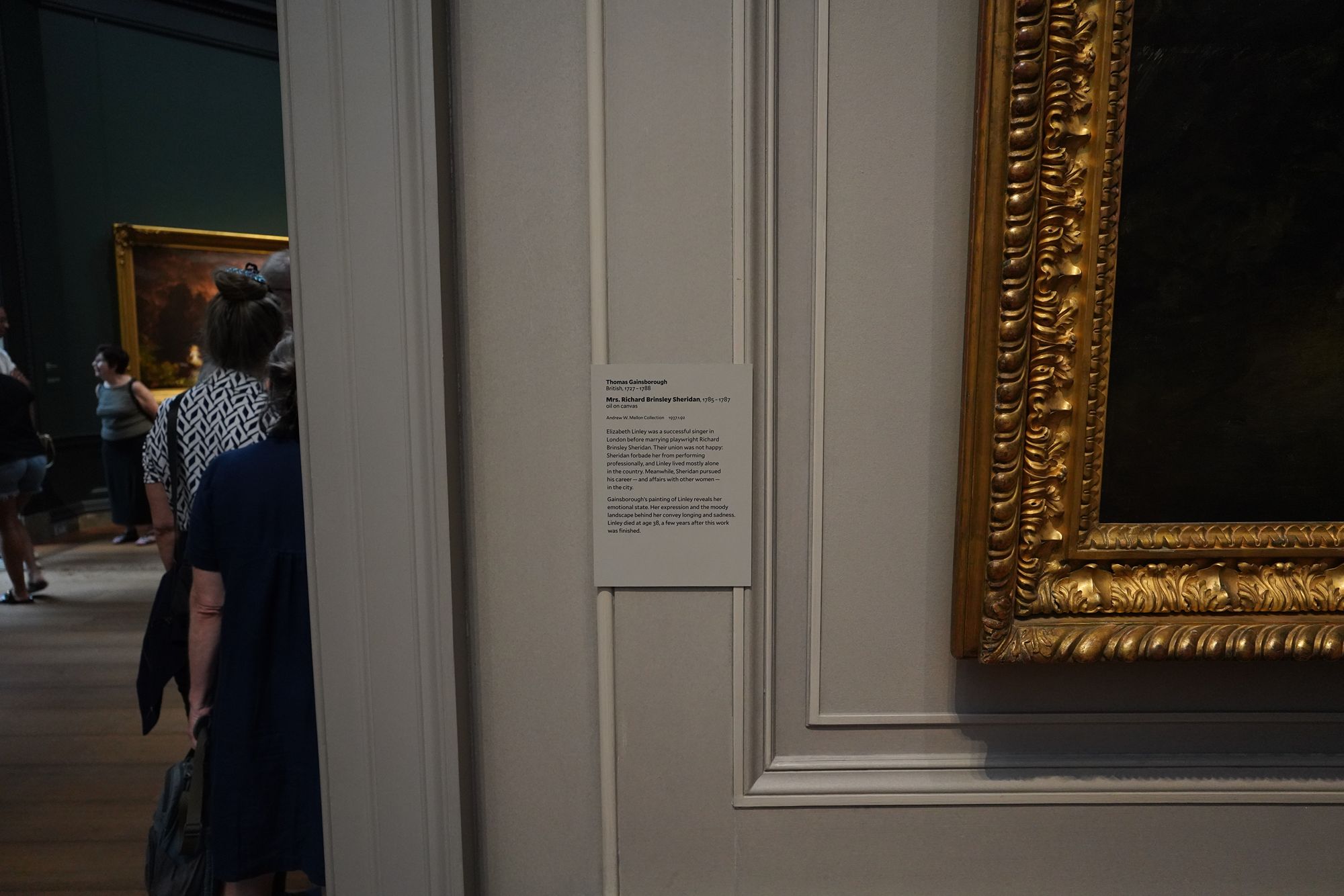
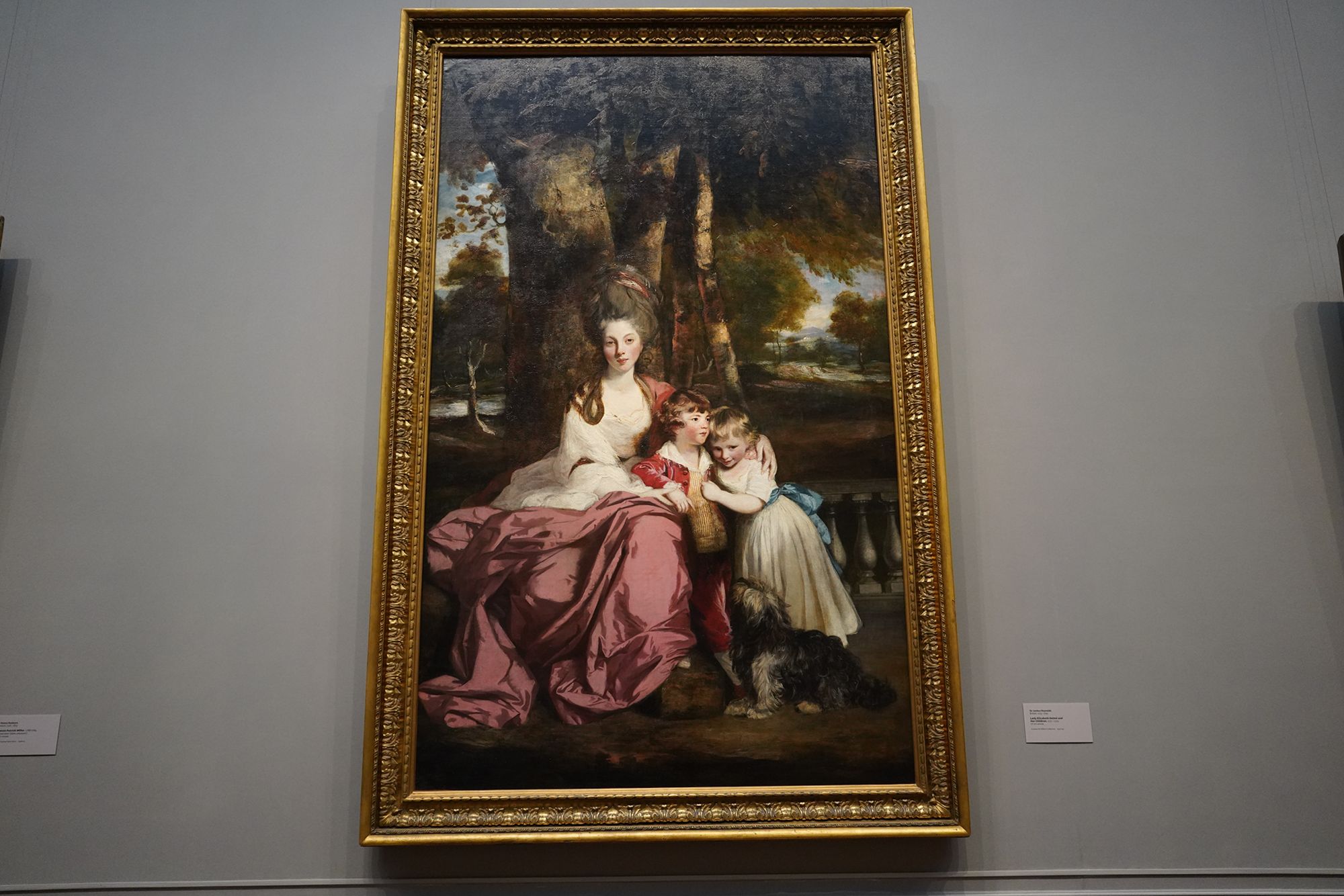
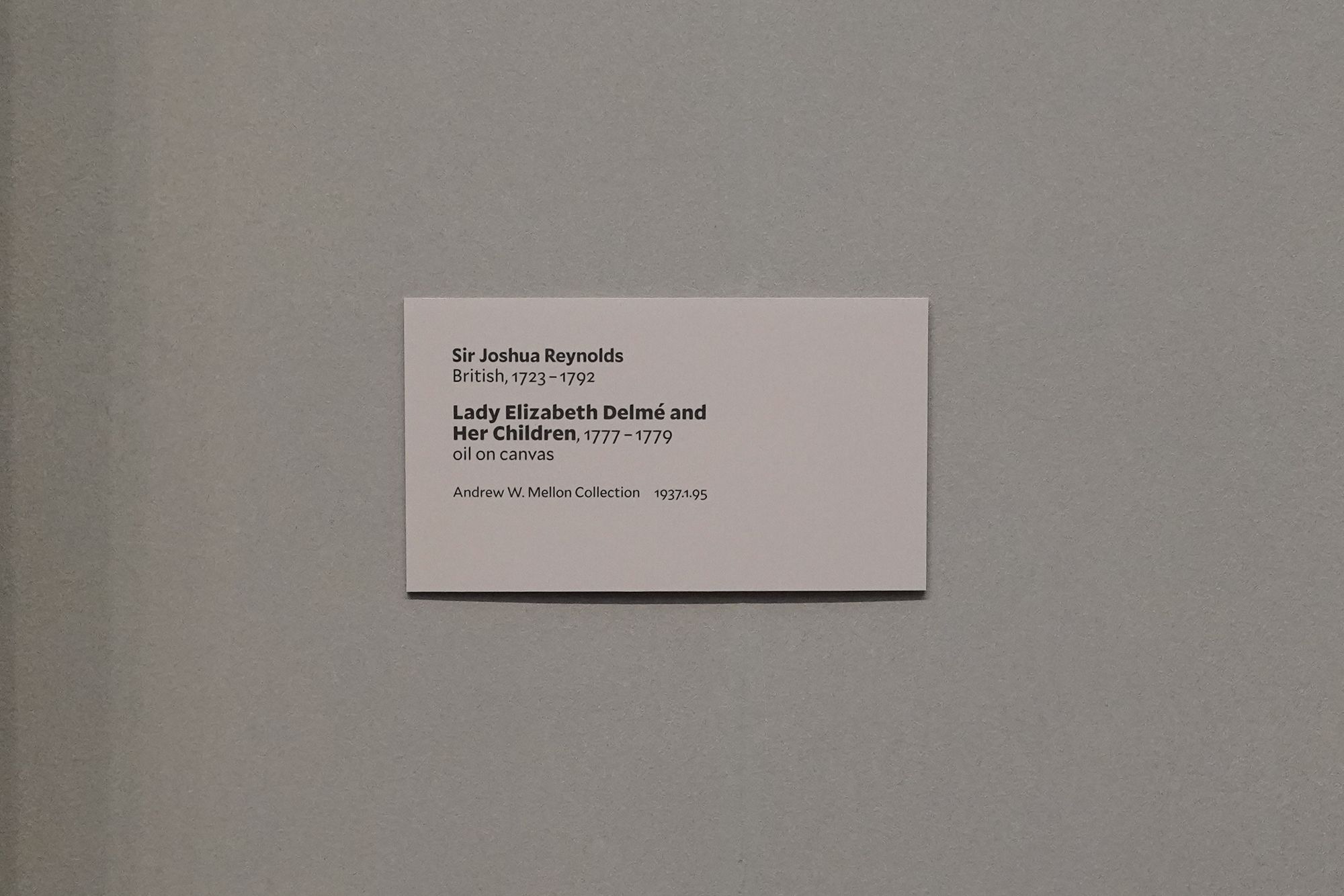
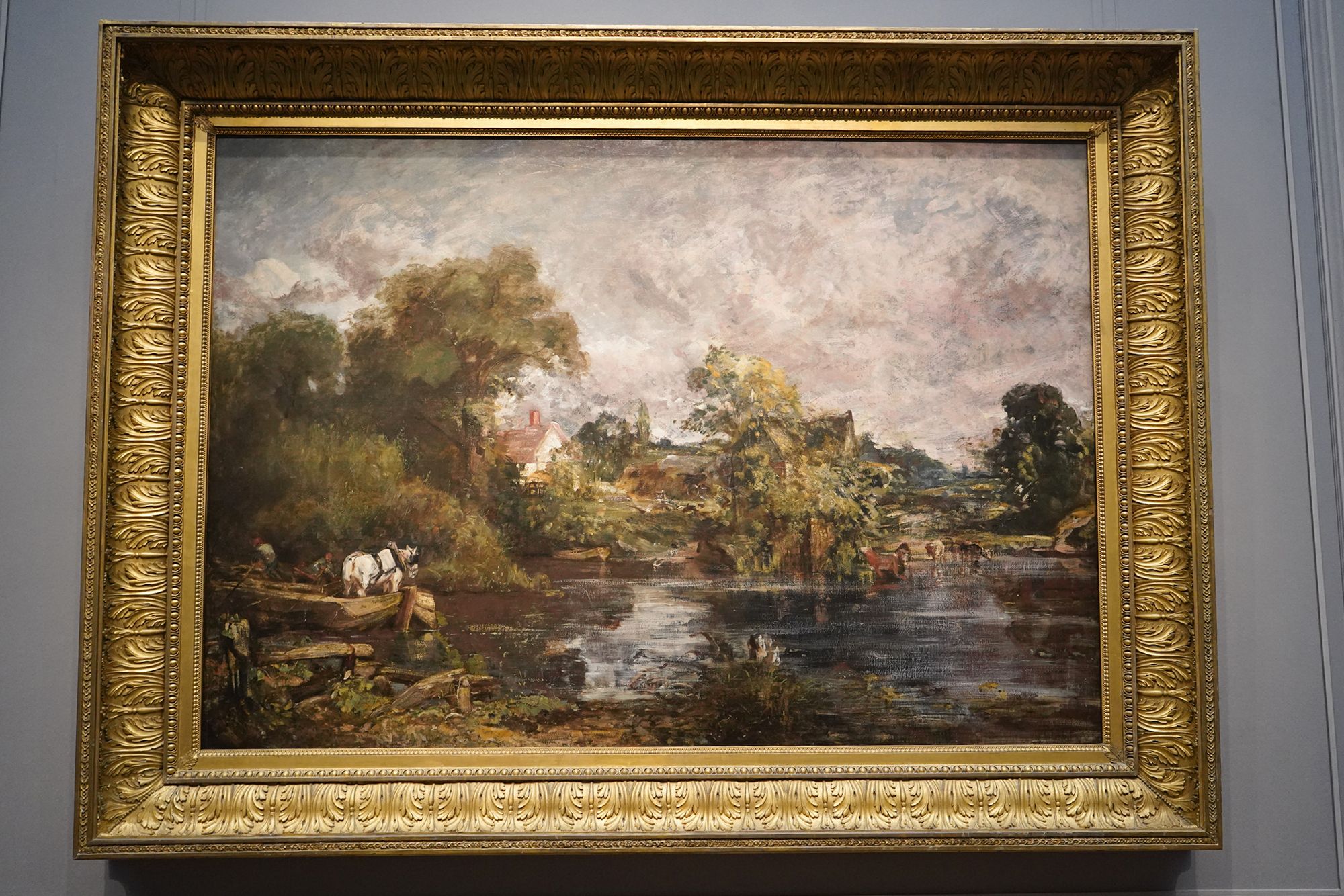
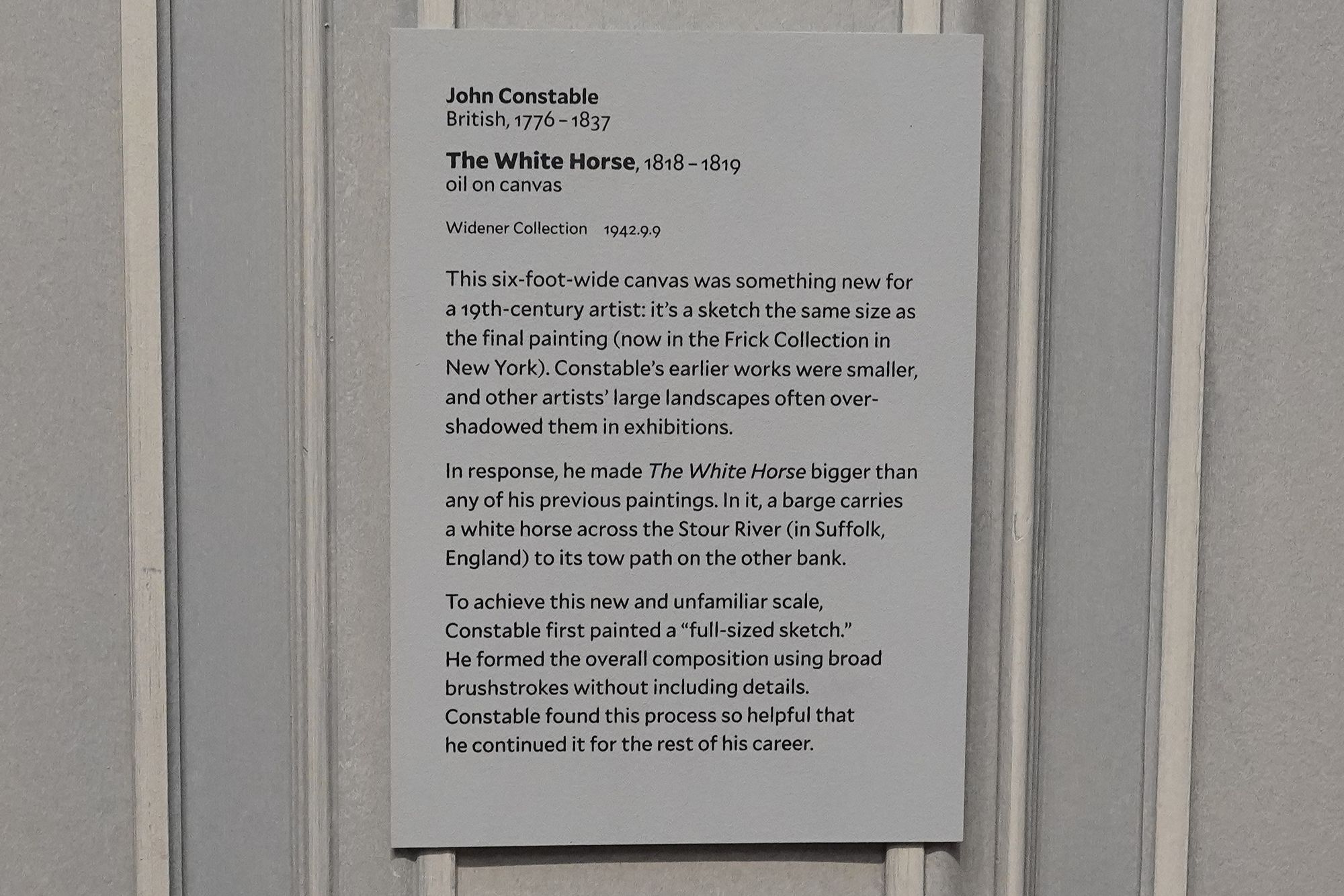
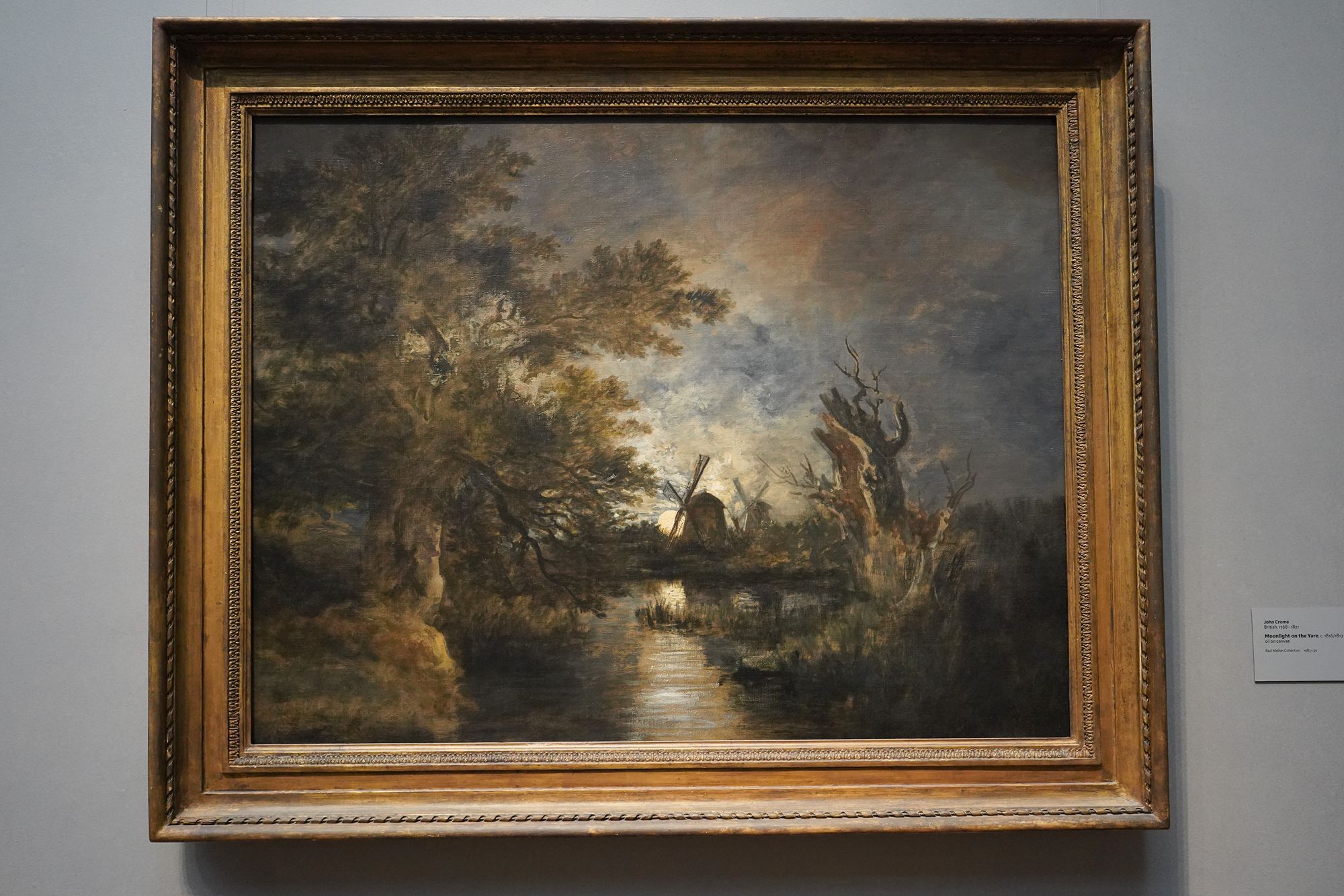
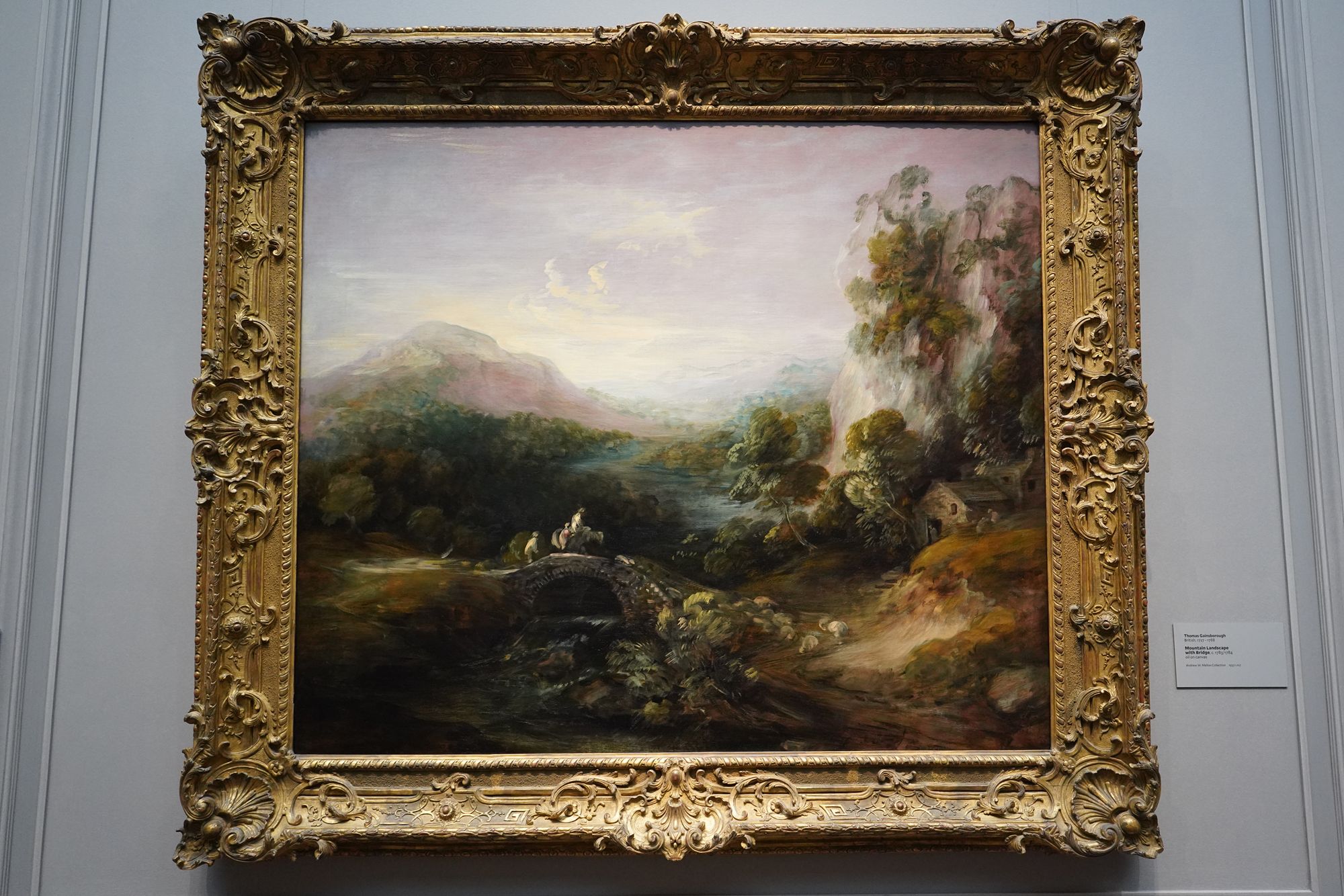
British painting of the 18th century developed a distinct national character that balanced portraiture, landscape, and moral narrative. As Britain became a world power, art reflected confidence, reason, and growing interest in everyday life.
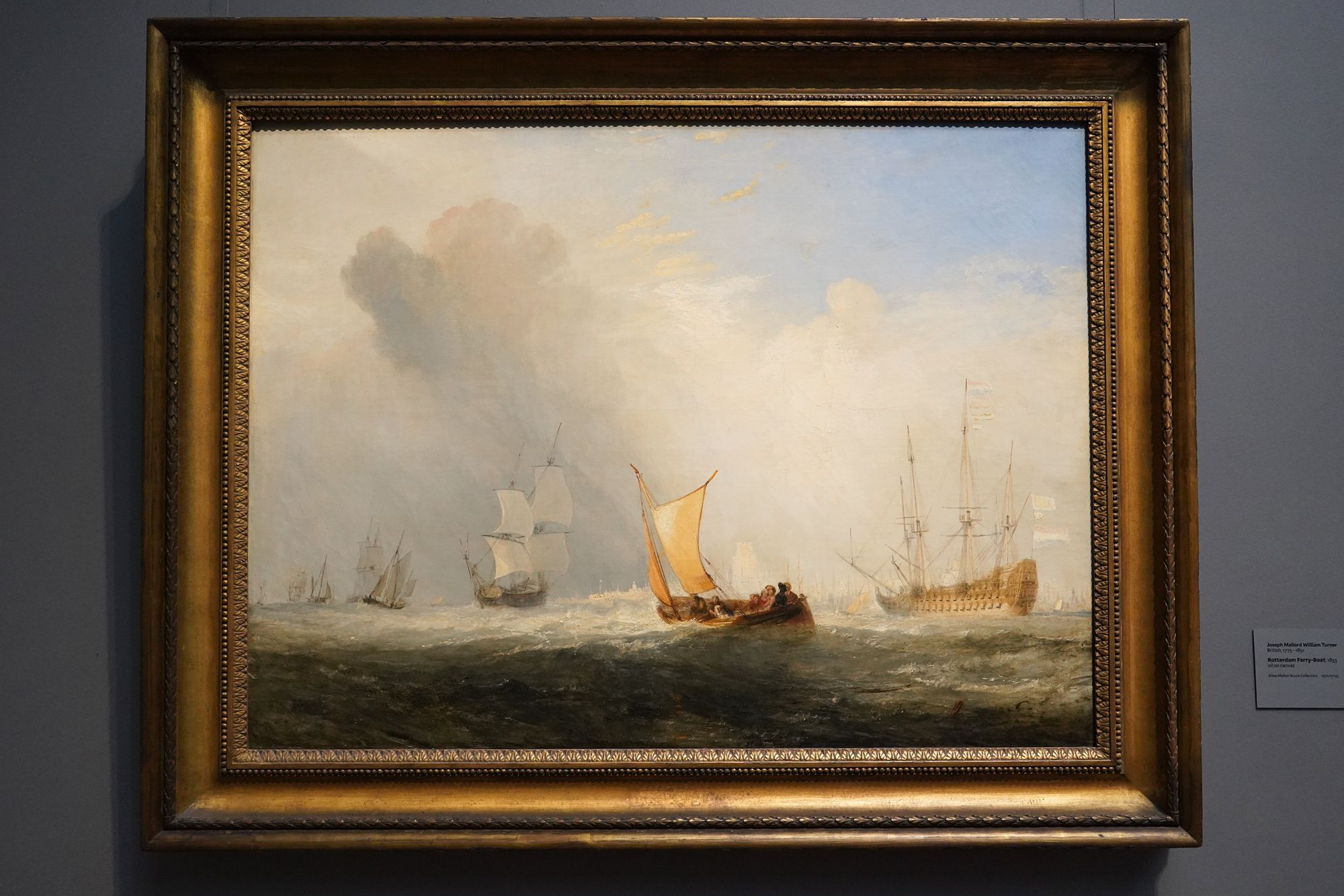
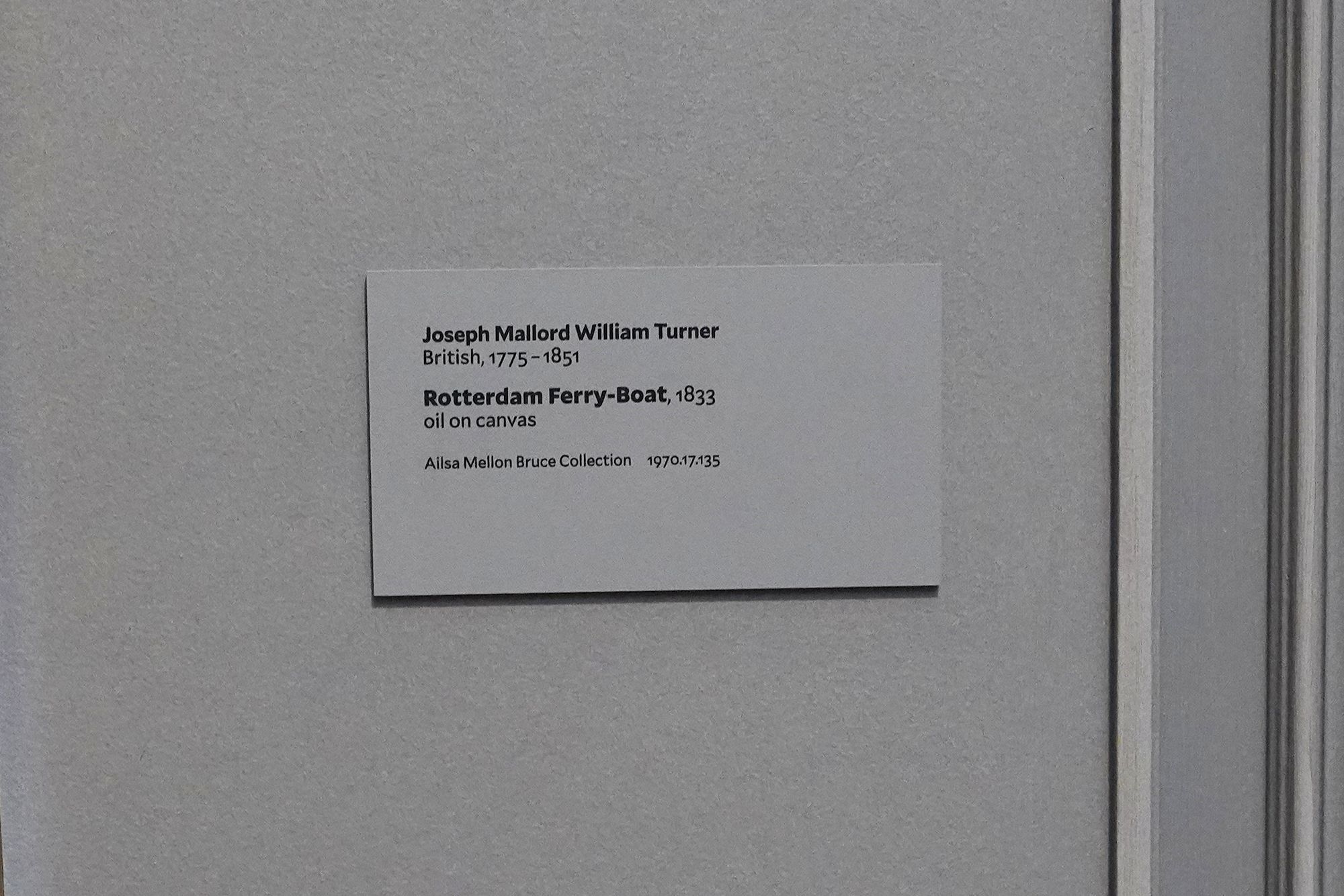
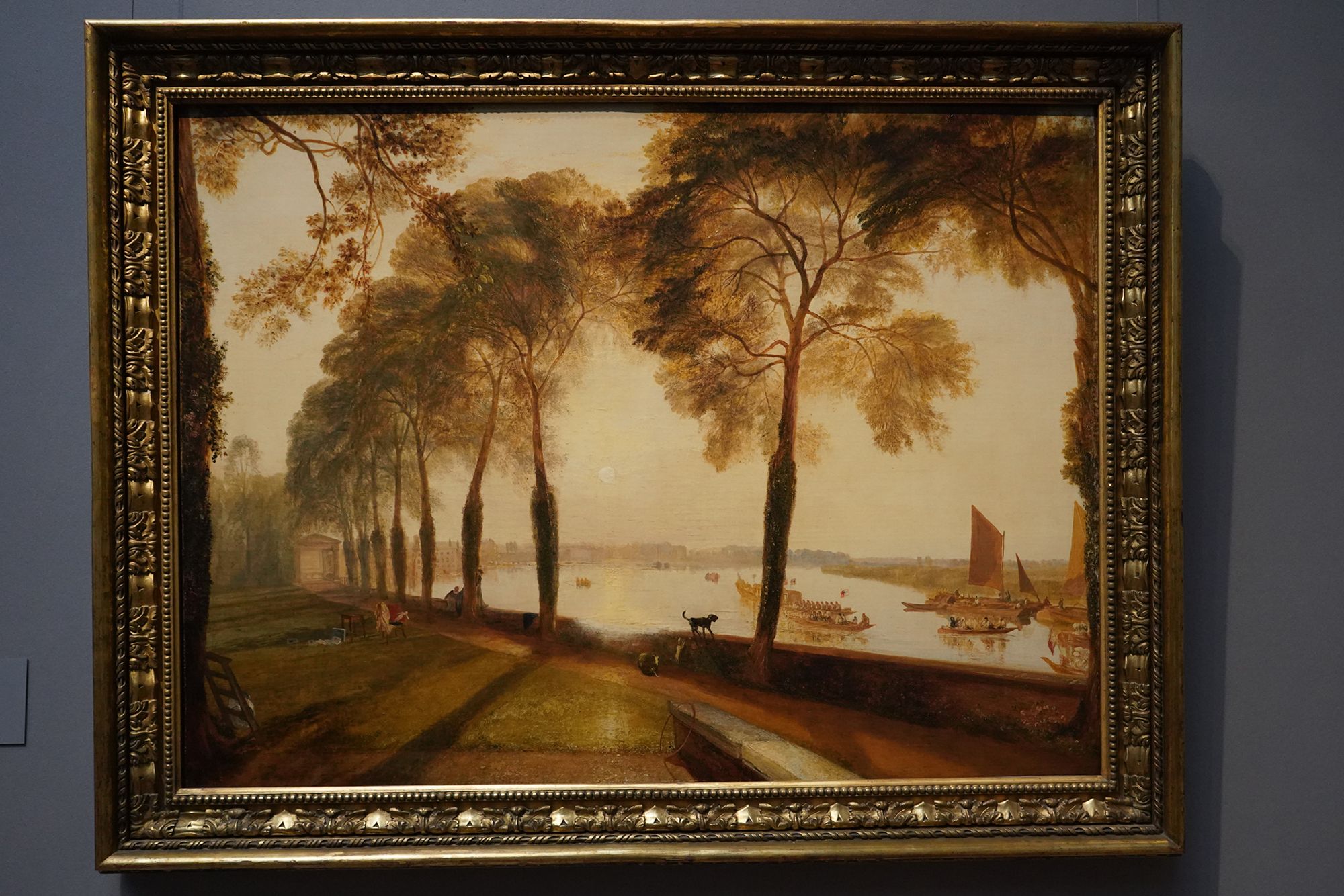
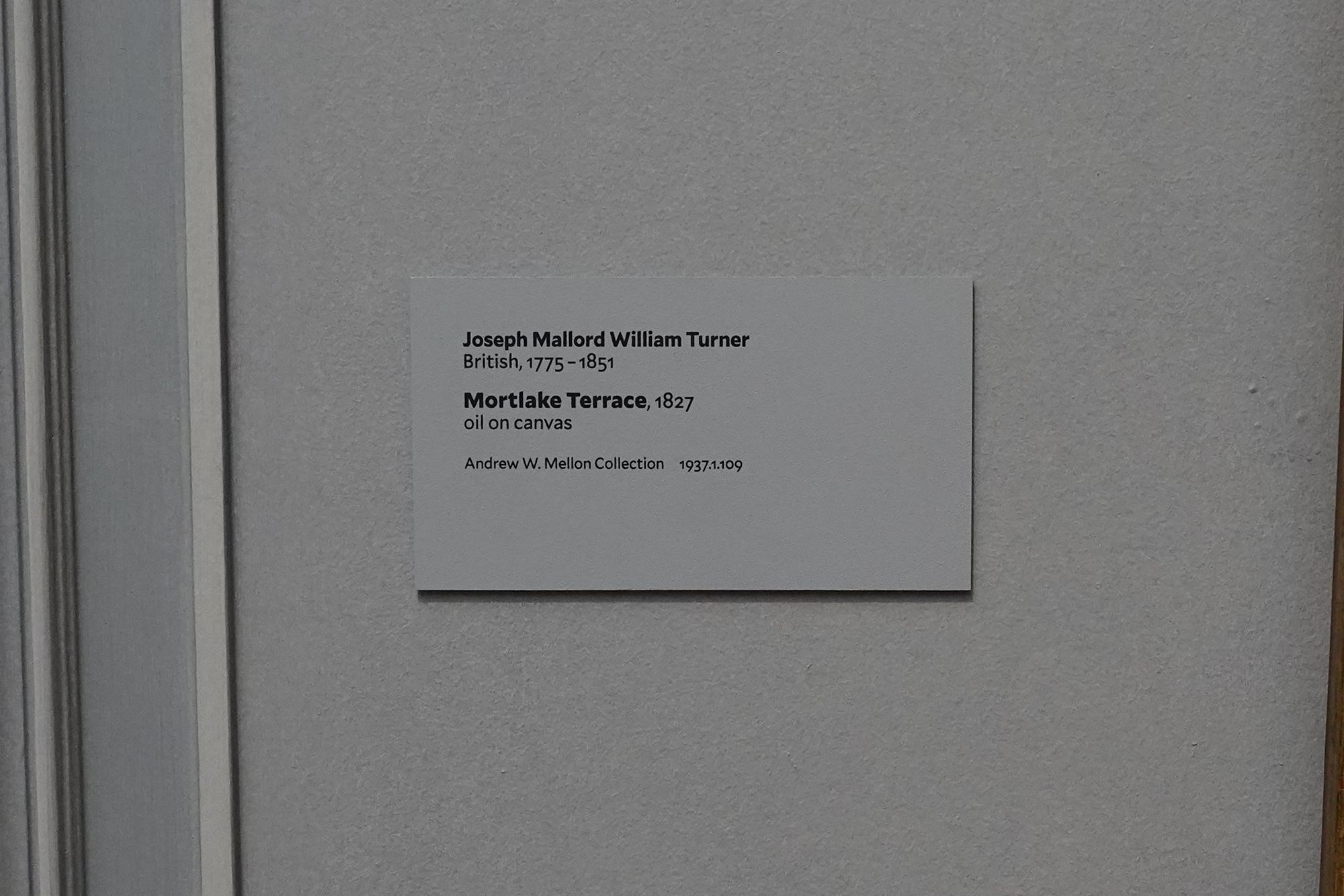
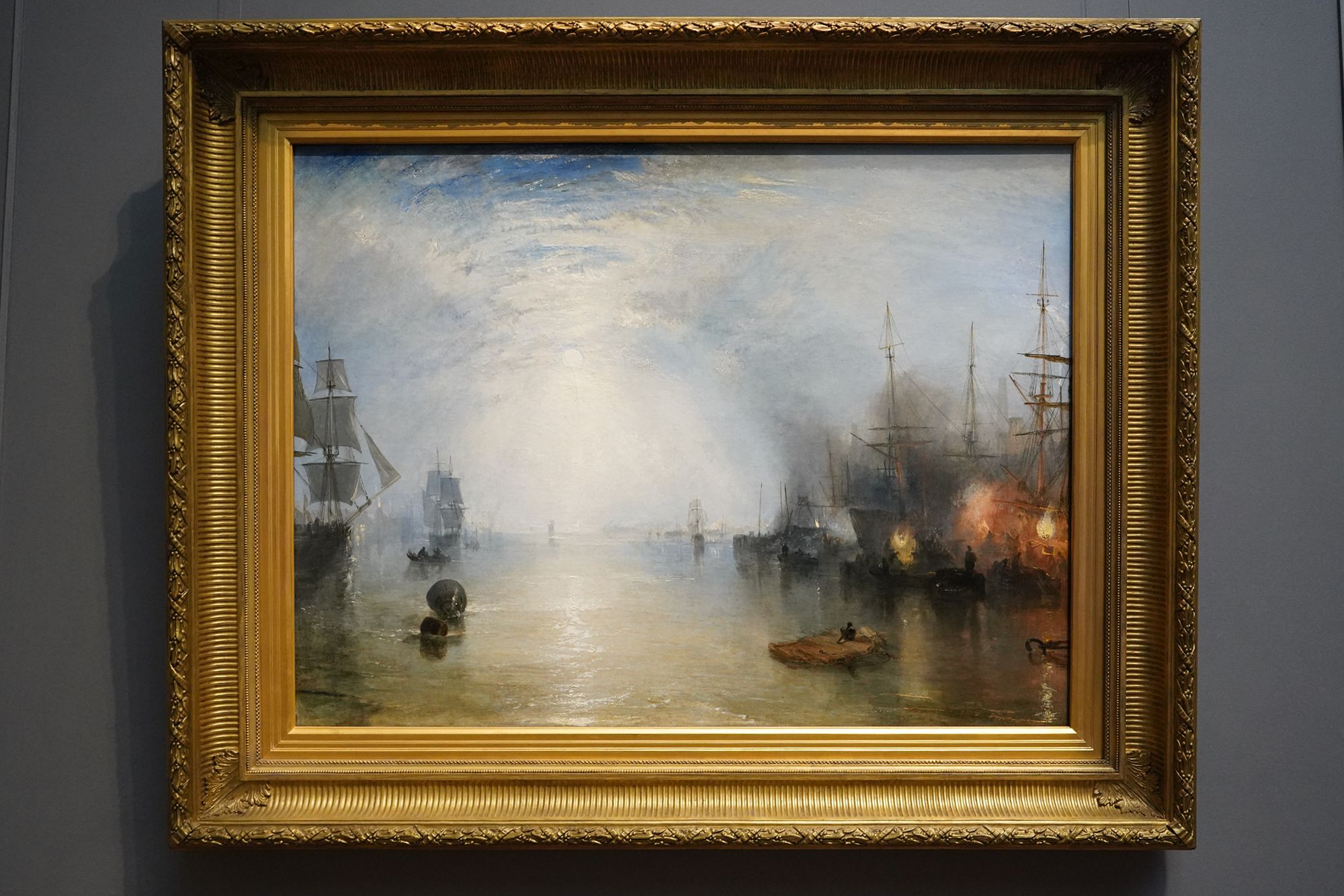
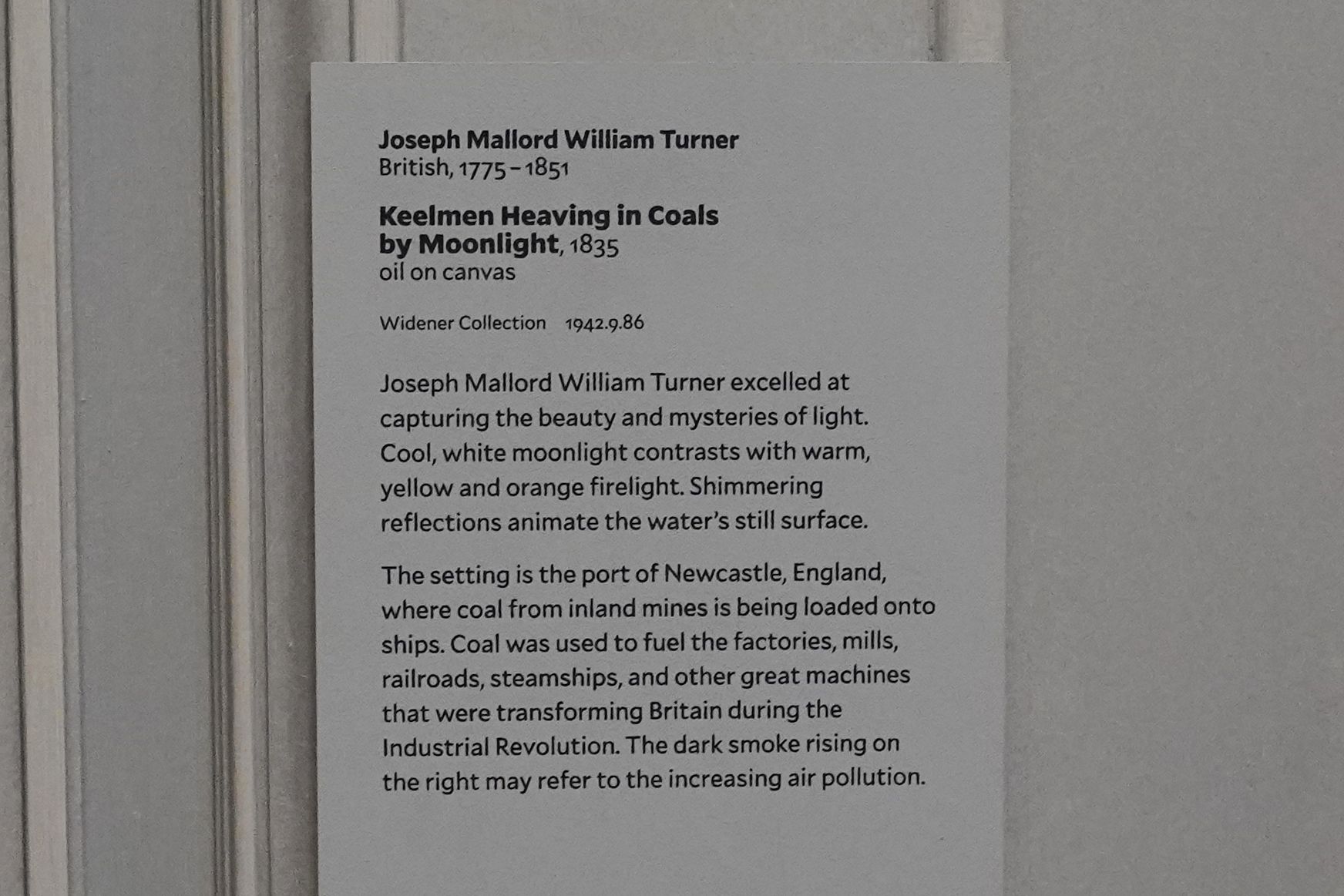
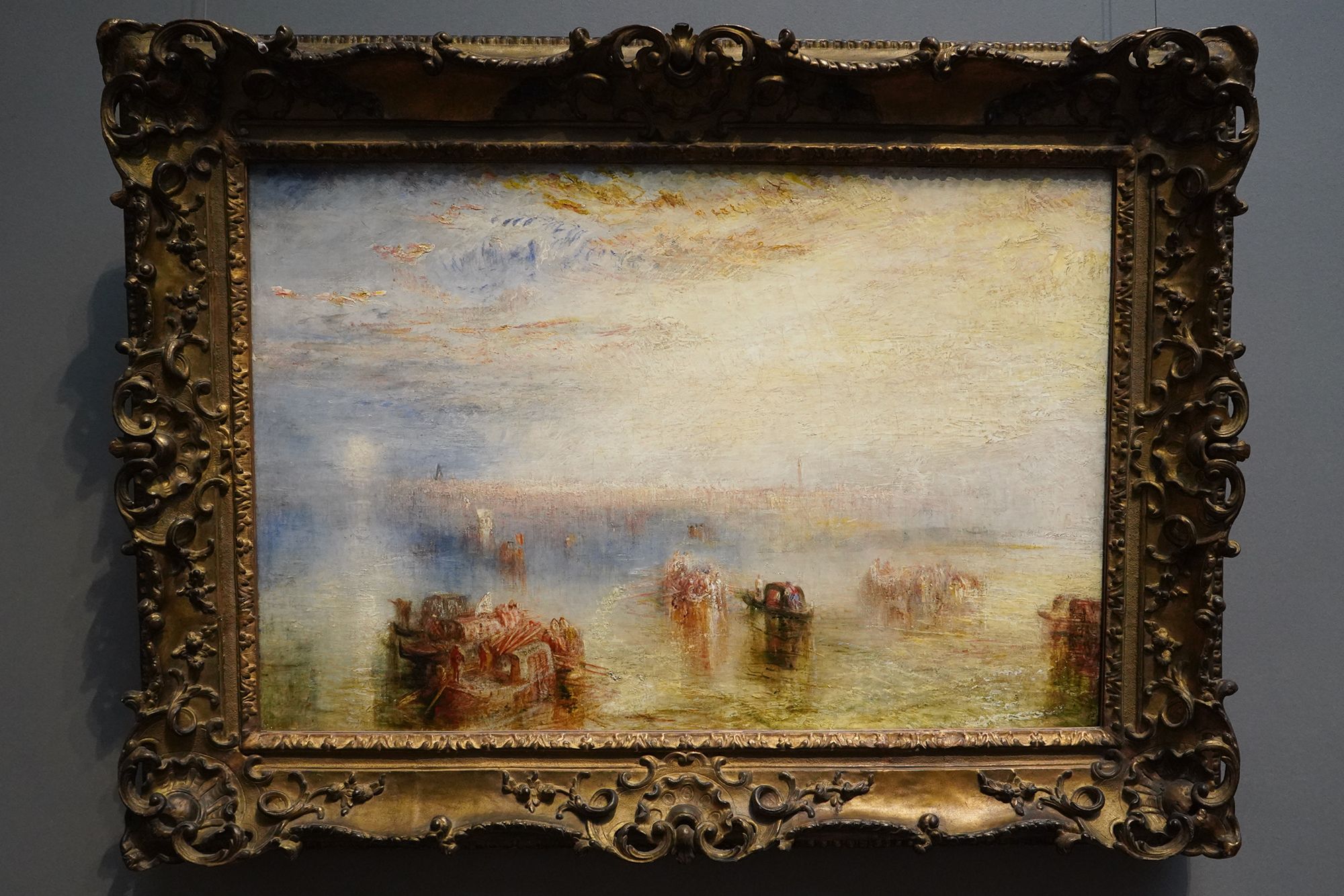
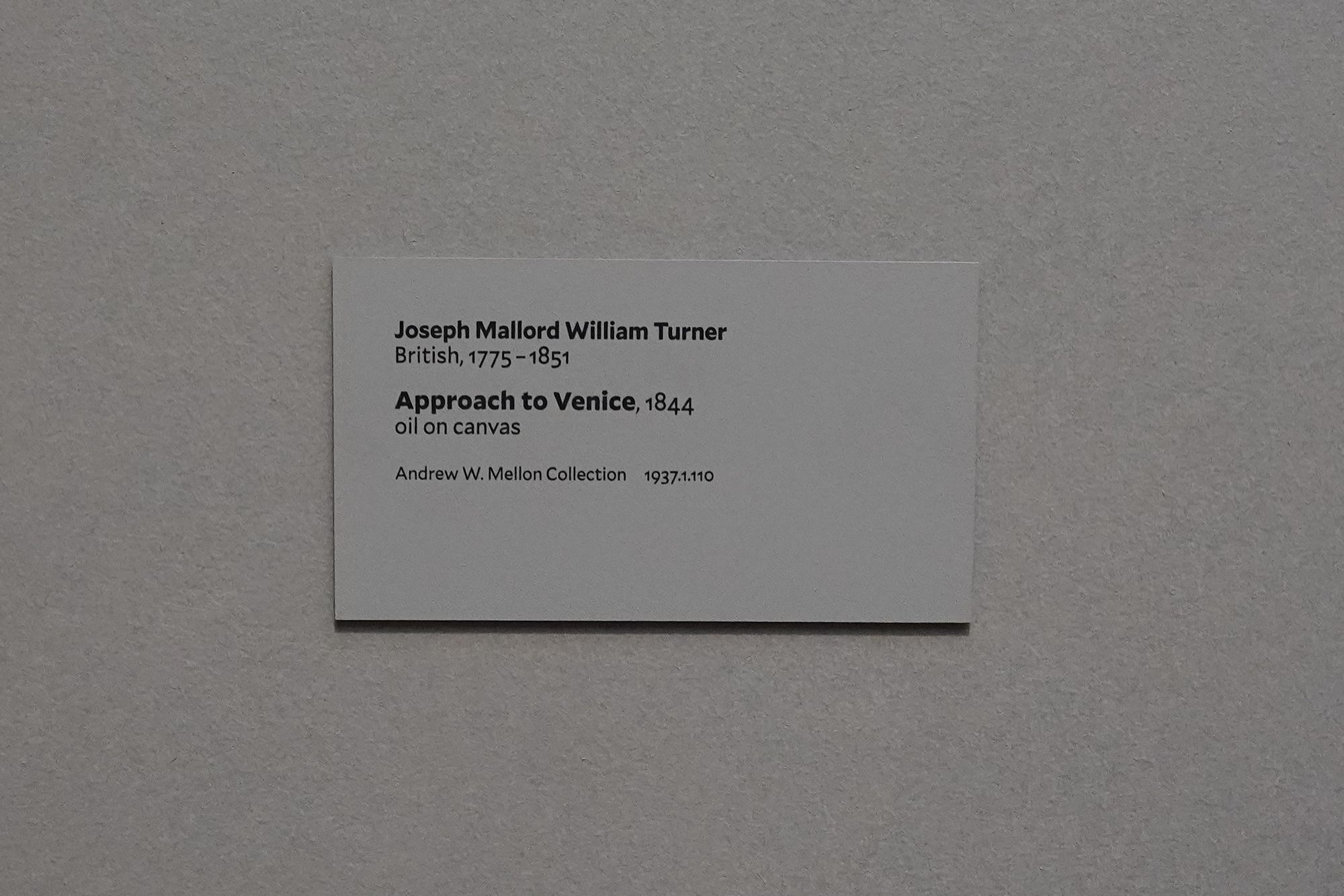
Joseph Mallord William Turner (1775–1851) was one of Britain’s greatest painters and a pioneer of modern landscape art. Known as the “painter of light,” he transformed the way nature, atmosphere, and emotion were expressed on canvas.
British Painting 18th Century Continues
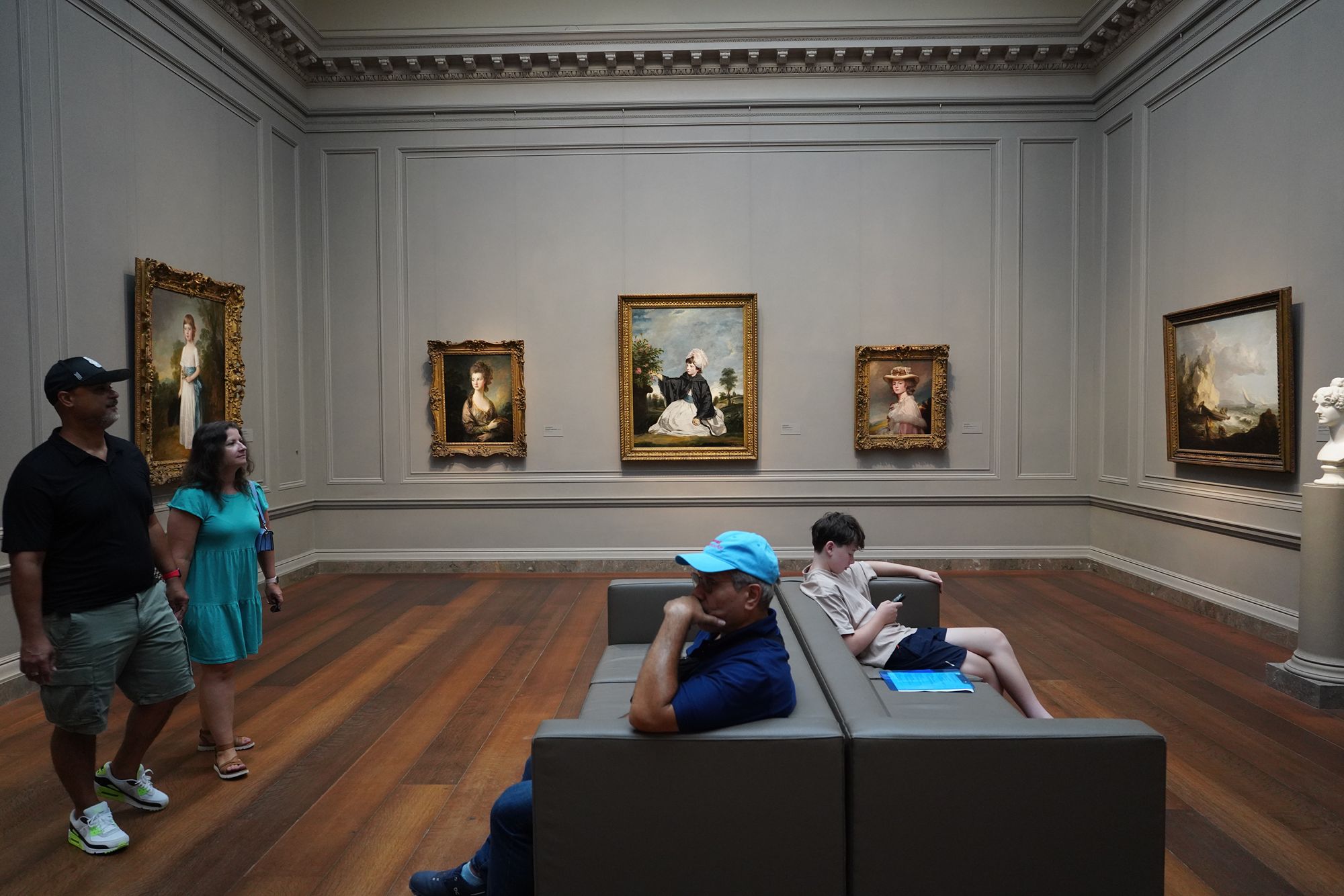
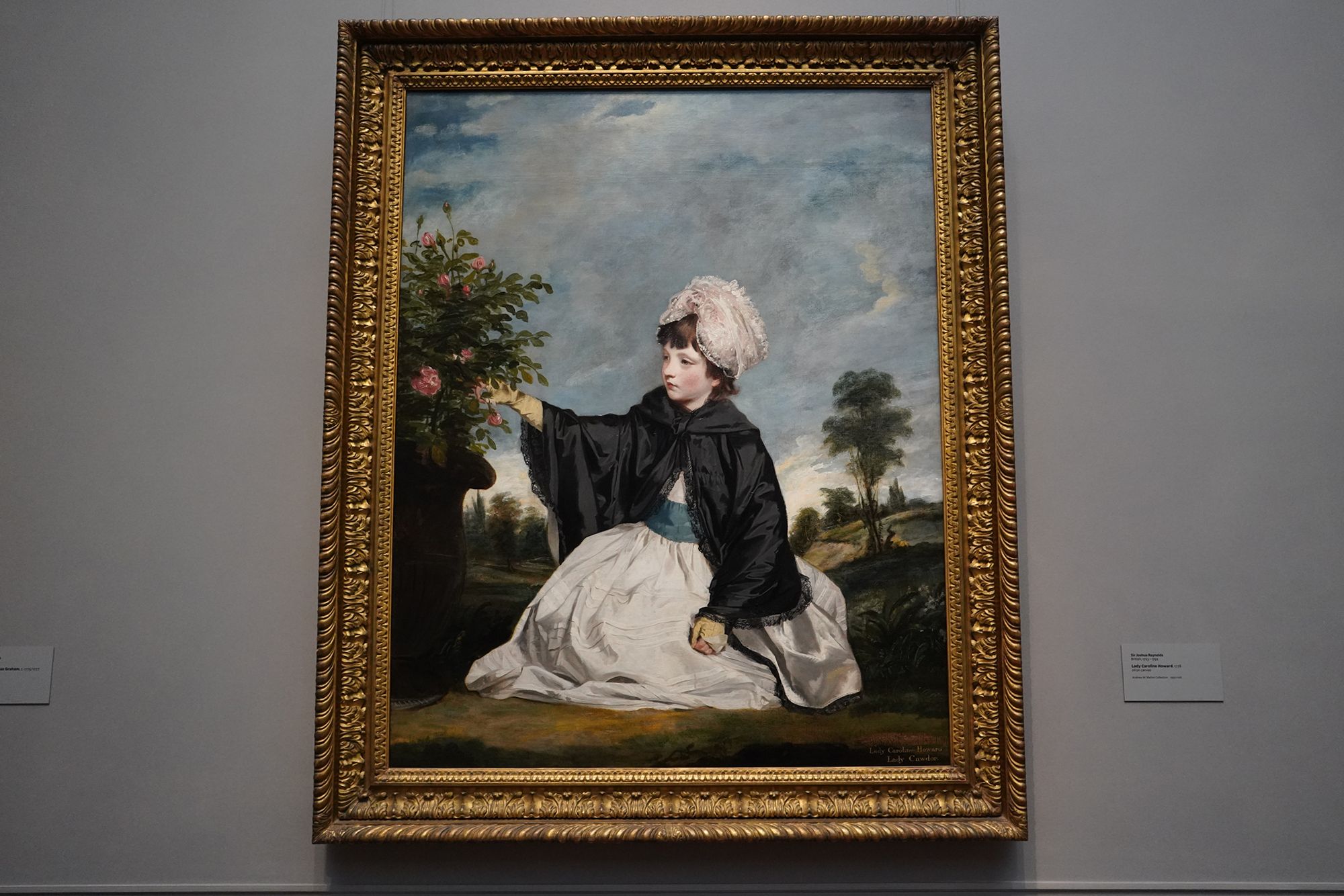
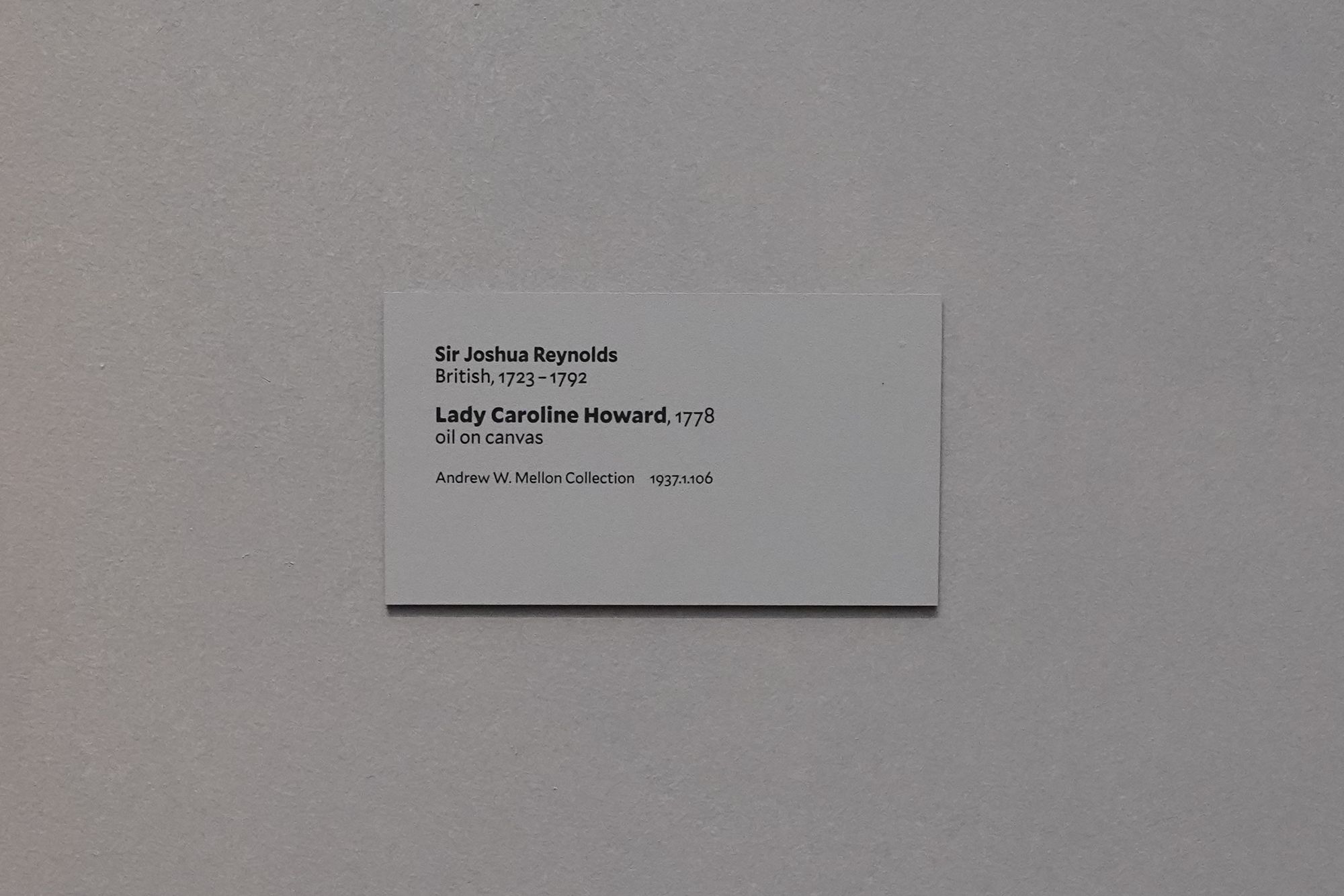
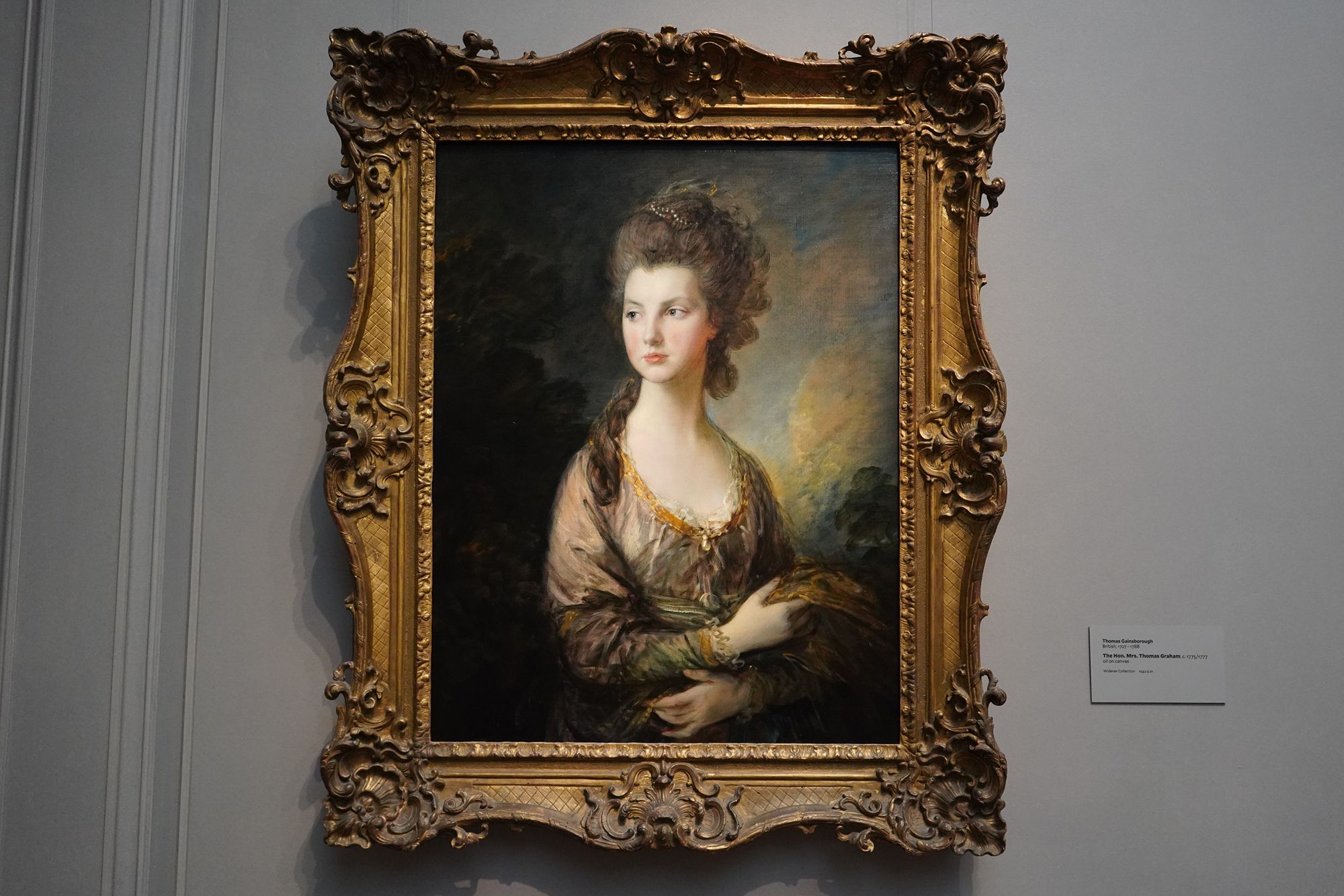
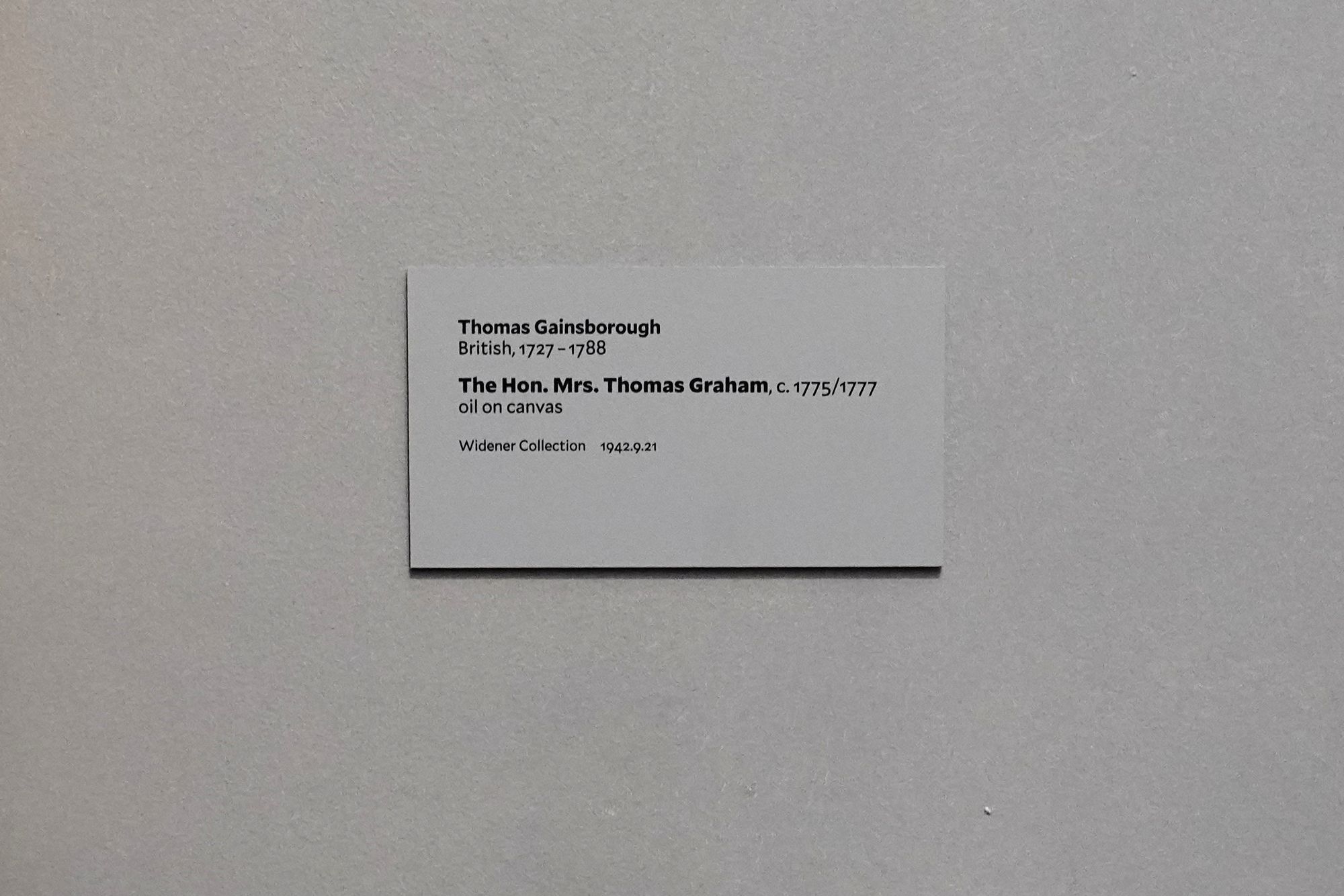
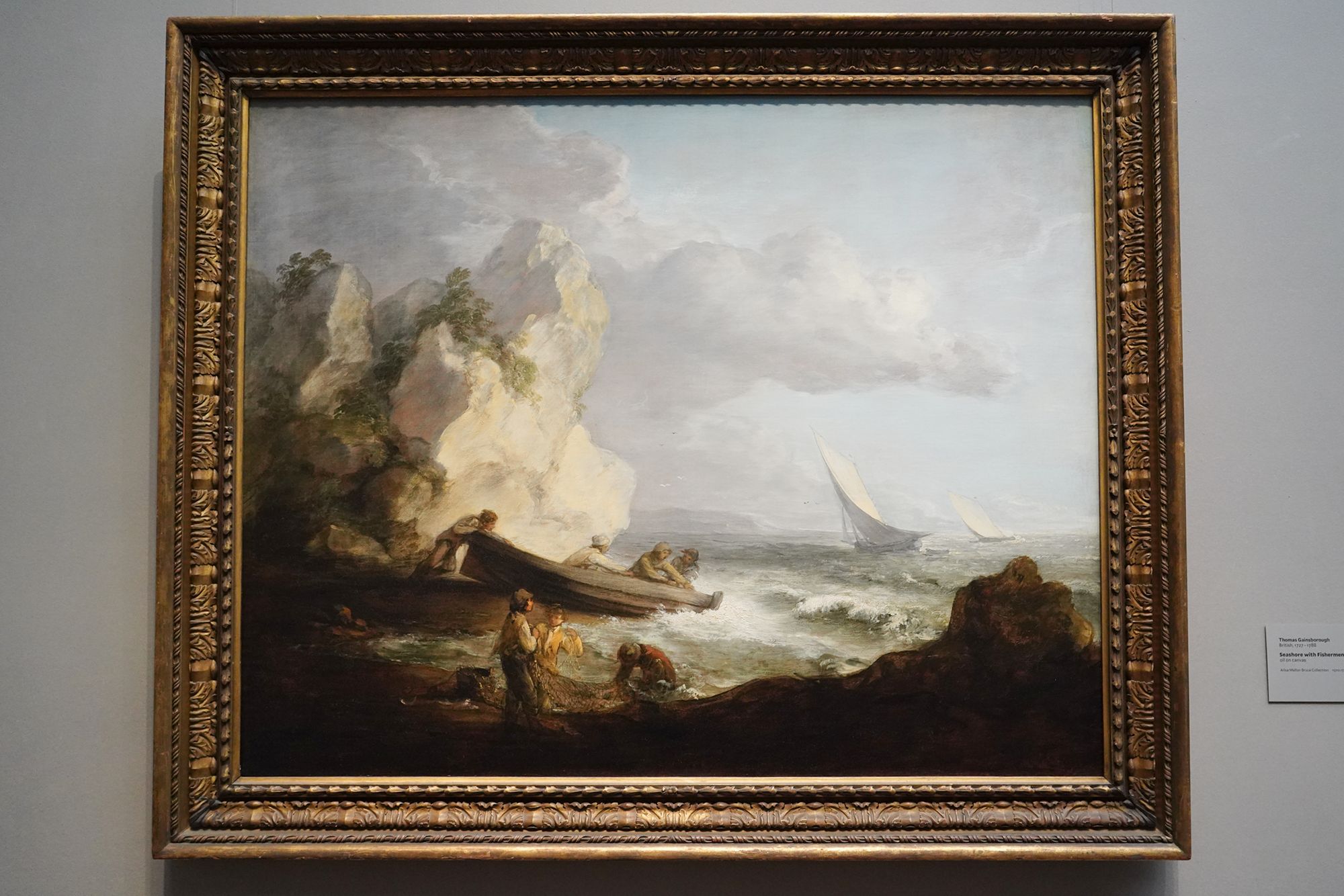
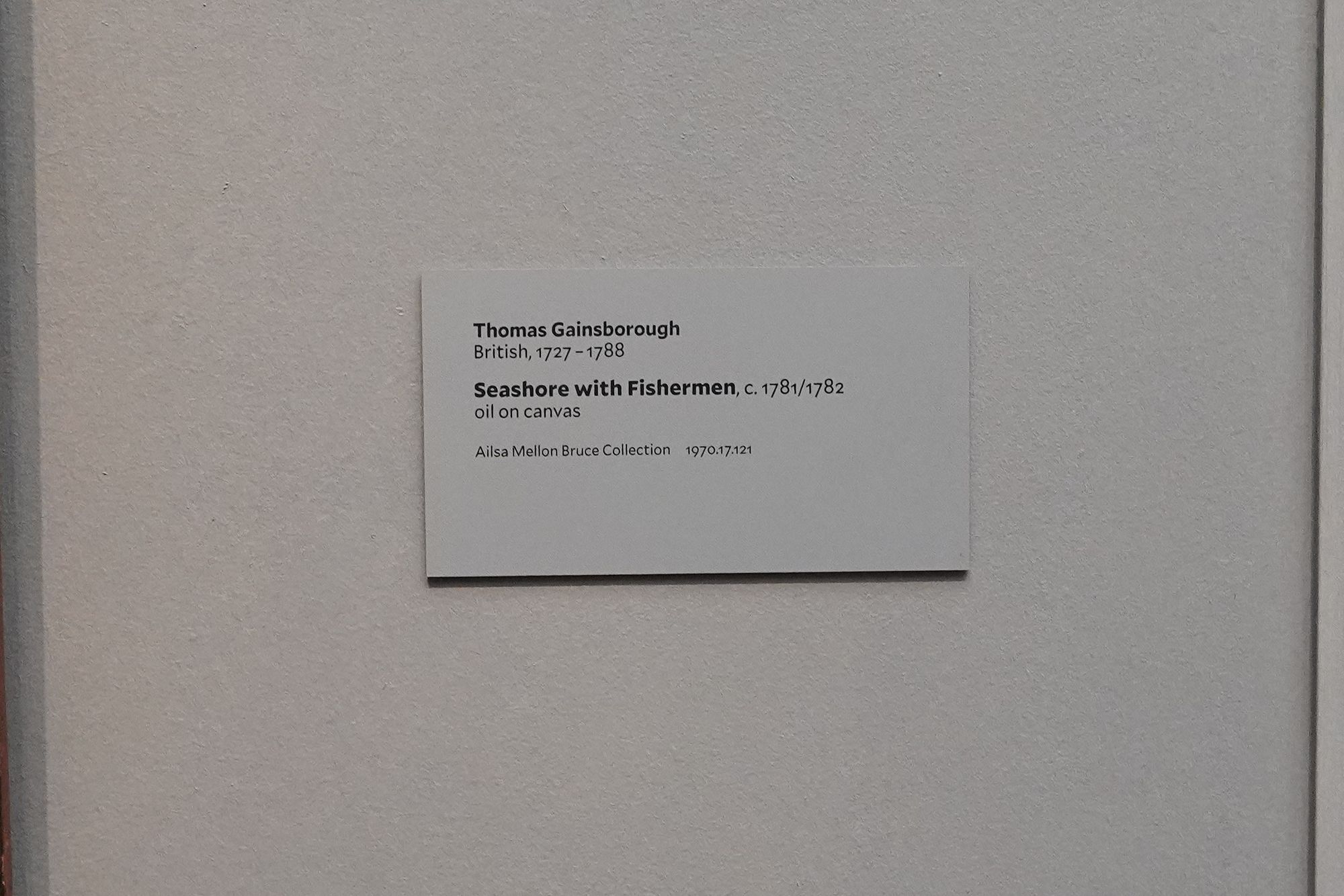
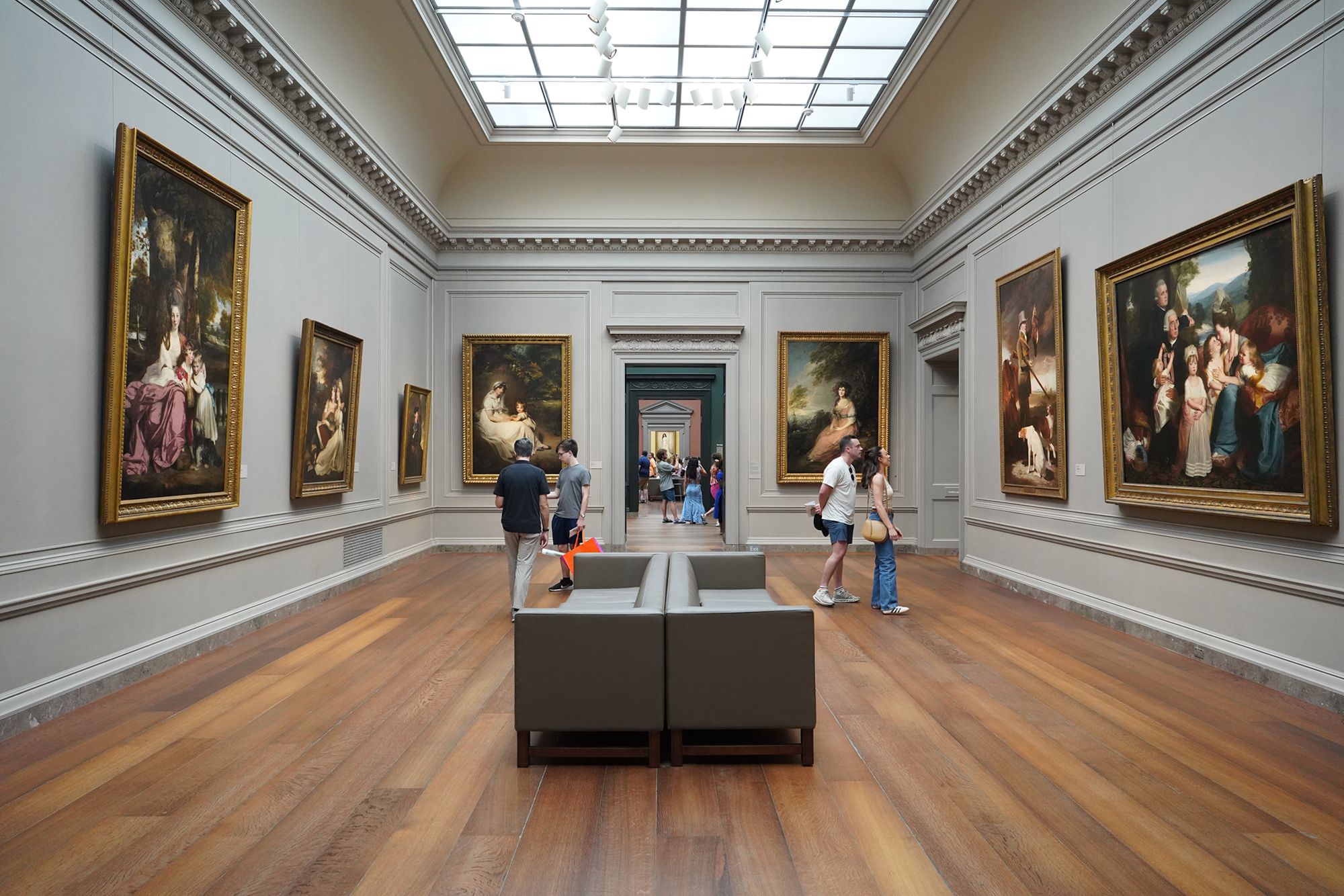
British Painting 18th Century Continues