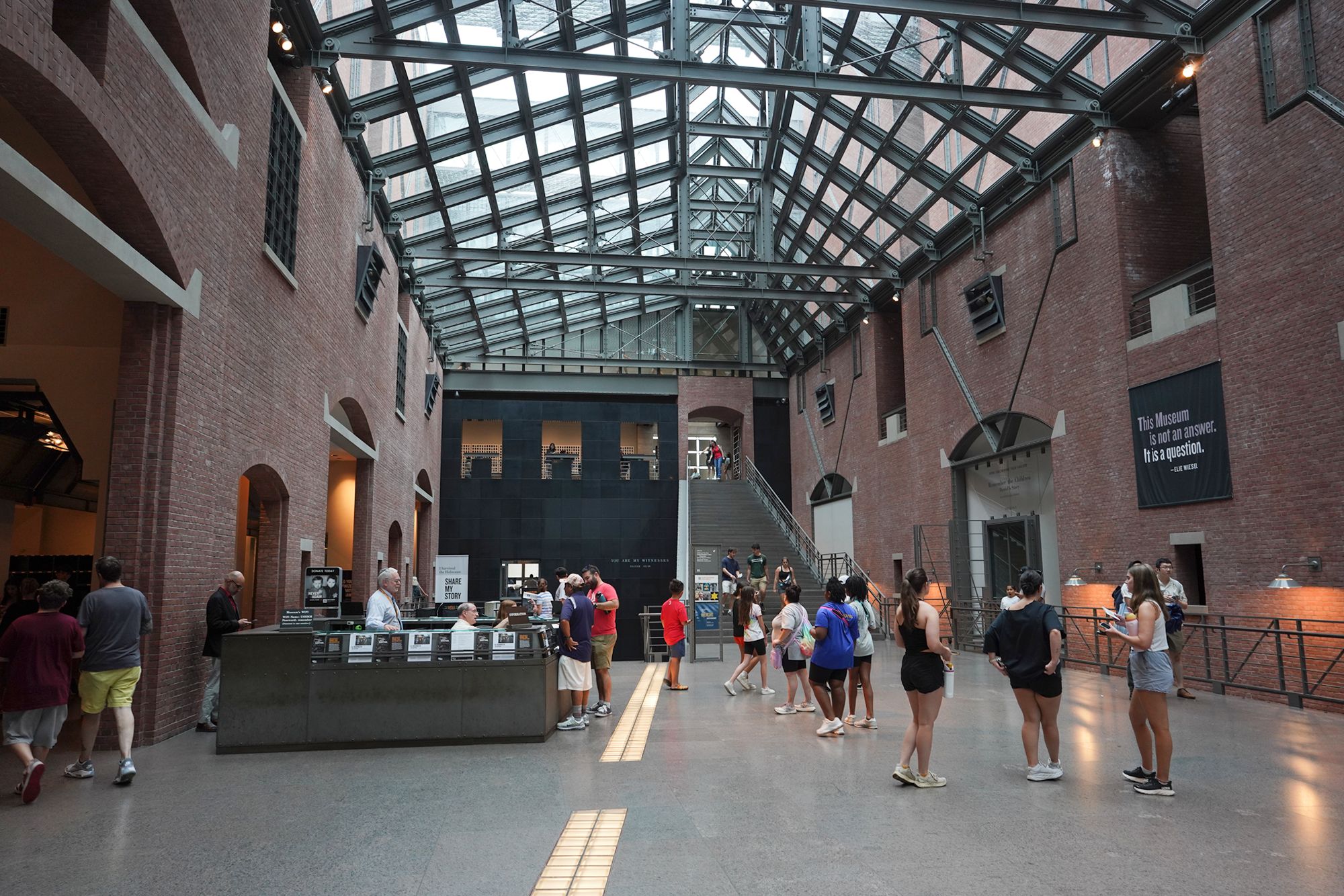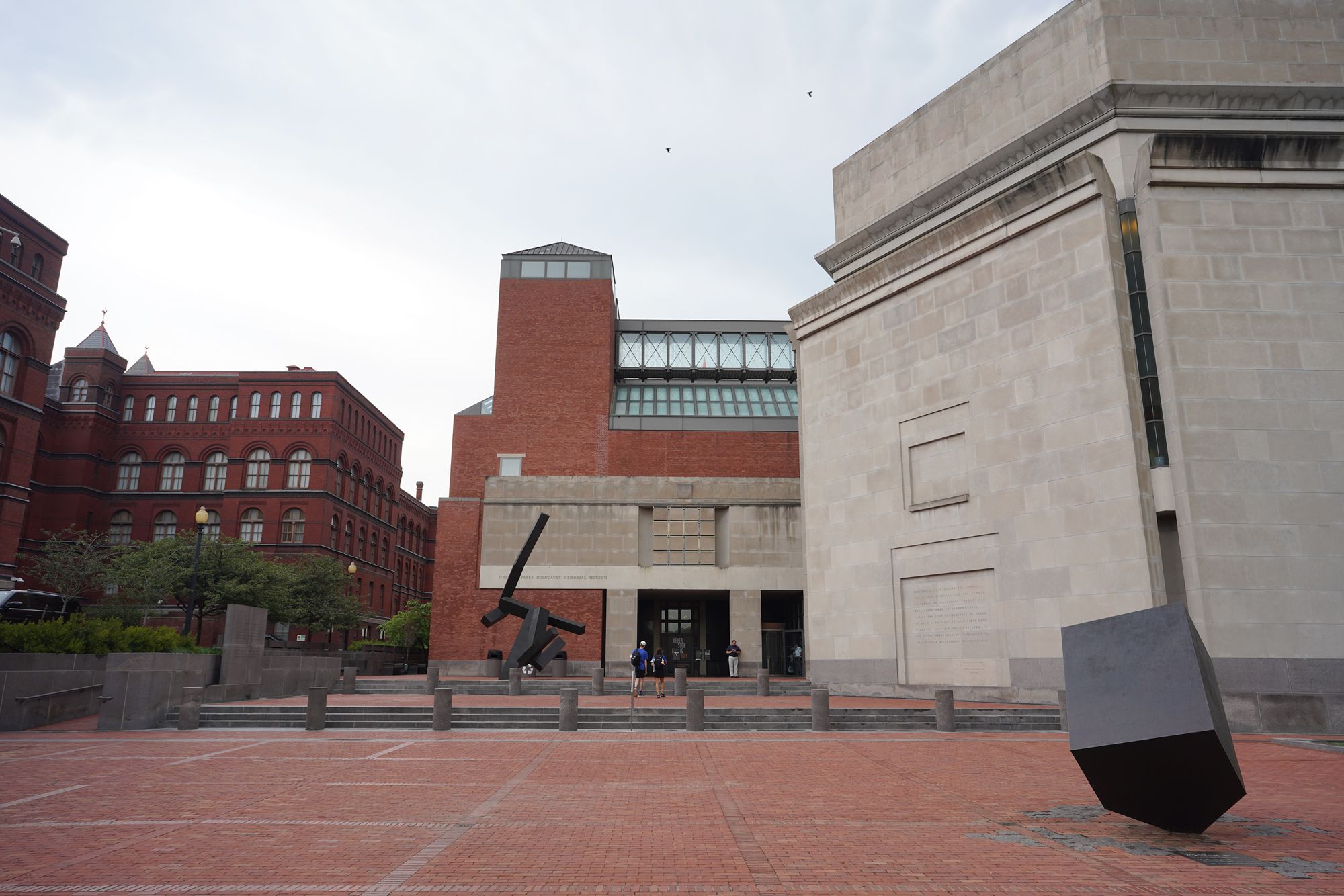
Holocaust Museum, Part 2, Washington DC, USA
The visit and exploration of the Holocaust Museum continues (part 2). 1135
United States Holocaust Memorial Museum: VXP8+MX Washington, District of Columbia
Date Picture Taken: July 2025
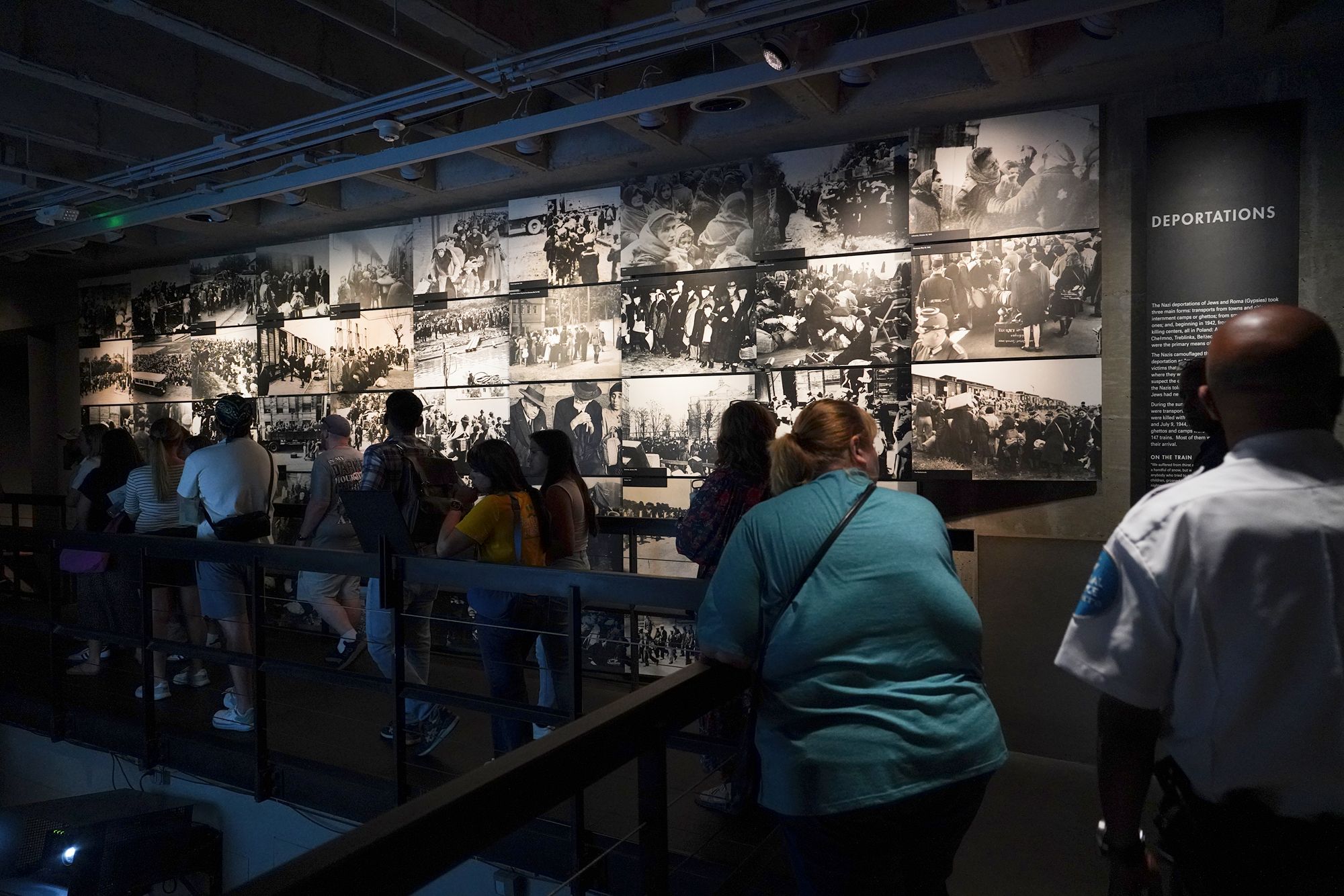
This section shows the deportation of Jews from ghettos across Europe. Families were forced onto crowded trains under brutal conditions, unaware they were being sent to death camps. The exhibits display photos, artifacts, and testimonies that reveal the fear, confusion, and suffering during these forced transports.
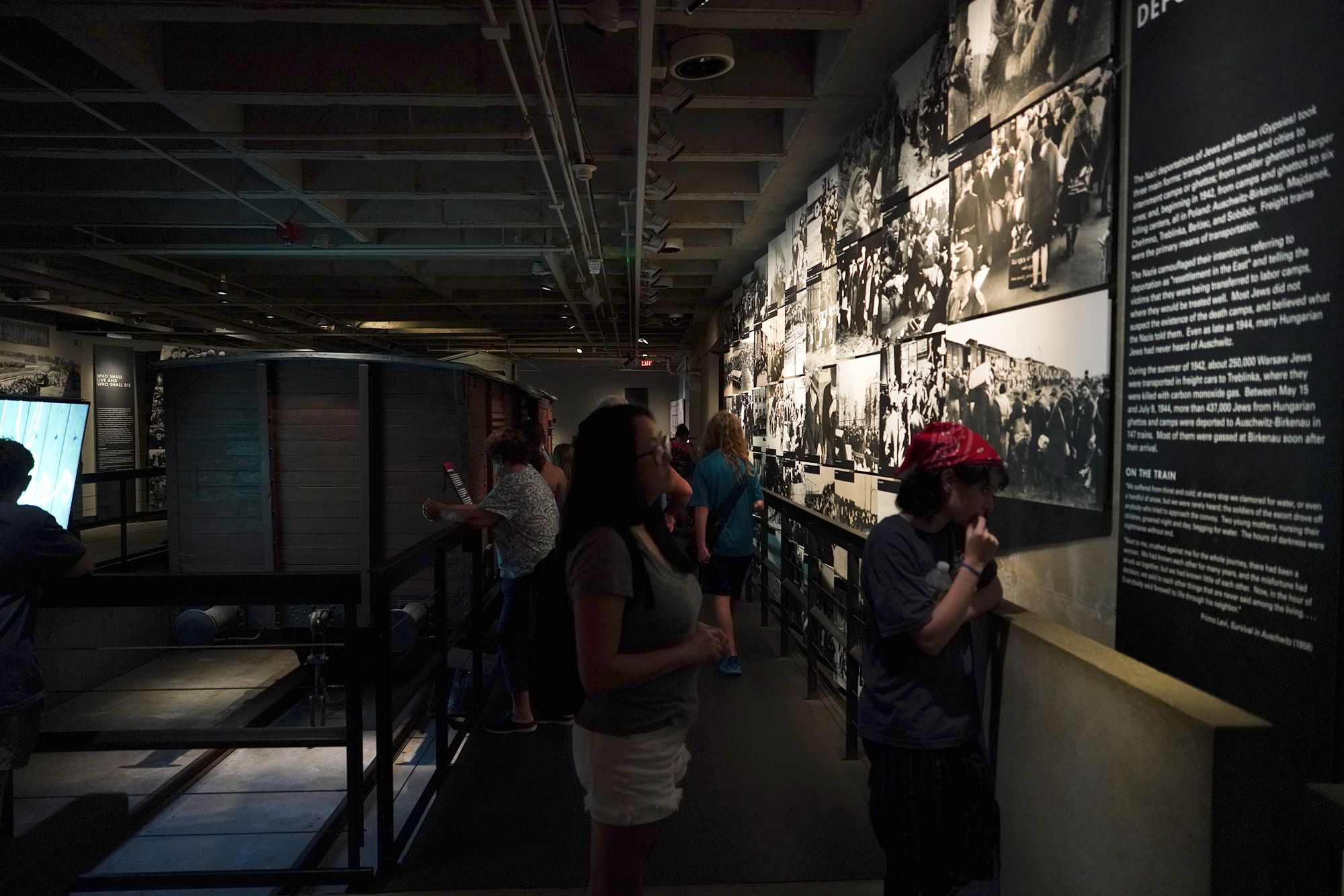
During the Holocaust, the Nazis began mass deportations of Jews around 1941, which reached their peak between 1942 and 1944. Jews from ghettos and towns across Europe were rounded up and forced onto overcrowded freight trains.
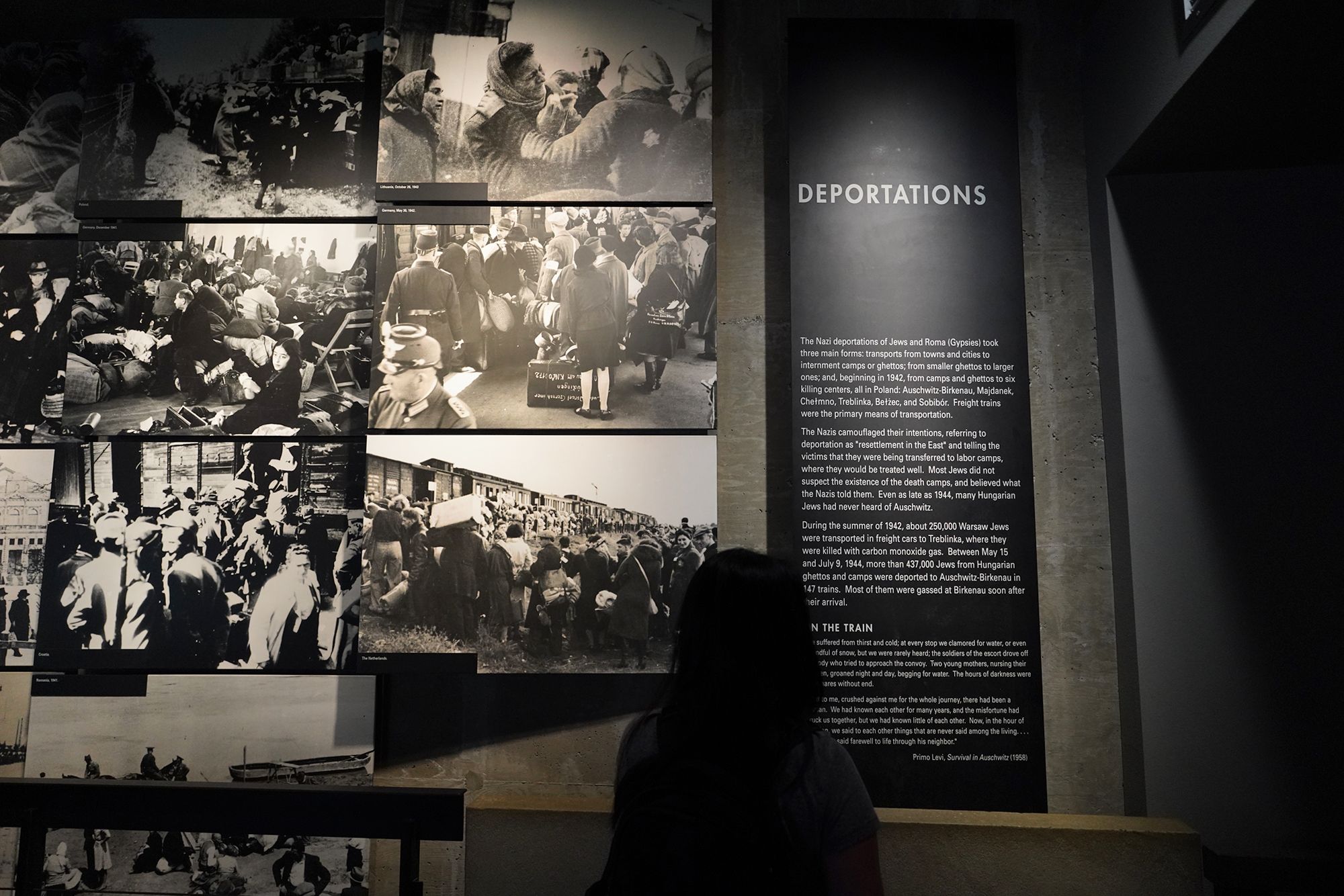
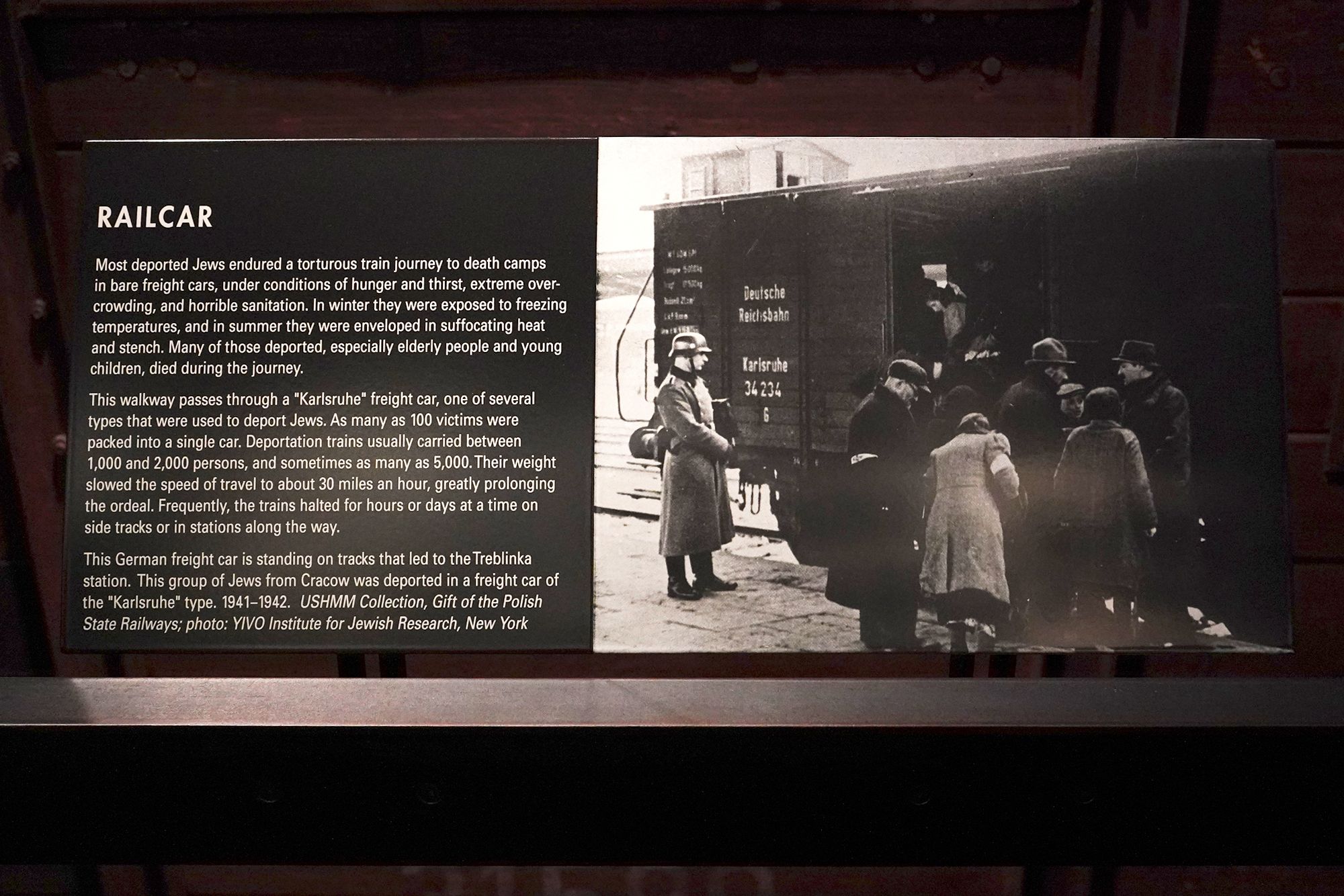
The deportations were organized by the Nazi regime with help from local authorities and railway workers. Conditions on the trains were horrific—there was no food, water, or ventilation, and many died from suffocation or exhaustion before reaching their destinations.
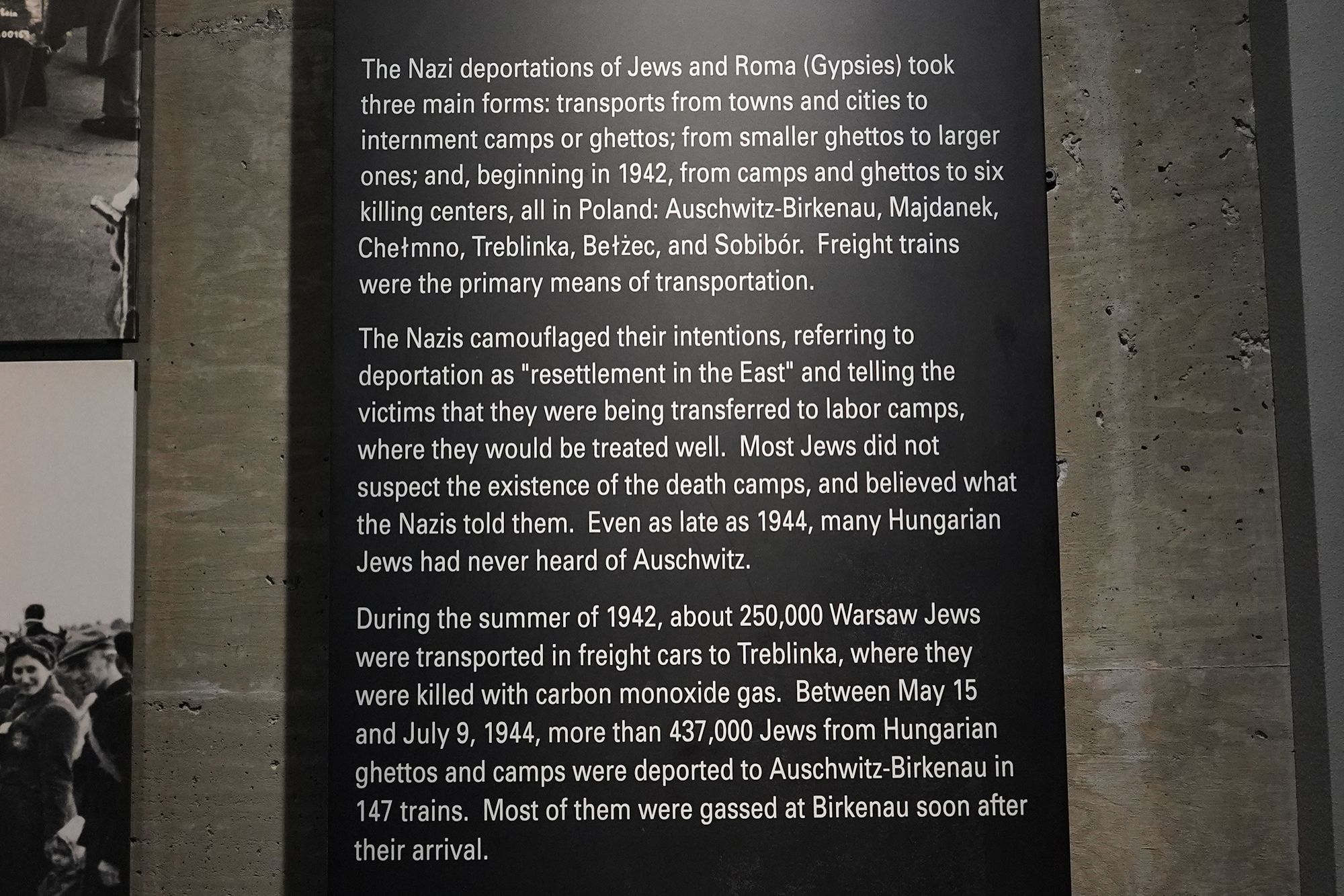
Most deportation trains were bound for extermination camps such as Auschwitz-Birkenau, Treblinka, Belzec, Sobibor, Chelmno, and Majdanek. Victims were often told they were being “resettled for work,” but the true purpose was mass murder. In total, millions of Jews were deported, including about 1.1 million sent to Auschwitz alone.
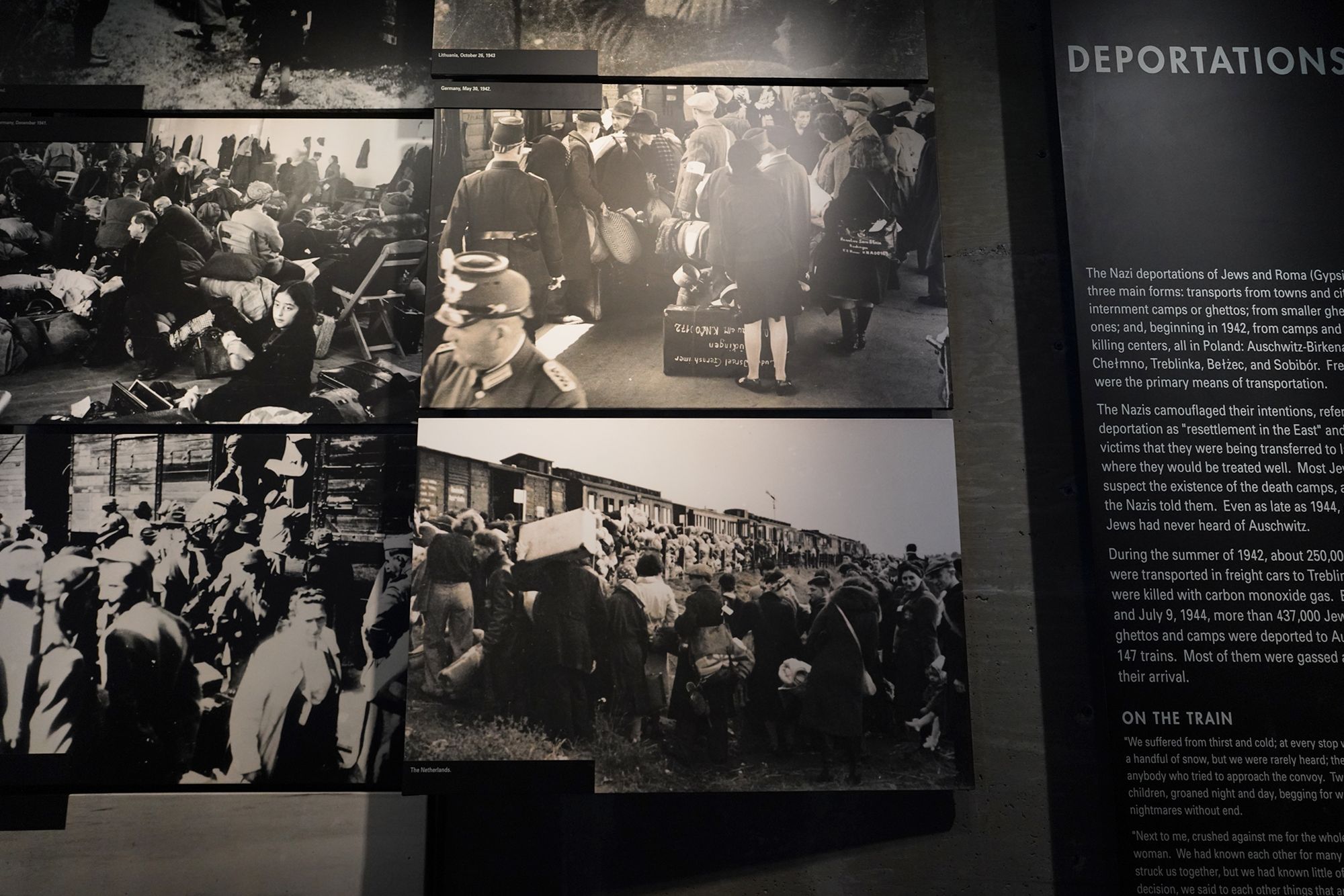
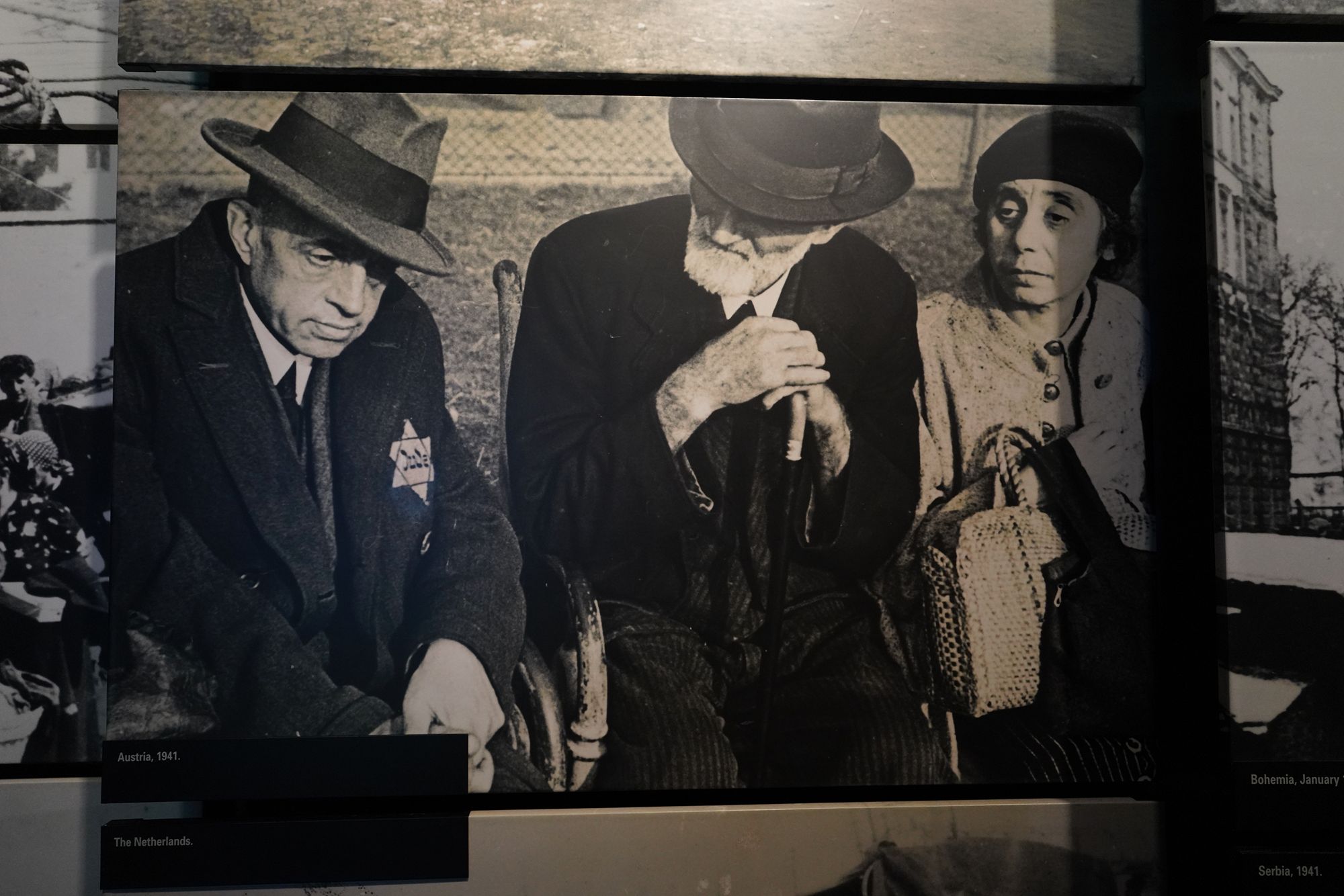
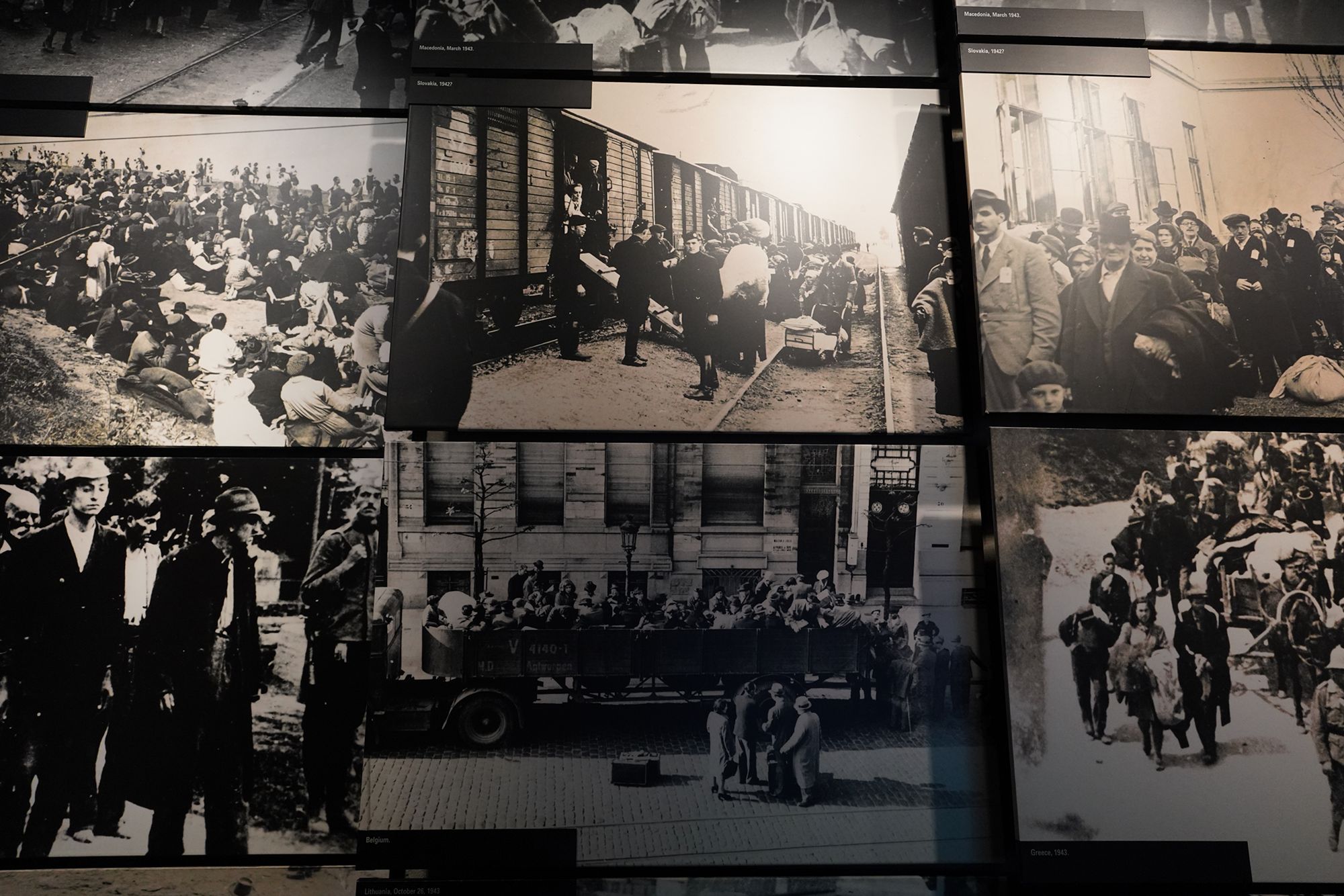
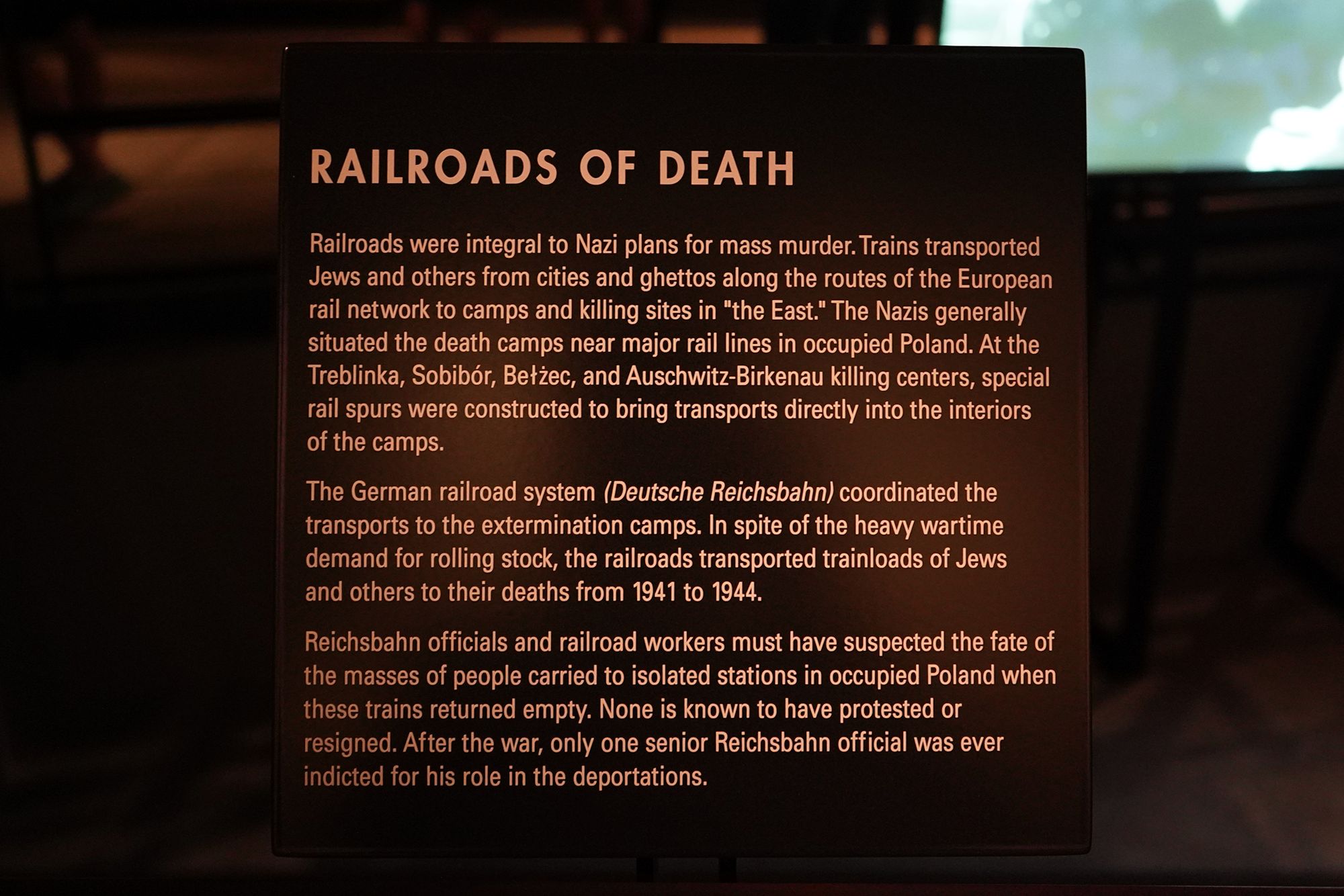
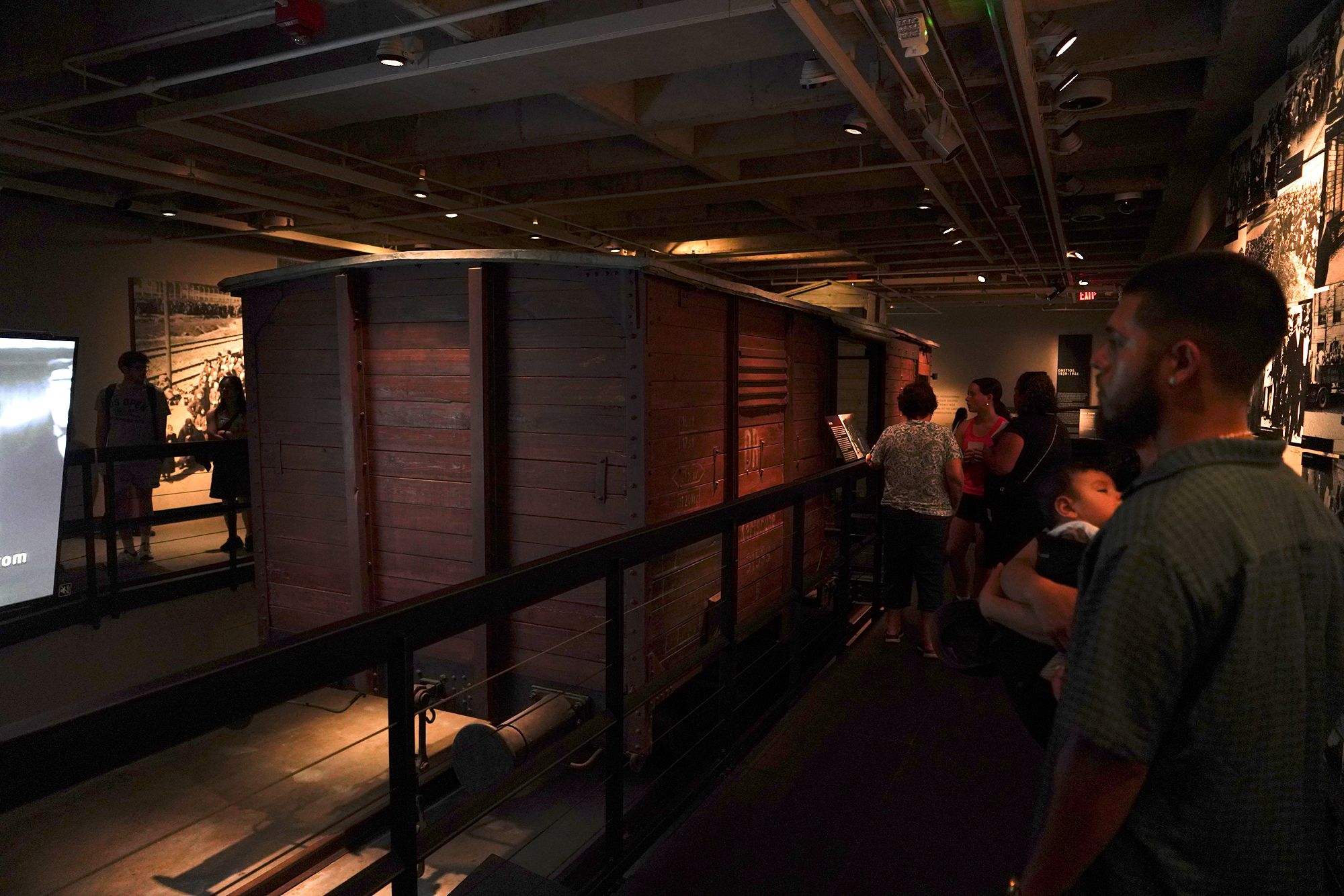
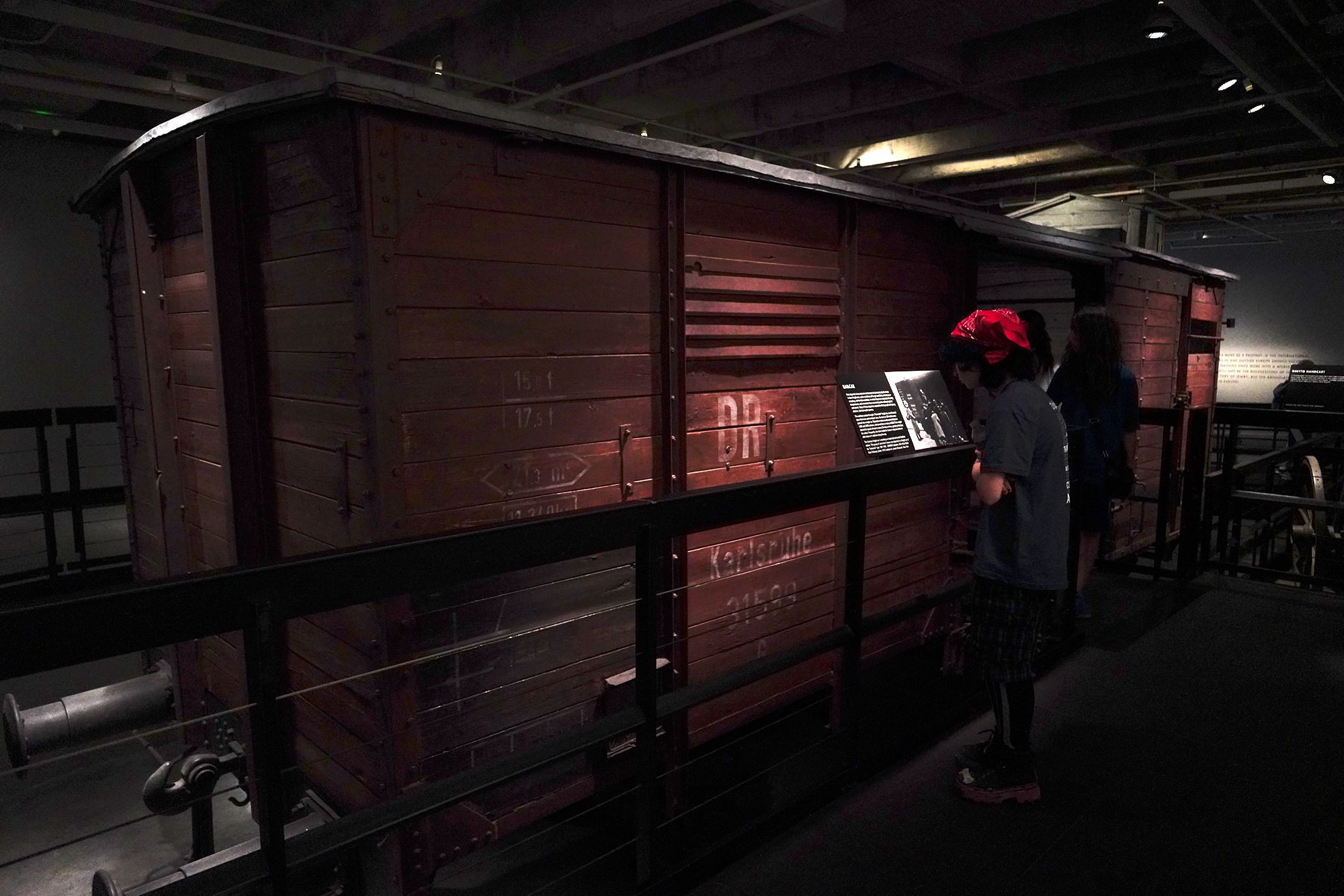
The railroads used for deportation became known as the “railroads of death.” Trains that once carried goods and passengers were turned into instruments of mass murder. Packed tightly into sealed cattle cars, Jews and other victims were transported for days without food, water, or air.
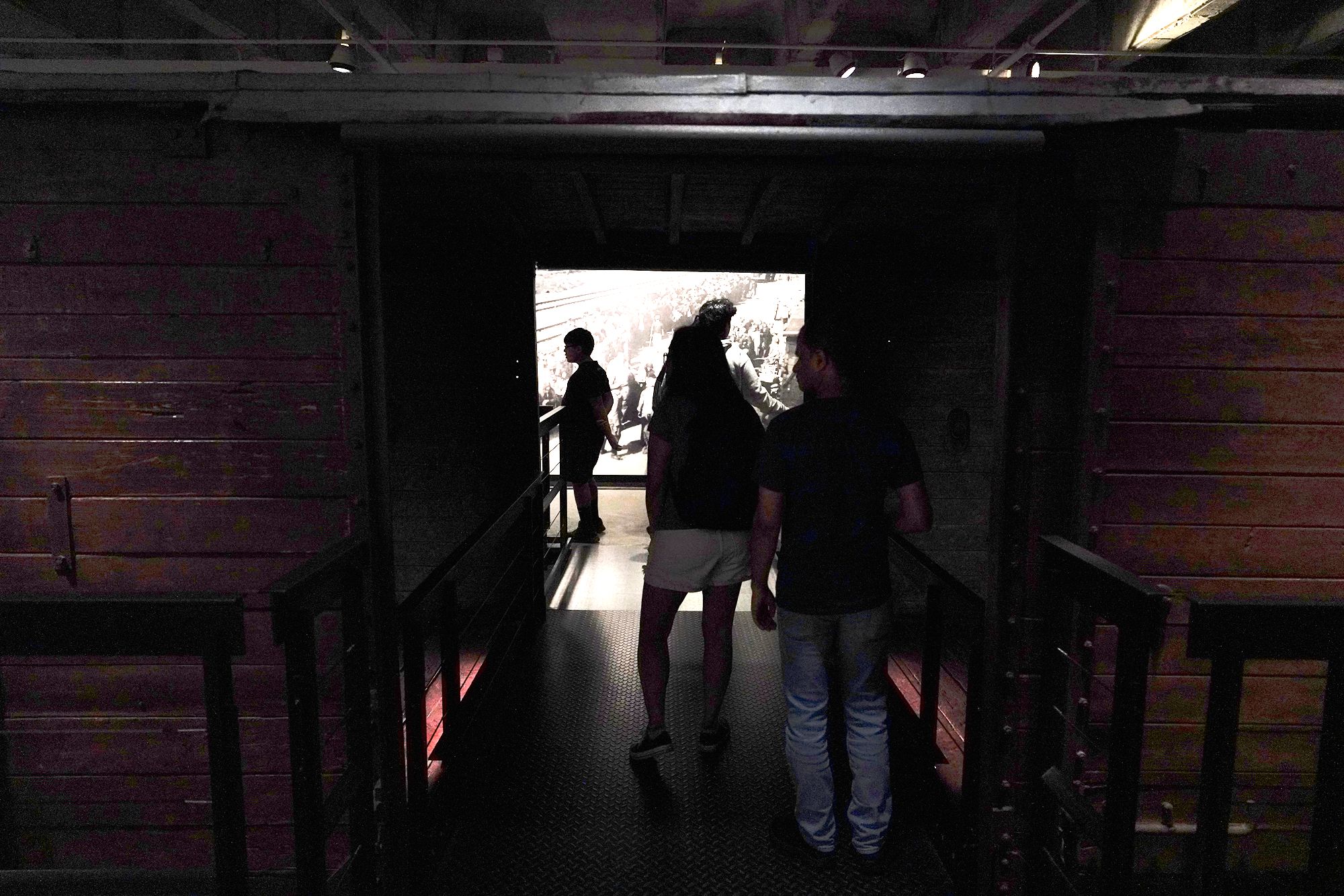
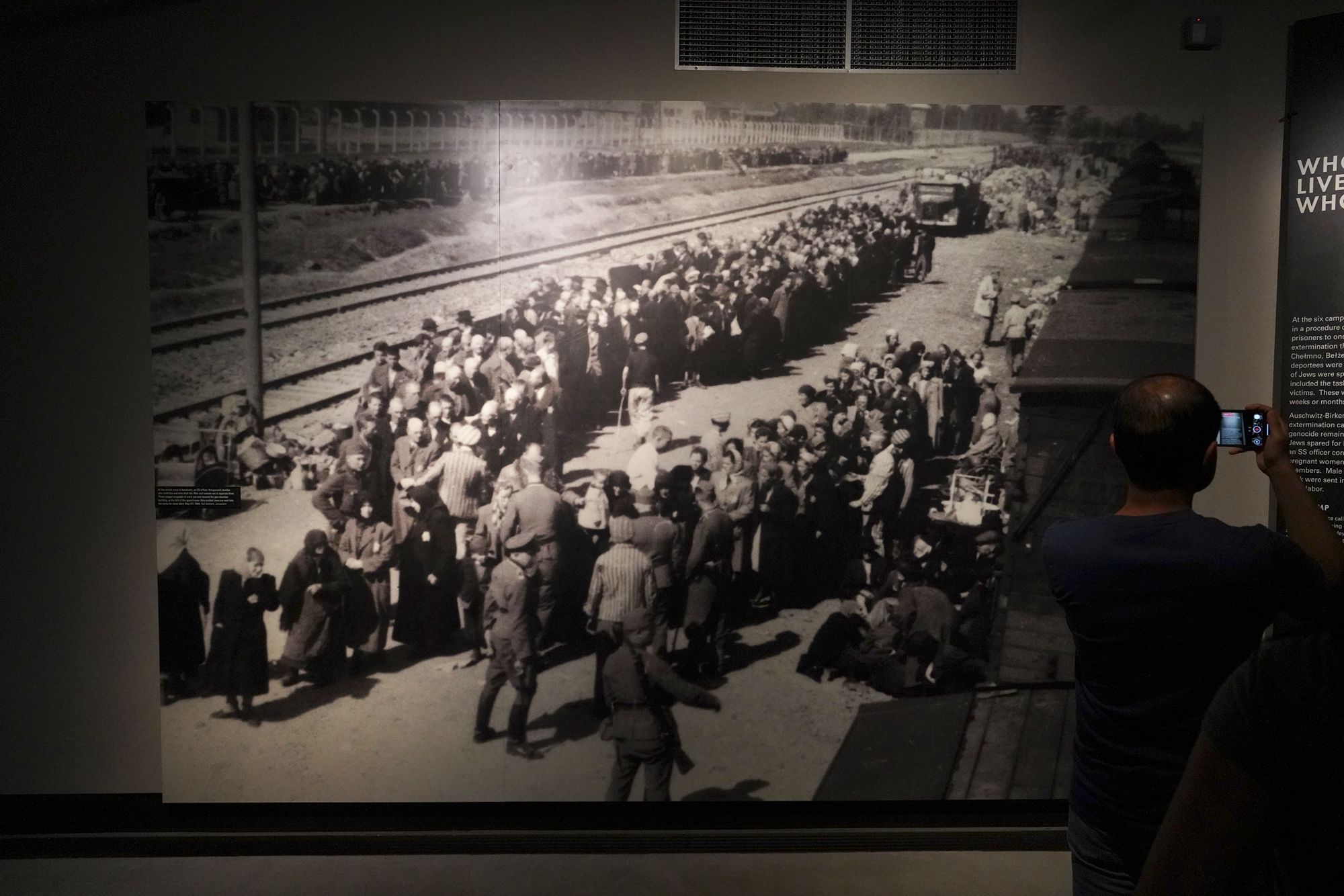
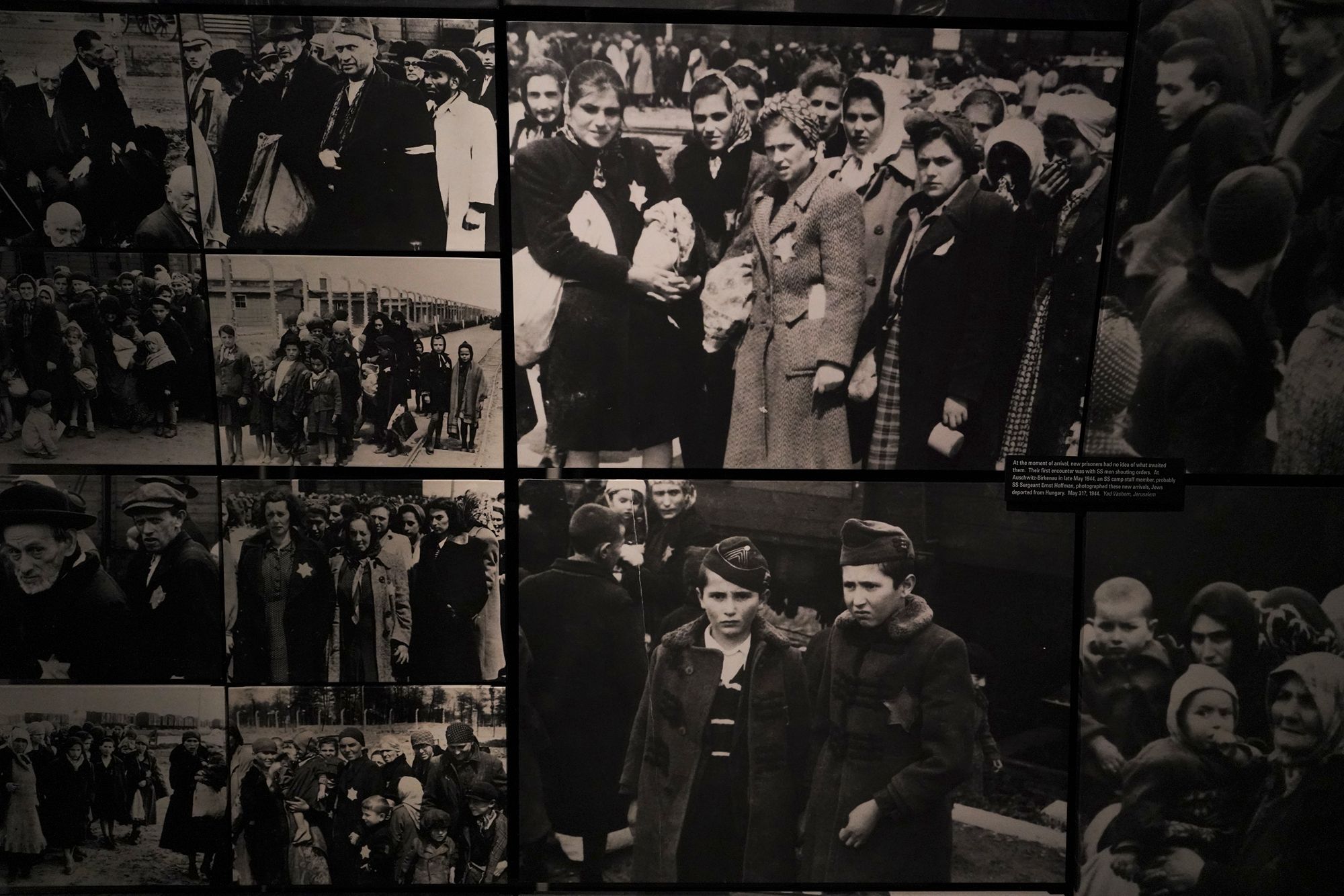
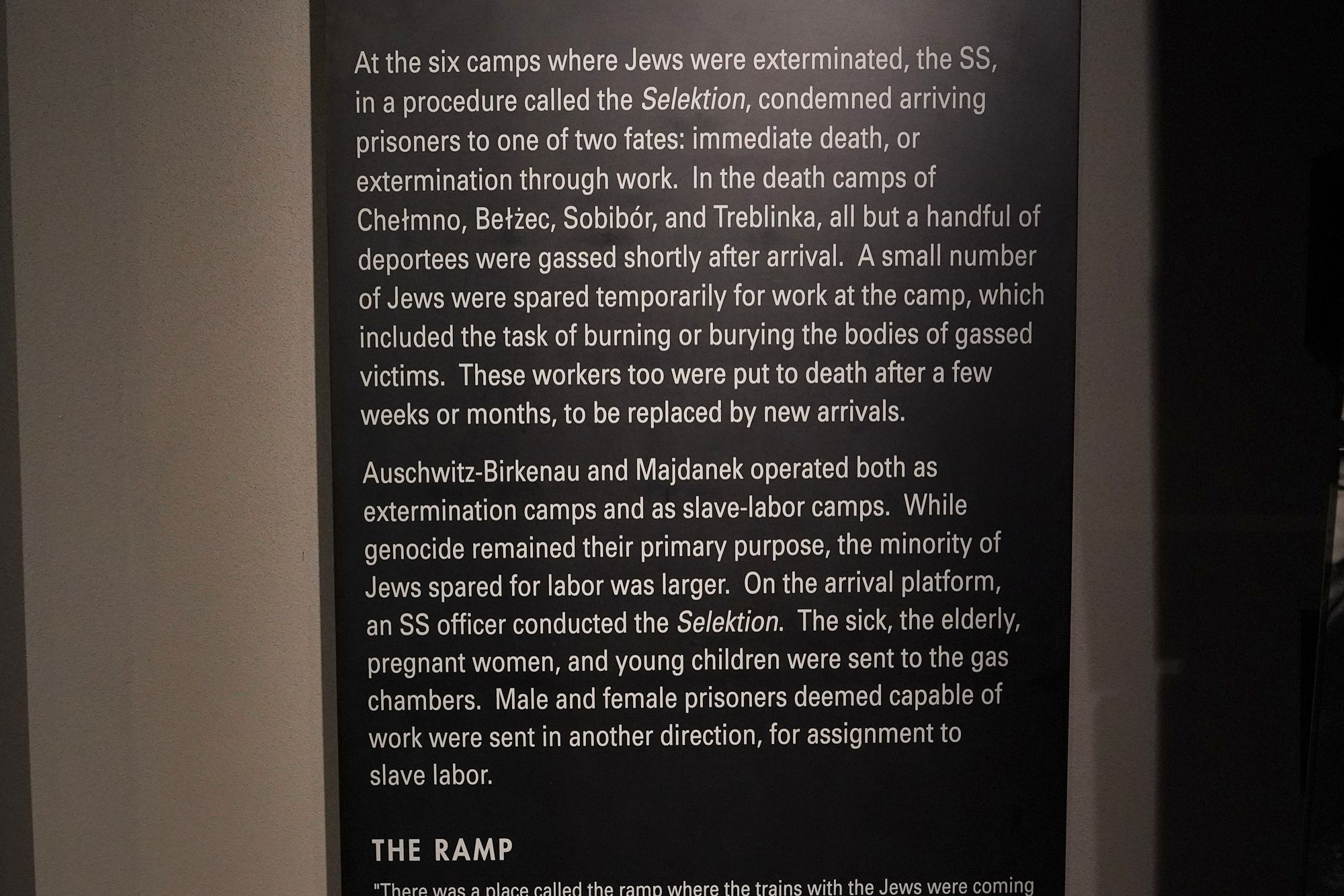
At the extermination camps, Nazi officers made quick and cruel selections to decide “who shall live and who shall die.” Upon arrival, prisoners were lined up and inspected.
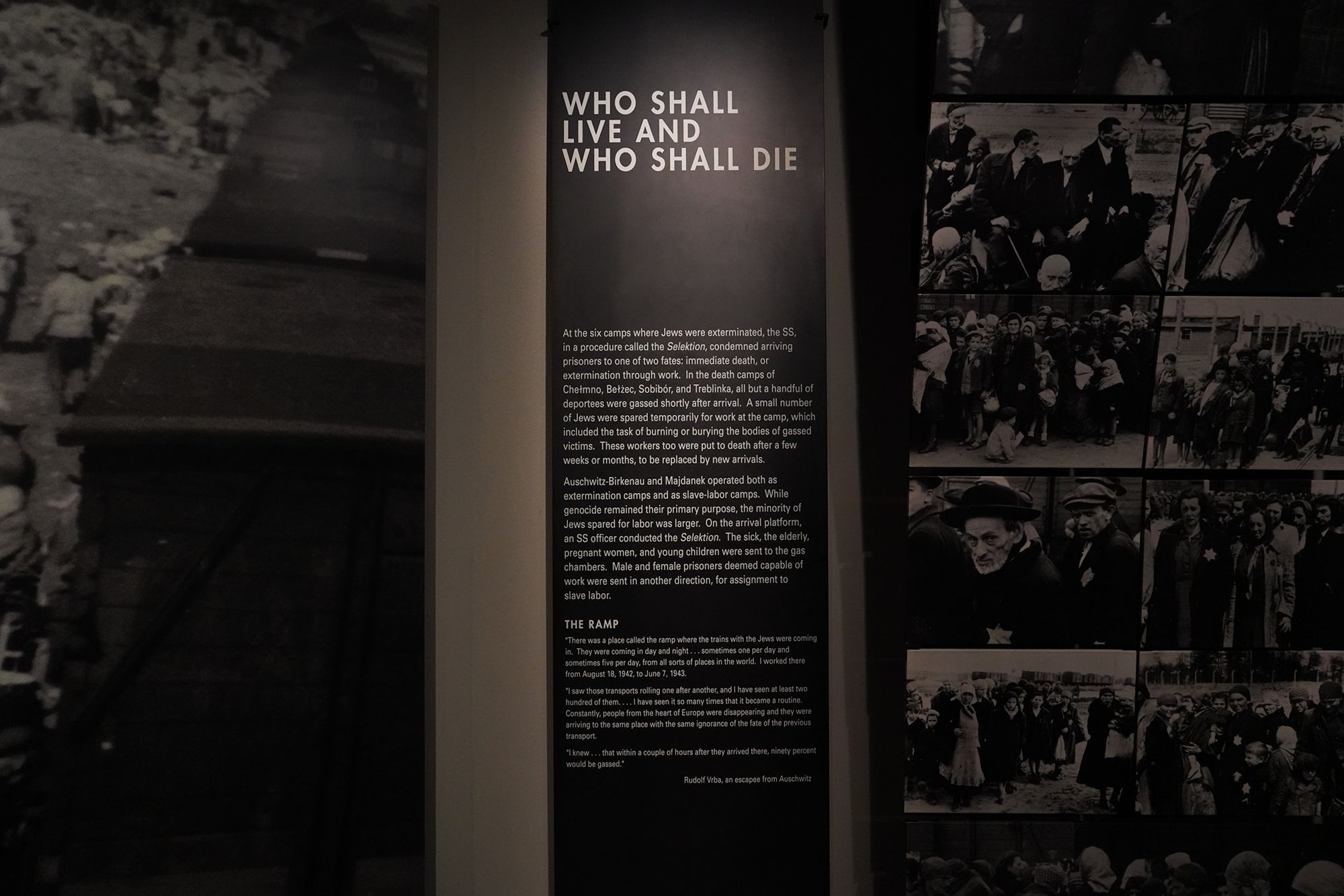
Those deemed fit to work—usually young and healthy men and women—were sent to forced labor. The rest, including children, the elderly, and the sick, were sent directly to the gas chambers. These selections often took only minutes, sealing the fate of thousands each day. The process showed the complete dehumanization of victims under the Nazi regime.
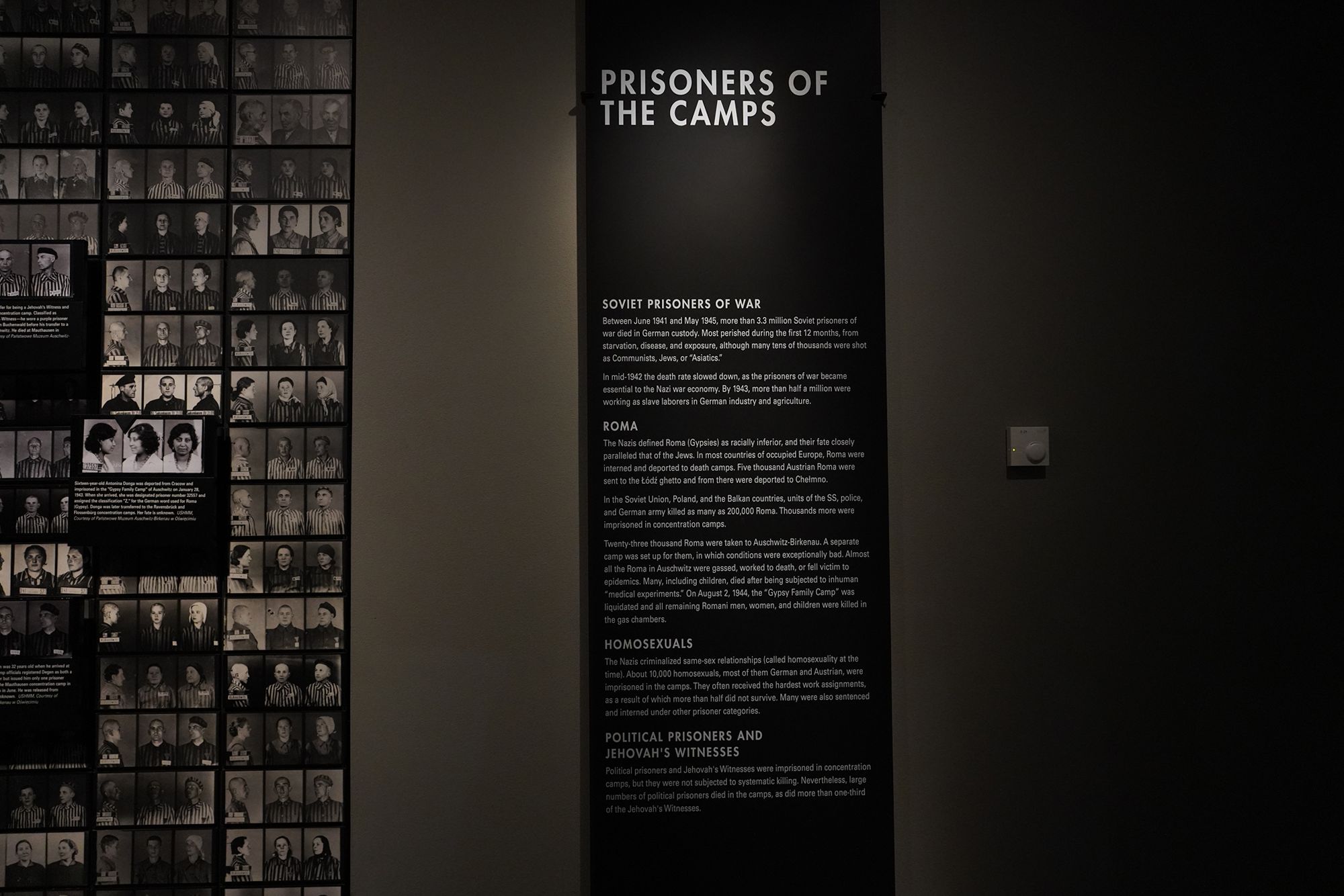
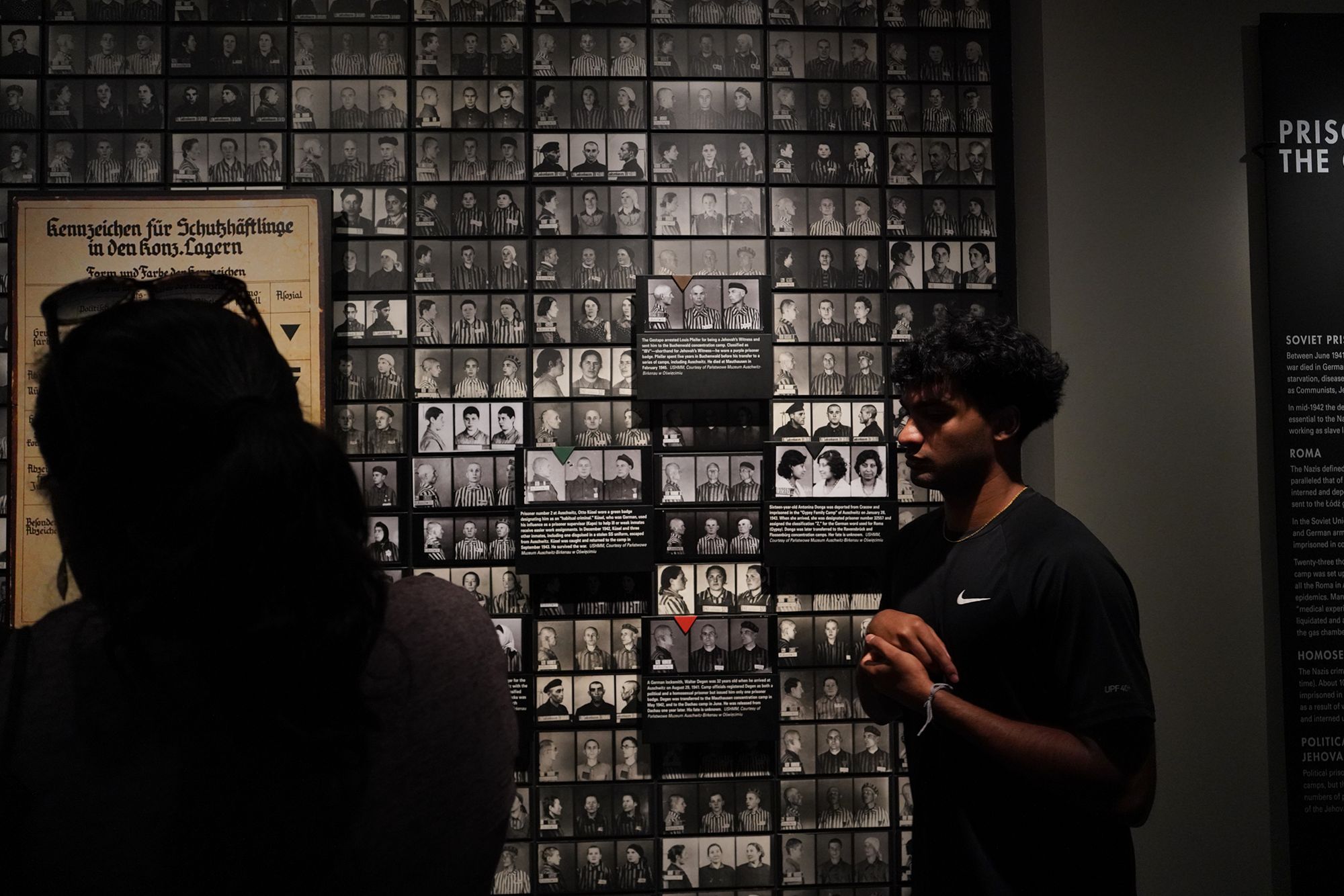
The prisoners of the camps came from all over Nazi-occupied Europe—Jews, Roma (Gypsies), political prisoners, Soviet POWs, and others the Nazis considered enemies or “undesirable.” They were stripped of their belongings, shaved, and tattooed with identification numbers, losing all traces of identity.
Life in the camps was defined by starvation, forced labor, disease, and constant brutality from guards. Prisoners lived in overcrowded barracks with little shelter or sanitation. Many died from exhaustion or were executed, while only a few managed to survive until liberation.
Map of Gestpo prisons, death camps, and concentration camps
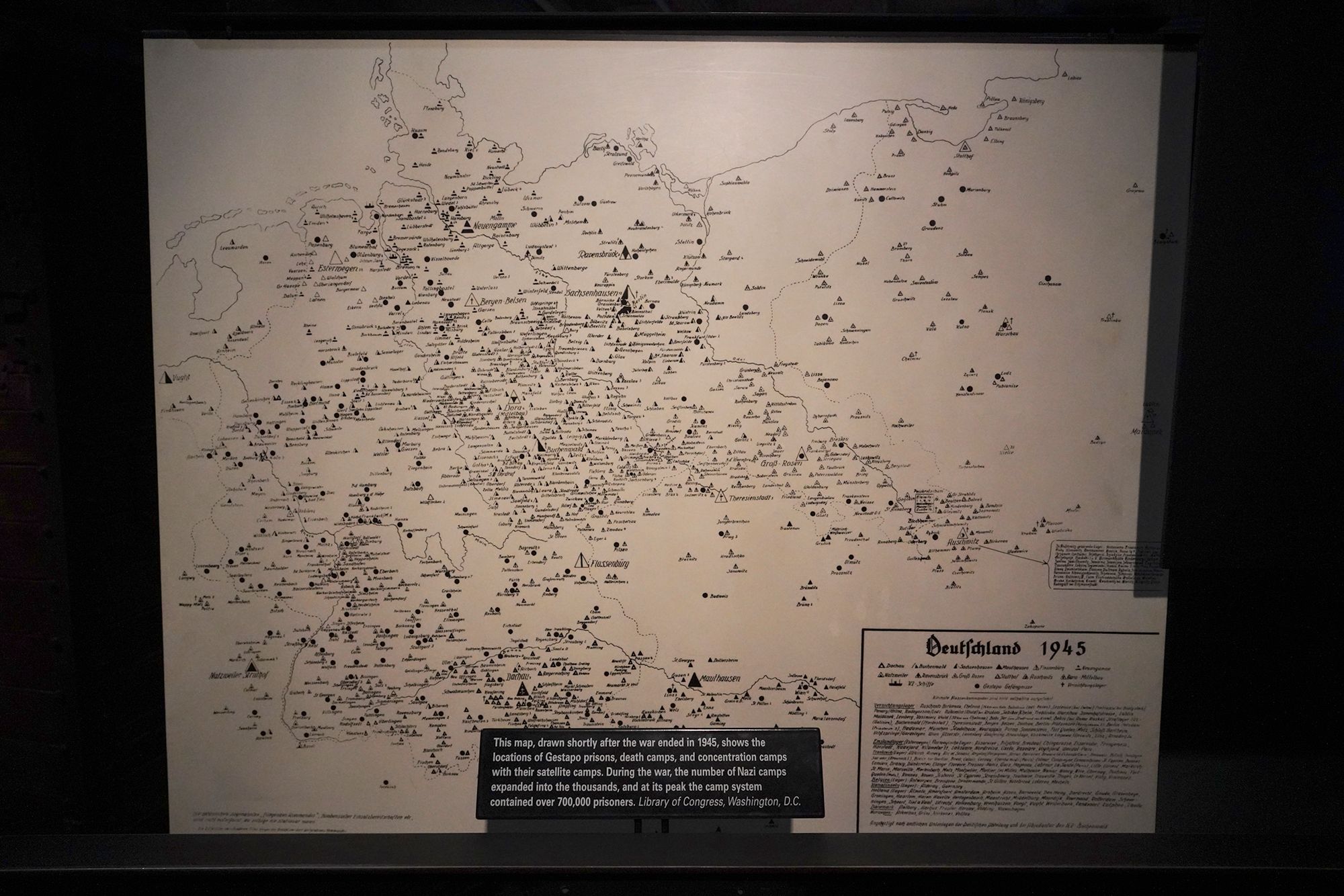
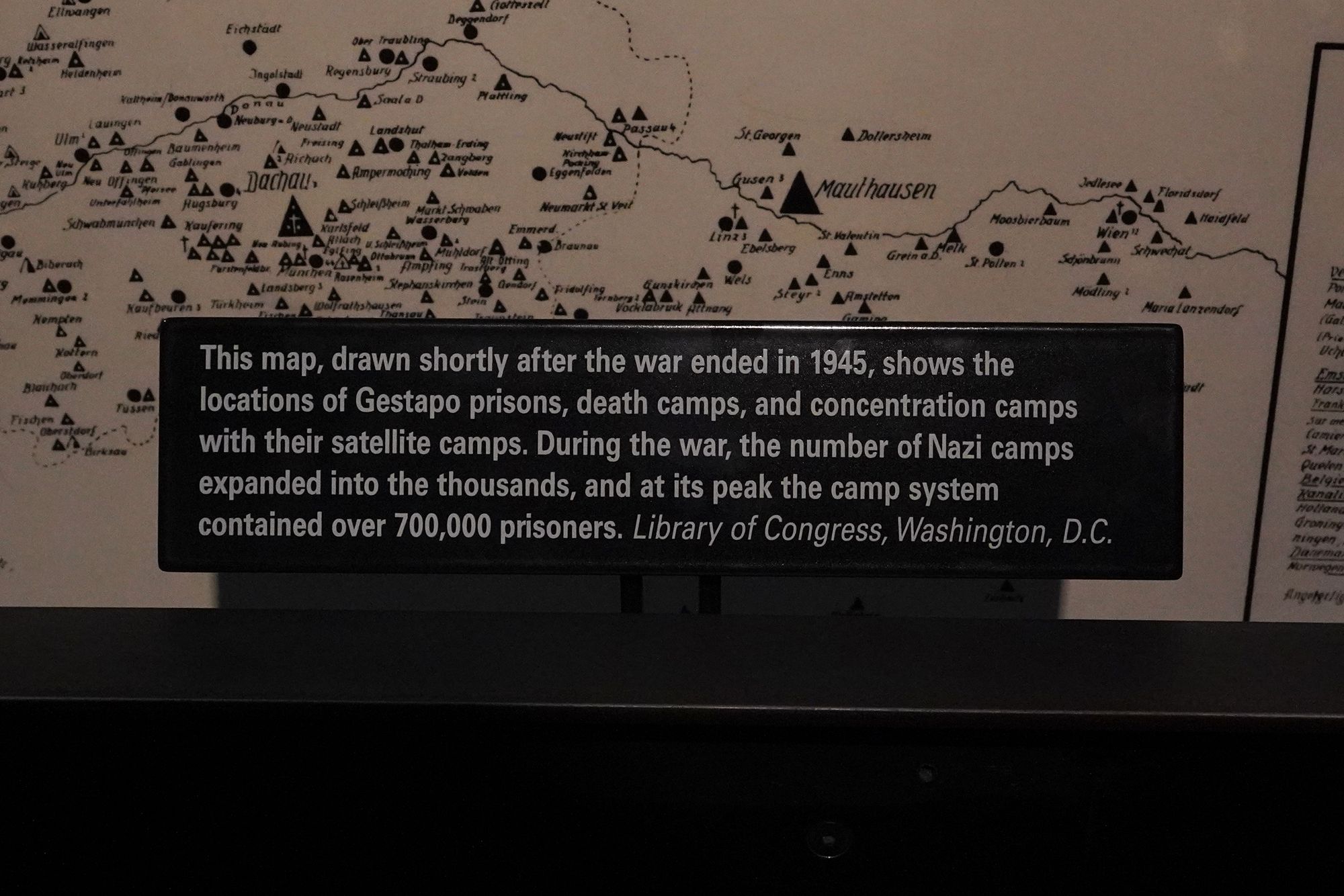
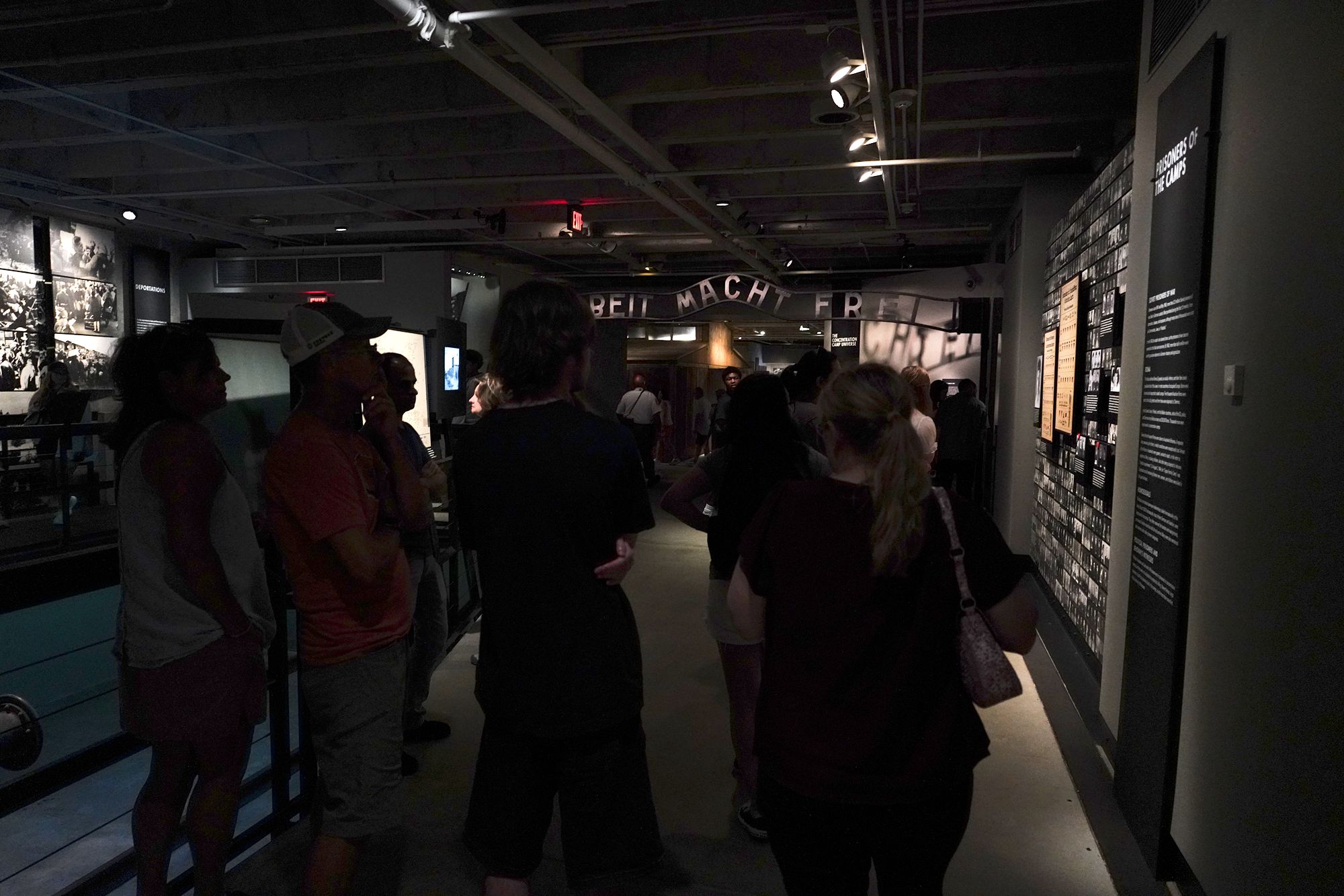
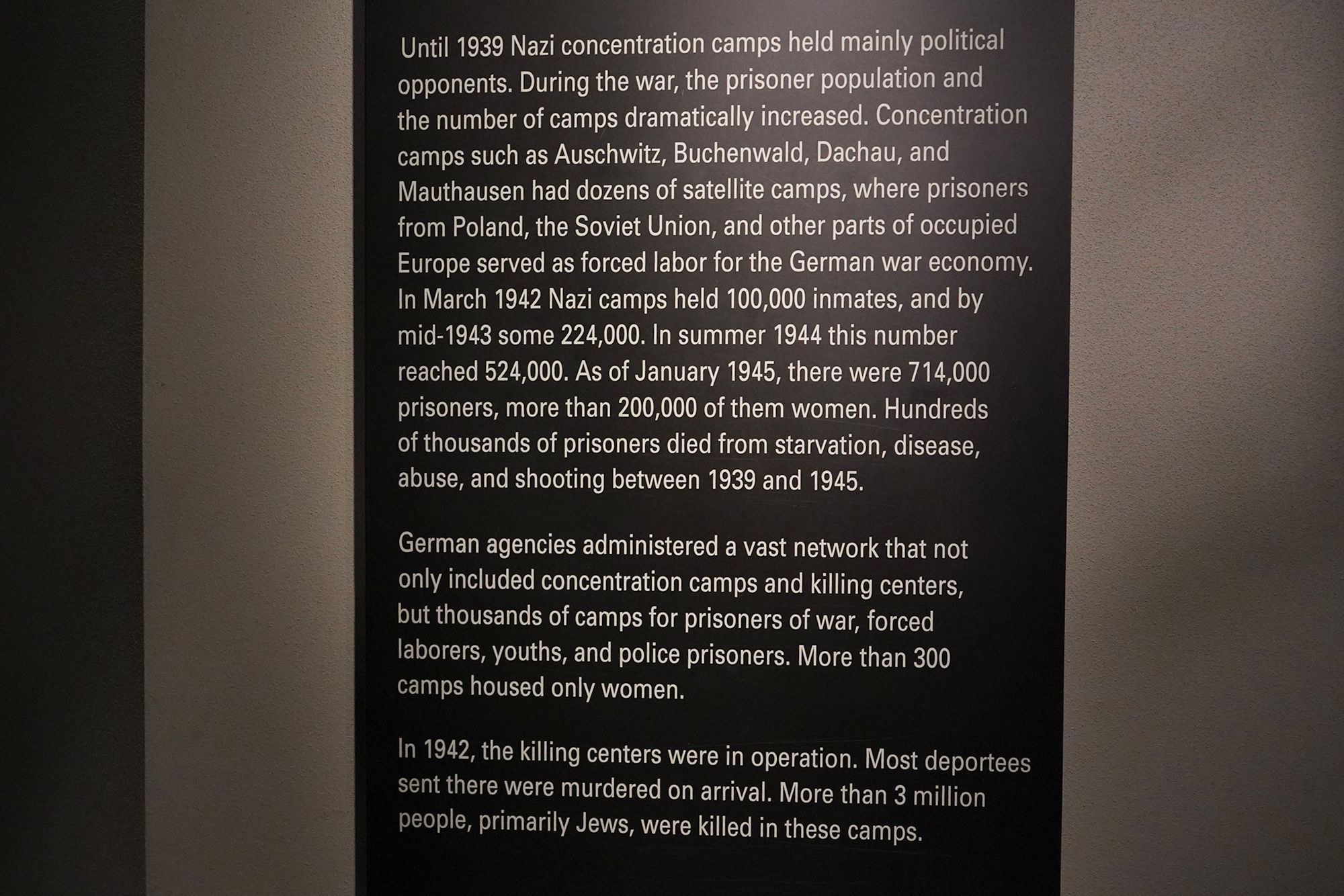
The concentration camp universe refers to the vast network of camps created by Nazi Germany across Europe. It included concentration camps, extermination camps, labor camps, transit camps, and prisoner-of-war camps.
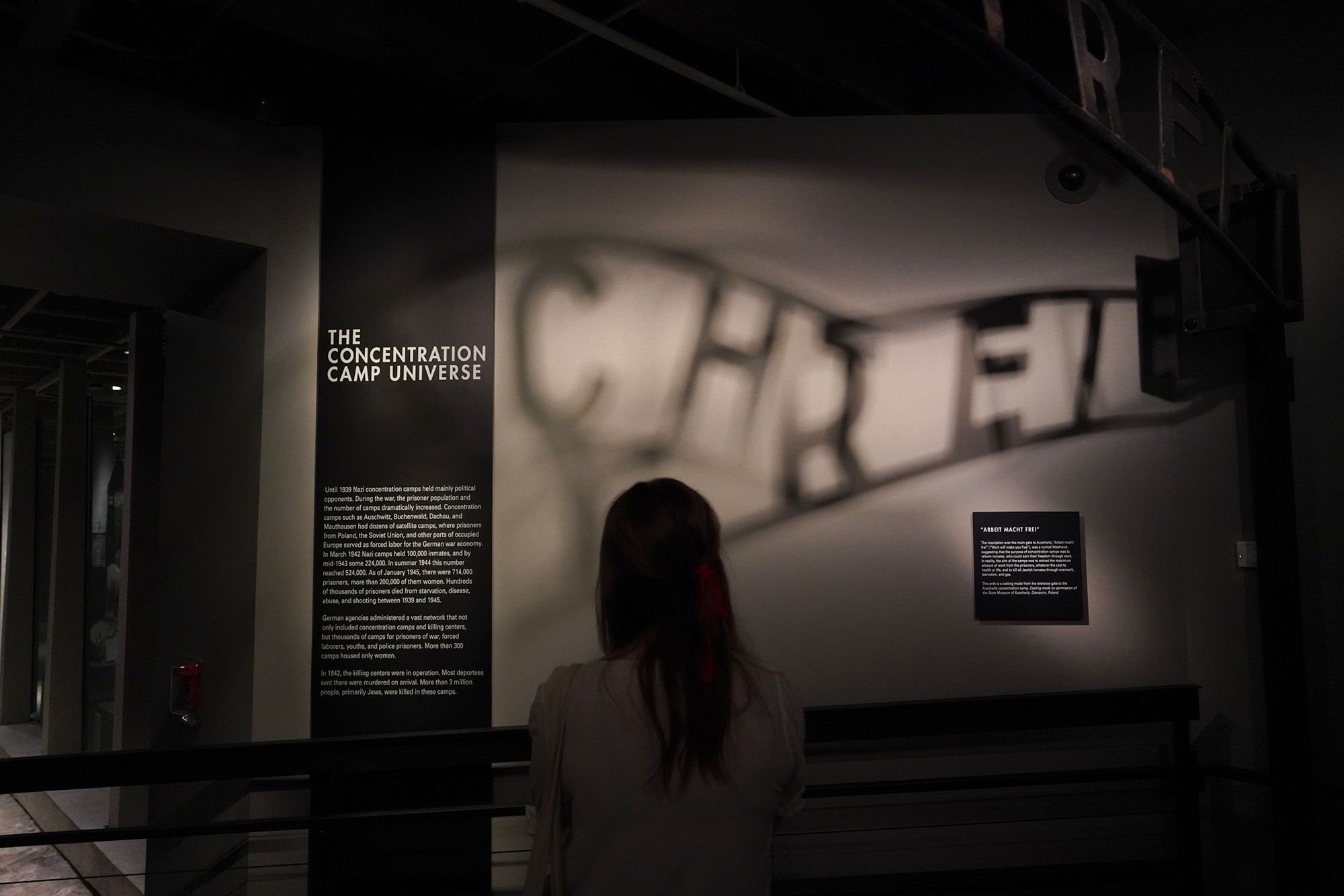
At its peak, this system contained more than 40,000 sites. Camps like Auschwitz, Dachau, Buchenwald, and Ravensbrück became centers of terror, forced labor, and mass murder. Each camp had its own function—some for killing, others for exploiting prisoners through work. Together, they formed a universe of oppression designed to control, dehumanize, and destroy millions of people.
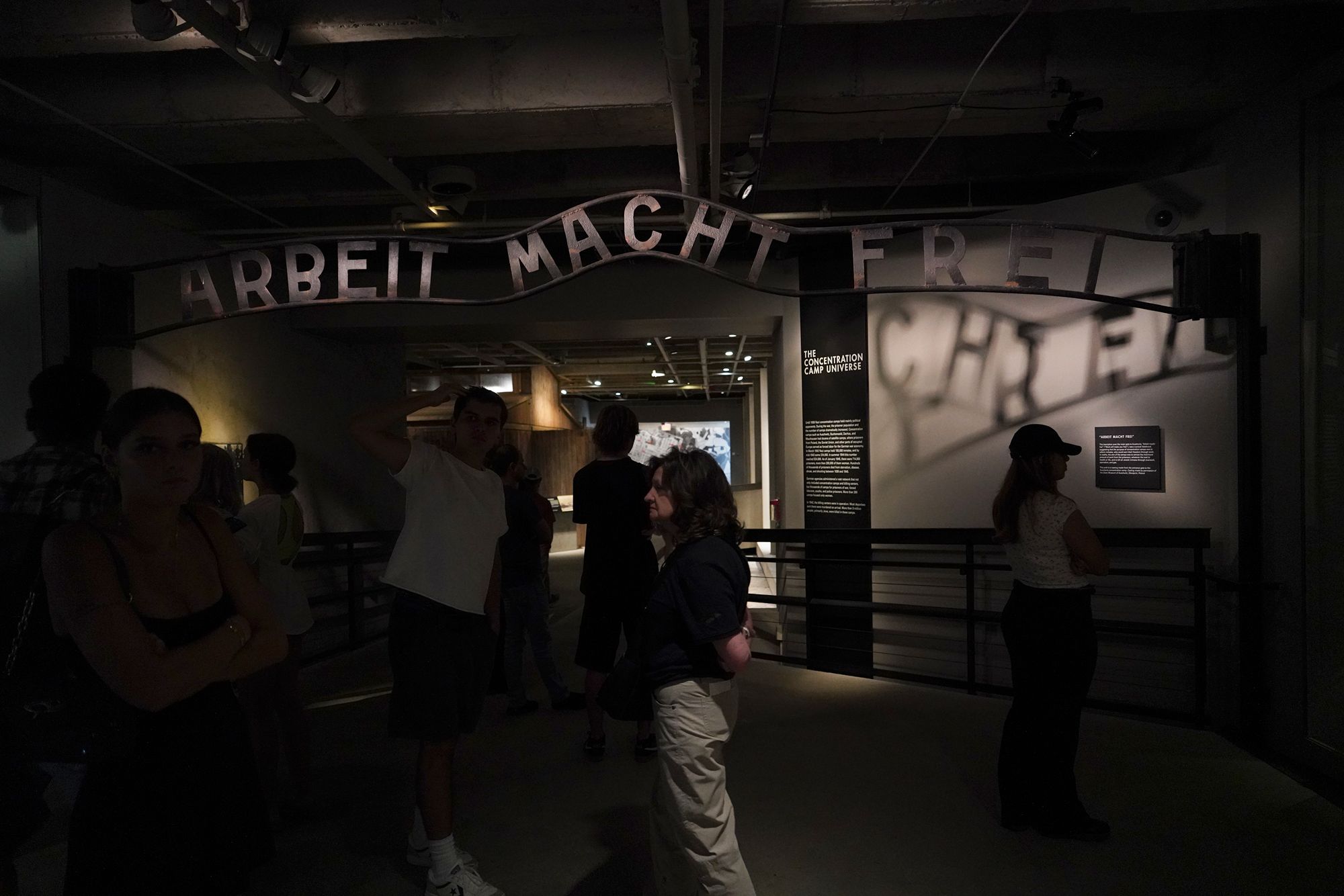
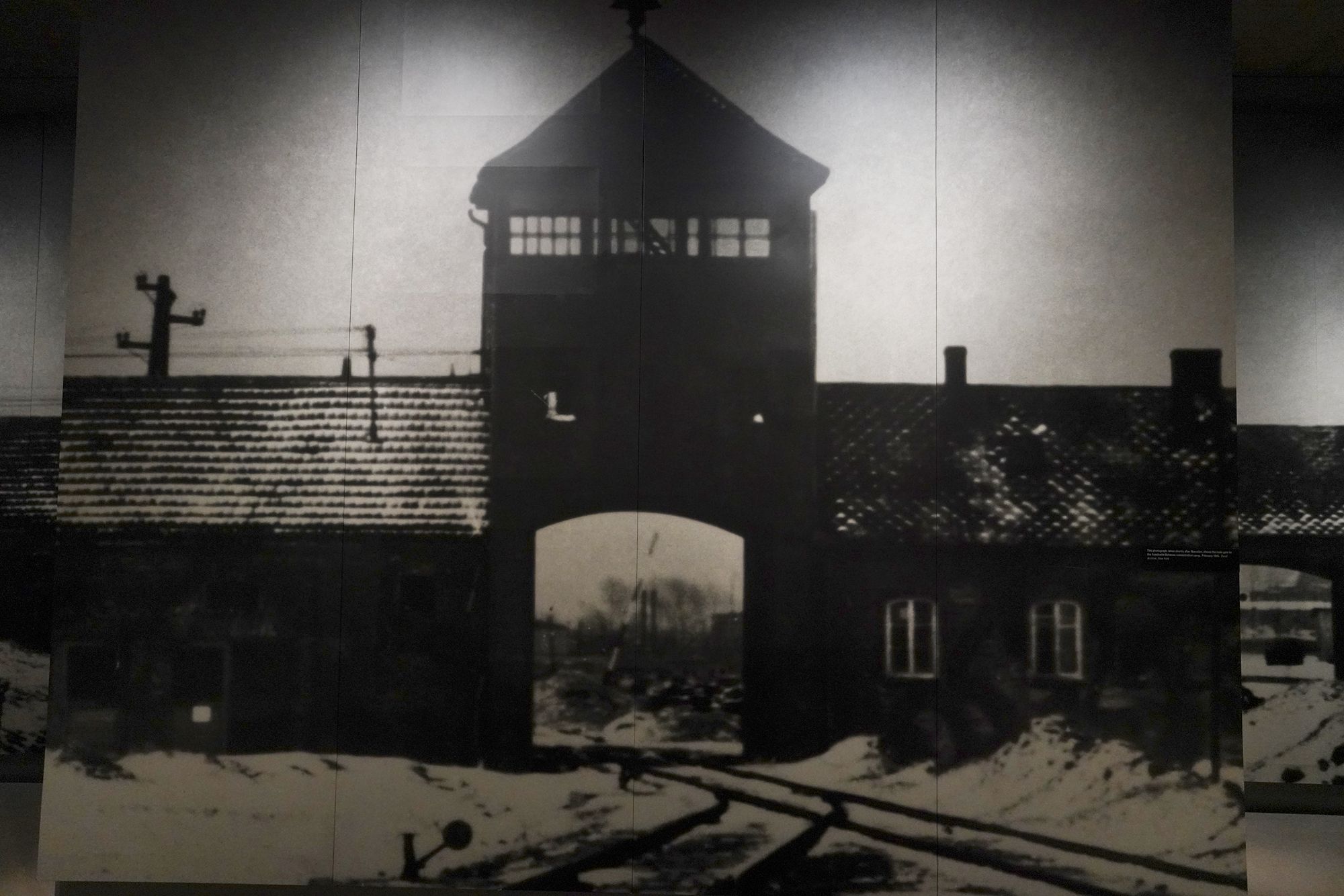
The phrase “Arbeit macht frei,” meaning “Work makes you free,” was cynically placed over the entrances of several Nazi concentration camps, including Auschwitz and Dachau. The slogan gave prisoners false hope that hard work might lead to release, but in reality, it was a cruel deception. Inside the camps, forced labor under brutal conditions led to exhaustion, starvation, and death. The phrase has since become a haunting symbol of Nazi cruelty and the lies used to mask their crimes.
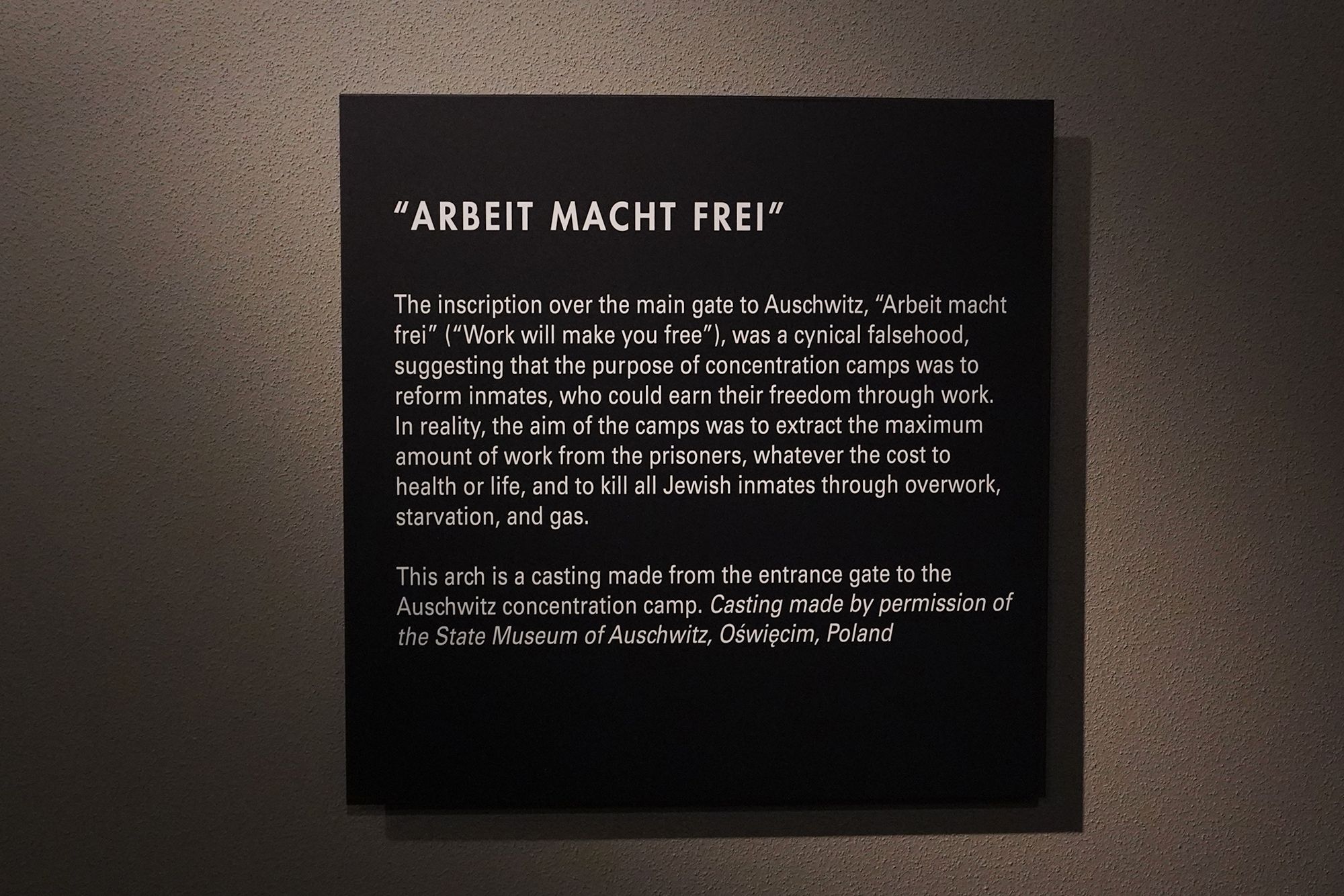
Arbeit Macht Frei
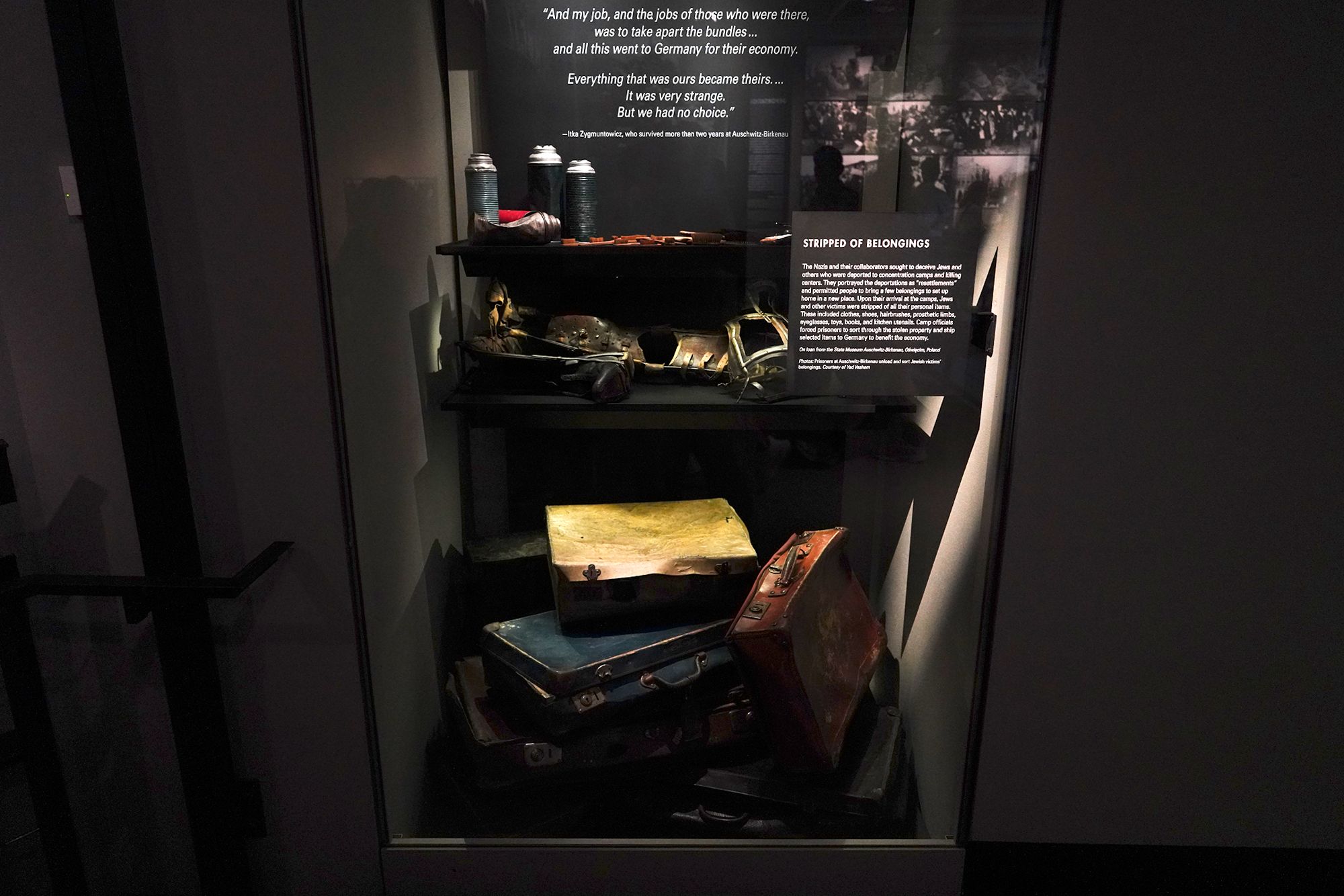
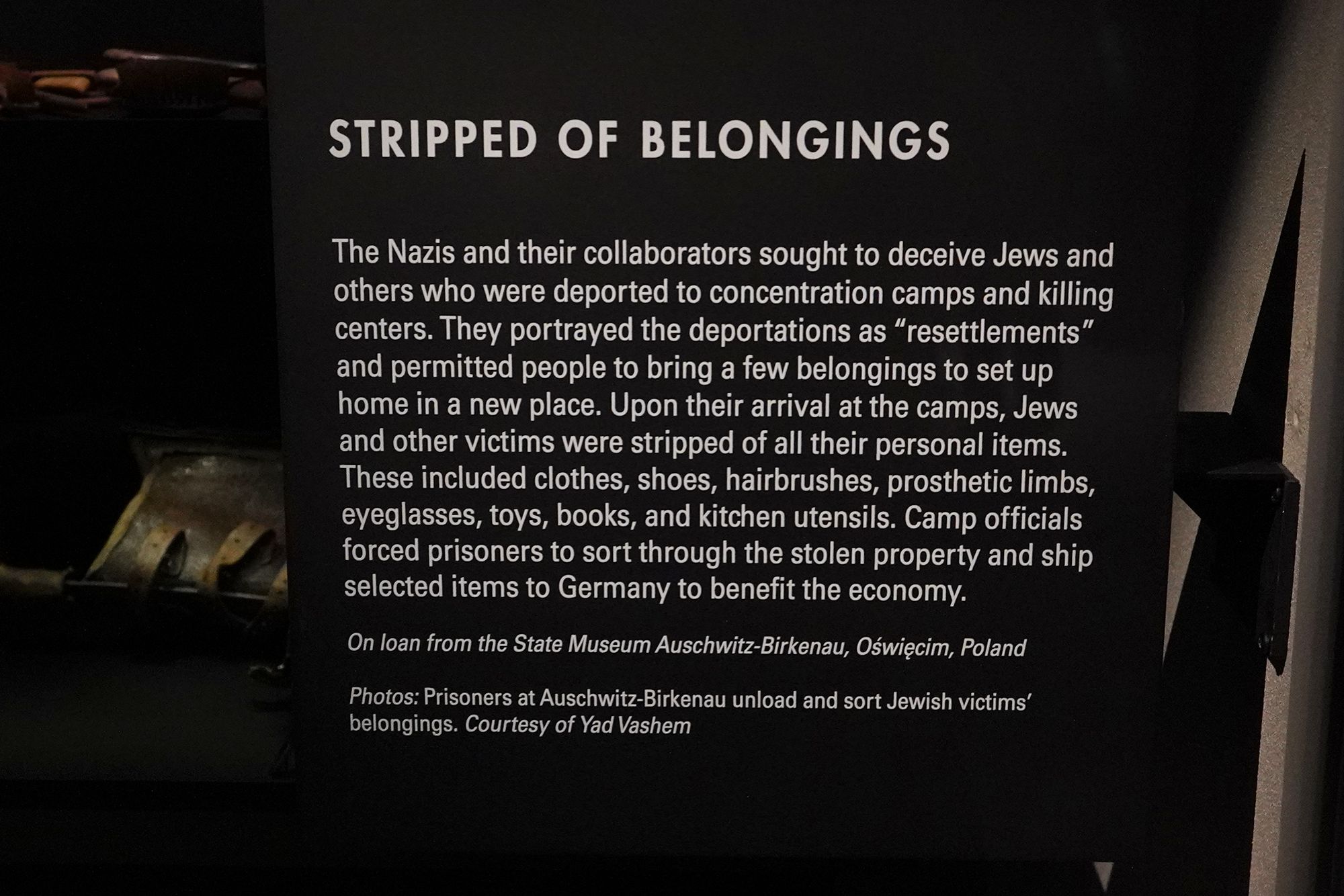
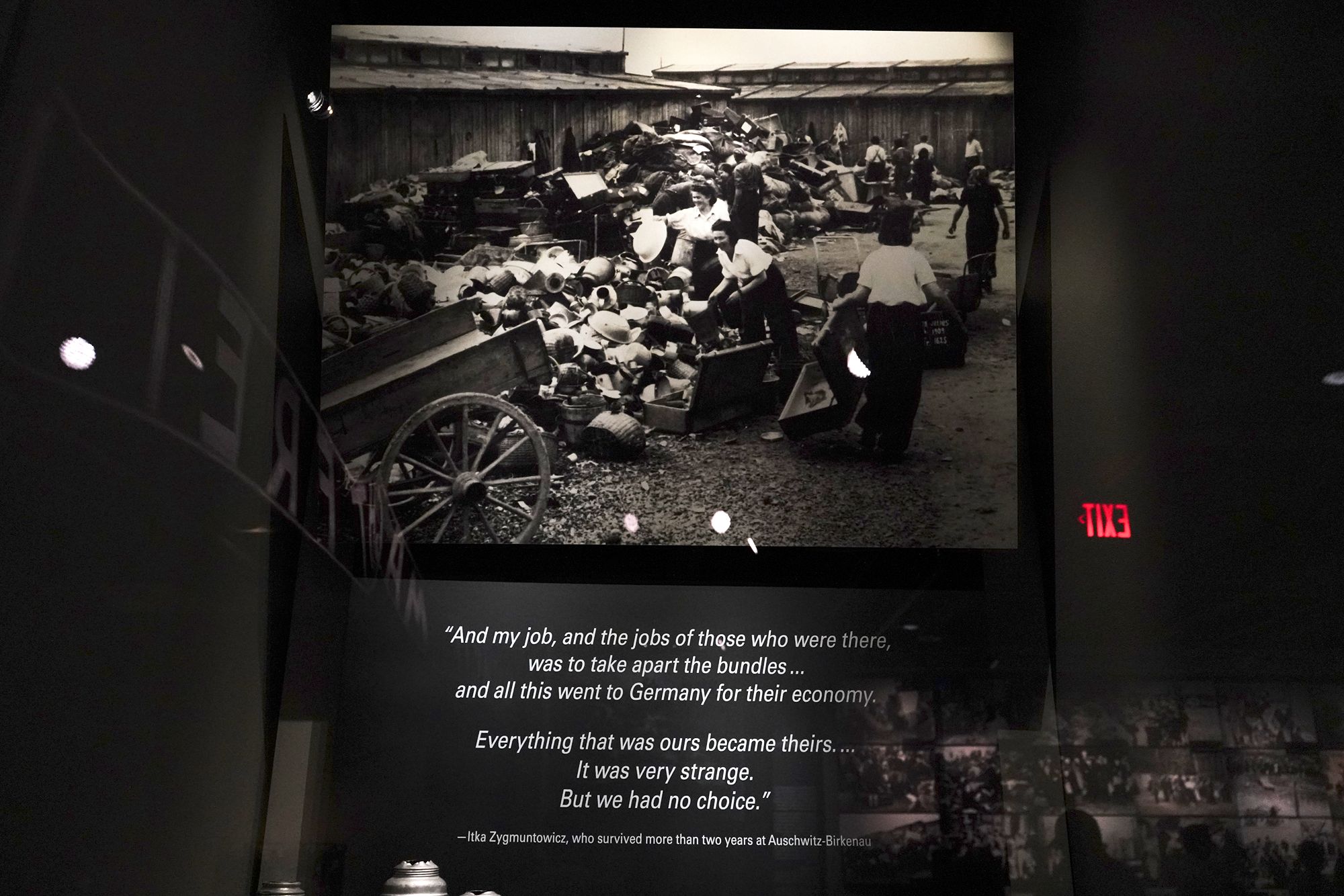
Upon arrival at the camps, prisoners were stripped of all their belongings—clothes, jewelry, documents, and even family photos. Their possessions were taken to be sorted and reused by the Nazis, often sent back to Germany for profit or redistribution.
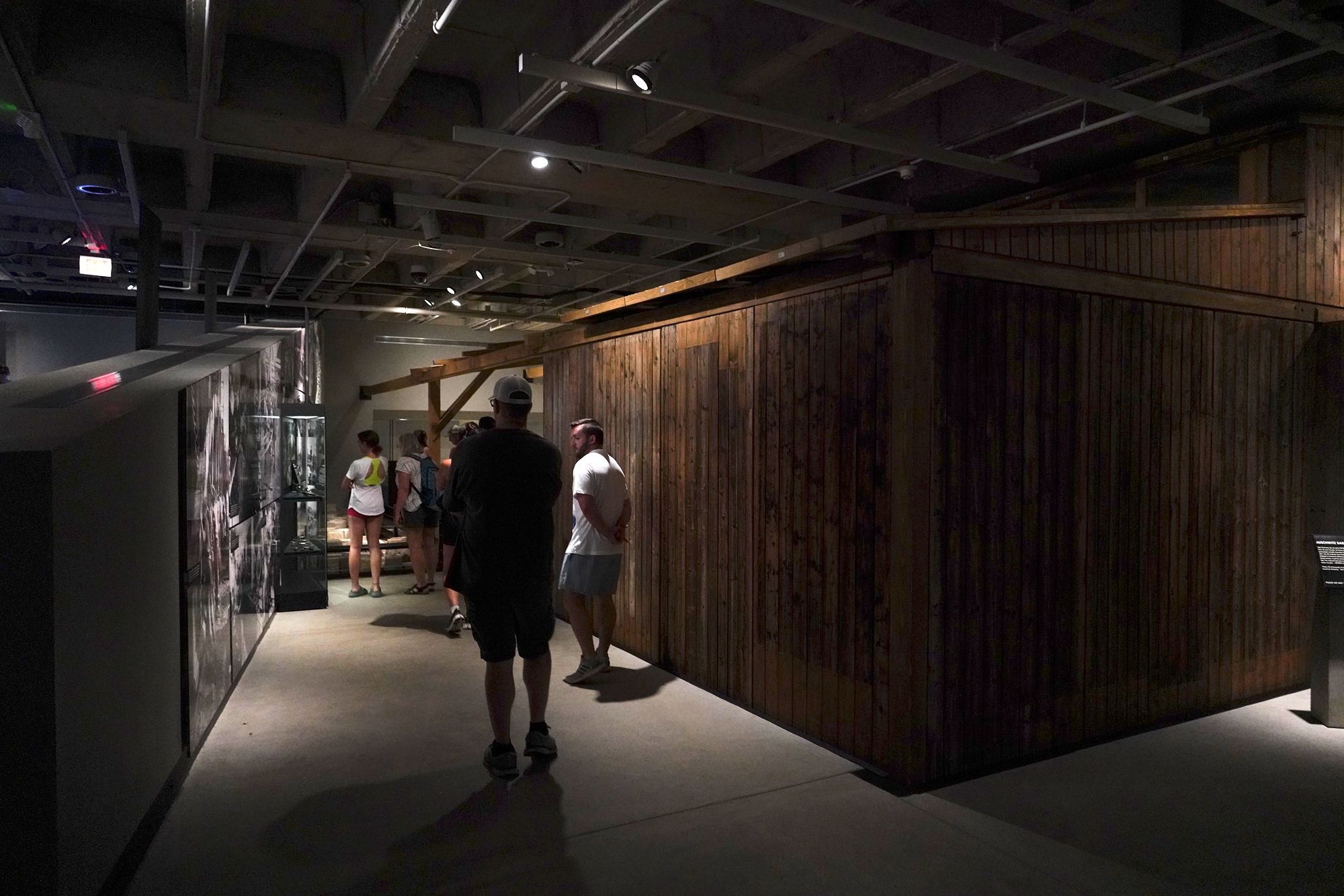
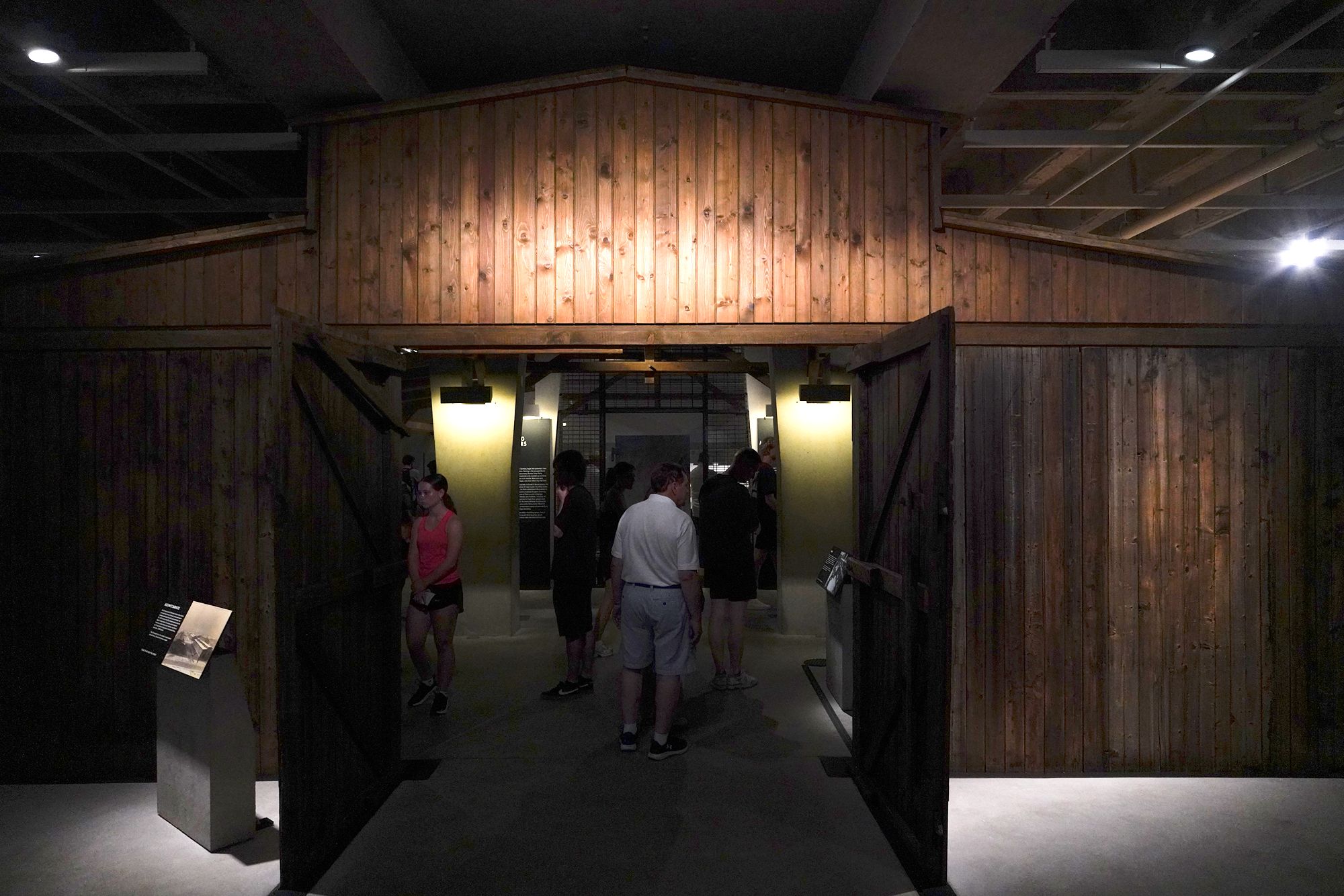
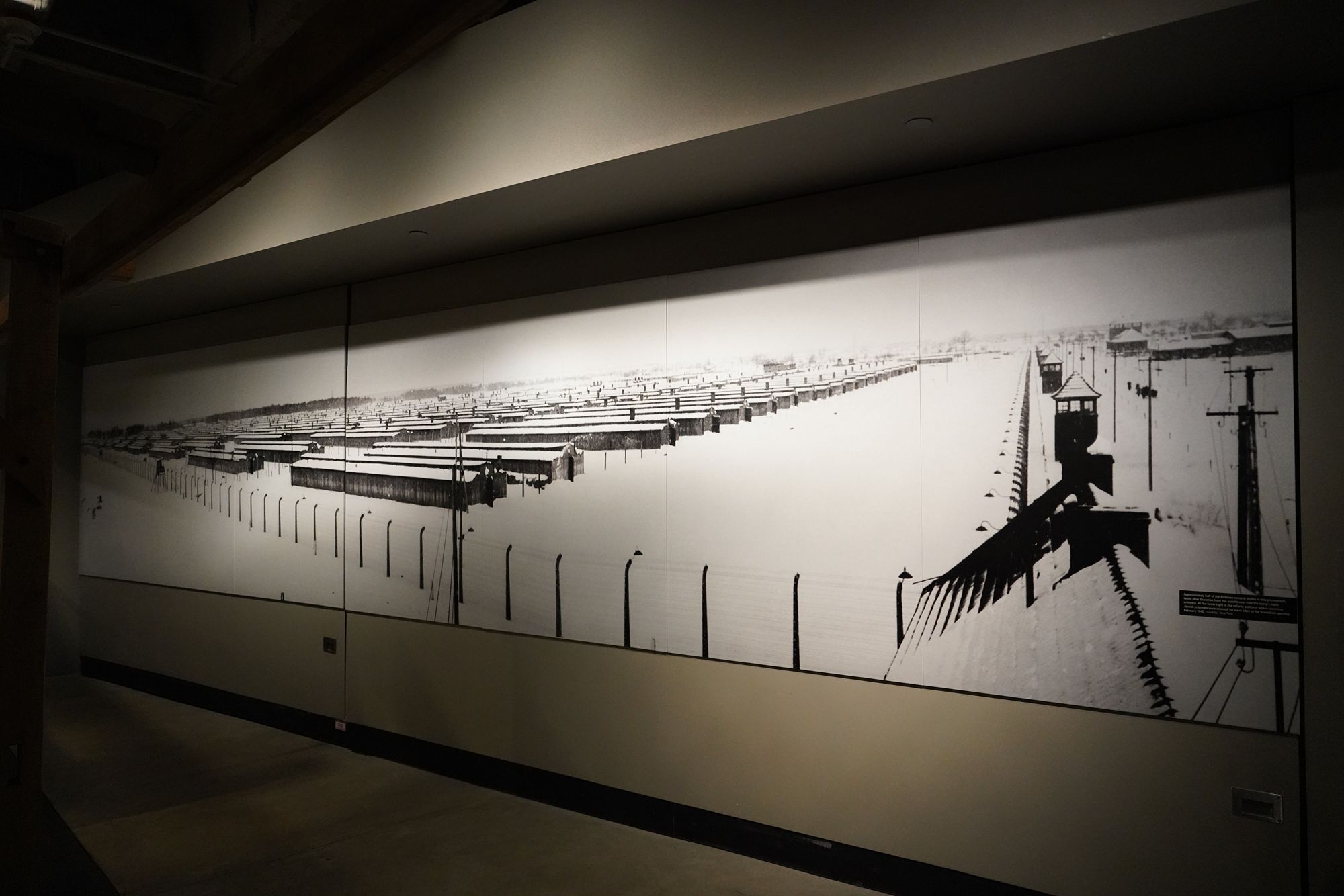
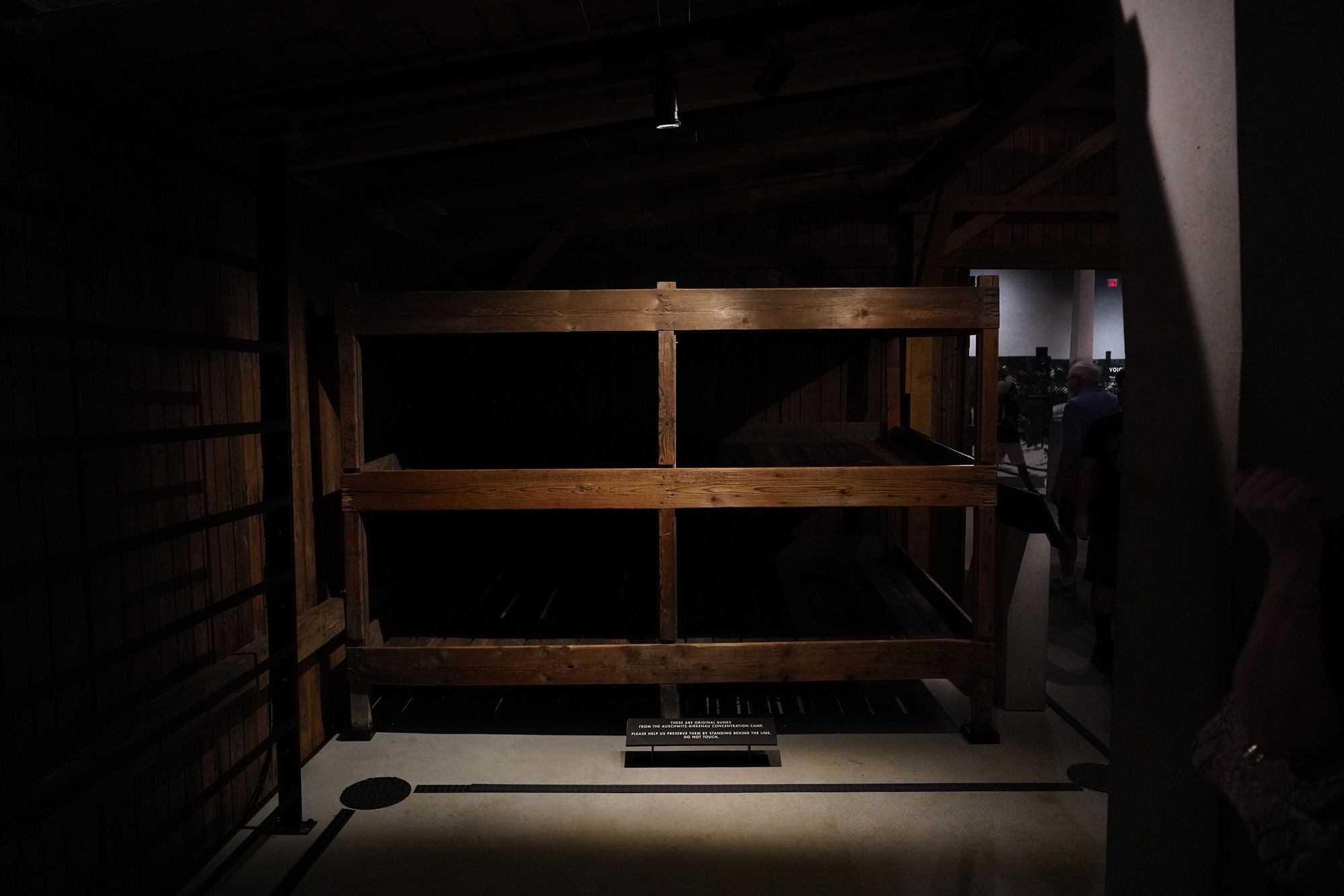
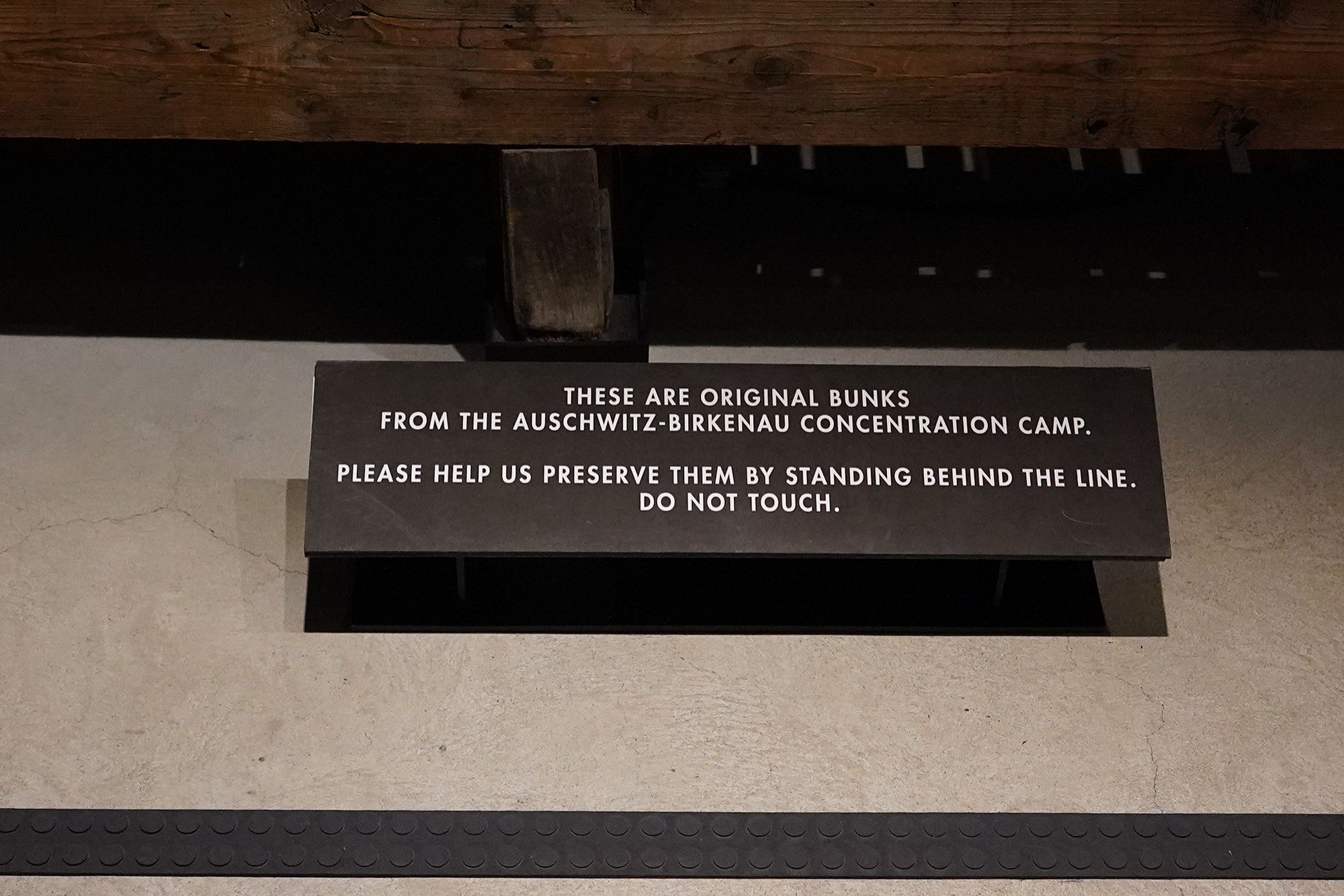
The Auschwitz barracks were overcrowded wooden or brick buildings where prisoners lived in unbearable conditions. Each barrack held hundreds of people crammed onto three-tier wooden bunks with little straw or blankets.
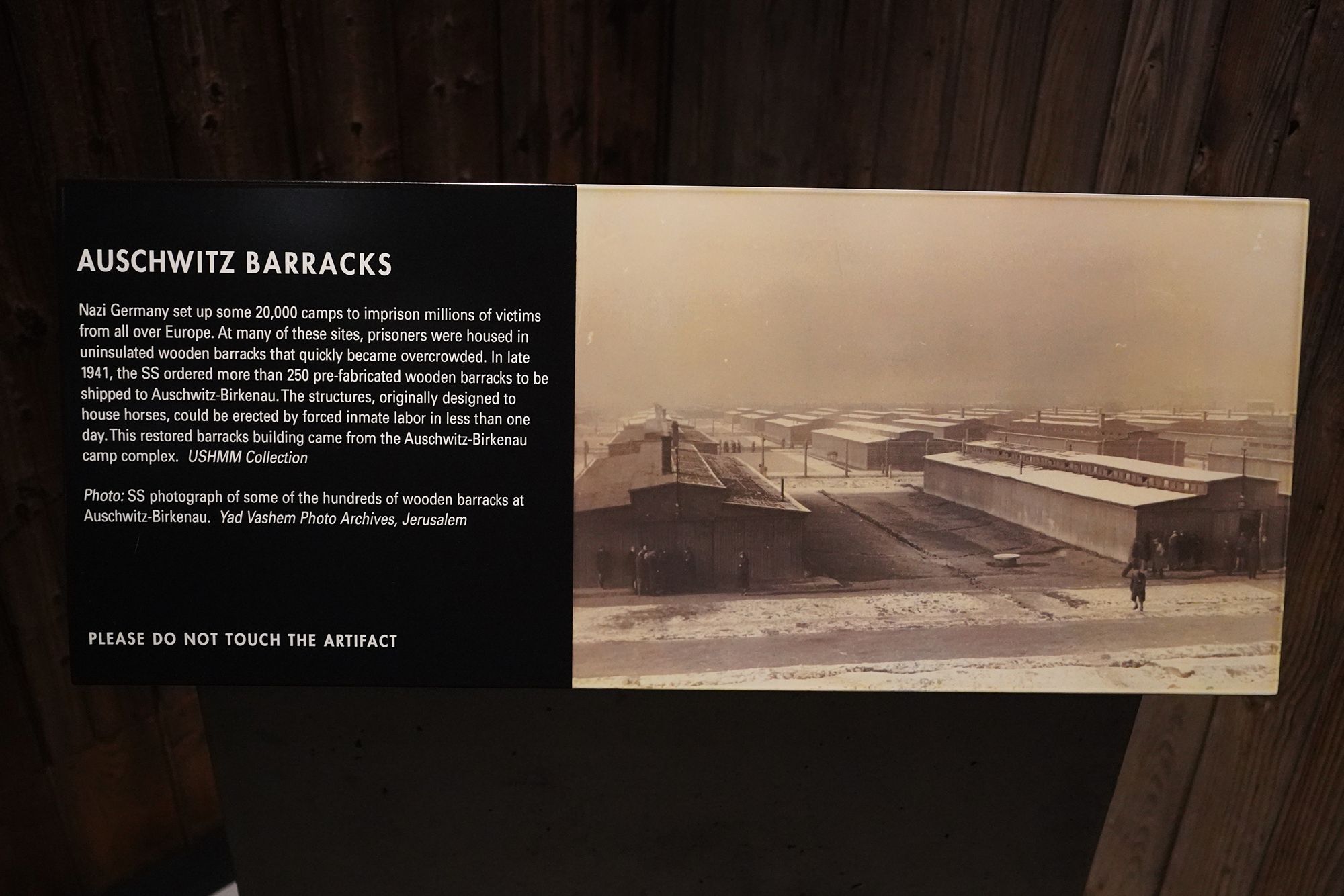
There was no heating in winter or ventilation in summer, and disease spread rapidly due to filth and lack of sanitation. Prisoners received little food and were constantly exhausted from forced labor and roll calls that lasted for hours.
The barracks, once built as army stables or warehouses, became symbols of human suffering and survival within the Auschwitz camp complex.
The killing centers, also known as extermination camps, were facilities built by the Nazis solely for mass murder. Unlike concentration camps, which also used forced labor, these centers existed for one purpose—to kill as many people as possible, as efficiently as possible.
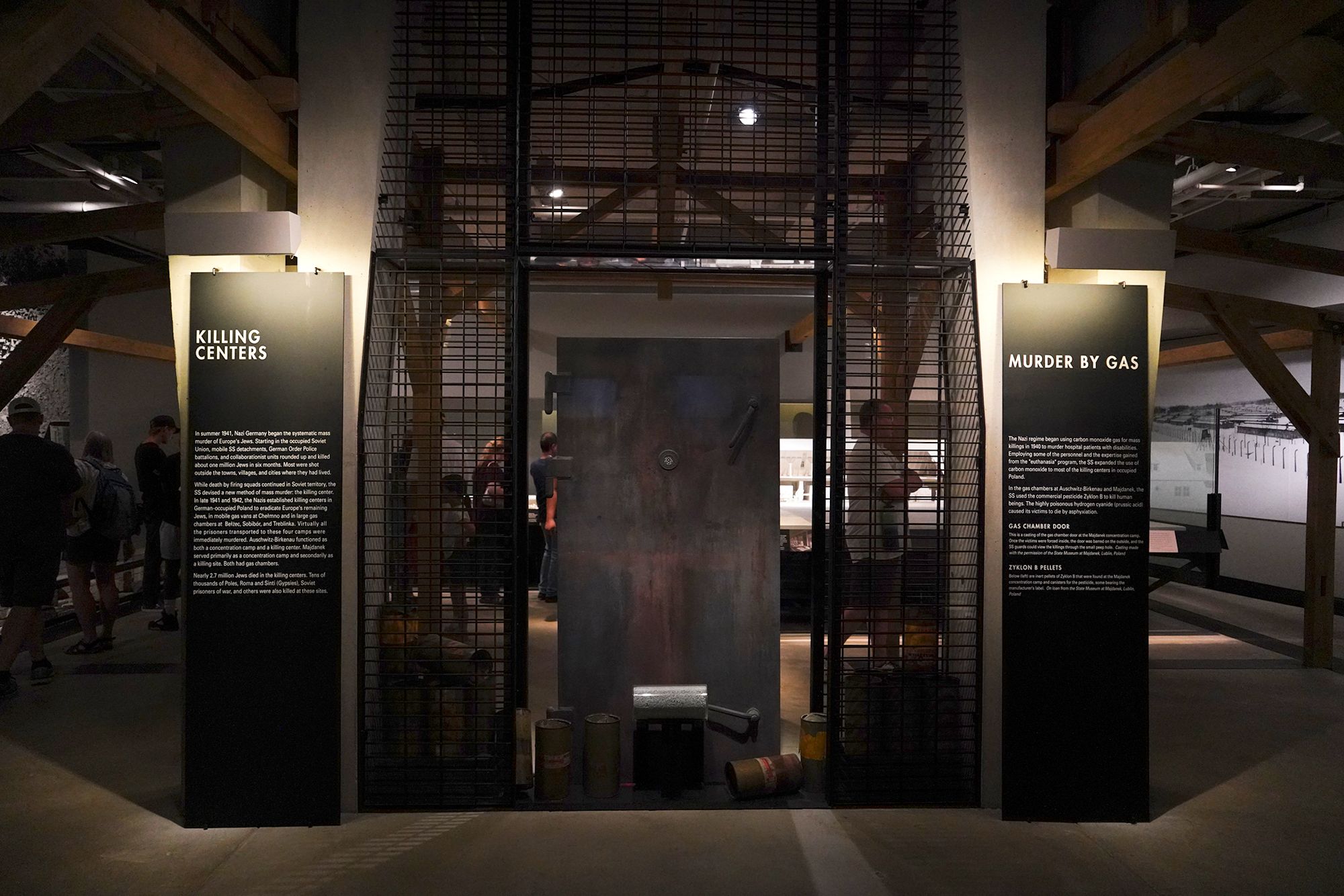
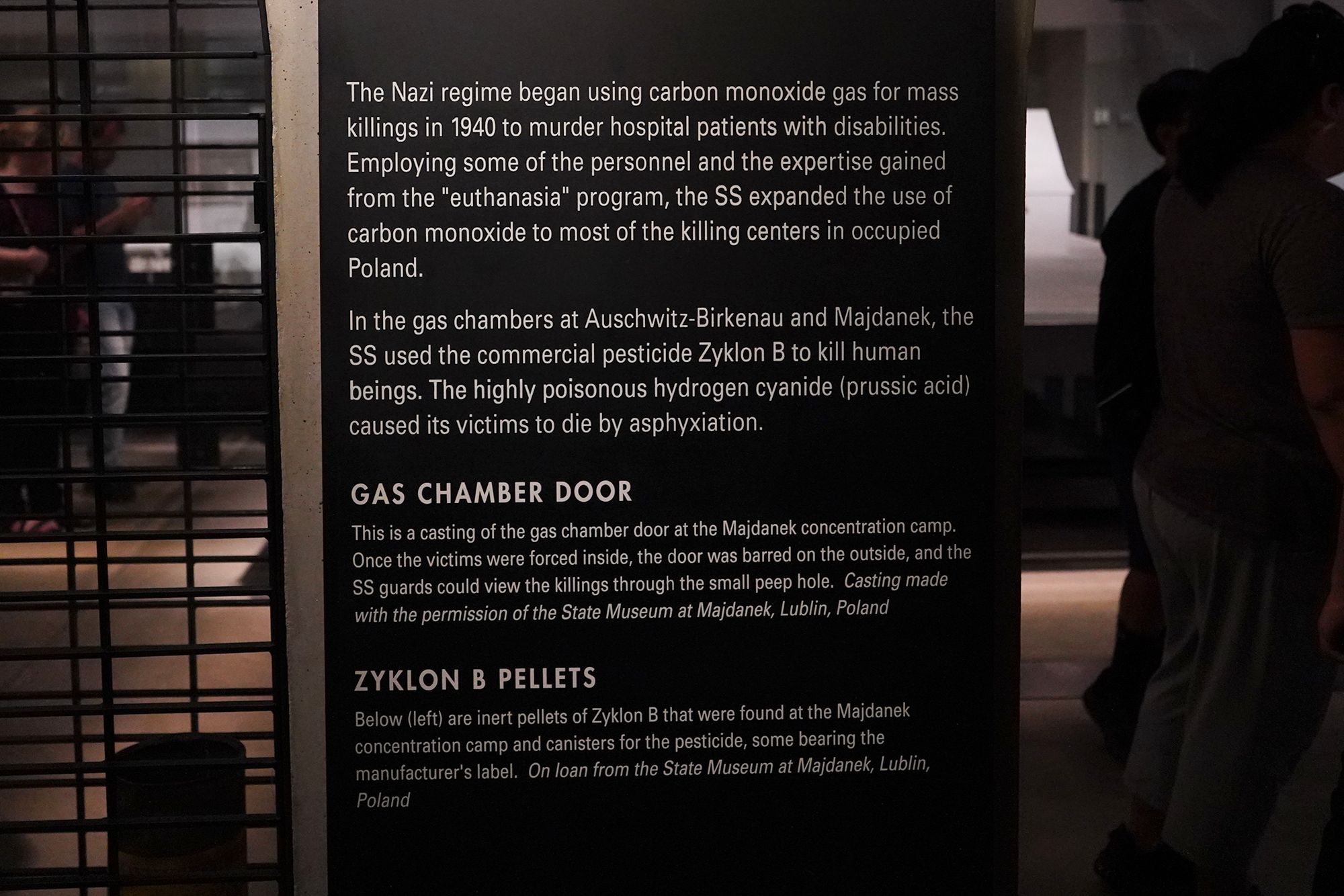
he main killing centers were Auschwitz-Birkenau, Treblinka, Sobibor, Belzec, Chelmno, and Majdanek. Victims, mostly Jews, were brought by train, stripped of their belongings, and sent directly to gas chambers disguised as showers.
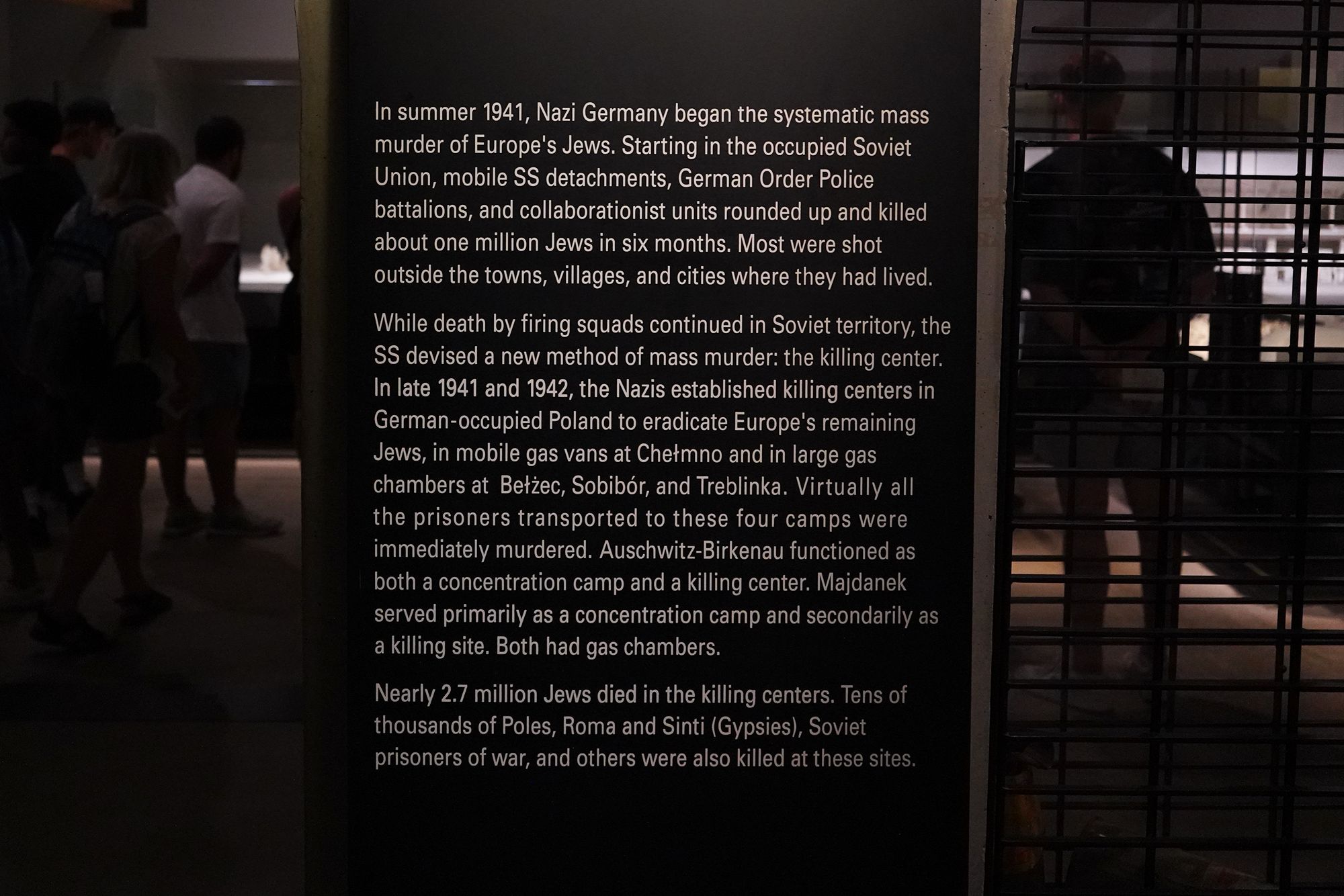
In some camps, bodies were burned in crematoria or open pits to hide the evidence. Between 1941 and 1945, millions were murdered in these killing centers as part of the Nazi “Final Solution.”
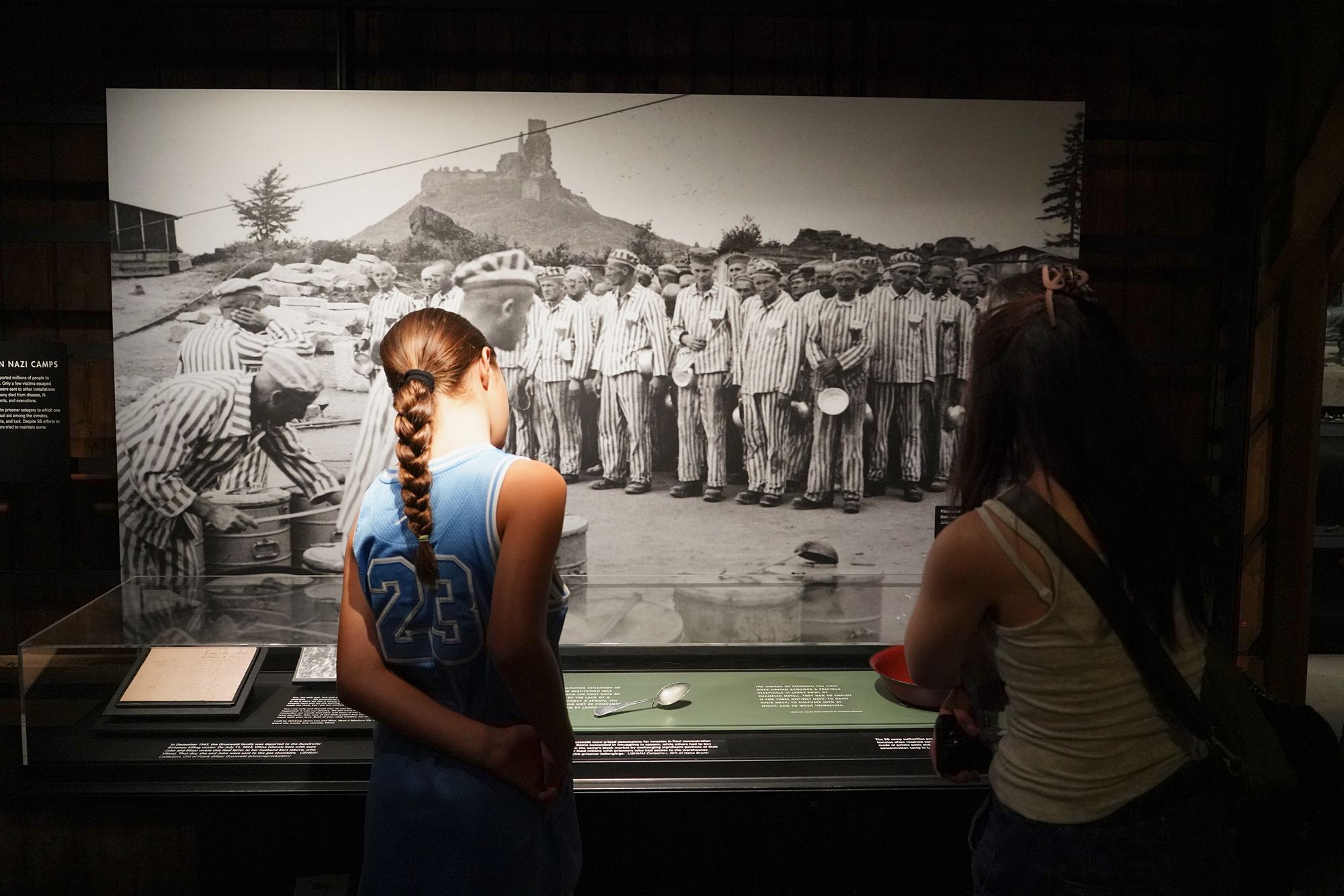
Slave labor was a central part of the Nazi camp system. Millions of prisoners, including Jews, Poles, Soviet POWs, and others, were forced to work under brutal conditions in factories, mines, quarries, and construction projects.
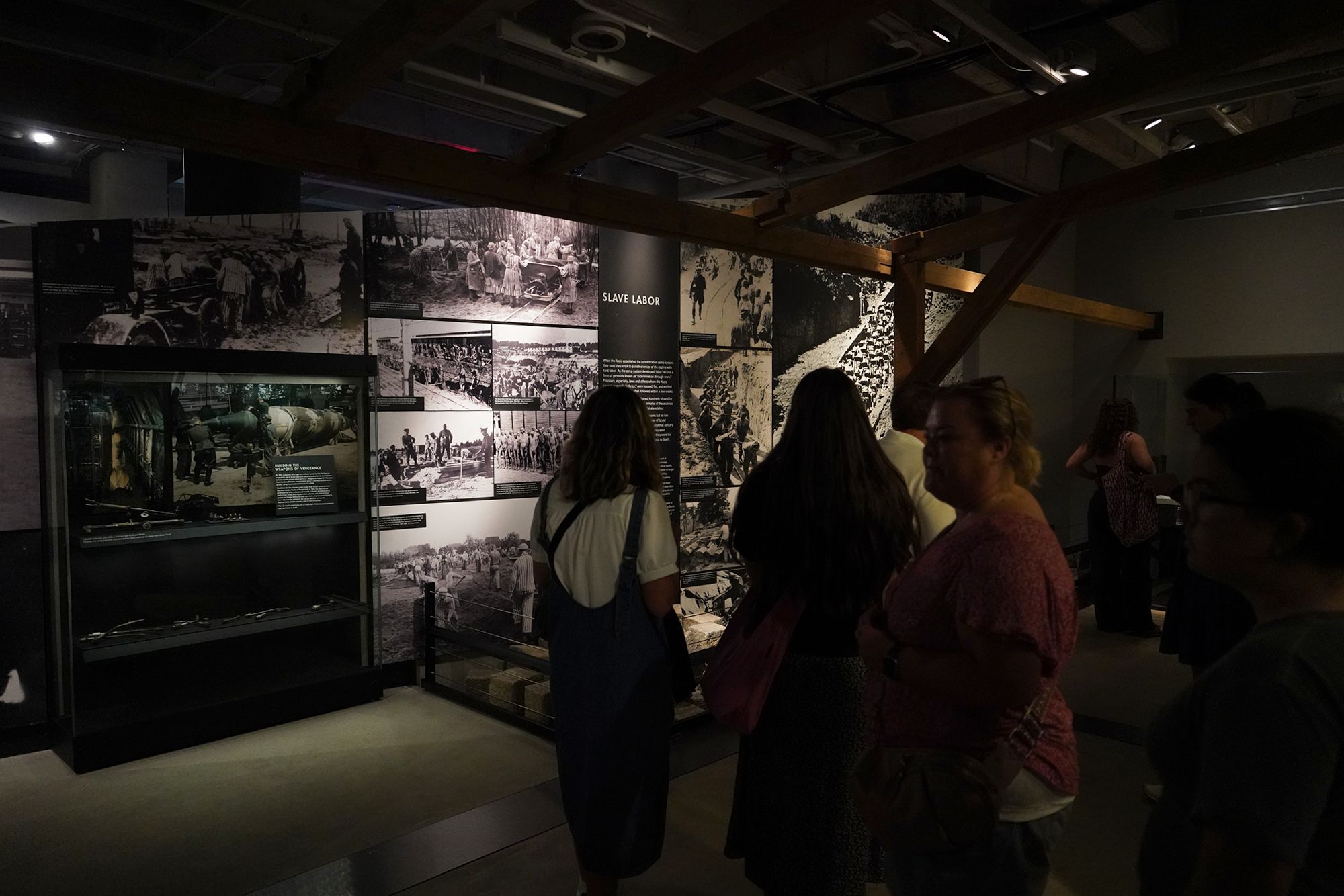
They received almost no food, rest, or medical care, and many died from exhaustion, starvation, or beatings.
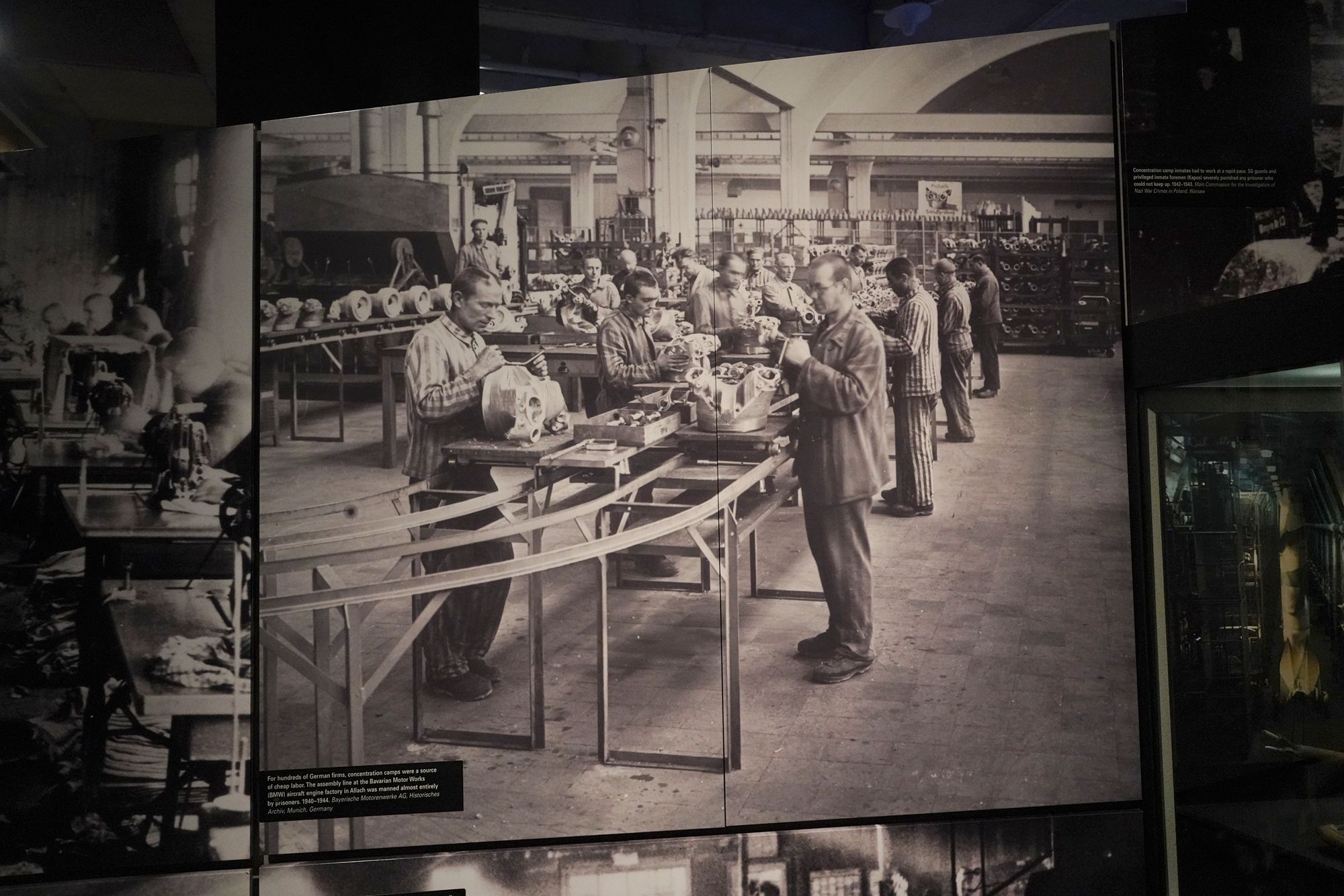
The Nazis and German companies profited from this labor, using prisoners as a disposable workforce to support the war effort. For many, slave labor meant a slow death through relentless work and suffering.
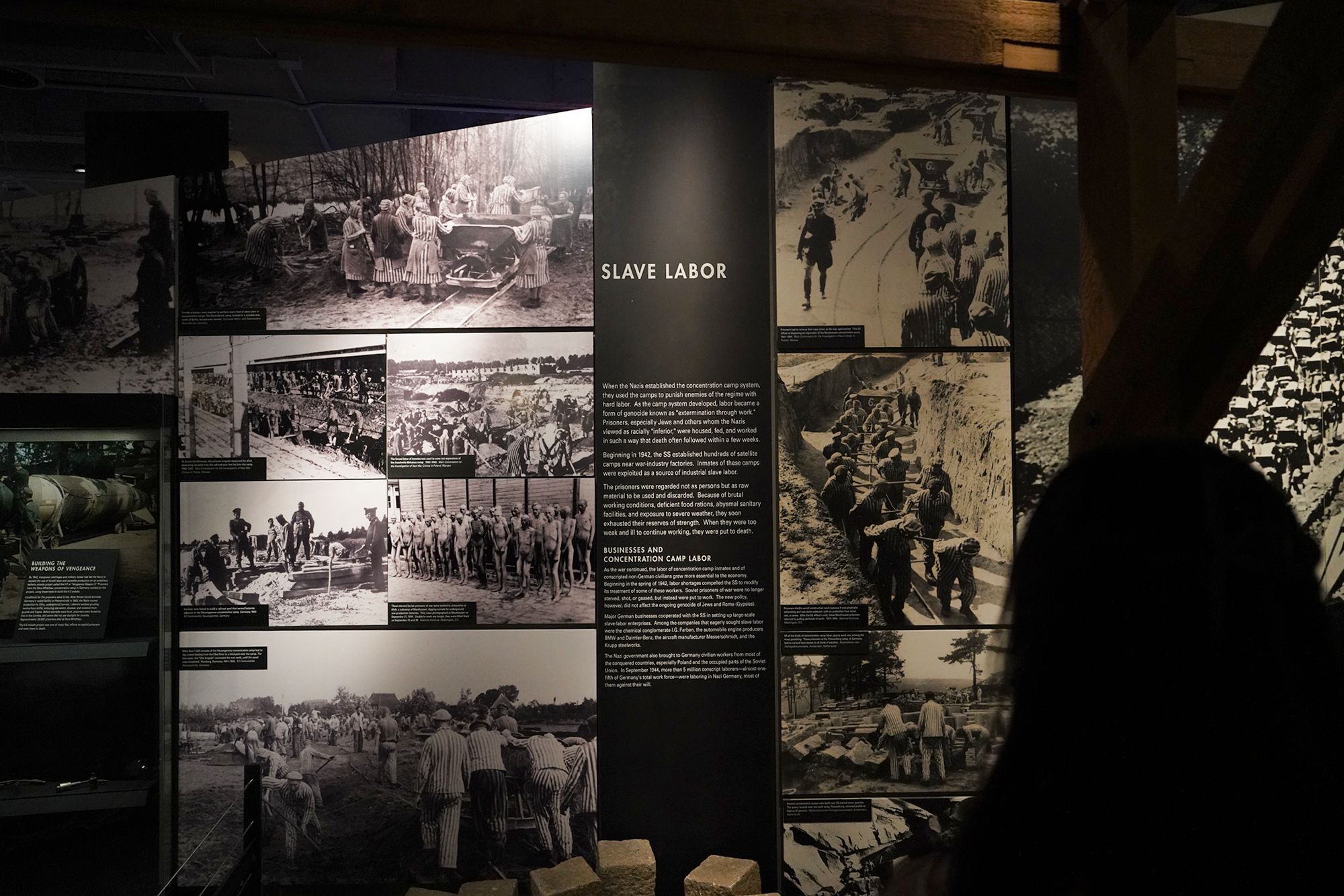
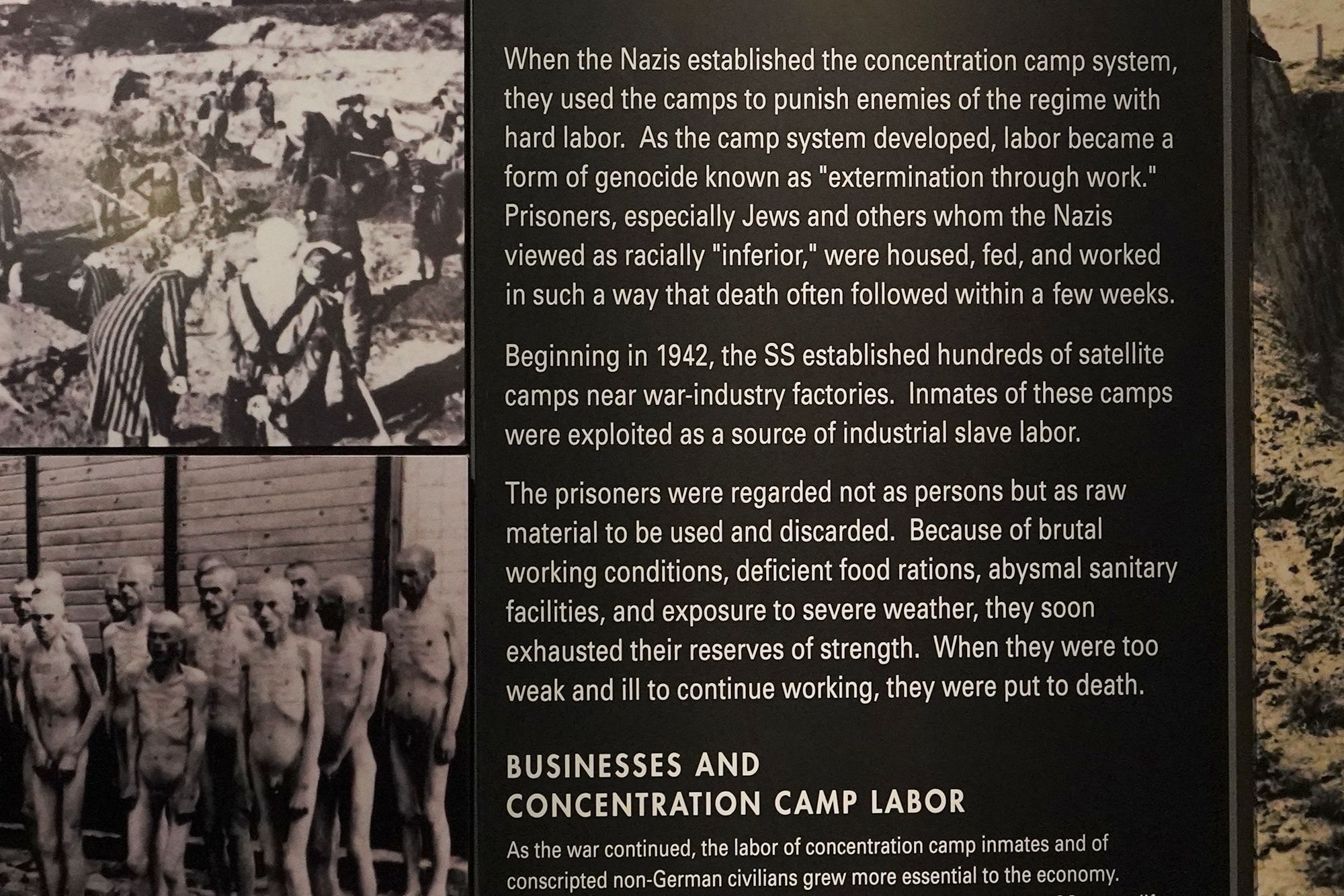
The punishment brigades in Nazi camps were special work units assigned to prisoners as a form of extreme punishment. Those sent to these brigades faced the hardest and most dangerous labor—such as carrying heavy stones, digging trenches, or clearing rubble—often for hours without rest or food.
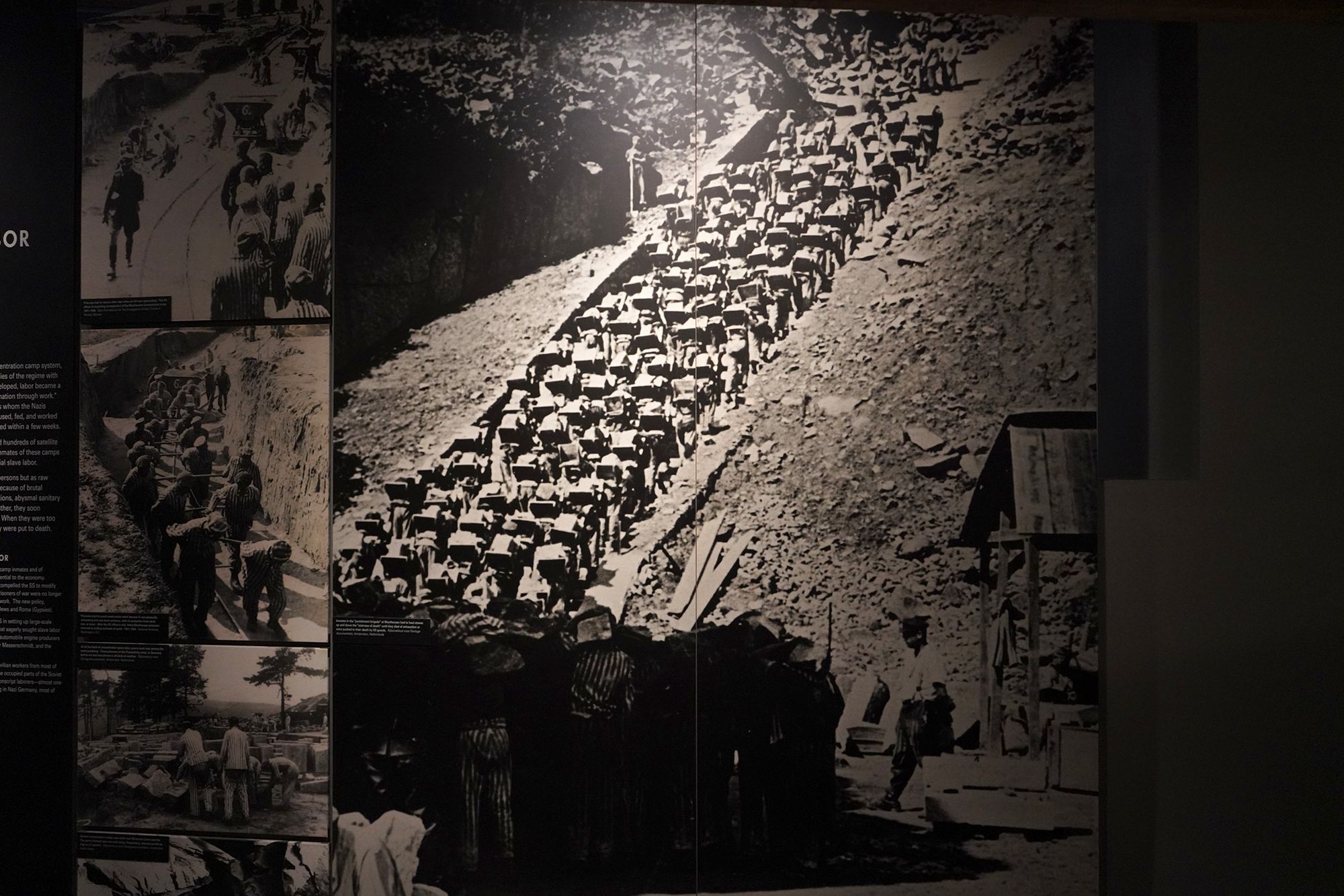
Guards brutally beat prisoners for the smallest mistakes or for slowing down. Few survived long under these conditions. The punishment brigades were designed not only to physically destroy prisoners but also to break their spirit through relentless cruelty and humiliation.
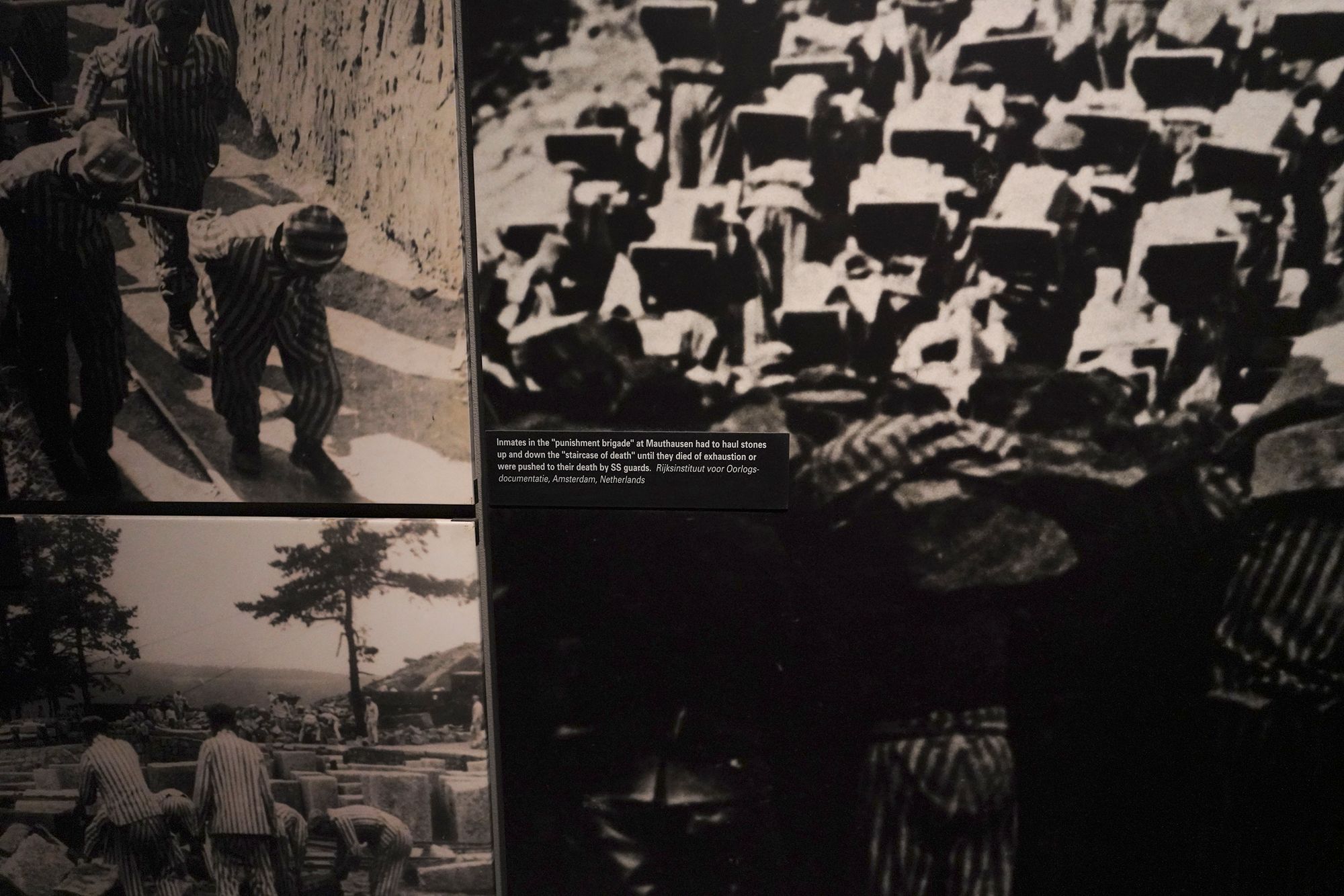
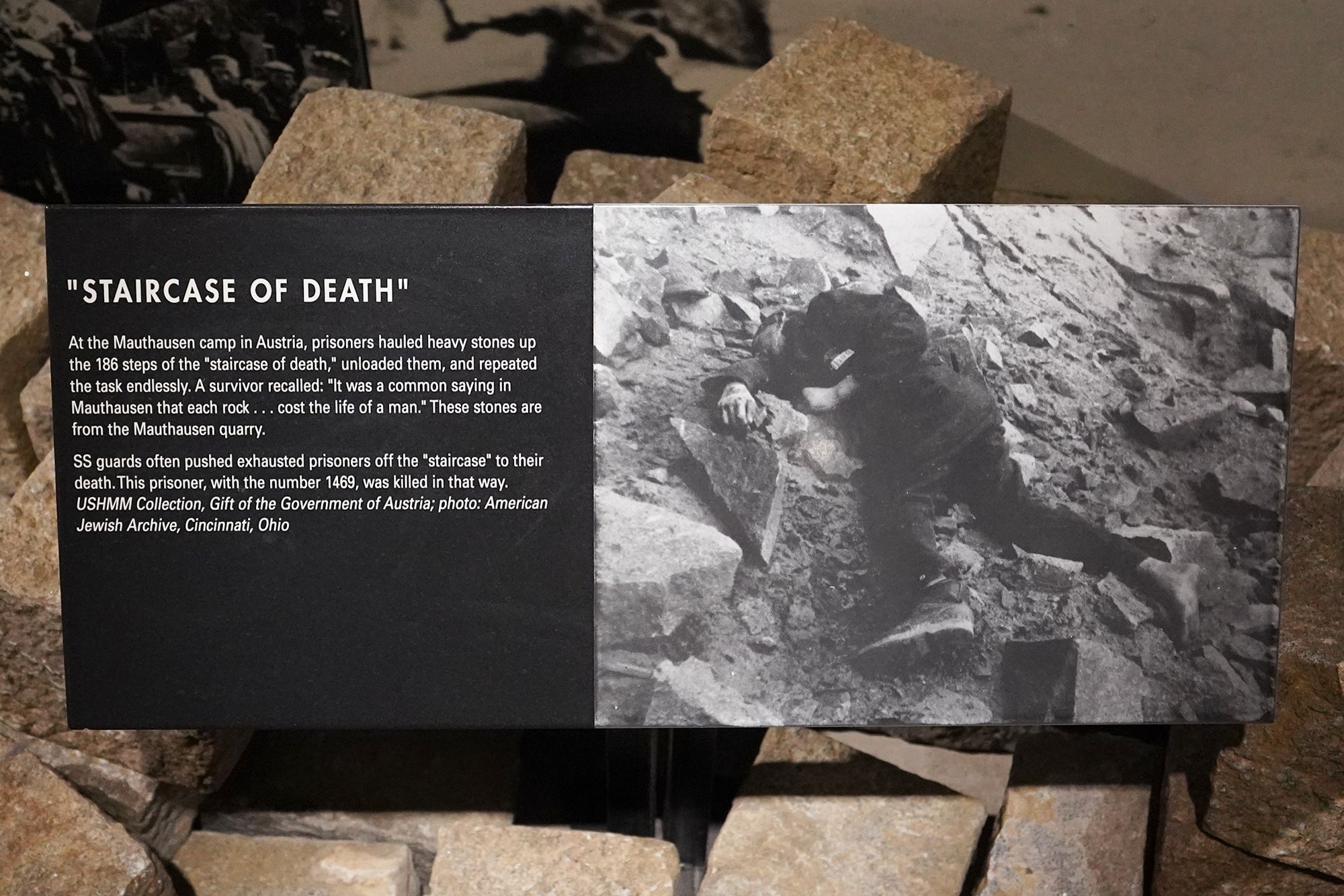
The “Staircase of Death” refers to the brutal stone staircase at the Mauthausen concentration camp in Austria. Prisoners were forced to carry heavy granite blocks—often weighing over 100 pounds—up 186 steep steps from the quarry below to the camp above.
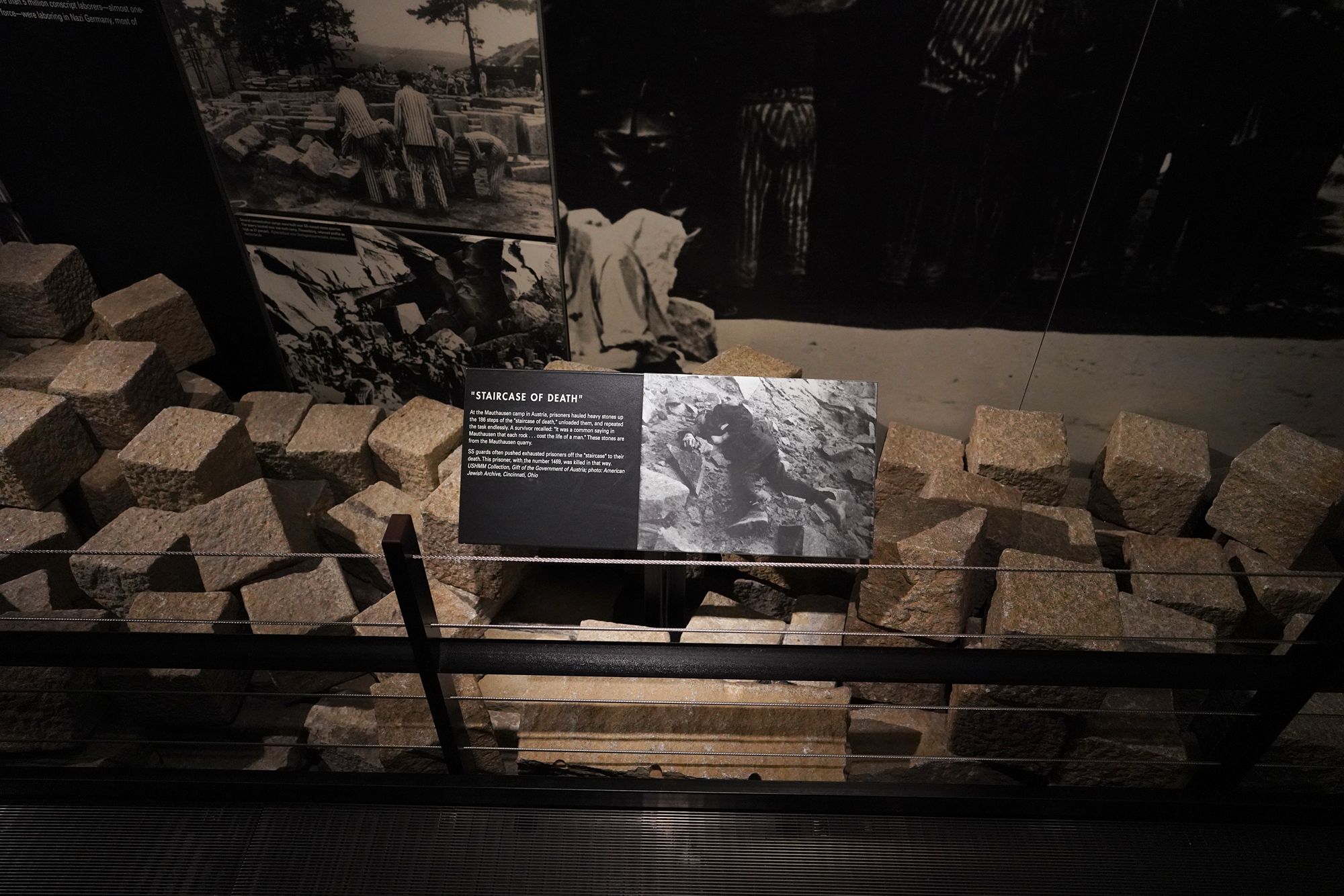
Exhausted and starving, many collapsed under the weight, fell, or were pushed by guards, causing a chain of deaths as others tumbled down behind them. Some were deliberately thrown off the cliff beside the stairs, known as the “Parachutists’ Wall.” The staircase became one of the most notorious symbols of the cruelty and inhumanity of Nazi forced labor.
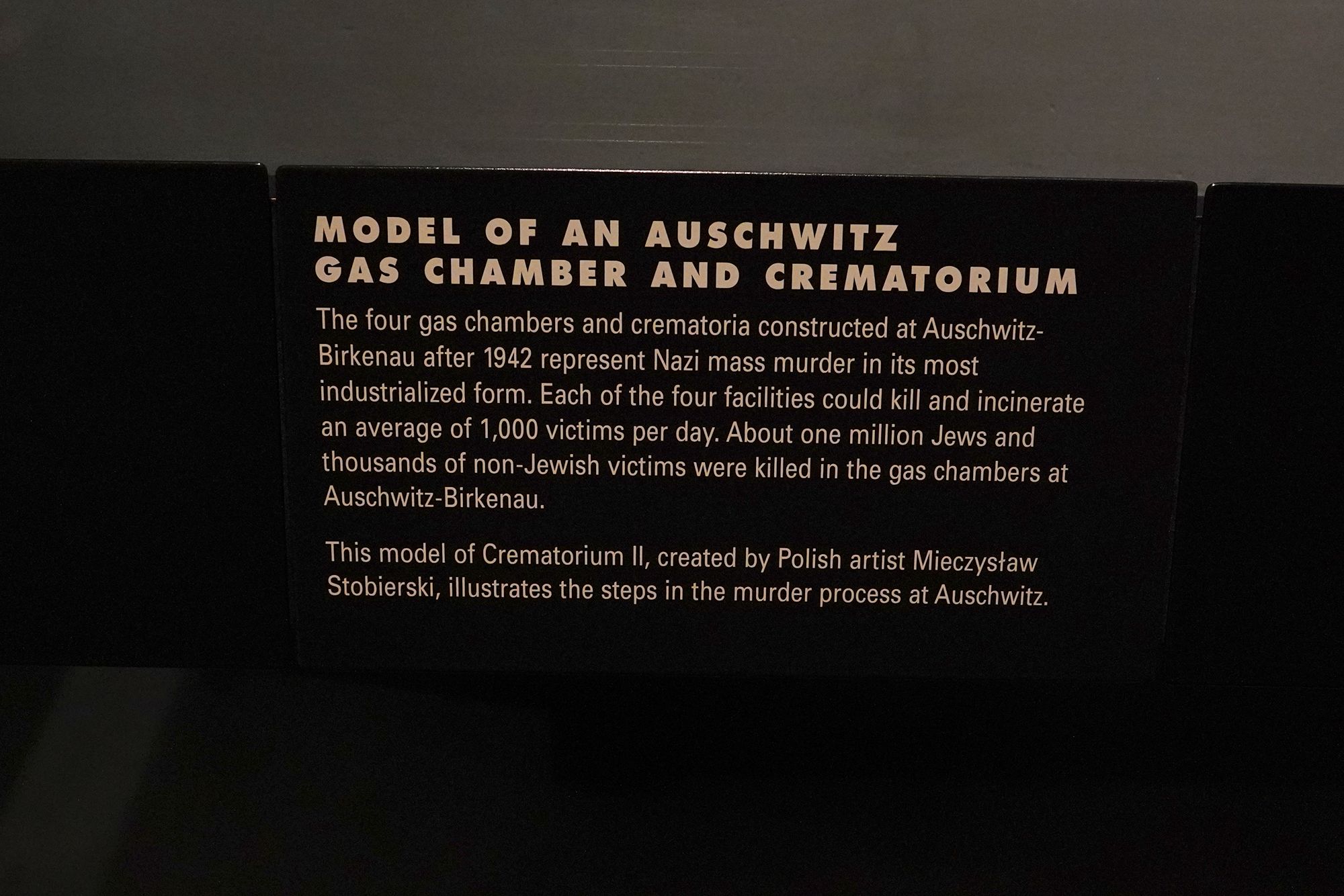
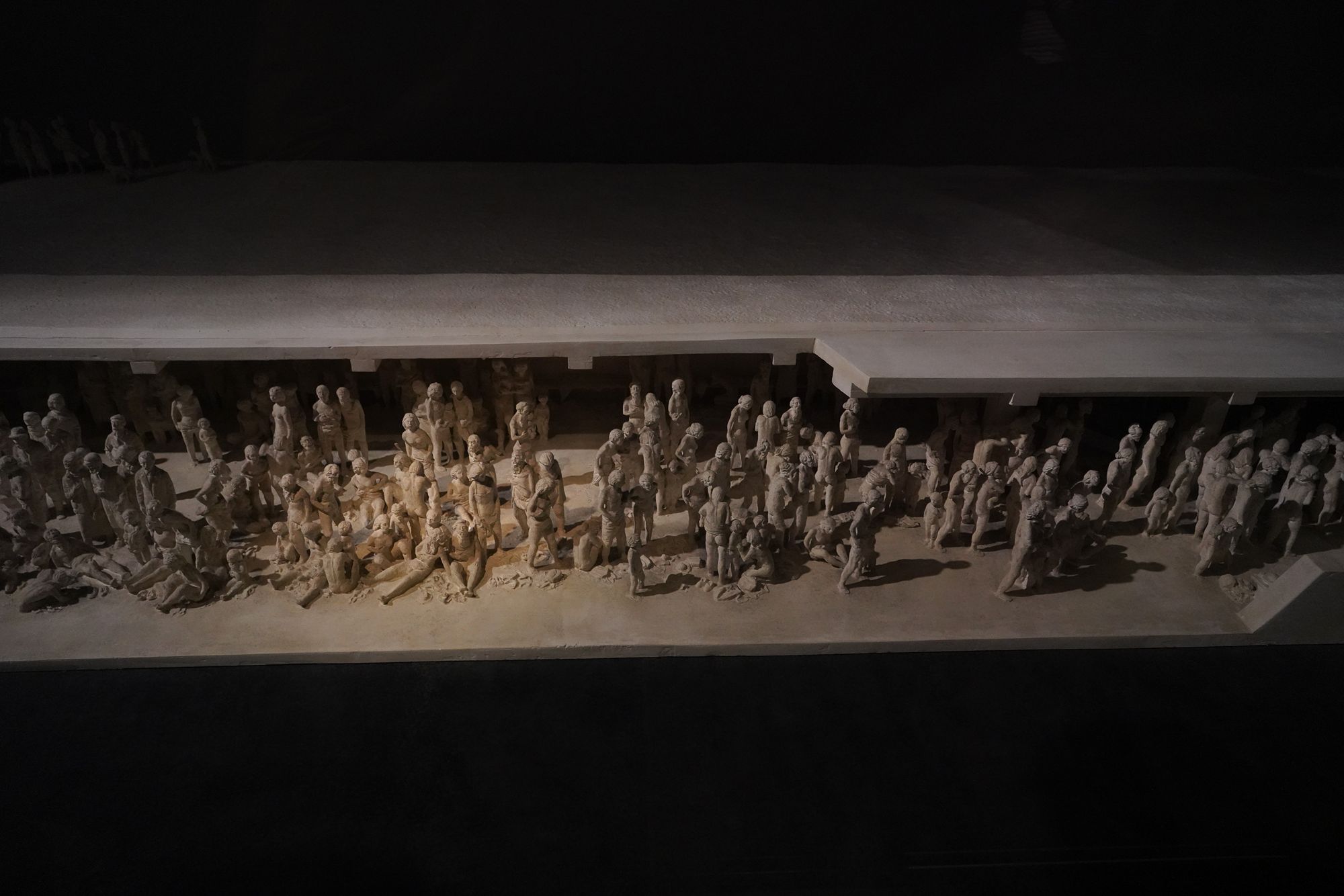
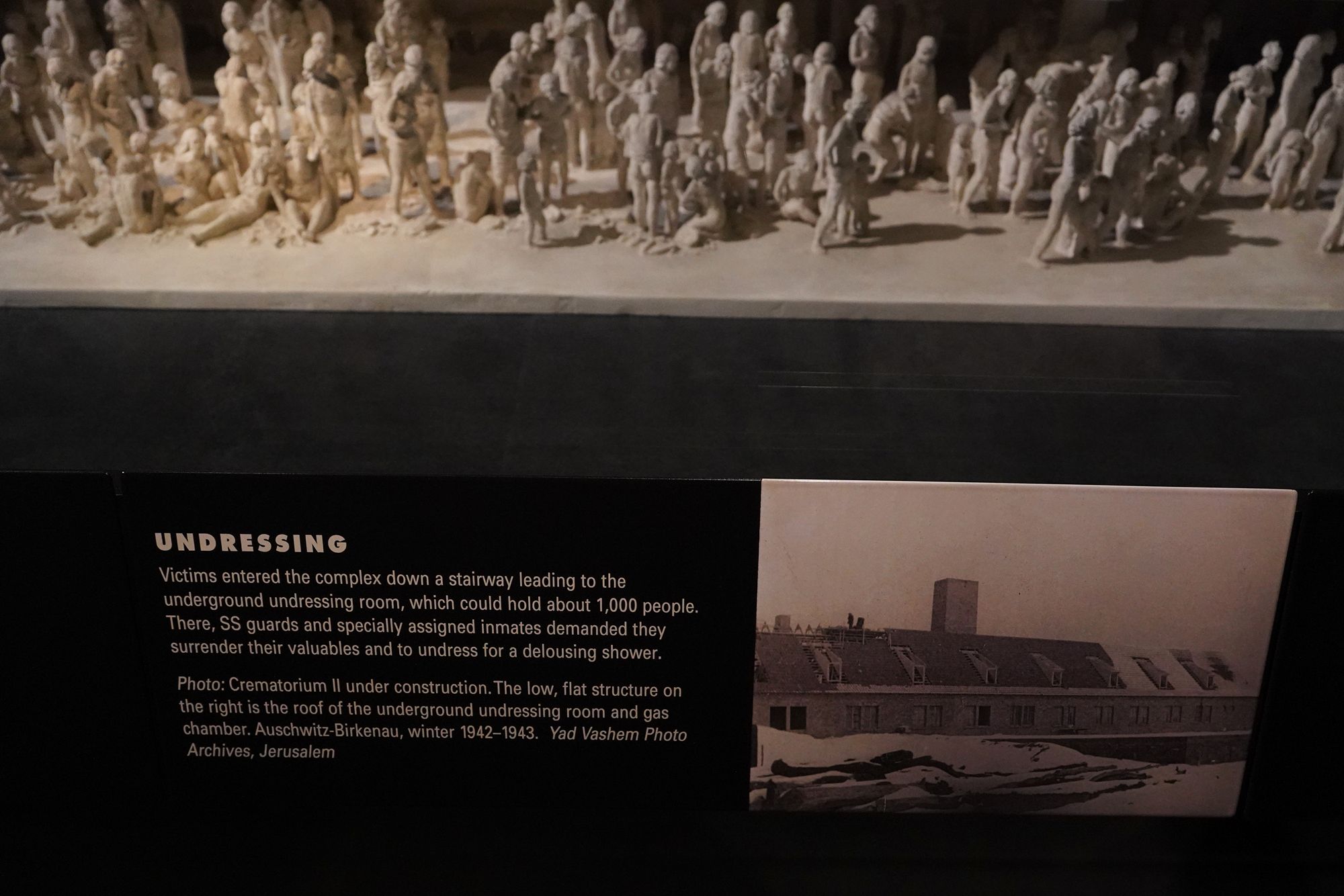
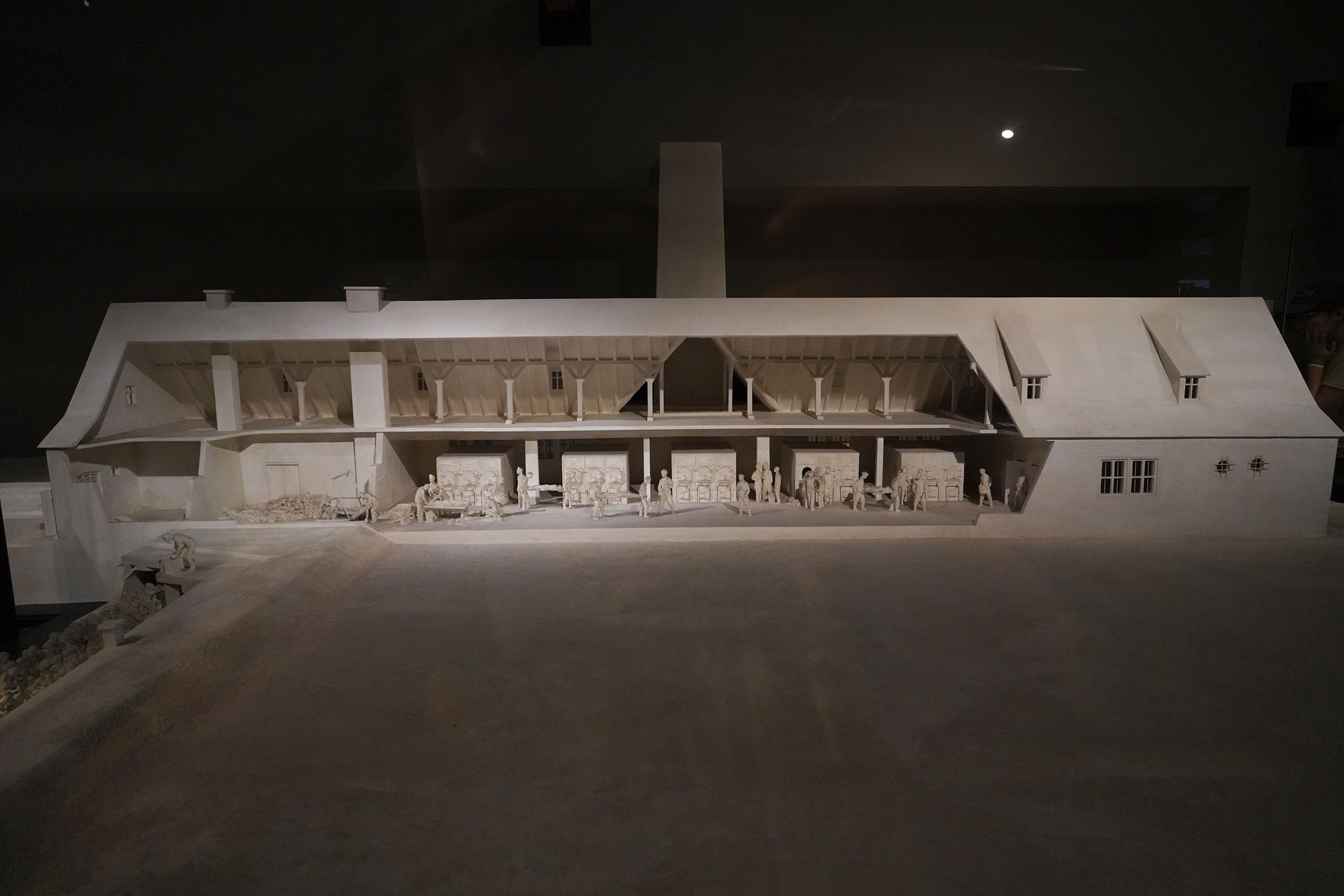
Model of an Auschwitz Gas Chamber and Crematorium
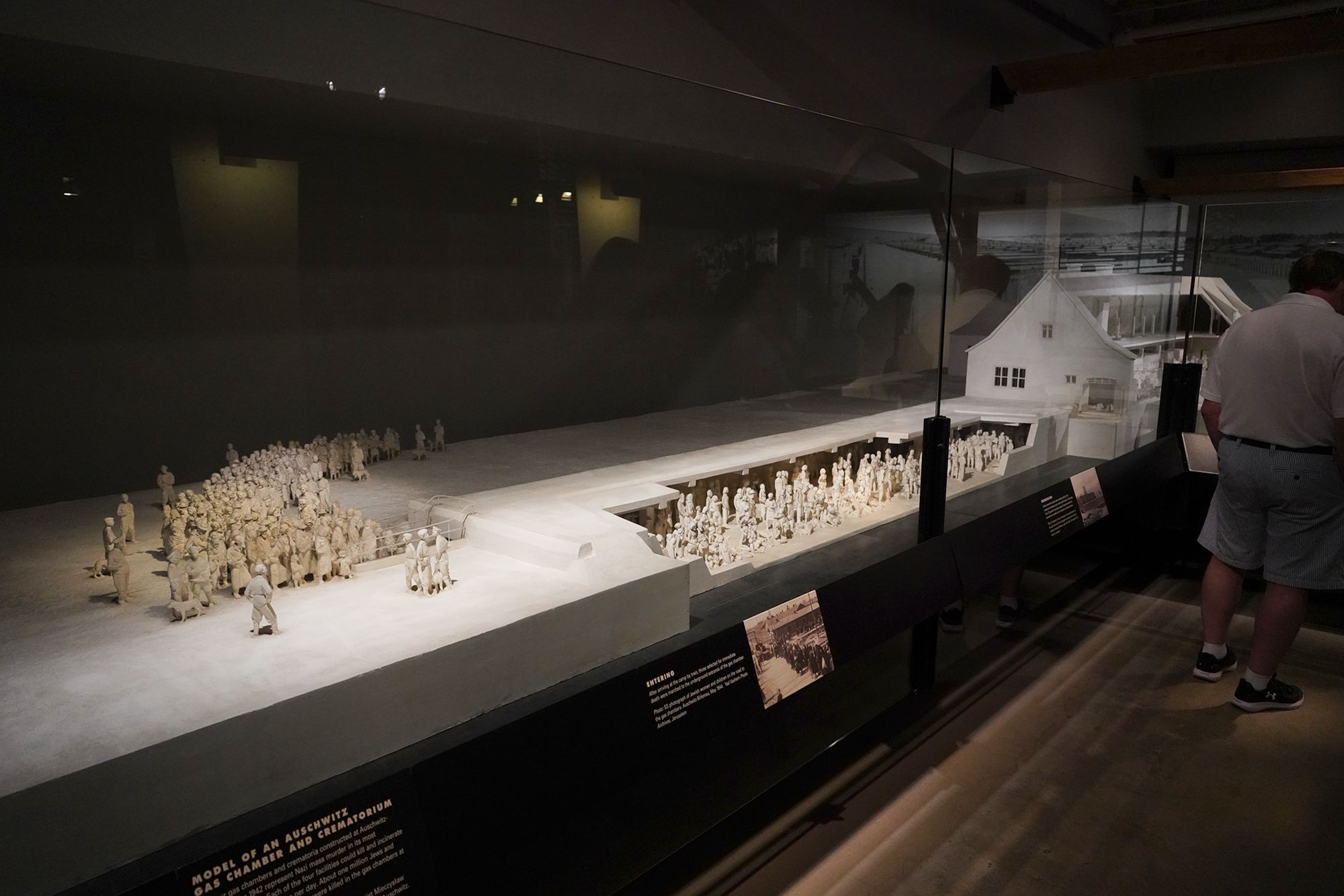
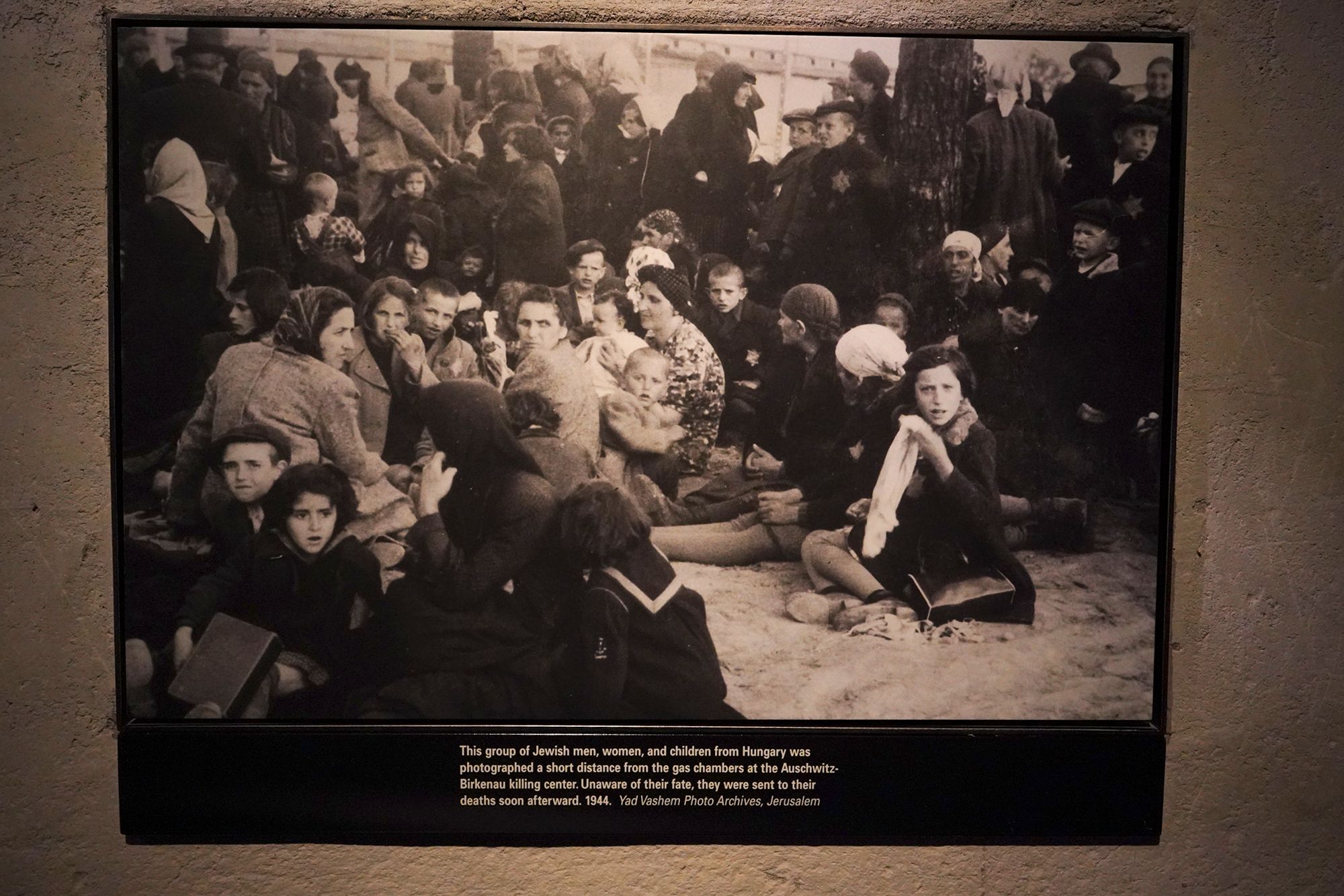
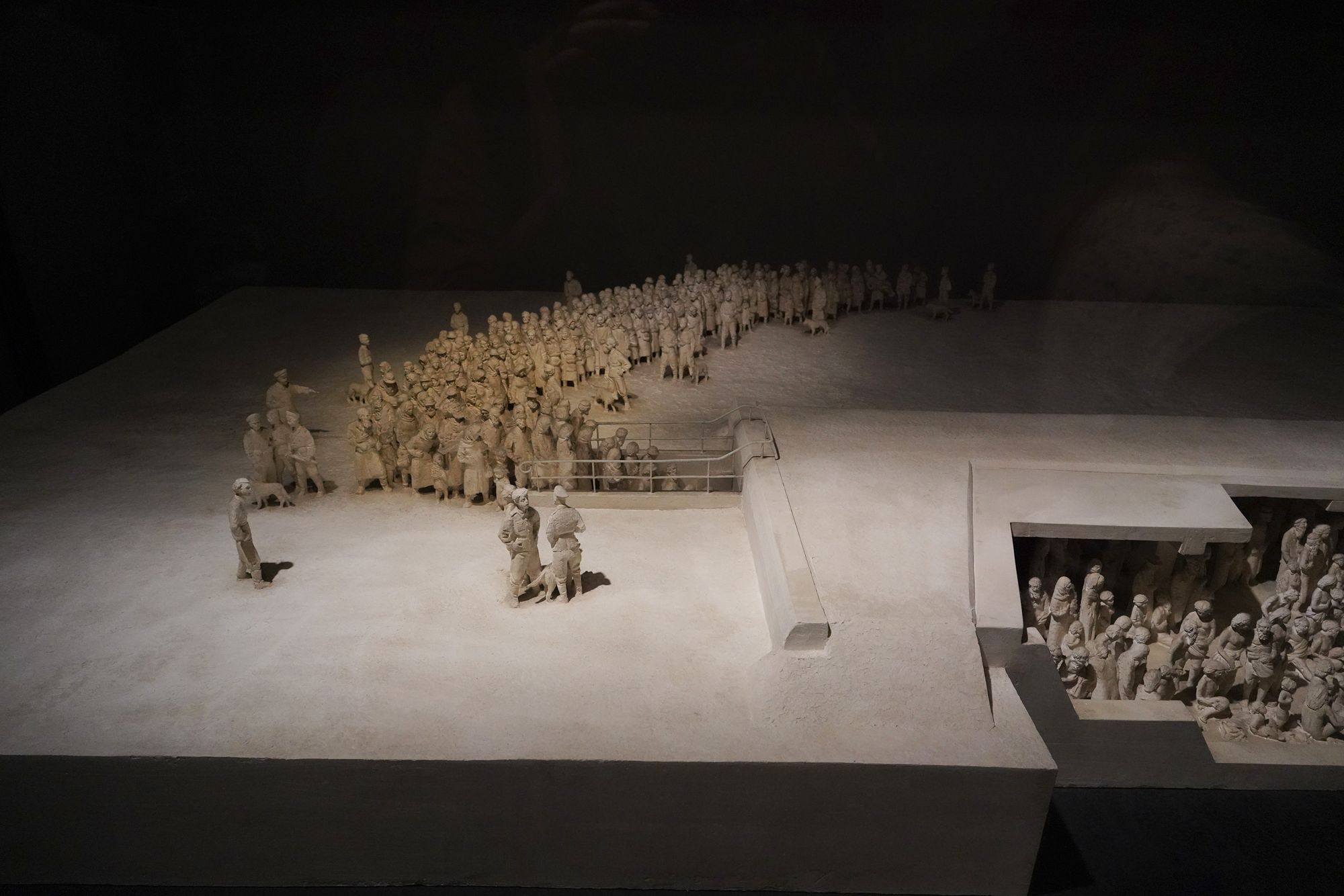
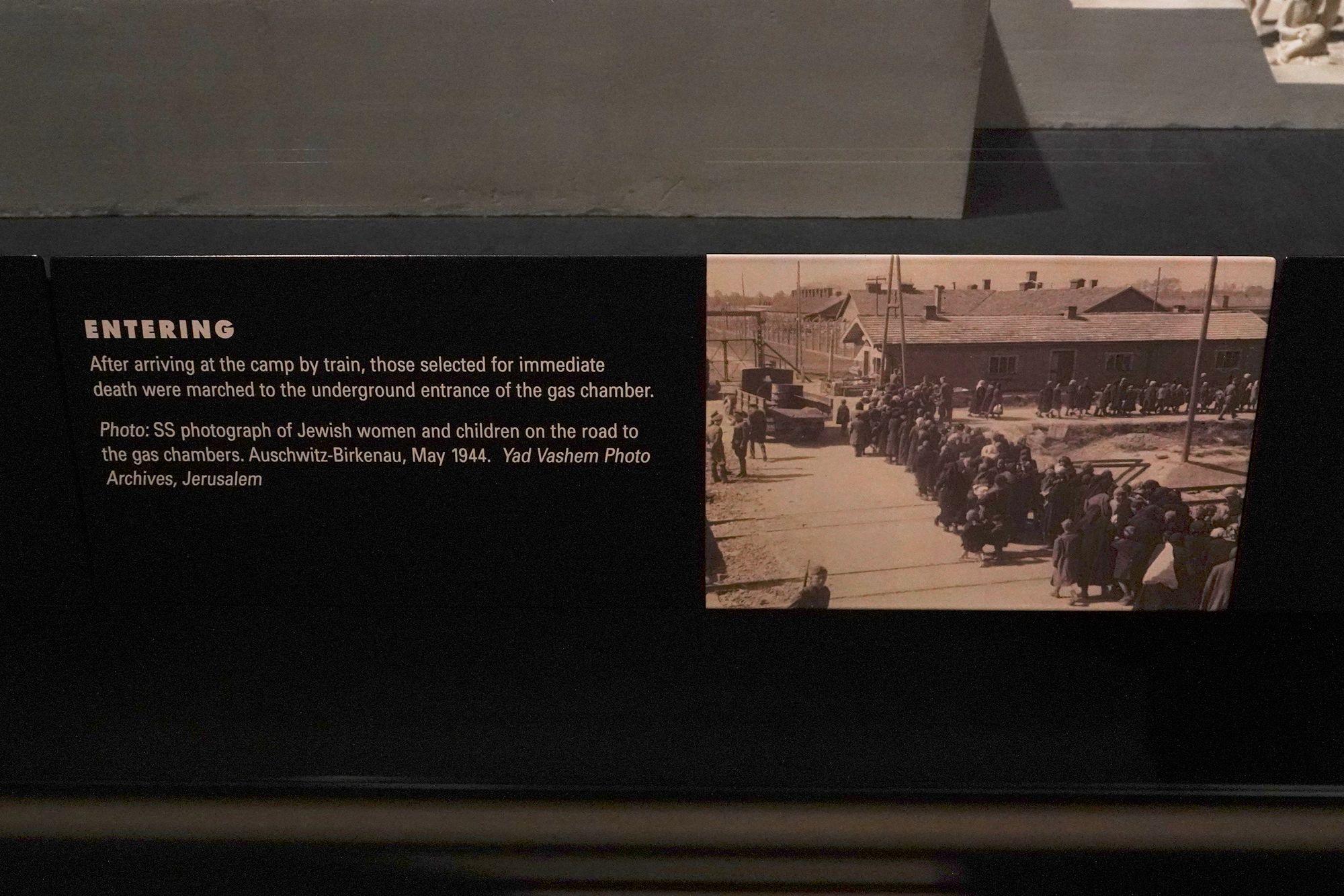
The entering phase at Auschwitz and other killing centers was the first step in the extermination process. When deportation trains arrived, prisoners were ordered to leave their cars, often confused and frightened after days without food or water.
Prisoners were told they were going to take showers for disinfection.
Undressing
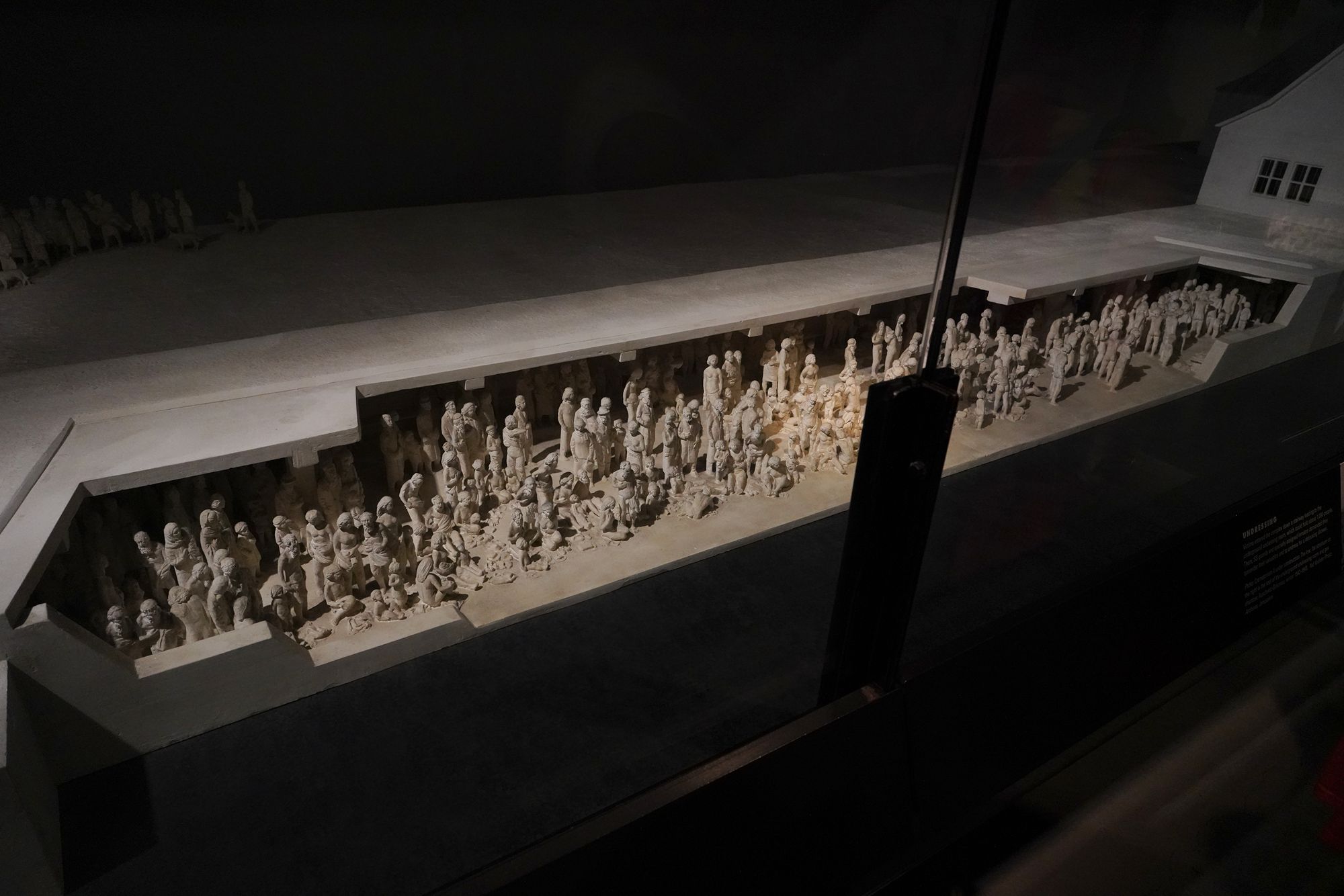
They were led into changing rooms where they had to undress and leave their belongings neatly, often with numbered hooks to create a false sense of order. Some chambers even had fake showerheads and tiled walls to strengthen the illusion.
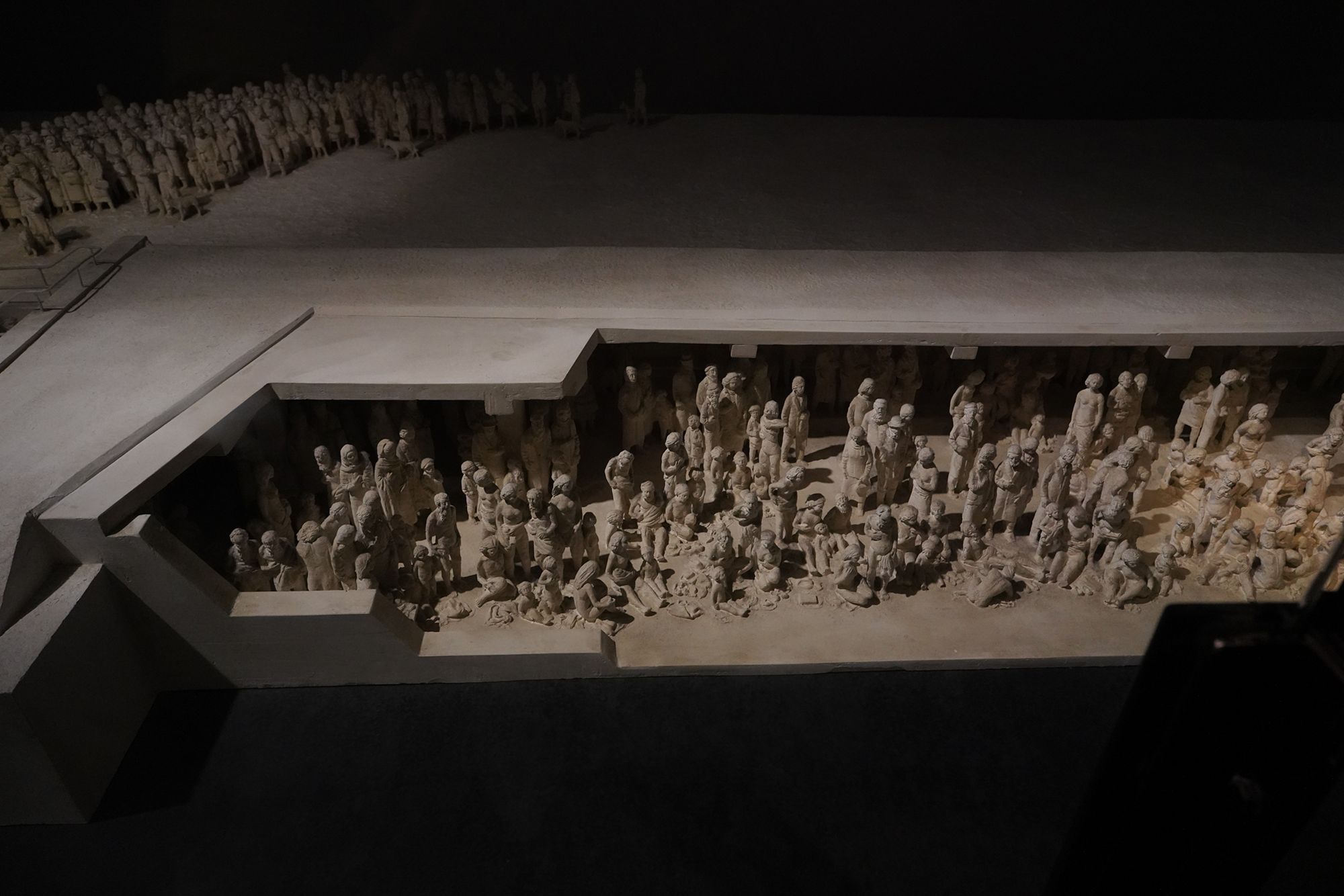
Guards shouted at the victims to move quickly, keeping up the appearance of a routine process.
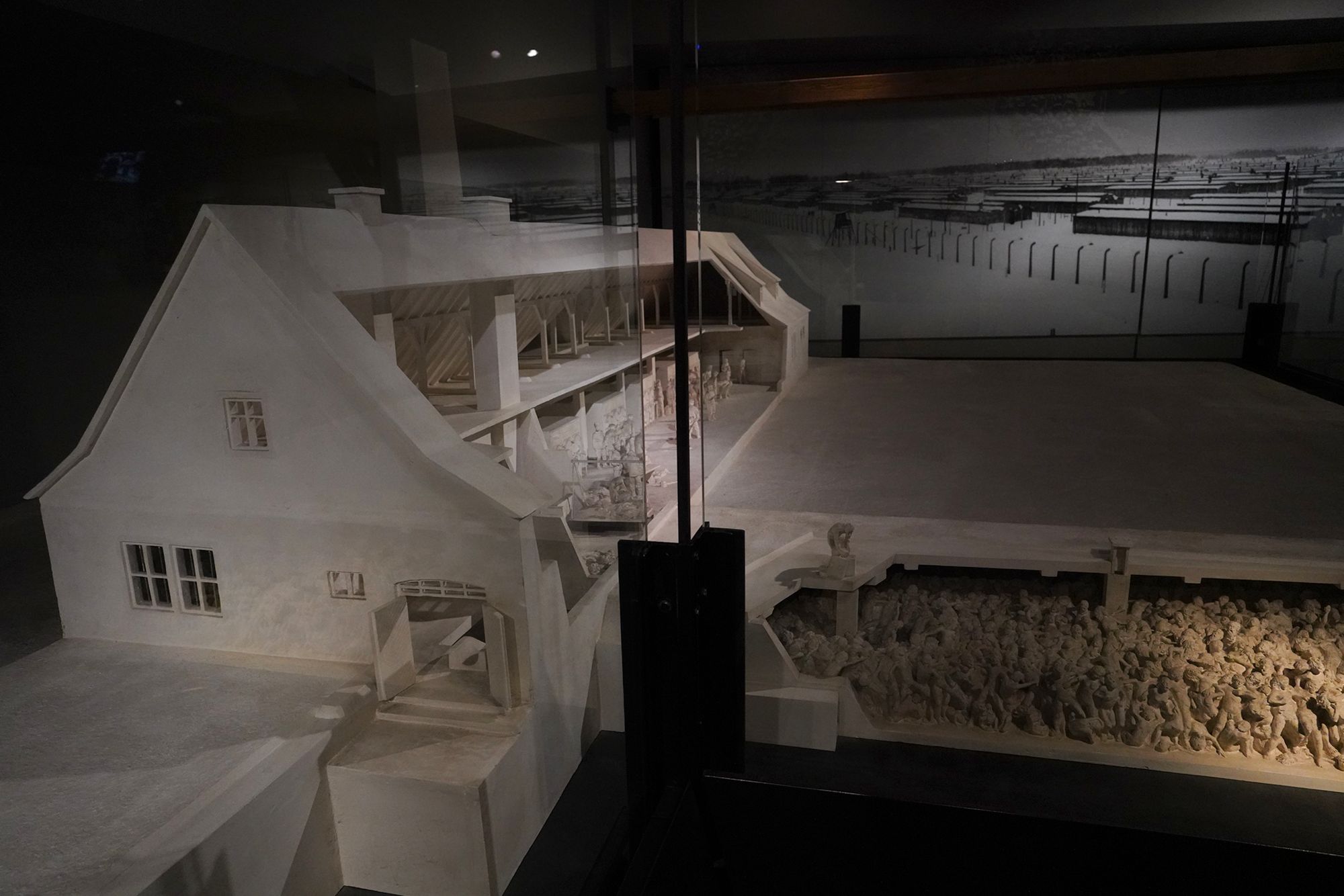
Gassing - Once everyone was inside, the heavy doors were sealed, trapping hundreds of people in the chamber—moments before the gas was released.
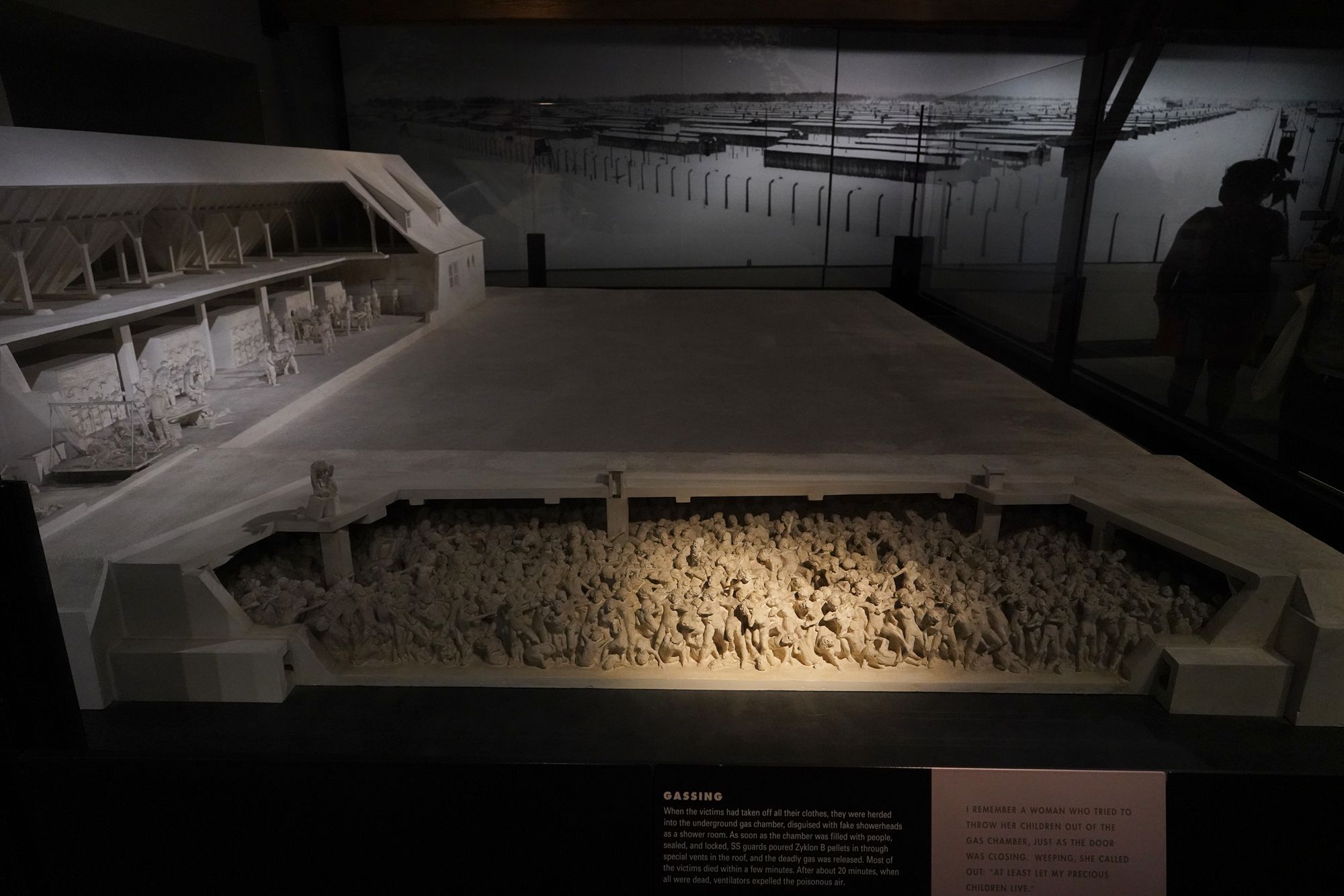
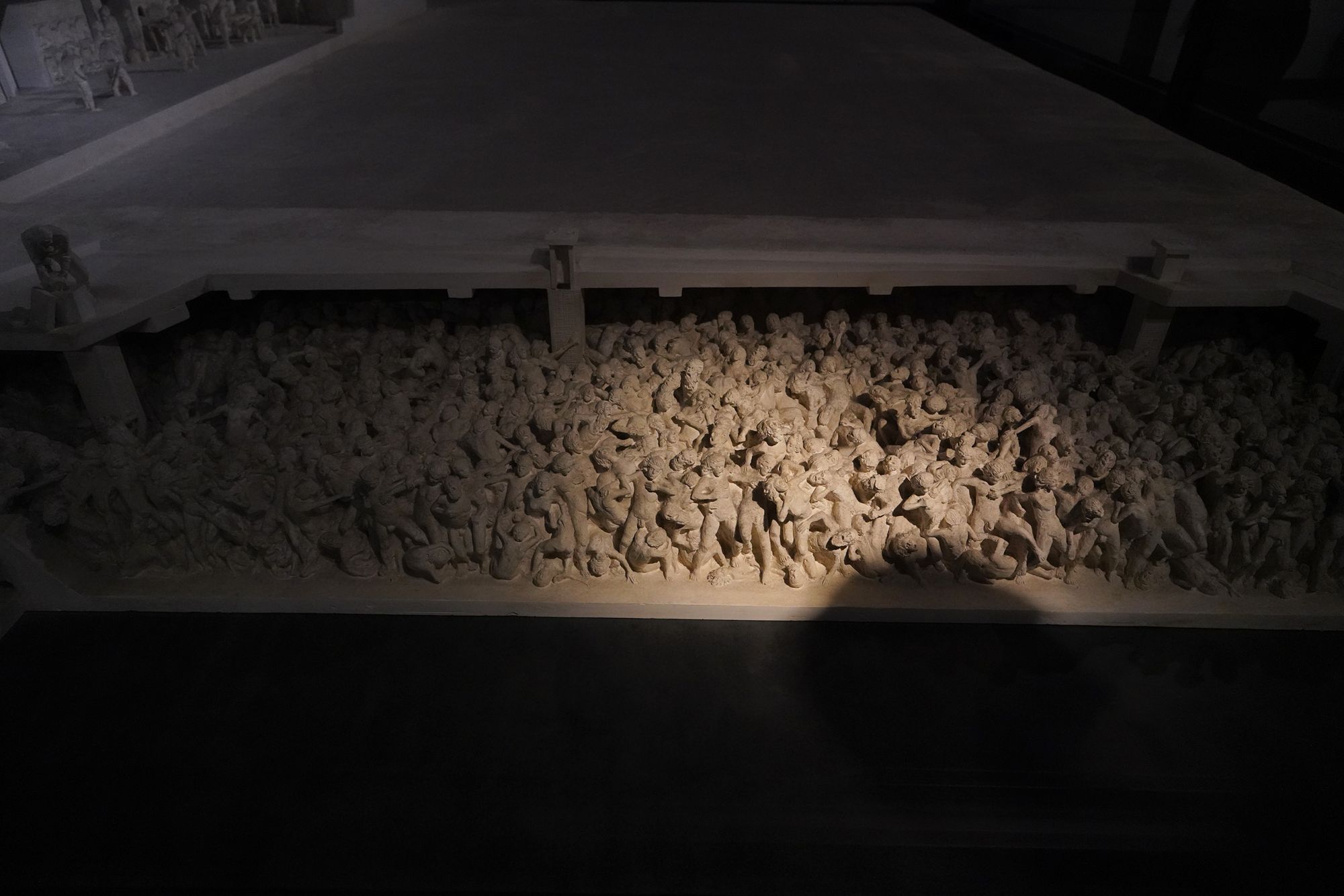
The gassing phase began once the chamber doors were tightly sealed. SS personnel dropped Zyklon B pellets through vents or openings in the ceiling. As the pellets released cyanide gas, panic and chaos erupted inside—the victims screamed, clawed at the walls, and struggled for air. Within minutes, the gas caused suffocation.
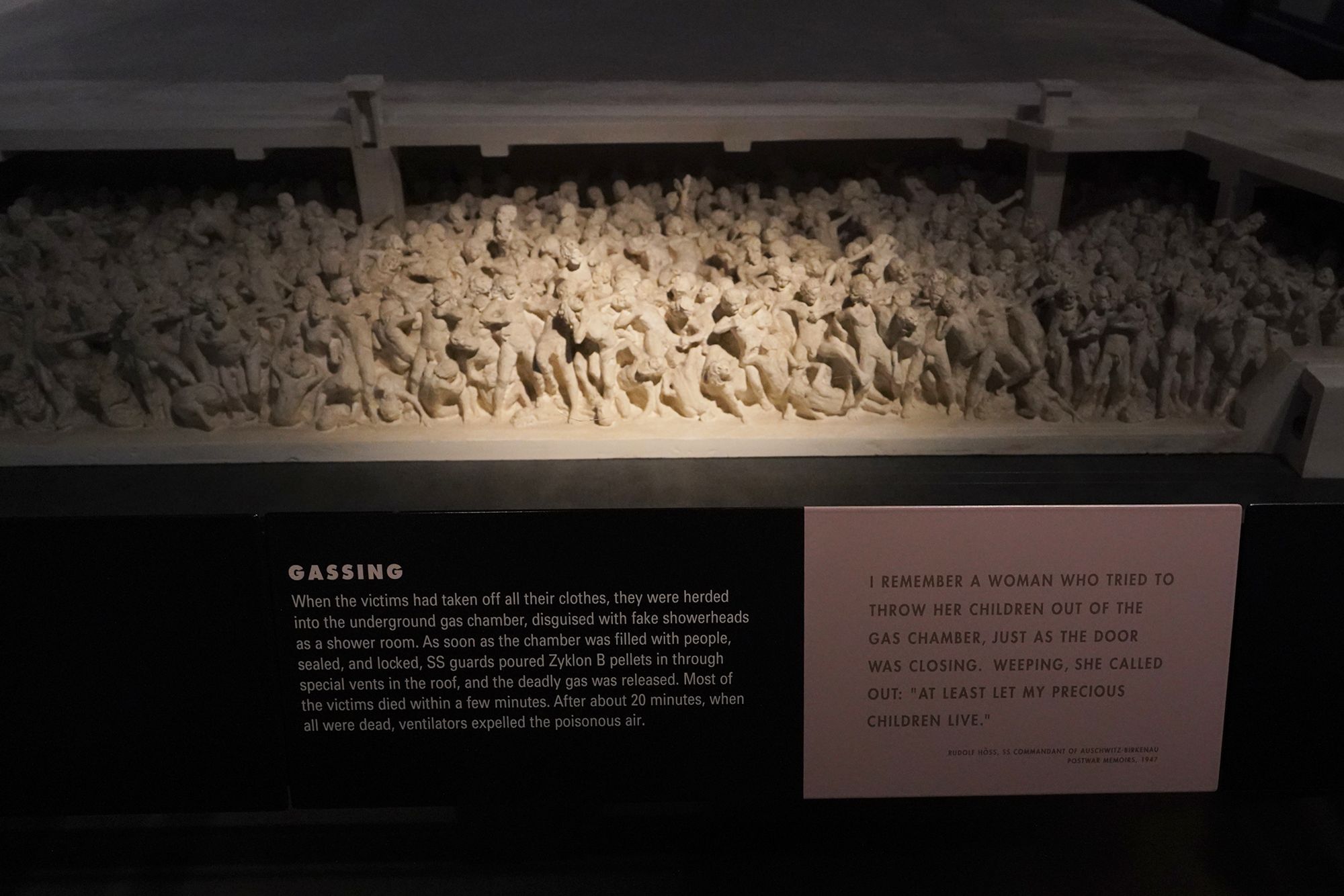
The noise faded until the chamber fell silent. The process usually took about 10 to 20 minutes, depending on the number of people and the temperature. Afterward, the ventilation system cleared the gas before prisoners from the Sonderkommando were forced to enter and remove the bodies.
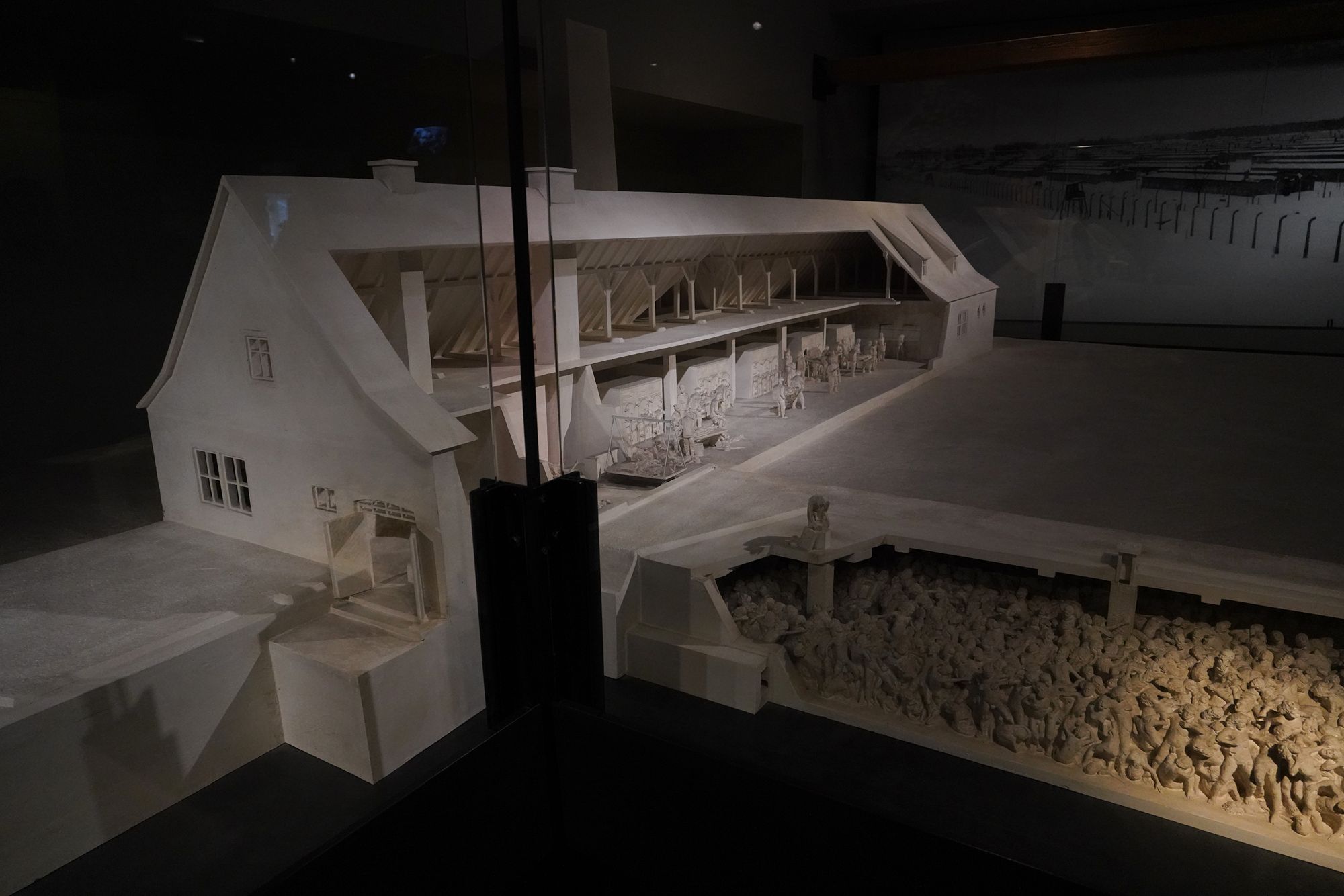
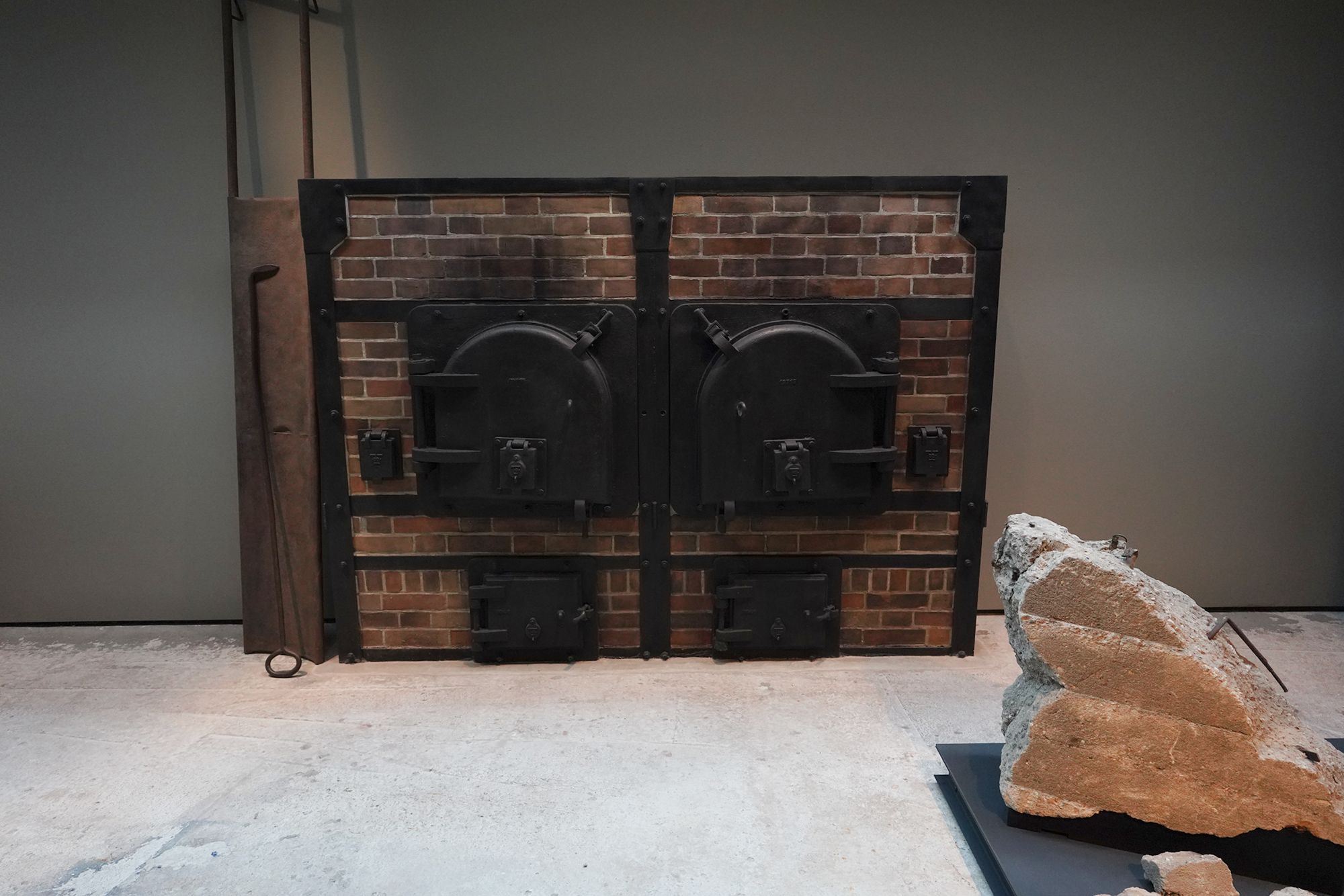
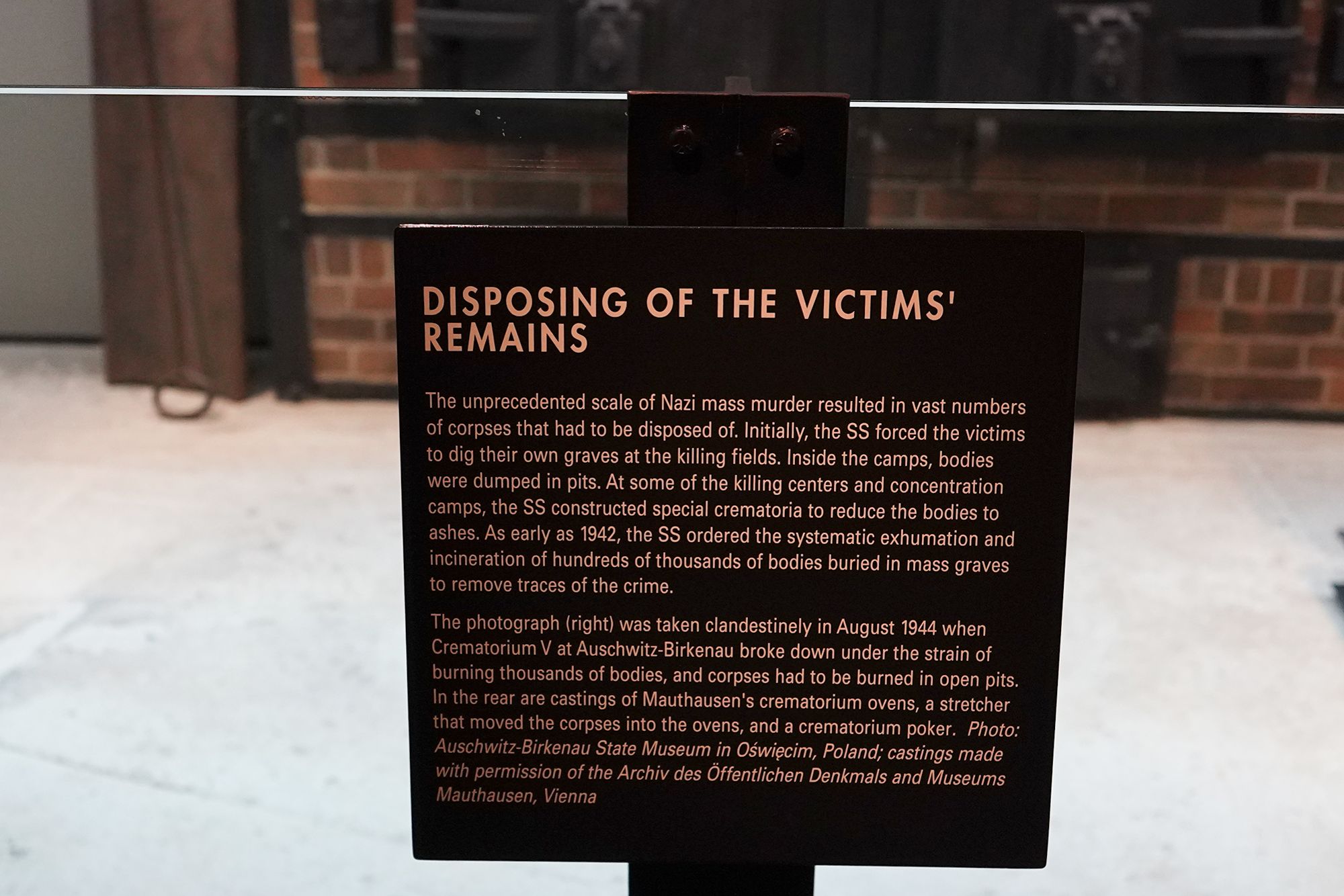
Cremating - Once the gas chambers were ventilated, Sonderkommando prisoners—forced to assist under threat of death—entered to remove the bodies. They cut hair, extracted gold teeth, and searched for hidden valuables before transporting the corpses to the crematorium ovens or nearby open-air pits.
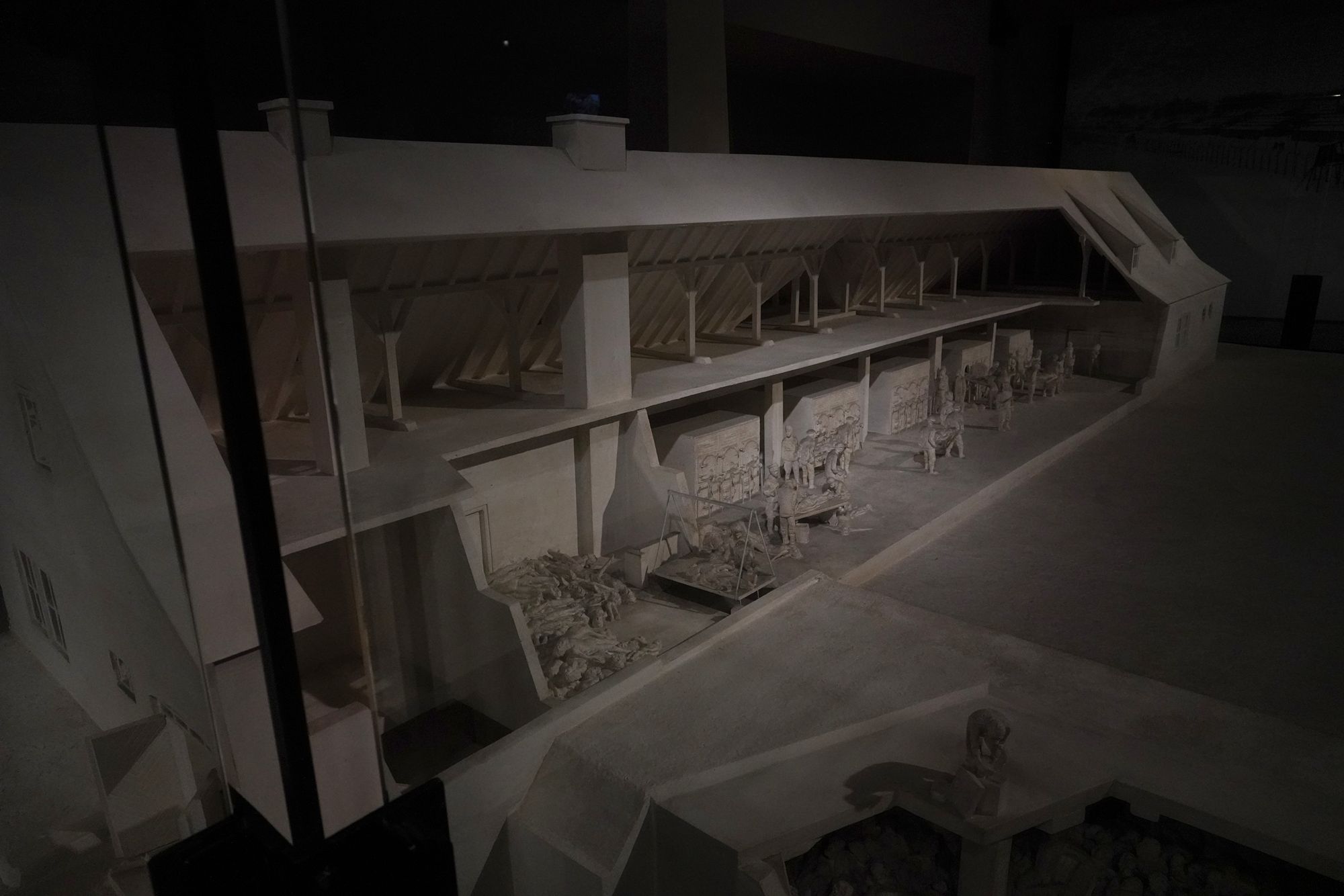
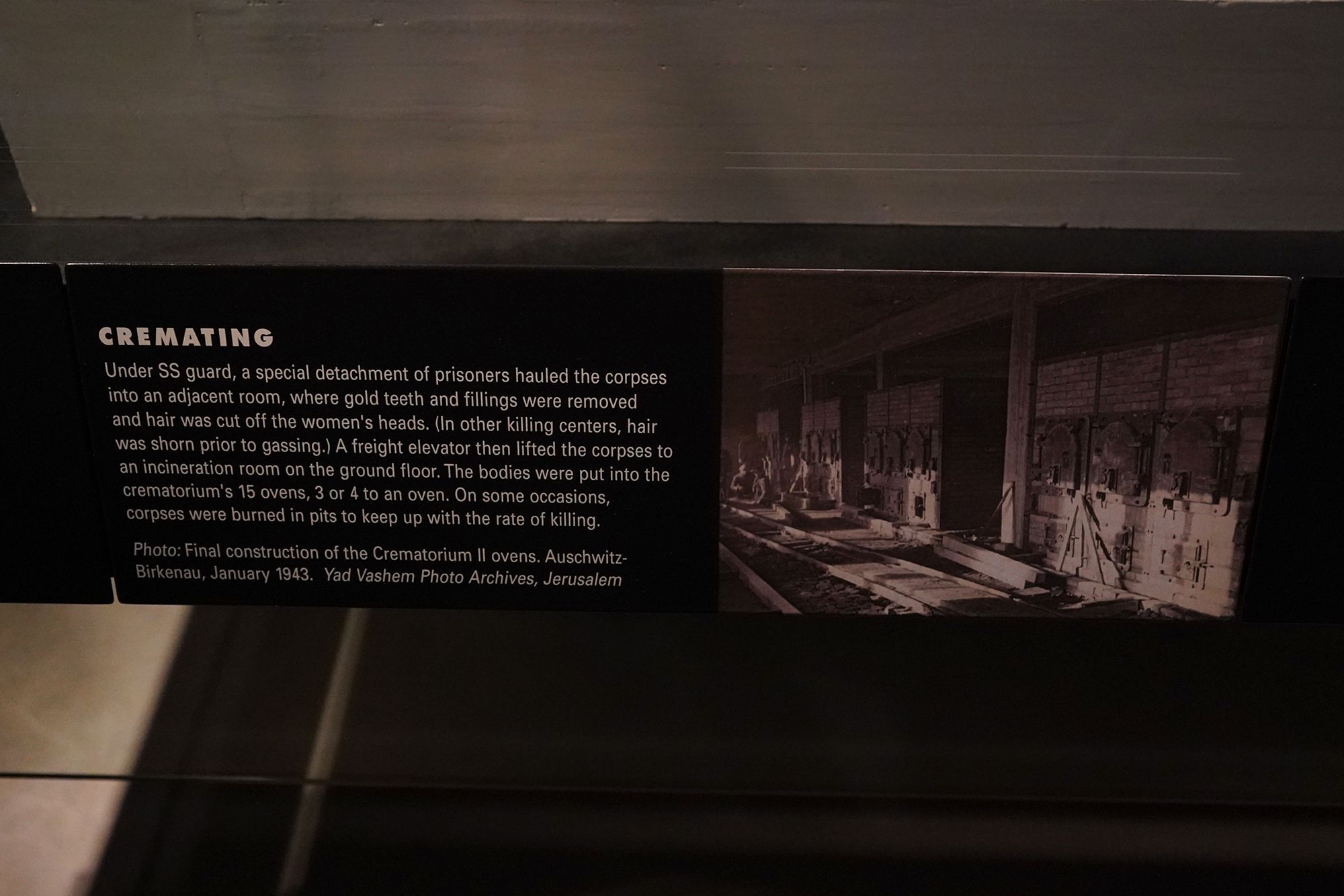
The bodies were burned day and night to erase evidence of the mass killings. Ashes were later crushed and dumped in rivers, fields, or scattered around the camp. This phase completed the Nazis’ systematic effort to destroy not only human lives but also all traces of their crimes.
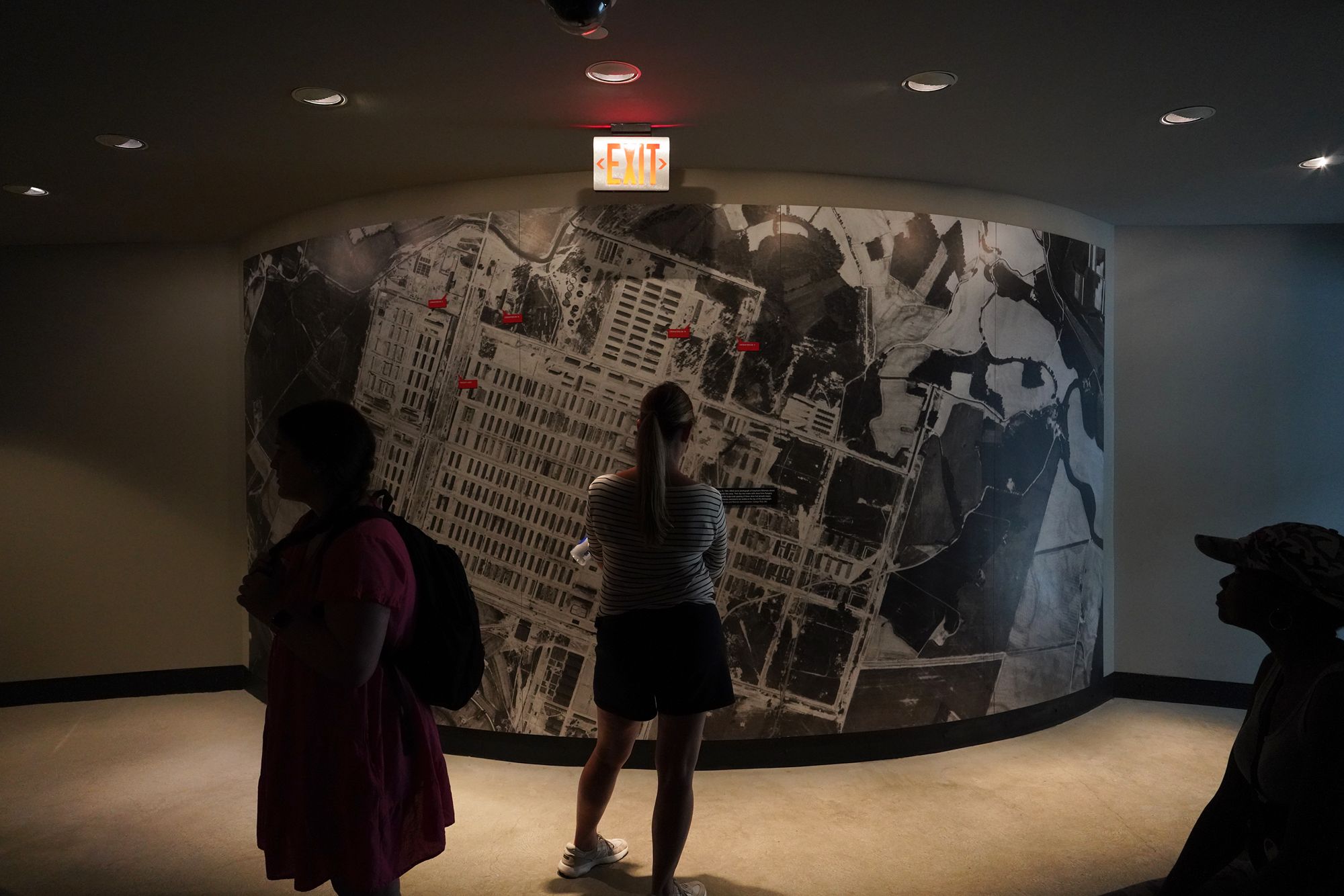
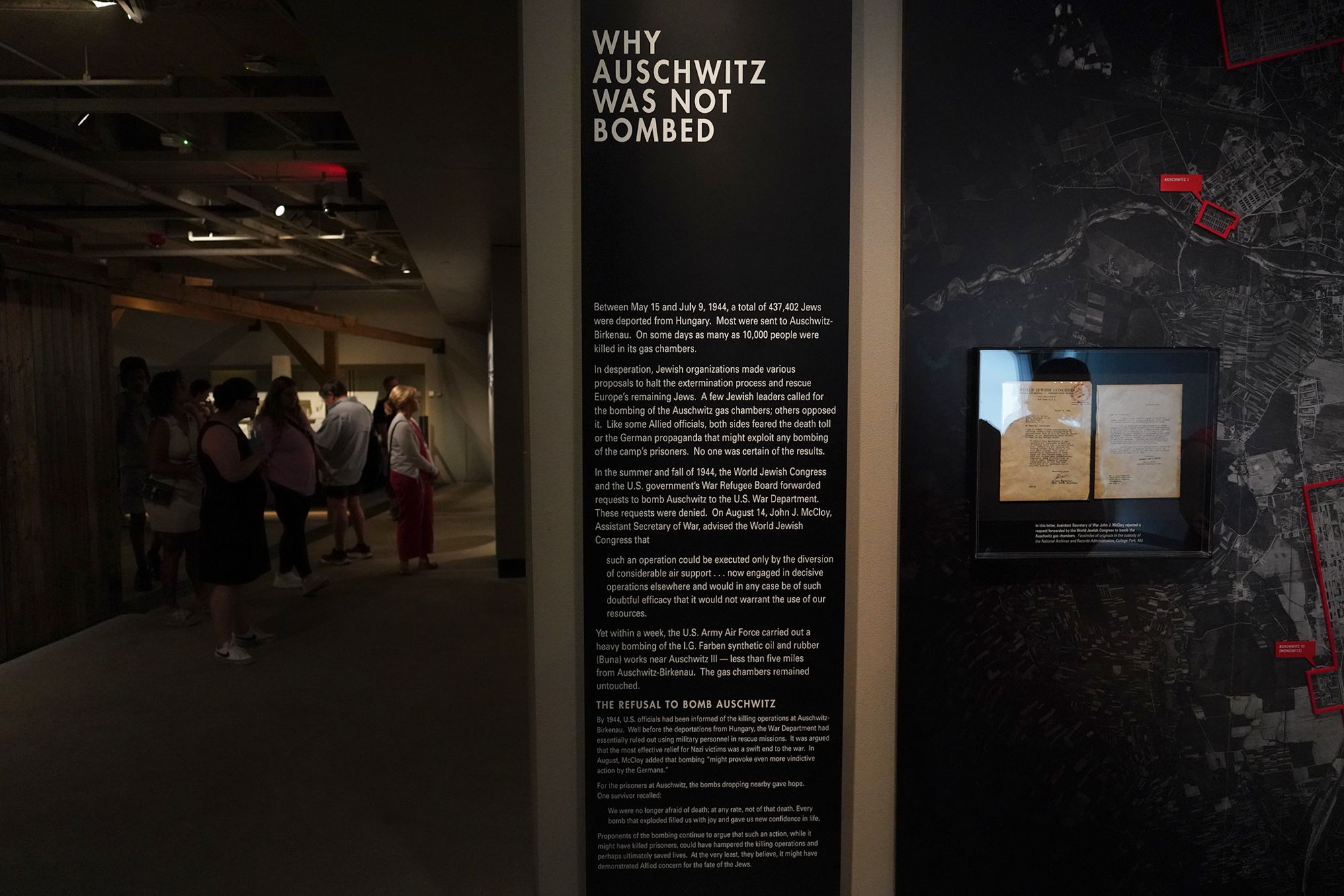
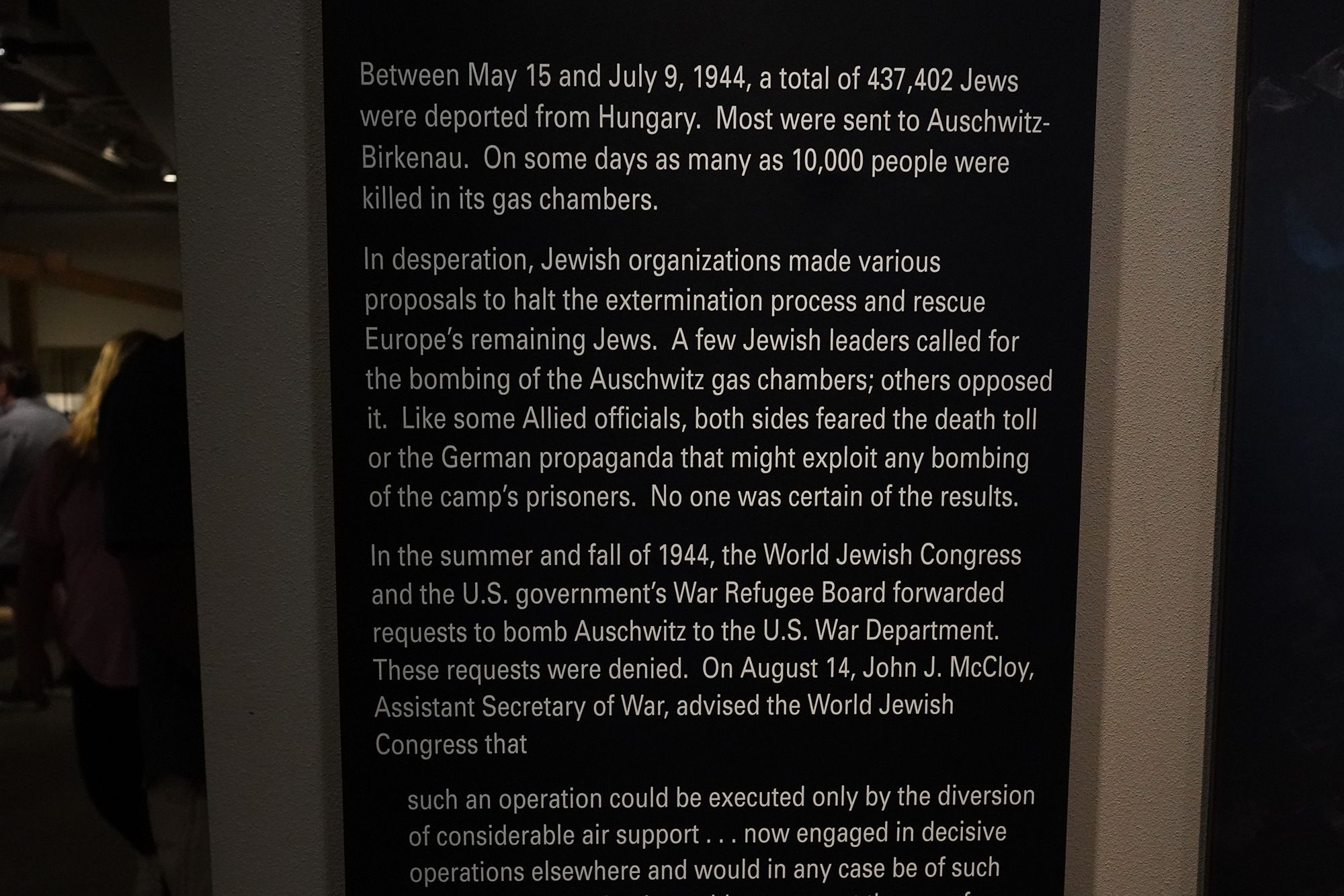
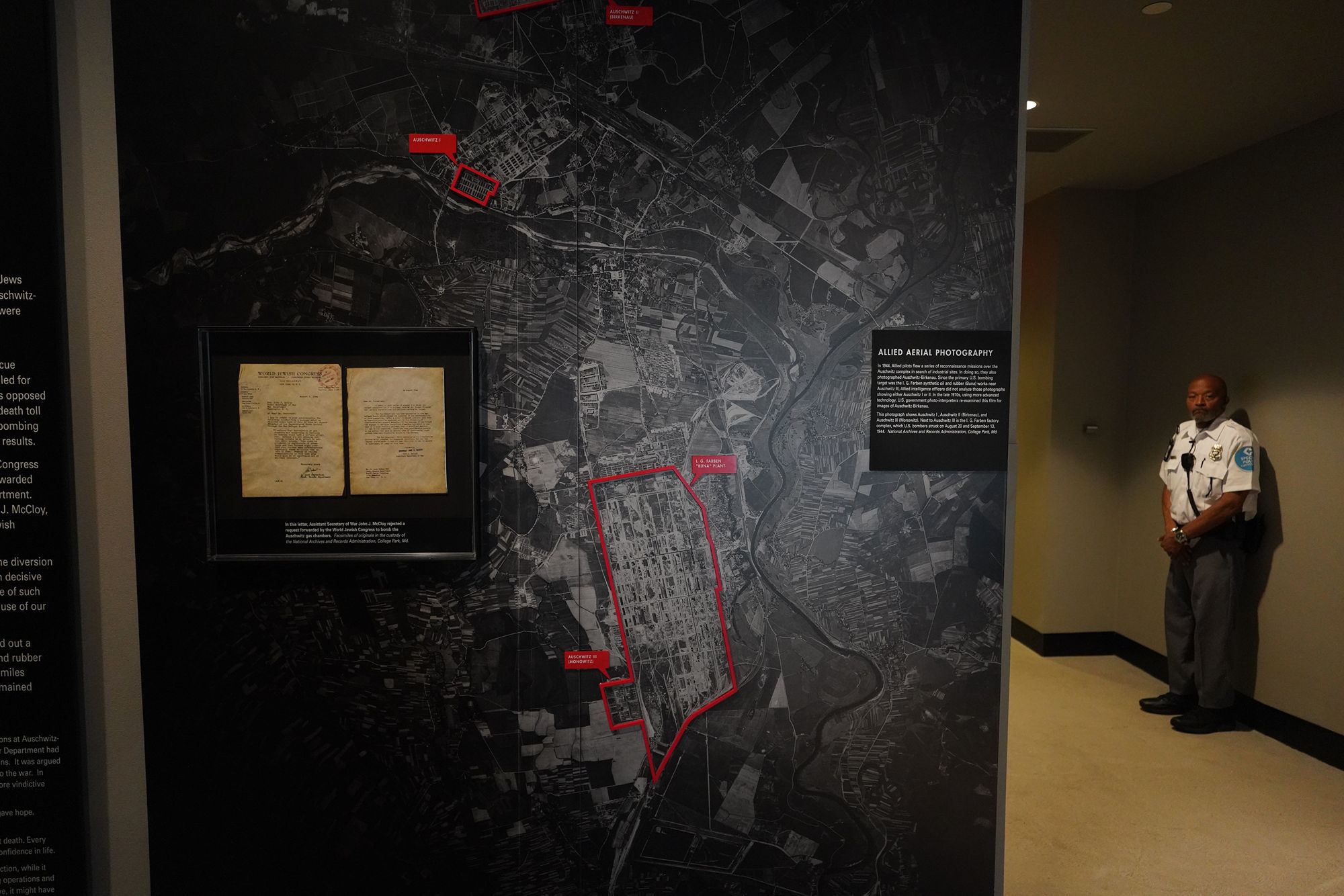
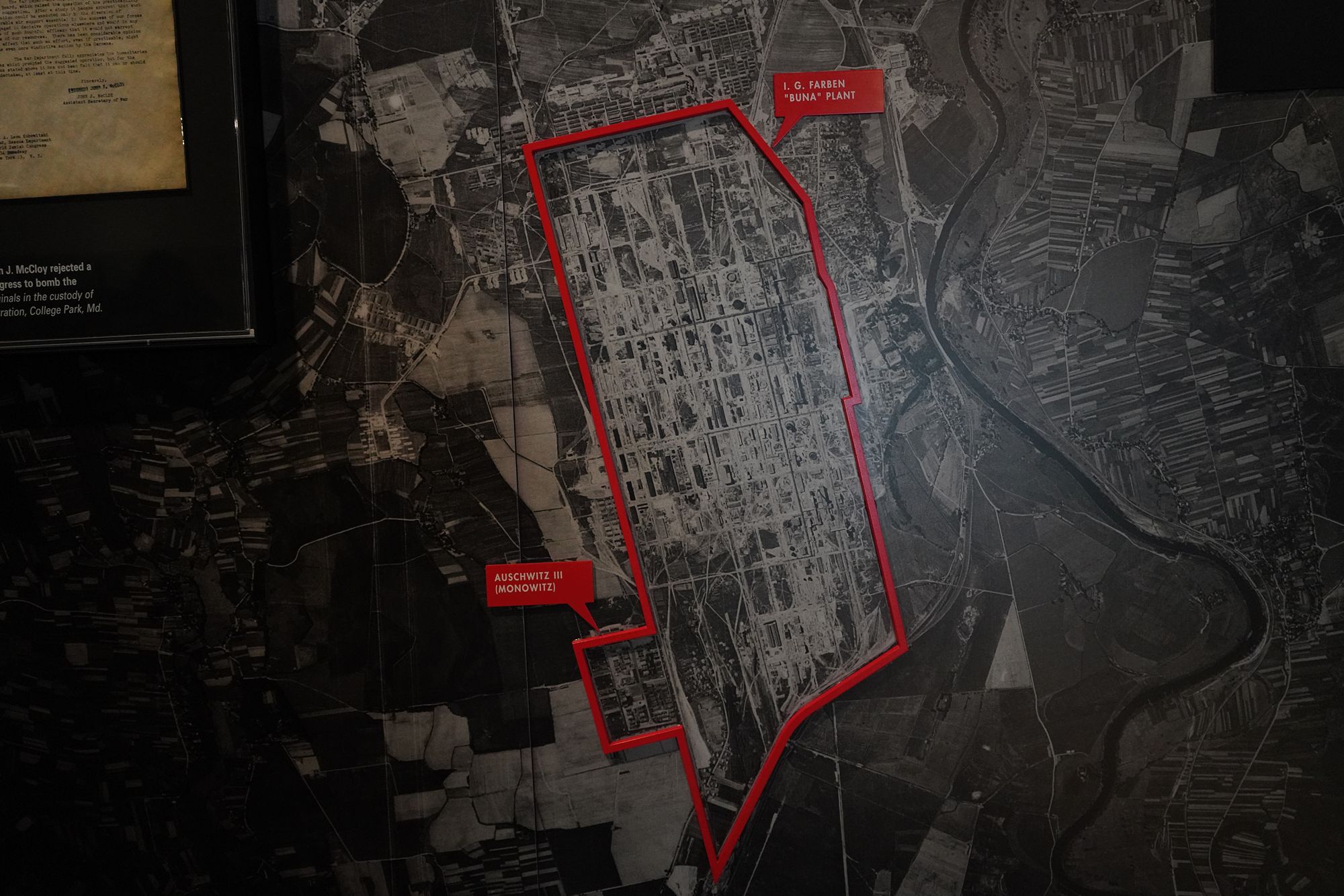
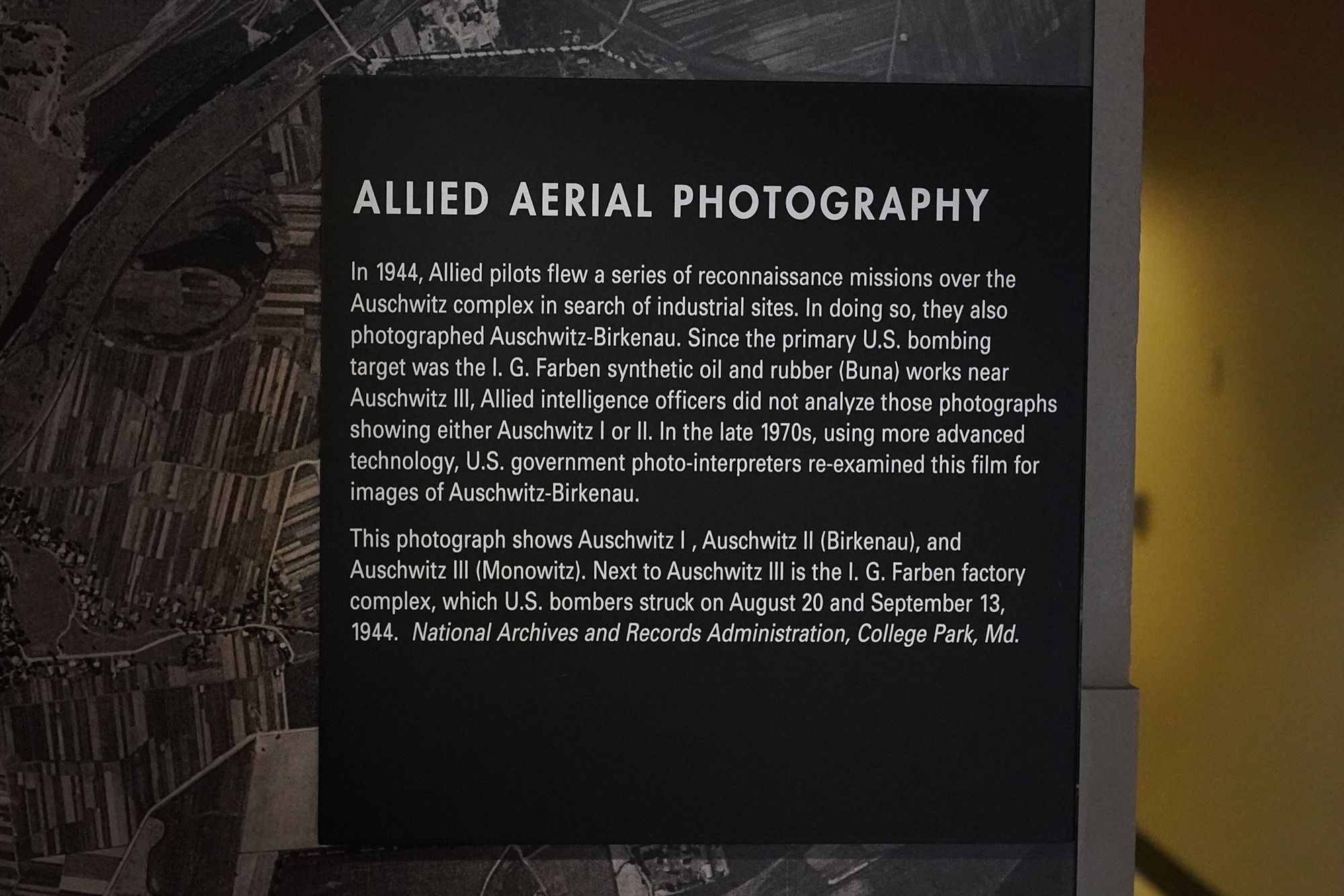
Auschwitz was not bombed because the Allies prioritized military objectives over rescue missions. Although reports about mass killings reached them by 1942, many leaders doubted their accuracy or underestimated the scale. The camp was deep inside occupied Poland, making it difficult for bombers to reach.
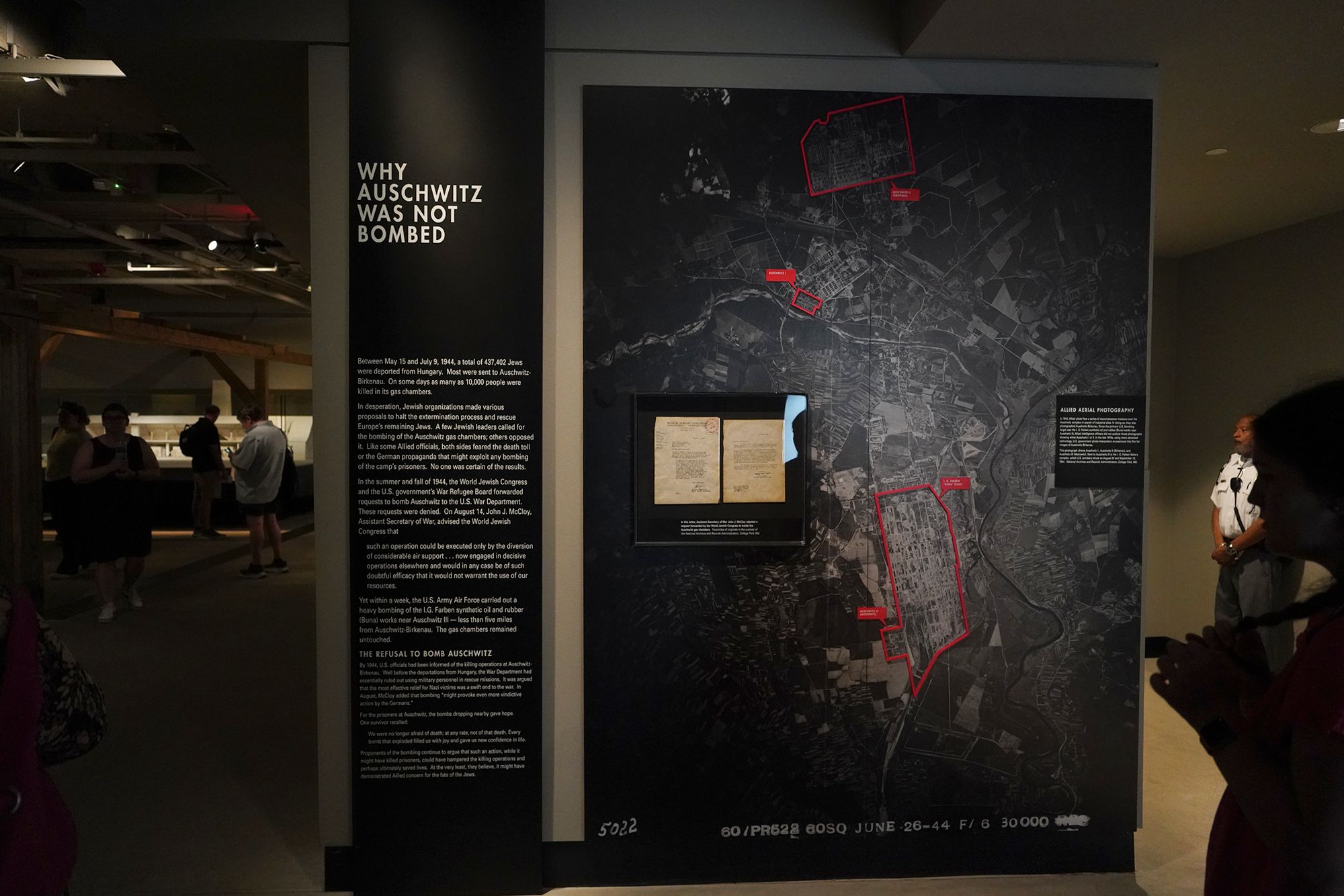
When Allied planes eventually flew nearby in 1944, they targeted industrial sites instead of the gas chambers. Officials also feared that bombing the camp might kill prisoners. The U.S. and British governments decided that ending the war quickly was the best way to stop the killings, a decision later seen as a tragic moral failure.
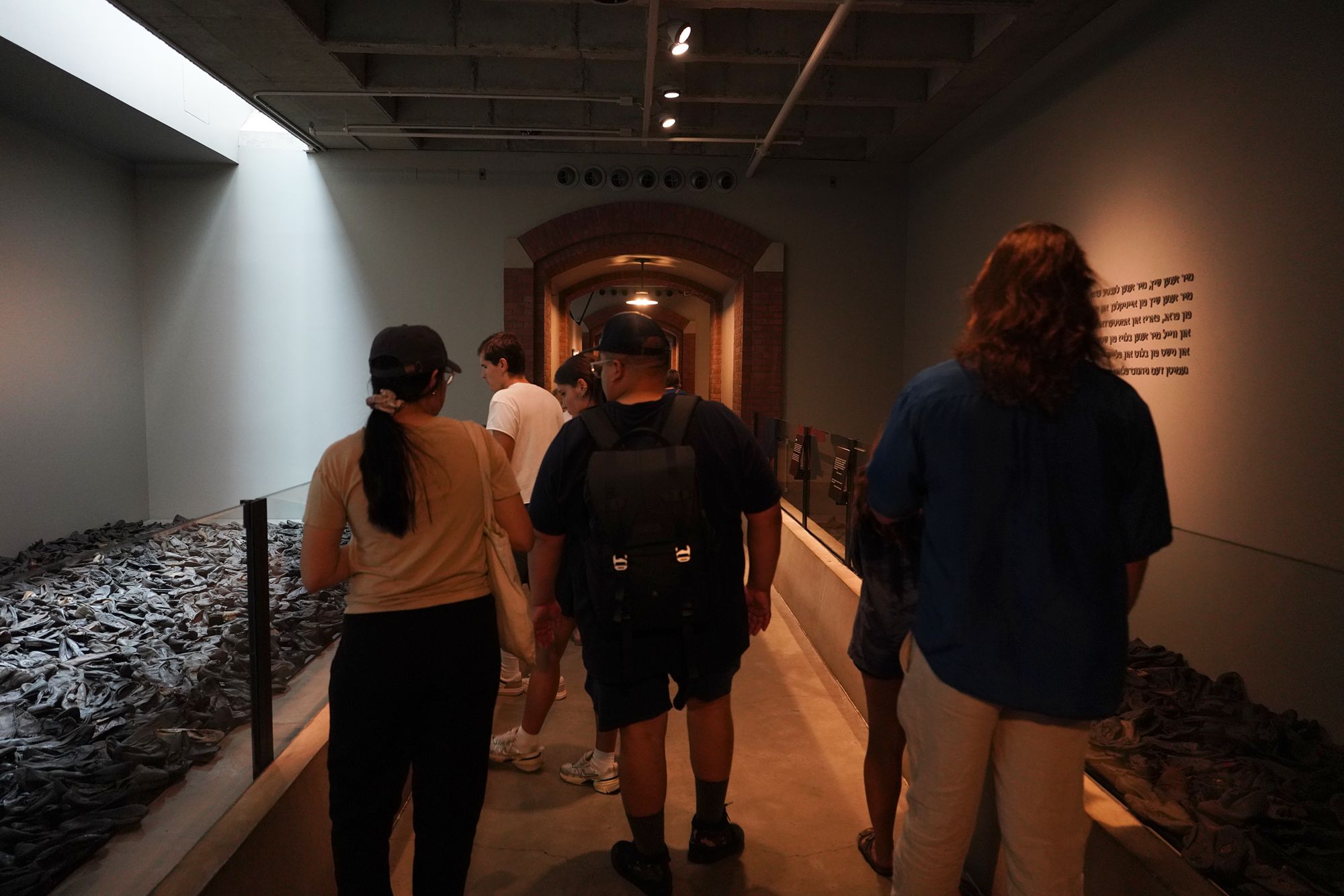
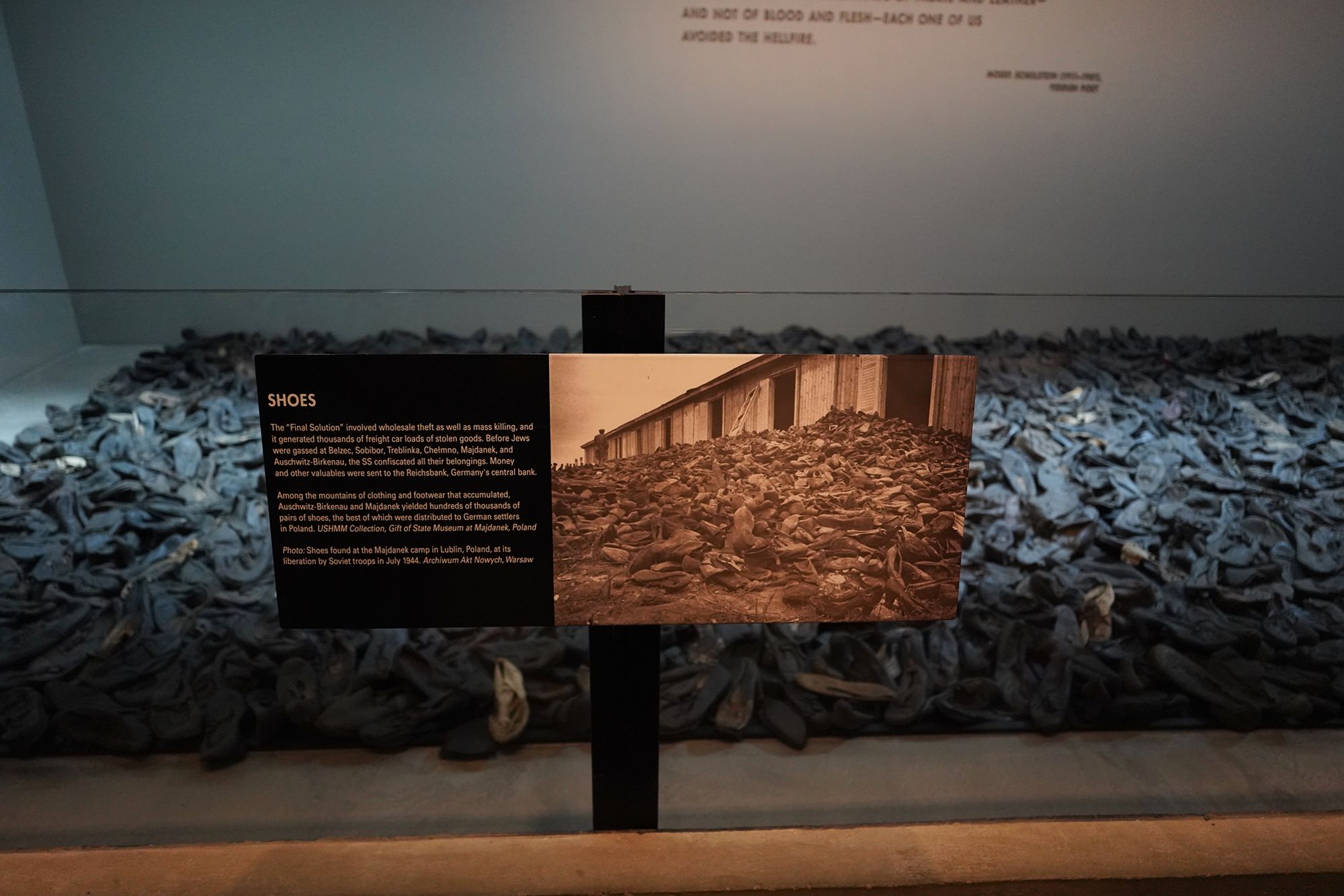
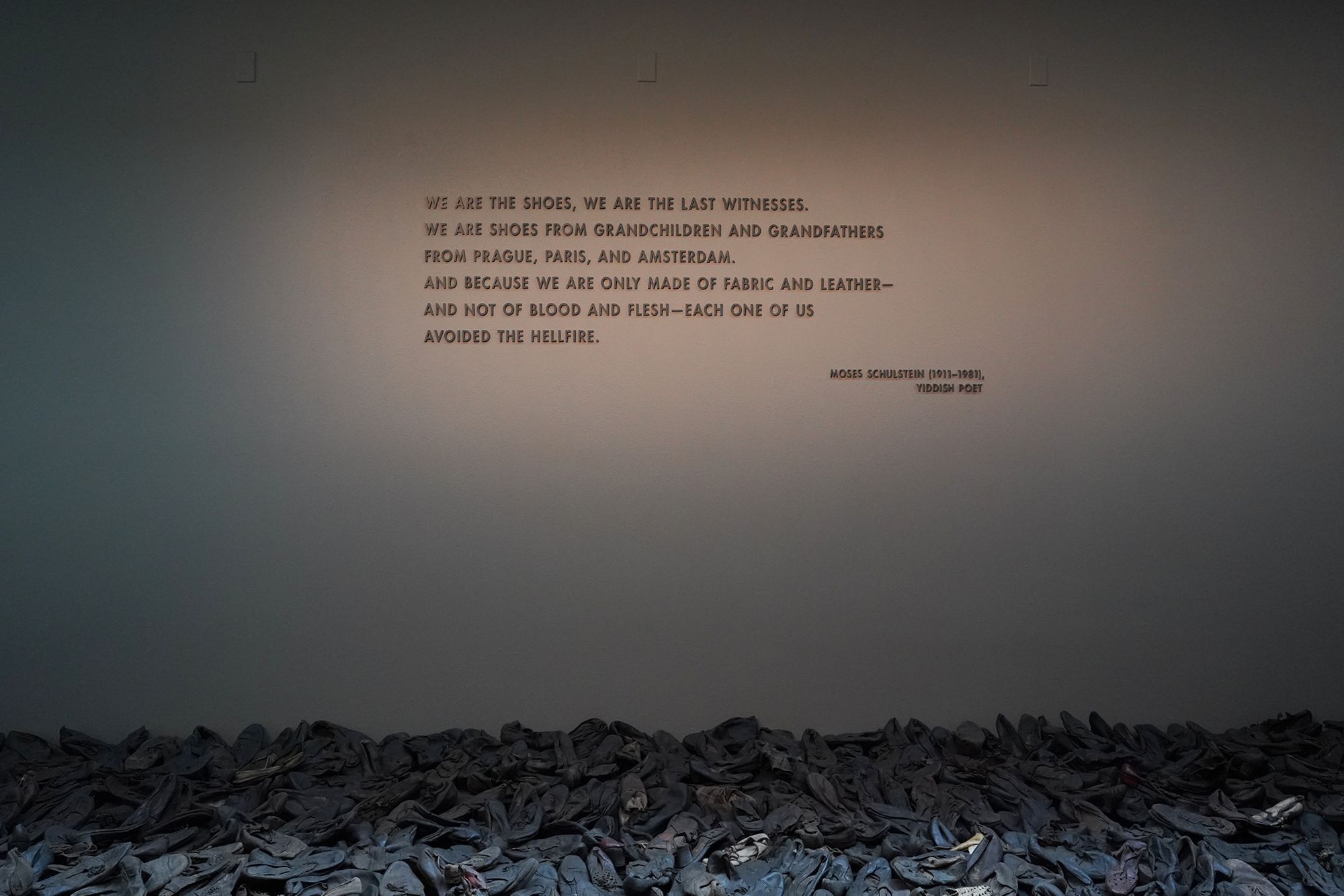
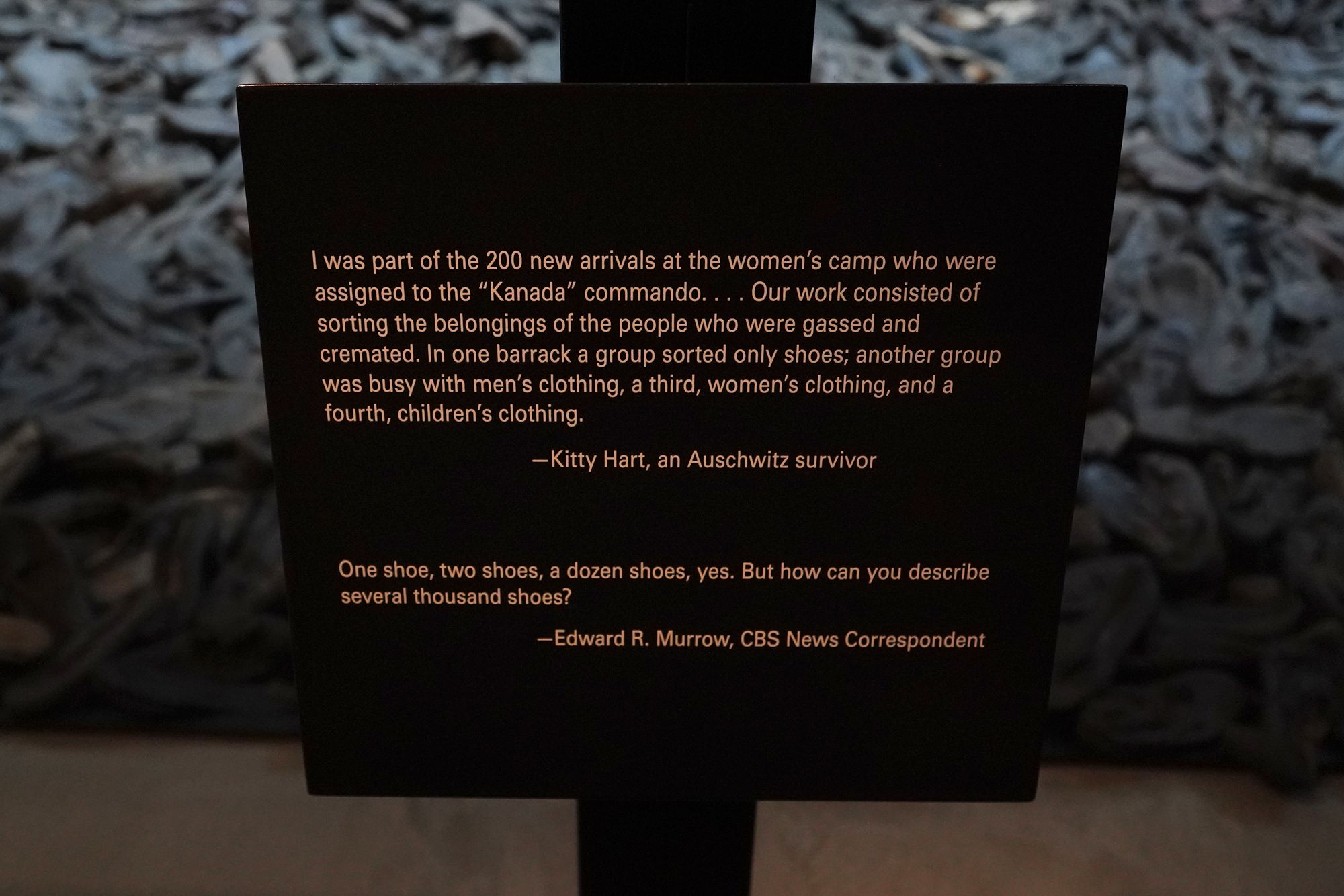
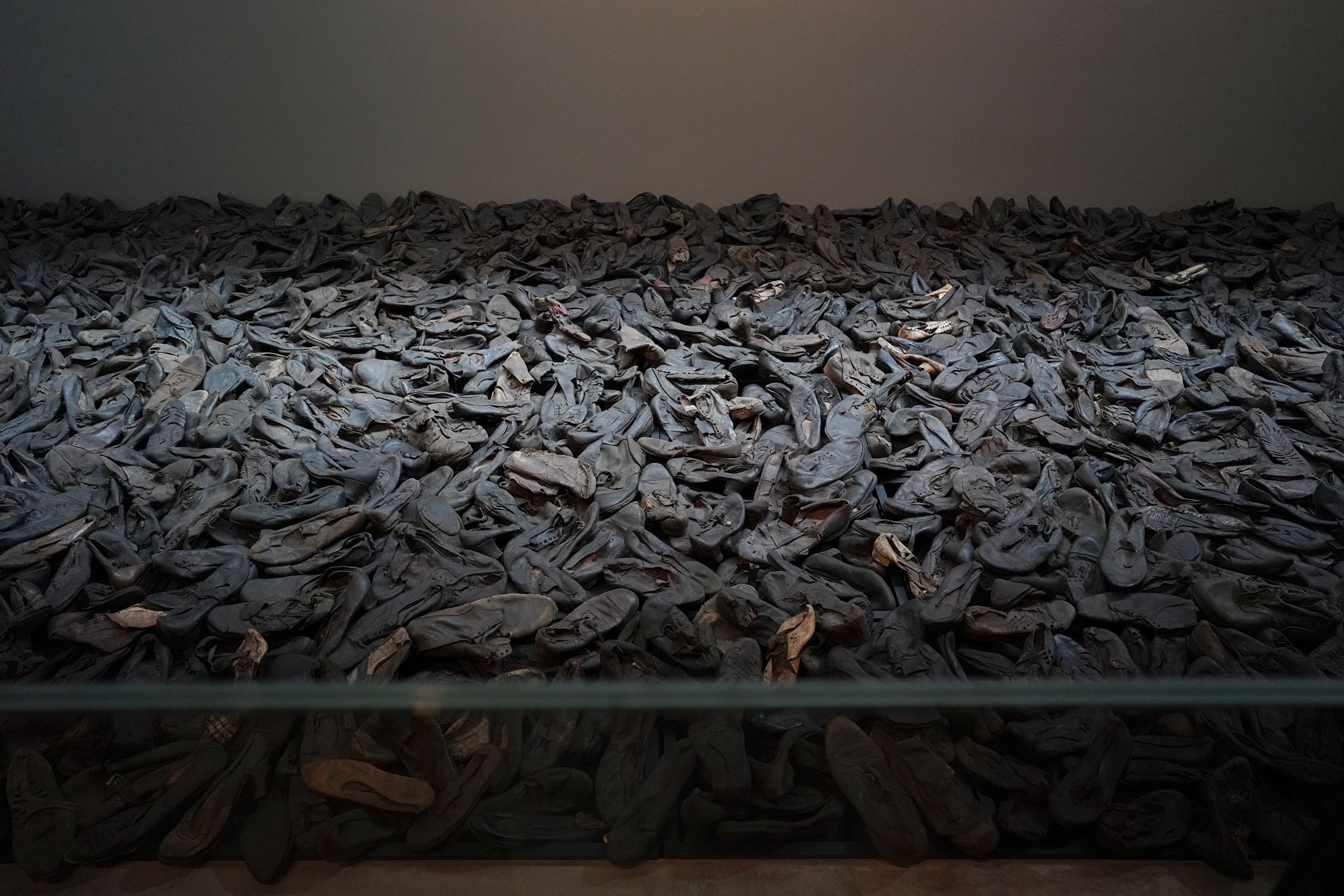
One of the most haunting displays in the Holocaust Museum is the vast pile of shoes taken from victims at concentration and extermination camps. Each pair once belonged to a man, woman, or child who was murdered soon after arrival.
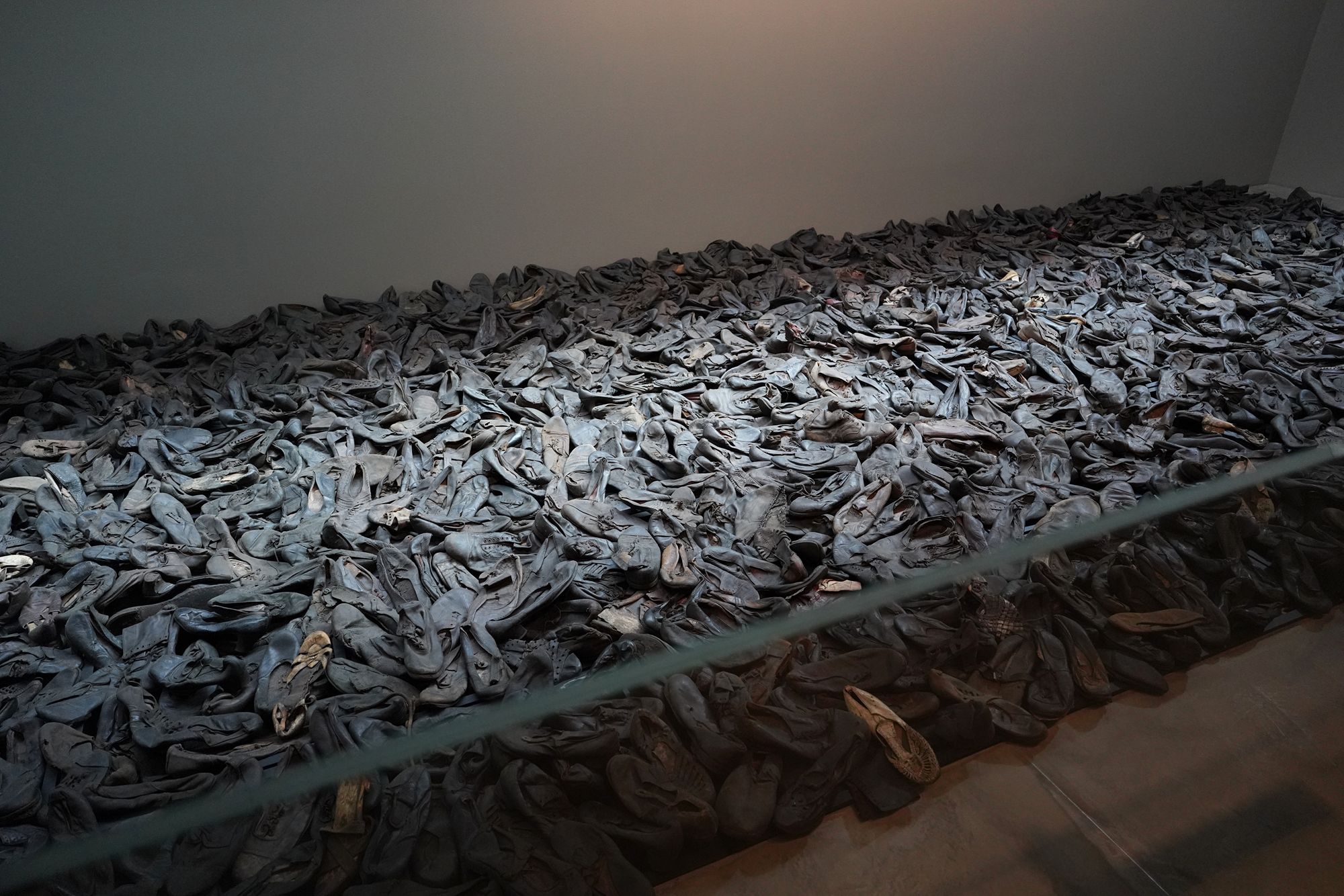
The Nazis collected and reused clothing and personal belongings from the dead, treating human lives as disposable property. The worn and mismatched shoes—some small enough for infants—serve as silent witnesses to the millions who perished. Their presence makes the scale of loss deeply personal and impossible to forget.
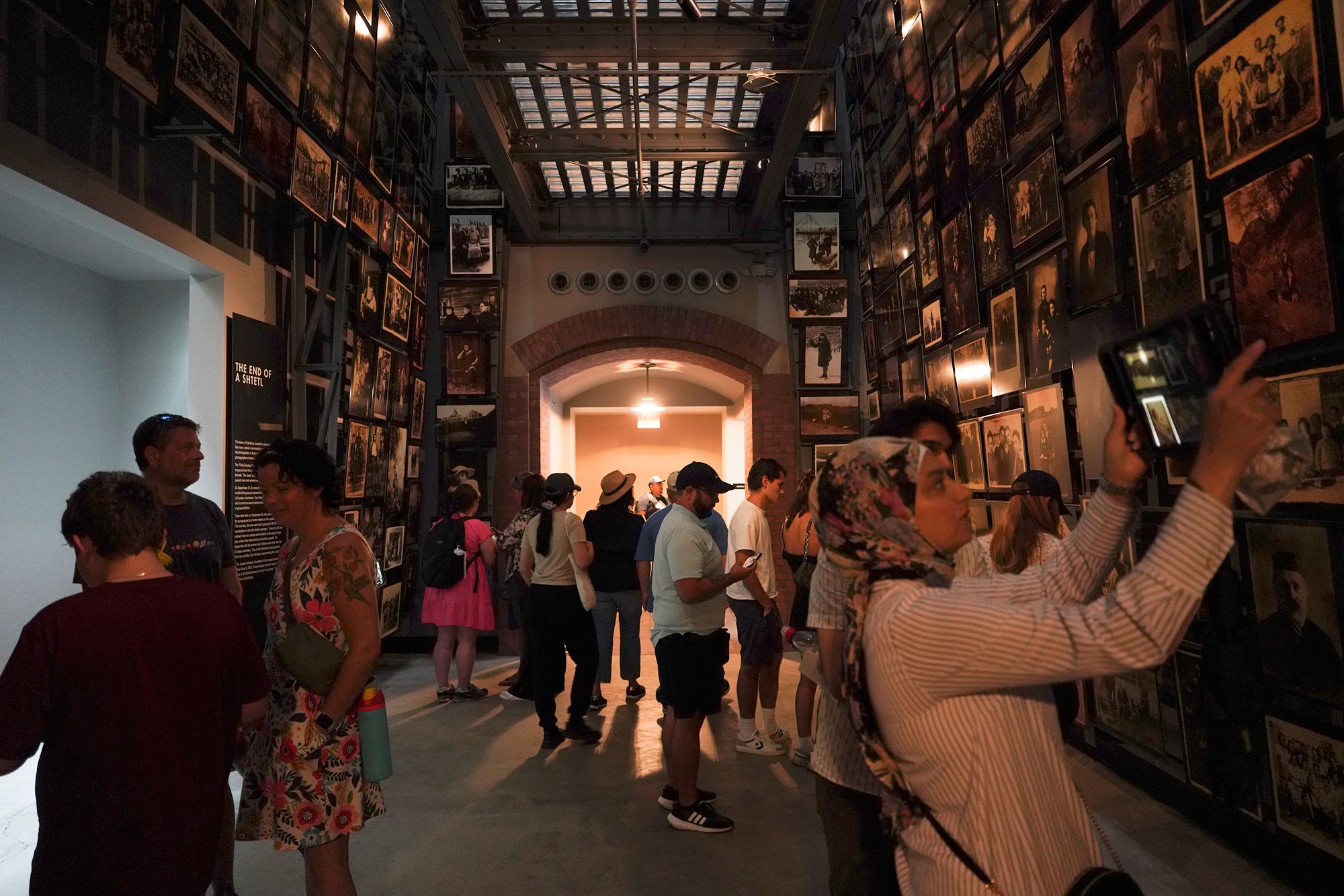
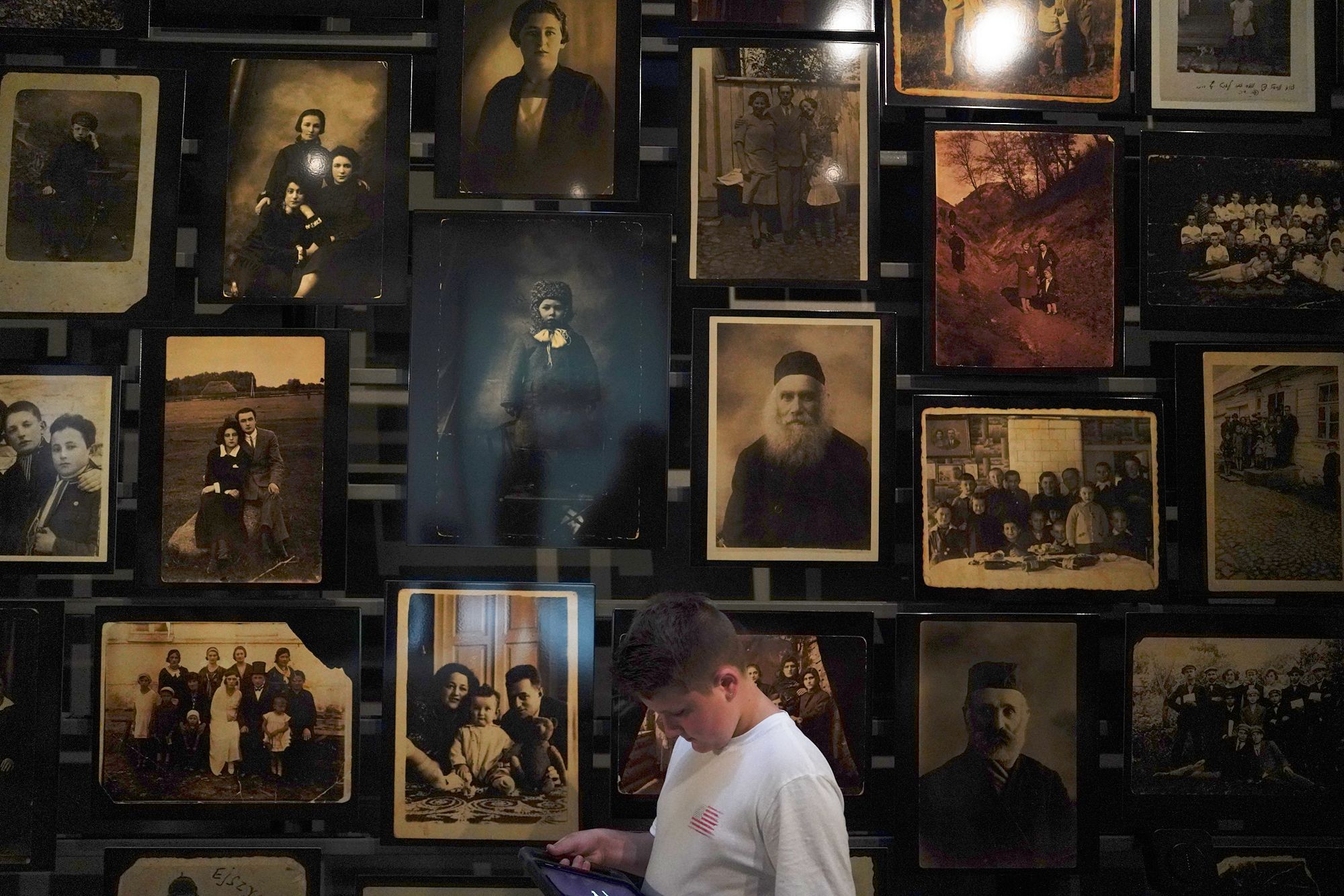
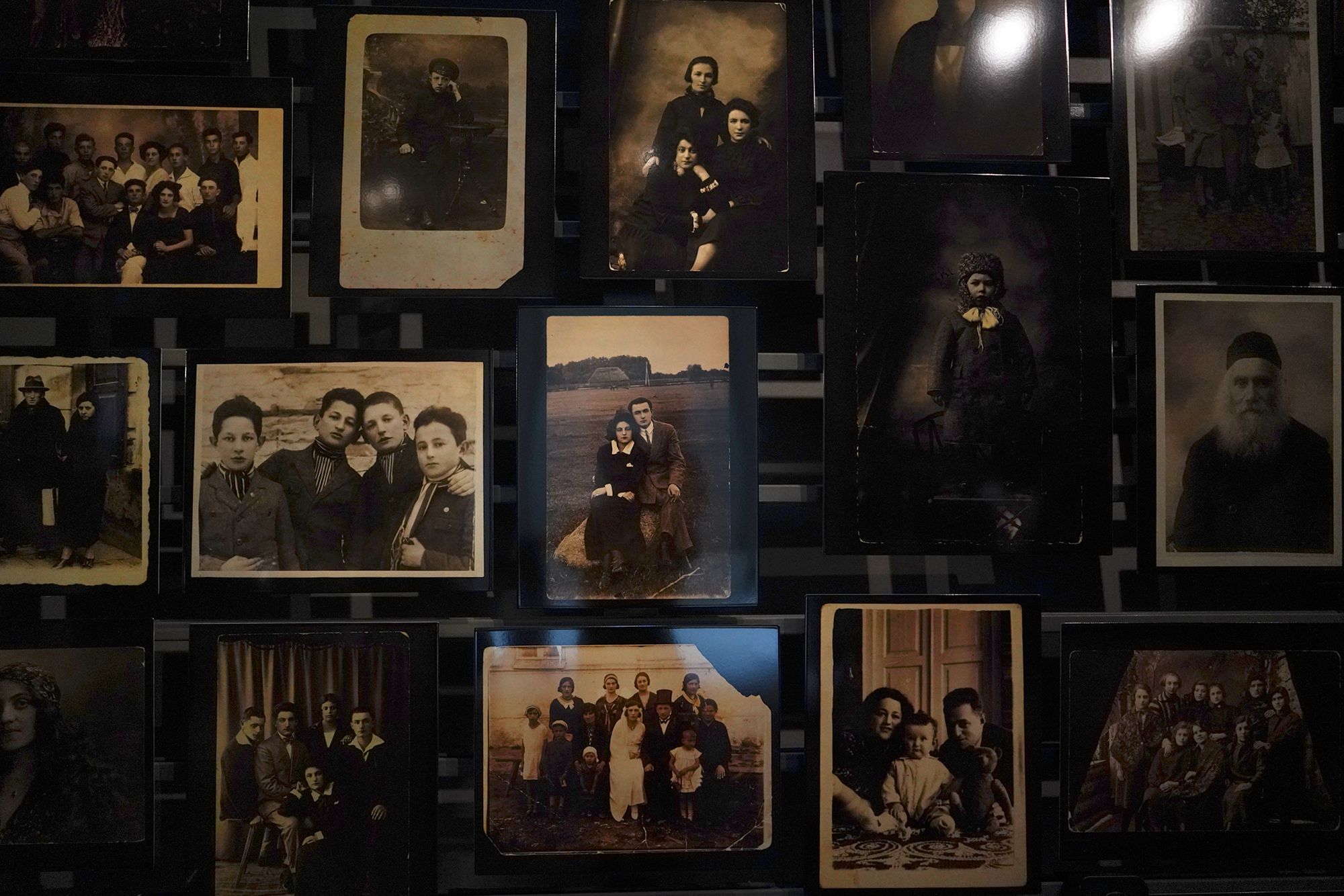
The section “The World at War – German Collapse” shows the final phase of World War II as Nazi Germany faced total defeat. By 1944–1945, Allied forces were advancing from both east and west, liberating occupied territories and uncovering the horrors of the concentration camps.
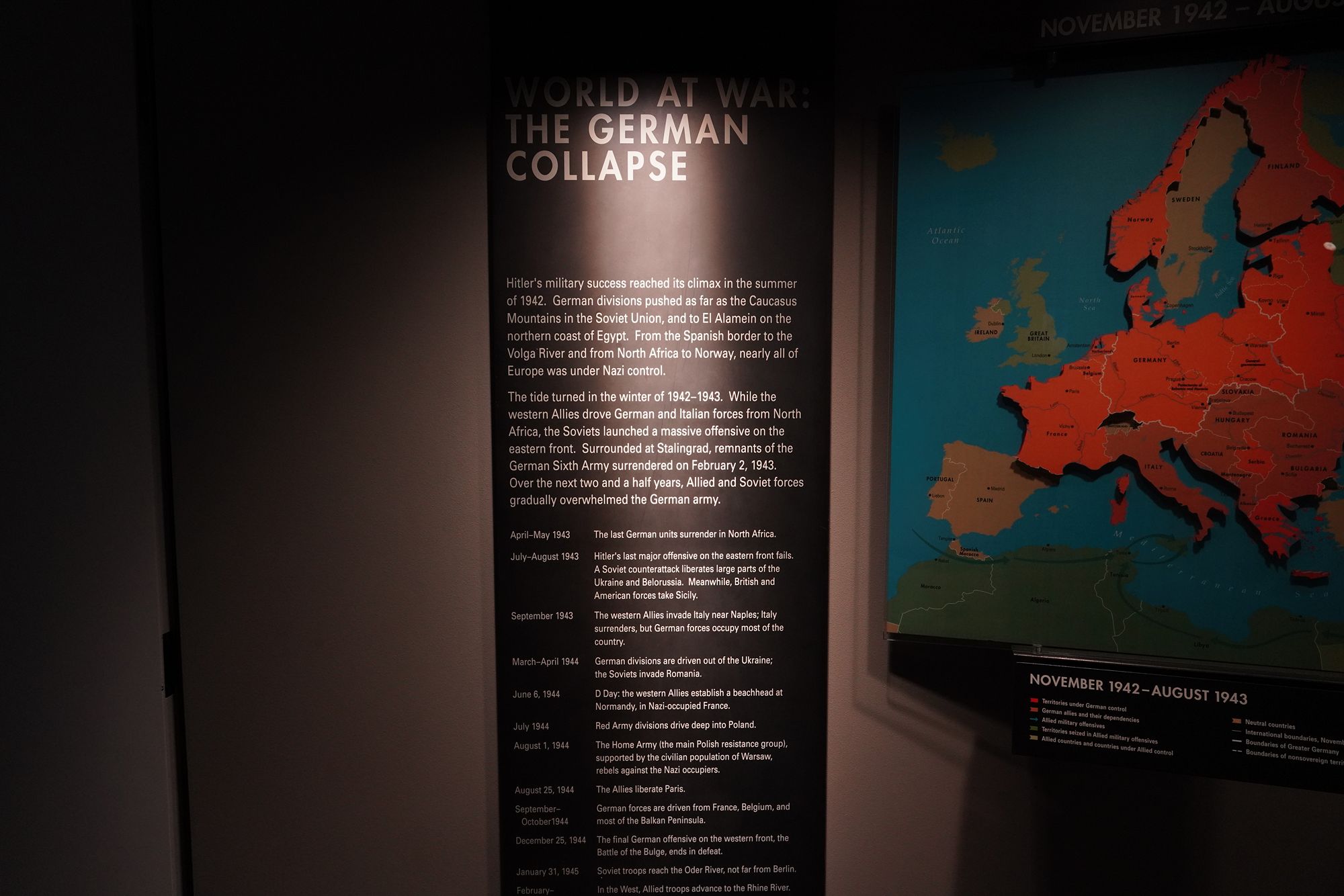
German cities were destroyed by bombings, the army was collapsing, and morale had vanished. As Soviet troops closed in on Berlin, Hitler committed suicide in April 1945. Soon after, Germany surrendered unconditionally. This collapse ended the Nazi regime but left behind the devastation of war and the lasting scars of the Holocaust.
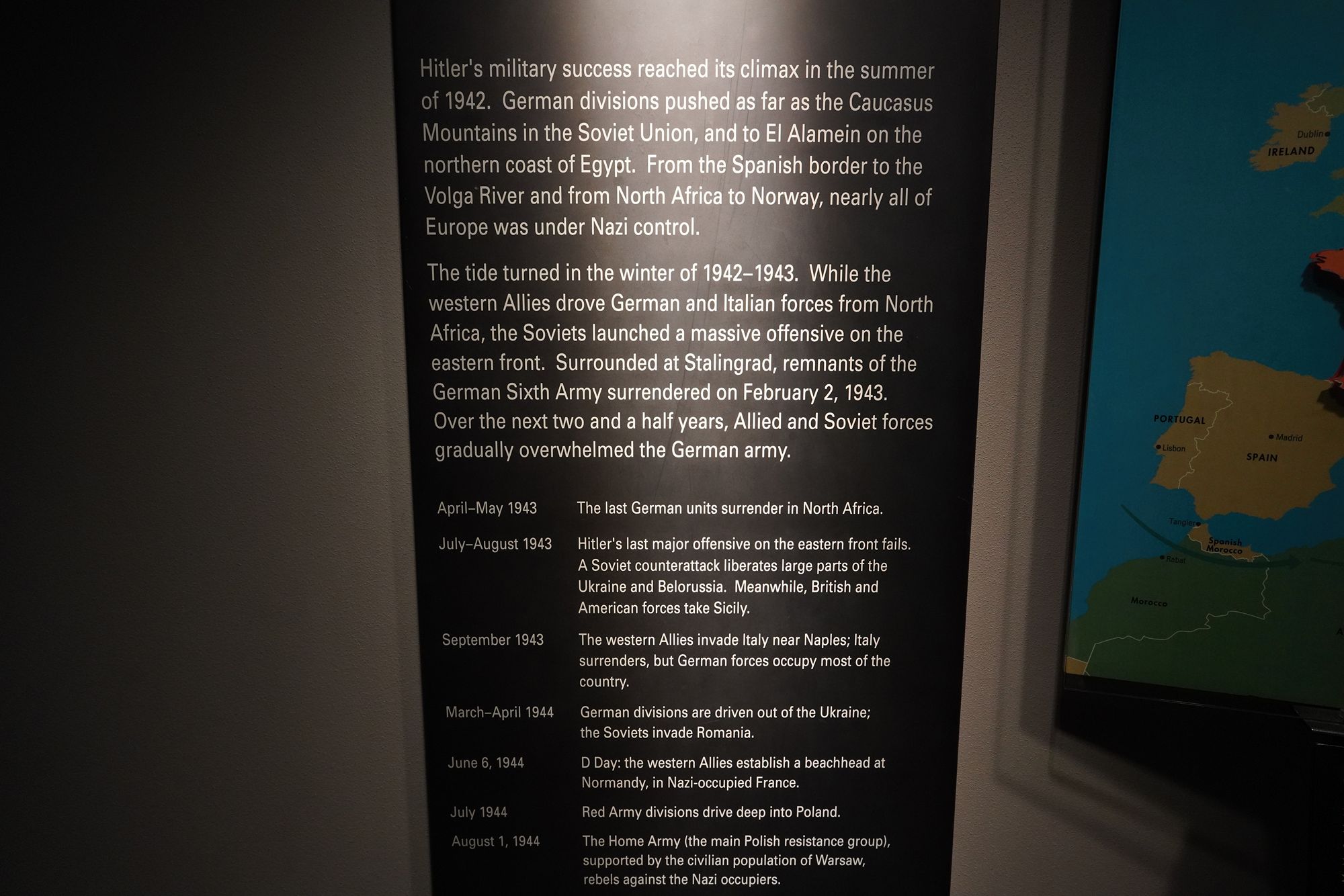
German War Retreat
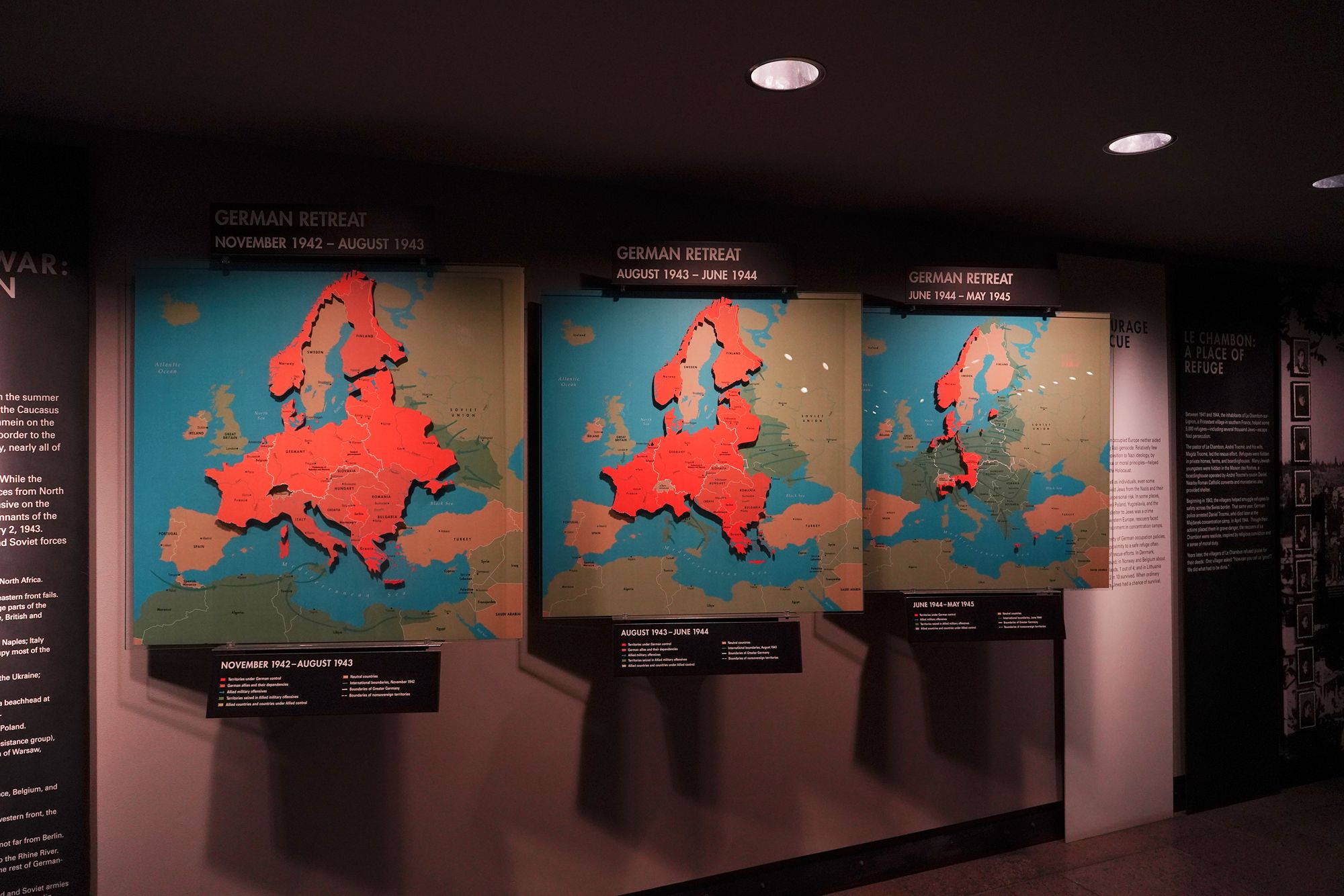
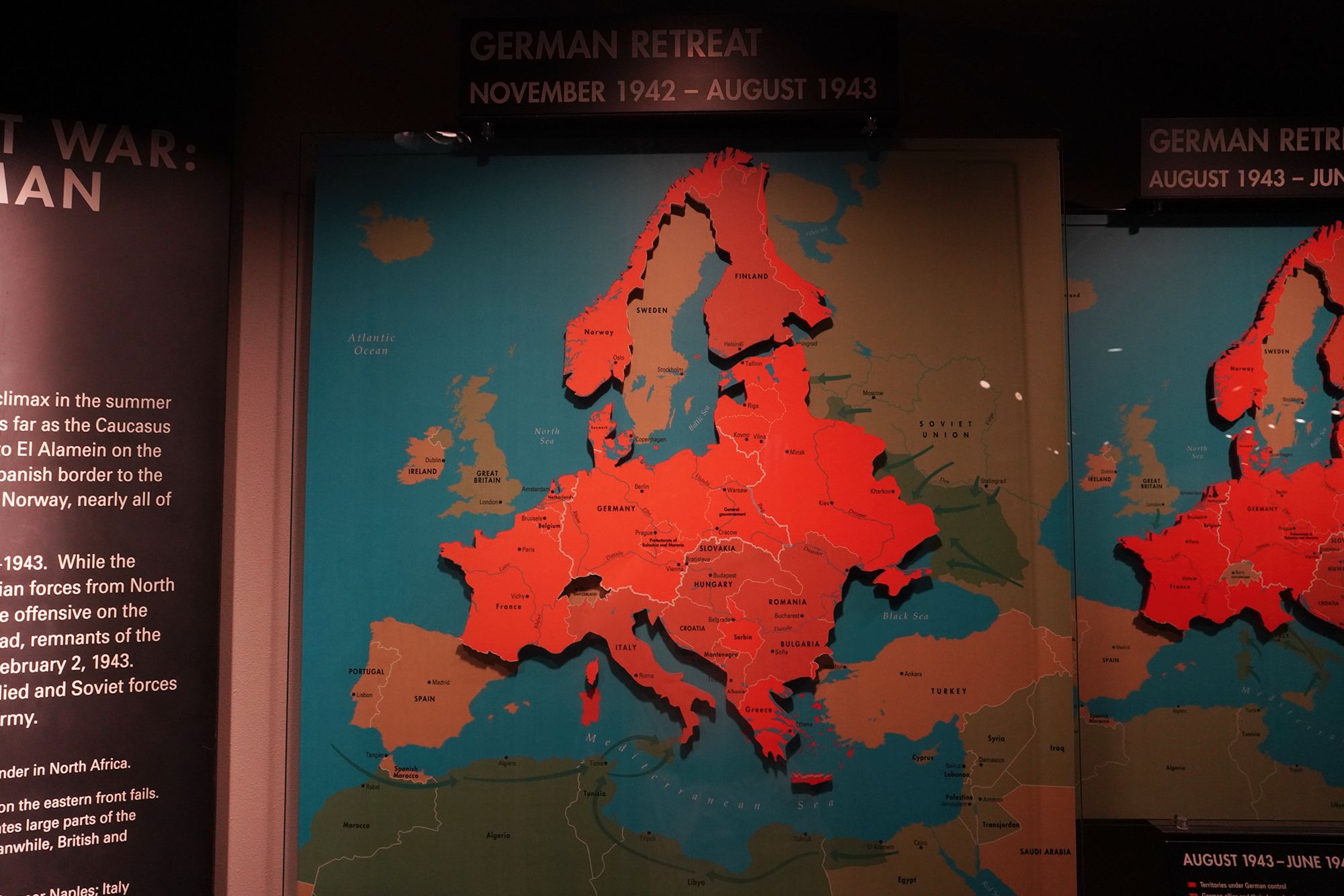
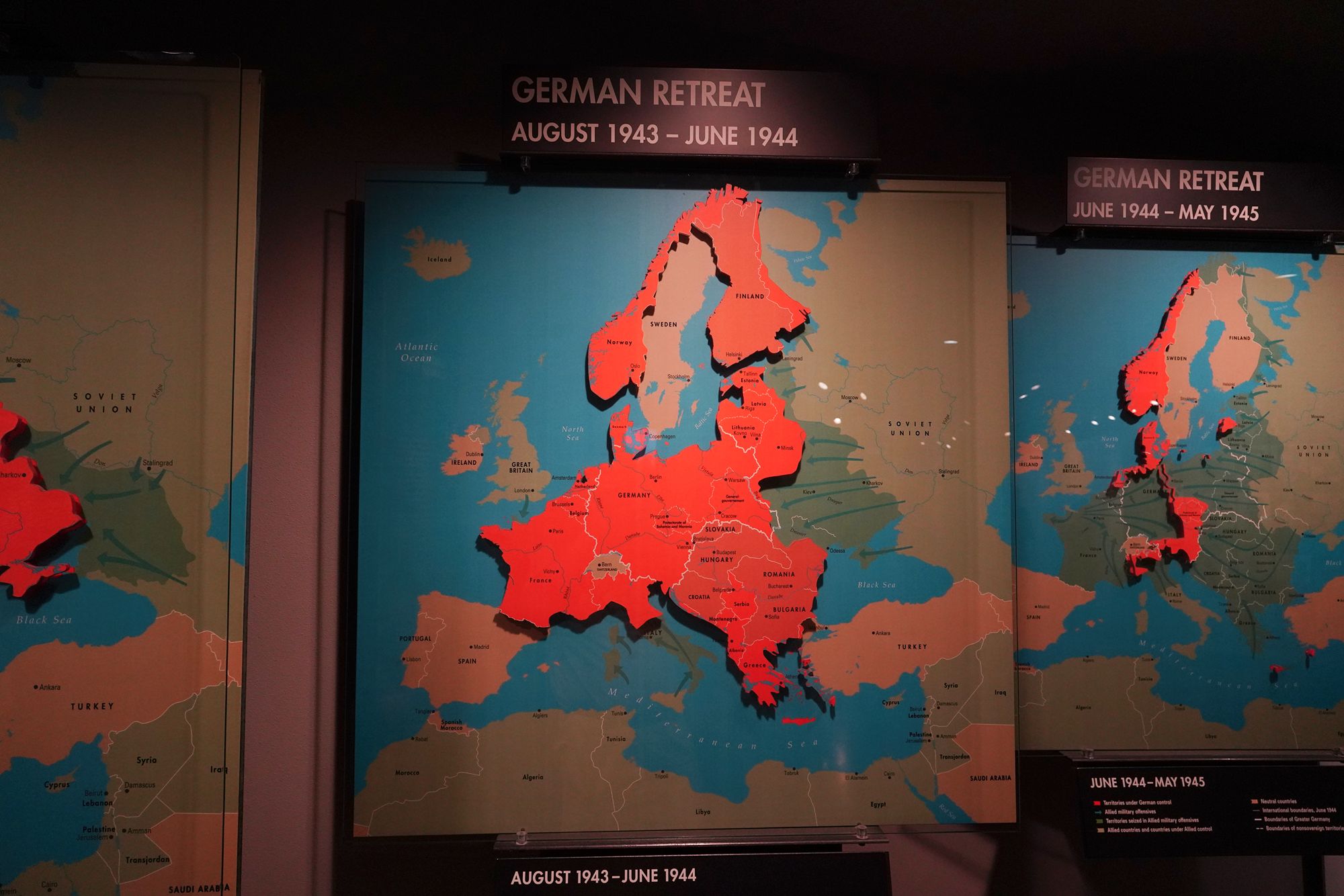
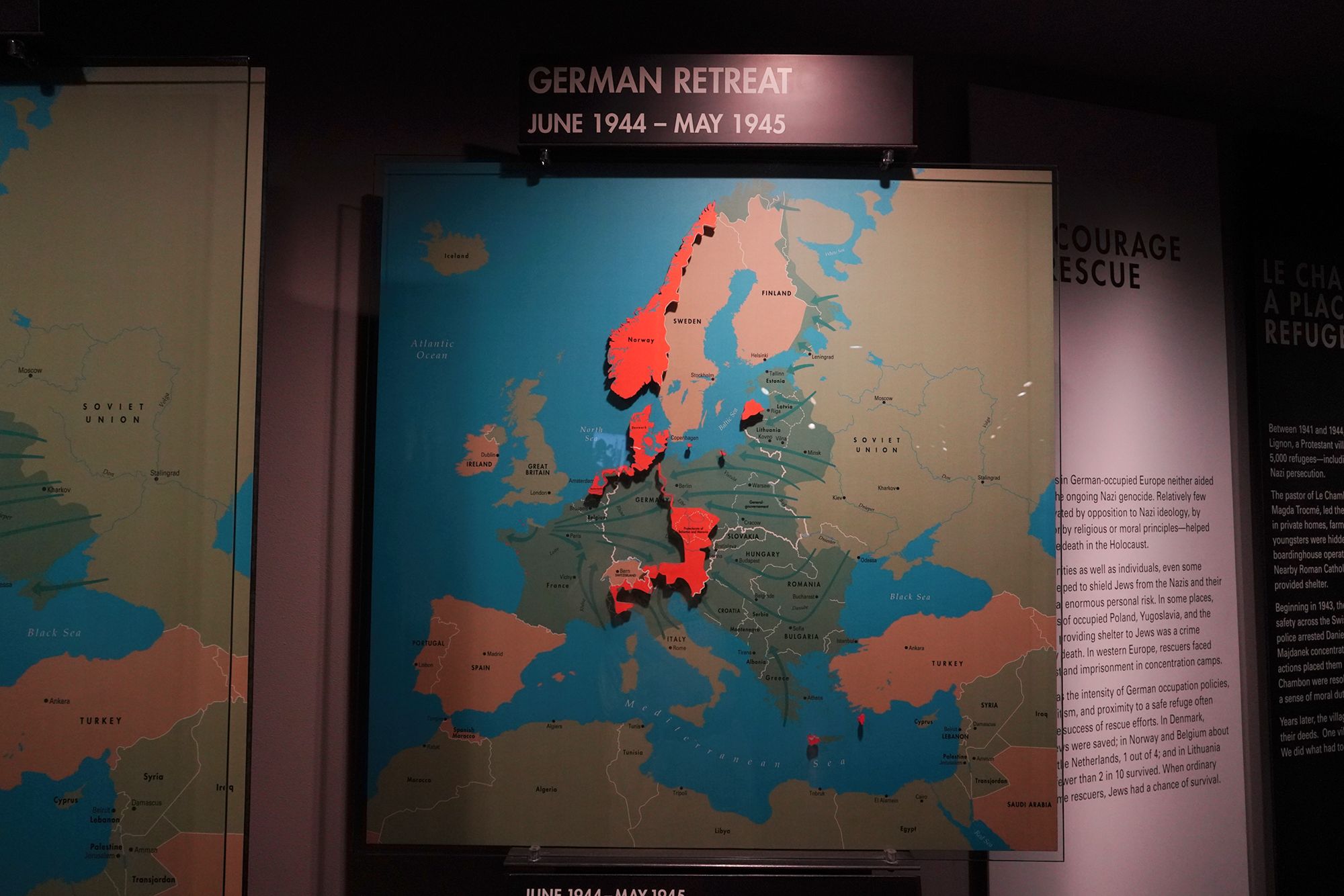
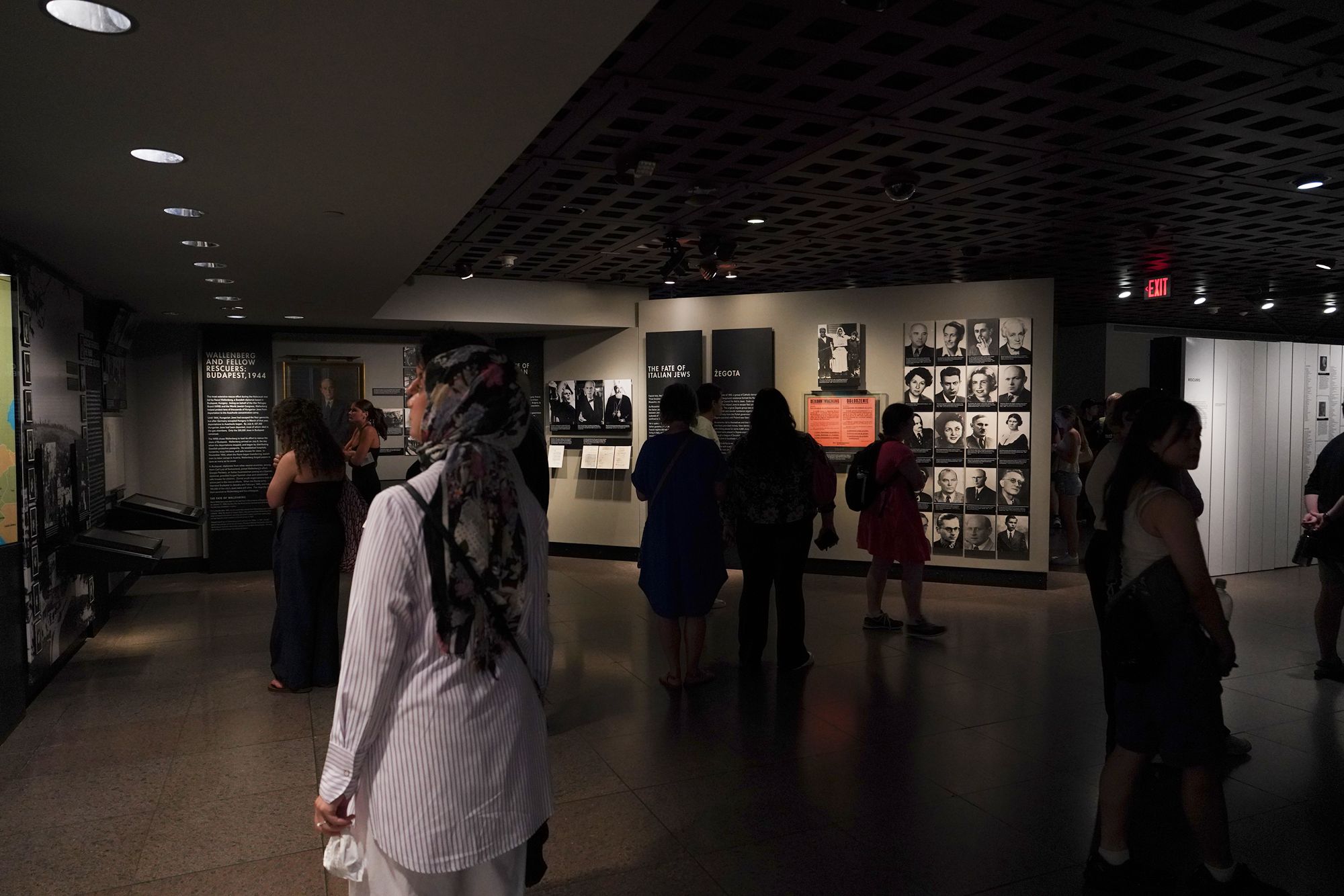
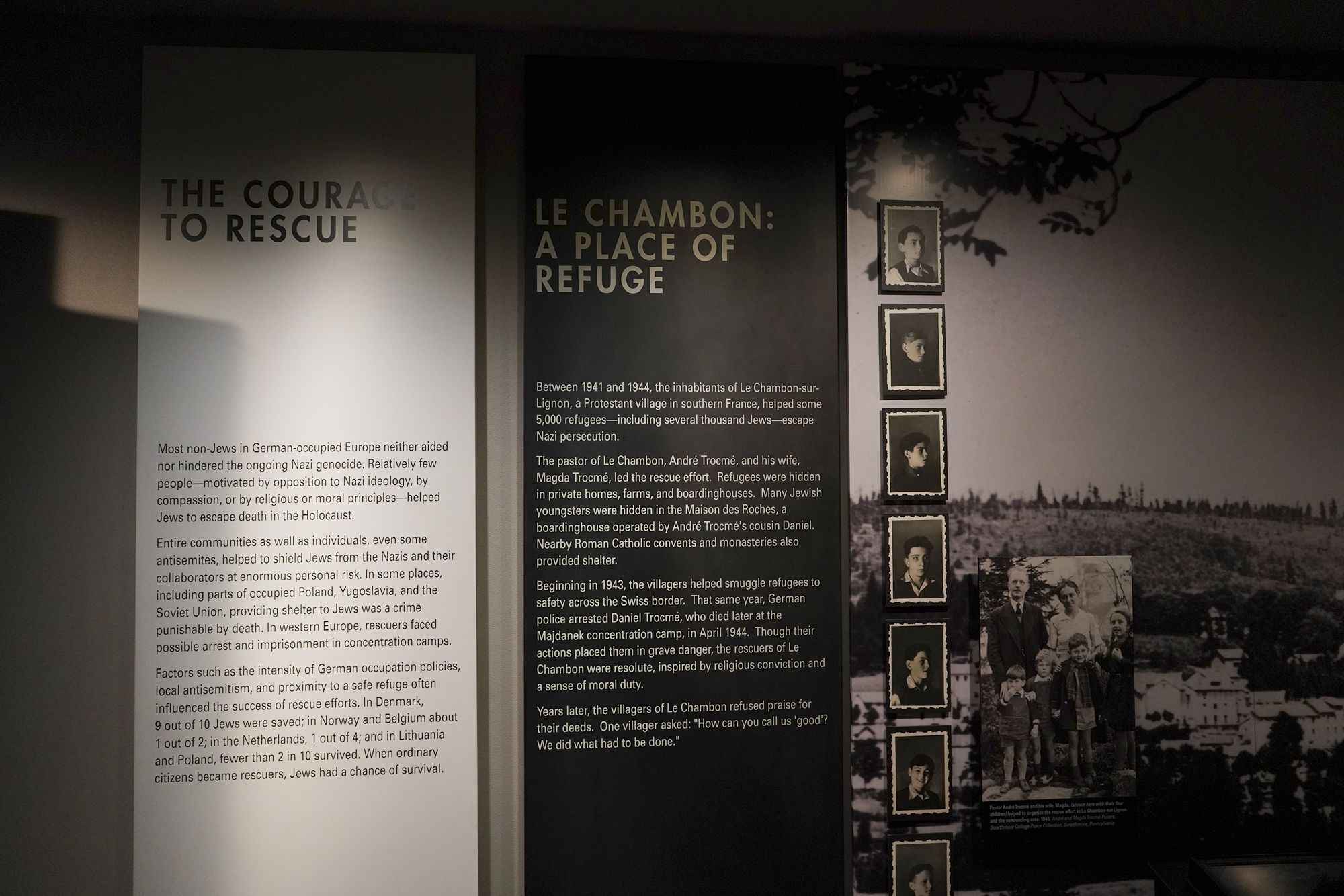
The section “The Courage to Rescue” honors the individuals and groups who risked their lives to save Jews and others persecuted by the Nazis.
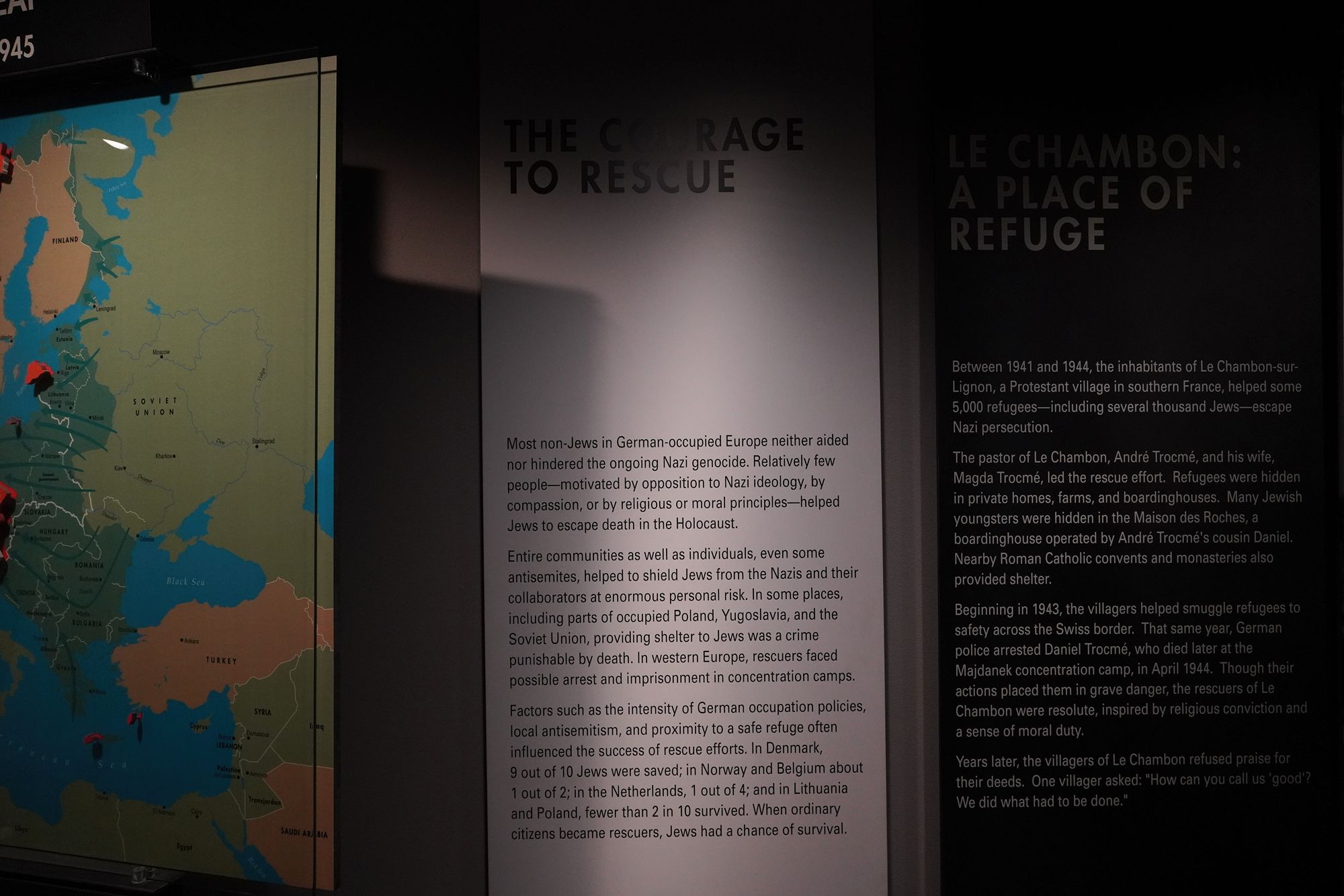
These rescuers—often called the “Righteous Among the Nations”—included ordinary people, clergy, diplomats, and resistance members who acted out of compassion and moral conviction. They hid families in homes, churches, and barns, forged identity papers, and helped people escape occupied territories.
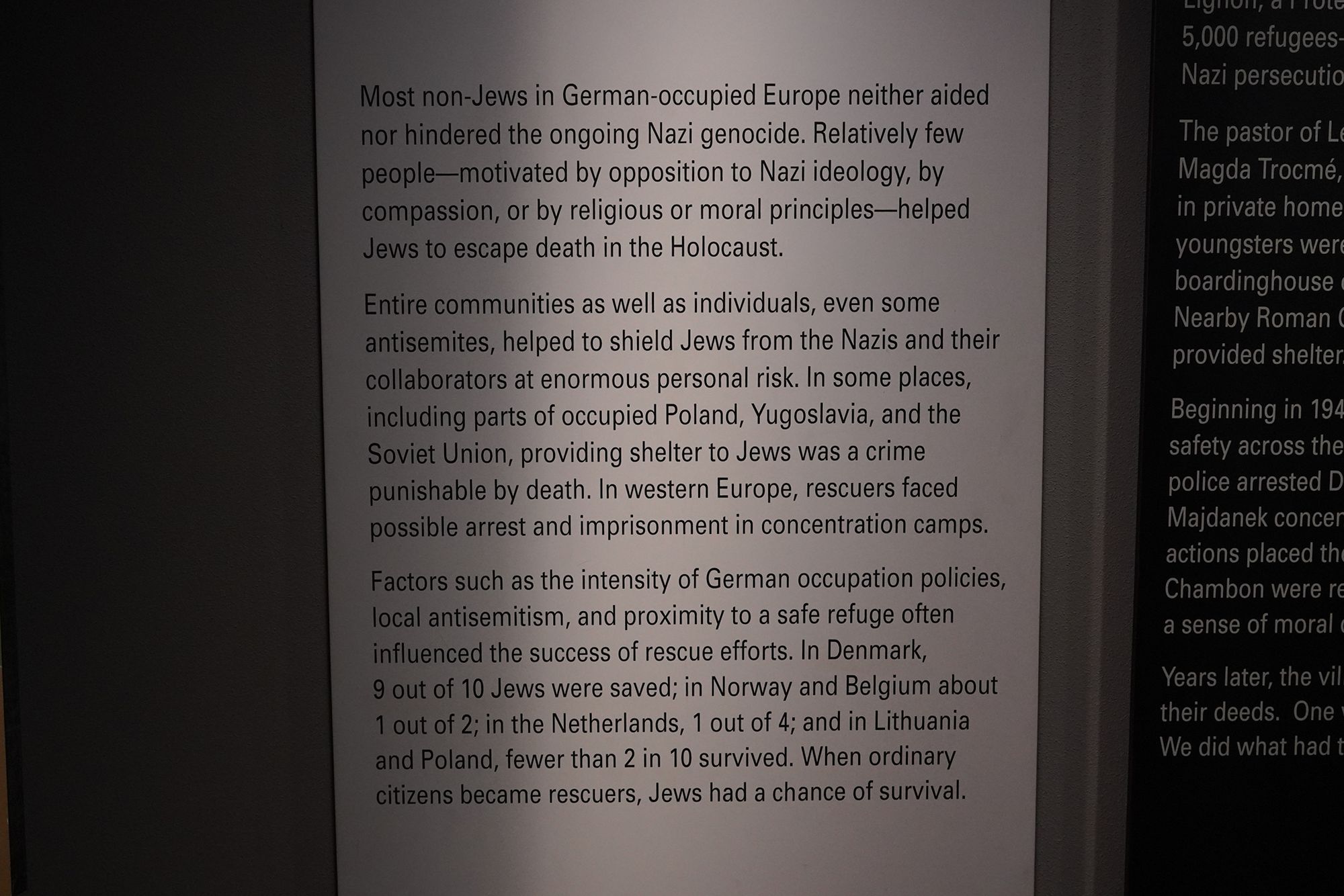
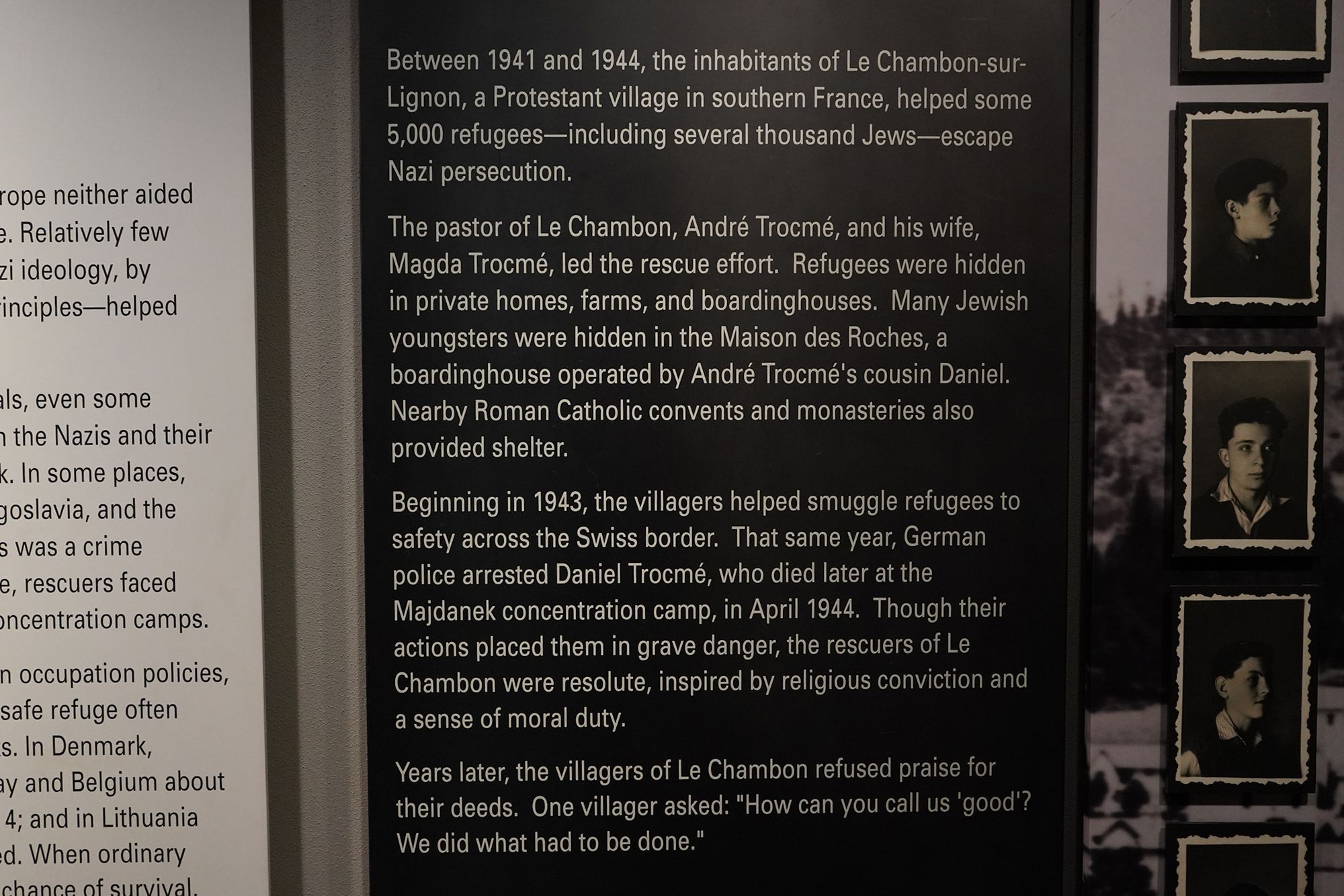
Le Chambon: A Place of Refuge. Le Chambon: A Place of Refuge tells the story of a small Protestant village in southern France that became a sanctuary for Jews during the Holocaust. Led by Pastor André Trocmé and his wife Magda, the residents of Le Chambon-sur-Lignon and nearby villages sheltered thousands of Jewish refugees, including many children
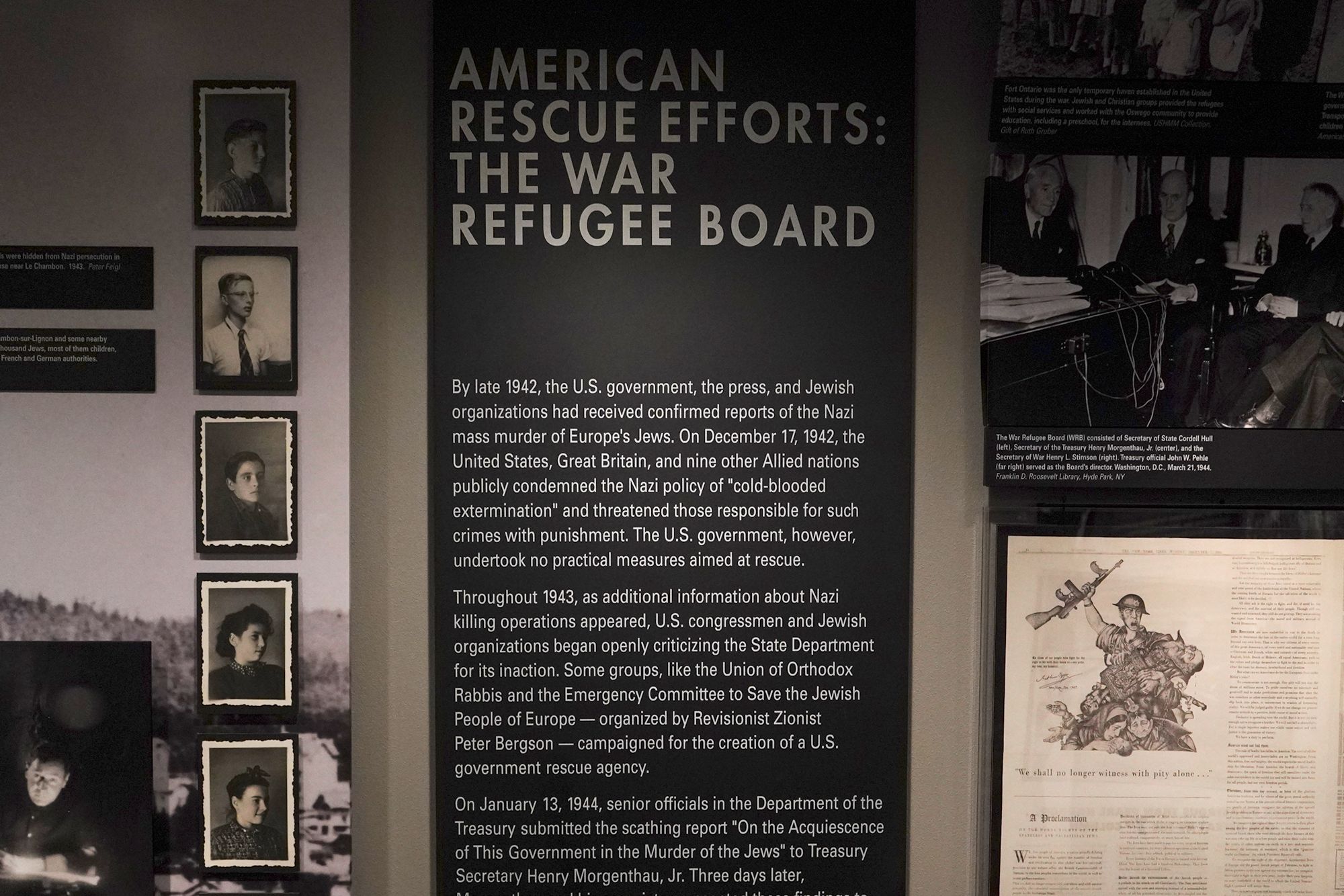
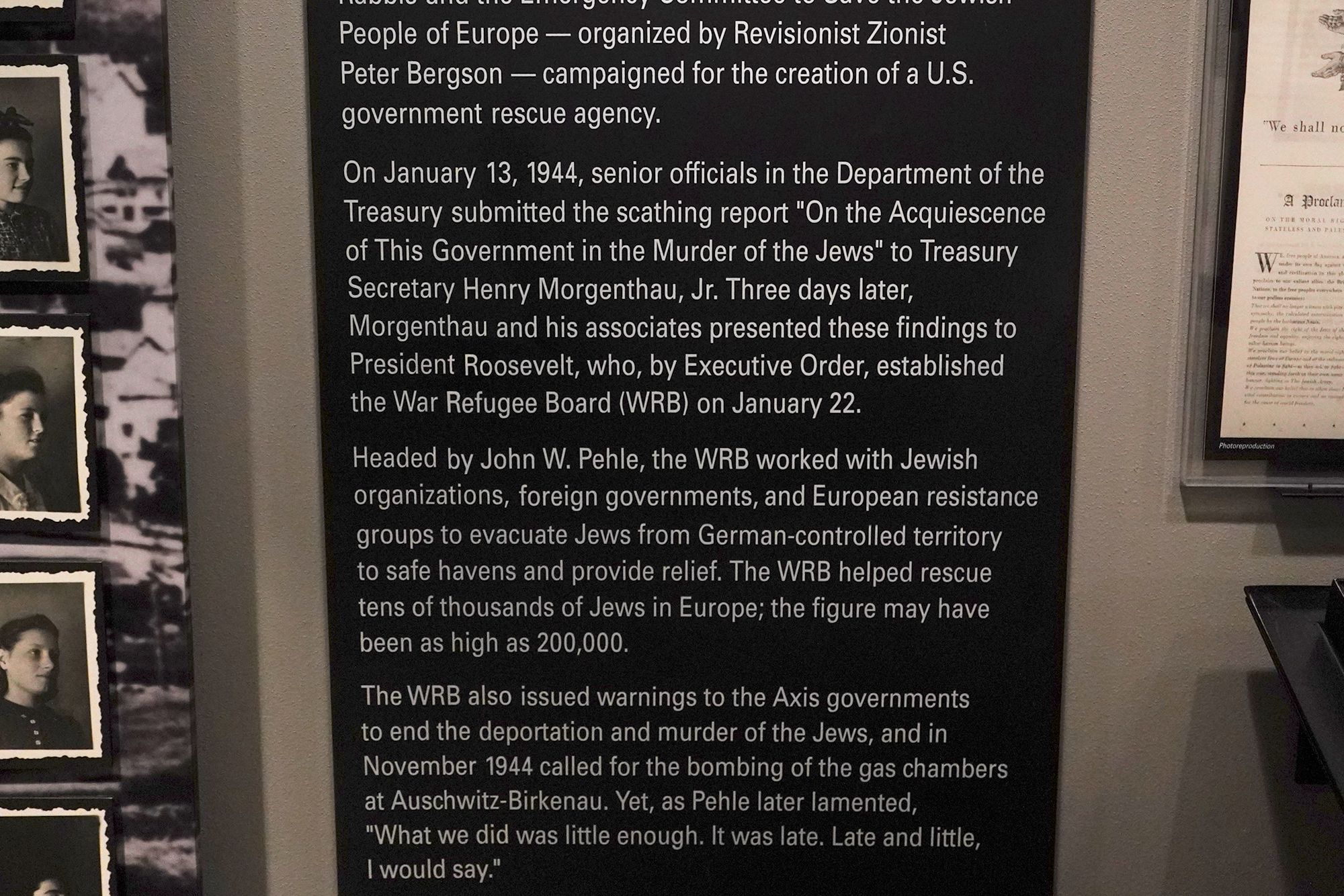
The section “American Rescue Efforts: The War Refugee Board” highlights the United States’ late but significant attempt to save lives during the Holocaust. Established in January 1944 by President Franklin D. Roosevelt, the War Refugee Board (WRB) was created to rescue and provide relief to Jews and other victims of Nazi persecution.
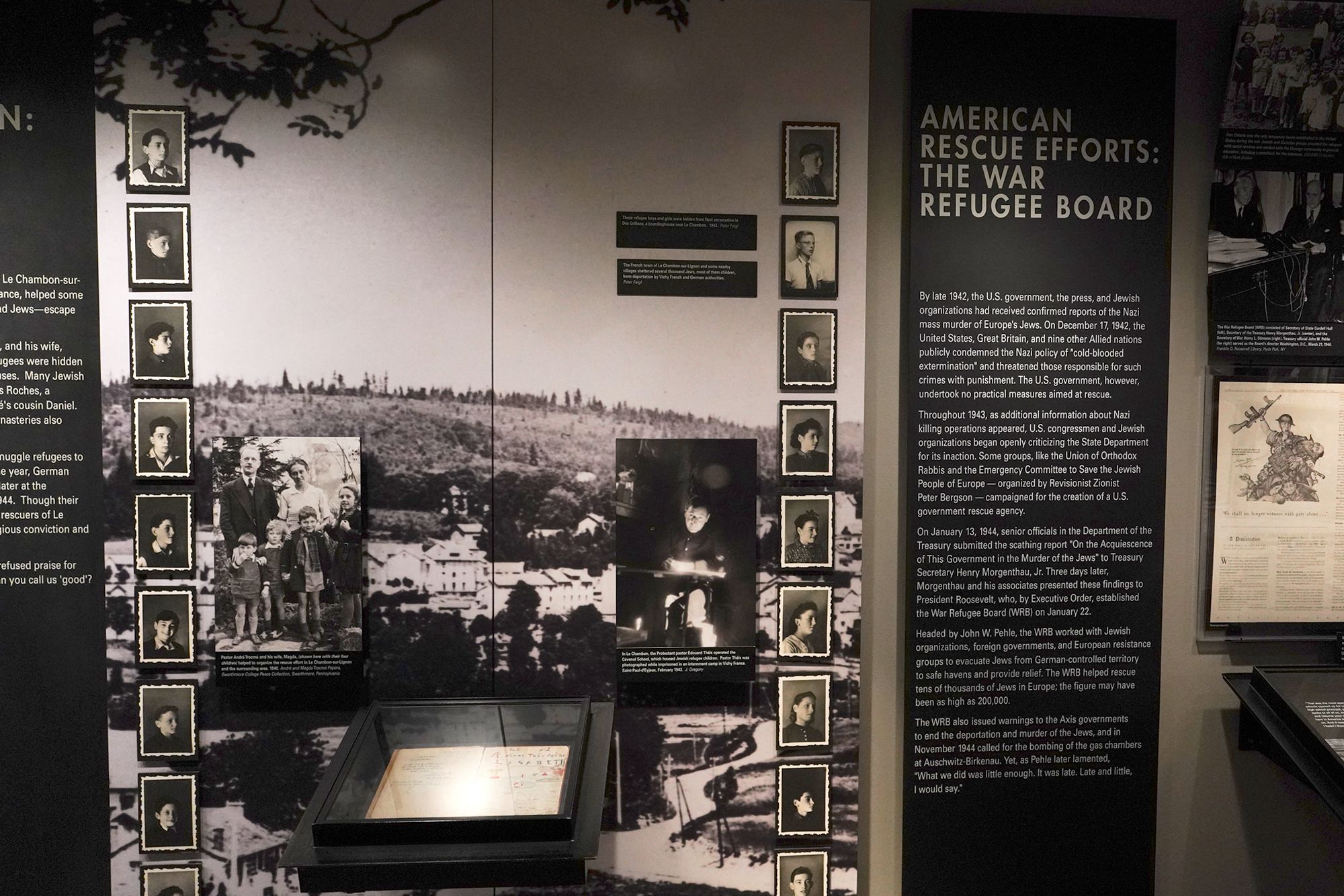
Despite limited time and resources, the WRB helped support underground networks, fund rescue missions, and negotiate safe havens. One of its greatest successes was assisting Raoul Wallenberg in saving tens of thousands of Hungarian Jews in Budapest.
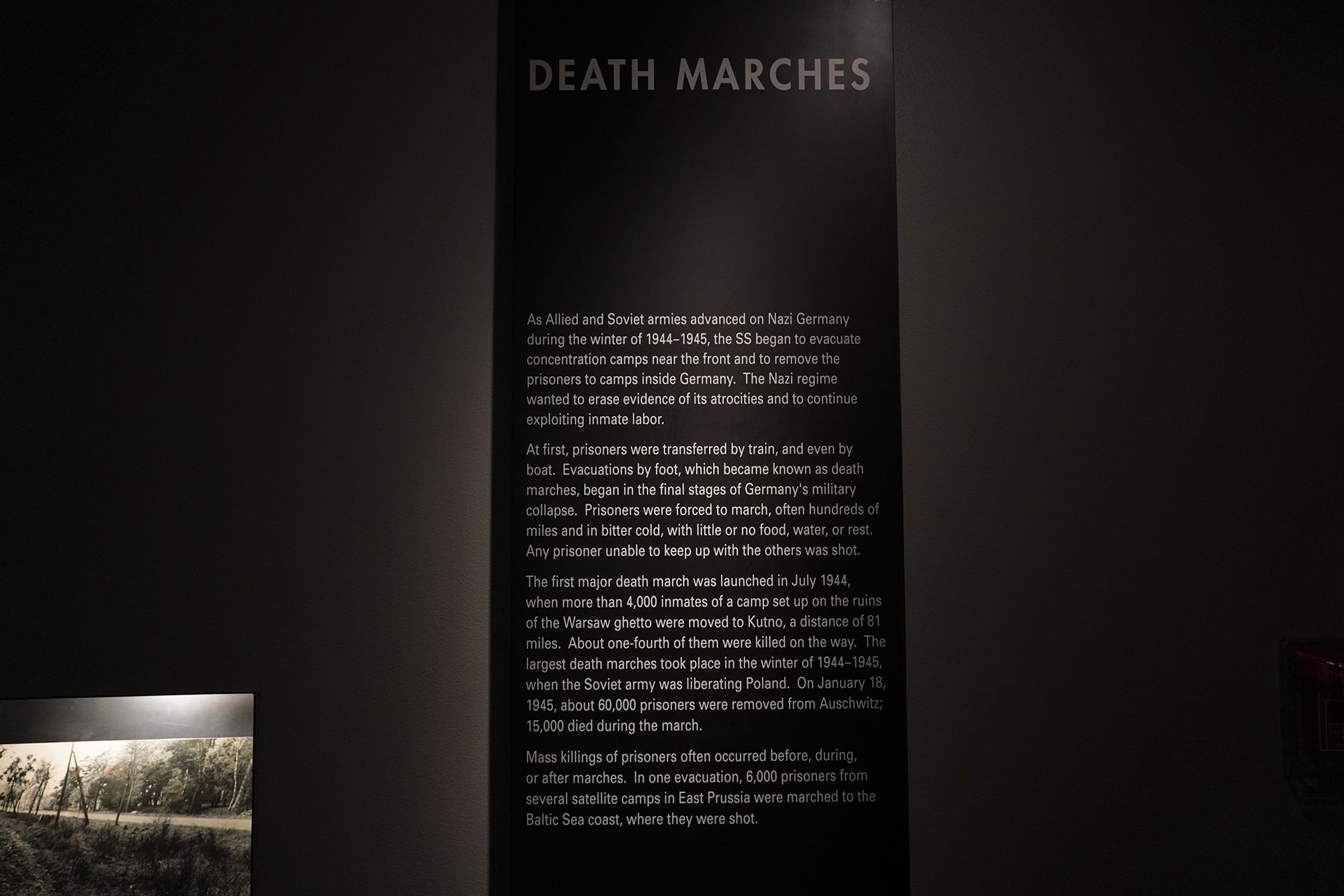
The death marches took place during the final months of World War II, as the Nazis tried to evacuate prisoners from camps before the advancing Allied armies arrived. Hundreds of thousands of weakened prisoners were forced to march for miles in freezing weather, often with little food or water.
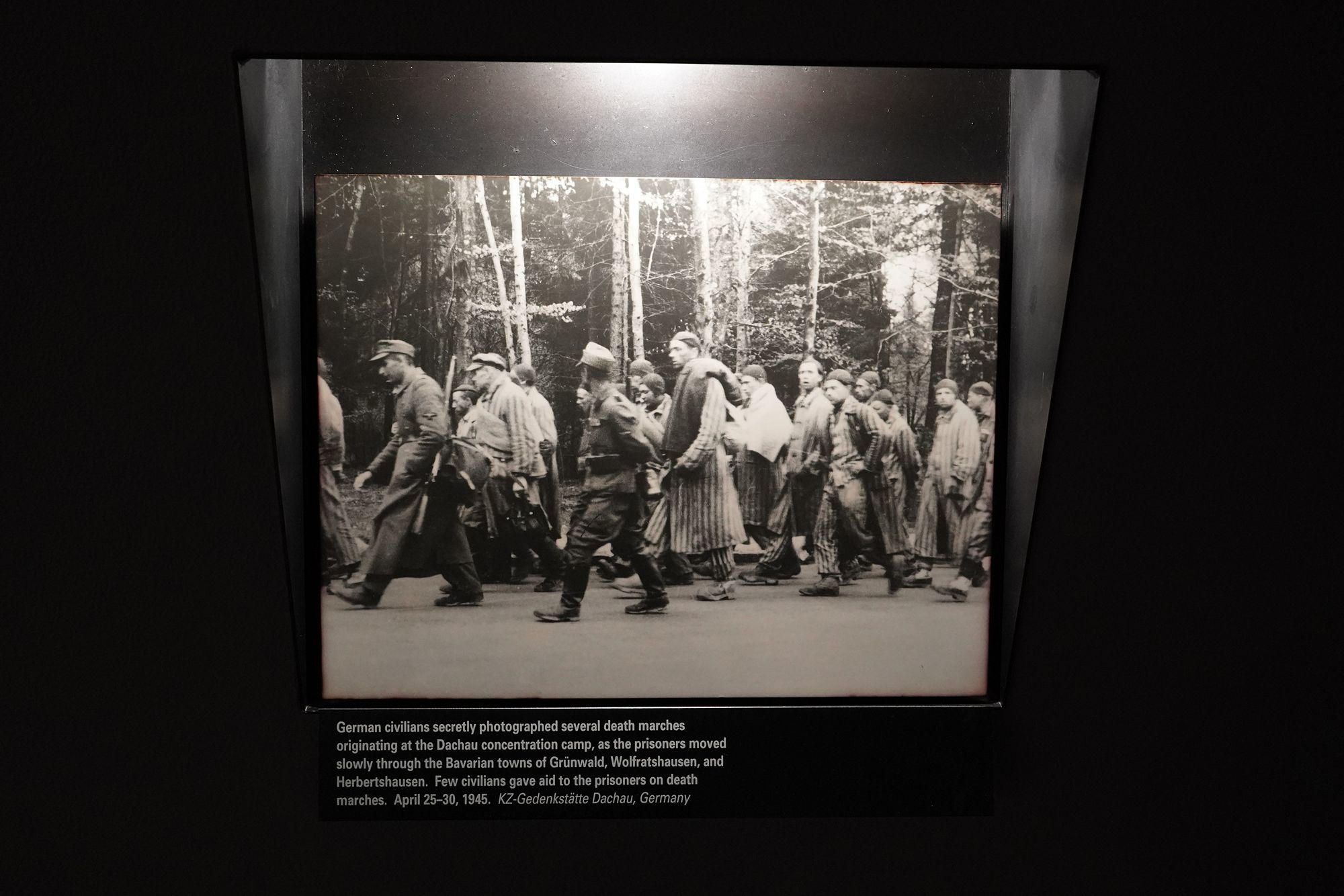
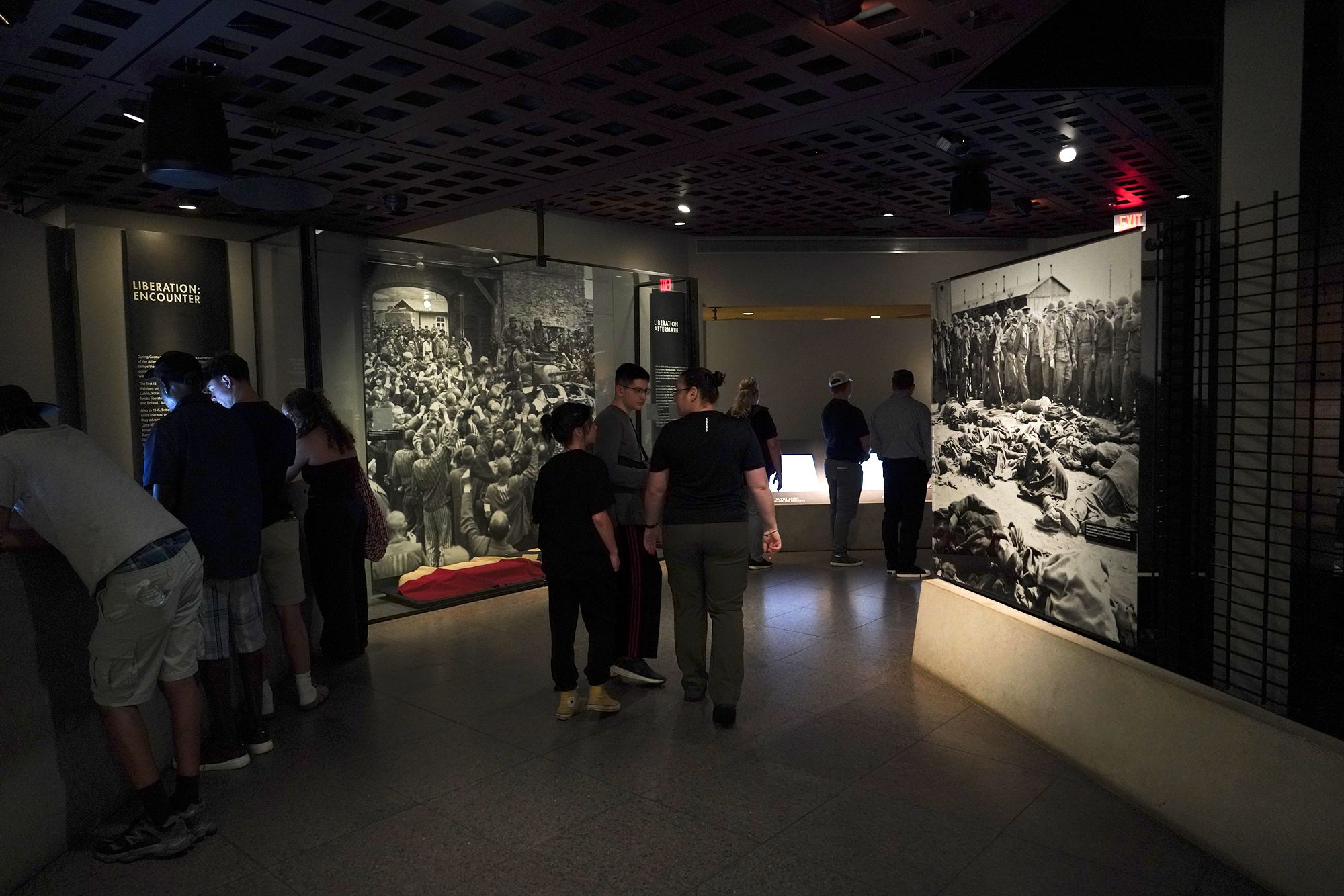
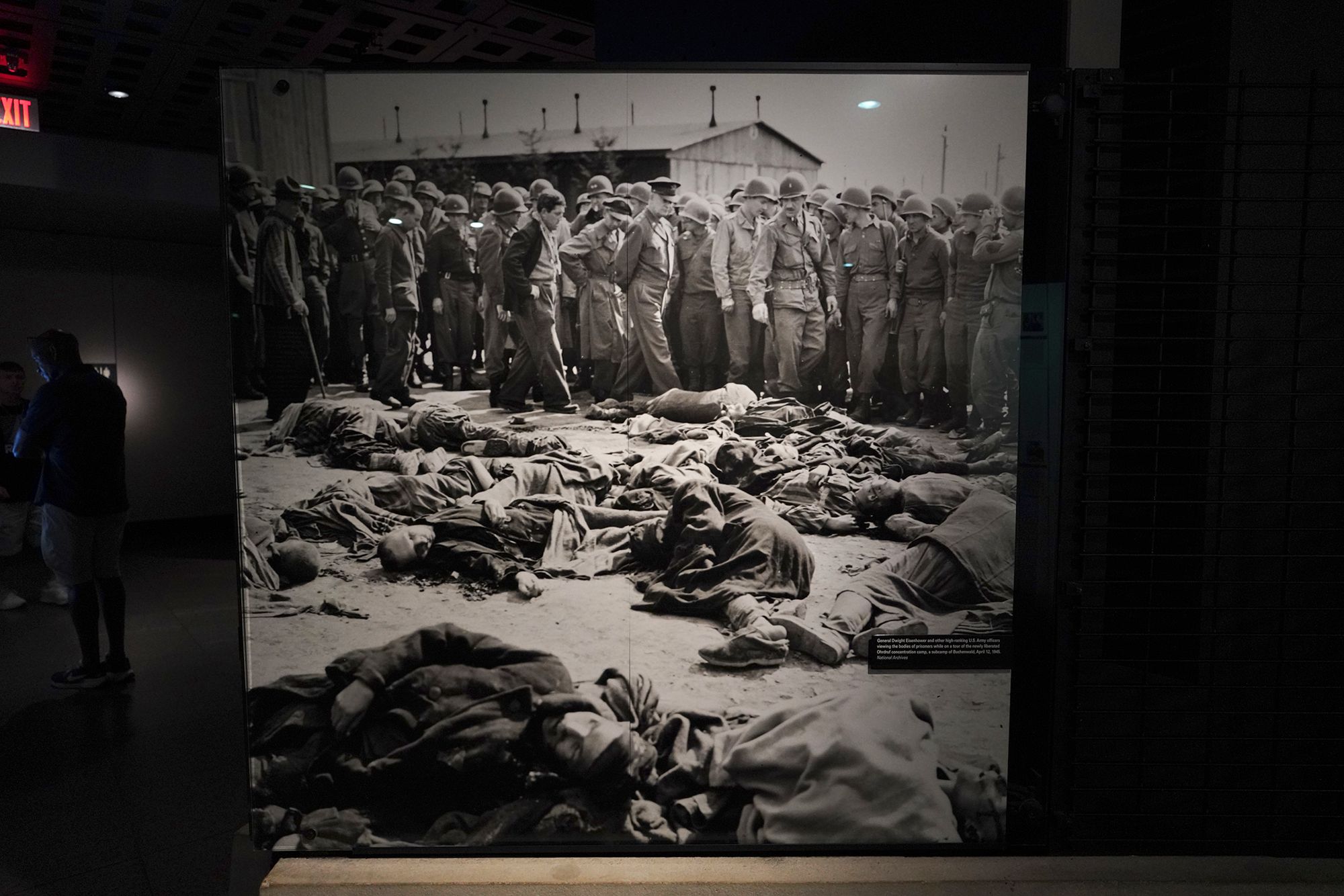
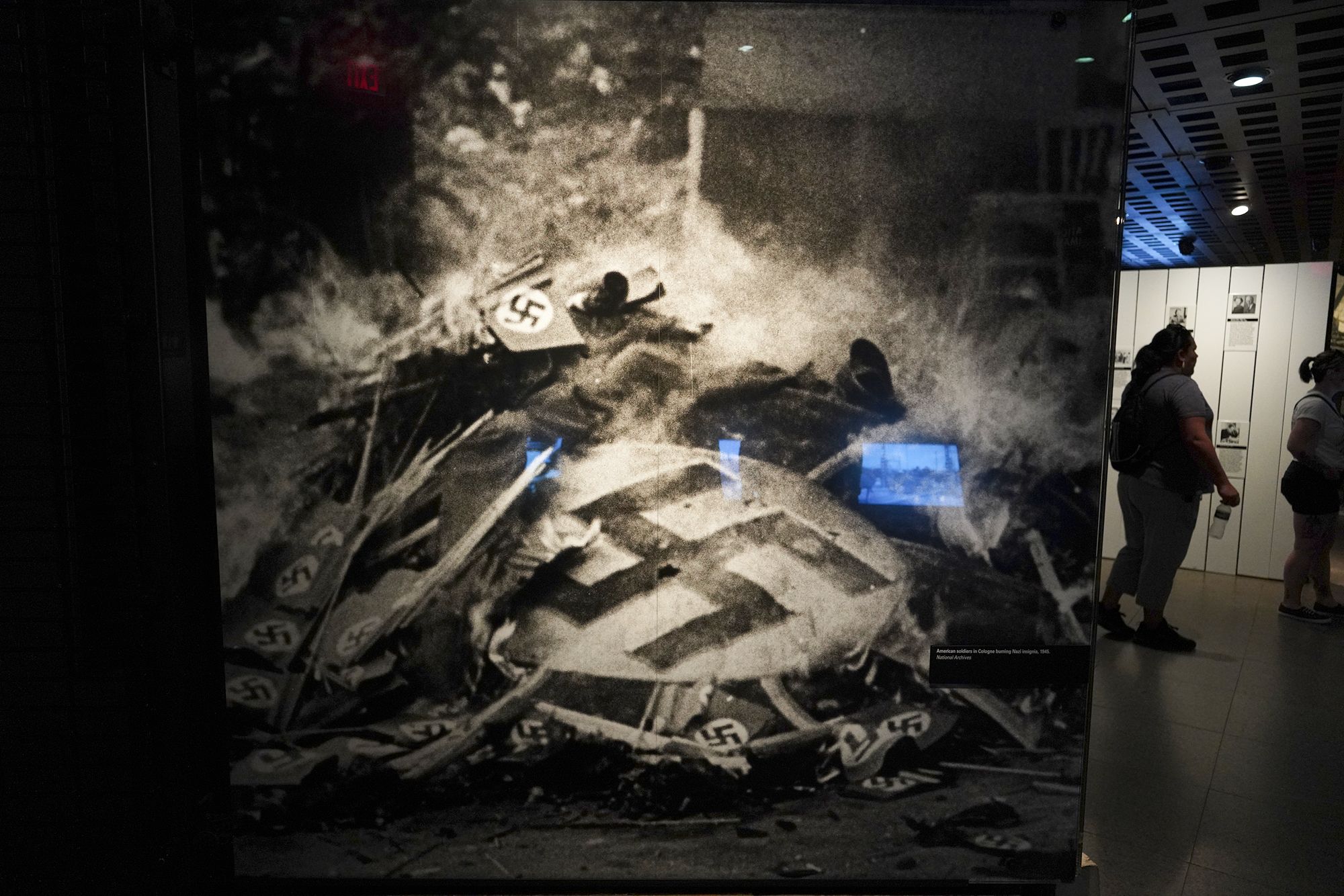
The section “Perpetrators, Collaborators, and Systematic Mass Murder” explains how the Holocaust was carried out not by a few individuals, but through a vast network of people and institutions.
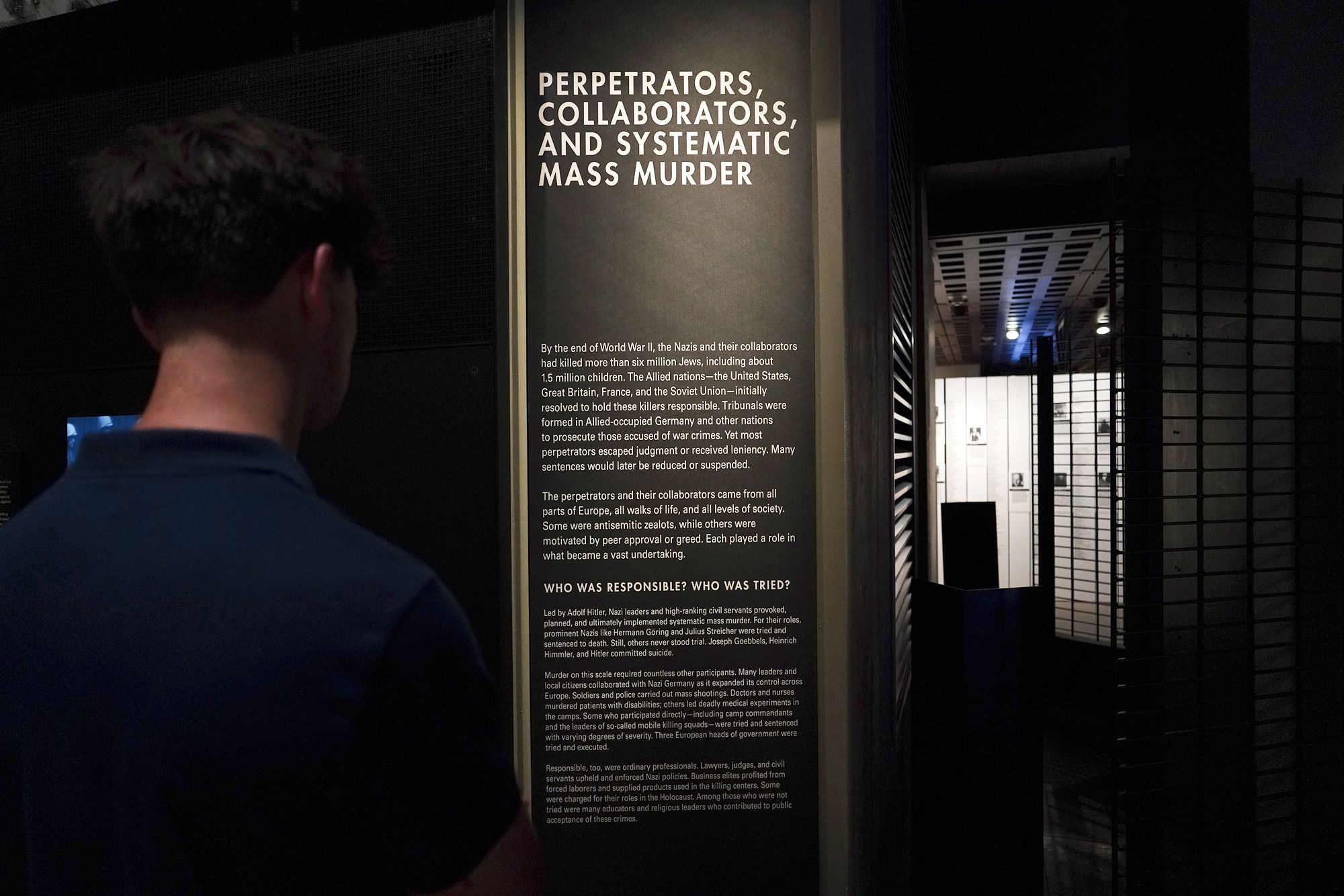
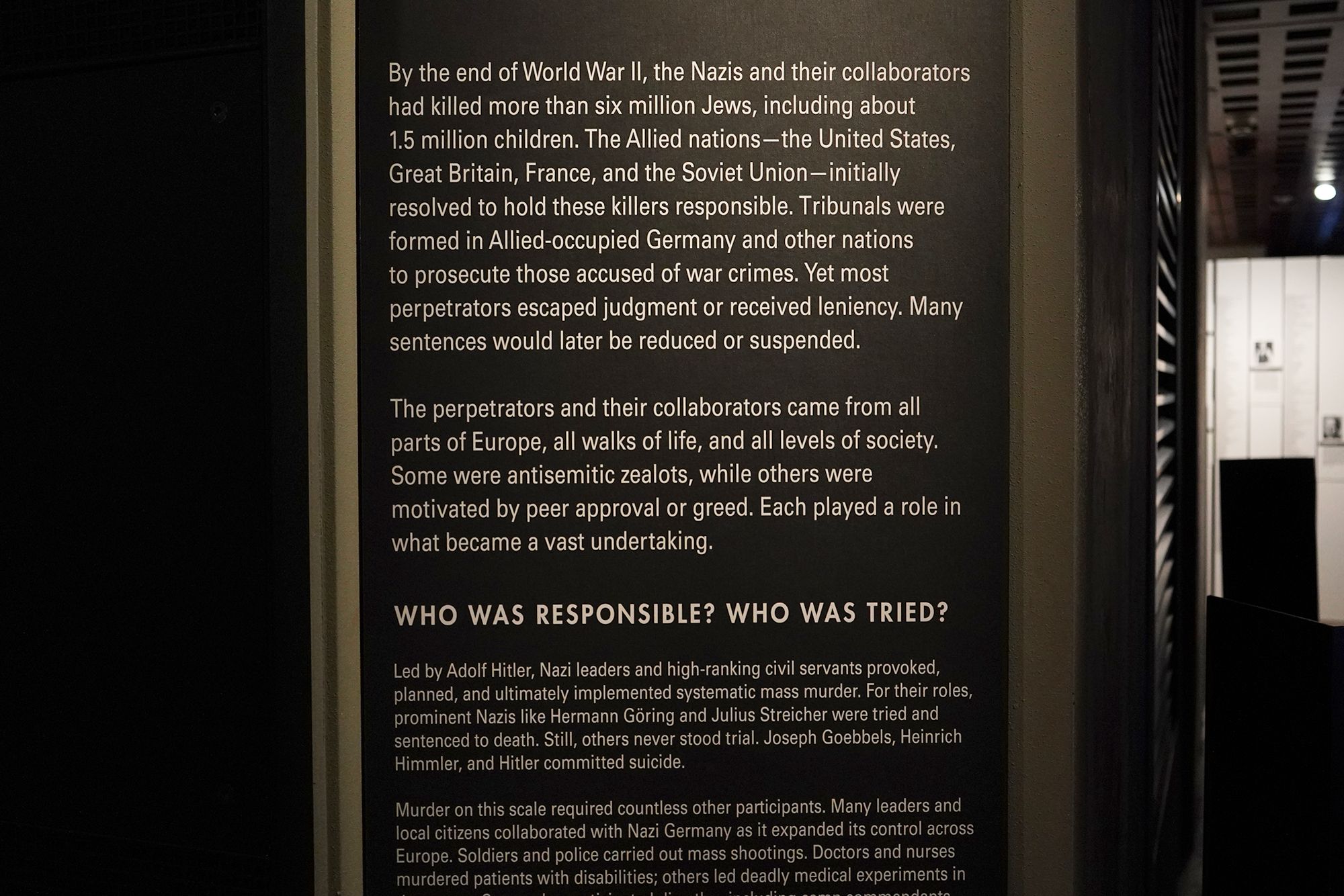
The perpetrators included Nazi leaders, SS officers, police, and soldiers who planned and executed the genocide. But they were supported by collaborators across occupied Europe—local officials, railway workers, business owners, and civilians who assisted in identifying, deporting, or killing Jews and other victims.
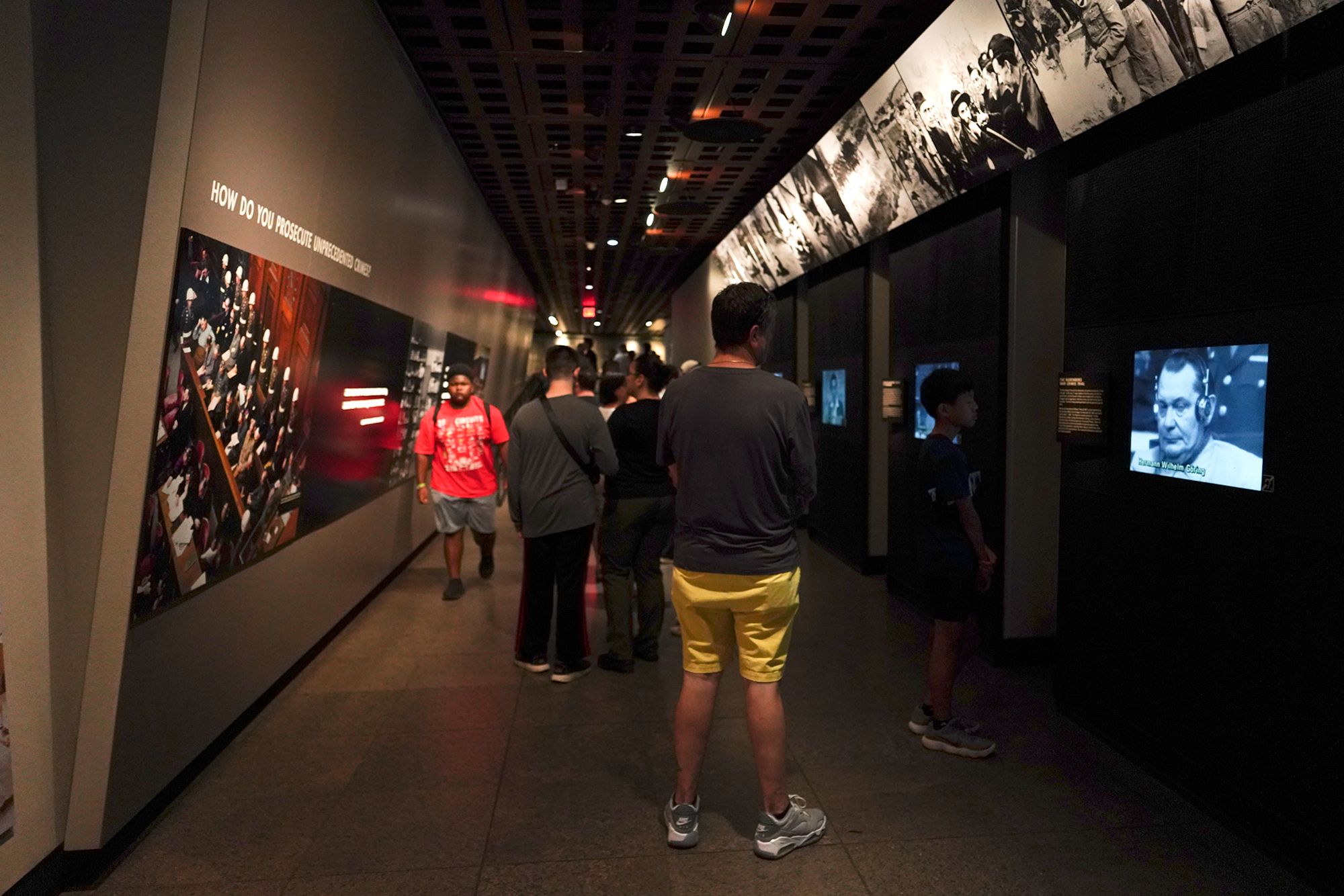
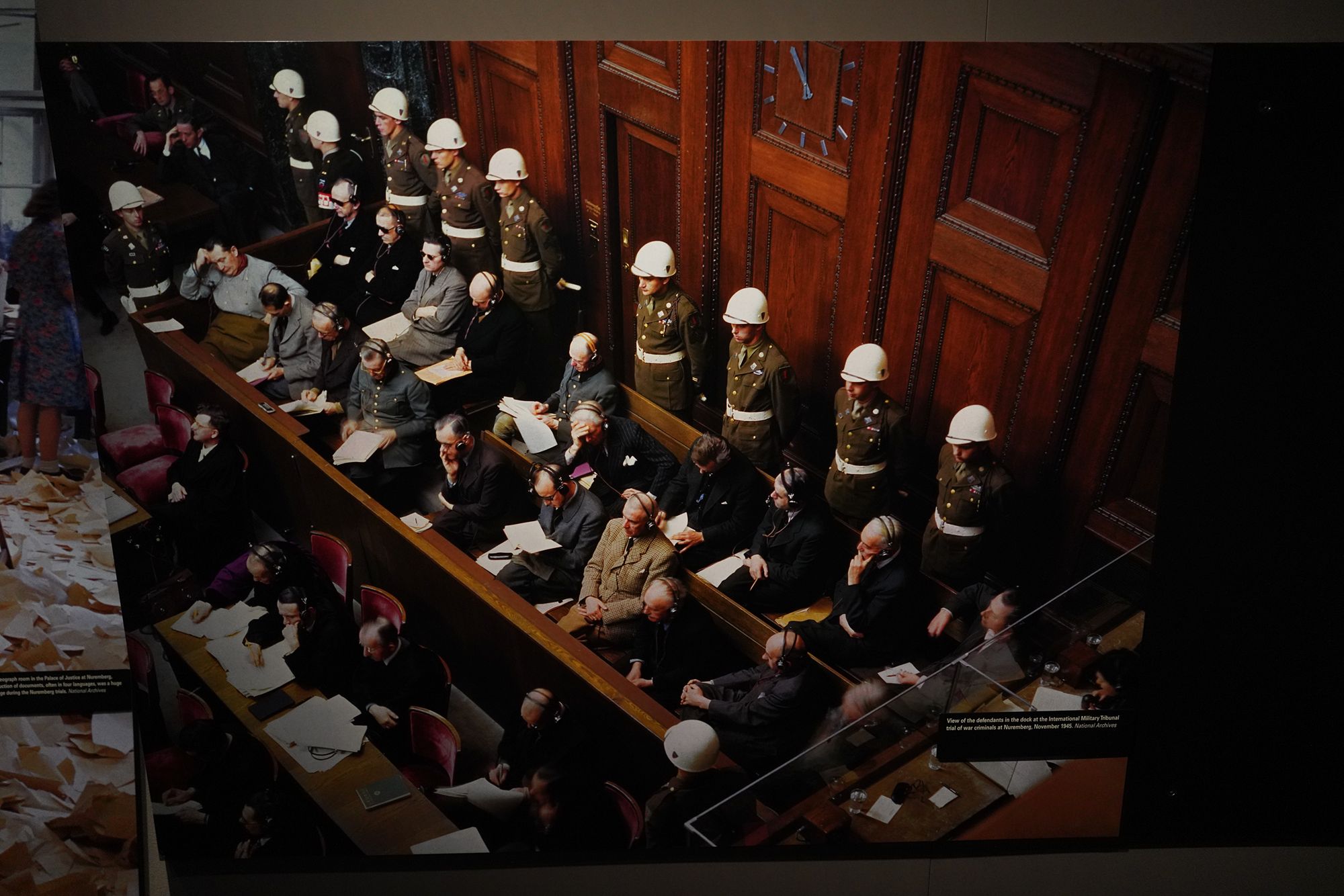
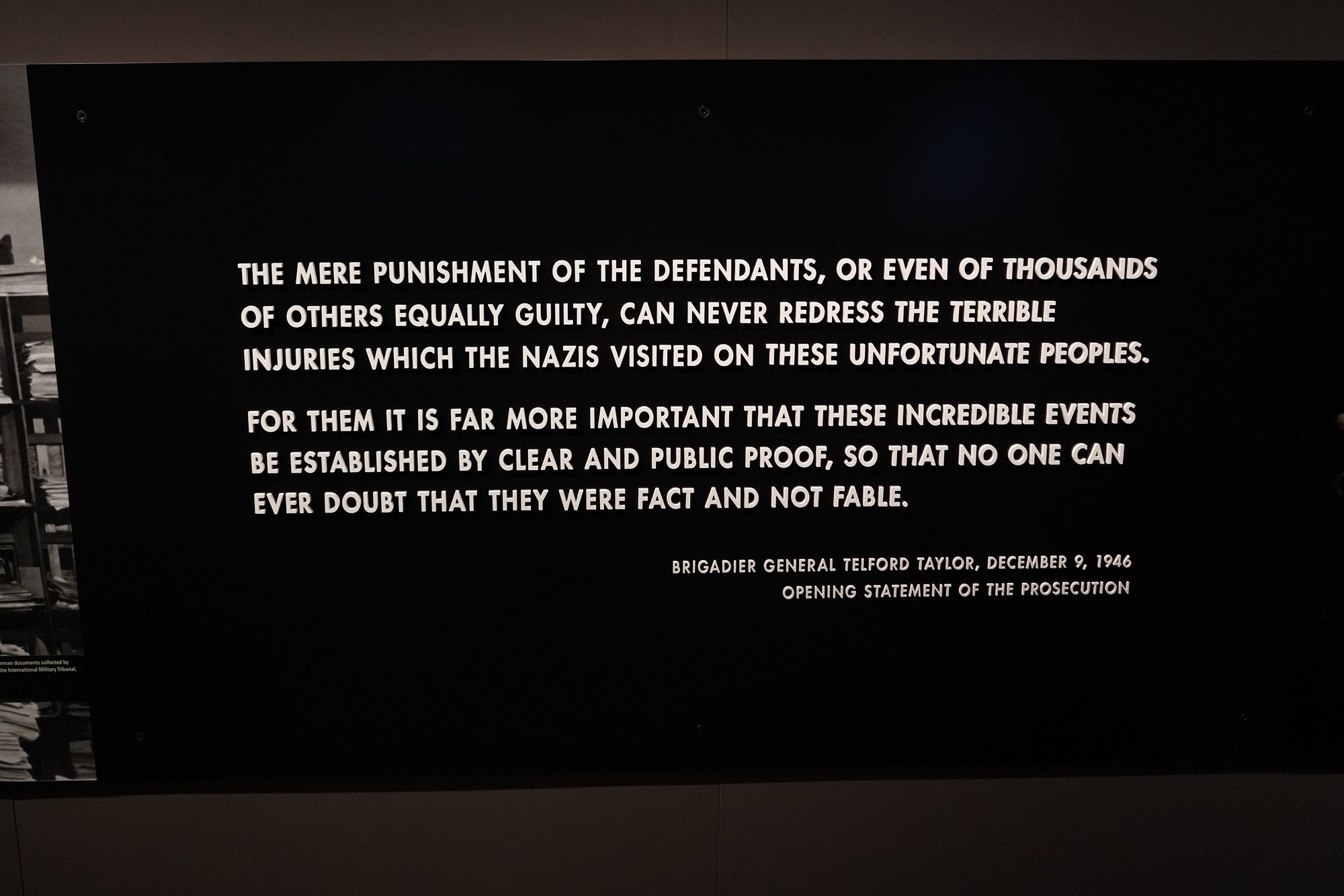
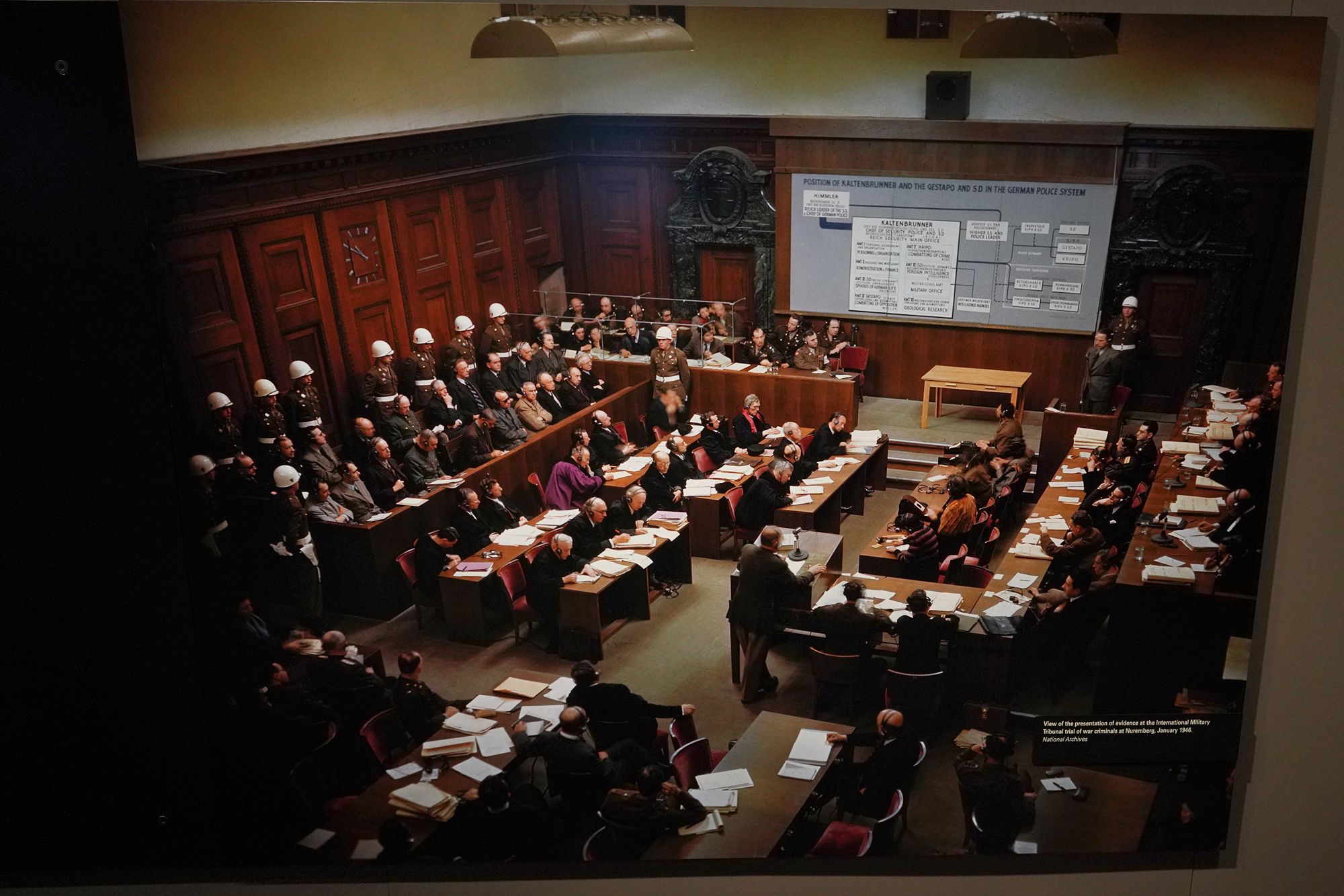
The question “How do you prosecute an unprecedented crime?” arose after the Allies discovered the full extent of Nazi atrocities. Never before had the world faced crimes of such scale—planned genocide, mass deportations, and systematic extermination.
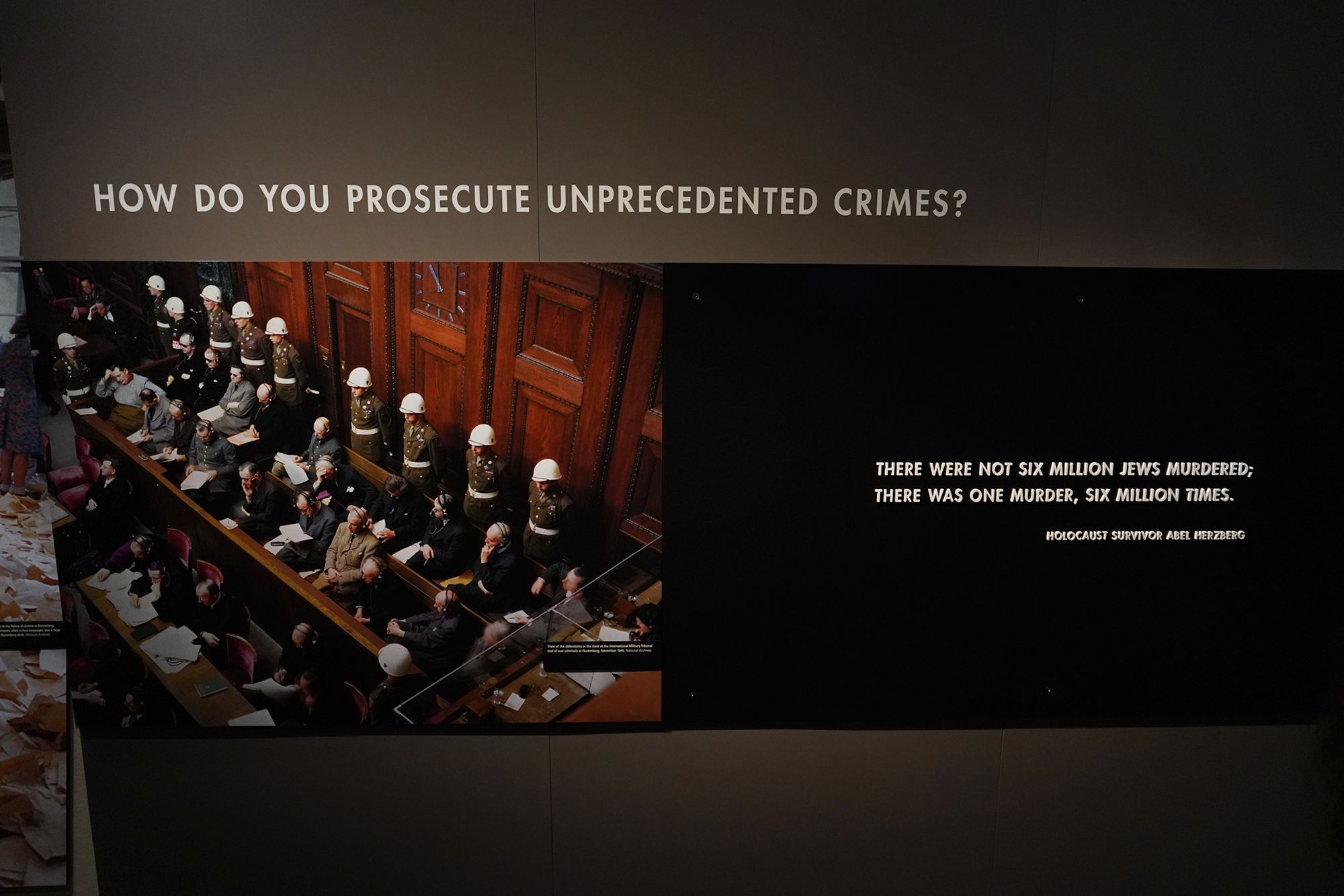
In response, the Allies created the International Military Tribunal at Nuremberg in 1945 to hold Nazi leaders accountable. For the first time, individuals—not just states—were charged with crimes against humanity, war crimes, and crimes against peace.
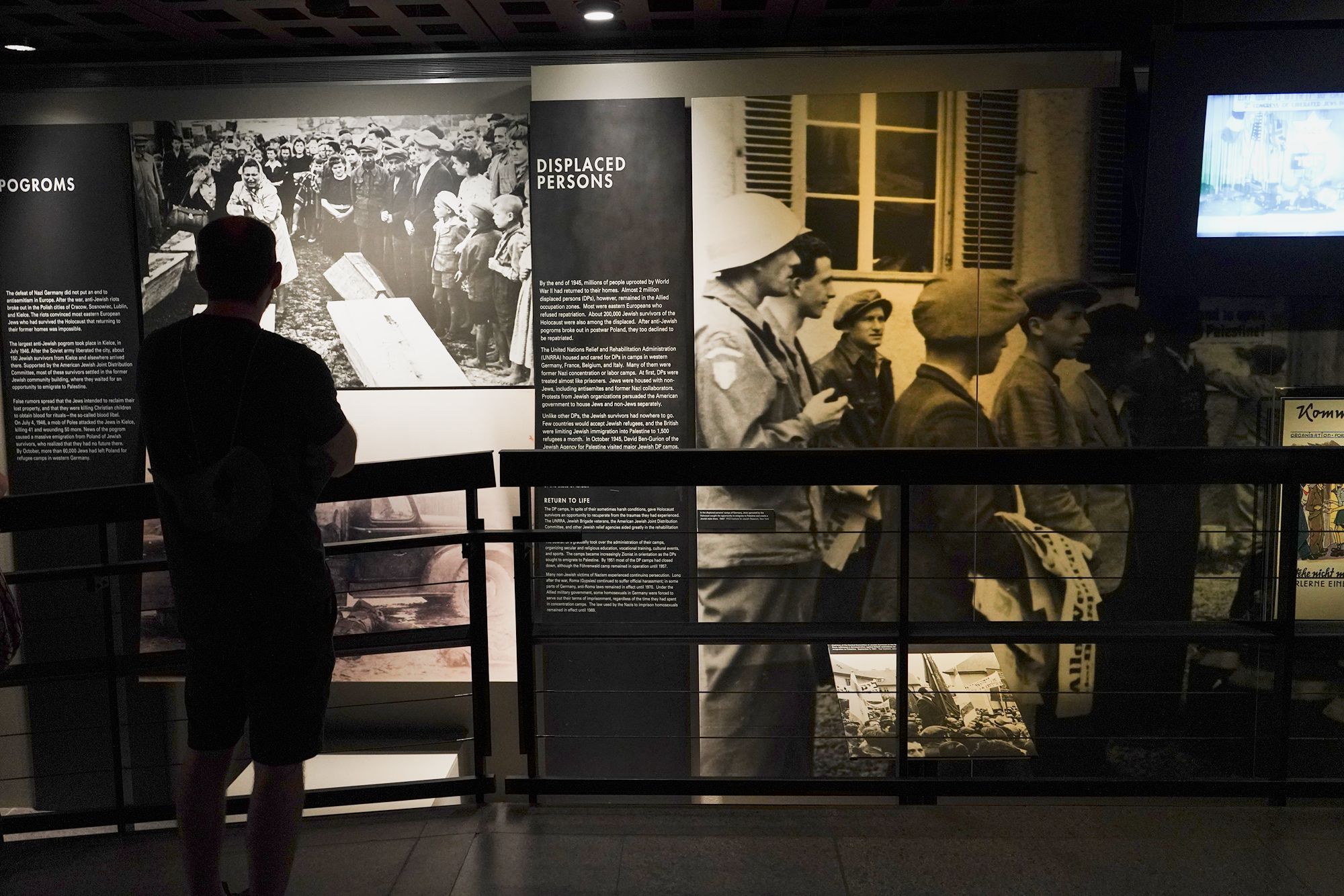
Even after Nazi Germany was defeated, pogroms against Jews continued in parts of Eastern Europe. Many survivors who returned home after the war found their property stolen and faced hostility from neighbors who had benefited from their absence.
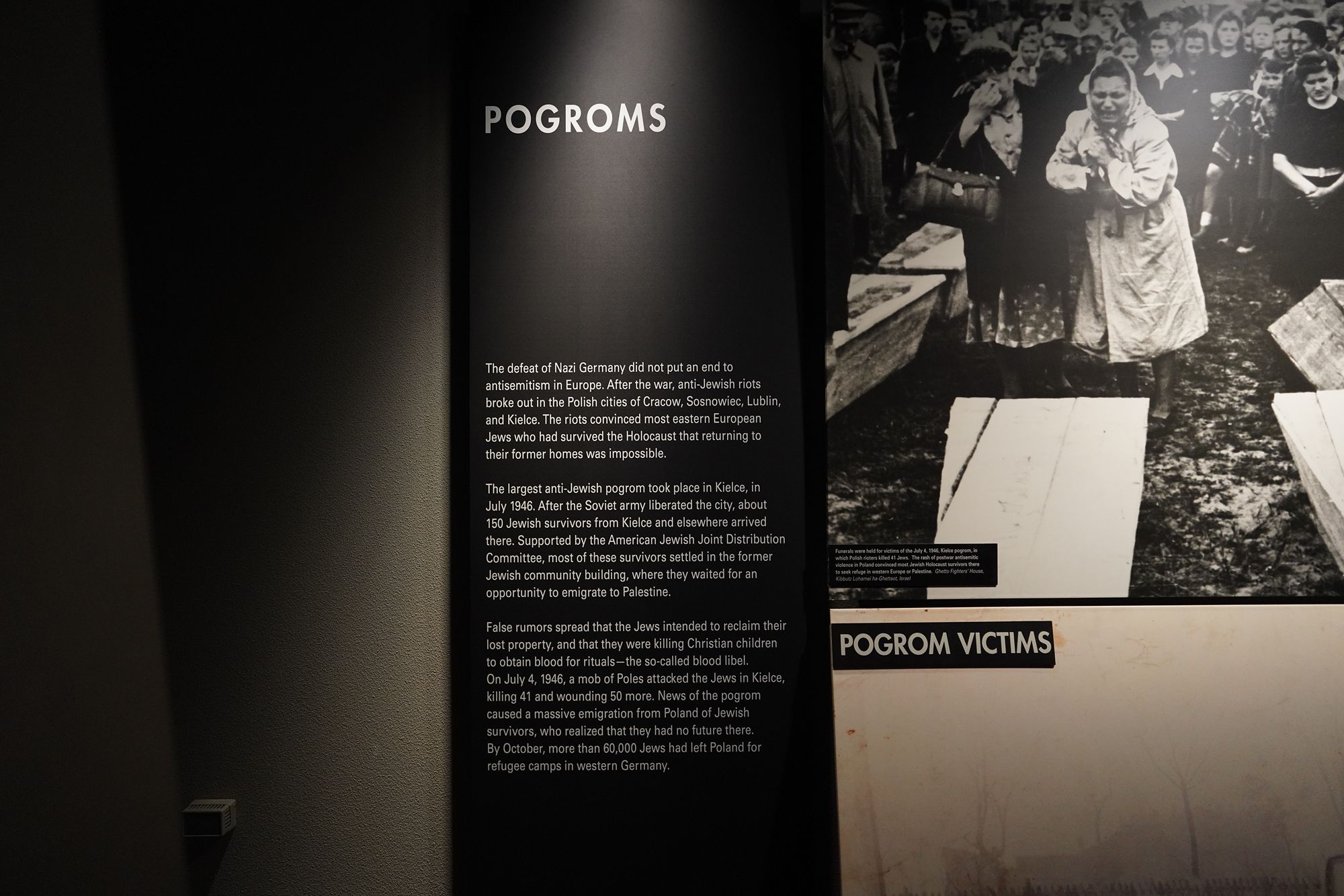
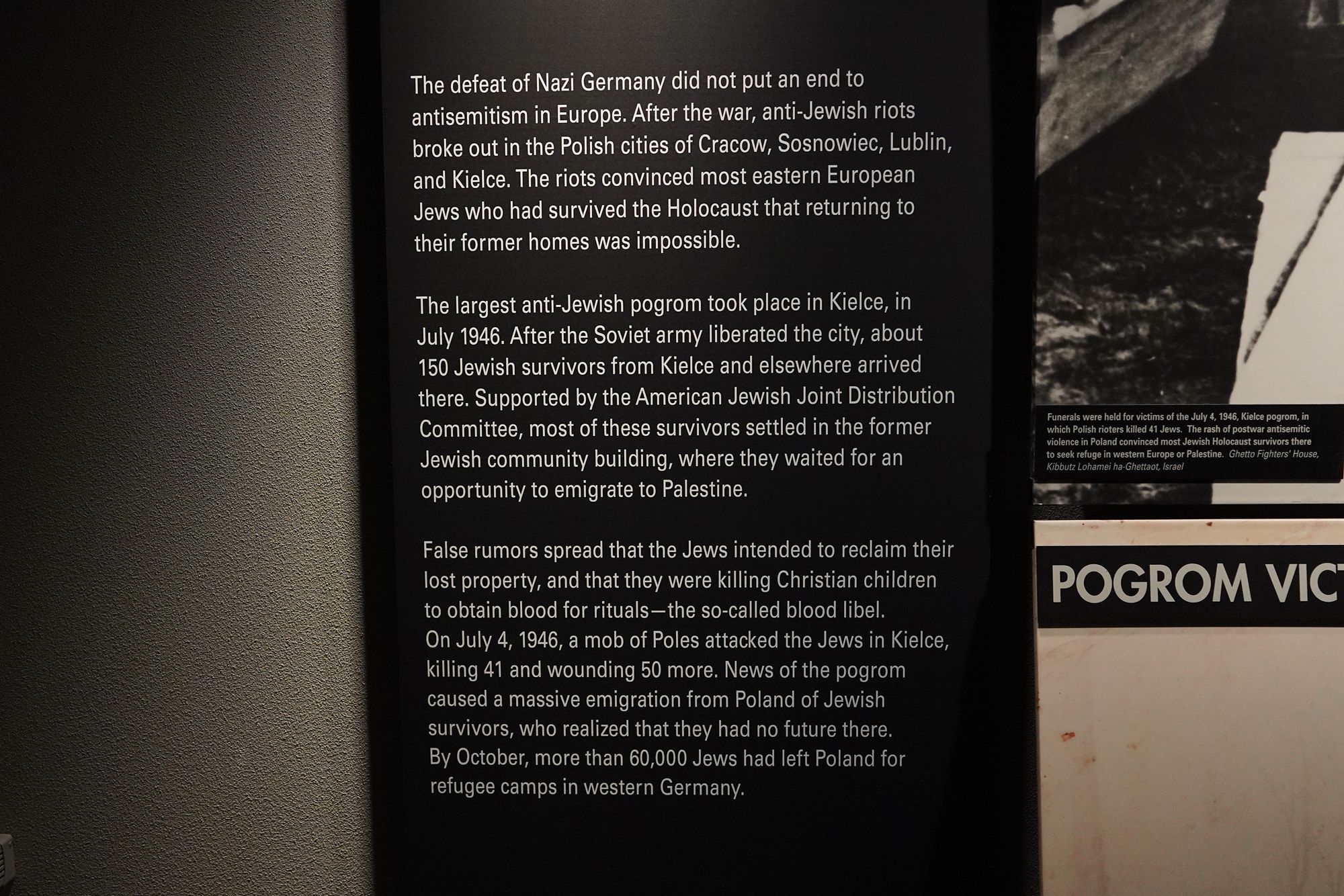
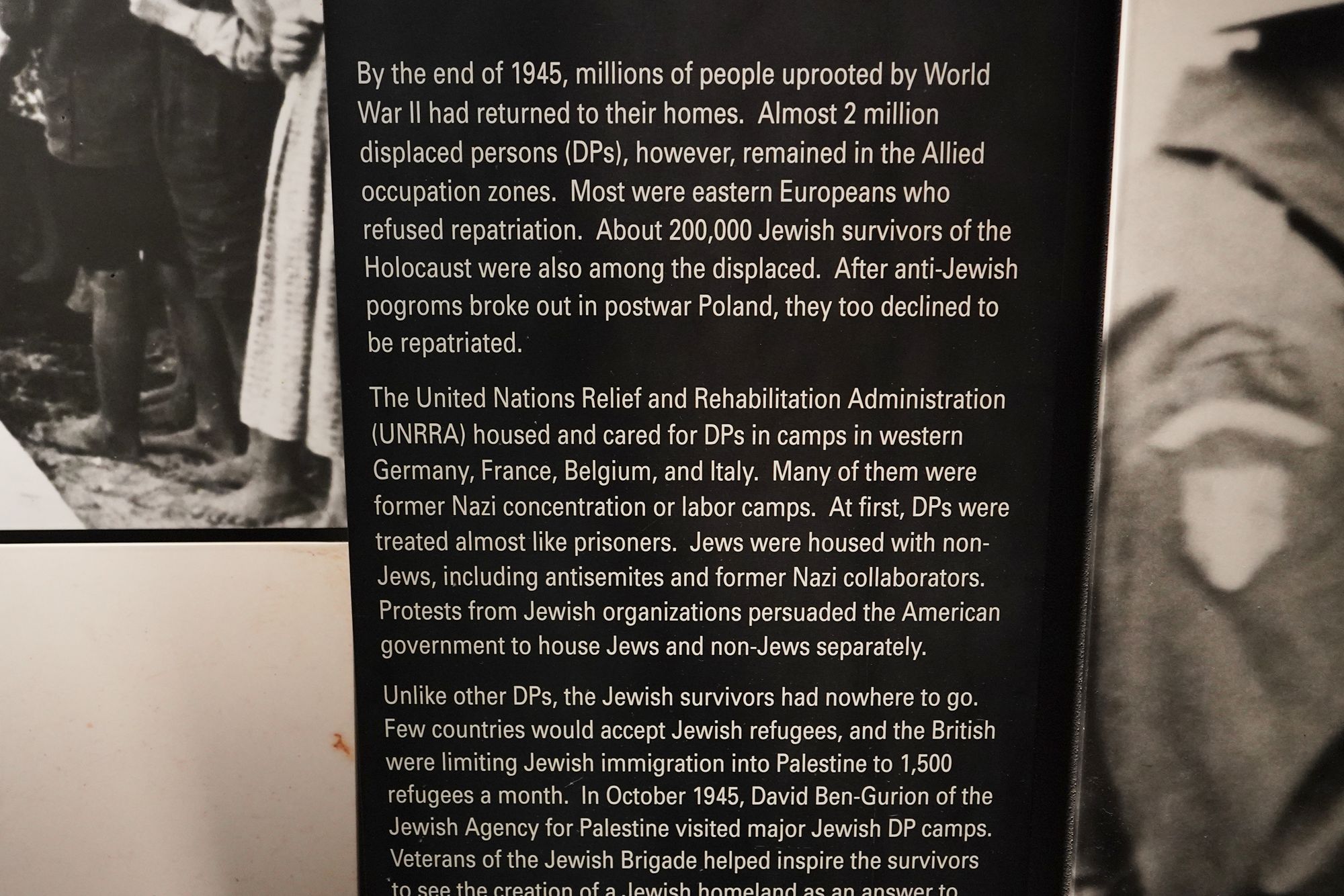
Displaced persons (DPs) were the millions of people uprooted by World War II—survivors of concentration camps, forced laborers, prisoners of war, and refugees whose homes were destroyed or unsafe. After liberation, they had nowhere to return to, as borders had changed and antisemitism remained strong in parts of Europe.
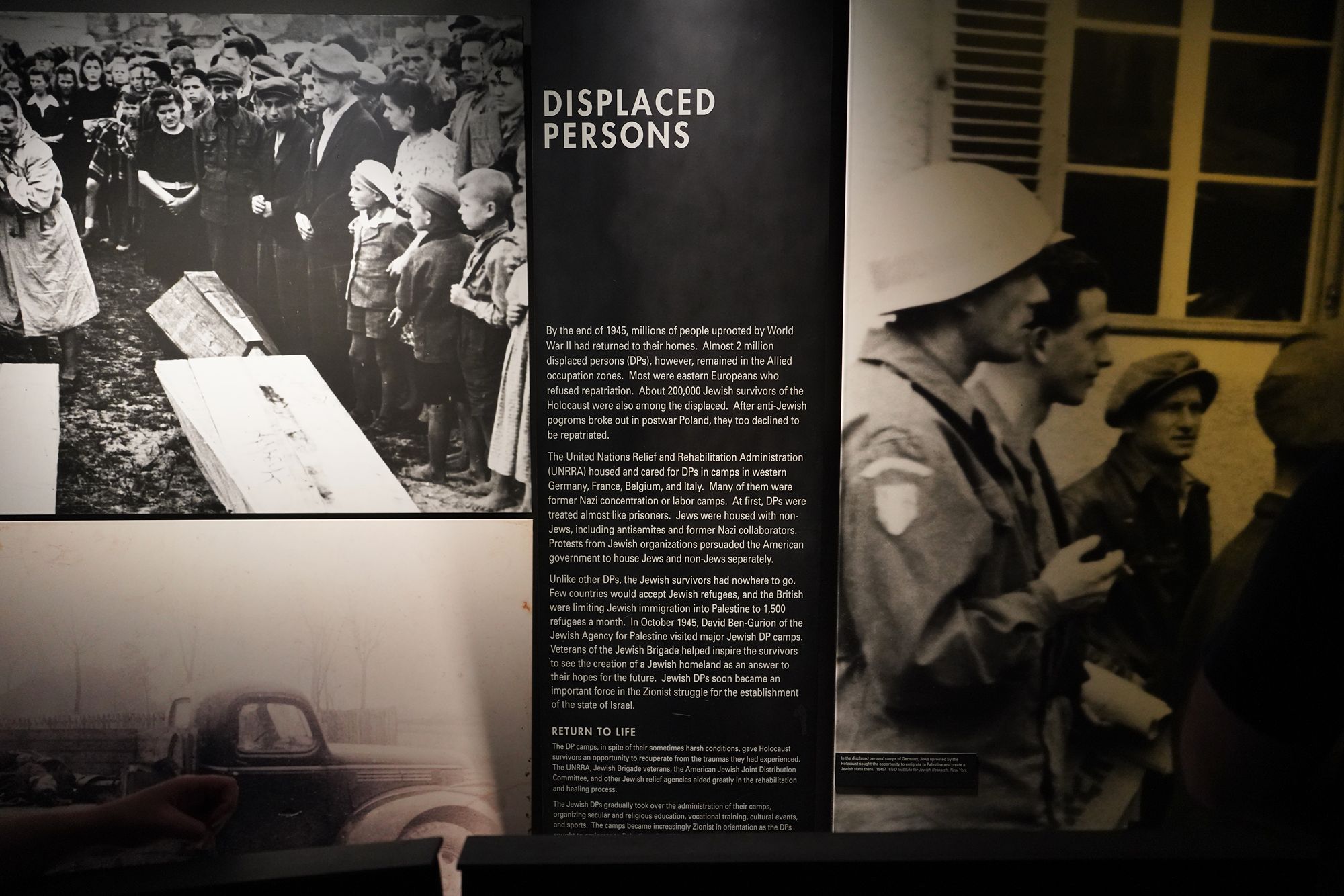
The Allied forces established Displaced Persons camps across Germany, Austria, and Italy to provide shelter, food, and care. For many Jewish survivors, these camps became temporary homes where they rebuilt families, received education and training, and waited for opportunities to emigrate.
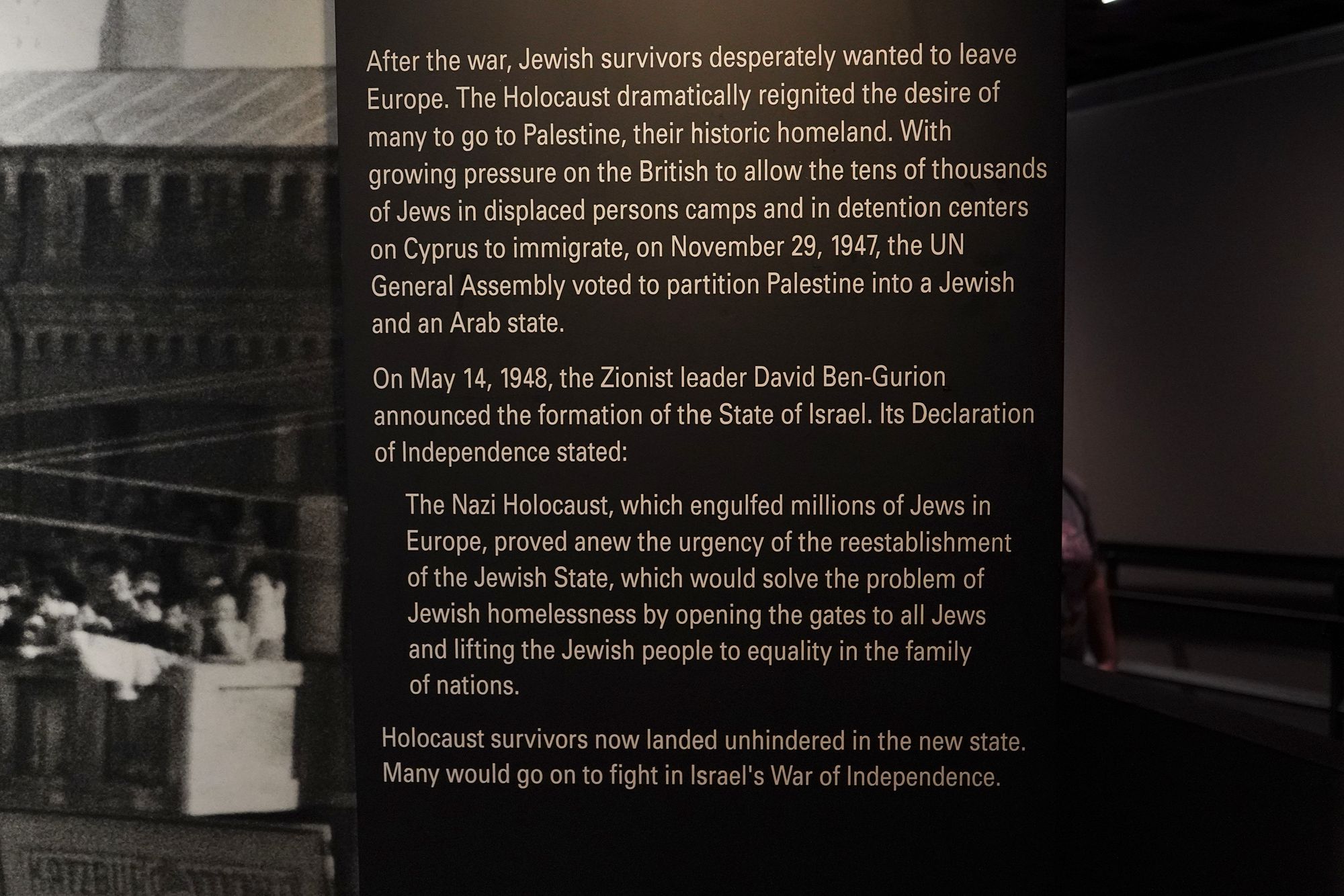
The New State refers to the creation of the State of Israel in 1948, which became a homeland for many Jewish survivors of the Holocaust and displaced persons. After years of persecution and statelessness, Jews sought a secure place where they could rebuild their lives.
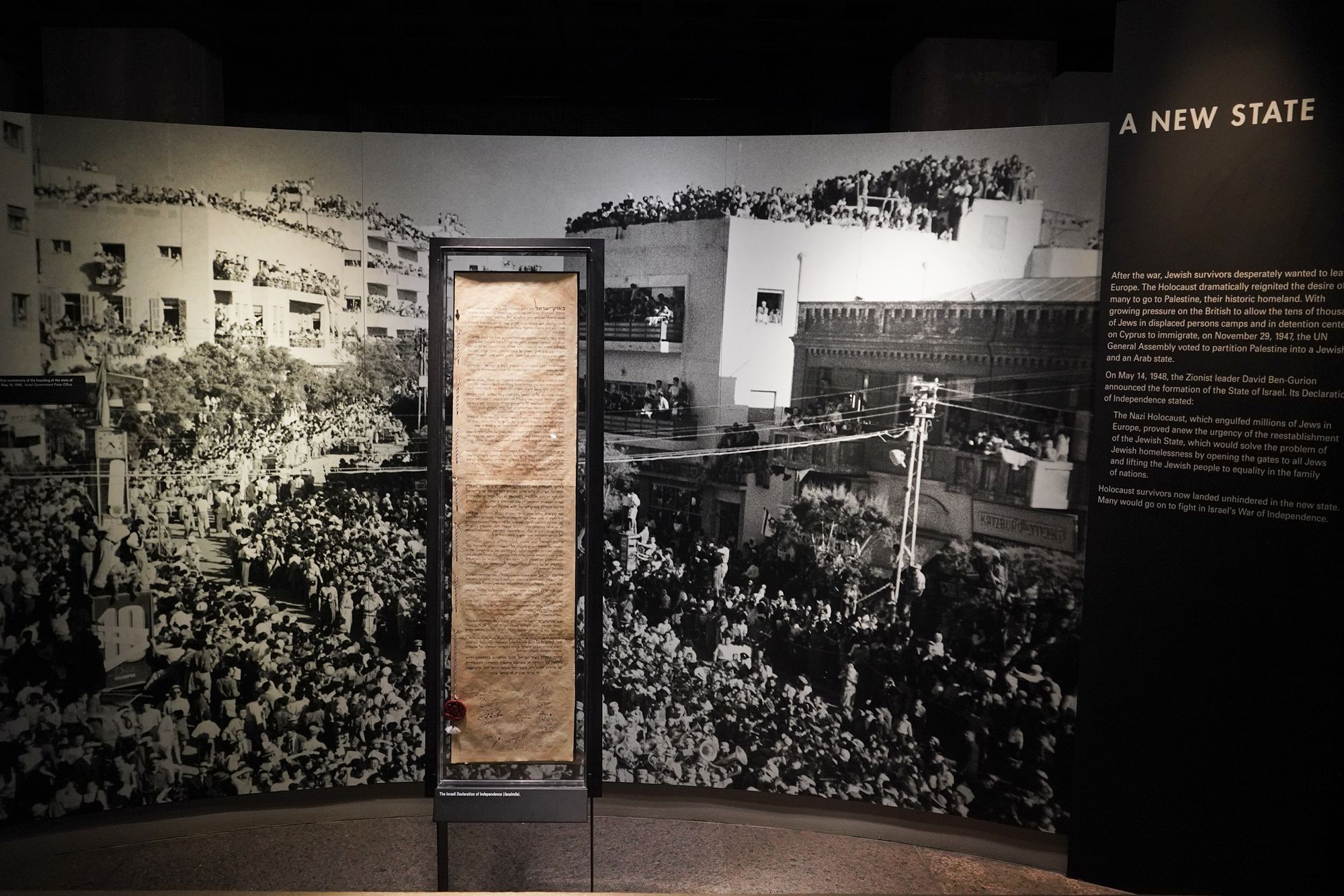
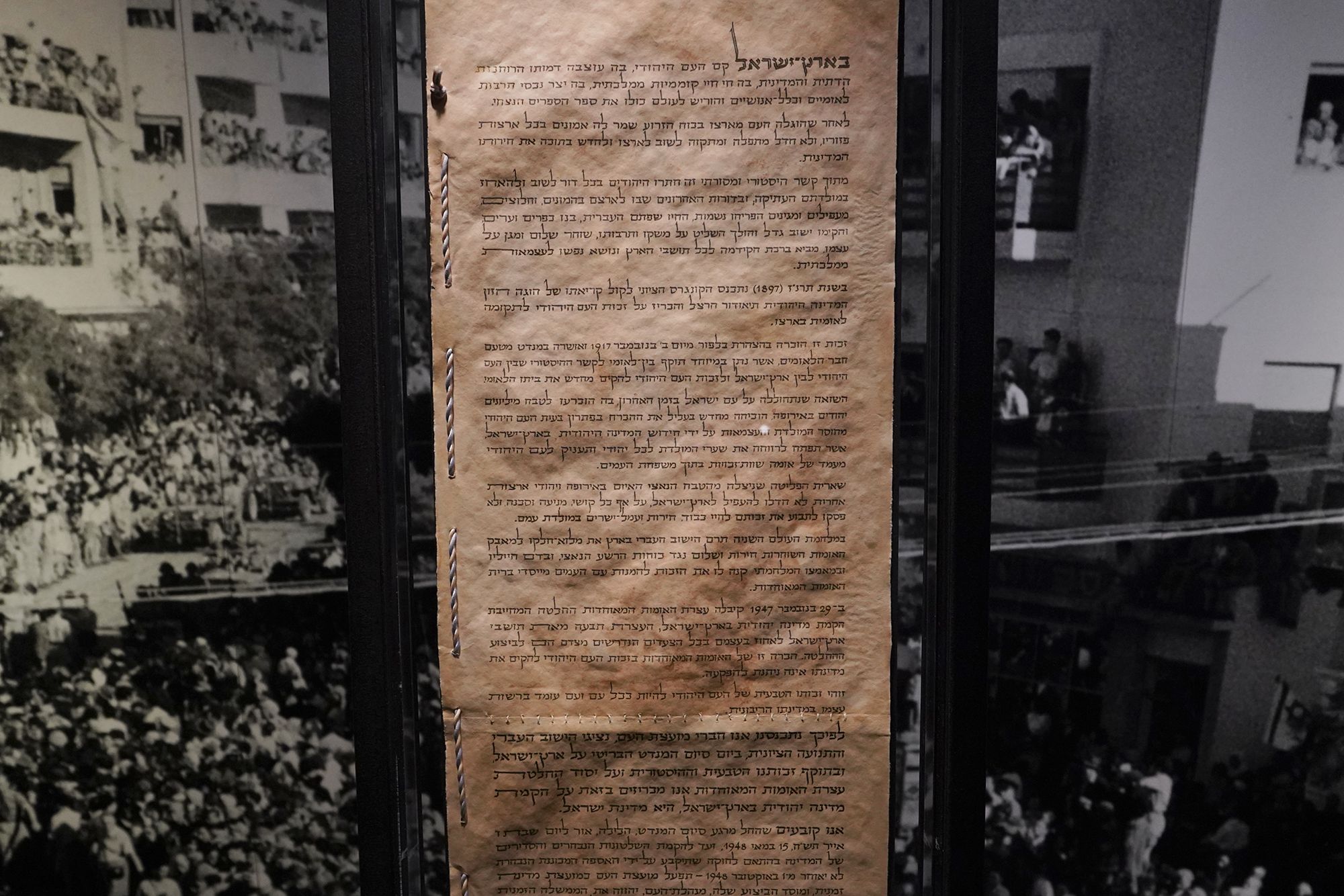
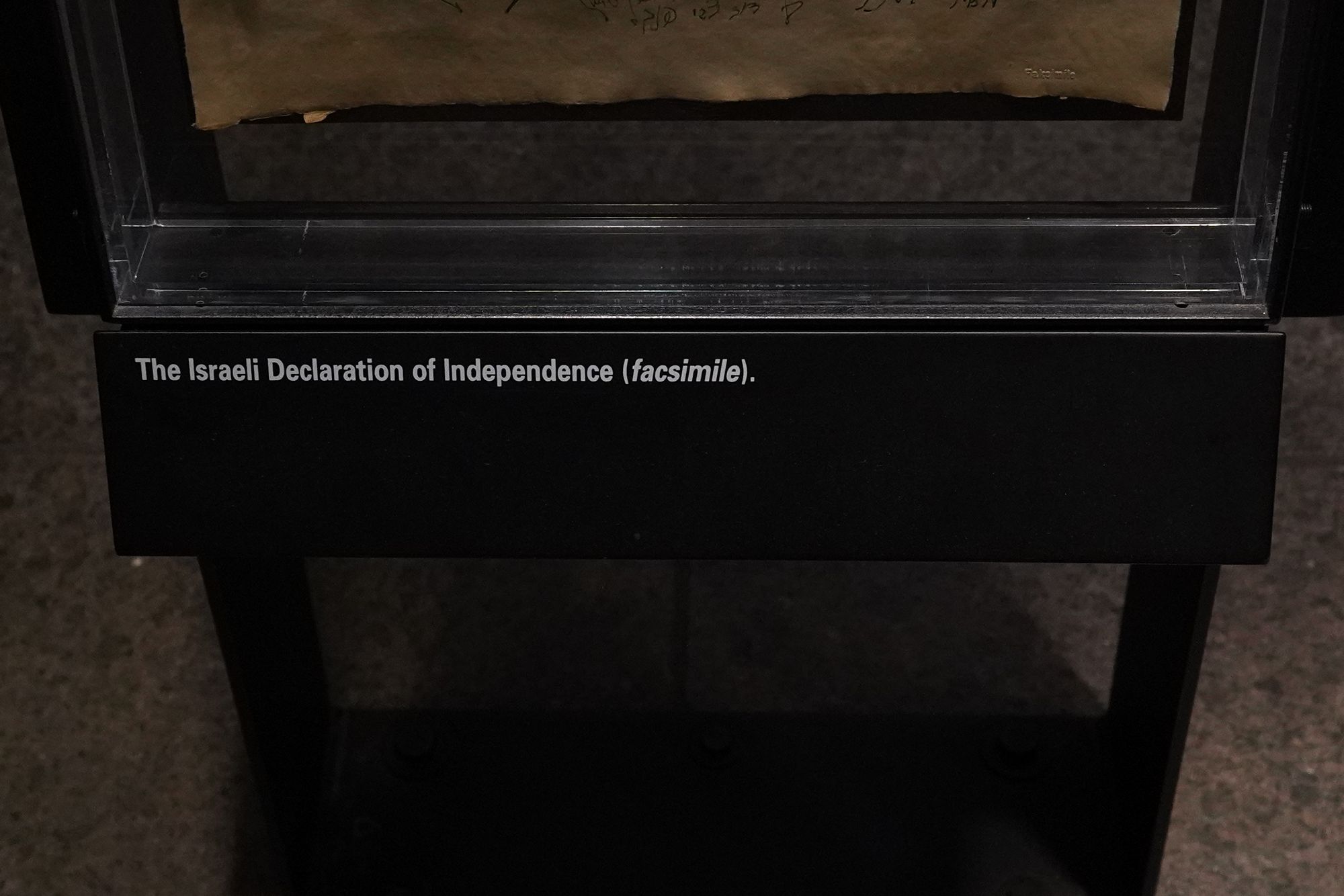
The United Nations voted in 1947 to partition Palestine into Jewish and Arab states, and on May 14, 1948, David Ben-Gurion proclaimed the independence of Israel.
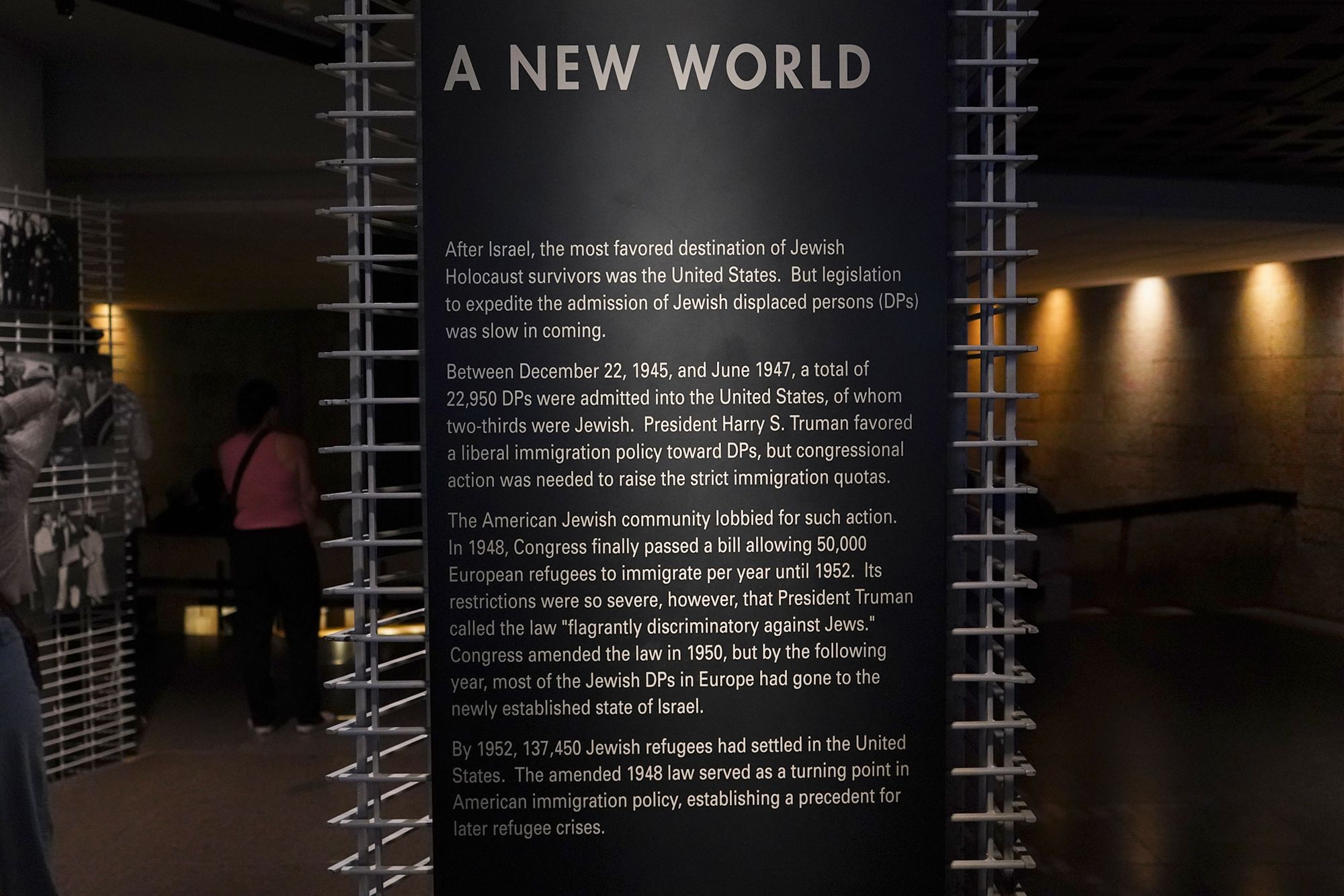
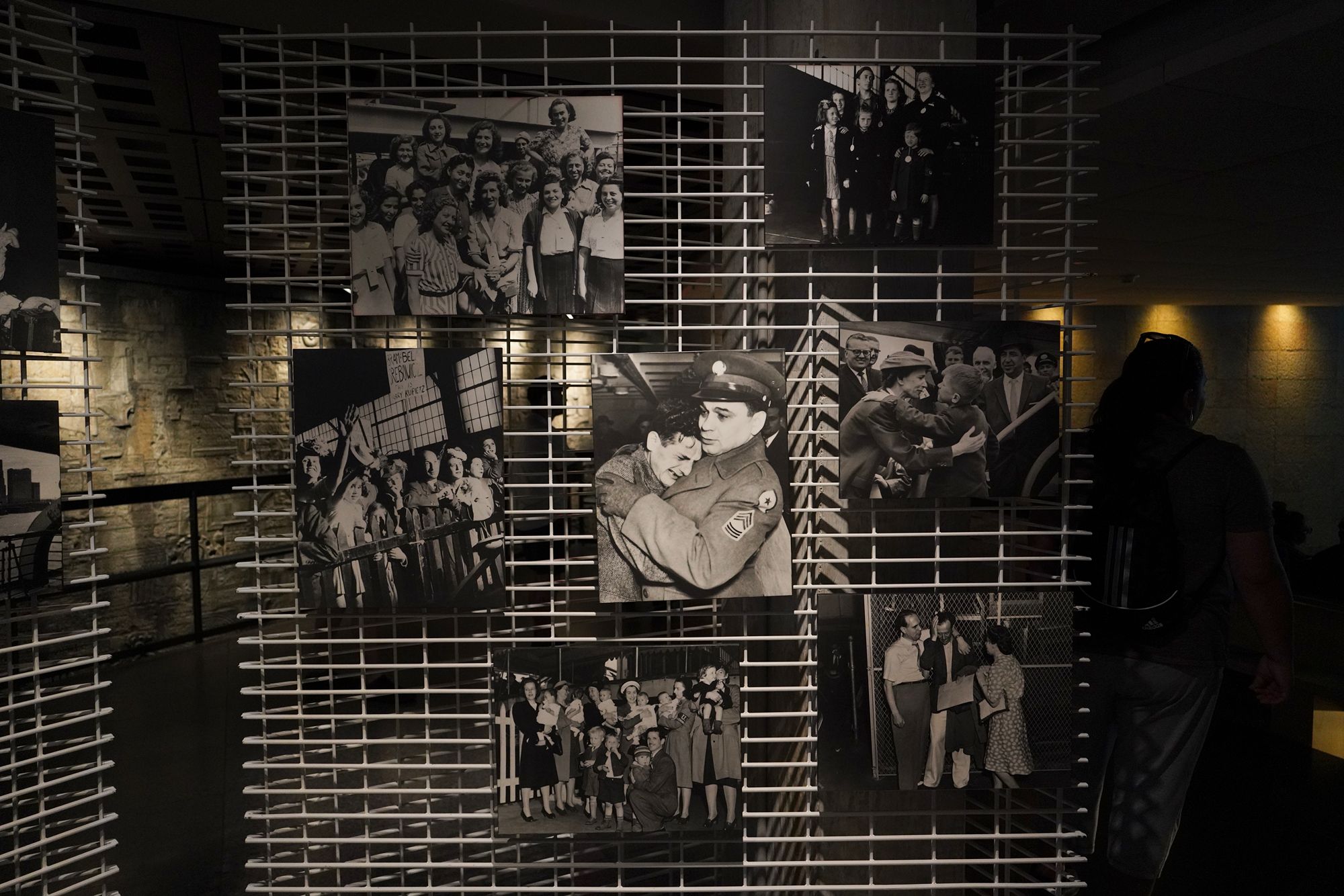
The section “A New World” reflects the global changes that followed the end of World War II and the Holocaust. In the aftermath of such devastation, nations sought to rebuild societies based on peace, justice, and human rights.