Smithsonian National Museum of American History, One Nation from Many, Washington DC, USA
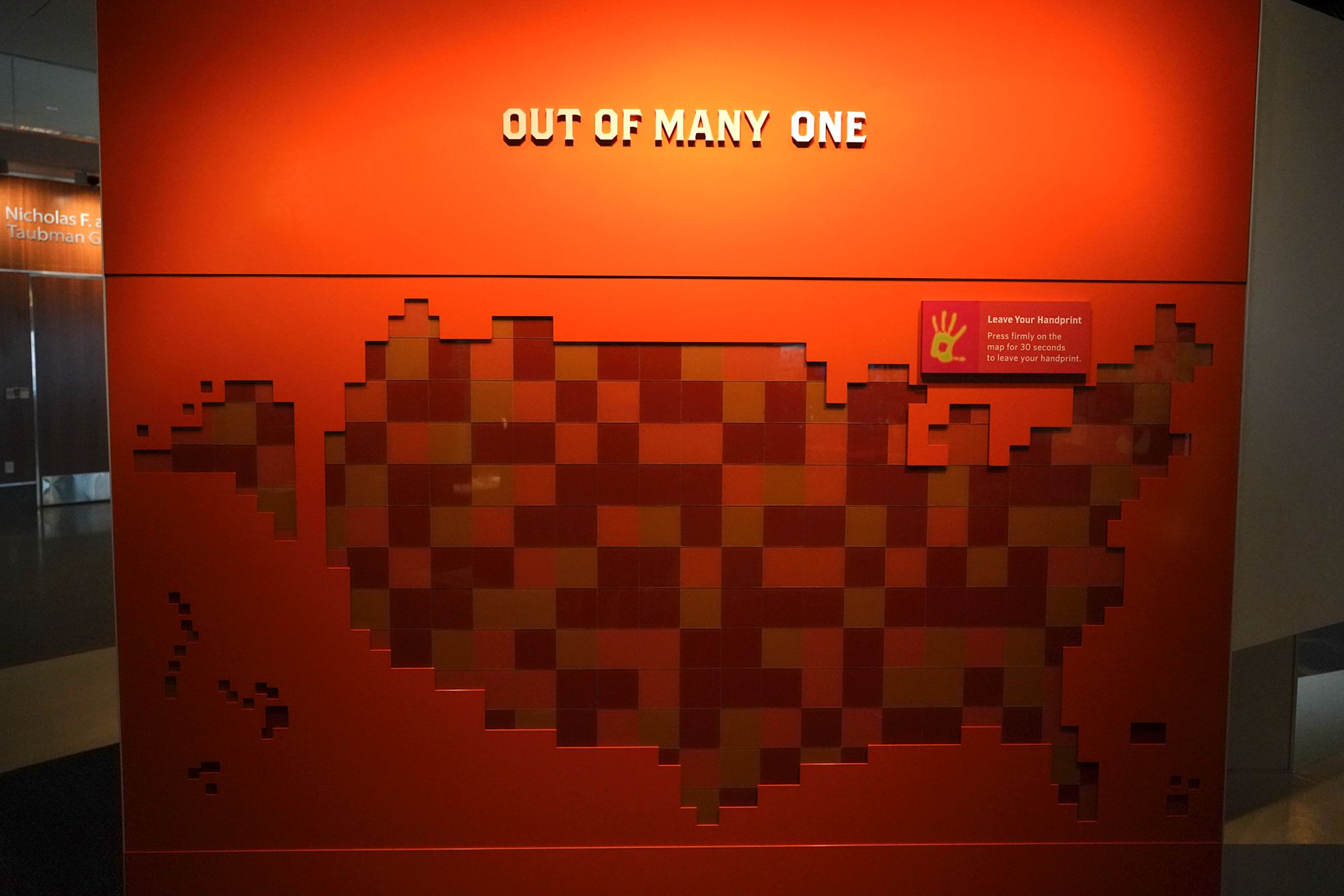
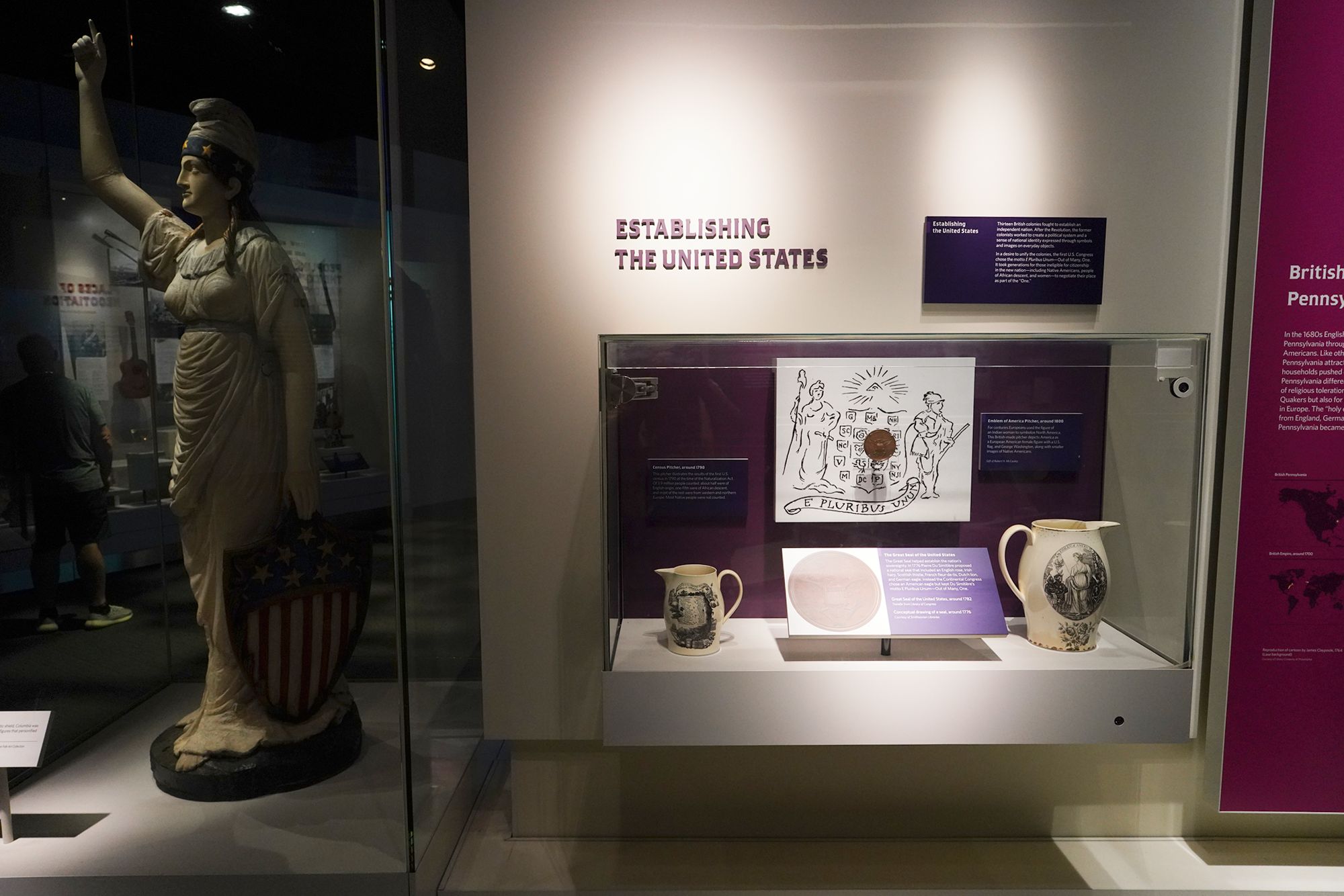
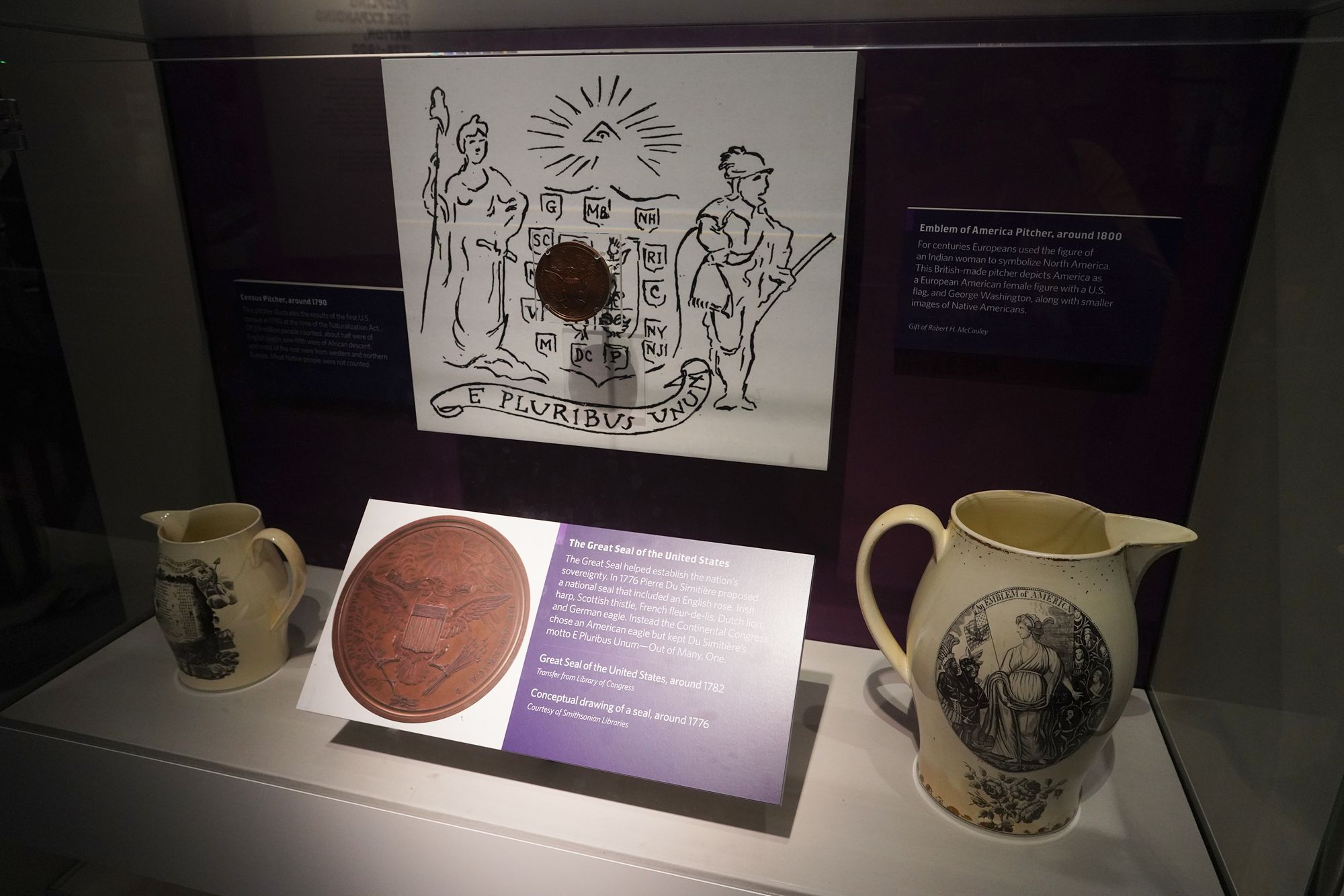
It means America is one nation formed from many different people. 1141
Smithsonian National Museum of American History: 1300 Constitution Ave. NW, Washington, DC 20560
Date Picture Taken: July 2025
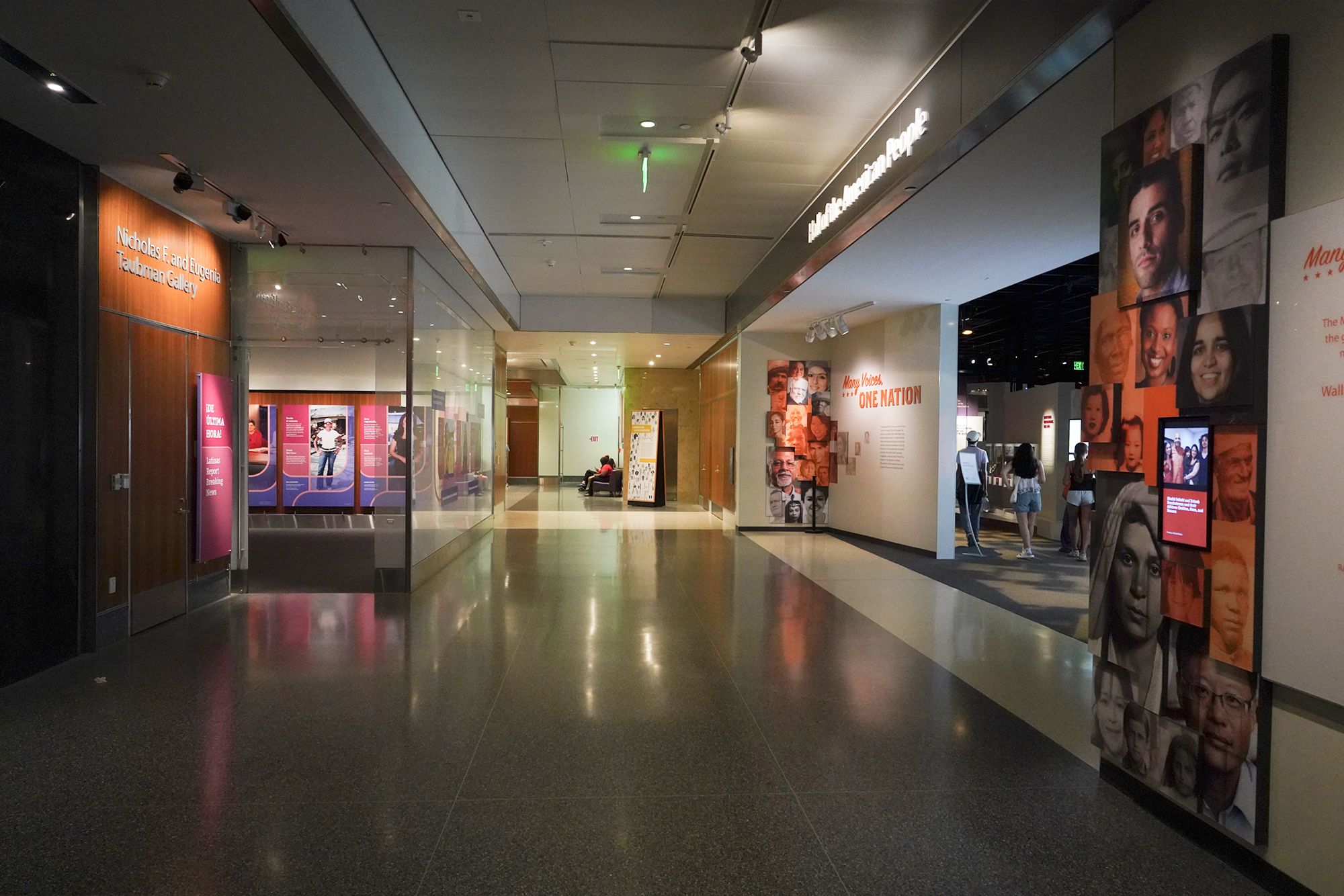
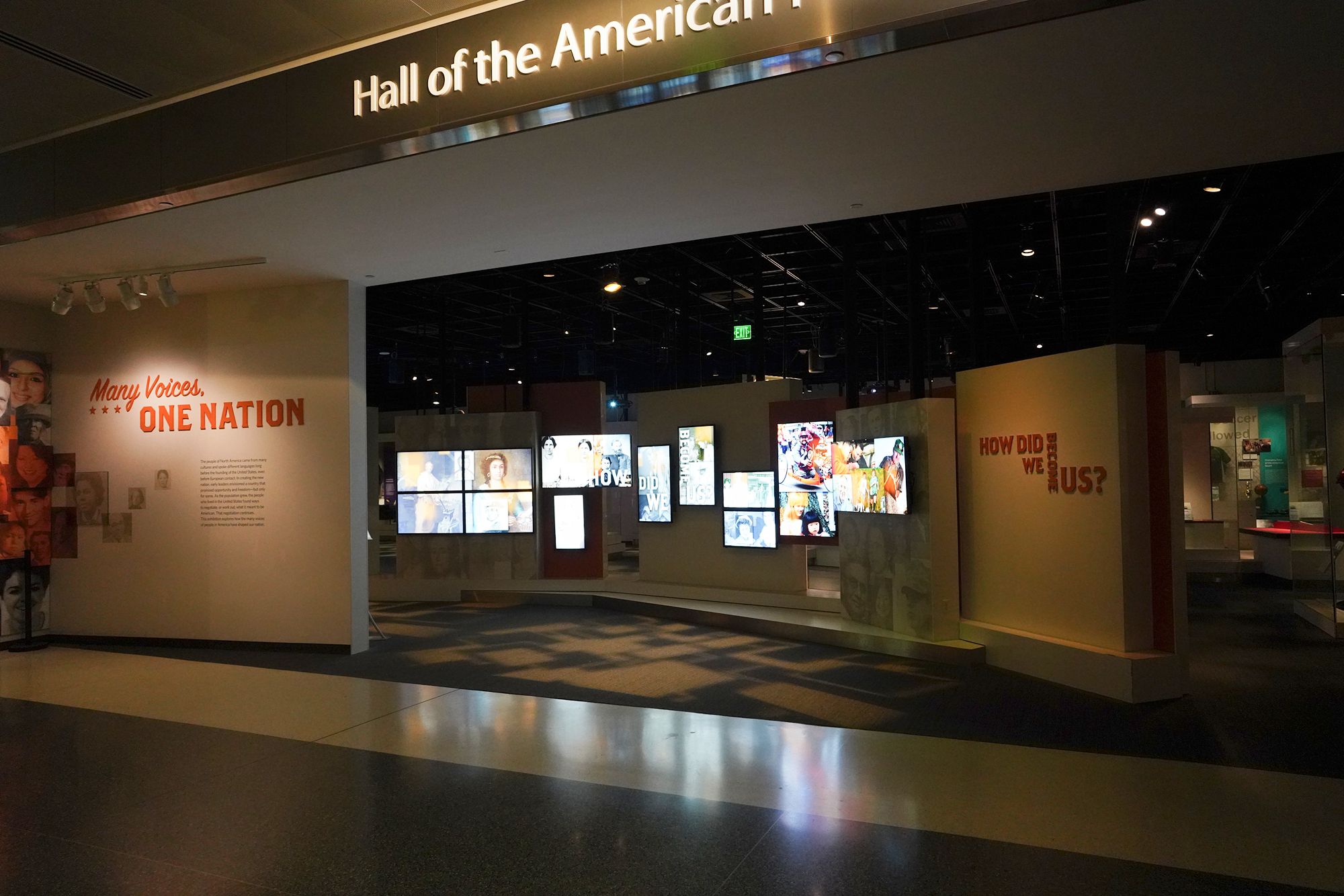
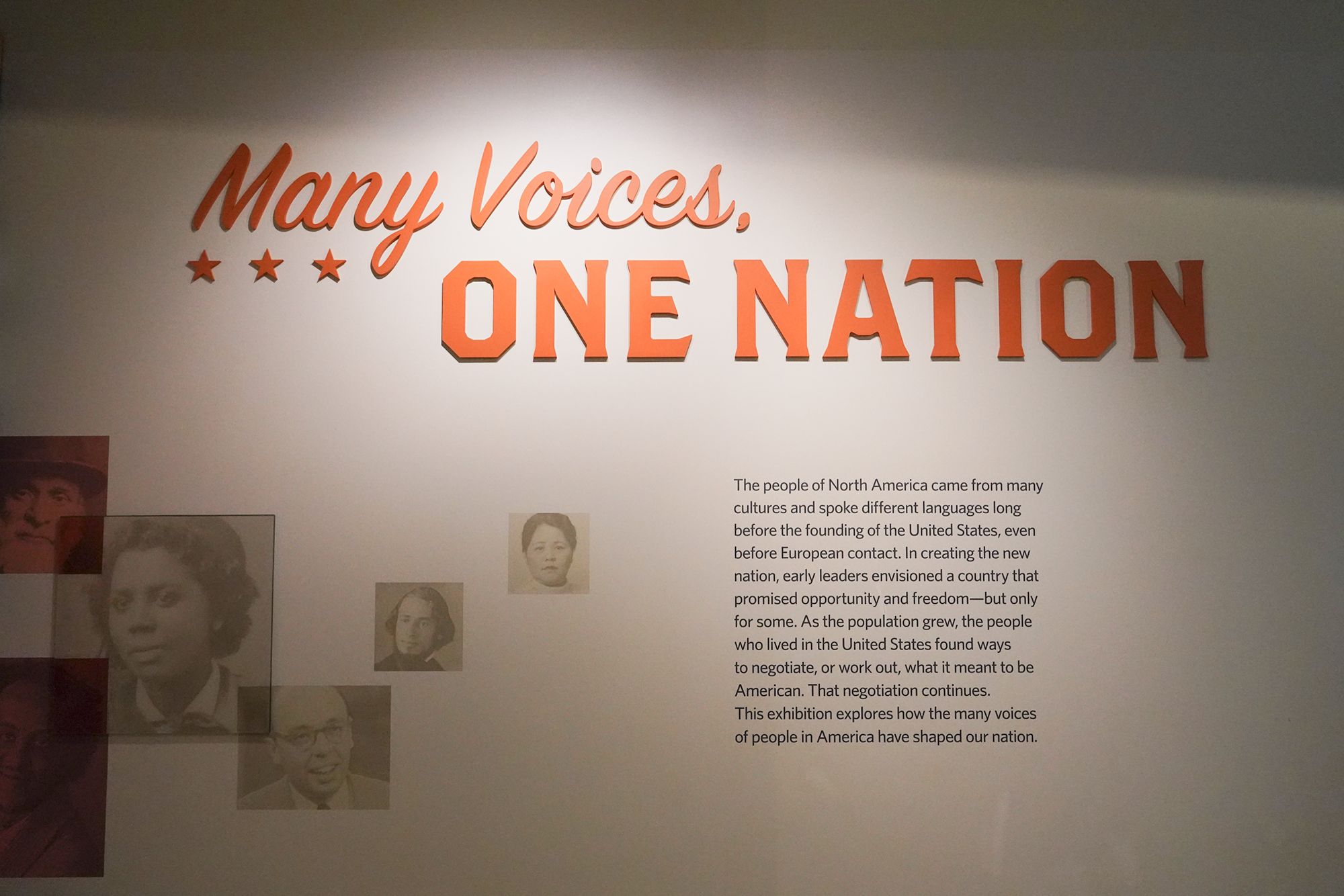
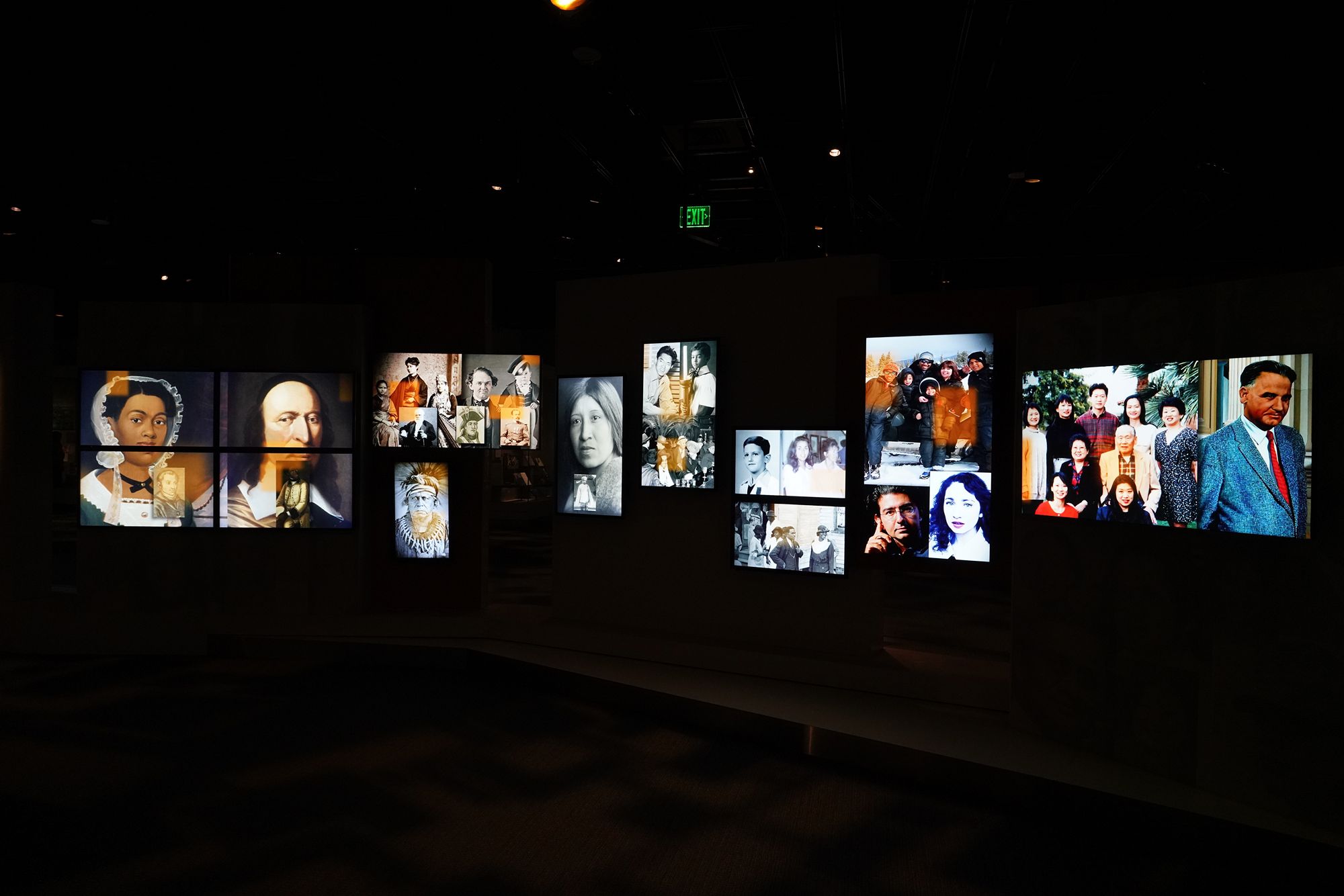
“One Name from Many” explains how the United States is made up of people from many backgrounds, cultures, and histories, yet they come together under a single national identity — “American.” It highlights how immigration, diversity, and different traditions shaped the nation, and how the country’s strength comes from blending many peoples into one shared name.
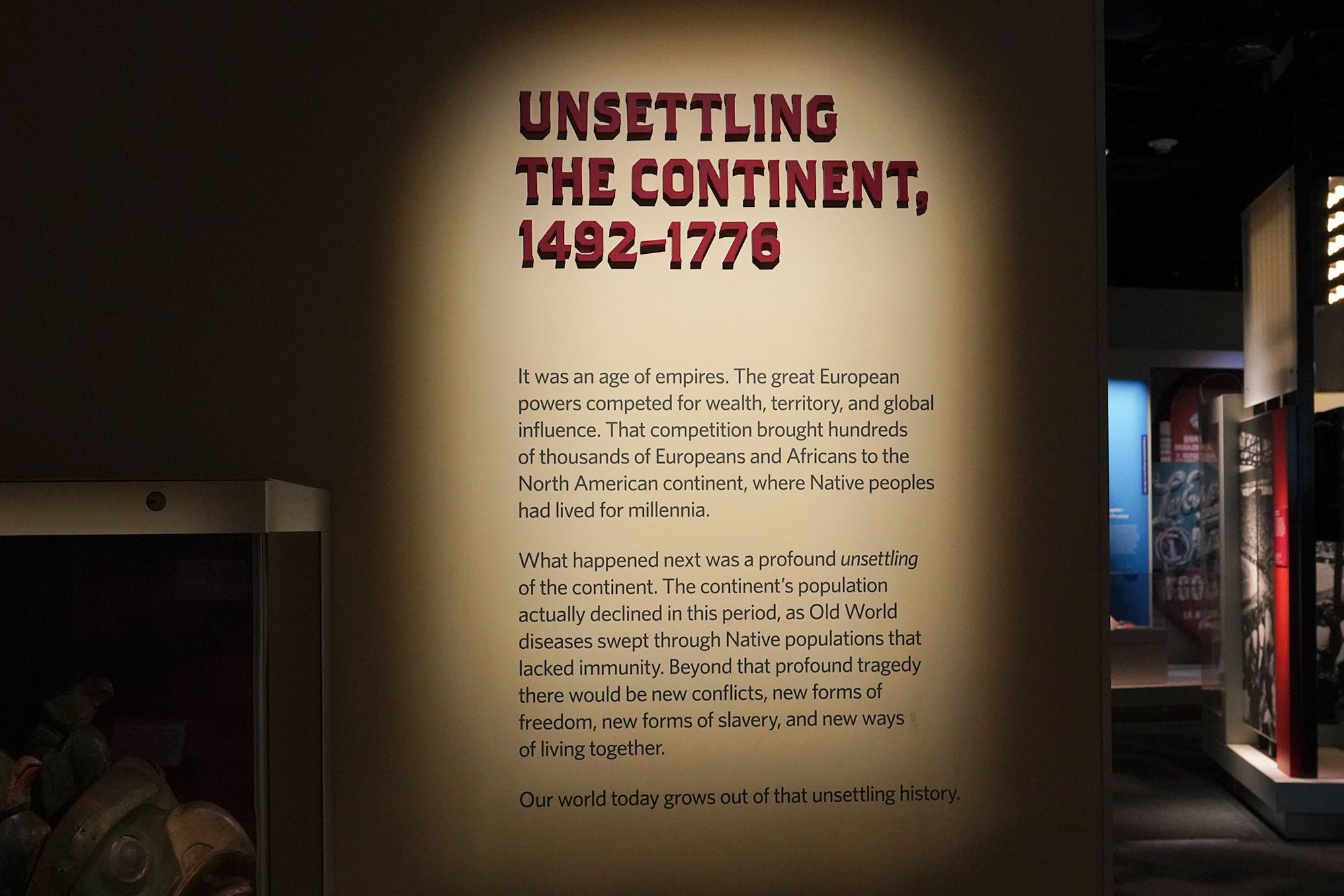
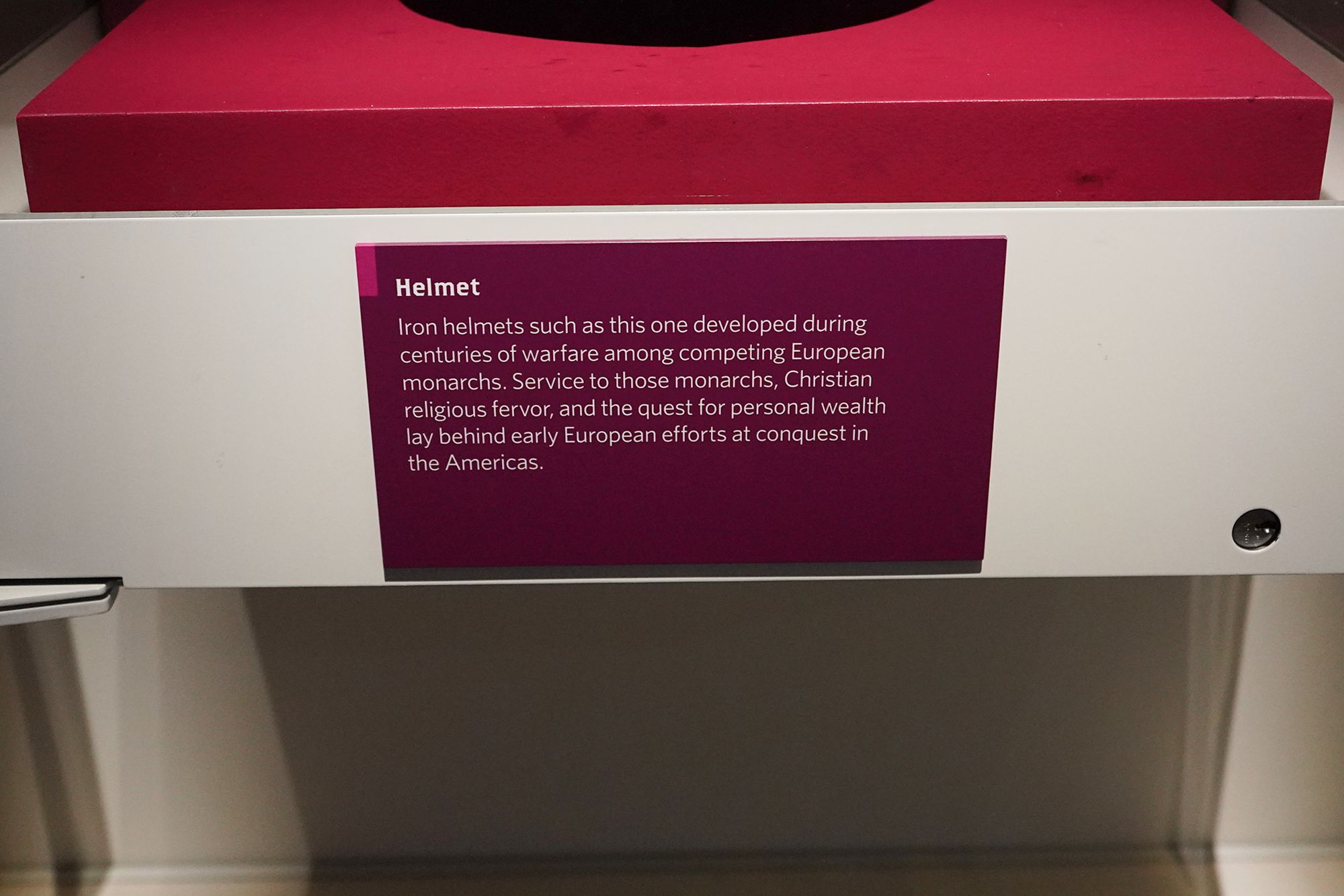
“Unsettling the Continent” describes how the arrival of Europeans beginning in 1492 disrupted the lives, lands, and cultures of Indigenous peoples across North America. During this period, European exploration, colonization, warfare, disease, forced displacement, and expanding settlements transformed the continent. By 1776, Native nations had already experienced massive population loss, land loss, and cultural upheaval as European colonies grew.
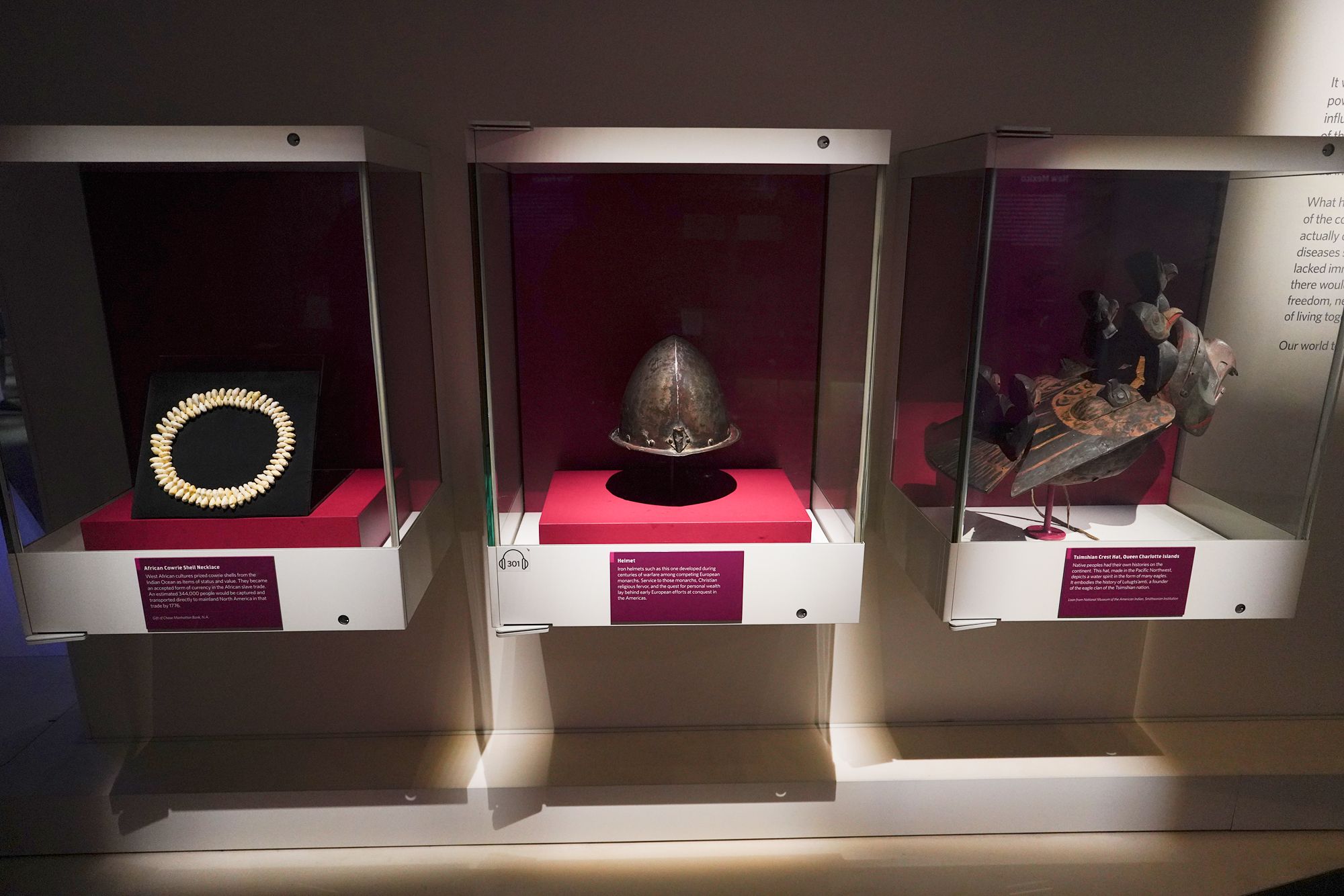
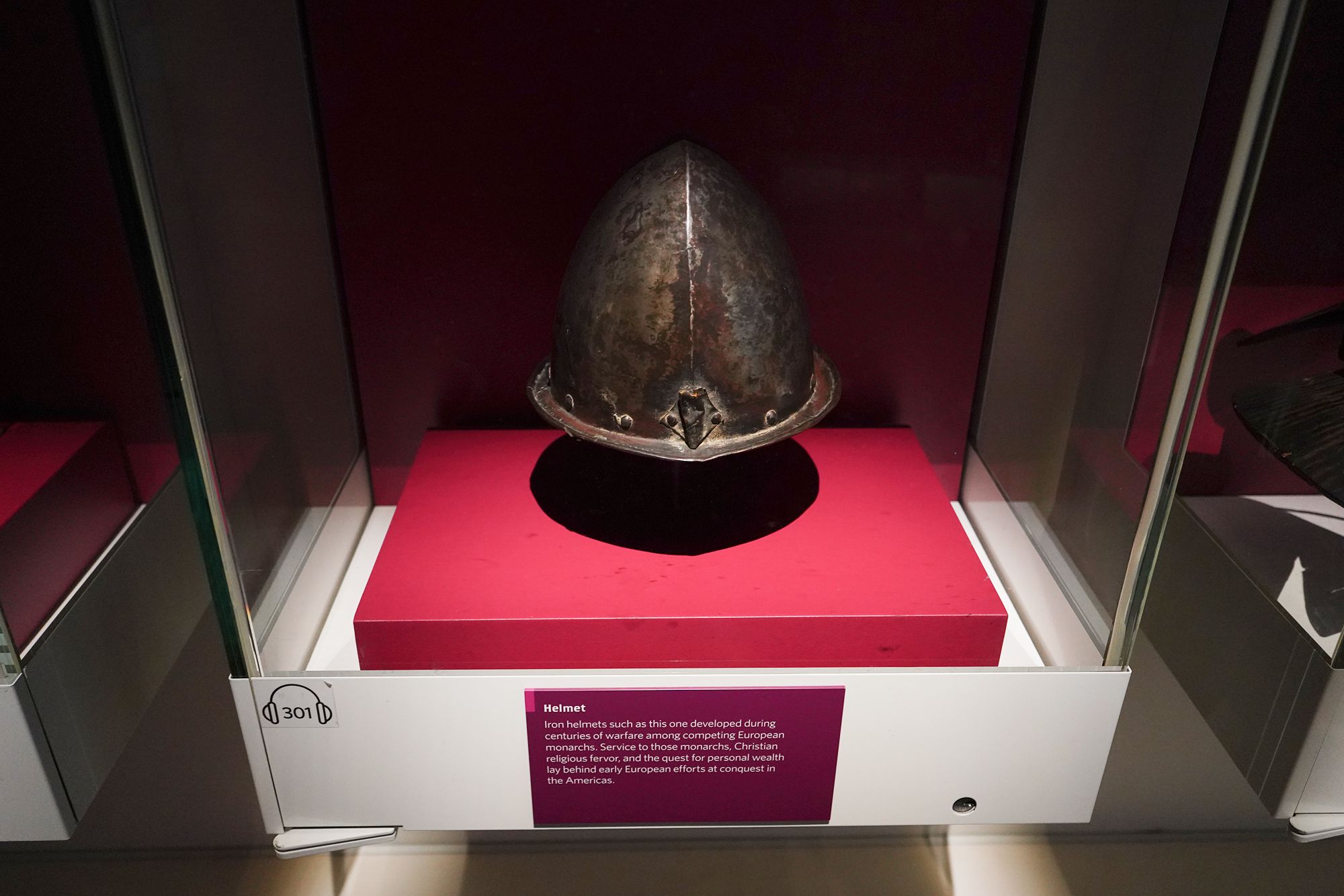
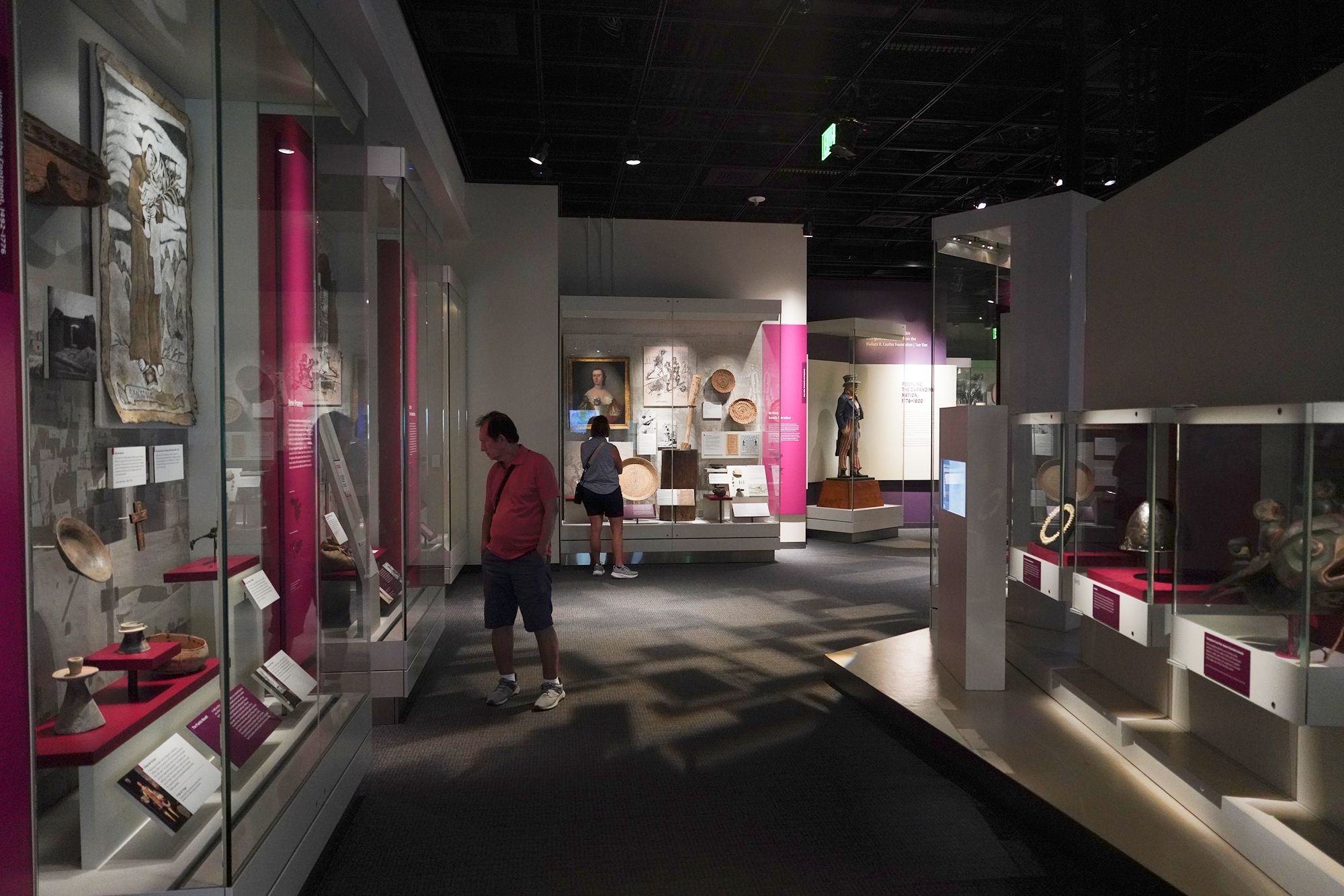
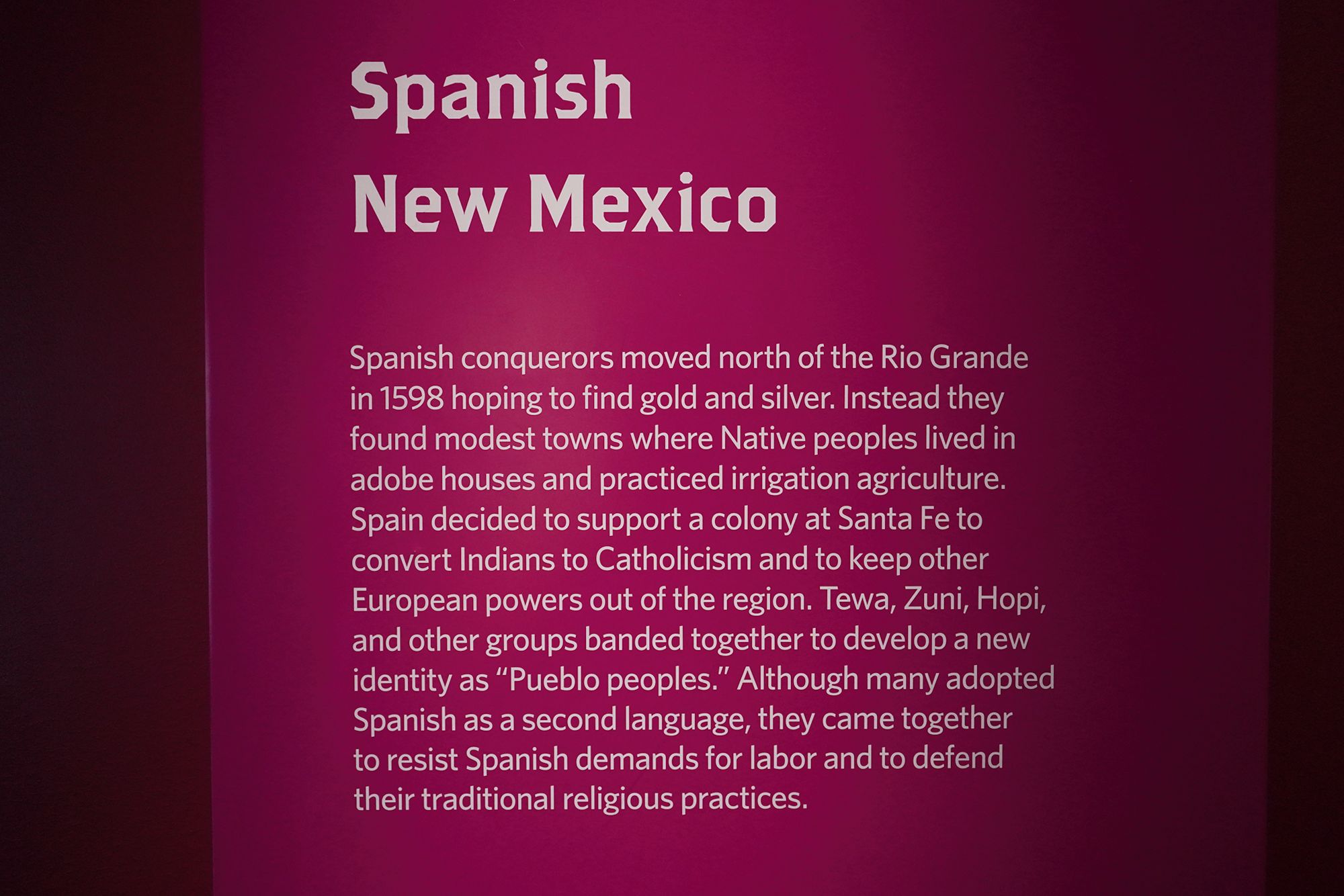
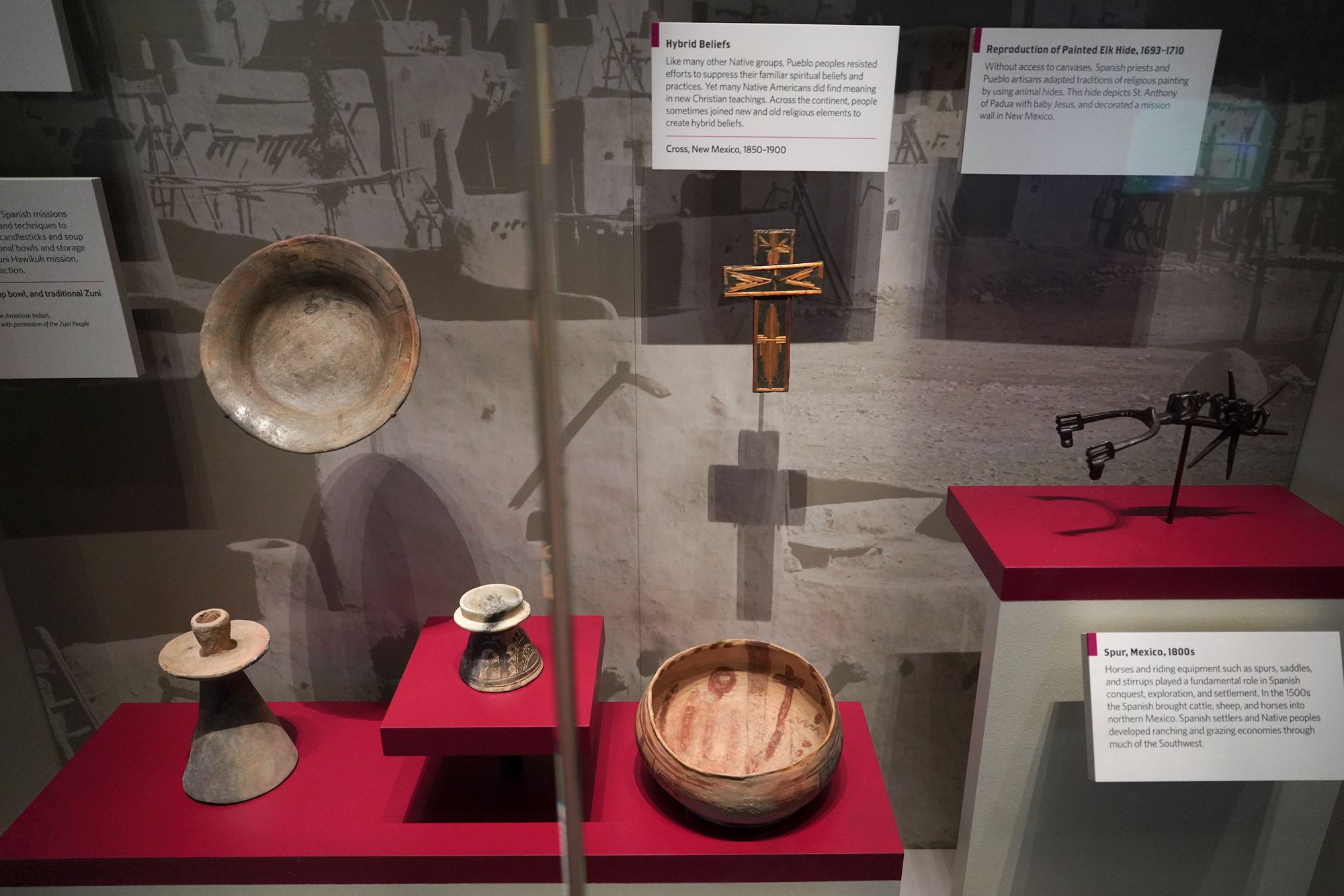
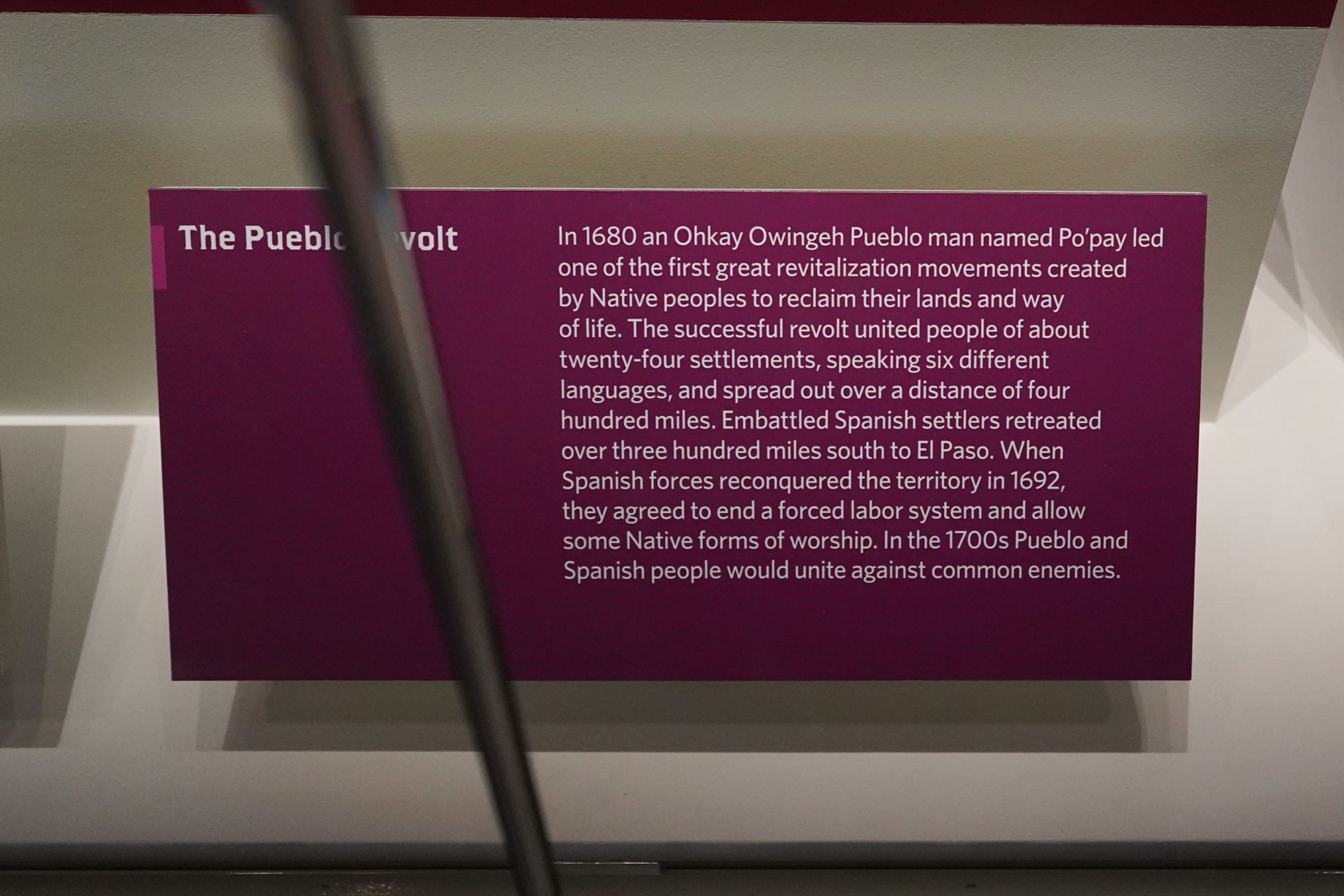
Spanish New Mexico refers to the region in the American Southwest that Spain colonized beginning in 1598, centered around present-day New Mexico. Spanish settlers, soldiers, and missionaries established towns, missions, and farms, while trying to convert and control the Indigenous Pueblo peoples.
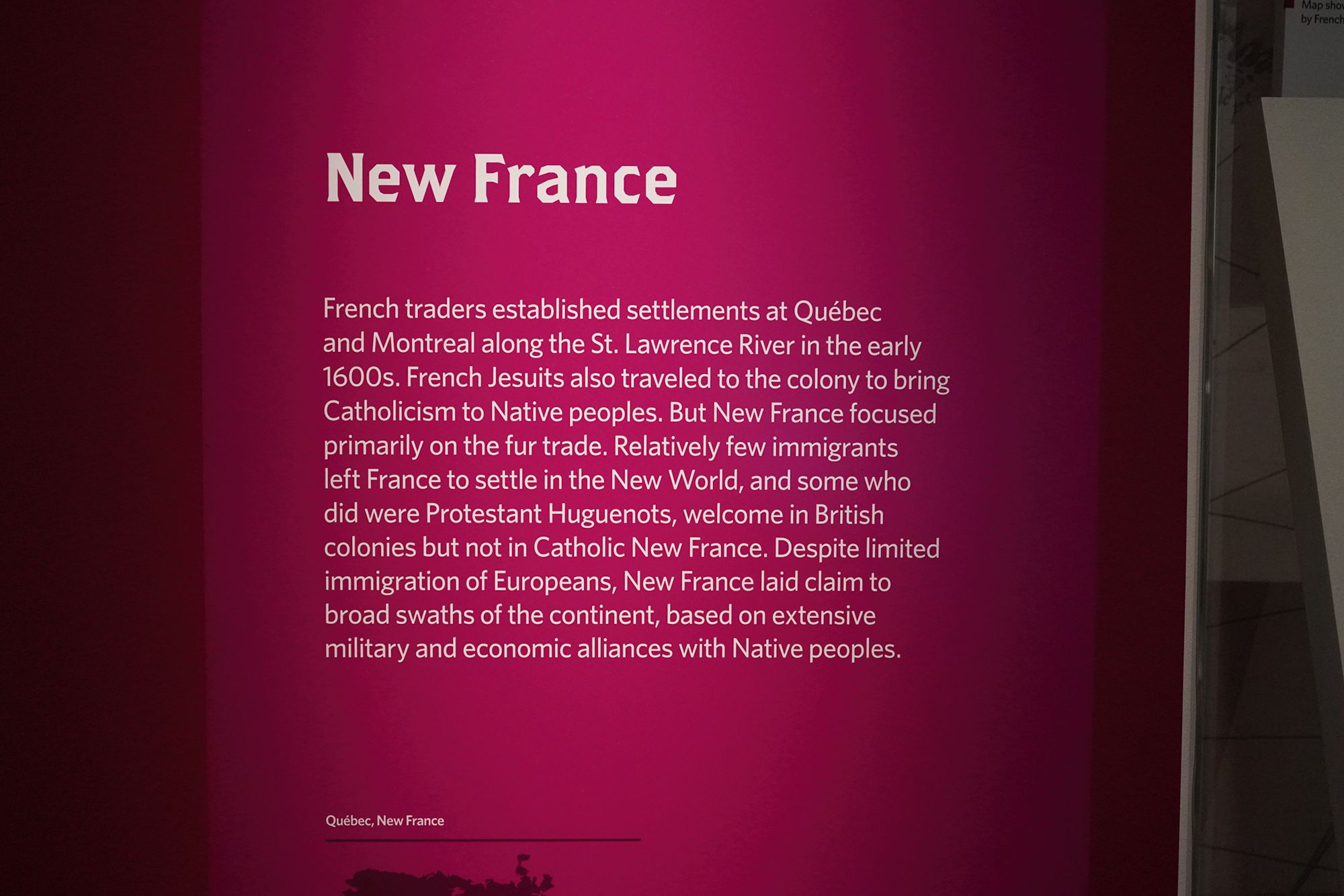
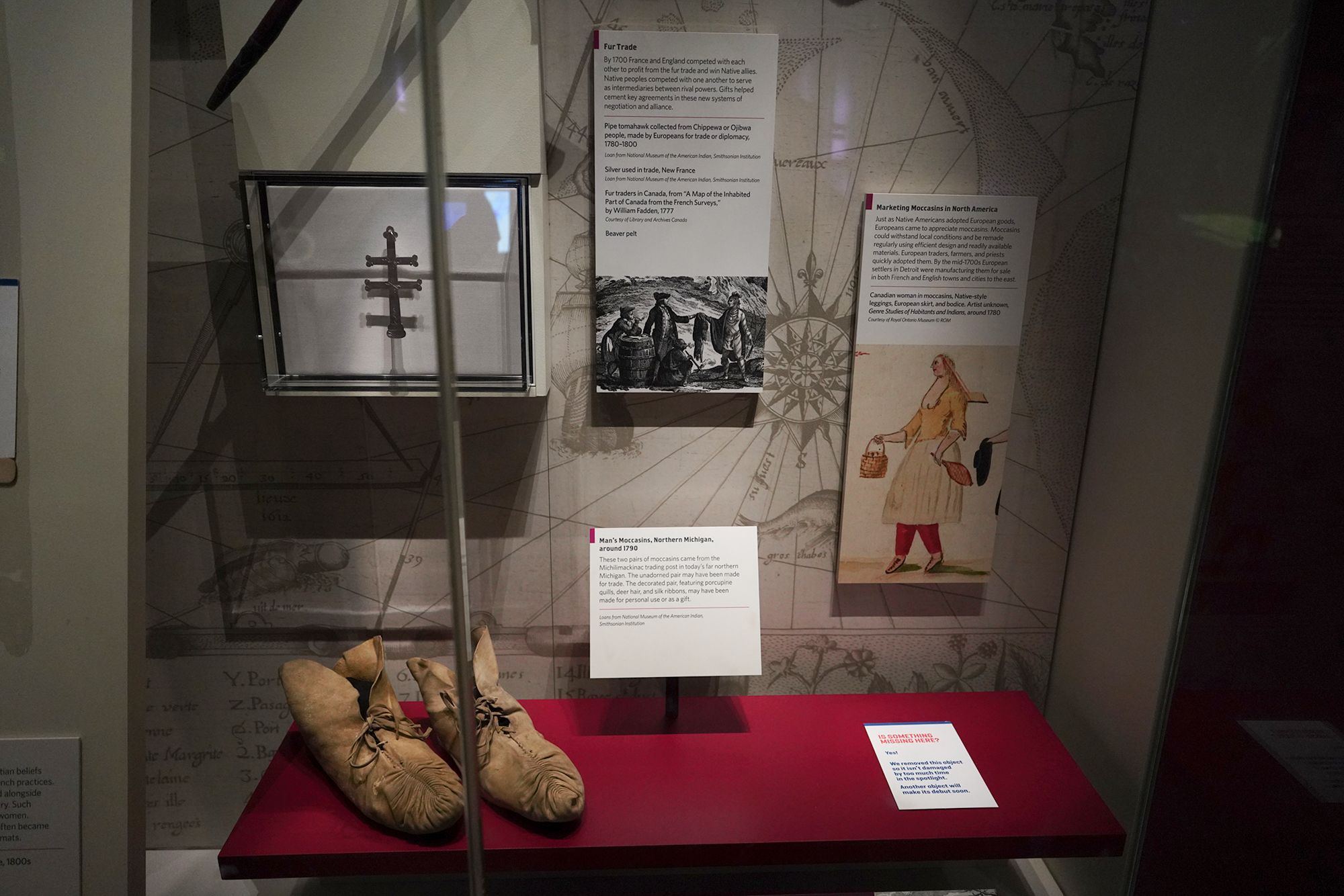
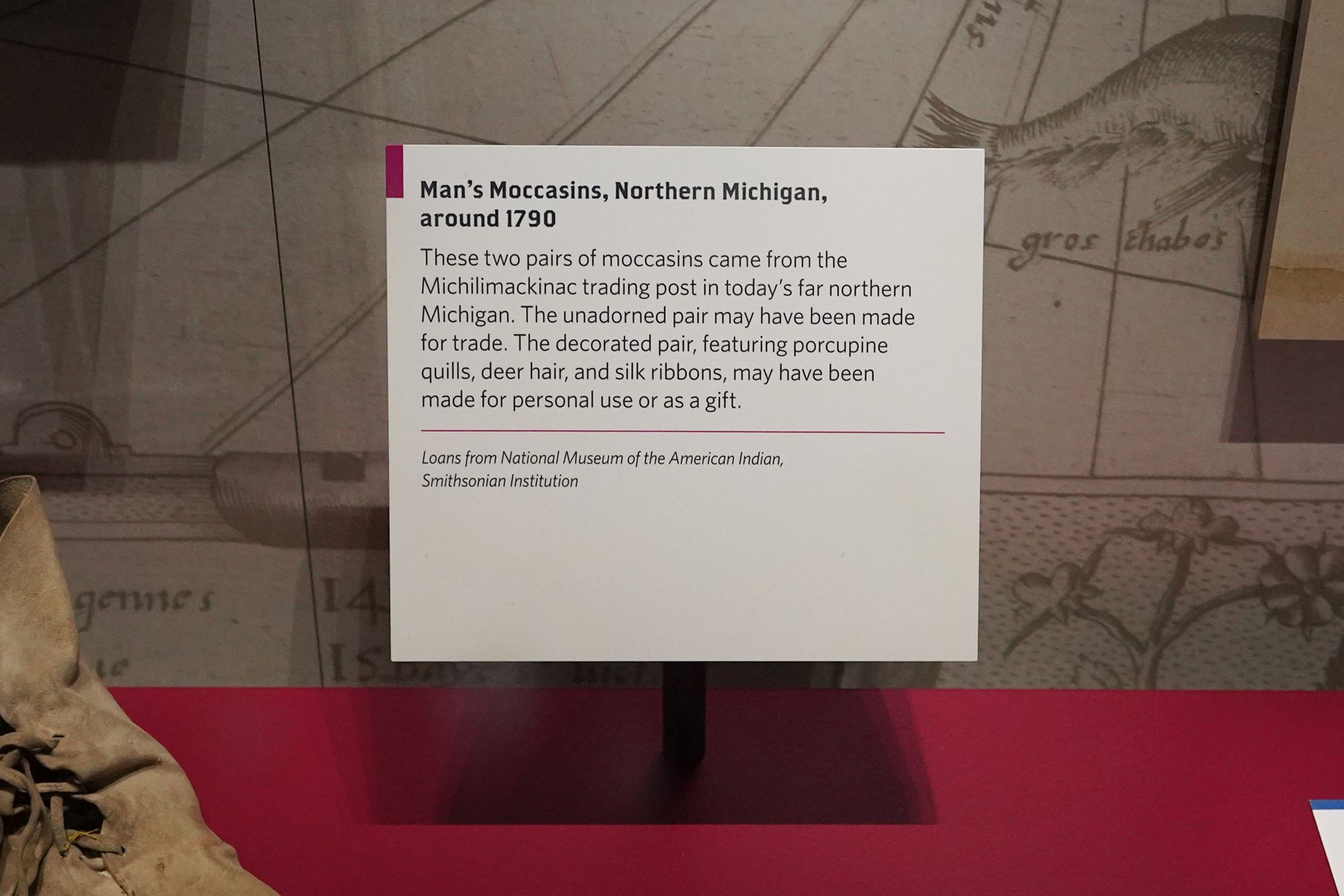
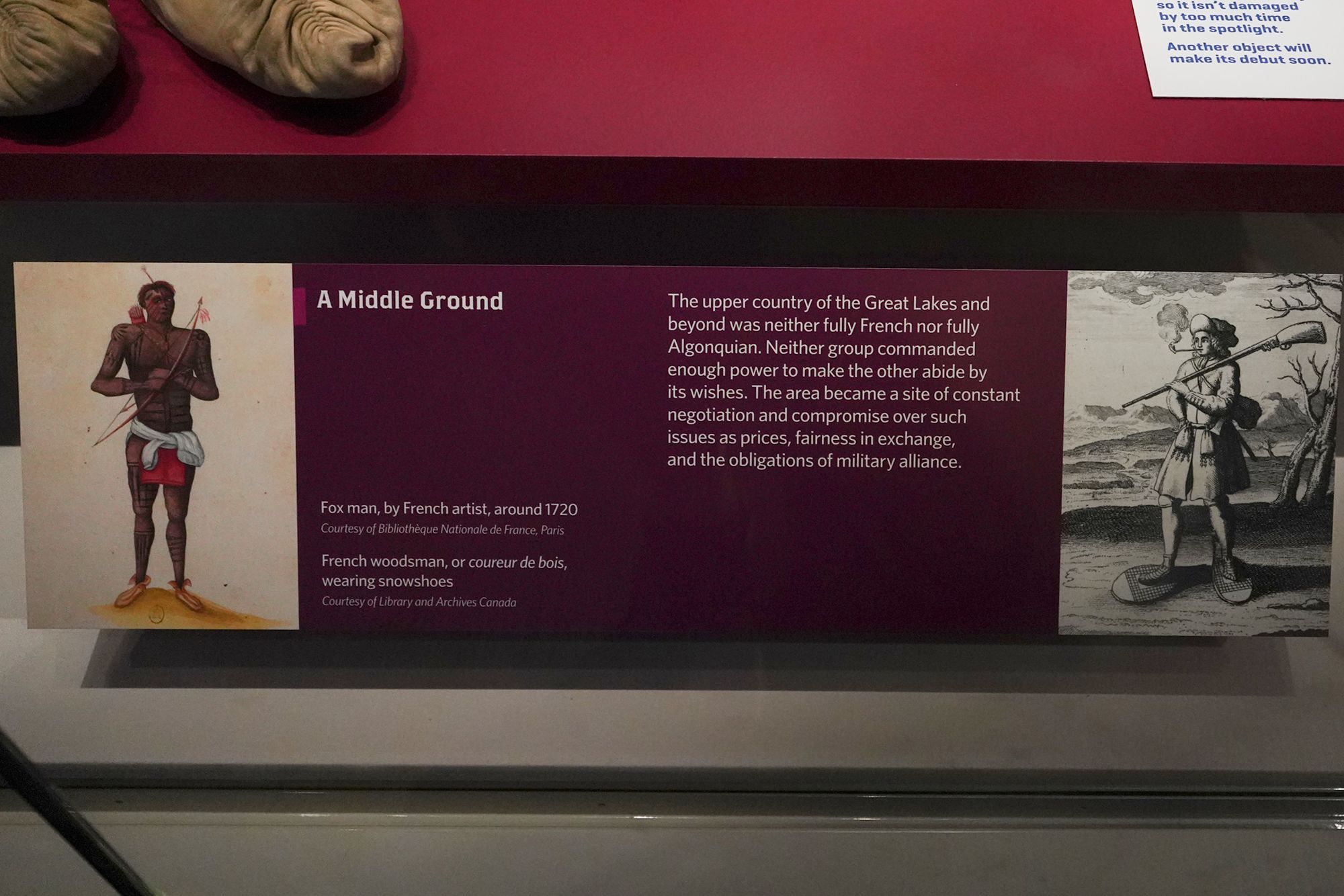
New France was the vast territory in North America controlled by France from the early 1600s until 1763. It included parts of Canada (like Quebec), the Great Lakes region, and the Mississippi River valley. French settlers, missionaries, and traders built alliances with many Native nations, especially in the fur trade. After the French and Indian War, France lost almost all of this territory to Britain.
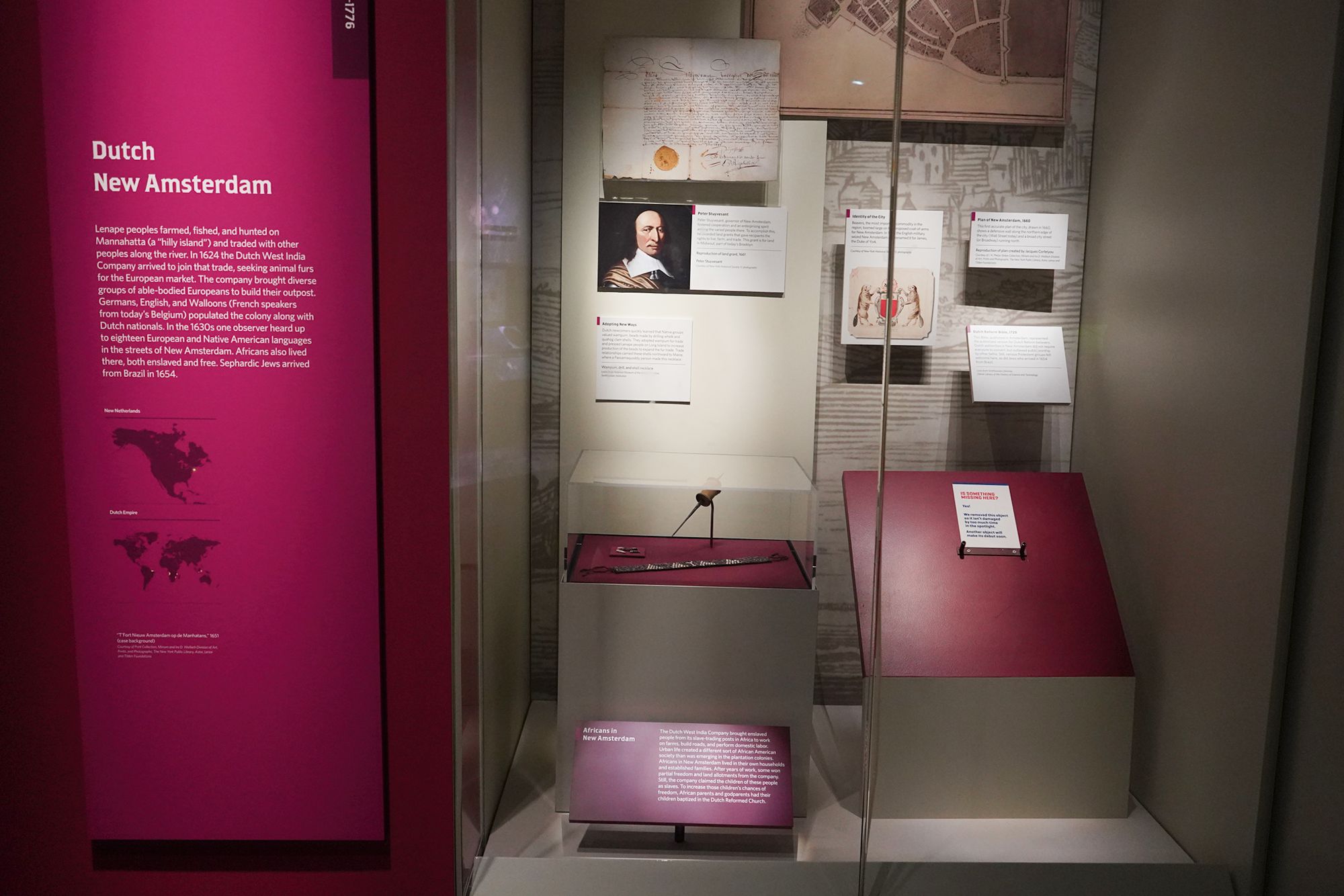
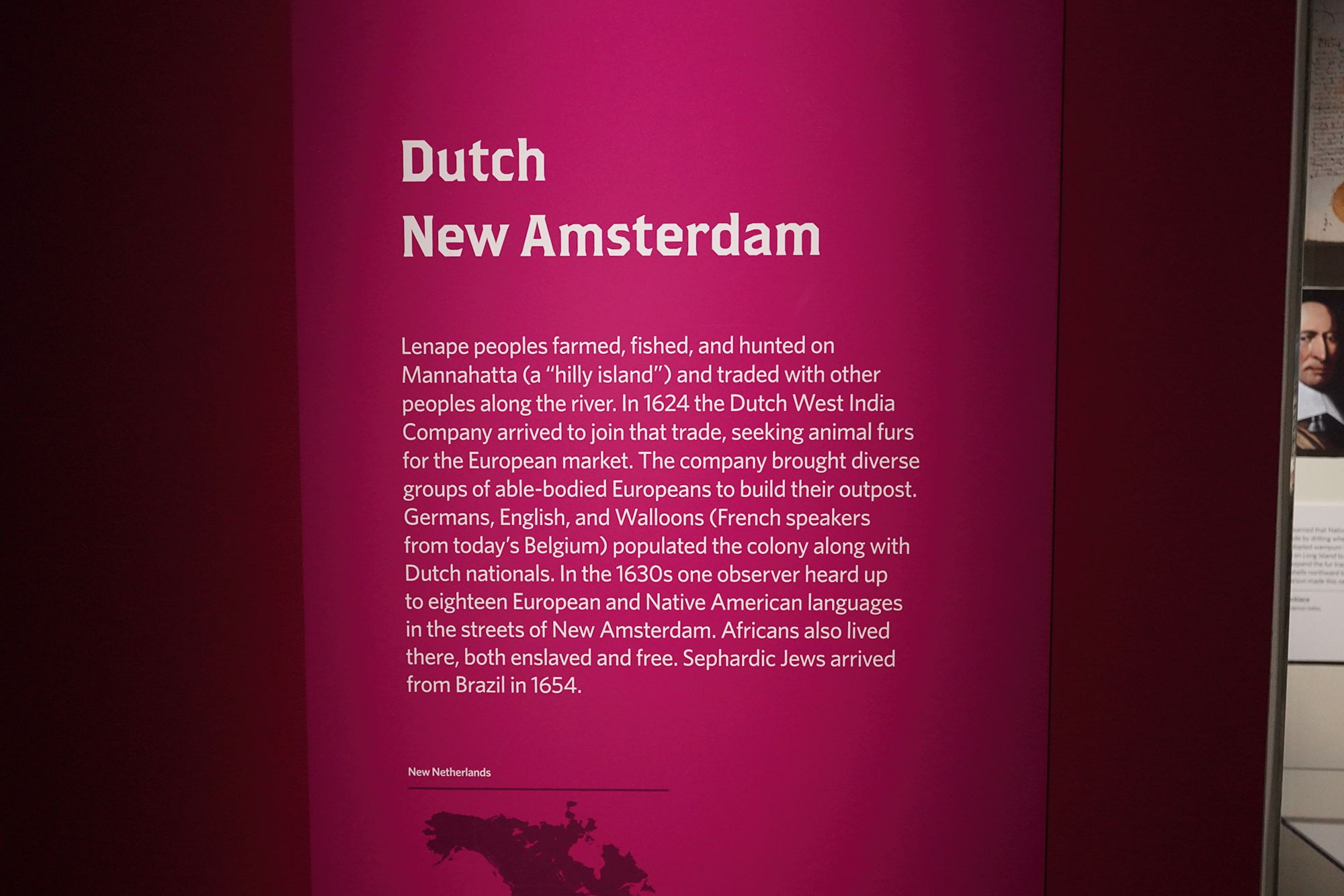
New Amsterdam was the Dutch colony founded in 1625 at the southern tip of Manhattan Island. It became a busy trading center known for its diversity, tolerance, and strong commercial culture. The Dutch controlled the colony as part of New Netherland, trading furs and welcoming settlers from many backgrounds. In 1664, the English captured the colony and renamed it New York, but Dutch influences remained in the region’s place names, culture, and traditions.
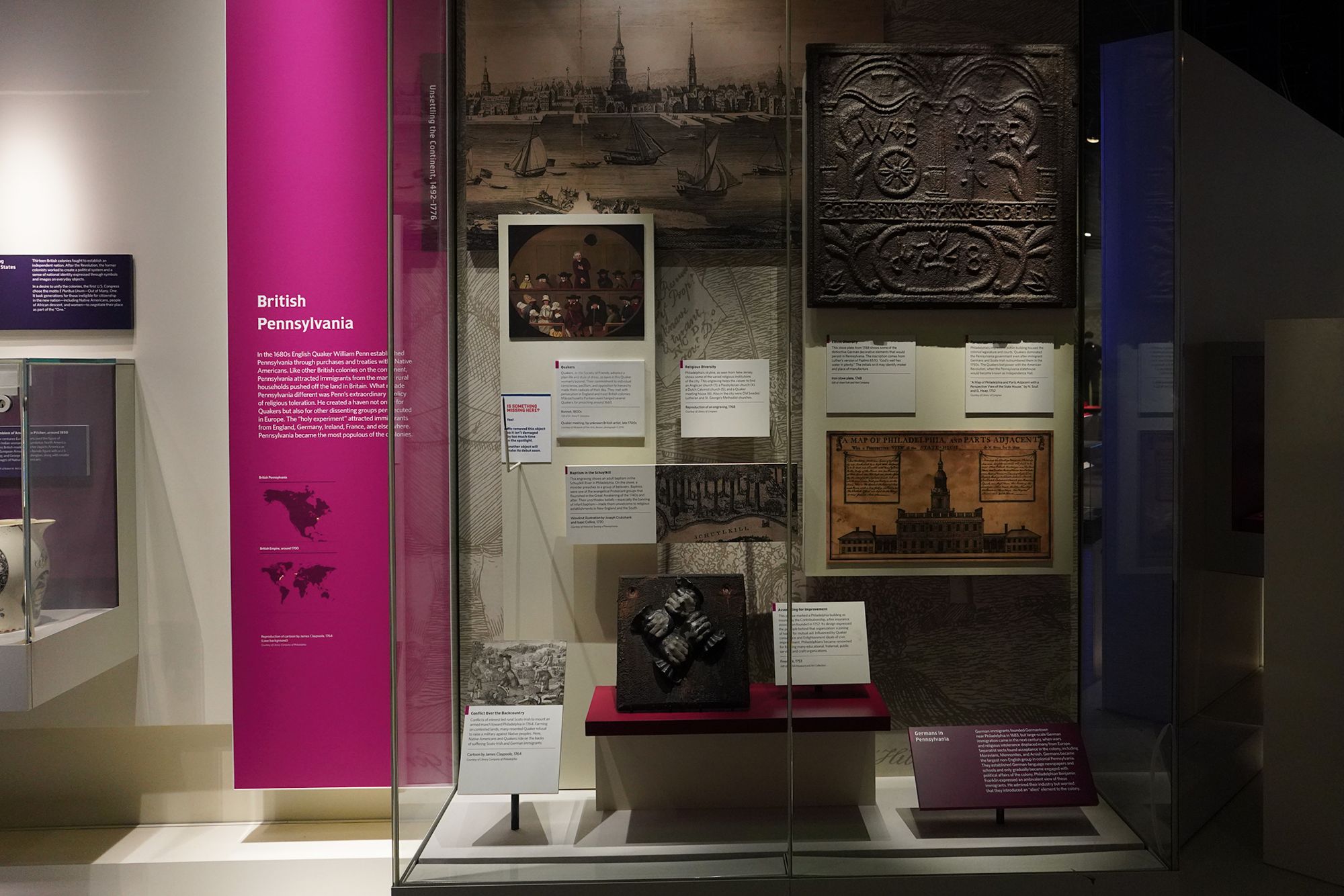
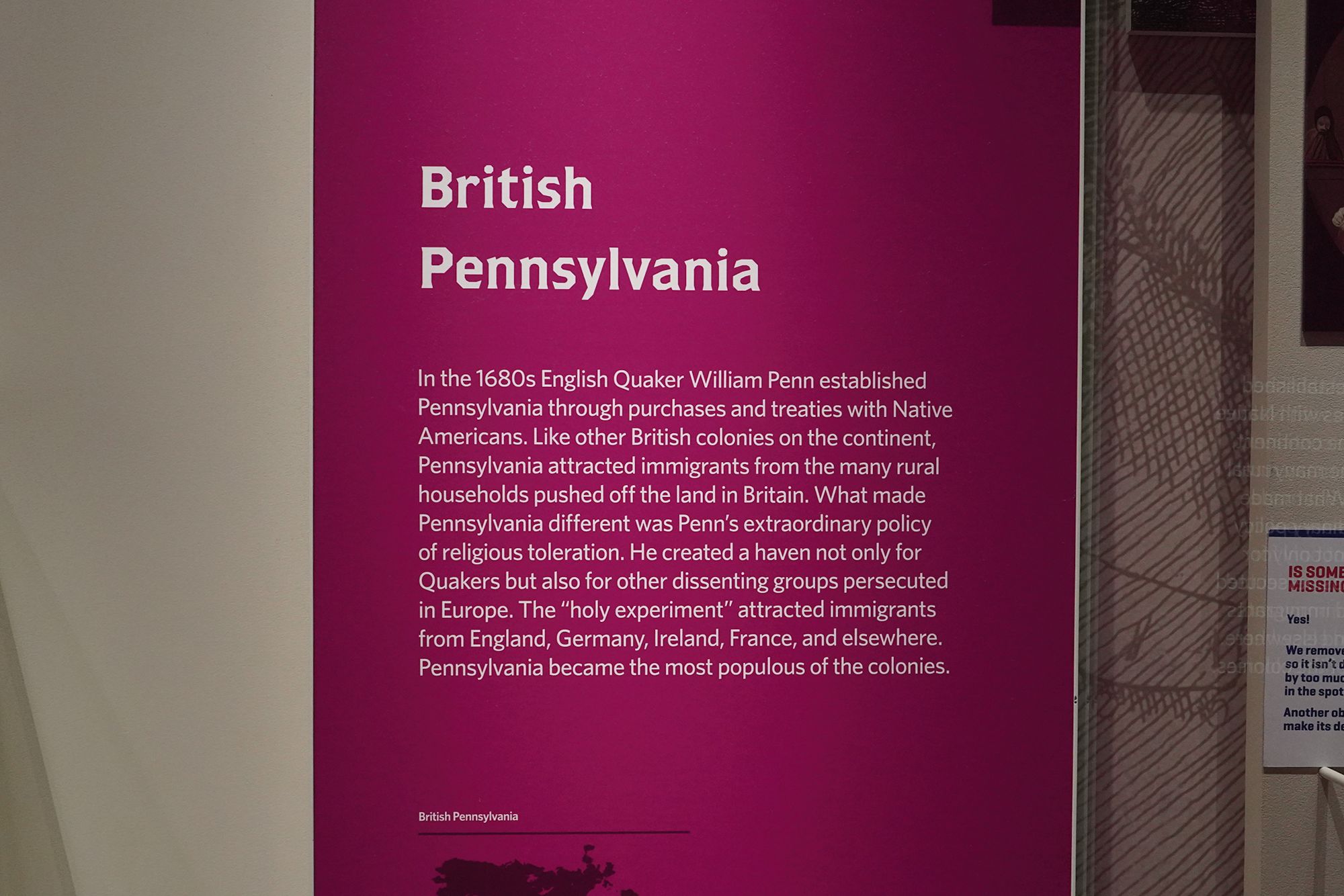
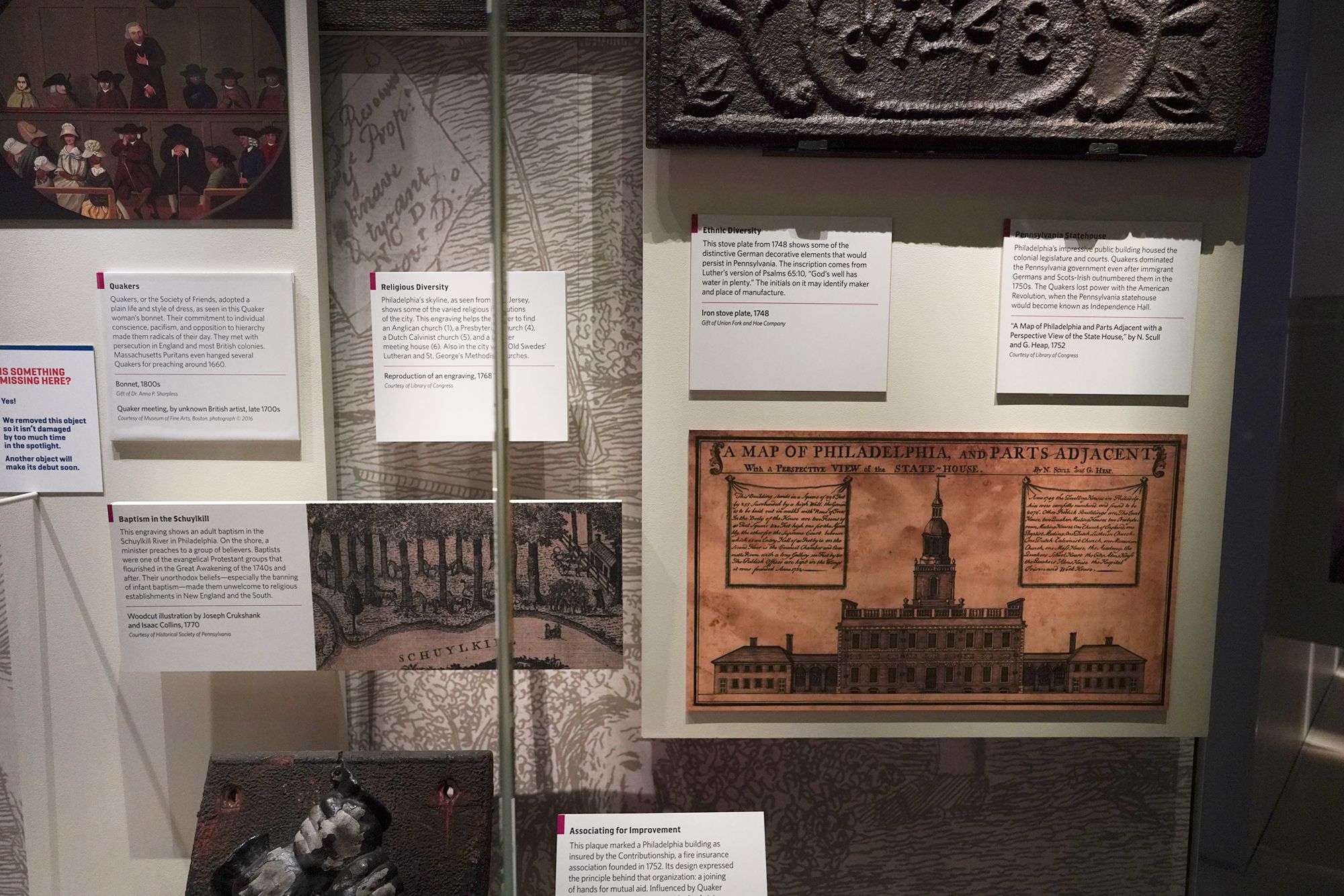
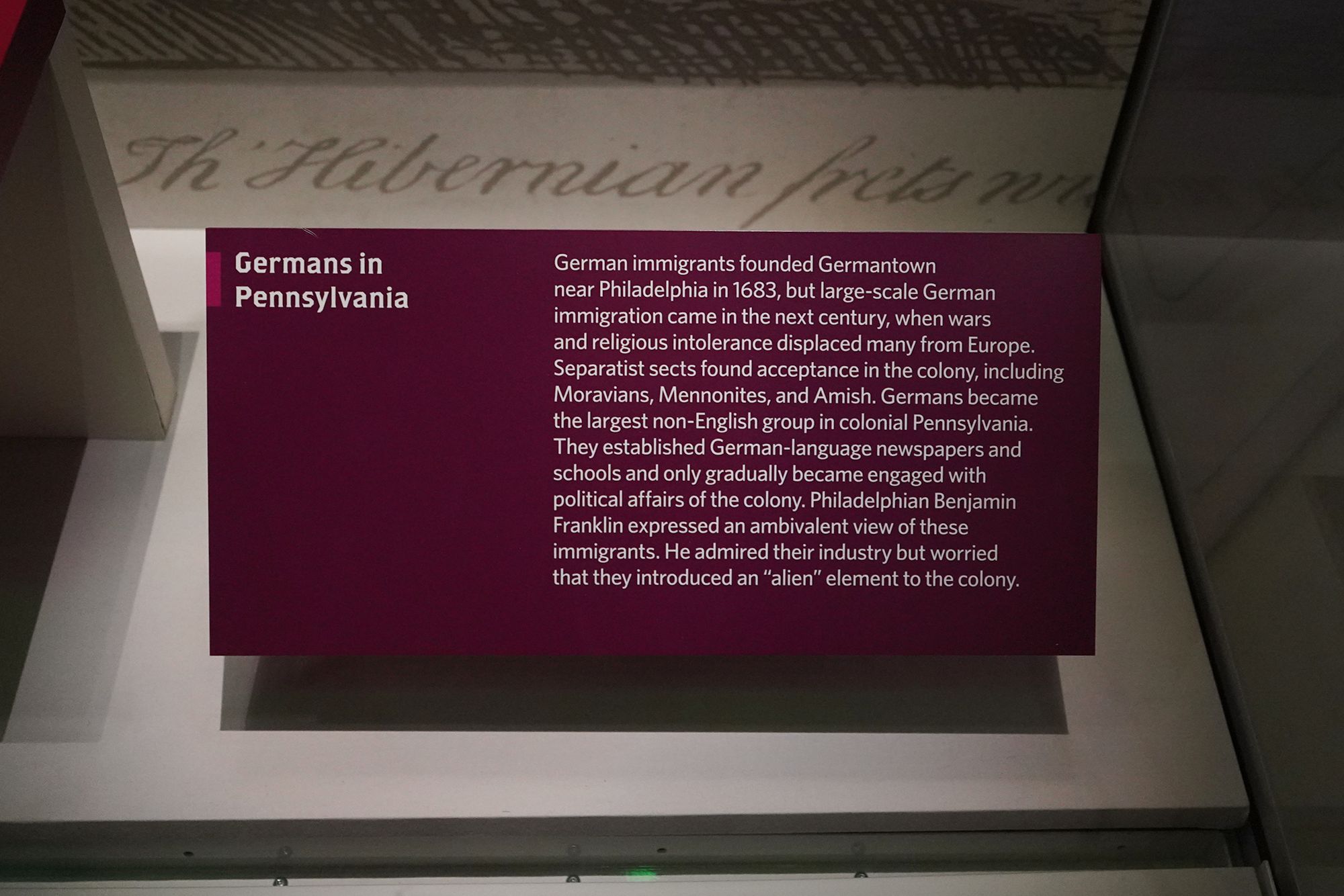
British Pennsylvania was the colony founded in 1681 by William Penn, an English Quaker who wanted a place based on religious freedom, peace, and fair treatment of Native peoples. The colony attracted many different settlers — Quakers, Germans, Scots-Irish, and others — and quickly became one of the most prosperous regions in British America. Its main city, Philadelphia, grew into a major port and political center, later playing a key role in the American Revolution.
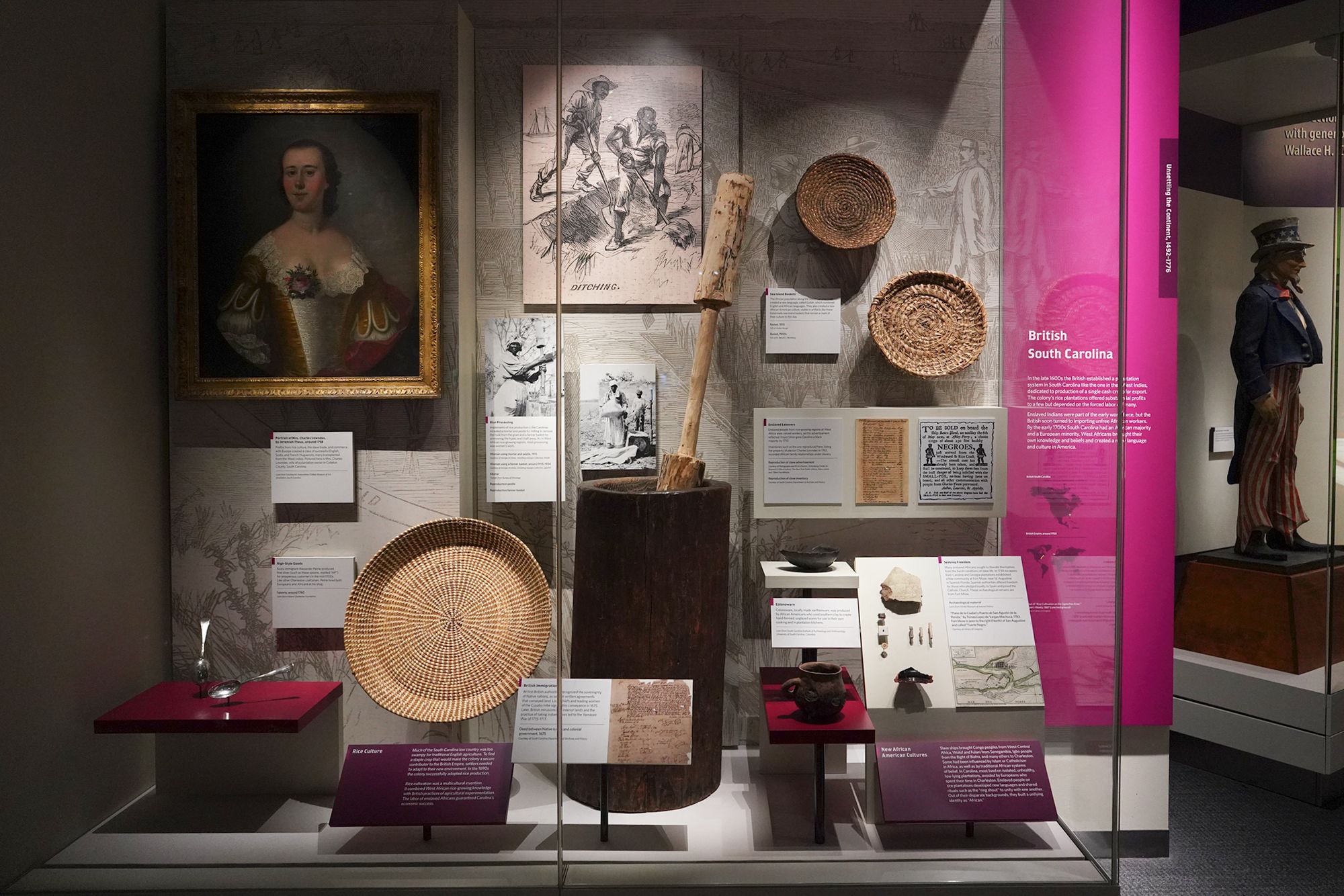
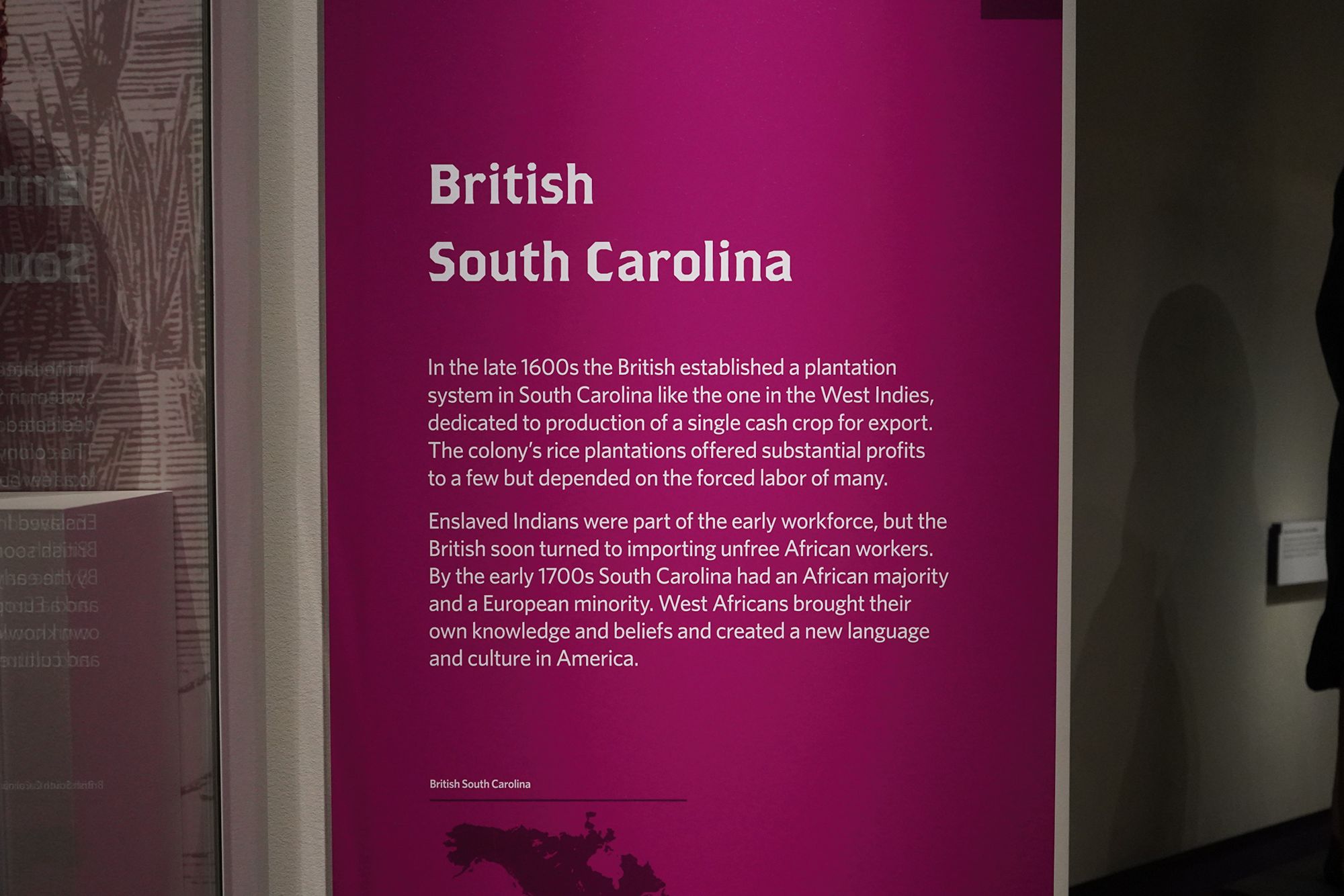
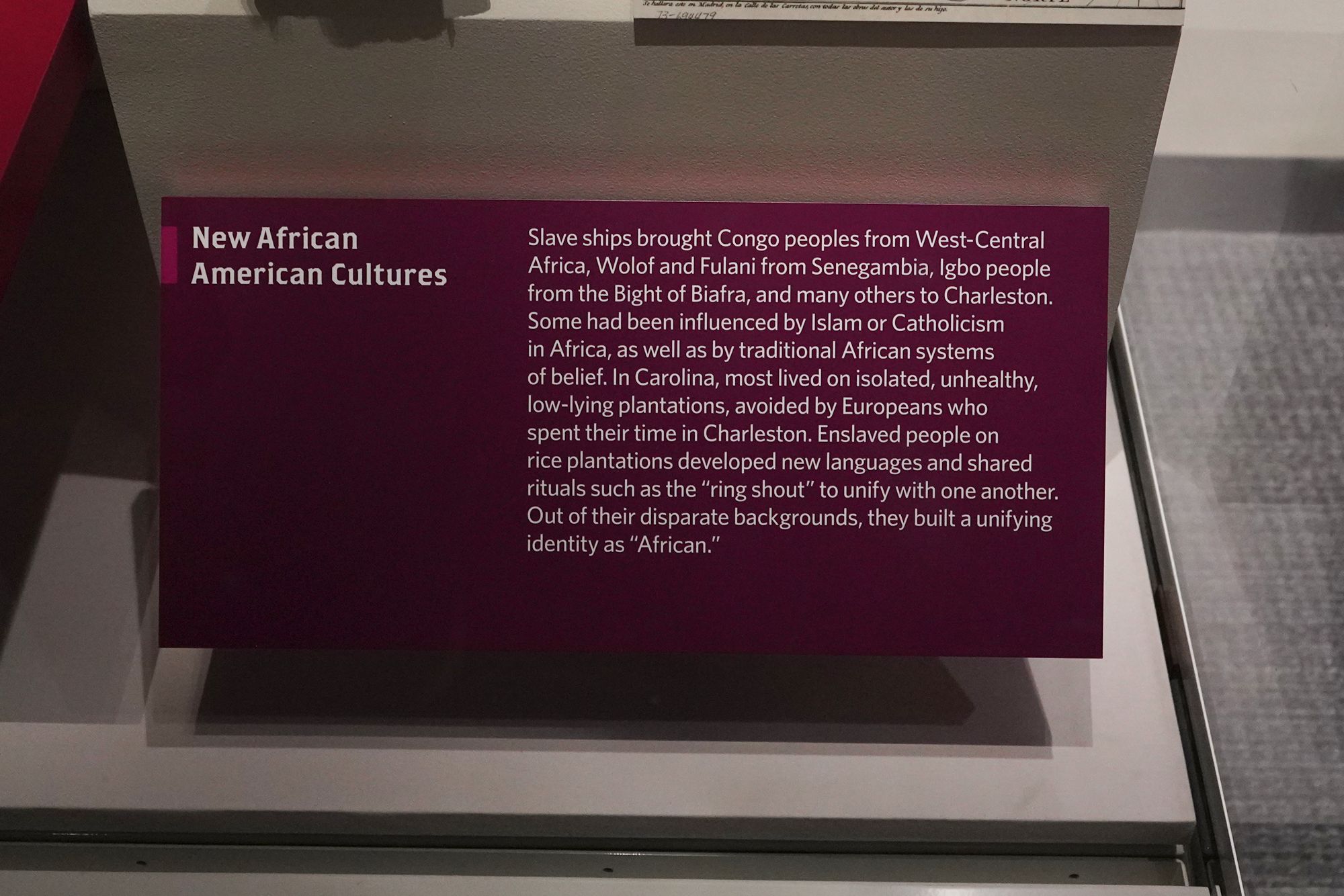
British South Carolina was a colony founded in 1670 that became one of the wealthiest — and most unequal — in British America. Its economy depended heavily on enslaved African labor to grow rice and indigo on large plantations. The colony had a Black majority for much of the 1700s. South Carolina’s port city, Charleston, became a major trade center and a gateway for the transatlantic slave trade. The colony’s society and politics were deeply shaped by slavery and plantation wealth.
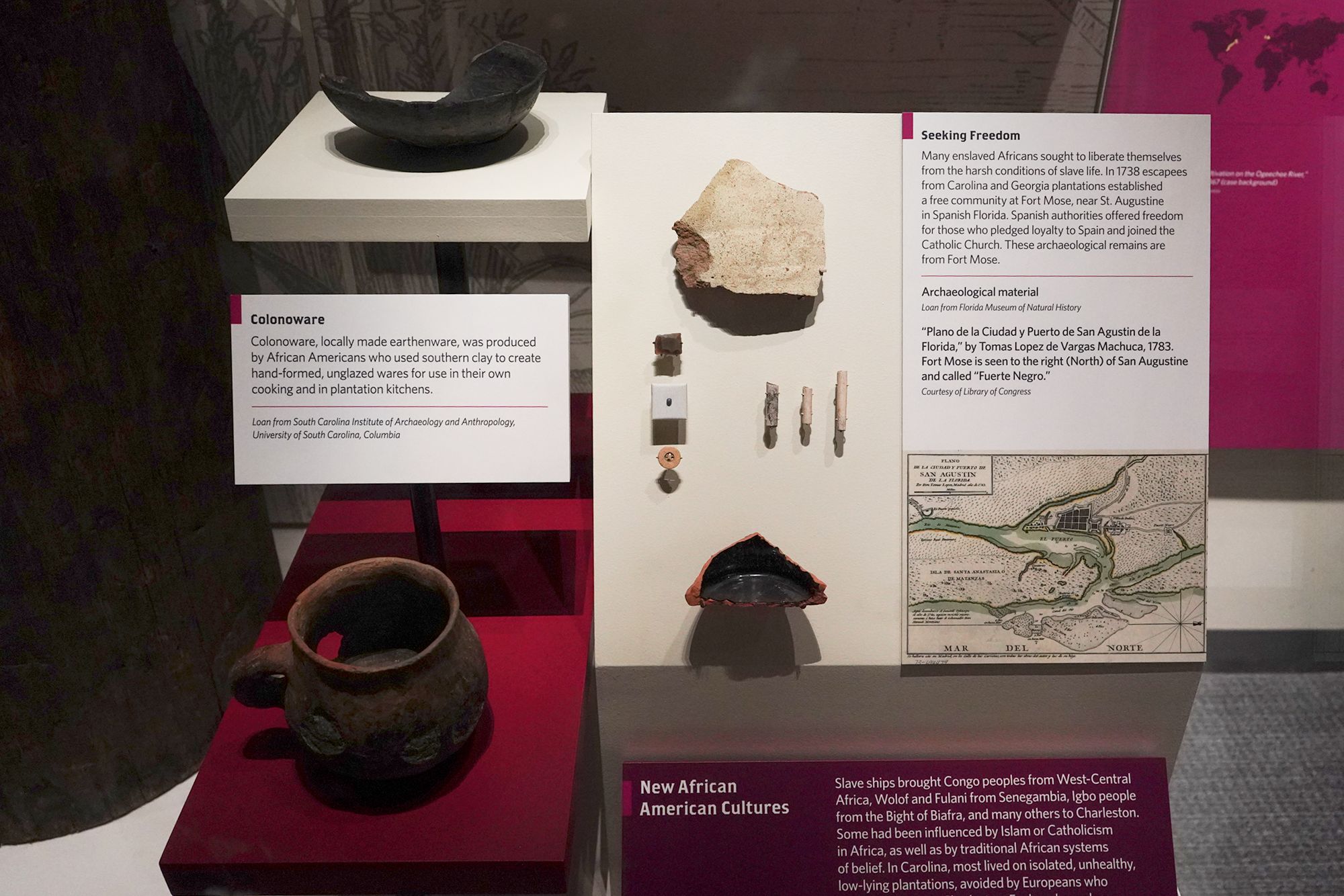
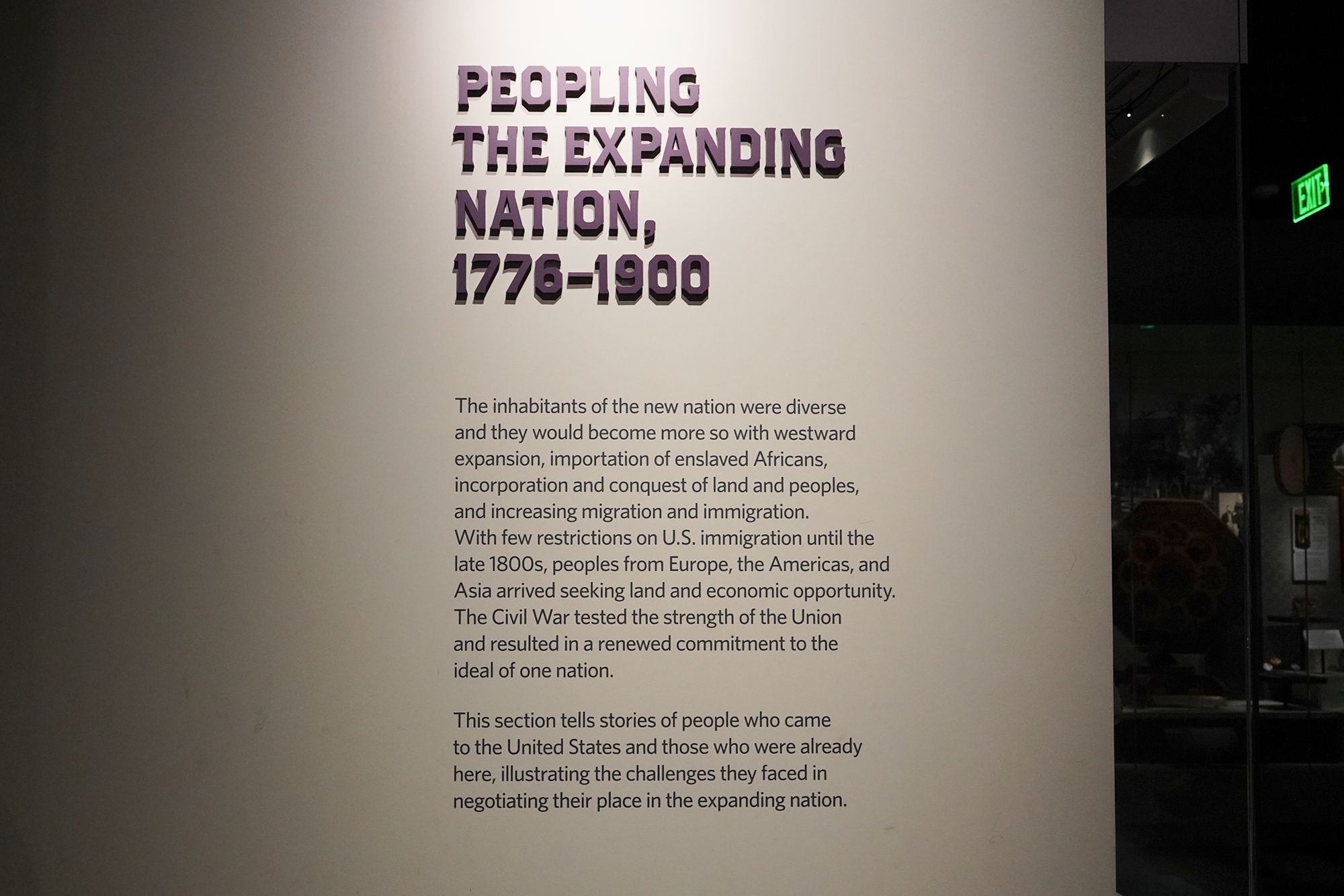
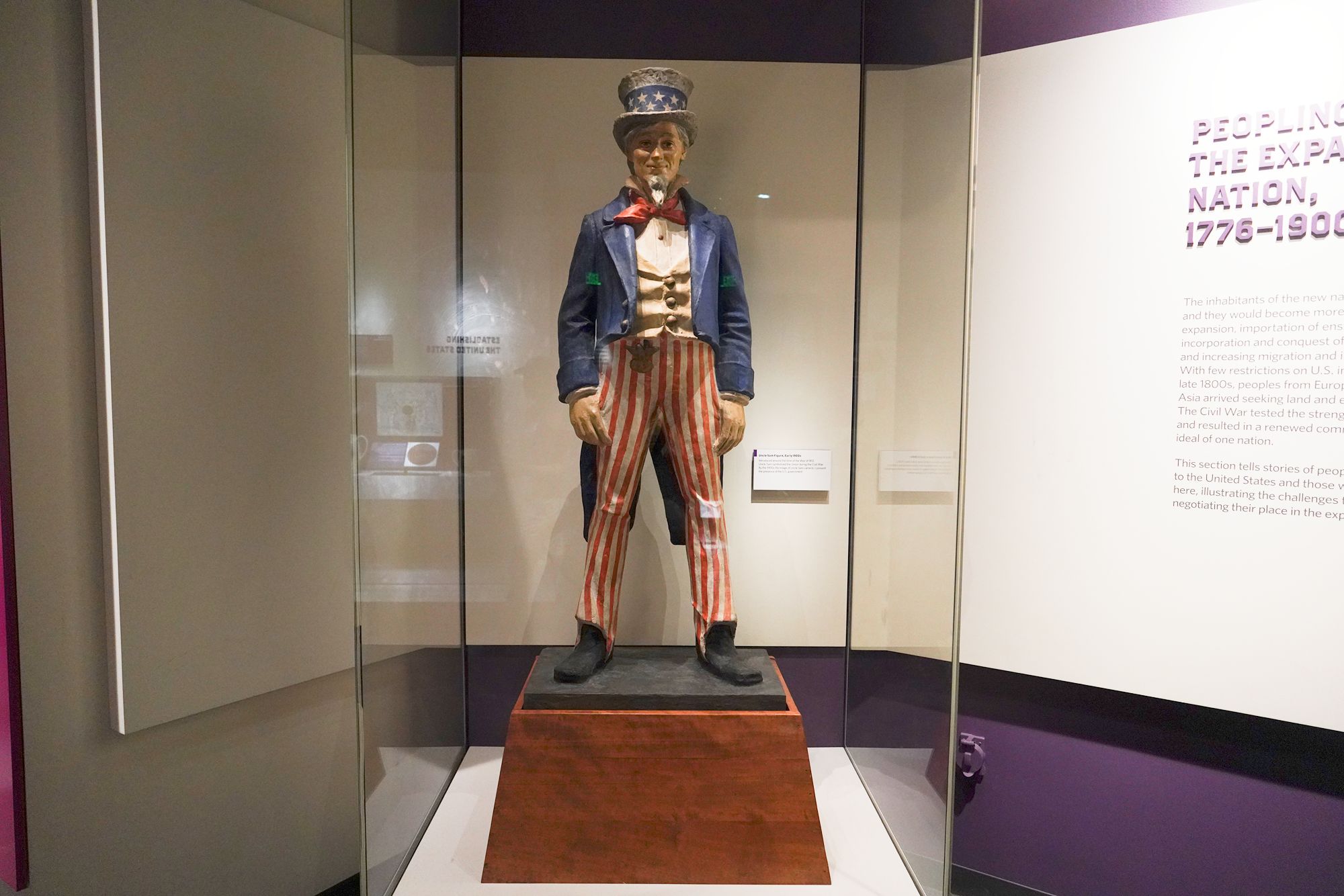
“Peopling the Expanding Nation” describes how the population of the United States grew and changed as the nation expanded westward from the Atlantic to the Pacific. Between 1776 and 1900, millions of people moved, migrated, or were forced to relocate — including American settlers heading west, immigrants arriving from Europe and Asia, enslaved Africans moved through the domestic slave trade, and Native peoples pushed from their homelands. This movement created a diverse but often conflicted nation shaped by opportunity, displacement, migration, and rapid growth.
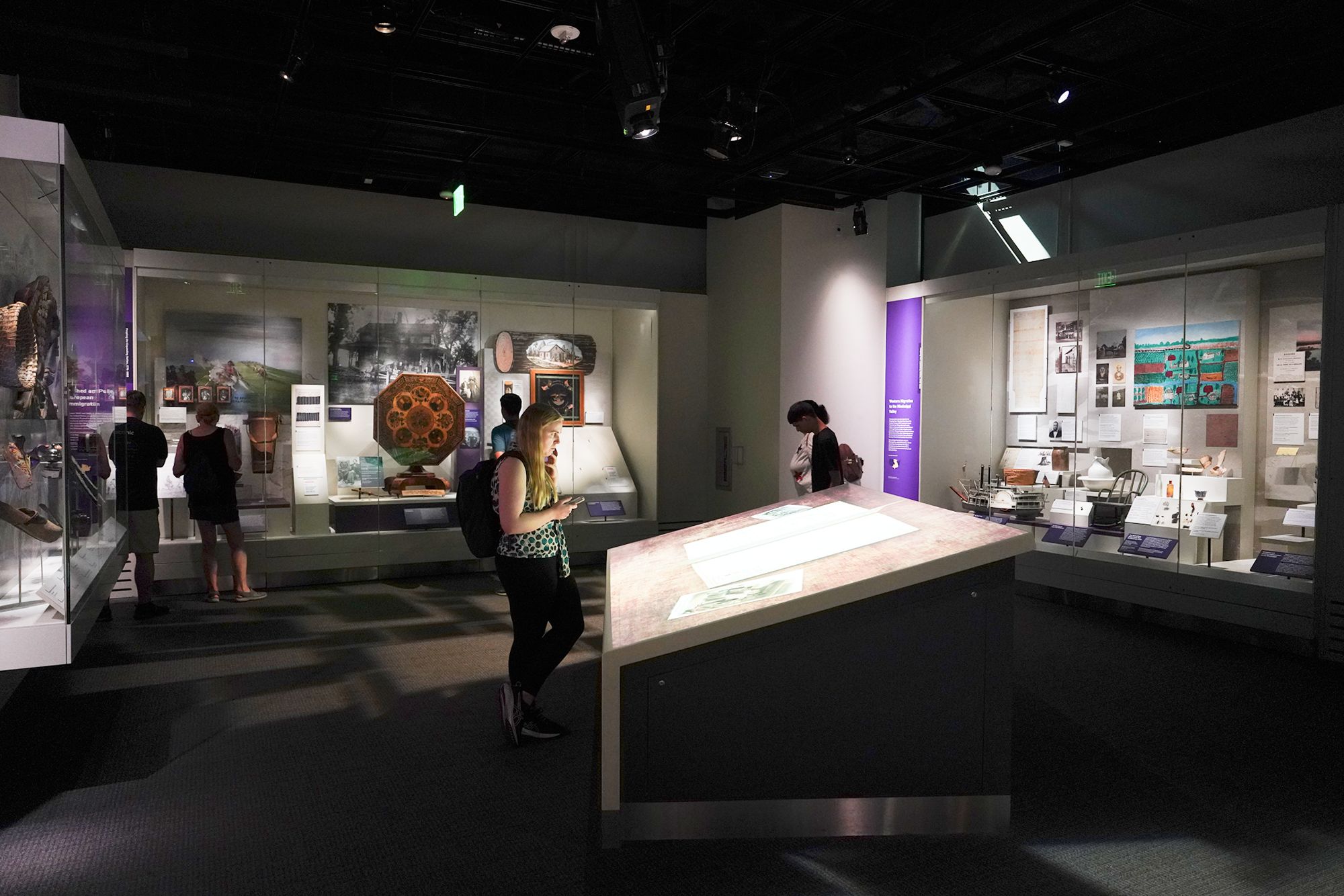
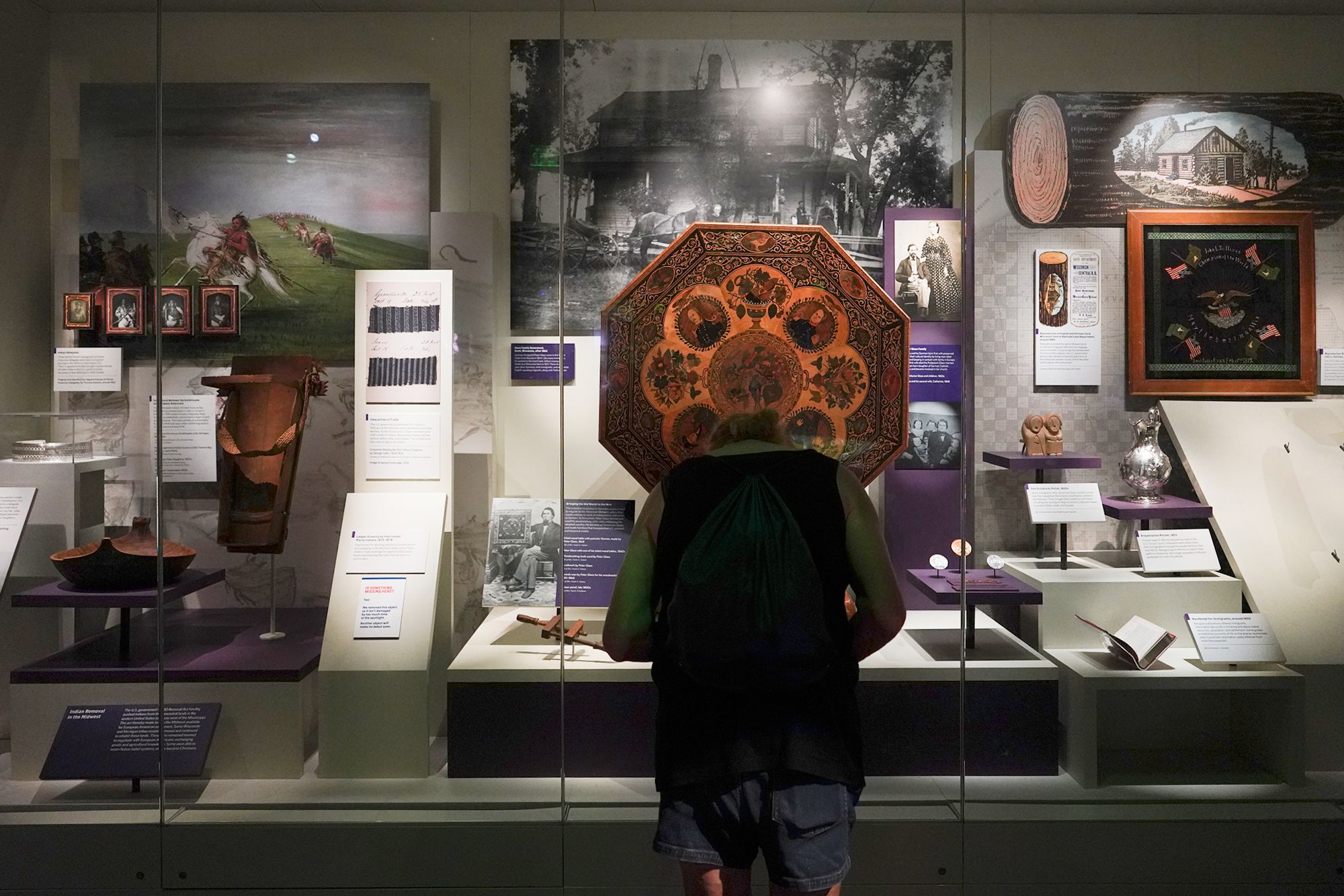
“Push and Pull” describes why millions of Europeans came to the United States in the 1800s. Push factors were problems that drove people out of their home countries — such as poverty, famine, war, religious limits, or lack of land. Pull factors were the opportunities that attracted them to America — jobs, cheap land, political freedom, and the chance for a better life. Together, these forces brought huge waves of immigrants from Ireland, Germany, Italy, Scandinavia, and Eastern Europe.
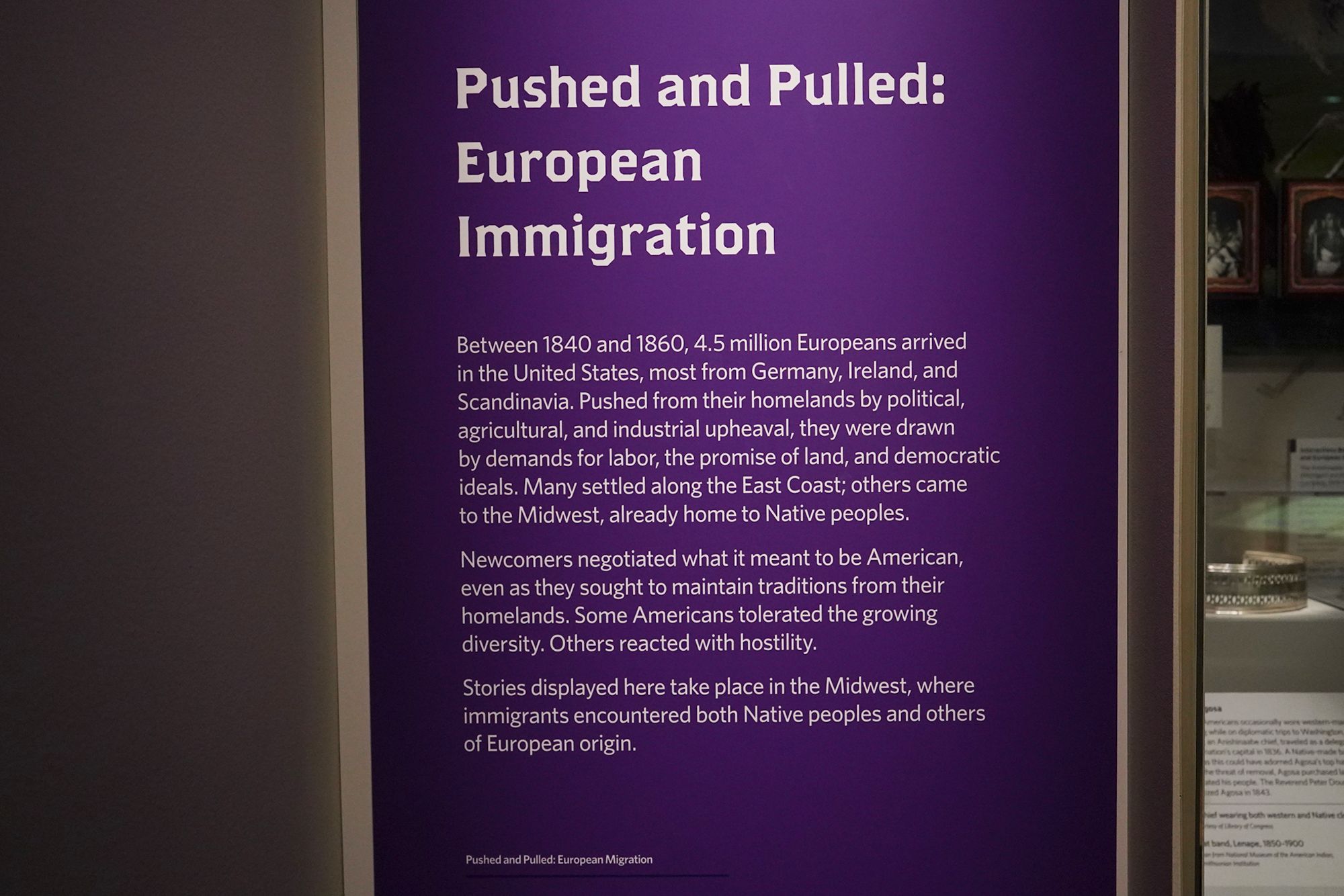
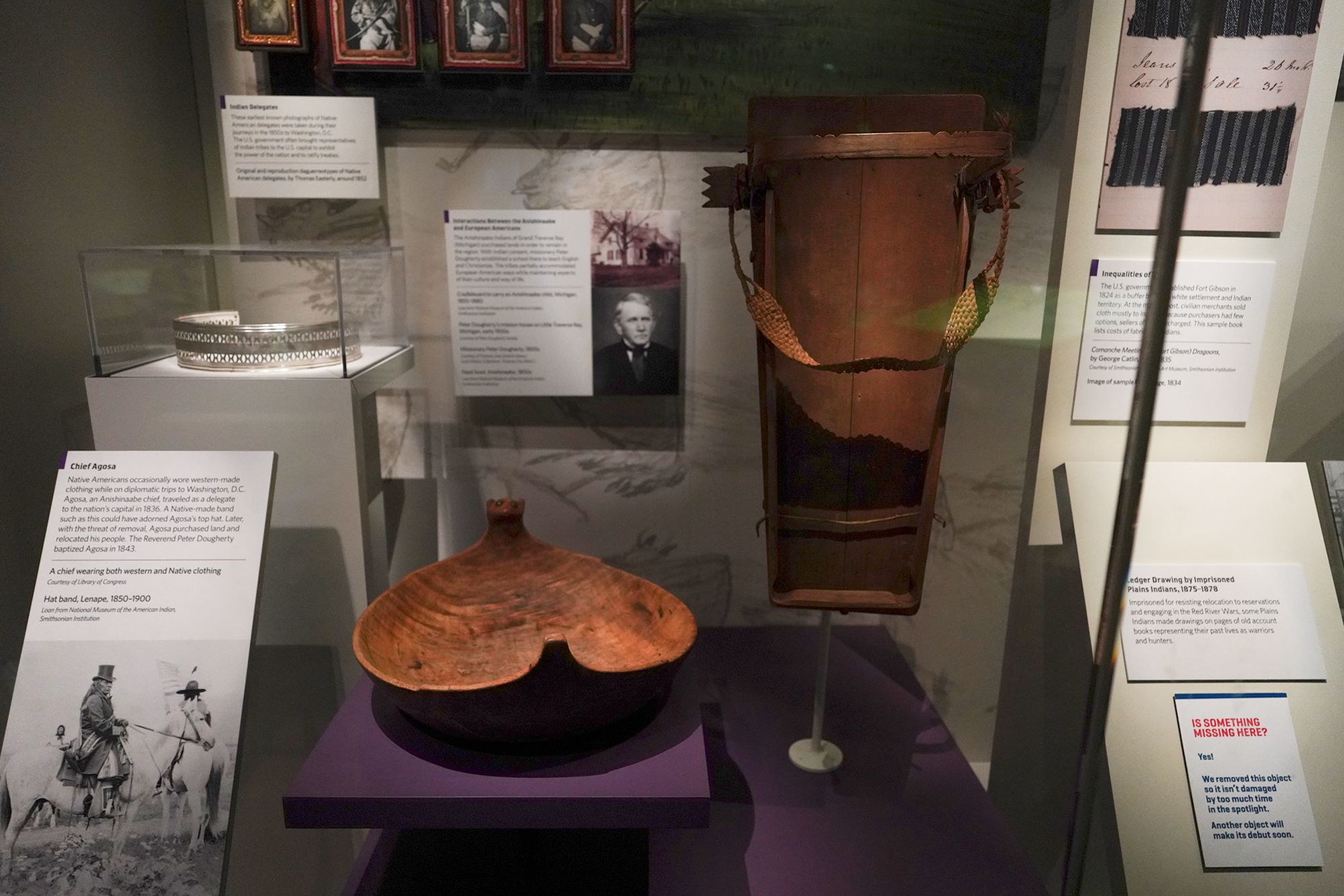
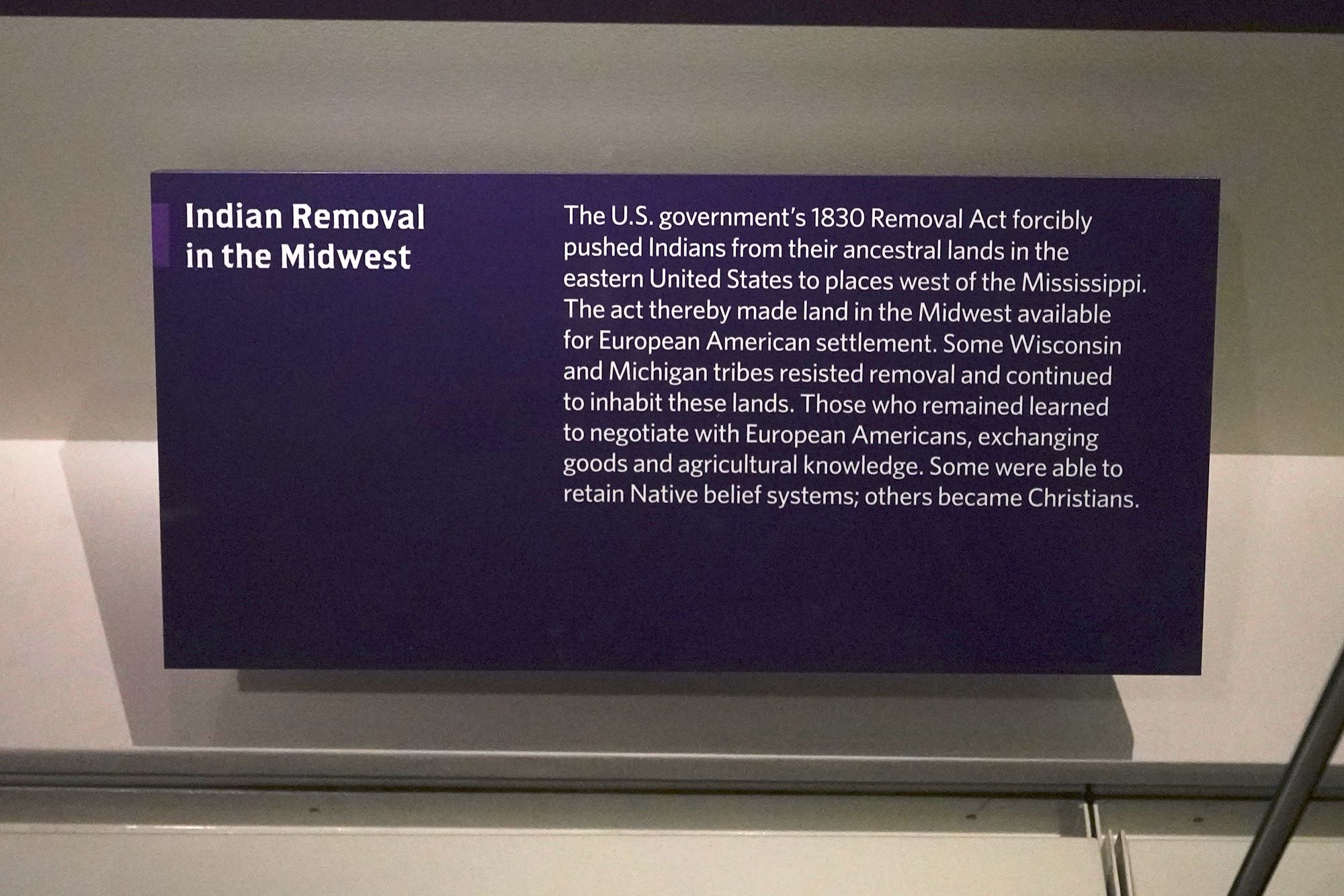
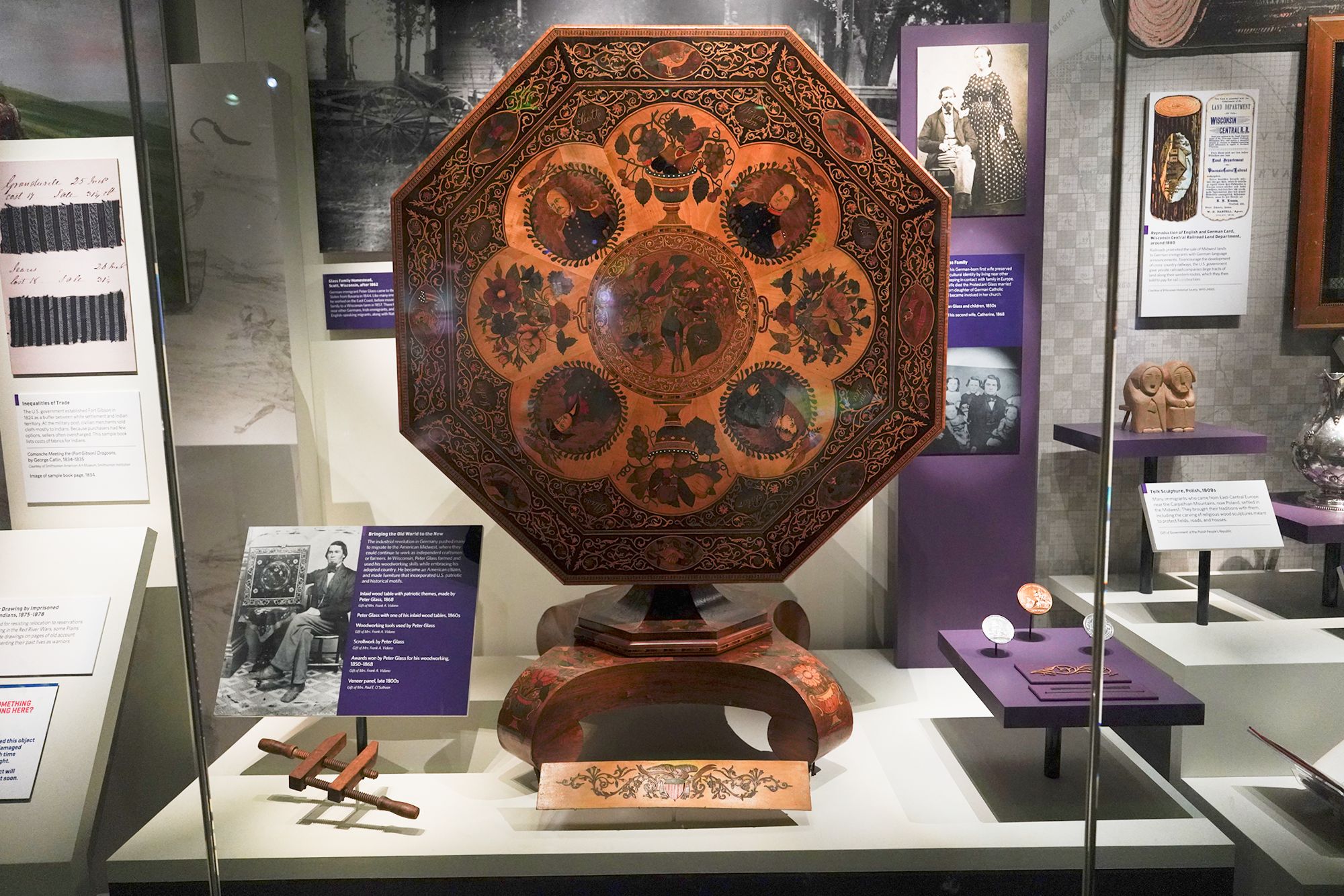
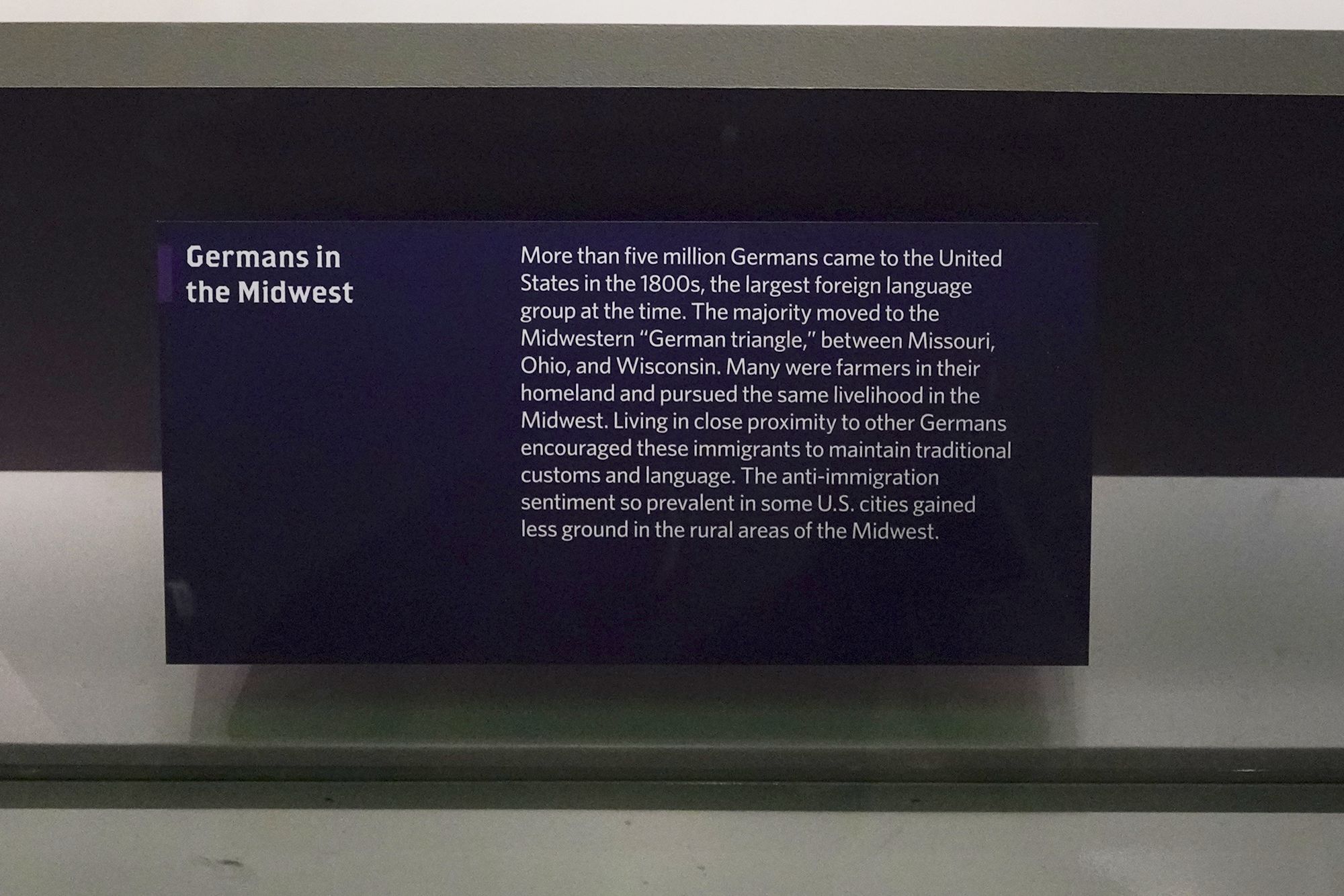
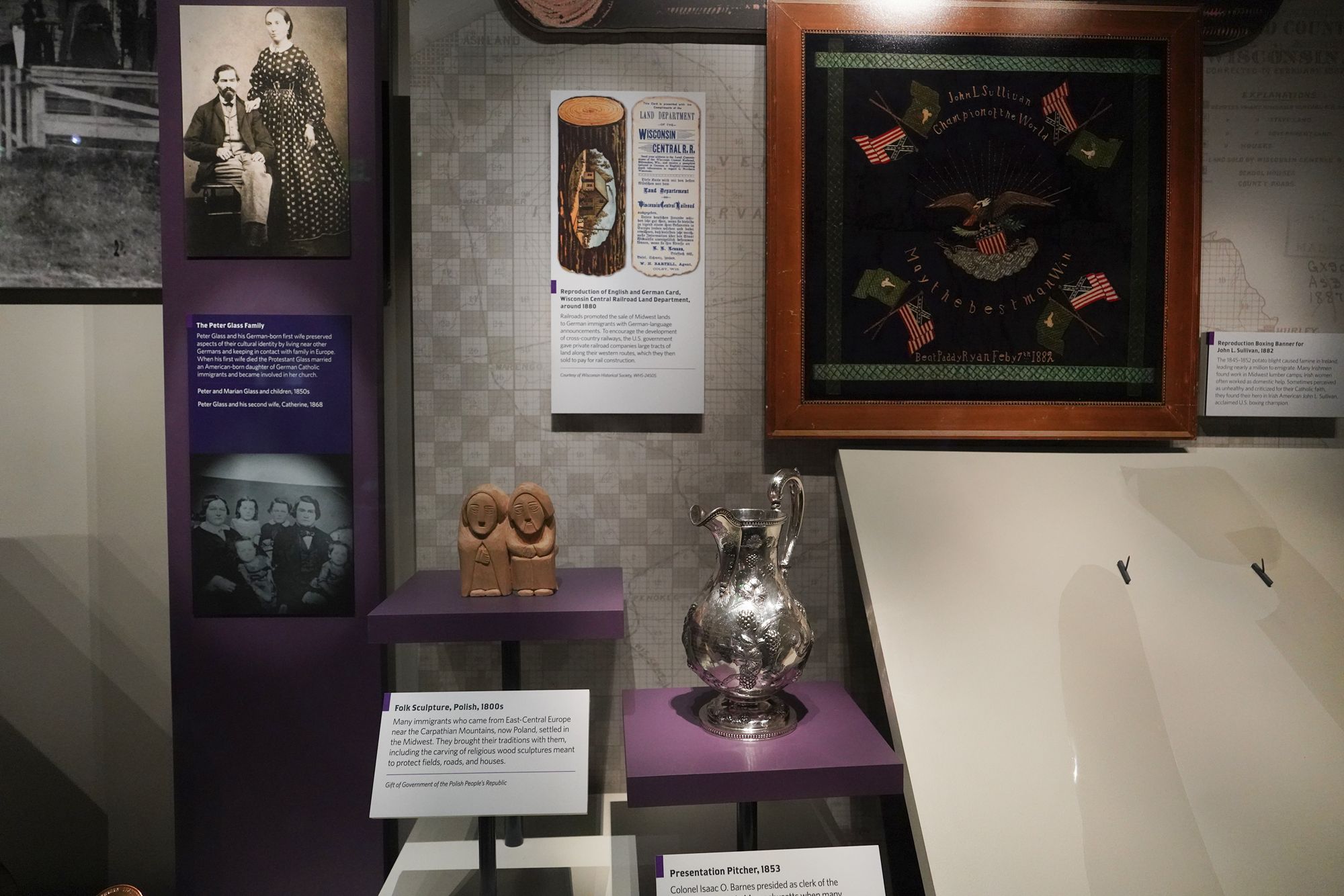
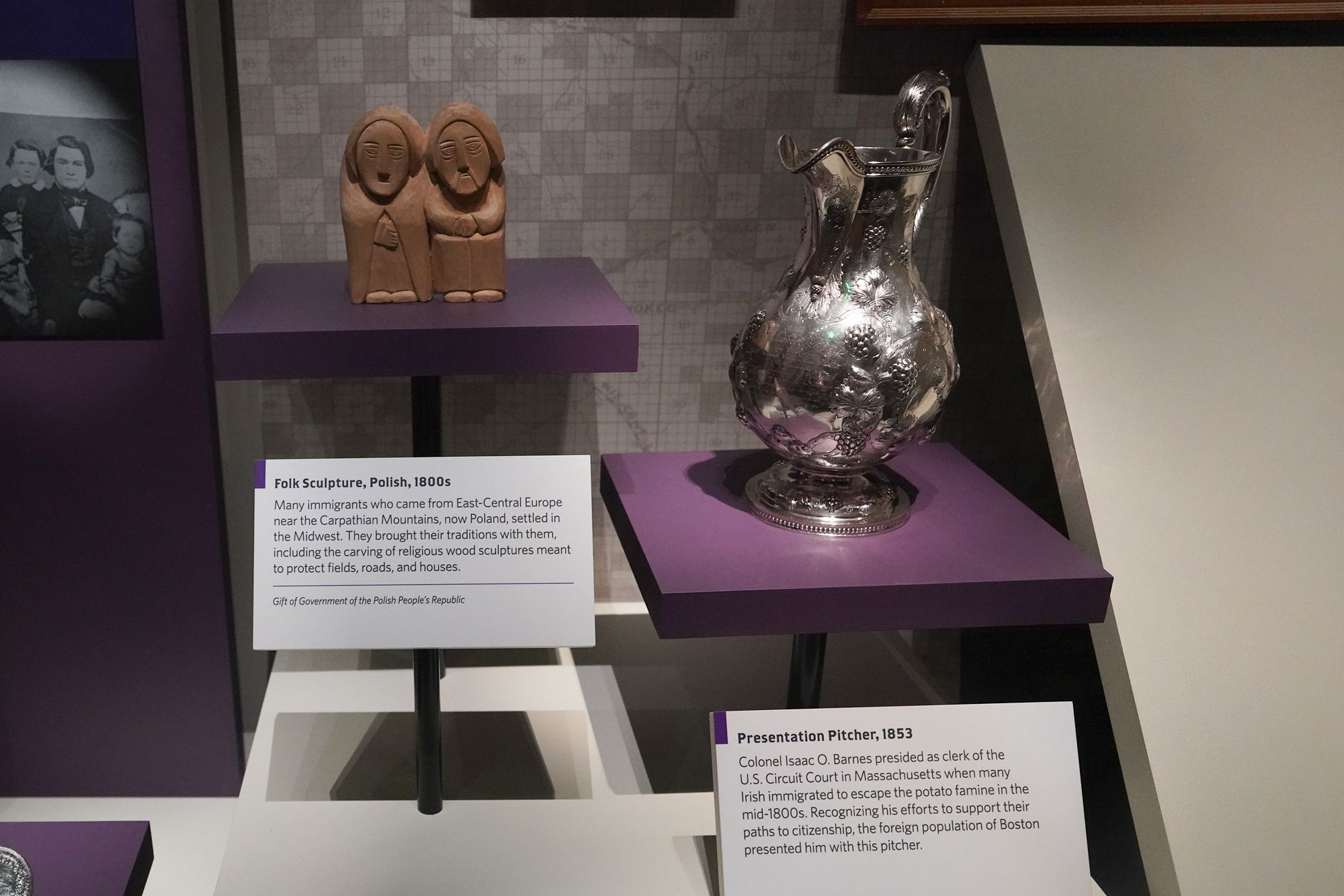
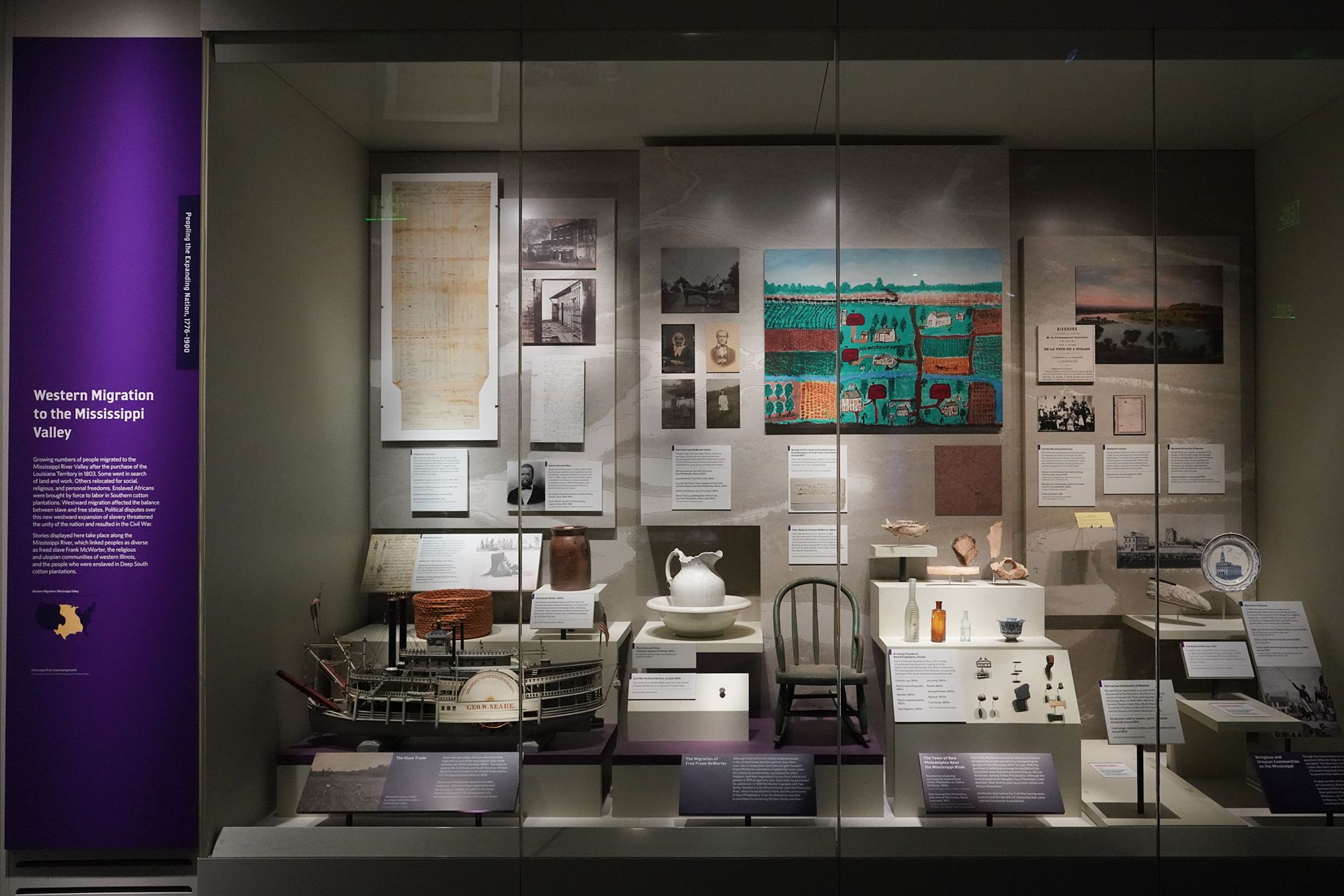
Western migration to the Mississippi Valley refers to the movement of American settlers into the fertile lands stretching along the Mississippi River during the late 1700s and early 1800s. Families moved west seeking rich farmland, cheaper land, and new opportunities. This growth transformed the region into a major agricultural center and pushed Native nations from their homelands as settlement rapidly expanded.
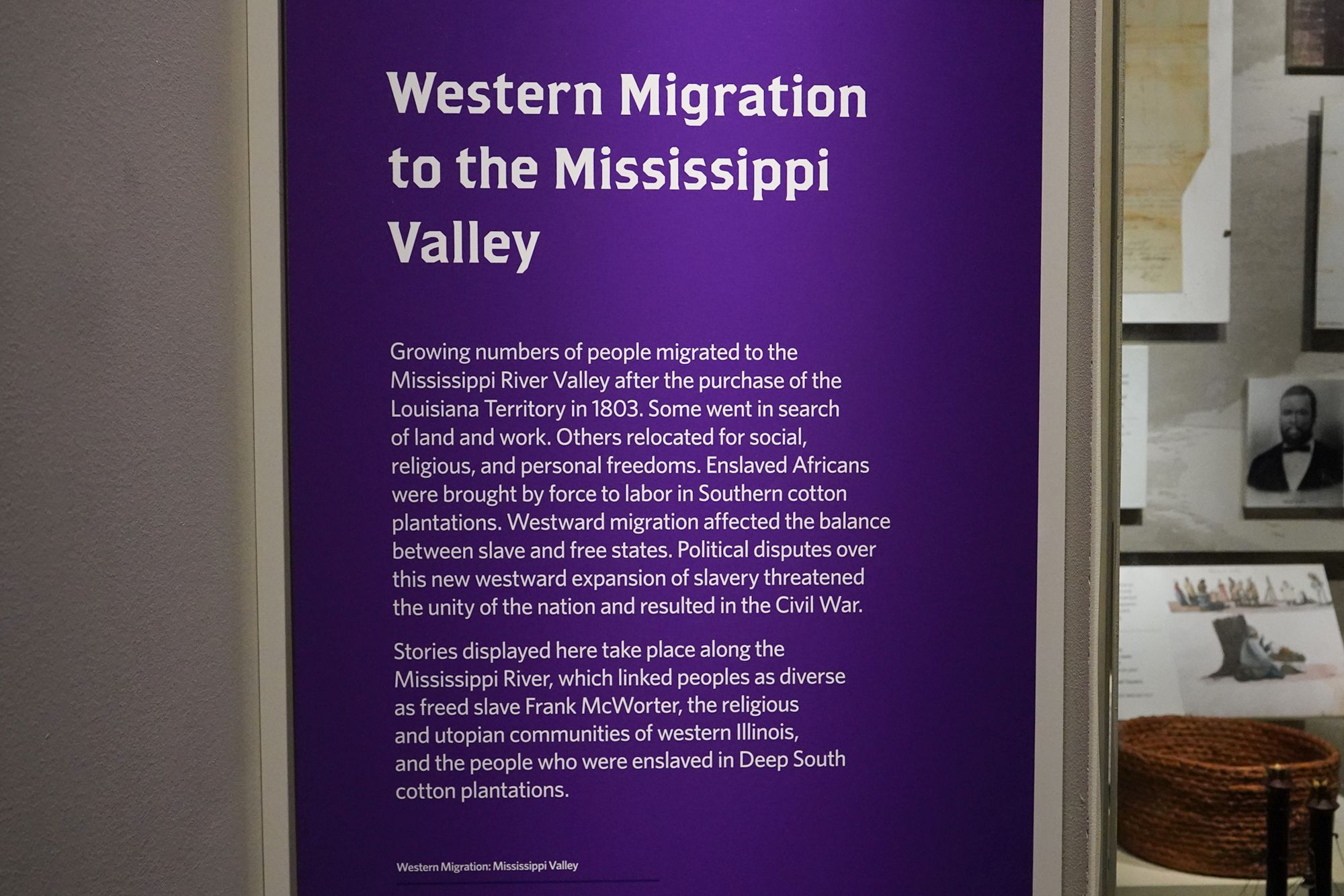
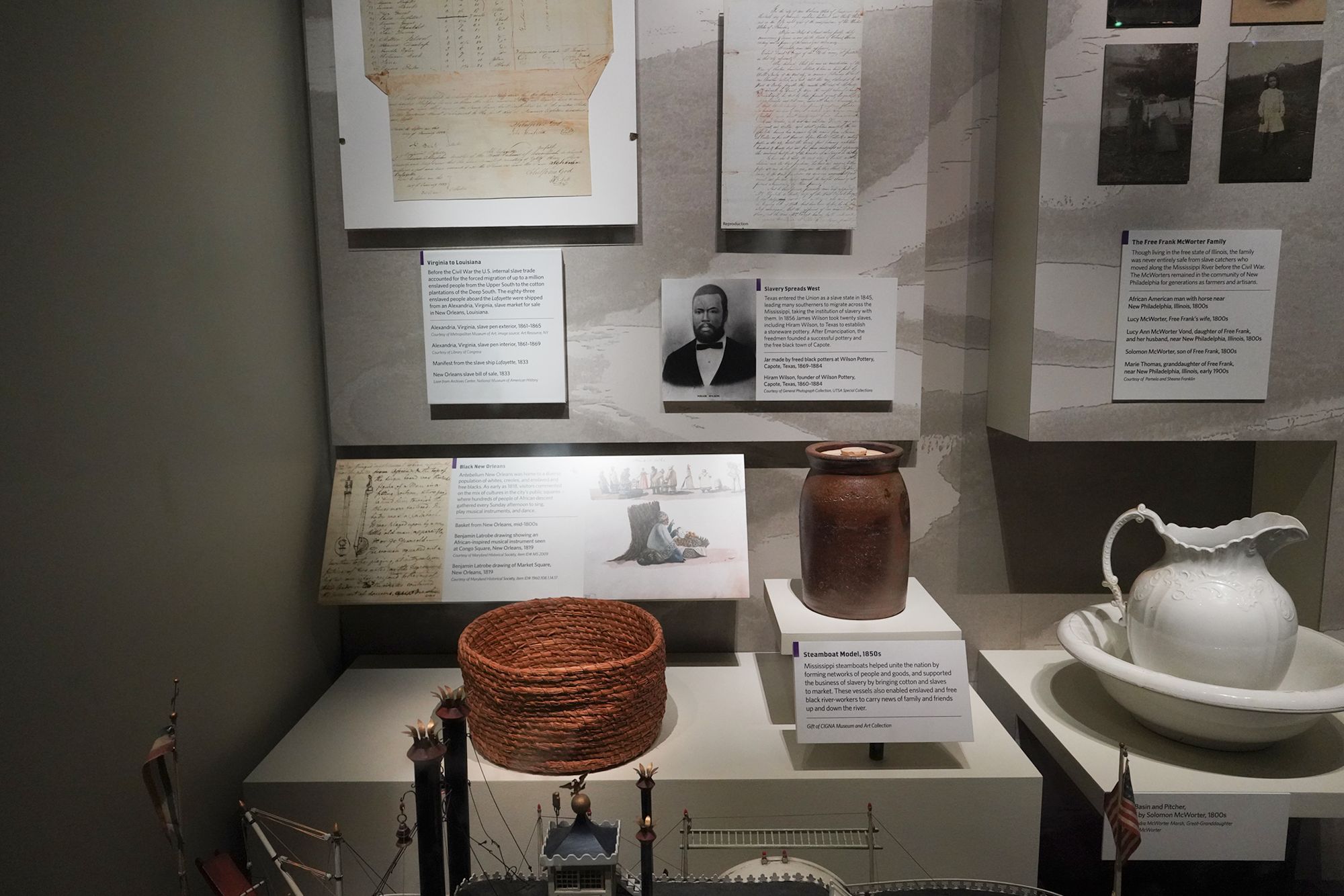
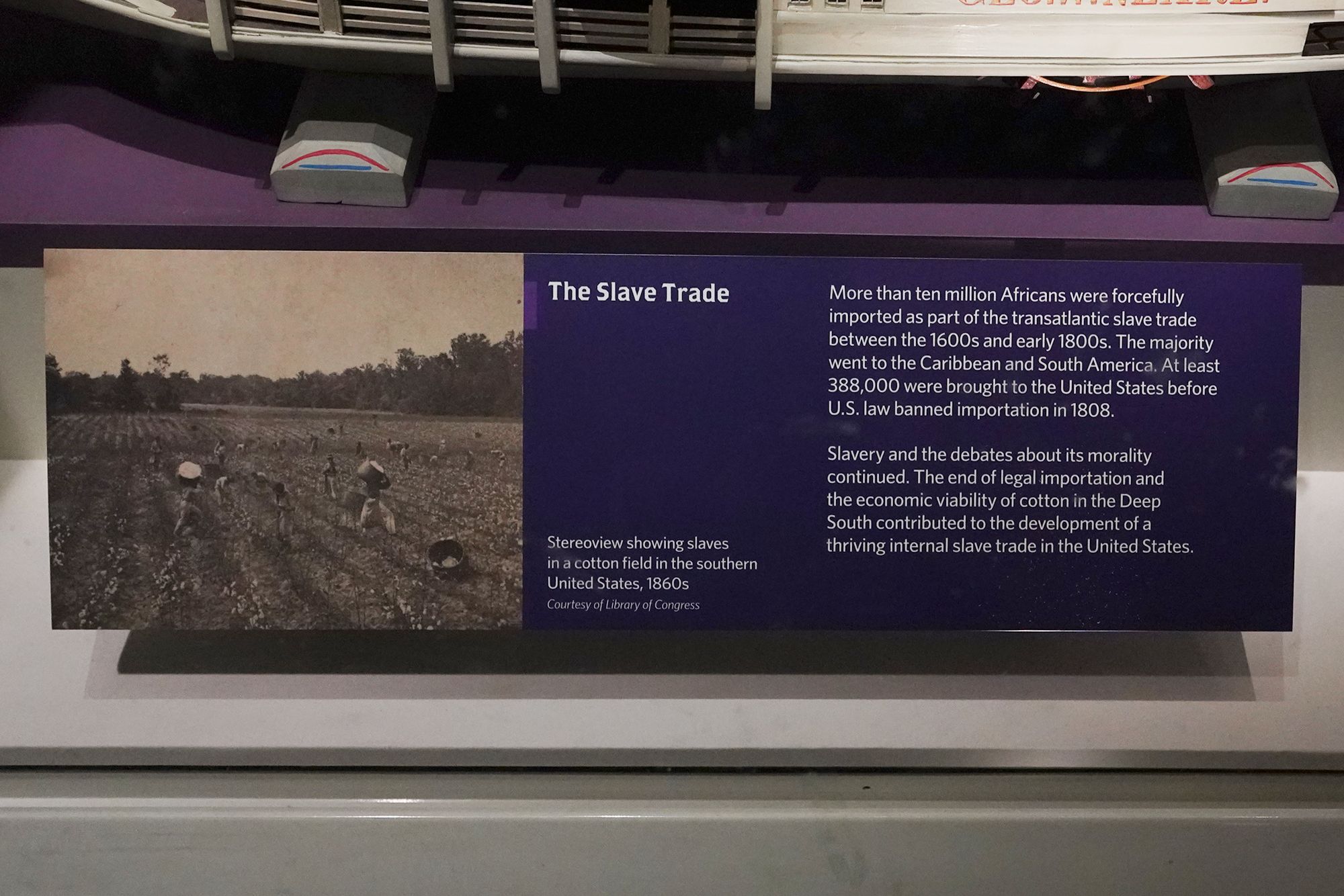
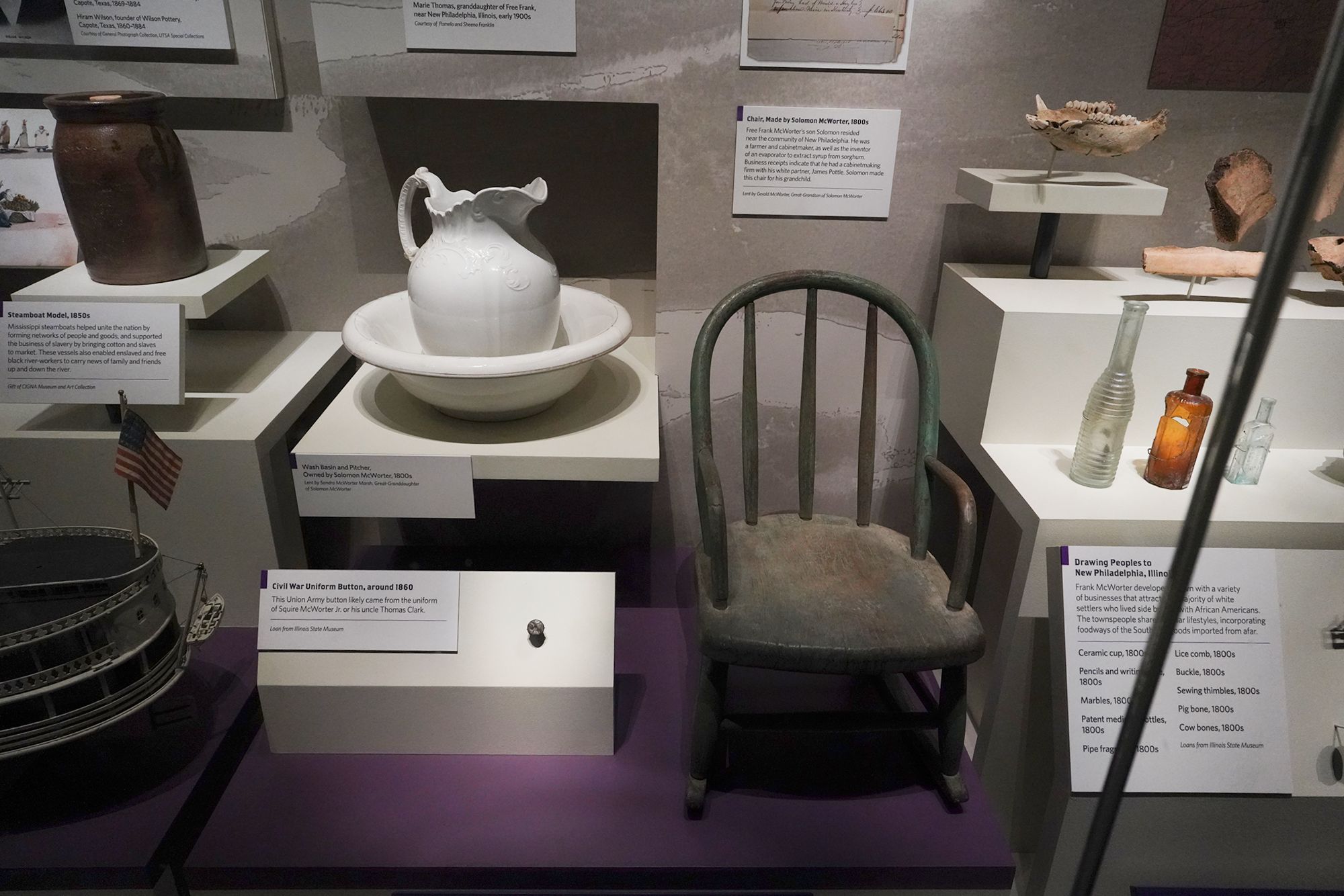
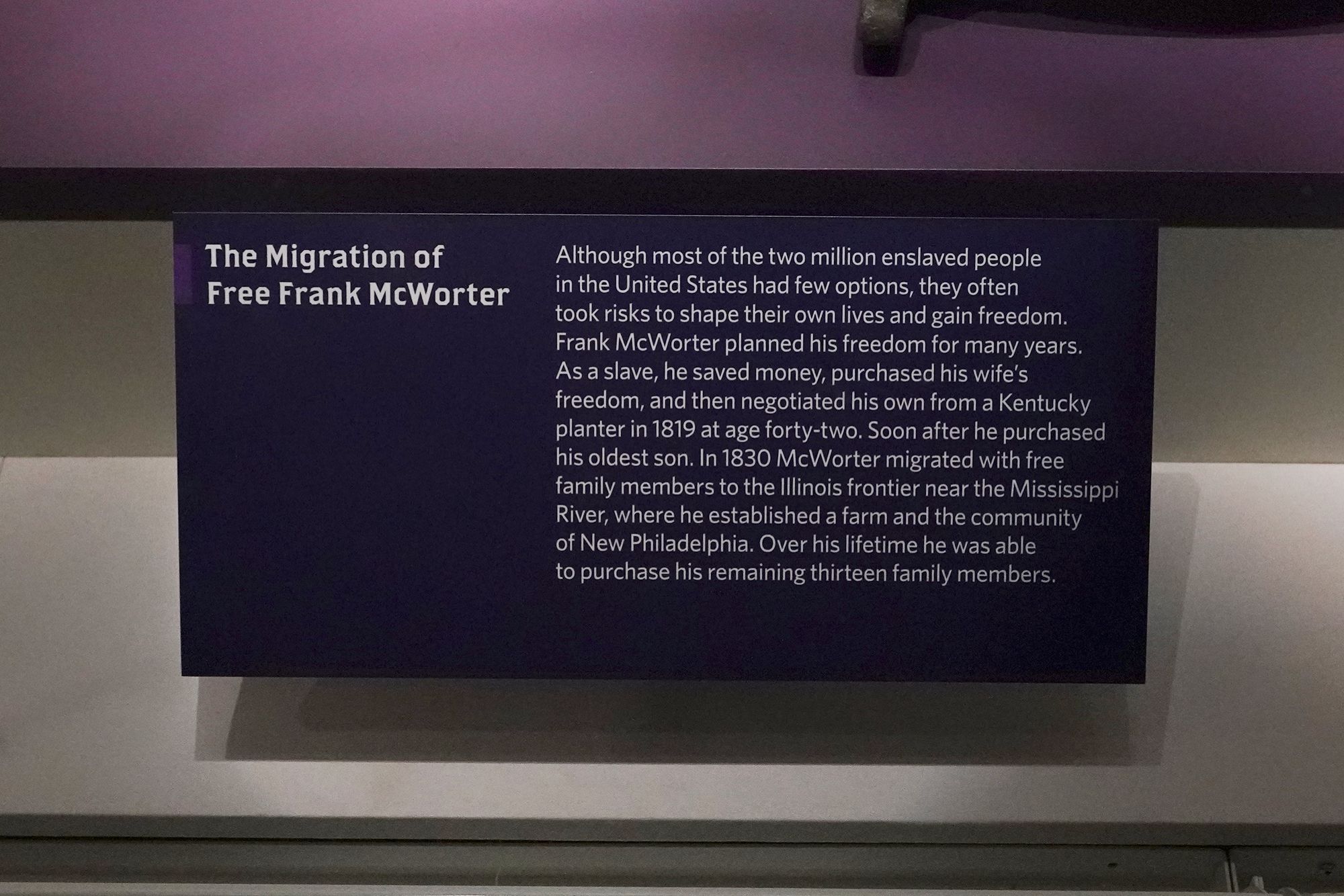
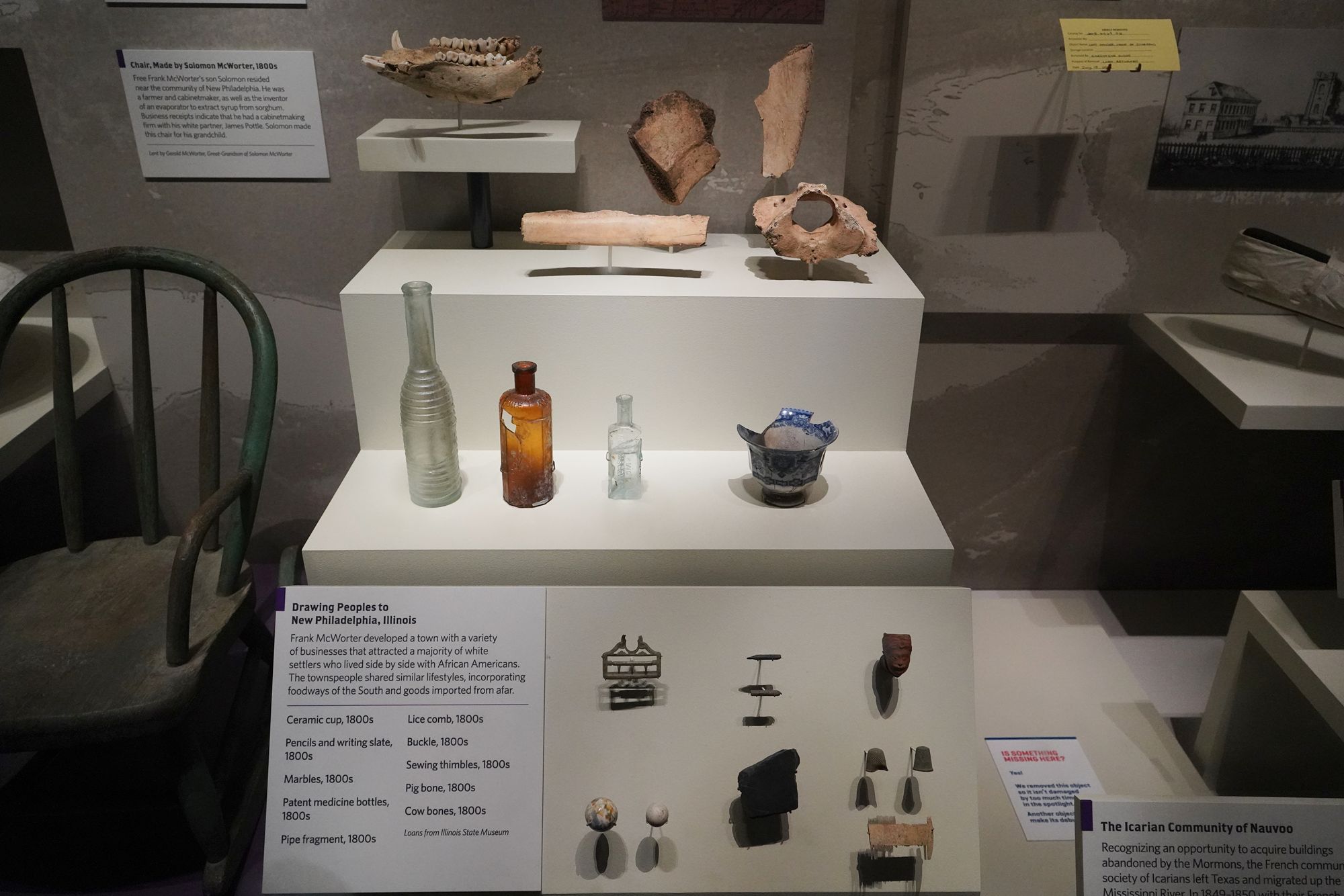
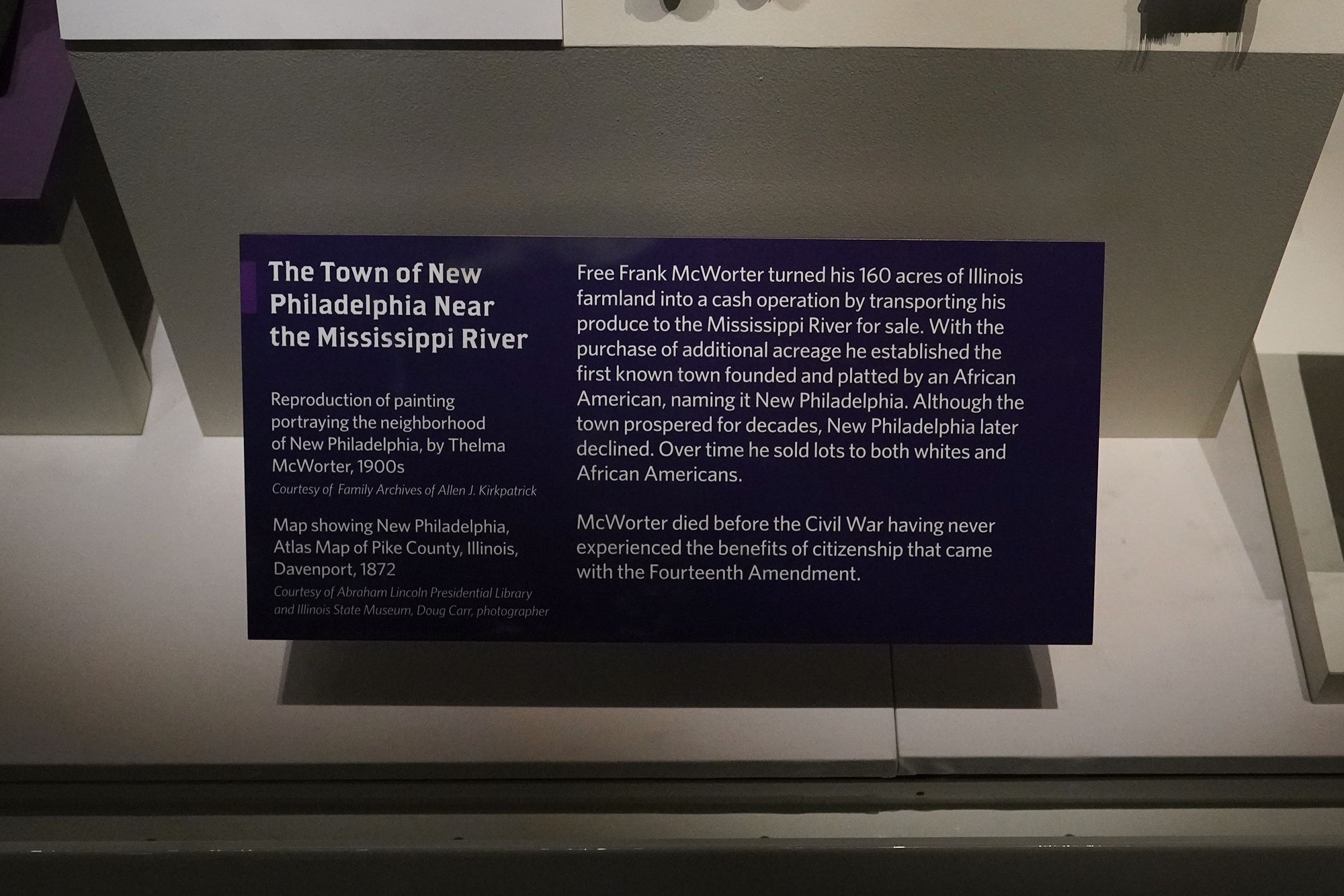
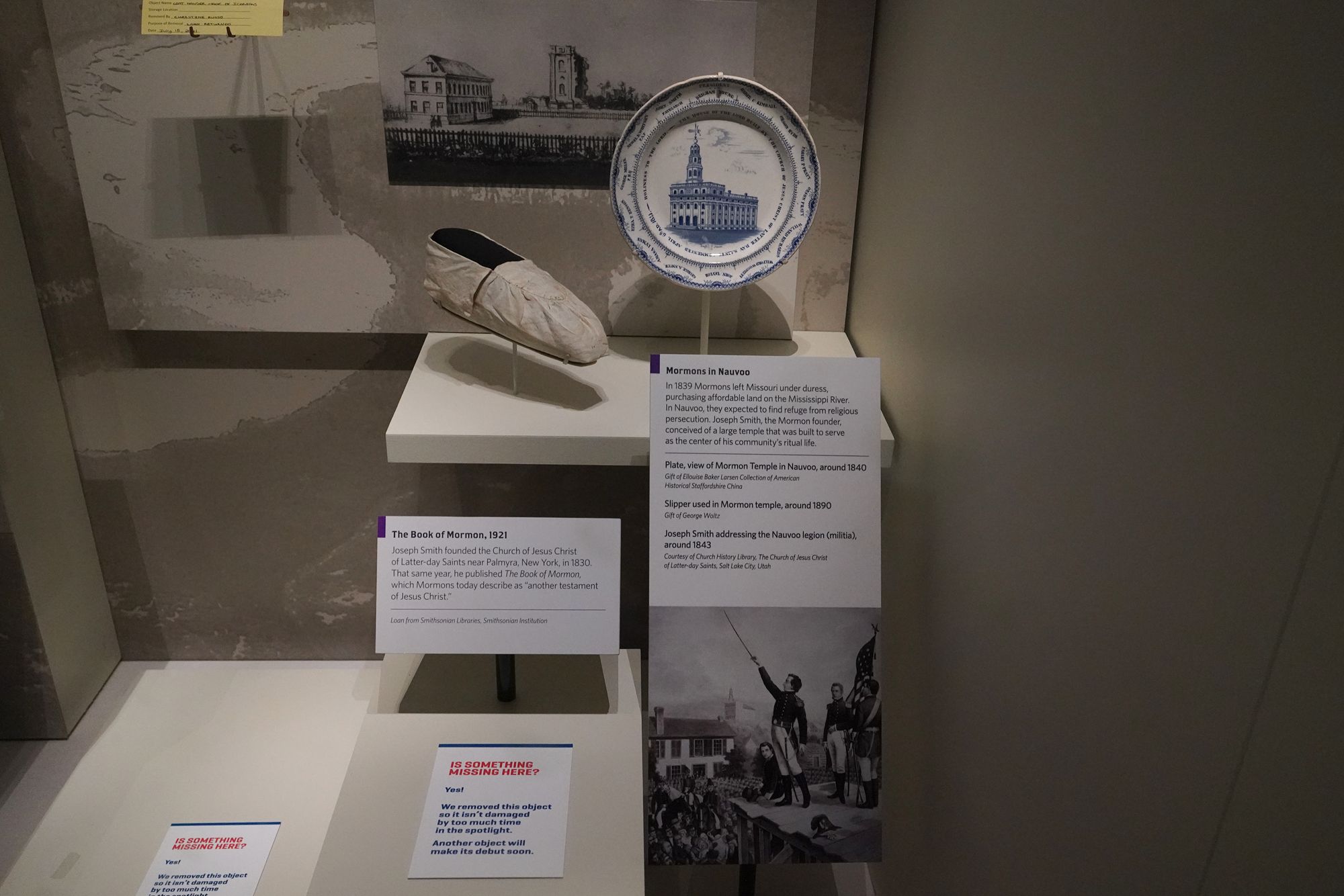
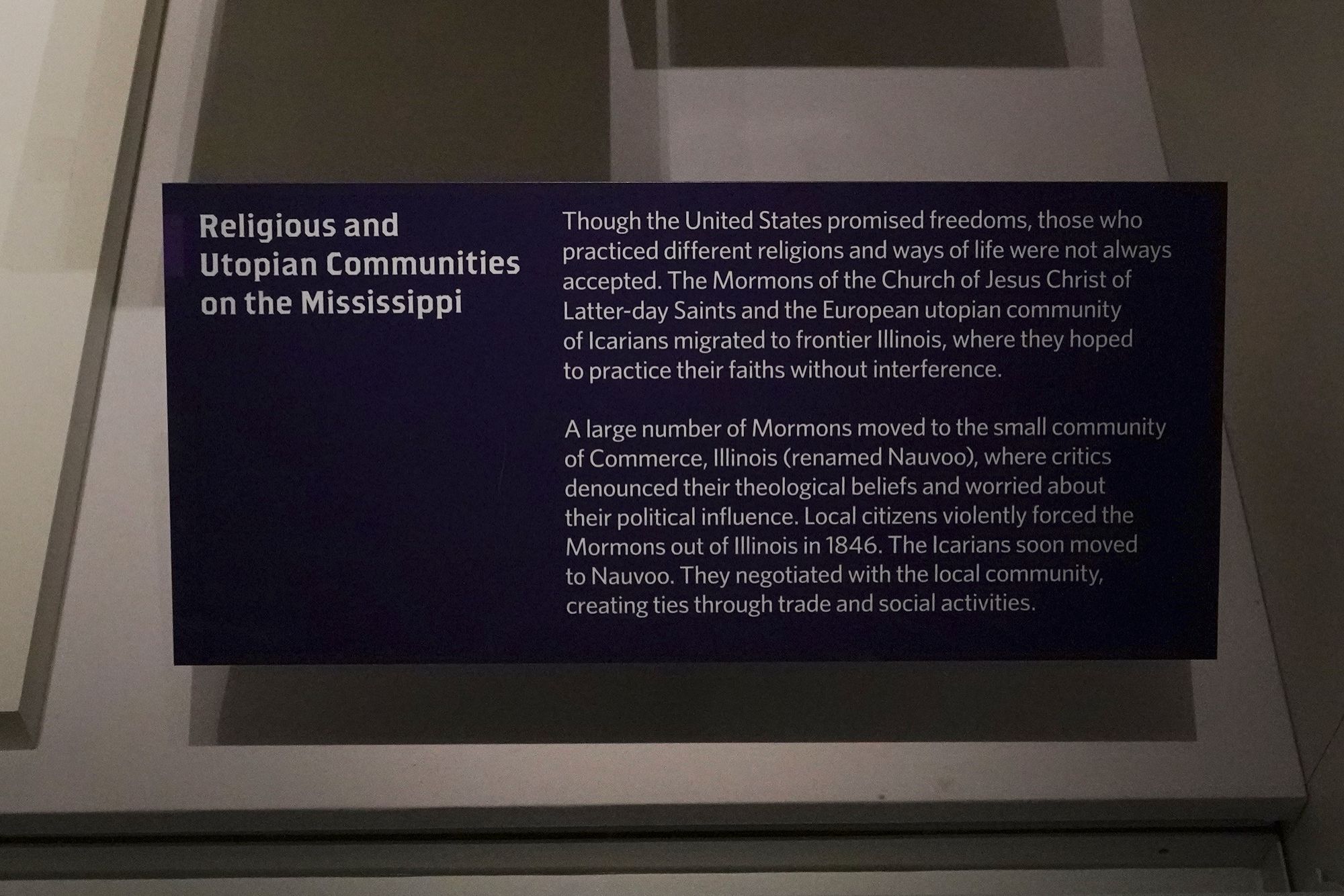
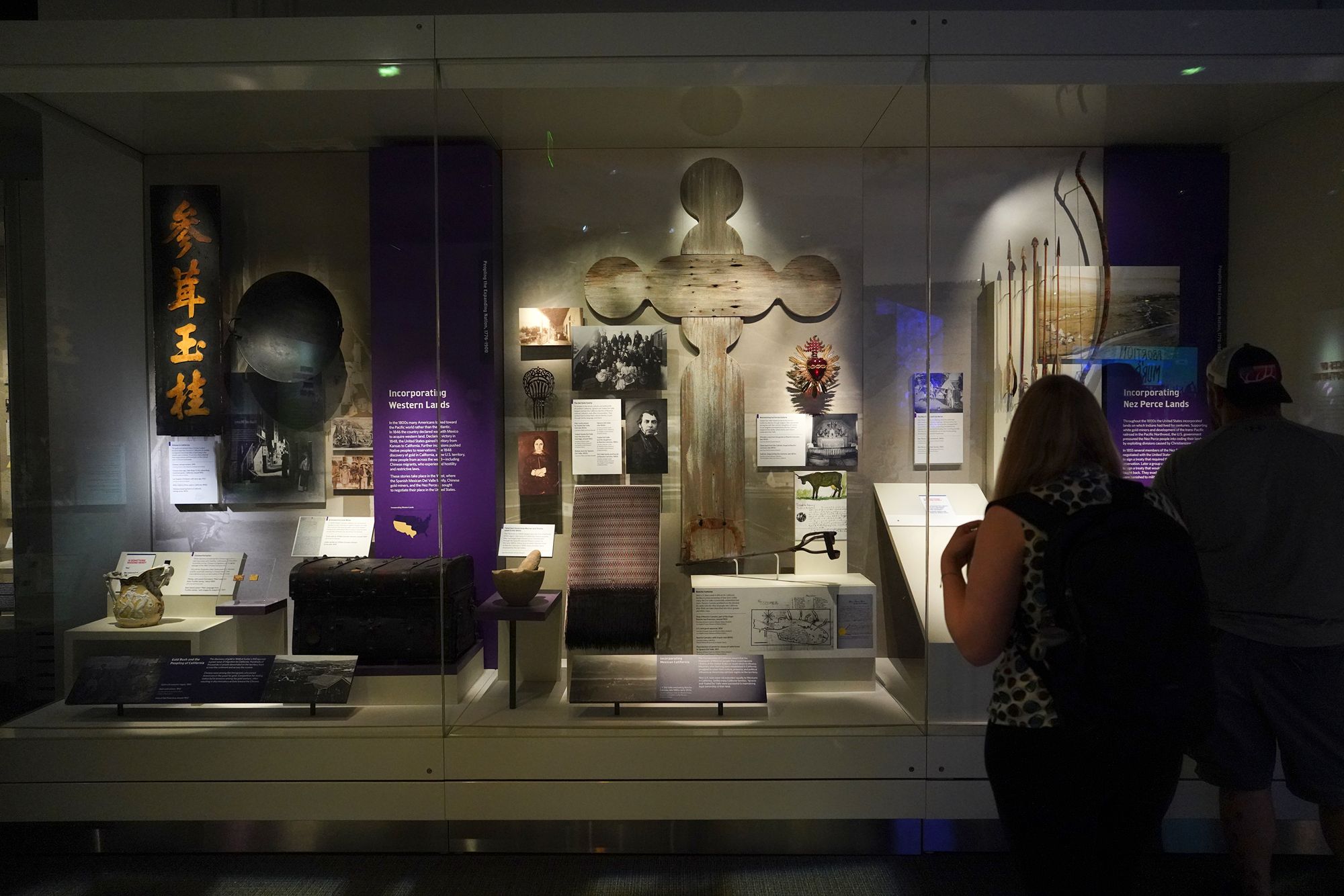
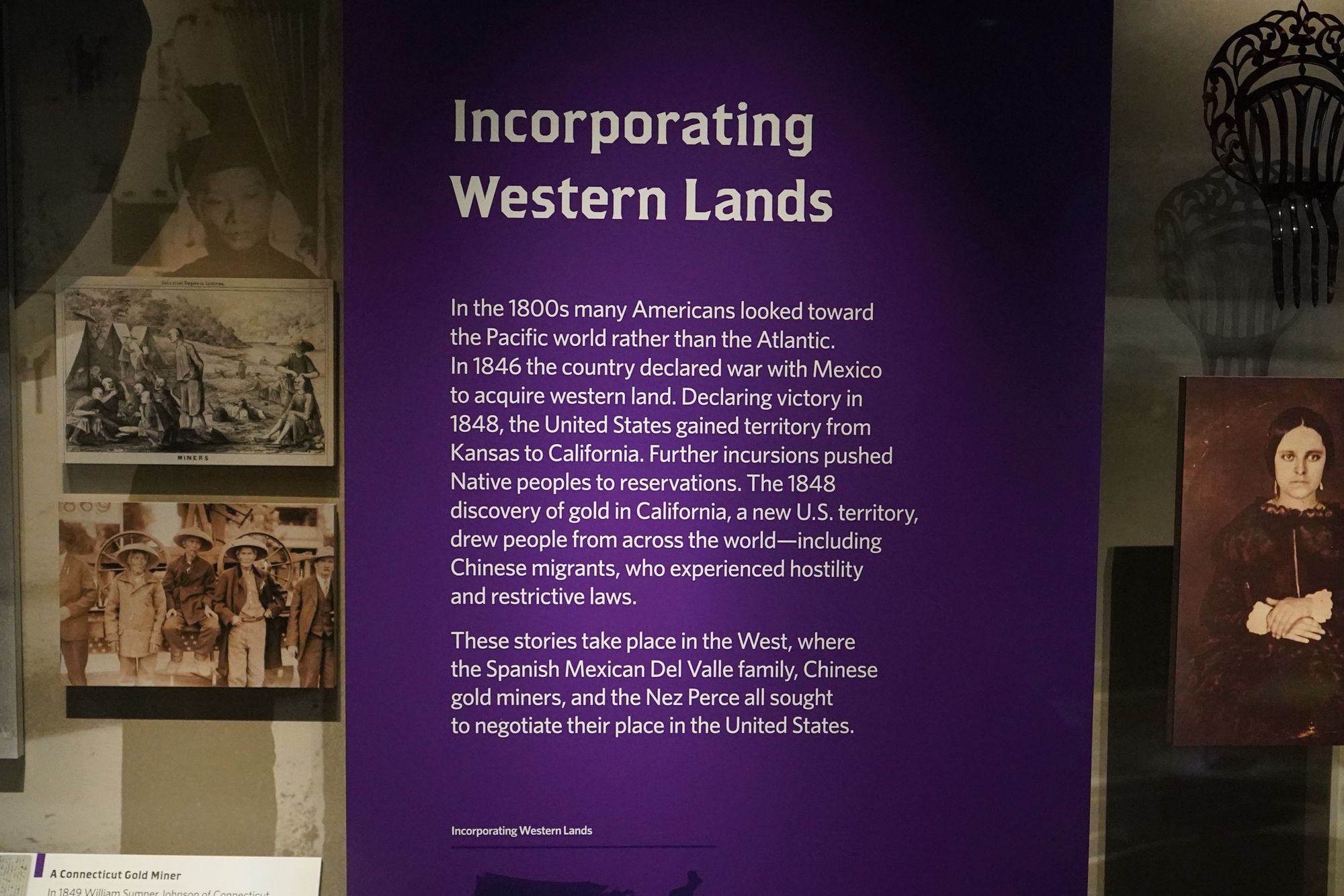
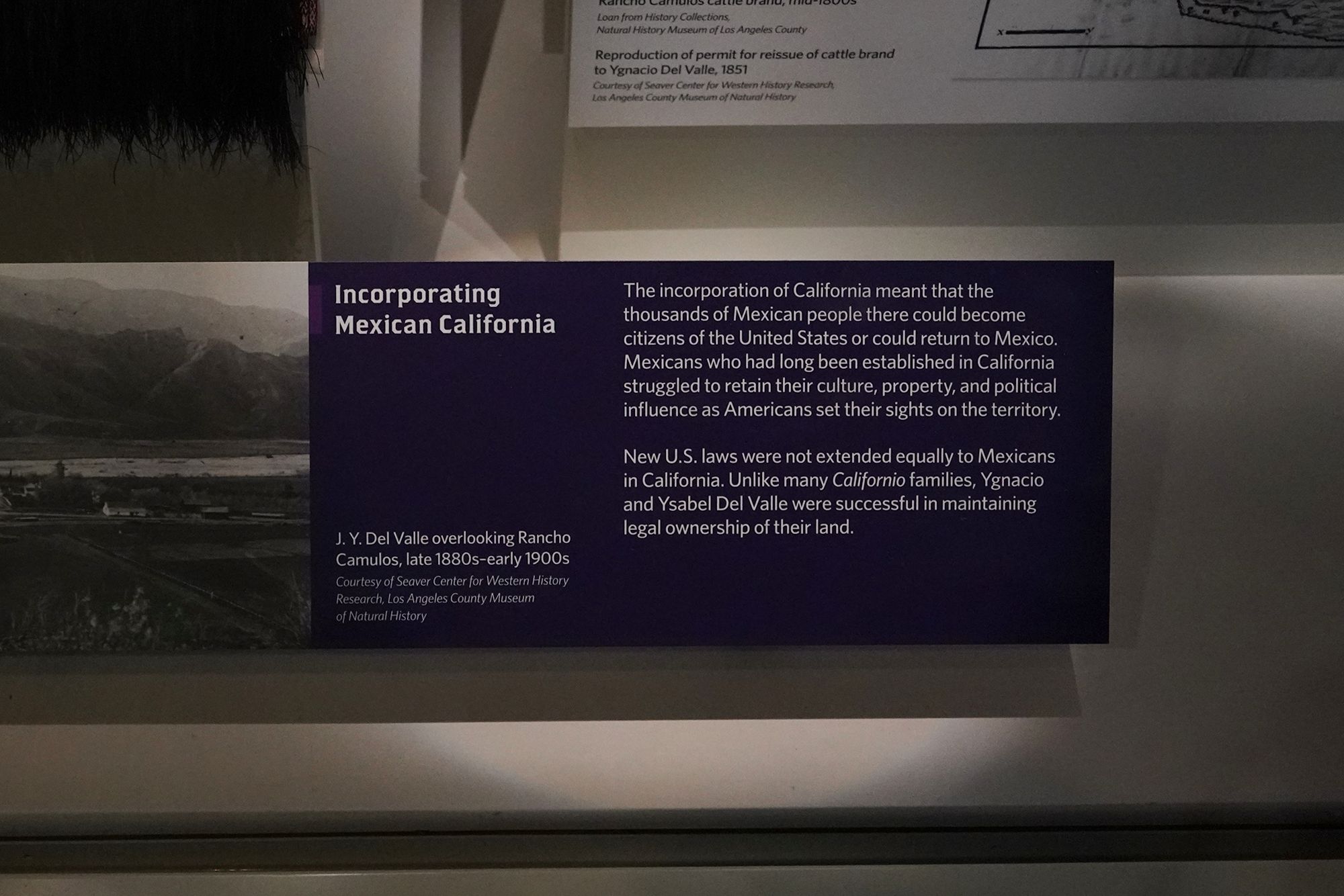
“Incorporating Western Lands” describes how the United States gained, organized, and absorbed new territories as it expanded west in the 1800s. This process included settlement, land surveys, territorial governments, and eventually creating new states. A major part of this expansion was the Mexican War (1846–1848), after which the U.S. took a vast region from Mexico — including today’s California, Nevada, Utah, Arizona, New Mexico, and parts of Colorado and Wyoming. These lands were then mapped, settled, and gradually turned into states, often pushing Native peoples aside.
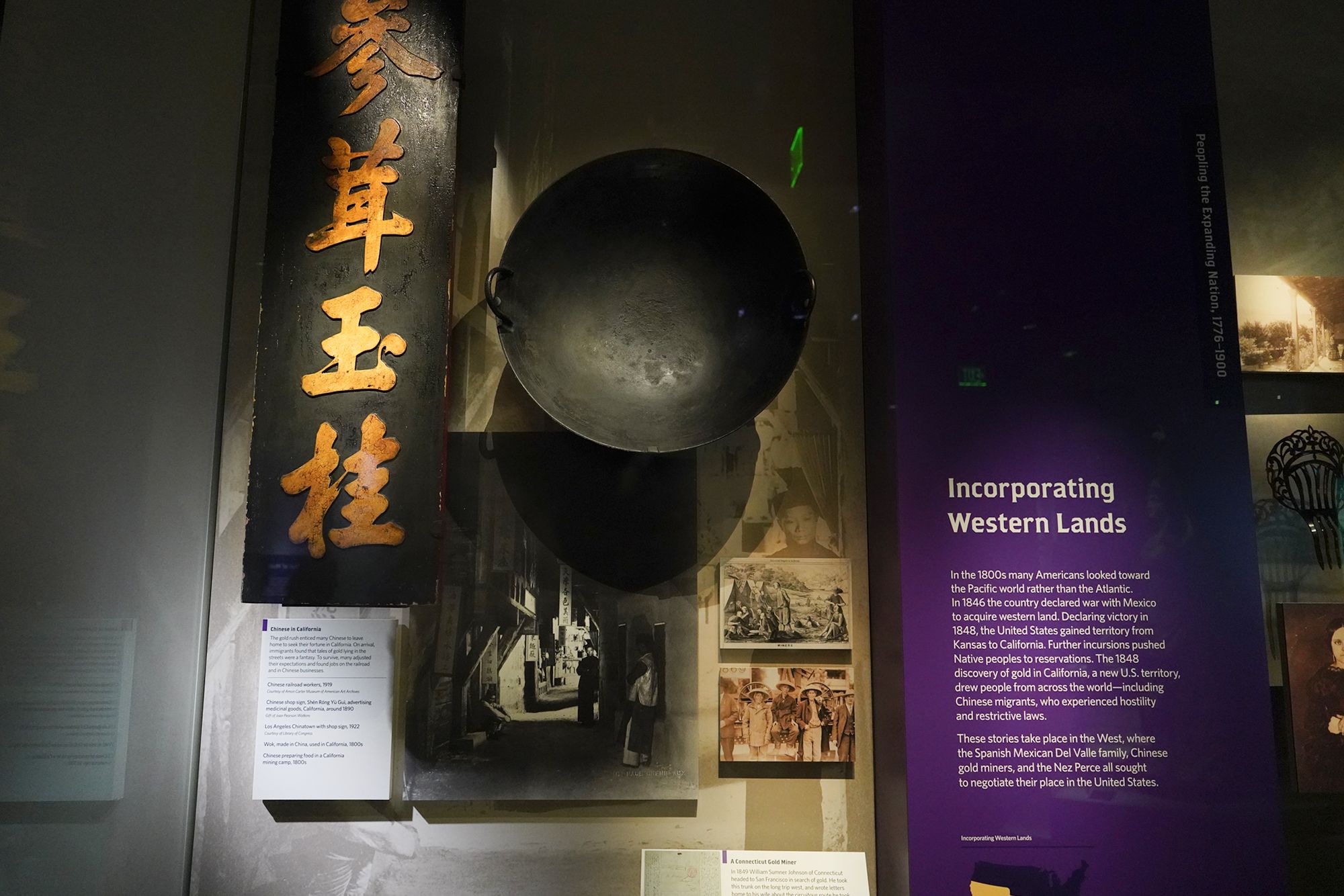
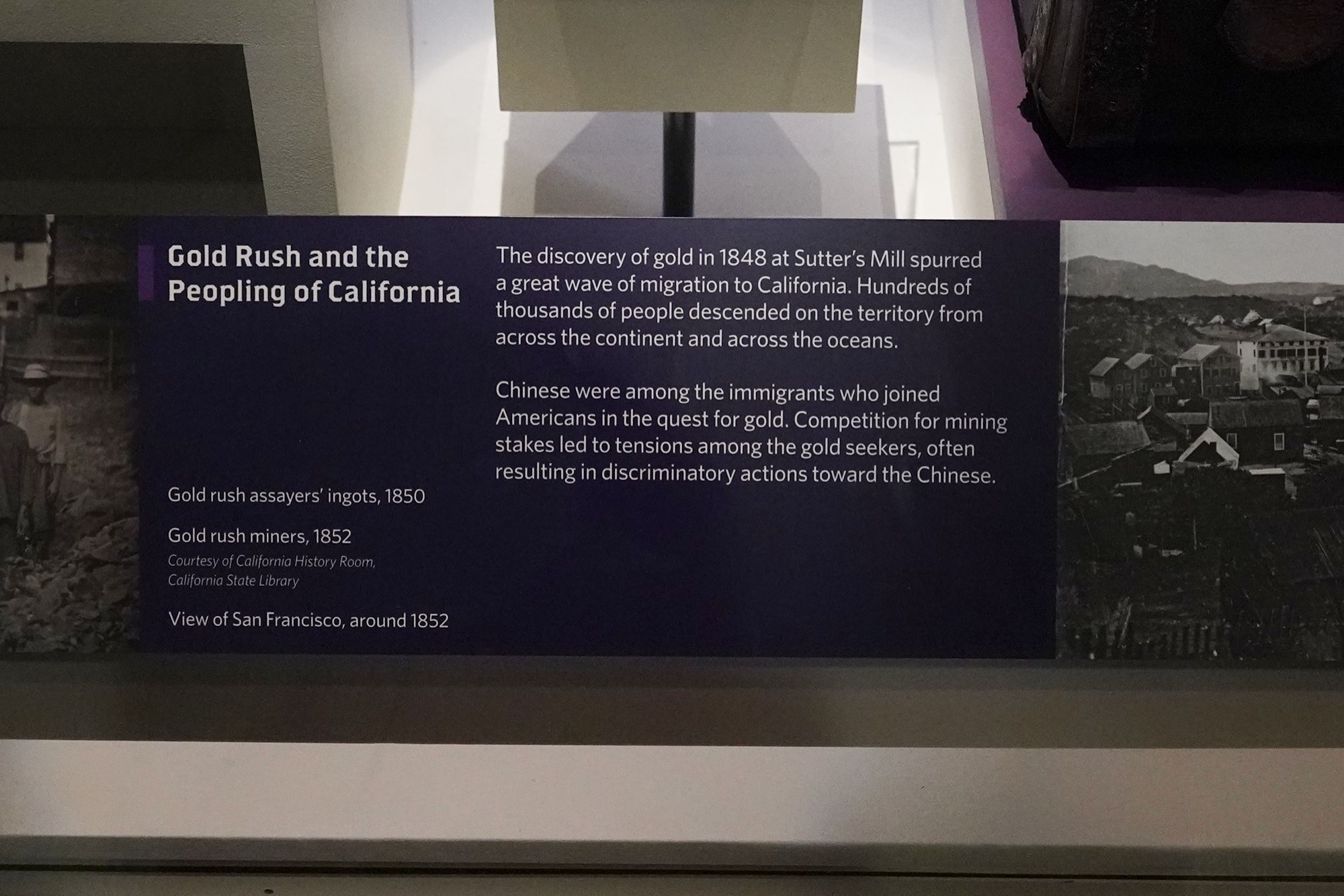
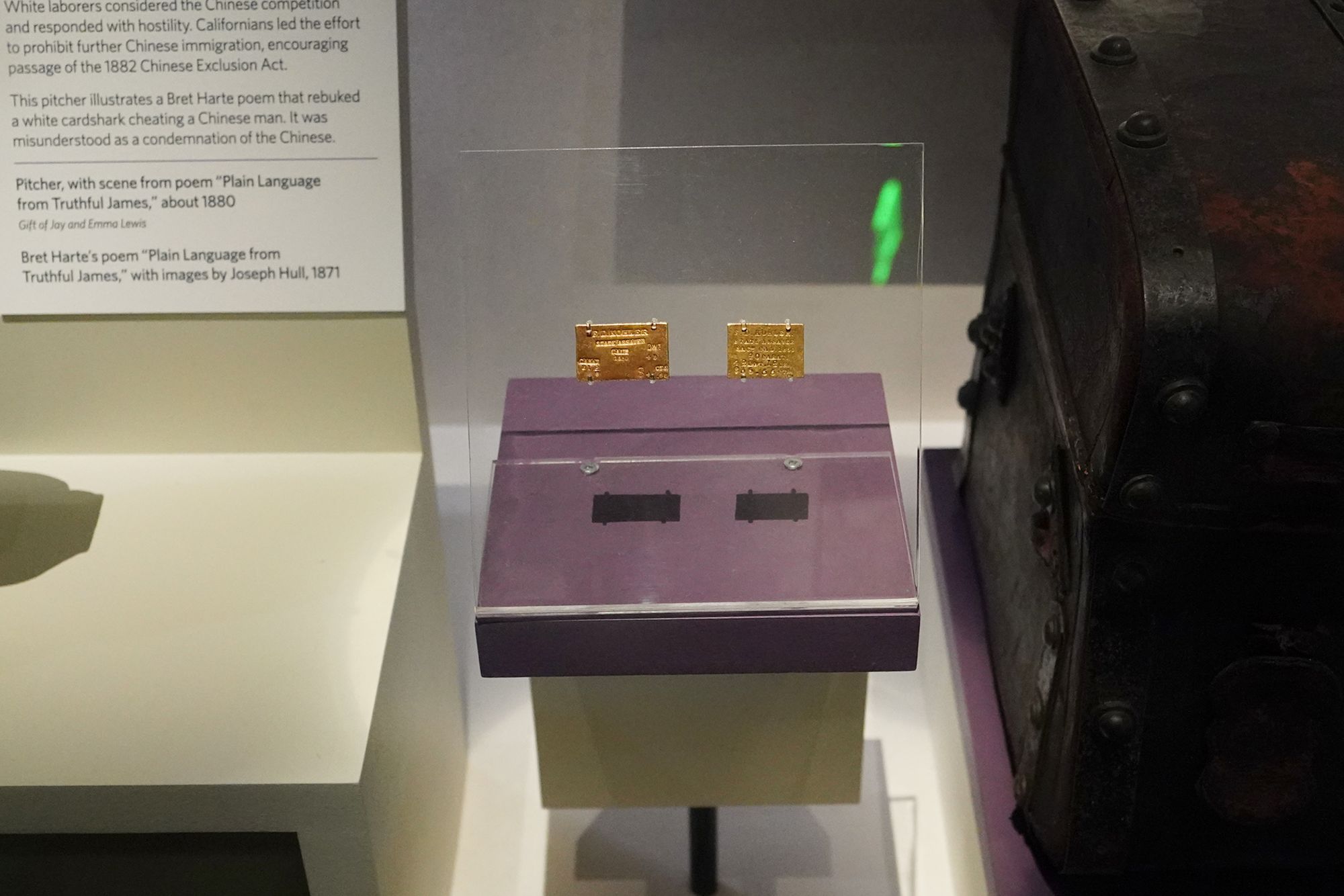
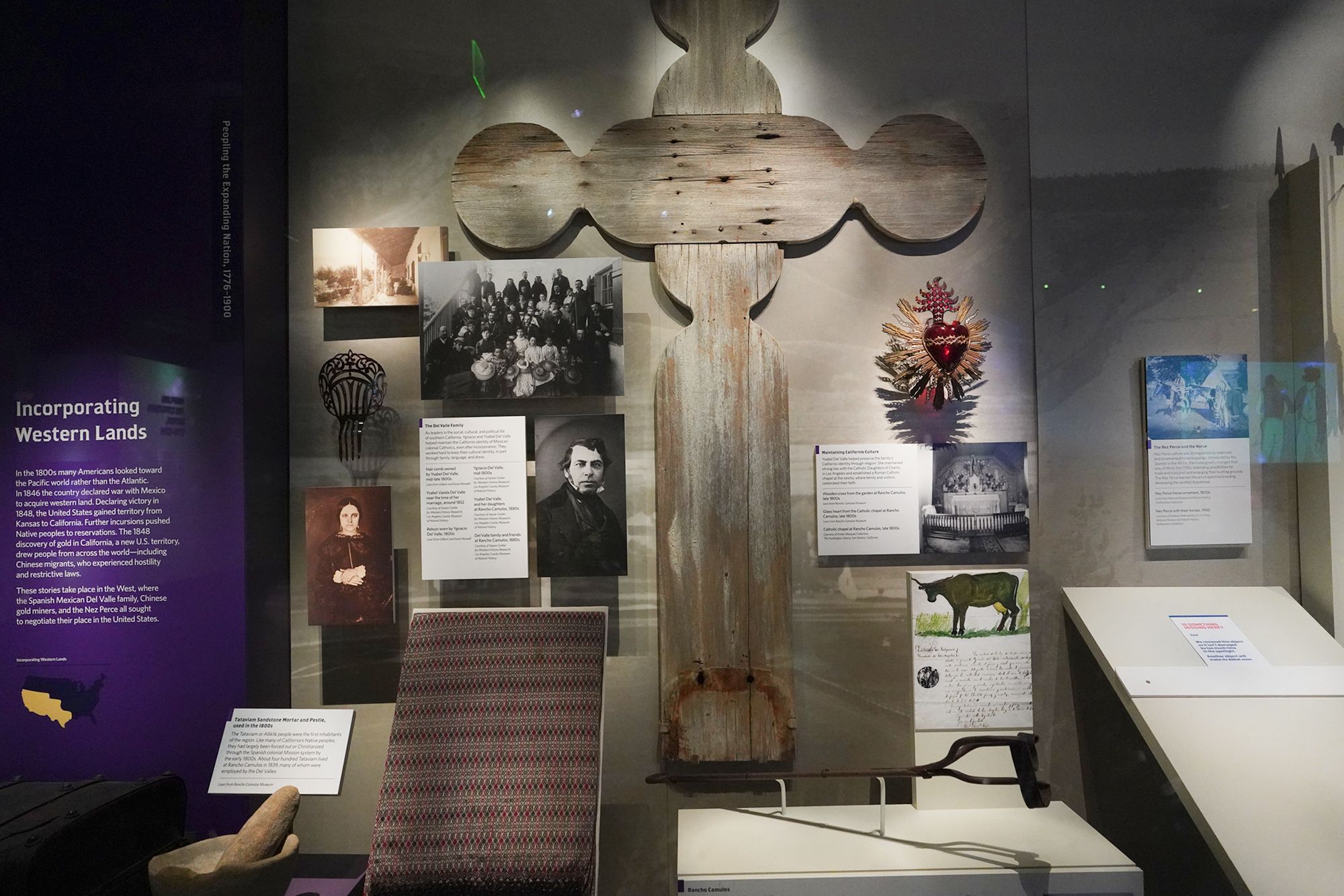
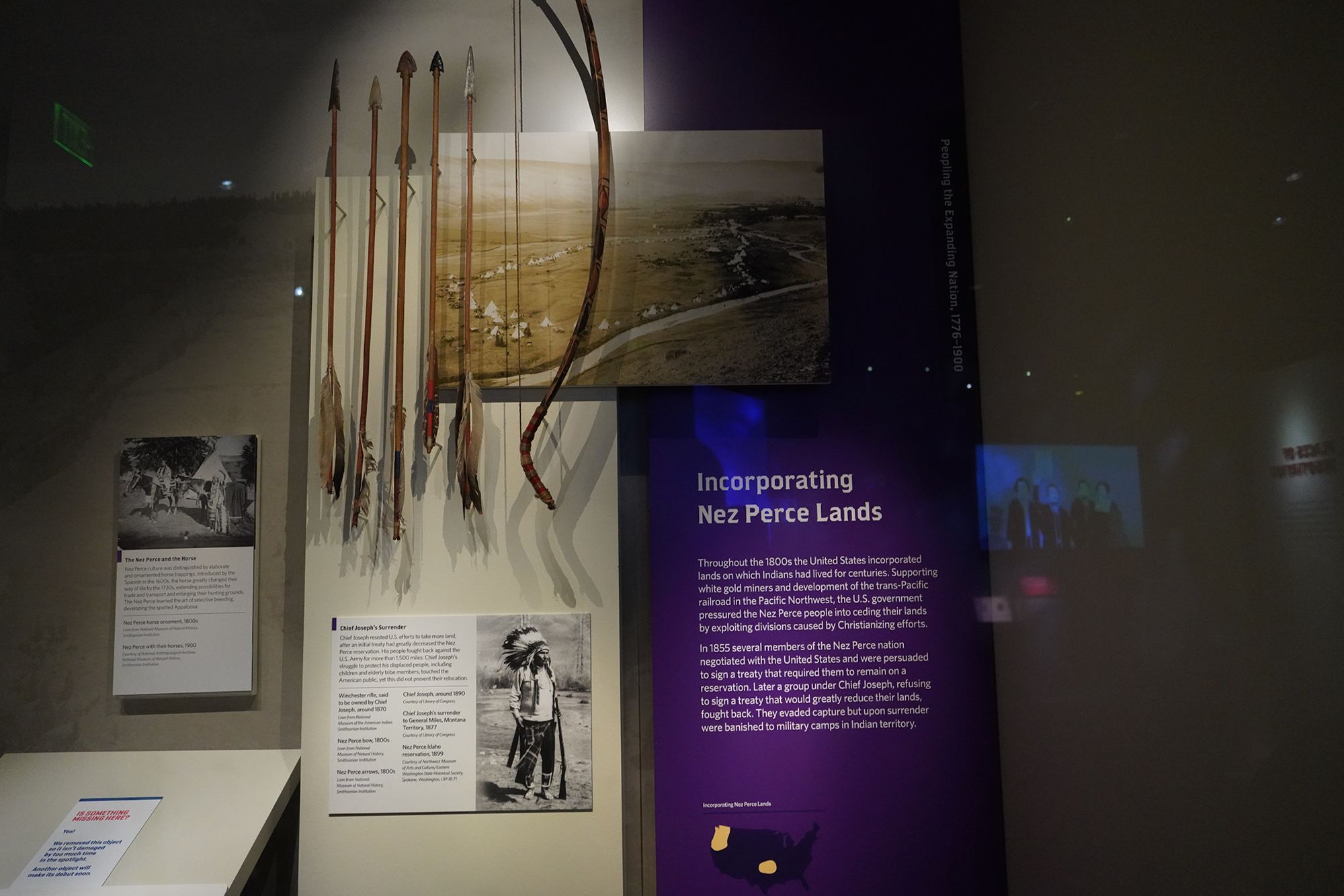
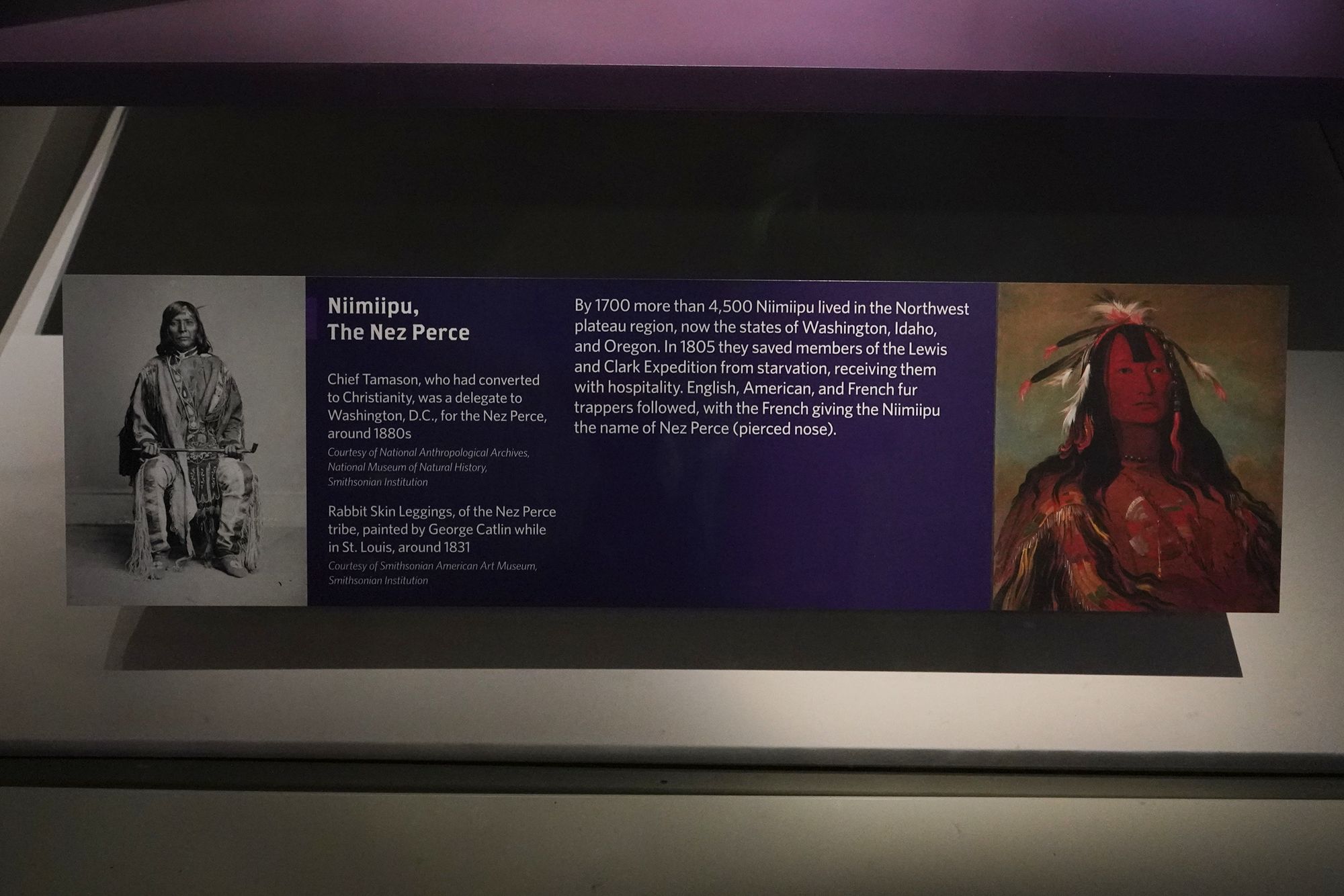
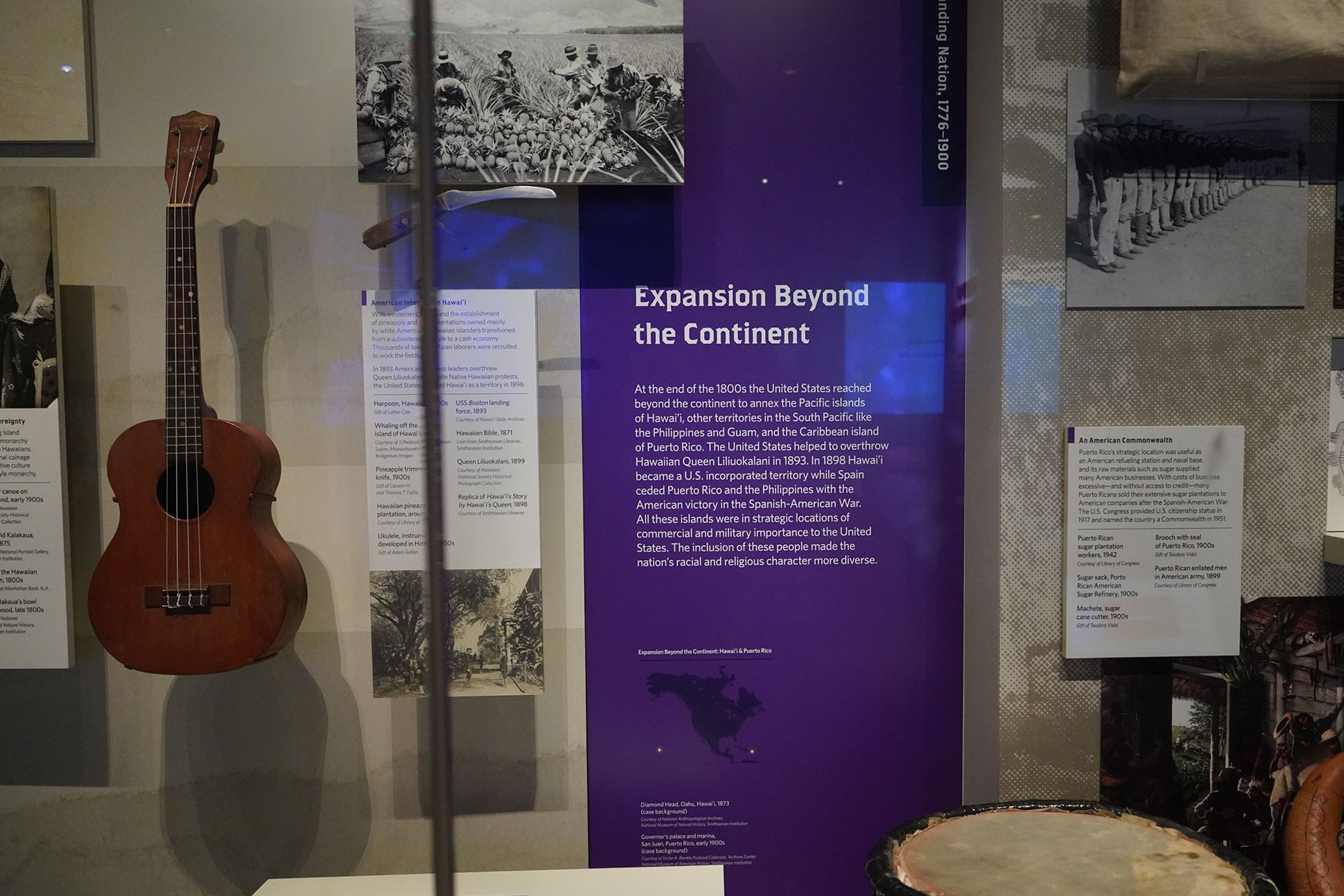
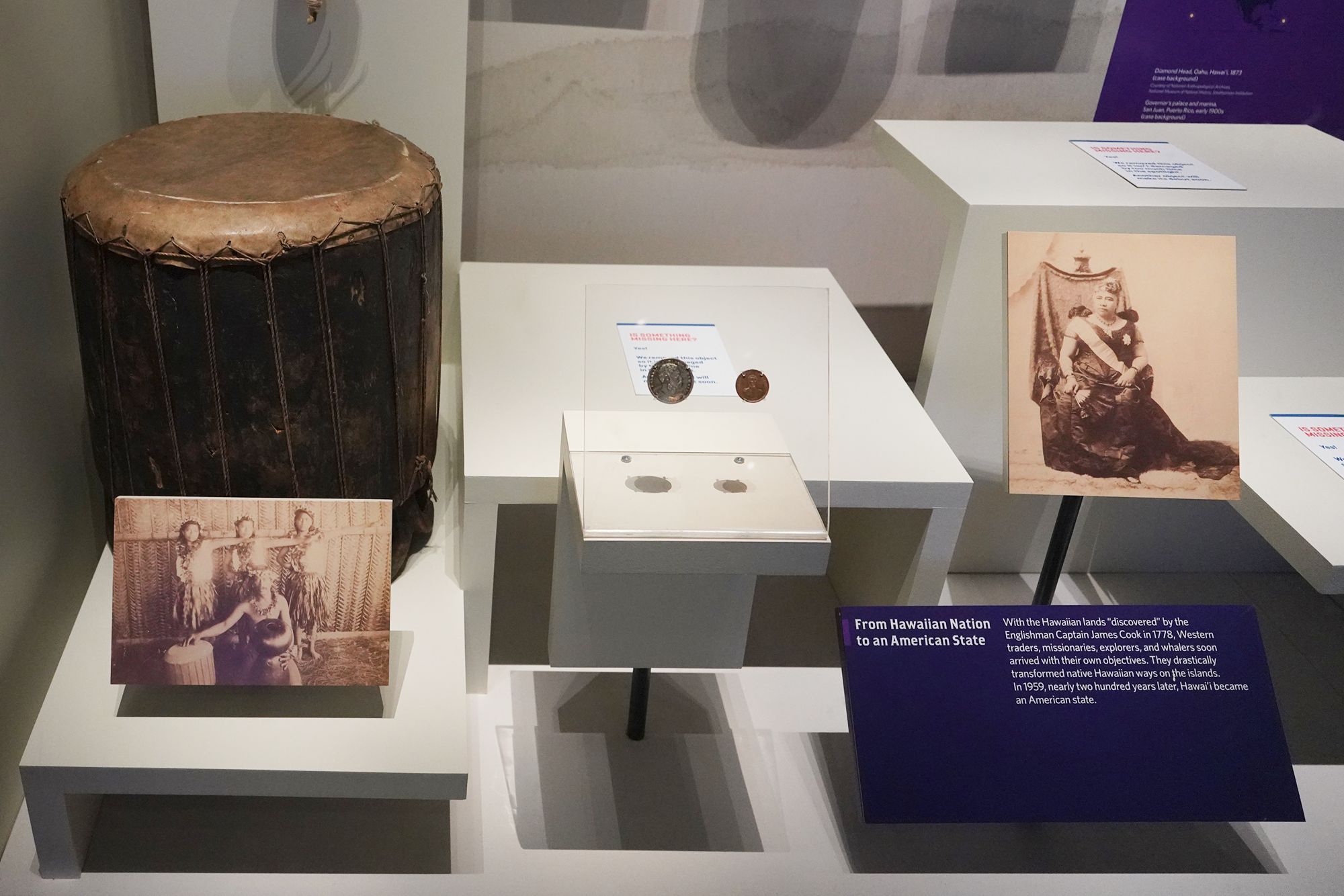
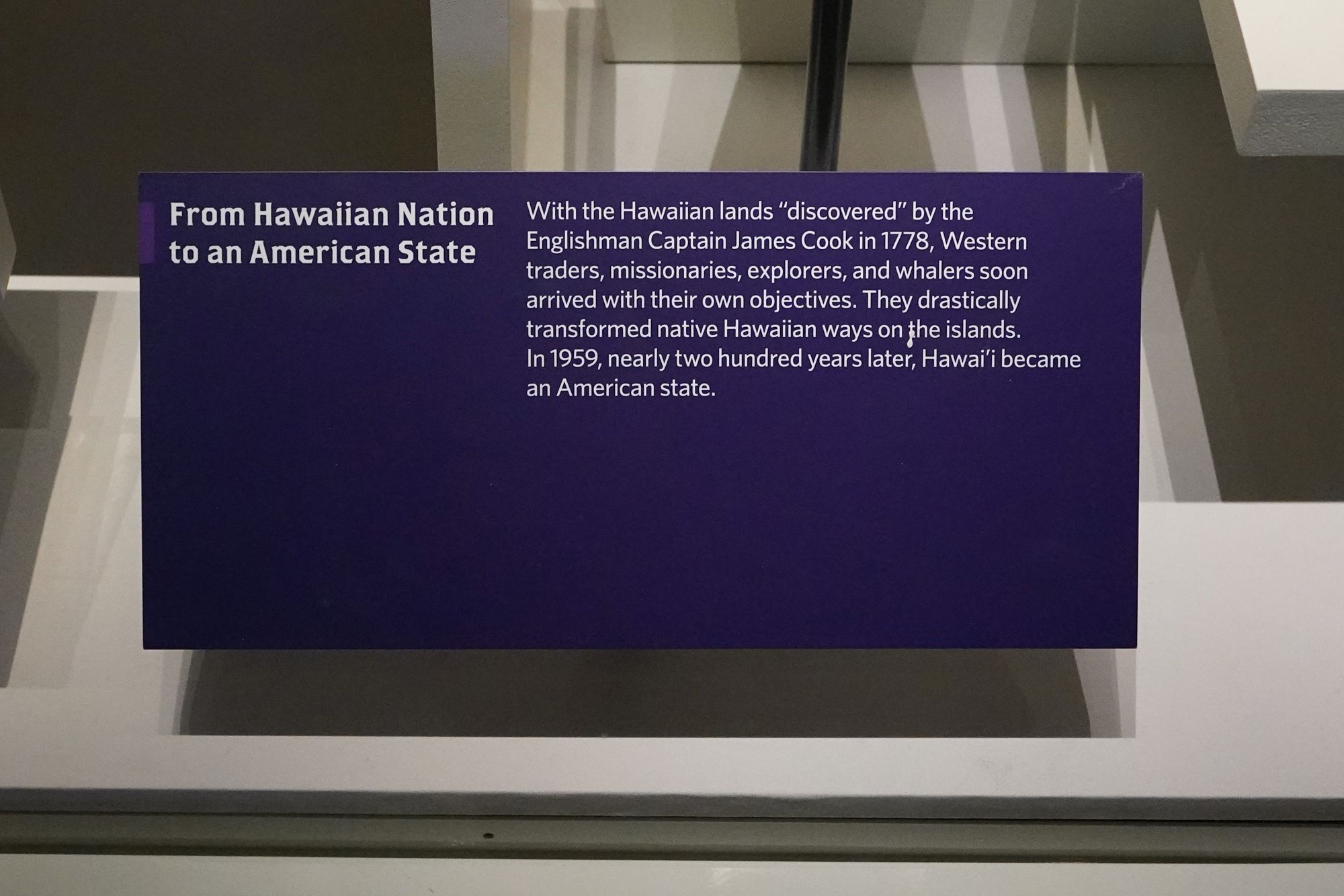
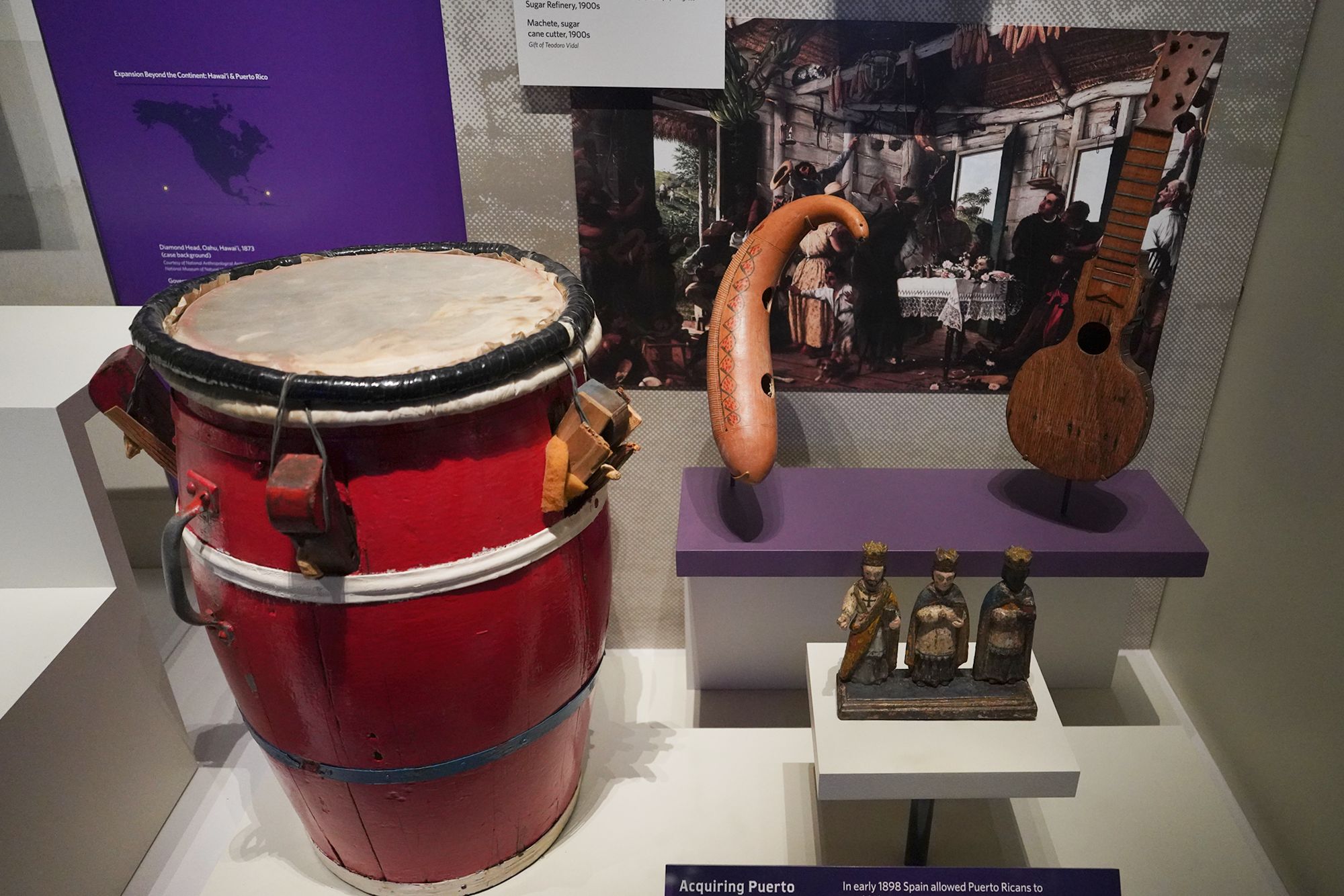
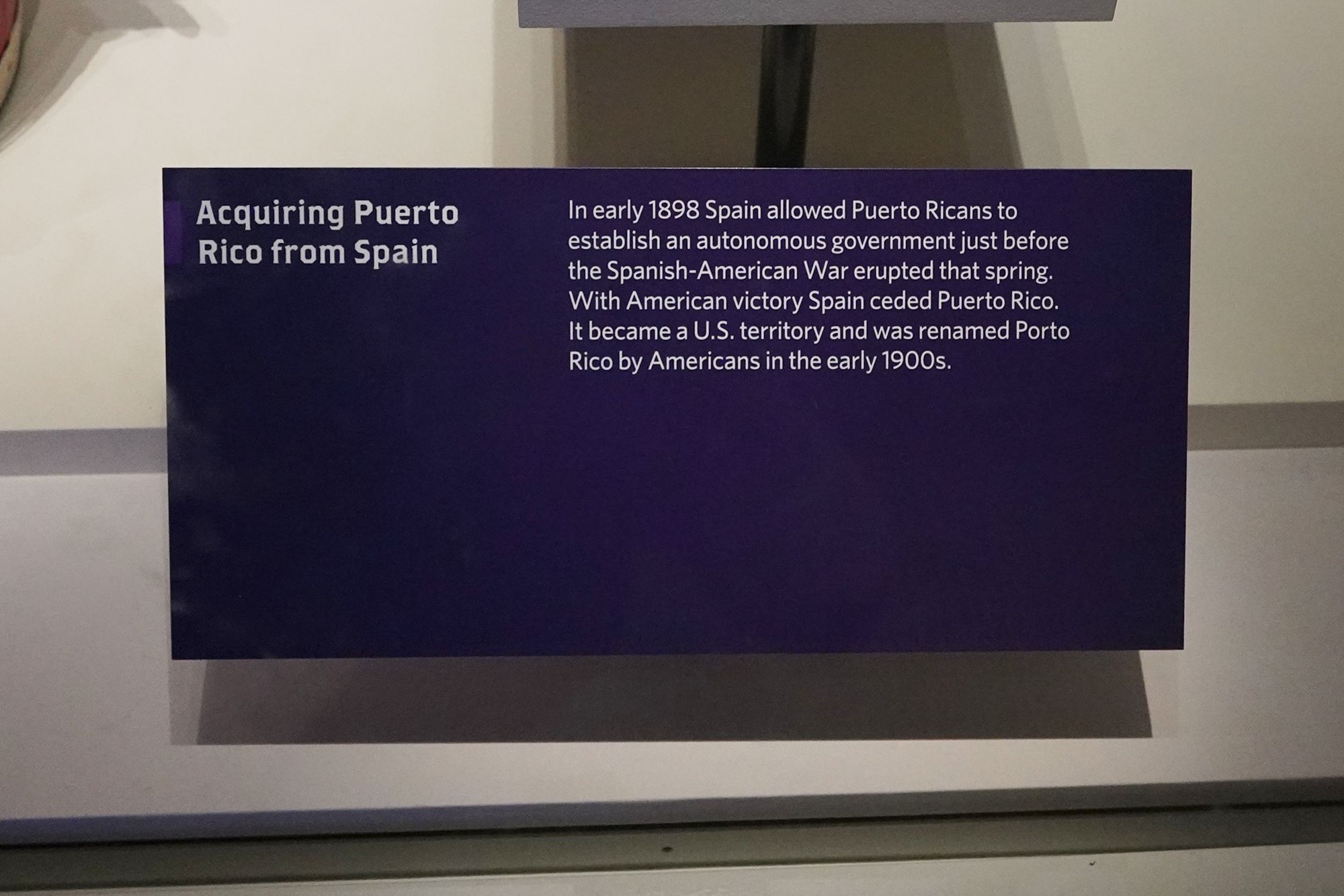
“Expansion Beyond the Continent” refers to the period in the late 1800s and early 1900s when the United States extended its influence and territory outside North America. This included acquiring Hawaii, Puerto Rico, Guam, and the Philippines after the Spanish–American War, as well as expanding economic and military power in the Caribbean and Pacific. The nation shifted from a continental power to an overseas empire.
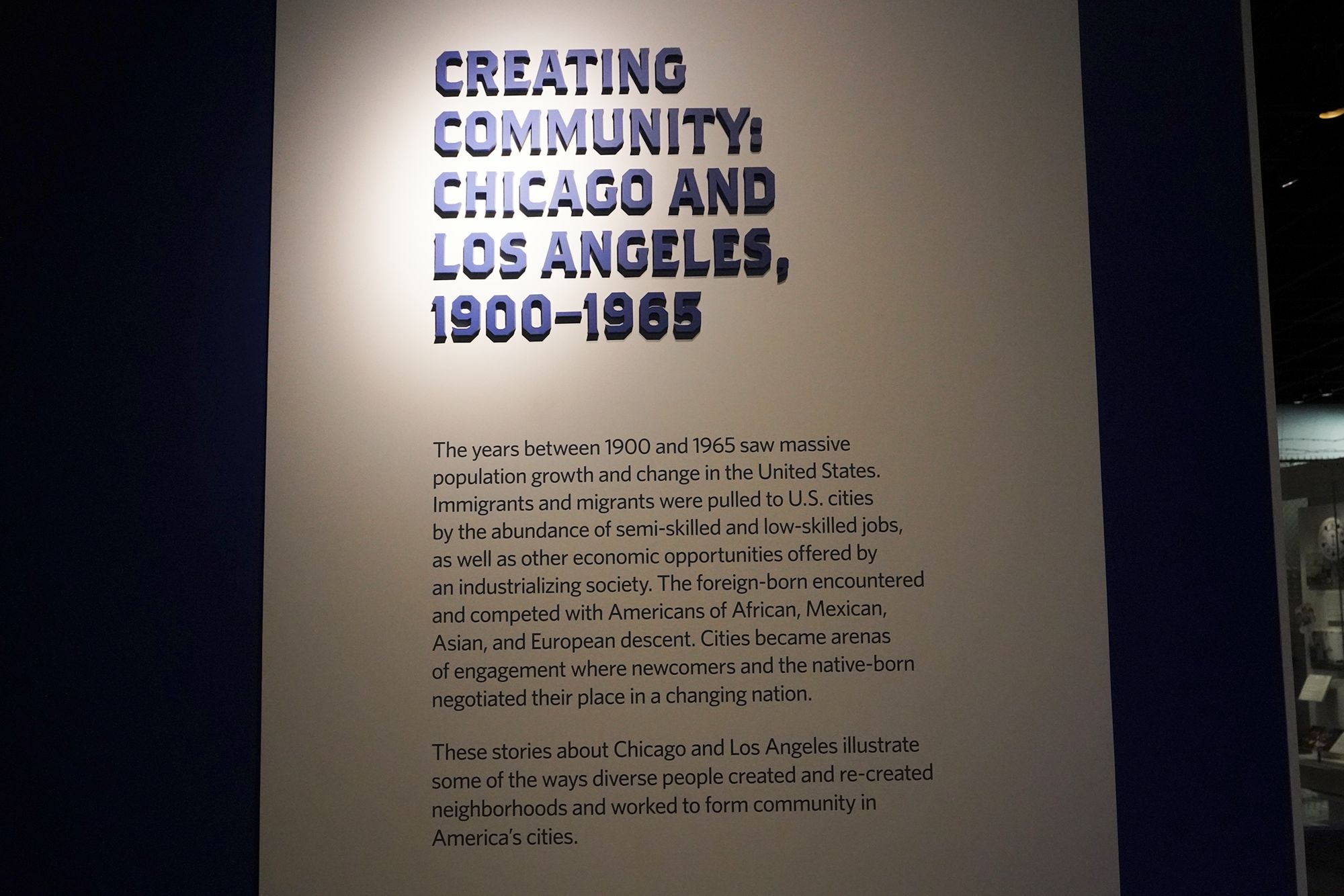
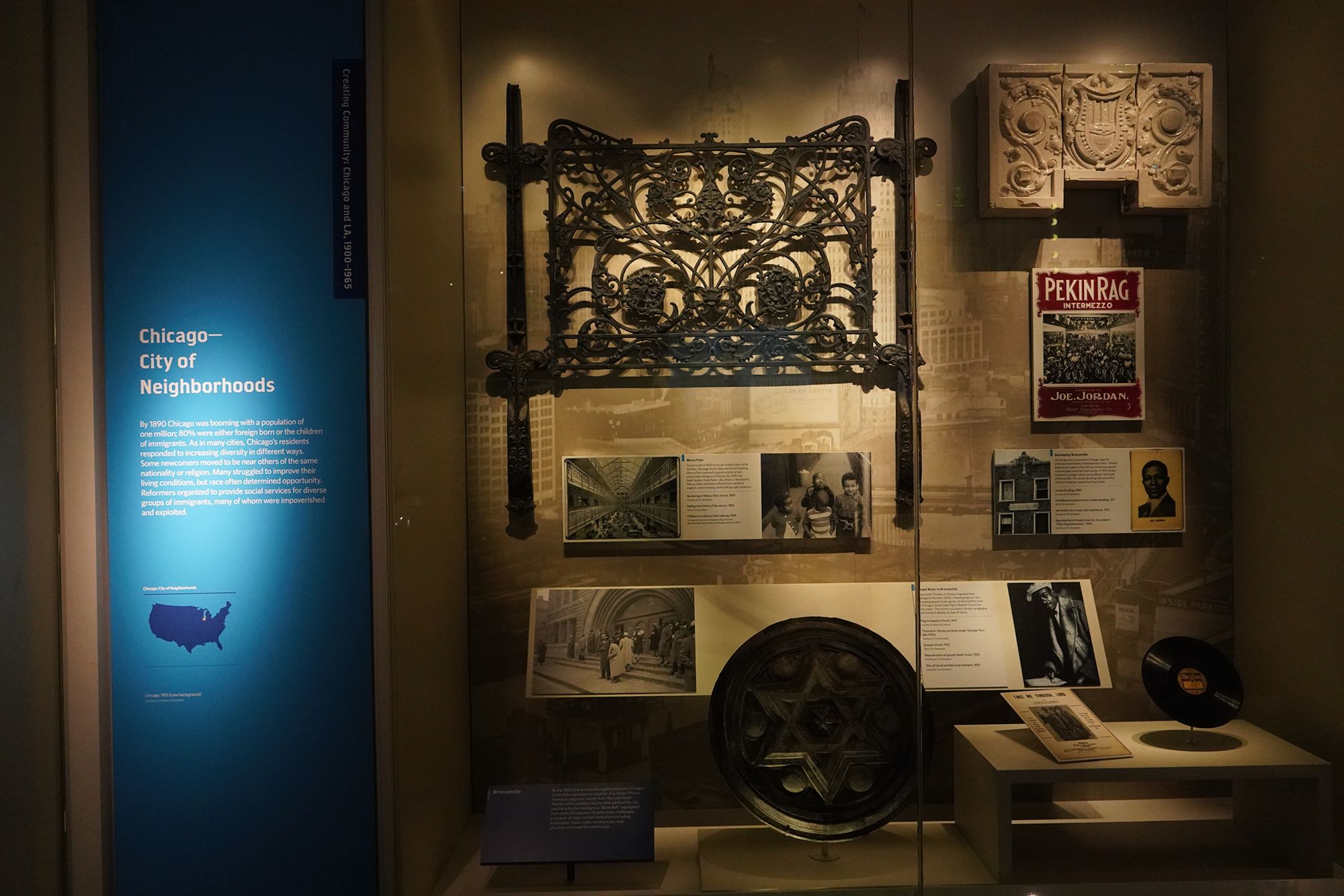
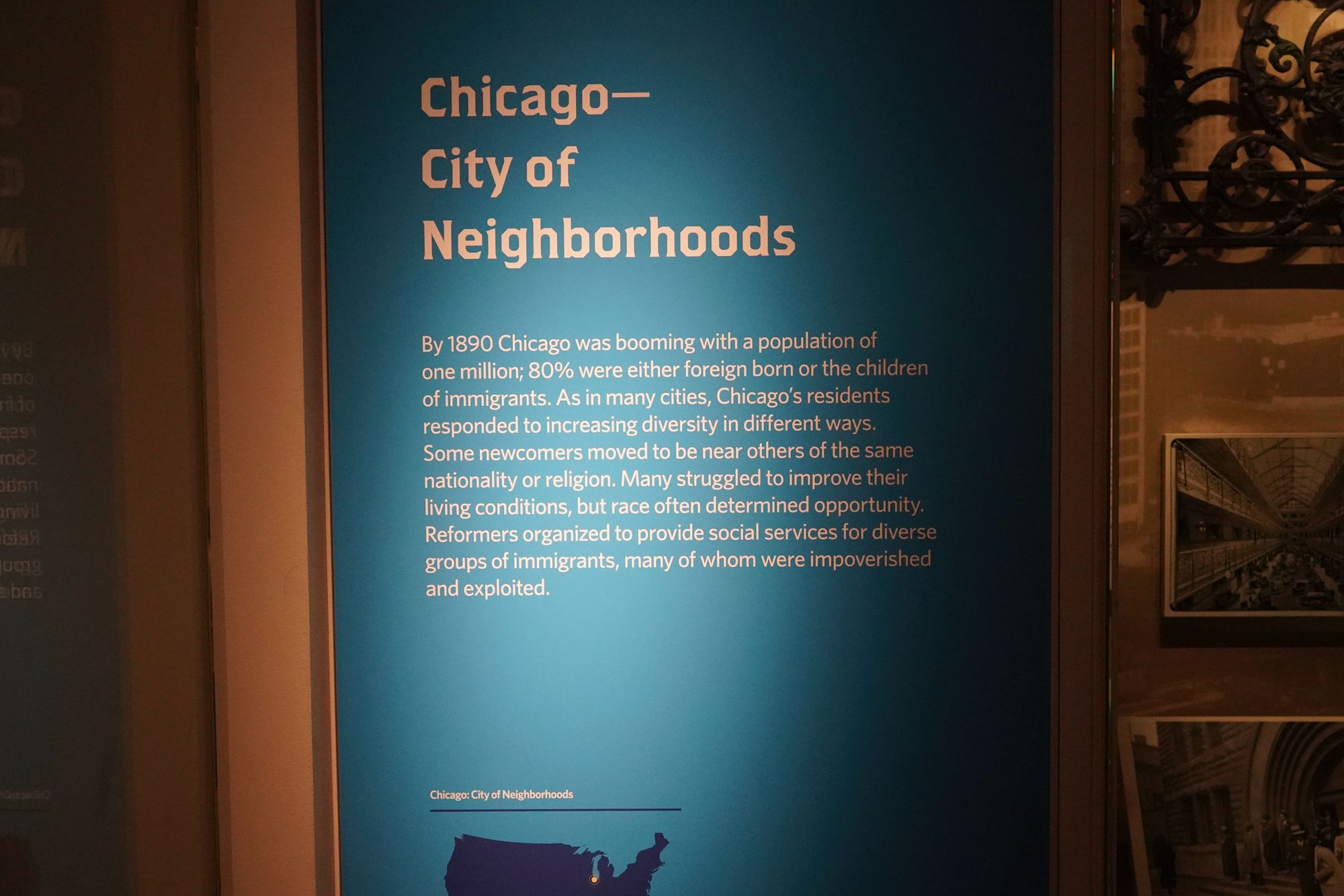
“Chicago — City of Neighborhoods” highlights how Chicago grew into a mosaic of distinct communities, each shaped by different waves of immigrants, migrants, and local cultures. Over time, people from Europe, the American South, Latin America, and Asia created neighborhoods with their own traditions, businesses, languages, and identities. These communities gave Chicago its rich cultural diversity and strong neighborhood-based character.
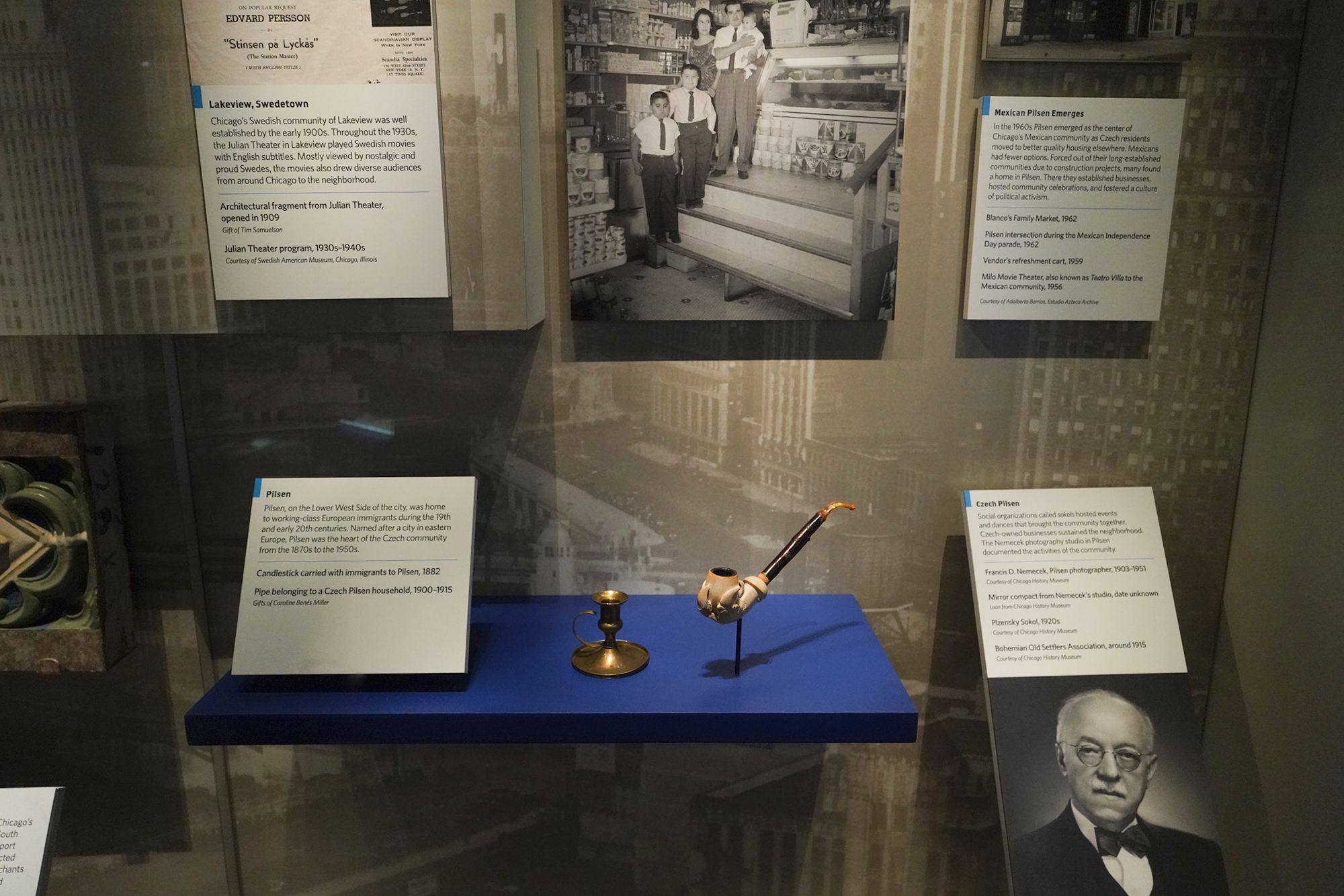
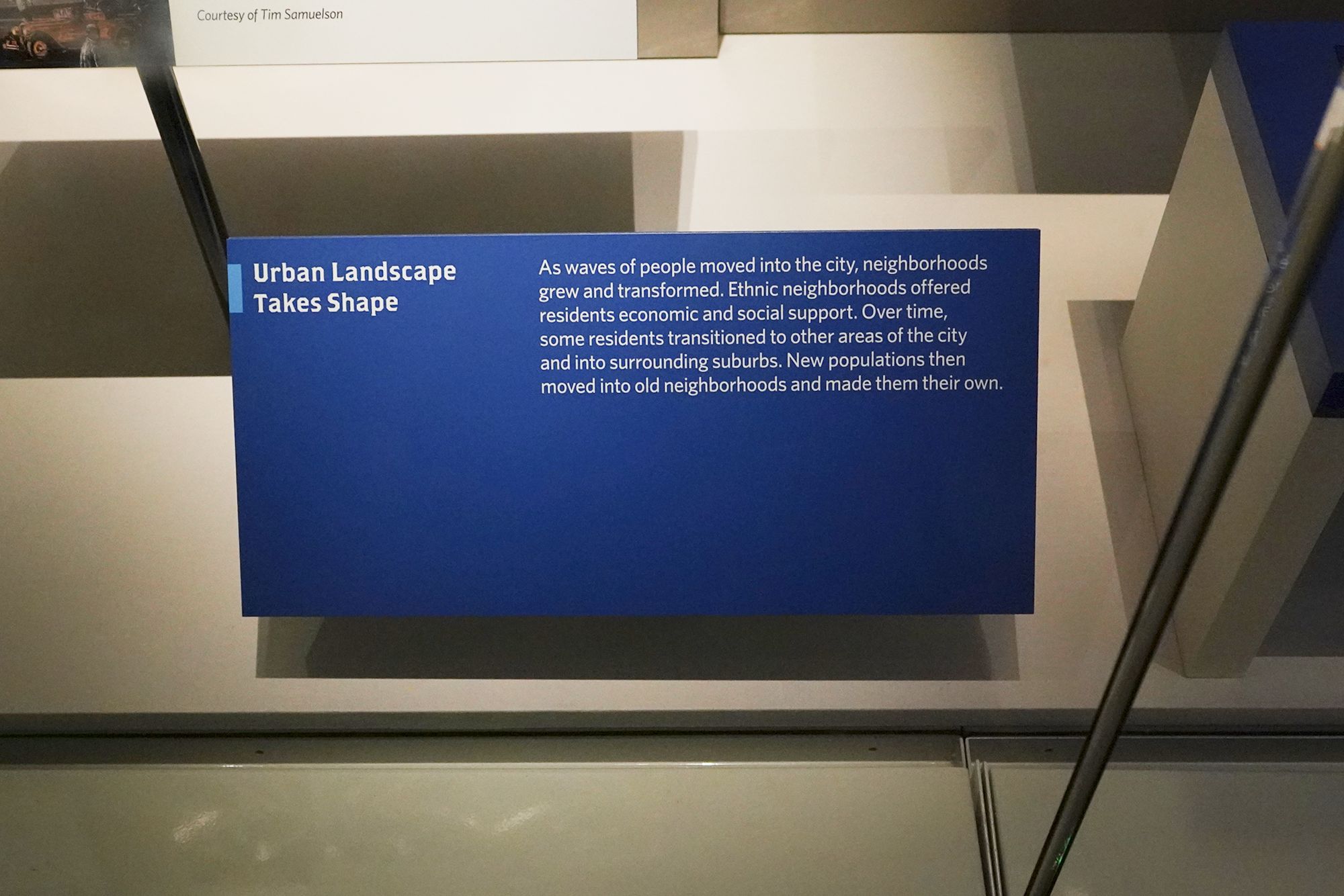
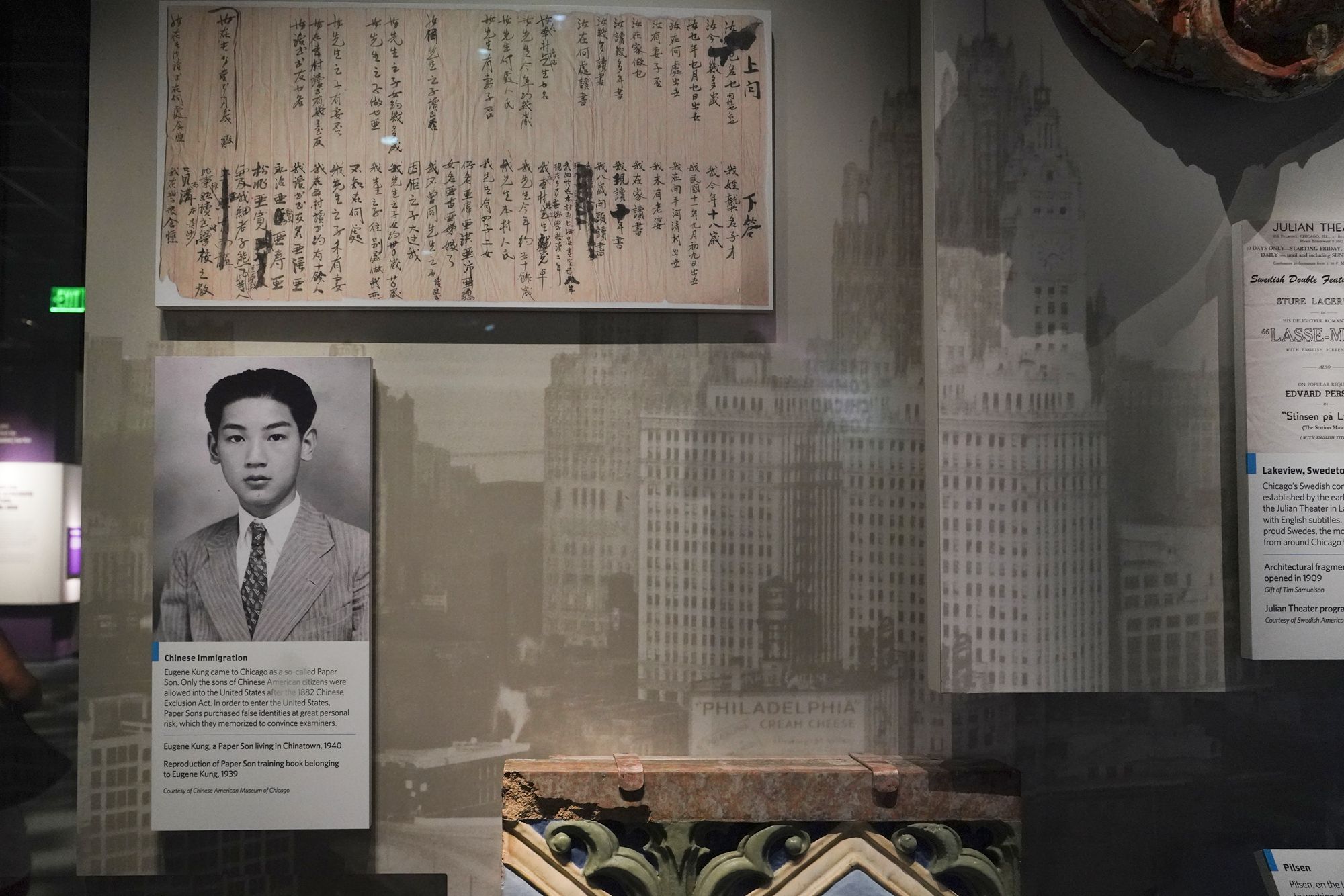
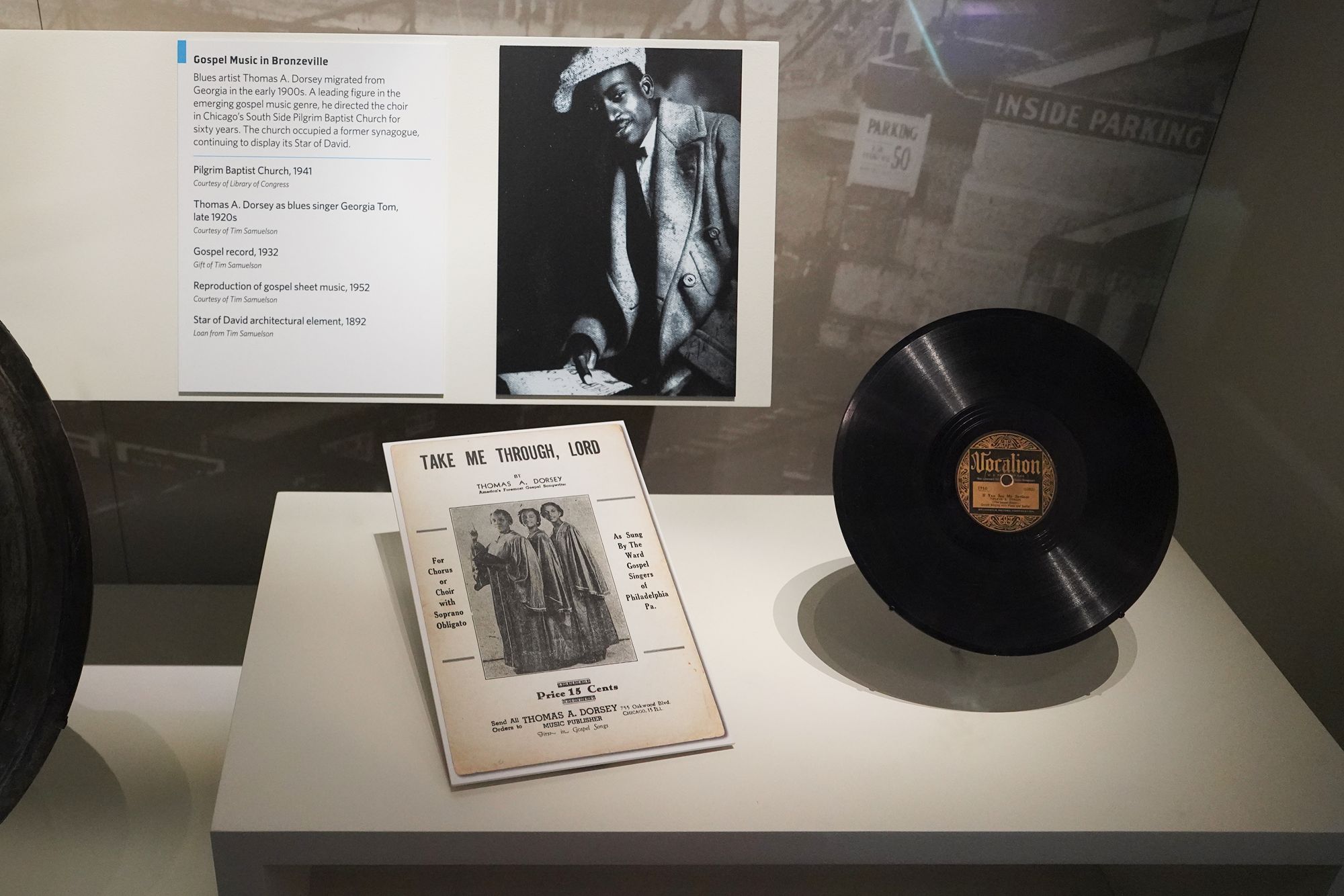
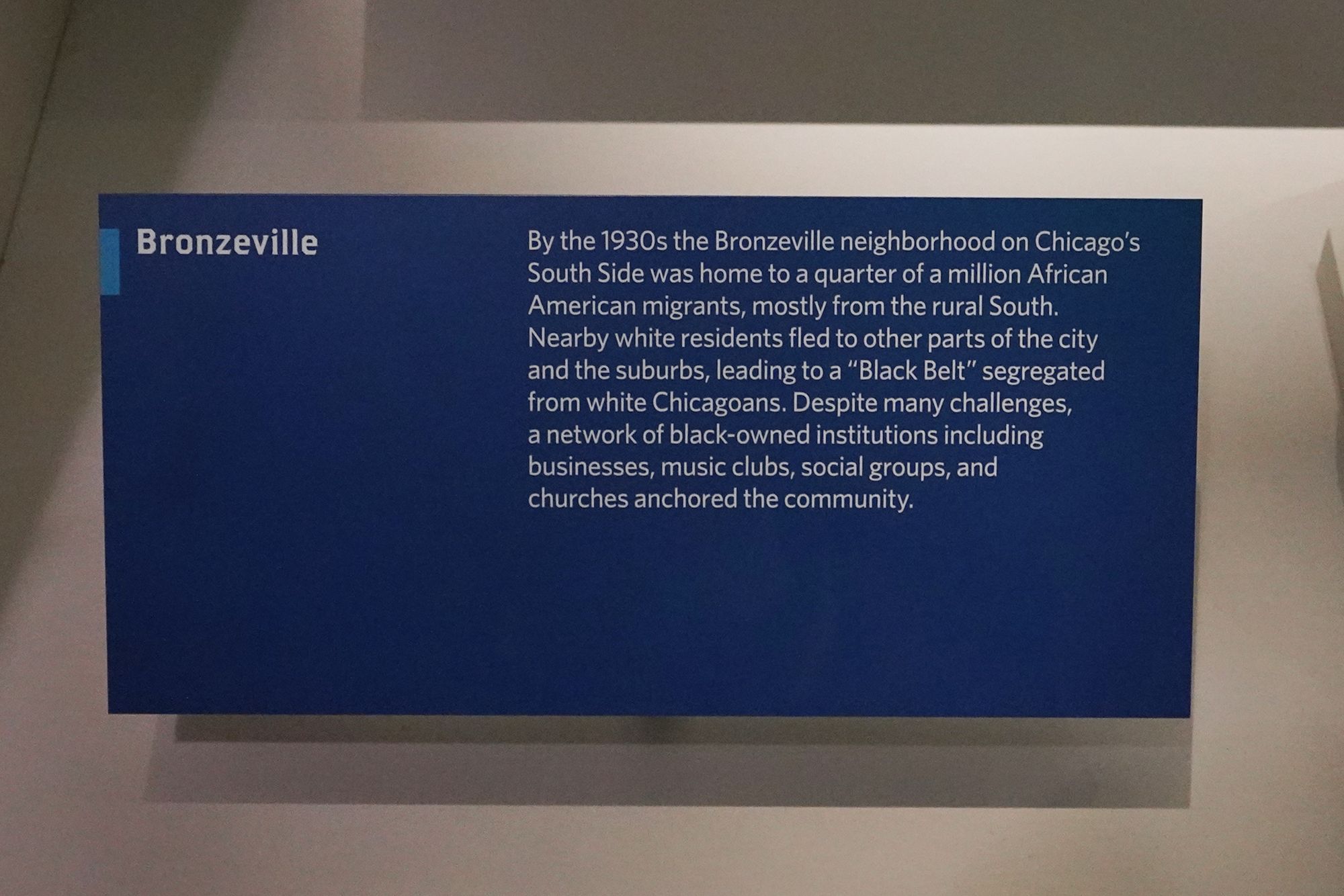
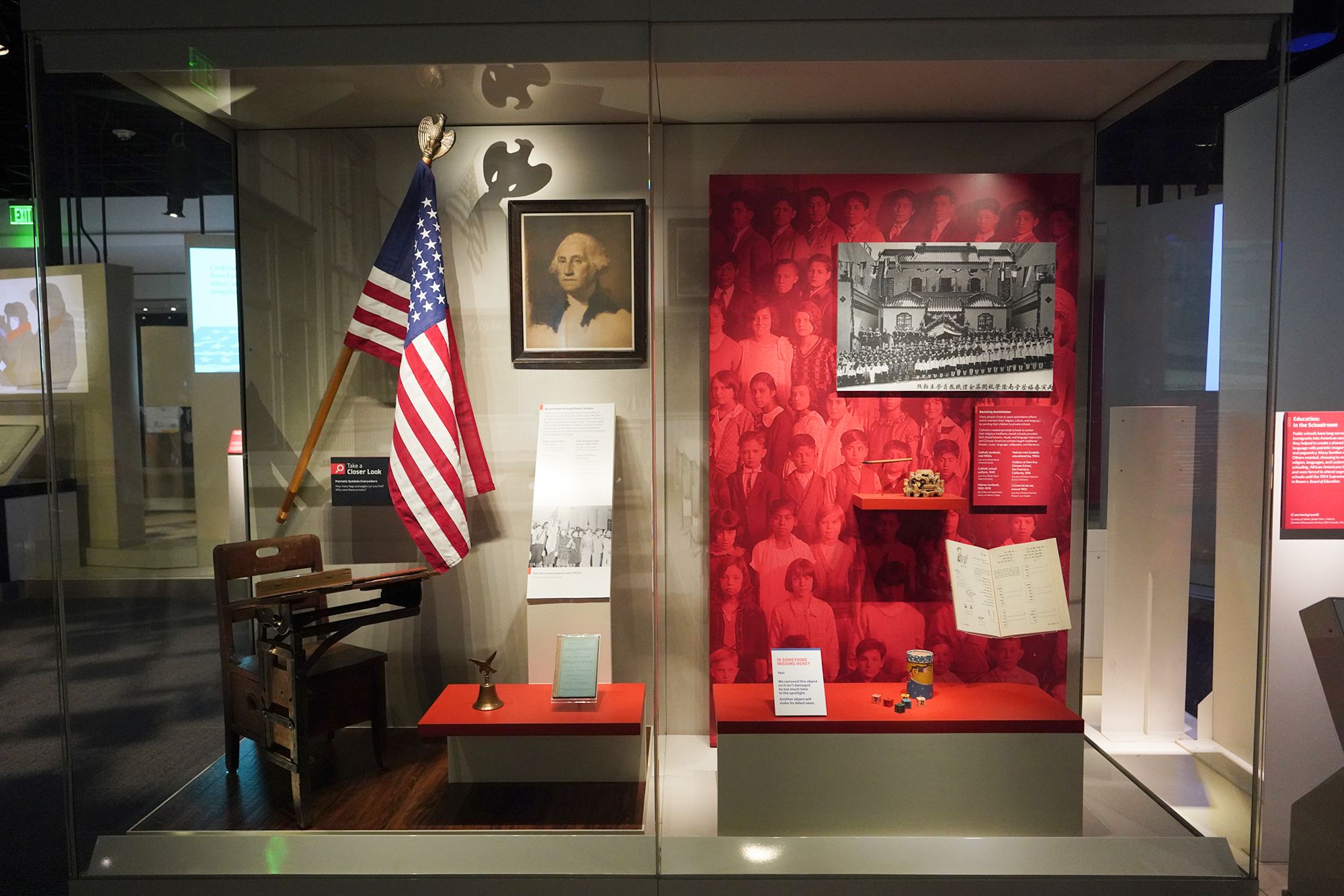
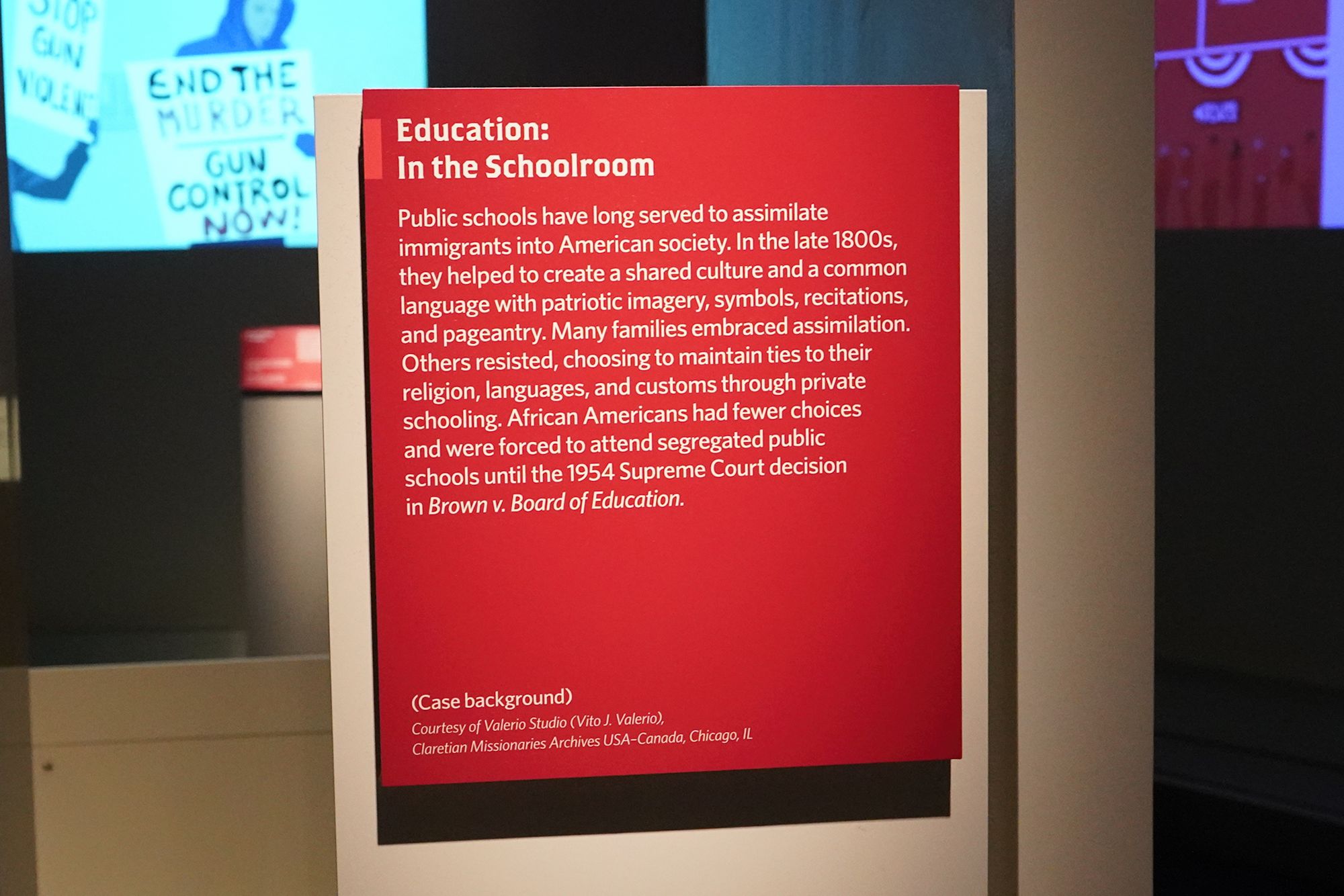
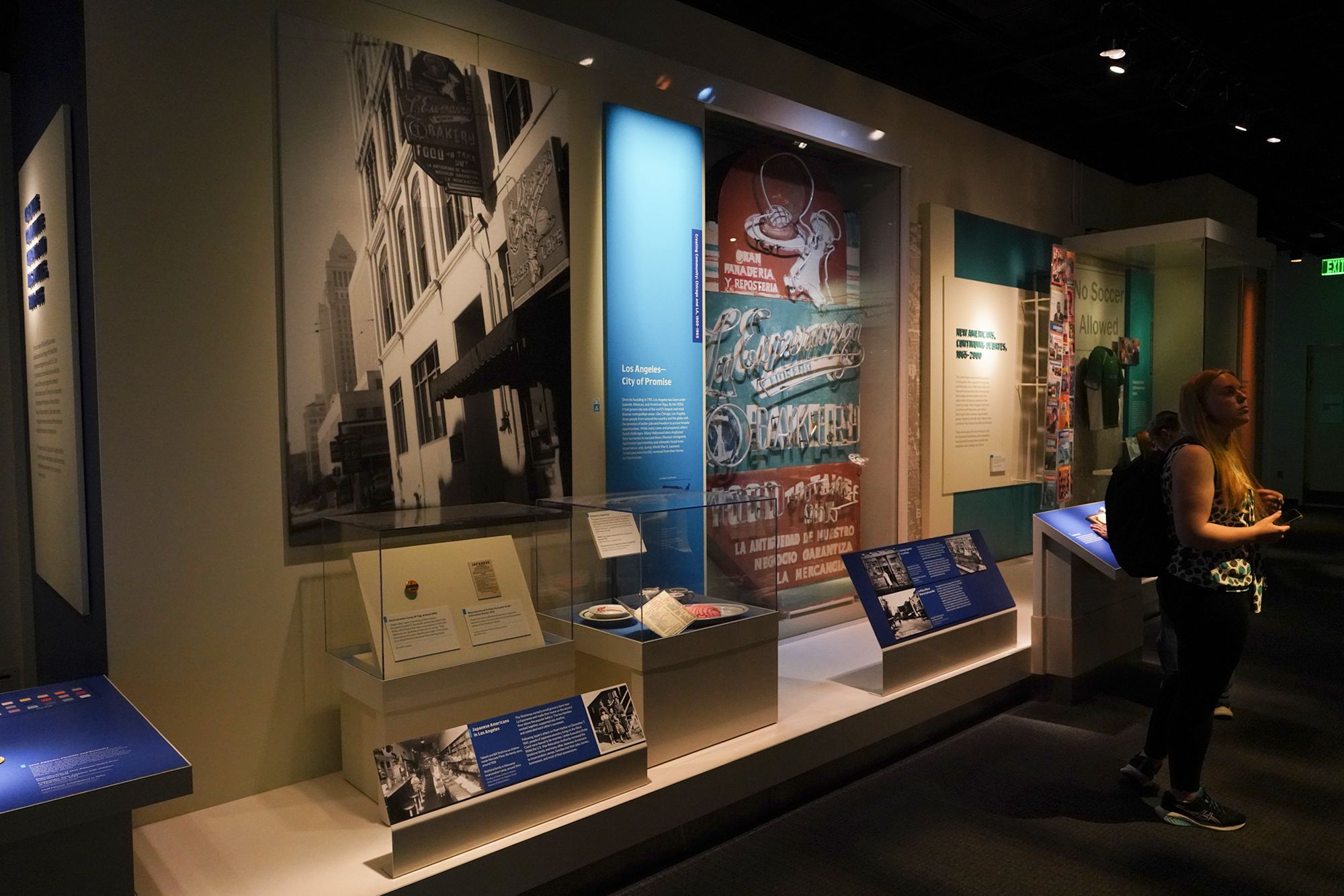
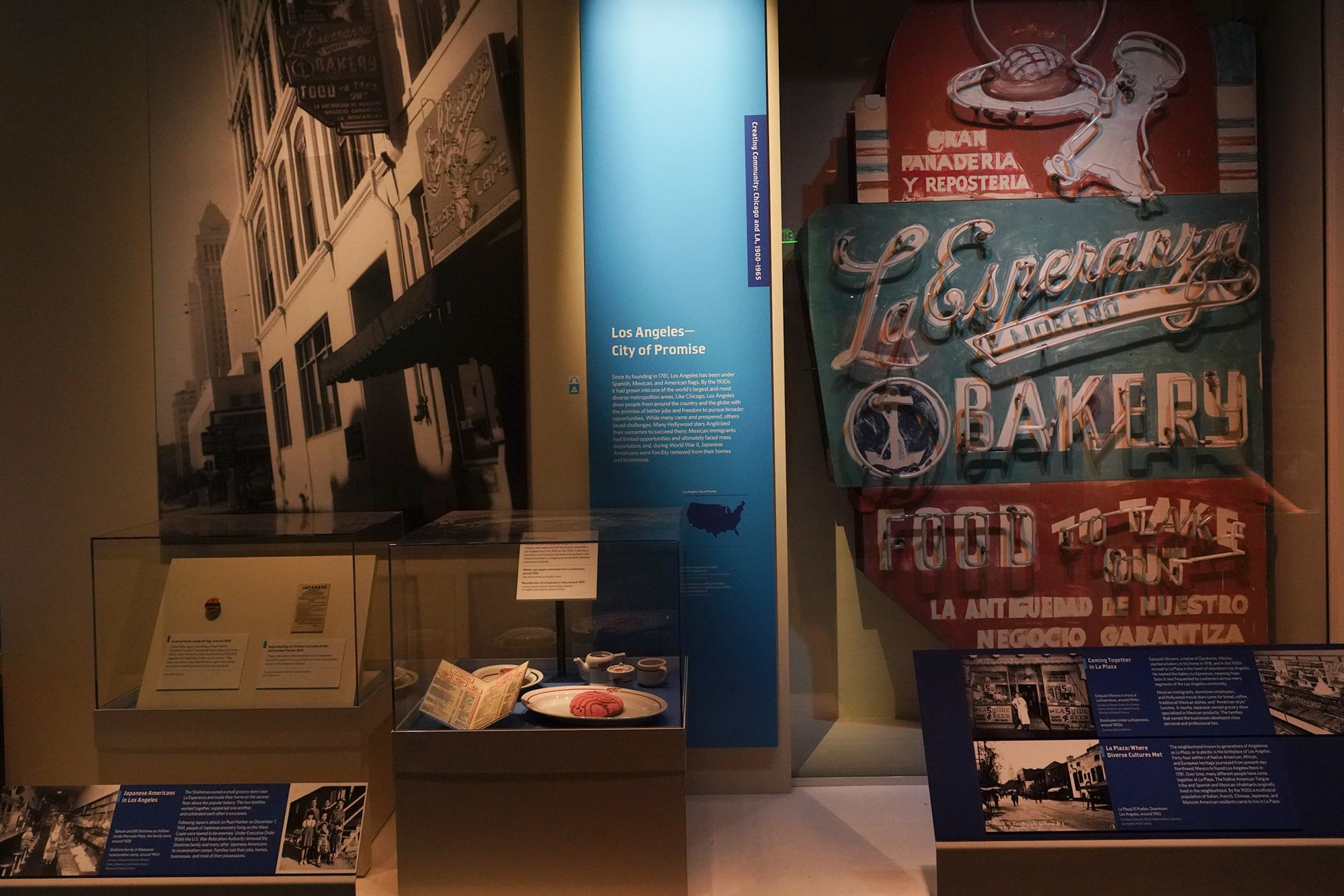
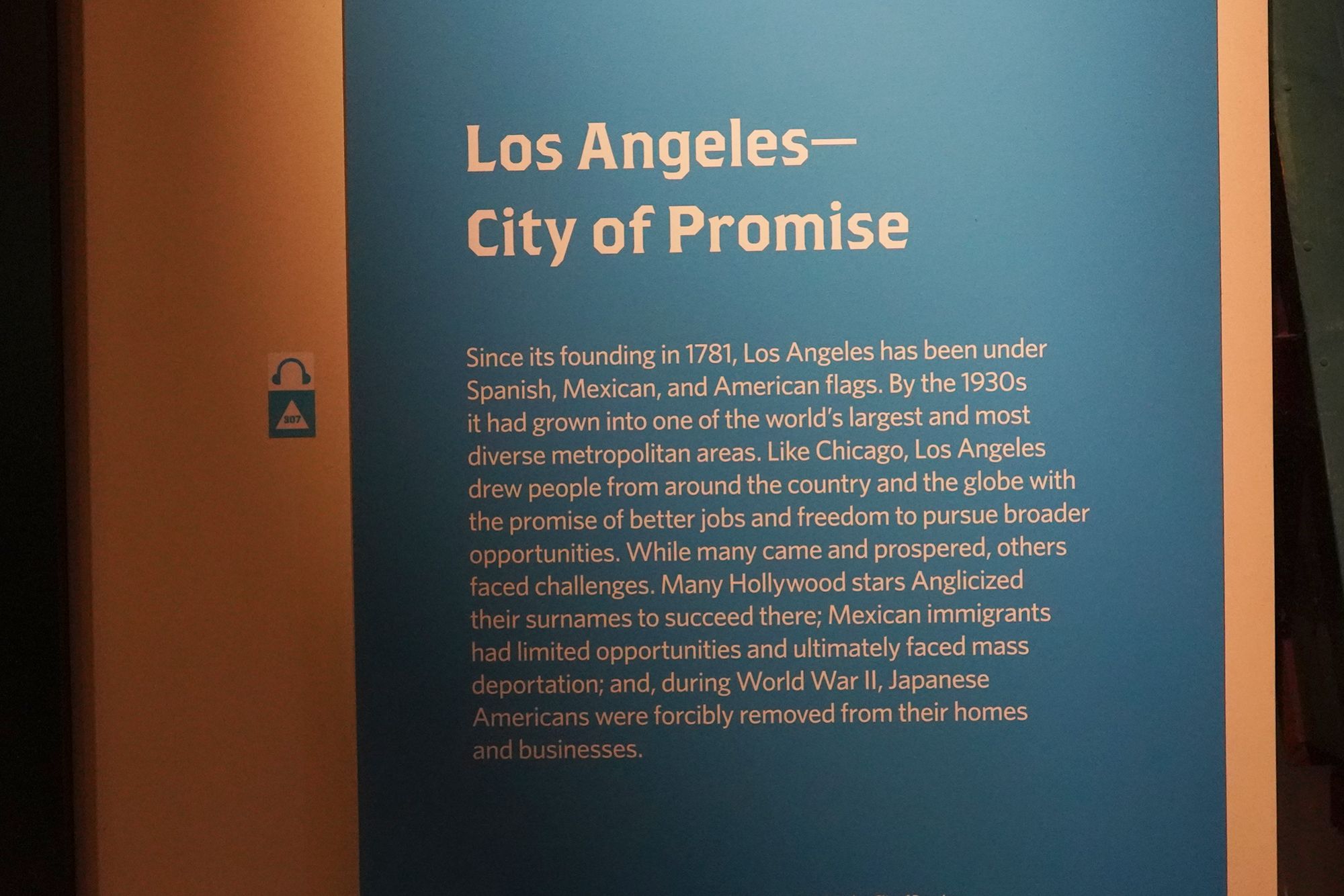
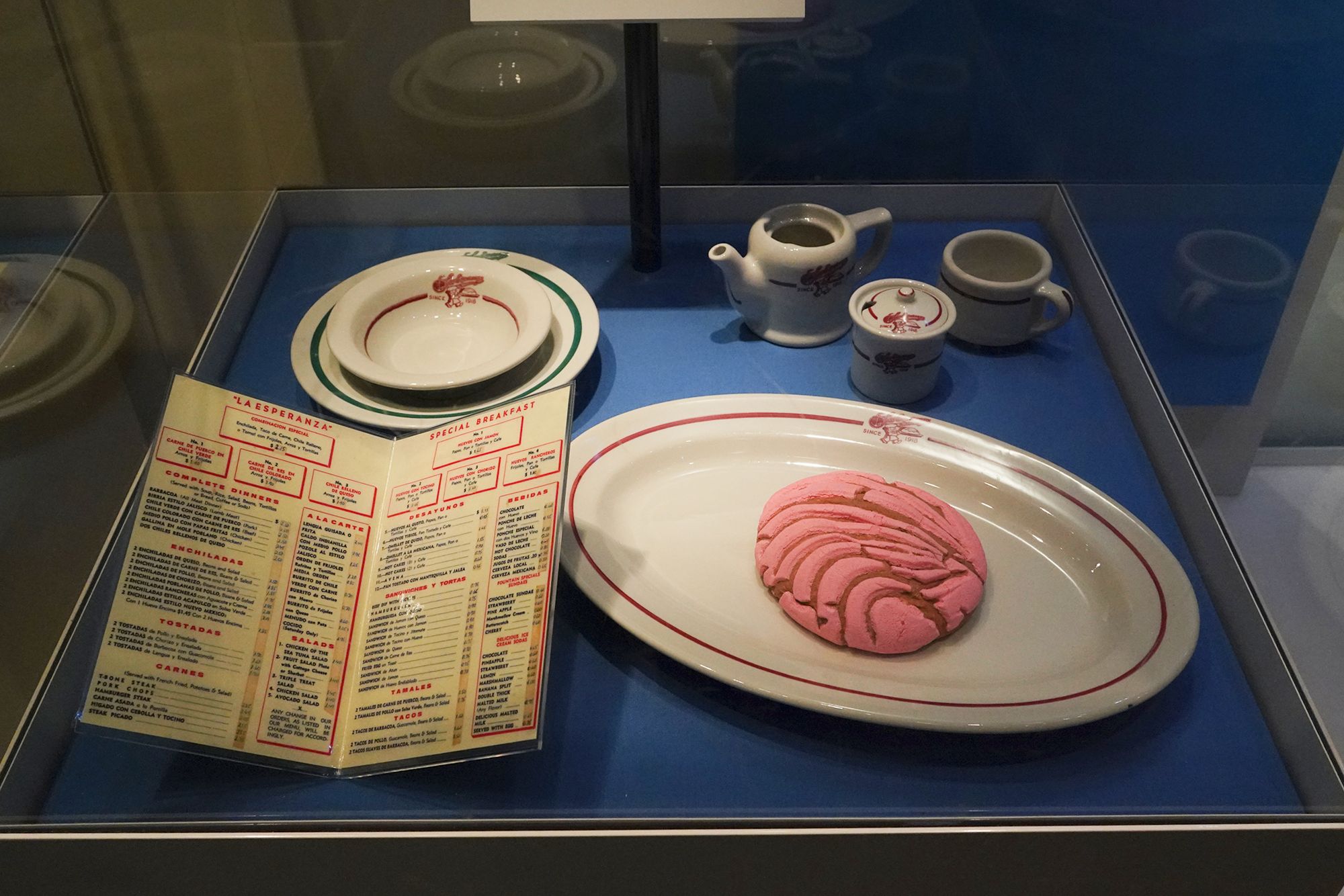
“Los Angeles — City of Promise” refers to how Los Angeles grew as a place where people came seeking opportunity, new beginnings, and a better future. Throughout the 20th century, migrants and immigrants were drawn by its sunny climate, expanding industries like film, aerospace, and manufacturing, and the idea that anyone could reinvent themselves there. Its diverse population and rapid growth reflected the hope and possibilities the city symbolized.
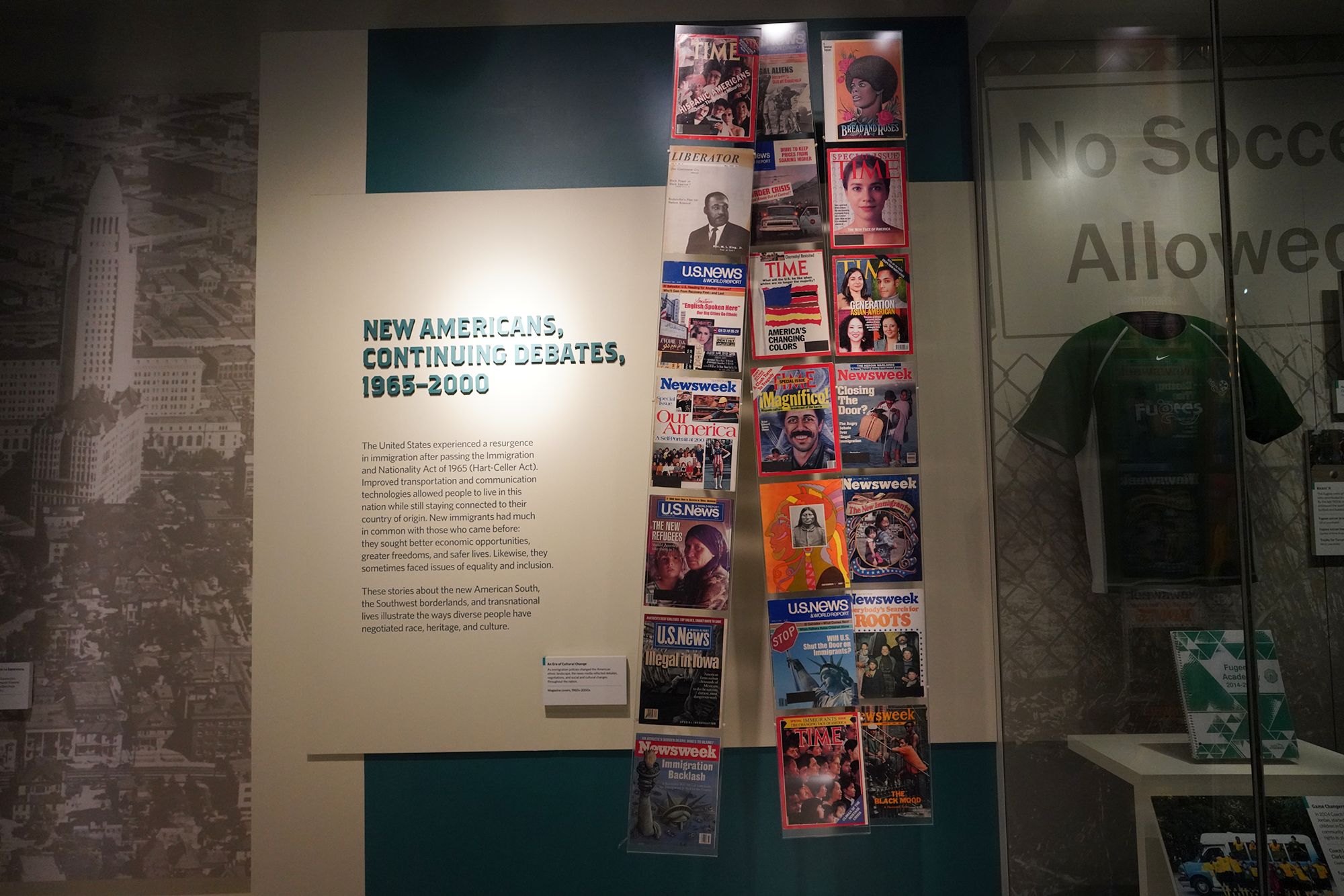
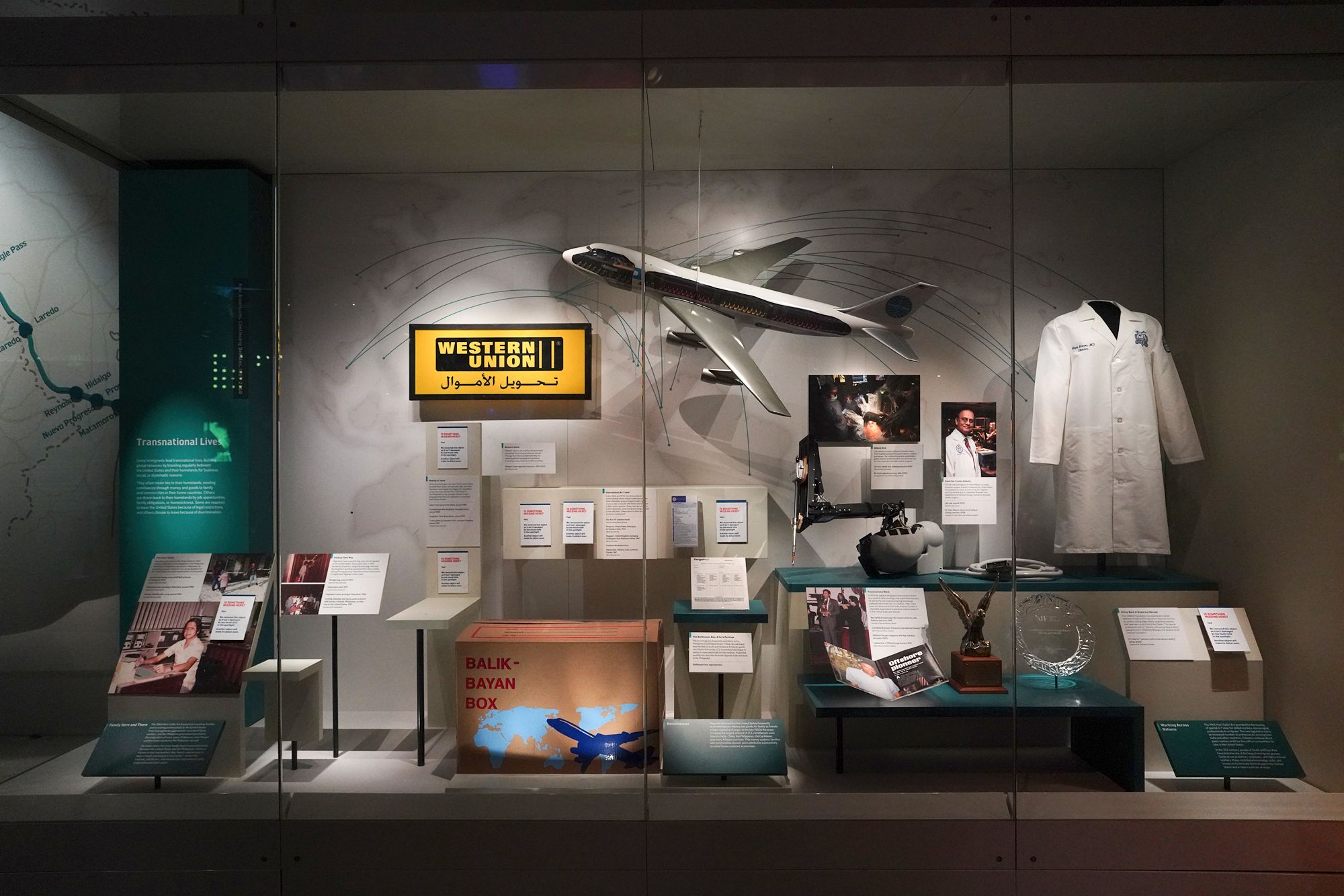
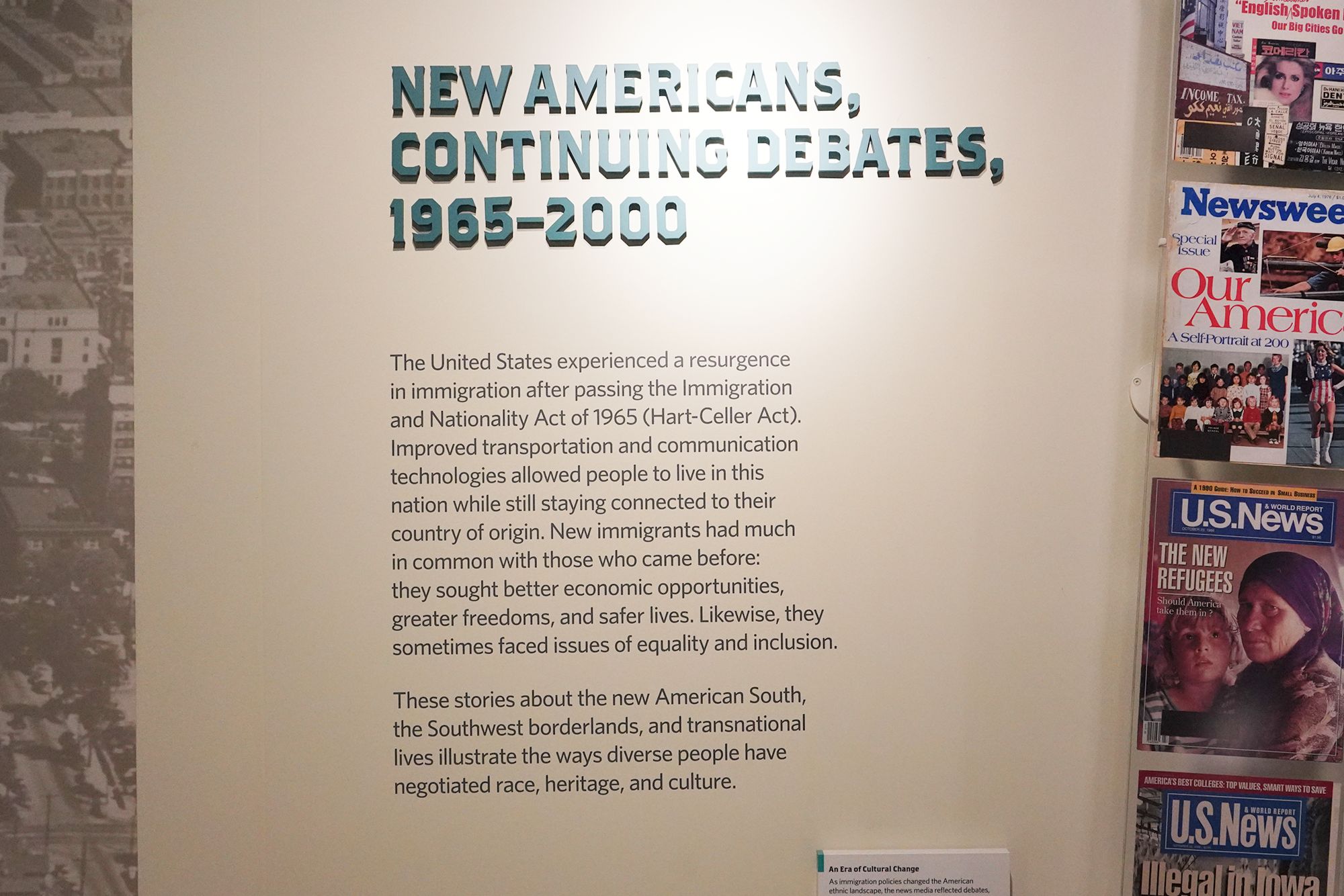
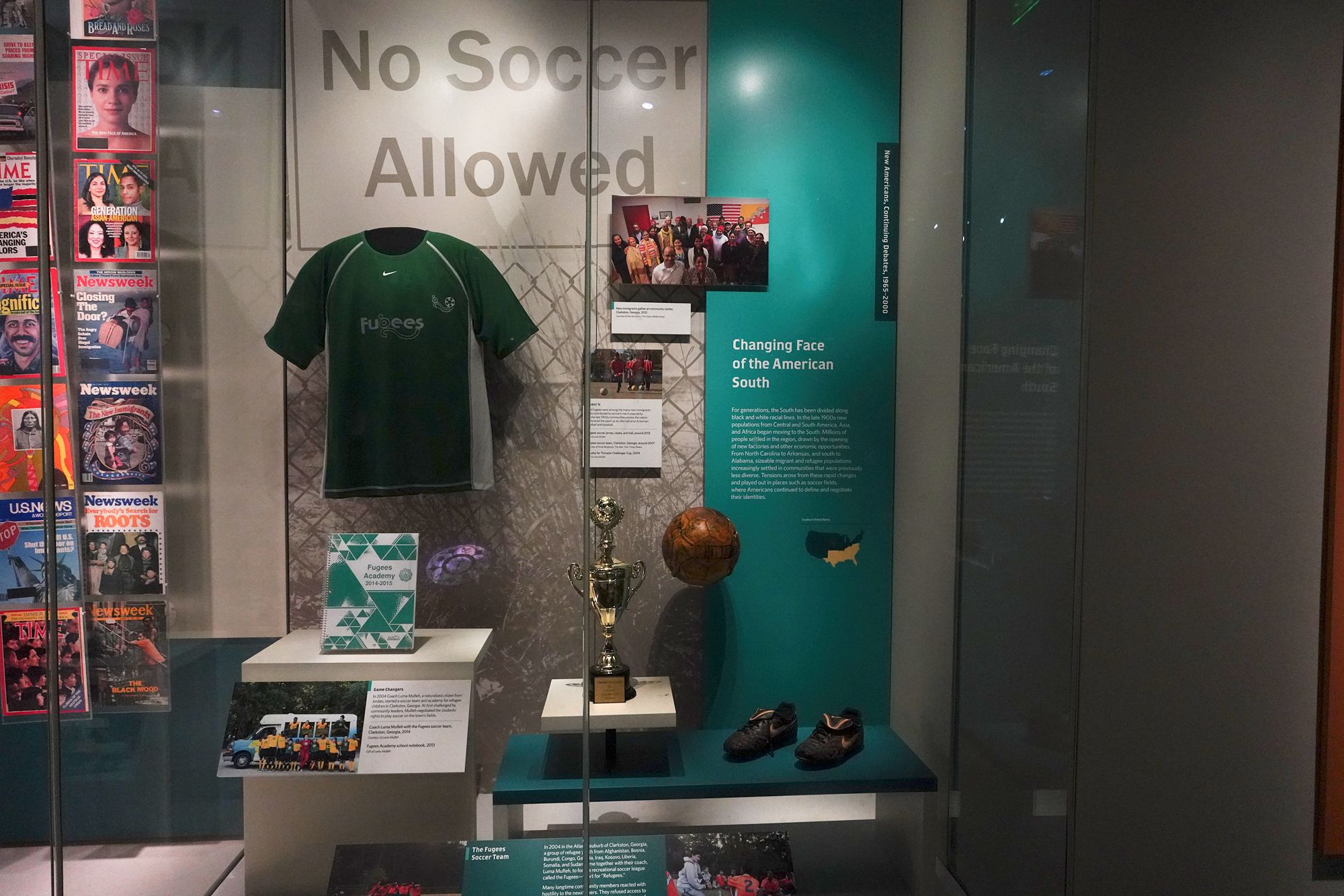
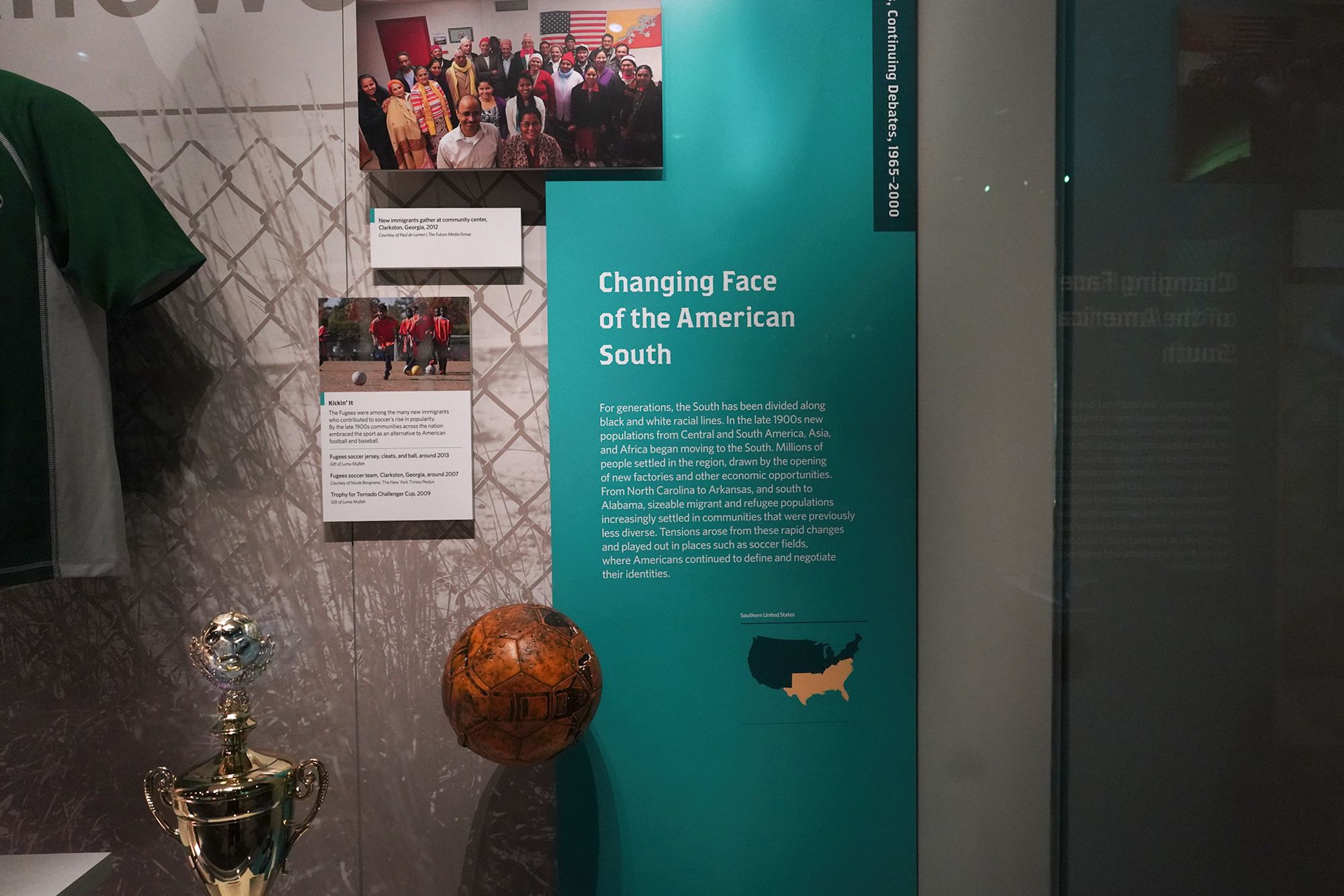
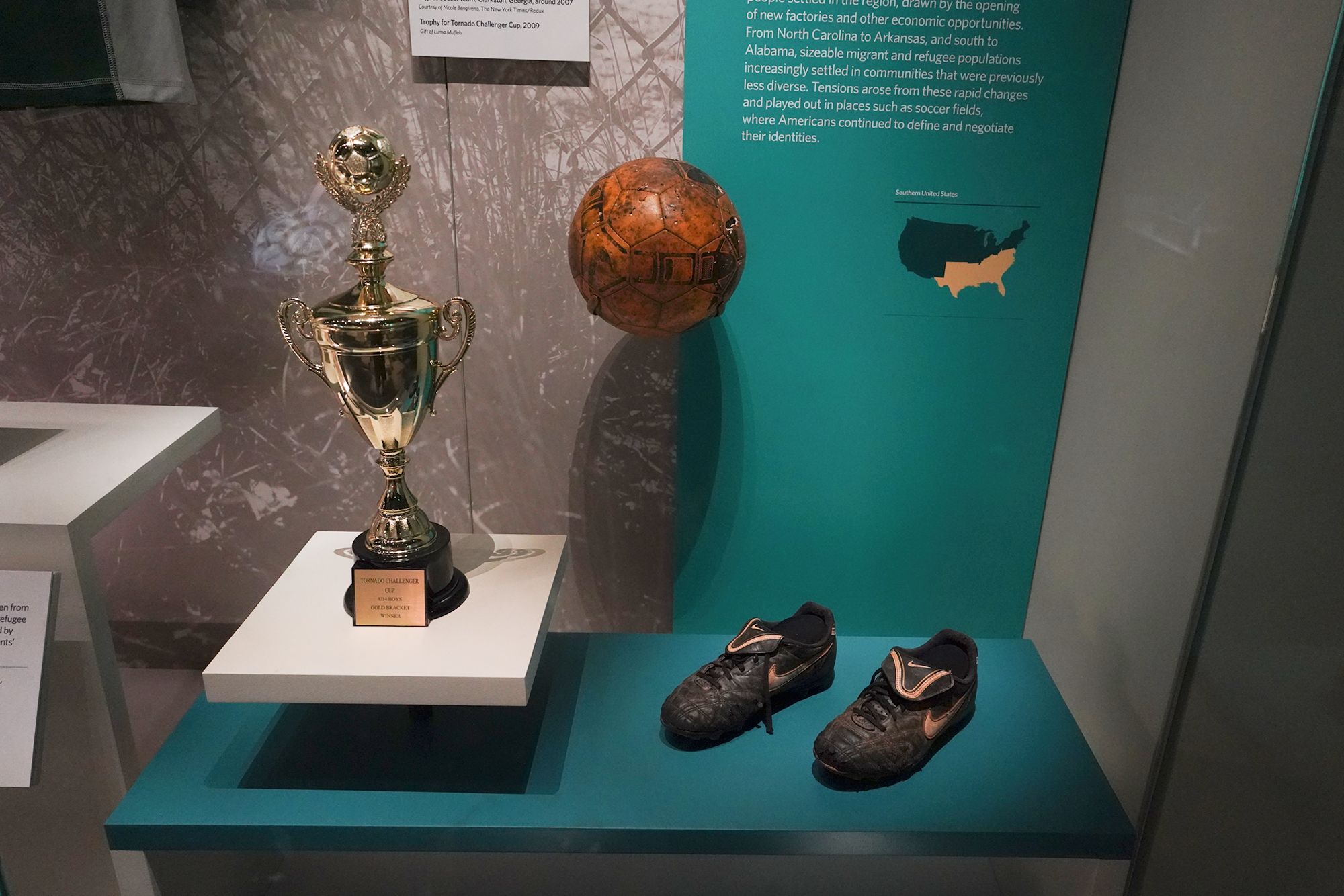
New Americans: The American South, the Southwest Borderlands, and Transnational Lives.
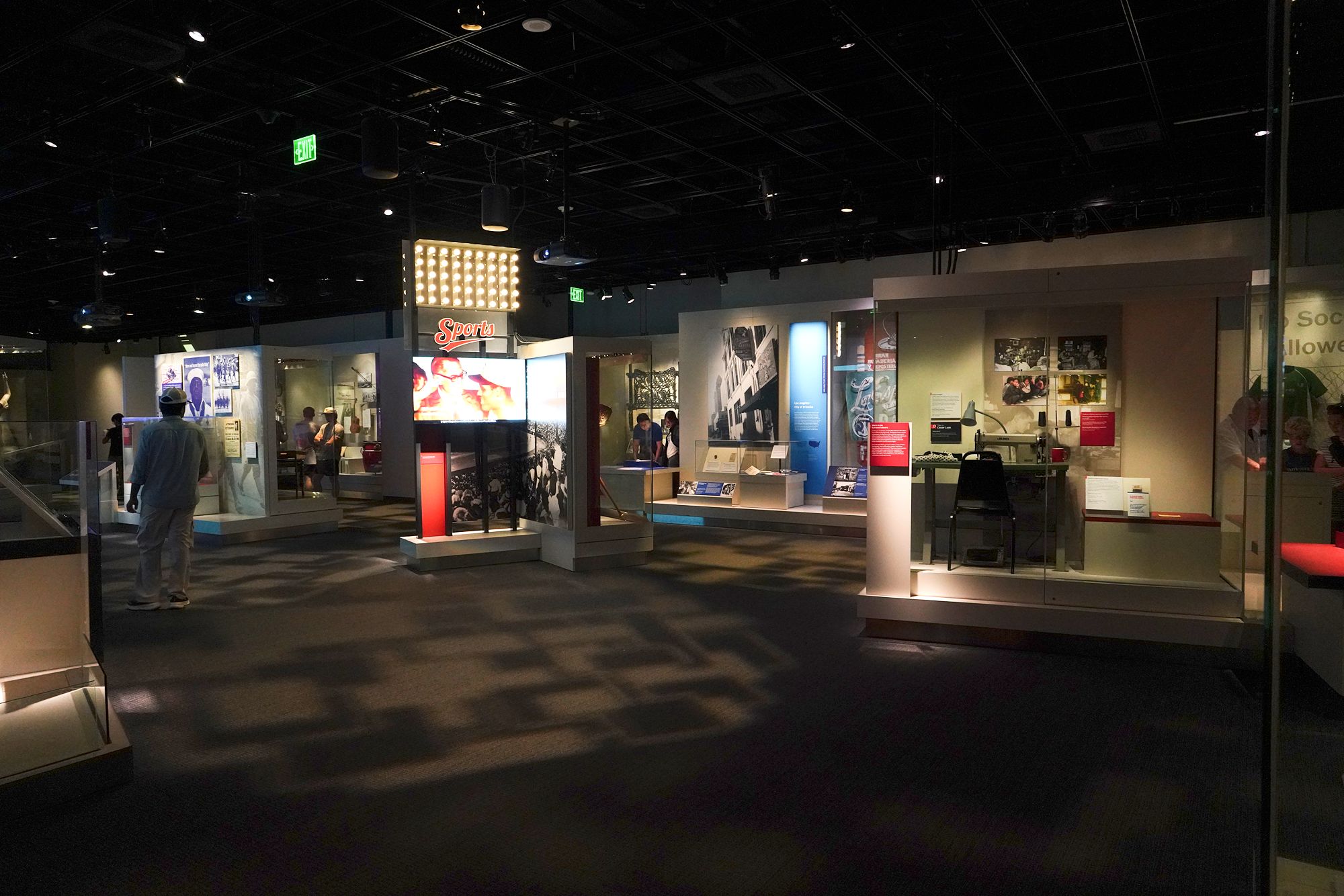
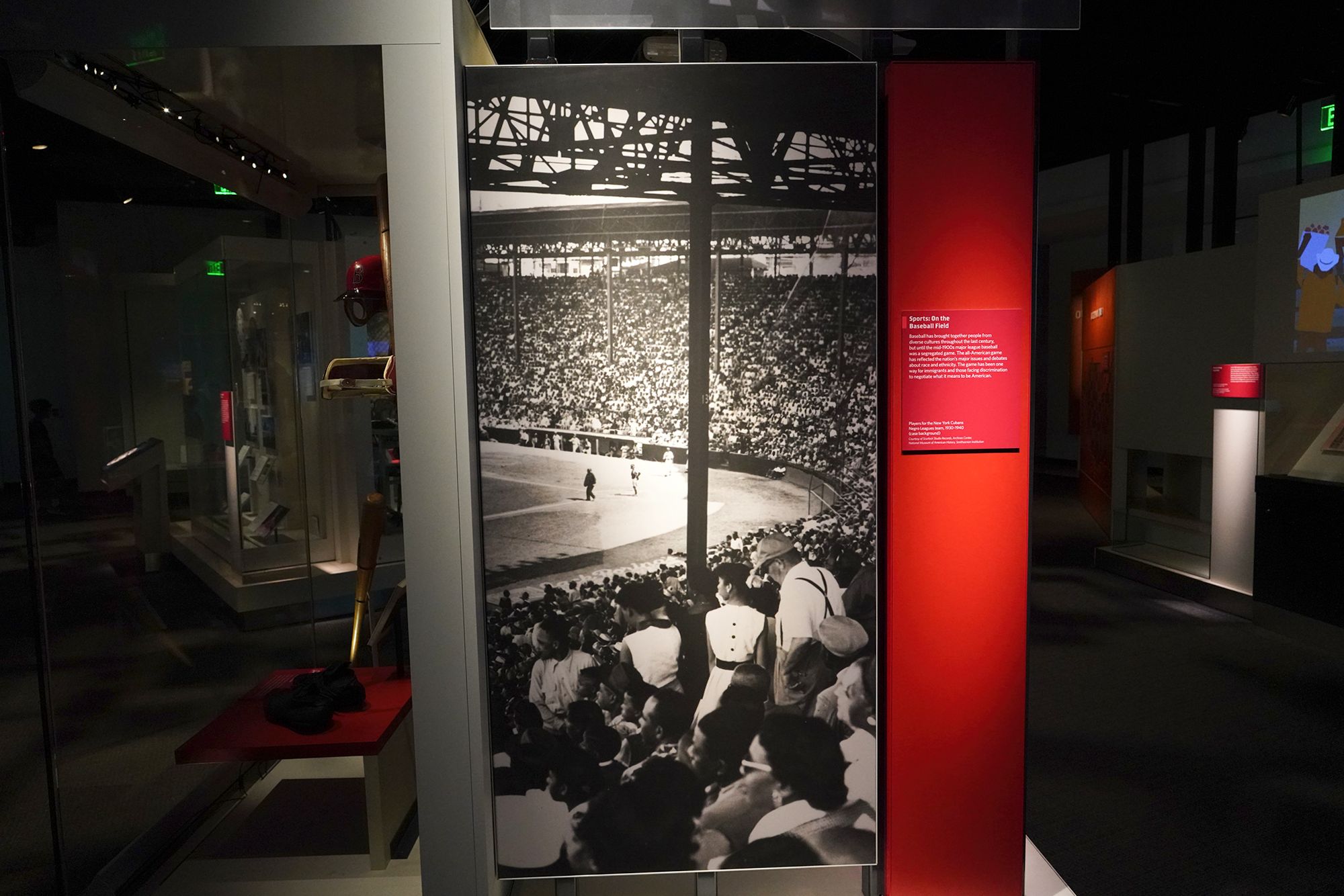
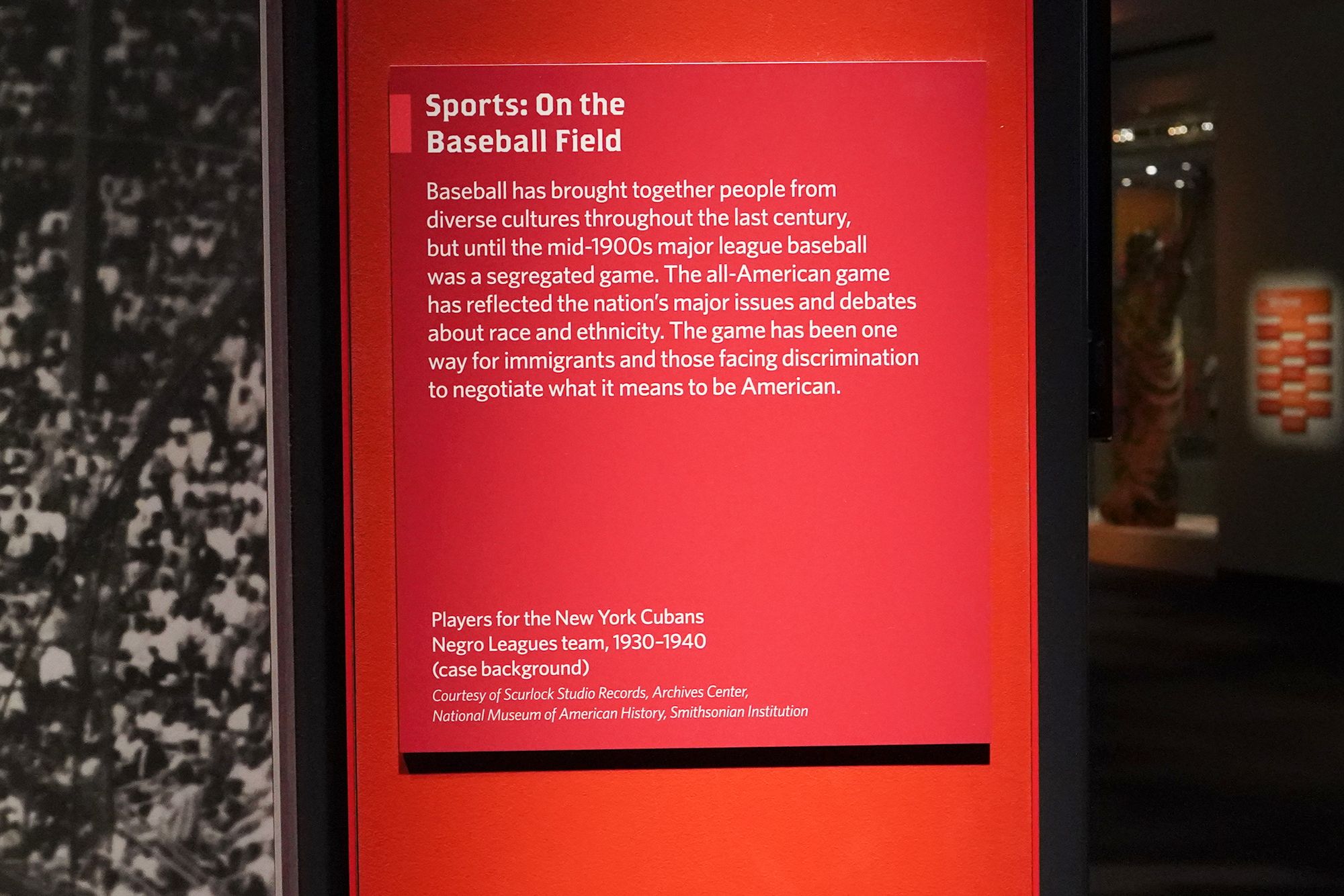
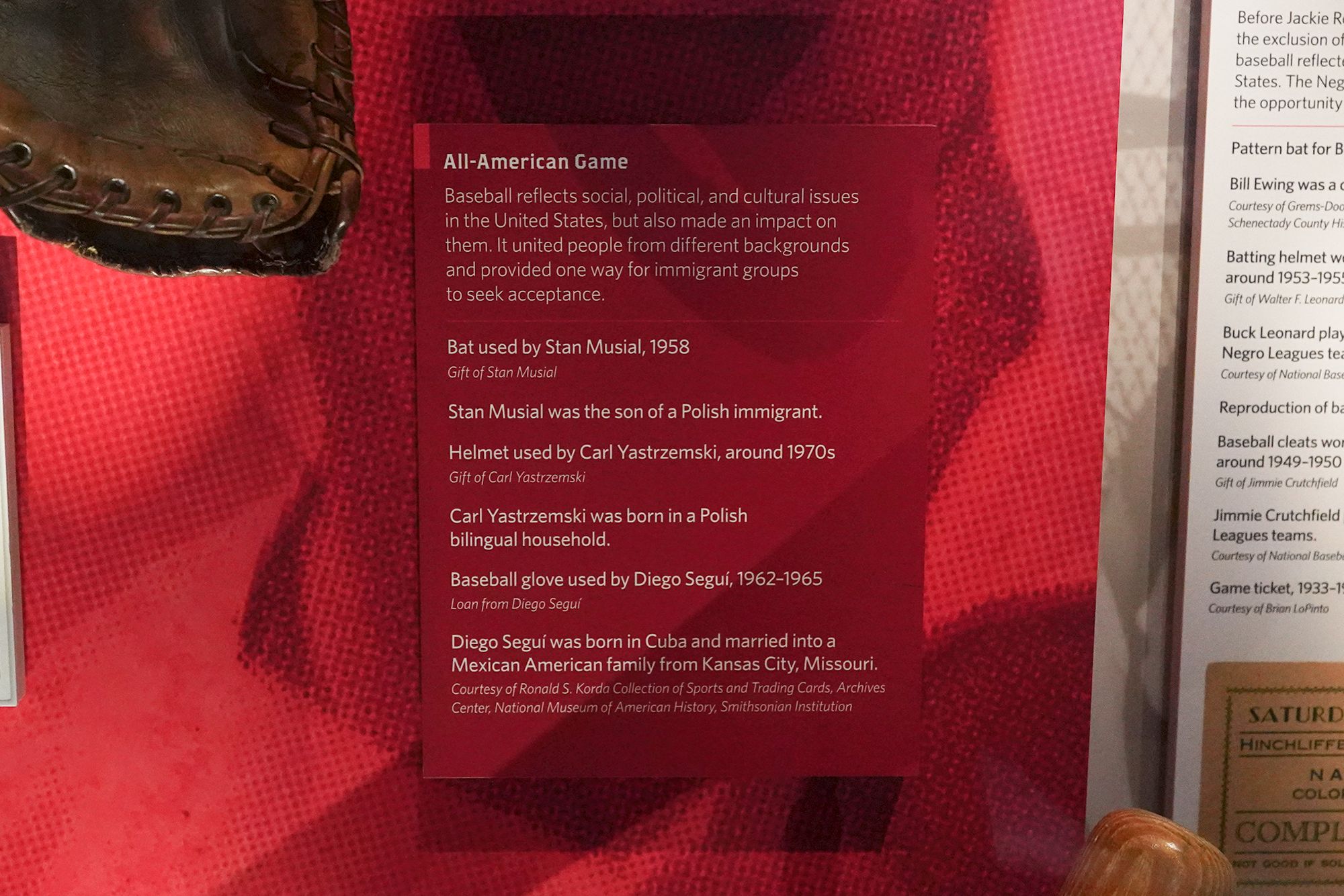
Baseball

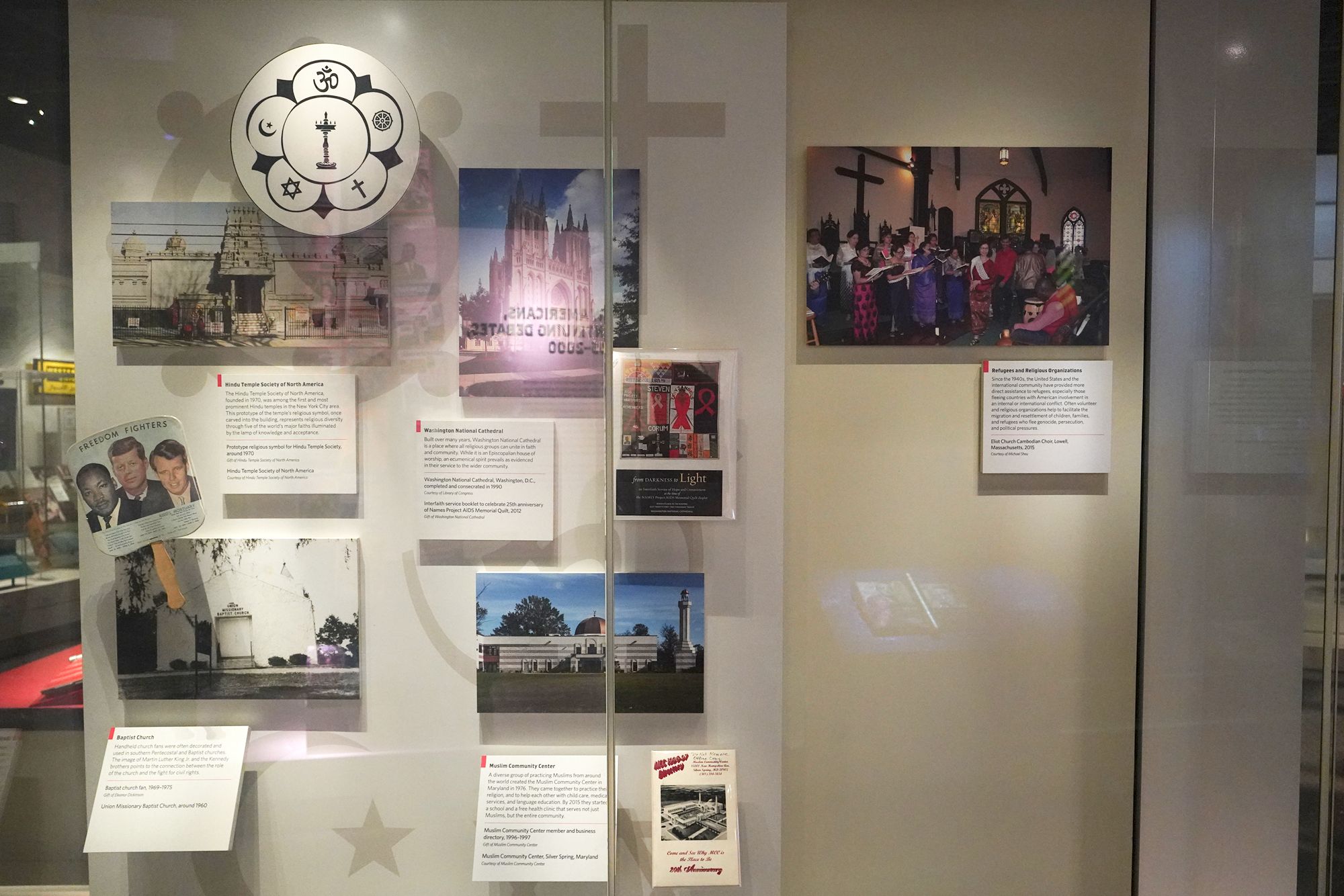
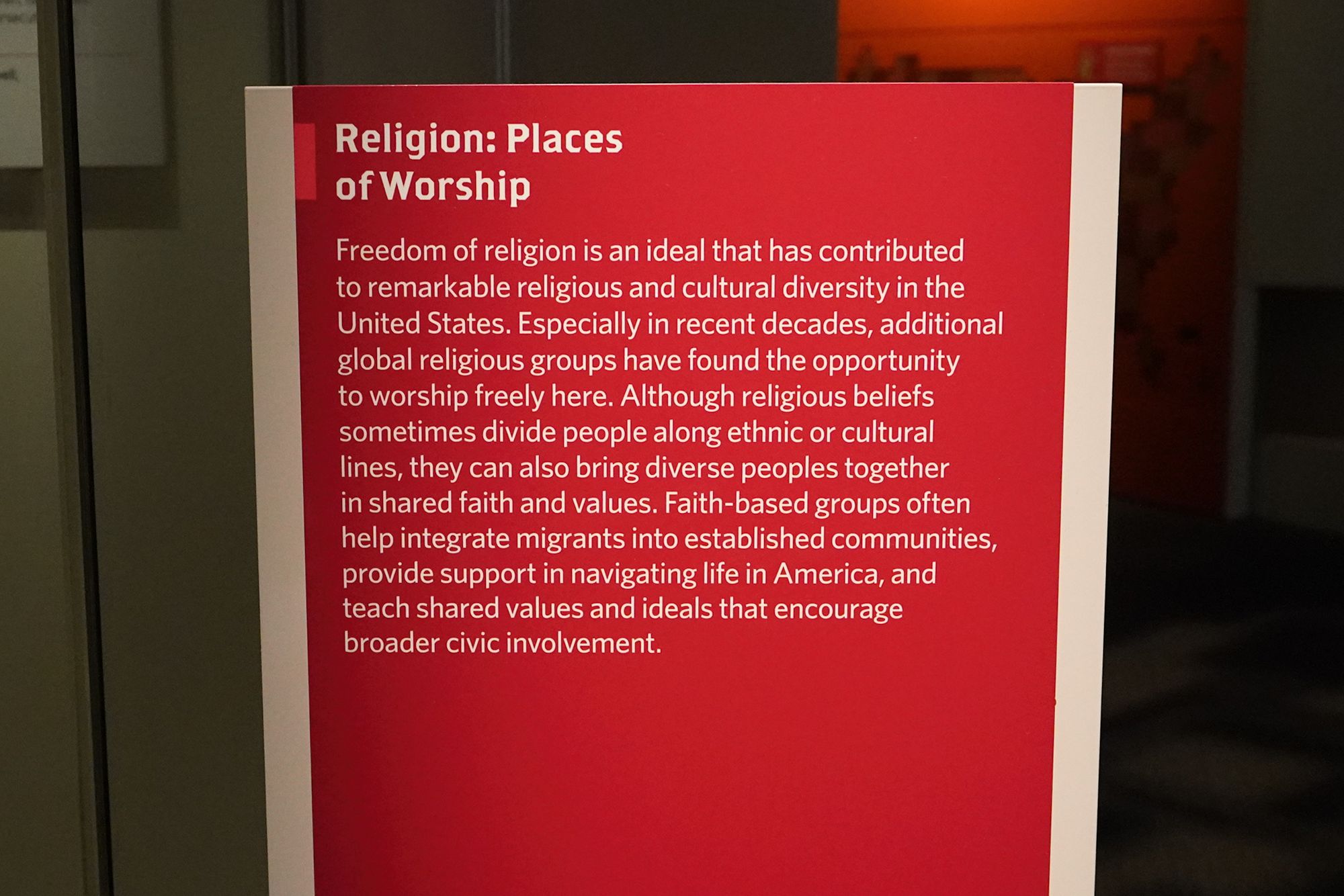
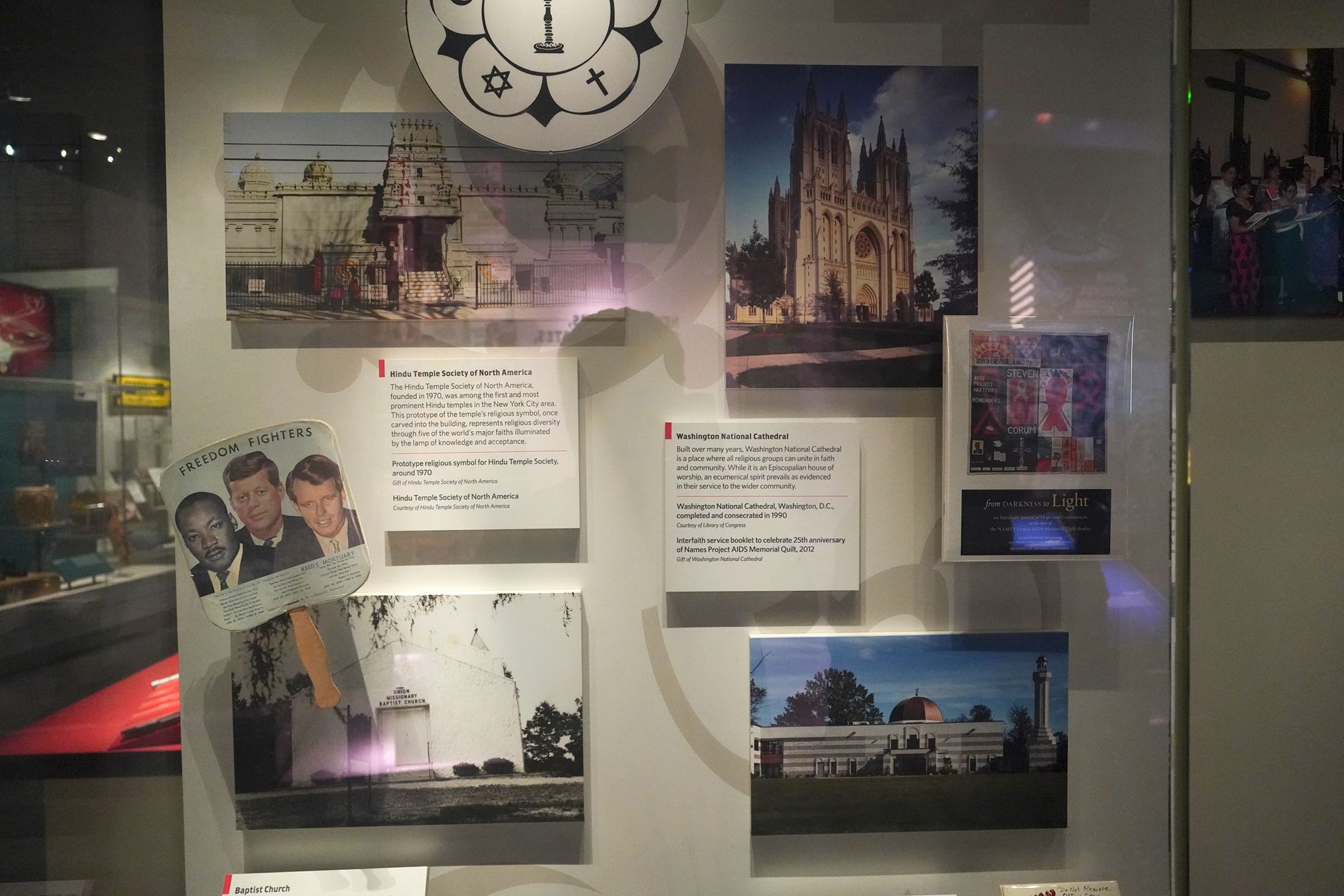
Religion
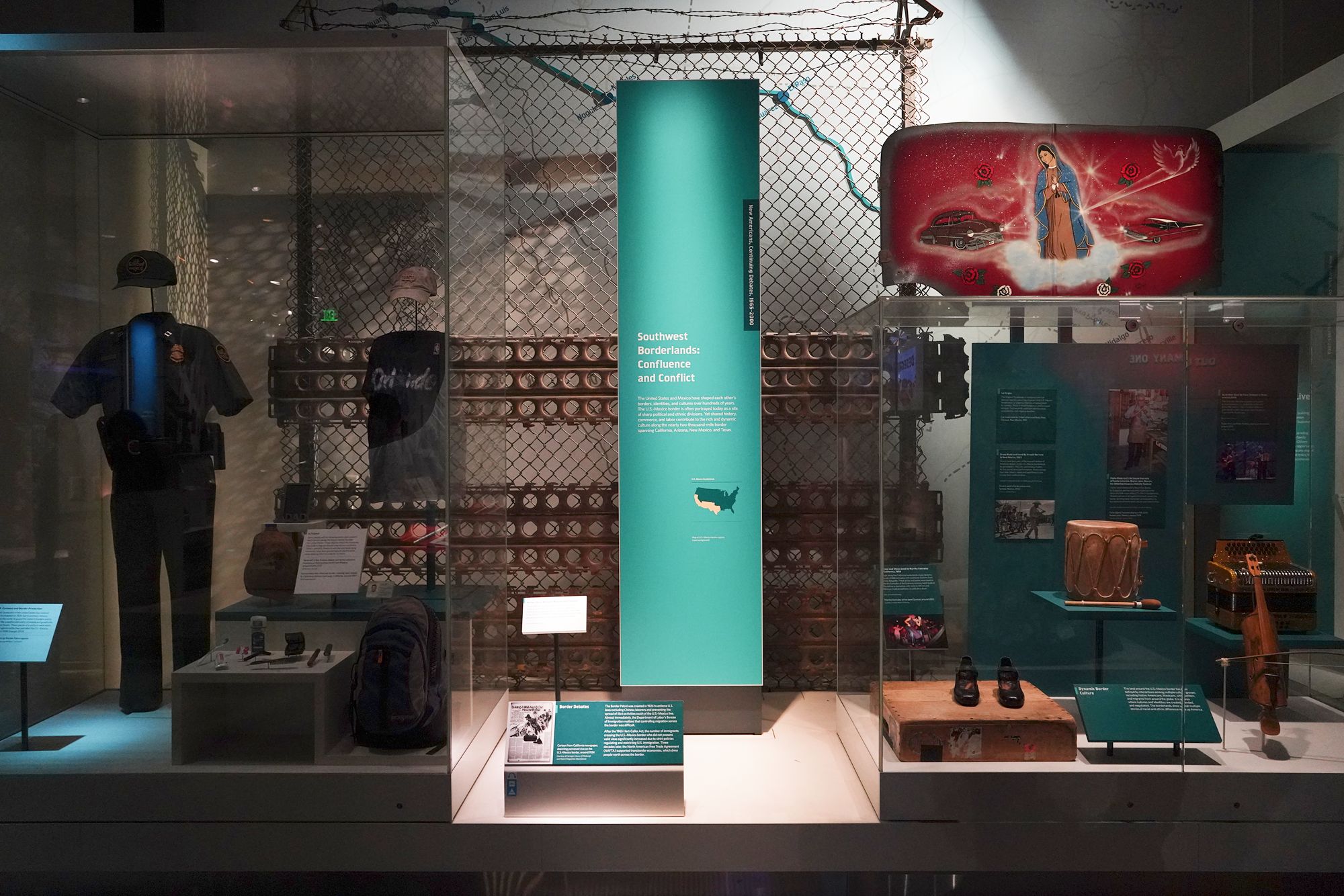
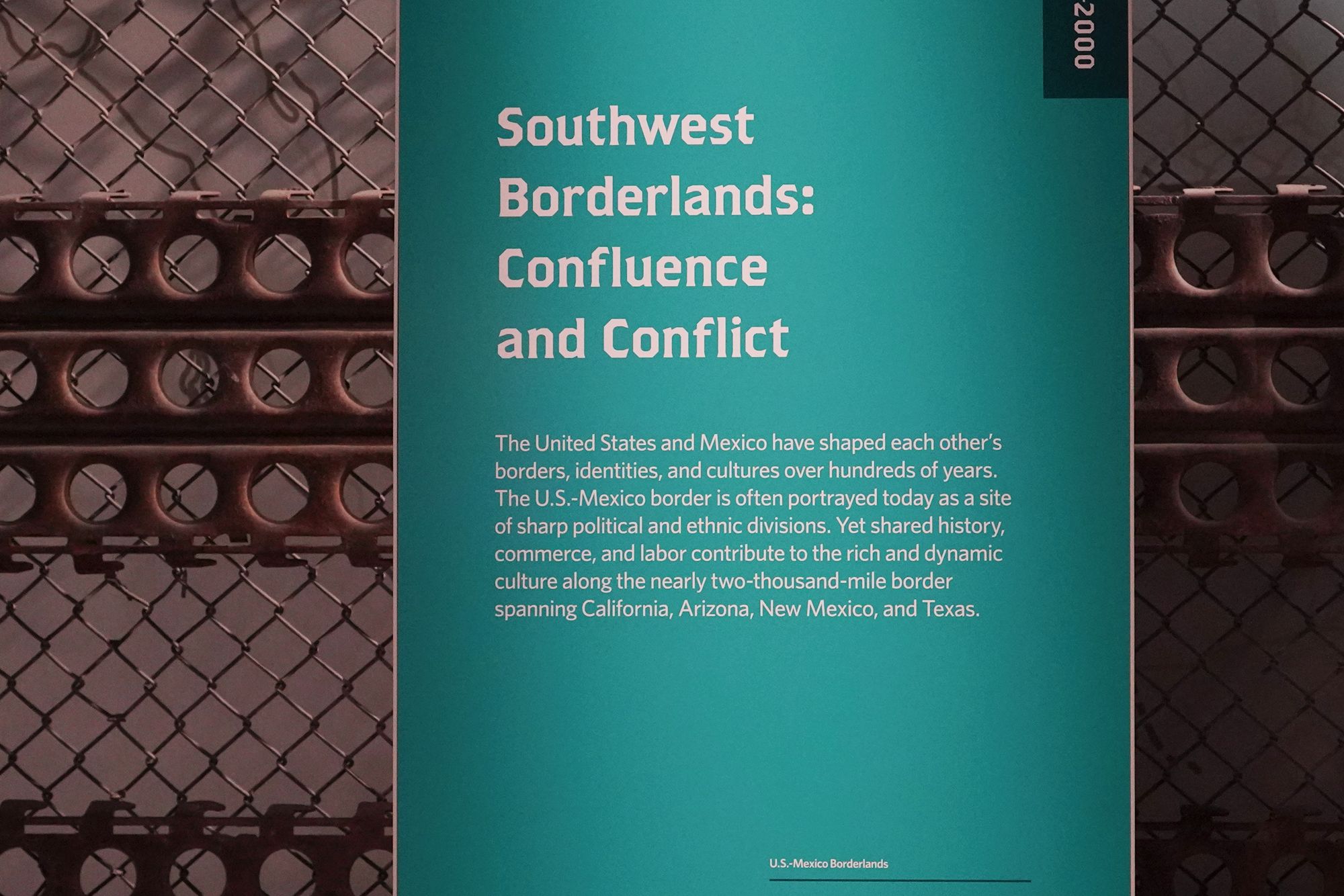
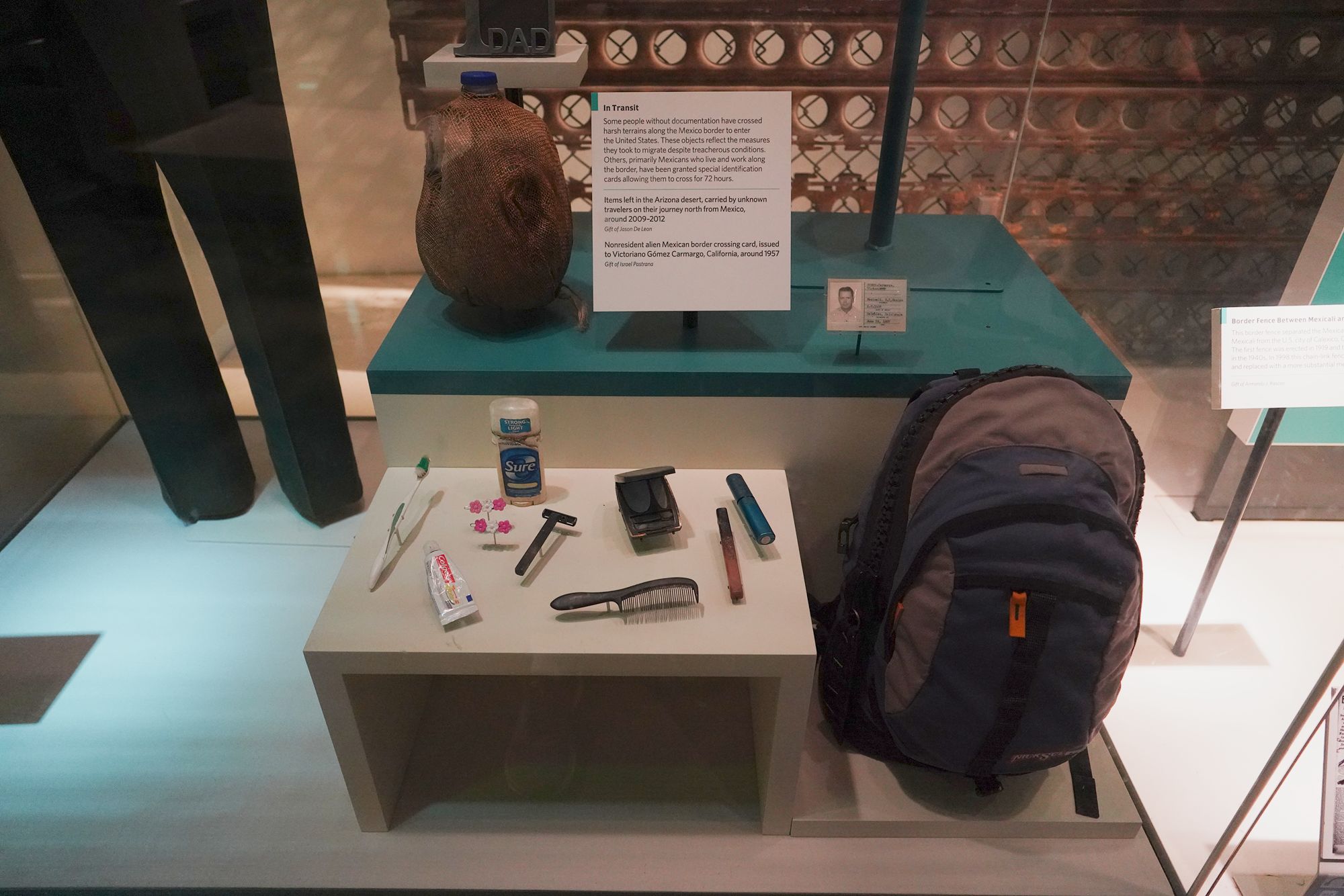
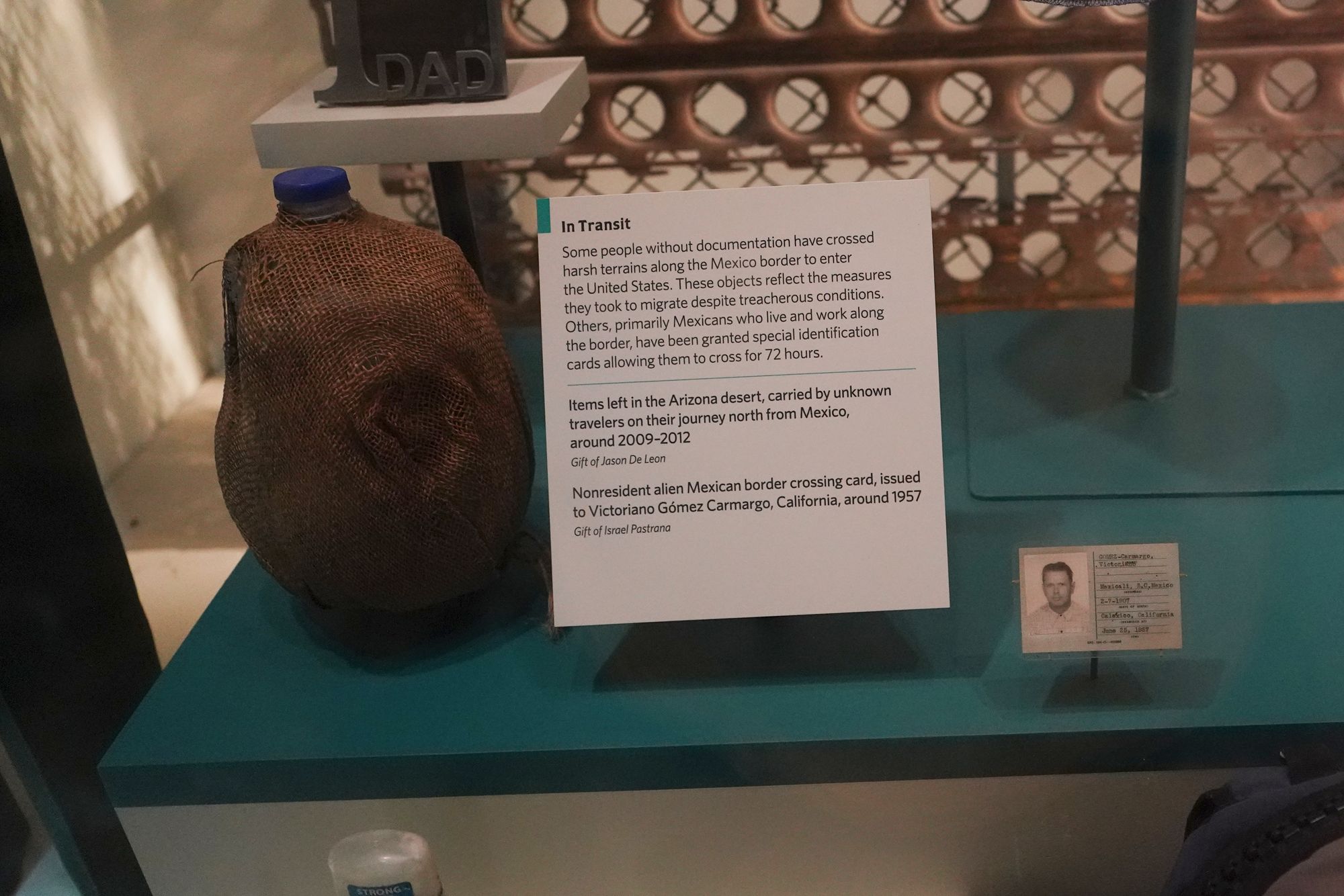
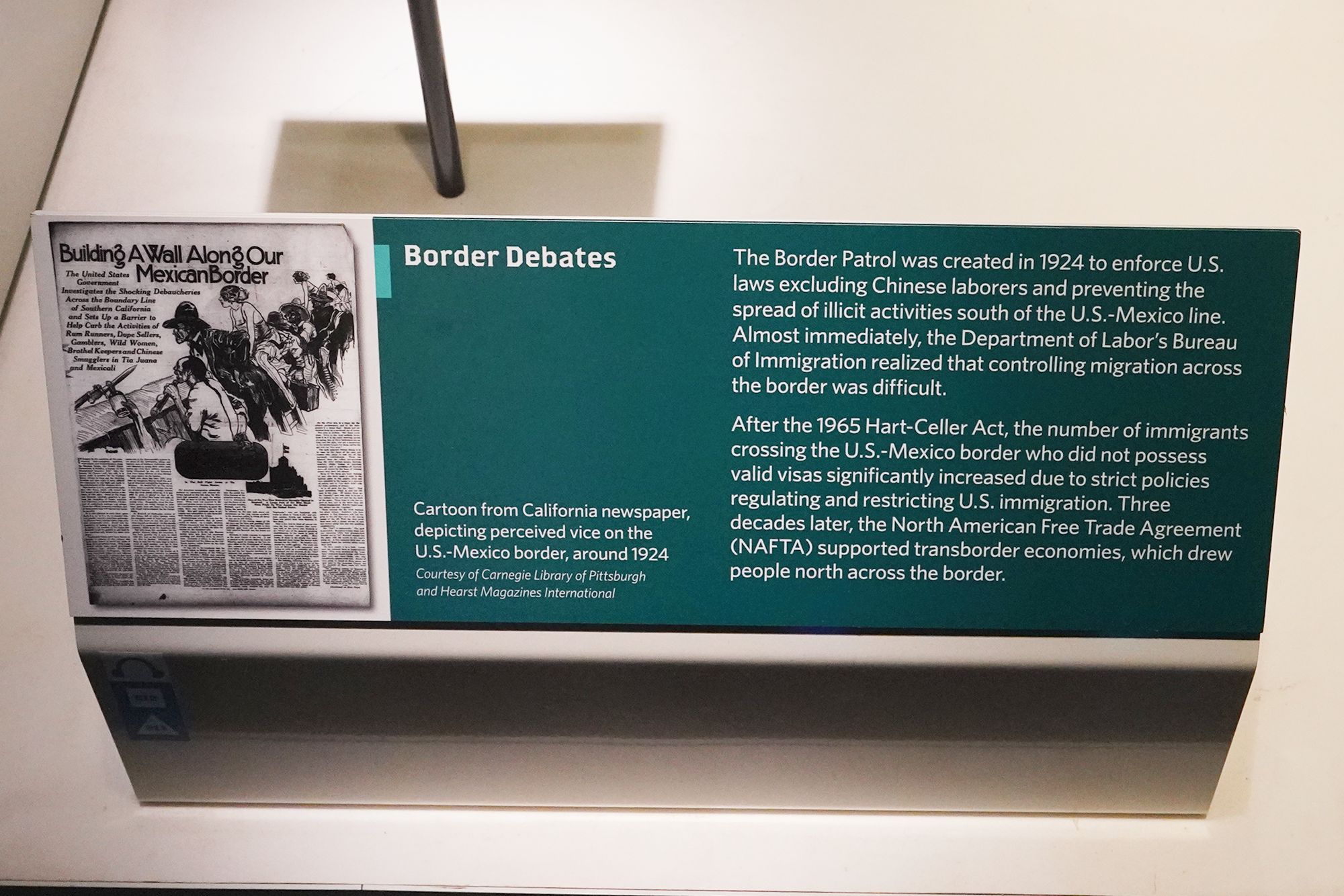
“Southwest Borderland: Confluence and Conflict” describes the U.S. Southwest as a region where many cultures—Indigenous peoples, Spanish settlers, Mexicans, and later Americans—met, mixed, and often clashed. This borderland became a place of shared traditions, blended languages, and multicultural exchange, but also a site of conflict over land, power, migration, and identity. The region’s history is shaped by both cooperation and tension.
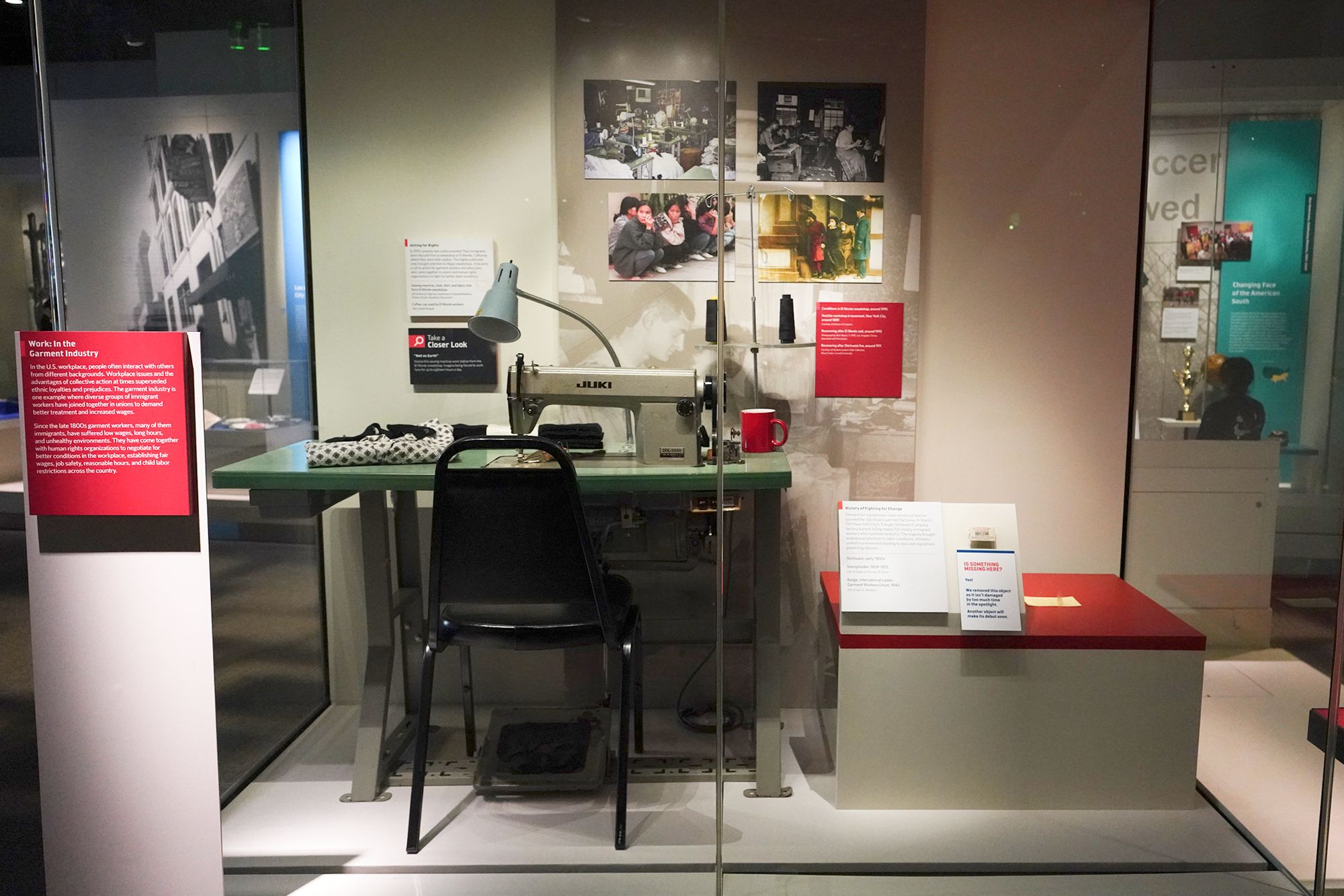
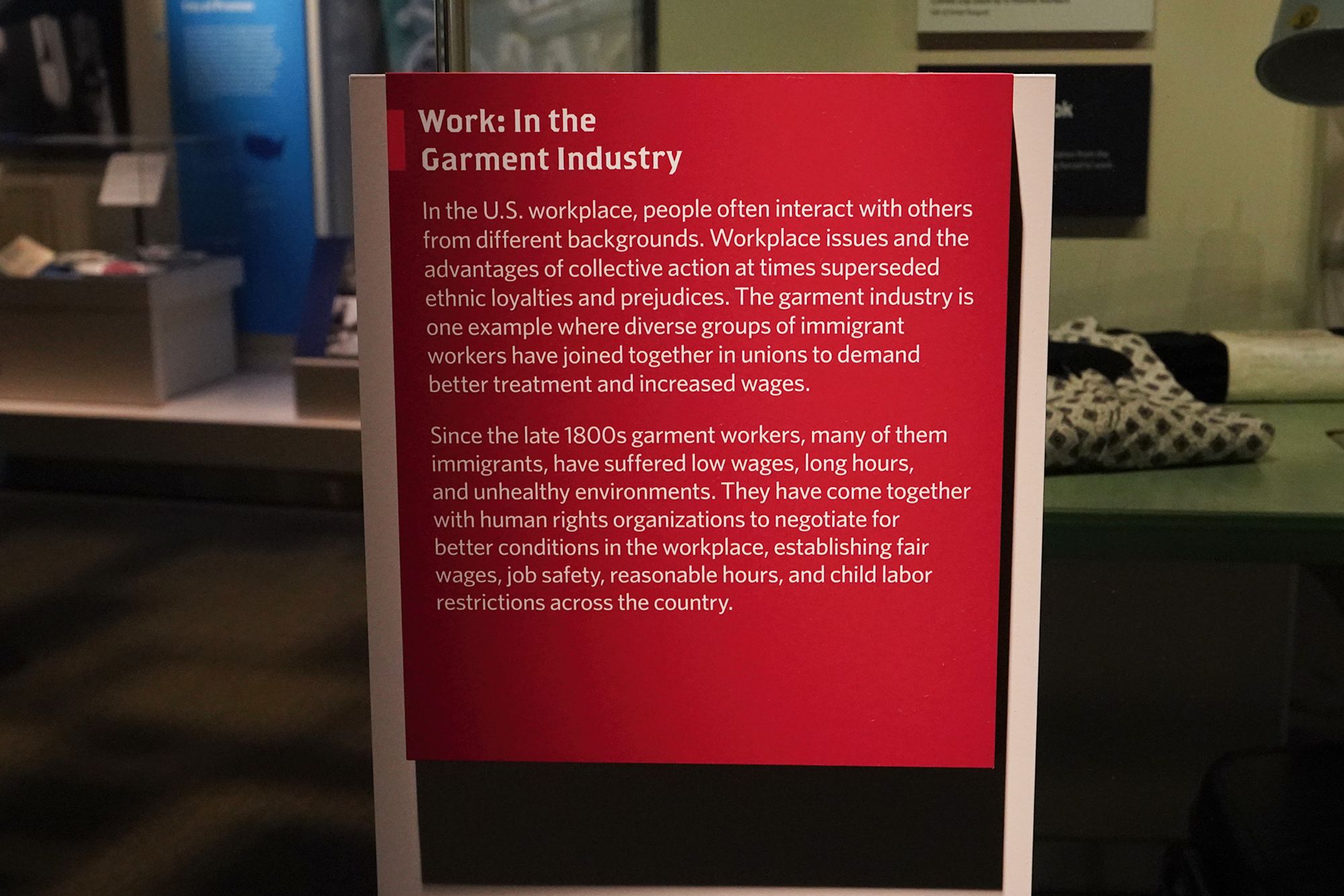
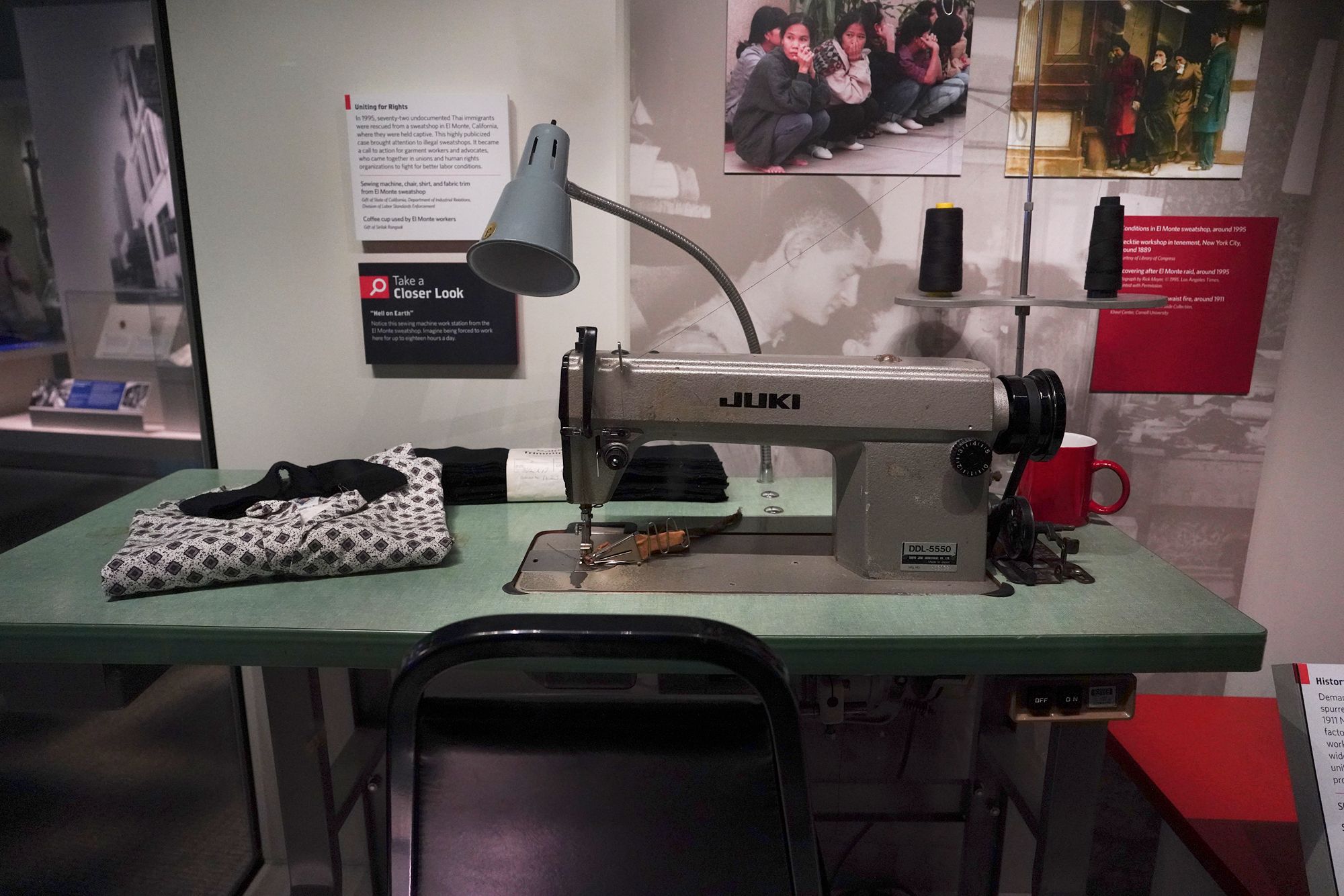
Work: In the Garment Industry
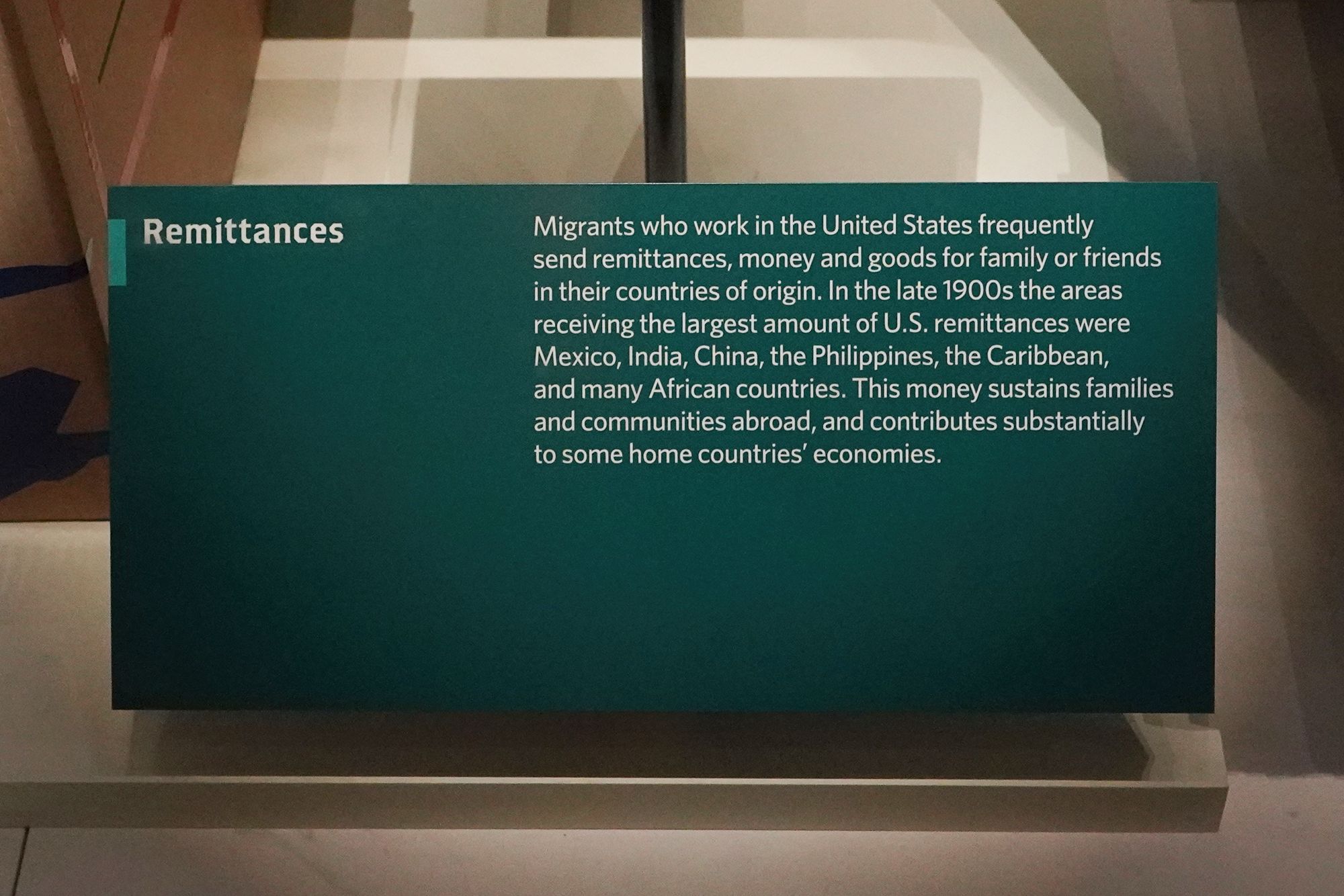
Remittances