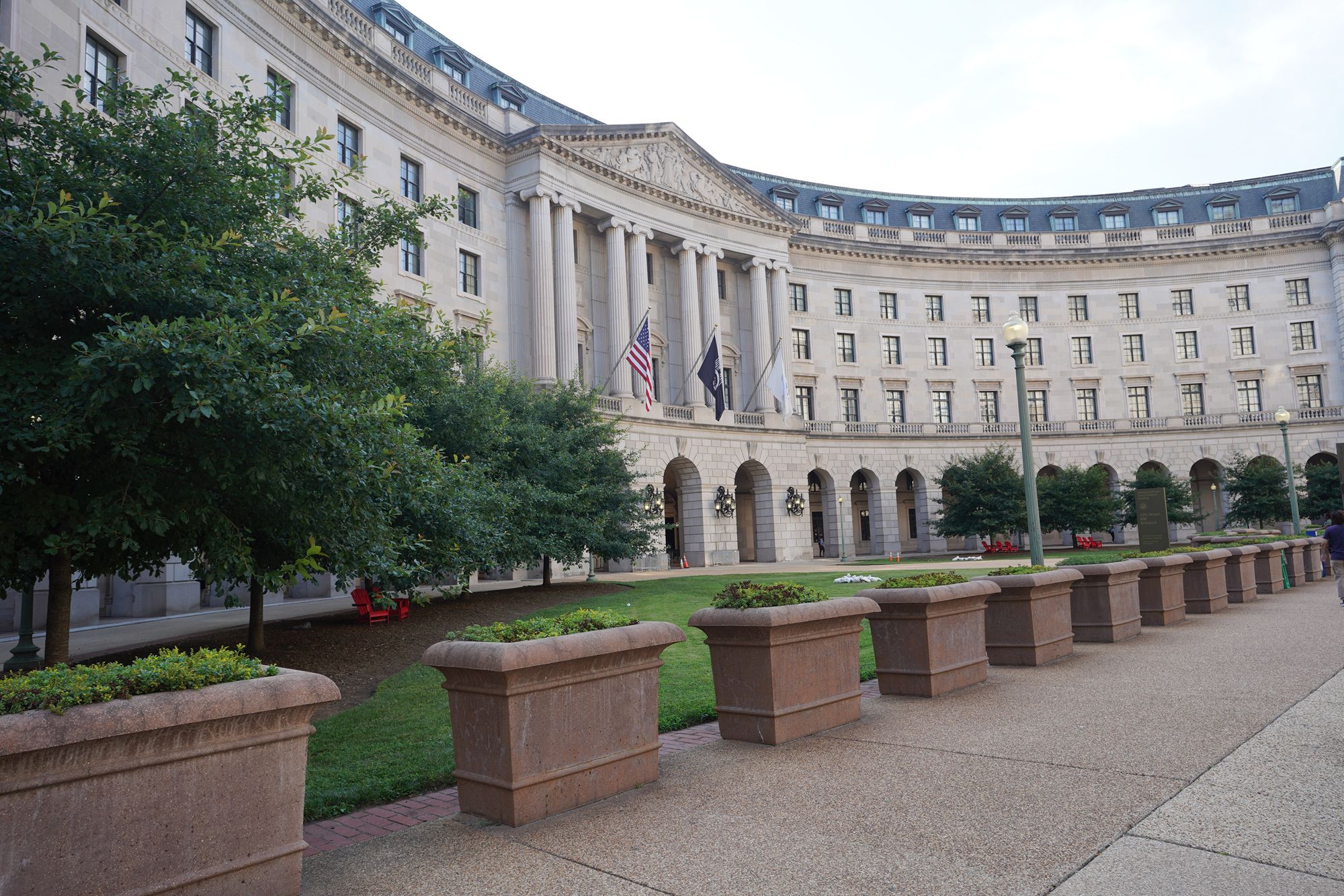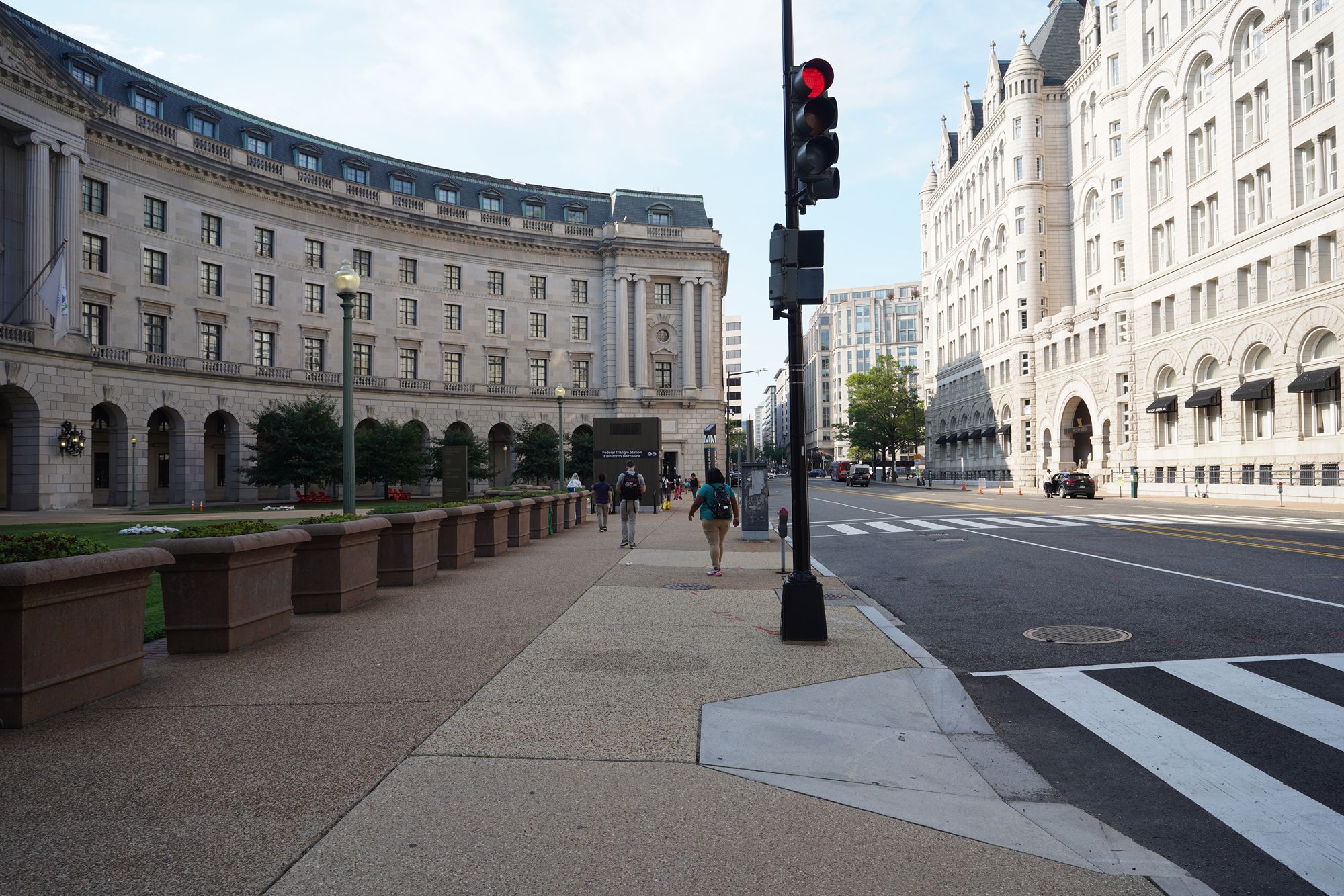
Smithsonian National Museum of American History – Food, Transportation and Business, Washington DC, USA
This section shows how food, transportation systems, and business innovation shaped everyday life in the United States. 1143
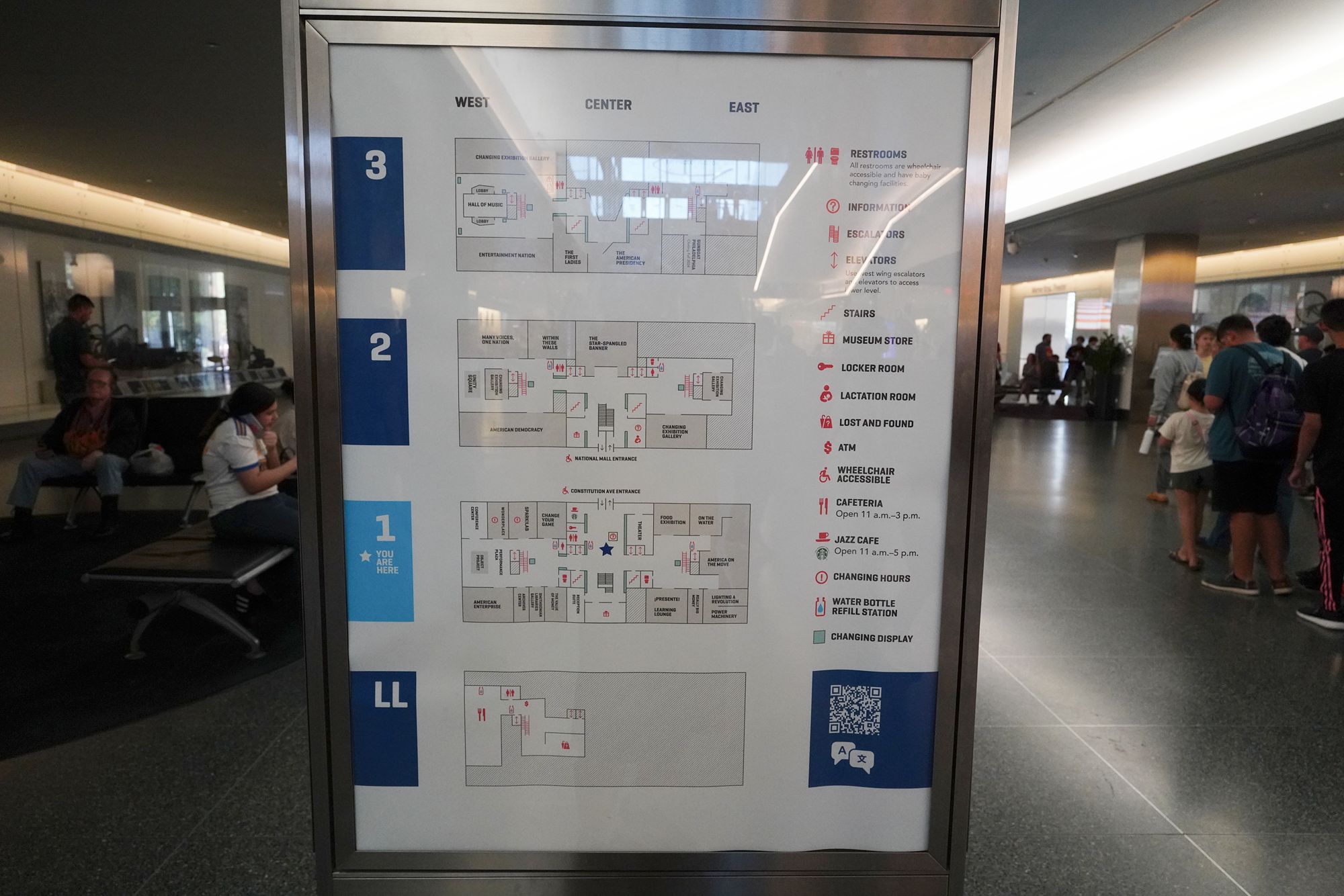
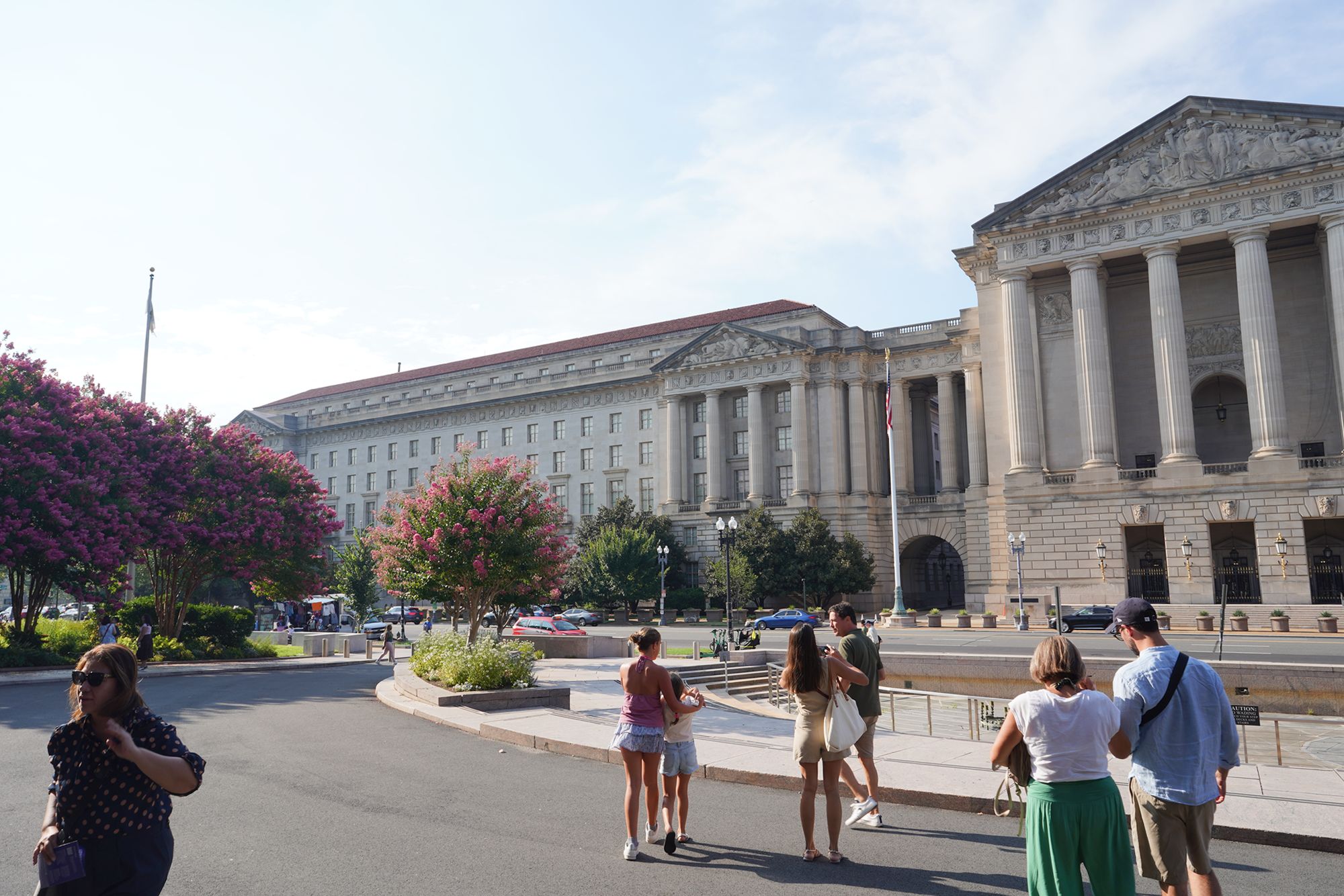
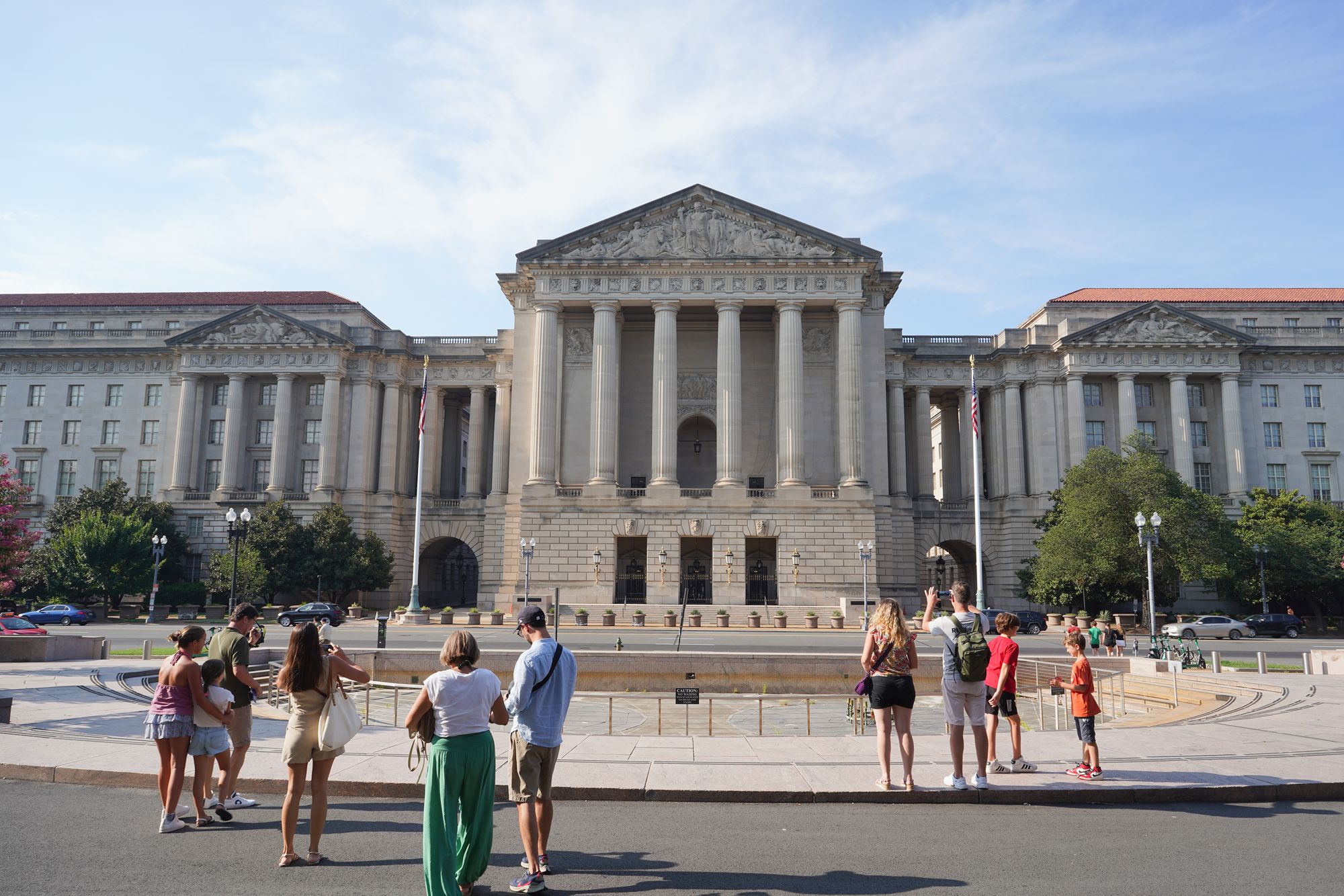
Smithsonian National Museum of American History: 1300 Constitution Ave. NW, Washington, DC 20560
Date Picture Taken: July 2025
The museum’s American Food section explores how people in the United States have grown, cooked, sold, and eaten food over time.
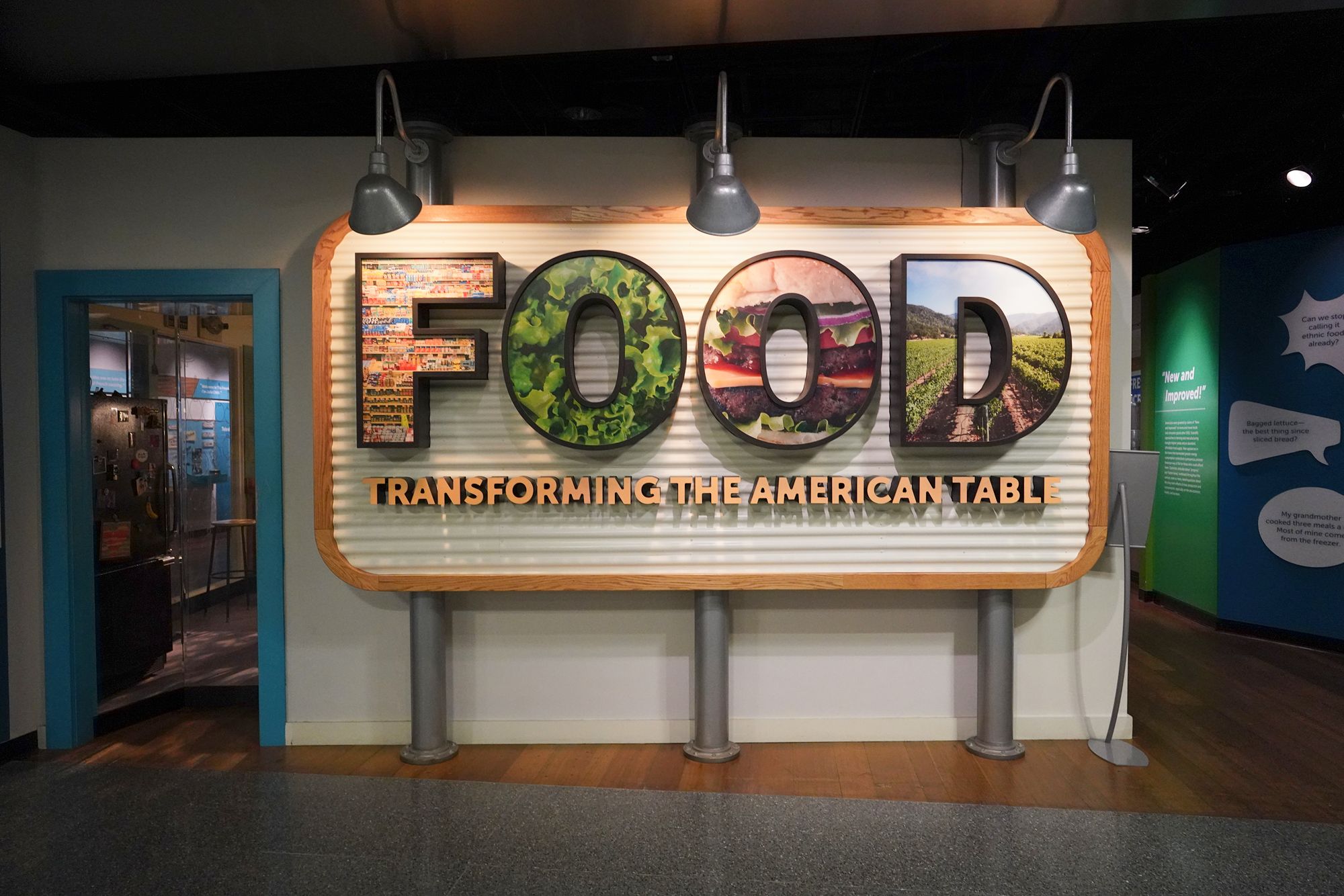
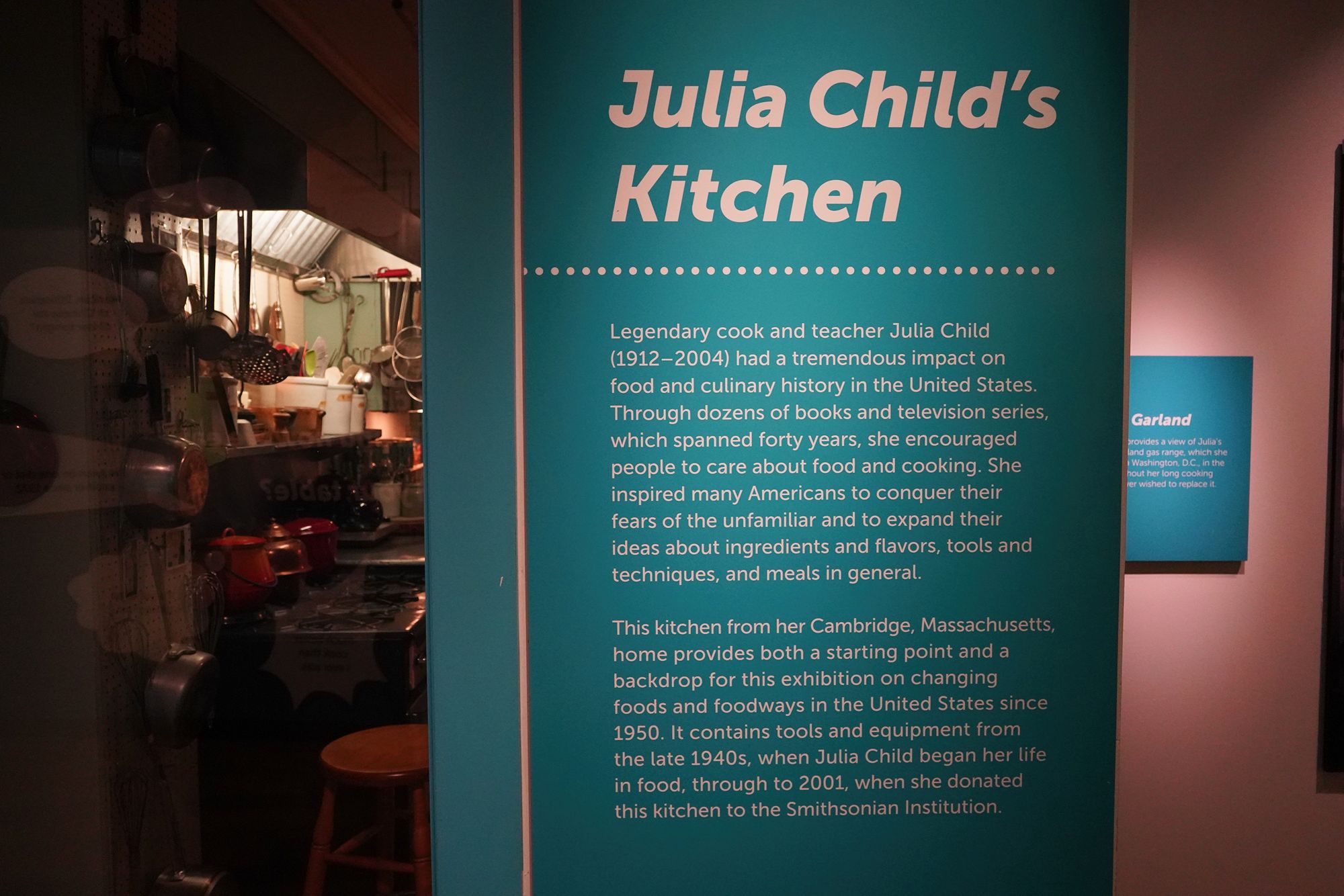
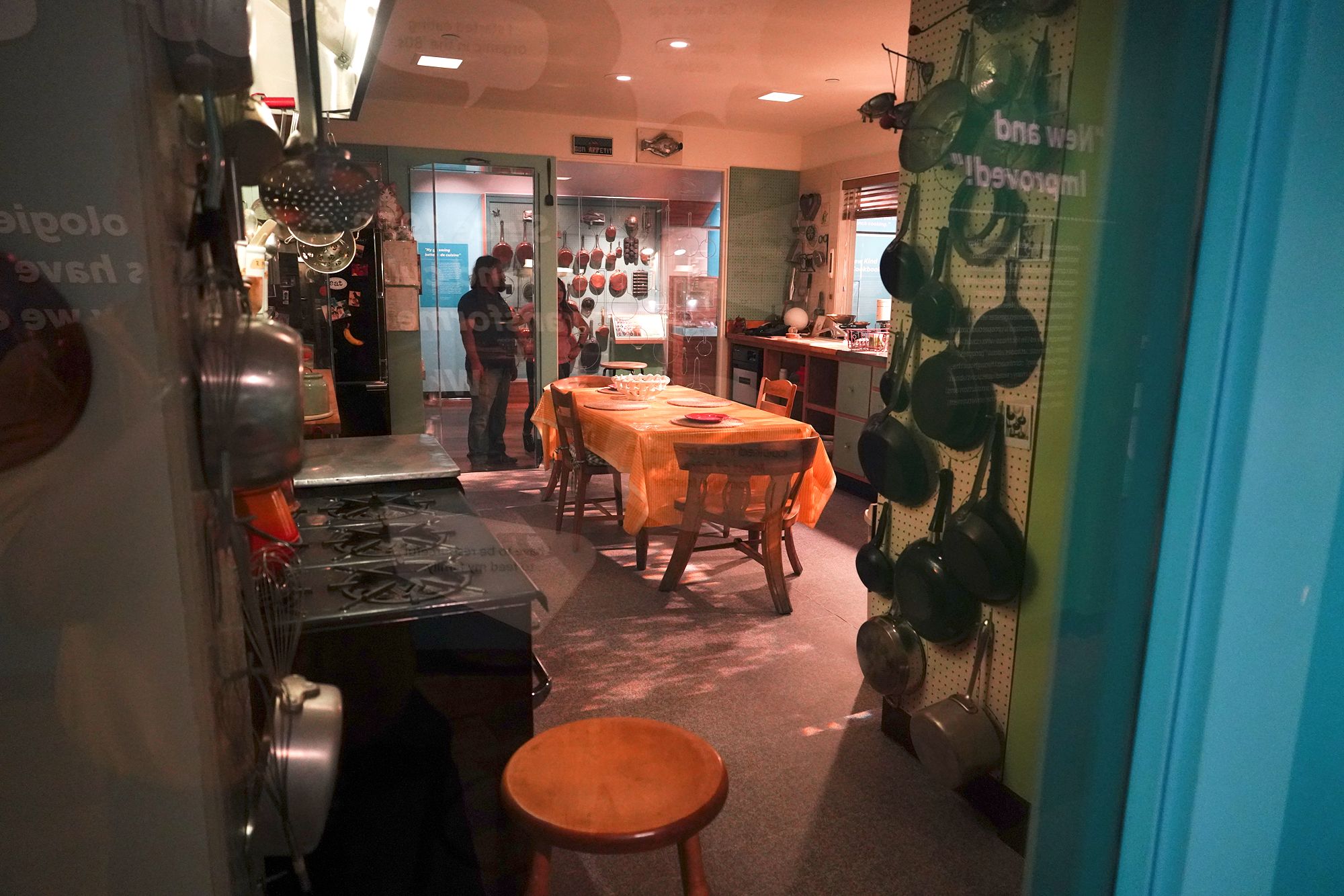
Julia Child was a famous American chef, author, and TV host who introduced French cooking to millions of Americans. Her book Mastering the Art of French Cooking and her TV show The French Chef made gourmet cooking accessible and fun. Her actual home kitchen is displayed in the National Museum of American History.
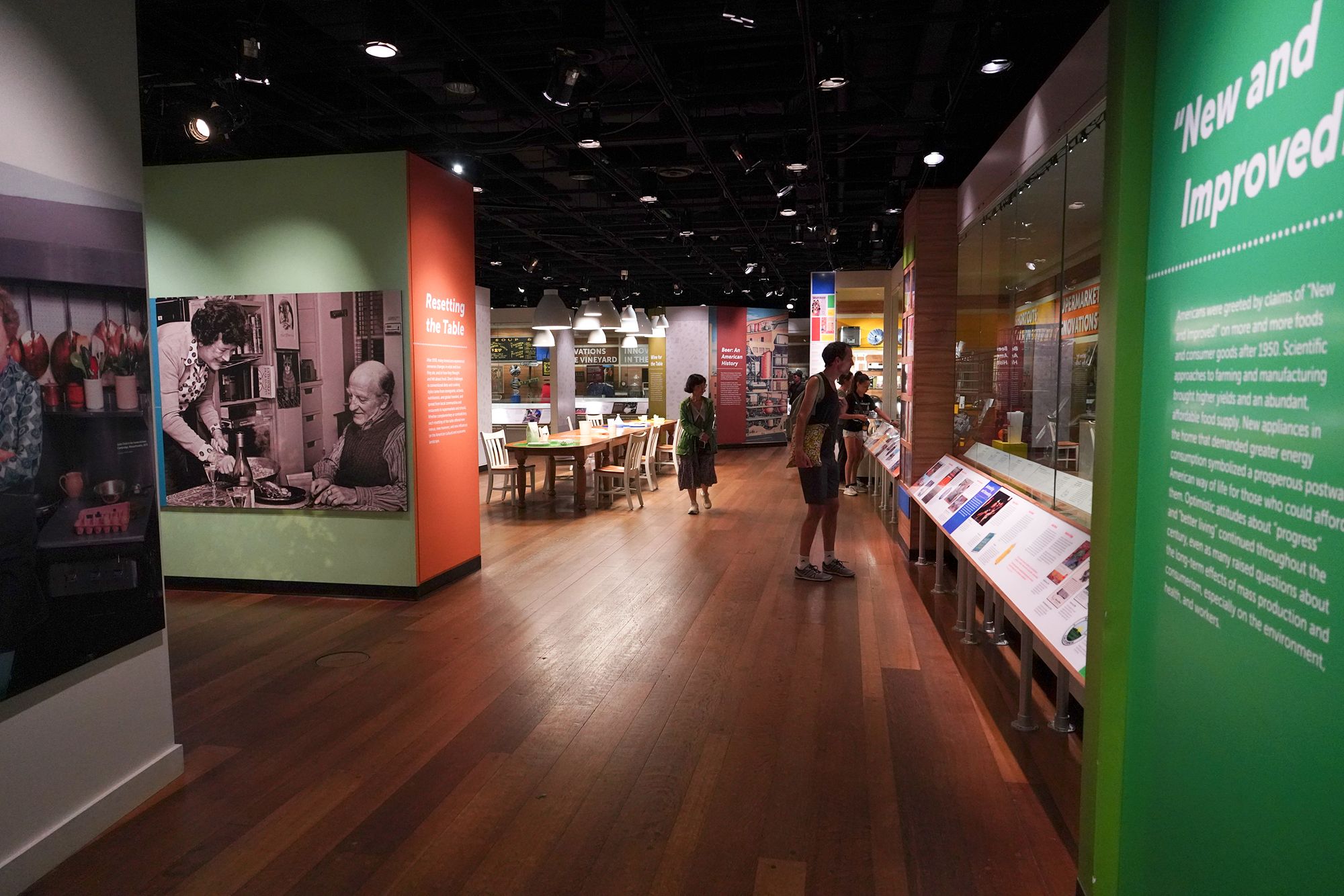
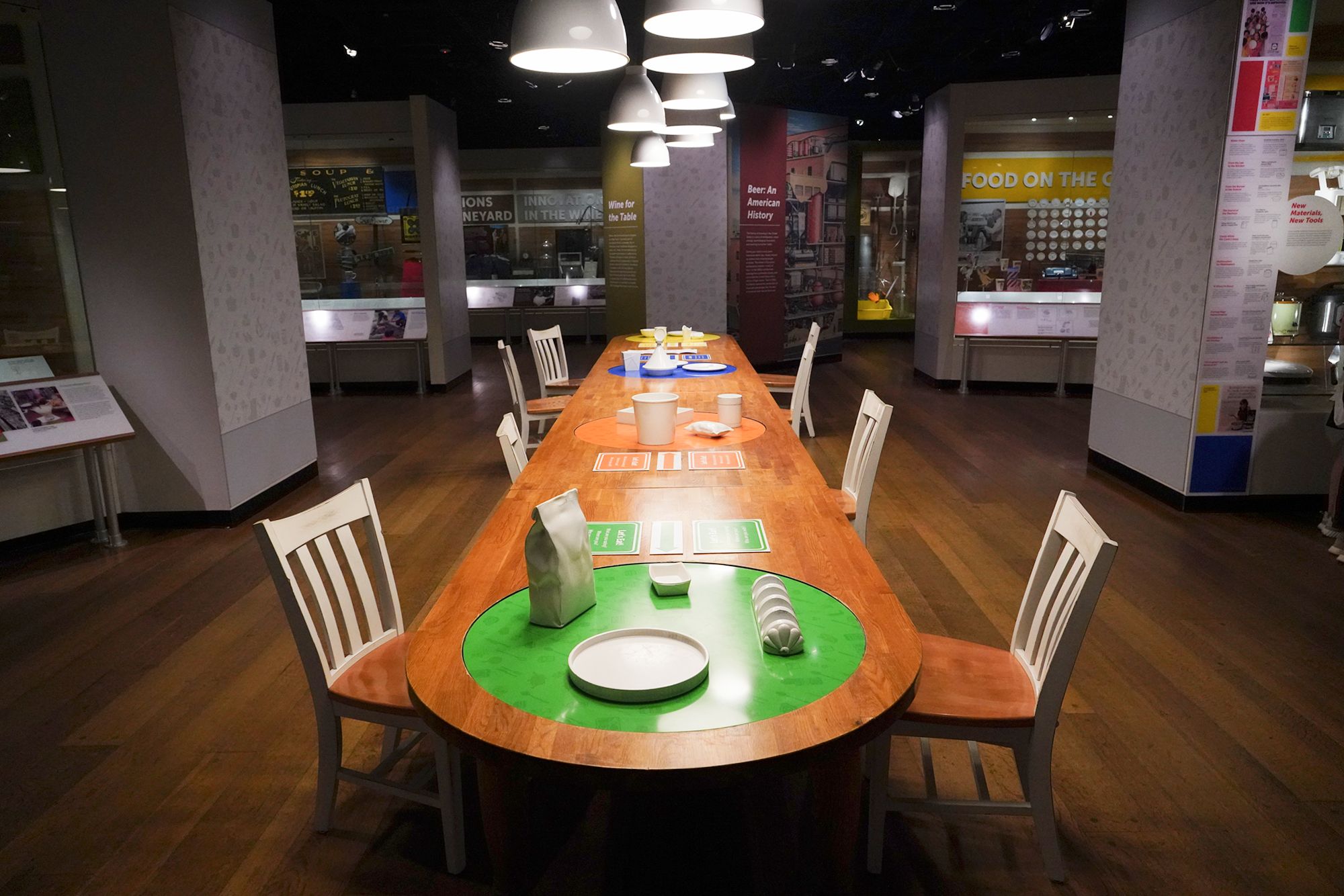
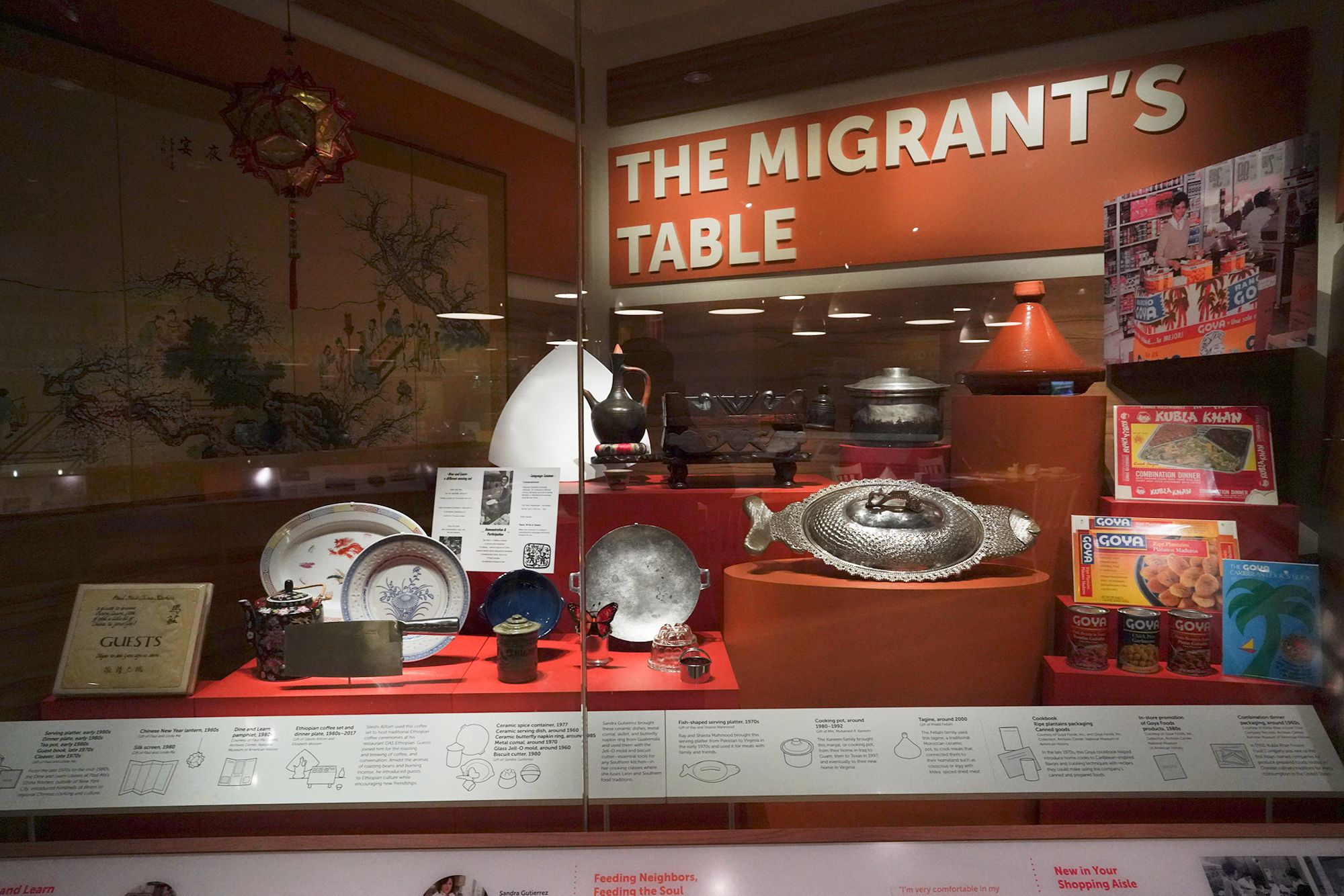
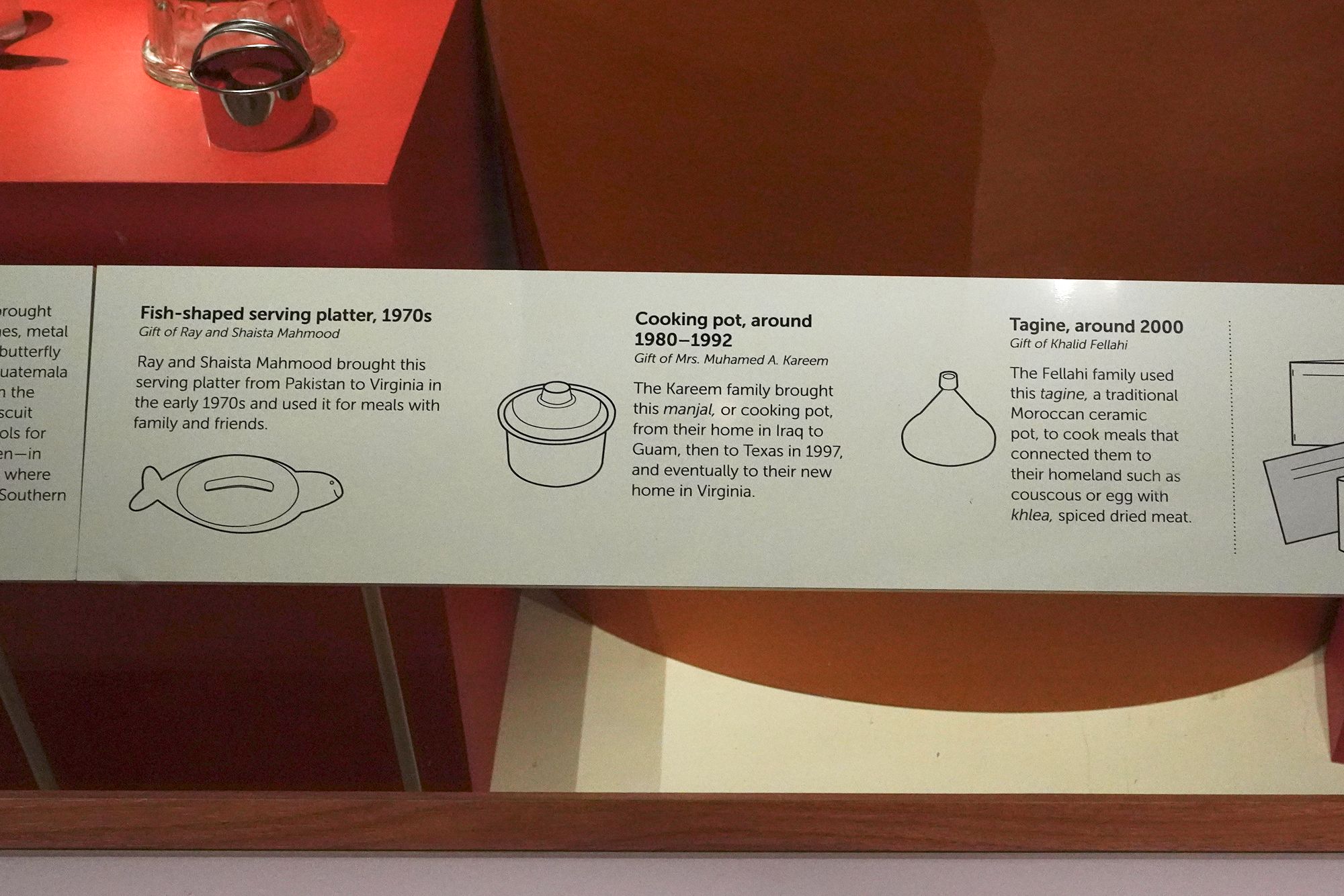
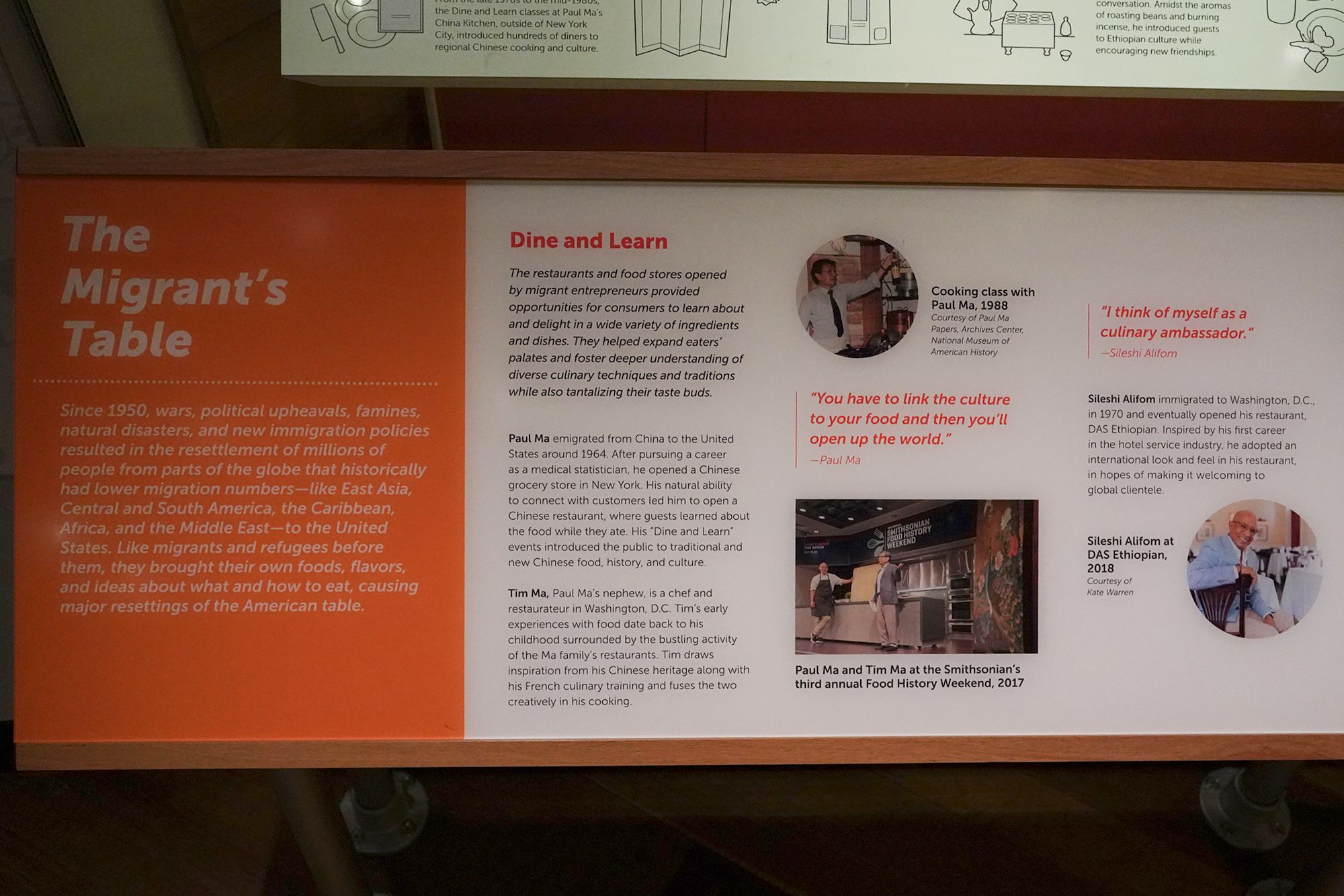
“The Migrant’s Table” shows how immigrant families brought their own food traditions to the United States and blended them with American ingredients and customs.
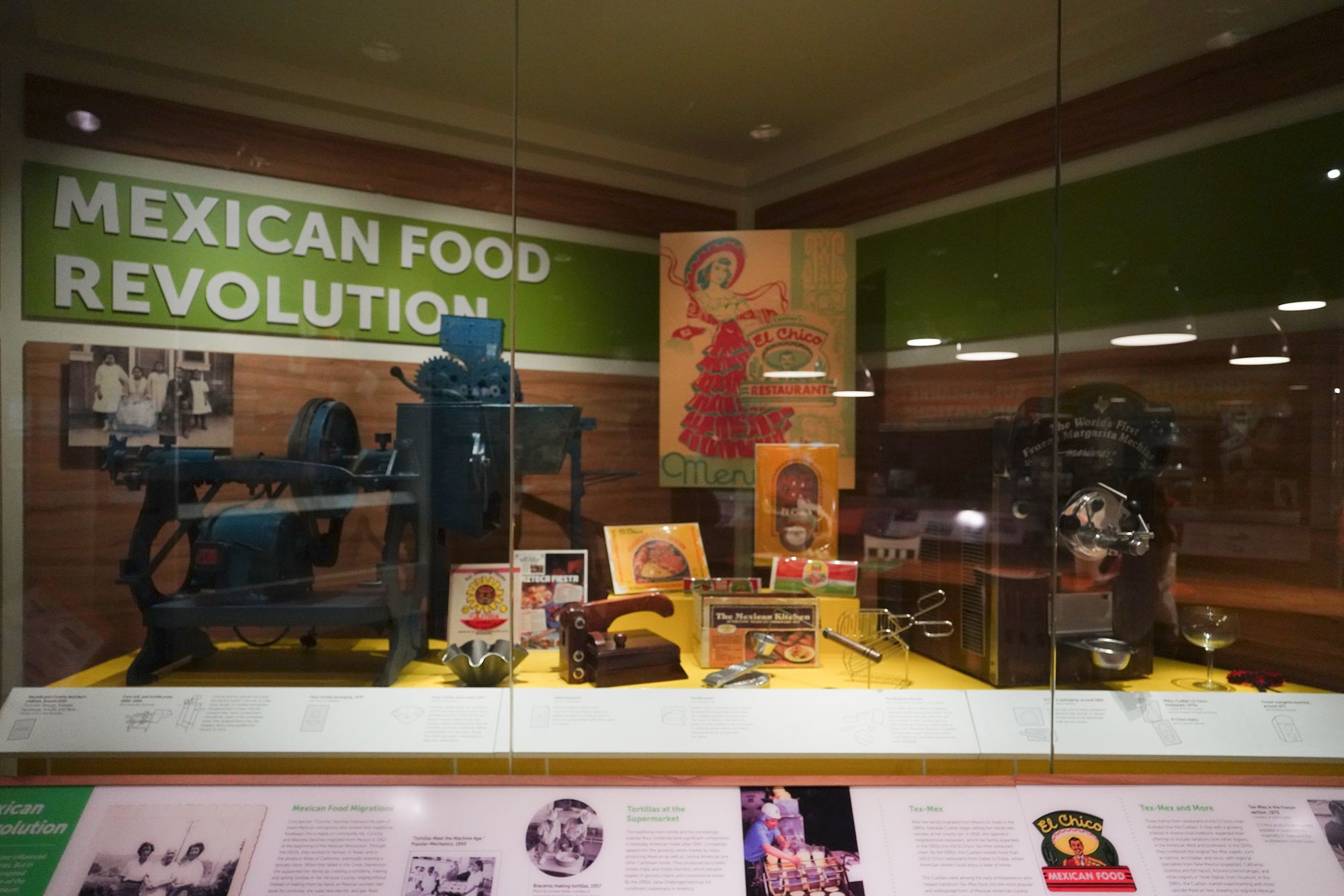
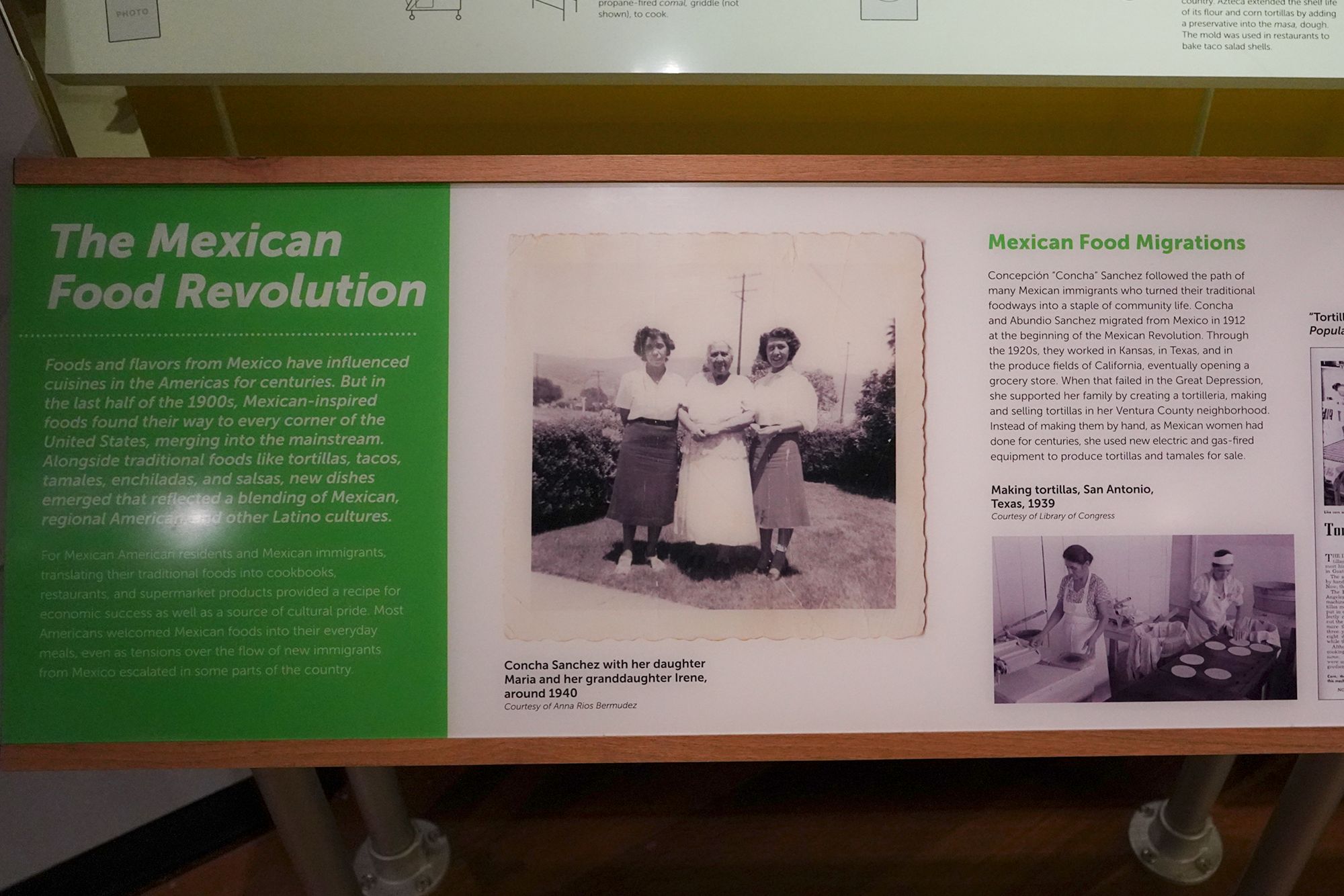
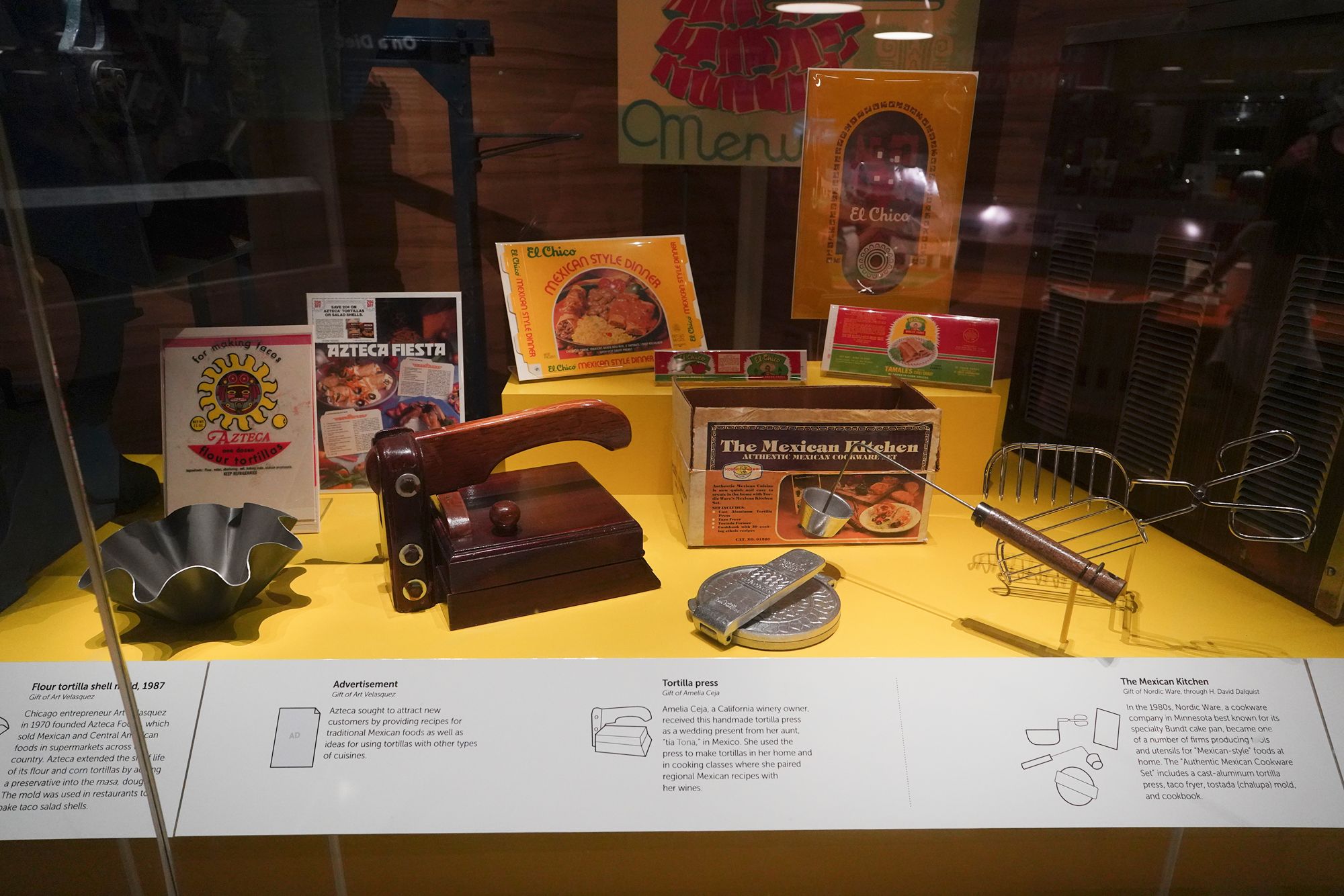
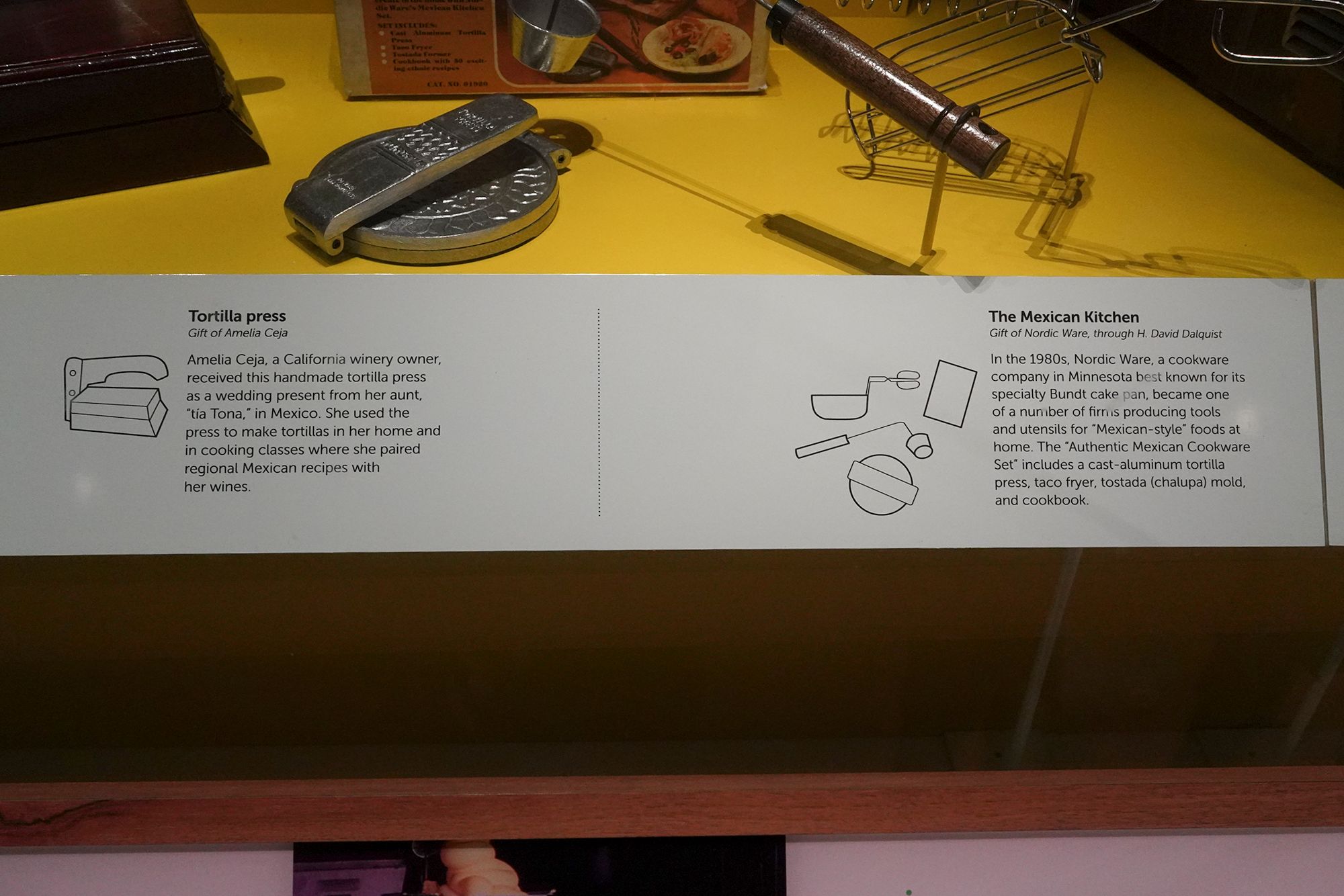
The “Mexican Food Revolution” describes how Mexican ingredients, cooking styles, and regional dishes became a major part of American food culture.
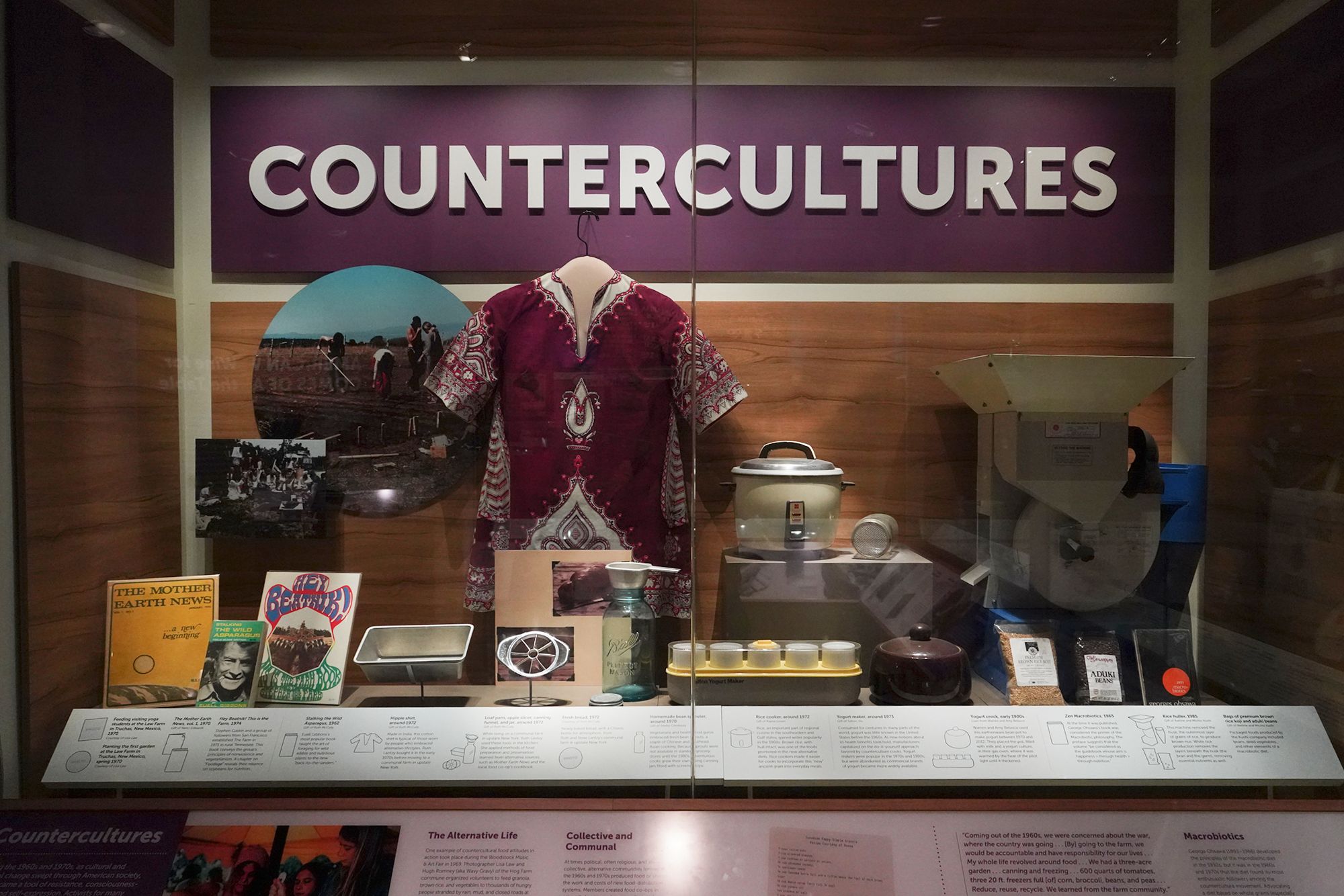
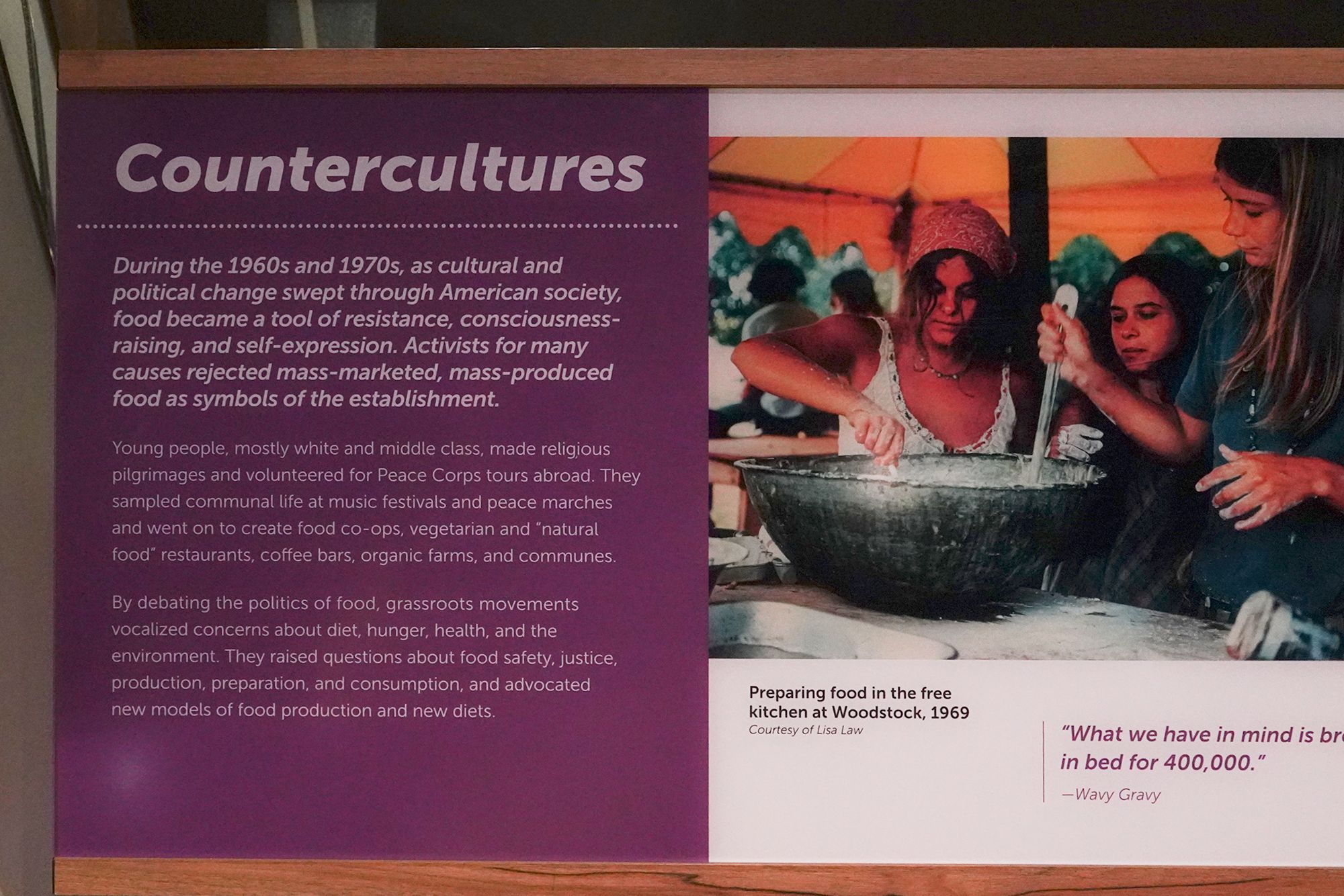
“Food in Countercultures” looks at how groups outside the mainstream—such as hippies, activists, and alternative communities in the 1960s and 1970s—used food to express their values. They used natural ingredients, vegetarian diets, communal meals, organic farming, and rejected processed, commercialized food.
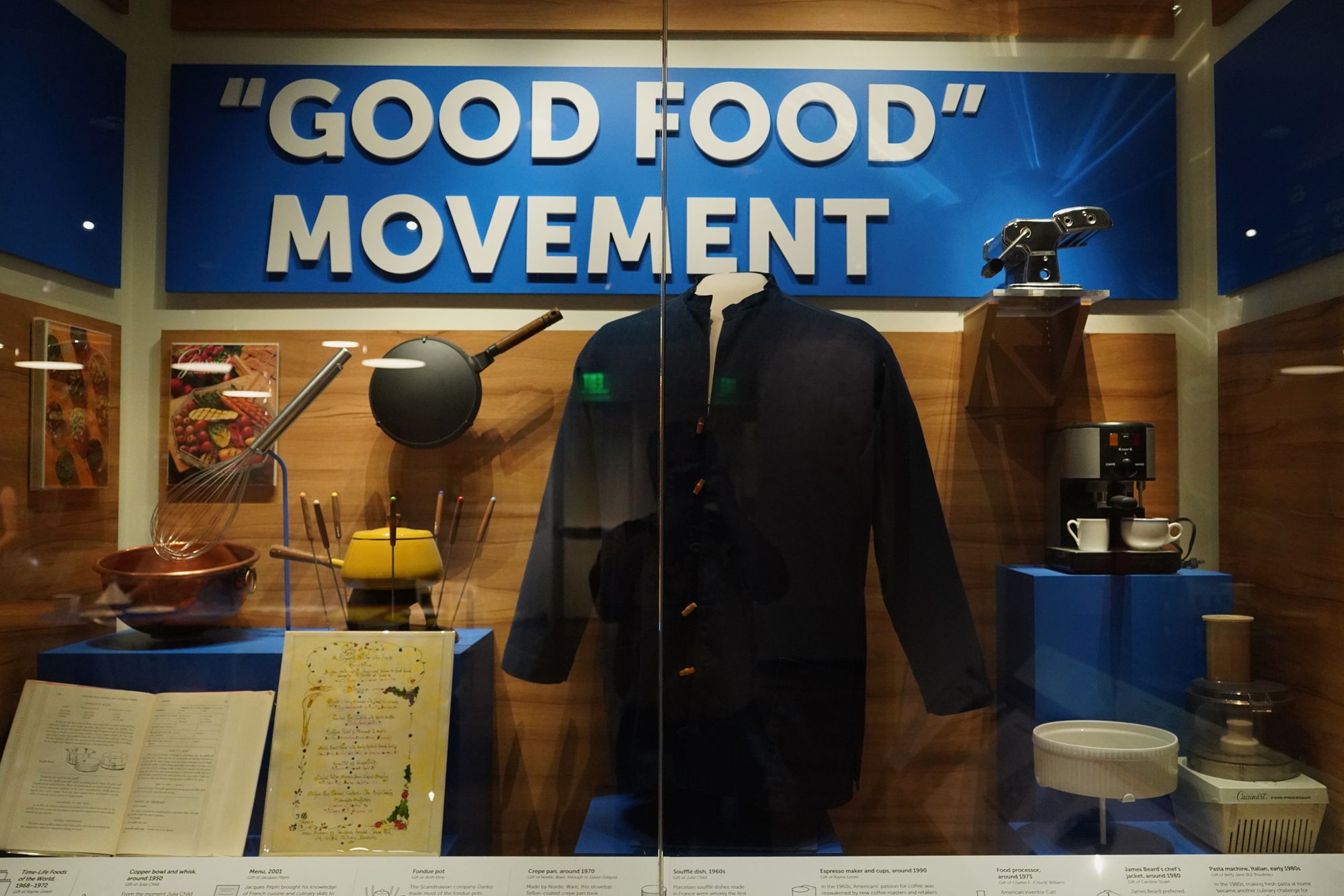
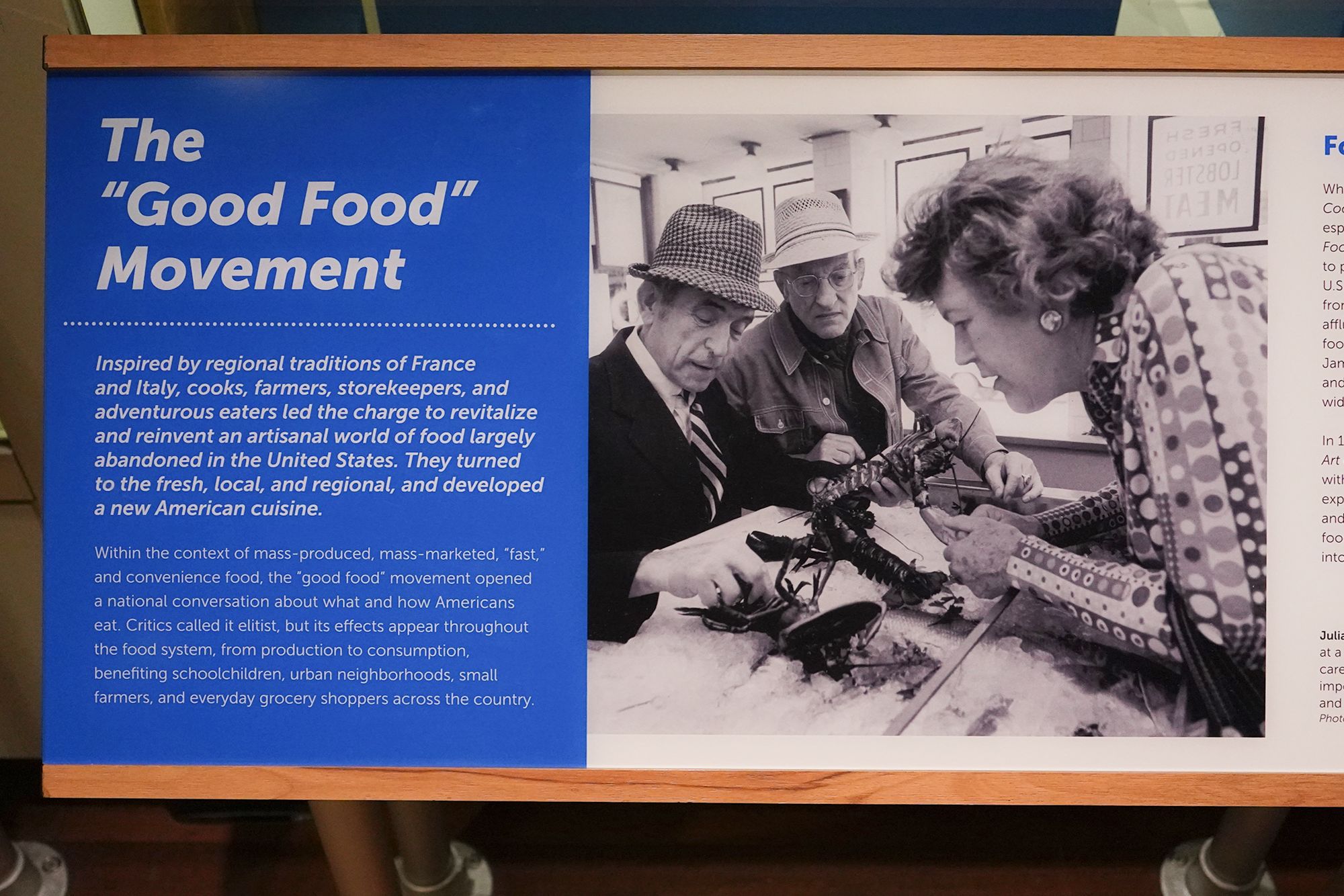
The “Good Food” movement encourages people to eat food that is fresh, local, sustainable, and responsibly produced.
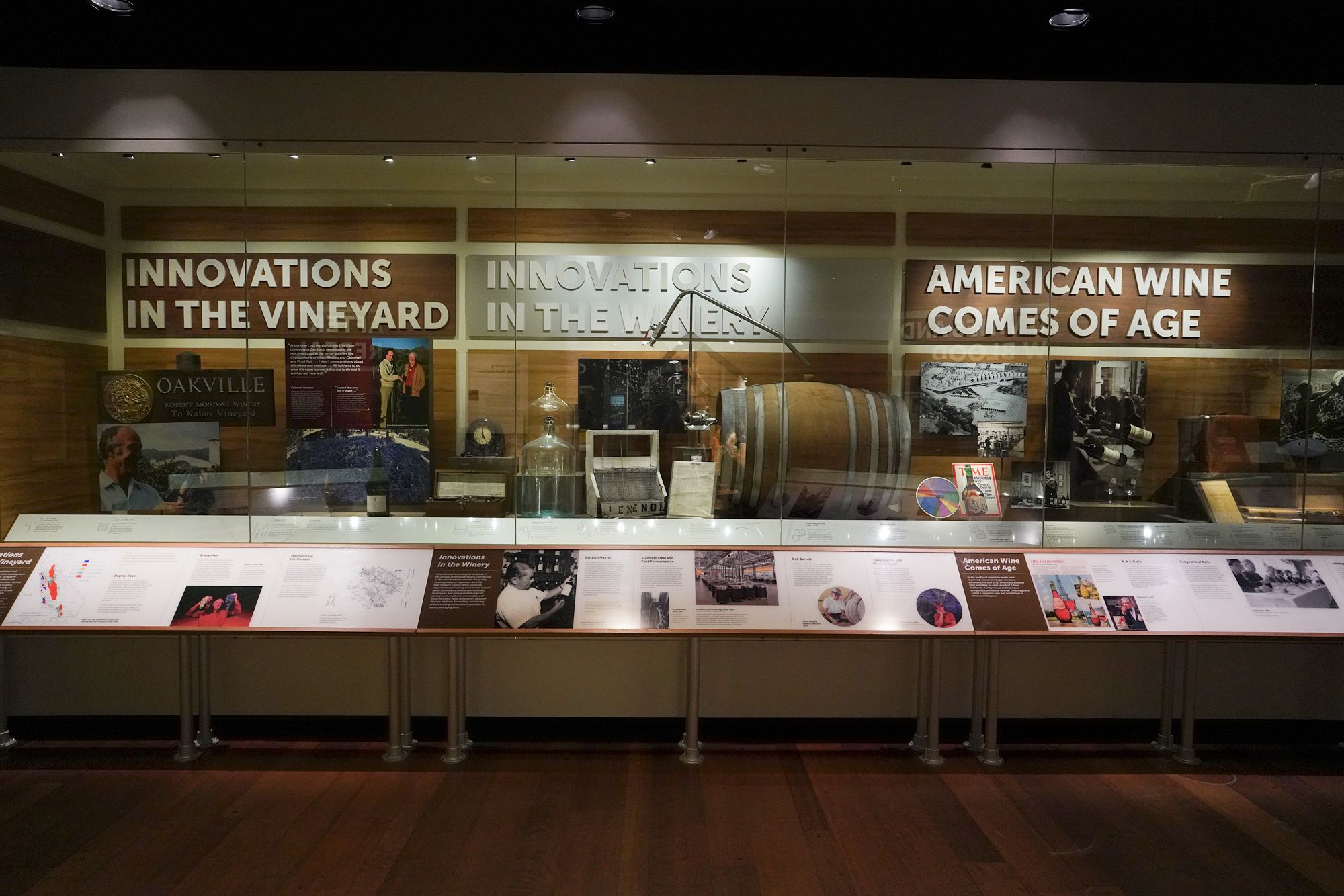
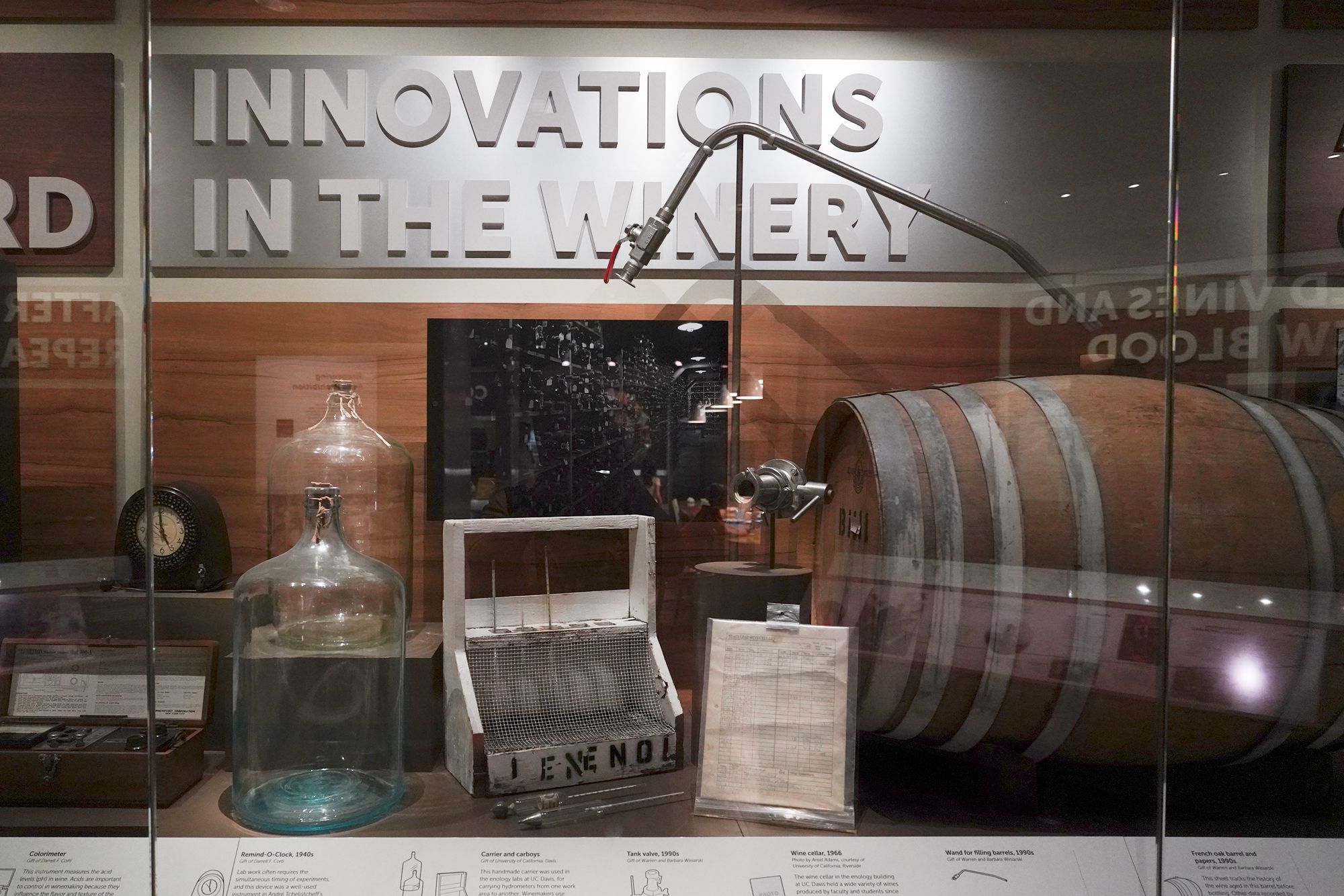
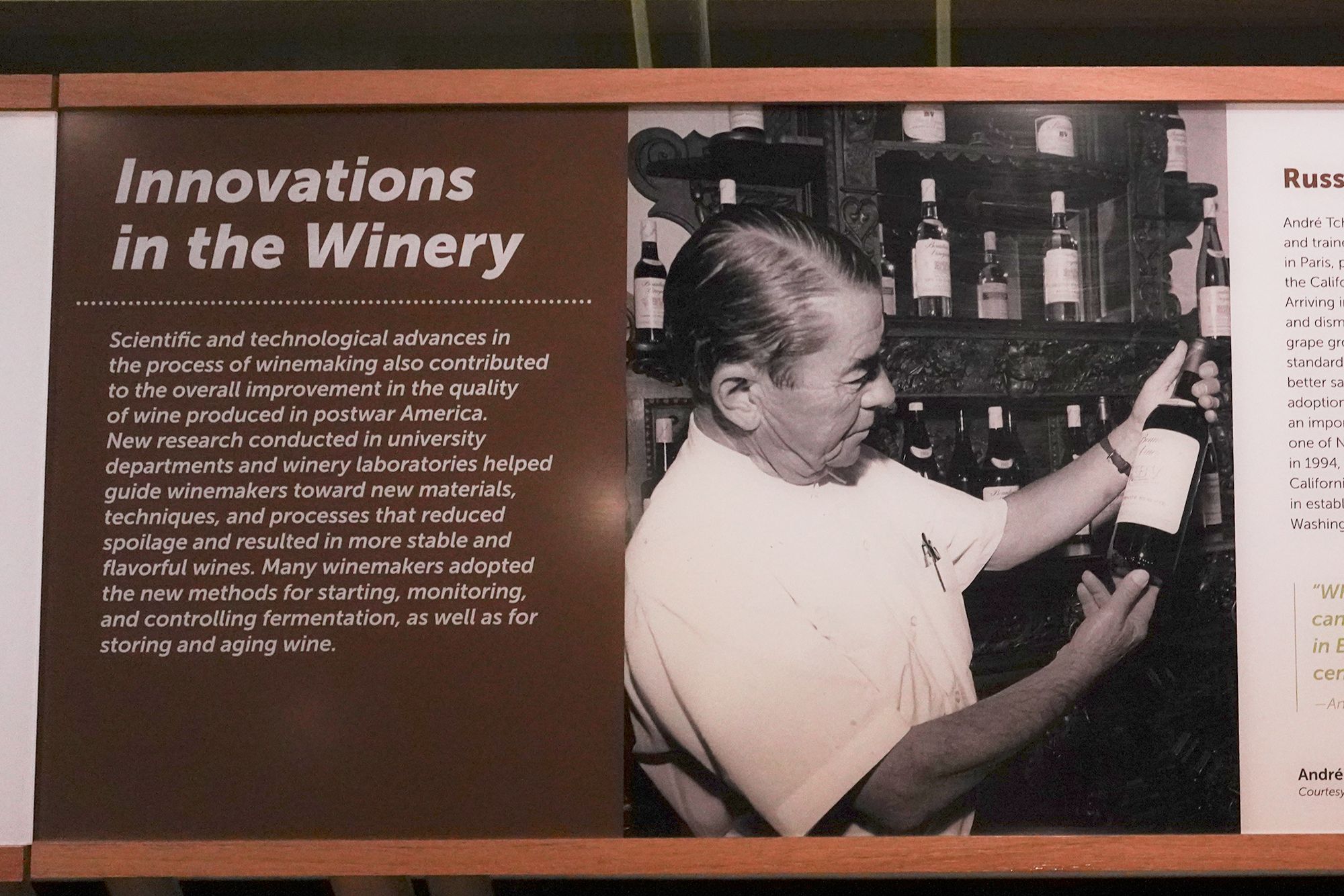
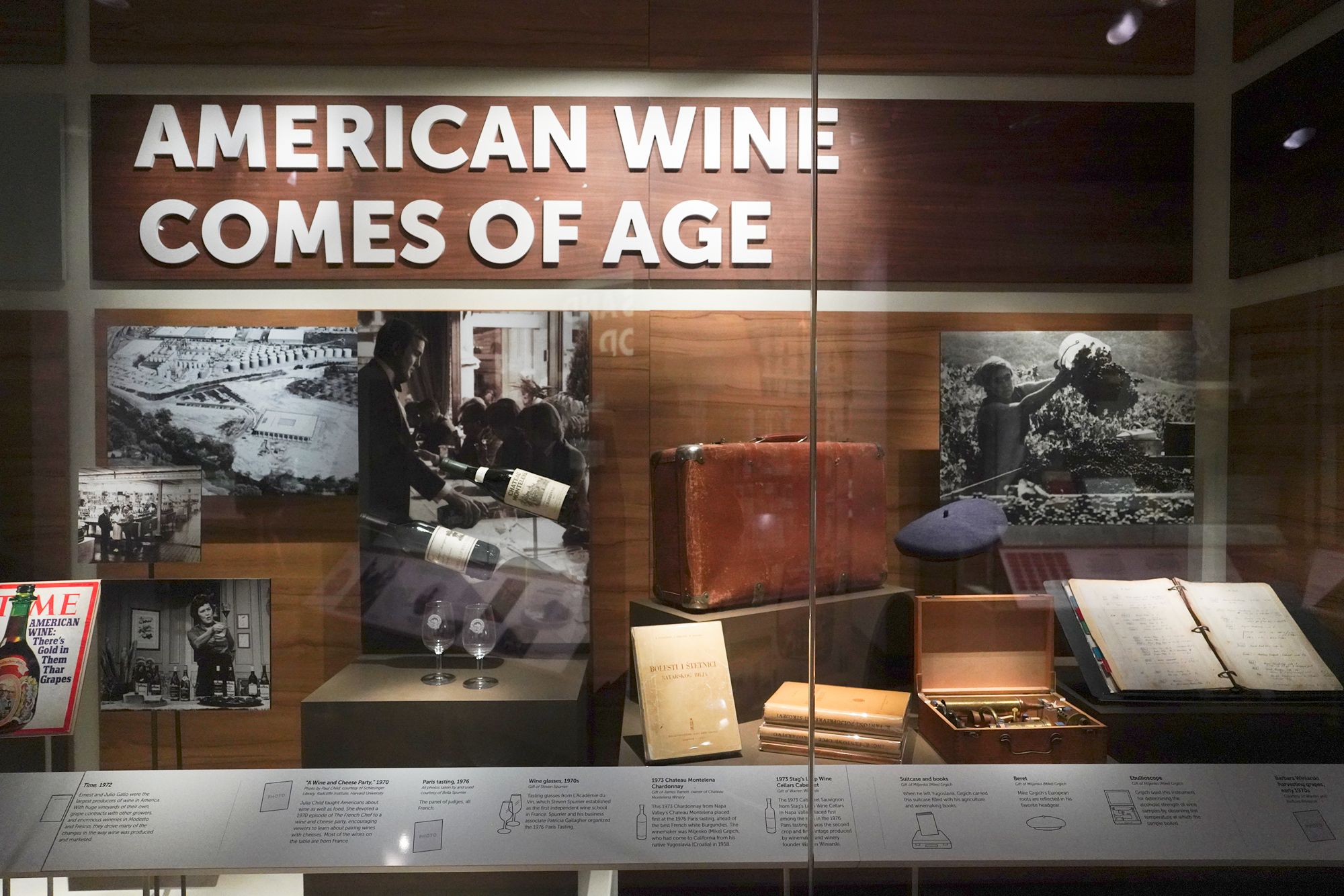
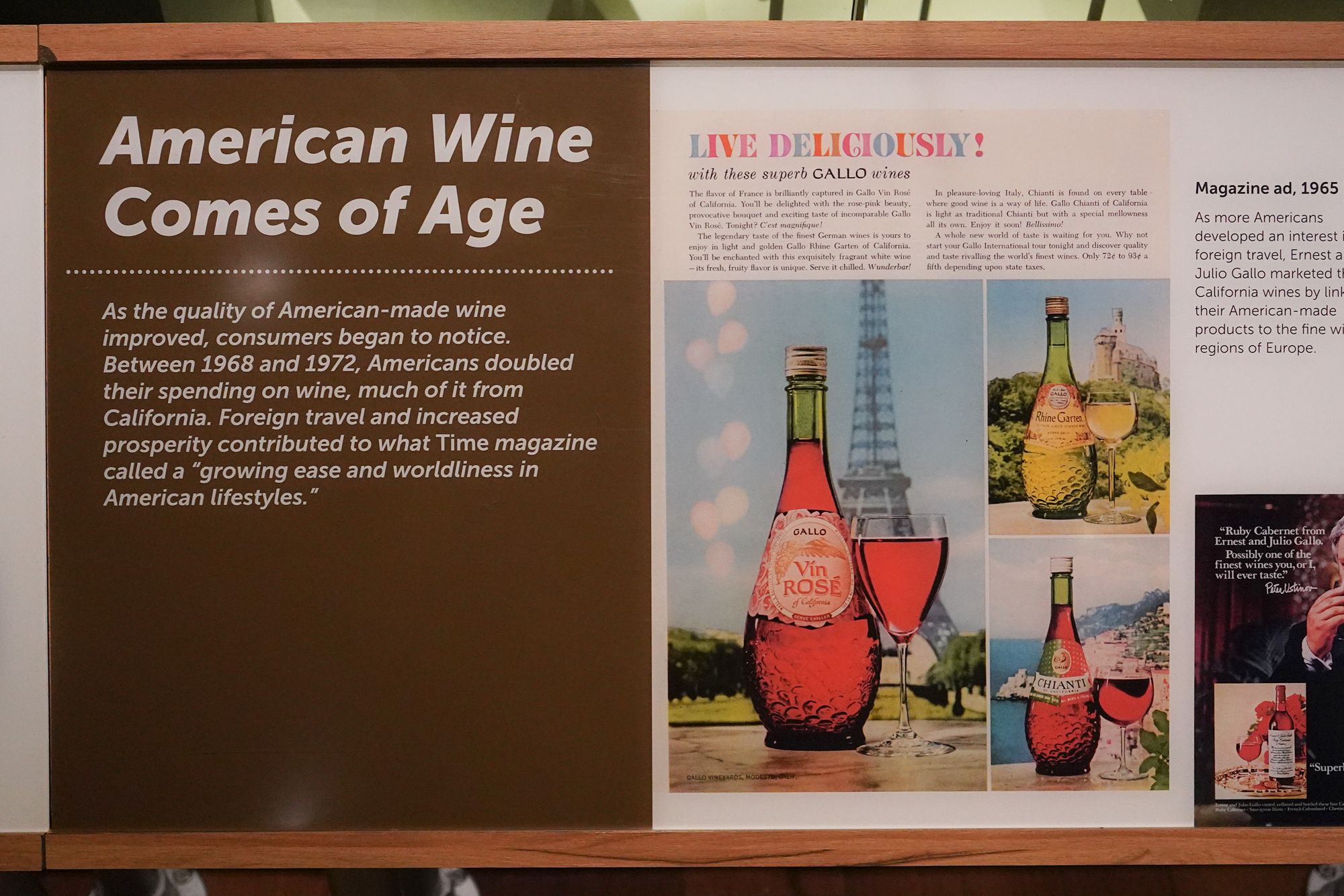
“Innovation in the winery” refers to the new technologies and methods that transformed wine production in the United States. This includes improved grape varieties, climate-controlled fermentation, modern irrigation, scientific testing, and updated bottling techniques. These innovations helped American wineries—especially in California—produce higher-quality wines and compete internationally.
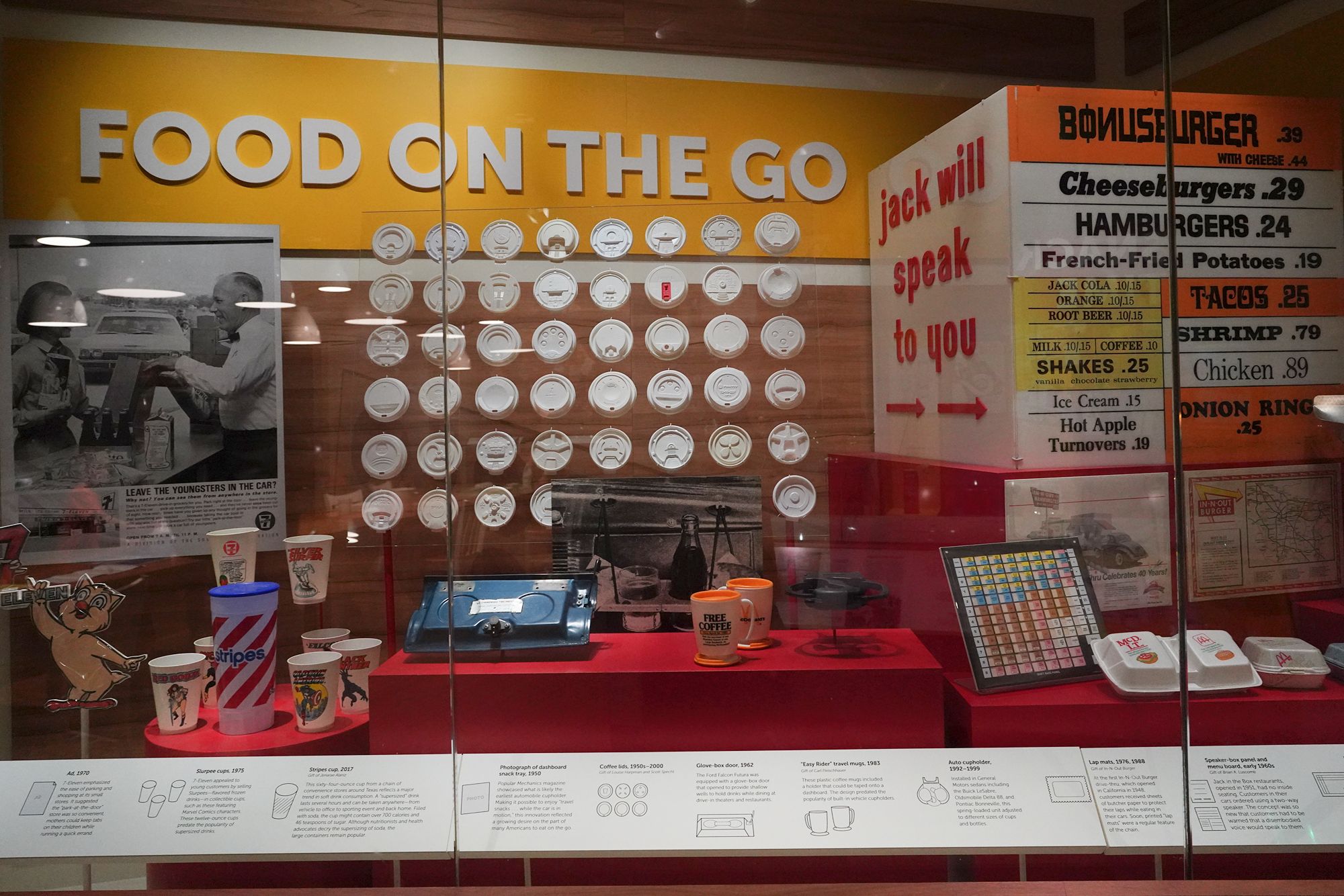
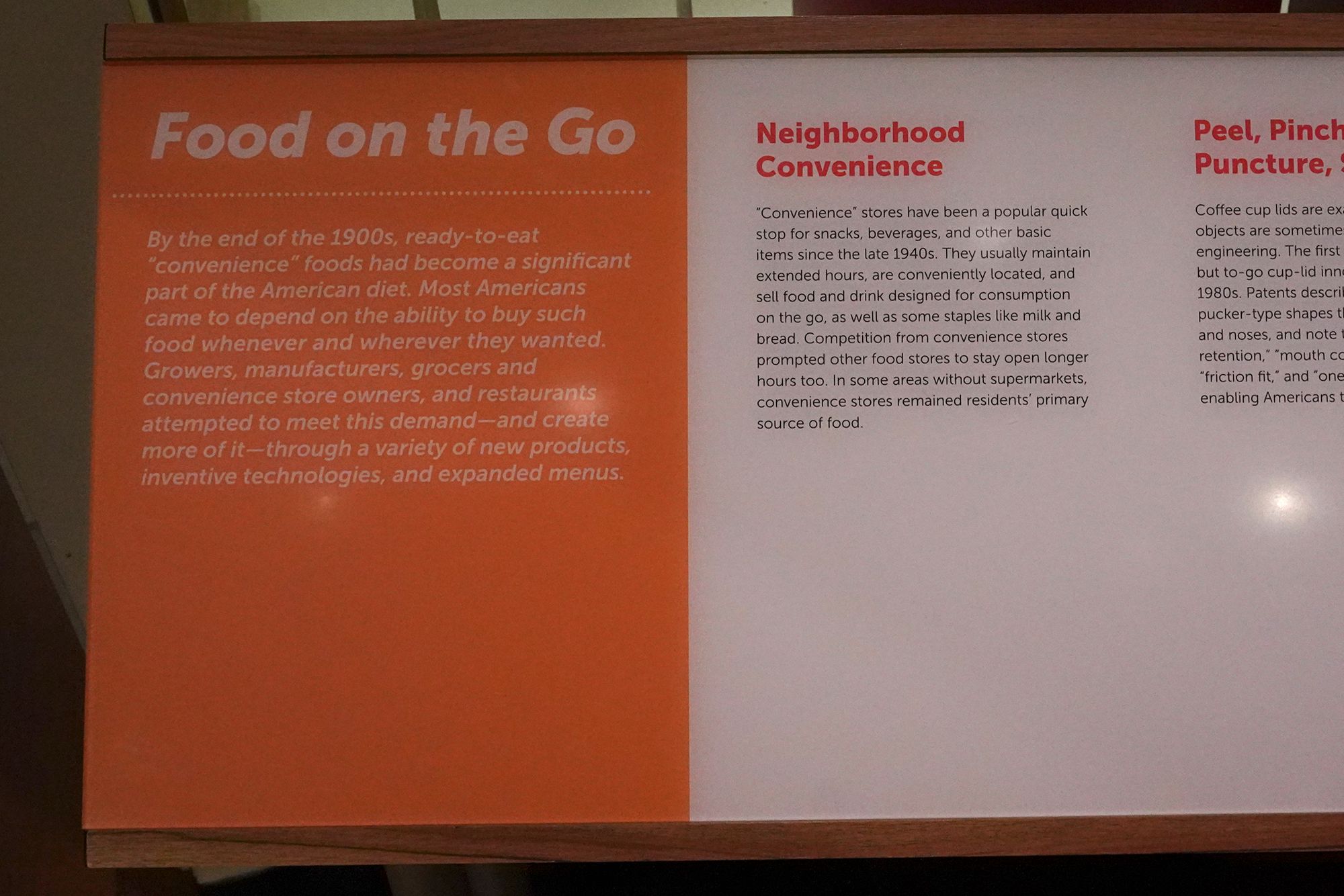
“Food on the Go” explores how Americans began eating quickly and while traveling, especially as cars, trains, and busy lifestyles changed dining habits. It includes fast food, lunch counters, diners, food trucks, and convenience snacks designed for speed and portability. This shift reflects modern life, mobility, and the demand for quick, easy meals.
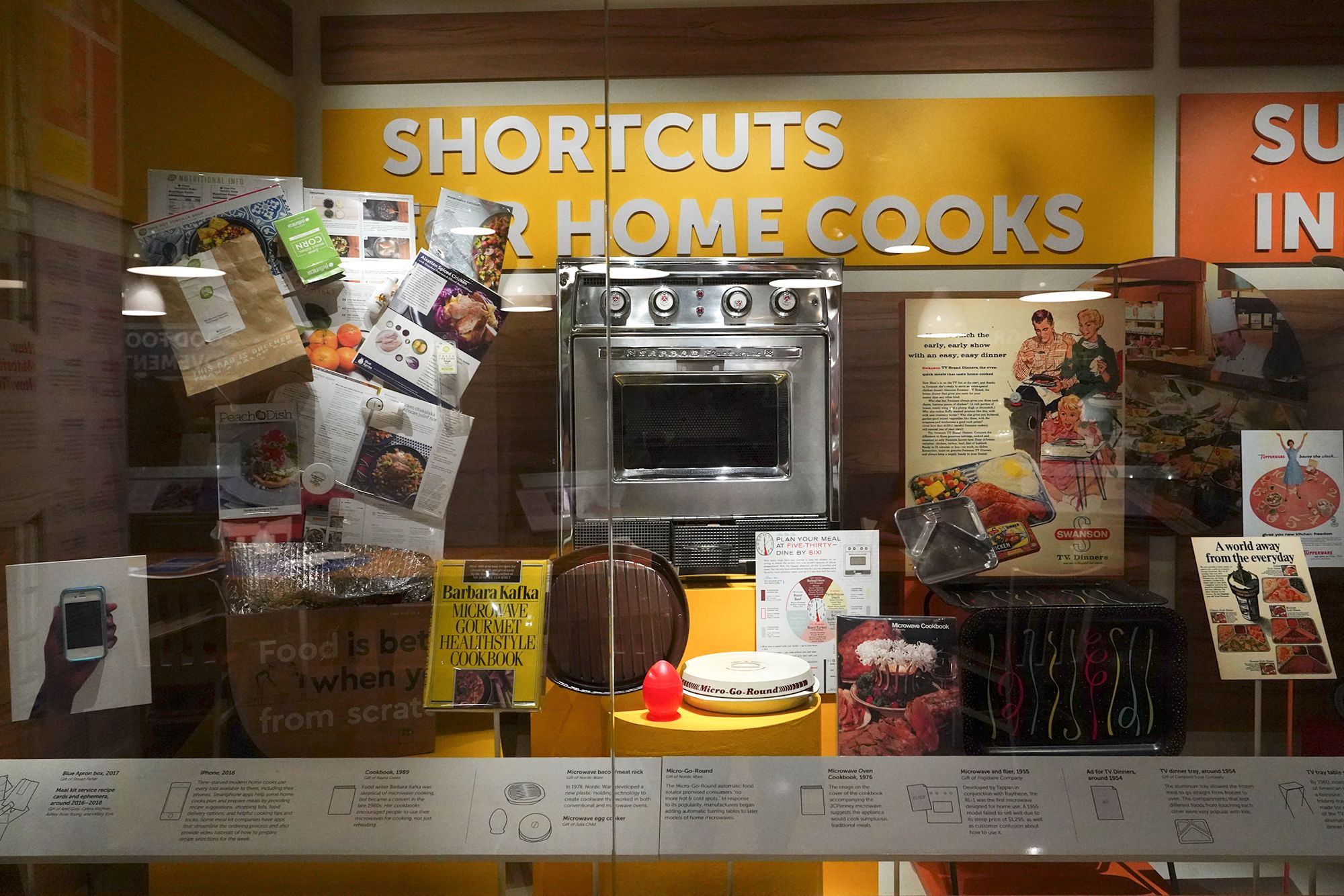
“Shortcuts for Home Food” highlights the convenience products—like canned goods, frozen dinners, boxed mixes, and pre-prepared ingredients—that helped families cook meals quickly at home. These items became popular as people looked for faster, easier ways to make everyday dishes.
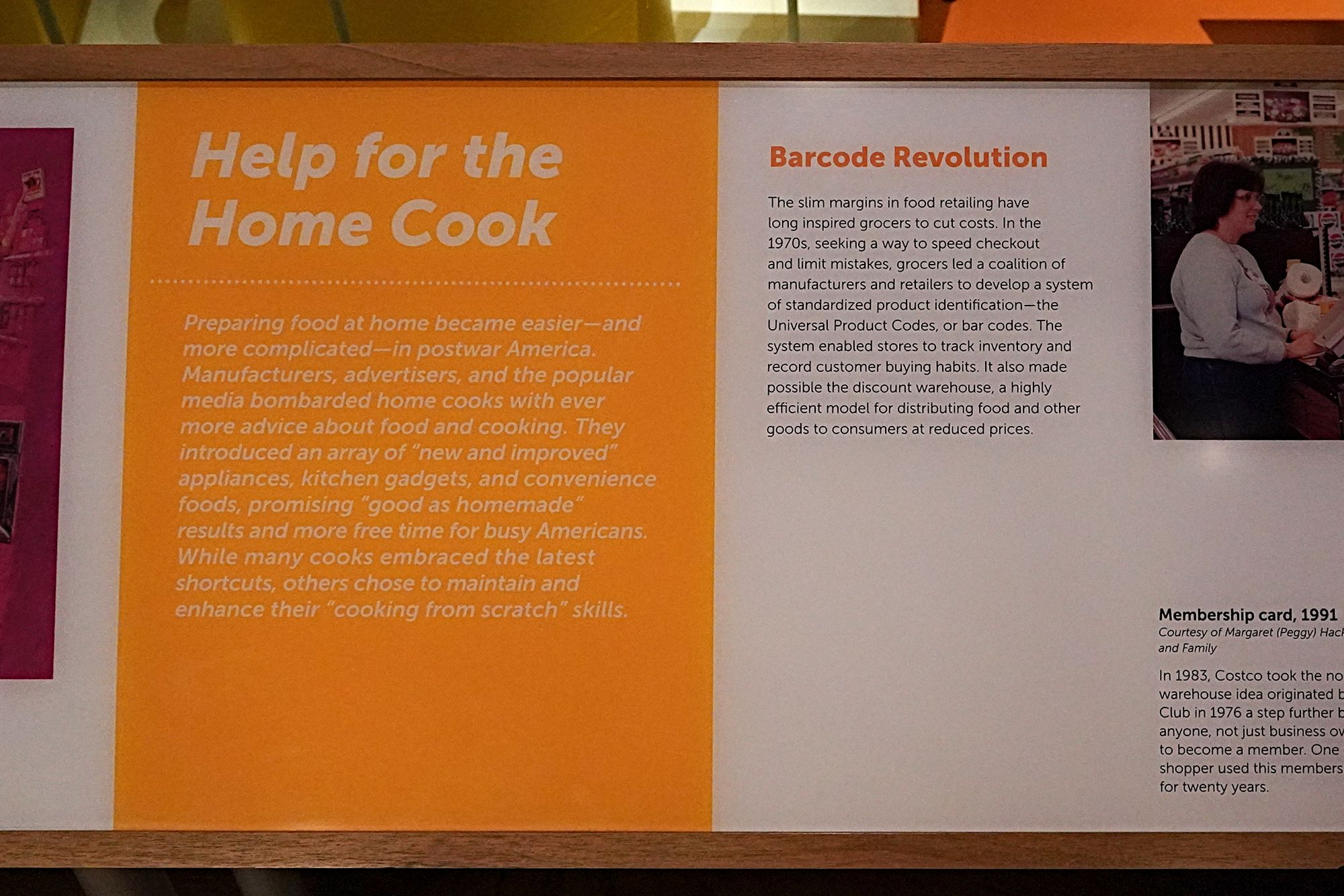
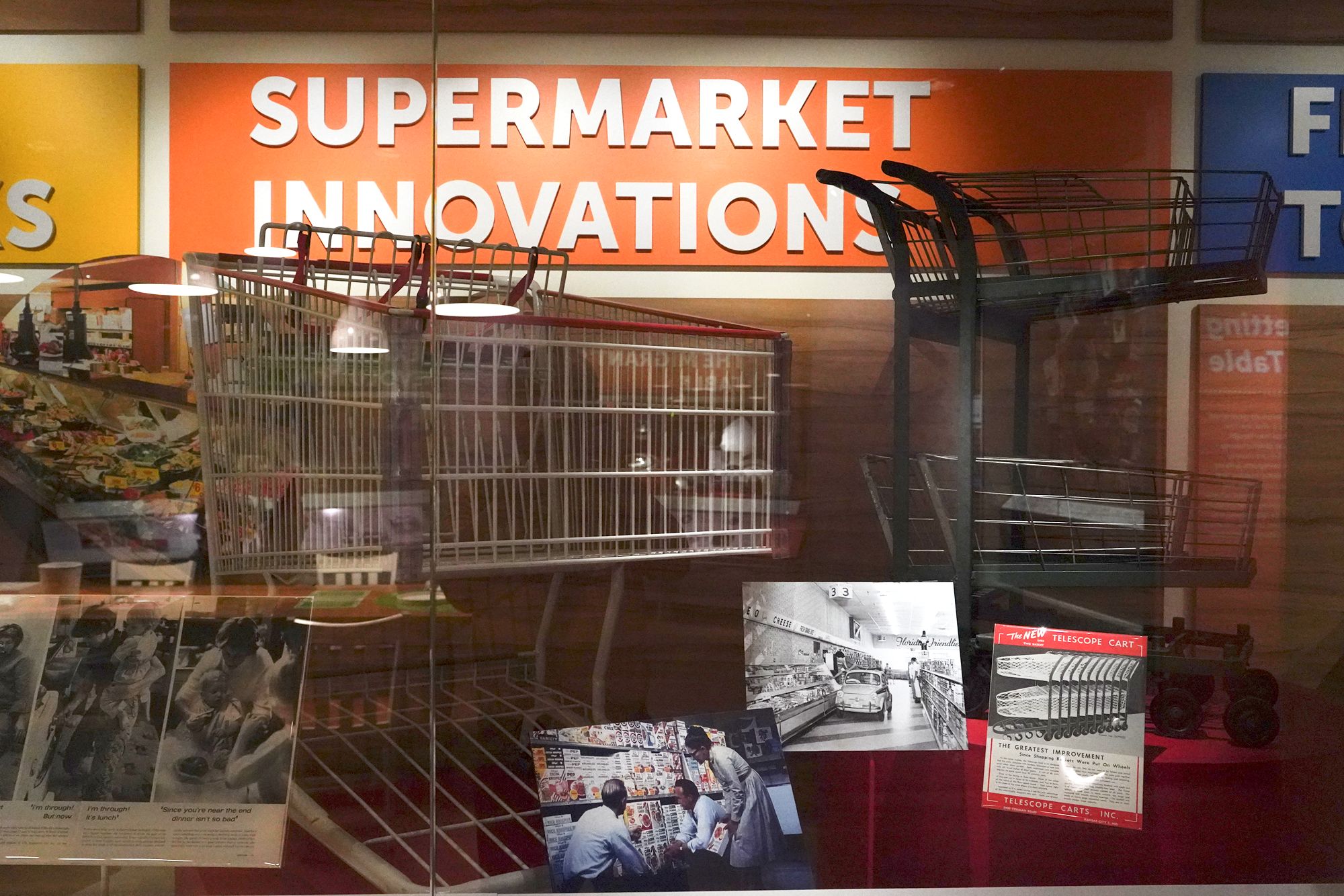
“Supermarket Innovation” highlights how modern supermarkets transformed the way Americans shop for food. Self-service aisles, standardized packaging, shopping carts, refrigeration, barcodes, and large one-stop stores changed grocery shopping from small daily trips to weekly, convenient, and affordable experiences.
Hall of Transportation
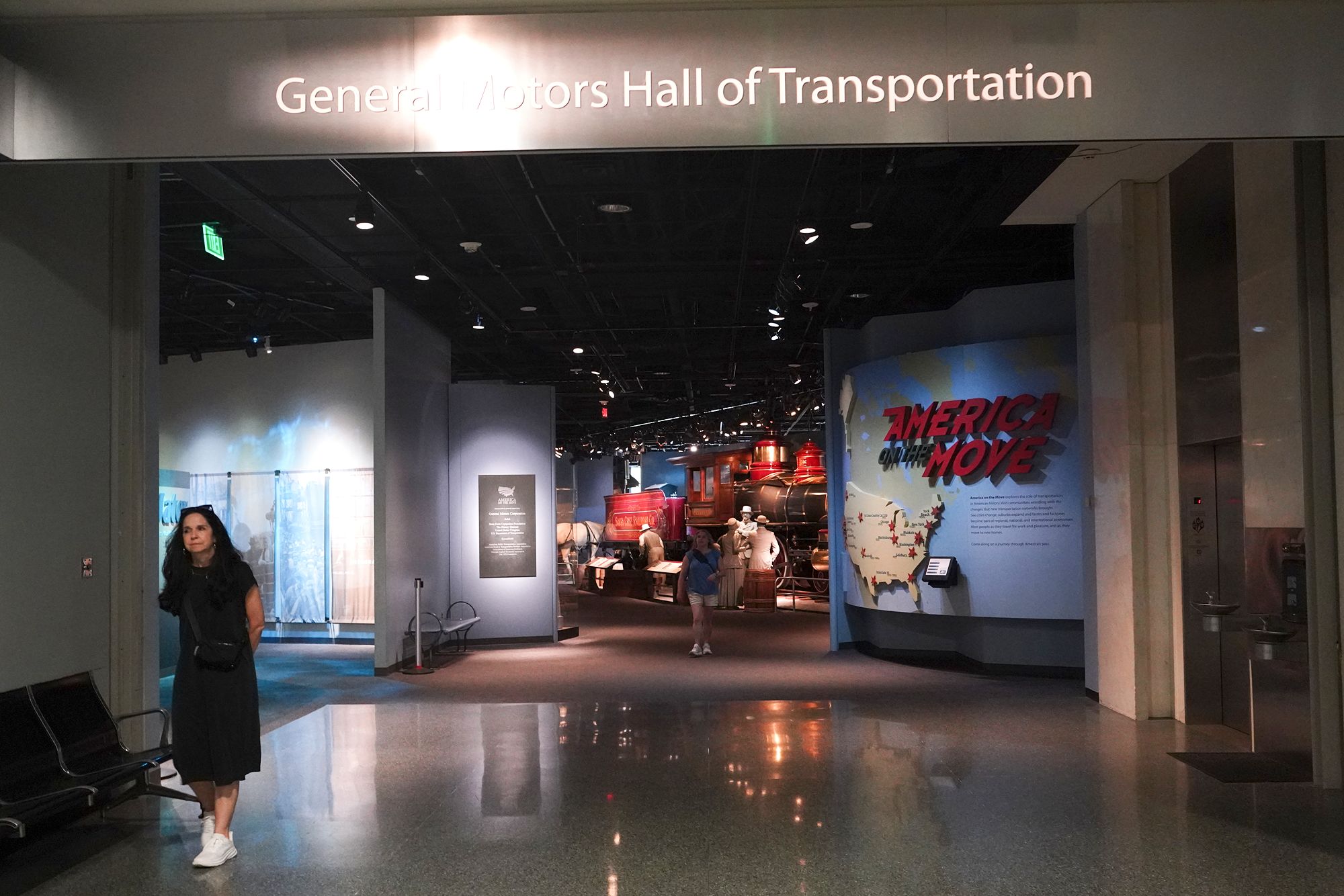
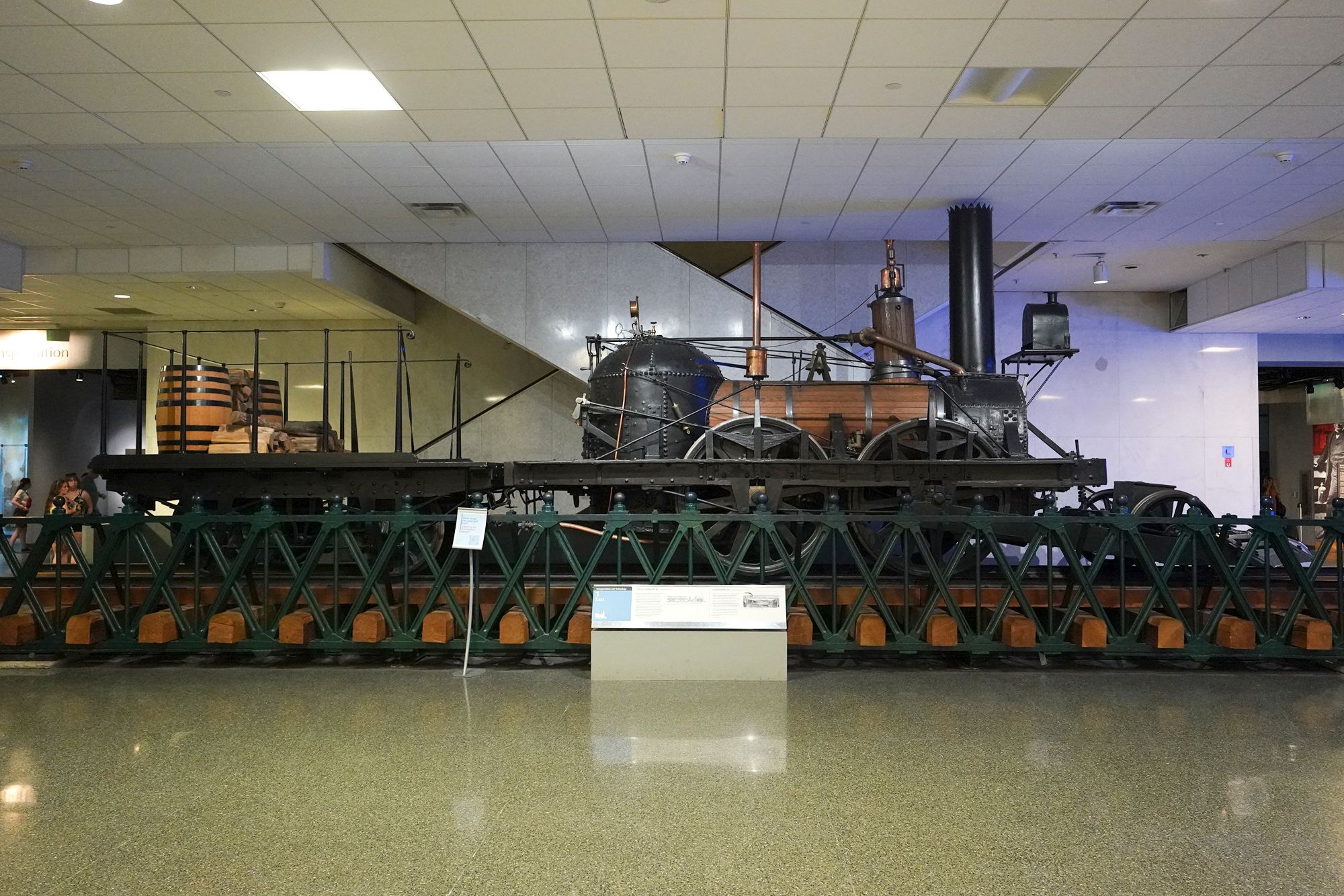
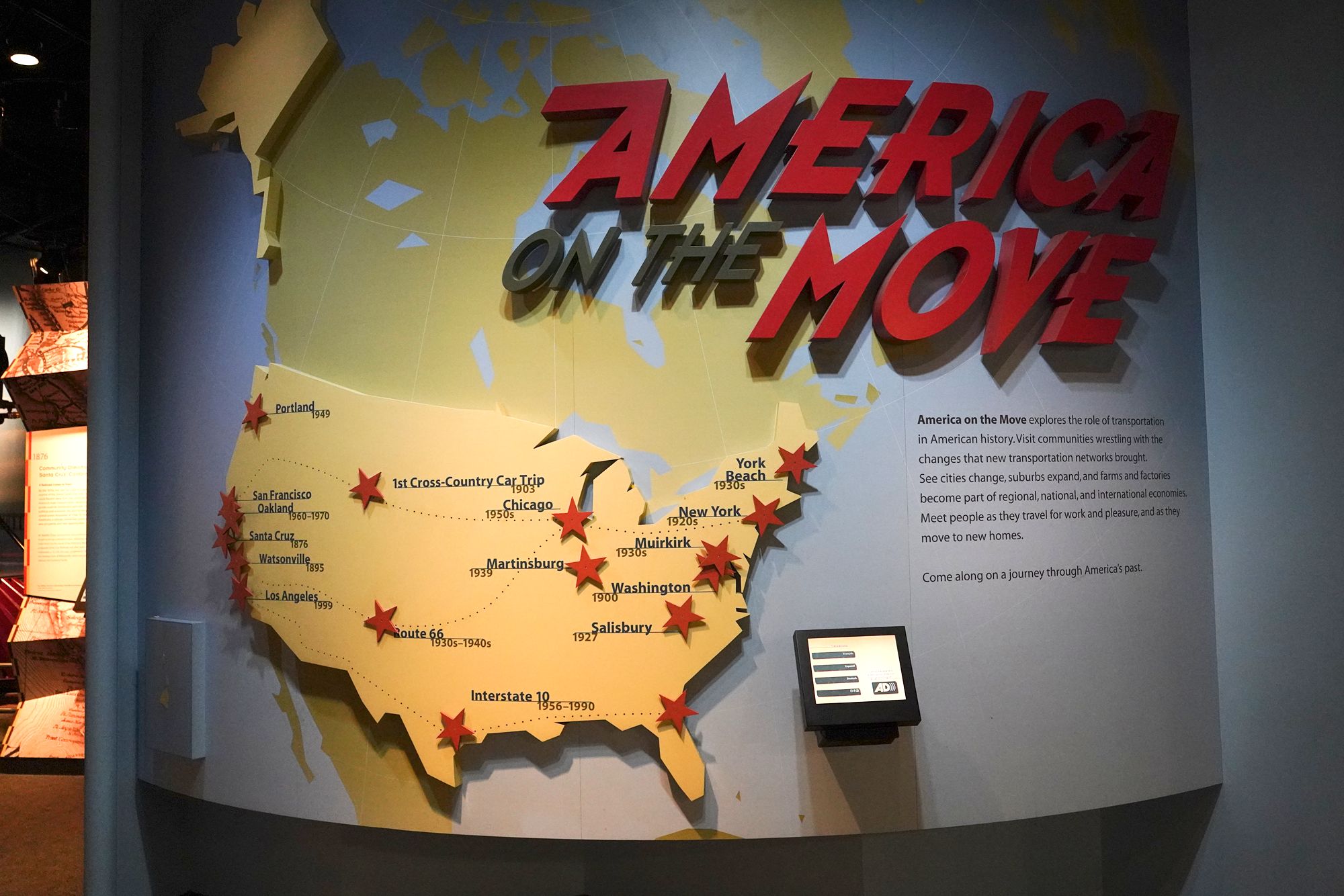
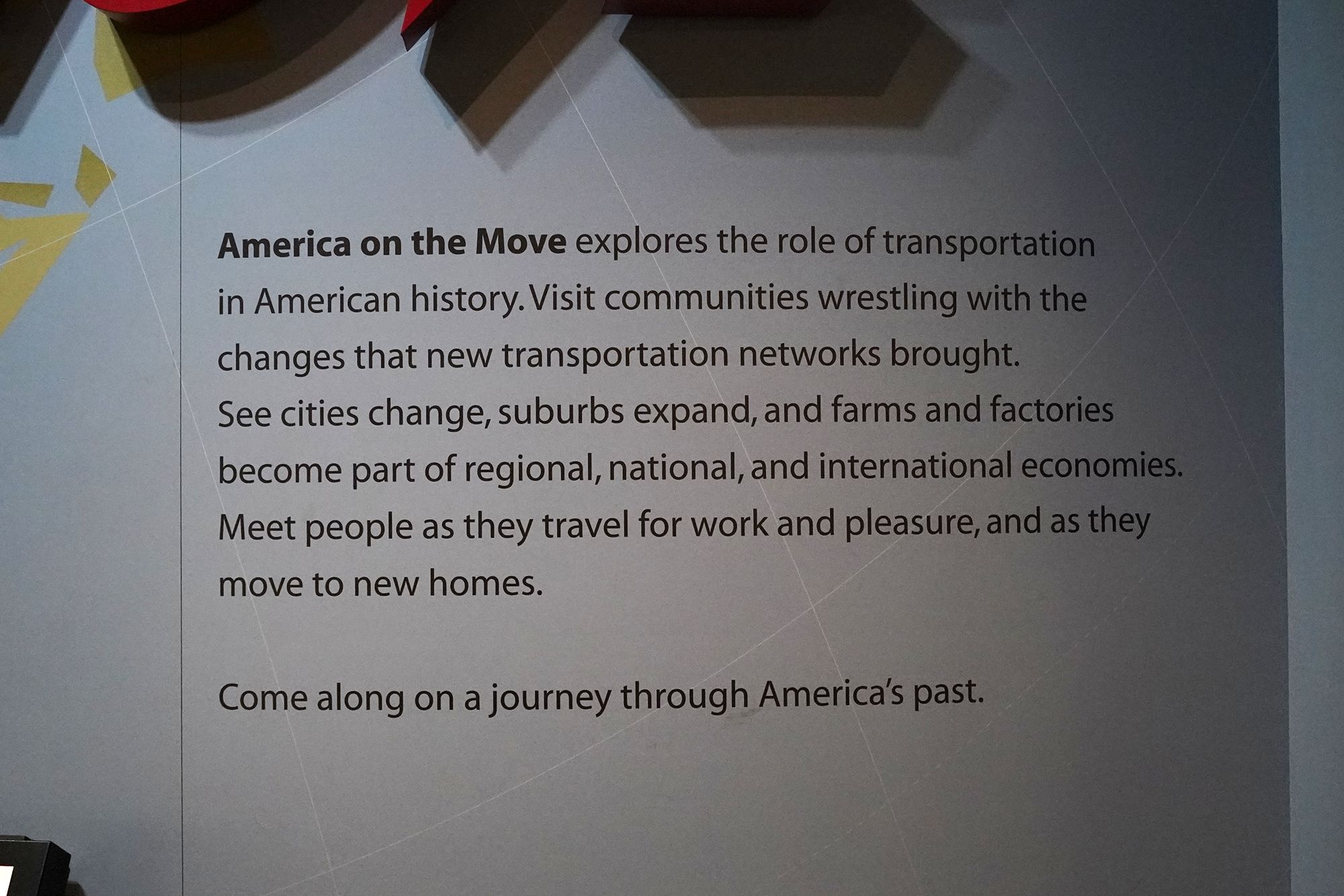
“America on the Move” is an exhibit that shows how transportation—cars, trains, buses, and highways—changed everyday life in the United States. It explains how new ways of traveling shaped cities, jobs, neighborhoods, and family life, and how mobility became a defining part of American culture.
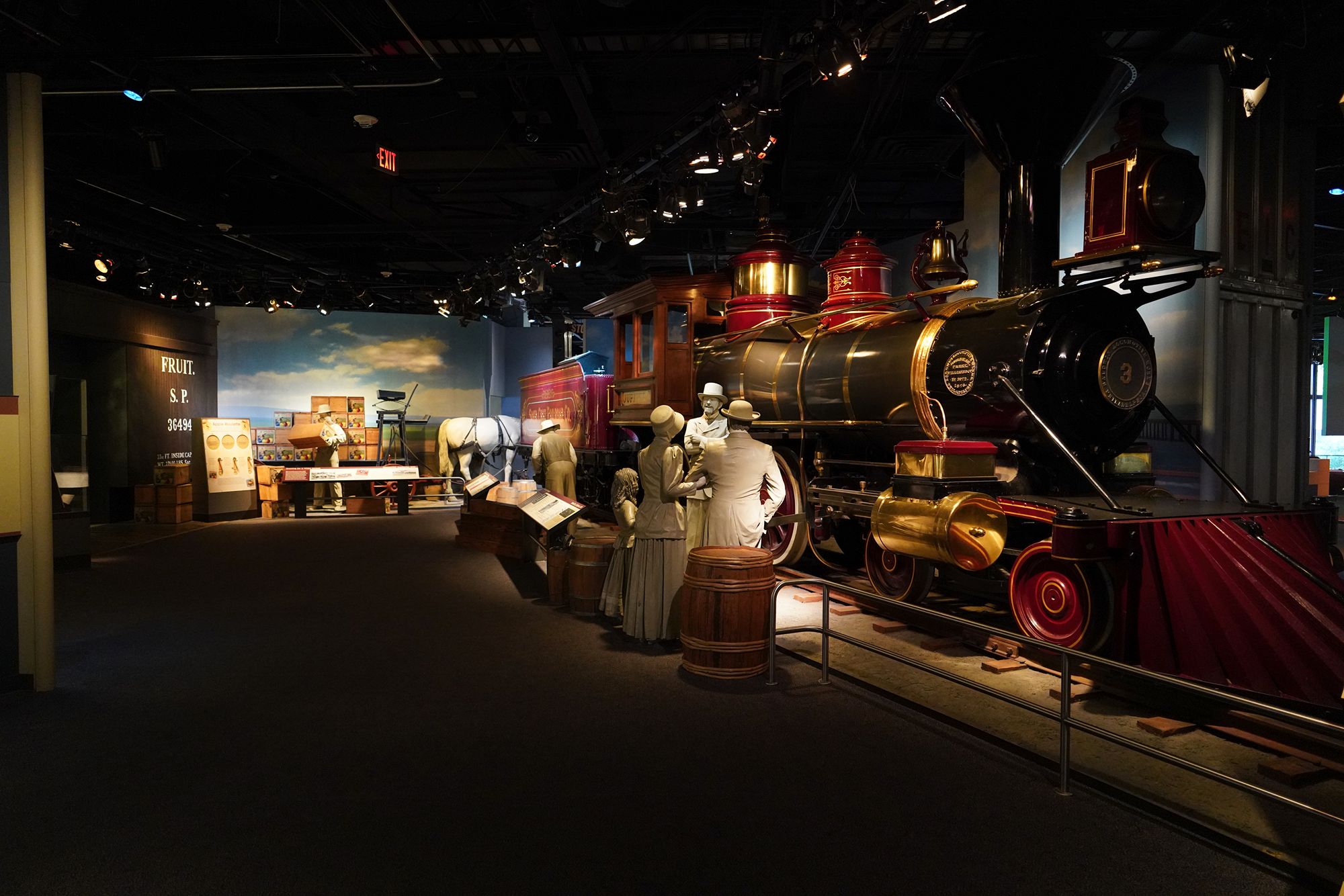
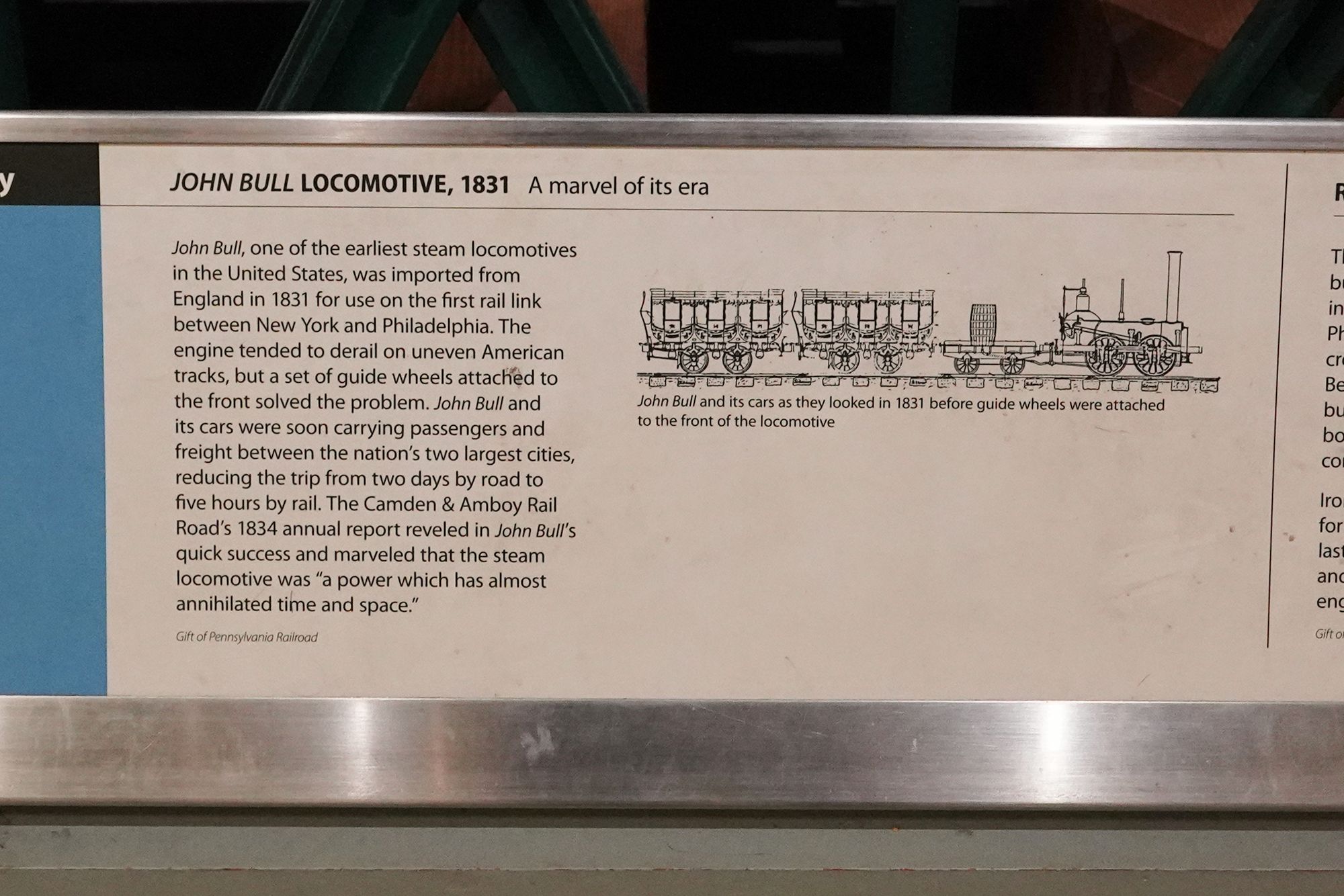
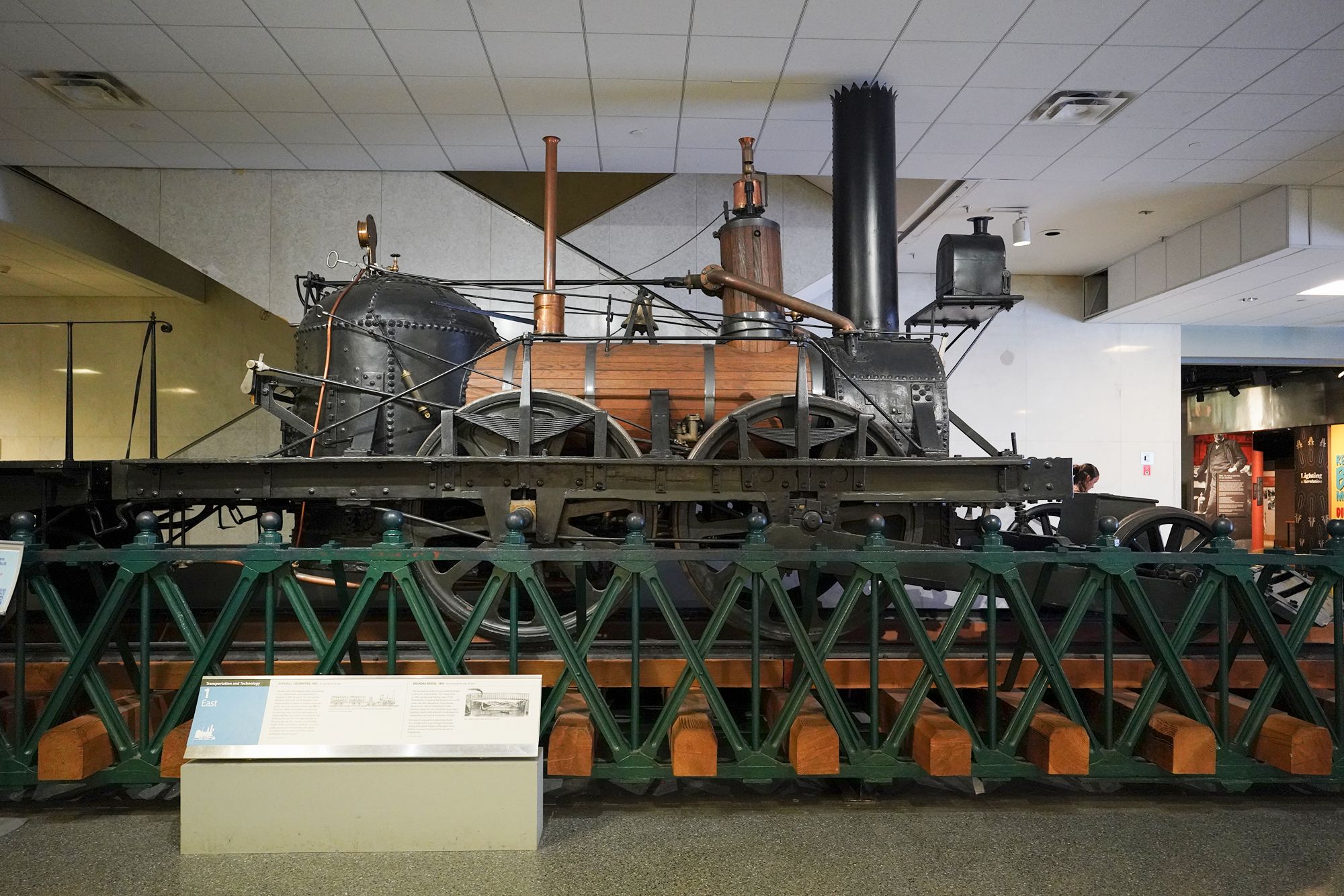
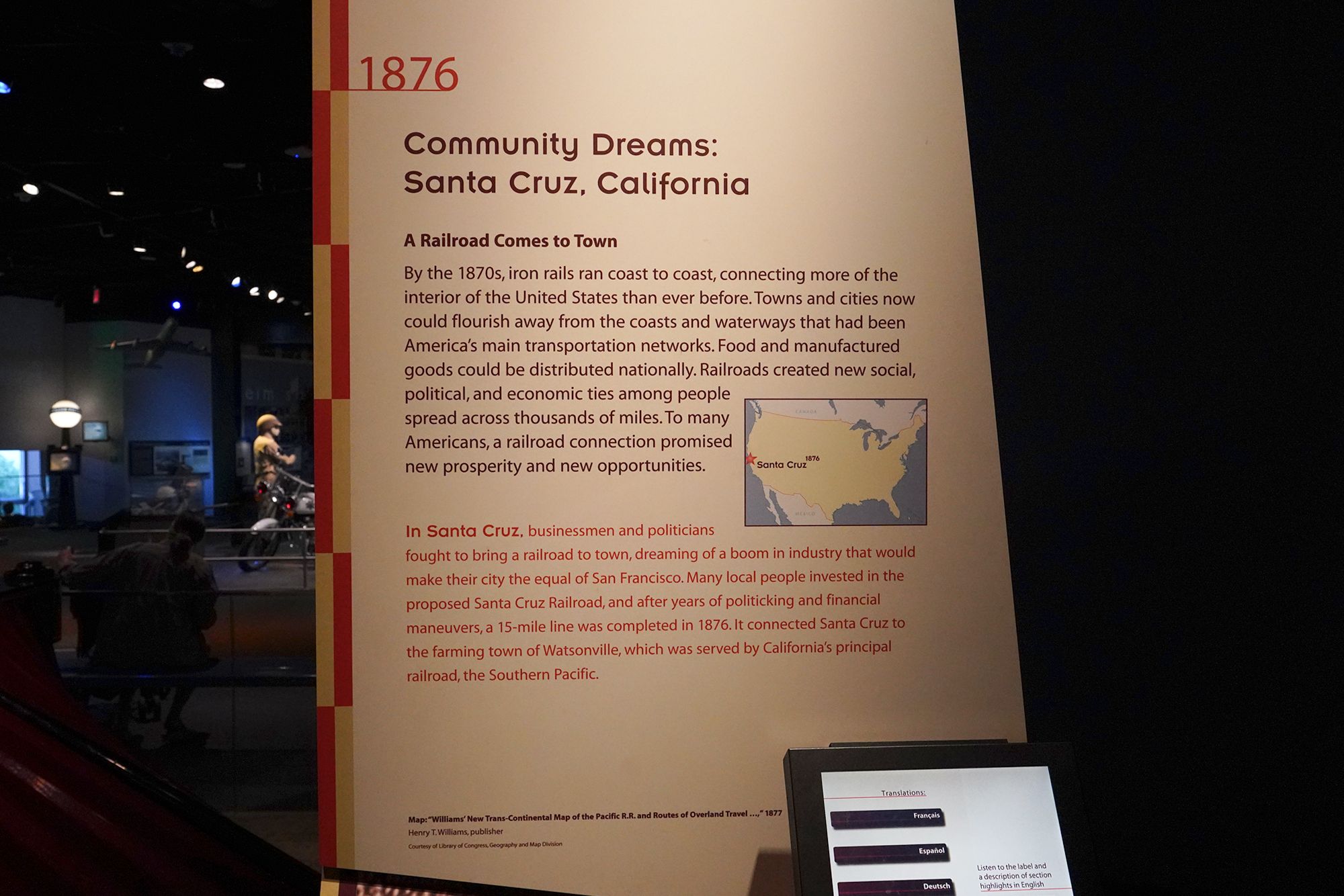
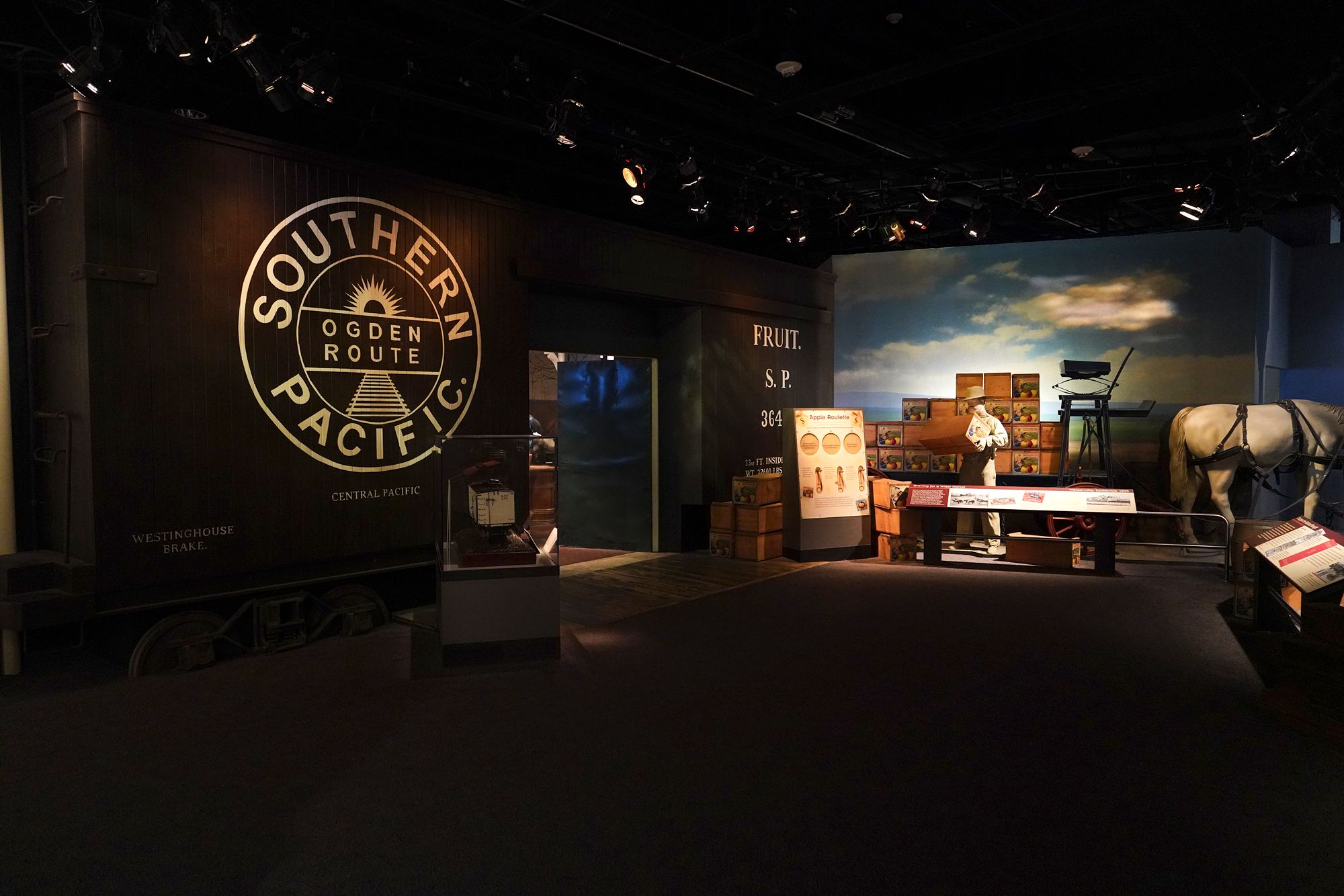
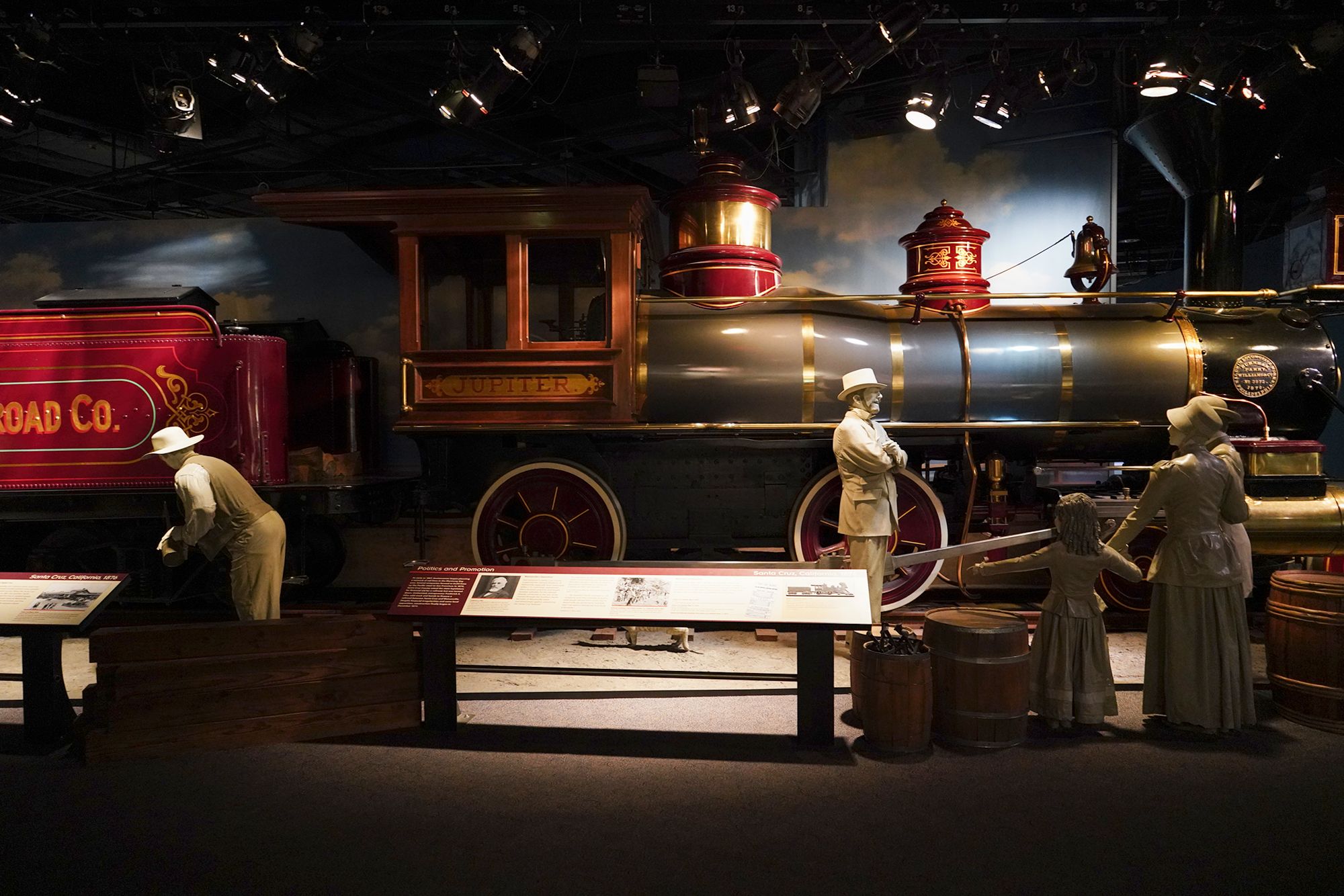
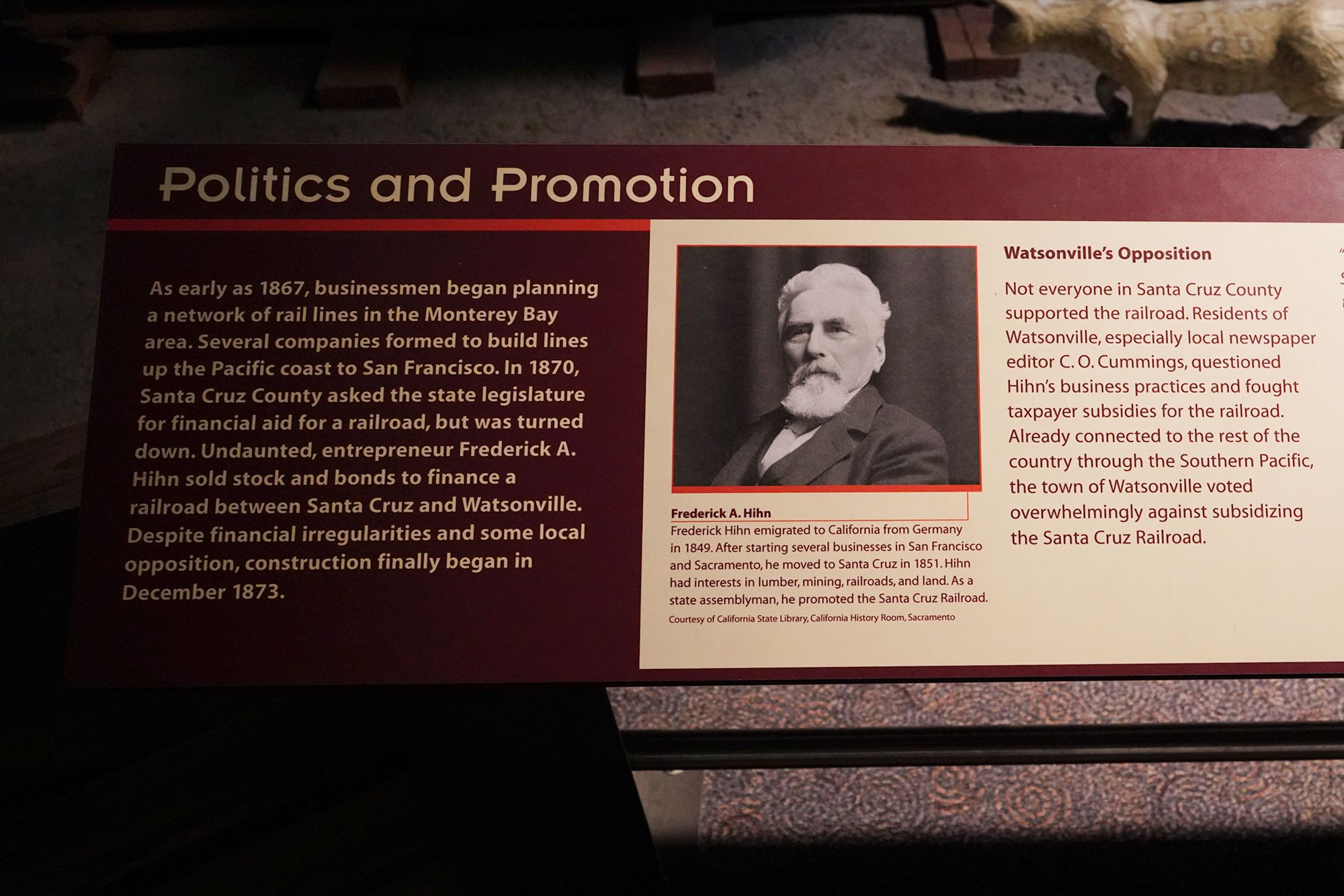
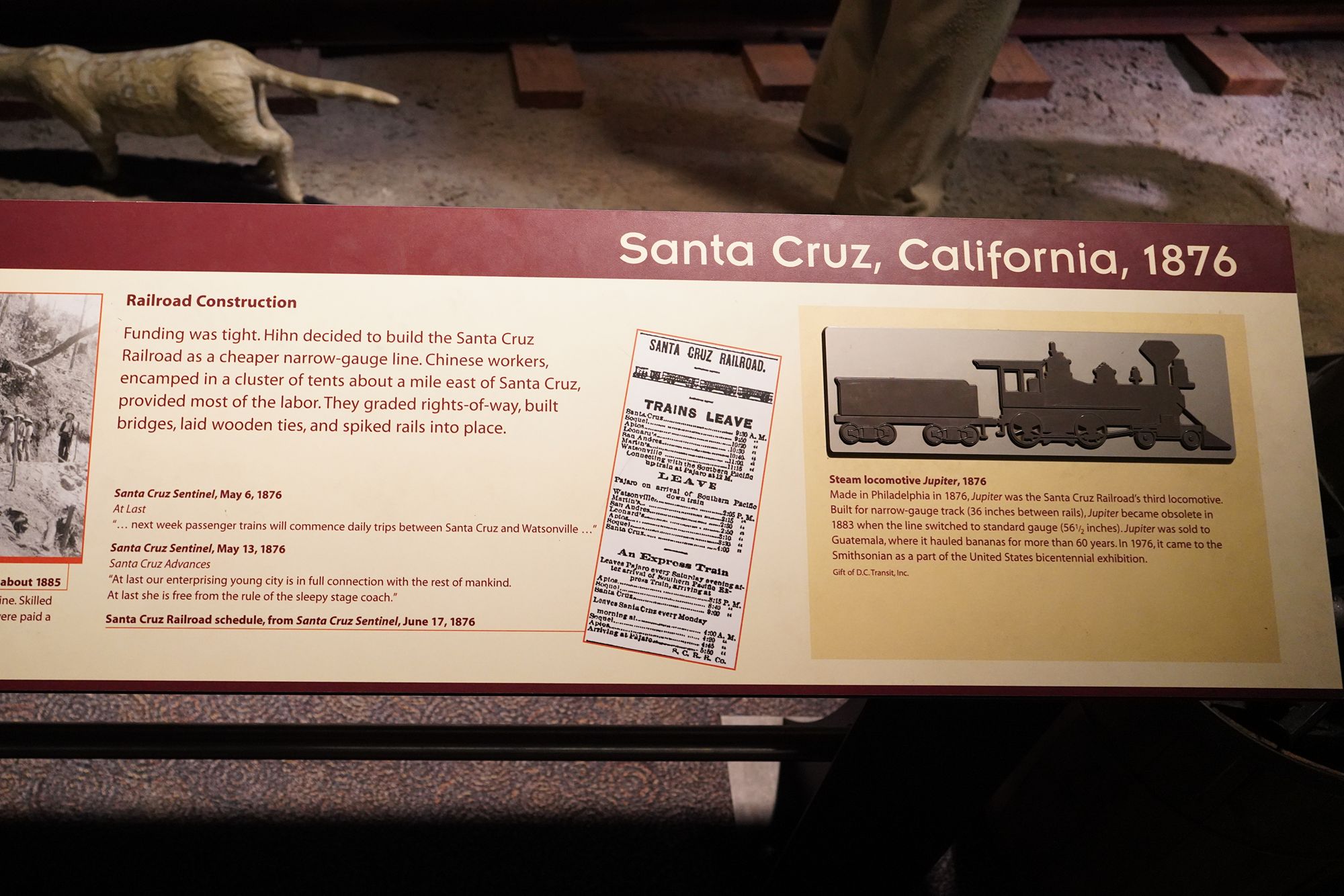
By 1870, railroads had spread across much of the United States, connecting major cities and opening the West to settlement, trade, and travel. Trains moved people and goods faster than ever before, helping industries grow and turning small towns into booming centers of commerce.
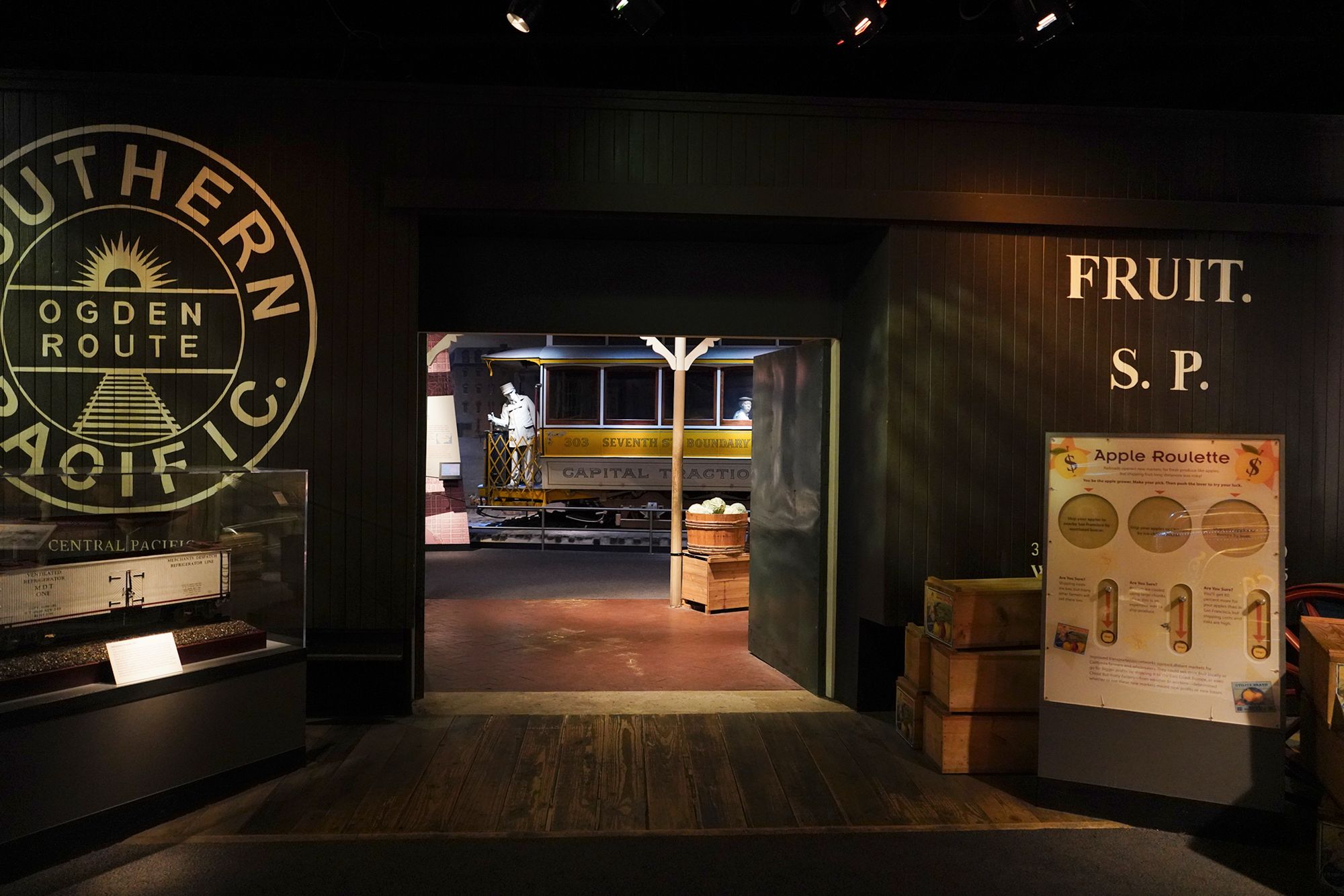
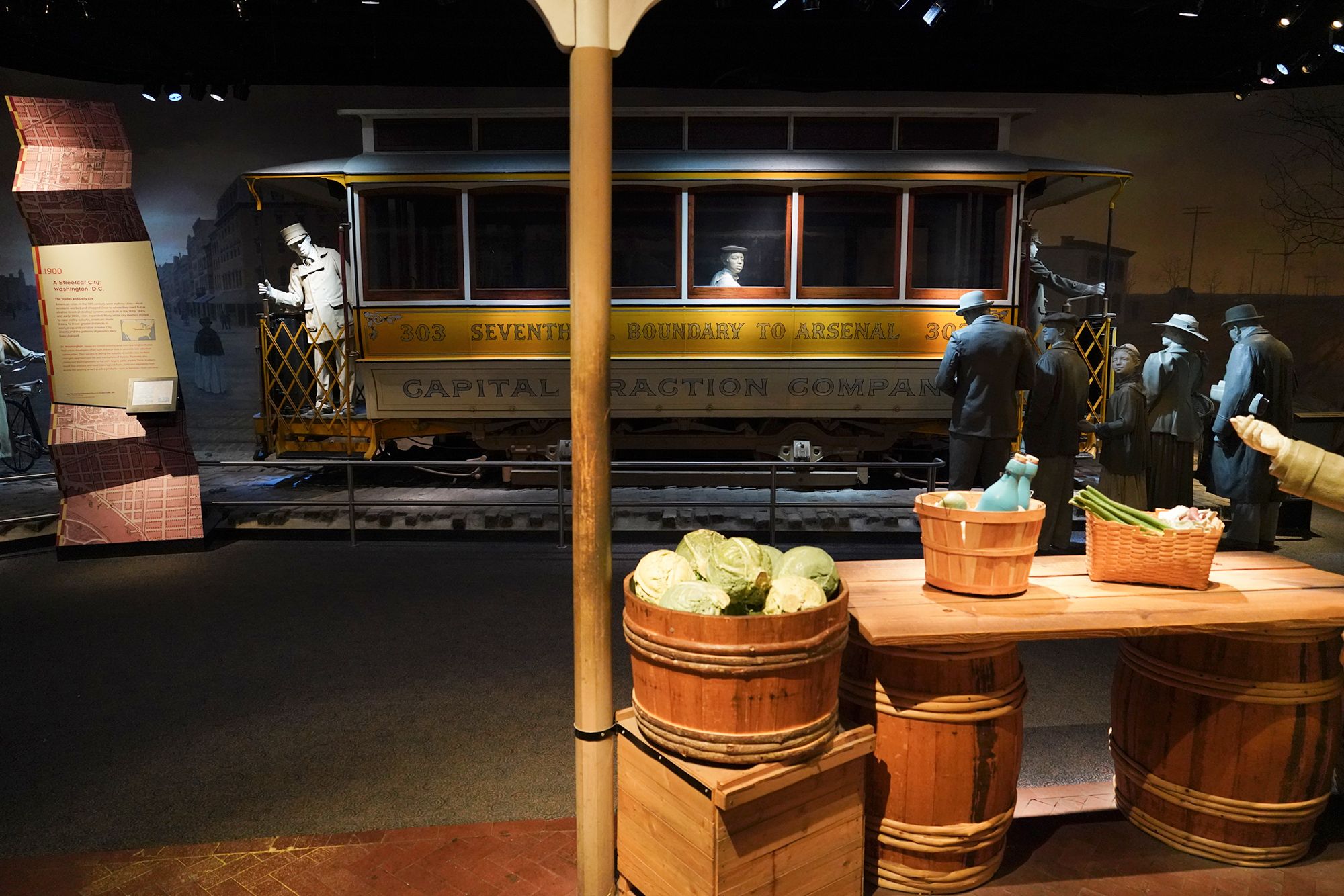
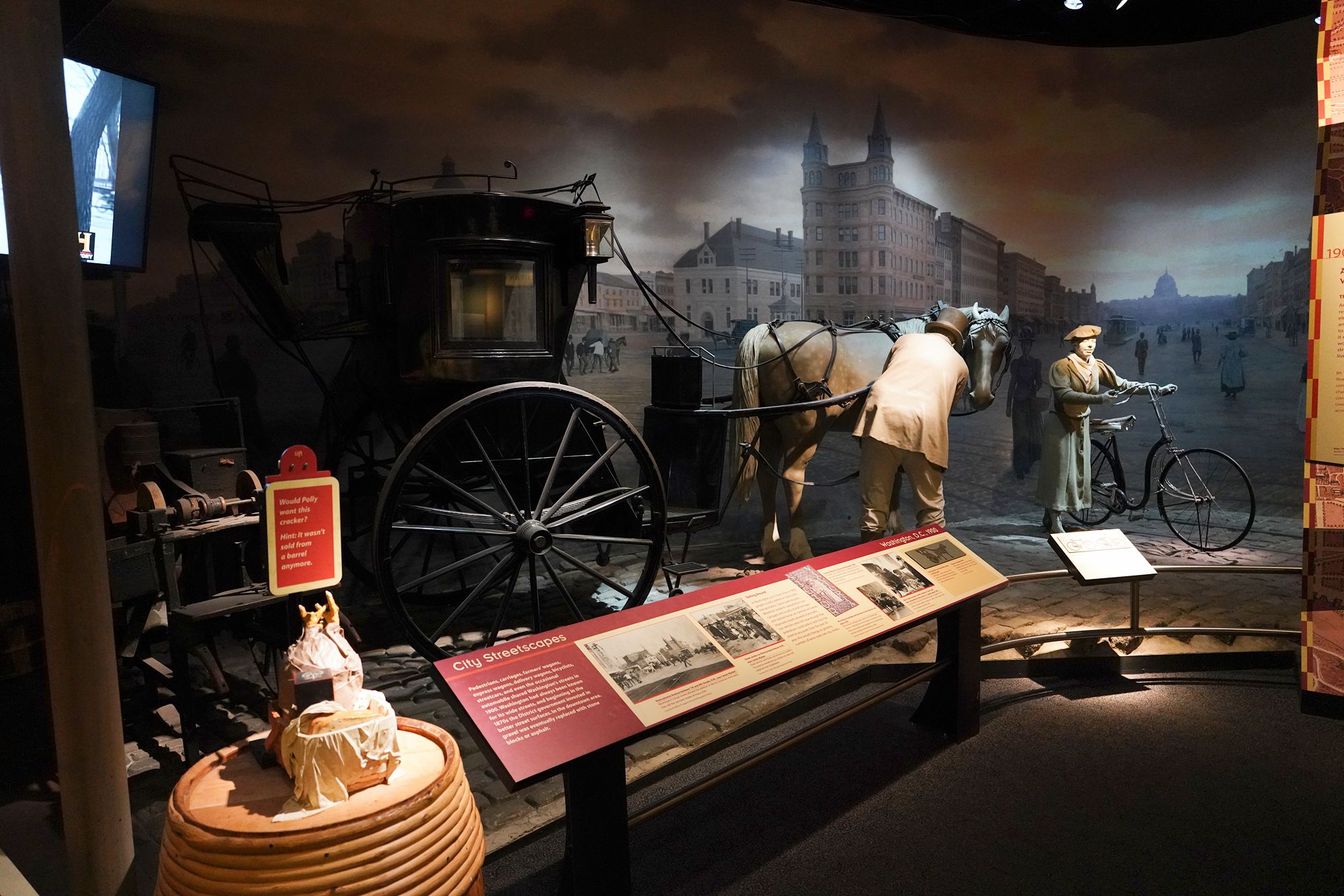
Around 1900, many American cities were shaped by electric streetcars, which made it easy for people to live farther from where they worked. This created new residential neighborhoods, expanded city boundaries, and allowed workers and families to commute quickly and cheaply.
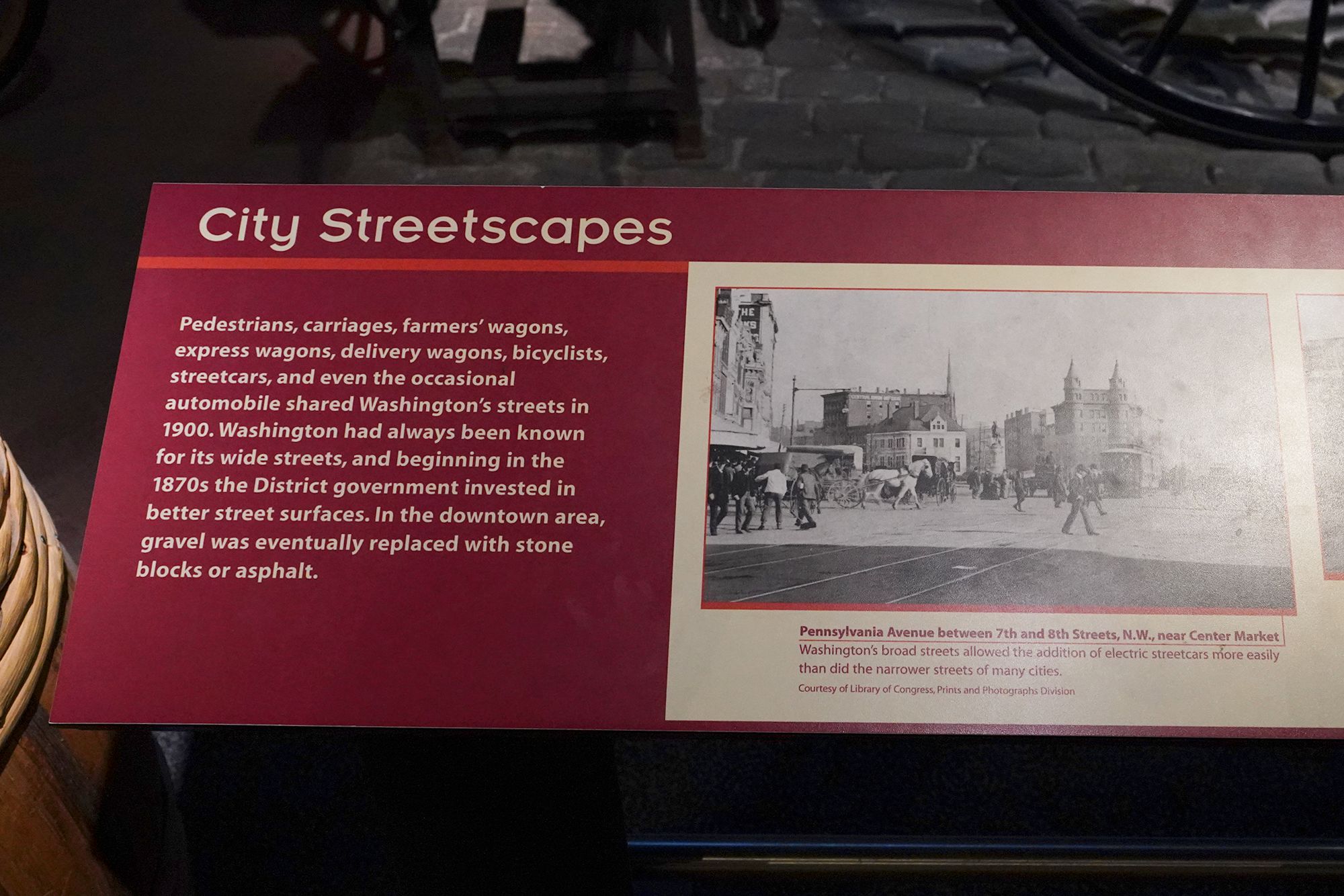
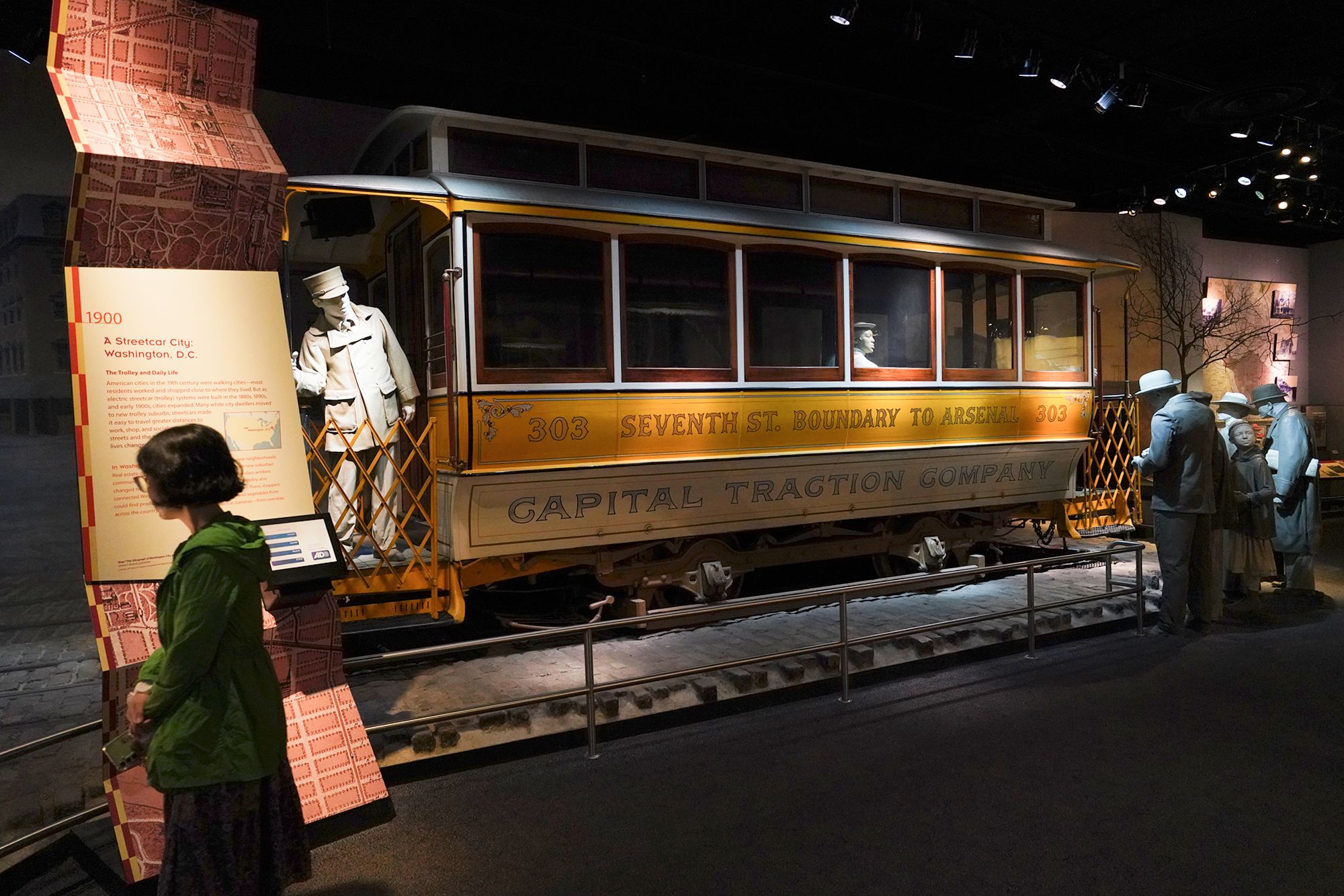
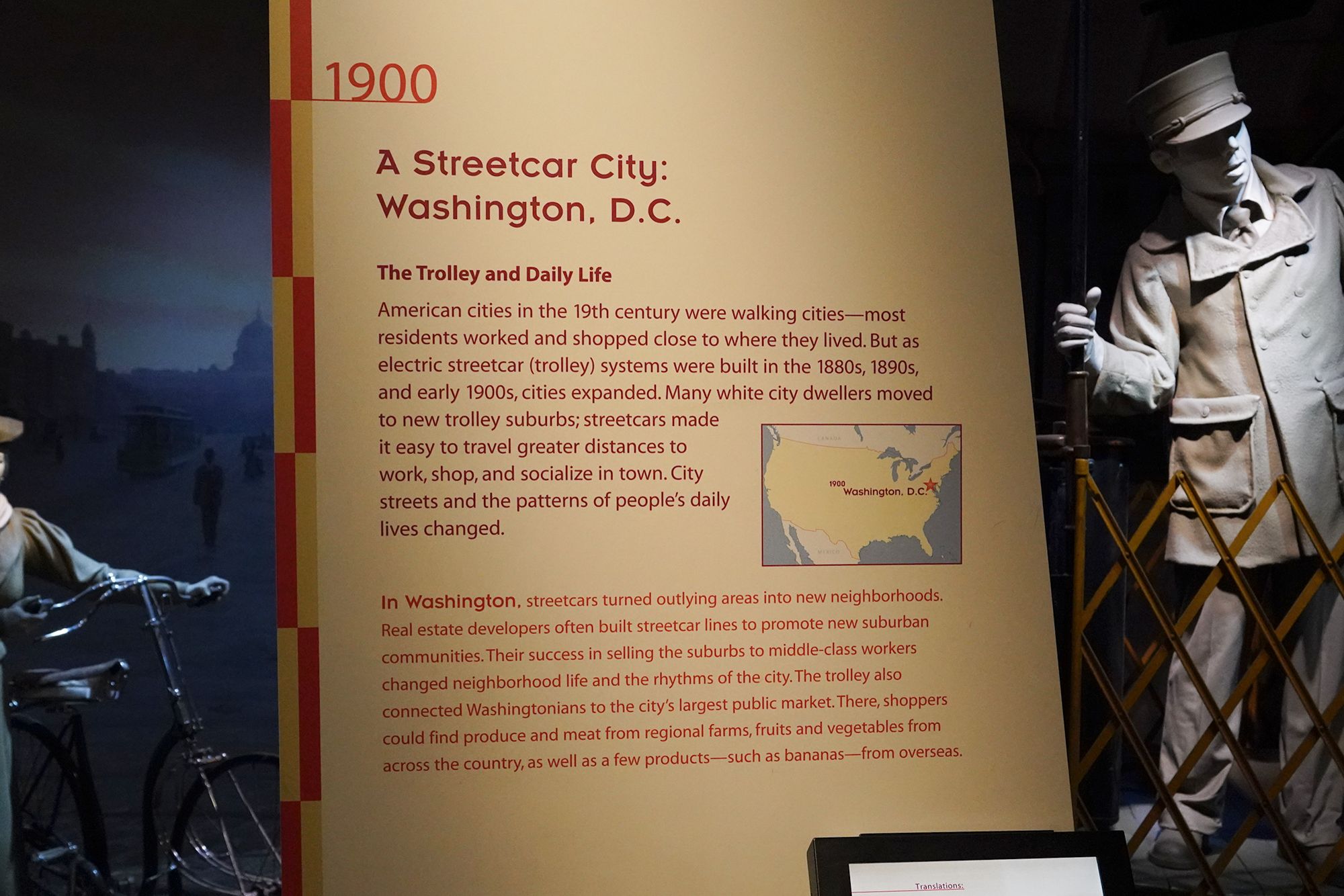
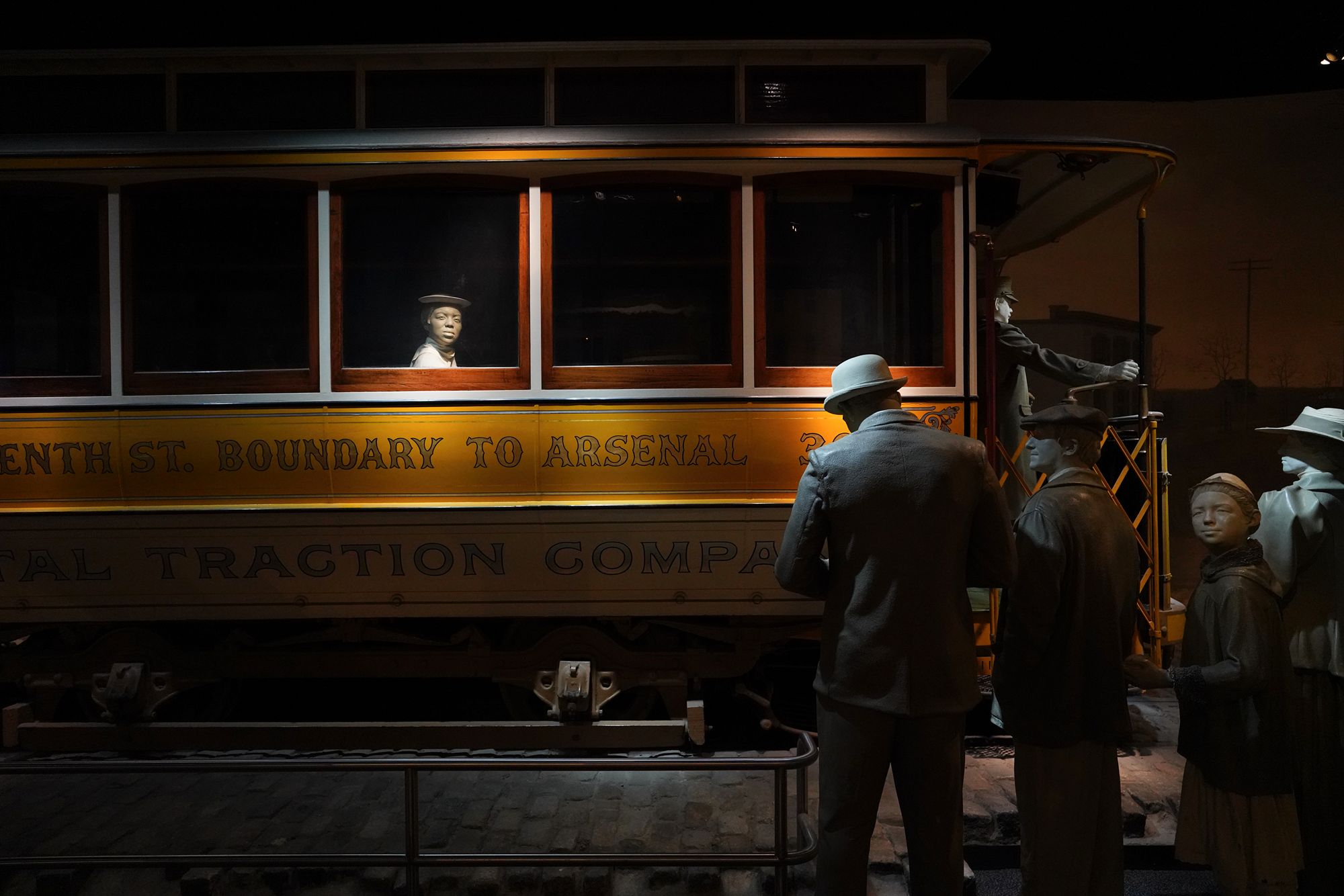
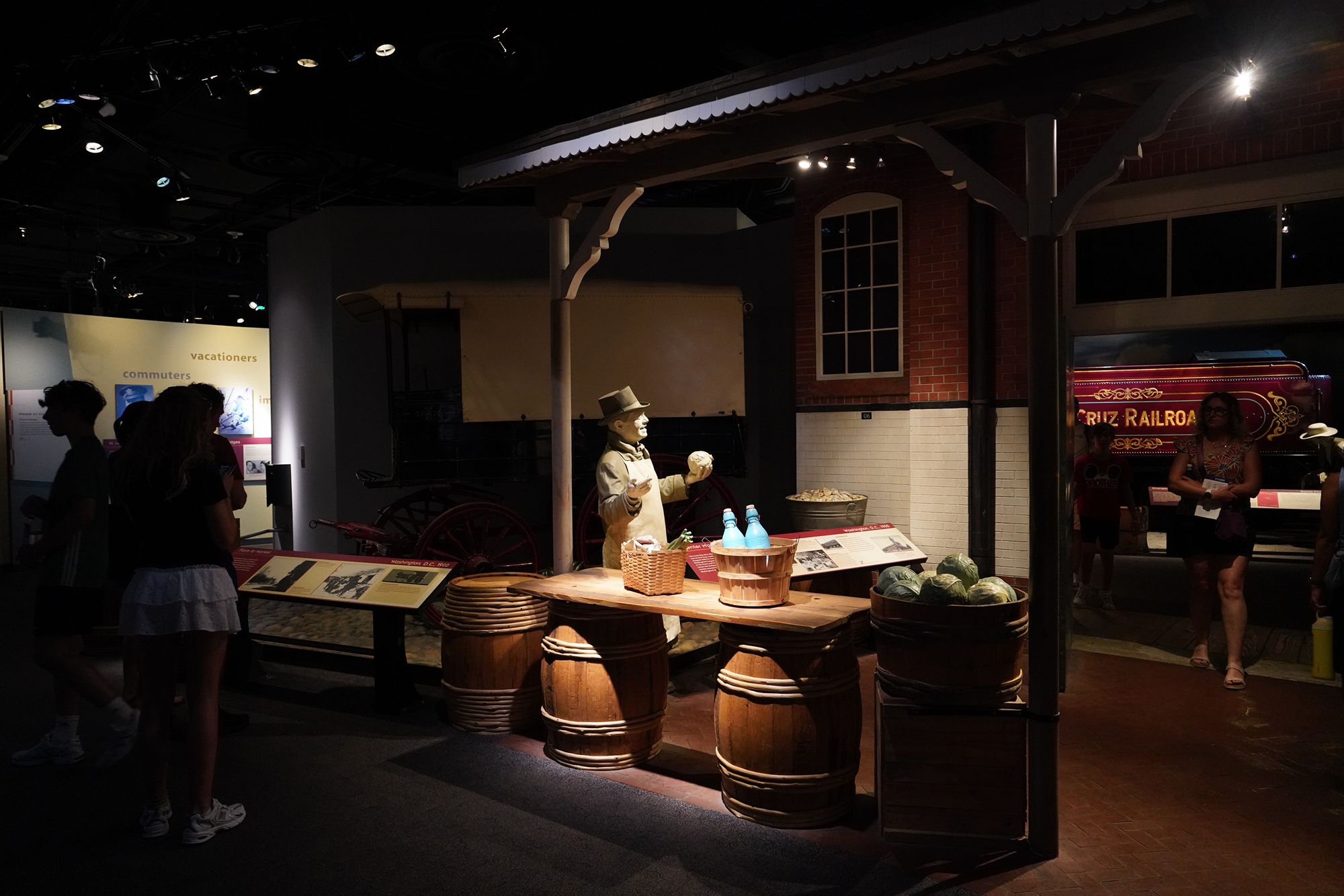
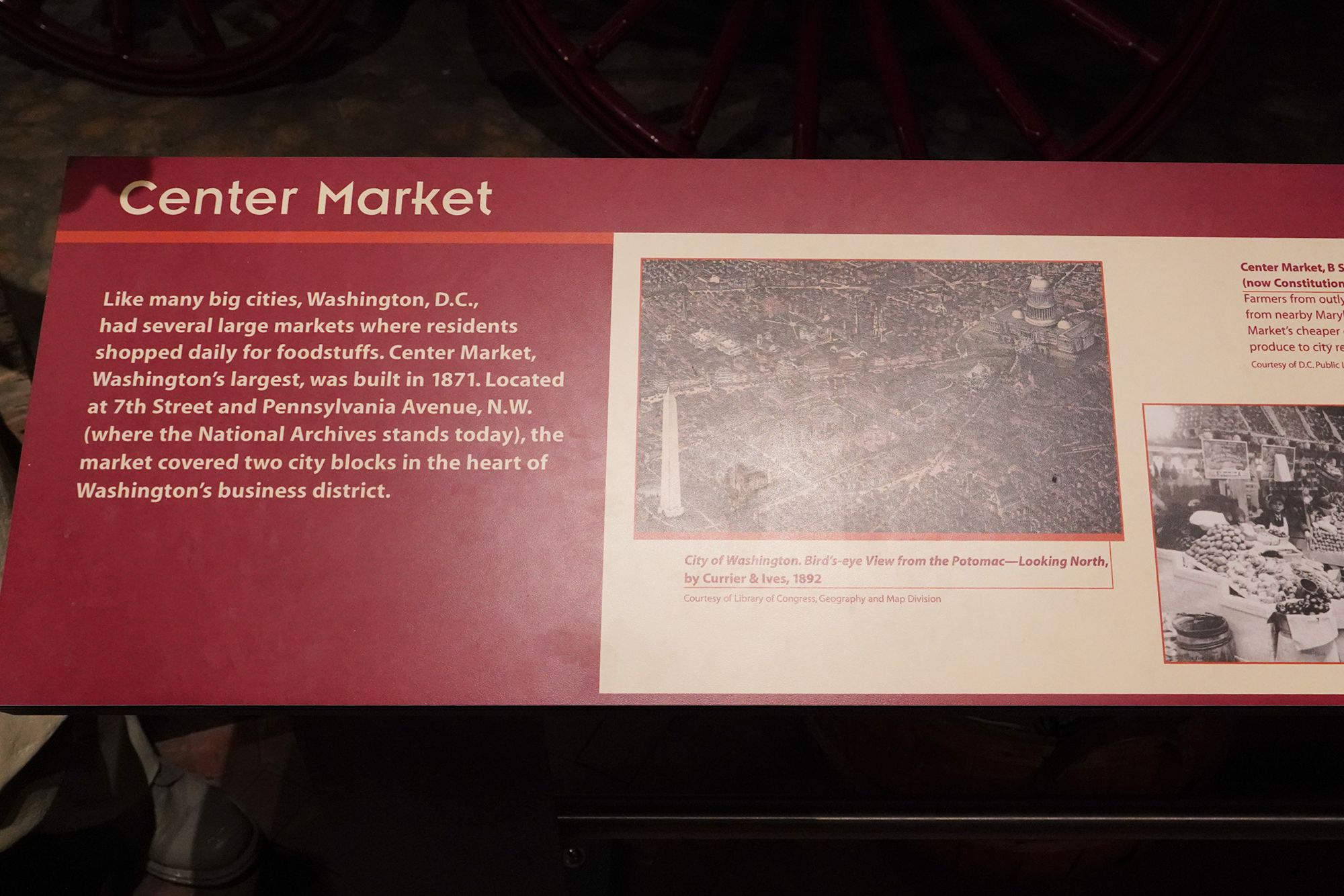
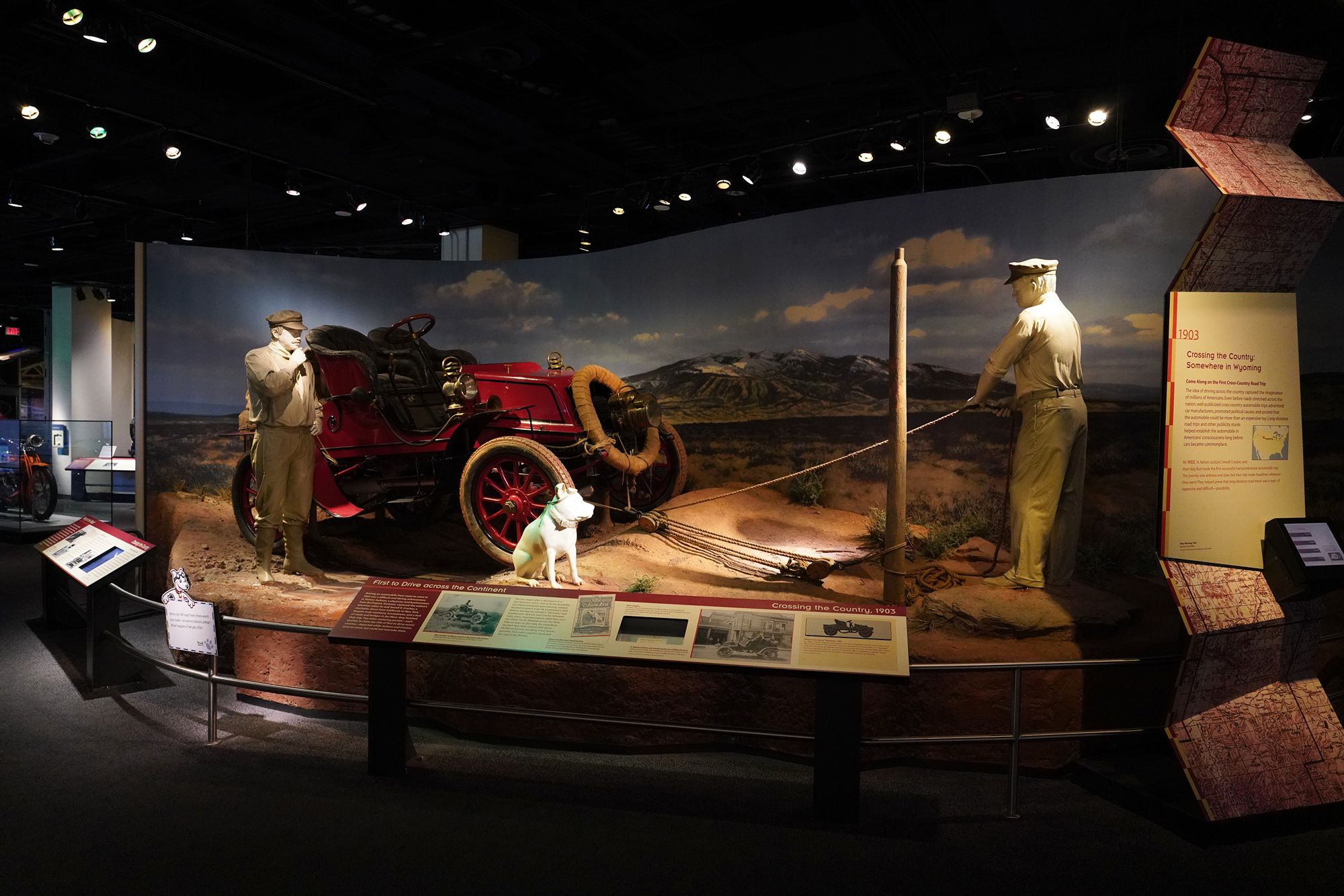
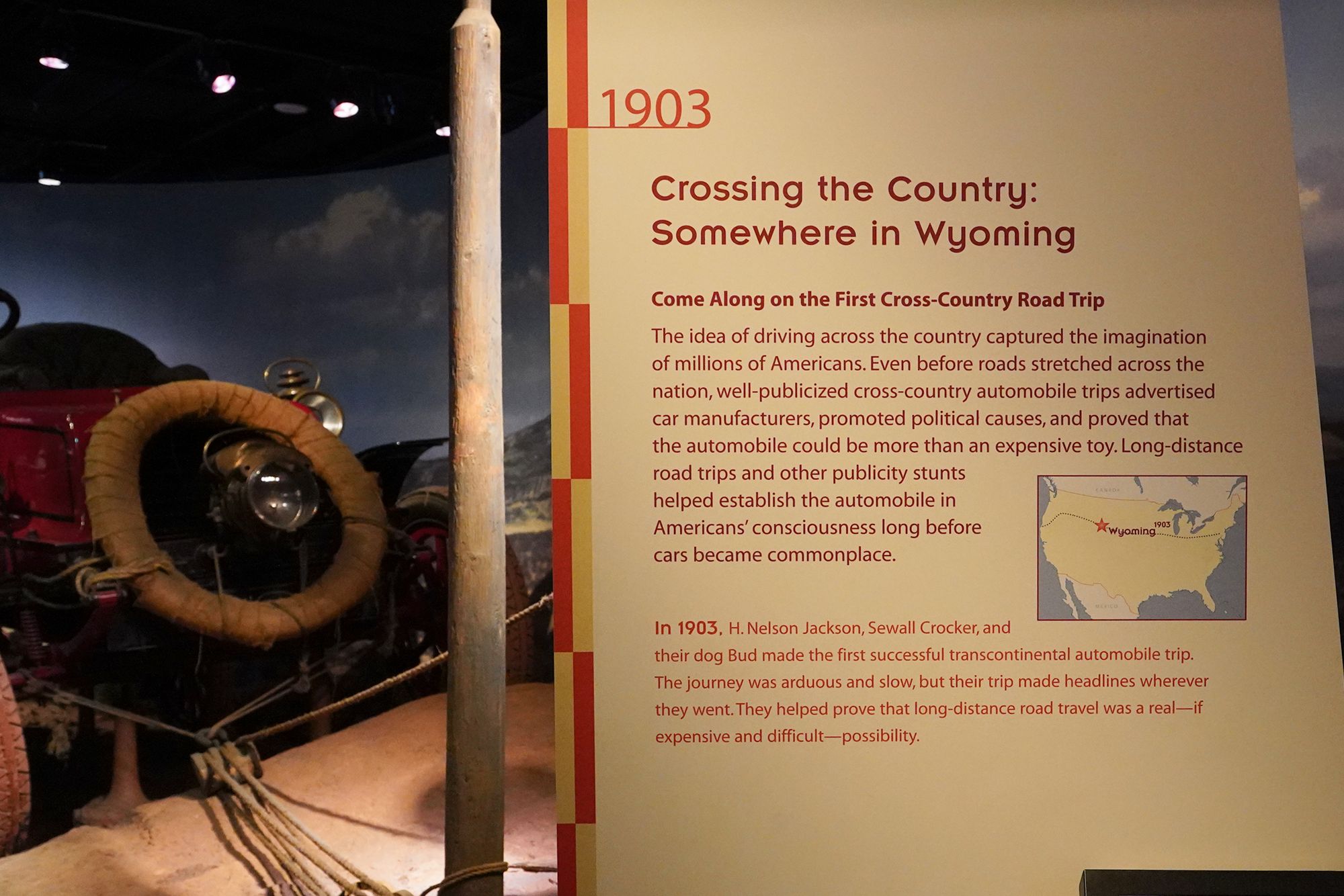
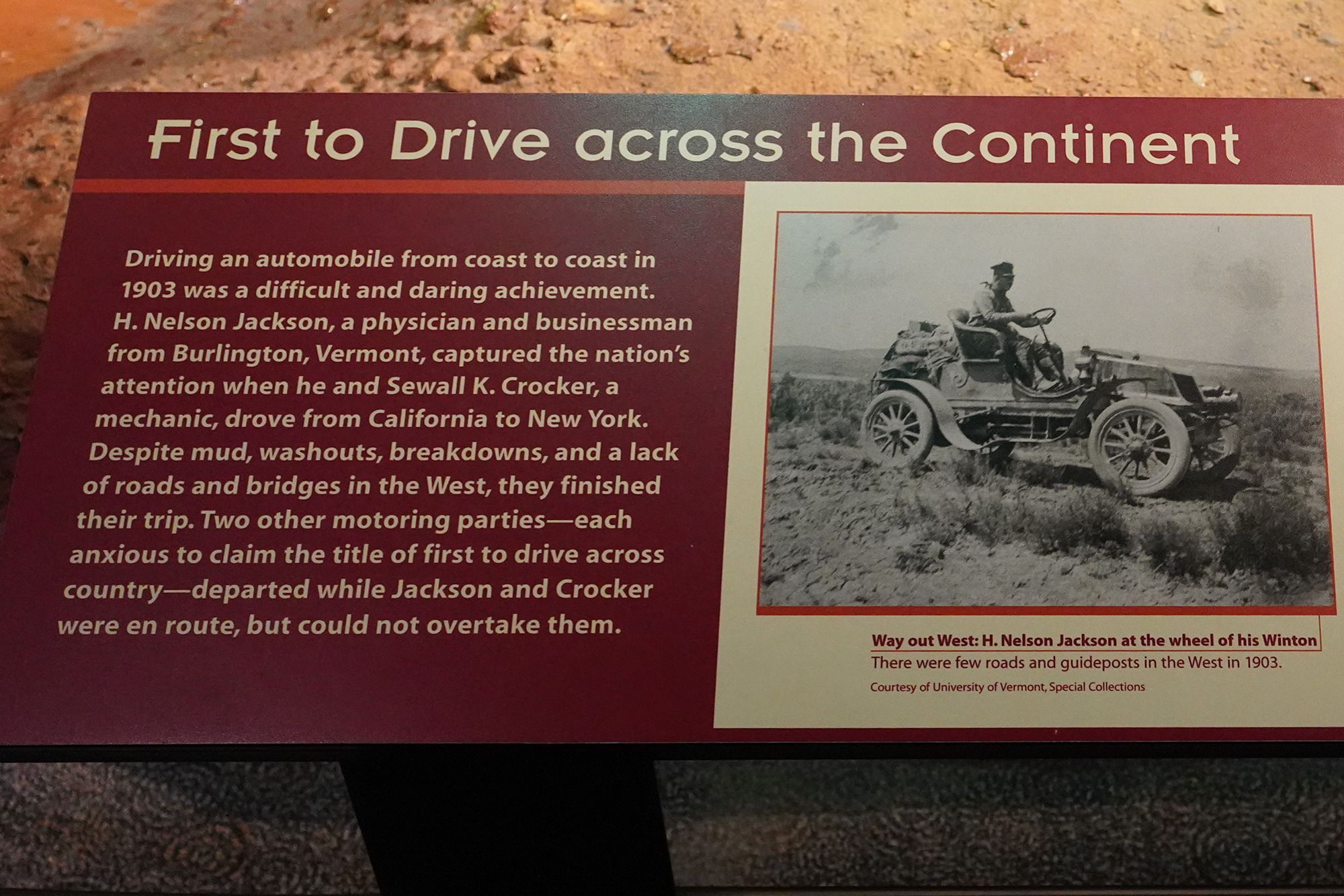
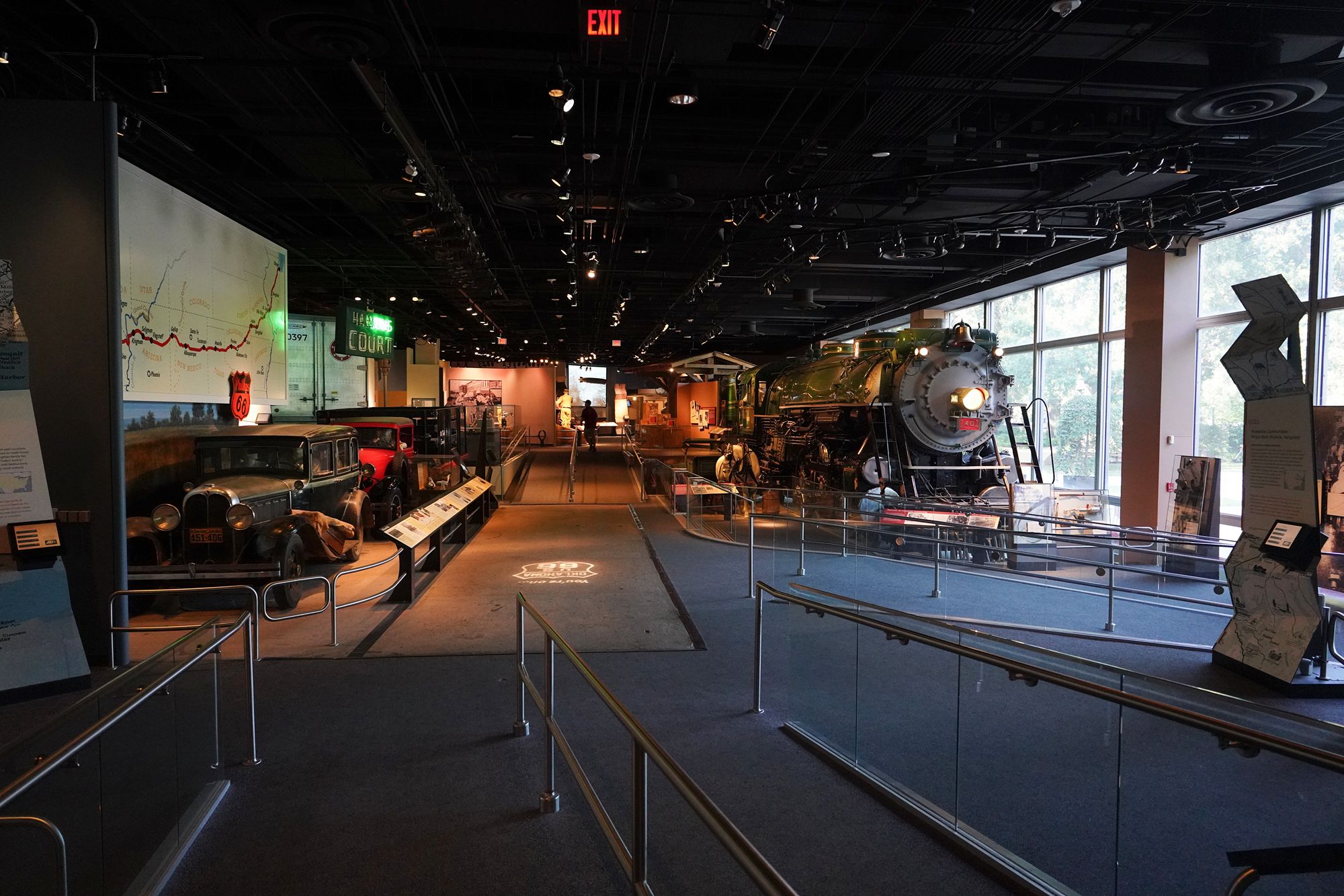
In the early 1900s, Americans began using automobiles to travel long distances across the continent. Roads were rough and unpaved, gasoline was scarce, and early cars often broke down, but adventurous drivers started making cross-country trips. These early journeys helped prove that cars could handle long travel and pushed the government to build better roads.
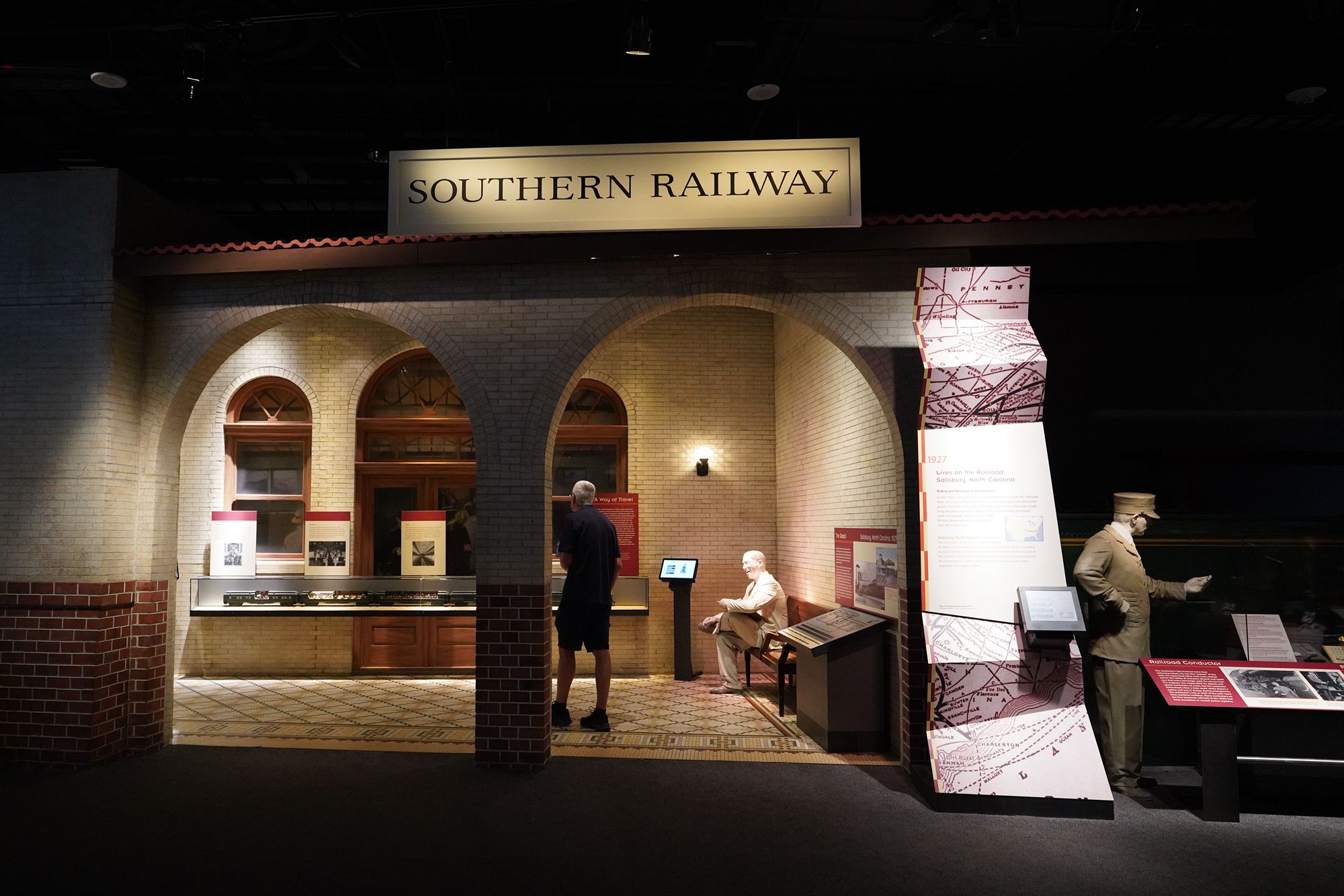
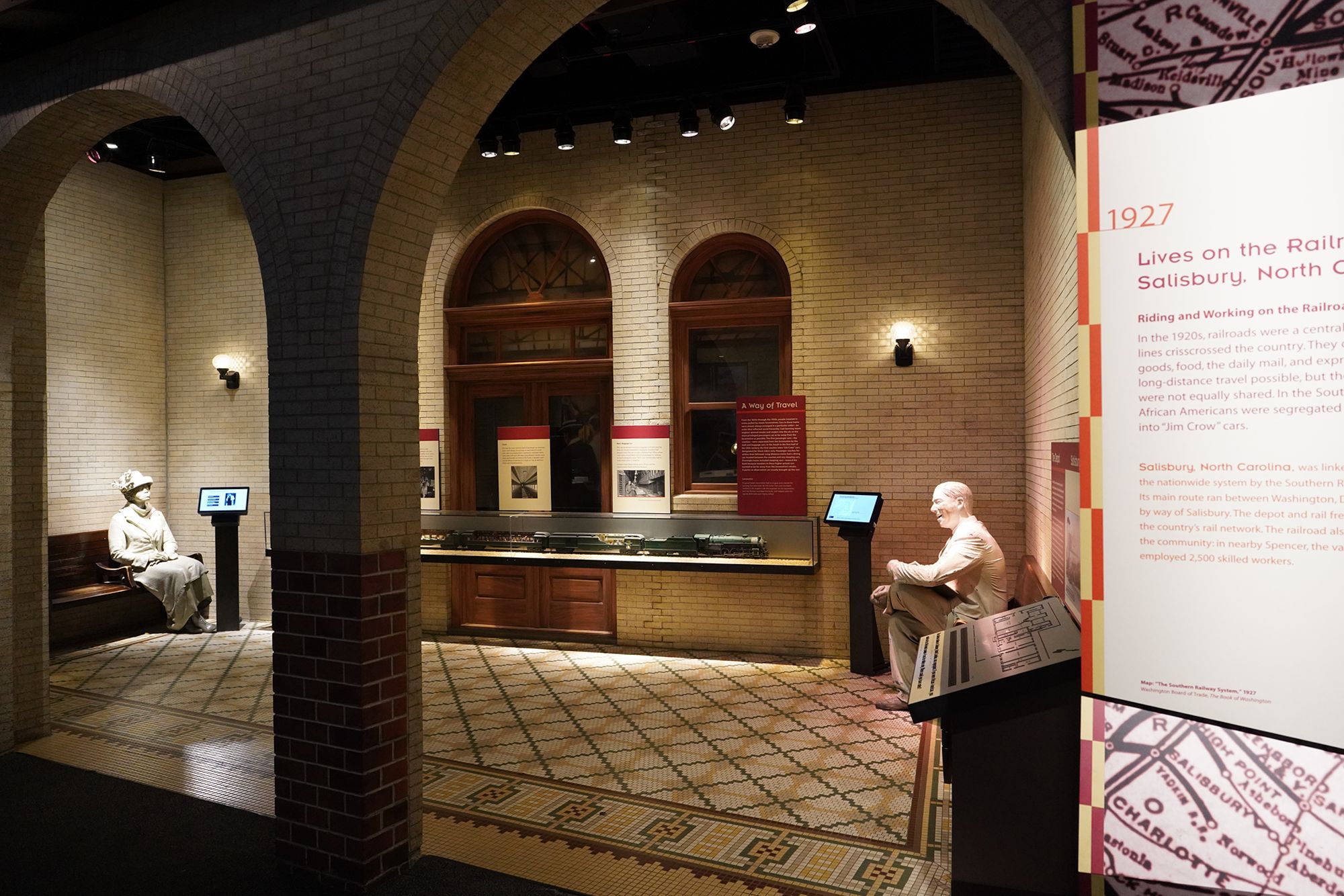
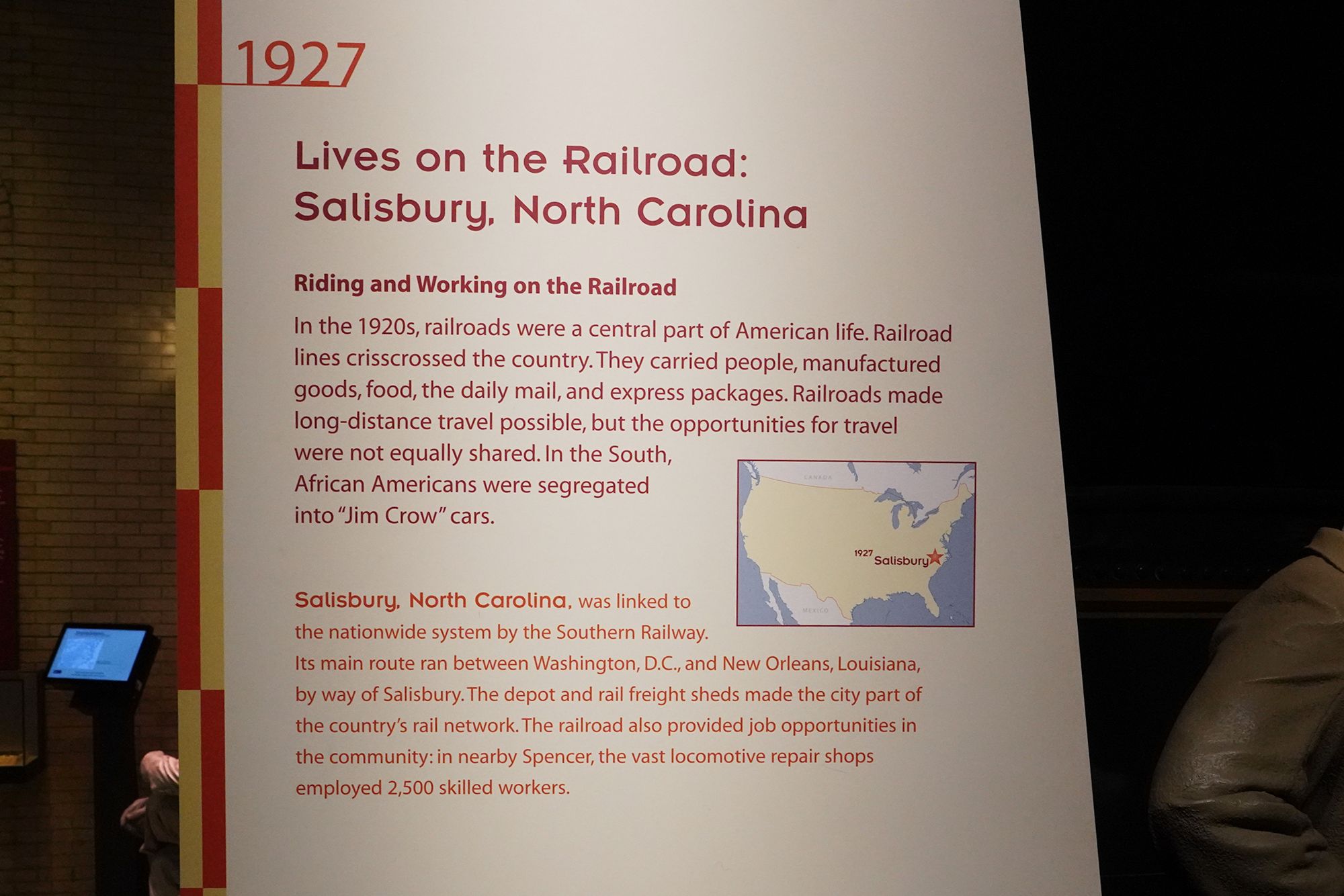
By 1927, railroads were a major part of American life. Millions of people traveled by train for work, migration, and vacations, while thousands of workers kept the rail system running — repairing tracks, operating engines, loading freight, and serving passengers.
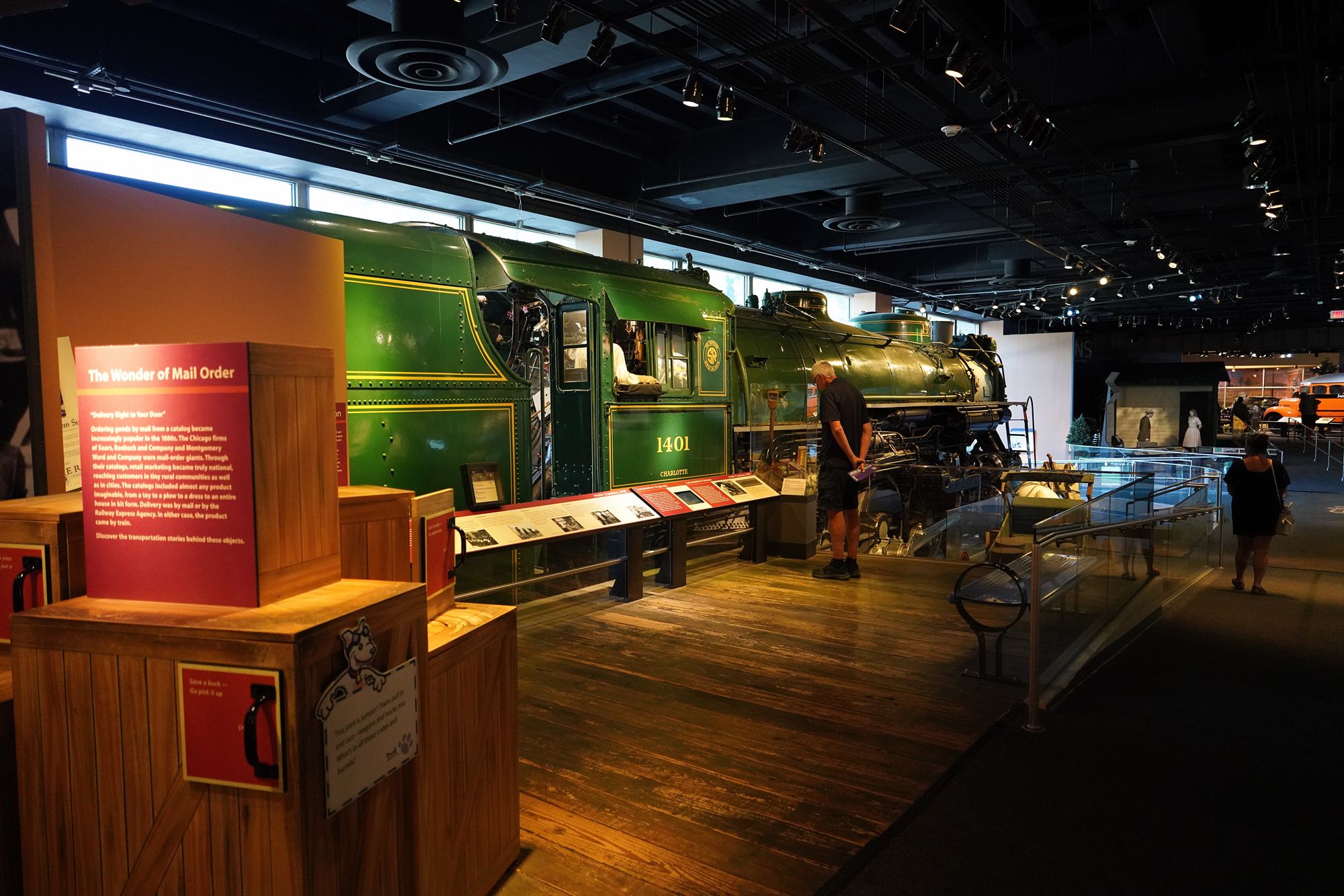
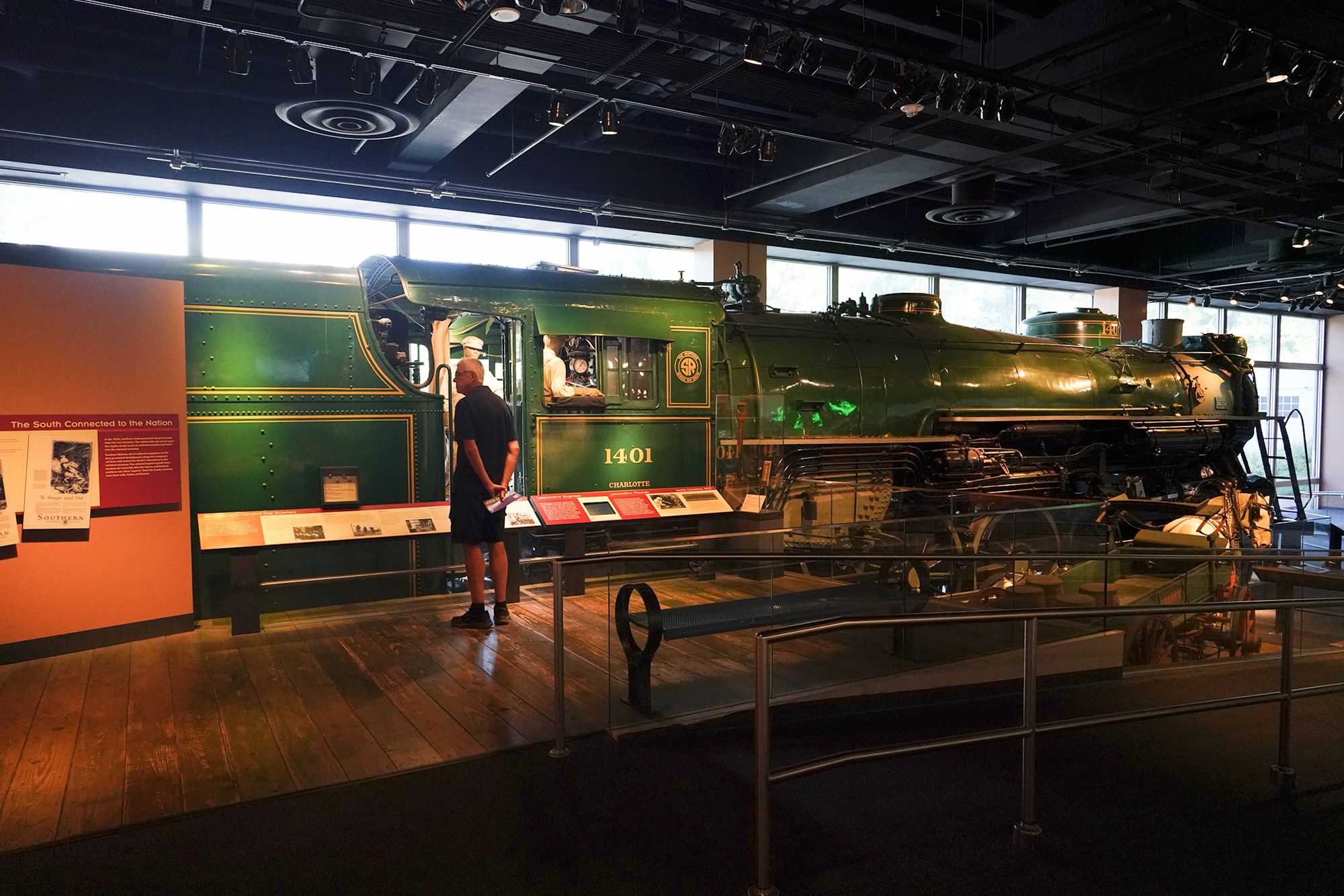
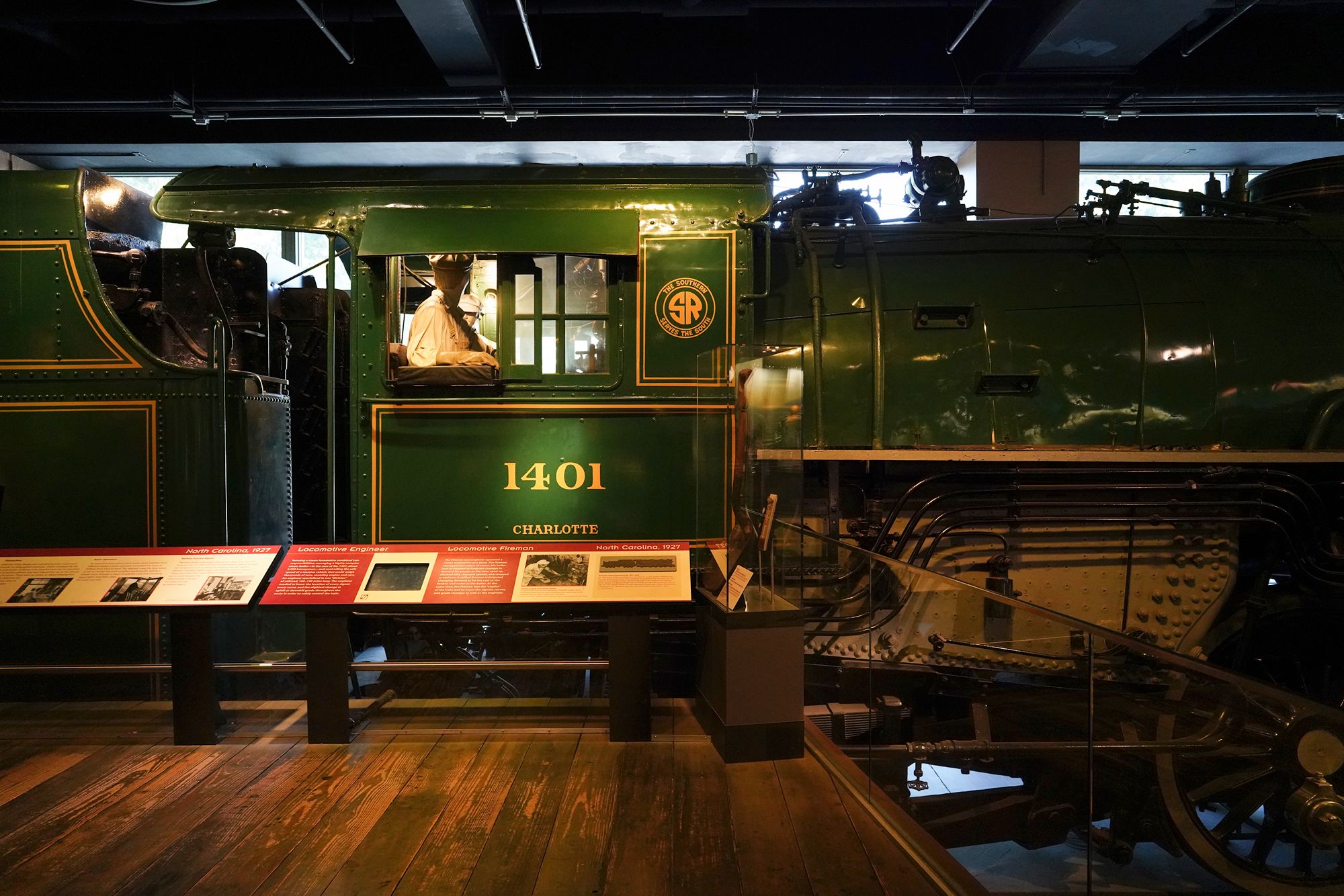
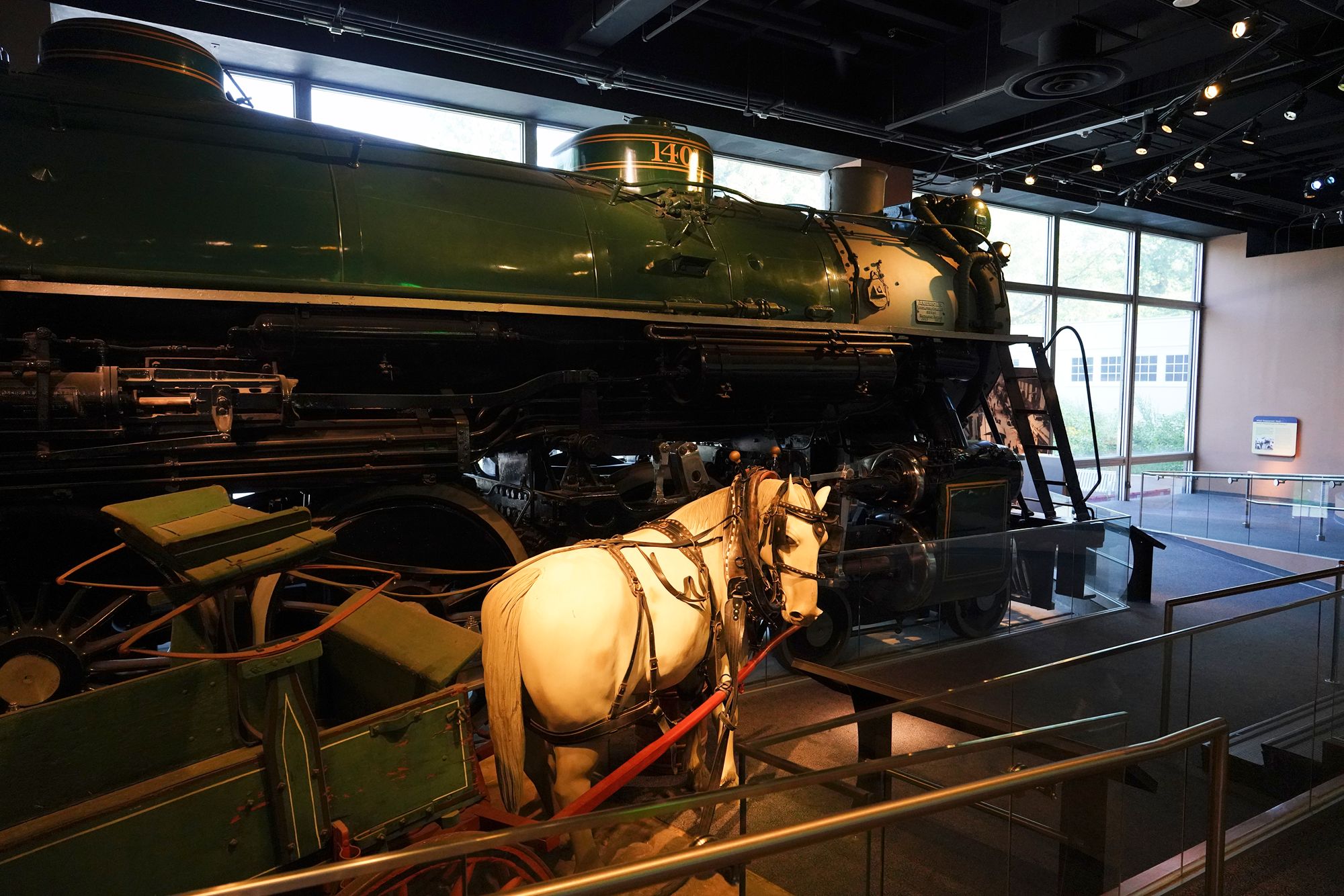
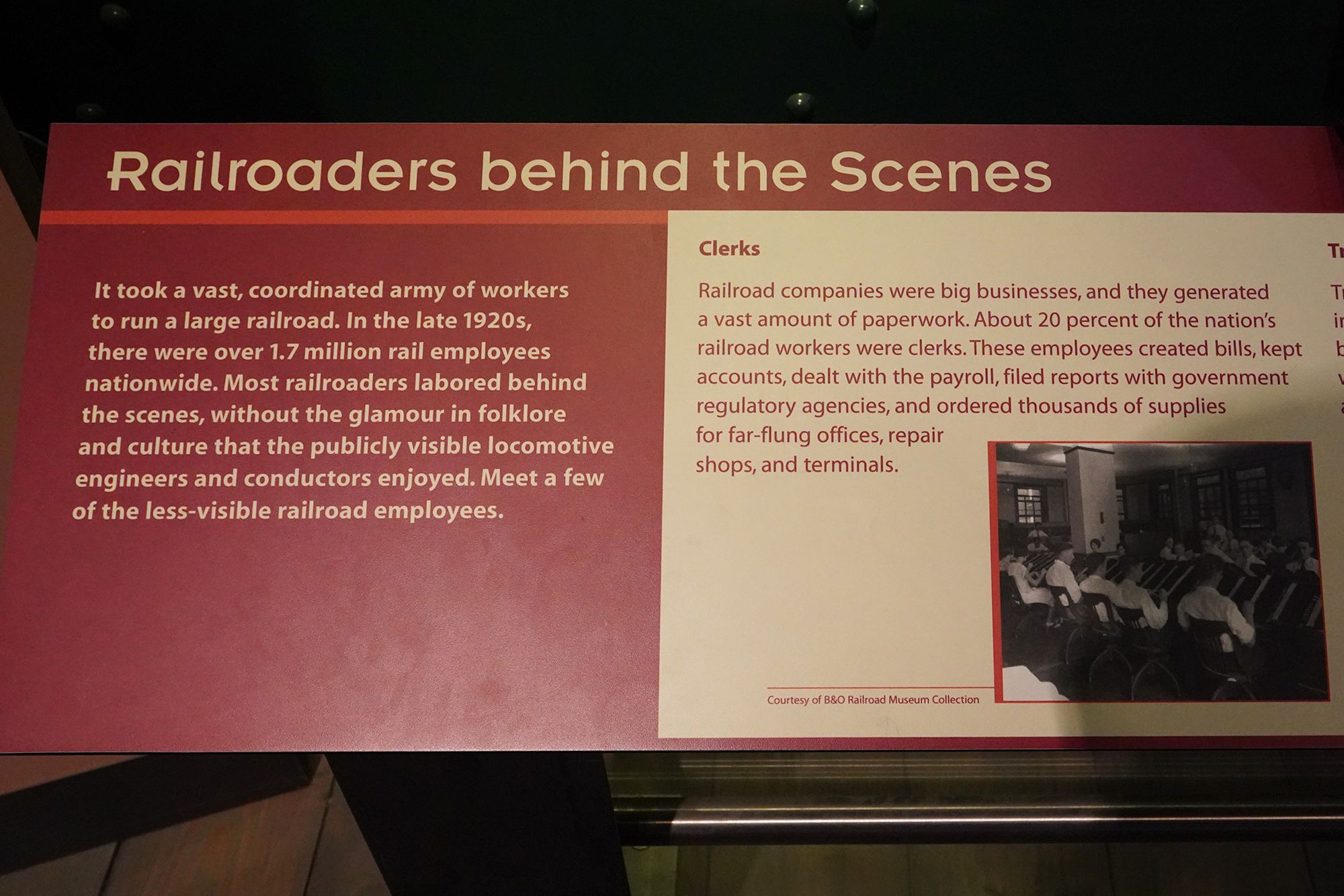
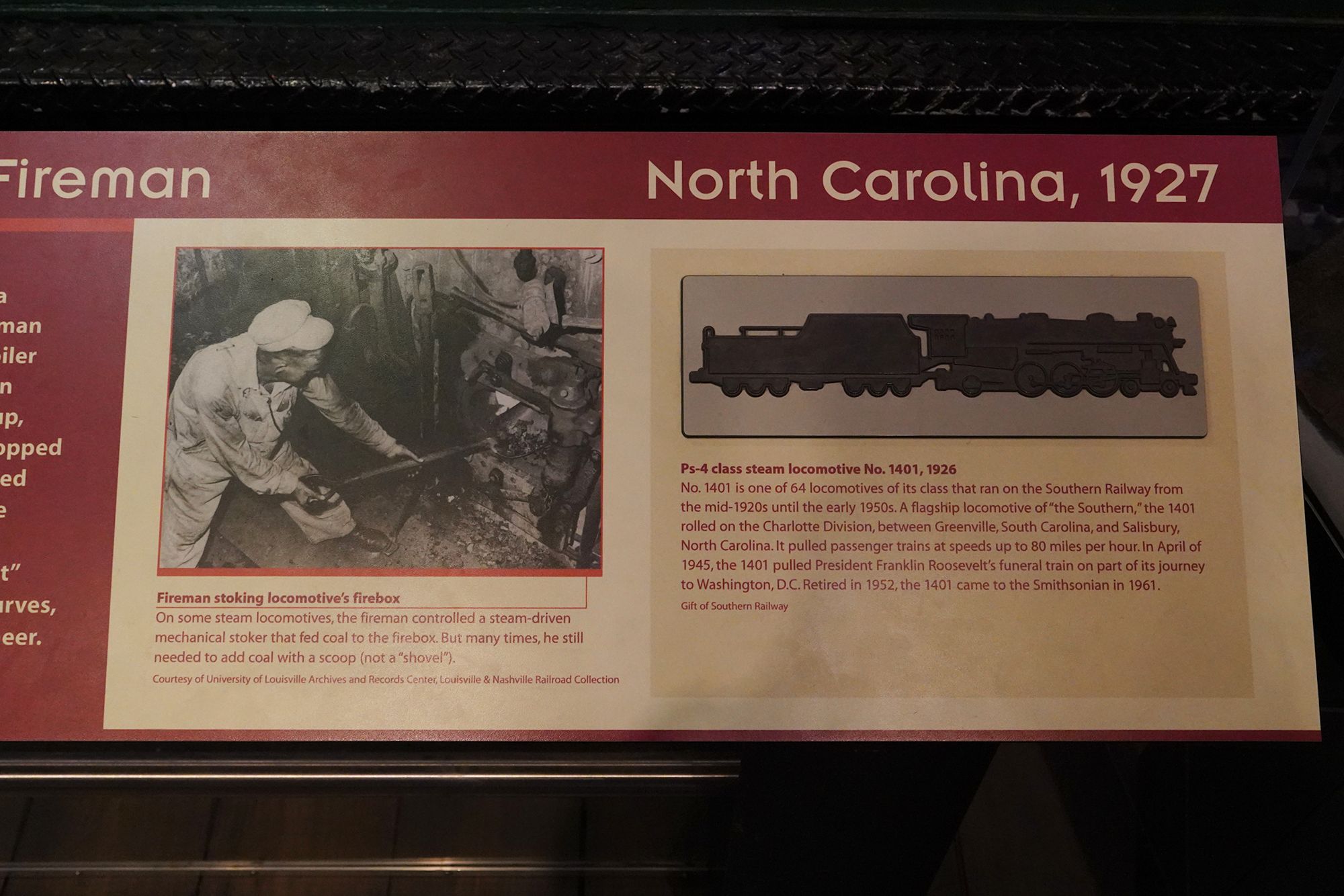
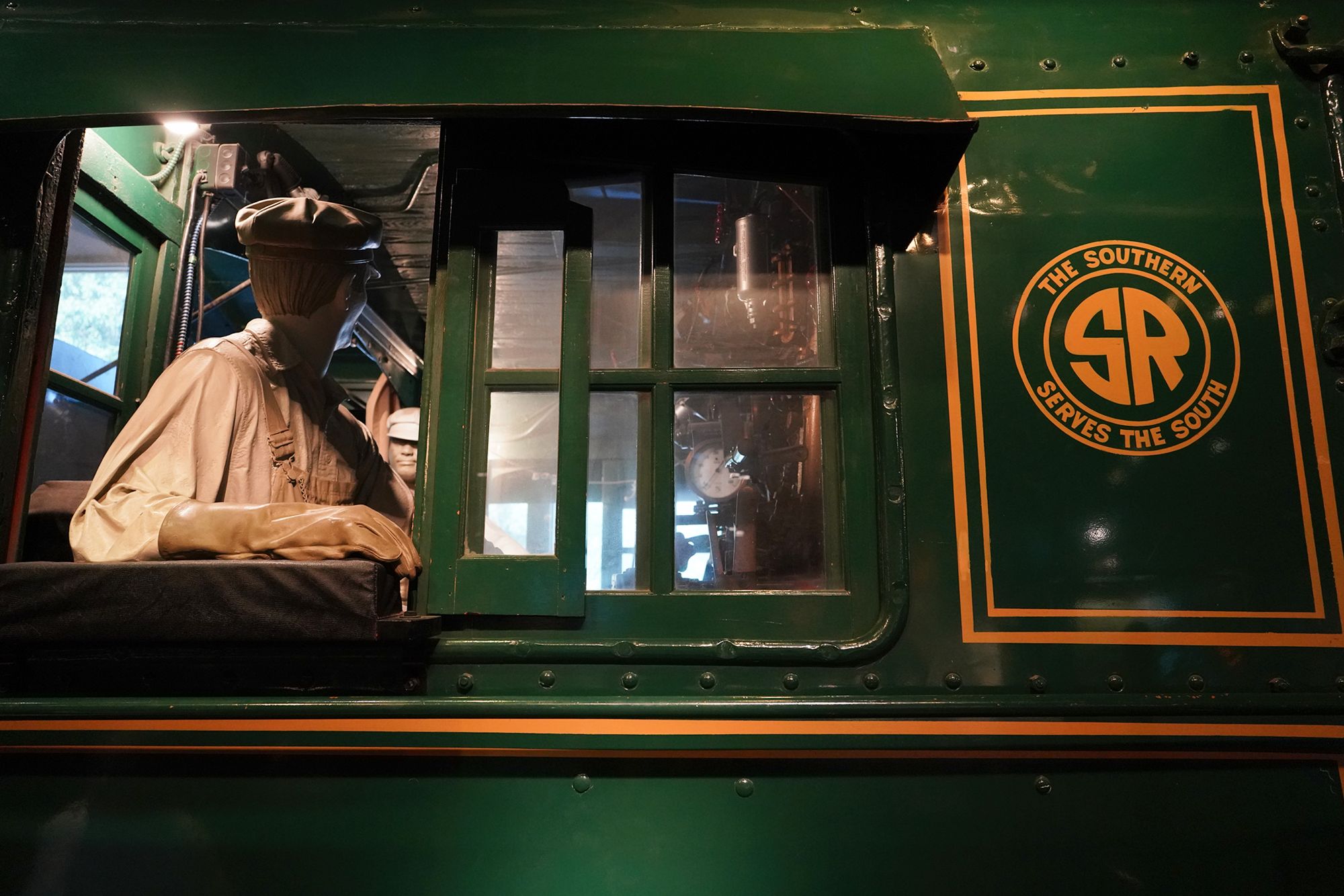
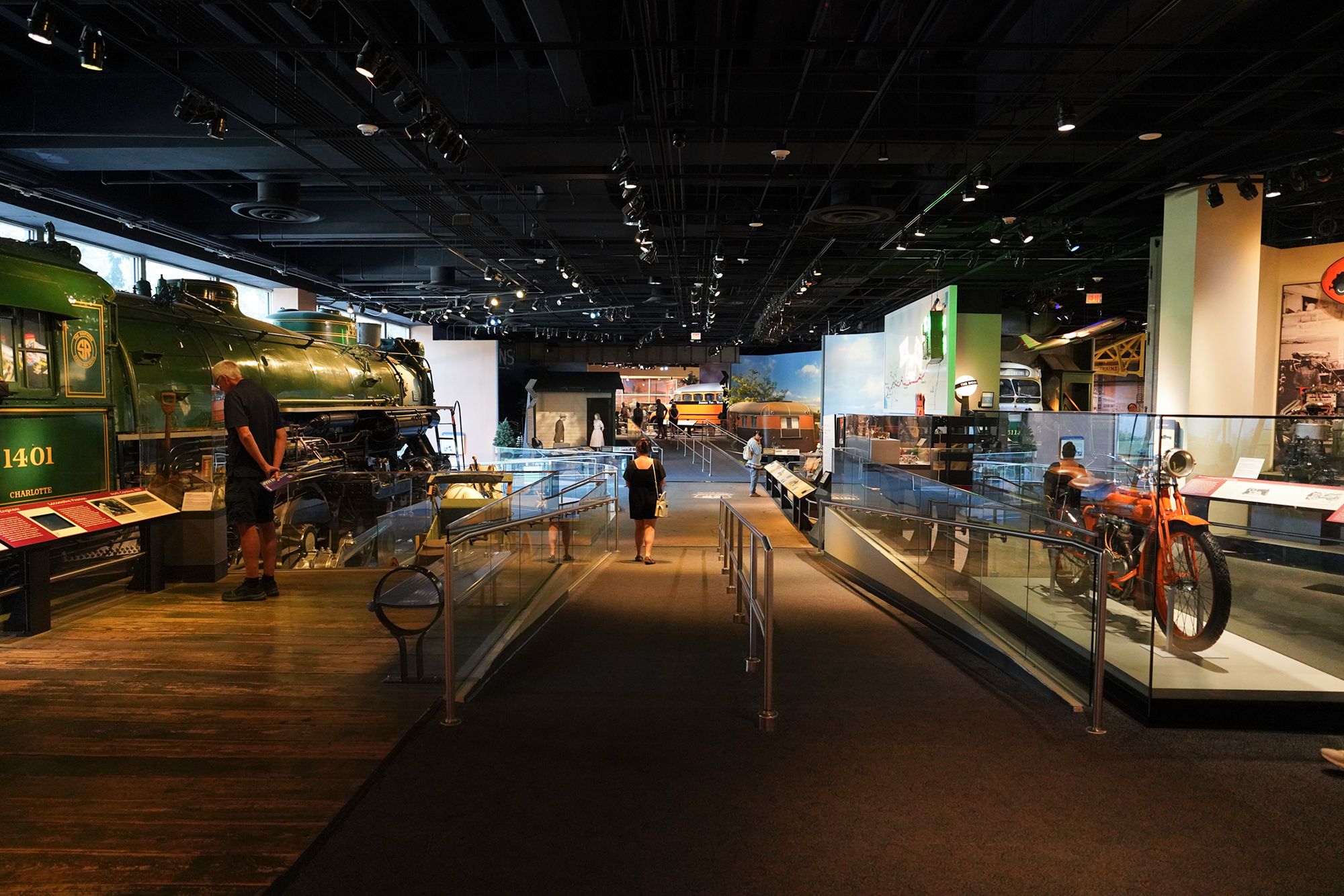
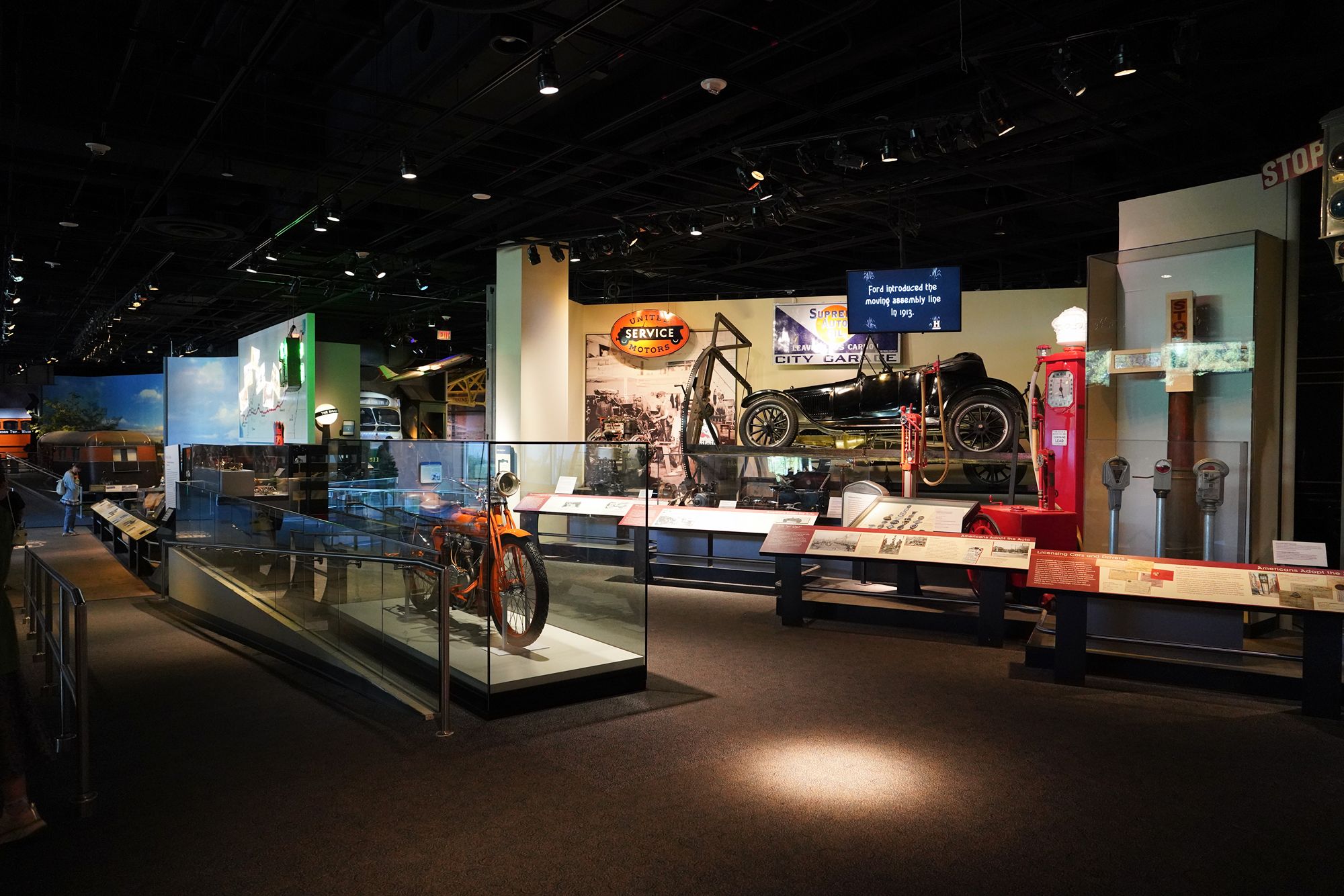
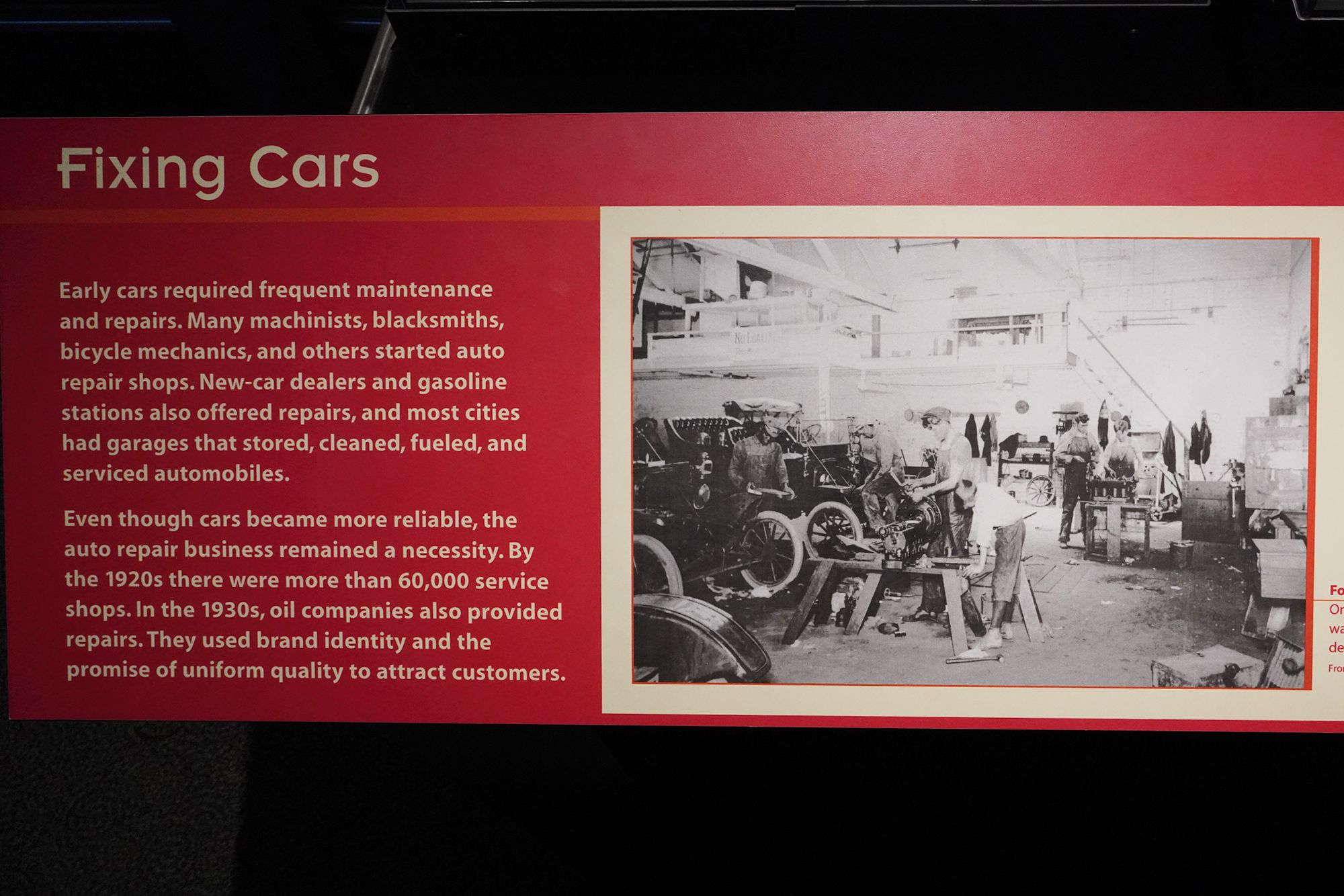
“Fixing Cars” highlights how mechanics and car owners maintained and repaired automobiles as cars became a common part of American life. Early cars often broke down, and skilled repair work was essential to keep them running. As car use spread, garages, service stations, and auto repair shops became a major part of daily life and the growing car economy.
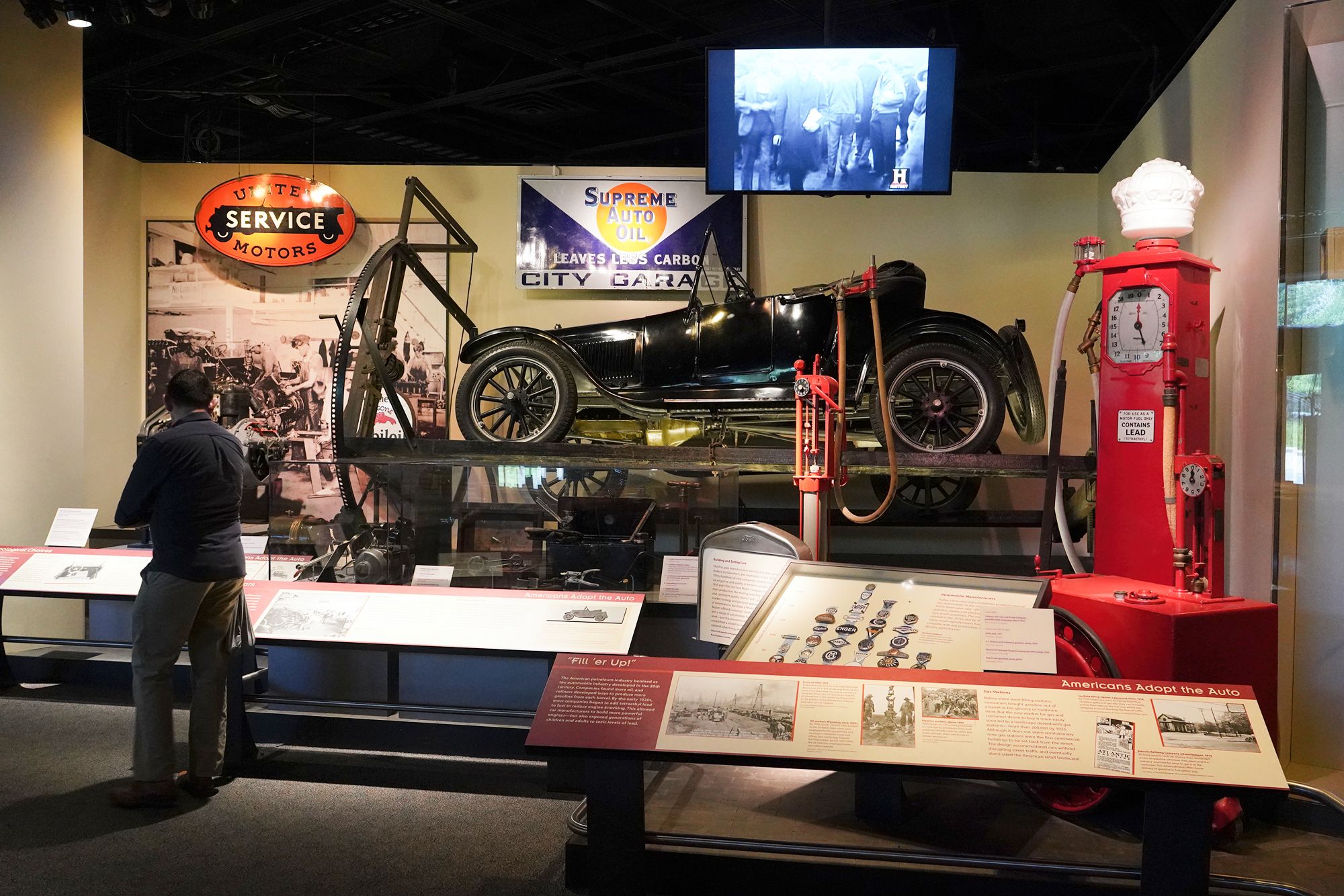
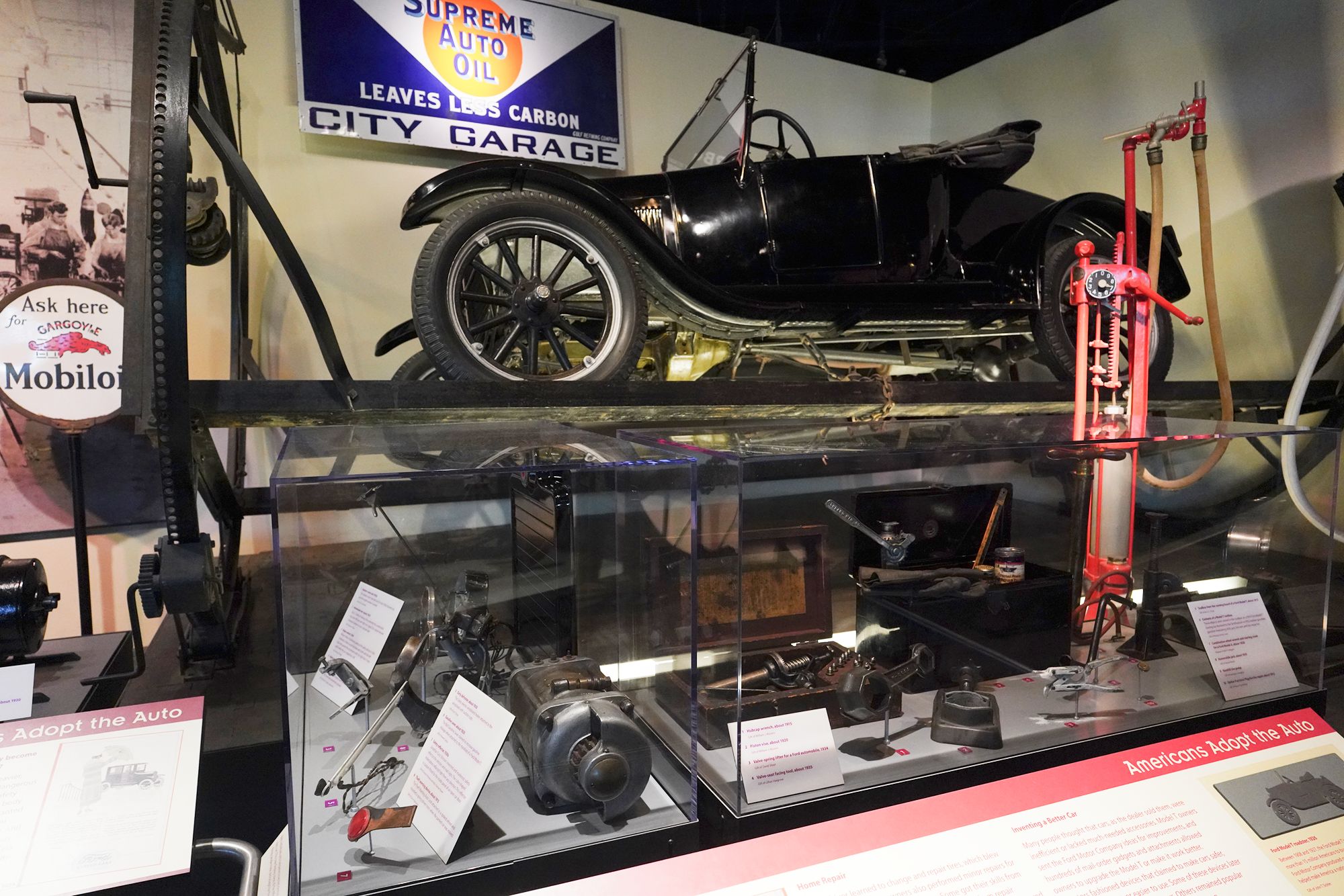
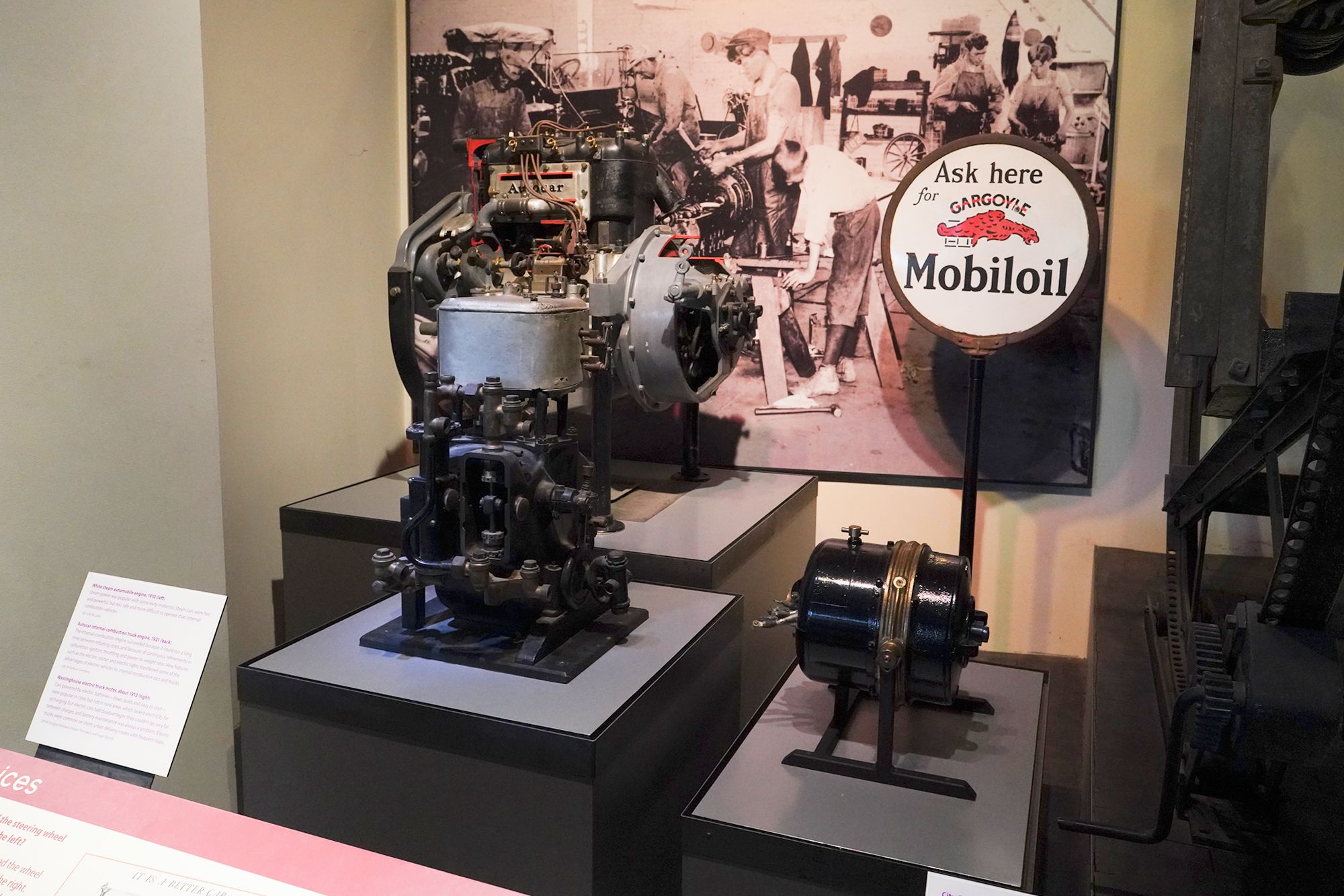
“America Adopts the Auto” describes how, in the early 1900s, Americans quickly embraced automobiles as everyday transportation. As cars became cheaper and more reliable, families began buying them, towns built roads and gas stations, and daily life changed — people could travel farther for work, shopping, and leisure. The automobile soon became a defining part of American culture.
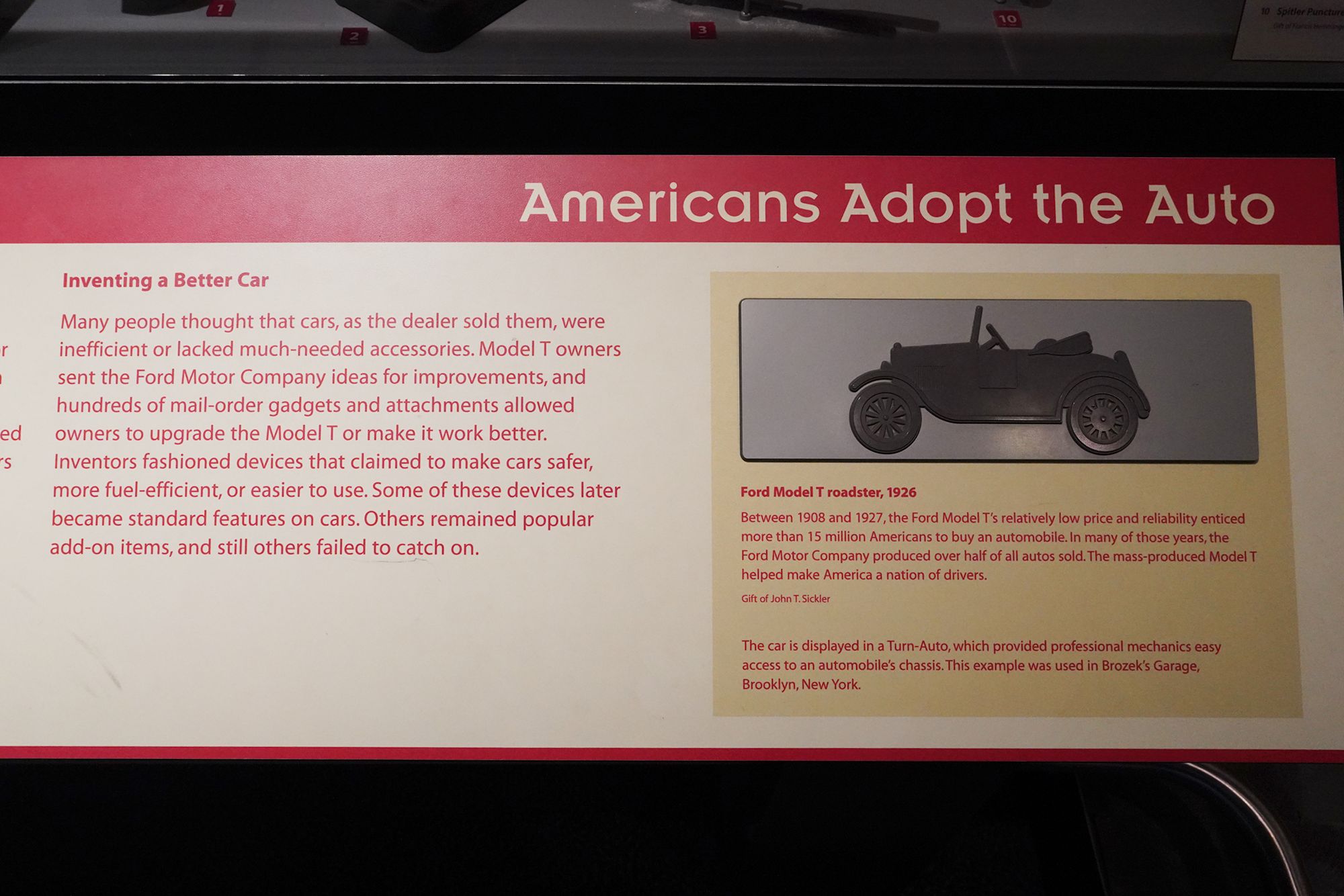
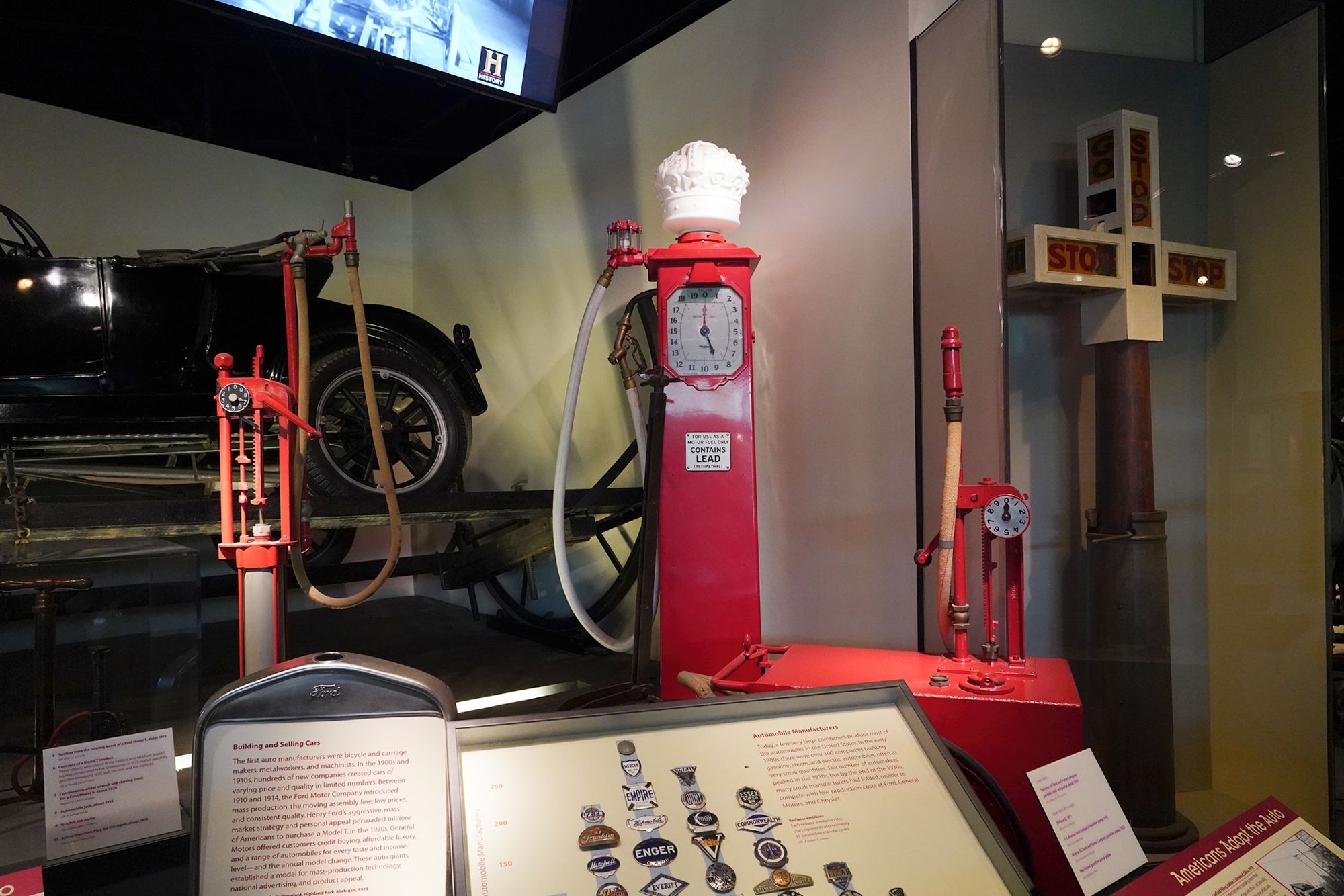
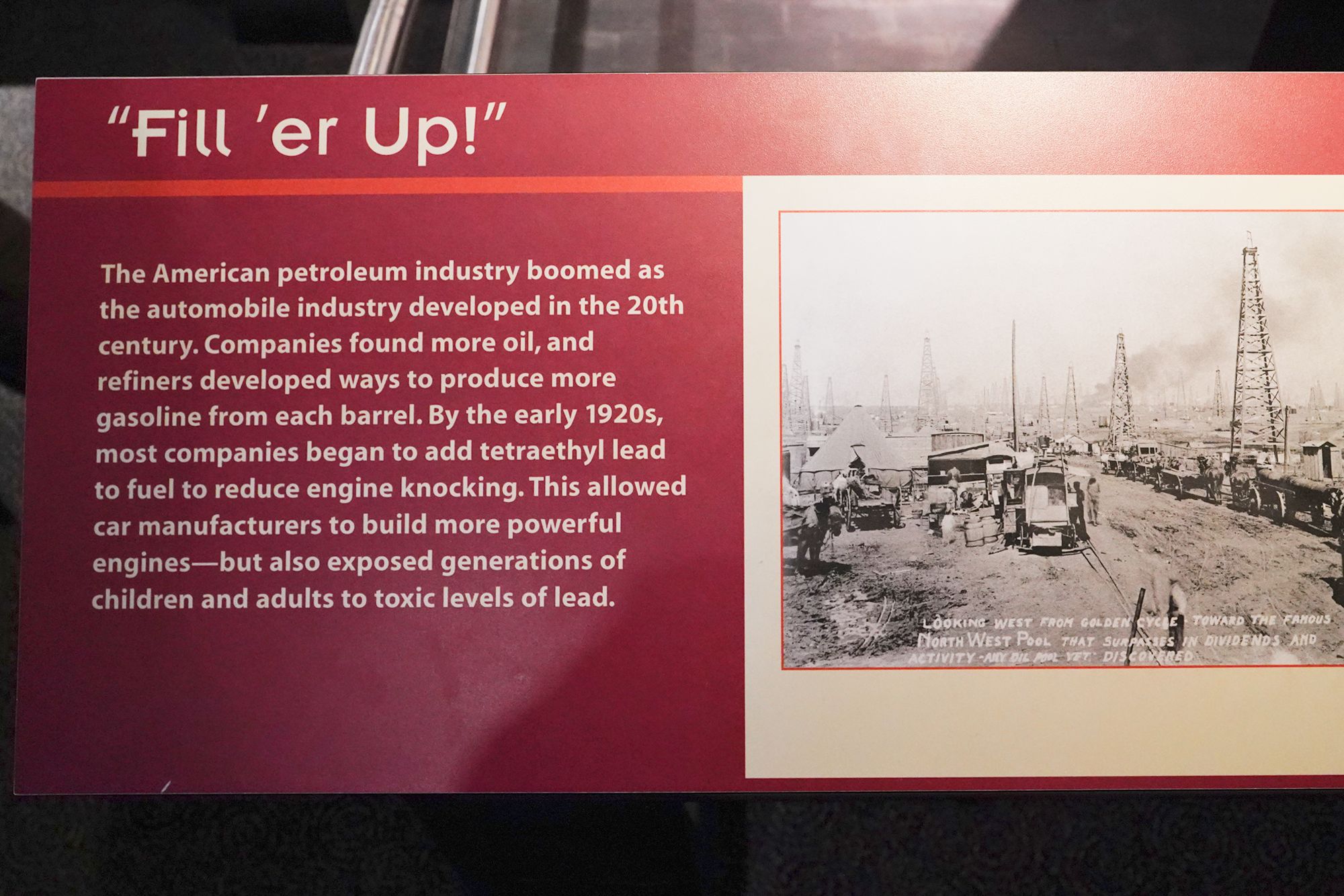
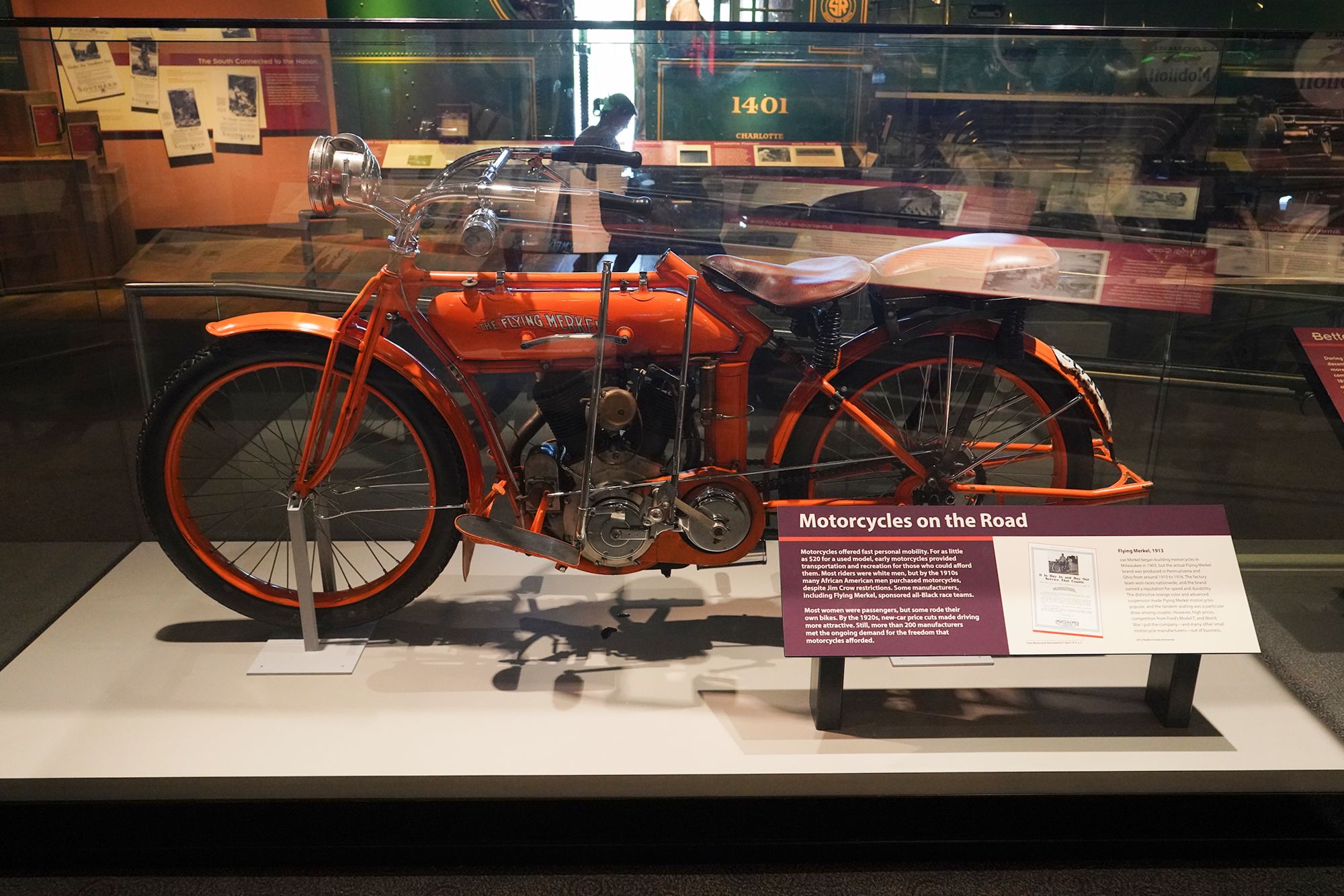
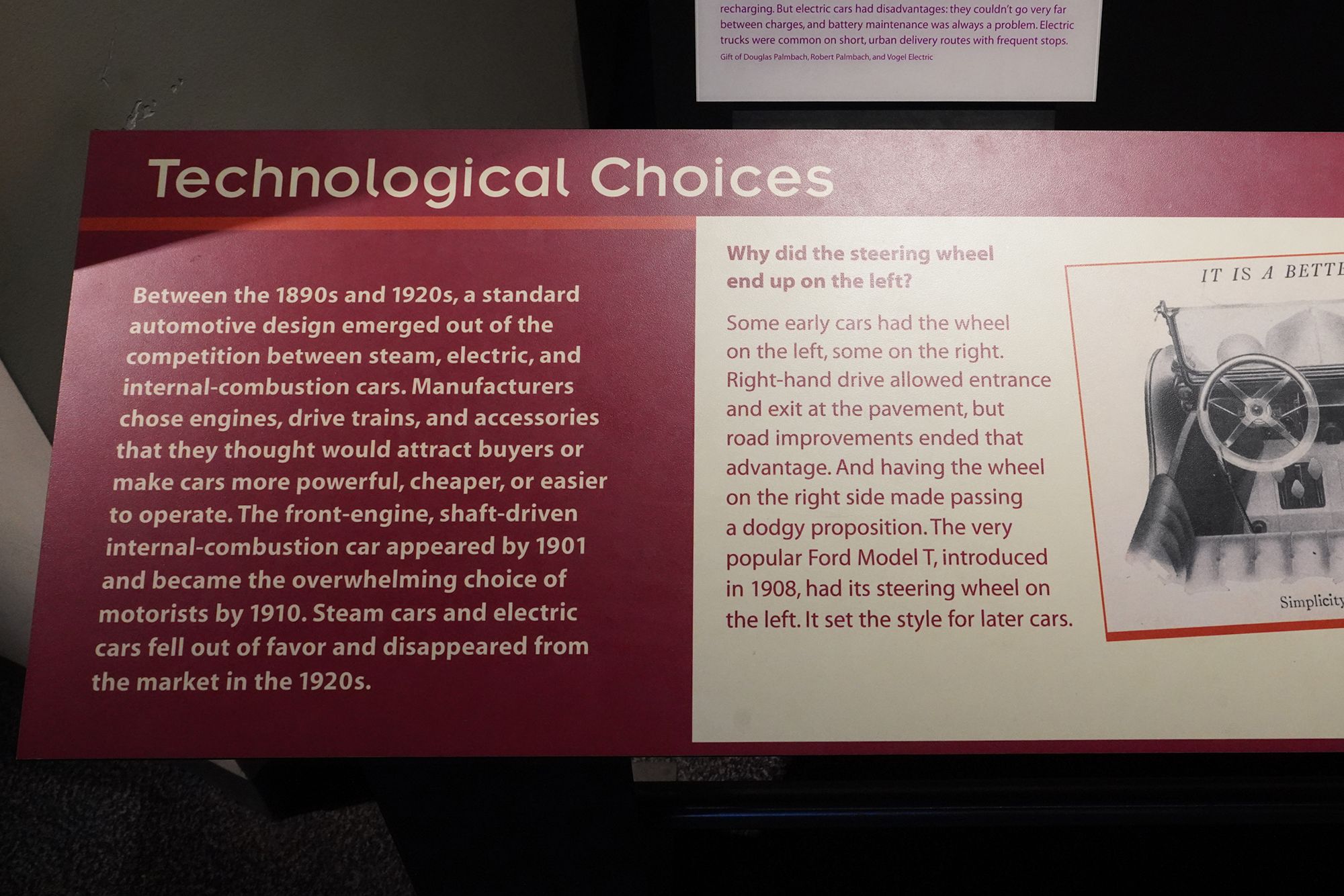
Manufacturers standardized automobile parts and designs to make cars easier, faster, and cheaper to produce.
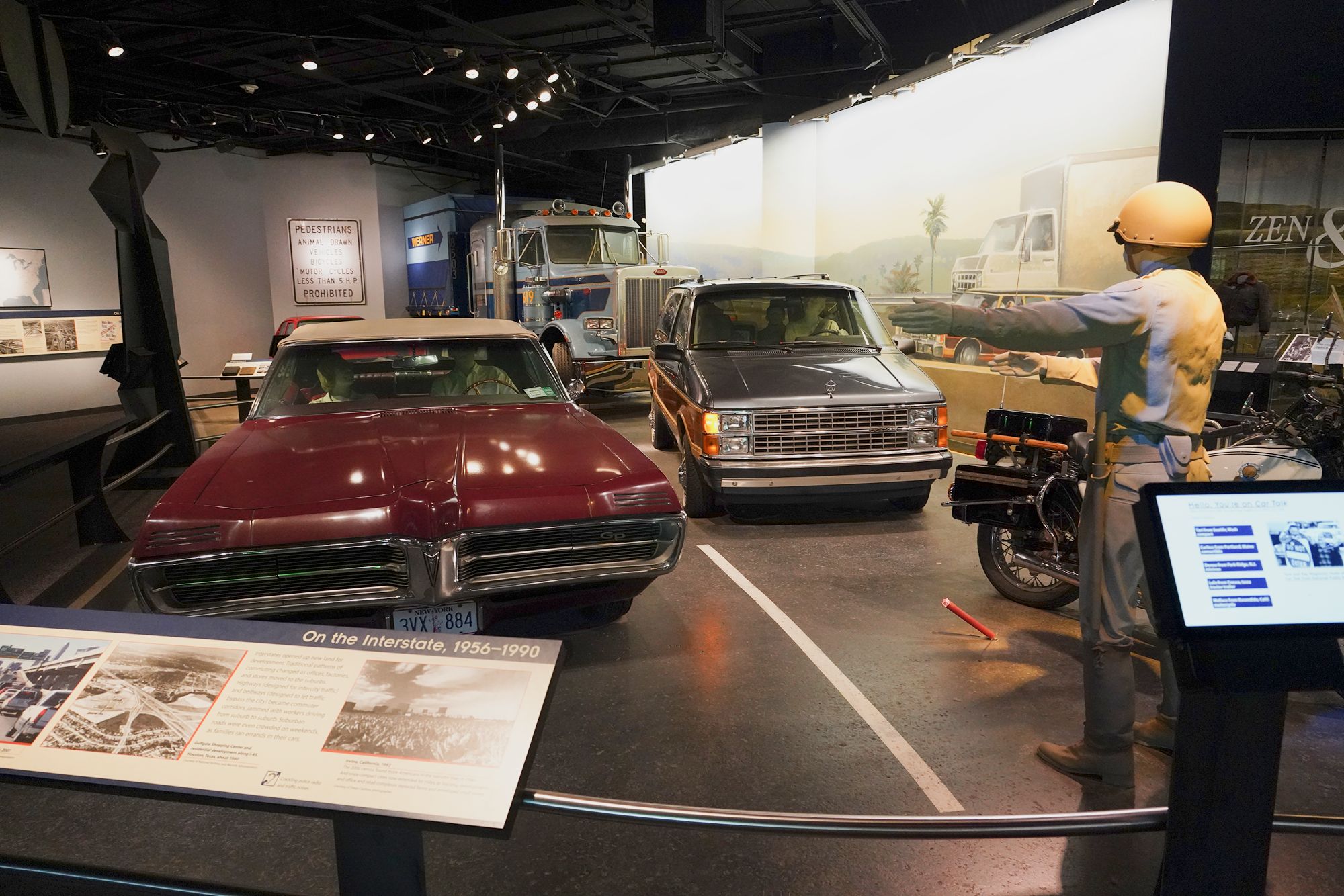
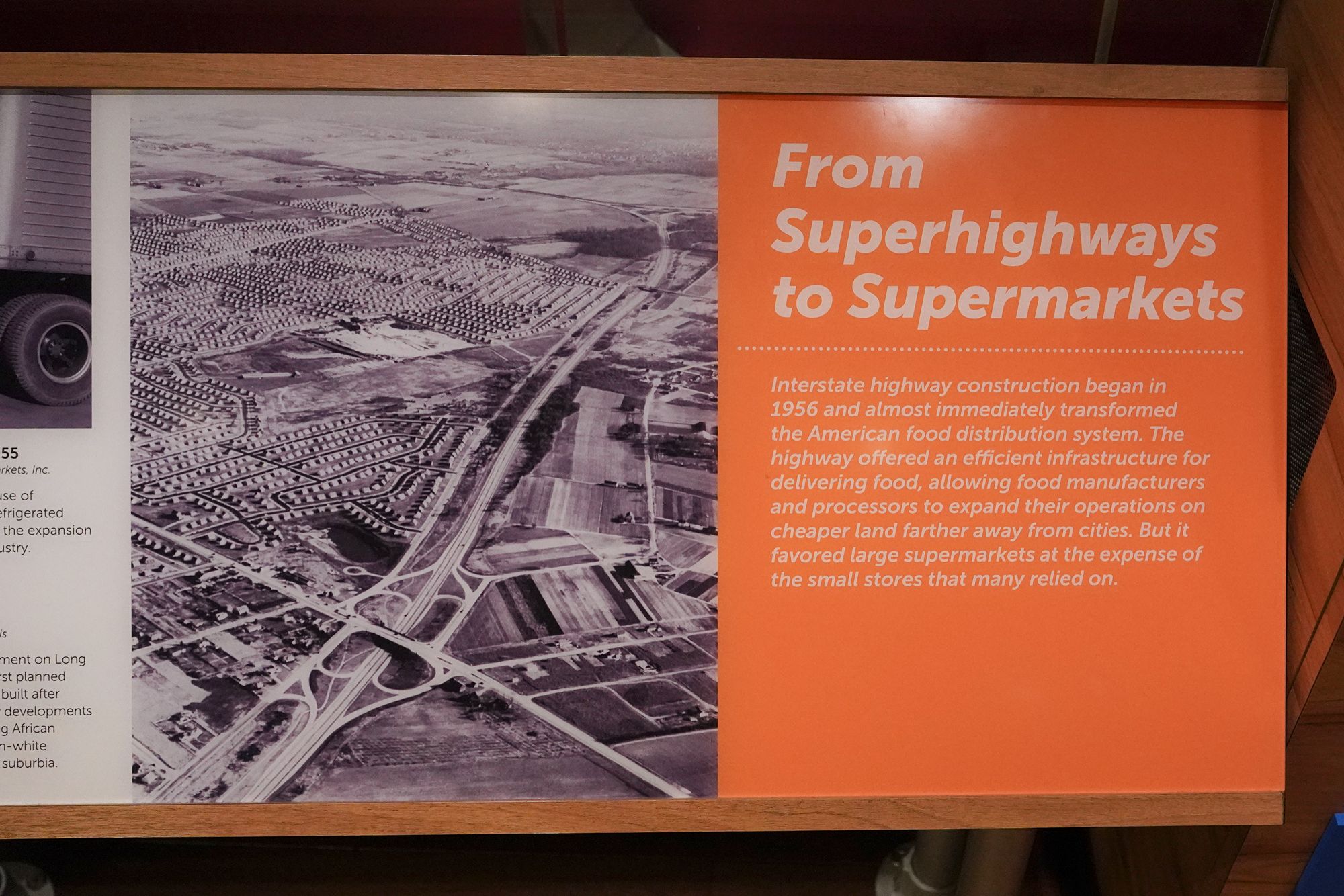
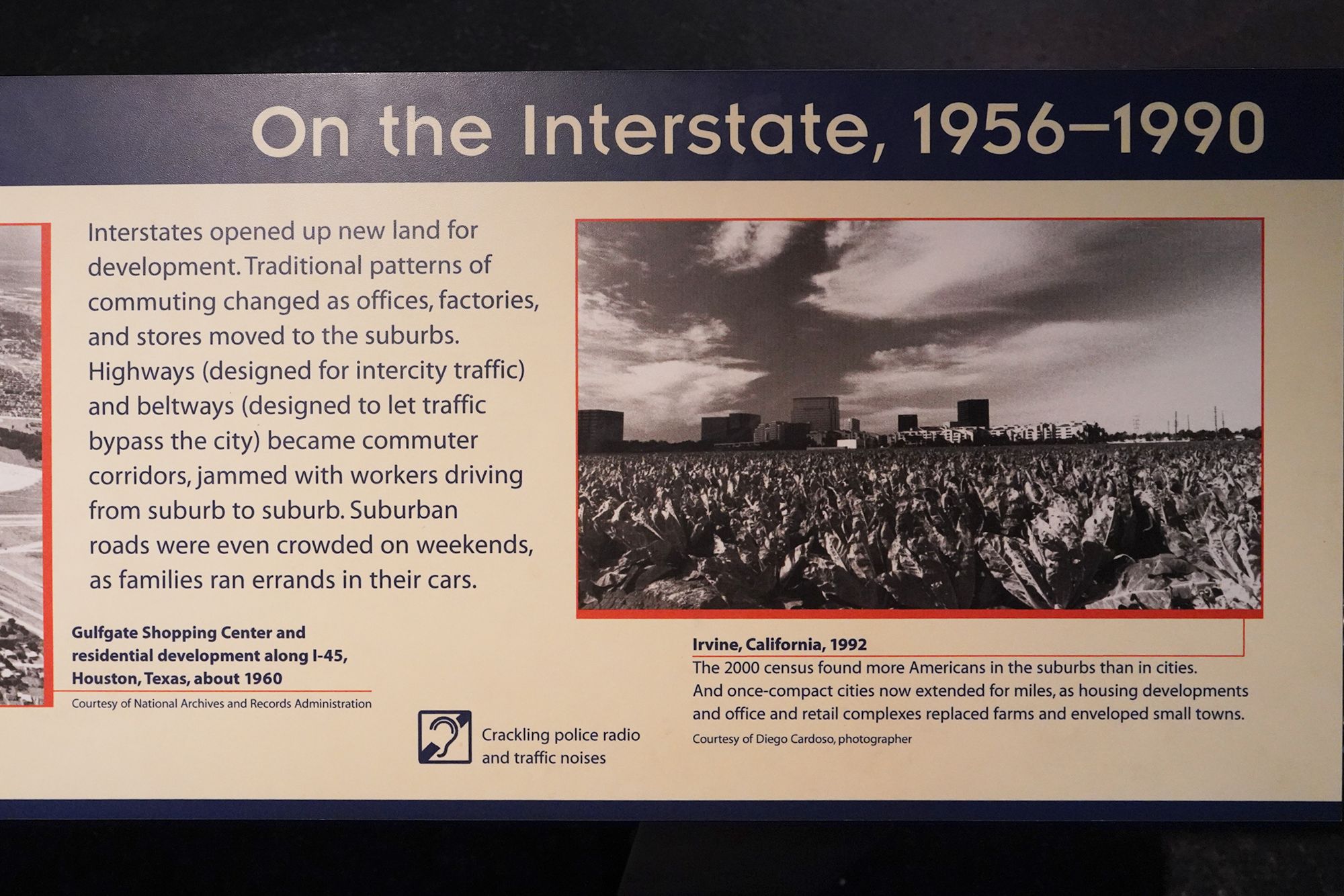
“On the Interstates, 1956–1990” explains how the creation of the Interstate Highway System reshaped American life. After 1956, new highways made cross-country travel faster and easier, connected cities and suburbs, and encouraged the growth of motels, fast-food chains, gas stations, and roadside attractions. By 1990, interstates had transformed commuting, vacation travel, shipping, and the overall landscape of America.

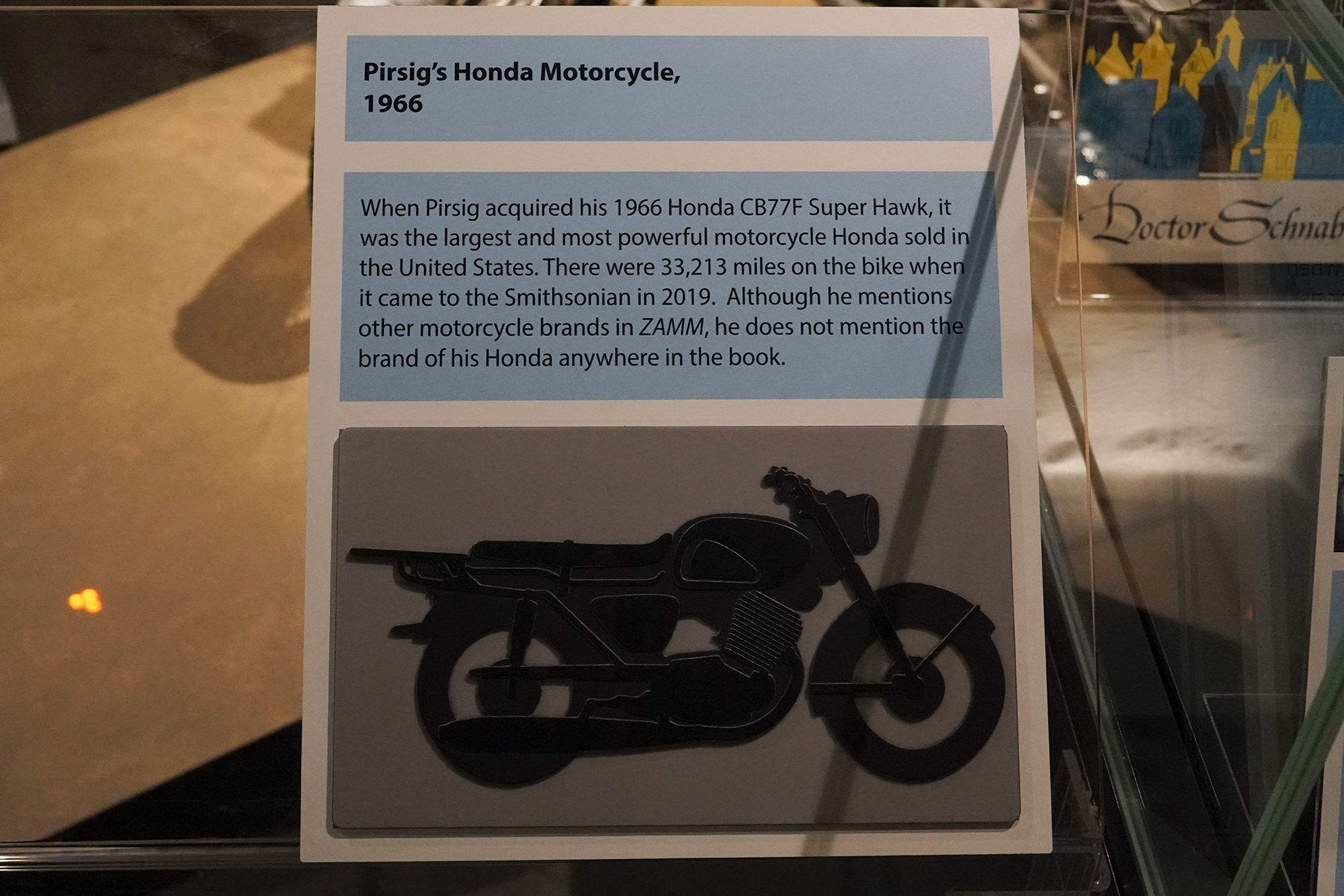
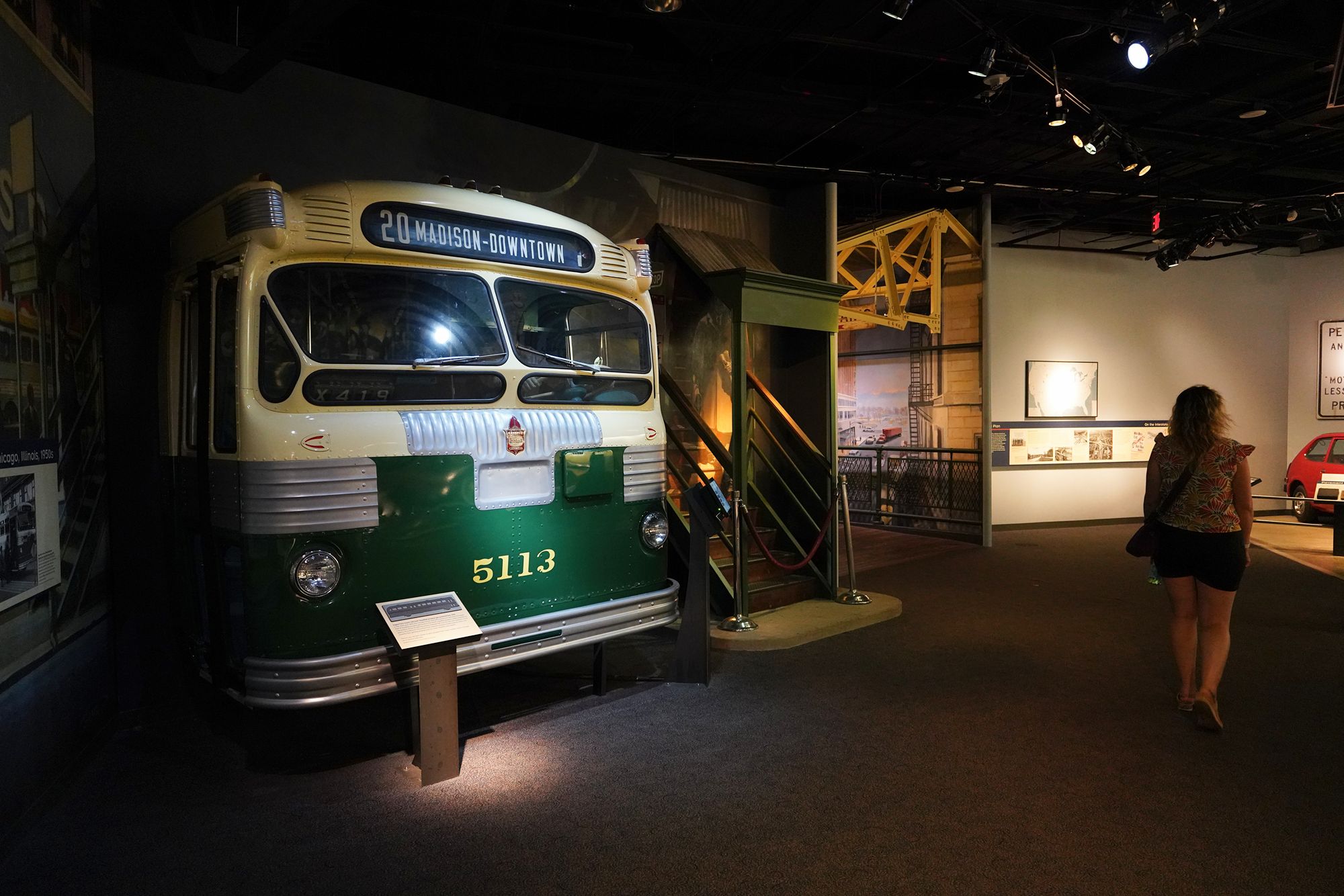
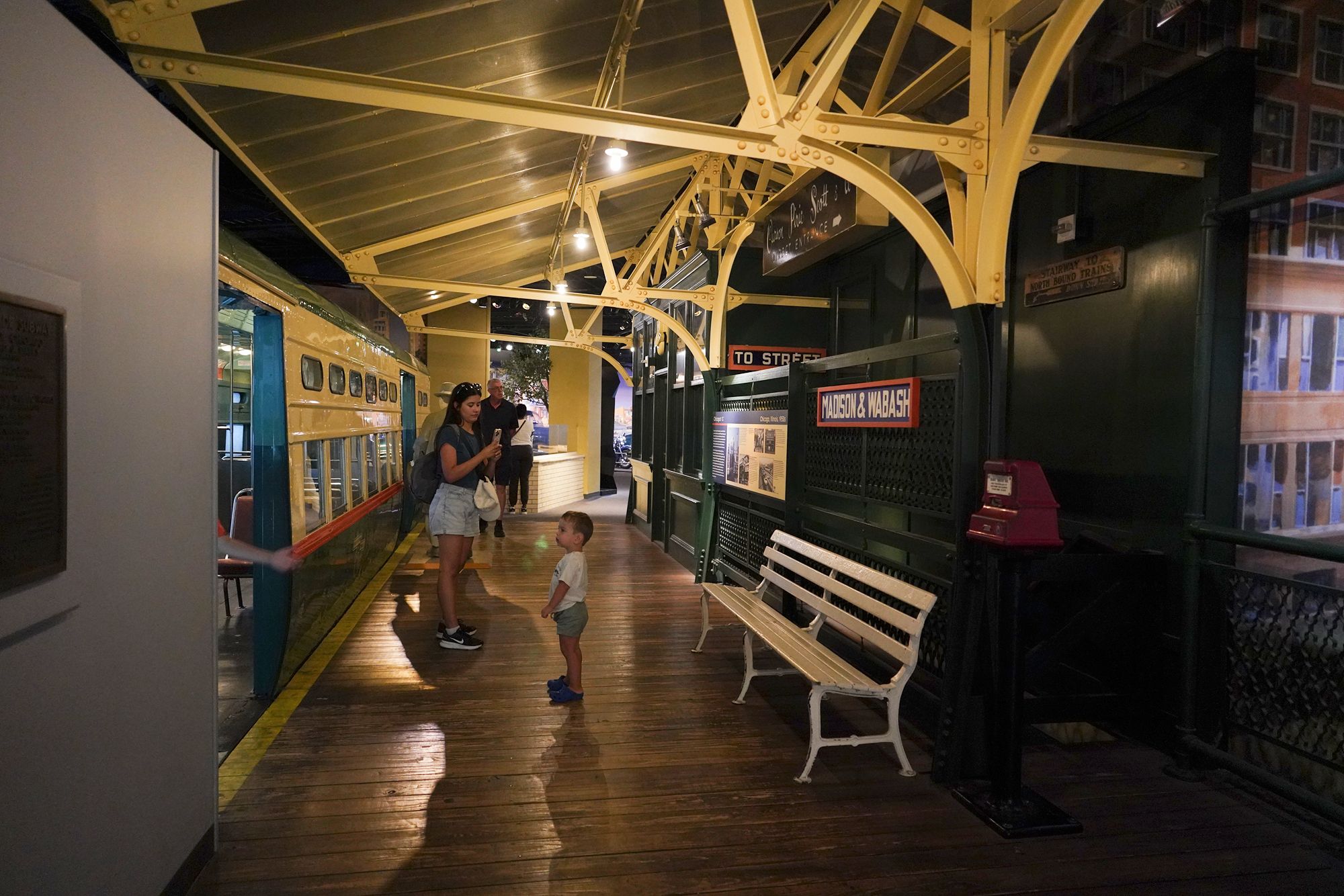
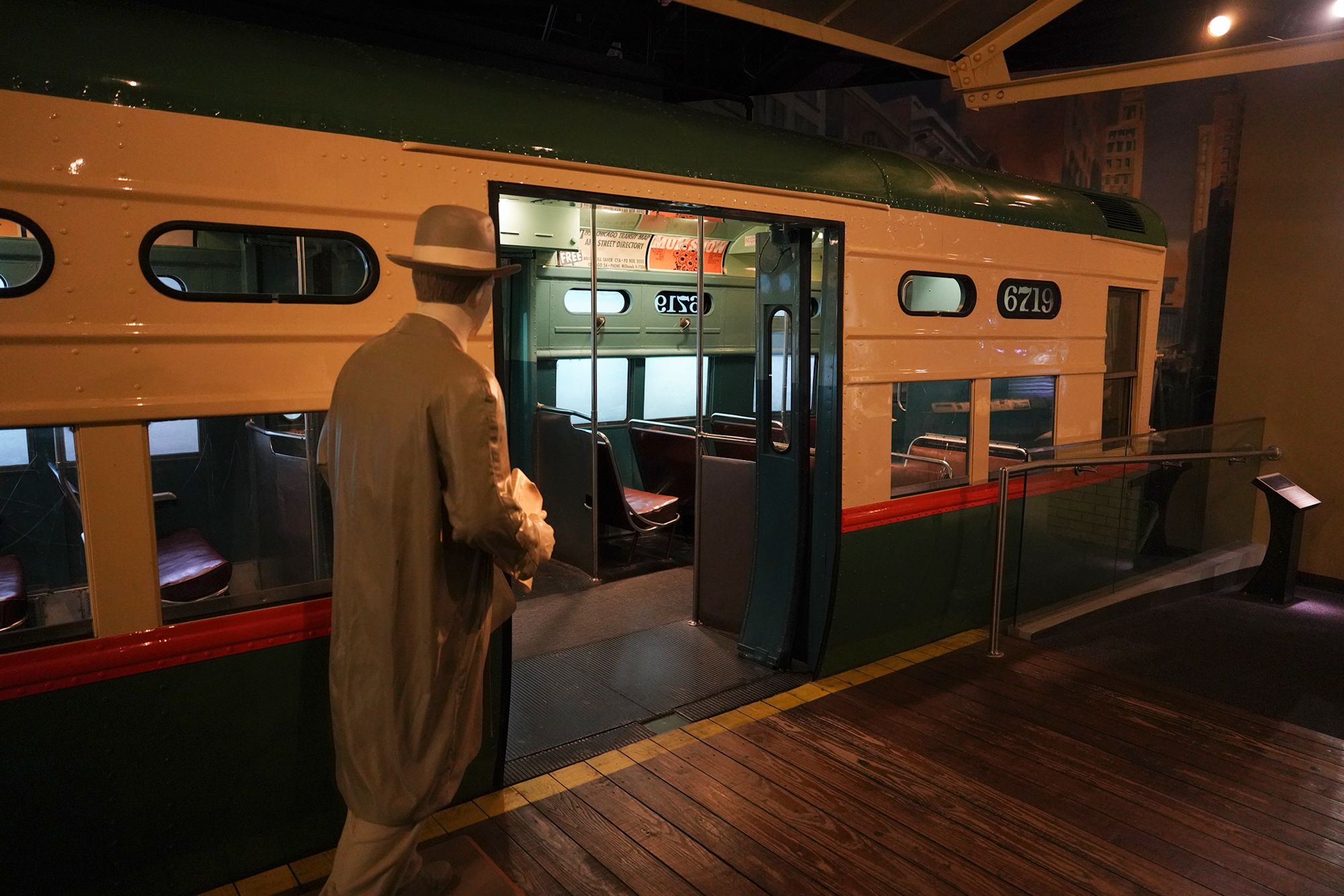
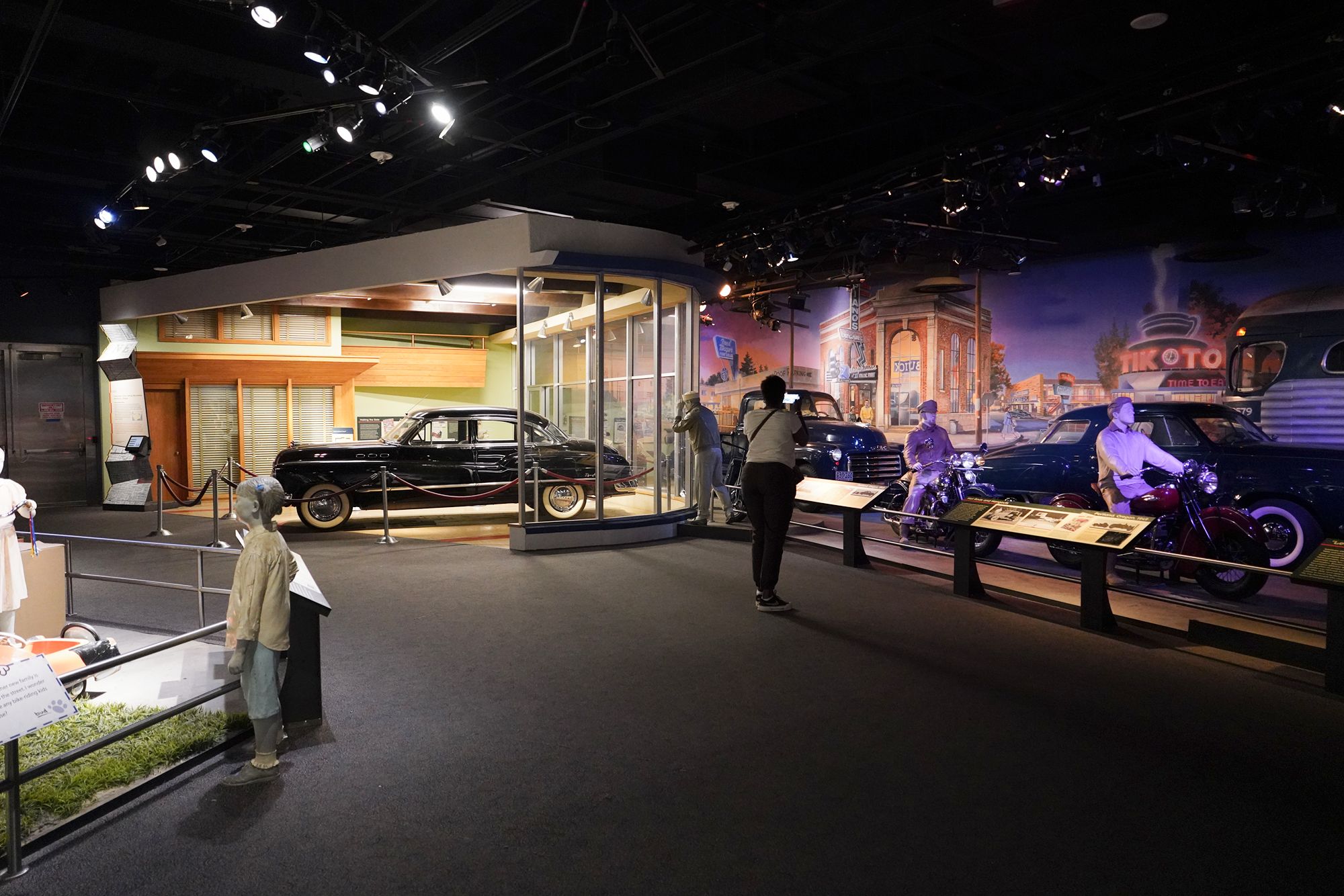
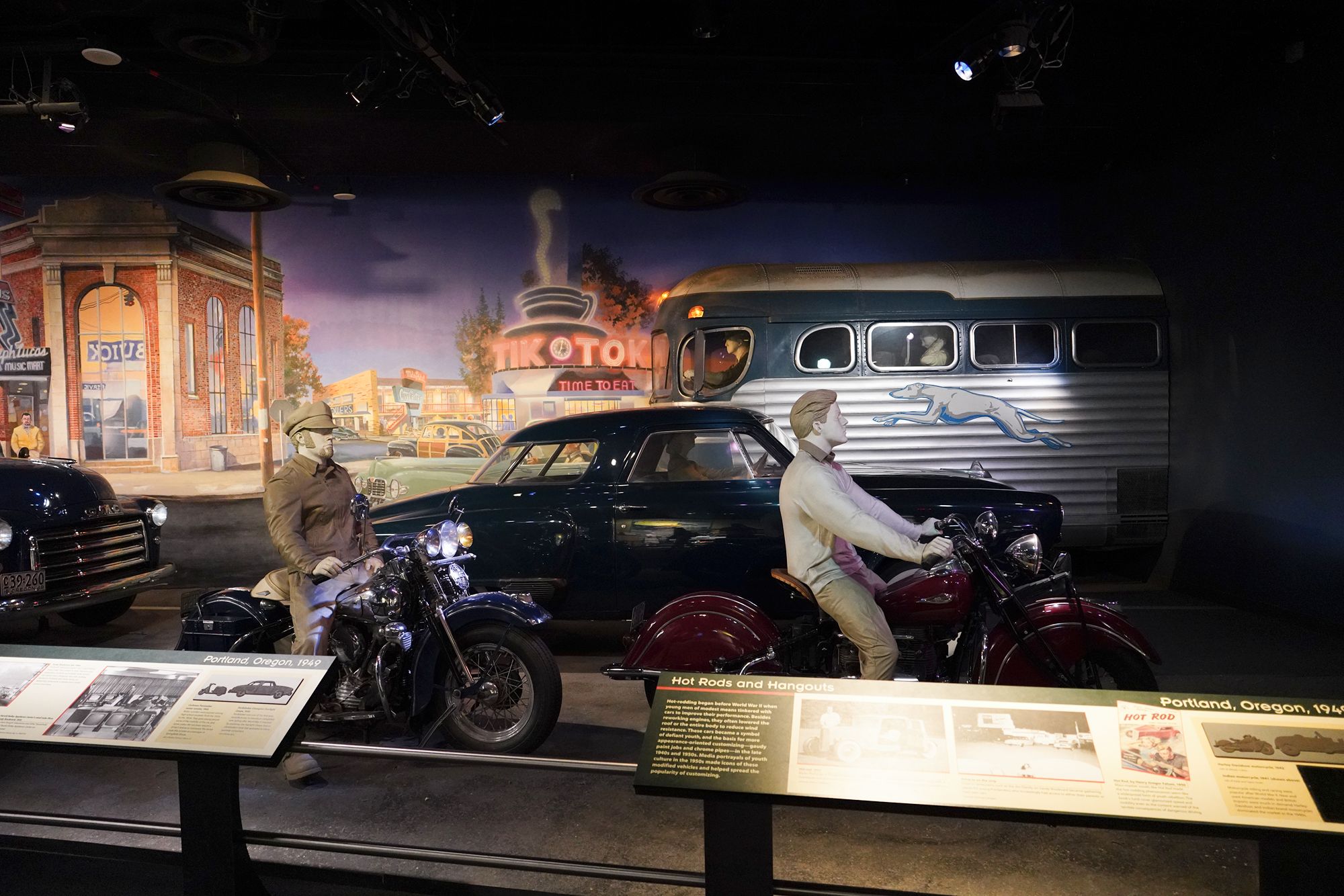
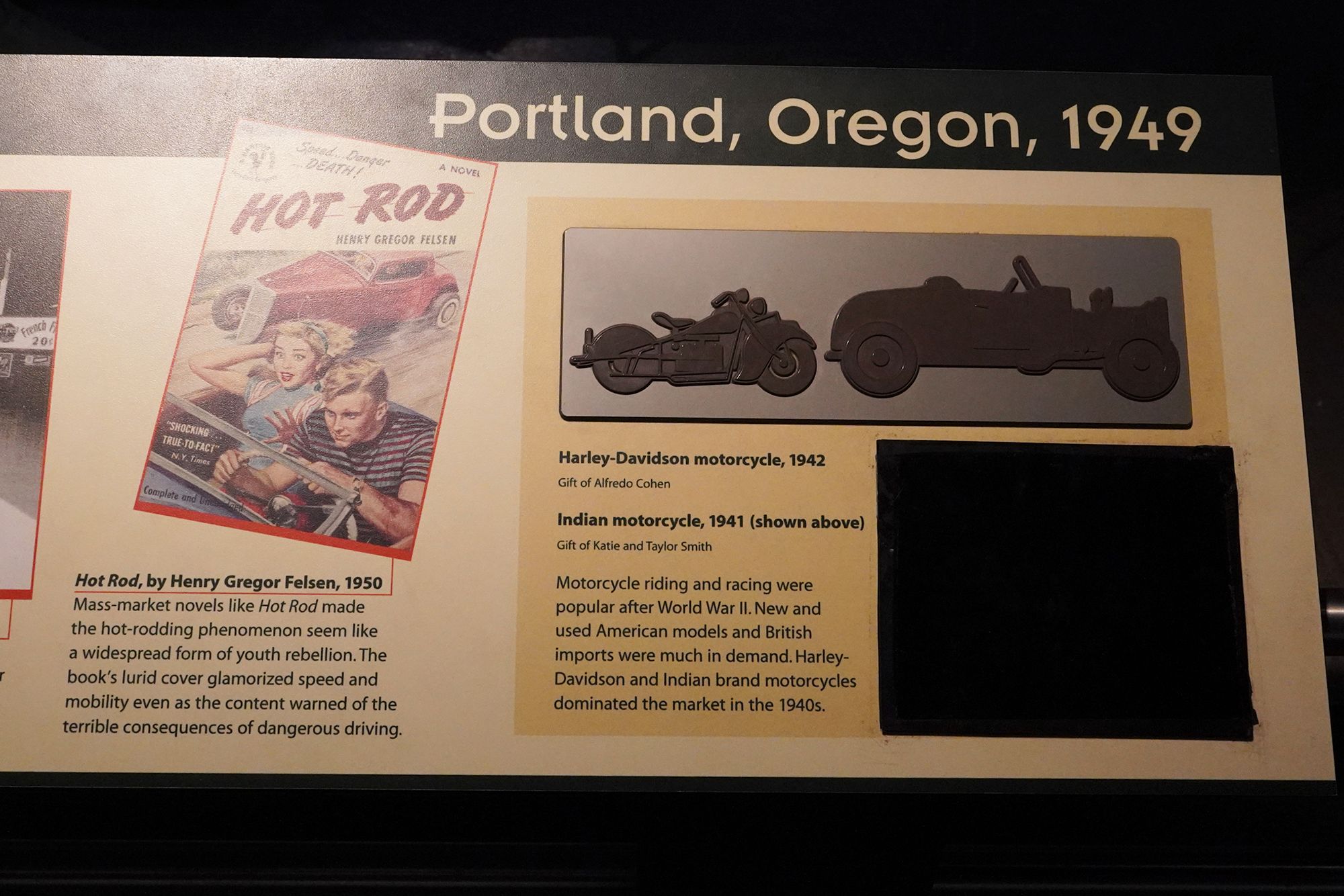
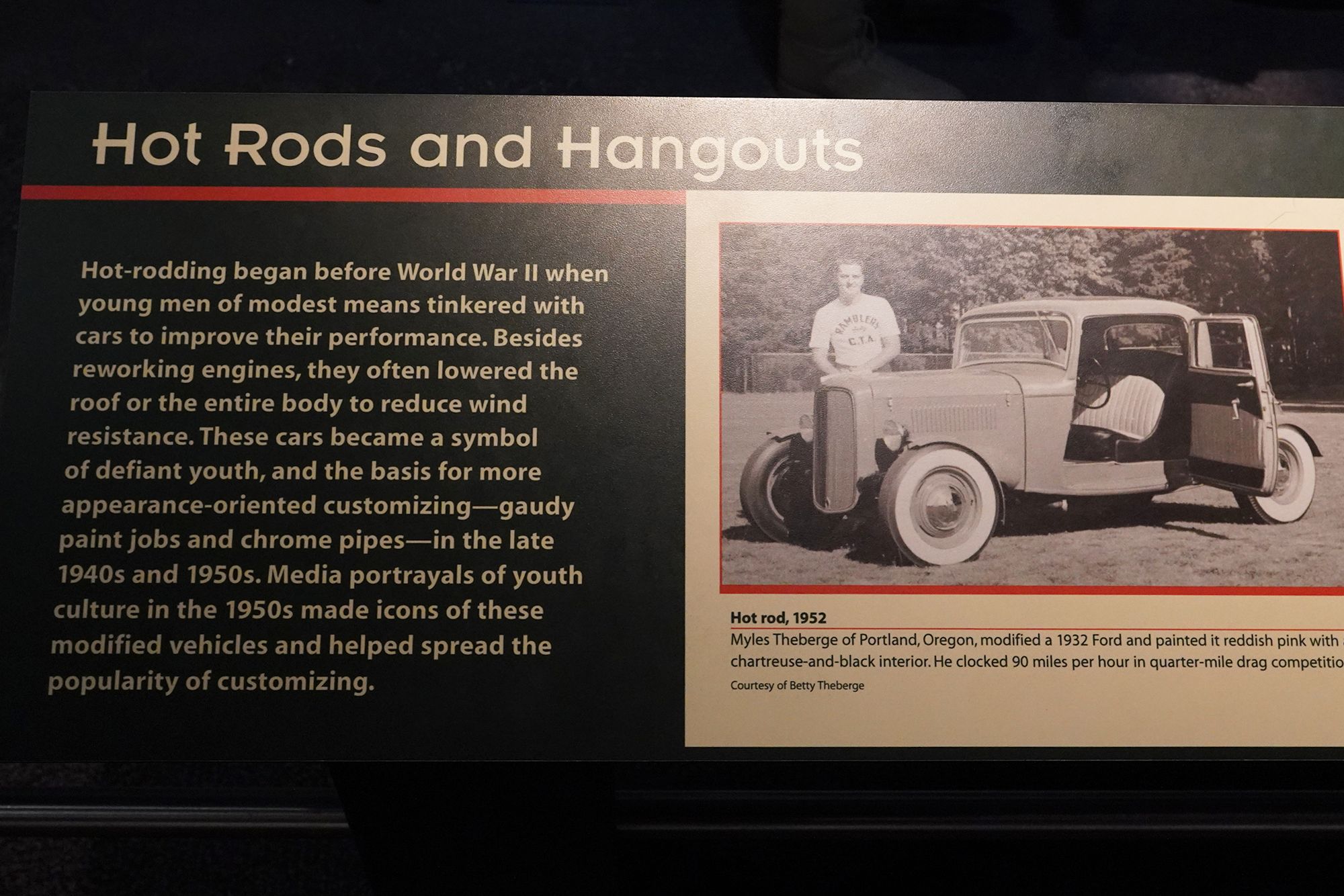
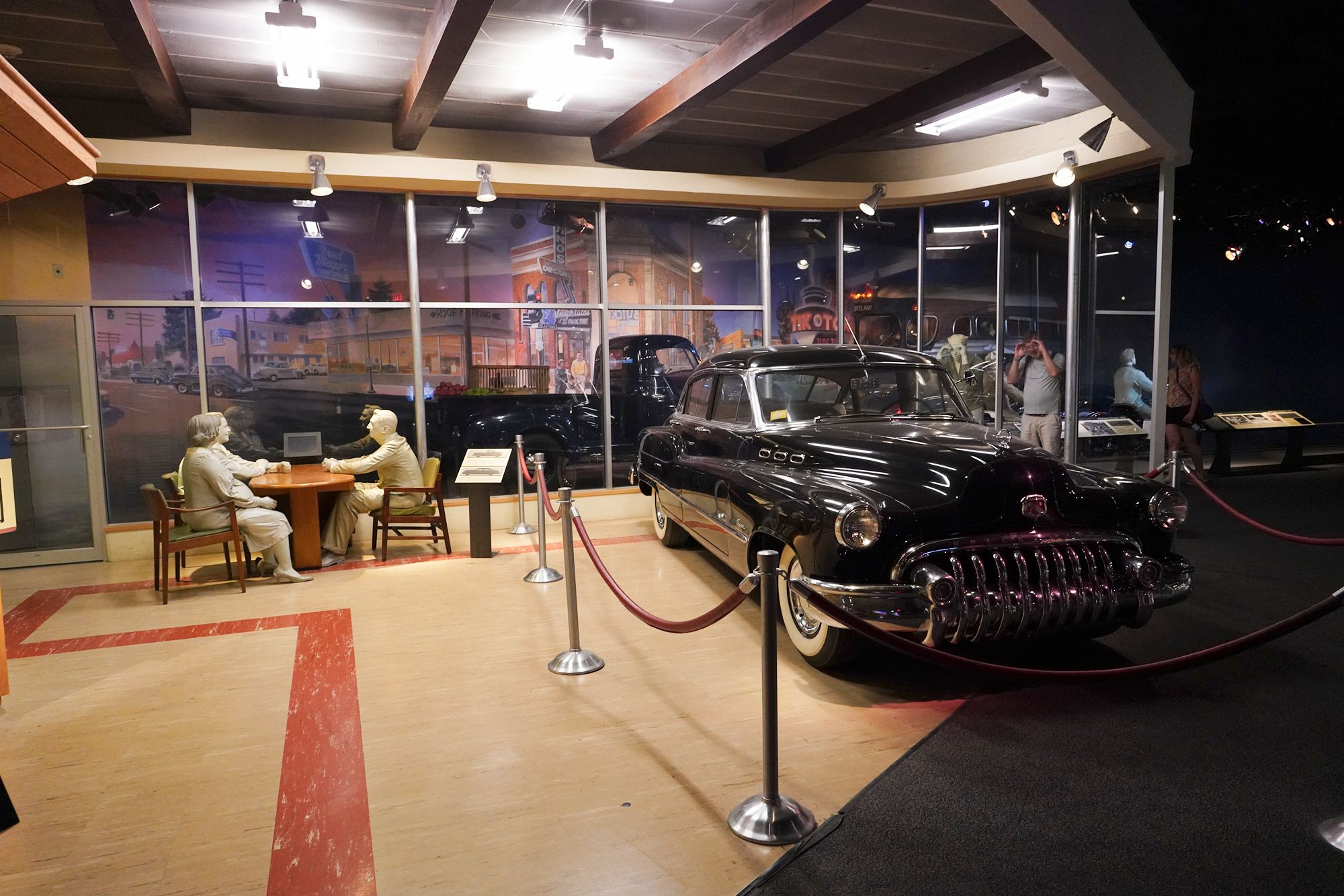
“Hot Rods and Hangouts” refers to the car culture that grew after World War II, when young Americans customized older cars into fast, powerful “hot rods” and gathered at drive-ins, diners, and parking lots to show them off. This culture became a symbol of youth freedom, style, and social life in the 1950s and 1960s.
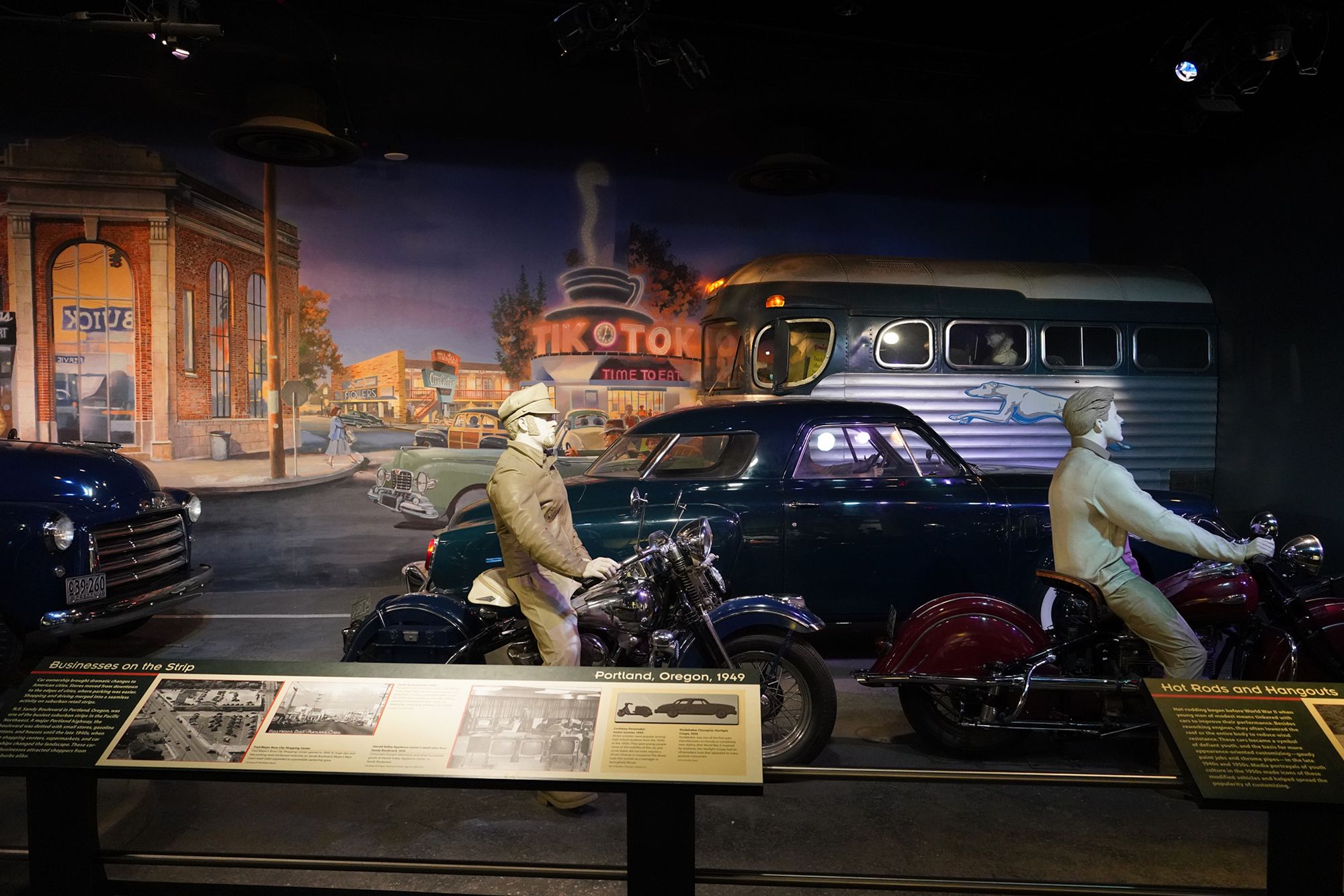
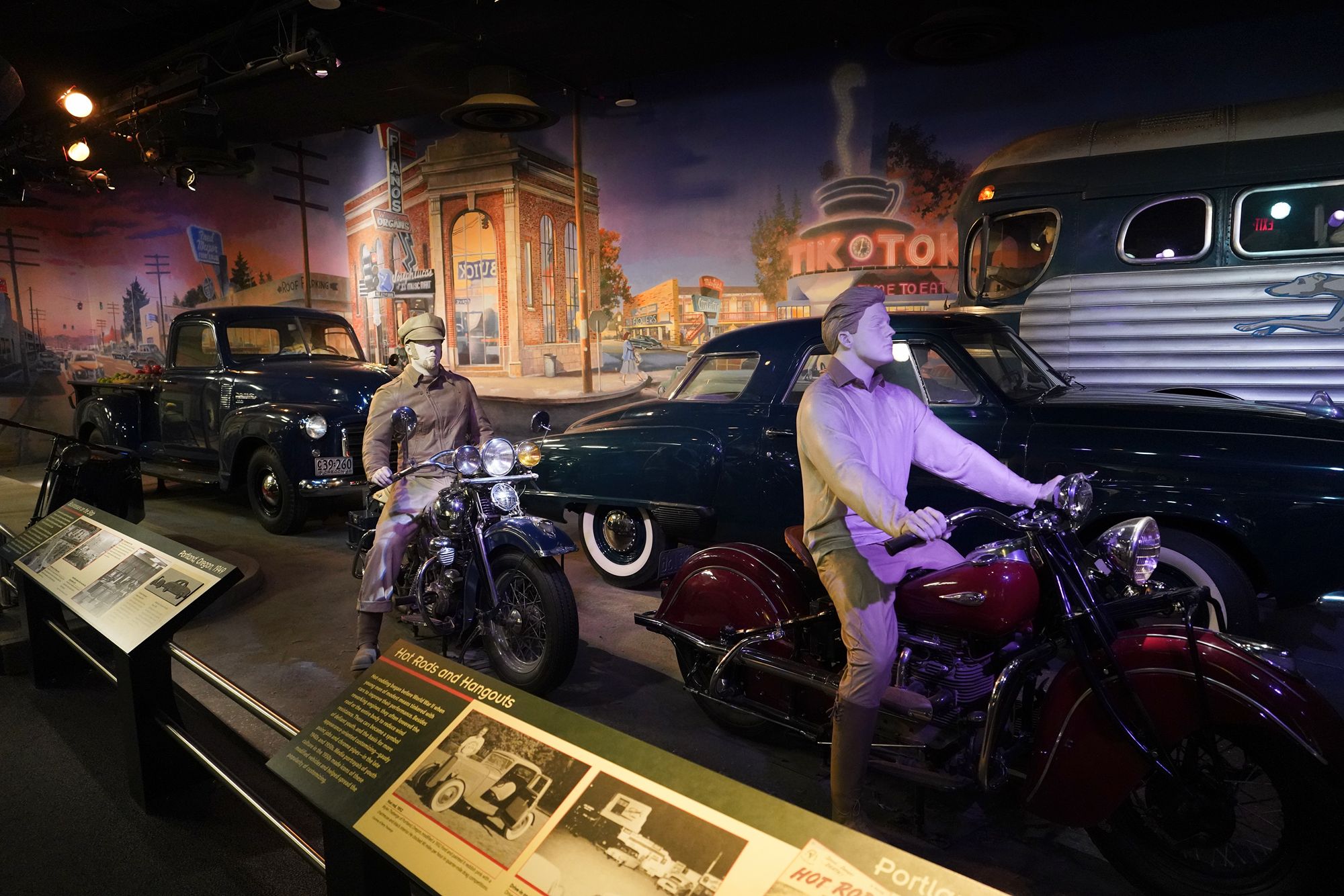
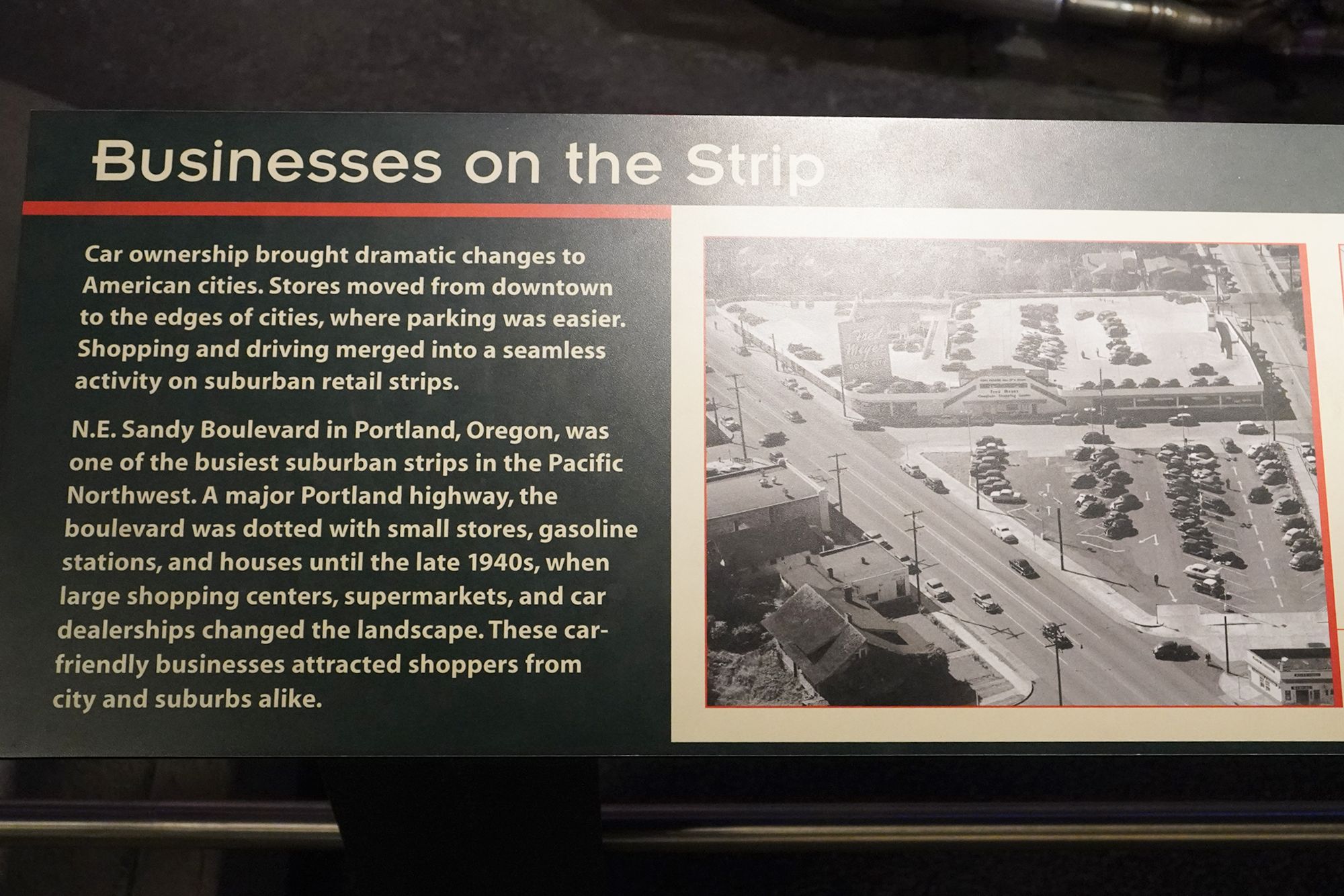
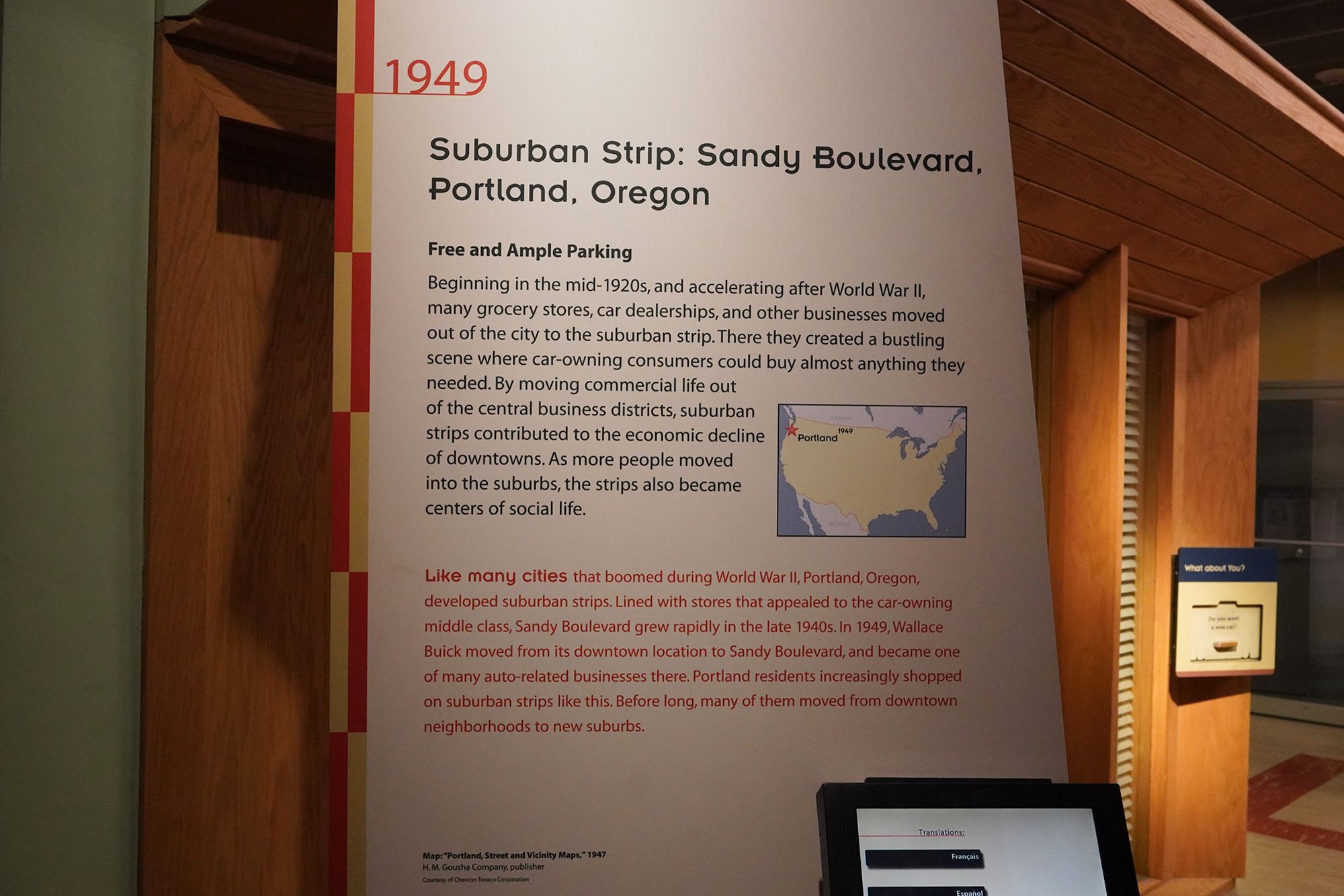
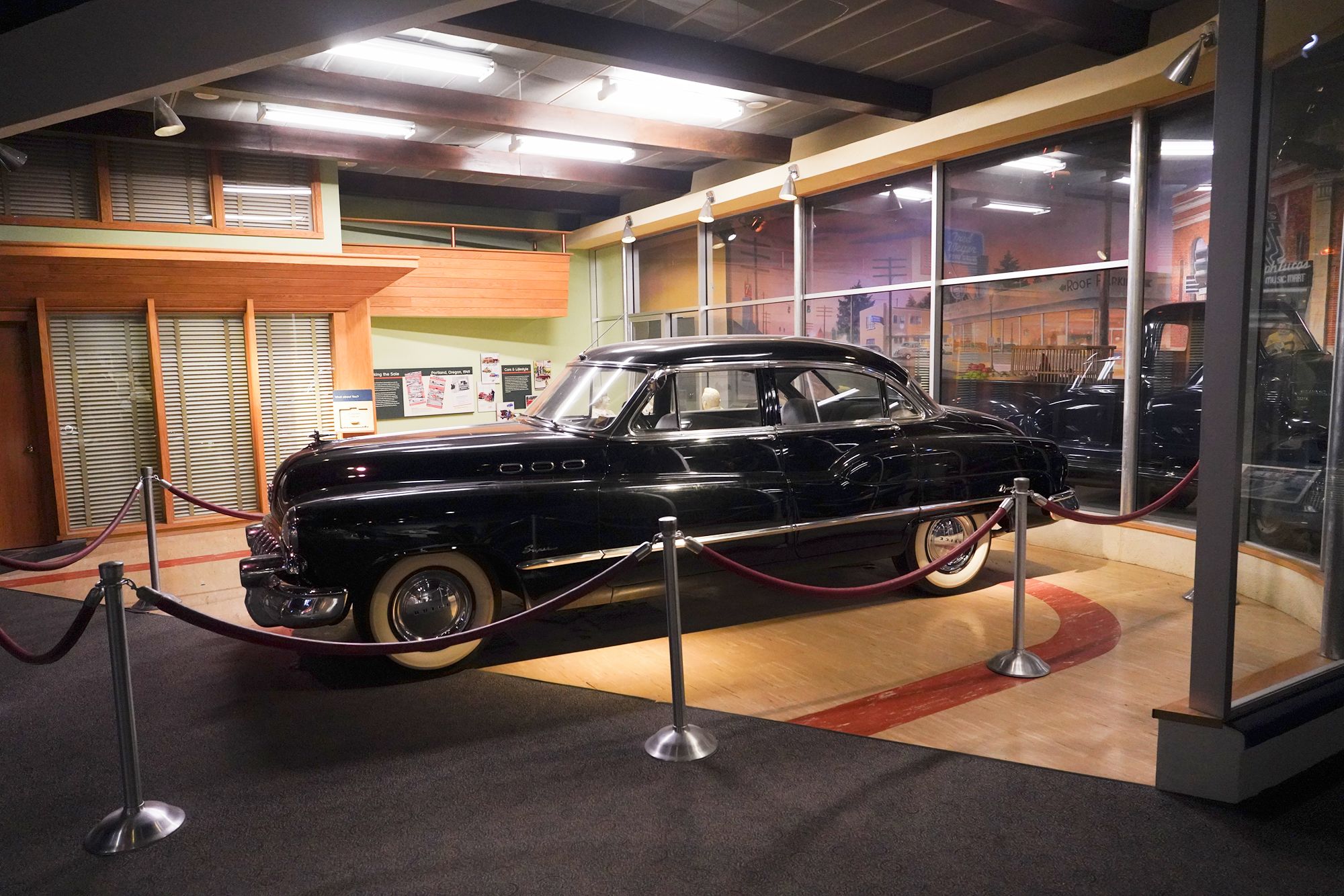
“Businesses on the Suburban Strips” refers to the rows of gas stations, motels, shopping centers, and fast-food restaurants that appeared along major suburban roads after World War II. As more Americans moved to the suburbs and drove cars every day, these roadside businesses grew to serve drivers’ needs for convenience, quick meals, and easy parking.
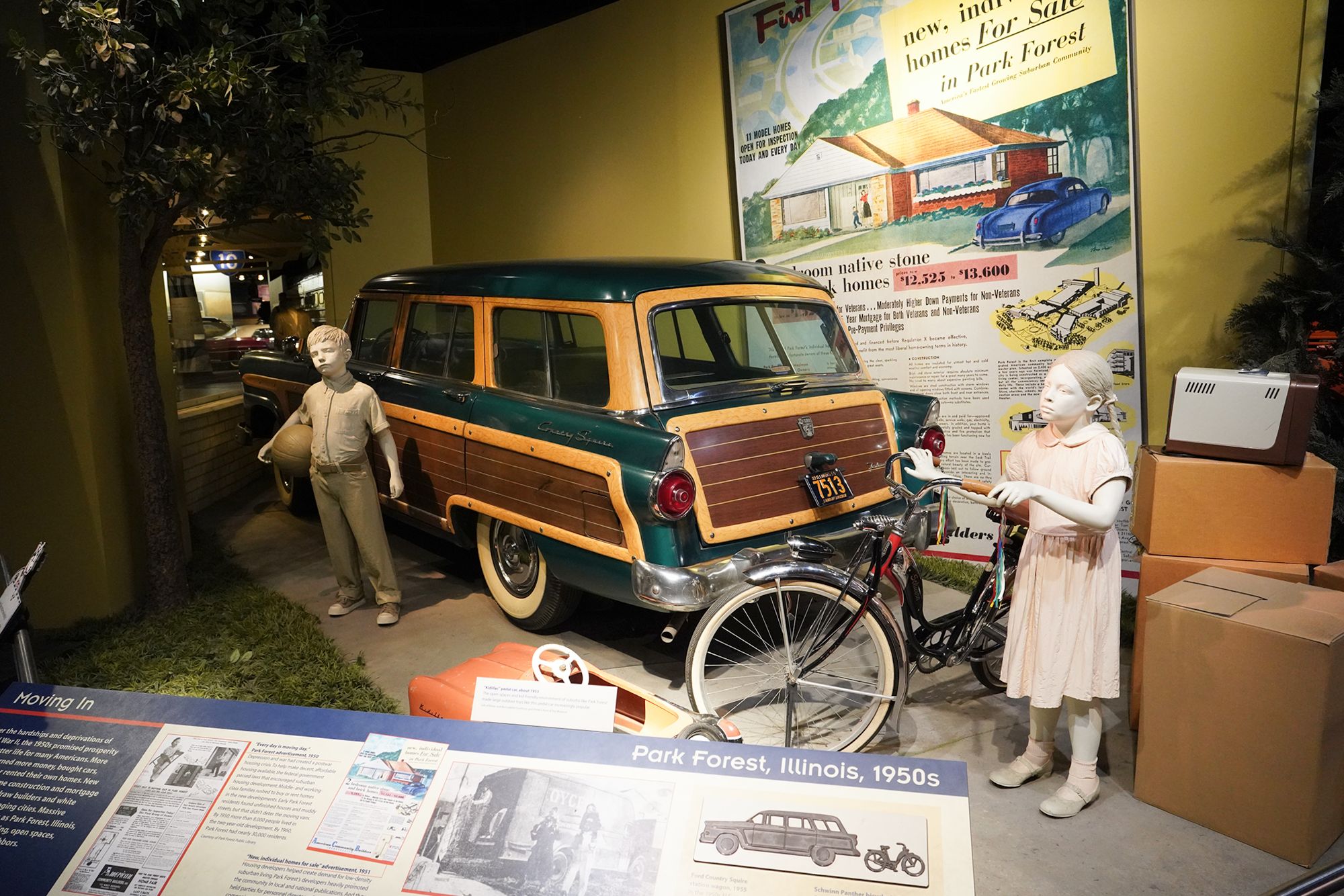
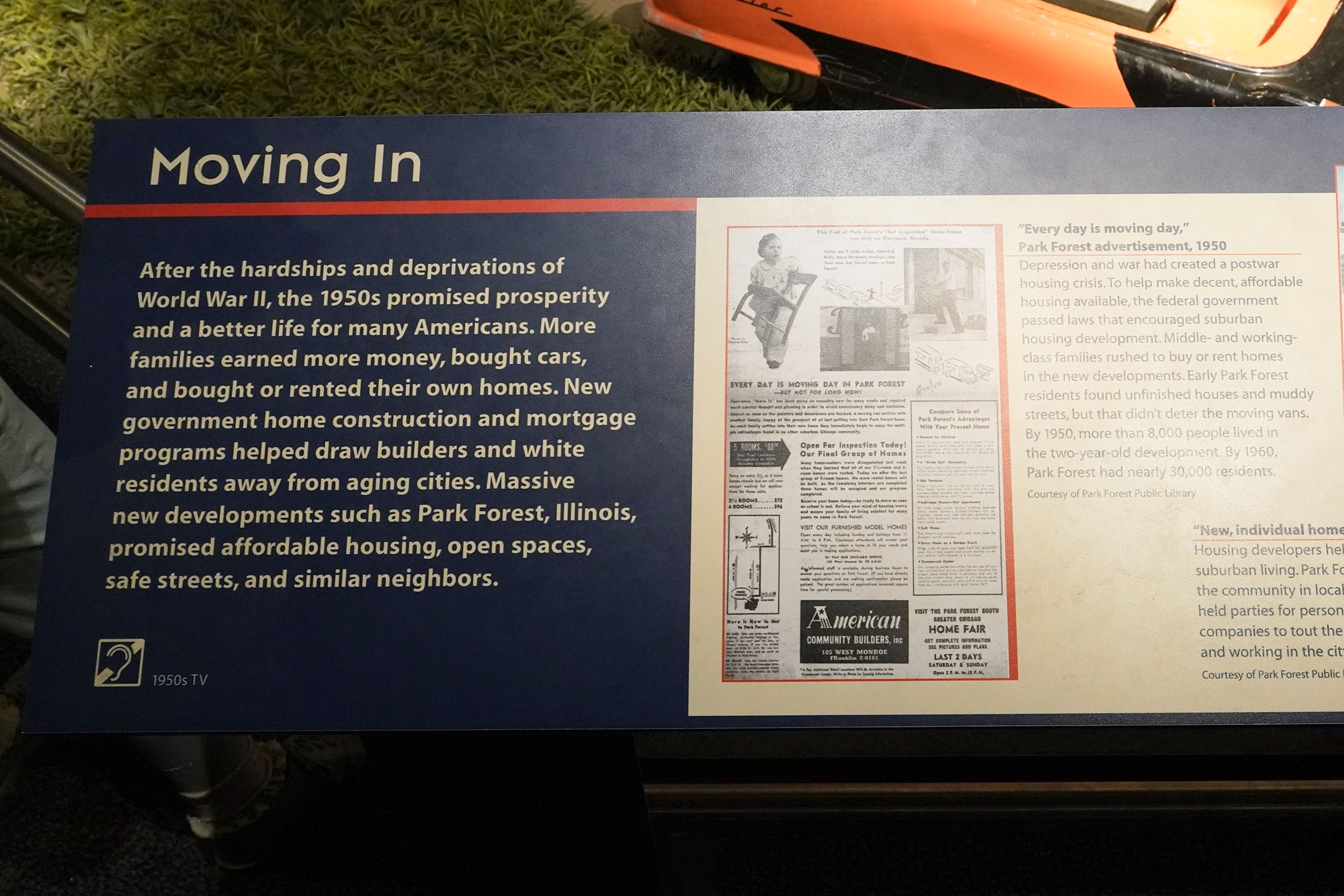
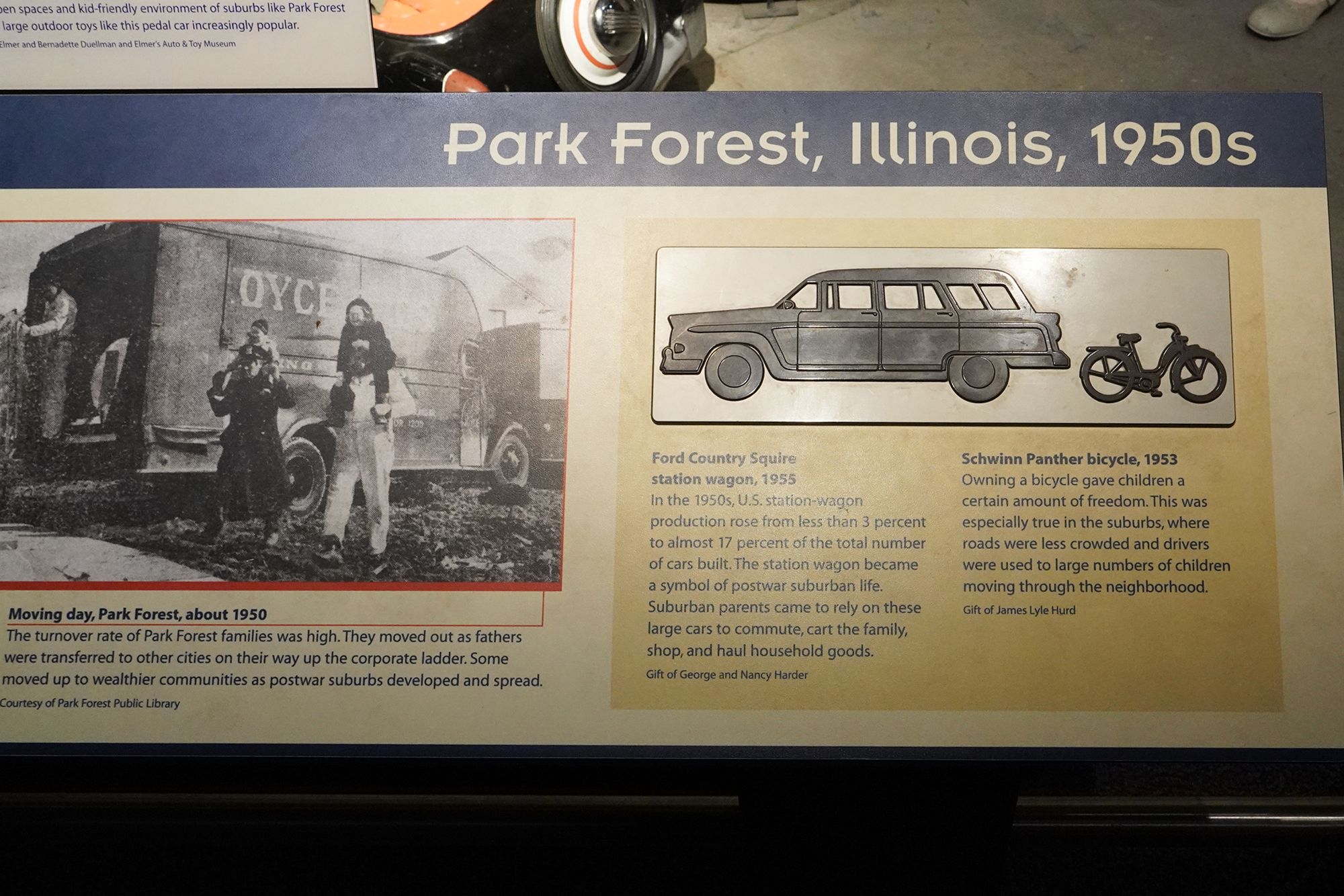
“Homes built away from cities” refers to the growth of suburbs after World War II. As millions of Americans bought cars and sought more space, developers built large neighborhoods outside city centers. These suburban homes offered quieter living, private yards, and modern conveniences, becoming the new ideal for many families.
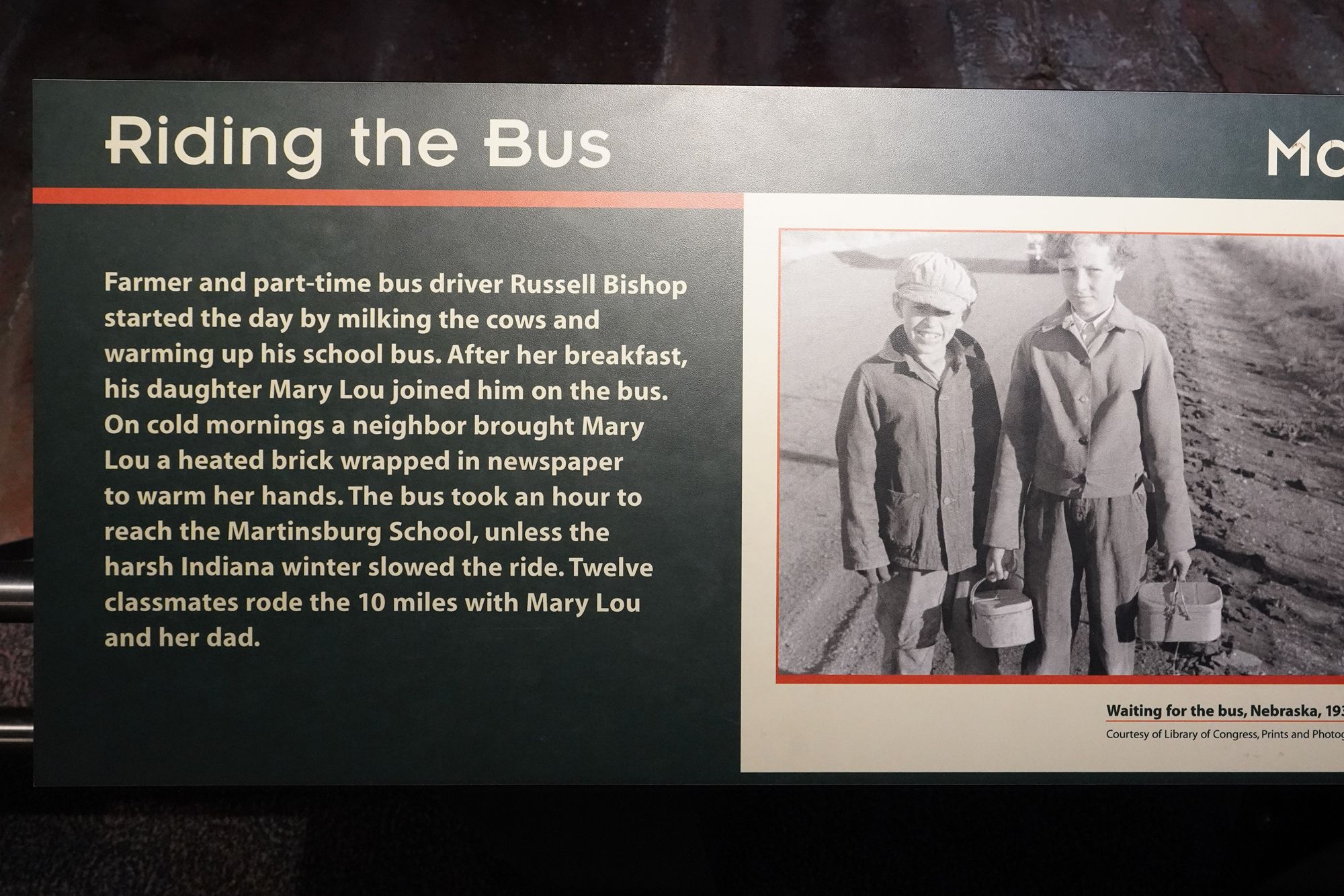
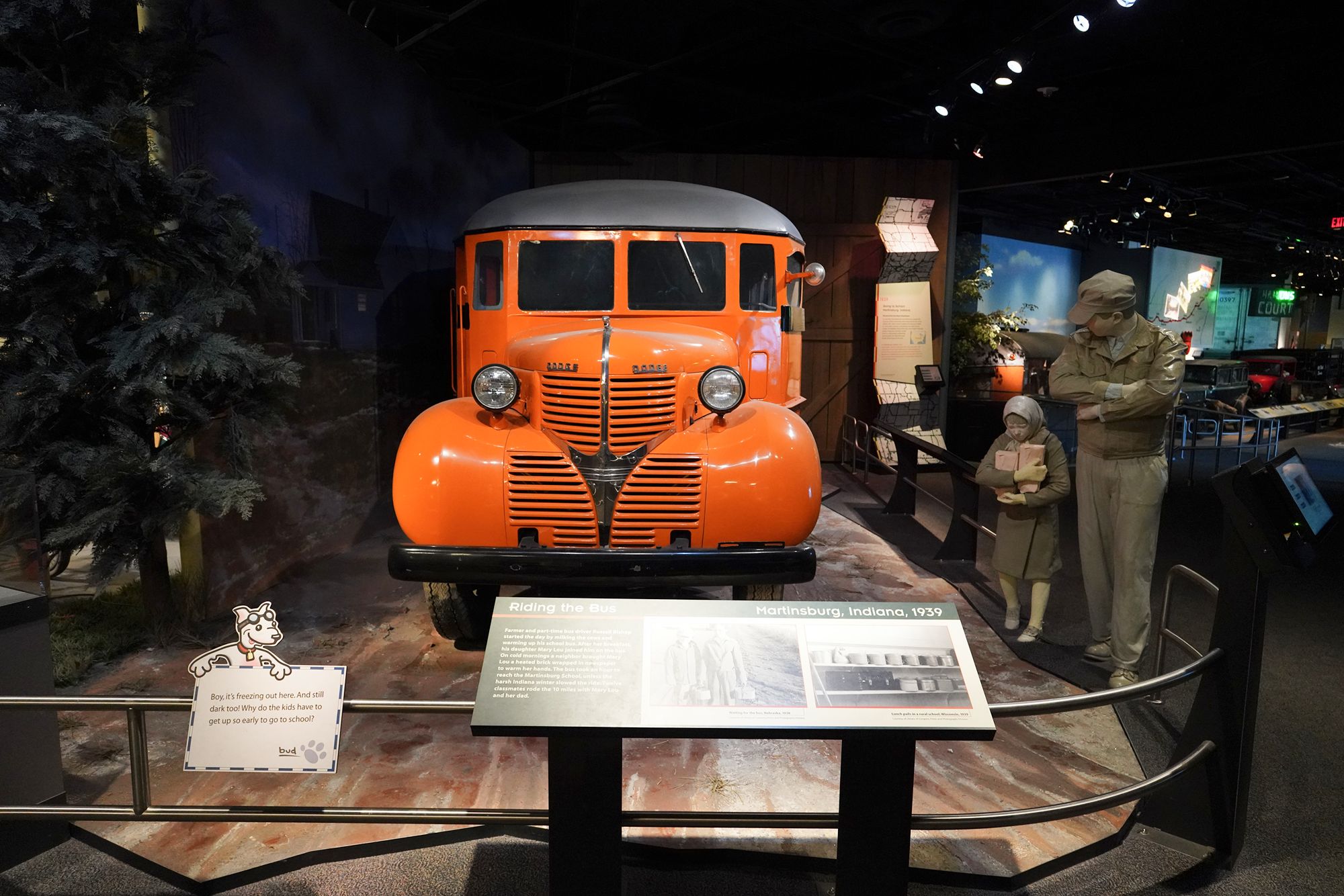
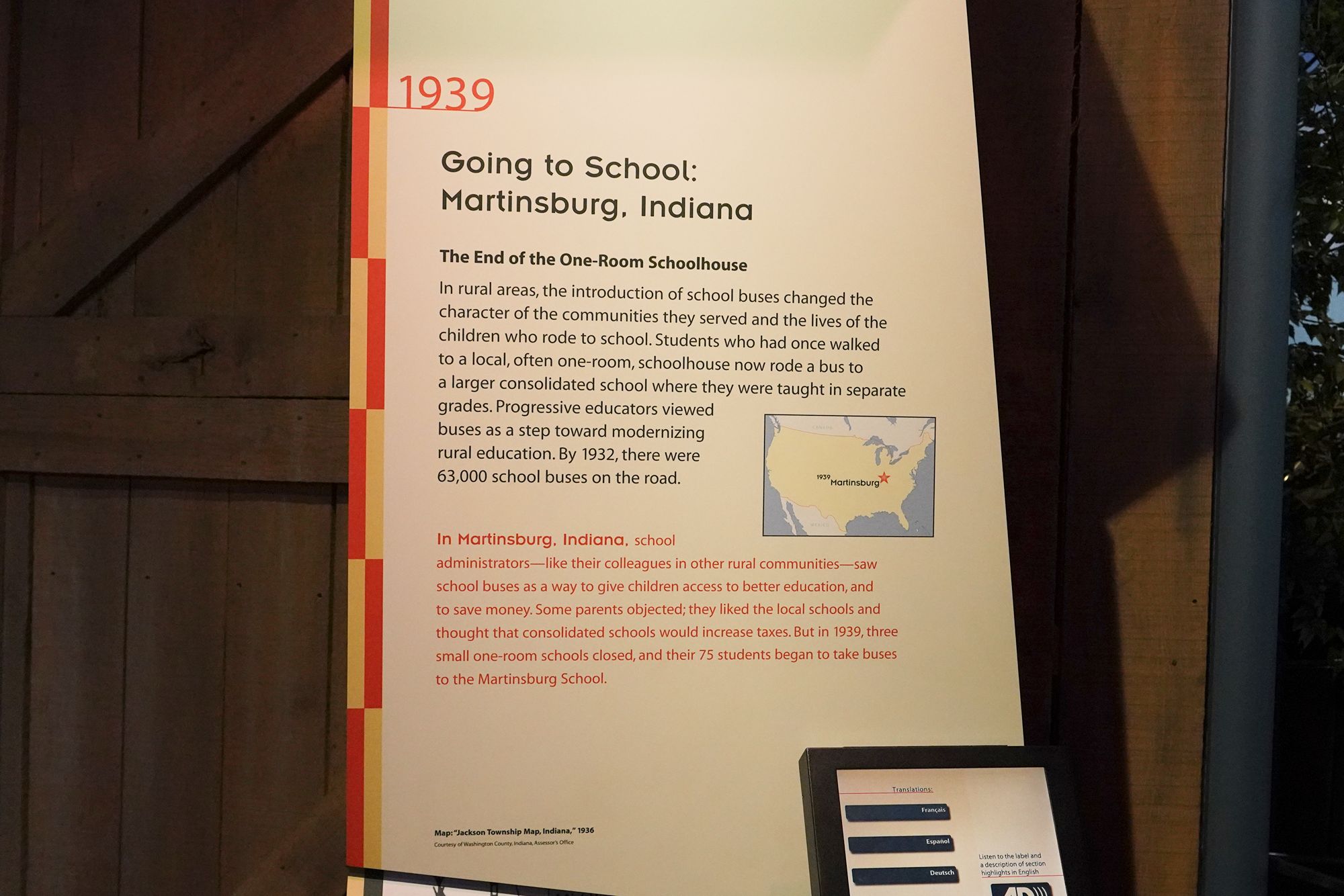
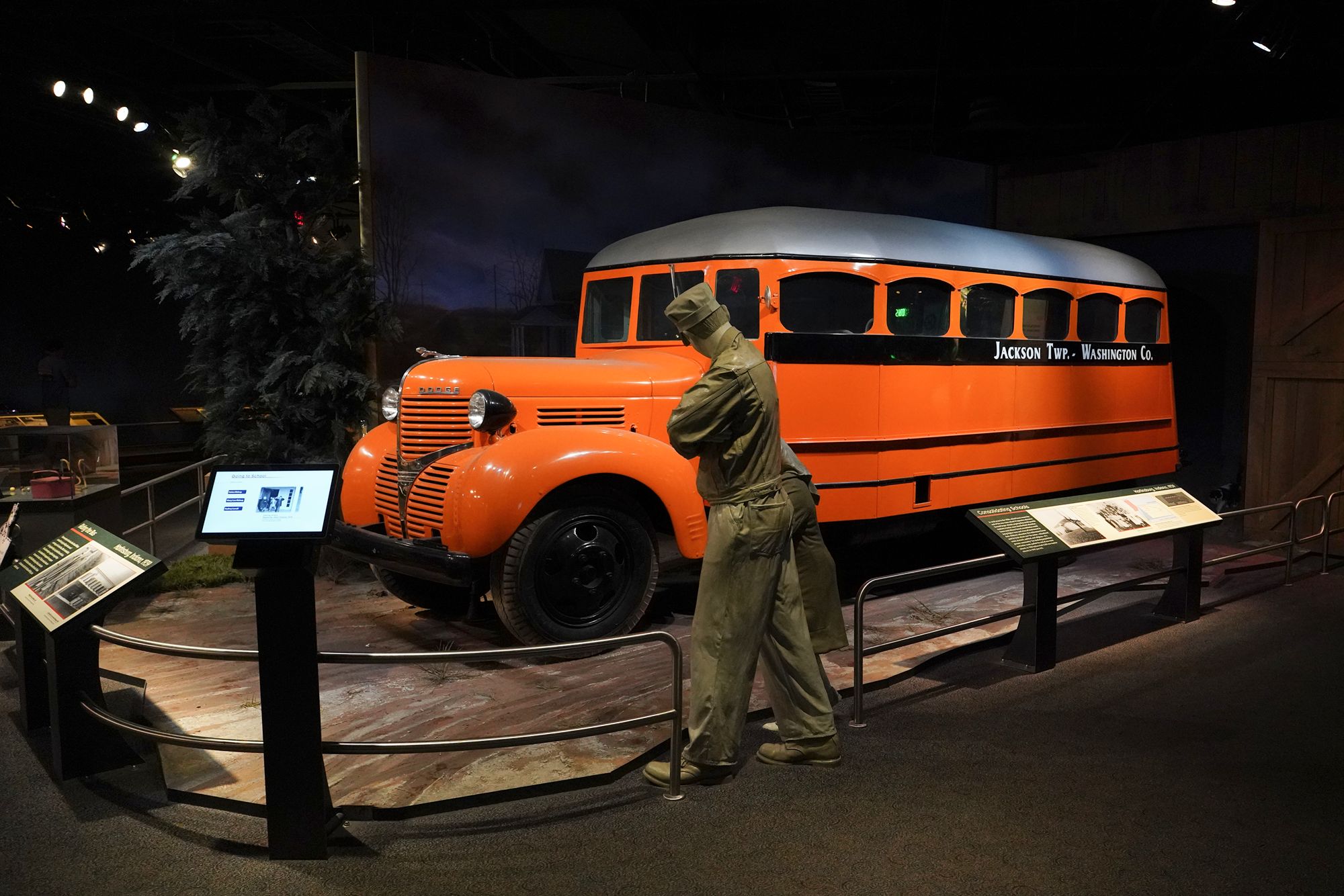
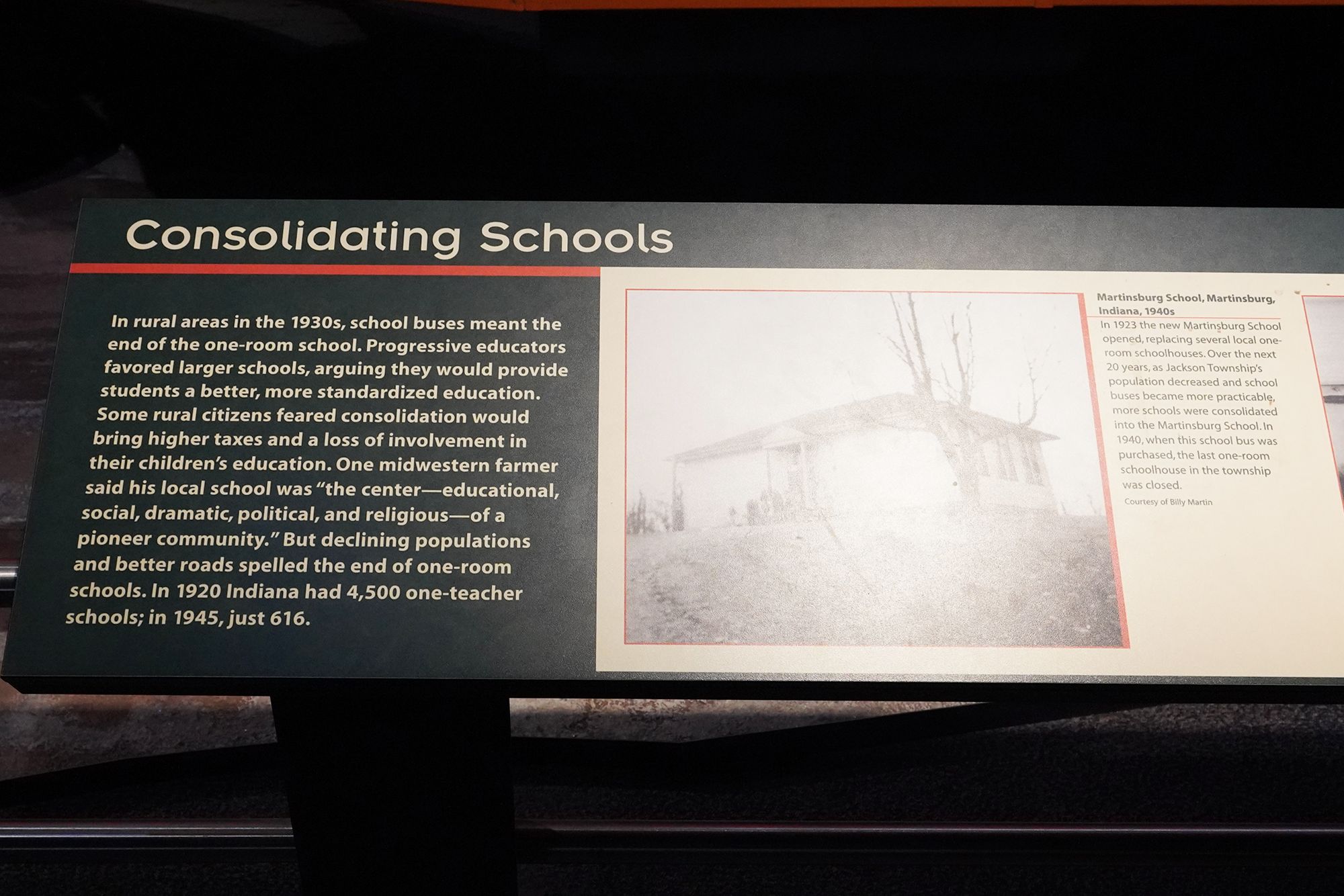
School buses made it possible for children to attend schools farther from home. As towns expanded and families moved to the suburbs, yellow school buses transported students safely and reliably every day. They became an essential part of American education and community life.
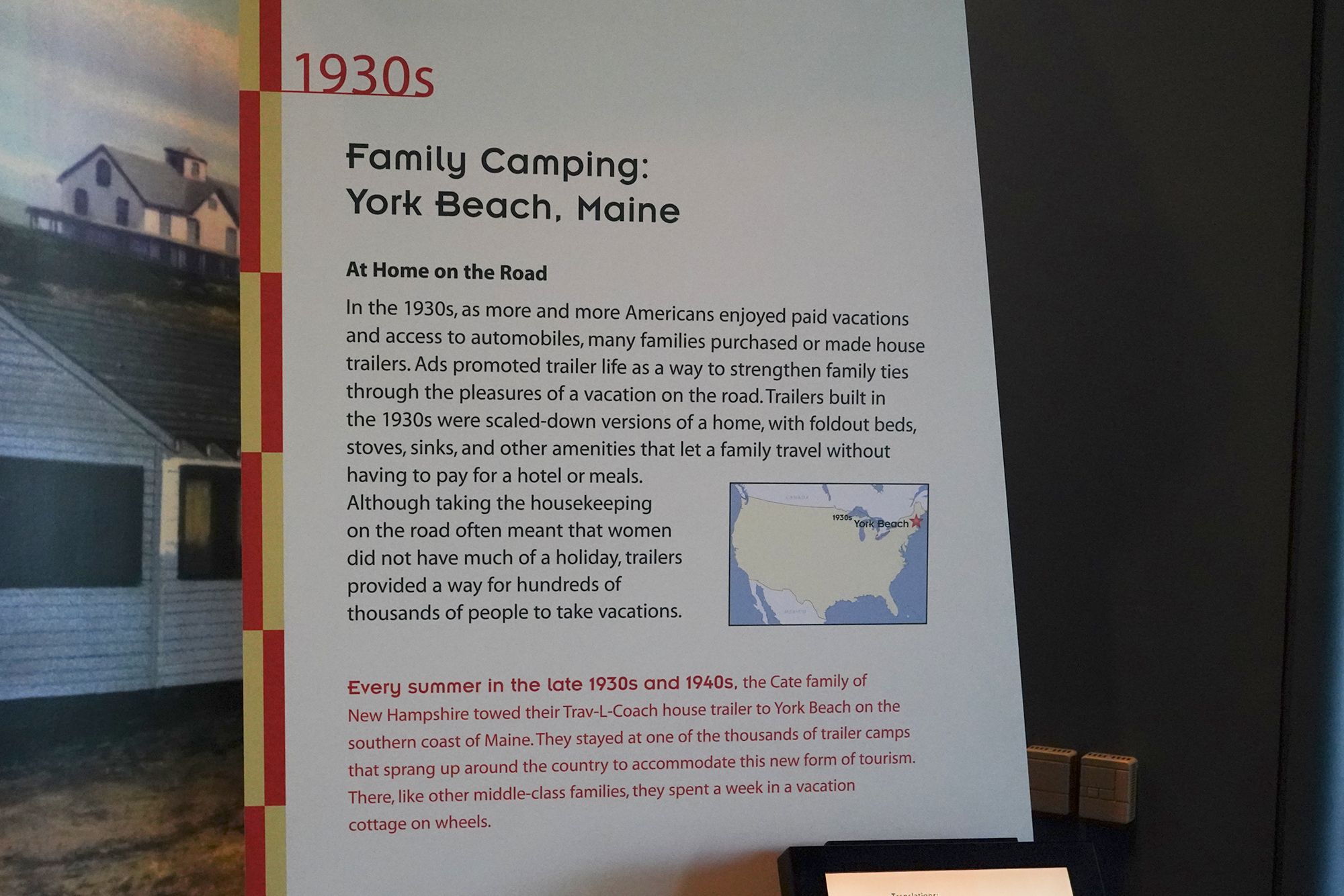
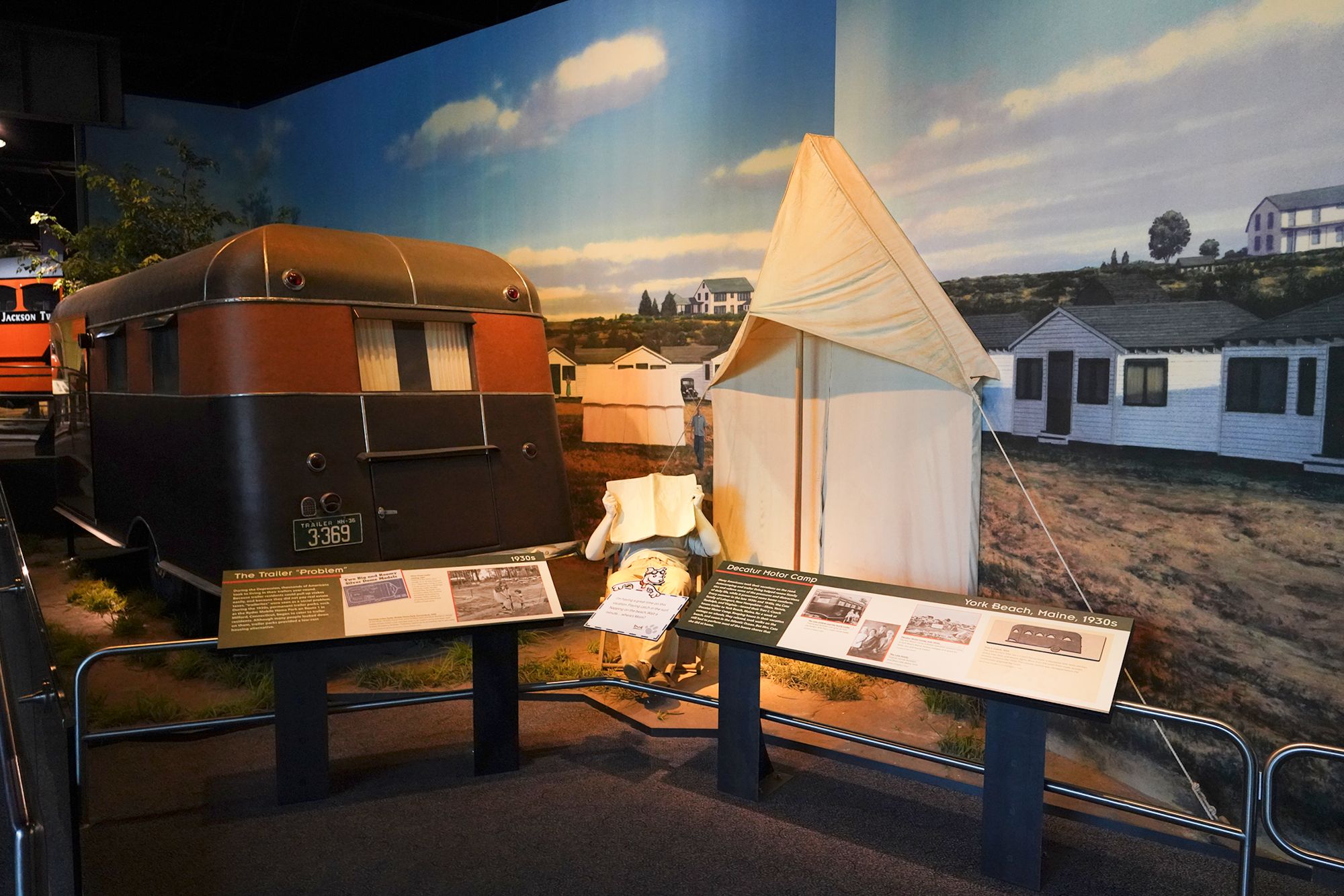
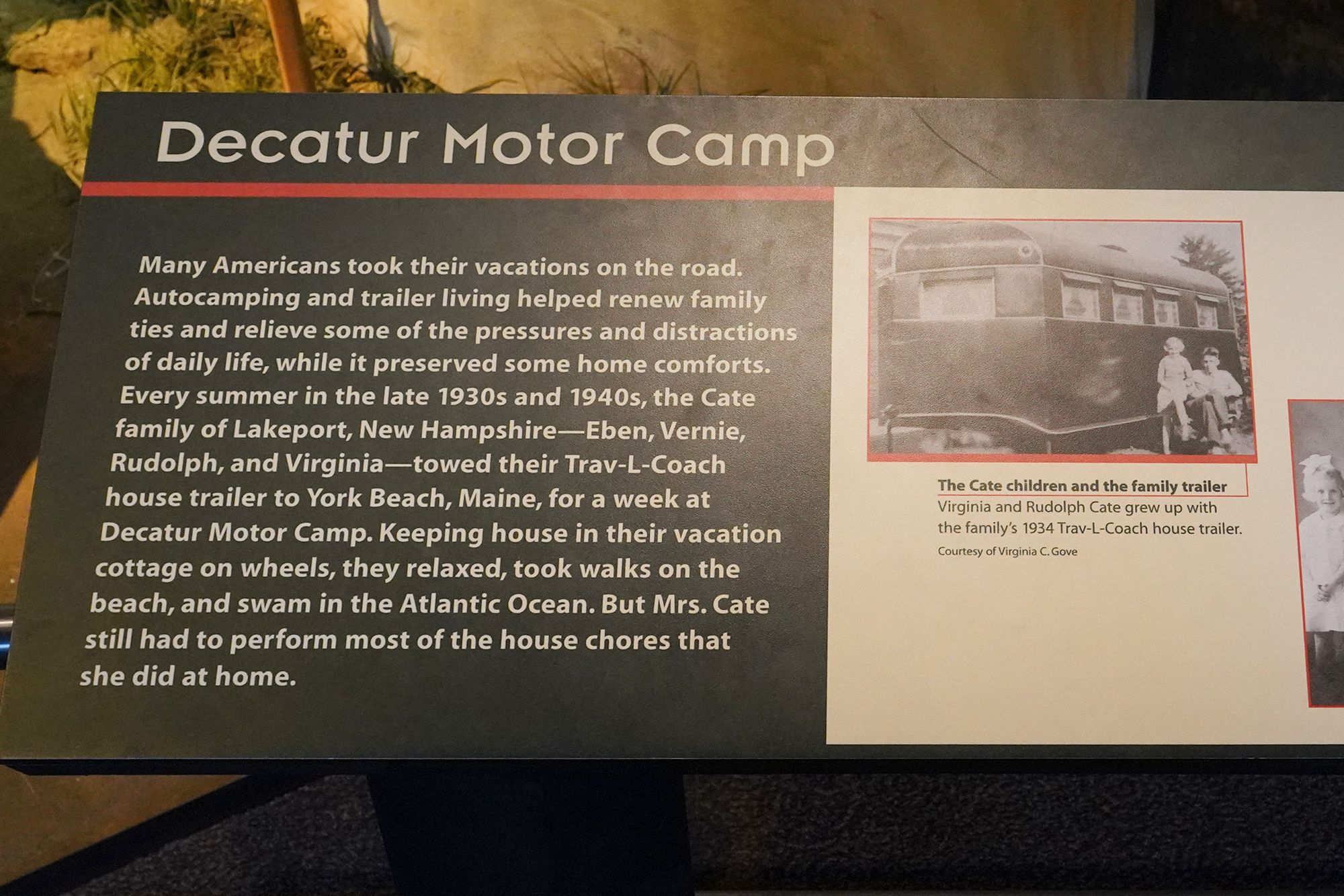
Family camping became popular as more Americans used cars to explore national parks, forests, and campgrounds. It offered families an affordable way to enjoy nature, travel together, and take vacations outside the city. Tents, sleeping bags, and camping gear became part of a growing outdoor recreation culture.
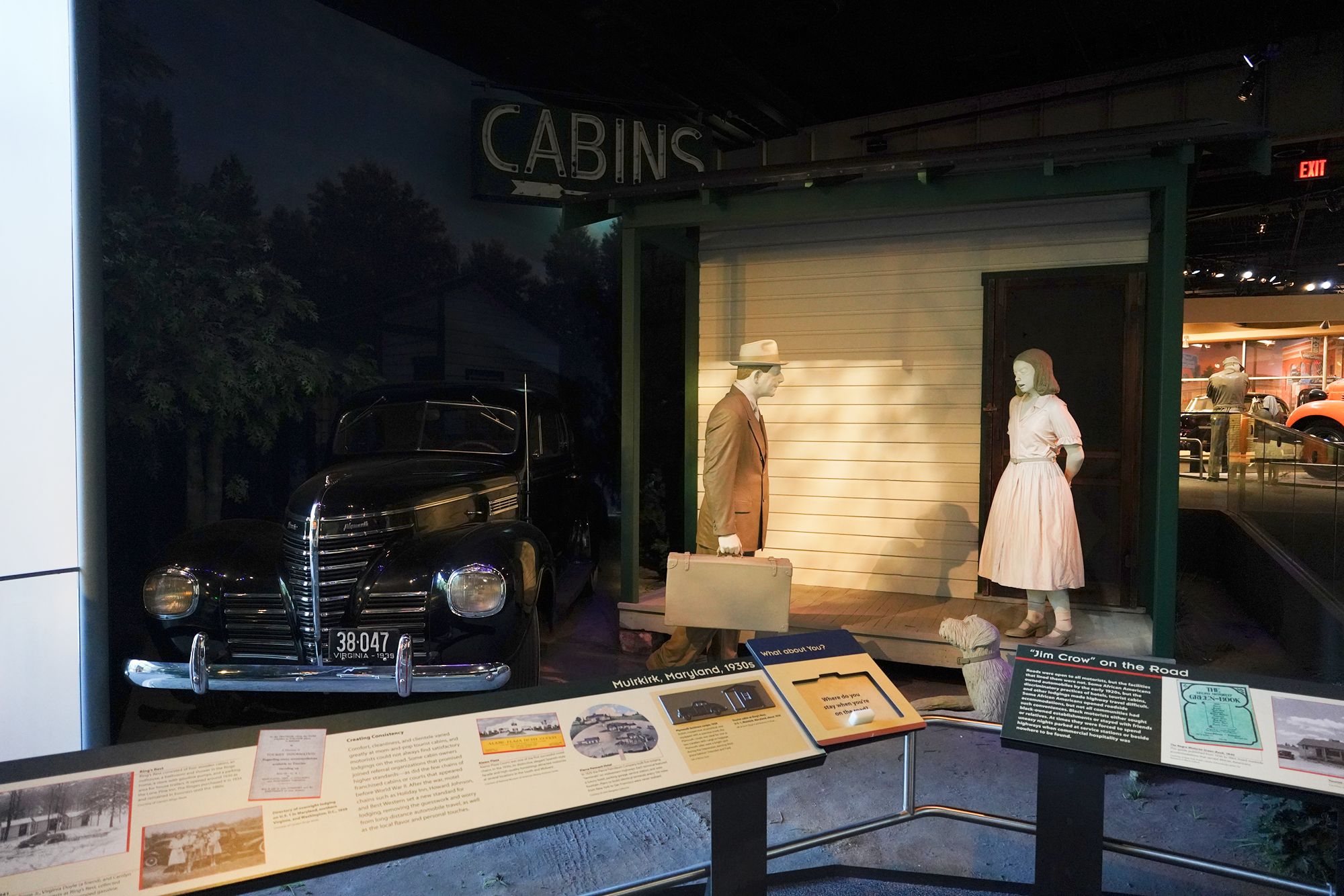
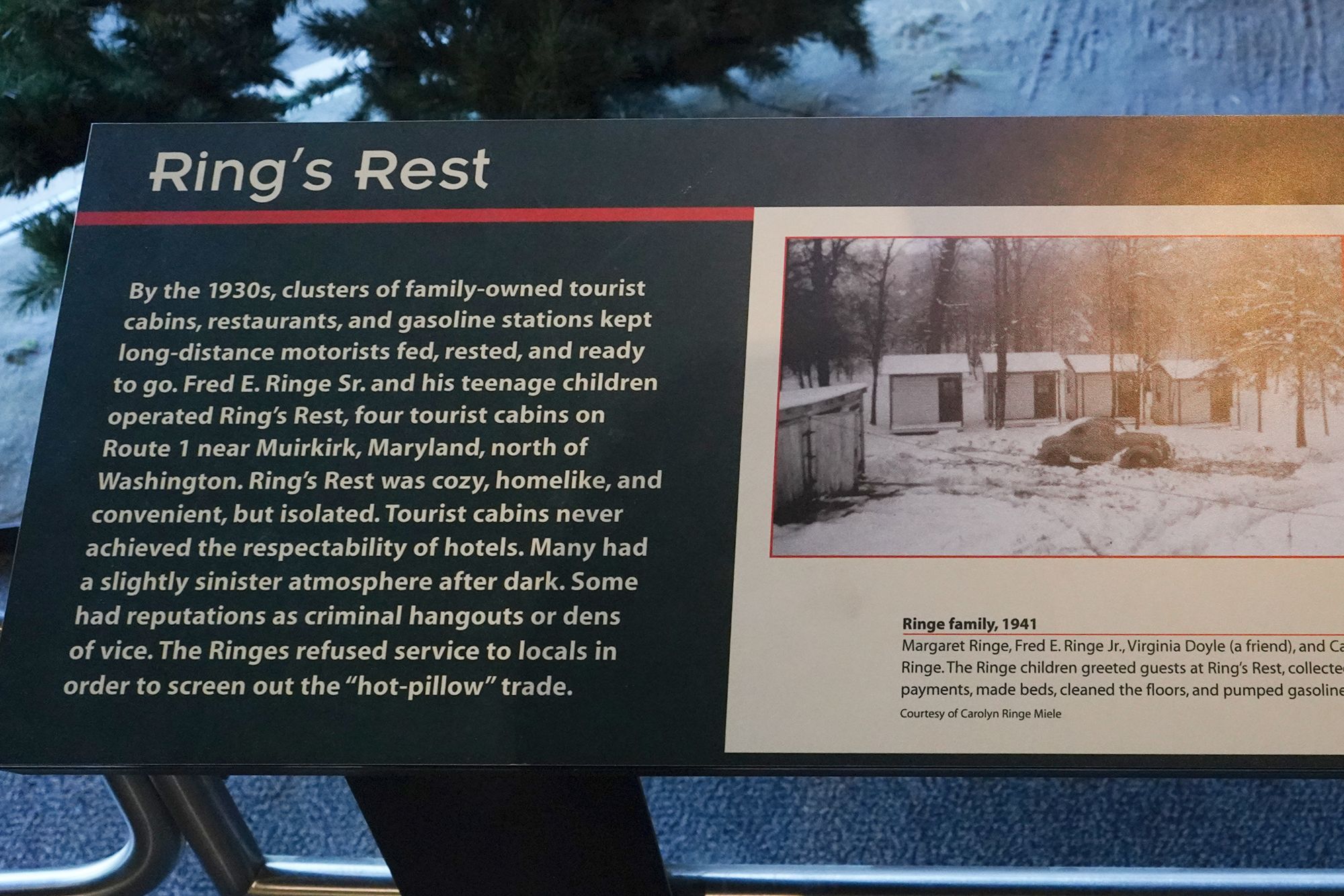
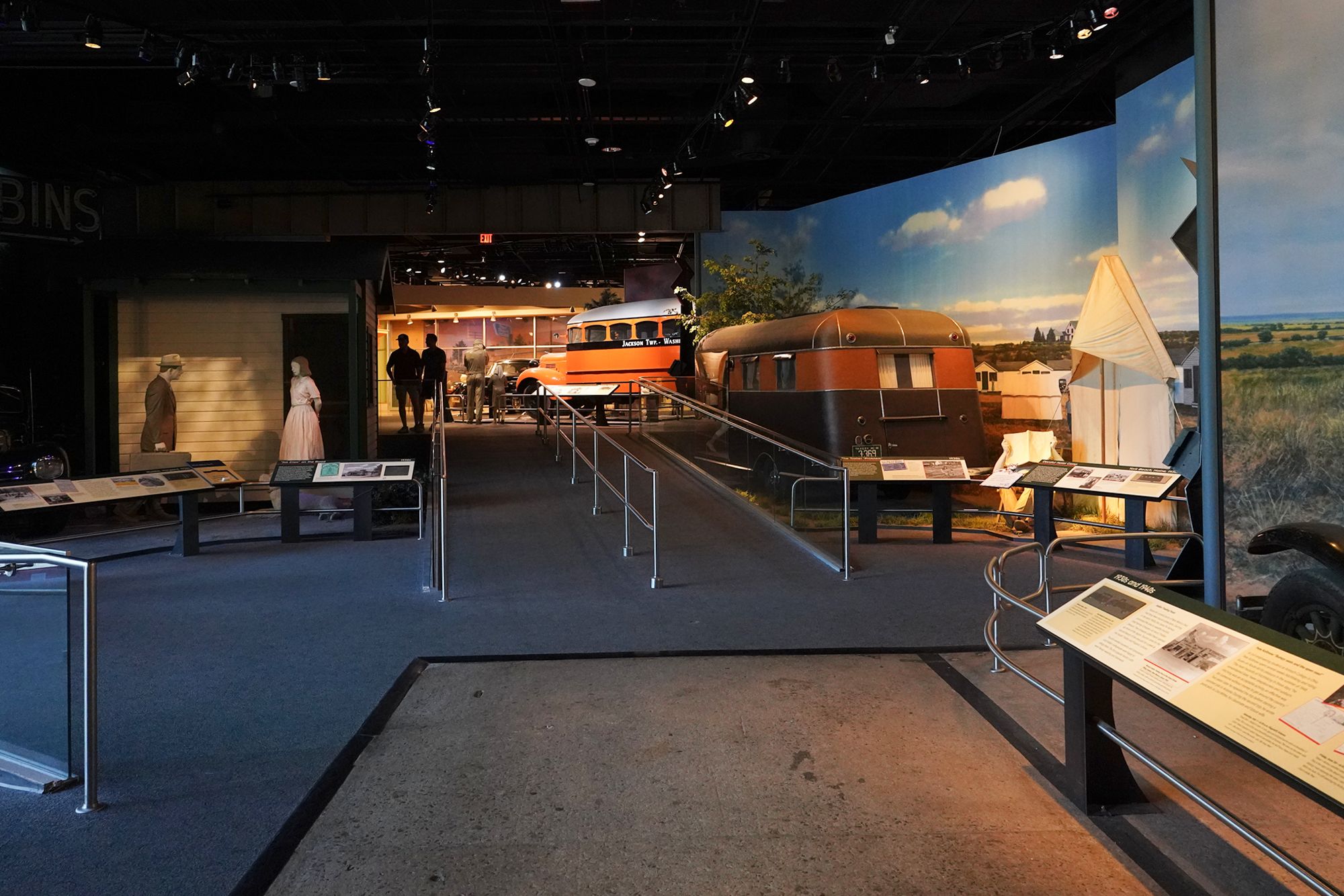
Ring’s Rest represents the early roadside cabin courts where families offered travelers inexpensive, convenient lodging before motels took over.
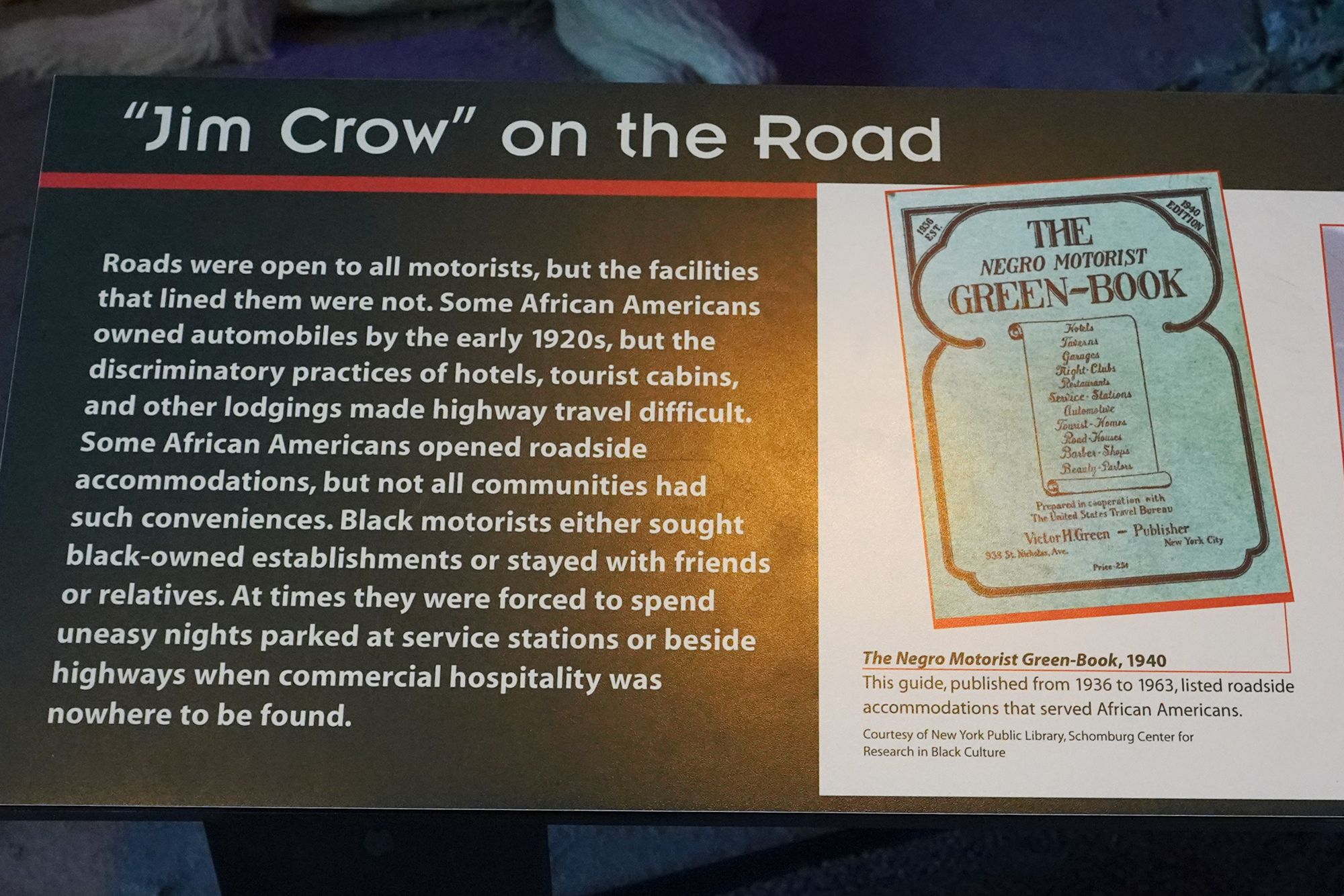
“Jim Crow on the Road” refers to the racial segregation African Americans faced while traveling during the Jim Crow era. Black travelers often could not stay in white-only hotels, eat in certain restaurants, use restrooms, or buy services available to white travelers. They had to rely on Black-owned businesses, private homes, or guides like The Green Book to find safe places.
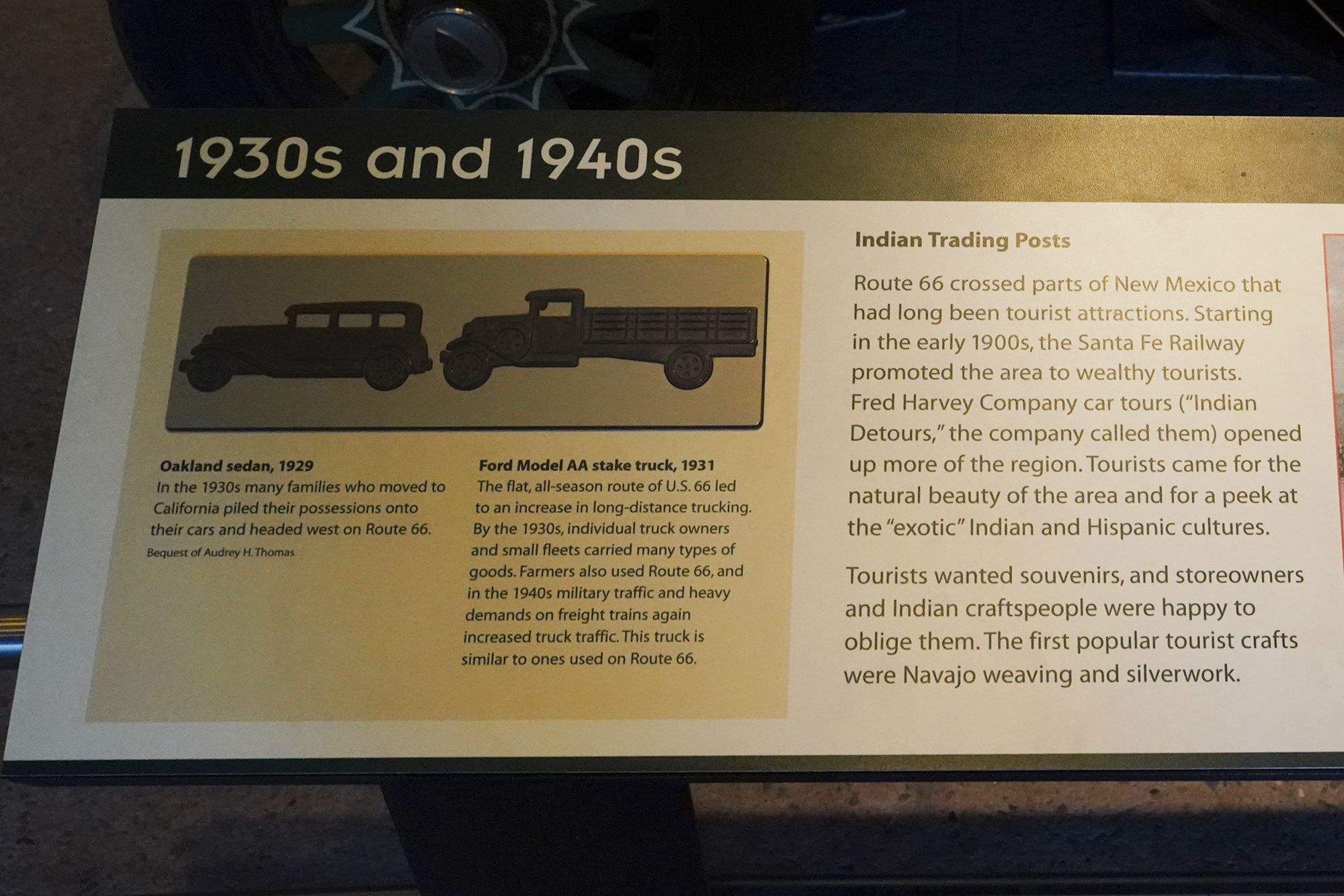
Indian Trading Posts were roadside shops in the Southwest that sold Native American–style goods such as jewelry, rugs, pottery, and souvenirs to tourists.
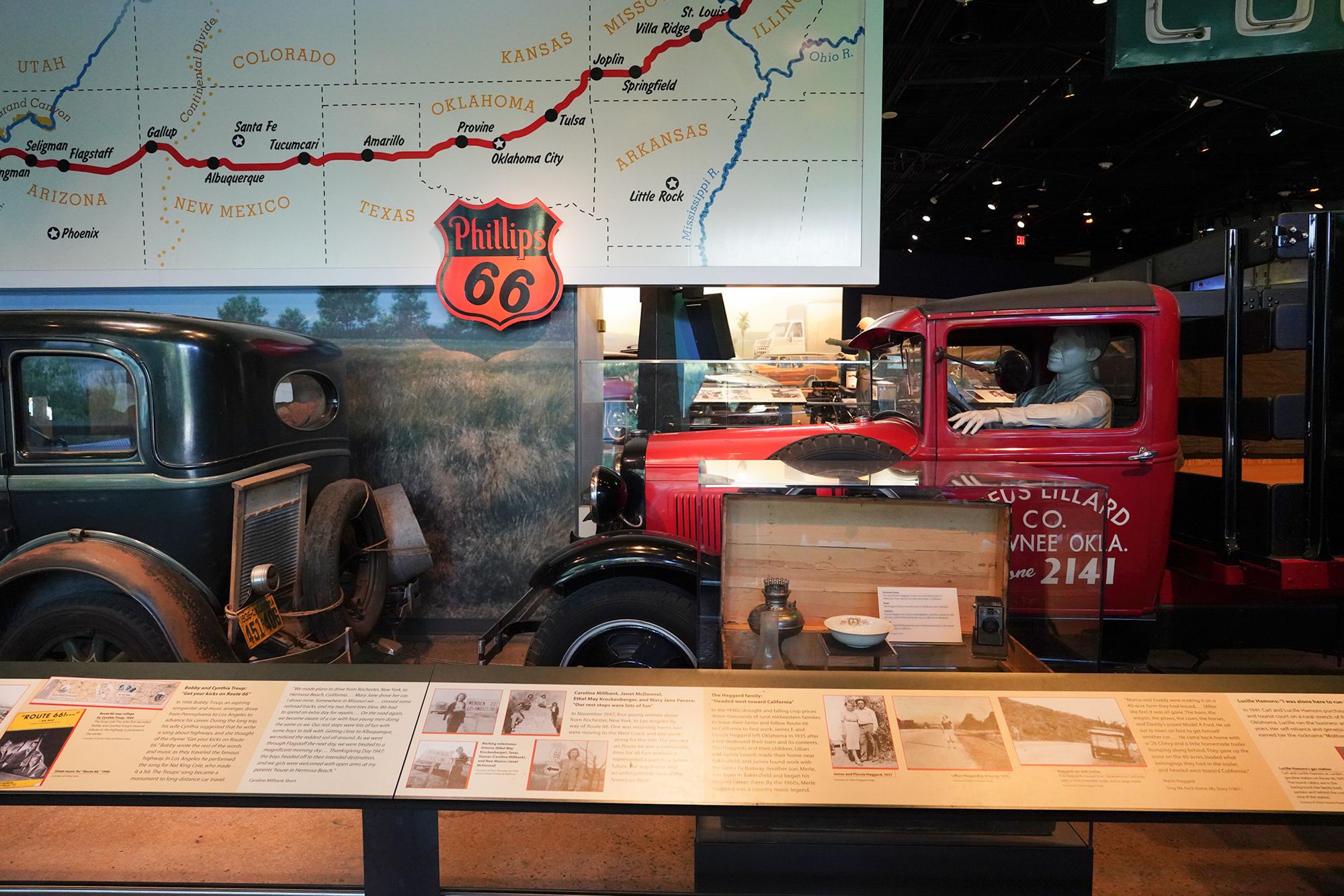
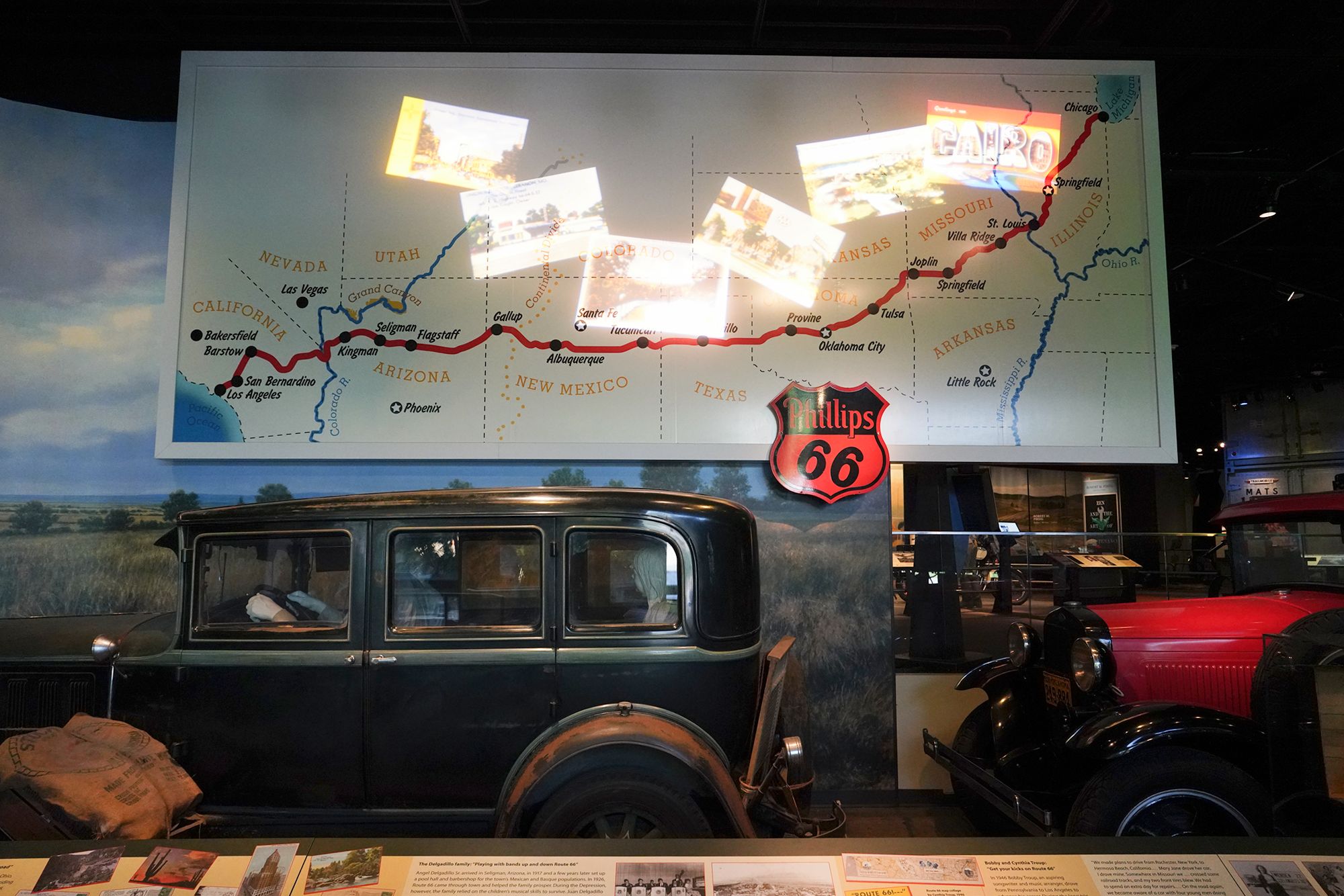
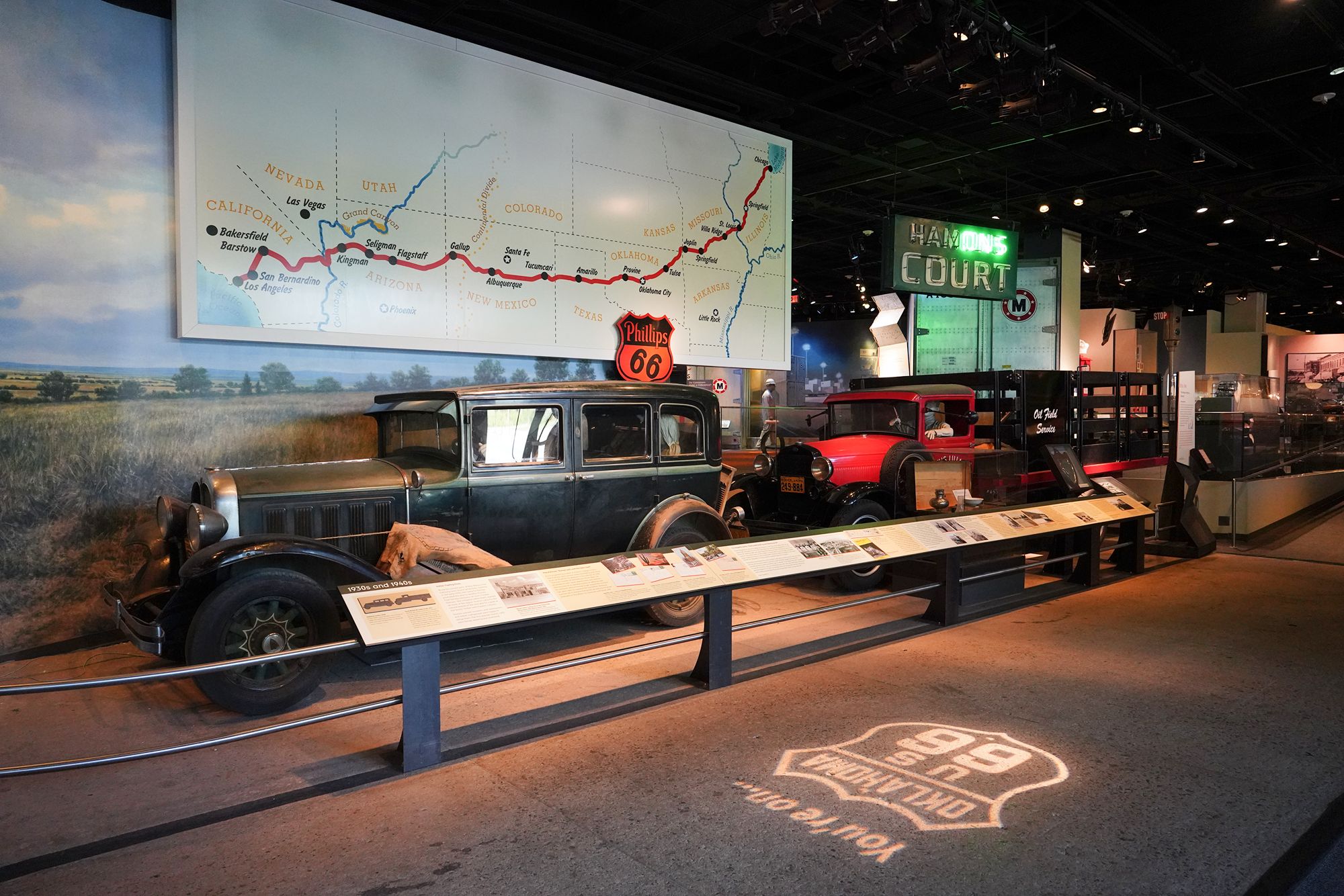
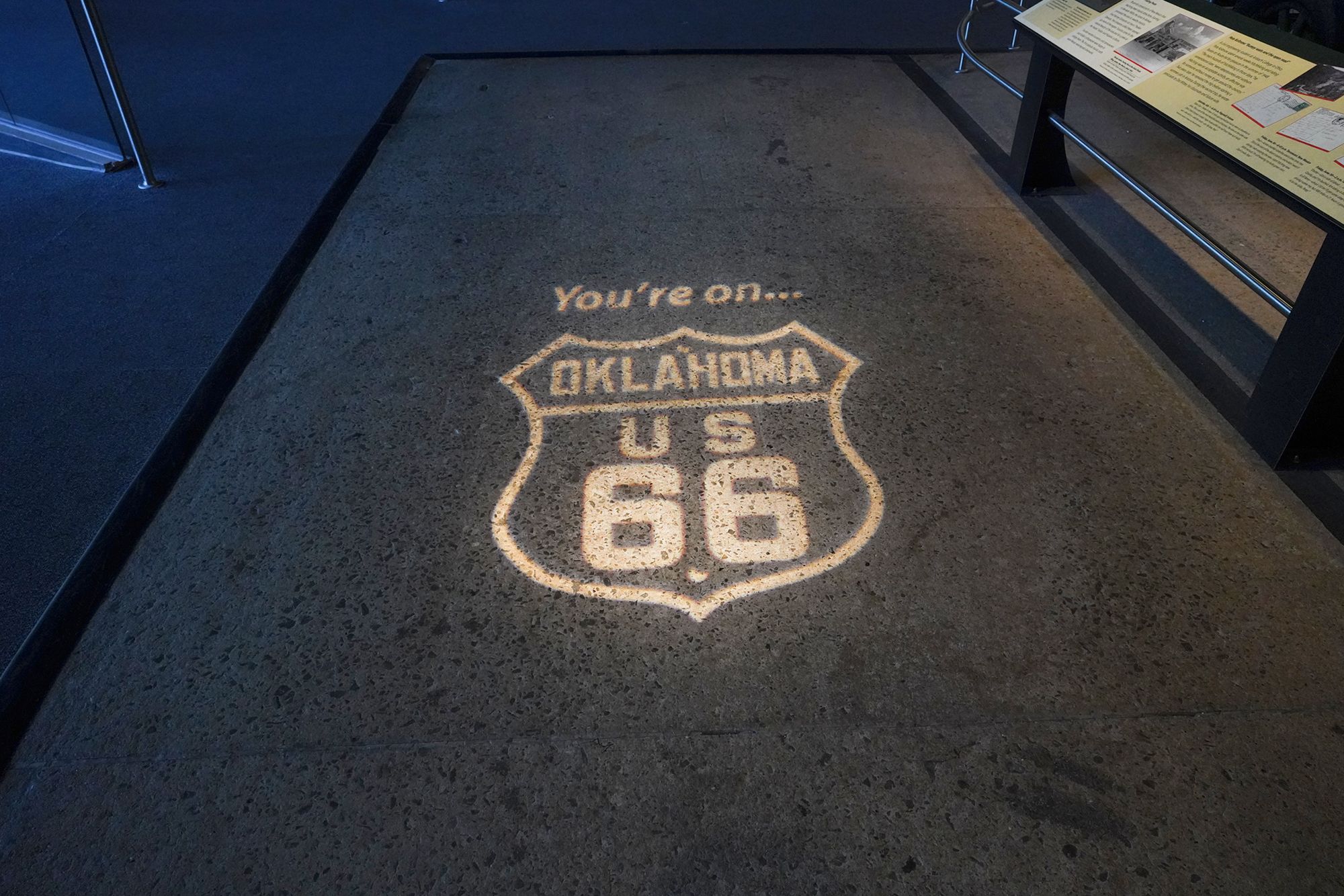
Route 66, created in 1926, was one of America’s most famous highways. Stretching from Chicago to Los Angeles, it carried travelers, migrants, and tourists across eight states. Known for its motels, diners, neon signs, and roadside attractions, Route 66 became a symbol of freedom, adventure, and the open road.
On American Business
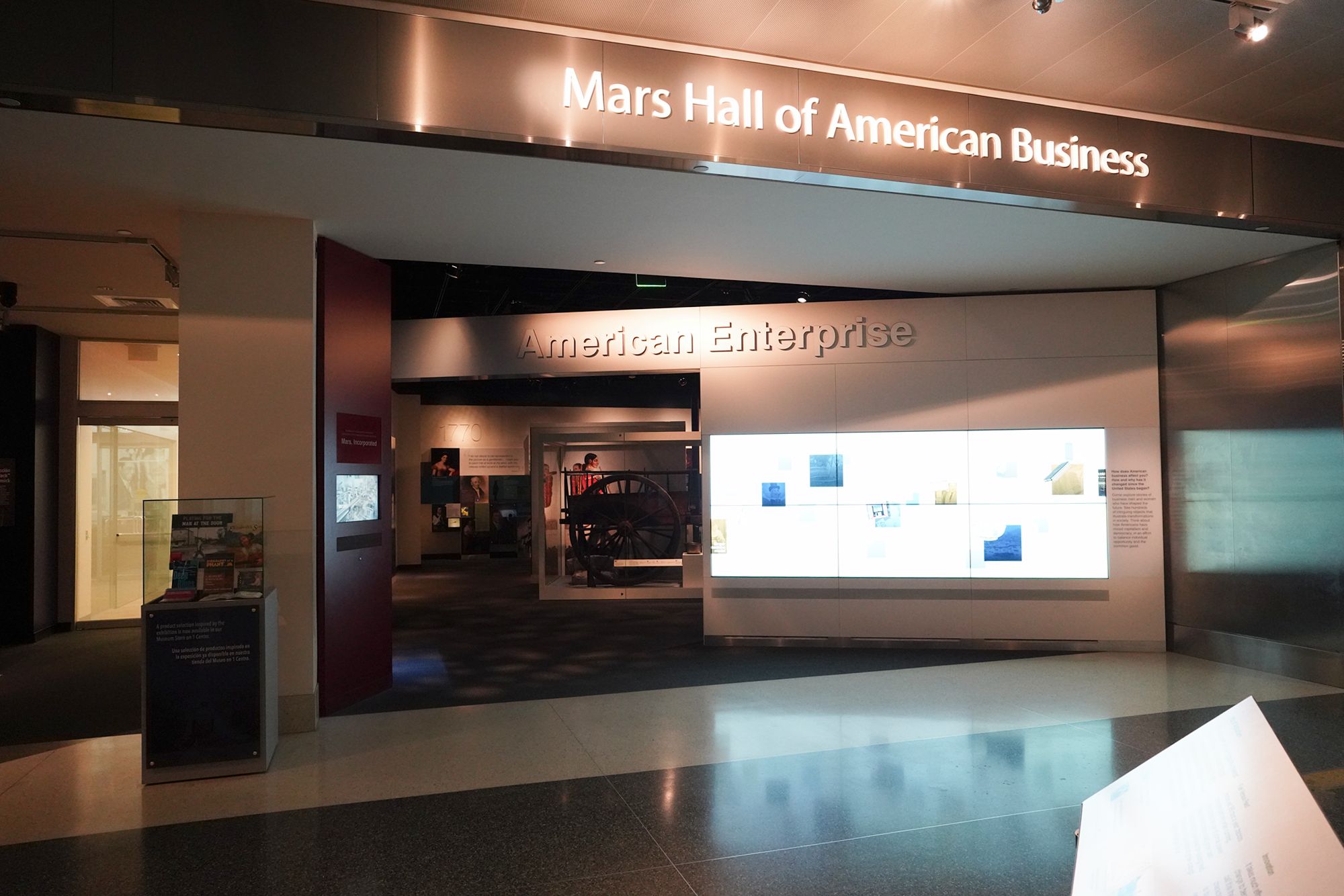
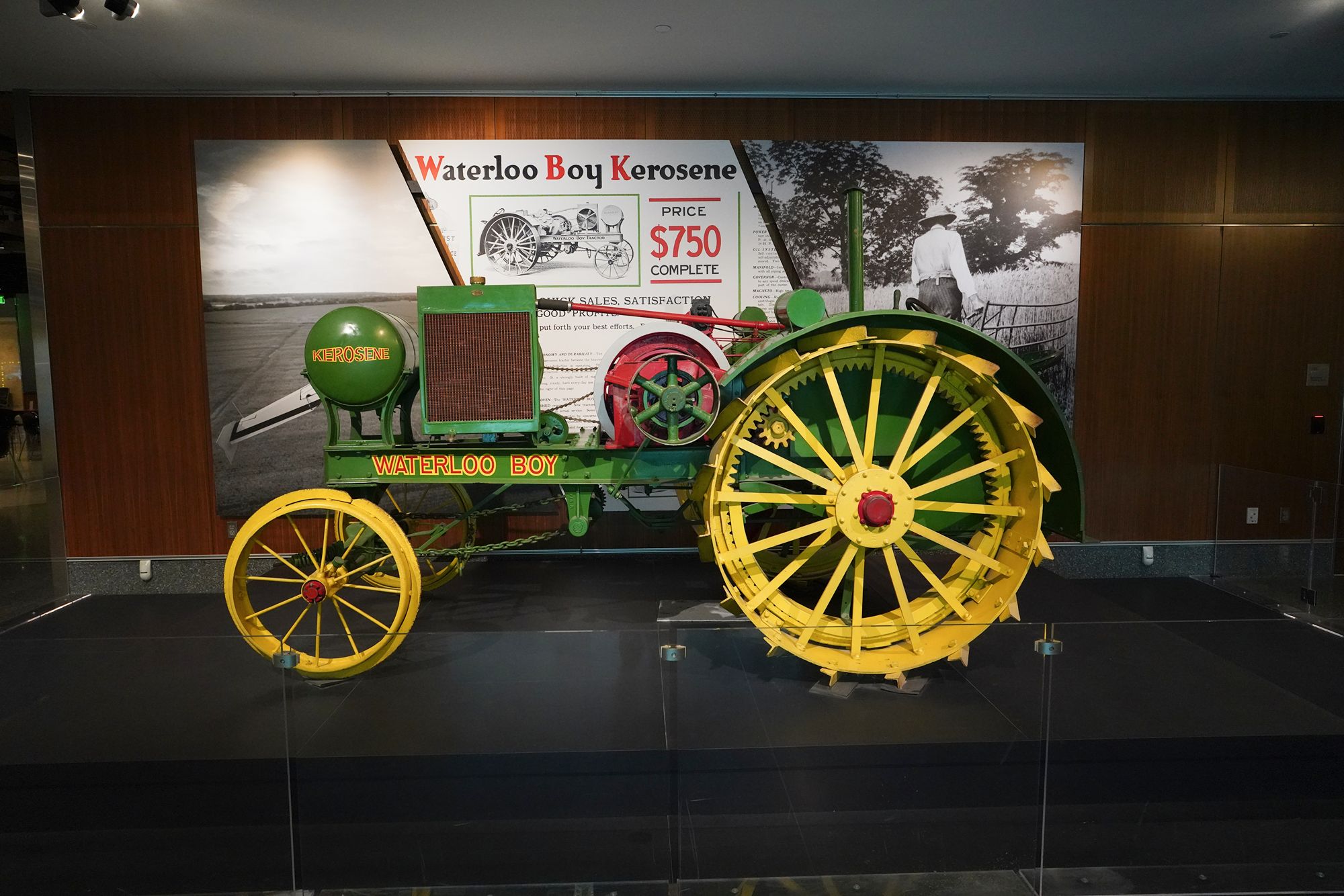
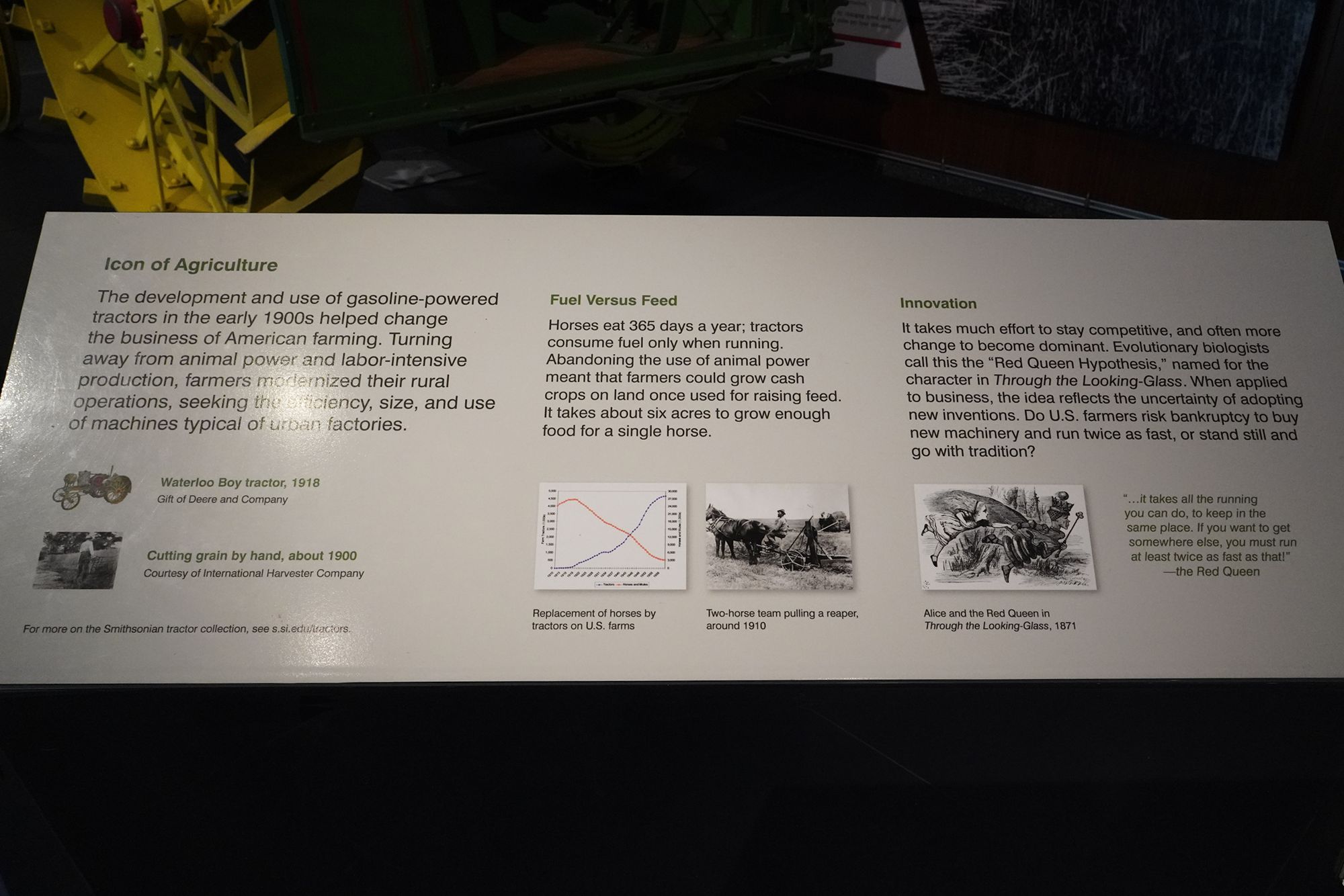
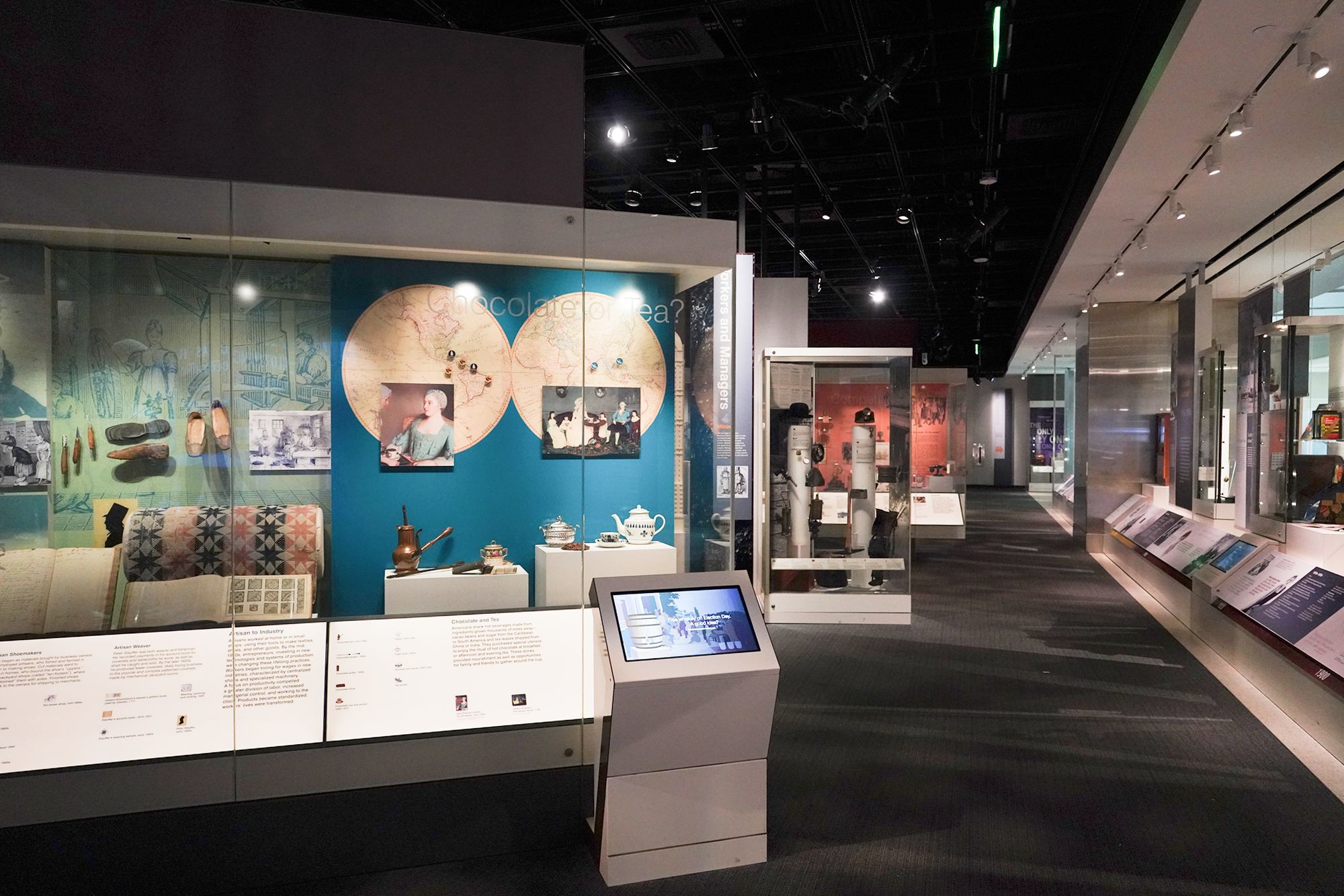
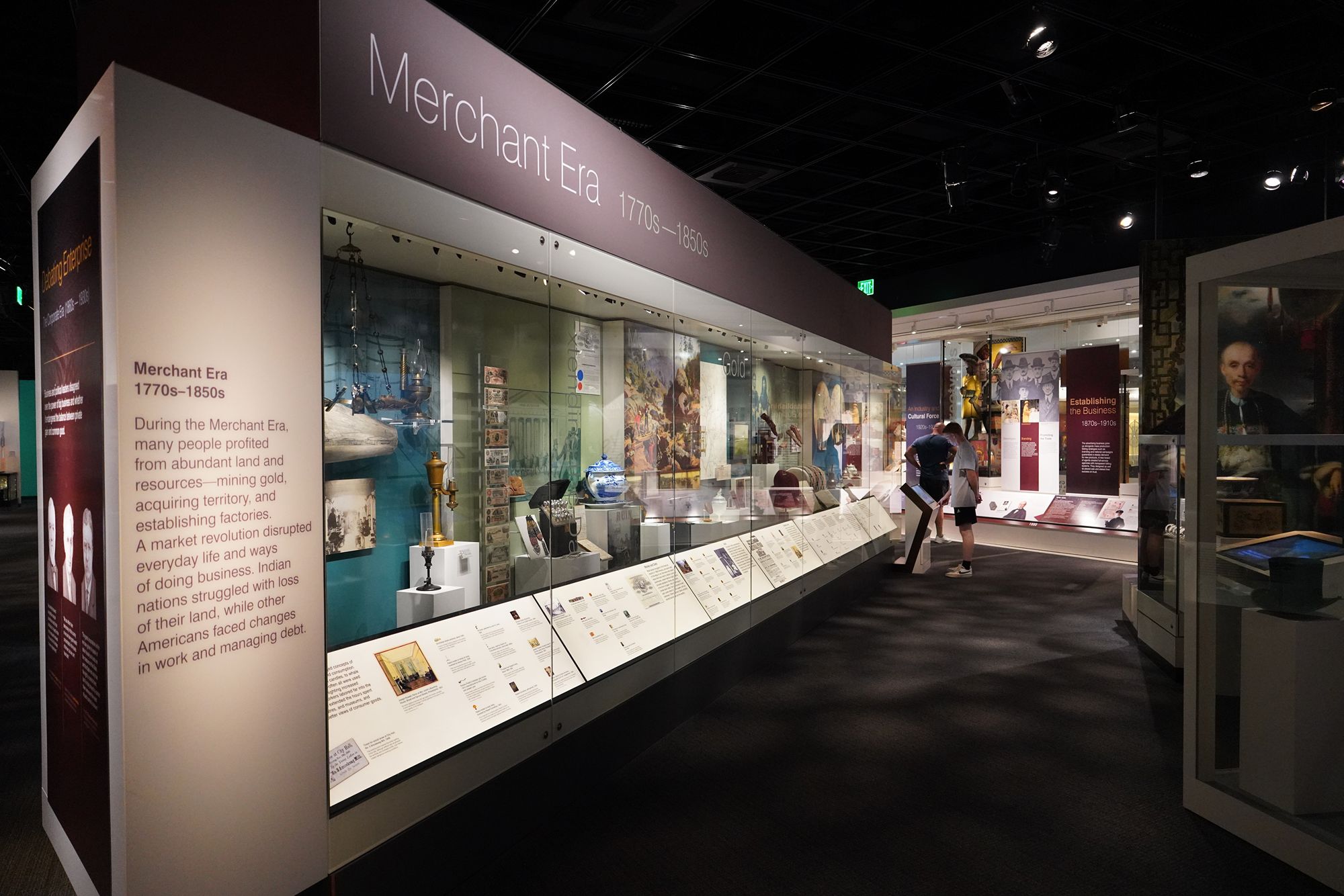
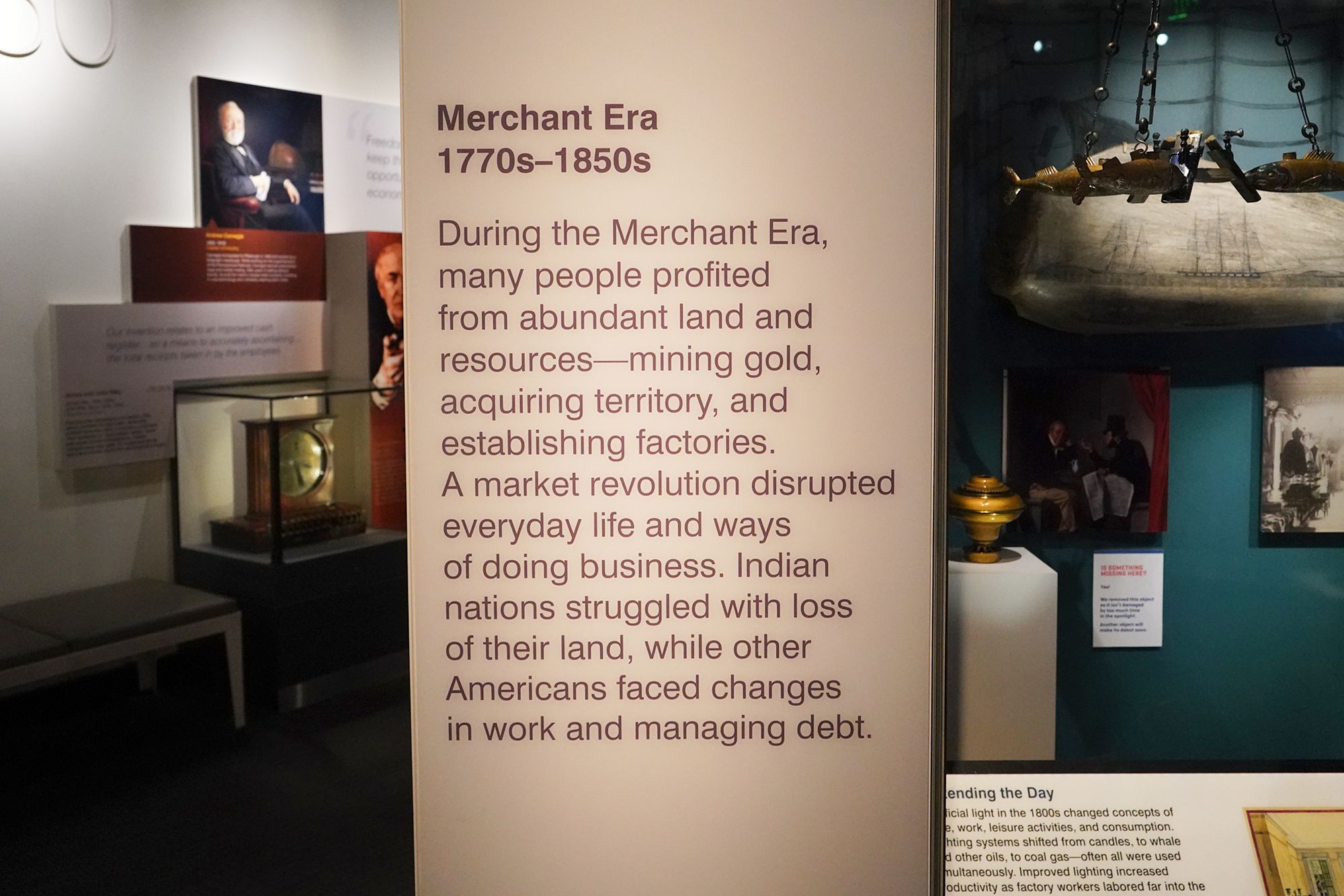
Merchant Era 1770-1850
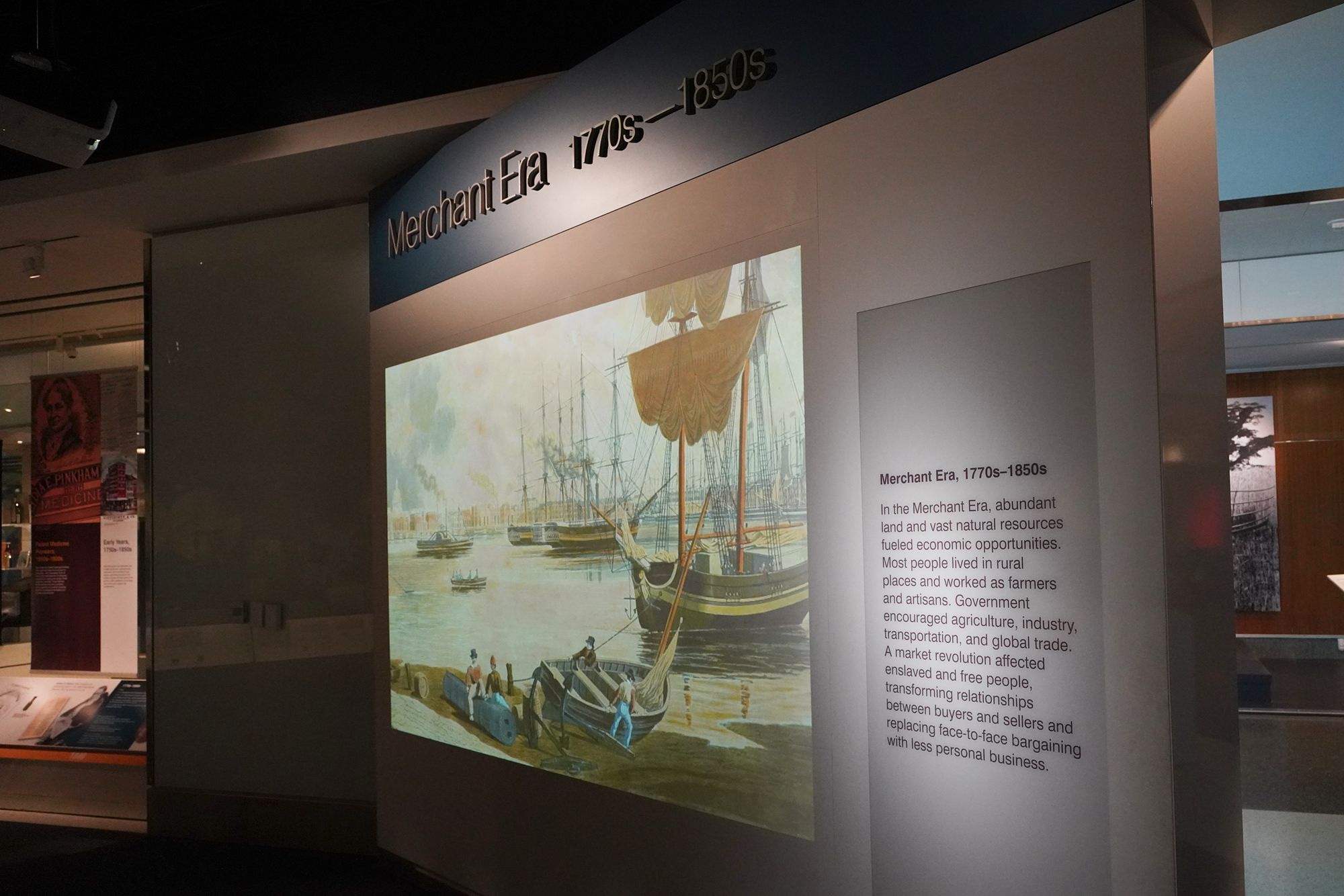
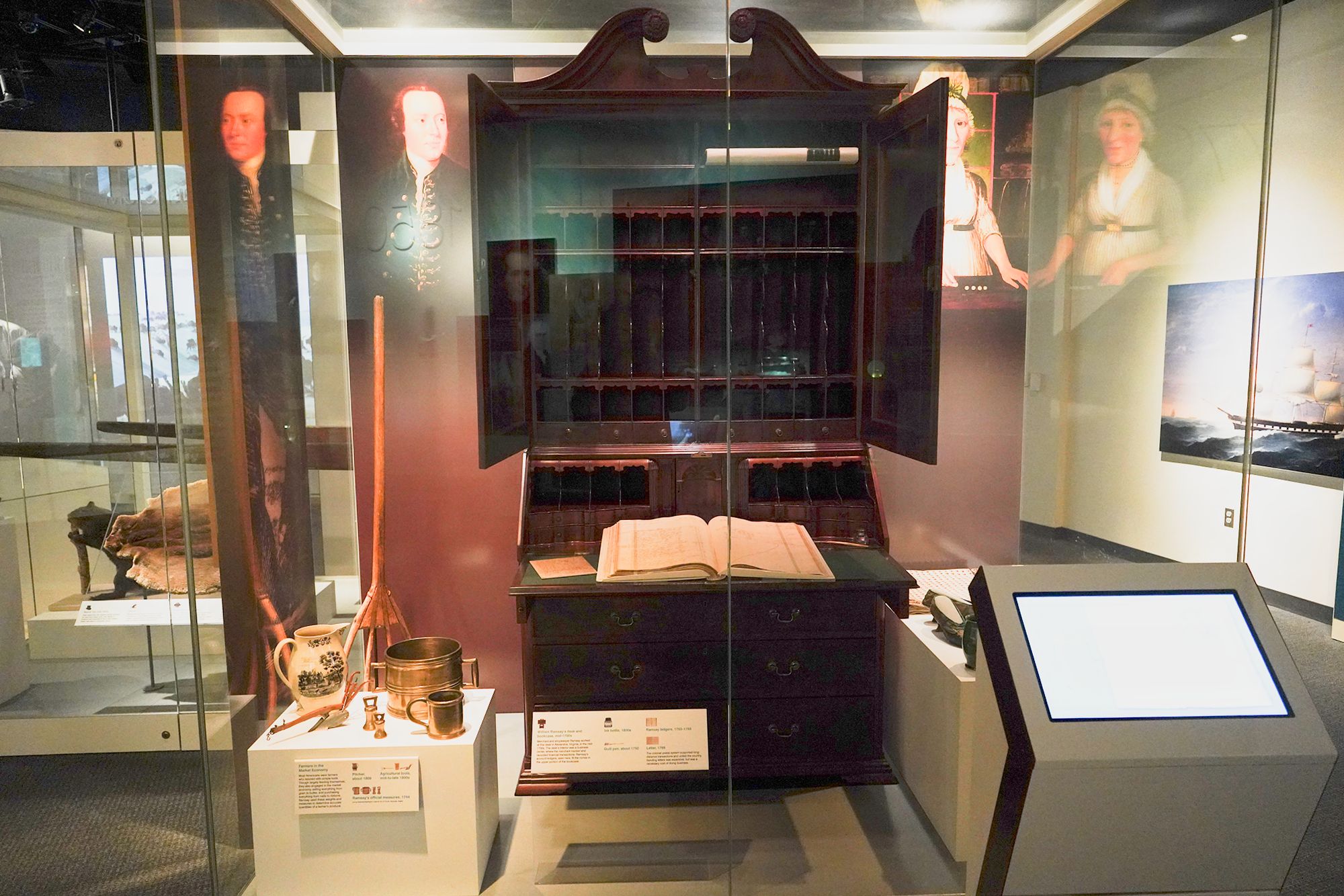
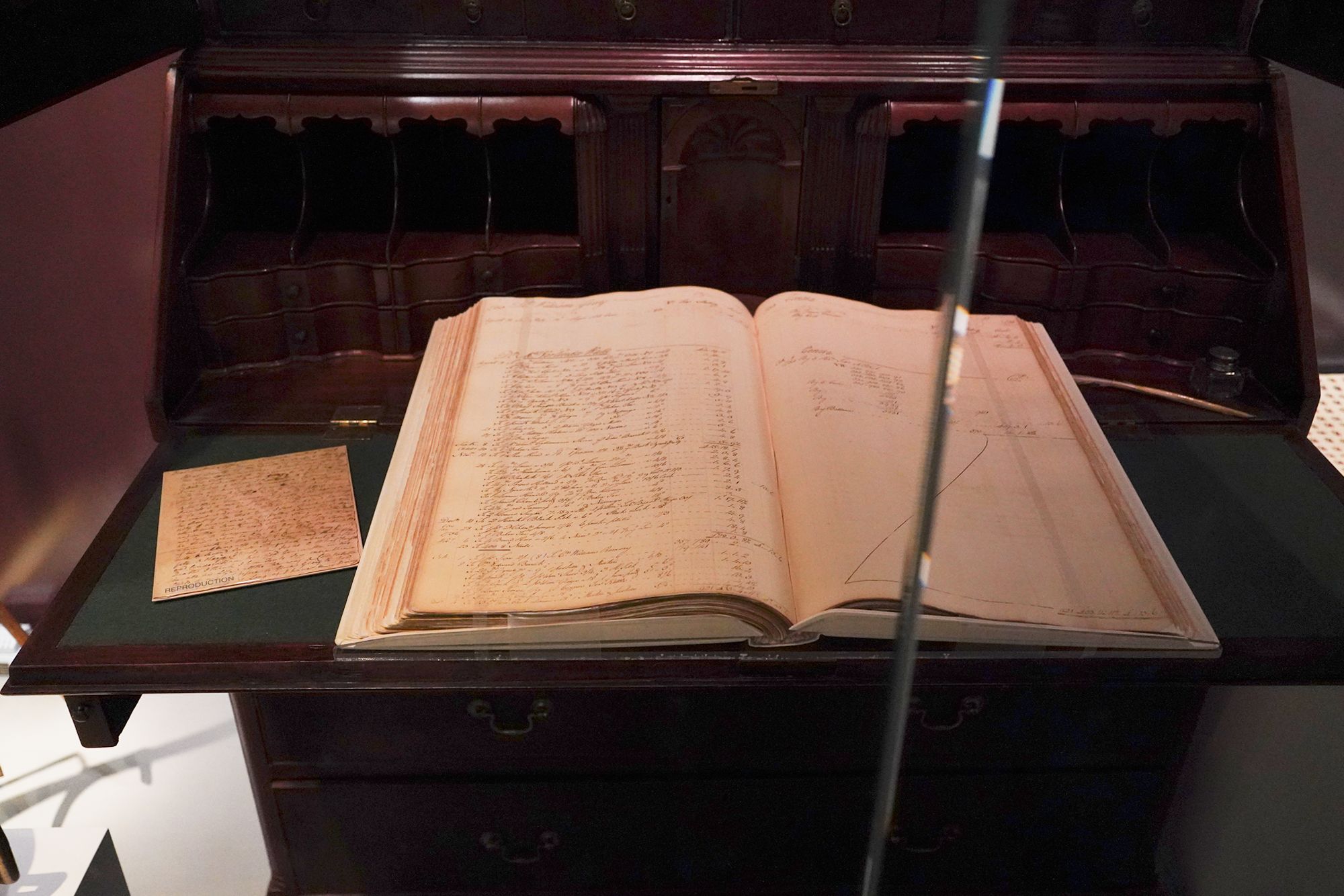
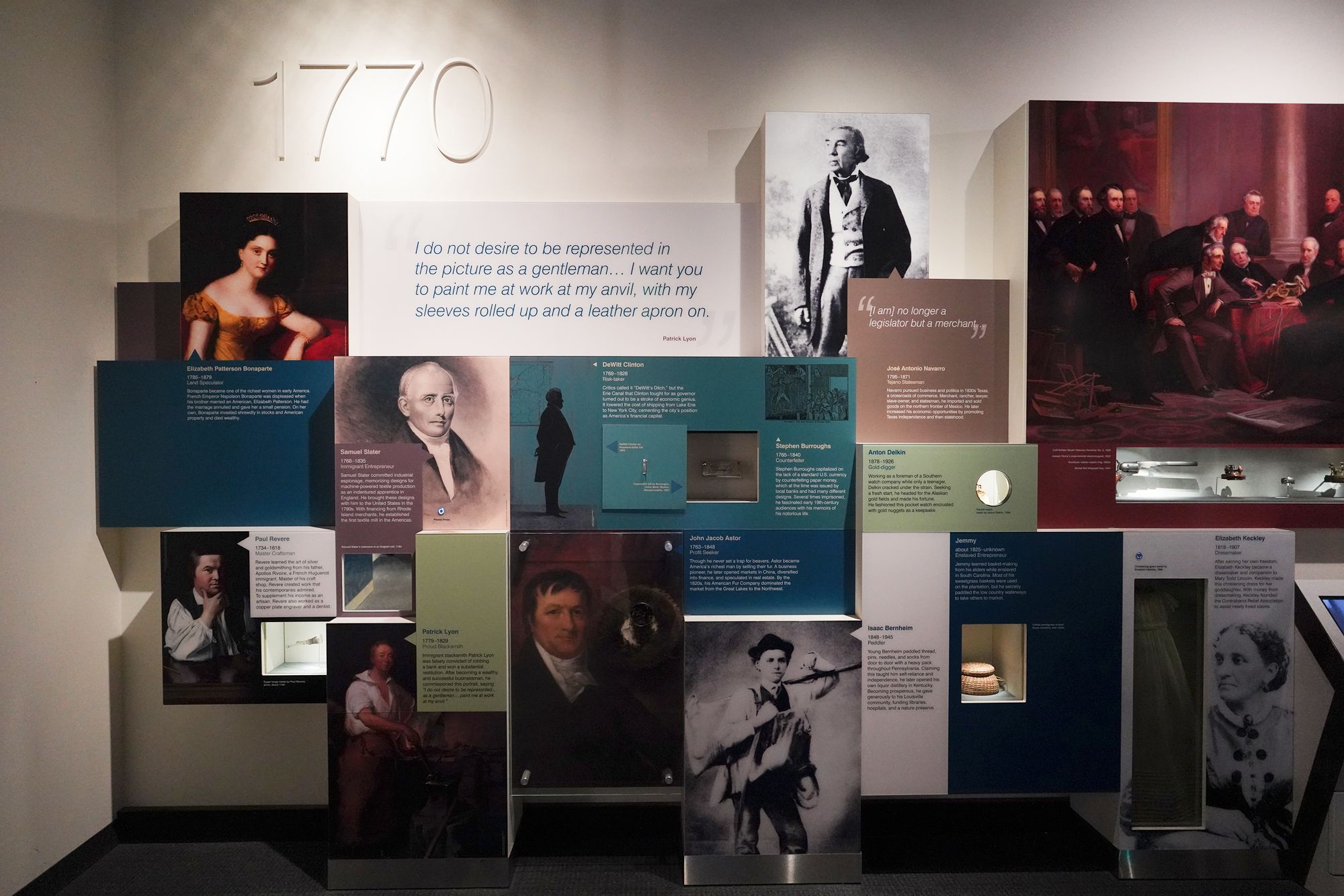
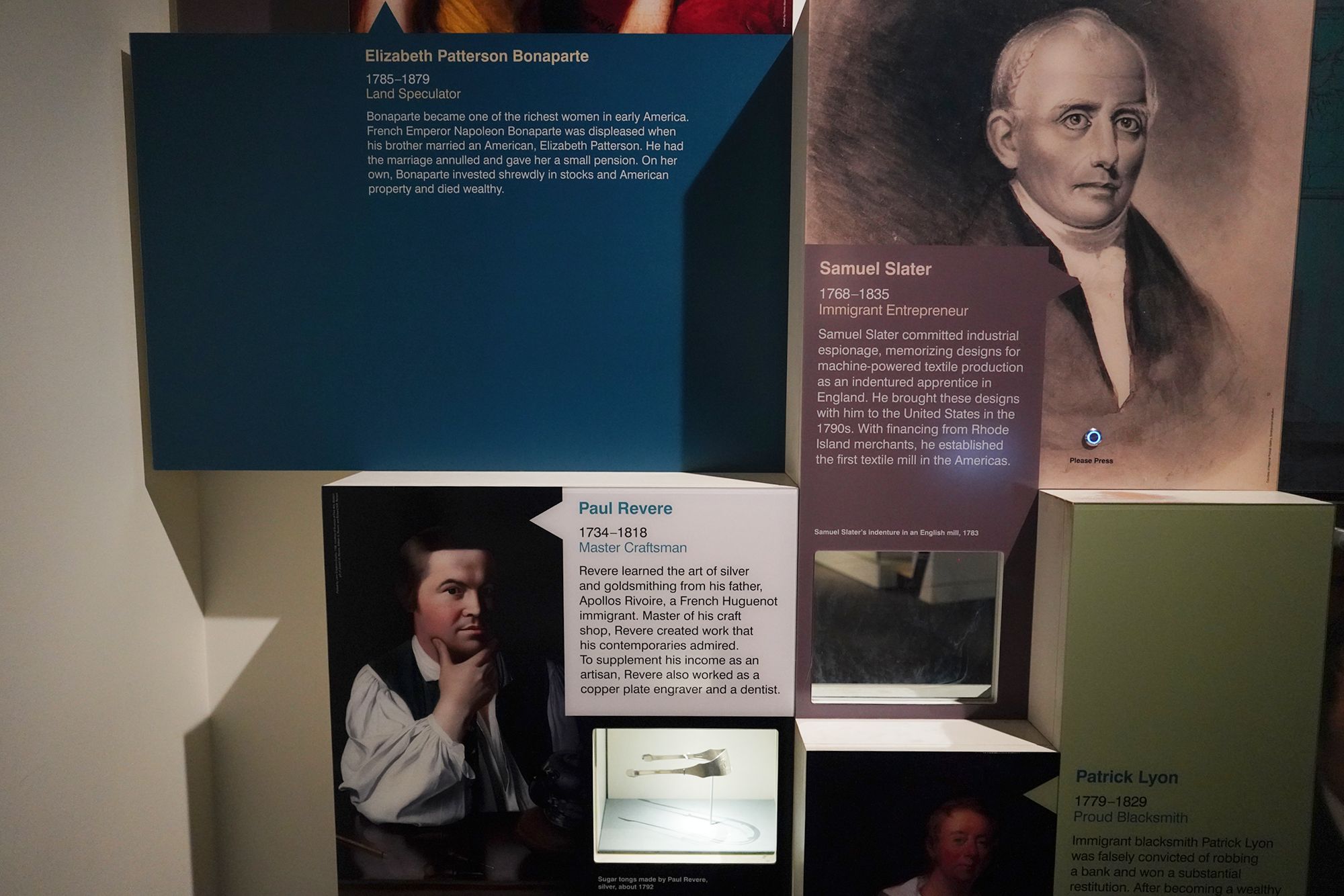
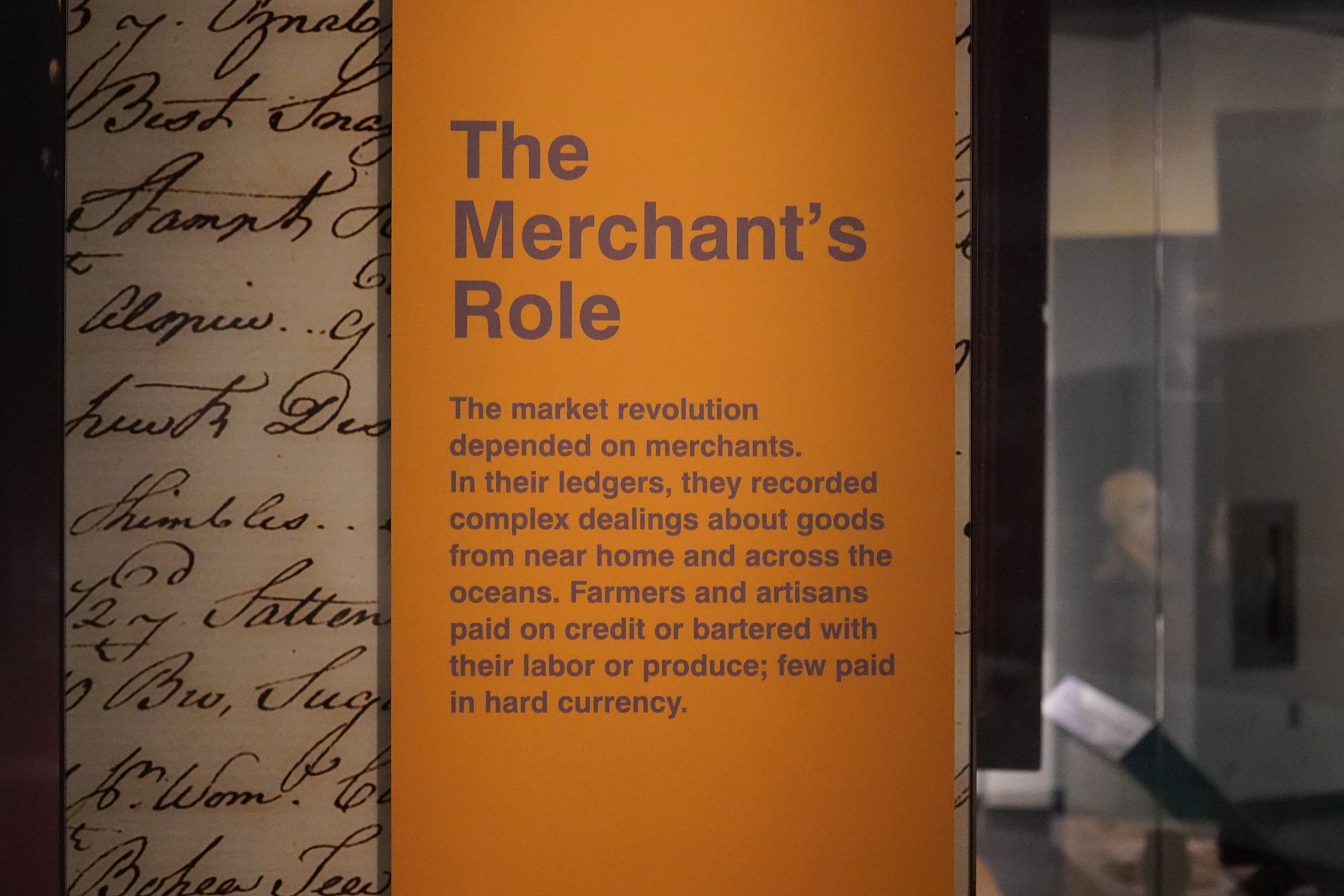
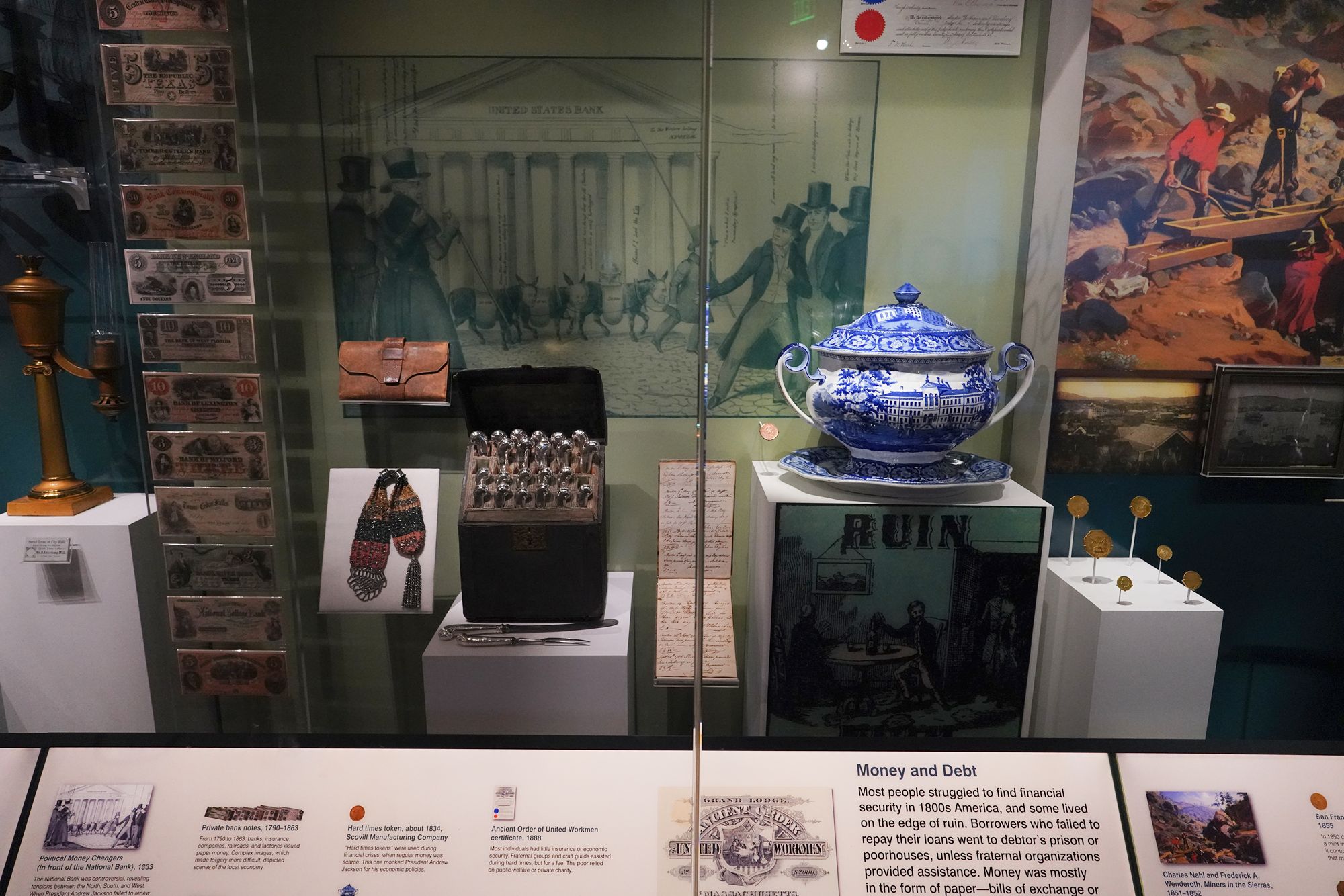
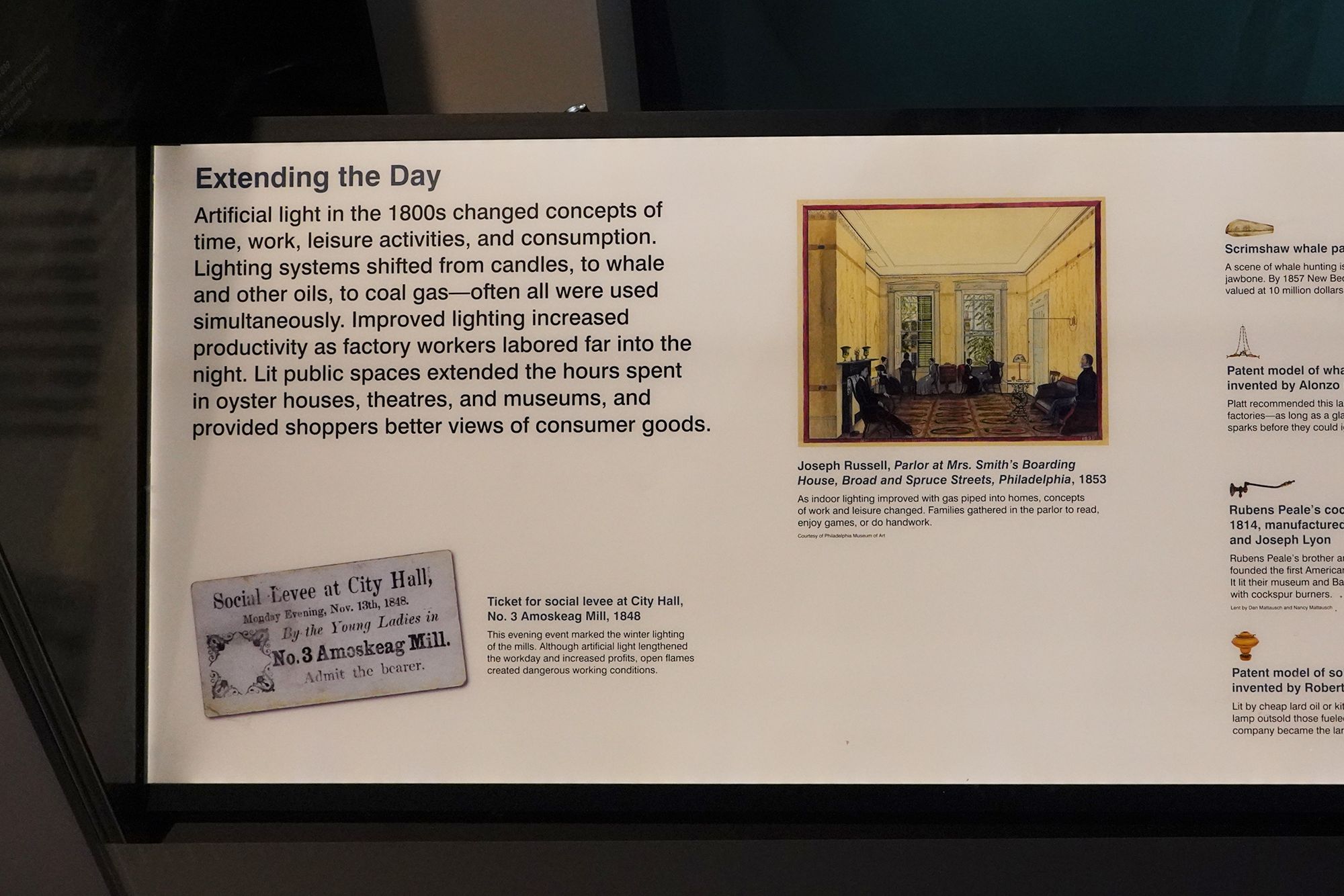
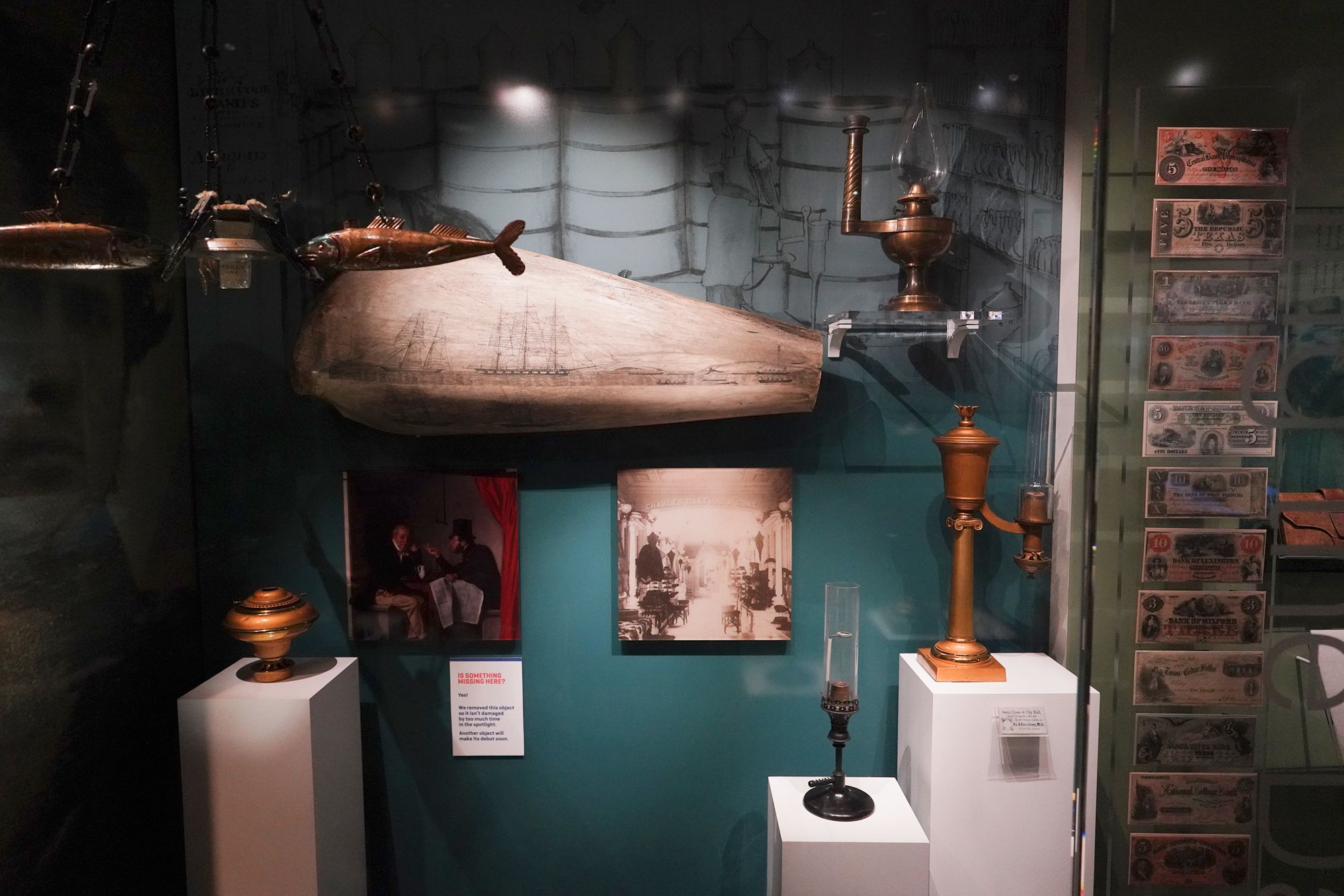
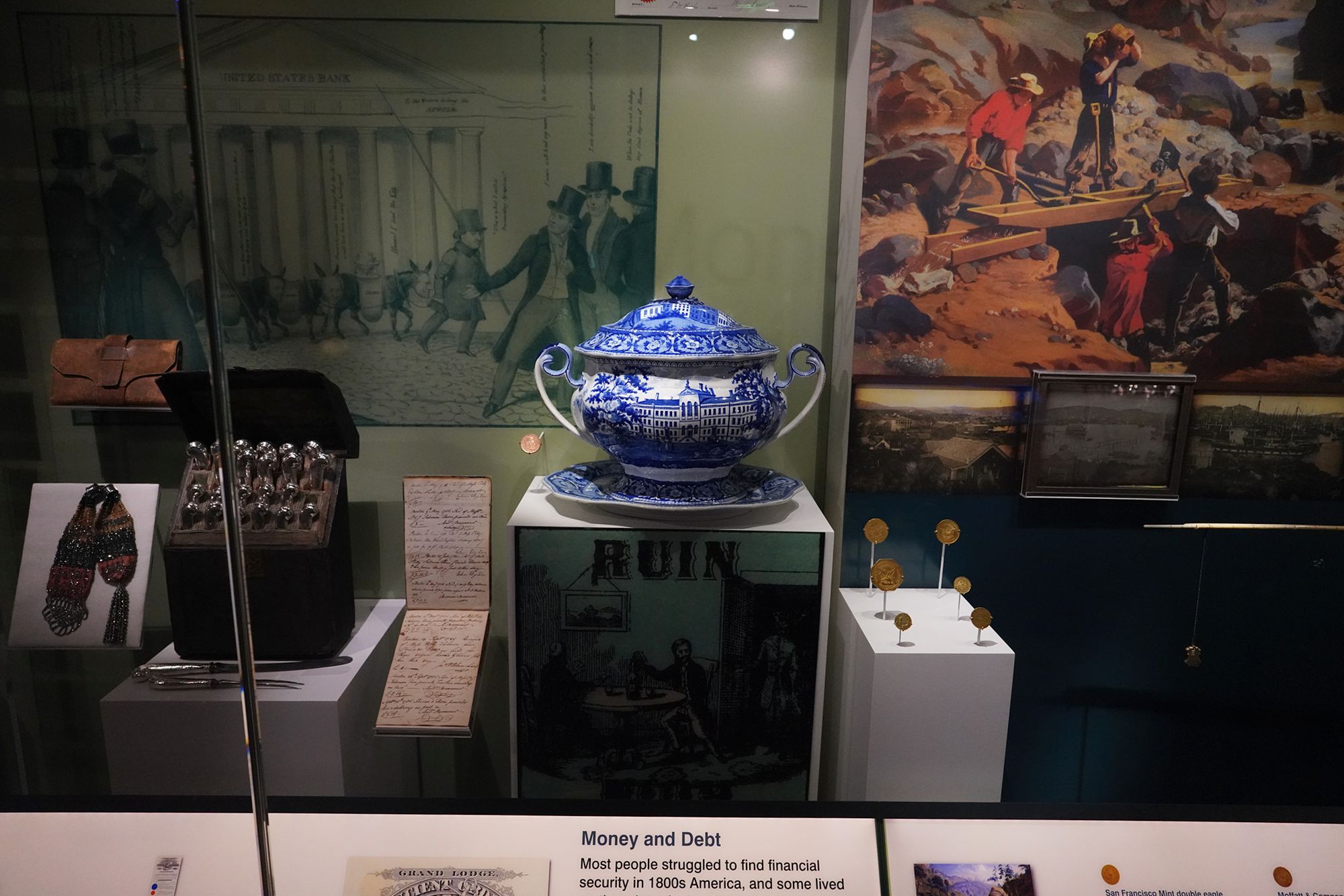
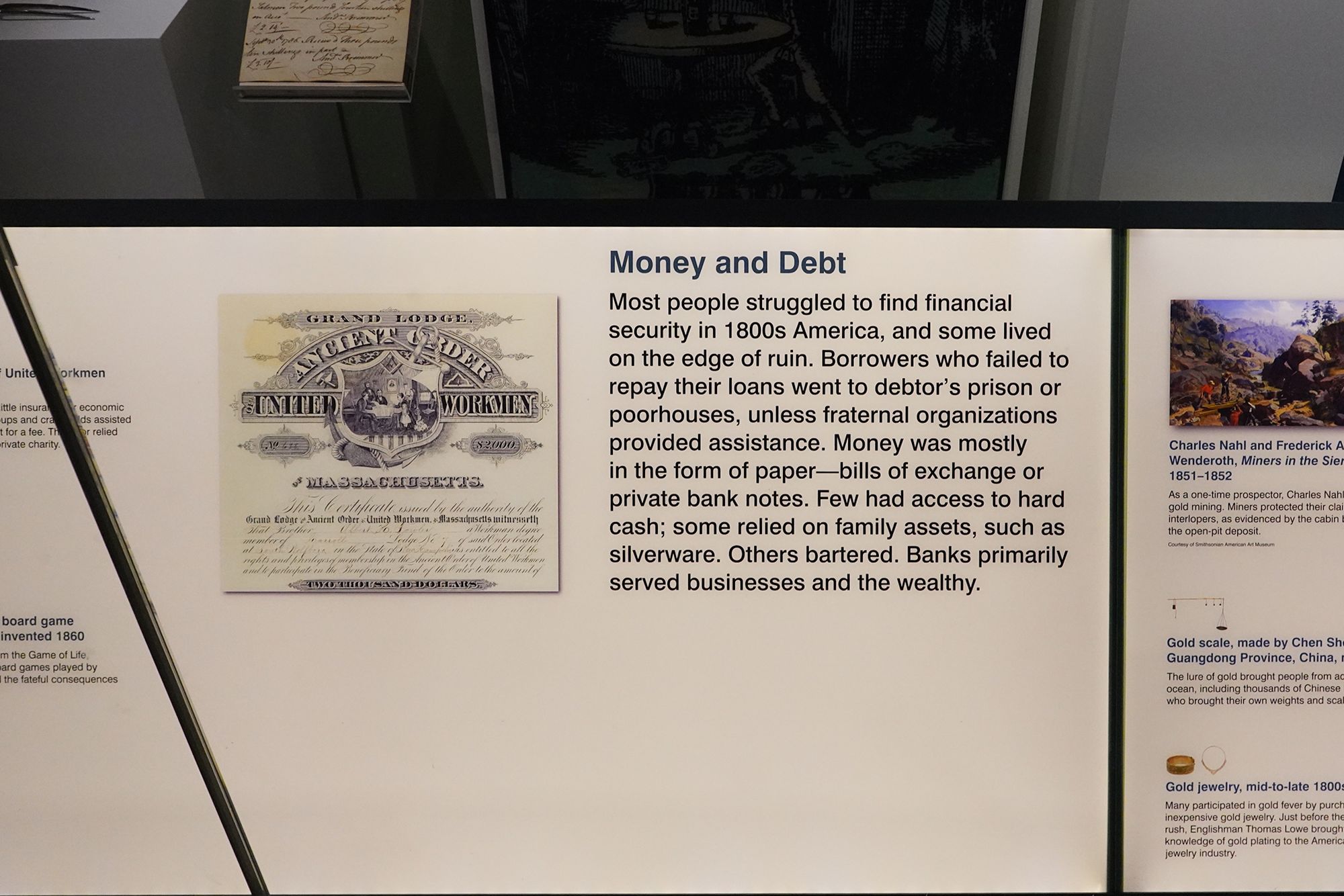
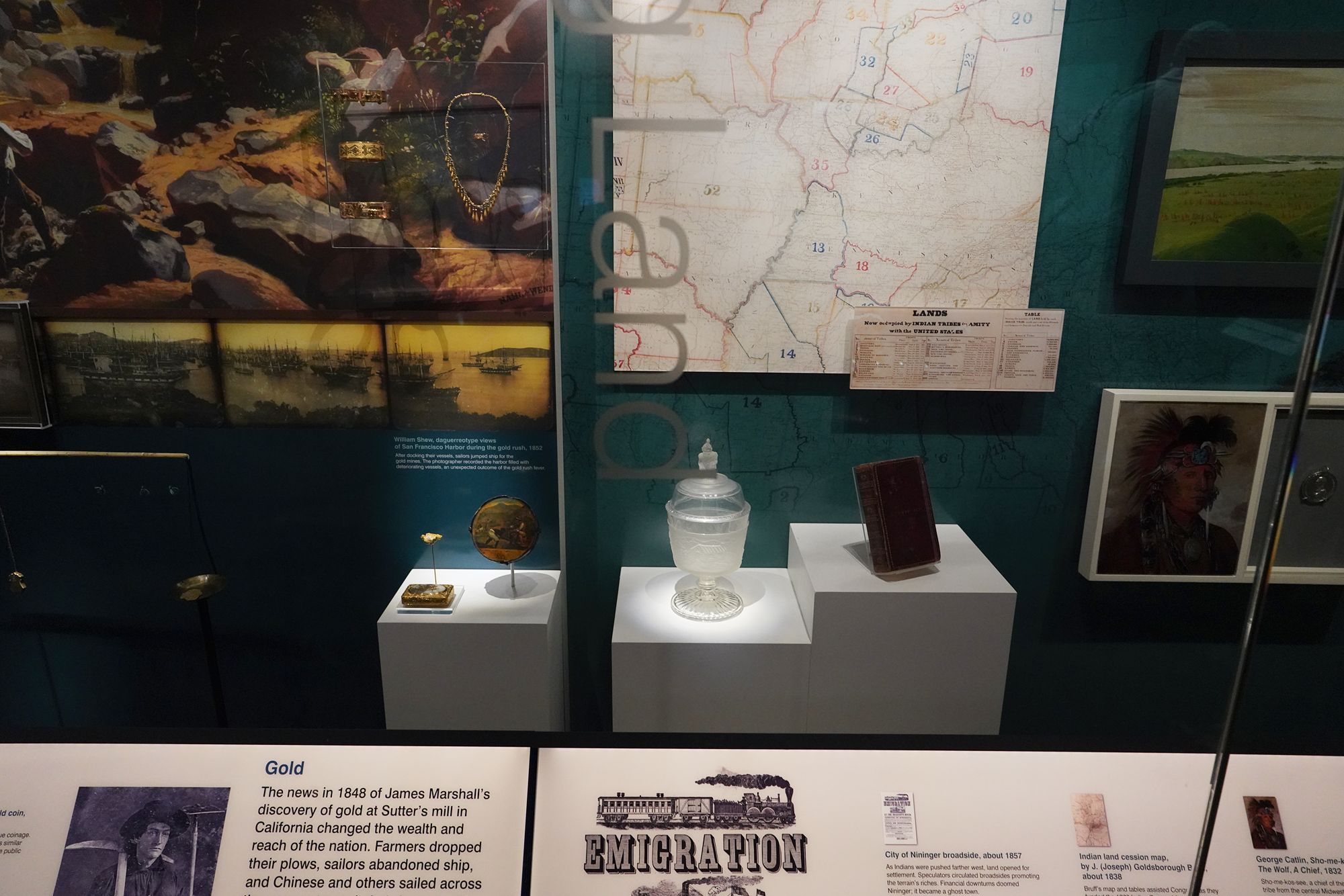
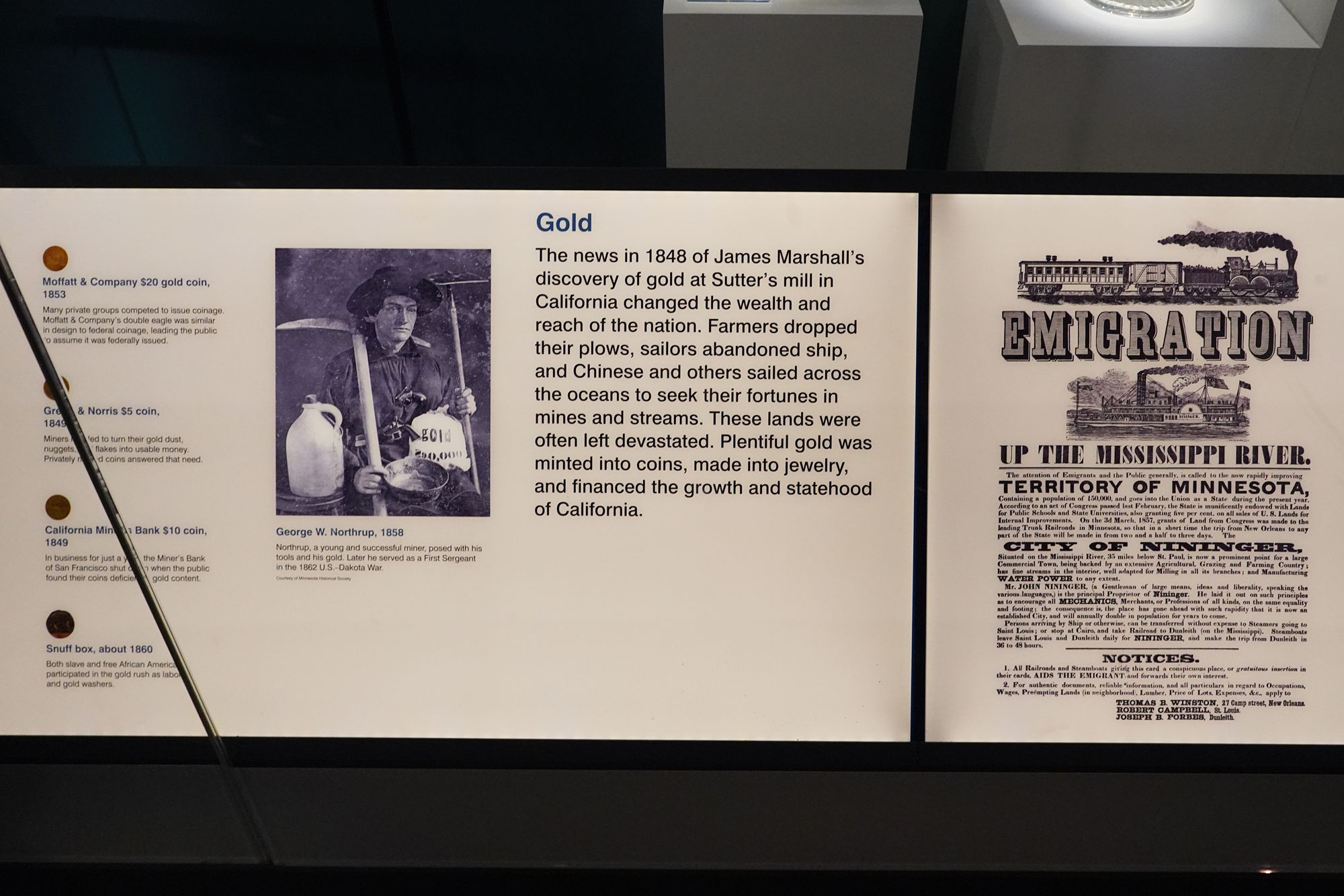
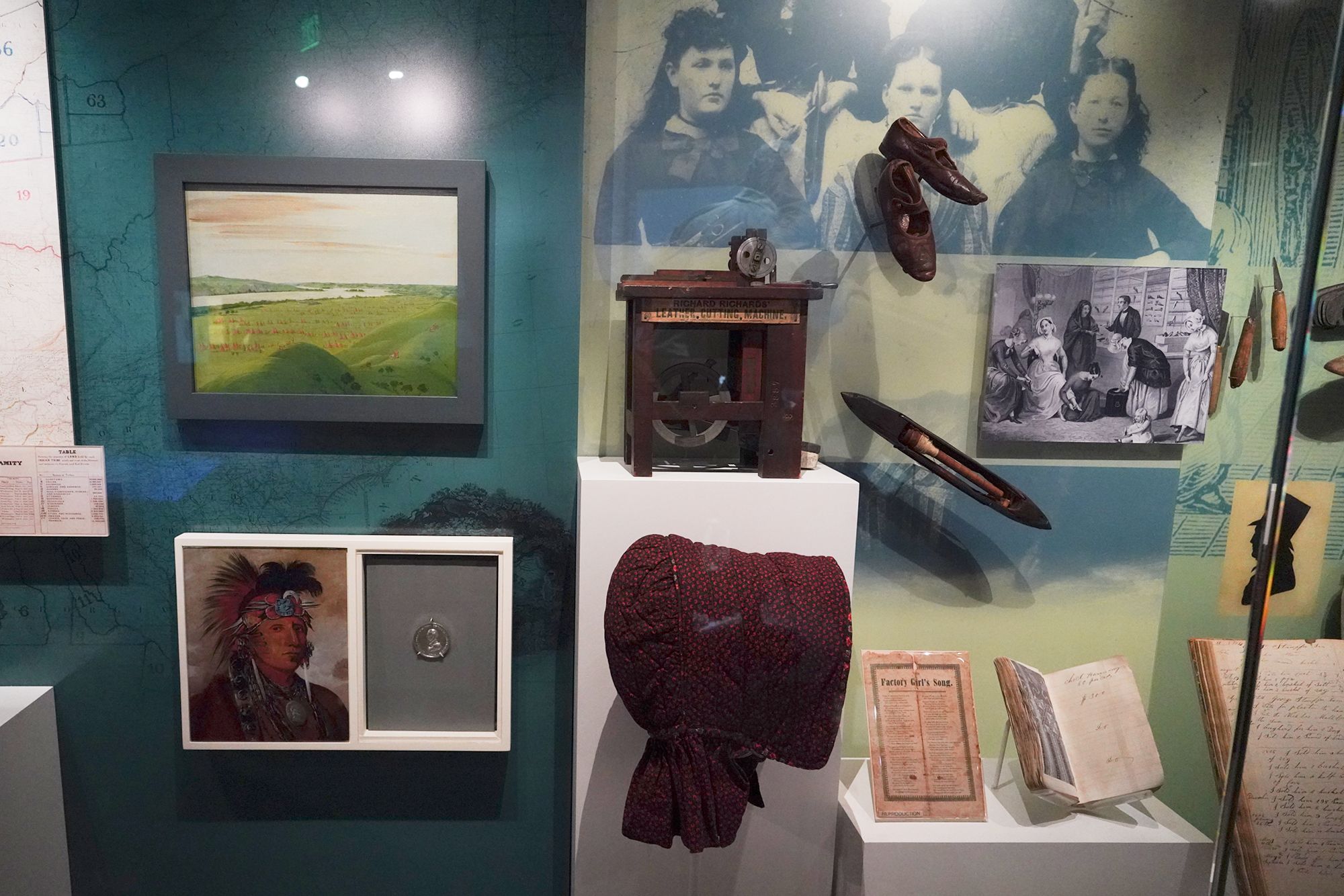
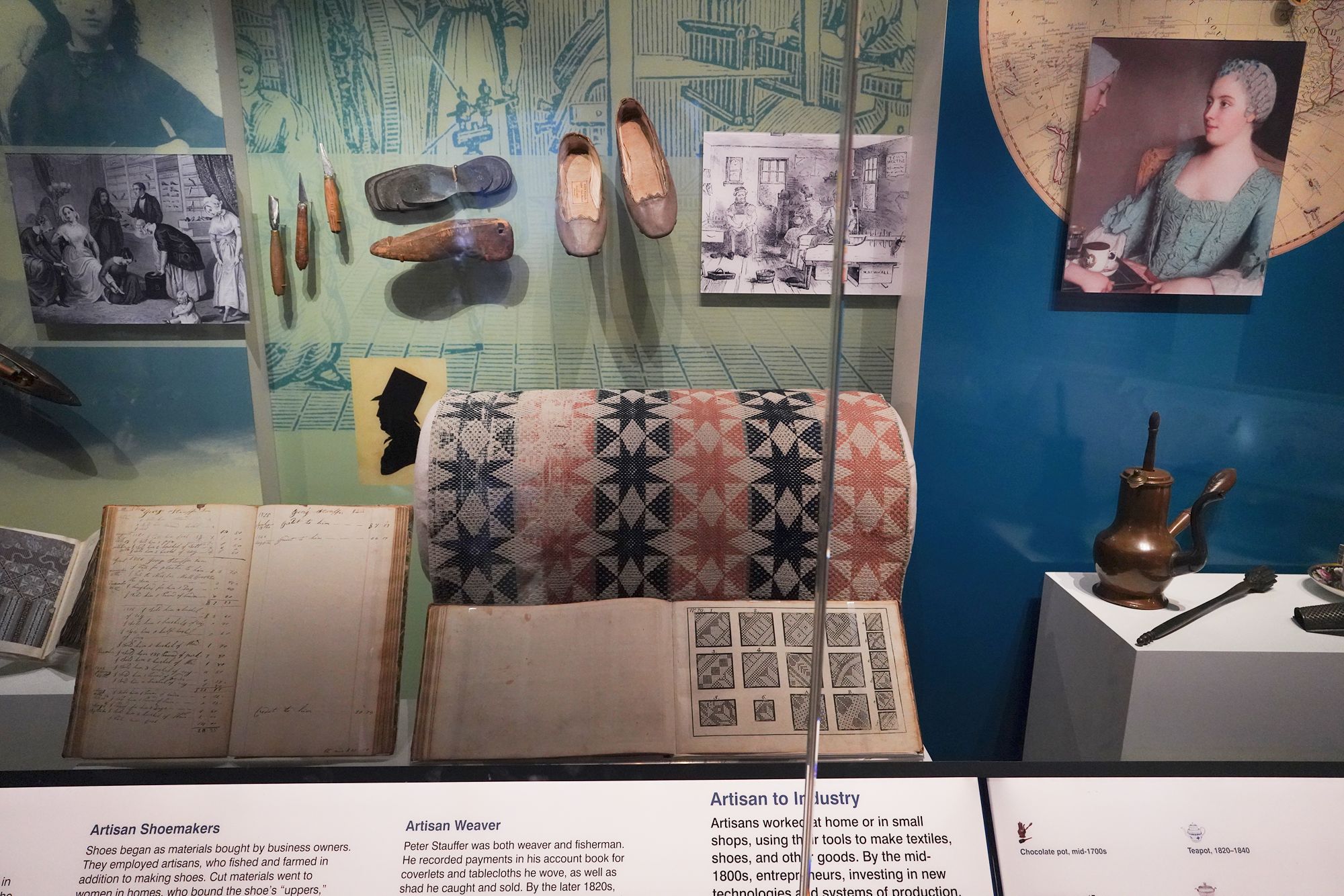
The Merchant Era was a time when American business was dominated by merchants who traded goods locally and across the Atlantic. Shopkeepers, shipowners, and traders built wealth by importing and exporting products such as textiles, sugar, tobacco, and manufactured goods. As markets expanded after independence, merchants helped connect American farms and towns to the wider world, laying the foundation for a national economy.
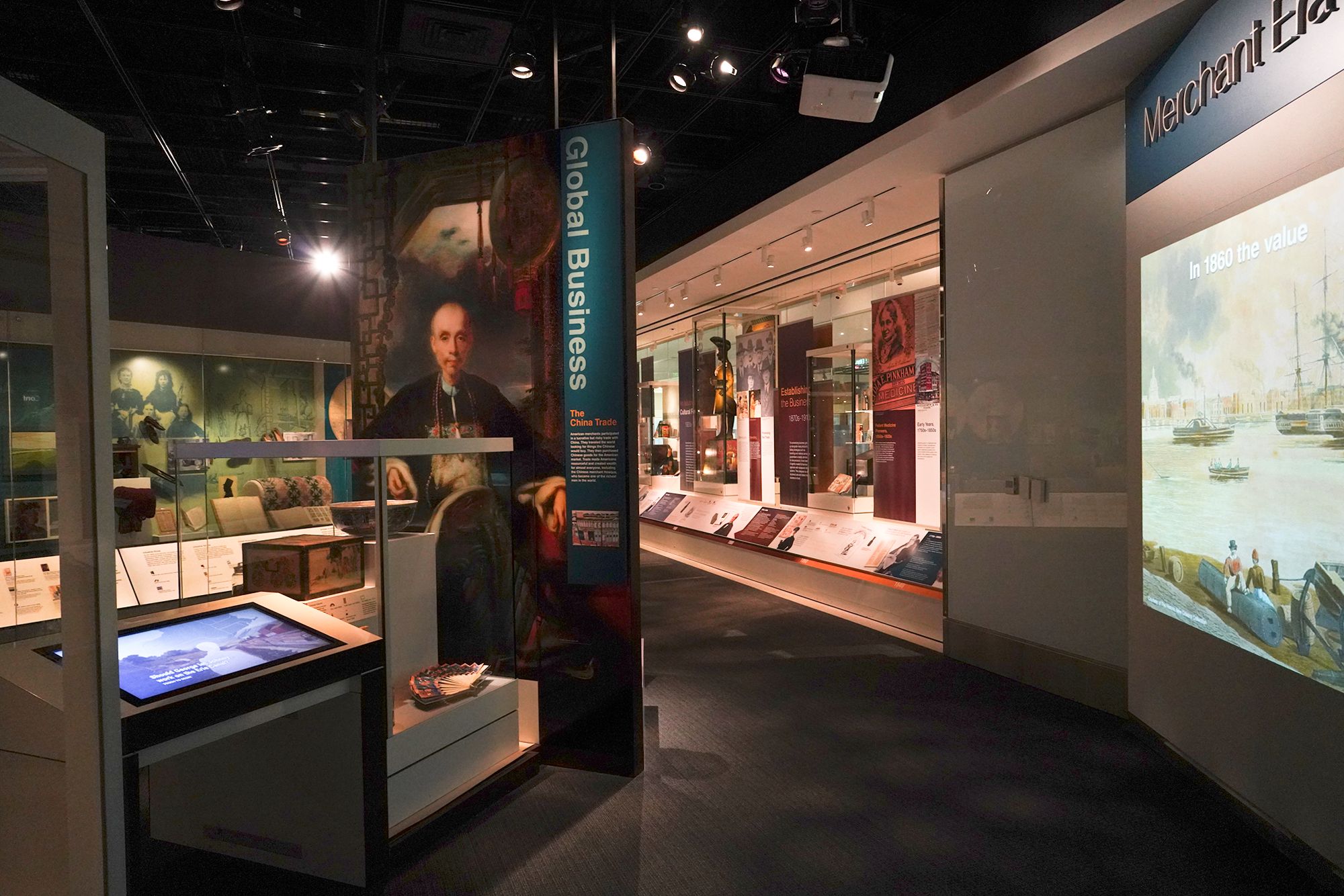
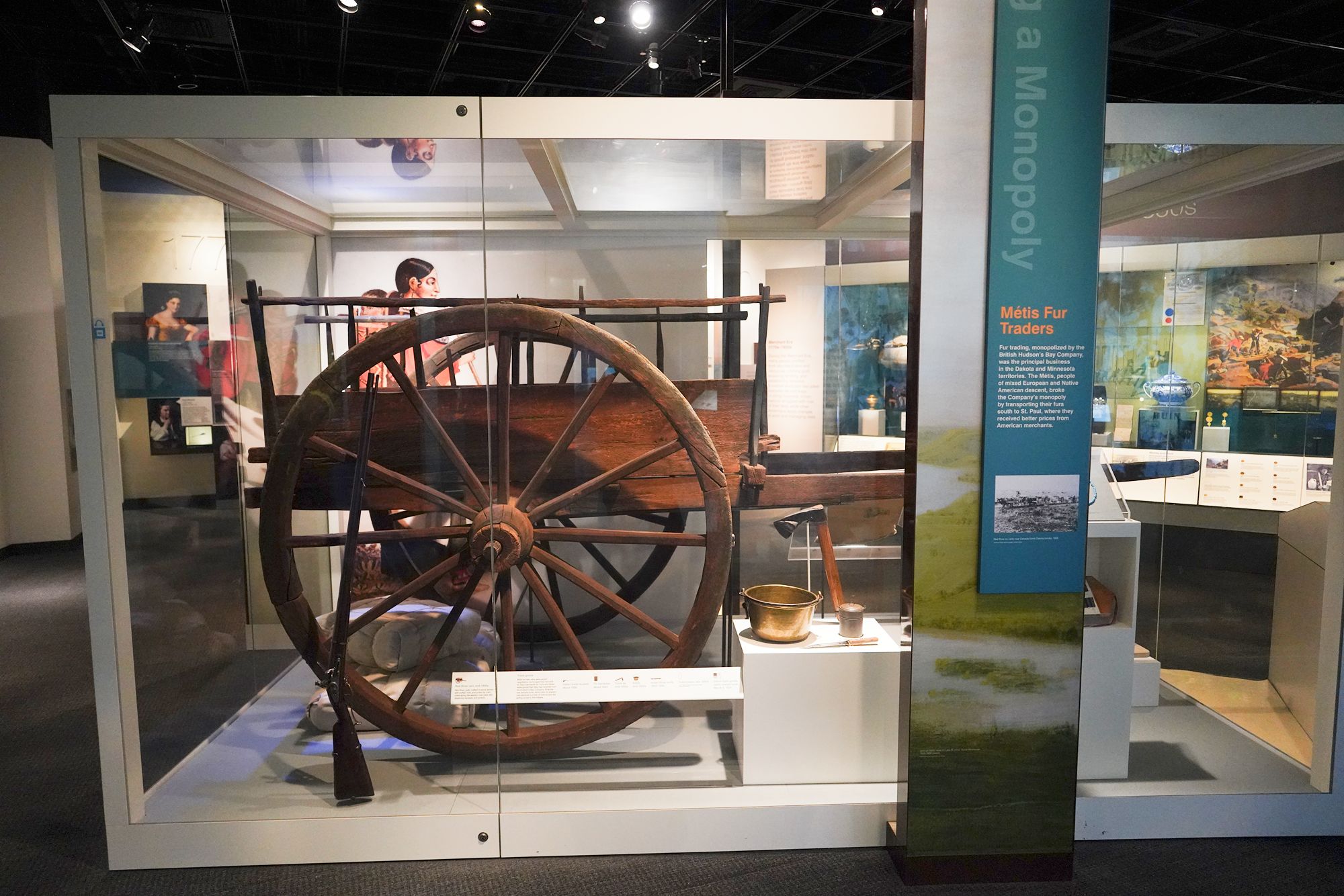
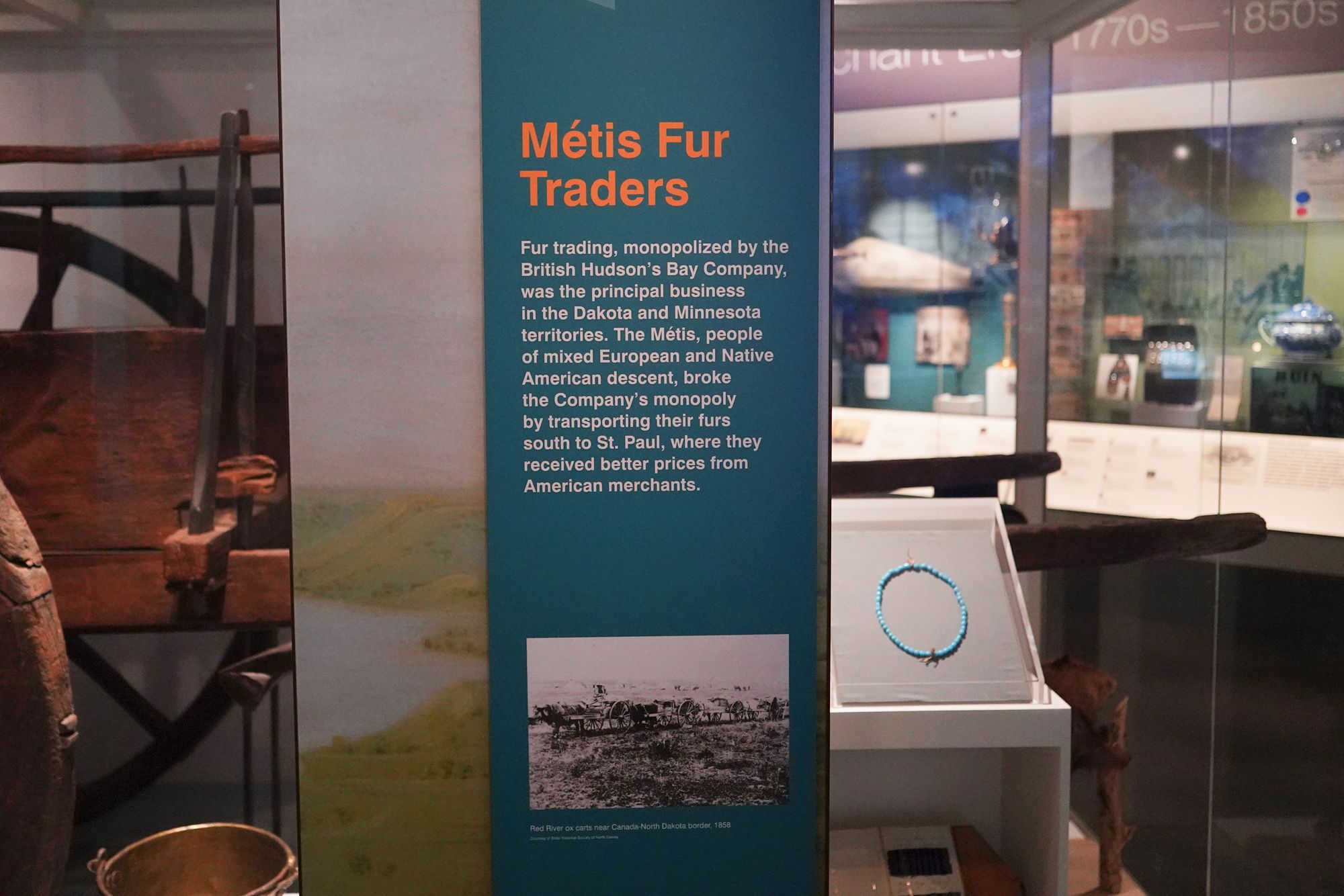
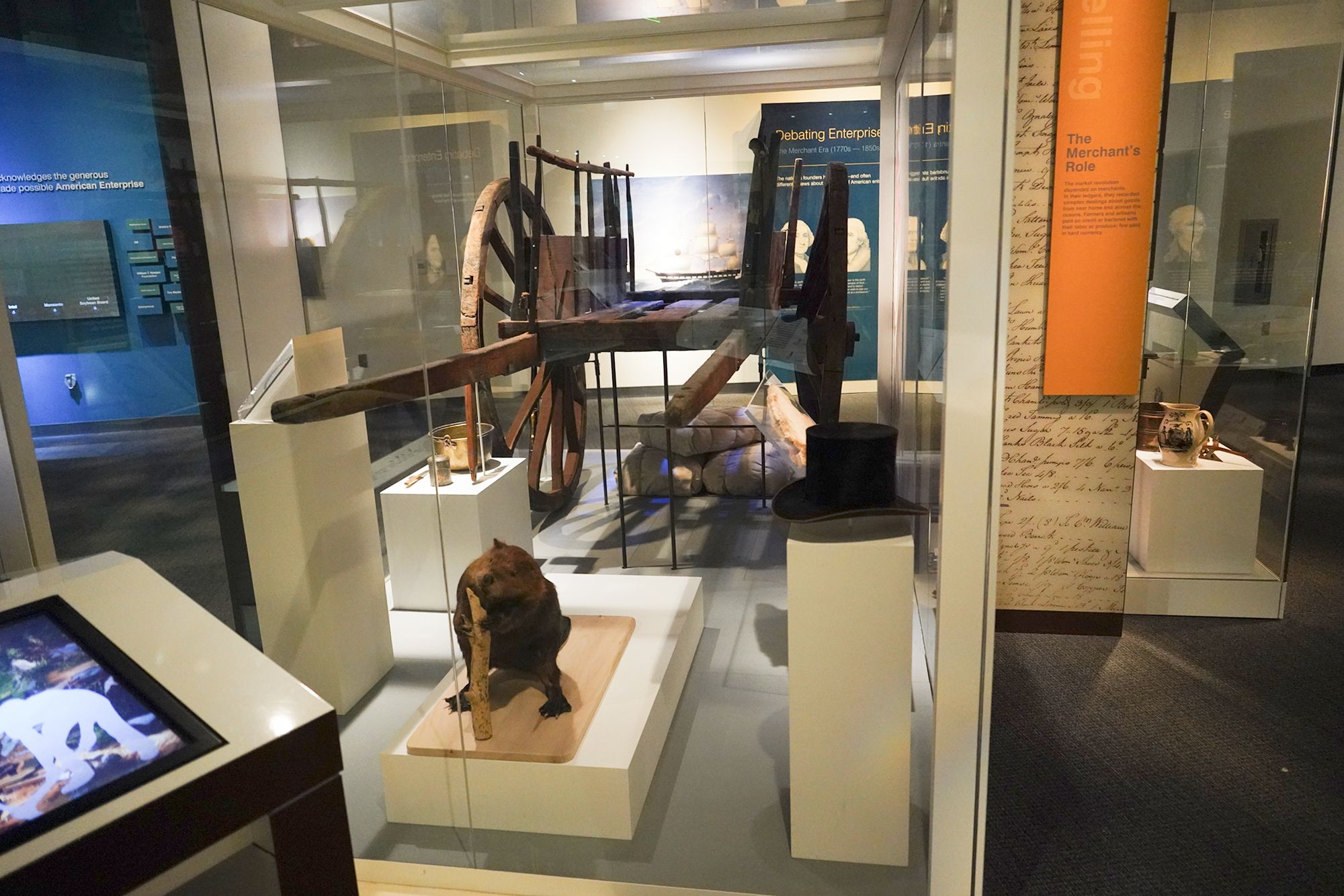
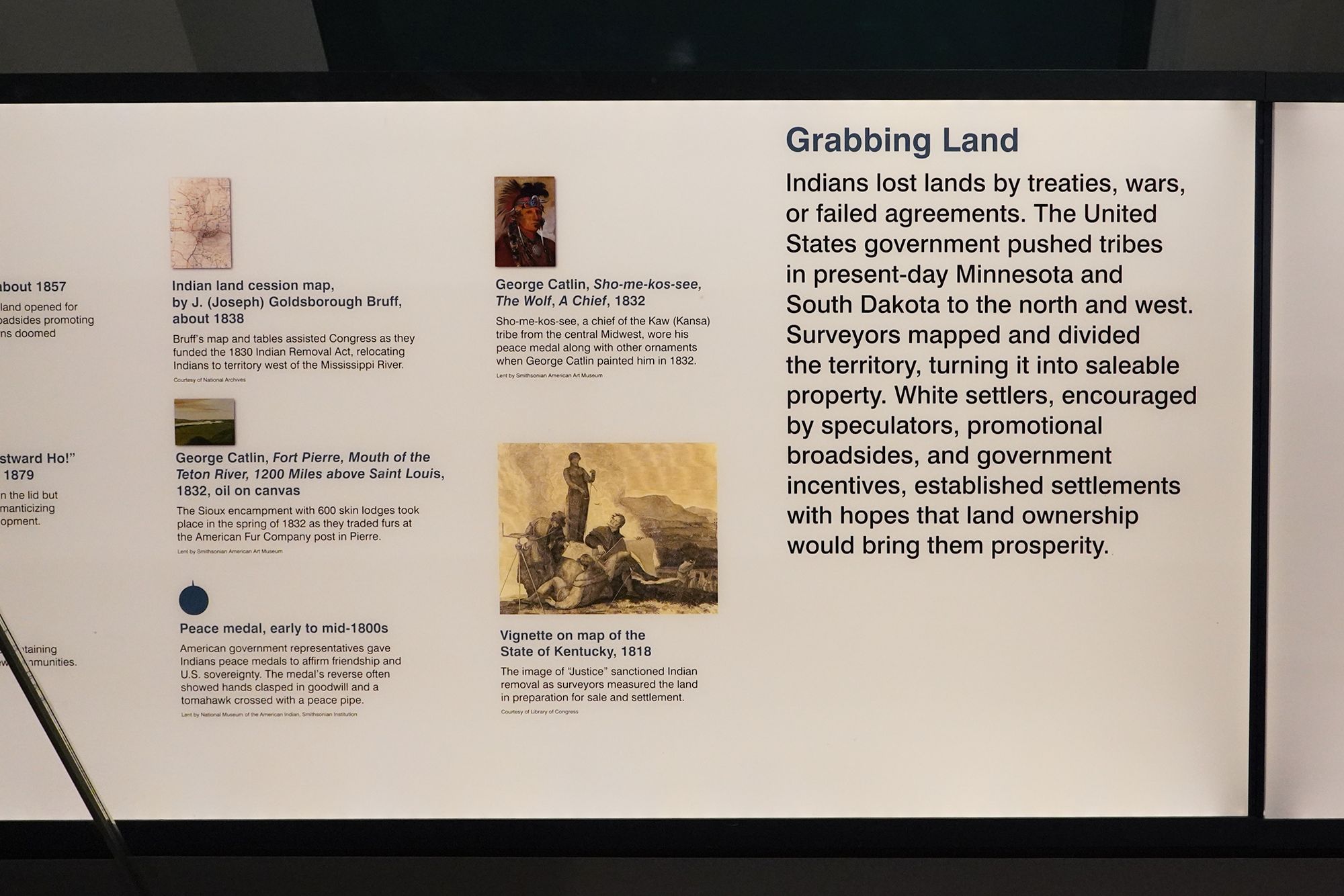
During the Merchant Era, the fur trade was one of the earliest and most profitable businesses in North America. Merchants traded European goods to Native peoples in exchange for beaver pelts and other furs, which were shipped to Europe to make hats and clothing.
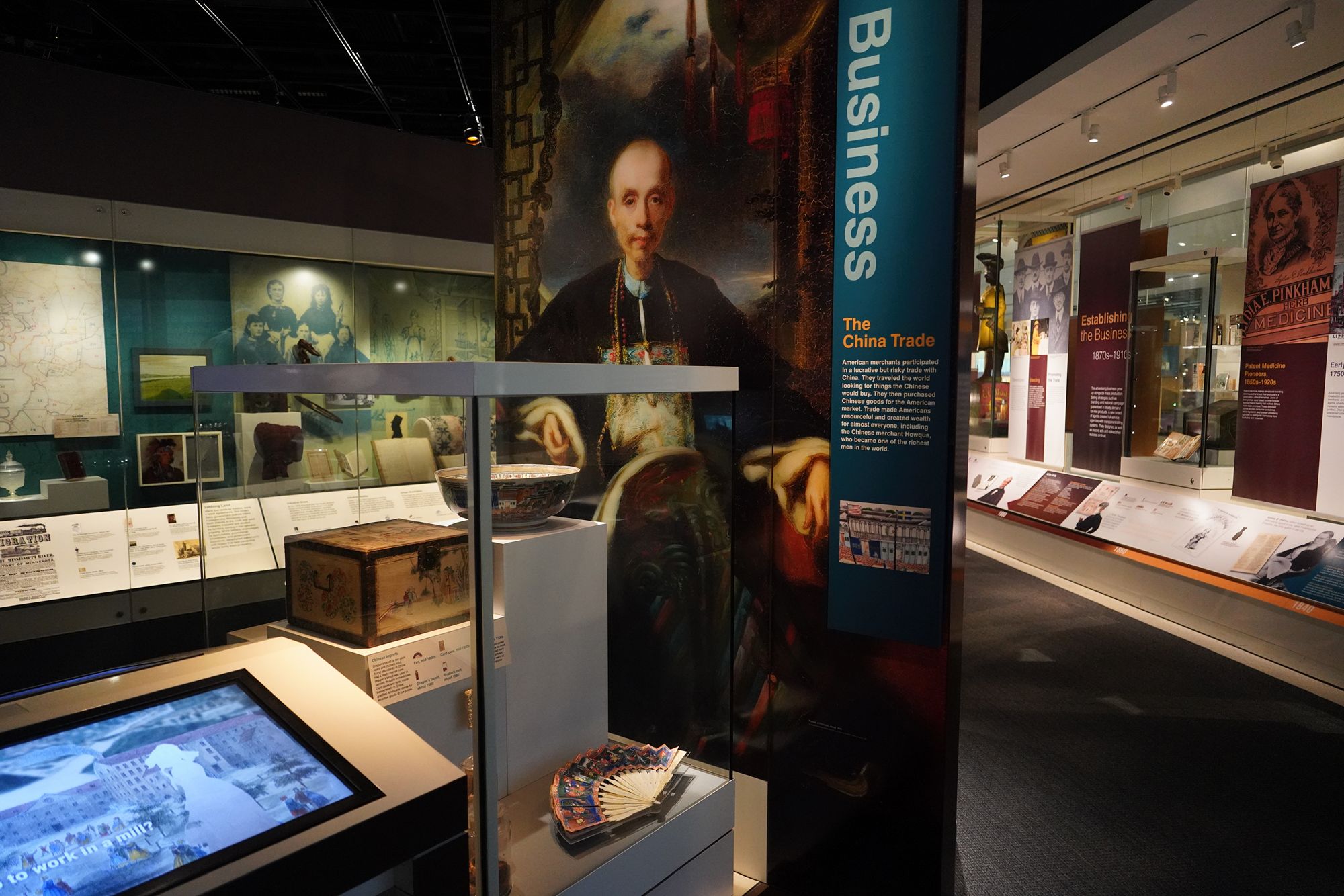
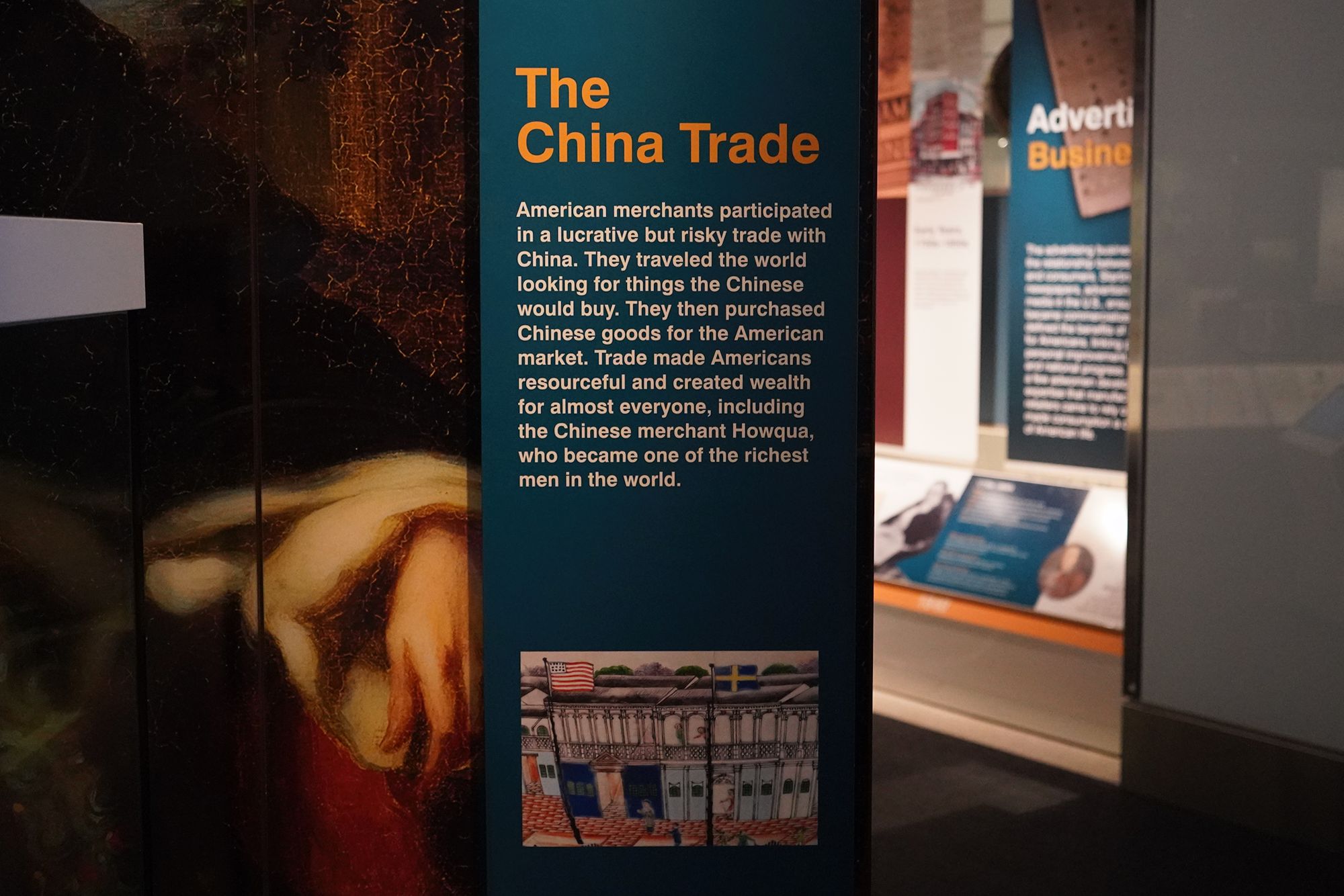
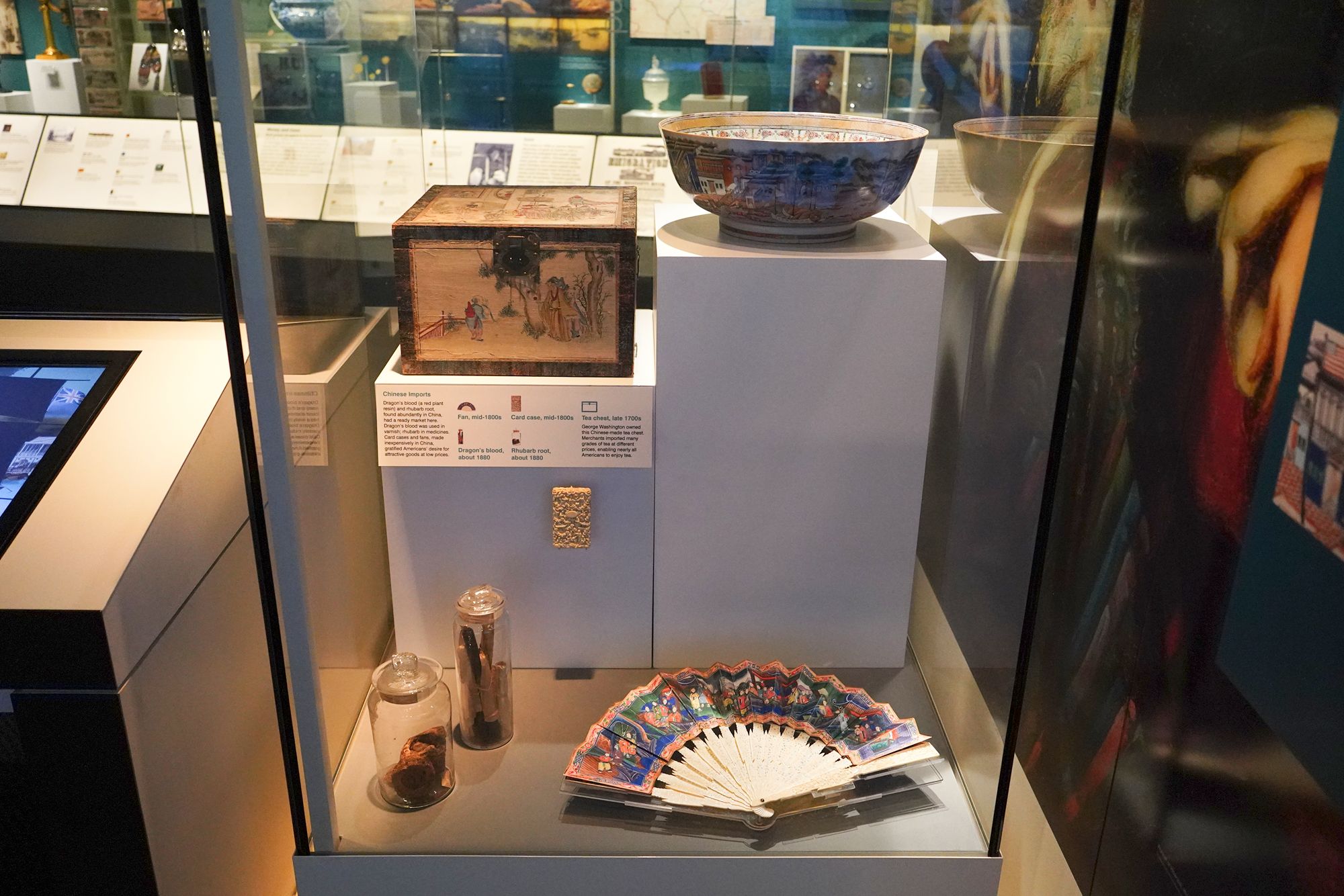
The China trade refers to the profitable business between American merchants and China in the late 1700s and early 1800s. American ships sailed to Canton to buy tea, silk, porcelain, and spices, and sold items like silver, furs, and ginseng in return.
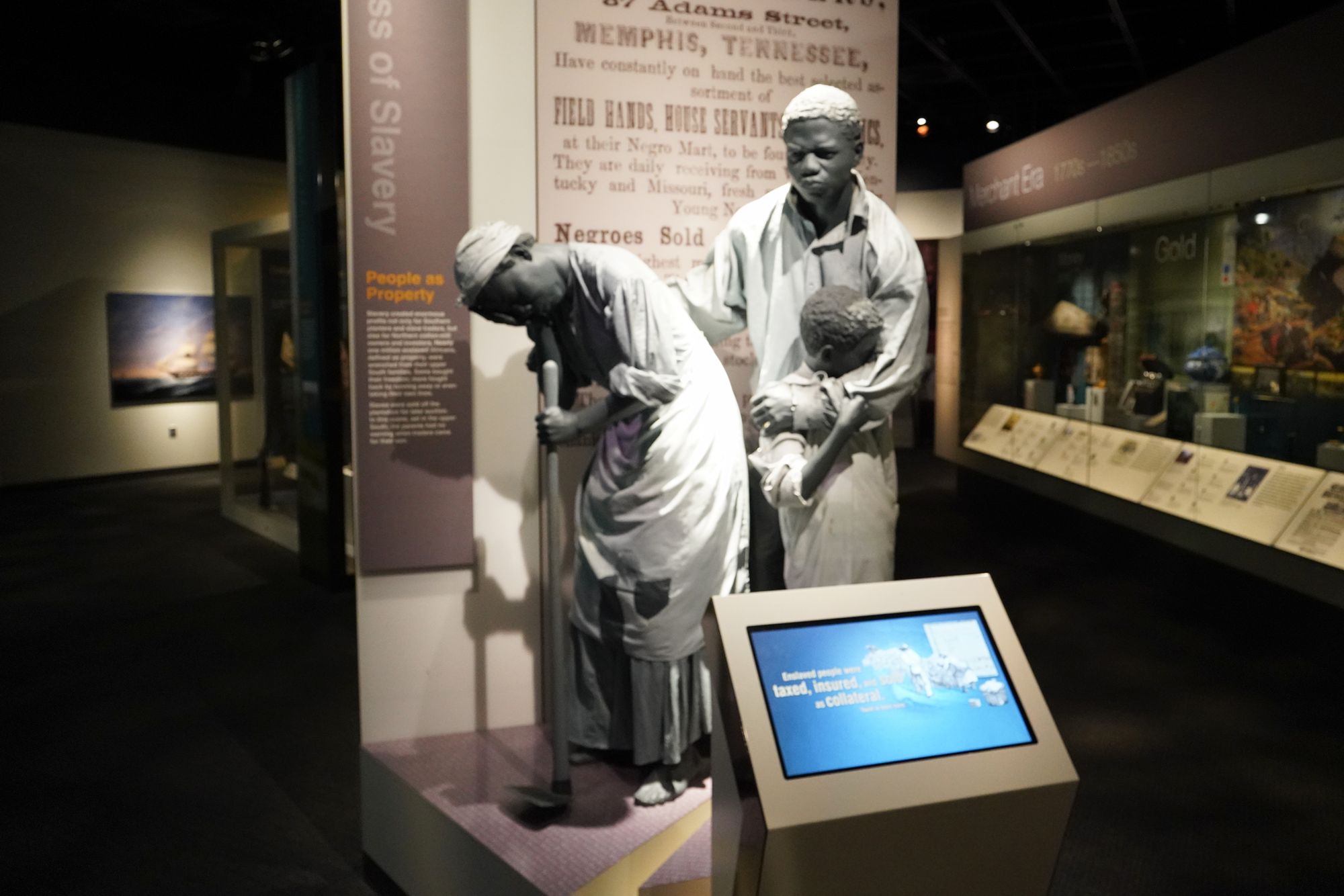
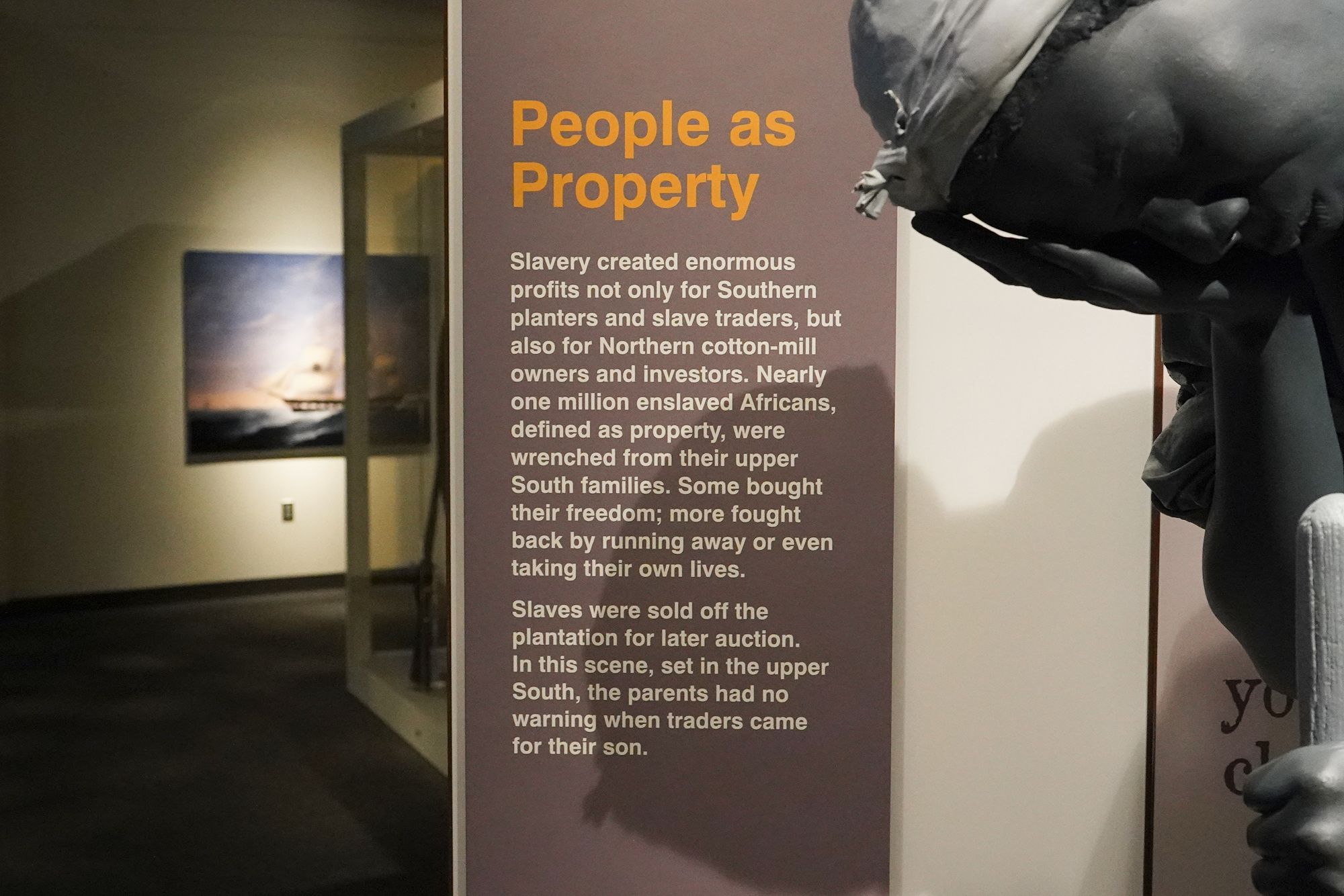
“Slave: People as Property” refers to the system in which enslaved African Americans were legally treated as property that could be bought, sold, inherited, or controlled.
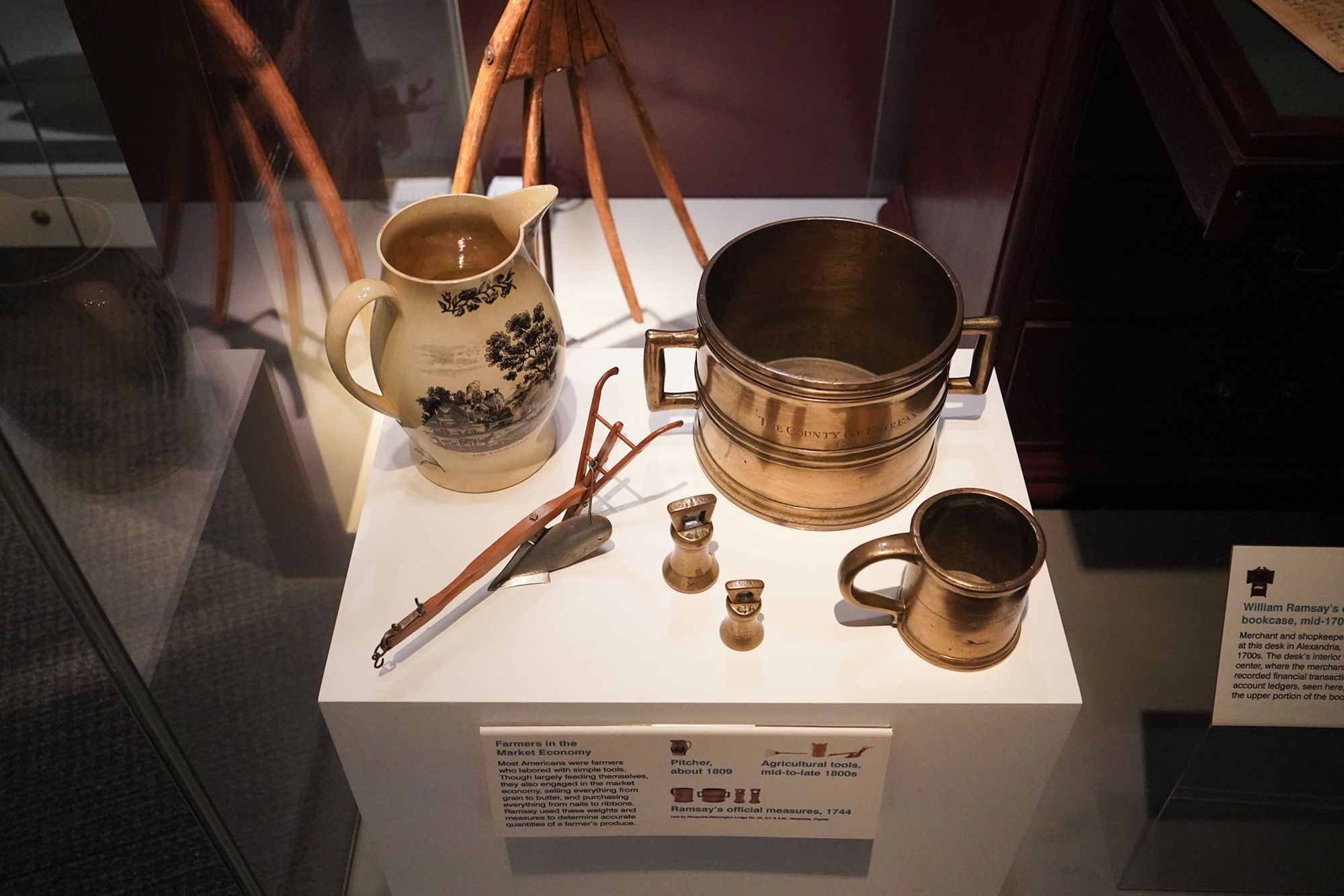
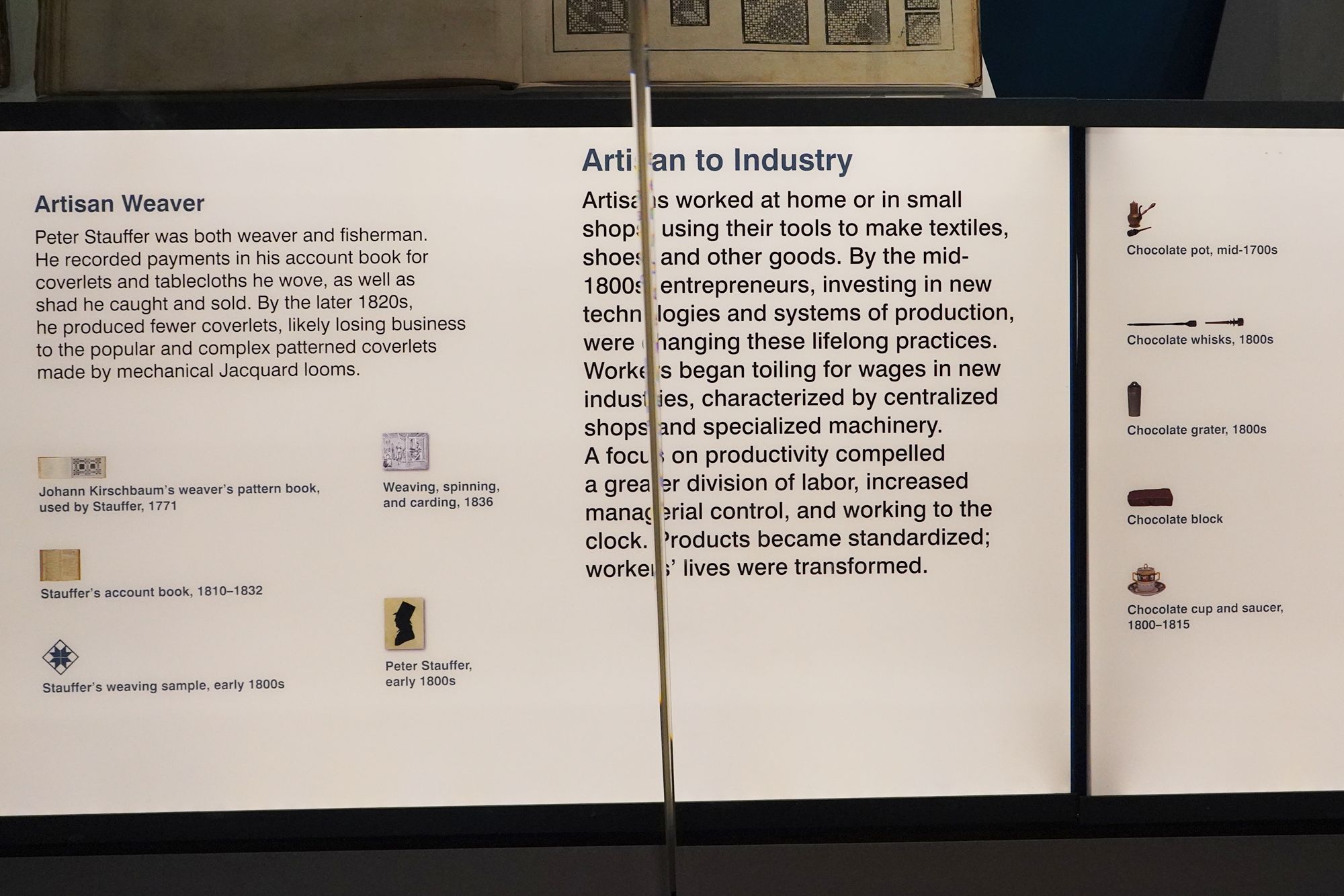
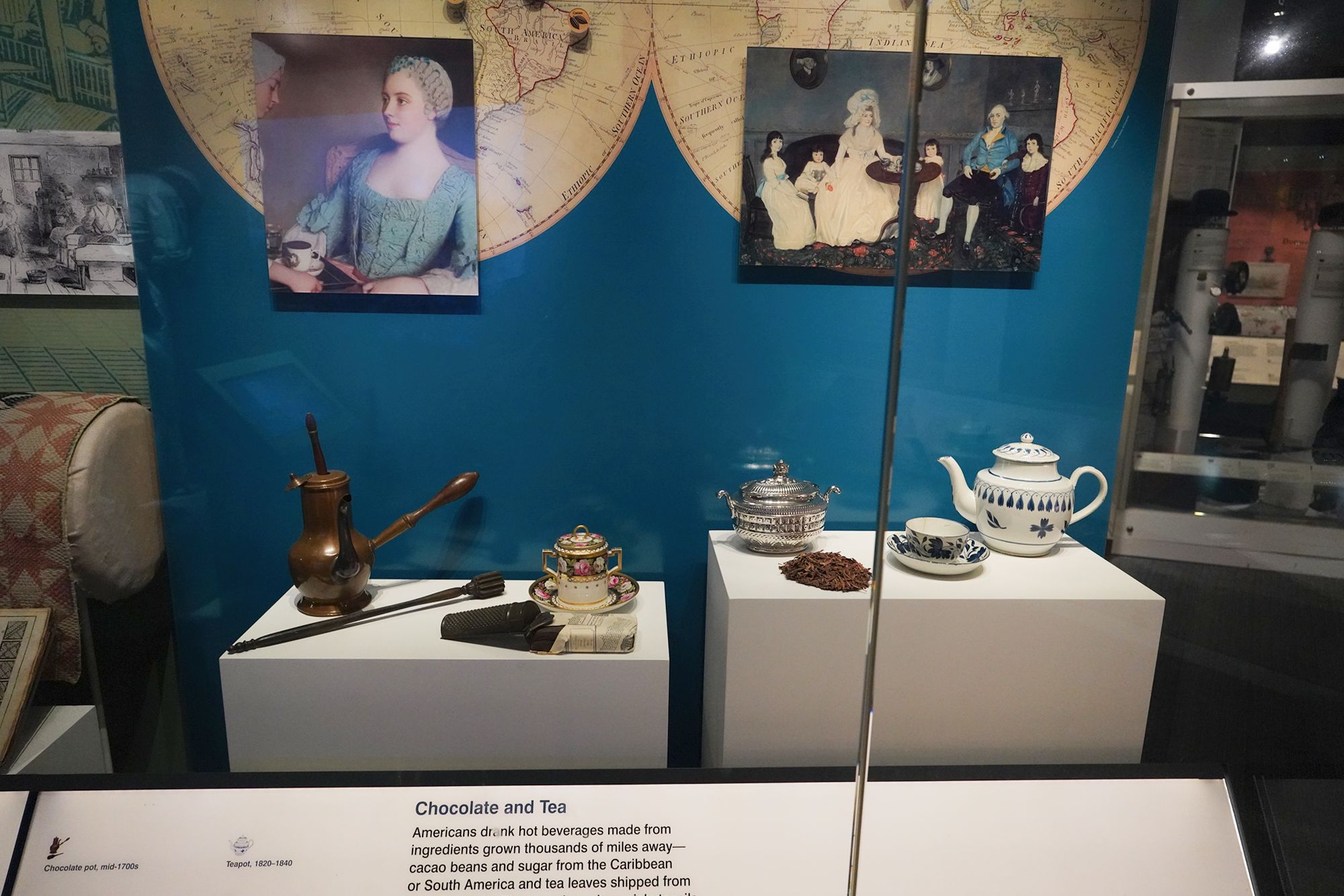
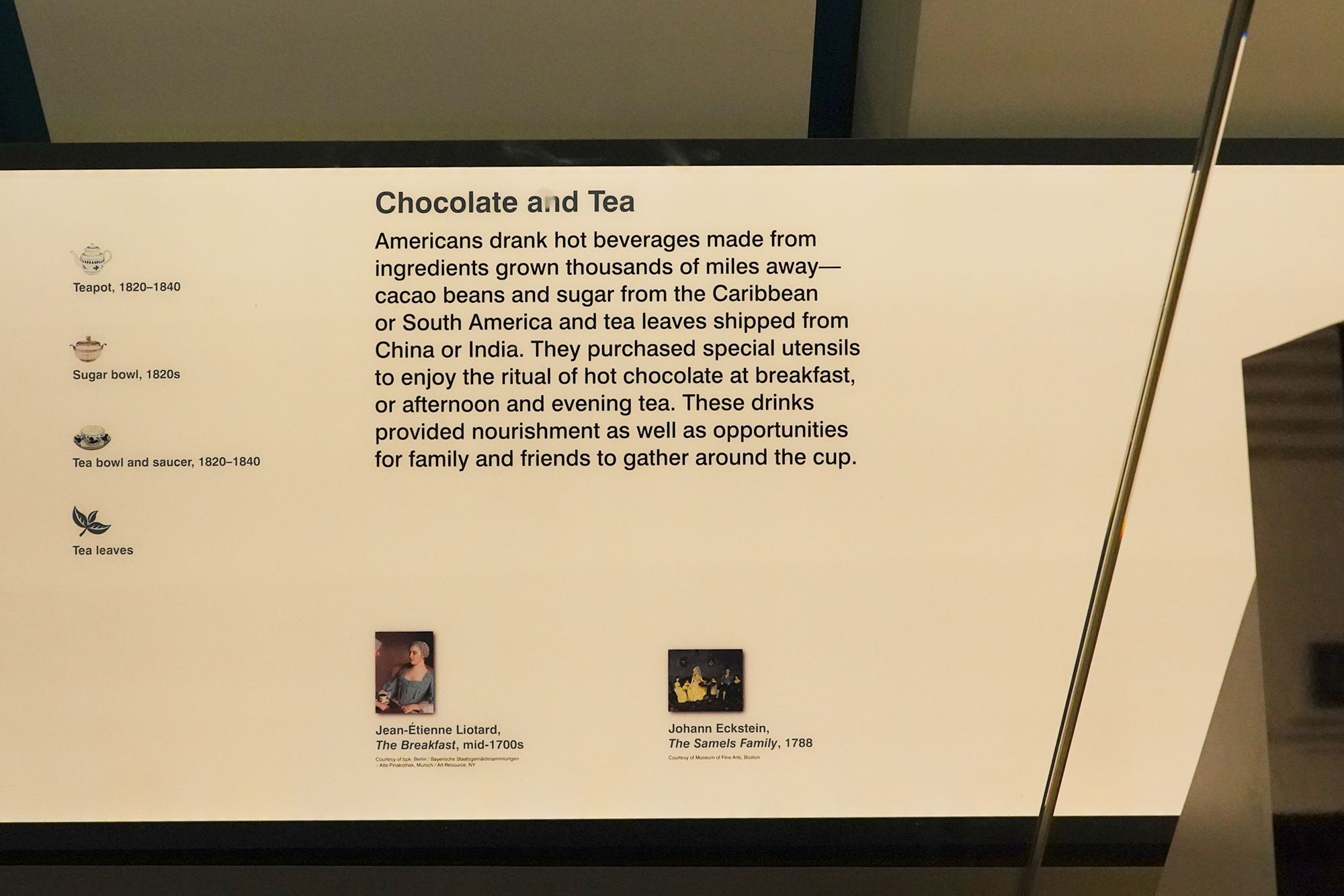
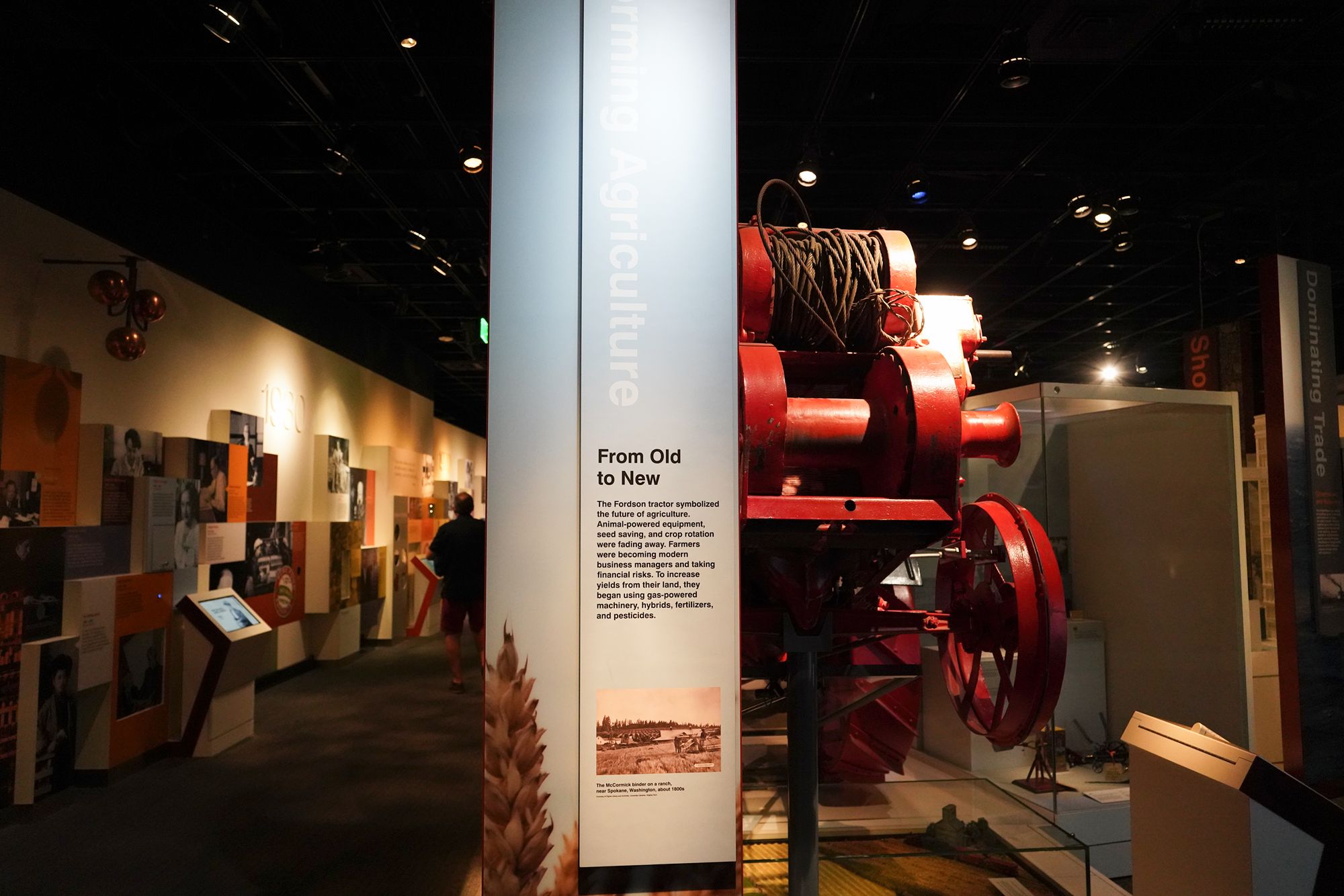
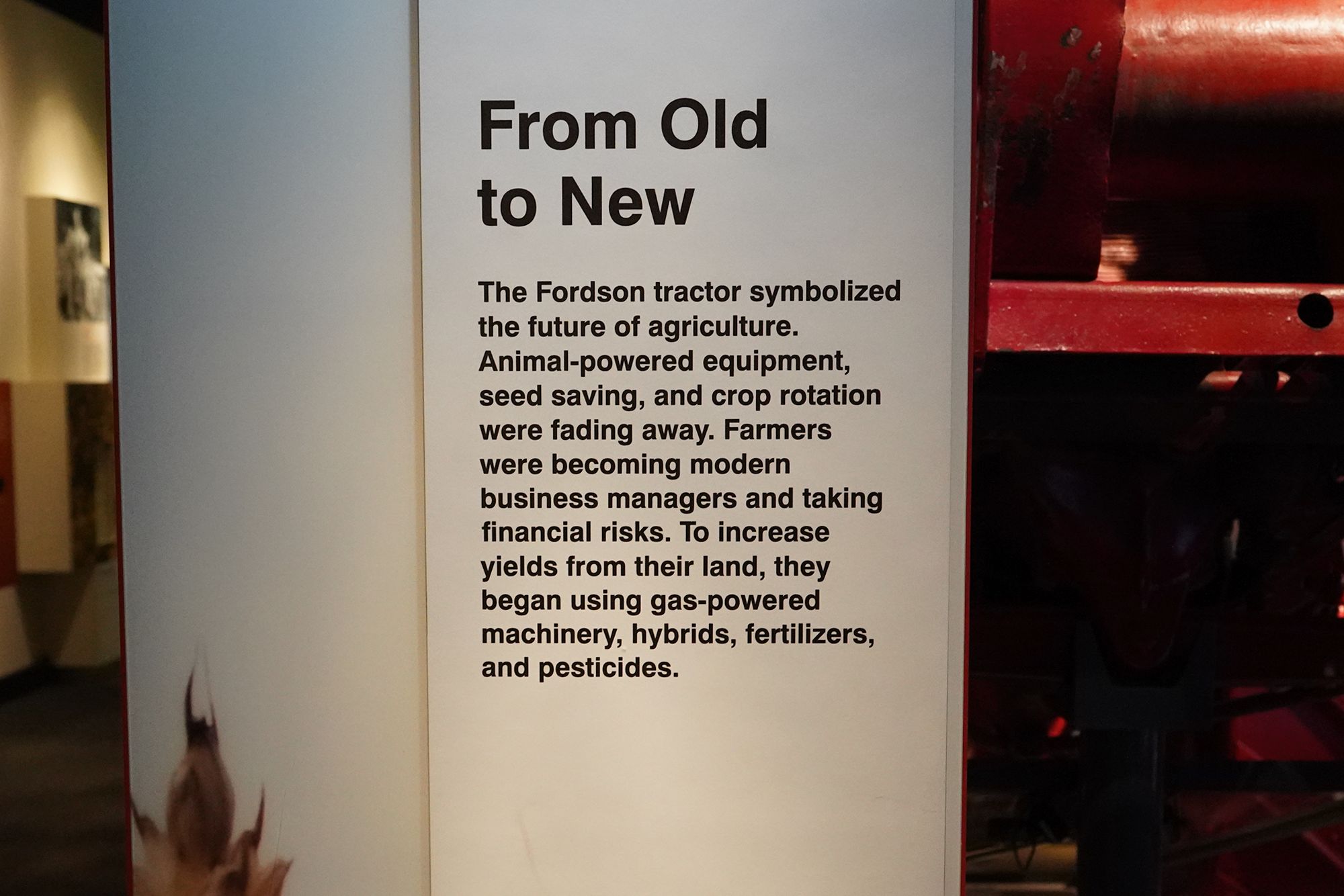
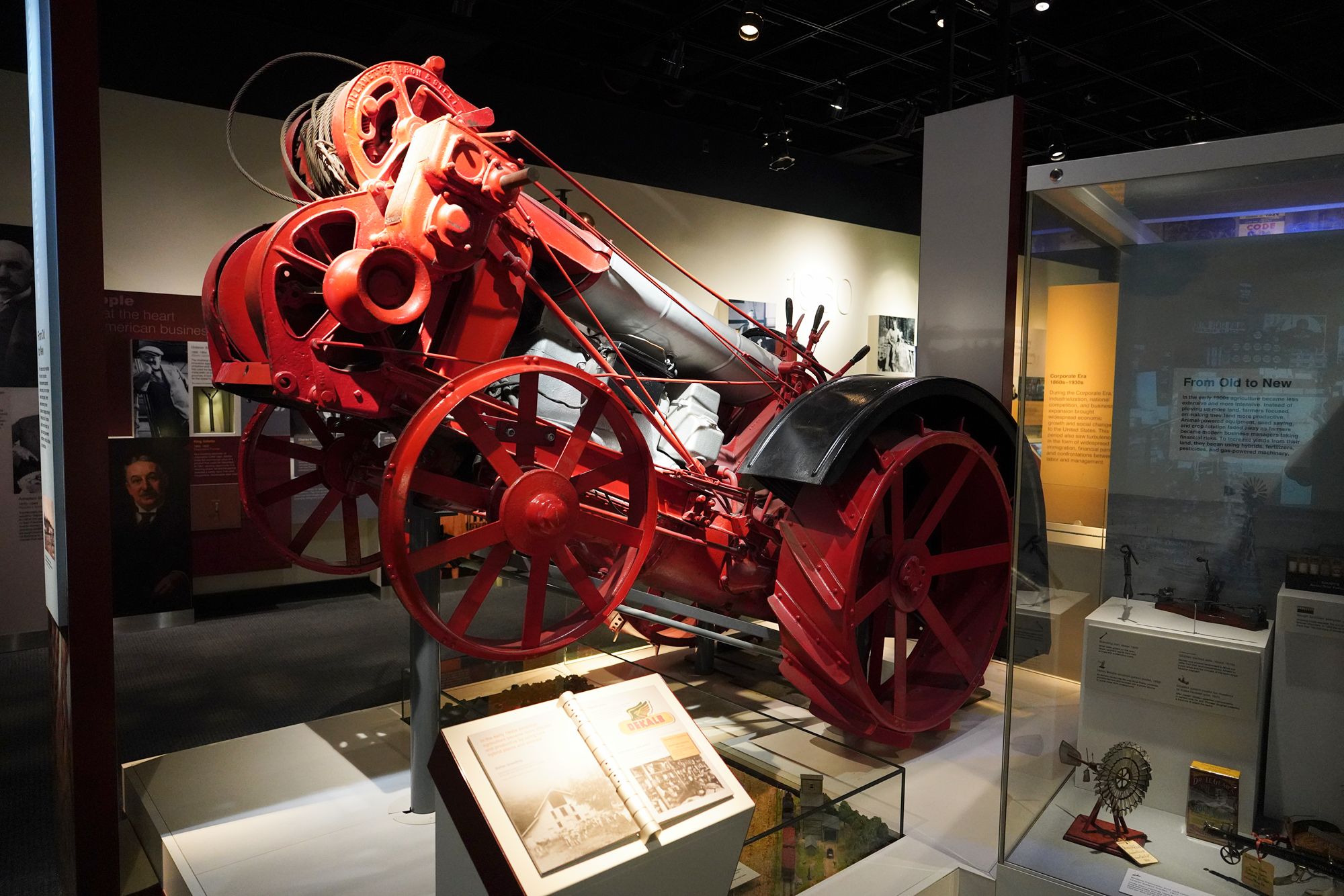
New inventions like steel plows, reapers, and later tractors transformed American agriculture. These machines made planting and harvesting faster and easier, allowing farmers to work larger fields, grow more crops, and produce food more efficiently.
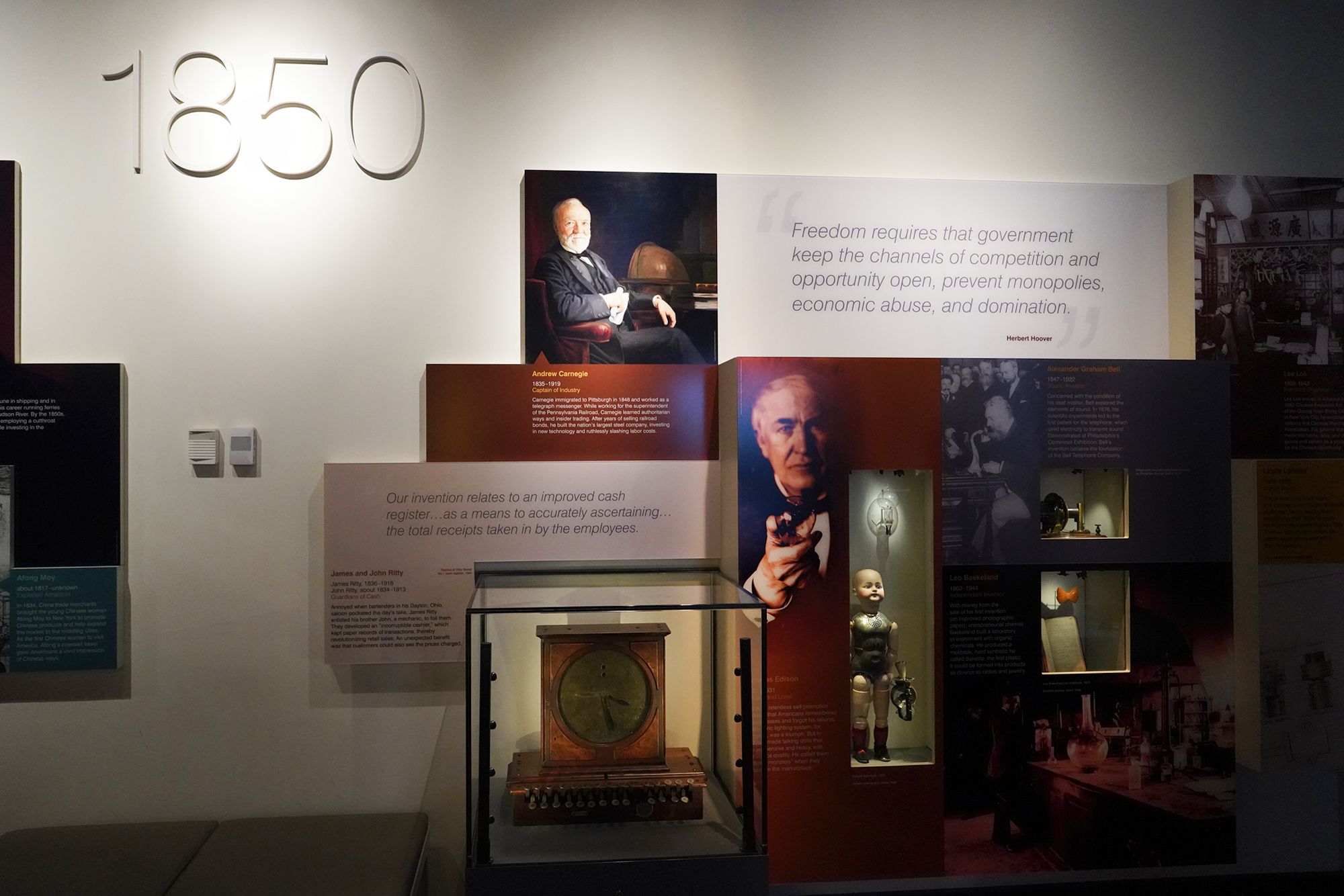
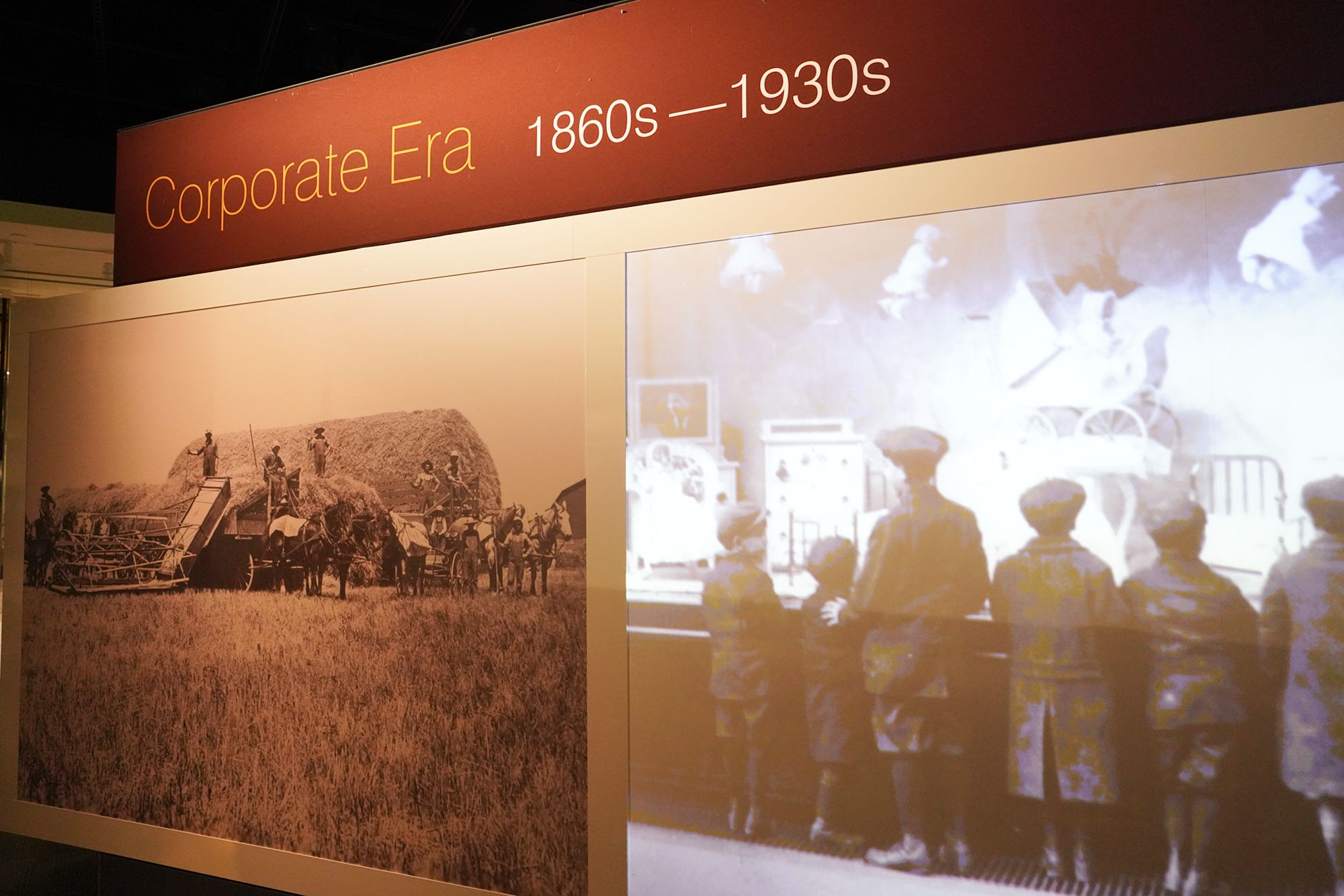
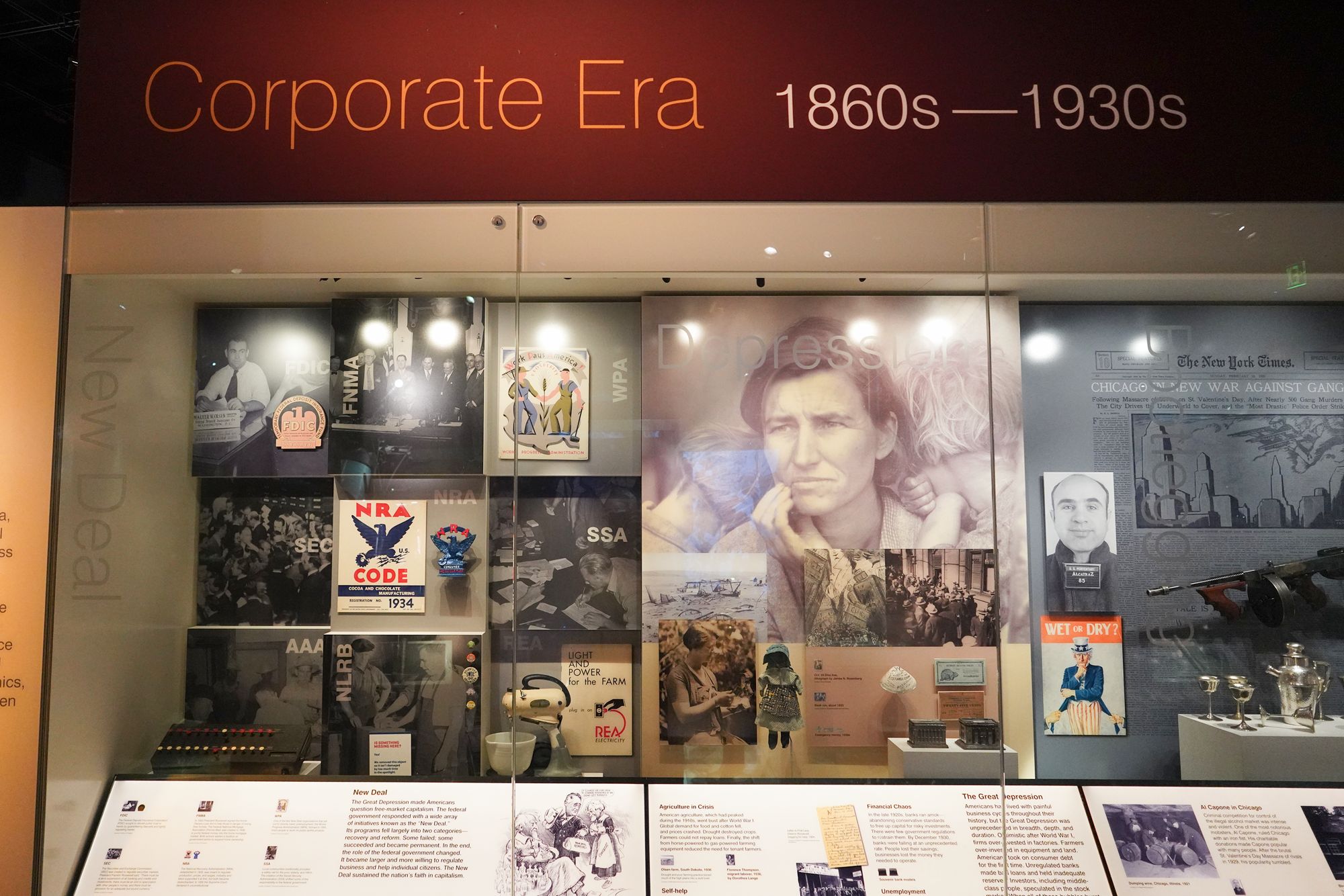
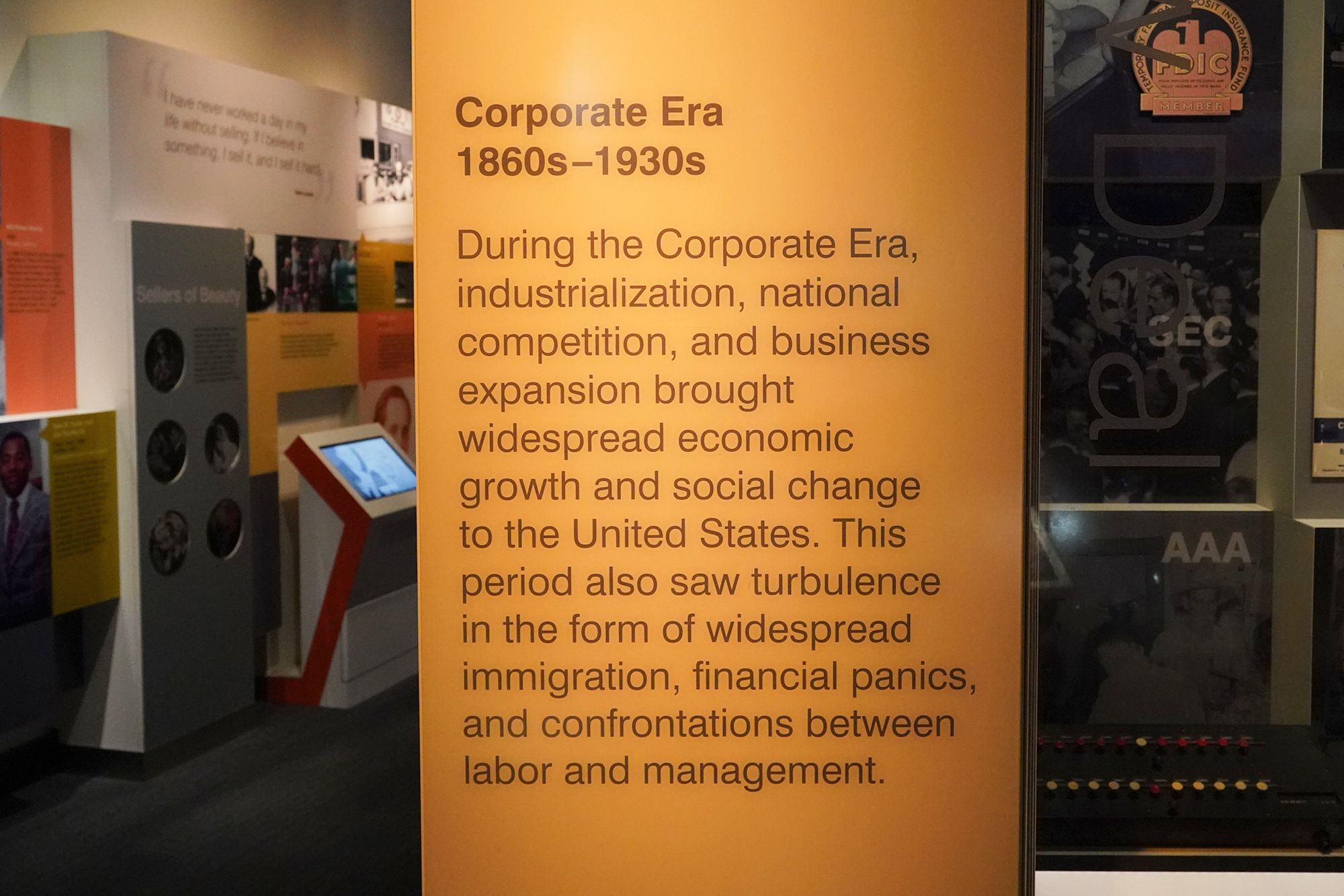
The Corporate Era was a period when large companies and powerful business leaders reshaped the American economy. Railroads, steel, oil, banking, and manufacturing grew rapidly, leading to national corporations that operated on a massive scale. New technologies, mass production, and big business practices changed how Americans worked, shopped, and lived.
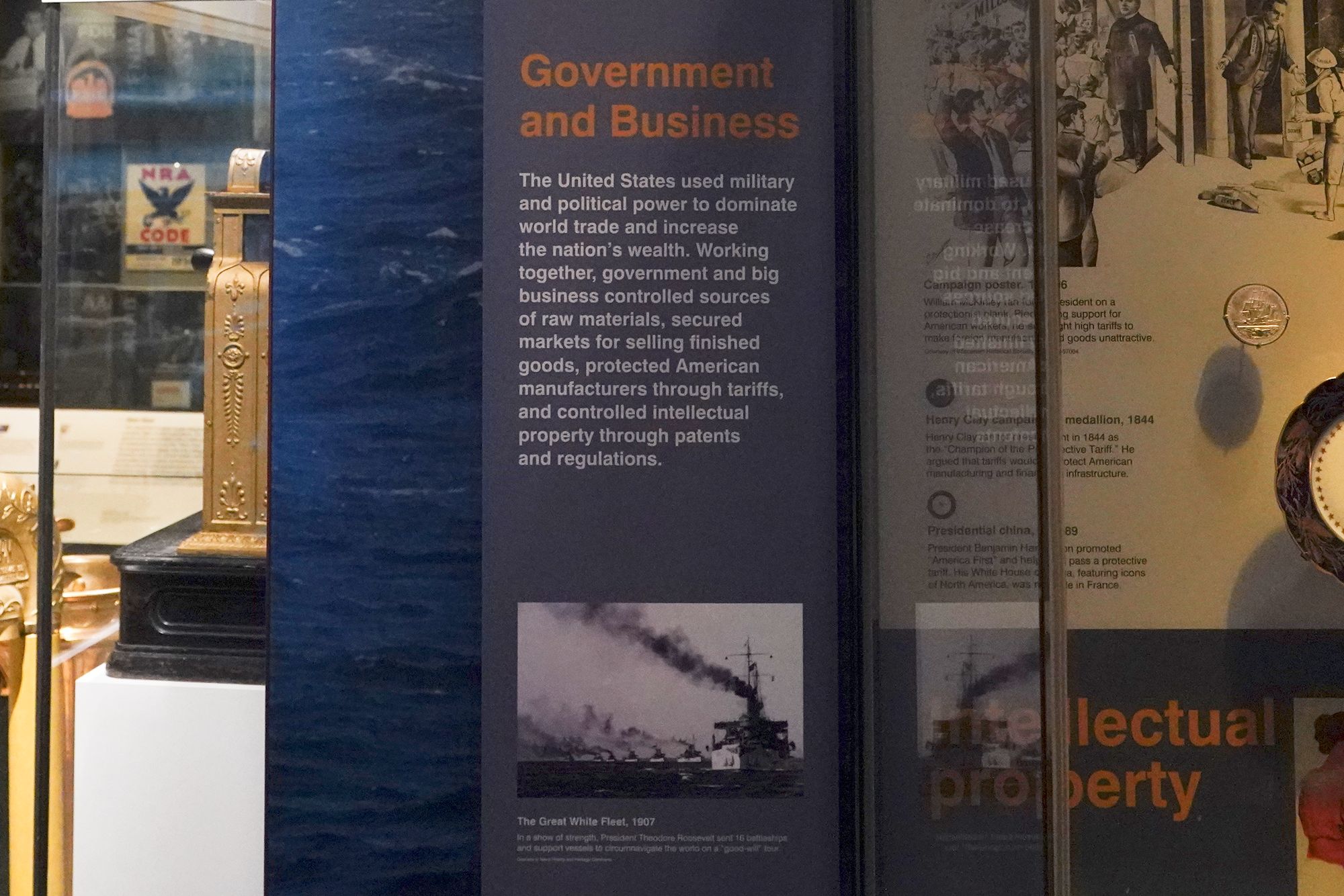
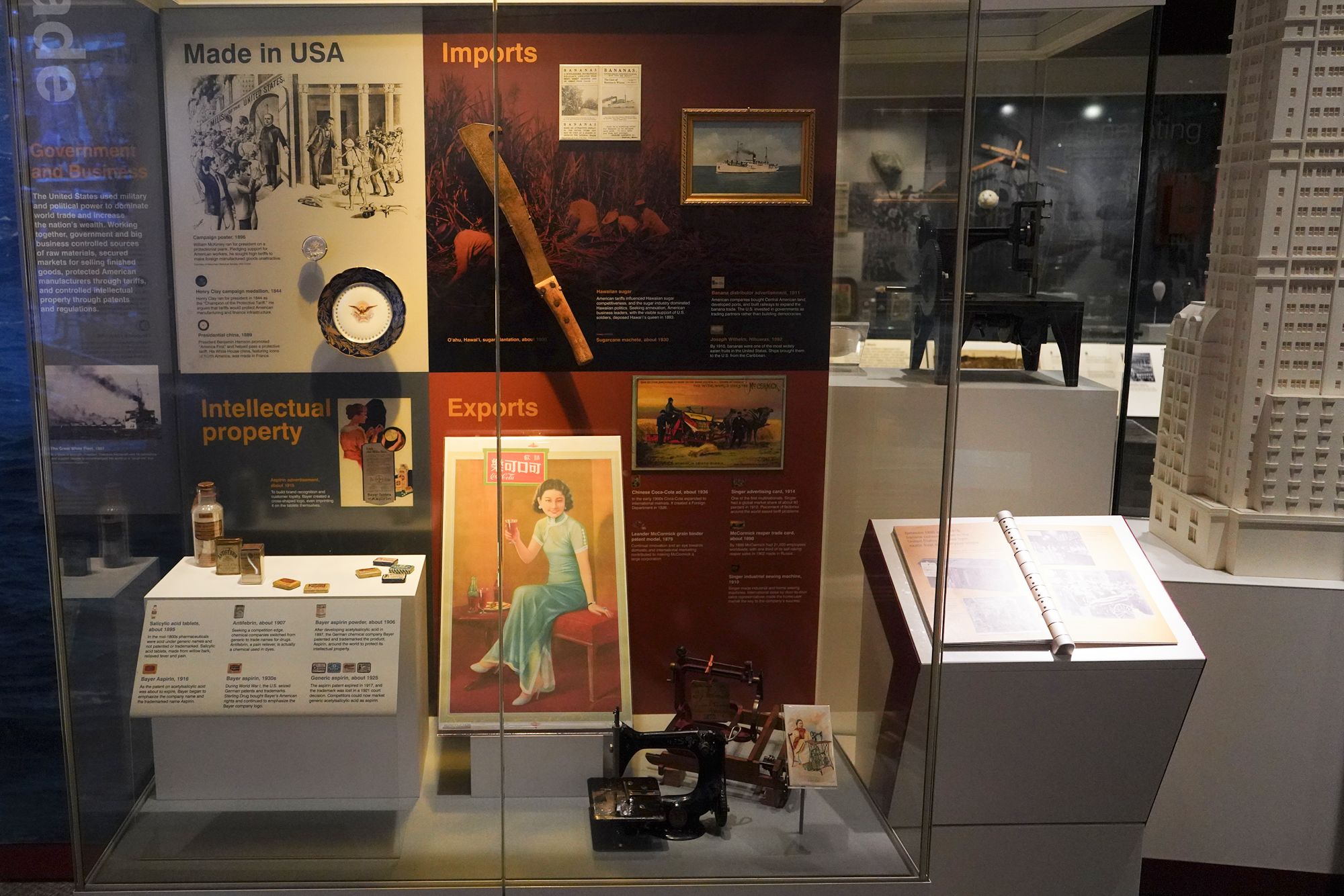
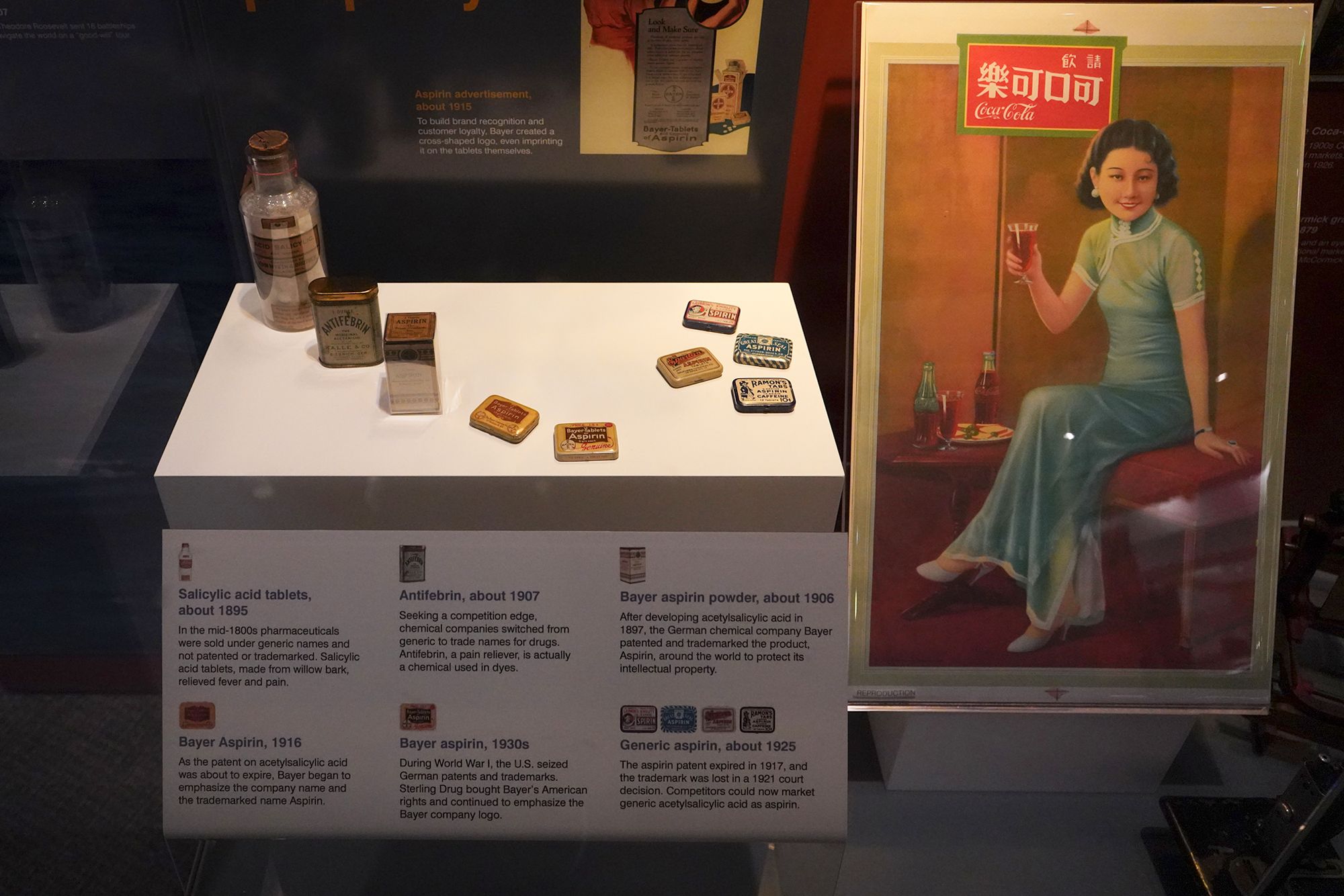
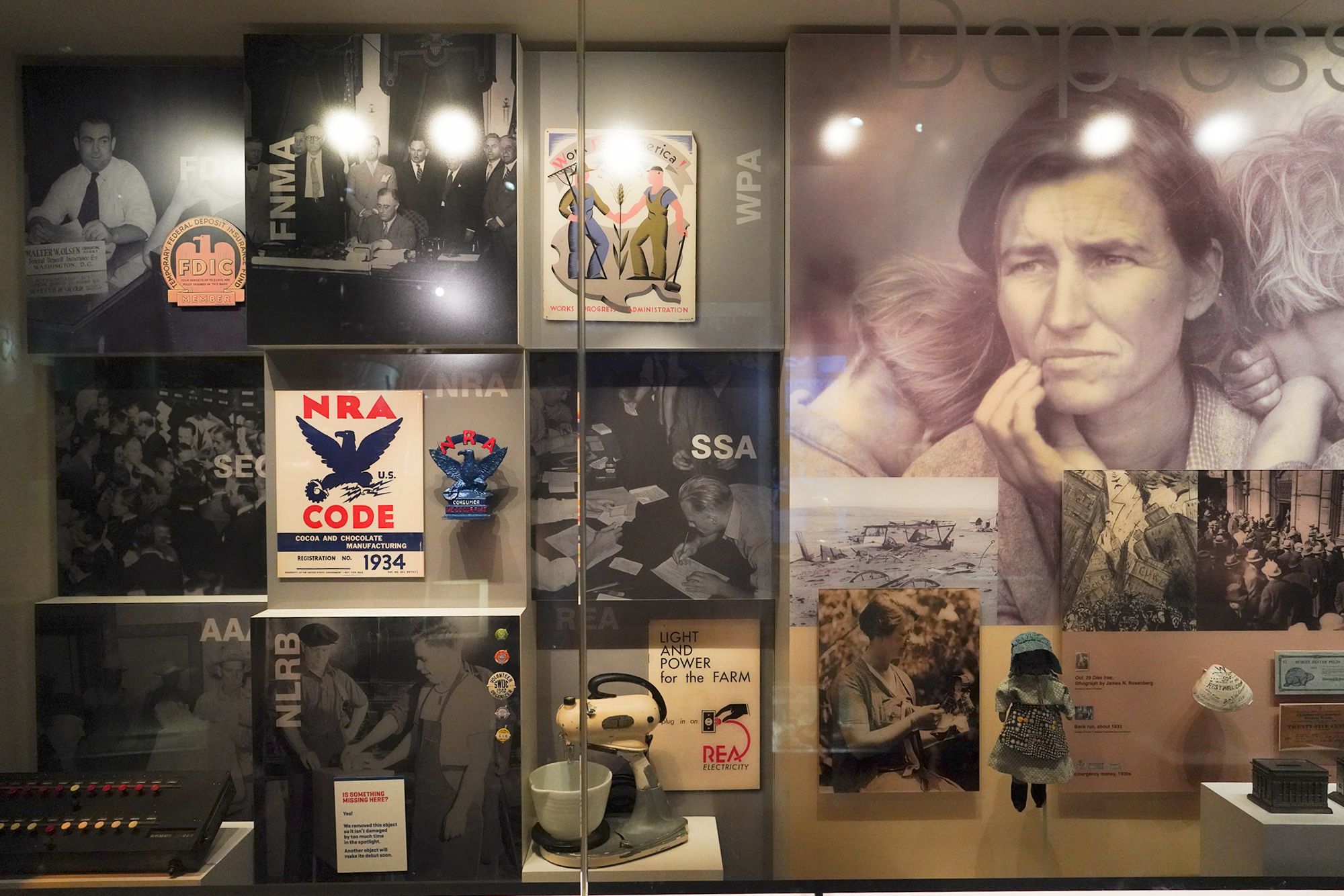
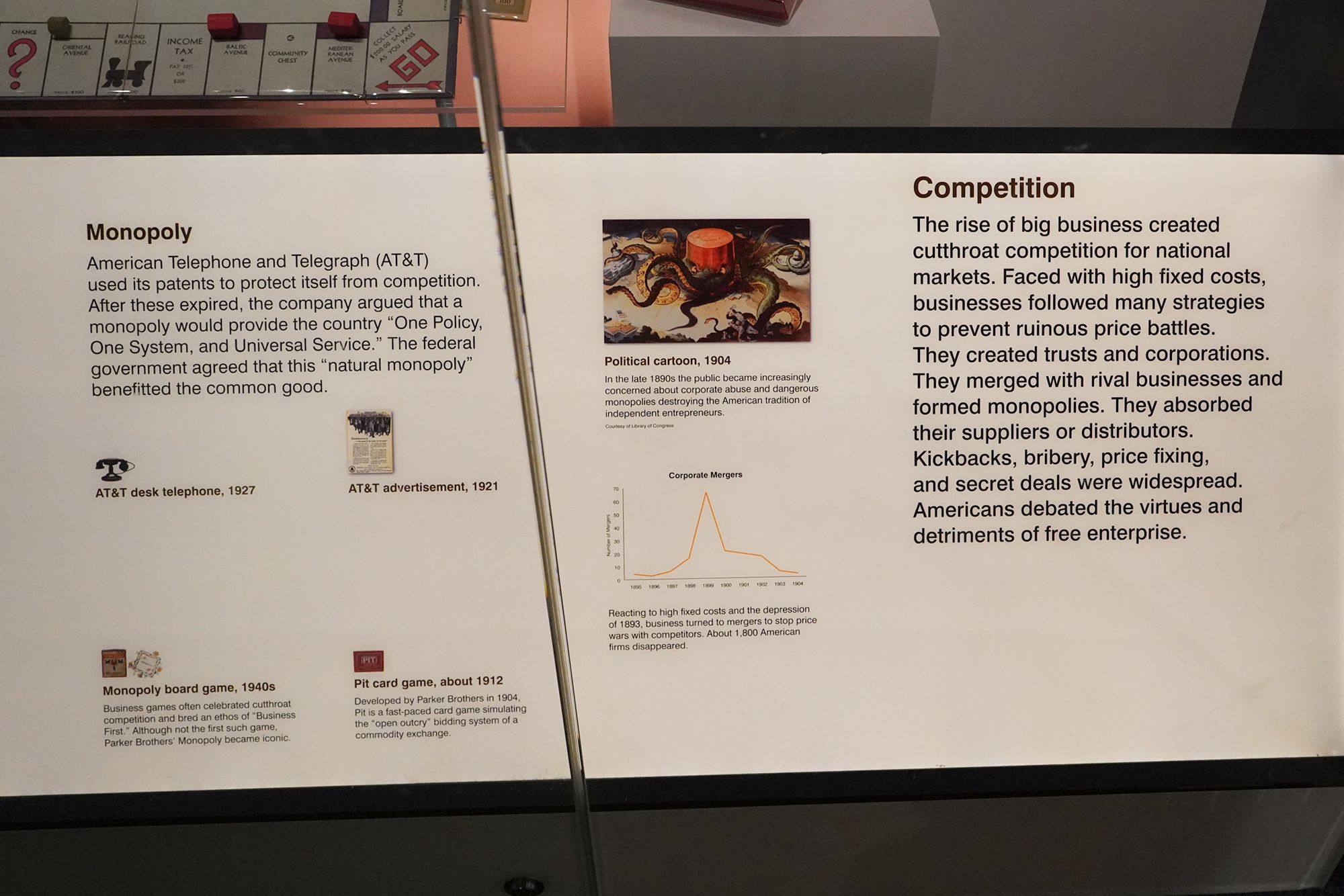
In the Corporate Era, government and big business became closely connected. As railroads, steel, oil, and other large industries grew, the government created new laws to control monopolies, regulate working conditions, and protect consumers. At the same time, businesses relied on government support—such as land grants, tariffs, and court decisions—to expand and protect their interests.
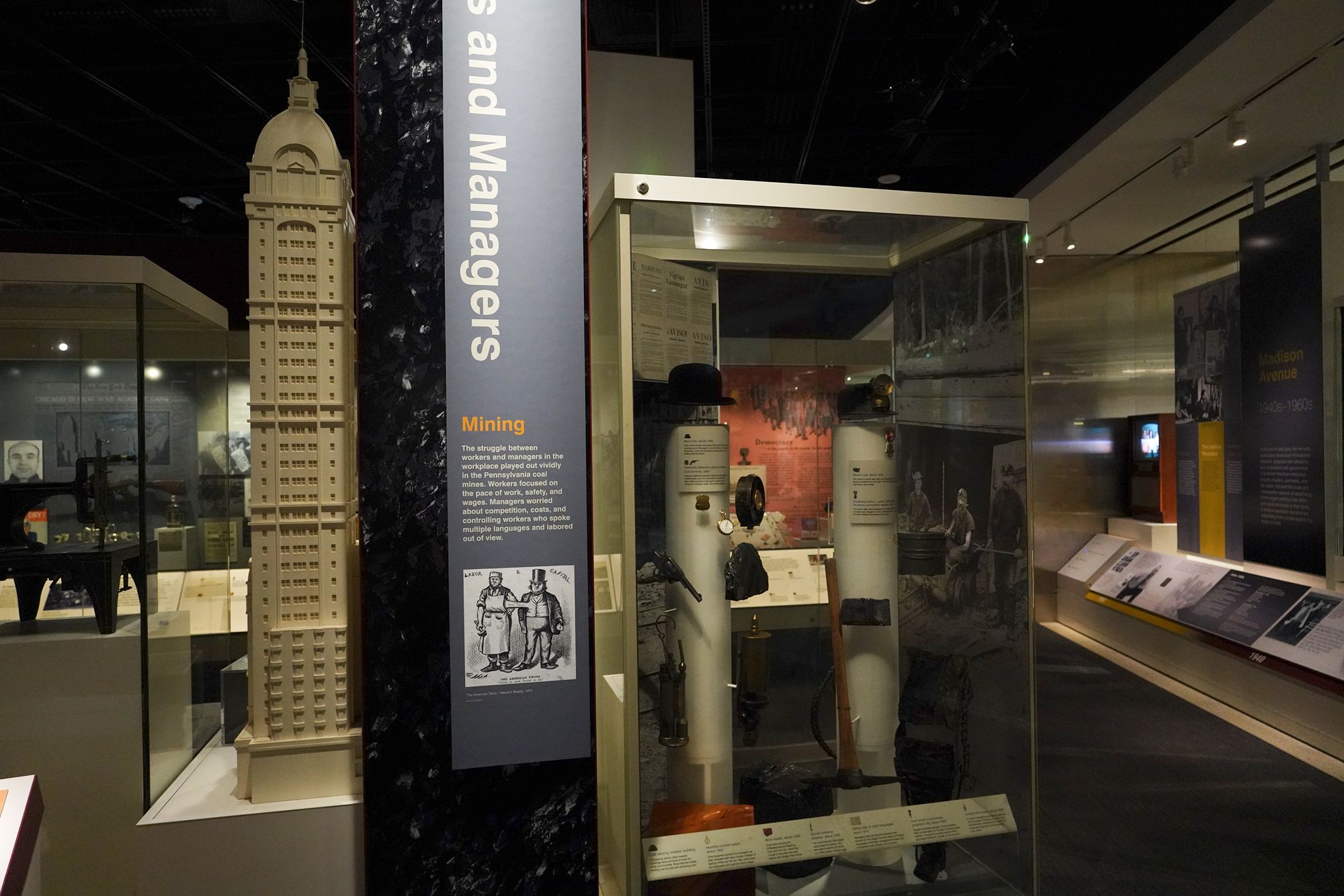
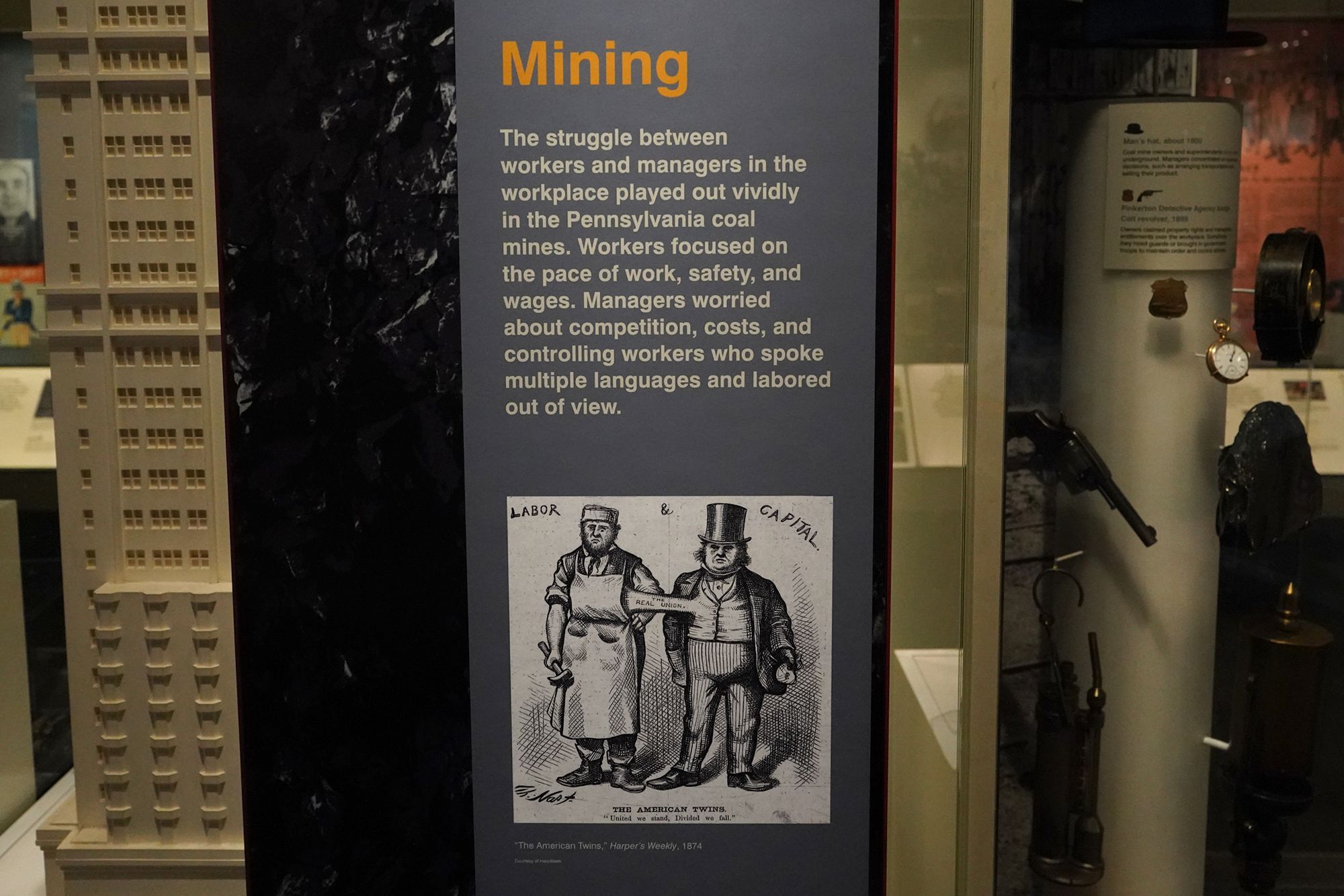
The struggle between workers and managers refers to the conflicts that arose as factories and big businesses grew. Workers wanted fair wages, safer conditions, and reasonable hours, while managers focused on productivity, profit, and controlling the workplace.
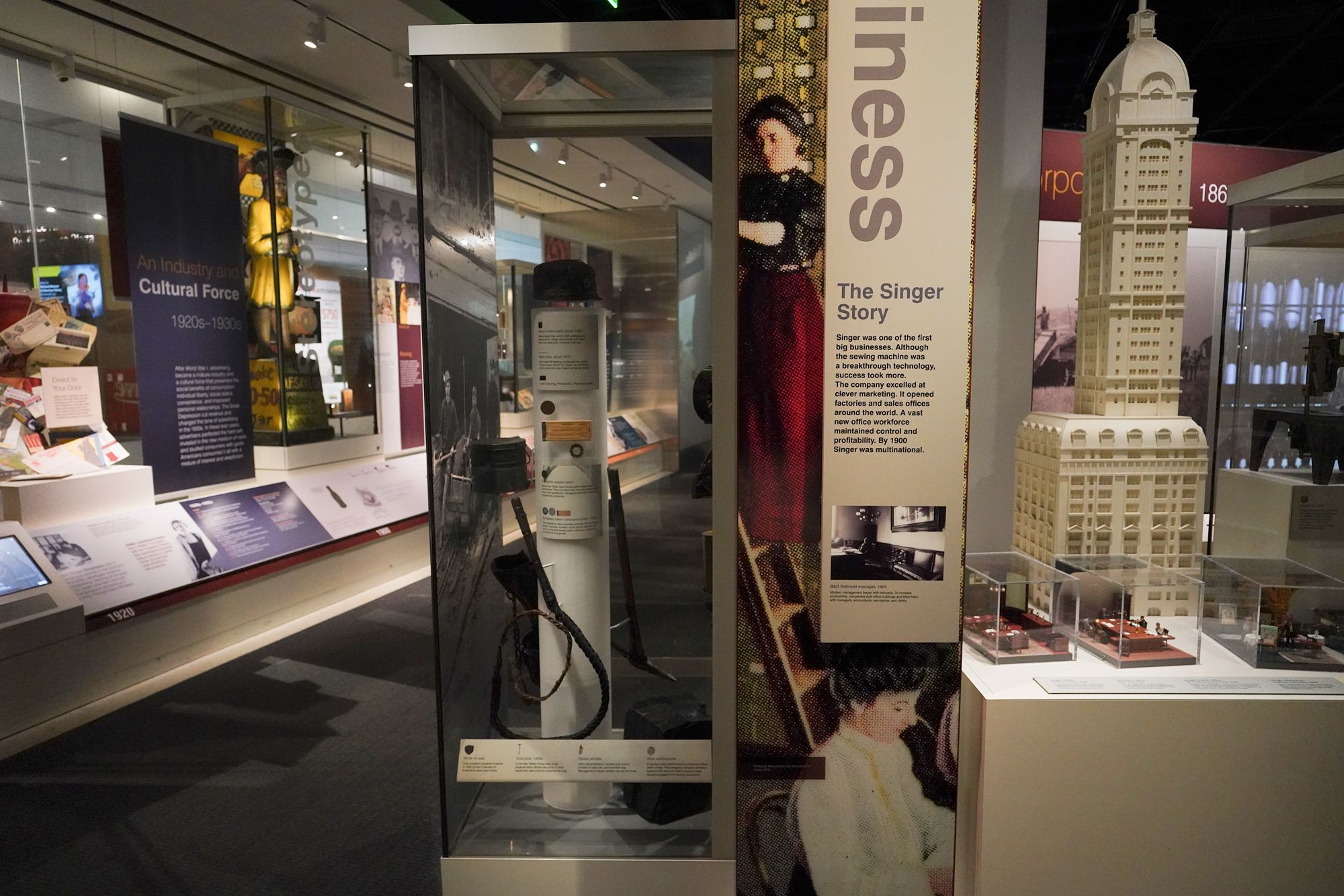
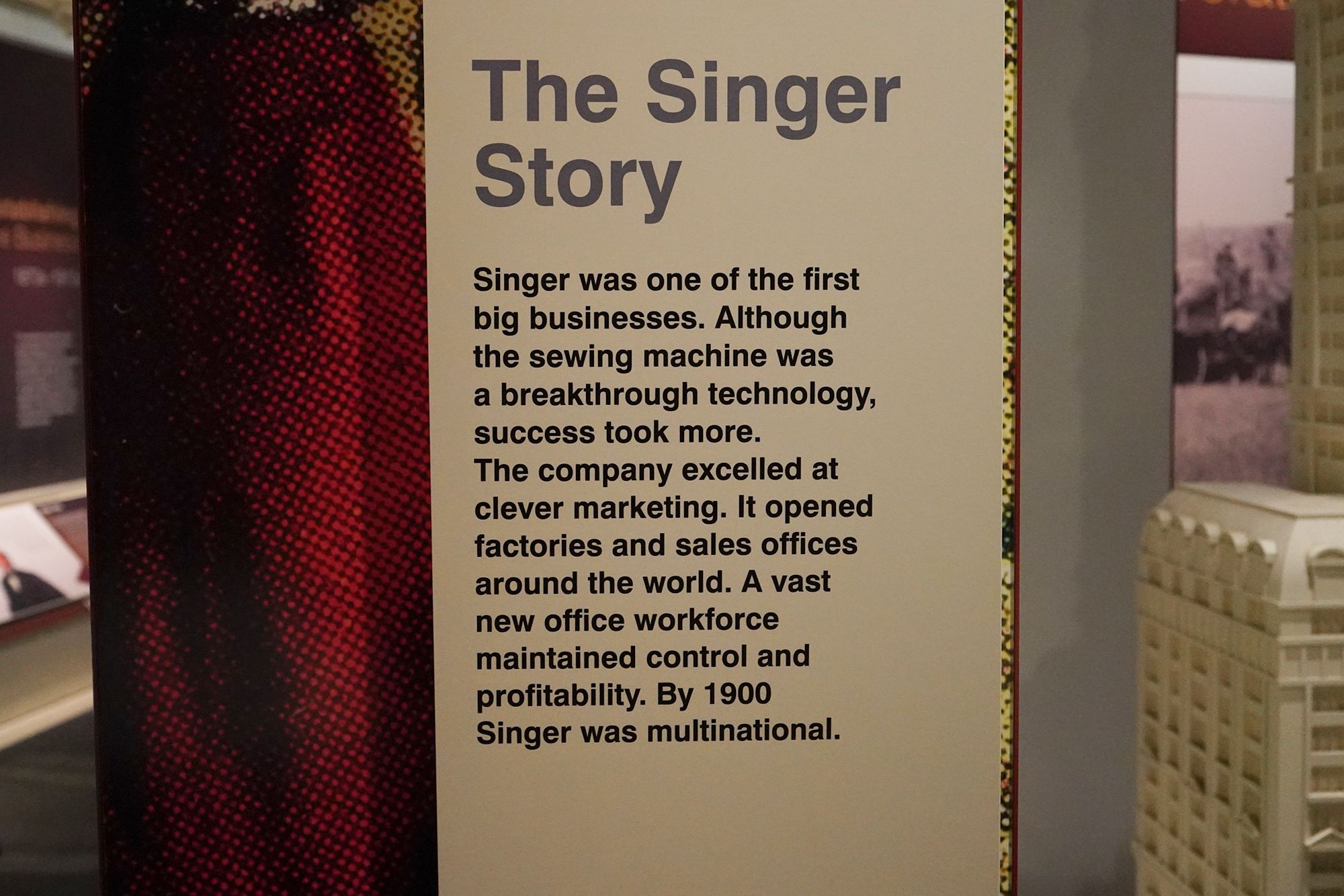
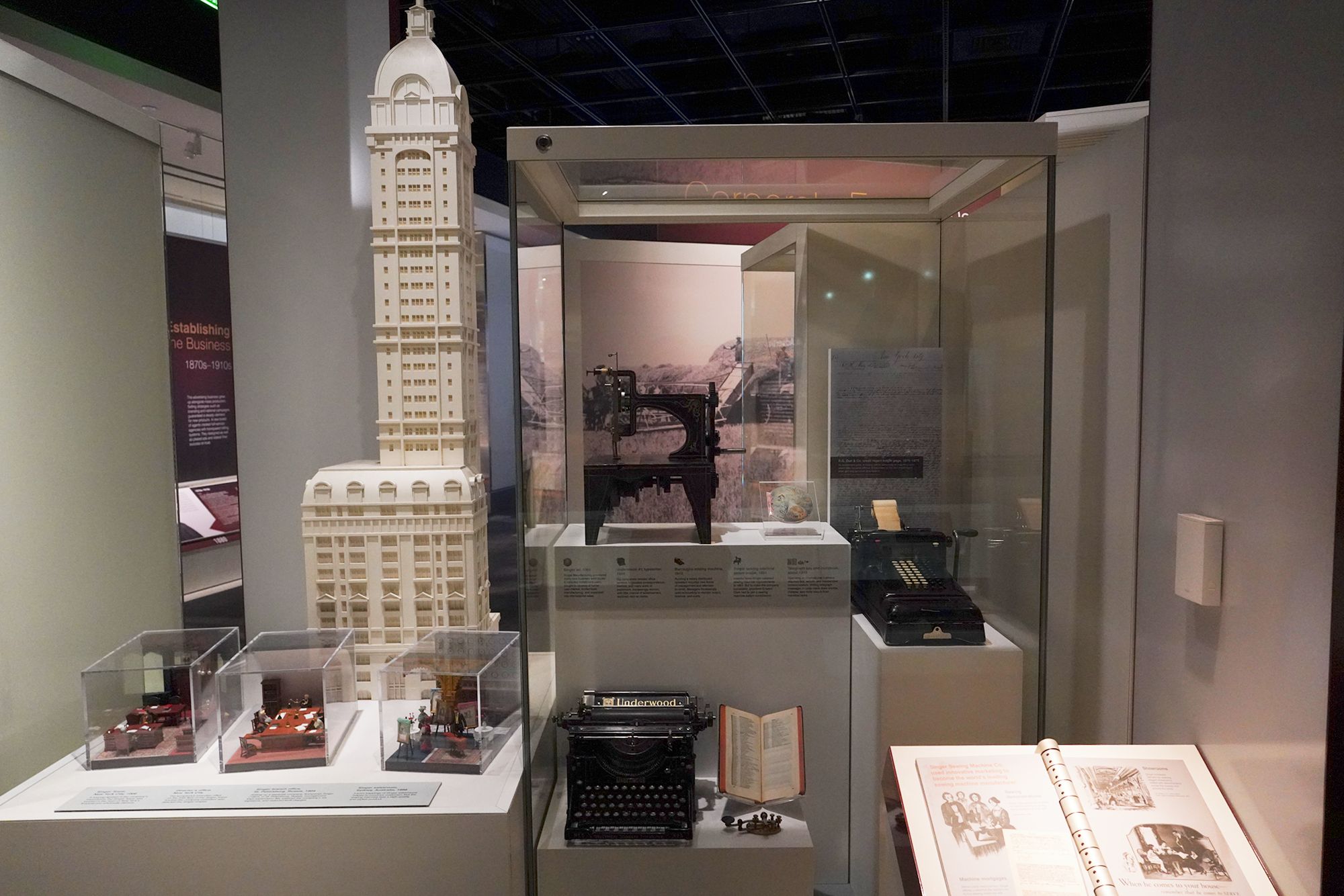
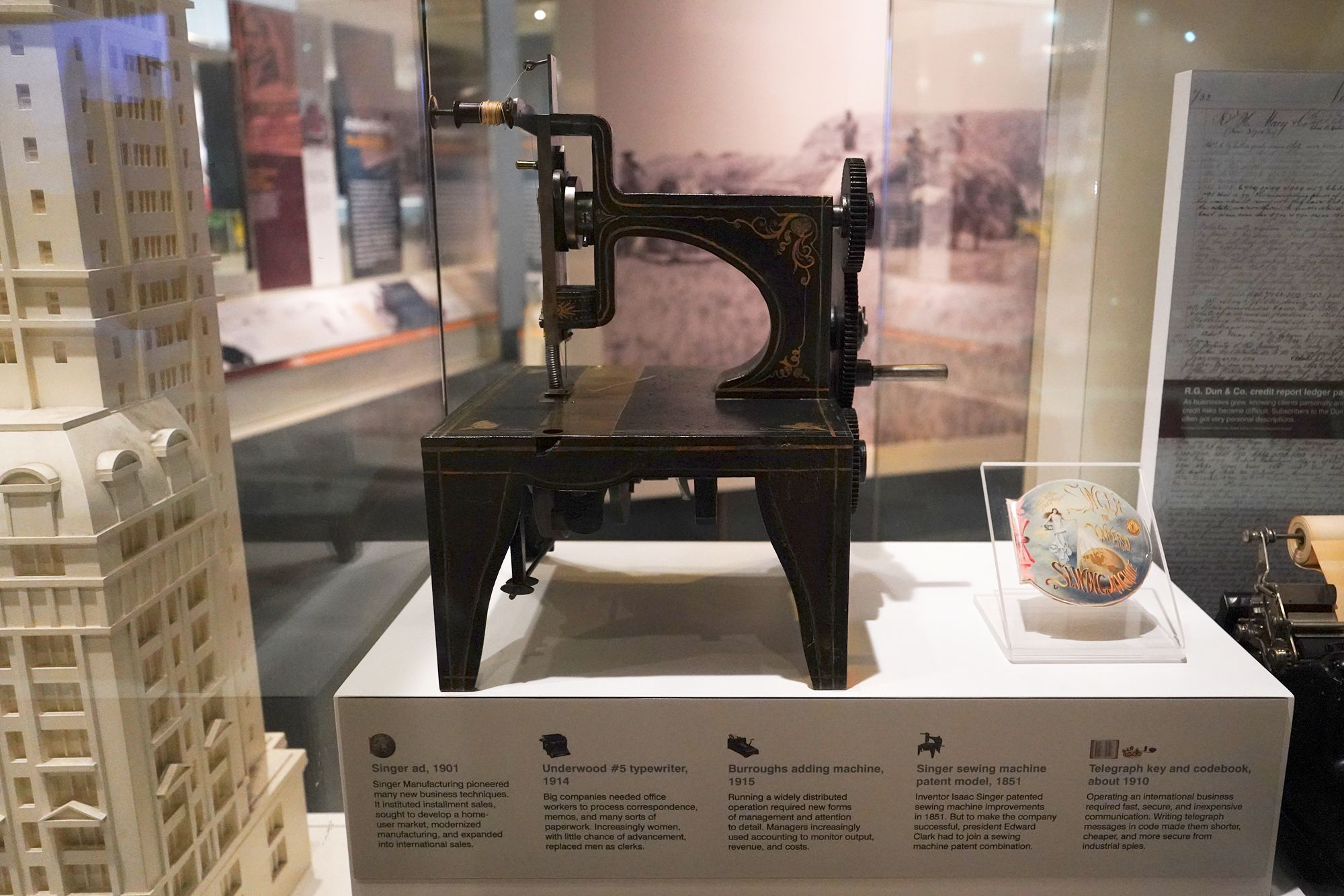
In the mid-1800s, Singer introduced a practical sewing machine and pioneered new business methods like installment payments, door-to-door sales, and global marketing.
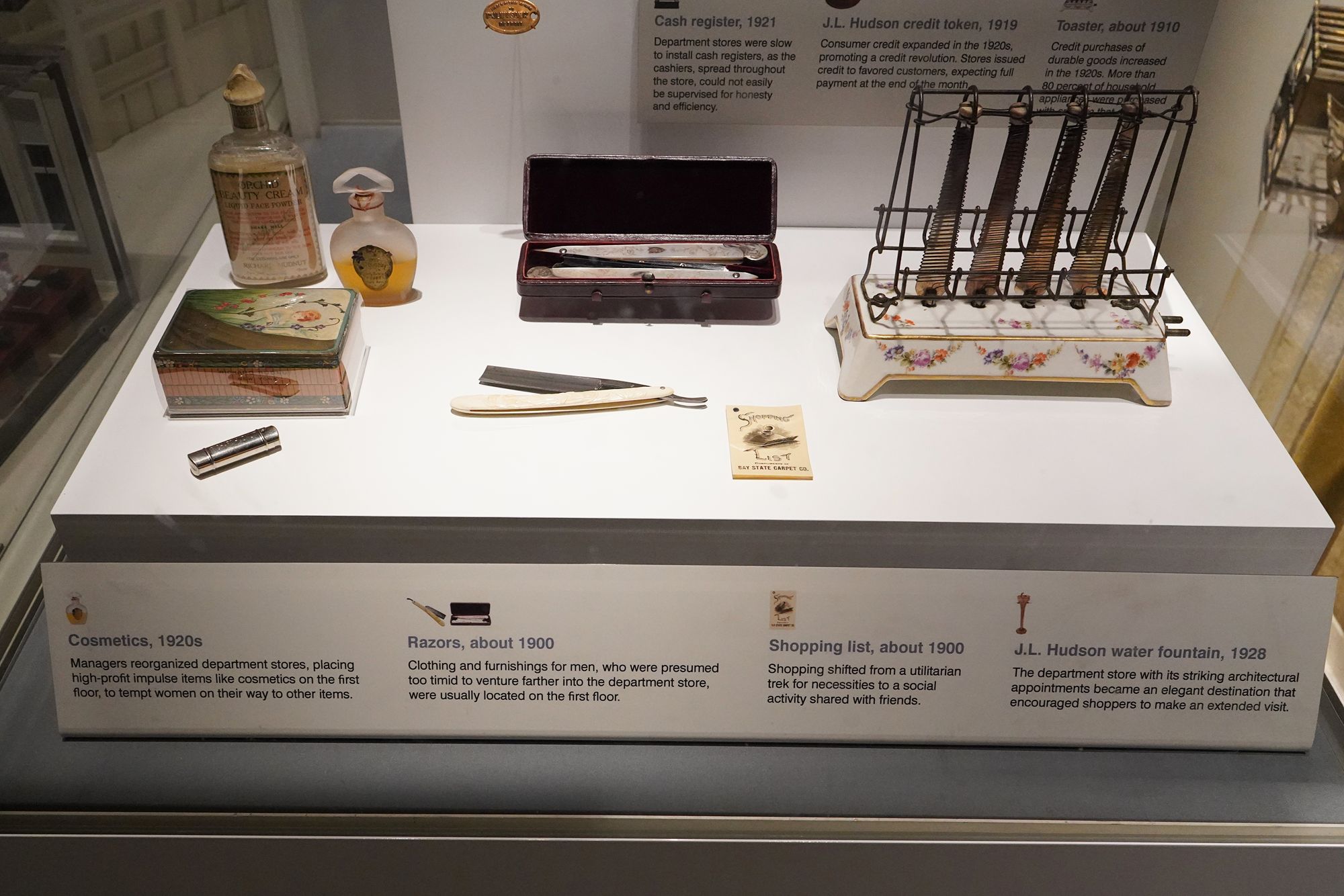
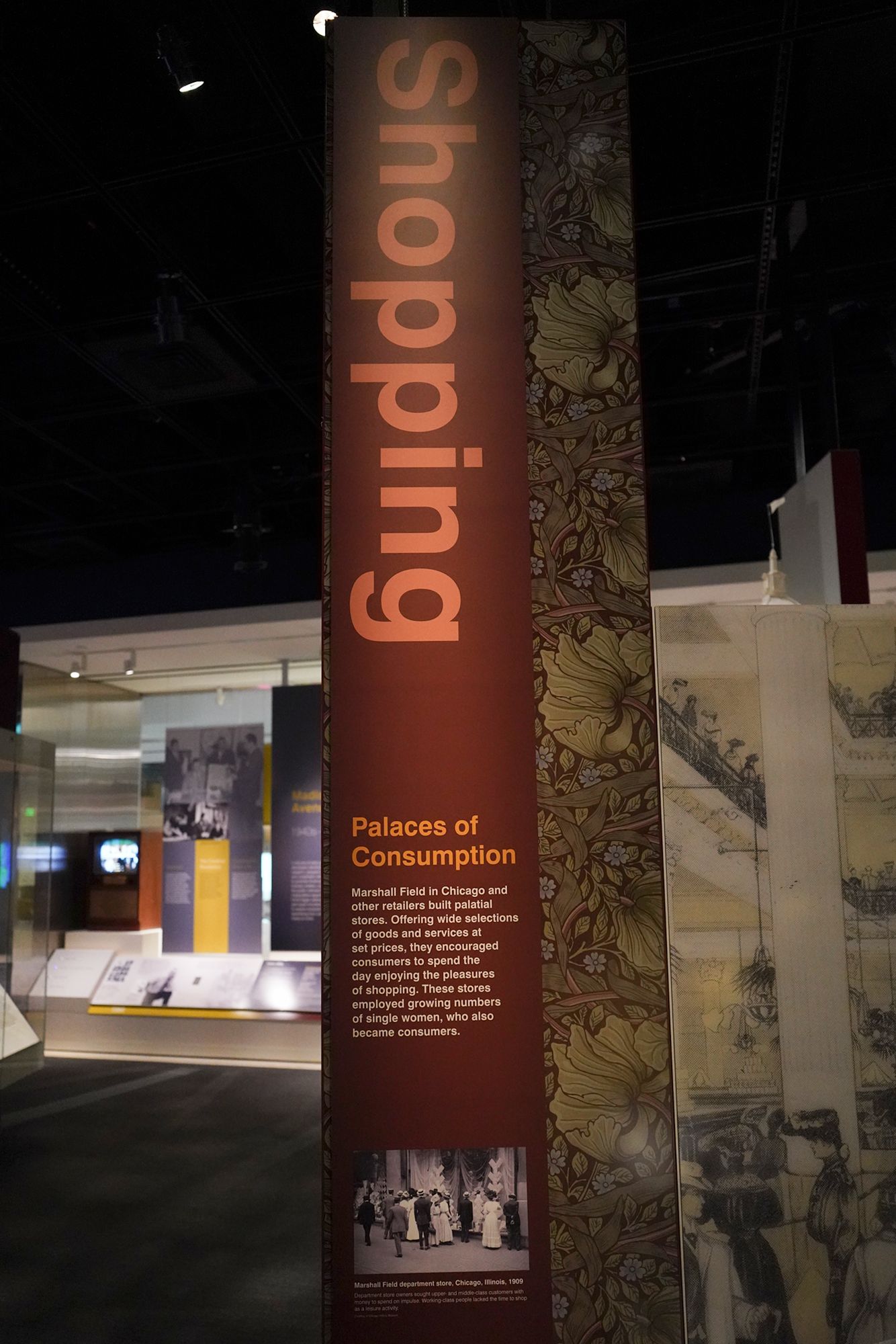
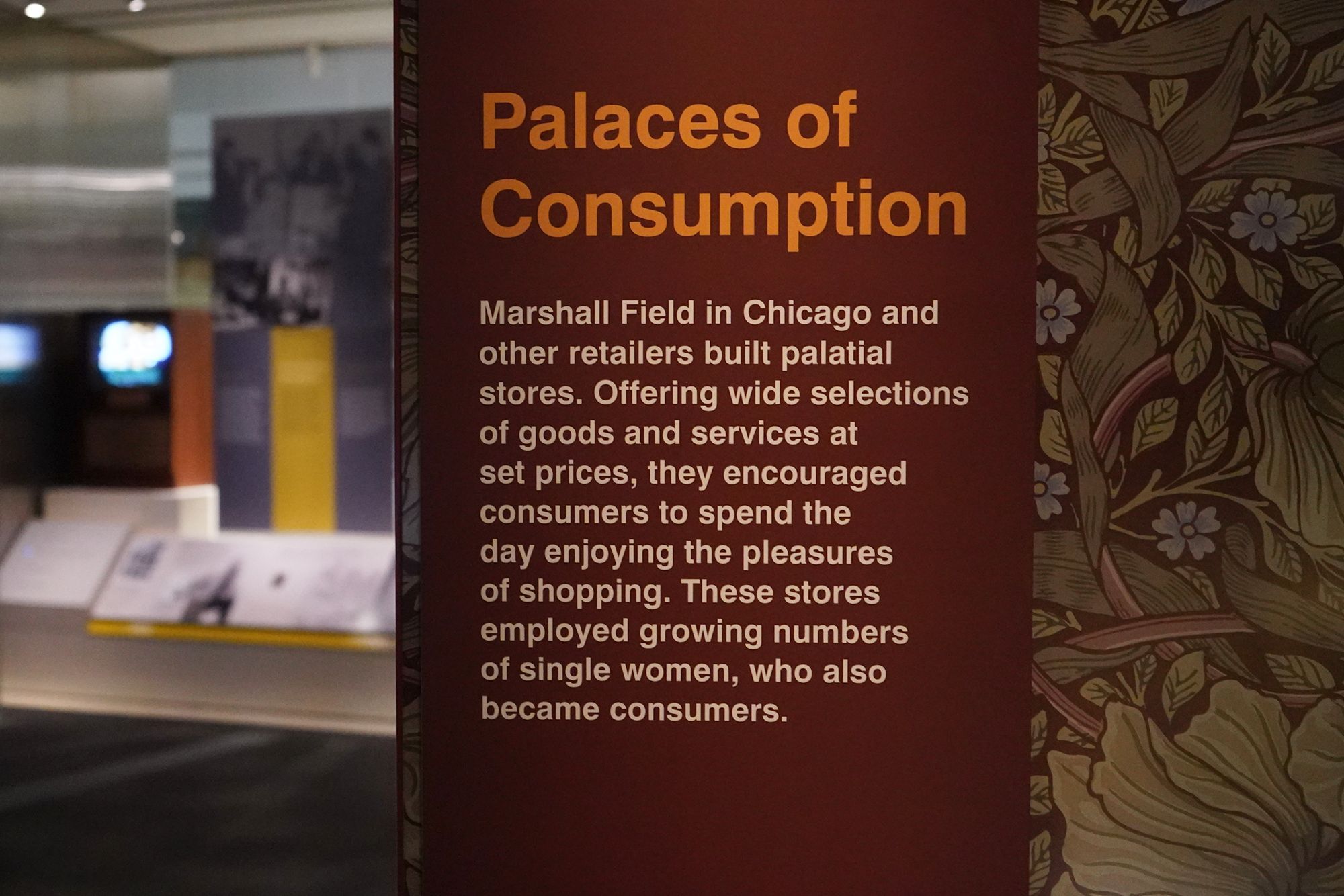
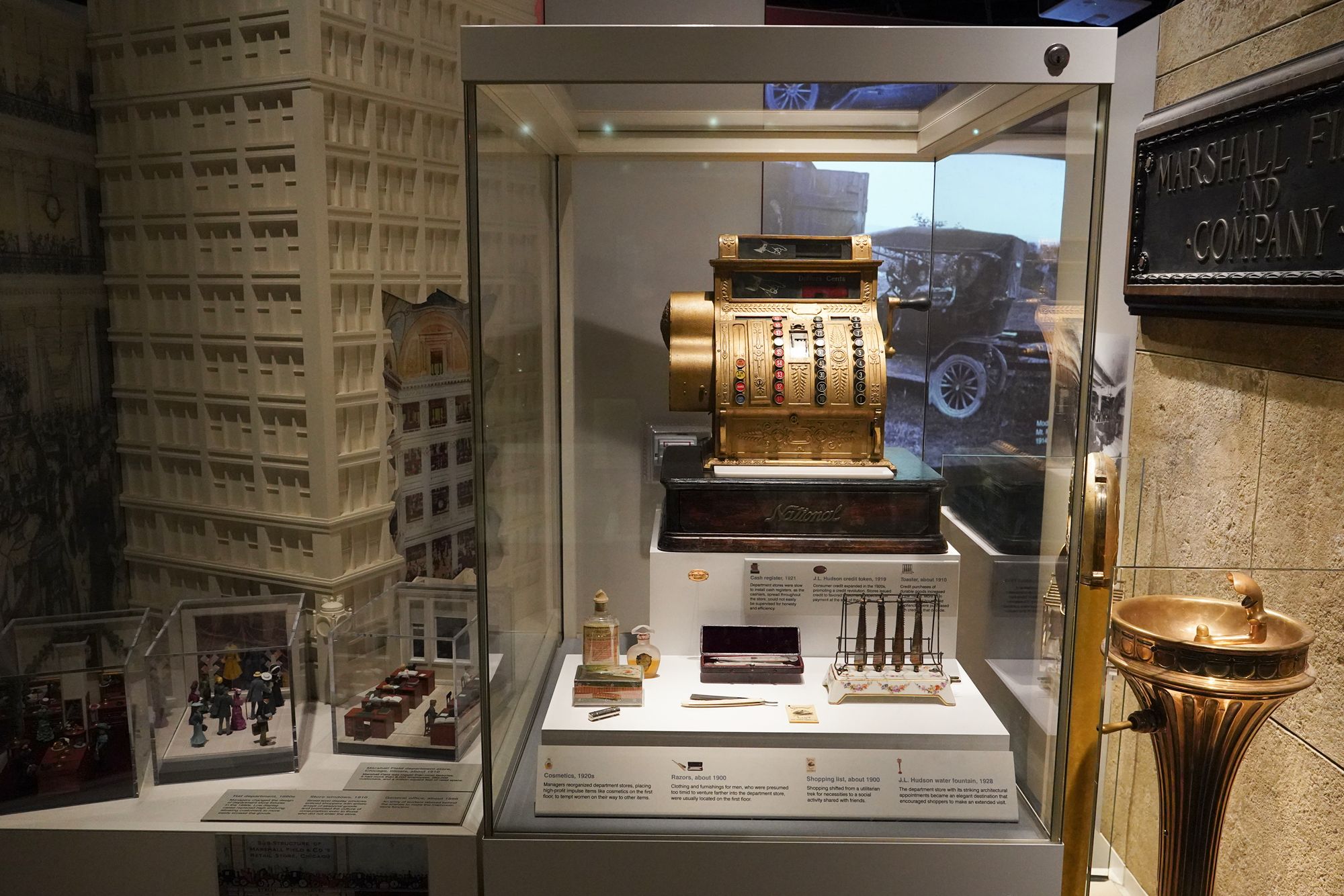
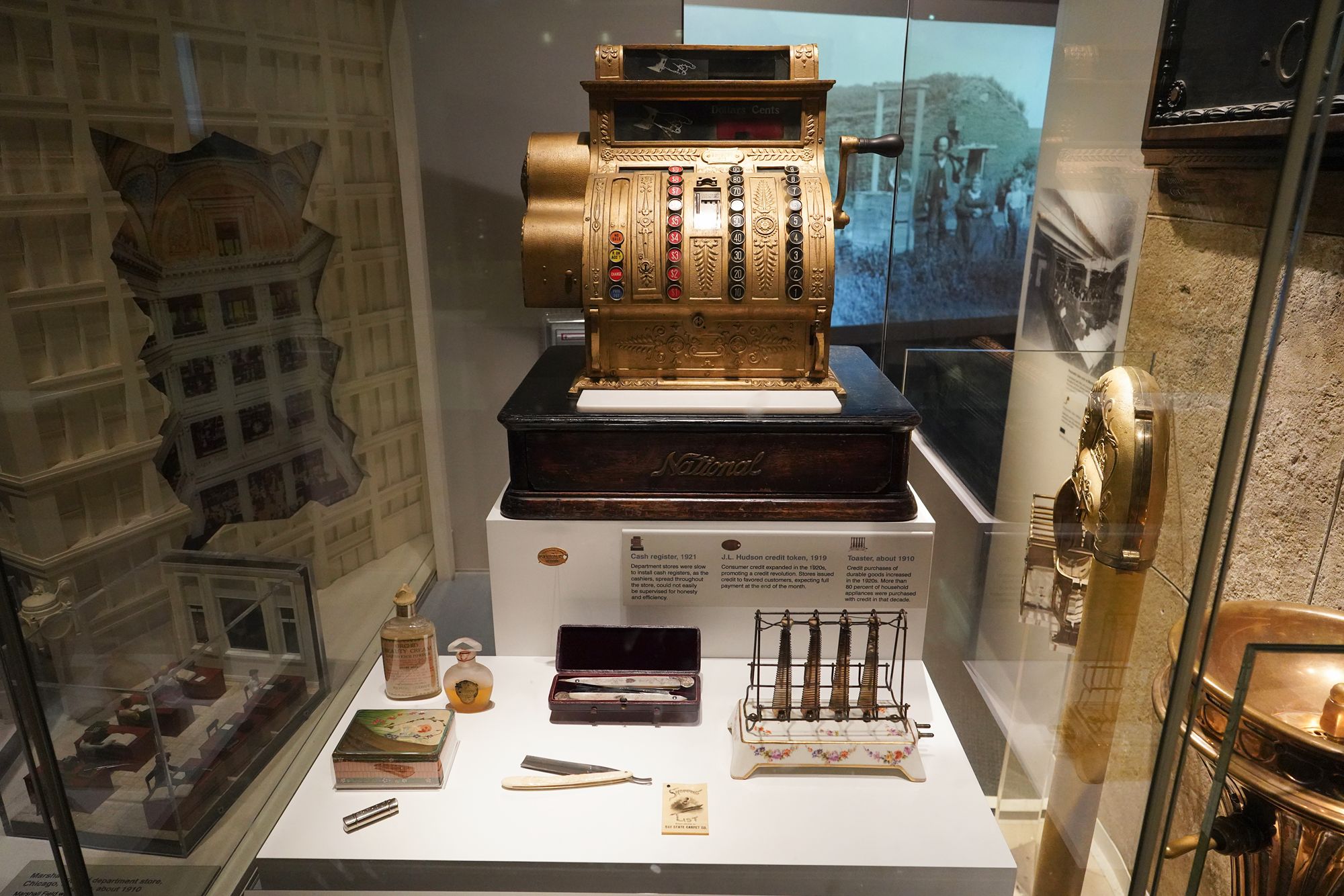
Over time, Americans moved from buying necessities at small local shops to browsing a wide variety of products in large, organized retail spaces. Advertising, packaging, and display techniques helped make shopping a major part of everyday life and modern consumer culture.
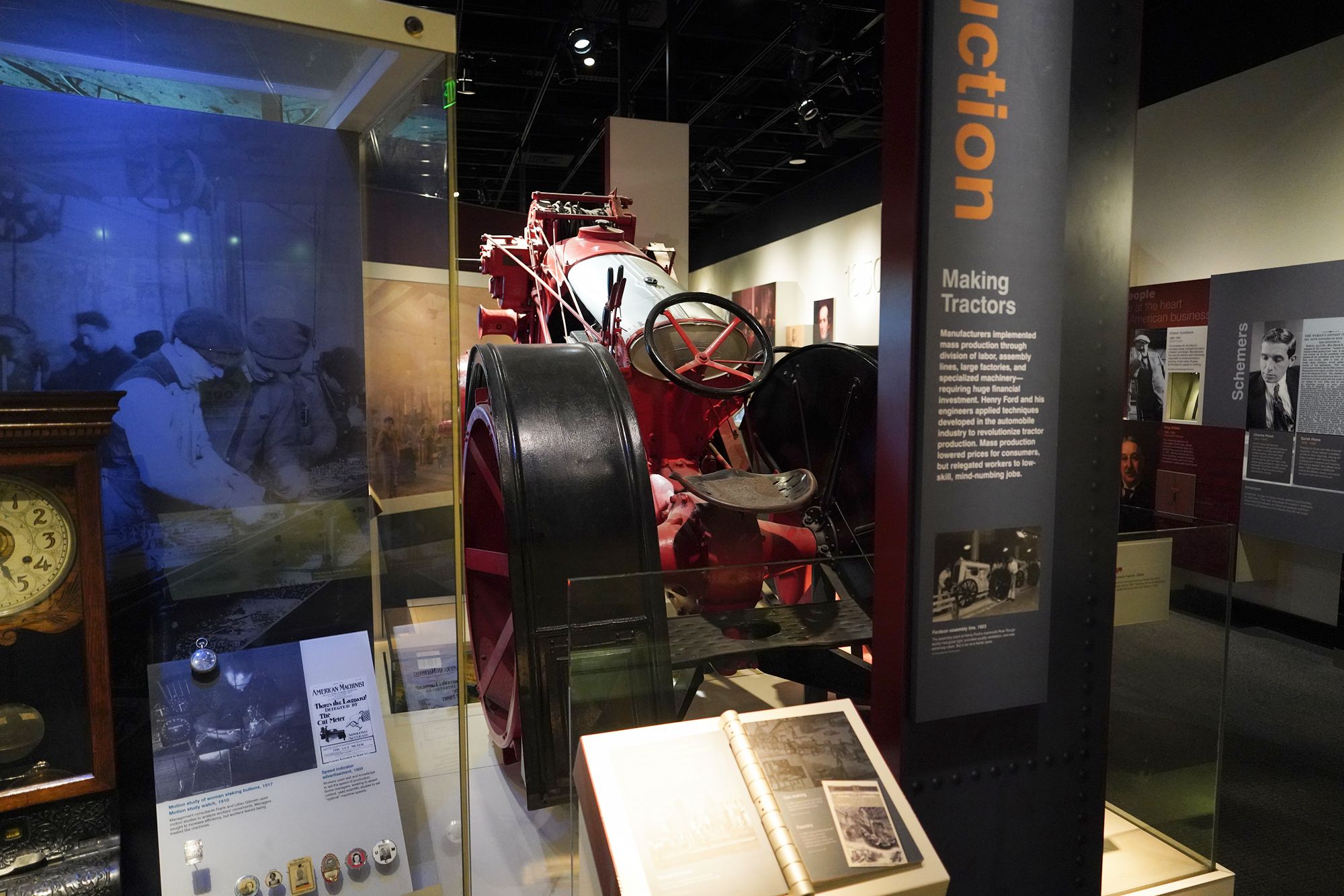
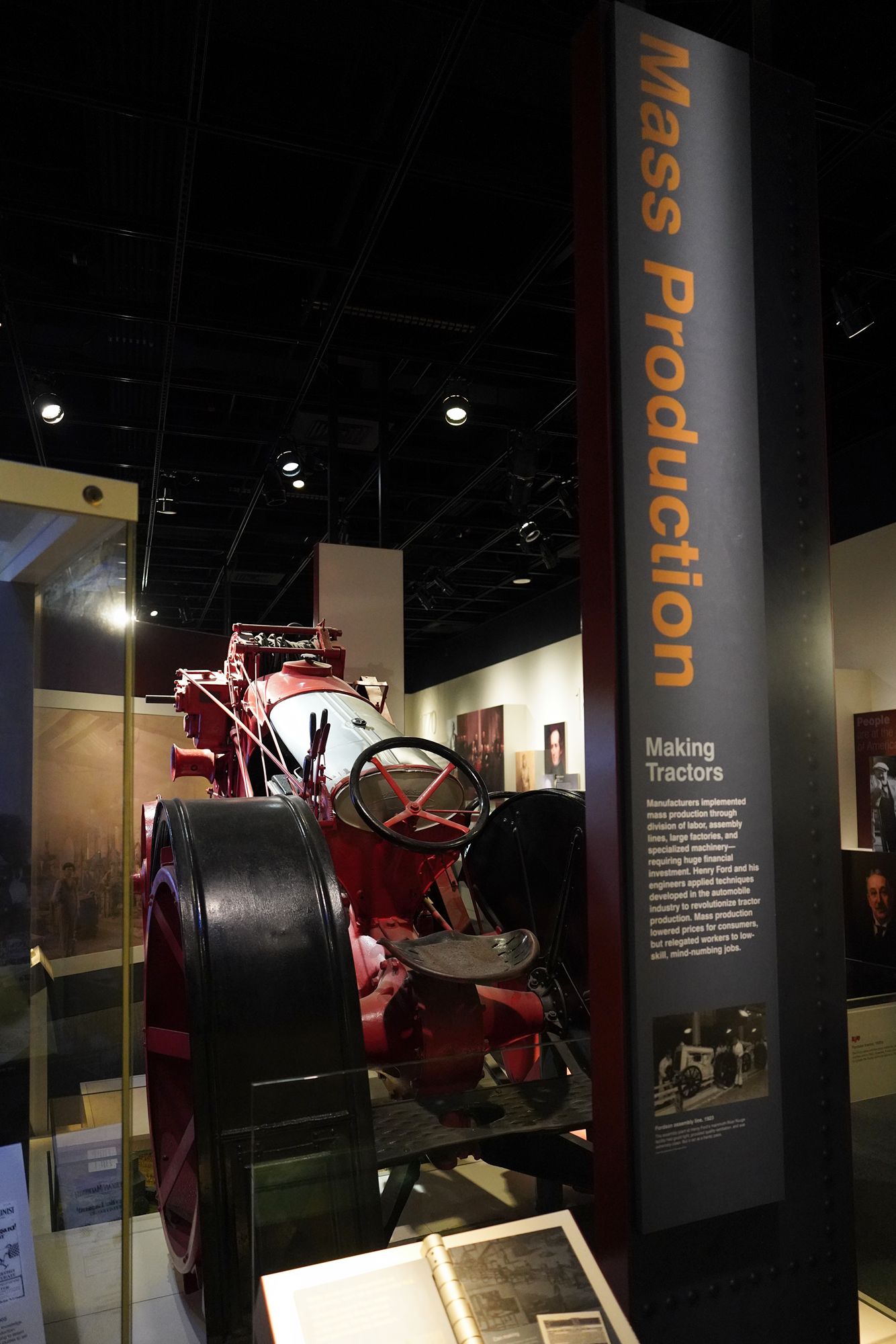
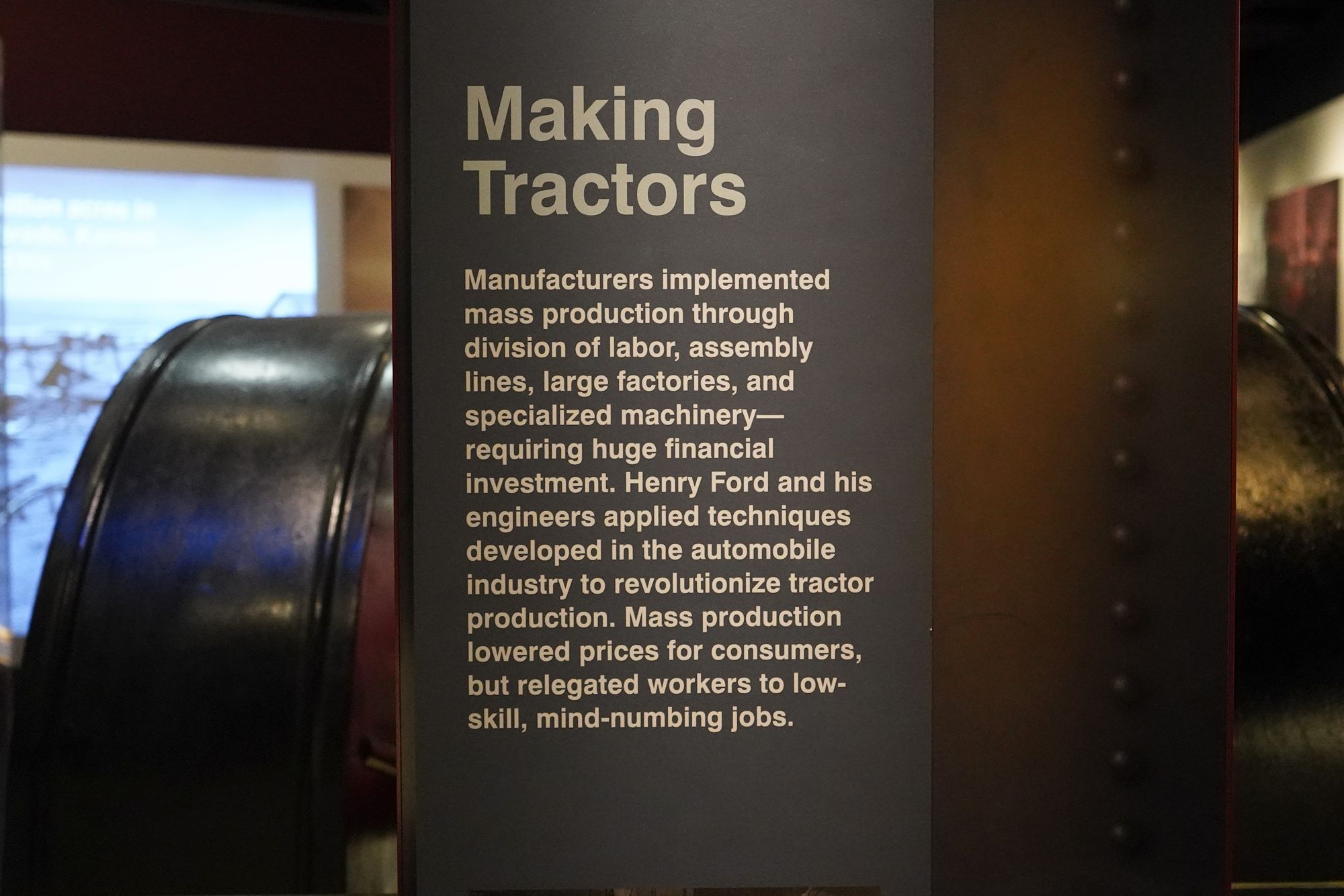
Mass production is the system of making large quantities of identical products quickly and cheaply using machines, assembly lines, and specialized workers. This method became widespread in the early 1900s and made everyday goods—like cars, appliances, and clothing—more affordable and widely available.
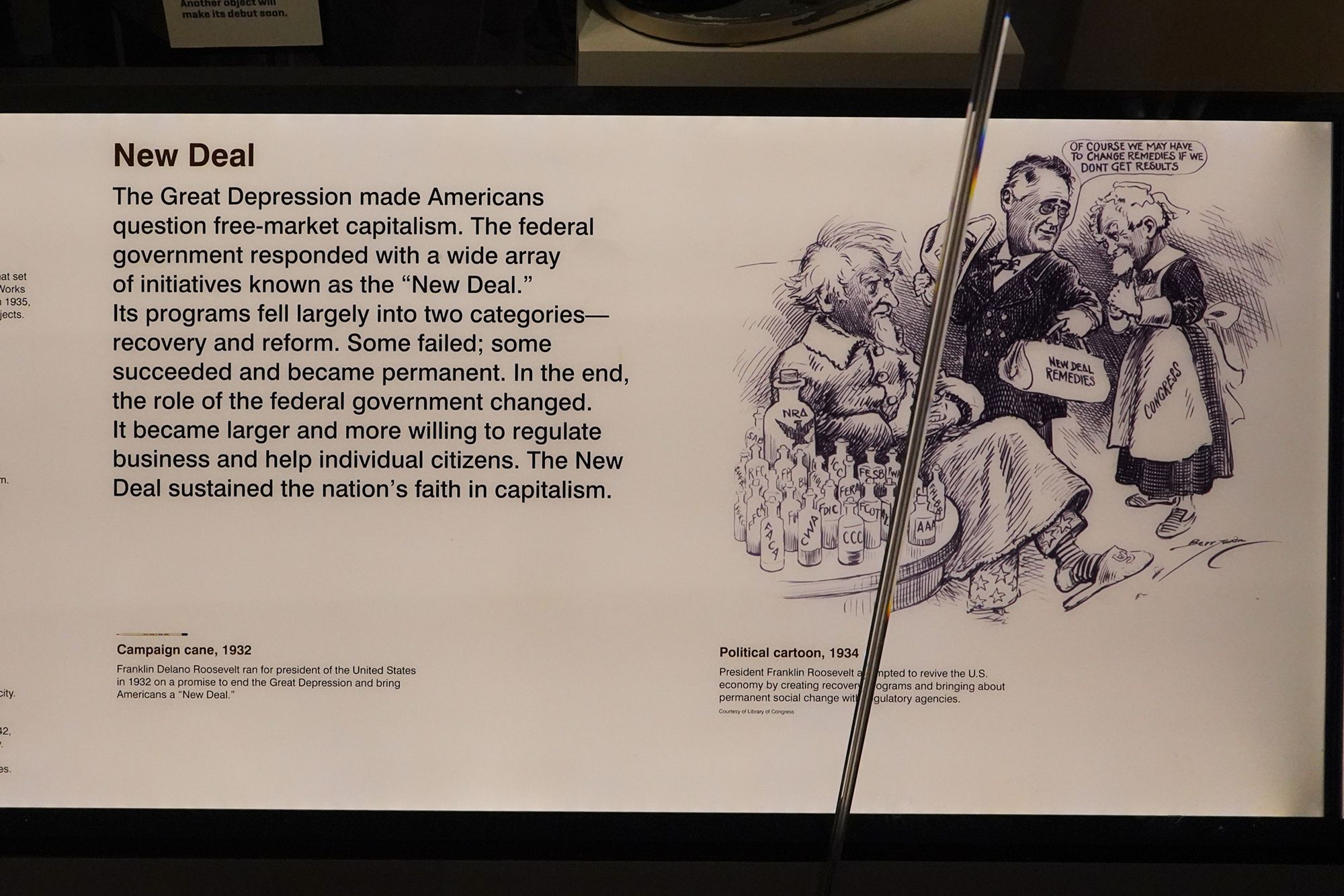
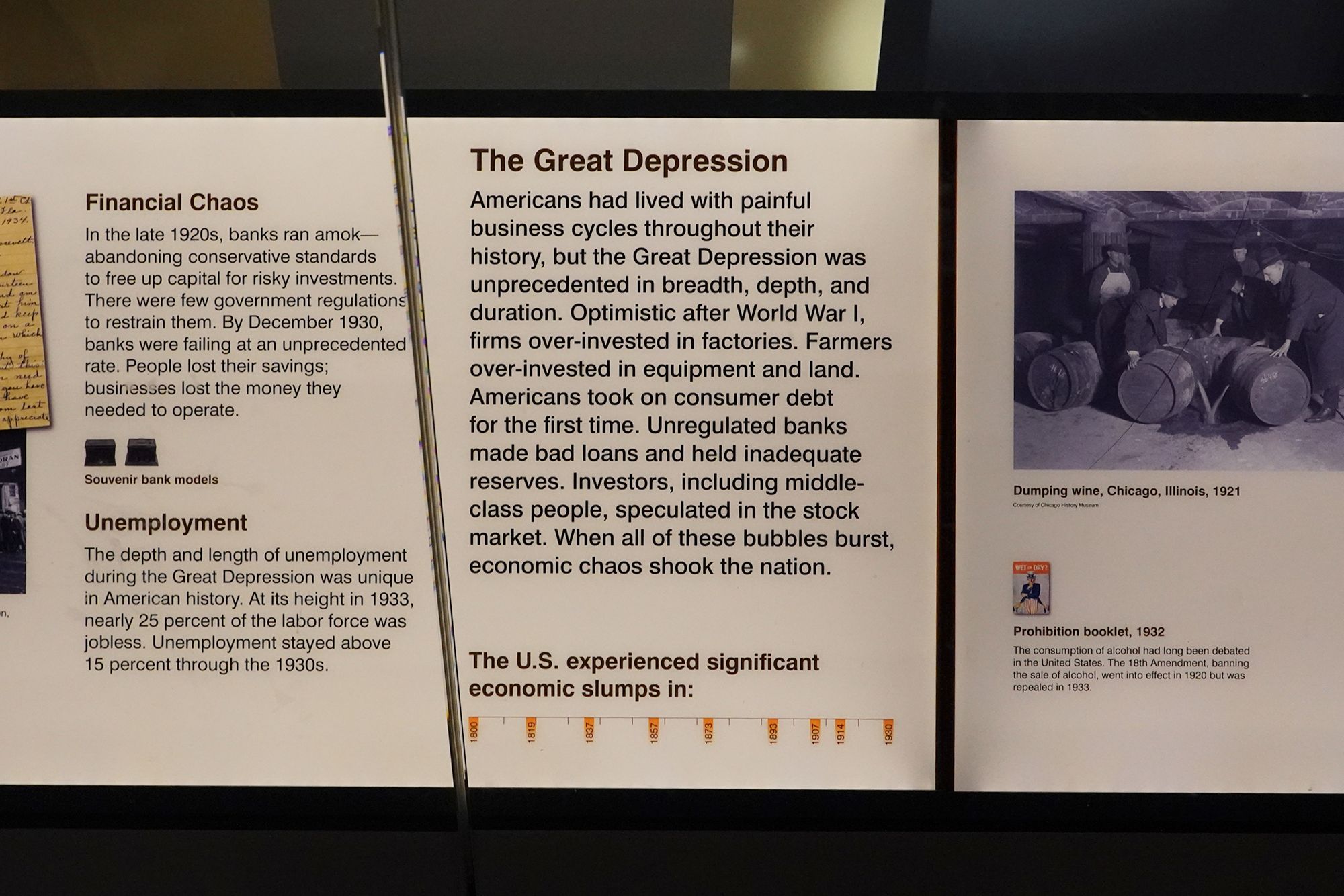
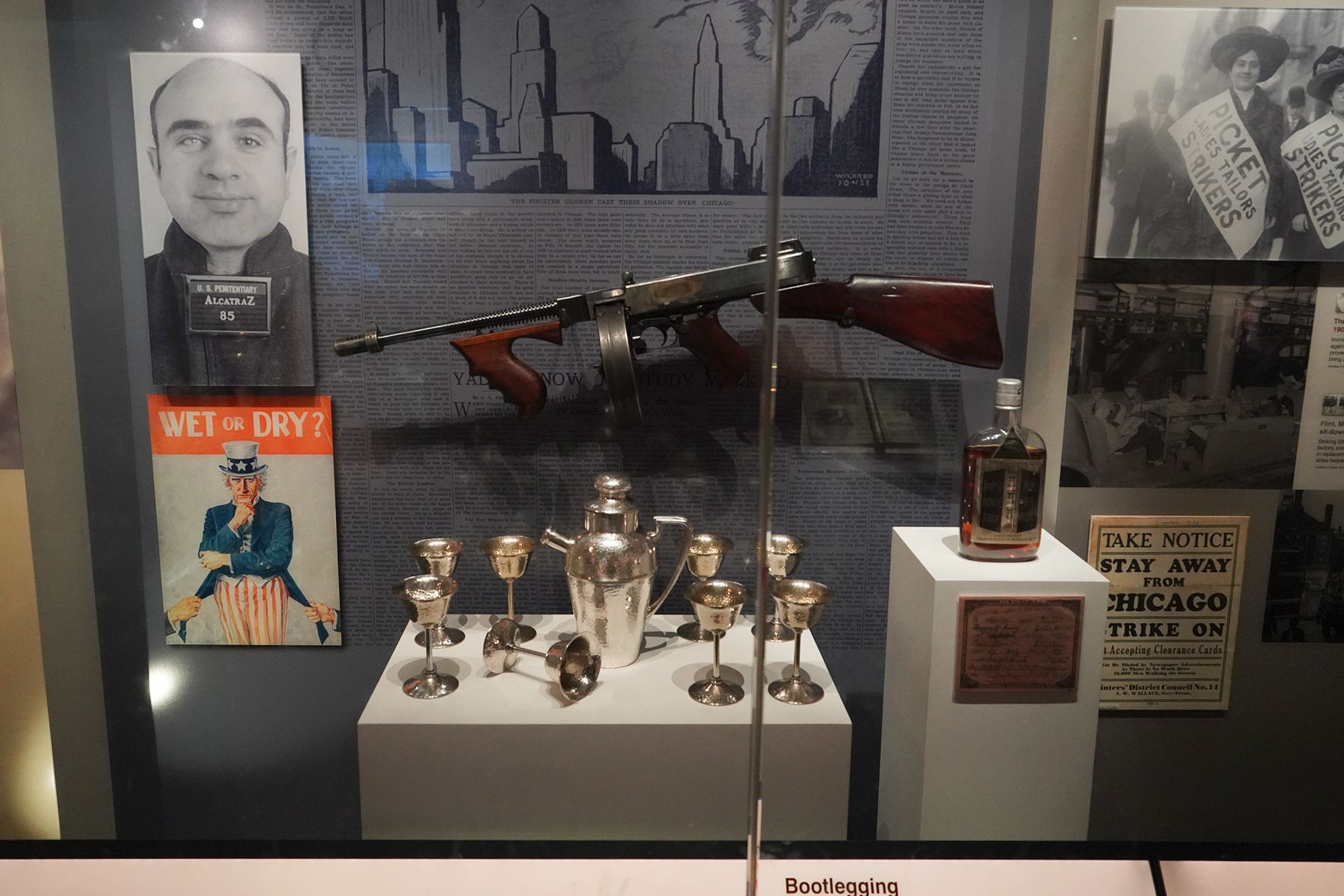
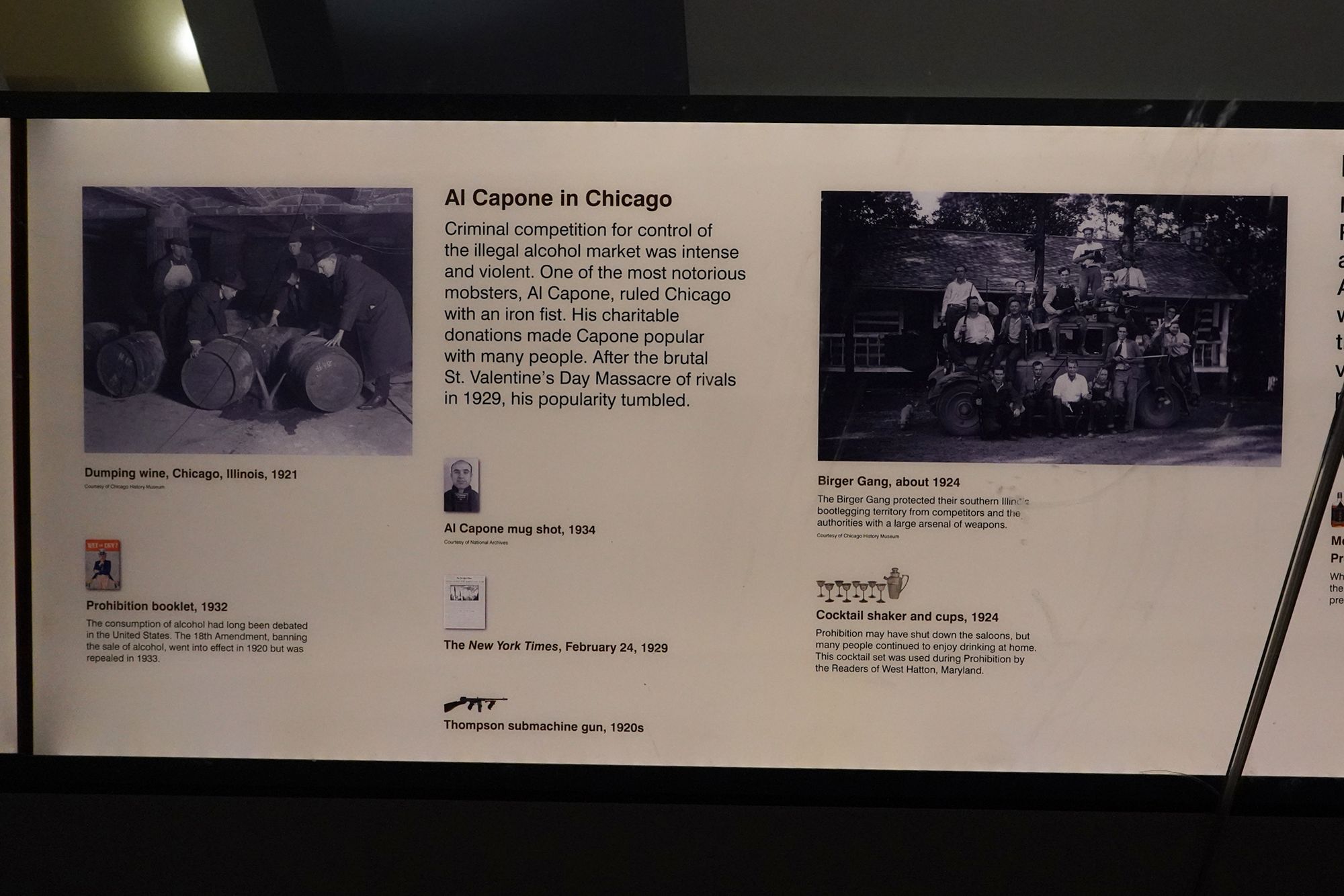
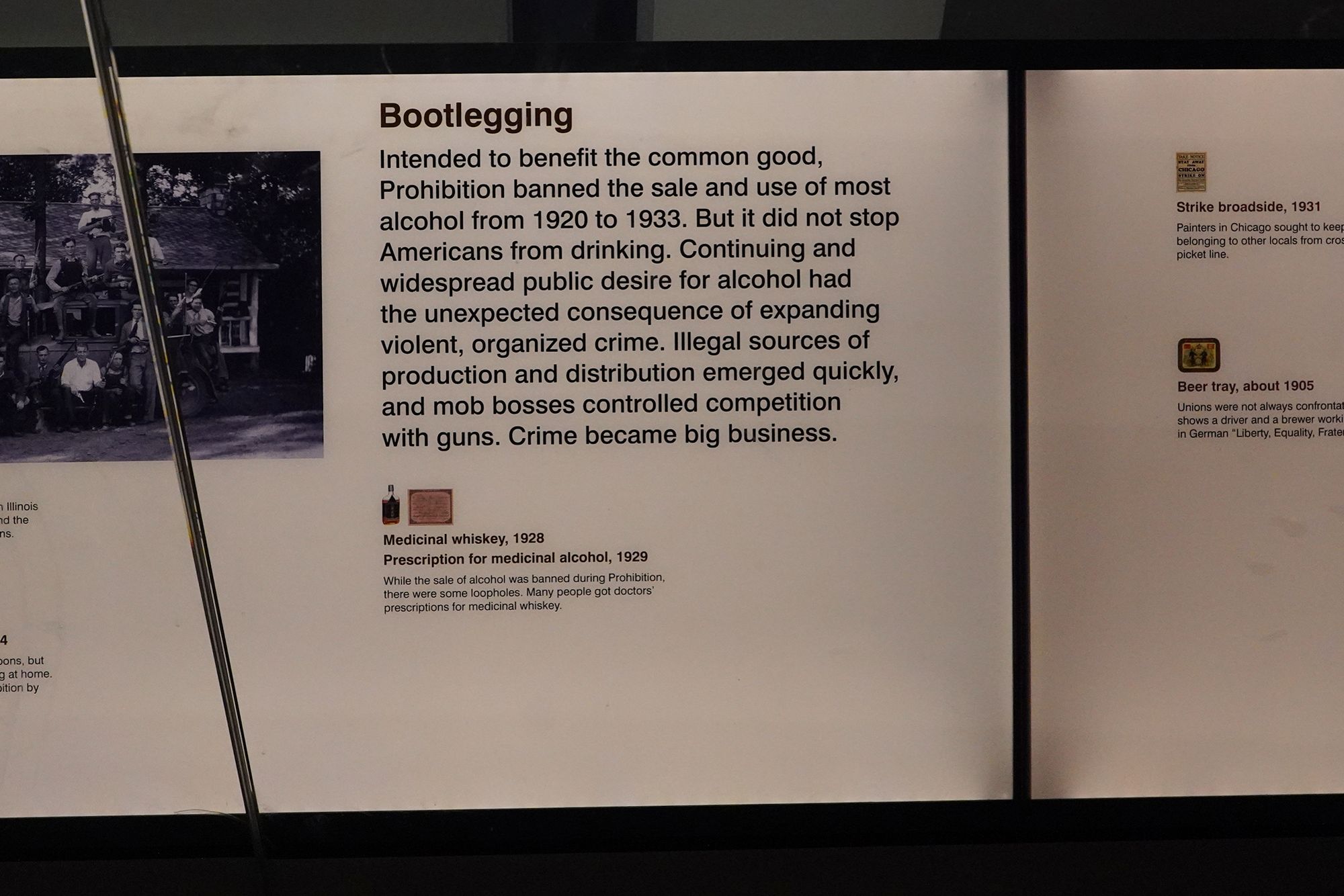
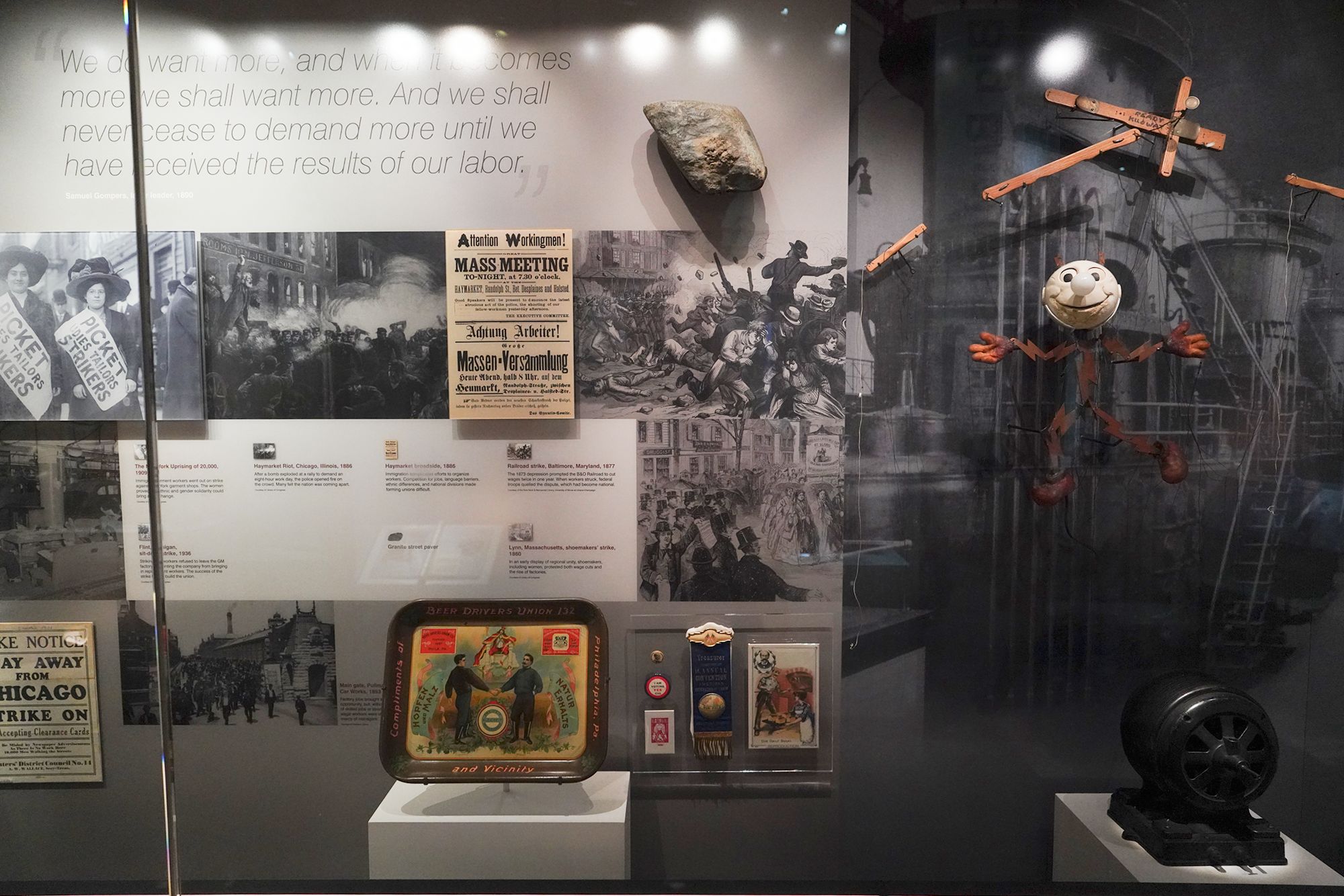
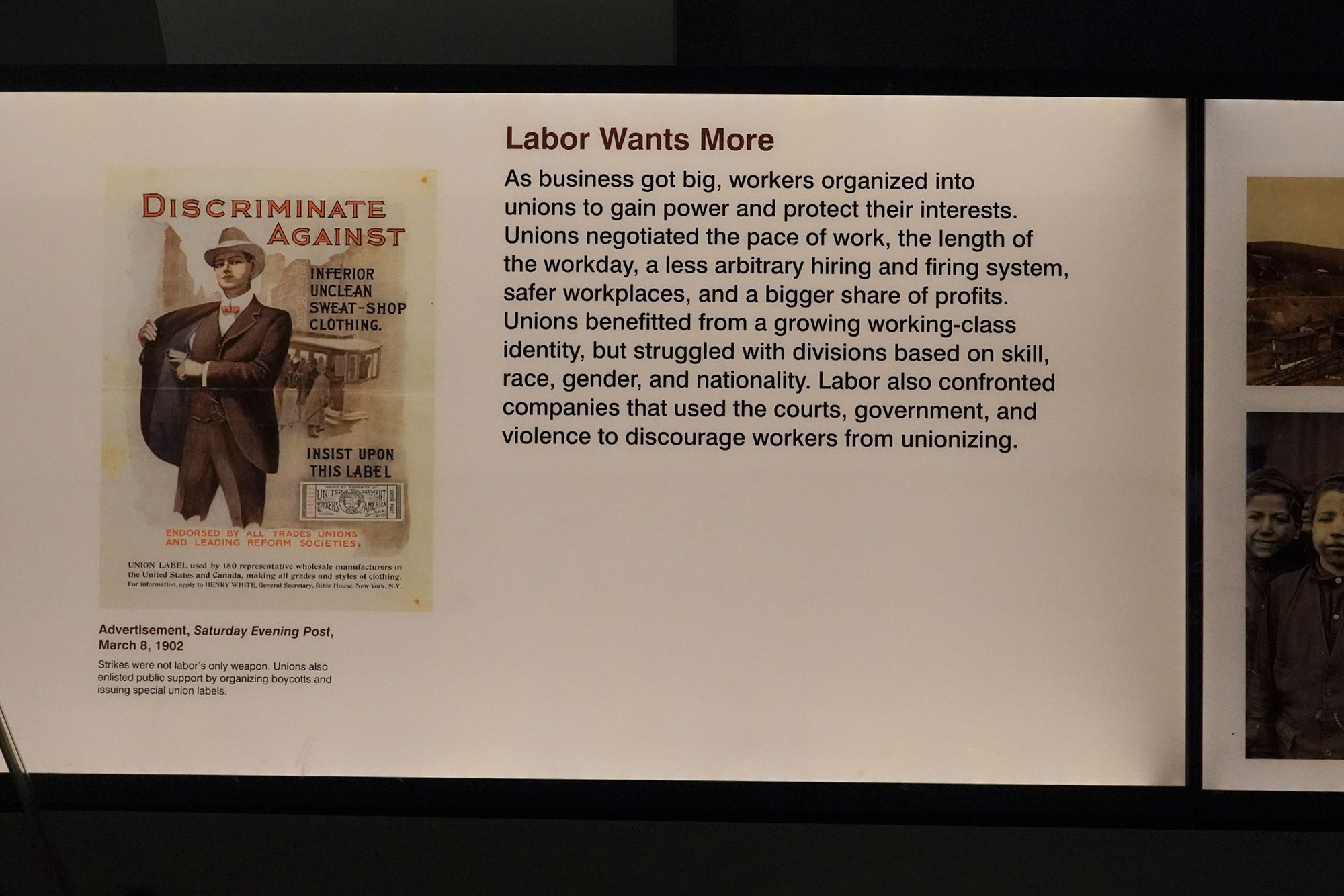
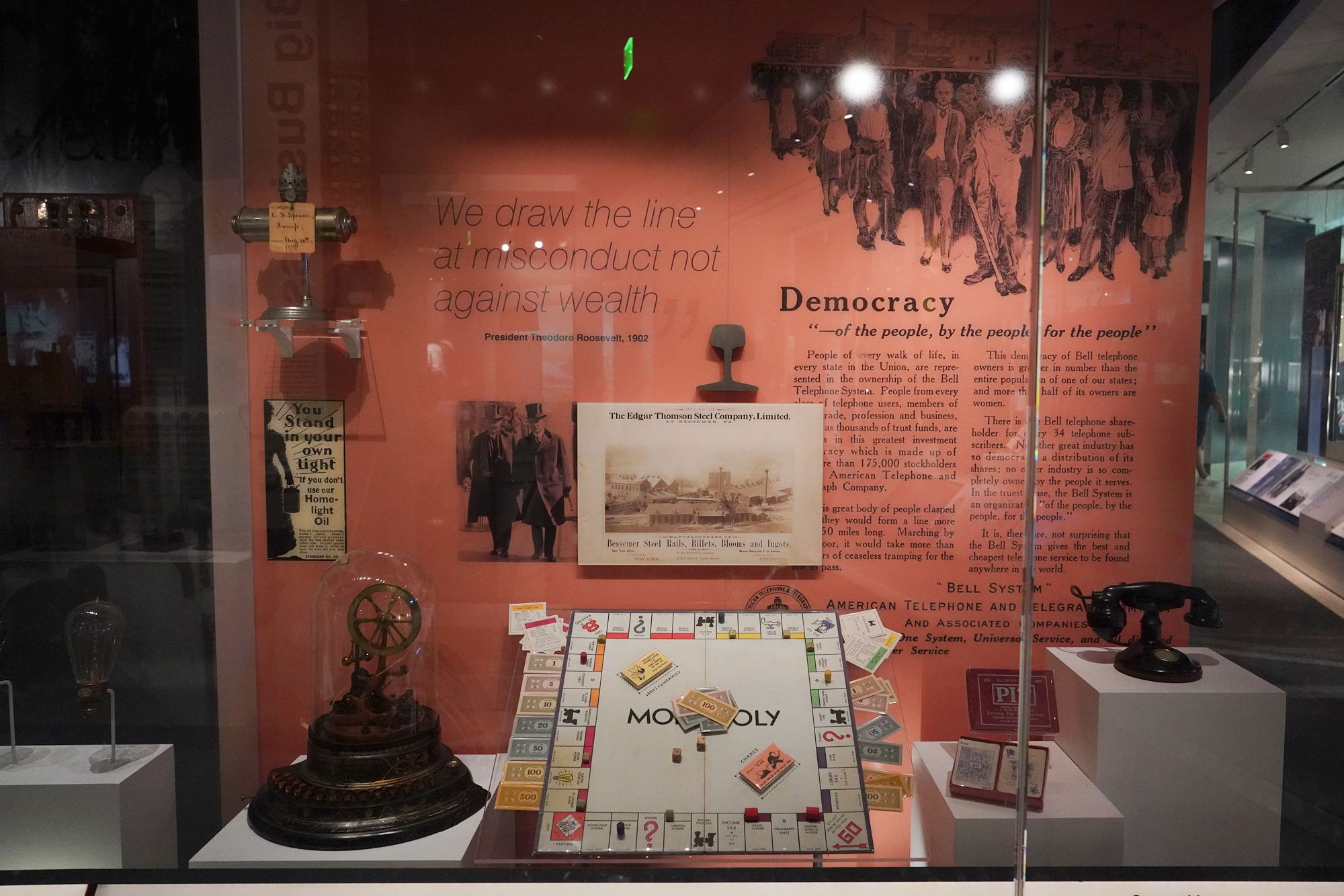
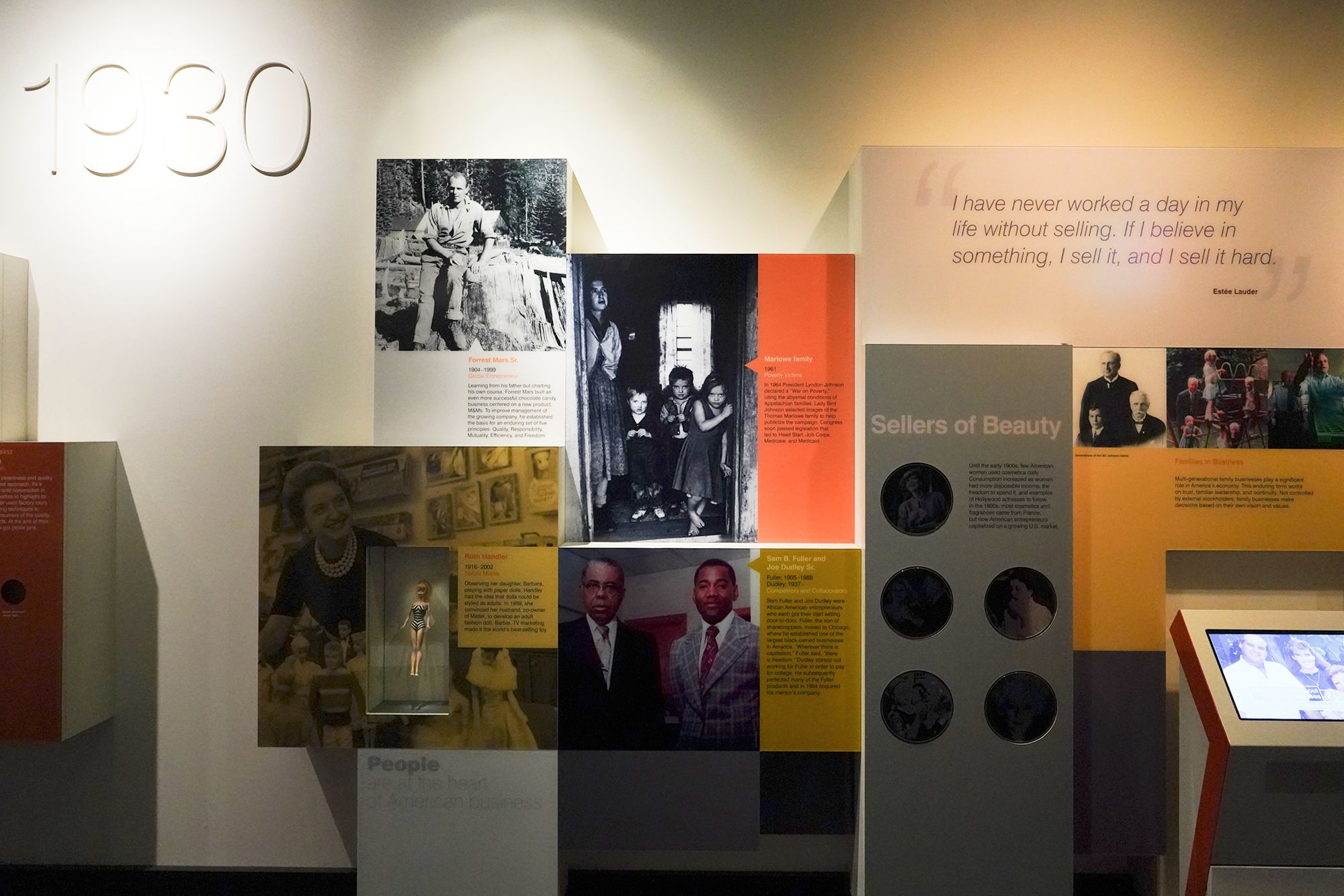
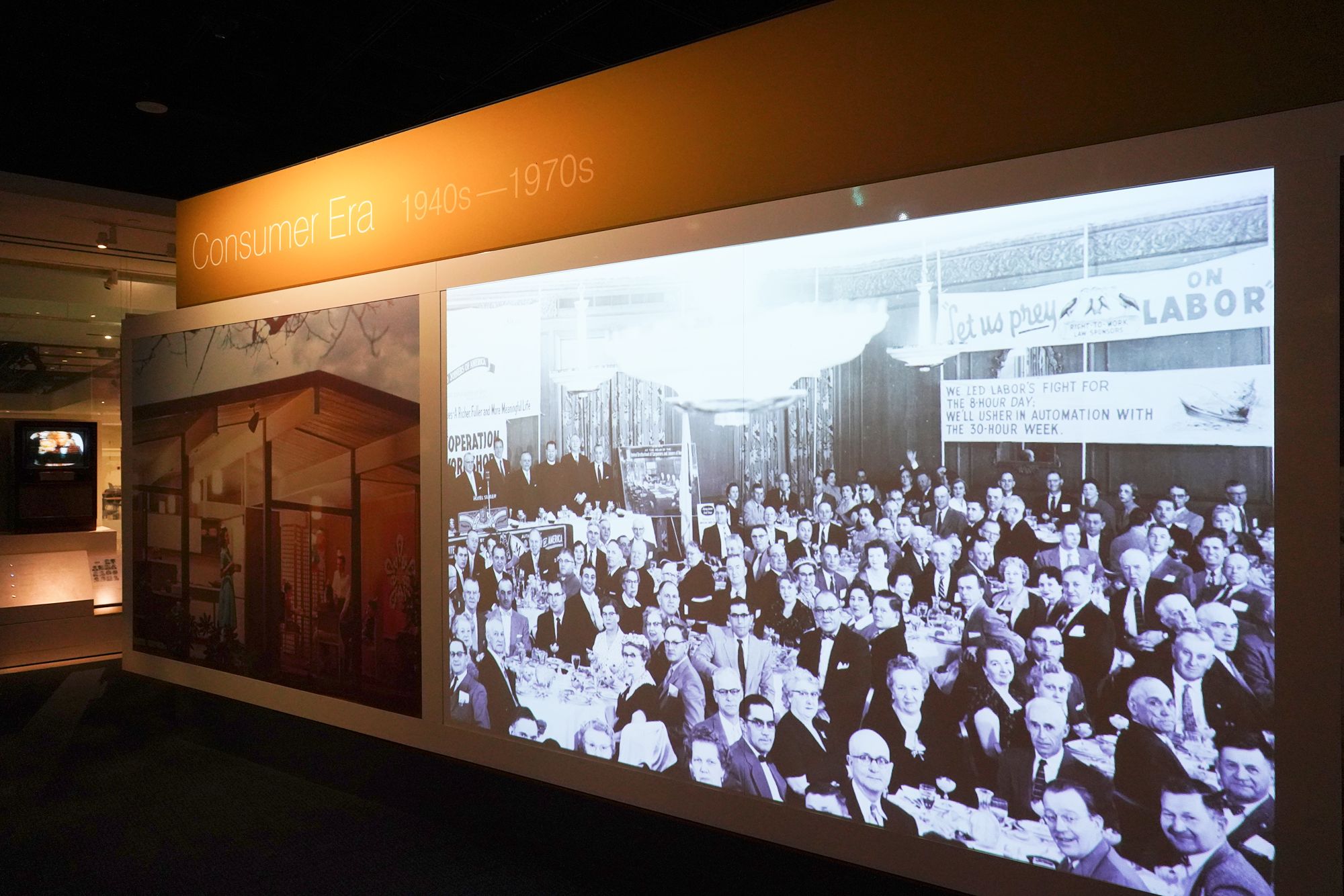
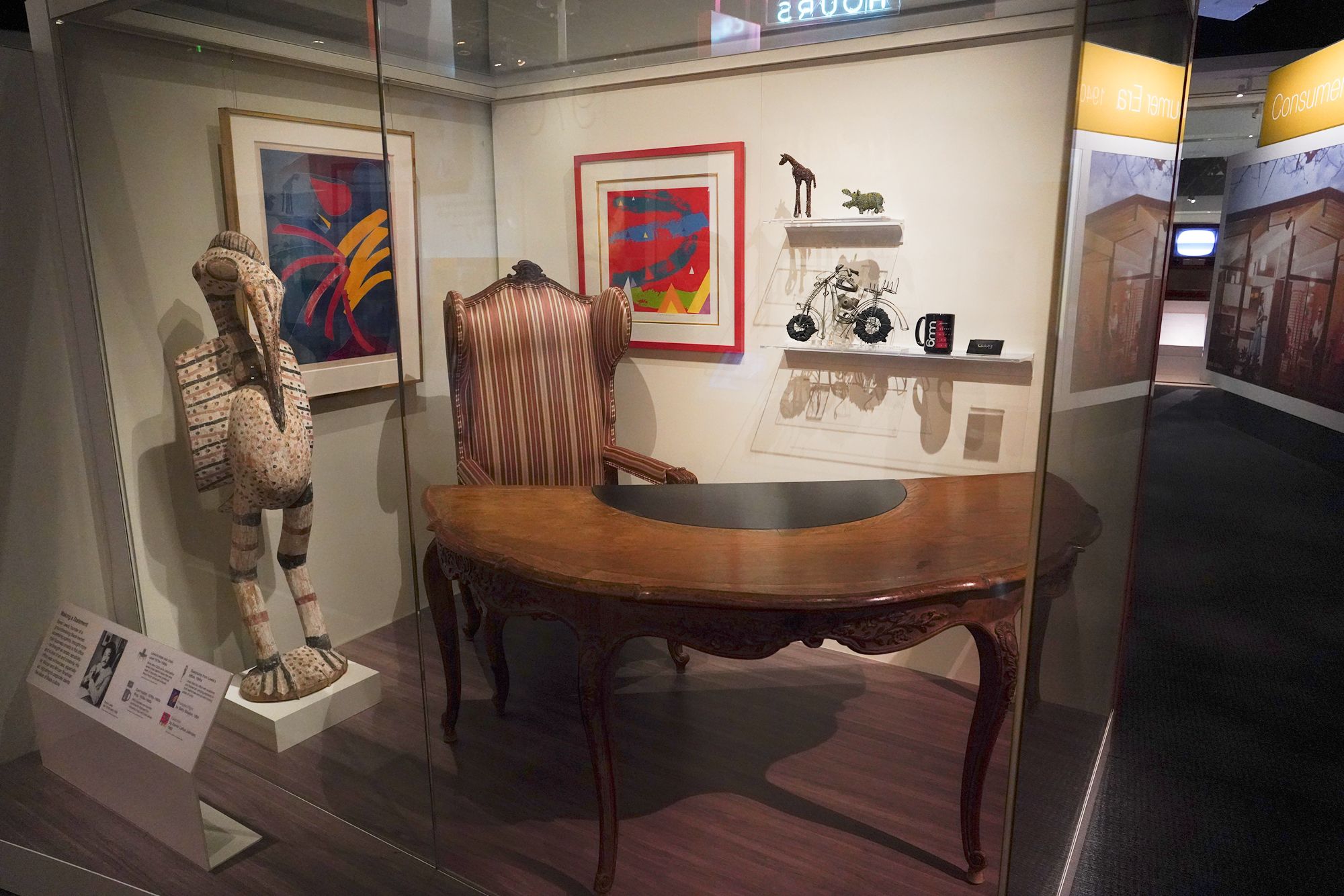
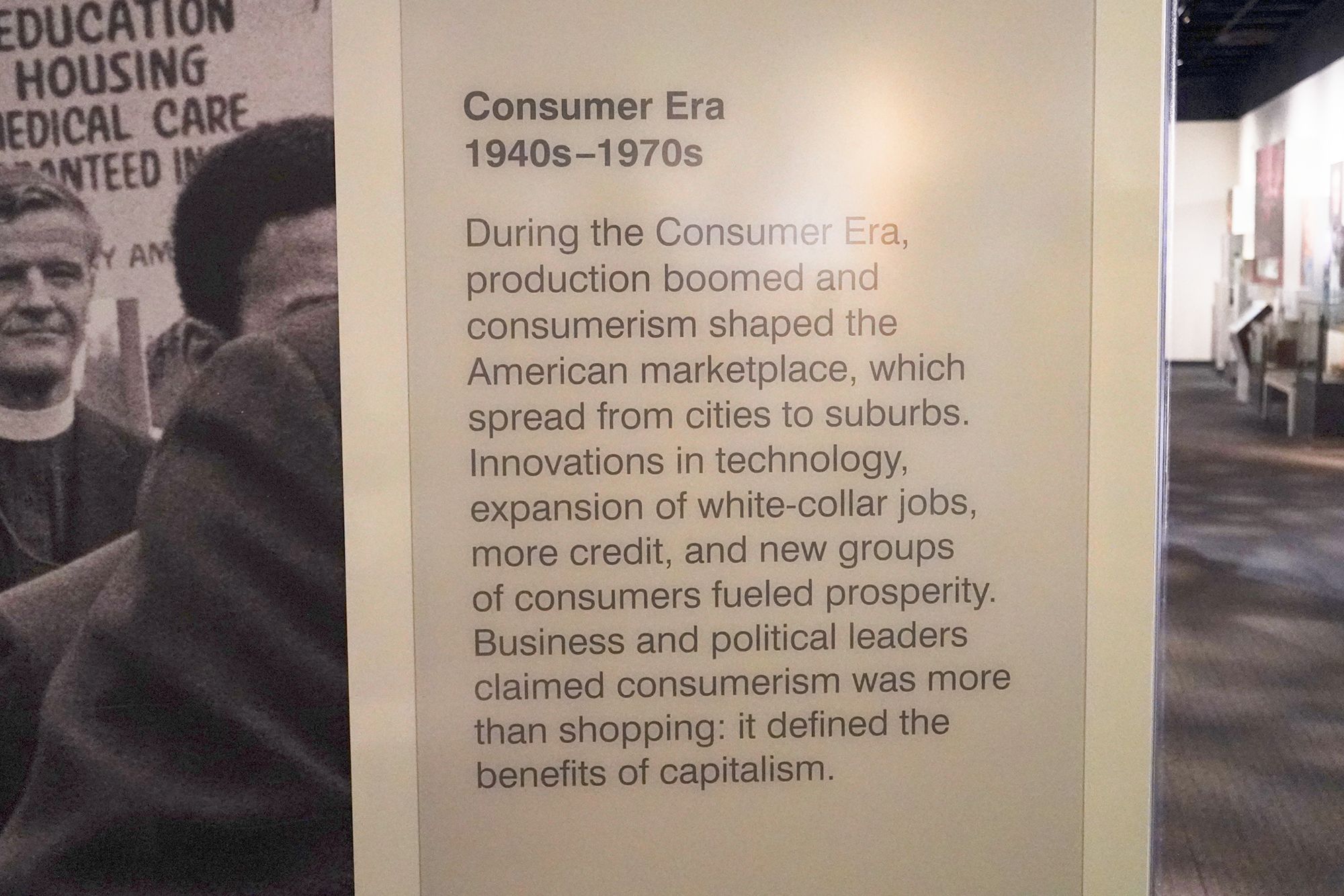
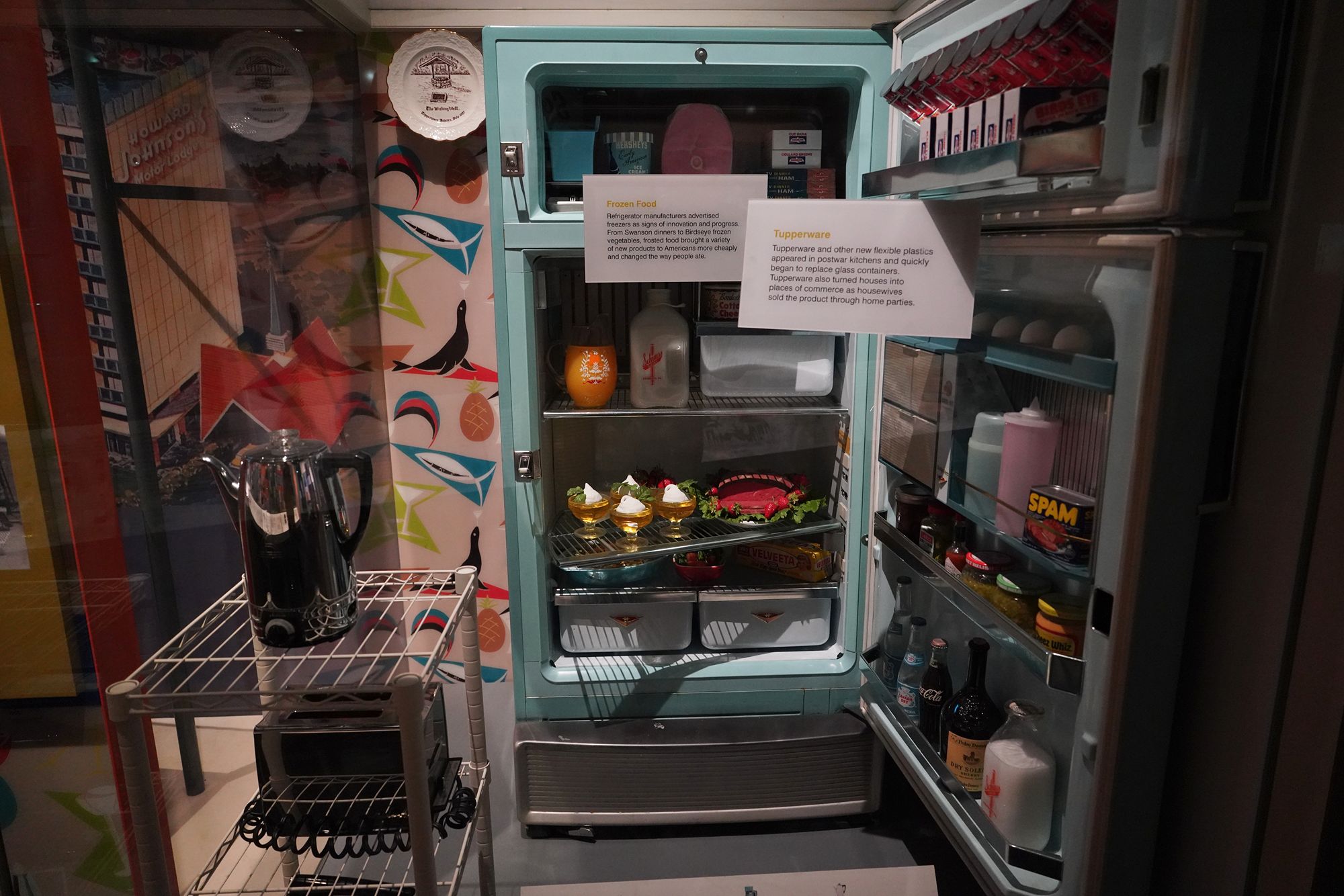
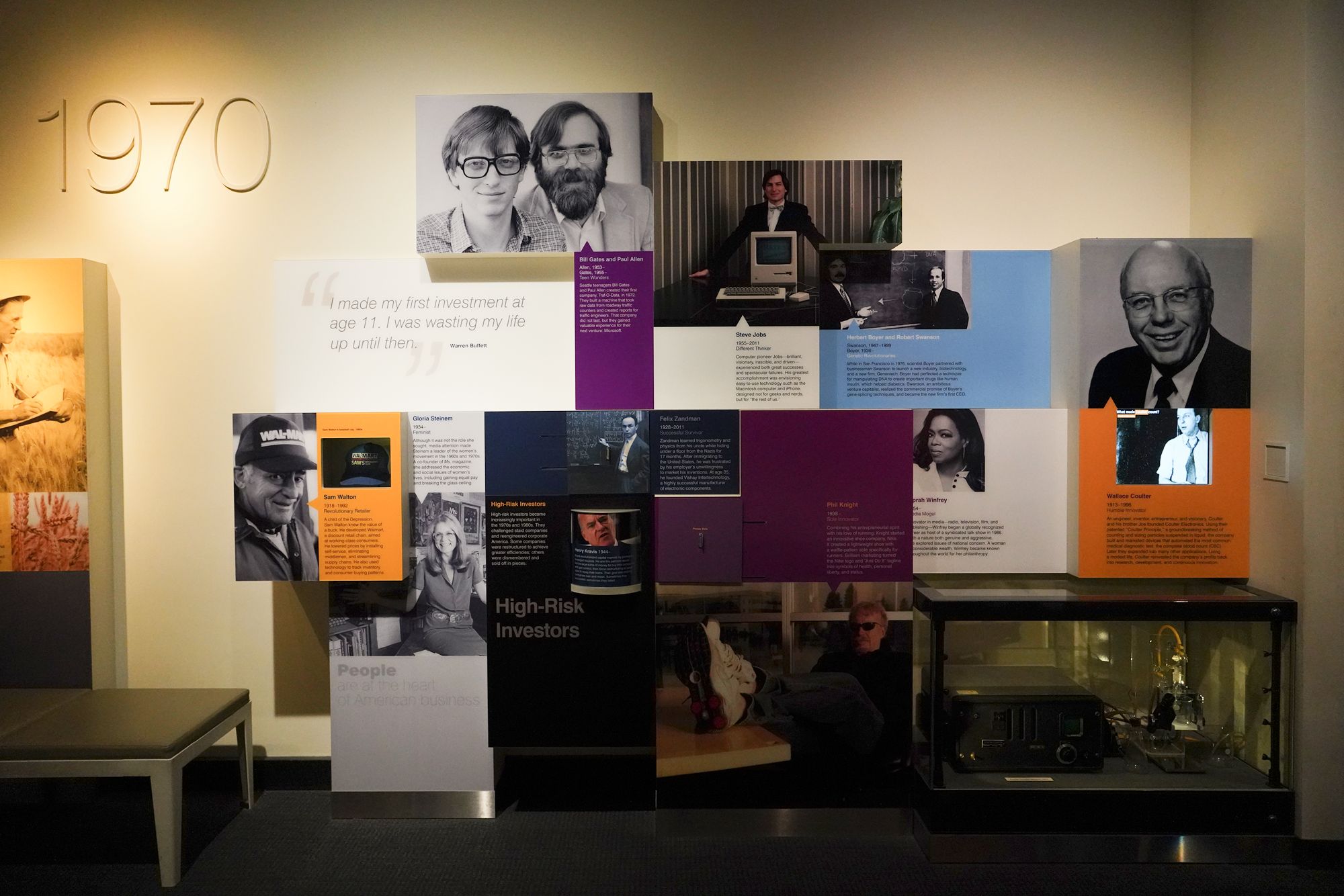
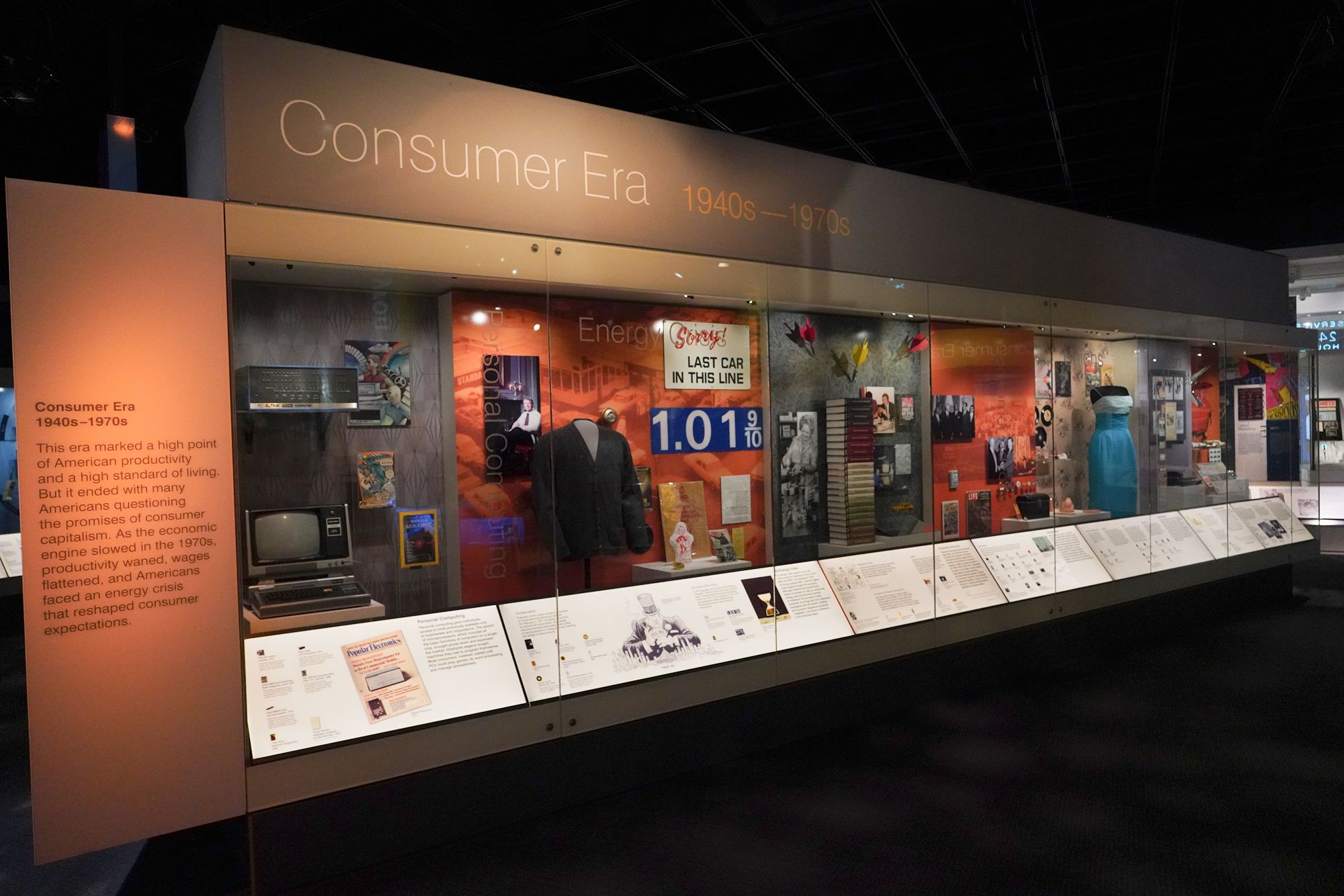
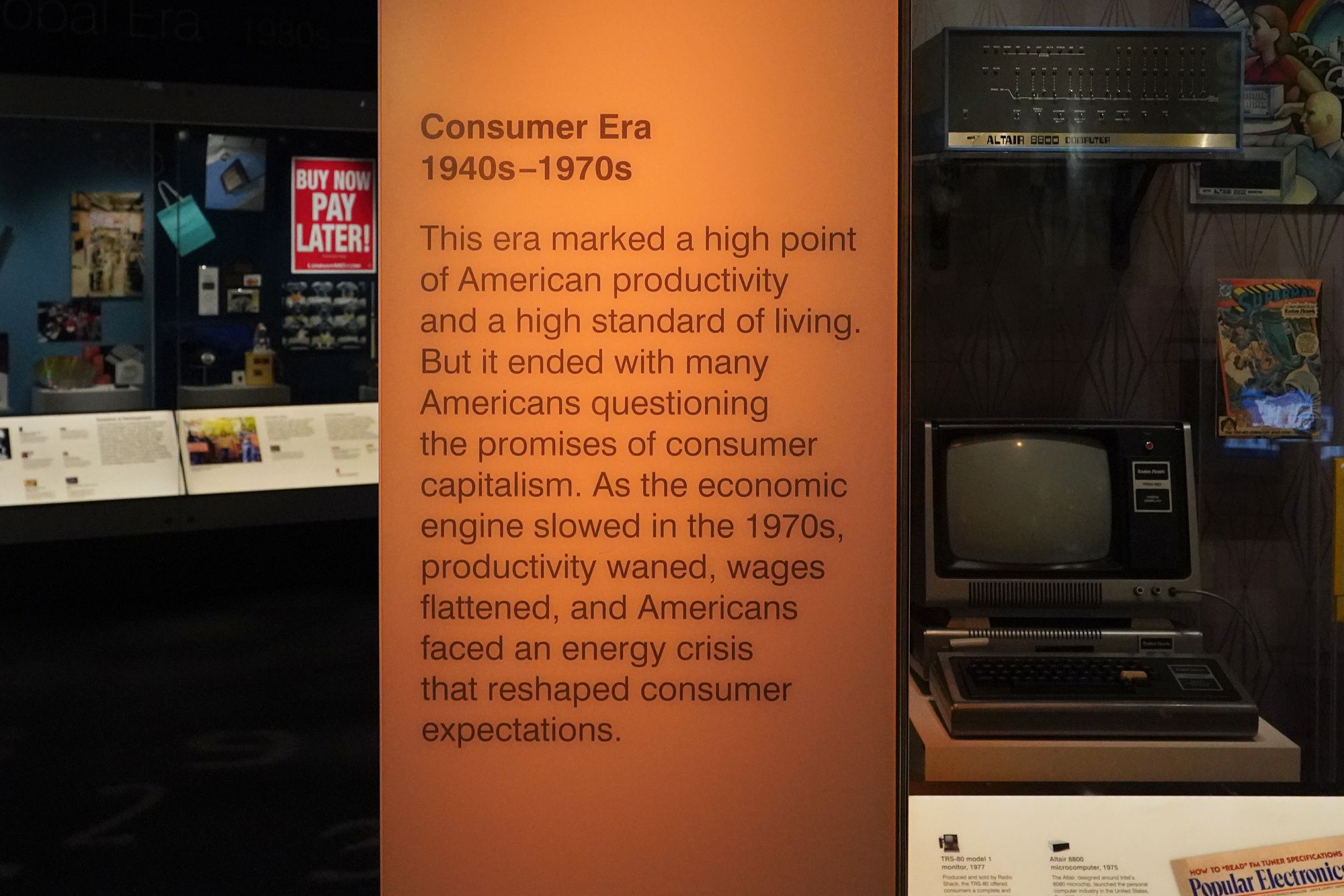
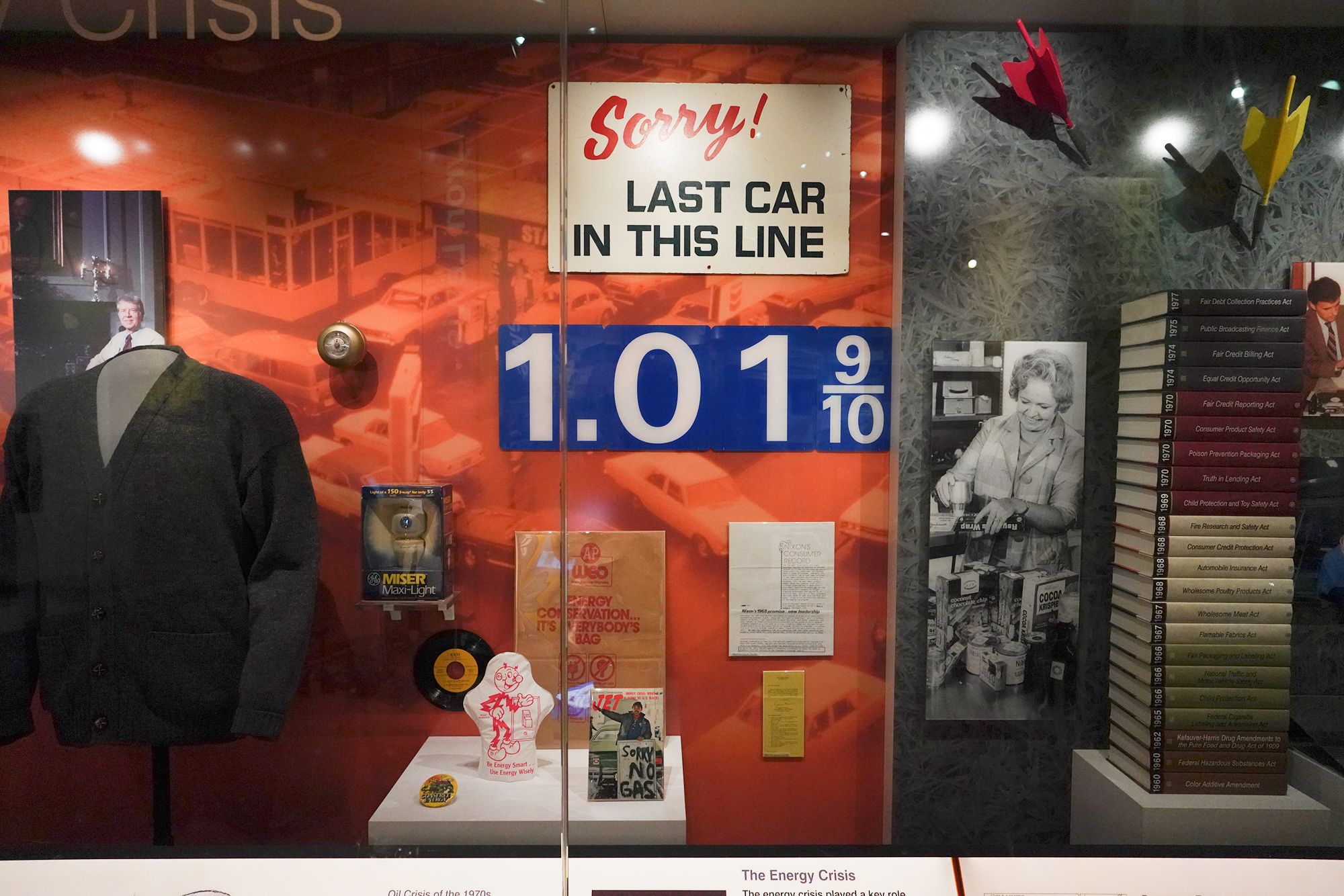
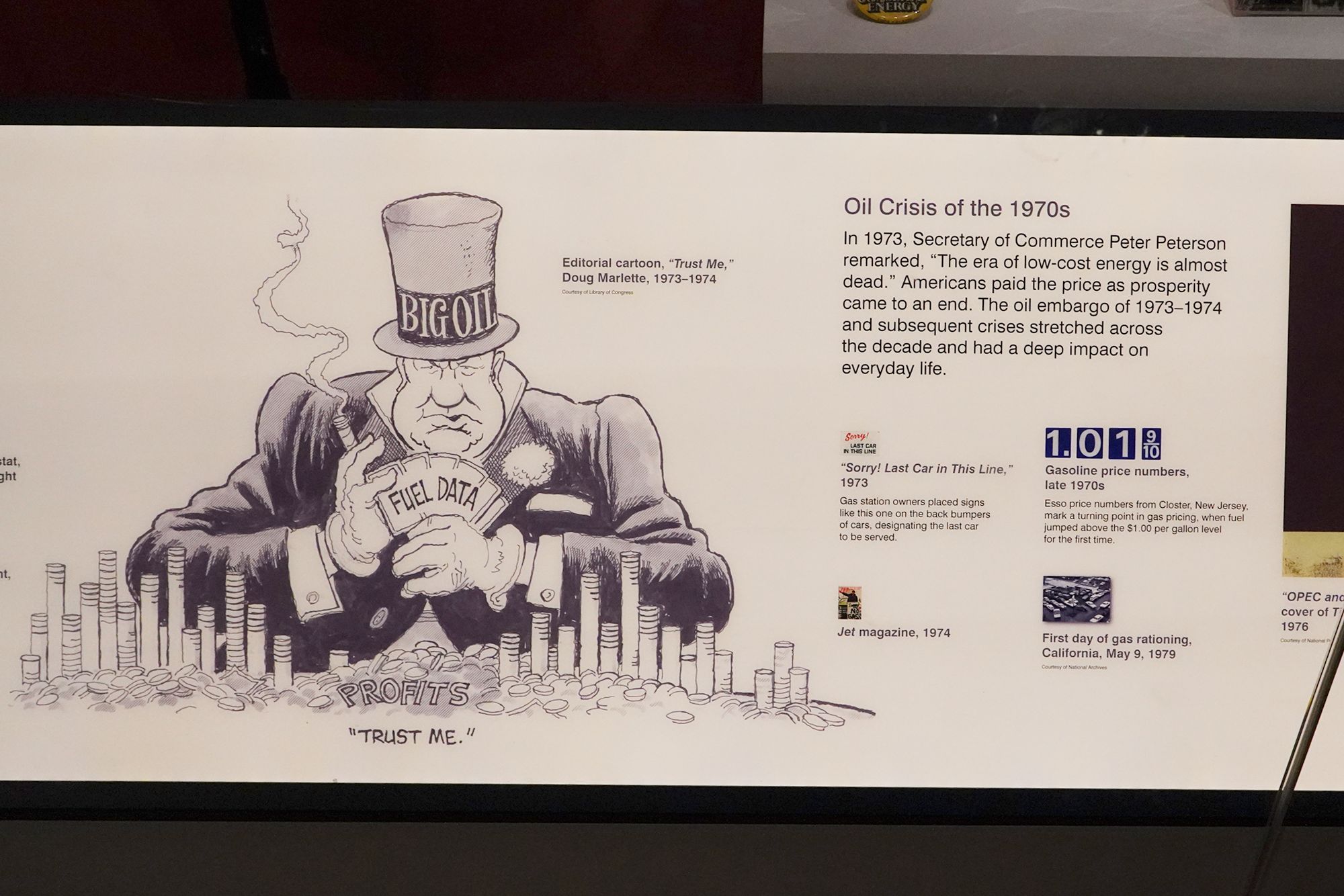
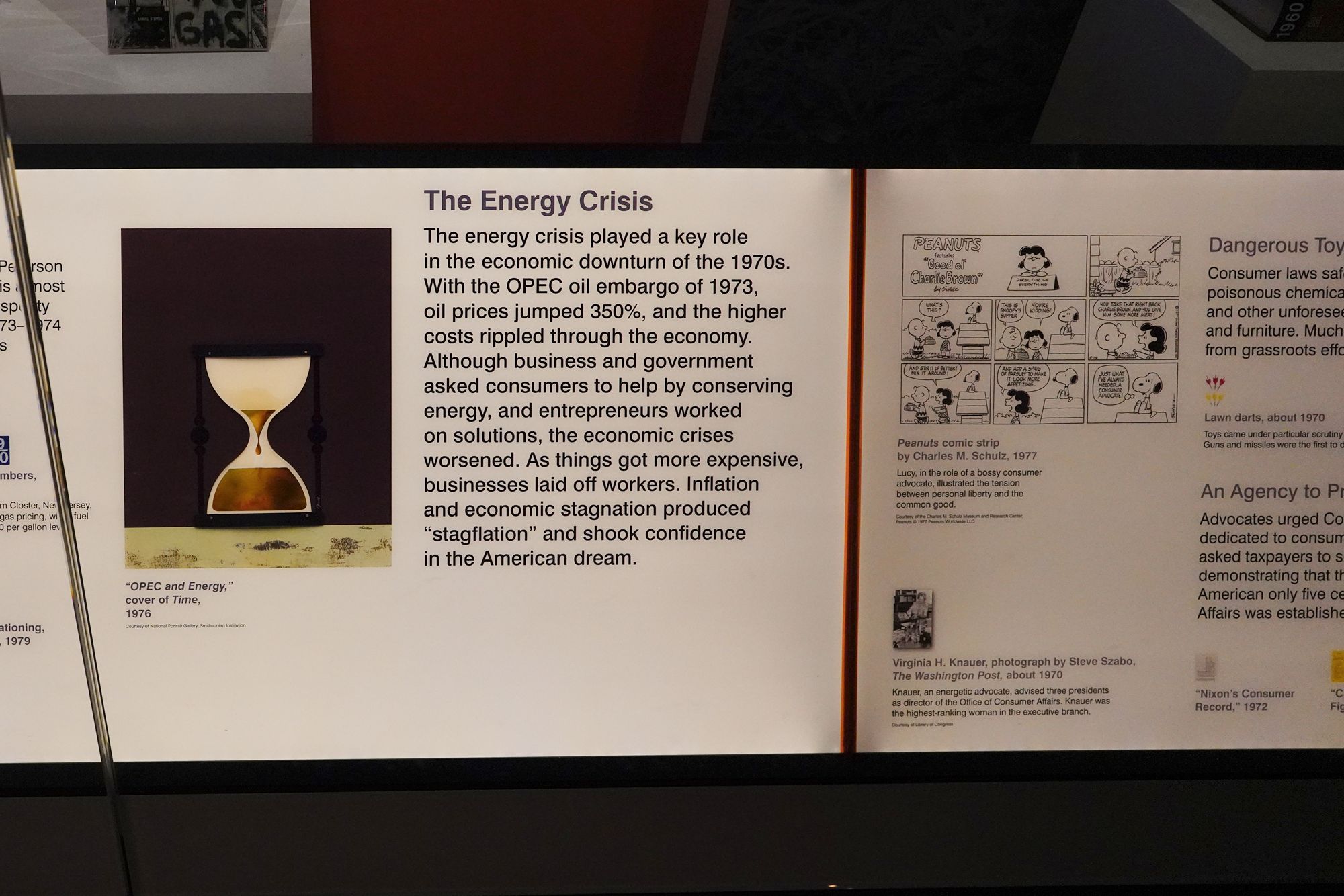
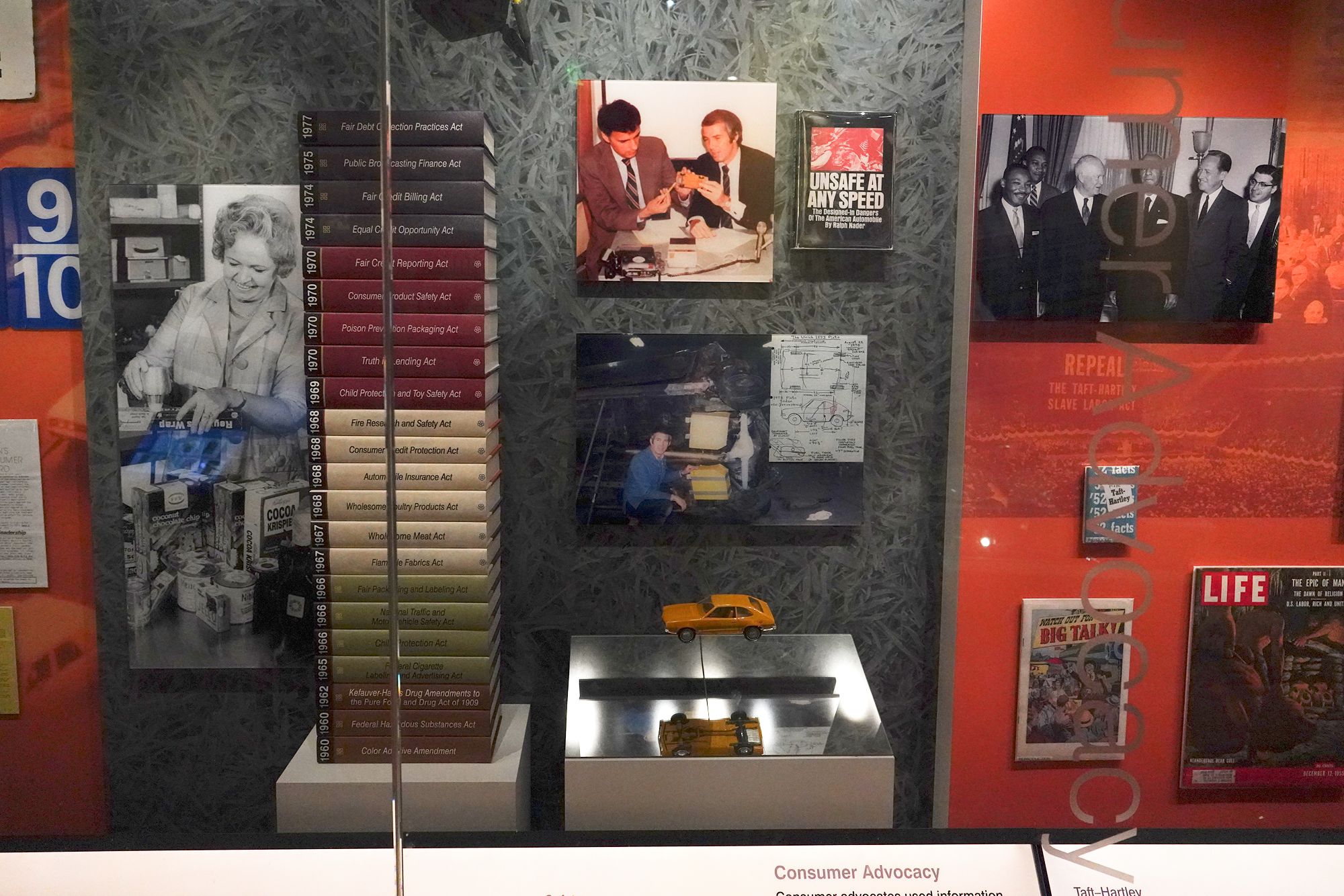
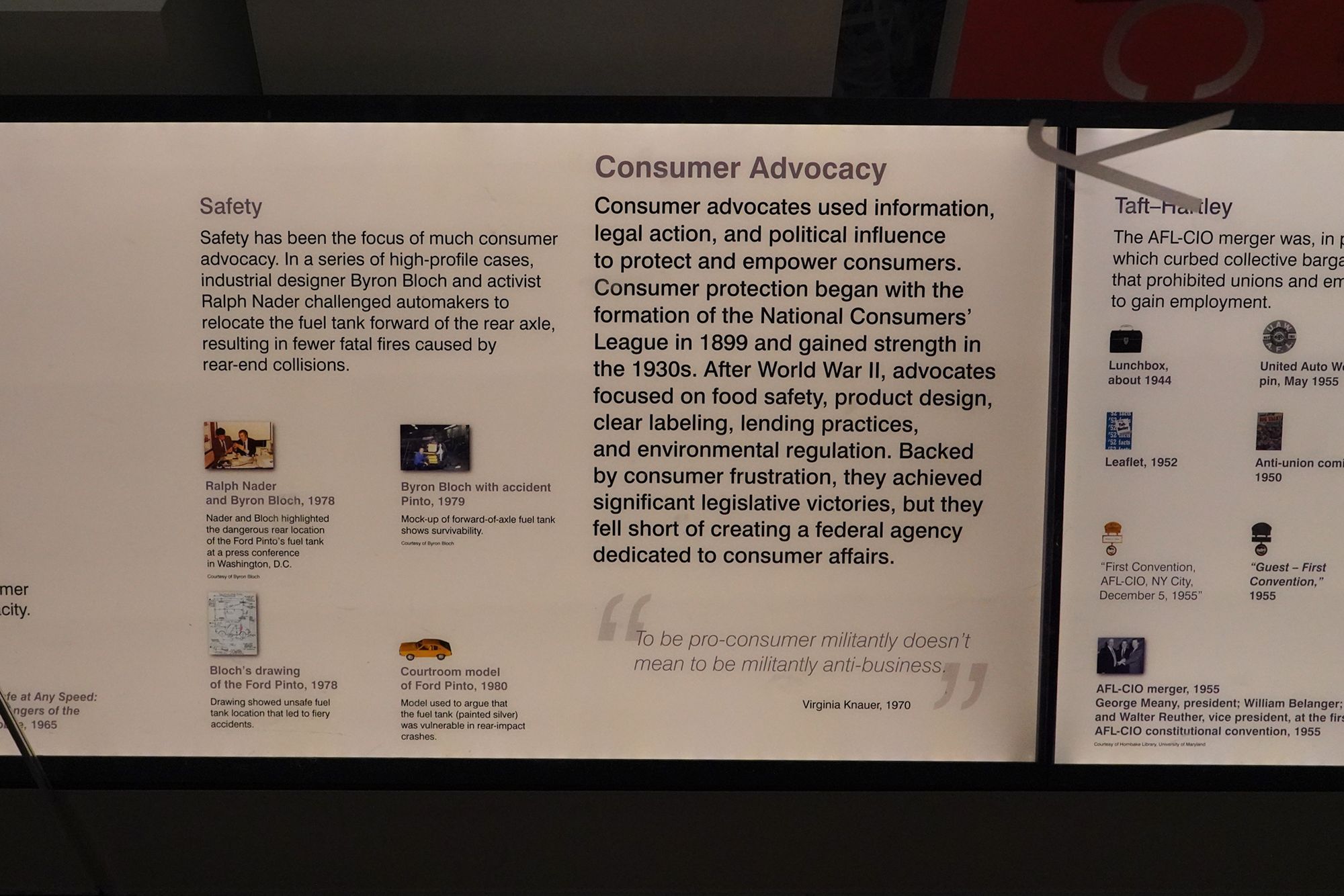
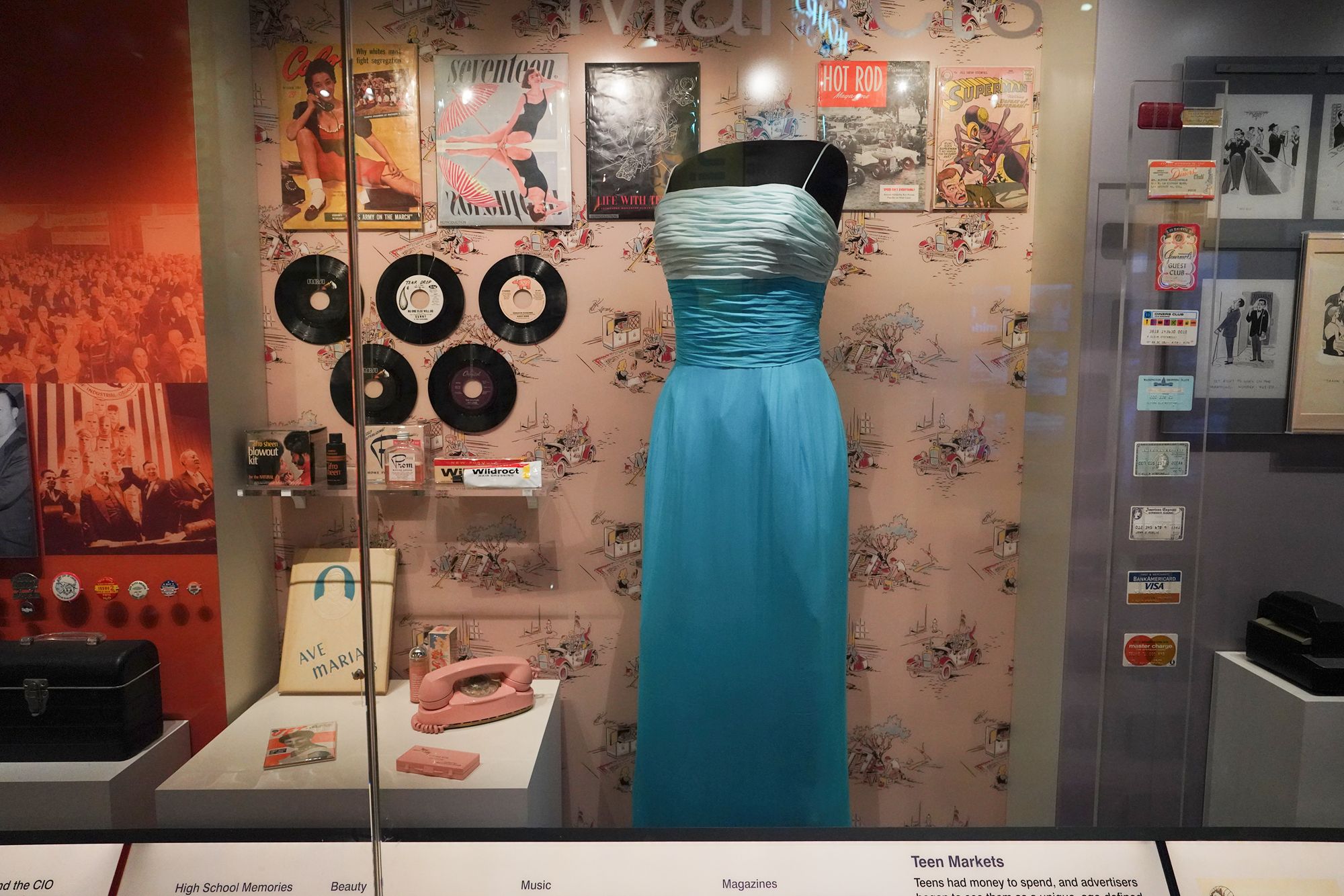
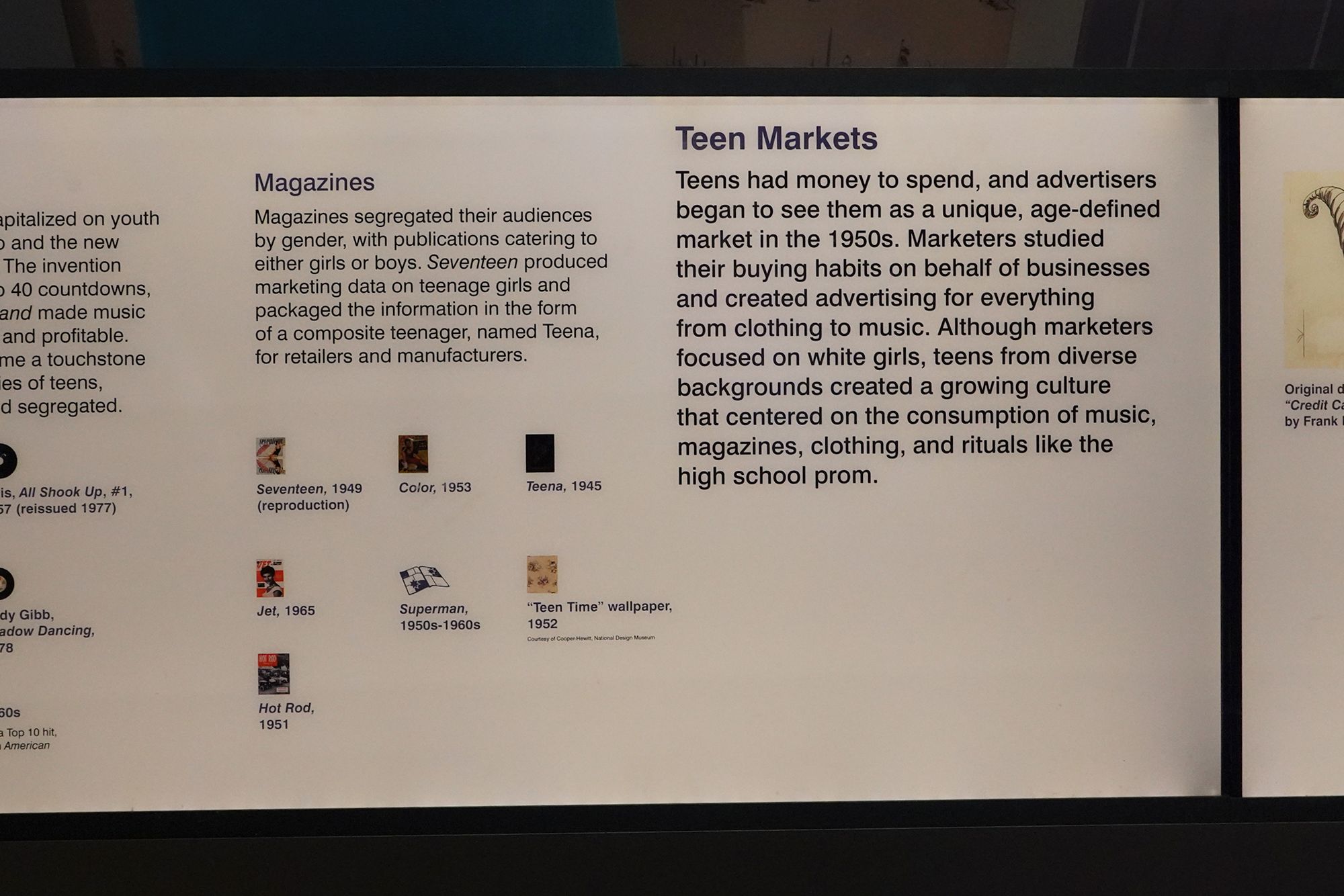
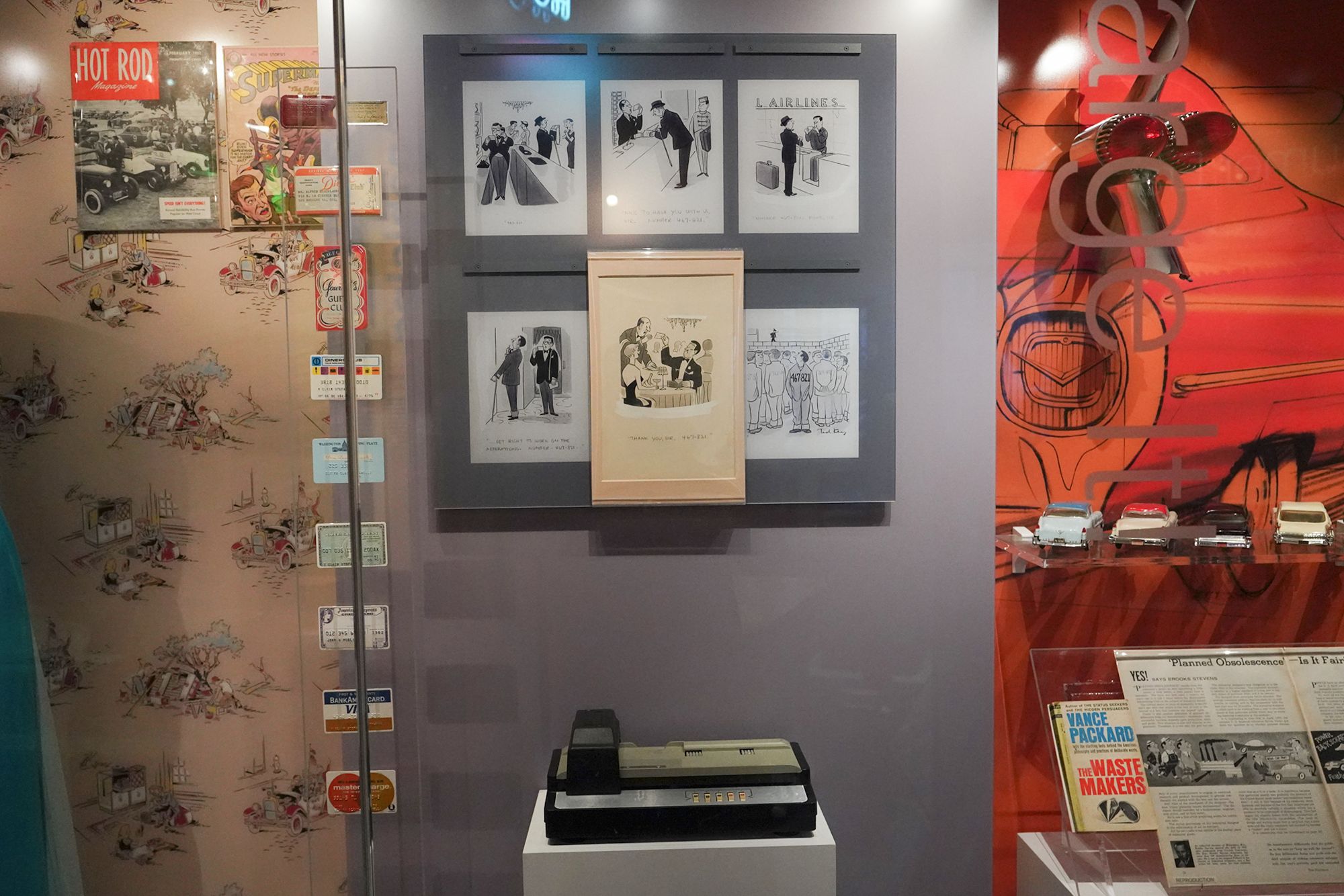
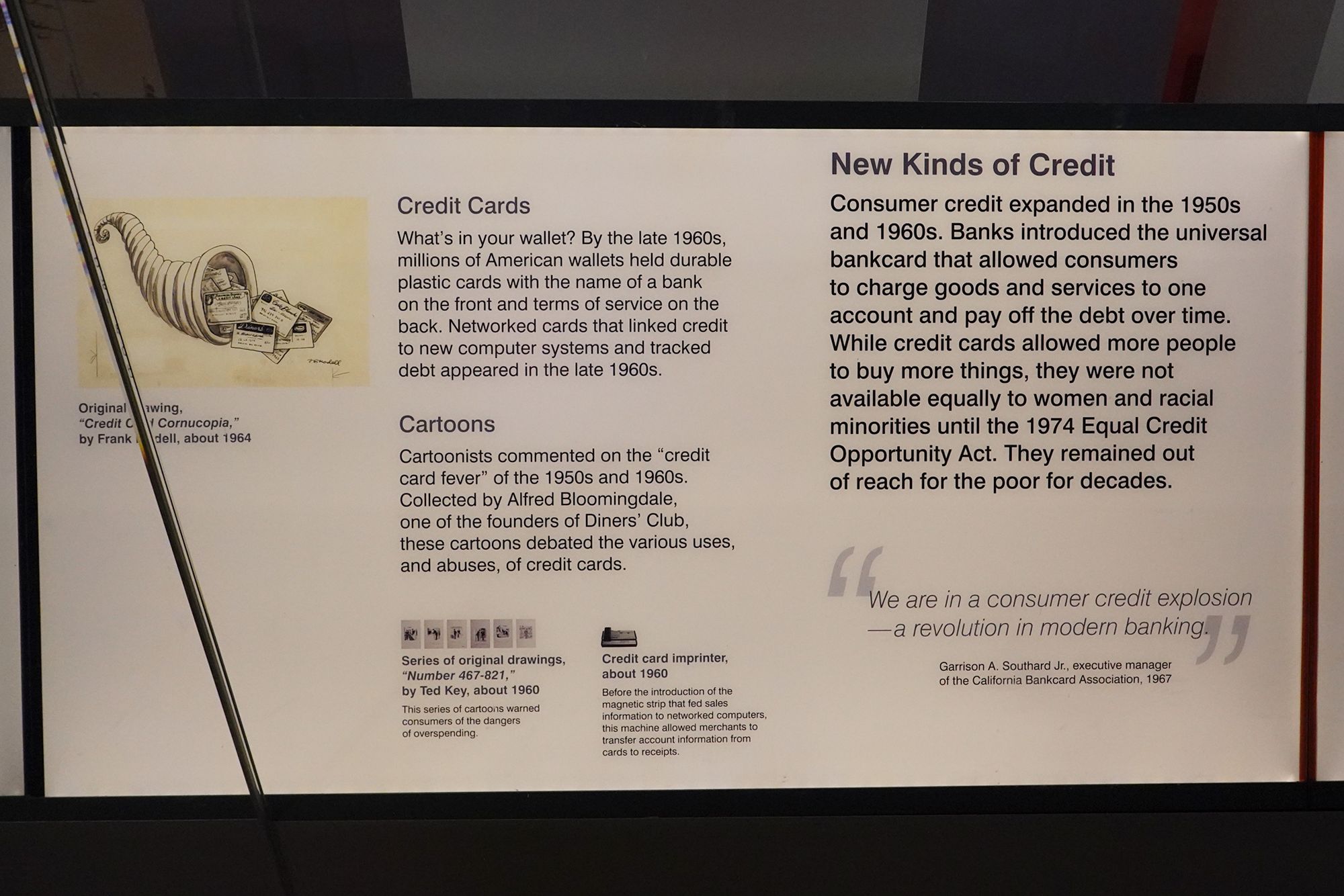
The Consumer Era was a time when buying goods became a central part of American life. After World War II, rising incomes, mass production, and suburban growth led families to purchase cars, appliances, televisions, and many new products. Advertising, supermarkets, shopping malls, and credit cards all expanded, creating a culture focused on convenience, comfort, and modern living.
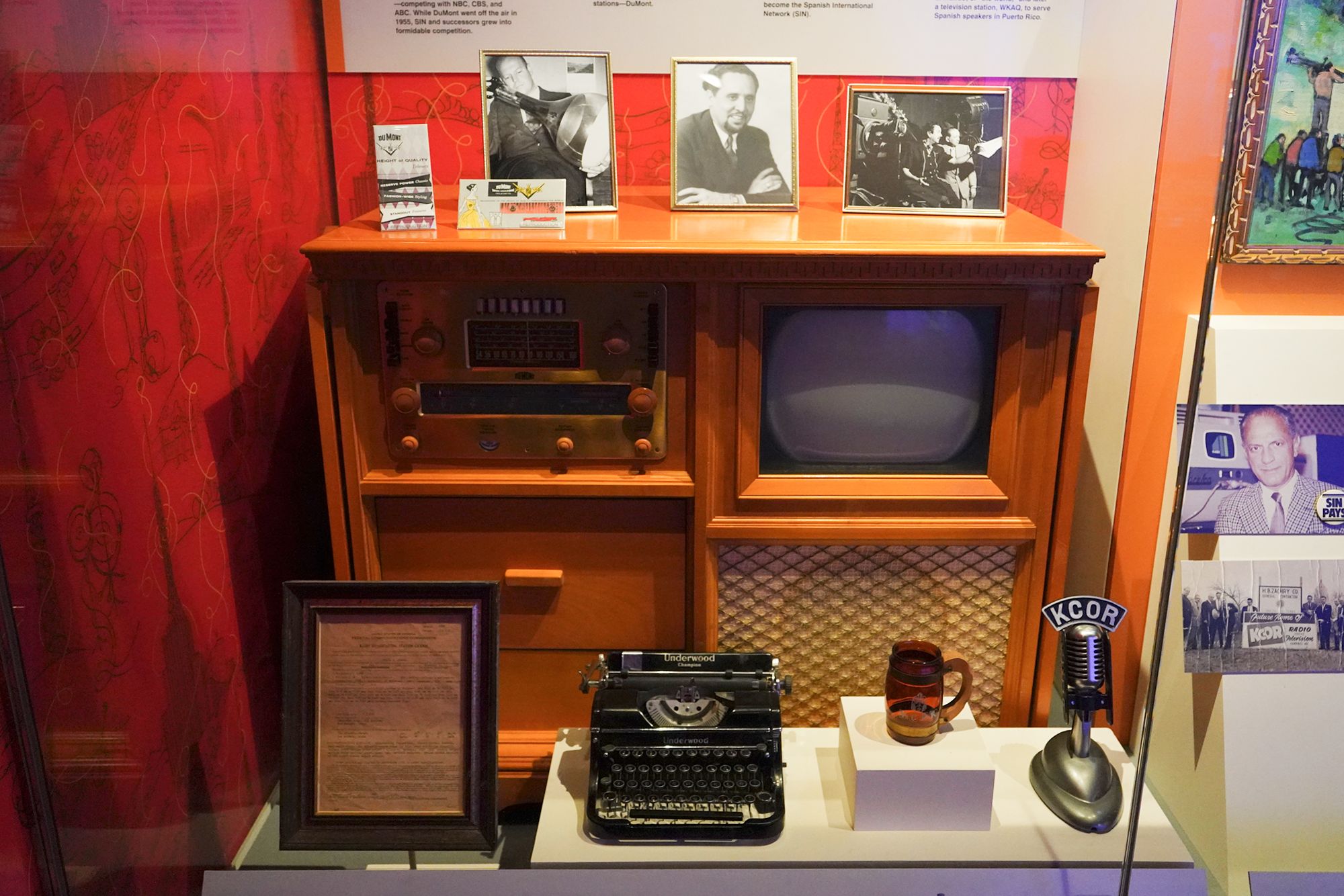
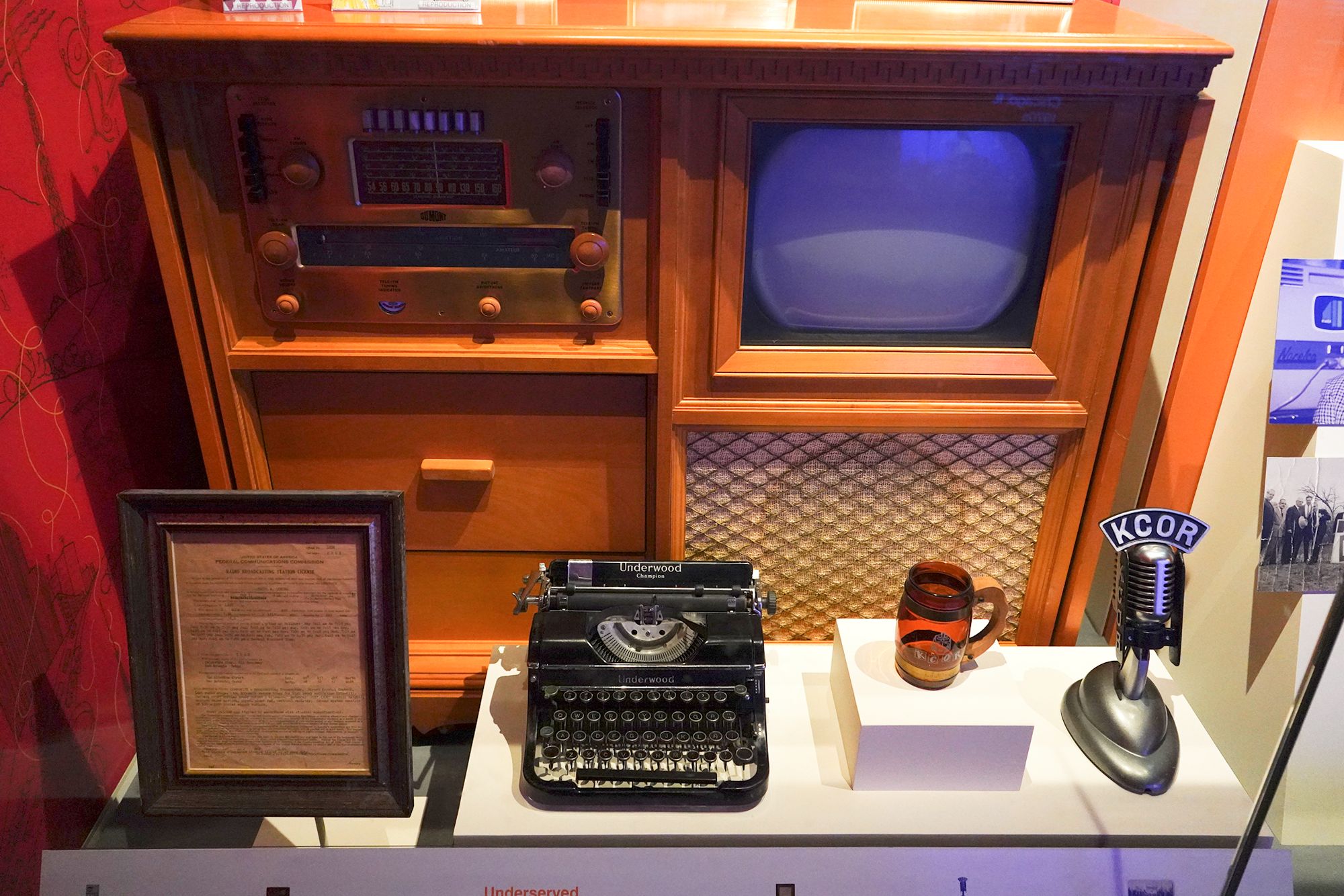
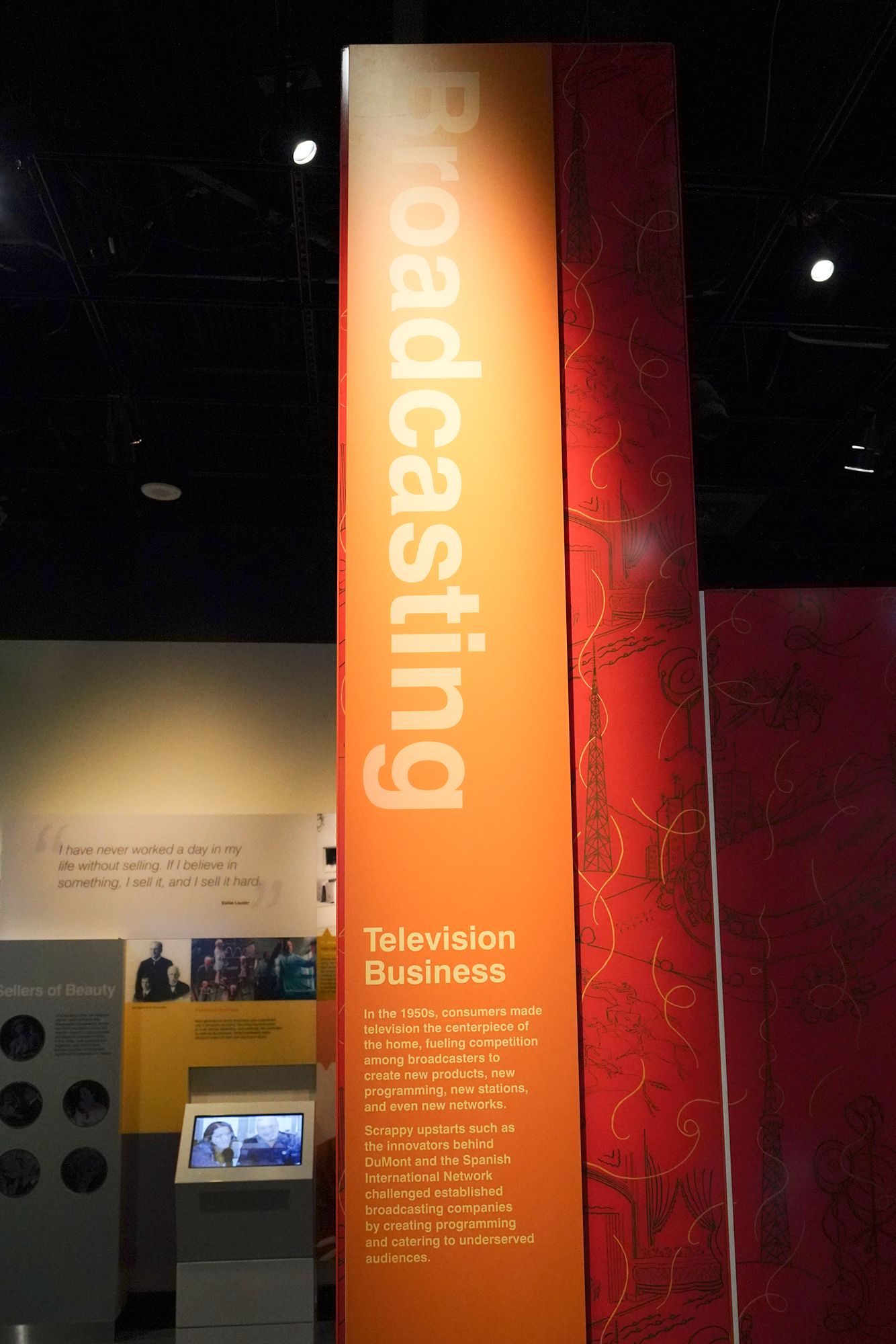
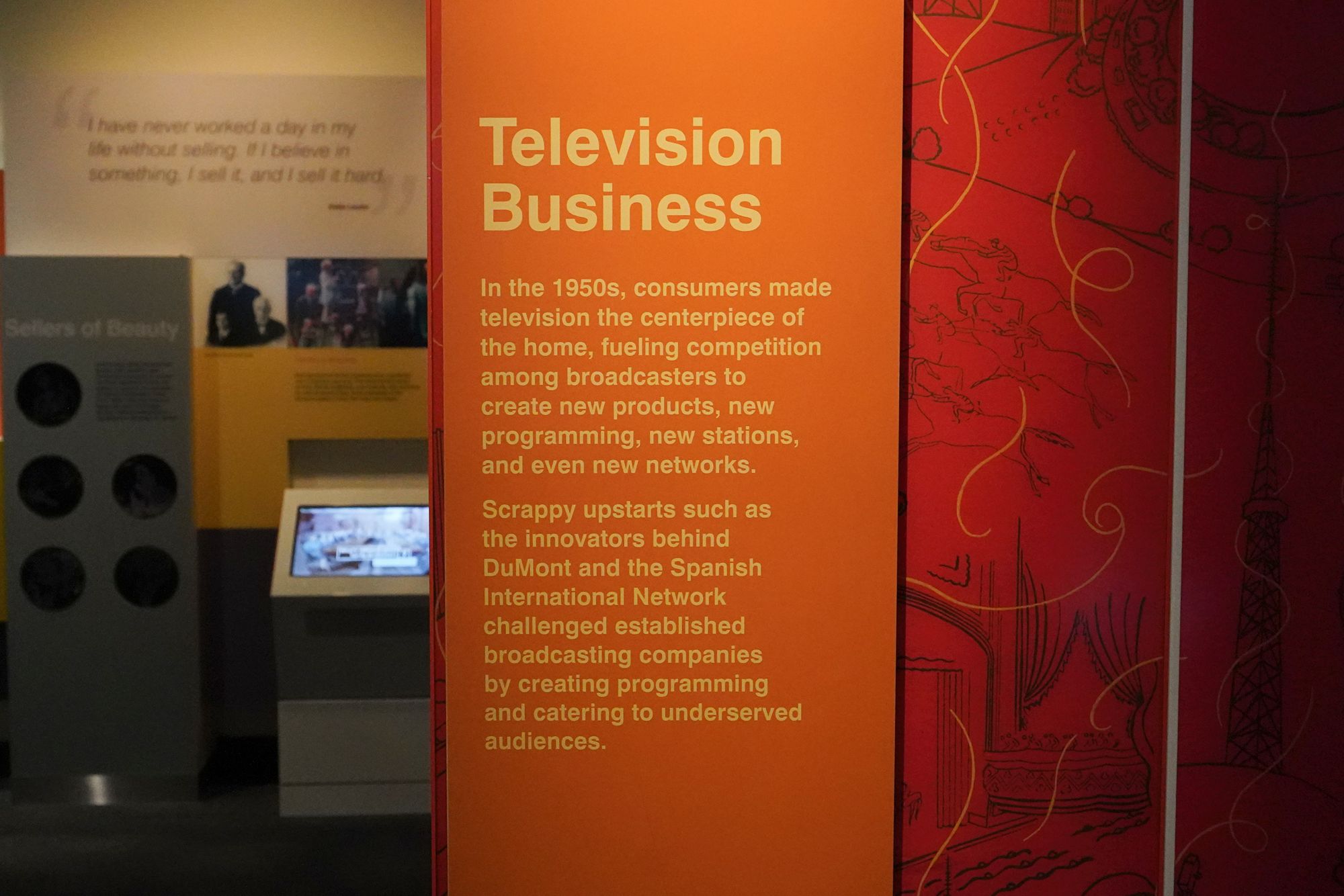
The television business includes the companies and networks that create, produce, and broadcast TV shows. It involves advertising, ratings, program production, and the competition for viewers. As TV became central to American life, the industry grew into a powerful force in entertainment, news, and national culture.
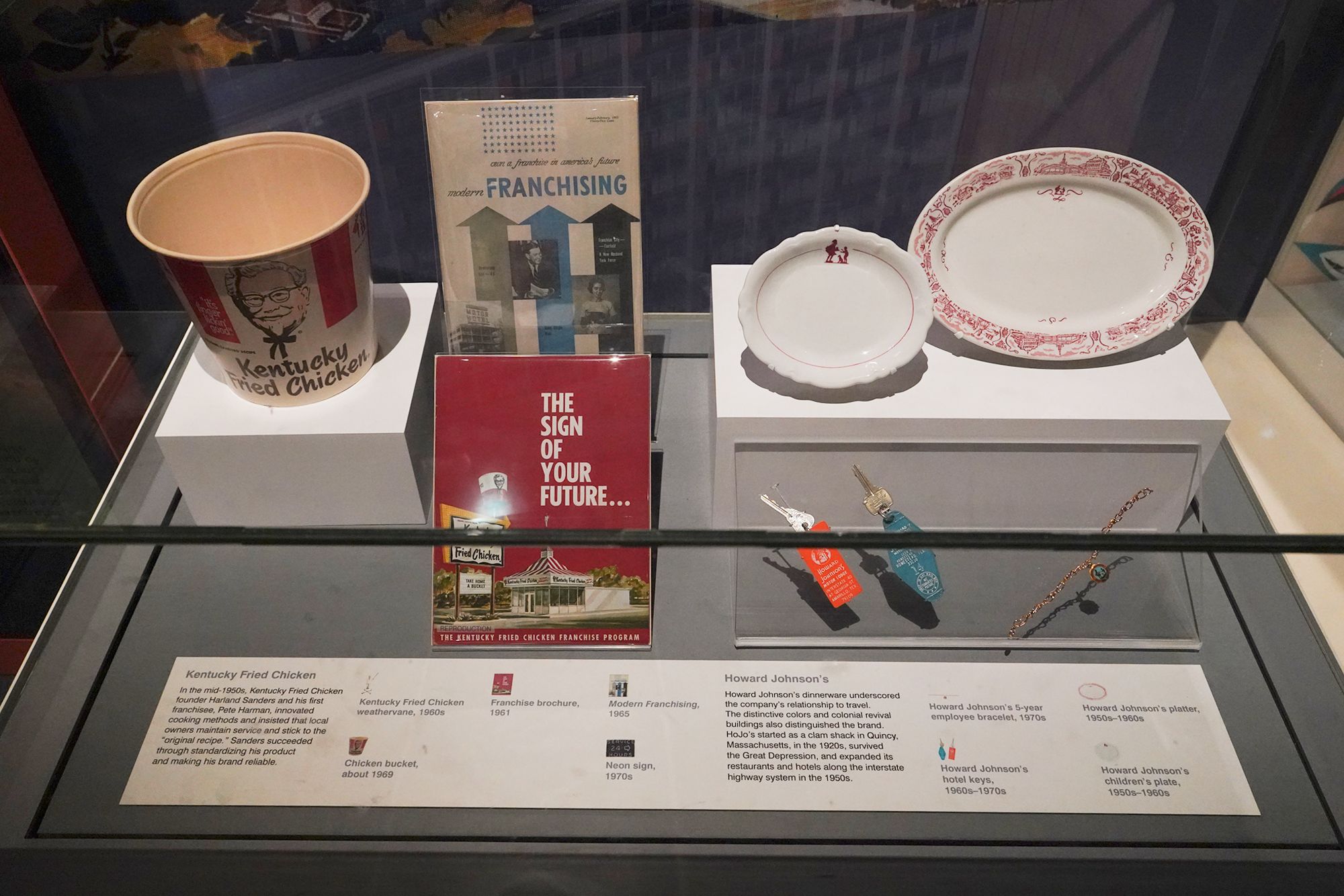
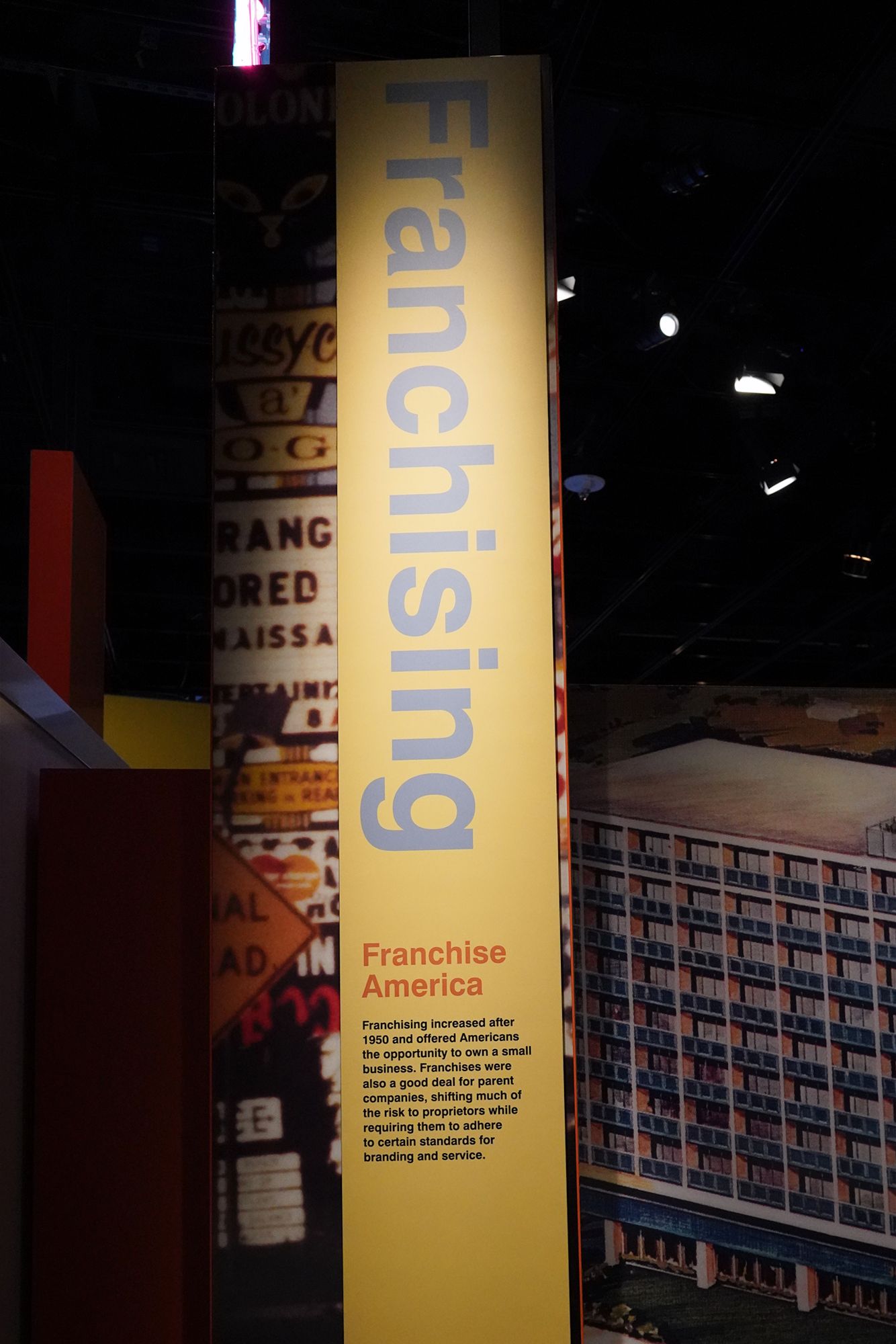
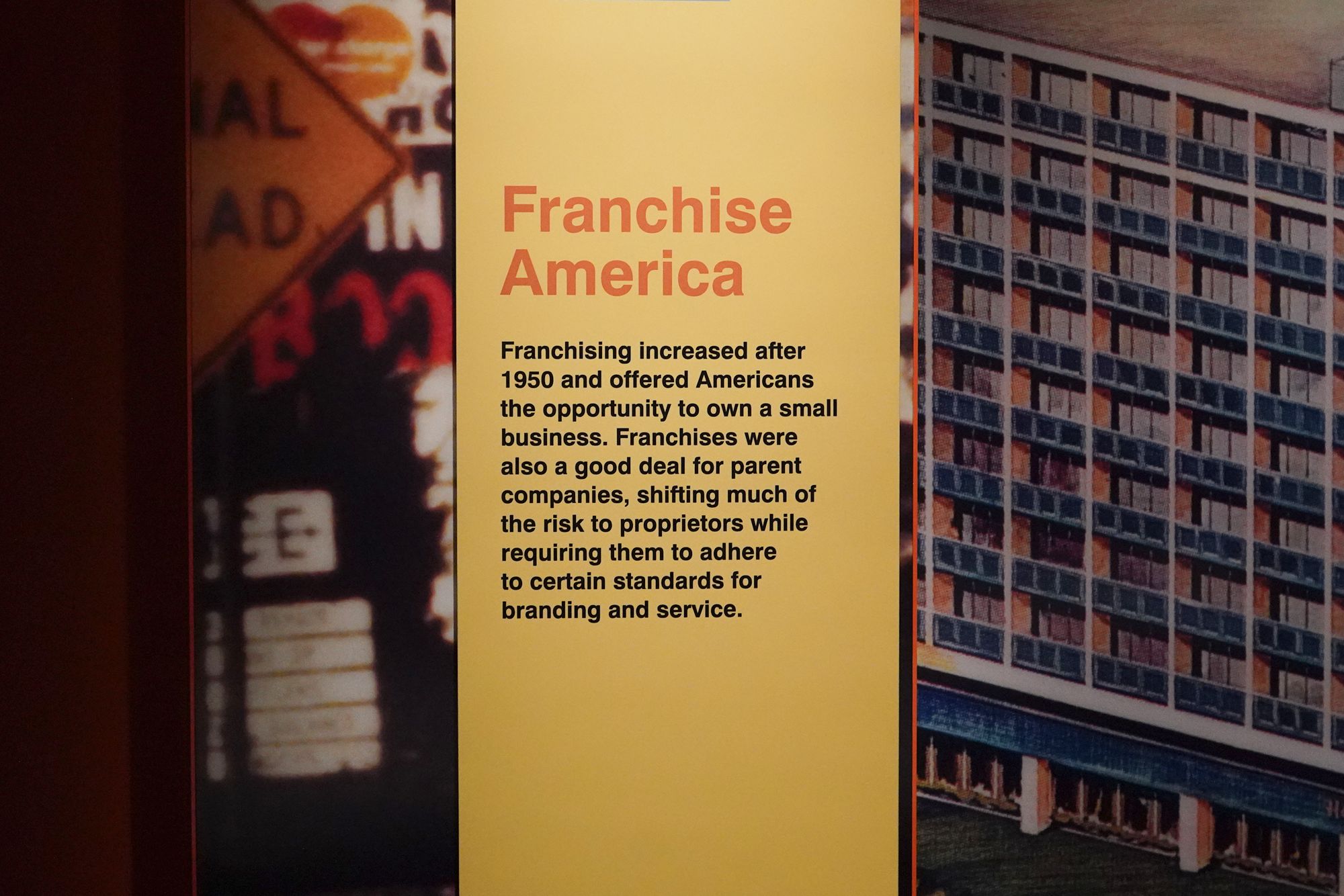
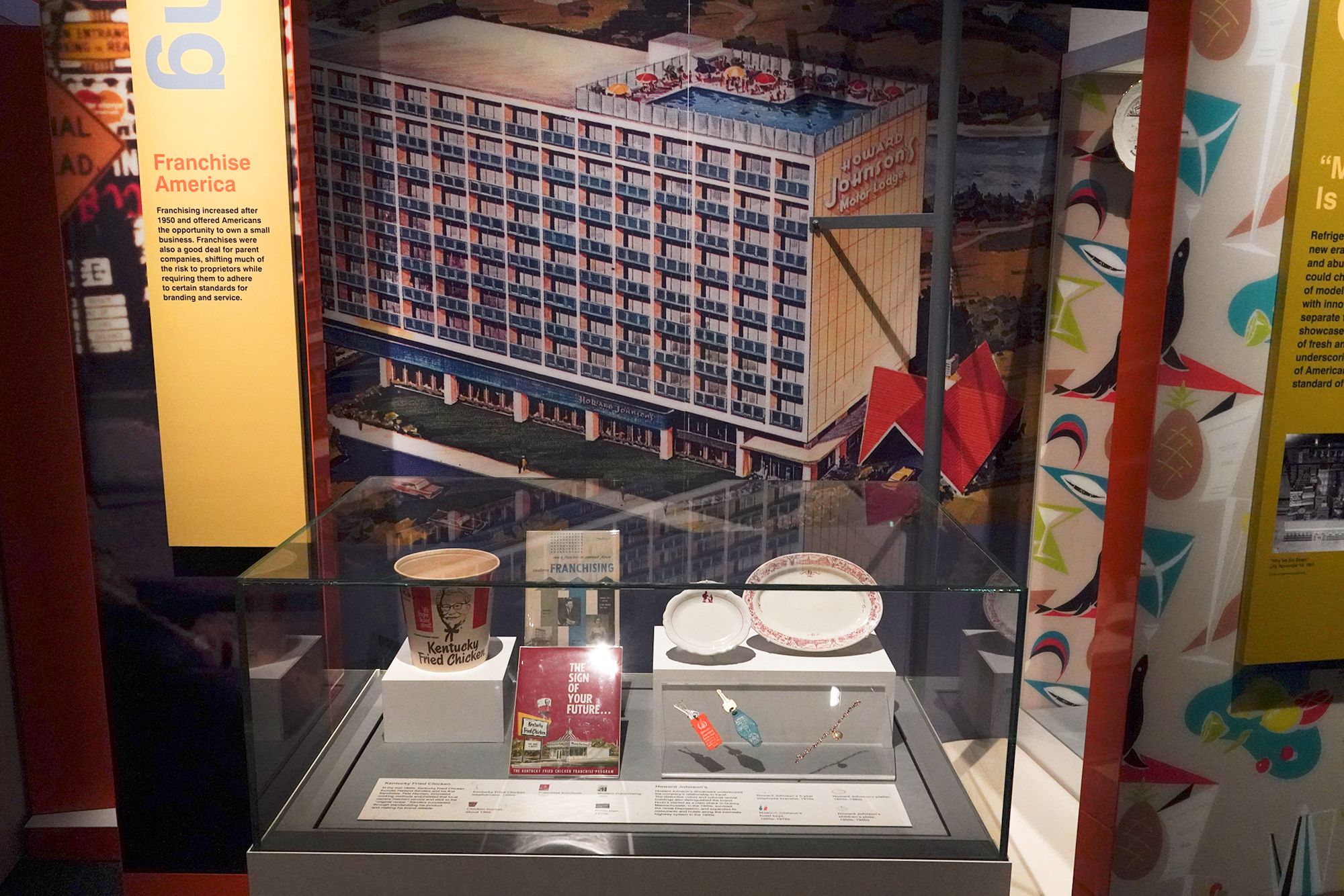
“Franchise America” describes how franchised businesses—like McDonald’s, KFC, Holiday Inn, and many others—spread across the country after World War II. These chains offered standardized products, consistent service, and recognizable branding, making them easy to open and familiar to customers everywhere.
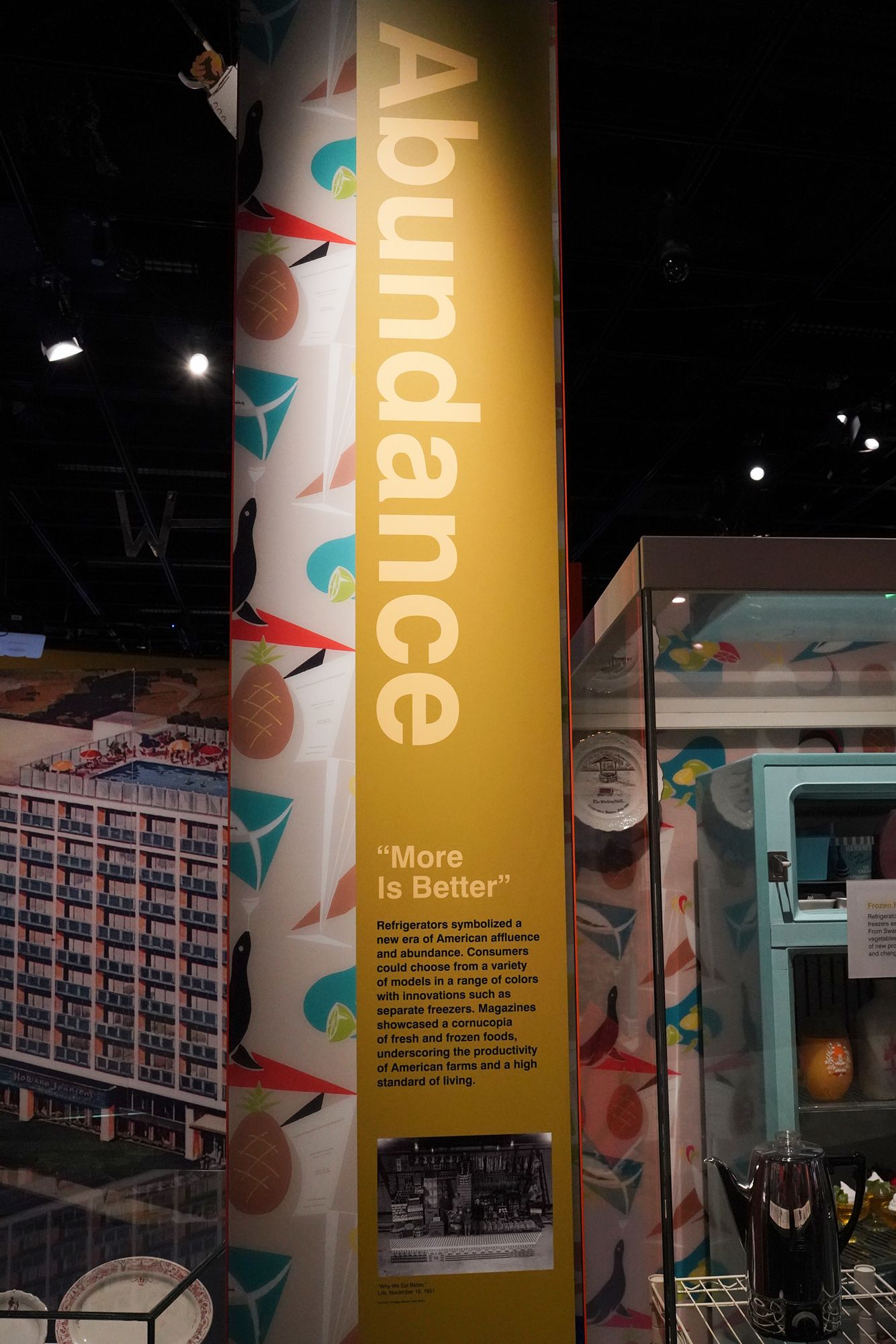
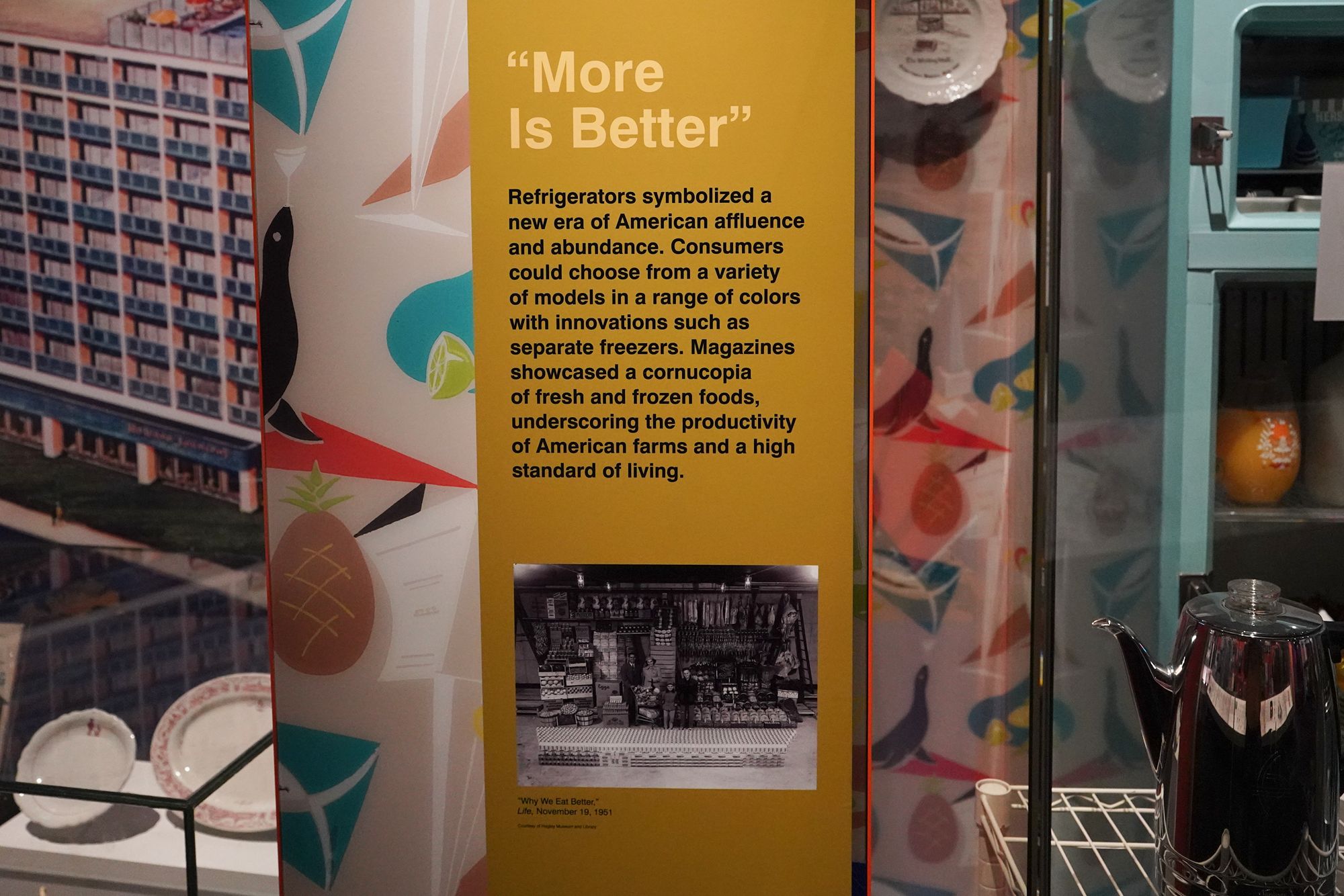
“More Is Better” refers to the post–World War II consumer mindset that valued abundance — more choices, more products, bigger homes, and greater convenience.
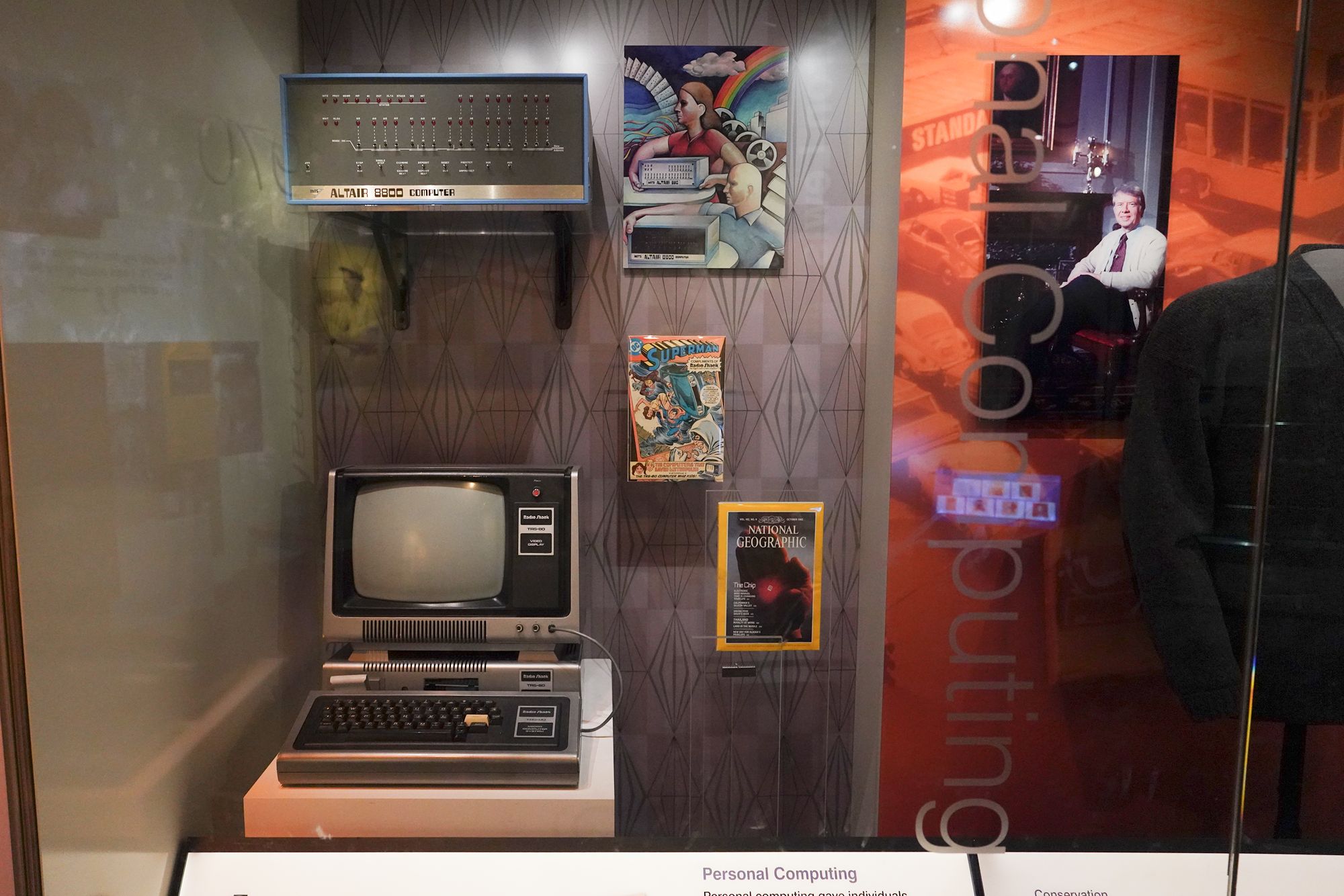
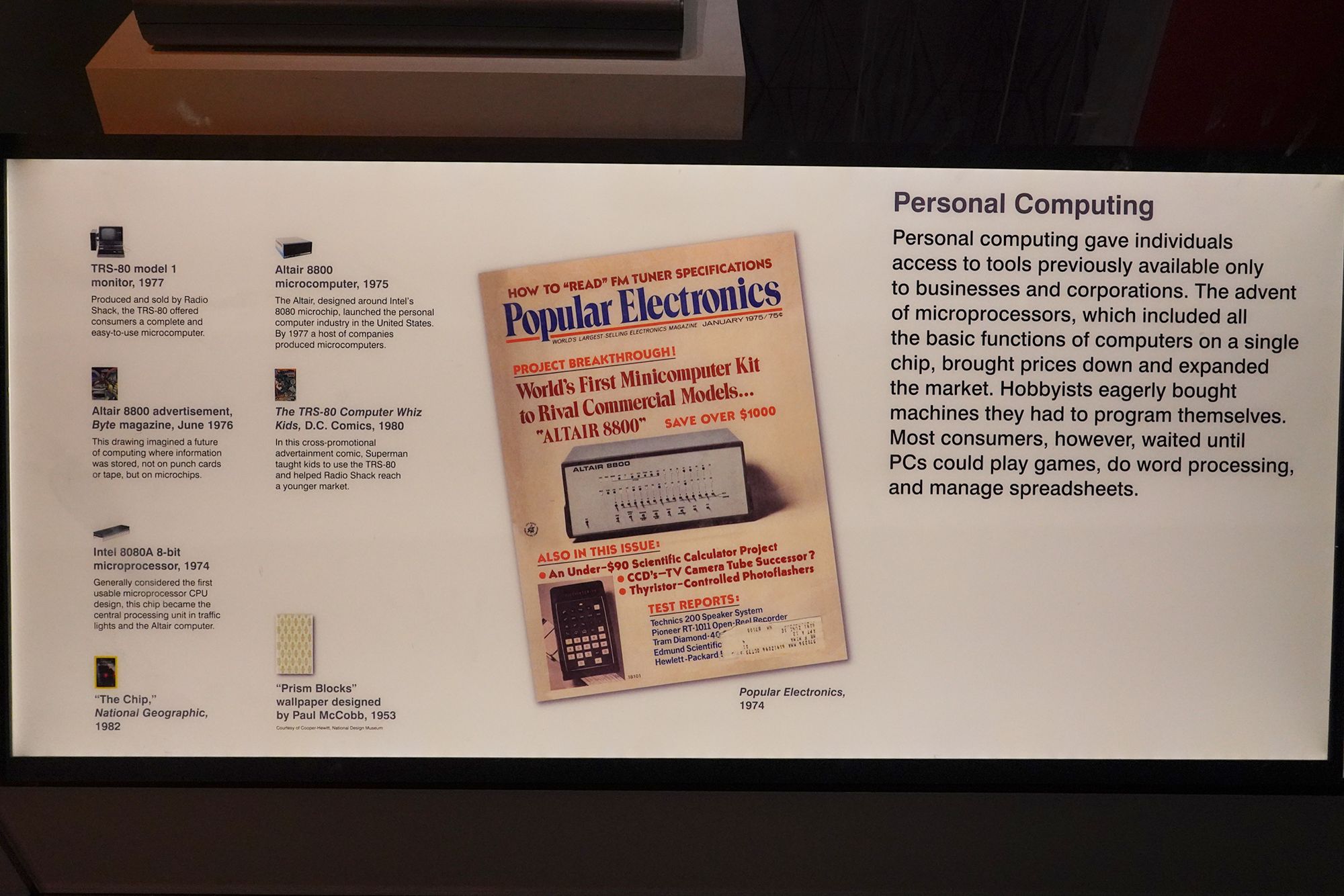
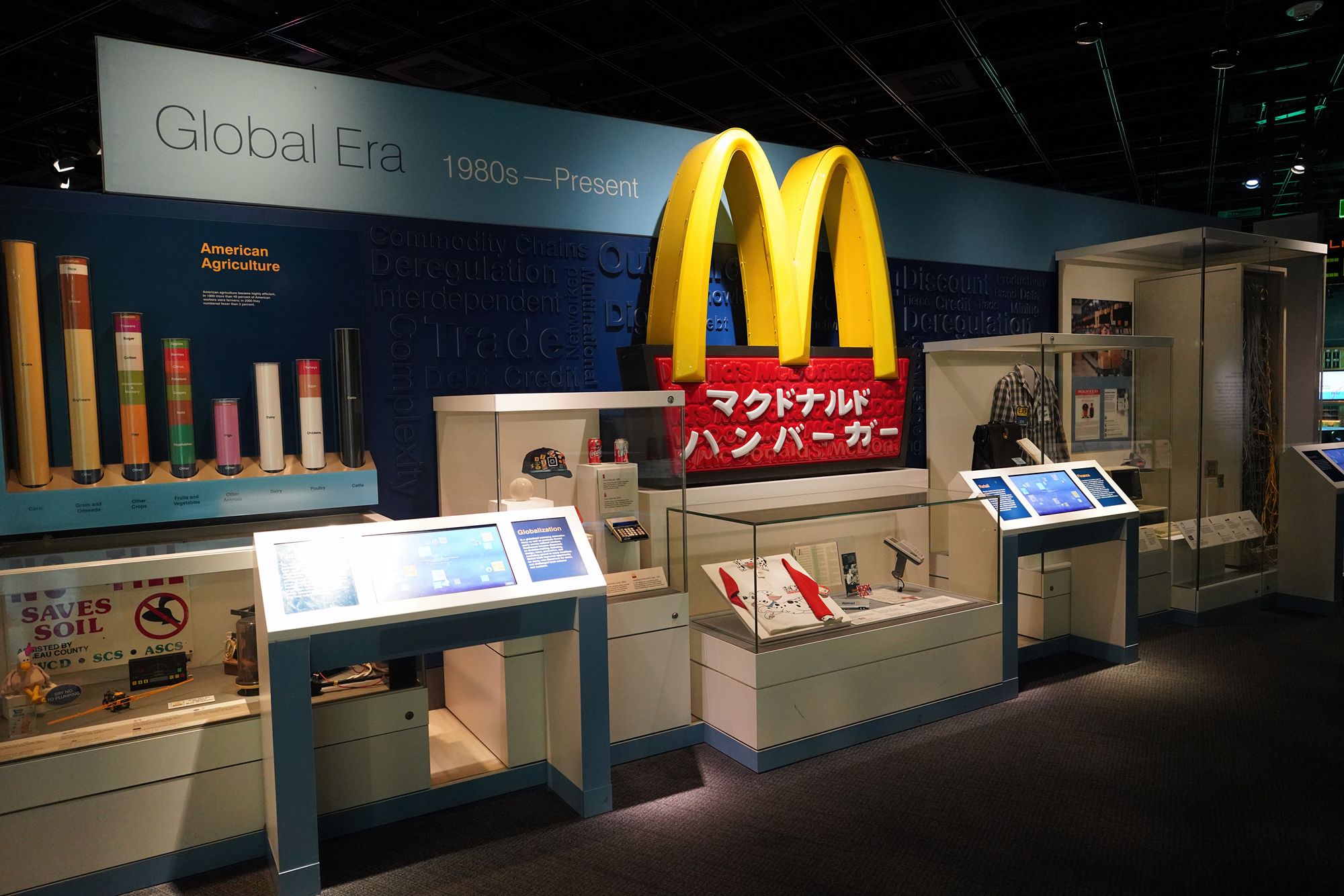
The Global Era is the period when American business, culture, and technology became deeply connected to the rest of the world. Companies expanded internationally, products and jobs moved across borders, and global trade, communication, and migration increased. Computers, the internet, and digital networks helped create a worldwide marketplace where ideas, goods, and people circulate faster than ever.
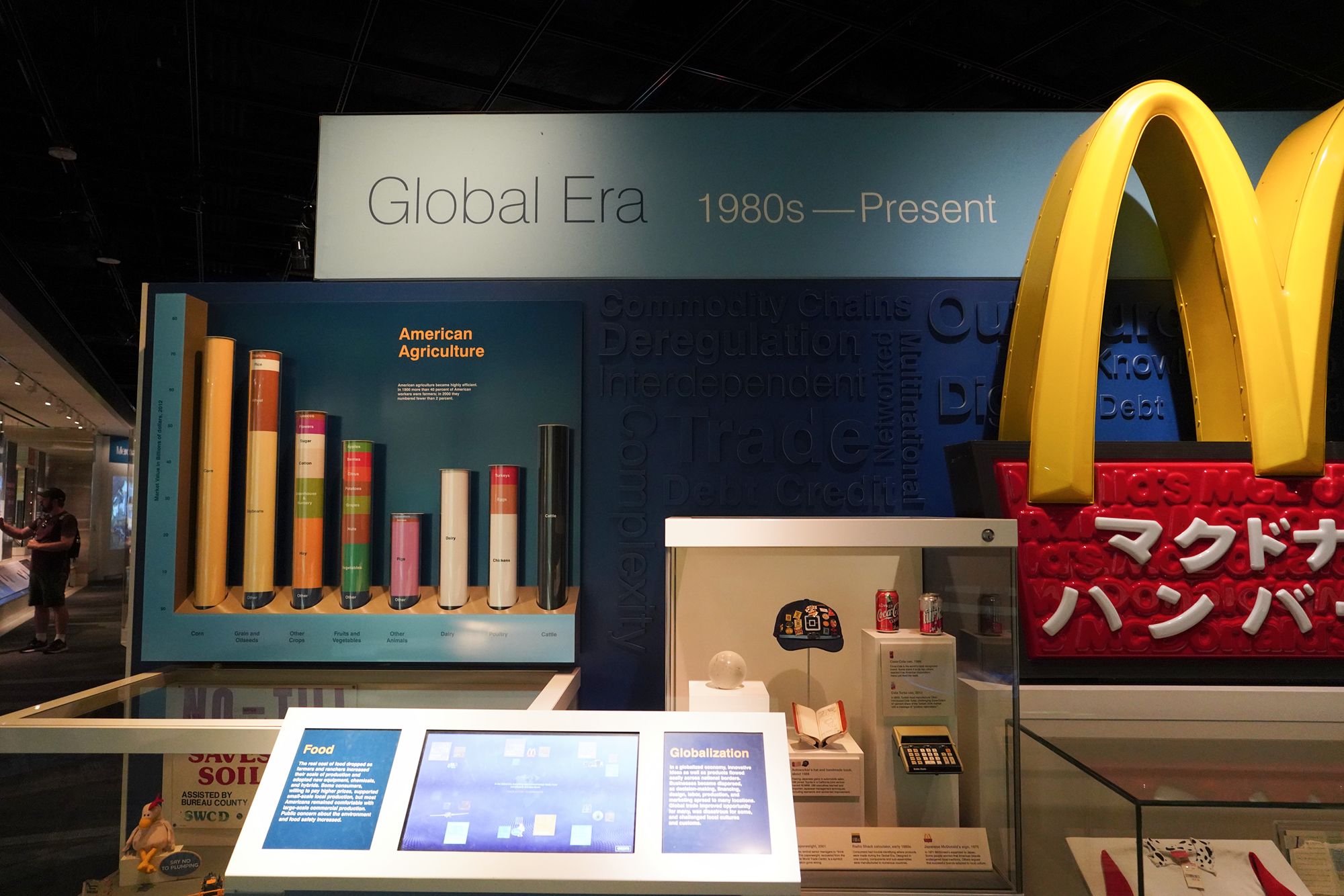
I ran out of time at the museum and only saw the beginning of the Global Era section.