Pentagon Memorial, Thomas Jefferson Memorial and Arlington National Cemetery in Washington DC, USA
The Pentagon Memorial, the Jefferson Memorial, and Arlington National Cemetery offer tributes to 9/11 victims, Jefferson’s legacy, and America’s fallen service members. 1144
Thomas Jefferson Memorial: 16 E Basin Dr SW, Washington, DC 20242
Arlington National Cemetery: Arlington, VA
Date Picture Taken: July 2025
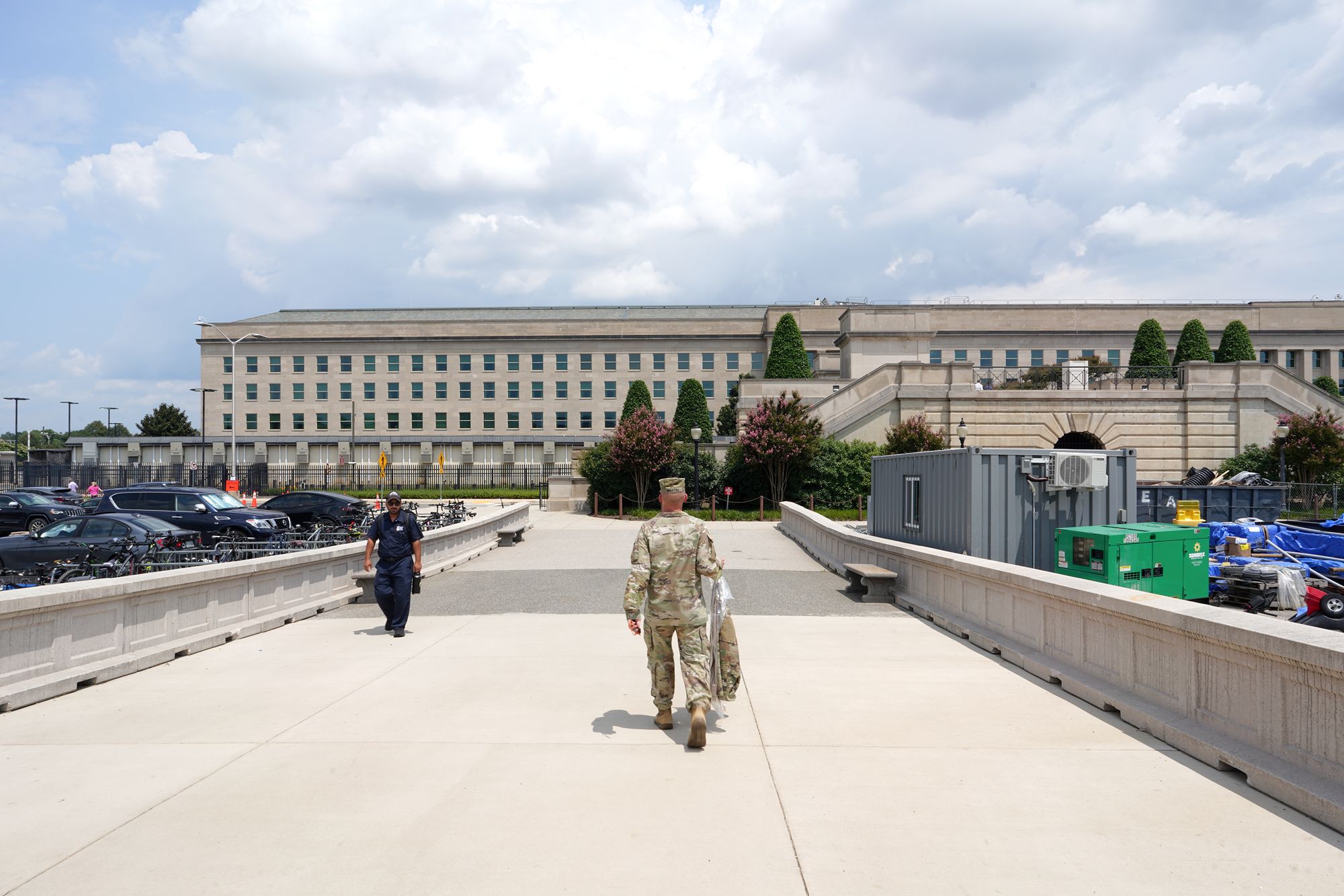
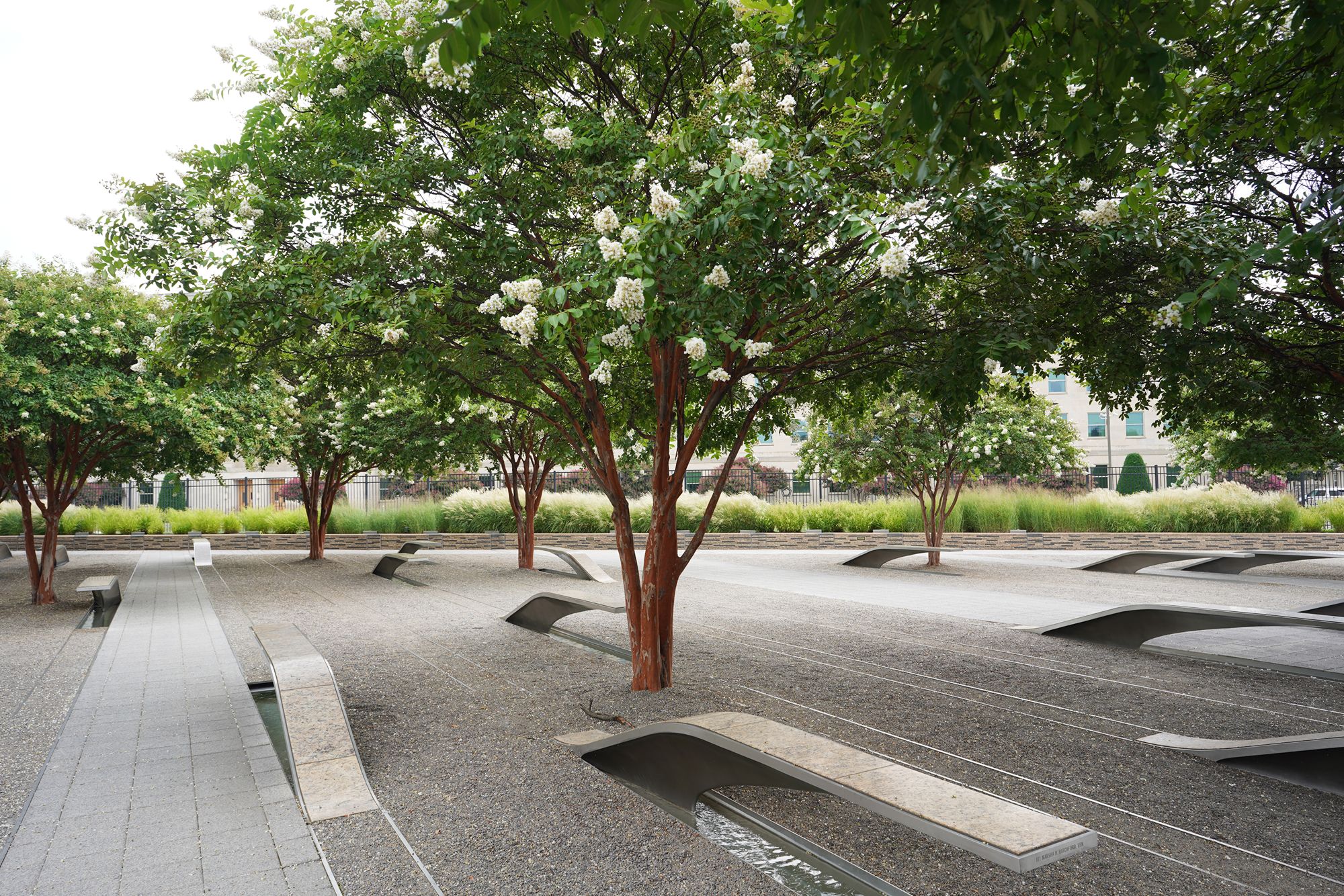
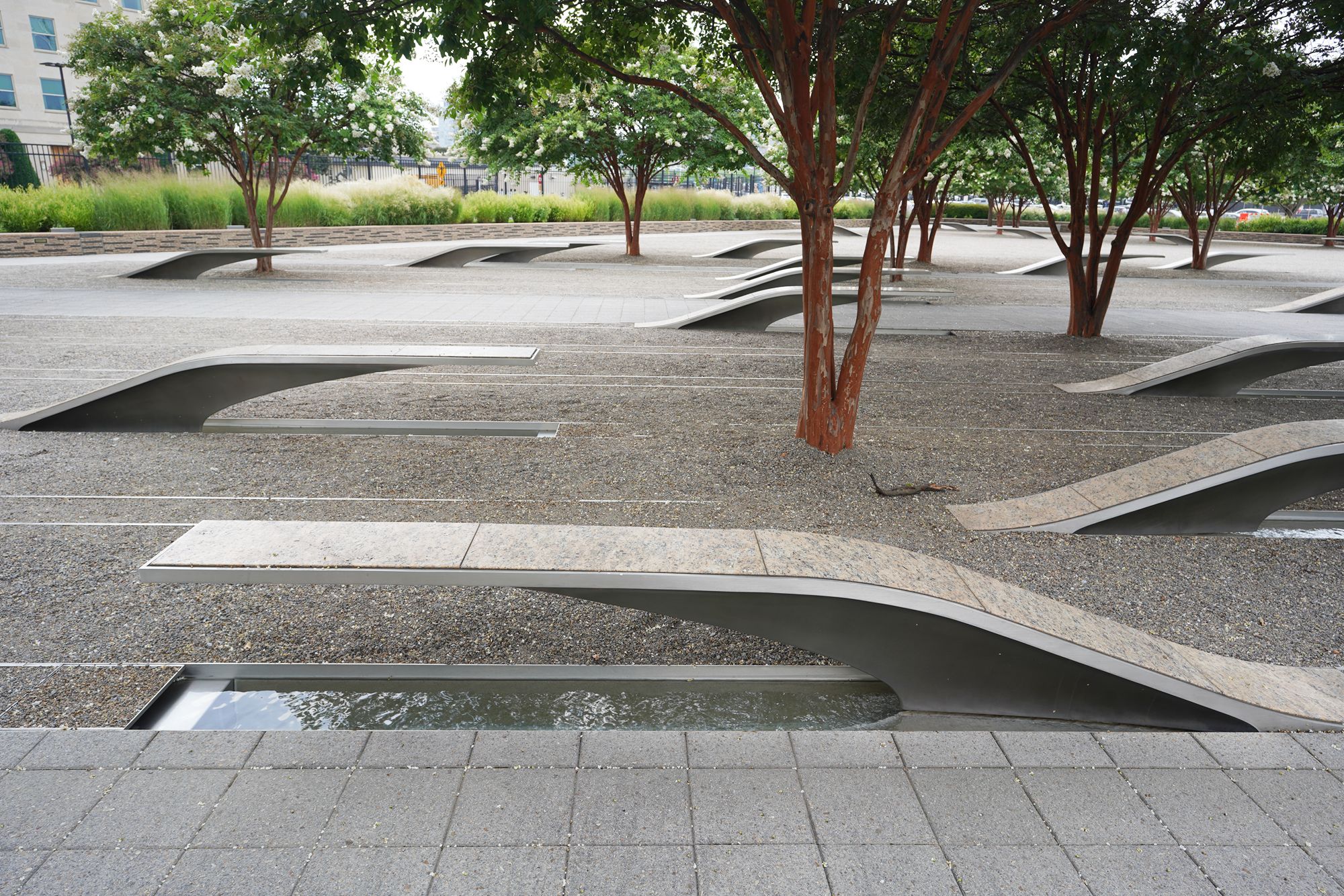
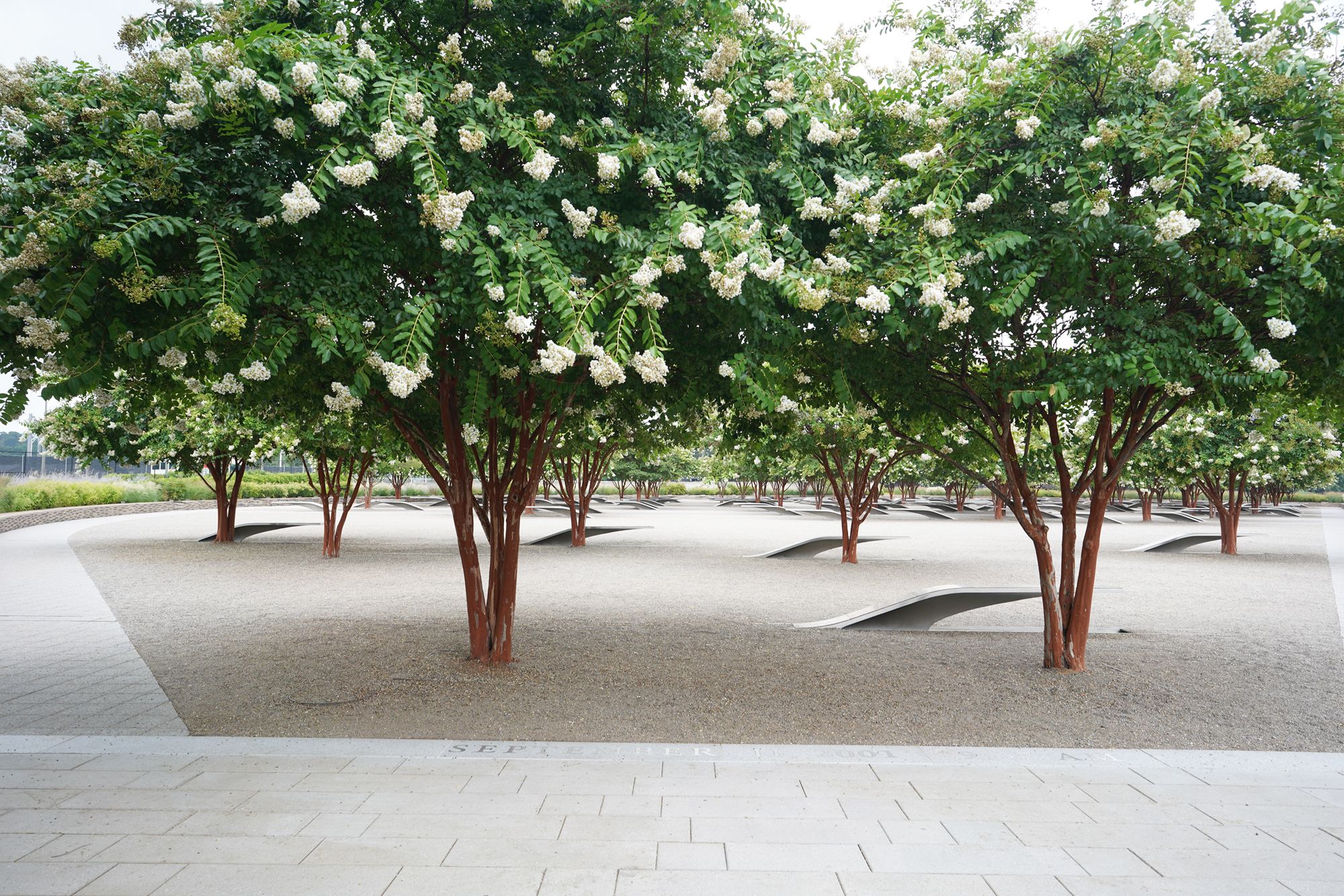
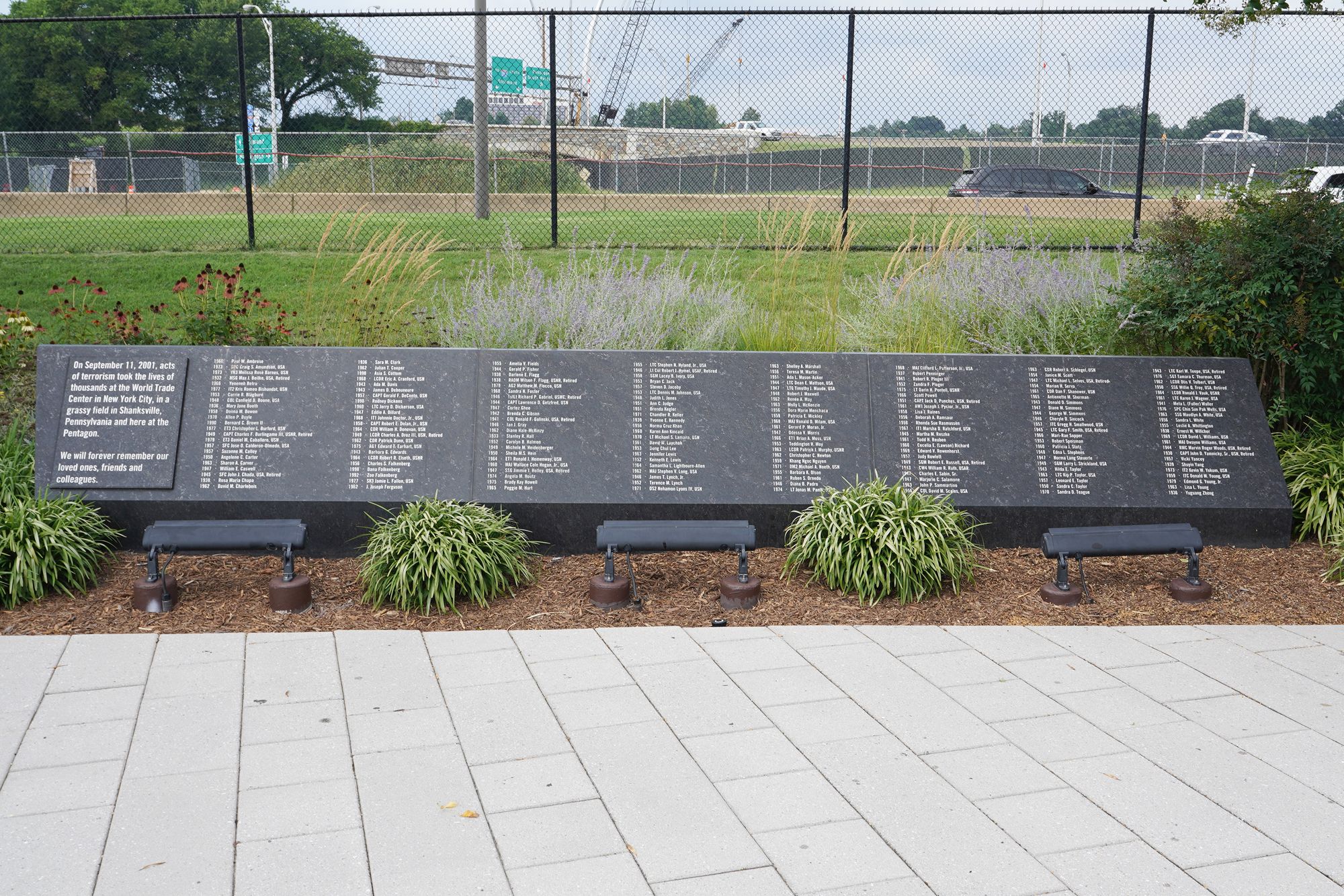
The Pentagon Memorial honors the 184 people who died in the Pentagon and on American Airlines Flight 77 during the September 11 attacks. The outdoor memorial, located right next to the Pentagon, features benches arranged by each victim’s age, creating a peaceful space for reflection.
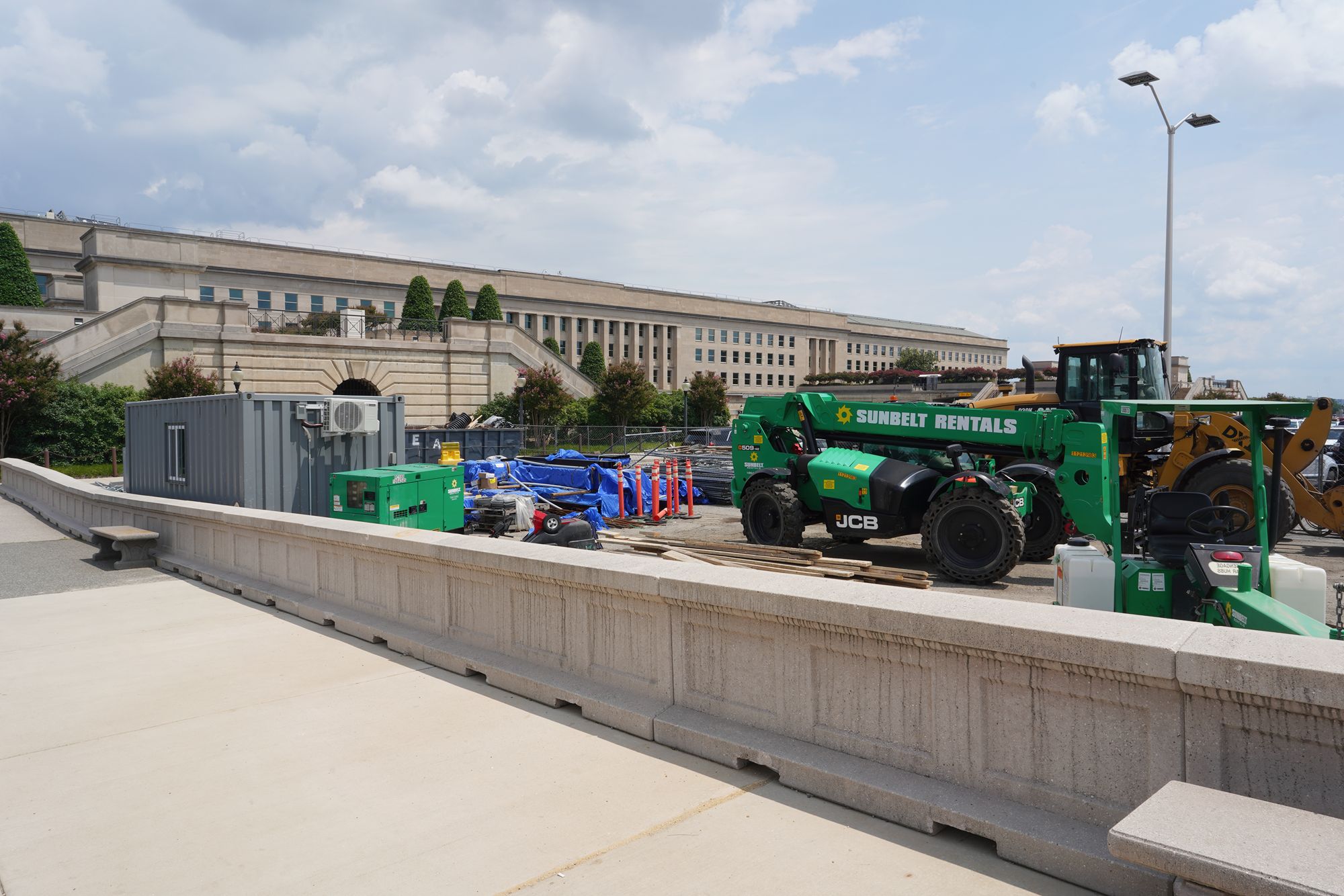
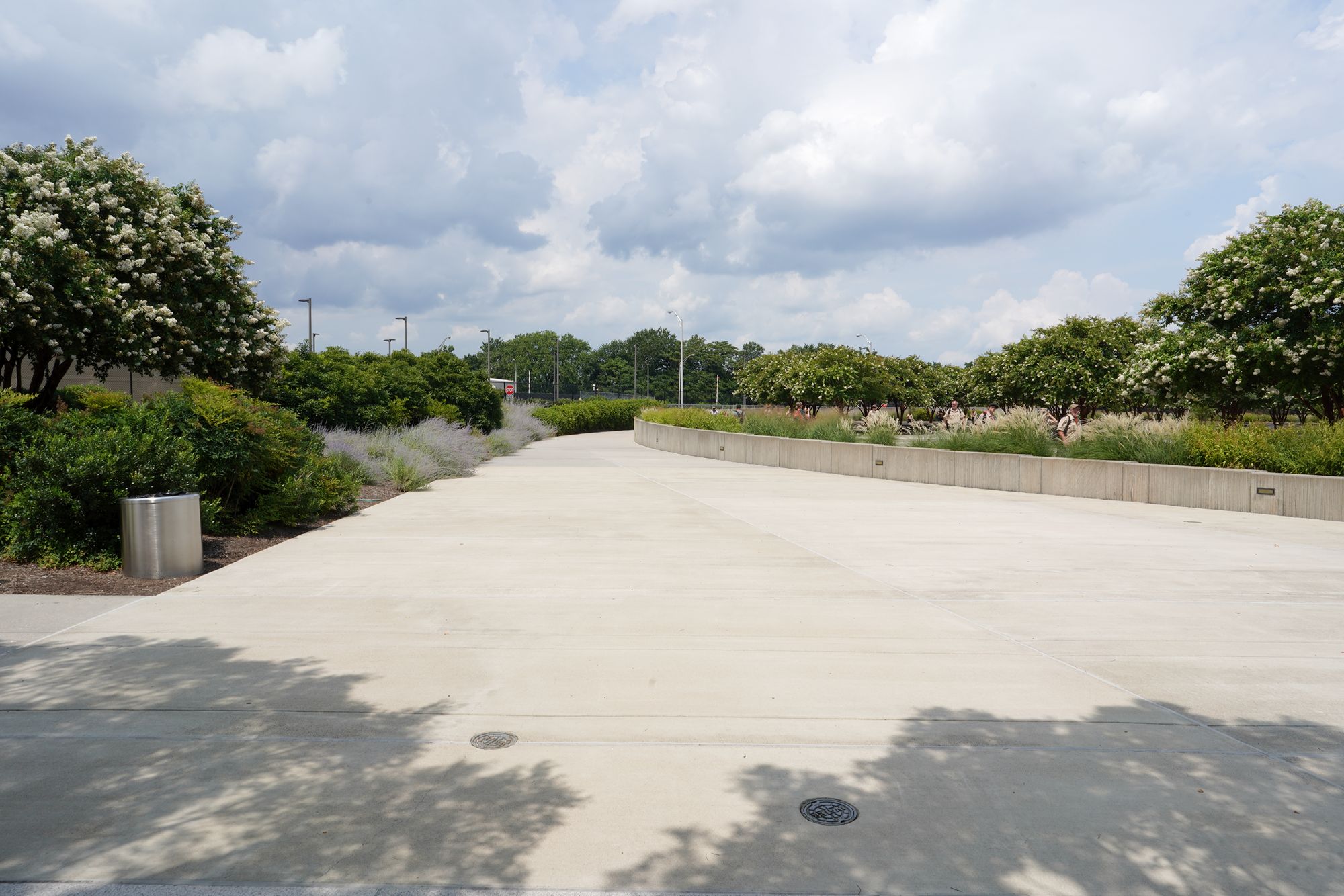
The Pentagon Memorial
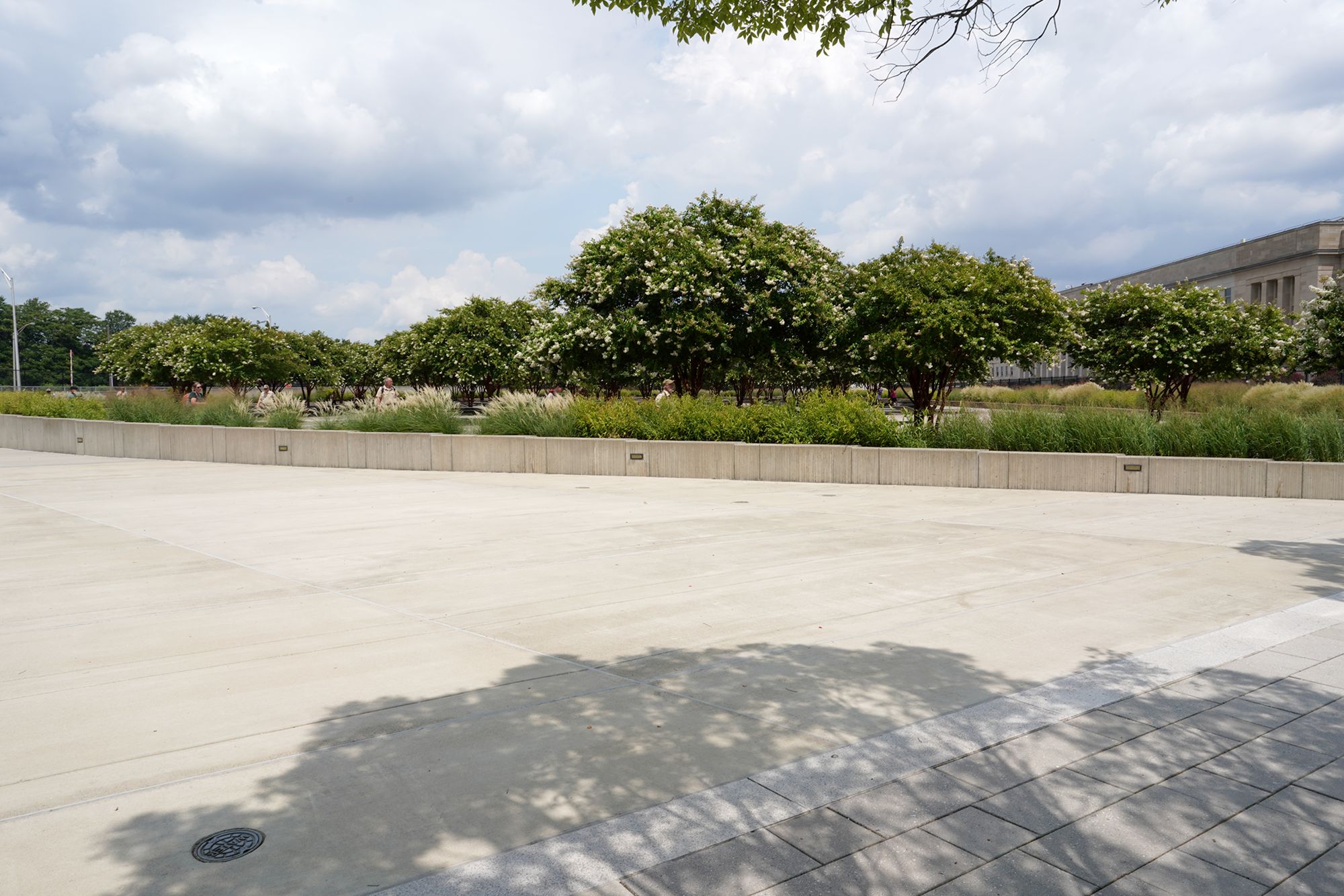
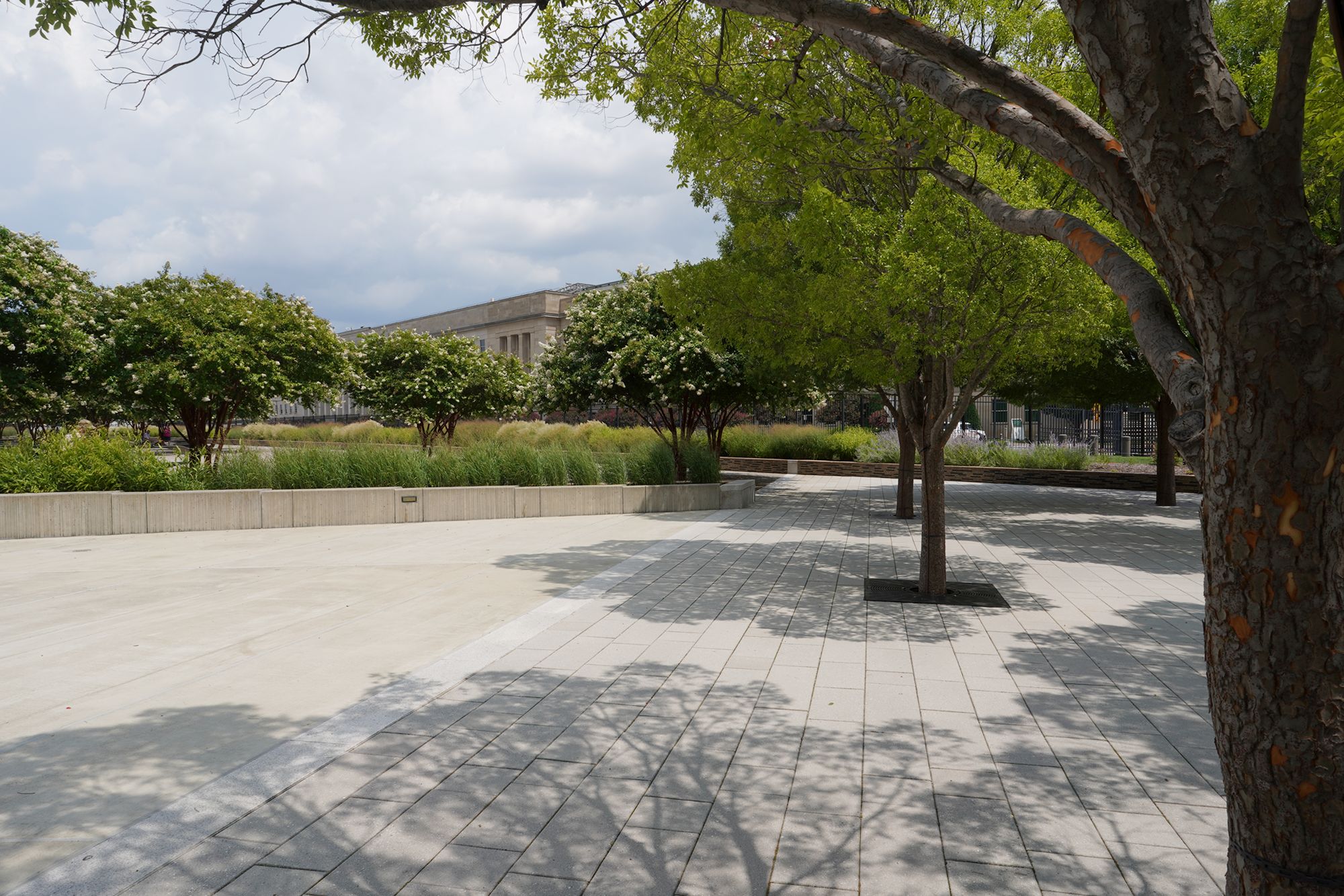
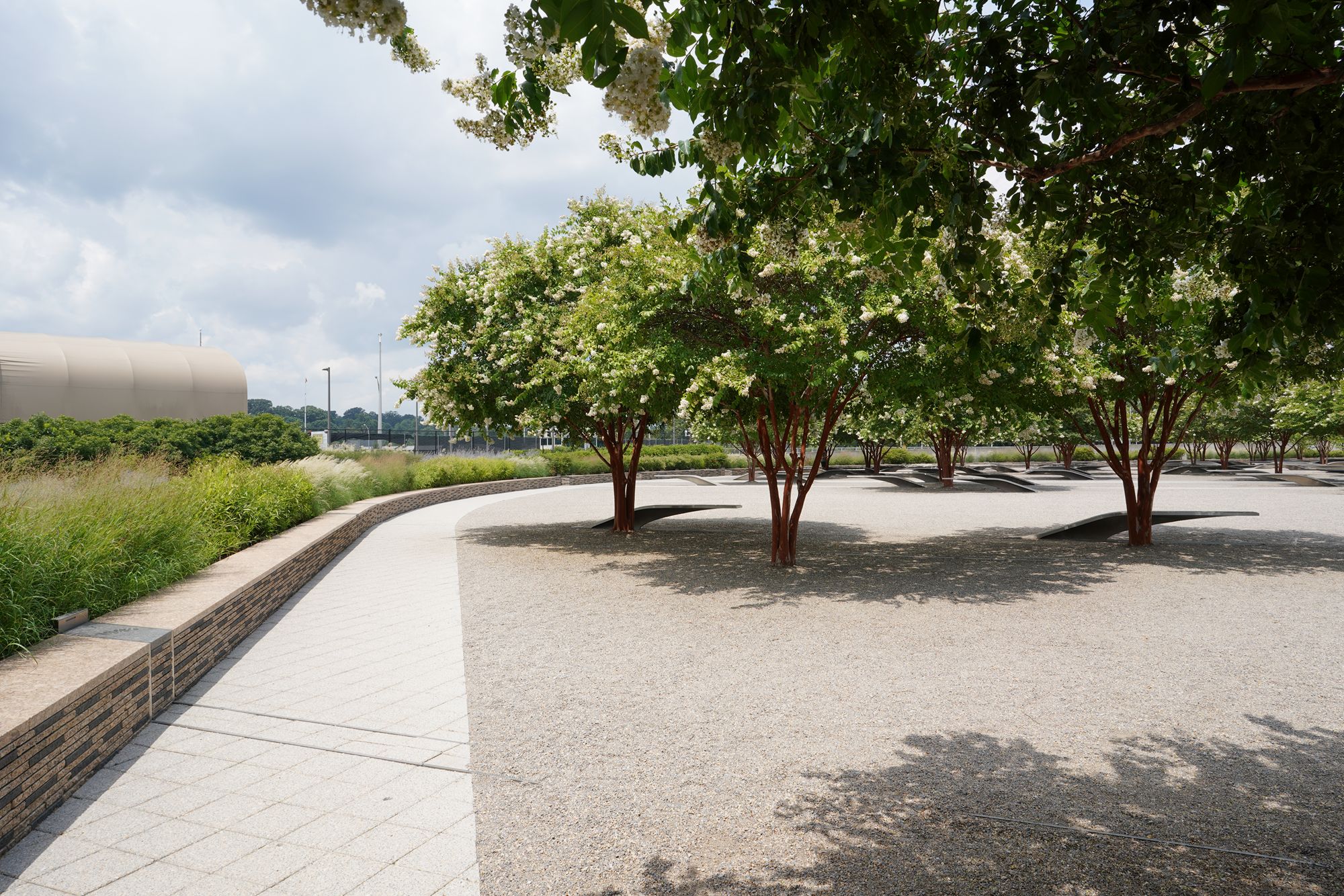
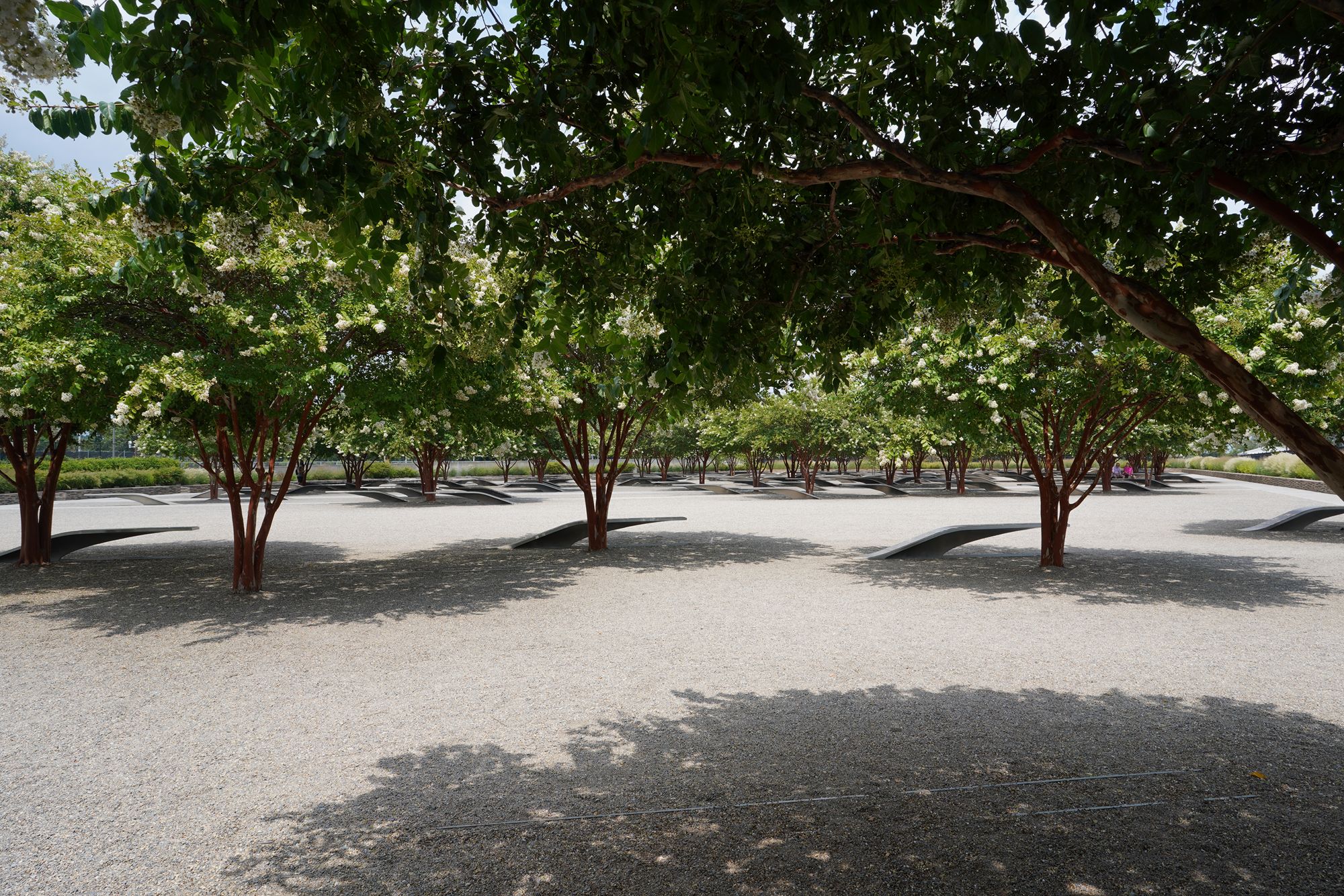
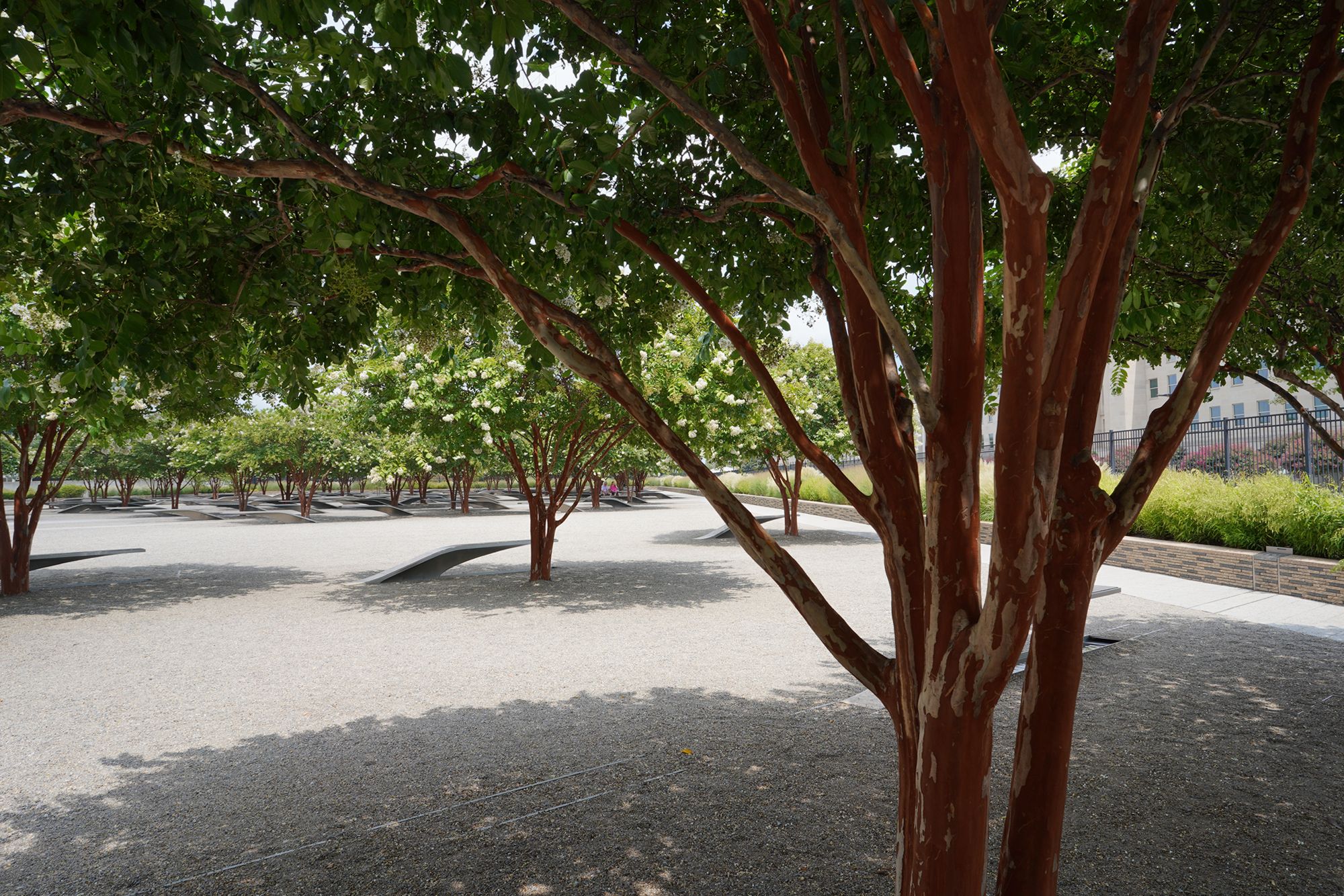
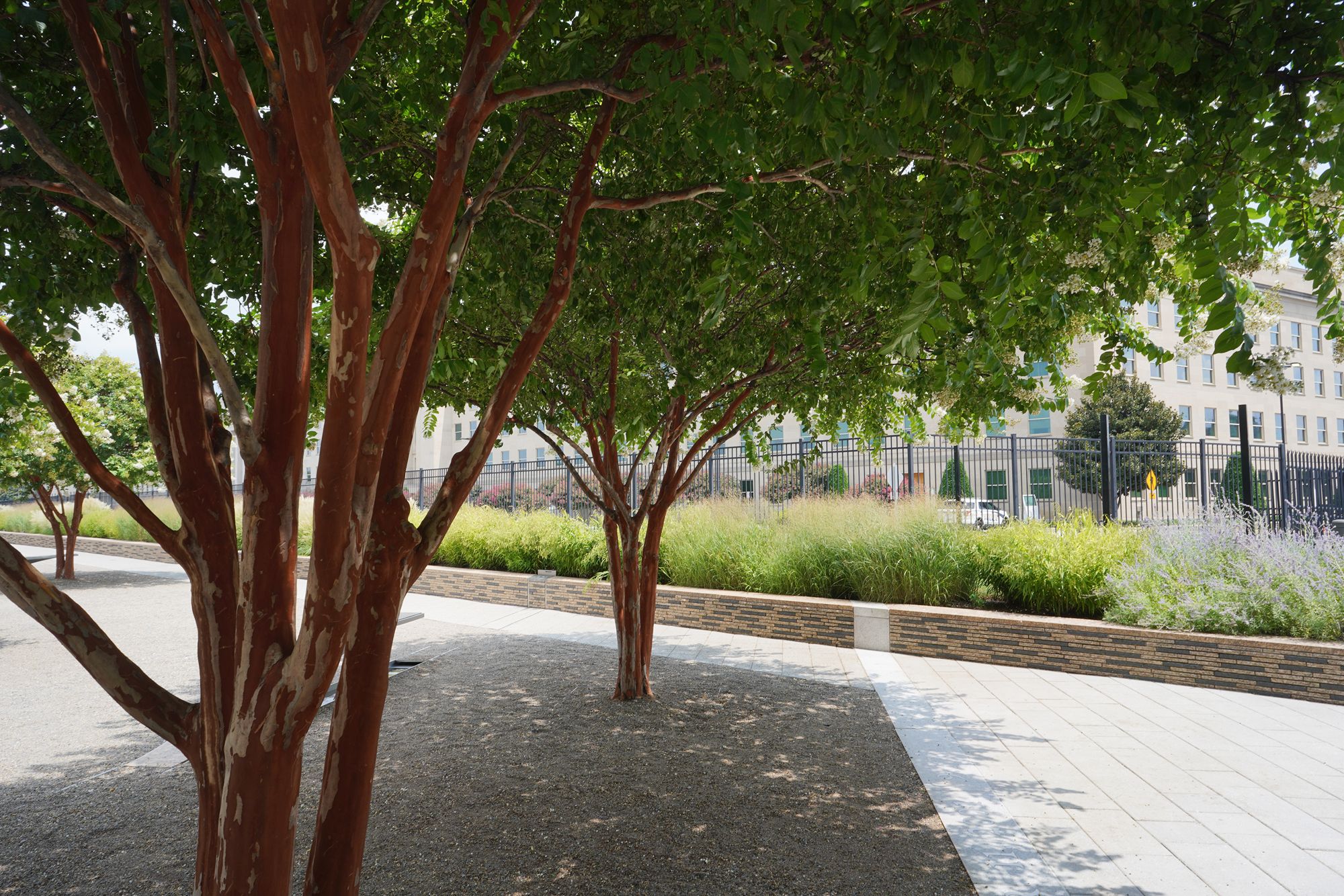
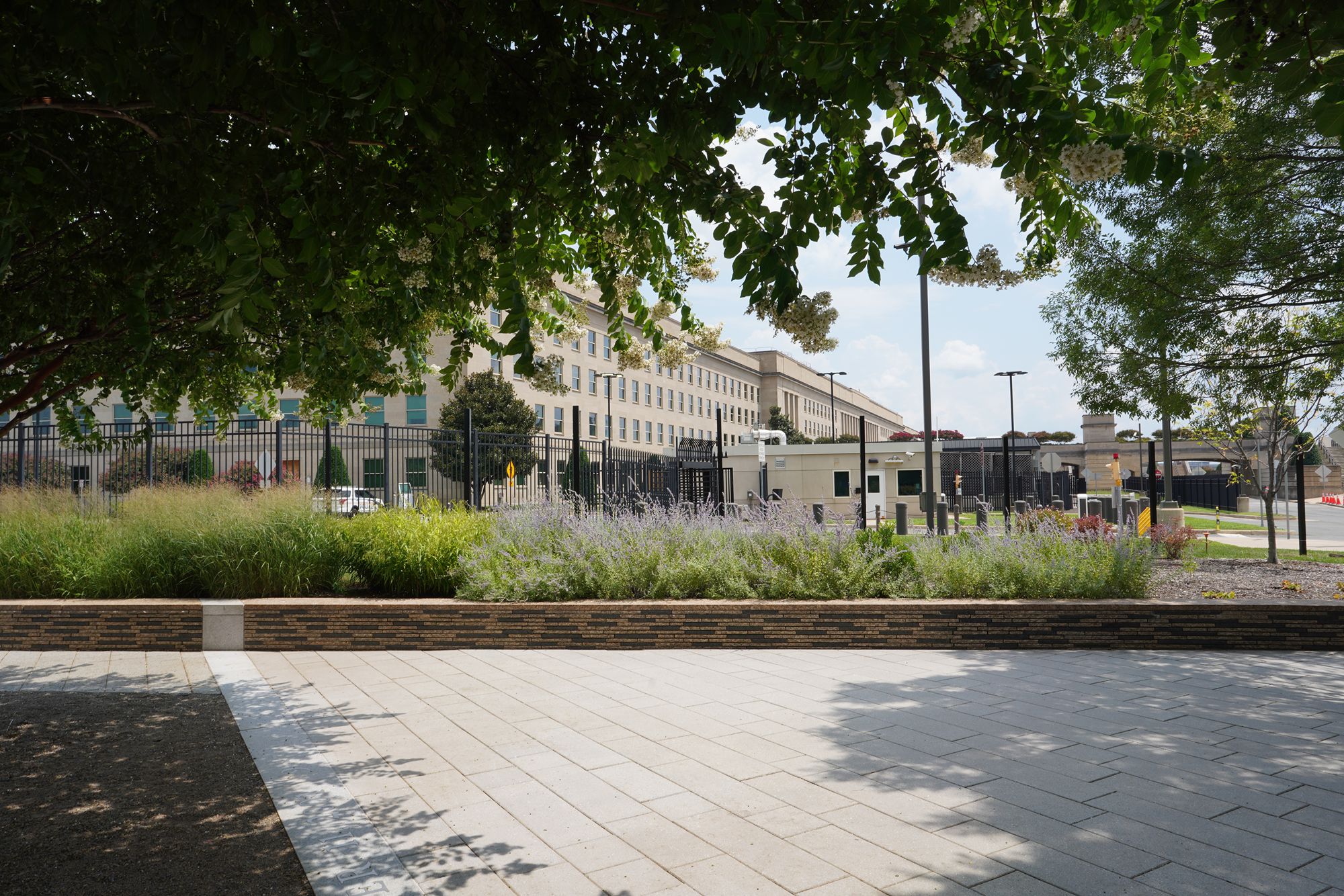
The benches are arranged by the ages of the victims, from the youngest to the oldest. Their orientation shows whether the person was in the Pentagon or on the plane. Long stainless-steel lines mark the birth years of the victims across the memorial.
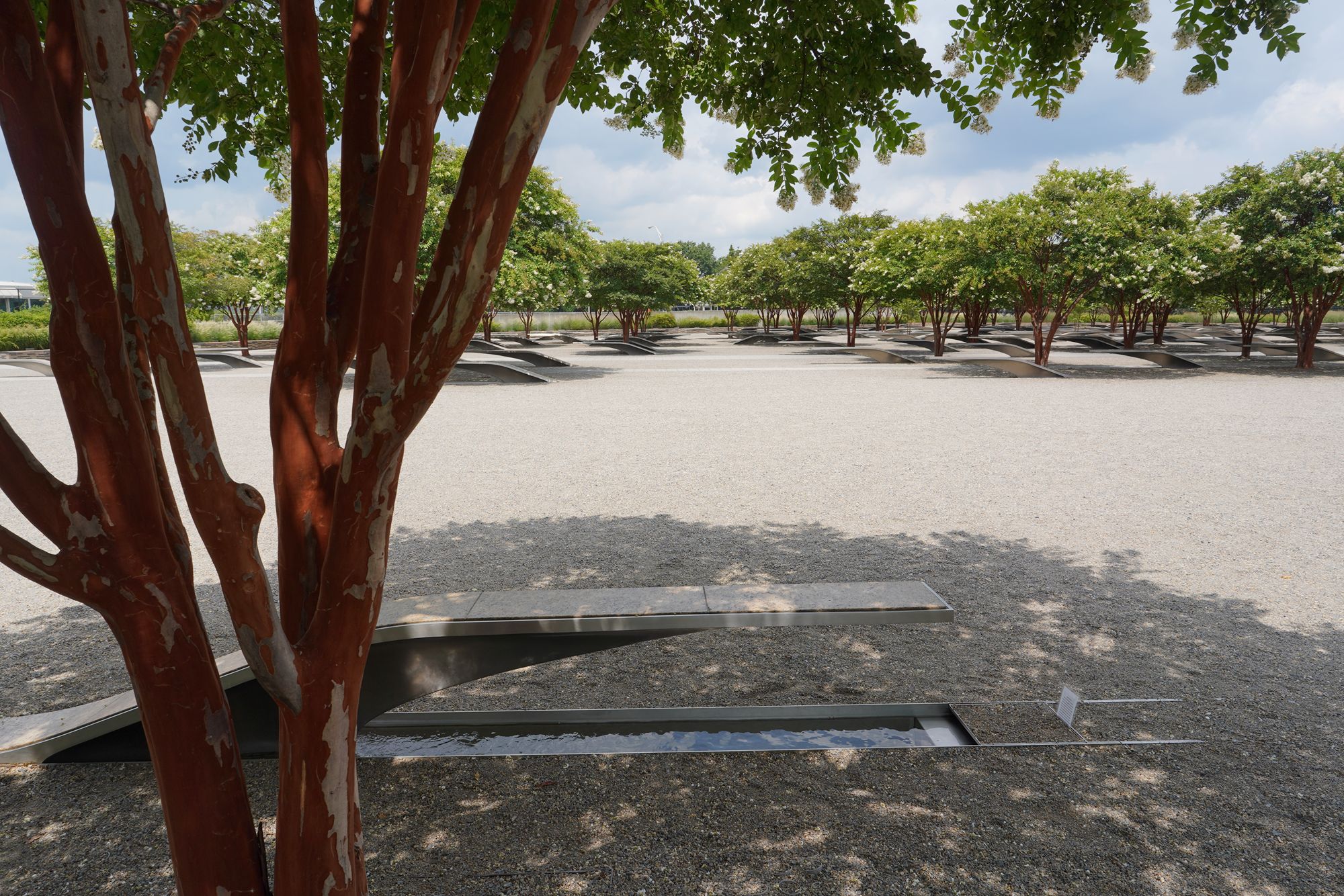
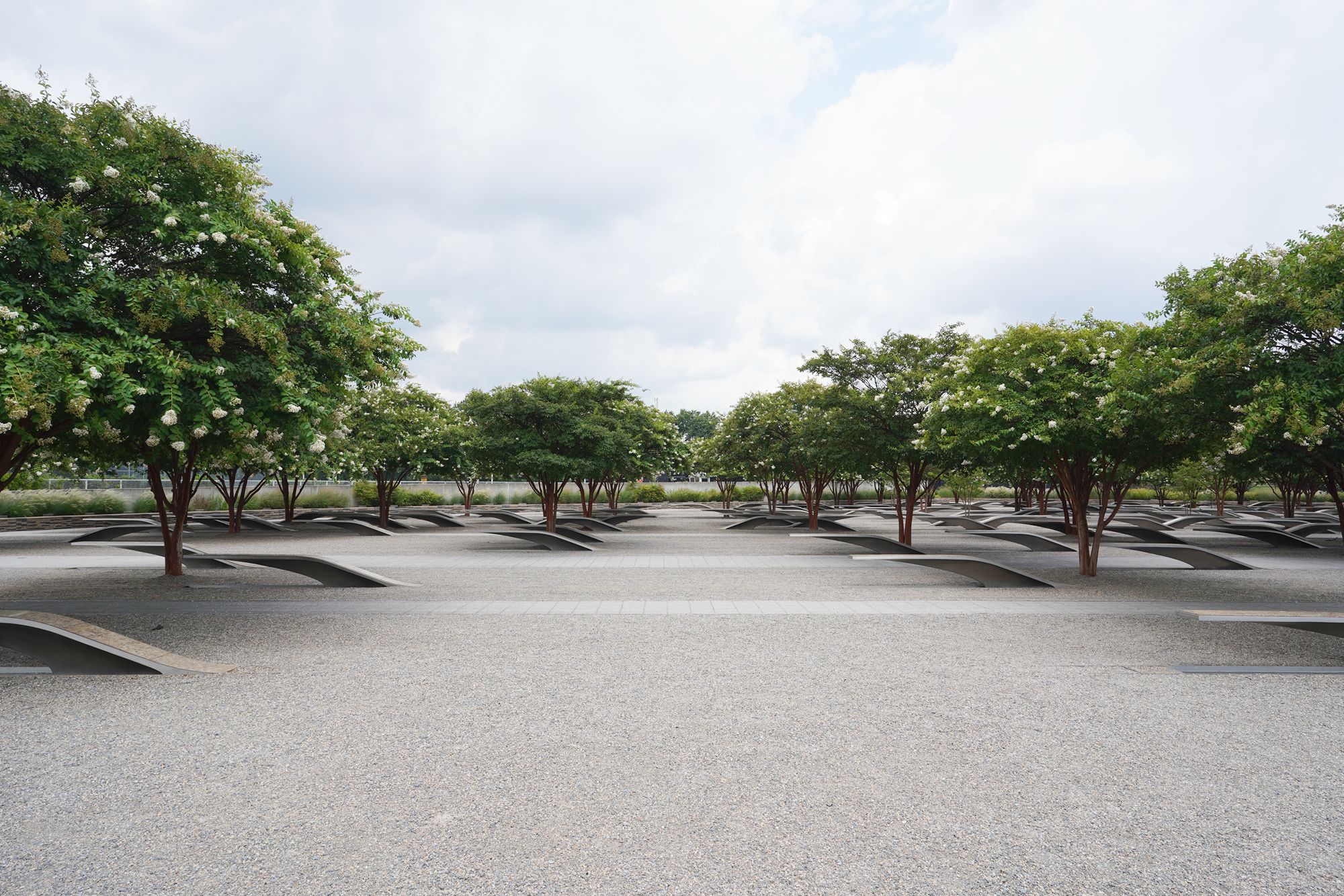
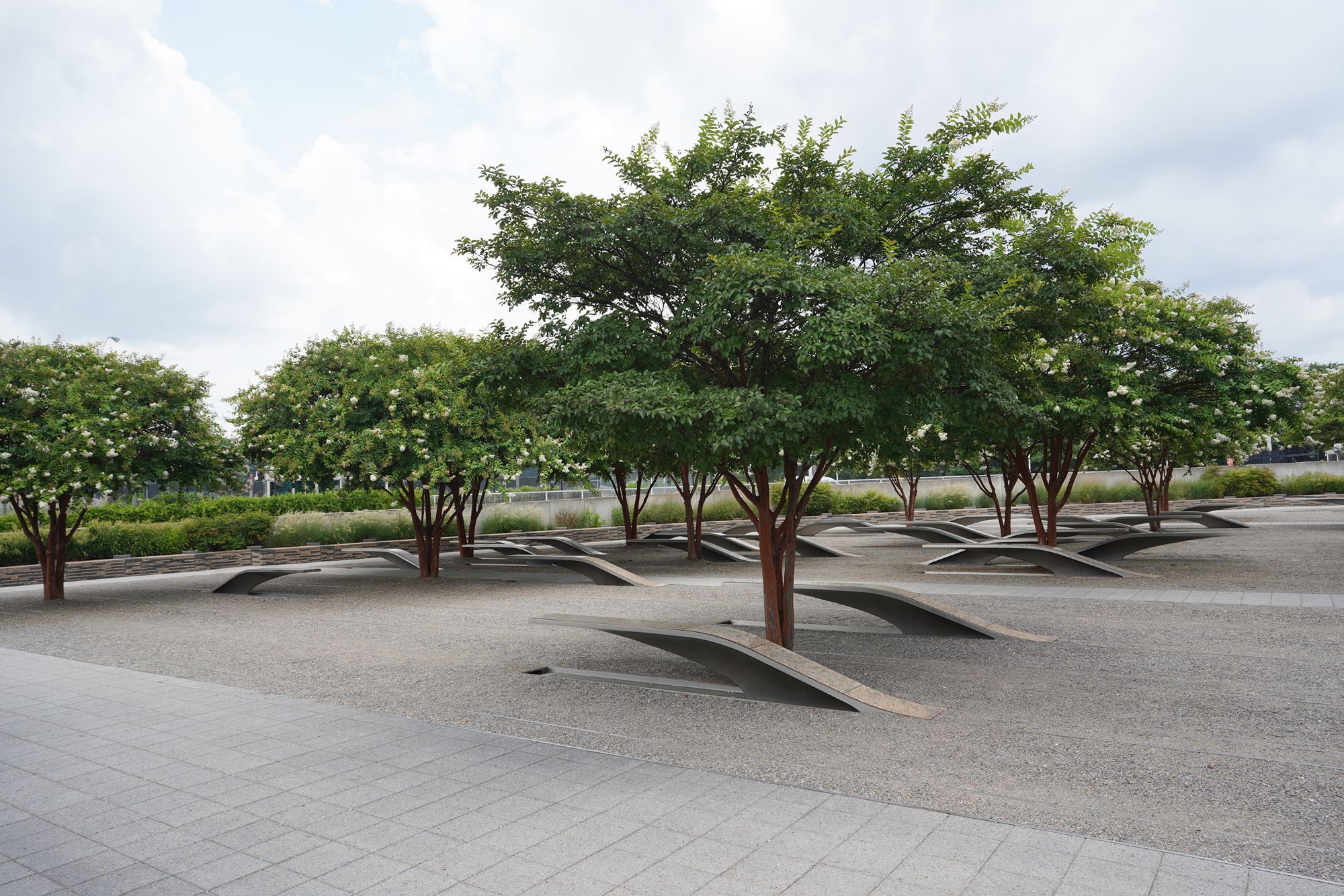
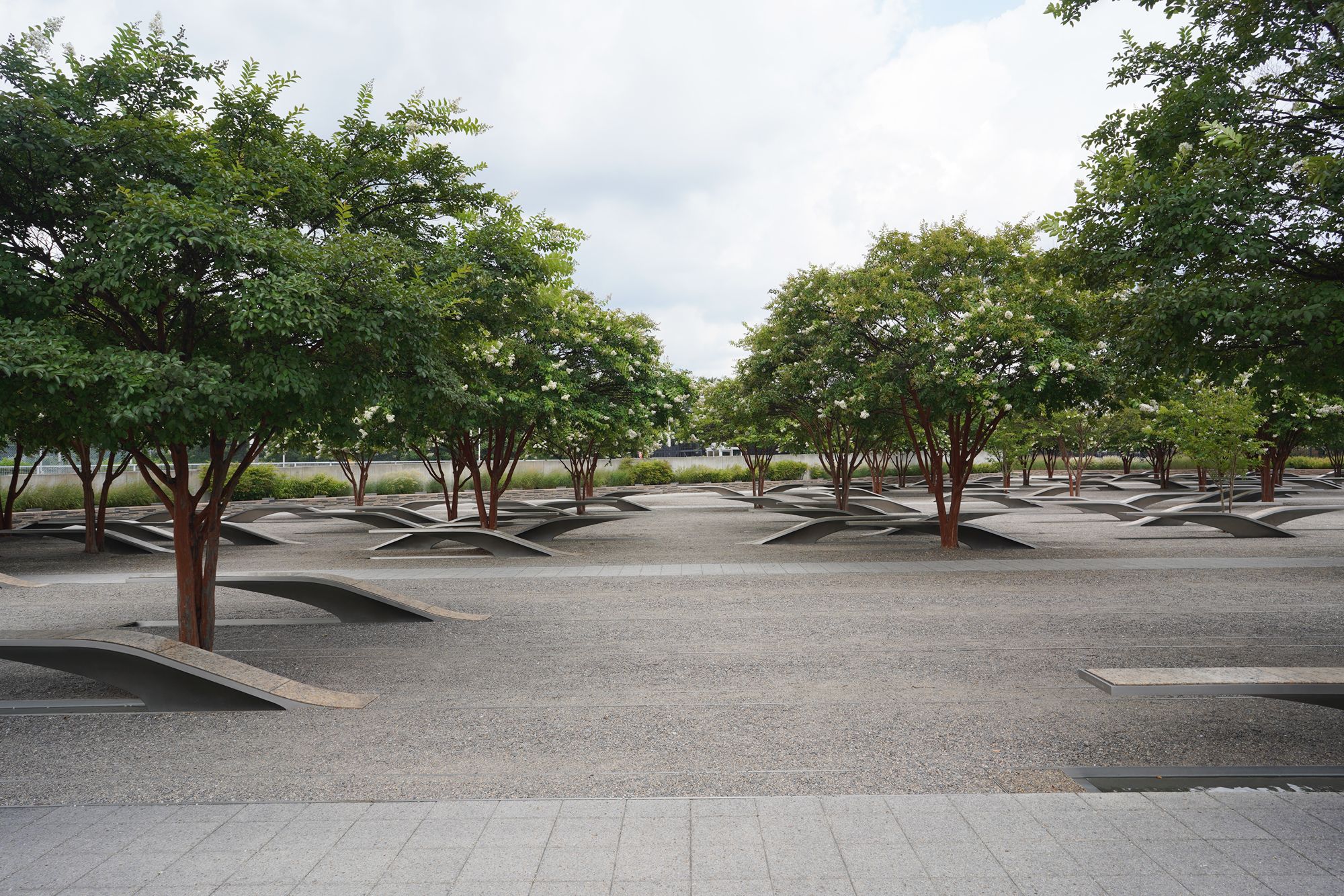
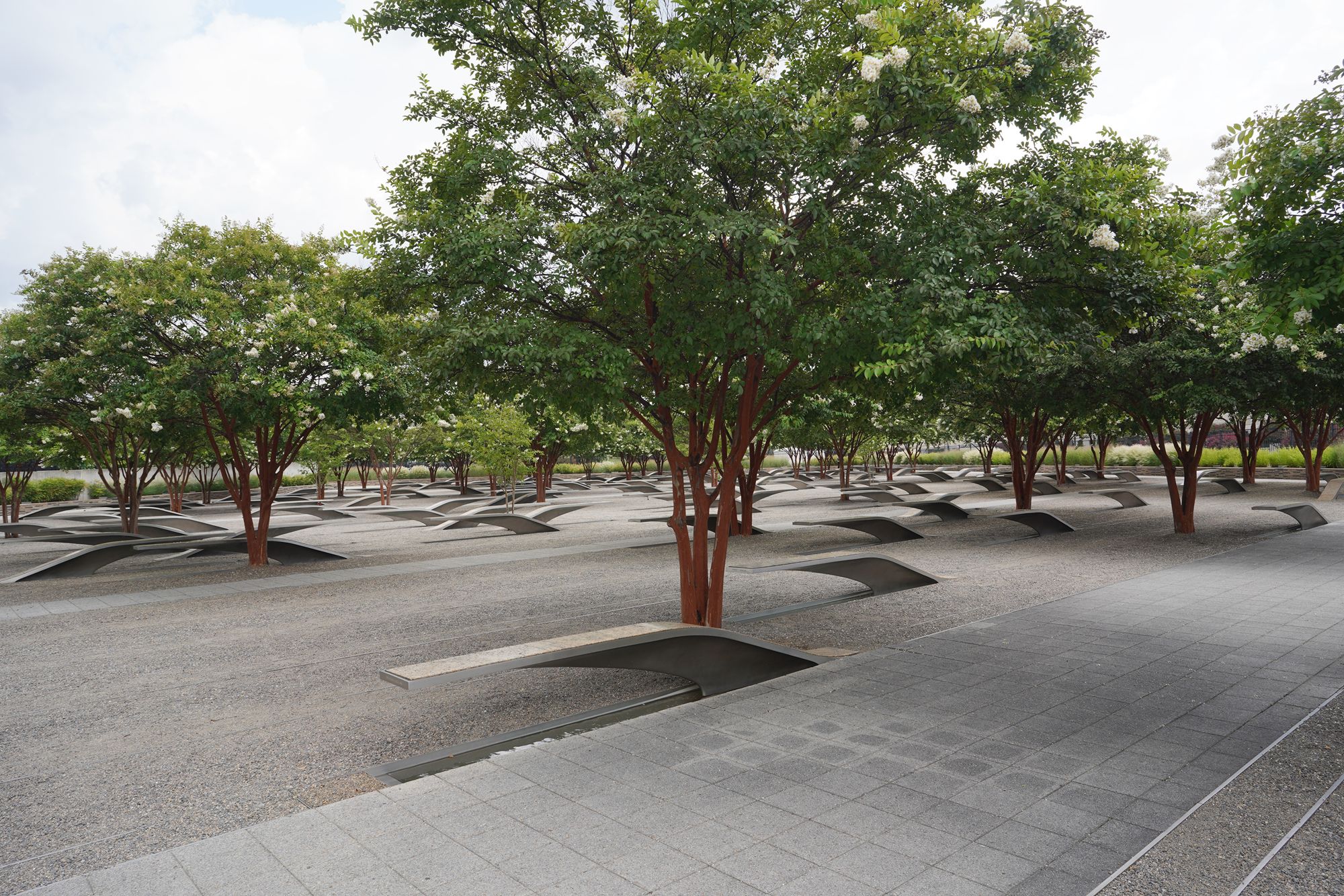
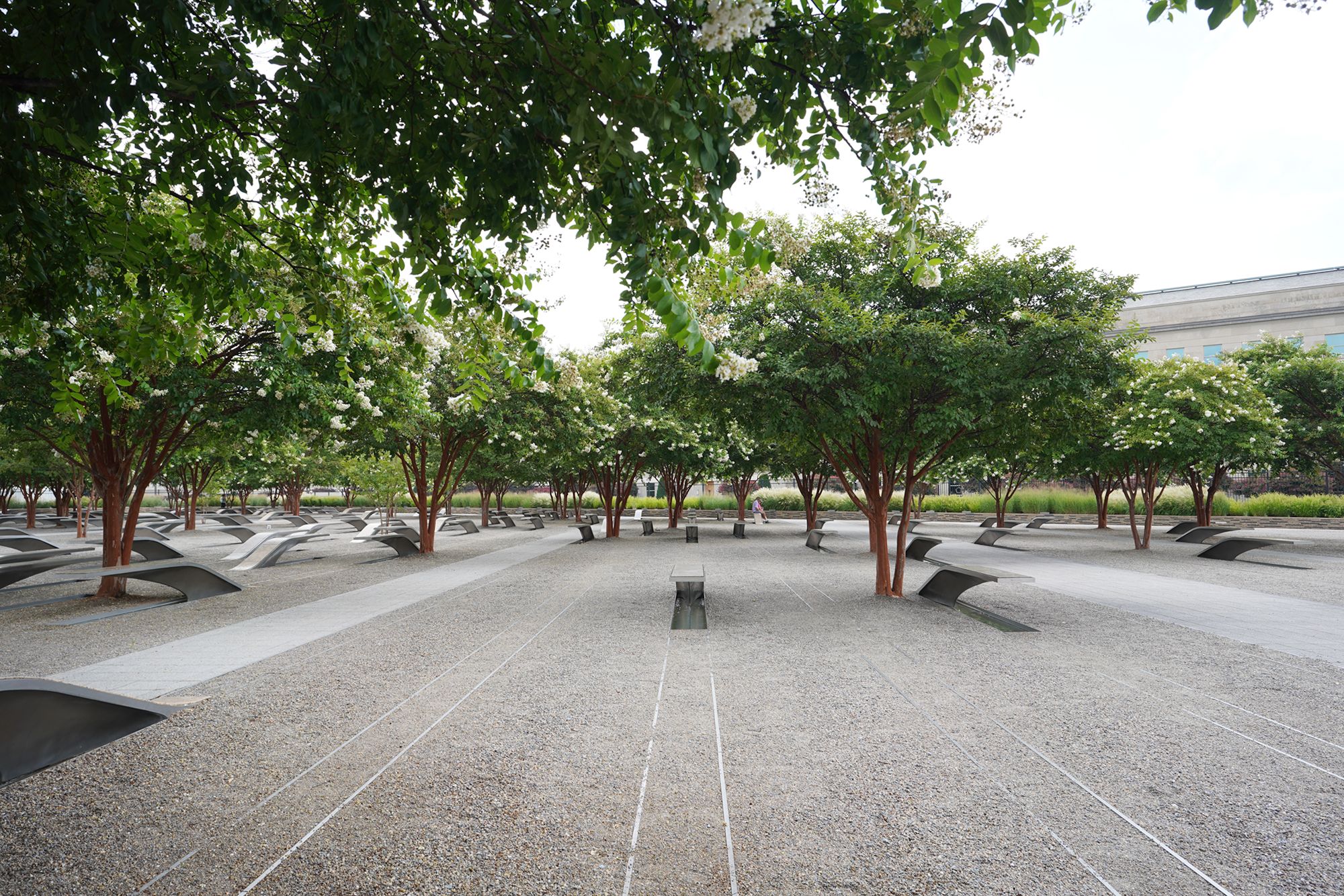
The memorial sits next to the Pentagon at the exact point where the building was struck.
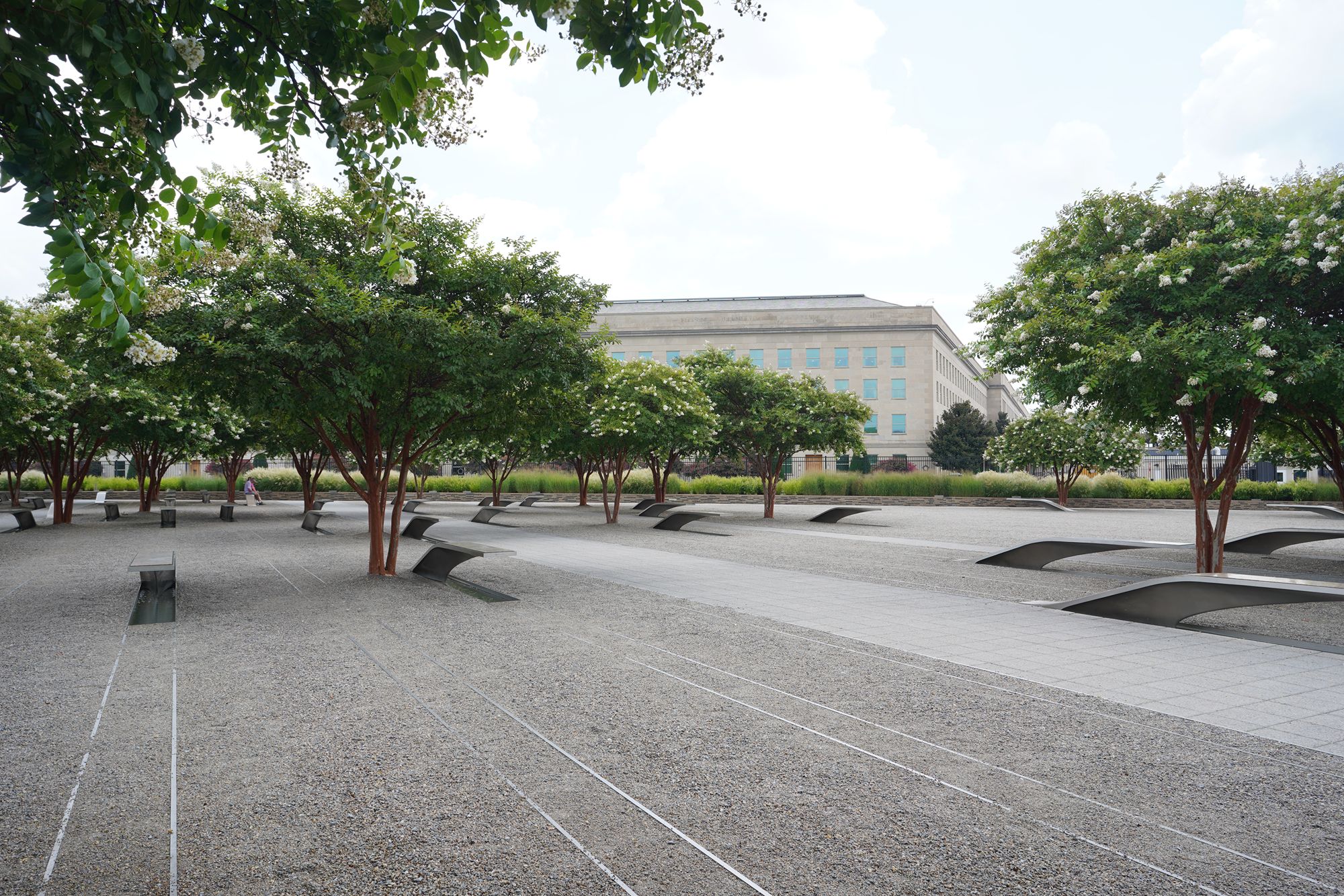
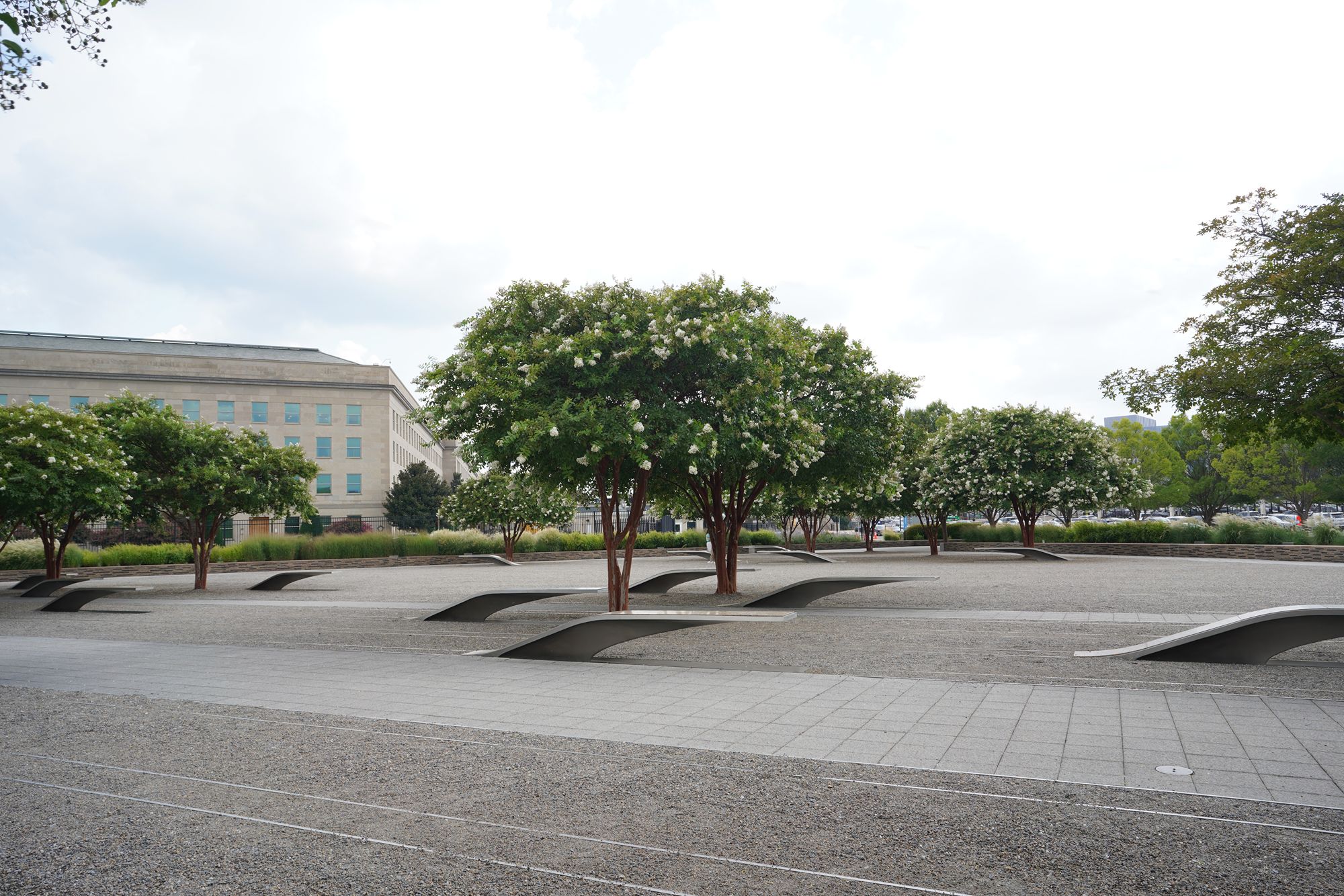
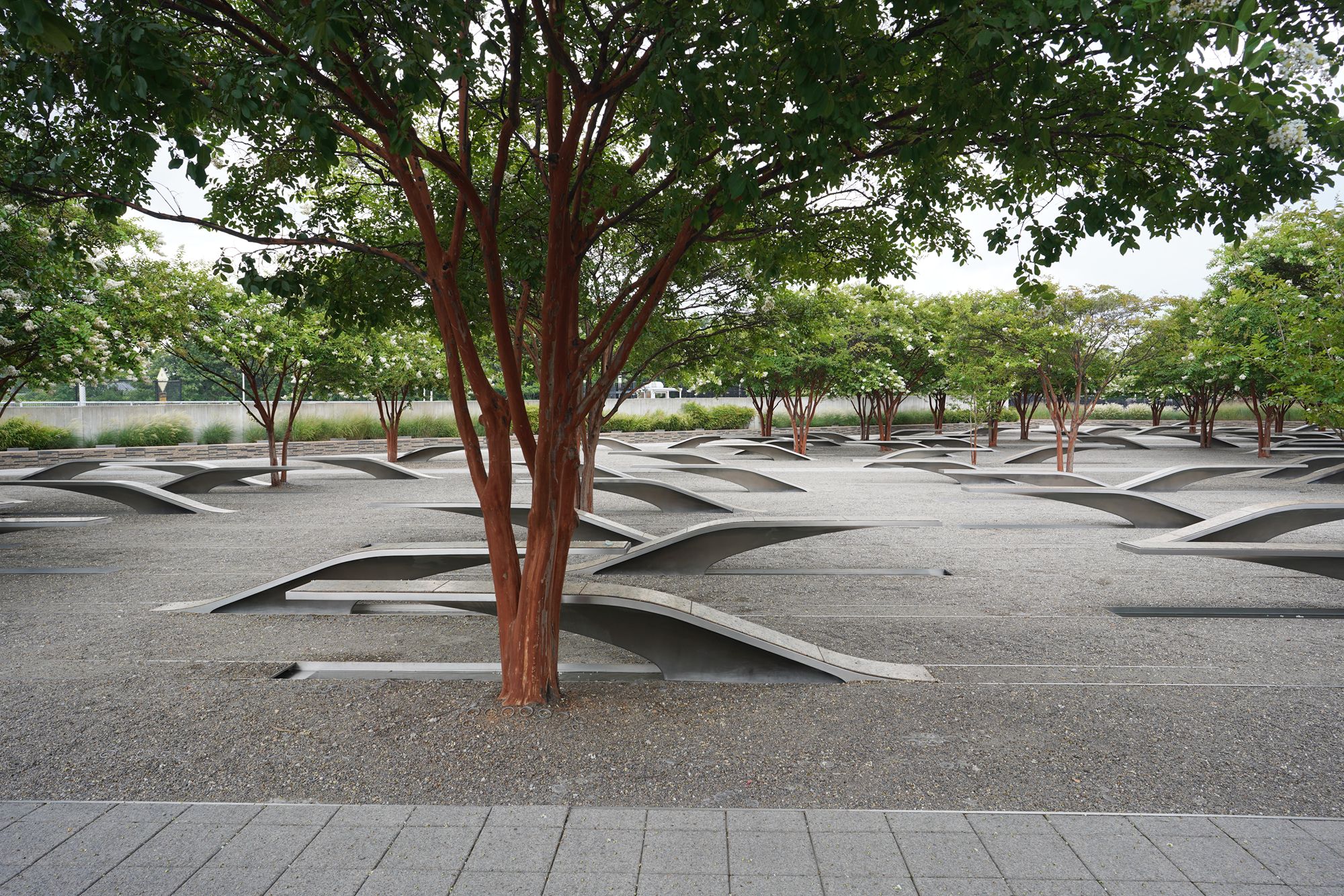
Soft lighting and a grove of trees create a peaceful space for reflection.
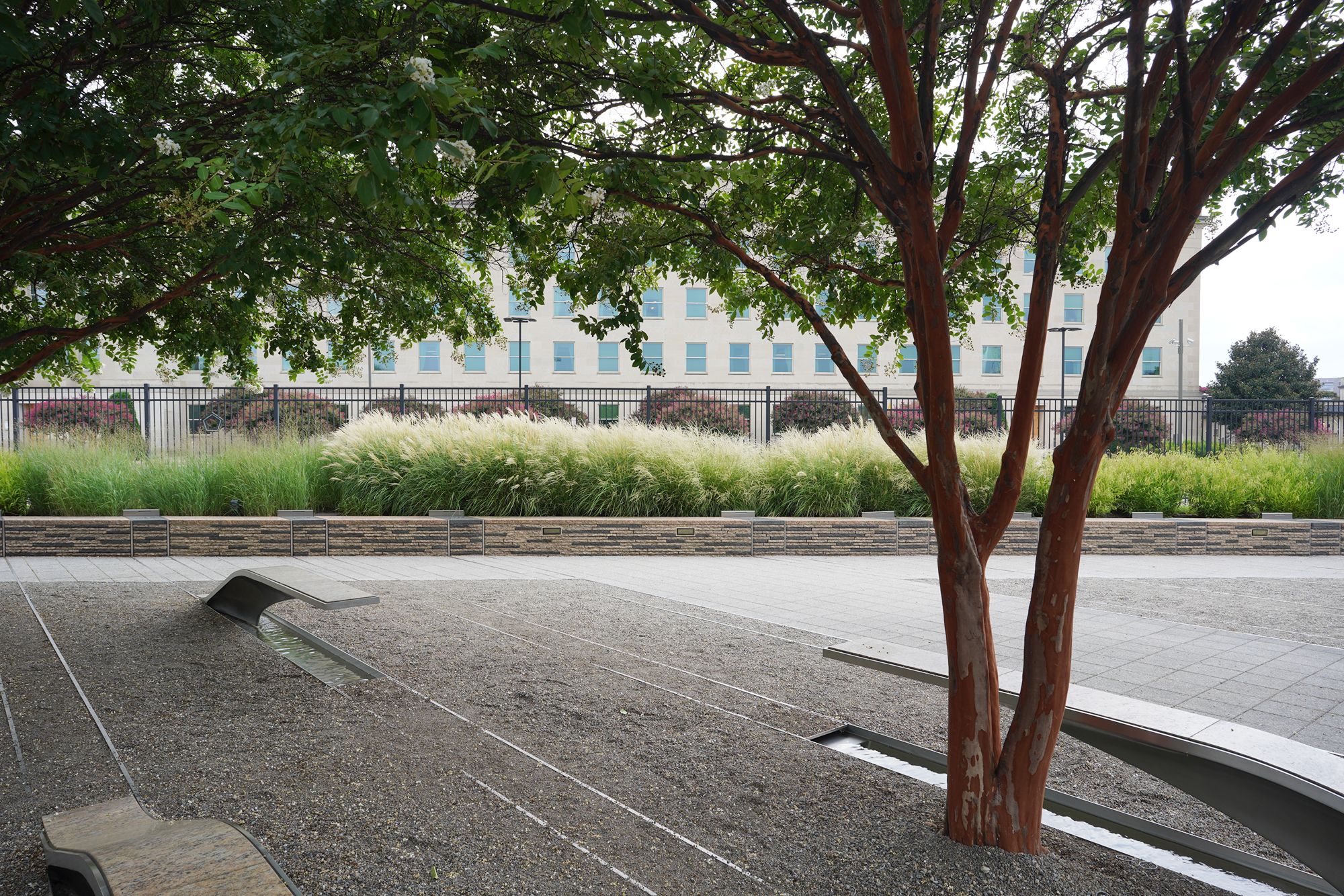
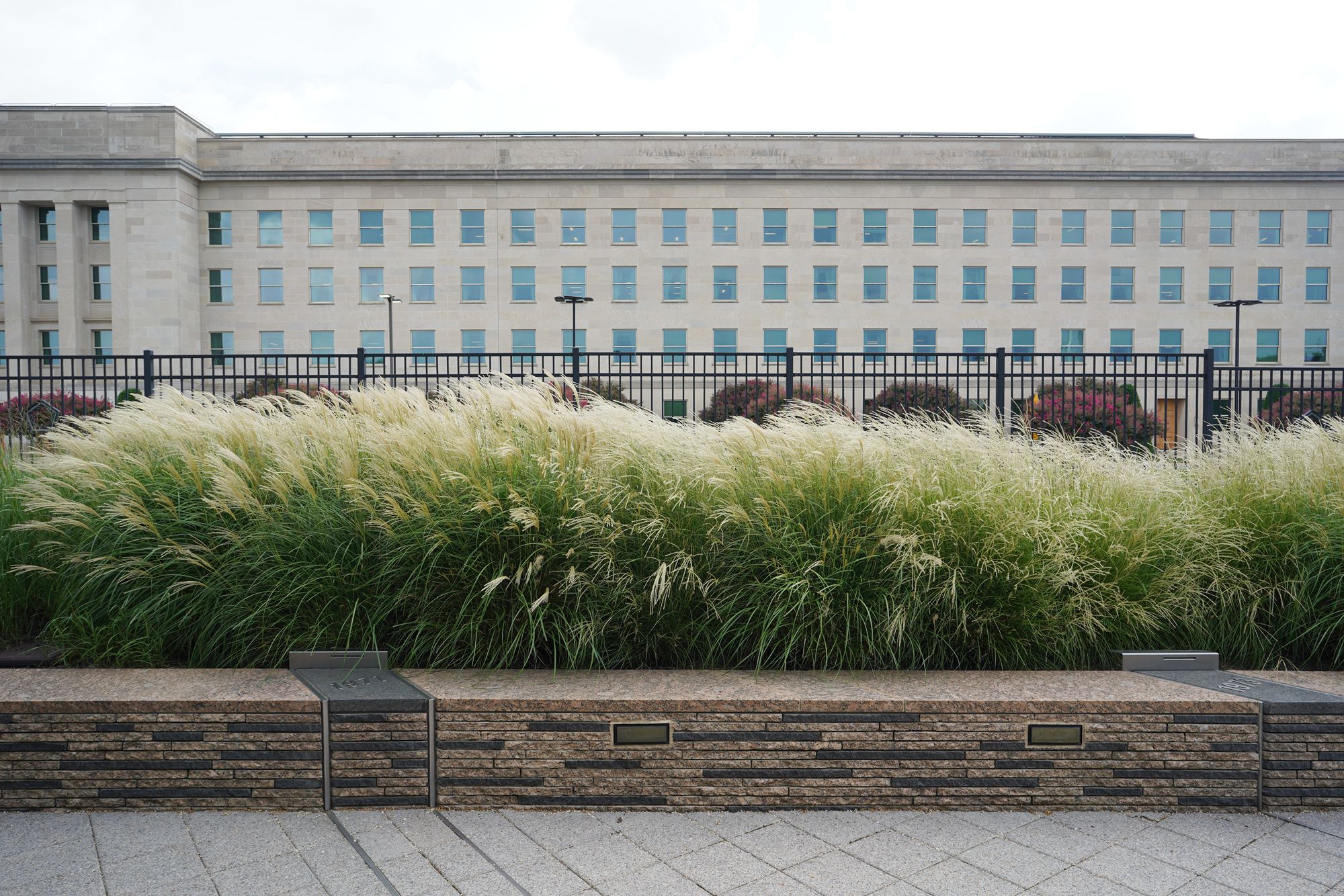
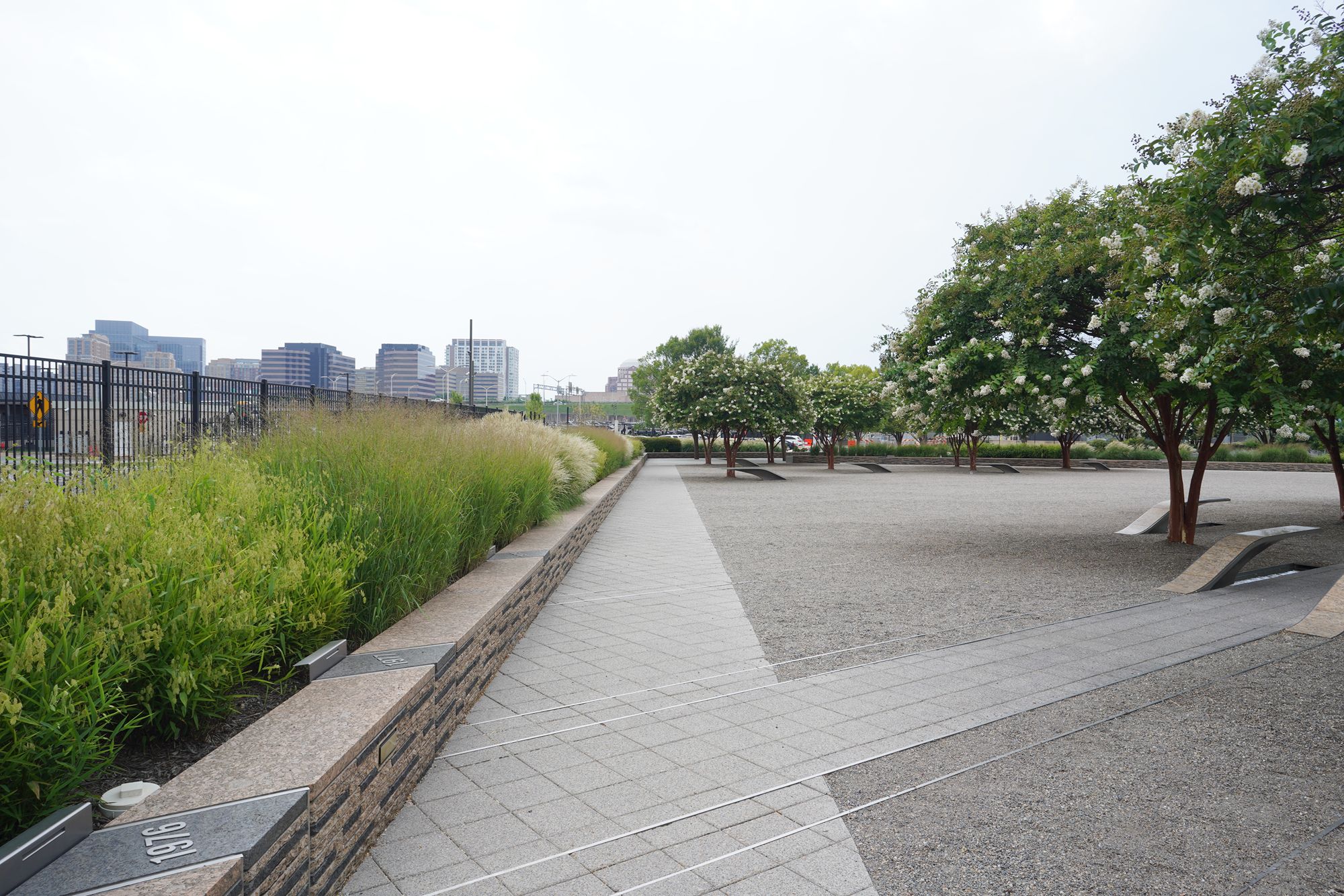
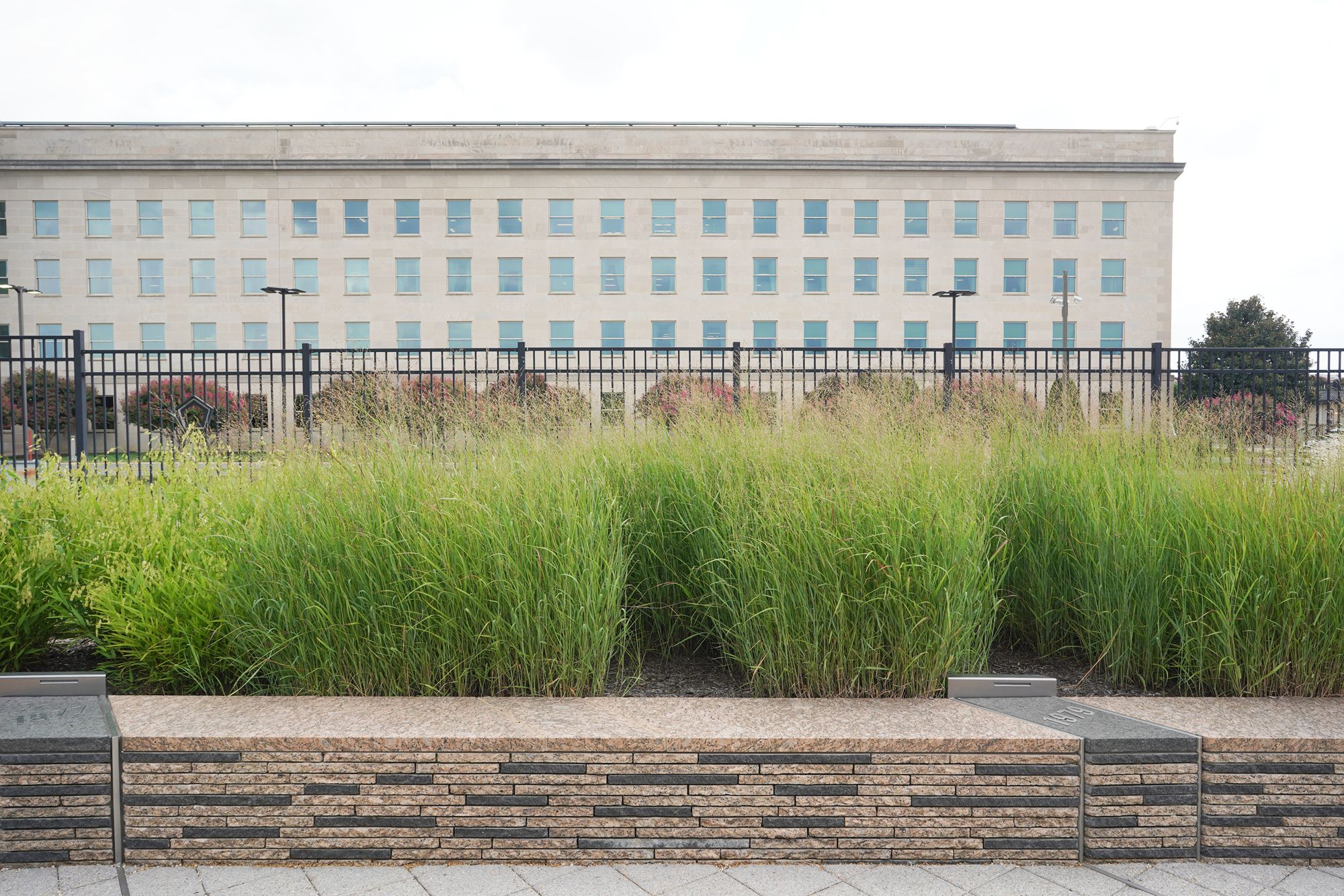
After the Pentagon Memorial, I drove to the Thomas Jefferson Memorial
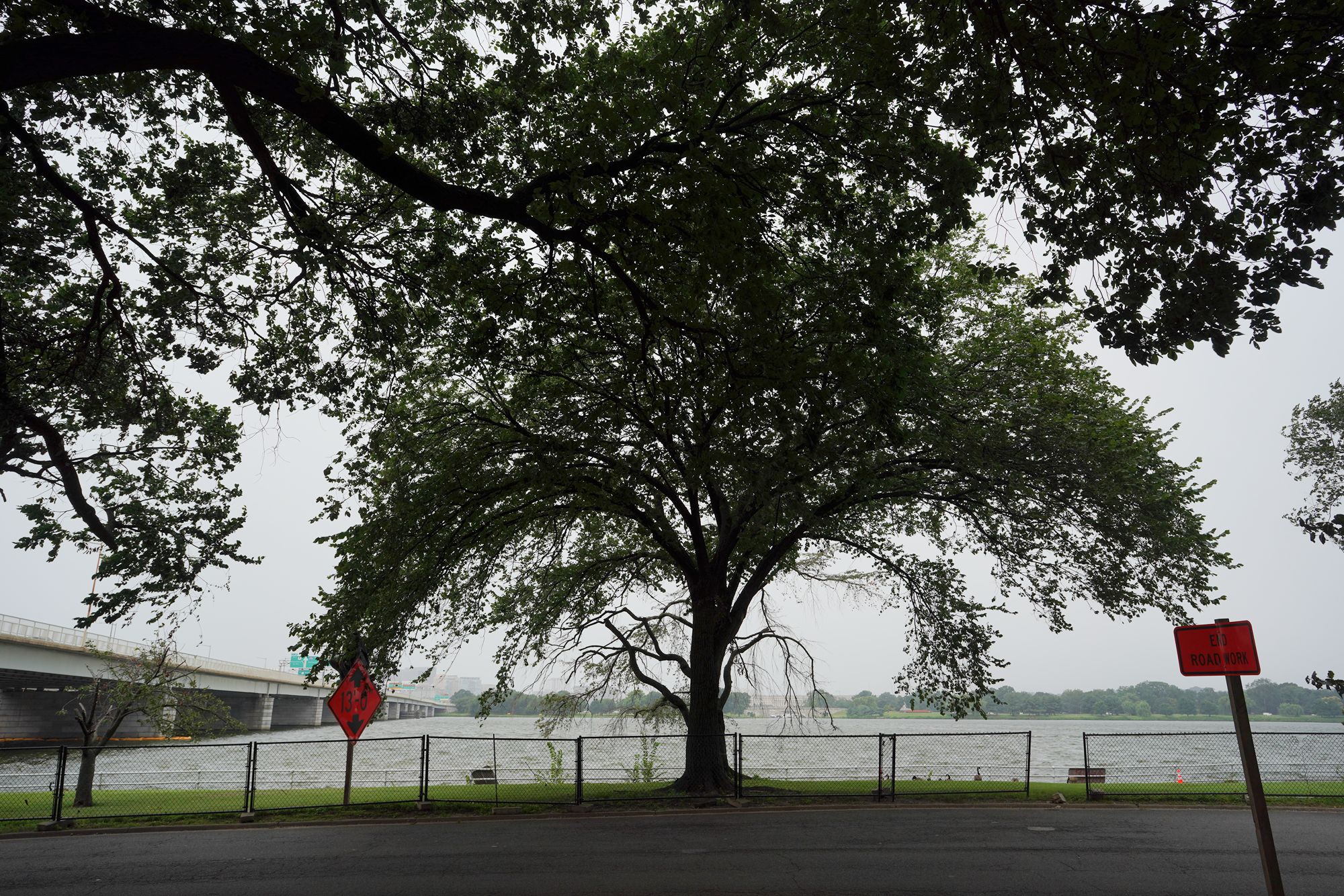
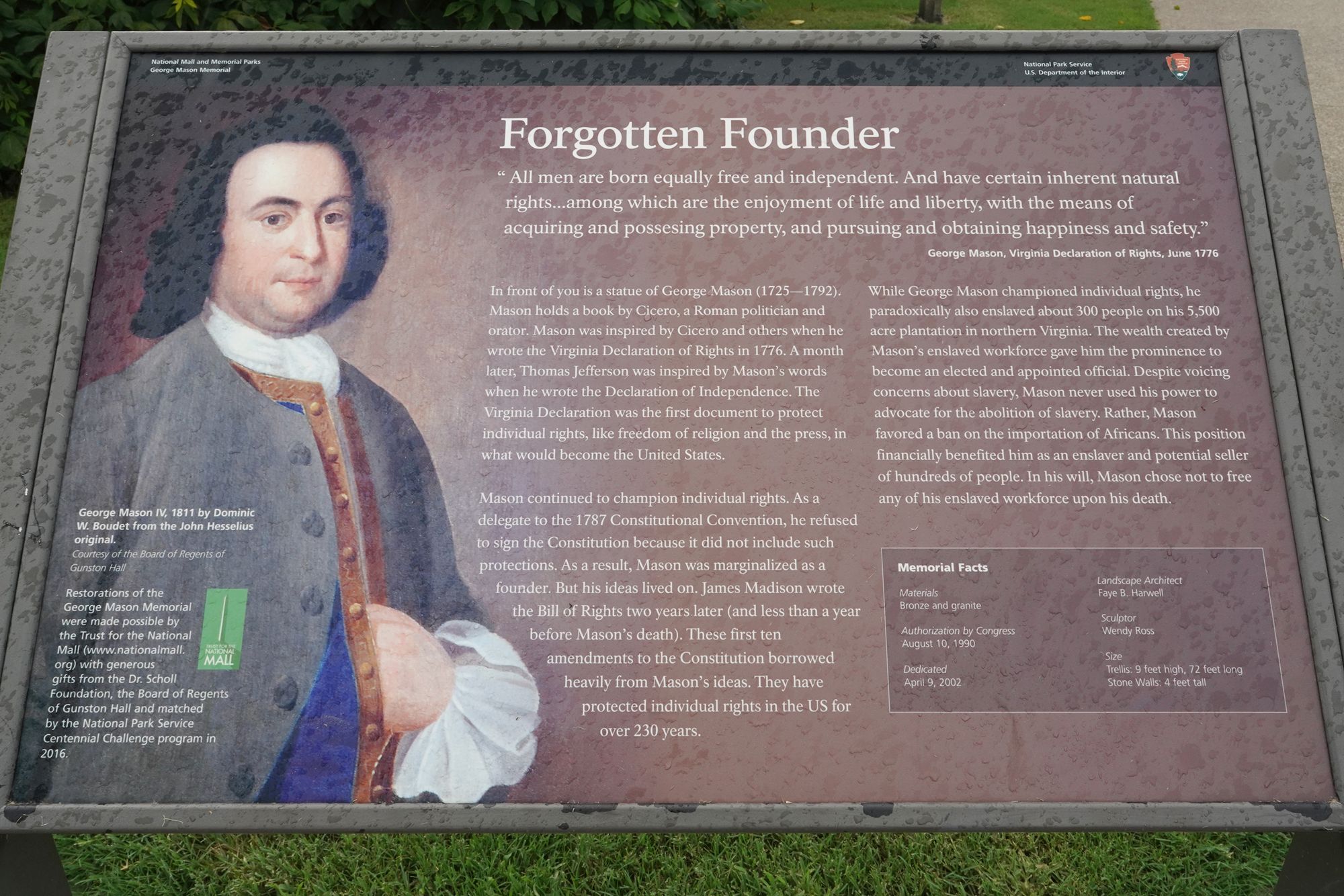
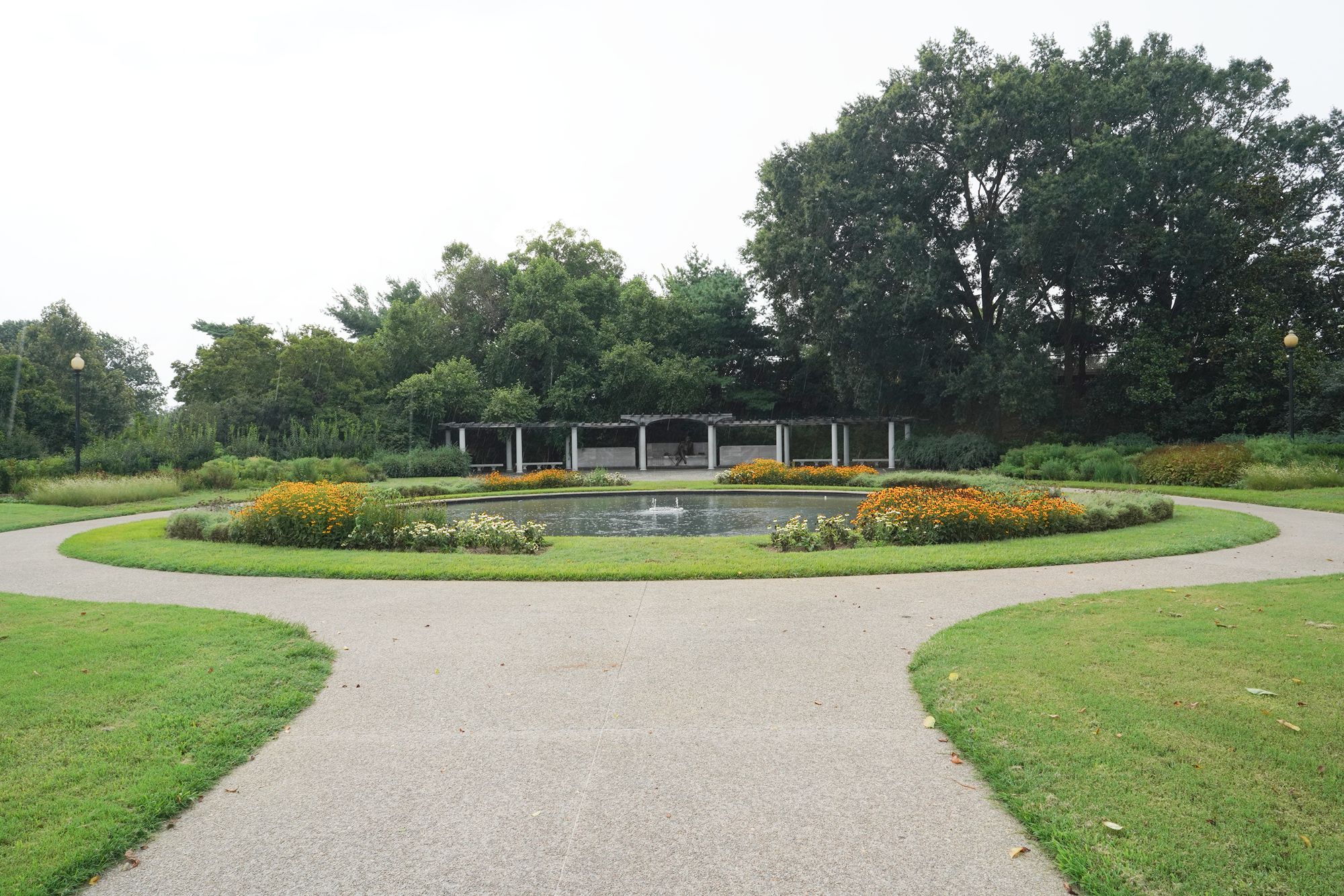
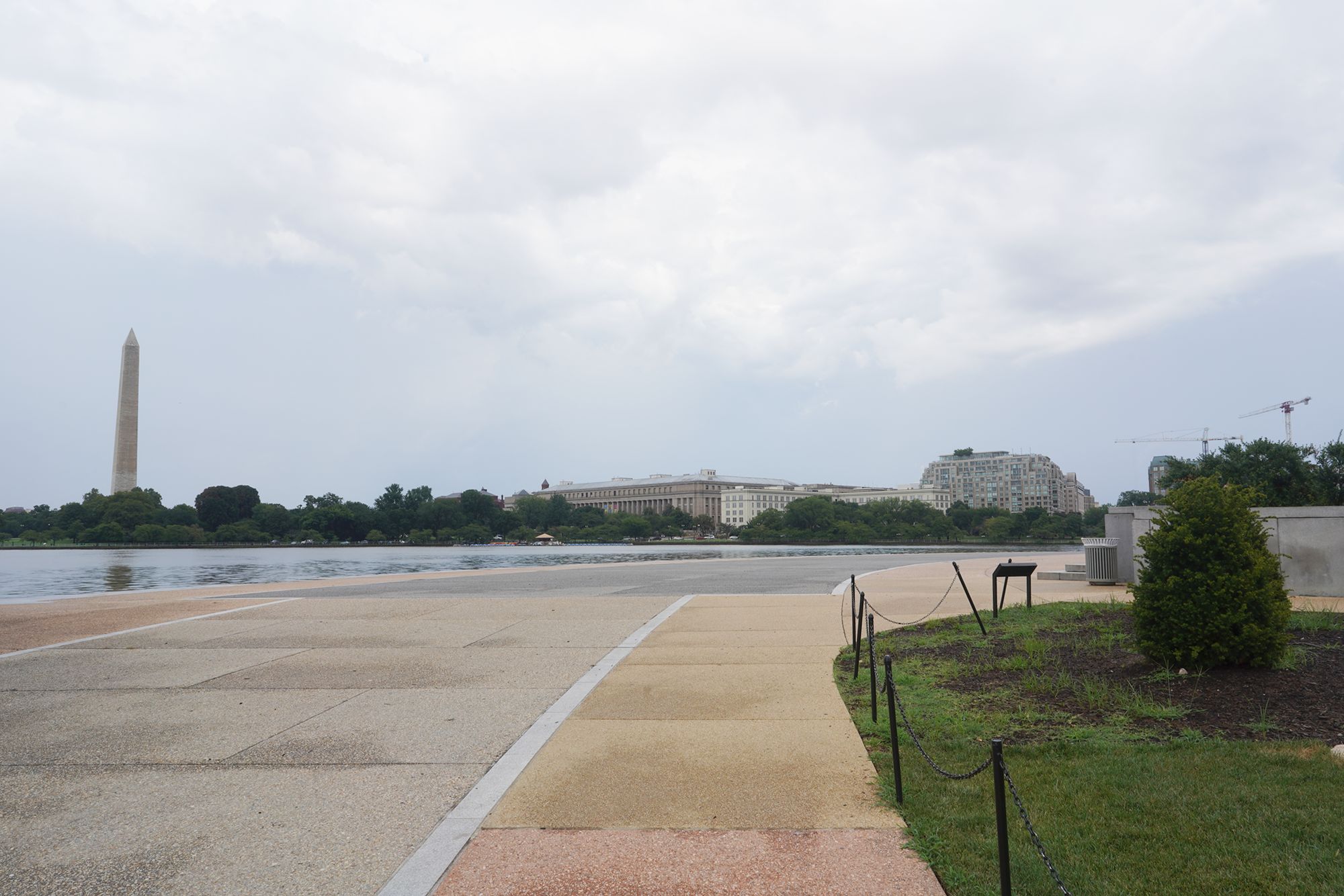
Near the Jefferson Memorial is a smaller memorial dedicated to George Mason IV.
George Mason IV was one of the Founding Fathers of the United States and the author of the Virginia Declaration of Rights, a document that strongly influenced the U.S. Bill of Rights.
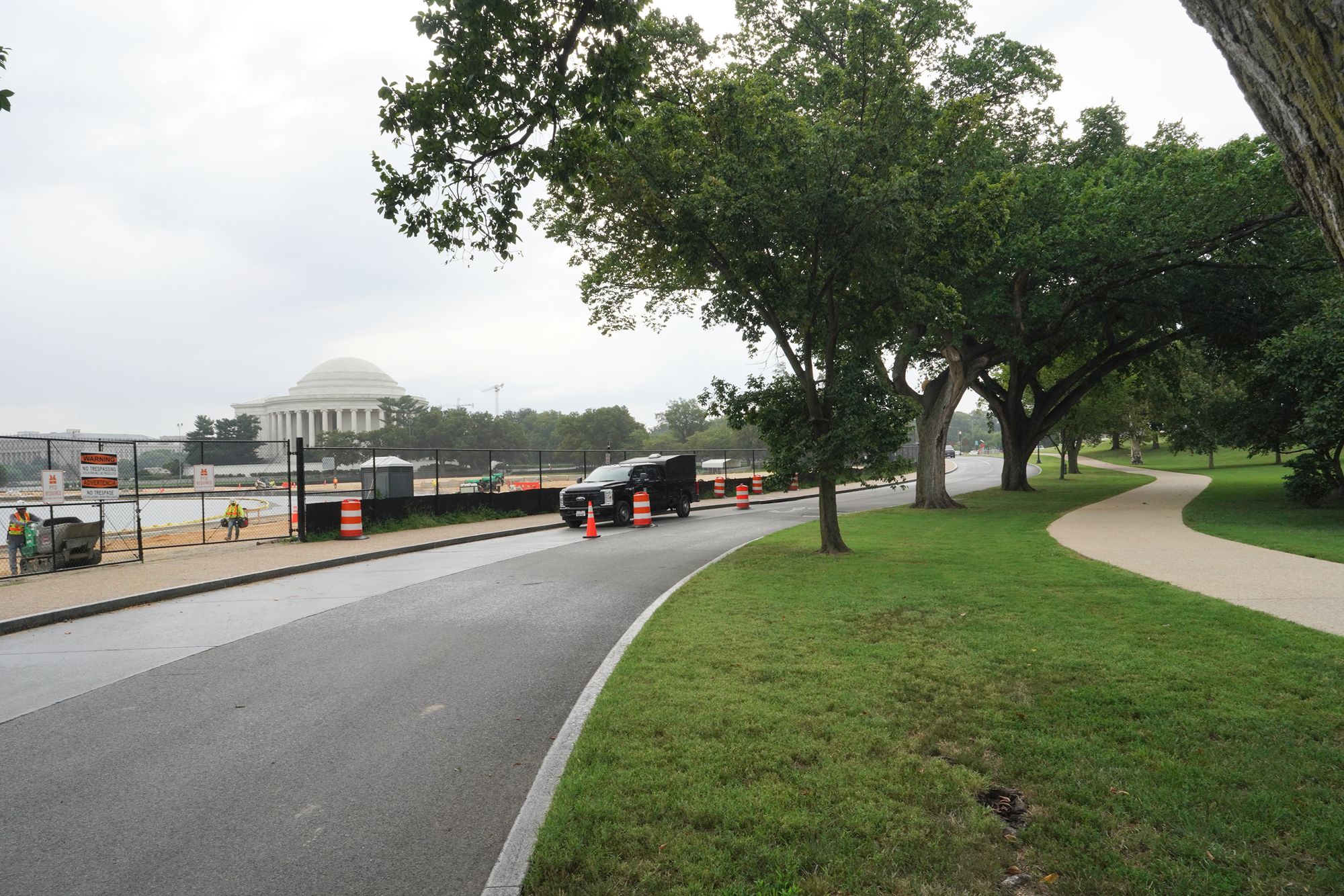
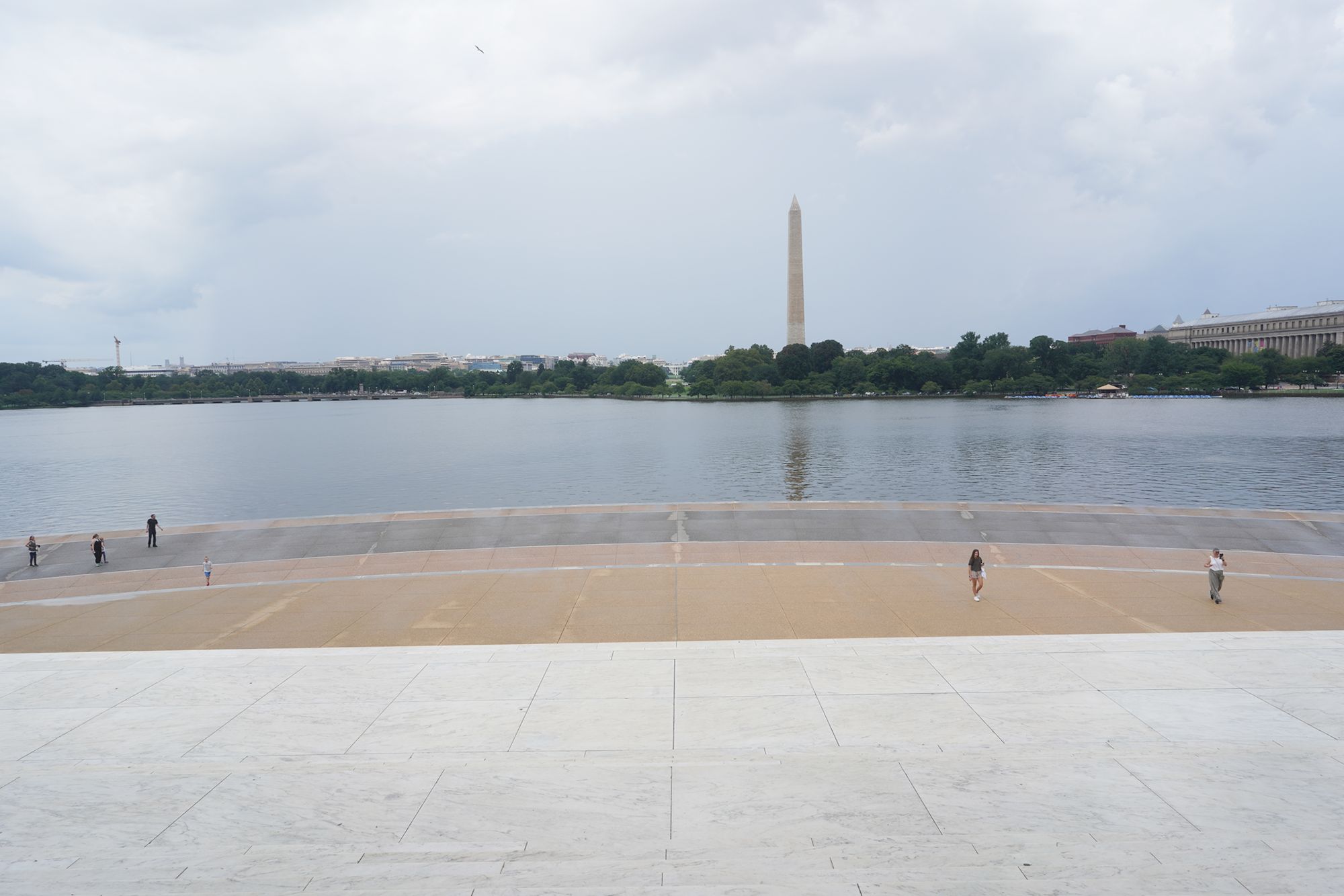
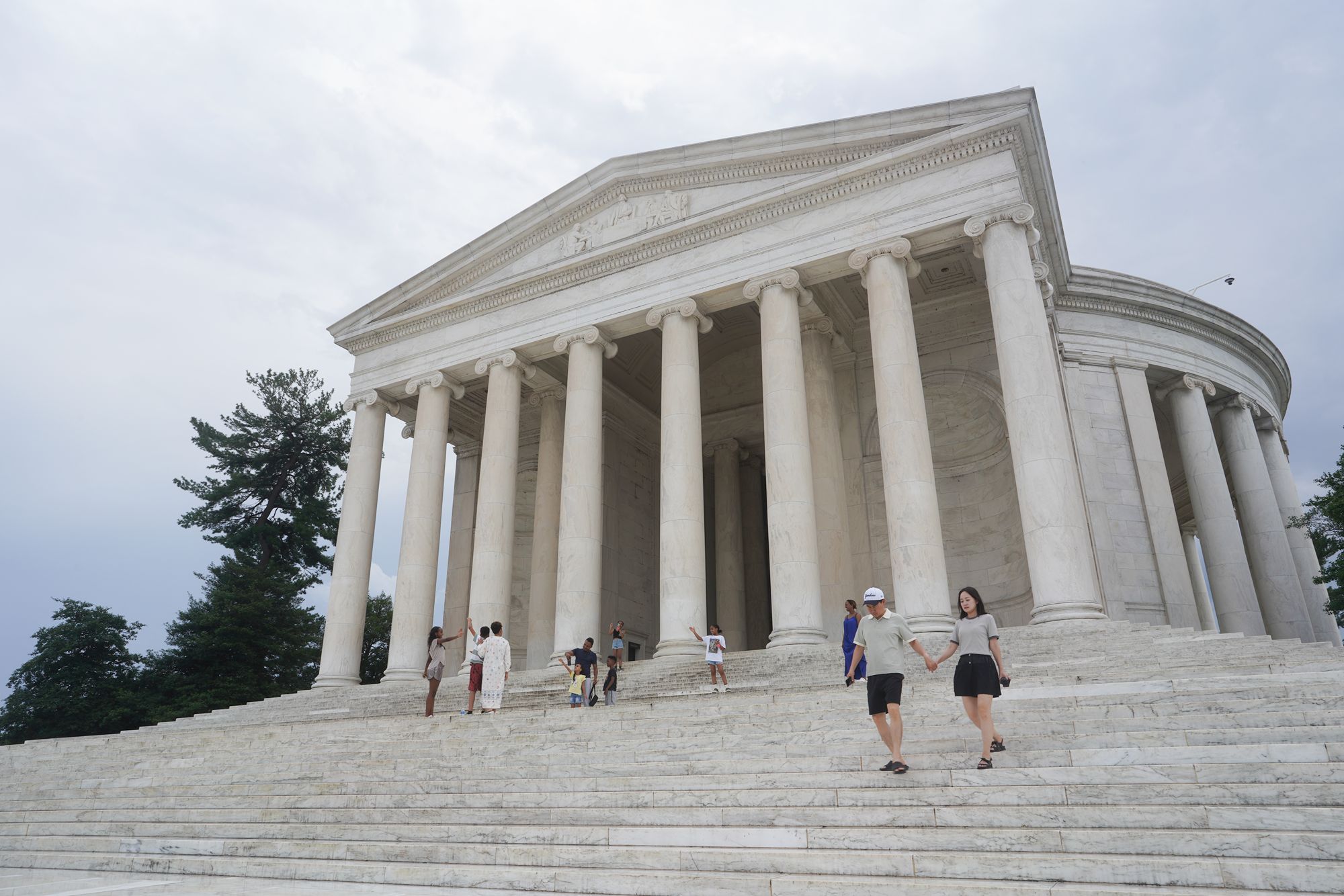
The Jefferson Memorial
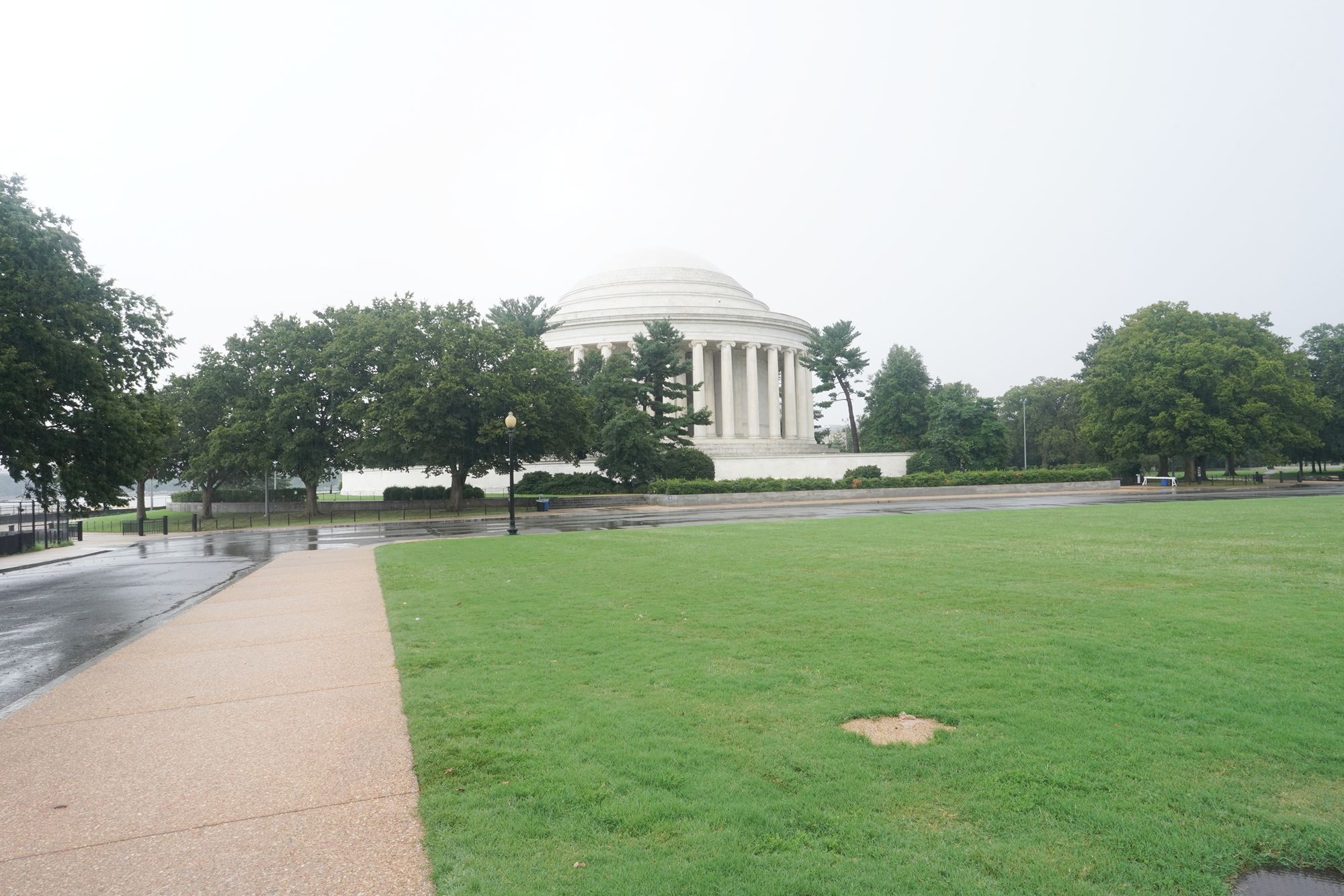
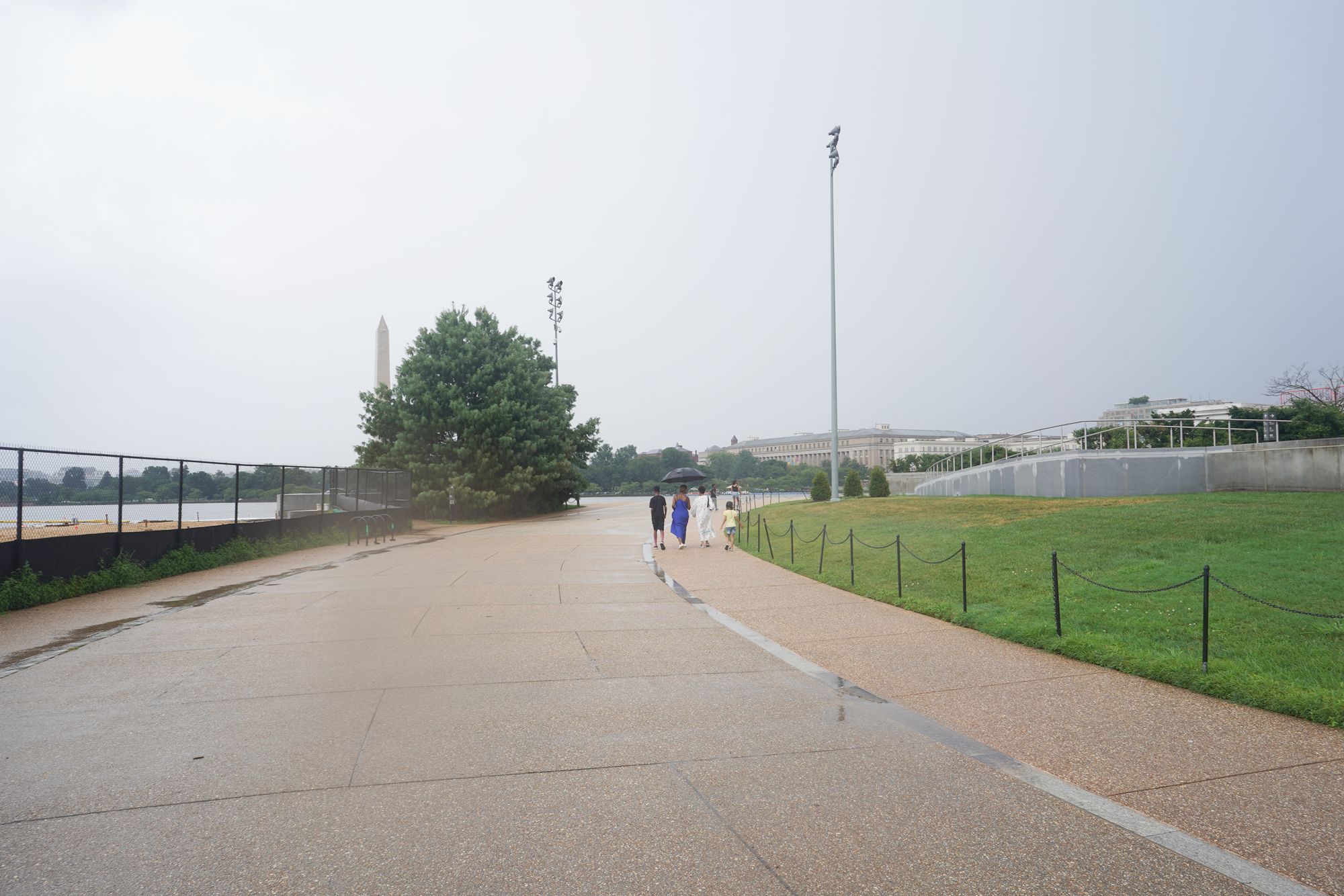
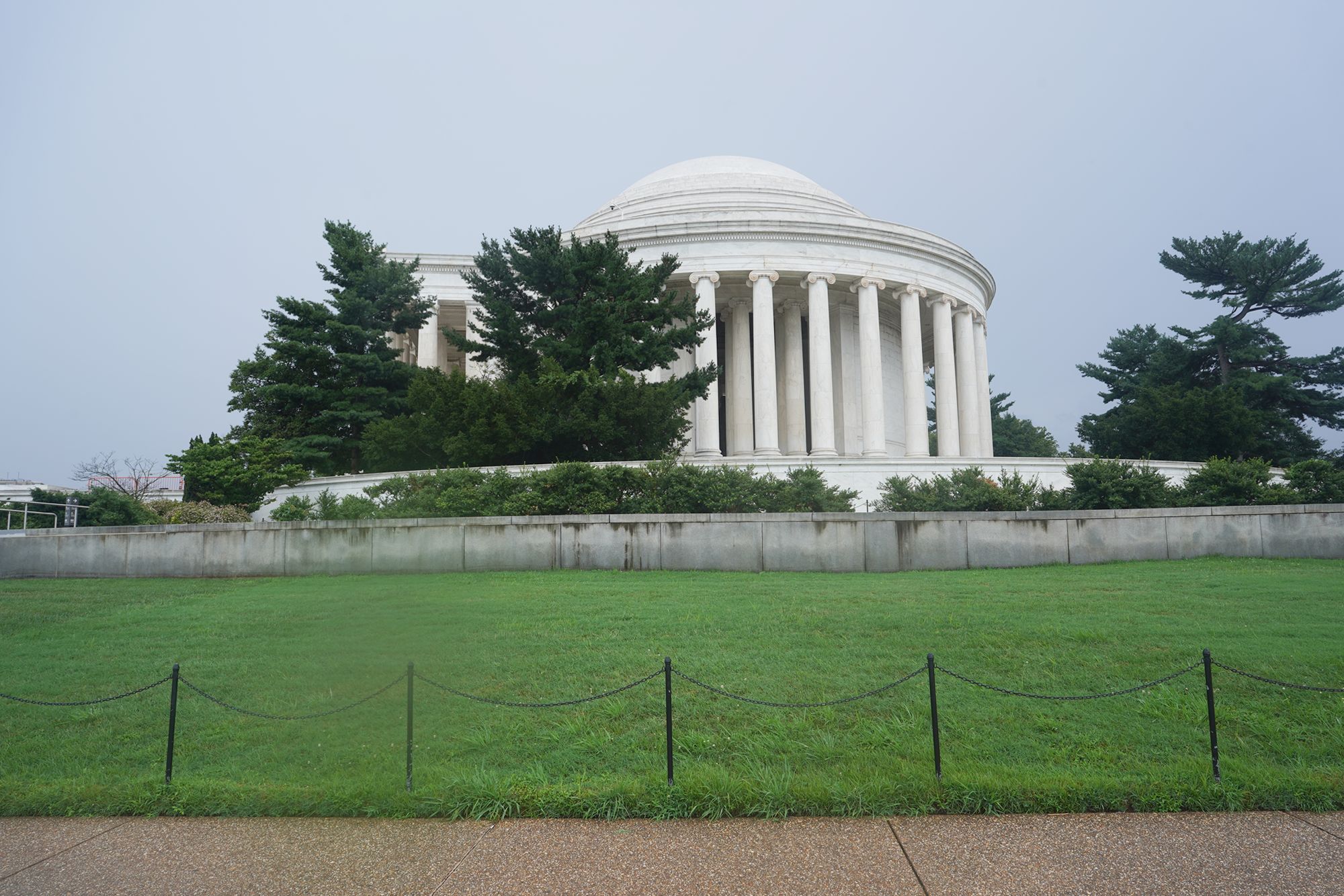
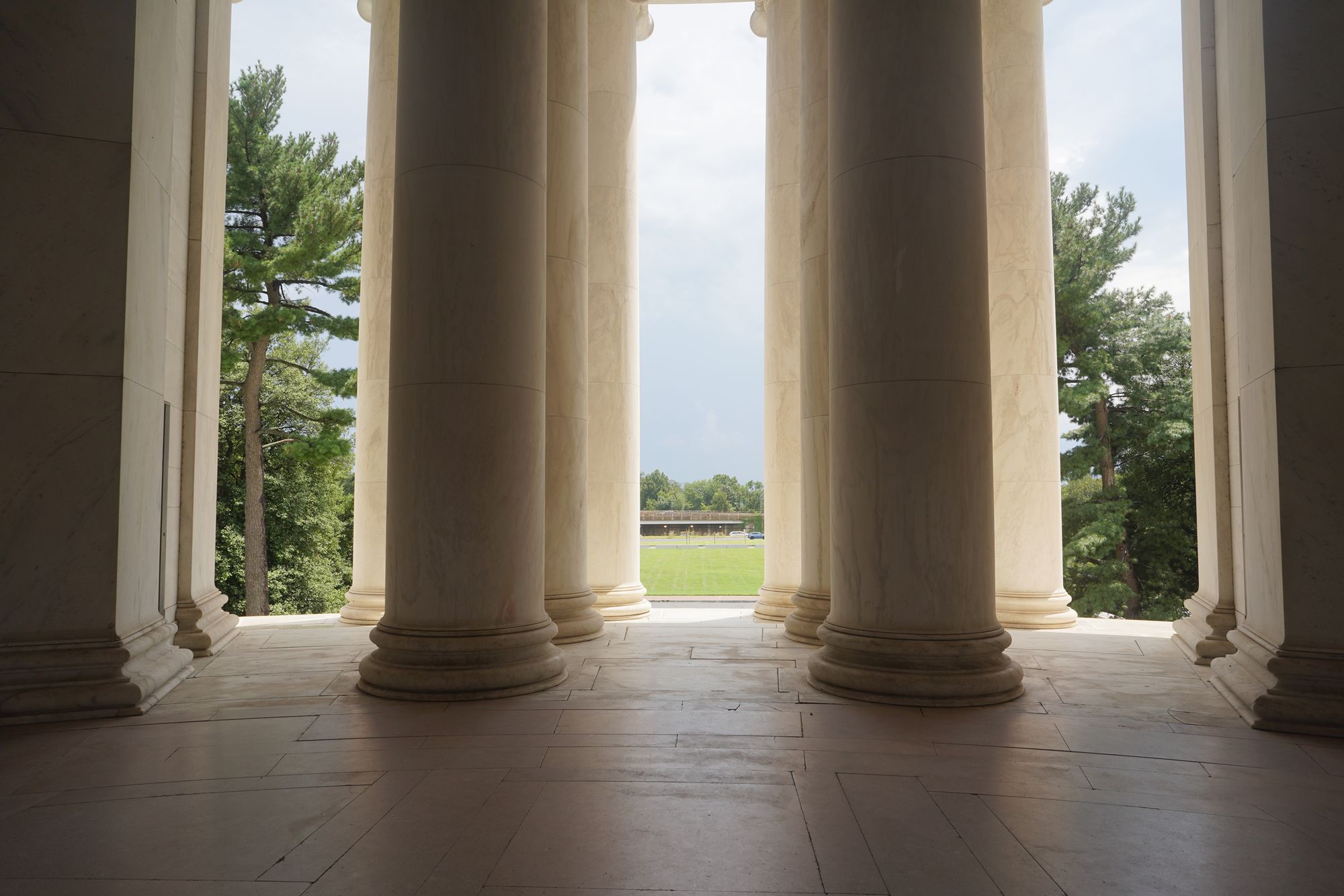
The Jefferson Memorial is a grand, neoclassical monument in Washington, D.C., dedicated to Thomas Jefferson, the third U.S. president and principal author of the Declaration of Independence.
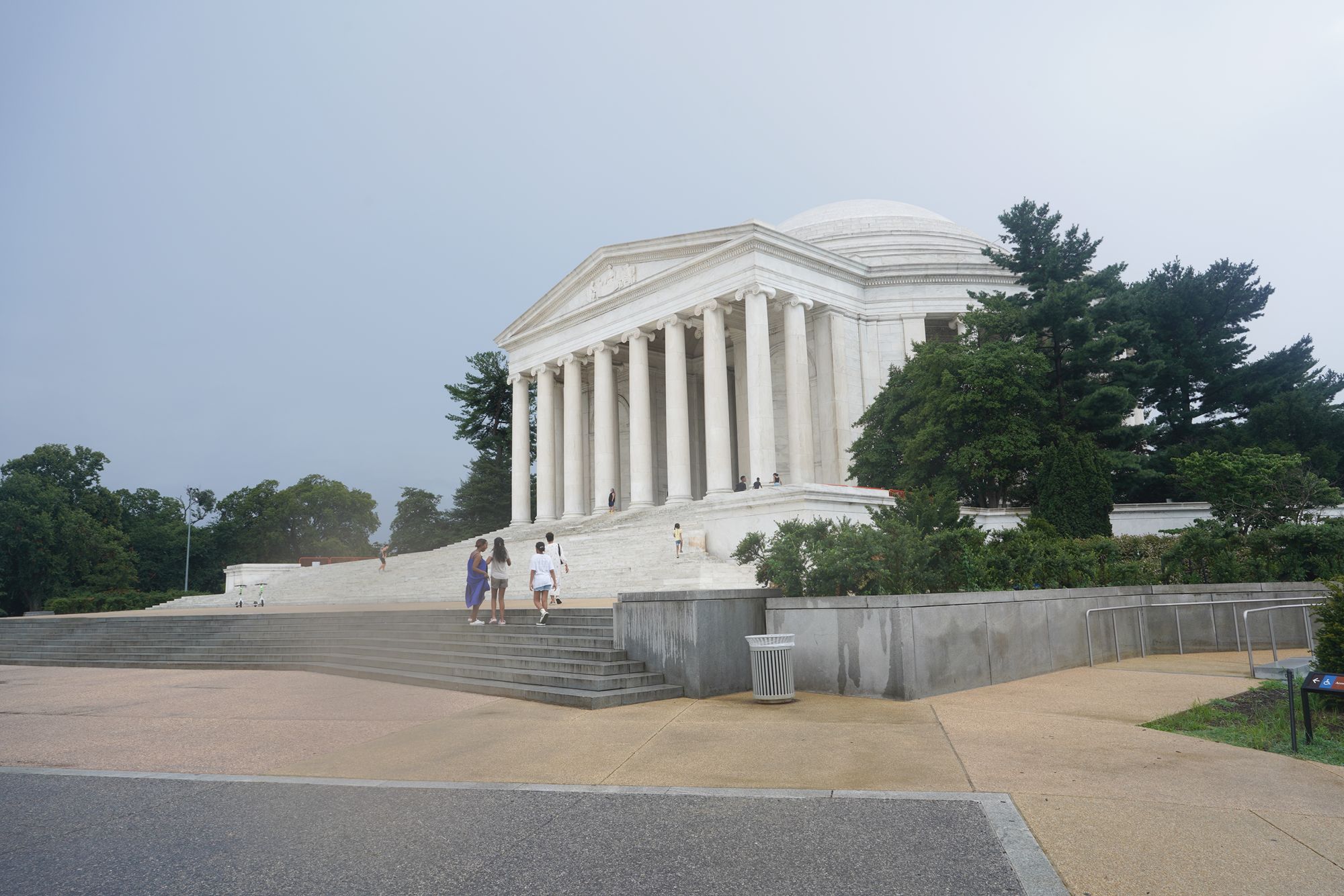
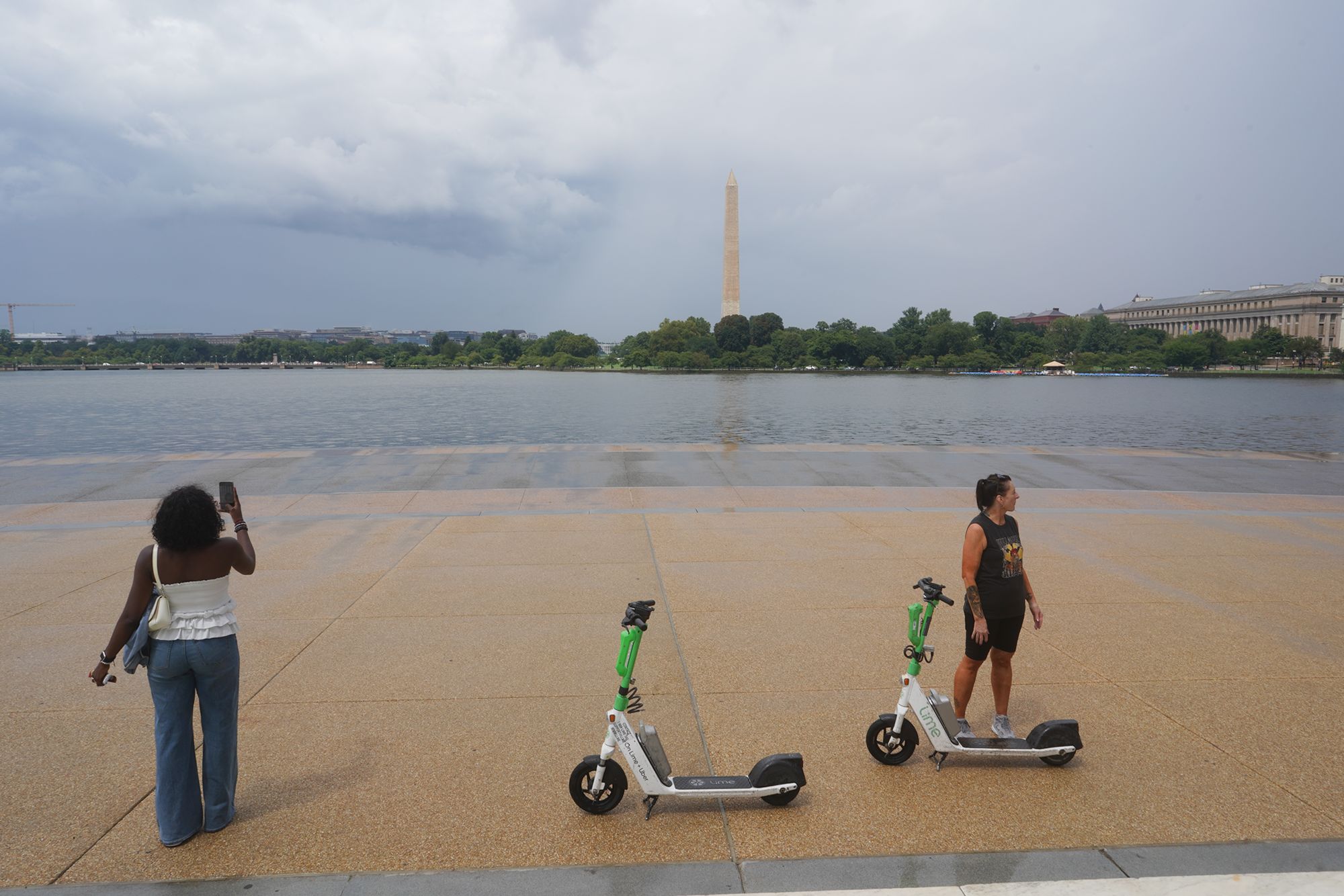
In front of the Jefferson Memorial
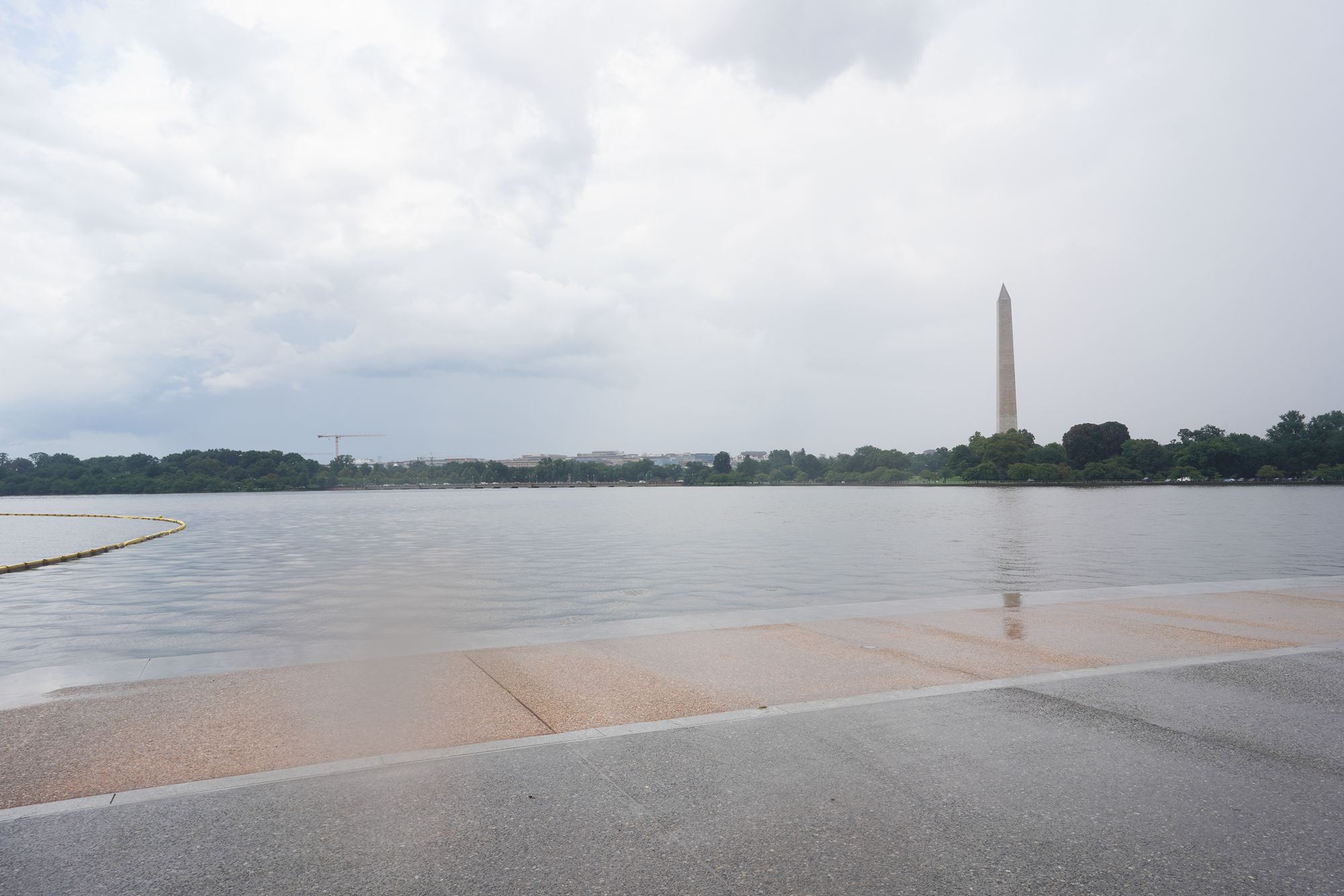
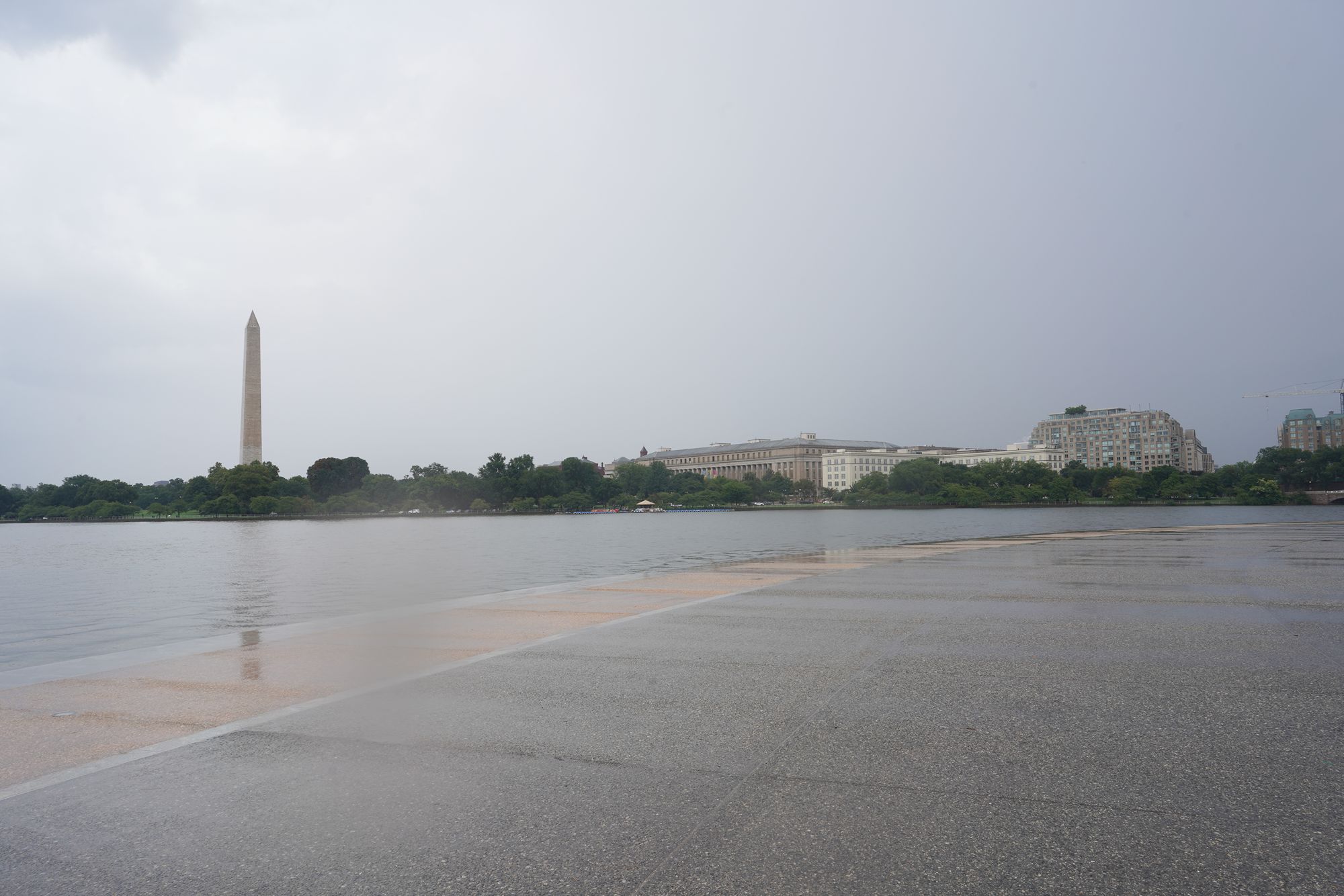
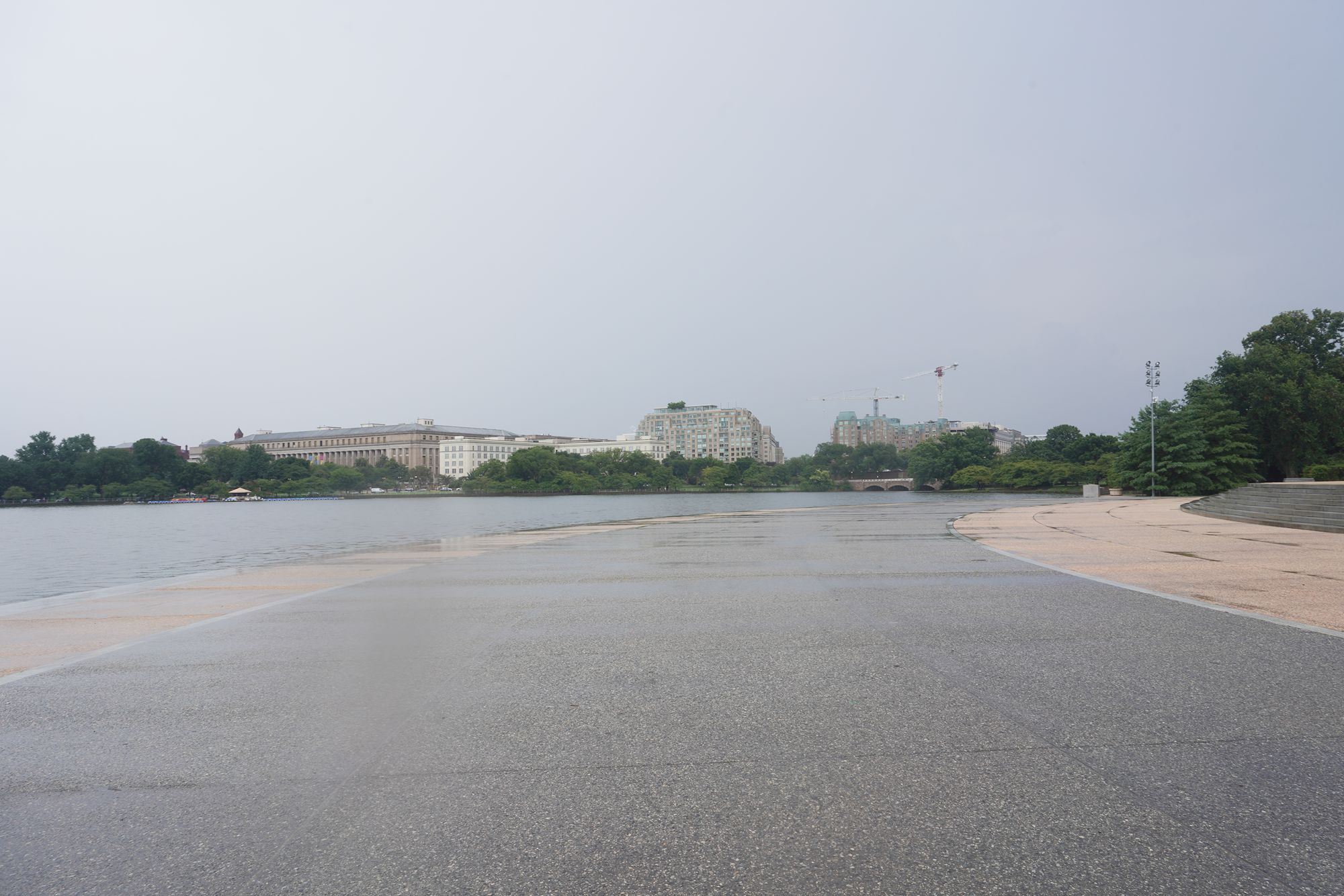
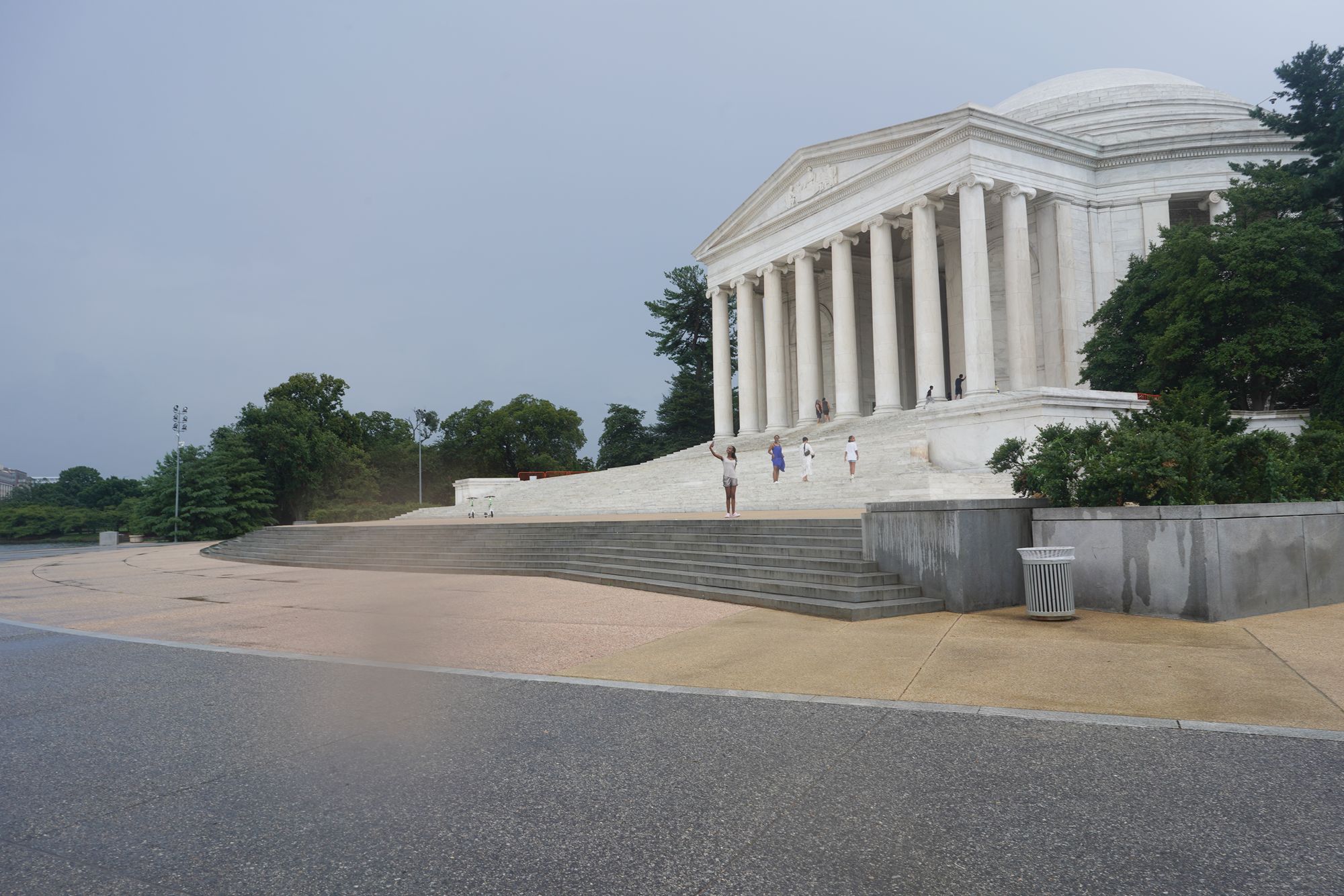
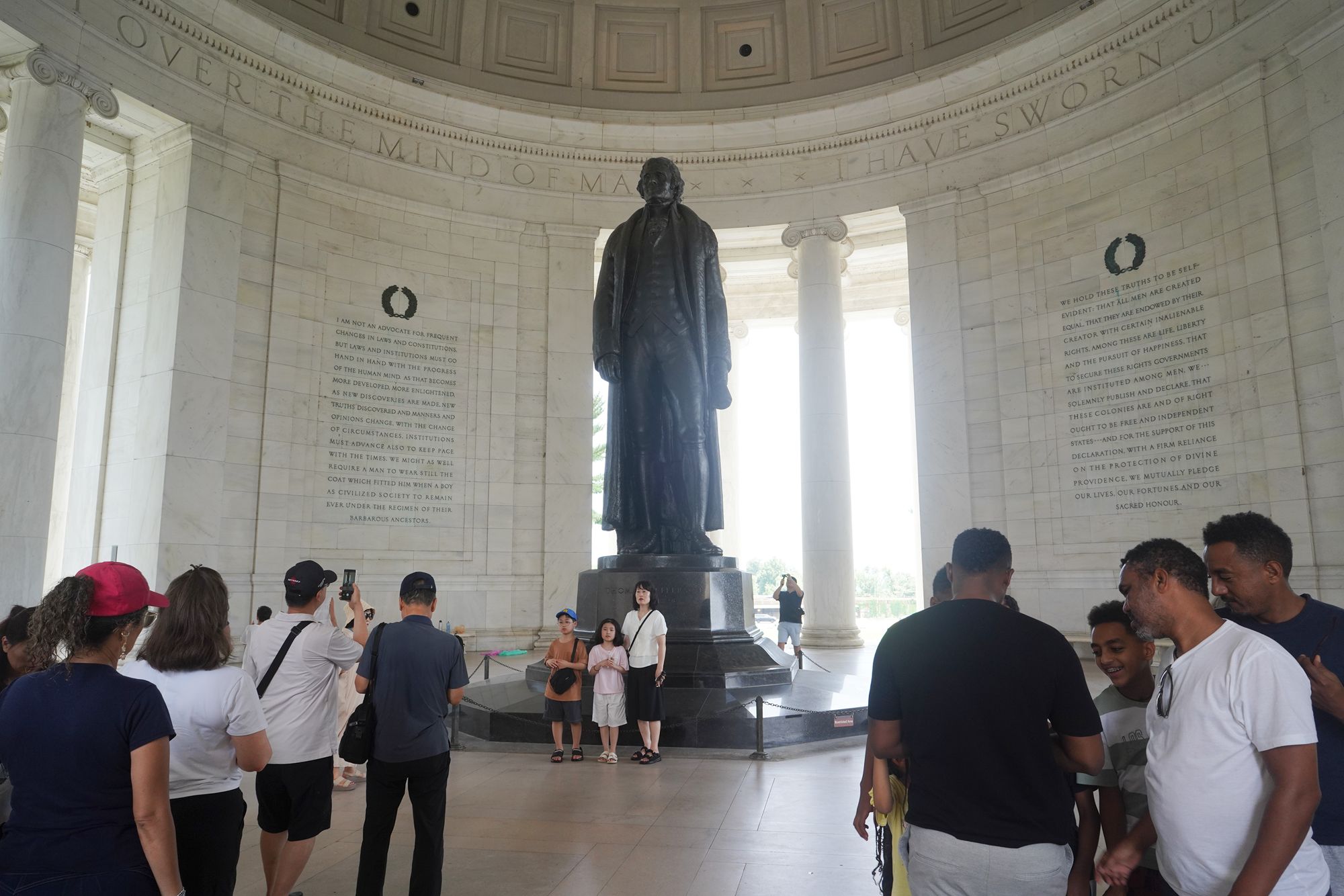
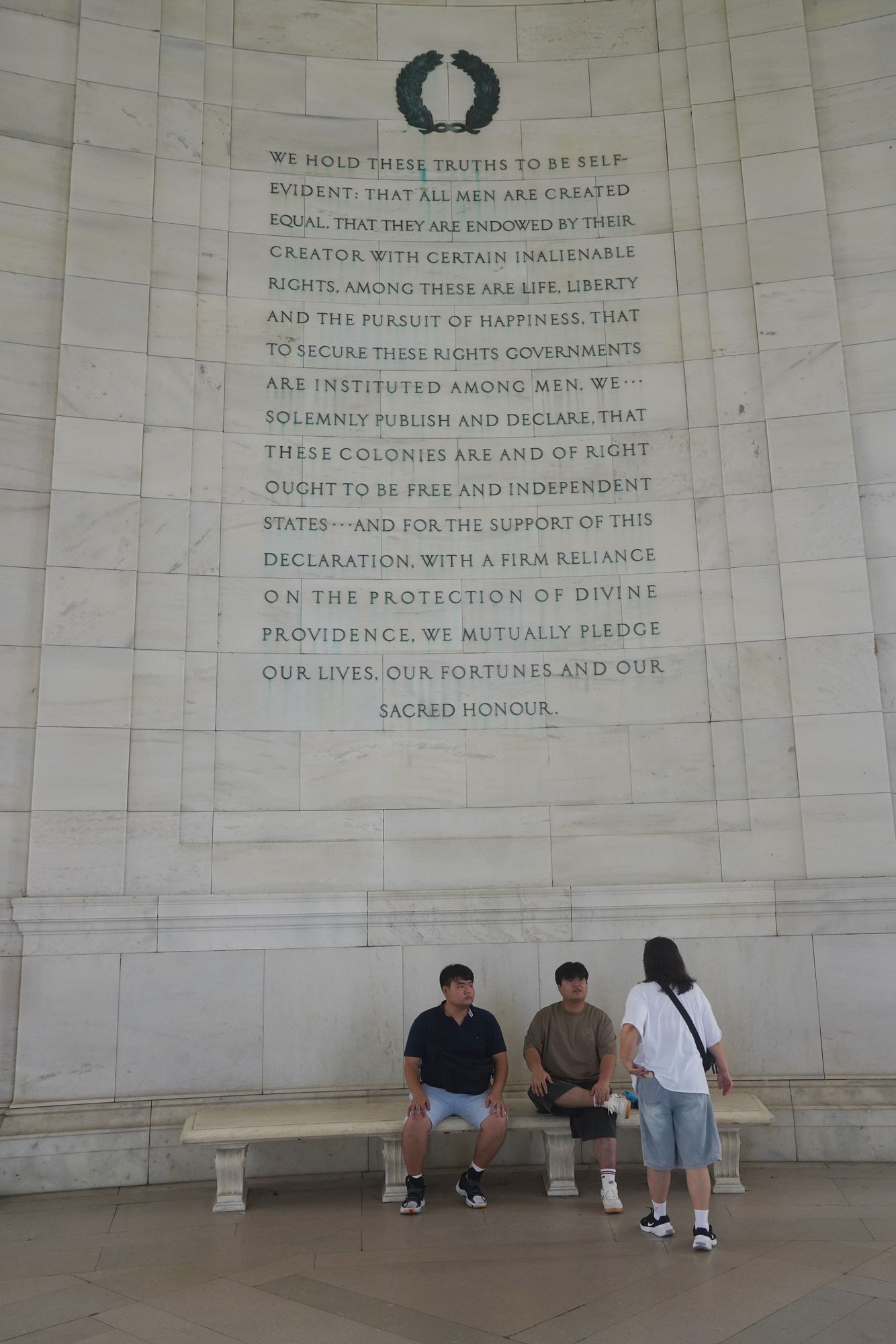
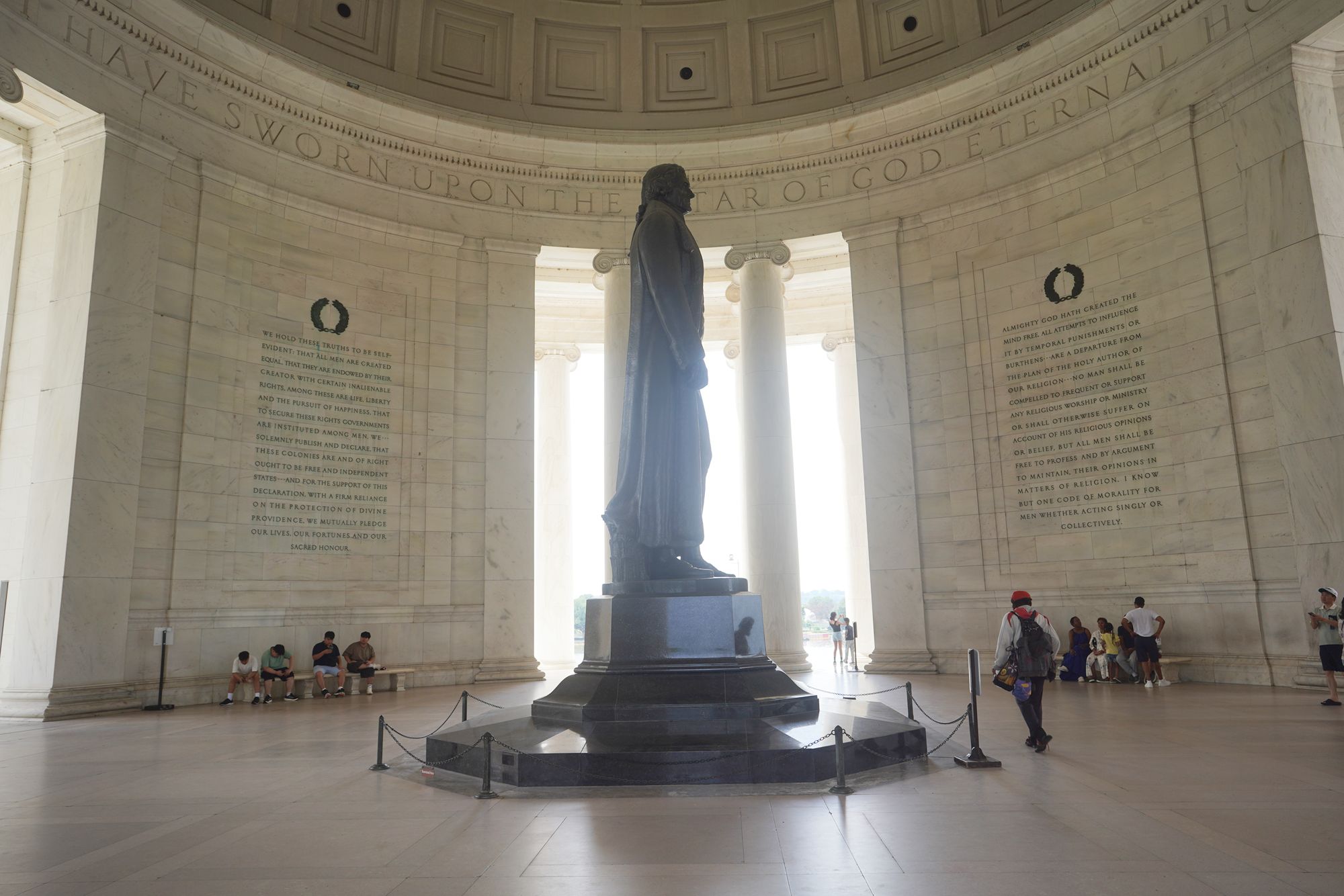
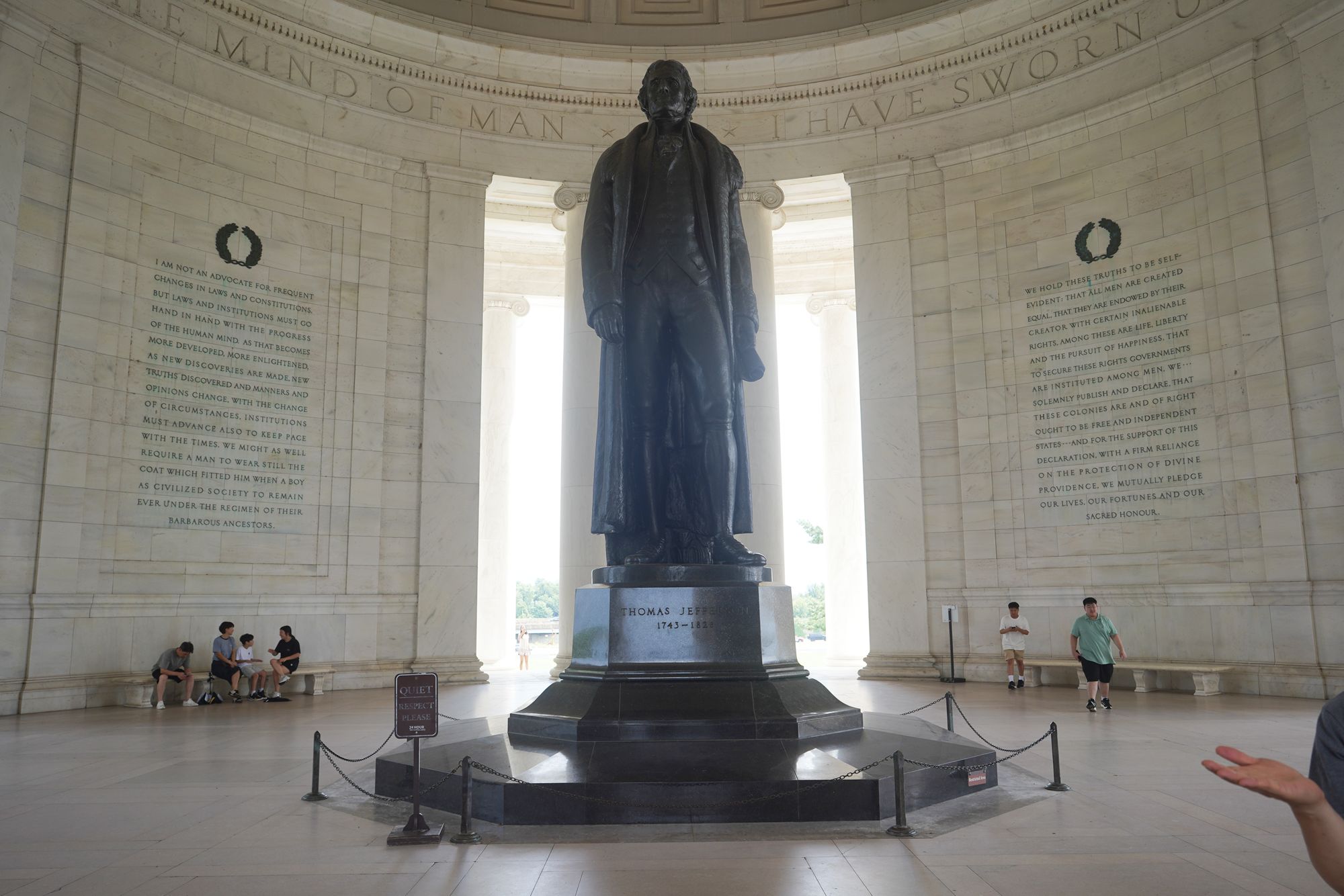
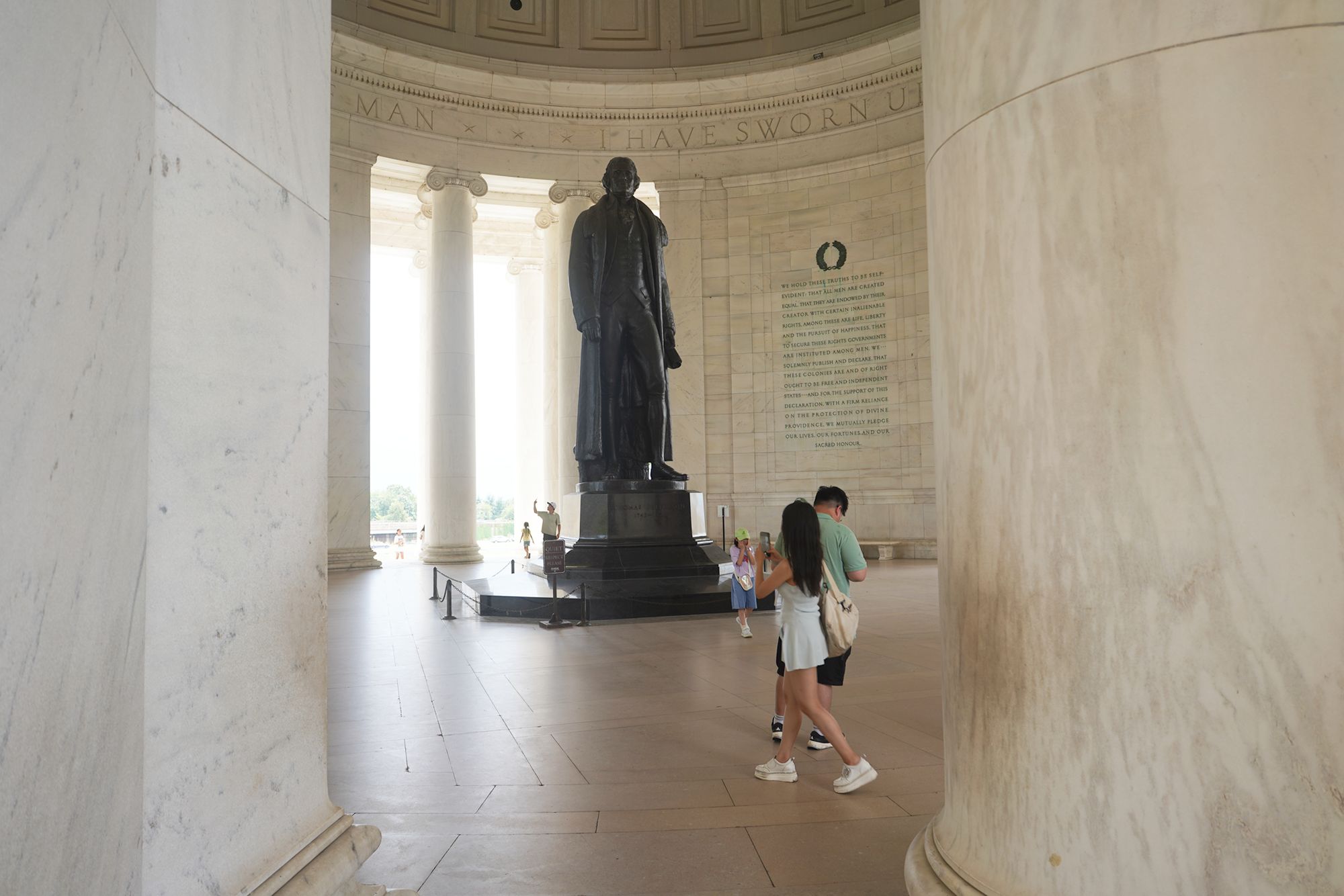
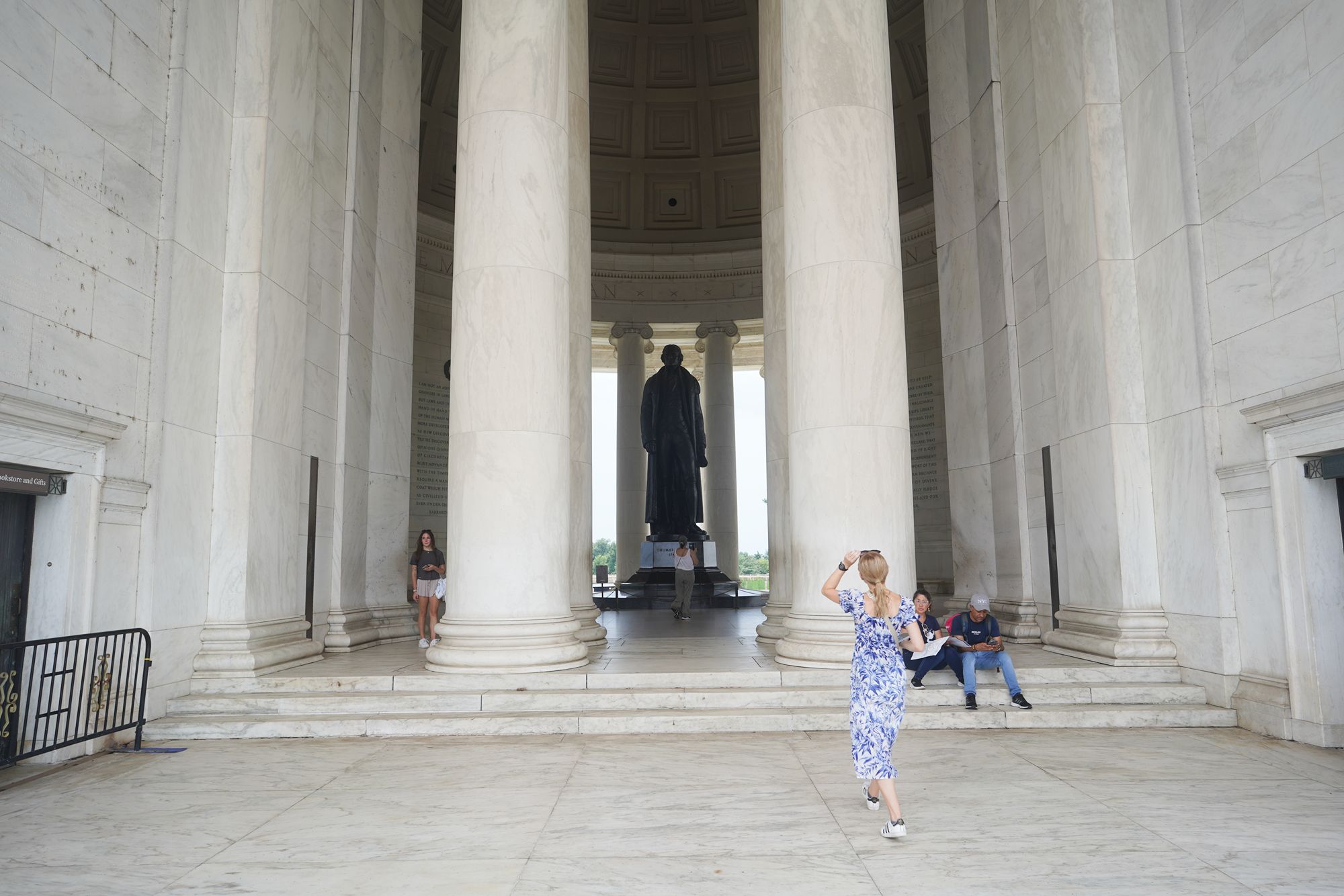
Completed in 1943, it features a large bronze statue of Jefferson surrounded by columns and inscriptions of his most important writings about liberty, democracy, and human rights. The open, circular design reflects Jefferson’s ideals of reason, classical learning, and the pursuit of freedom.
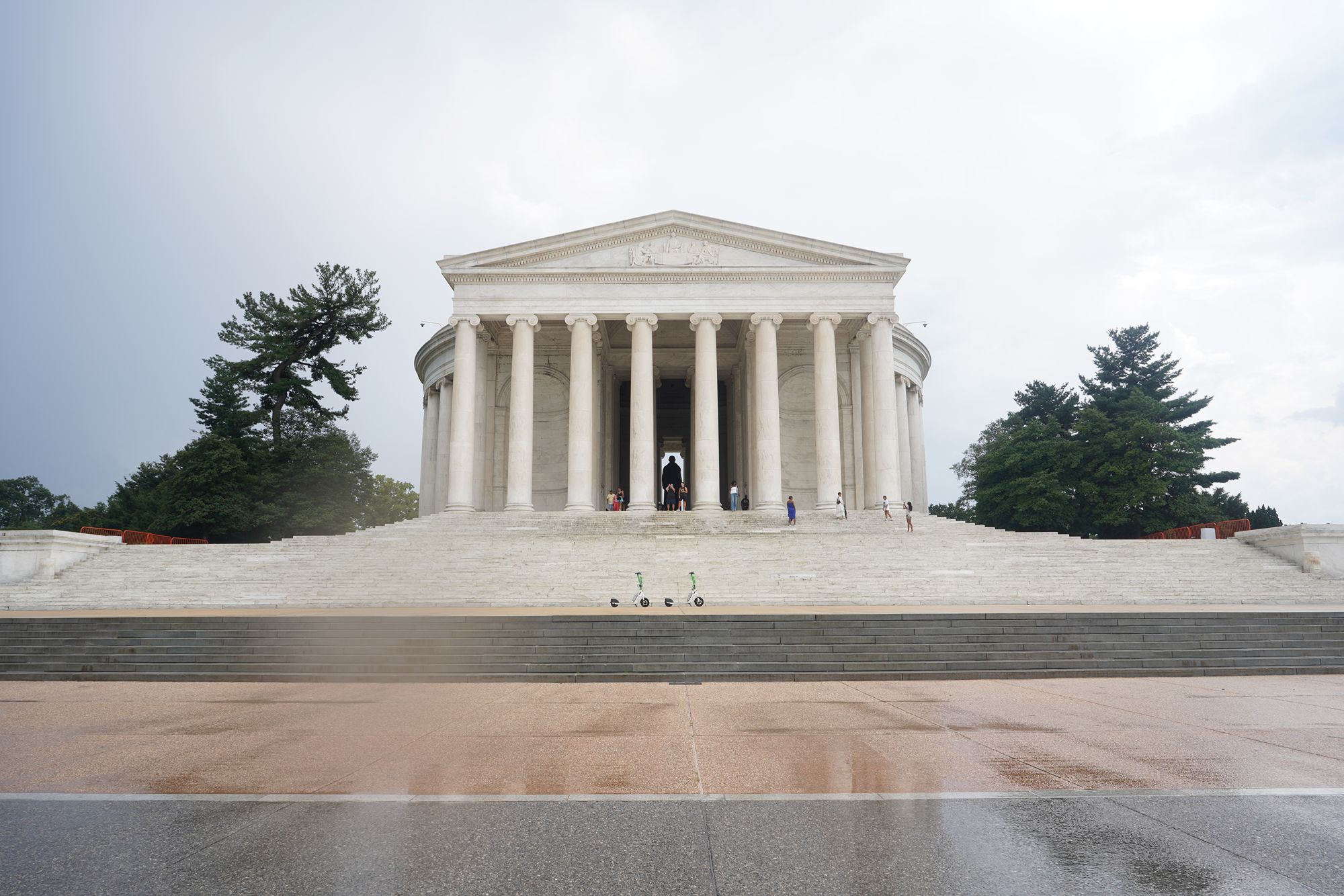
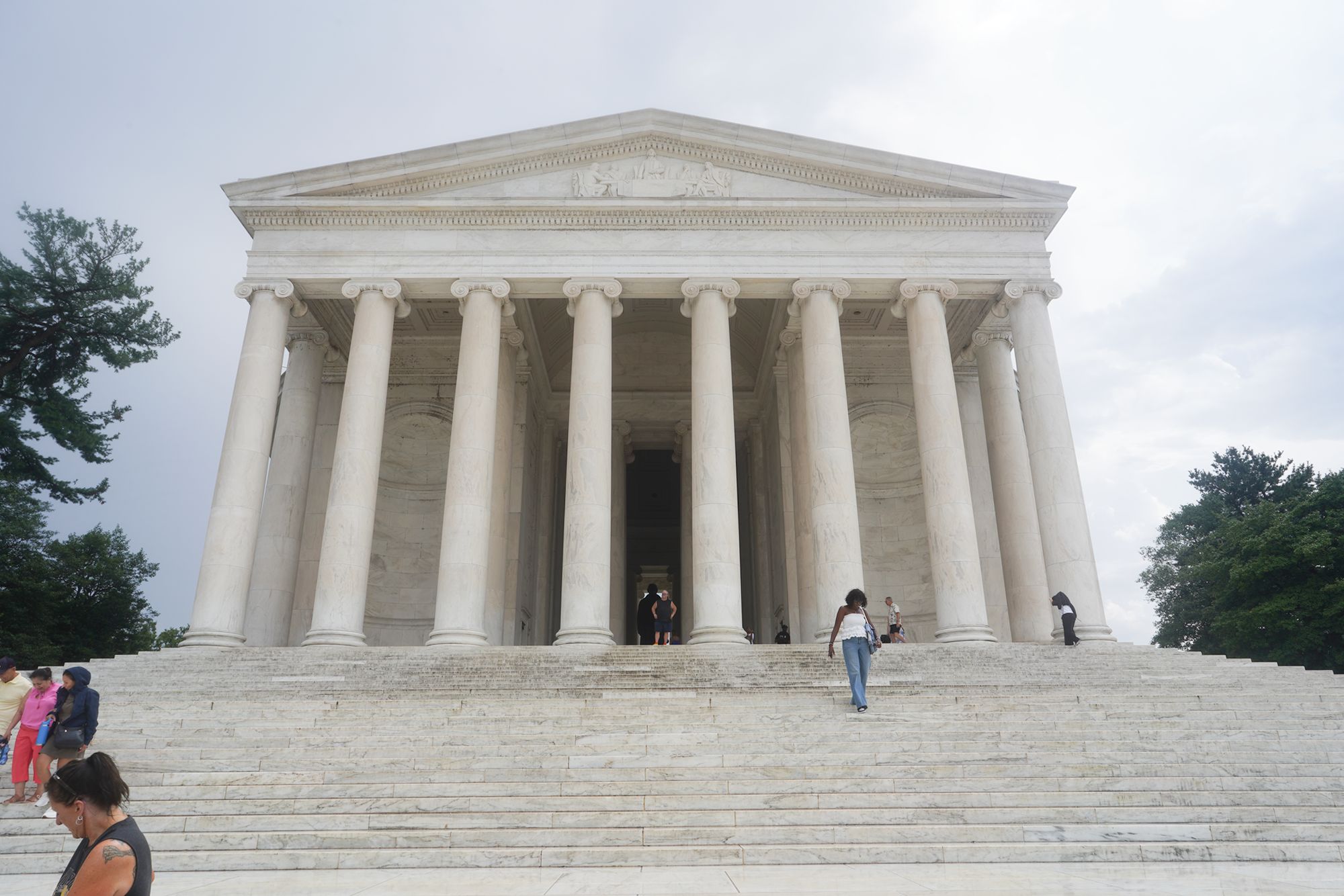
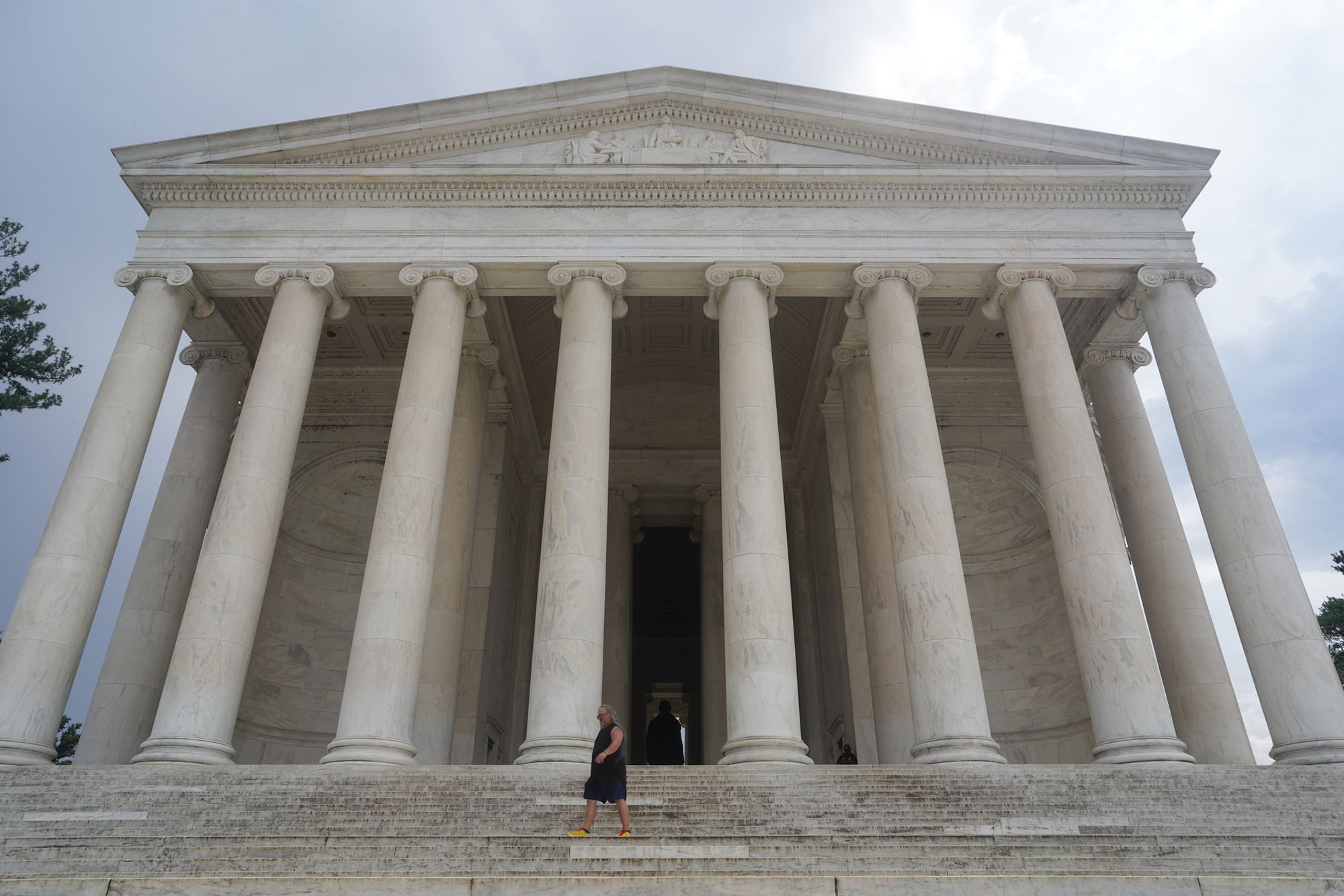
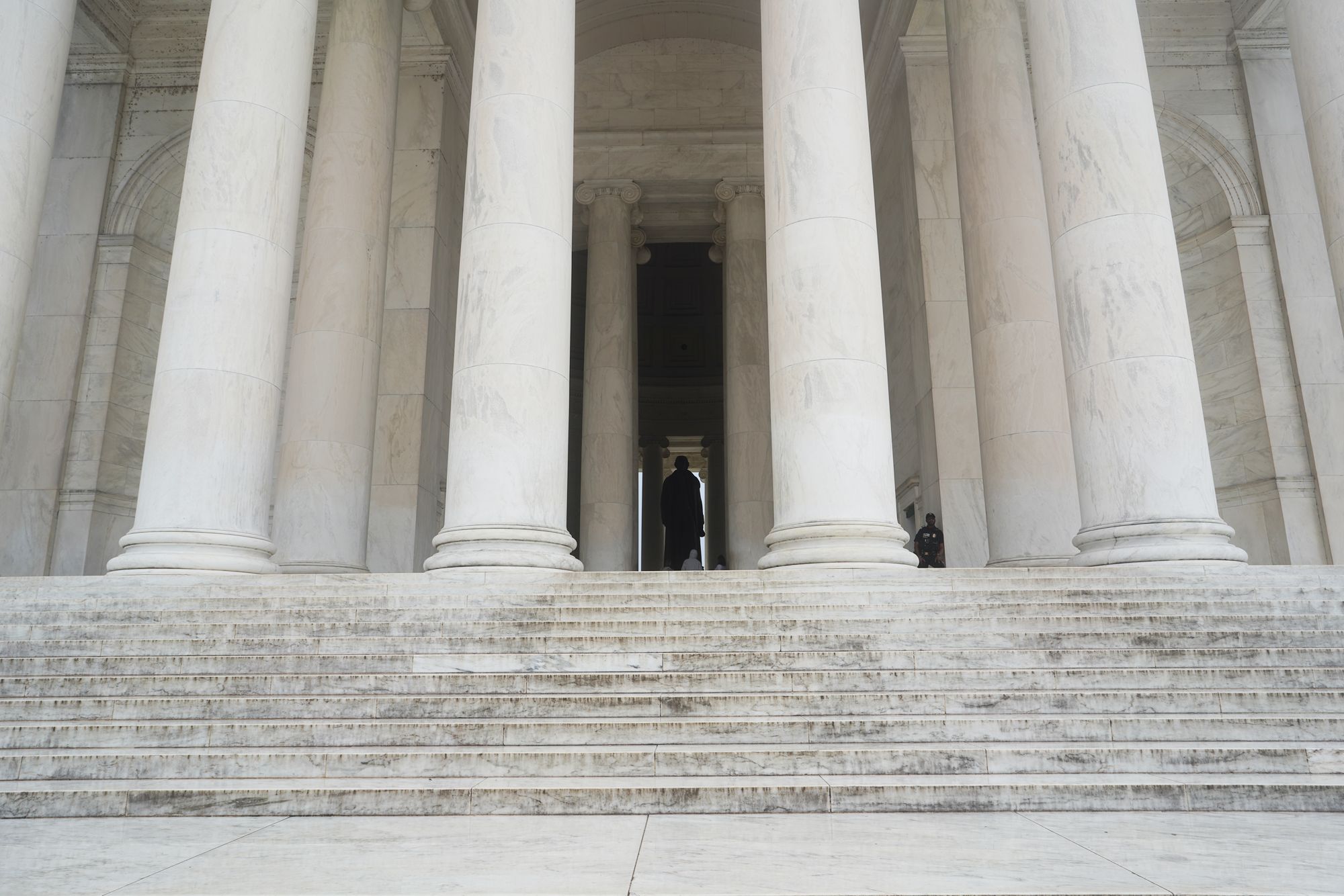
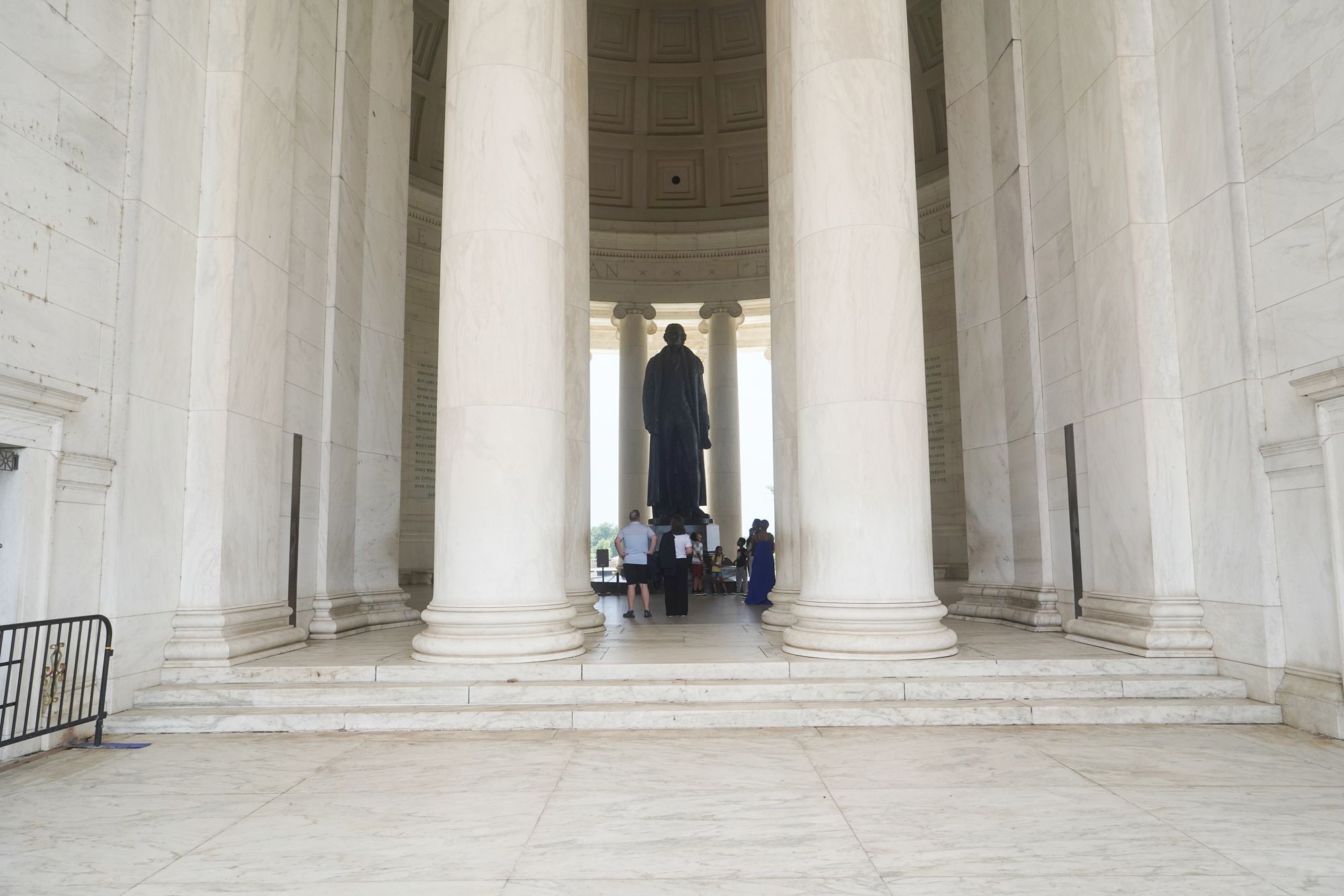
Inside the Jefferson Memorial stands a 19-foot bronze statue of Thomas Jefferson. He is shown standing upright, holding a copy of the Declaration of Independence, symbolizing his role as its author. The statue is surrounded by marble walls engraved with Jefferson’s writings on freedom, education, and democratic government. Its size and setting emphasize Jefferson’s influence on the nation’s founding ideals.
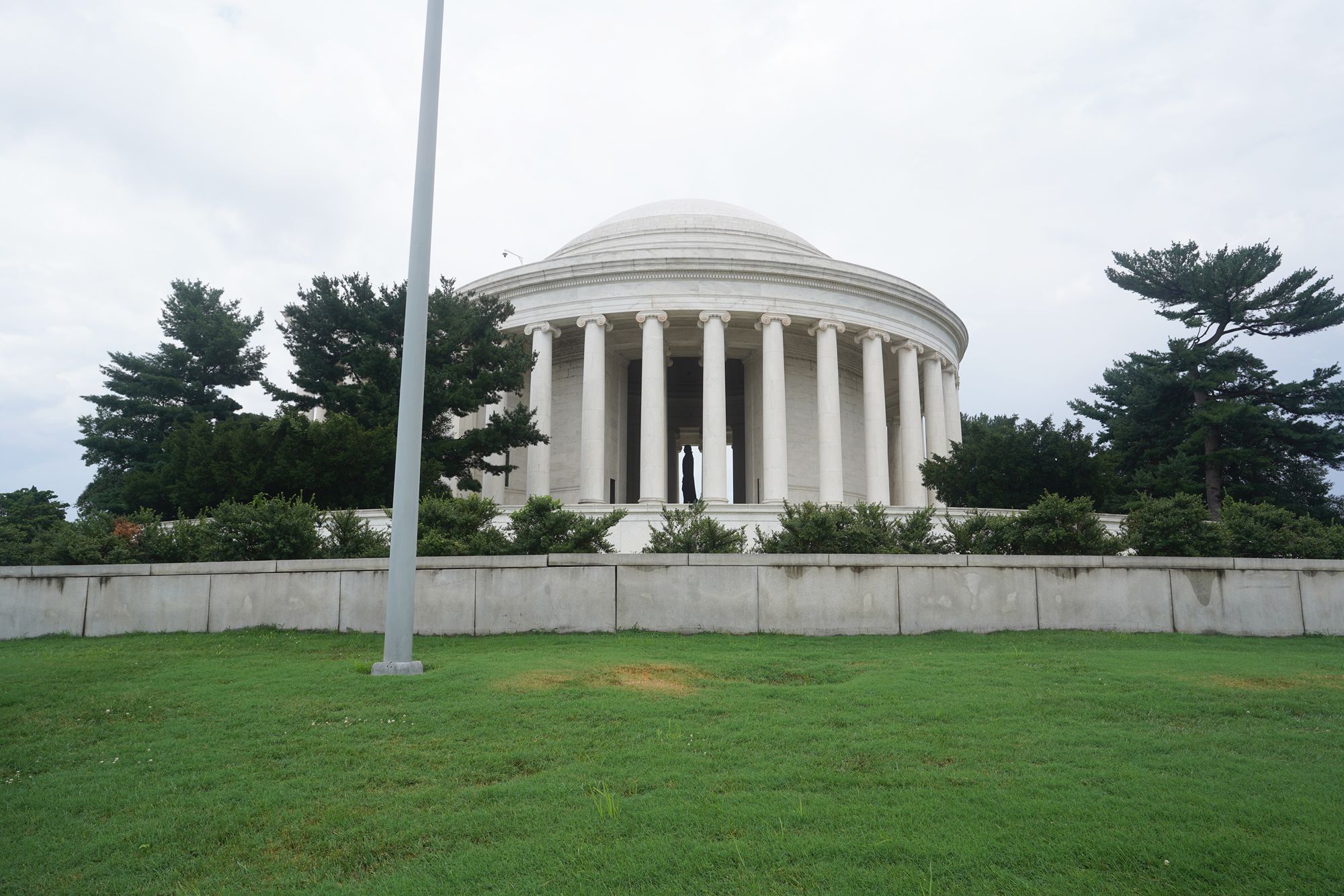
After visiting the Jefferson Memorial, I went to Arlington National Cemetery.
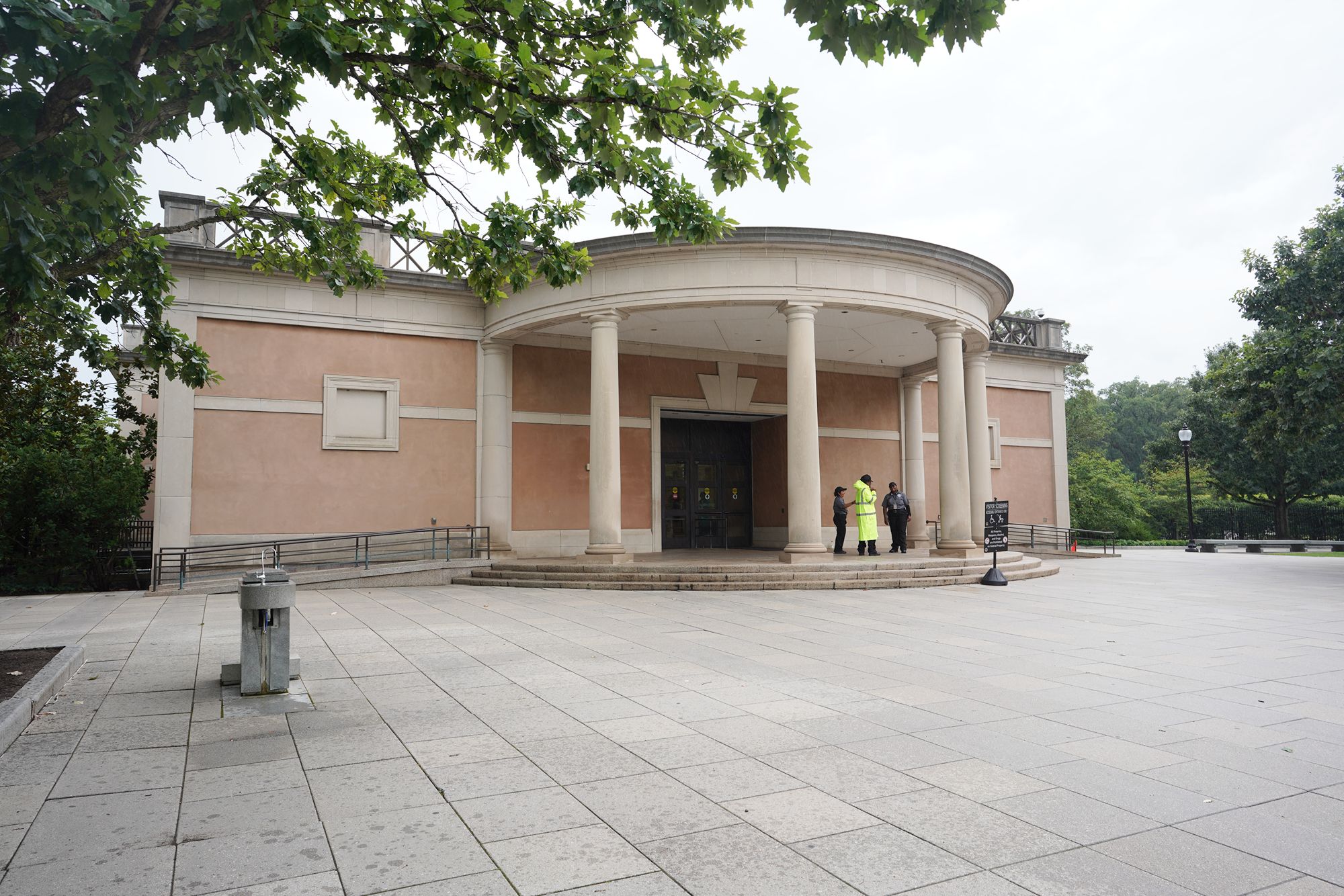
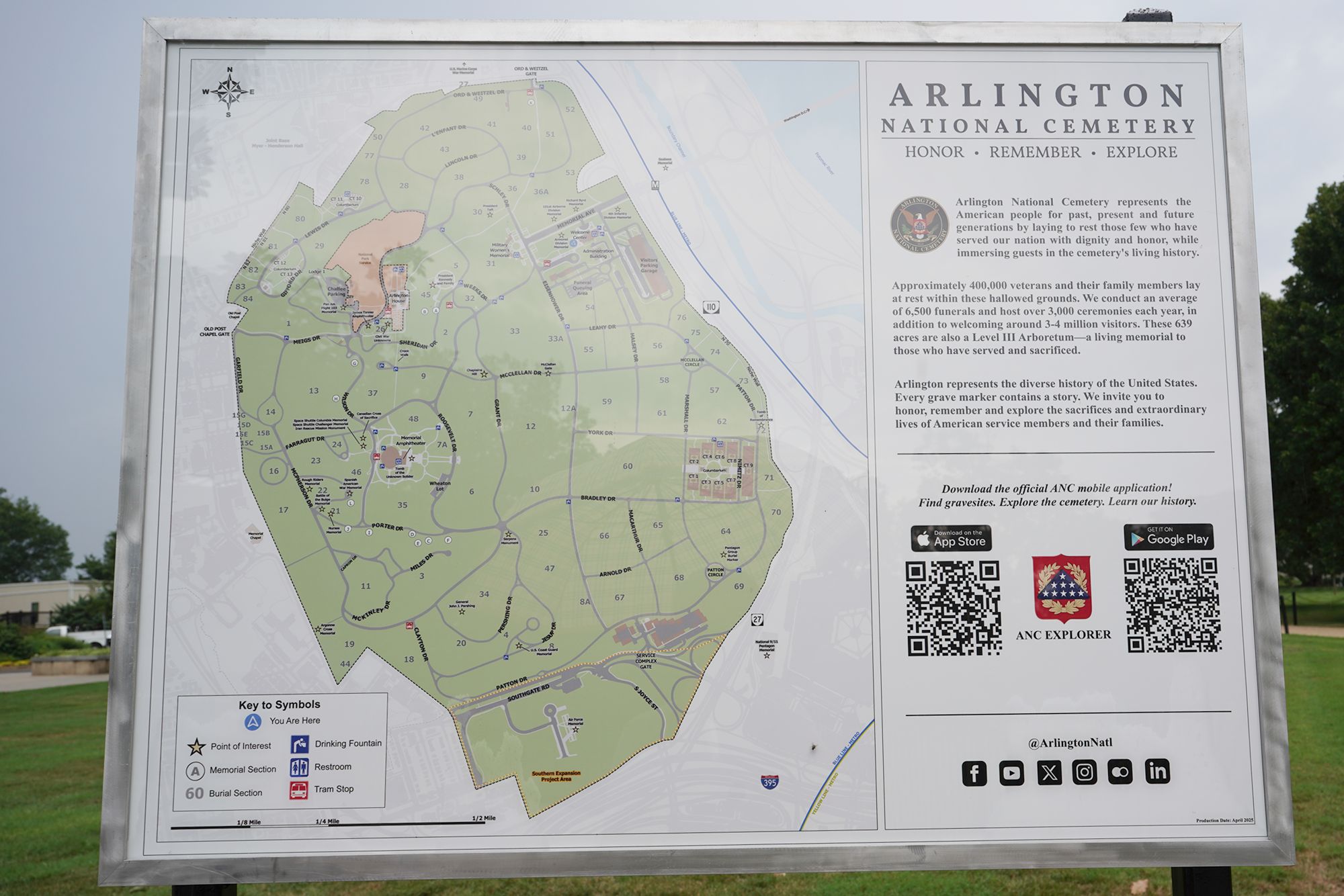
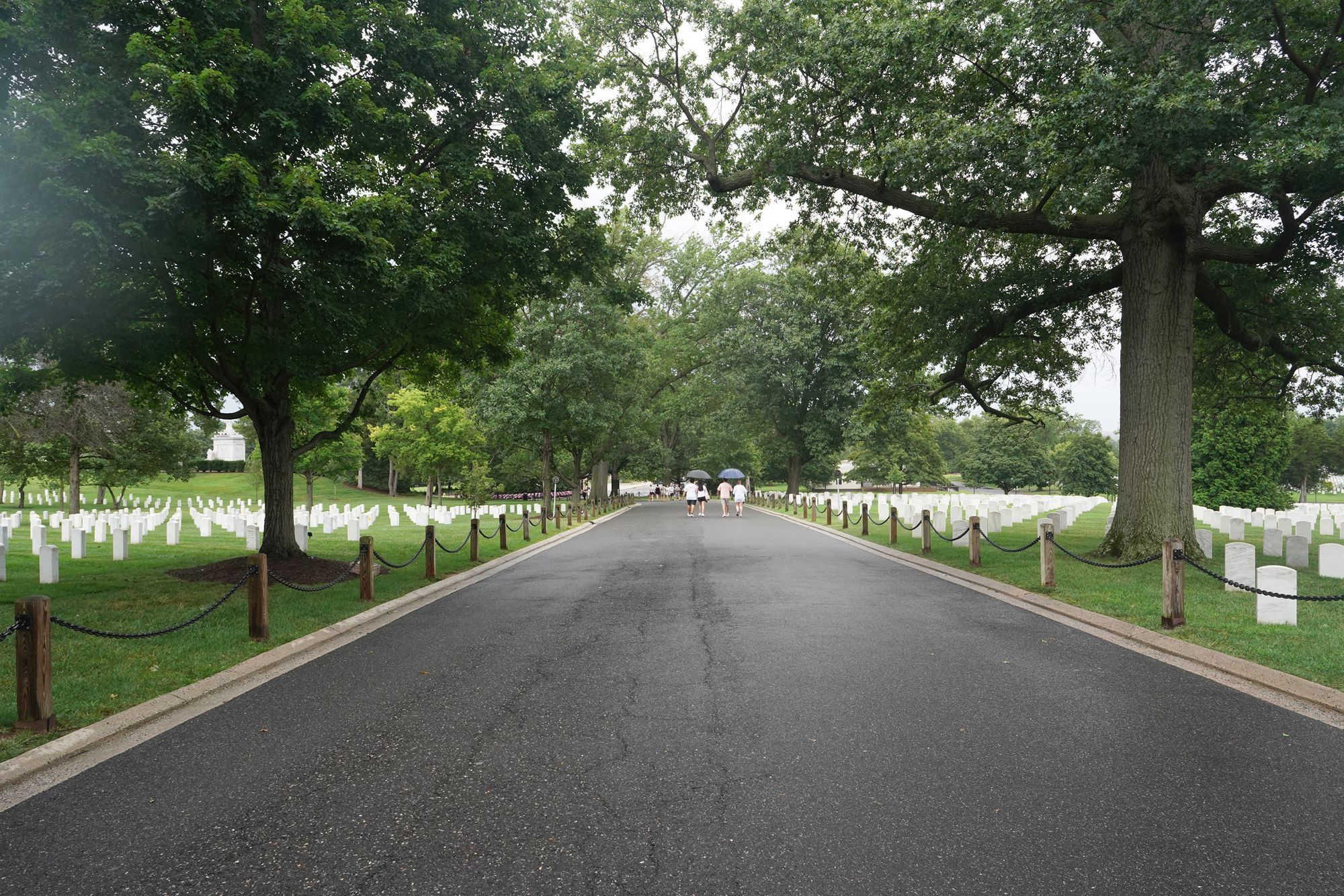
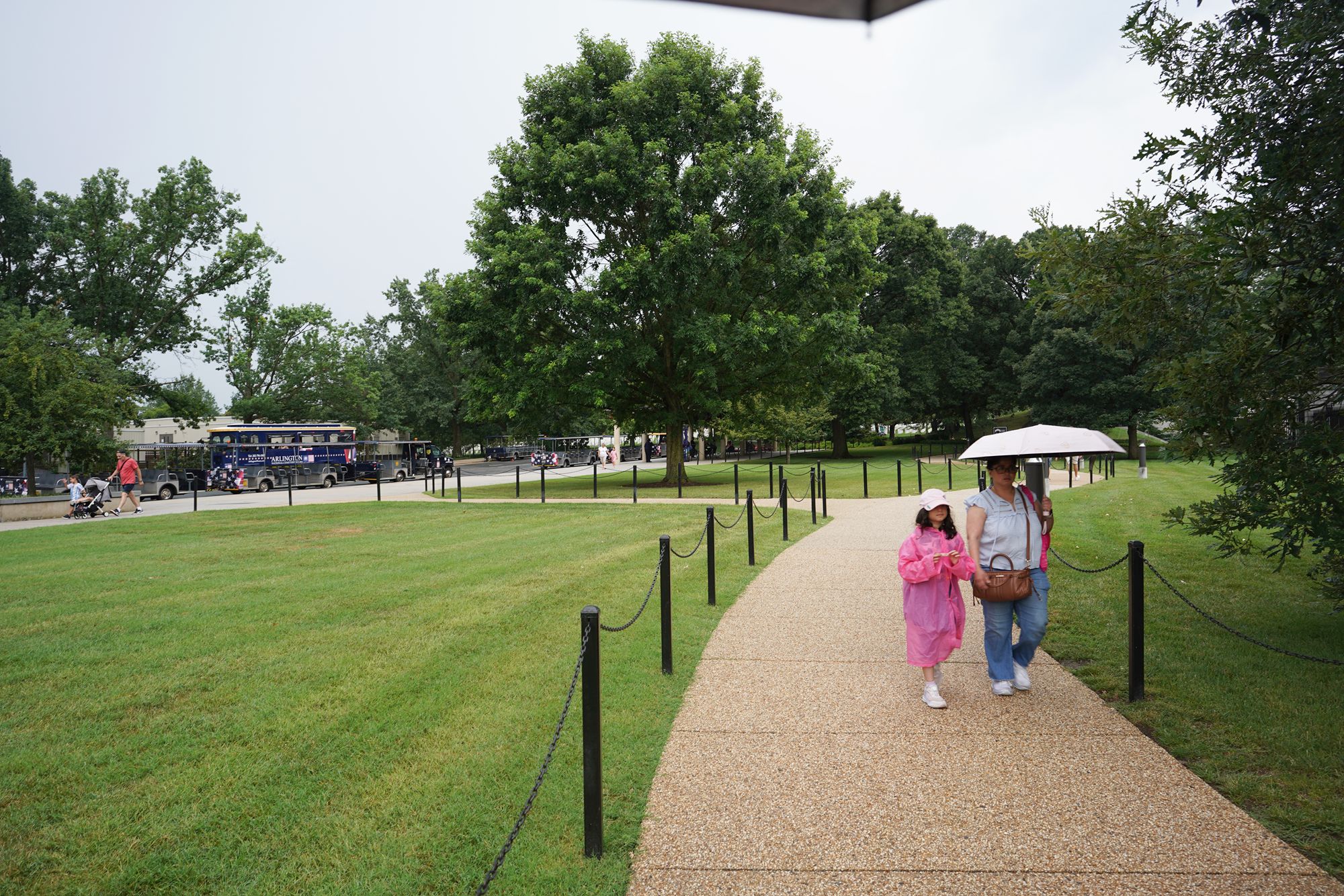
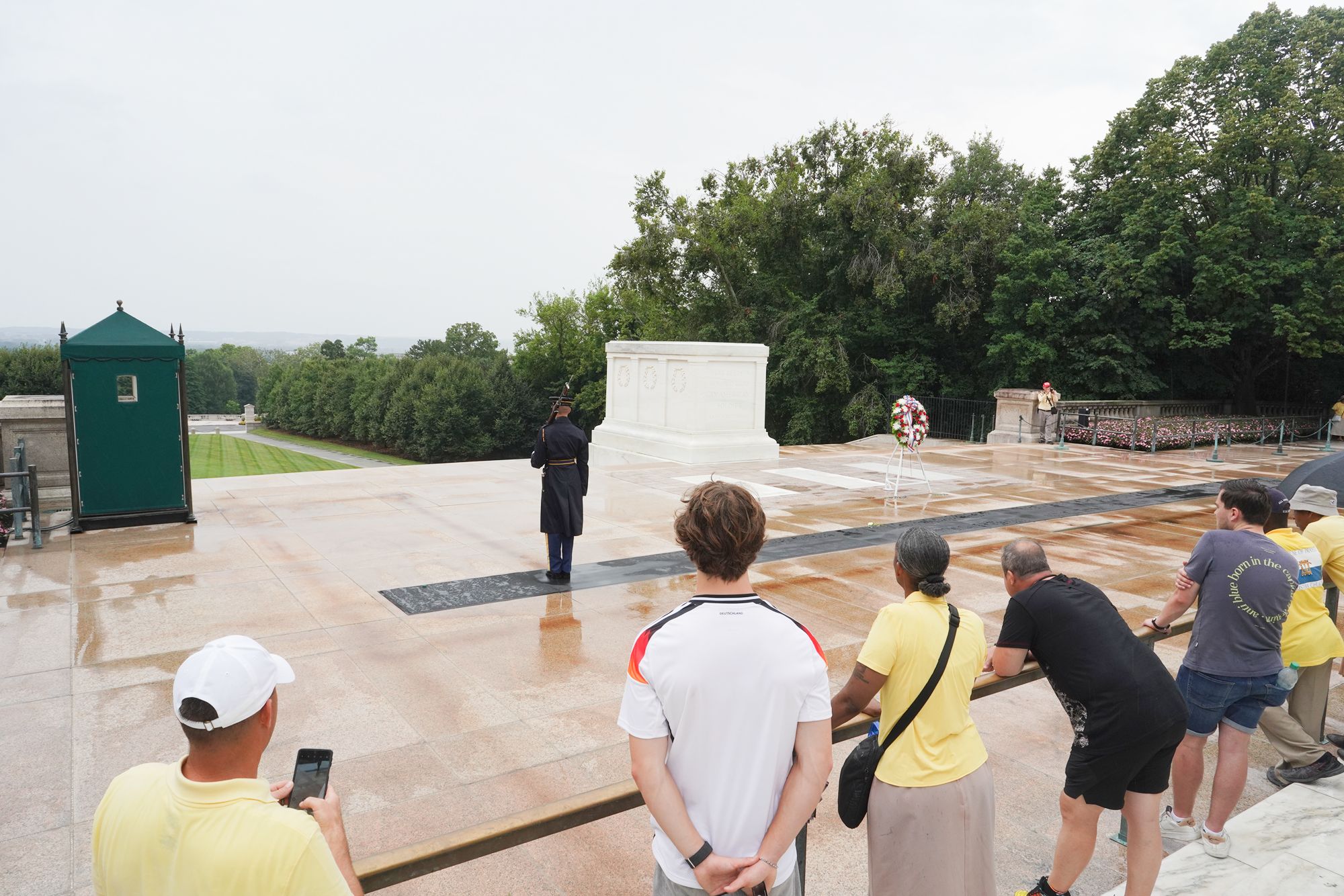
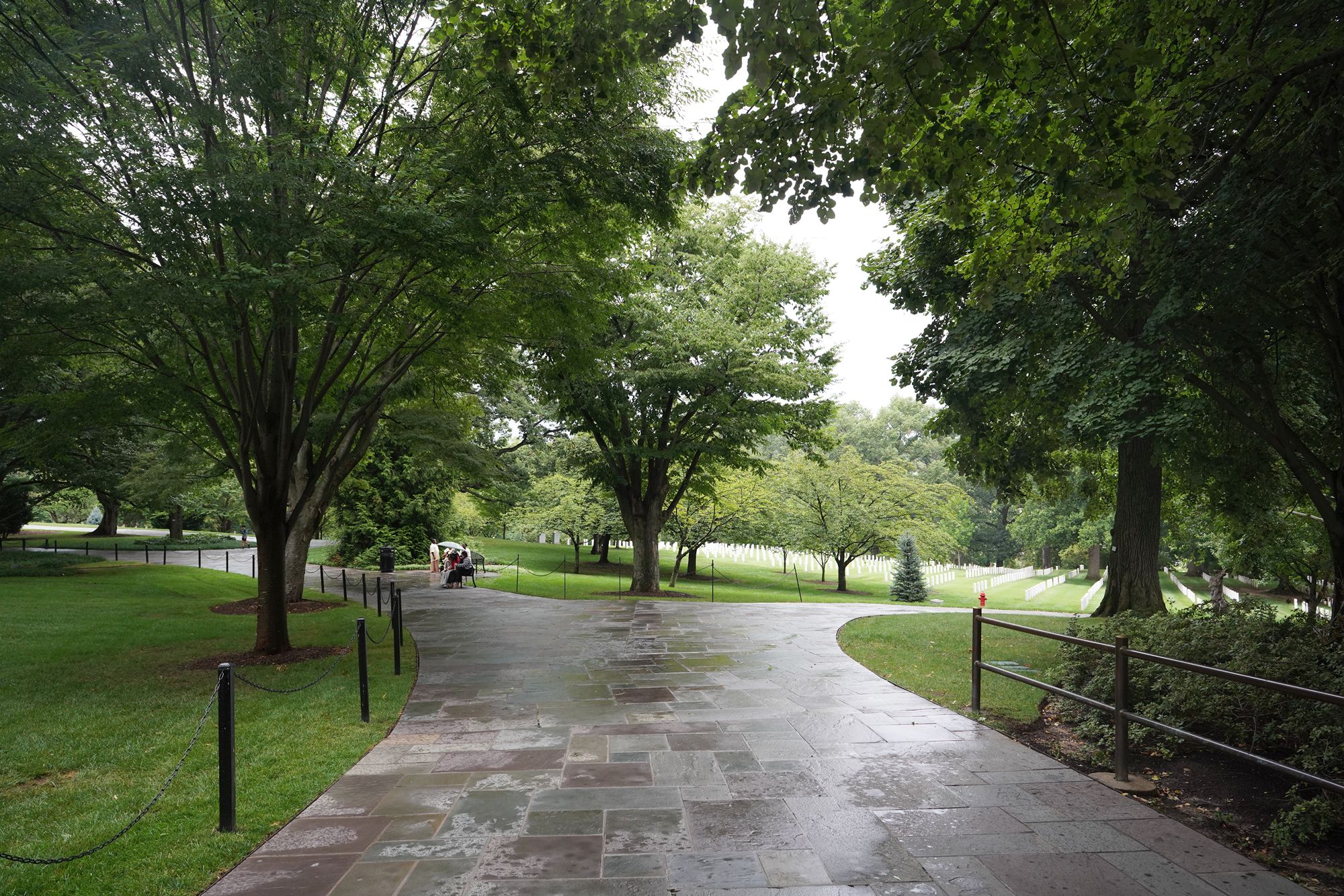
Walking toward the Tomb of the Unknown Soldier
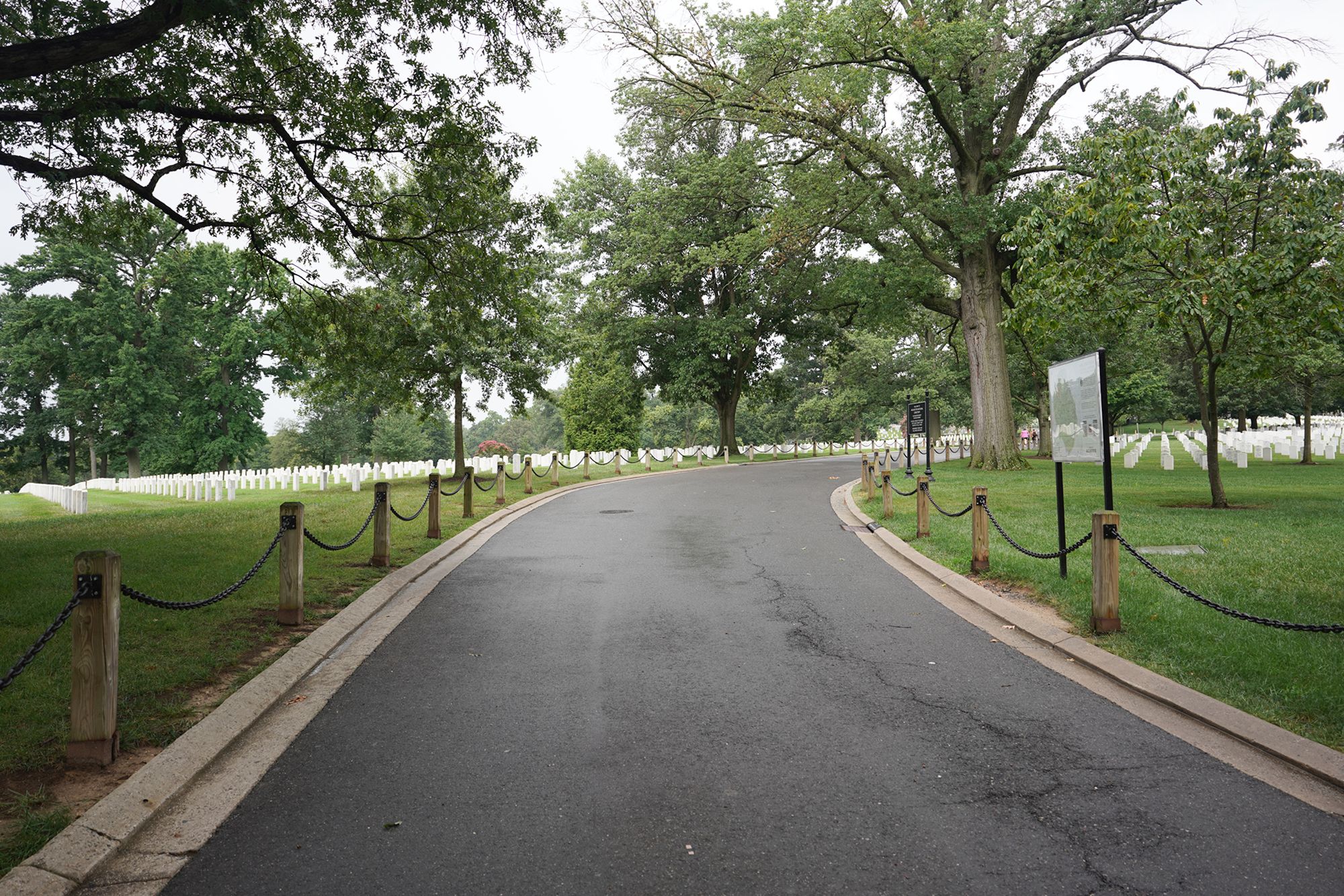
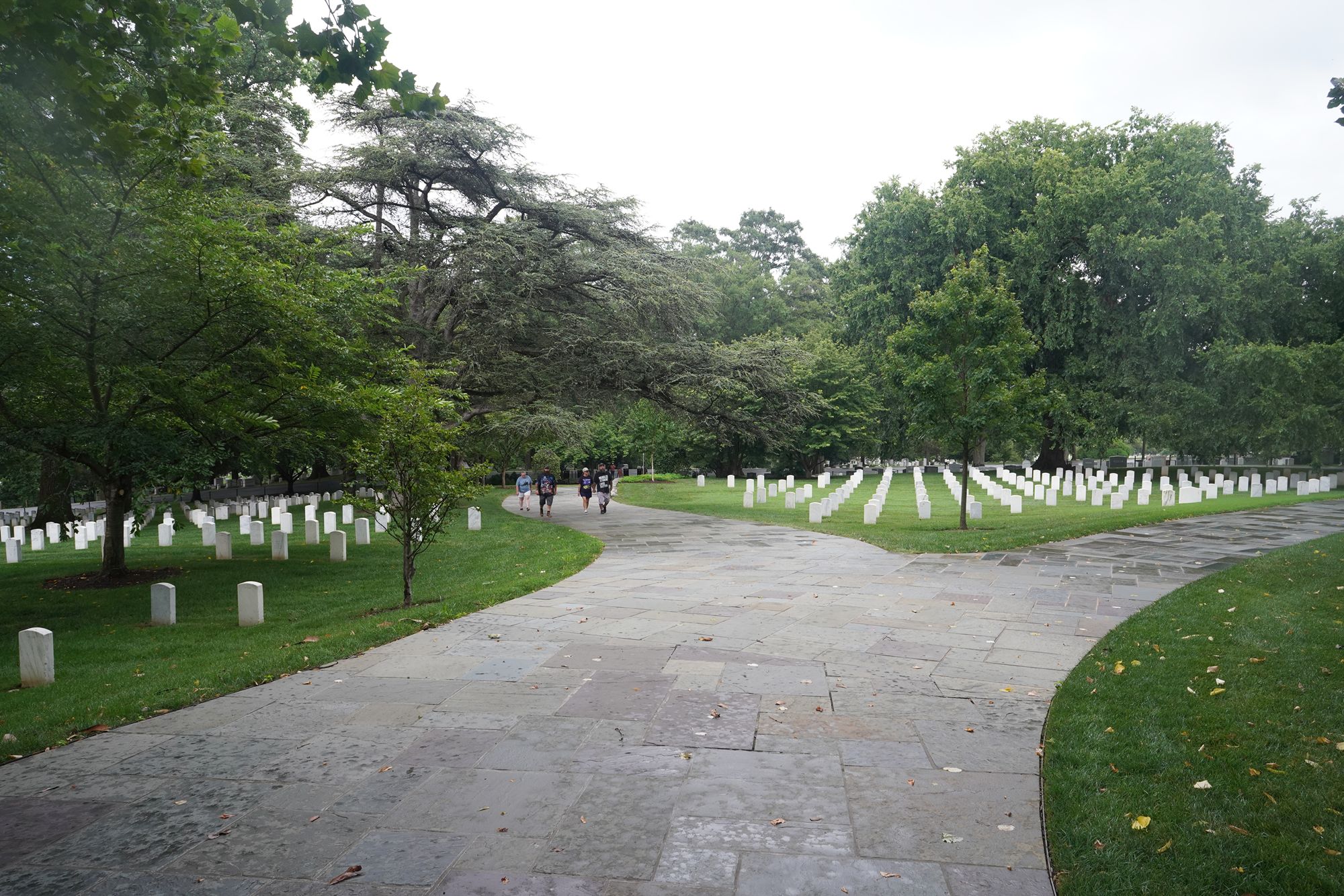
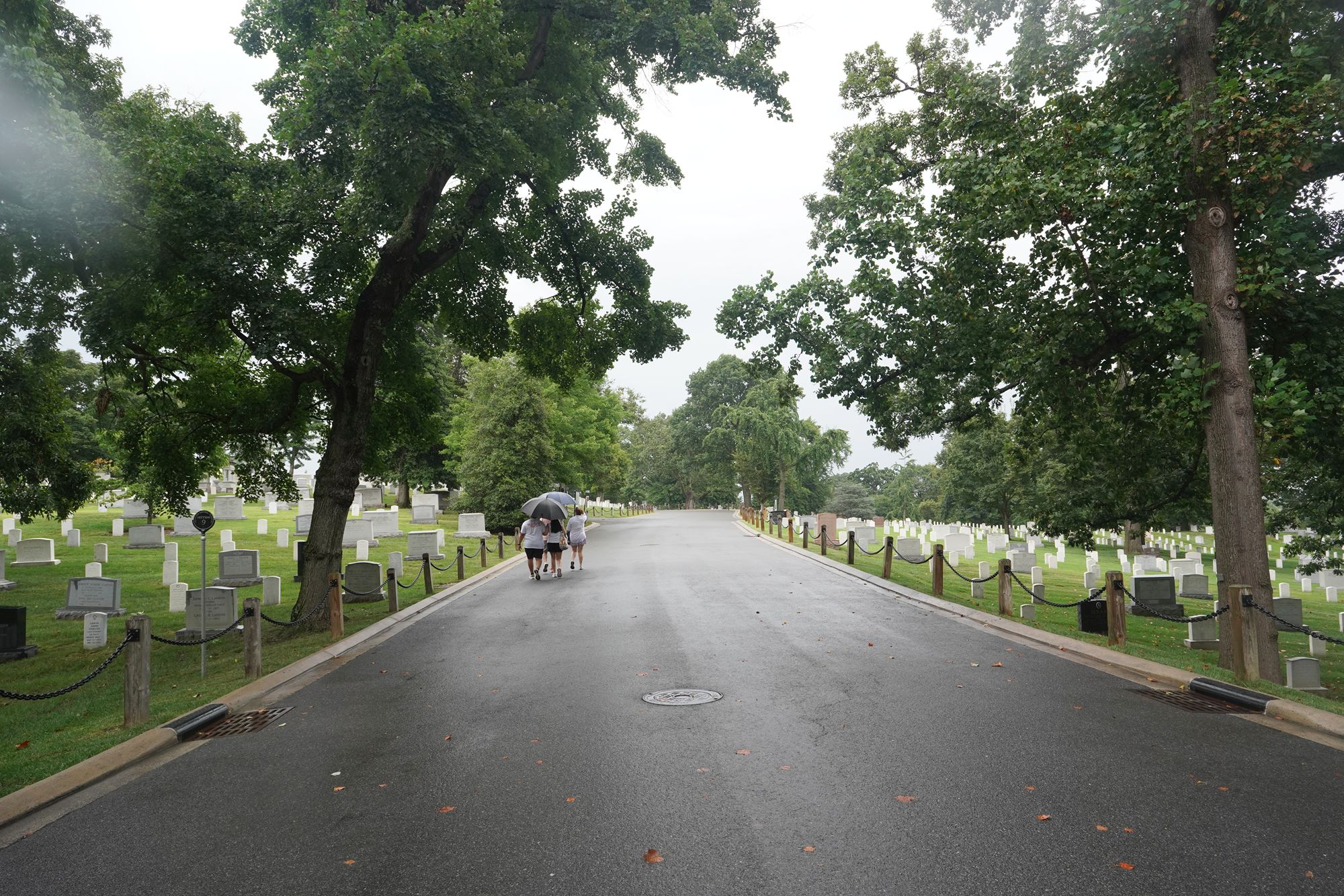
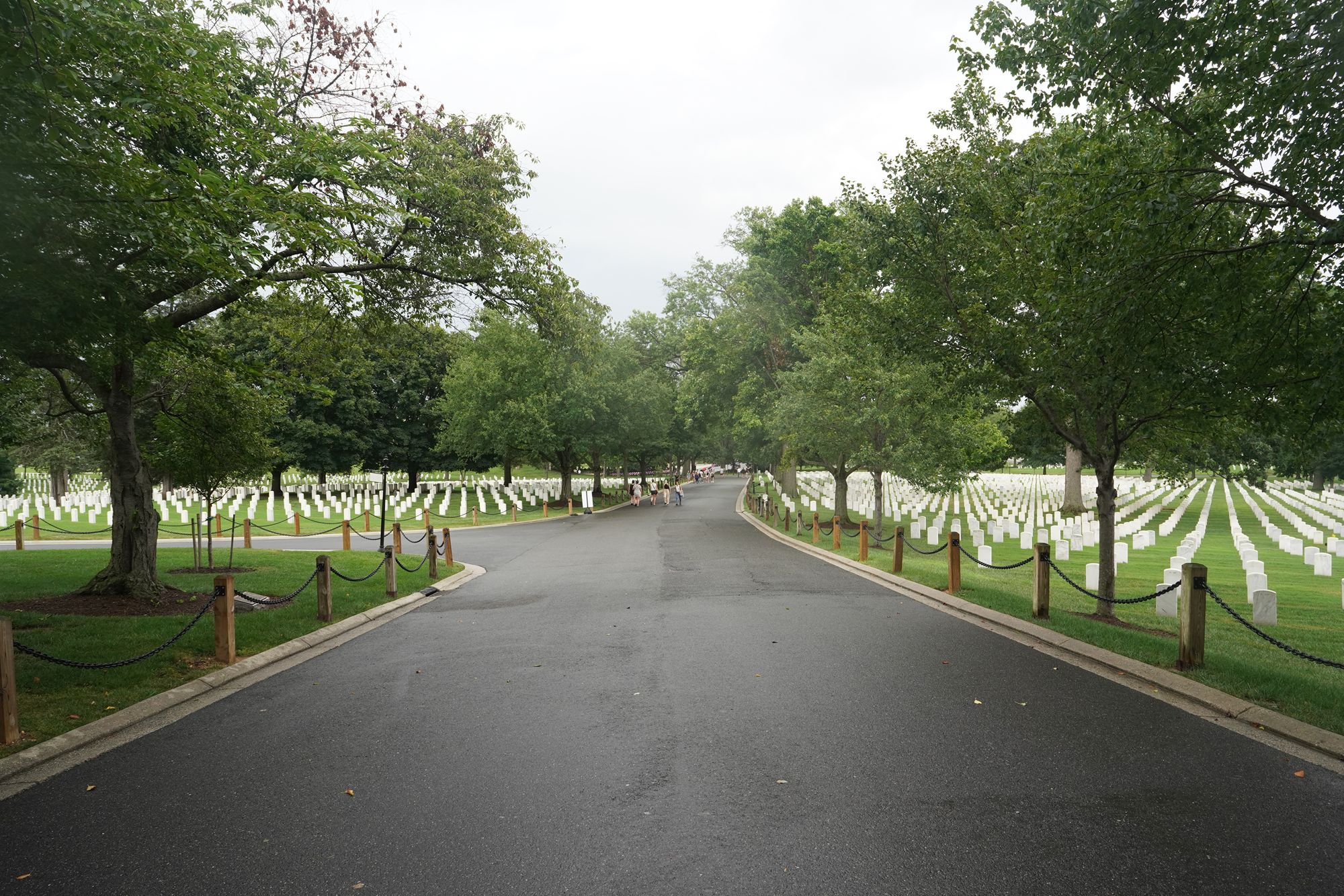
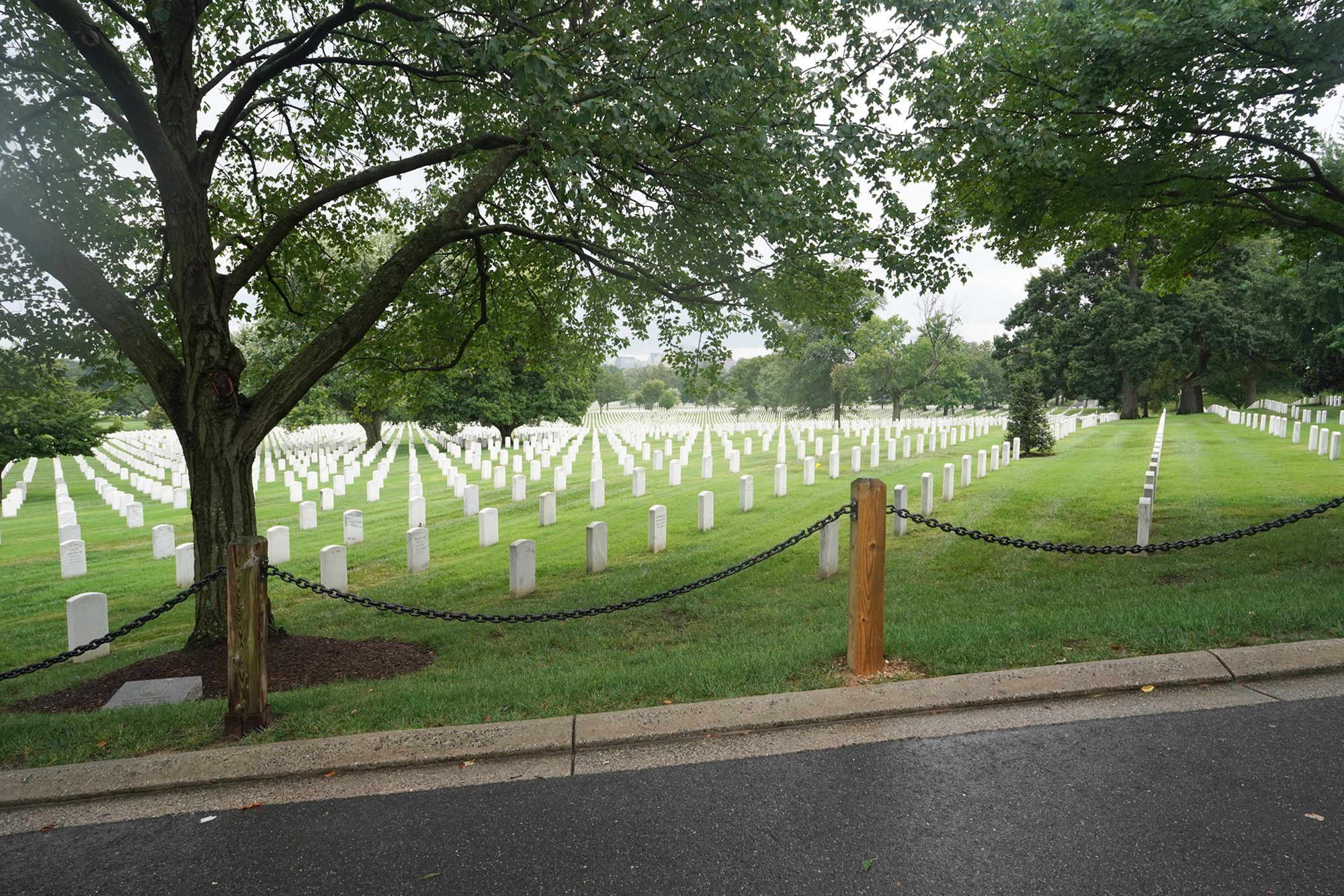
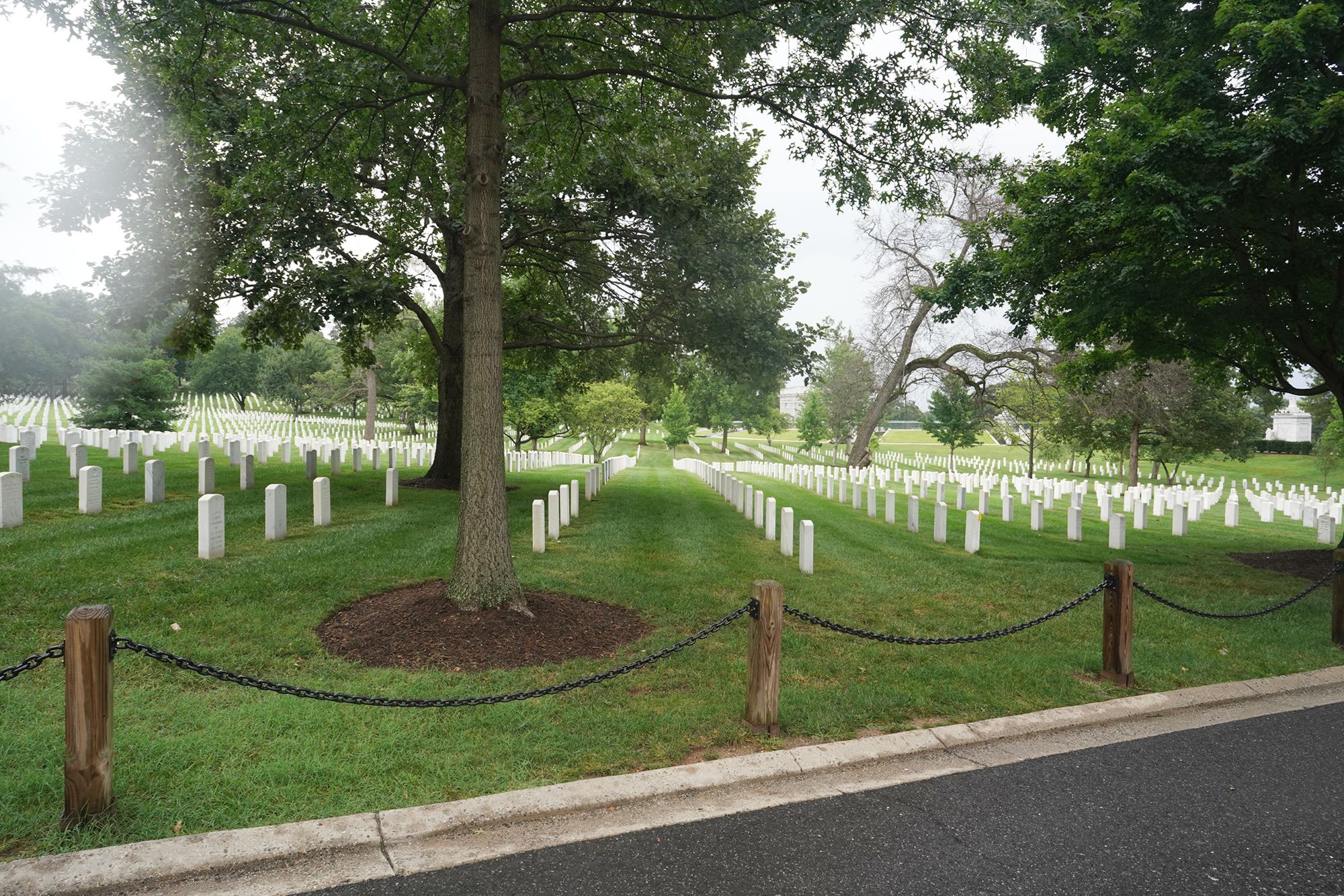
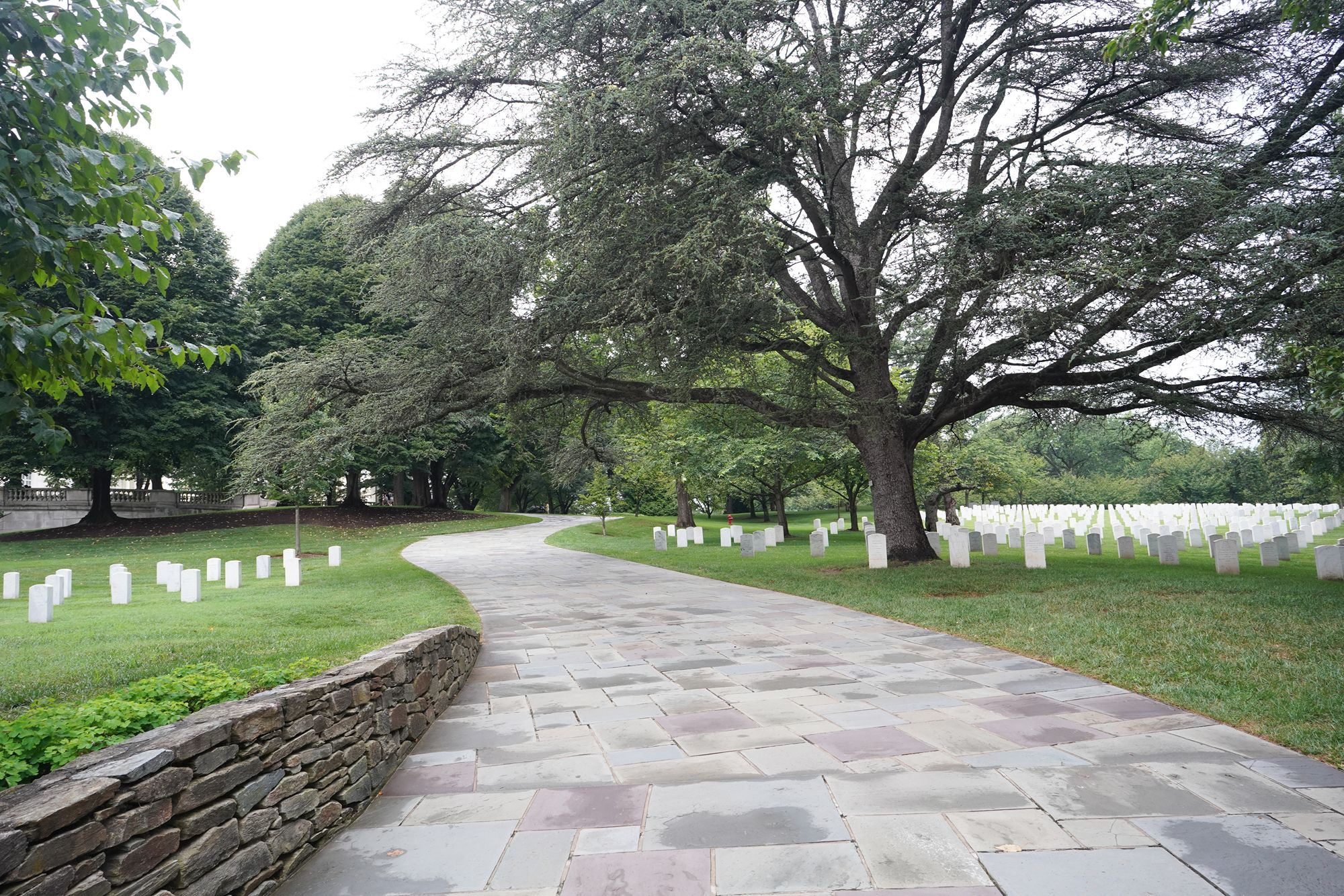
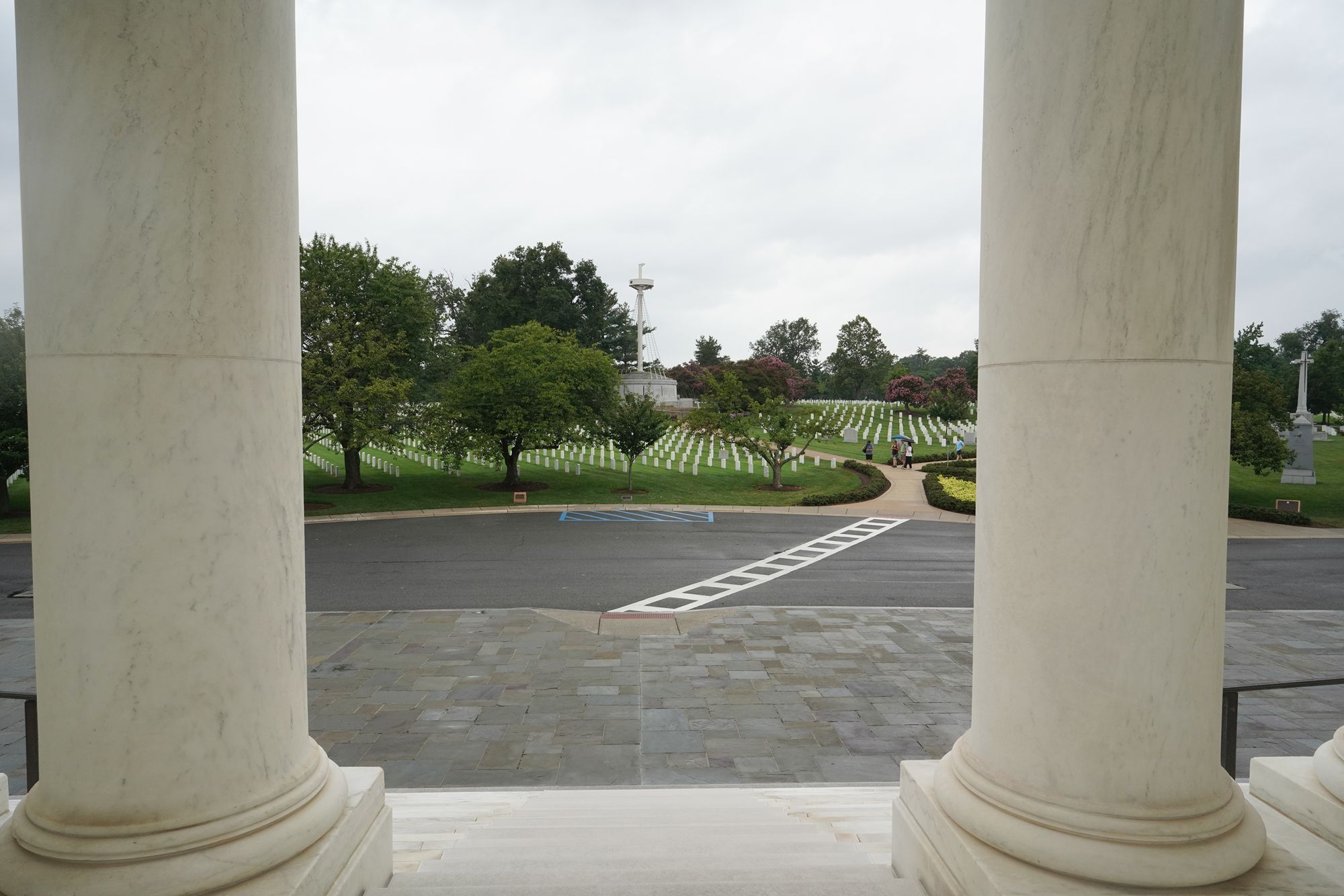
Arlington National Cemetery is a vast military burial ground located across the Potomac River from Washington, D.C. The cemetery covers rolling green hills lined with rows of white headstones, creating a solemn and peaceful atmosphere. More than 400,000 service members, veterans, and their families are buried here, representing every major American conflict since the Revolutionary War.
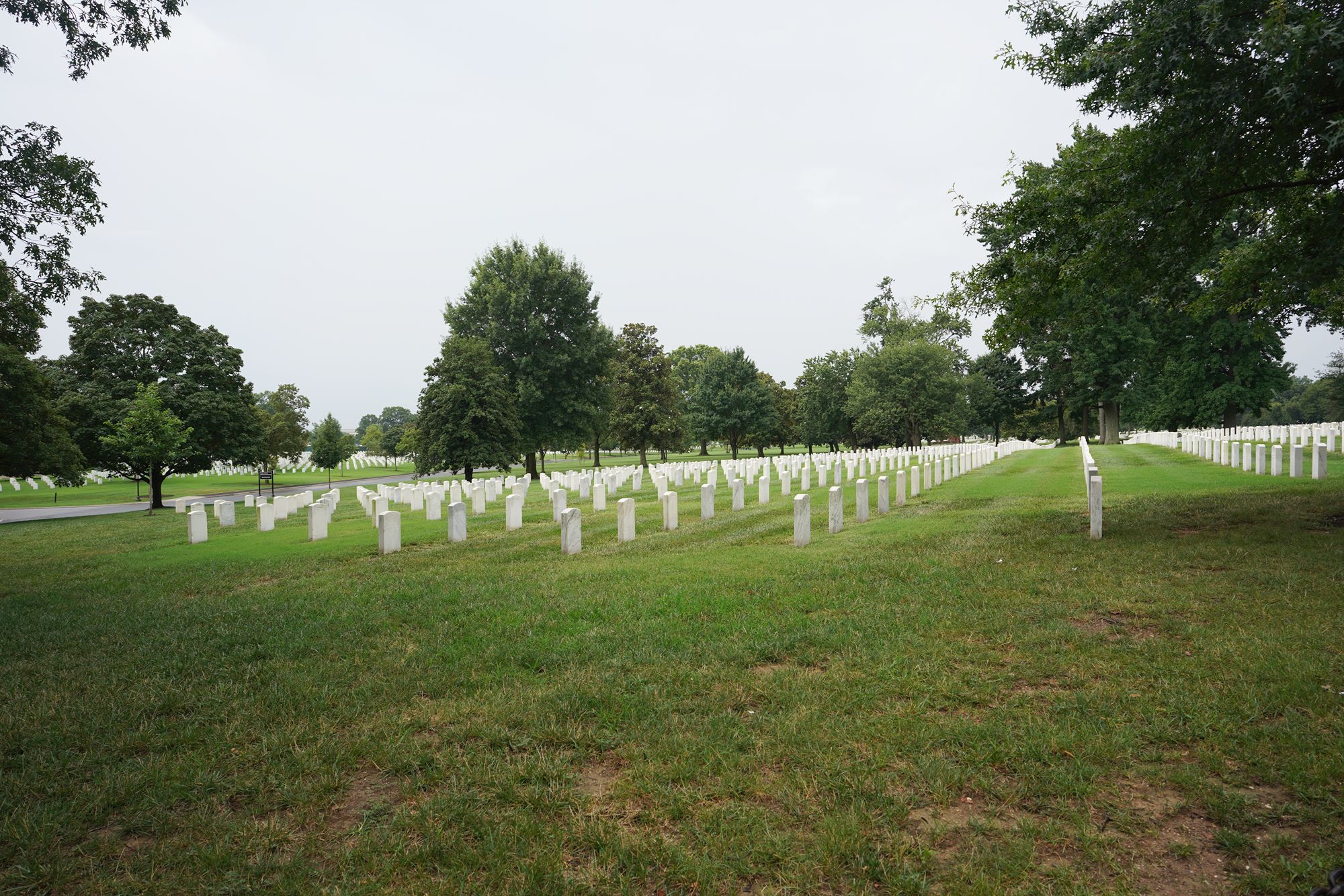
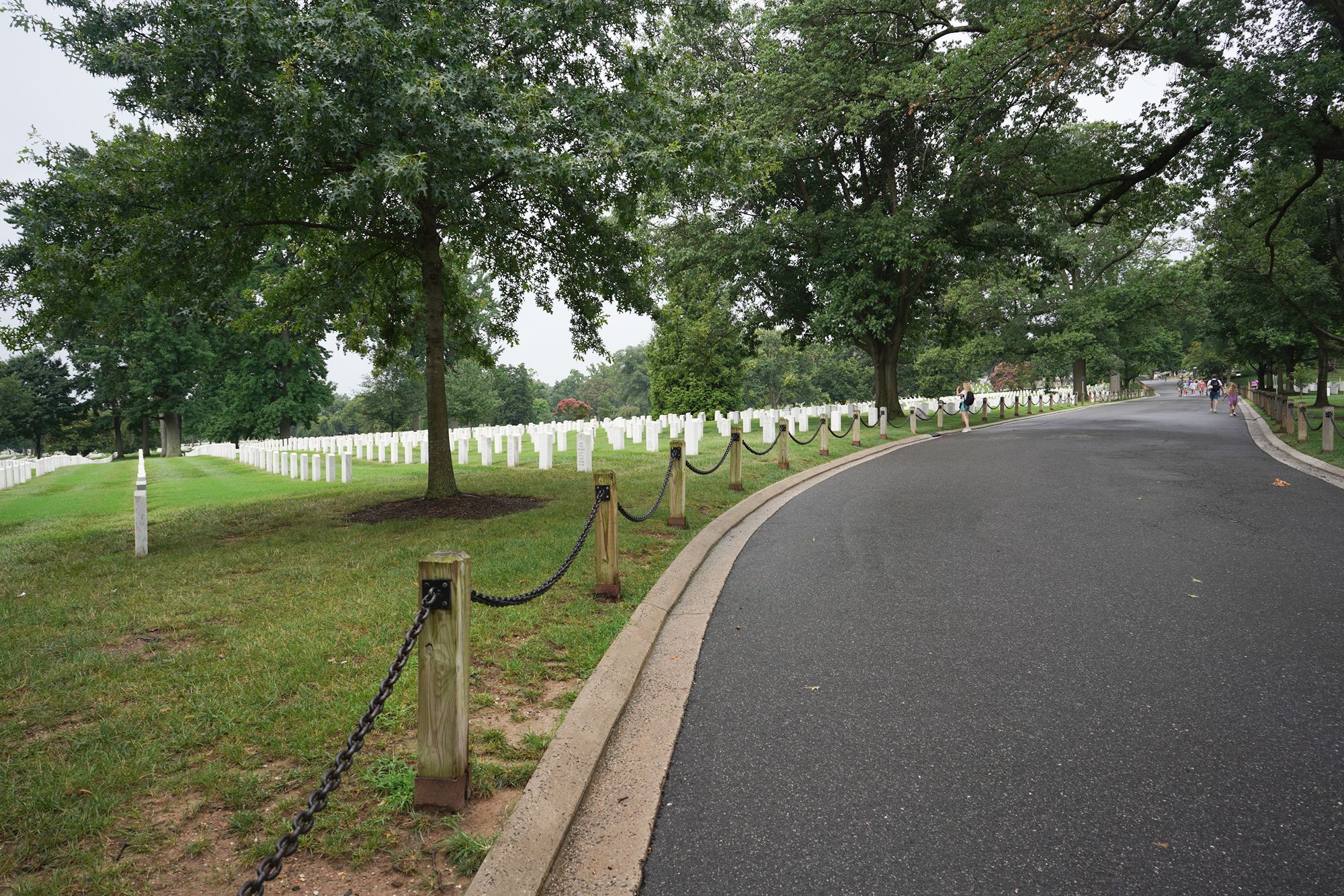
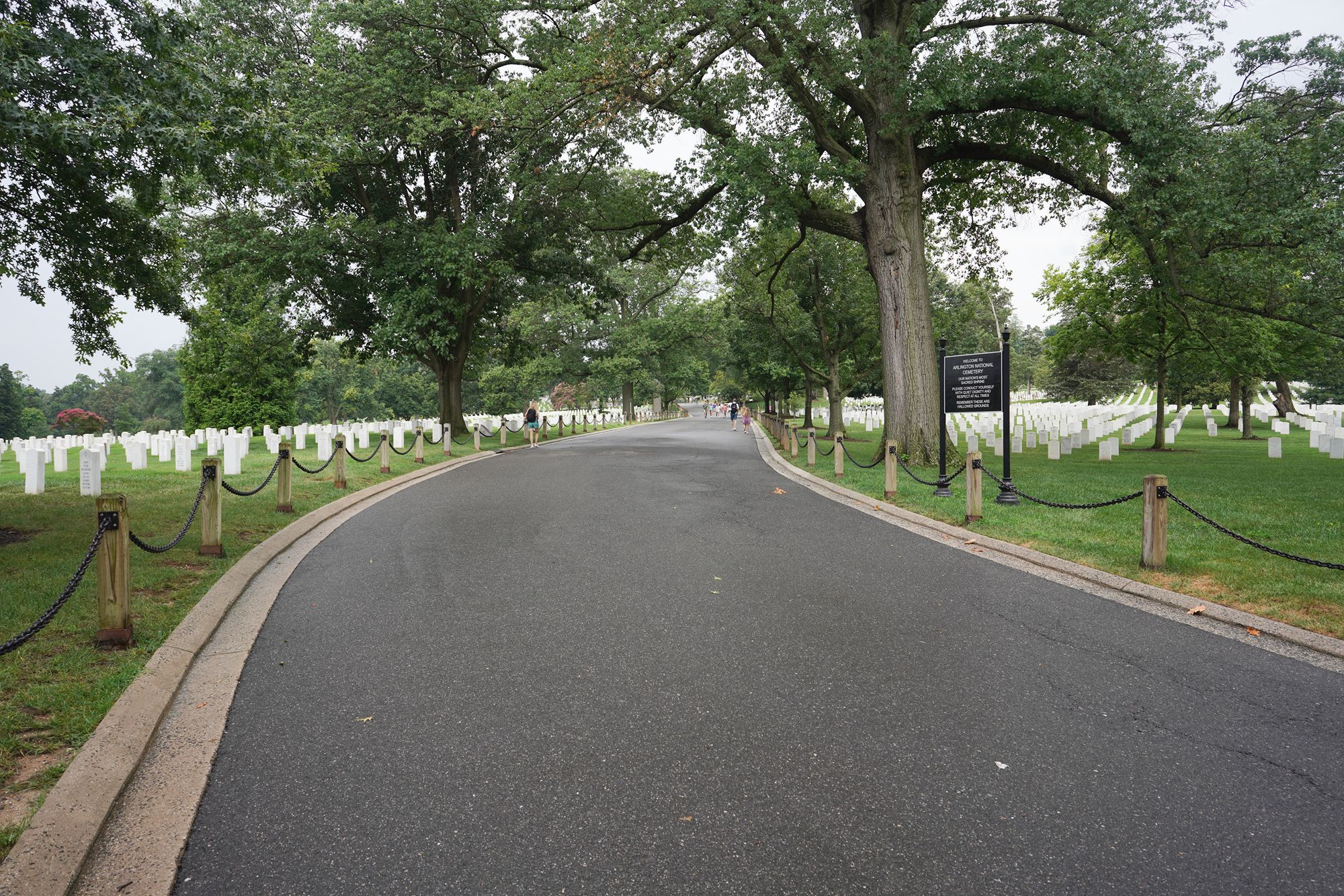
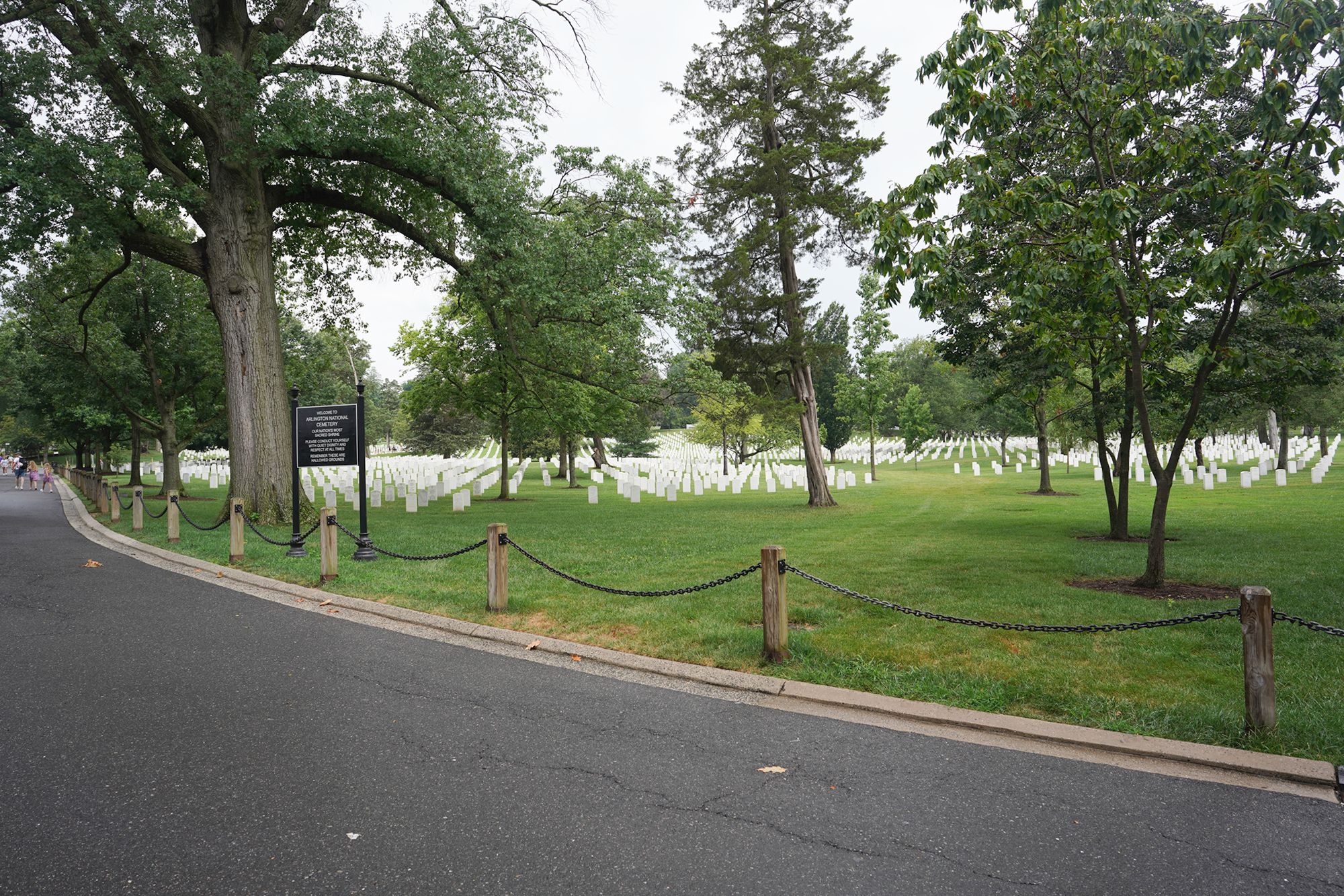
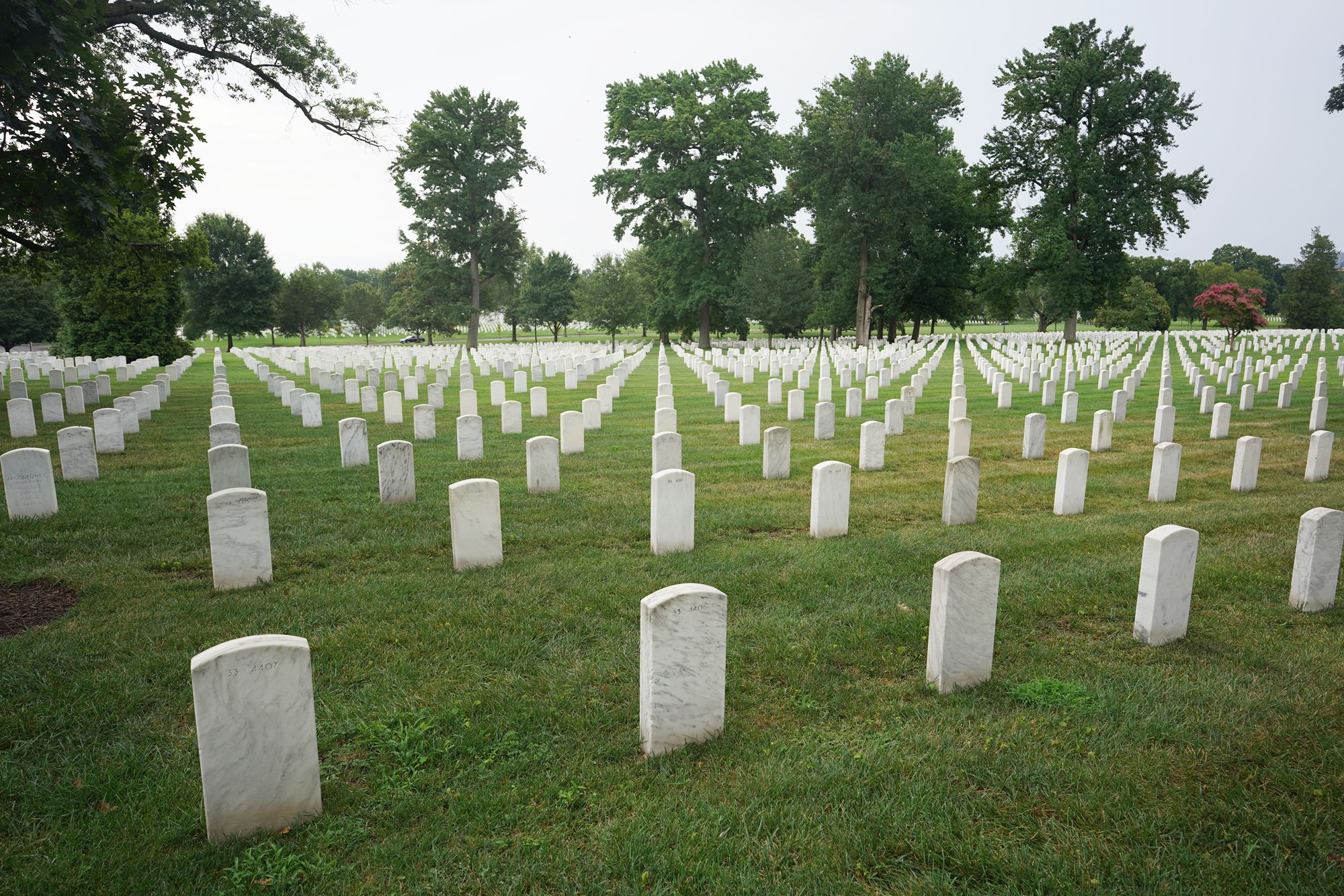
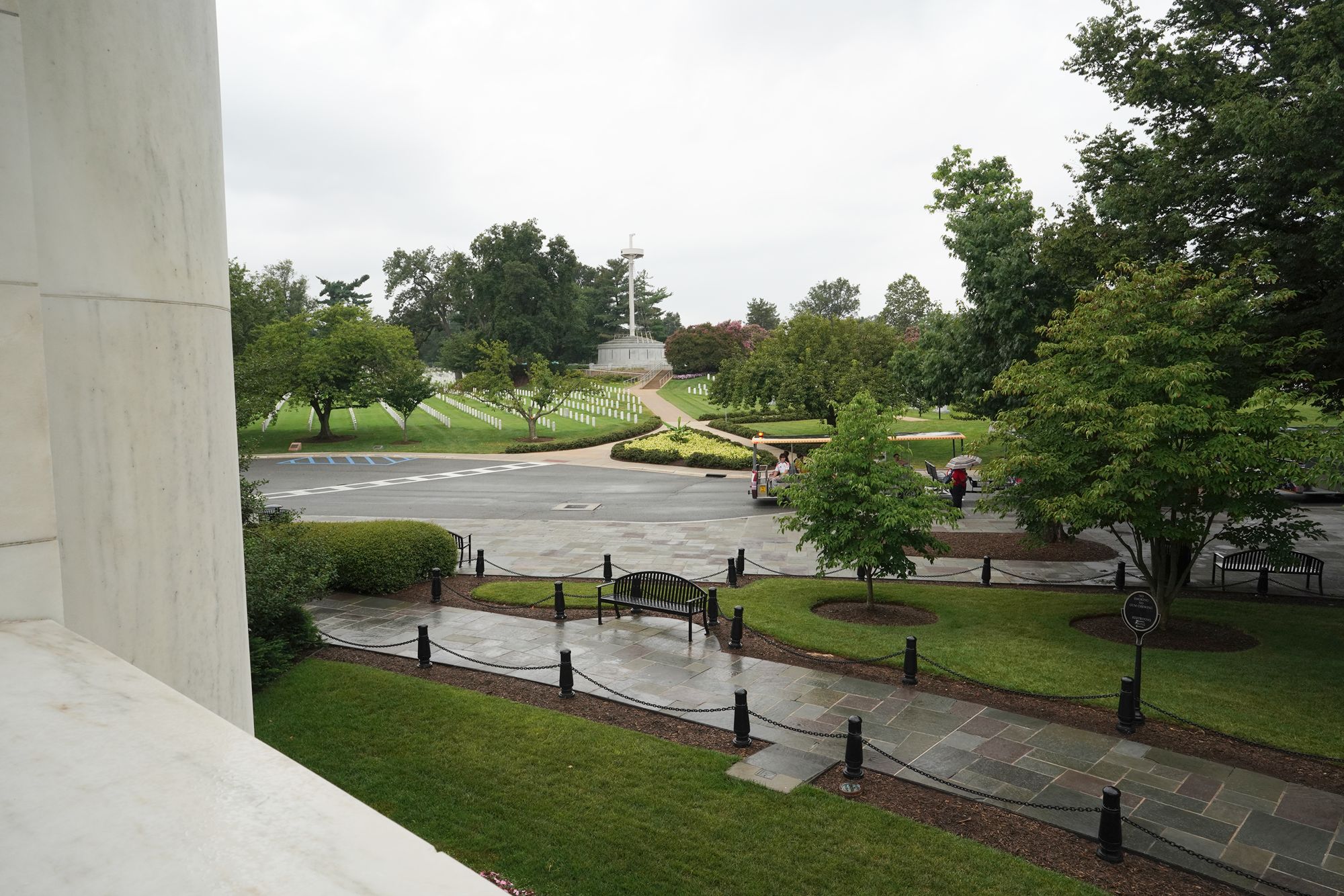
Walking through the cemetery, you see dozens of sections spreading across the landscape, each honoring generations of military service. Quiet paths, large trees, and open spaces give the grounds a reflective and almost park-like feeling, even though it is one of the most sacred places in the country.
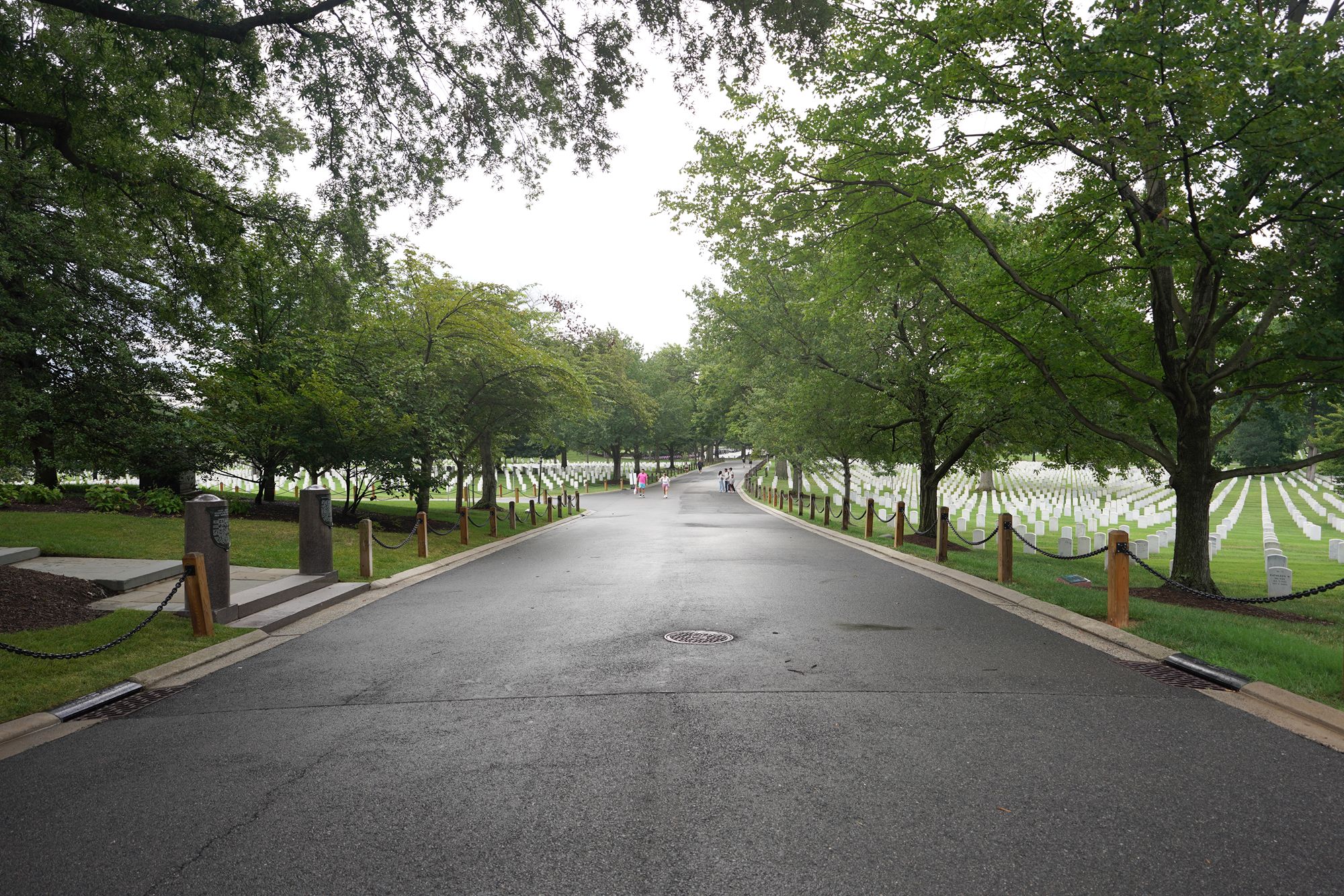
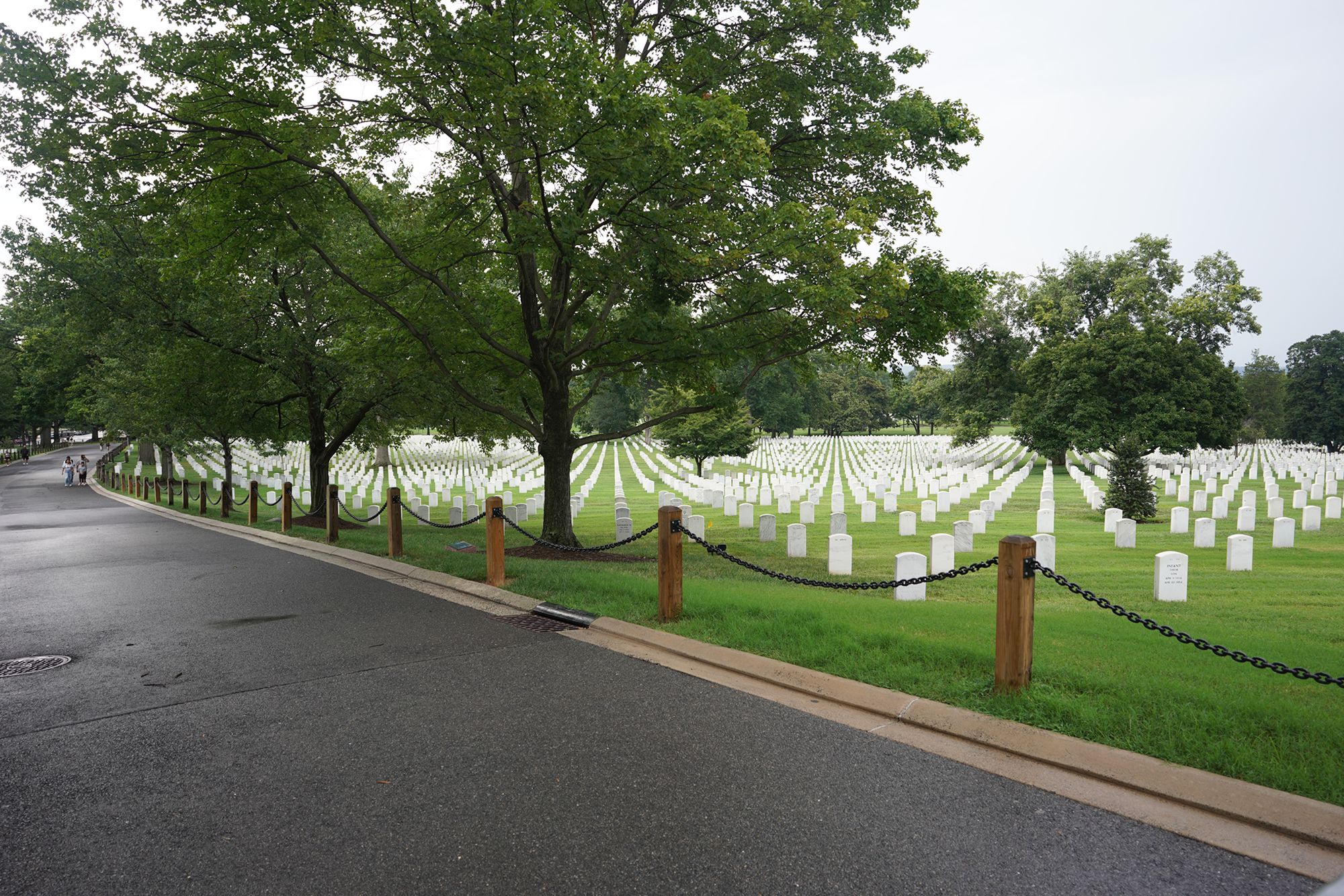
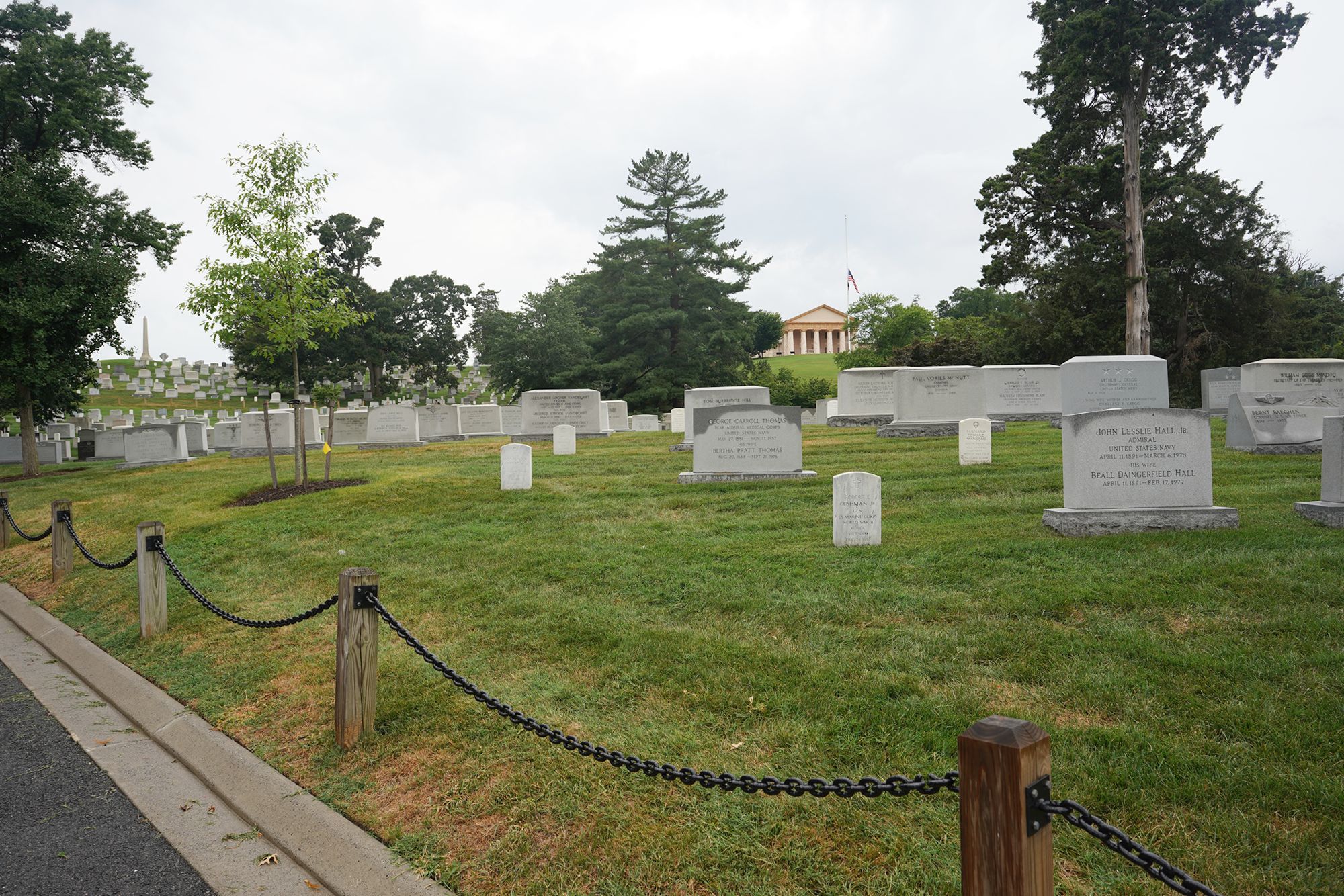
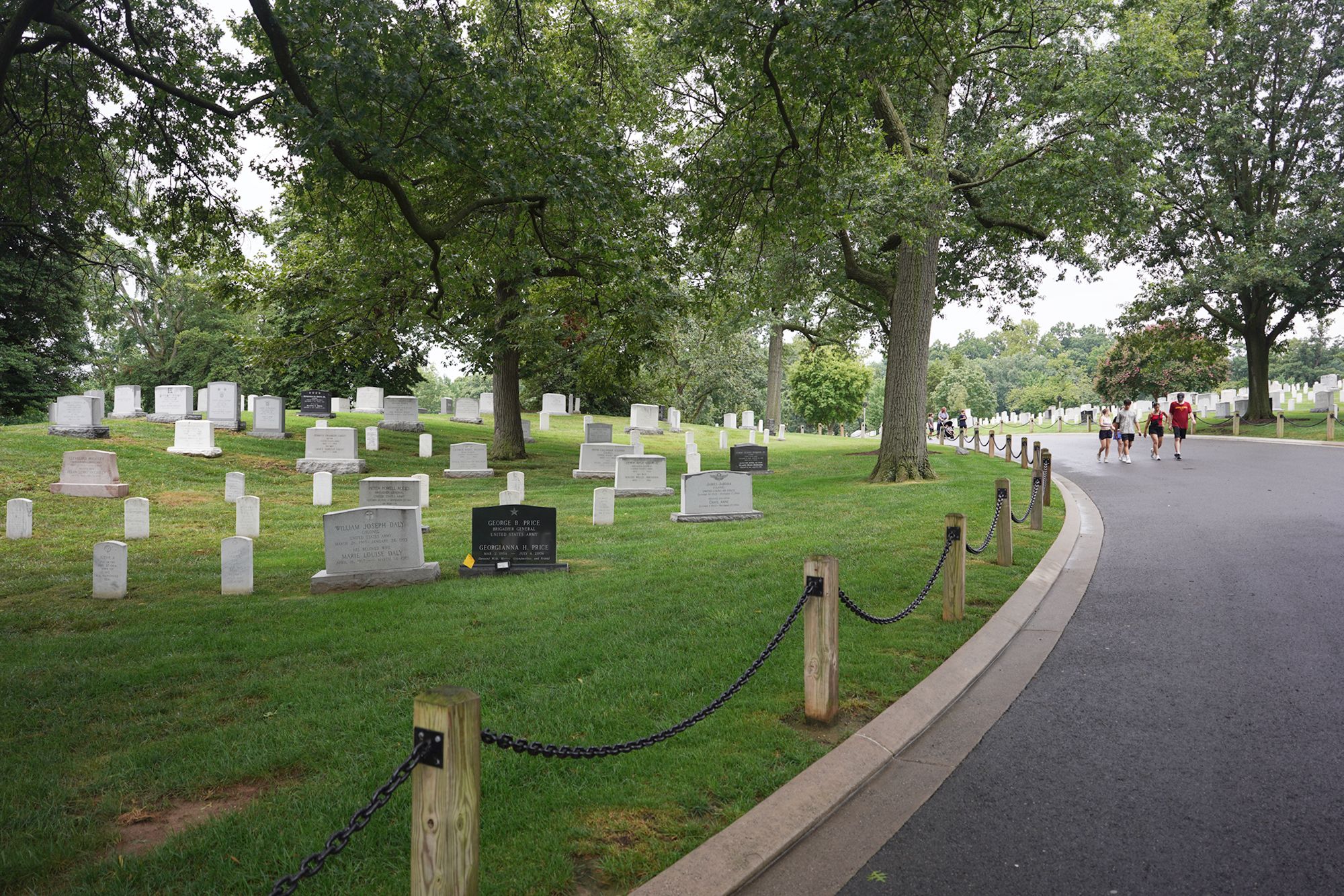
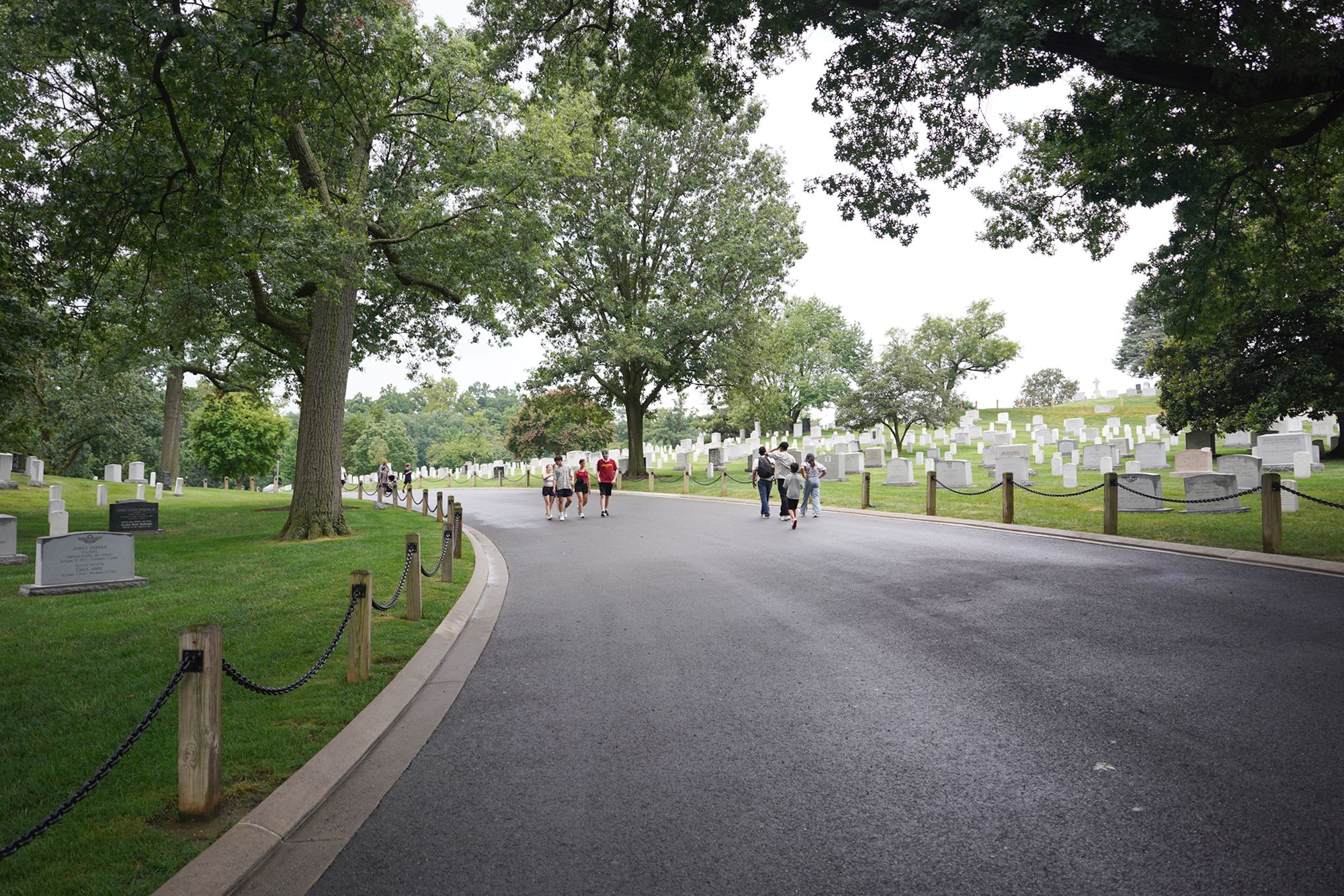
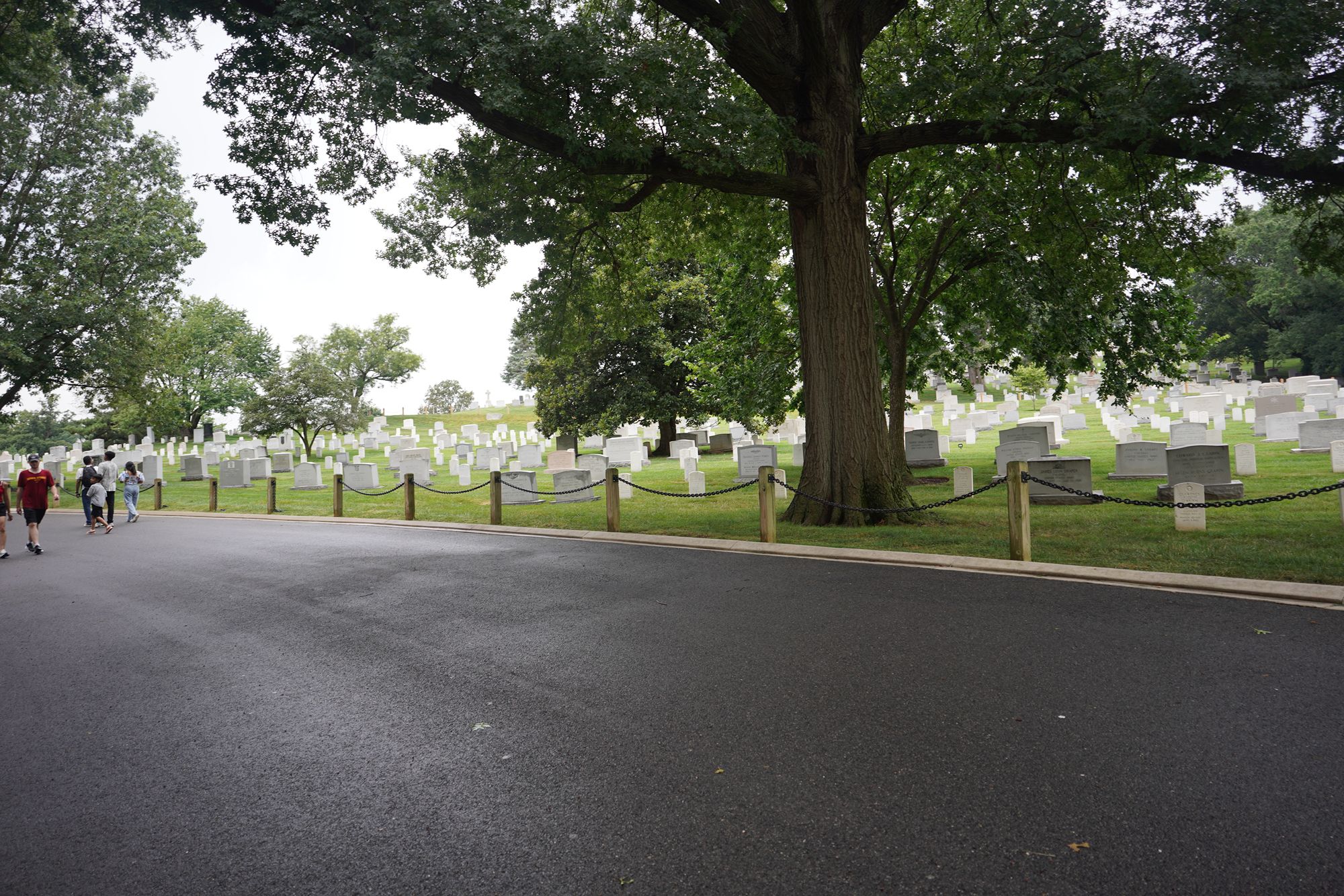
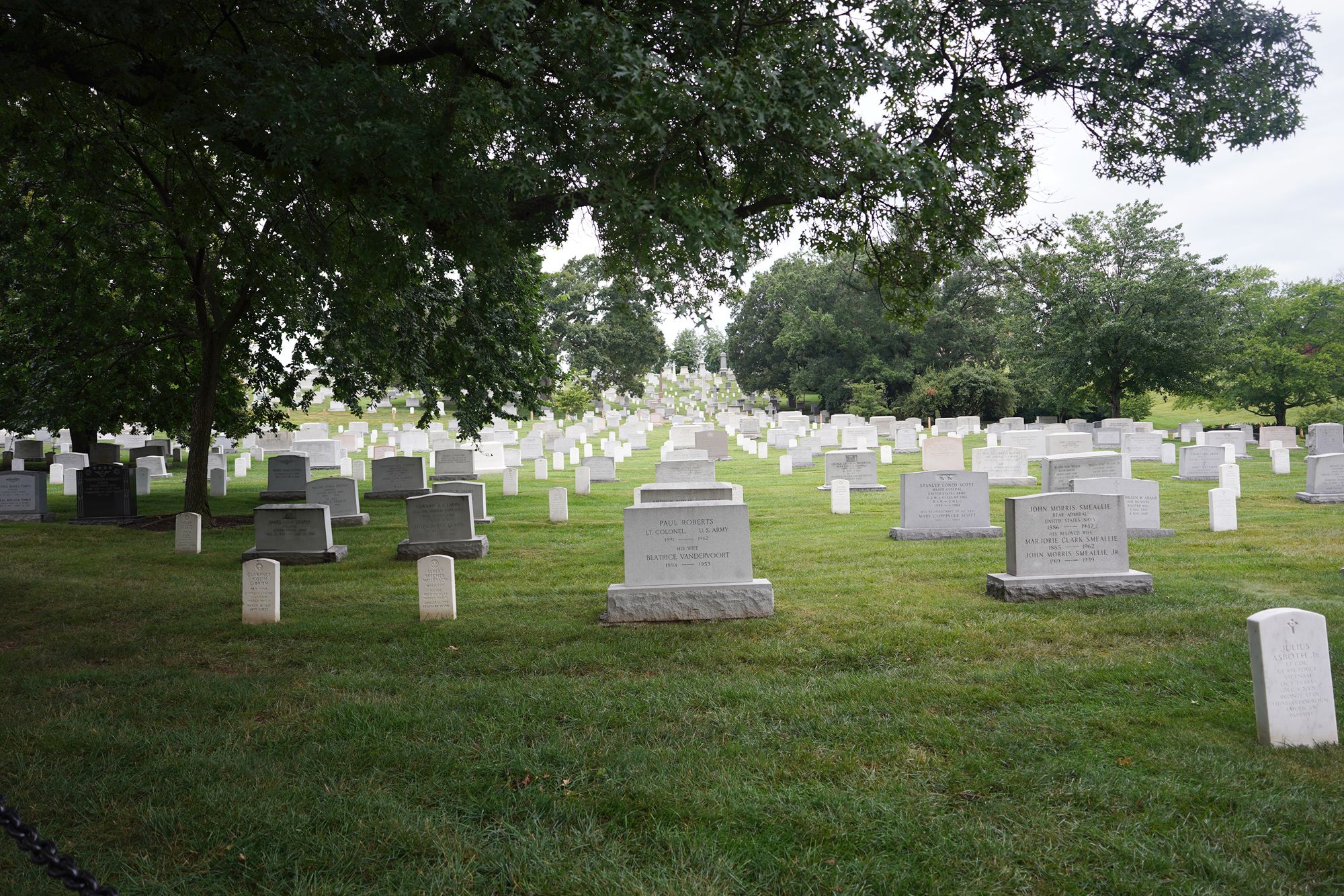
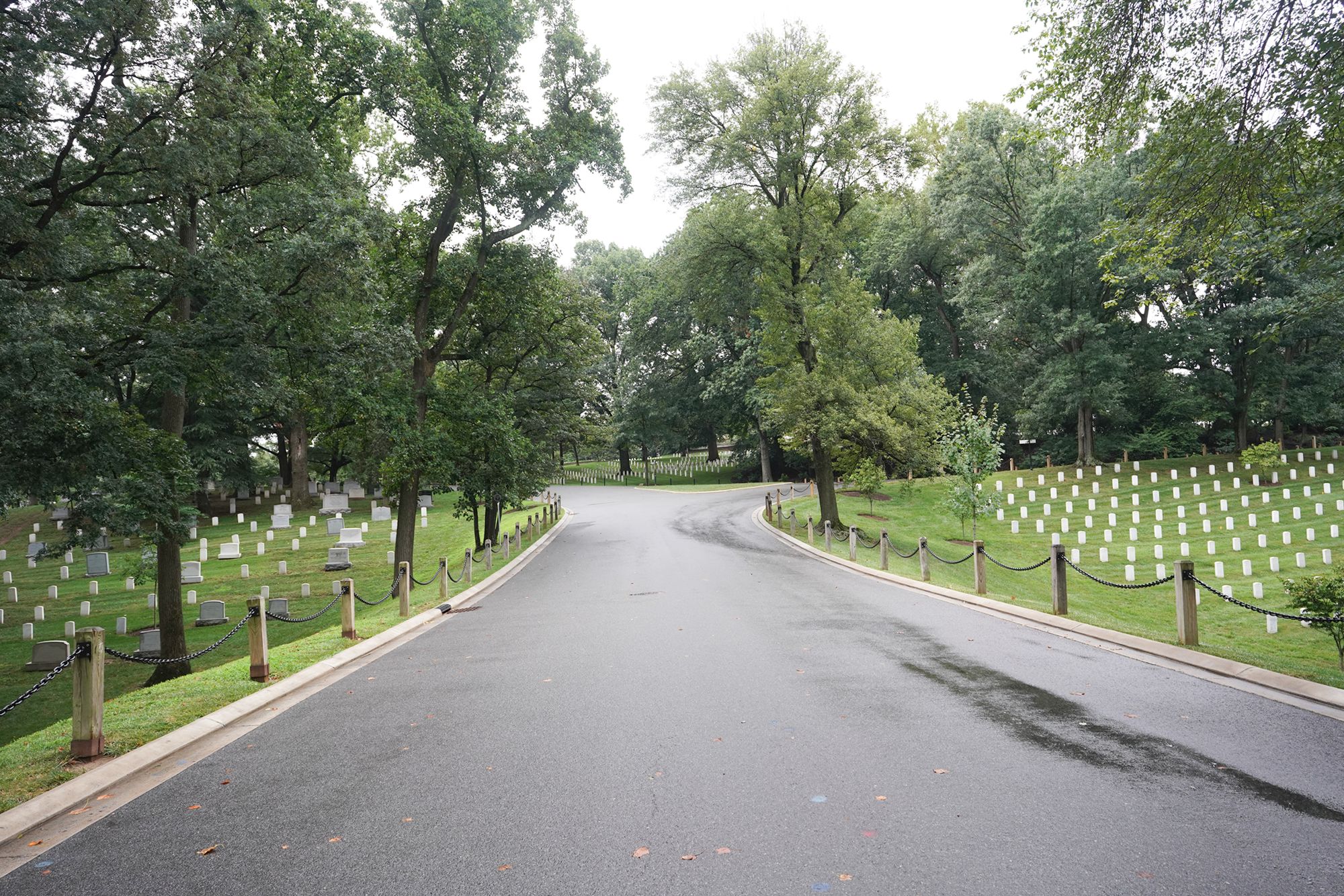
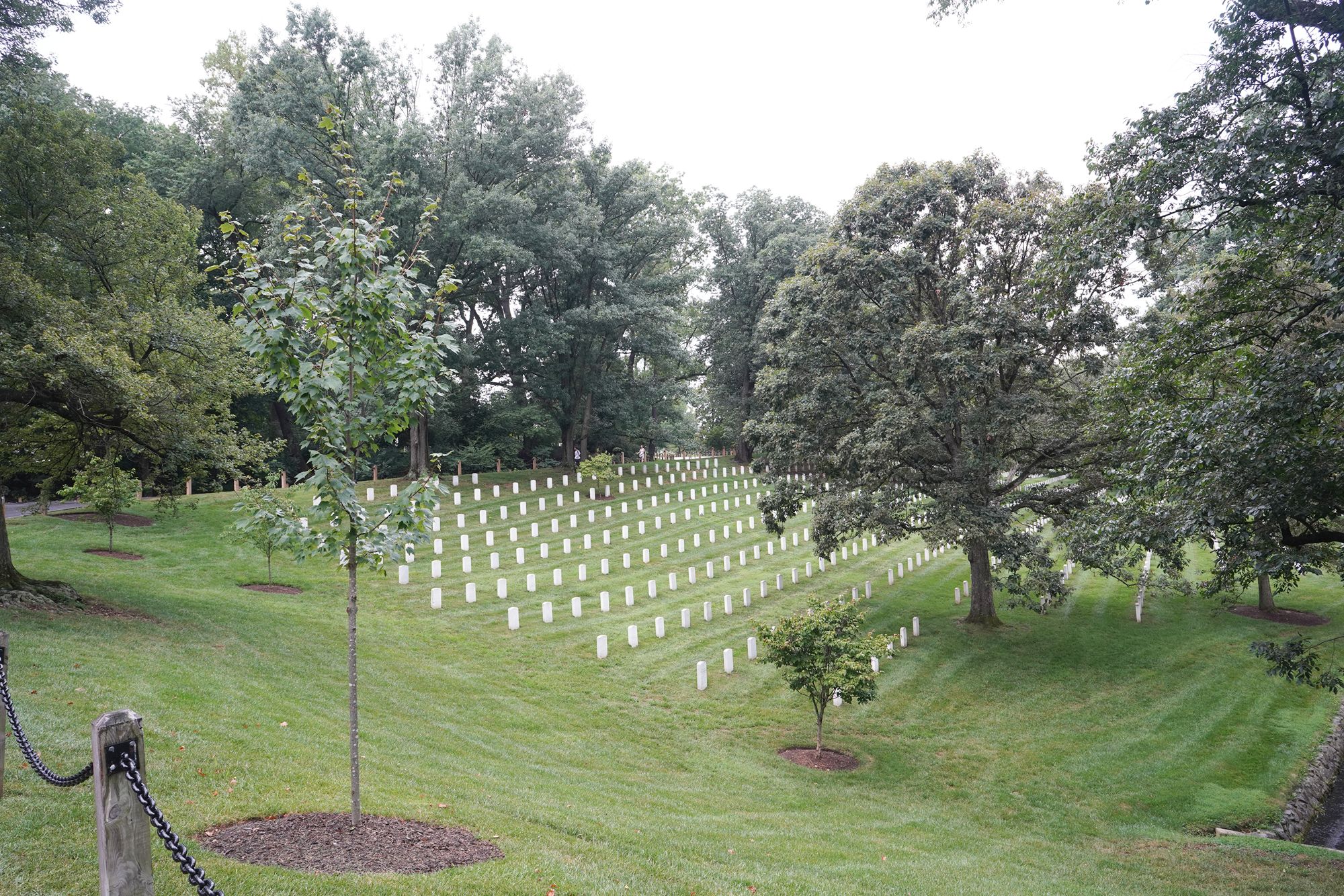
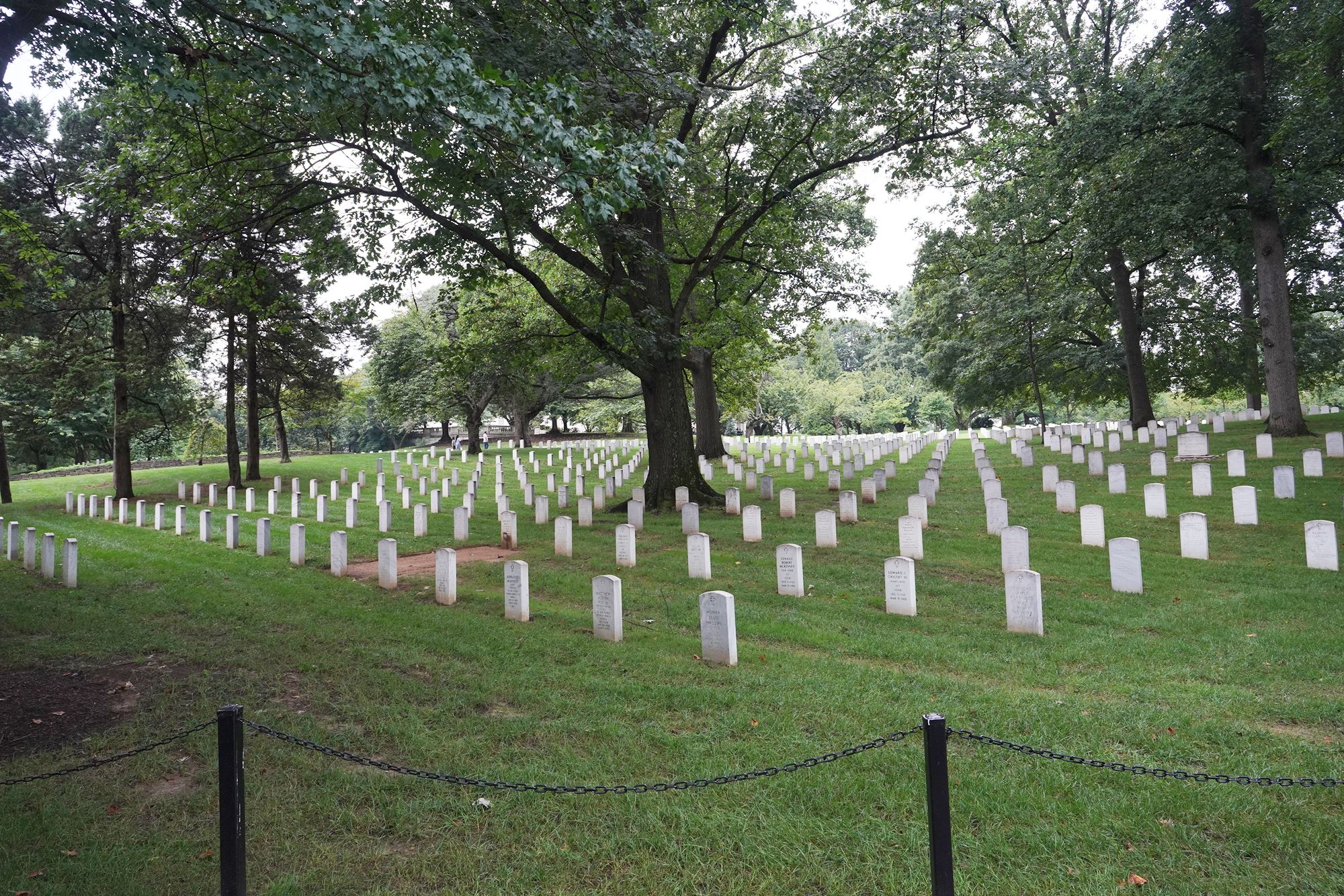
To the Tomb of the Unknown Soldier
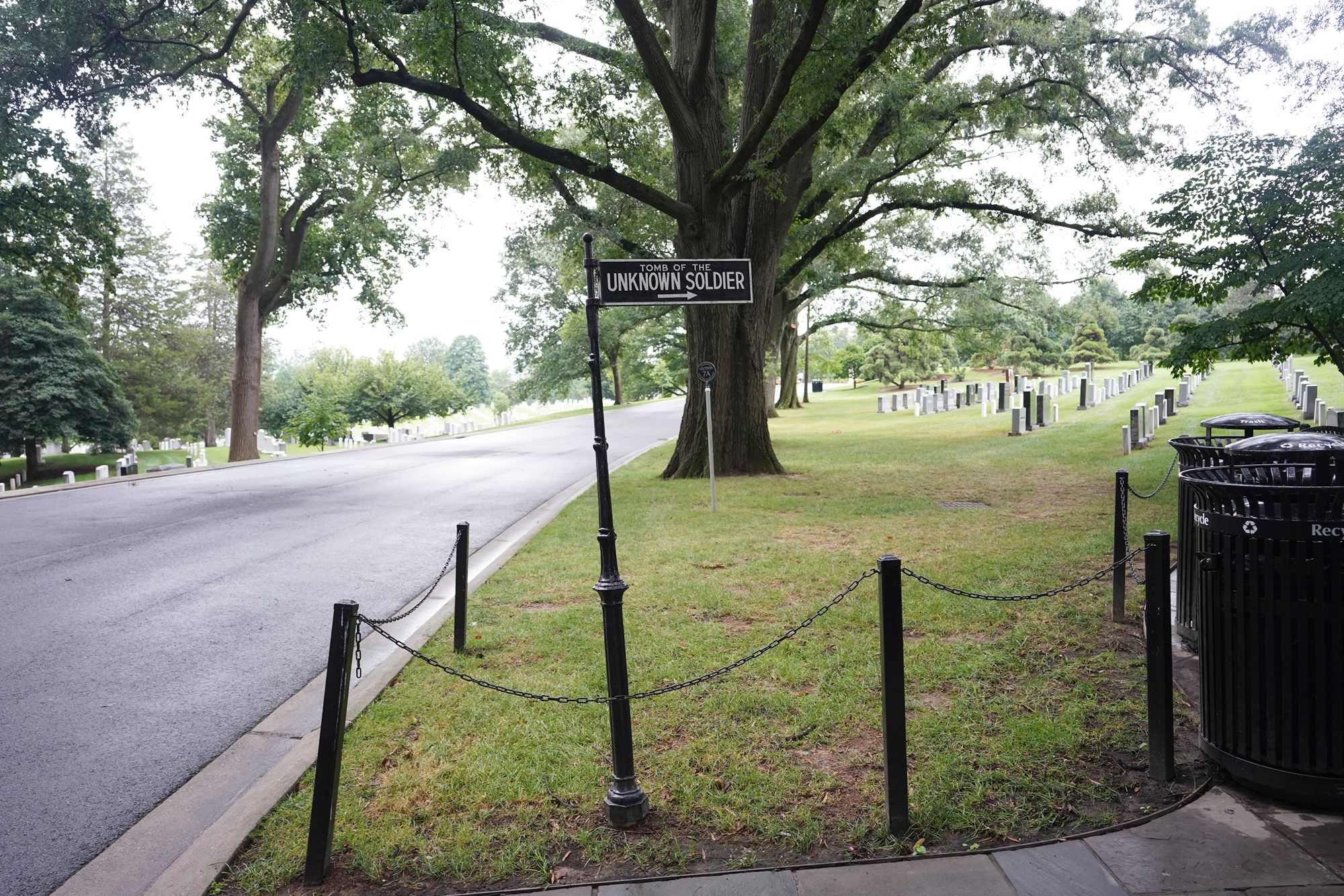
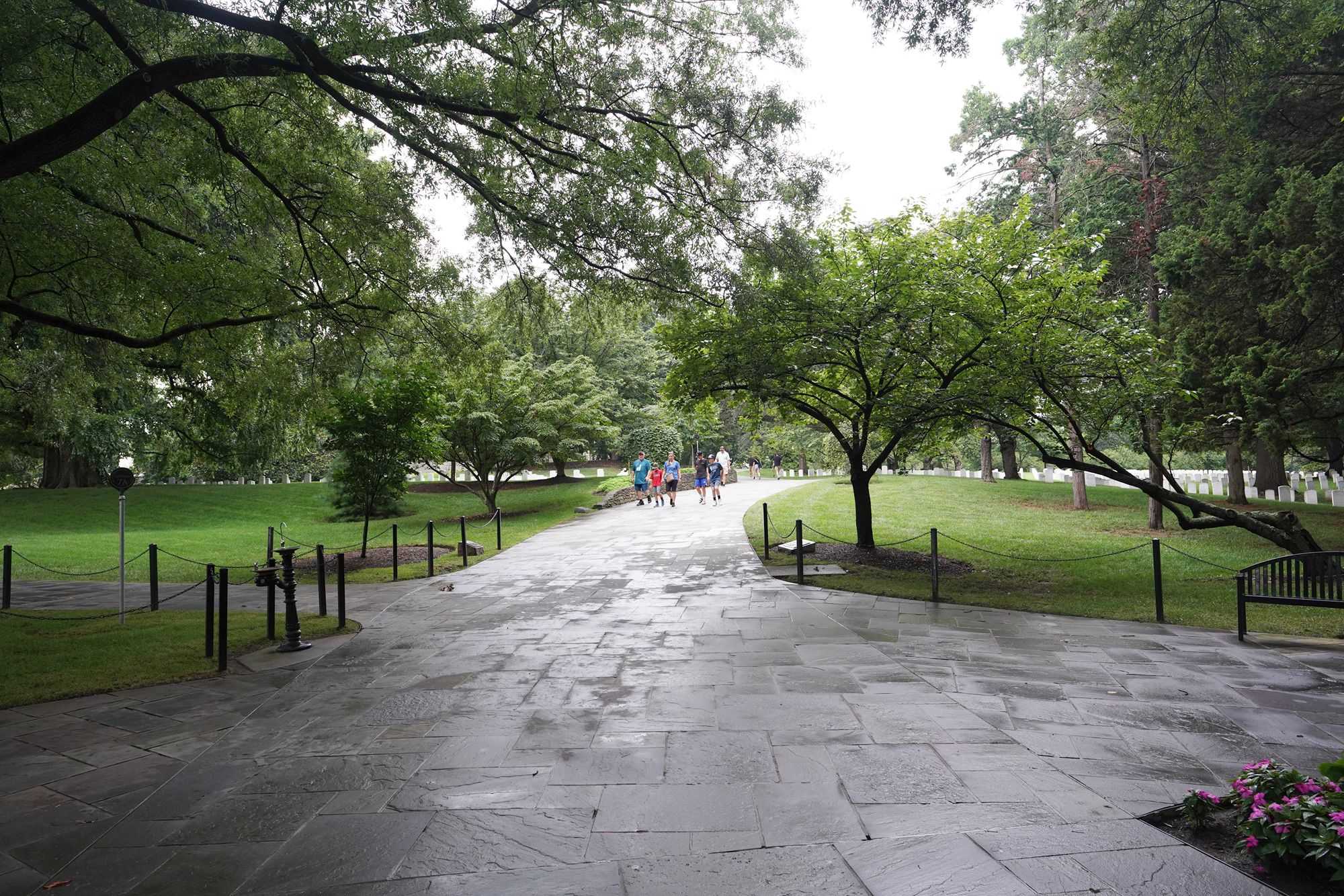
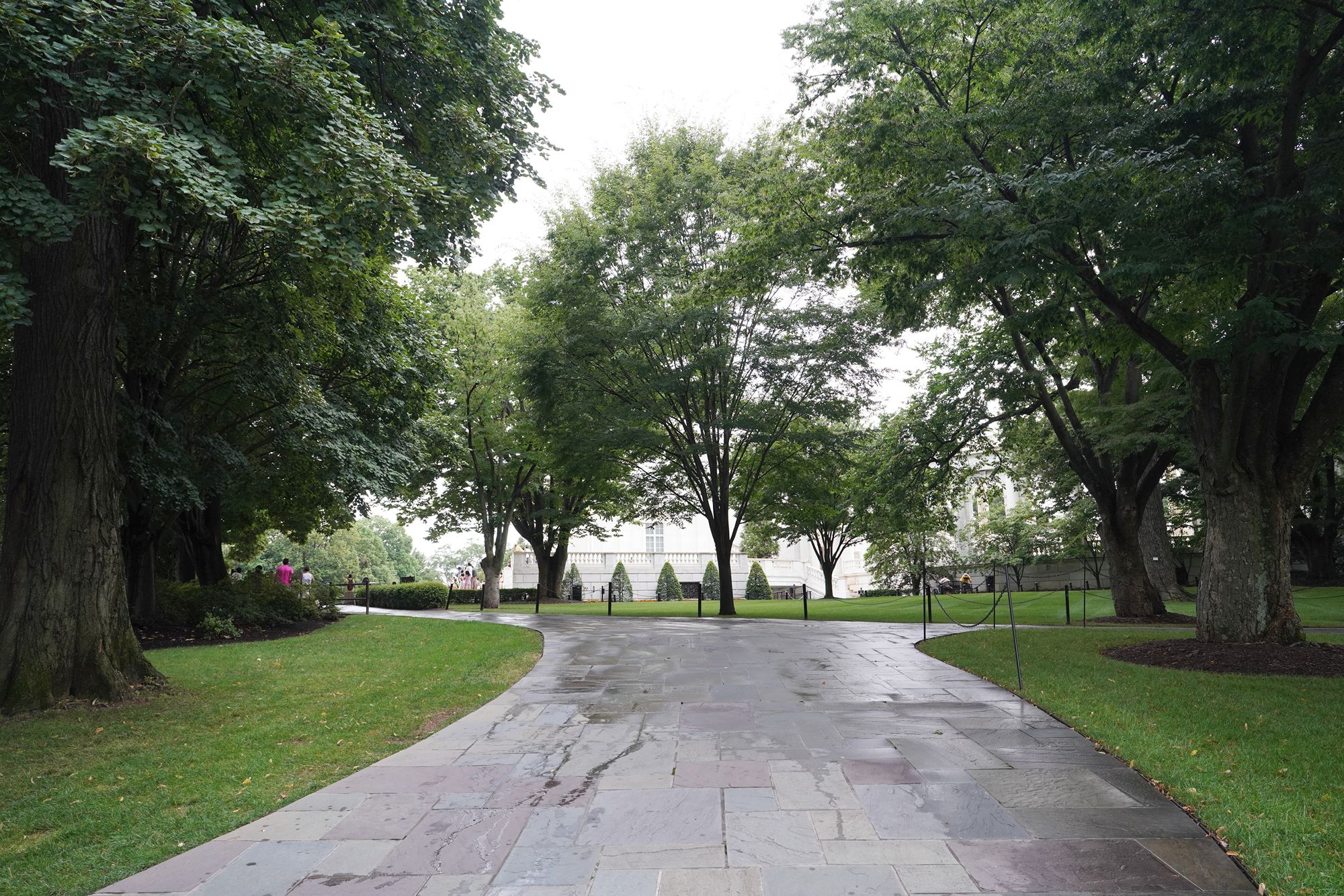
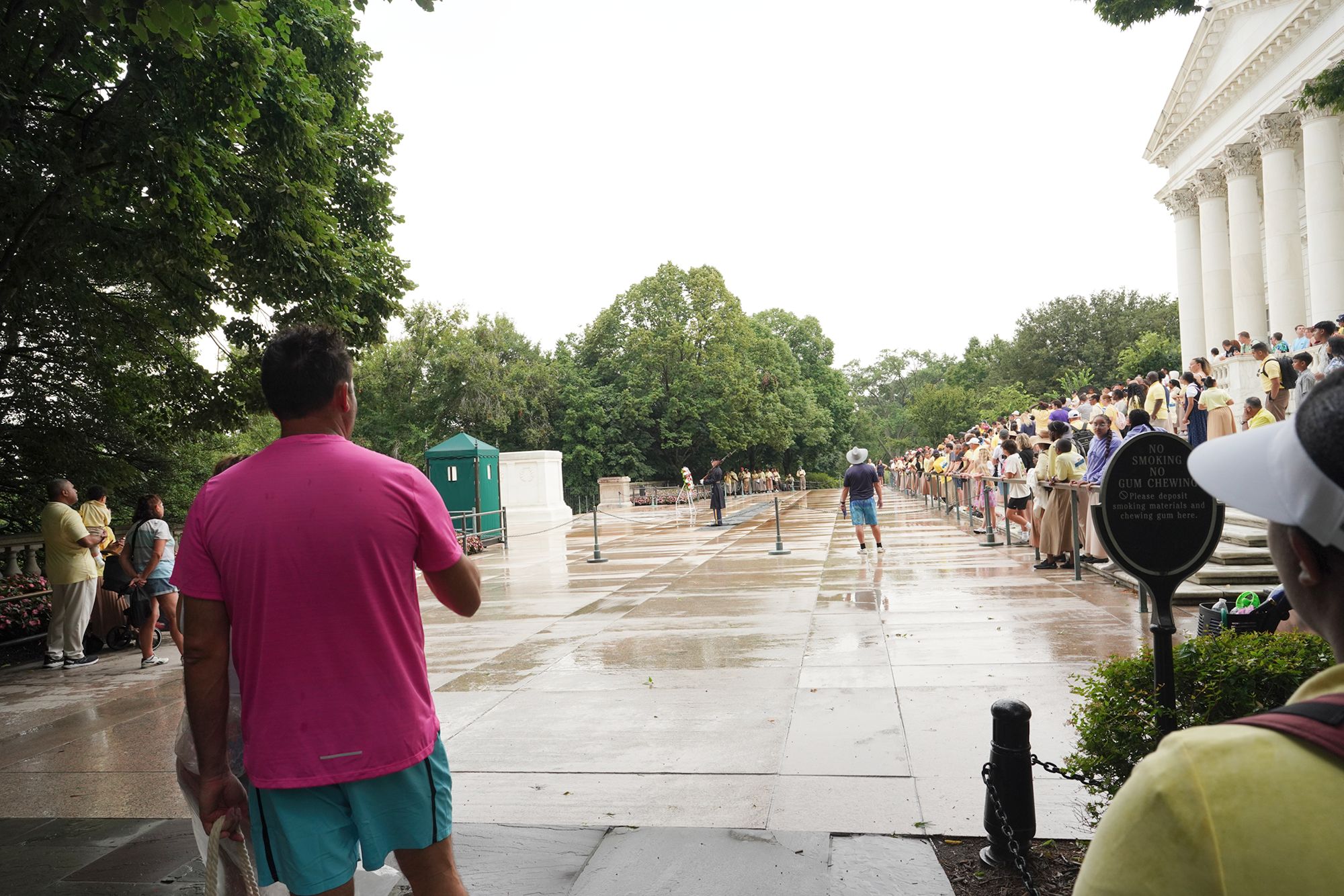
At the heart of the cemetery is the Tomb of the Unknown Soldier, guarded 24 hours a day by the U.S. Army’s elite tomb guards. The precise, ceremonial changing of the guard is one of the most moving traditions at Arlington.
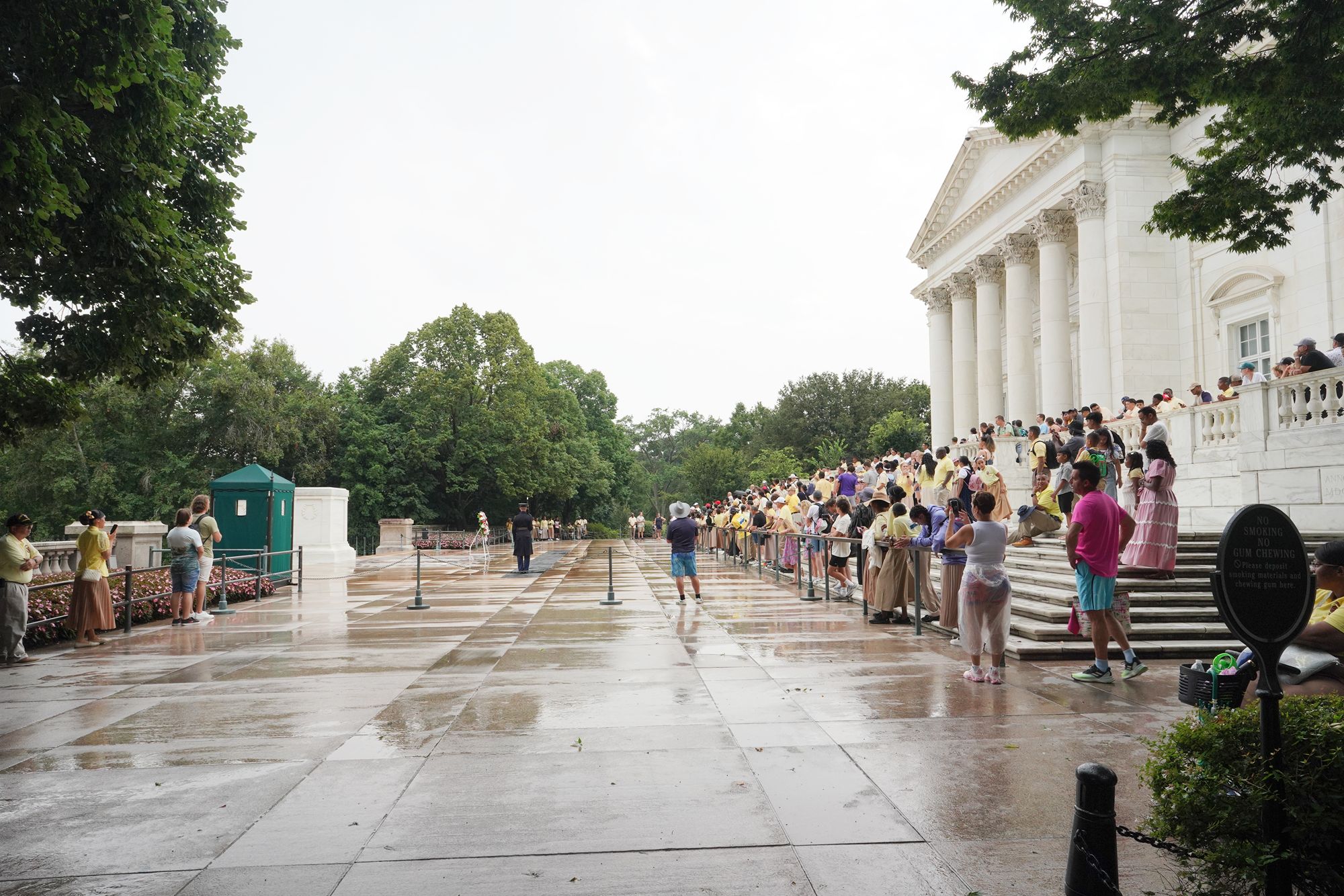
The Changing of the Guard is a precise military ceremony performed at the Tomb of the Unknown Soldier. Every 30 to 60 minutes, depending on the season, one tomb guard is relieved by another. The ceremony includes measured steps, synchronized movements, weapon inspection, and silent respect. It reflects the Army’s commitment to honor unknown fallen soldiers with continuous, 24-hour protection.
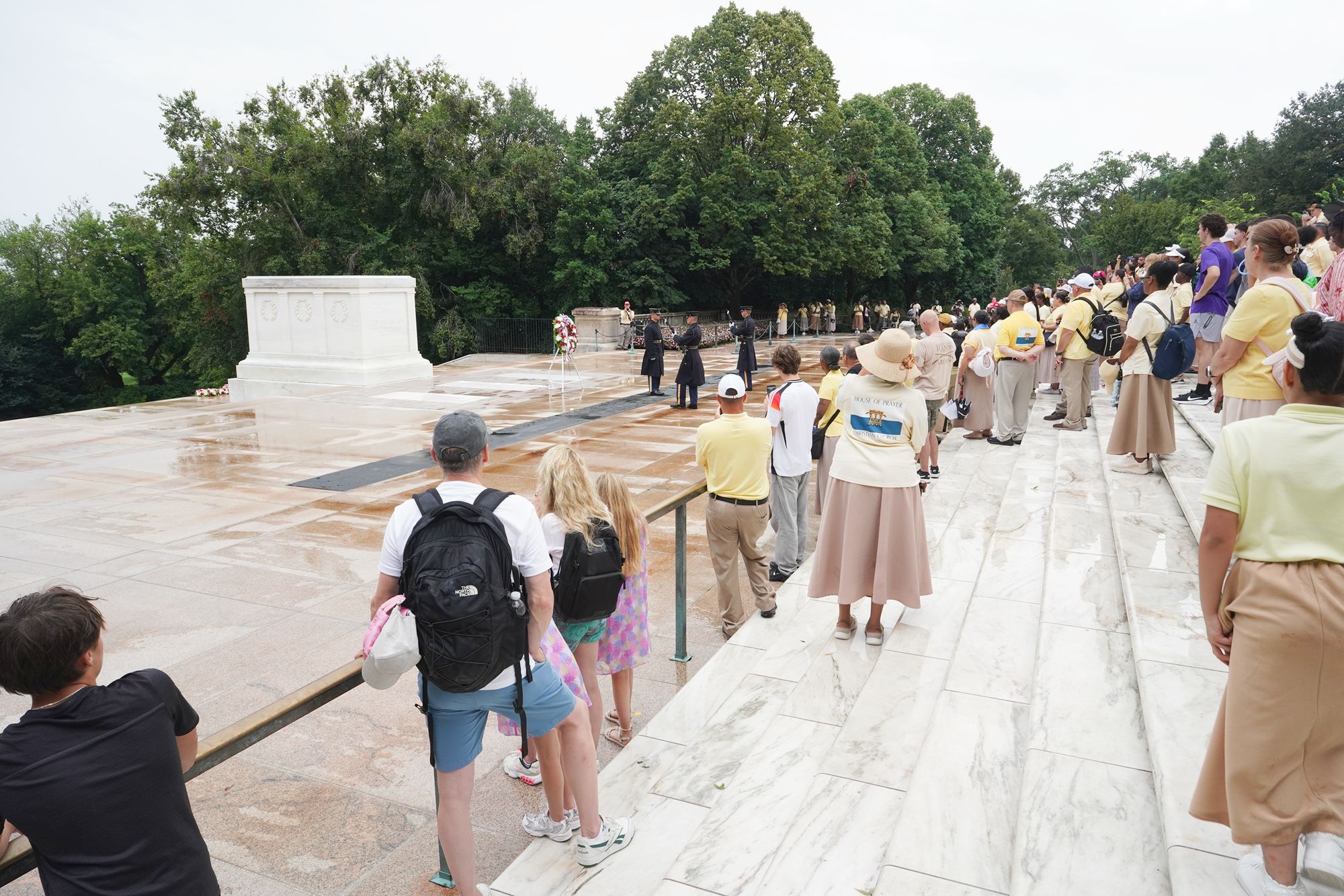
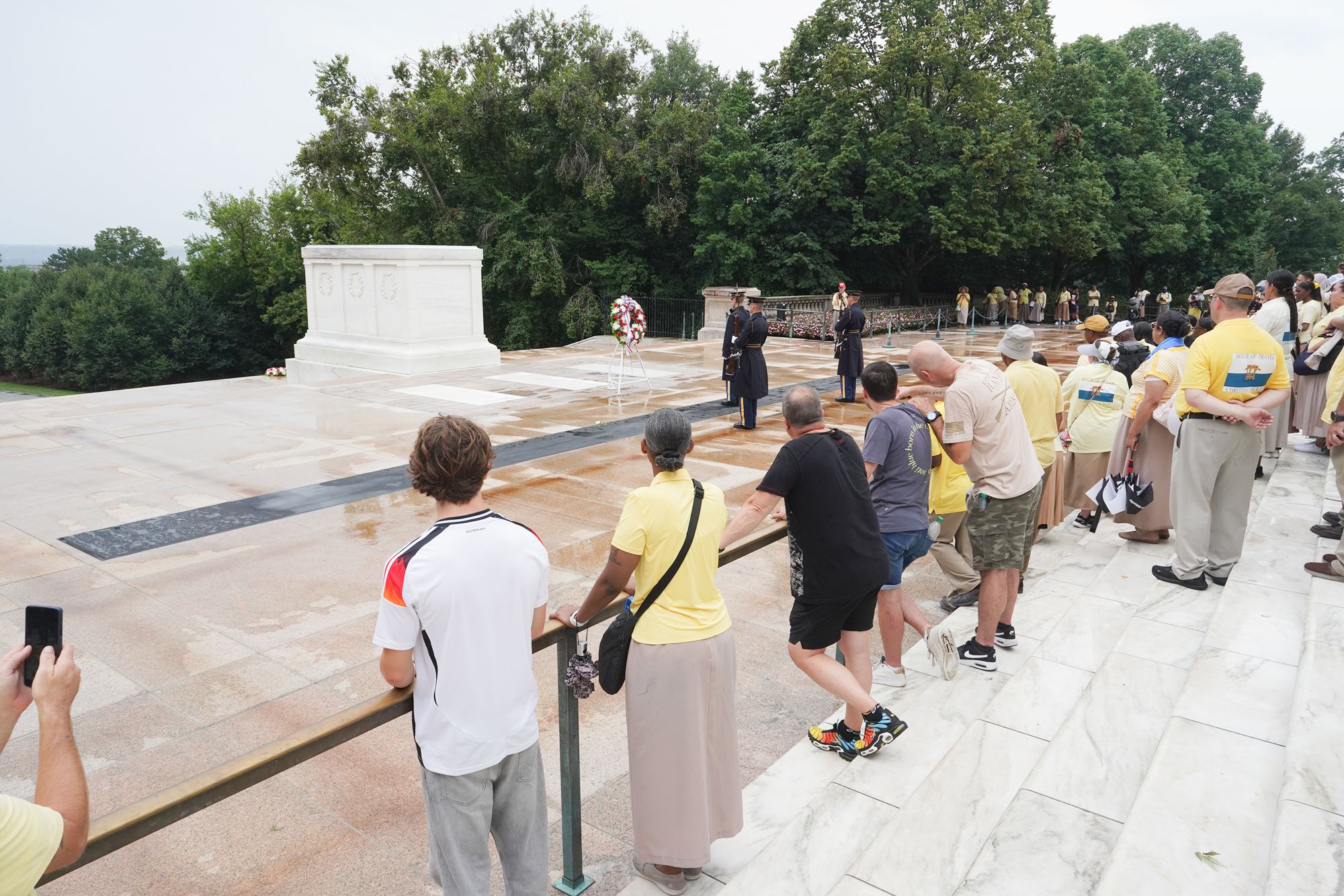
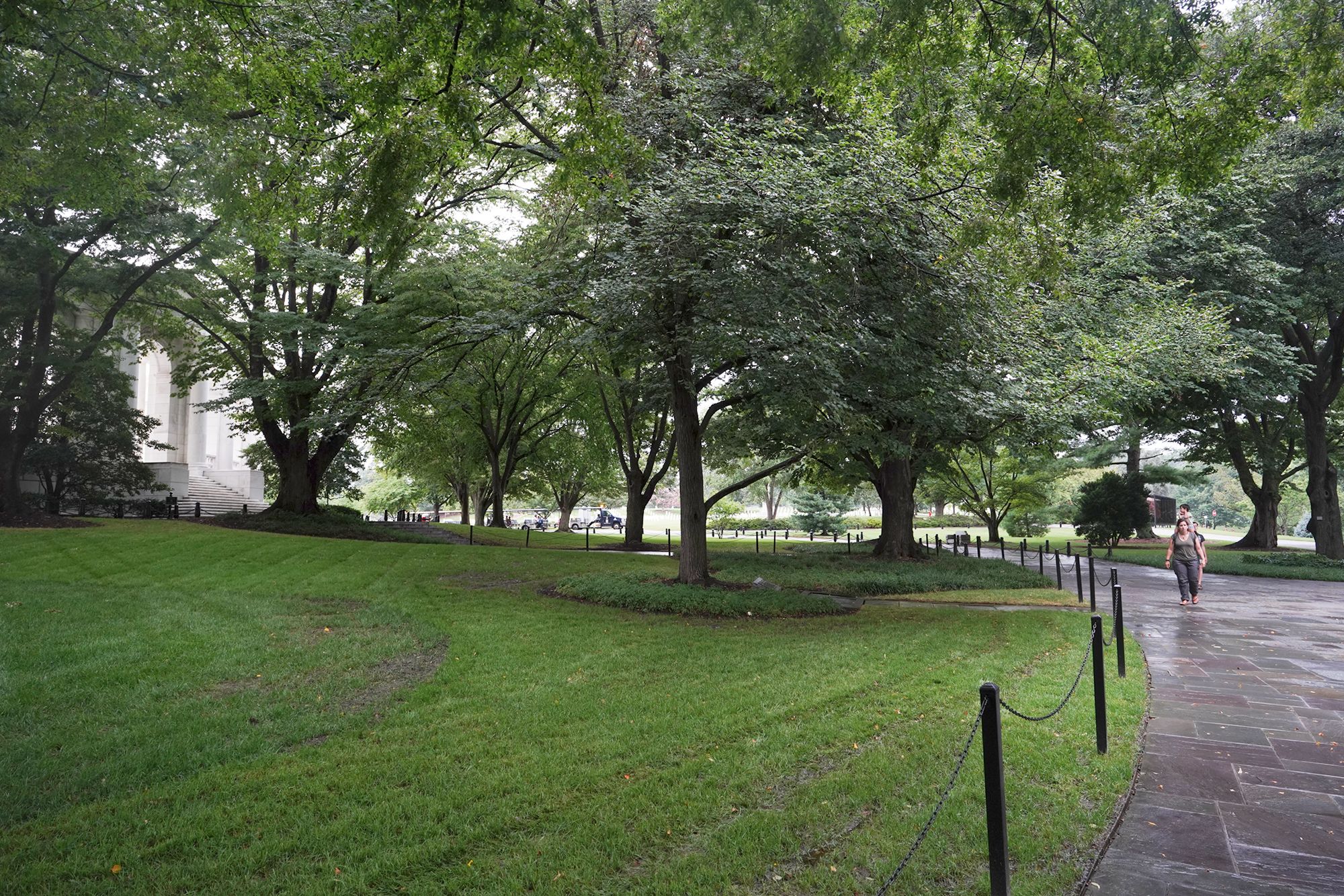
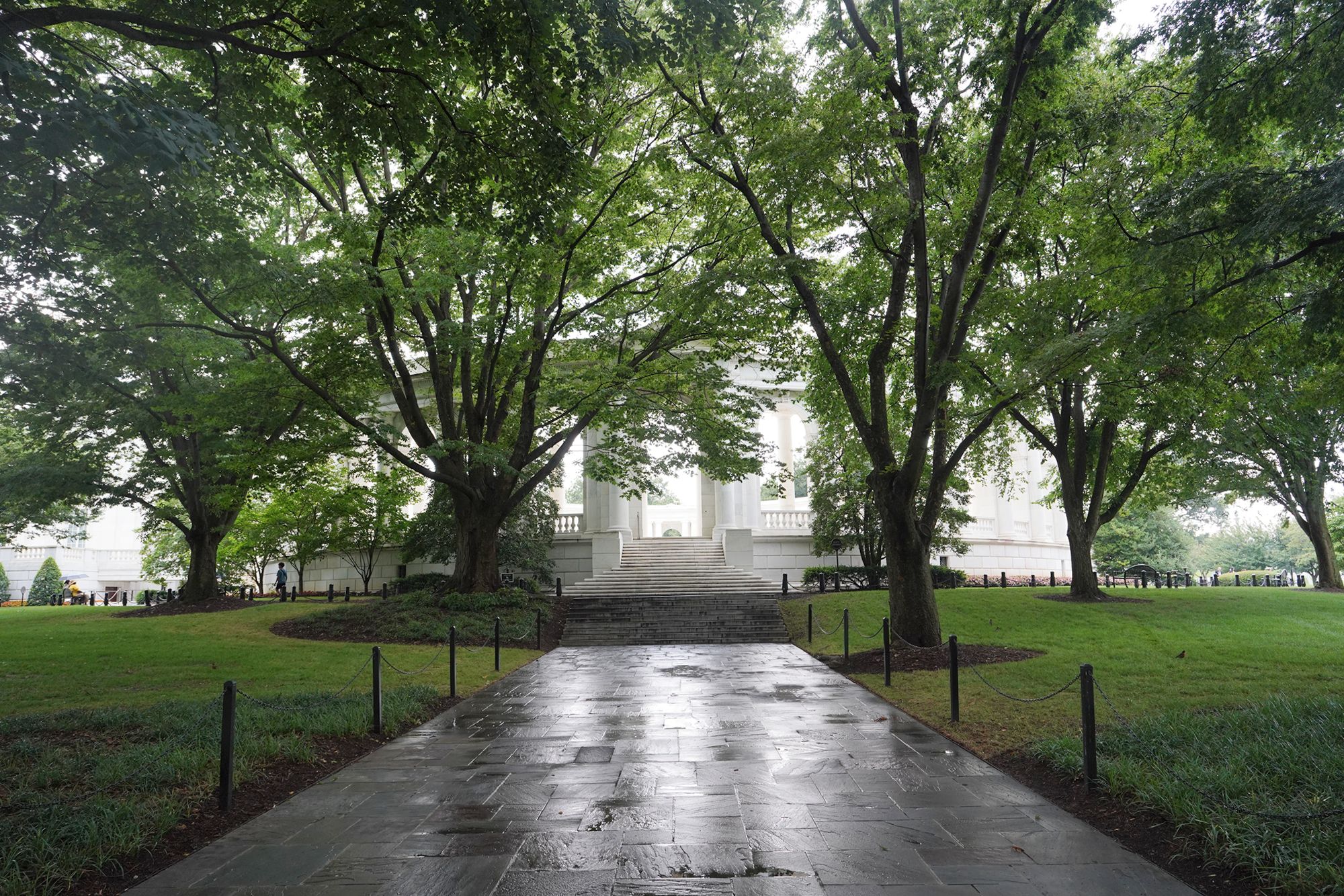
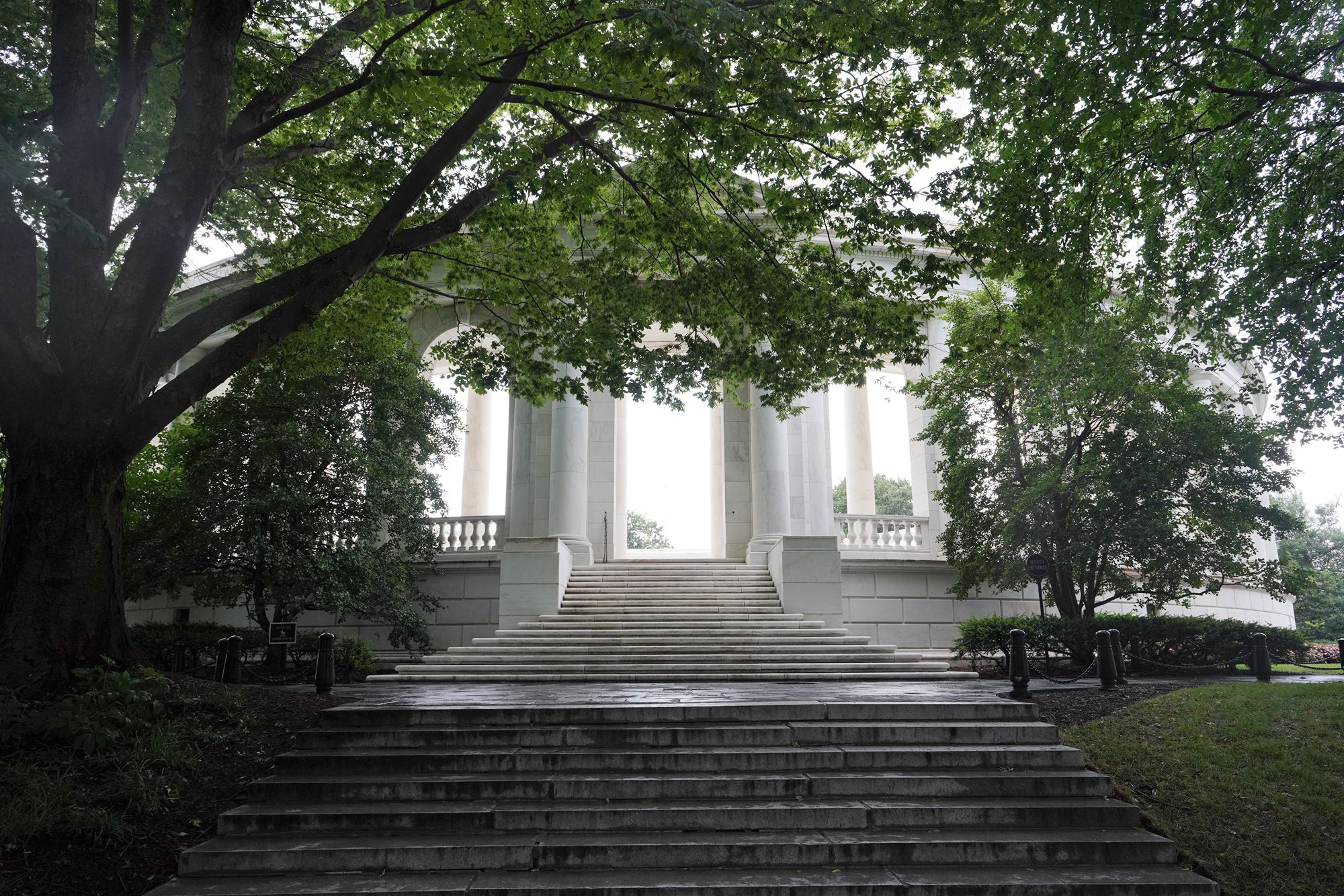
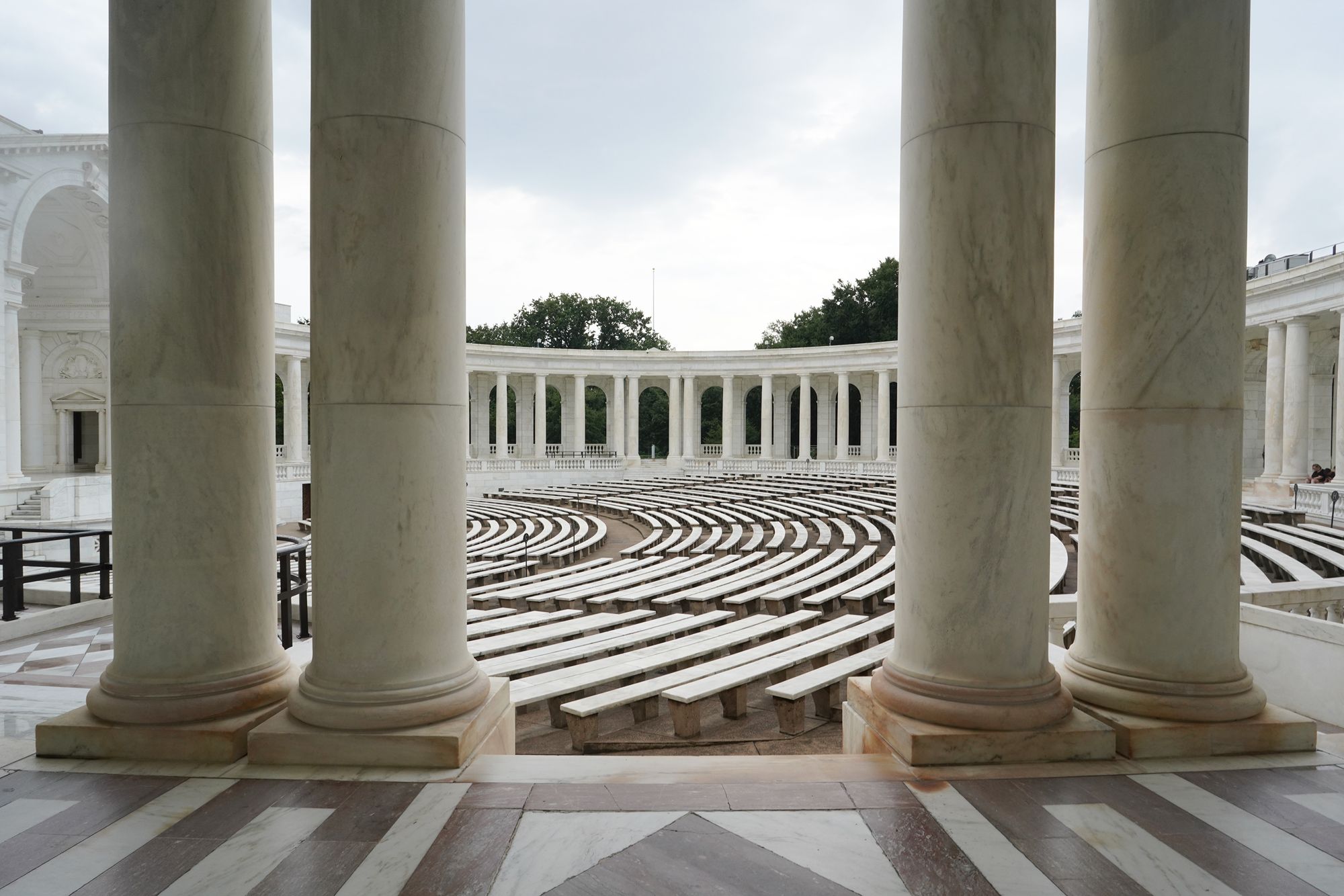
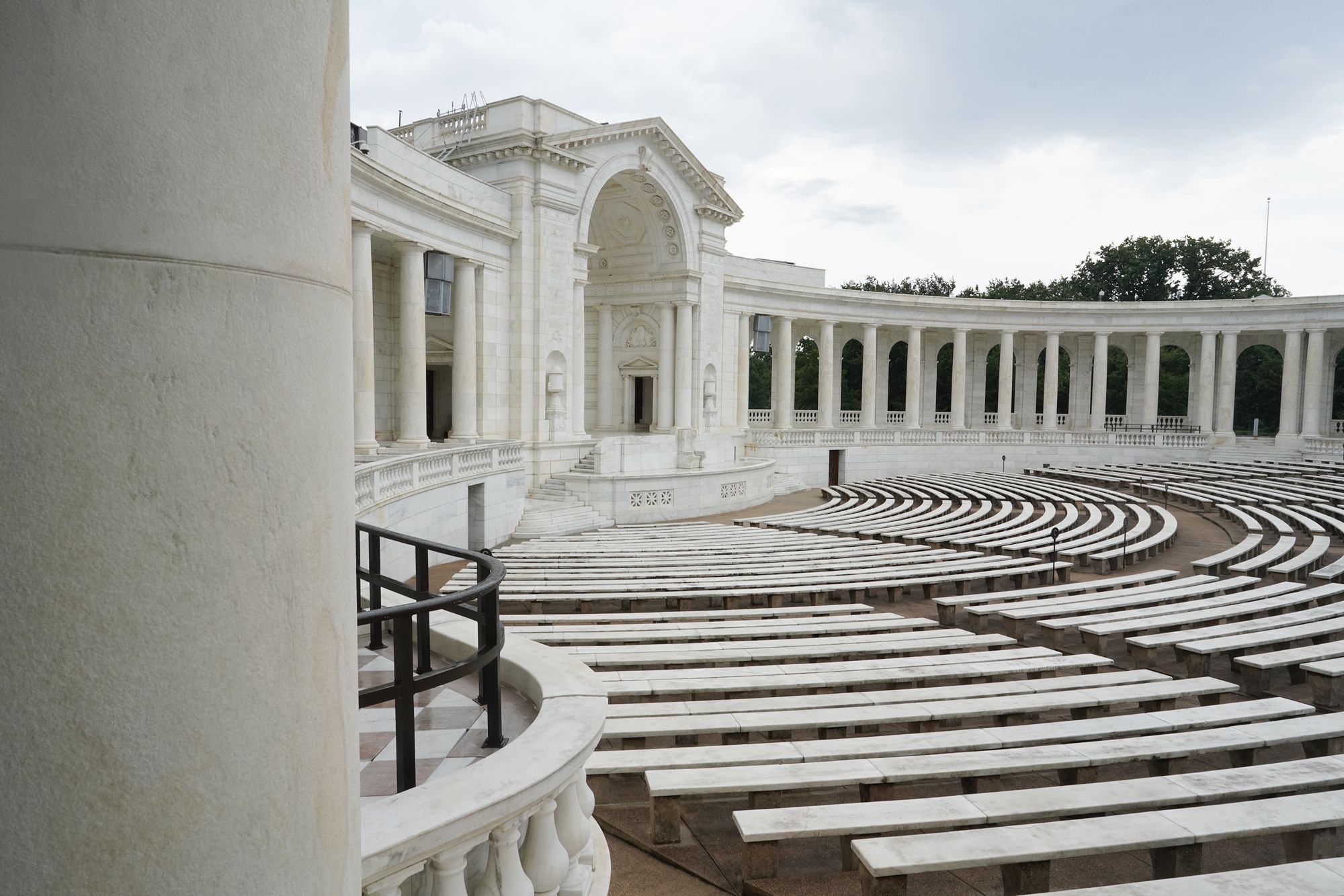
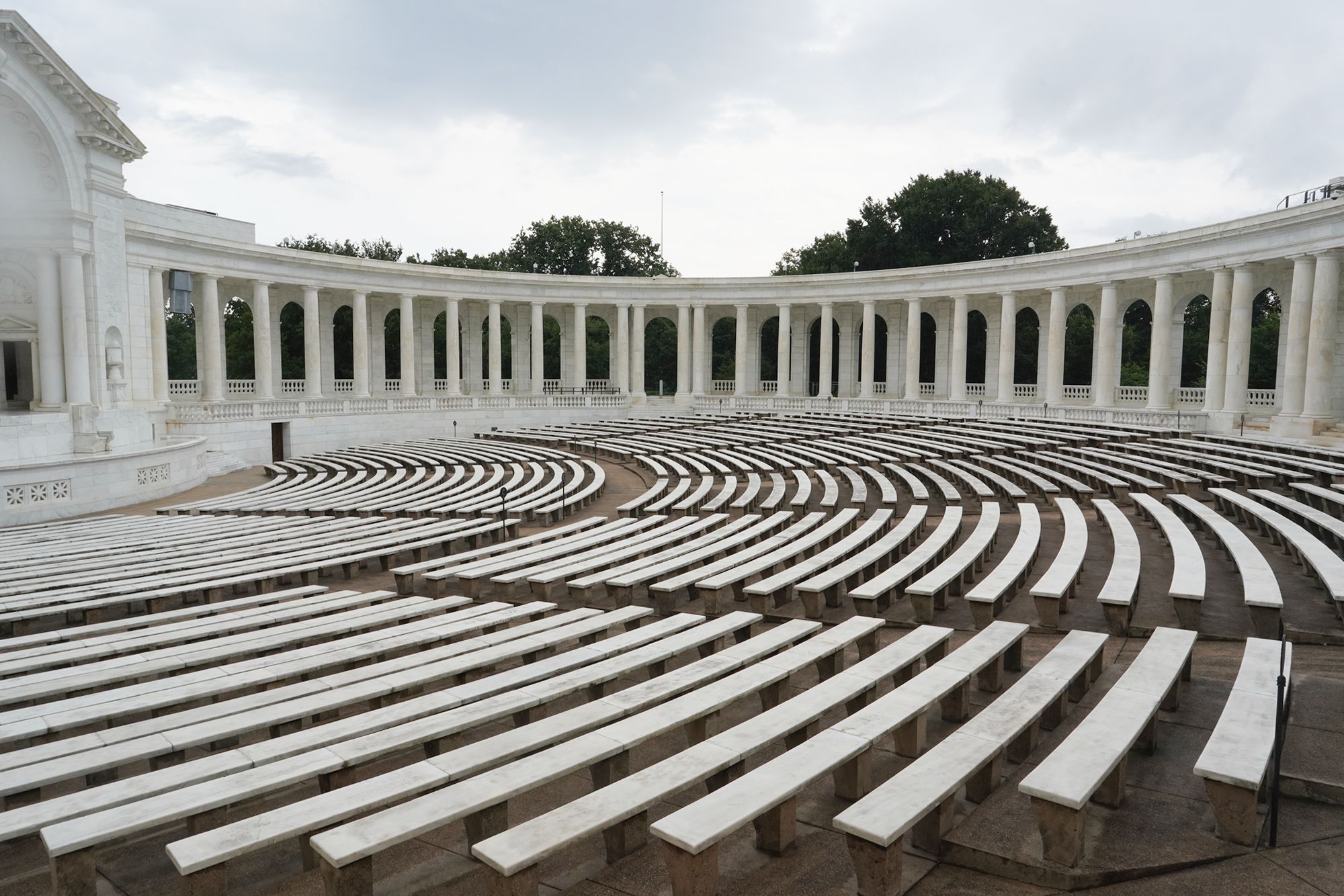
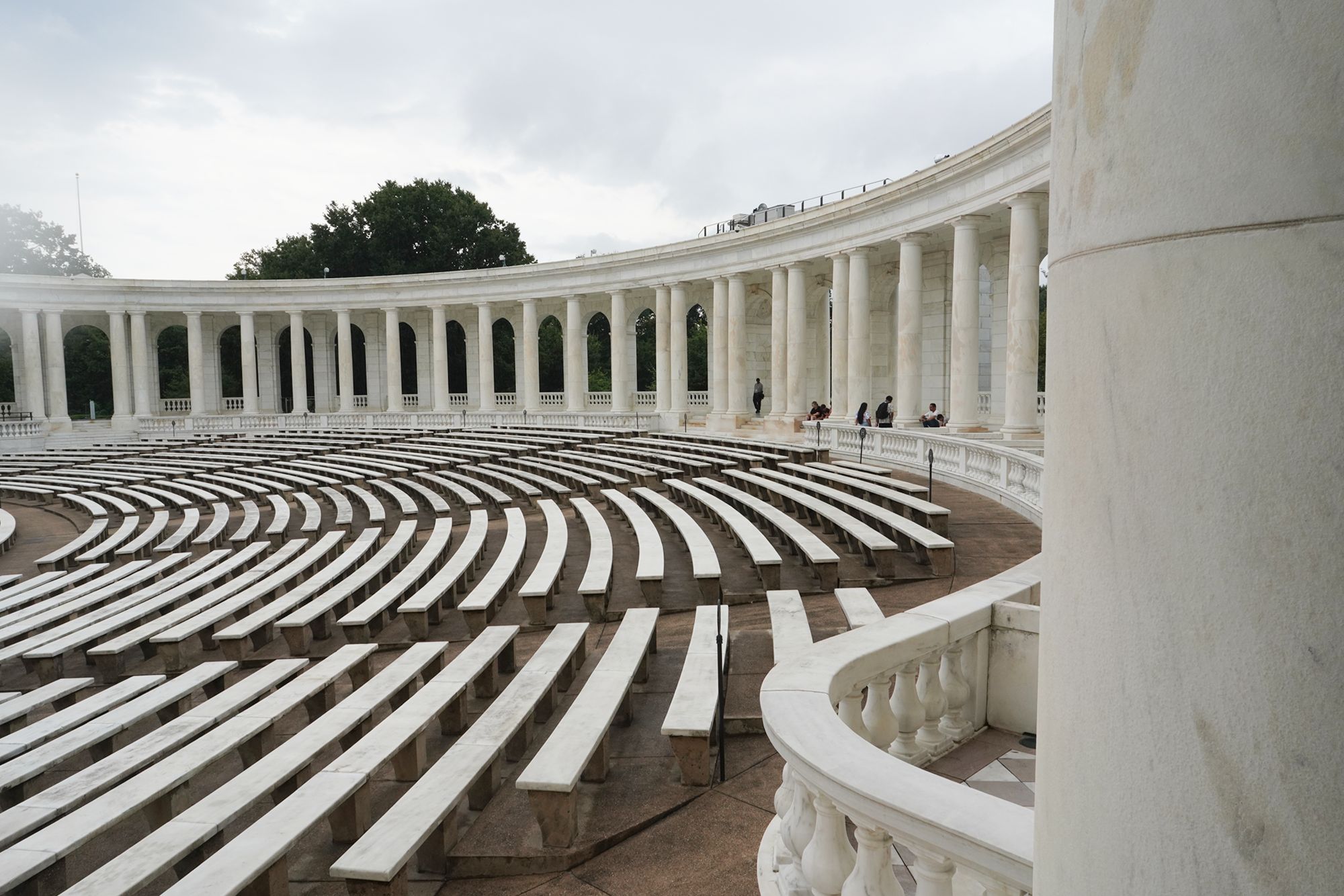
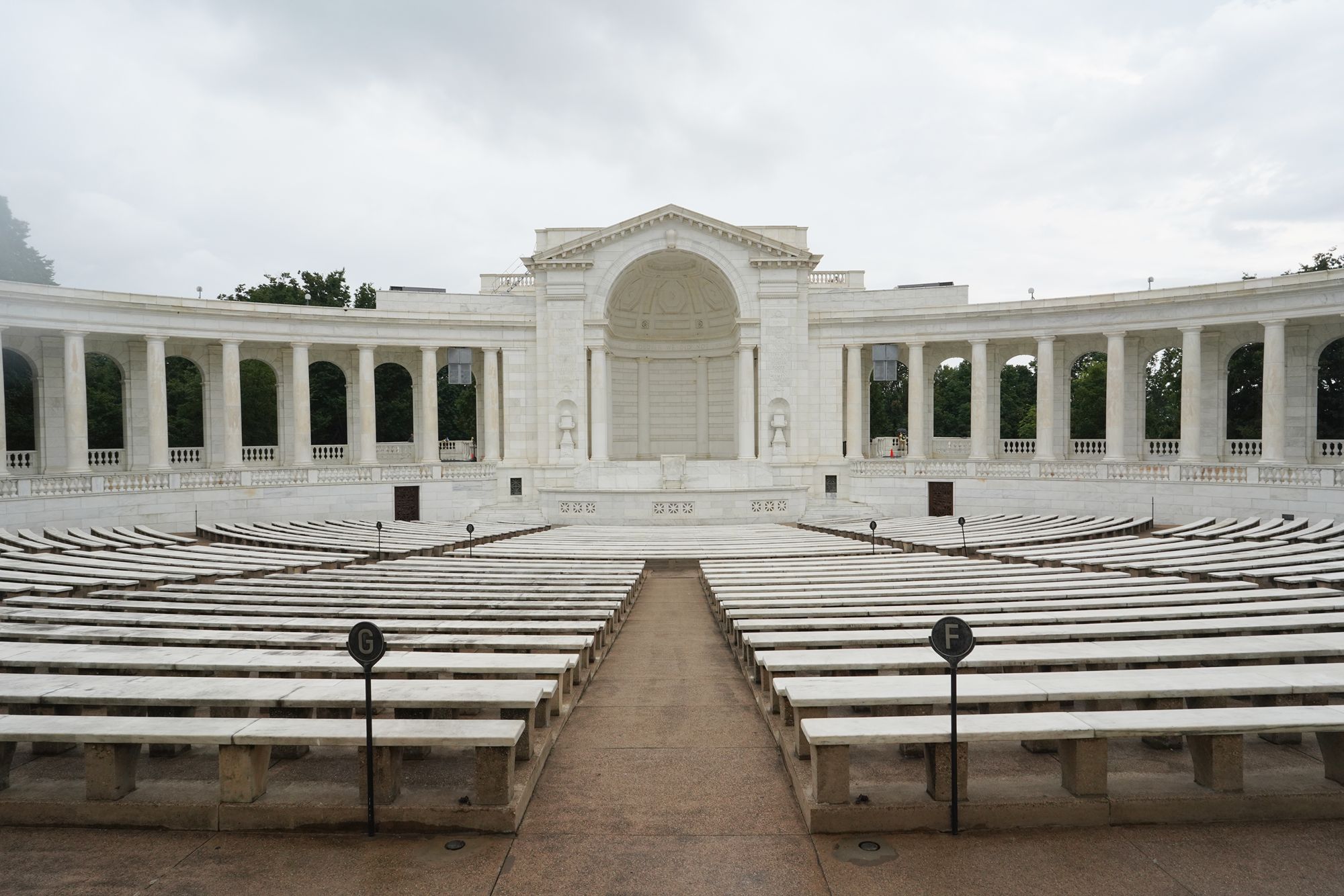
The Memorial Amphitheater is the large white marble structure located next to the Tomb of the Unknown Soldier. Built in 1920, it is used for major national ceremonies, especially on Memorial Day and Veterans Day. The amphitheater has rows of white columns and open seating, creating a solemn setting for speeches, wreath-layings, and military honors.
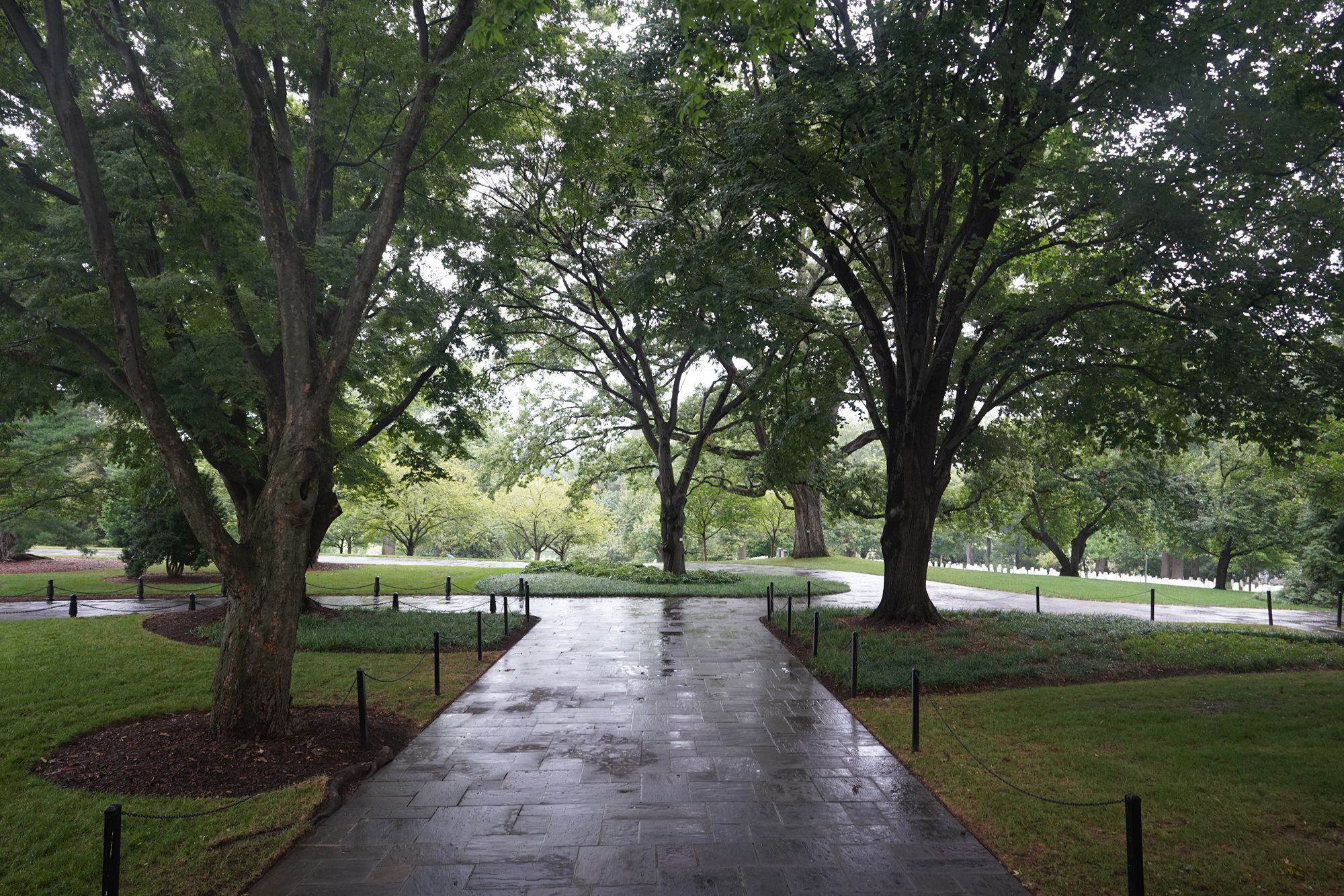
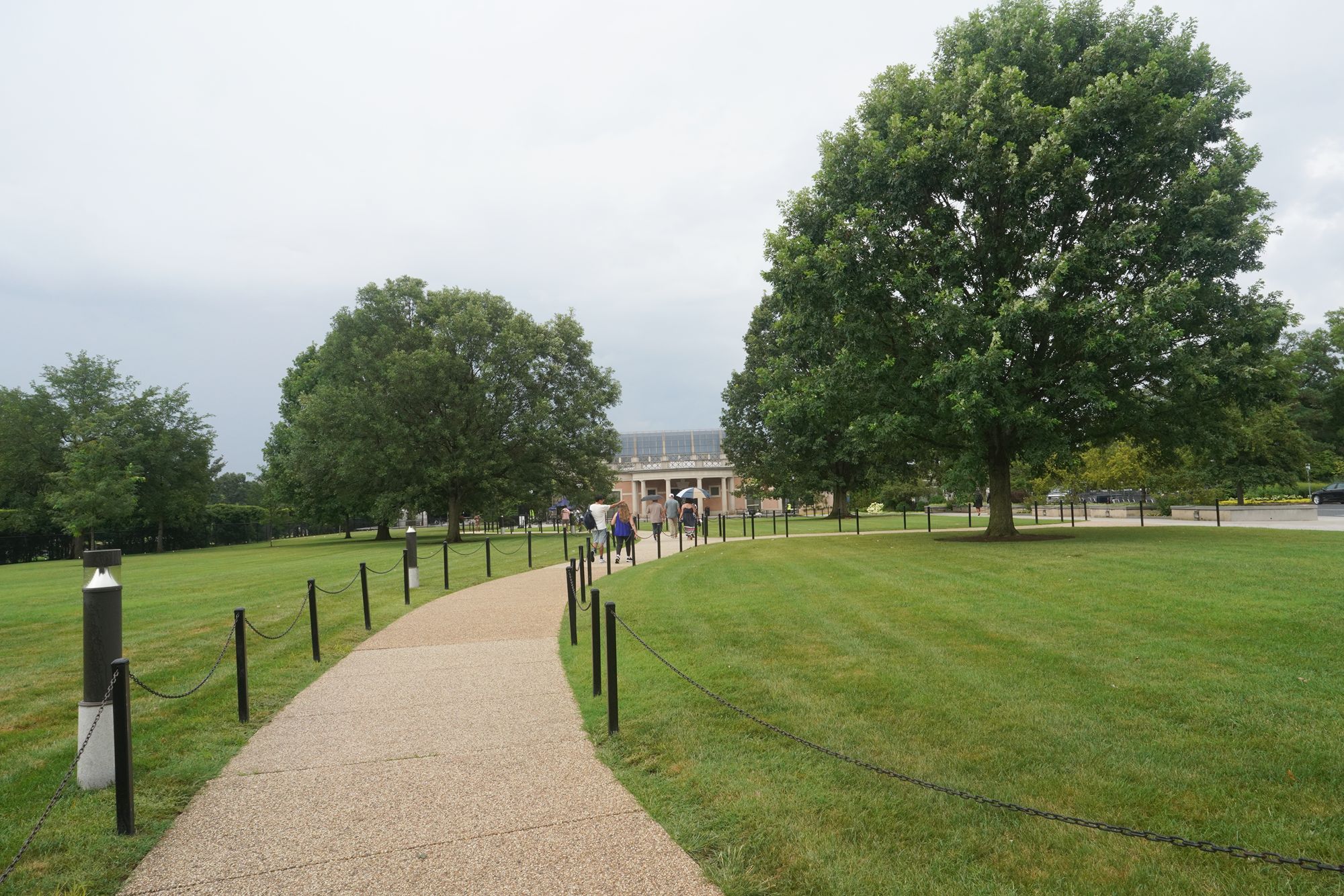
Walking back toward the visitor center and then to my car