Maryland Center for History and Culture, Baltimore, Maryhland, USA
The Maryland Center for History and Culture is a museum that preserves and presents Maryland’s history, art, and culture. 1154
Maryland Center for History and Culture: 610 Park Ave, Baltimore, MD 21201
Date Picture Taken: August 2025
The Maryland Center for History and Culture is a museum and research hub that explores Maryland’s past through exhibitions, artifacts, archives, and educational programs.
Its collections include paintings, manuscripts, decorative arts, and historical objects that trace the state’s story from its colonial beginnings to modern times.
The museum's highlights include the original Star-Spangled Banner manuscript and exhibits on Black history, social movements, and Baltimore’s defense against British invasion in the War of 1812.
The Maryland Center for History and Culture
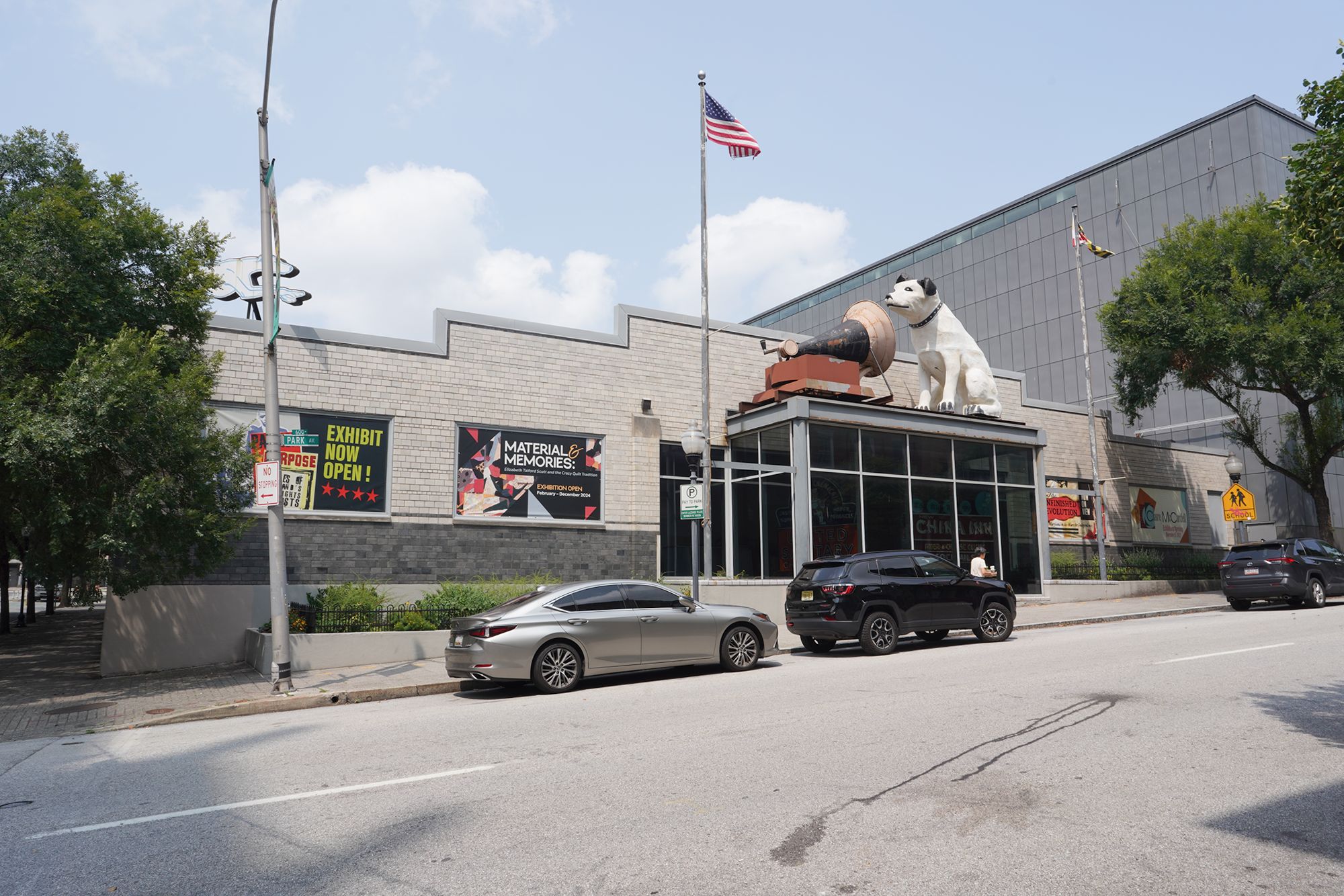
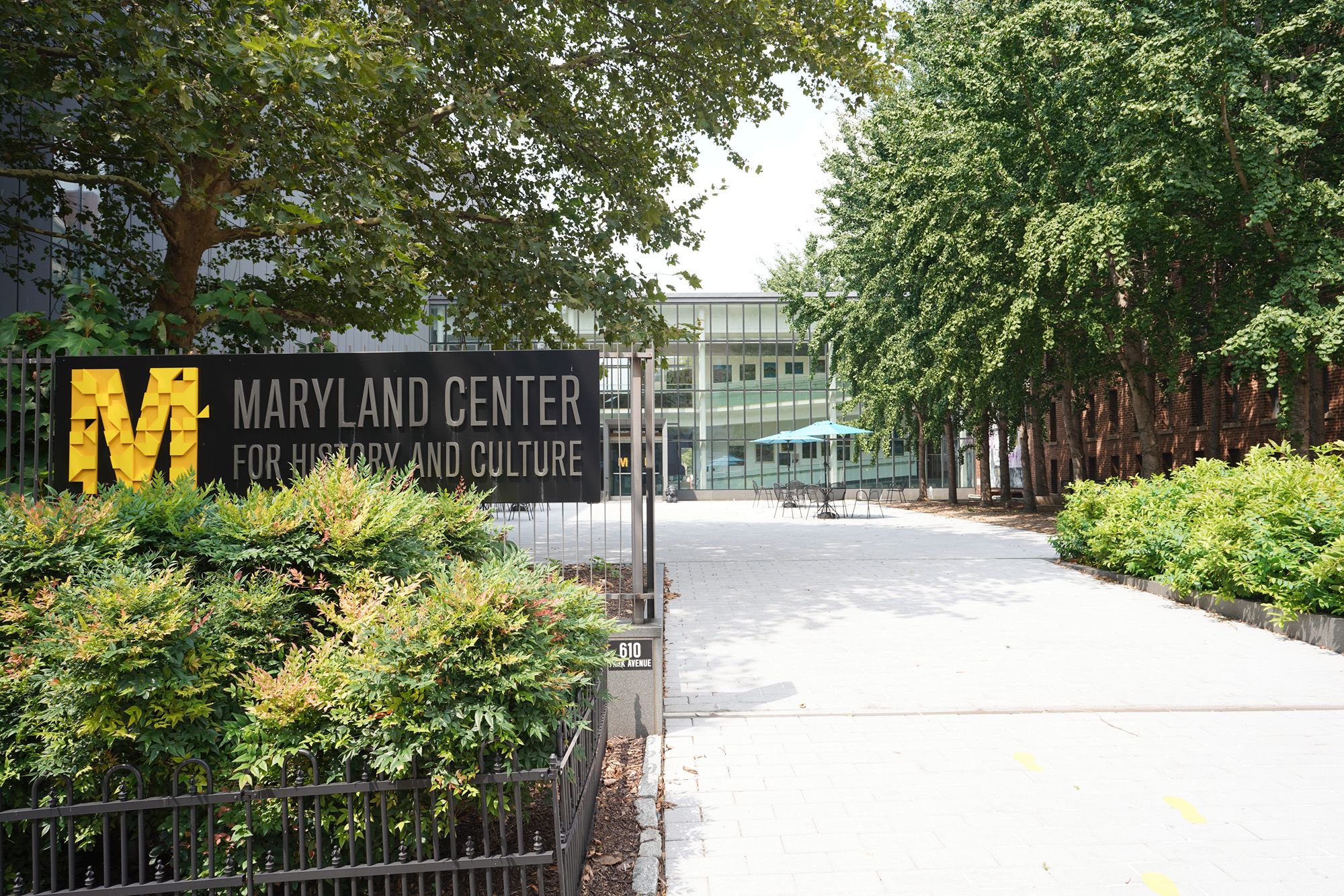
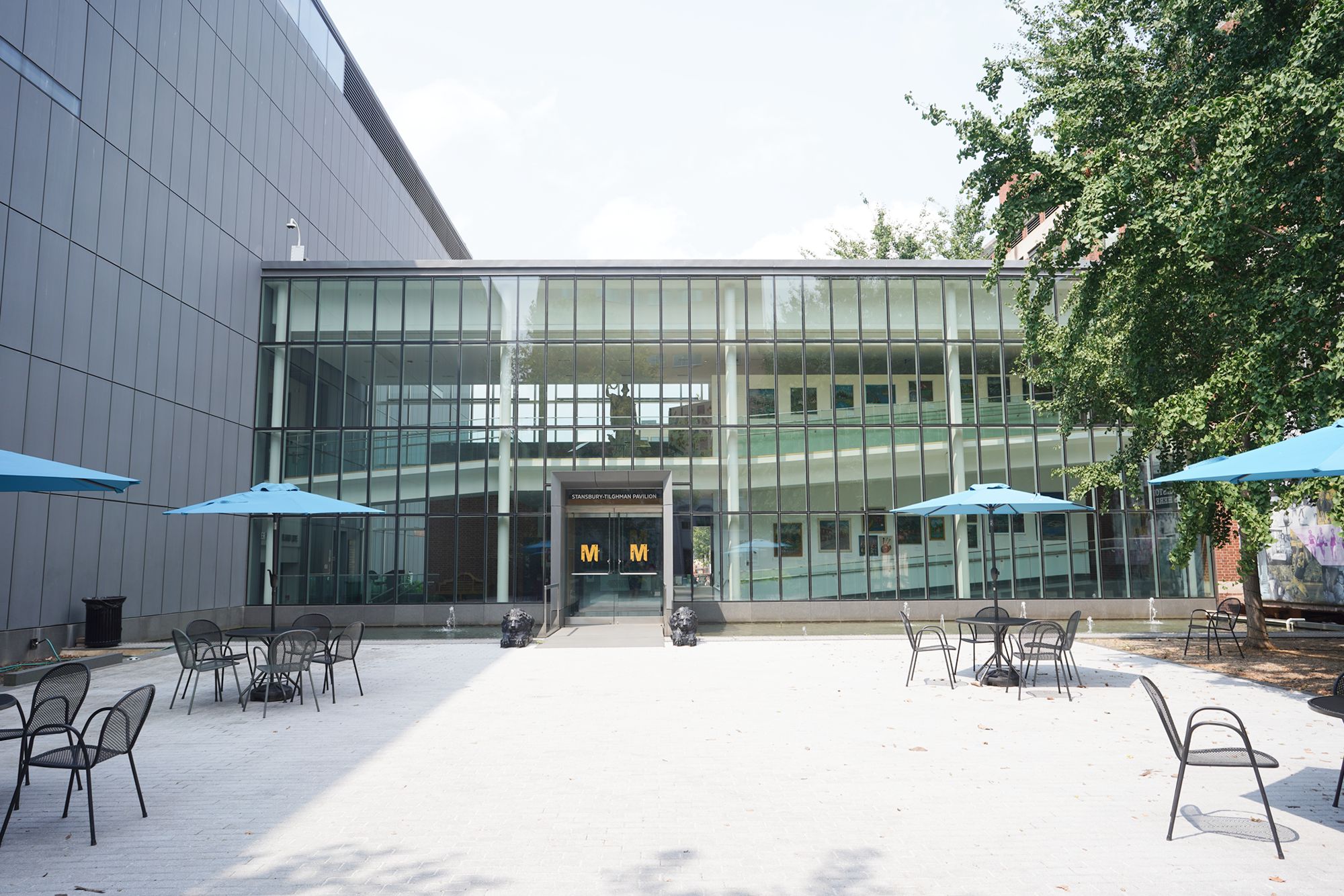
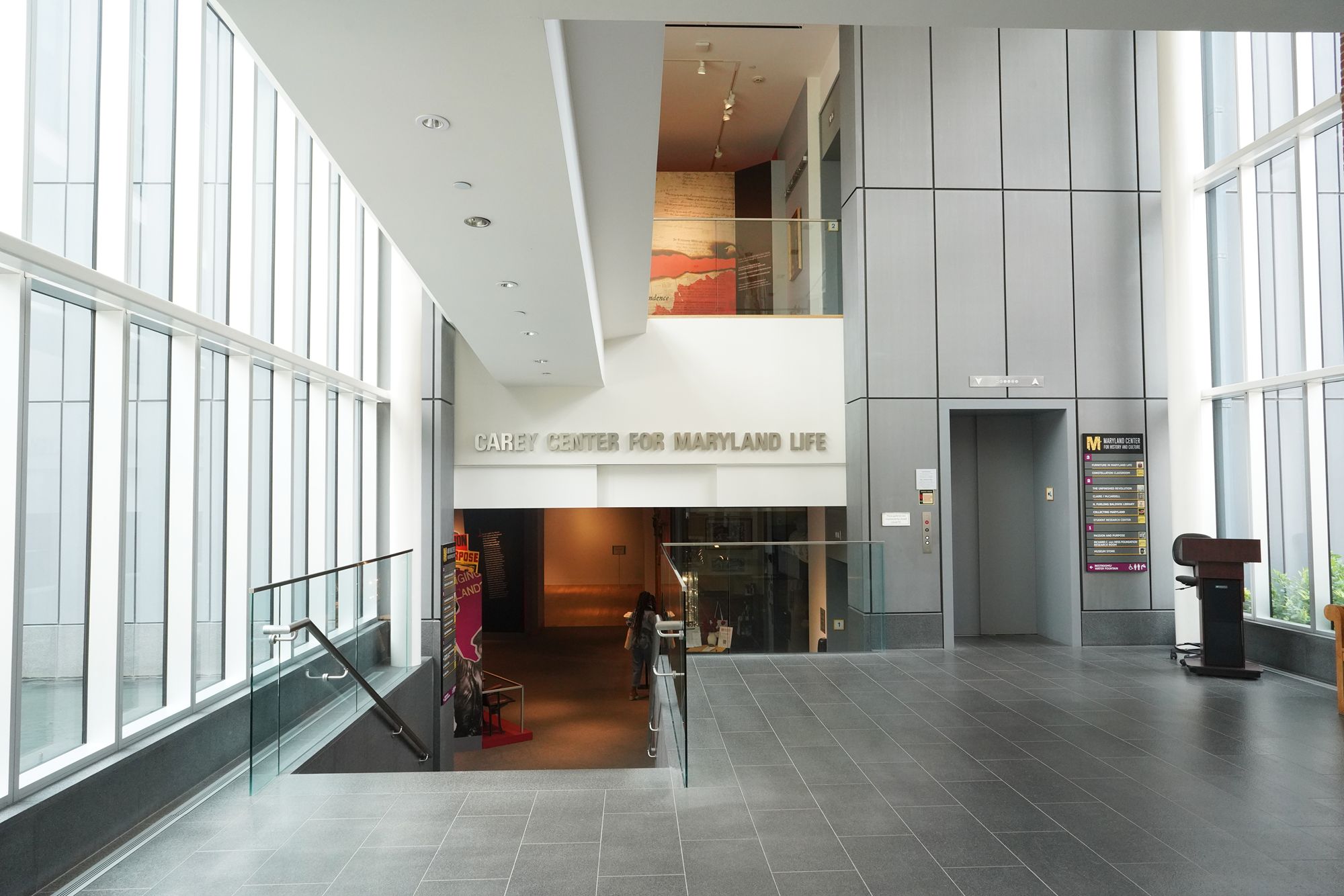
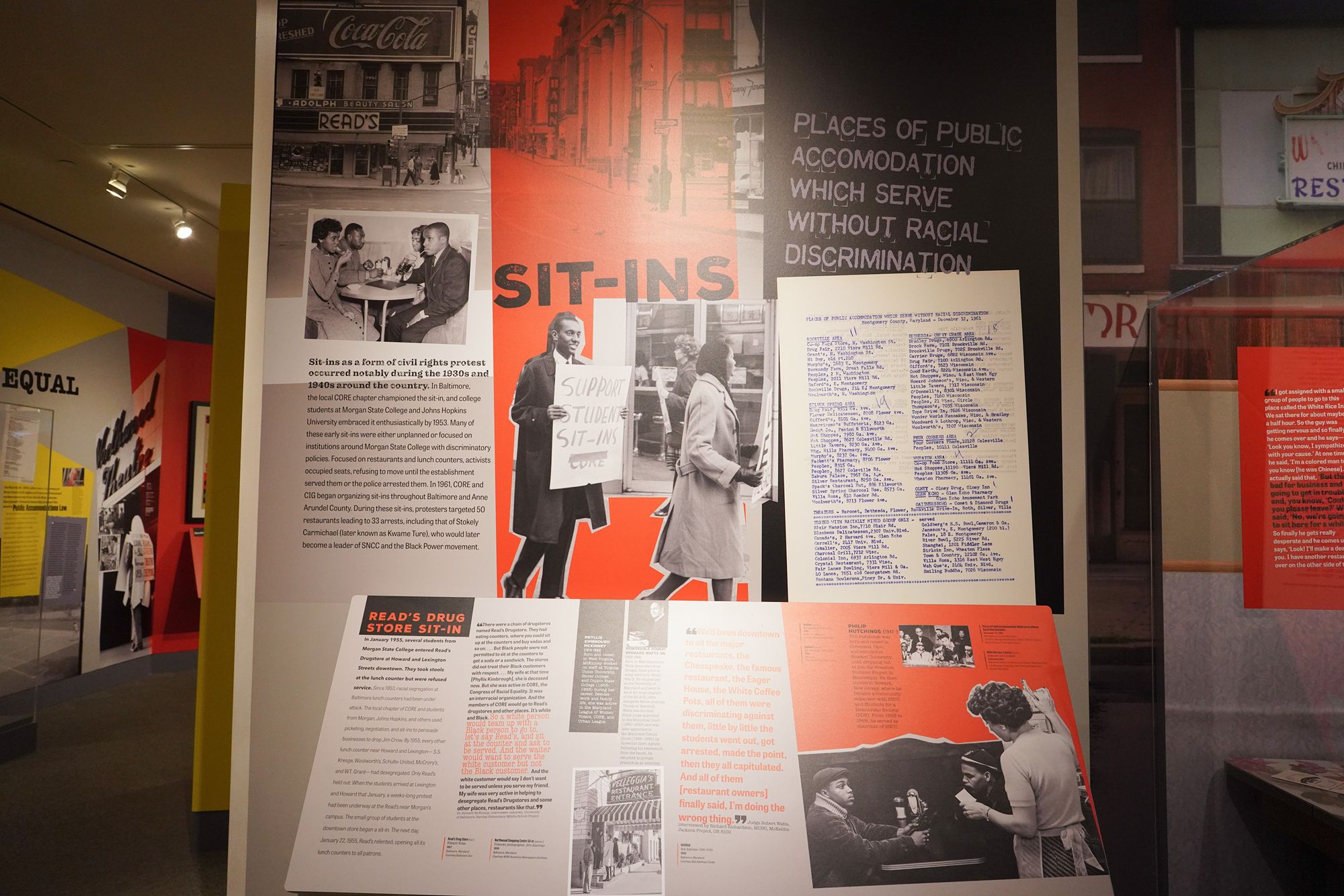
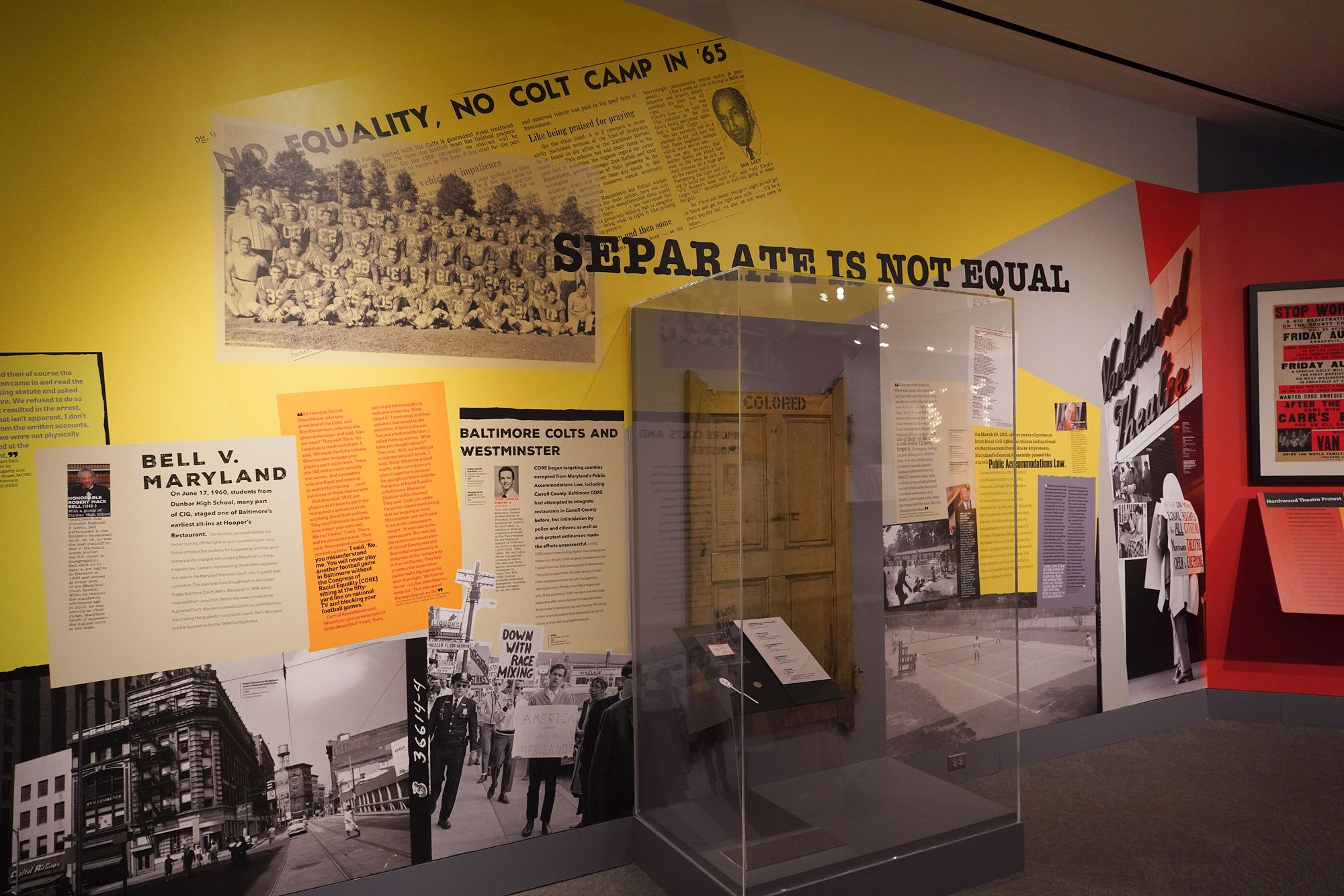
The museum features a permanent exhibition called Passion and Purpose: Voices of Maryland’s Civil Rights Activists, which traces civil-rights struggles in Maryland from segregation through more recent social justice movements.
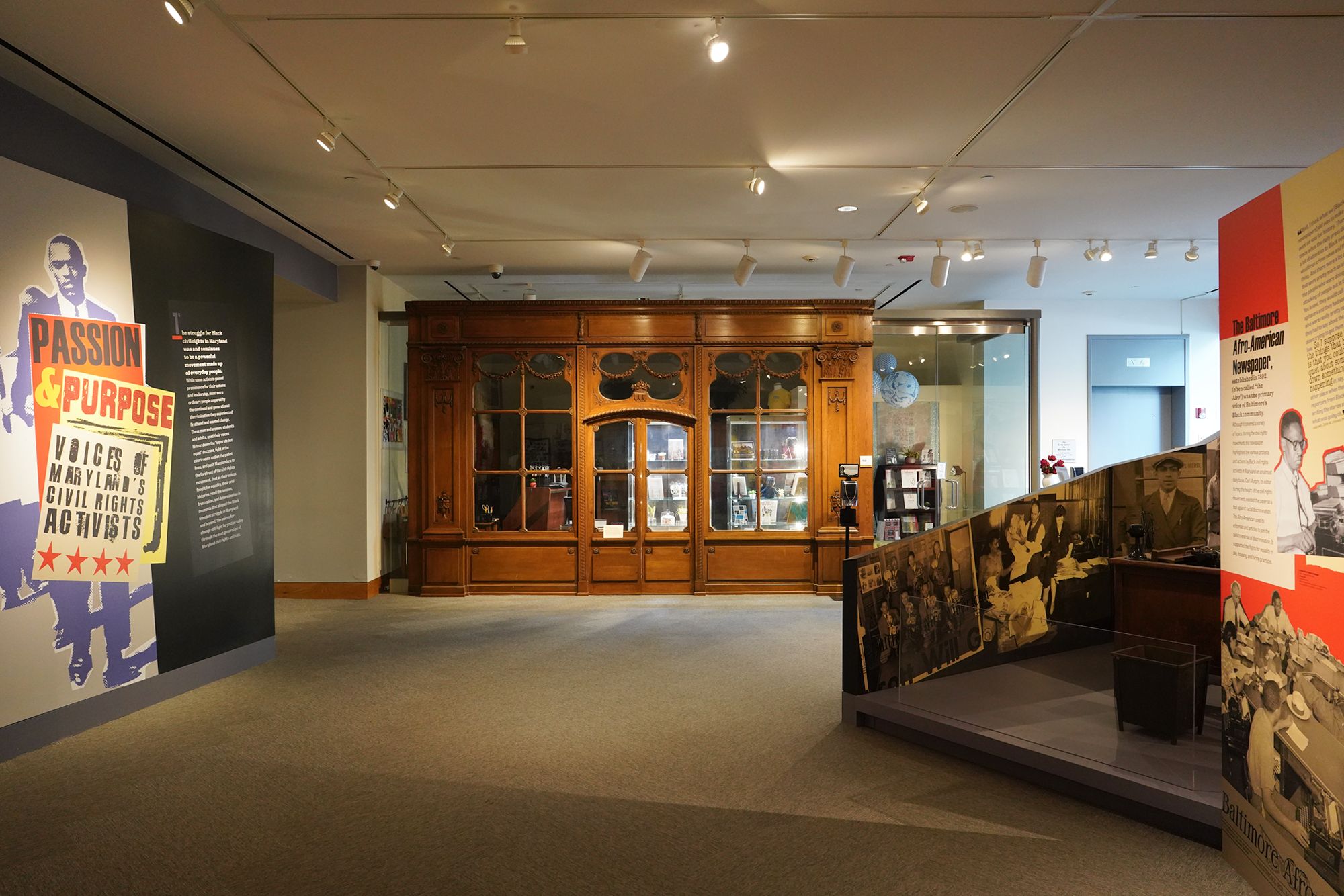
This exhibition covers decades of activism: from early 20th-century segregation under “separate but equal,” through key milestones in Maryland civil-rights history, and into contemporary issues — showing how the struggle for equality has evolved over time.
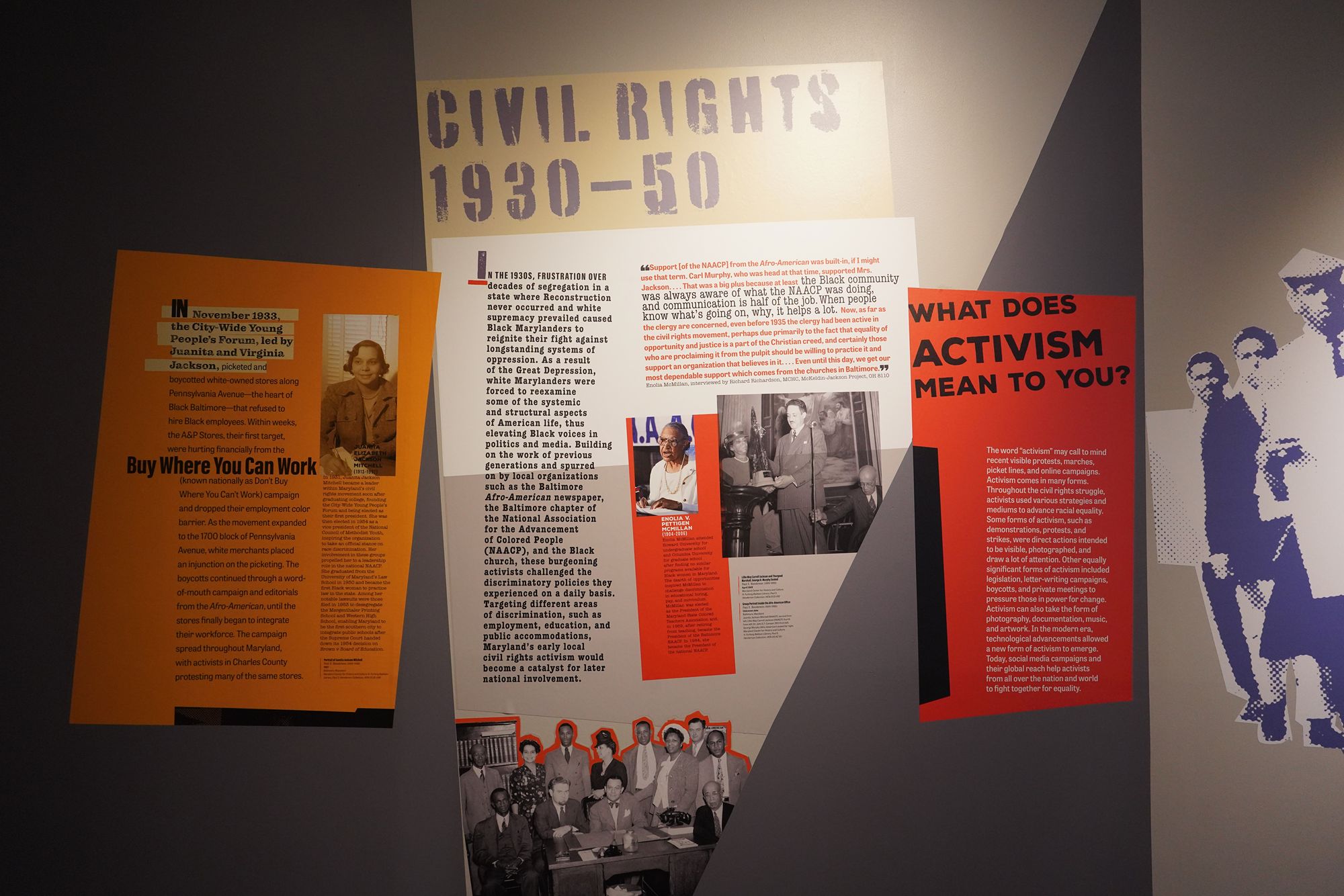
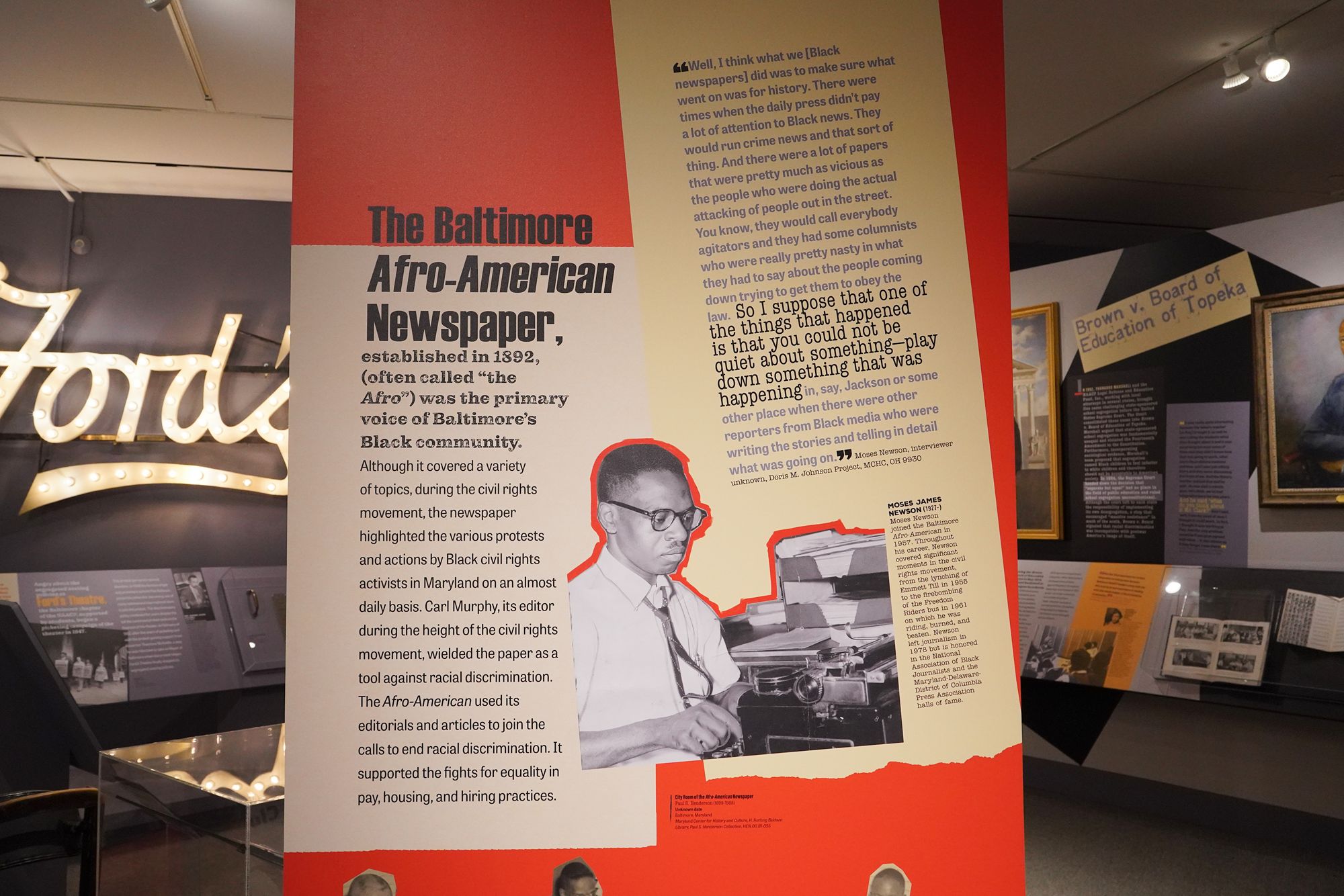
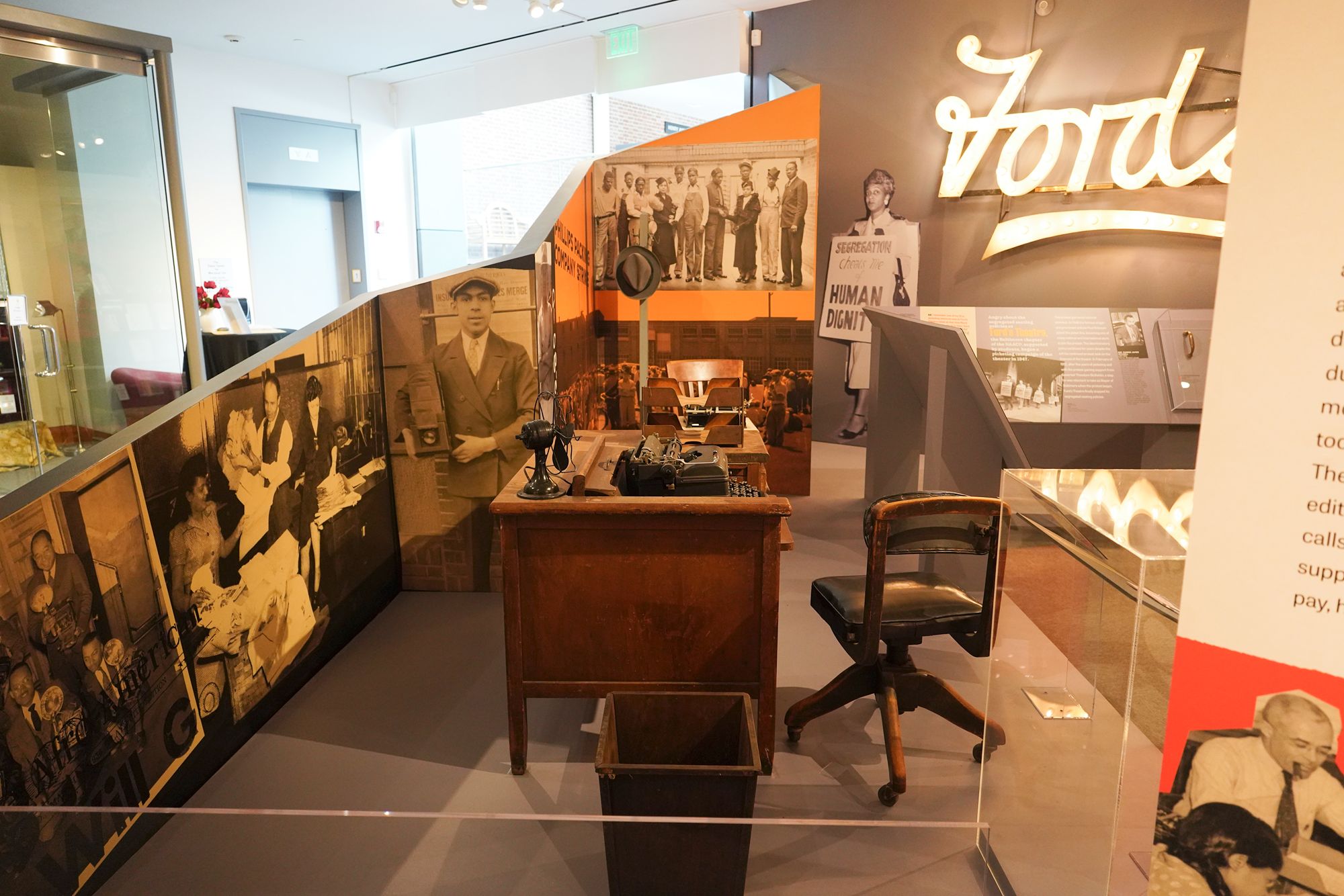
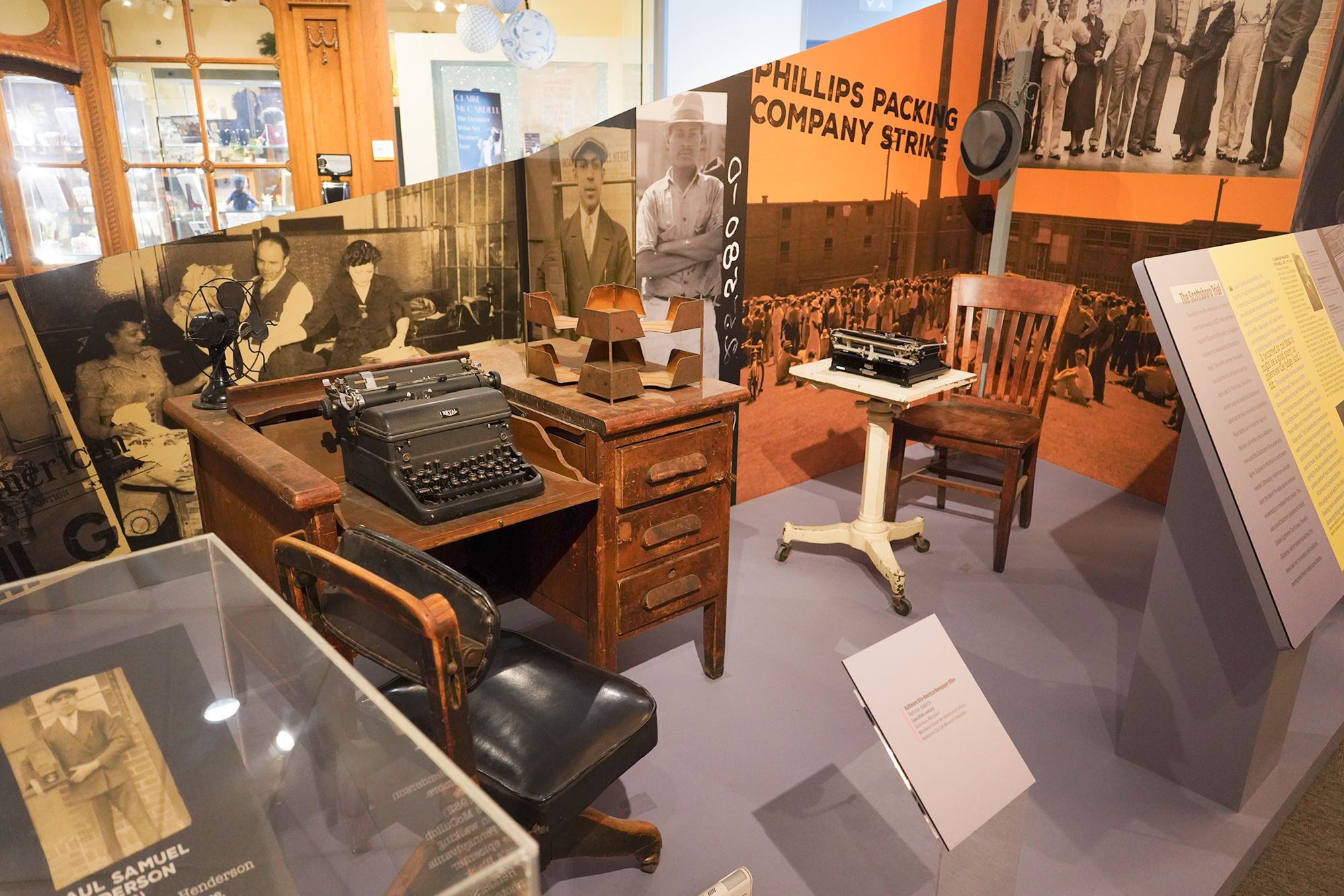
The Baltimore Afro-American Newspaper
Civil-rights activists
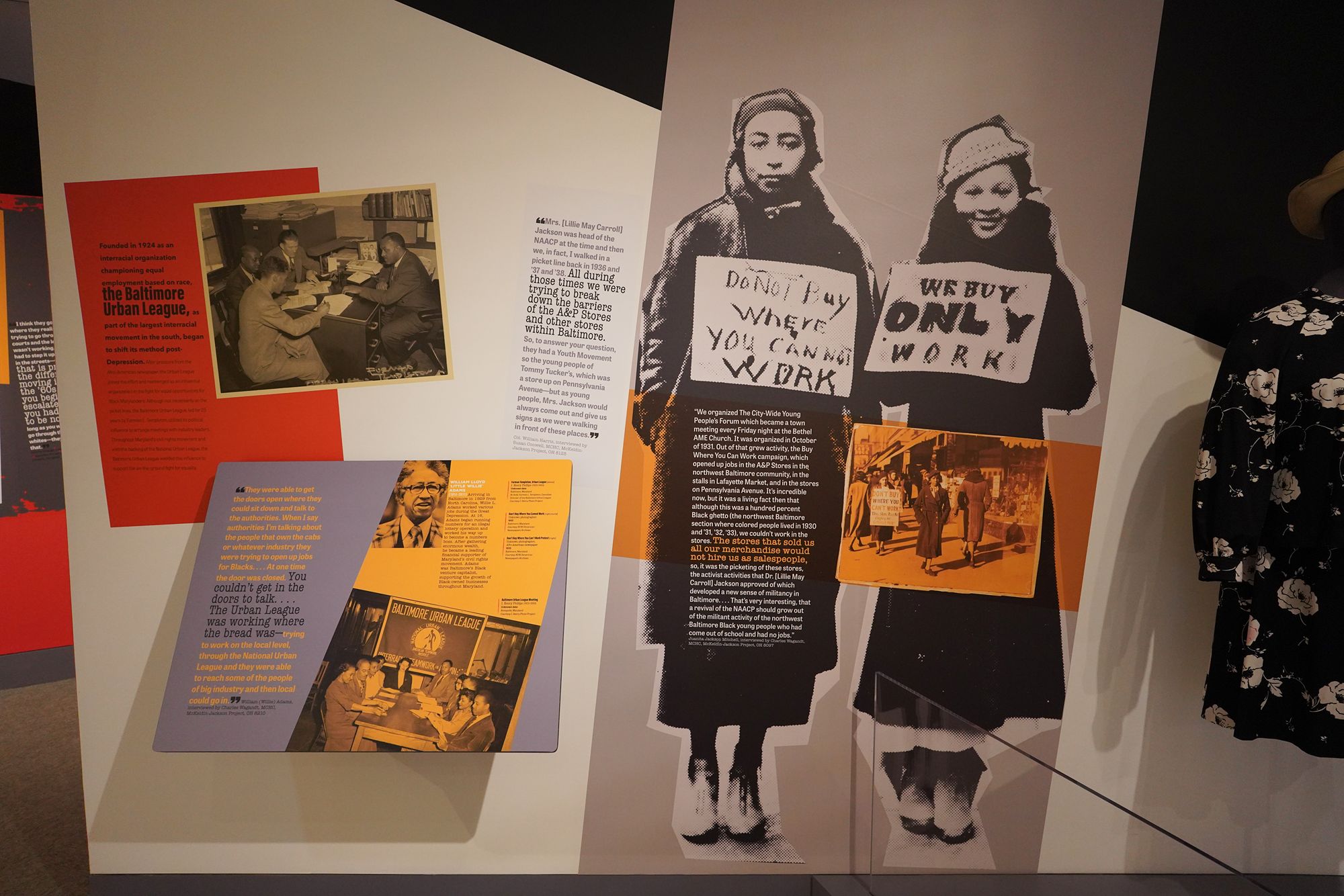
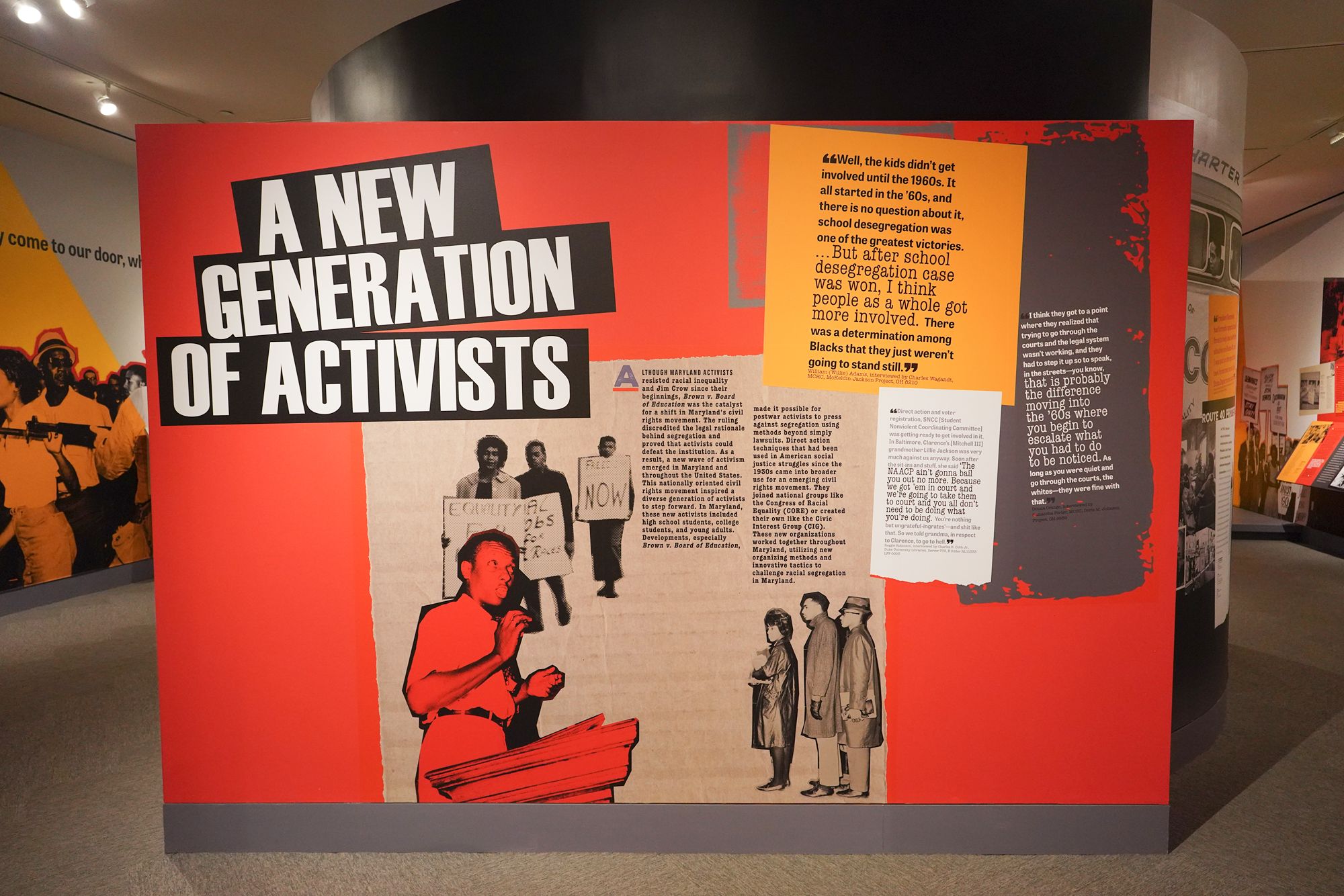
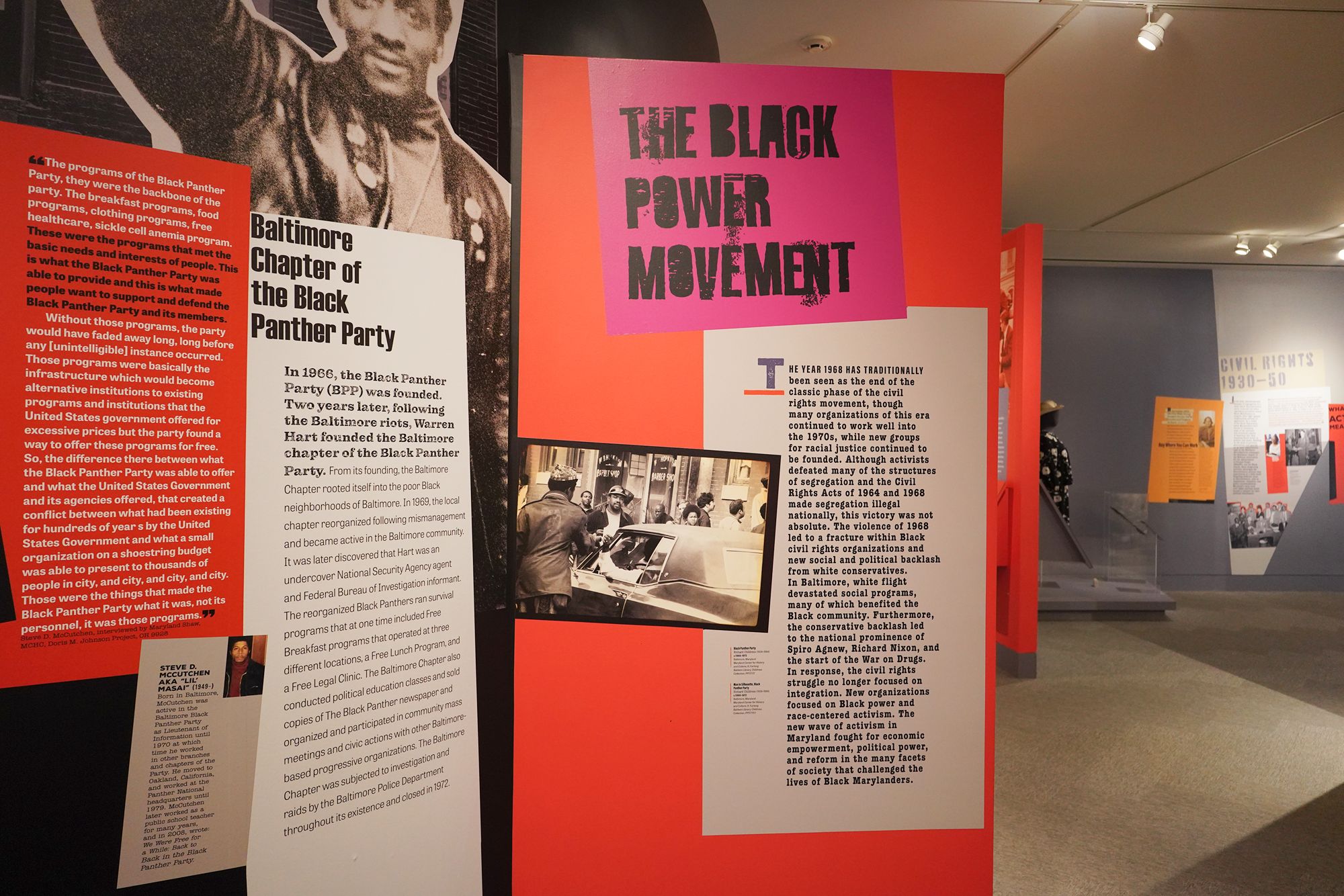
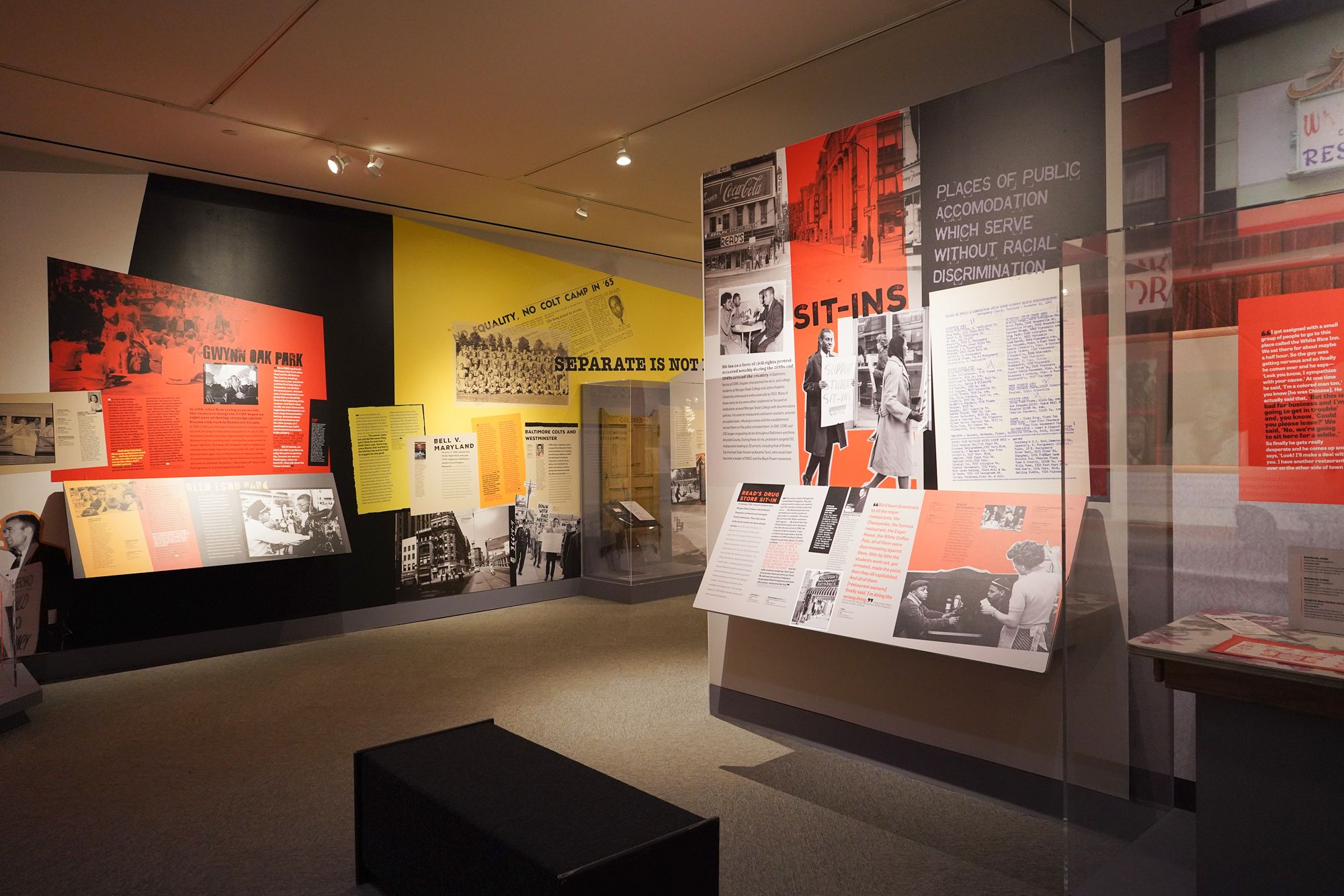
The sit-ins
Separate is not Equal
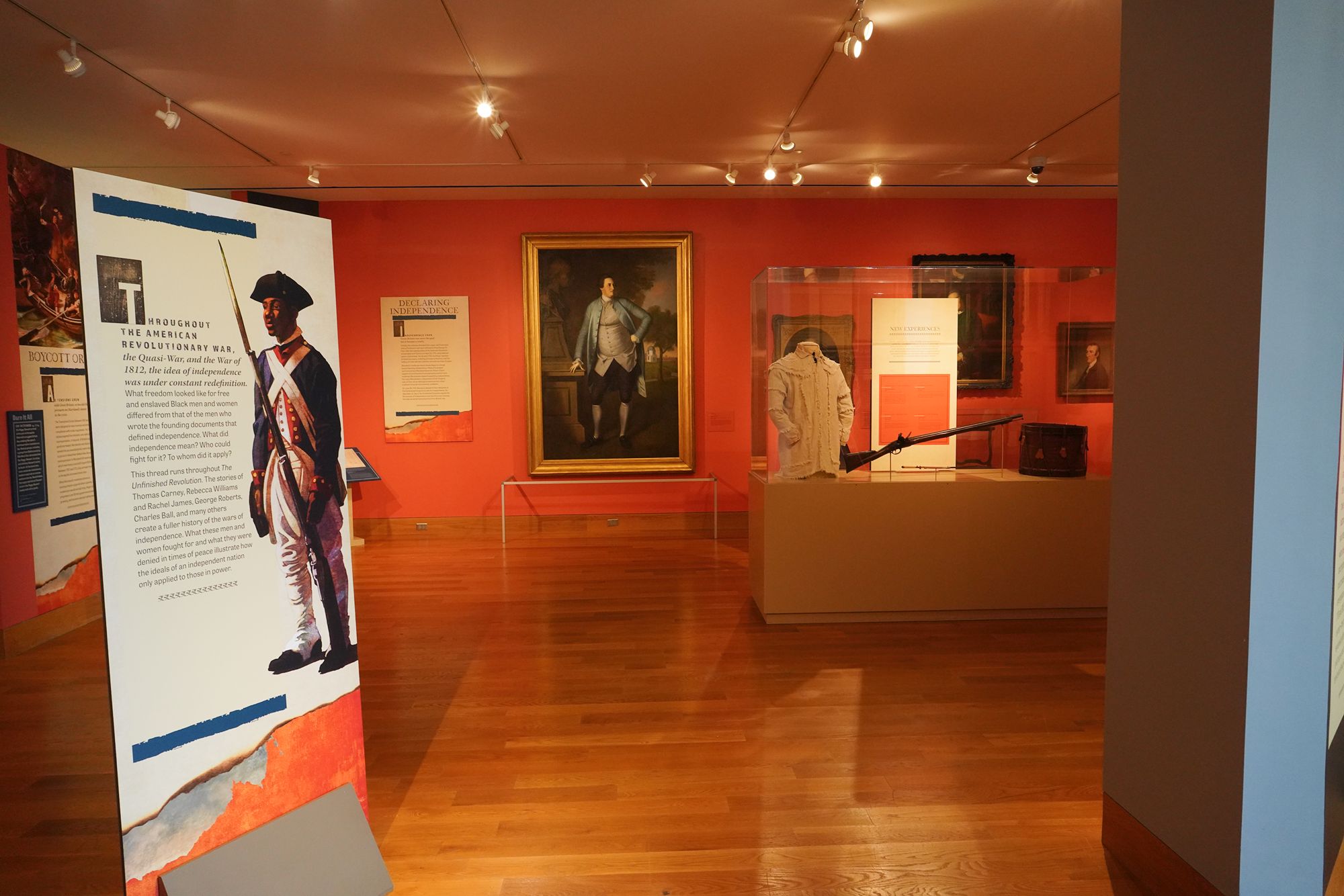
On the second floor of the museum, the Unfinished Revolution is exhibited.
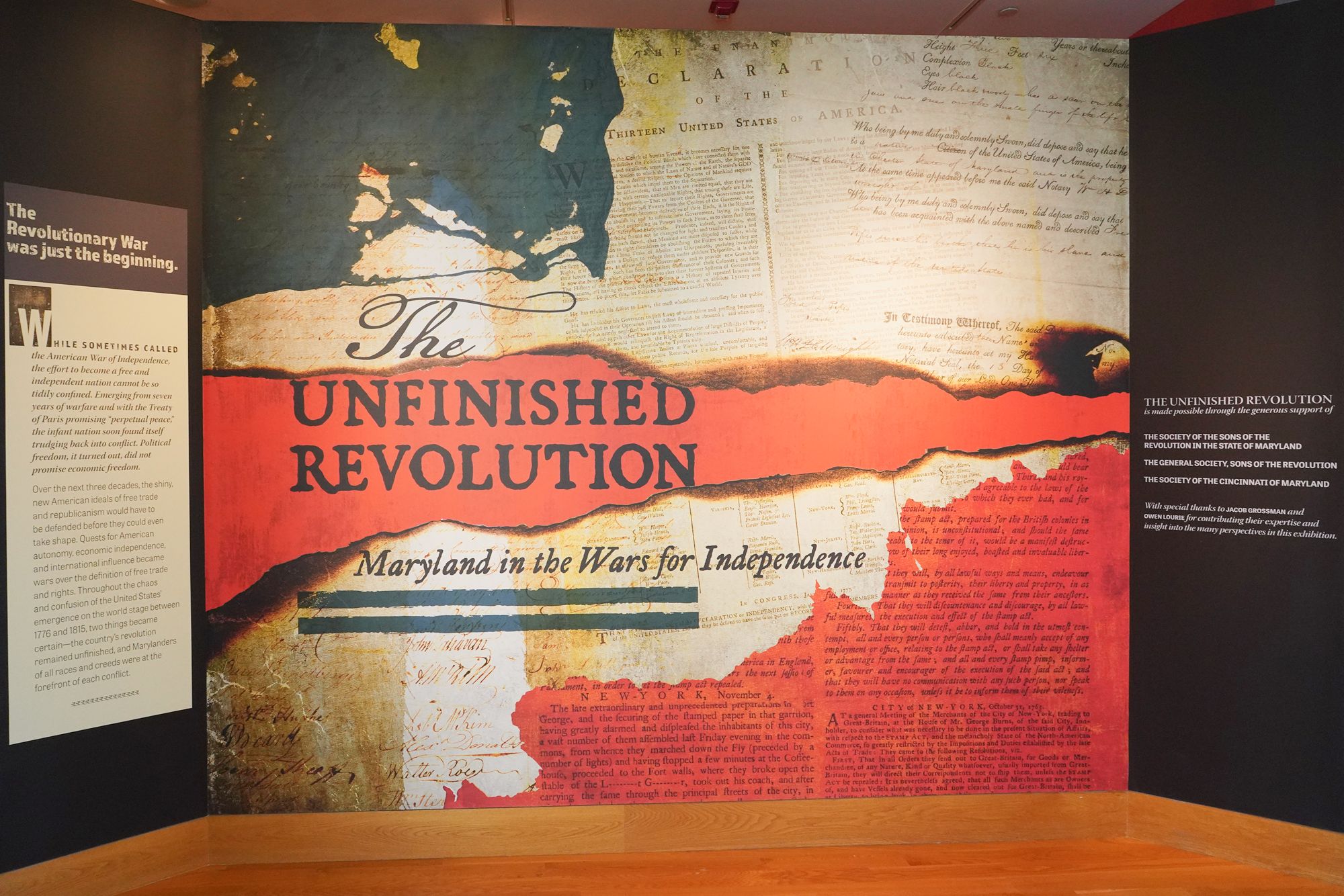
The Unfinished Revolution traces a broad arc of conflict from roughly 1750 through 1815 — uniting wars like the French and Indian War, the American Revolutionary War, the Quasi-War, and the War of 1812 — showing how each contributed to the struggle for independence, political identity, and national definition in the early United States.
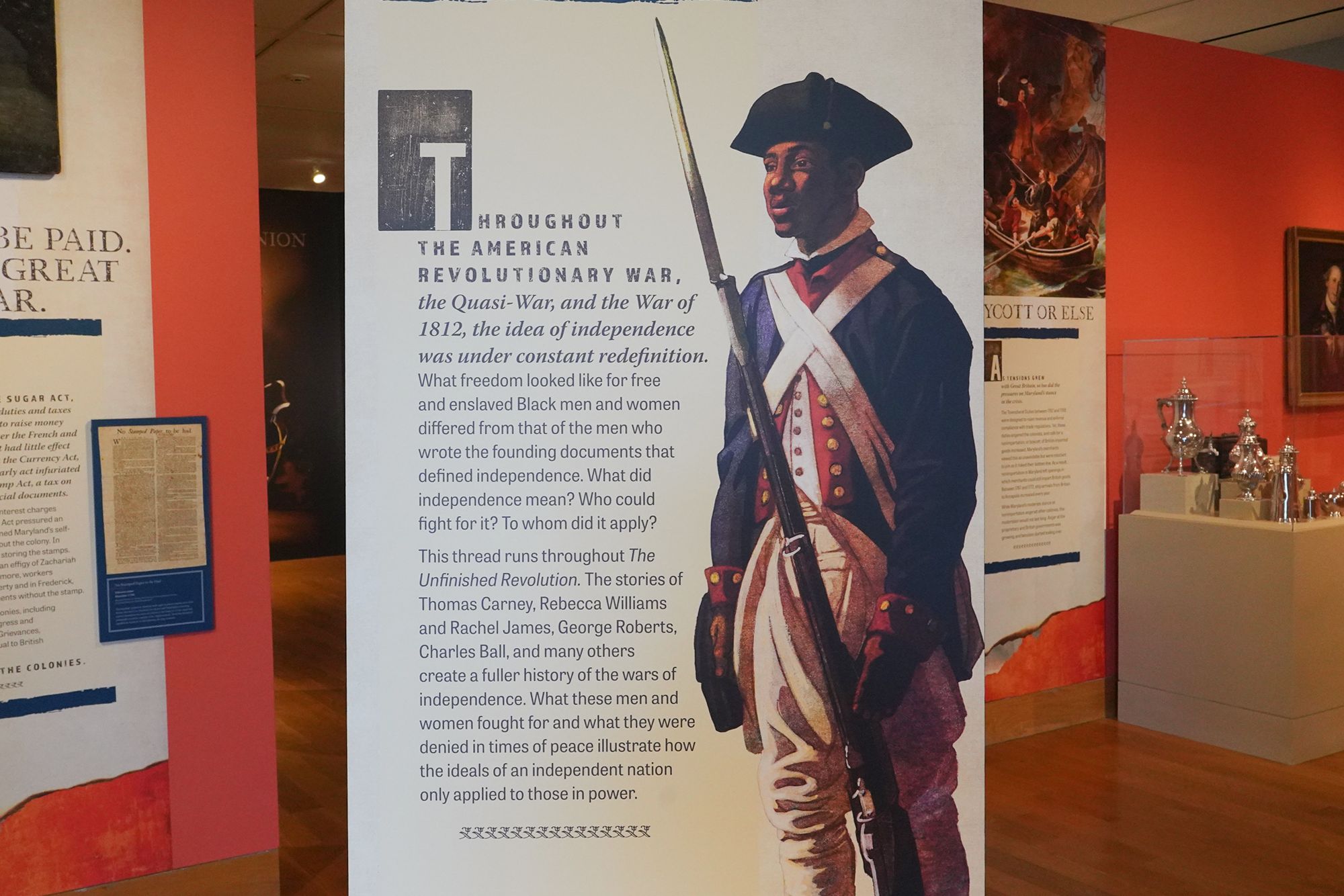
The war between Great Britain and France in North America — known as the French and Indian War (1754–1763) — was a major precursor to the American Revolution.
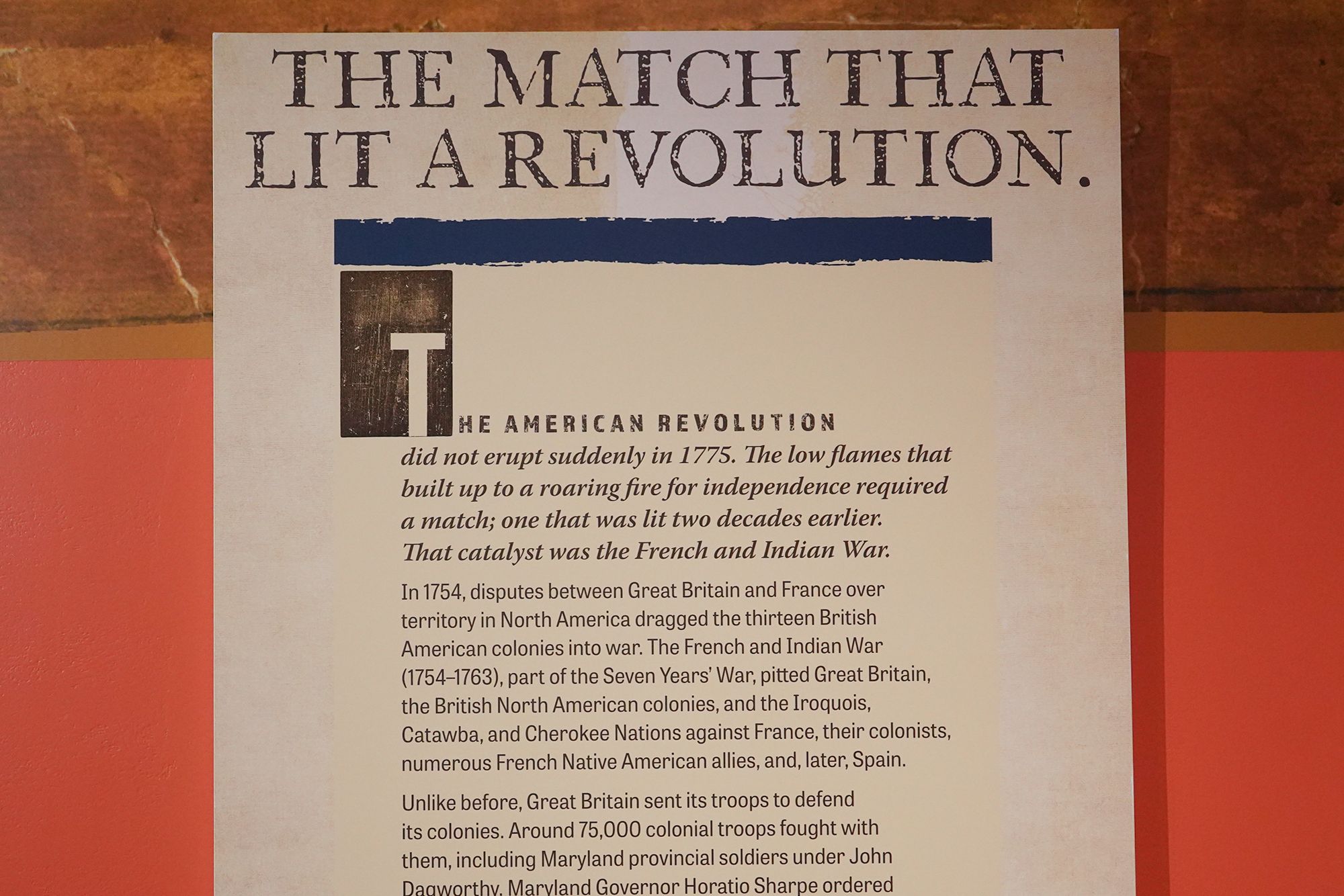
Because Britain won that war, it gained large territories in North America.
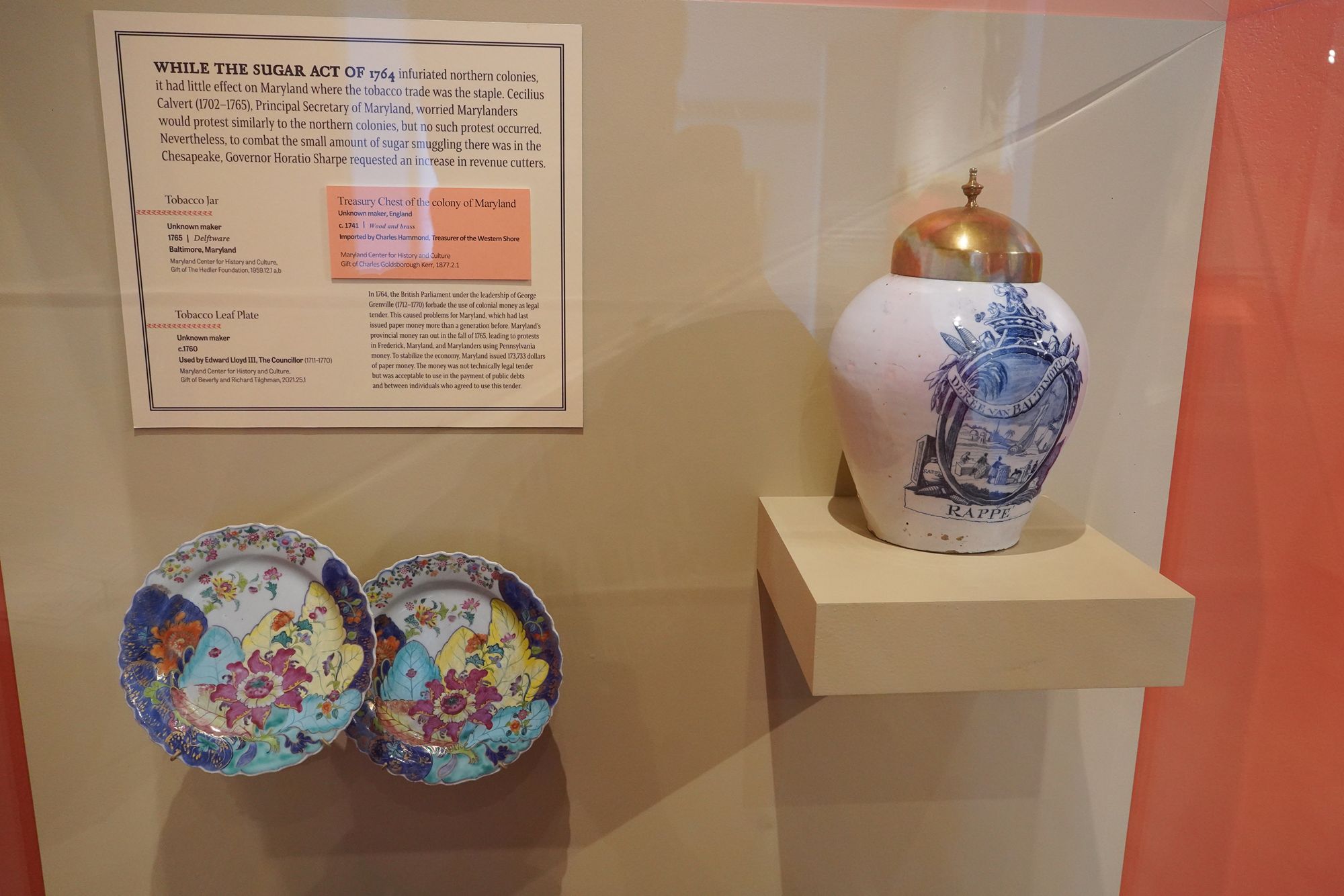
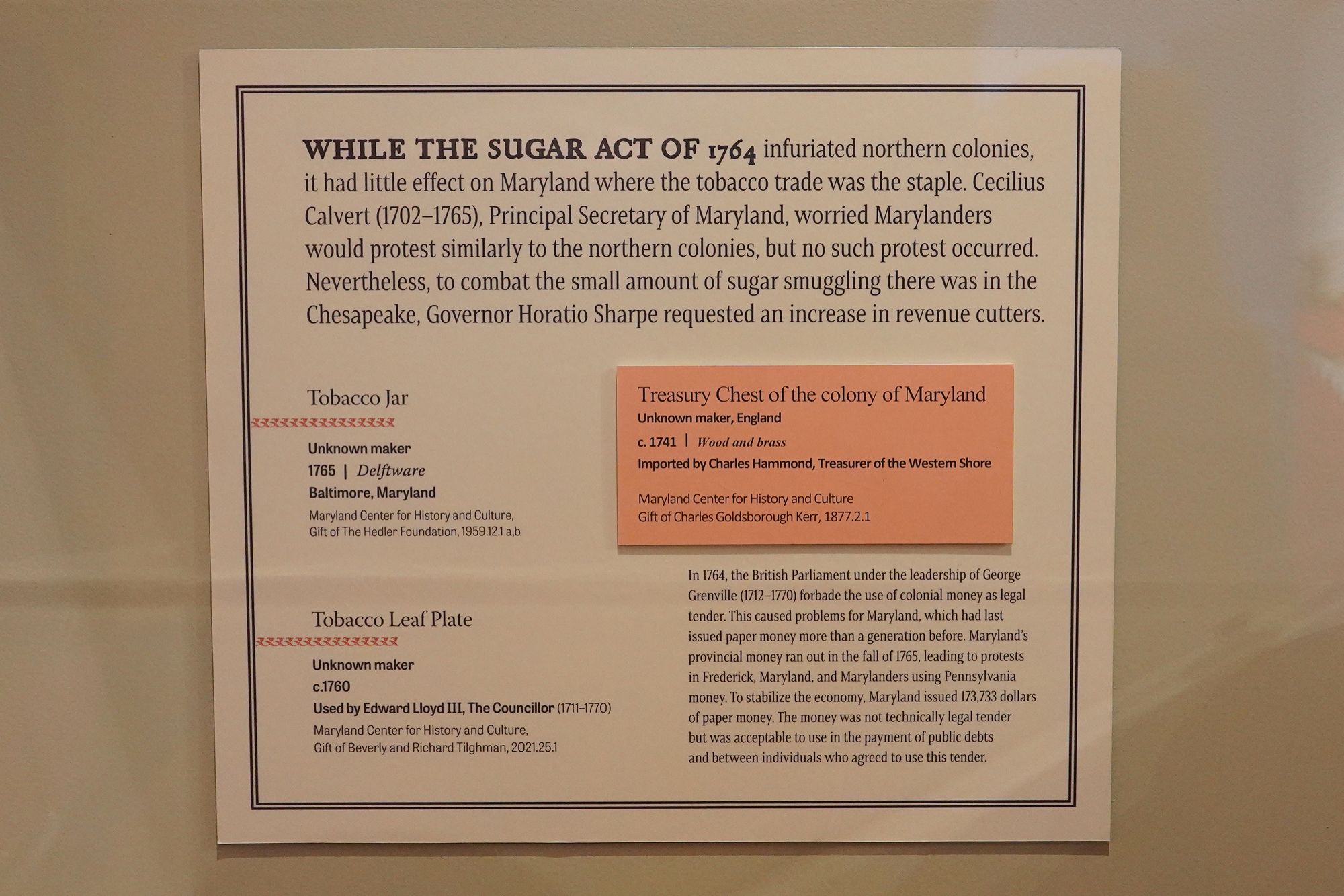
But the costs of that war and the subsequent British policies (taxes, trade regulations, and restrictions on westward expansion) helped fuel colonial anger and resistance — which eventually contributed to the Revolution.
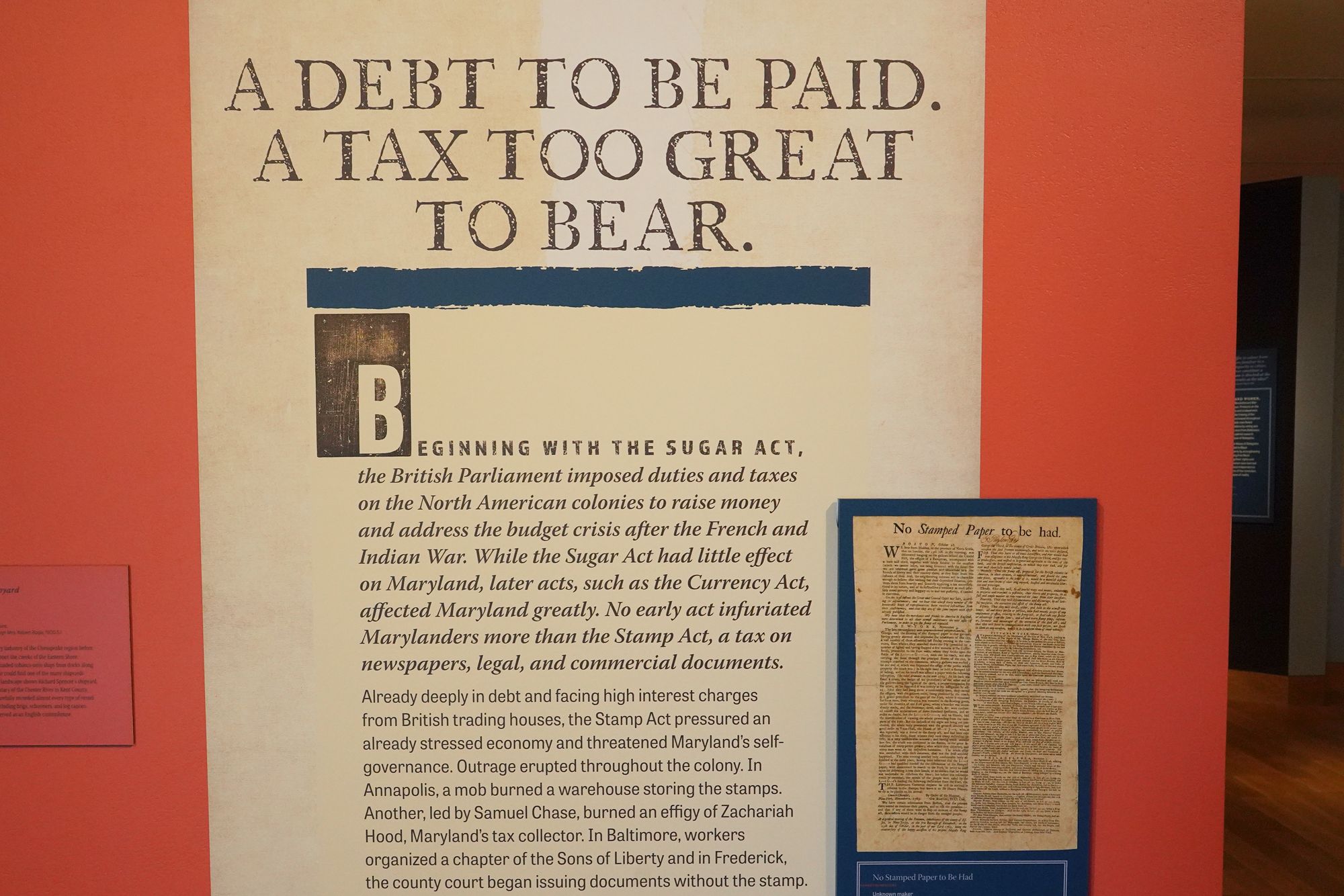
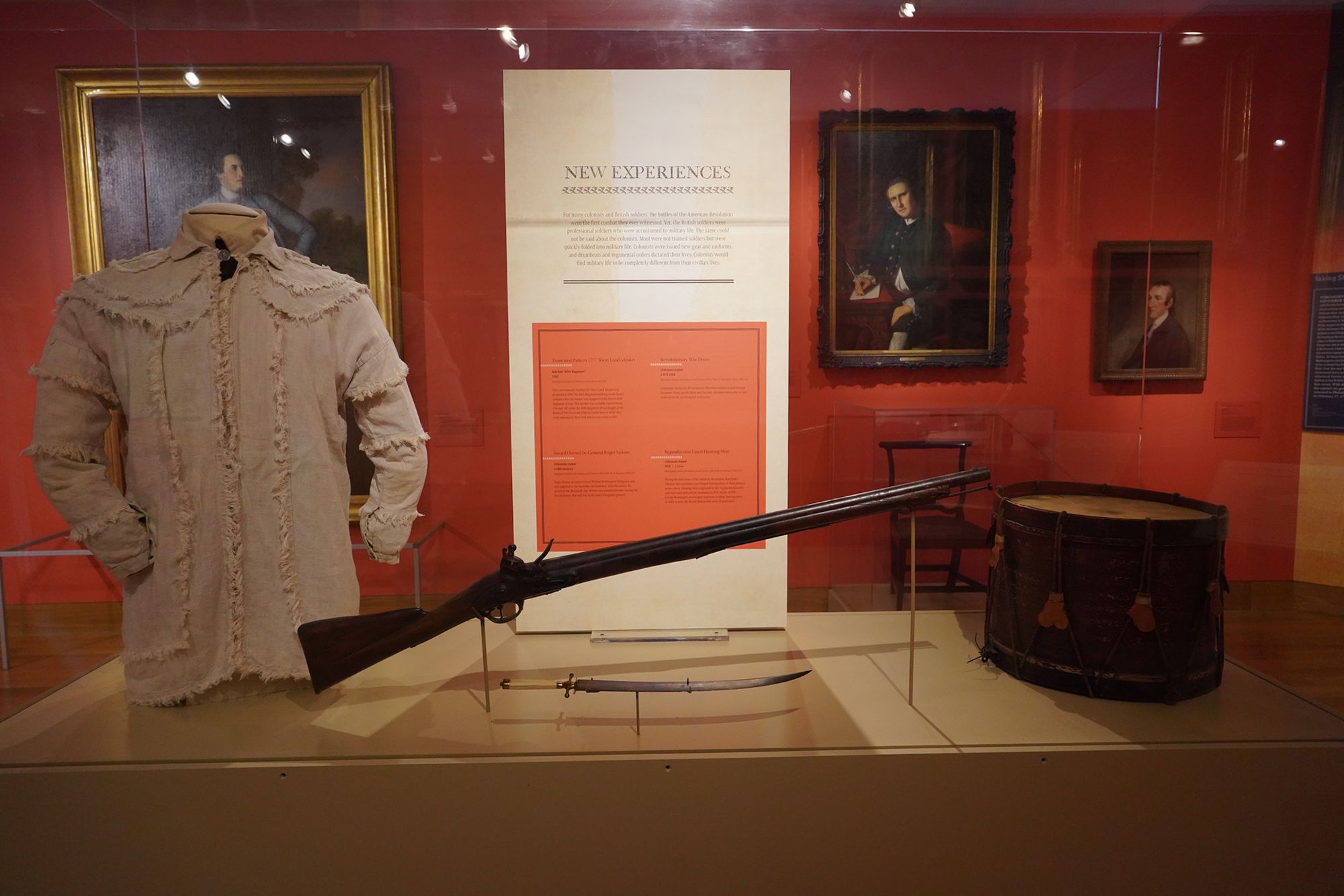
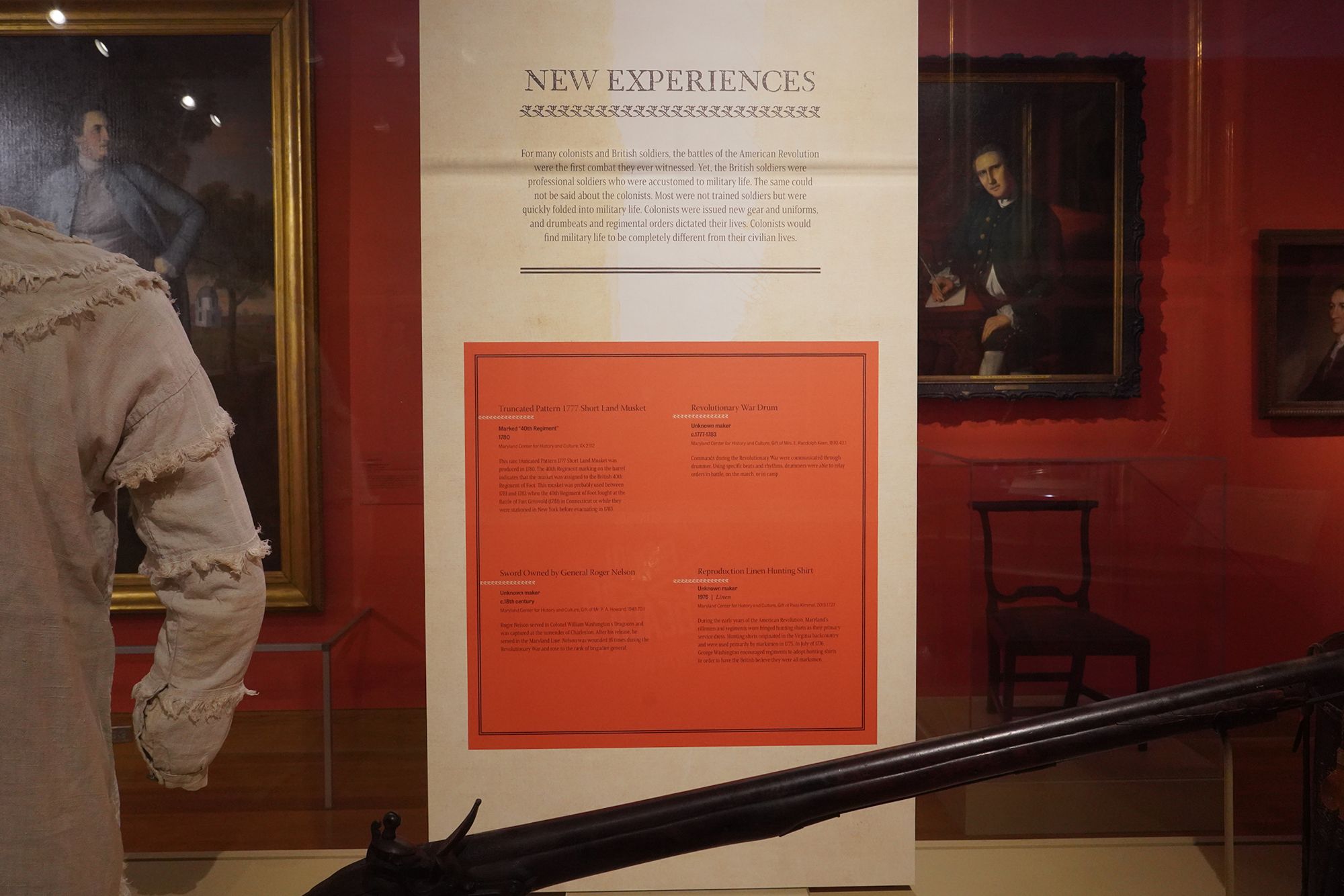
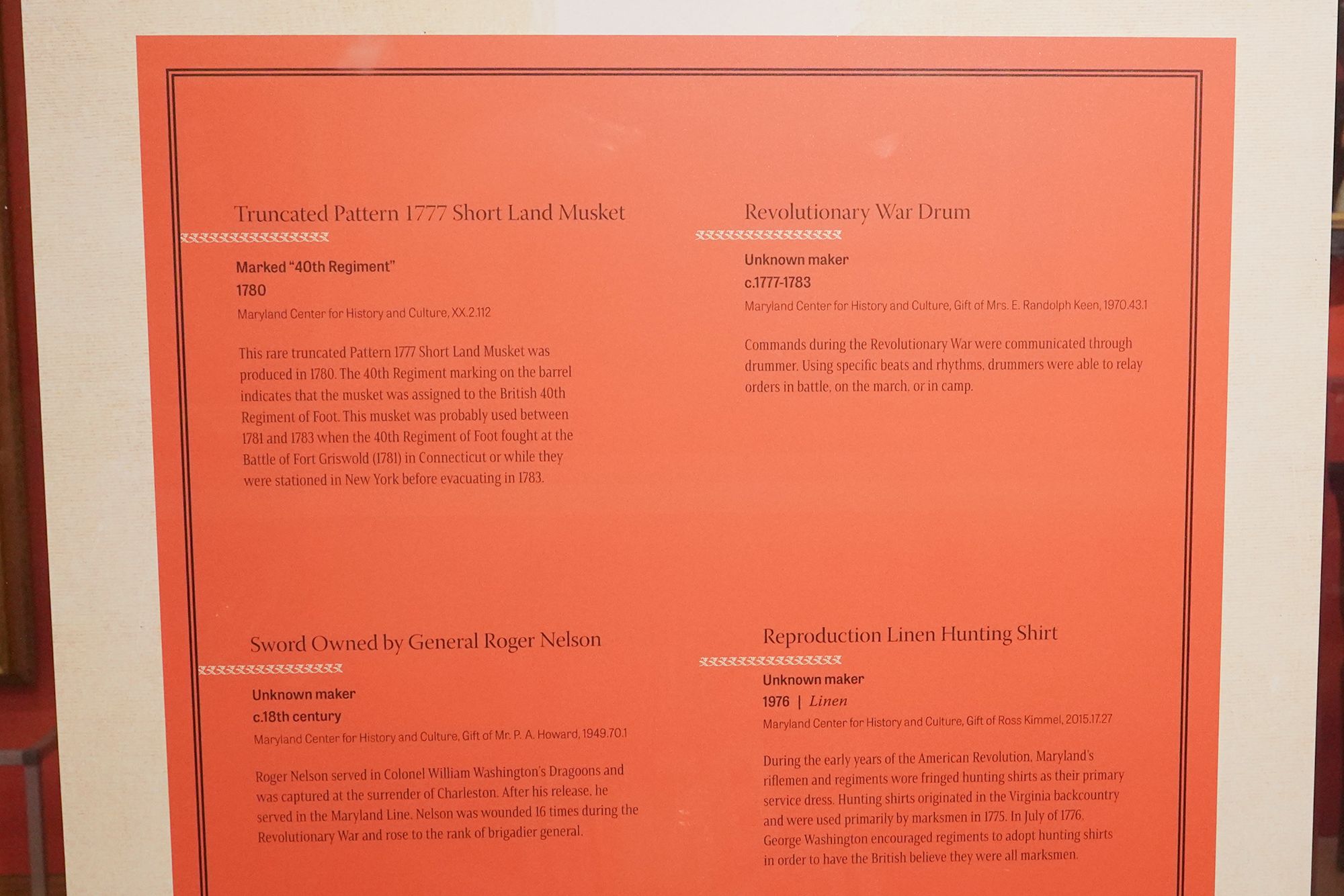
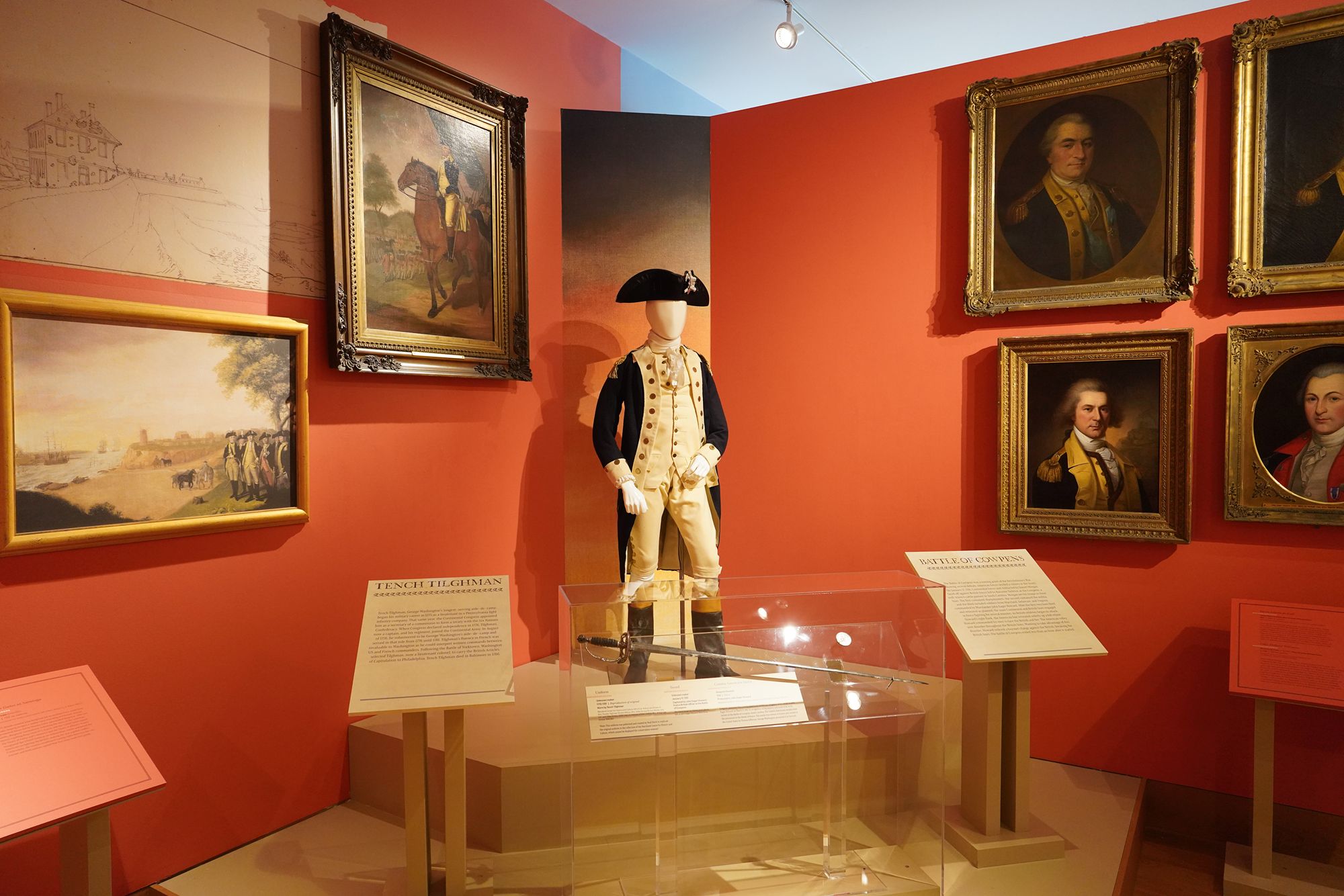
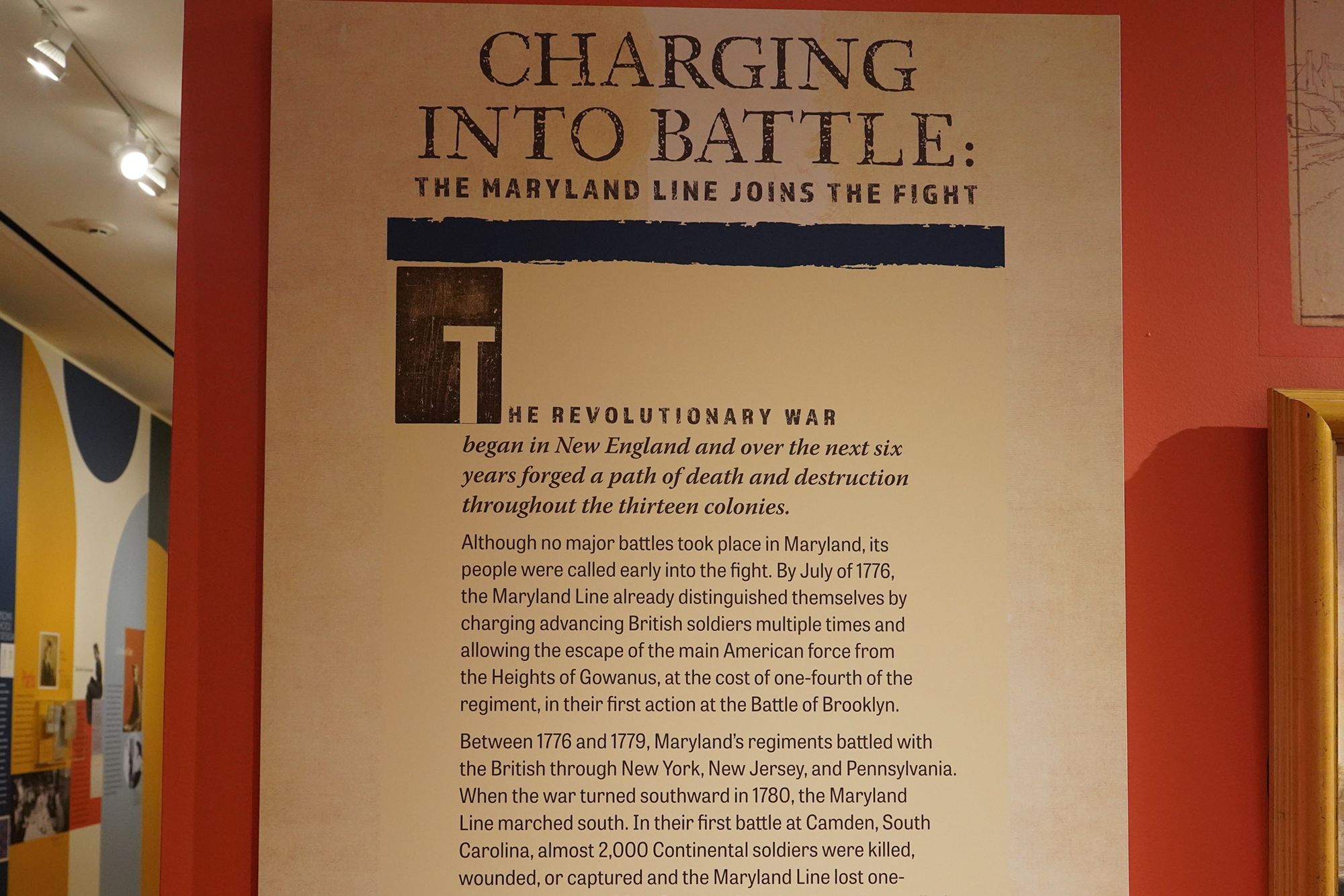
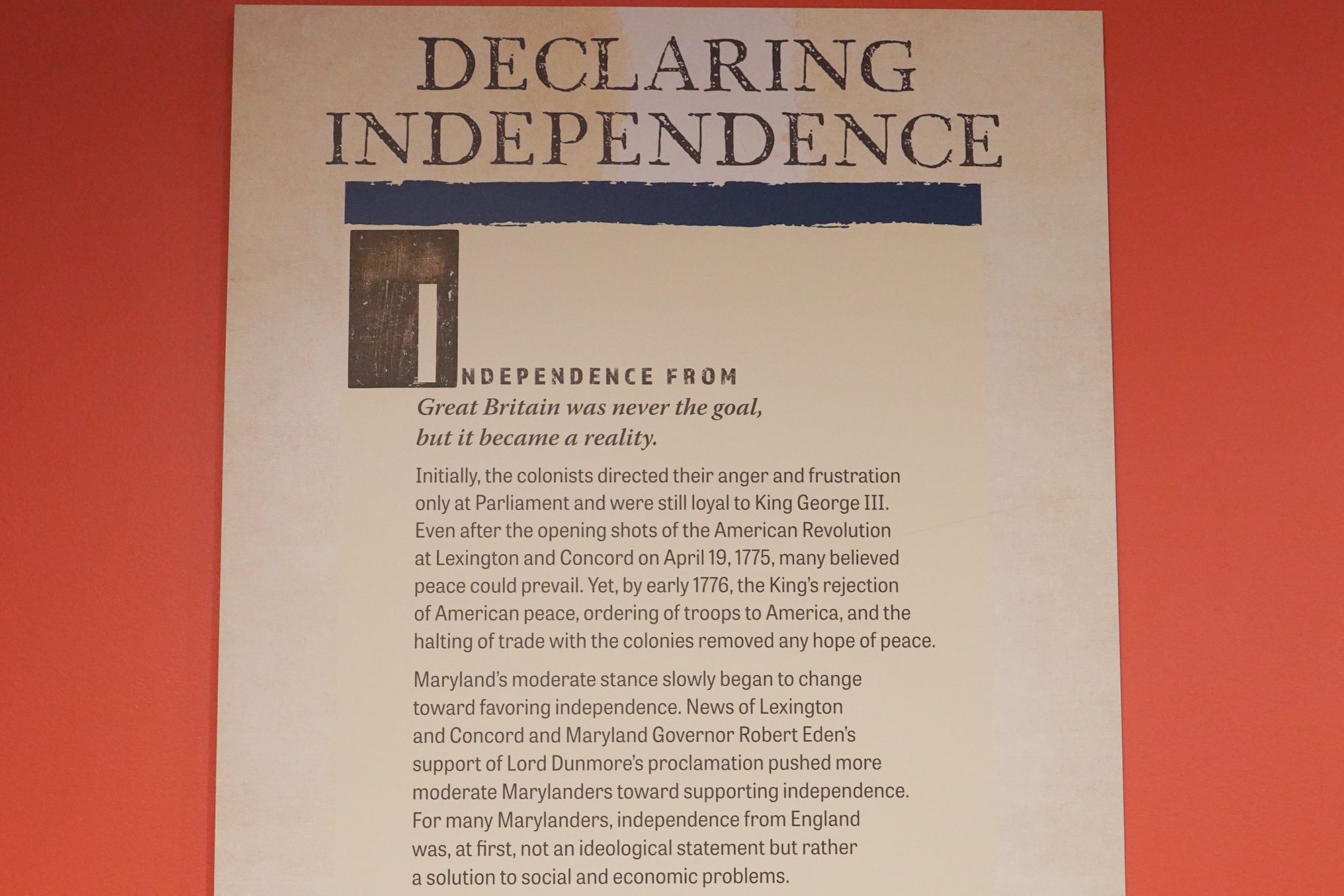
Maryland was conflicted and slow to commit to fighting against the British for independence, but ultimately supported independence.
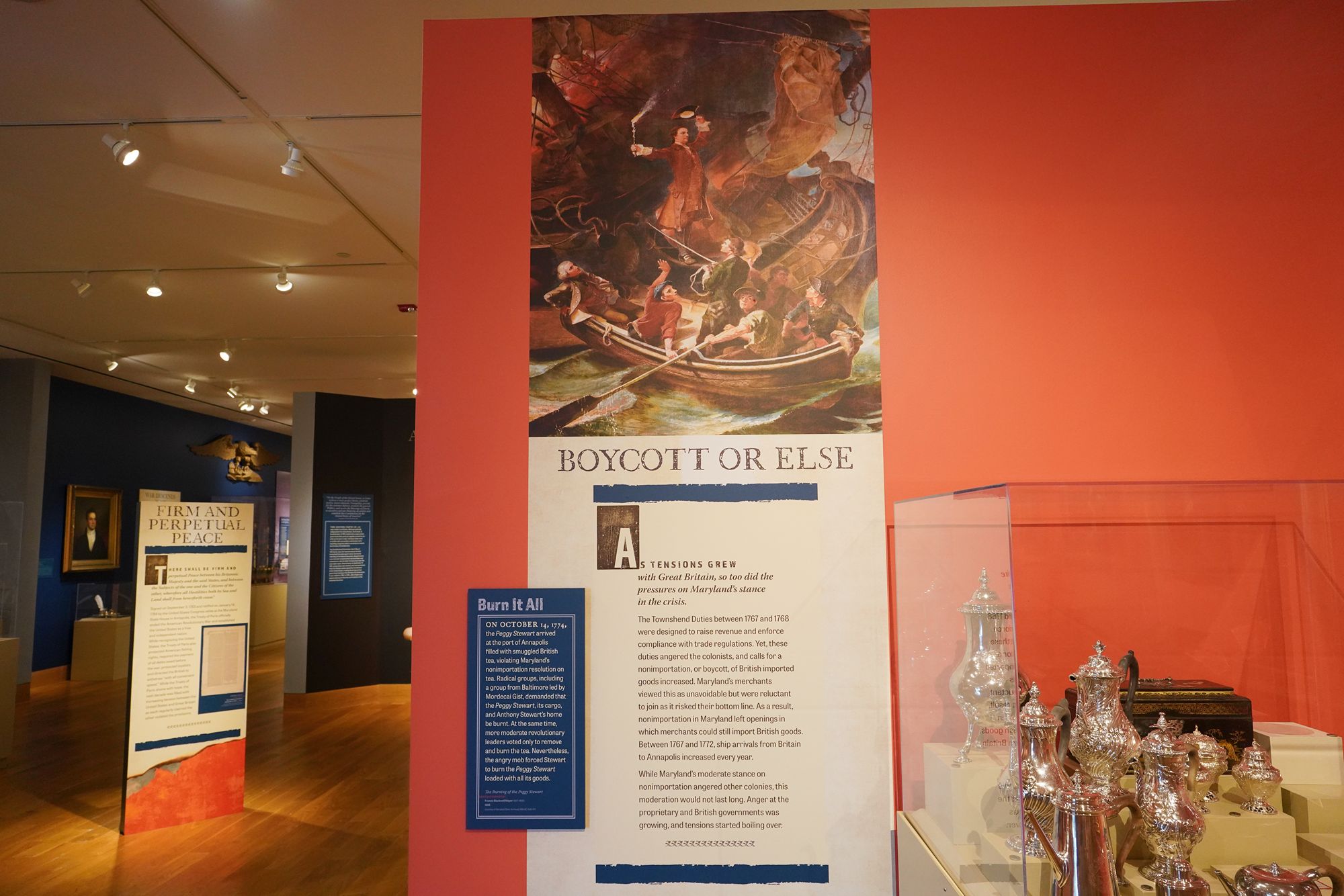
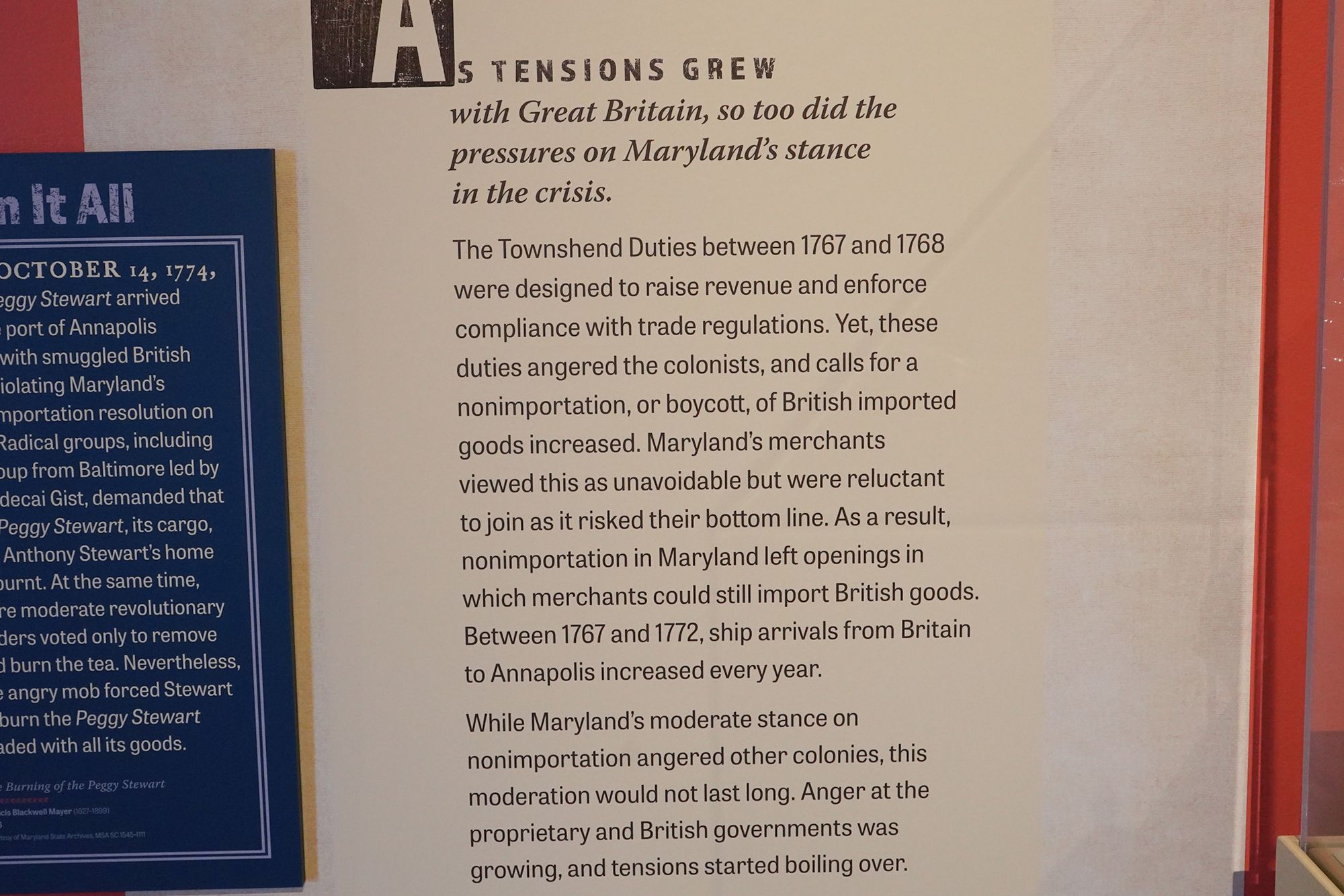
Nonimportation refers to a colonial agreement not to import British goods as a form of protest before the American Revolution.
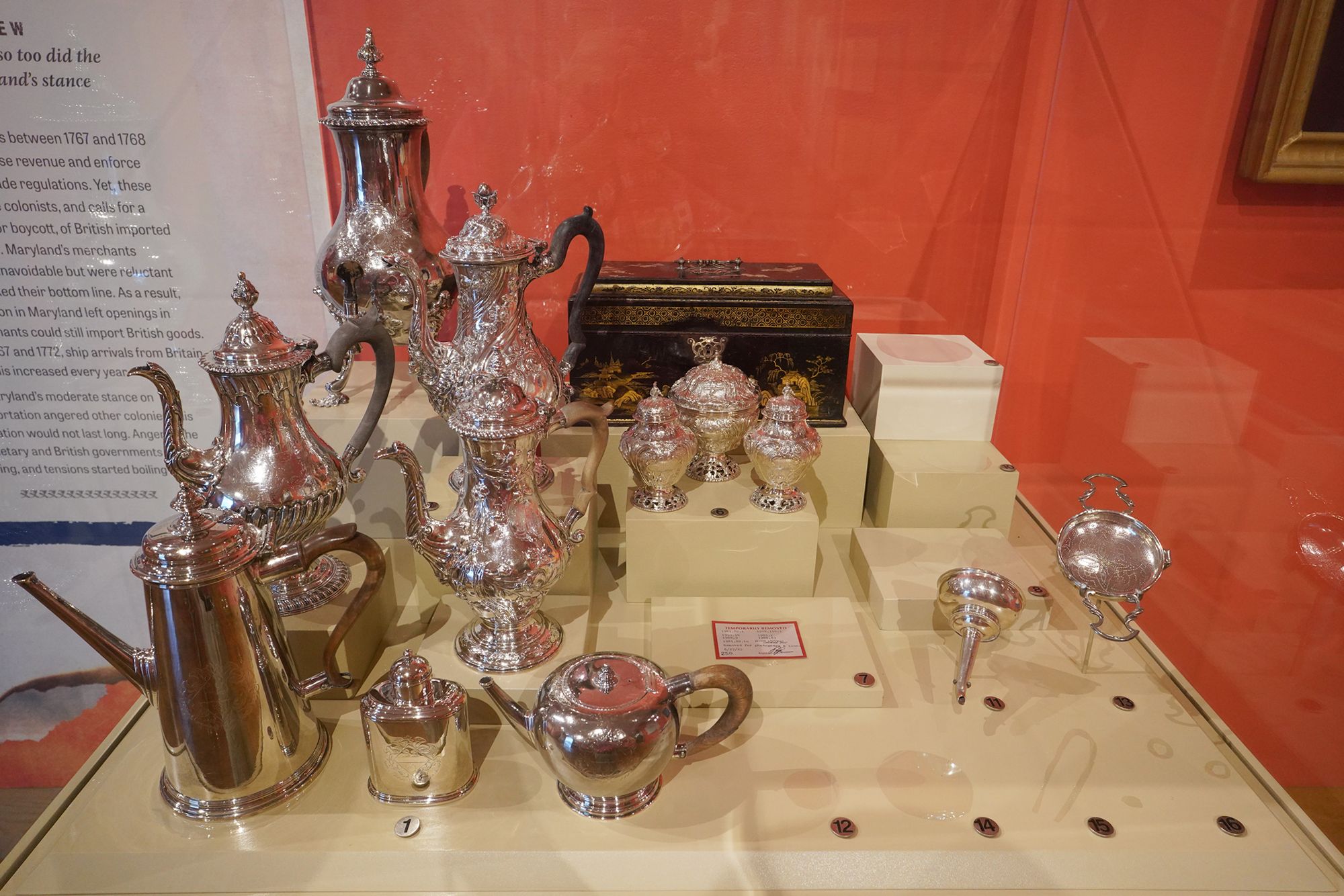
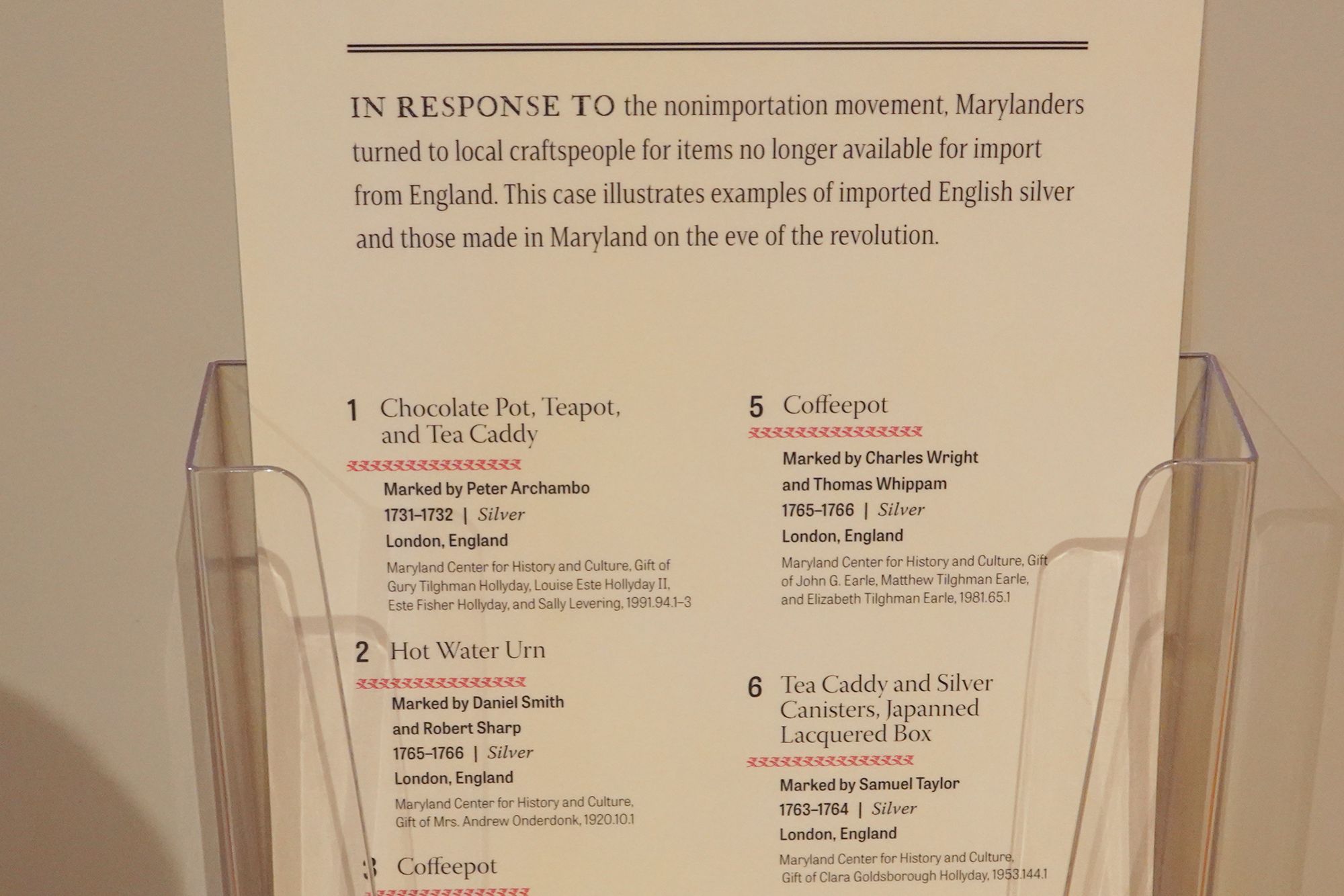
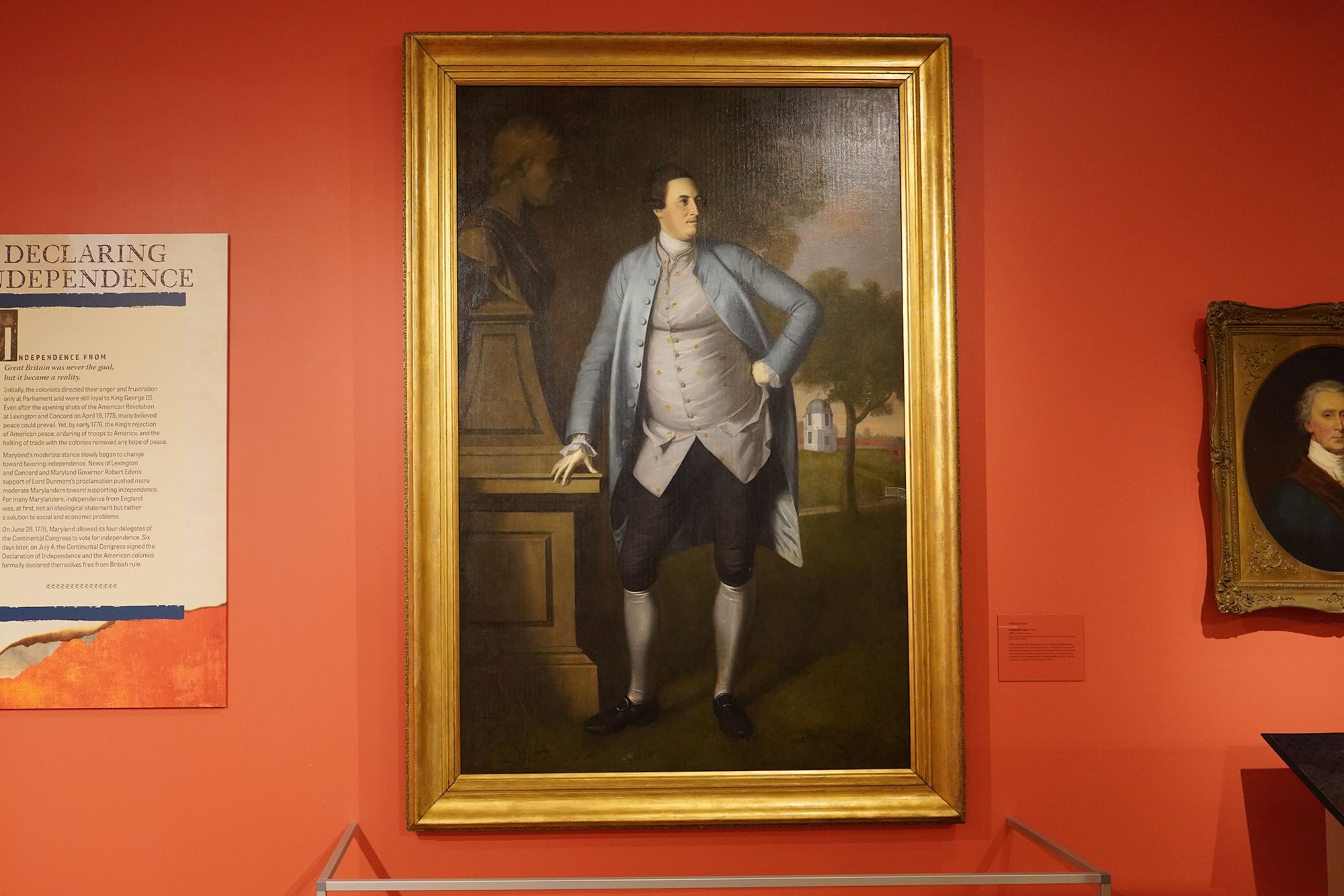
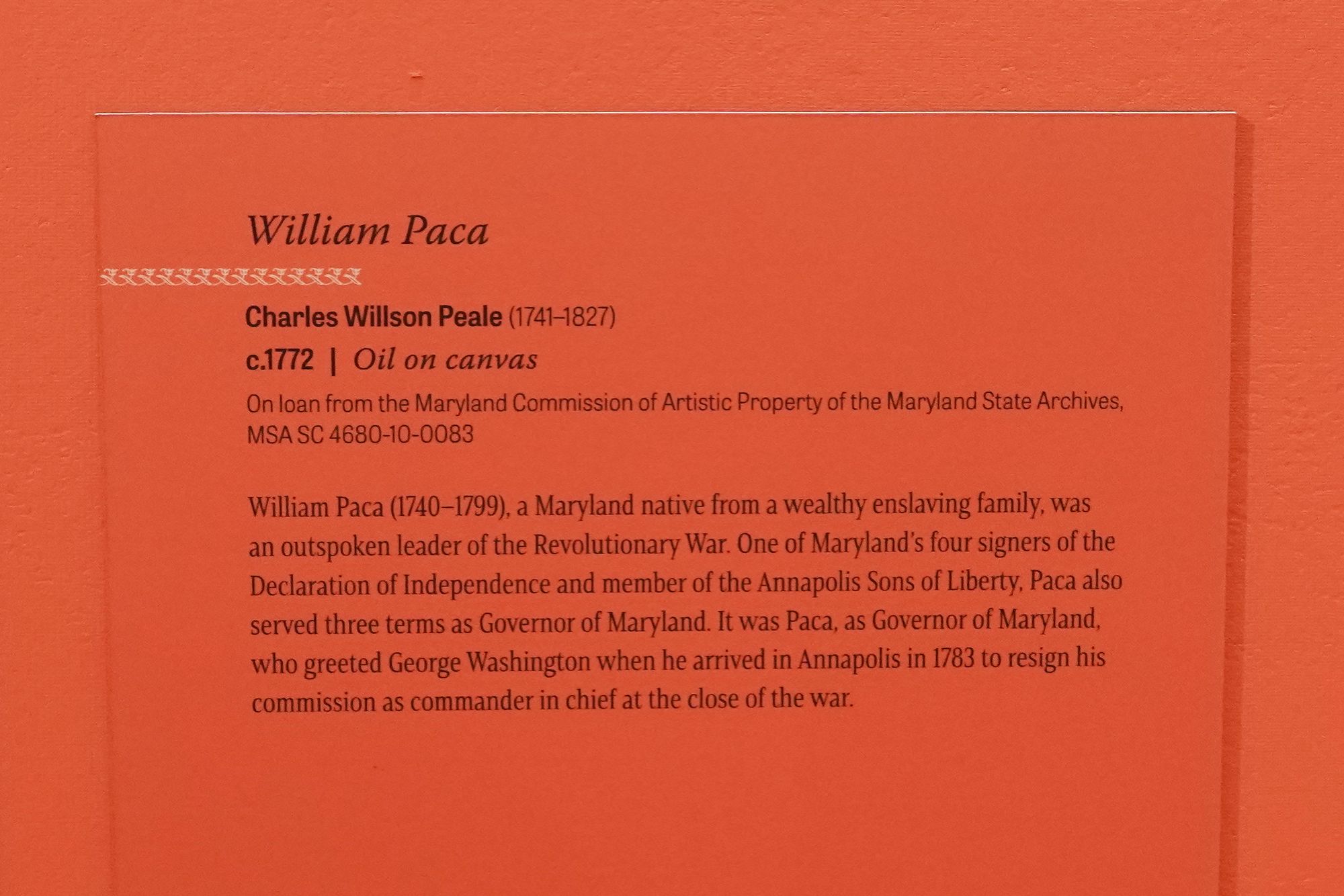
Most colonists early on (1760s–early 1770s) wanted political rights, representation, and fair treatment within the British Empire — not separation. Over time, repeated British measures such as new taxes, military occupation, the closing of Boston’s port, and the Intolerable Acts turned many colonists from protest to revolution.
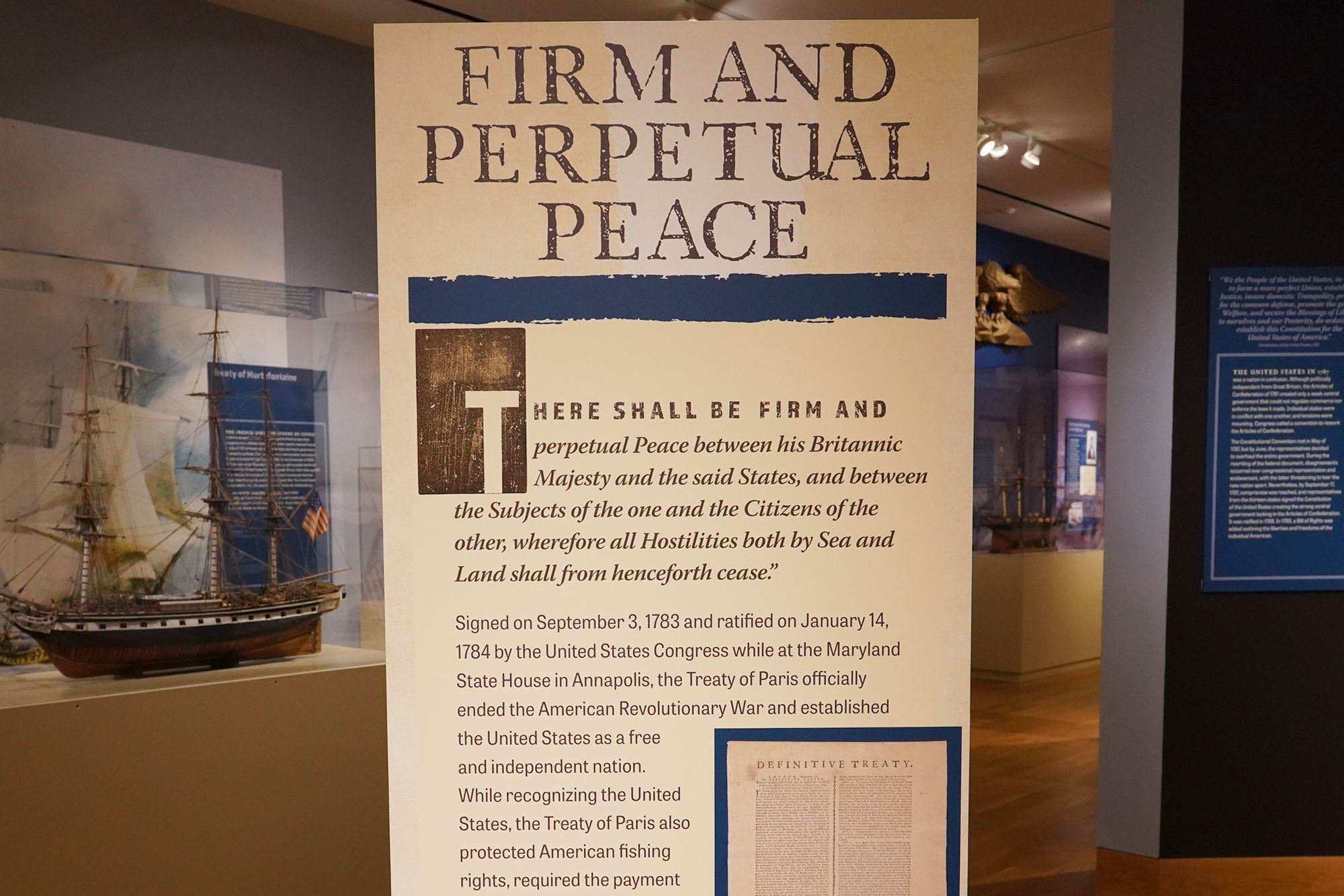
The Treaty of Paris (1783) is the agreement that officially ended the American Revolutionary War.
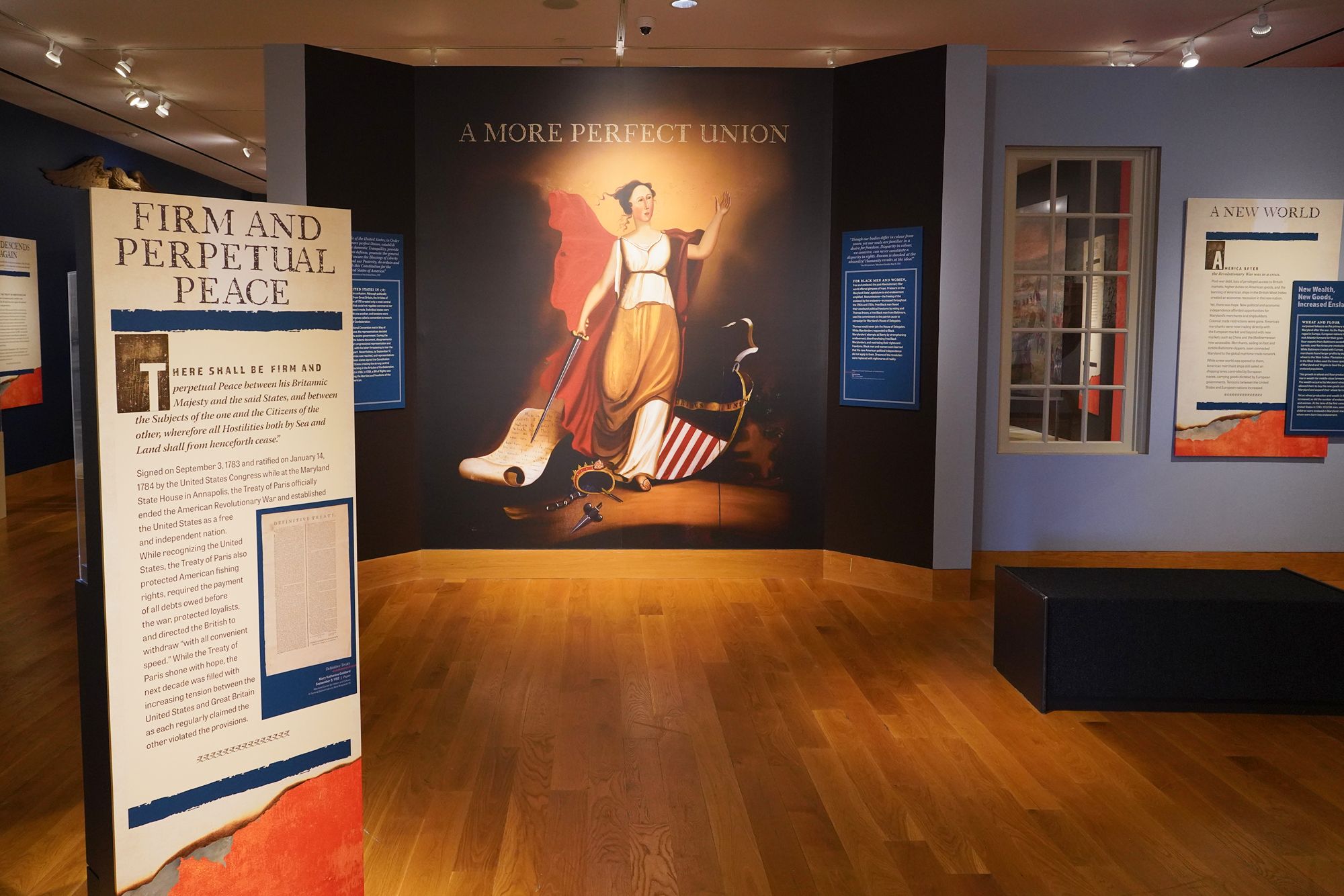
The Treaty of Paris (1783) ended the Revolutionary War, recognized American independence, and set the nation’s boundaries as far west as the Mississippi River.
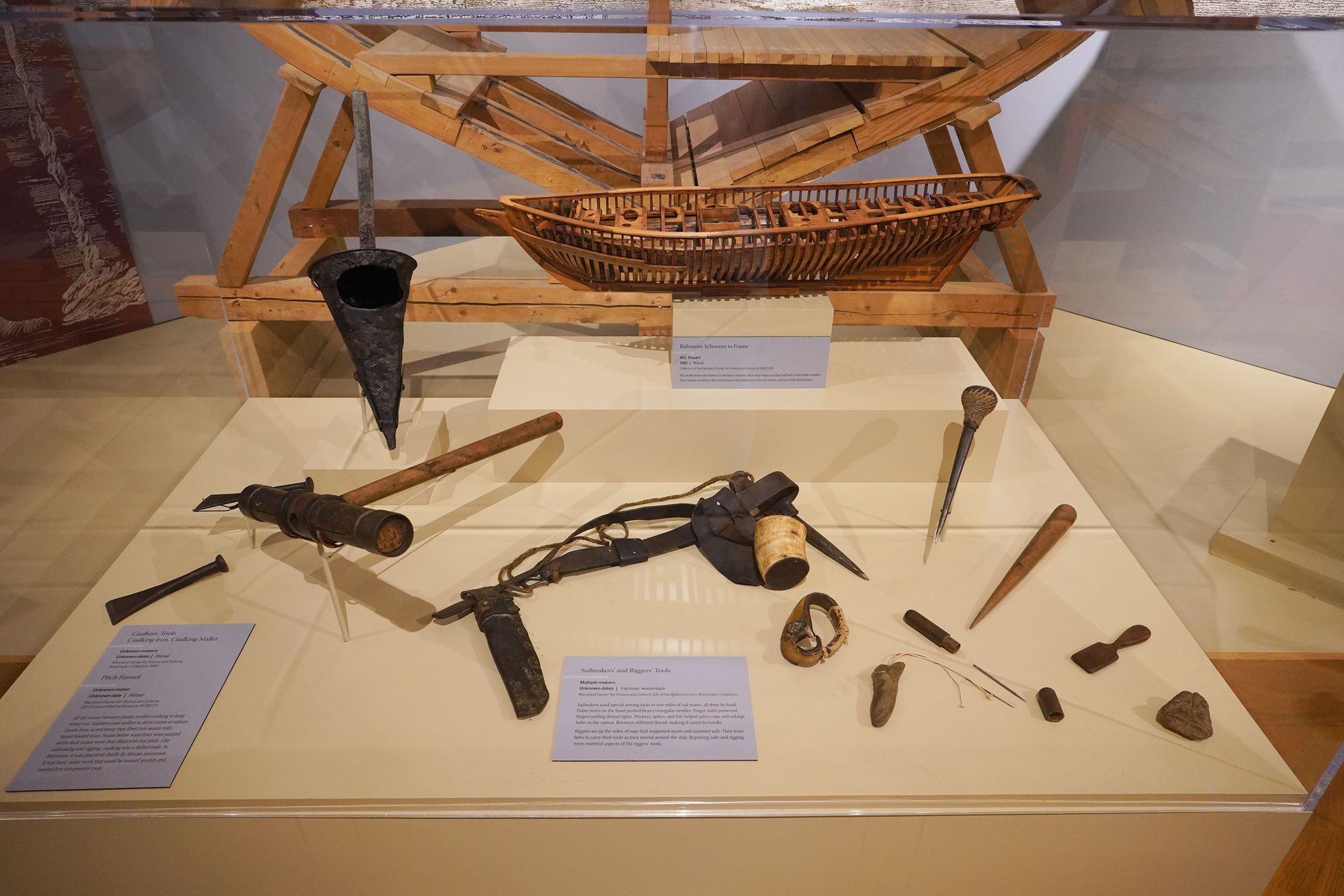
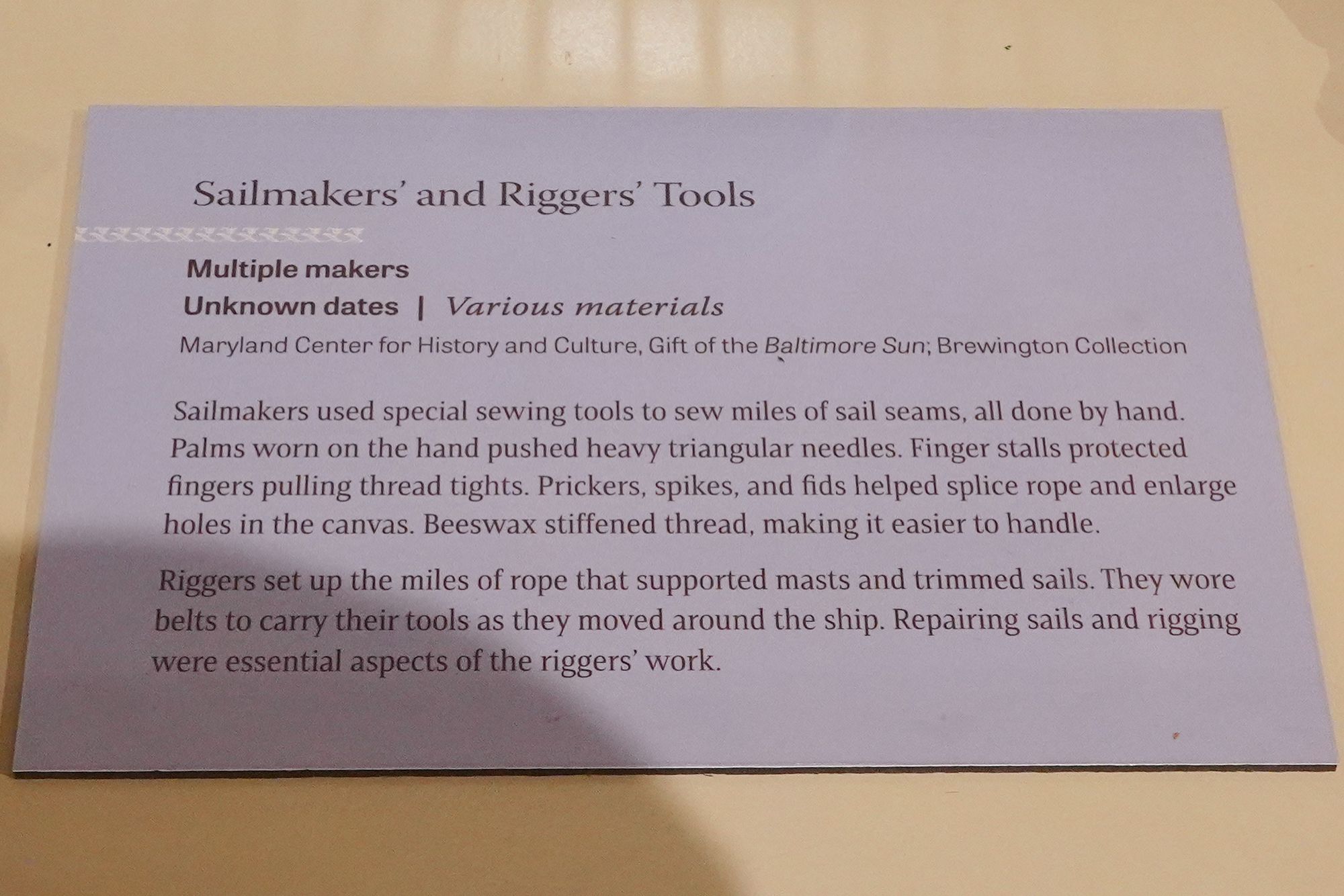
Victory in war did not mean prosperity — the end of the war unleashed economic collapse, heavy debt, political weakness, and social strain.
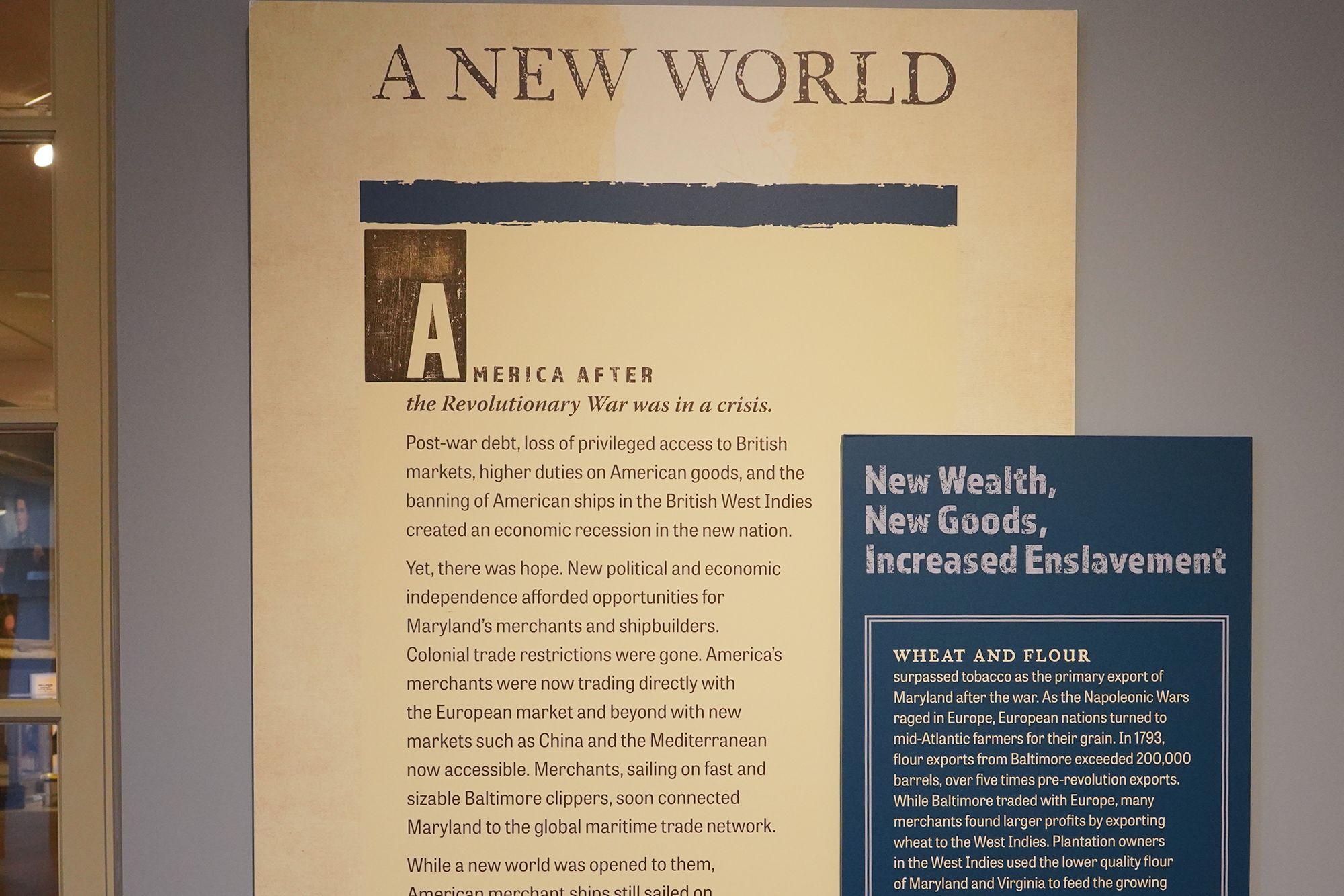
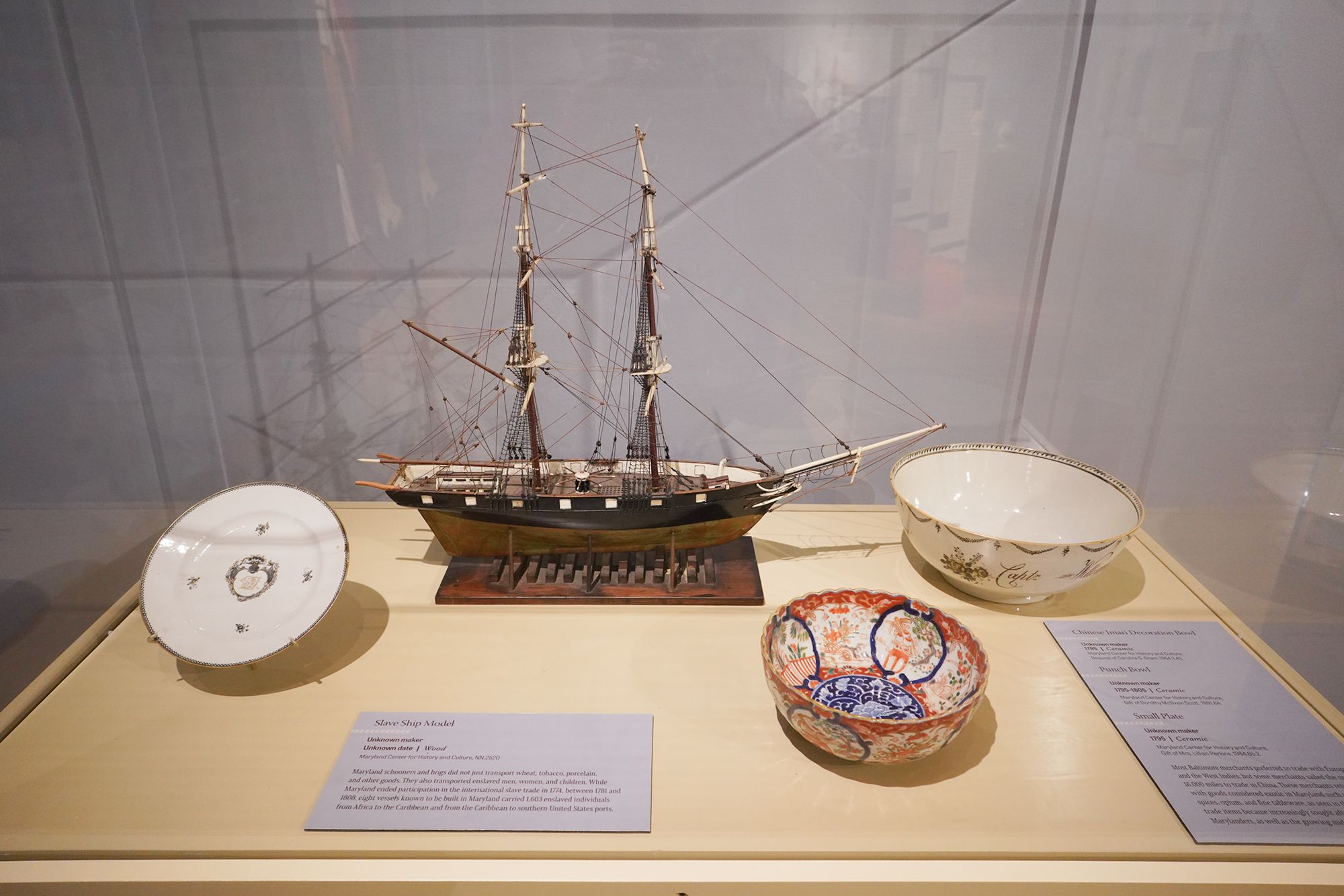
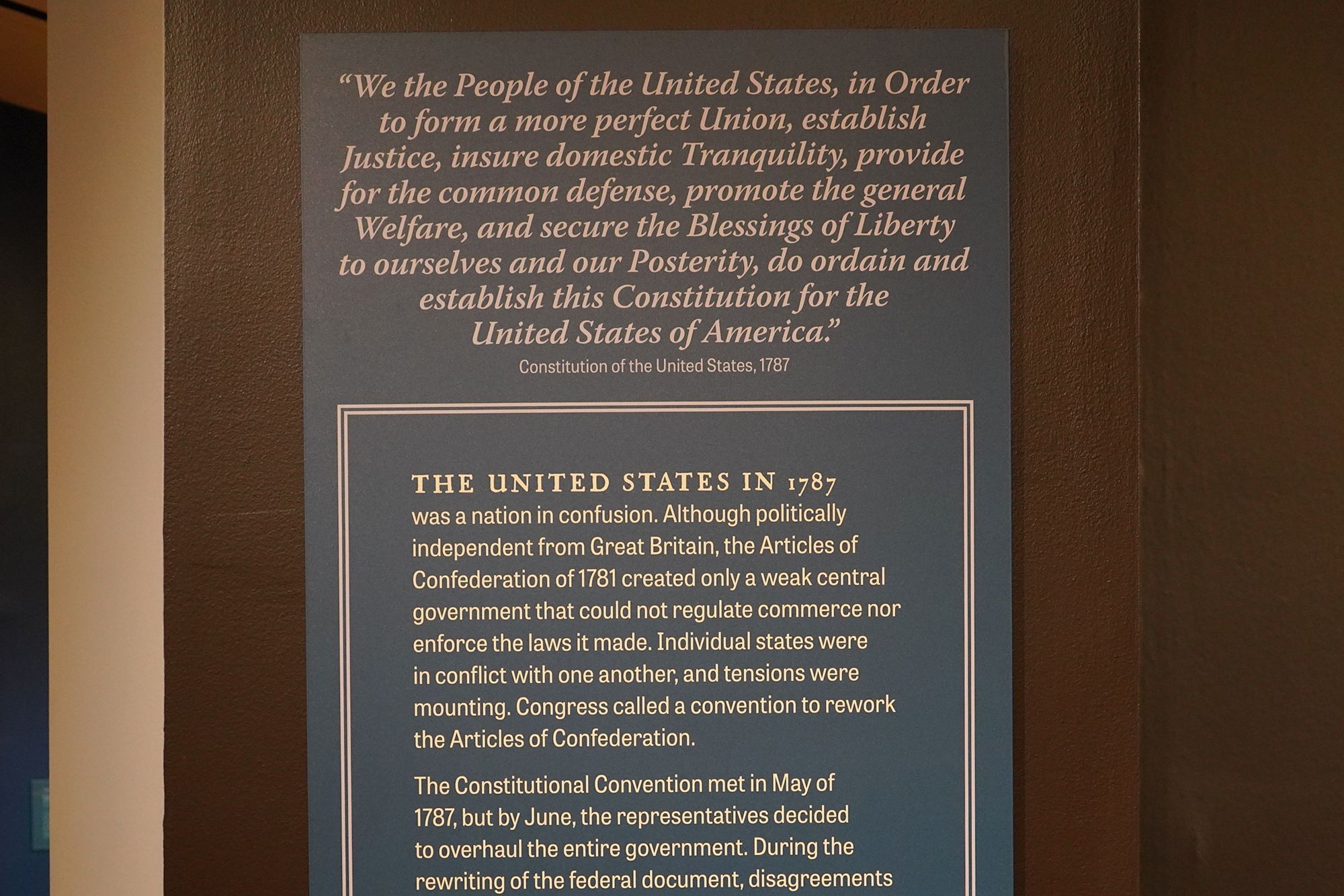
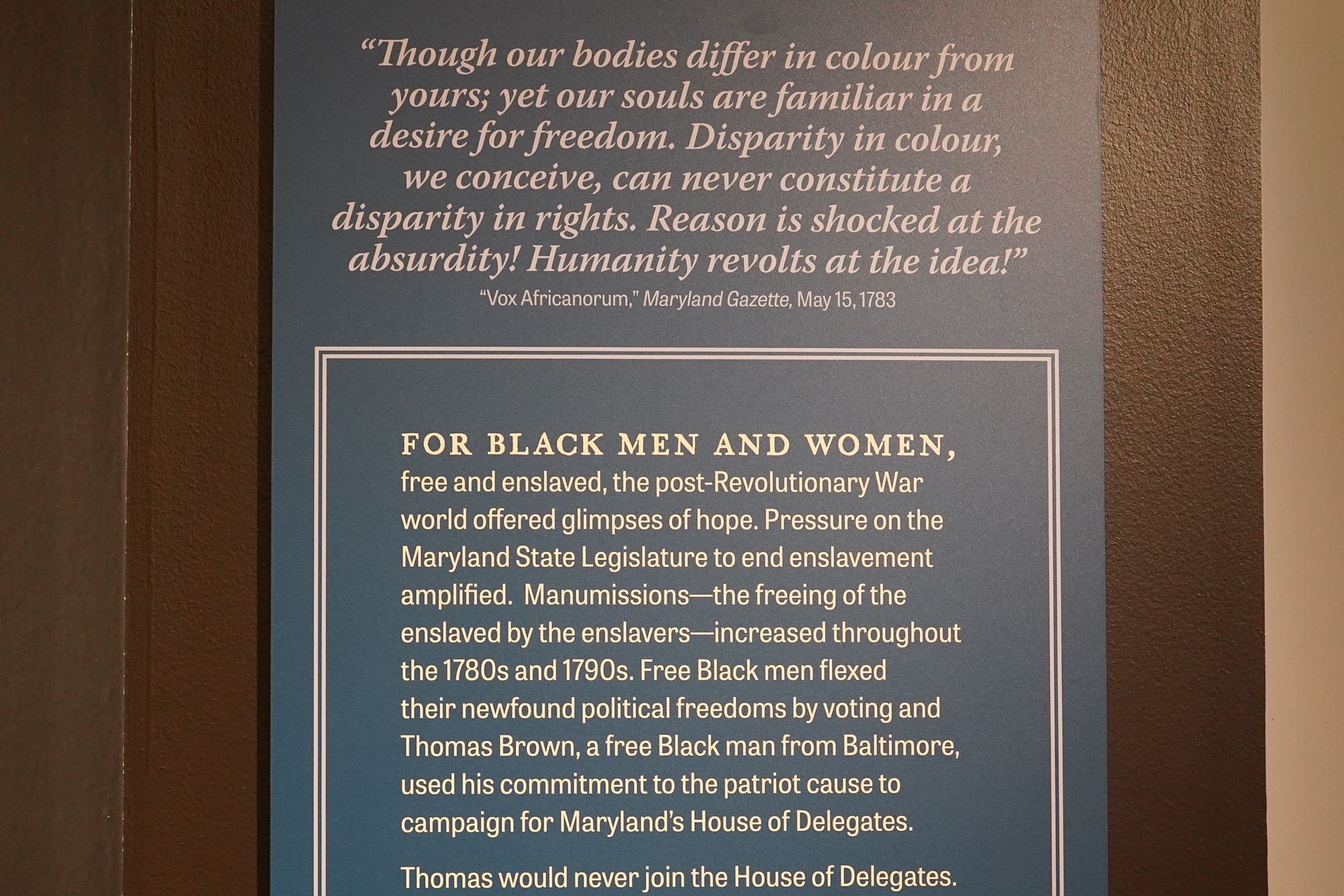
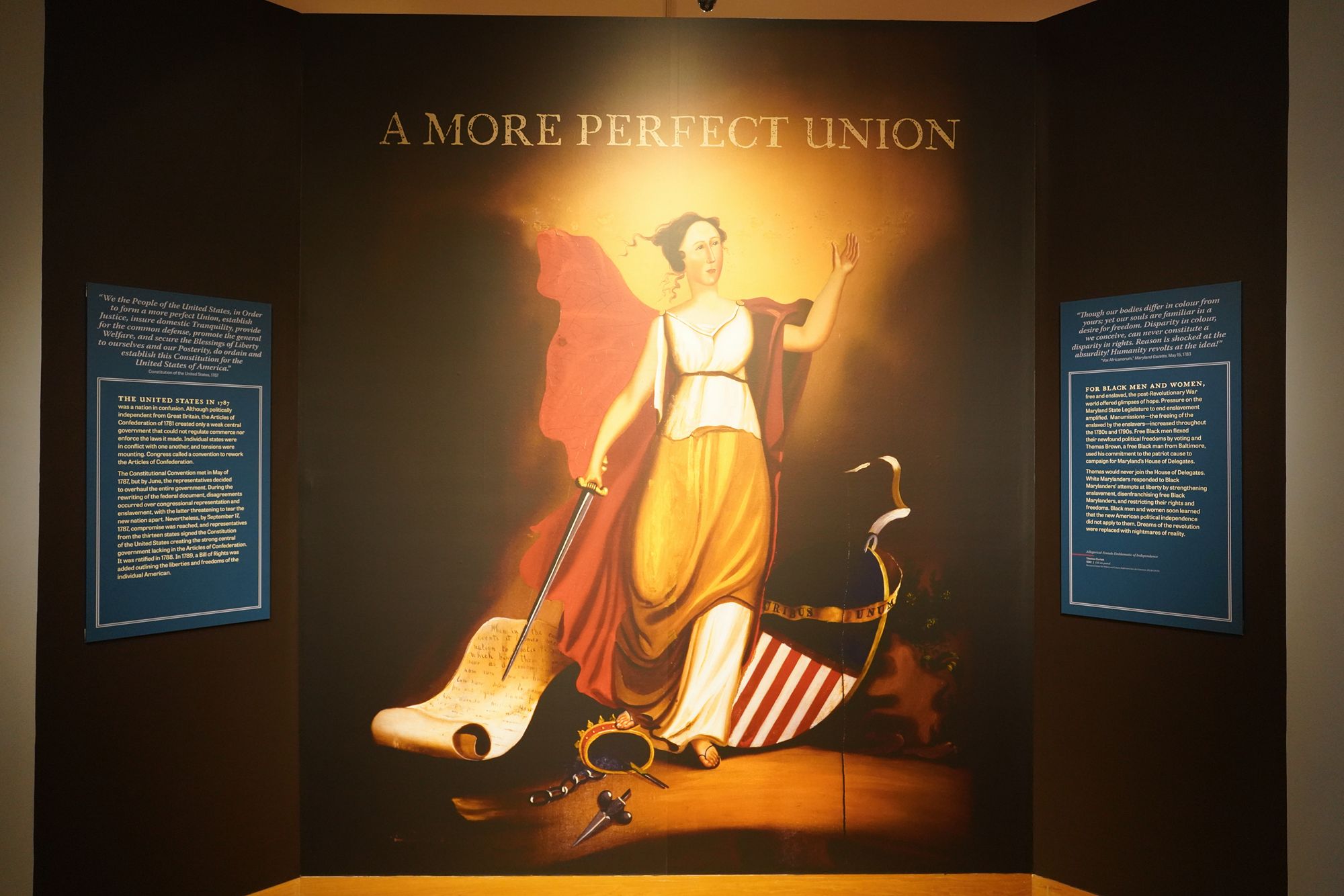
Although France had helped the Americans win independence, once France itself underwent a revolution and war broke out in Europe, the U.S. refusal to support France — along with refusal to repay debts — angered many French.
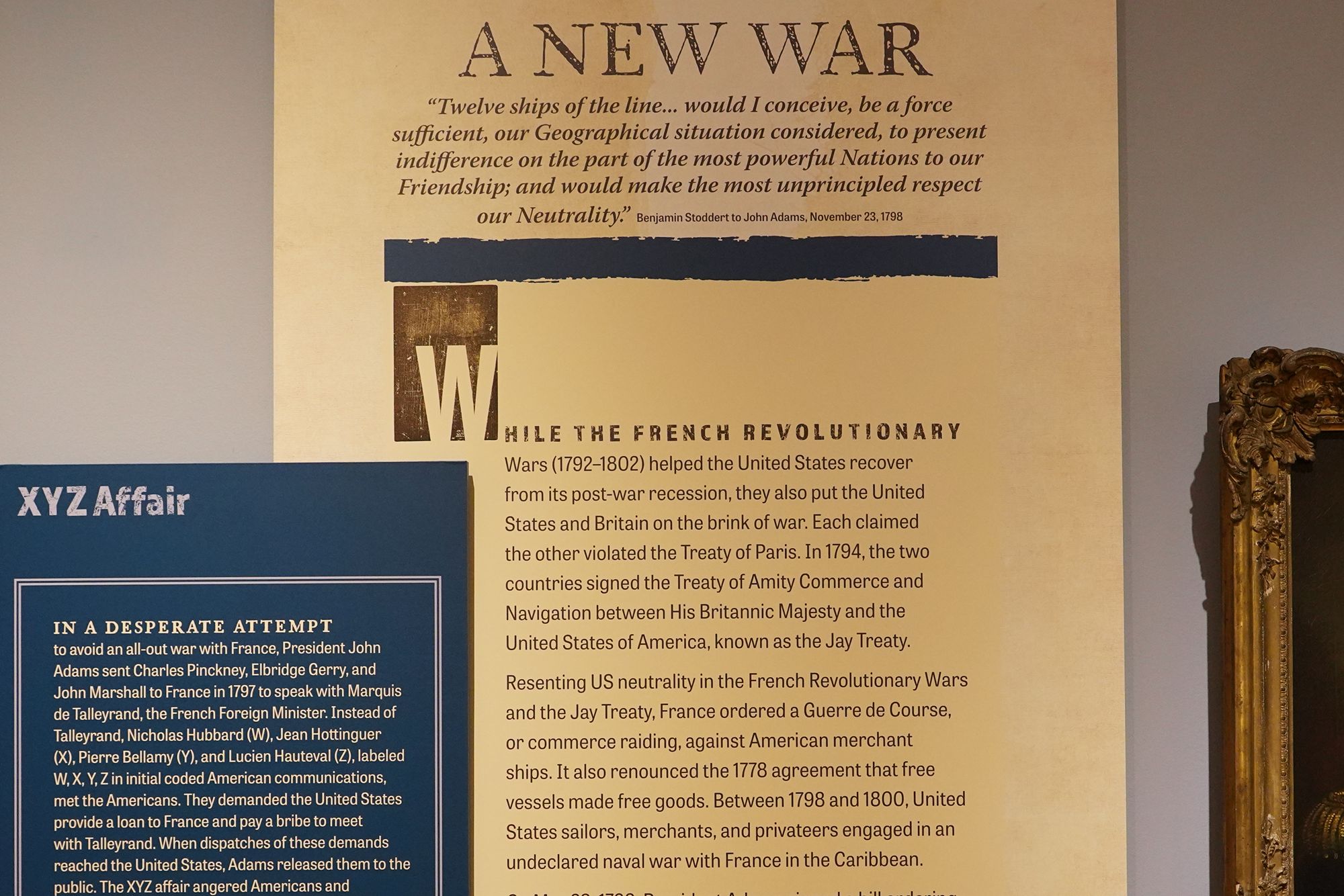
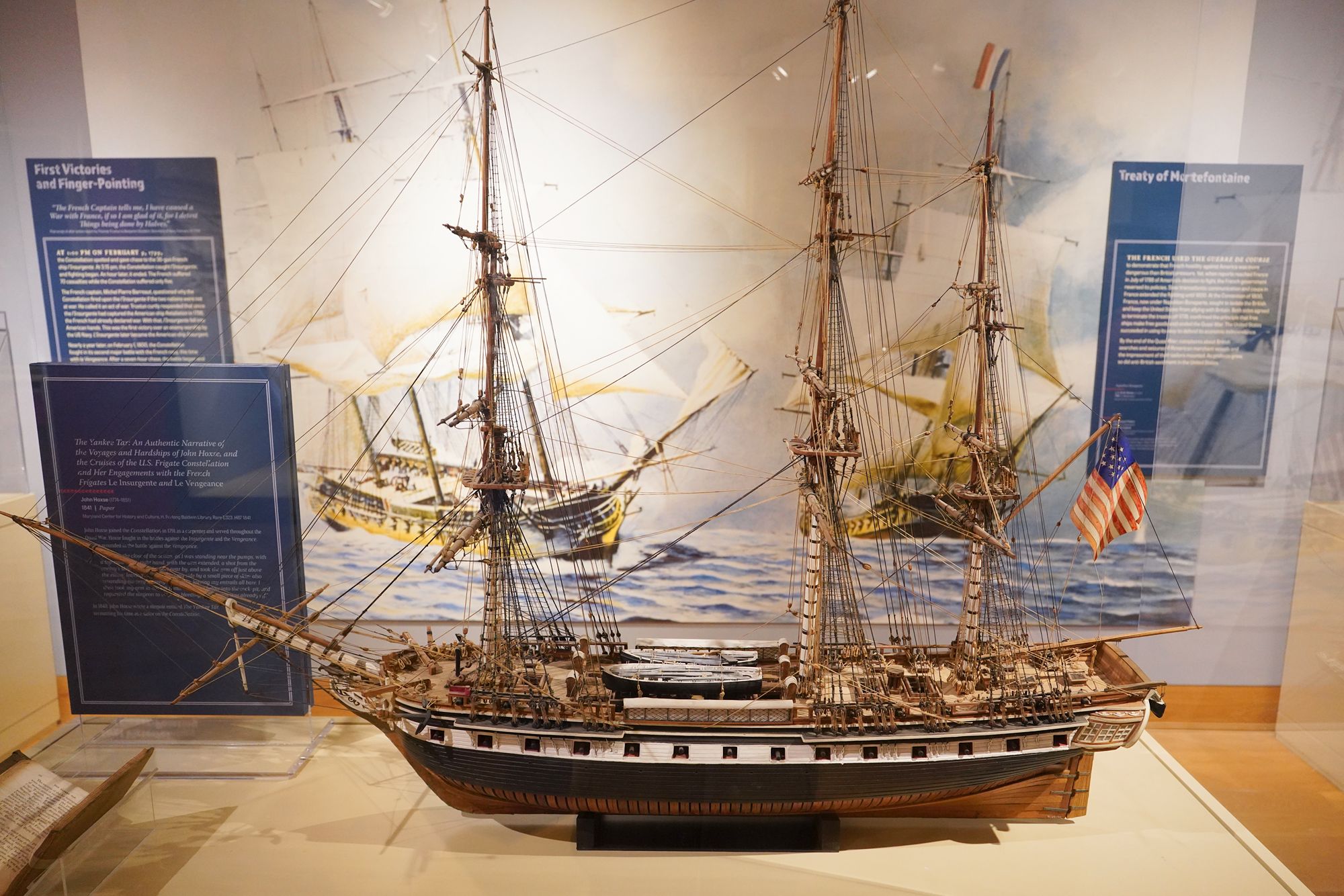
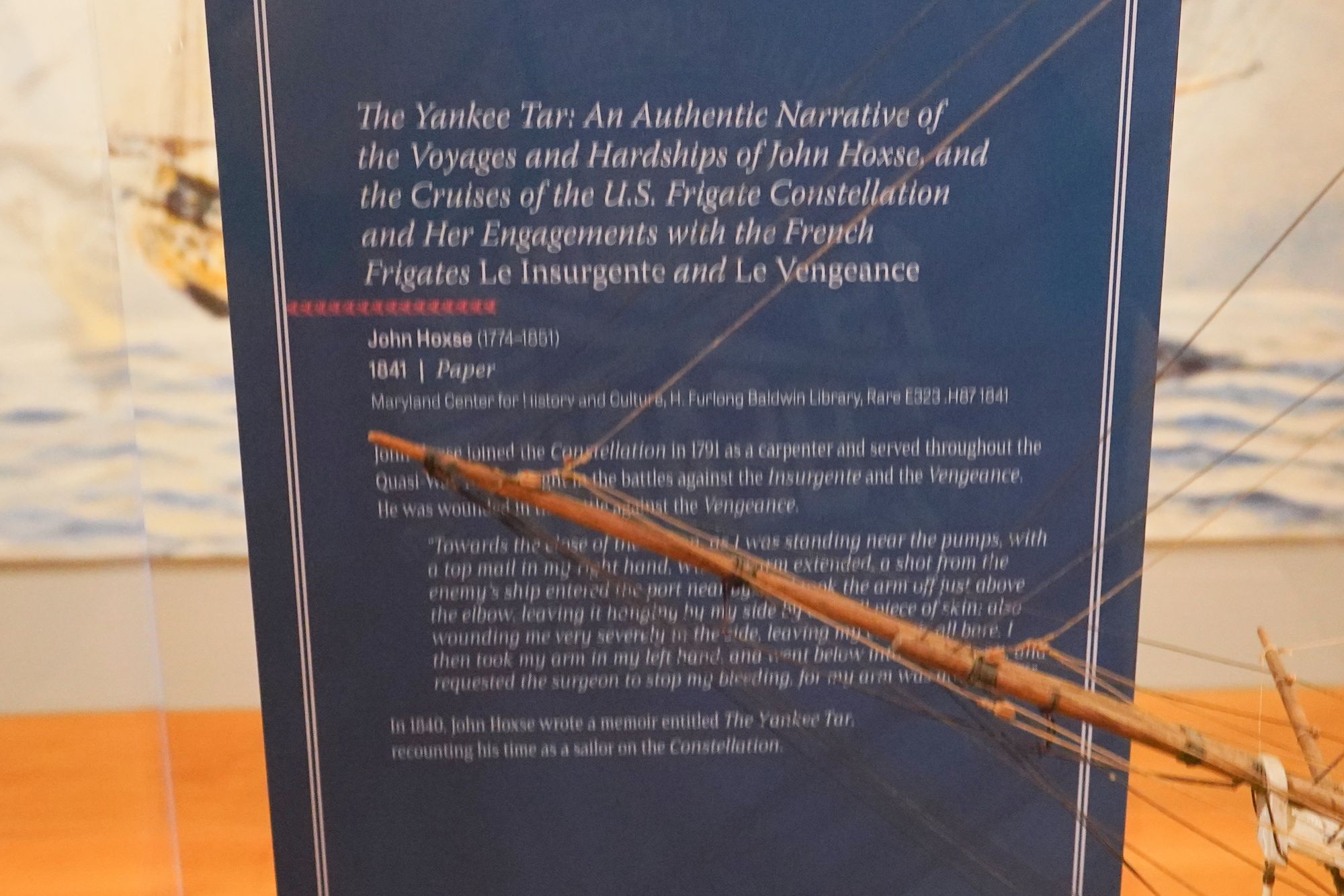
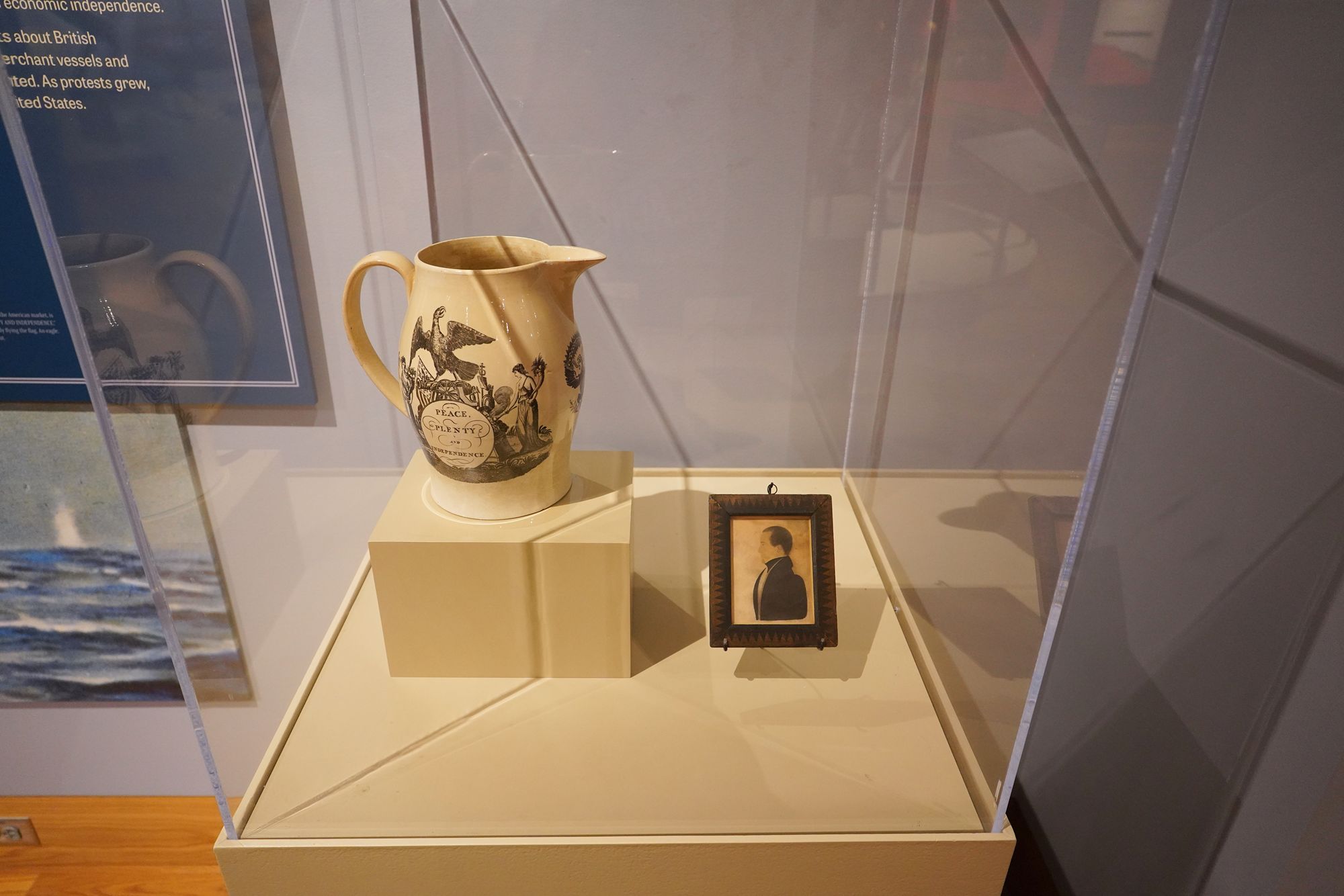
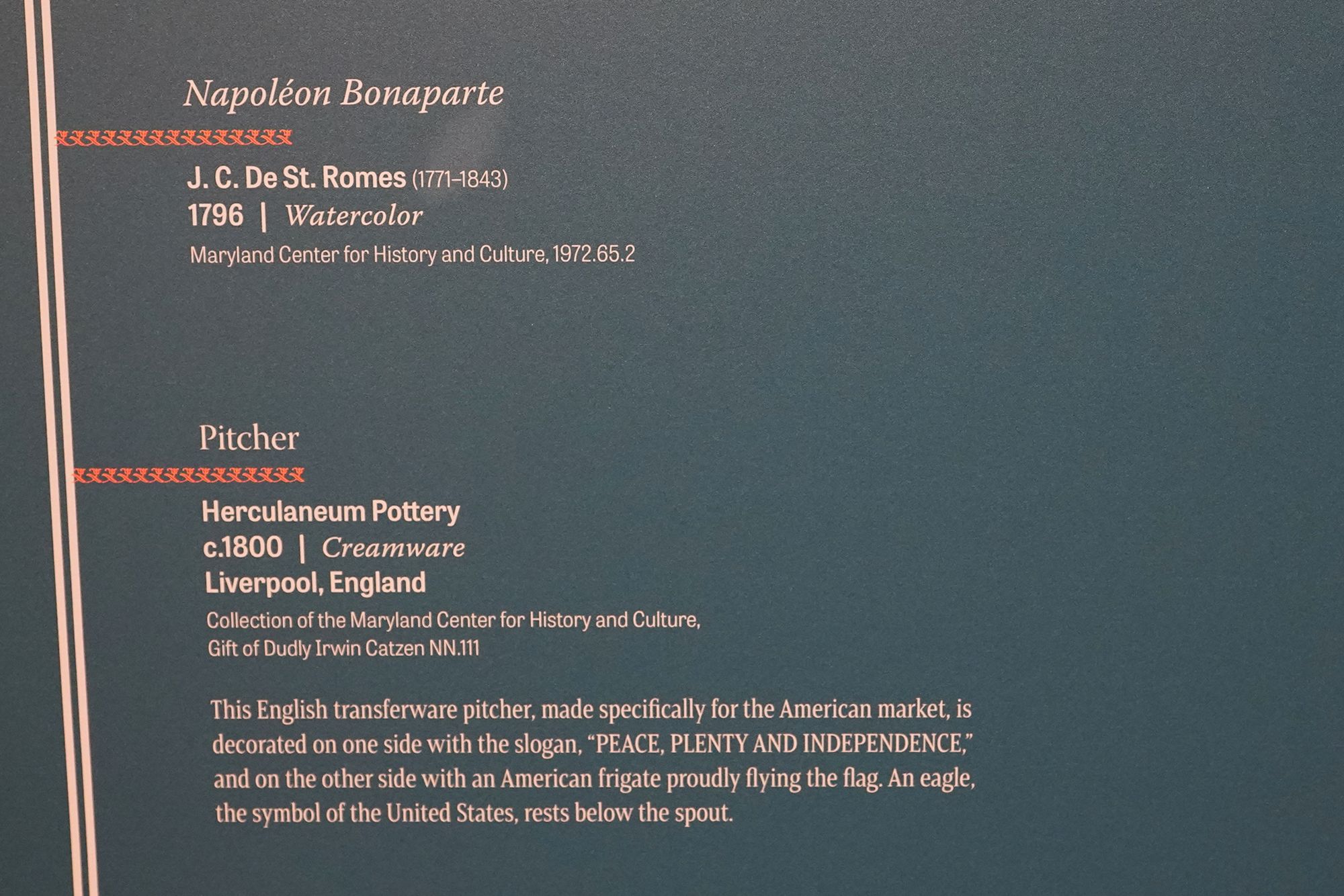
The U.S. stayed neutral instead of supporting France, refused to pay old debts, France retaliated by attacking American ships, and the two nations wound up in a small but real naval war — eventually repairing relations but losing their old alliance.
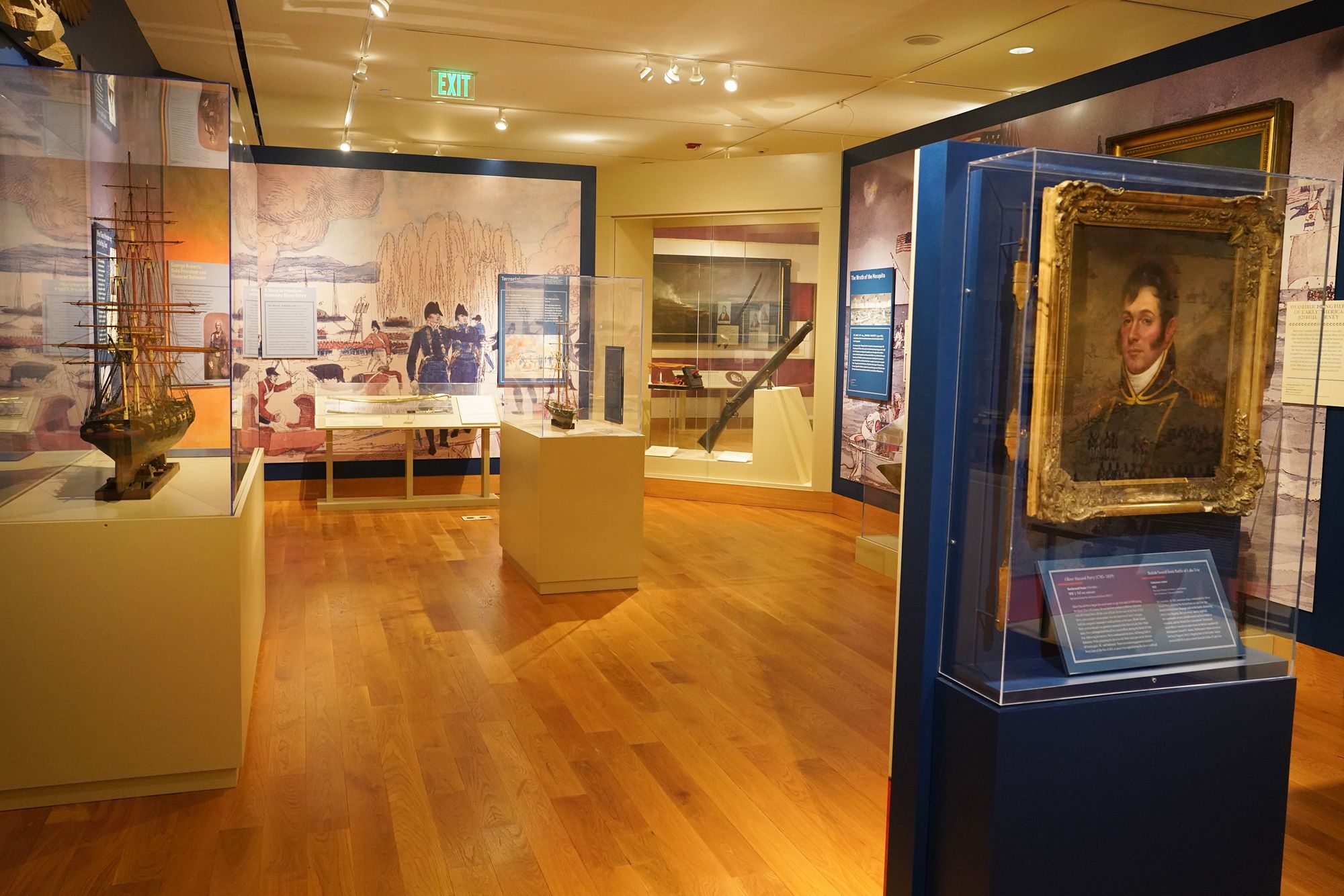
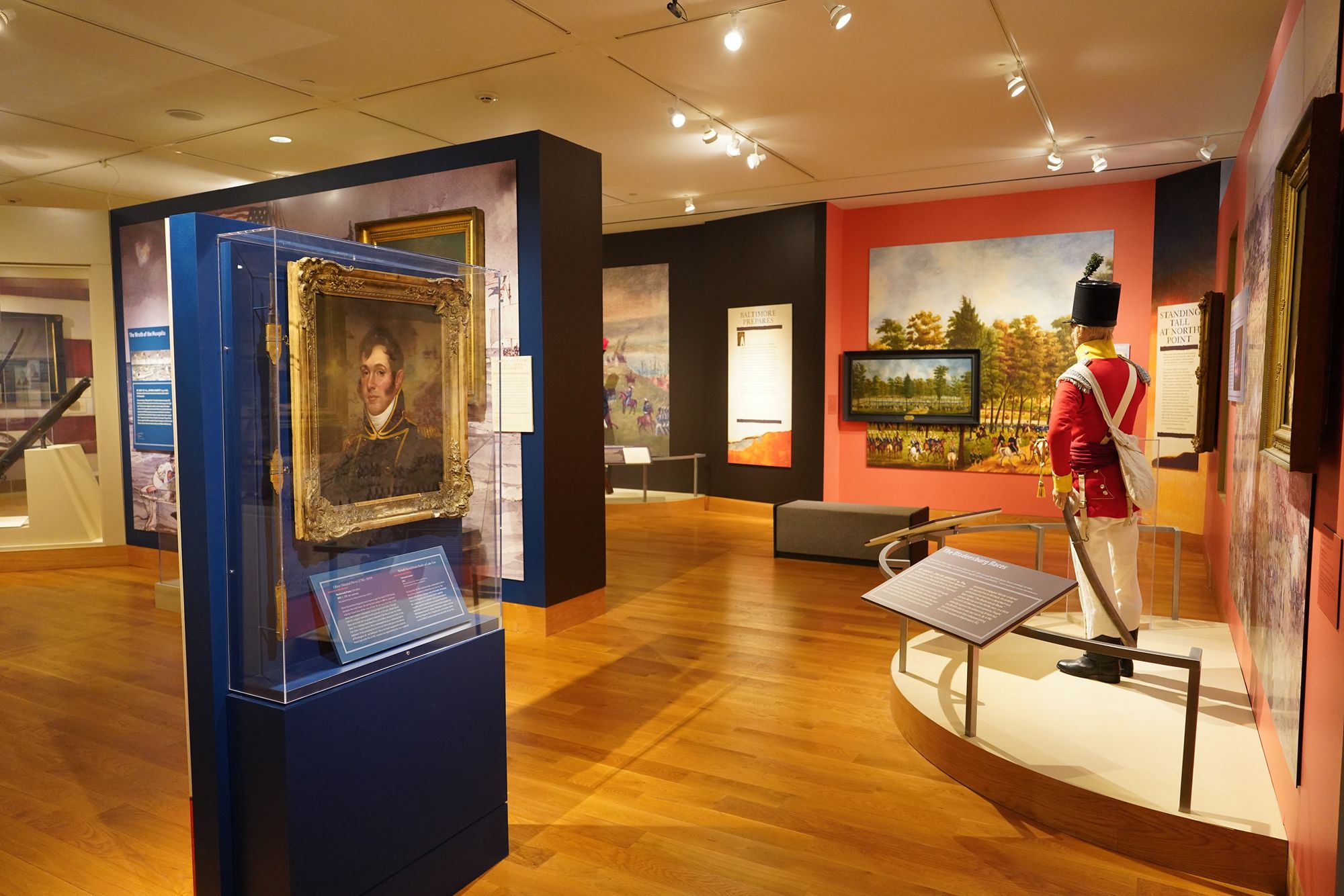
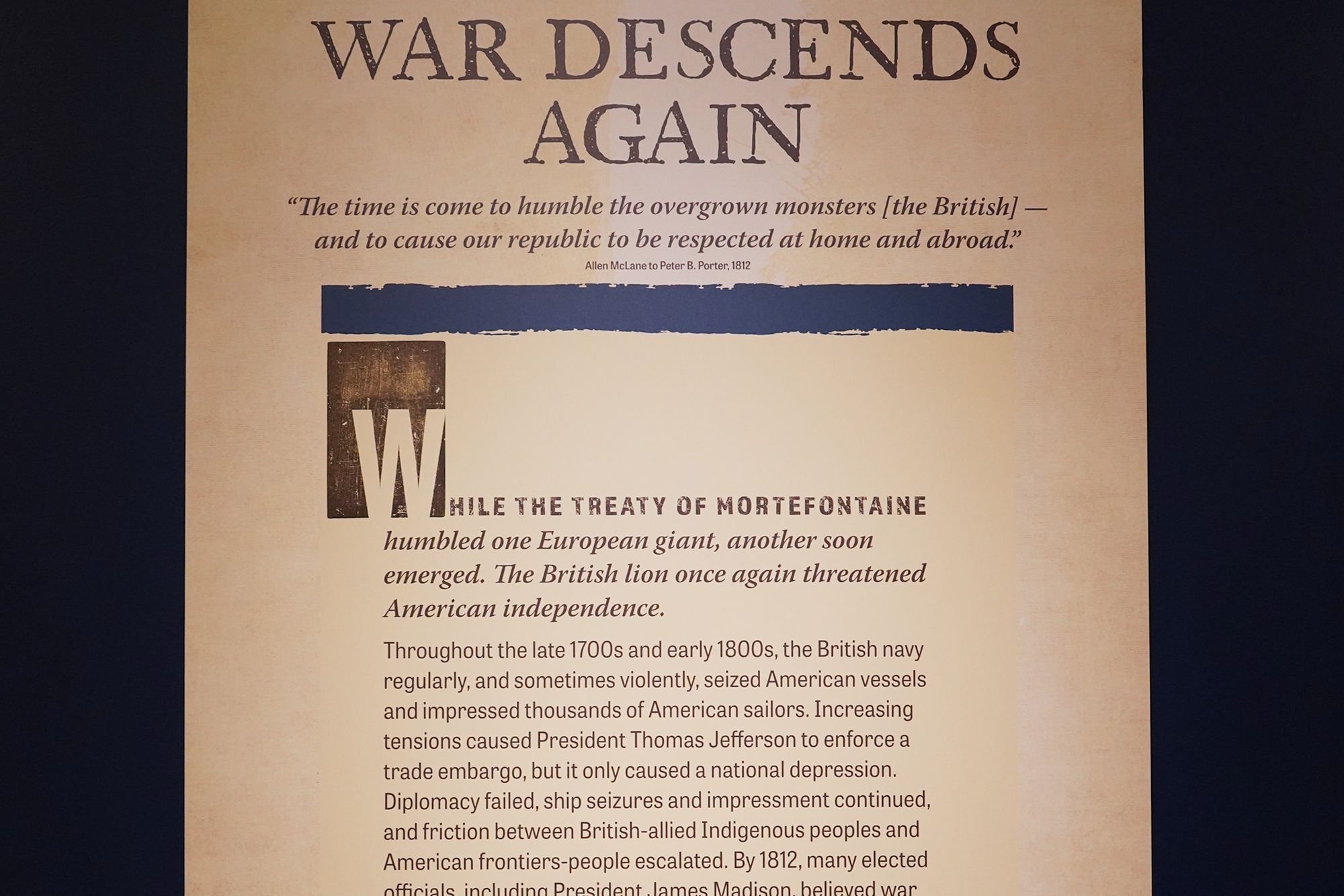
The War of 1812 began because Britain was interfering with American trade and capturing U.S. sailors.
Why Britan did that? Britain interfered with American trade because it was at war with France and wanted to block supplies from reaching its enemy. Britain also needed sailors, so the Royal Navy captured American seamen — claiming many were British deserters.
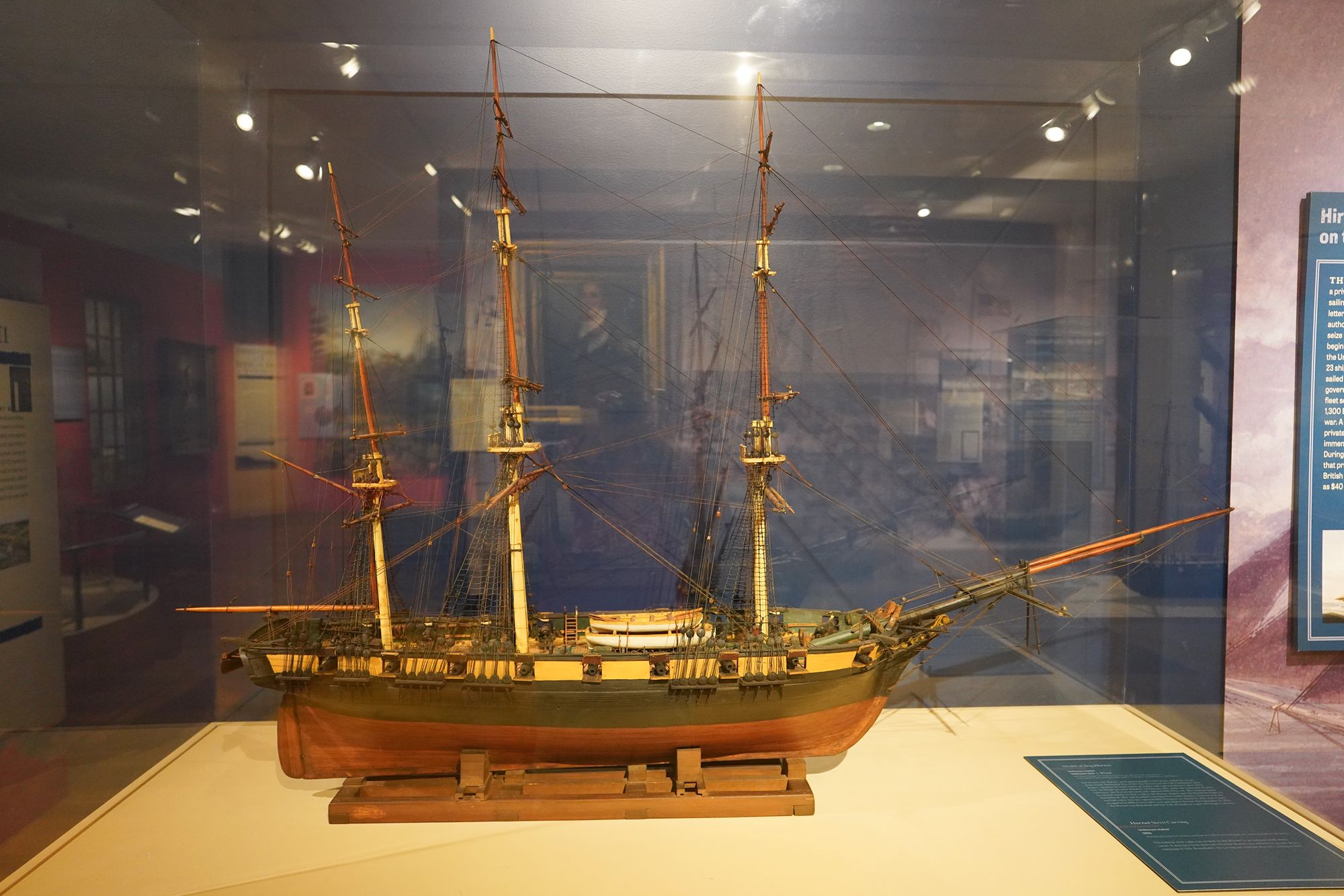
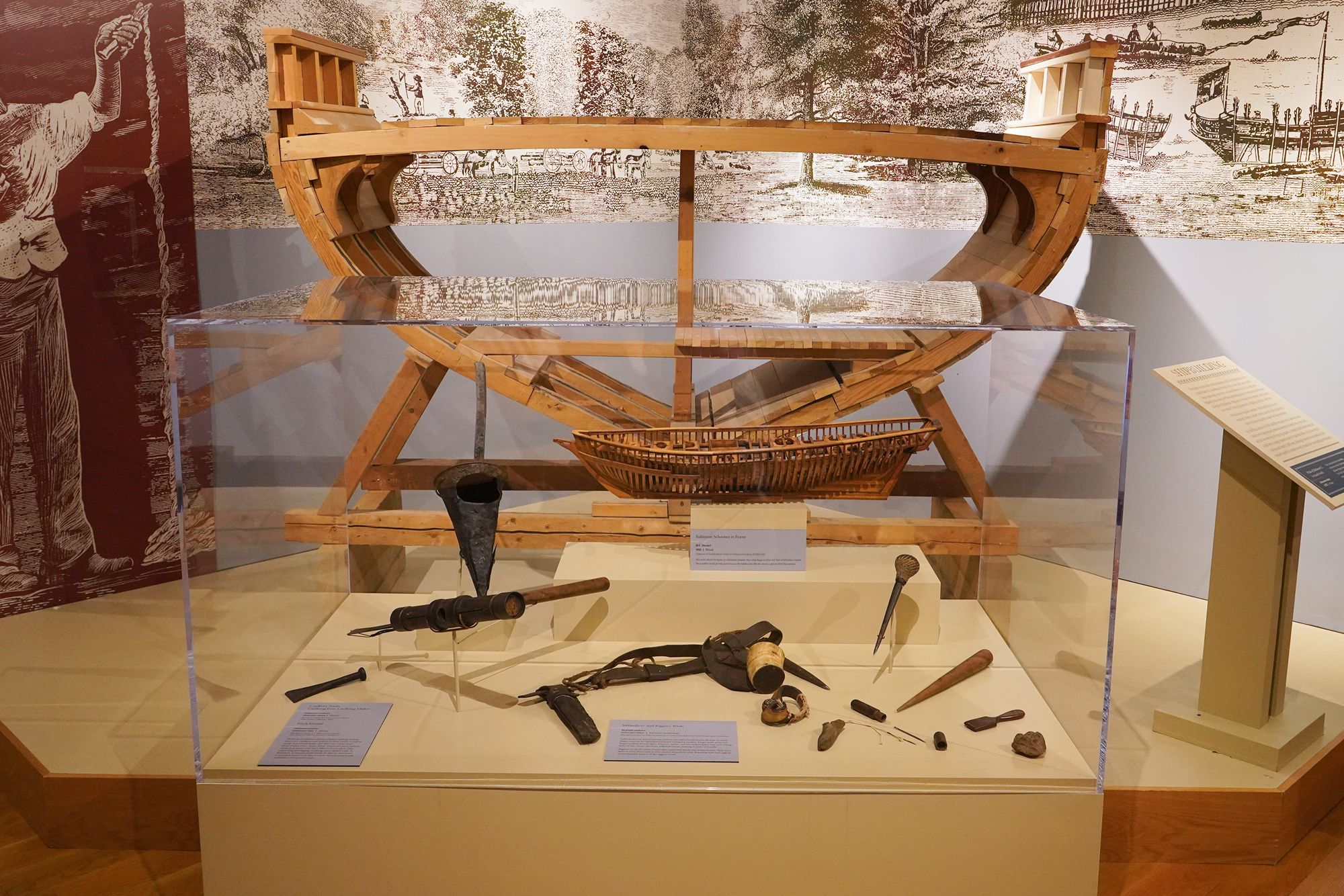
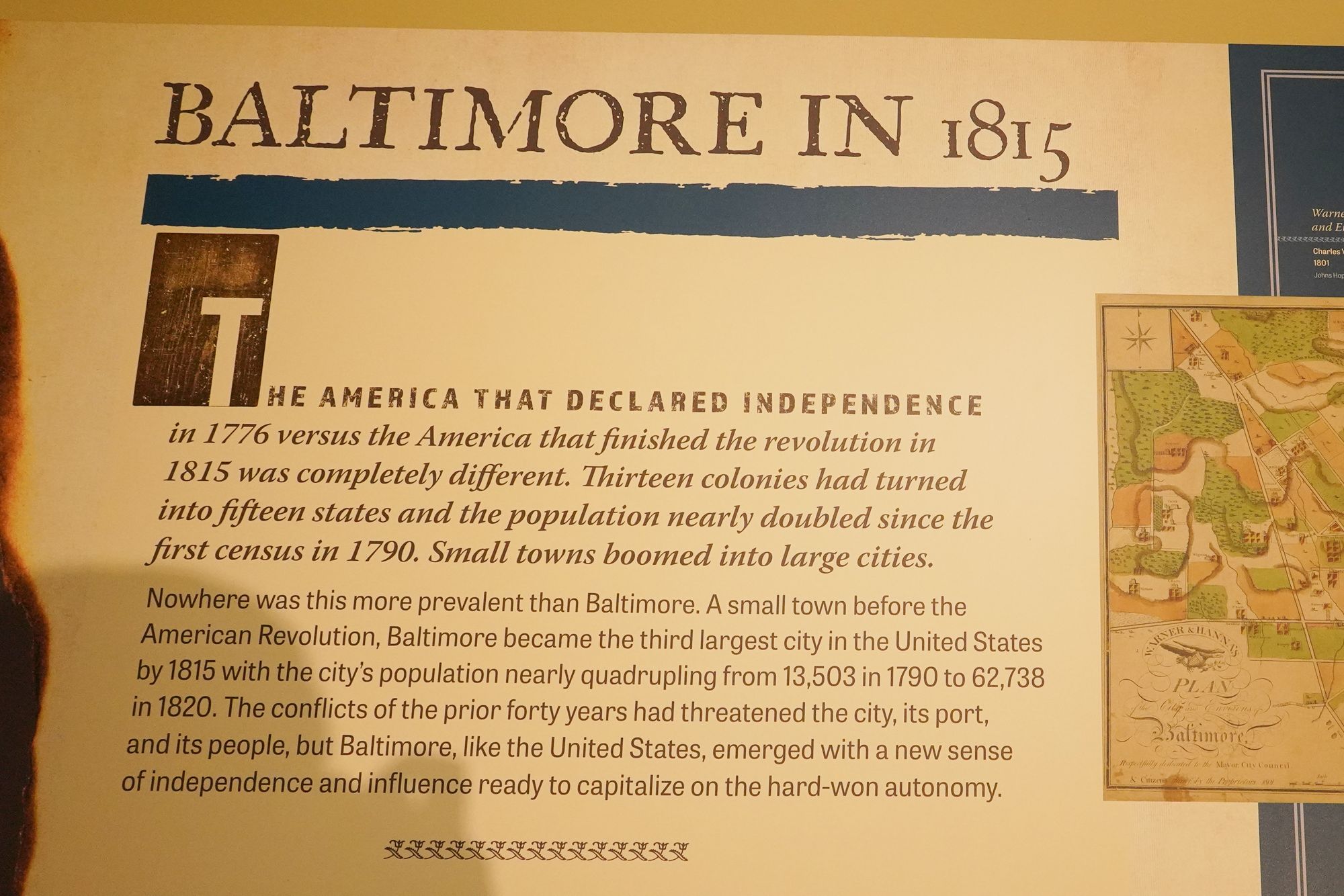
Baltimore became a target because it was a major port and ship-building center.
American privateers from Baltimore captured many British ships.
Britain wanted to punish the city and weaken the U.S. war effort.
That is why the British attacked Baltimore in 1814.
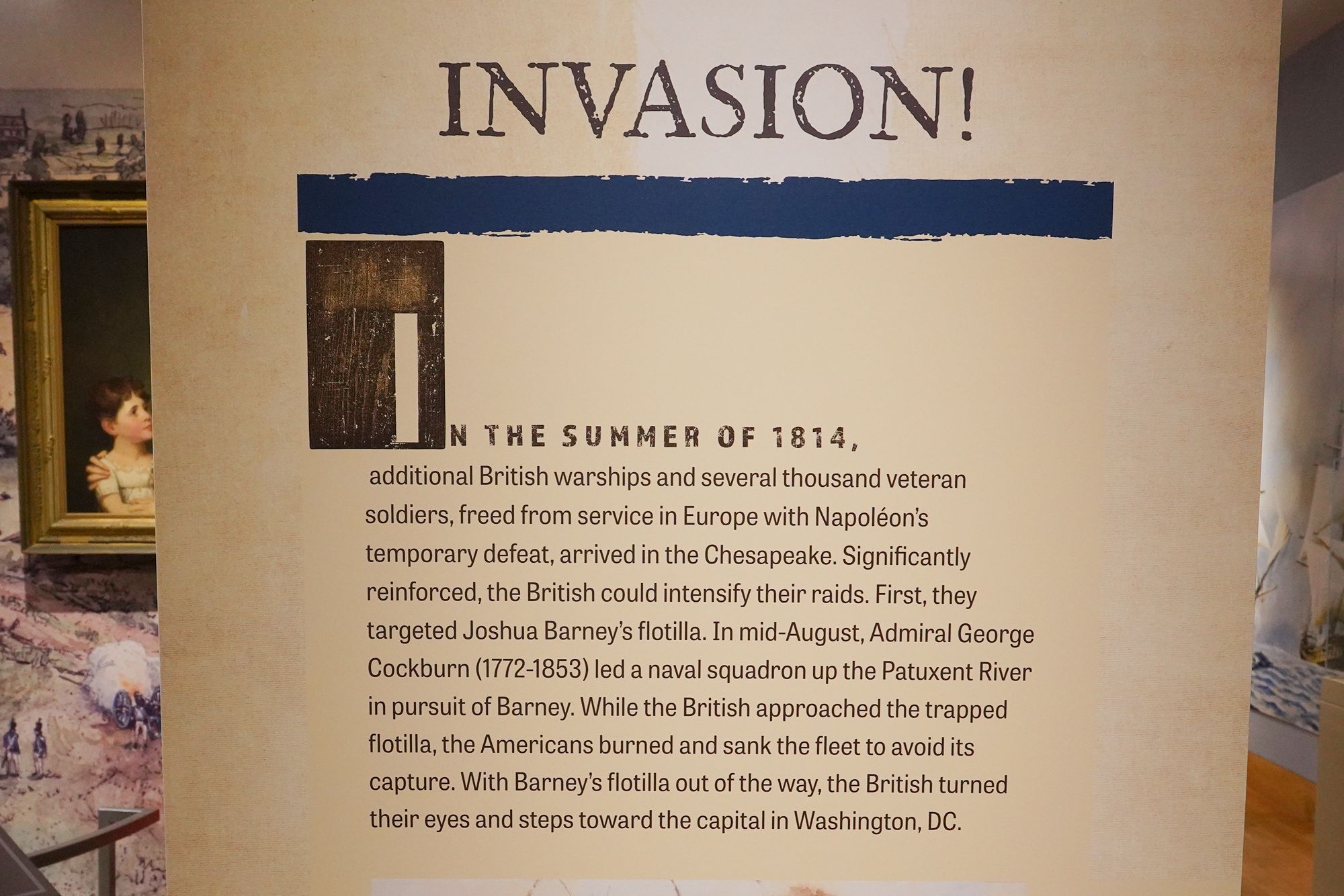
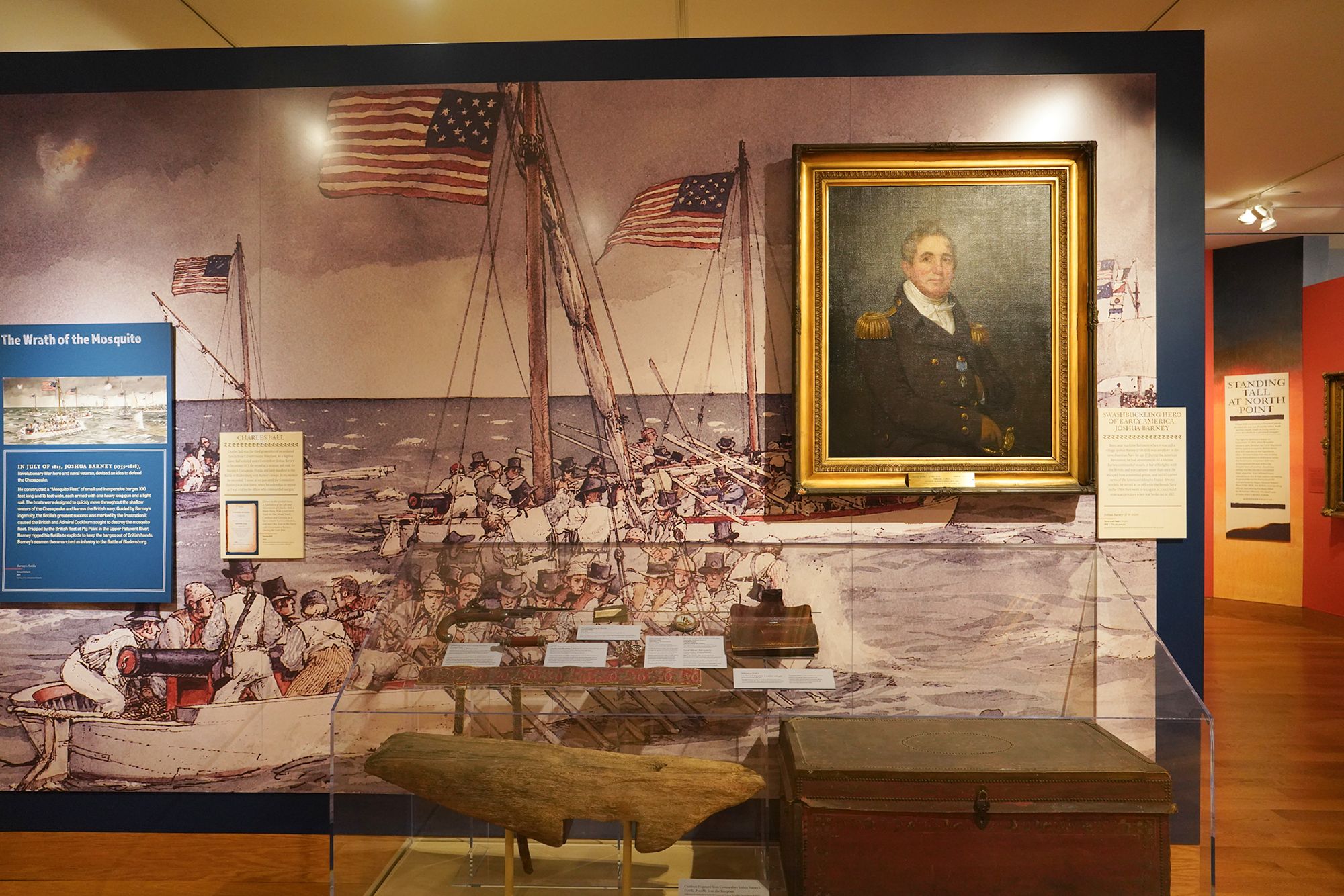
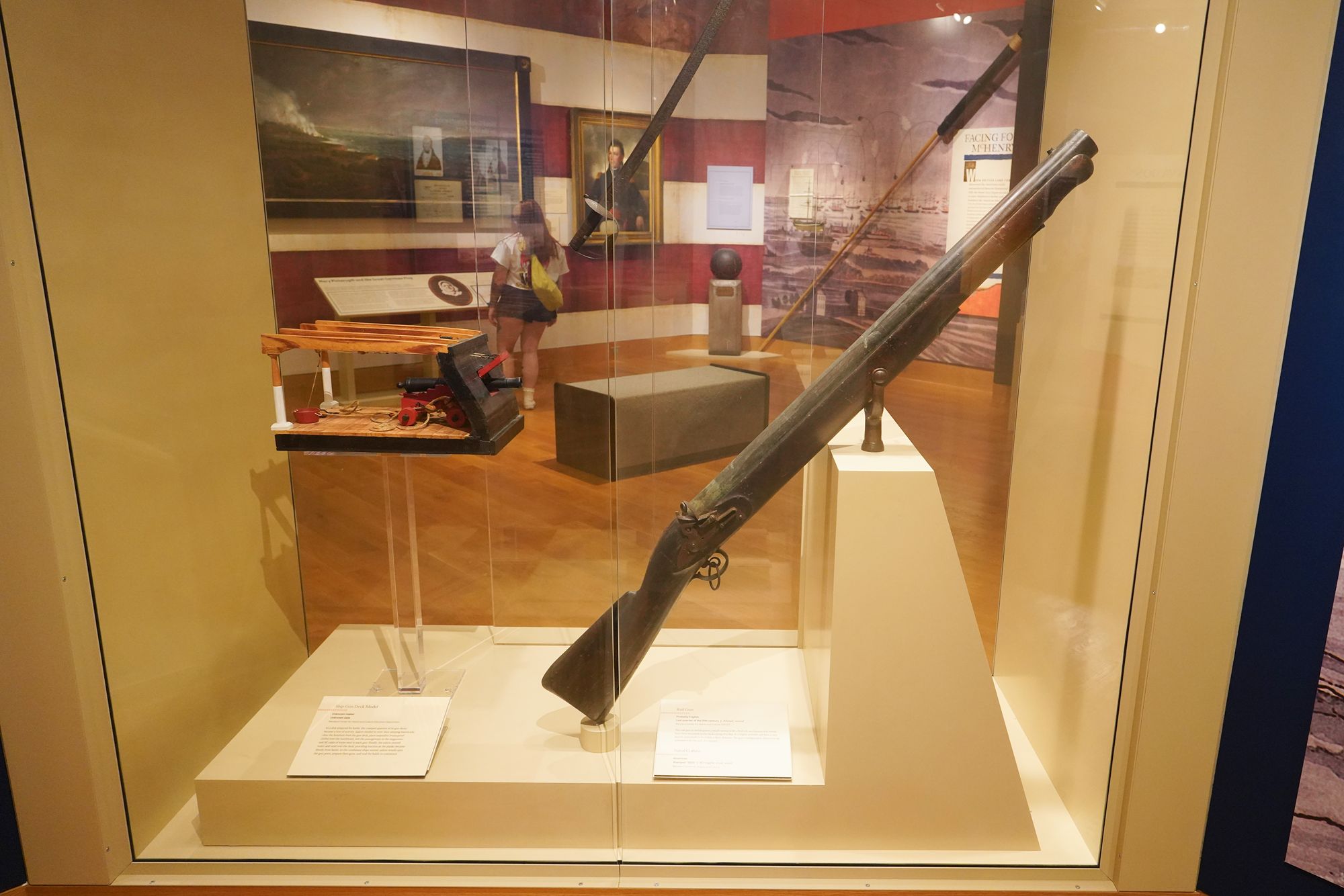
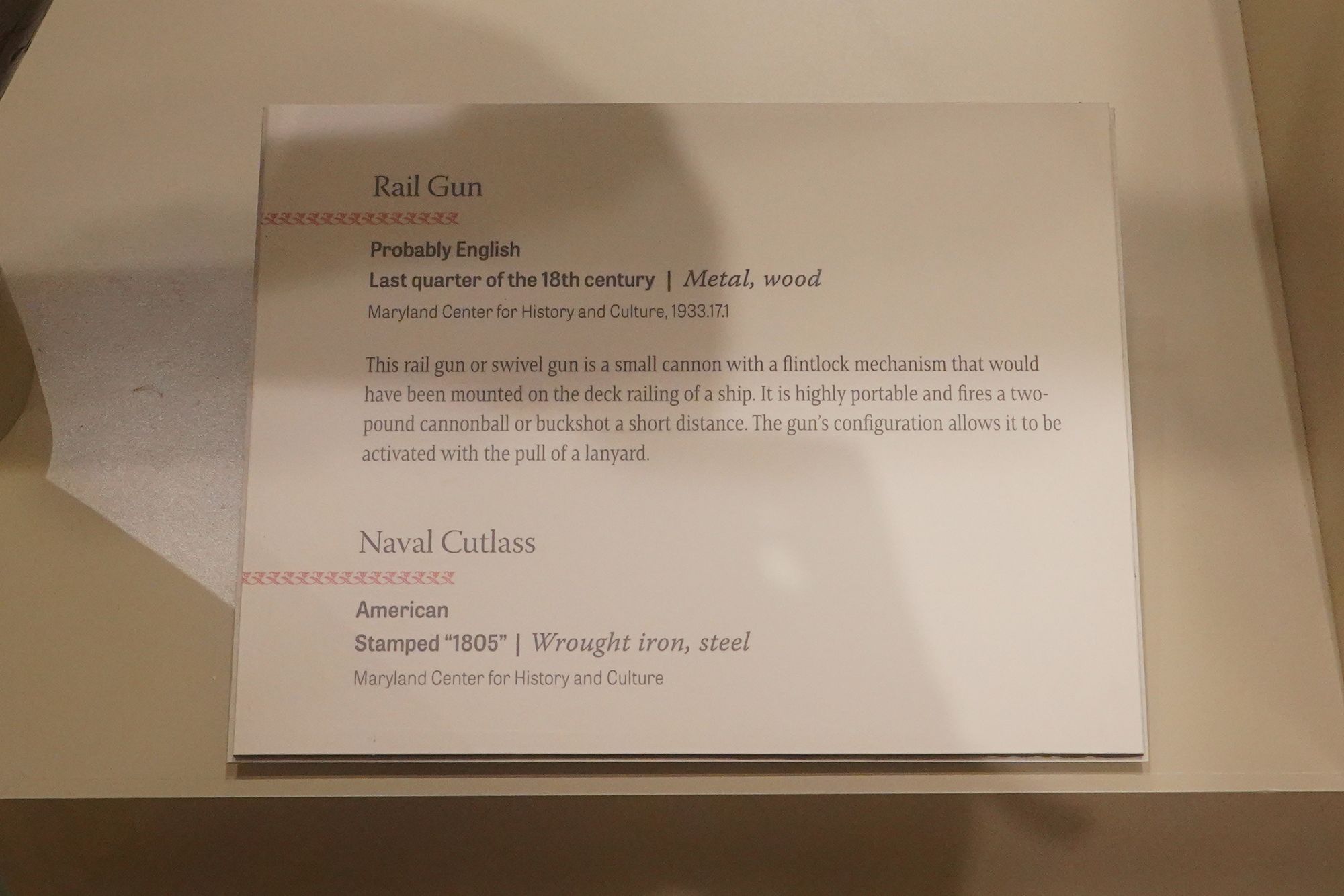
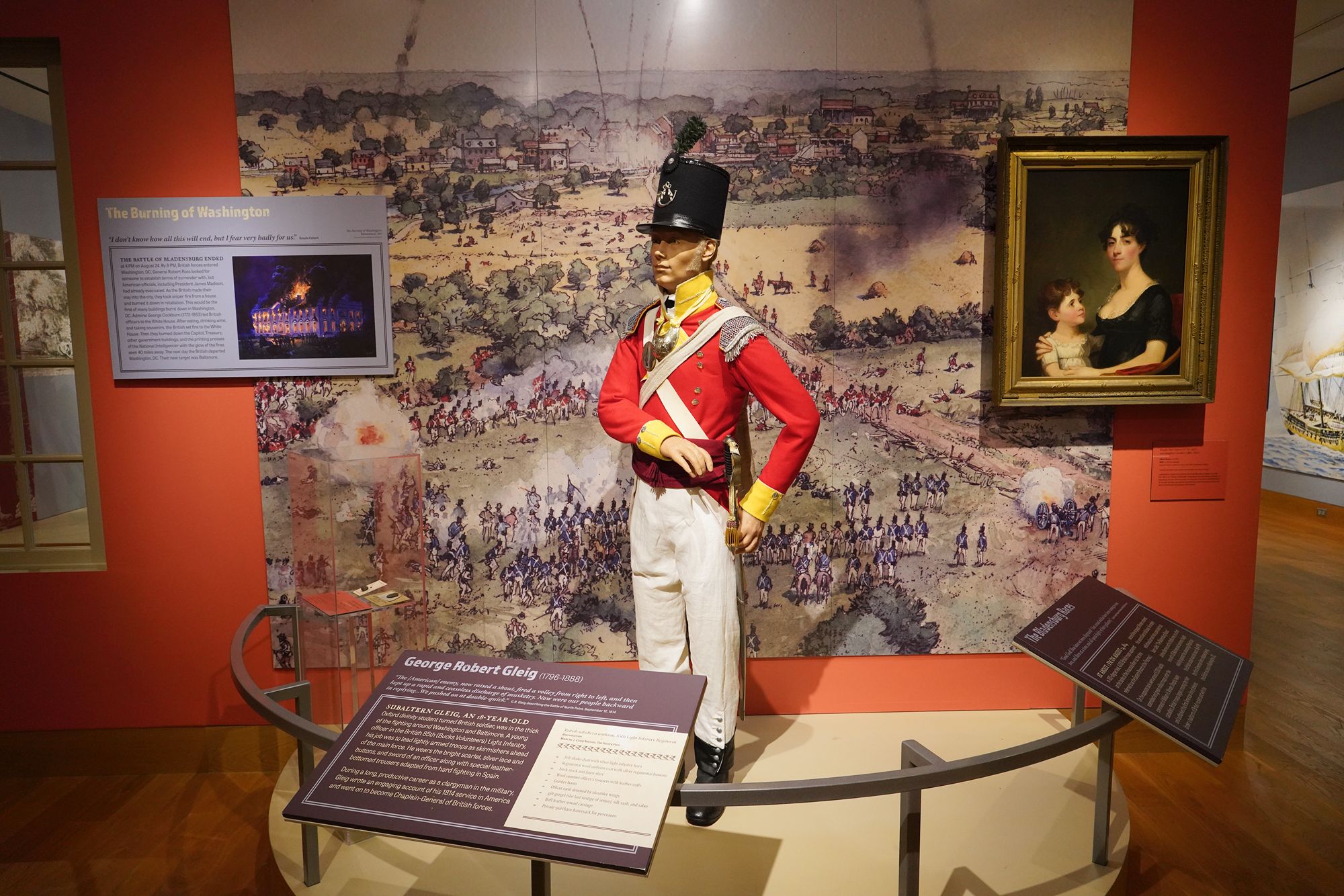
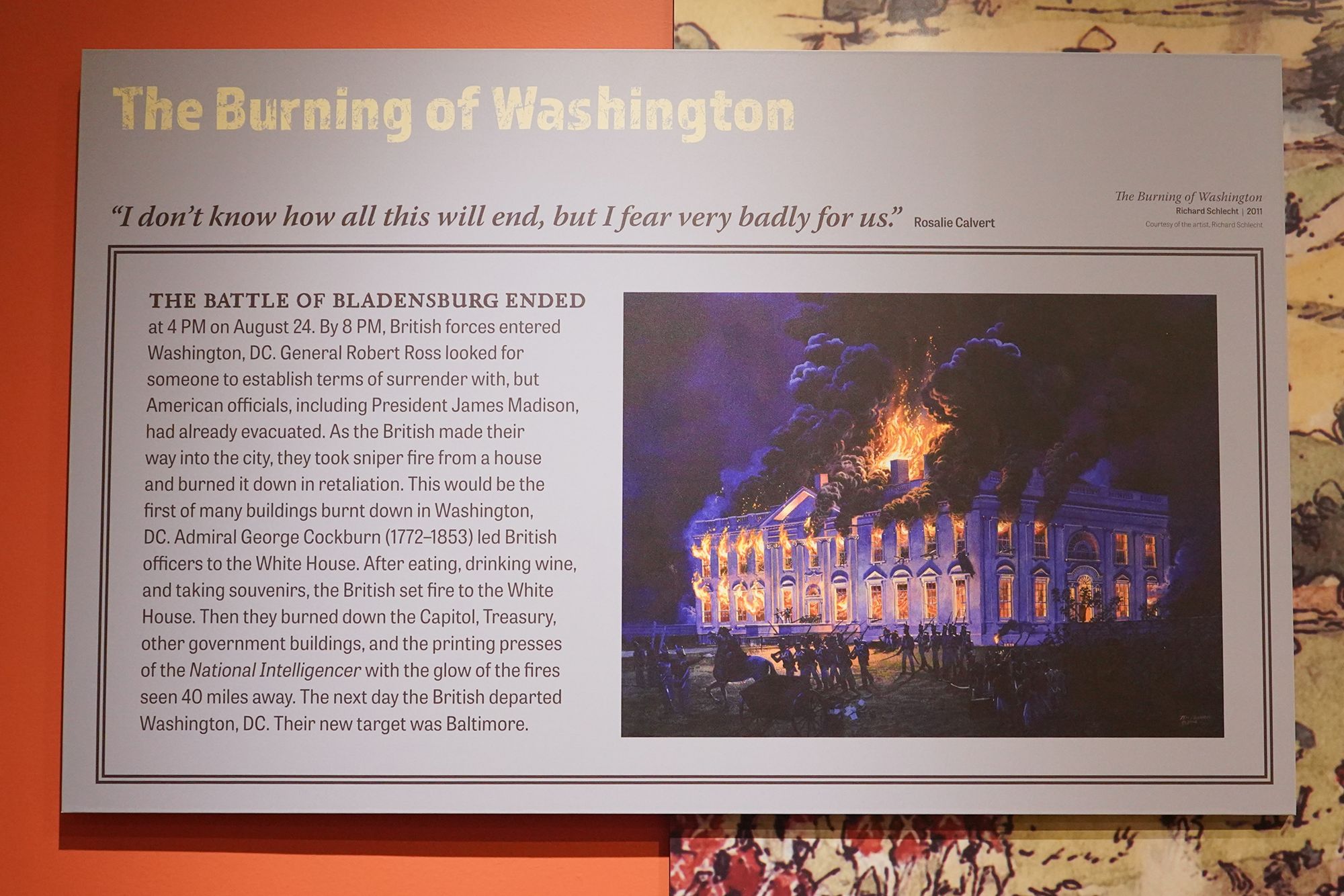
The British burned Washington, D.C., in August 1814 during the War of 1812.
They invaded after winning battles in the Chesapeake region.
British troops set fire to the Capitol, the President’s Mansion (now the White House), and other government buildings.
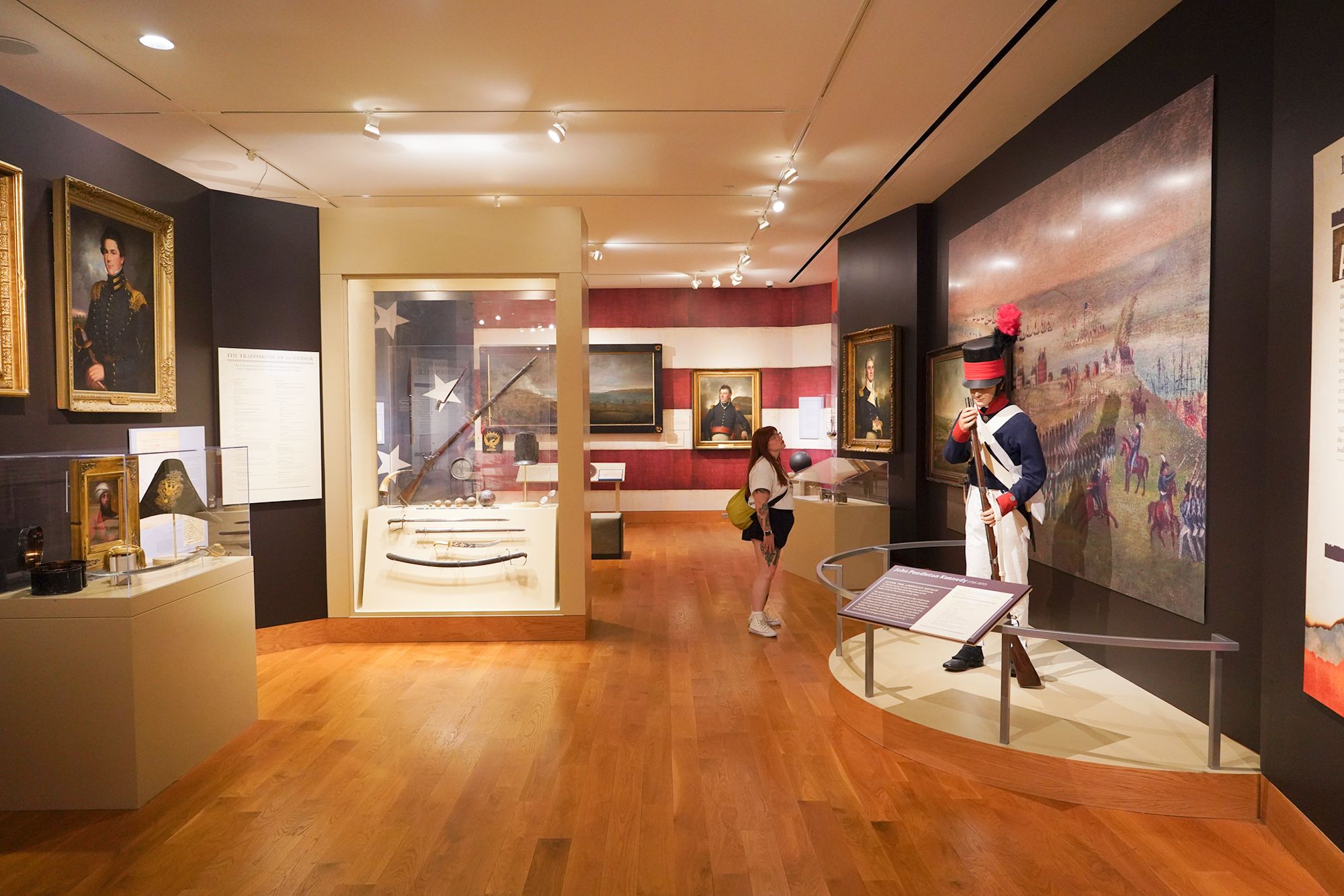
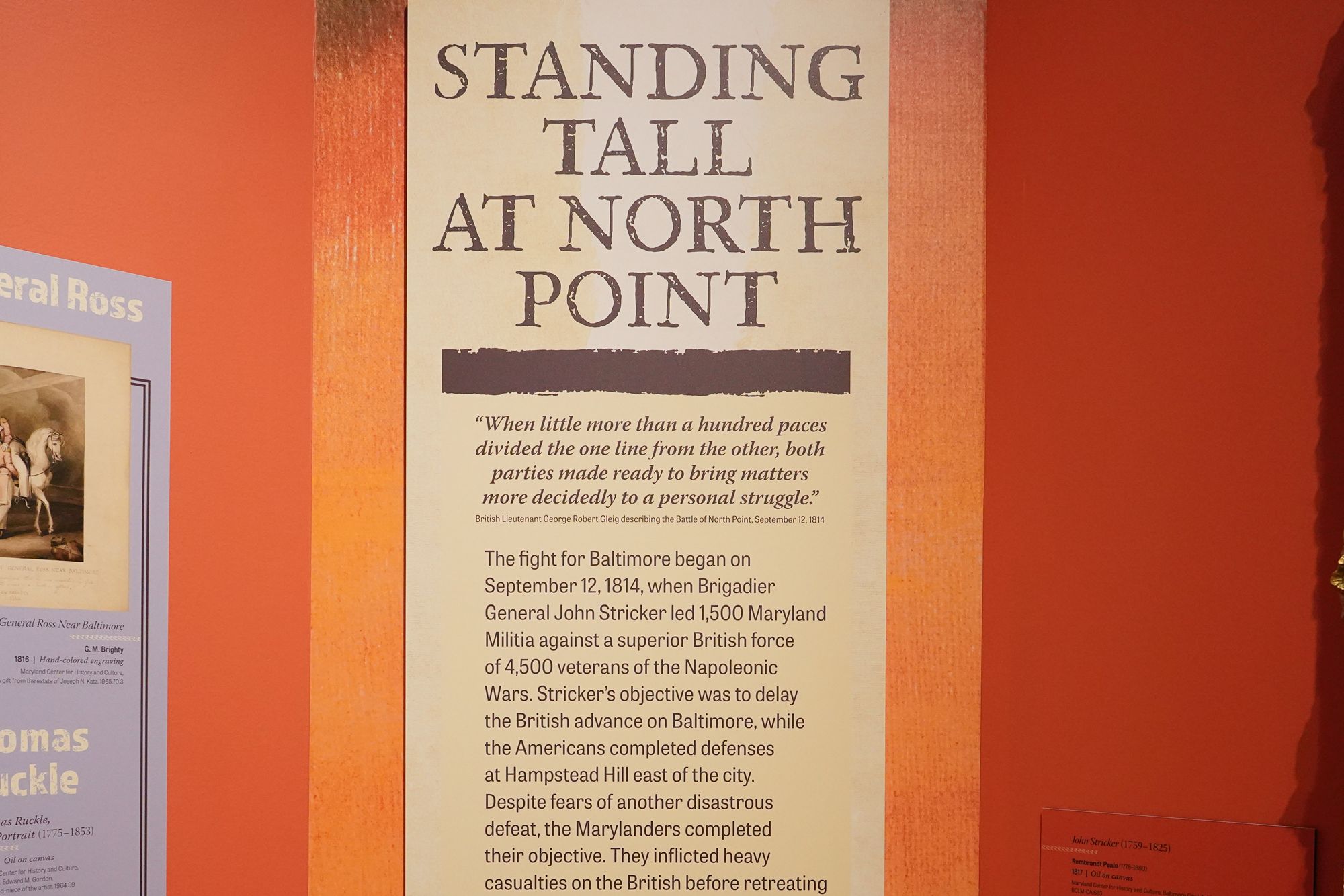
The British attacked Baltimore in September 1814 after burning Washington, D.C. They hoped to capture the city and crush American resistance. American militia blocked their advance on land at the Battle of North Point.
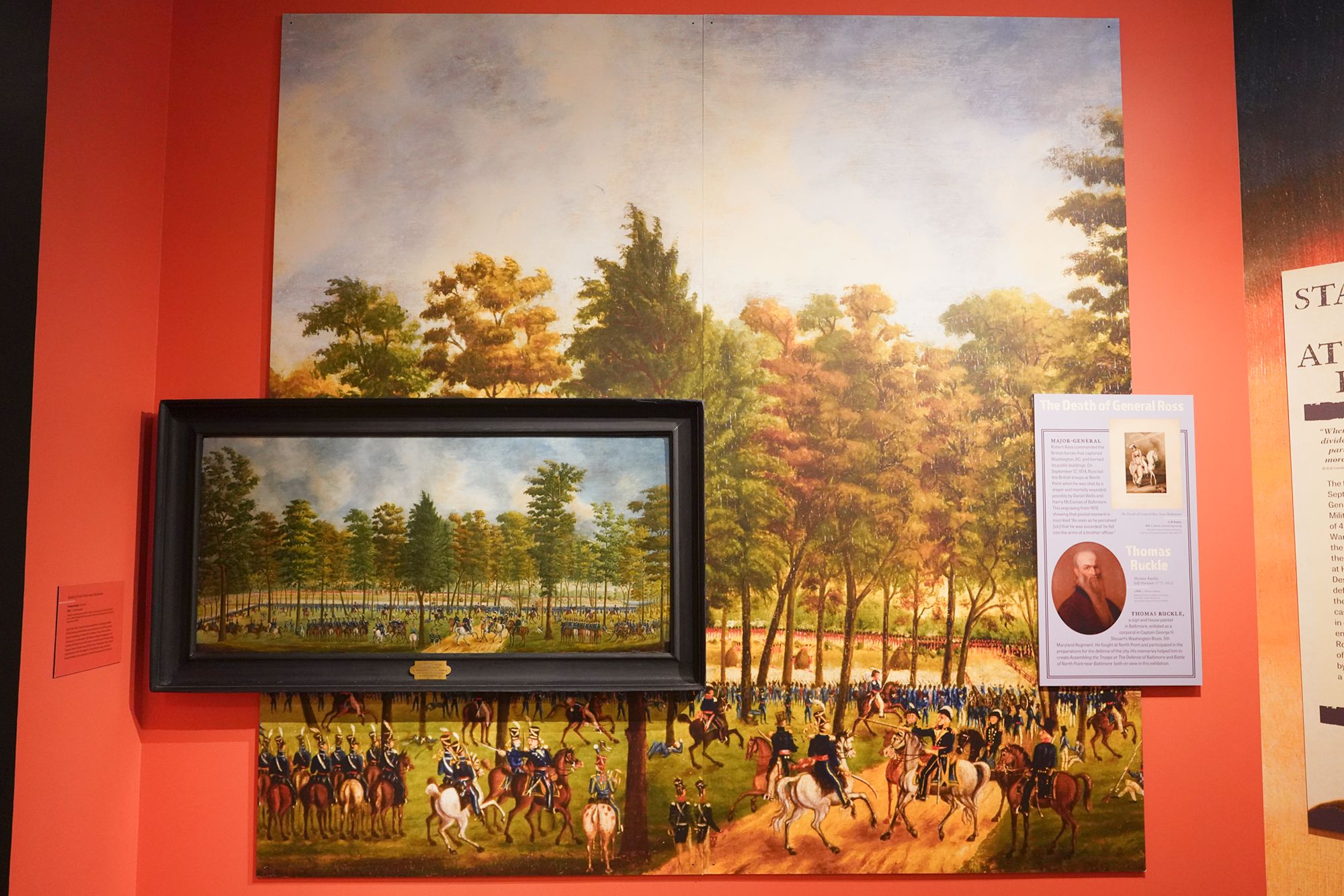
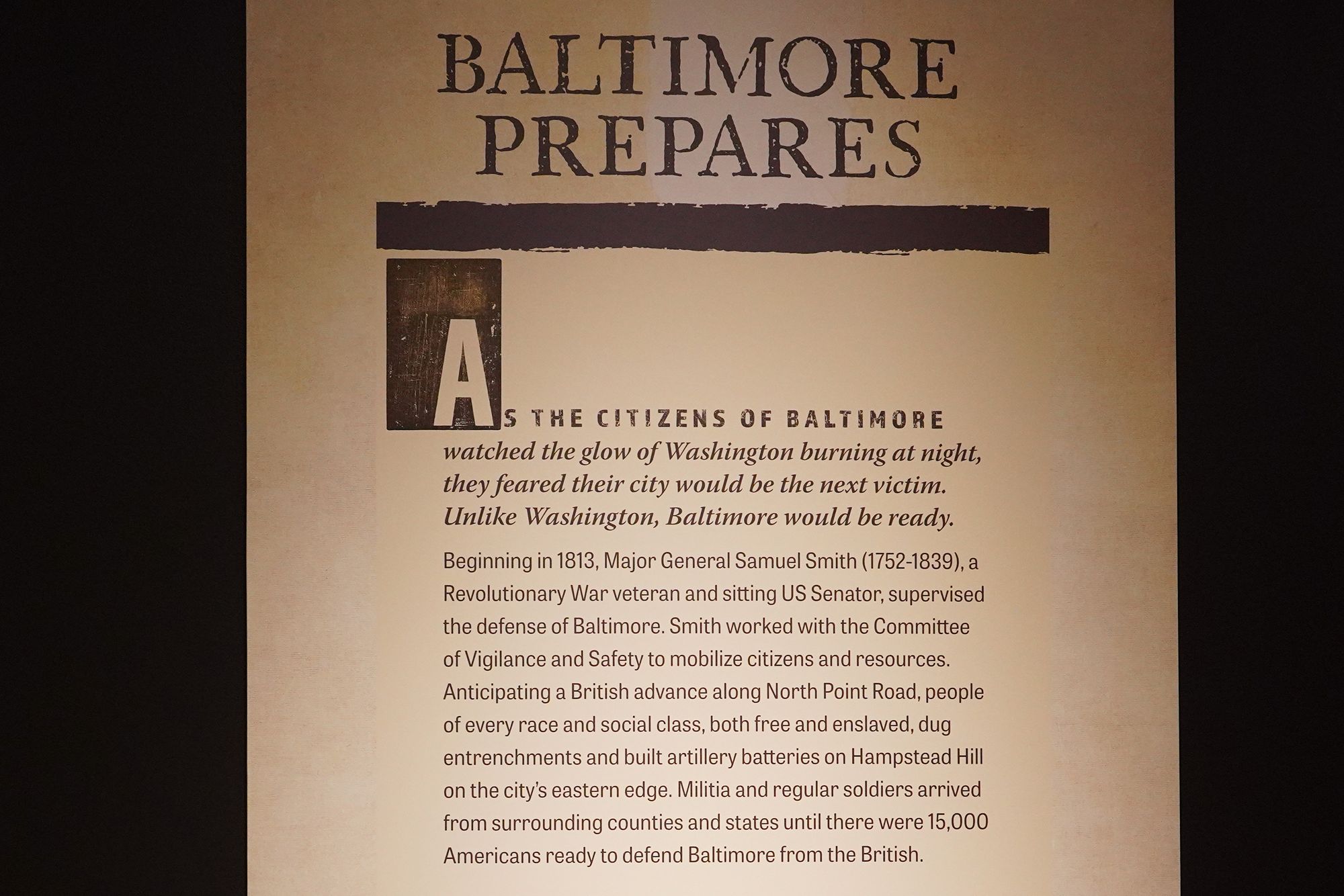
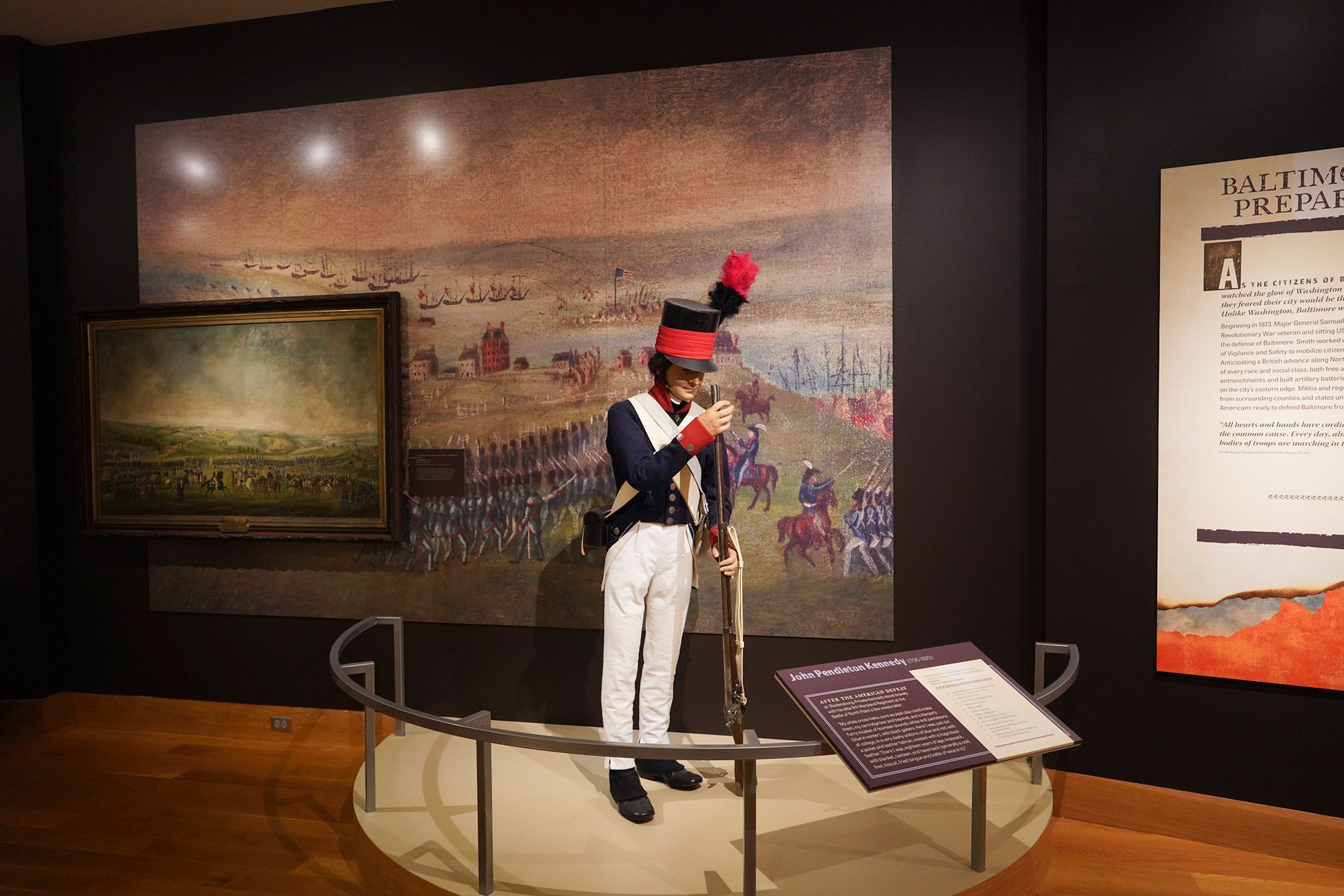
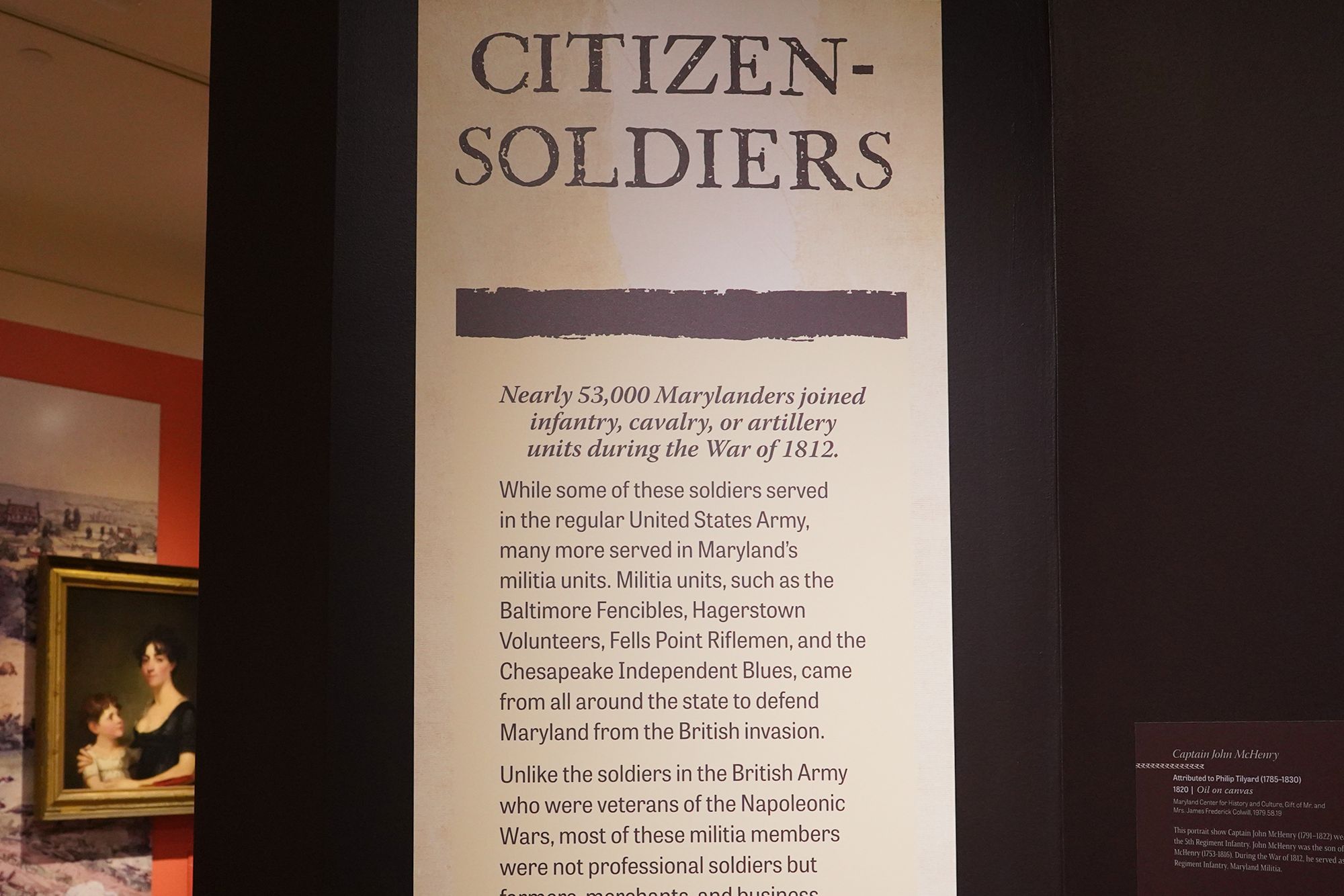
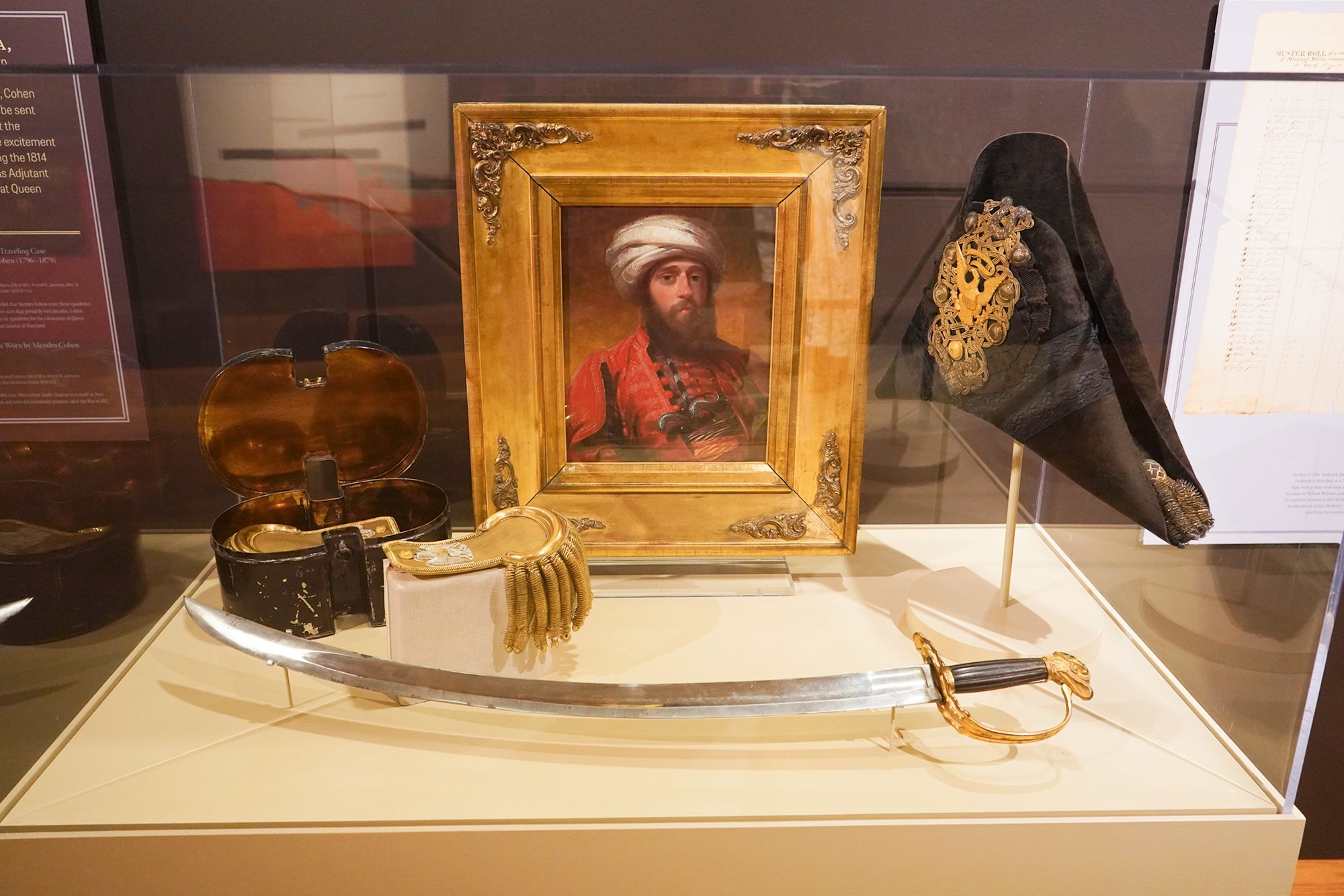
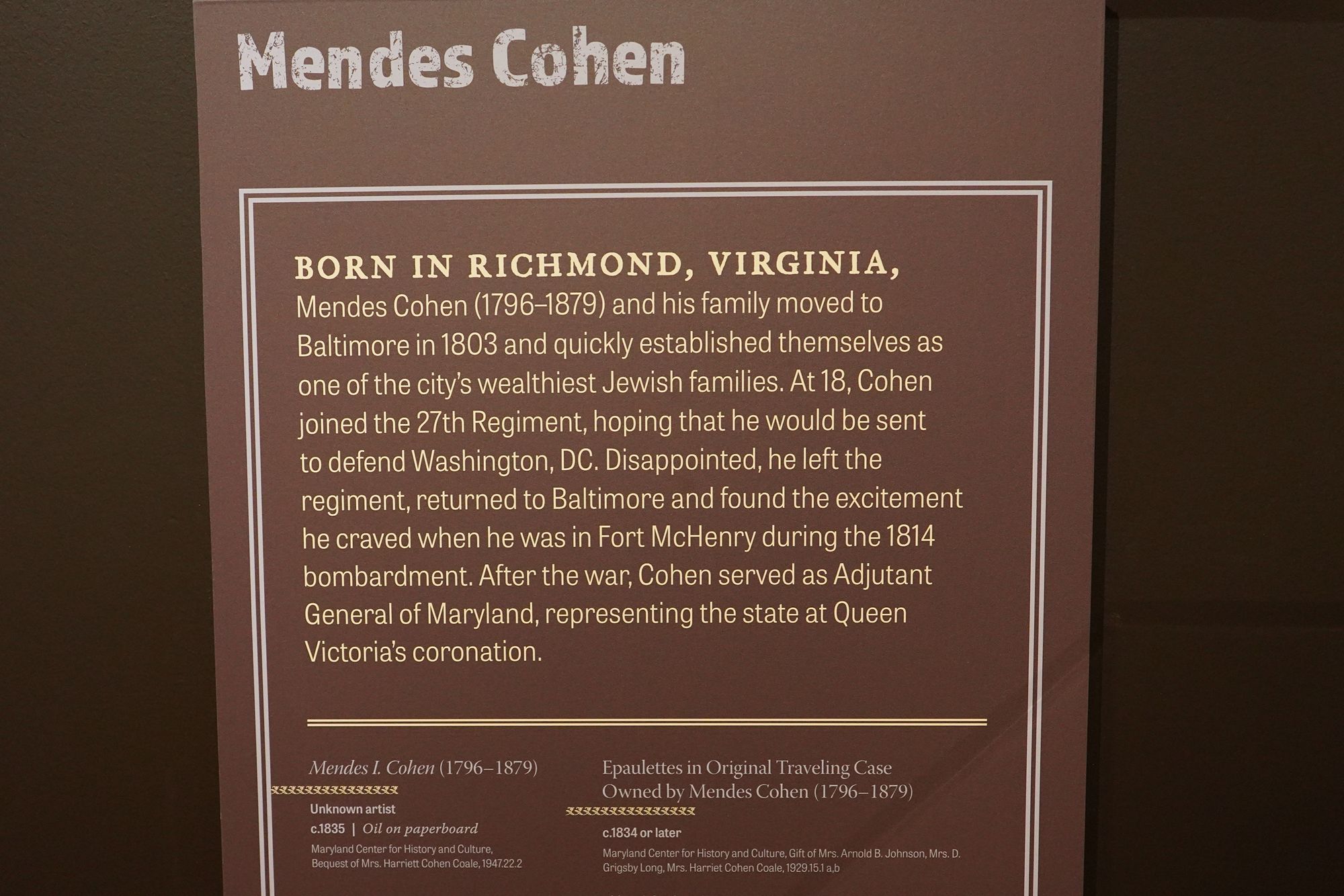
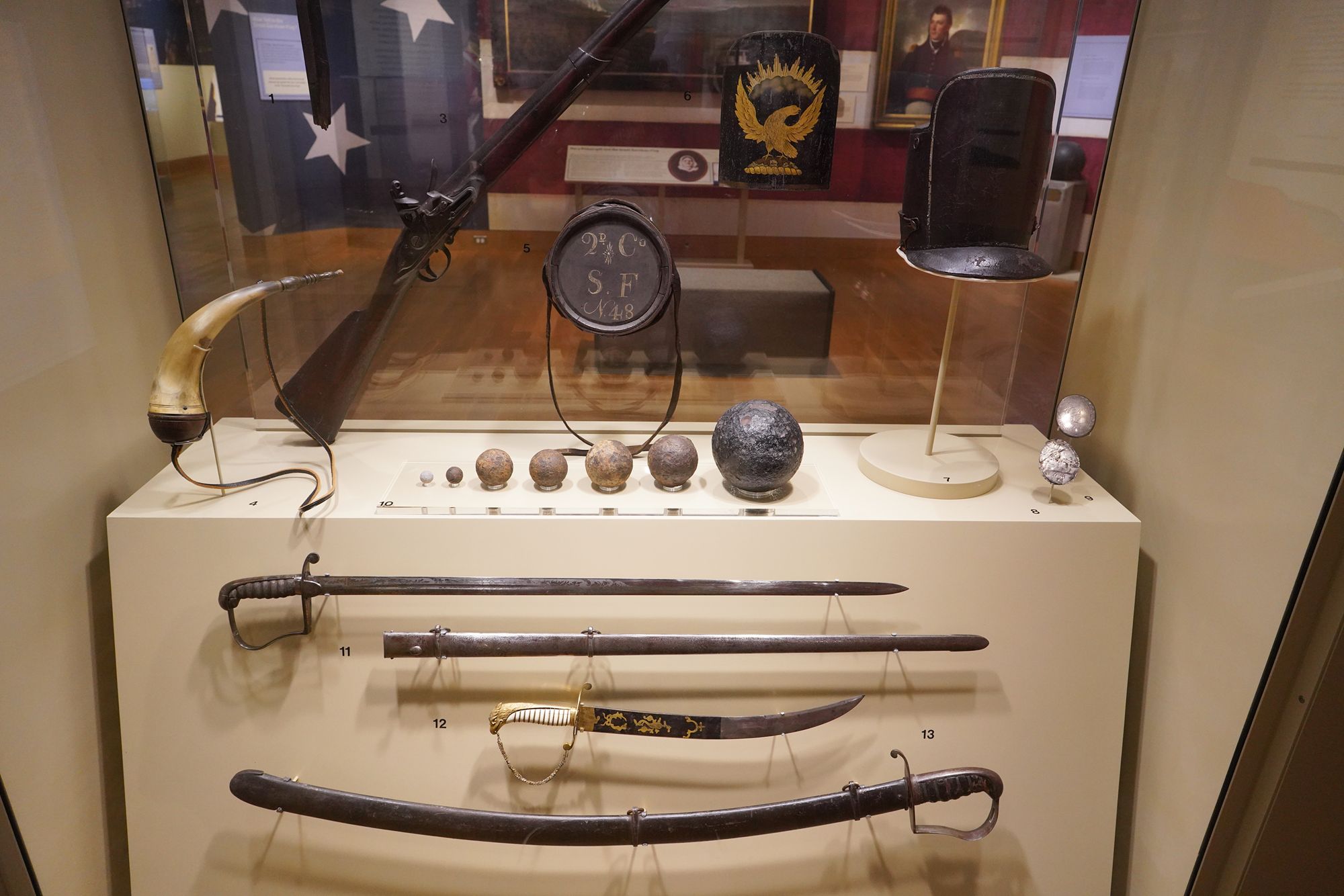
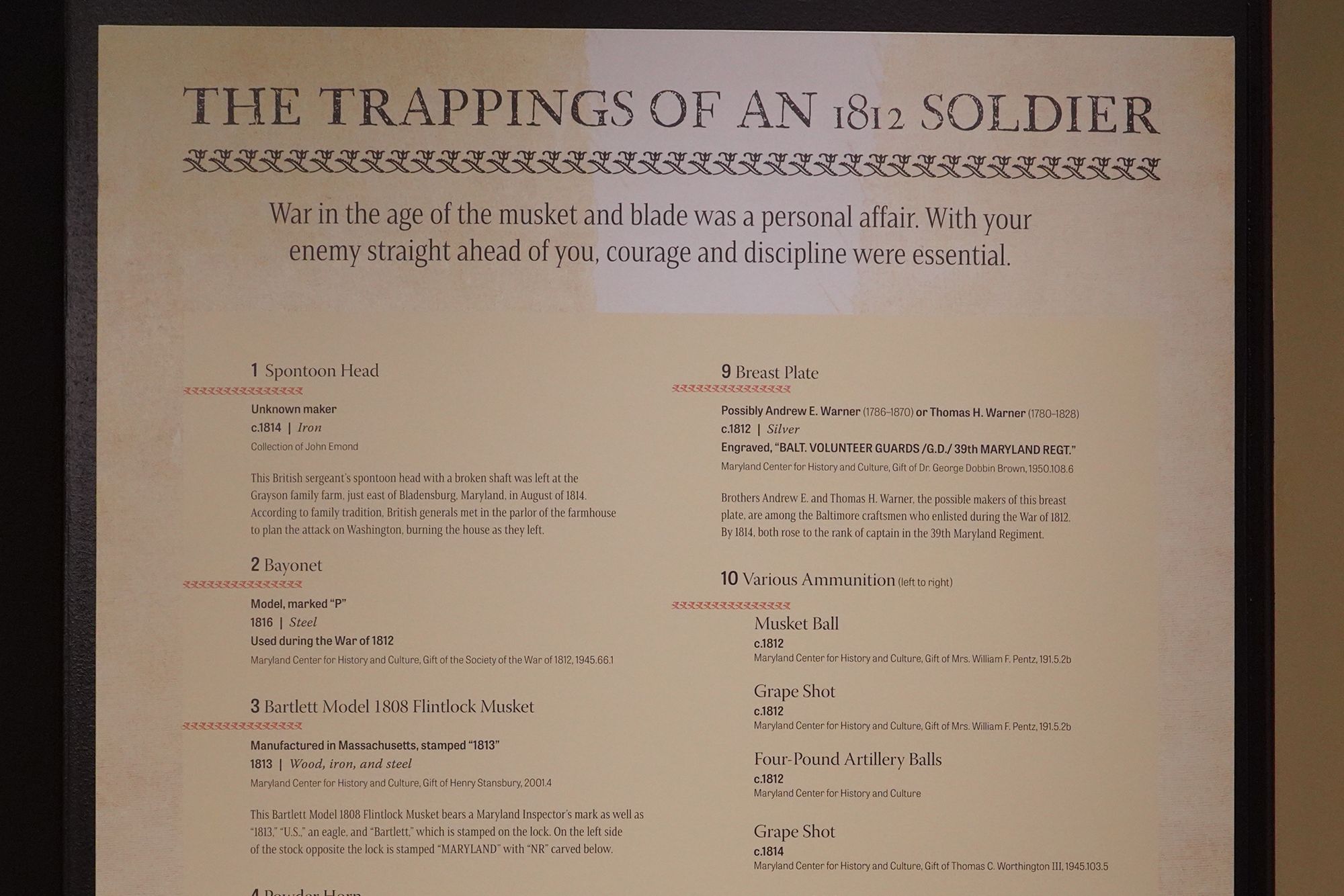
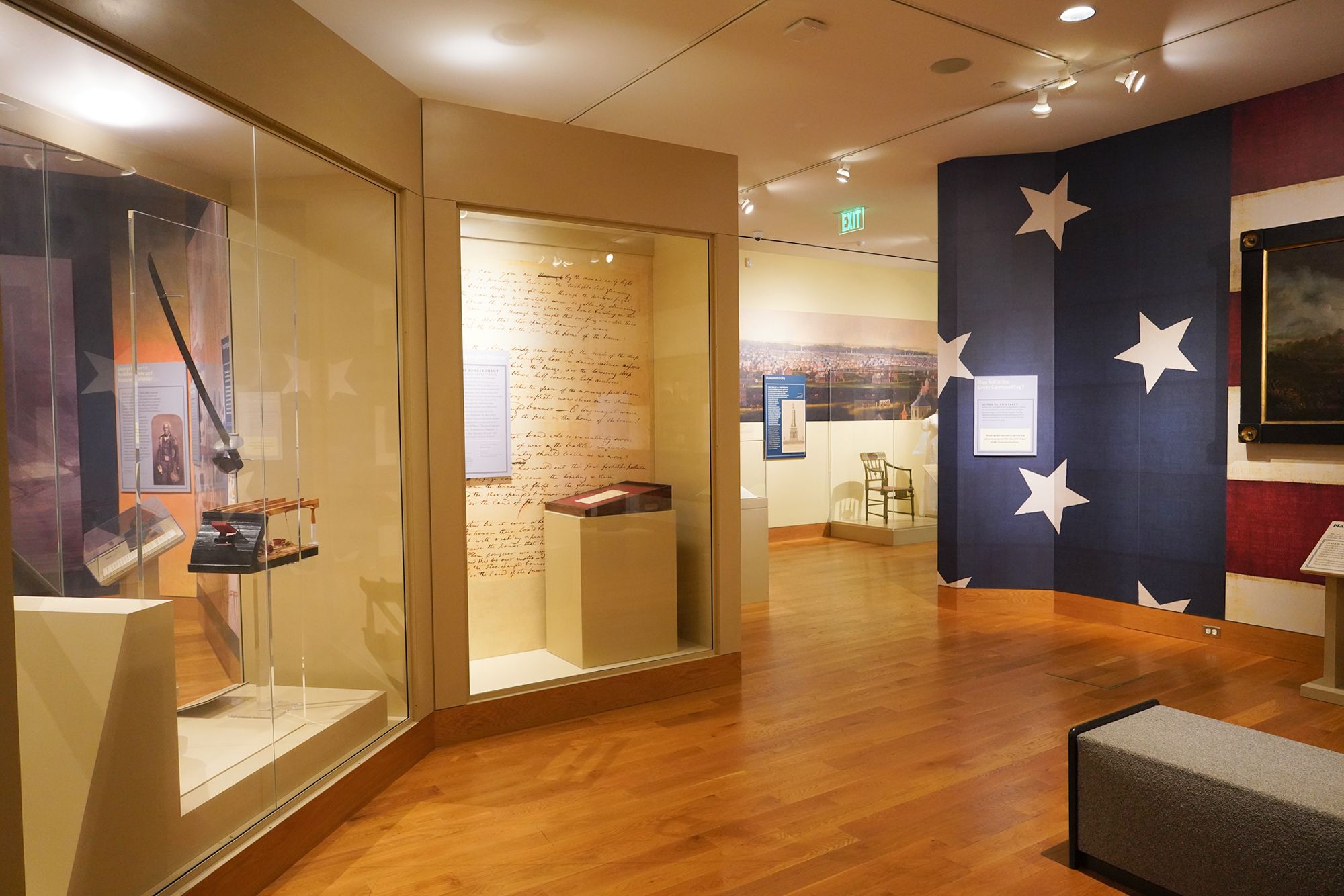
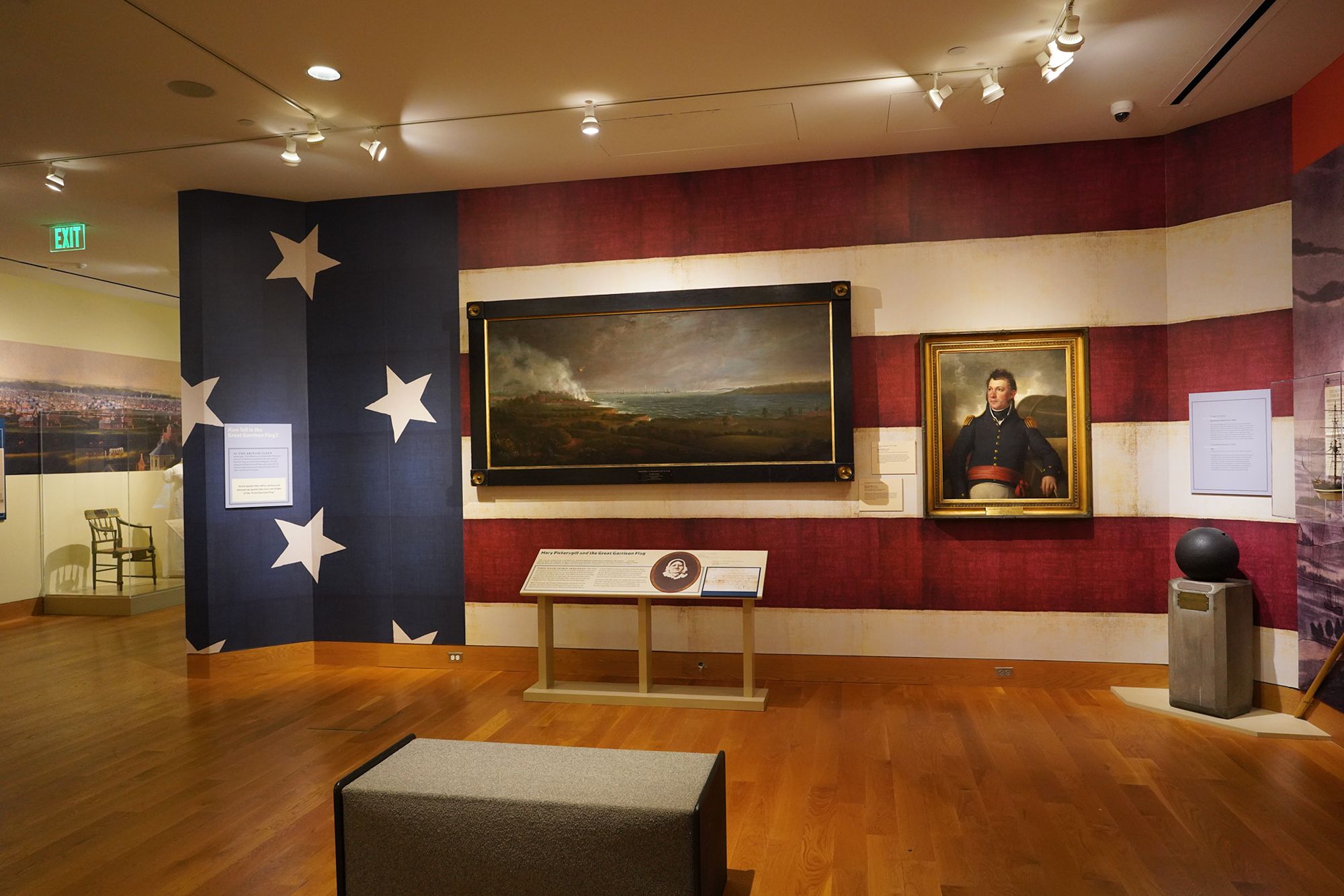
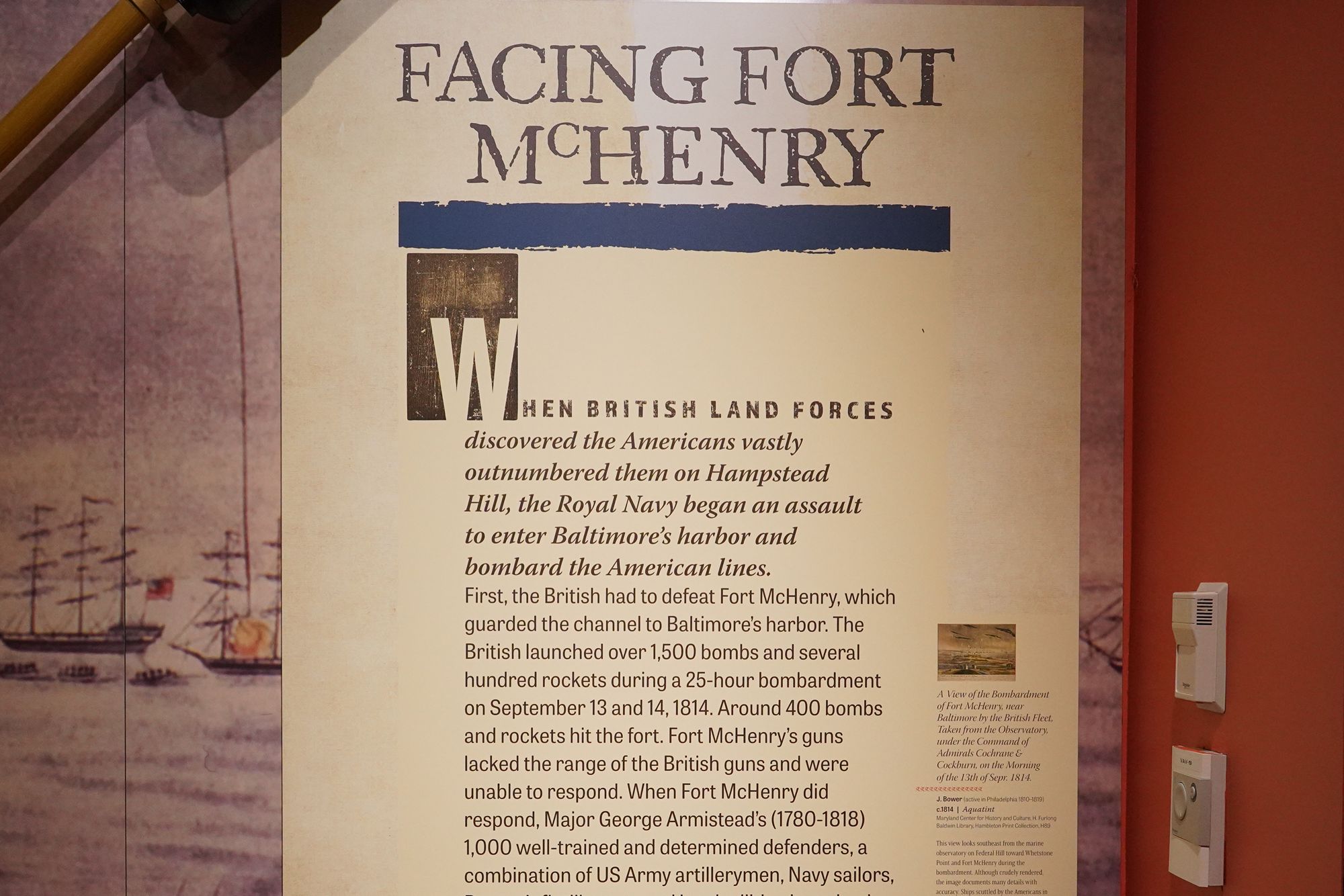
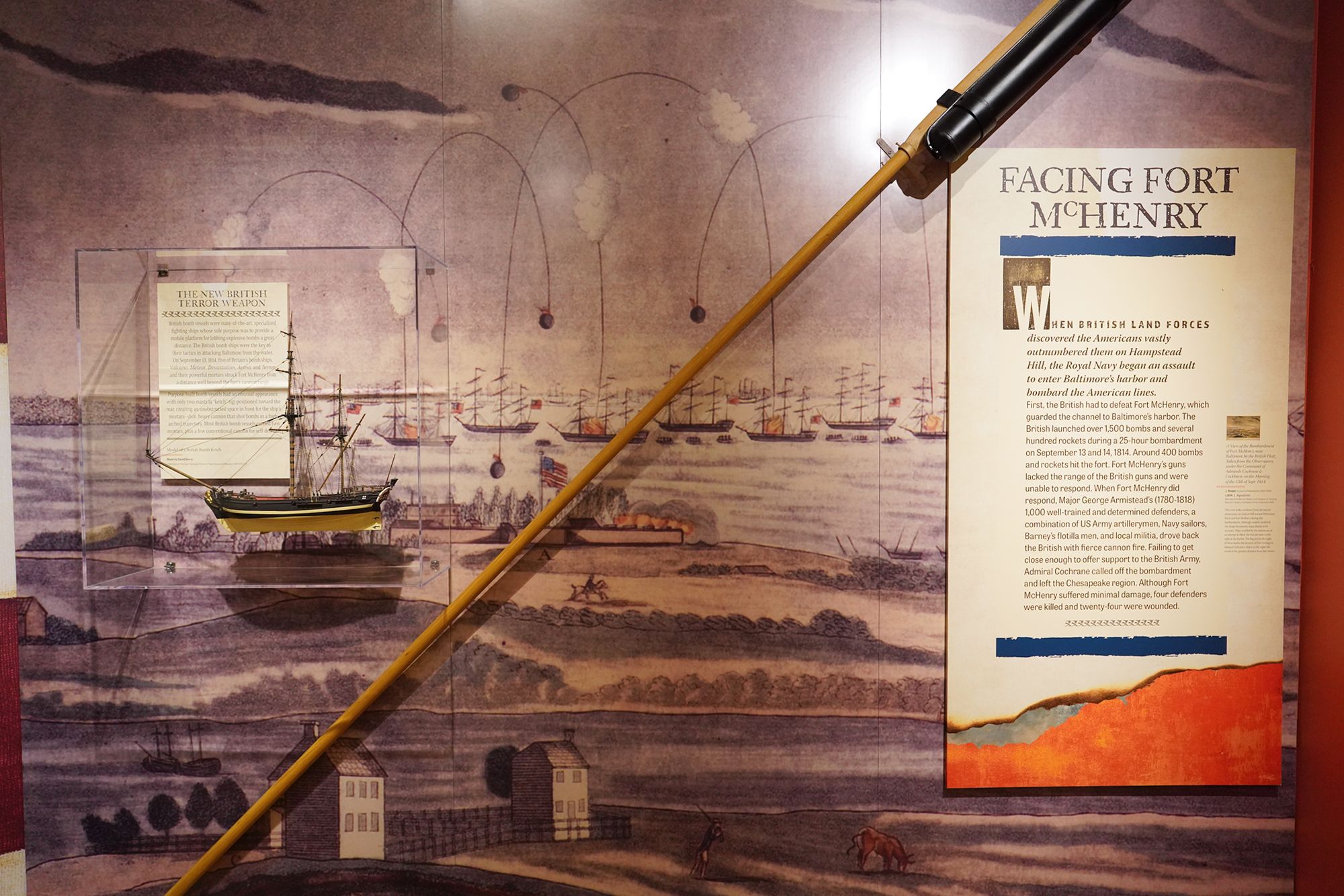
British ships bombarded Fort McHenry for 25 hours but failed to break its defenses.
The British could not force their way into the harbor, so they withdrew.
The successful defense of Baltimore marked a turning point in the war and inspired The Star-Spangled Banner.
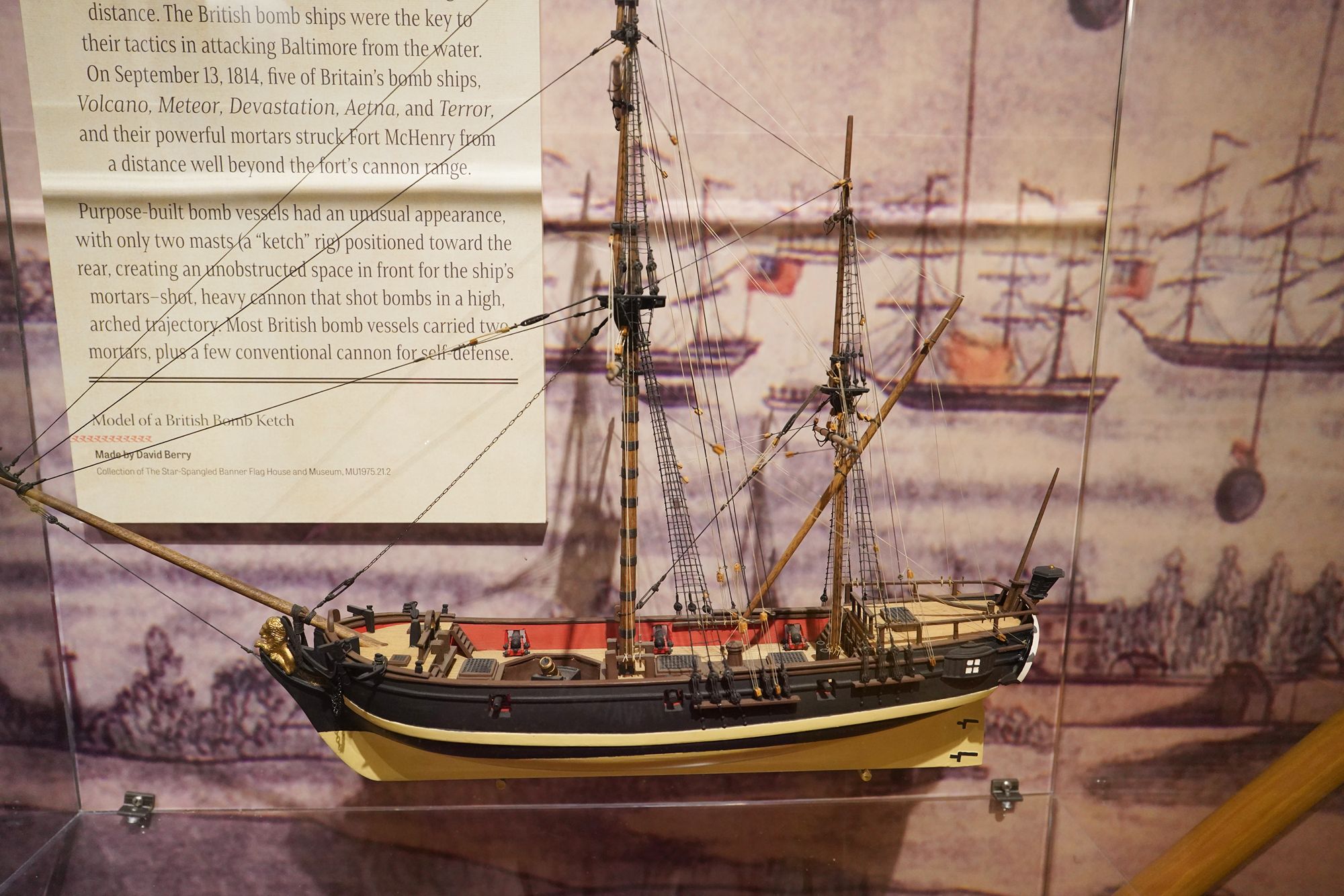
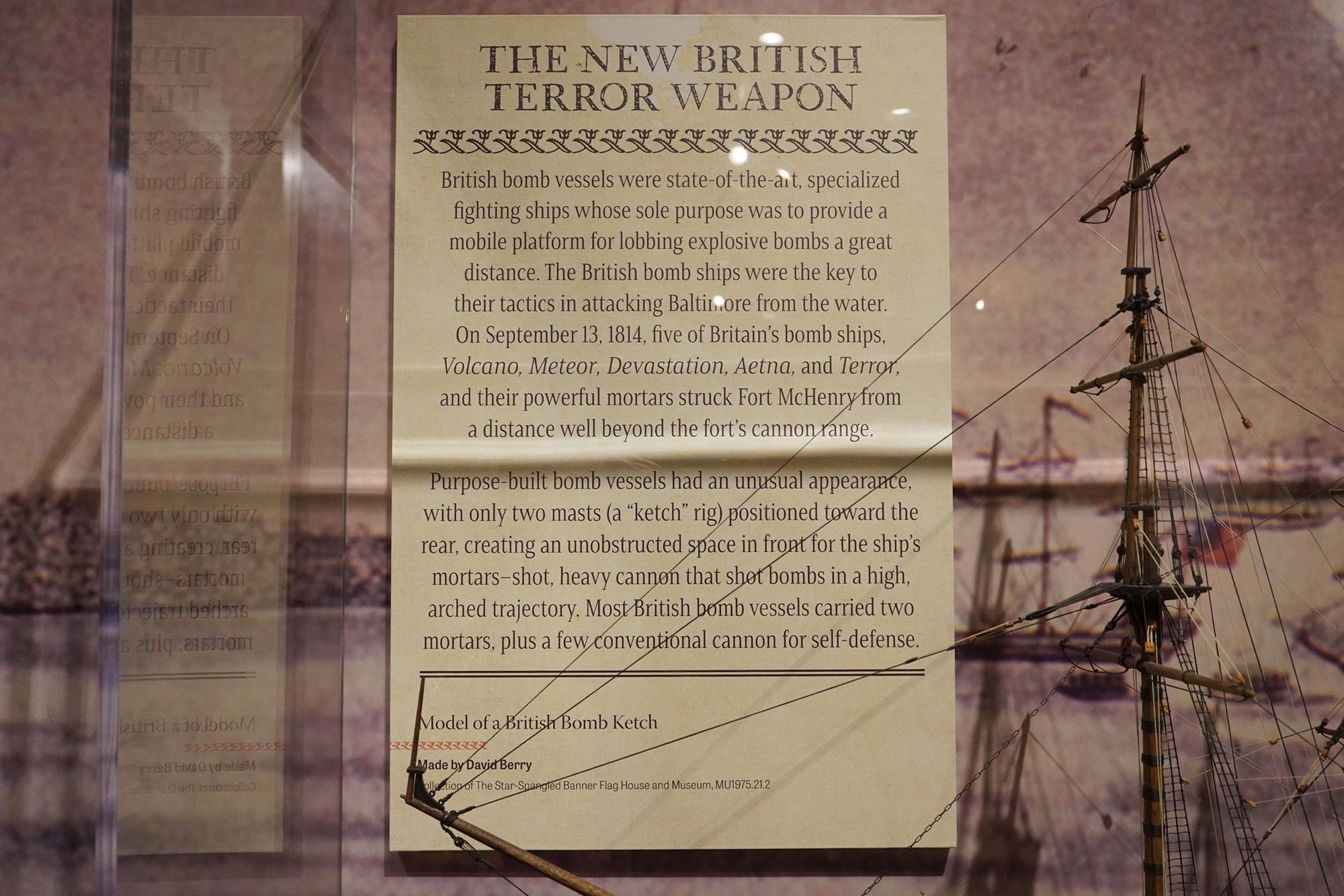
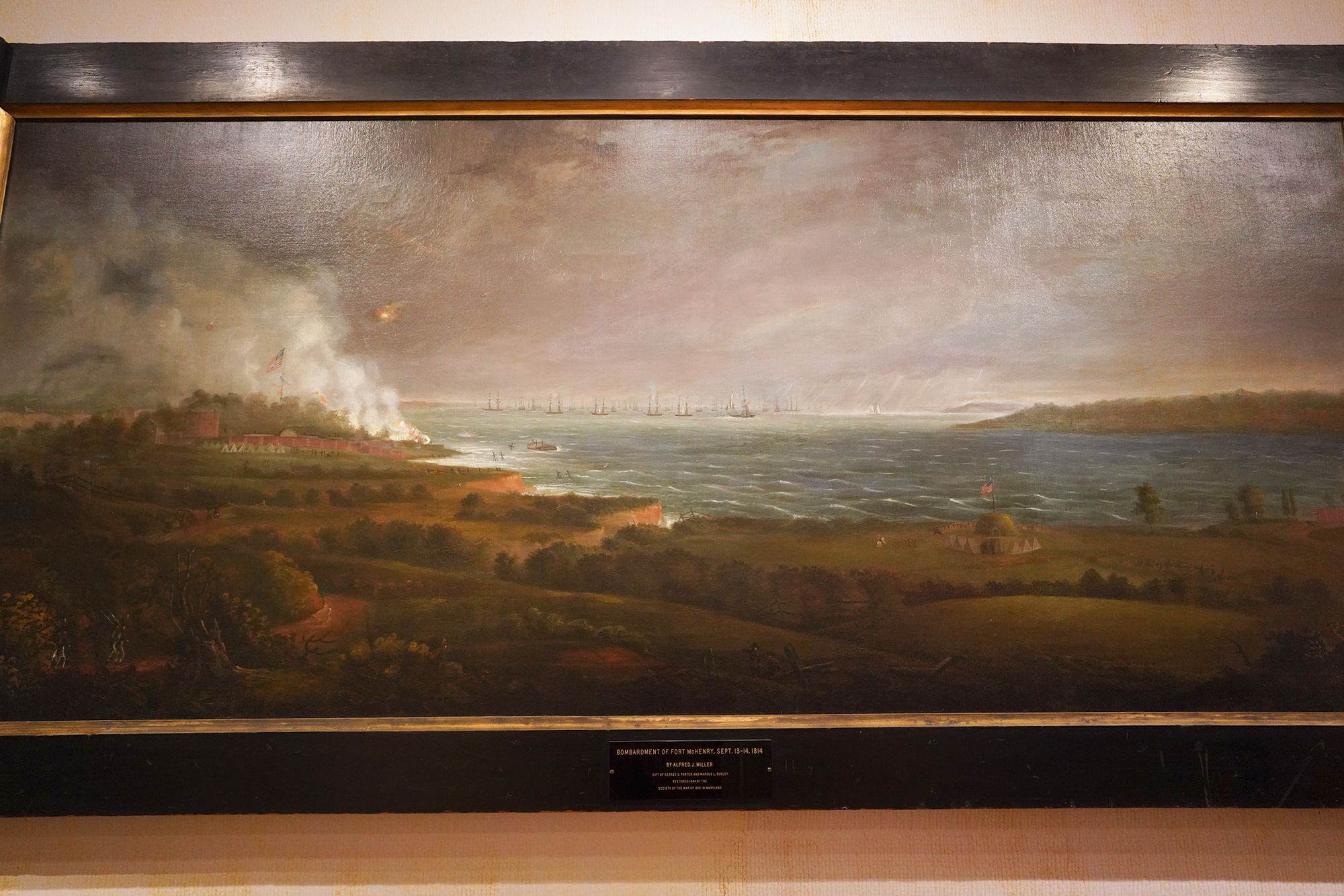
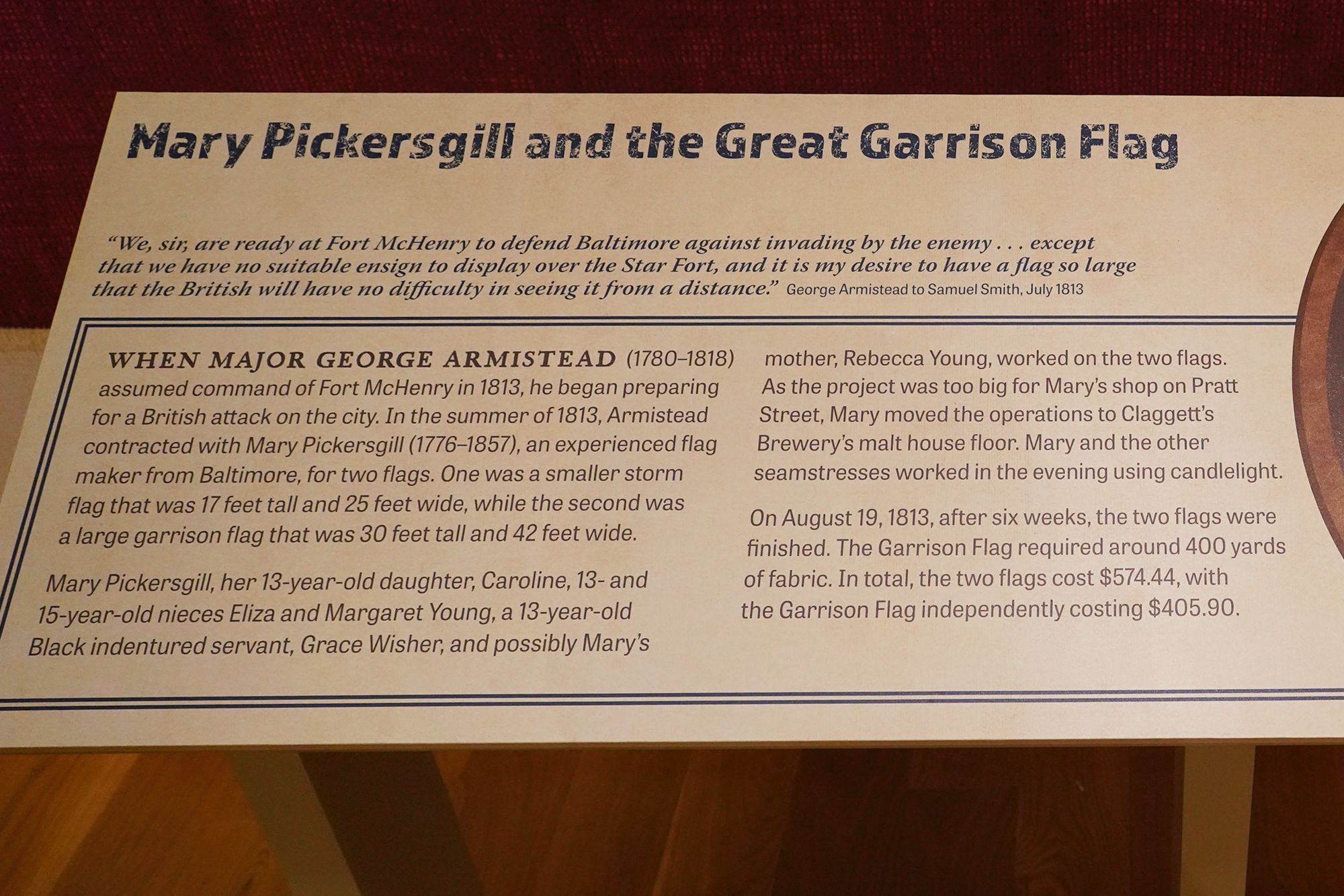
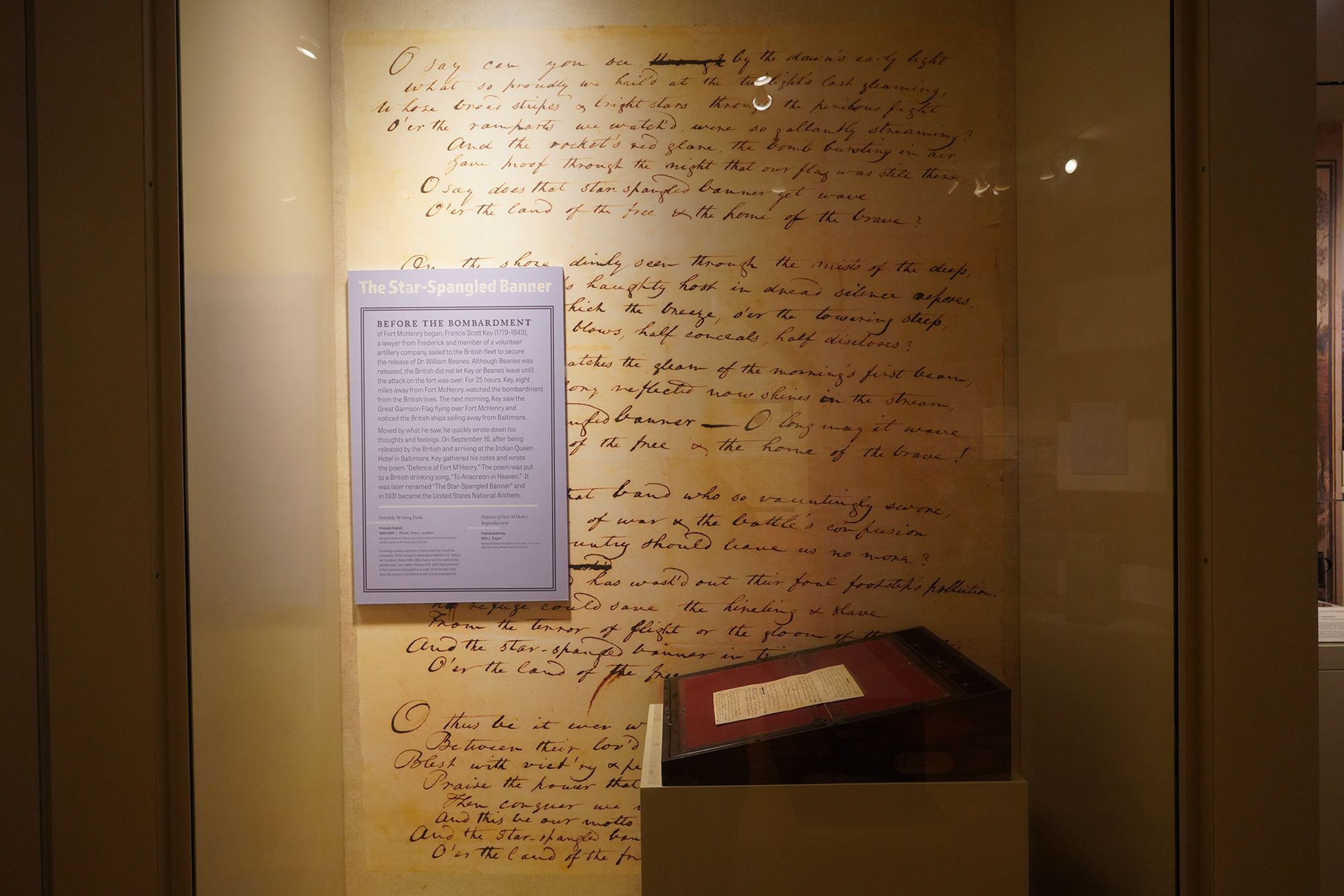
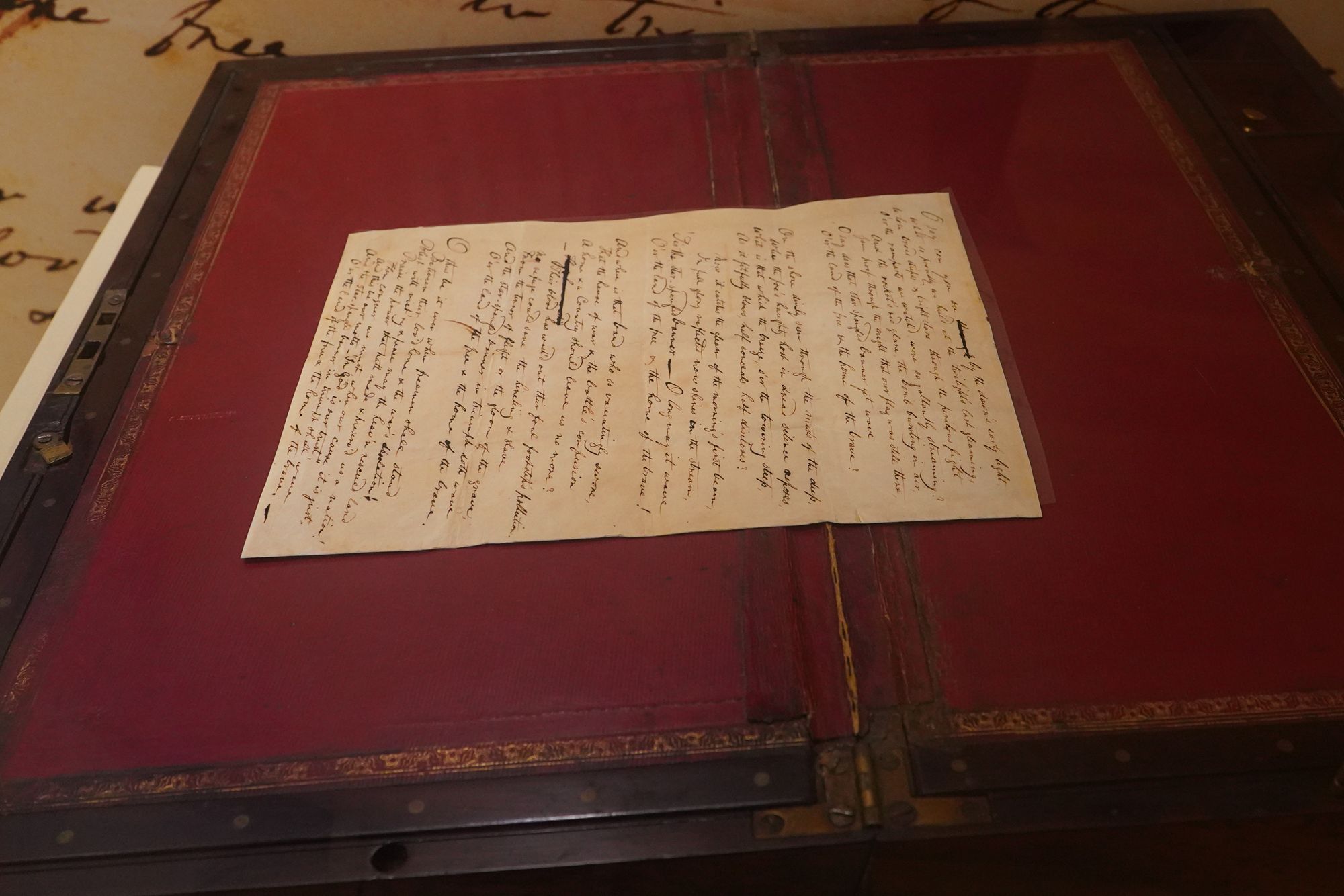
The Star-Spangled Banner is the poem written by Francis Scott Key during the Battle of Baltimore in 1814.
He witnessed Fort McHenry withstand a 25-hour British bombardment.
At dawn, he saw the large American flag still flying over the fort, proving the defense held.
Inspired, he wrote the words that later became the United States’ national anthem.
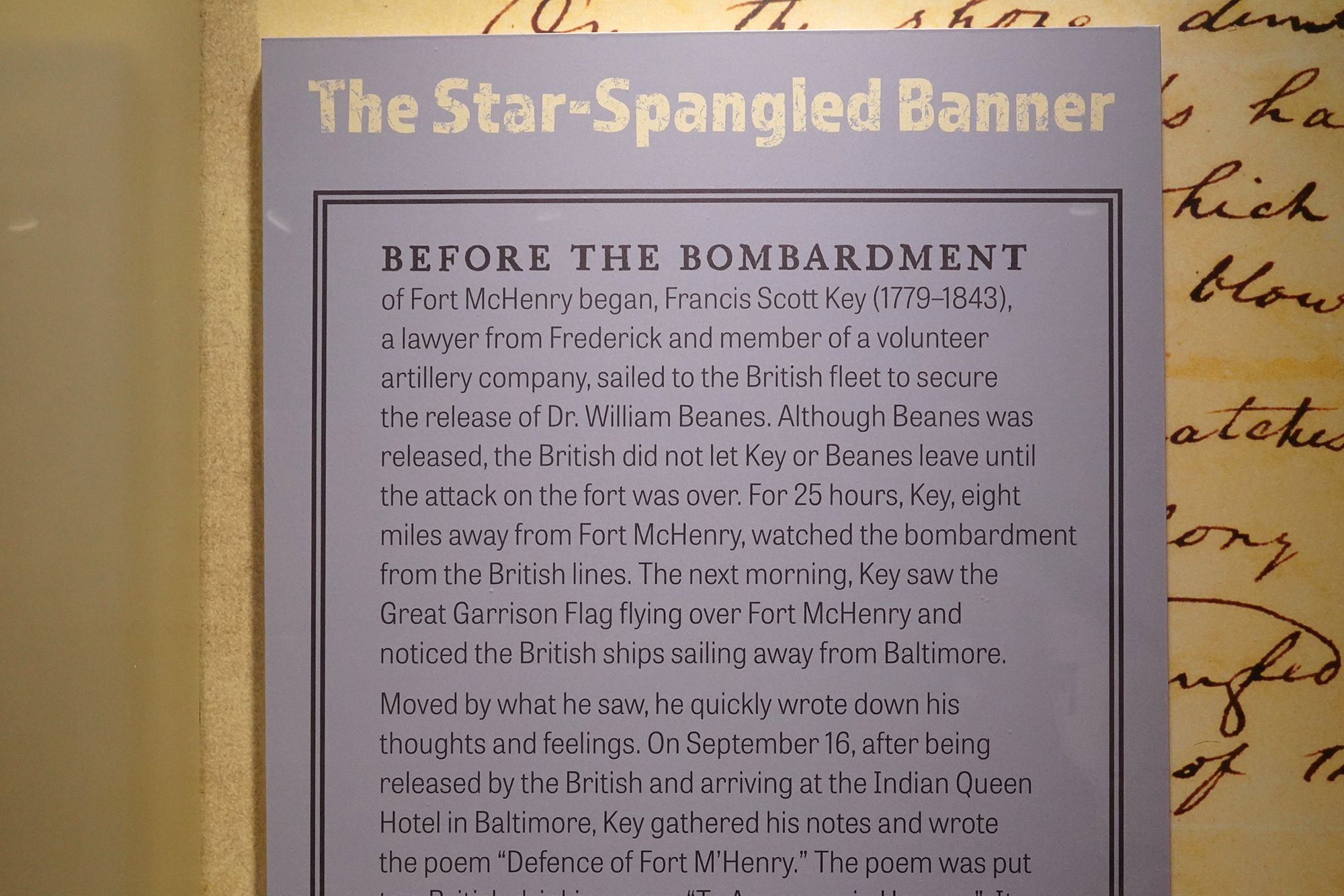
The original copy of the Star-Spangled Banner
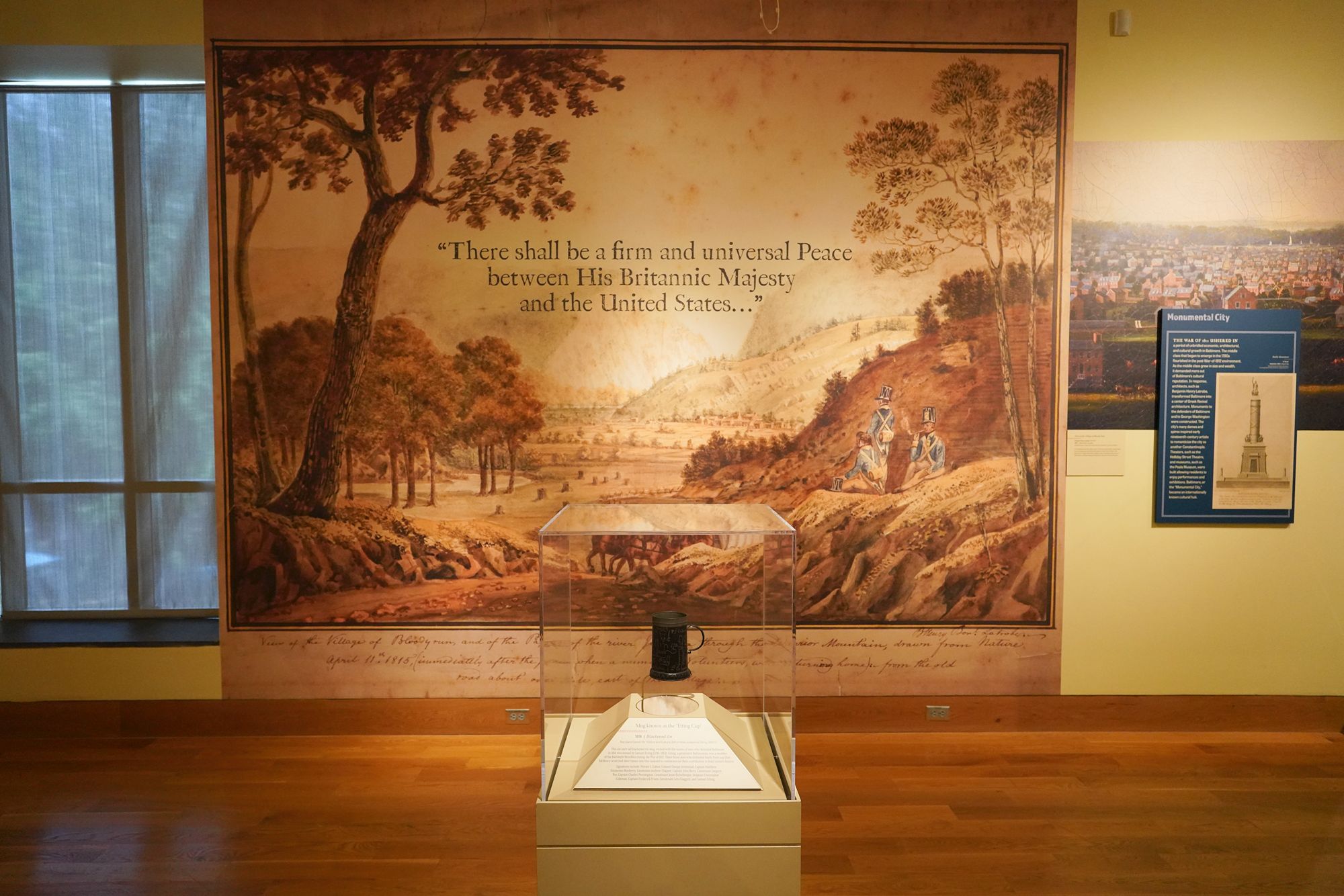
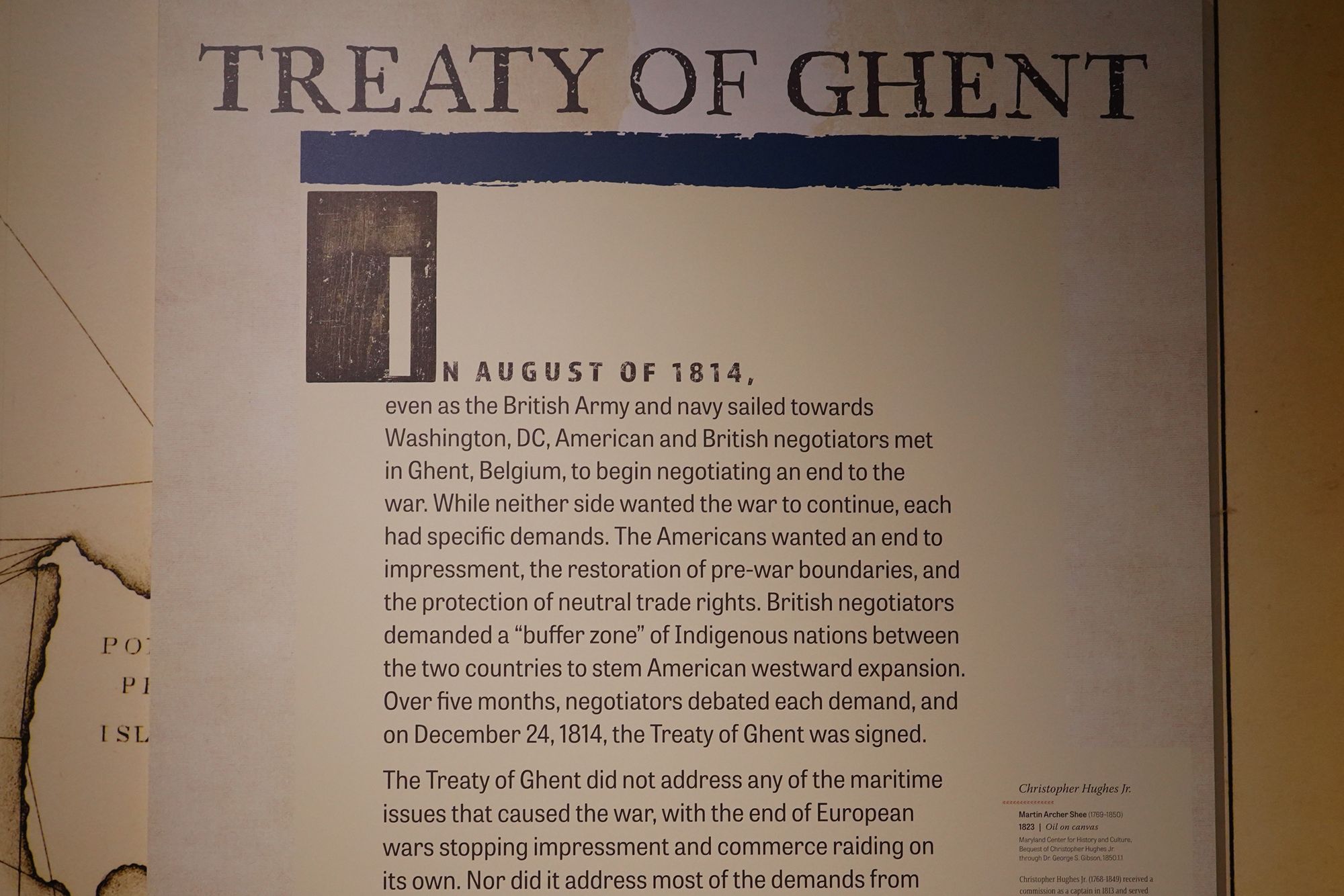
The Treaty of Ghent, signed in 1814, ended the War of 1812 and restored relations and territorial boundaries between the United States and Britain to what they were before the conflict.
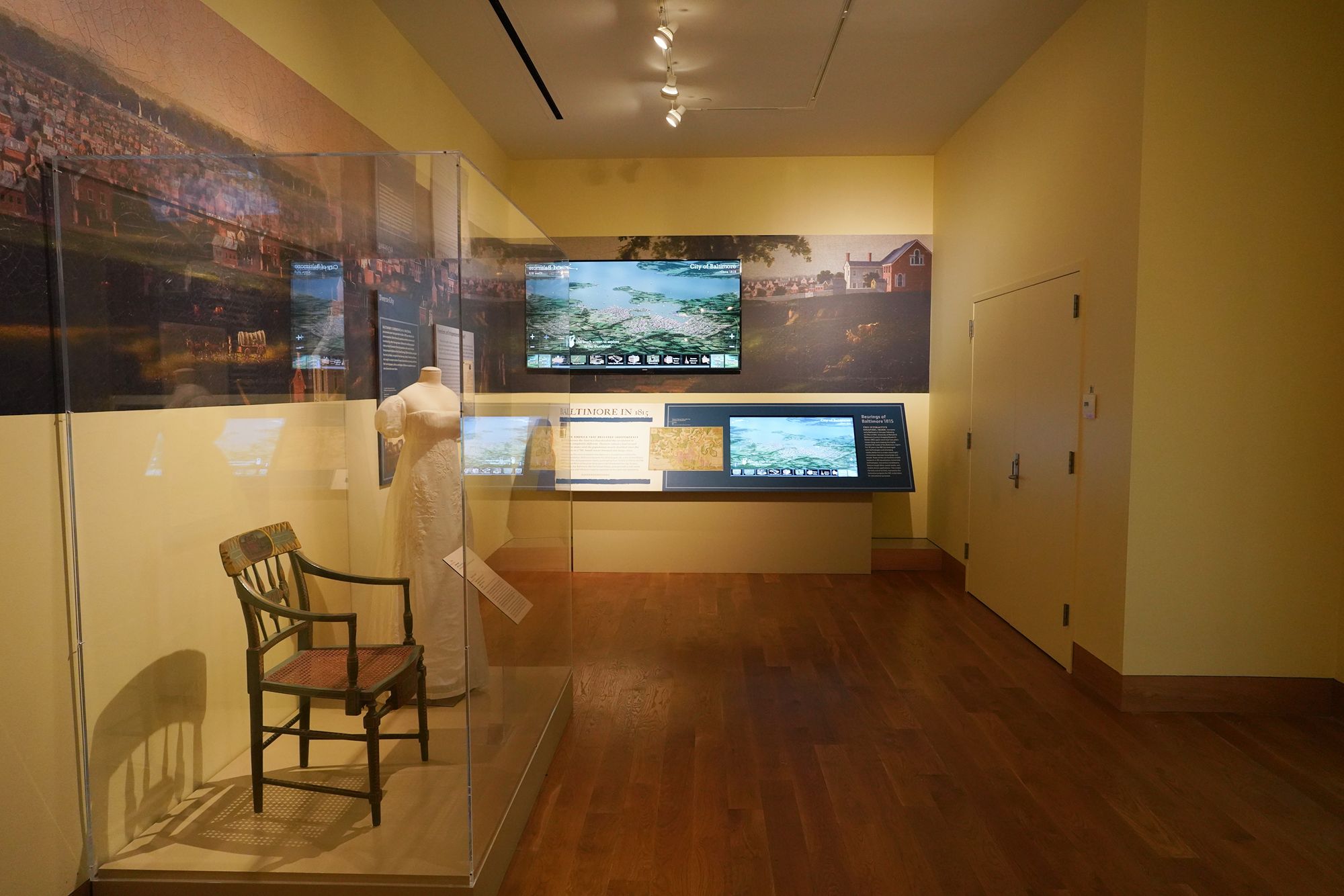
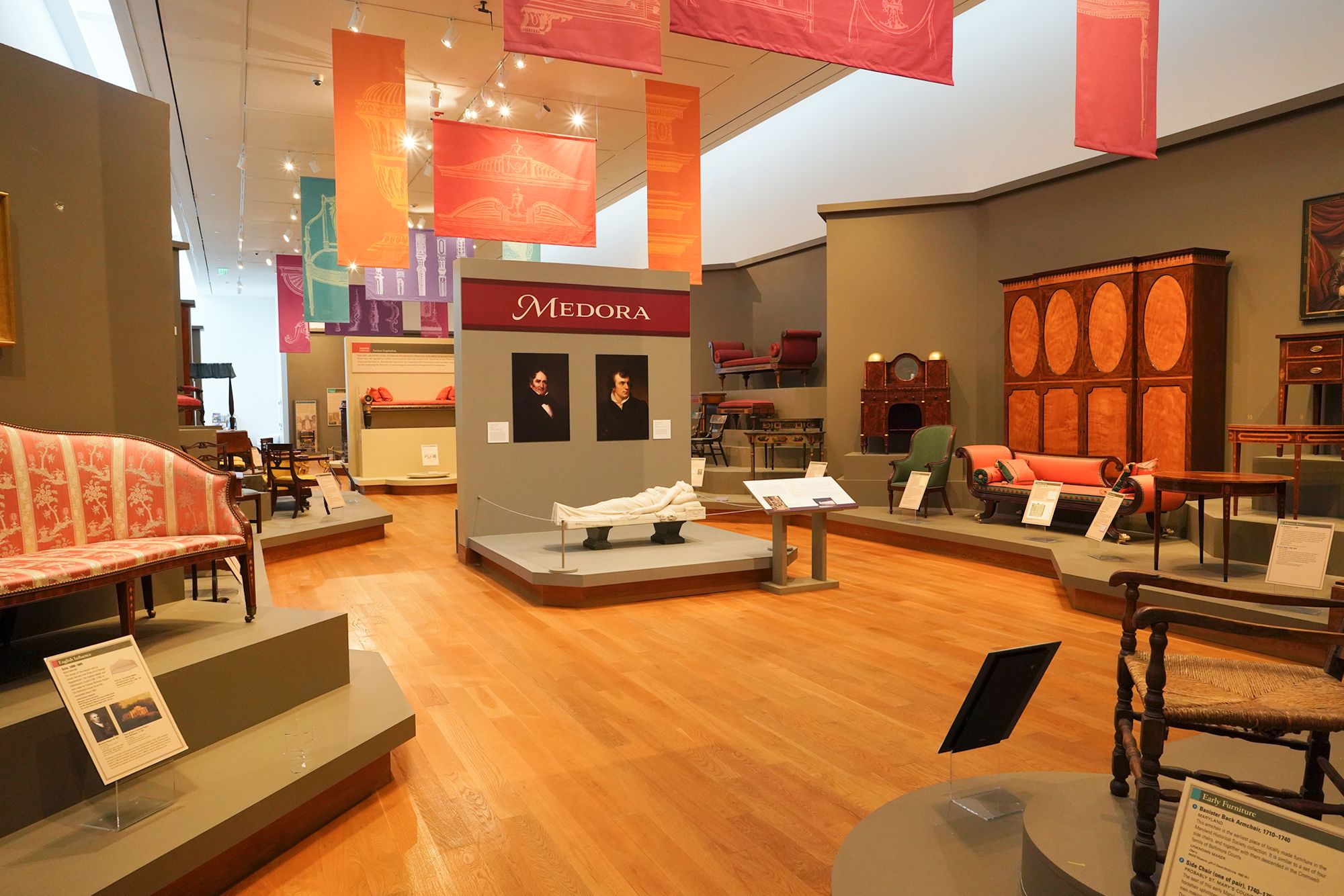
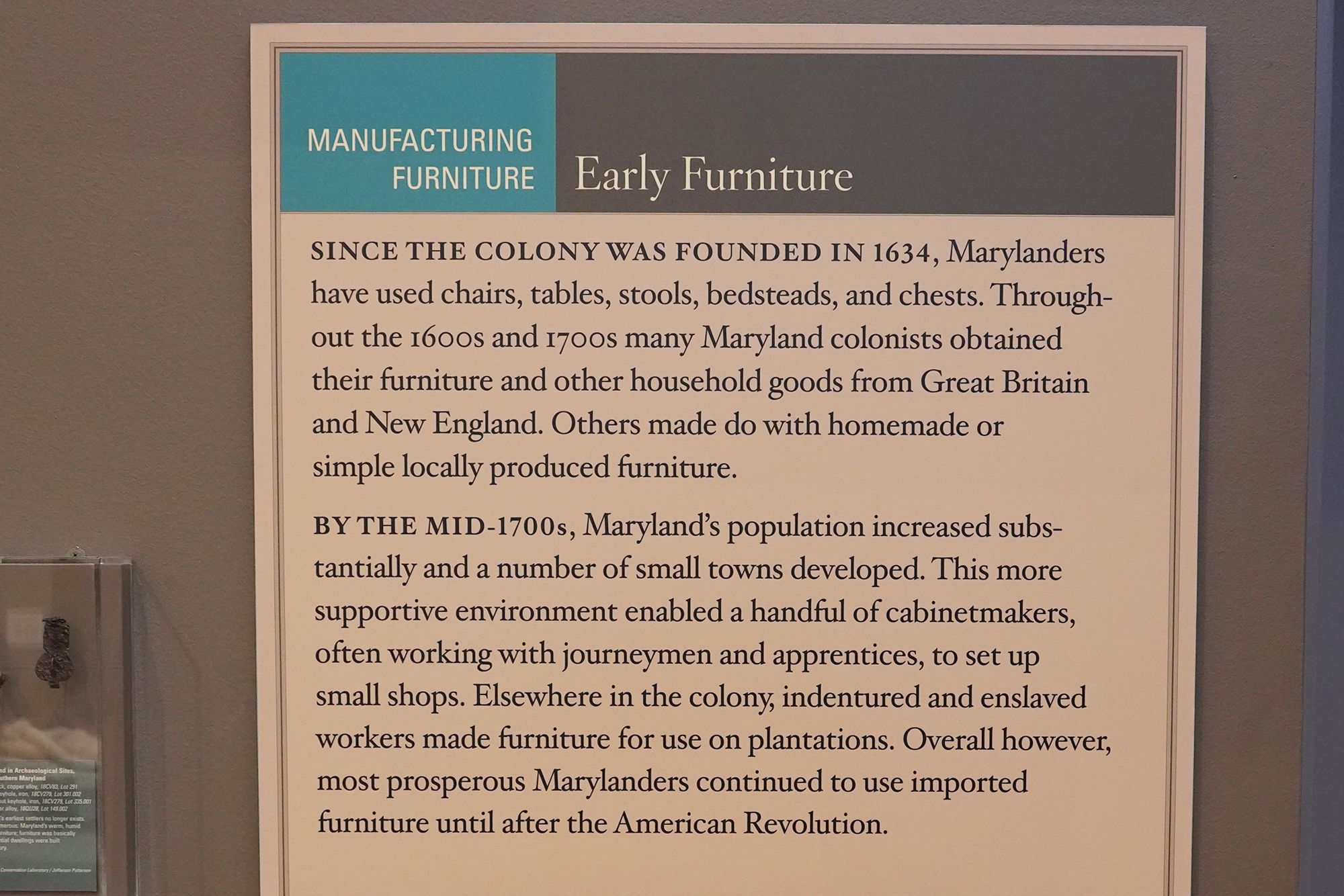
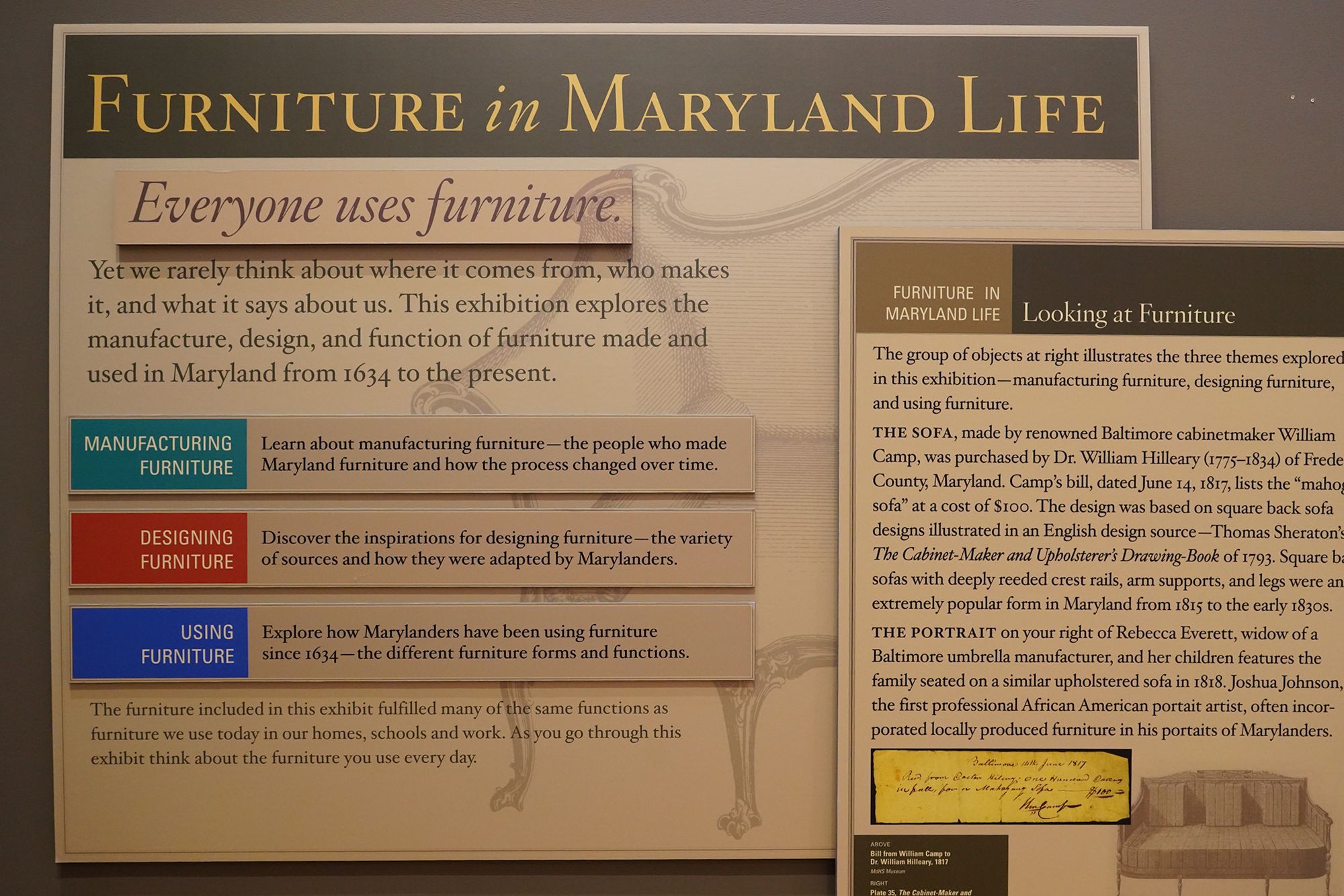
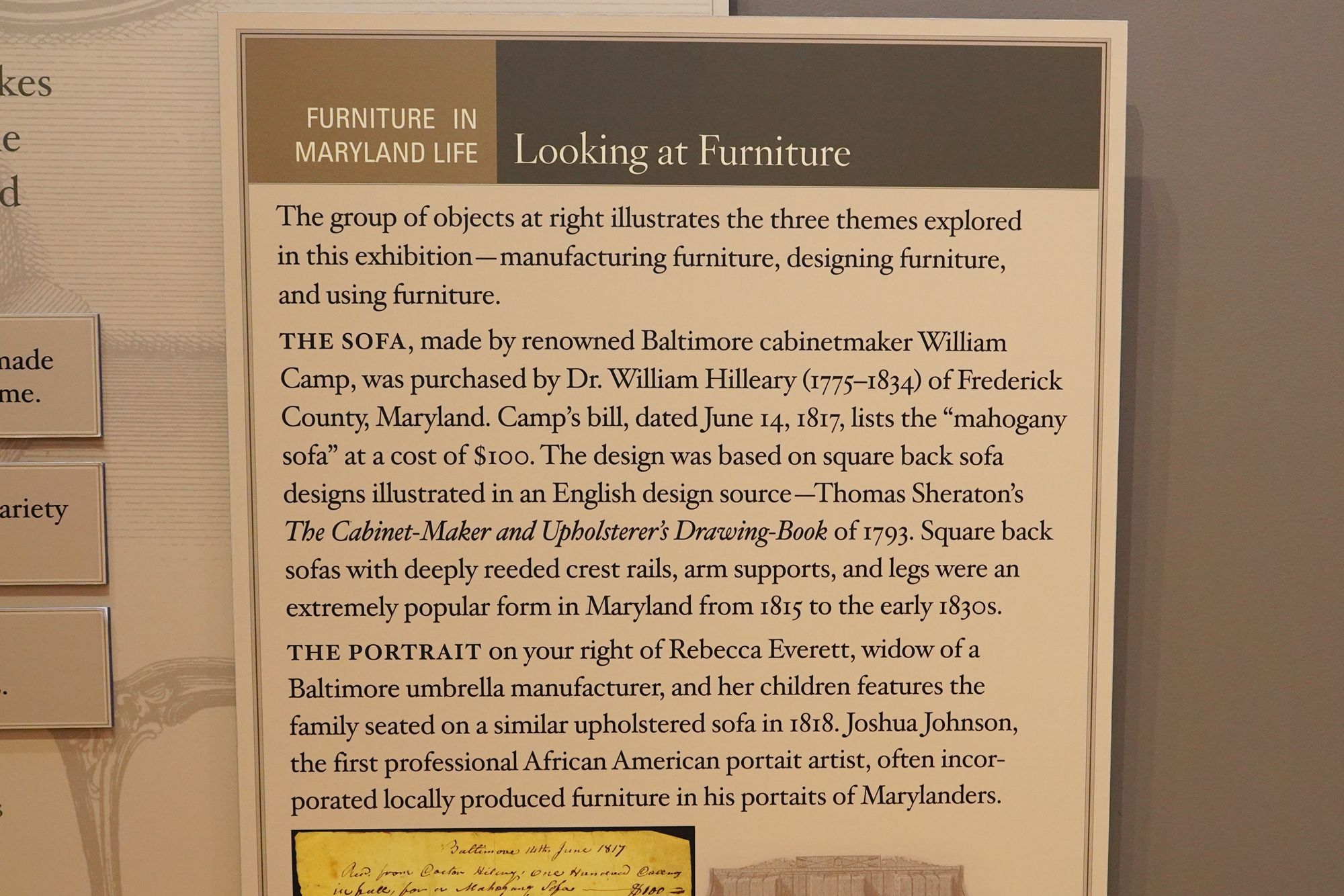
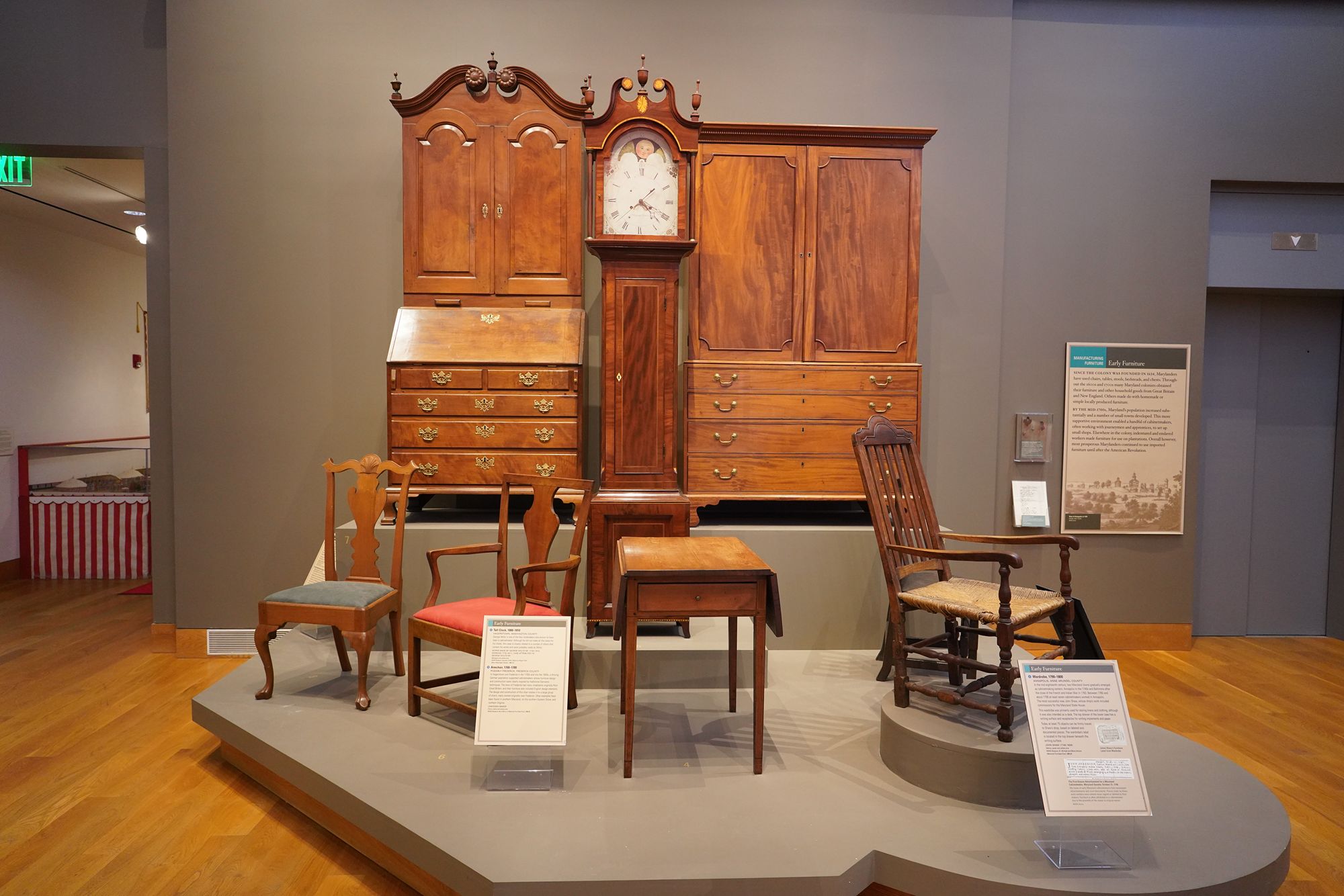
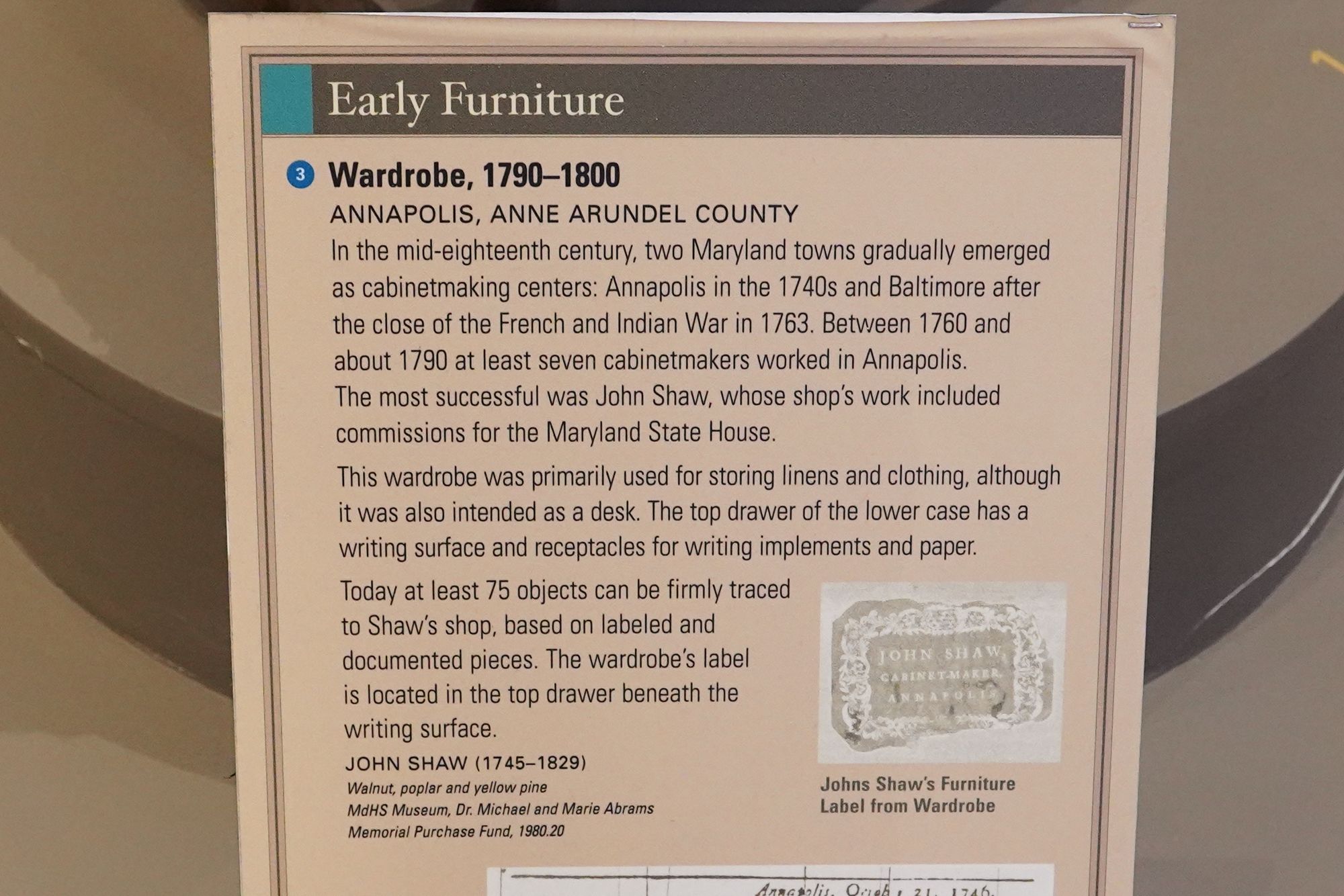
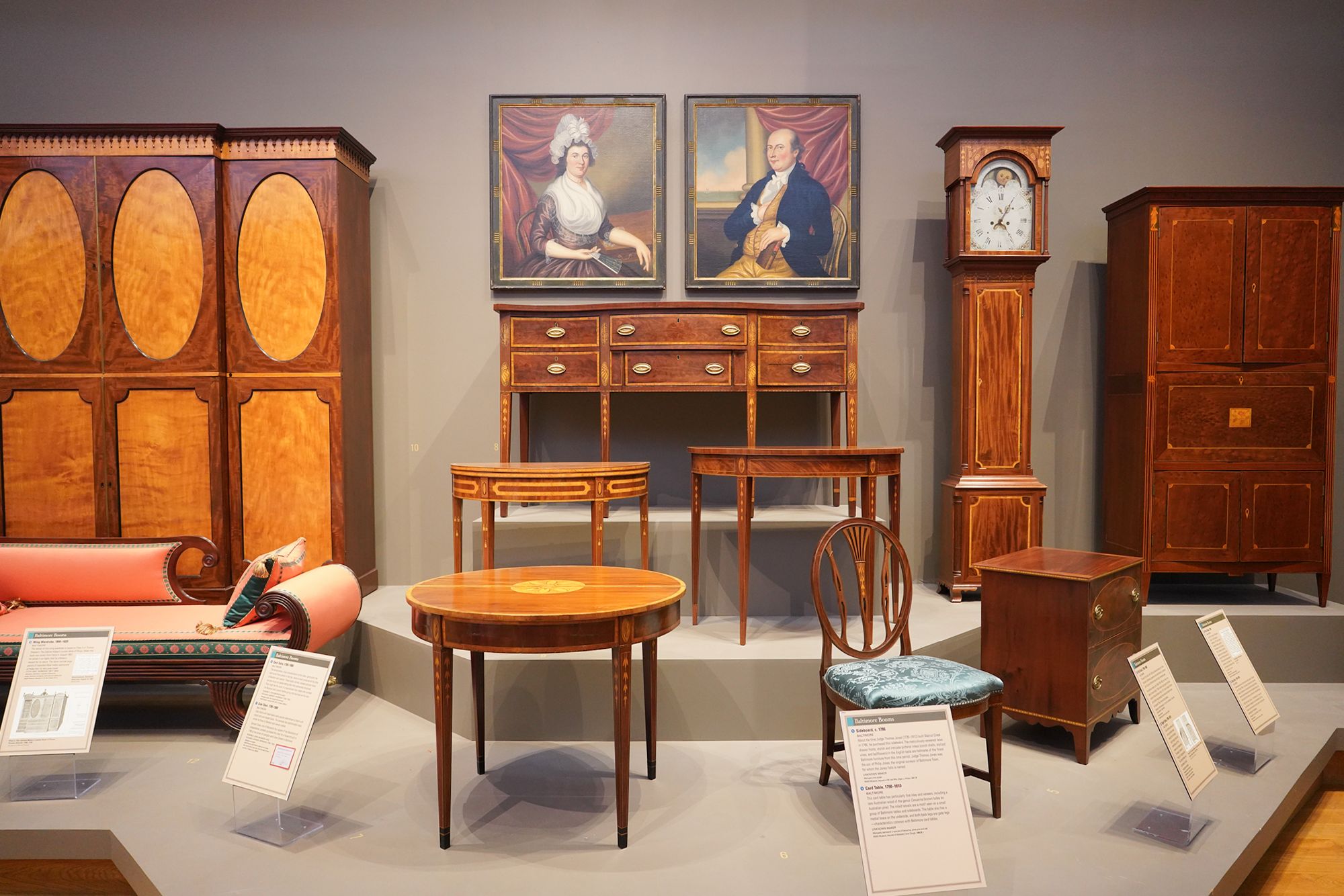
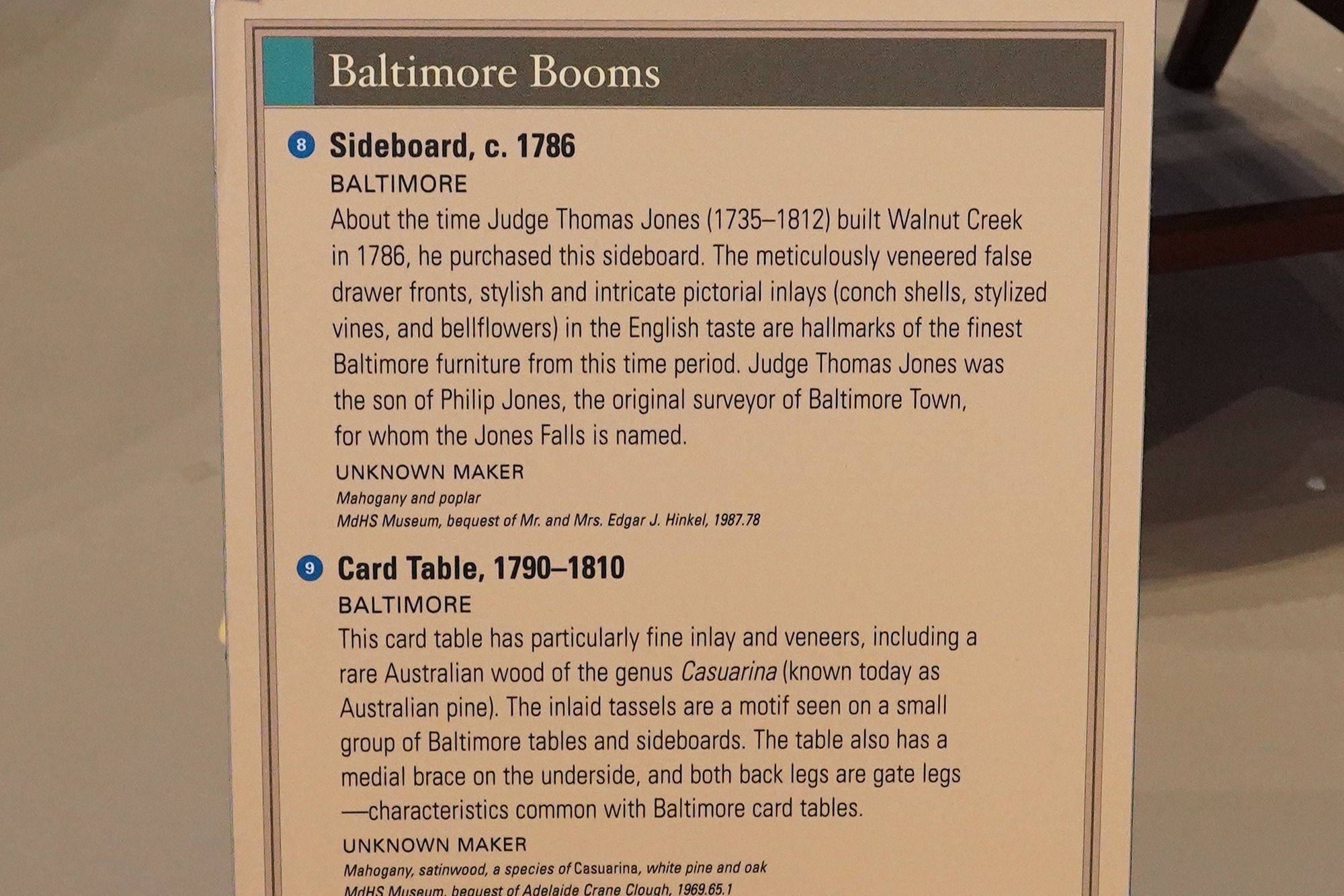
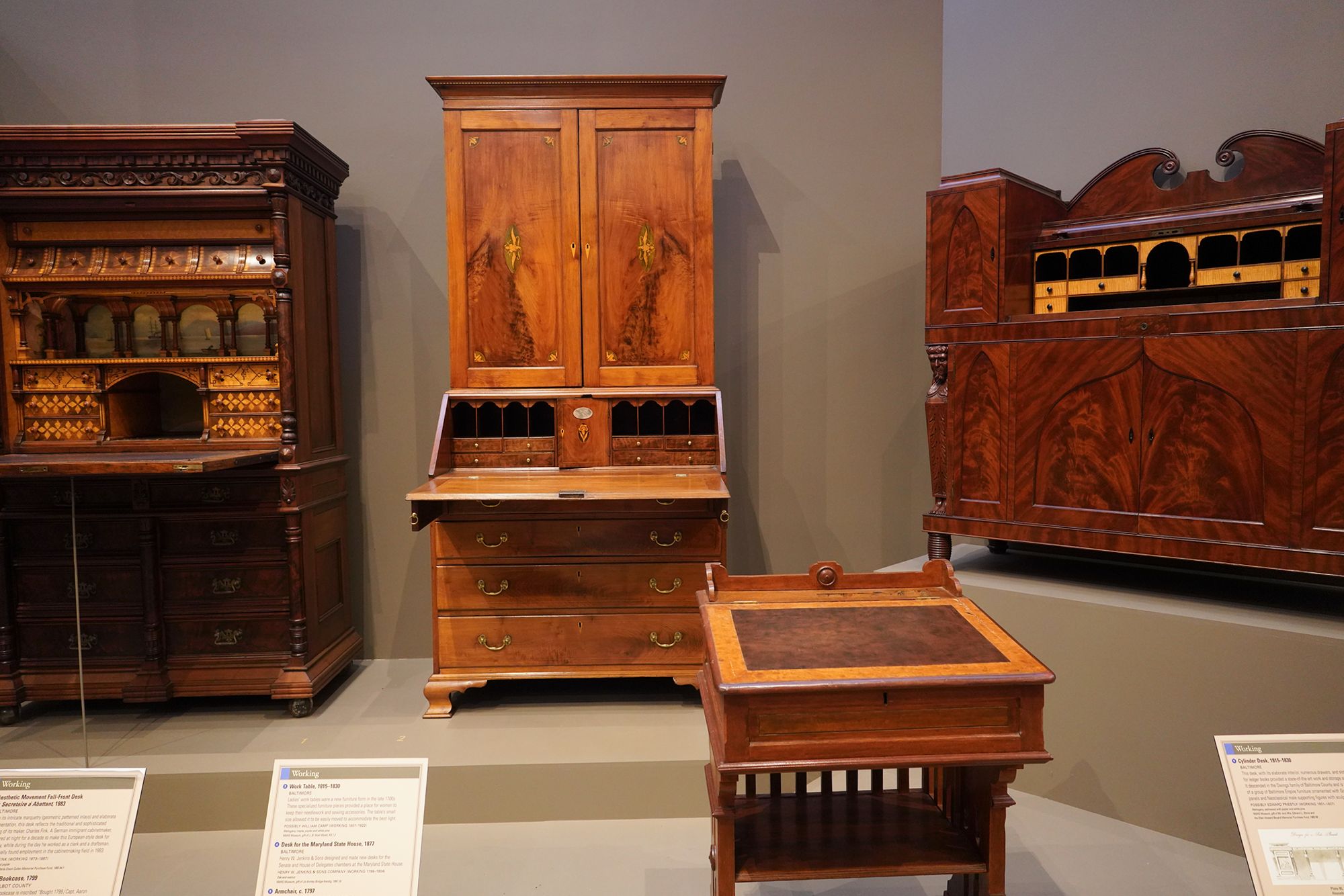
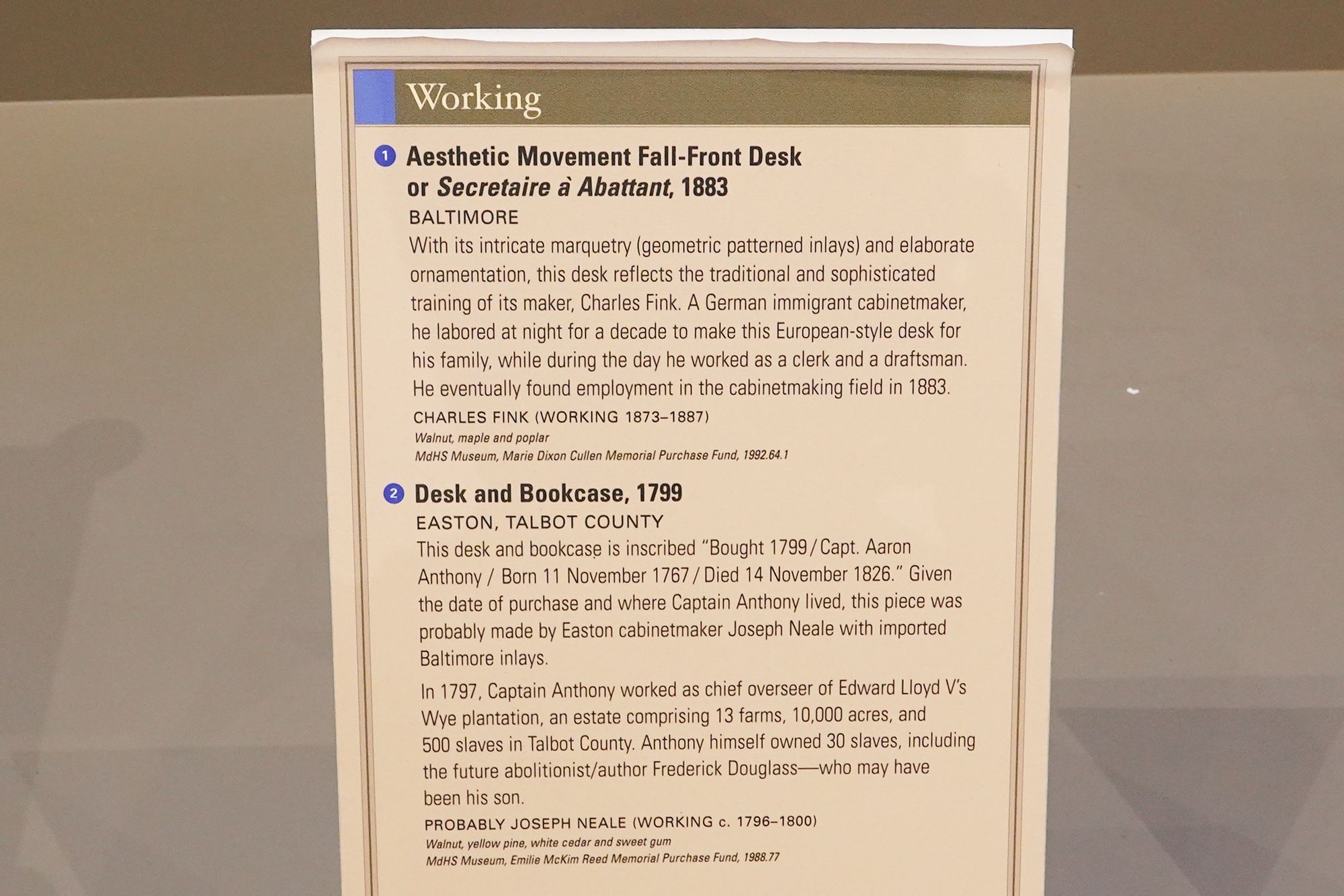
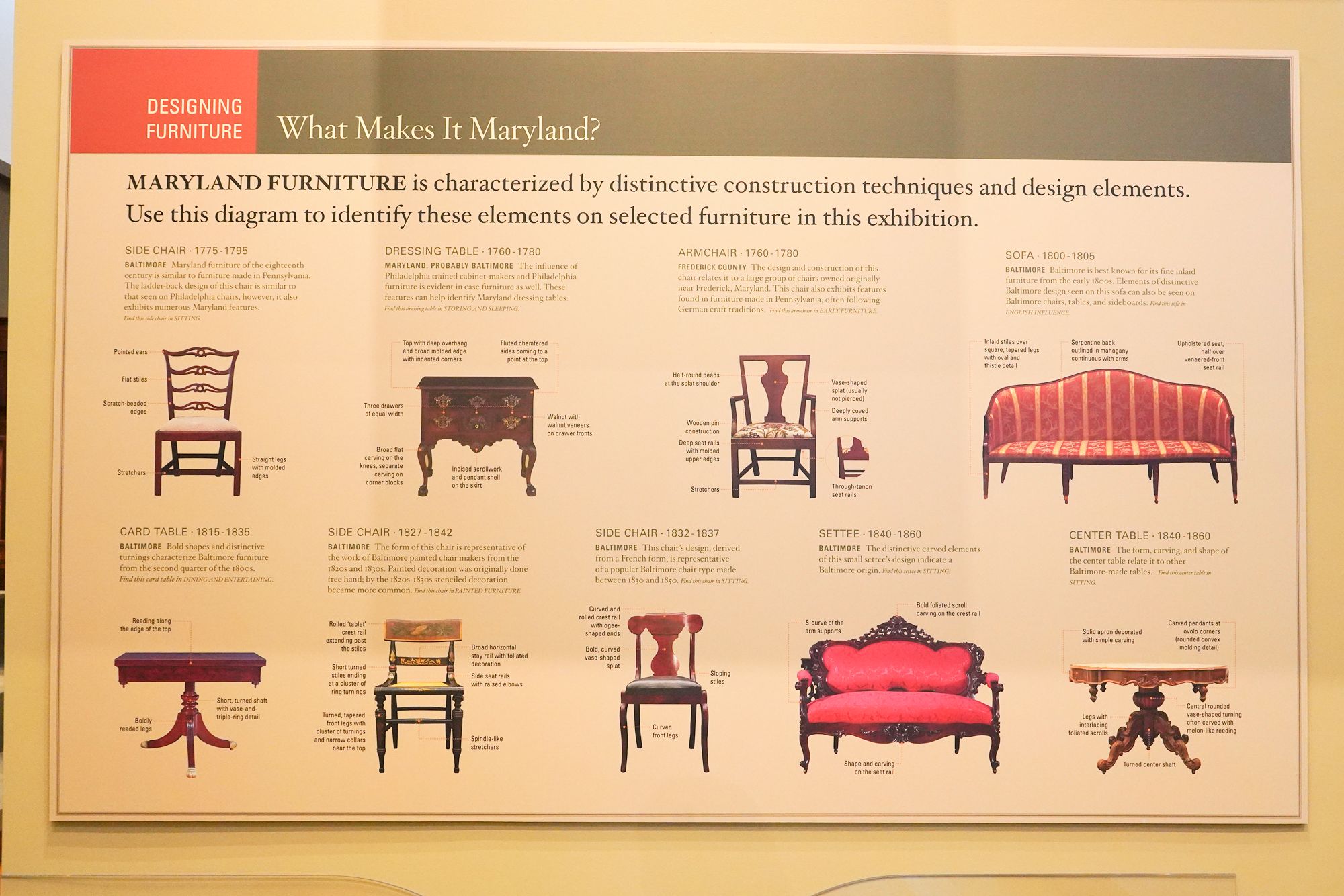
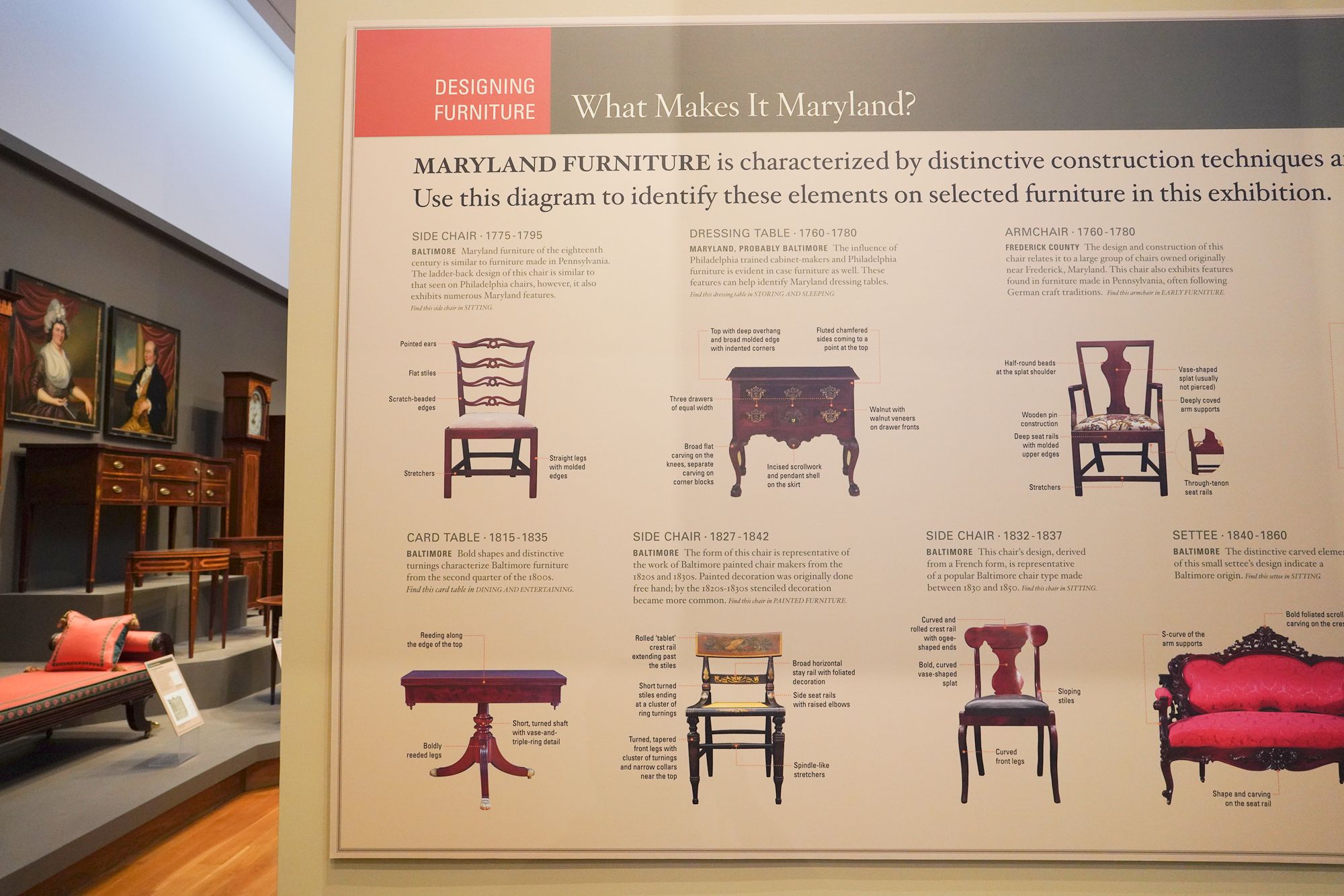
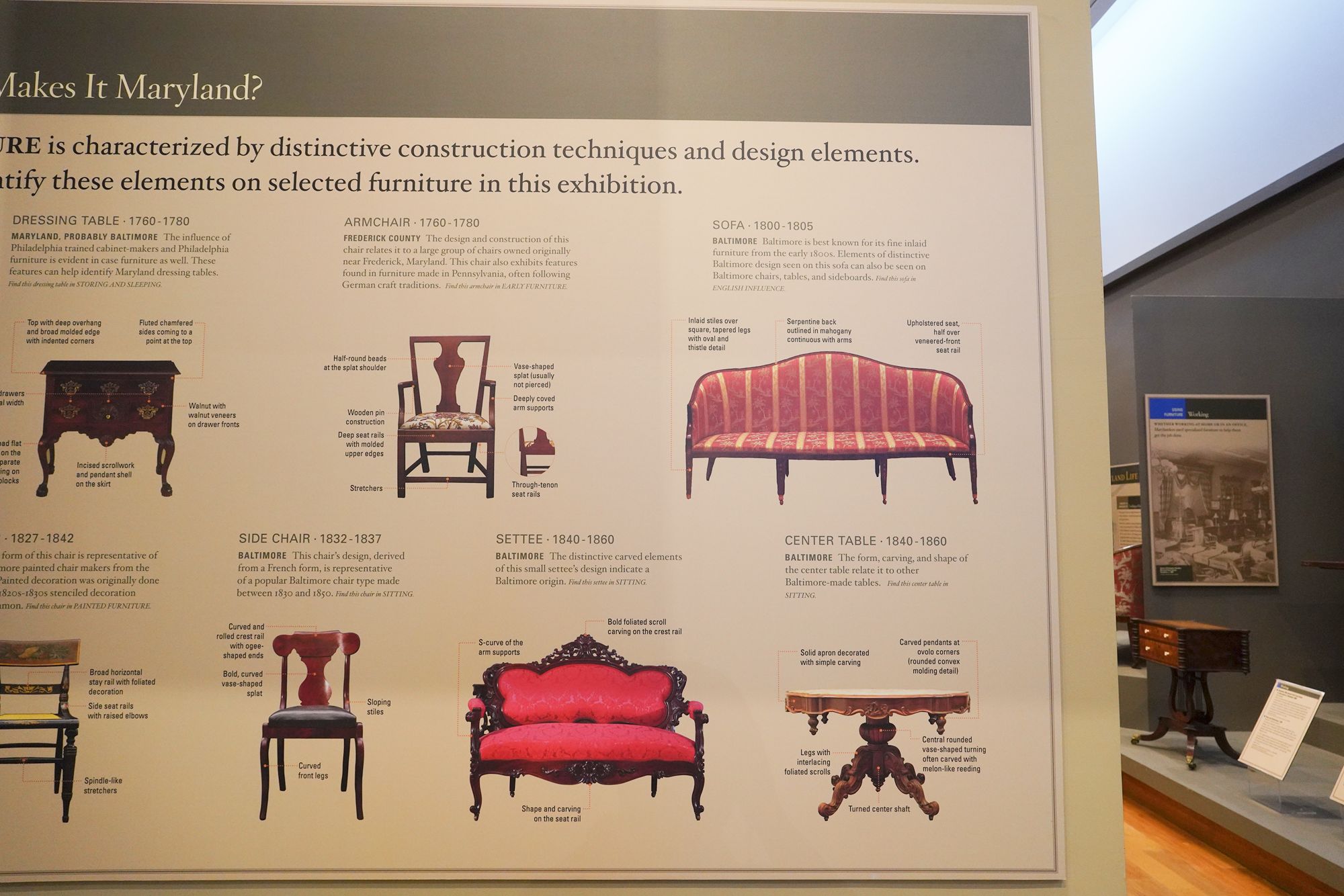
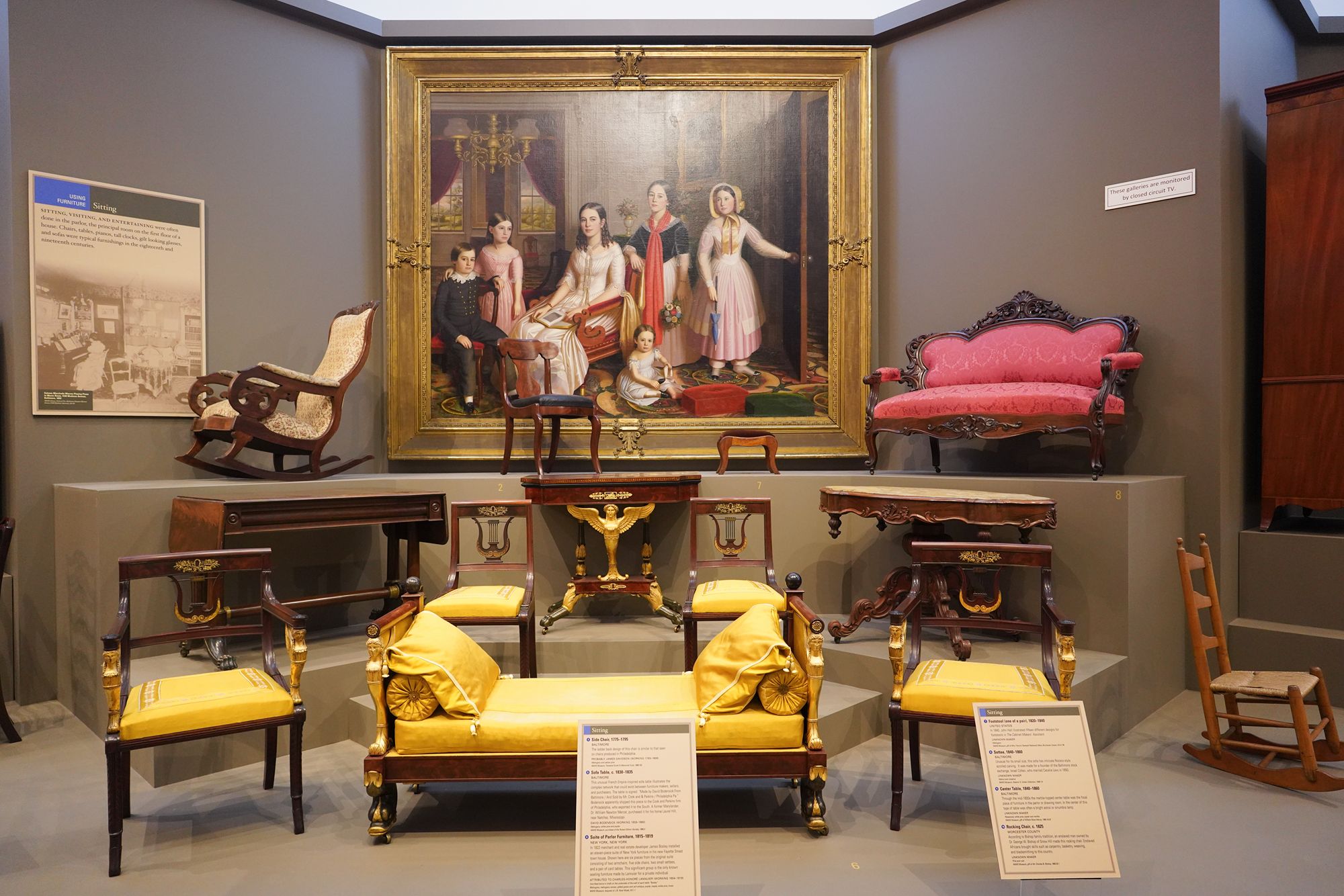
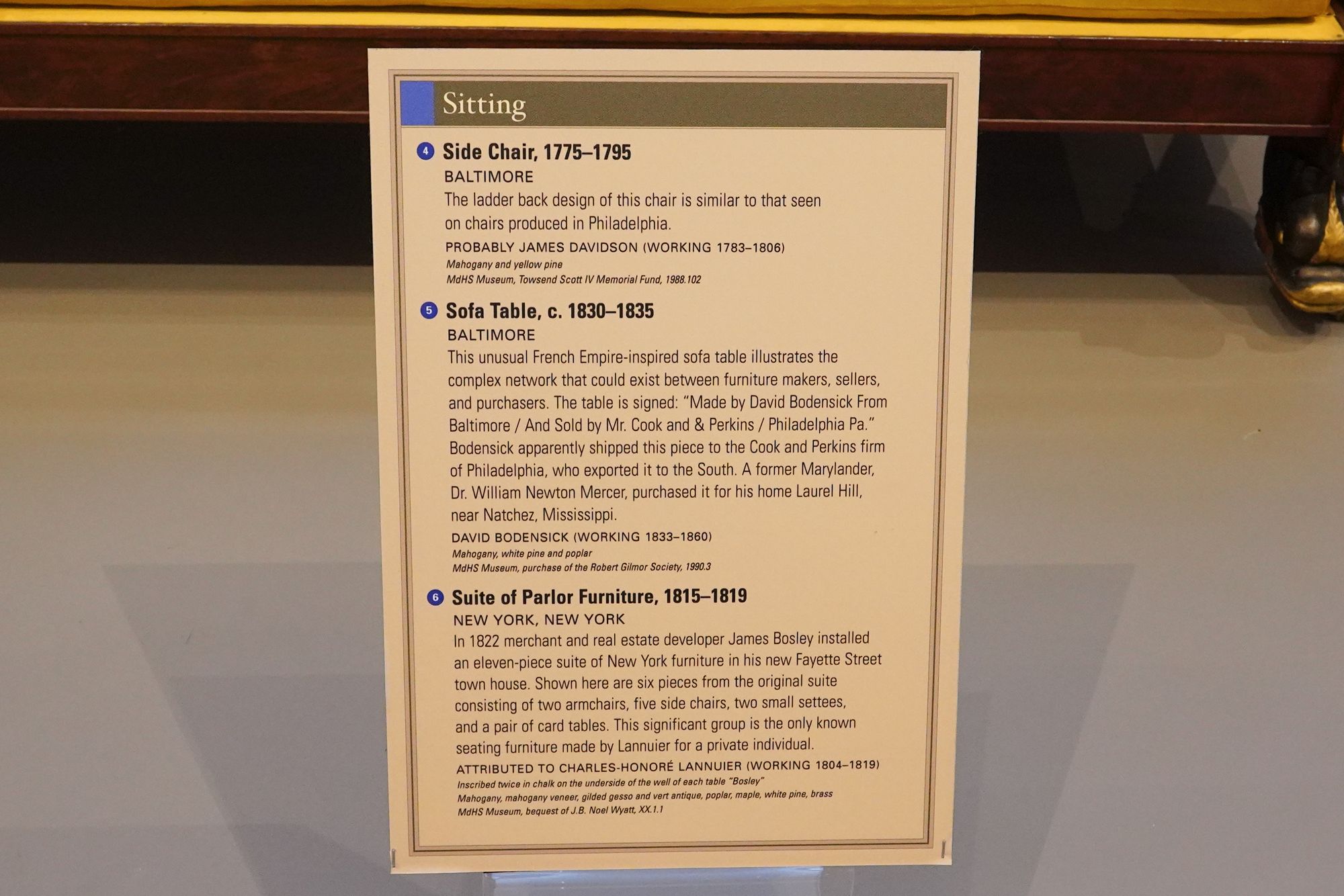
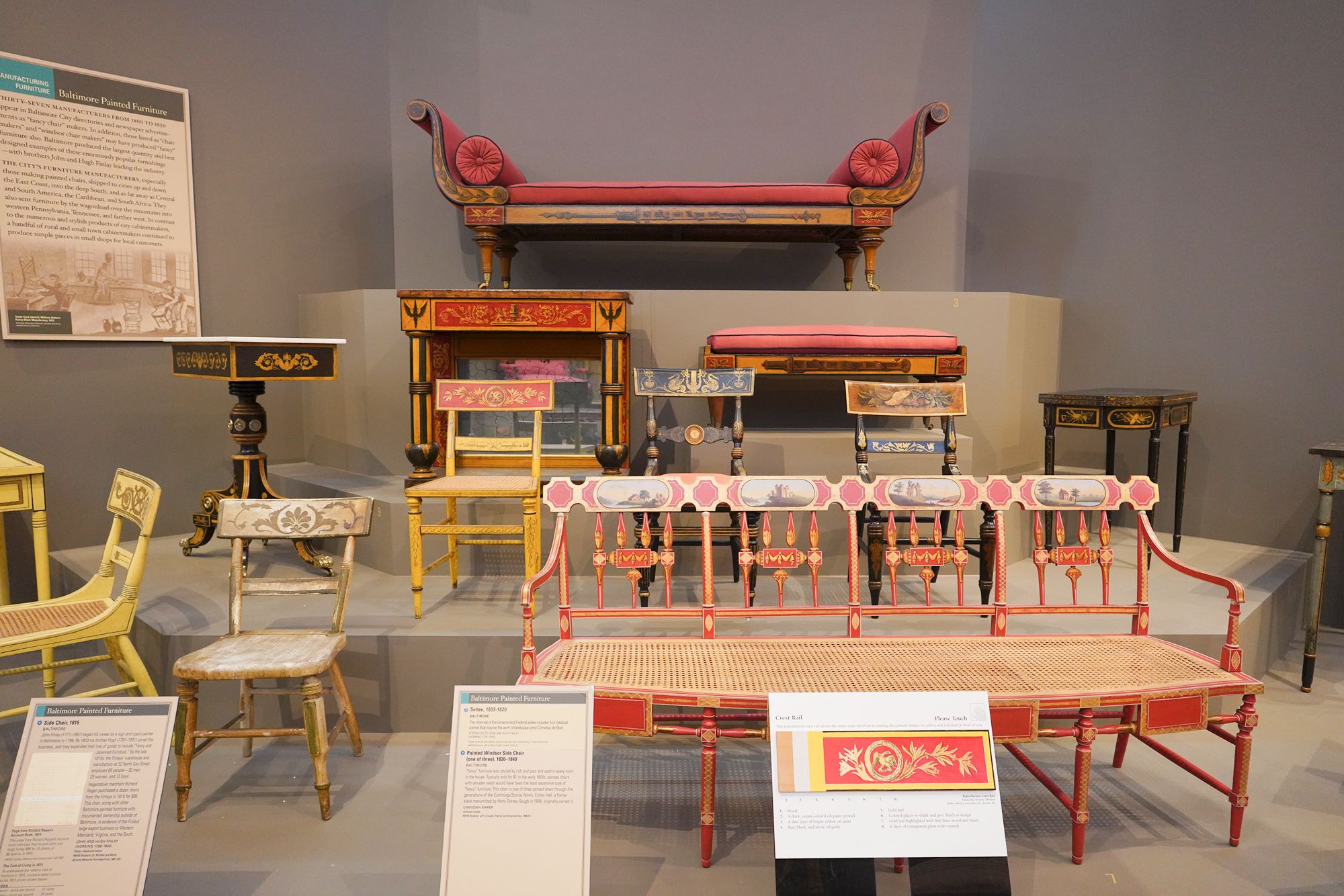
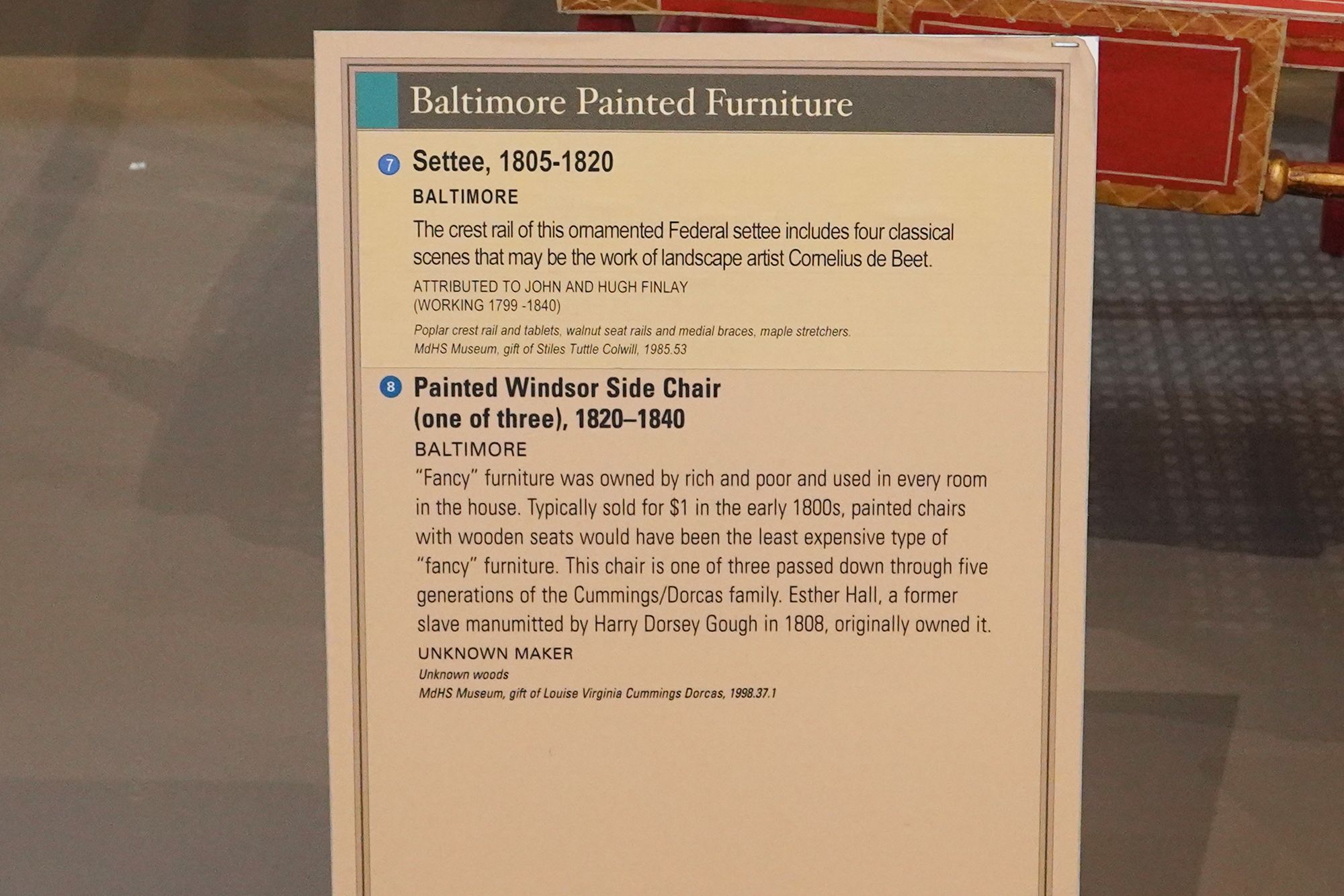
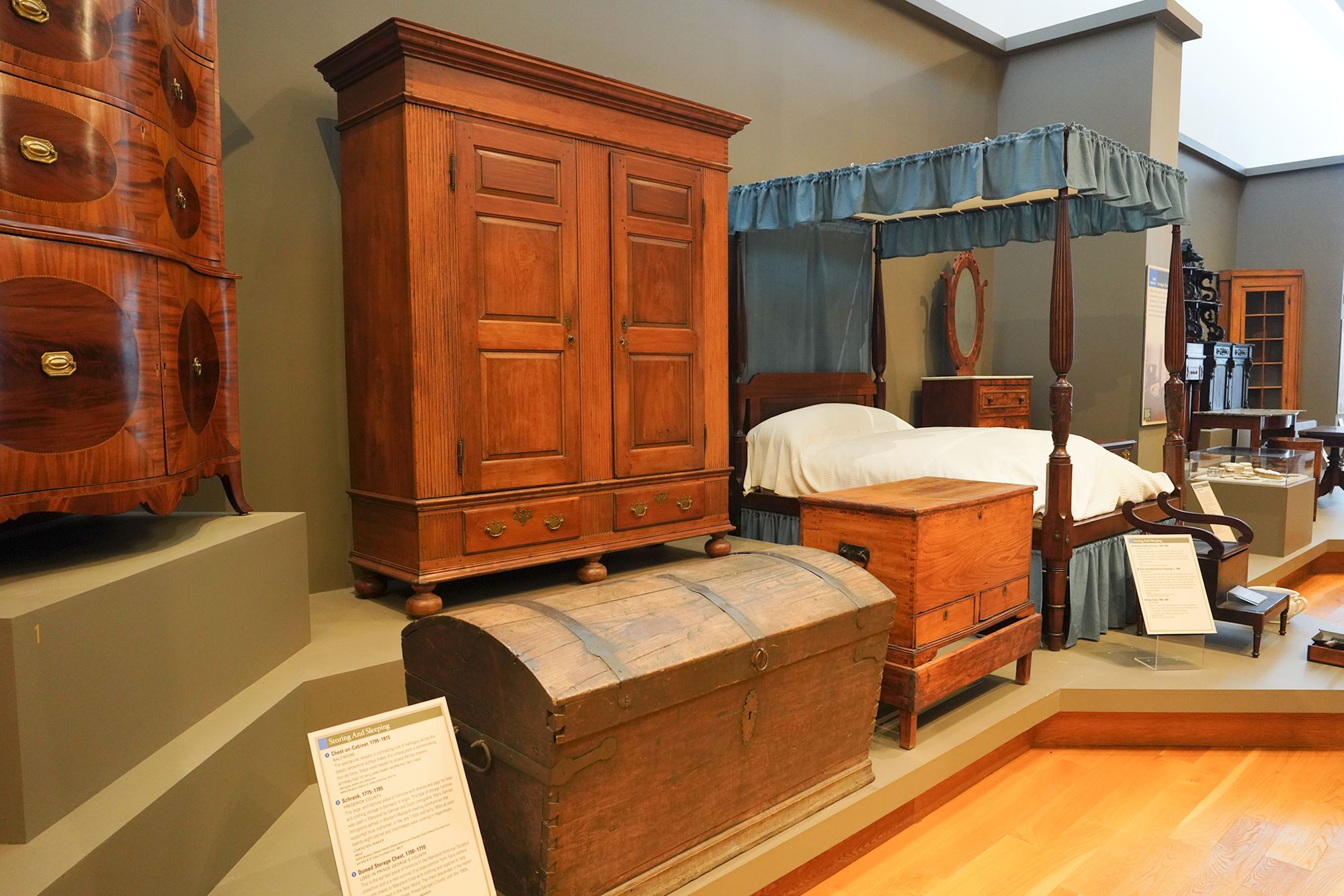
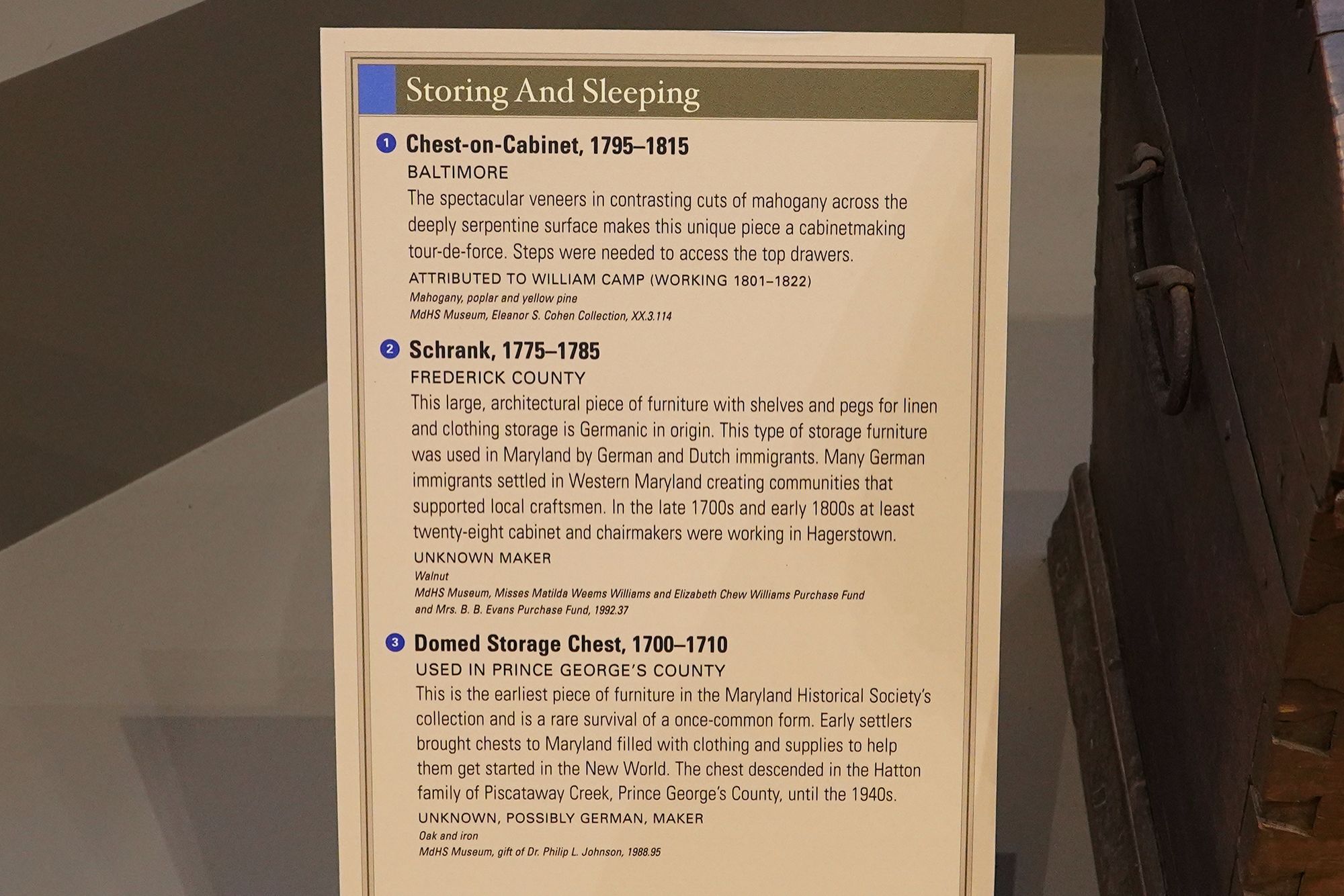
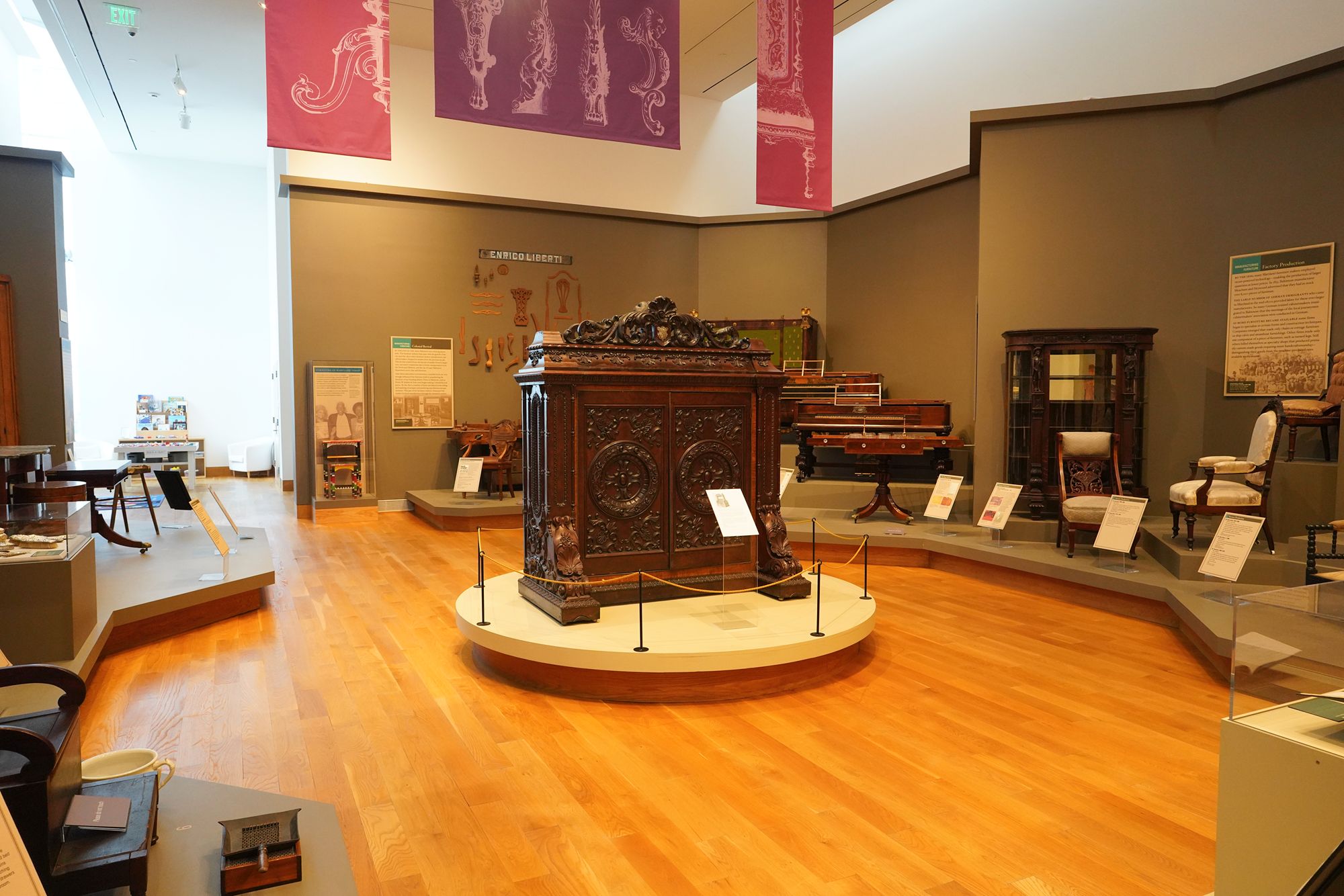
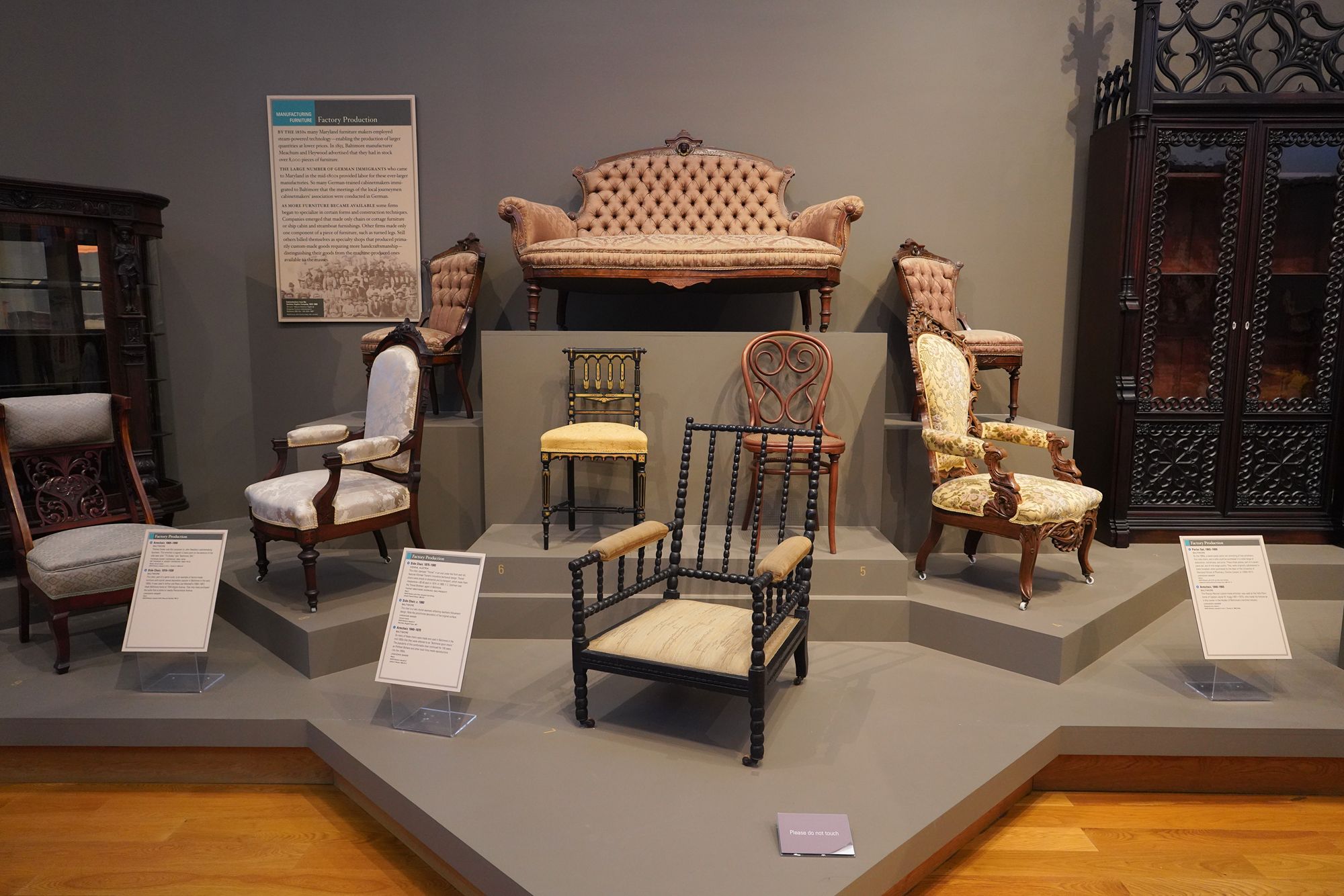
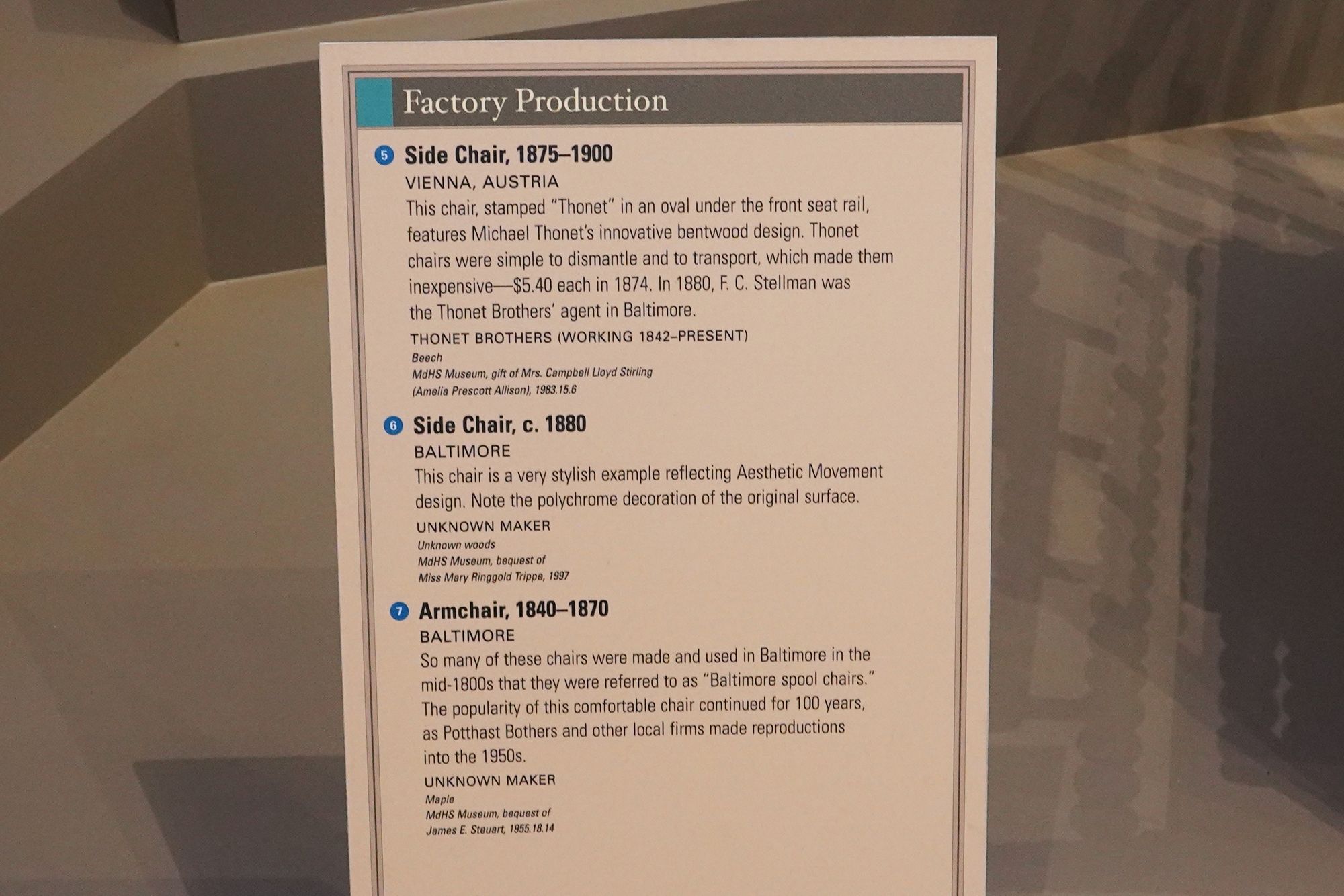
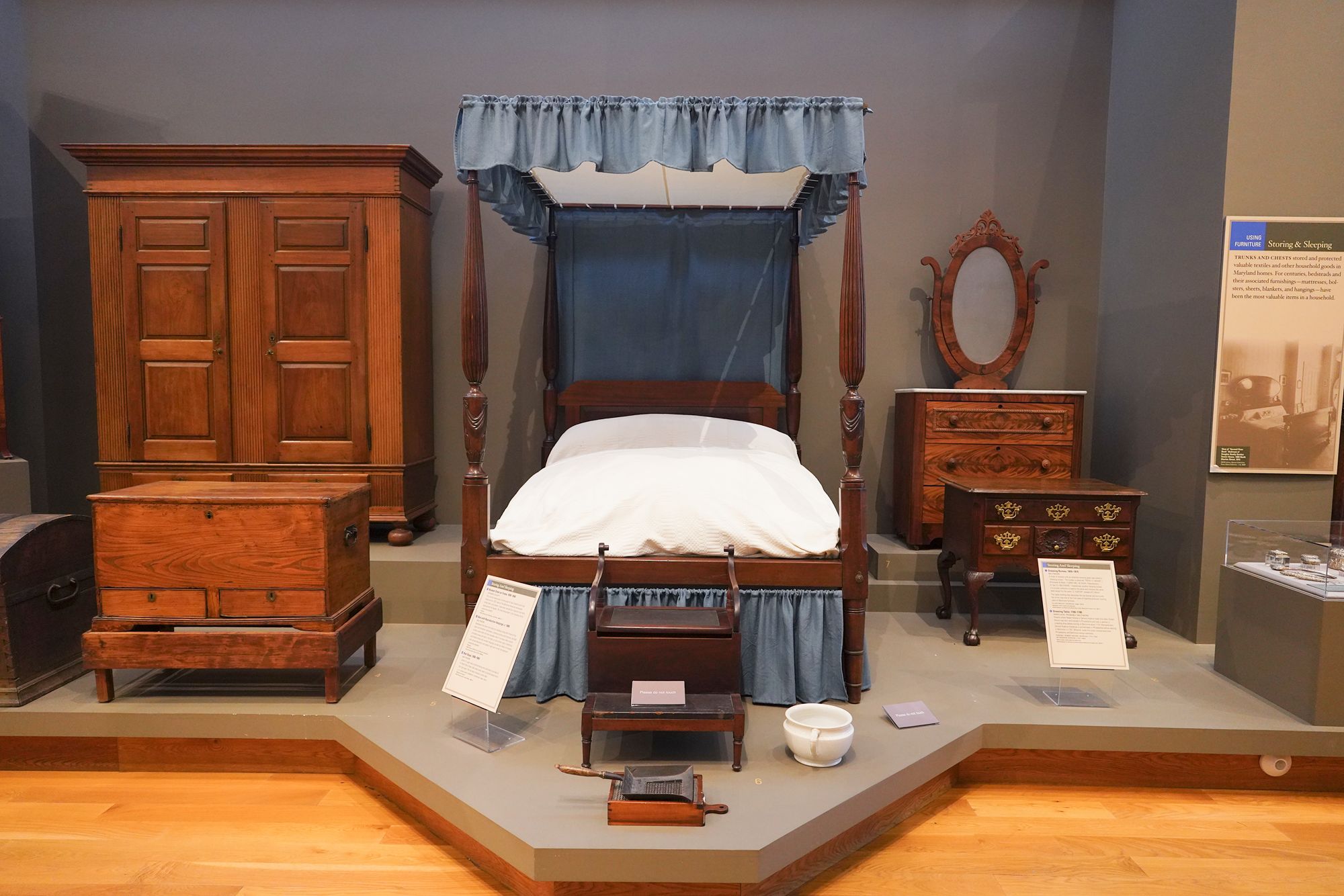
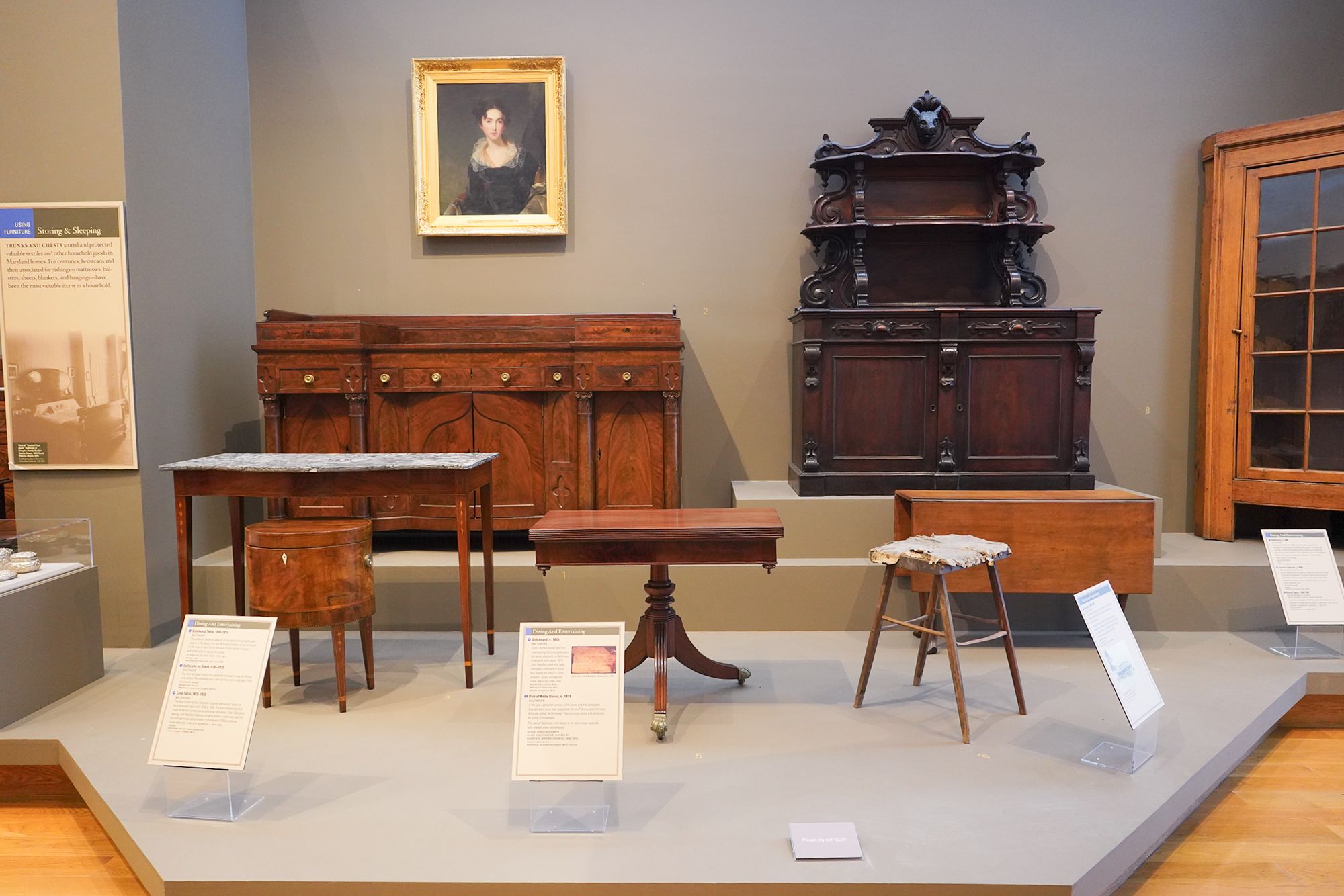
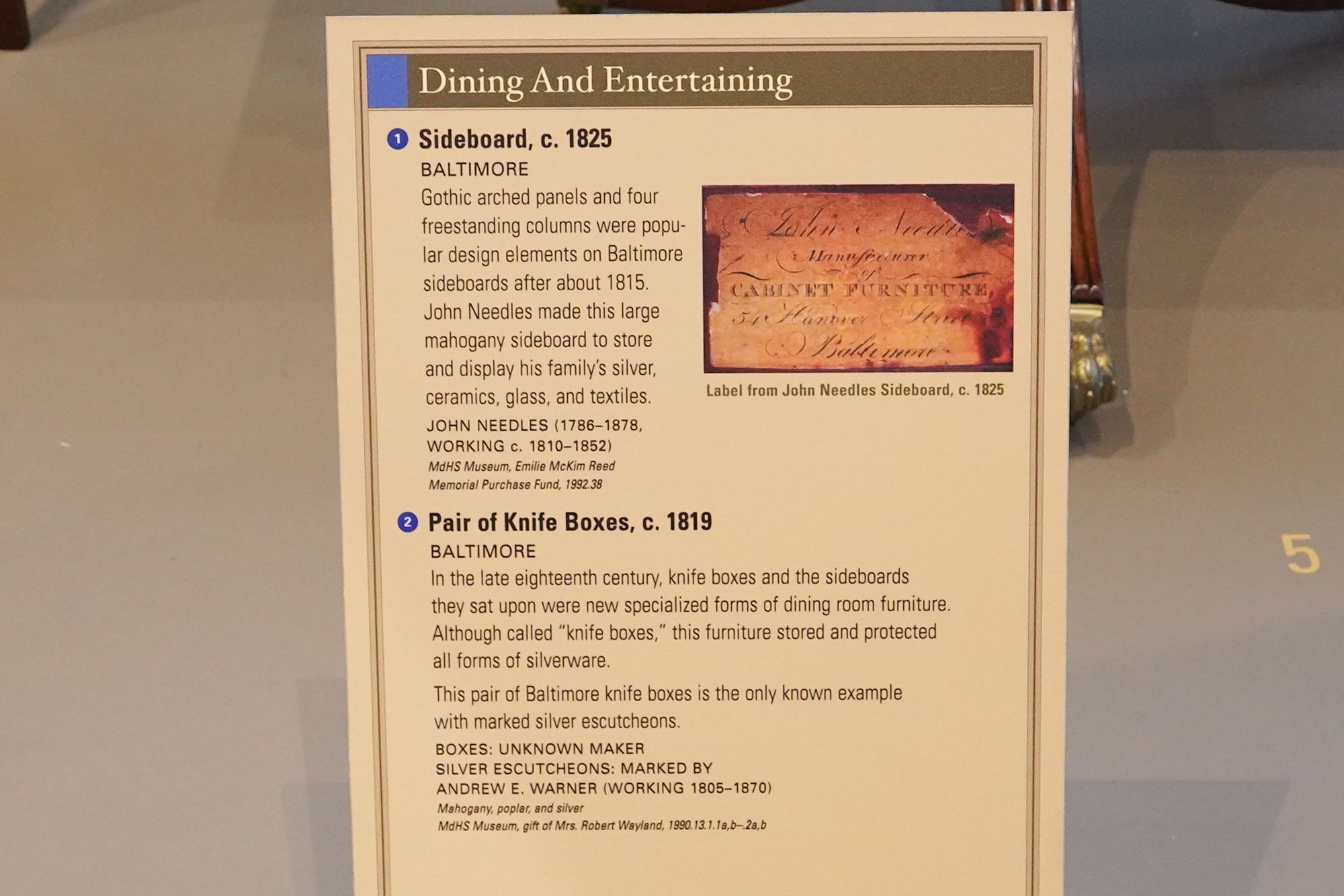
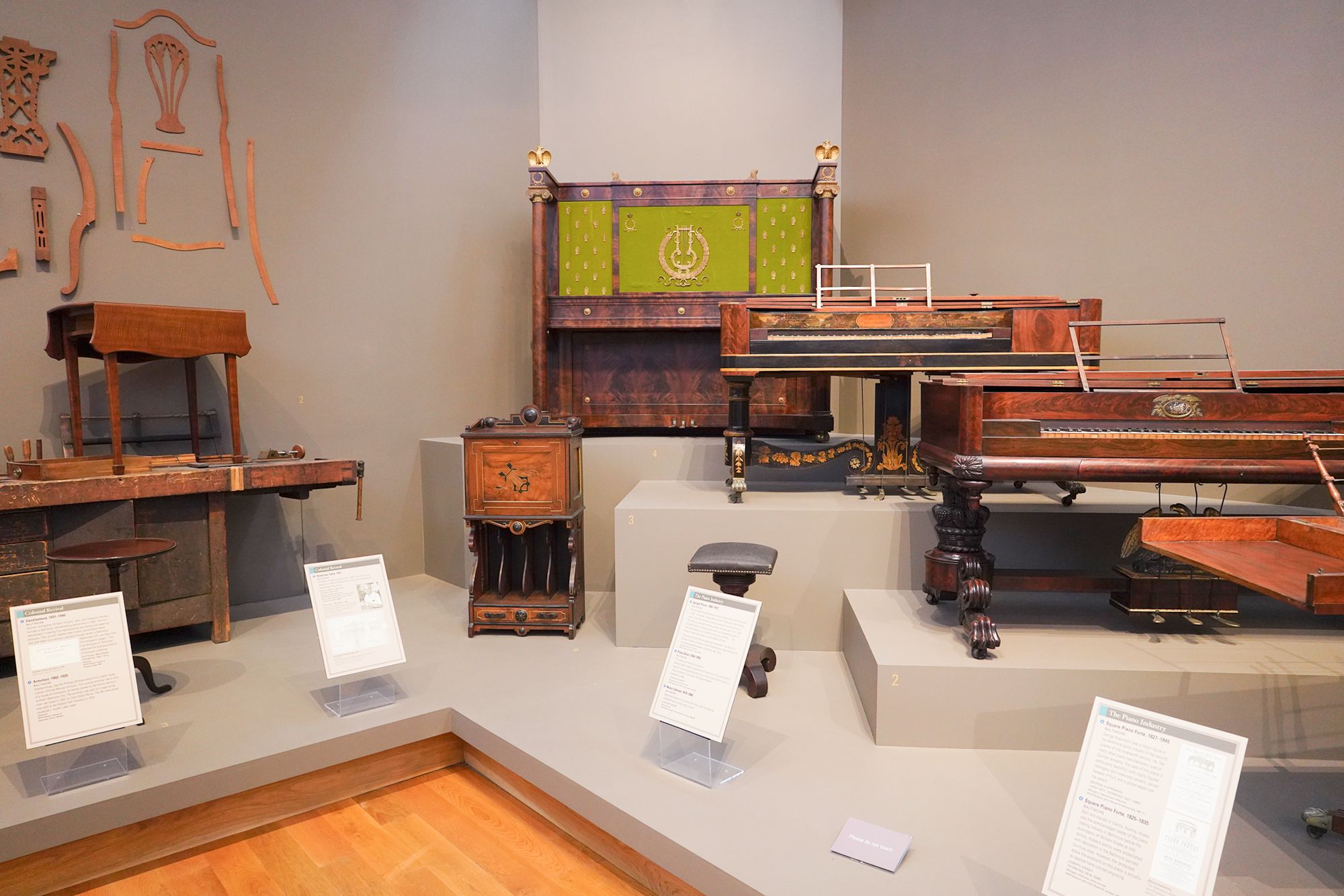
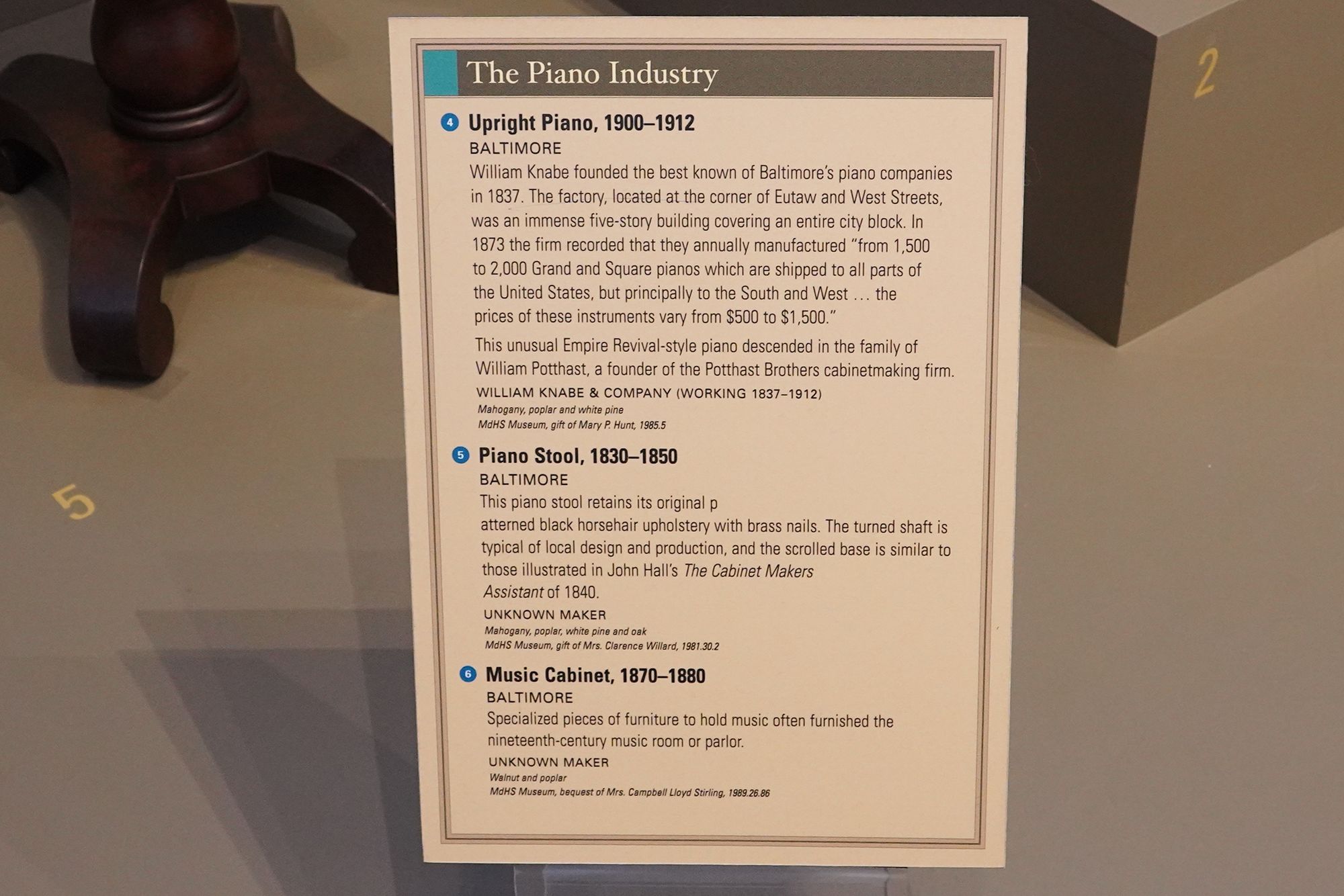
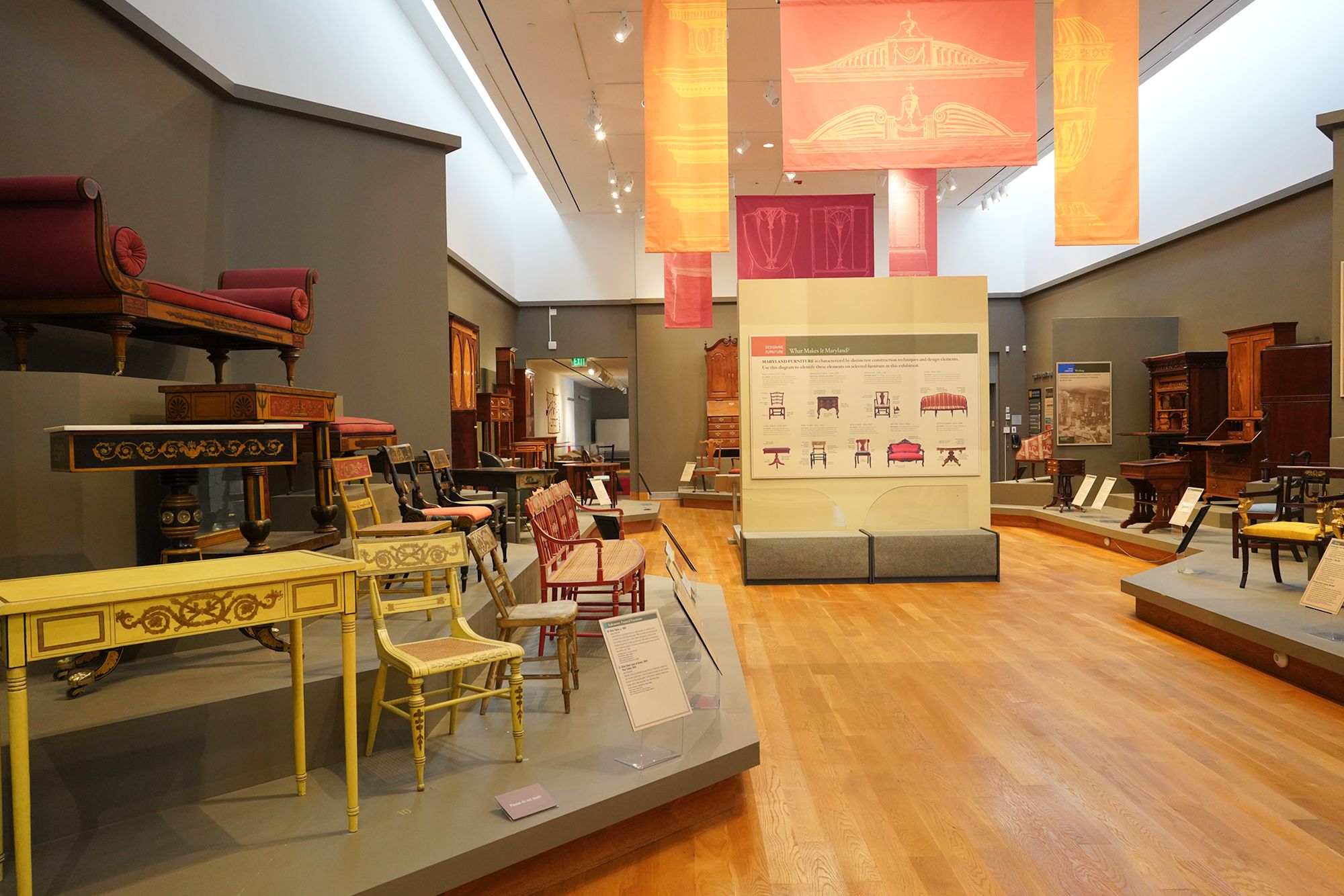
On the third floor of the museum is early furniture that was made in Maryland