Gettysburg National Military Park and Museum, Gettysburg, Pennsylvania, USA
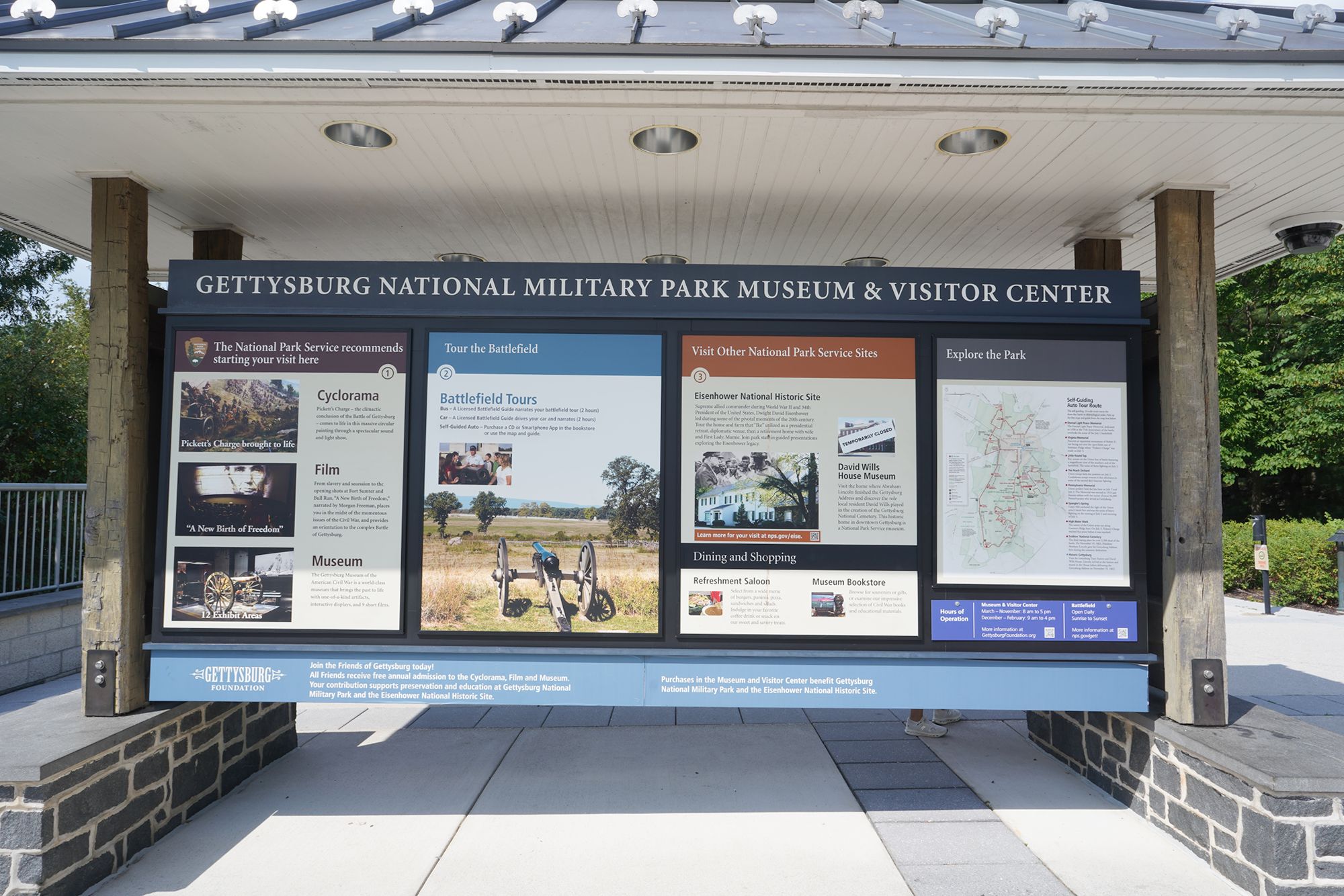
Gettysburg National Military Park preserves the site of the Civil War’s most pivotal battle and honors those who fought there. 1161
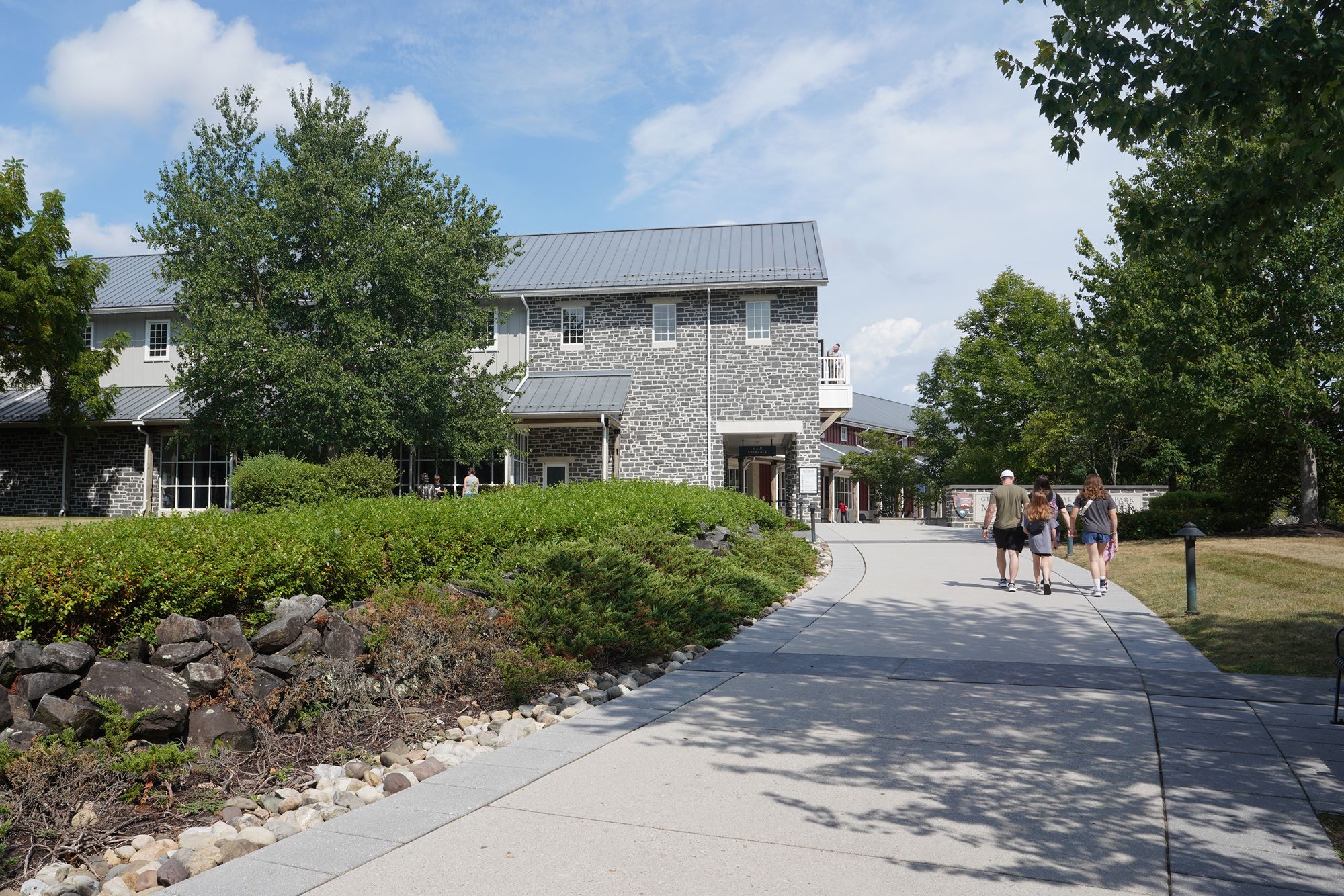
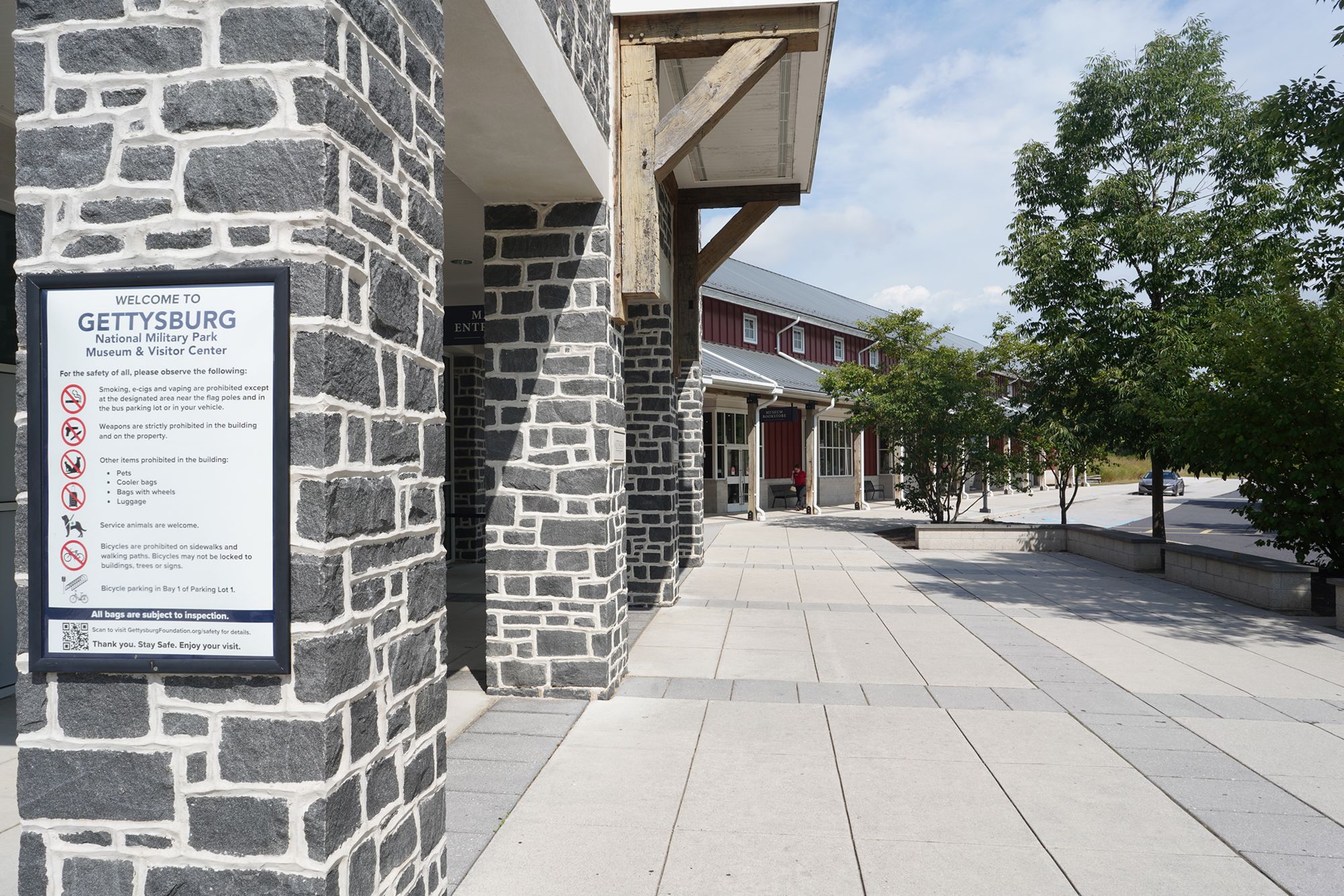
Gettysburg National Military Park Museum & Visitor Center: 1195 Baltimore Pike Suite 100, Gettysburg, PA 17325
Date Picture Taken: August 2025
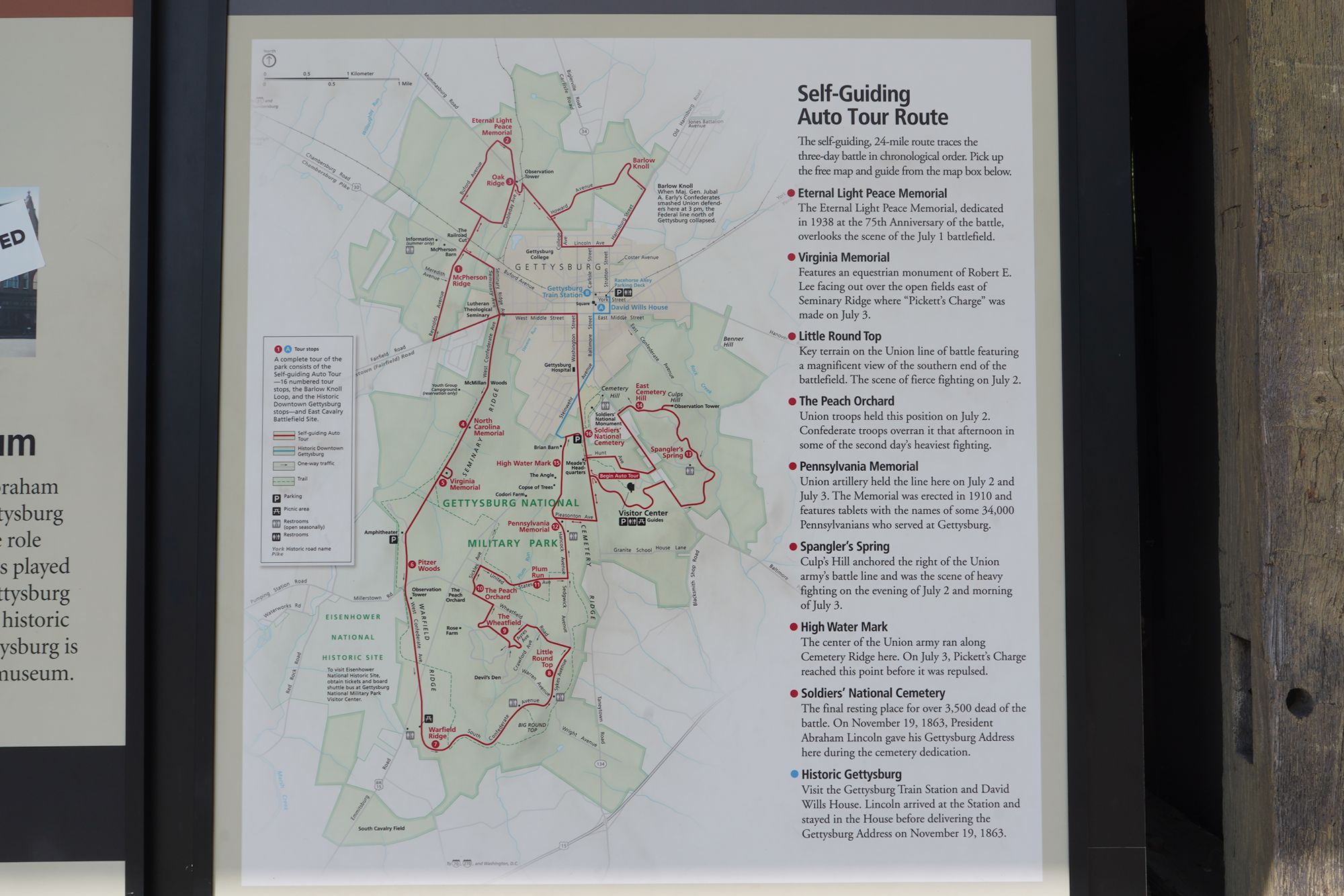
Gettysburg National Military Park encompasses the fields, ridges, and woodlands where the three-day Battle of Gettysburg unfolded in 1863, offering visitors museums, guided tours, monuments, and preserved landscapes that vividly recount the turning point of the Civil War and commemorate the soldiers whose sacrifices shaped American history.
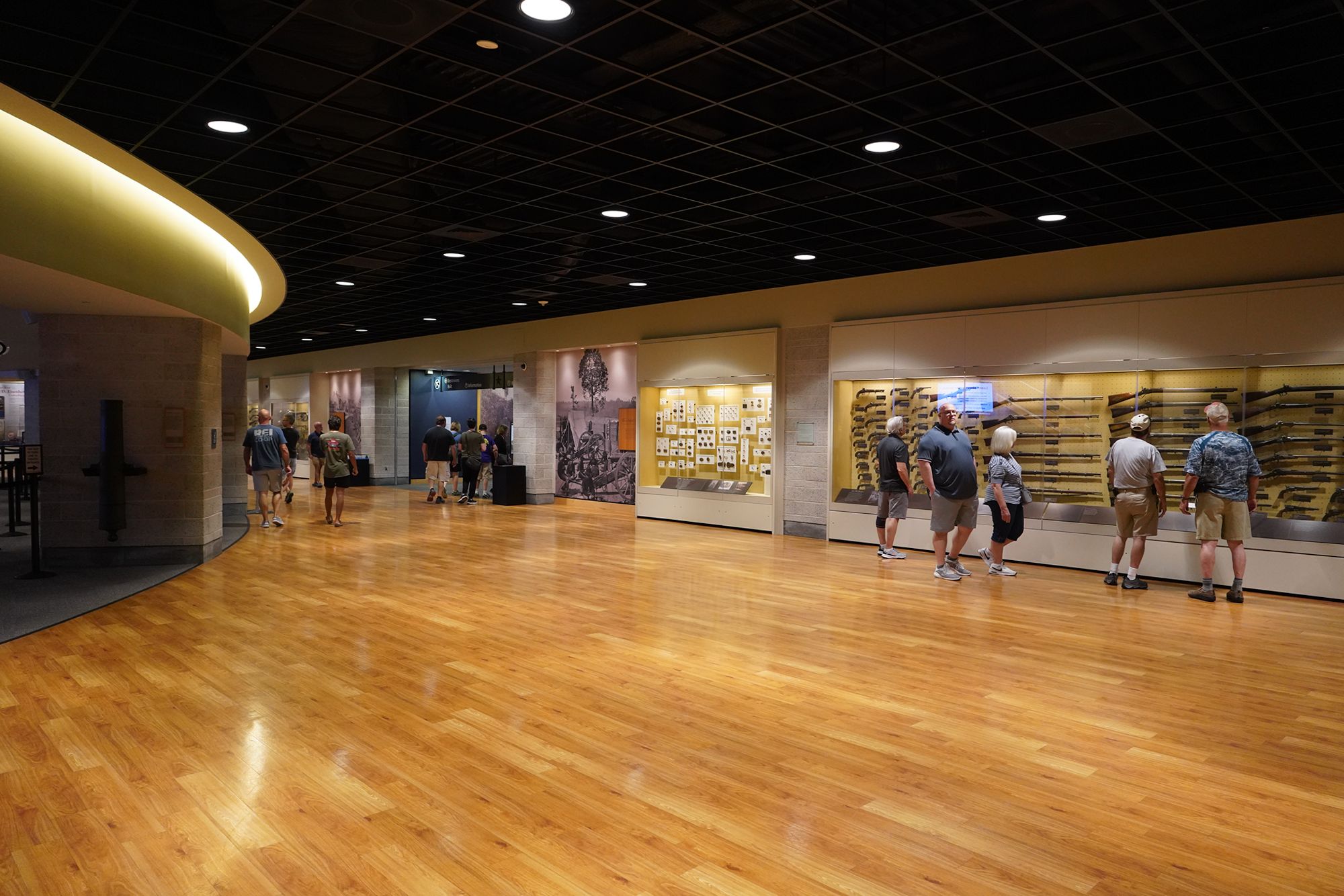
Inside the museum
The museum has the Gettysburg Cyclorama. It is a massive, 360-degree panoramic painting created in the 1880s by French artist Paul Philippoteaux, depicting Pickett’s Charge—the dramatic climax of the Battle of Gettysburg.
The photos below were taken as I walked counterclockwise
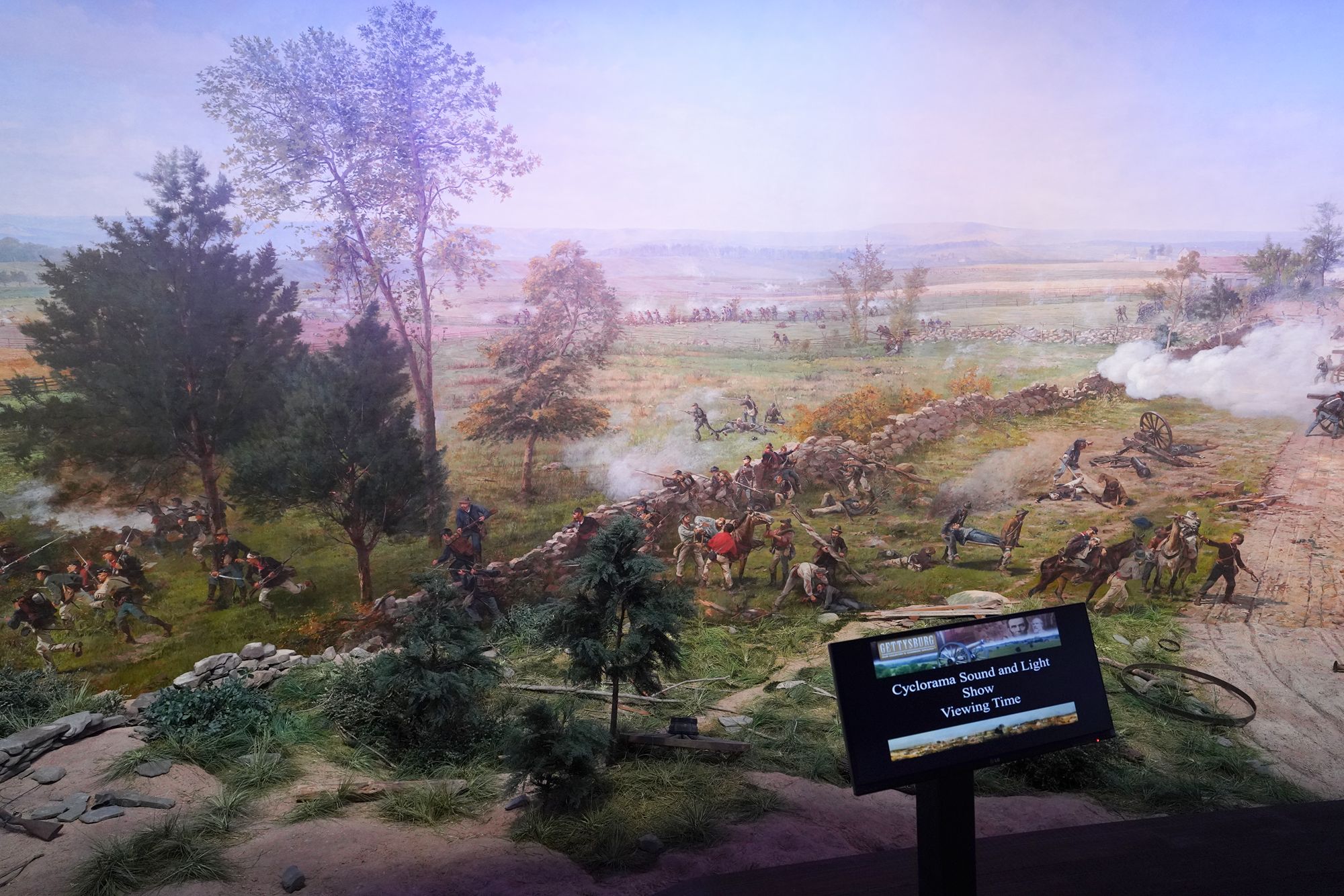
The artwork is more than 40 feet tall and 370 feet in circumference, immersing viewers in the battlefield through detailed brushwork, sound effects, lighting, and diorama elements that blend the painting with real foreground objects.
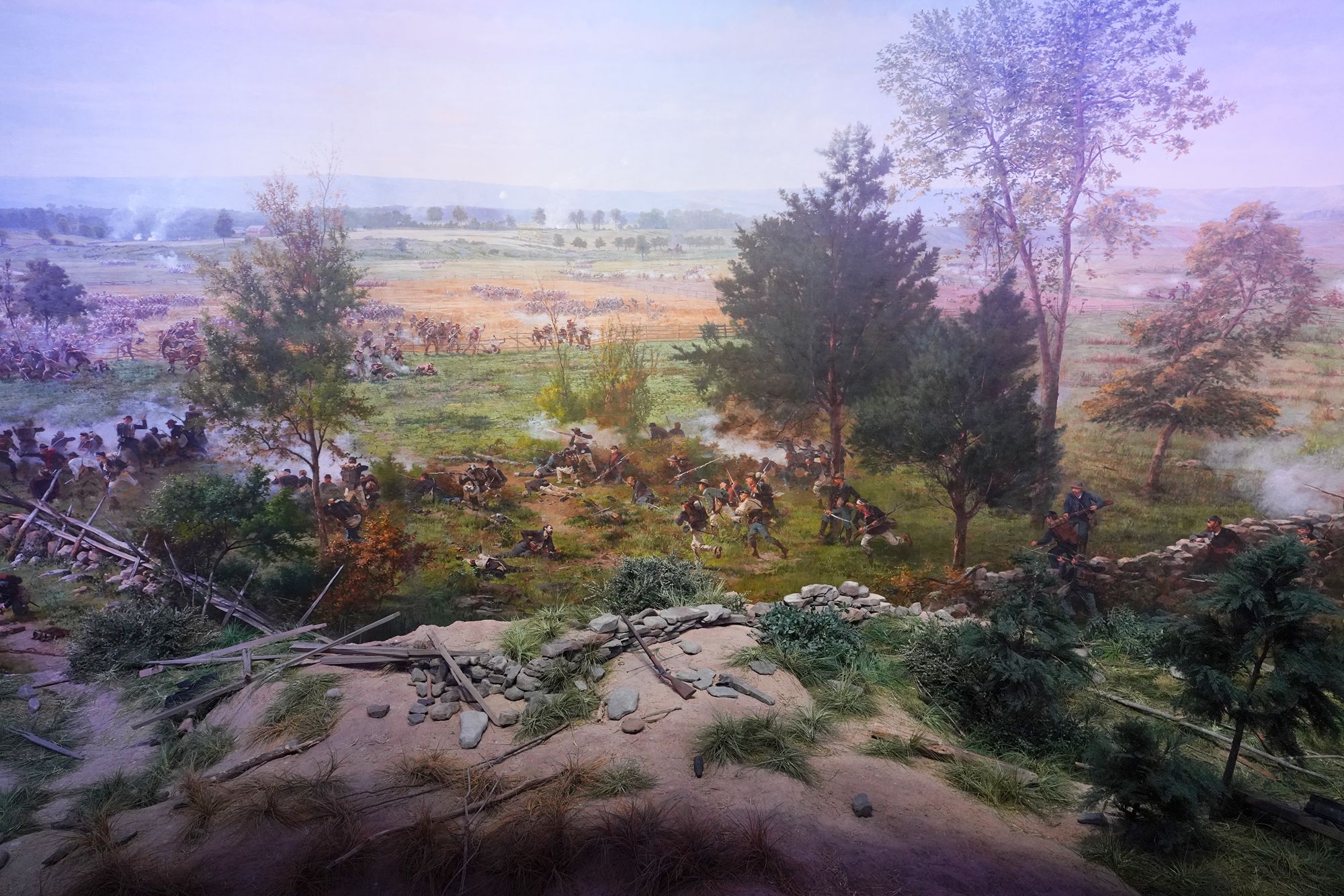
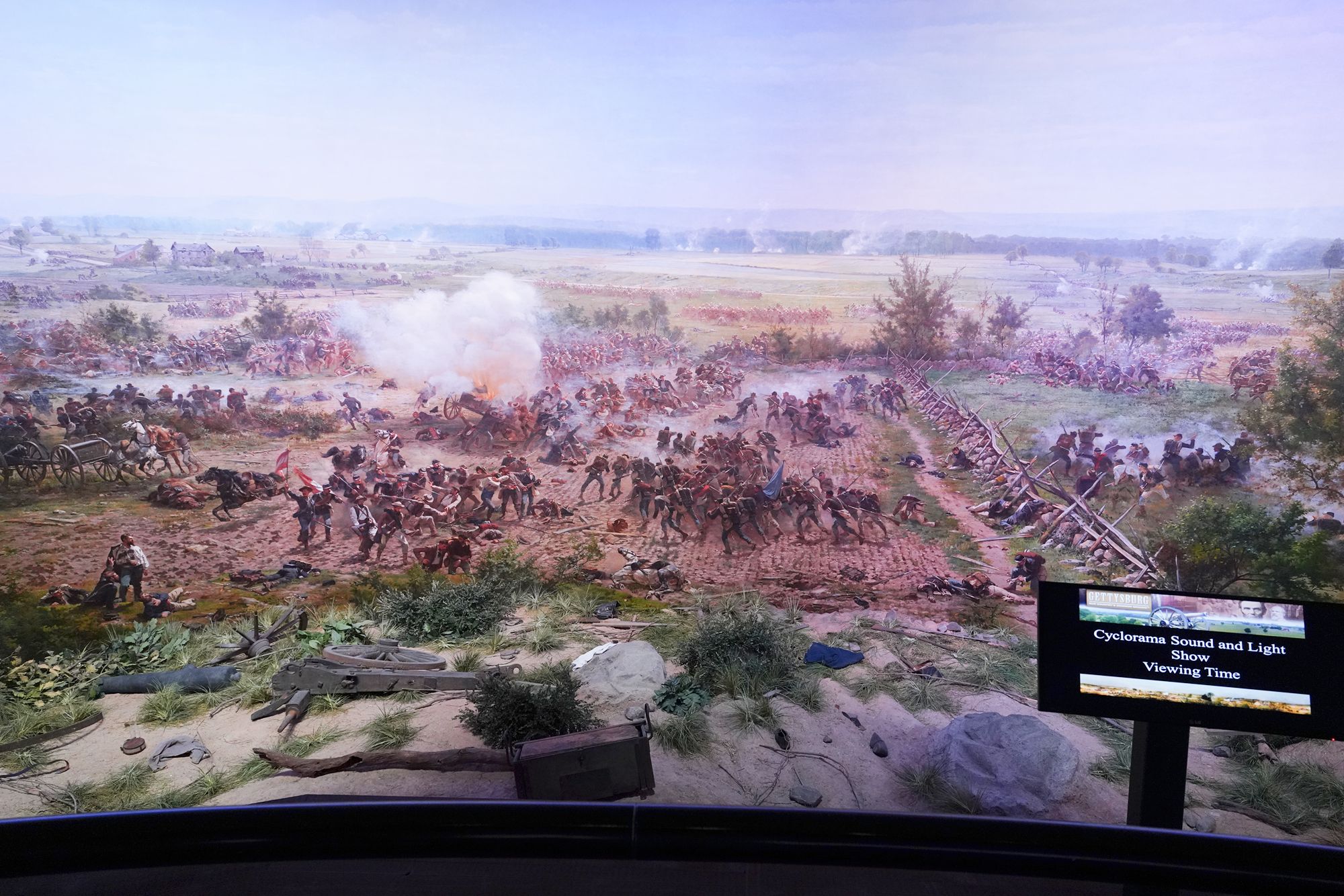
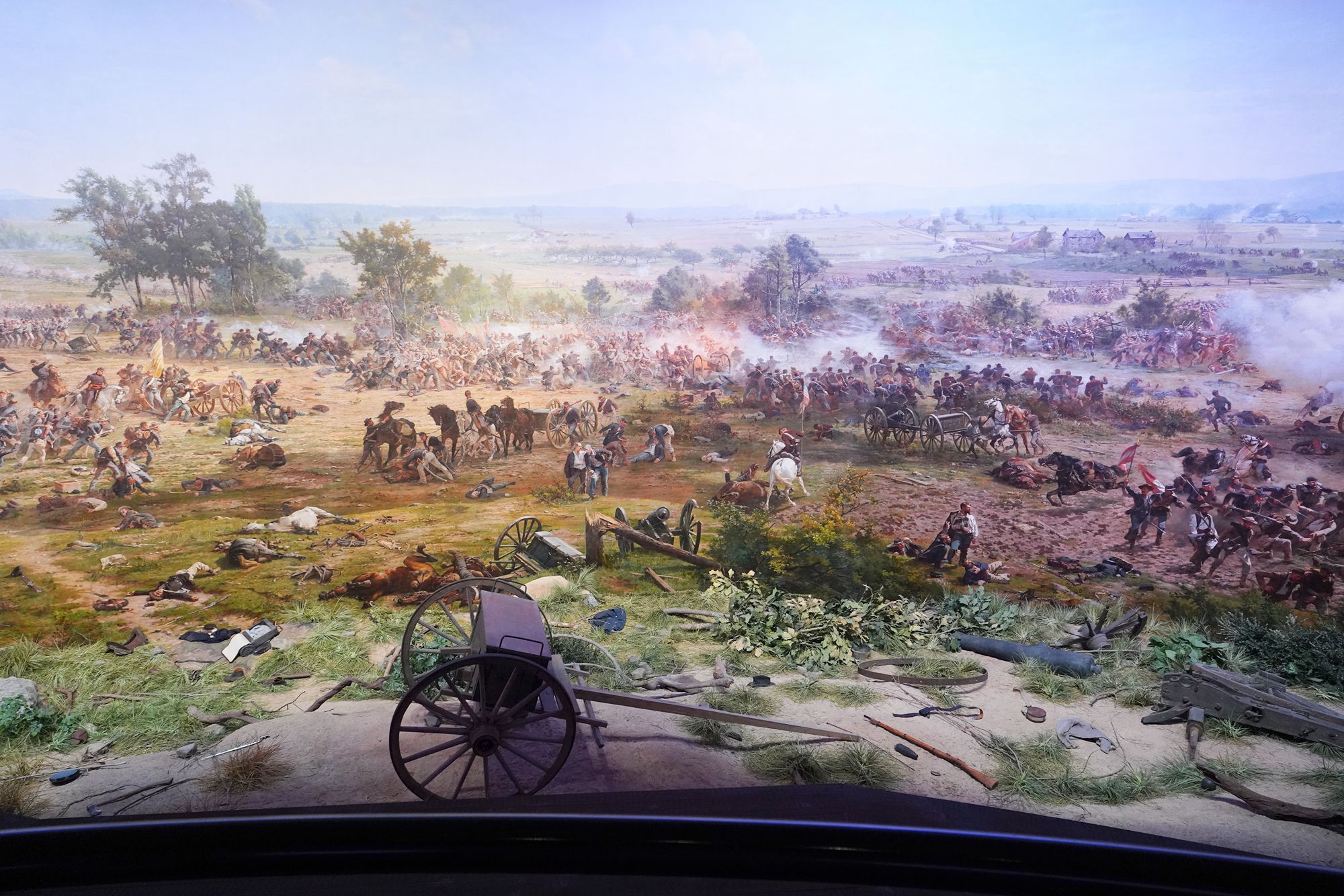
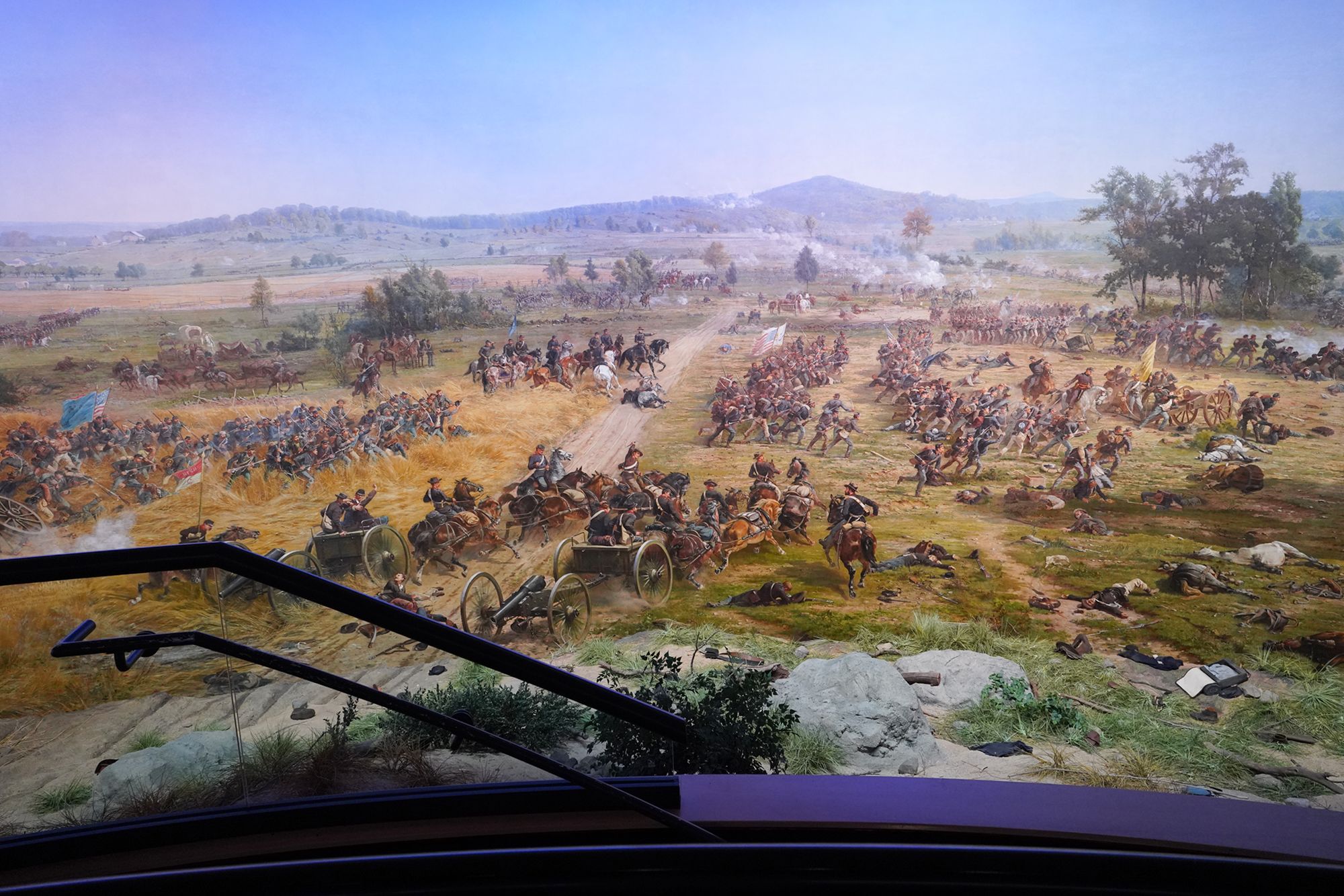
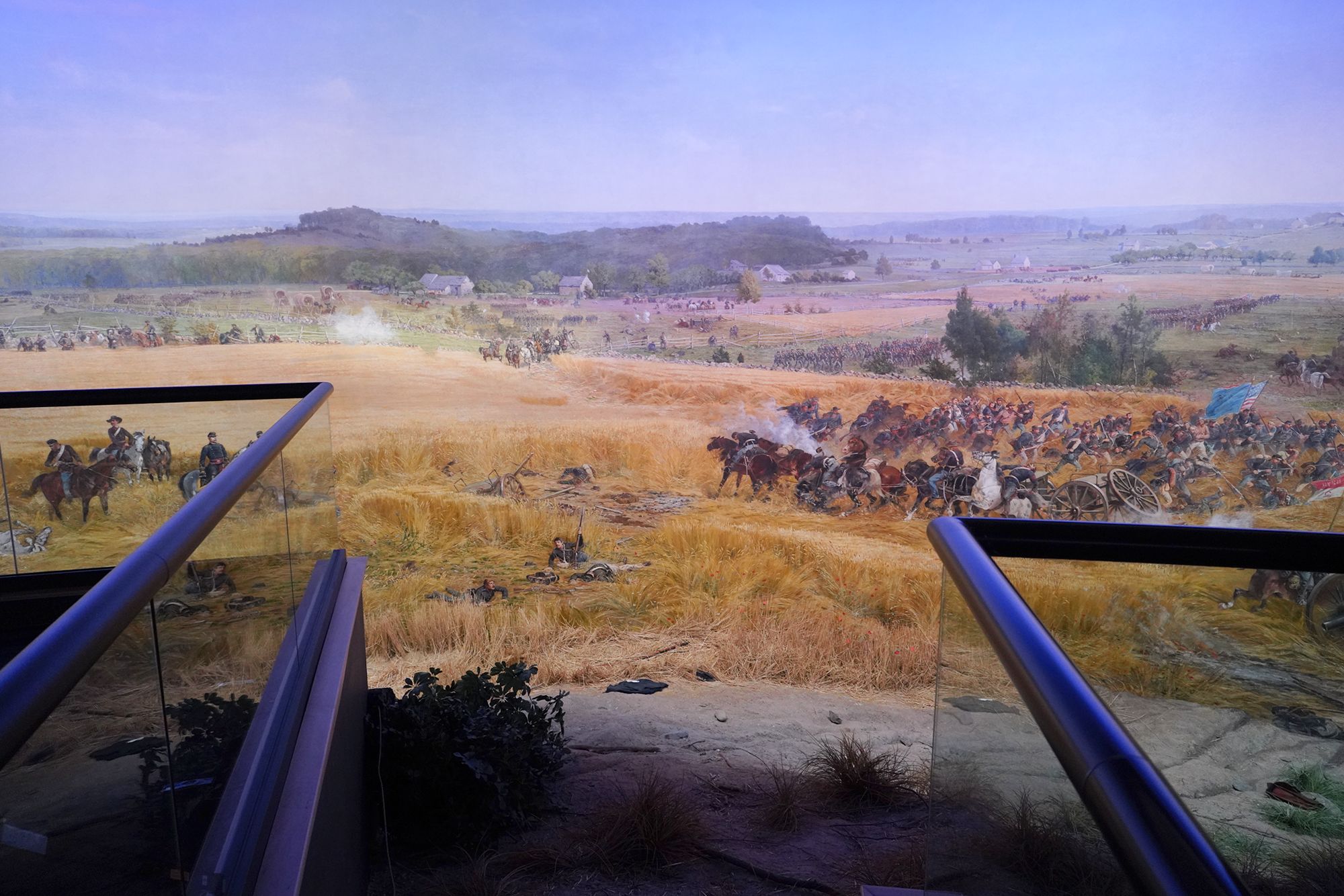
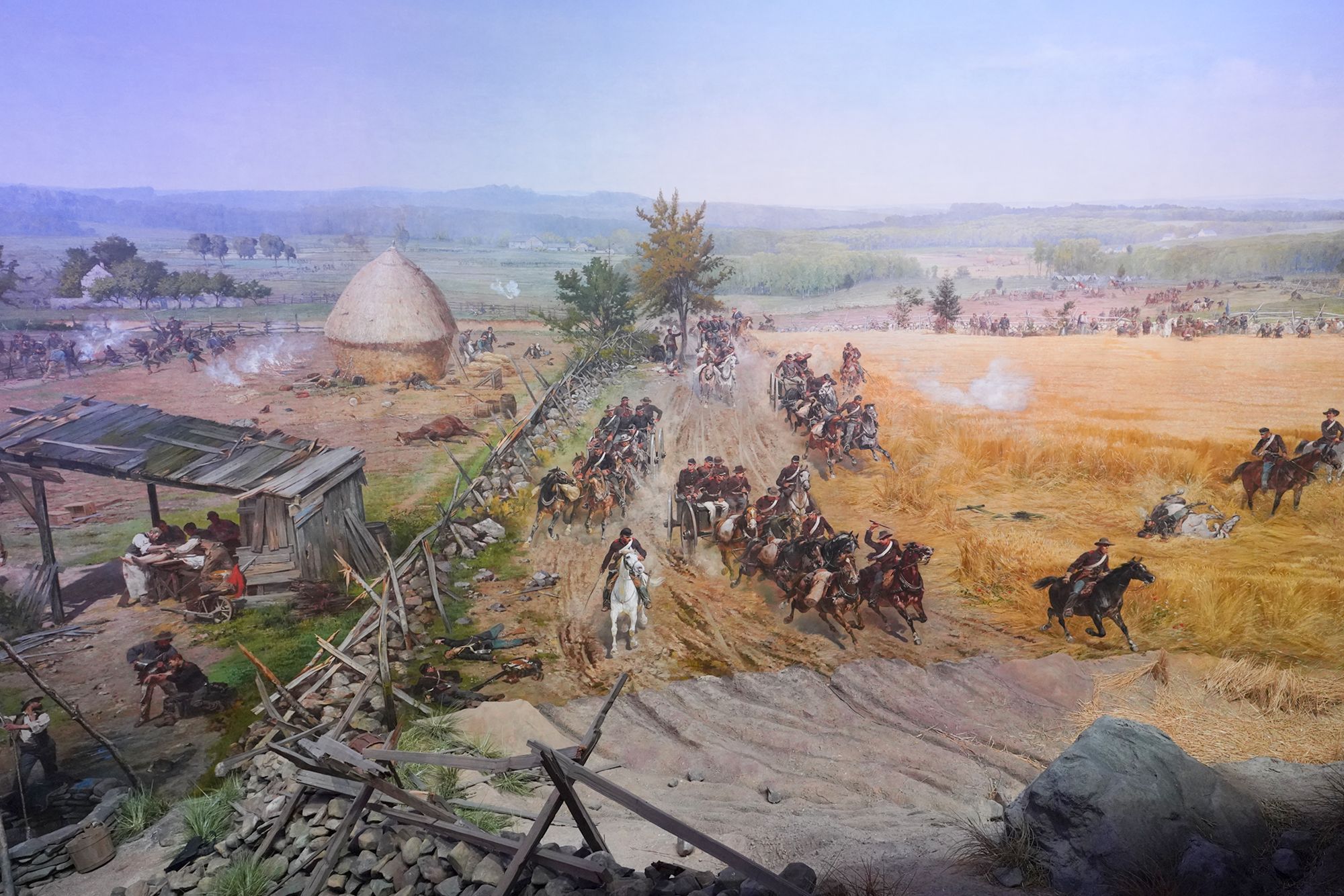
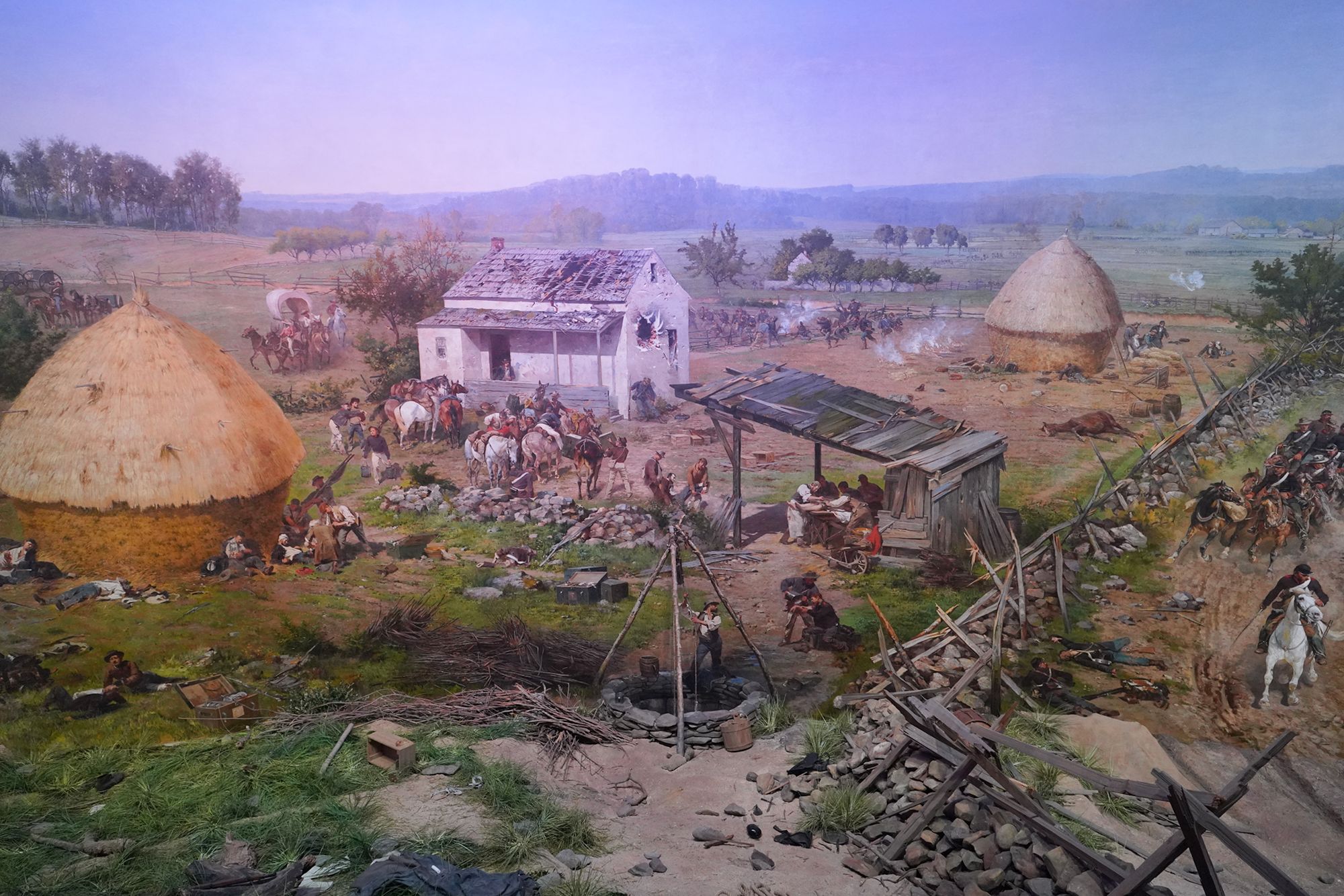
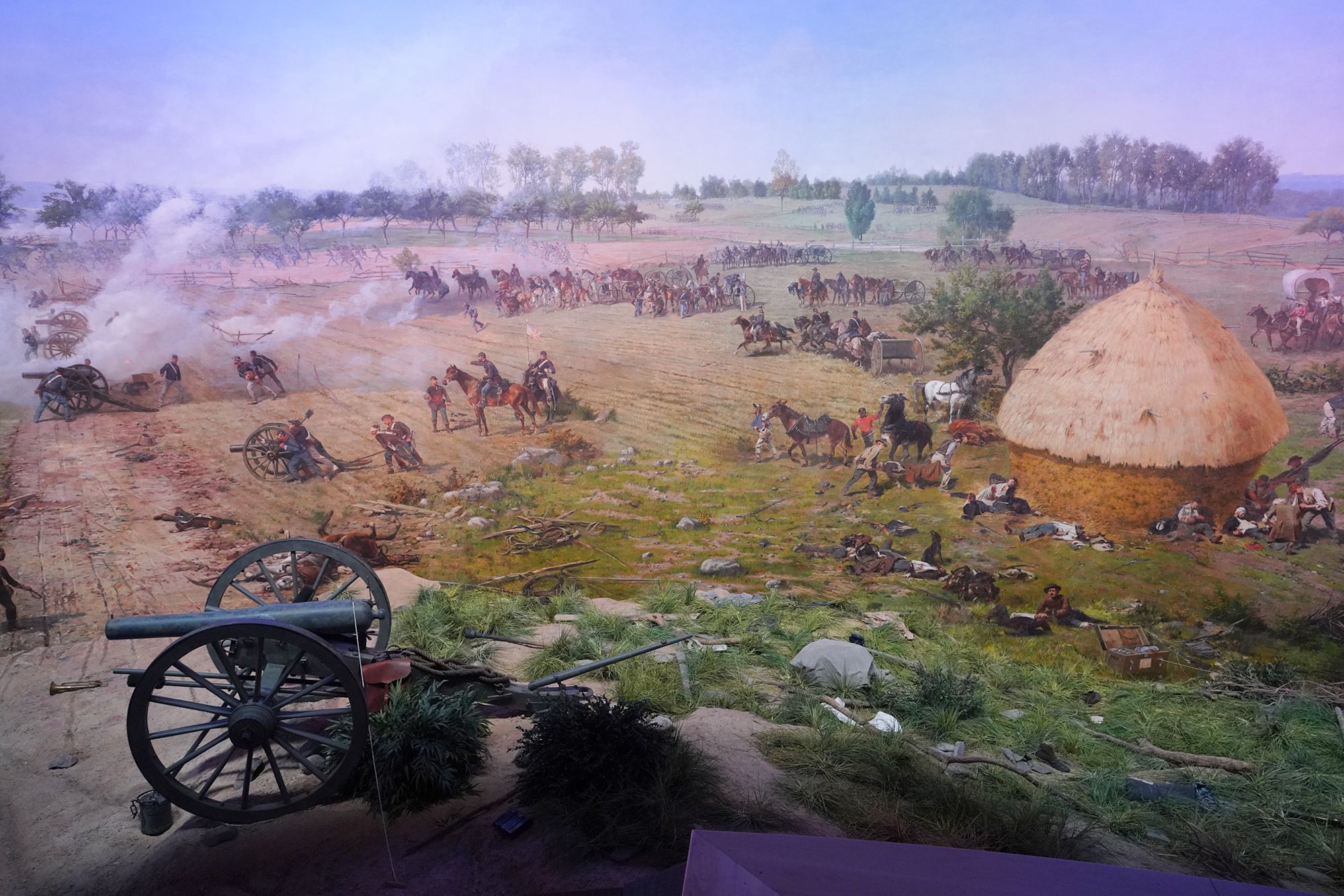
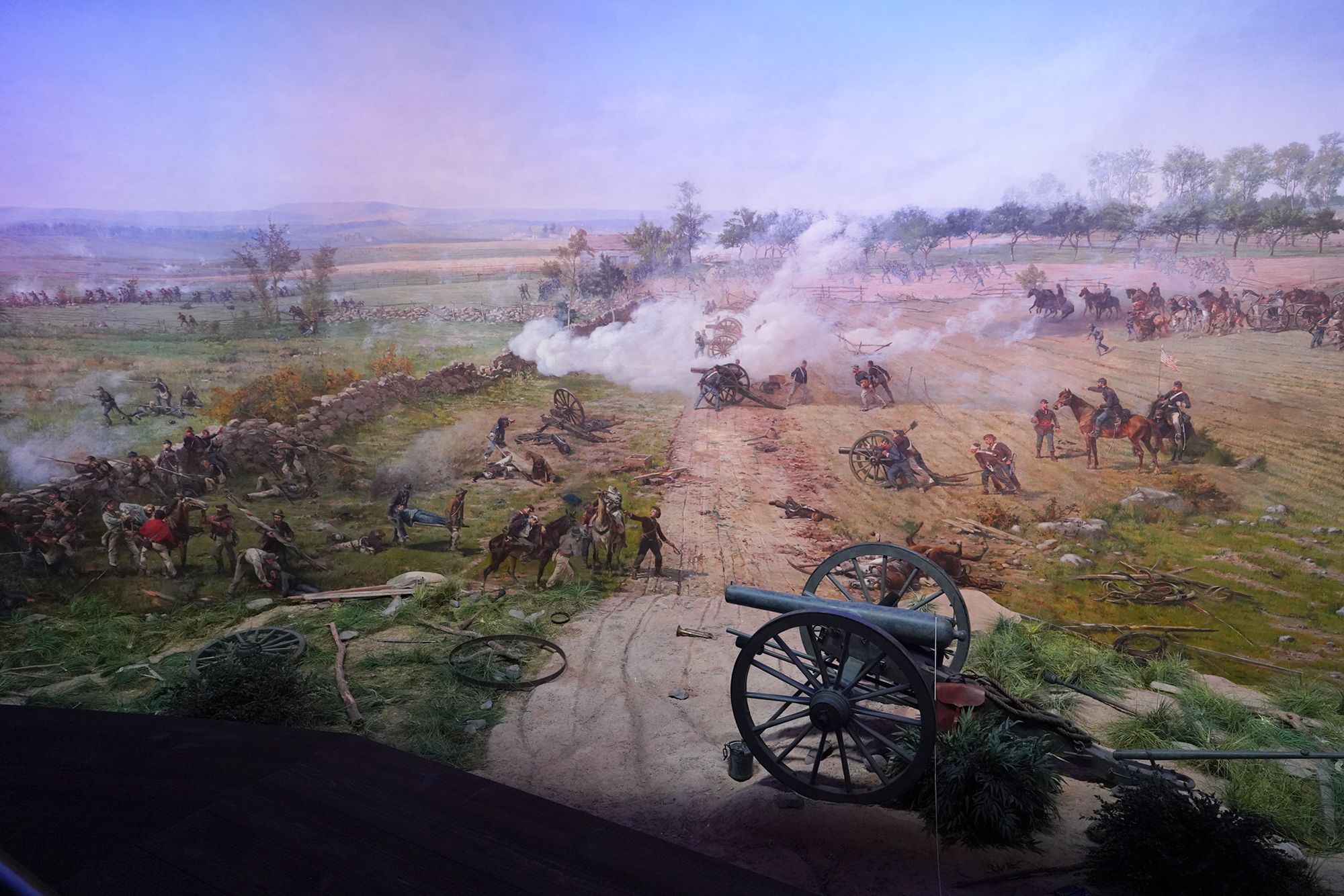
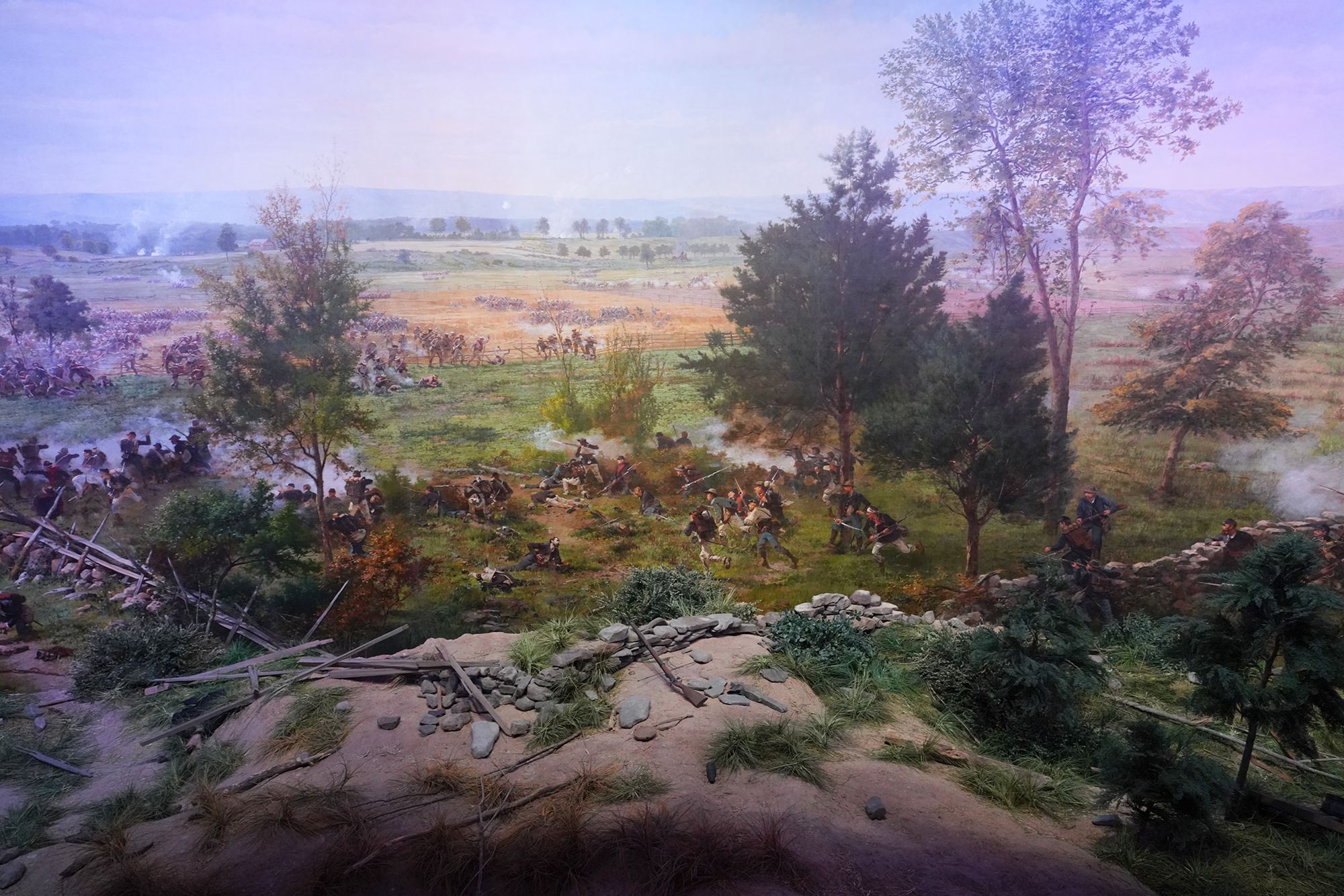
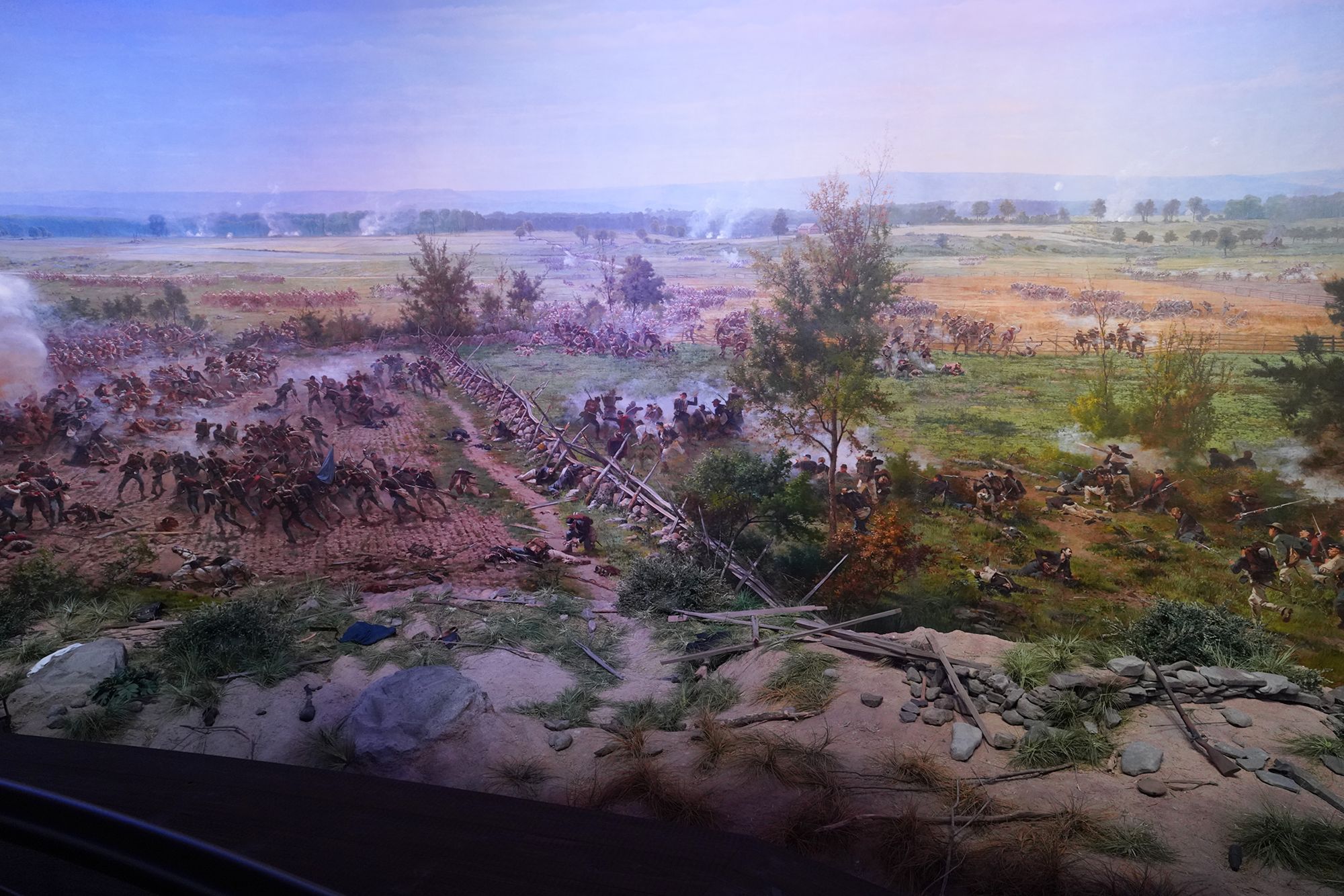
Gettysburg stands as one of the most important battles of the Civil War. The Union victory stopped the Confederate push into the North and marked a dramatic shift in favor of the Union.
With more than 50,000 casualties in three days of battle, it left a deep scar on both sides, and Lincoln’s Gettysburg Address later gave this ground a timeless meaning, reminding Americans of the values of equality, freedom, and the struggle to preserve the nation.
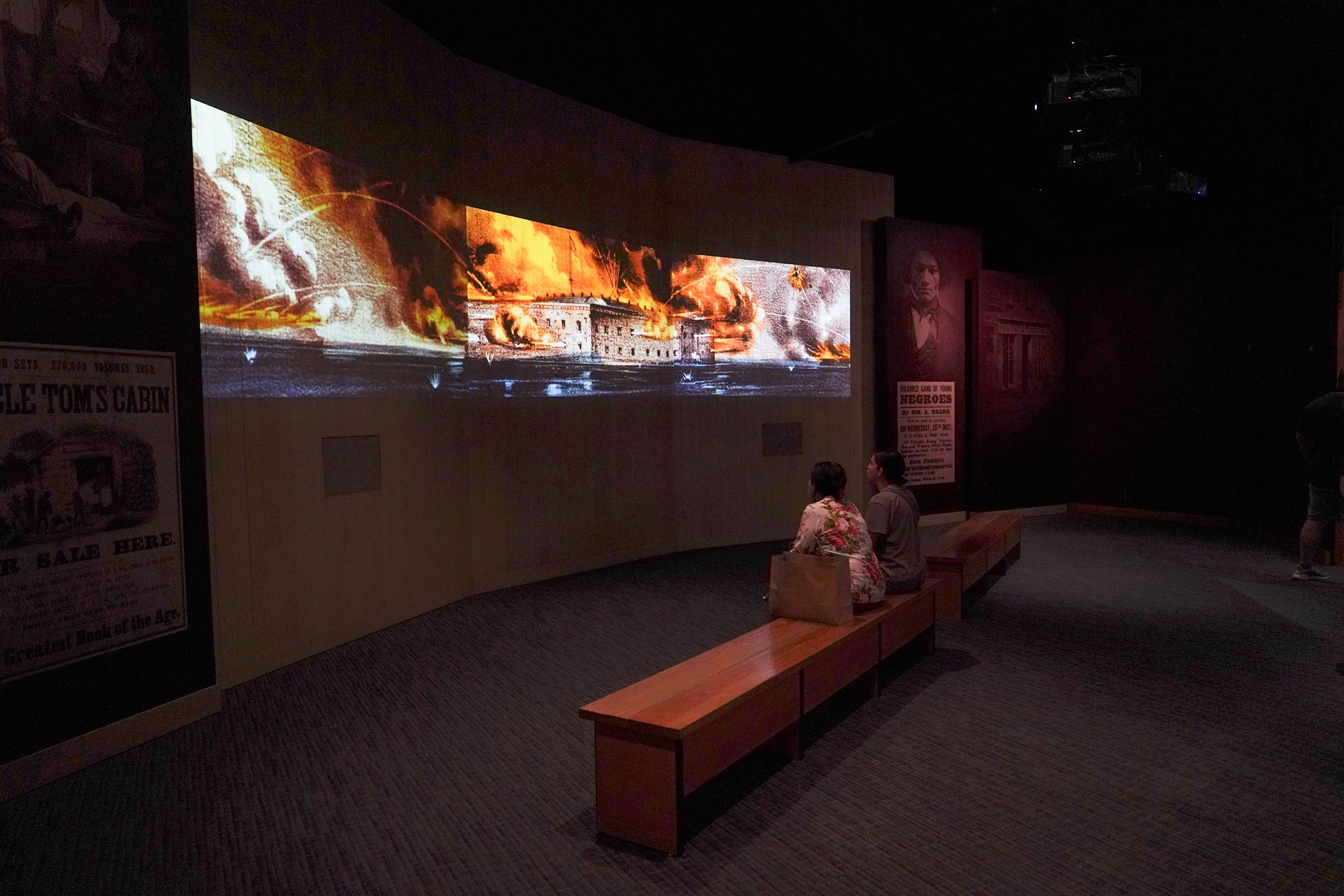
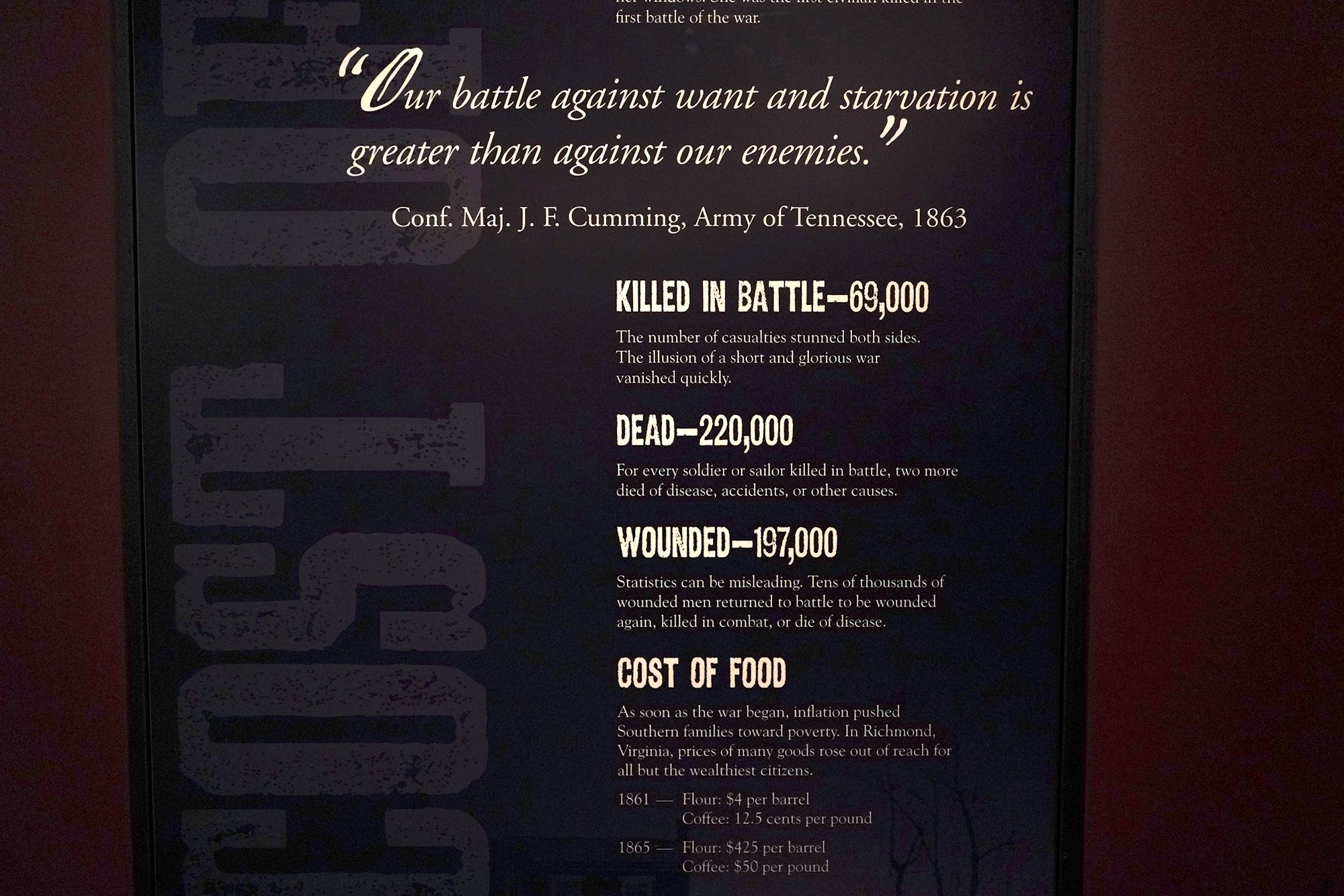
After four brutal years of Civil War—years that claimed over 720,000 soldiers and sailors—the conflict reached Gettysburg.
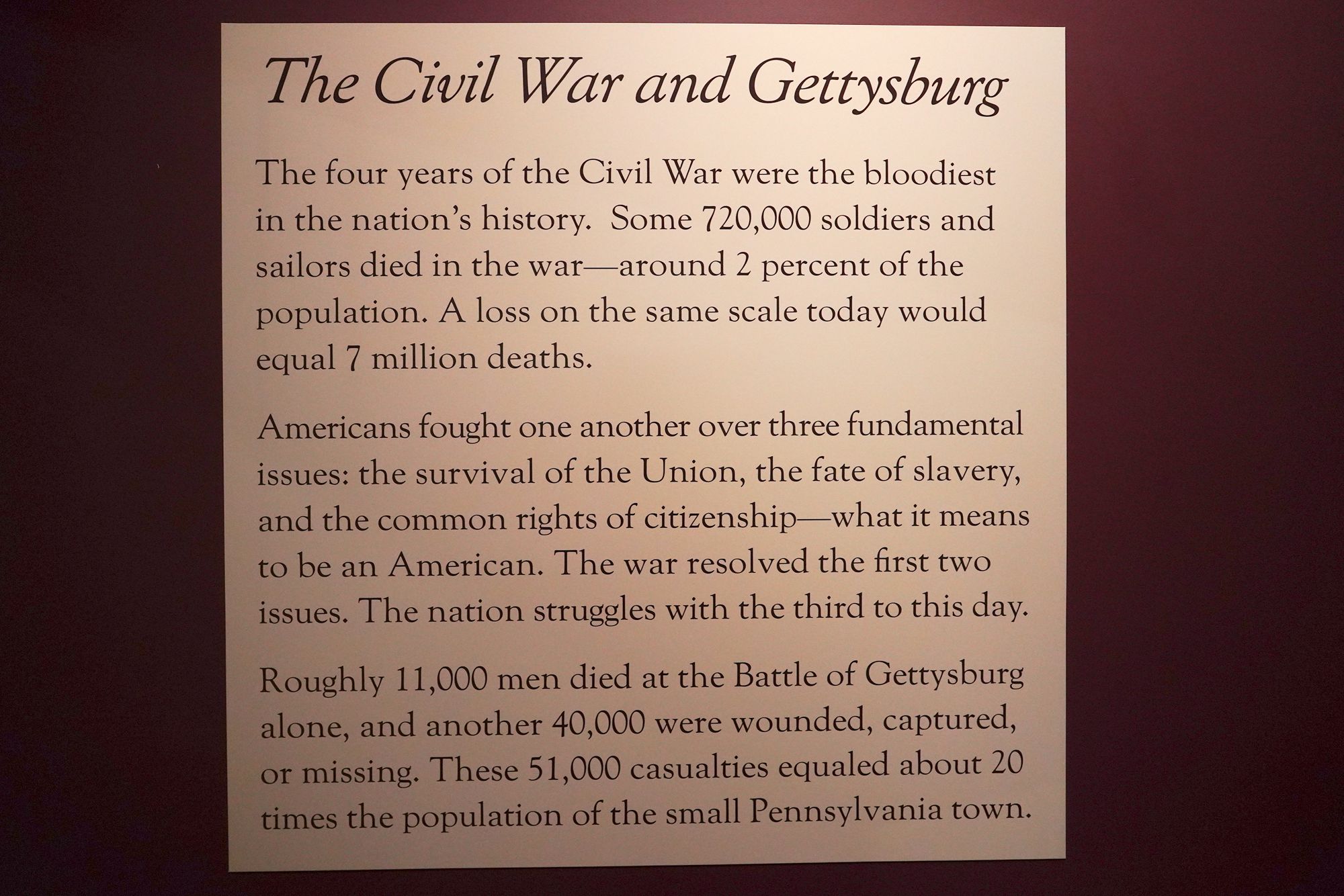
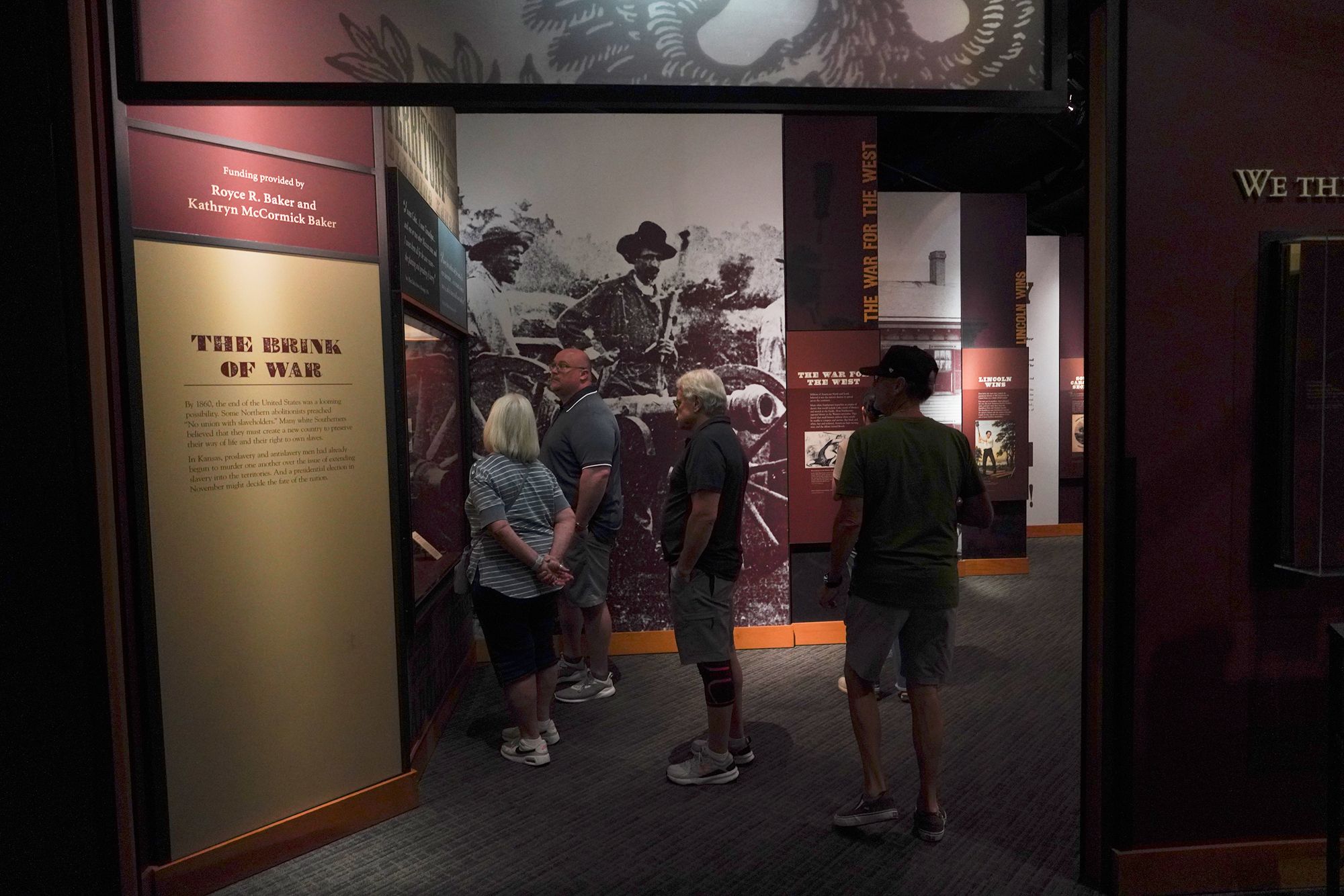
The war began largely because of the issue of slavery.
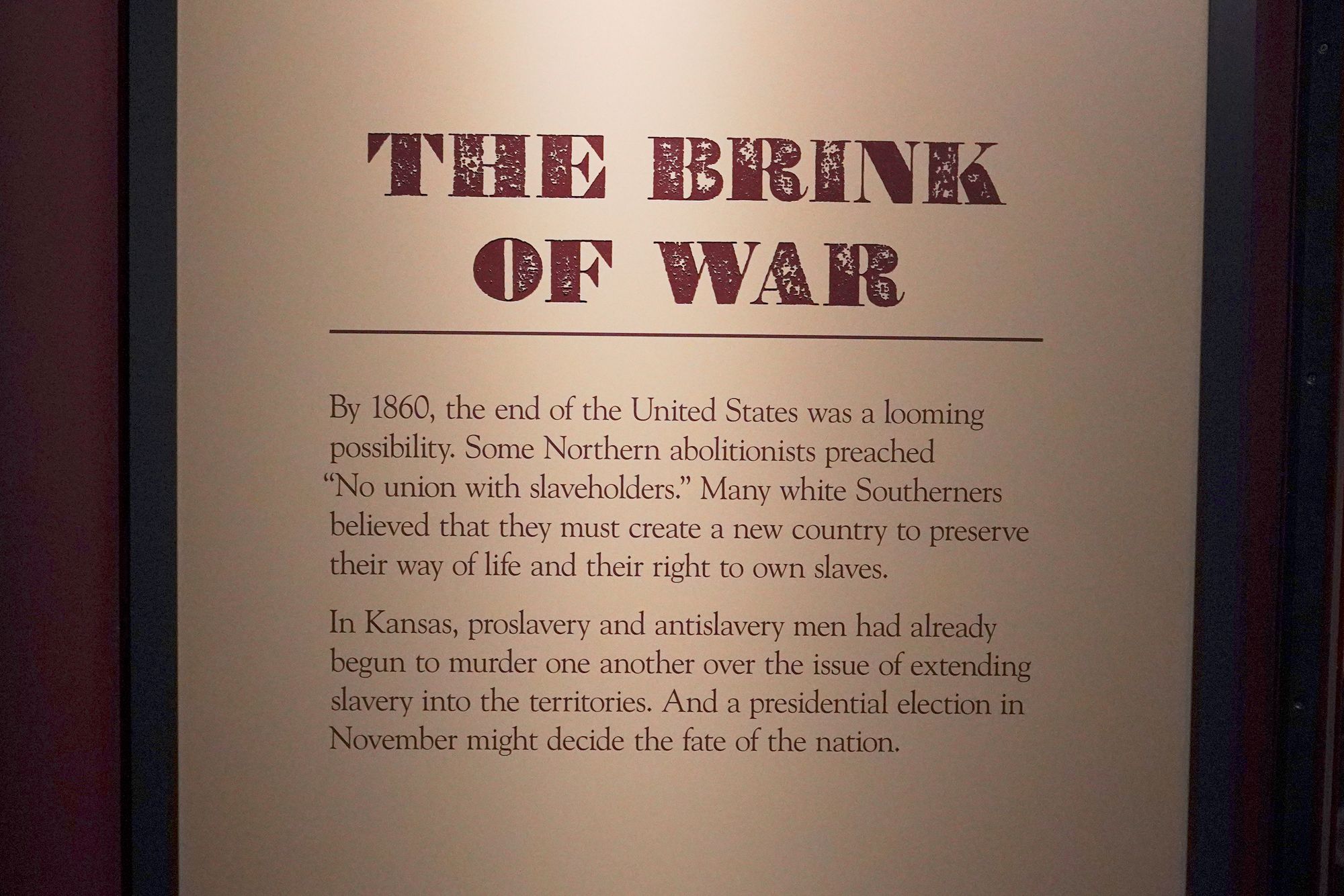
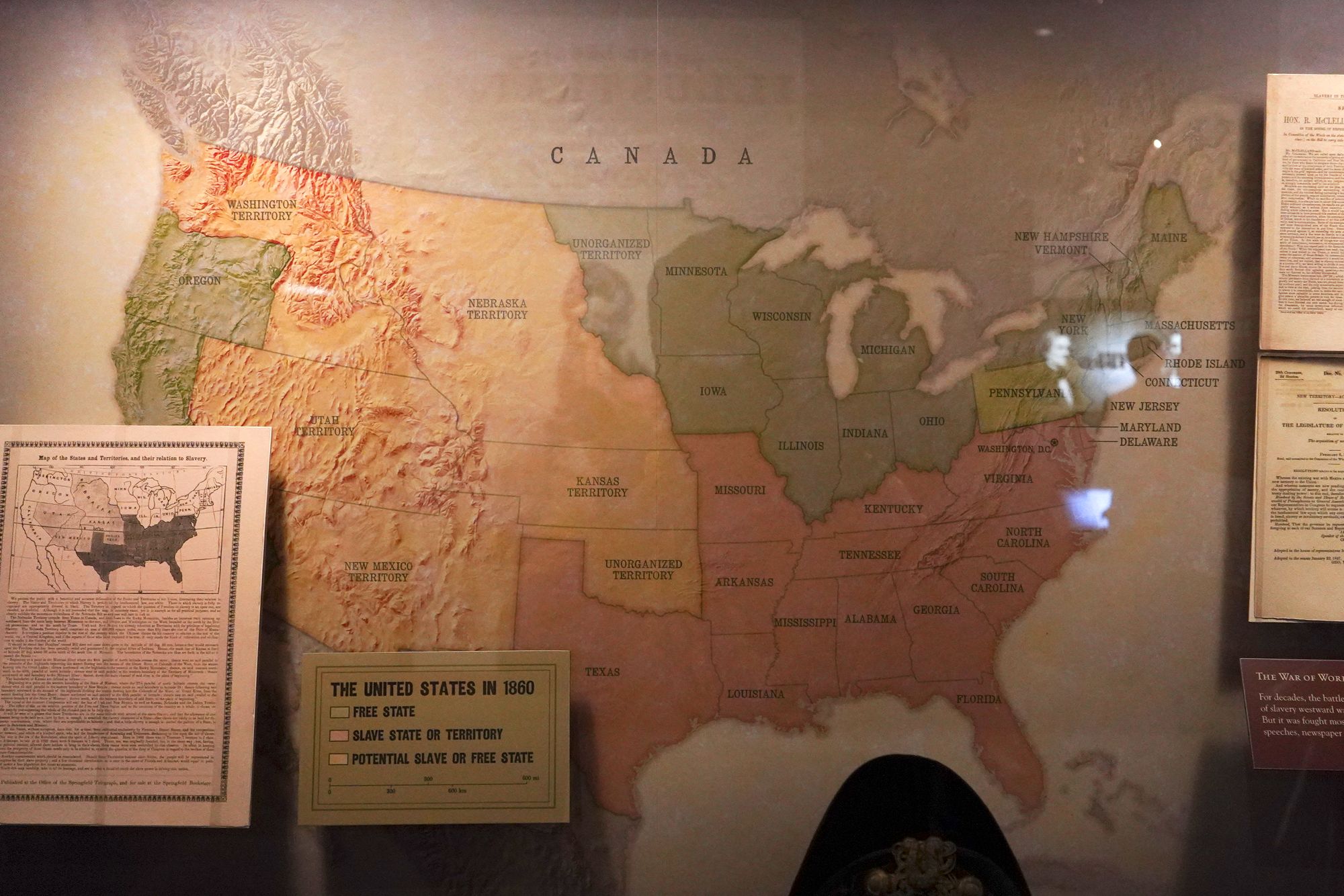
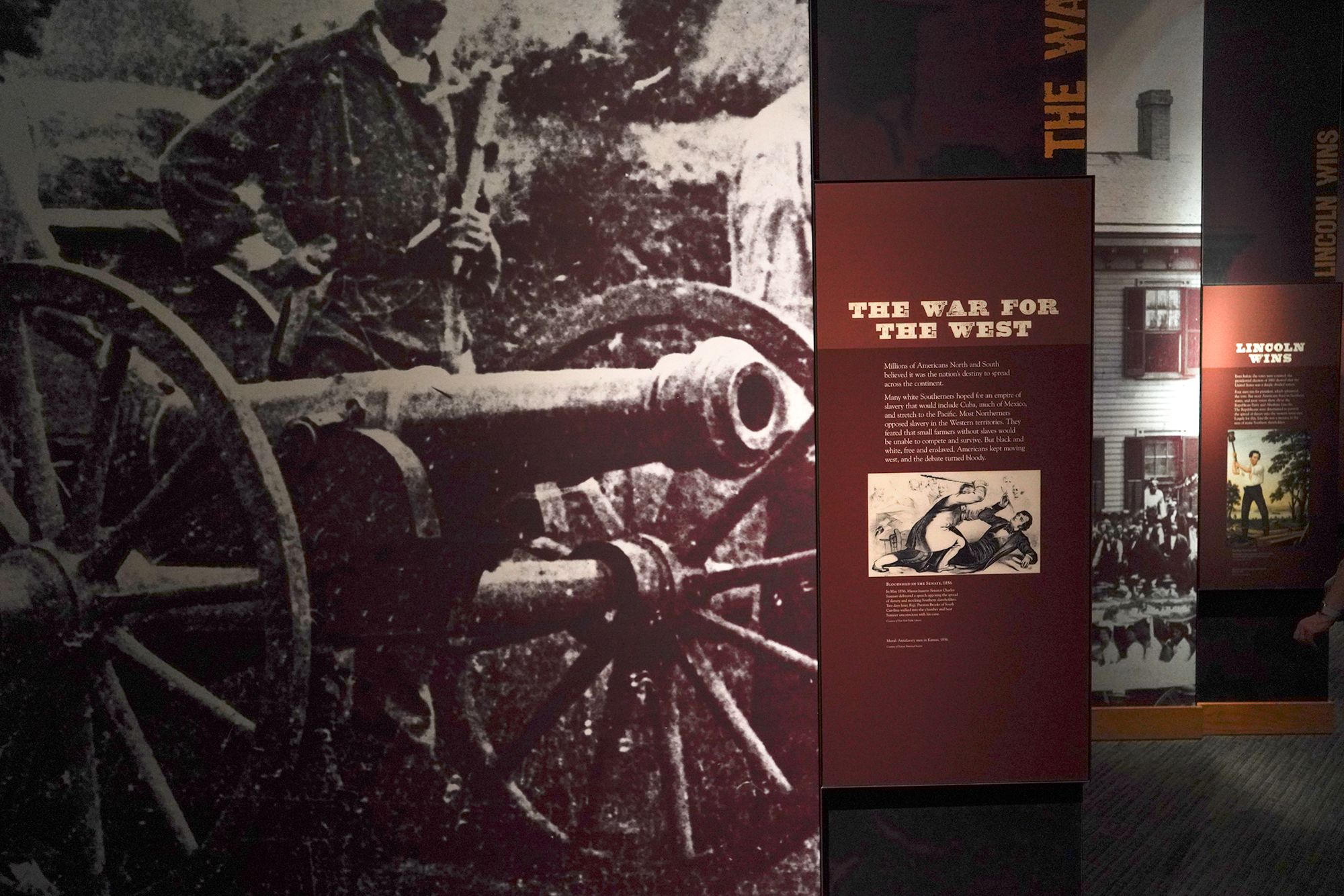
As the United States pushed westward in the 1800s, every new territory raised the same explosive question — would slavery be allowed there? Western land promised new wealth and political power, and both North and South wanted to shape it in their own image.
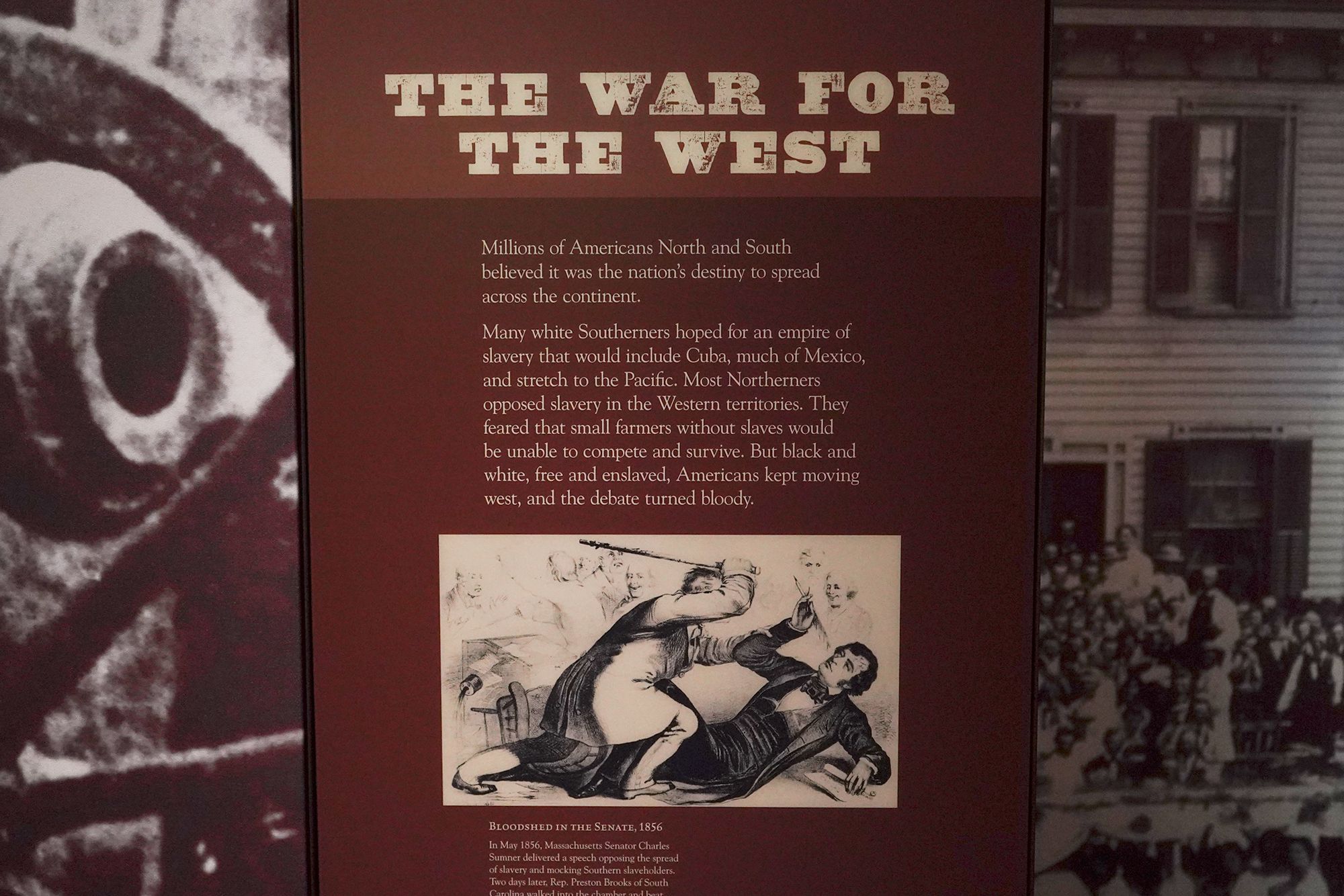
For slaveholders, expansion meant new cotton fields and more enslaved labor; for many in the North, it threatened the future of free labor. Each new state risked tipping the balance of power in Congress, turning the West into a battleground over slavery long before the Civil War began.
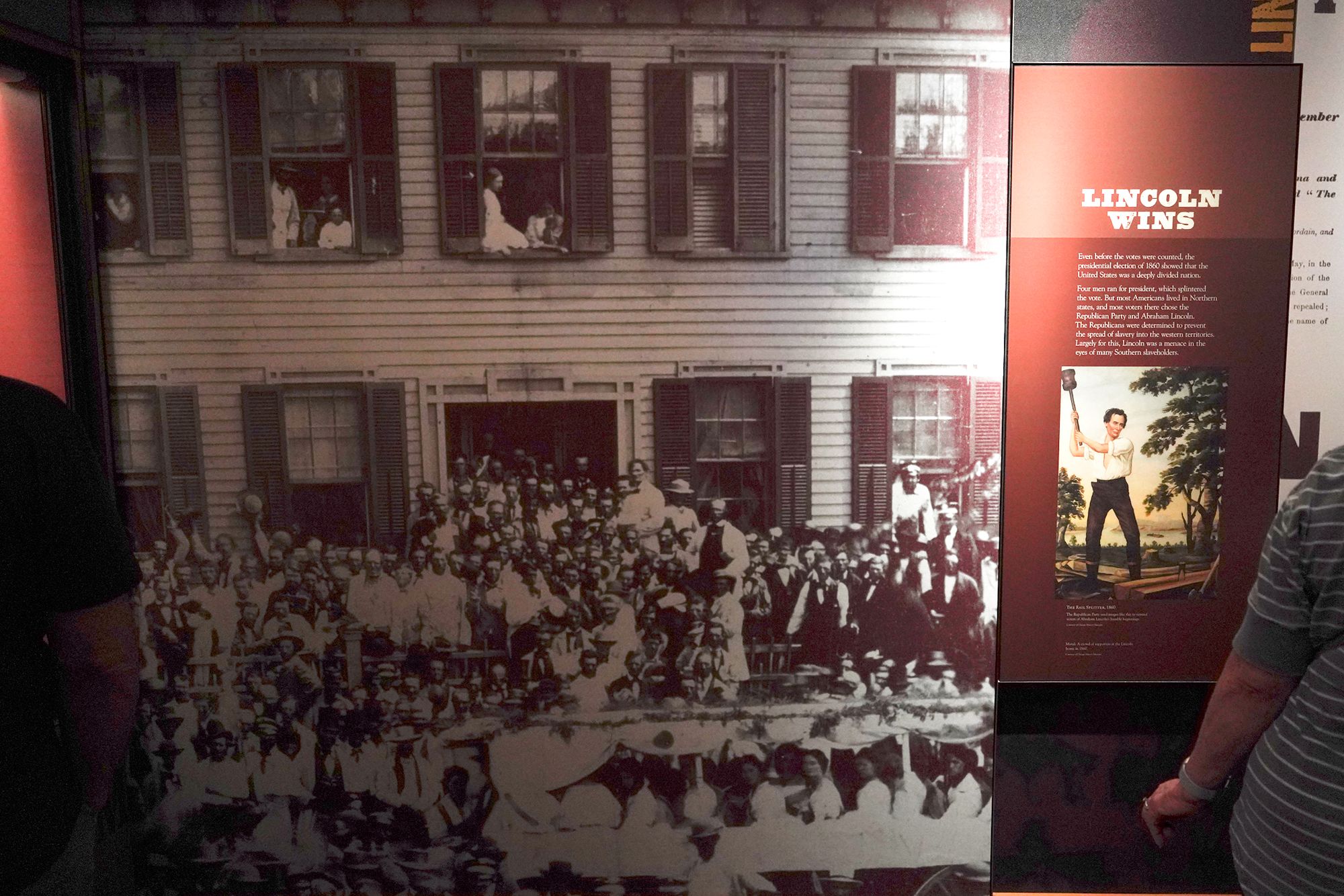
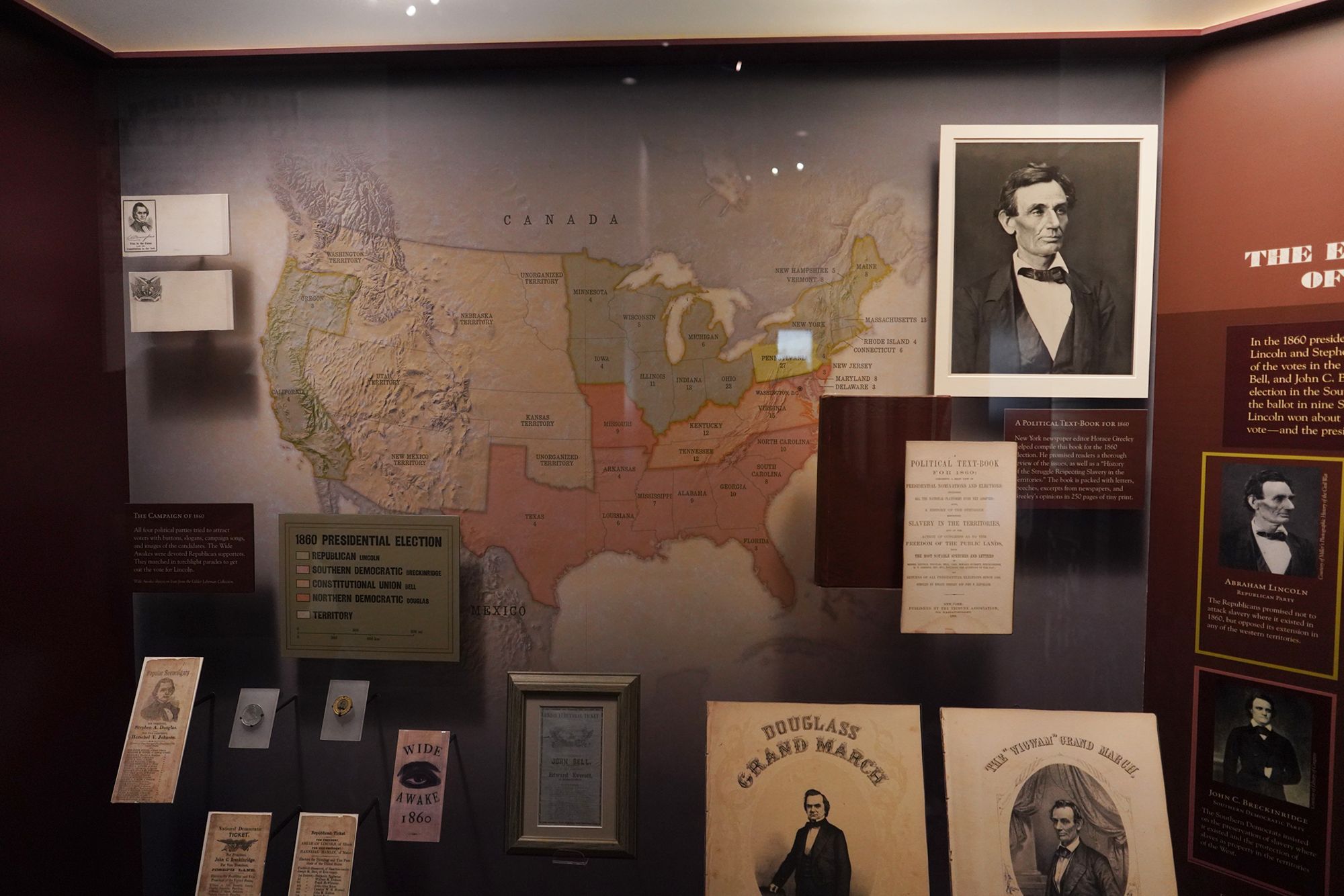
Lincoln ran as the Republican candidate on a platform that opposed the expansion of slavery into new territories, which appealed strongly in the Northern and non-slaveholding states. The result: though he got less than 40% of the popular vote overall, those votes—concentrated in the North—translated into a decisive Electoral College victory.
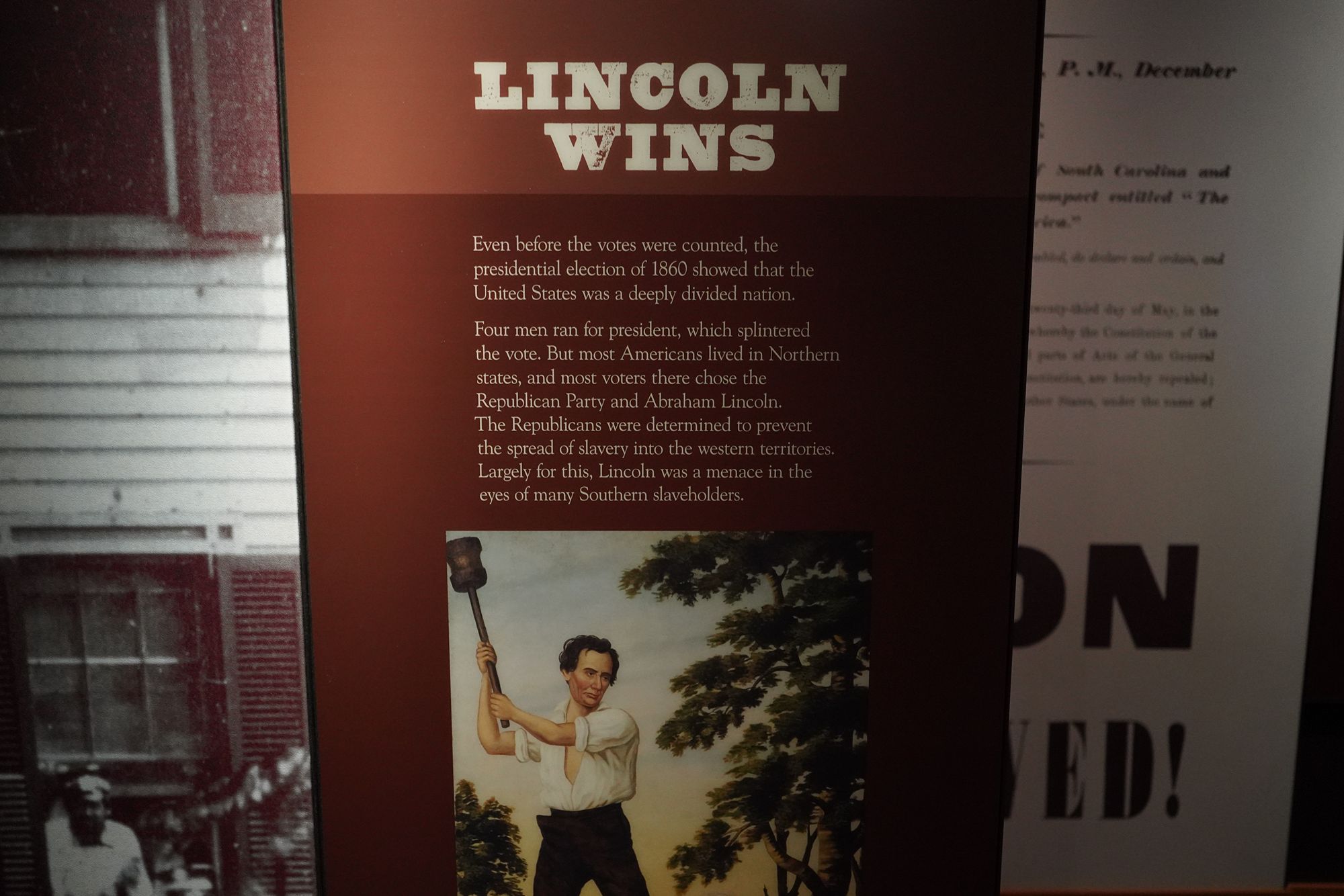
From early in his career, Lincoln believed slavery was morally wrong and legally problematic. He argued that allowing slavery to expand into new U.S. territories violated the spirit and principles of the nation — especially key founding ideals about liberty and human rights. In his view, even if he couldn’t abolish slavery immediately where it already existed, preventing its future spread was essential to preserving justice and the long-term integrity of the Union.
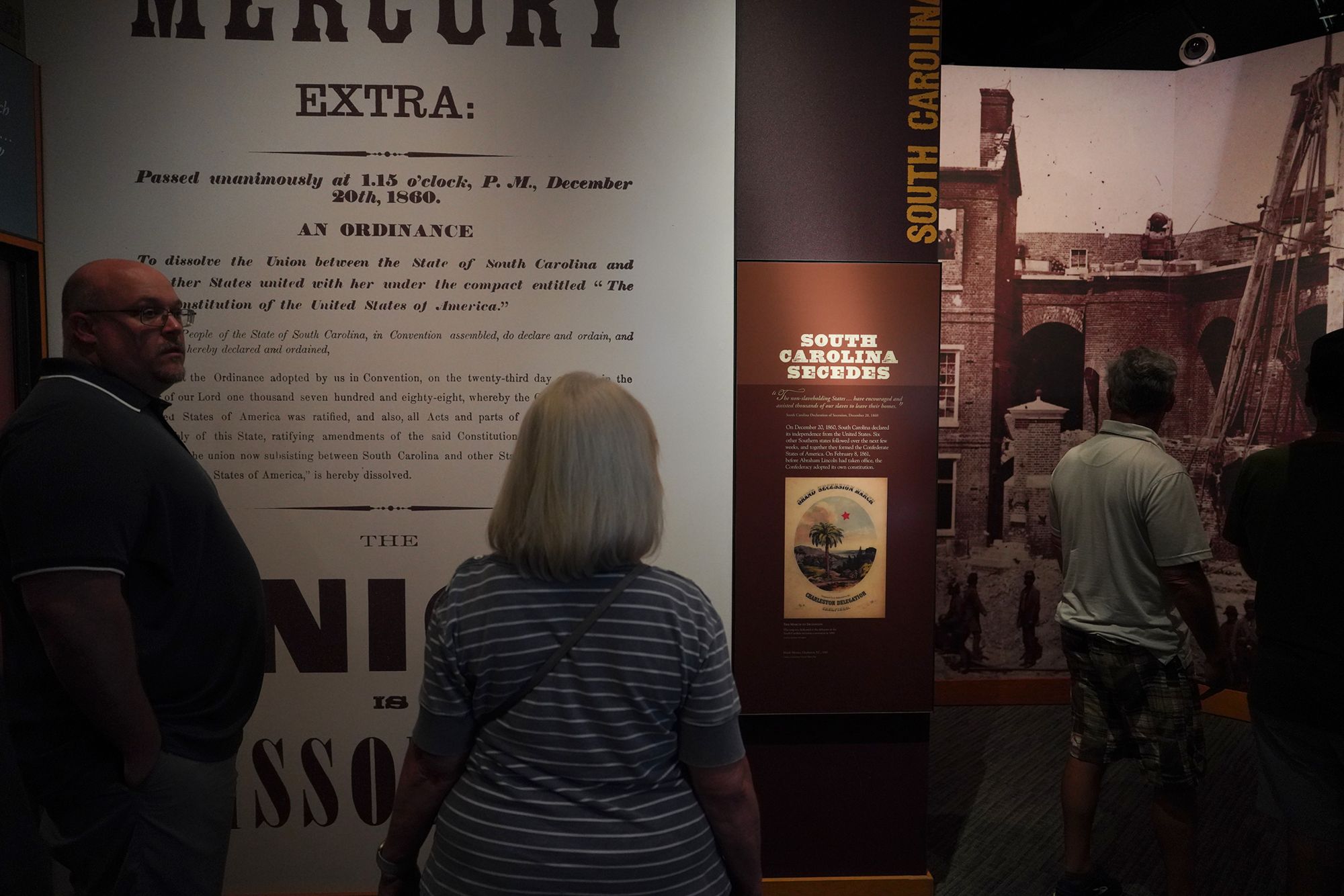
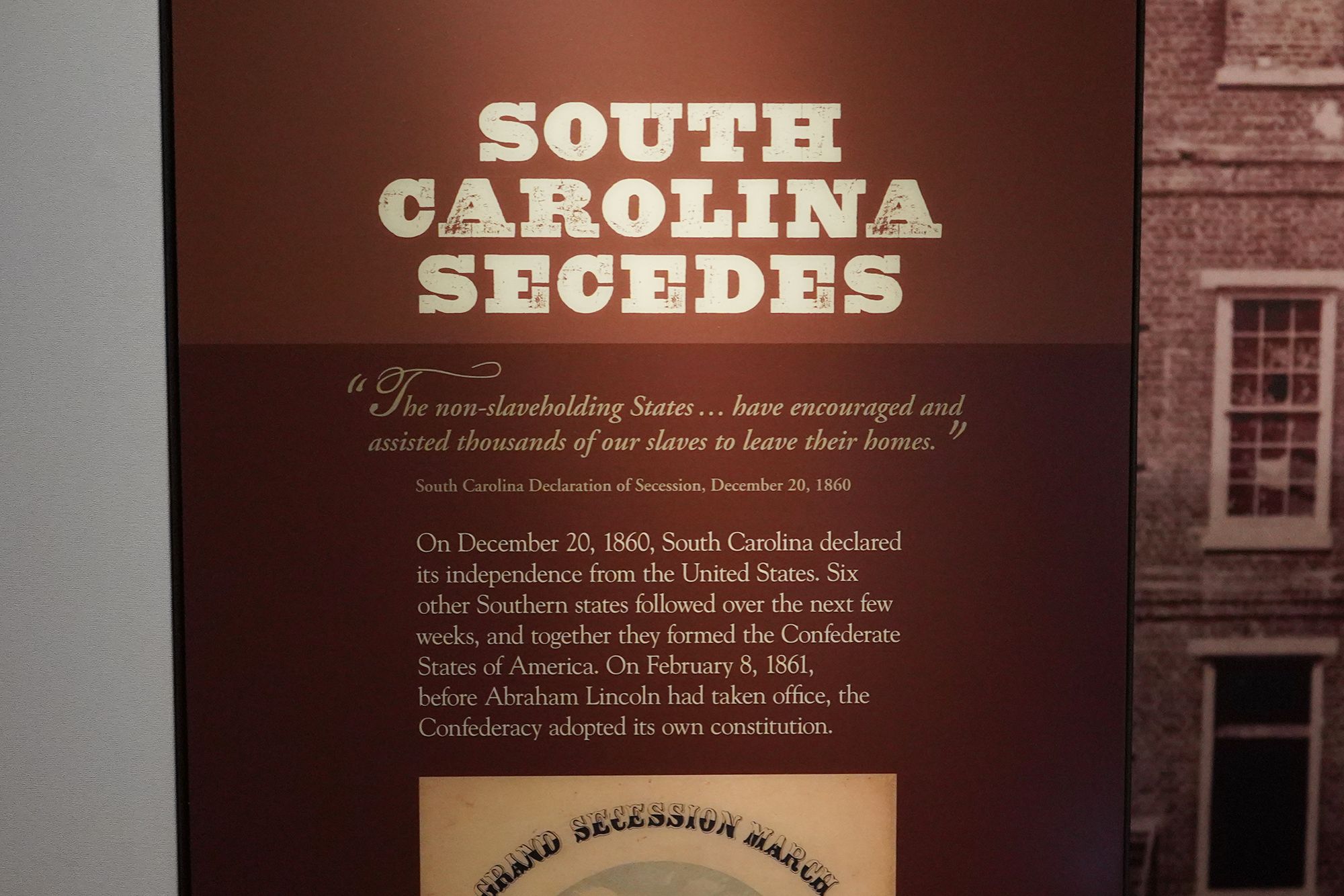
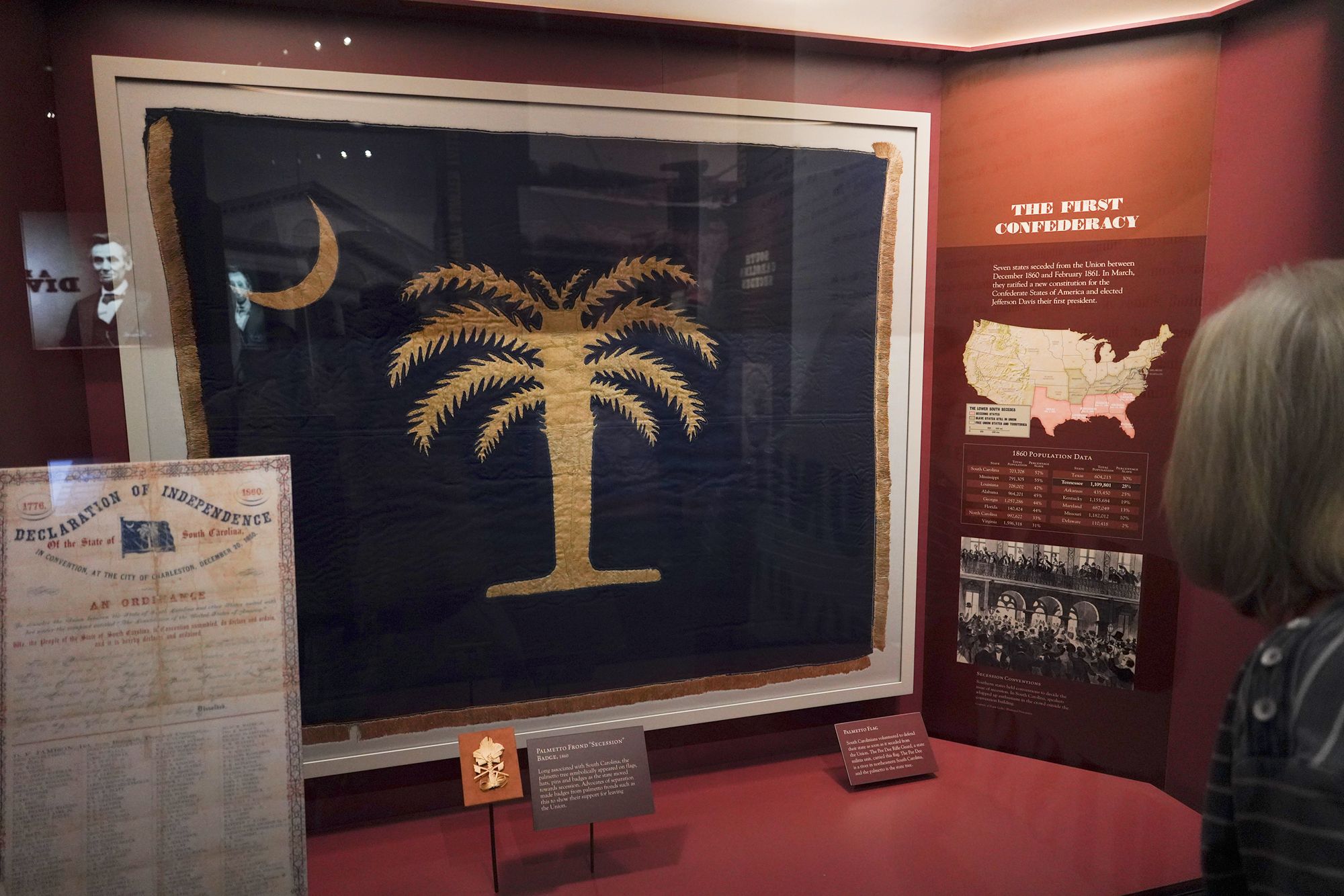
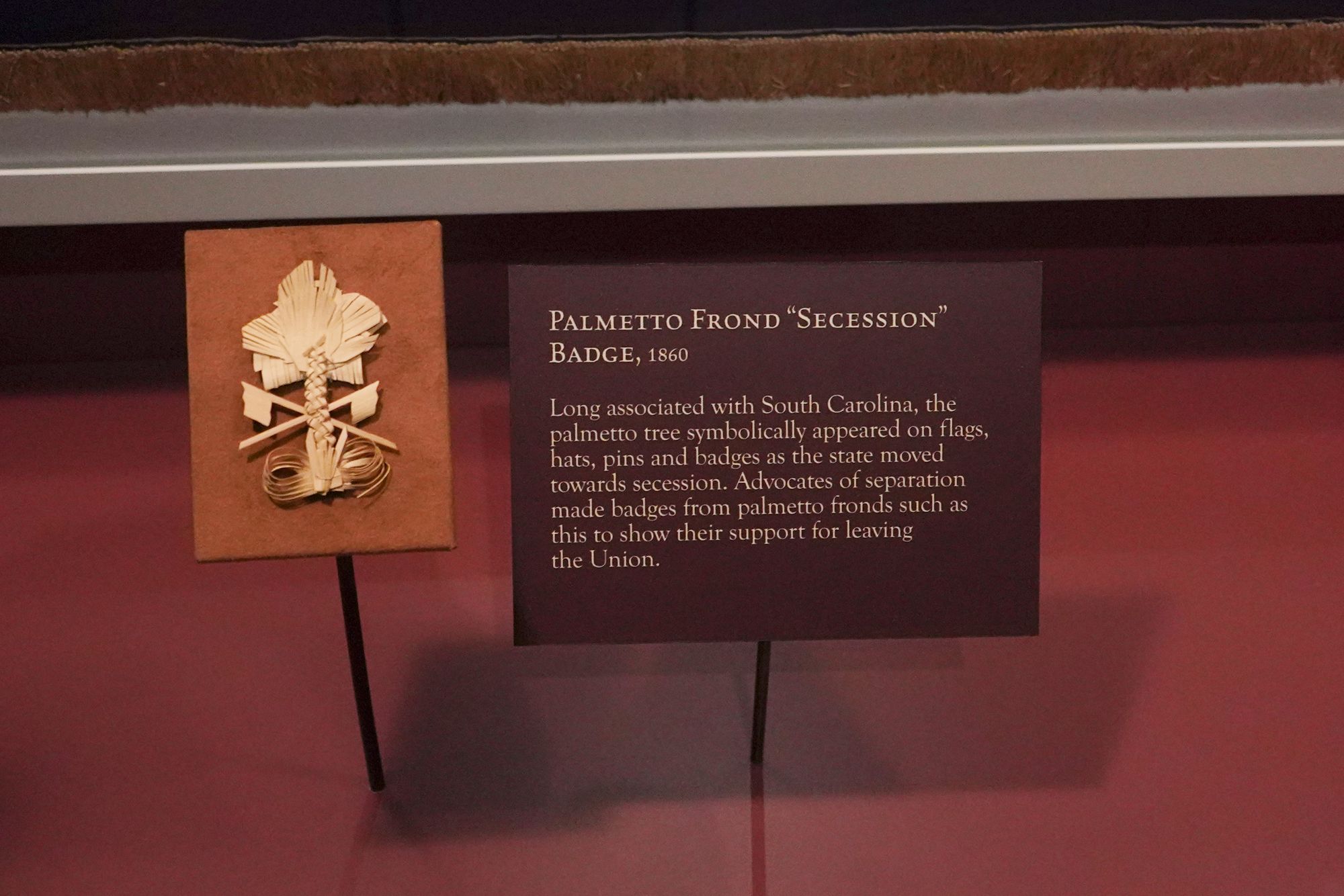
On December 20, 1860, South Carolina became the first state to secede from the United States, breaking away because many in the state believed the election of Abraham Lincoln threatened slavery and their rights as a slaveholding society.
The first shot - On April 12, 1861 at about 4:30 a.m., guns from Fort Johnson (on James Island near Charleston Harbor) fired a mortar shell over Fort Sumter — this shell is widely regarded as the signal that started the battle.
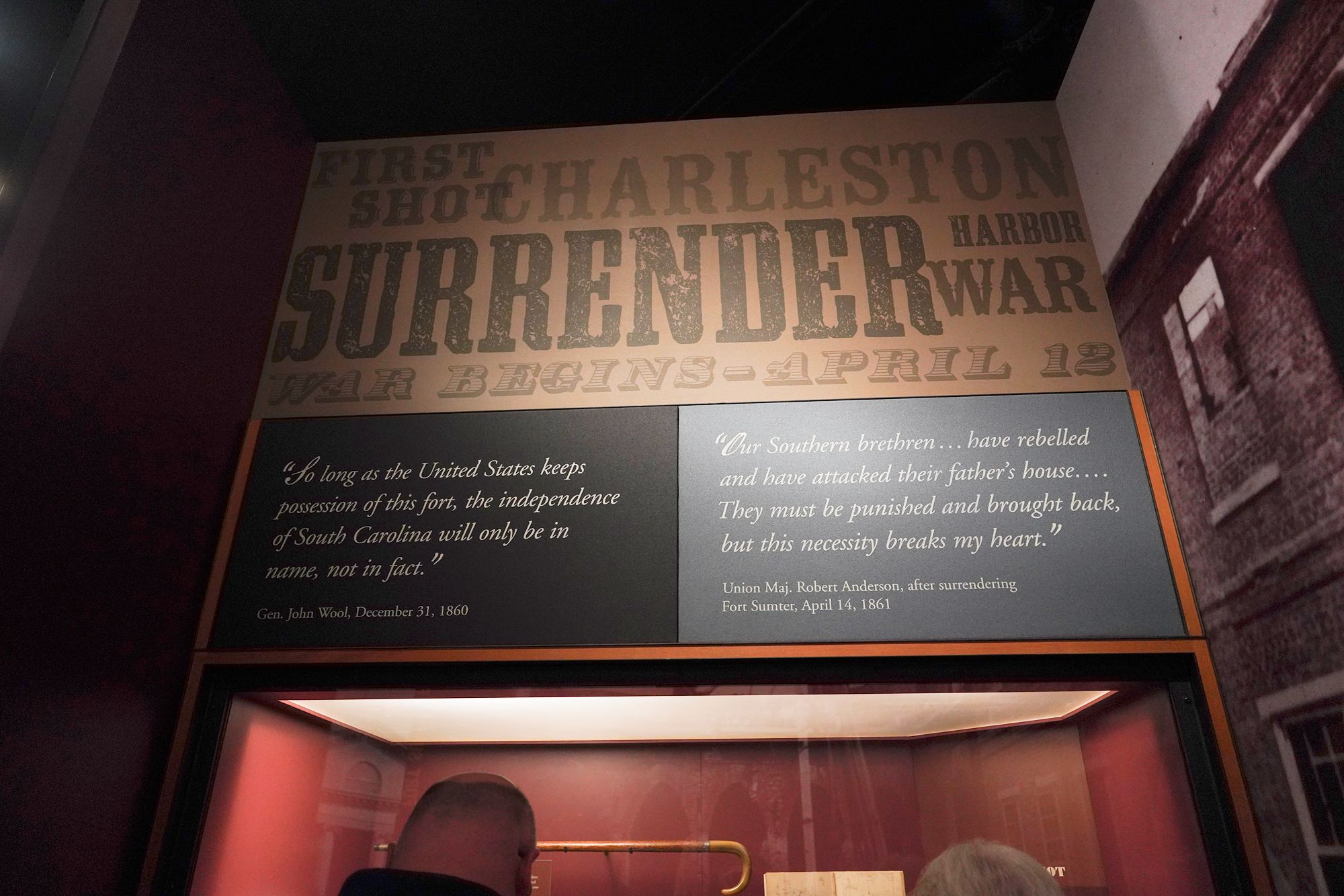
That signal triggered a wider bombardment: Southern batteries around Charleston Harbor opened fire on Fort Sumter, beginning the first military engagement of the war.
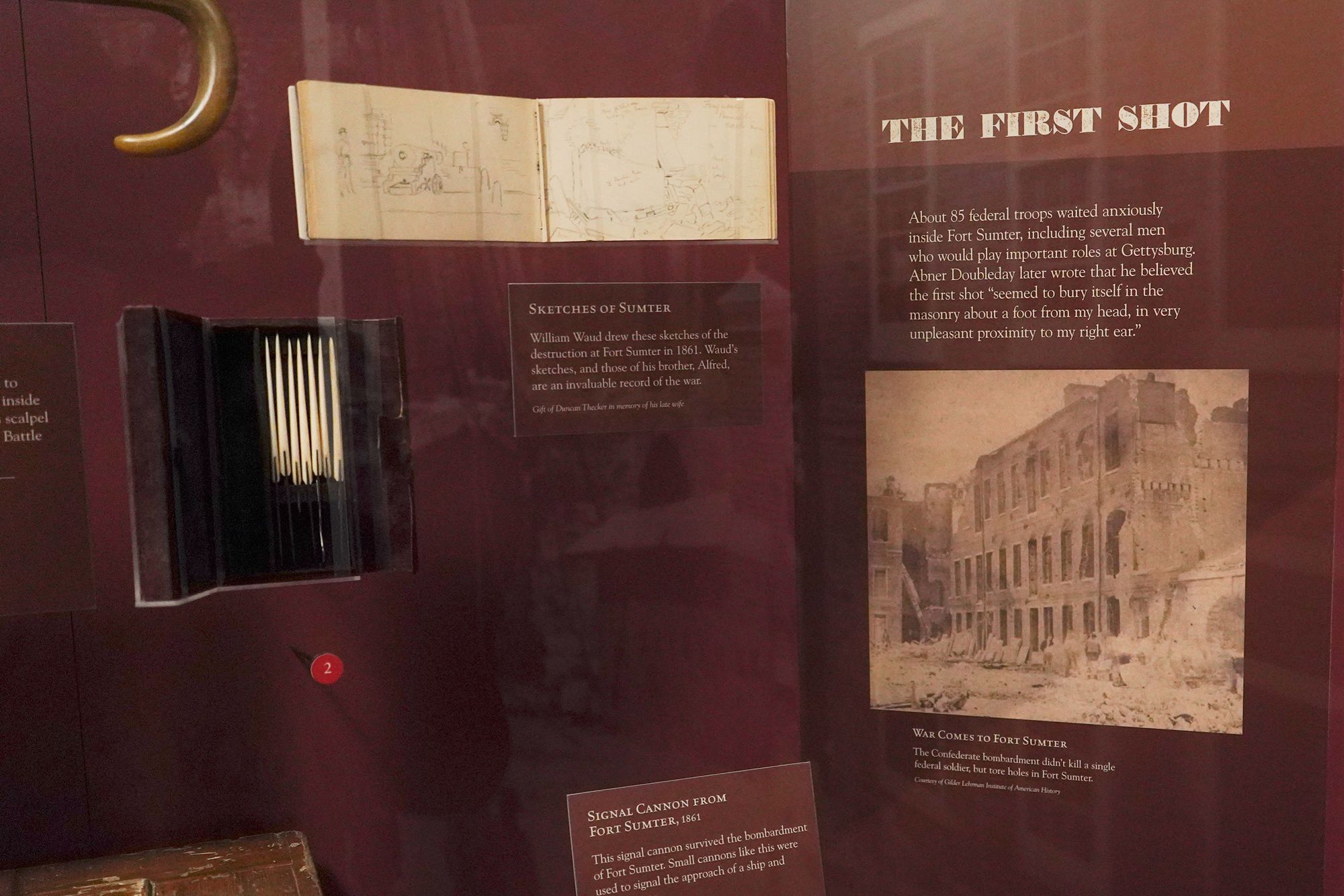
The first shot at Fort Sumter was the result of months of rising tension after Southern states seceded. South Carolina demanded that the U.S. Army abandon federal forts in Charleston Harbor, but Union troops held their ground.
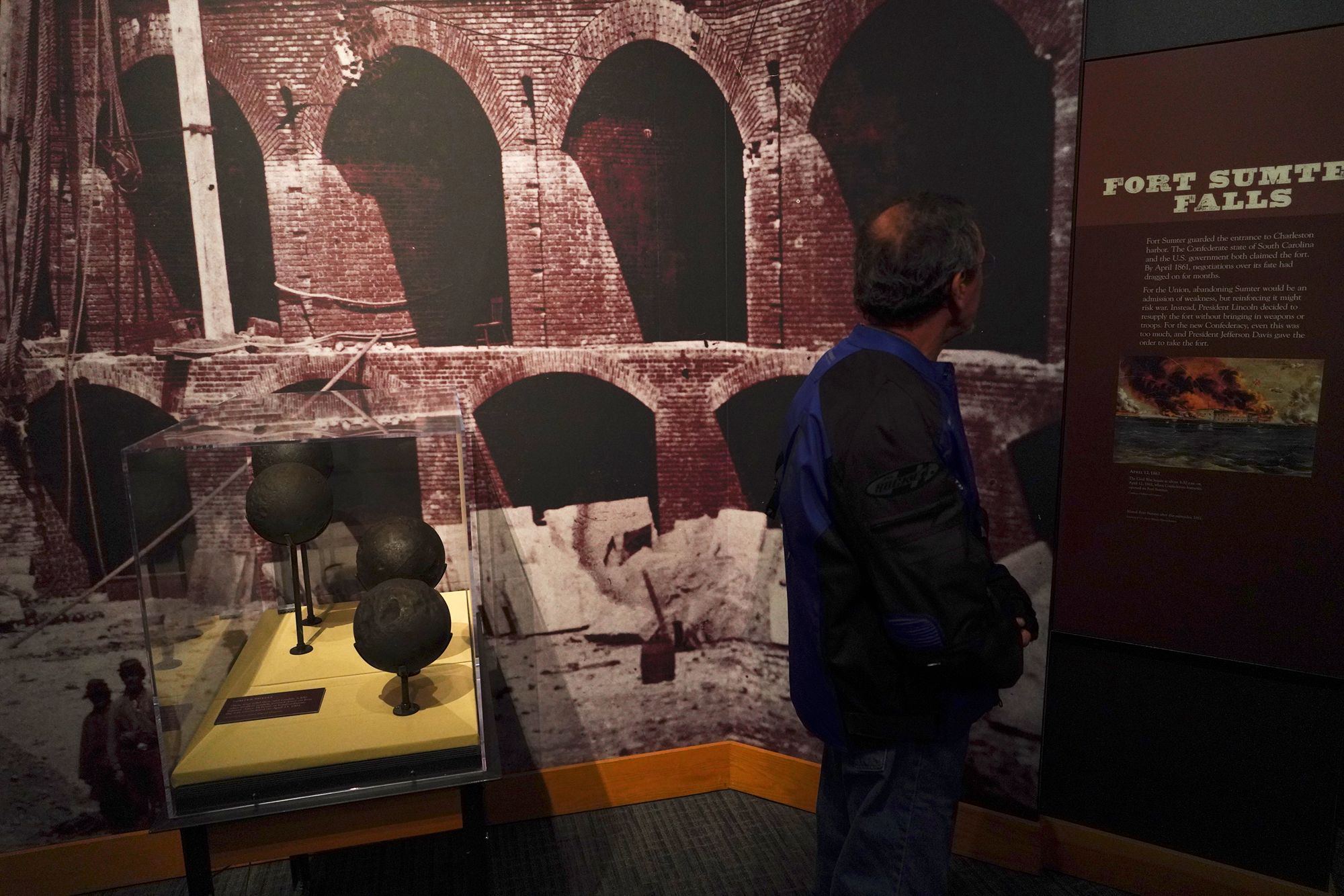
When President Lincoln attempted to resupply the fort instead of surrendering it, Confederate forces saw it as a challenge to their new sovereignty. Negotiations failed, the standoff hardened, and before dawn on April 12, 1861, a signal shell arced over Fort Sumter — the shot that opened the Civil War.
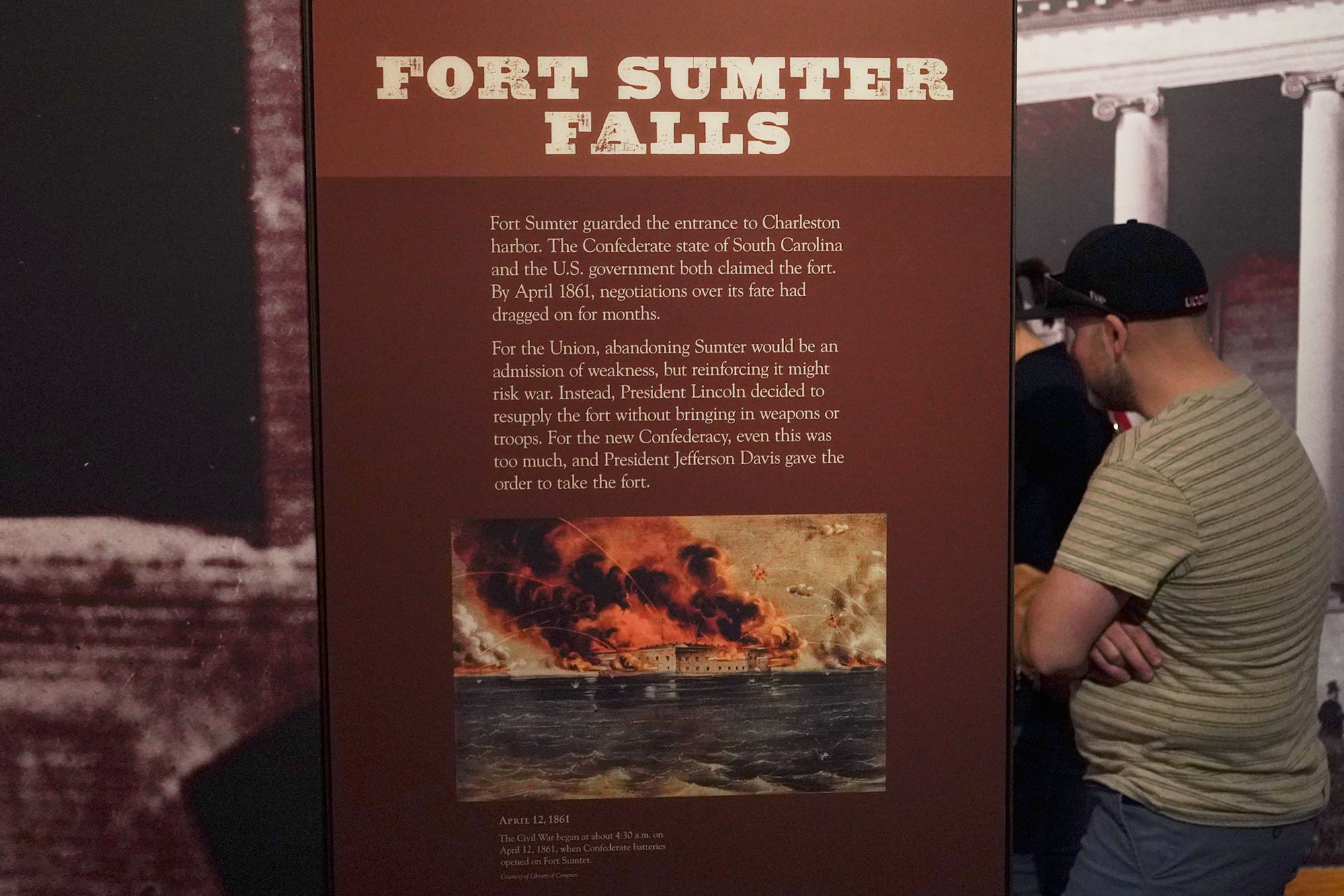
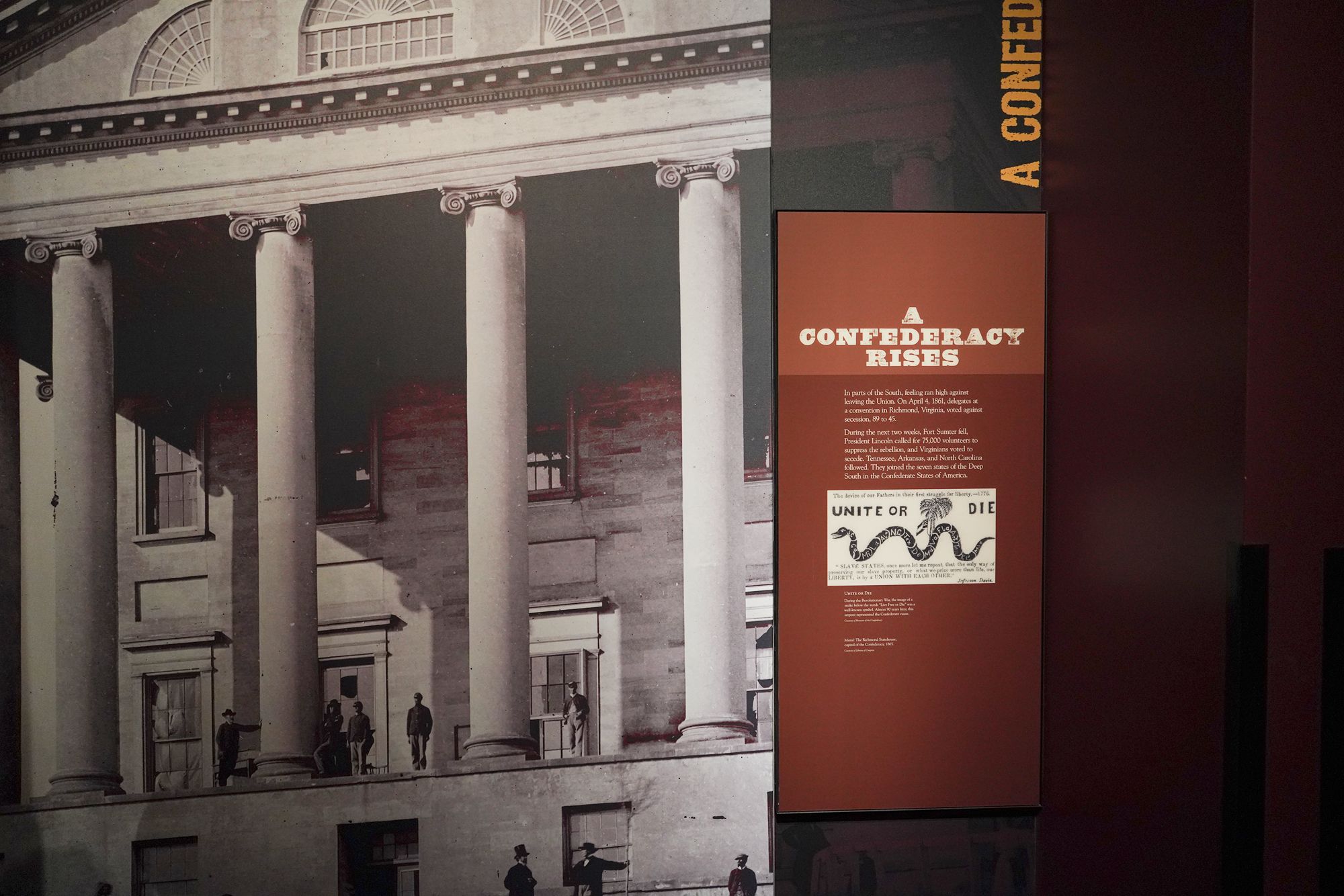
A Confederacy rose in the winter of 1860–61 as Southern states, led first by South Carolina, broke away from the Union.
One by one, Deep South states seceded and joined together to form the Confederate States of America, choosing their own president, drafting a new constitution, and preparing to defend their new identity by force. Their decision would ignite the bloodiest conflict in American history.
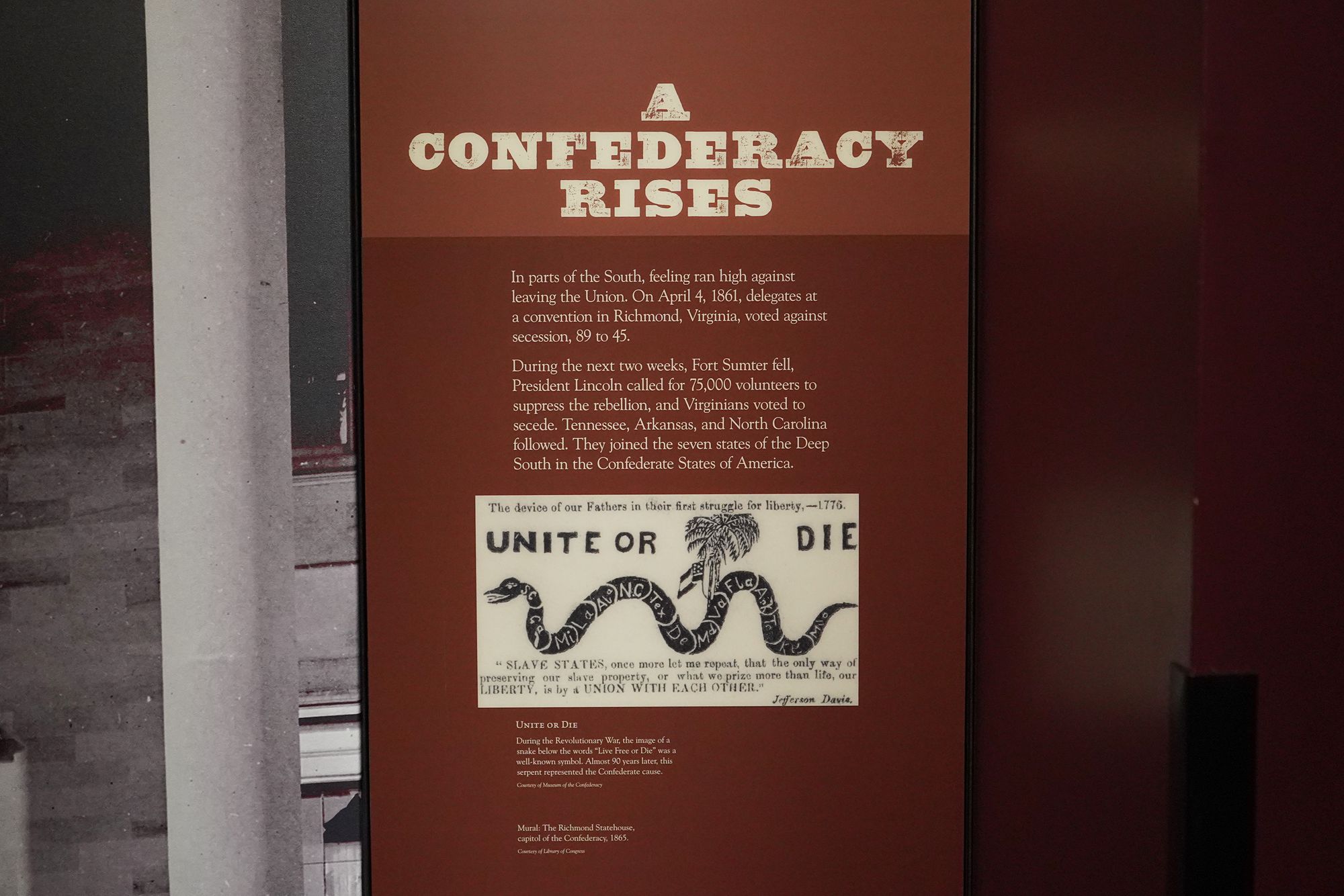
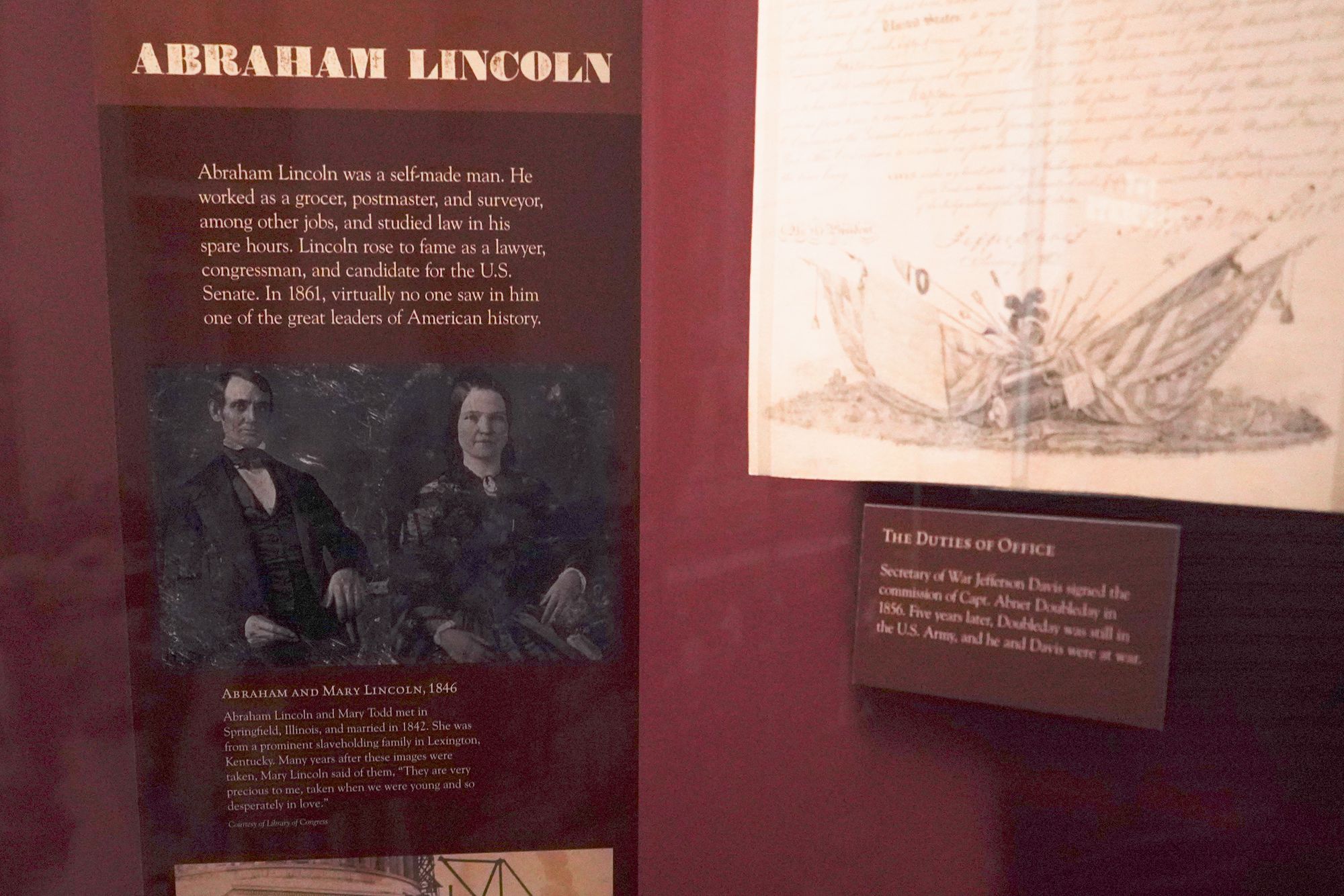
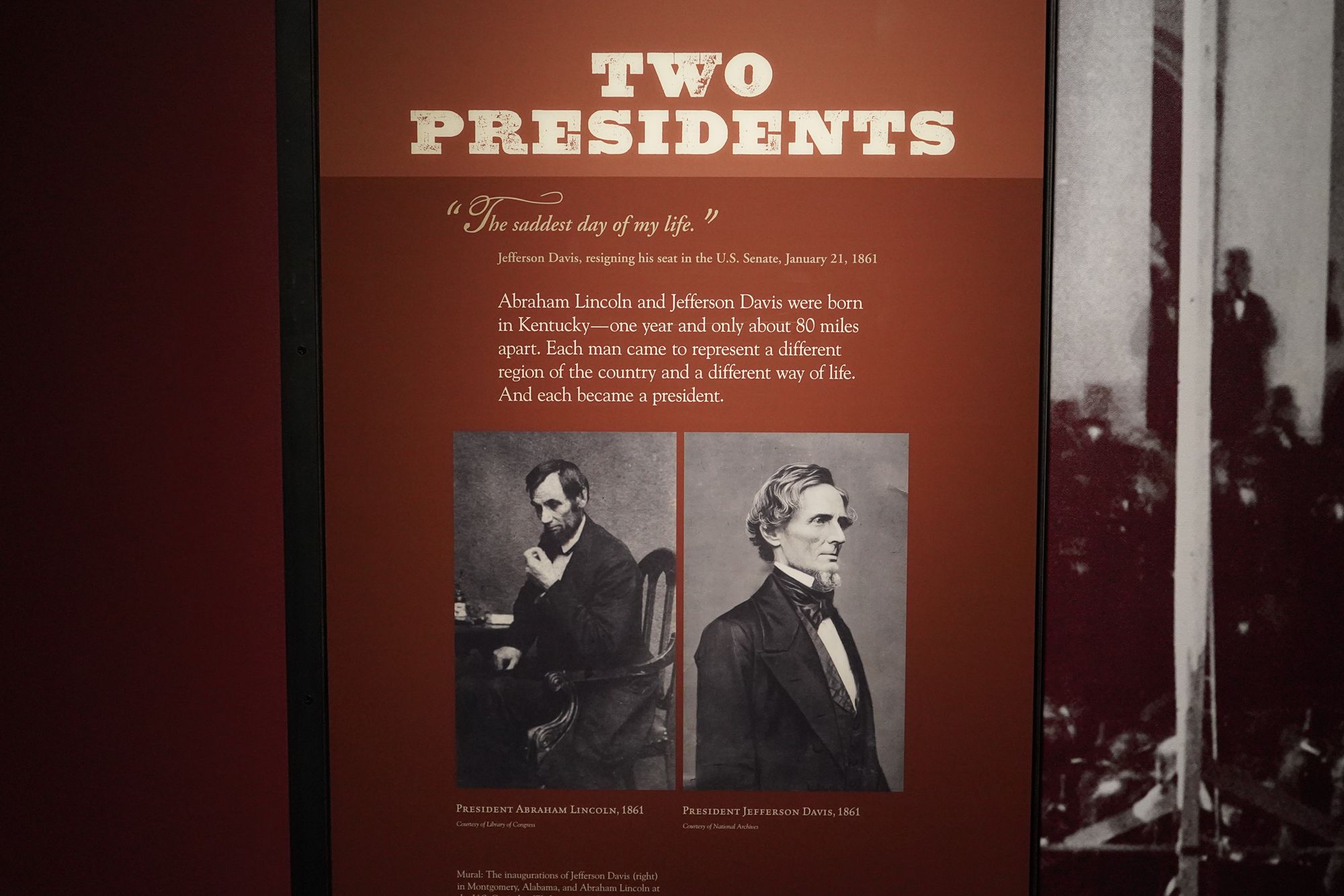
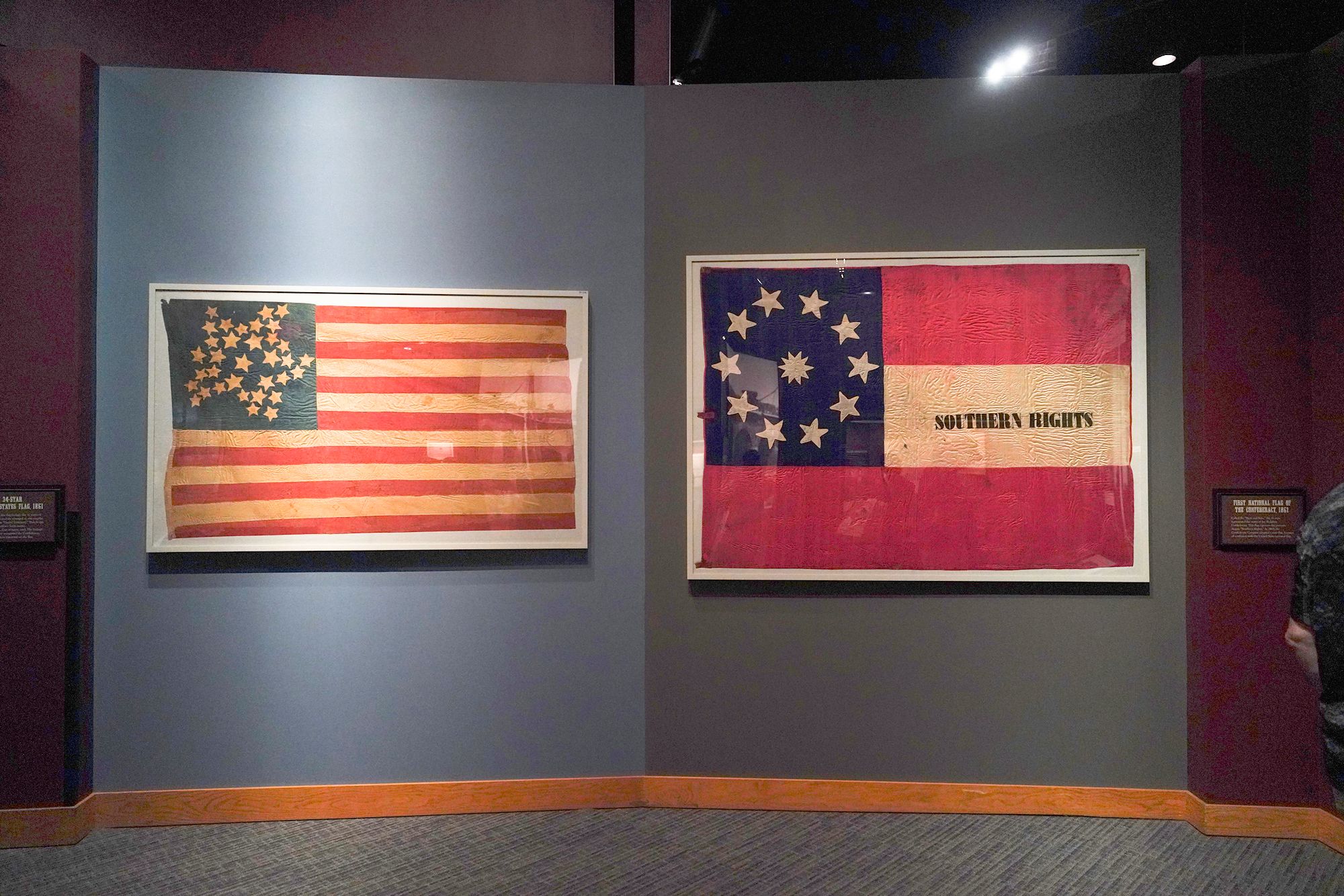
The nation fractured into two separate governments — two presidents, two flags, and two visions of America.
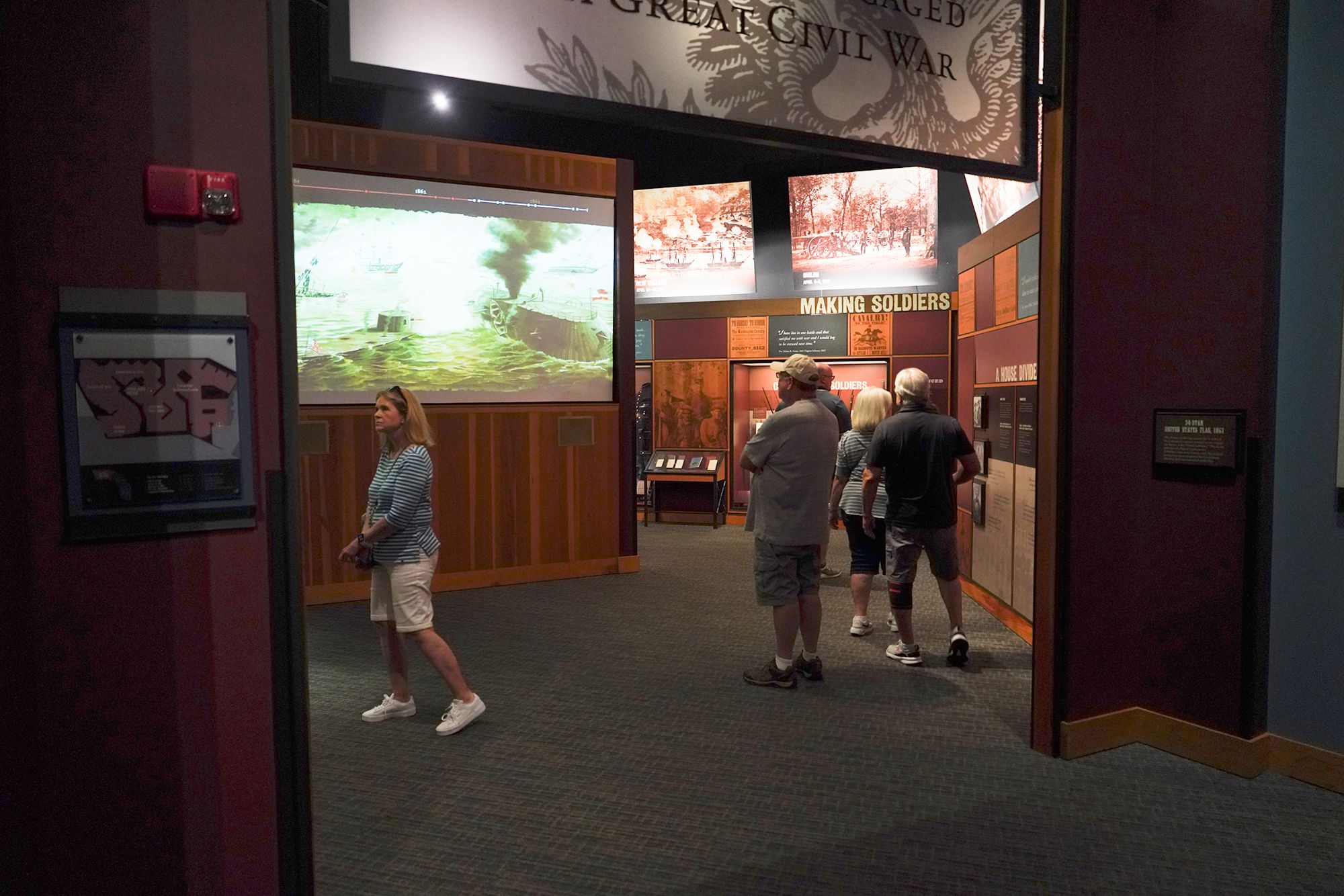
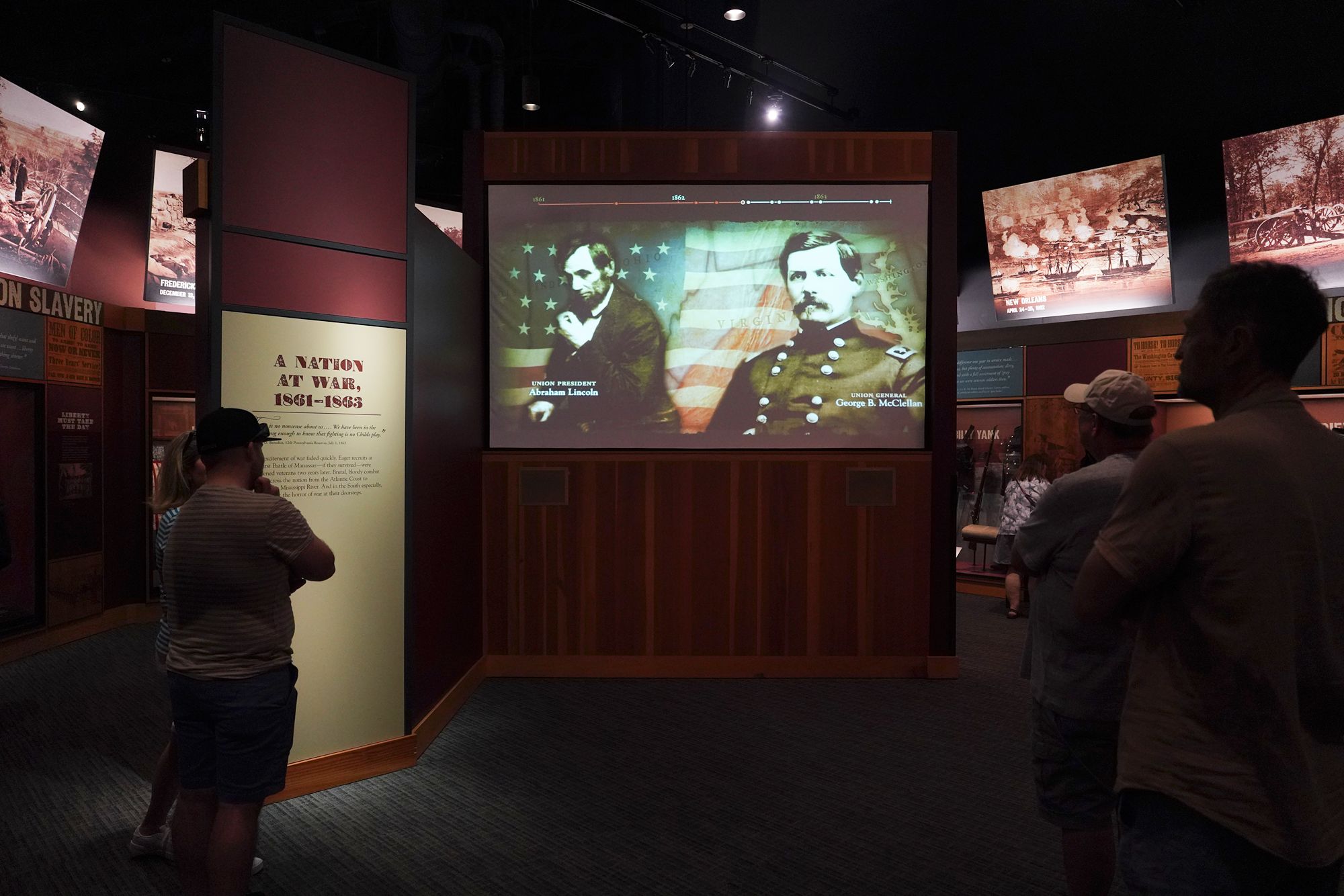
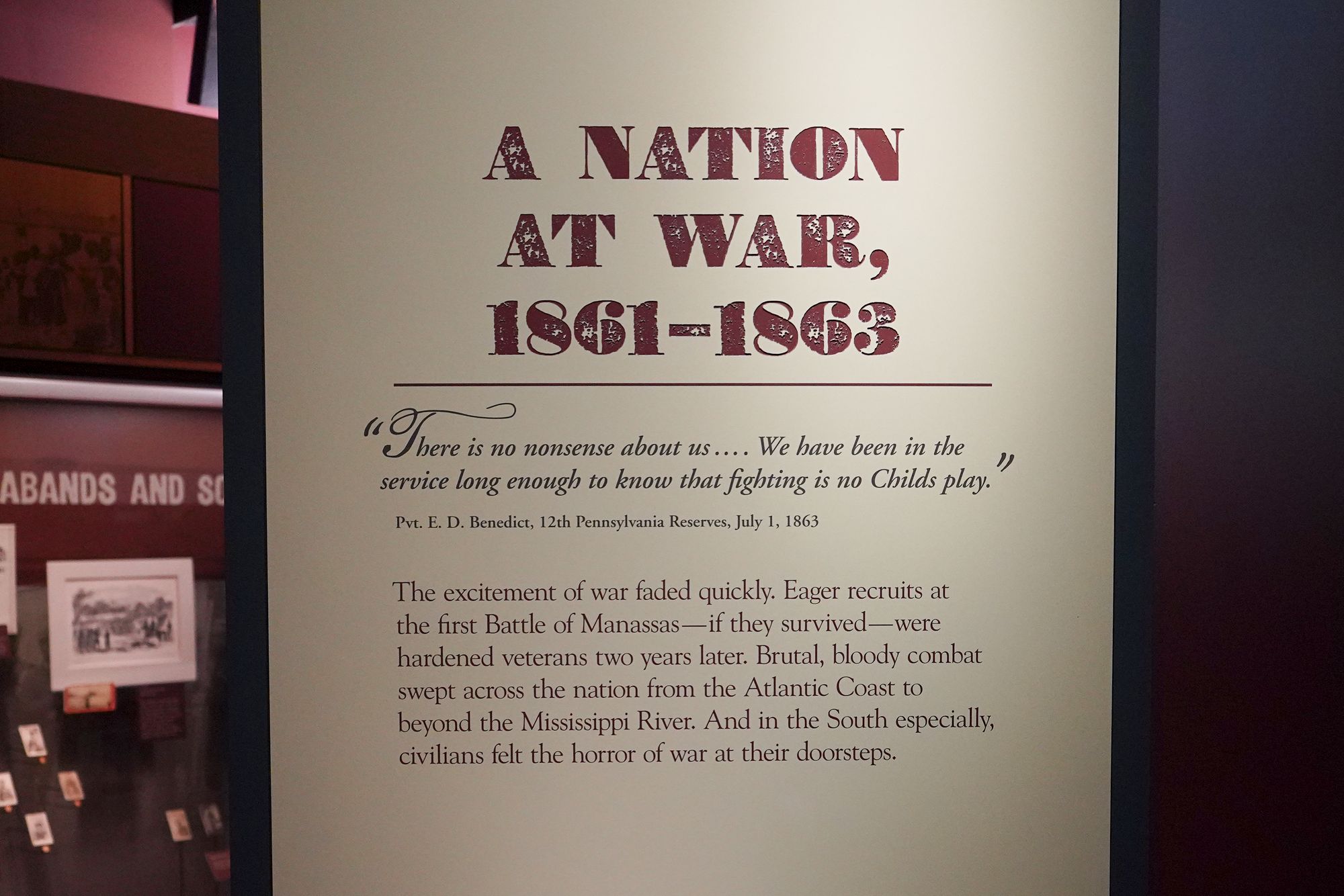
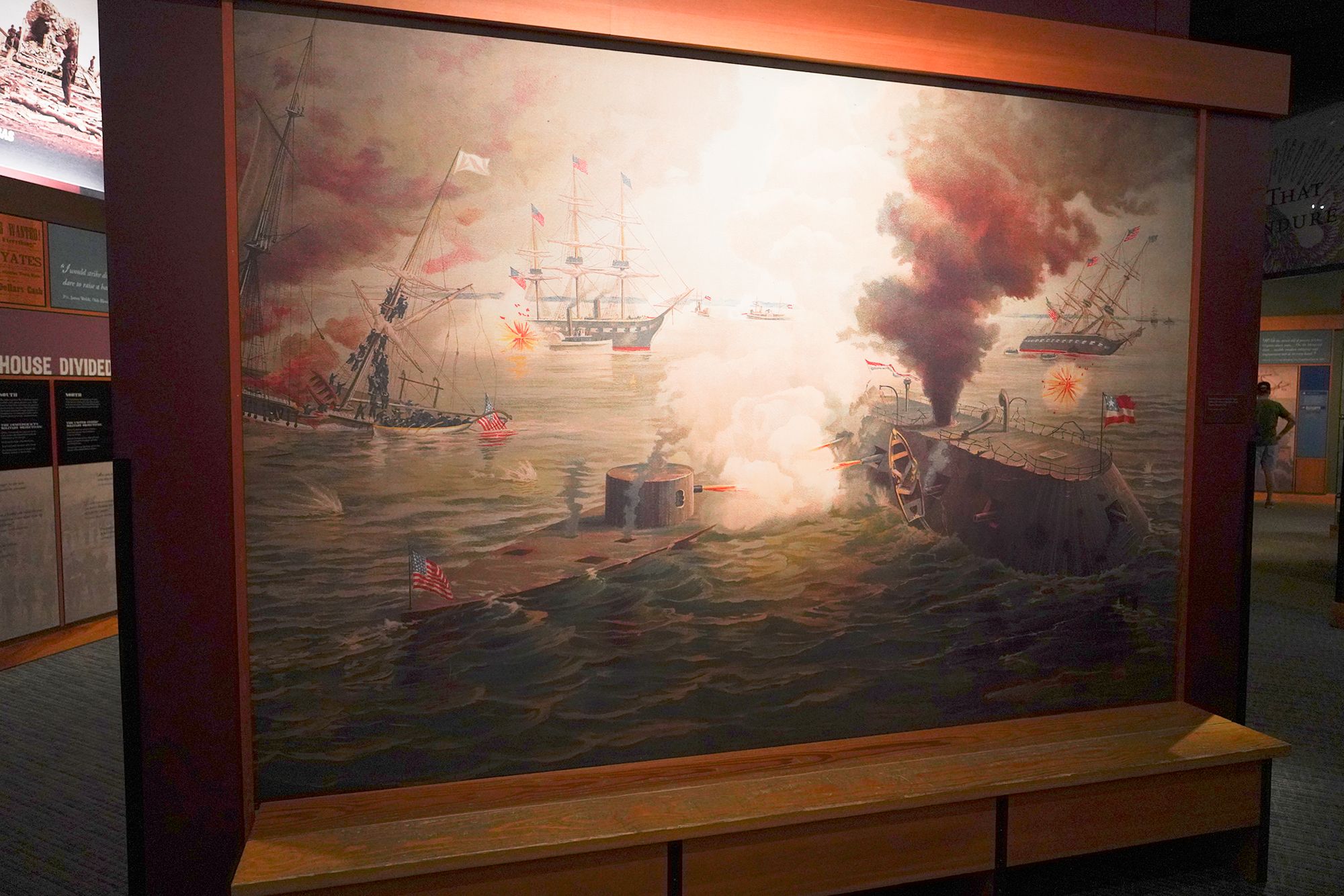
Between 1861 and 1863, America was torn apart by civil war — soldiers marched by the thousands, battles raged from Virginia to the Mississippi, families split across loyalties, and the struggle for slavery, freedom, and national identity consumed the country.
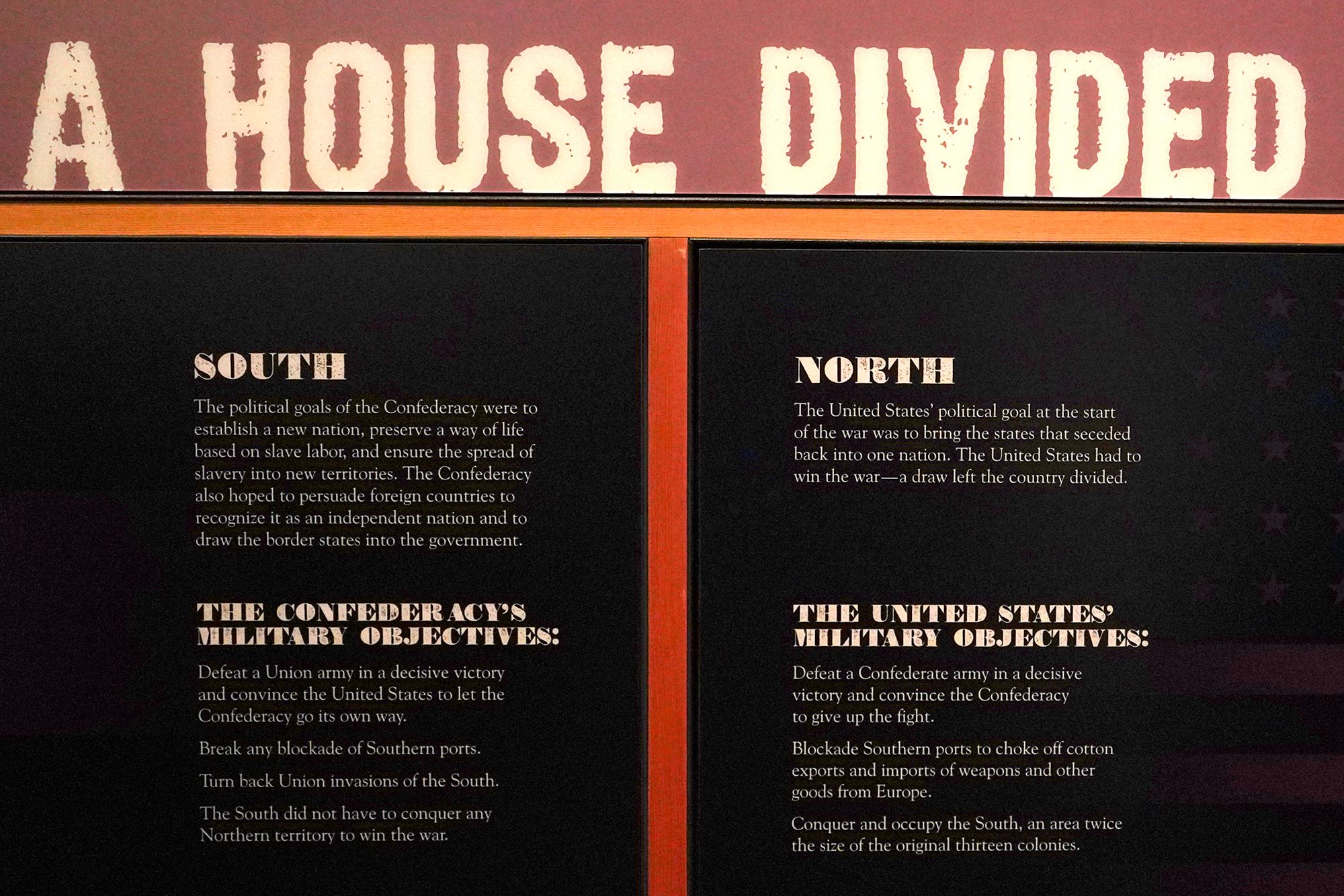
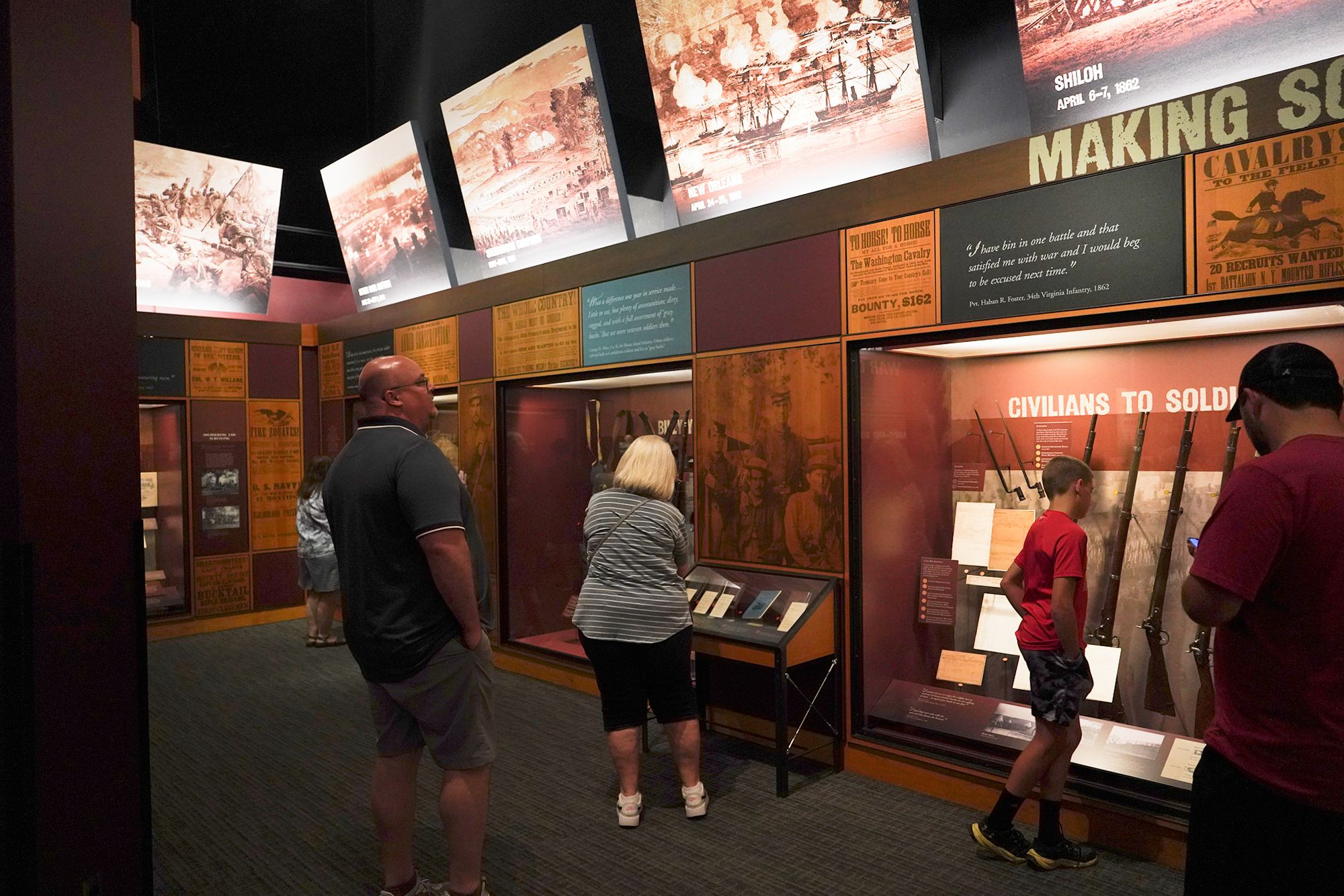
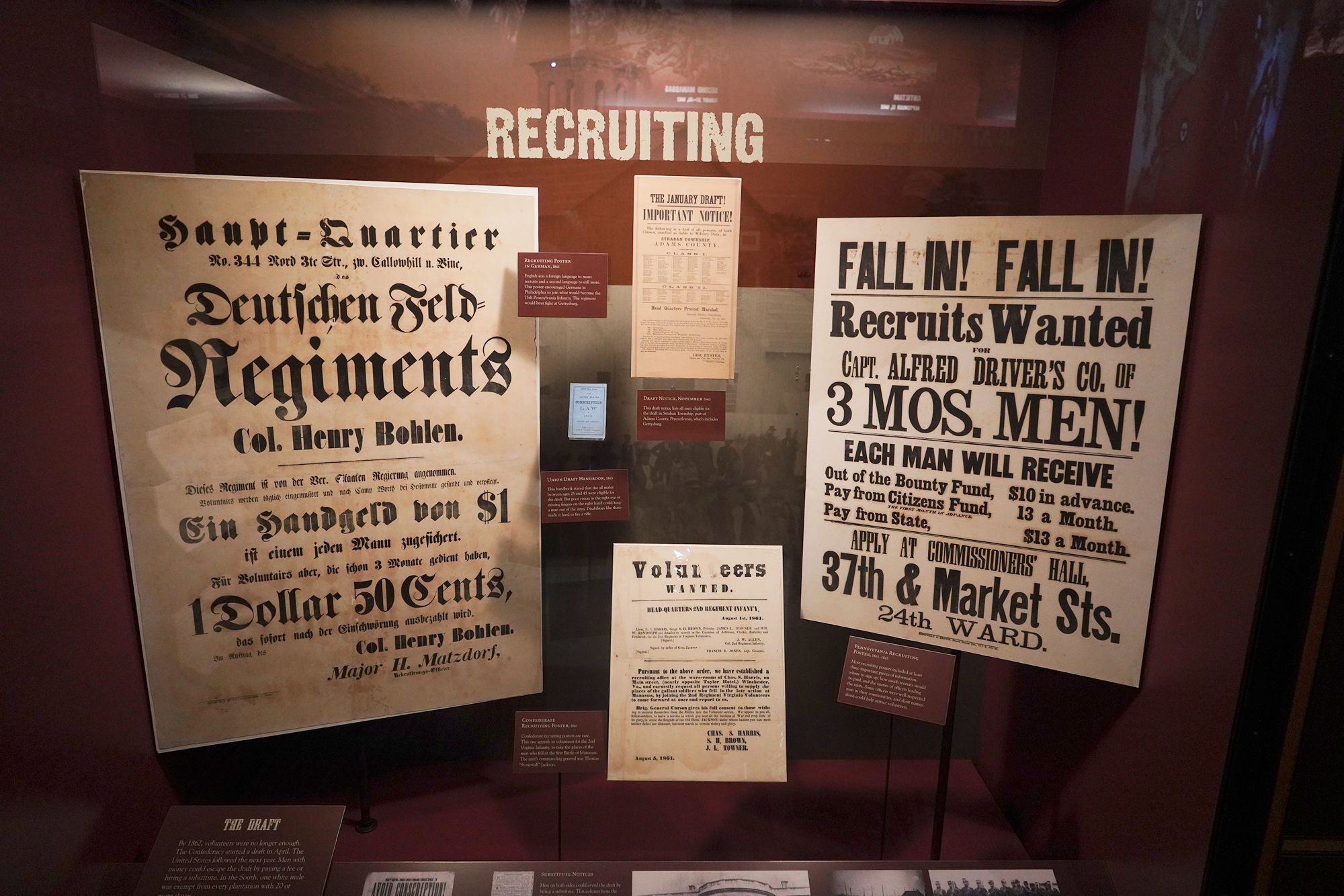
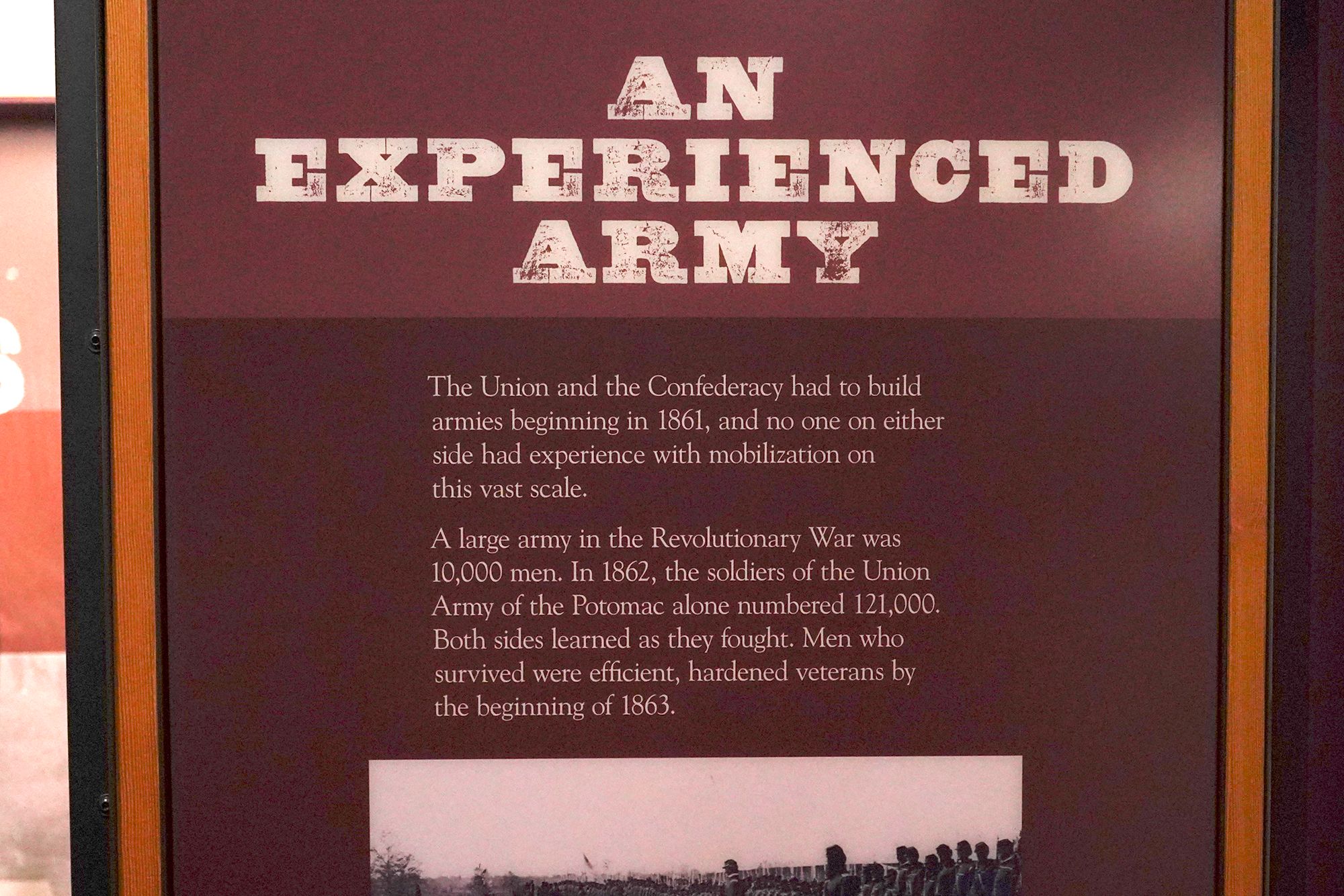
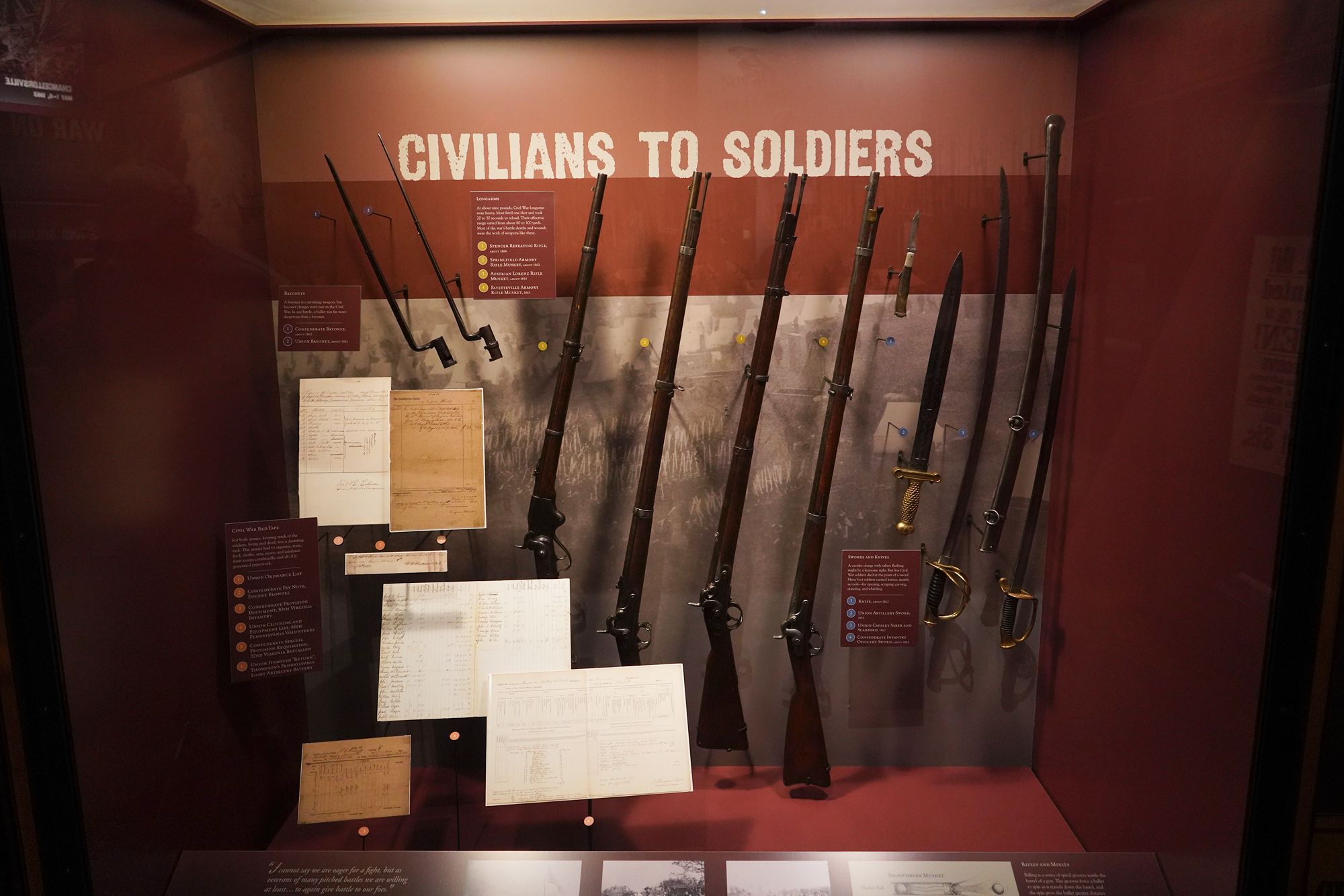
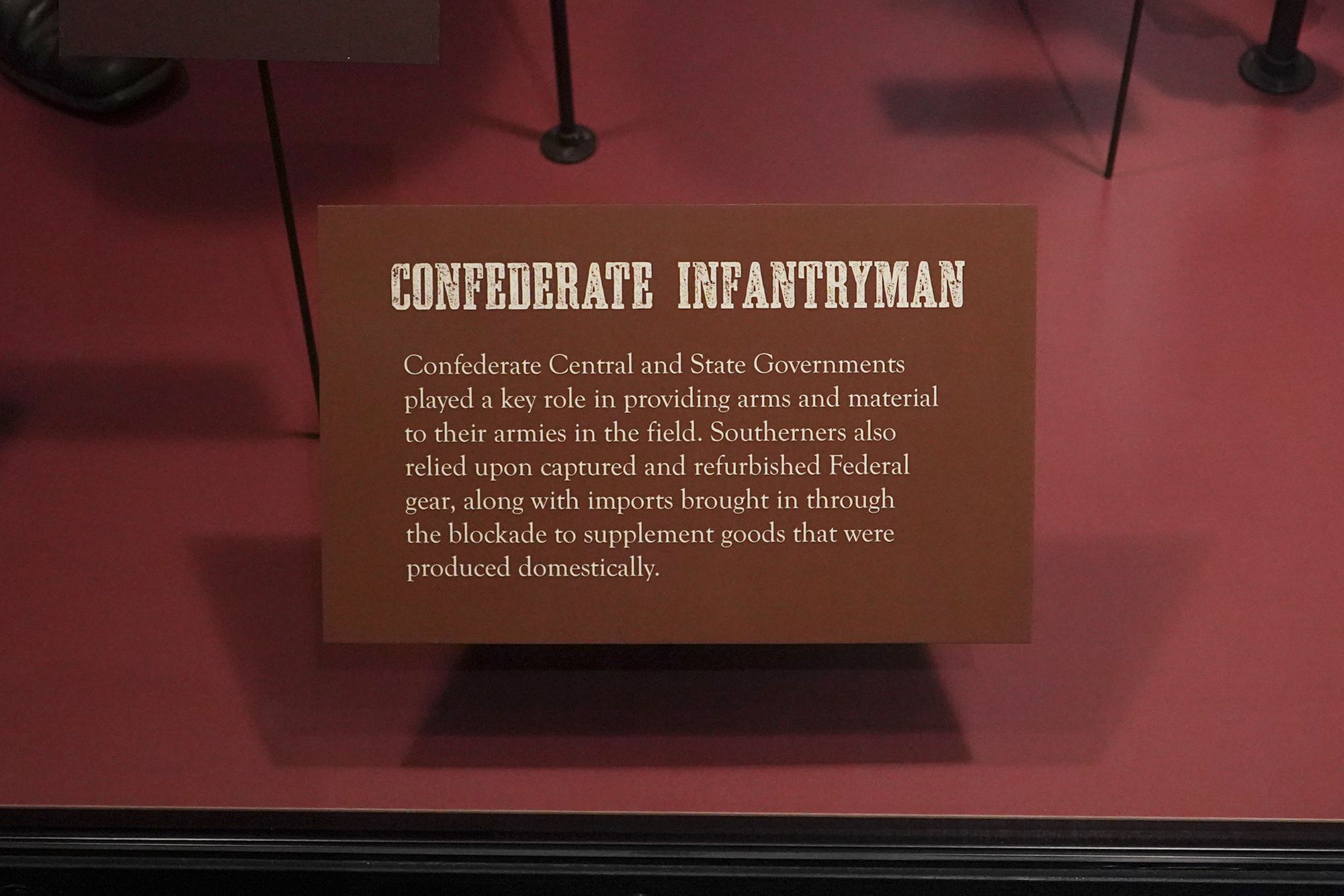
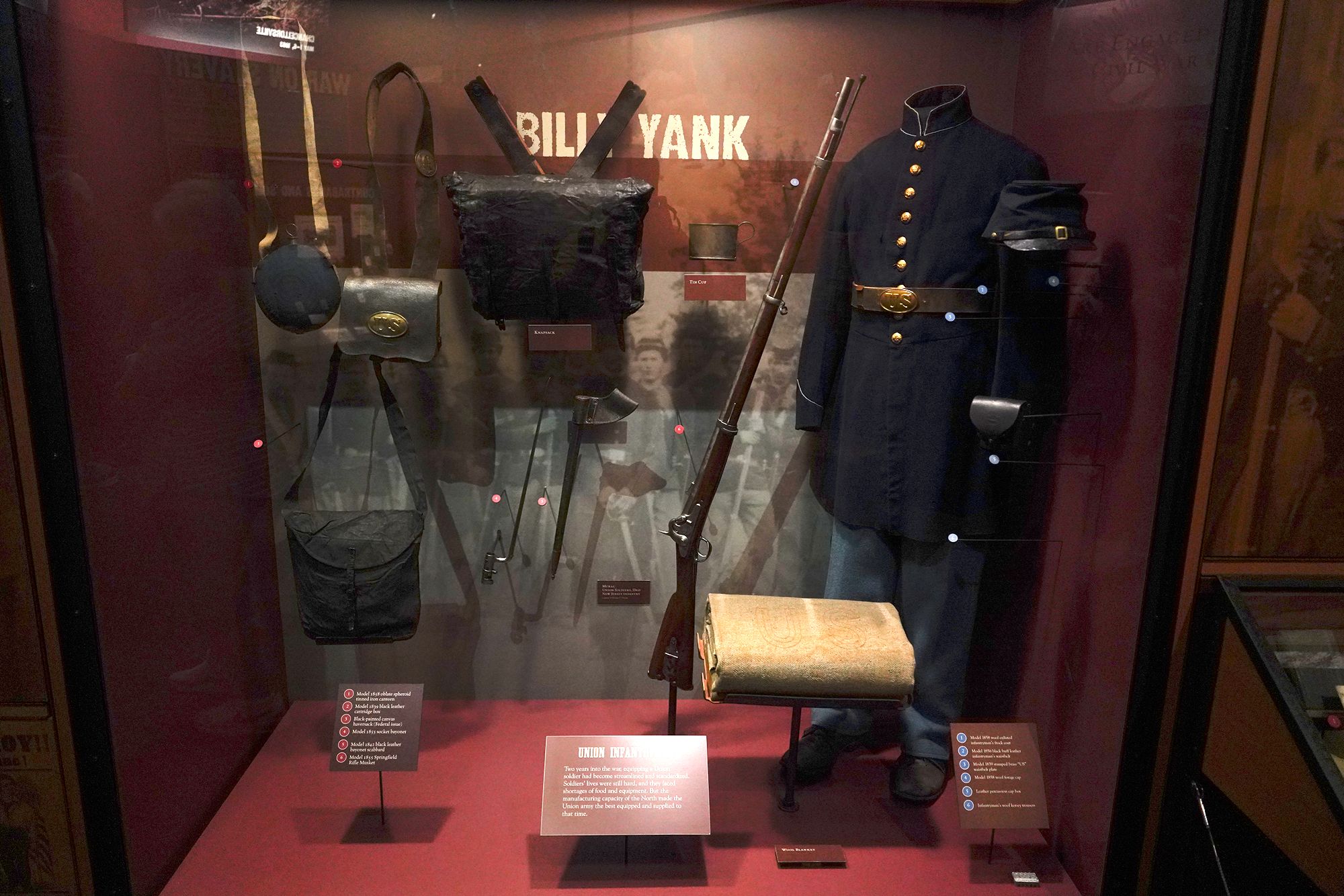
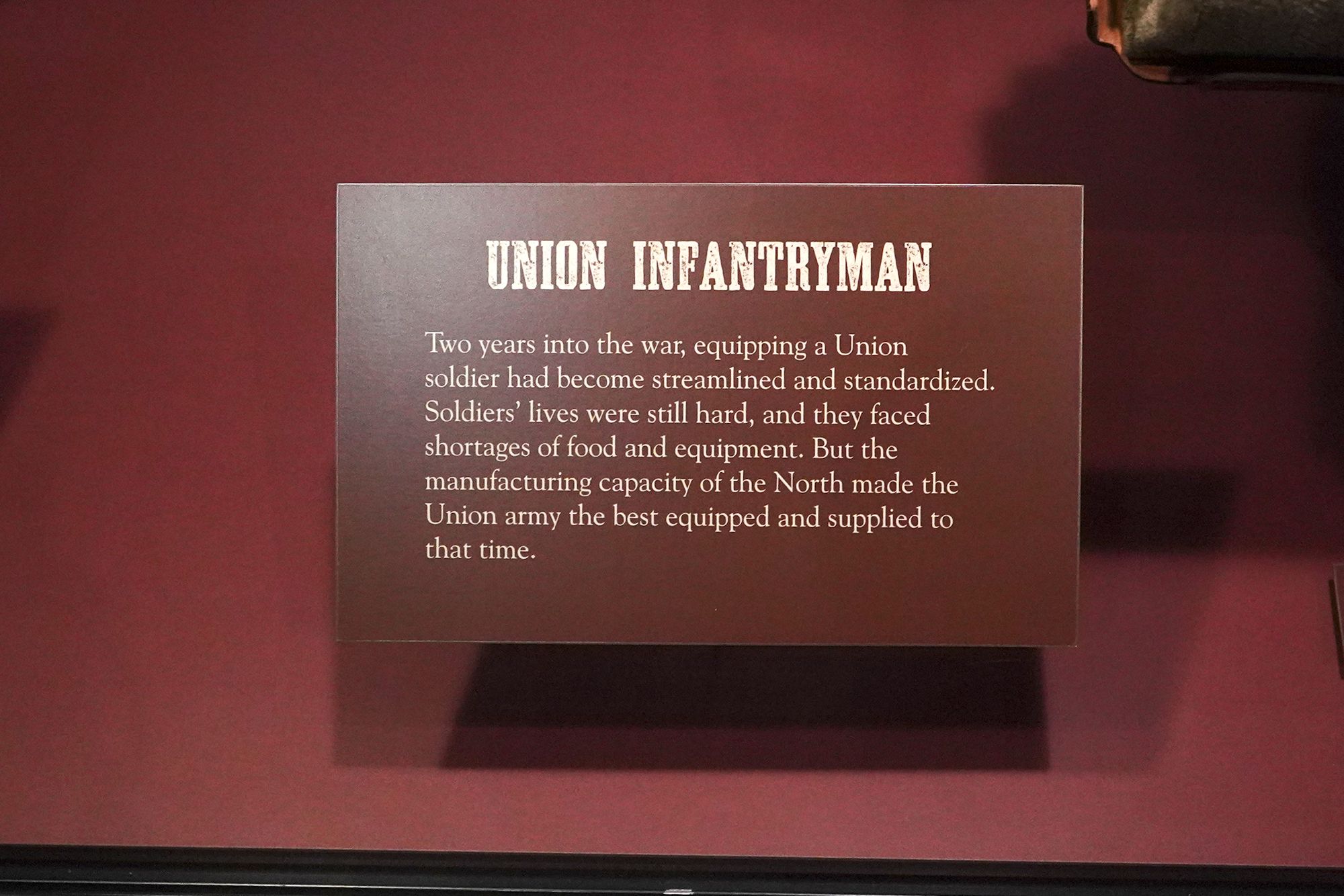
Over time, raw volunteers turned into seasoned soldiers, shaped by months of marching, fighting, and survival.
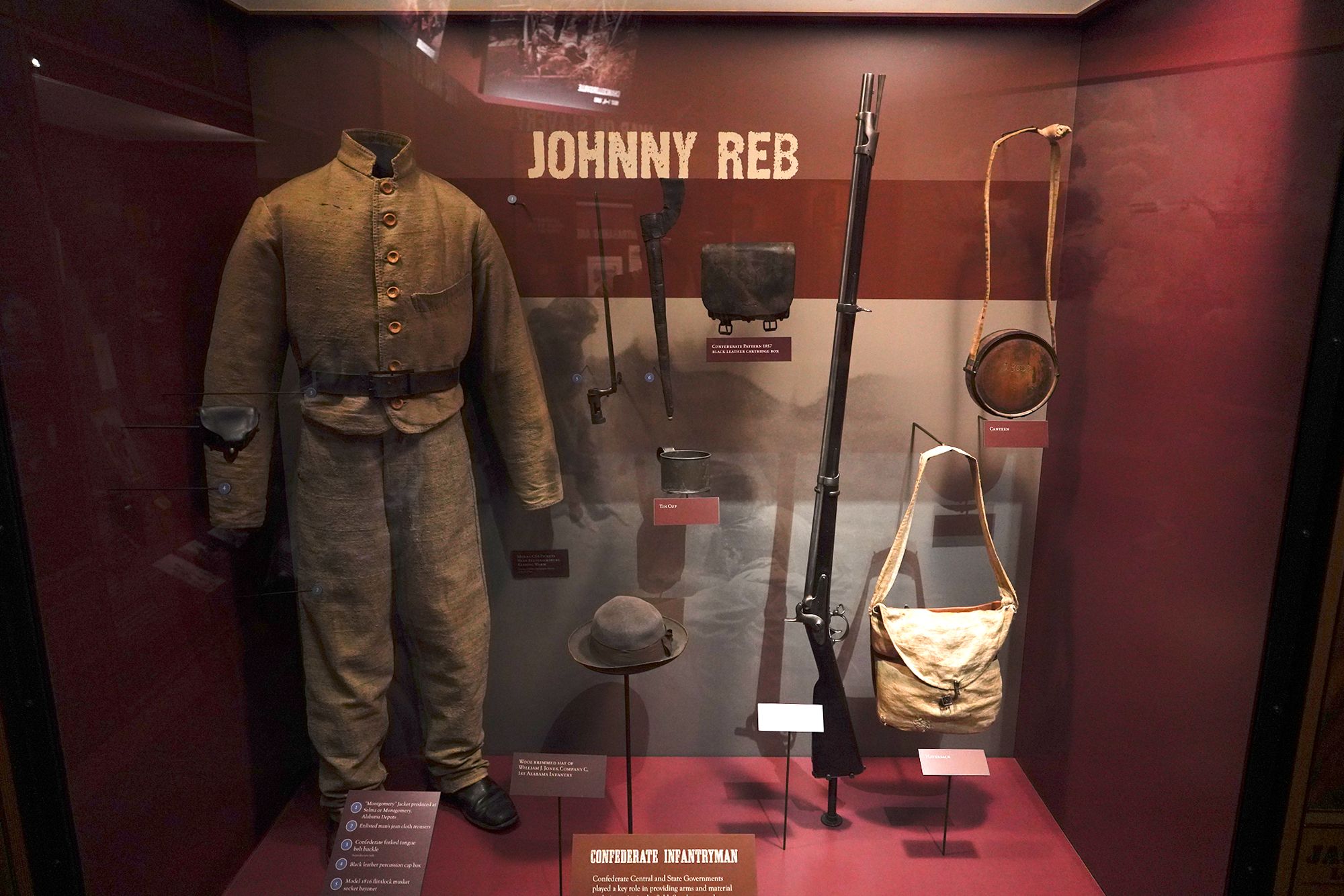
Confederate Infantryman
Union Infantryman
I paused my museum visit to join a timed tour group that takes visitors out to parts of the Gettysburg battlefield.
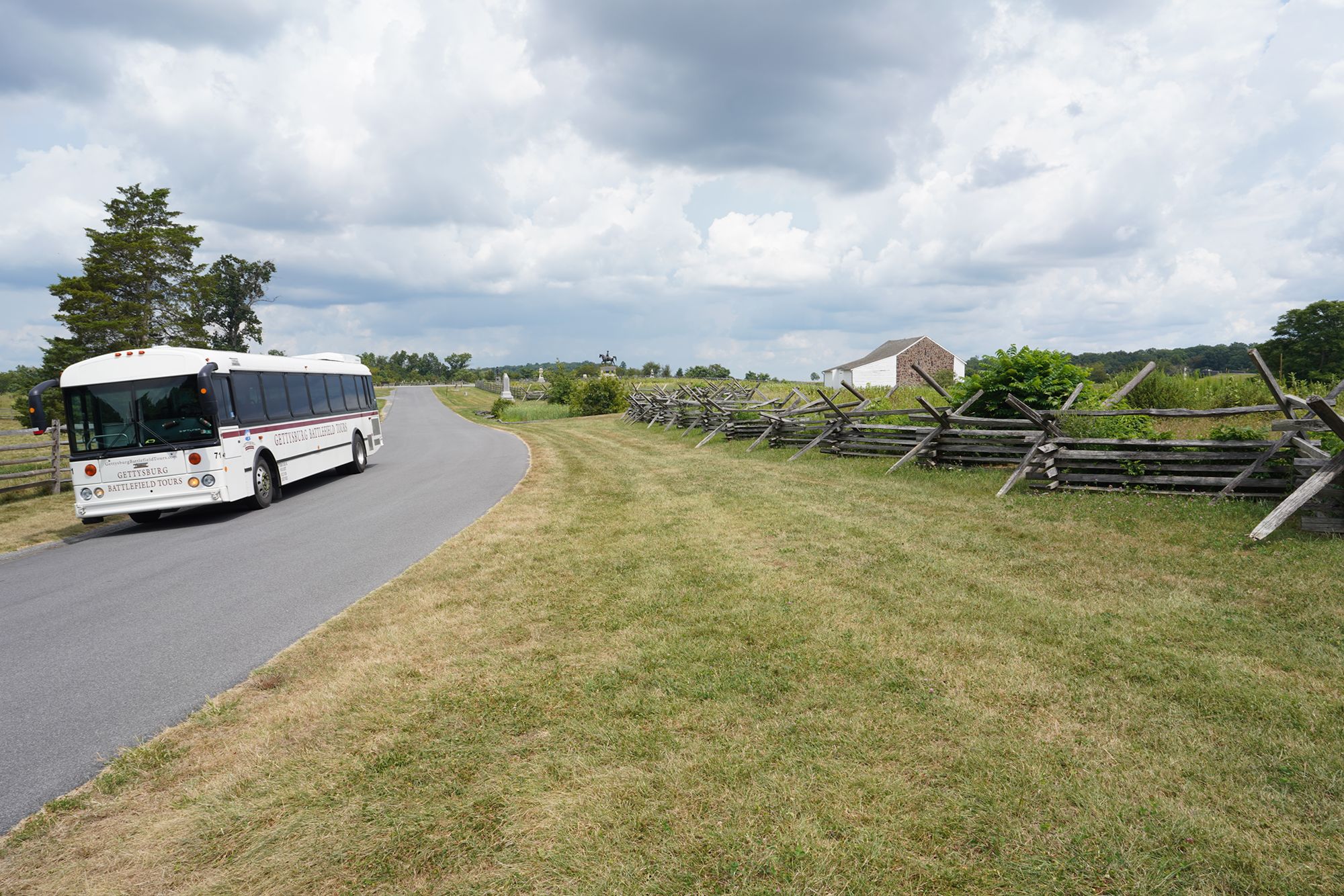
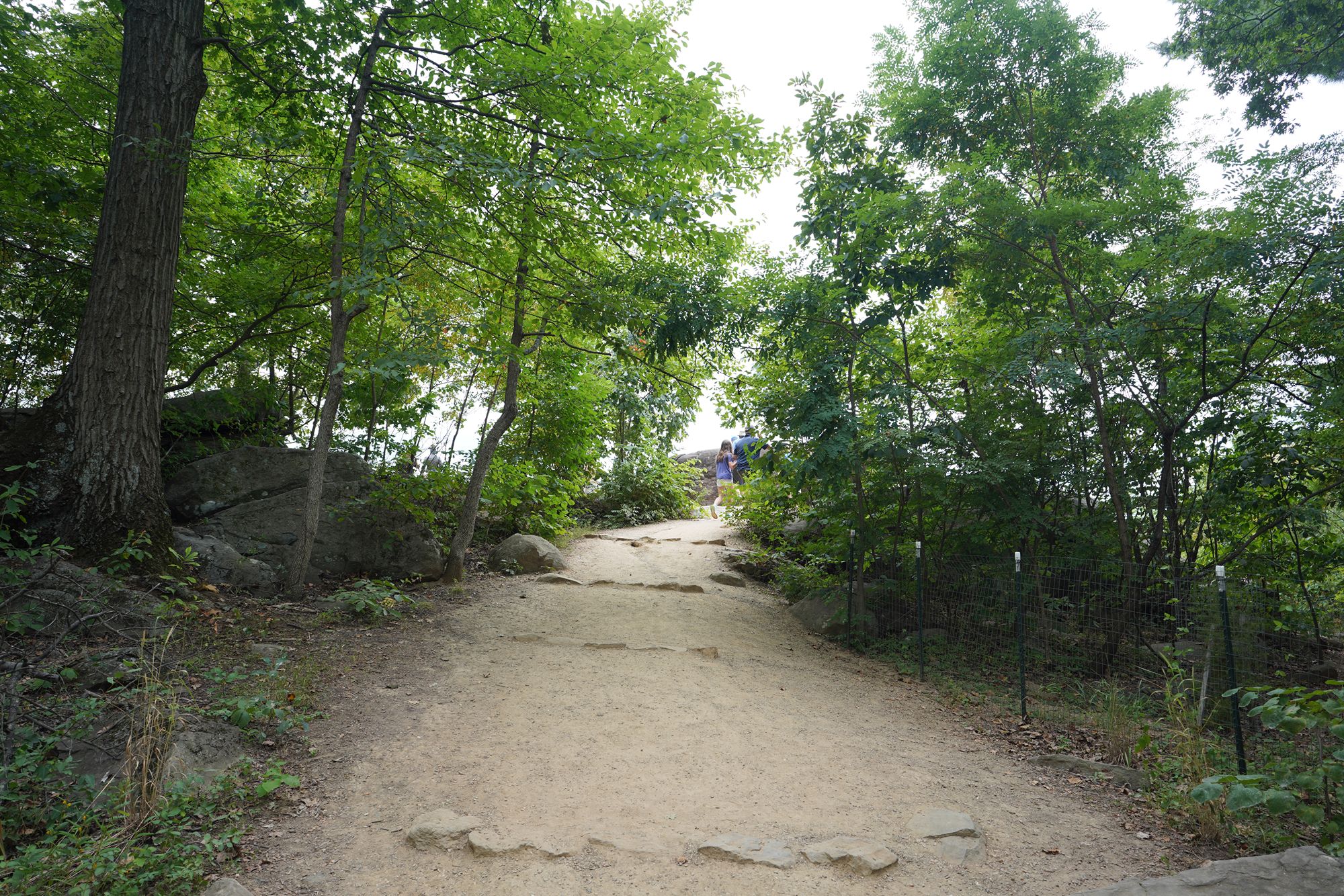
Little Round Top, a small rocky hill on the Union left flank, became one of the most important points on the battlefield — its high ground allowed Union soldiers to hold off repeated Confederate attacks and helped secure the Union line at Gettysburg.
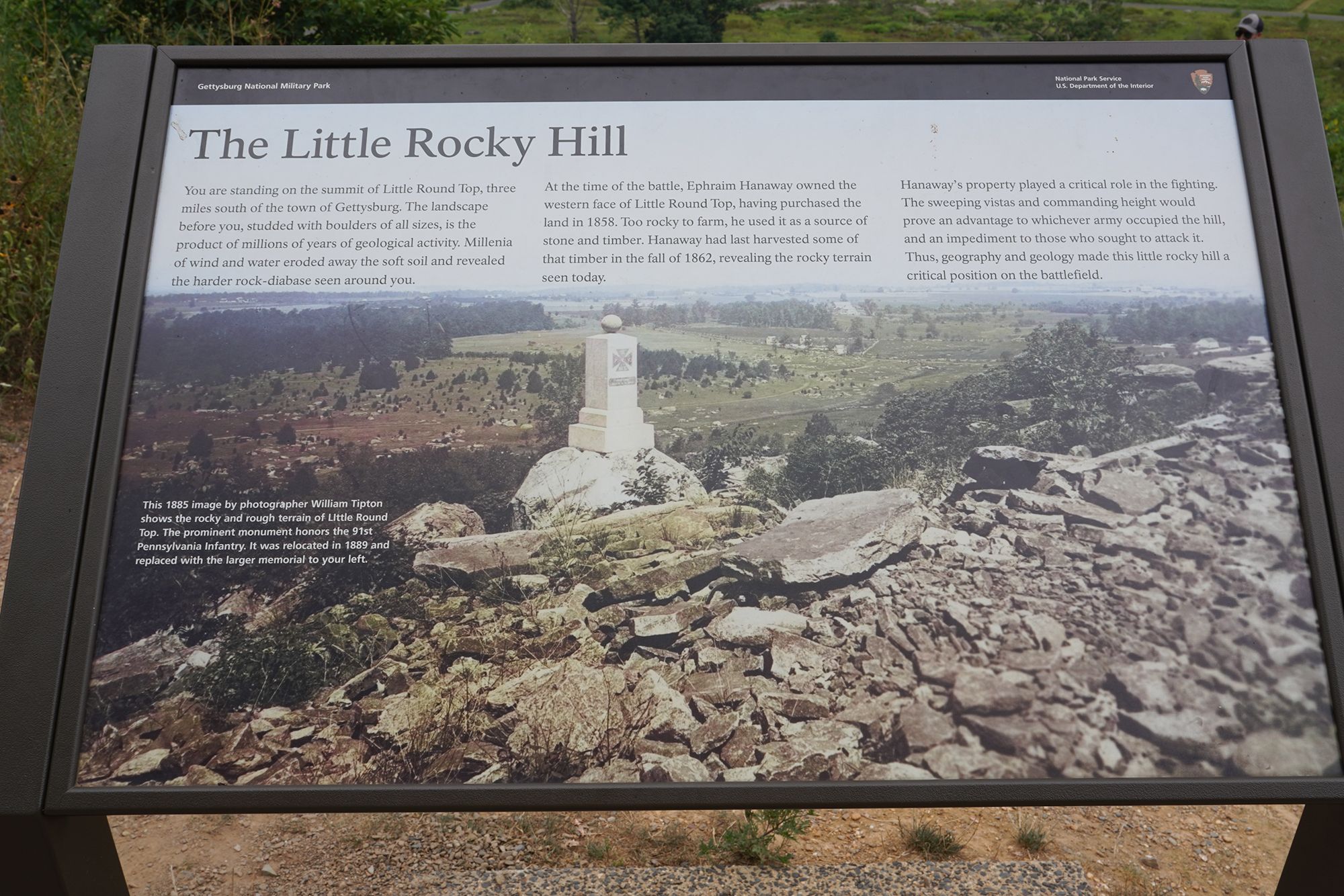
Its rocky slopes and cleared western face gave Union troops cover and a vantage point, making it harder for Confederate forces to mount a successful assault.
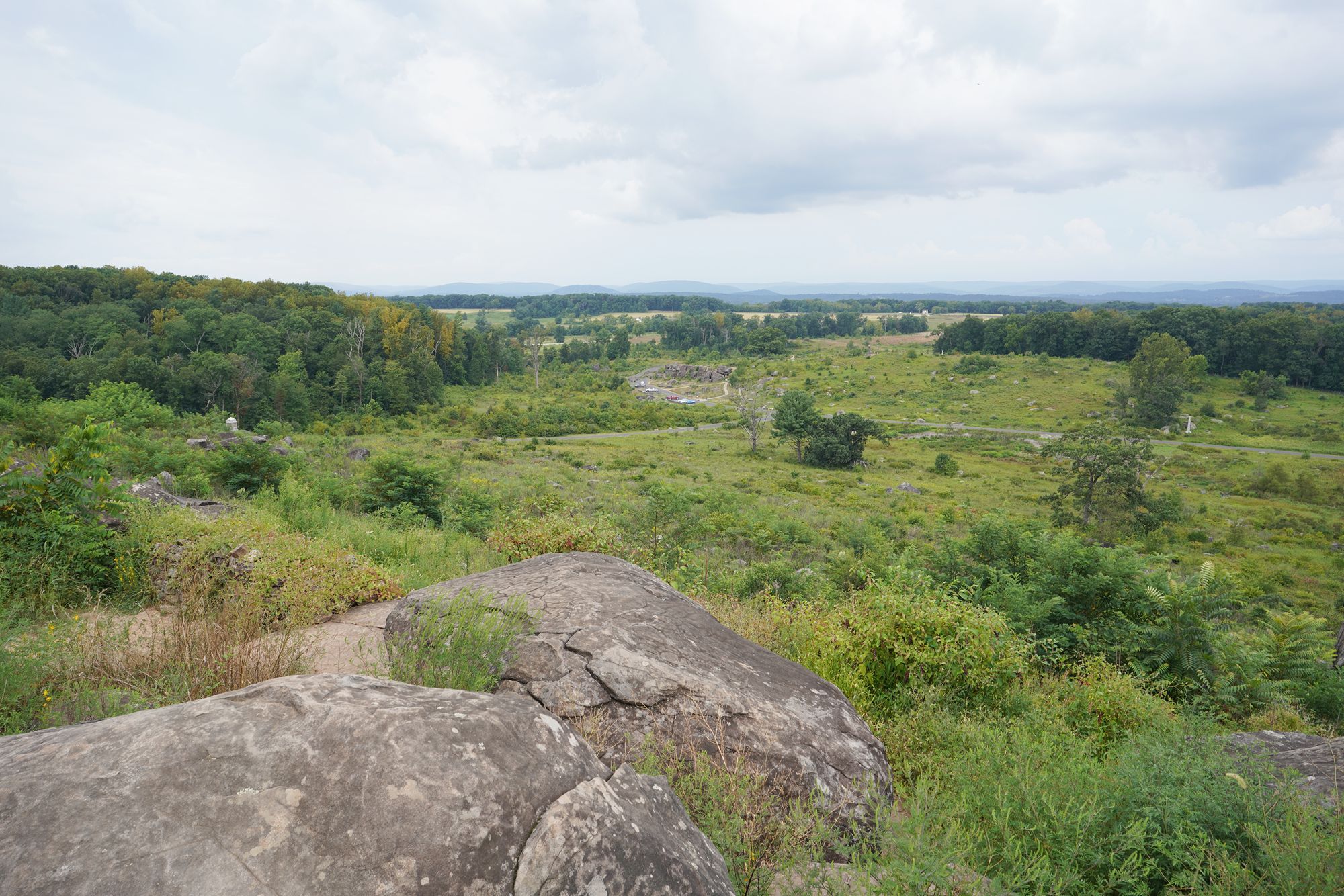
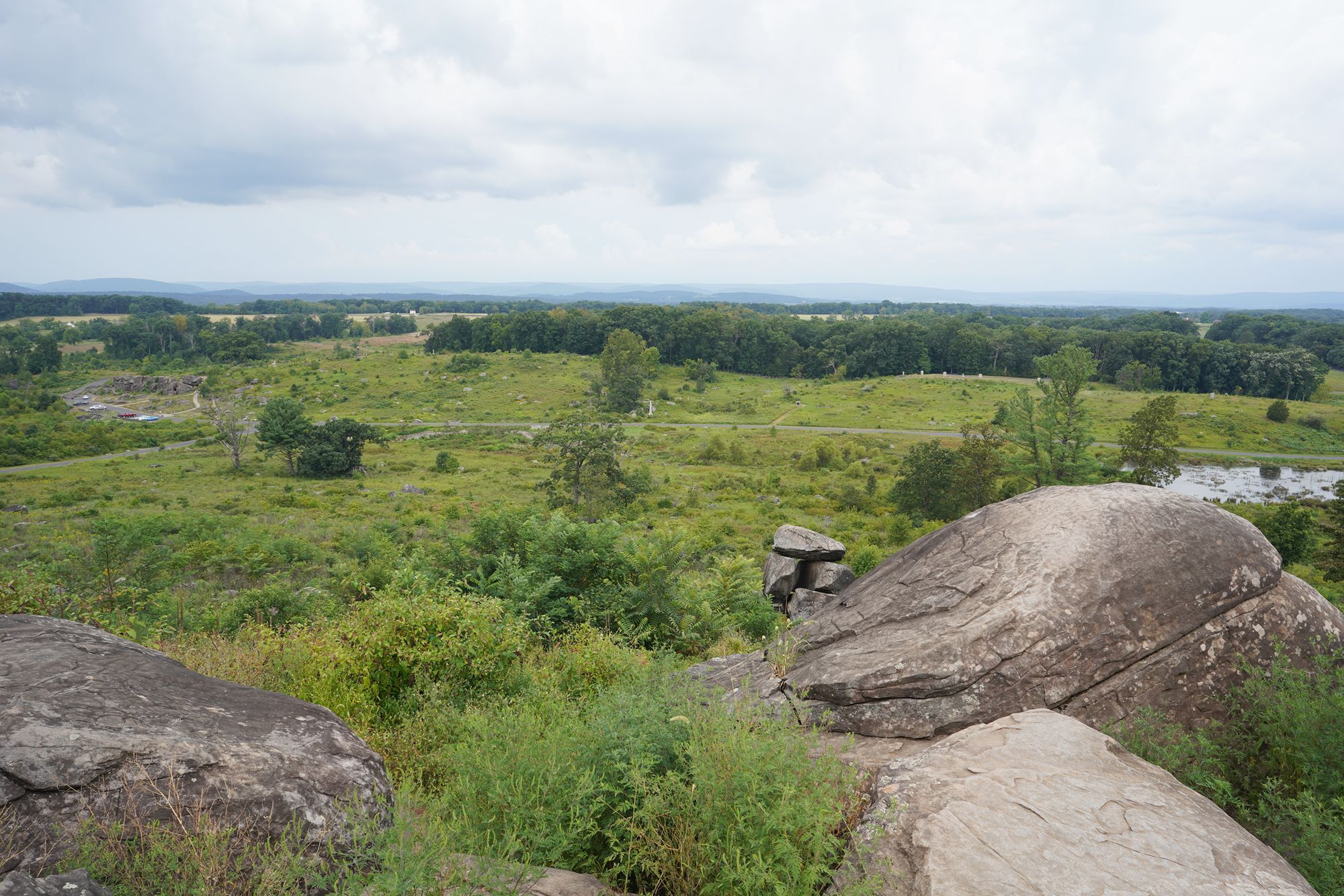
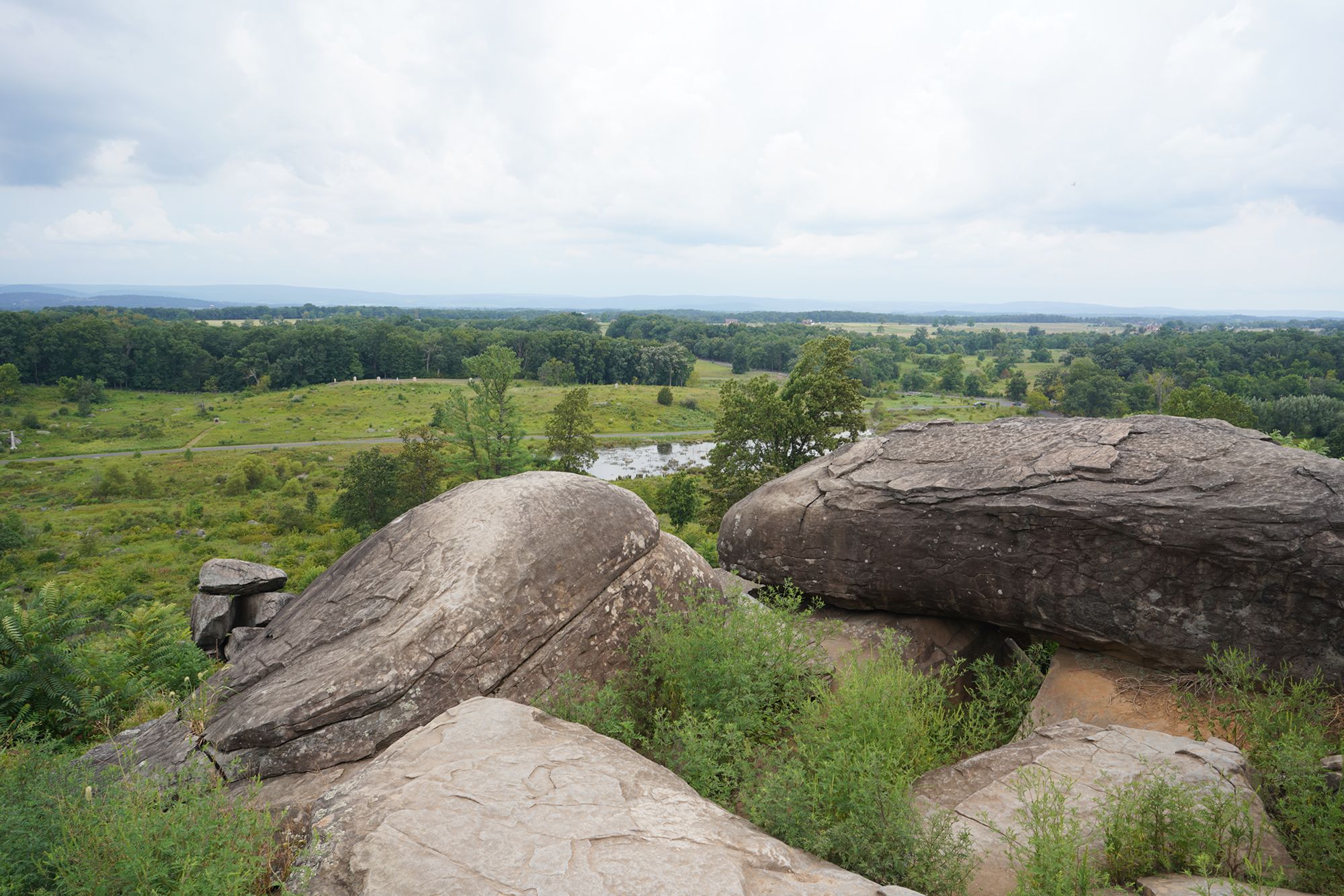
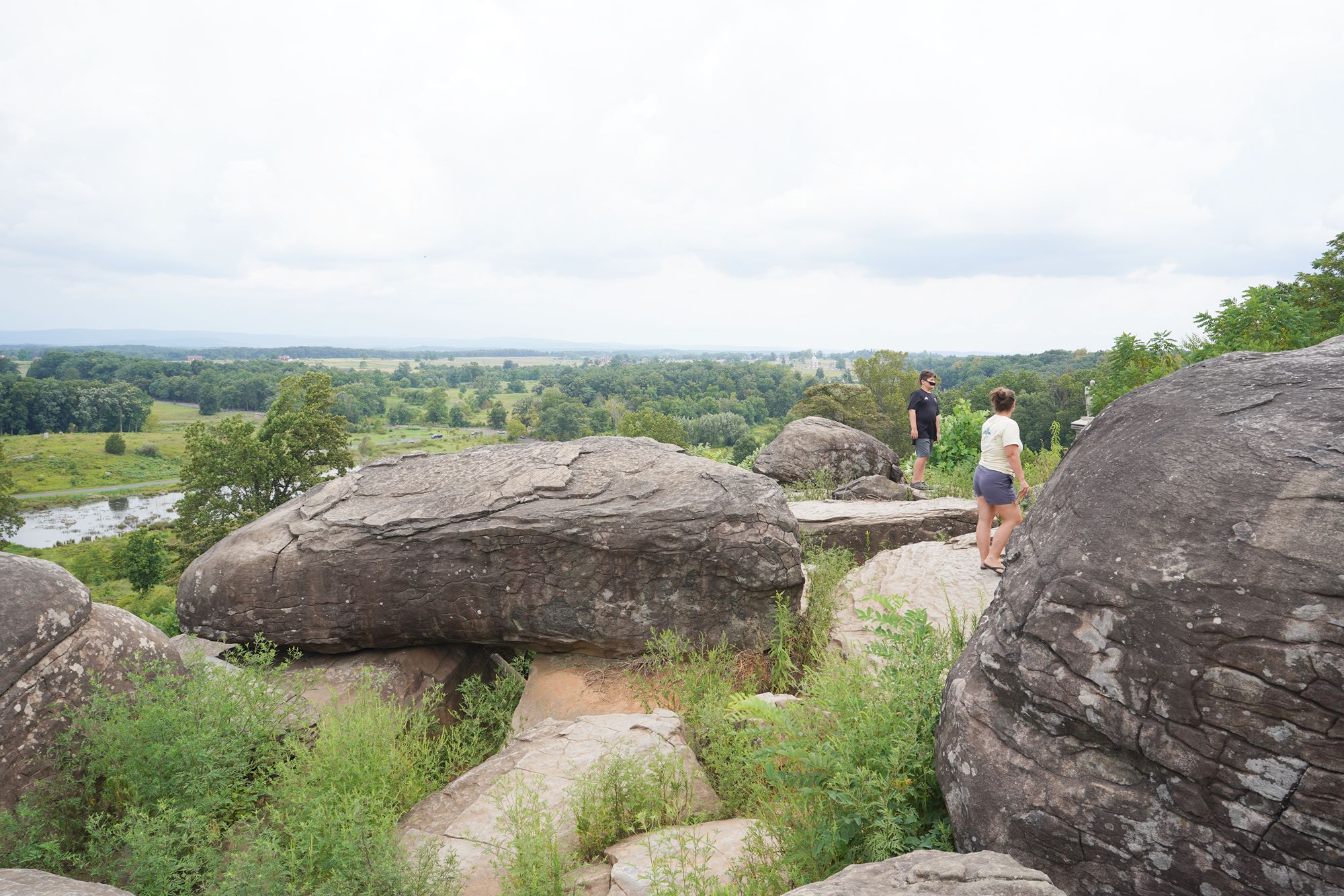
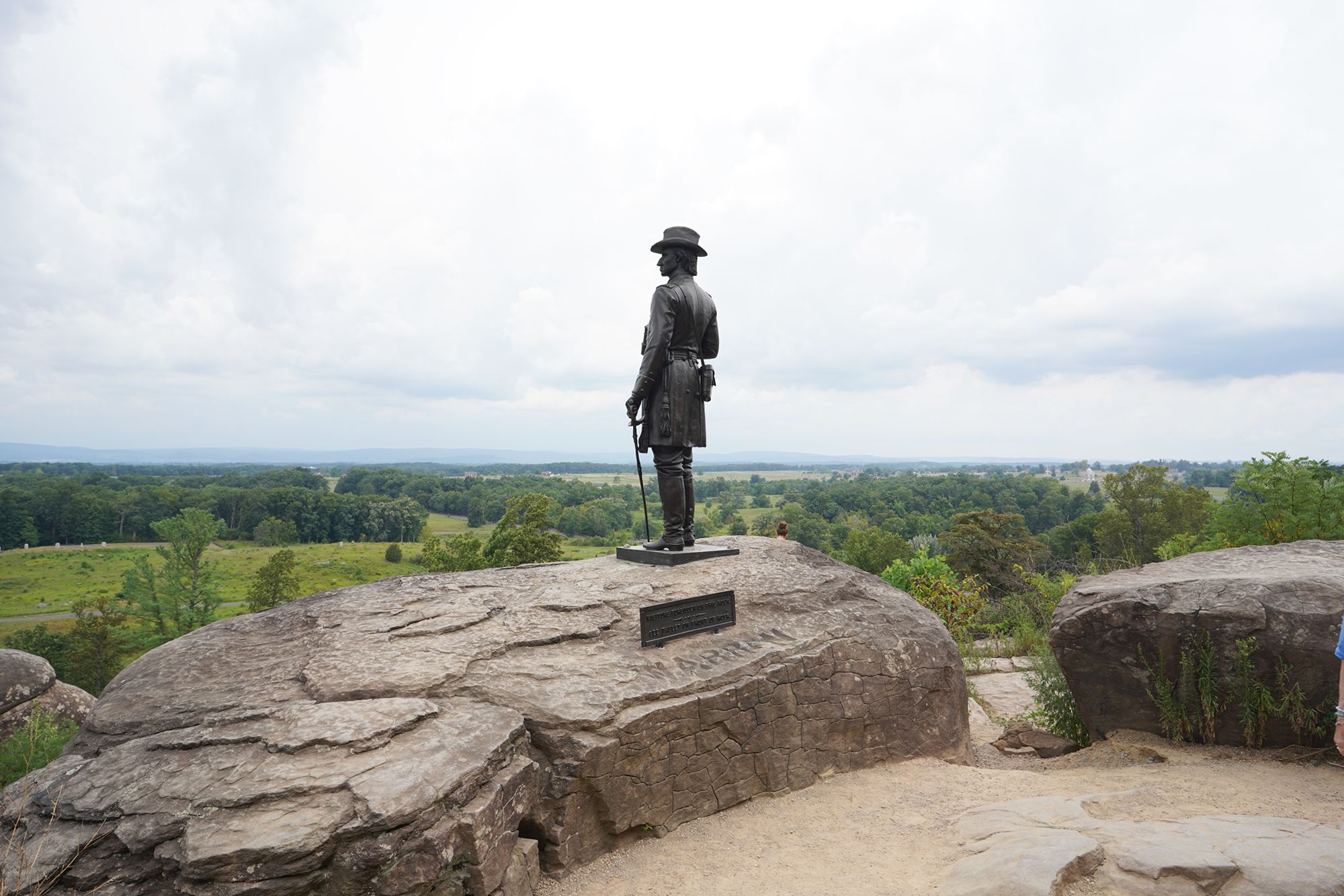
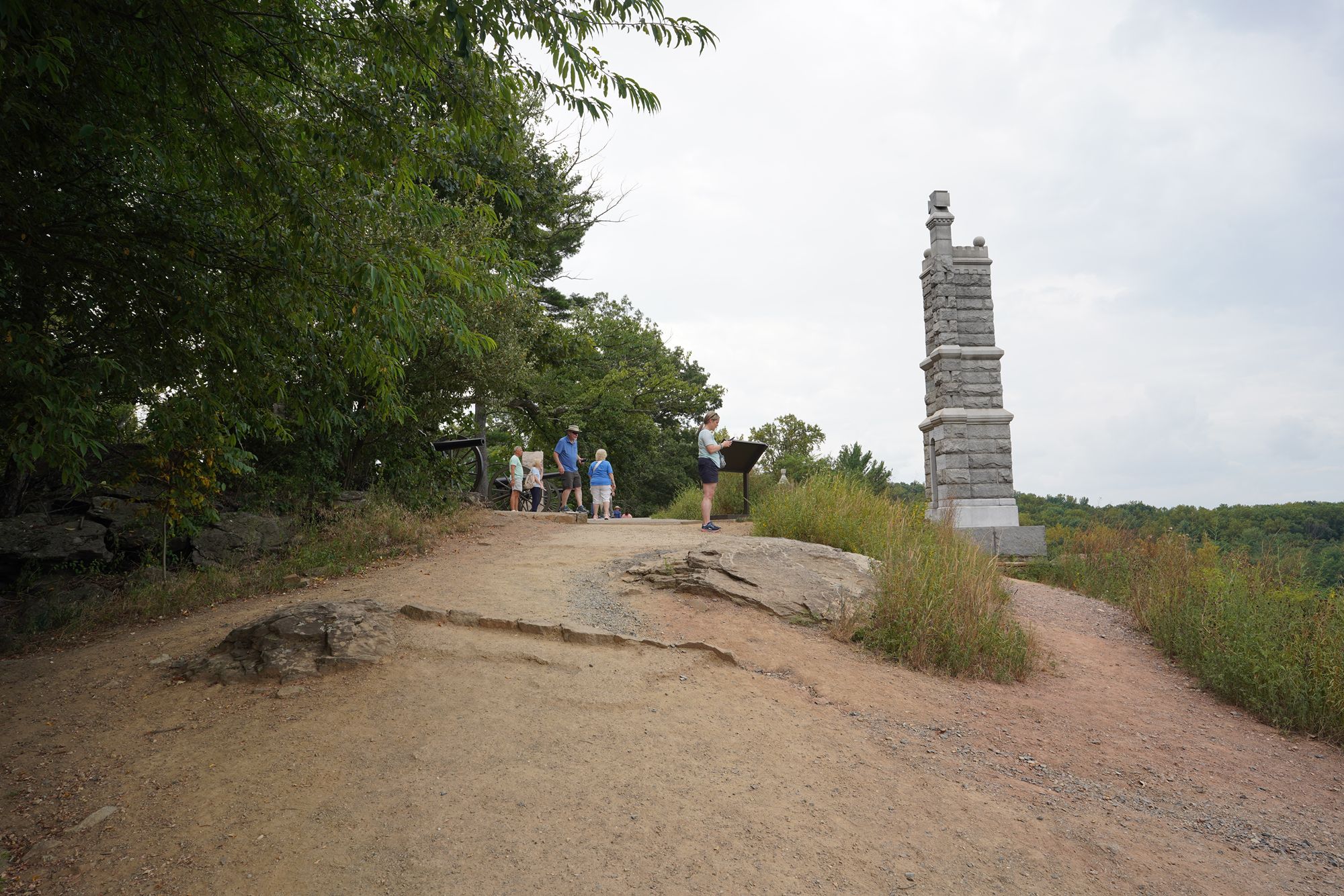
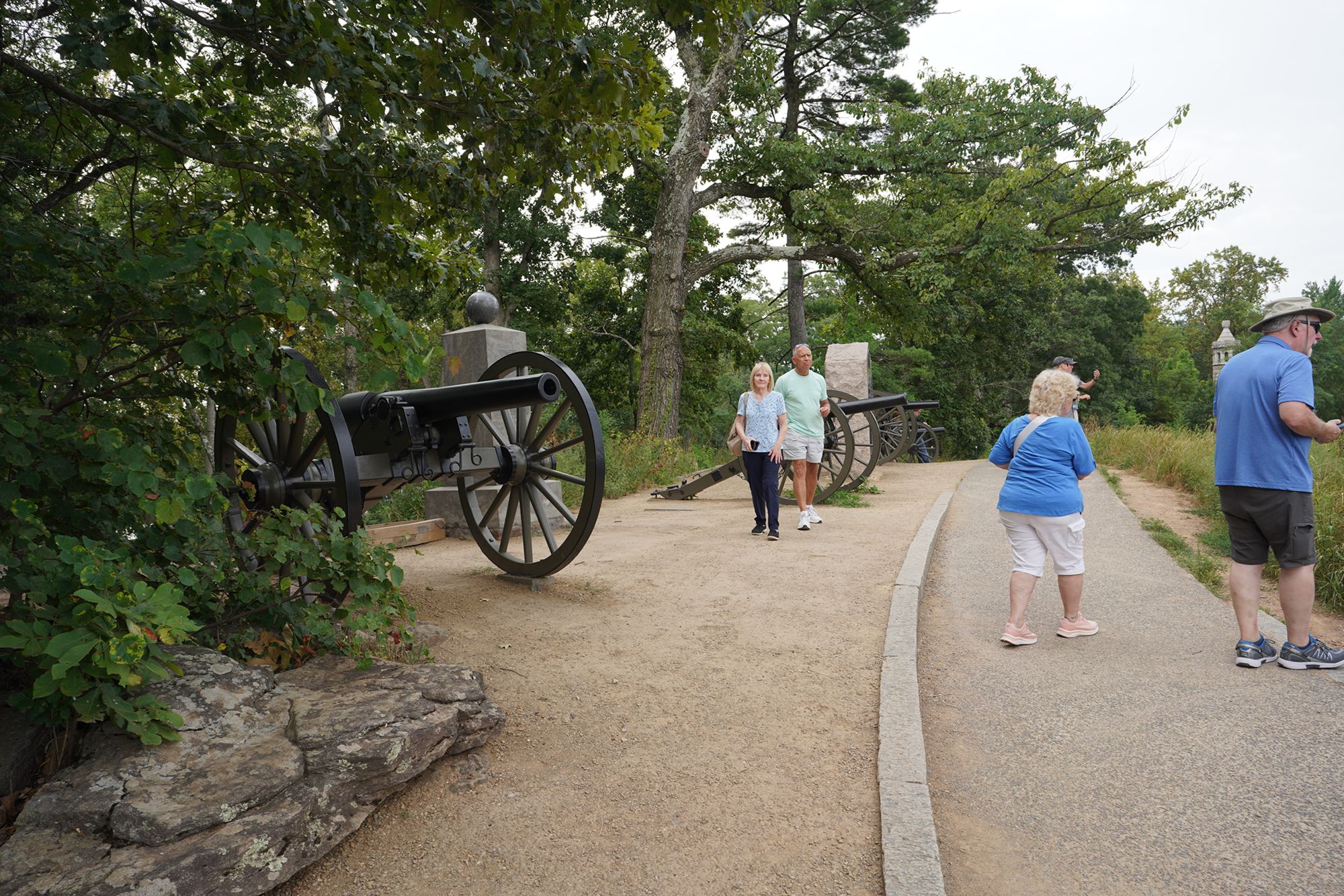
Another look at the field from the hilltop
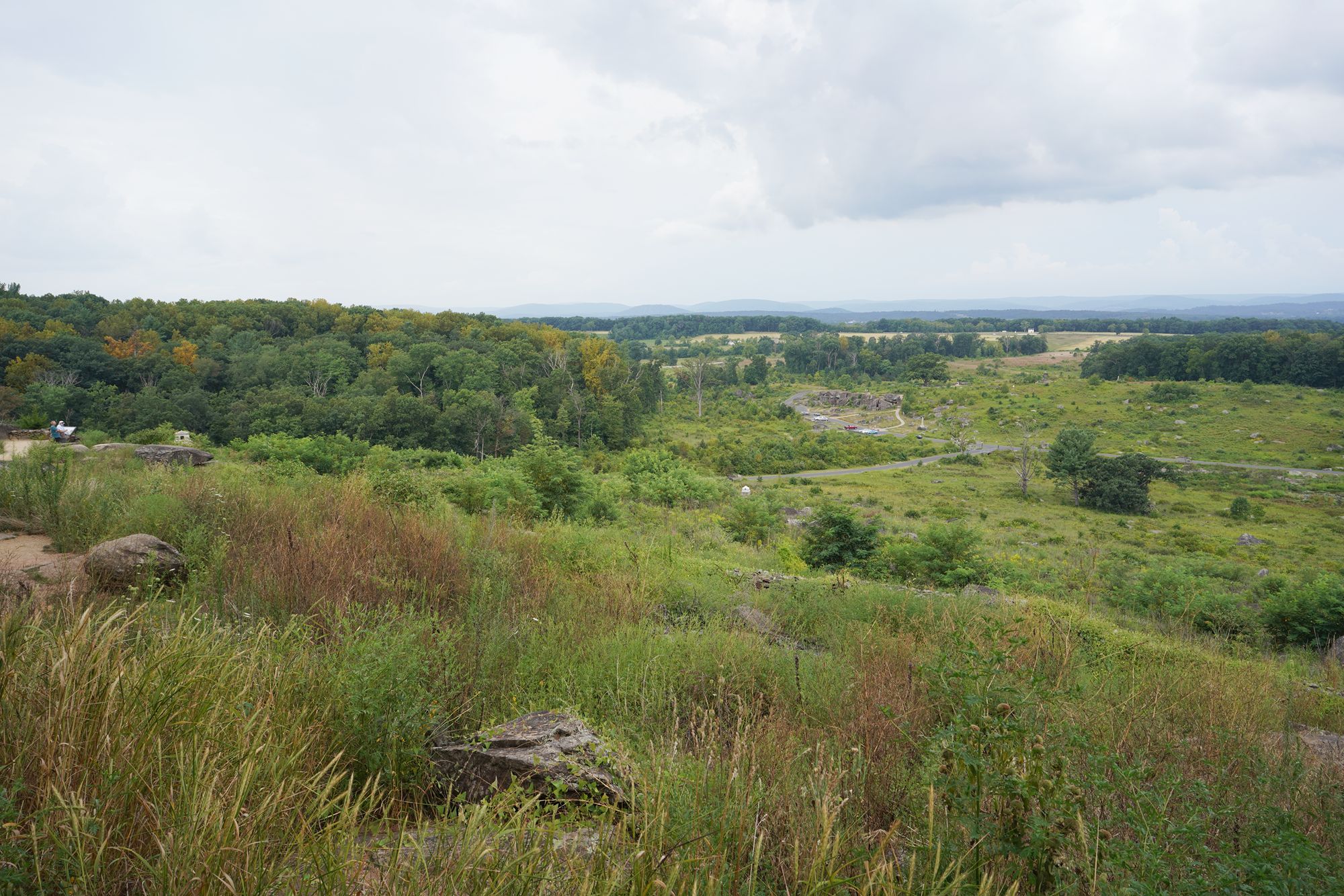
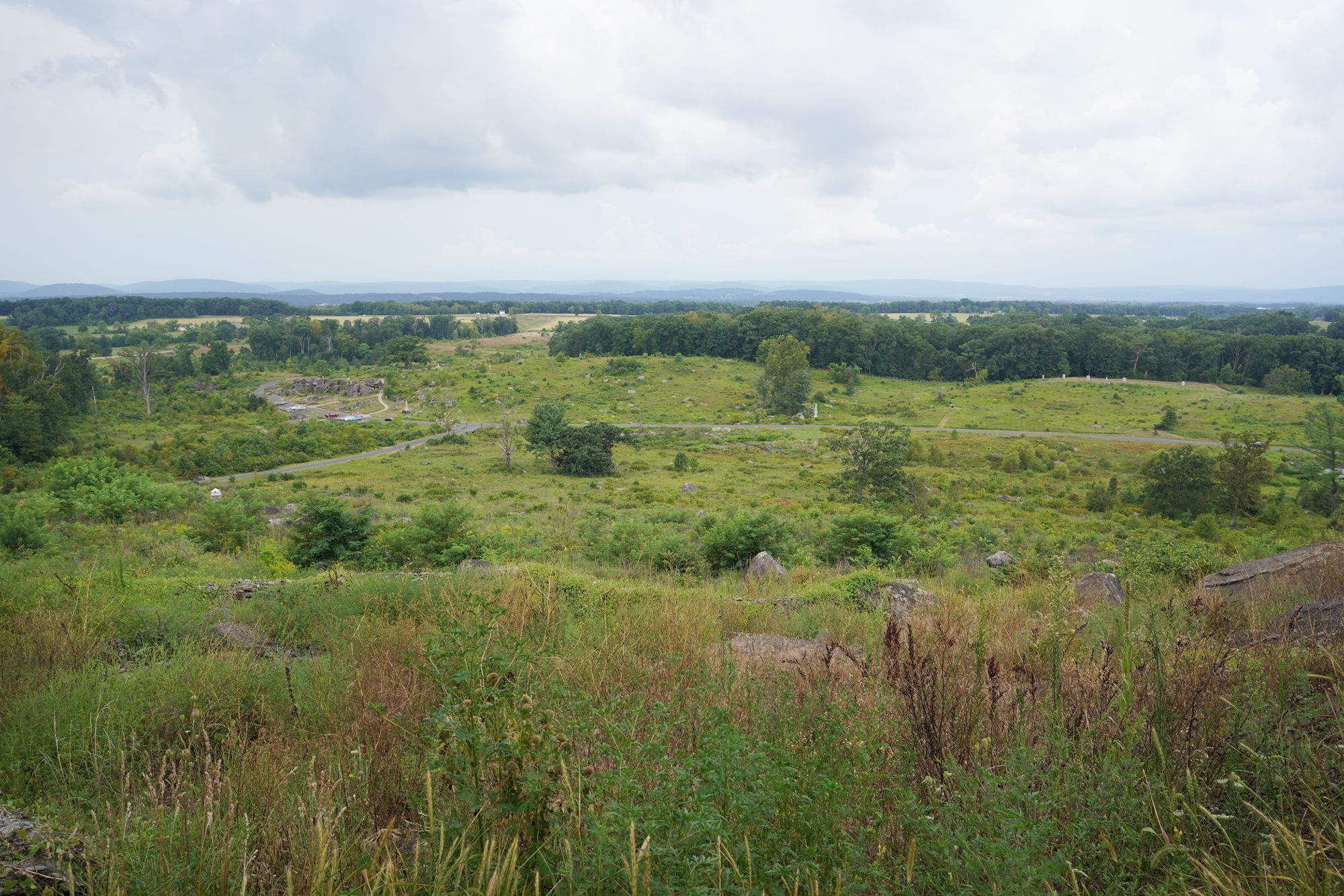
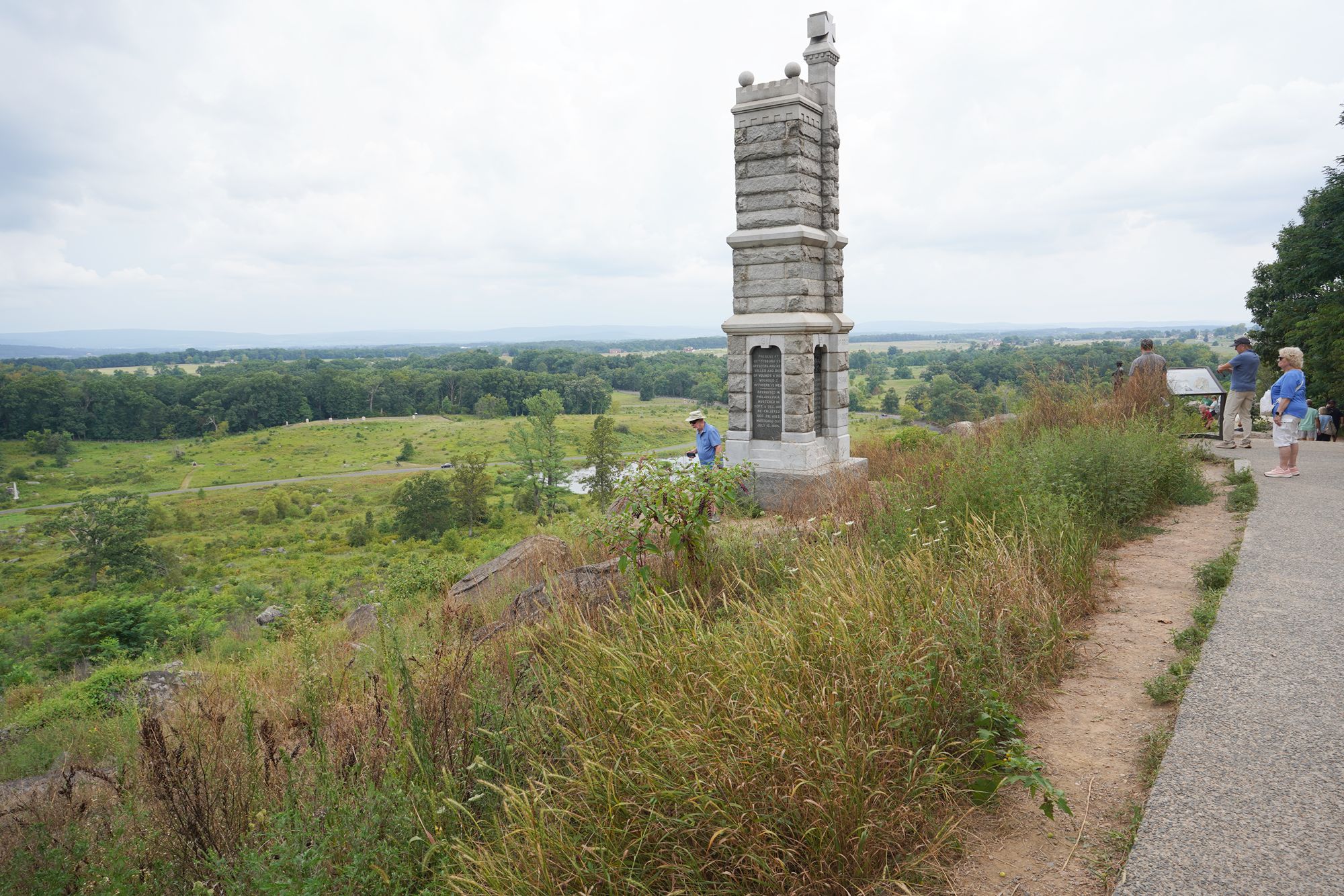
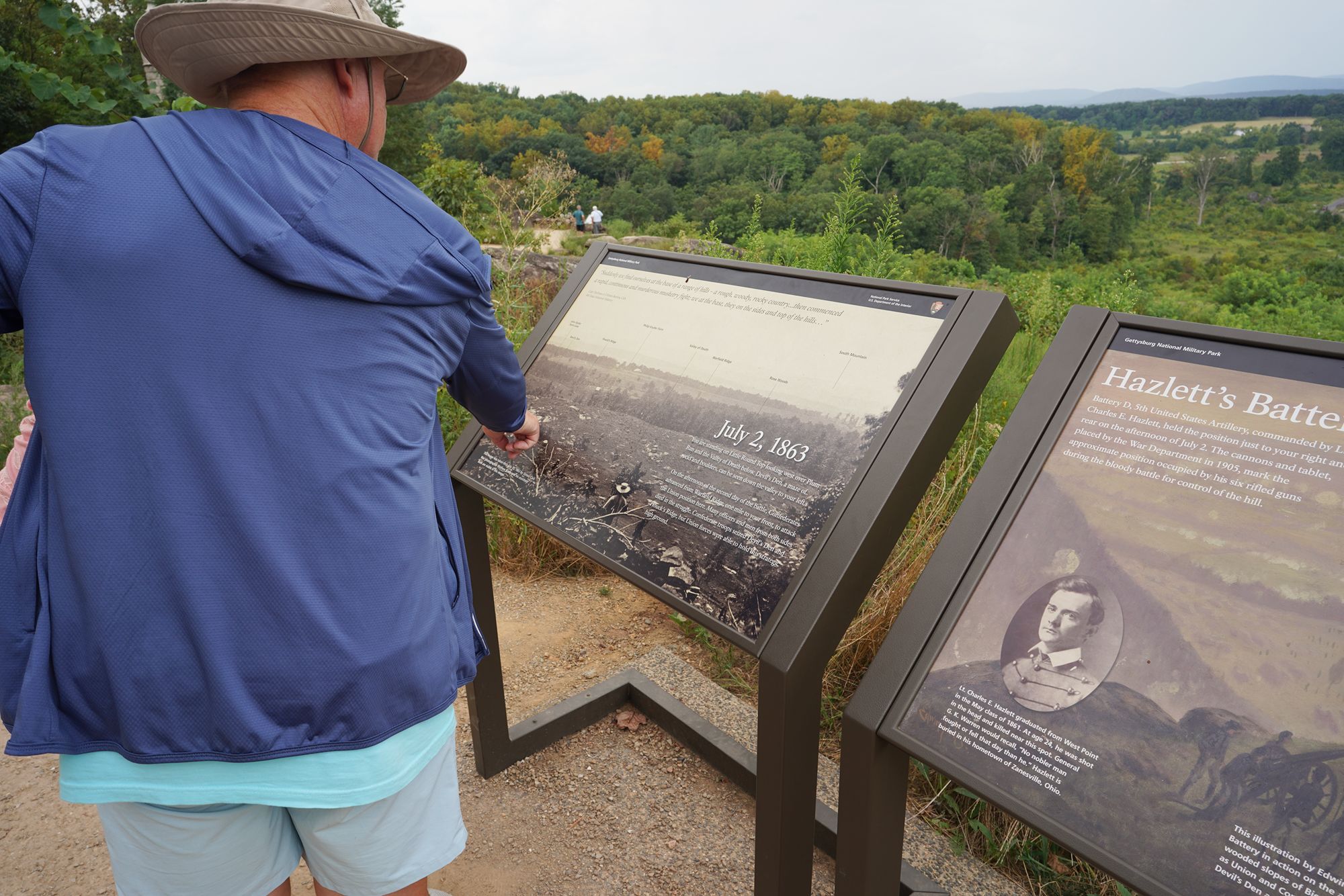
I returned to the museum after the field tour to continue exploring the exhibits.
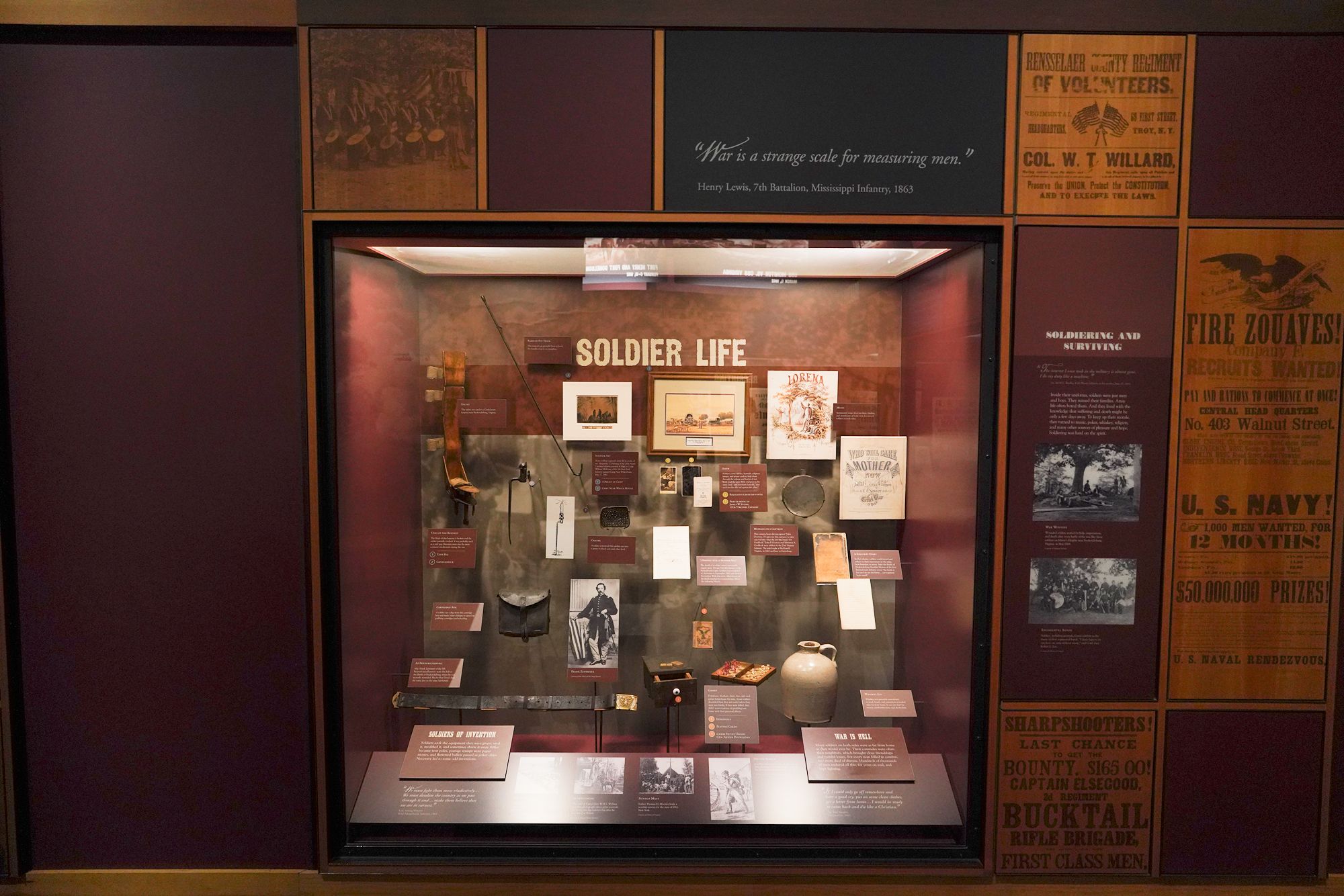
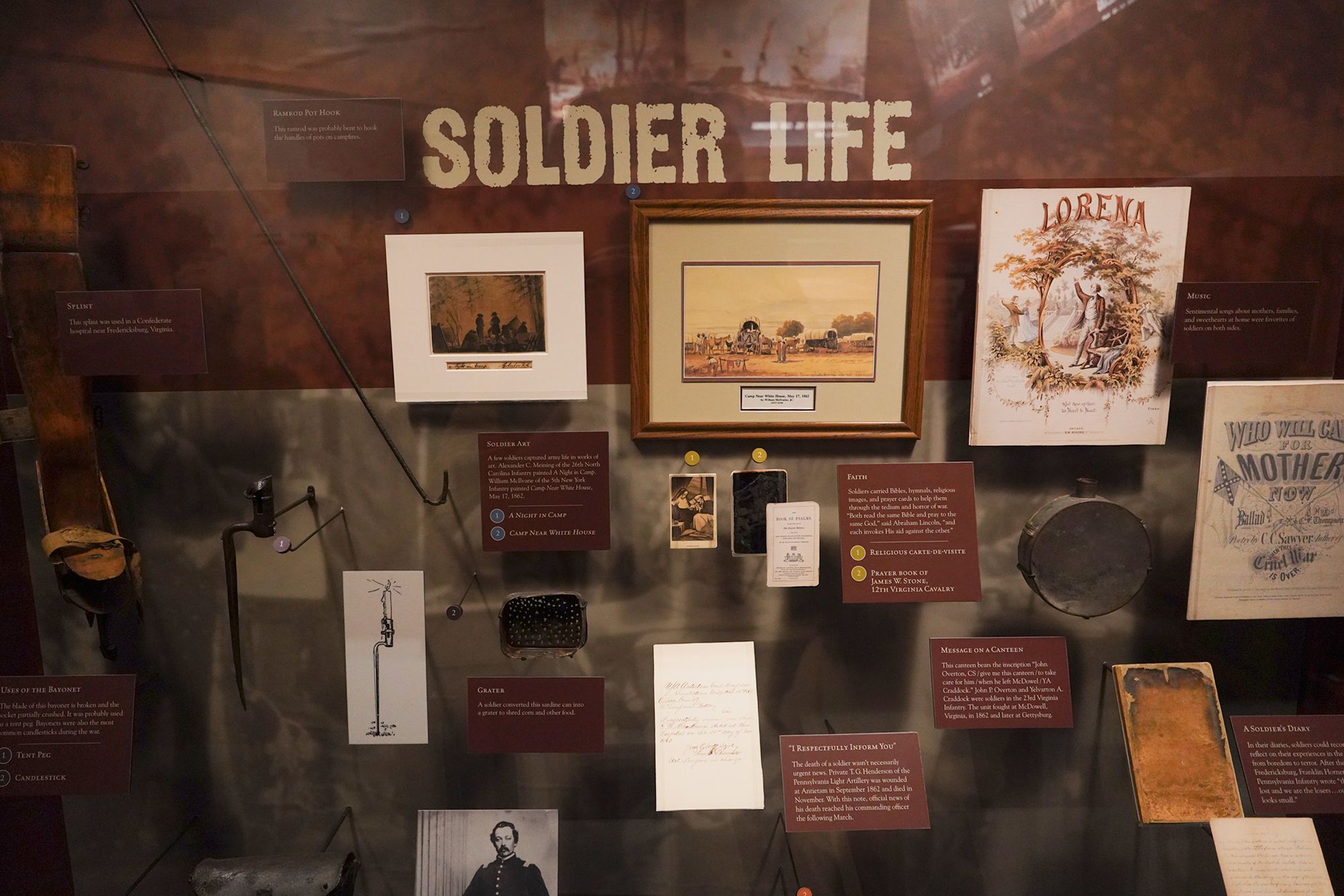
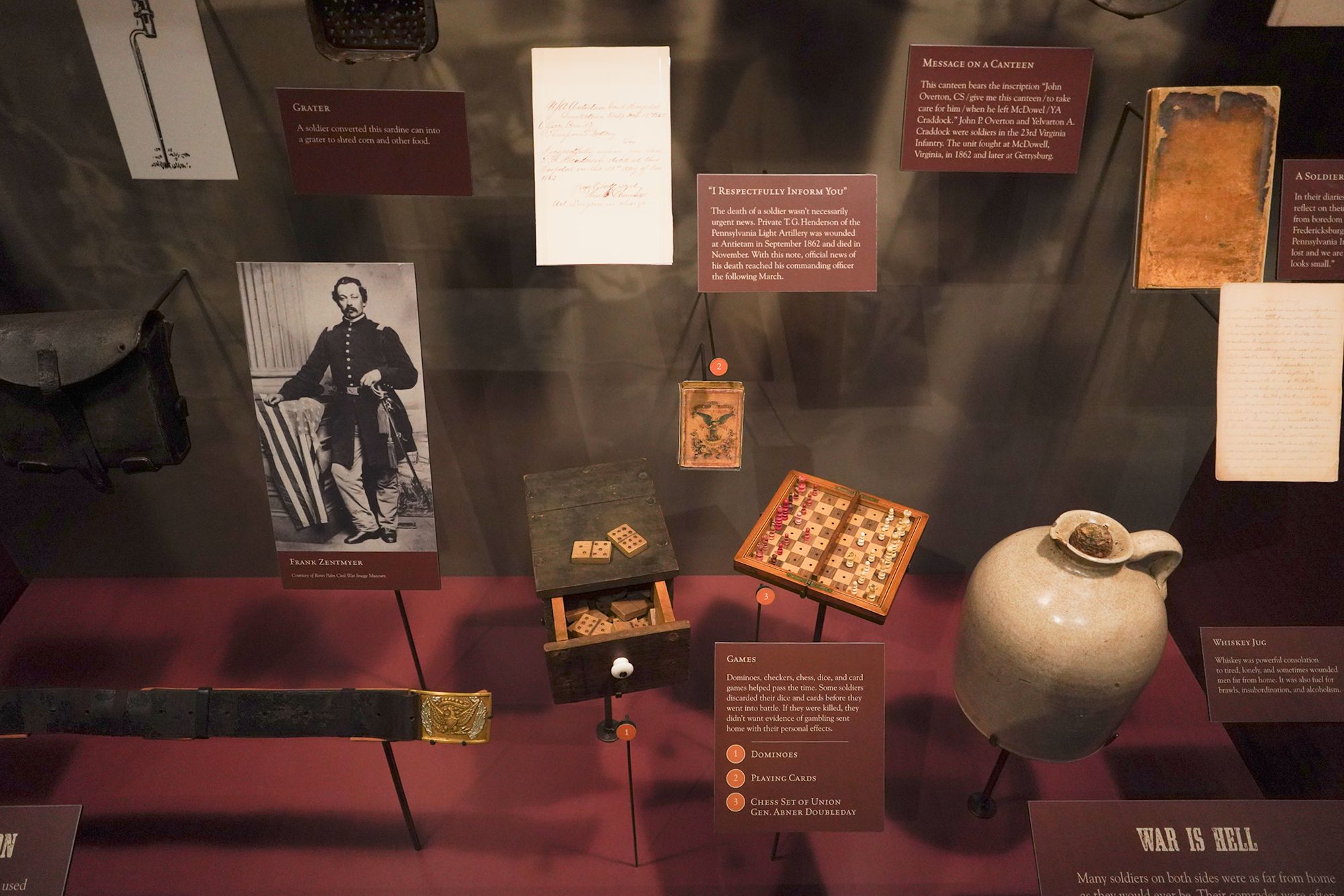
Life for soldiers was more than just battle — it was months of marching, drilling, waiting, writing home, joking with comrades, and enduring hunger, weather, and fear.
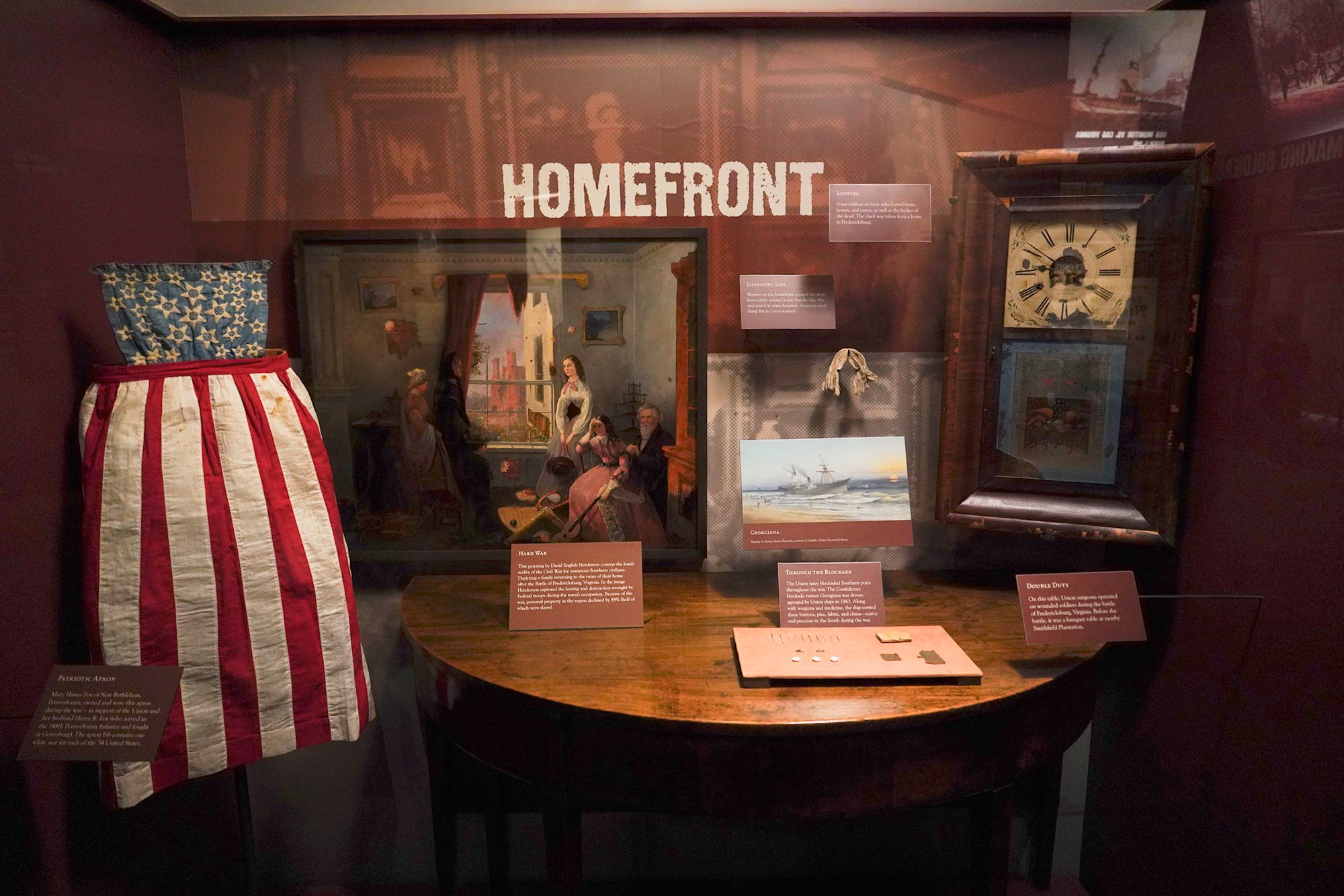
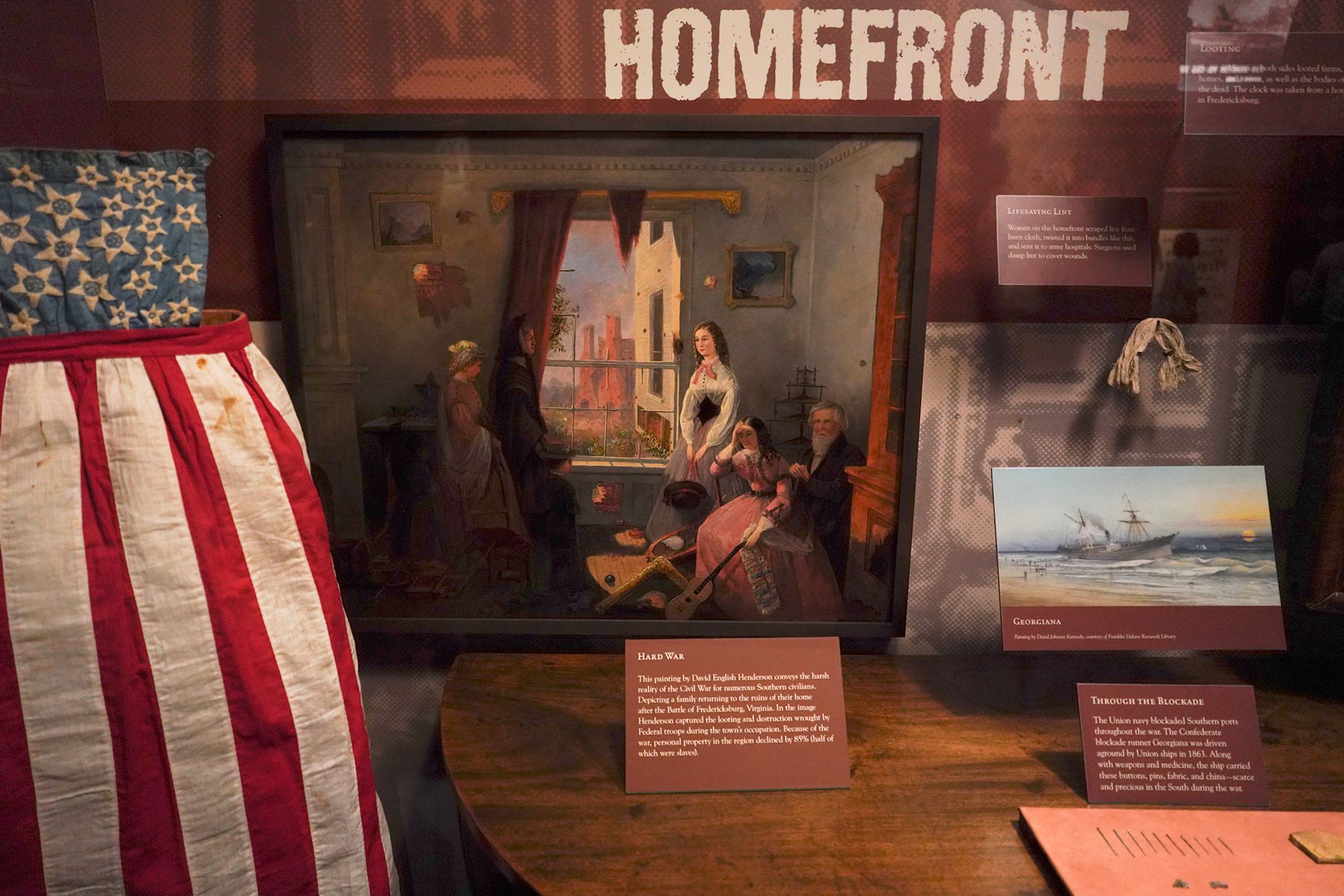
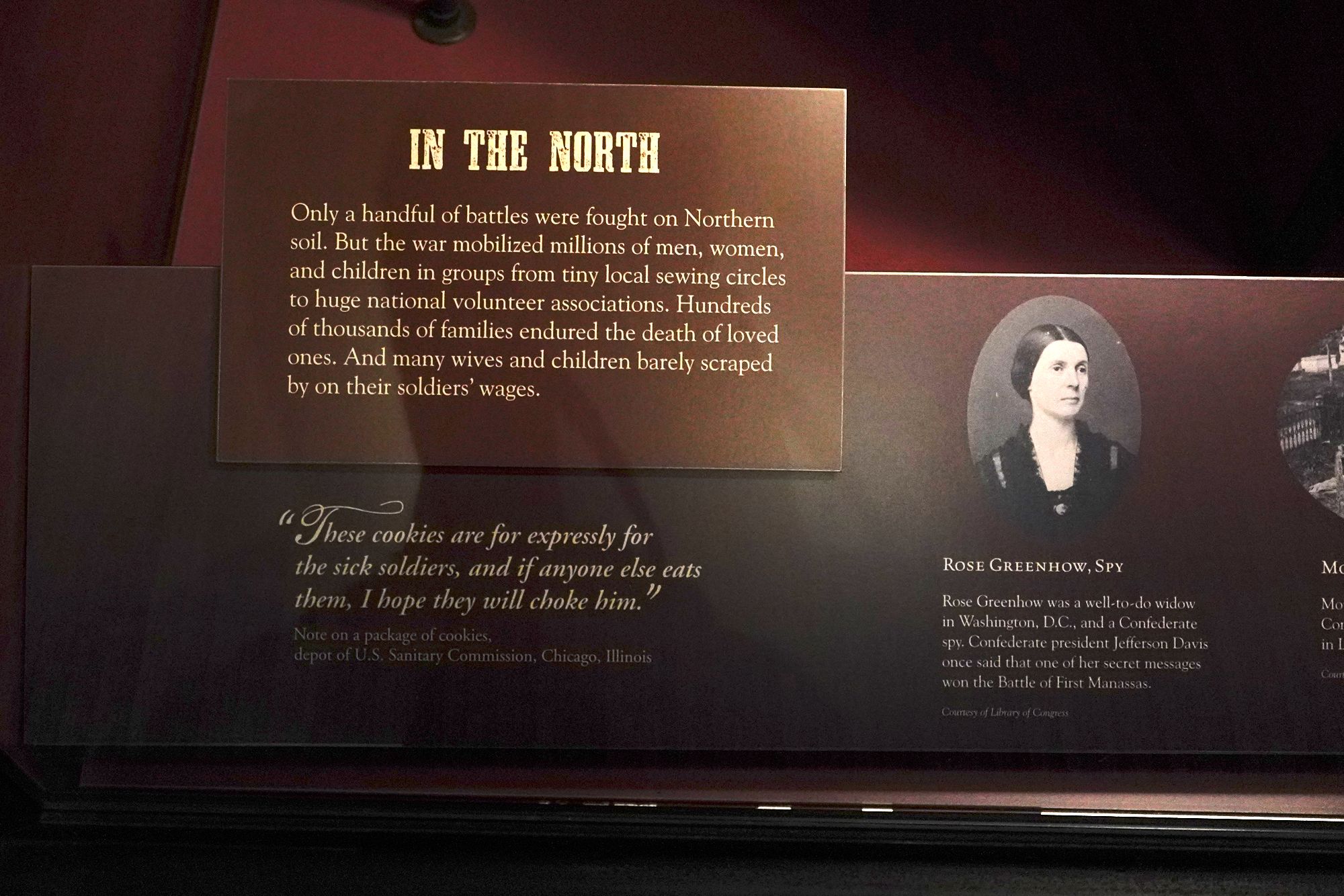
On the homefront, civilians sewed uniforms, raised money, ran farms and businesses, and cared for wounded soldiers.
Contrabands — enslaved people who fled to Union lines for freedom — often worked for the army and many eventually enlisted as soldiers in U.S. Colored Troops.
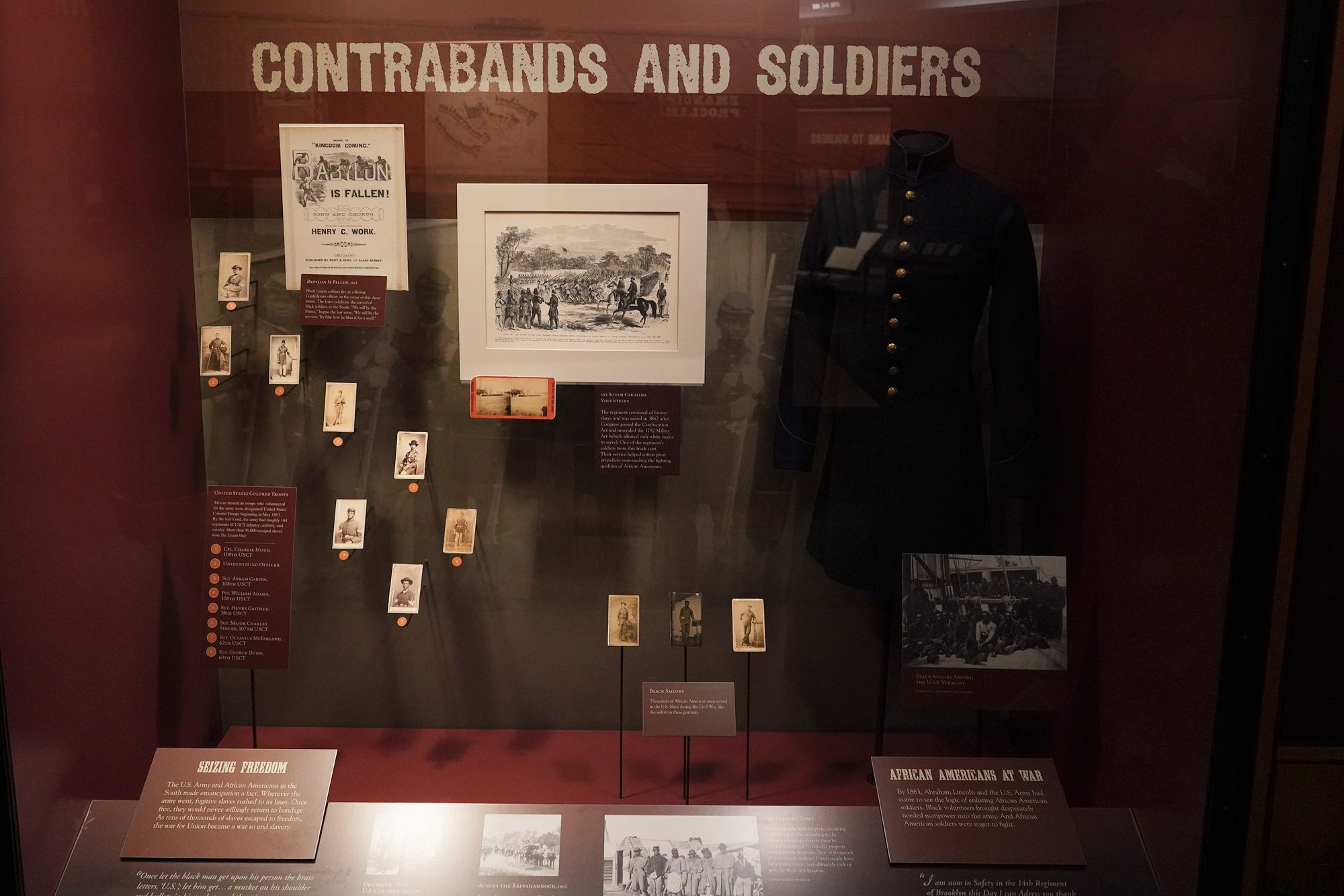
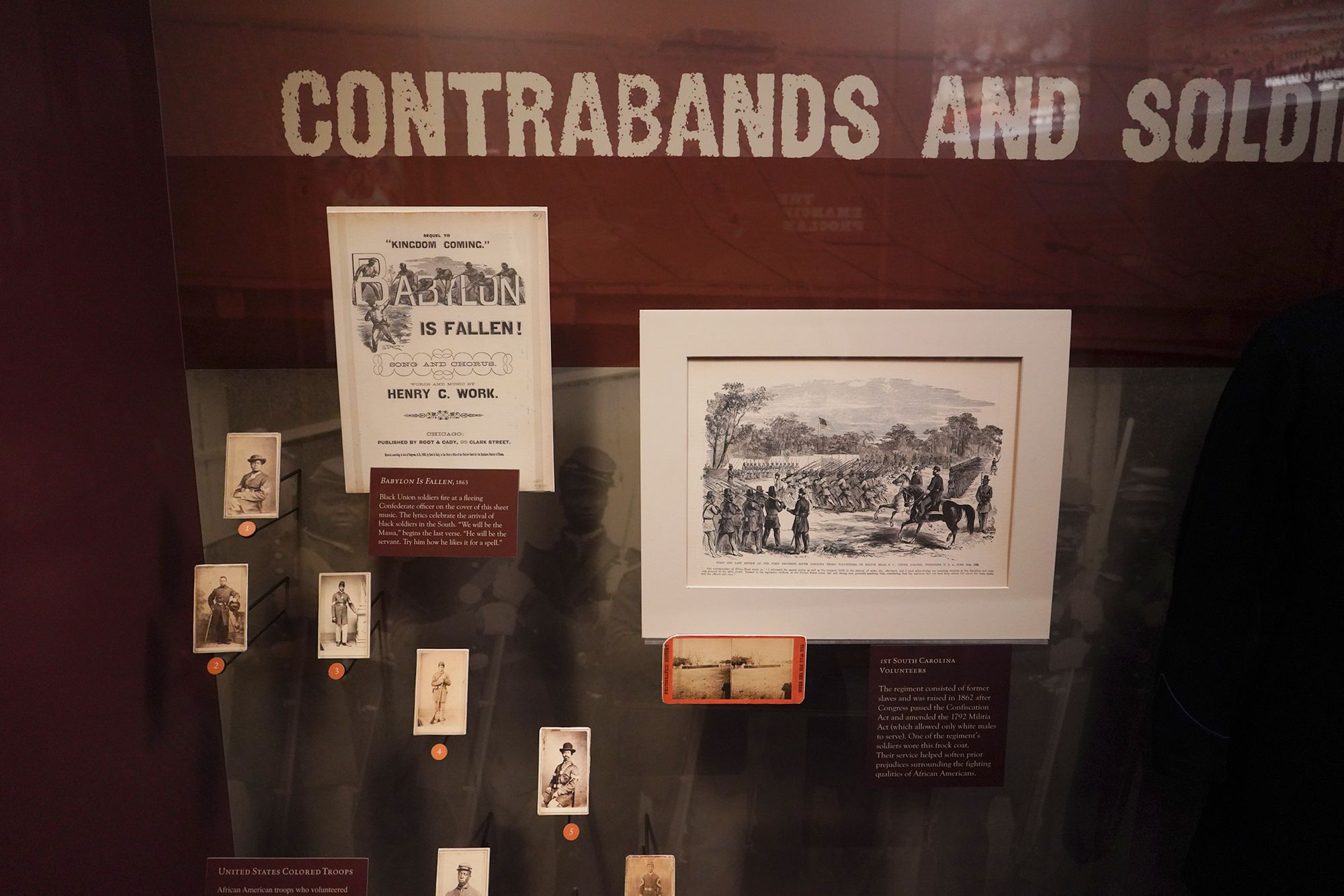
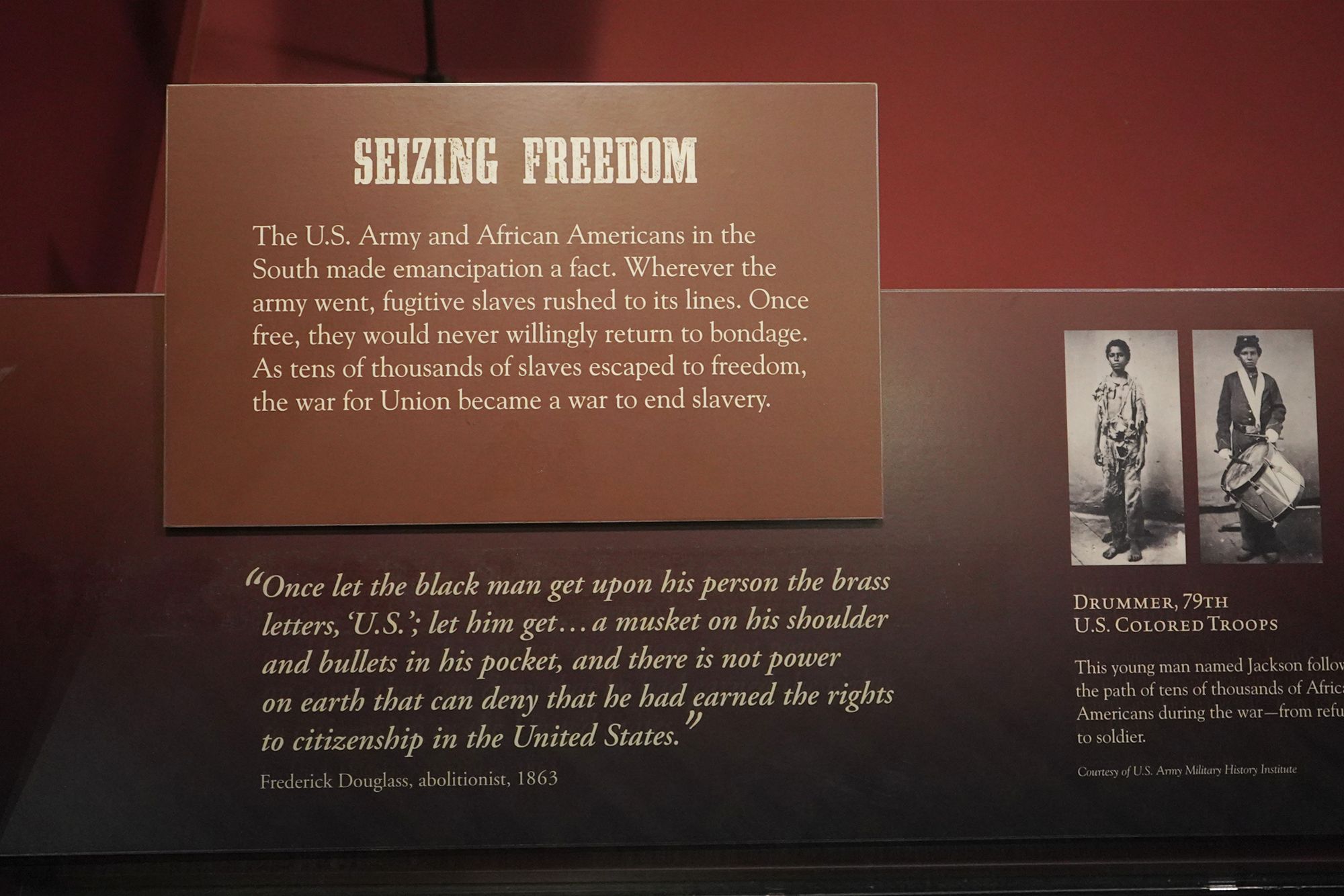
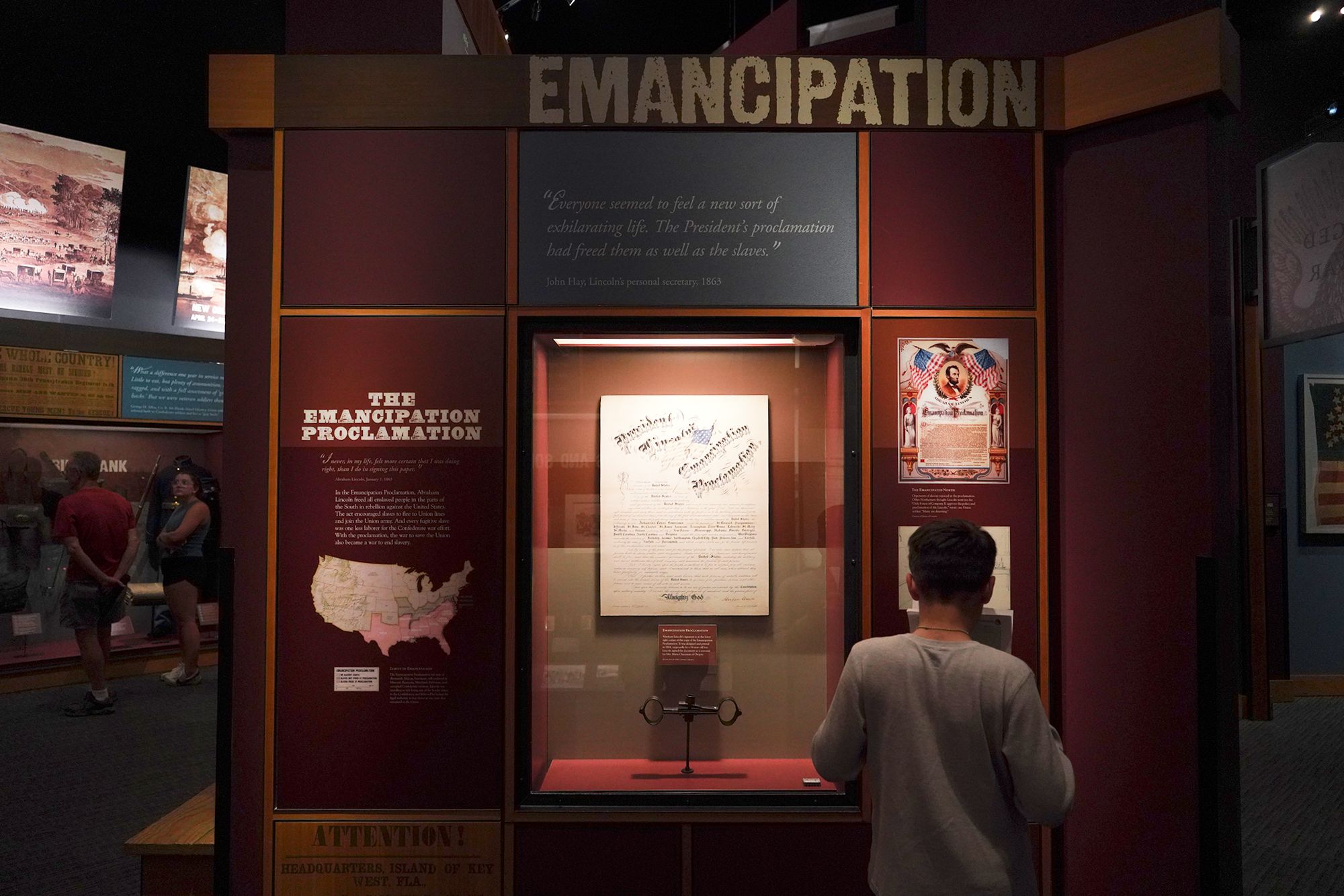
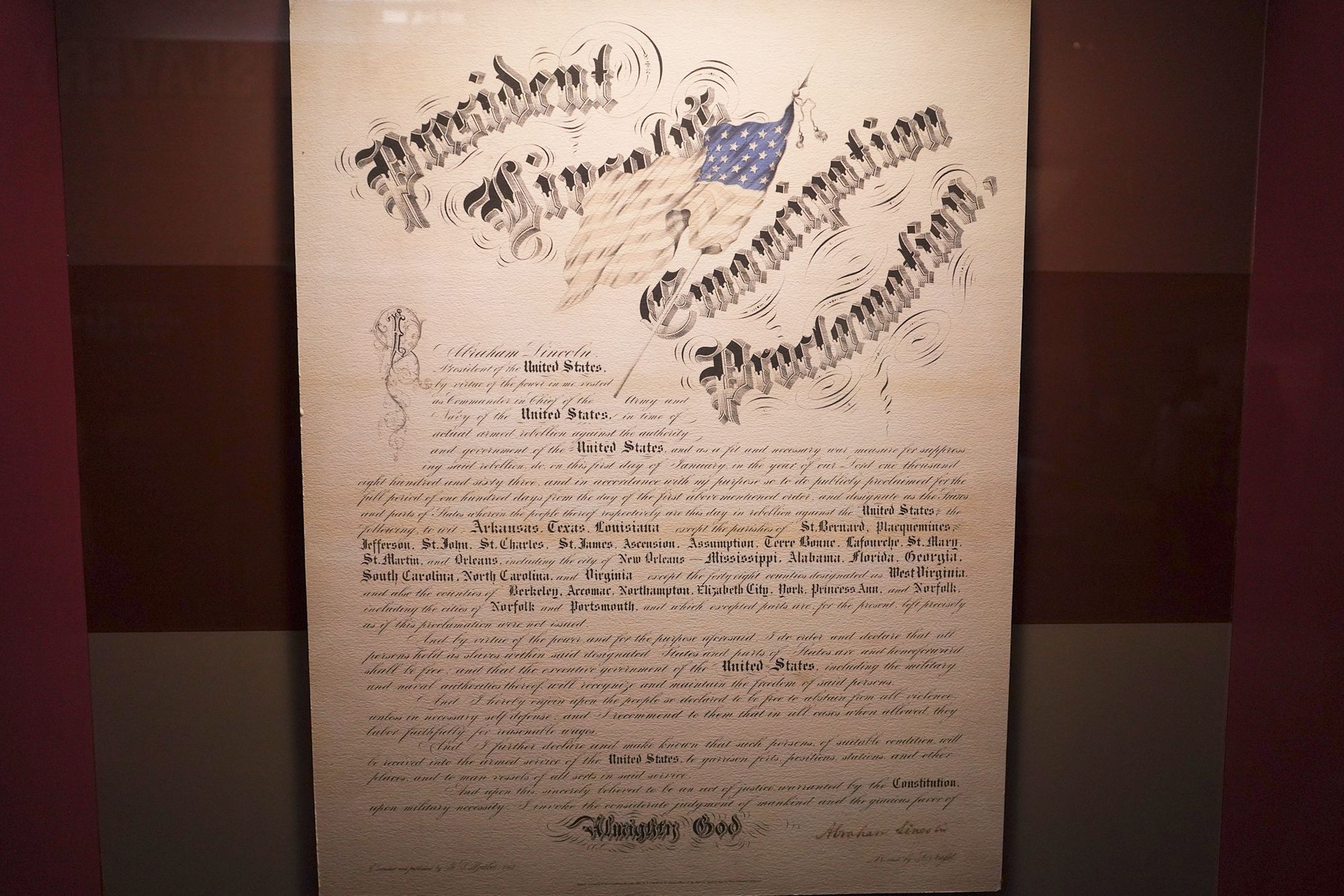
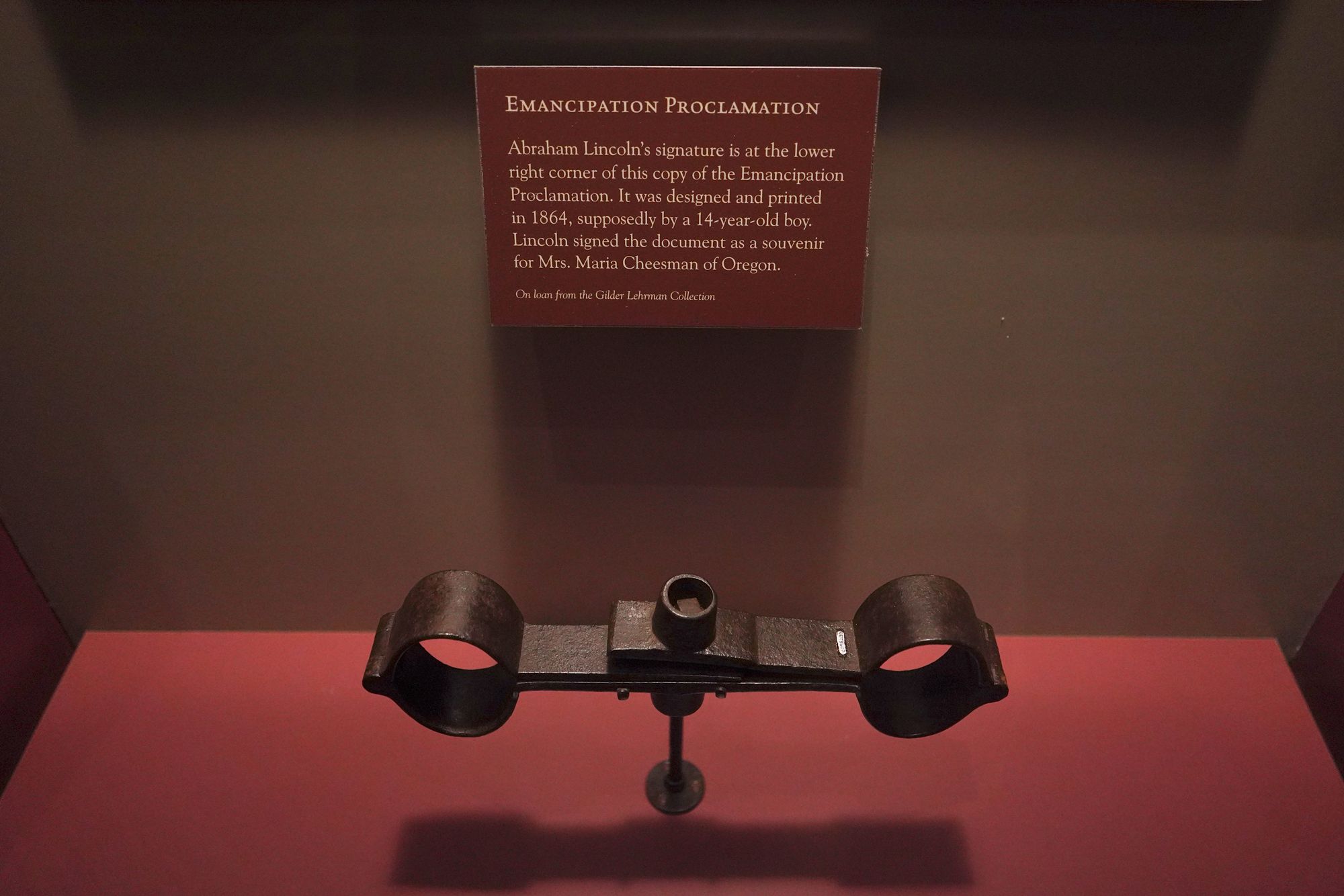
The Emancipation Proclamation was an executive order issued by Abraham Lincoln on January 1, 1863, declaring that all enslaved people in the Confederate states then in rebellion were forever free.
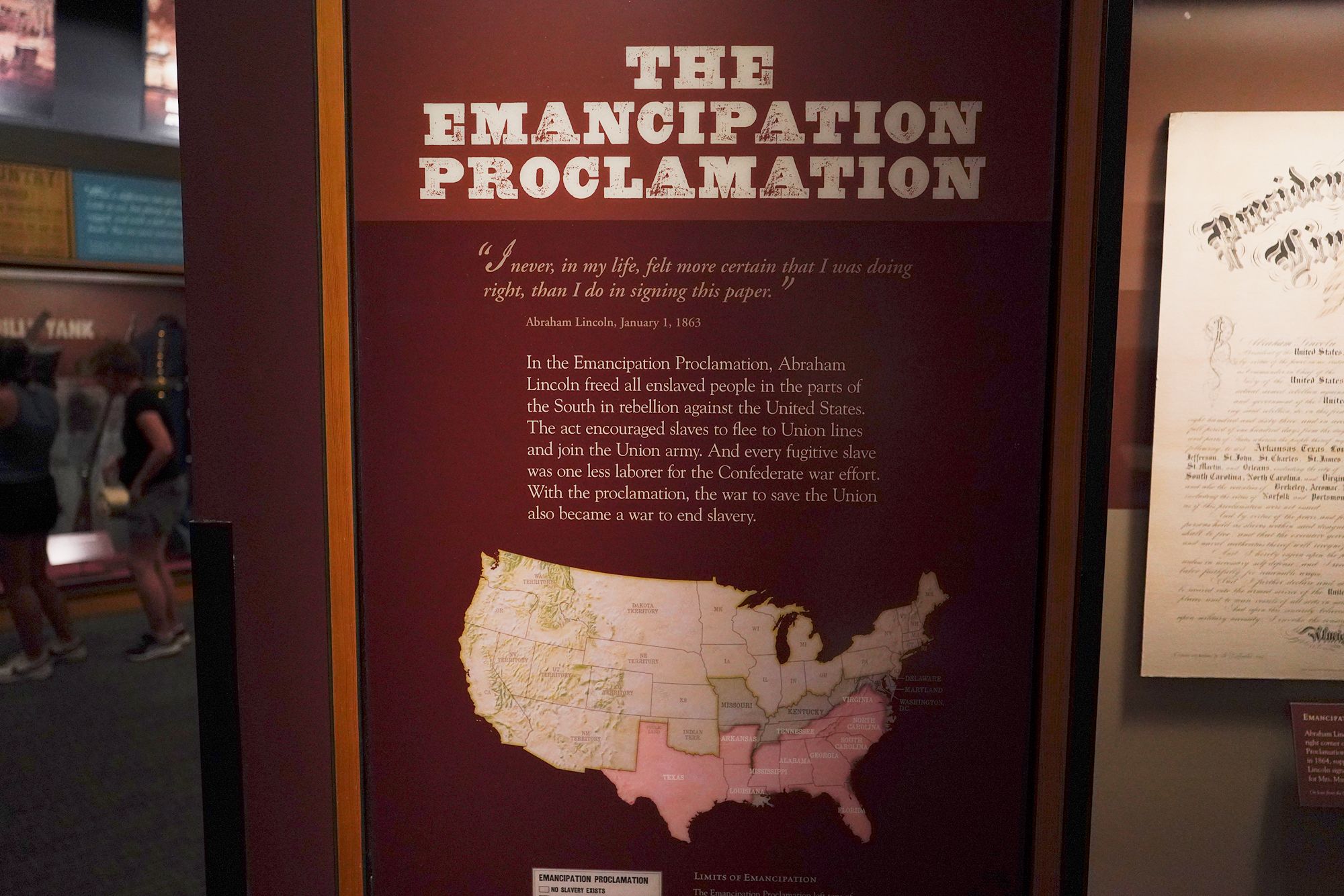
The emancipation proclamation
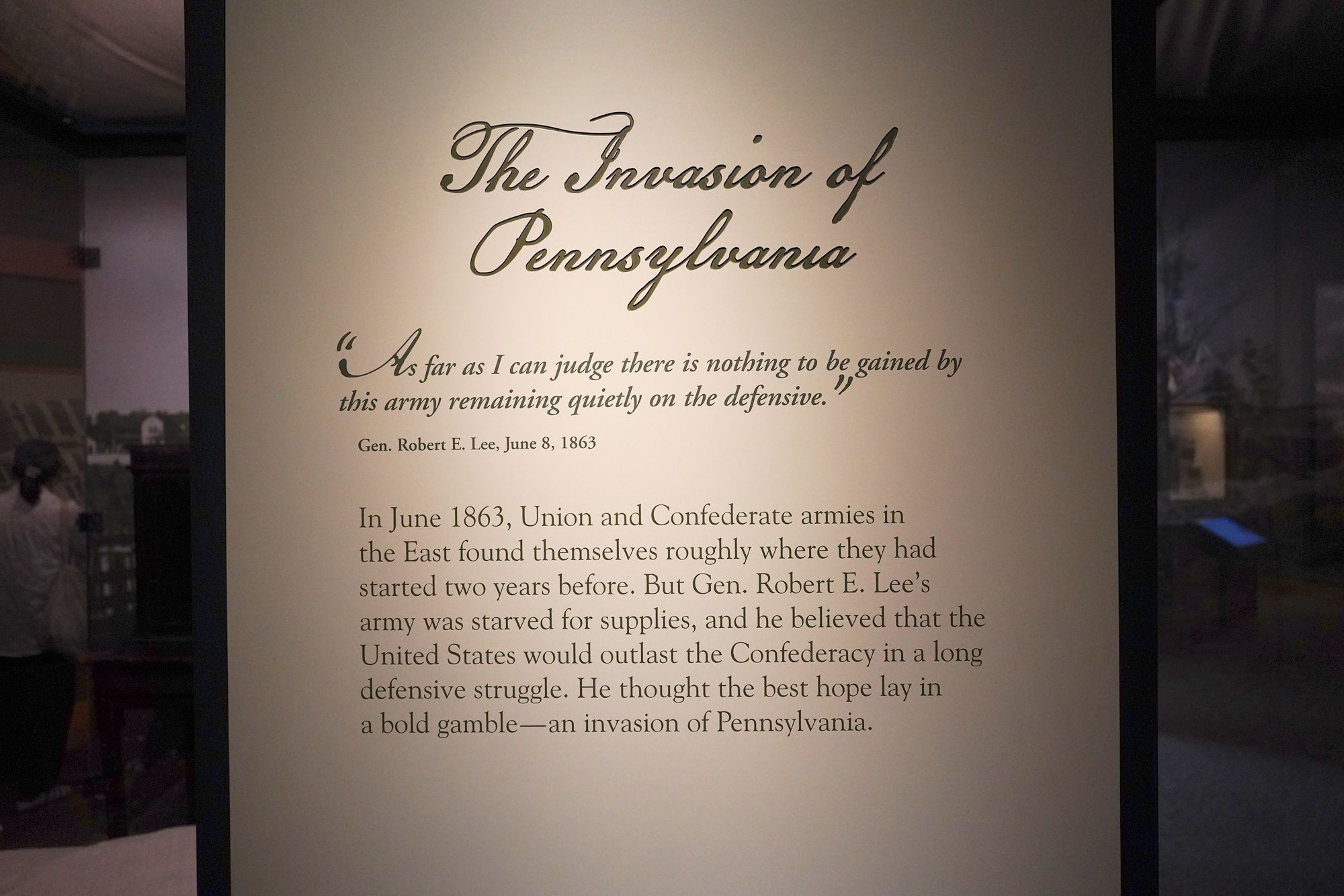
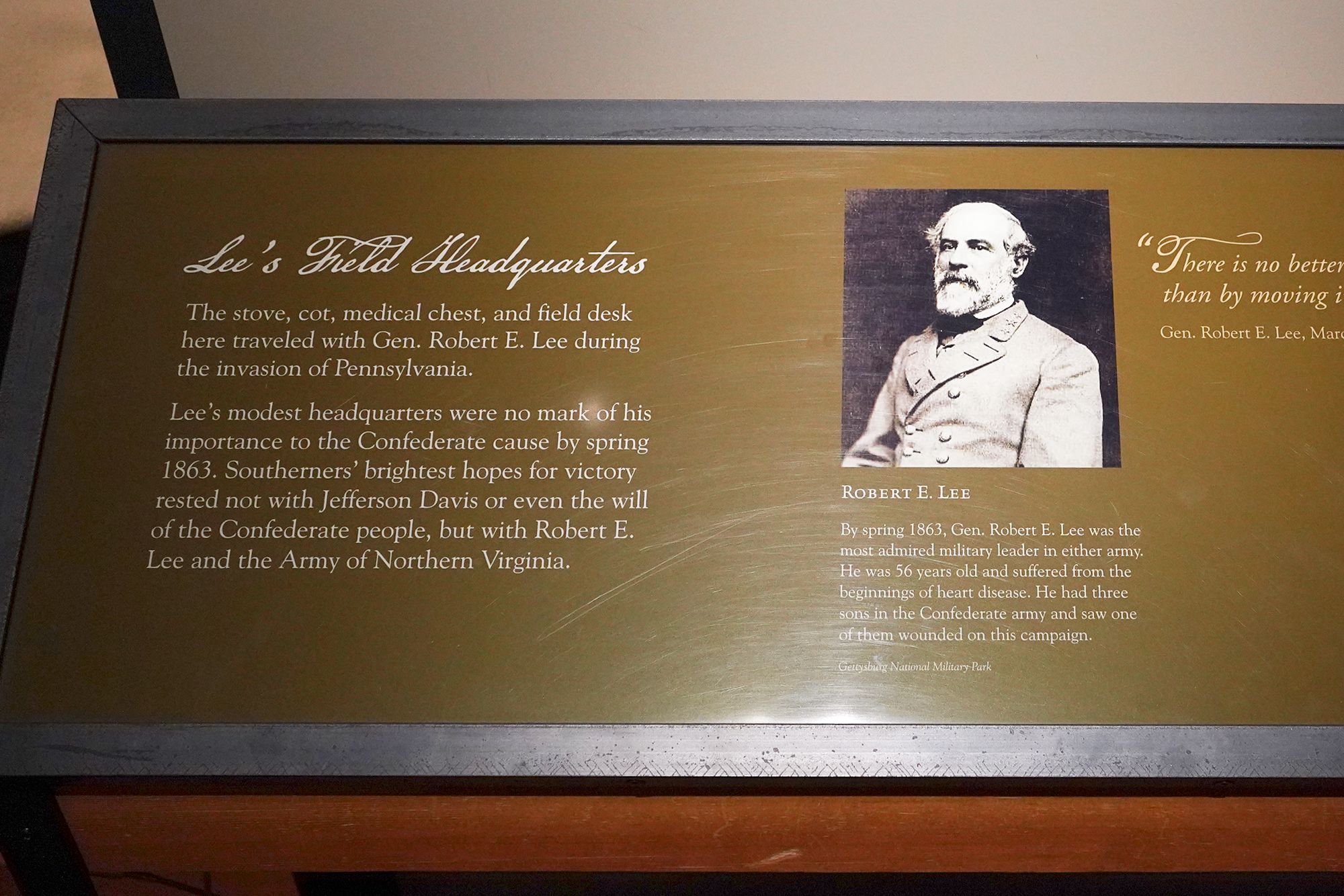
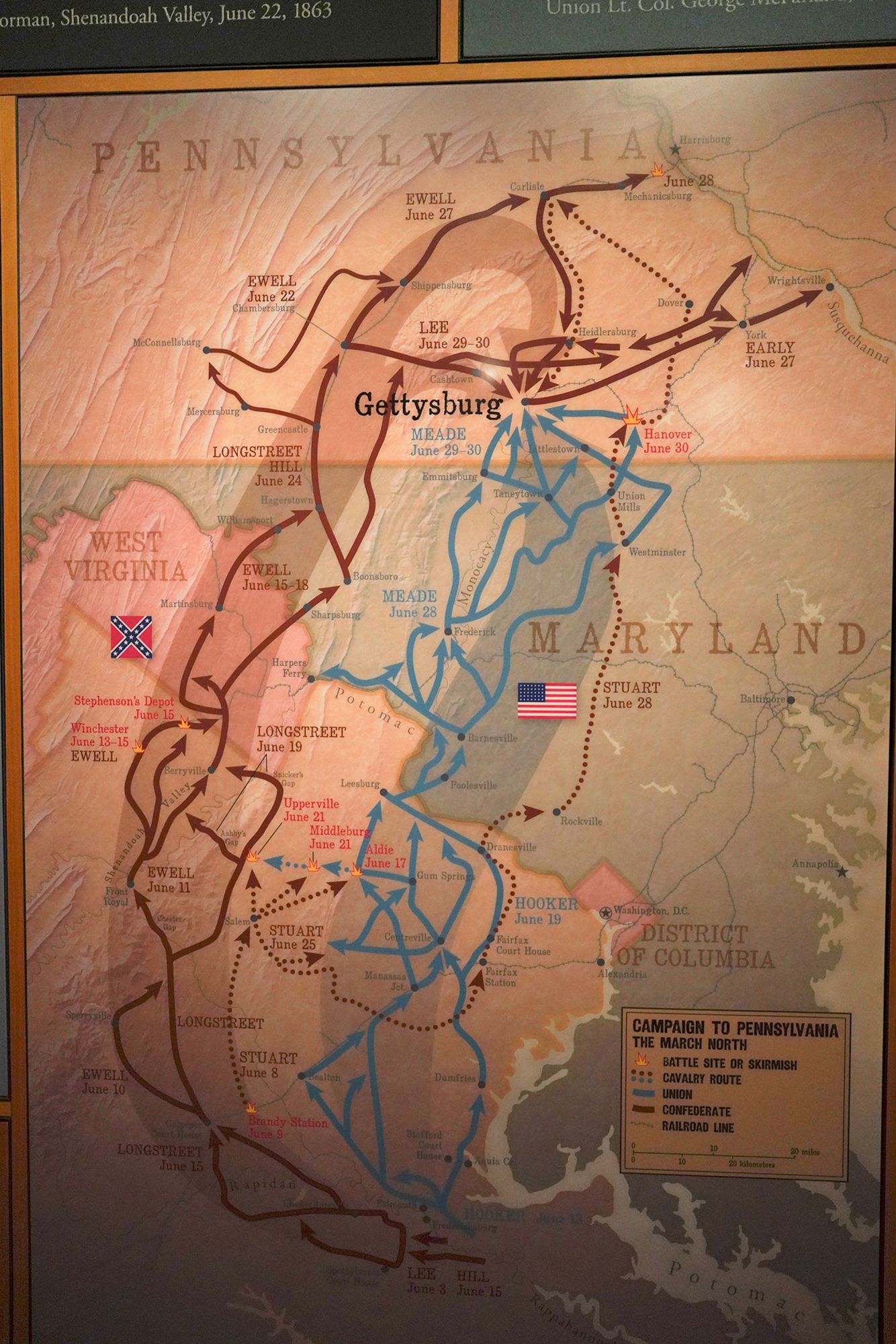
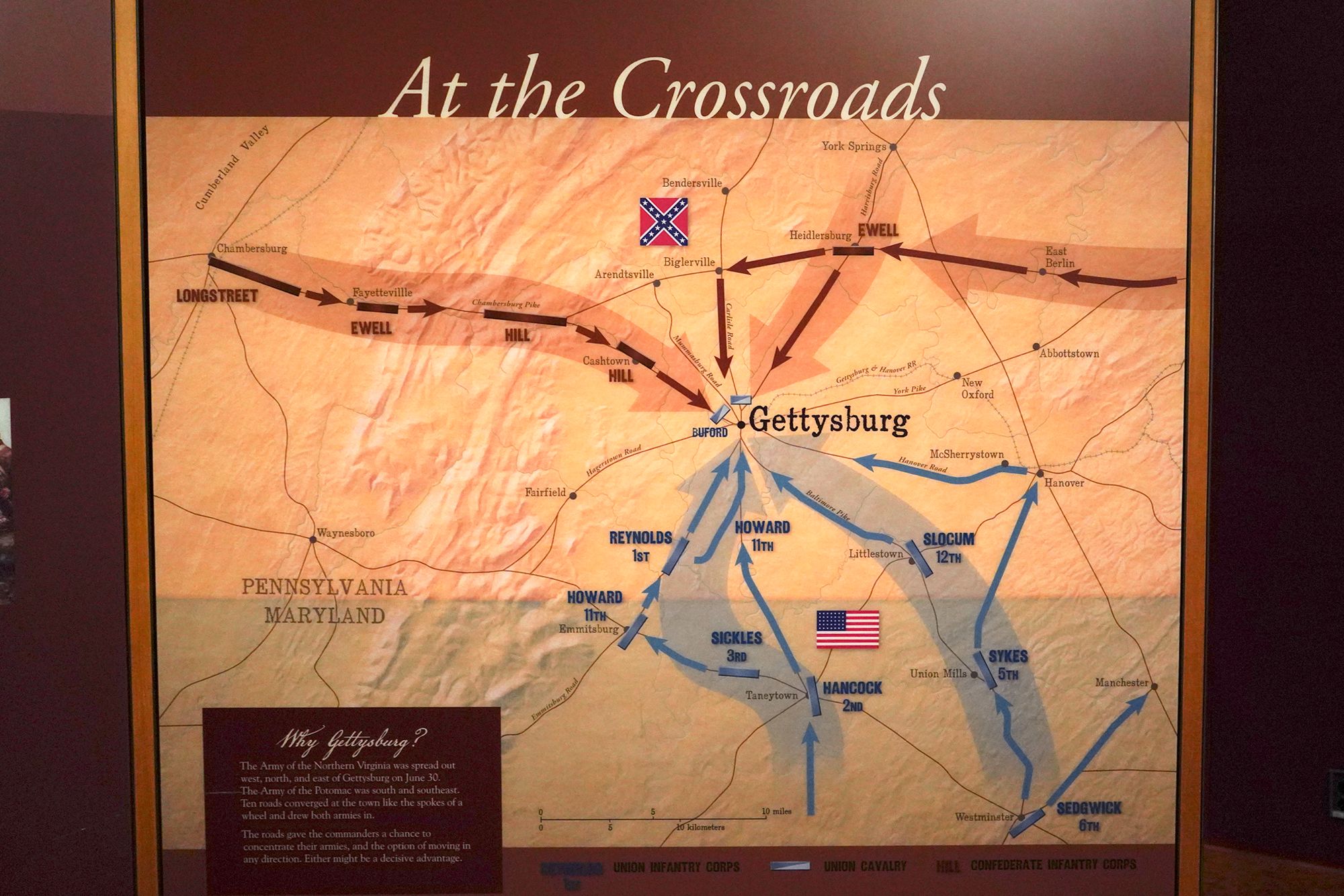
In the summer of 1863, Robert E. Lee led the Confederate Army across the Potomac and into Pennsylvania — a bold northern invasion meant to break Union morale, draw fighting away from Virginia, and possibly force political concessions that could end the war.
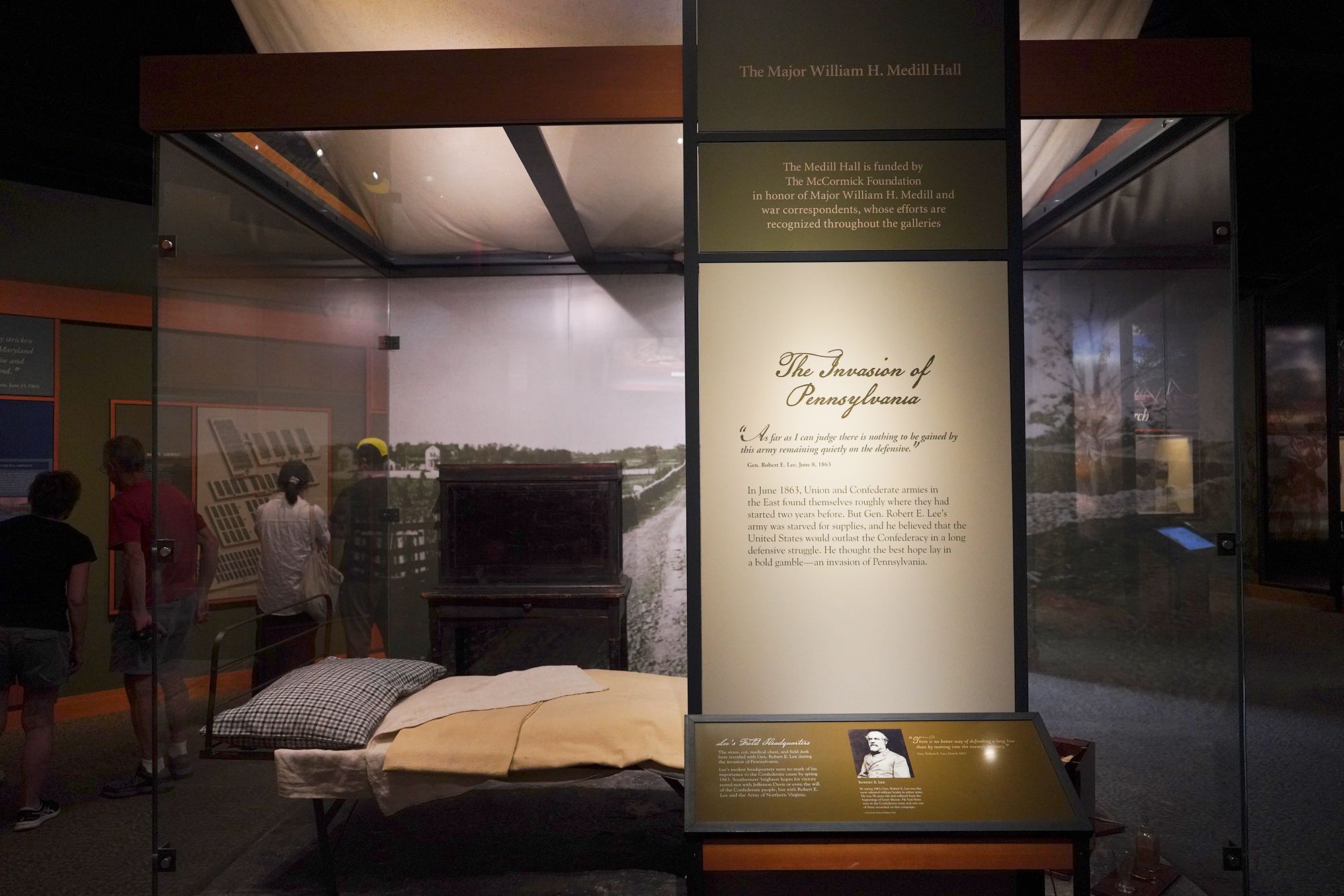
Farms, towns, and roads filled with marching soldiers as the Confederates moved toward Gettysburg, where the campaign would reach its deadly climax. The invasion marked the Confederacy’s deepest push into the North and set the stage for the Battle of Gettysburg — the turning point of the Civil War.
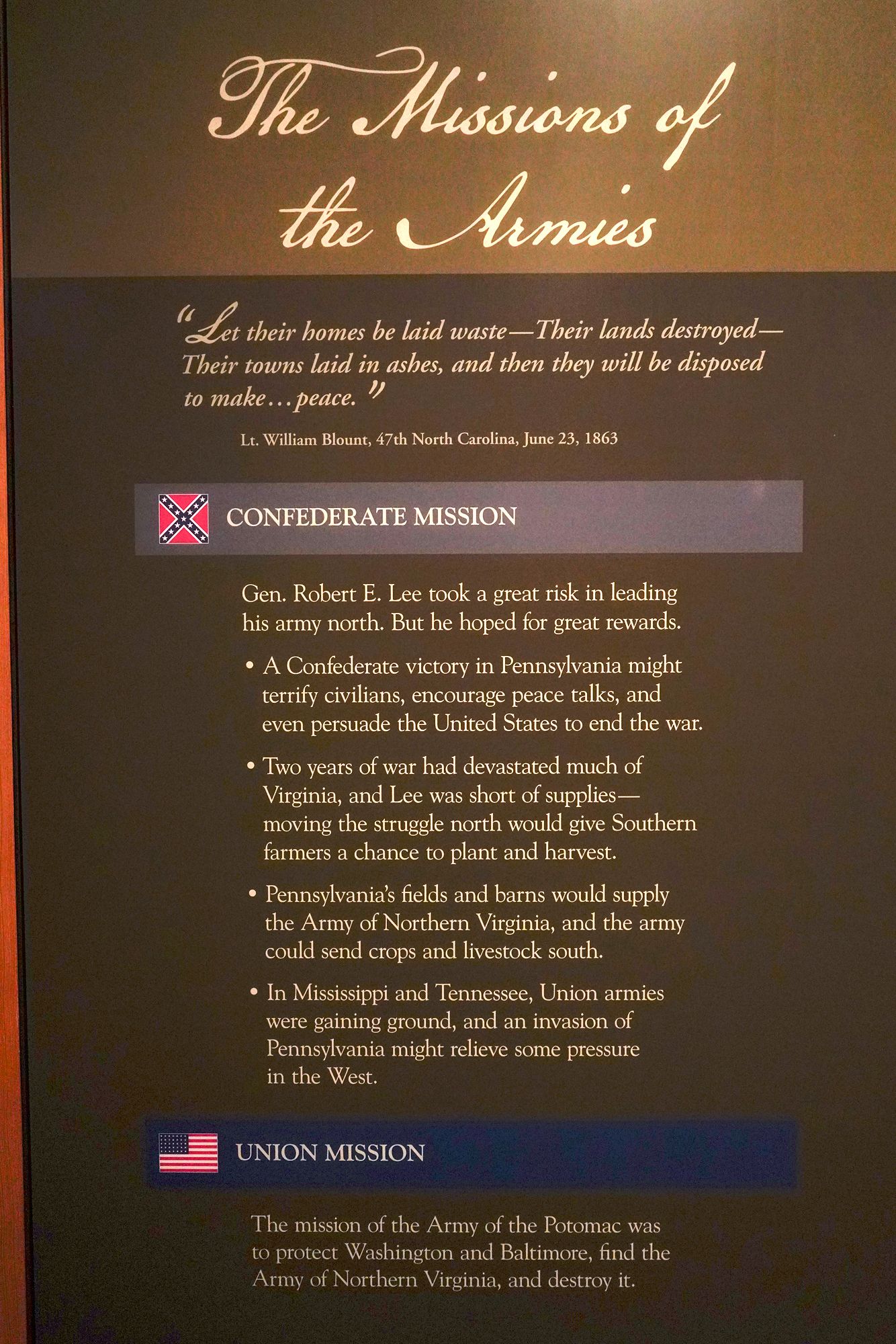
The Missions of the Armies
The map highlights the twin movements north, where Union and Confederate forces would collide at Gettysburg.
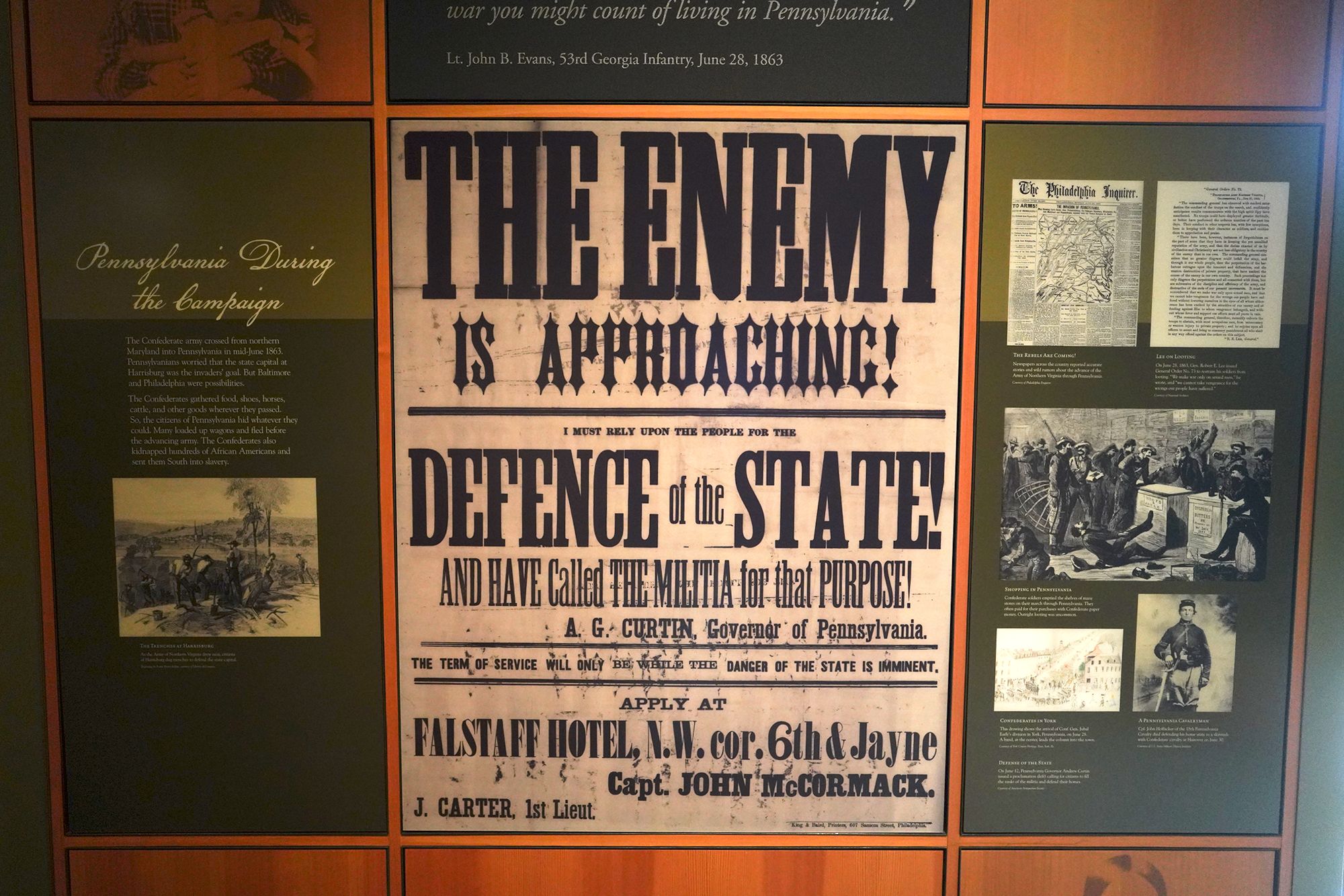
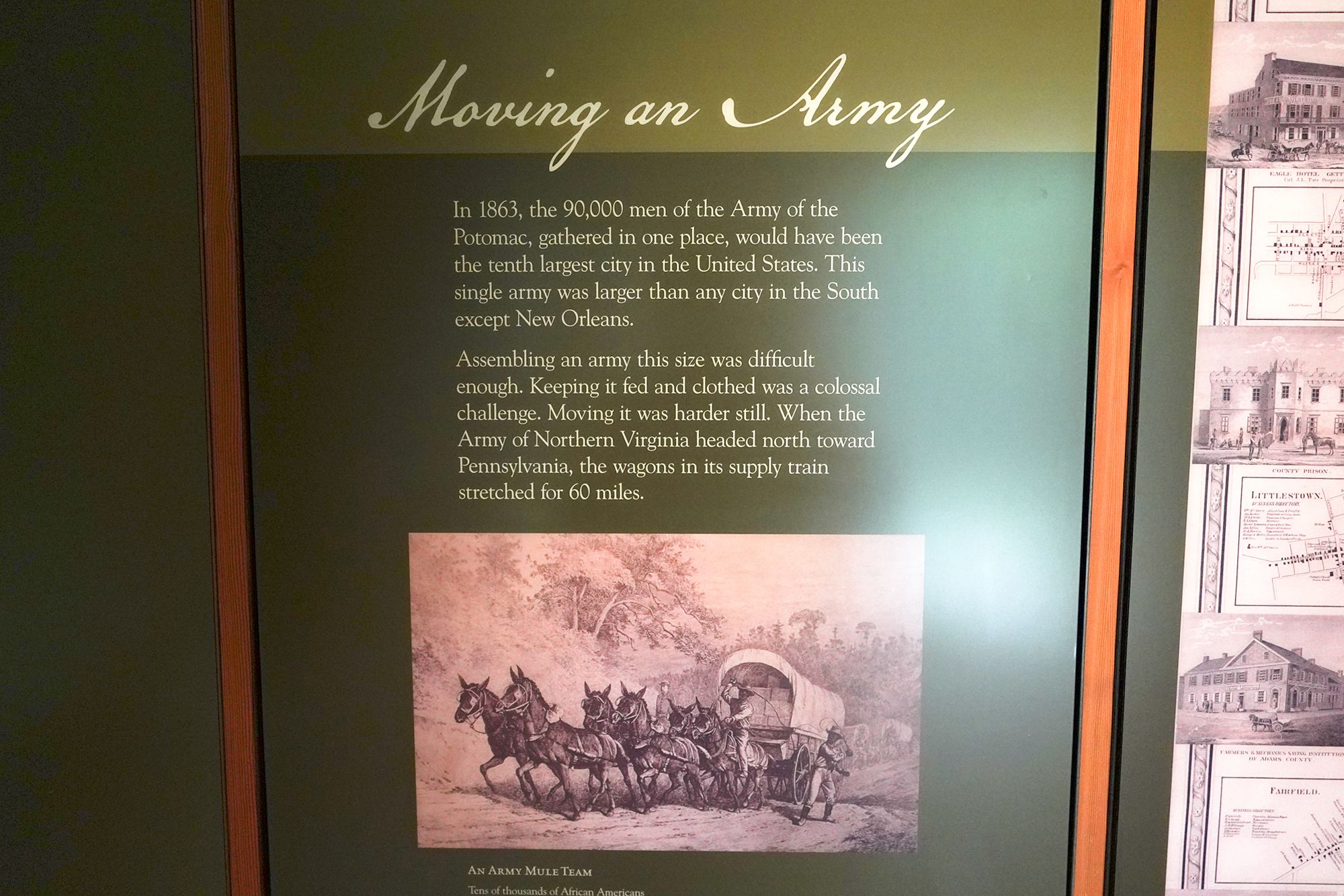
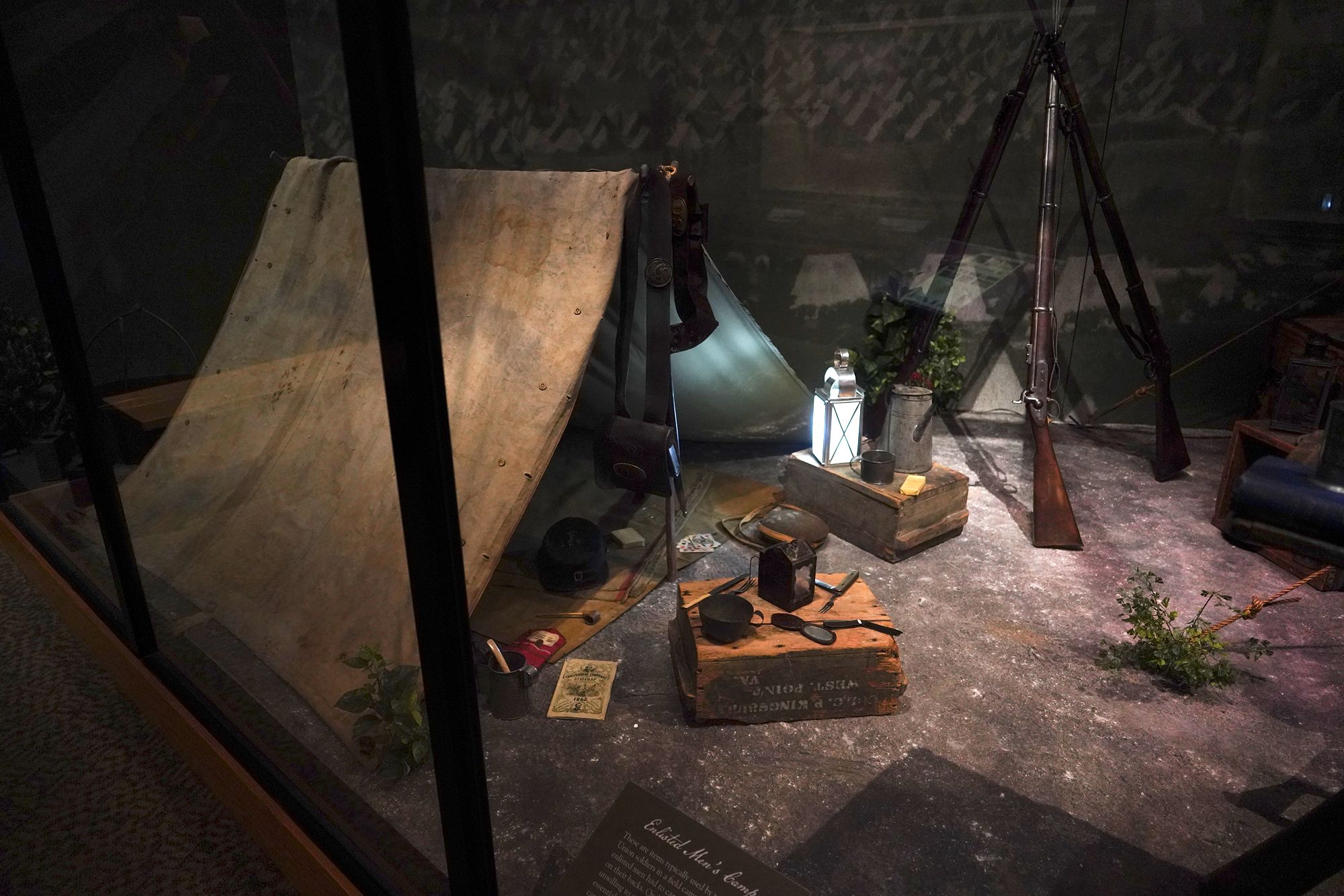
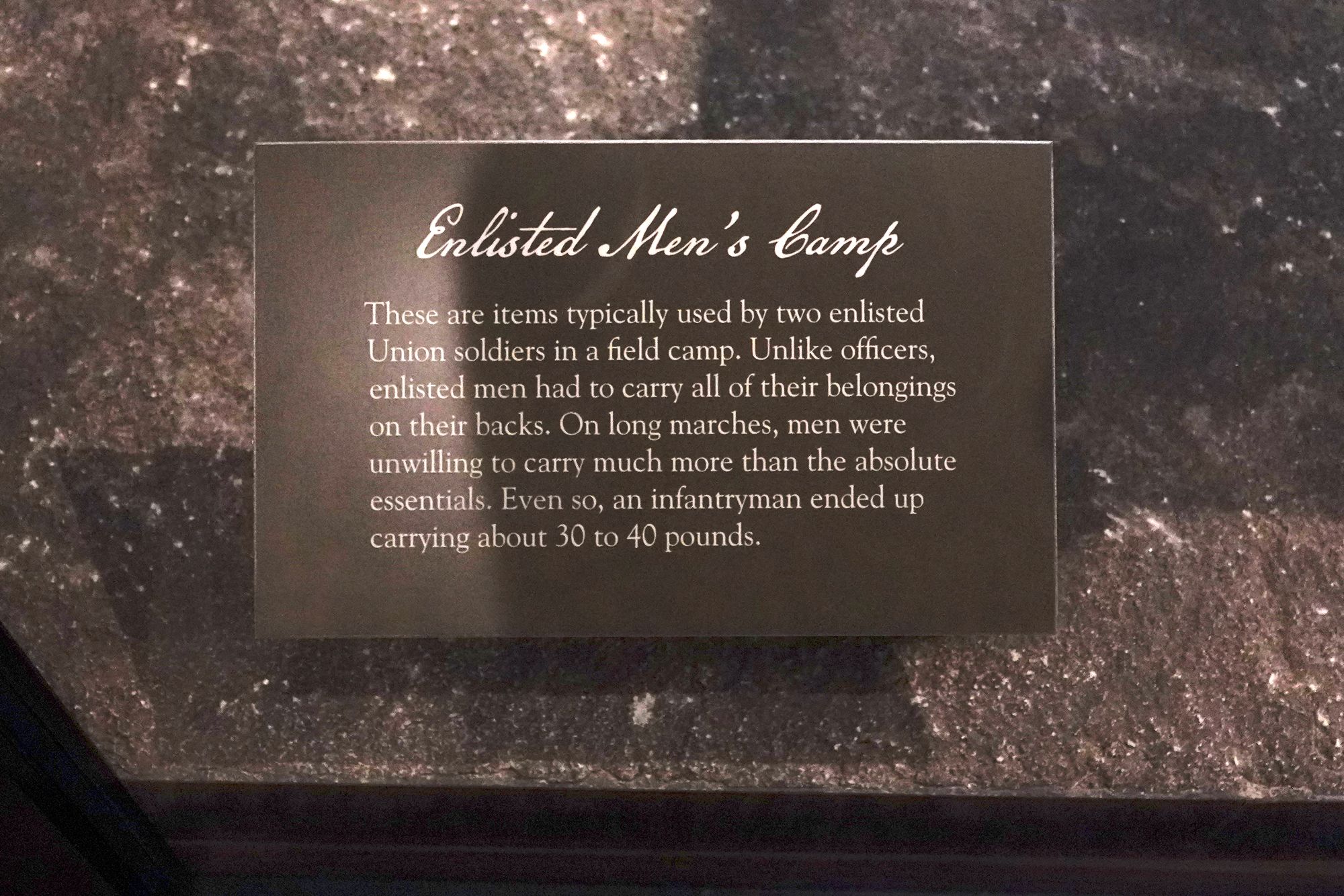
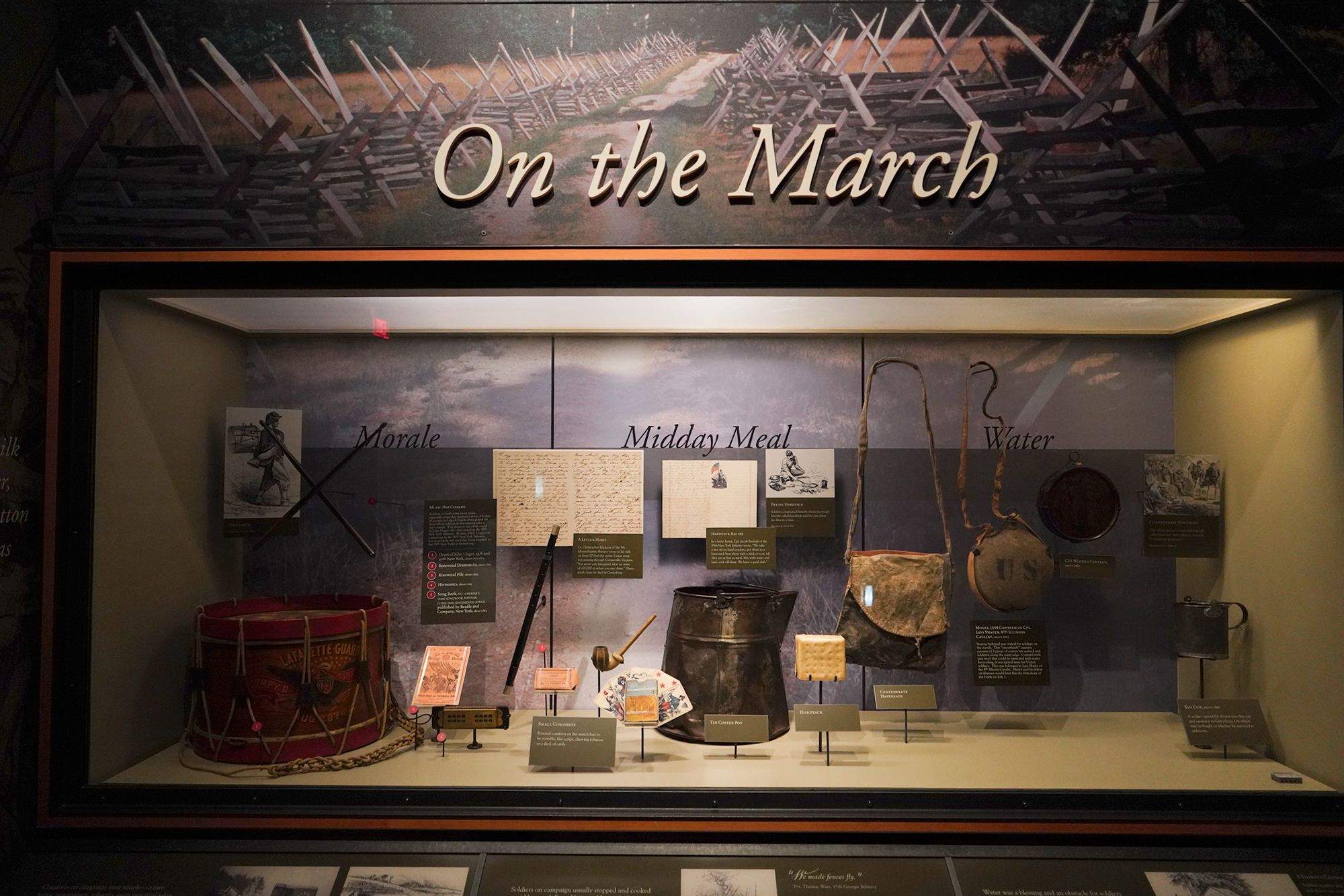
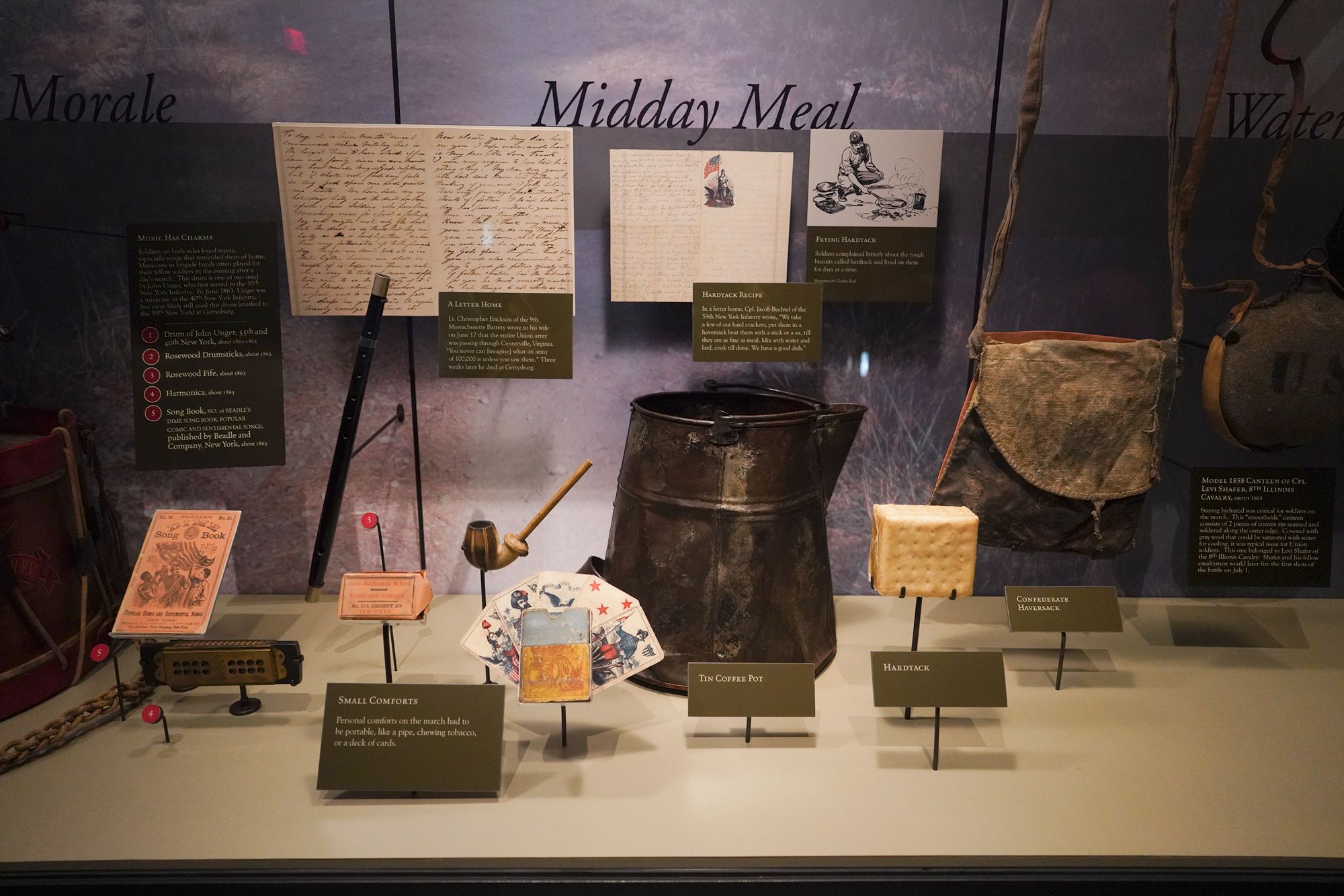
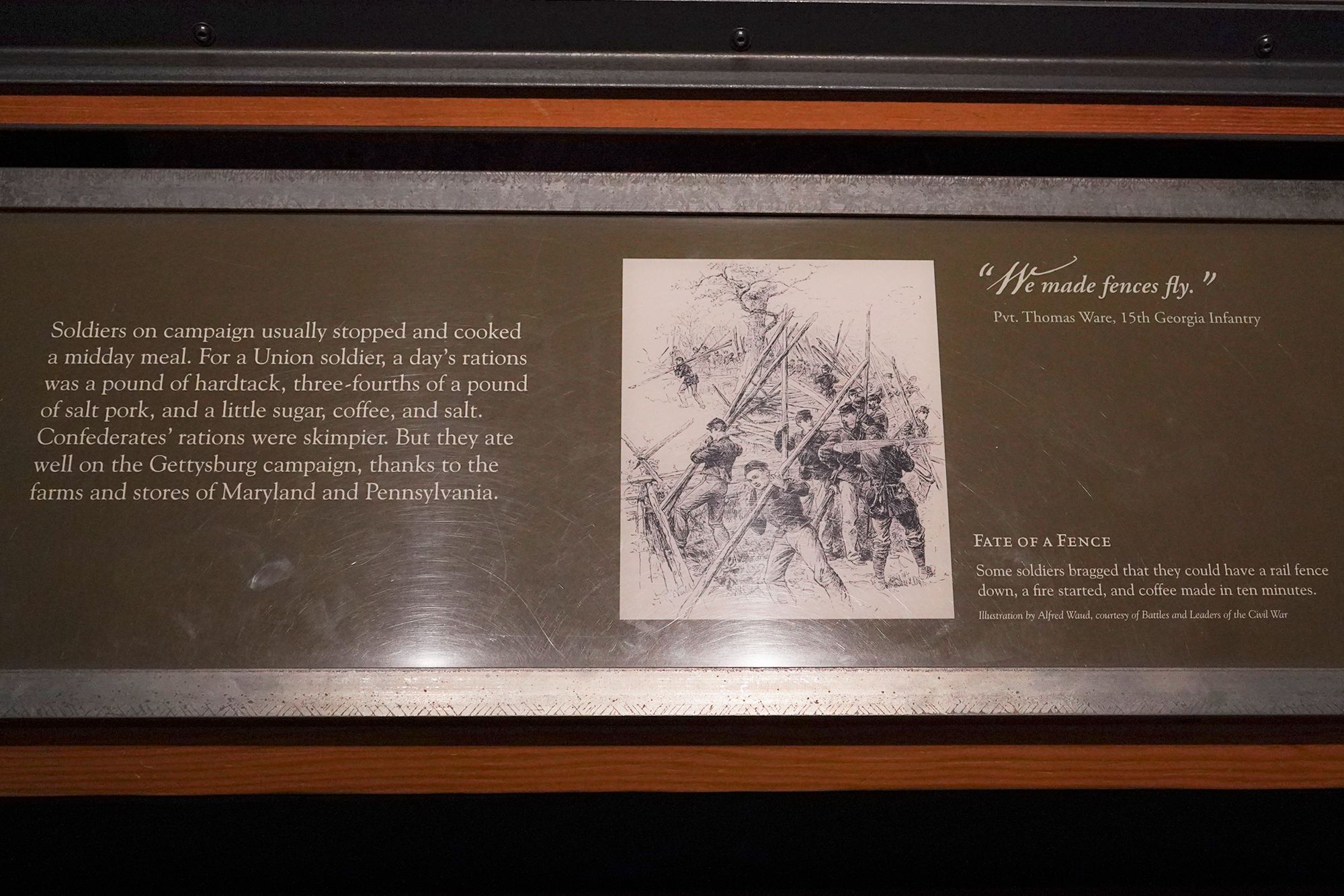
Moving an army meant marching miles each day through heat, mud, and rain, pushing wagons, herding livestock, and keeping thousands of men fed and in formation.
Army Tents
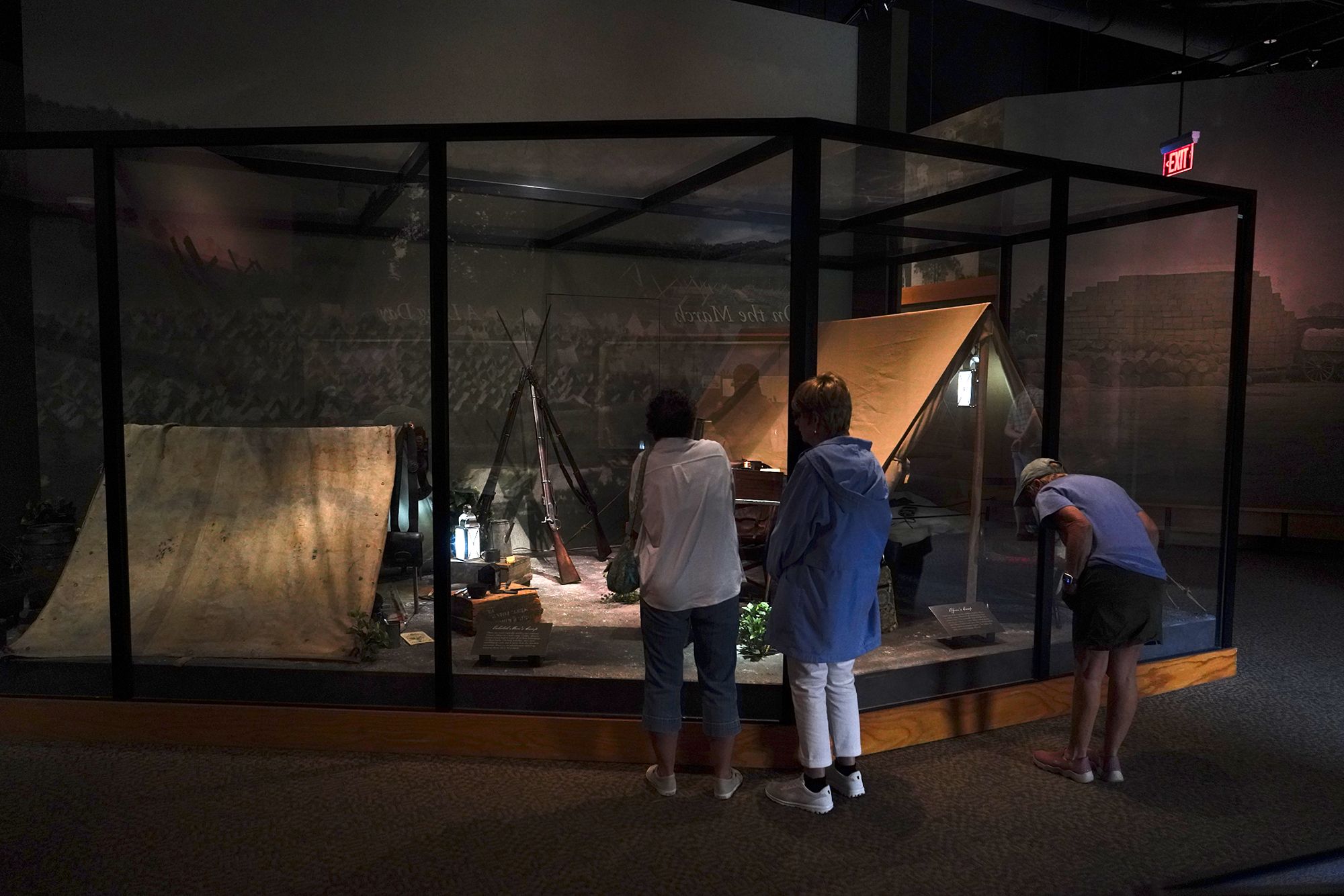
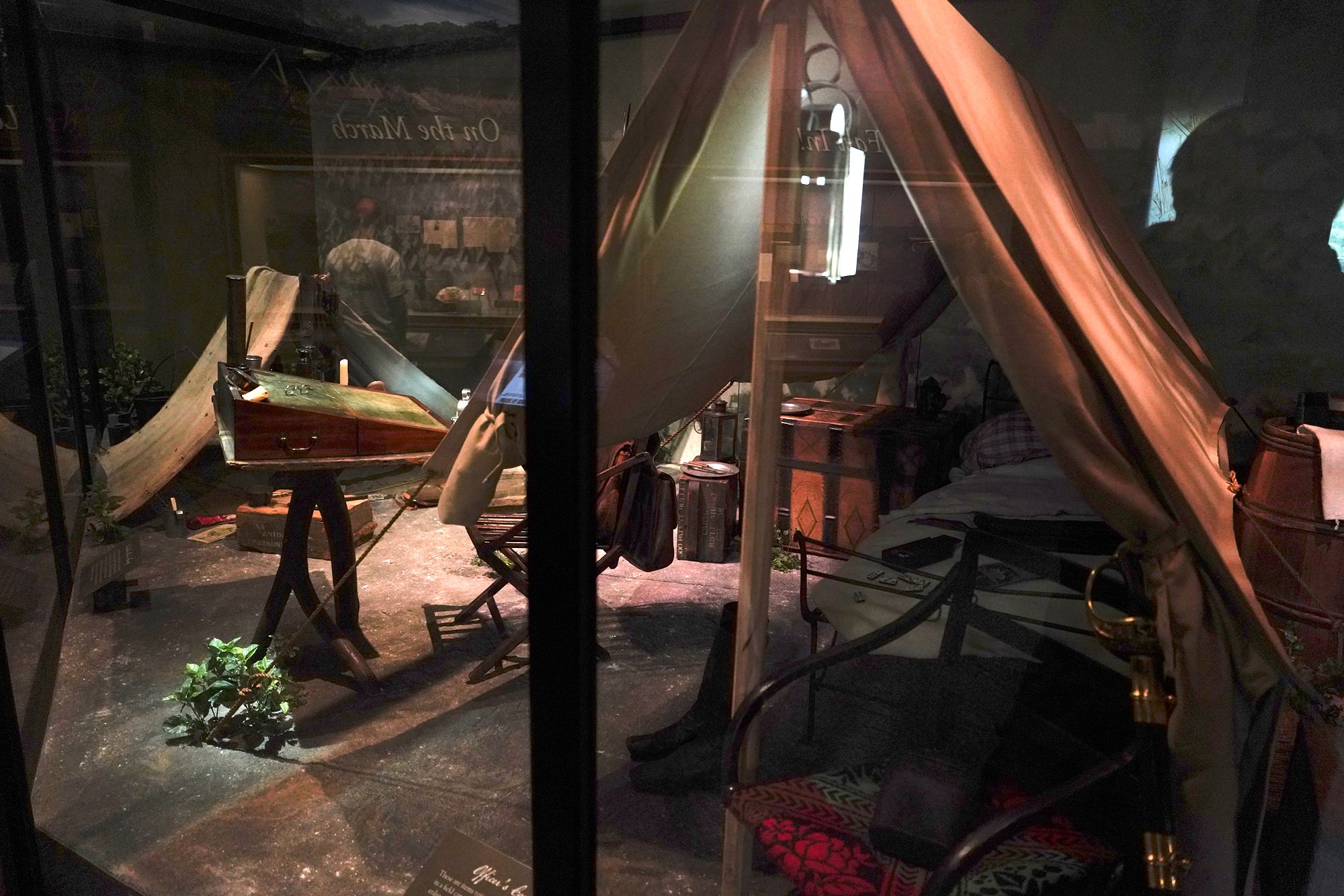
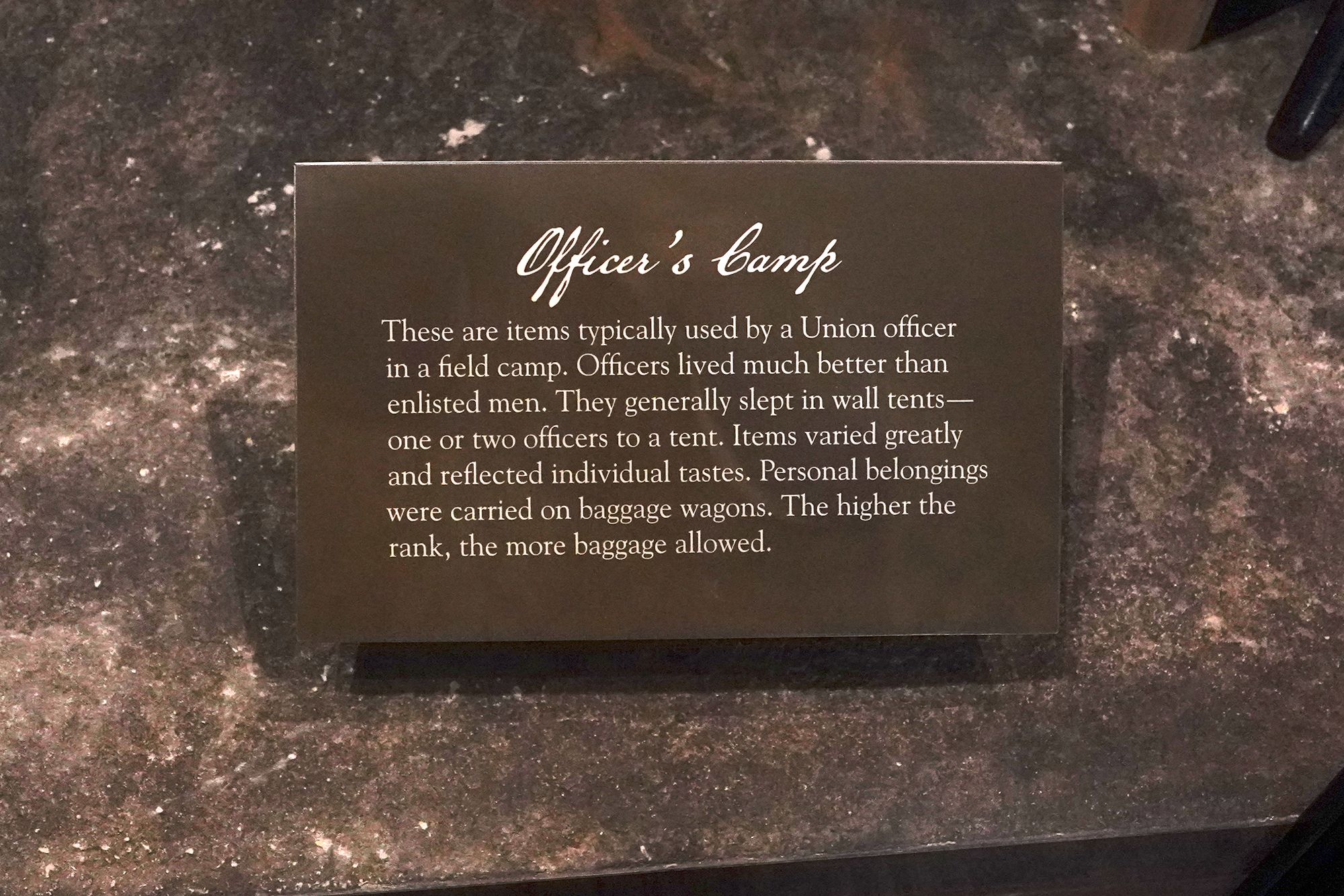
On the March
Midday Meal
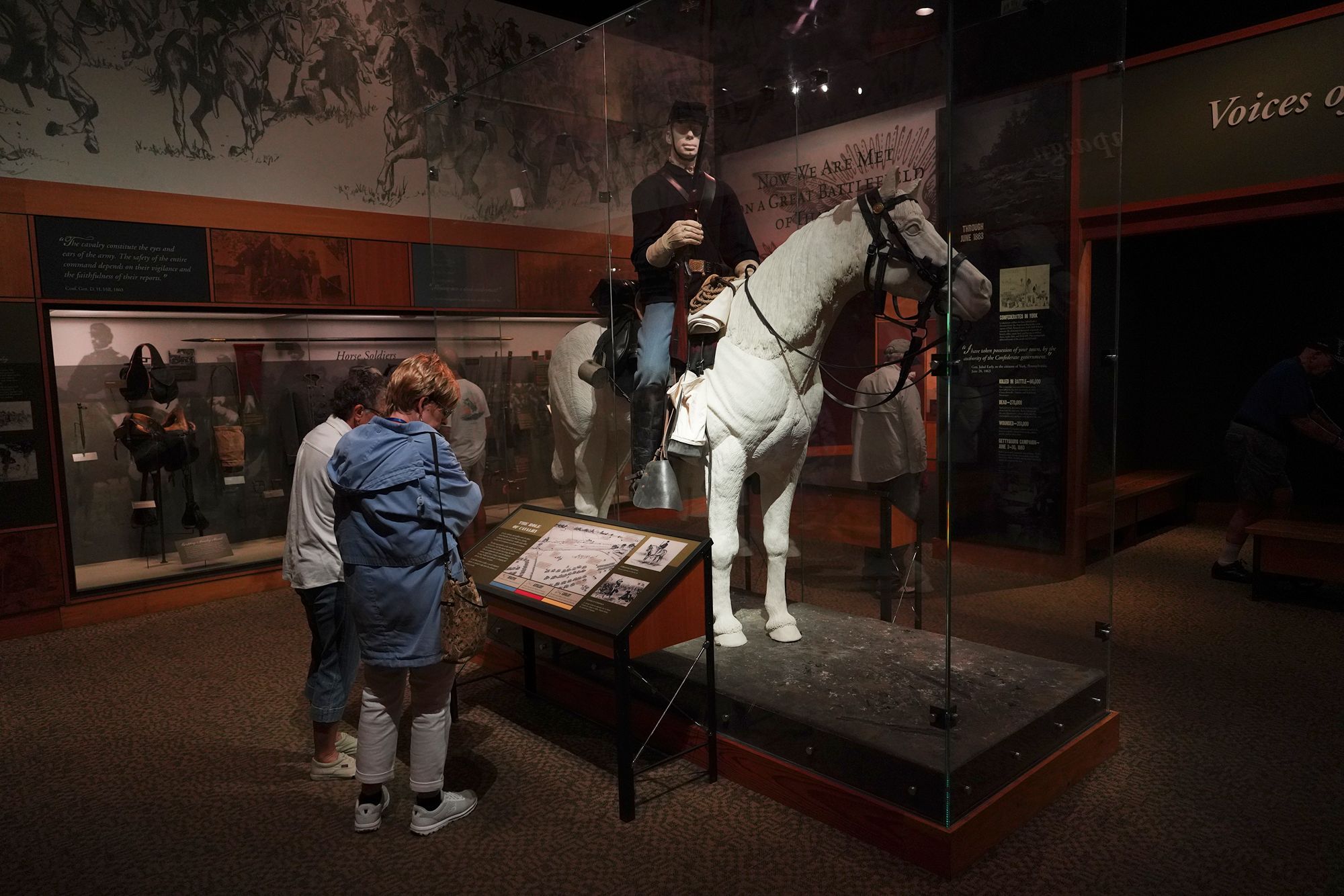
The Role of Cavalry
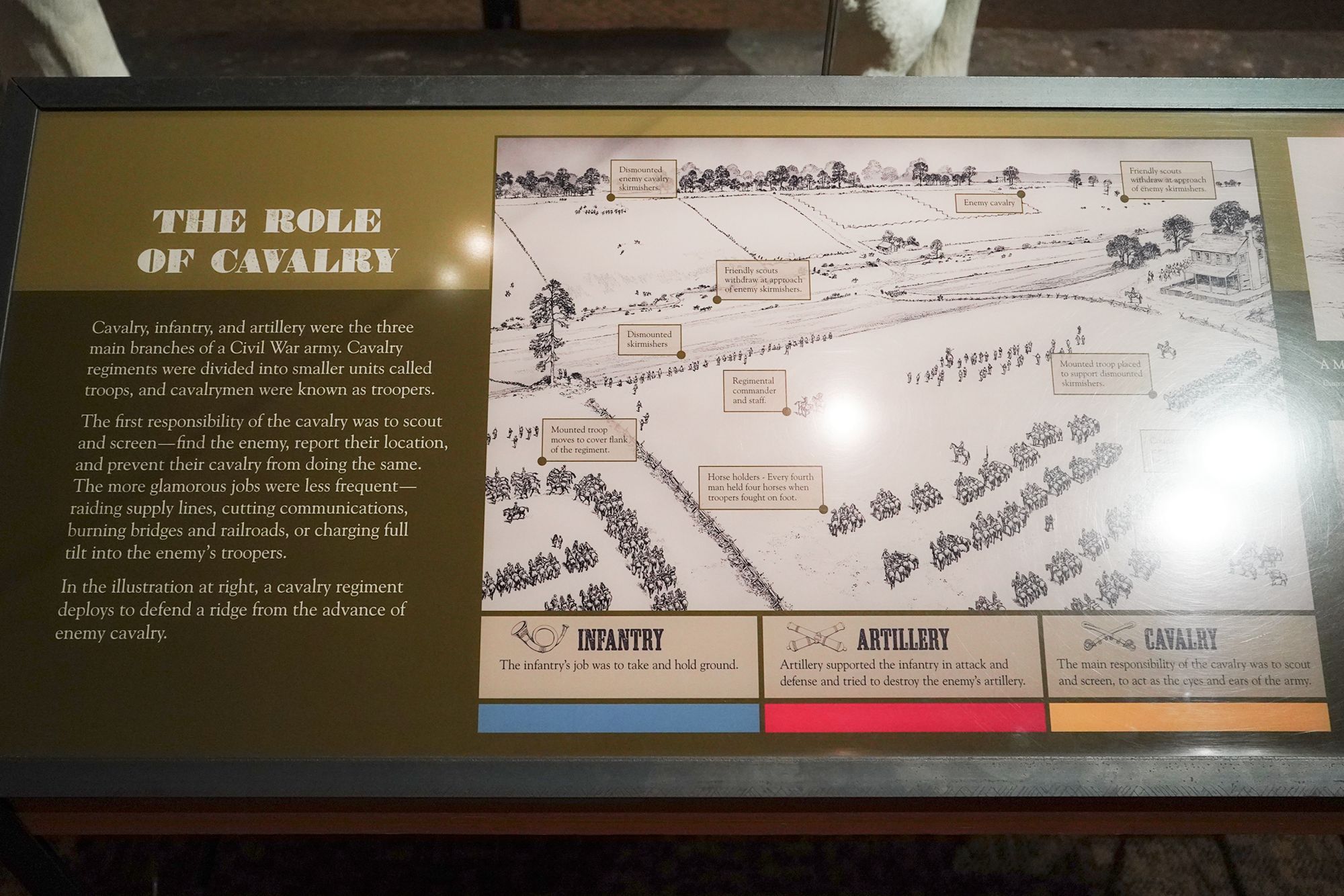
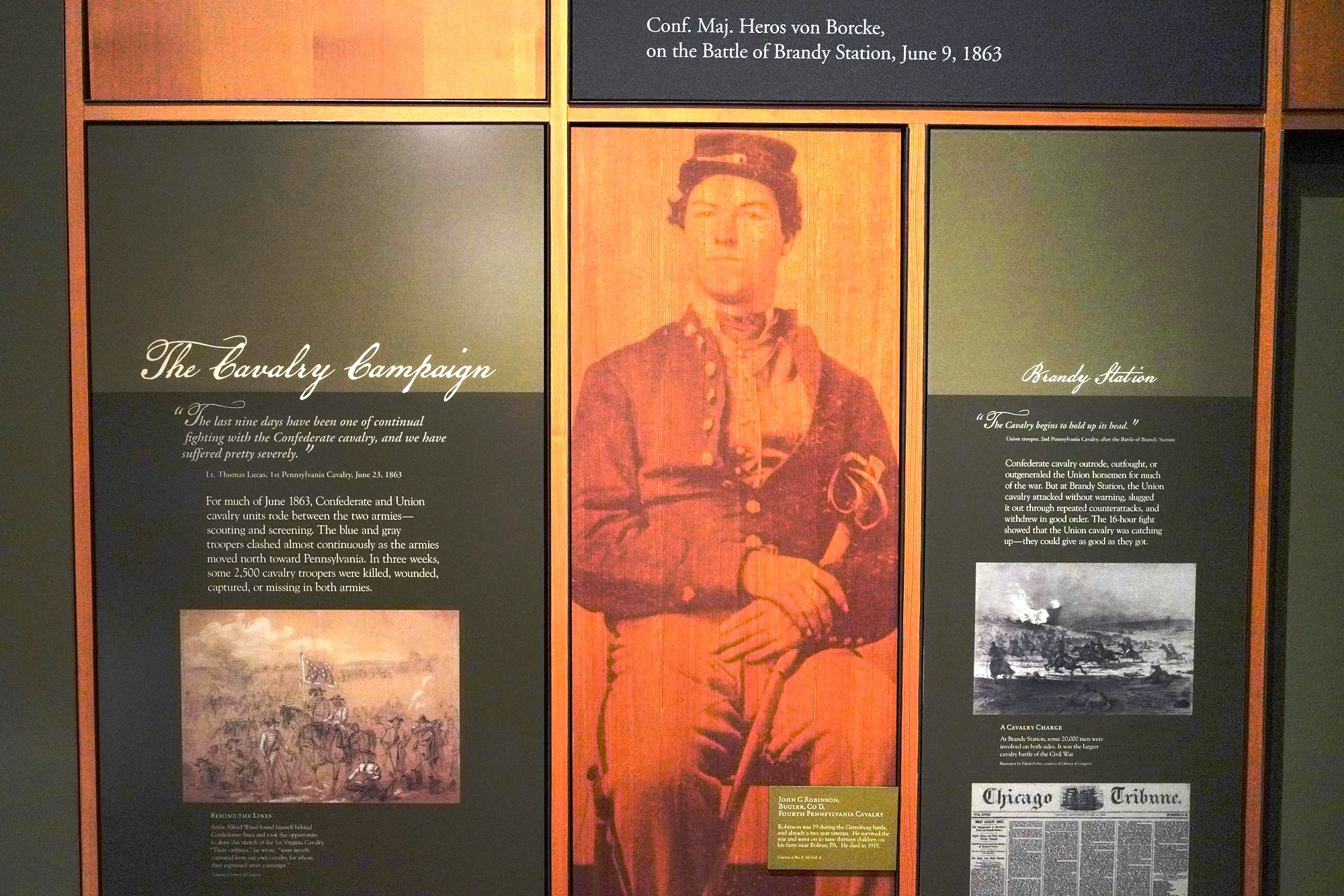
The cavalry served as the army’s eyes and ears — scouting roads, screening flanks, raiding supply lines, and providing fast shock attacks when needed.
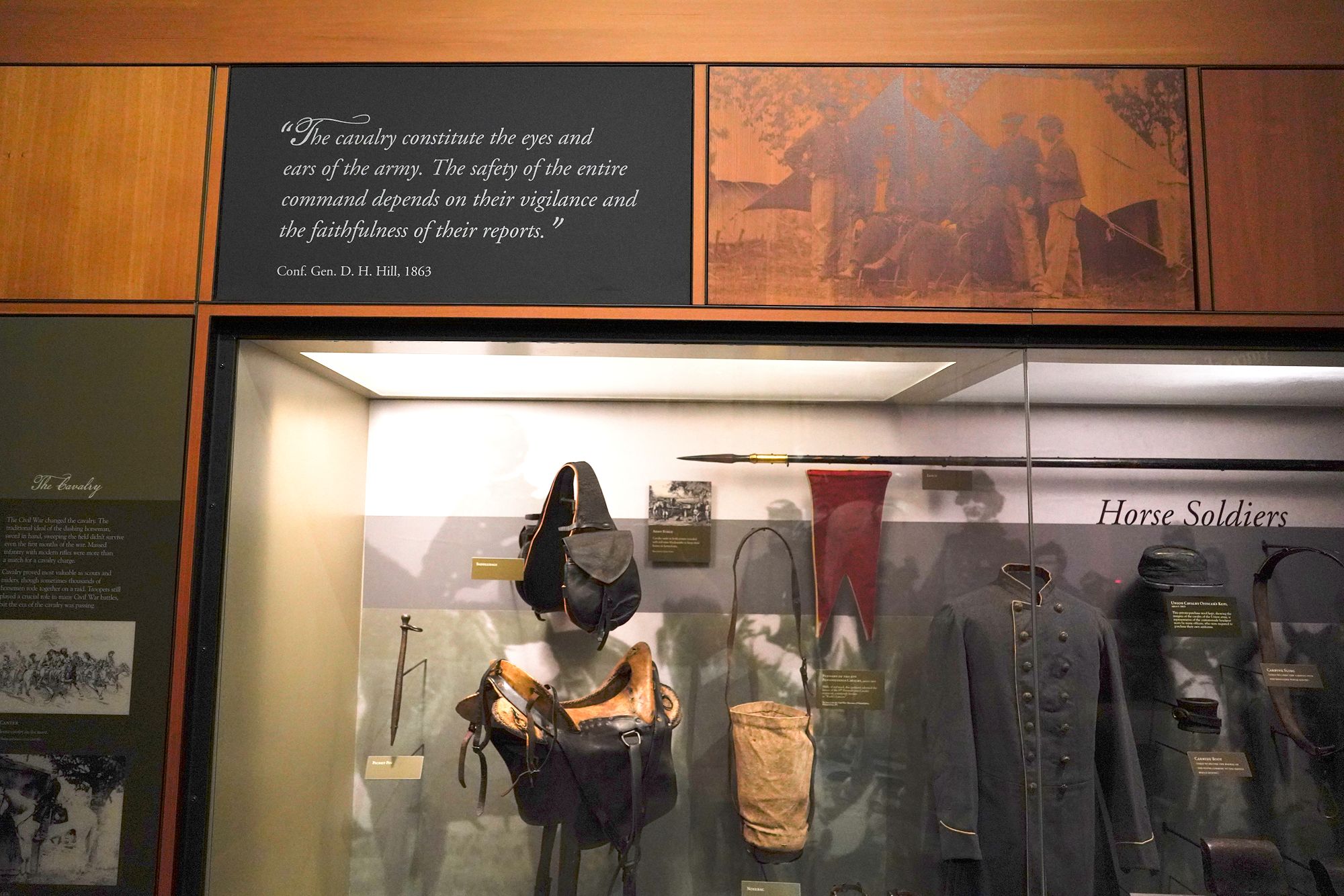
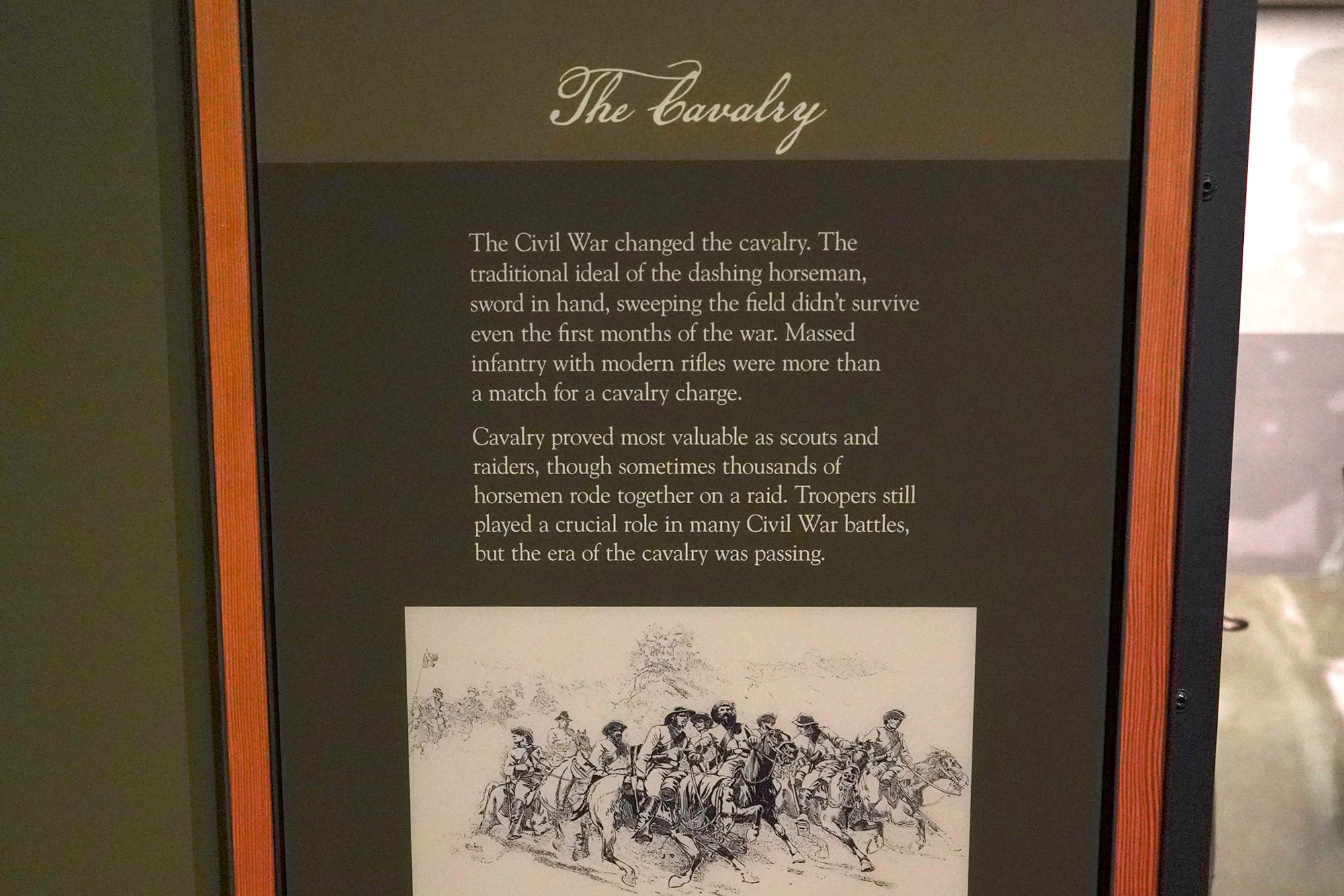
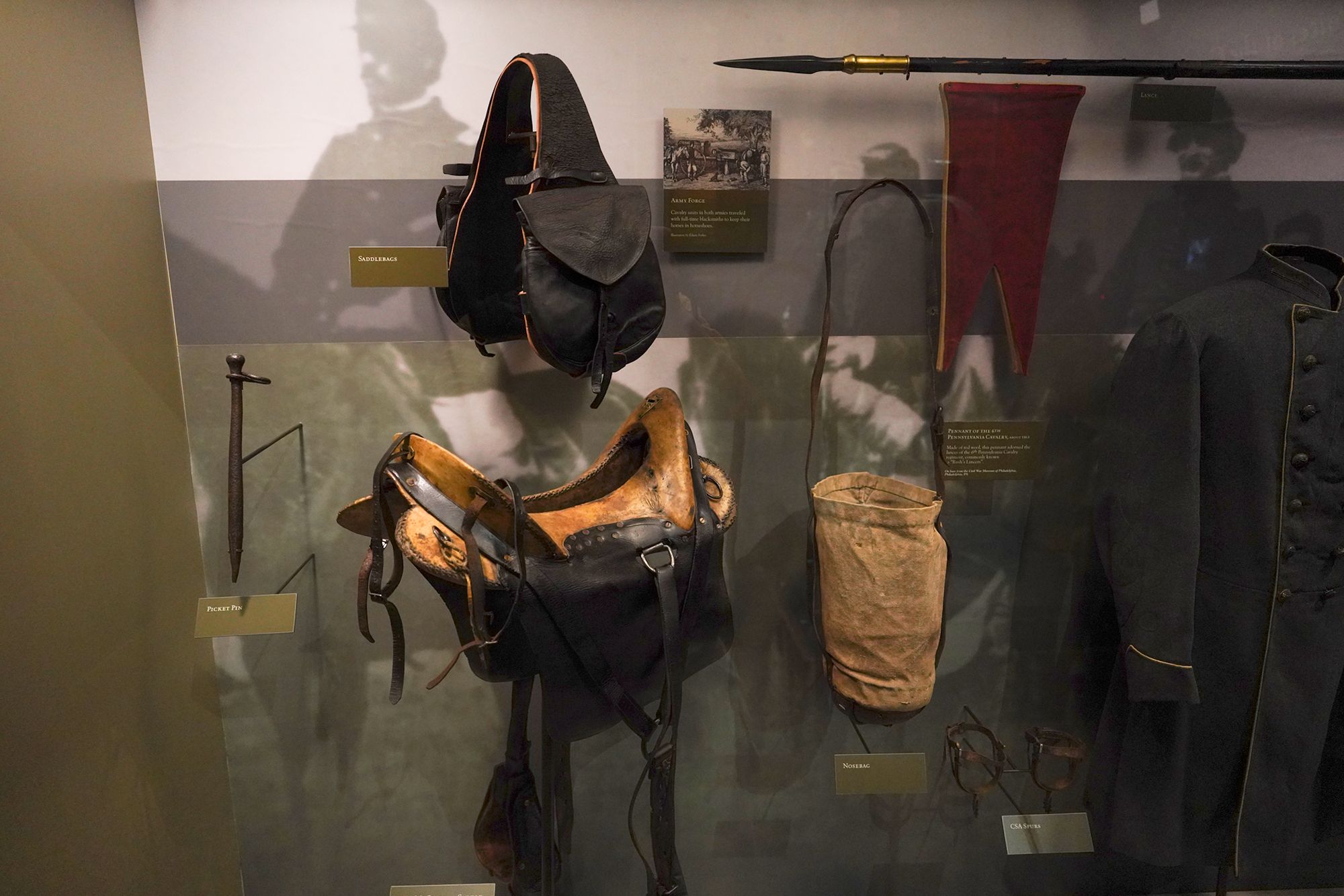
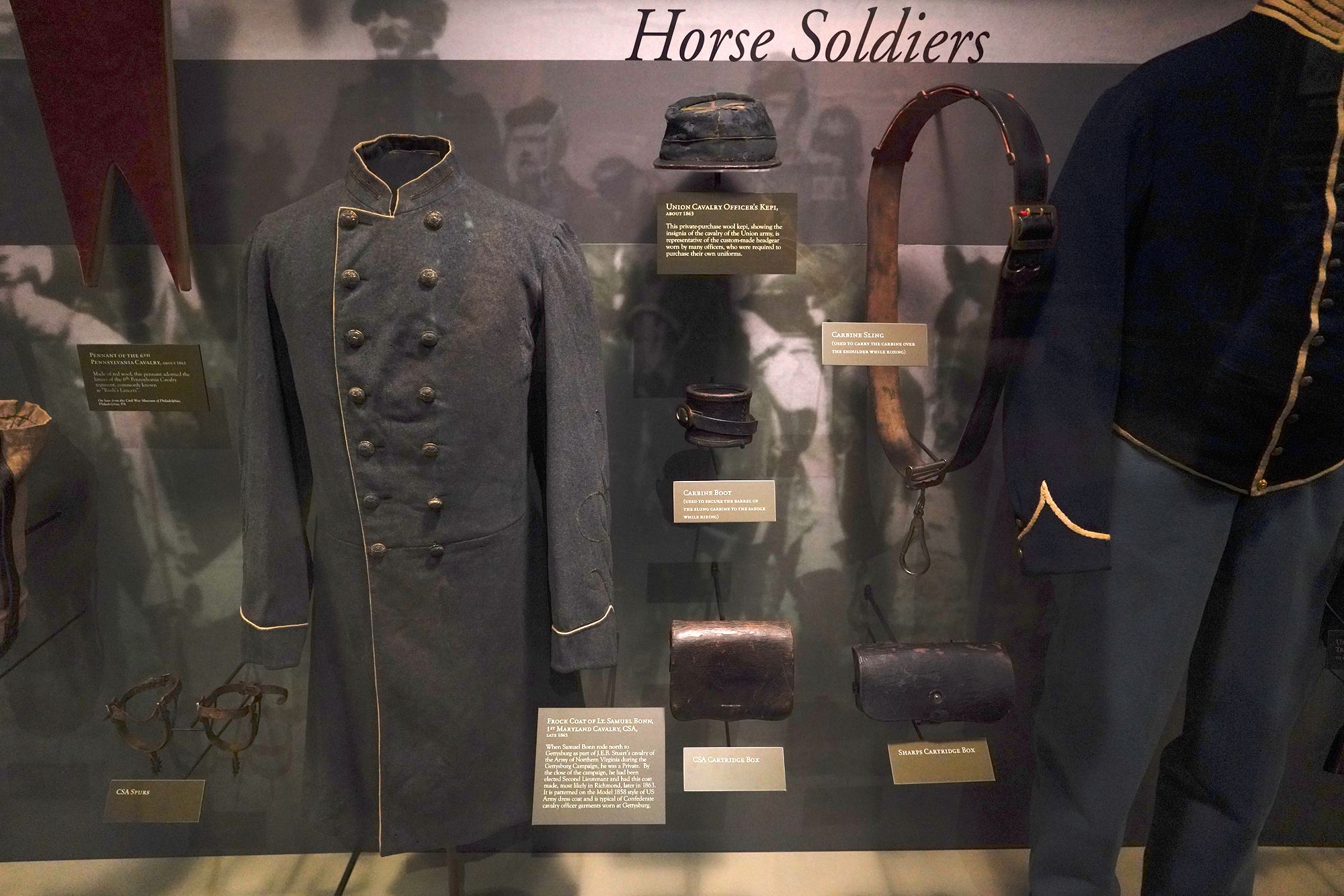
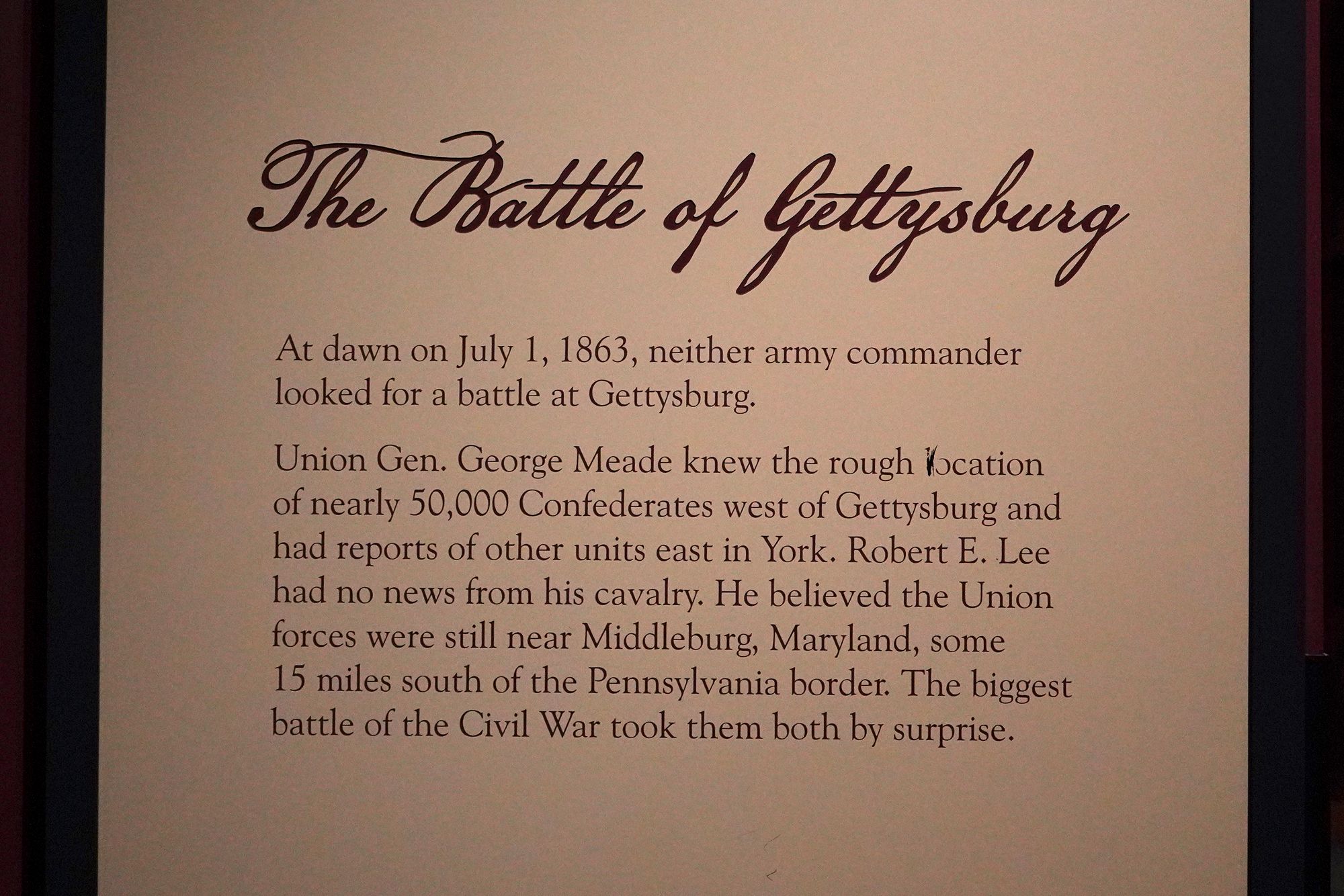
The Battle of Gettysburg took place July 1–3, 1863 near the town of Gettysburg, Pennsylvania.
It pitted the Union’s Army of the Potomac under George G. Meade against the Confederacy’s Army of Northern Virginia under Robert E. Lee.
With around 150,000 total soldiers involved, it stands as the largest and deadliest battle of the war.
The battle began almost quietly — a lone cavalryman’s shot on the morning of July 1, 1863, as Union horsemen met Confederate infantry on the roads leading into Gettysburg, unaware they were igniting one of the war’s defining battles.
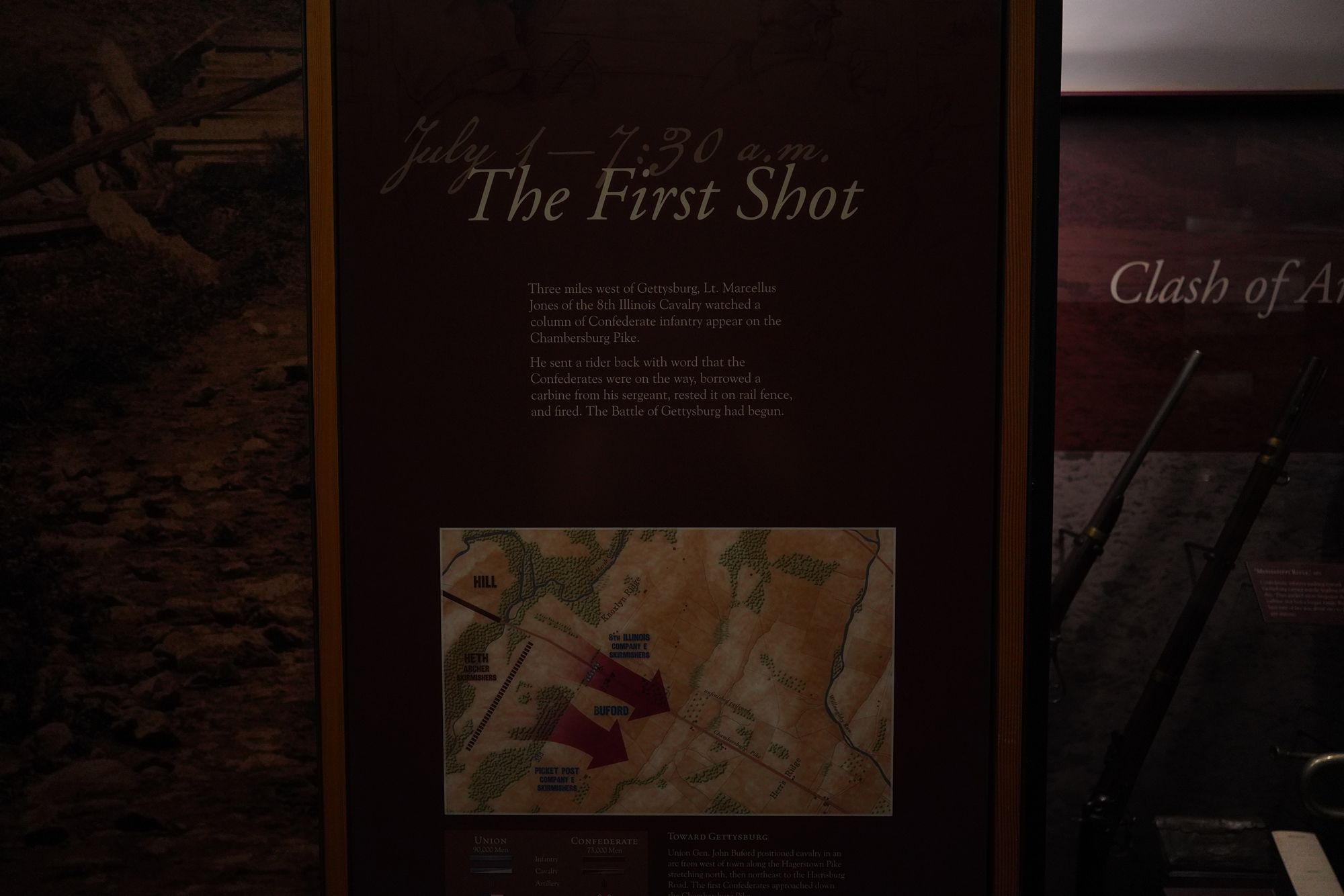
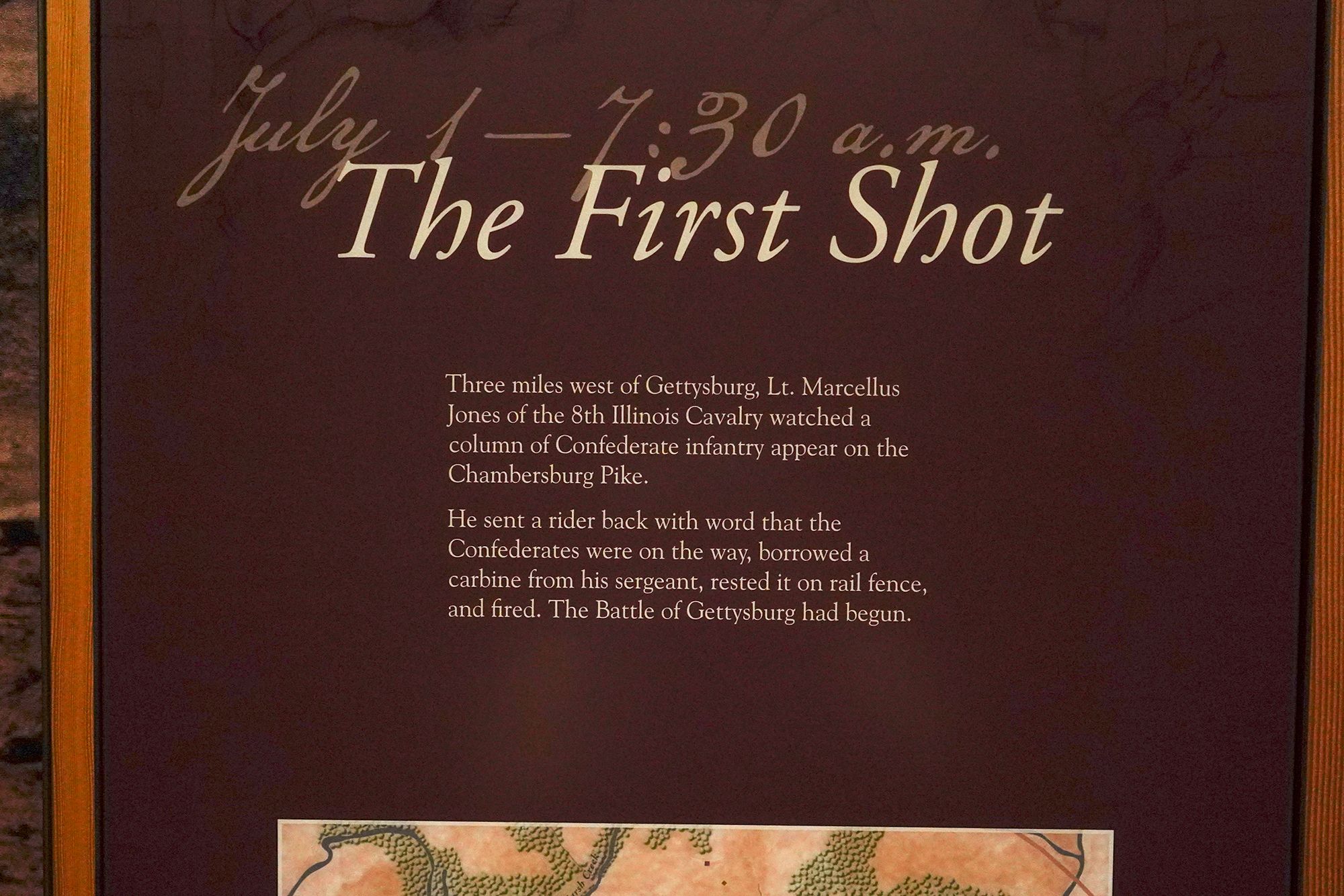
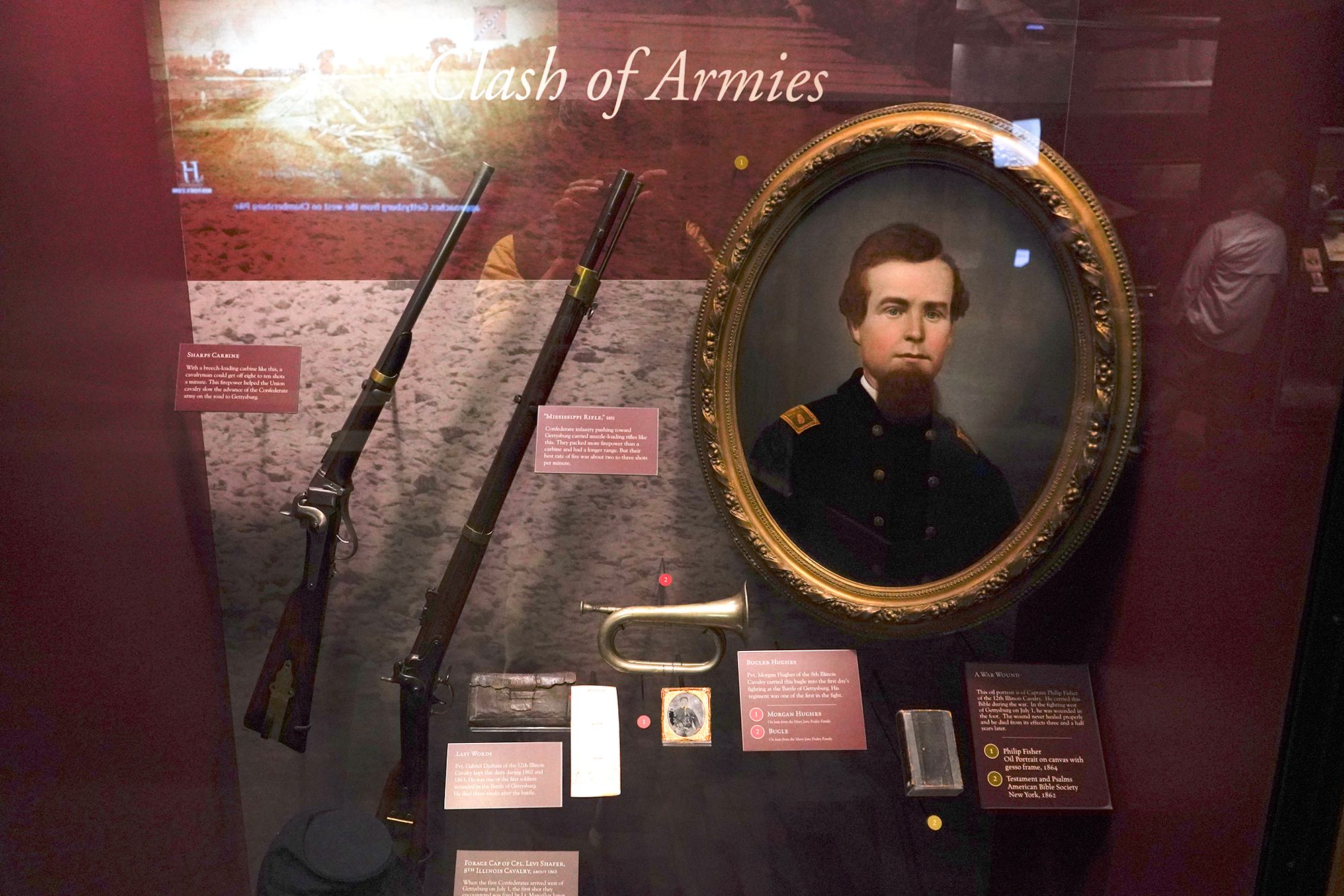
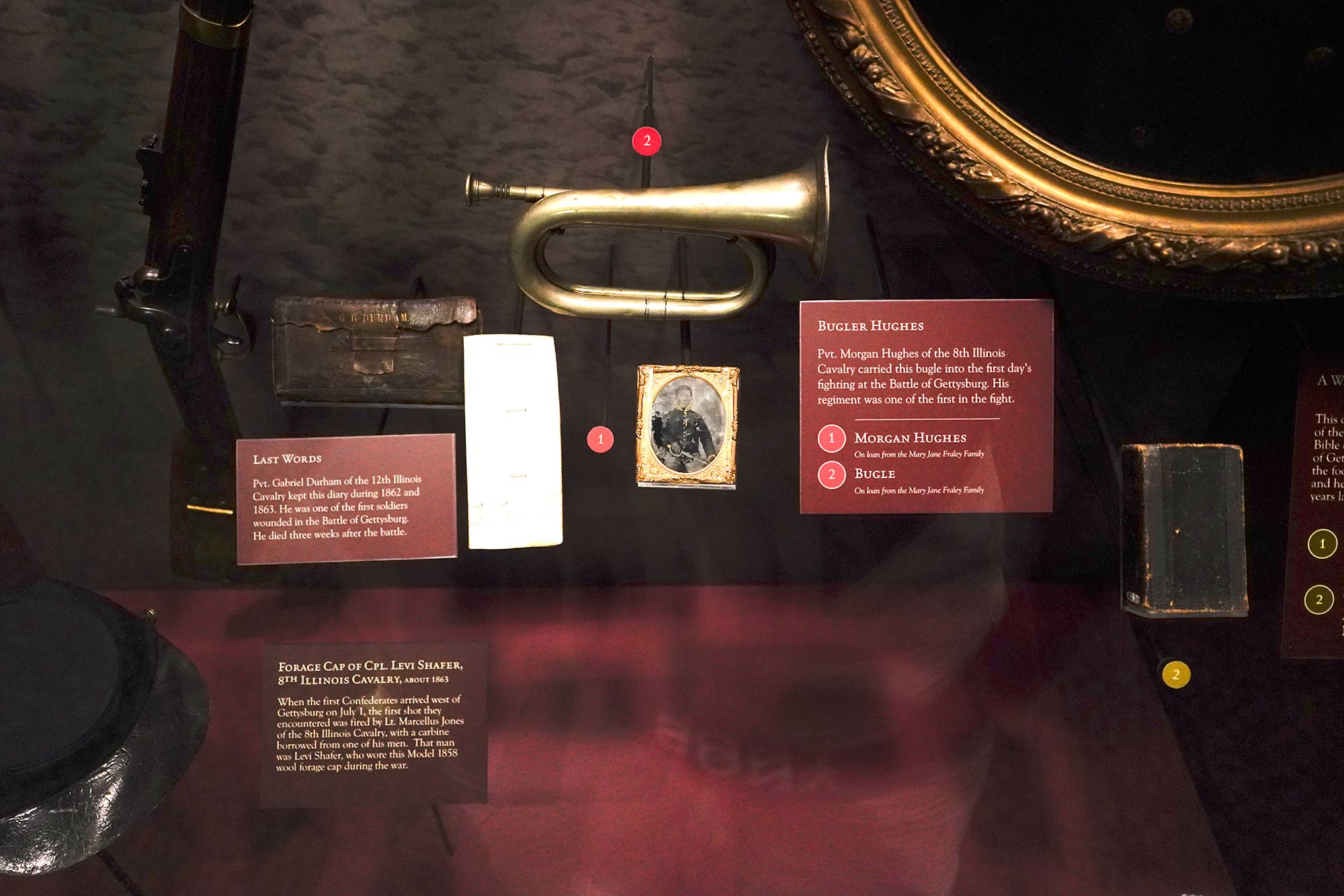
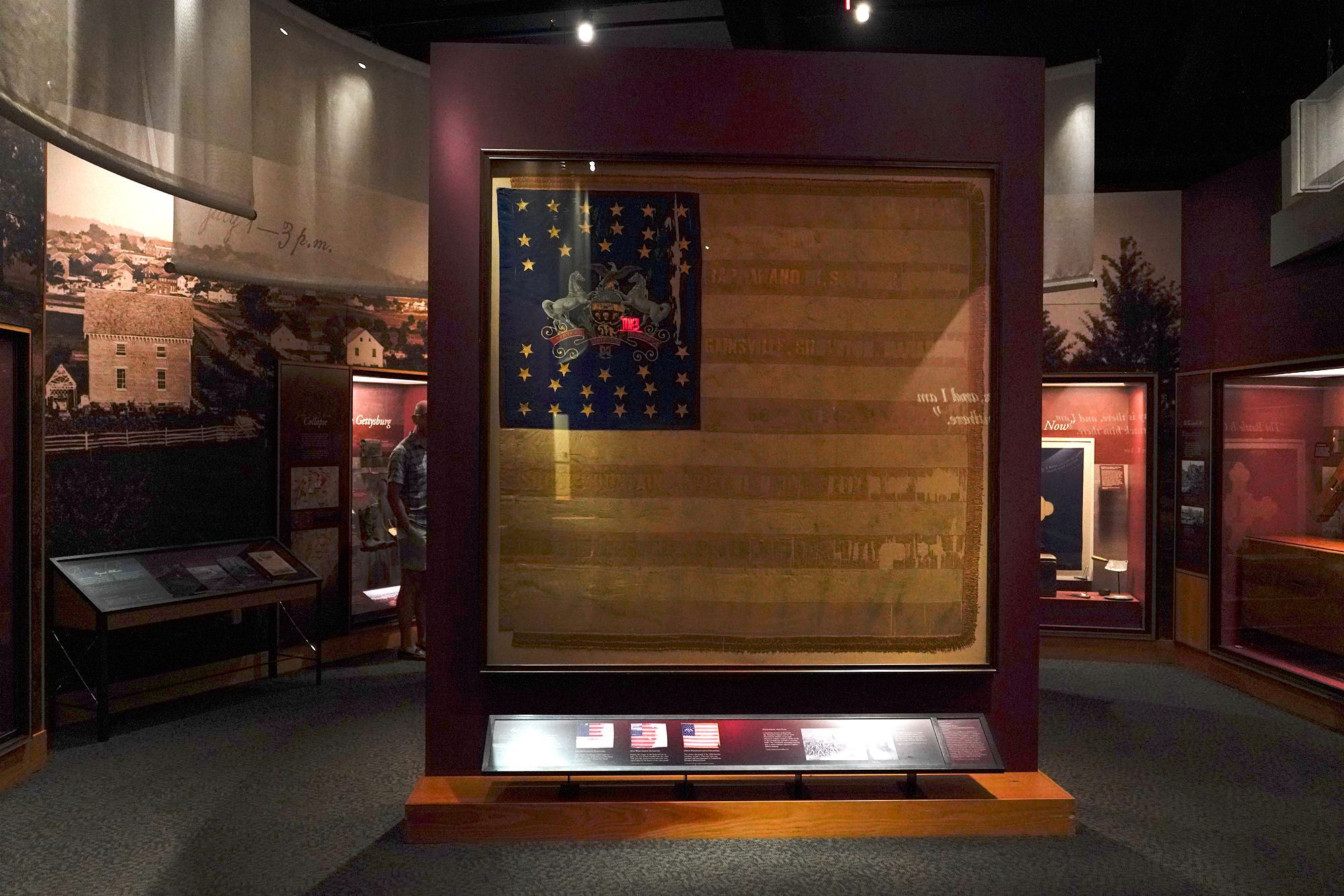
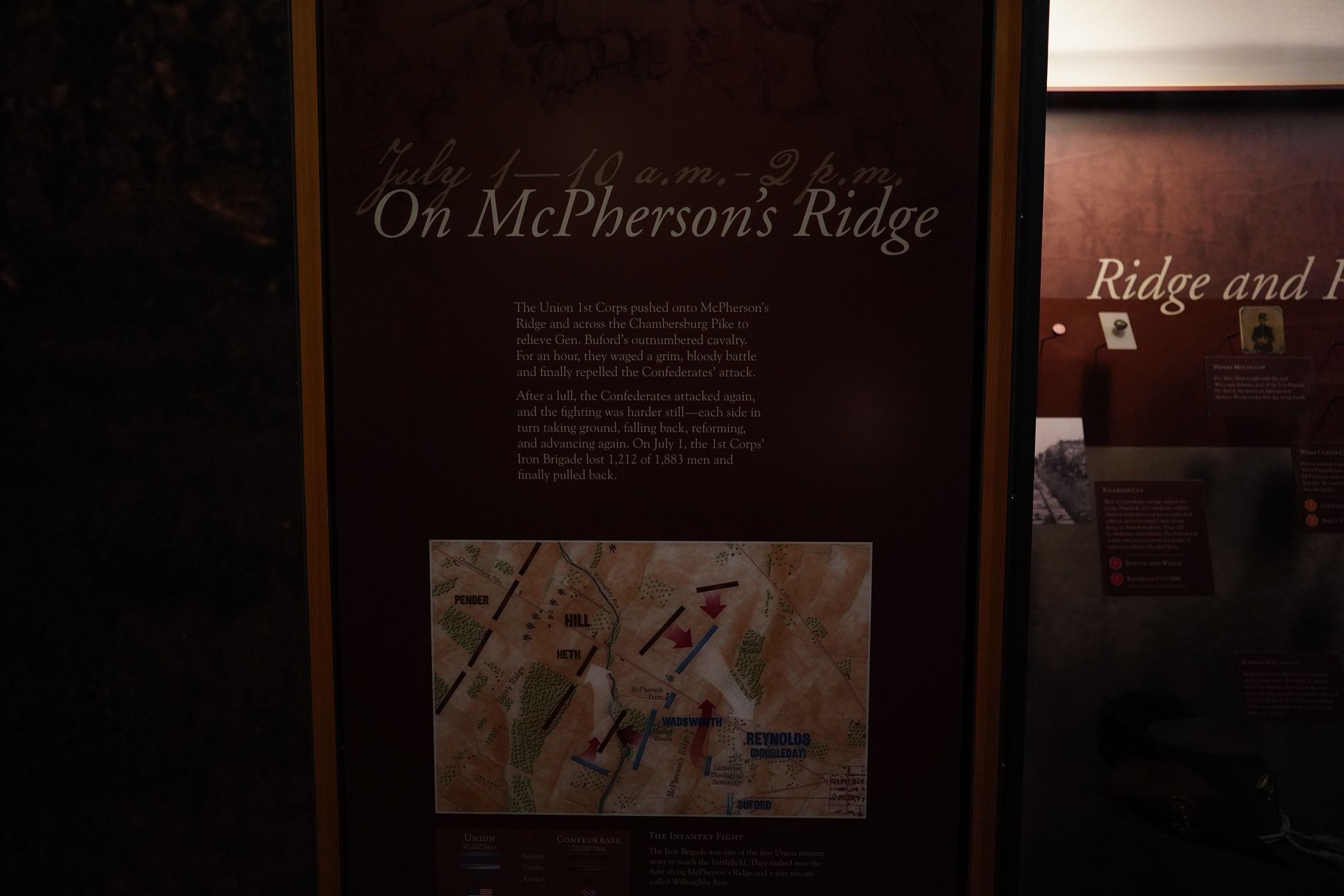
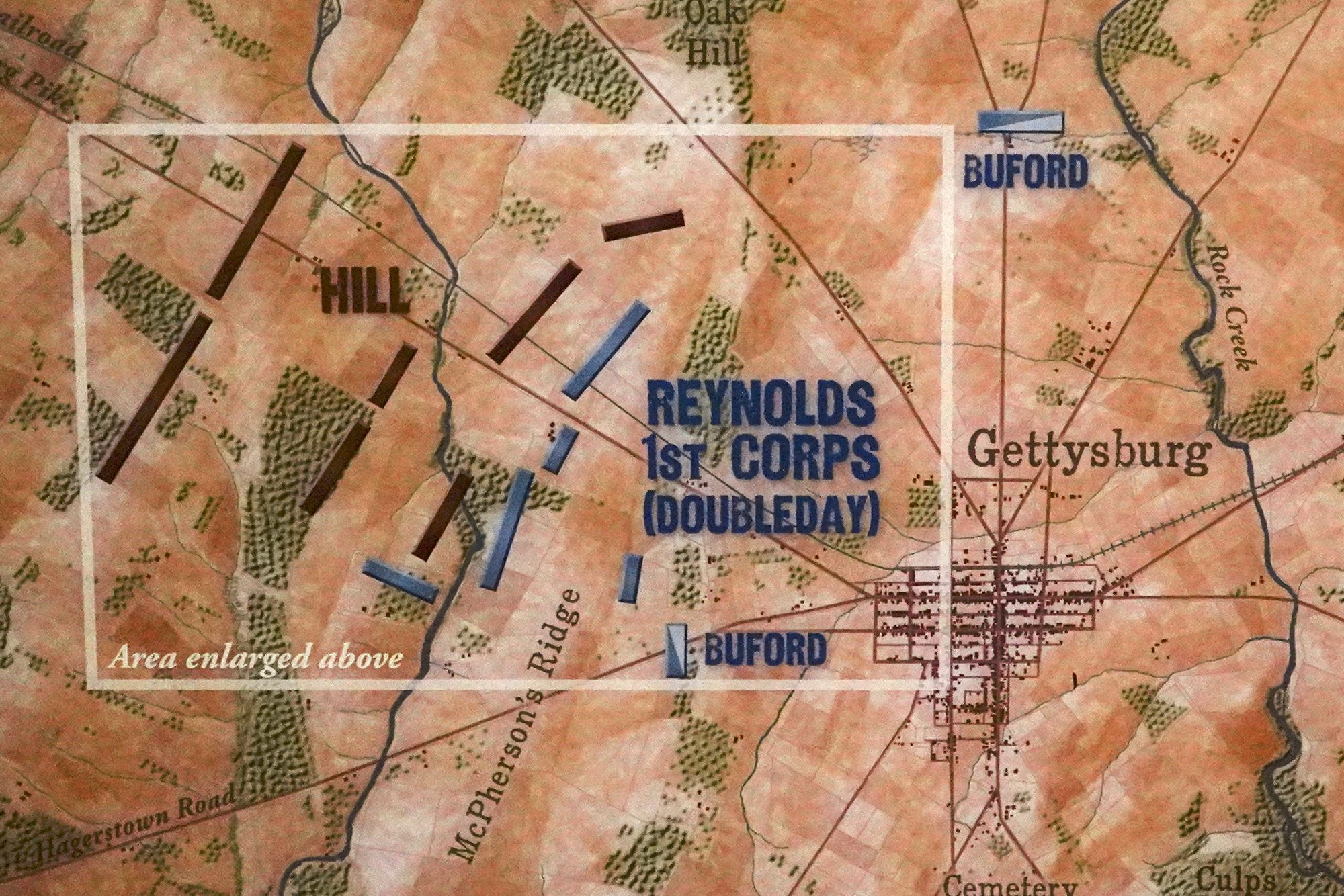
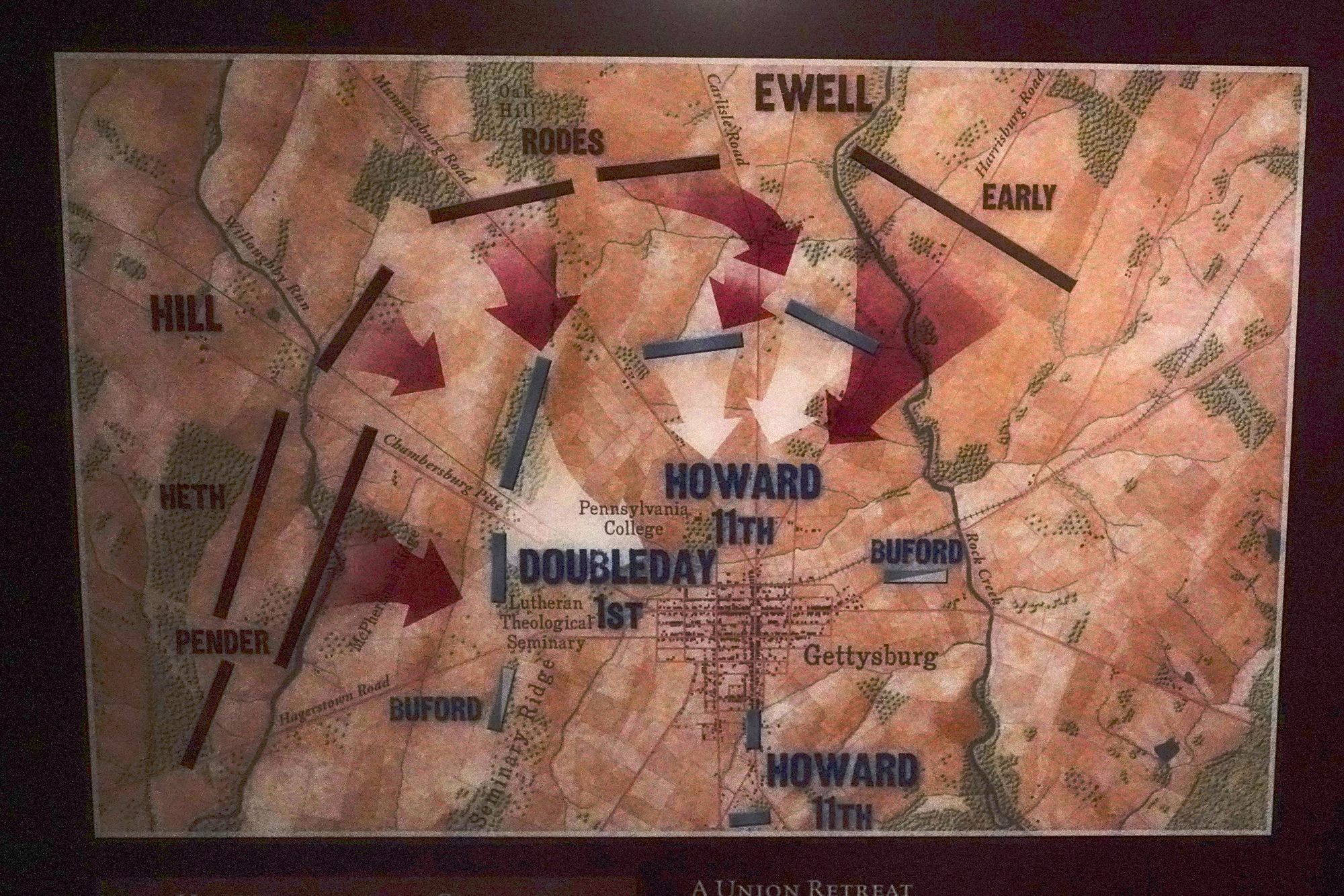
The Battle of Gettysburg opened on the morning of July 1, 1863, when Union cavalry under John Buford exchanged the first shots with advancing Confederate infantry on McPherson Ridge. Outnumbered but determined, the cavalry held the high ground long enough for Union infantry to arrive, turning a small skirmish into the first major phase of the battle. For hours the fighting surged across the ridge, setting in motion the three brutal days that followed.
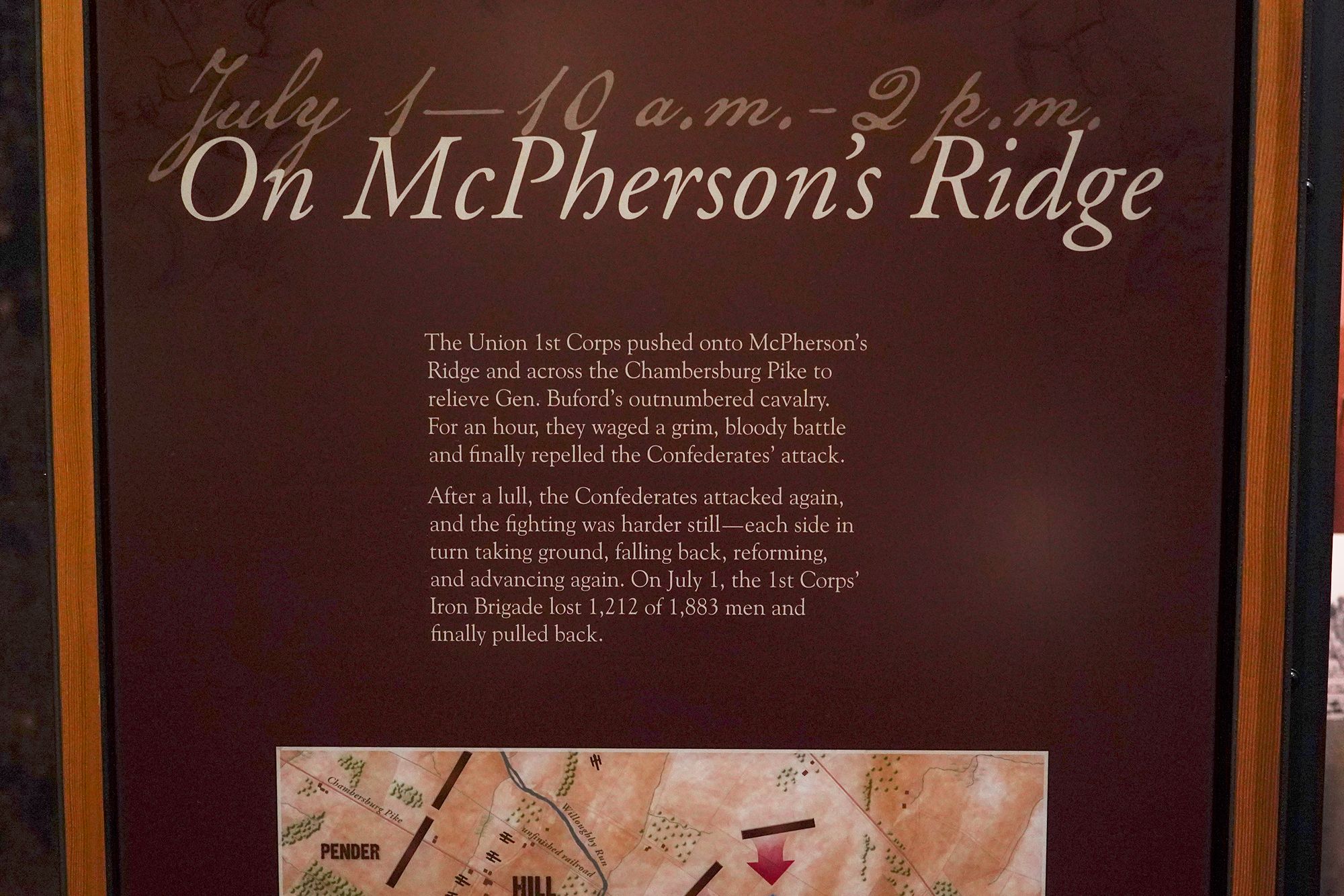
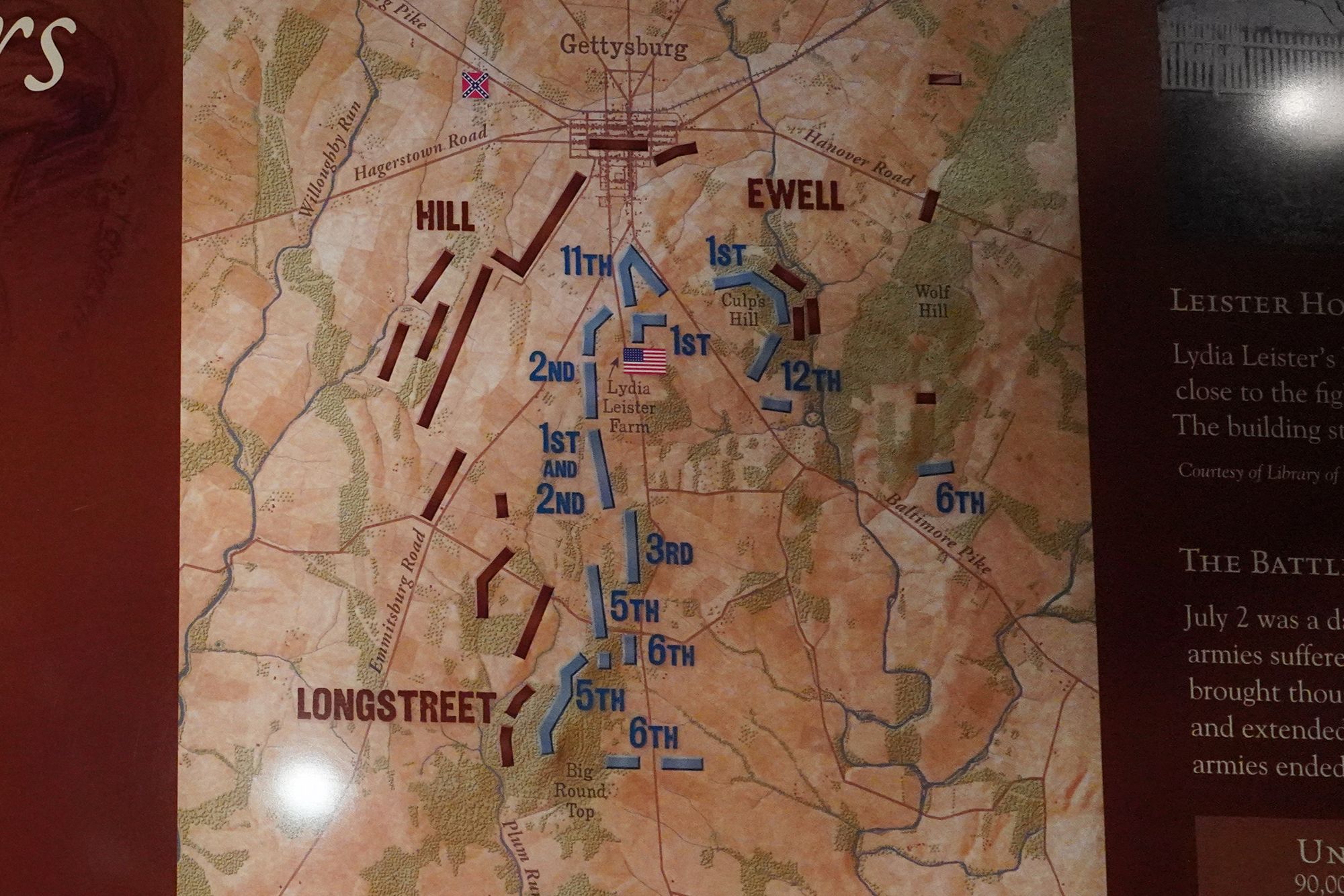
Red represents the Confederate (Southern) army, and blue represents the Union (Northern) army.
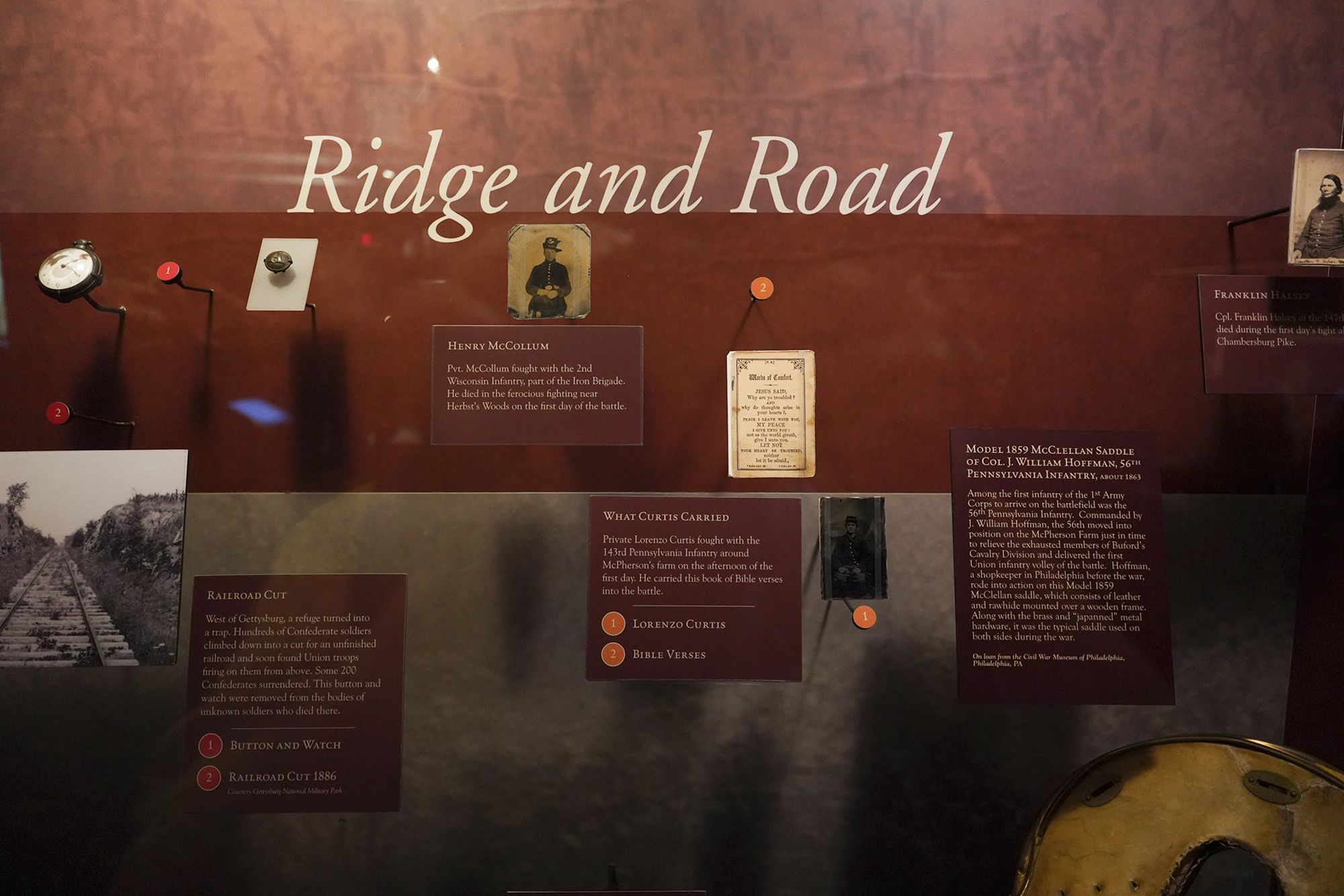
Under mounting Confederate attacks, the Union positions on the ridge finally broke, forcing the soldiers to fall back toward the town.
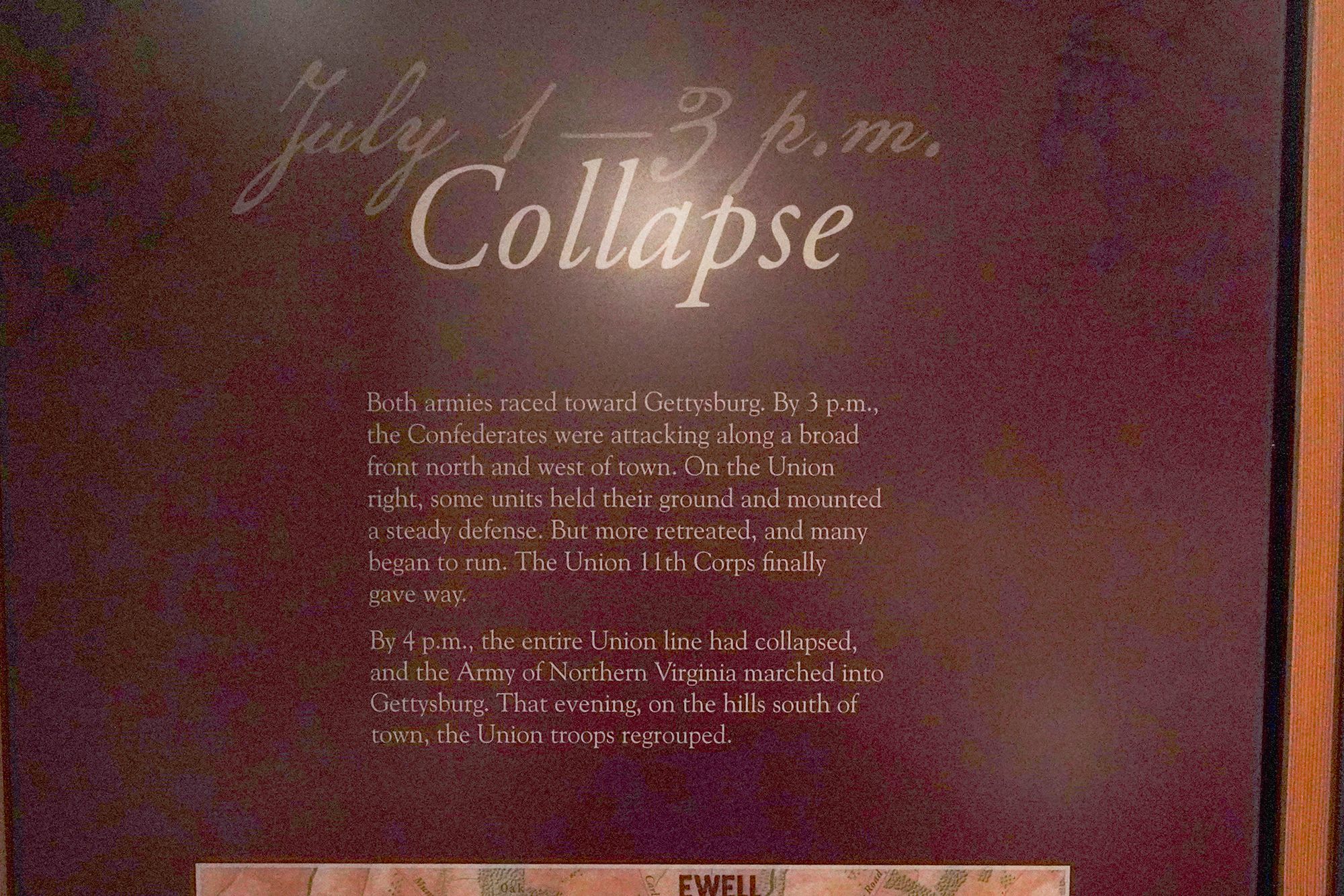
Retreat through Gettysburg
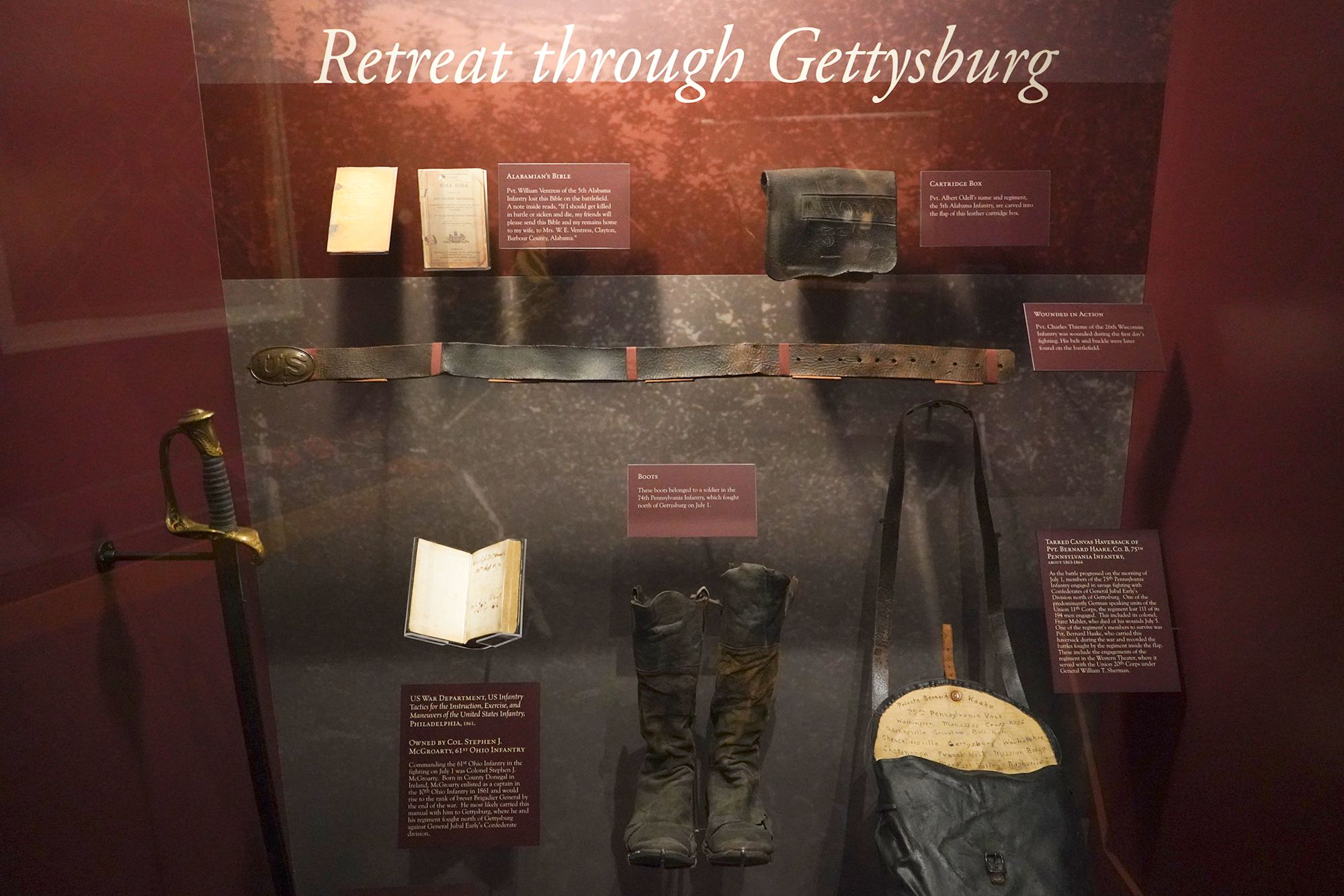
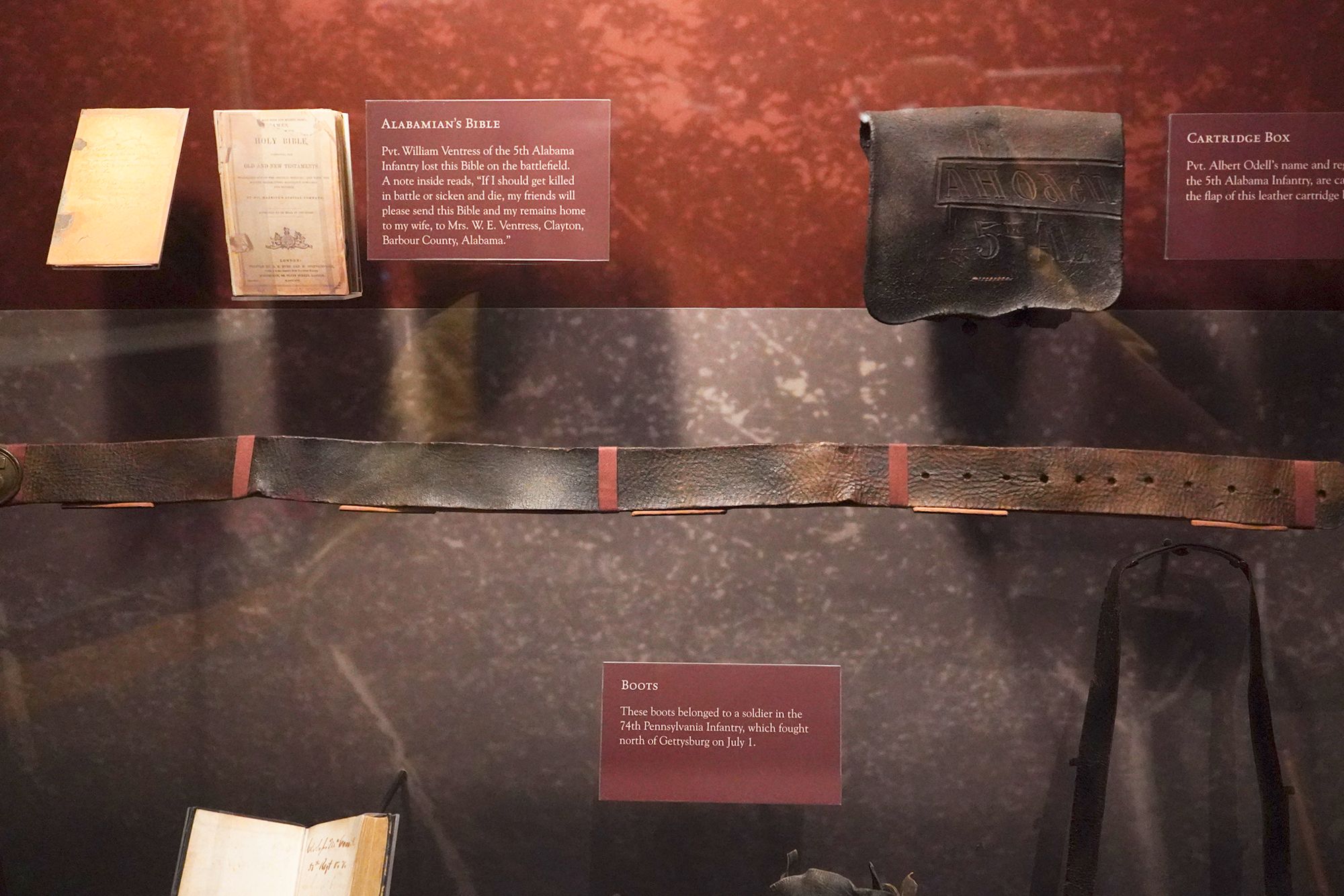
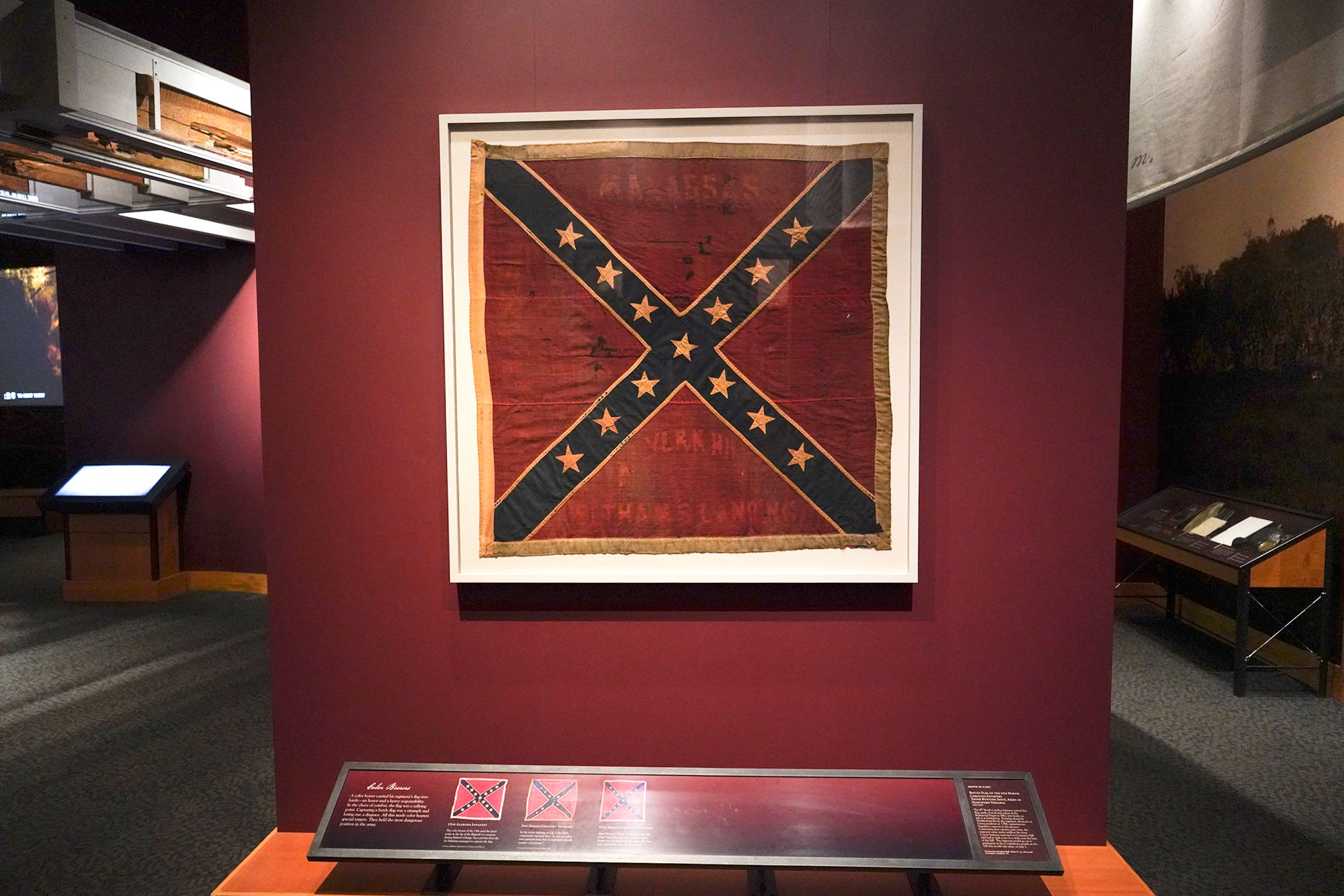
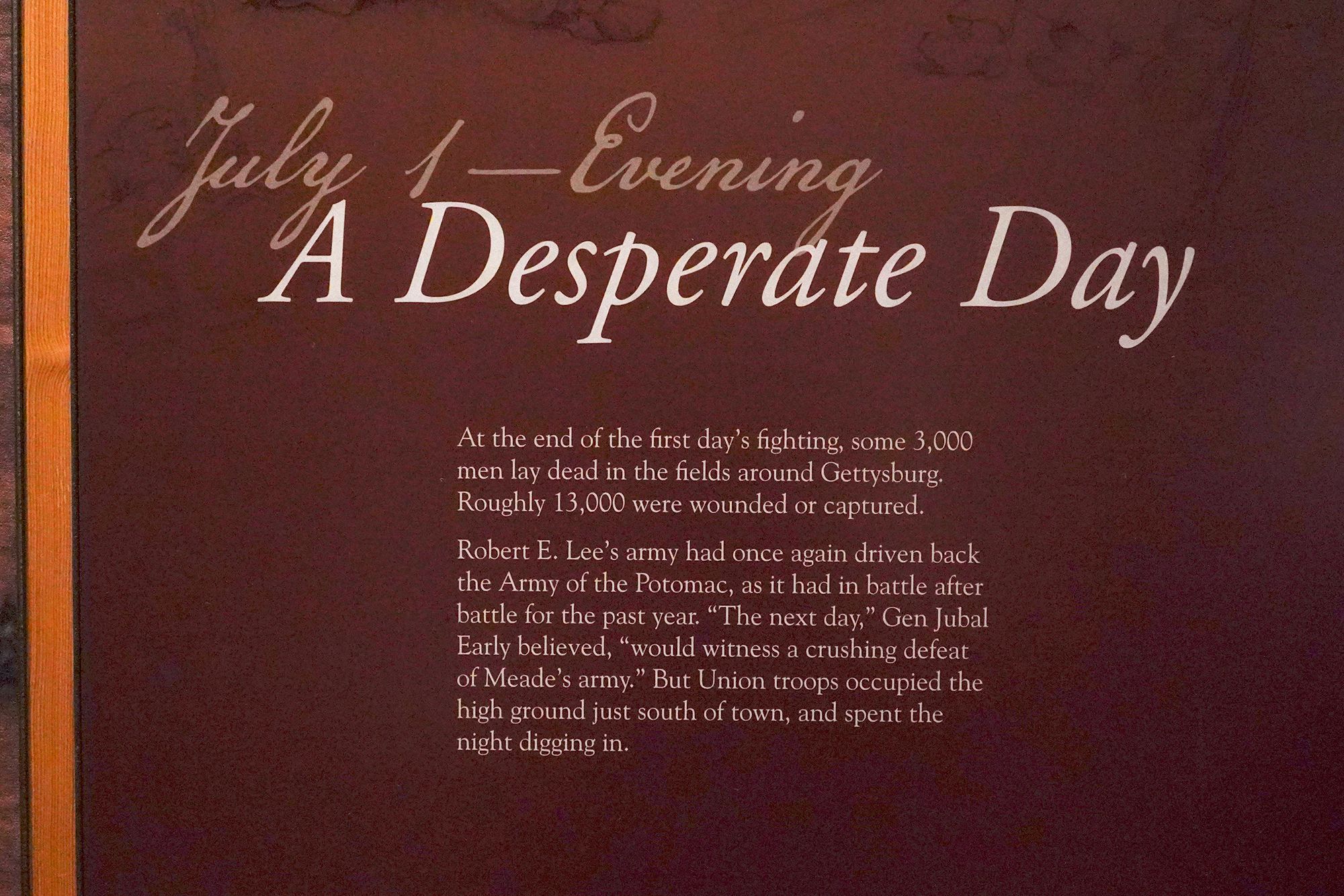
Evening settled over a day defined by exhaustion and desperation.
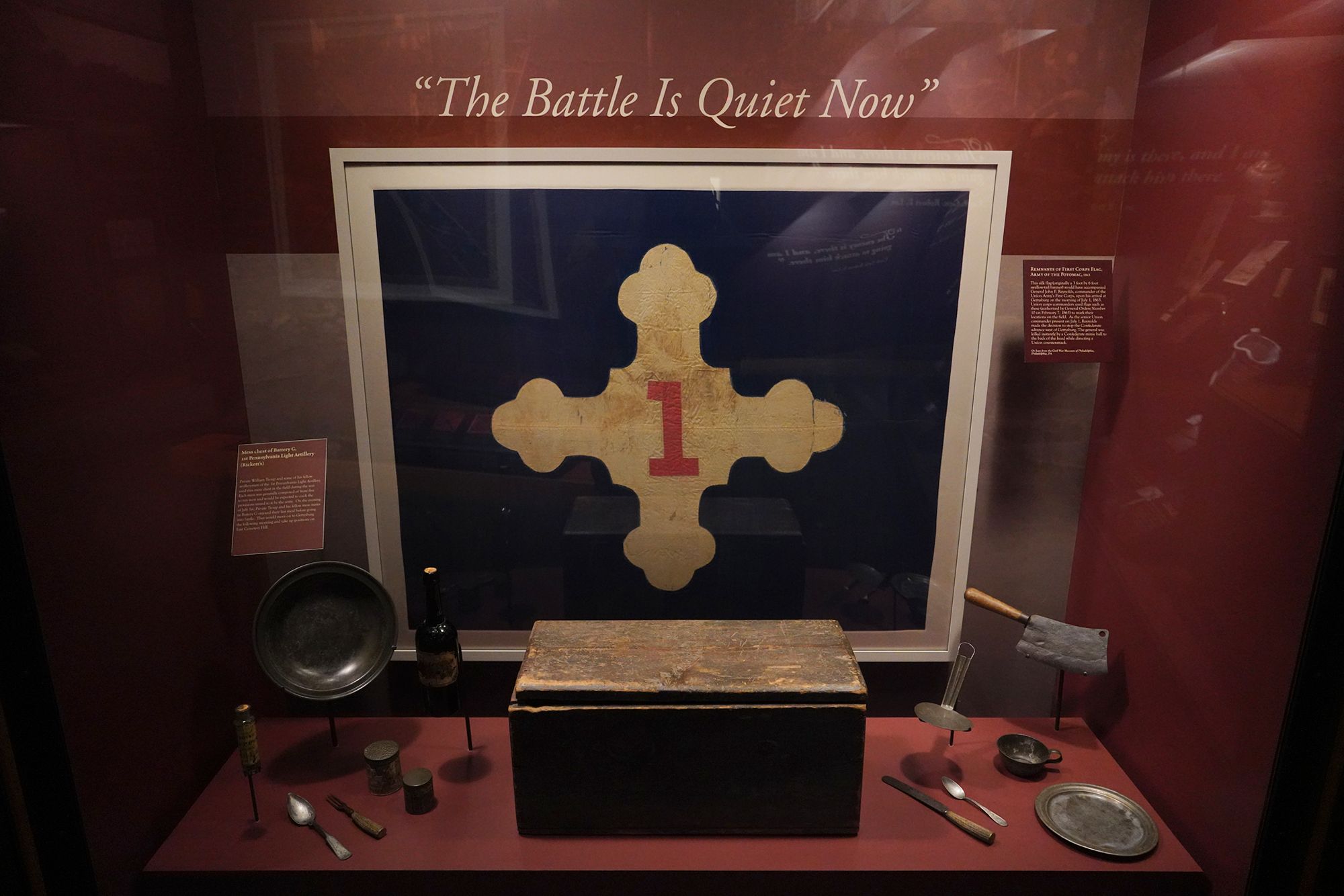
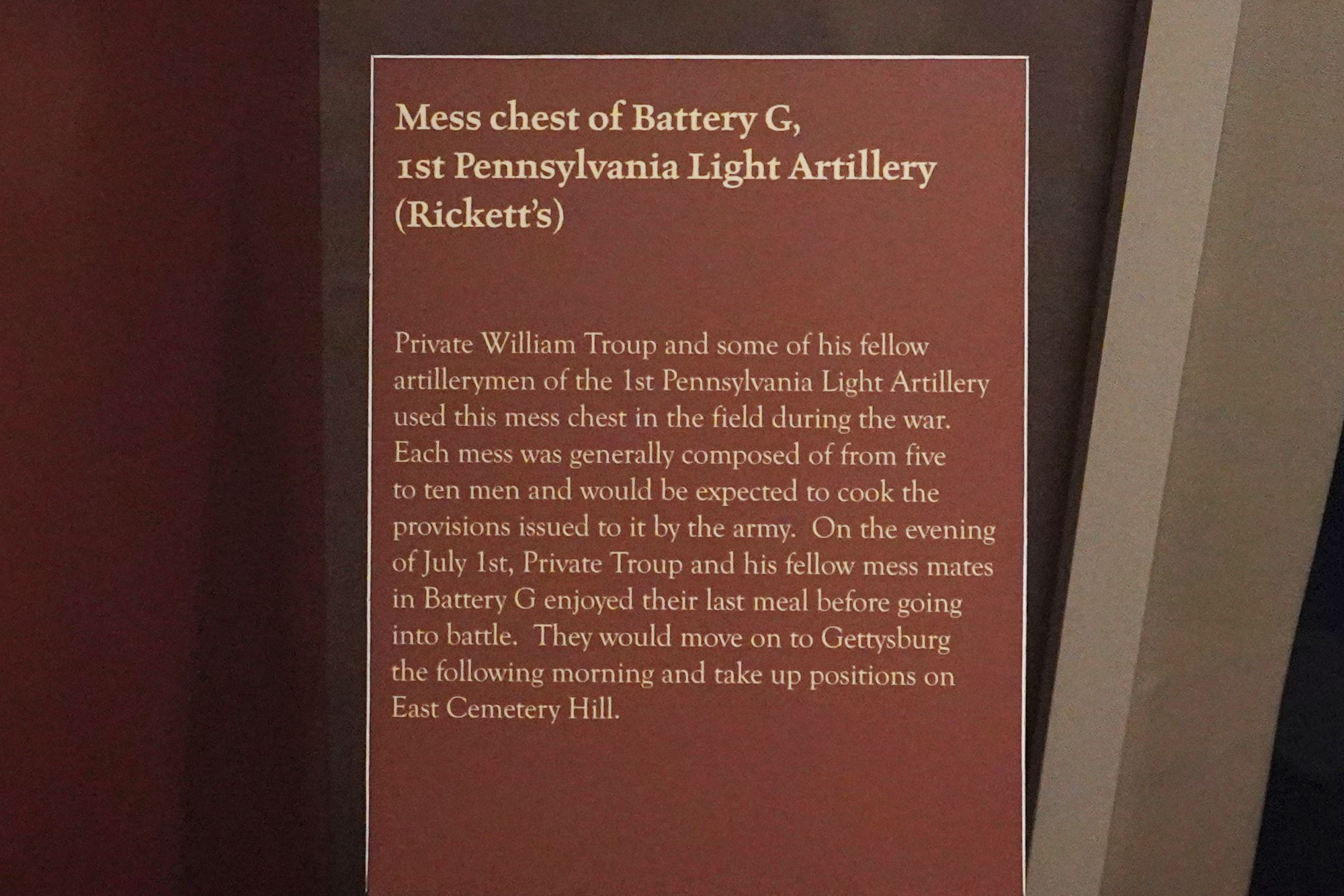
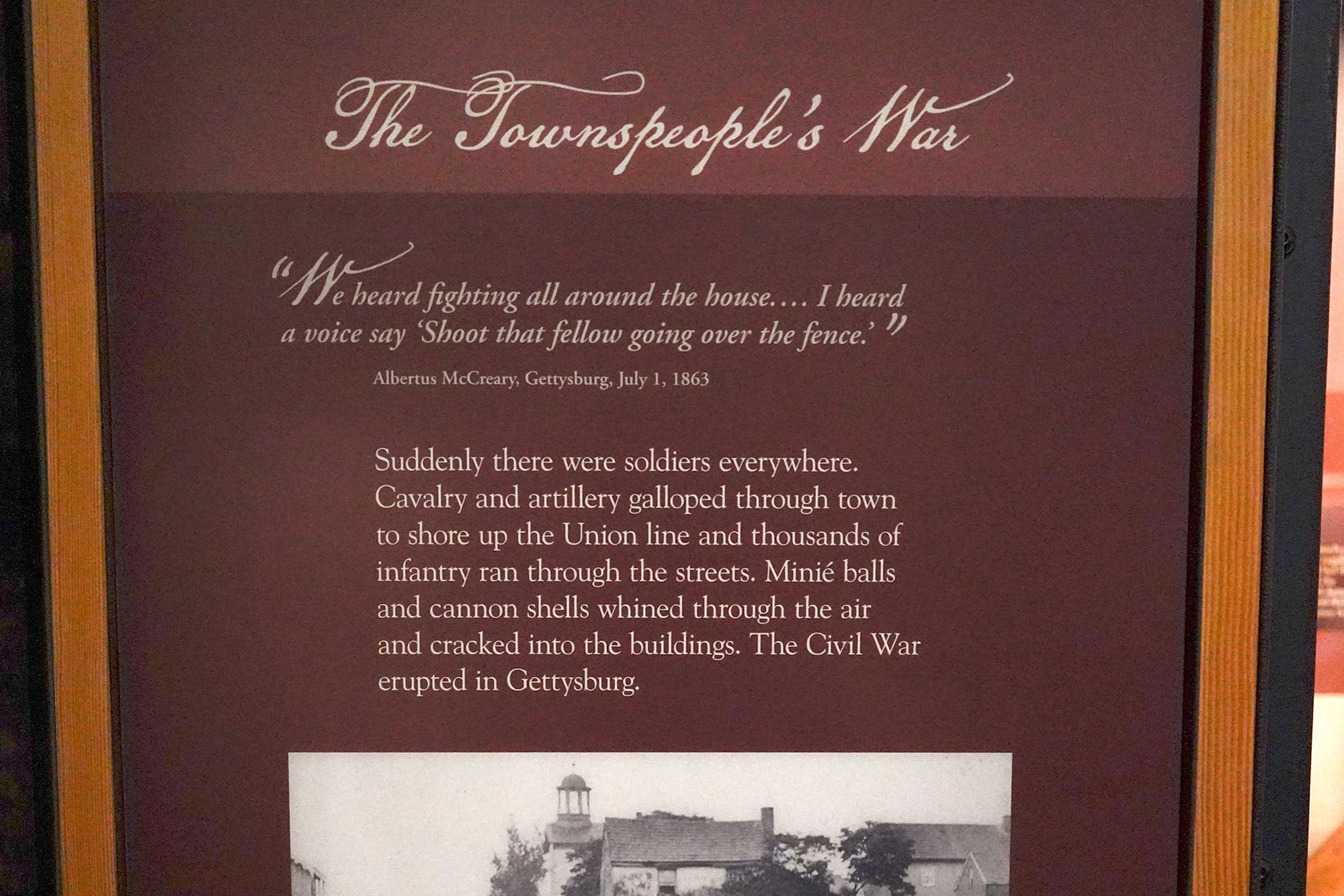
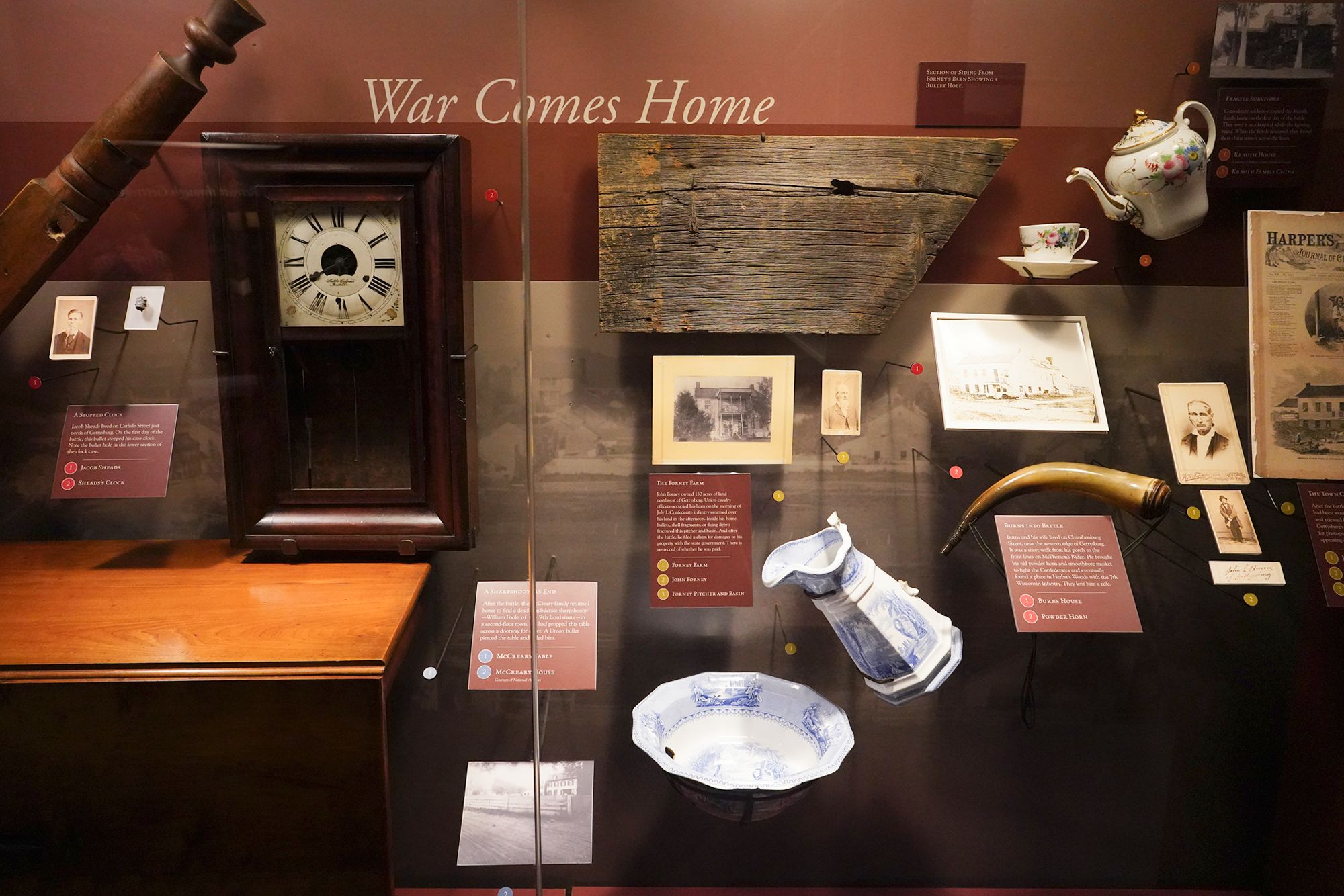
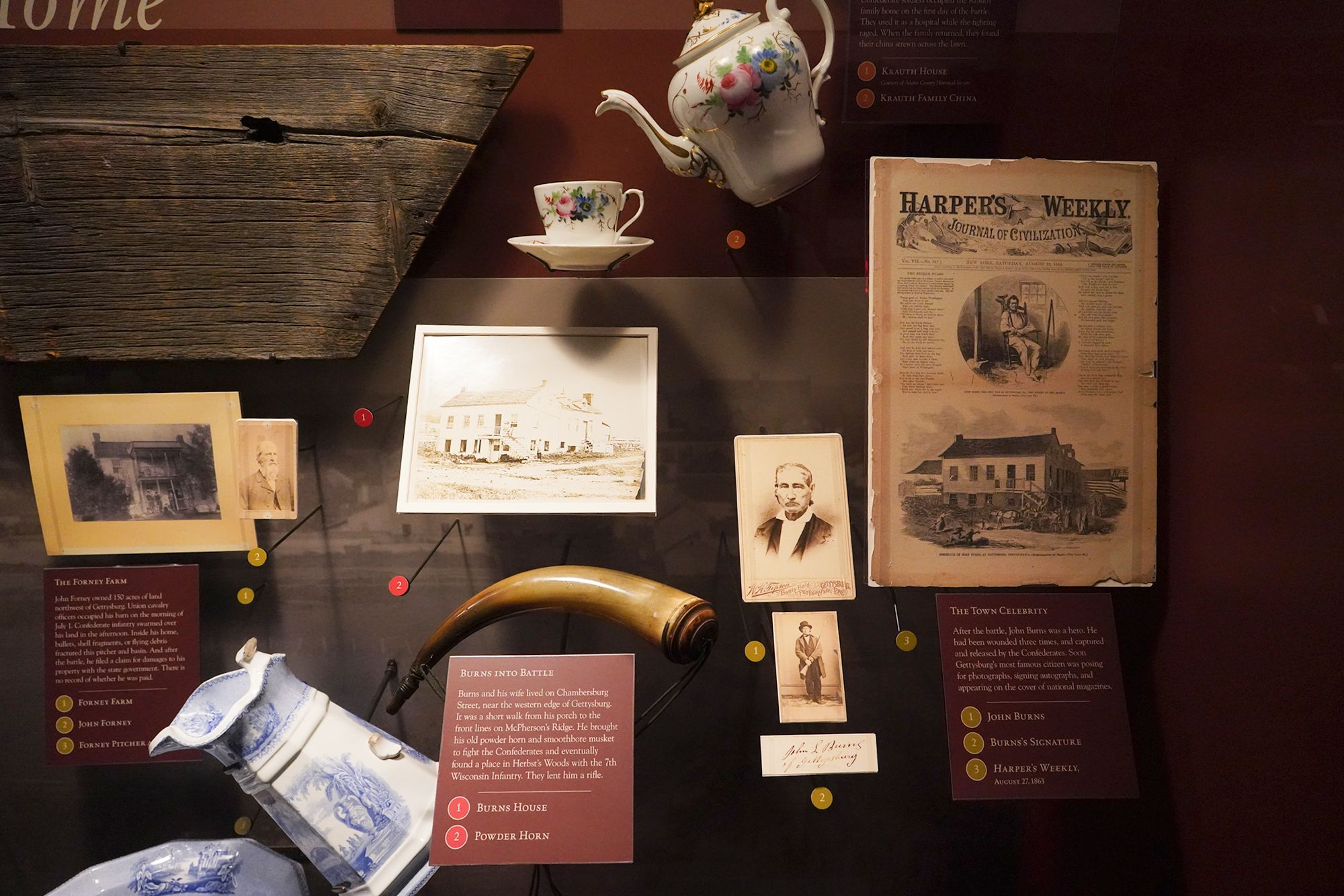
The townspeople of Gettysburg found themselves suddenly in the middle of the war, soldiers flooding their roads, shells screaming overhead, and homes turning into hospitals overnight.
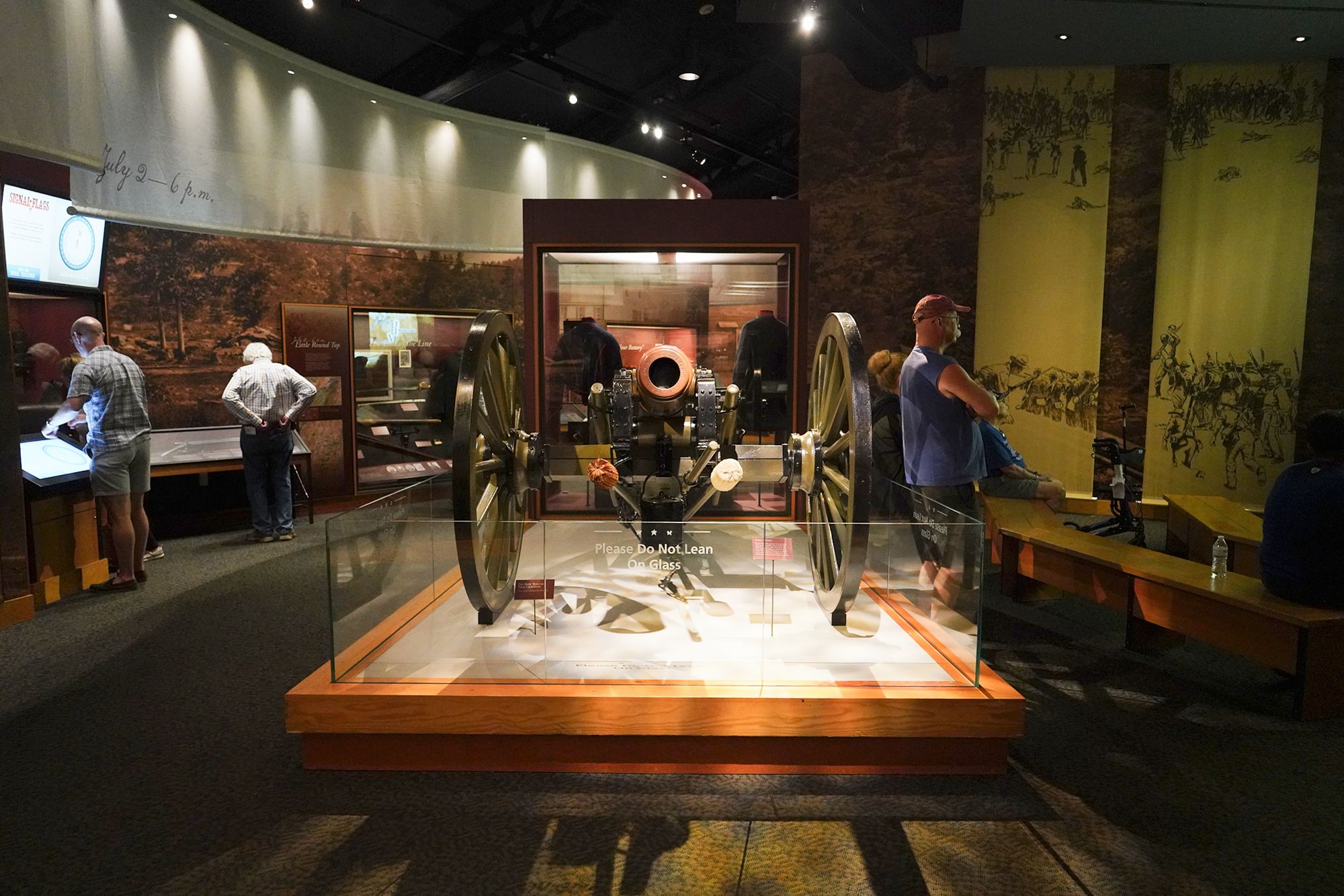
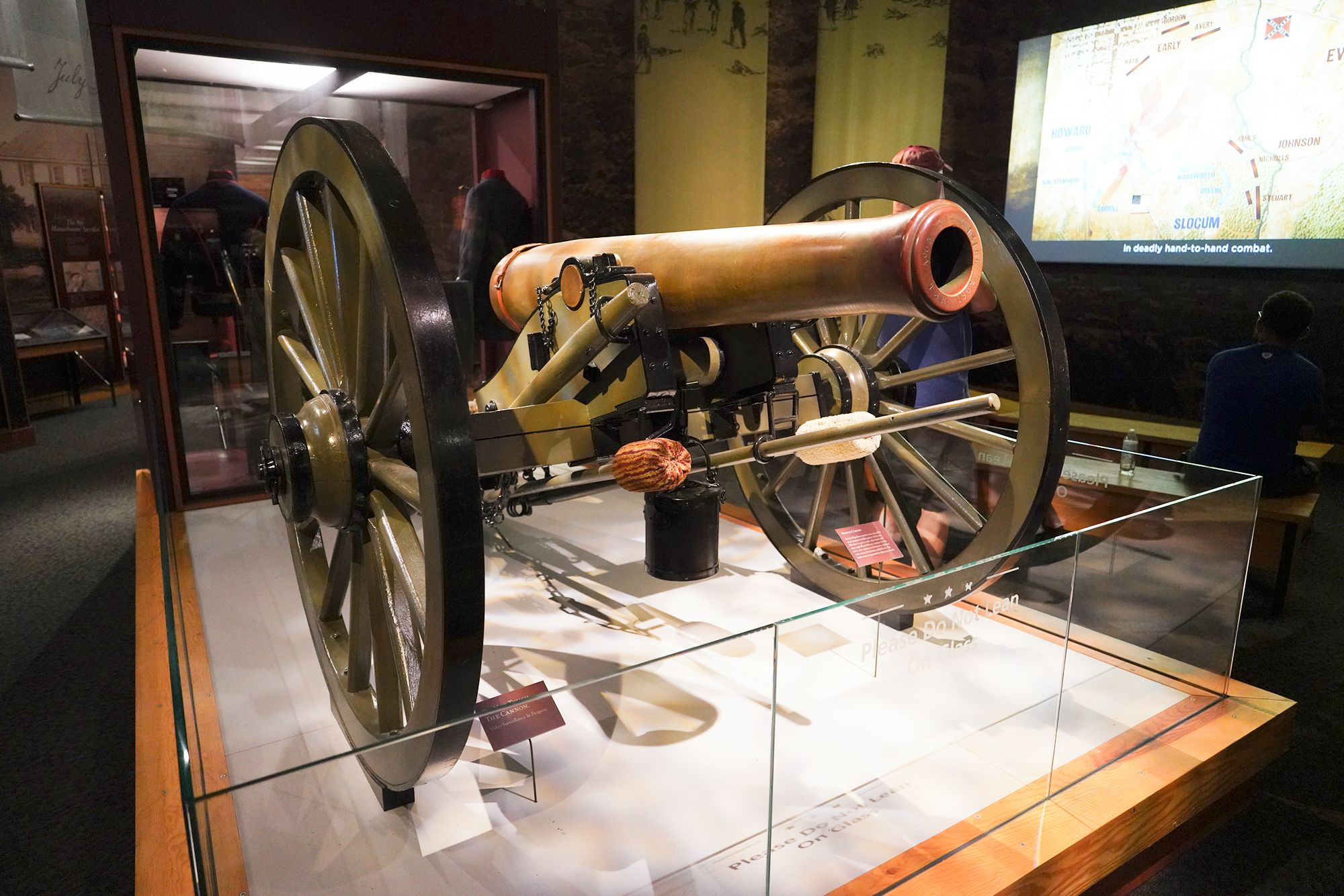
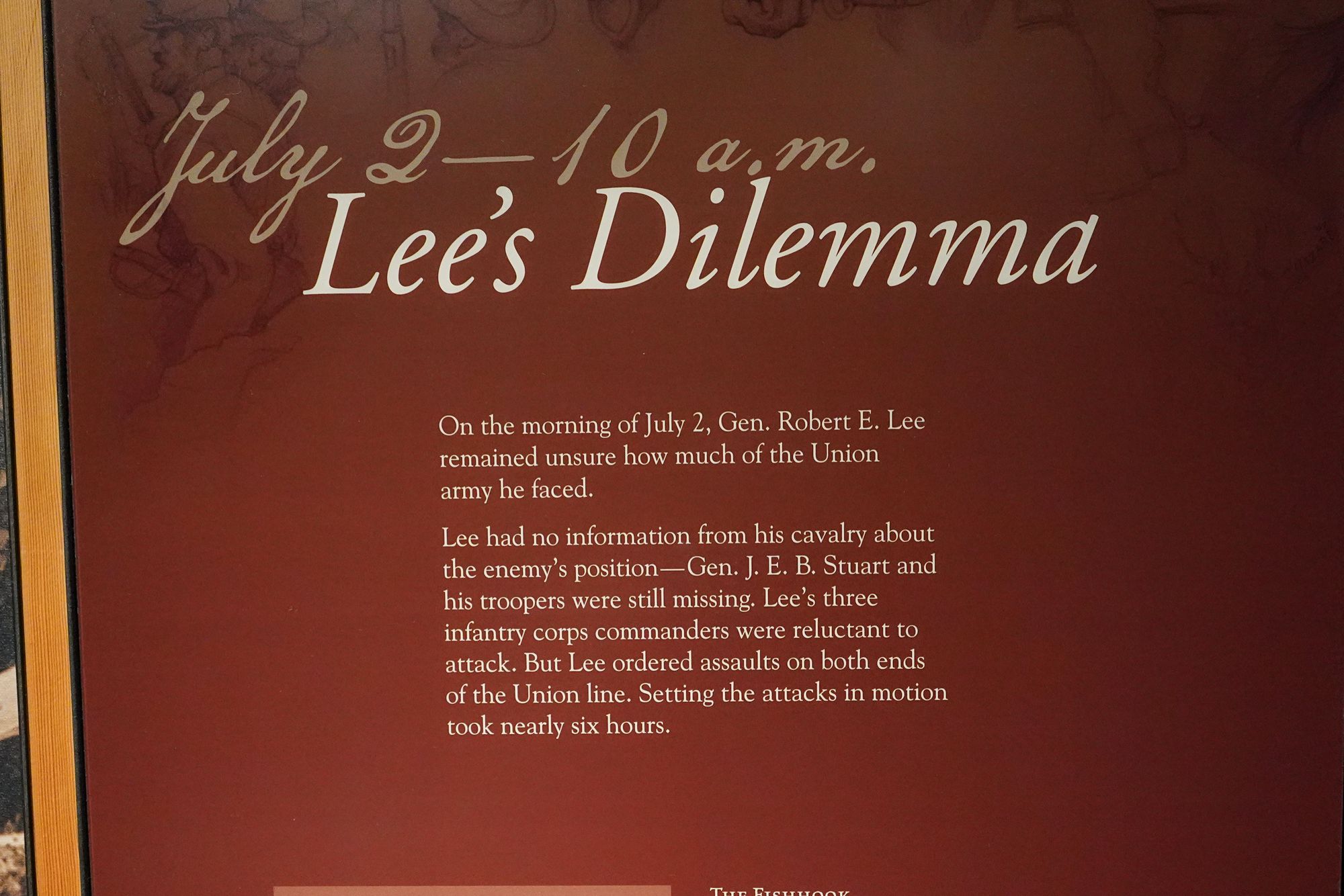
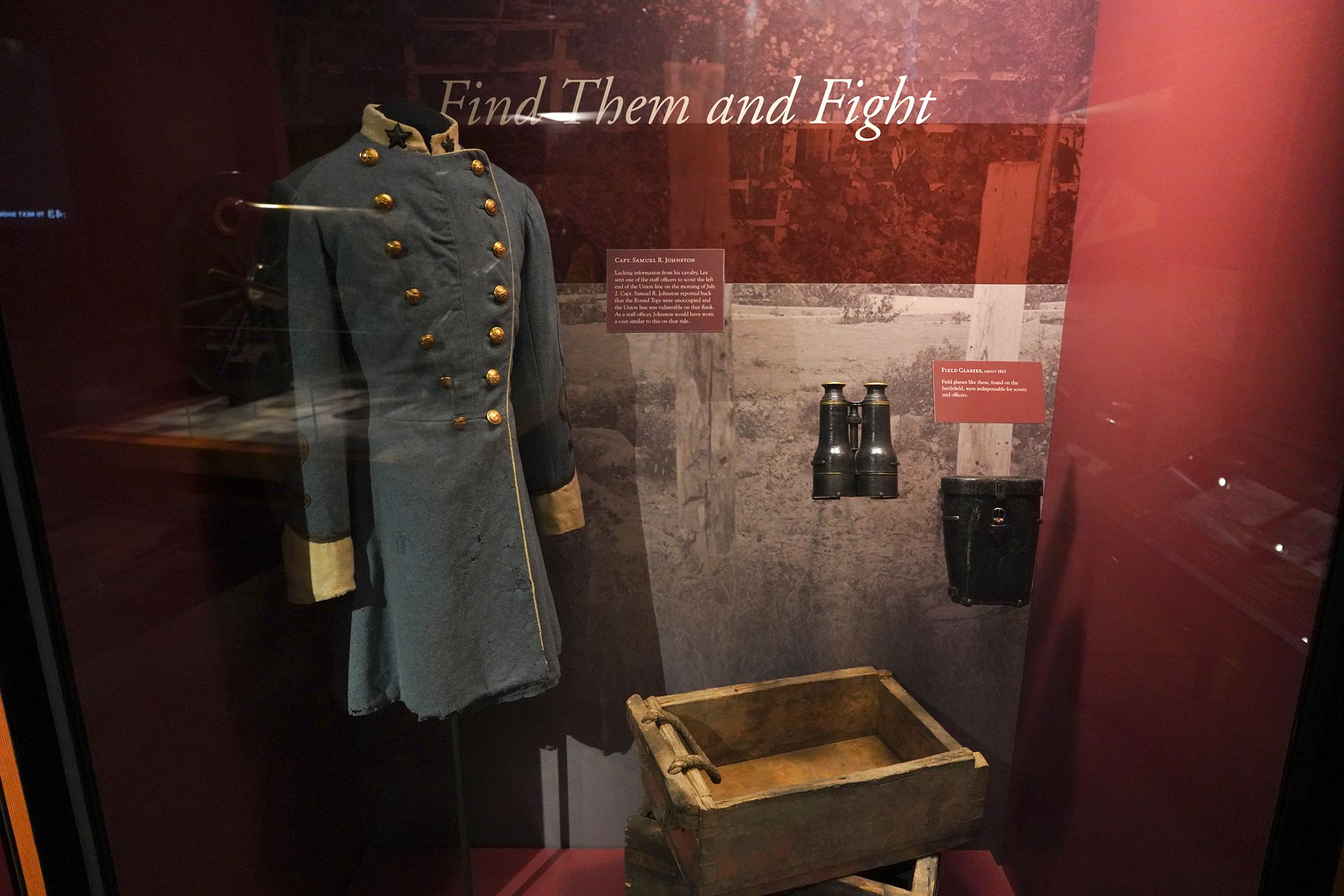
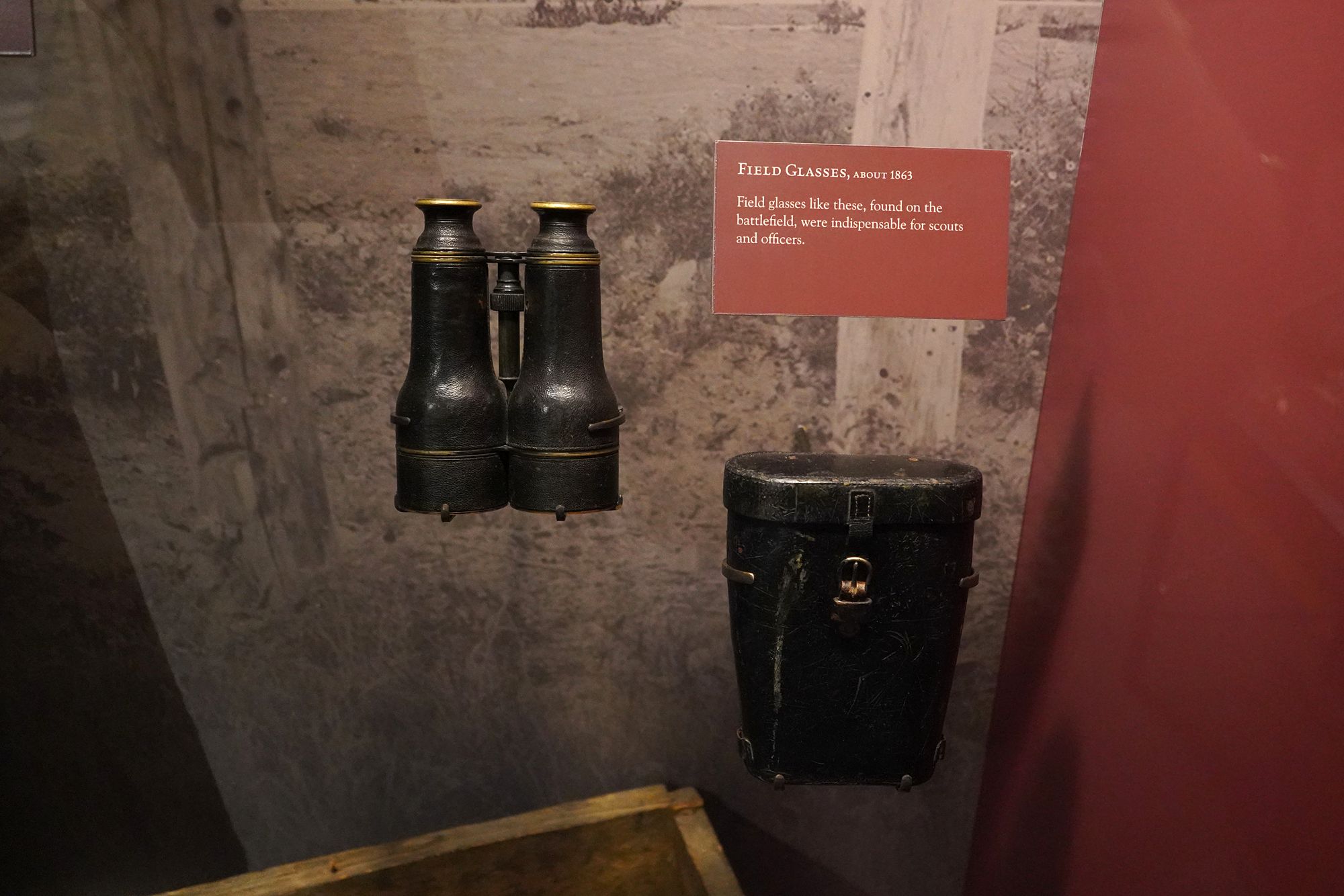
The next day, Lee had a problem. Although Lee held the field after the first day, he lacked a full picture of the Union army. He did not know how many Union troops had arrived overnight, where they were positioned, or how strong their lines were. His cavalry — normally his eyes and ears — was not fully present, leaving him without the scouting information he relied on in previous victories.
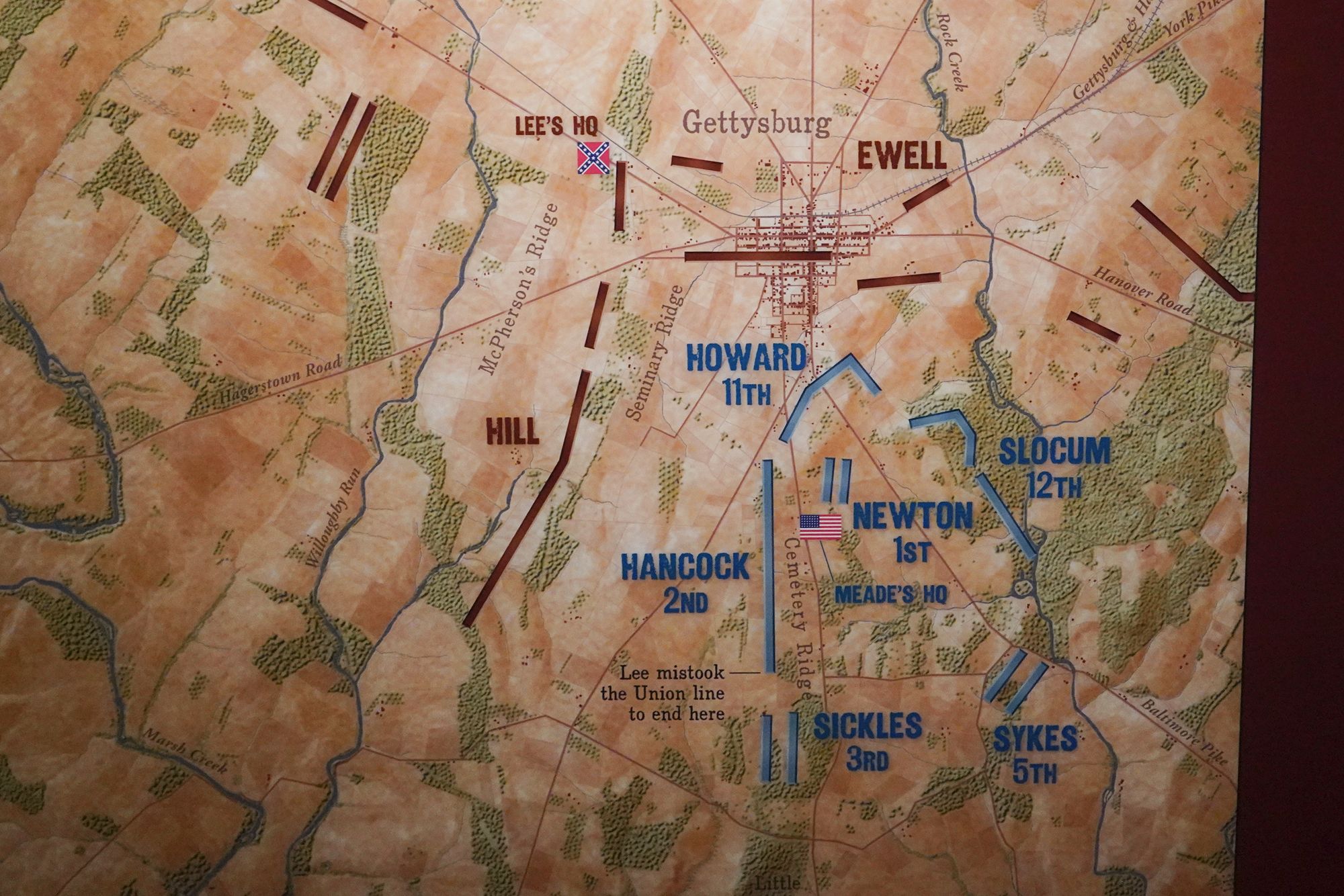
On July 2, 1863, the second day of the battle, the Union Army general Sickles was ordered by his army commander, George G. Meade, to have his corps (the III Corps) take a defensive position on the southern end of Cemetery Ridge, with the flank anchored at Little Round Top.
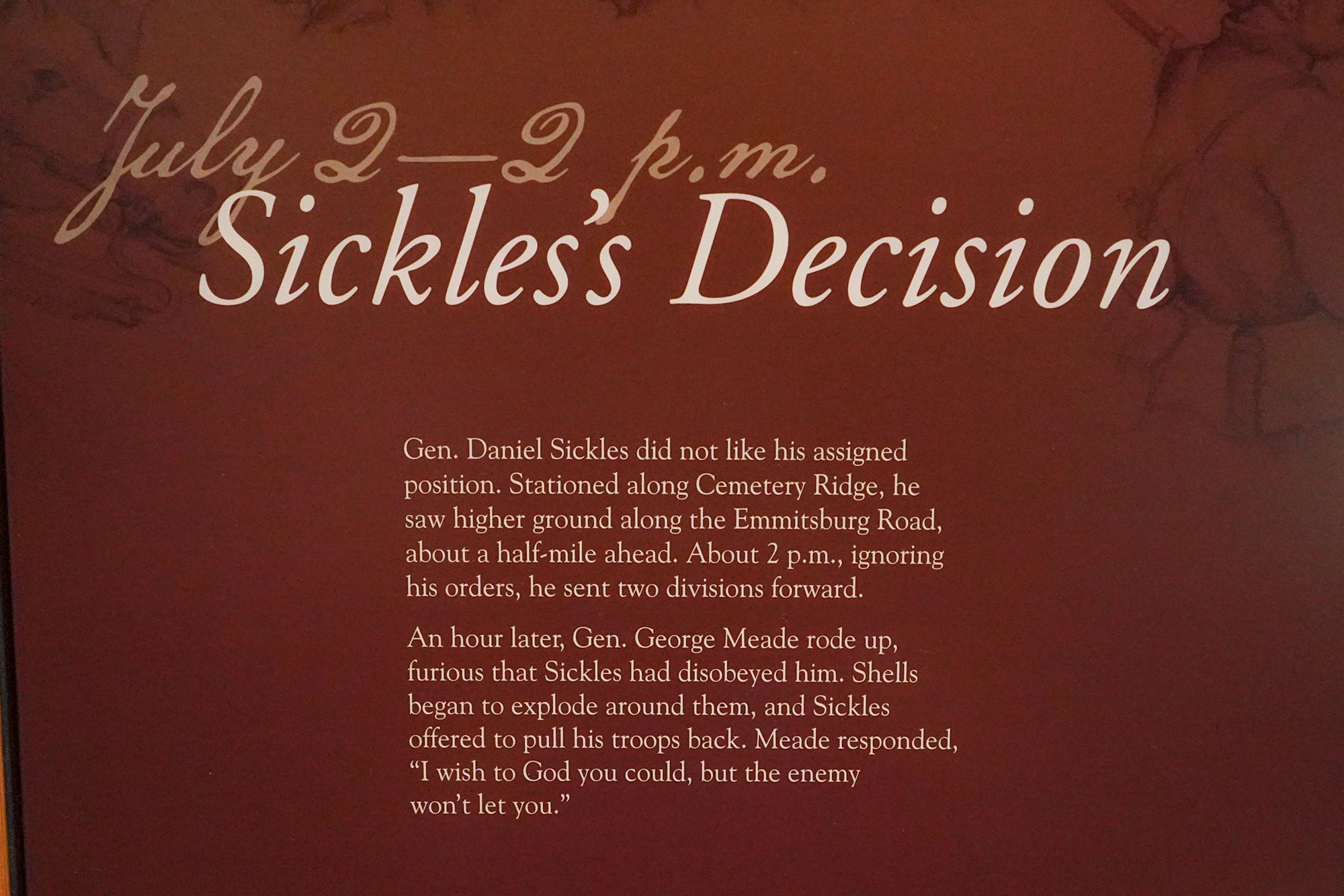
But Sickles, unhappy with that assignment and drawn by the slightly higher terrain ahead — a field known as Peach Orchard — decided to move his corps almost a mile forward without authorization. This forward movement created a “salient”: his troops now occupied a bulging front that jutted toward the Confederates — a position vulnerable to attack on multiple sides.
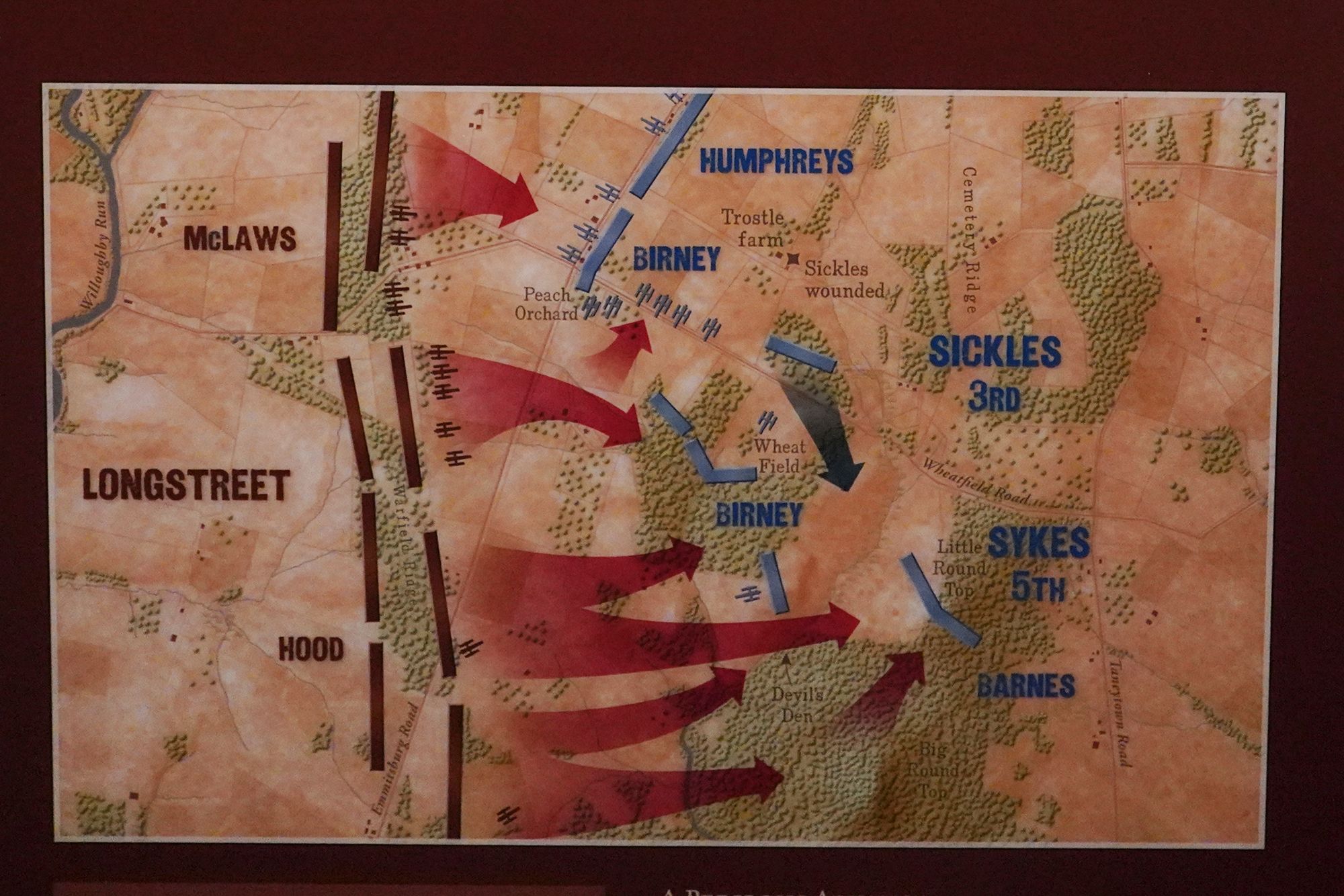
By abandoning Cemetery Ridge and leaving Little Round Top lightly defended (or undefended), Sickles exposed the Union’s most secure southern anchor — a move that many historians argue endangered the entire Union battle line.
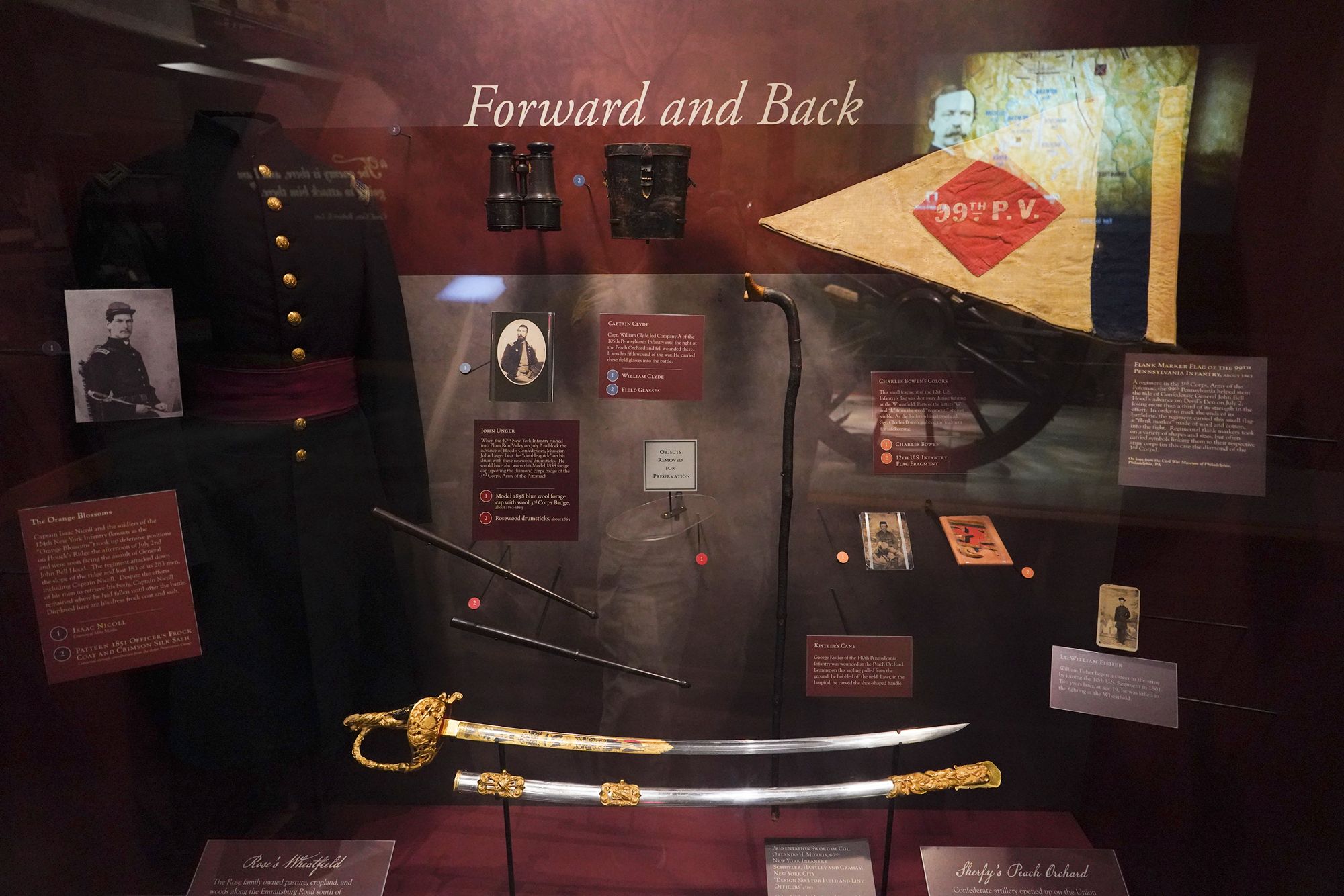
When Confederate forces under James Longstreet attacked, Sickles’s corps was hit hard; the salient collapsed under pressure. The corps suffered heavy casualties and was effectively neutralized for the rest of the battle.
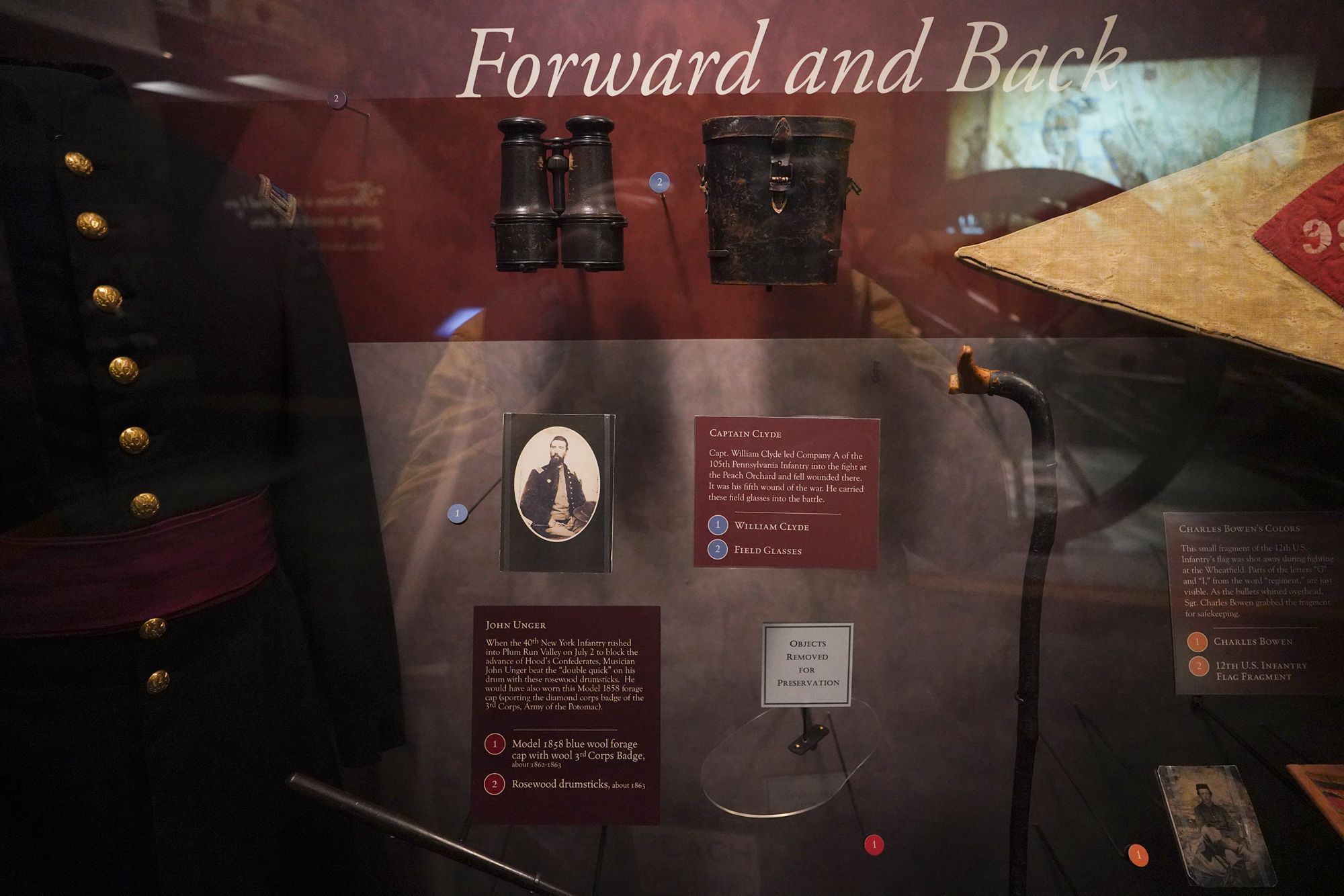
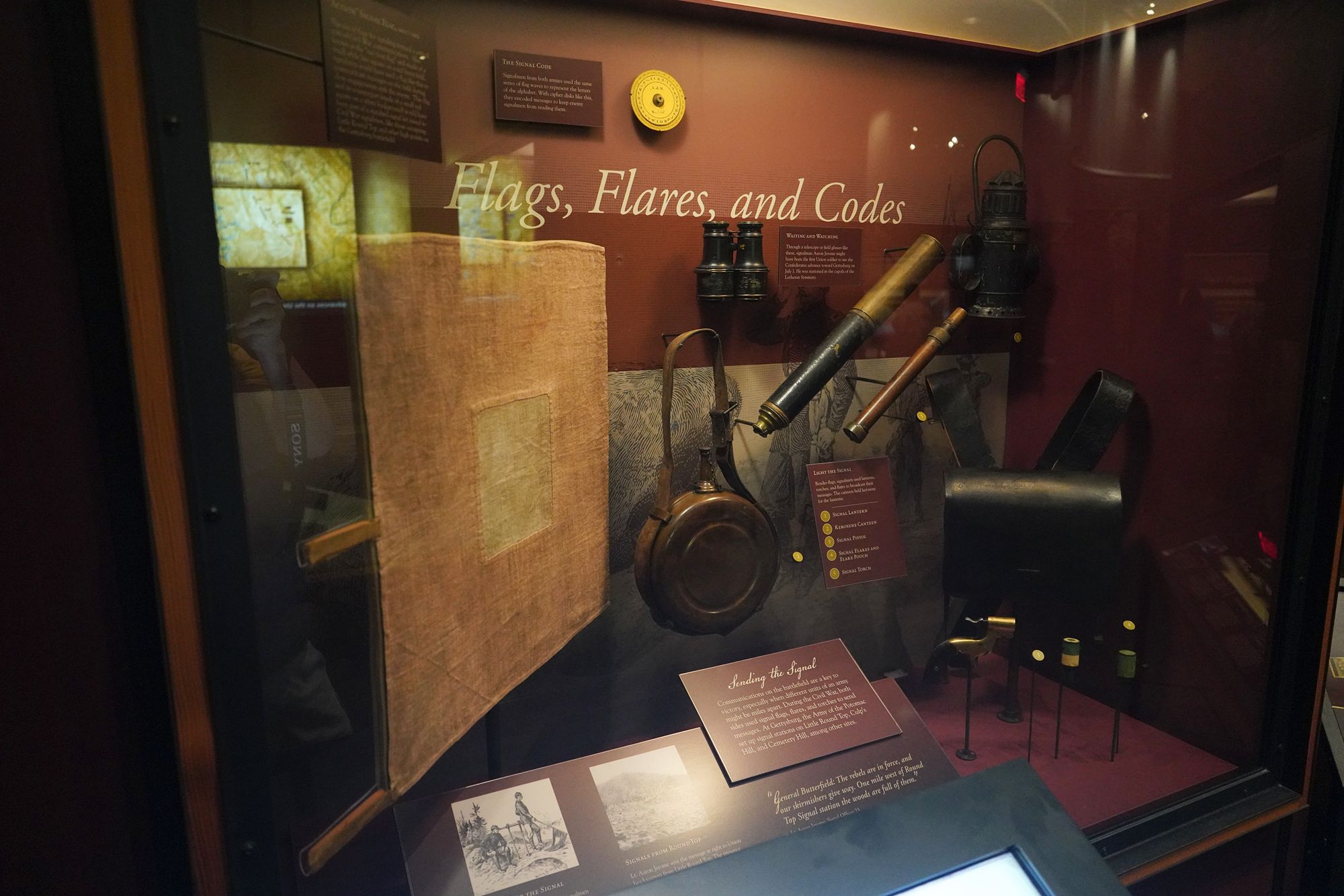
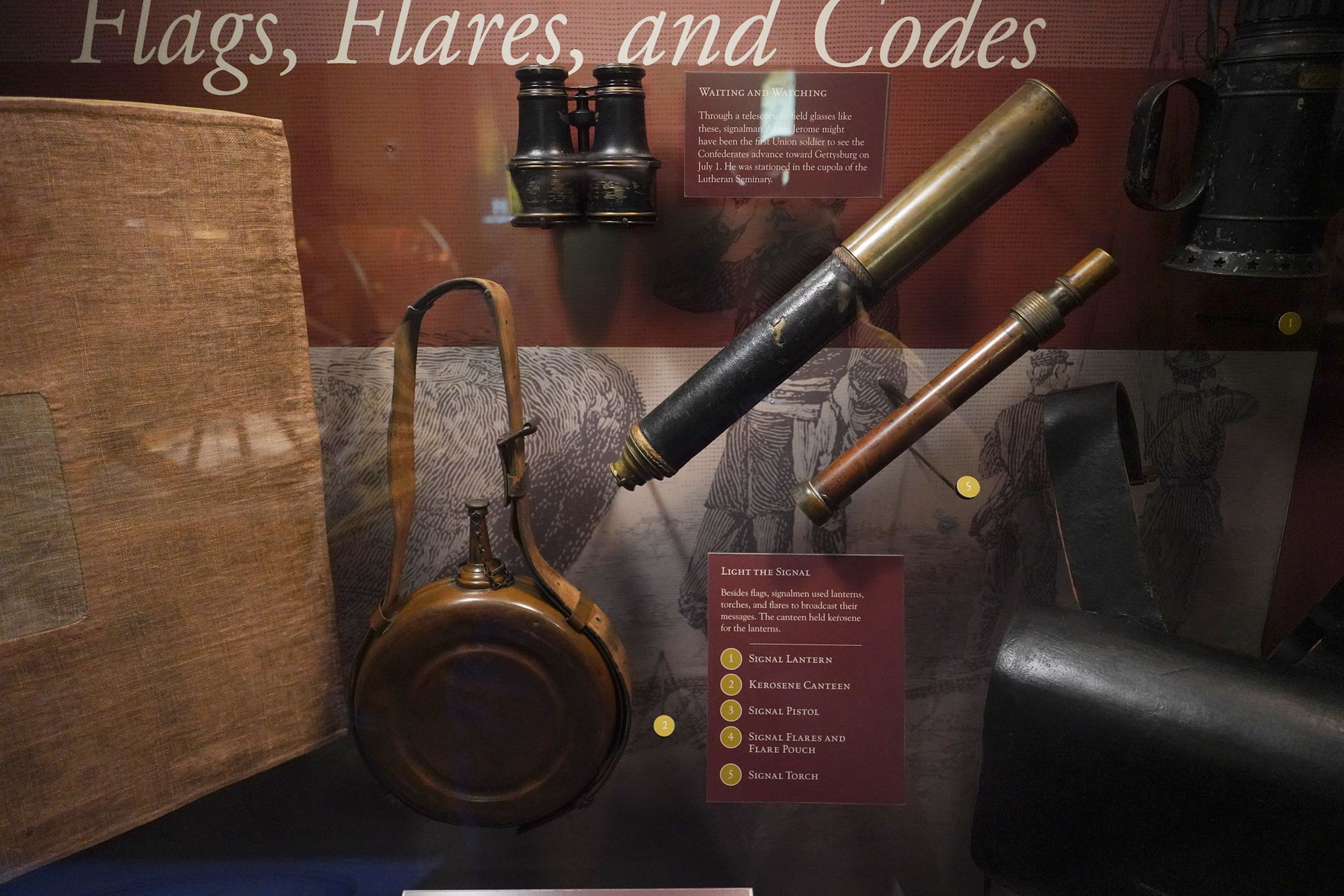
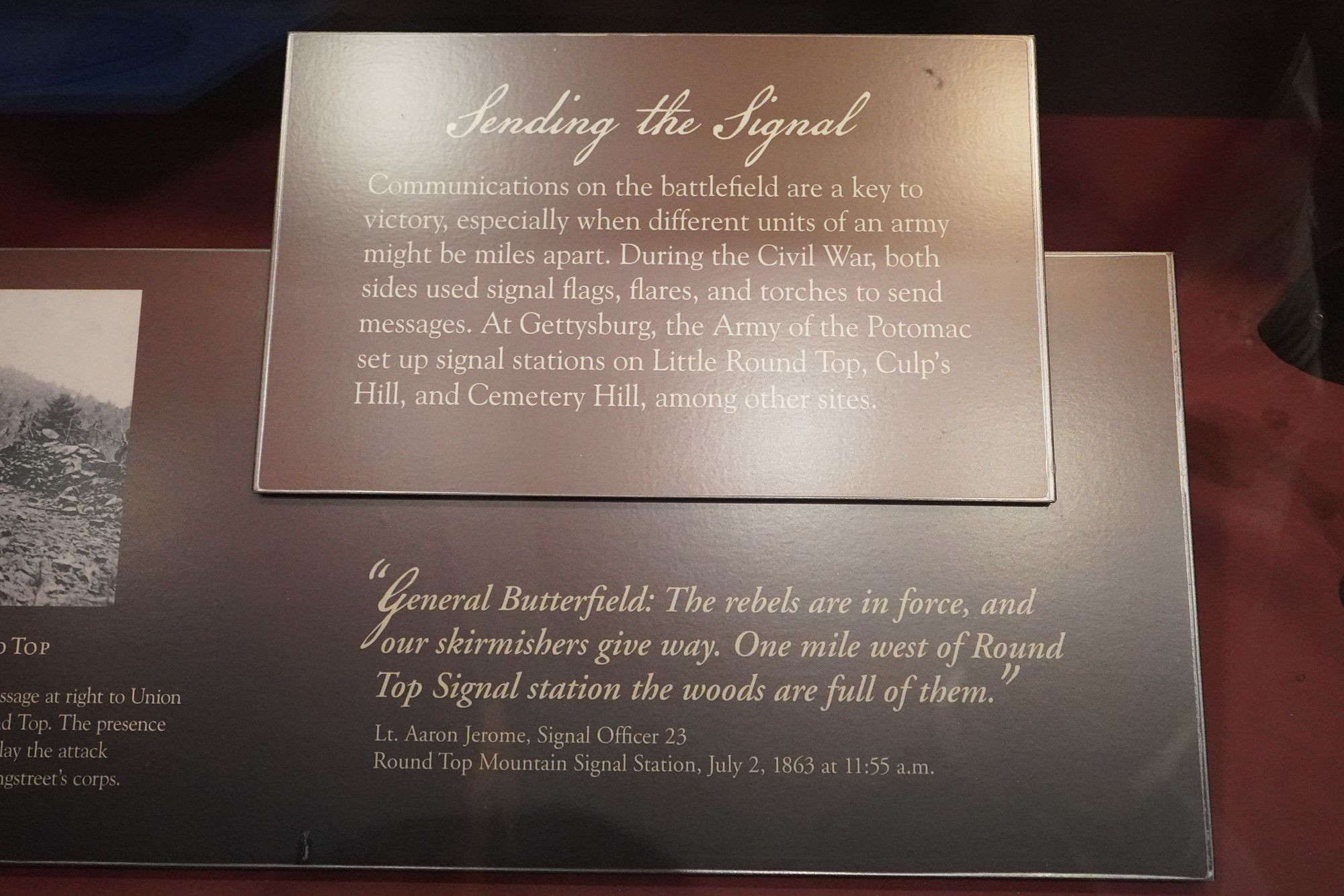
Because Sickles moved his men forward, Little Round Top sat undefended, and it took a frantic climb by Union soldiers to seize the crest just moments ahead of the Confederates.
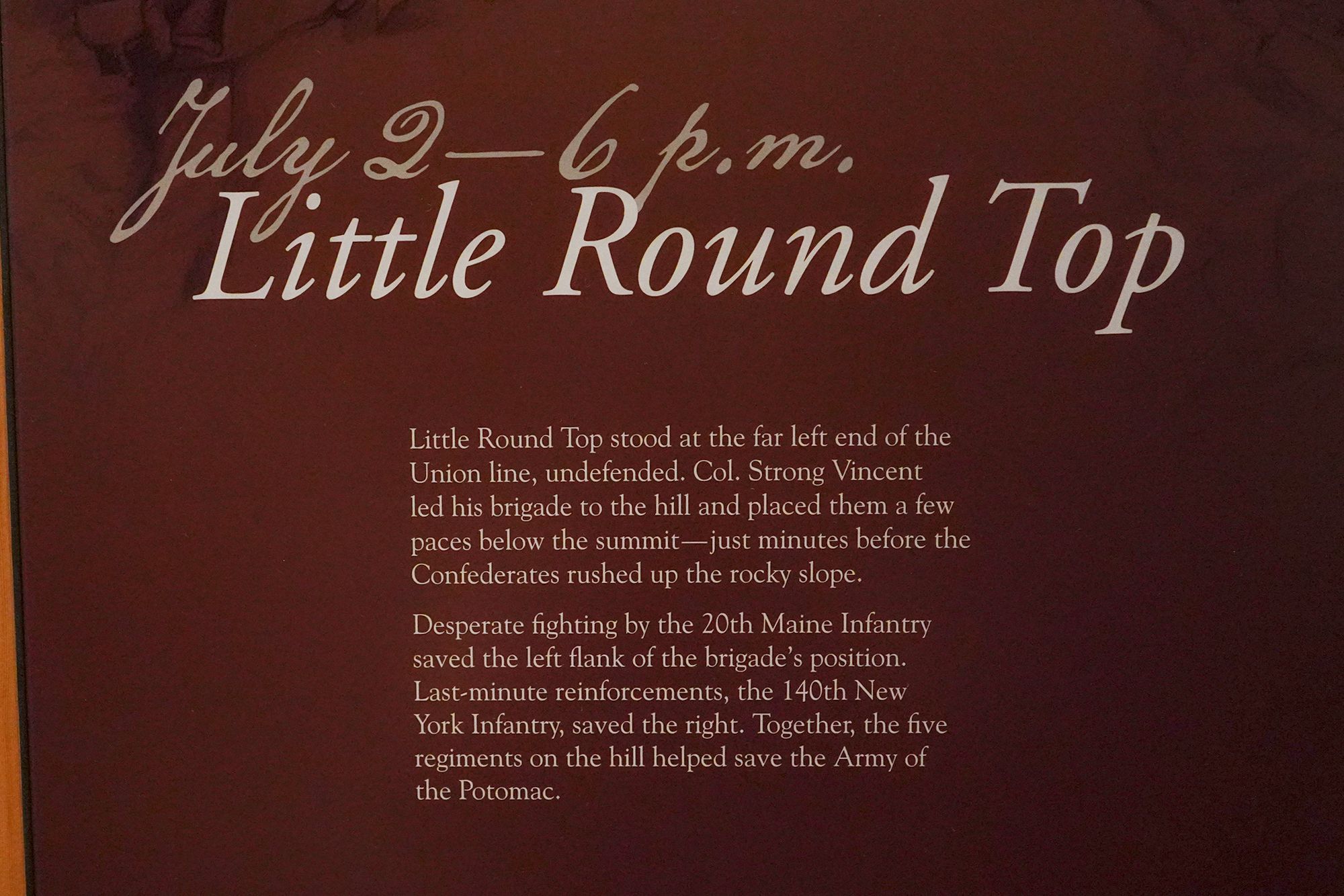
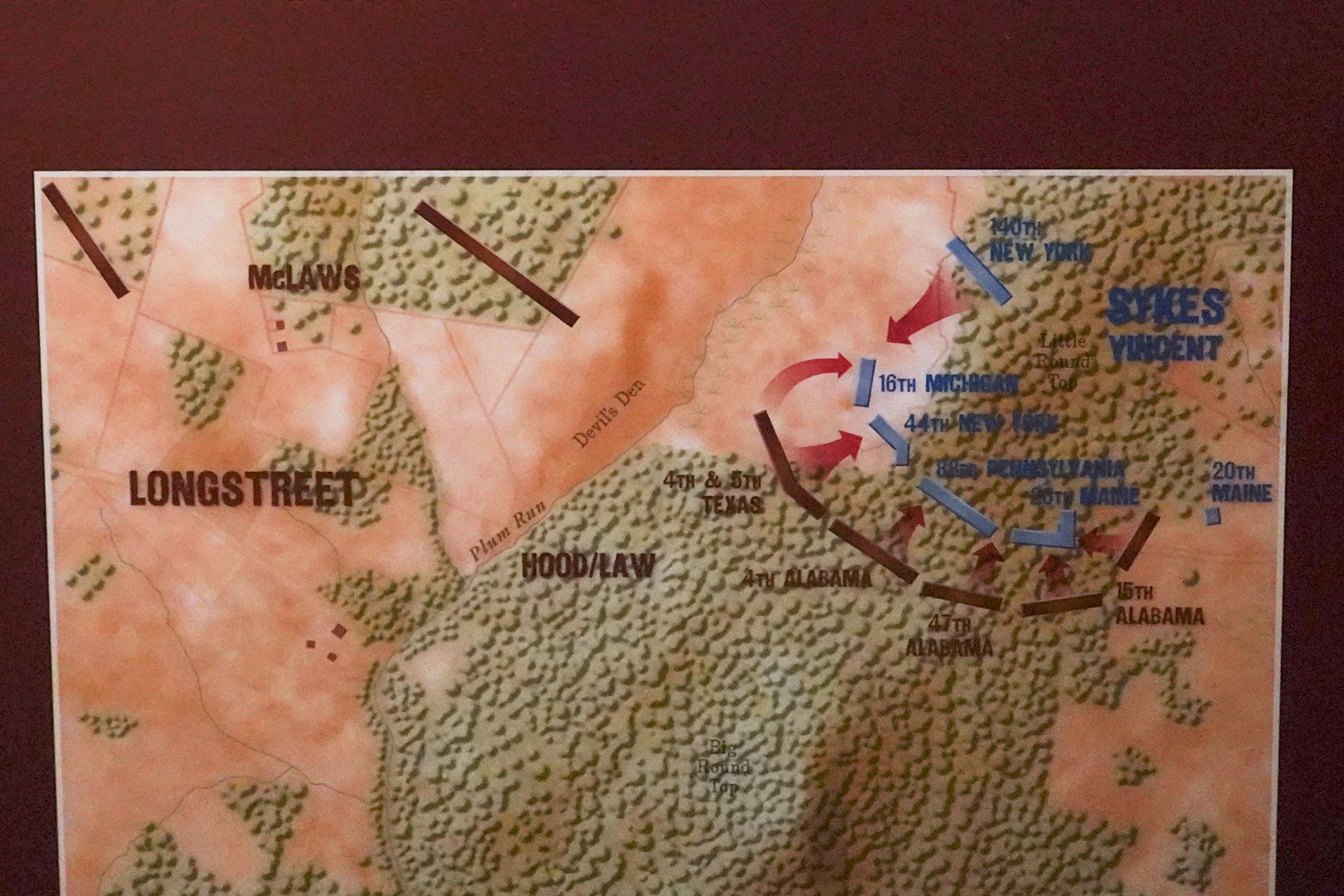
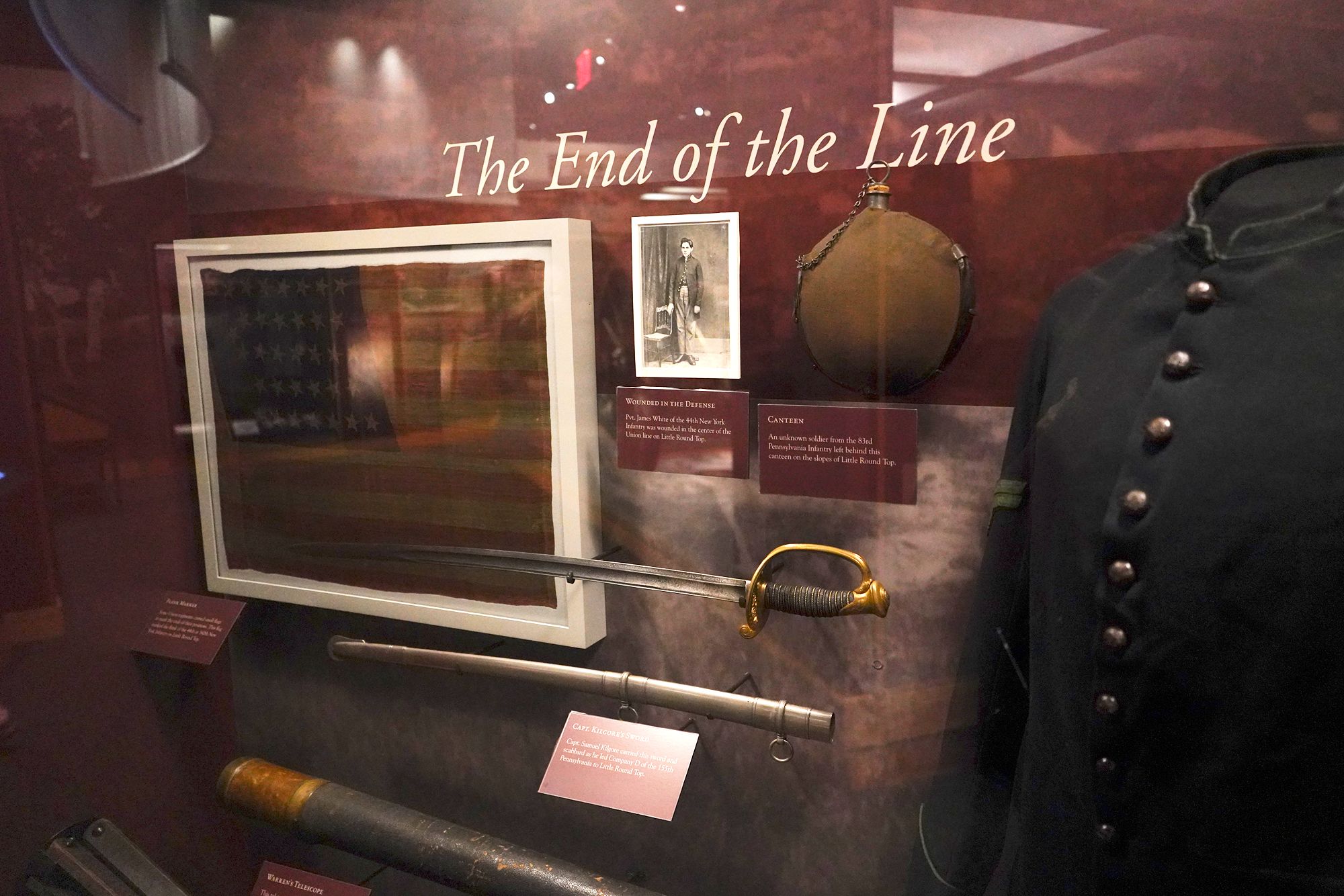
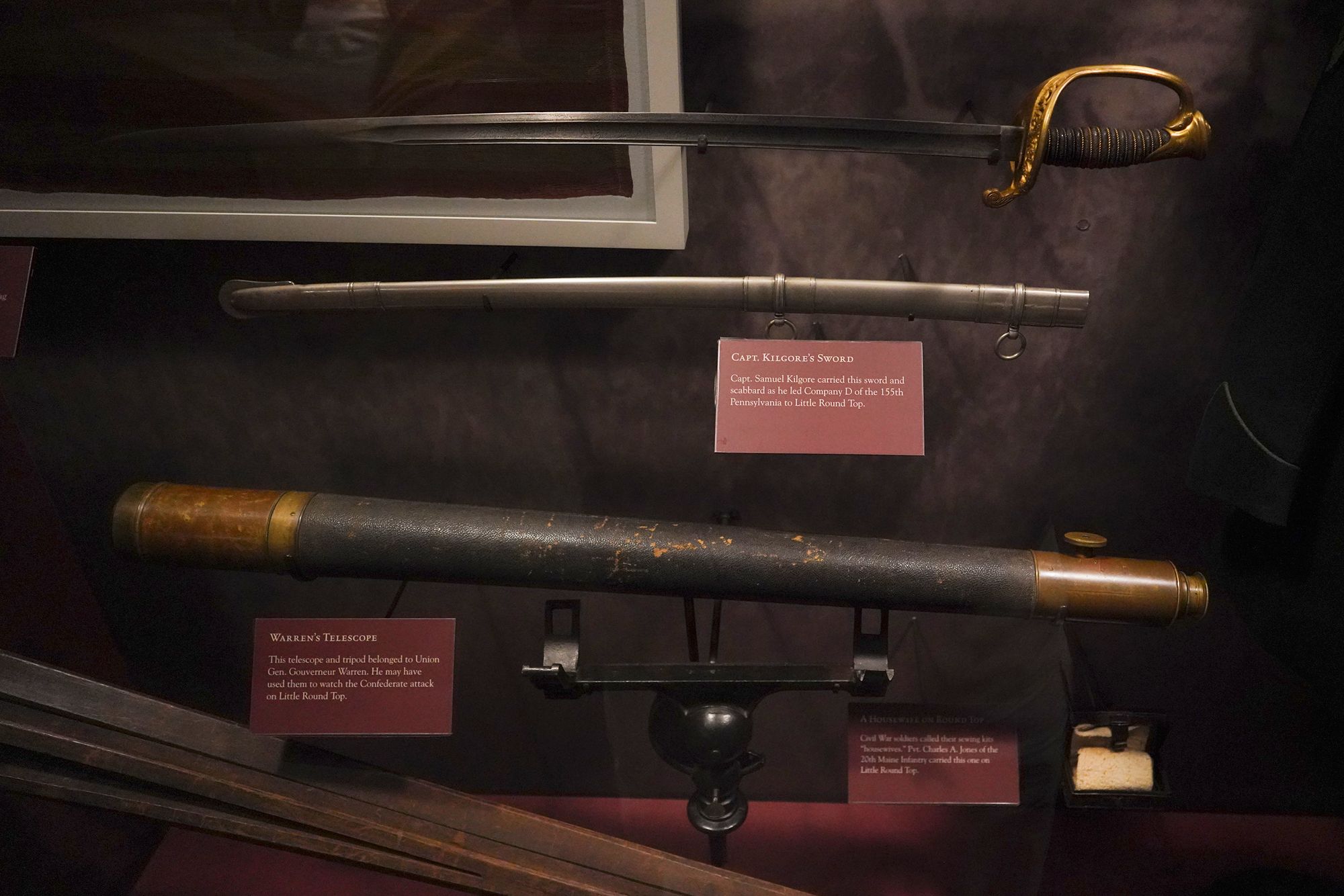
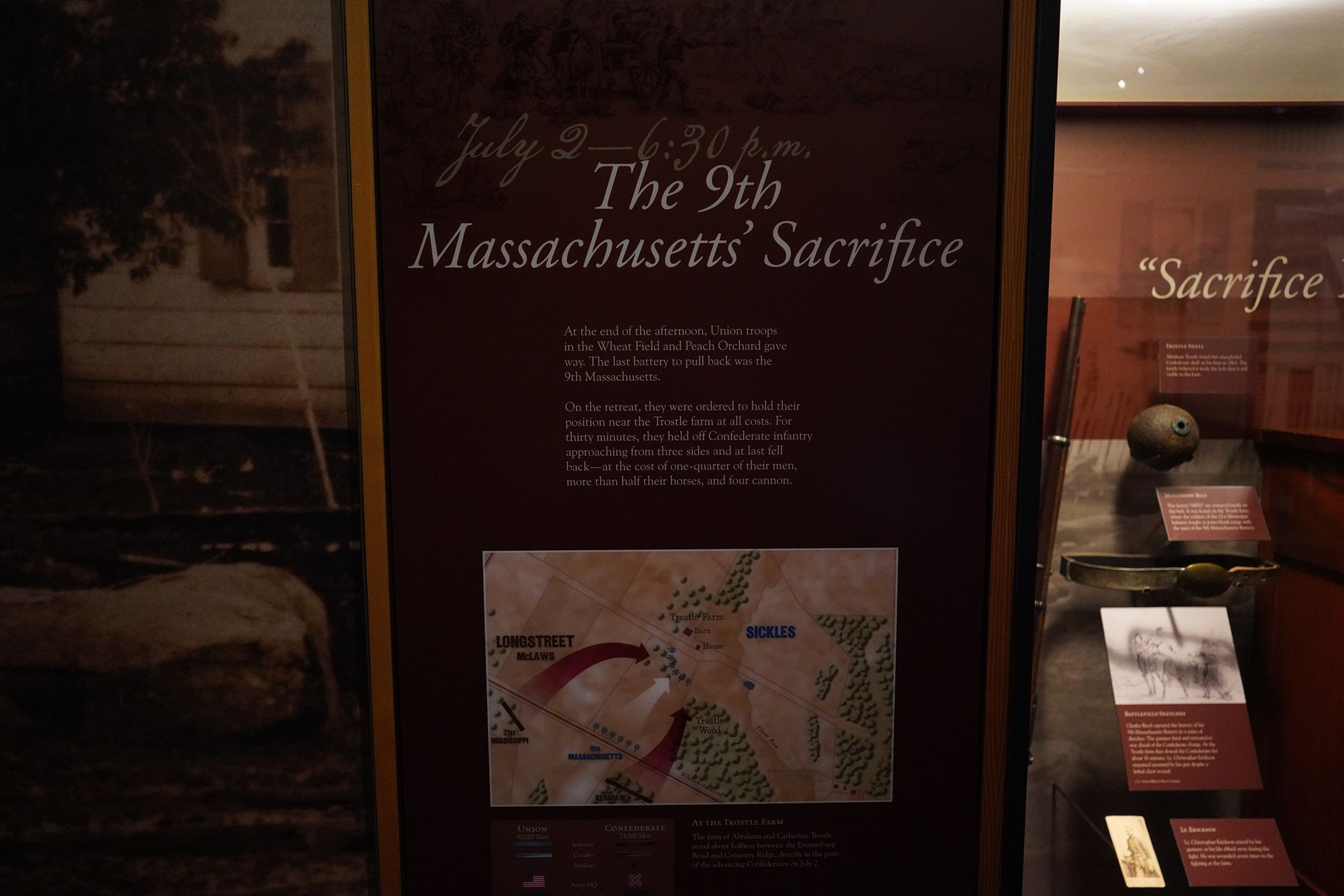
The Union troops (Northern troops) in the Wheatfield and Peach Orchard broke under the assault and were forced to retreat.
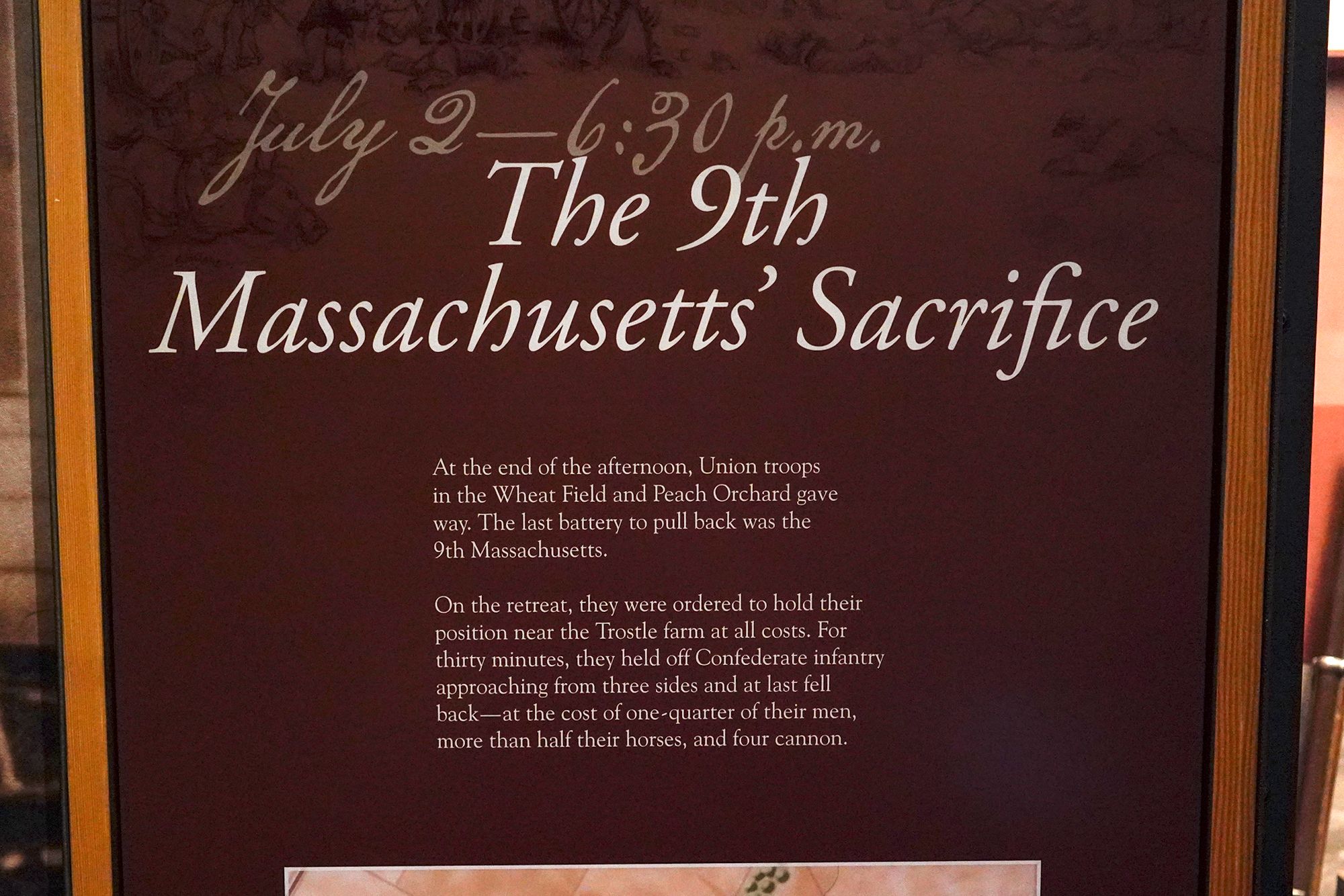
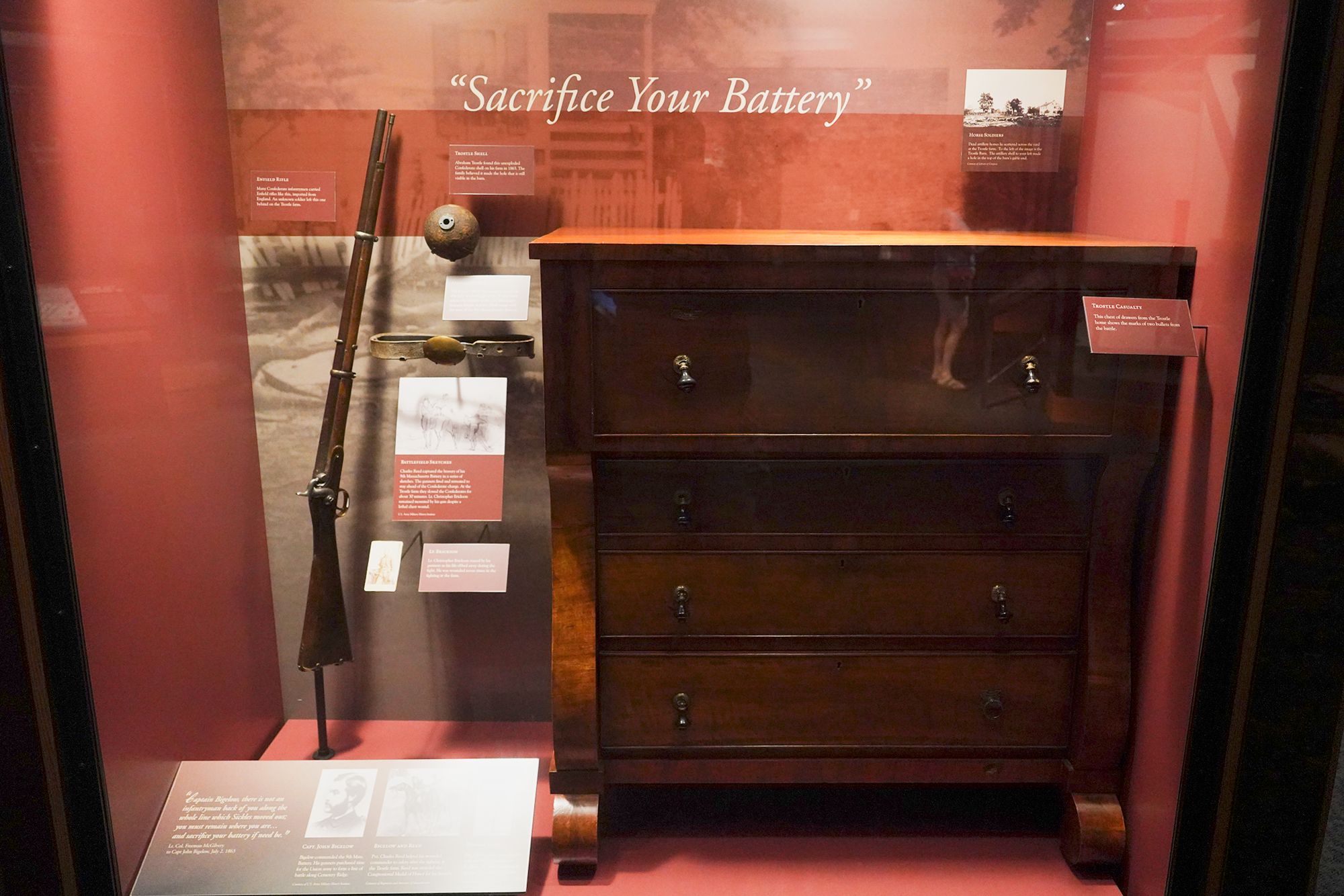
As evening fell on July 2, Cemetery Ridge stood as the backbone of the Union line — battered, thinned, but unbroken. After a day of chaos on the left flank, Confederate forces launched a final push toward the ridge, hoping to crack the center and collapse the Union position.
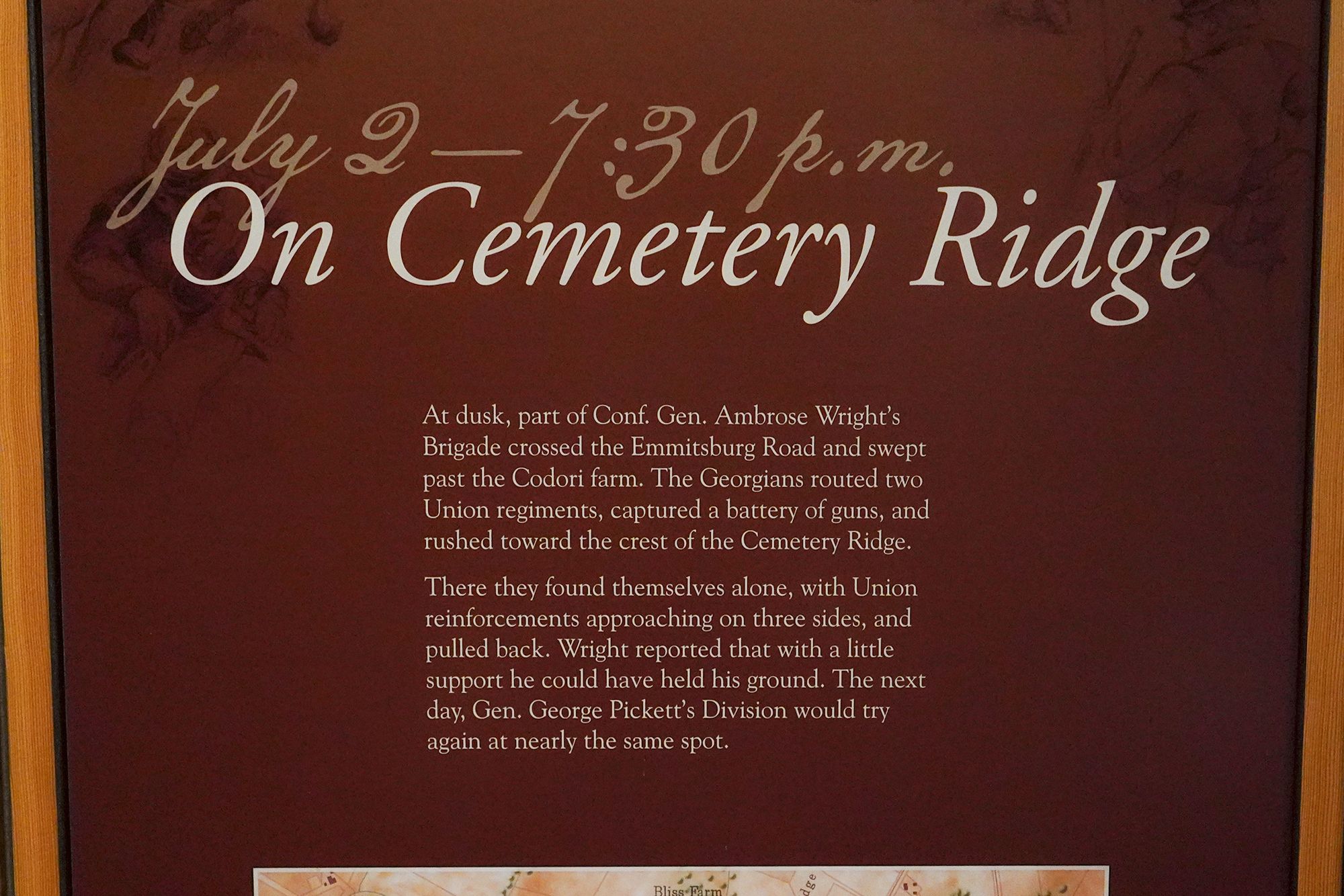
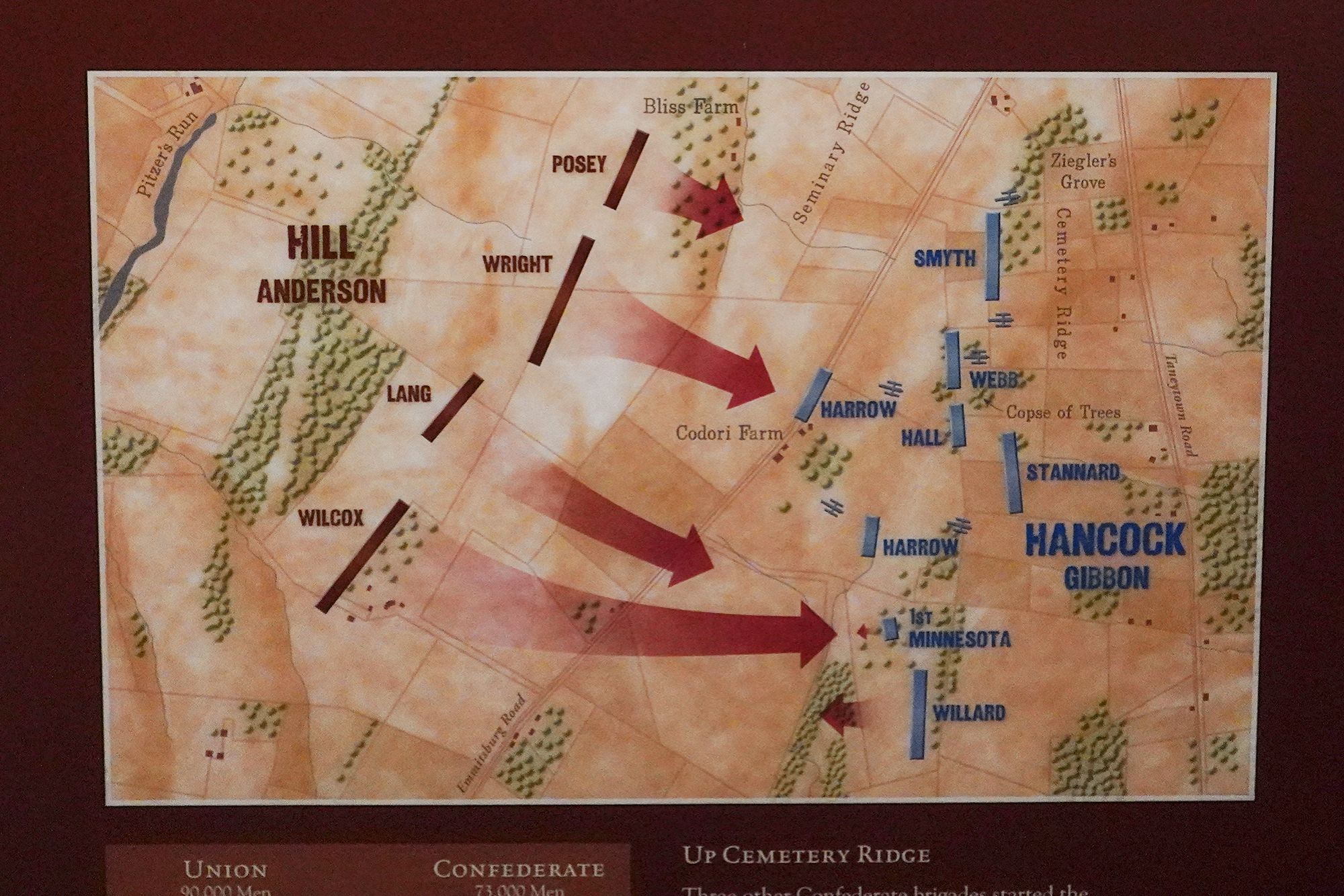
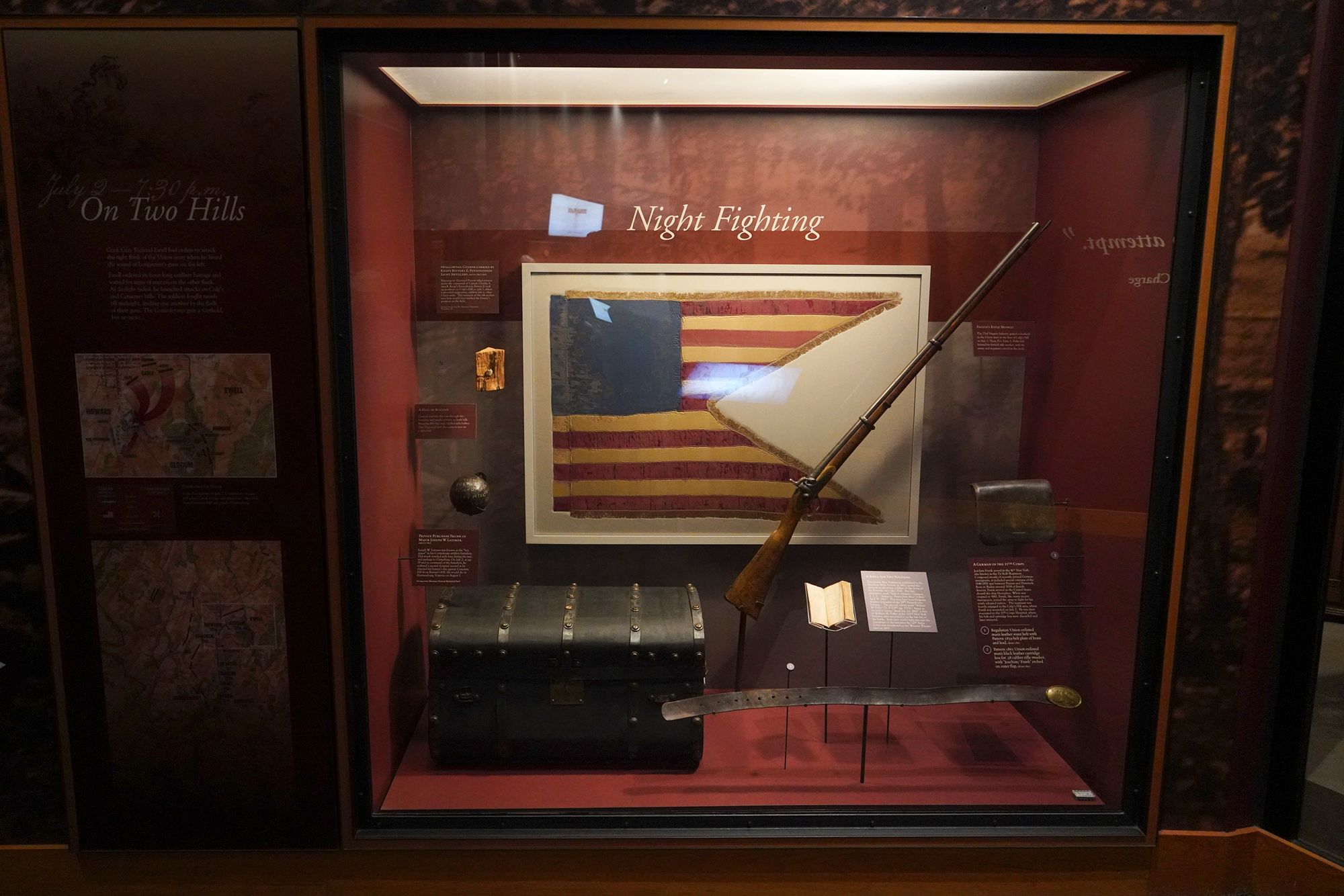
In the fading light, Union reinforcements rushed forward, meeting the assault with desperate musket volleys and hand-to-hand fighting. When darkness finally settled, the Ridge still held. The line bent, scarred and bloodstained, but it did not break — and that endurance set the stage for the climactic third day at Gettysburg.
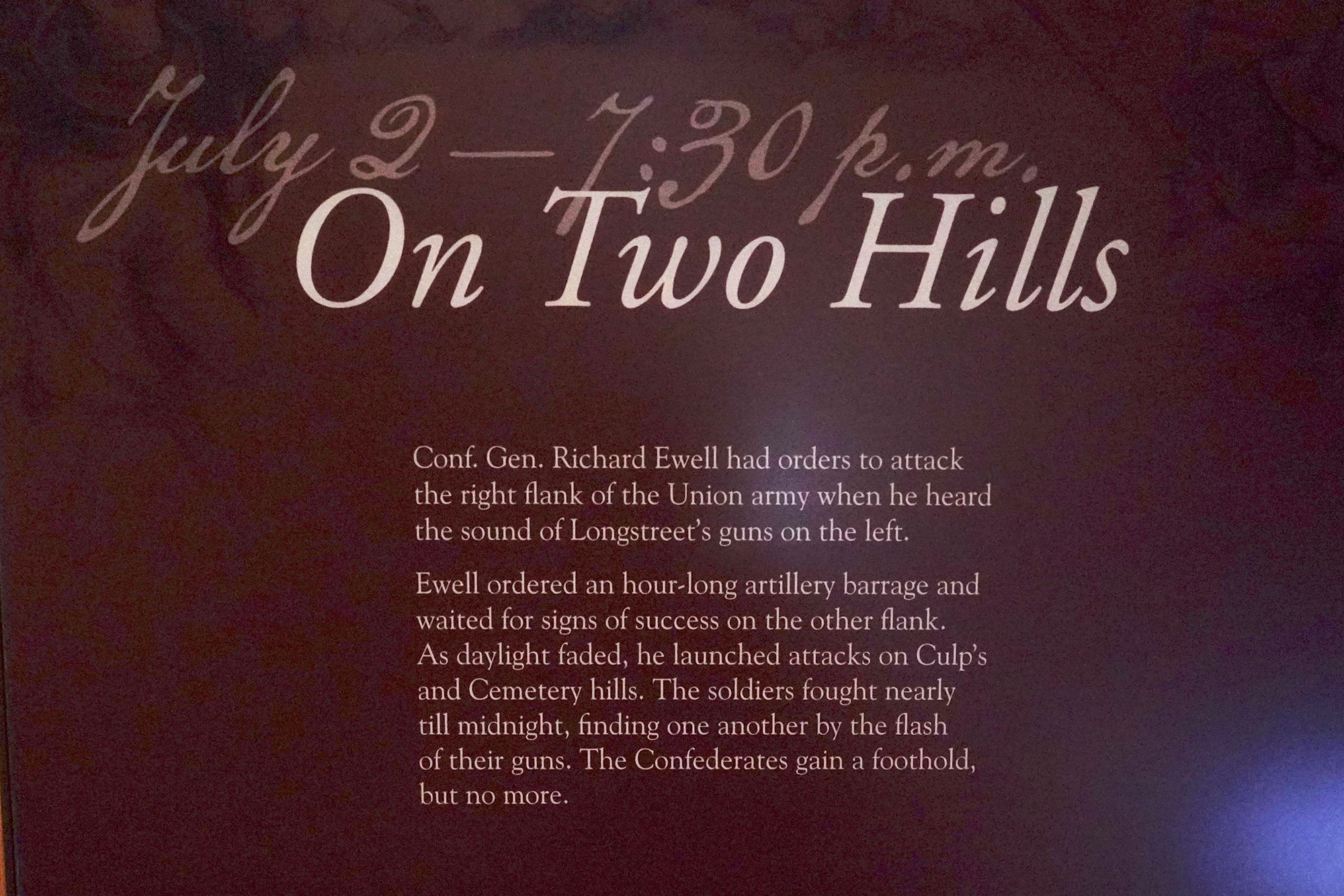
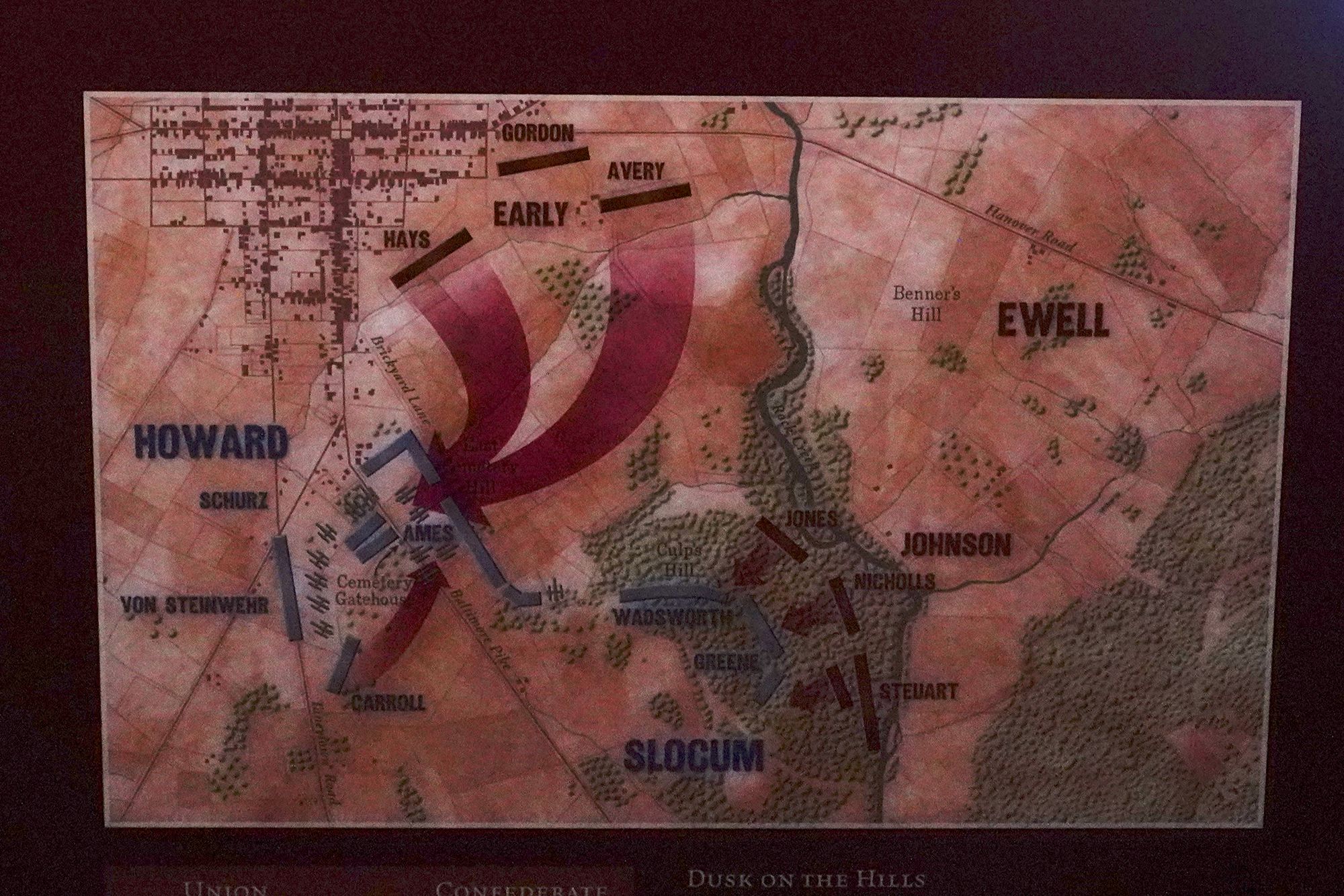
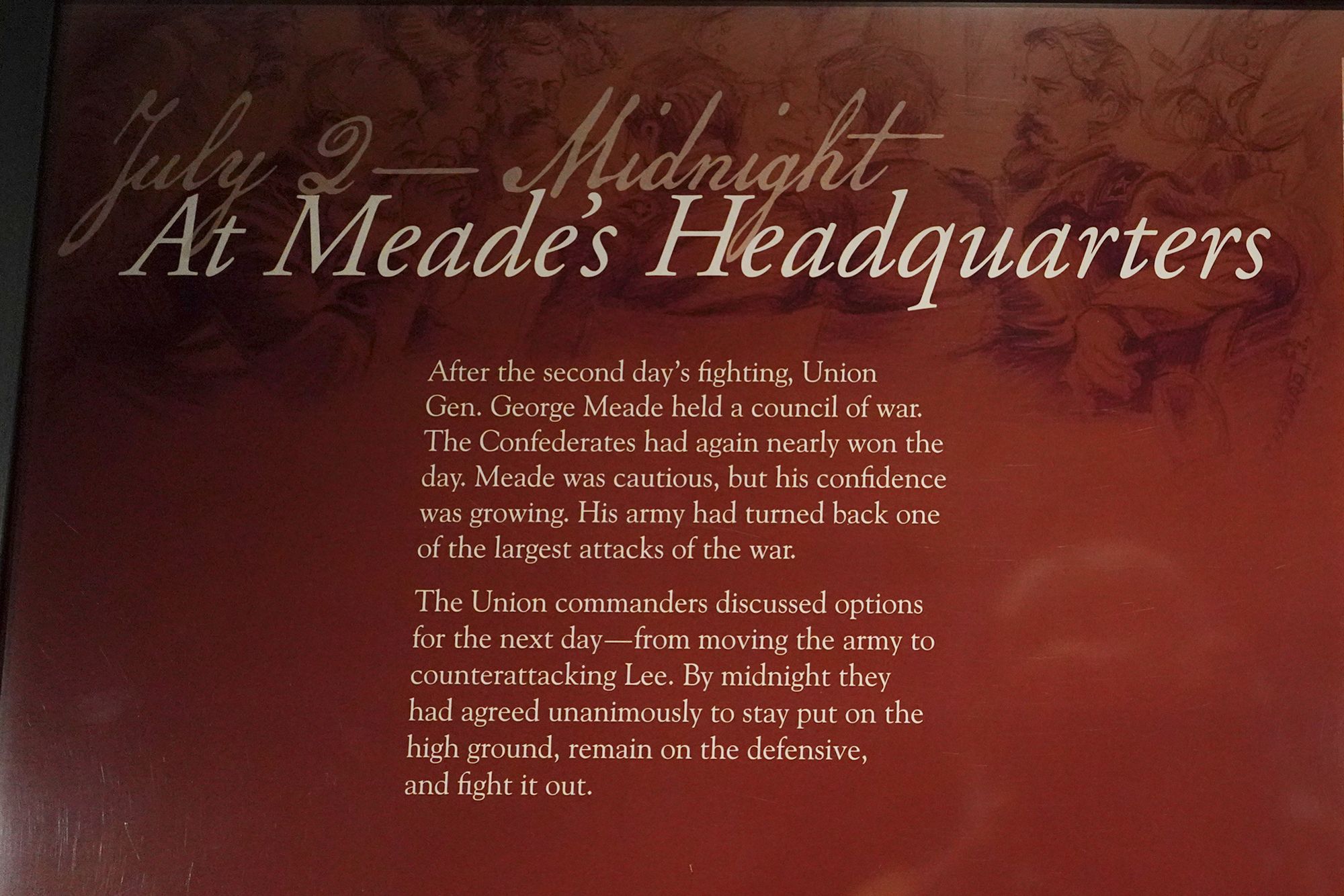
At the end of the second day, General George Meade held a council of war, where commanders agreed to hold their ground on the heights and remain on the defensive.
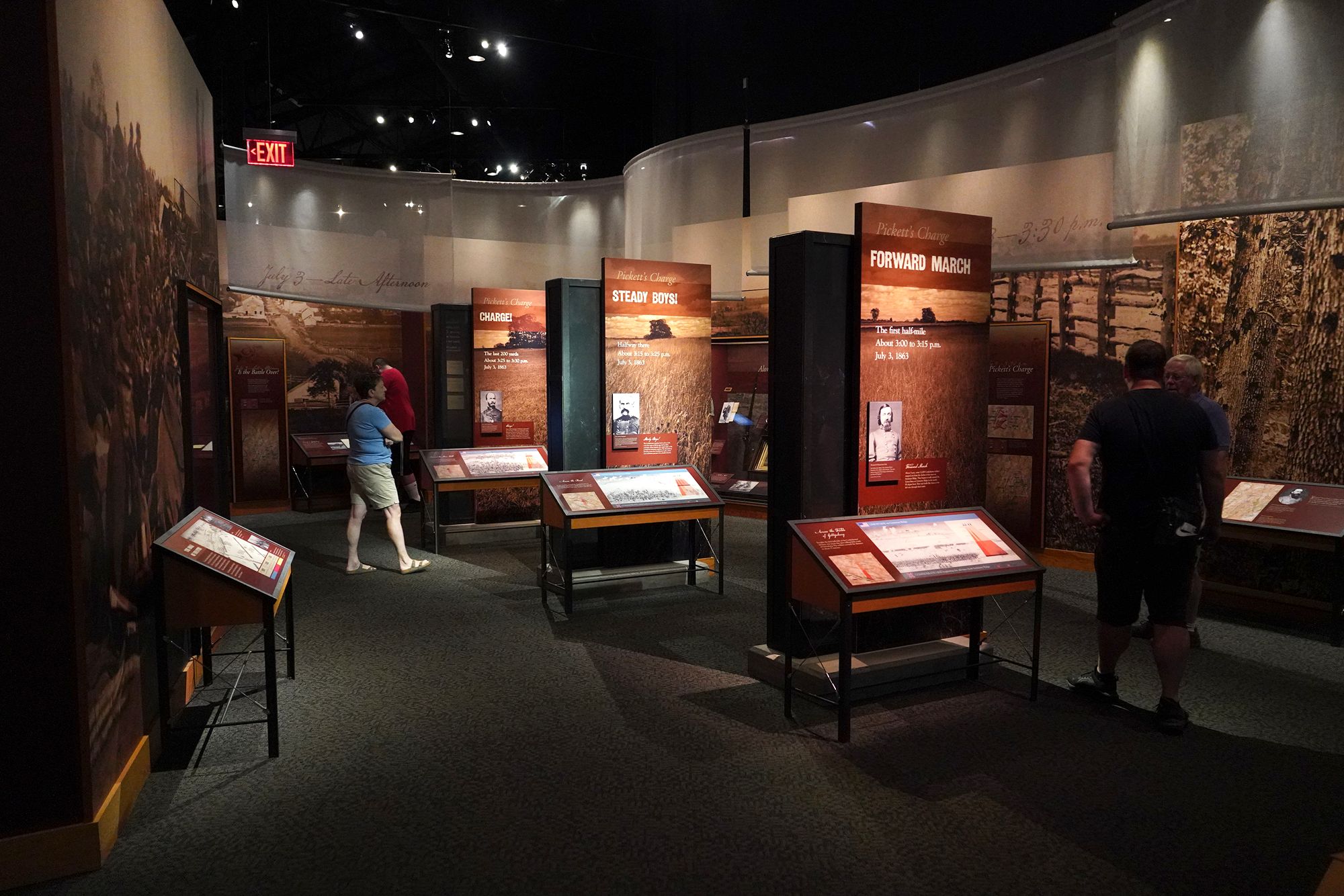
On the third day - the Pickett's Charge
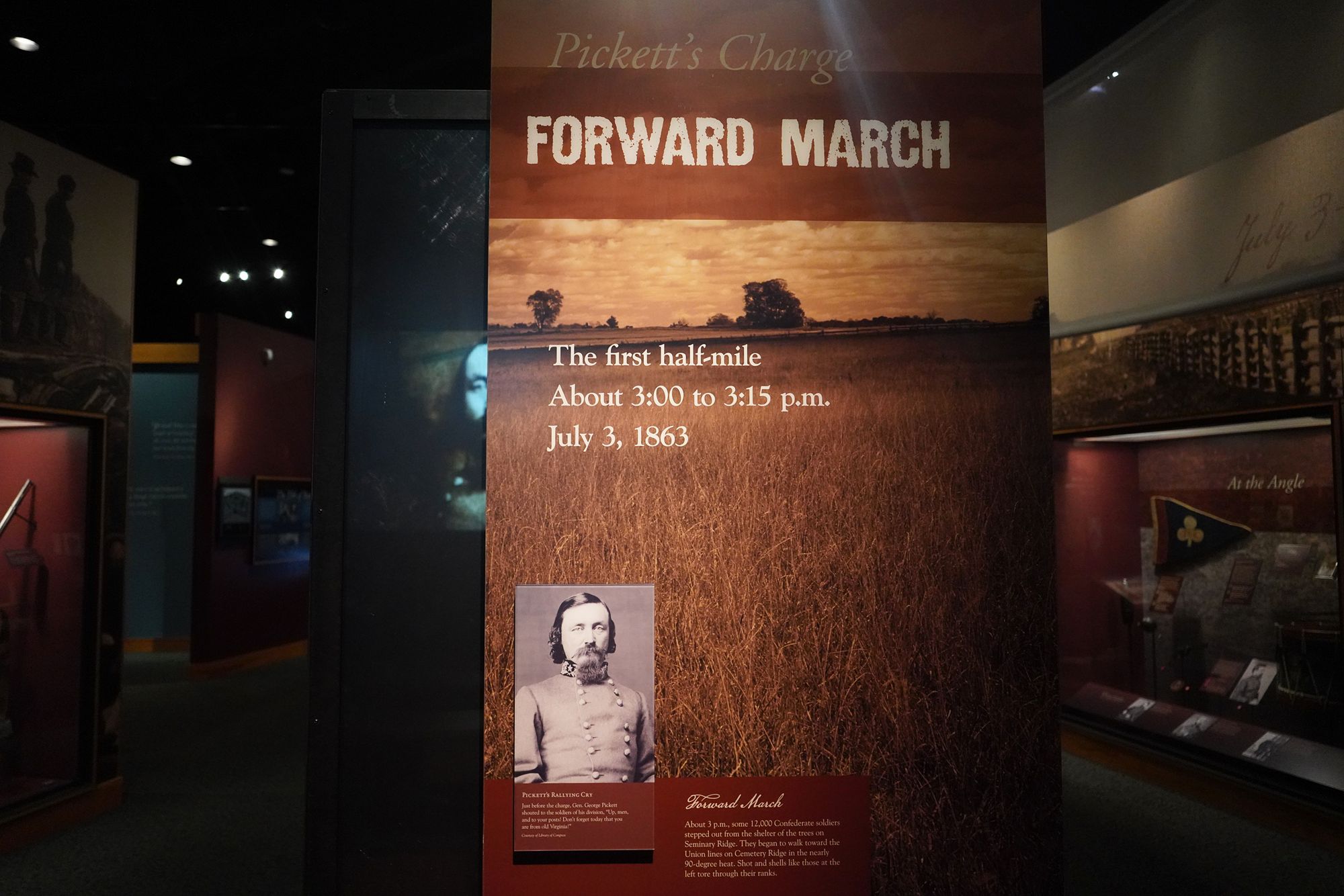
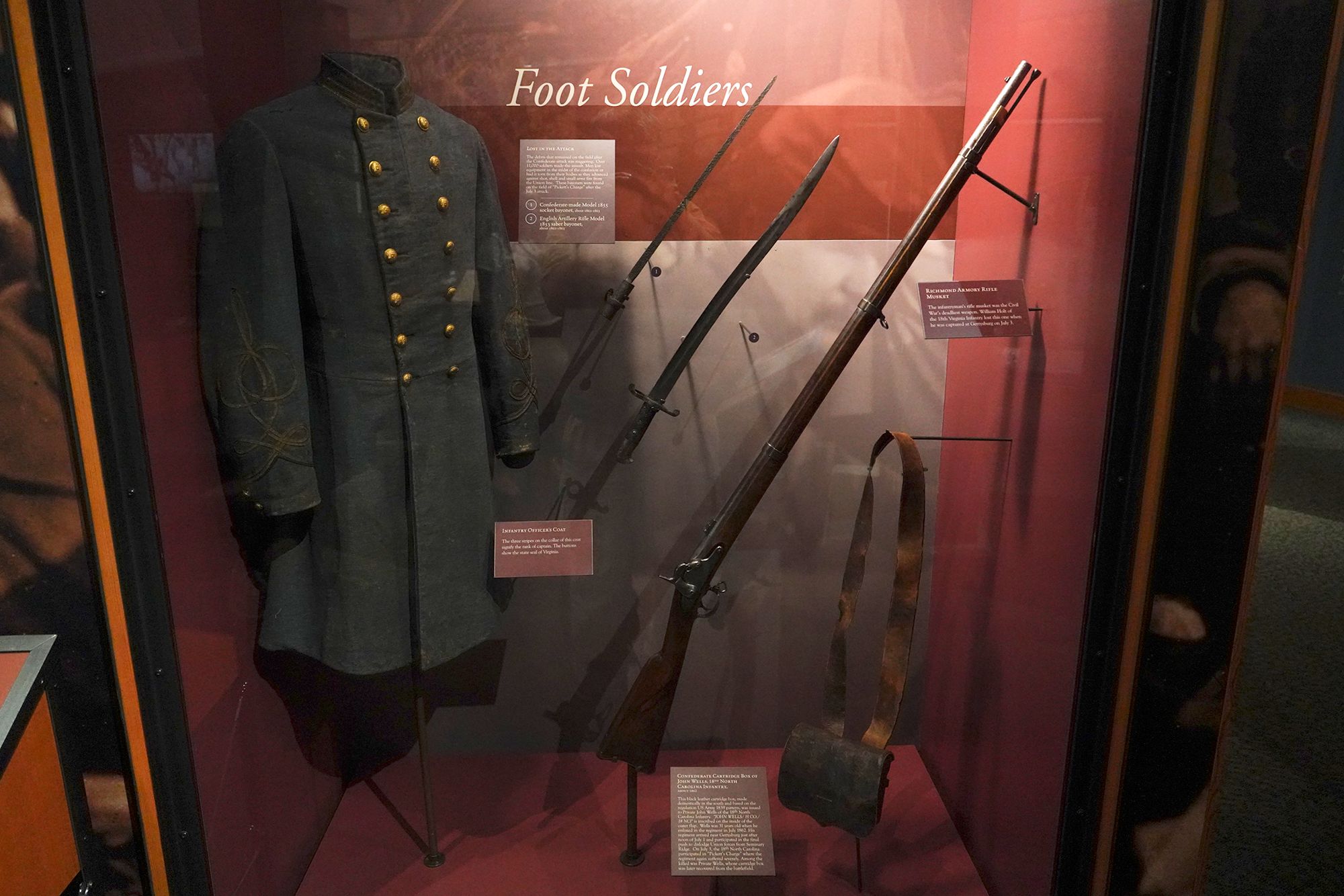
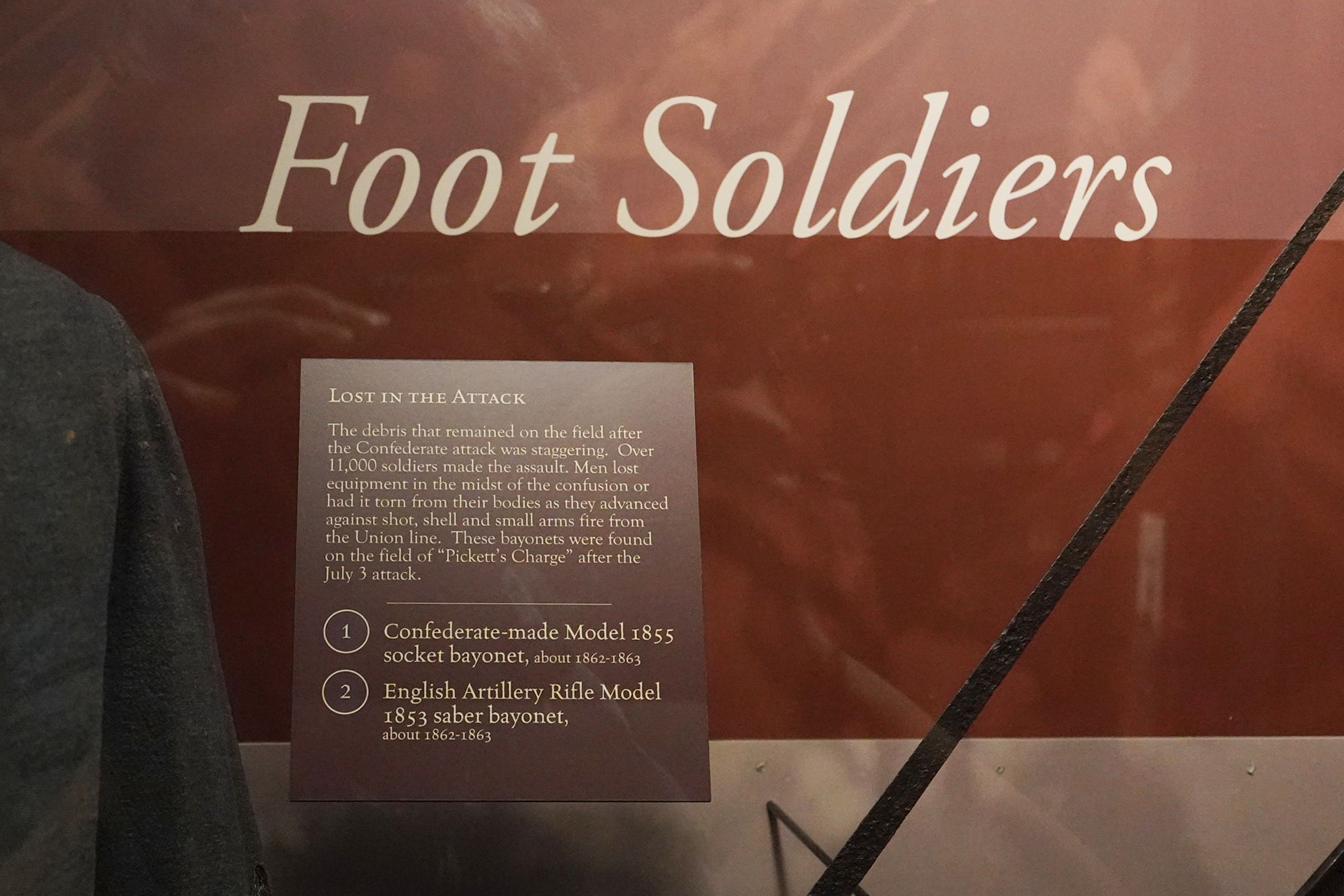
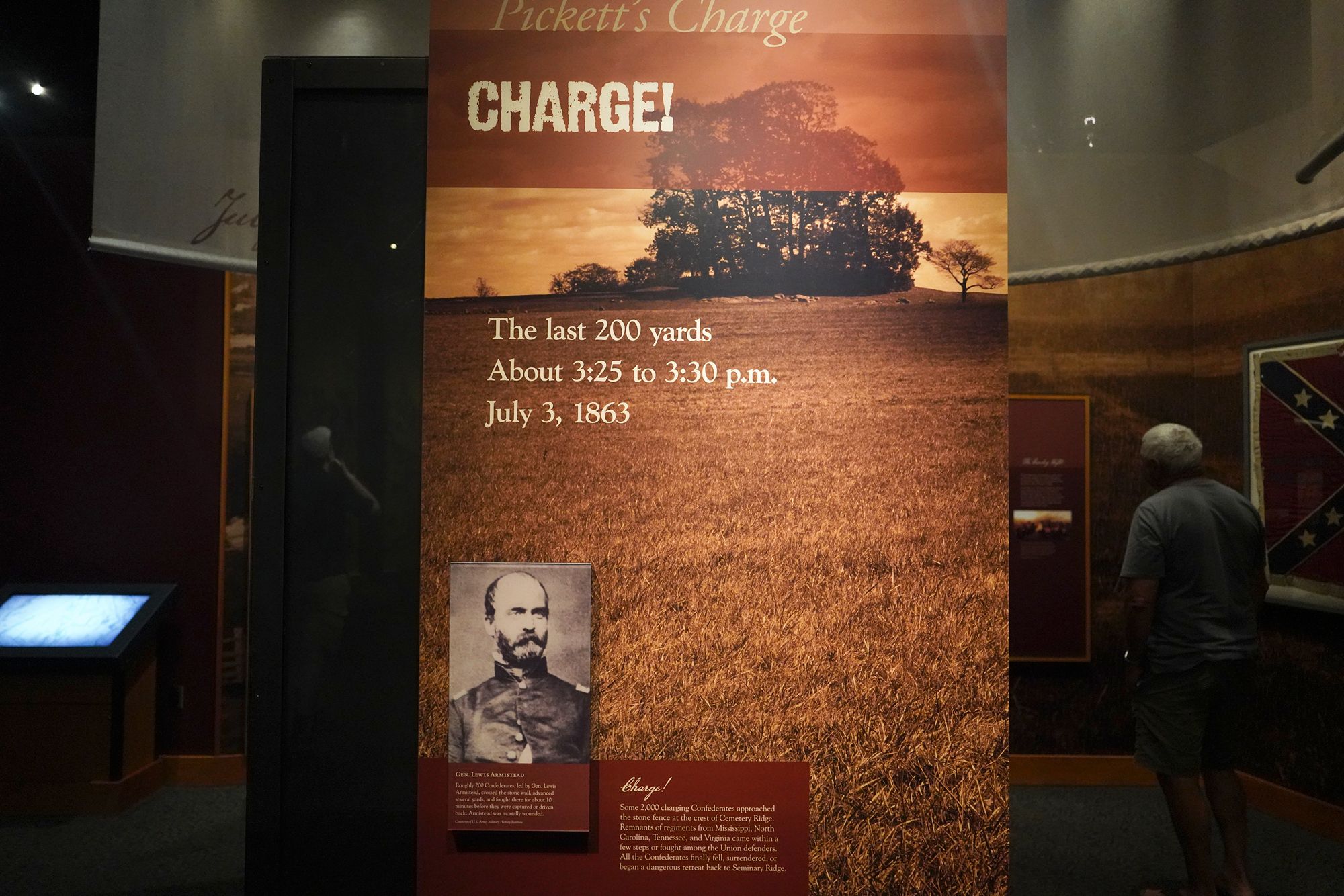
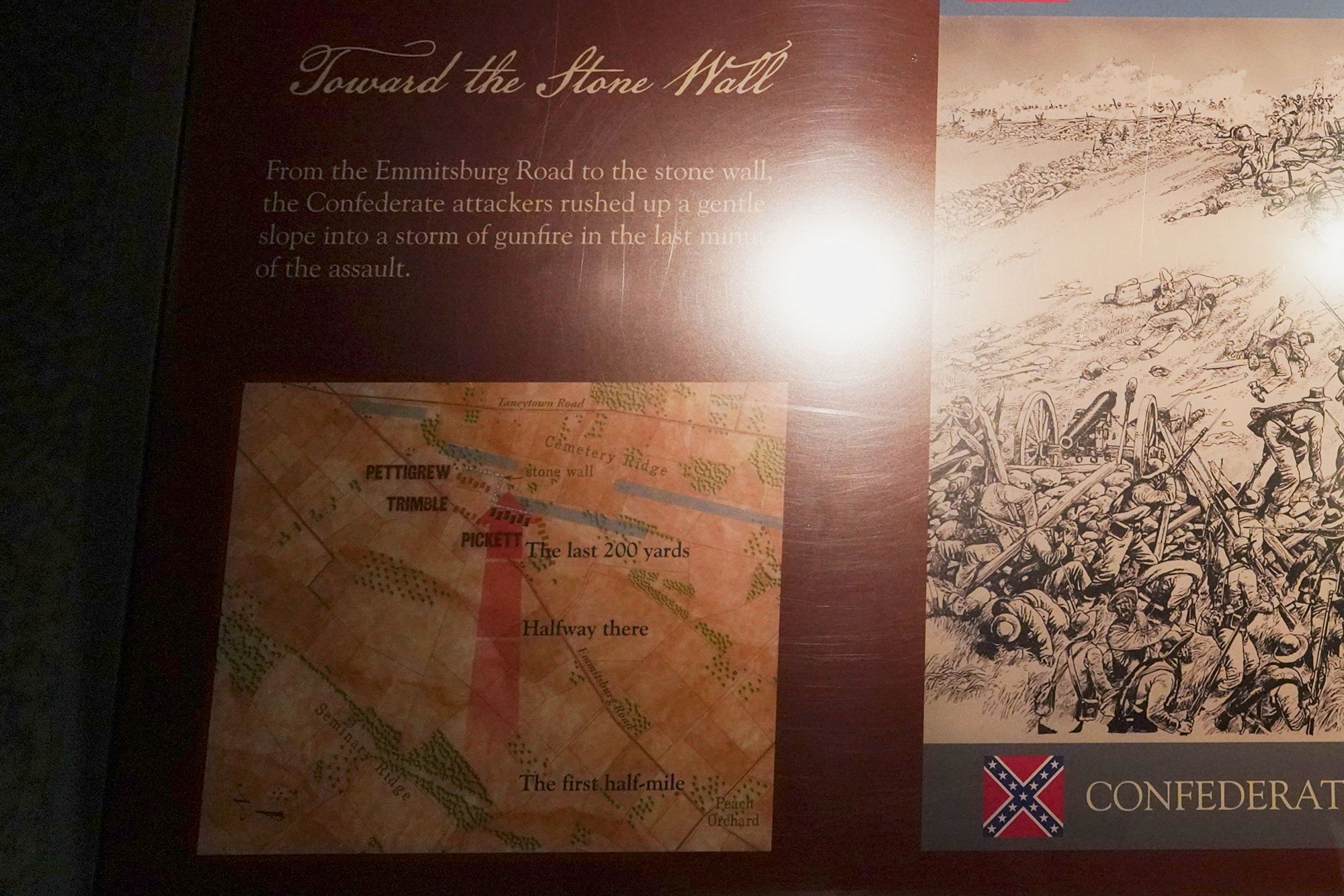
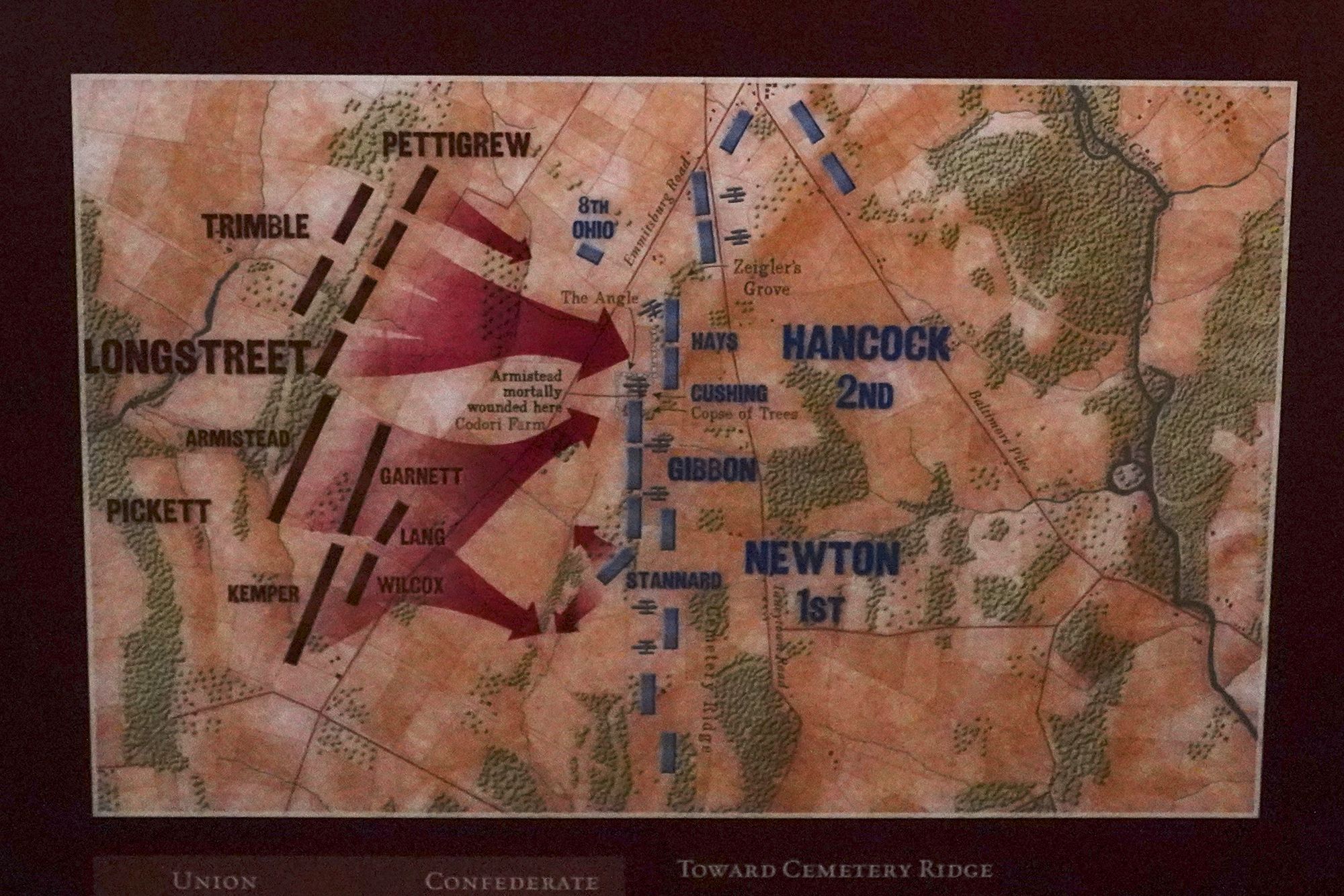
Pickett’s Charge was a massive infantry assault ordered by Robert E. Lee on July 3, 1863. It involved about 10,500–13,000 Confederate soldiers advancing over open fields toward the center of the Union lines on Cemetery Ridge.
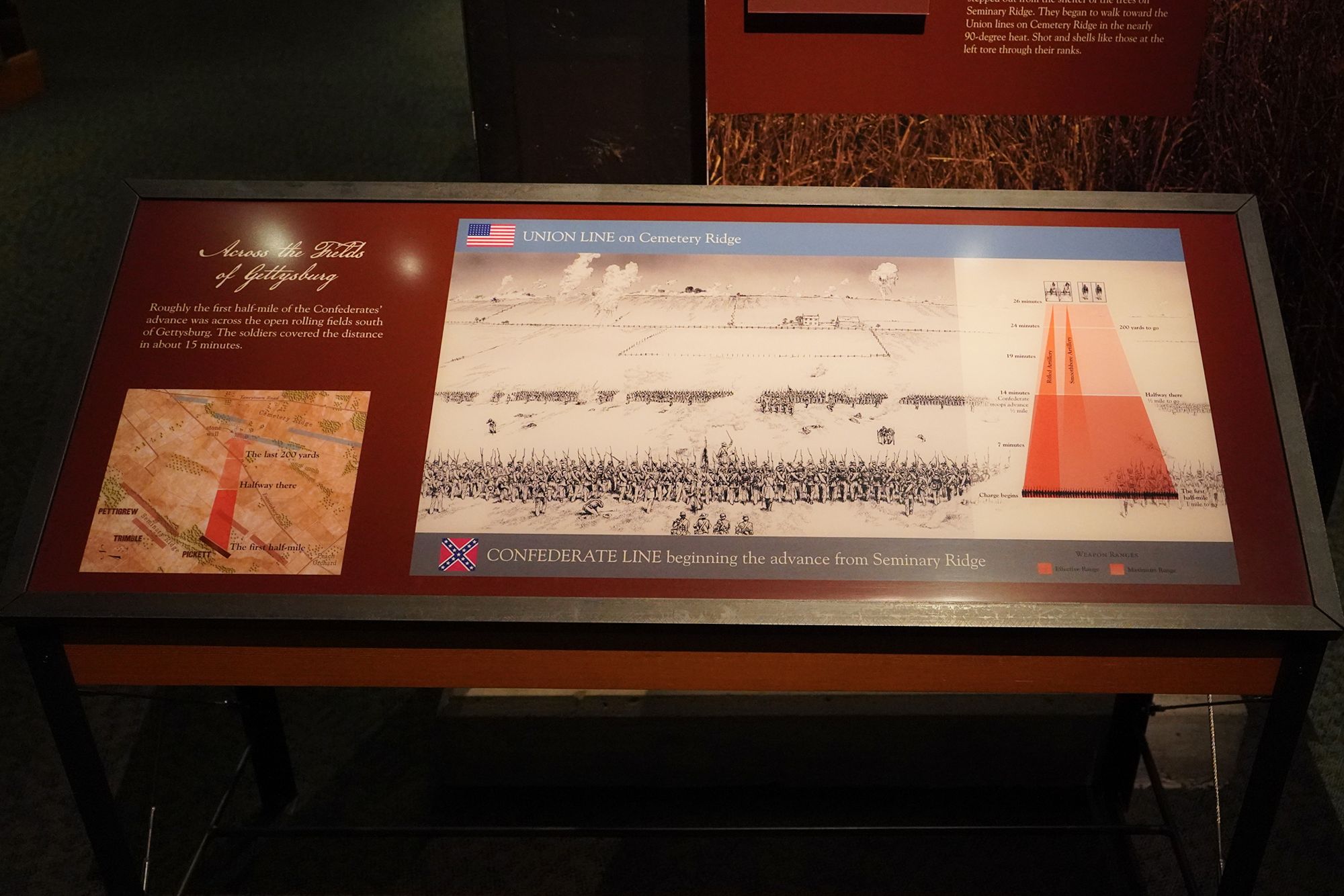
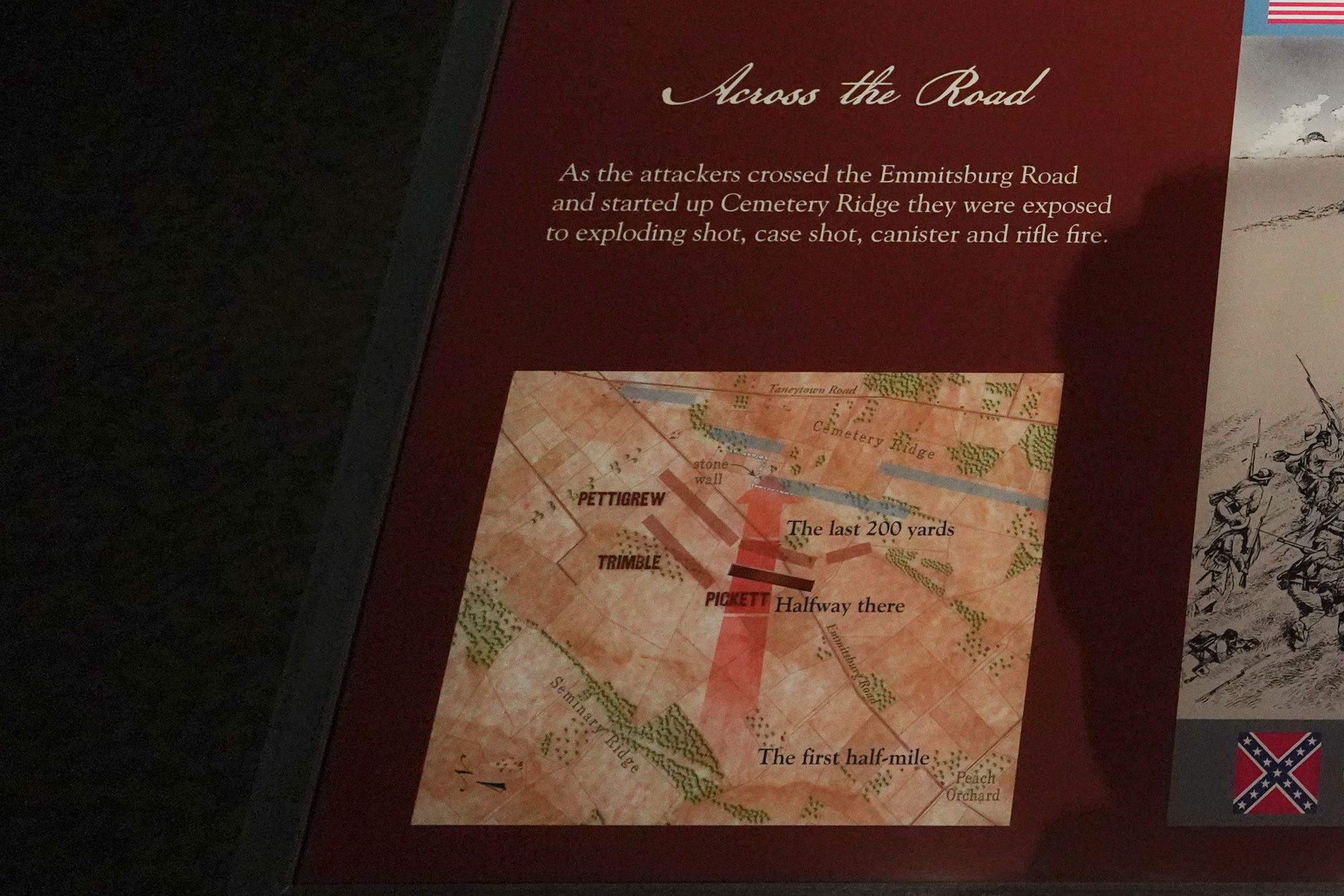
The charge was named after George E. Pickett, whose fresh division (around 5,500 Virginians) helped lead the assault. Two additional divisions under J. Johnston Pettigrew and Isaac R. Trimble also participated, despite heavy casualties they had already suffered.
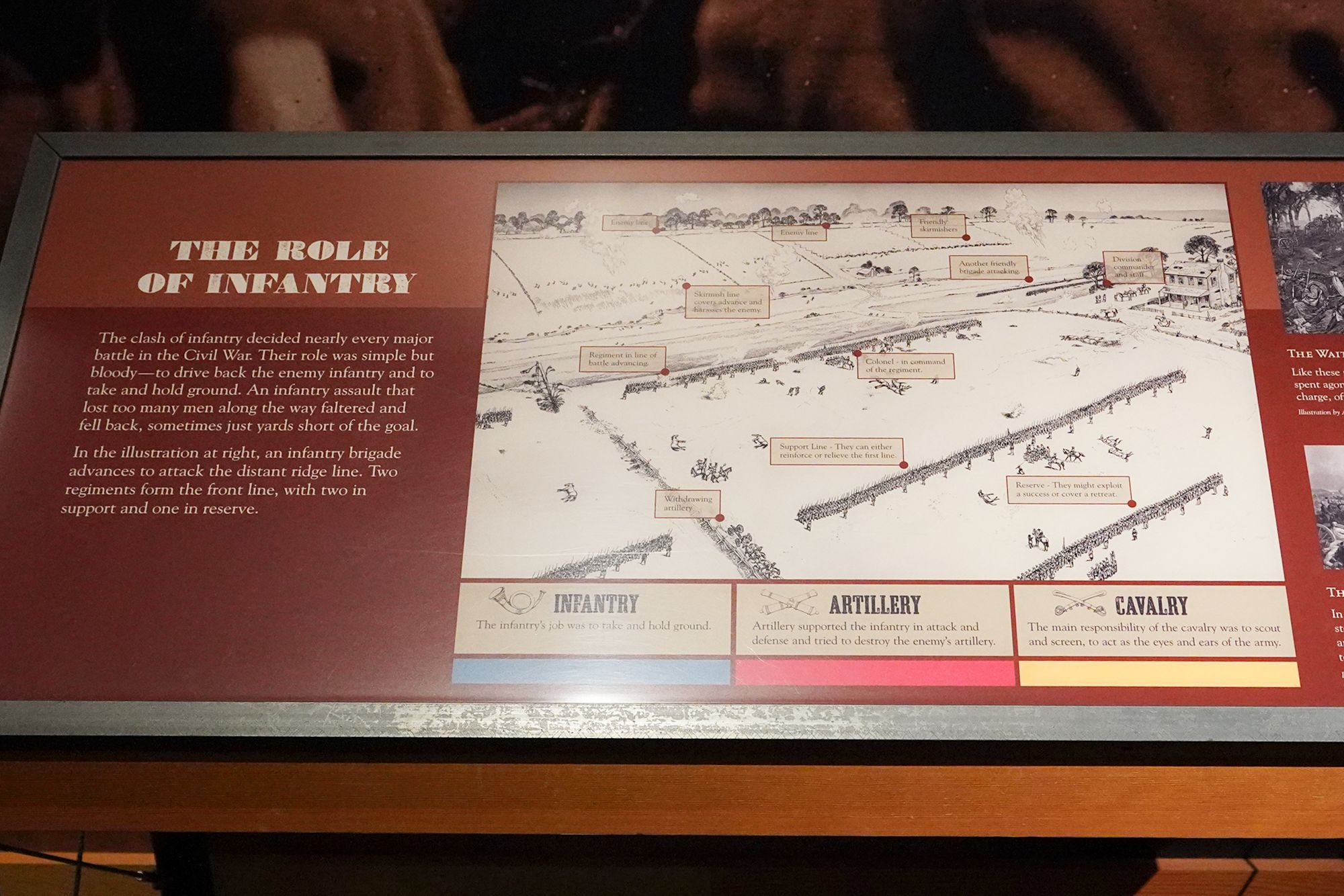
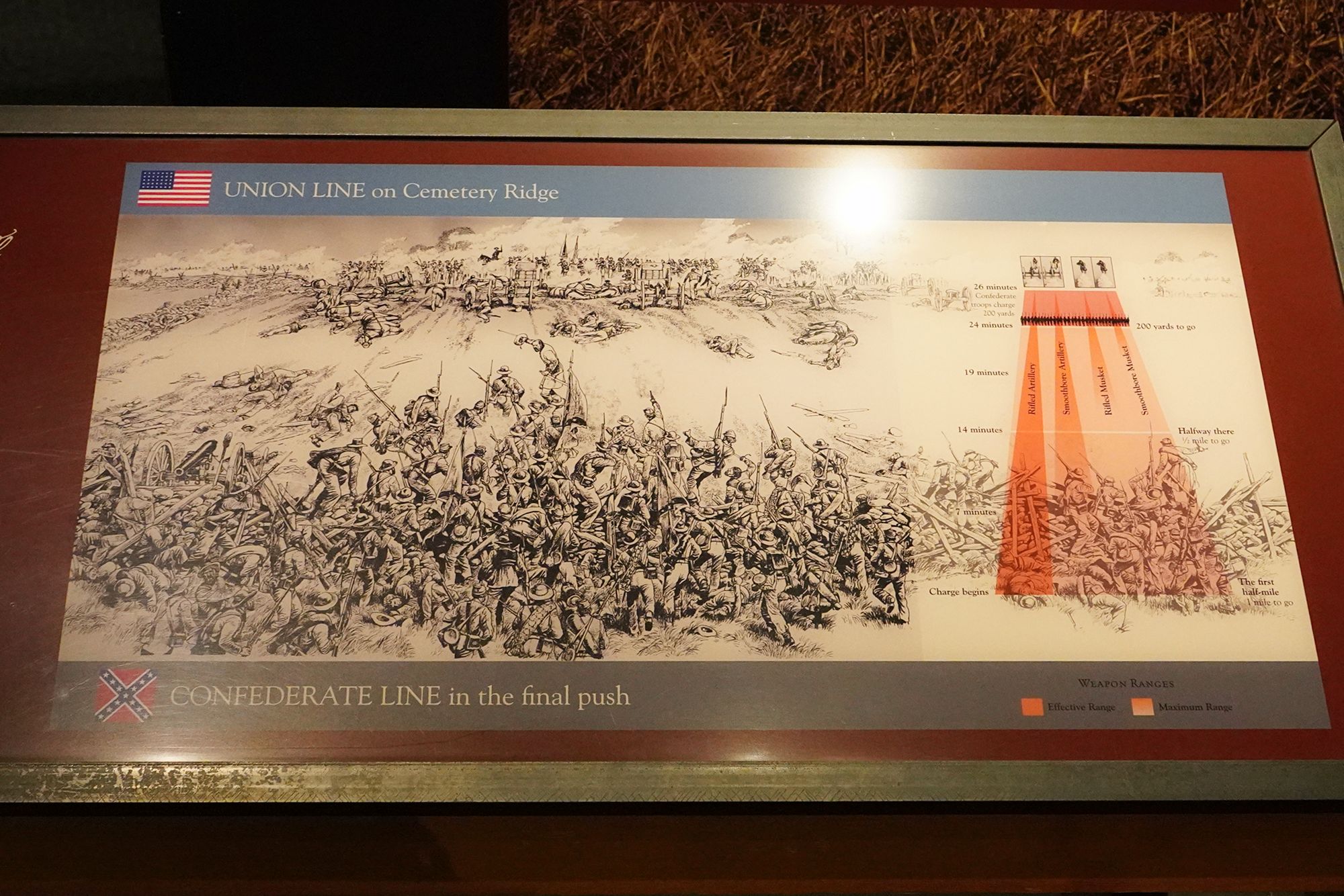
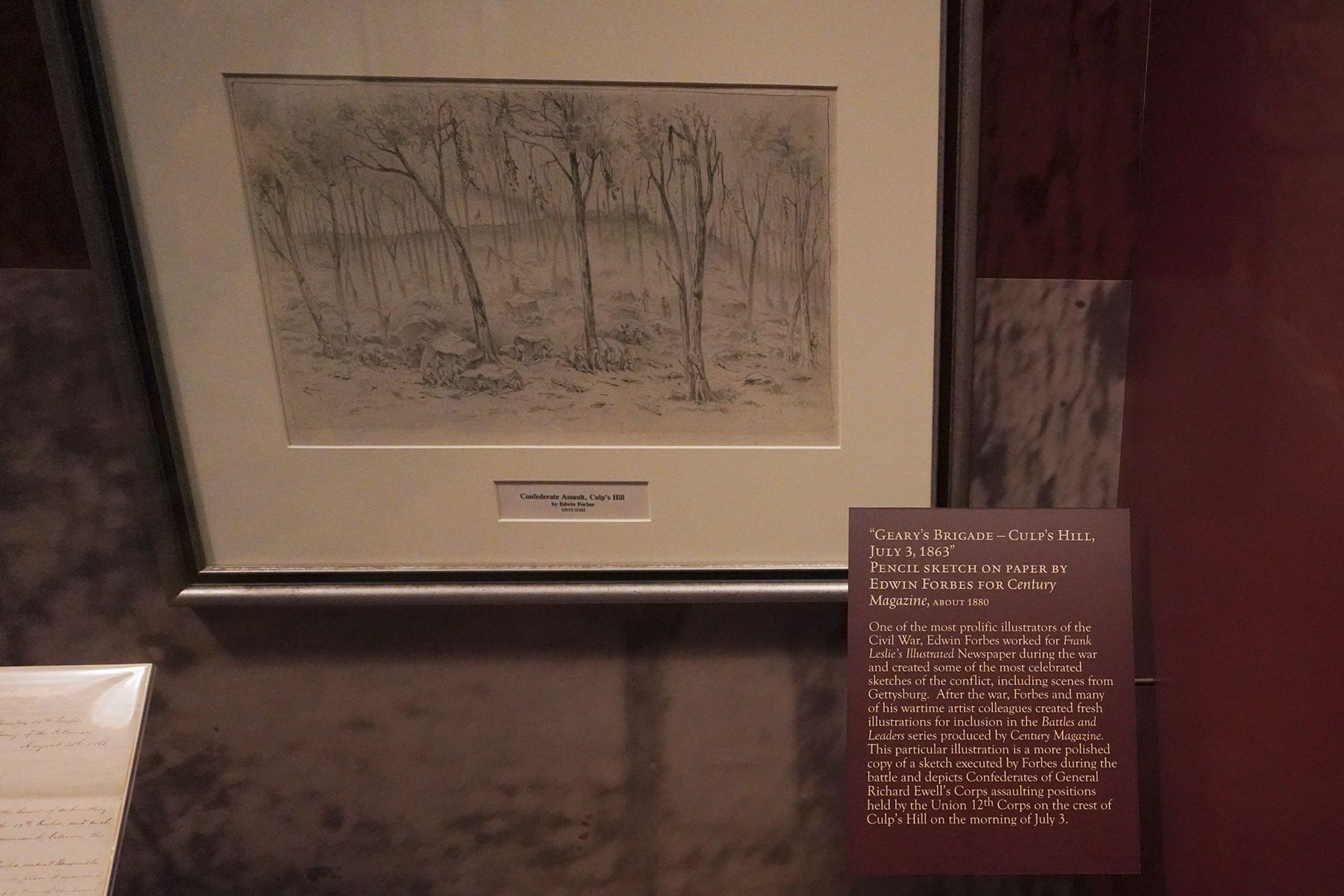
Around mid-afternoon, after a massive artillery bombardment meant to weaken the Union center, Confederate infantry advanced. But the bombardment largely failed to destroy the Union artillery — which lay in wait.
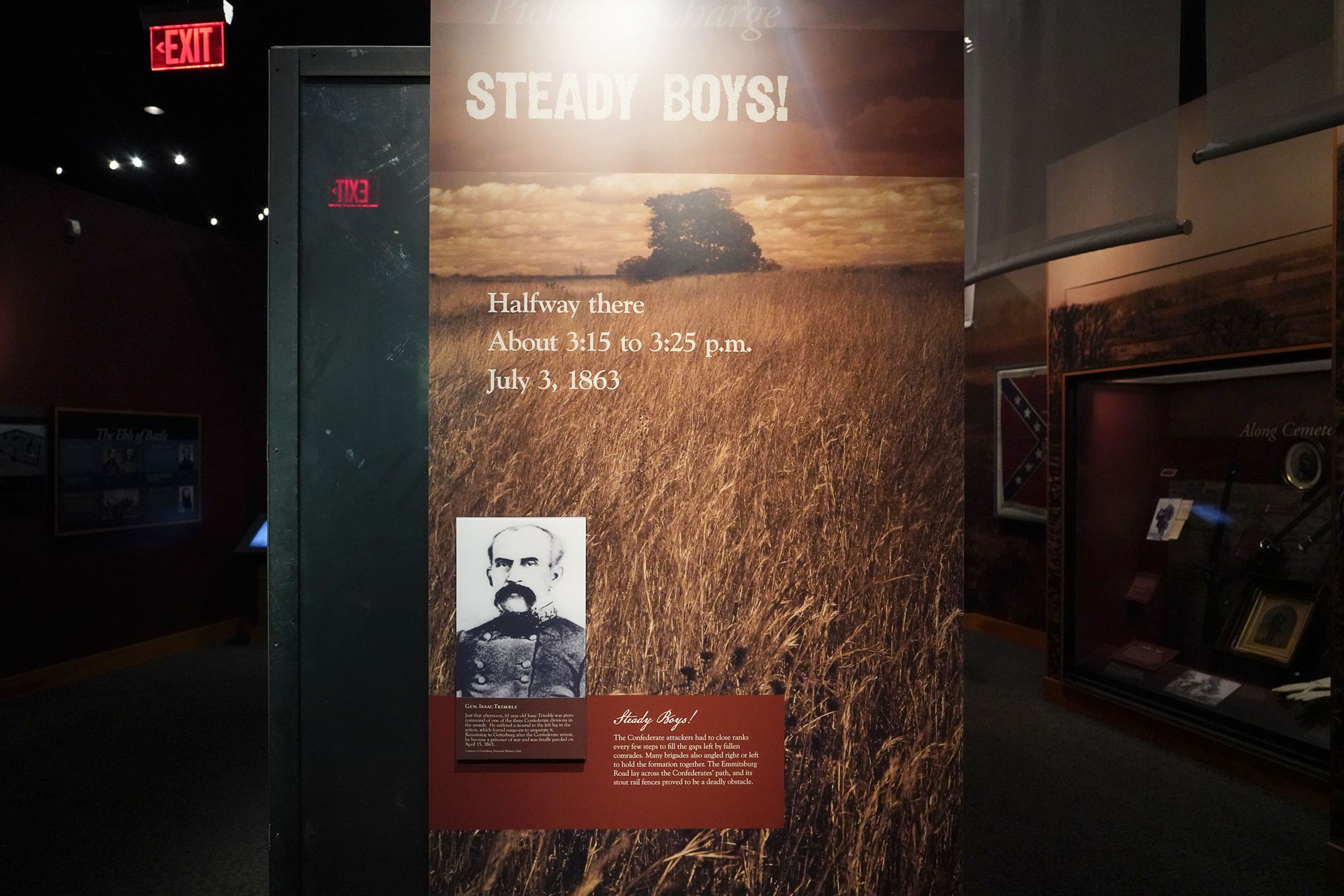
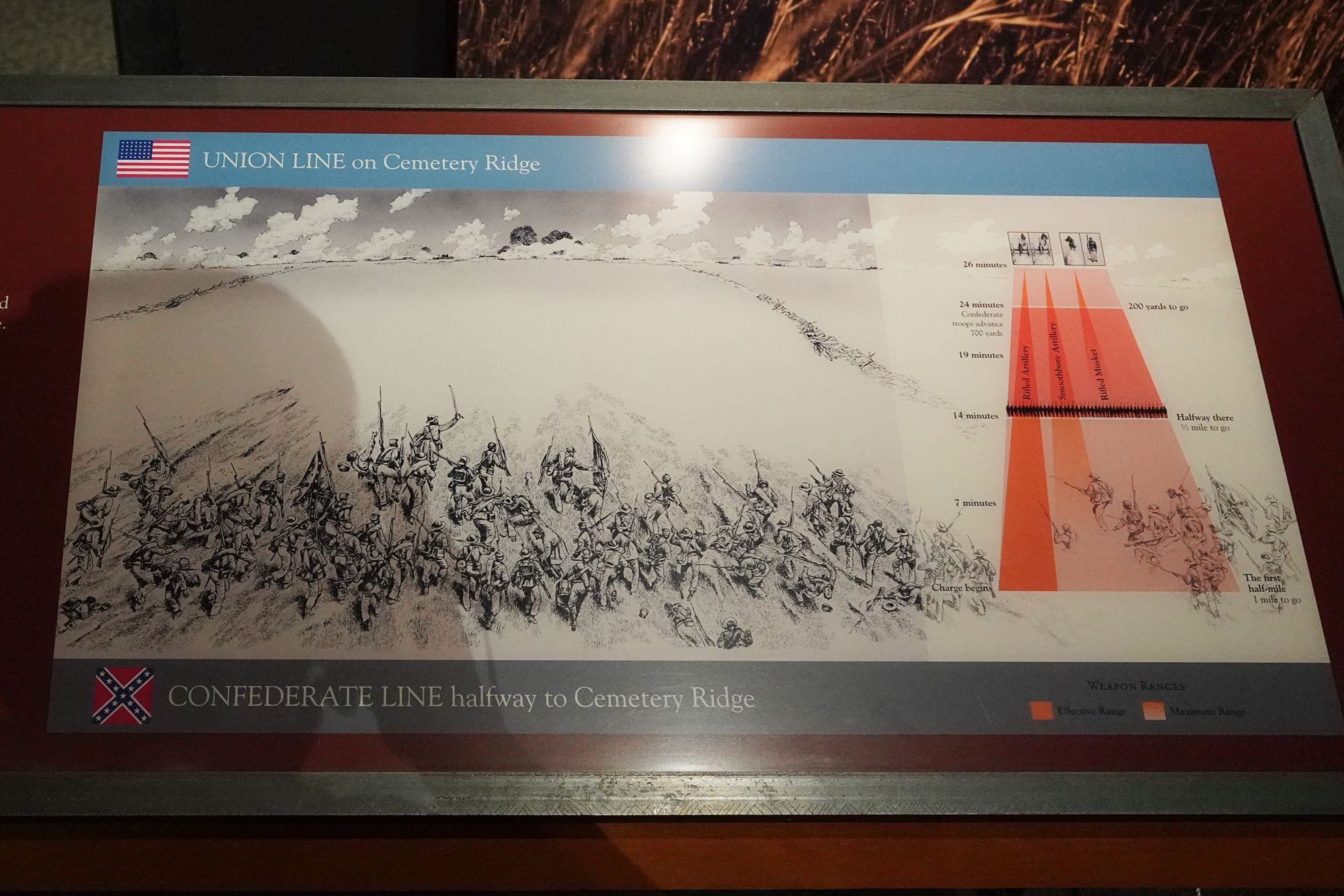
Marching across nearly a mile of open ground, the Confederates were exposed to deadly rifle and canister-artillery fire. As they approached the crest, Union fire raked their lines from the front and flanks.
A few men — notably a small group led by Lewis A. Armistead — managed to reach a stone wall on Cemetery Ridge, briefly penetrating the Union line. This point is later known as the “High‑Water Mark of the Confederacy.”
But their breakthrough was short-lived — Union reinforcements rushed to close the breach, and the Confederate survivors were forced to retreat under intense fire.
Let’s rewind briefly, to the hours leading up to Pickett’s Charge.
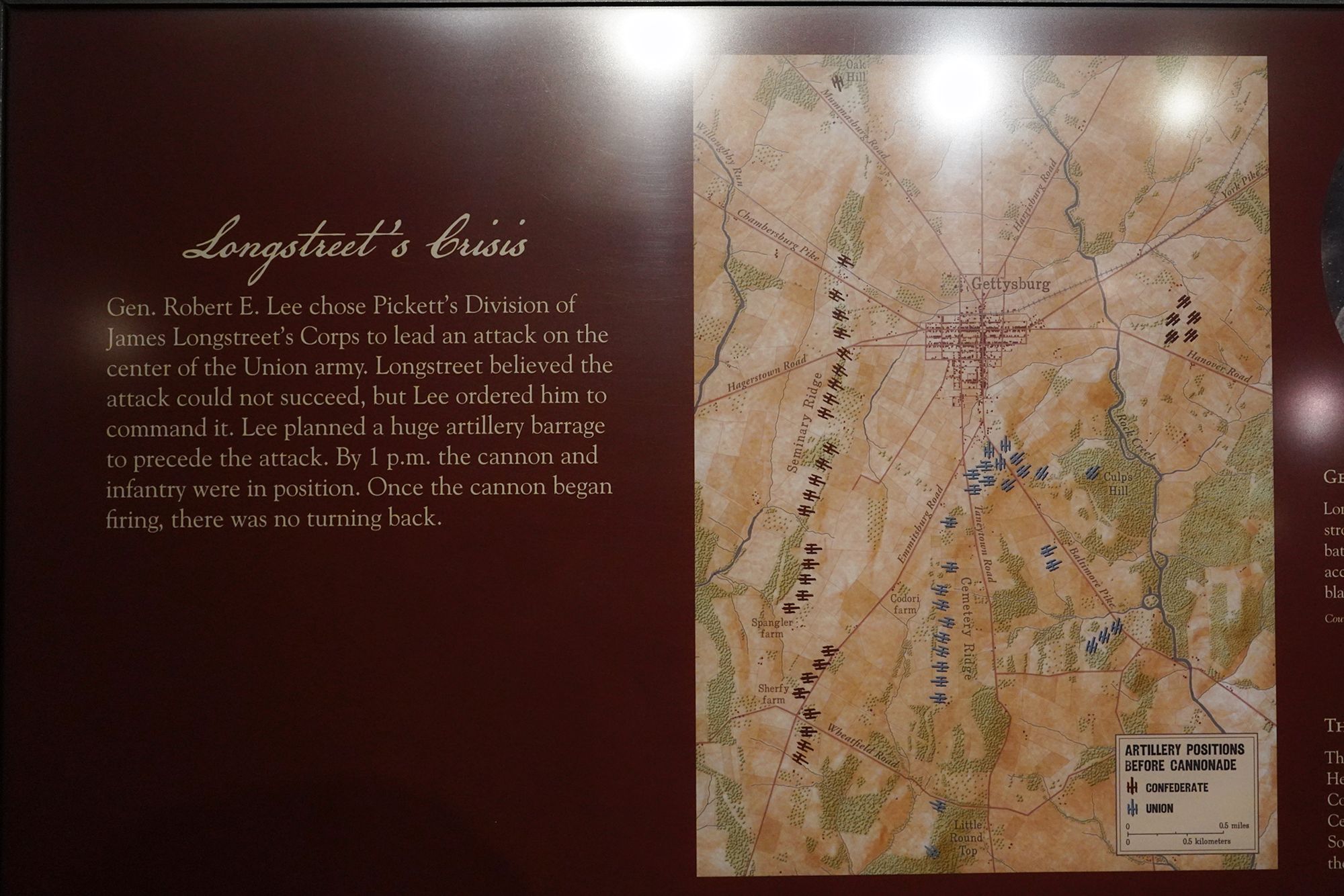
After two days of combat without dislodging Union forces from high ground, Lee decided to strike at what he thought was the vulnerable center of the enemy line on Cemetery Ridge. He planned a massive infantry assault, preceded by heavy artillery bombardment, to break through and rout the Union army.
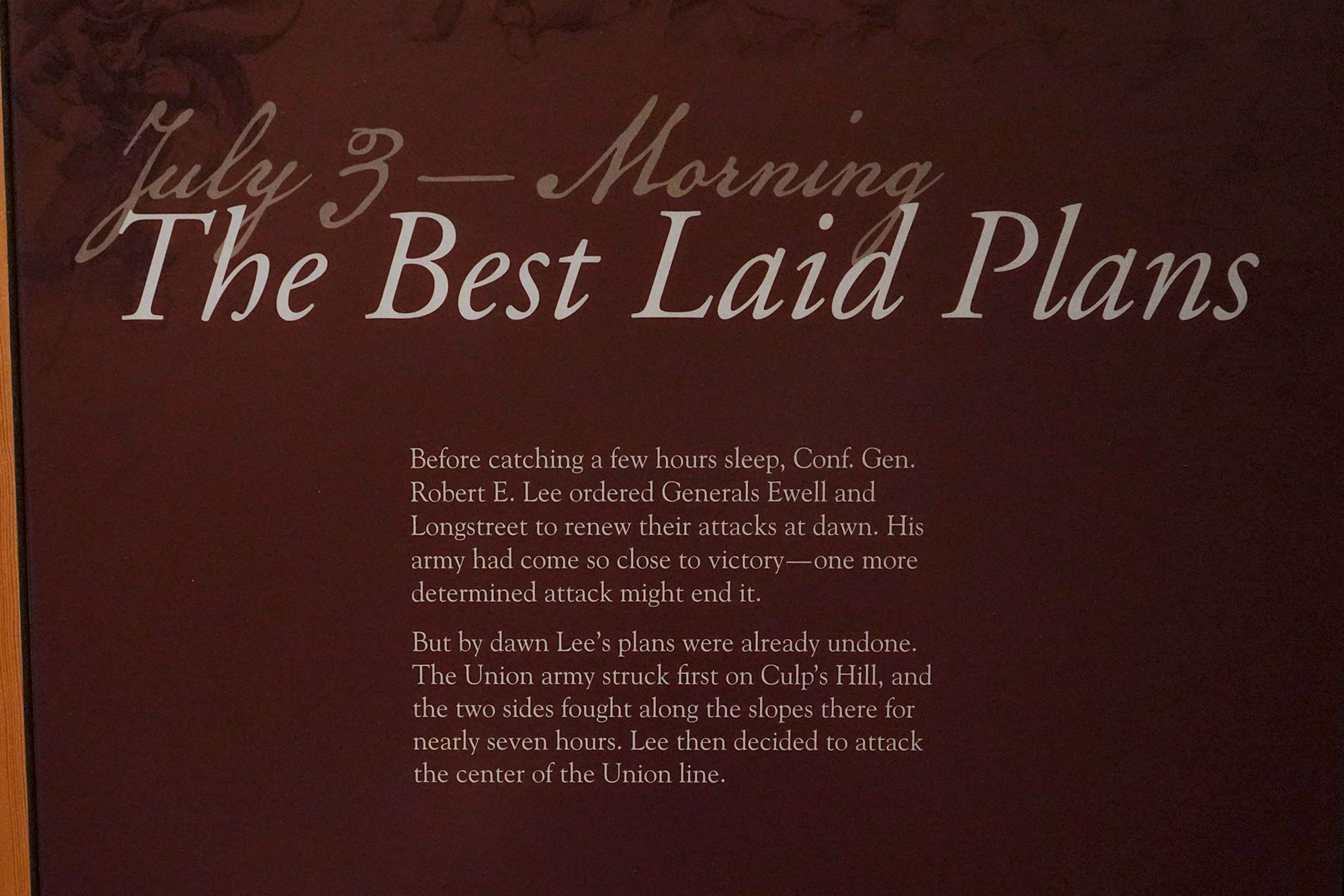
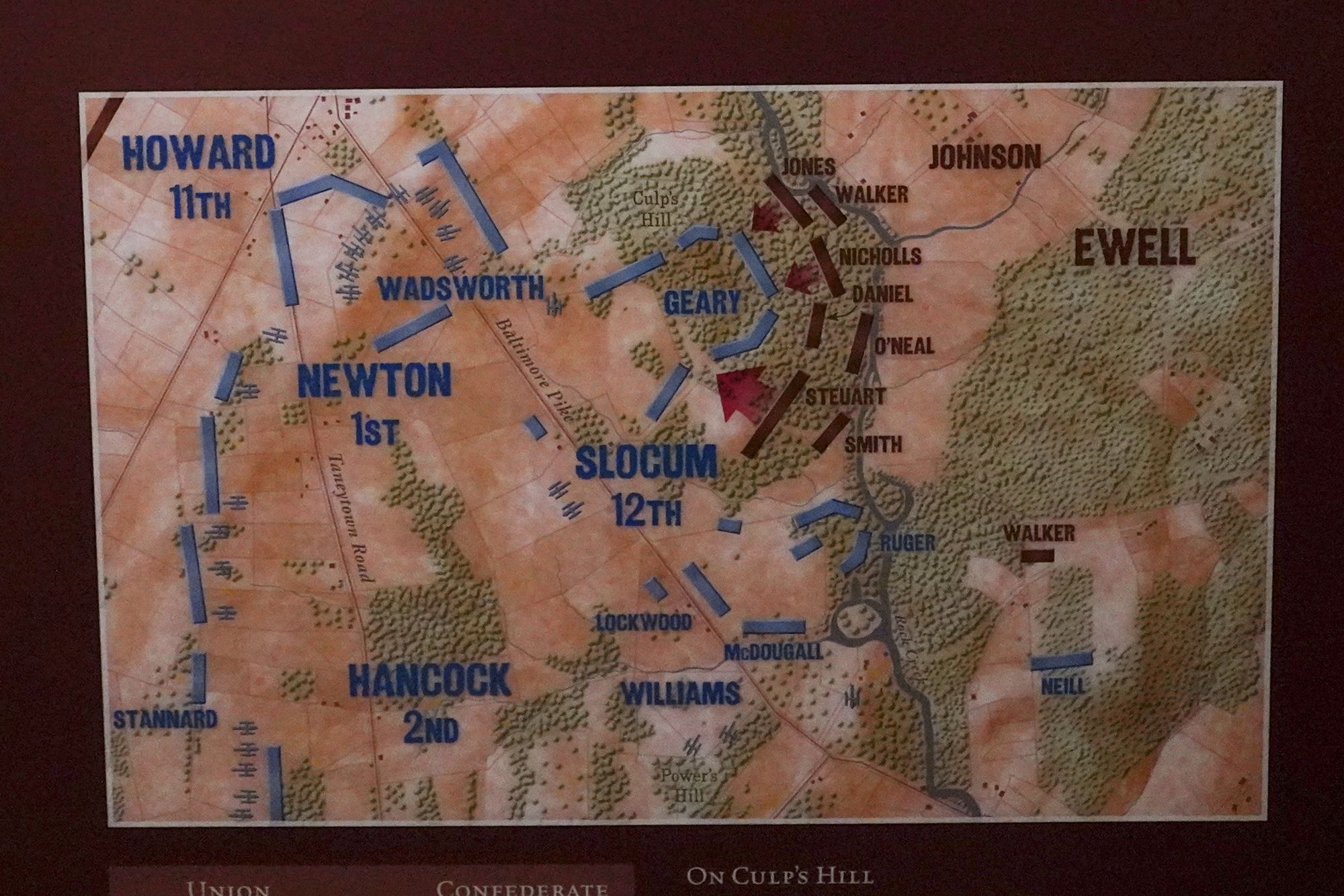
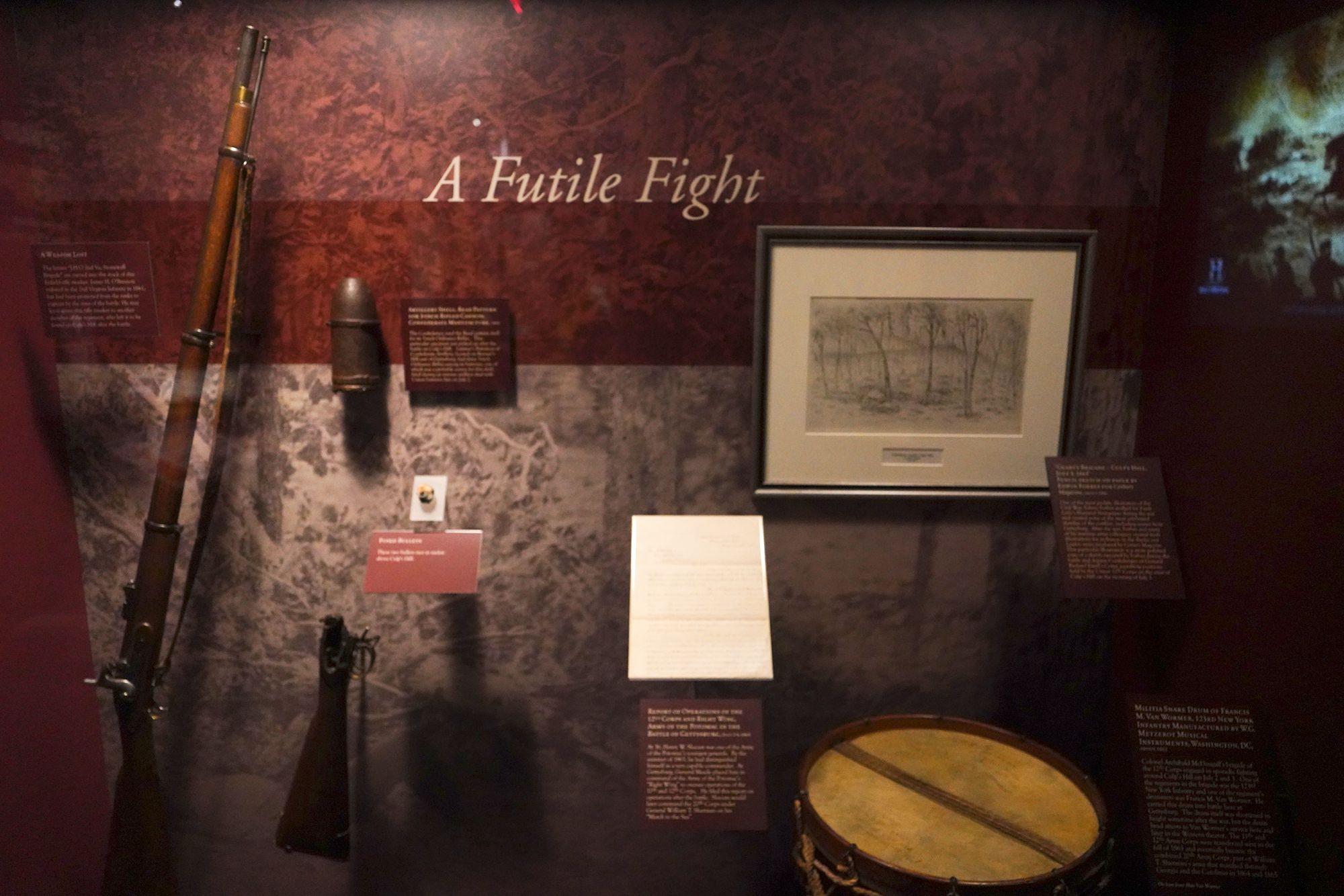
For Longstreet, a Confederate Army General, the moment was a crisis of command. He urged caution, even argued for maneuver, but Lee insisted on attacking the Union center, leaving Longstreet to execute a plan he did not believe in.
The charge ended in a severe defeat. Confederate losses were staggering: around 7,000 casualties (killed, wounded, missing or captured).
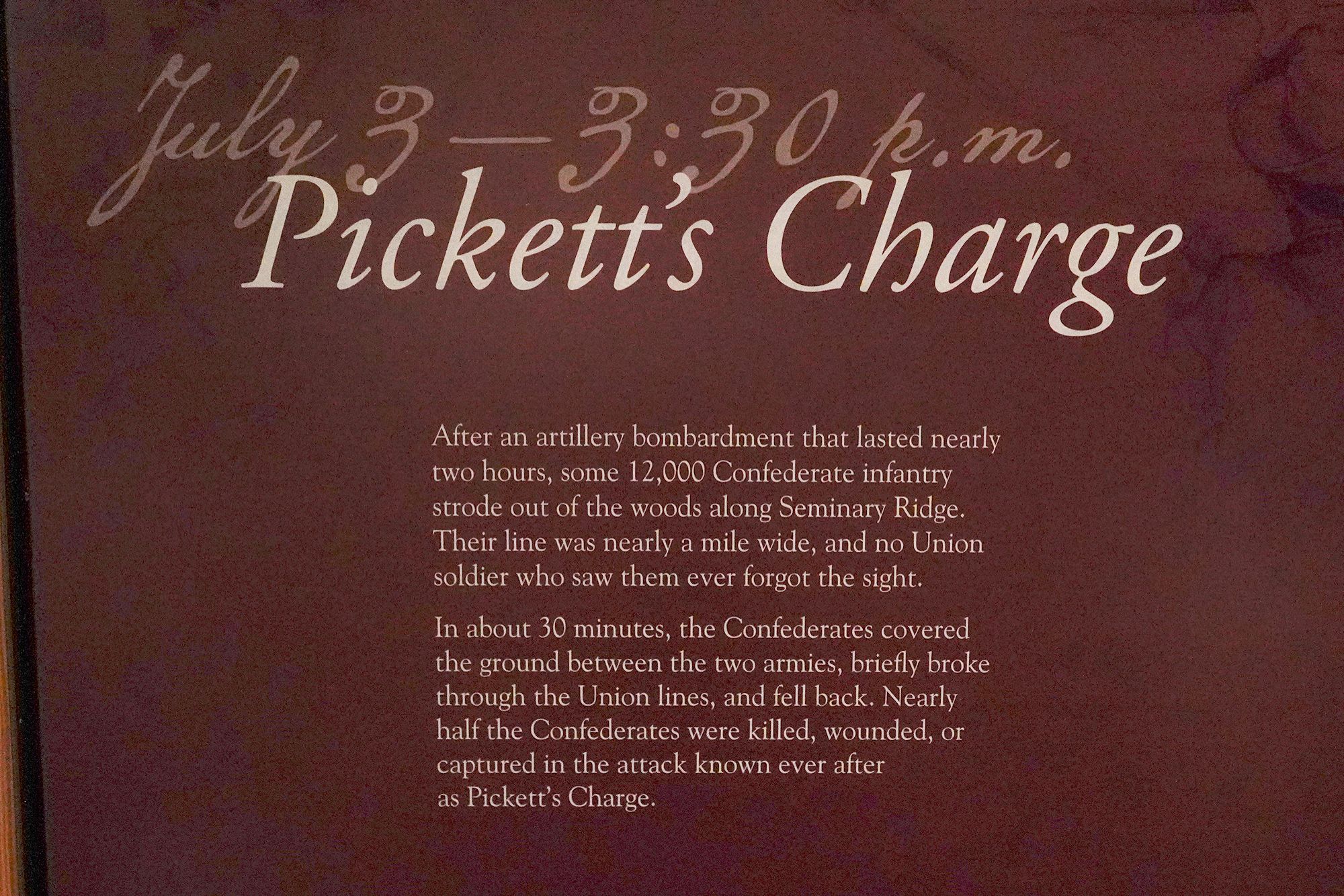
Many regiments were shattered; Pickett’s division alone lost roughly two-thirds of its men. All three brigade commanders were killed or wounded.
The assault marked the end of Lee’s invasion of the North. Two days later the Confederate army began its retreat back to Virginia.
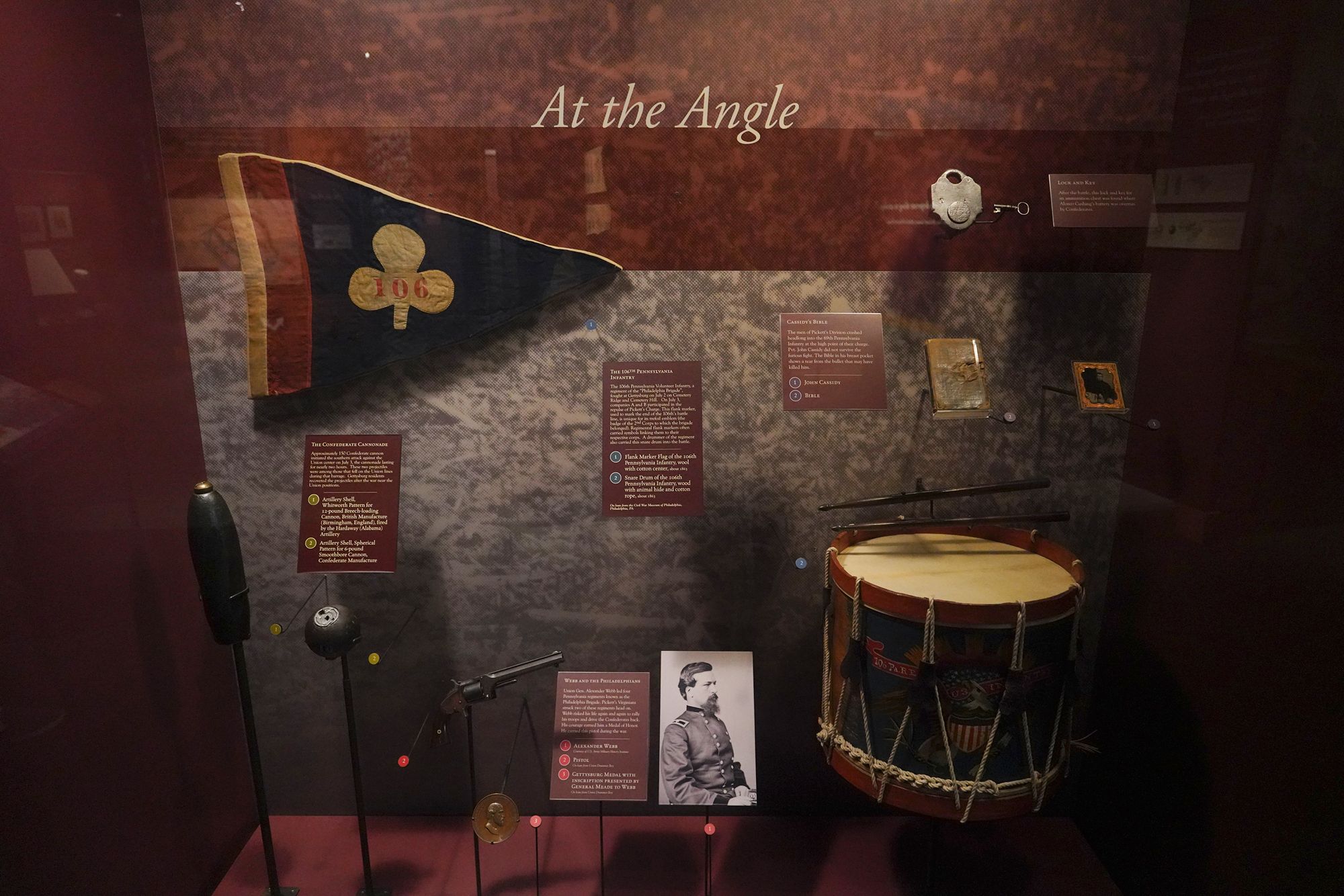
Pickett’s Charge is often remembered as the high-water mark of the Confederacy — the closest the South ever came to breaking the Union line and forcing a decisive victory.
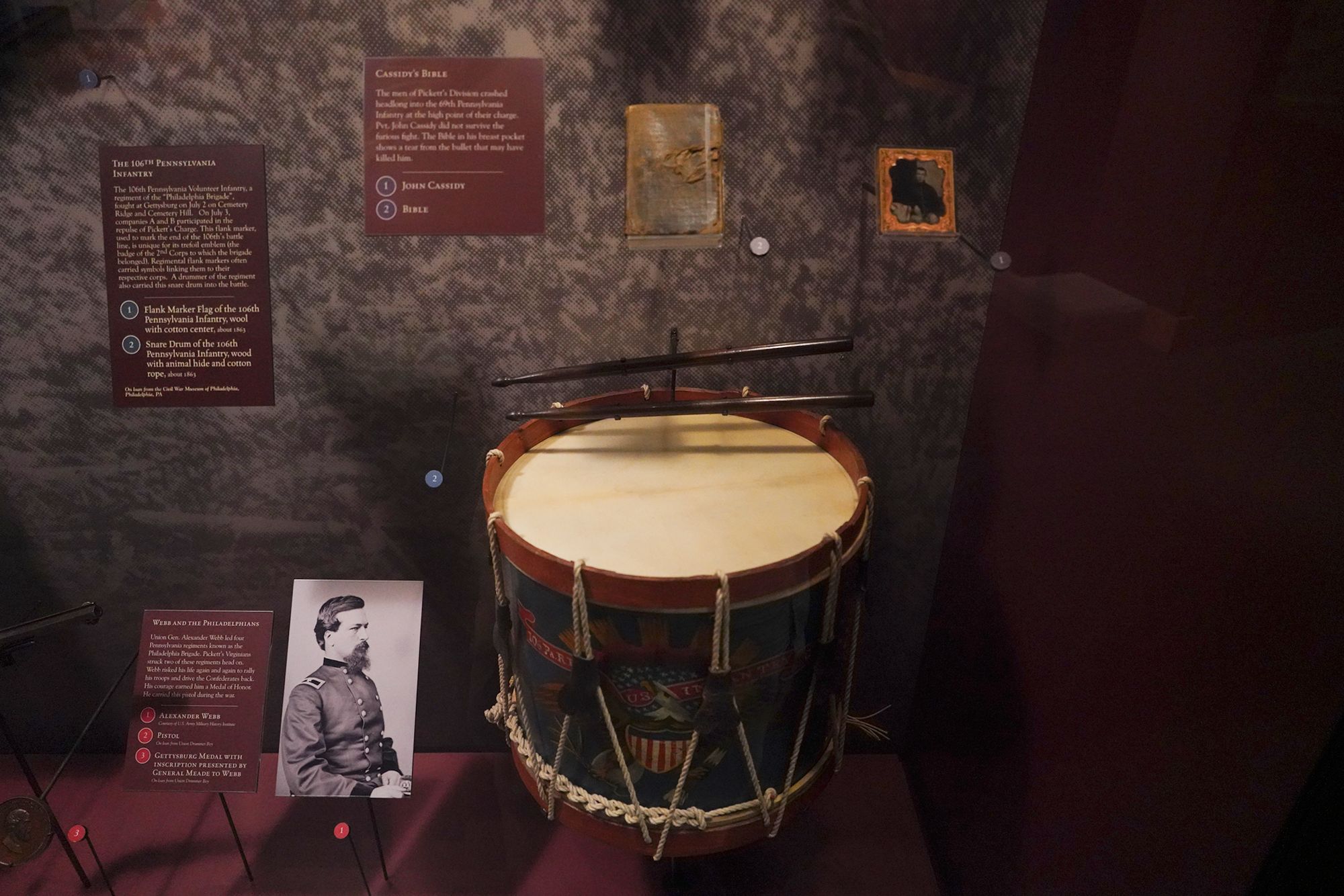
Its failure changed the momentum of the war. After Gettysburg, the Confederacy rarely again mounted large-scale invasions of the North.
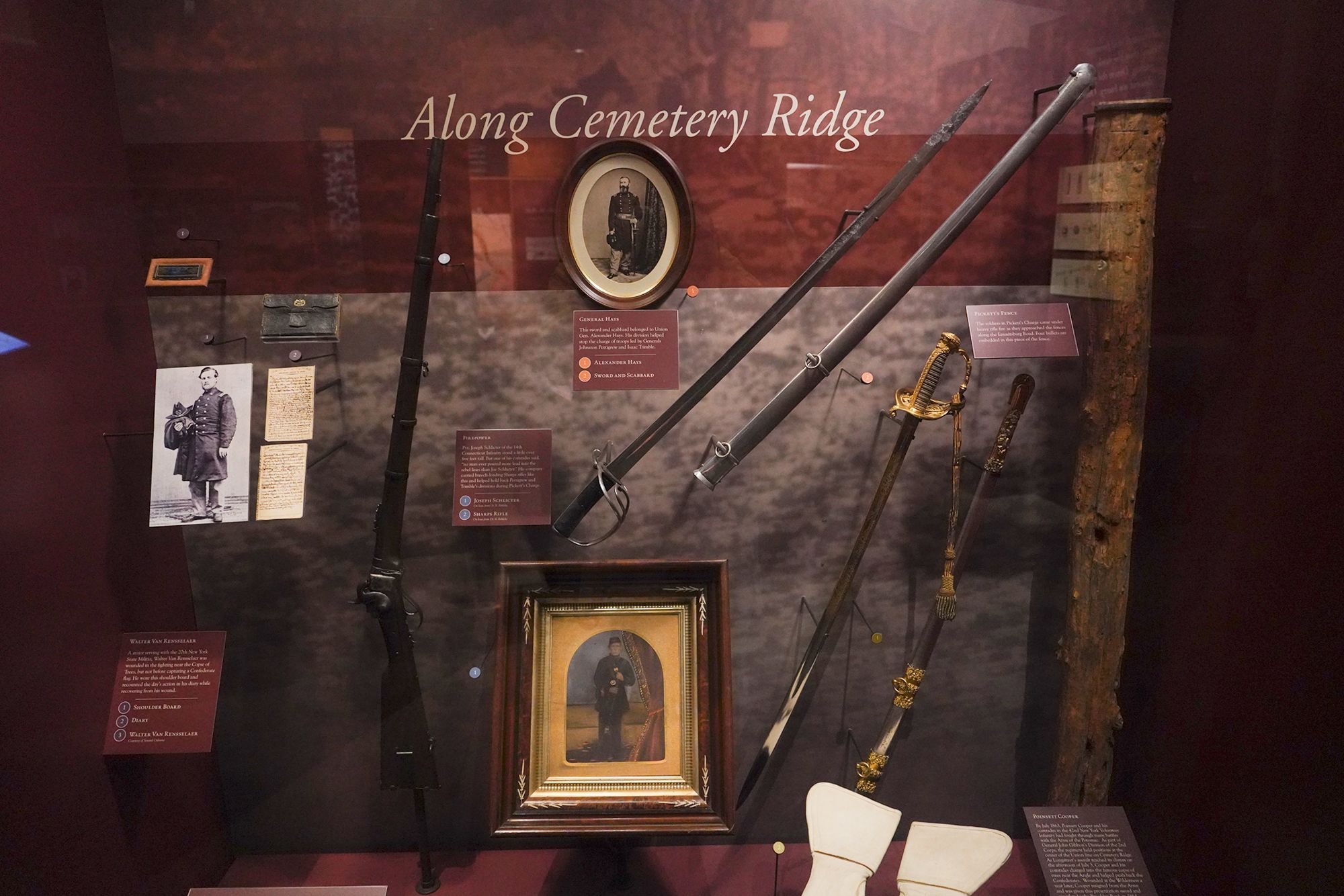
The charge became symbolic of both tremendous bravery and tragic futility—etched in American memory as a turning point where high hopes met deadly reality.
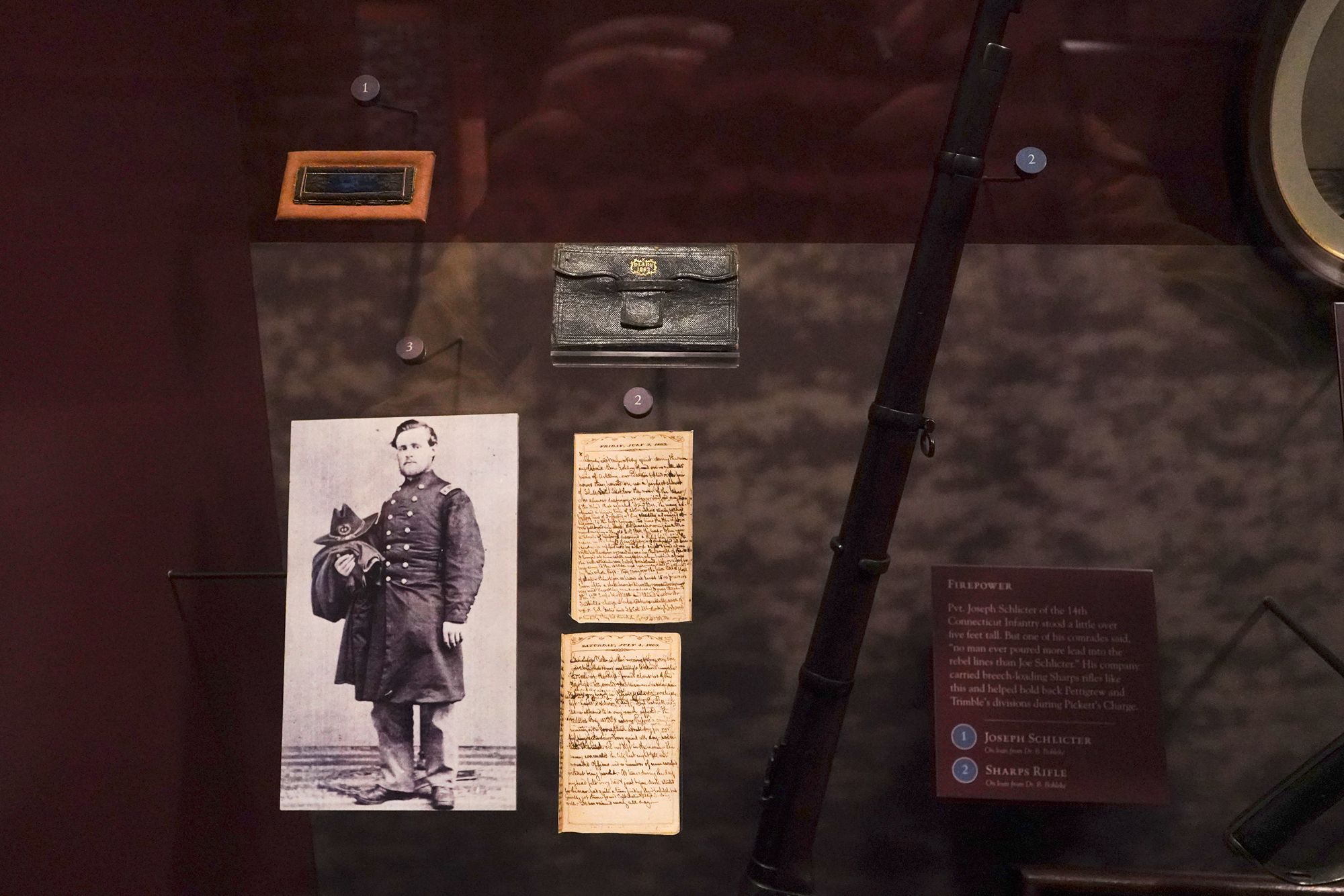
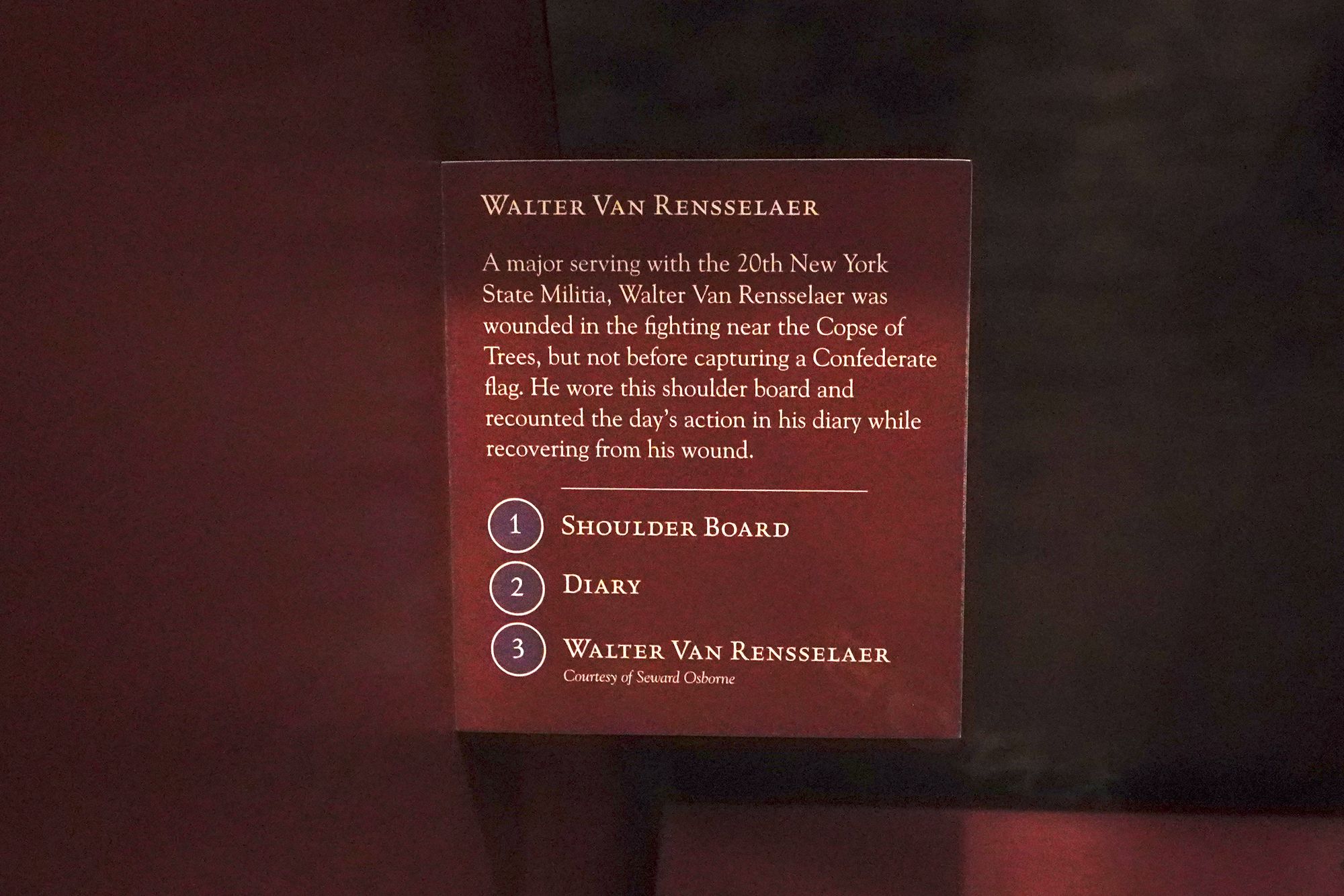
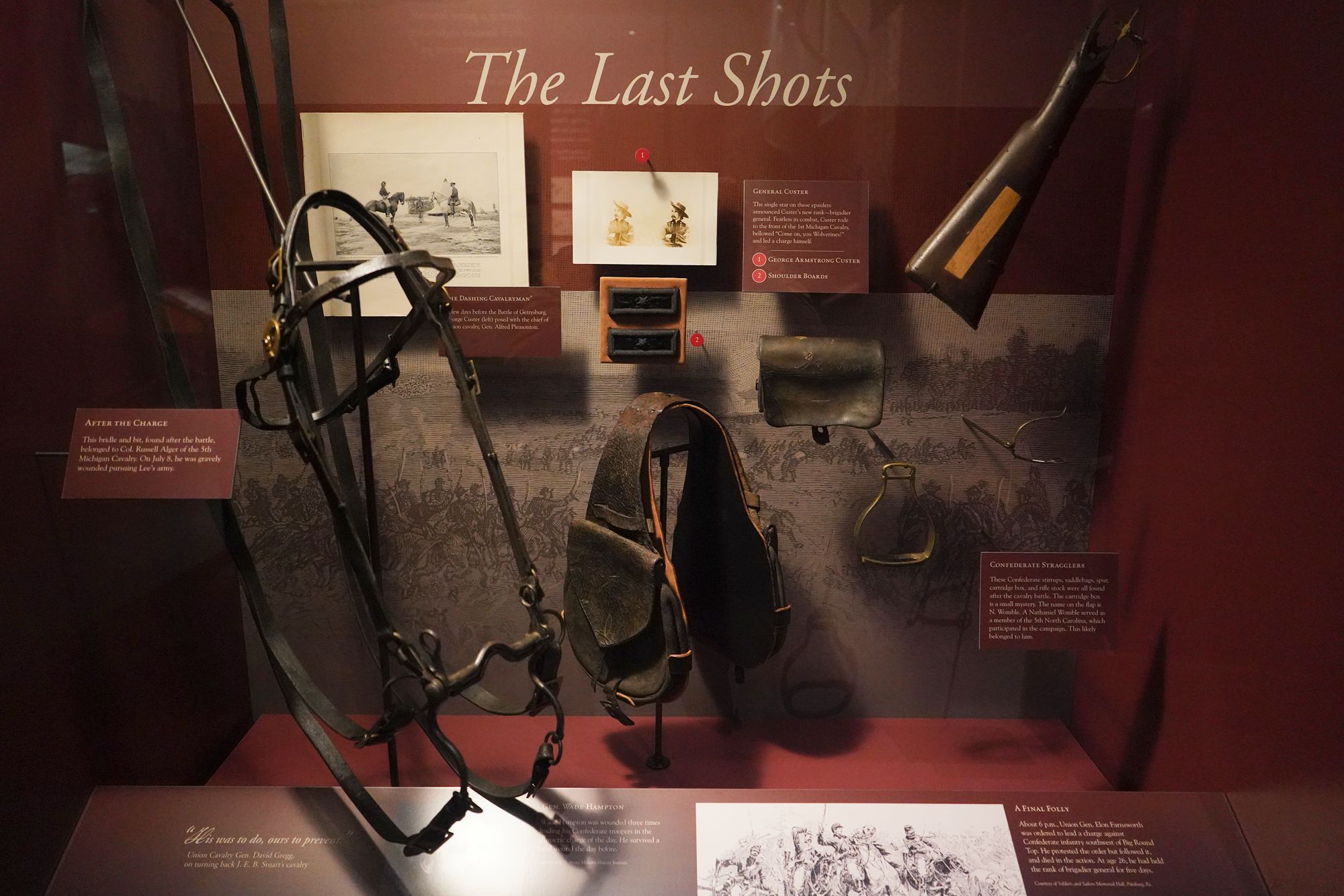
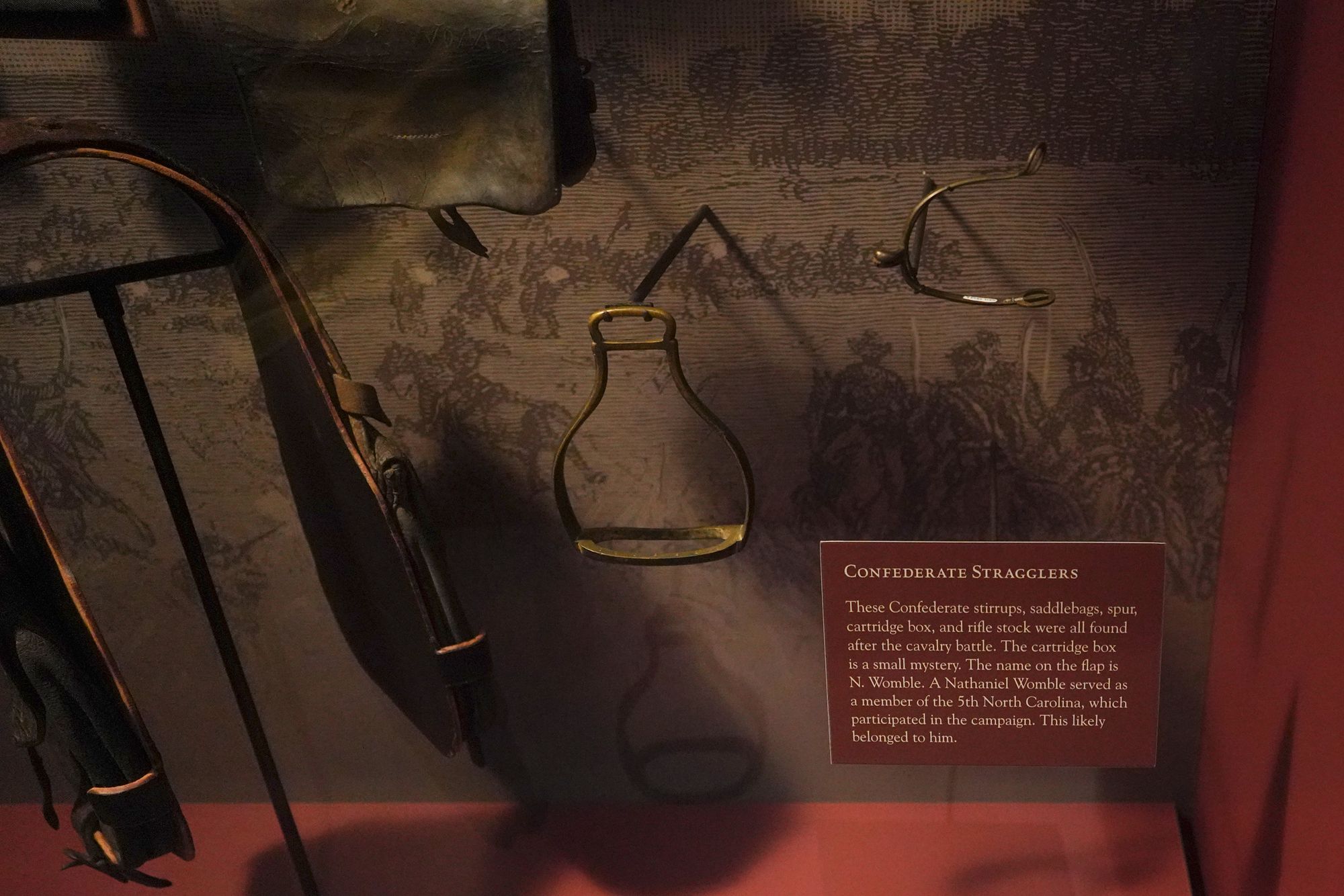
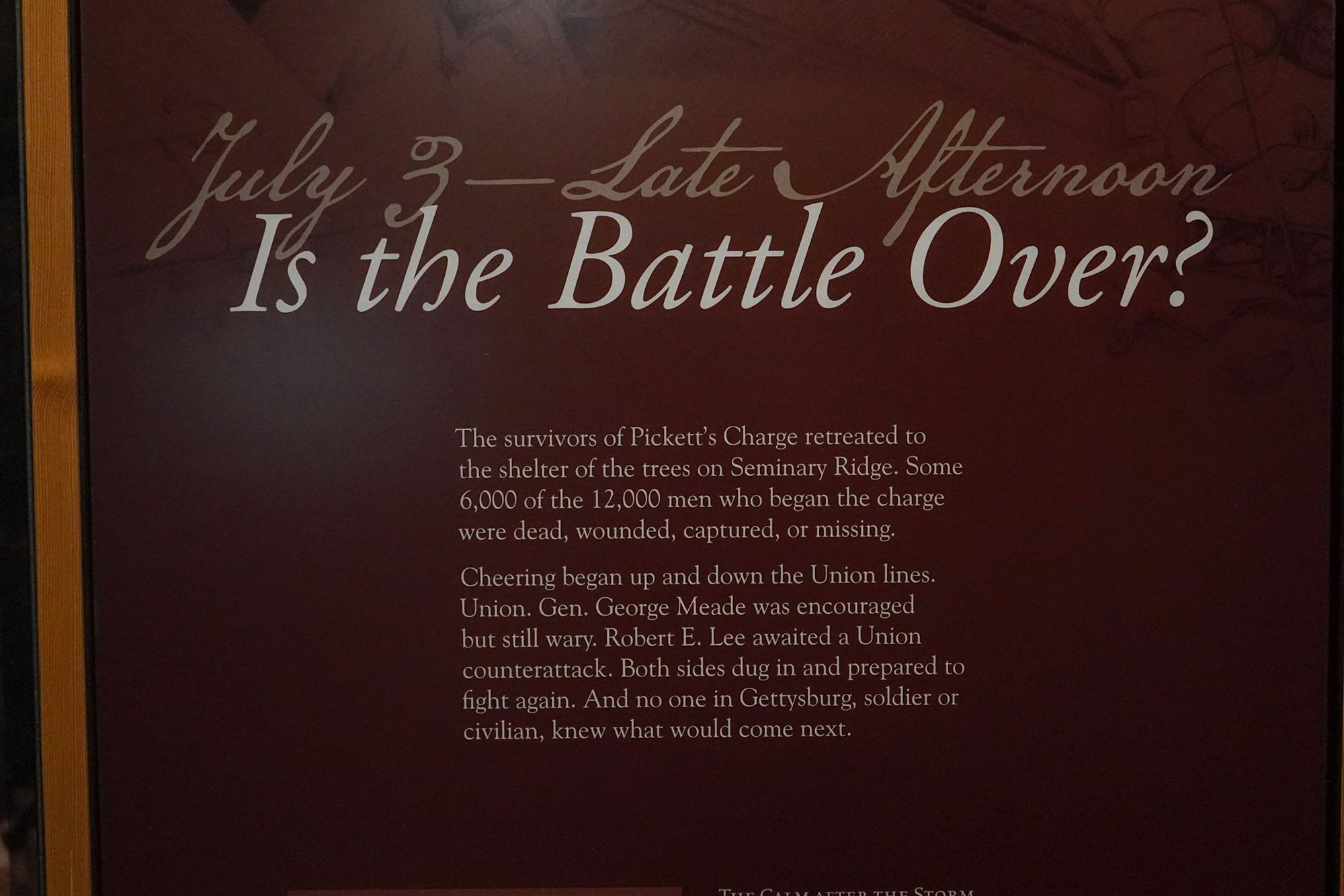
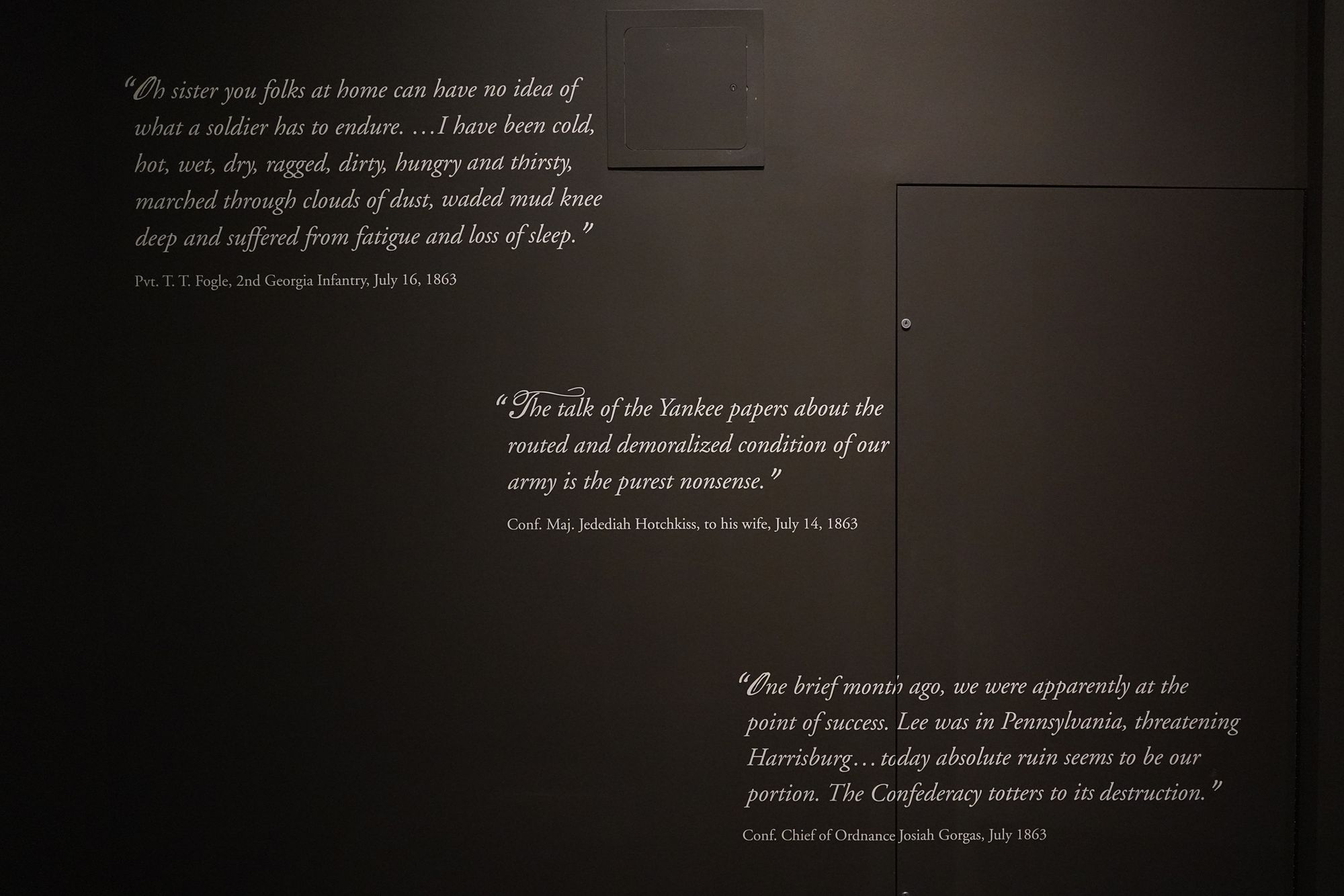
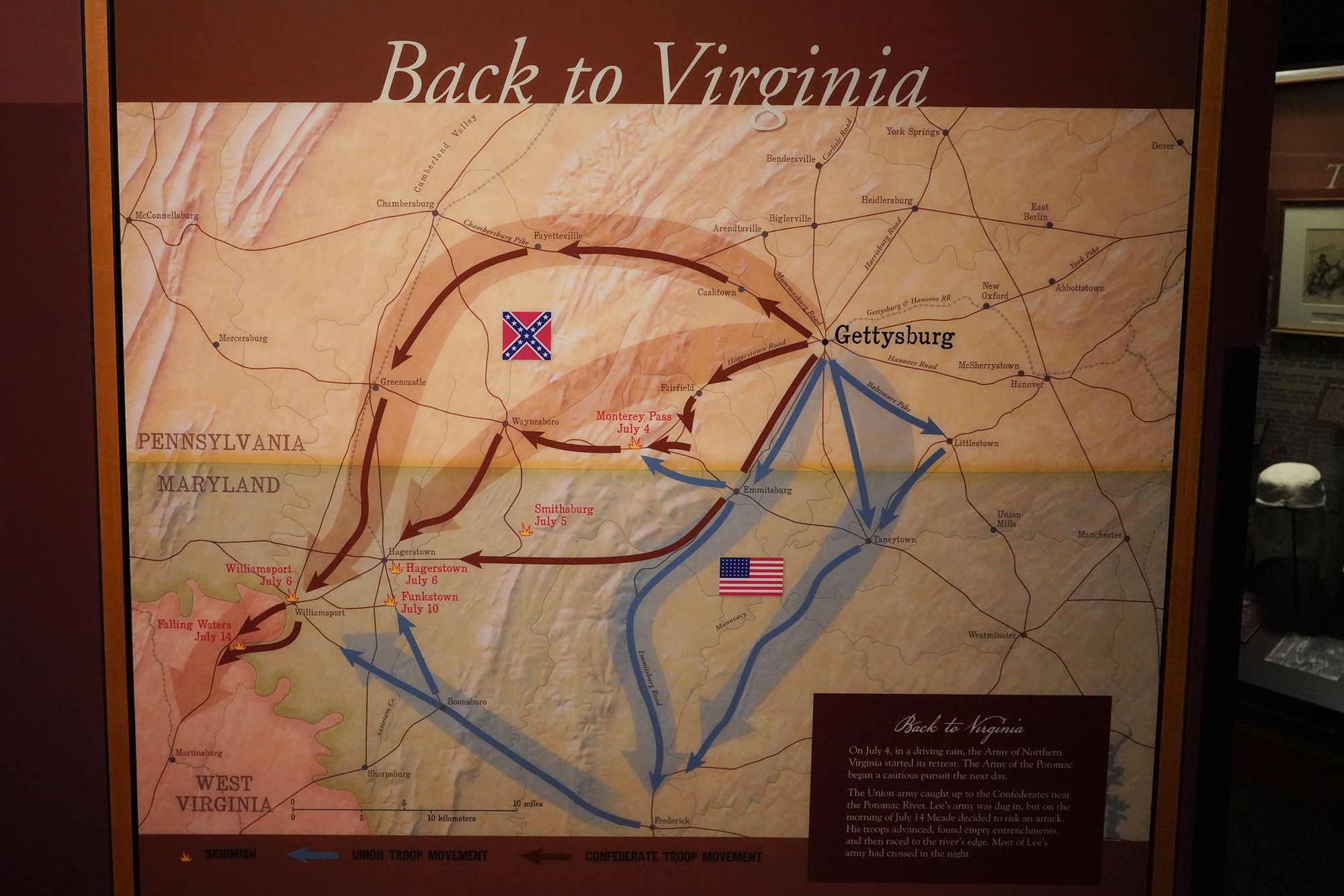
With Pickett’s Charge shattered and hopes for victory gone, the Confederate army withdrew from Pennsylvania and began the long march back to Virginia.
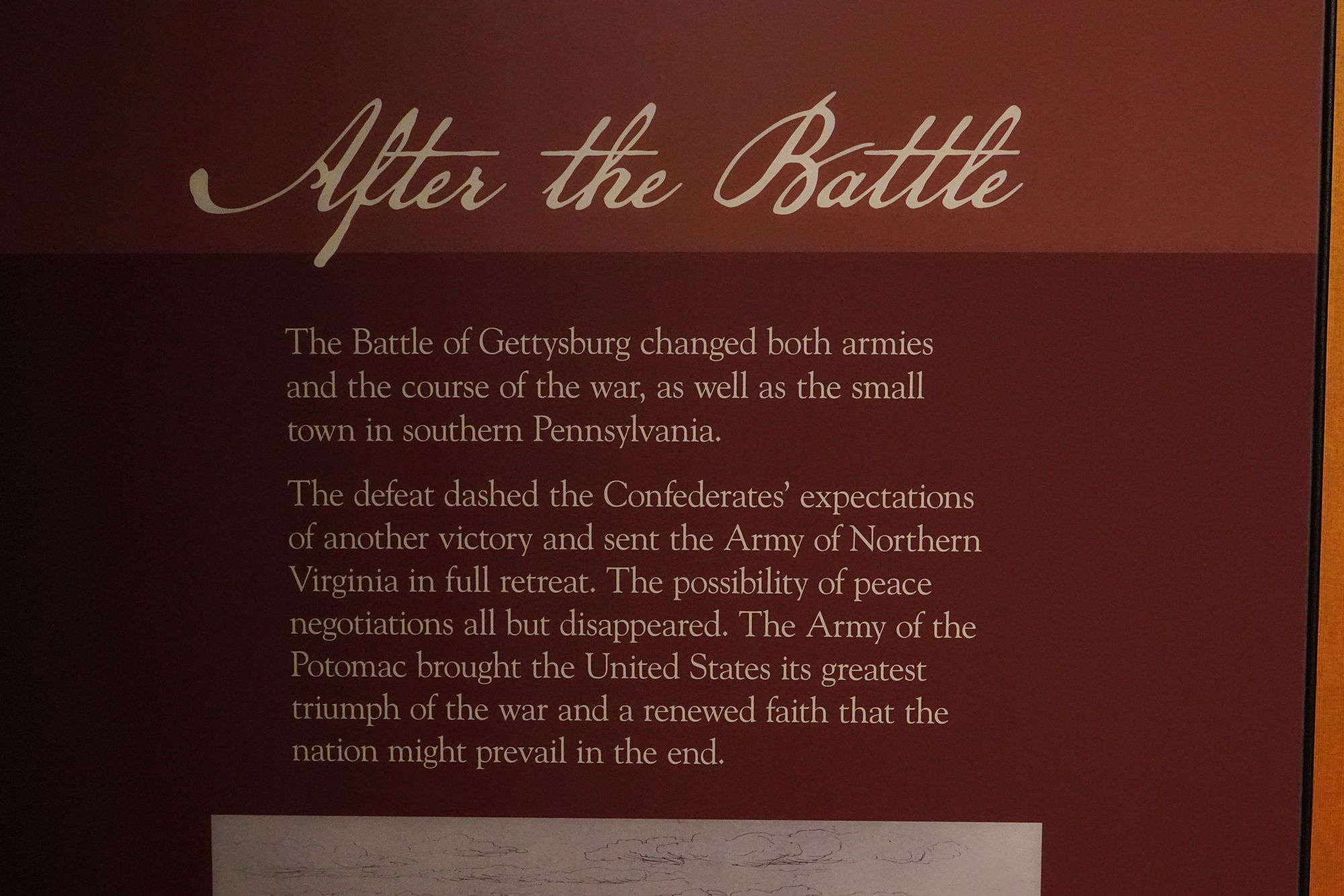
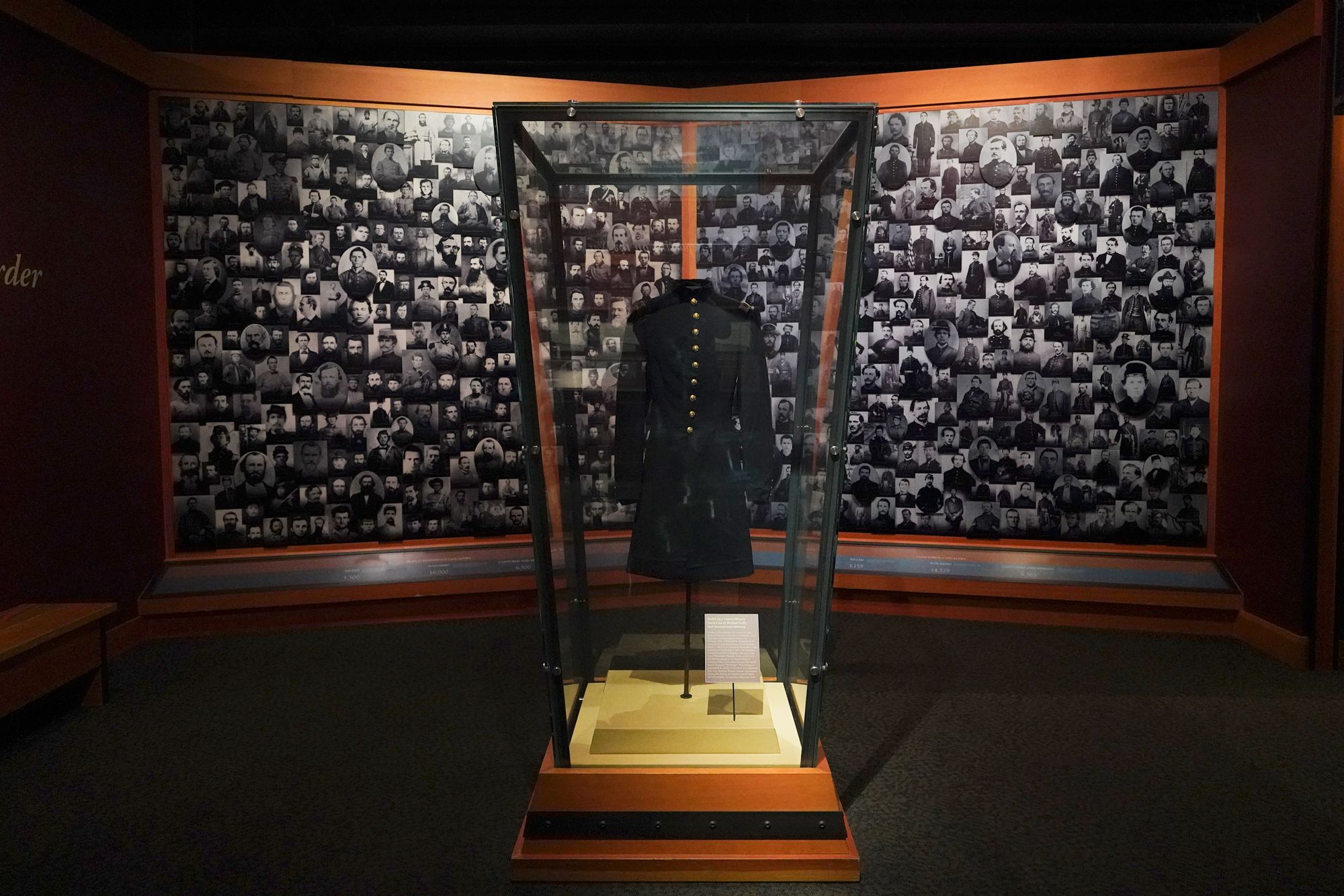
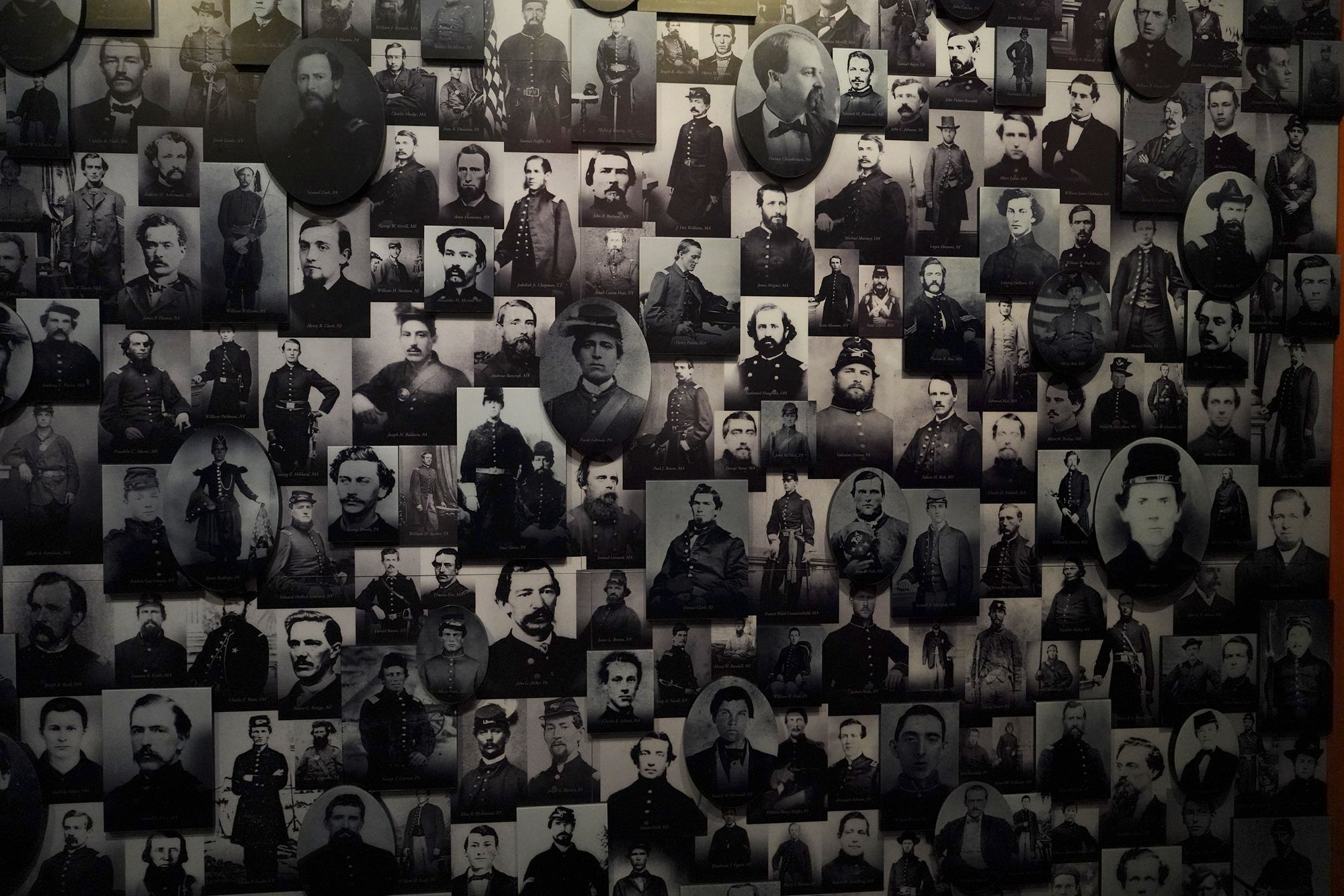
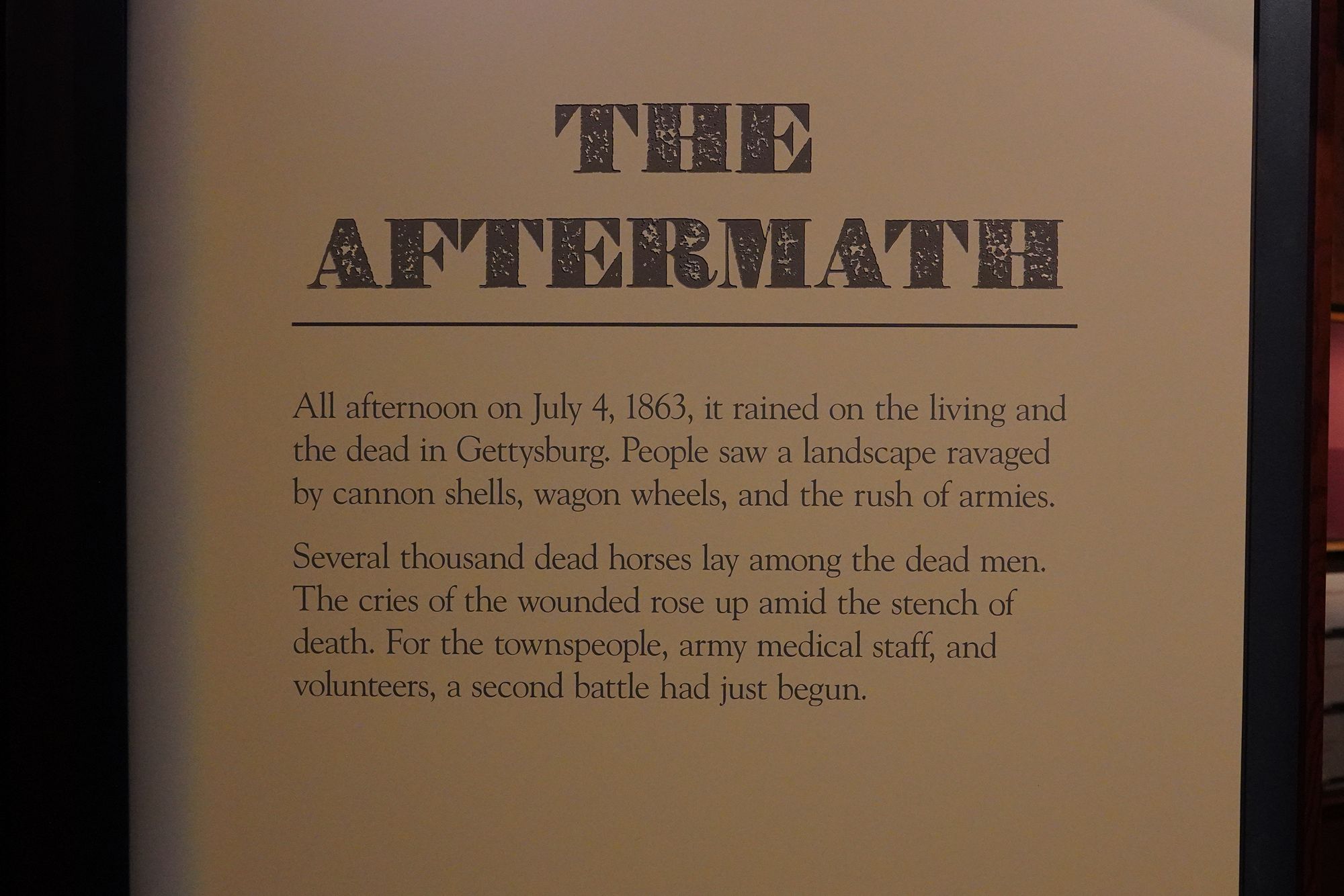
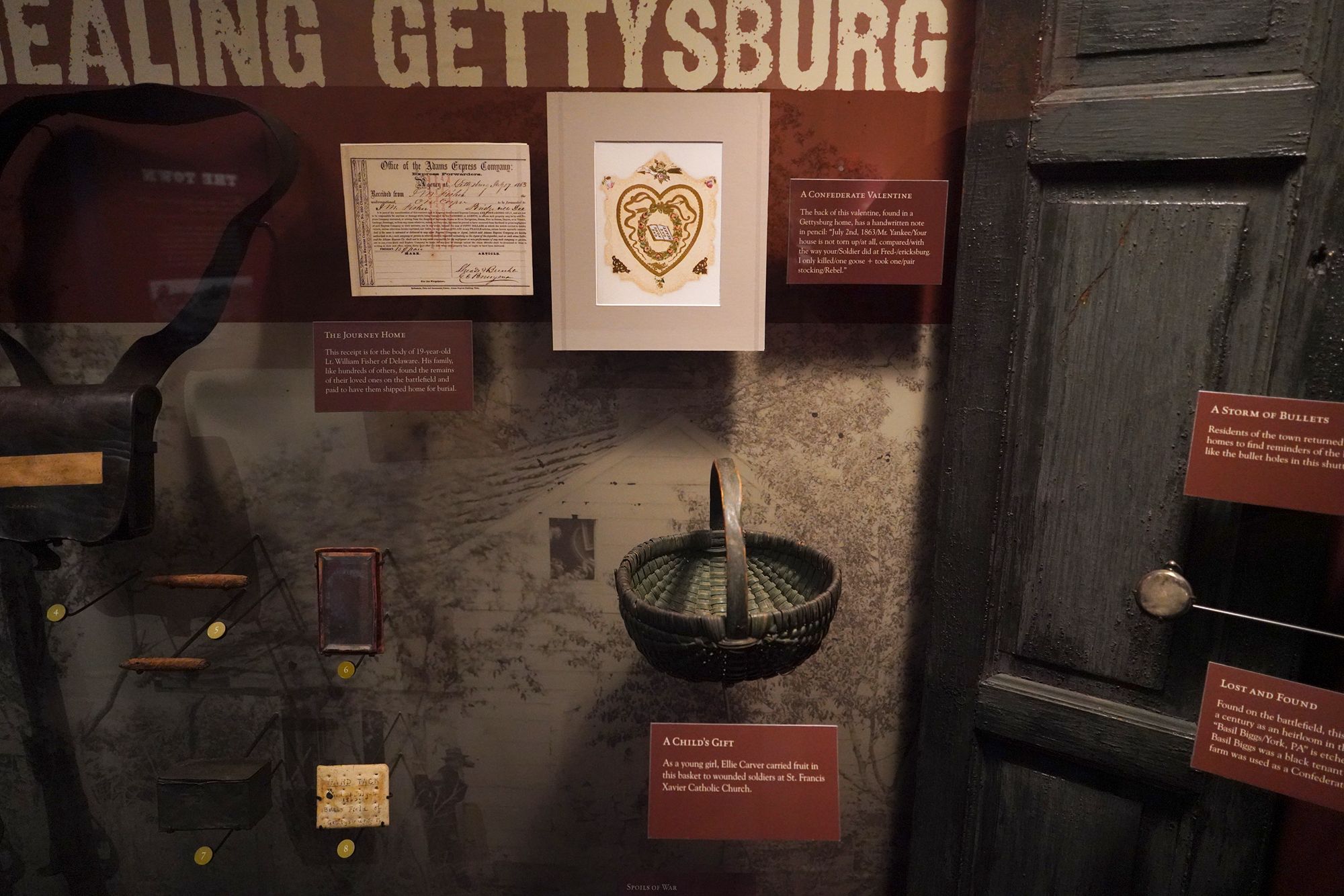
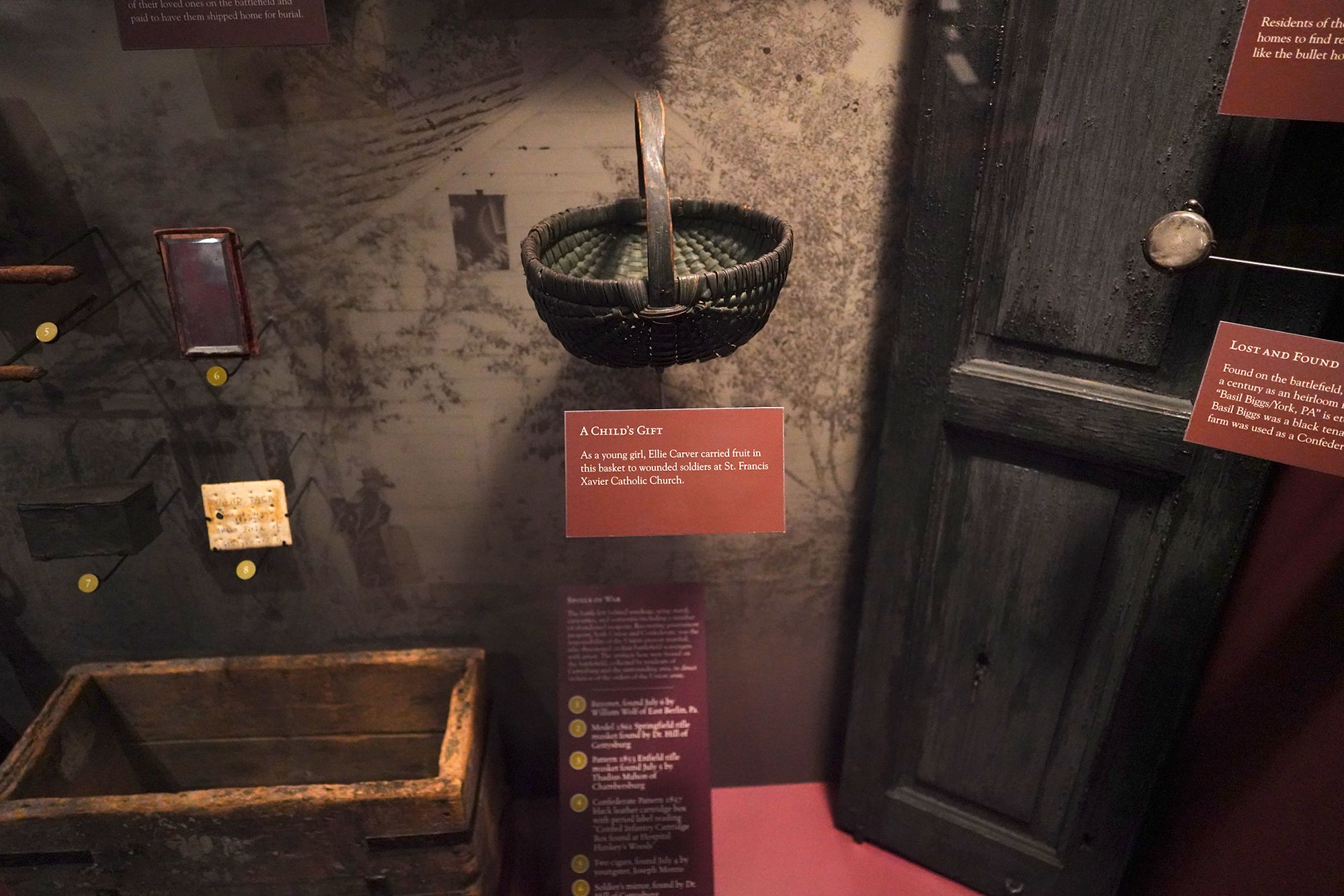
Gettysburg’s aftermath unfolded in silence. The armies were gone, but the dead remained — thousands of bodies on the fields, barns full of wounded, and families searching for sons who would never return.
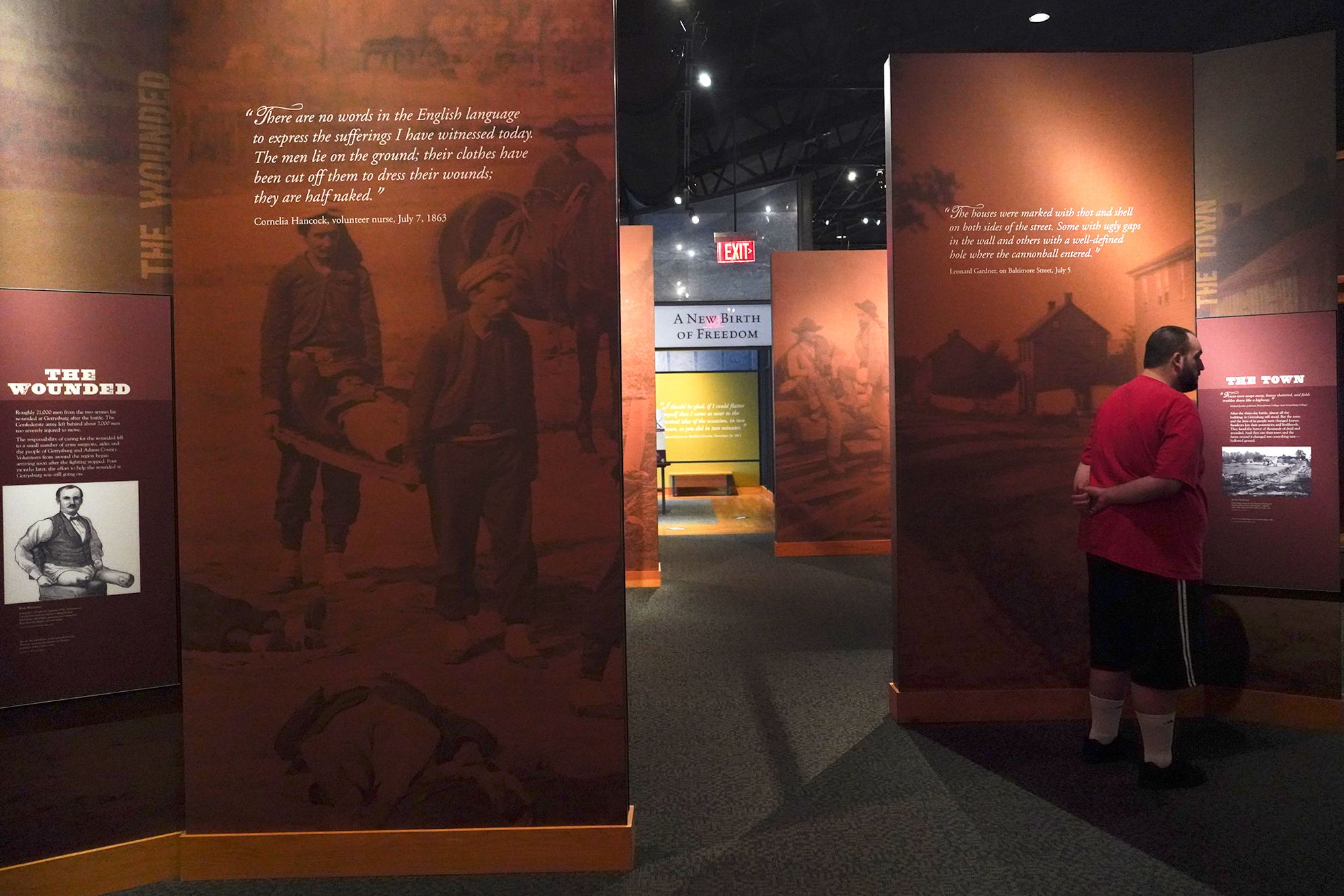
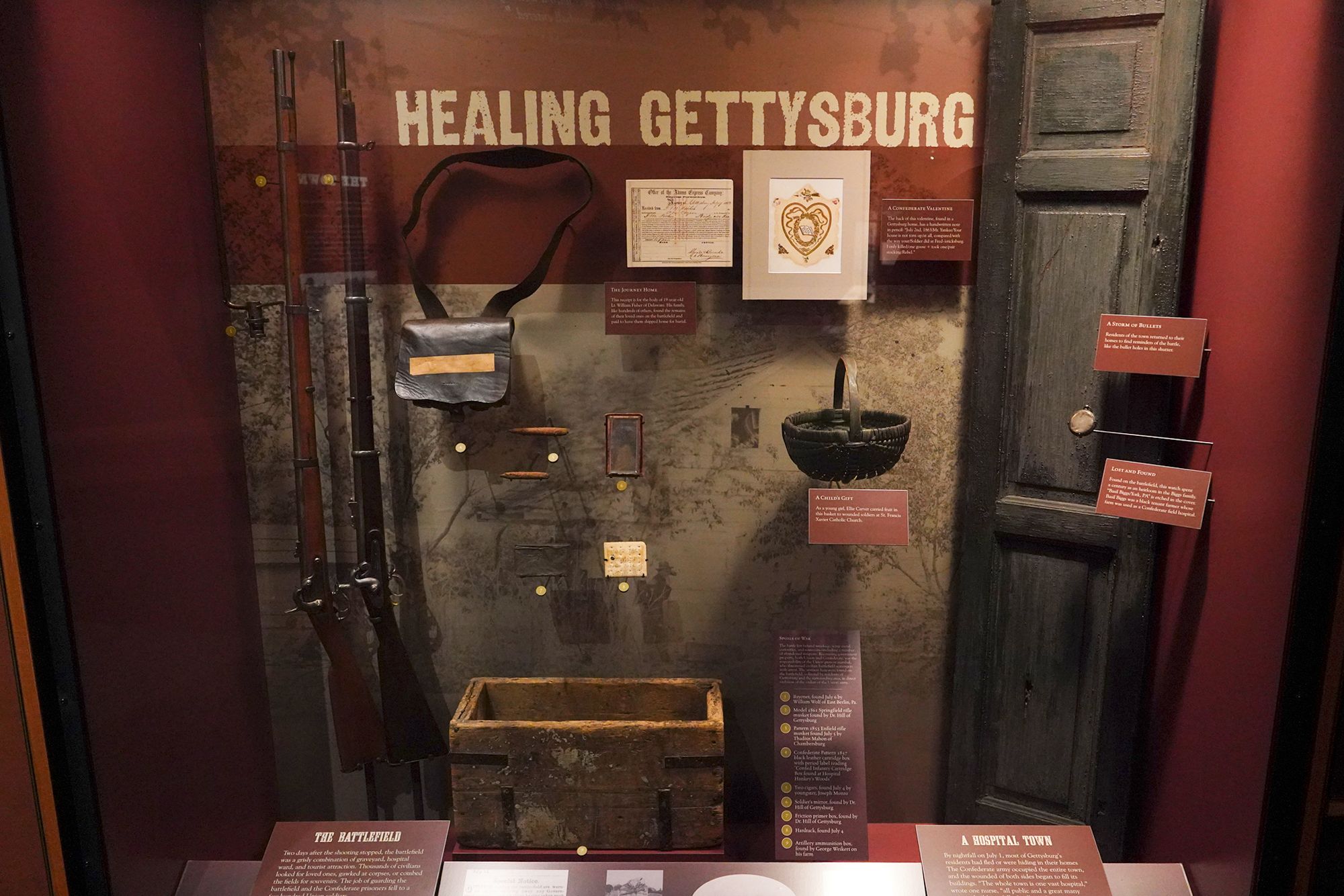
Gettysburg’s healing started one body, one wound, one rebuilt fence at a time — a process measured not in weeks, but in years.
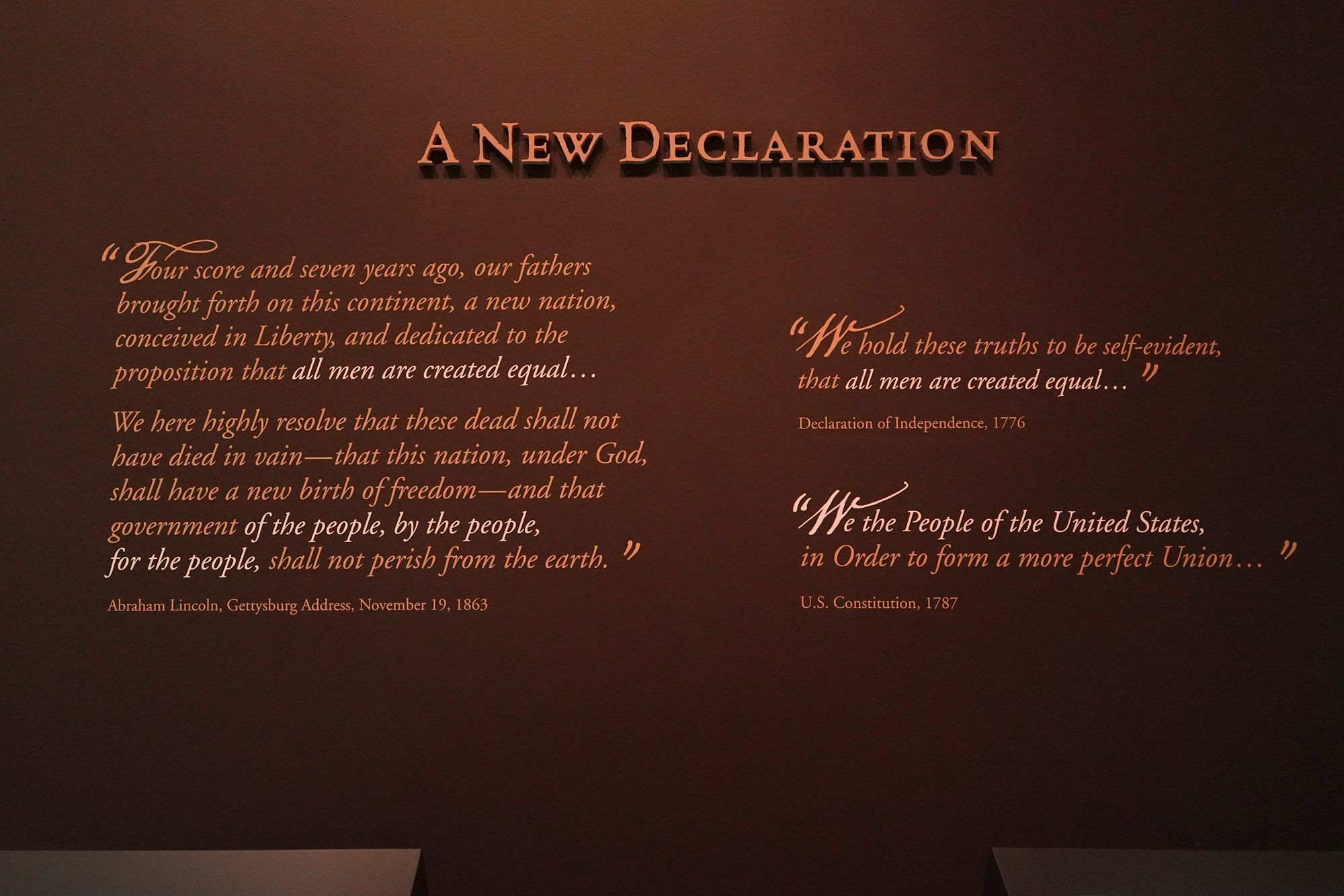
The Gettysburg Address was delivered by Abraham Lincoln on November 19, 1863, during the dedication ceremony for the new national cemetery at the site of the Battle of Gettysburg.
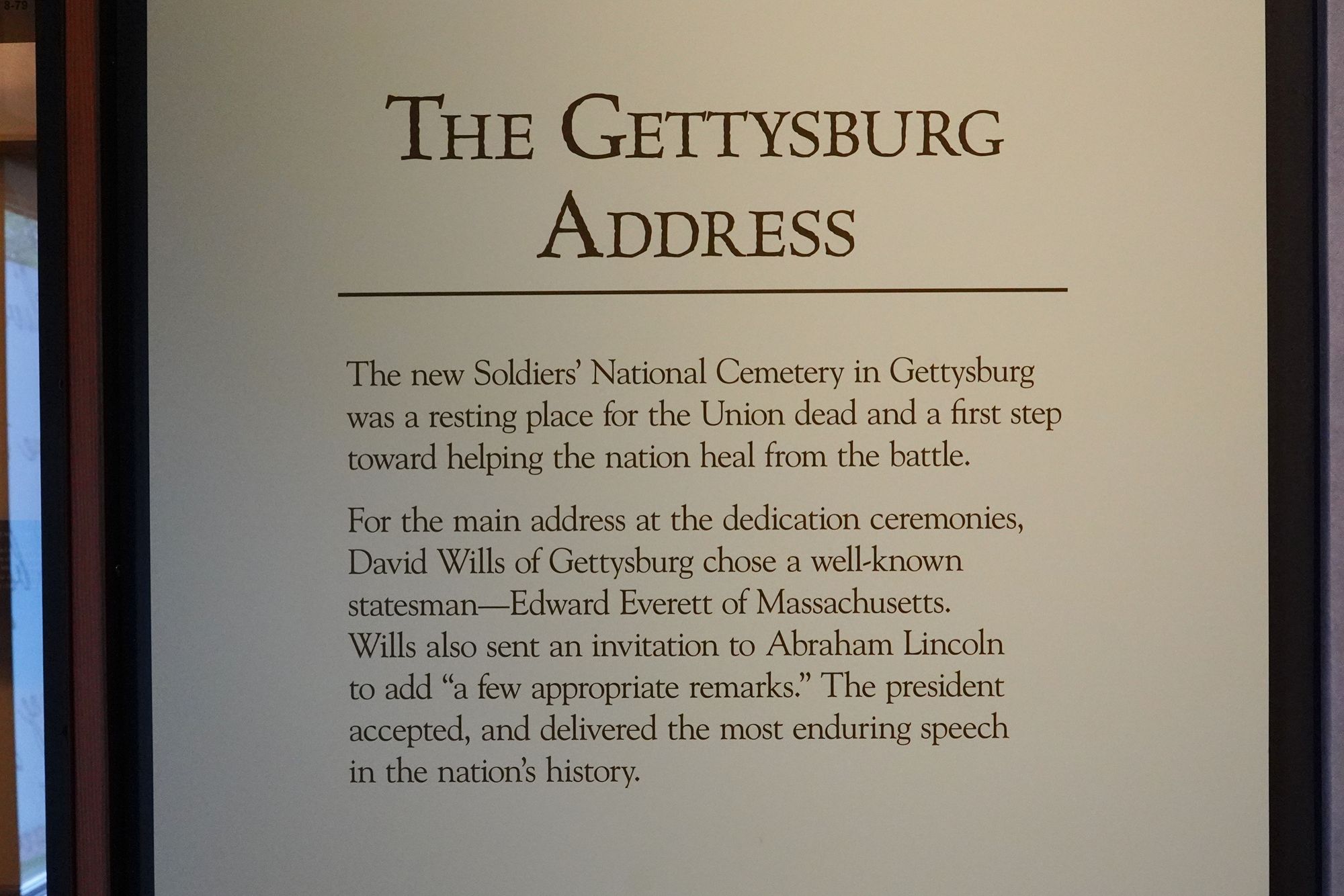
It was a very brief speech — only 272 words and took about two minutes to deliver.
Despite its brevity, the Address is widely regarded as one of the greatest speeches in U.S. history.
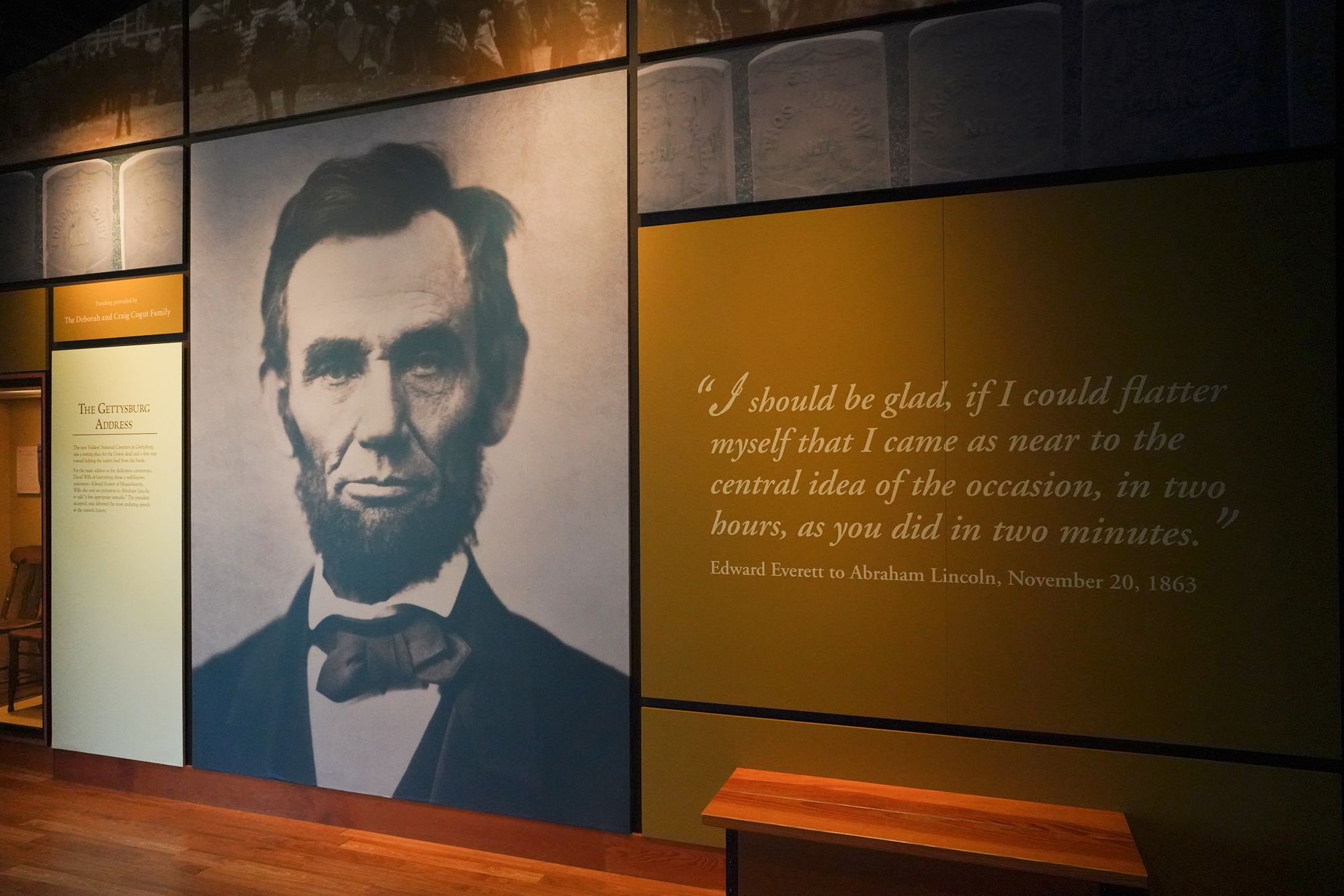
Its key message: remember the fallen, finish their work, and ensure a nation of freedom endures.
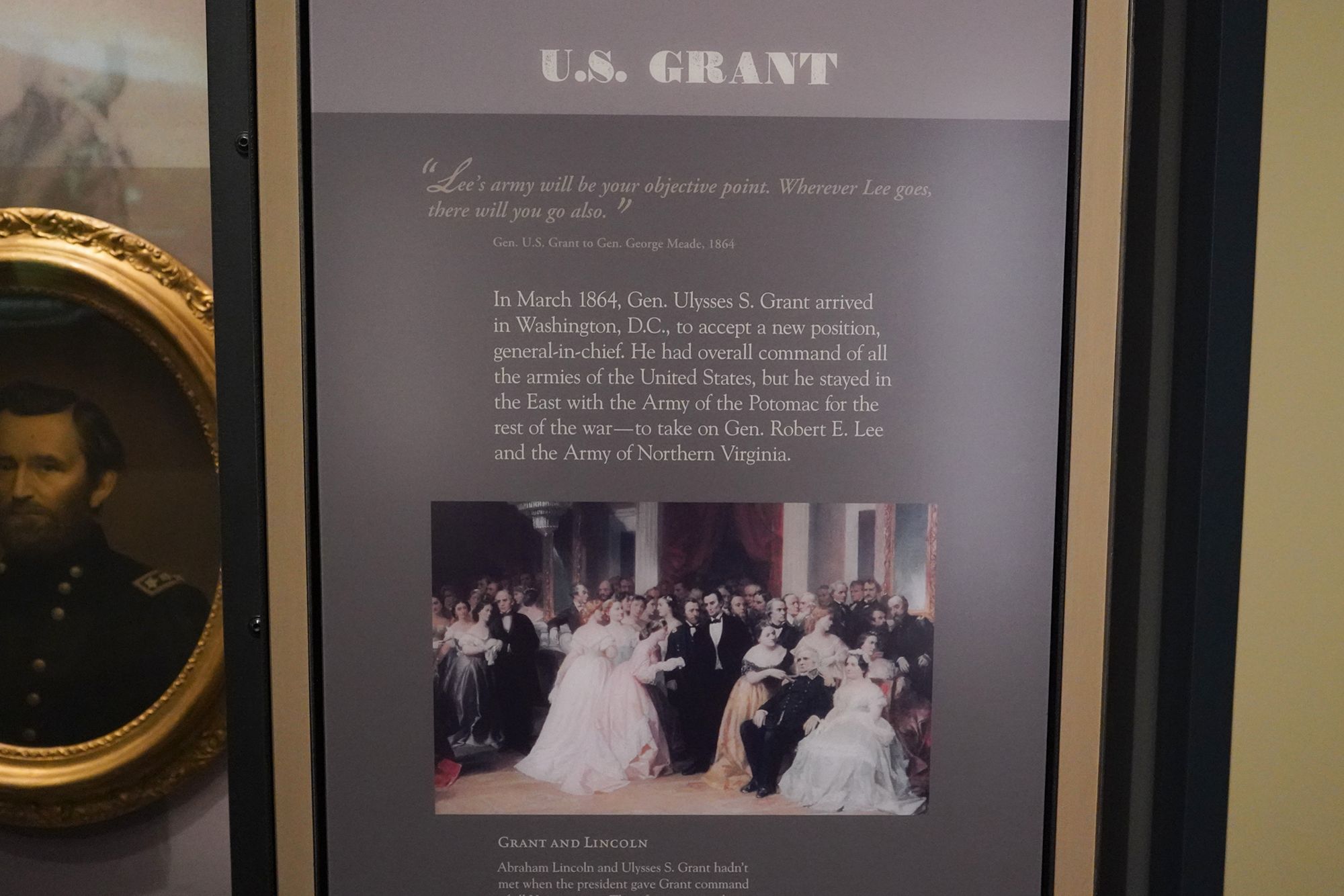
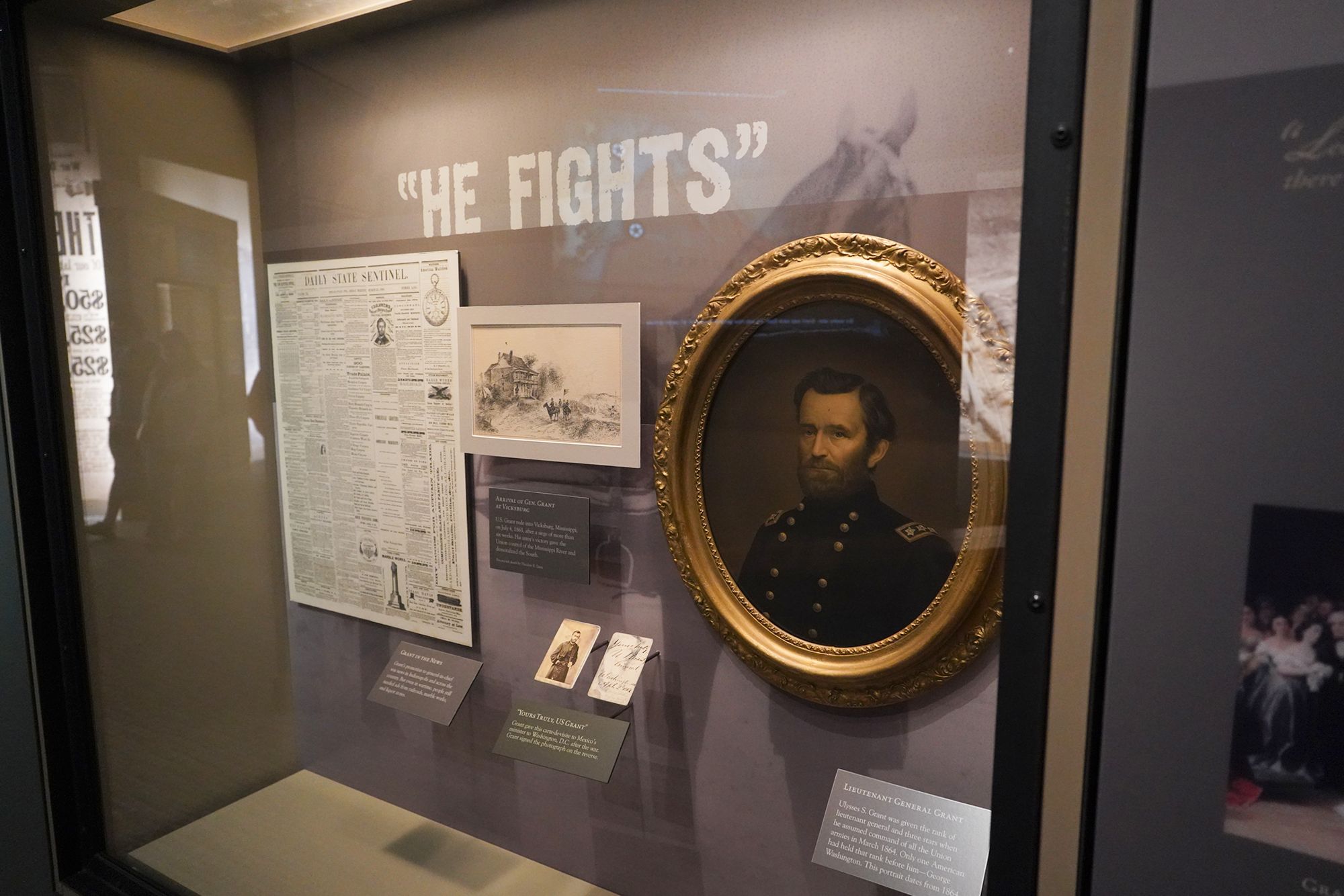
U.S. Grant stands out as the general who helped save the Union and end the Civil War, and as the president who strove to implement Reconstruction and defend civil rights.
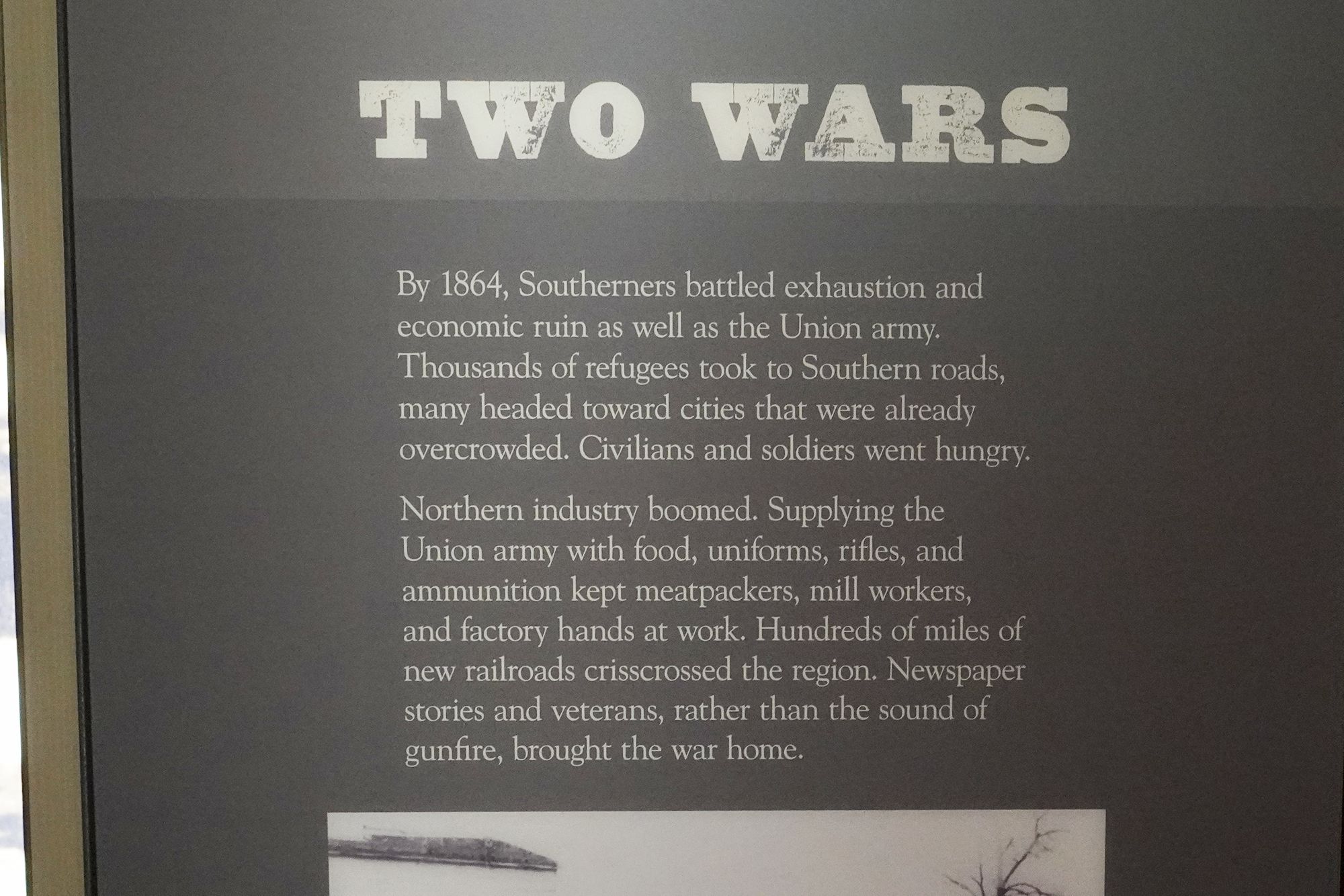
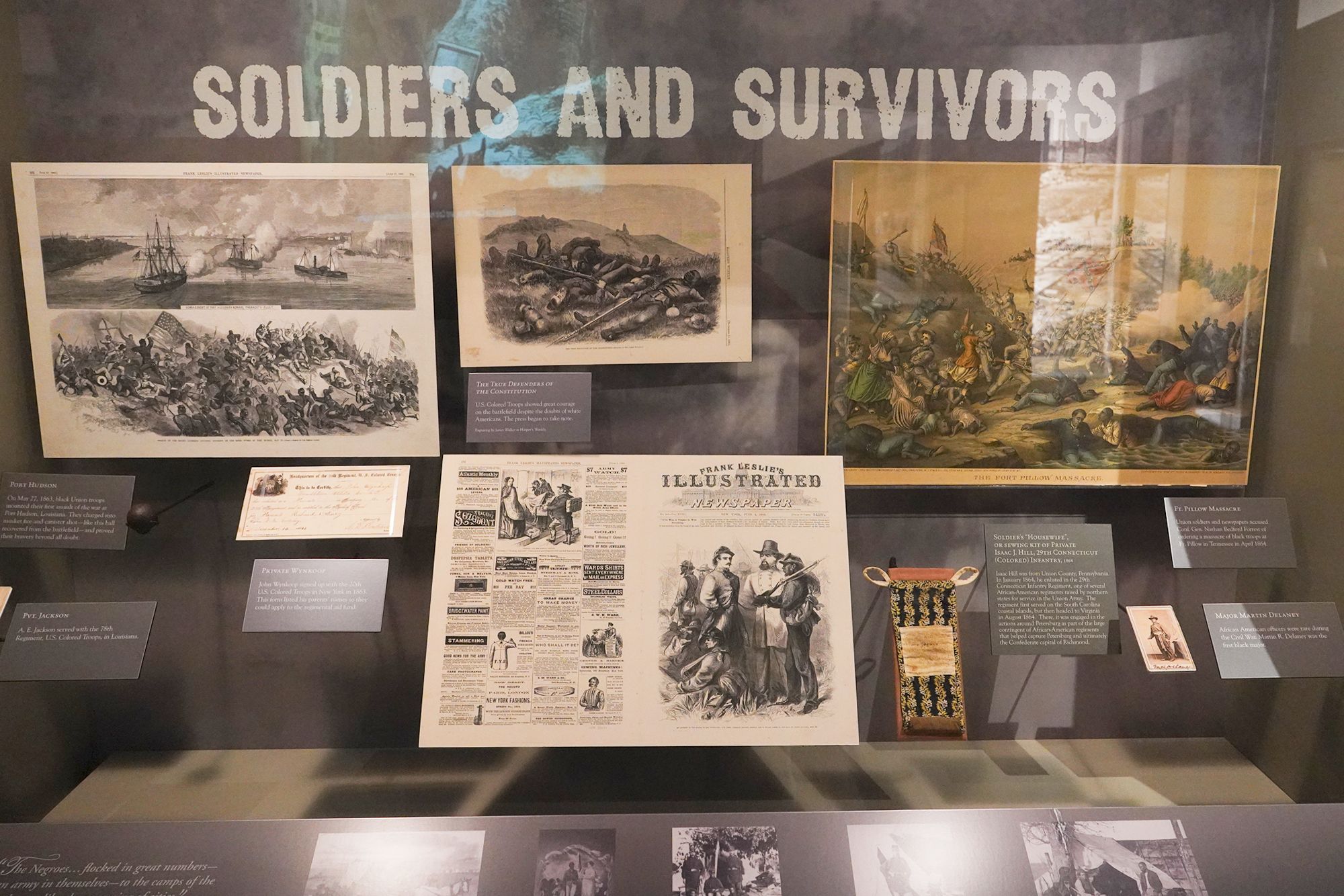
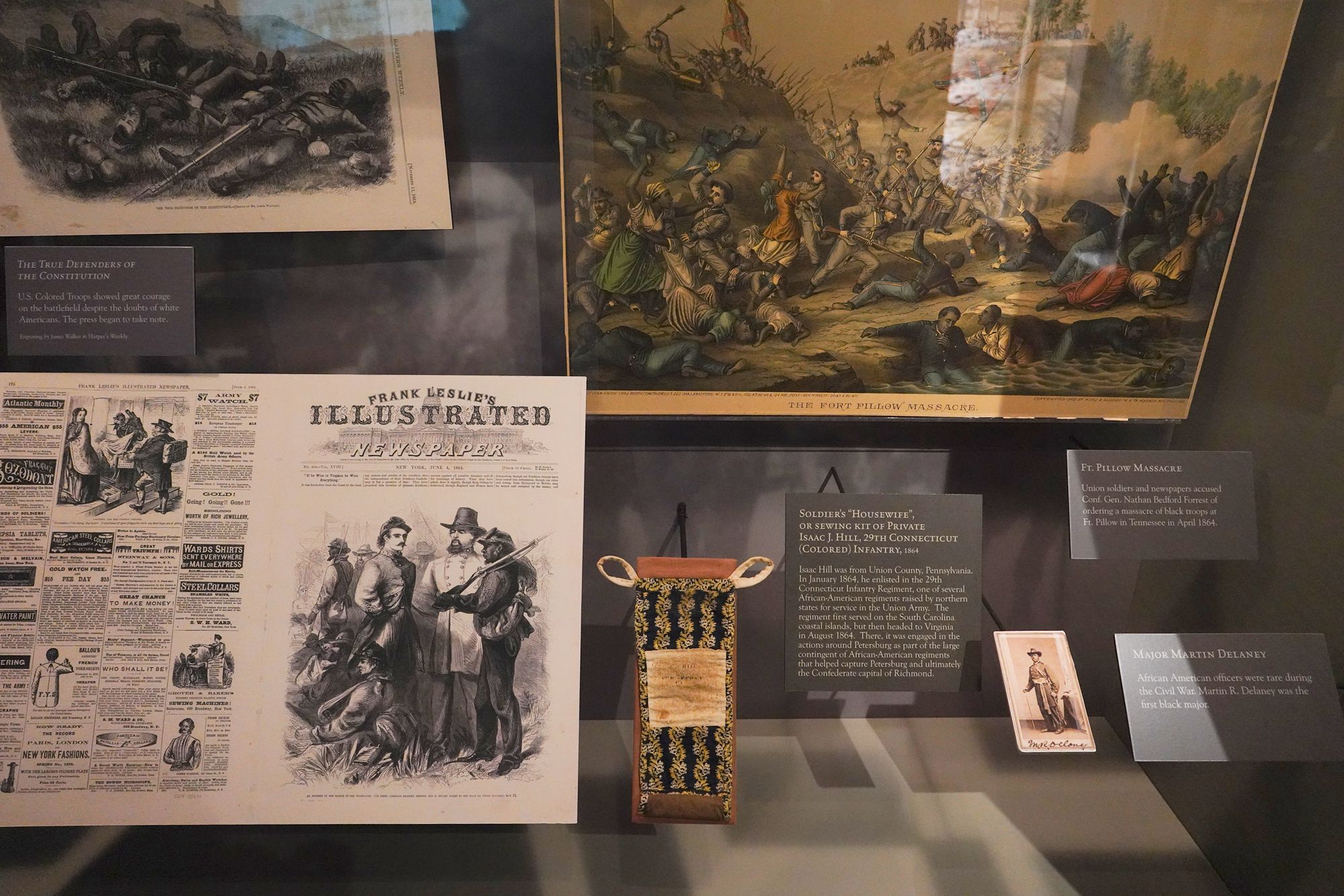
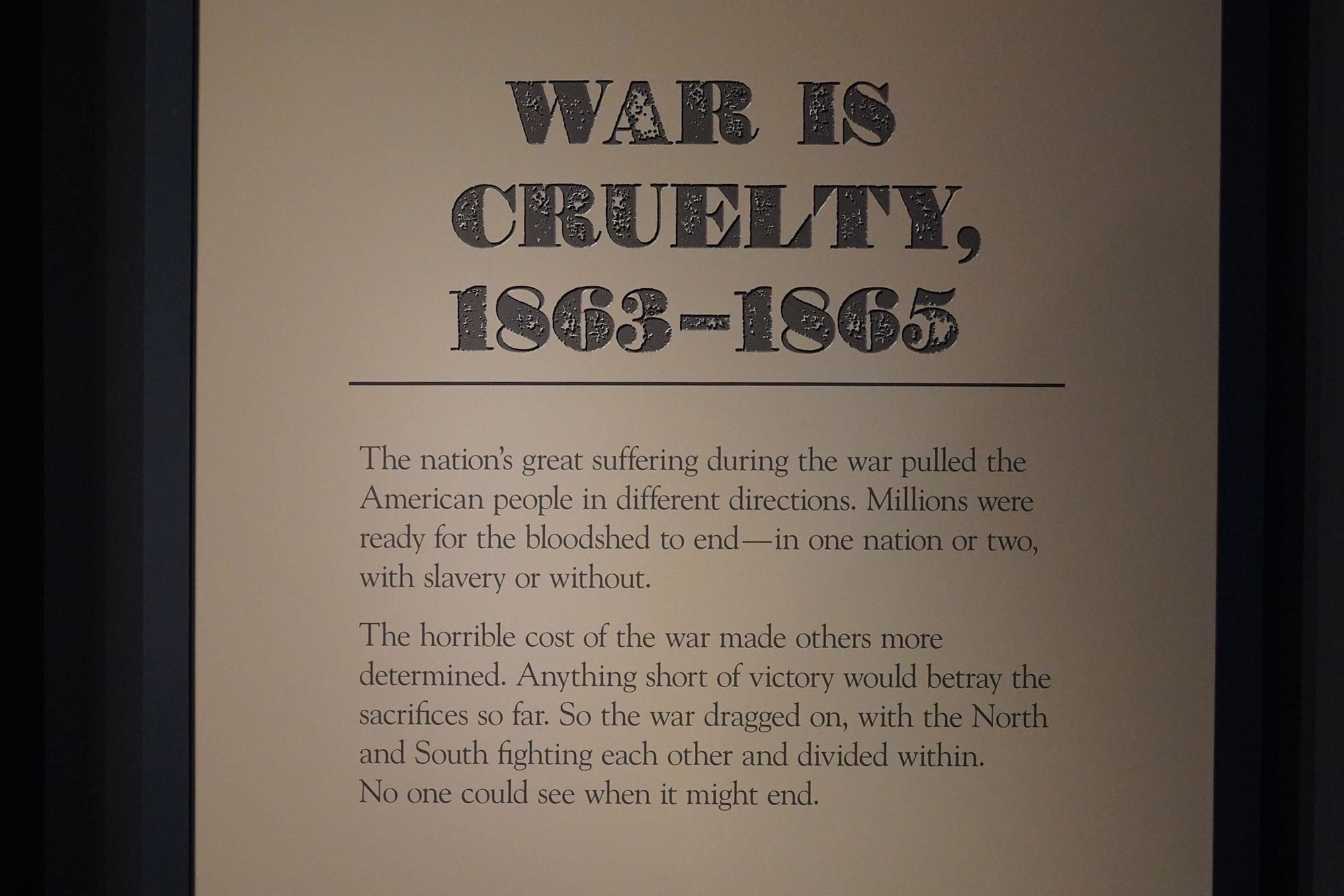
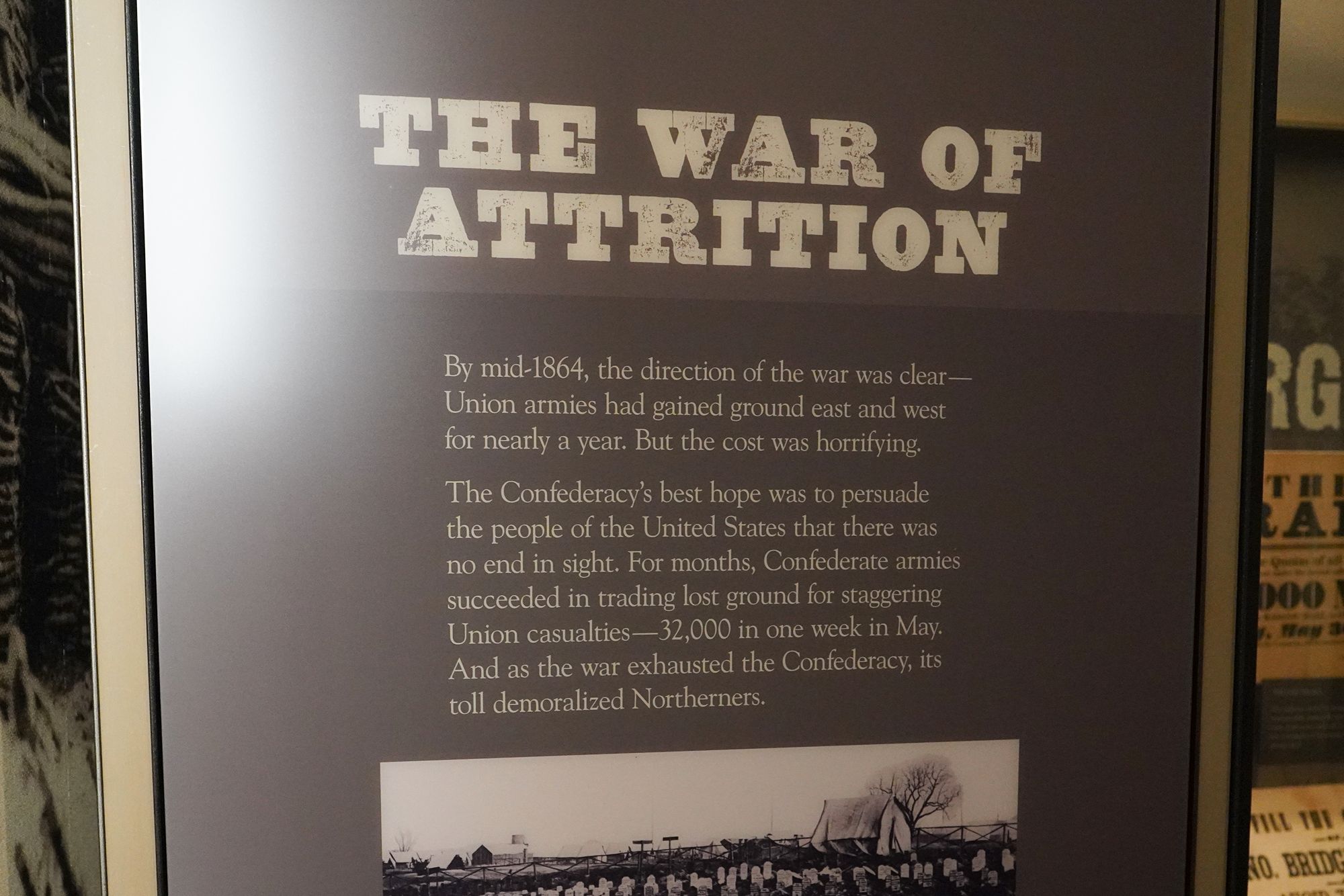
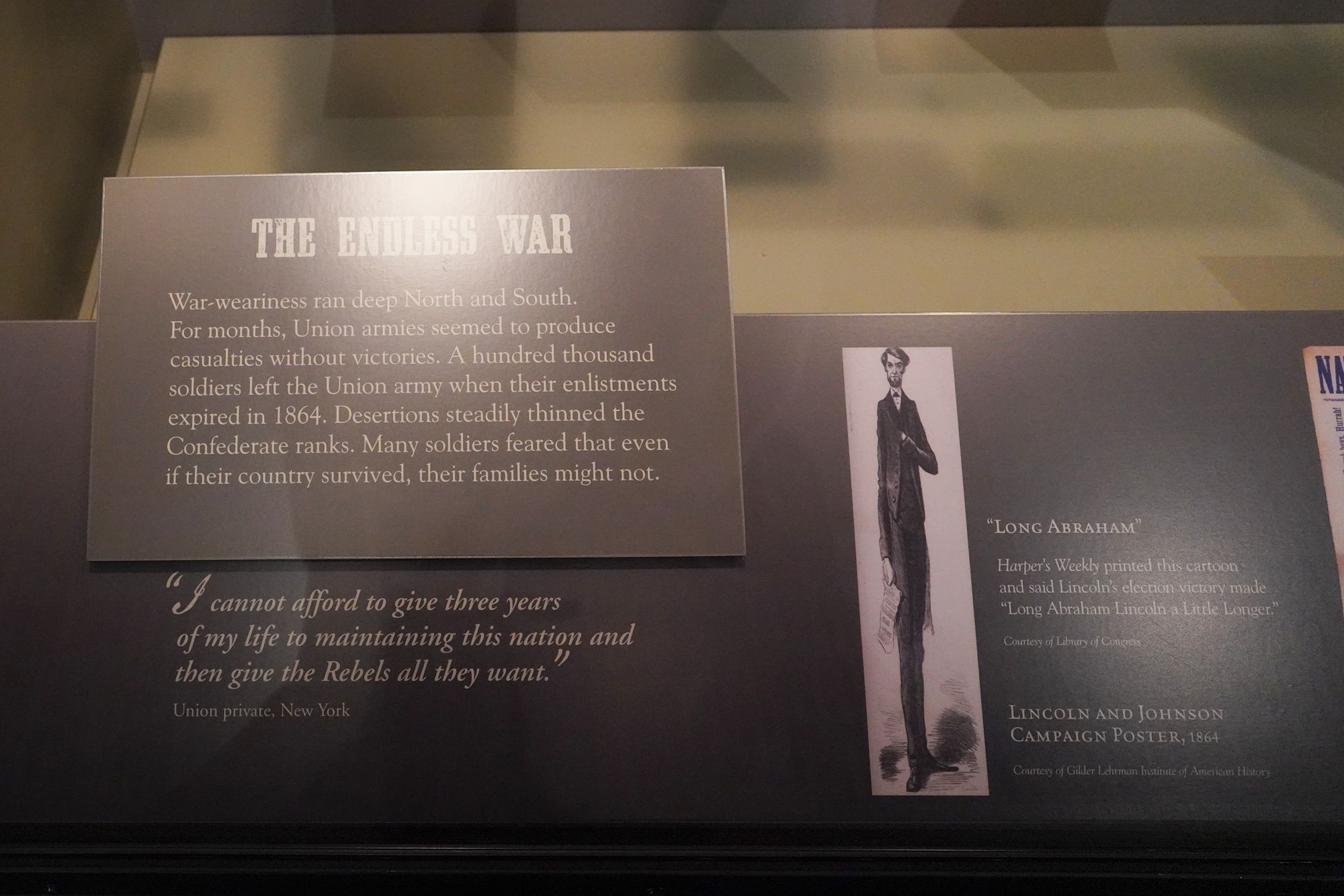
In the final years, strategy gave way to stamina. The Civil War became a war of attrition, where the Union pressed constantly, and the Confederacy slowly wore down under the weight of casualties, hunger, and dwindling resources.
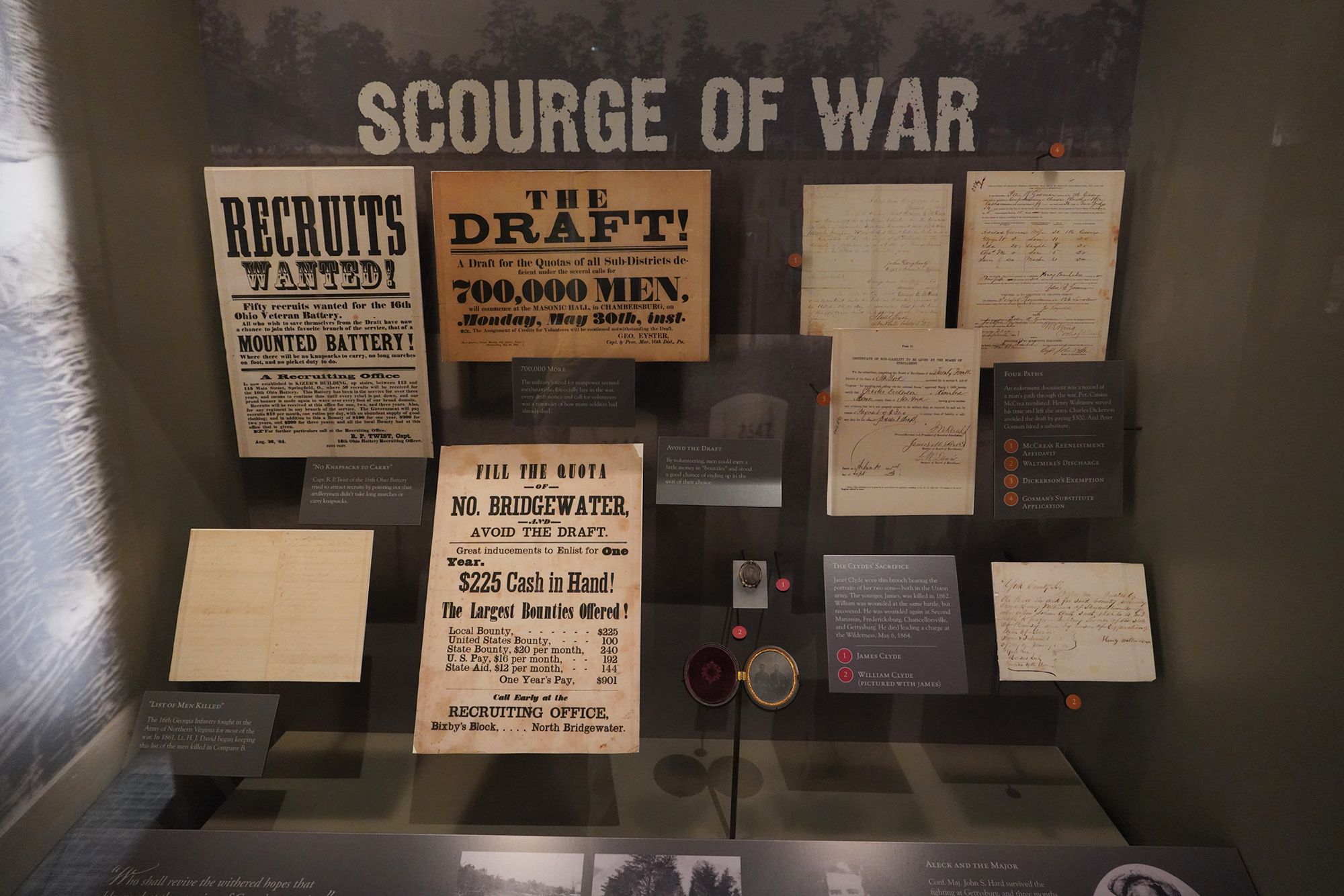
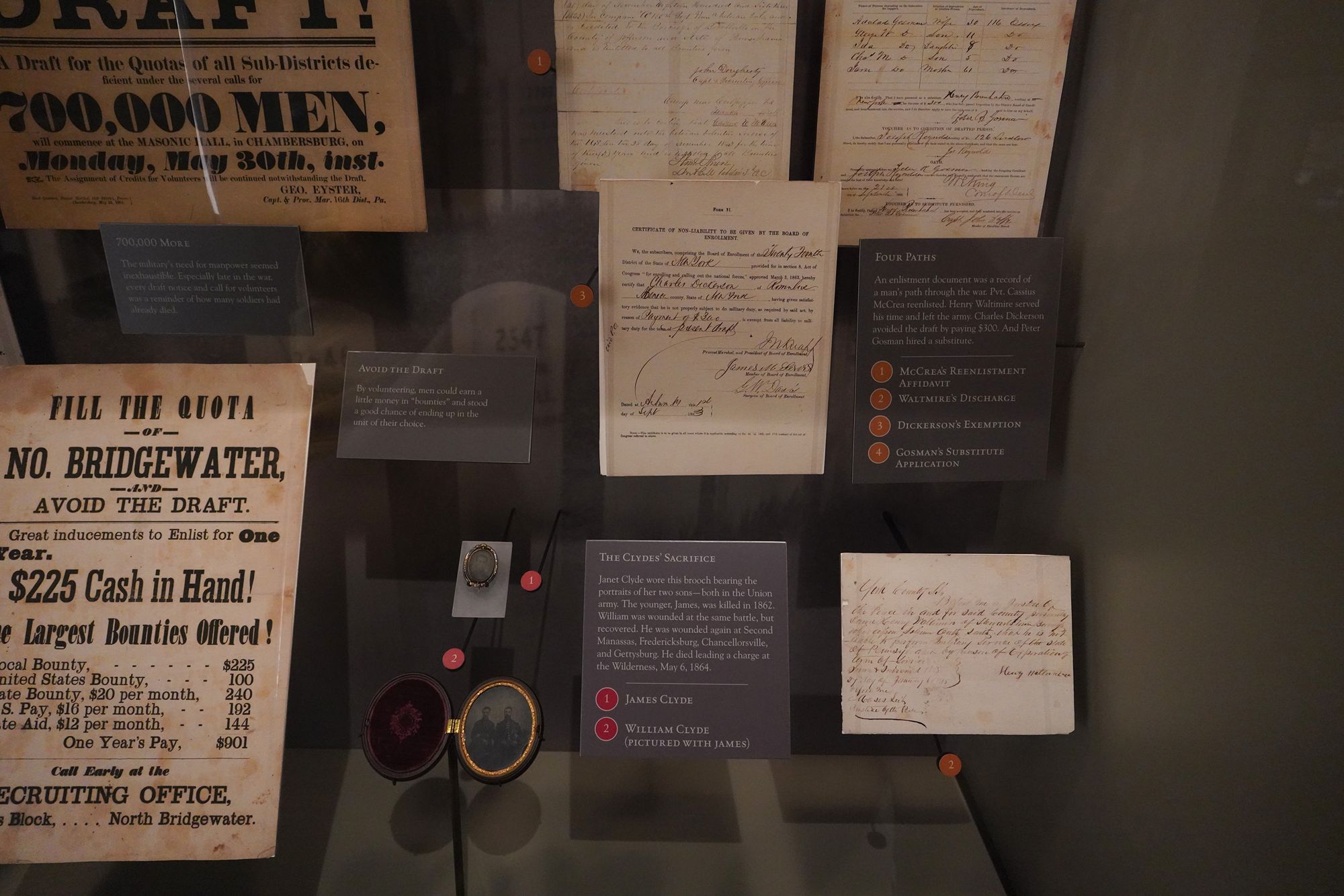
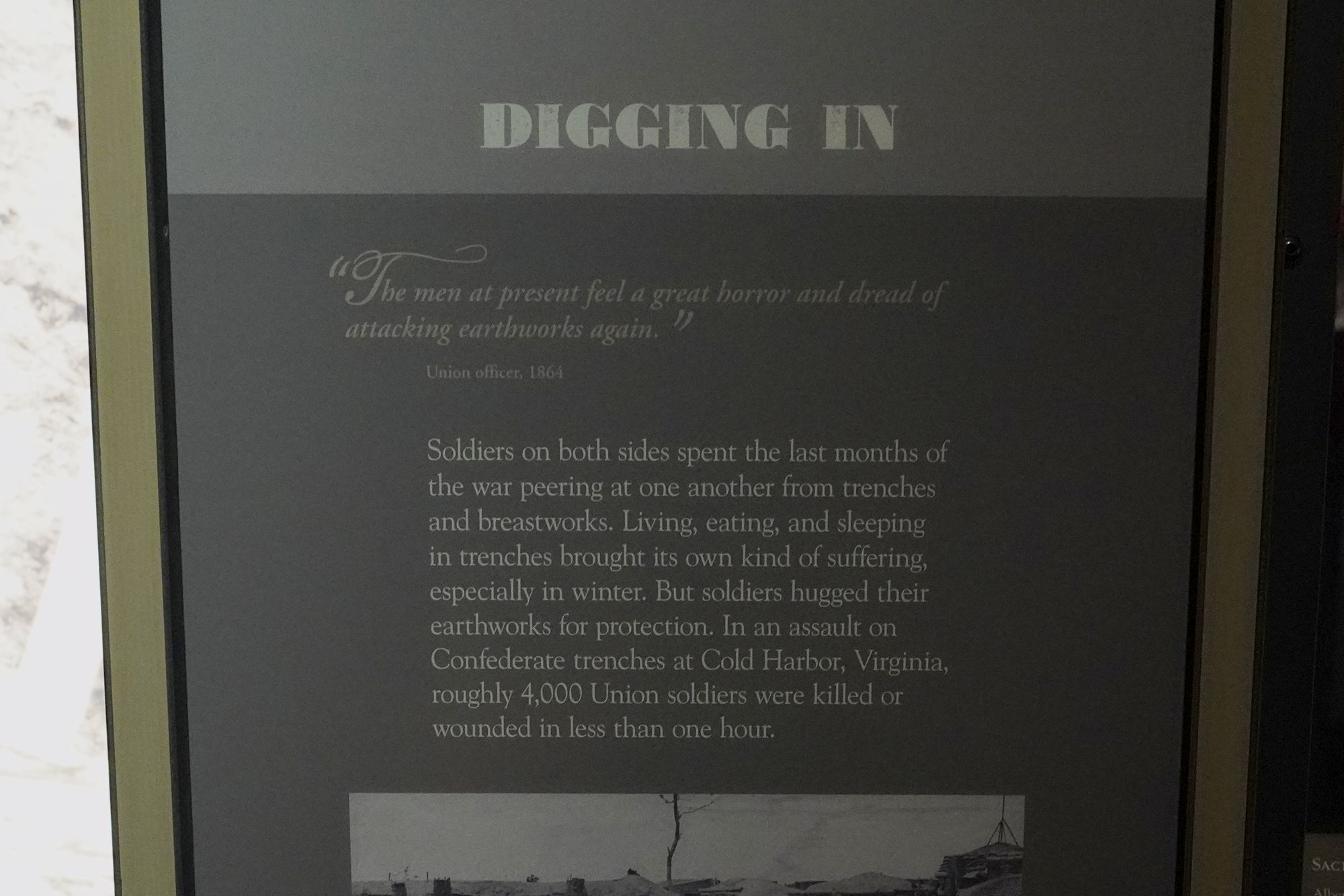
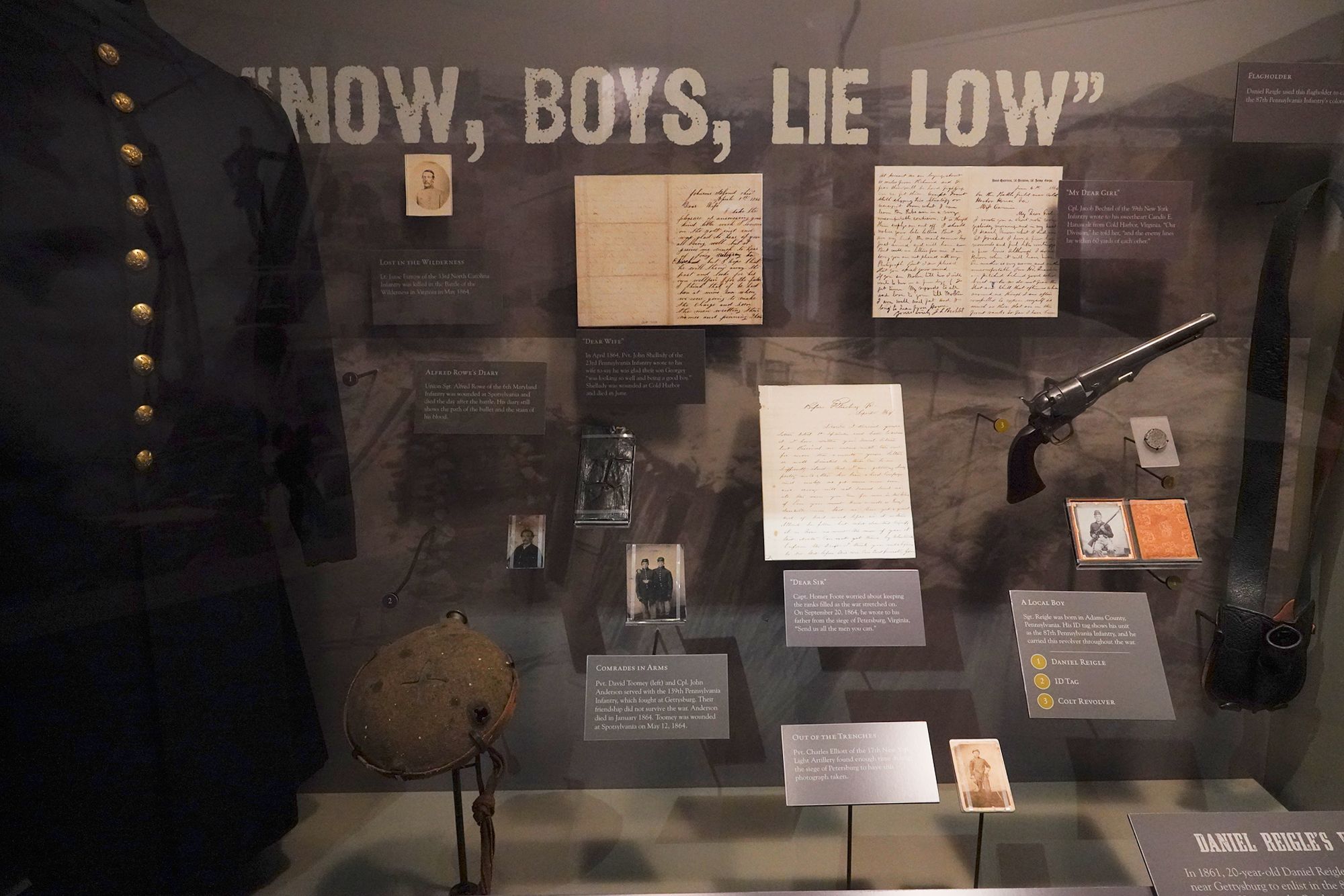
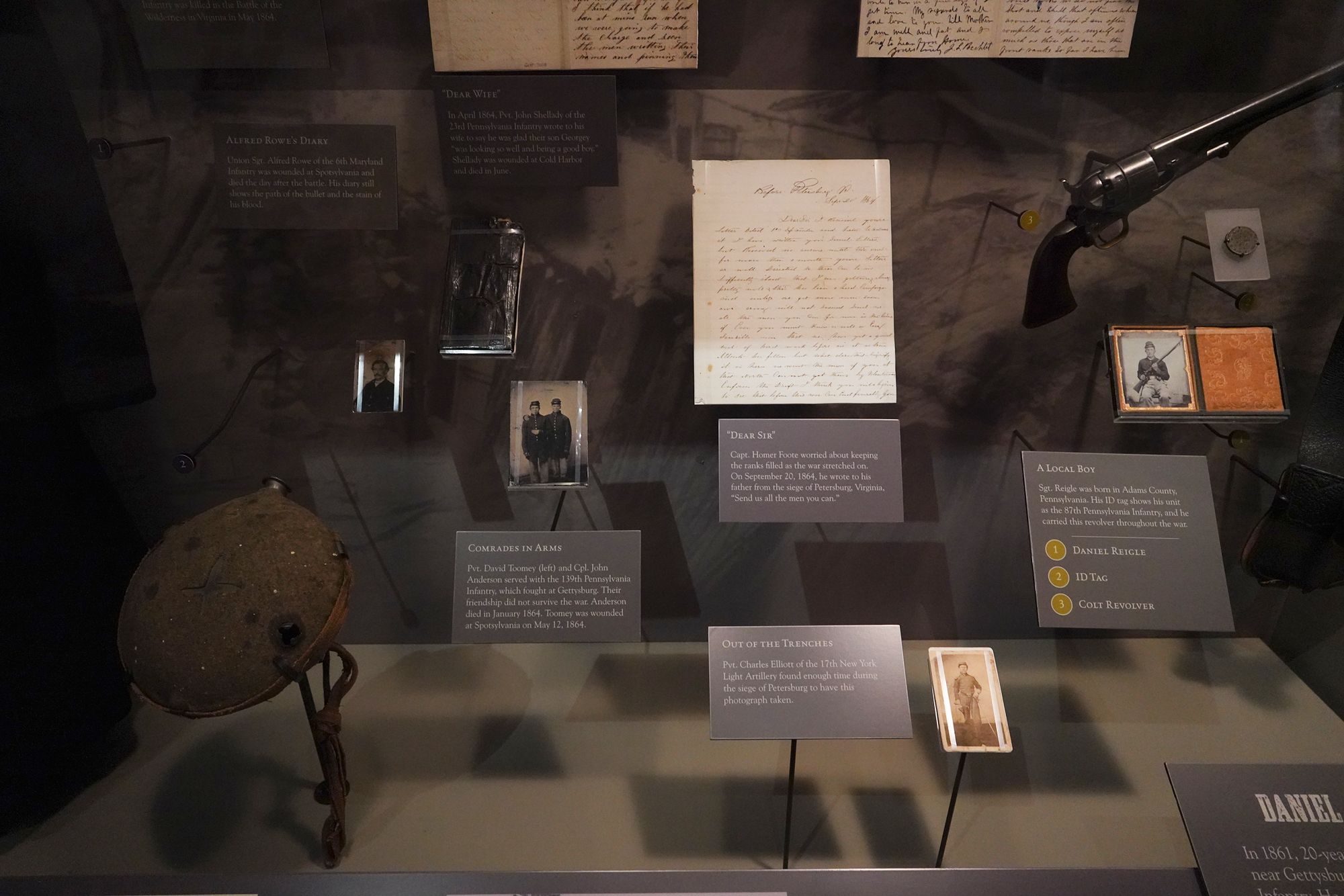
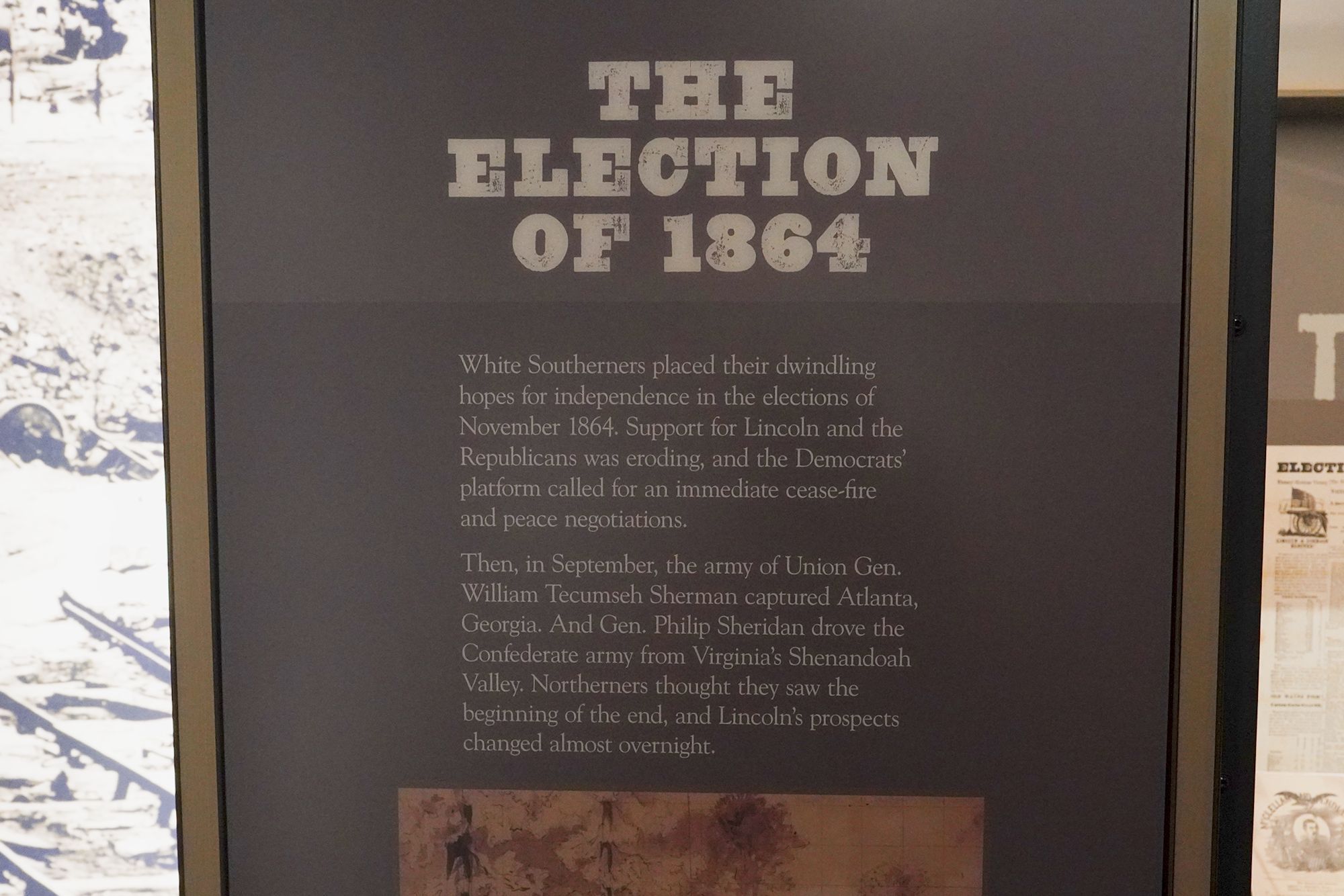
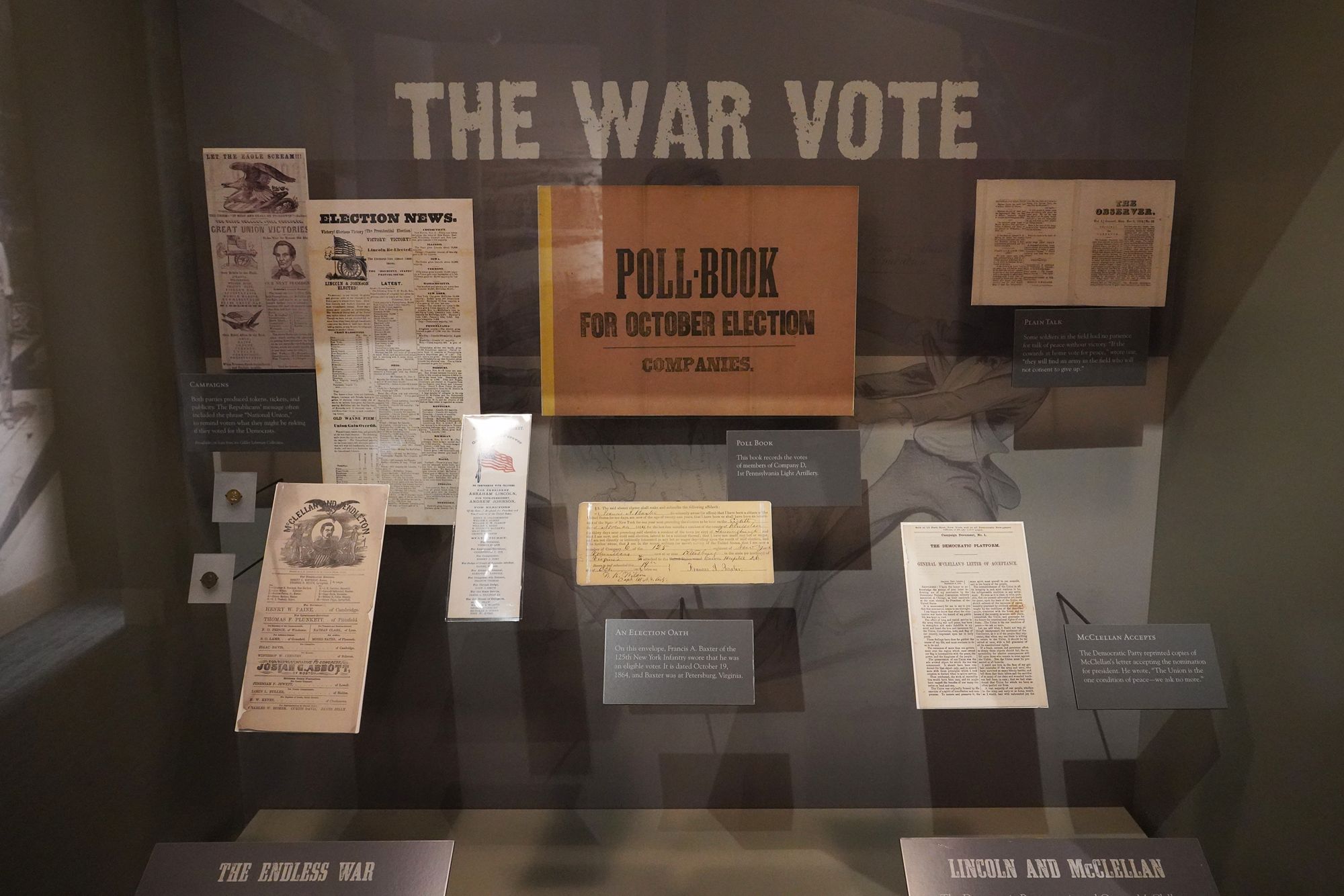
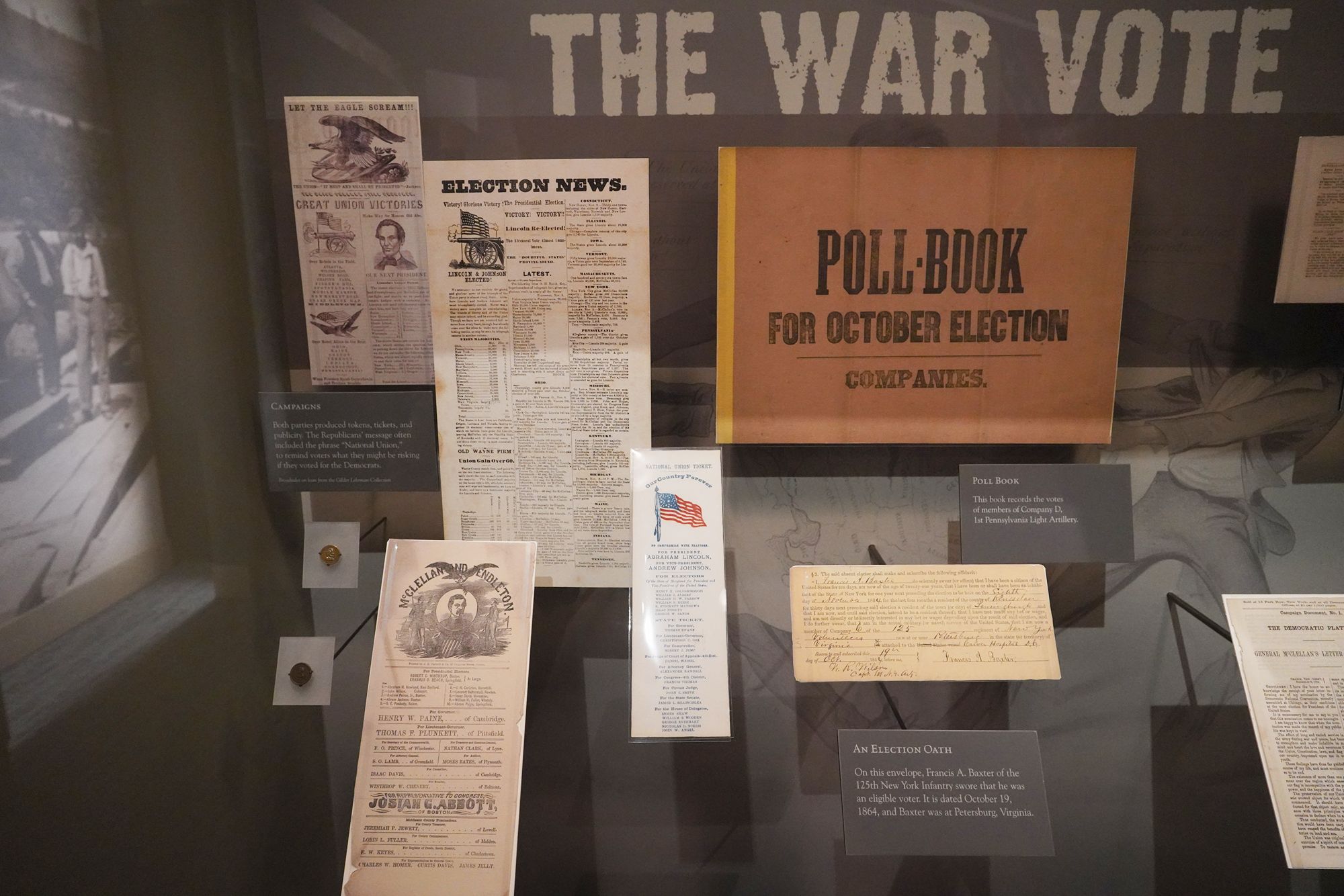
The election of 1864 decided whether the Union would continue the war or seek peac
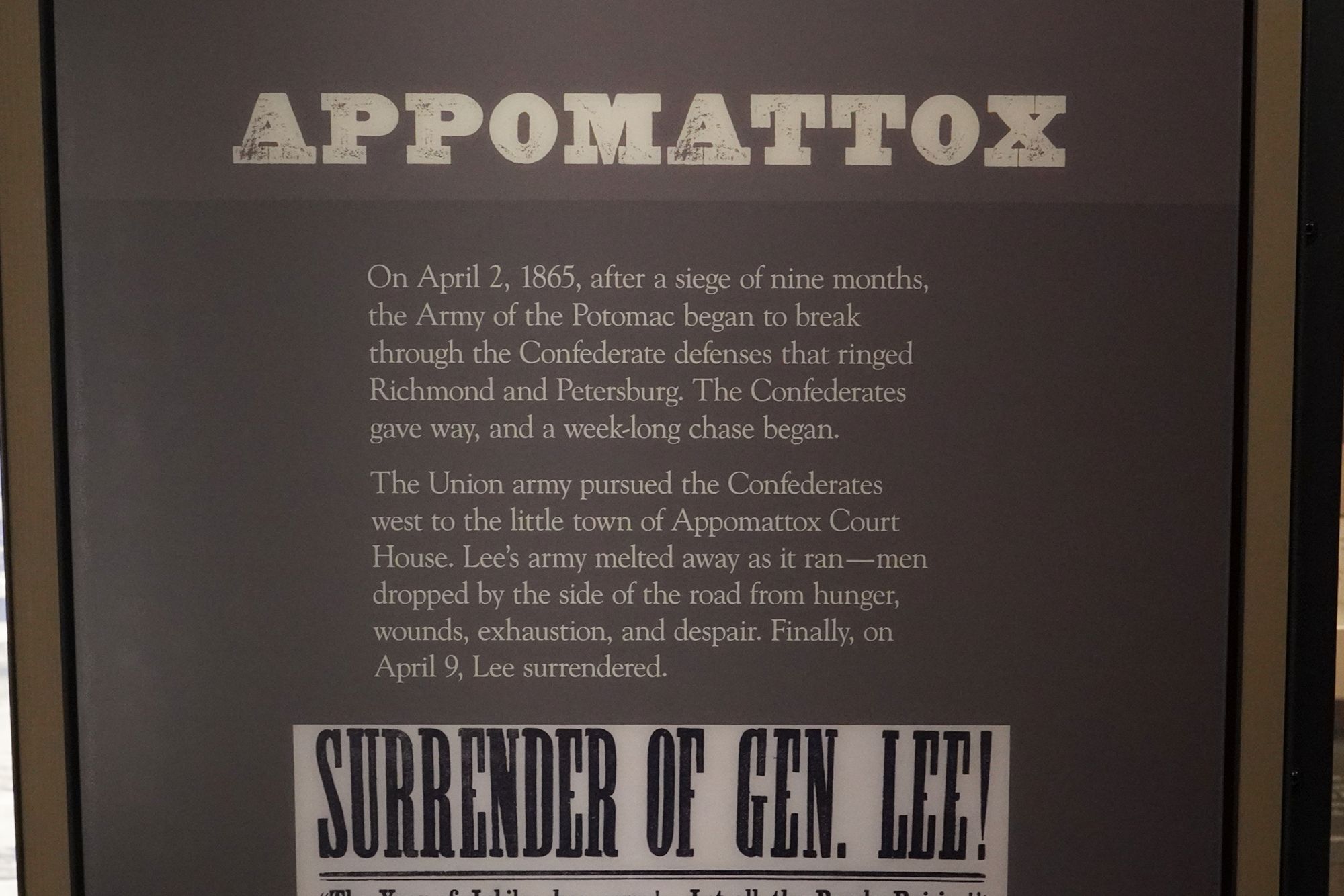
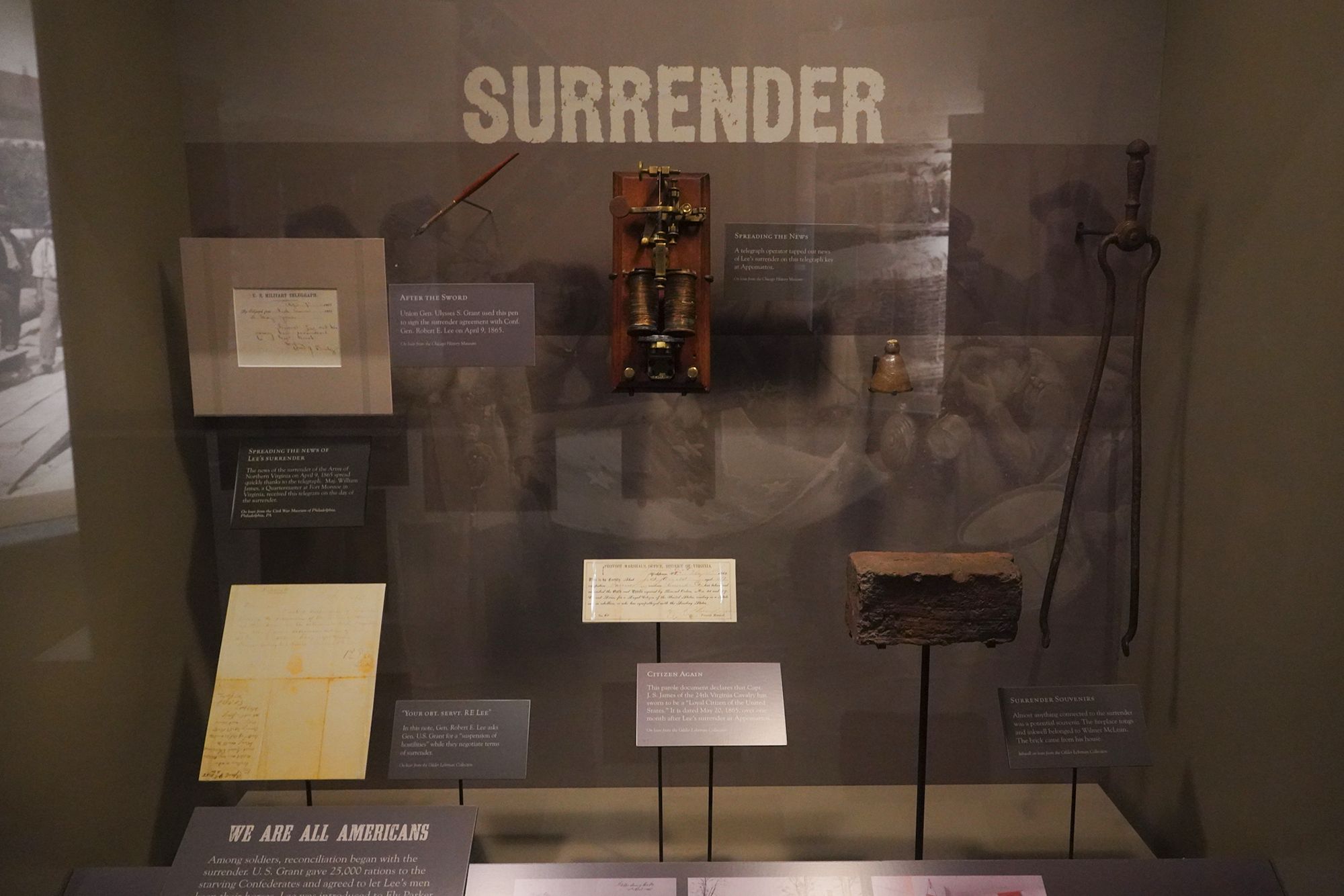
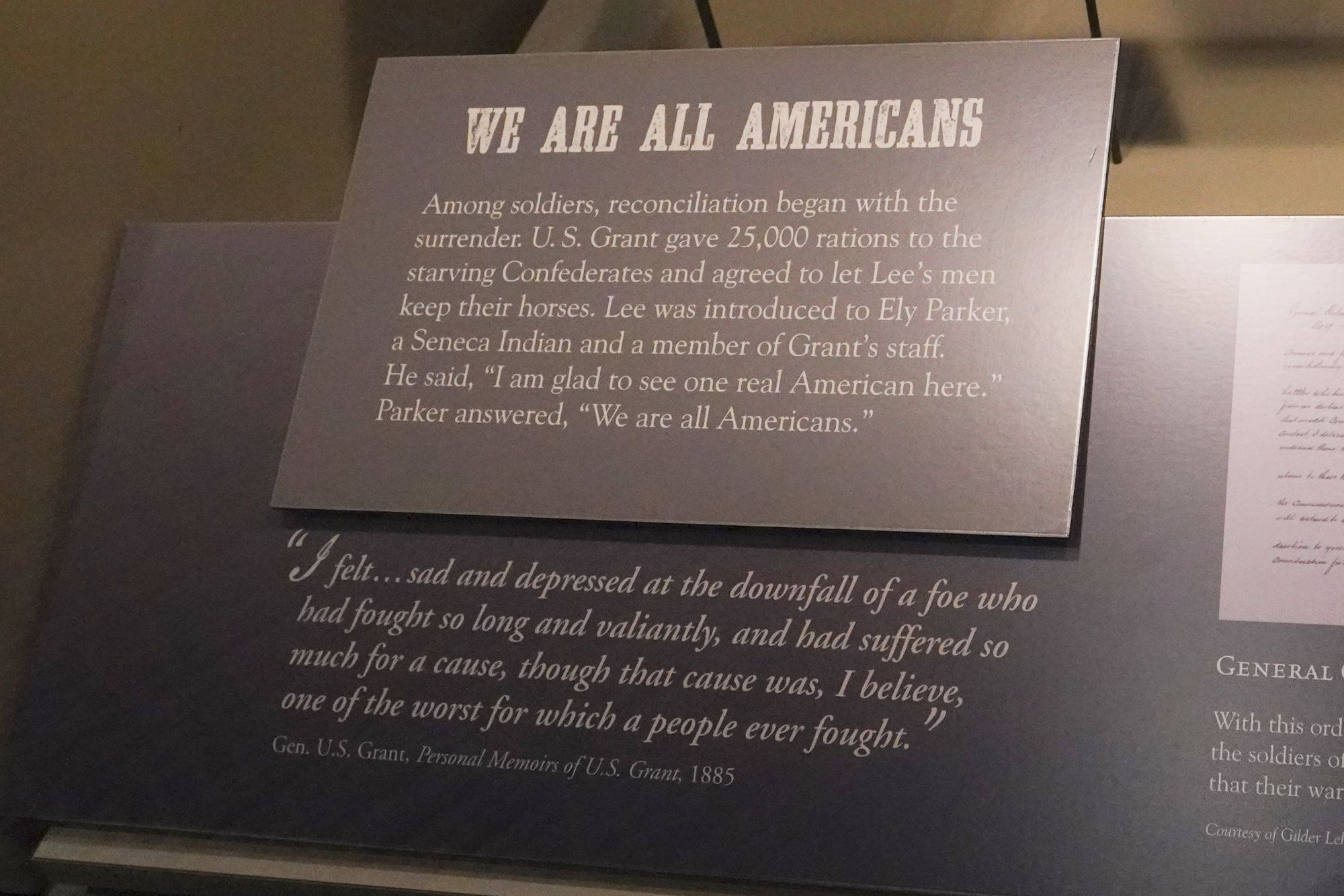
At Appomattox Court House on April 9, 1865, Robert E. Lee surrendered to Ulysses S. Grant — a formal end to the Confederacy’s main army and a turning point that brought the Civil War to a close, opening the door to reunification.
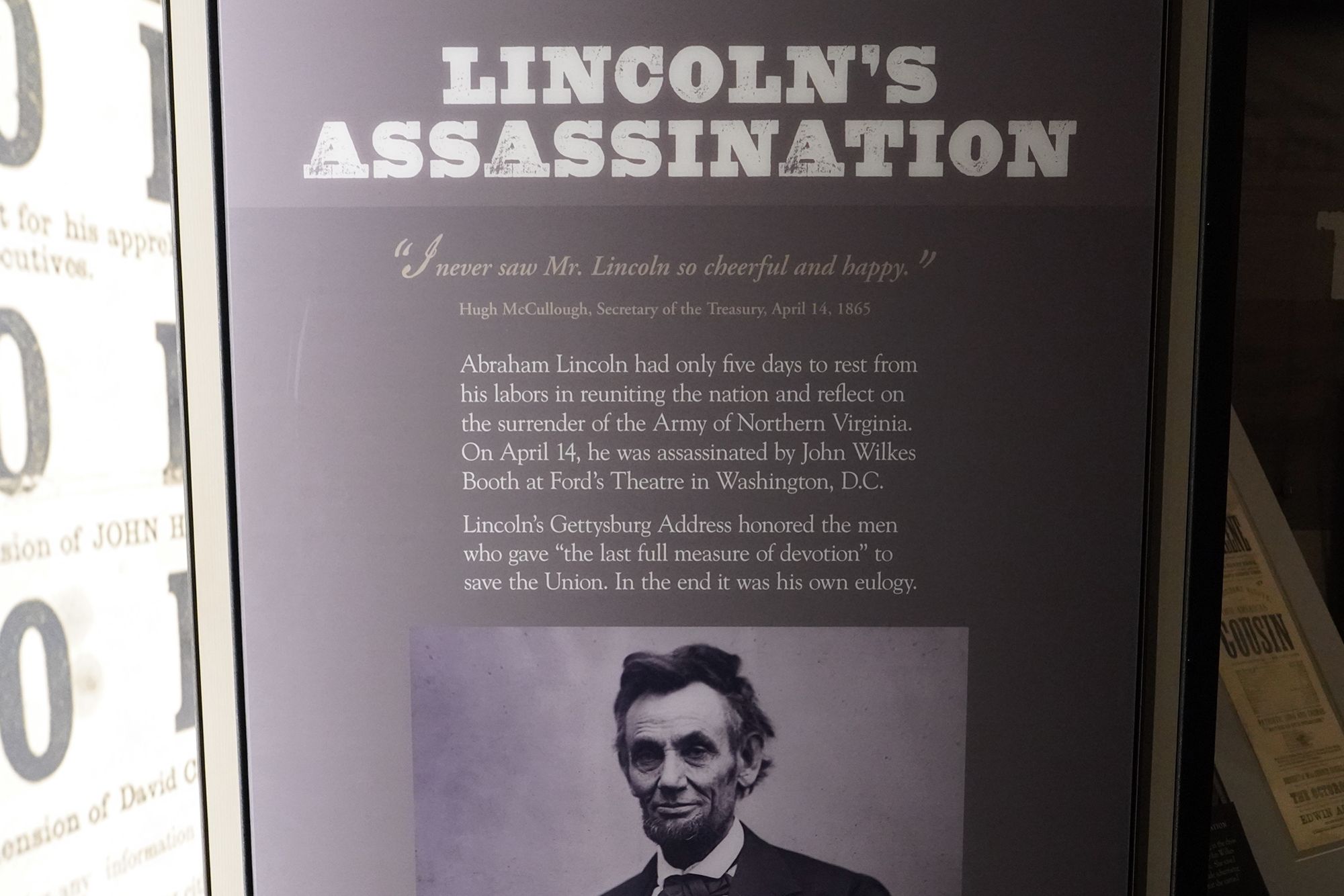
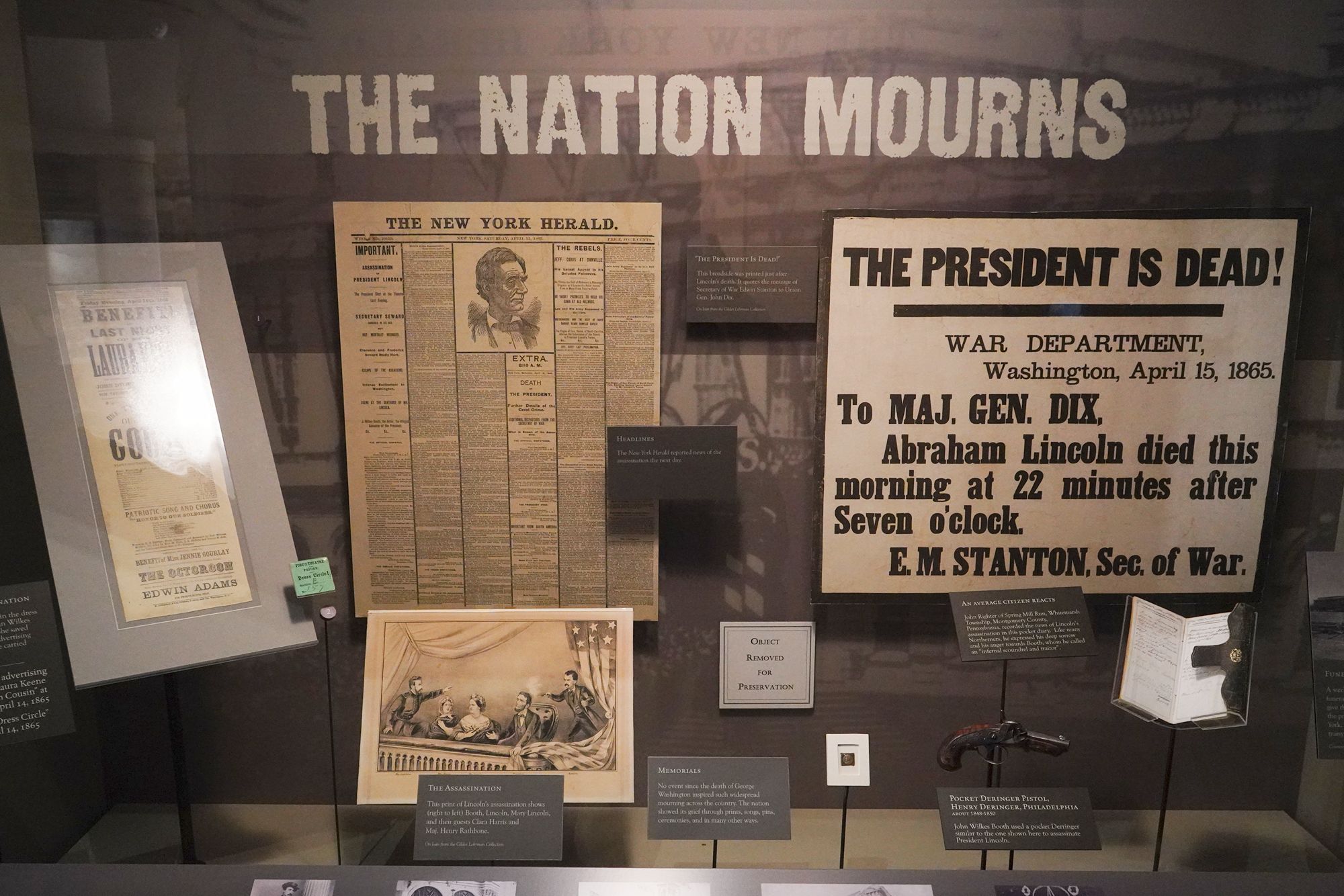
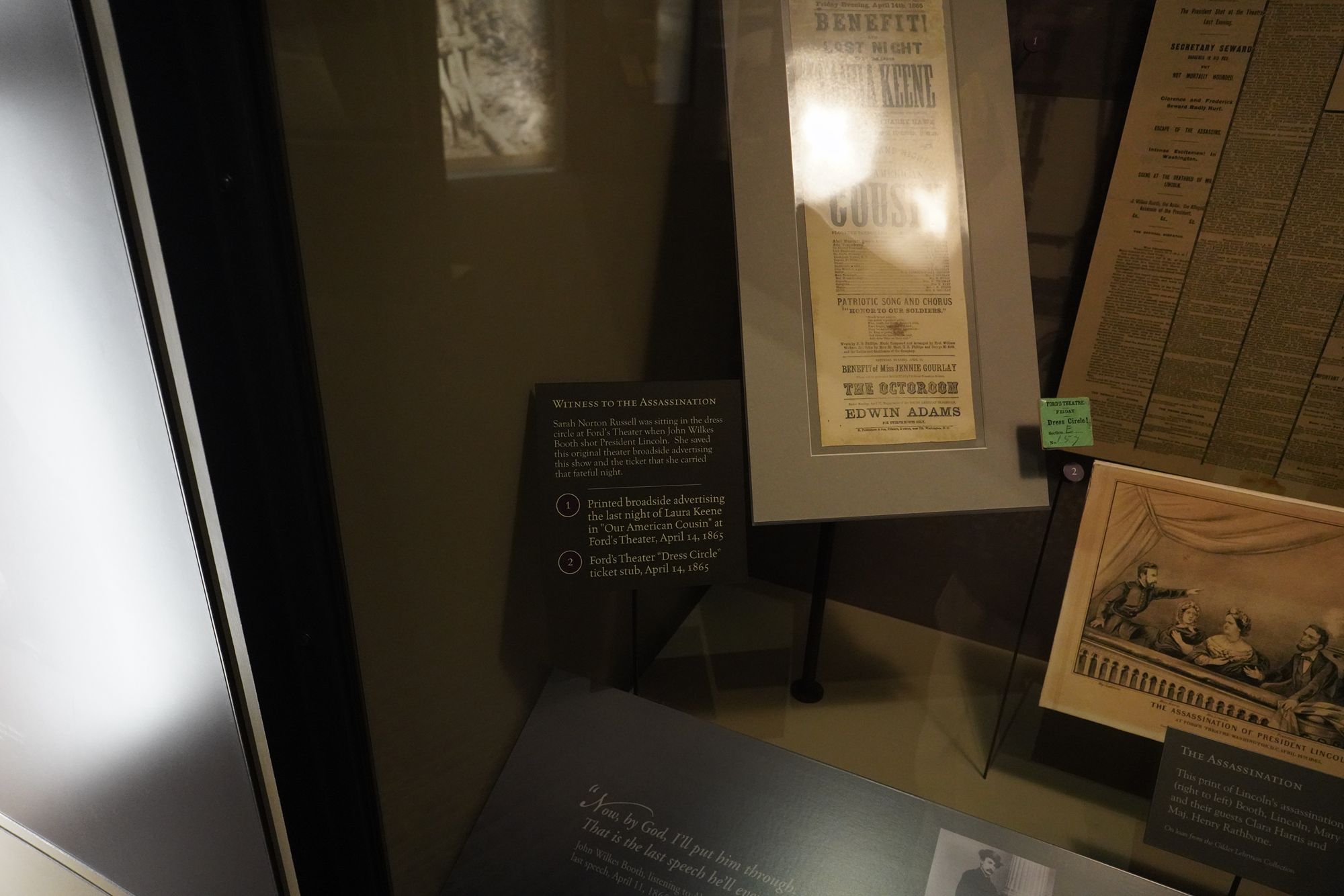
On the night of April 14, 1865, just days after the Confederate surrender, President Abraham Lincoln was assassinated by actor John Wilkes Booth while attending a play at Ford’s Theatre in Washington, D.C. Lincoln died the following morning — the first U.S. president to be assassinated — and the nation entered a period of grief and uncertainty just as the Civil War was ending.