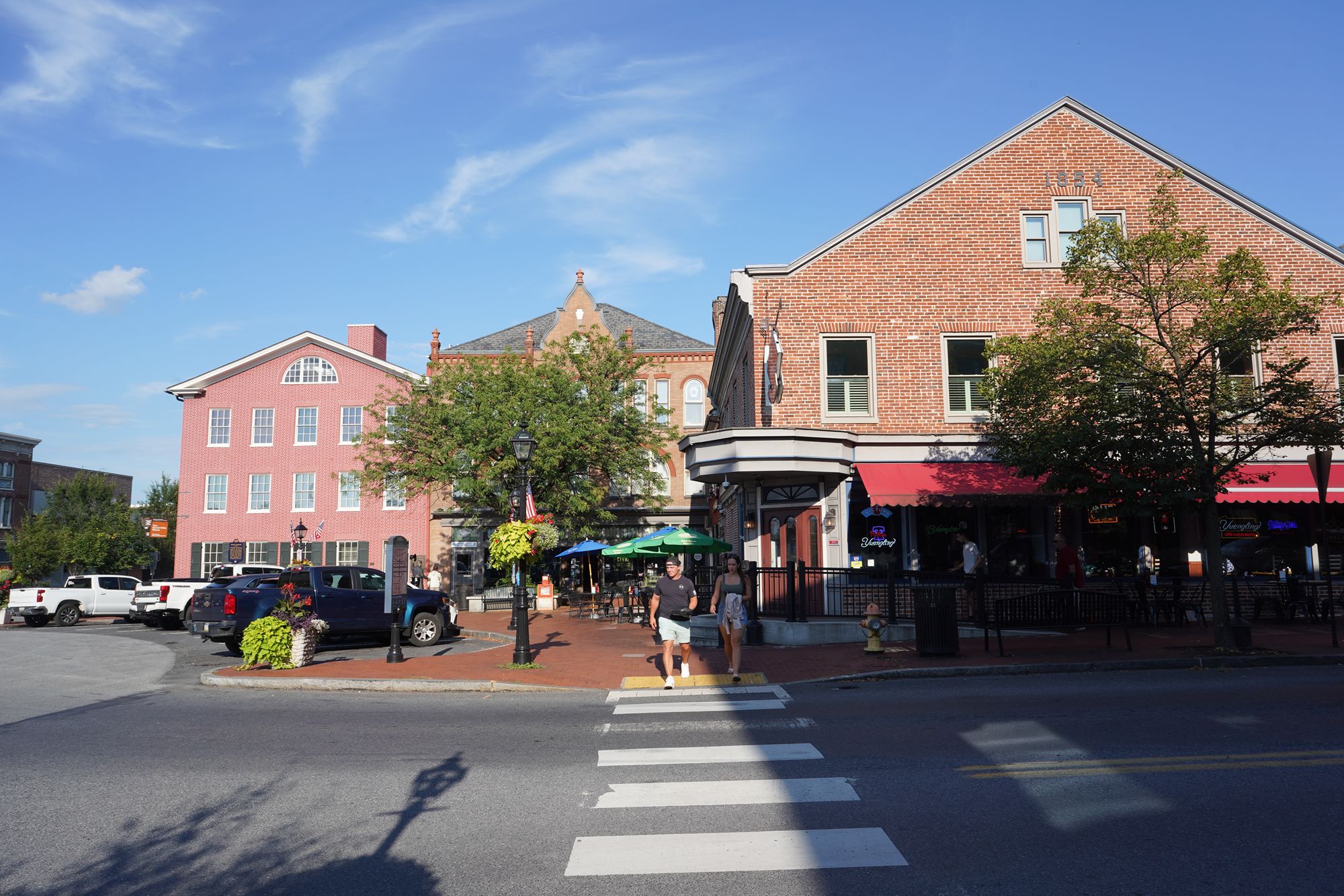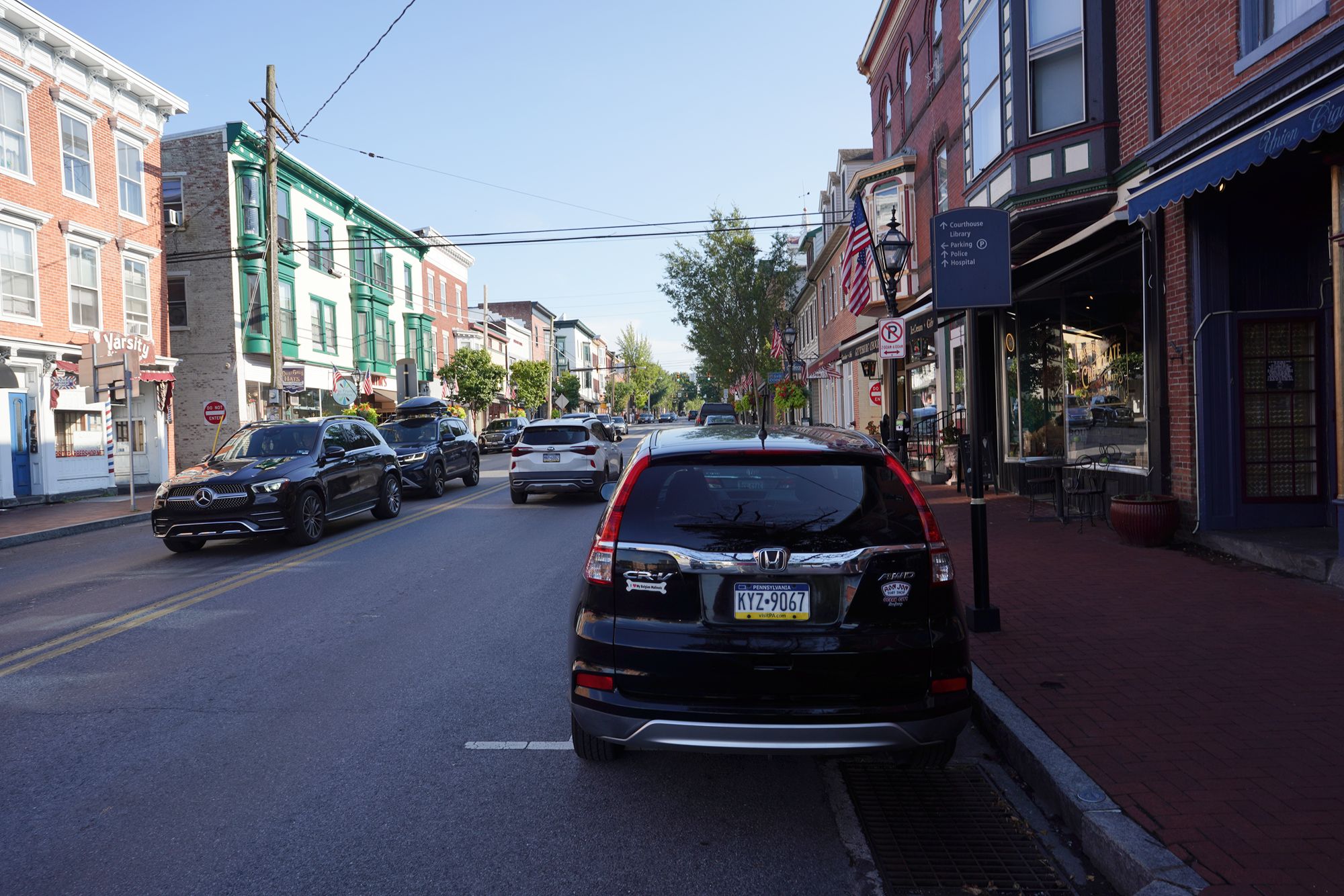
Gettysburg Civil War Locations and Downtown, Gettysburg, Pennsylvania, USA
Sightseeing across the real grounds where the Battle of Gettysburg was fought. 1162
Gettysburg National Military Park Museum & Visitor Center: 1195 Baltimore Pike Suite 100, Gettysburg, PA 17325
Date Picture Taken: August 2025
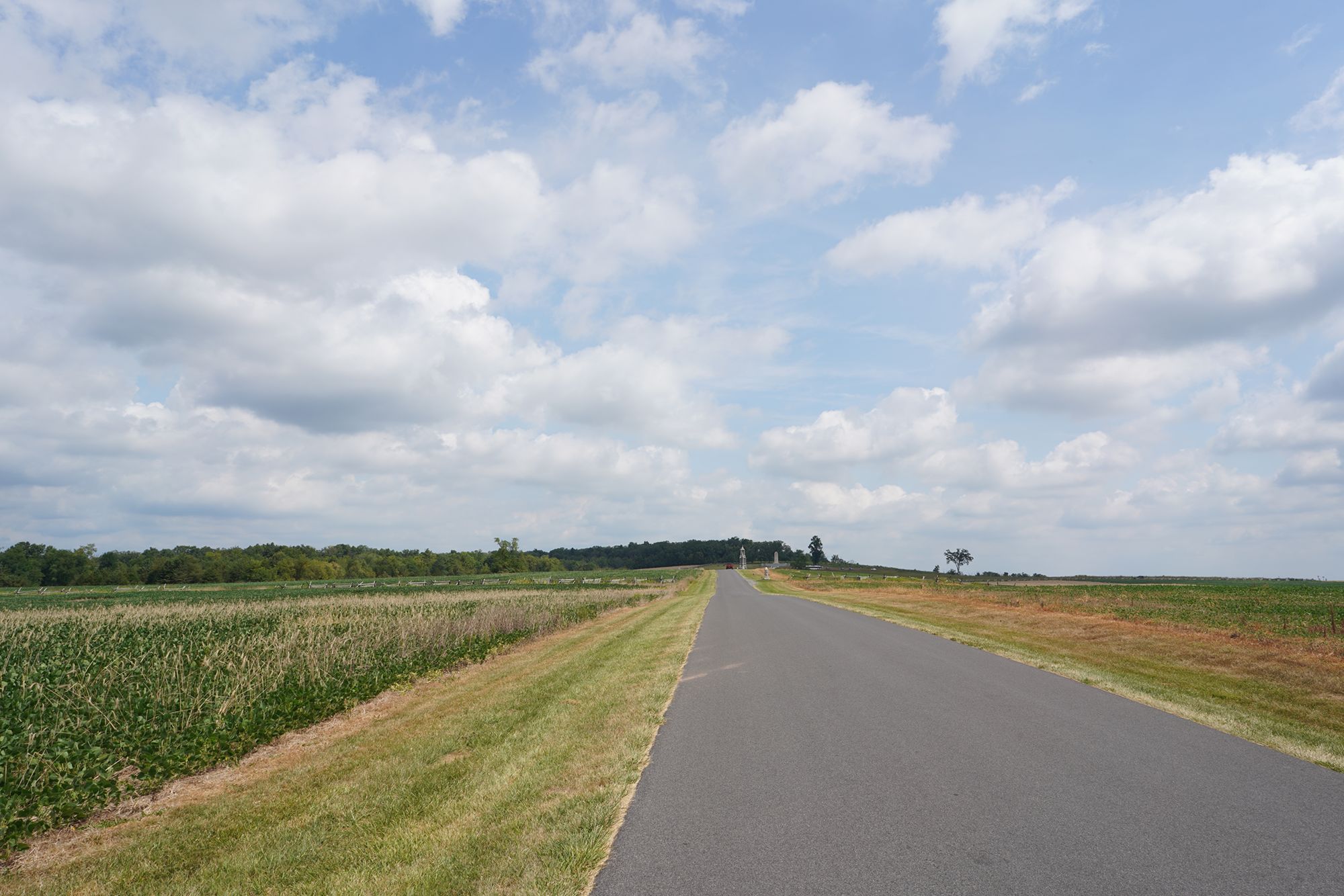
Visitors with a car can tour the battlefield by following the numbered markers along the park road, starting at number one and ending around 16, laid out in the order of the battle.
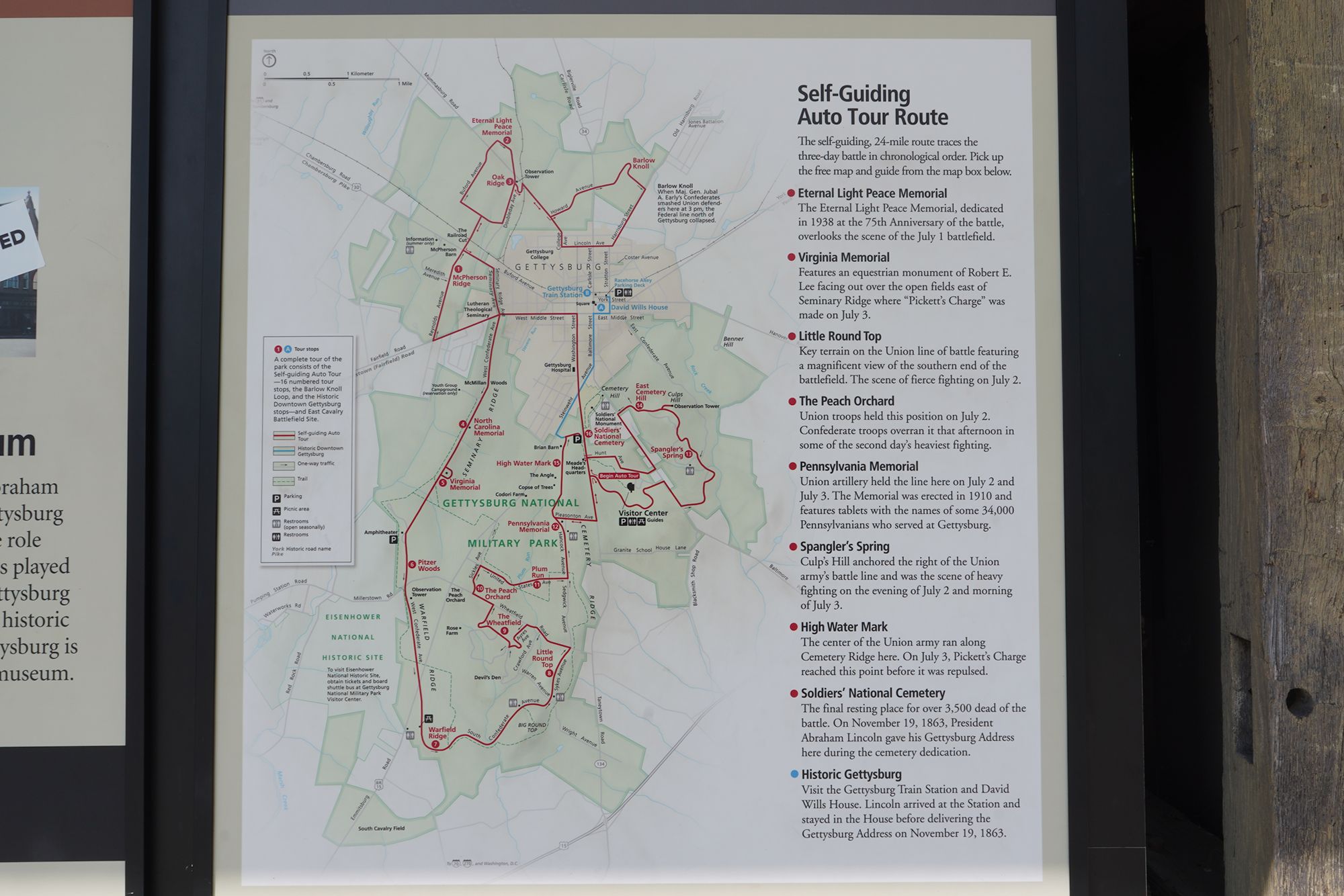
Today the battlefield lies calm and silent, giving little hint of the violence once here. I begin the Self-Guiding Auto Tour at location number one.
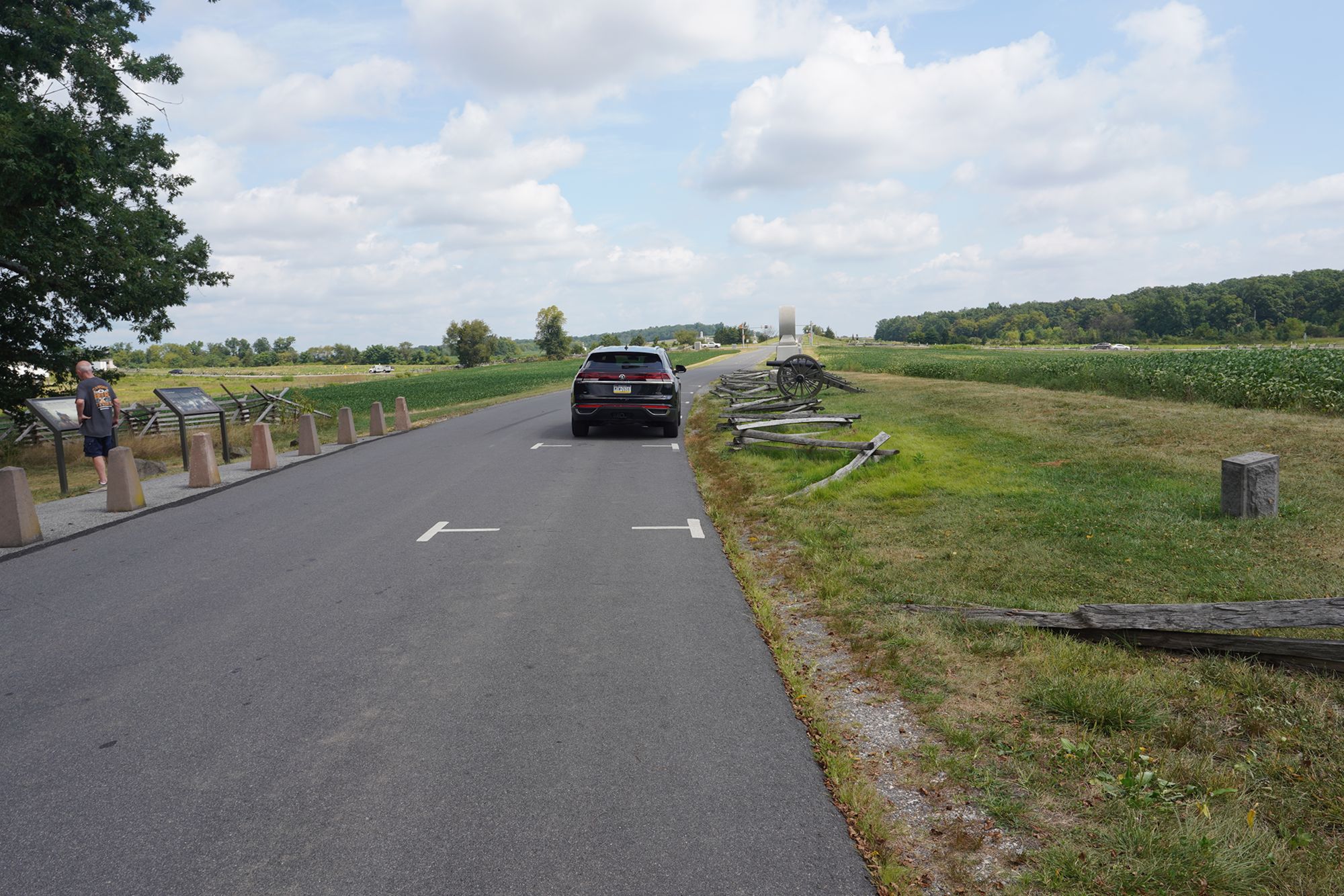
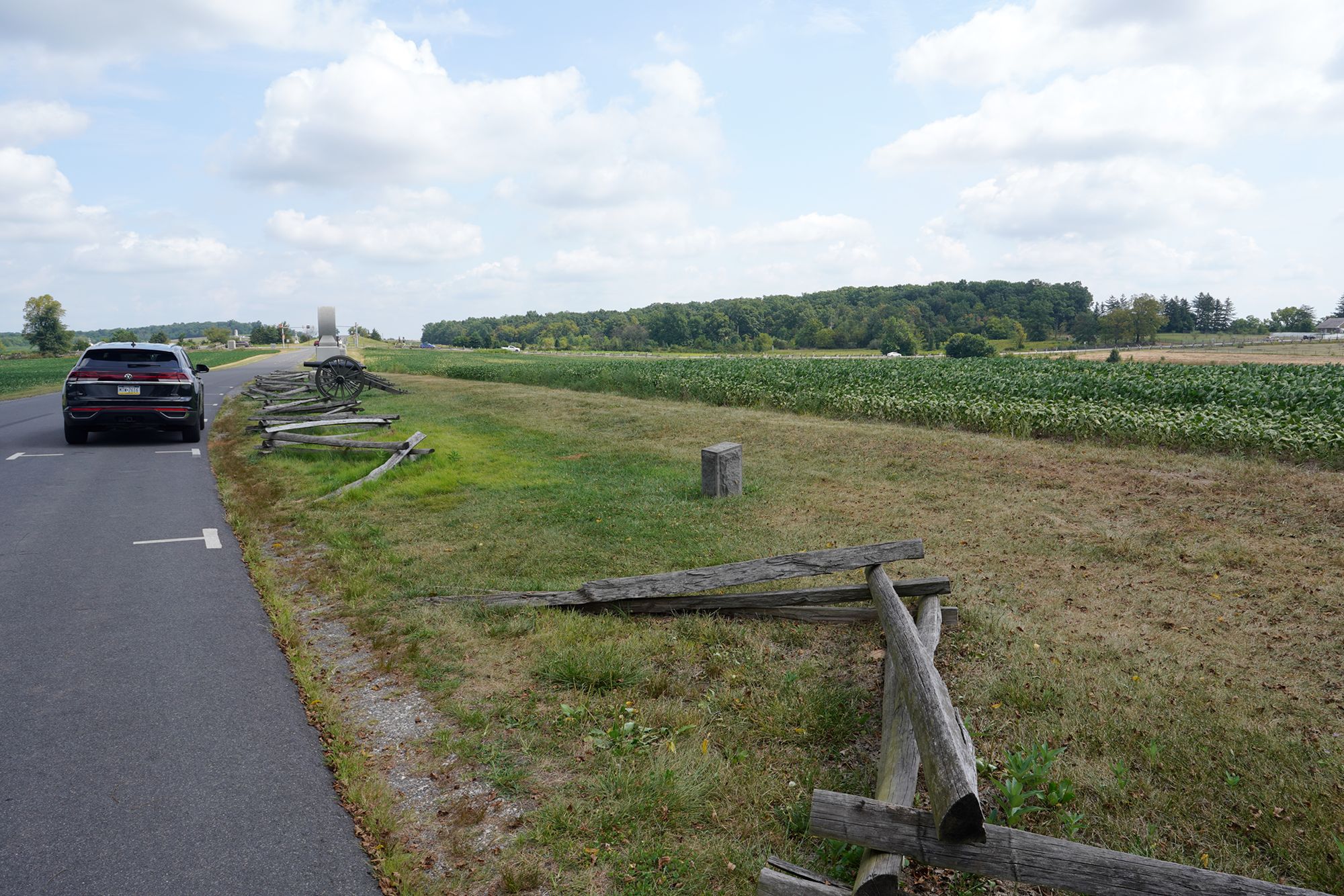
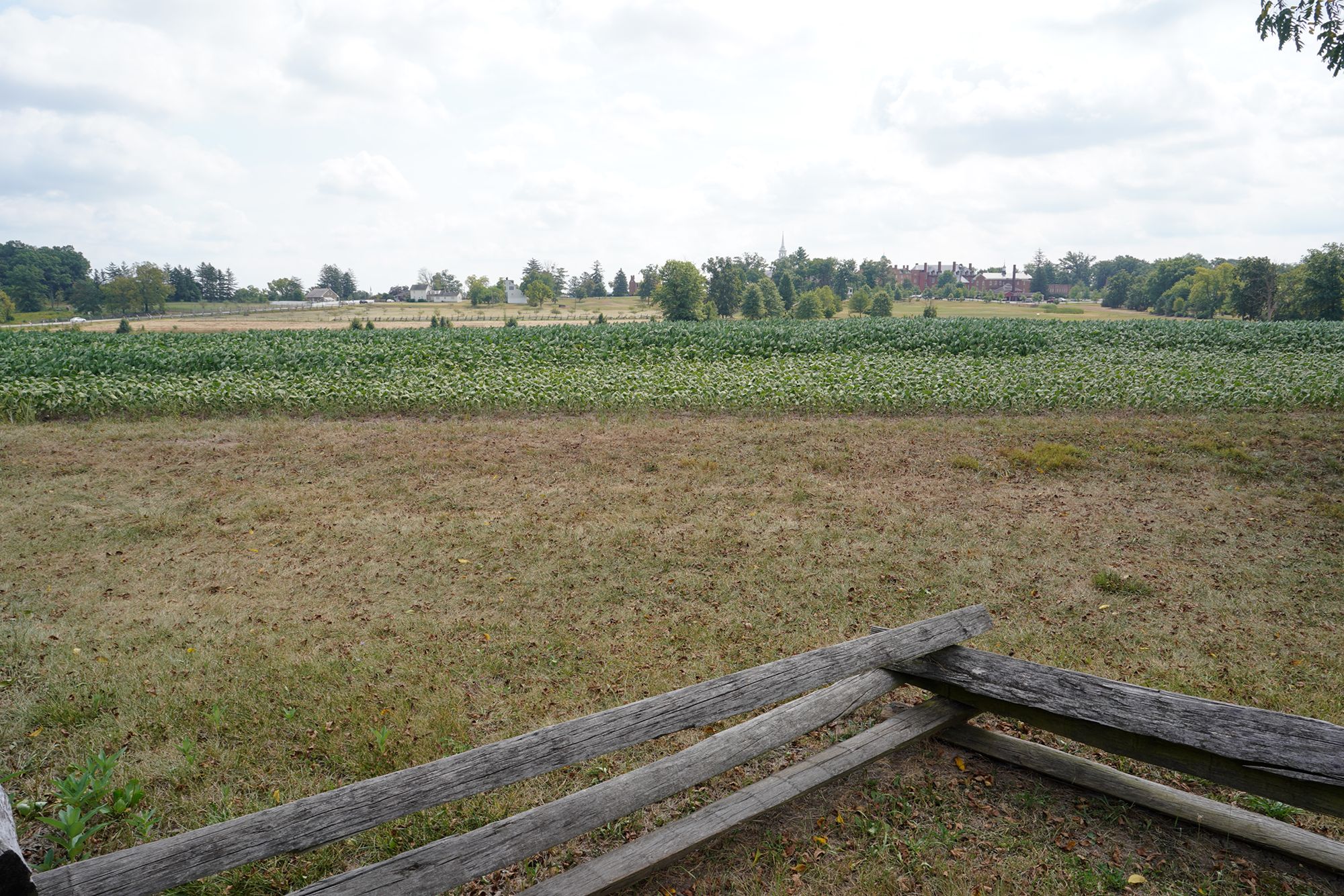
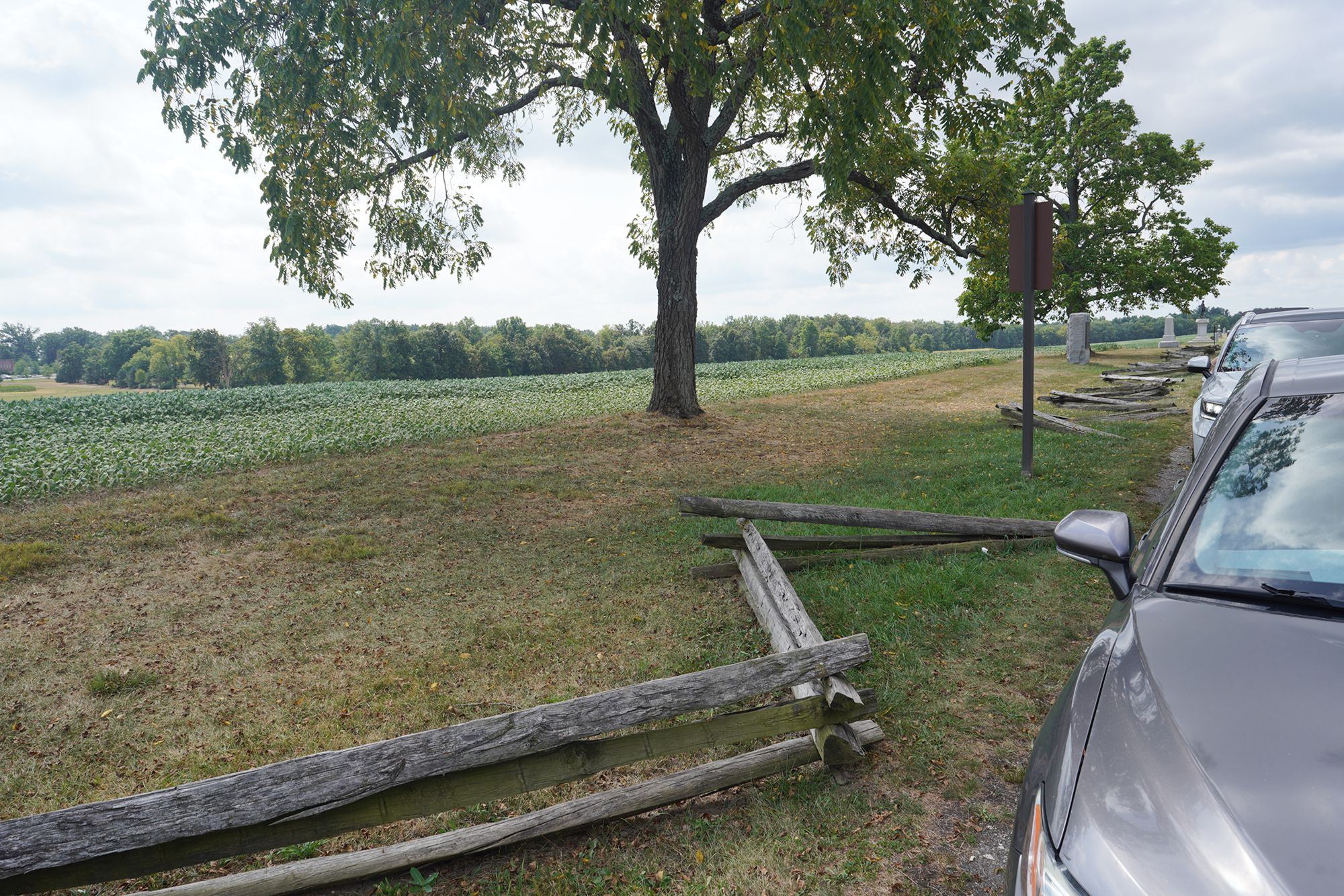
Stop #1. McPherson Ridge
The Battle of Gettysburg began about 8 a.m. to the west beyond the McPherson barn as Union cavalry confronted Confederate infantry advancing east along Chambersburg Pike. Heavy fighting spread north and south along this ridgeline as additional forces from both sides arrived.
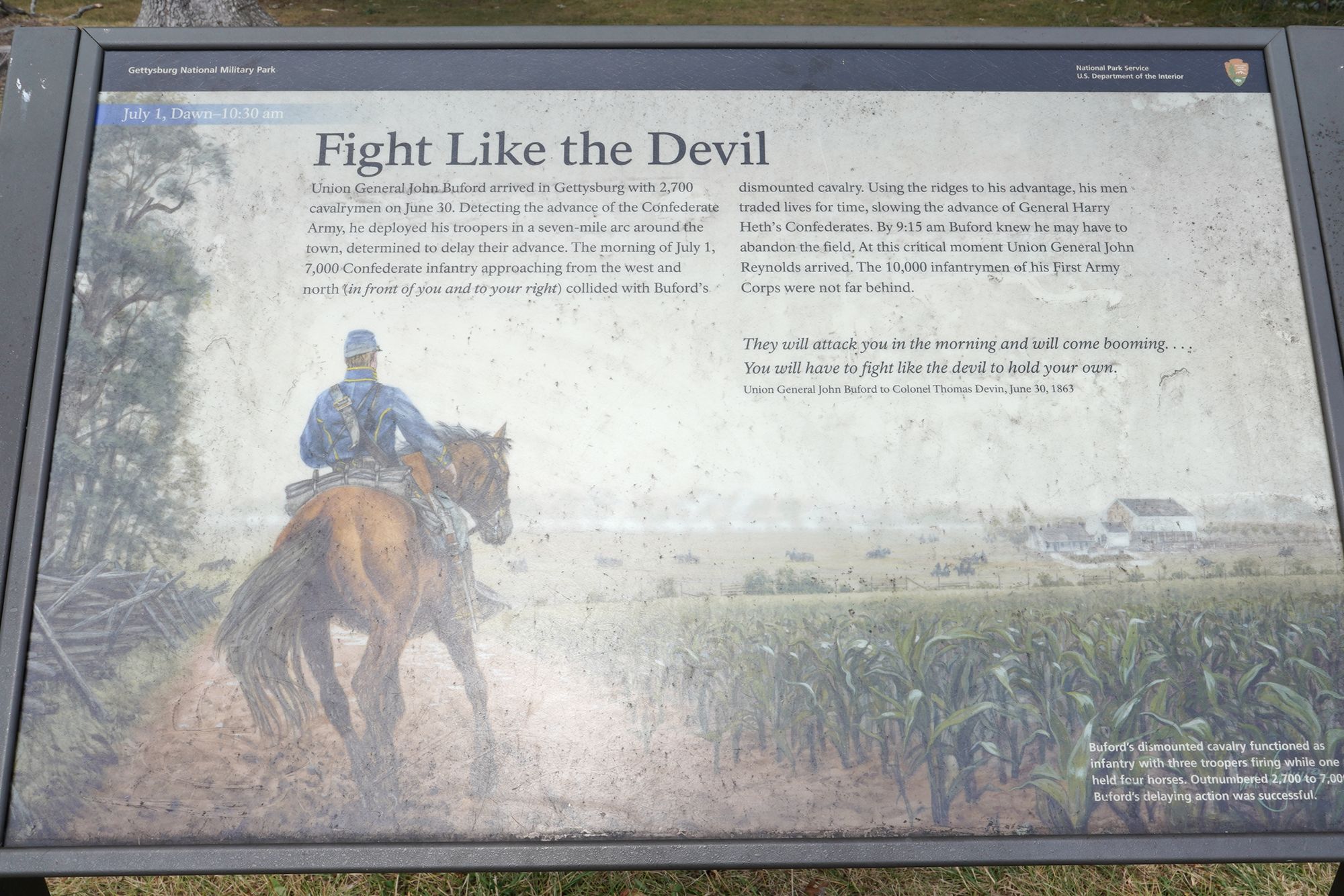
Hearing that the fighting had begun at McPherson Ridge, Union soldiers rushed to reinforce the line.
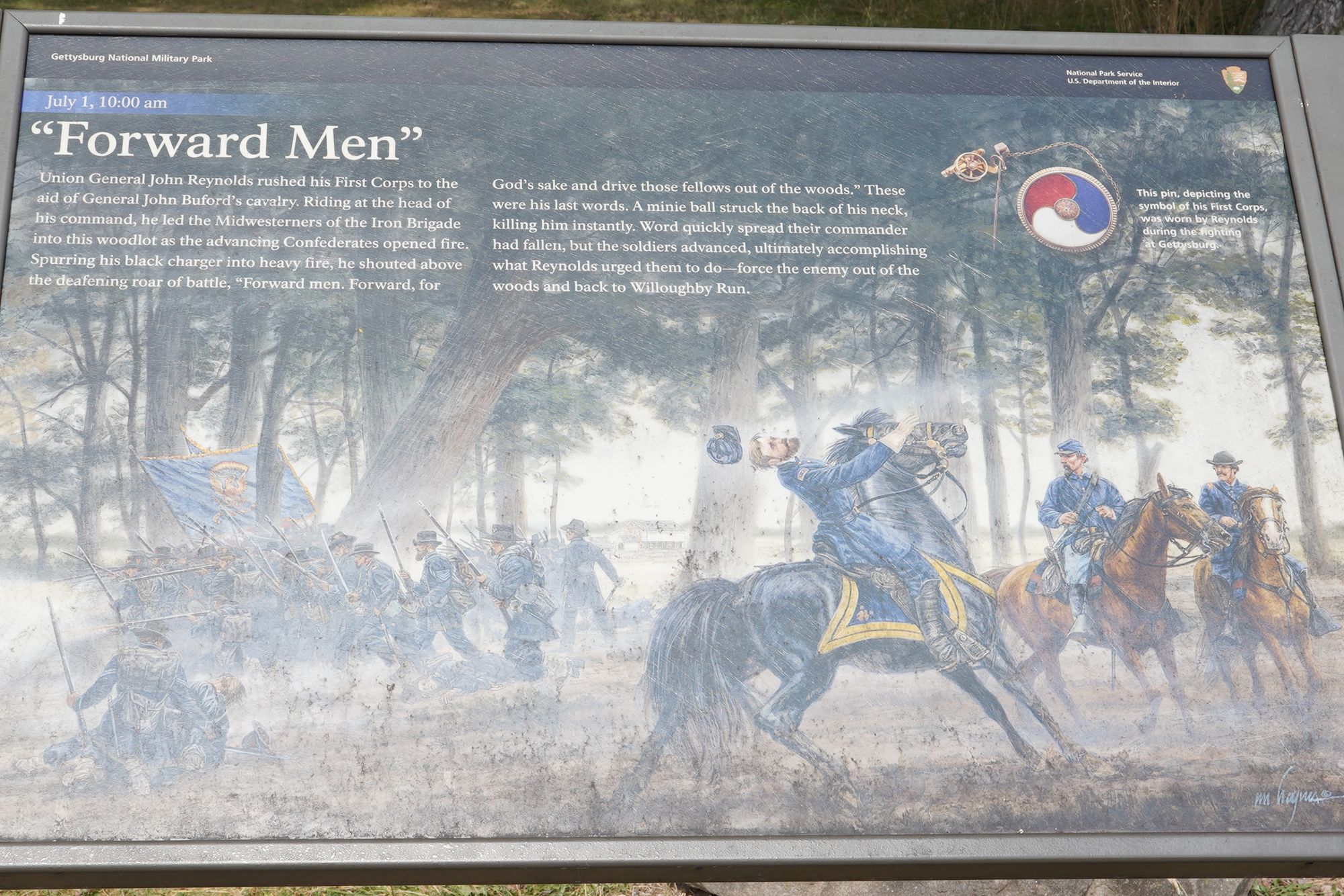
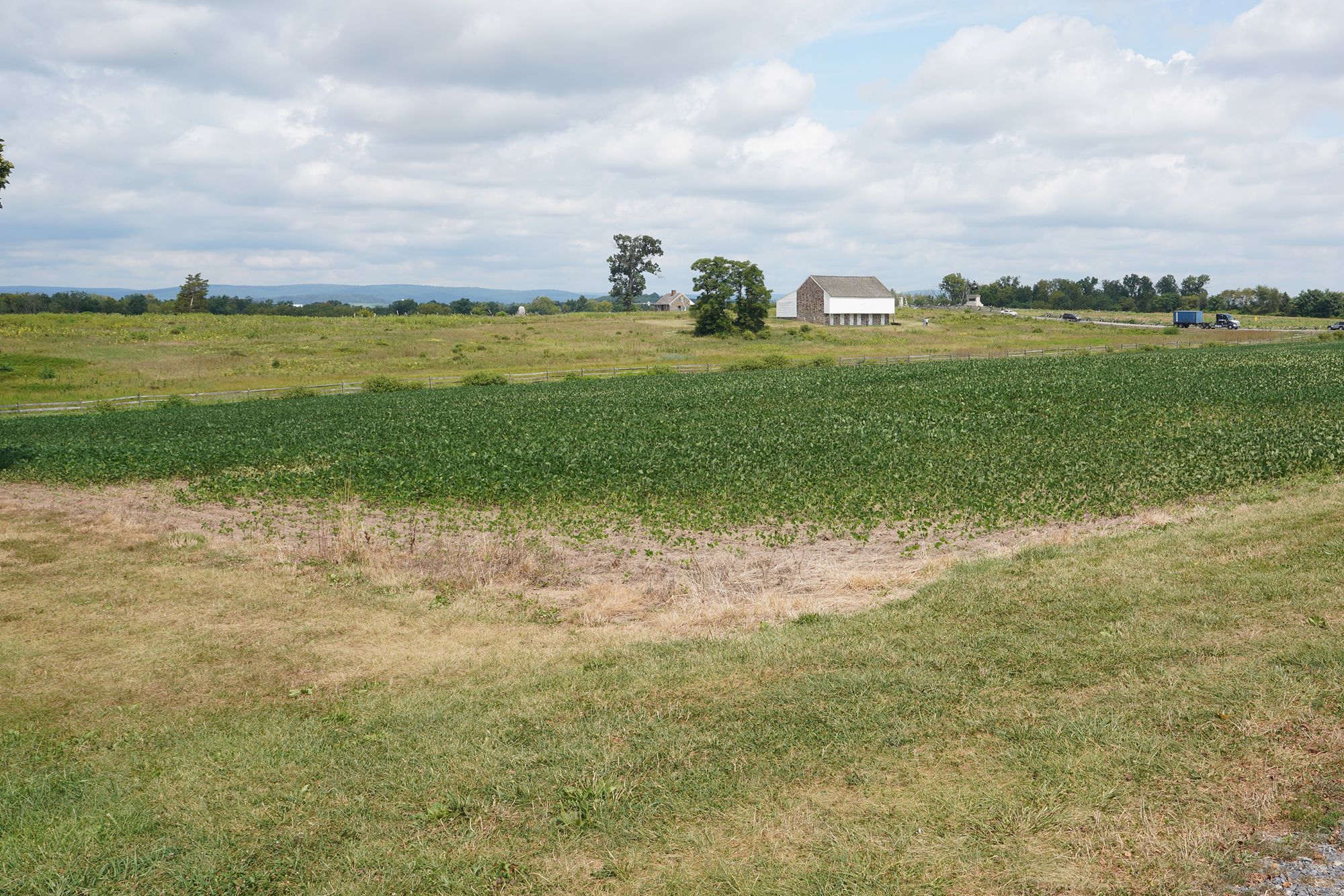
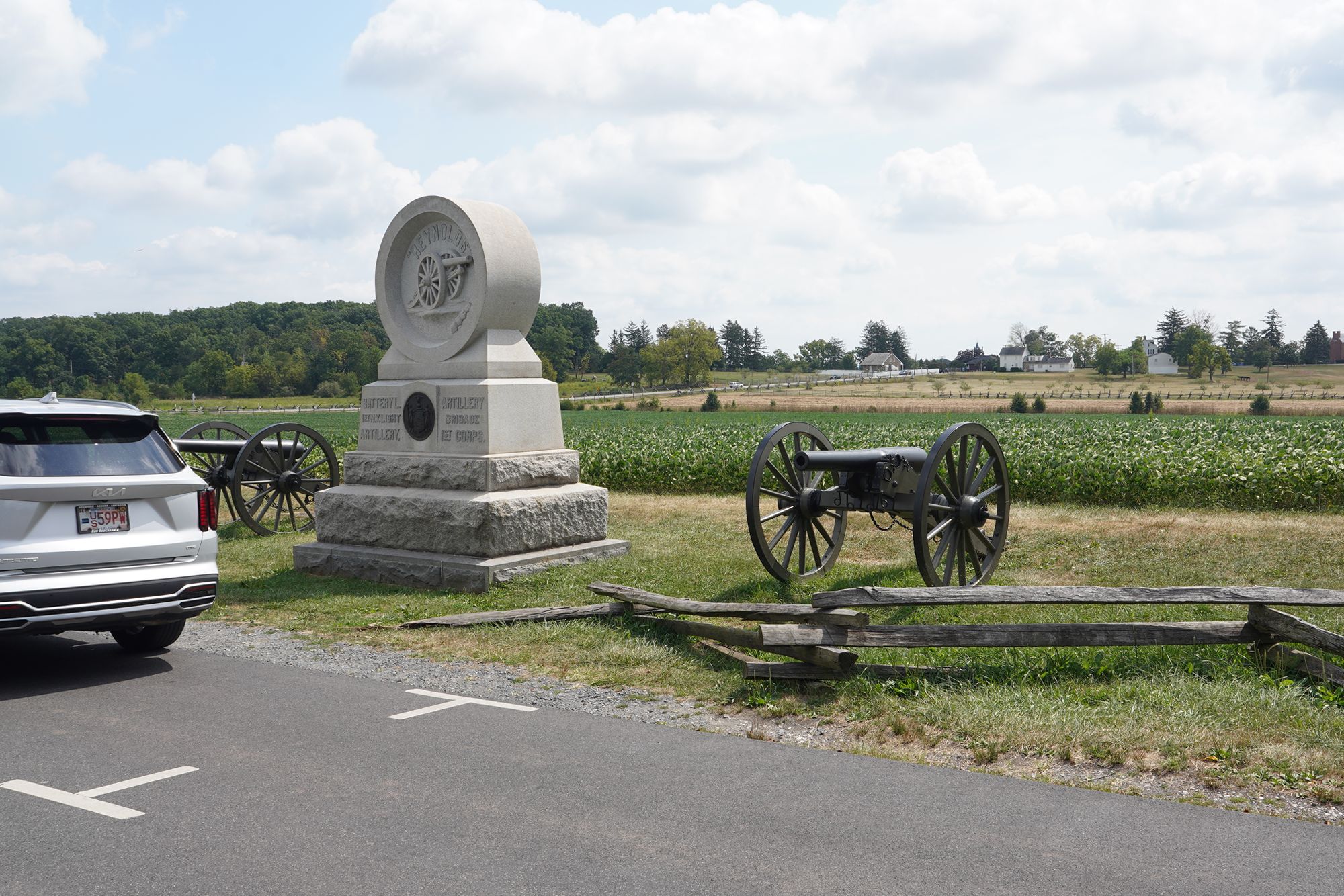
Stop #2: At 1 p.m., Maj. Gen. Robert E. Rodes’s Confederates (Southern) attacked from this hill, threatening Union forces (Northern) on McPherson and Oak ridges.
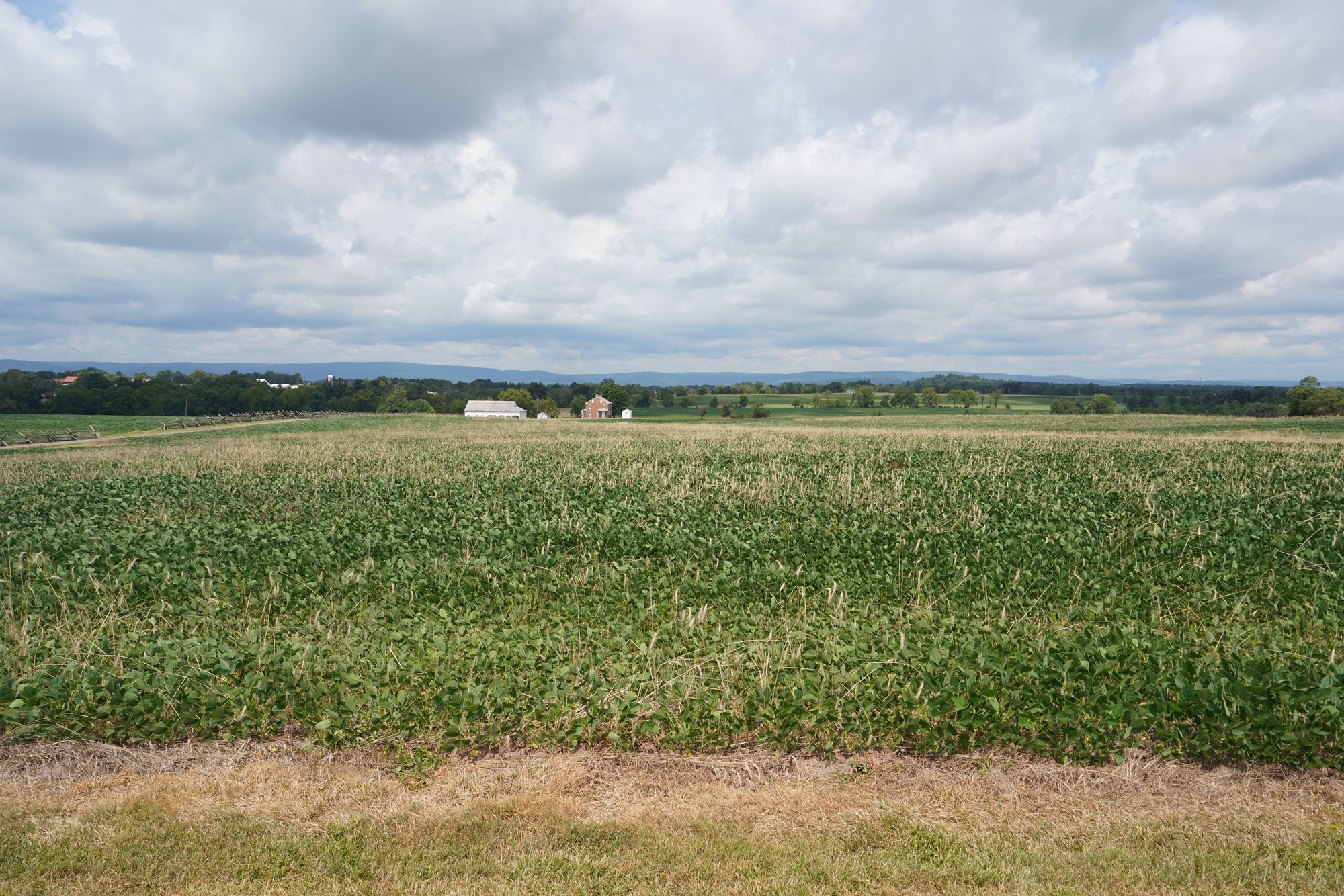
Stop #3: Oak Ridge. Union soldiers here held stubbornly against Rodes’s advance. By 3:30 p.m., however, the entire Union line from here to McPherson Ridge had begun to crumble, finally falling back to Cemetery Hill.
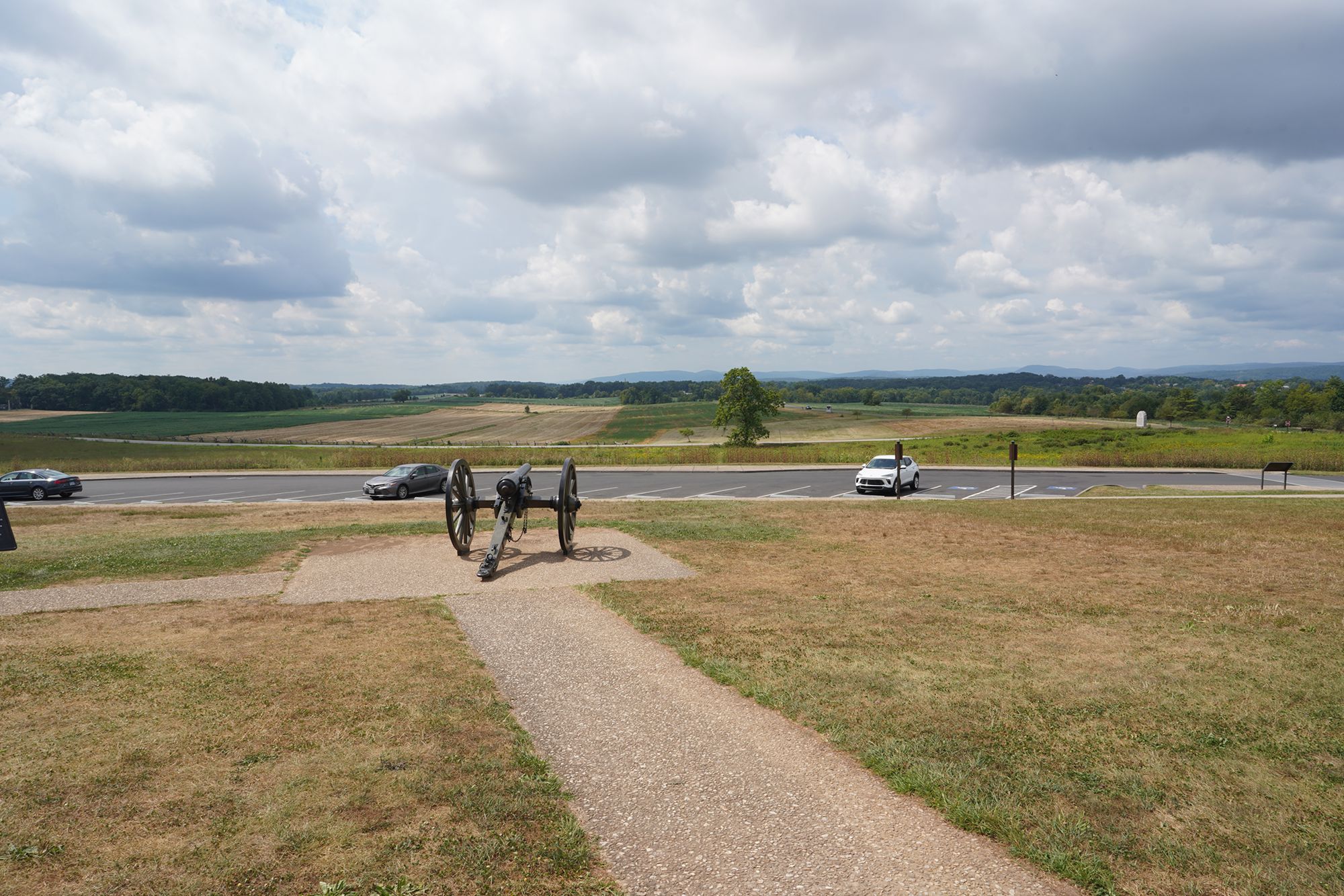
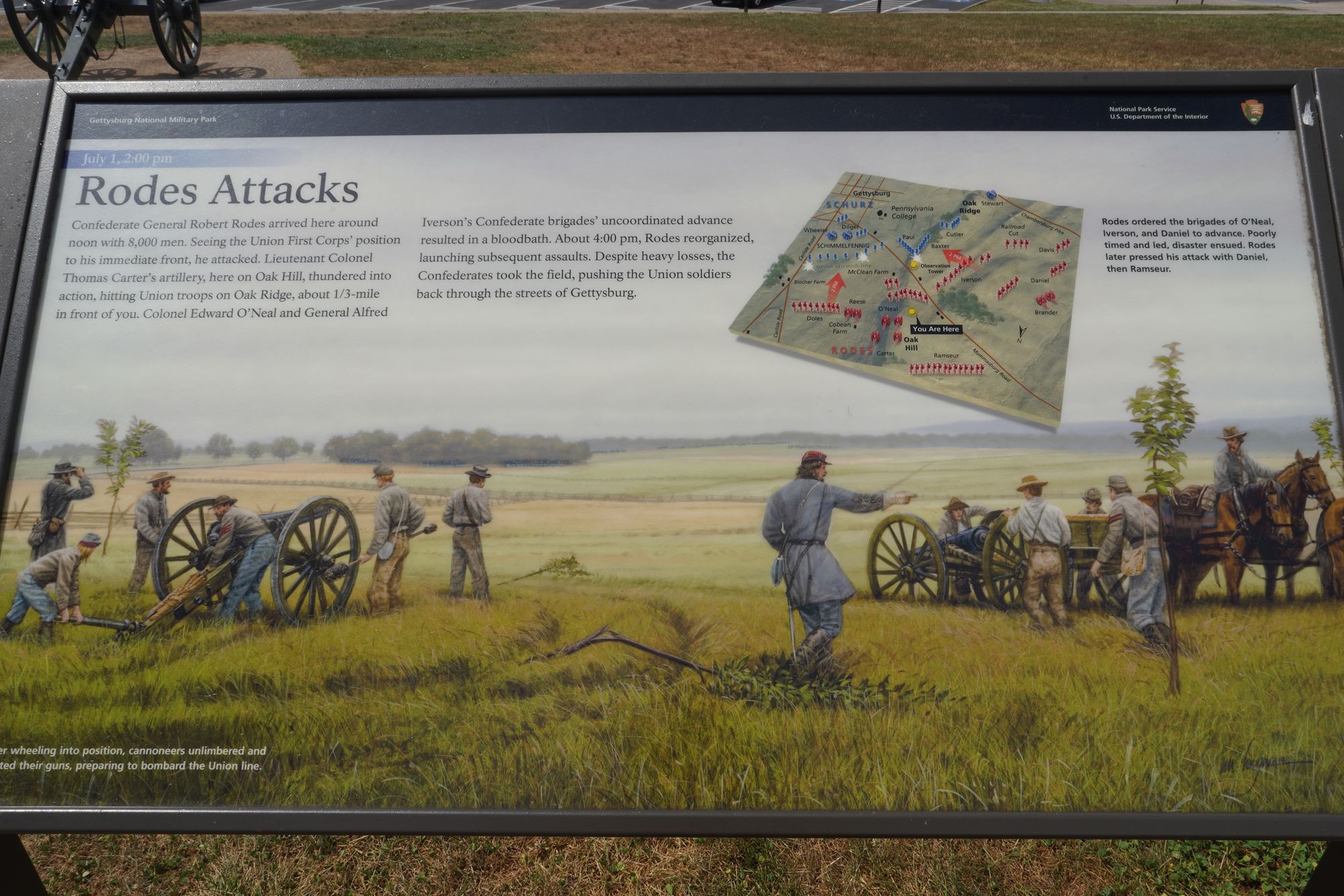
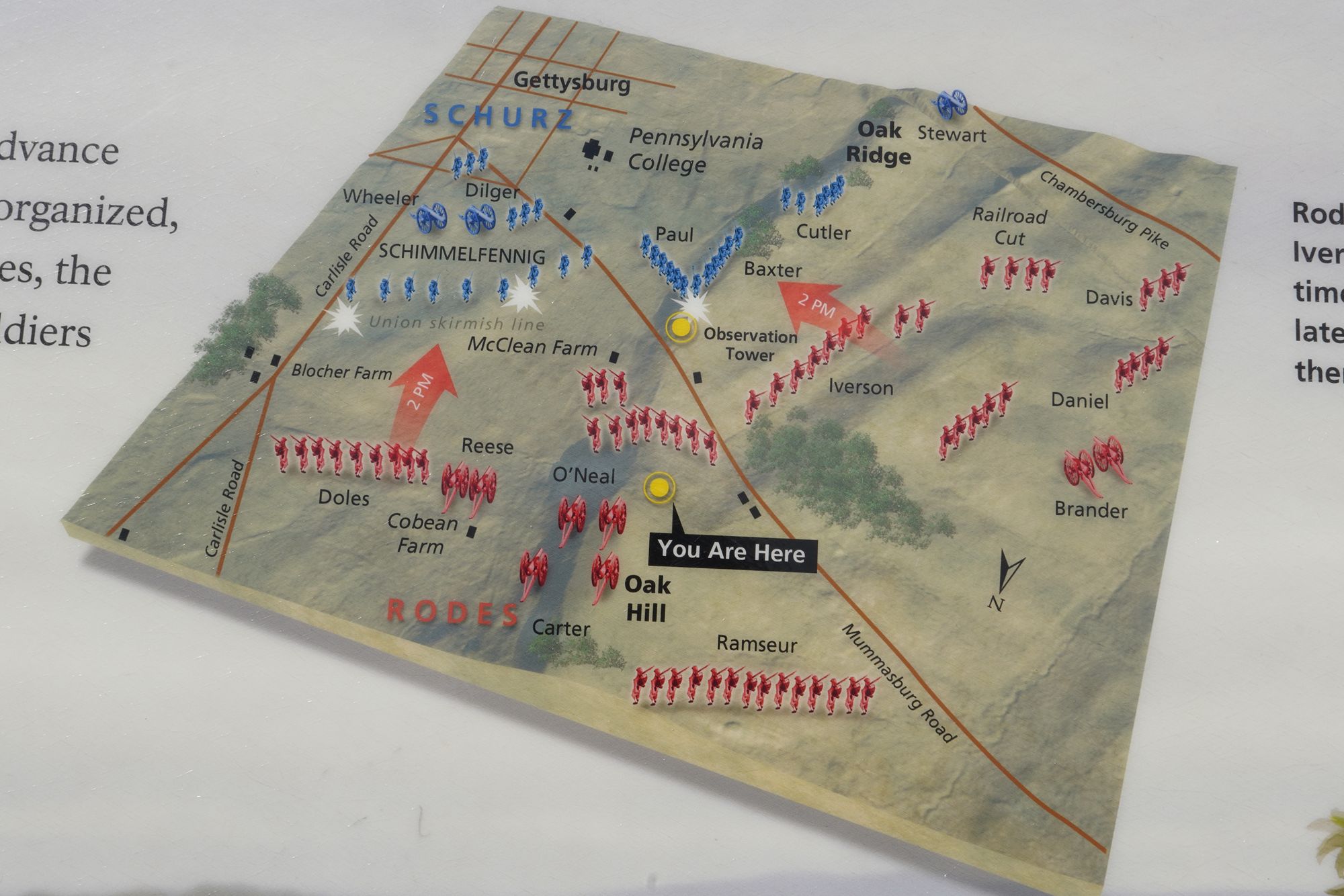
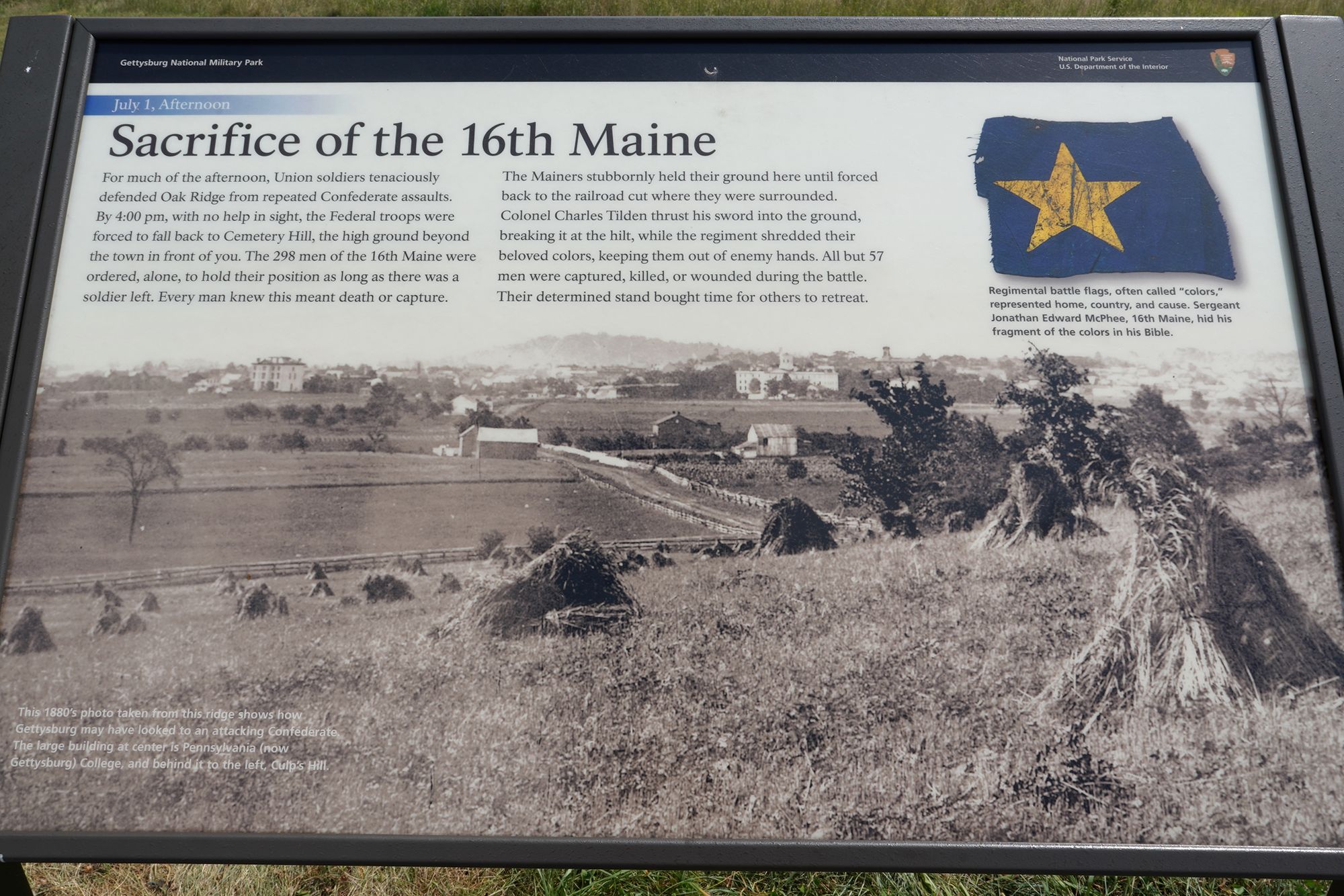
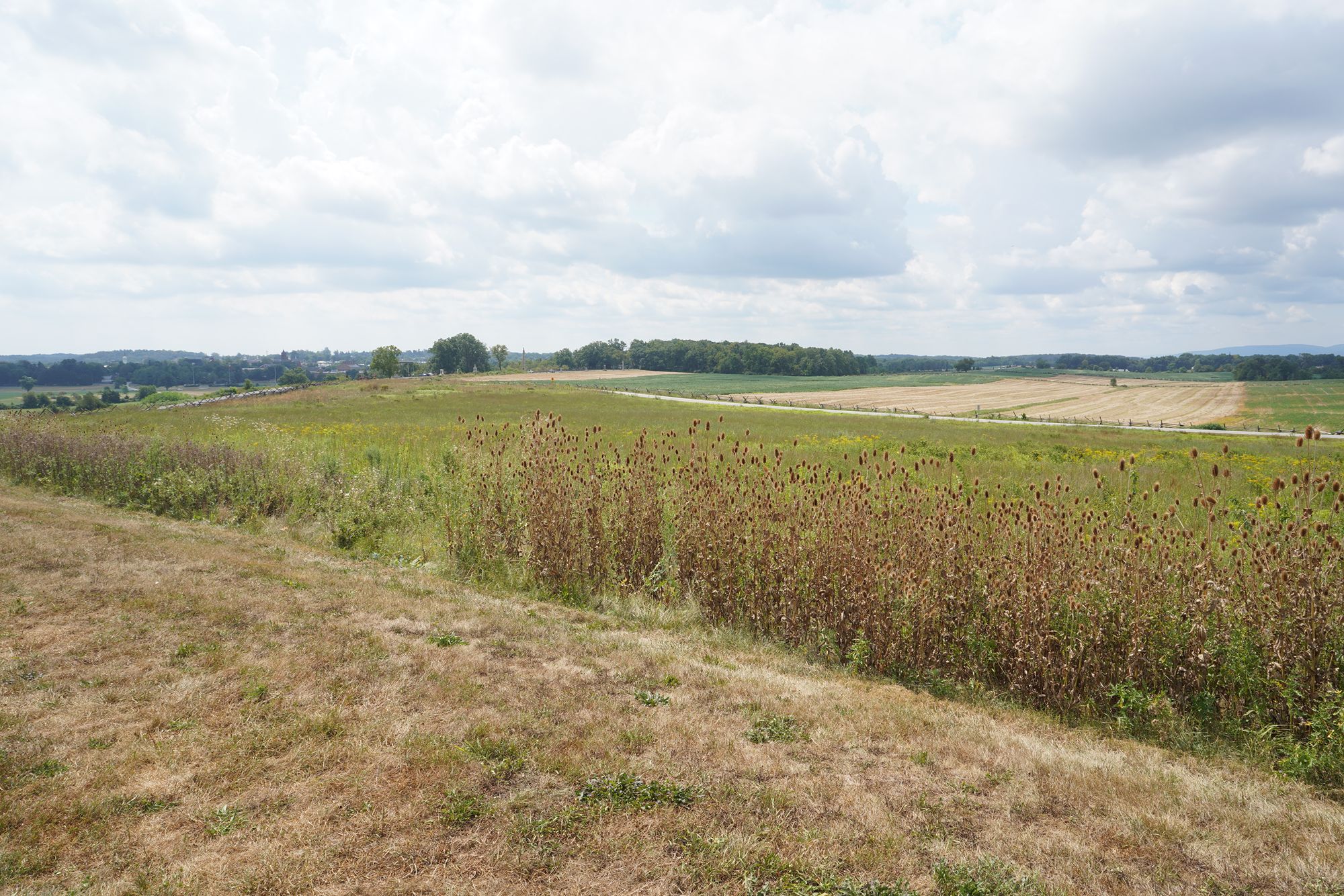
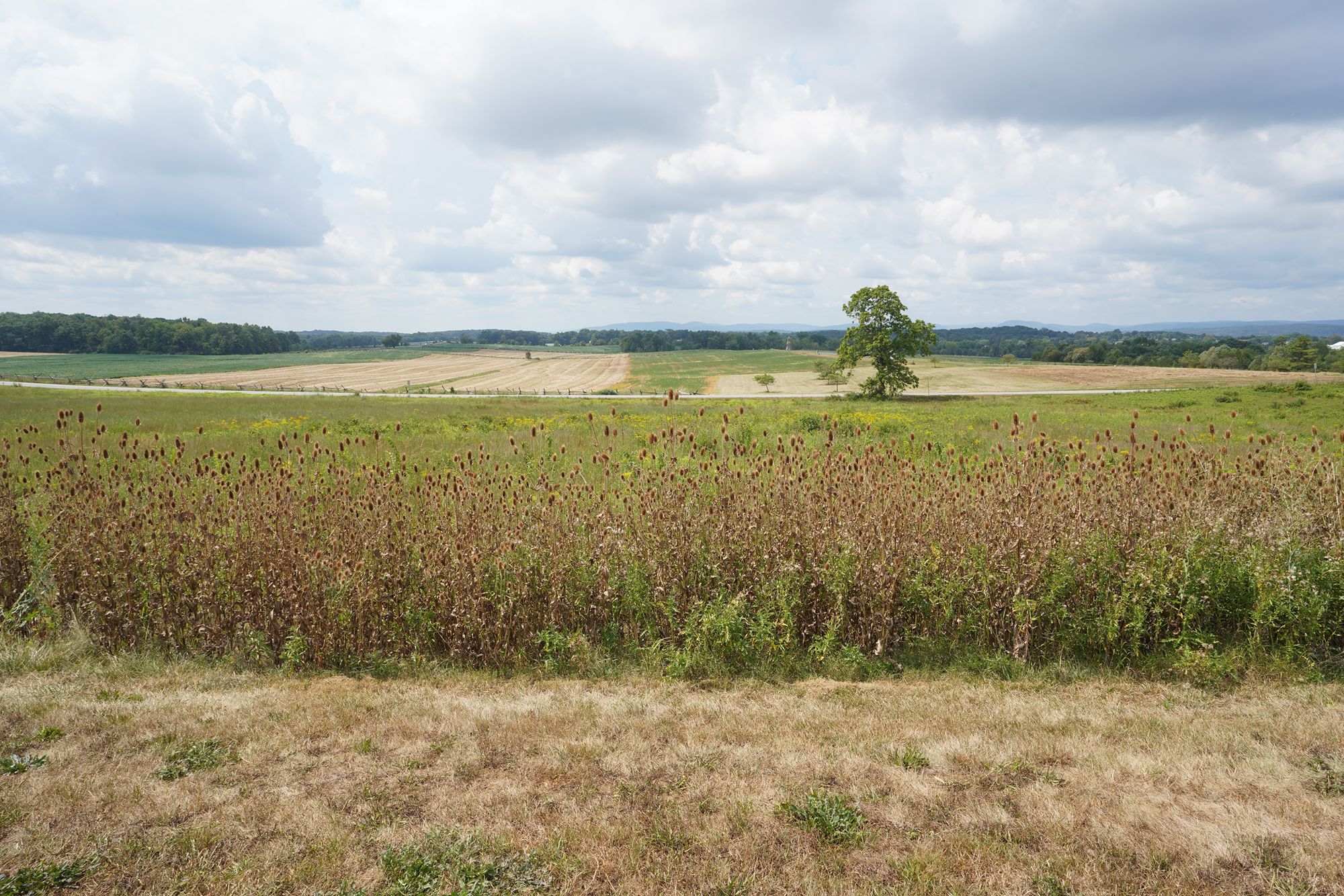
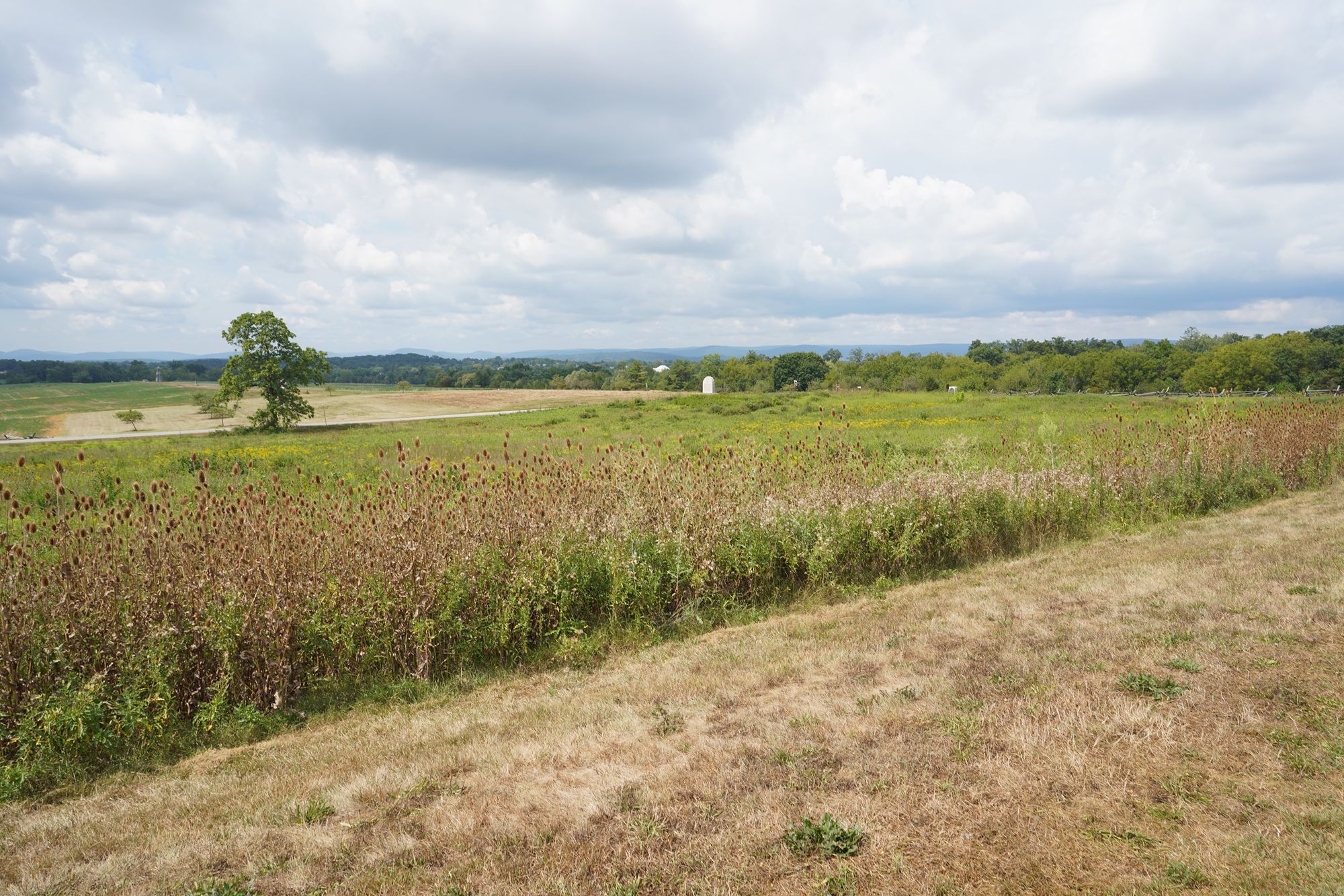
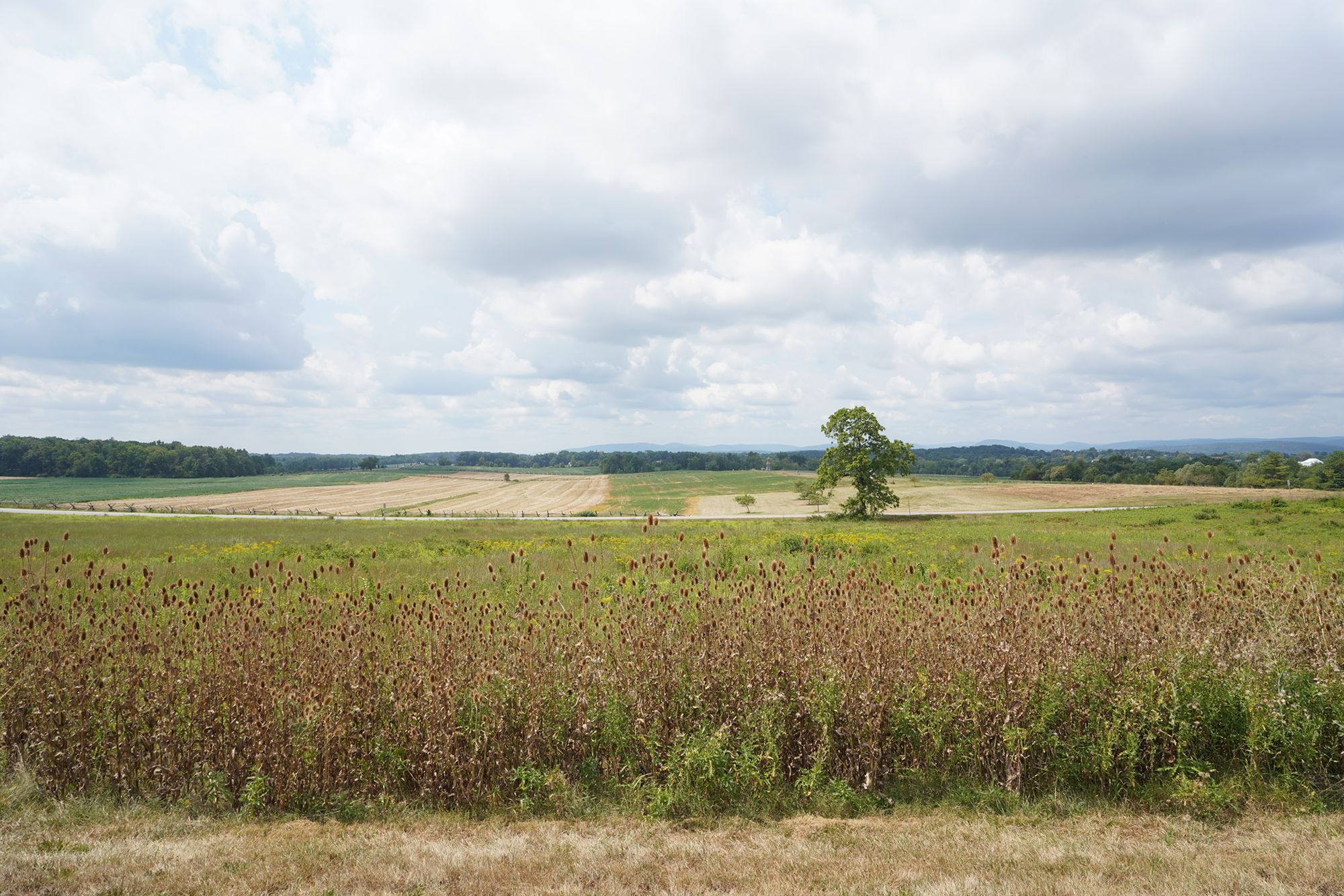
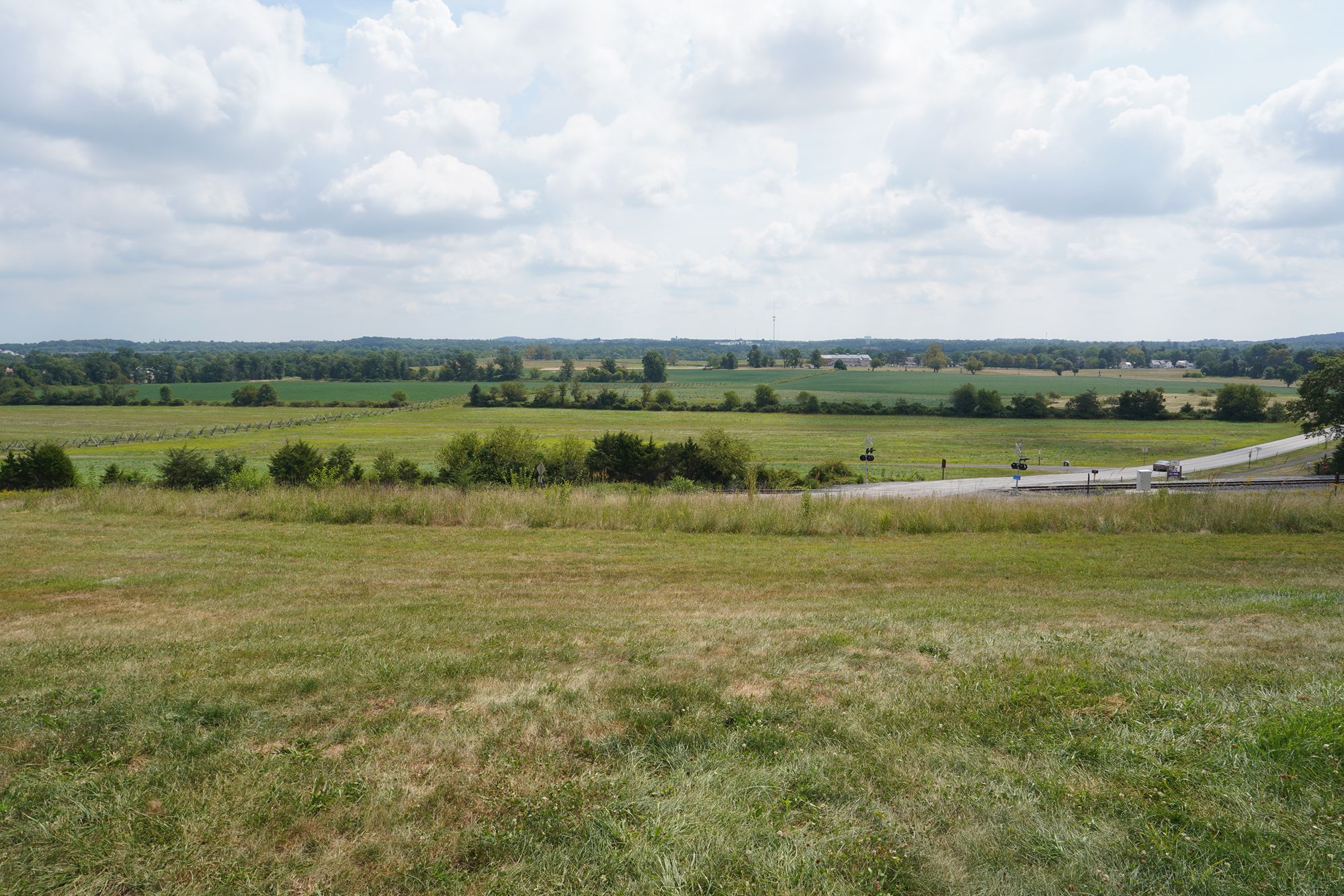
This observation area was on the way to stop #4
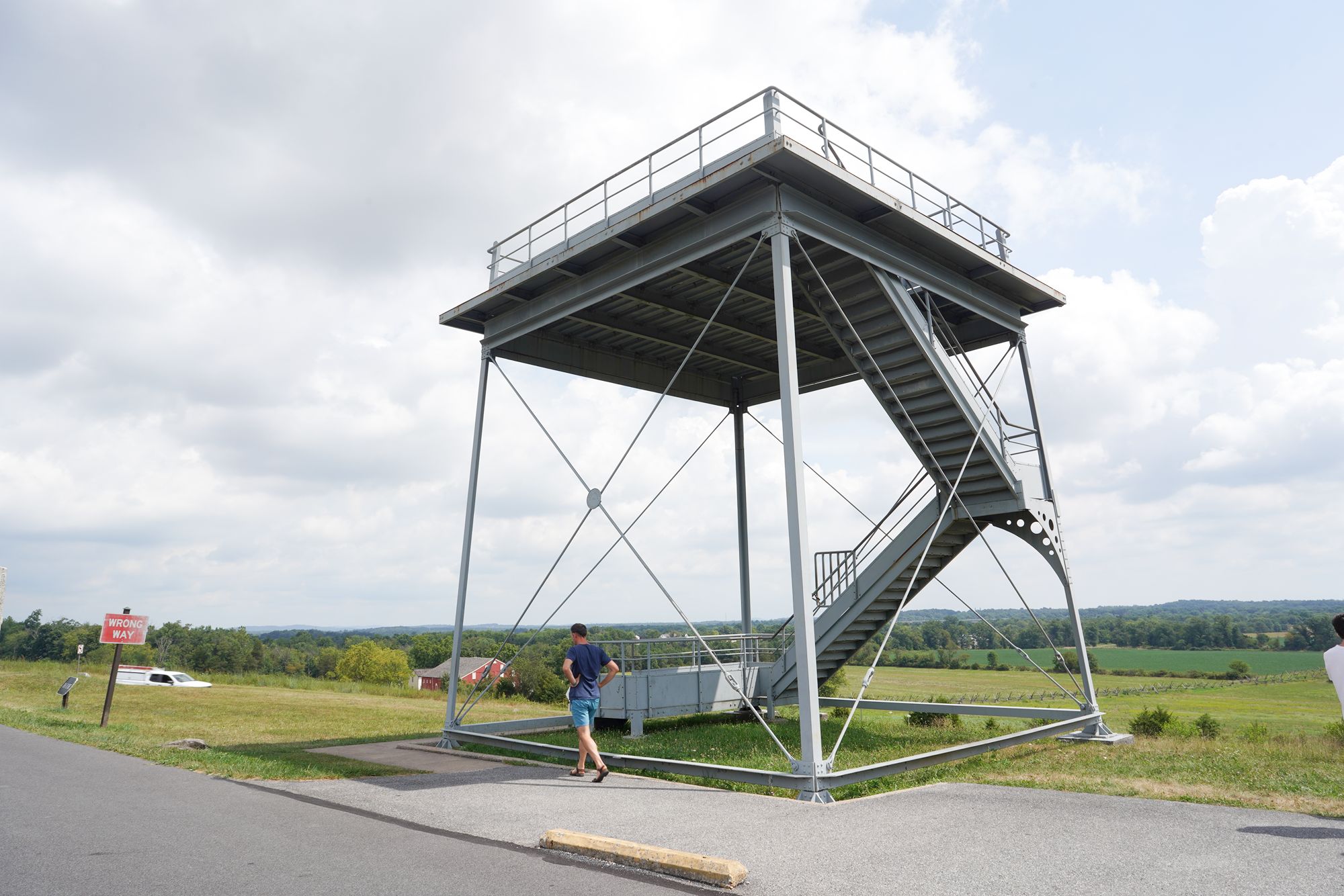
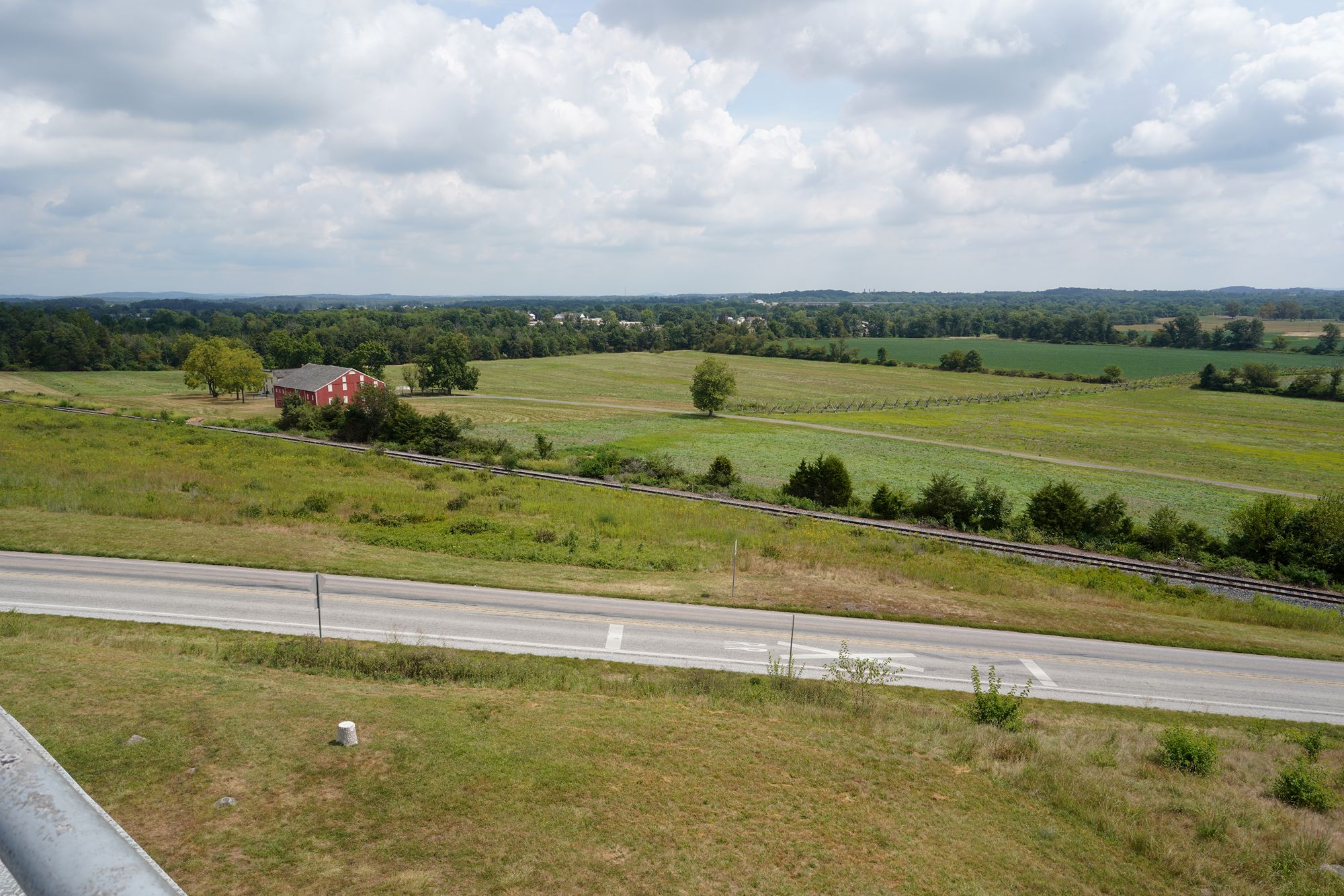
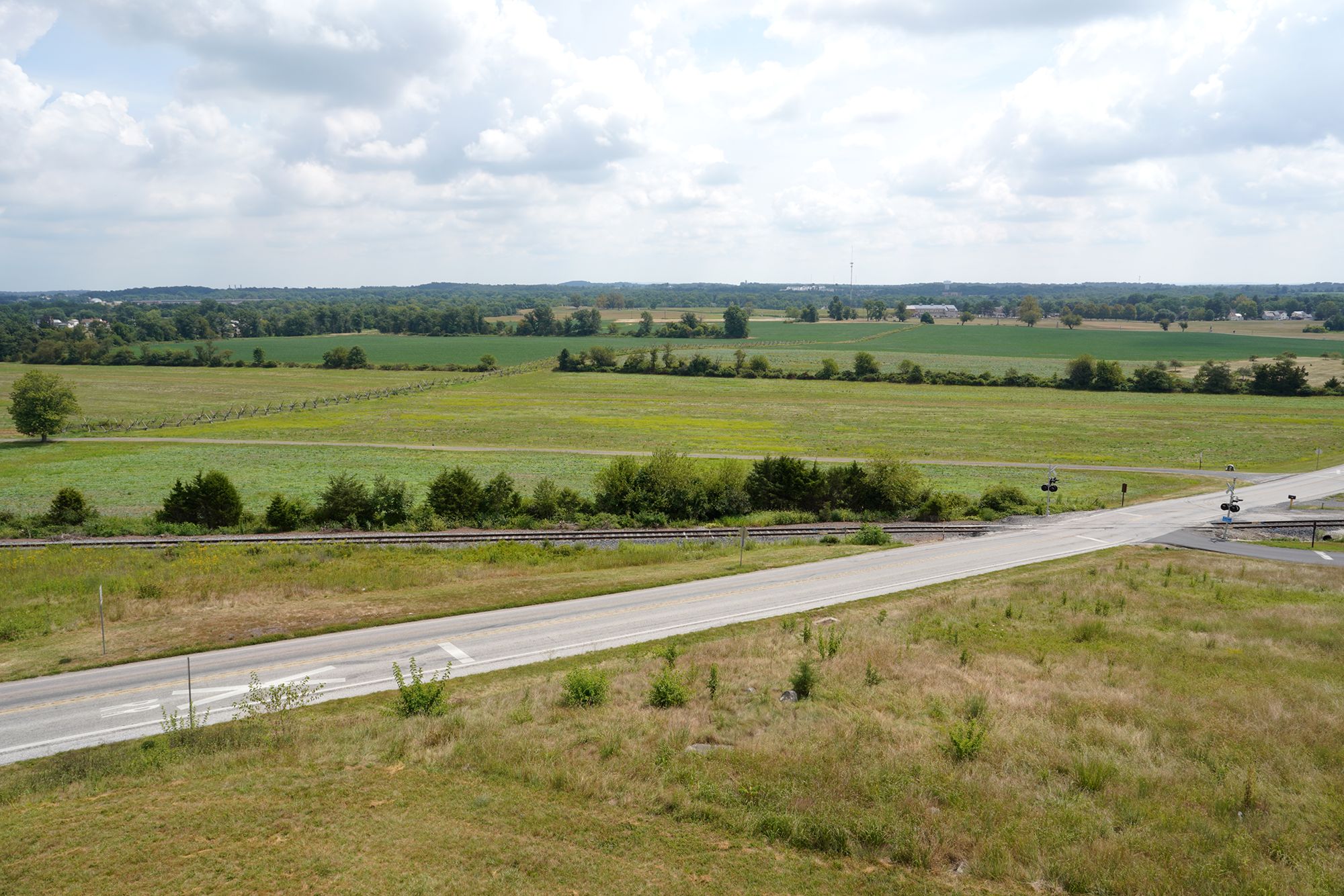
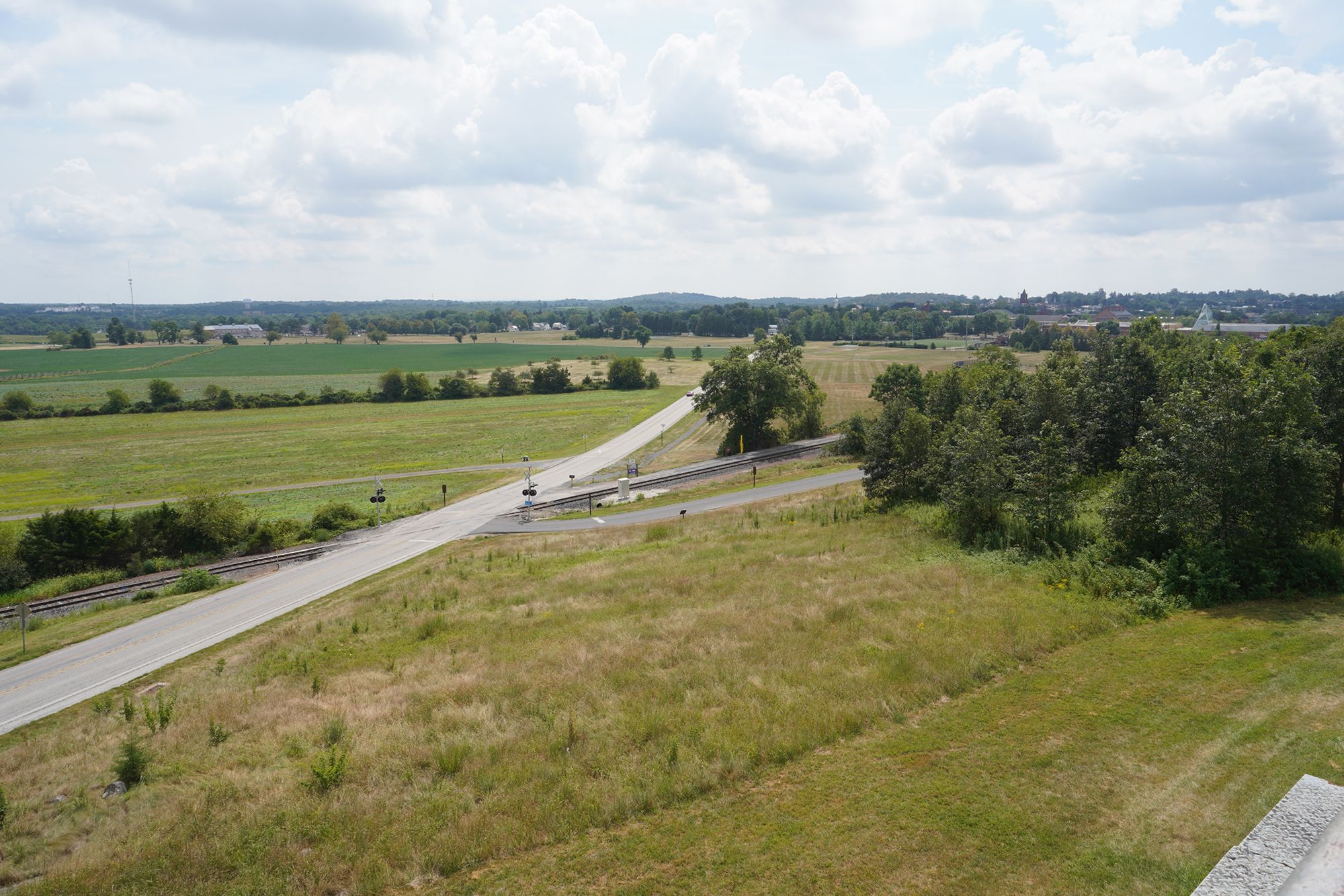
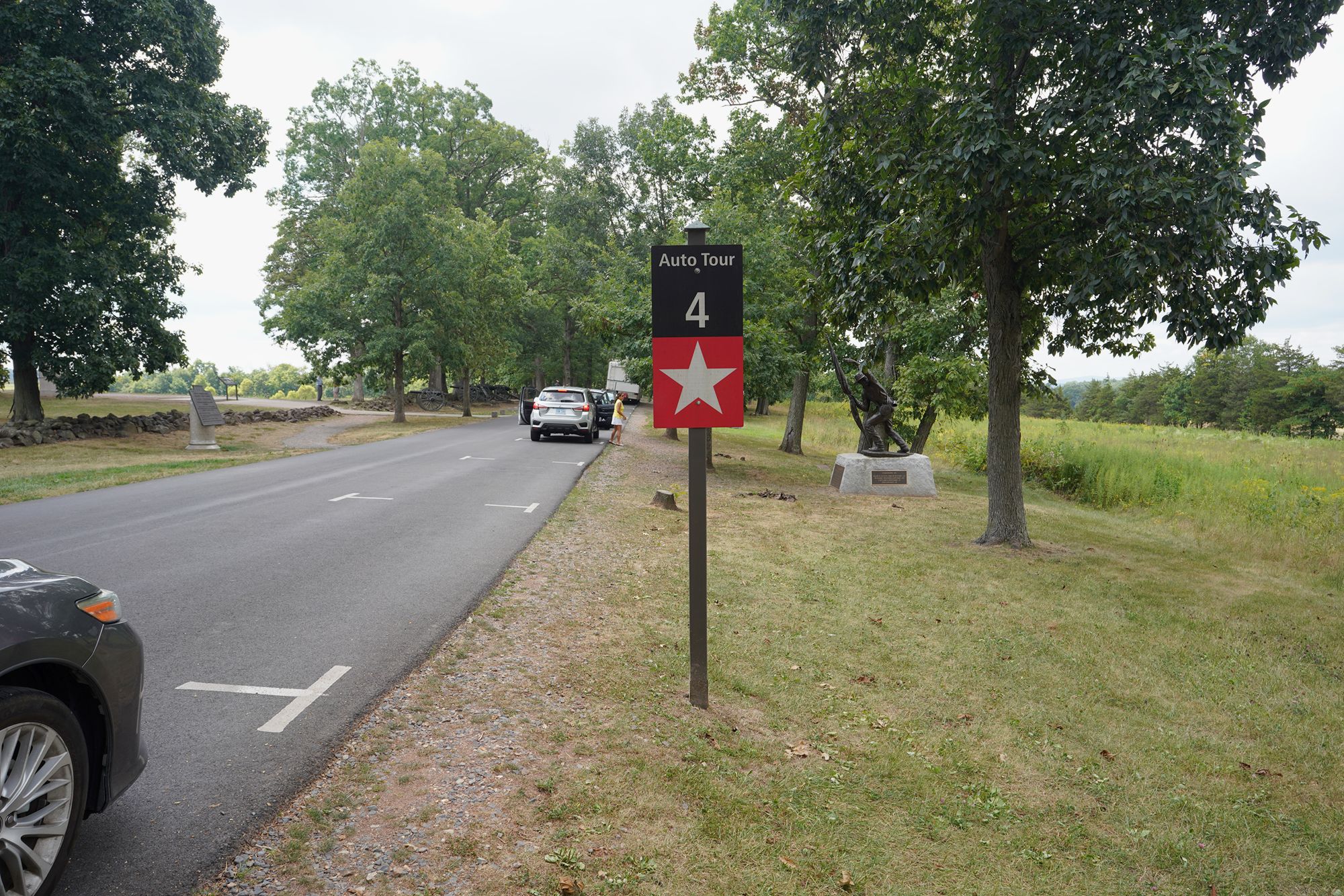
Stop #4: Early in the second day of the battle, the Confederate army positioned itself on high ground here along Seminary Ridge, through town, and north of Cemetery and Culp’s hills. Union forces occupied Culp’s and Cemetery hills, and along Cemetery Ridge south to the Round Tops. The lines of both armies formed two parallel “fishhooks.”
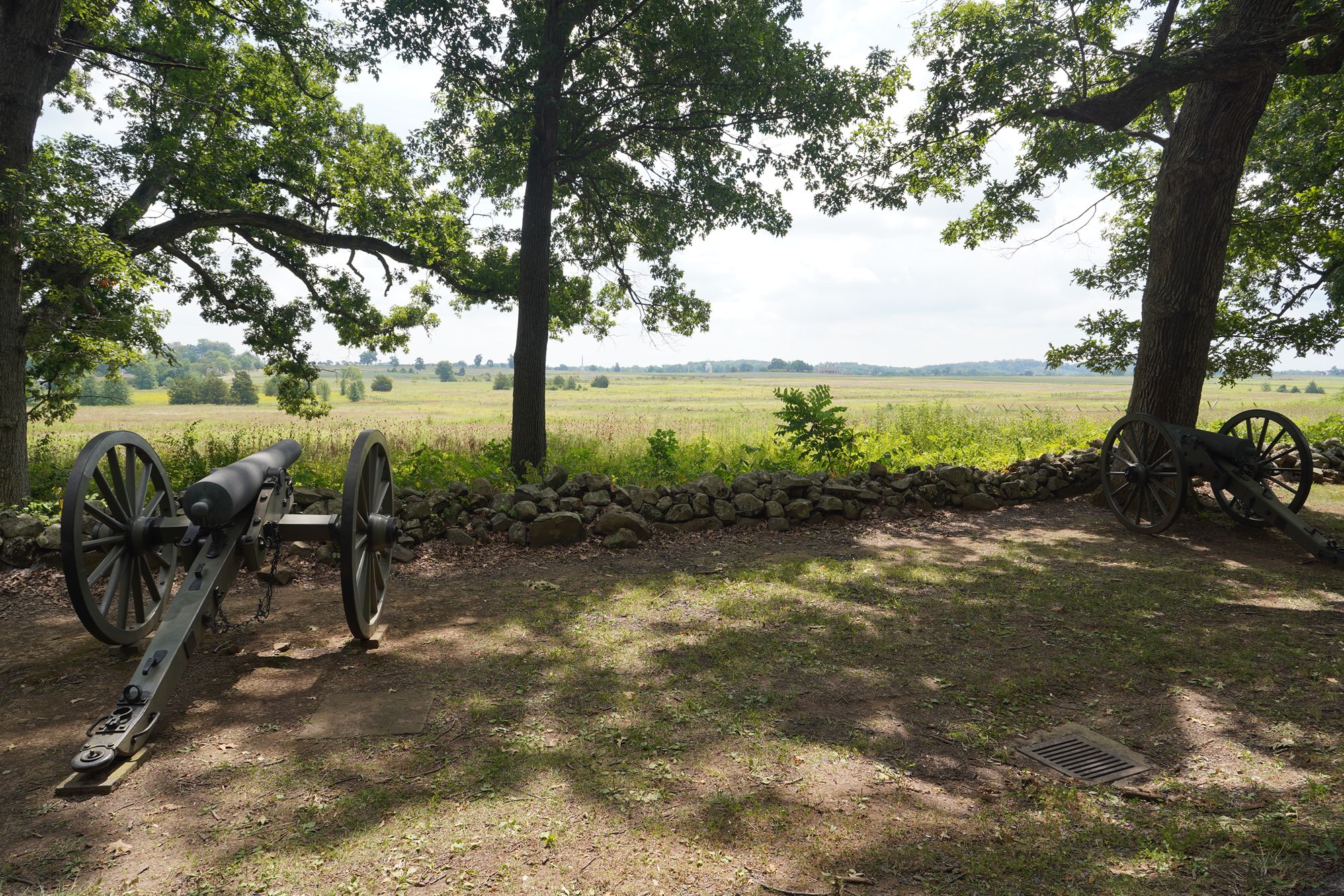
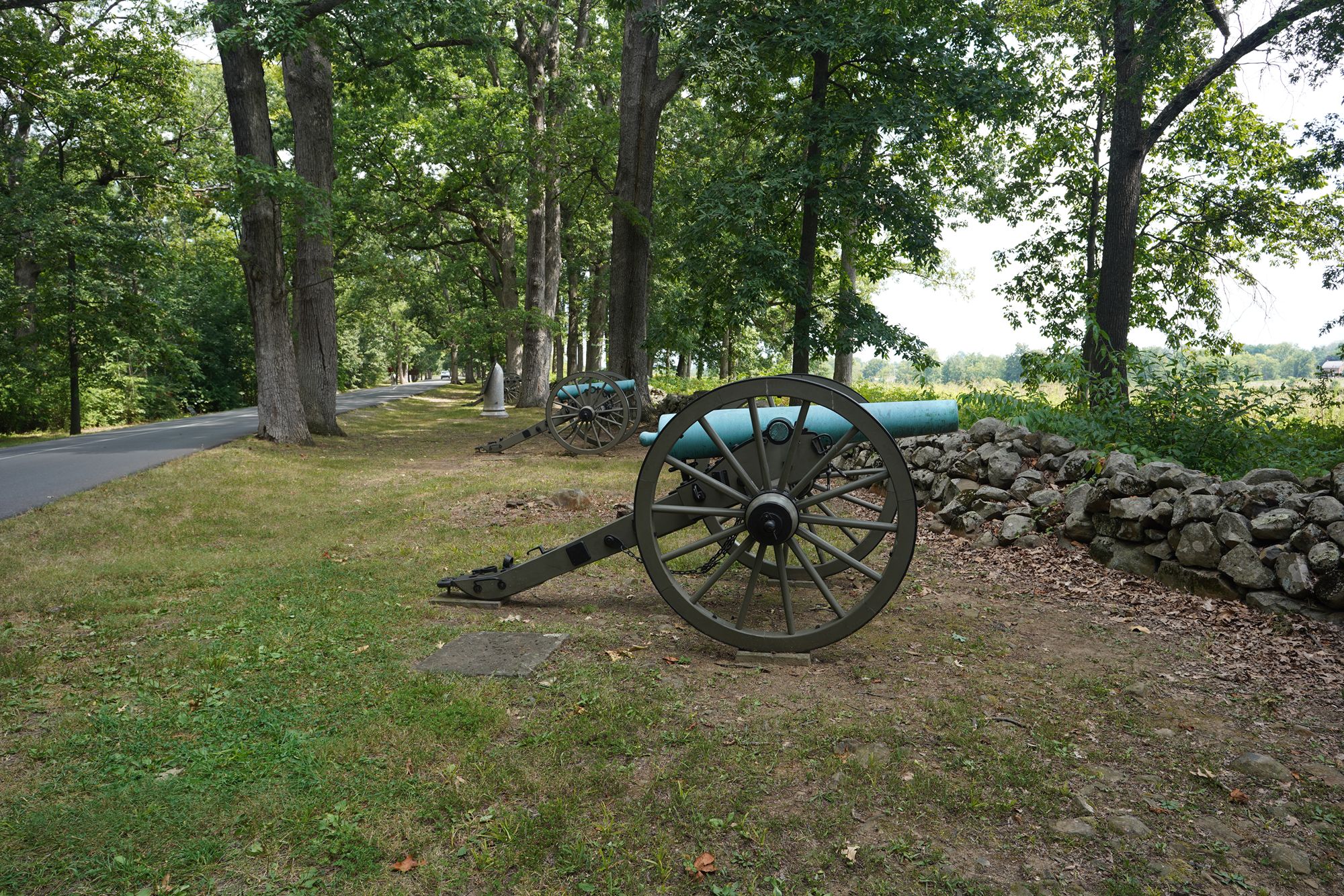
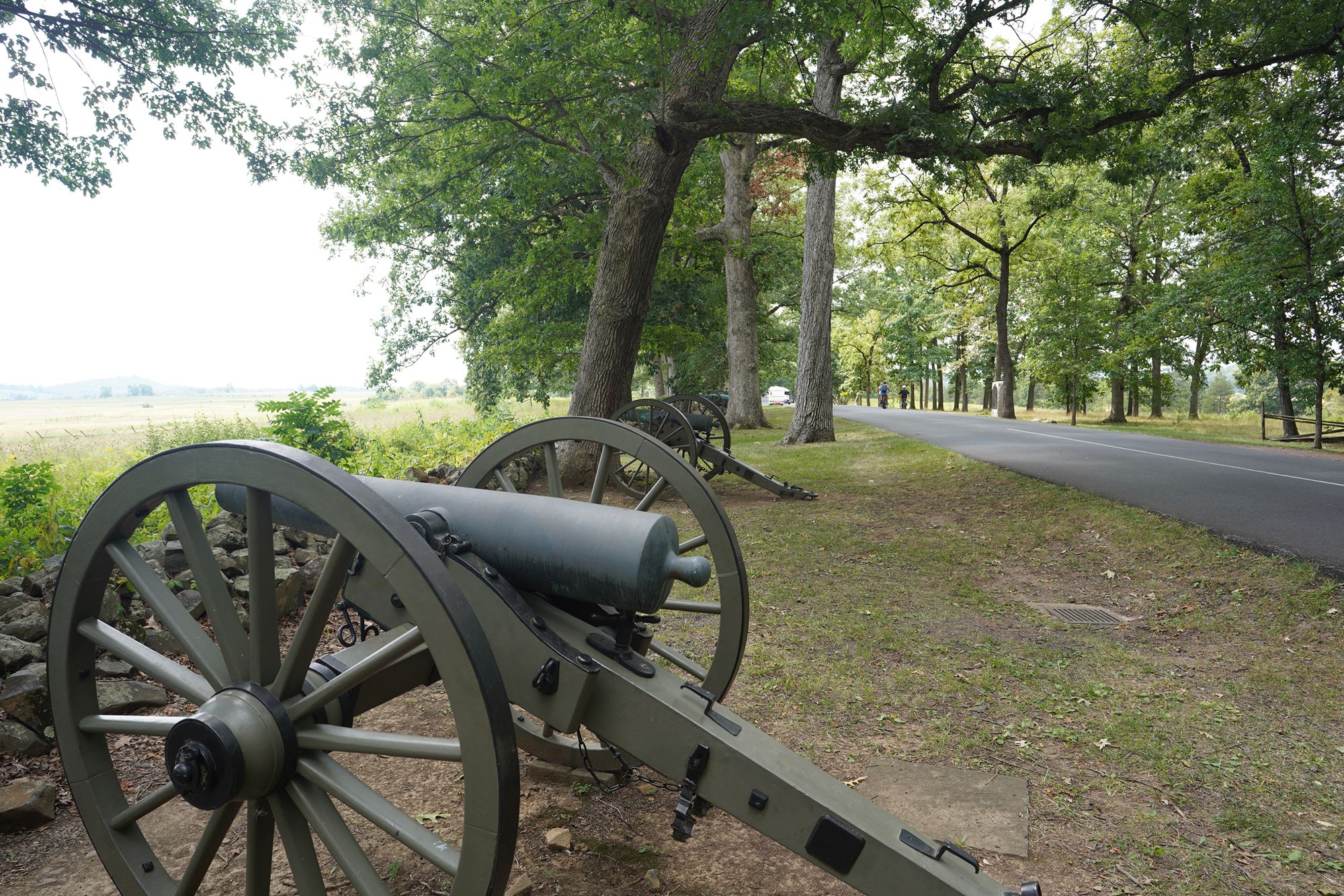
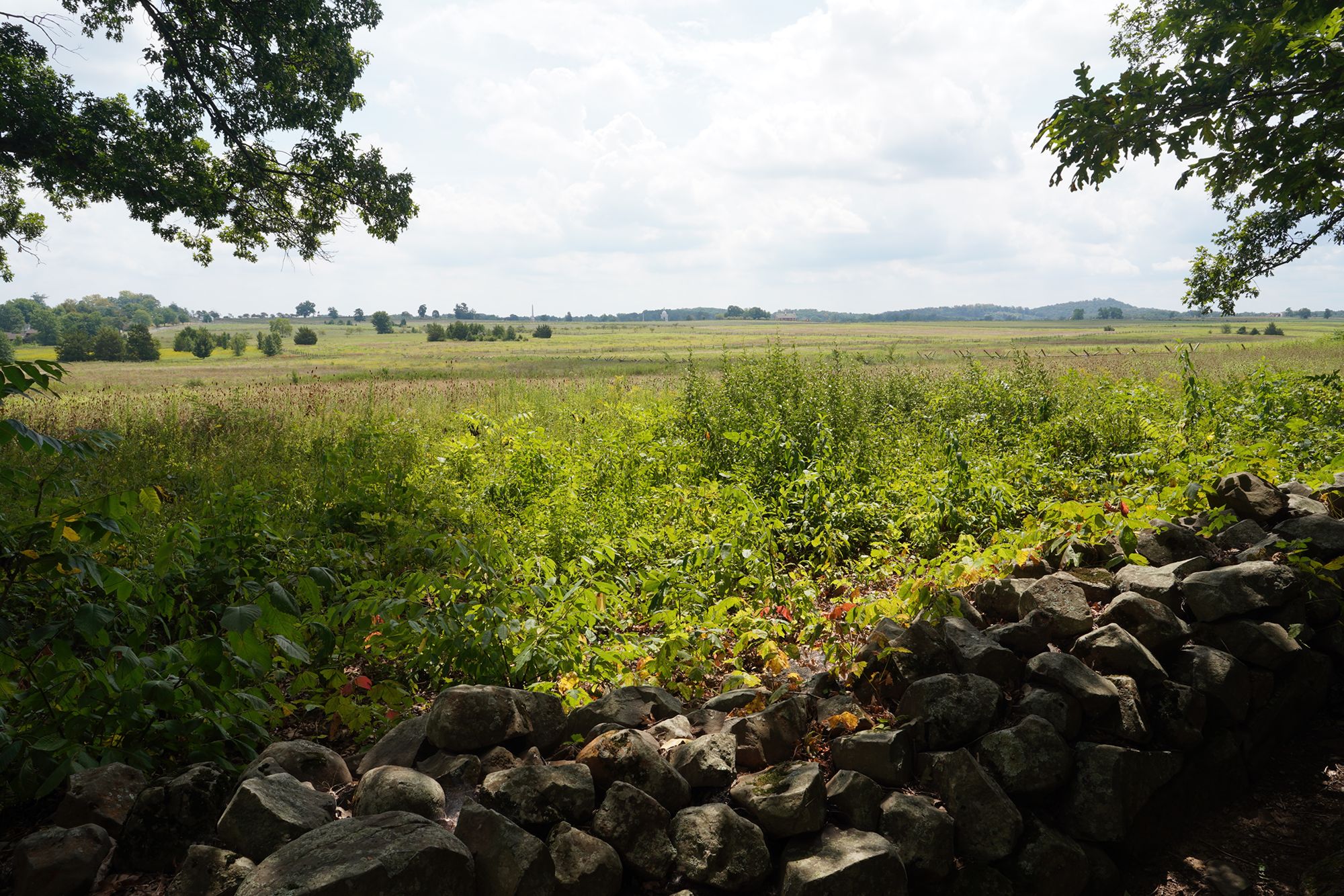
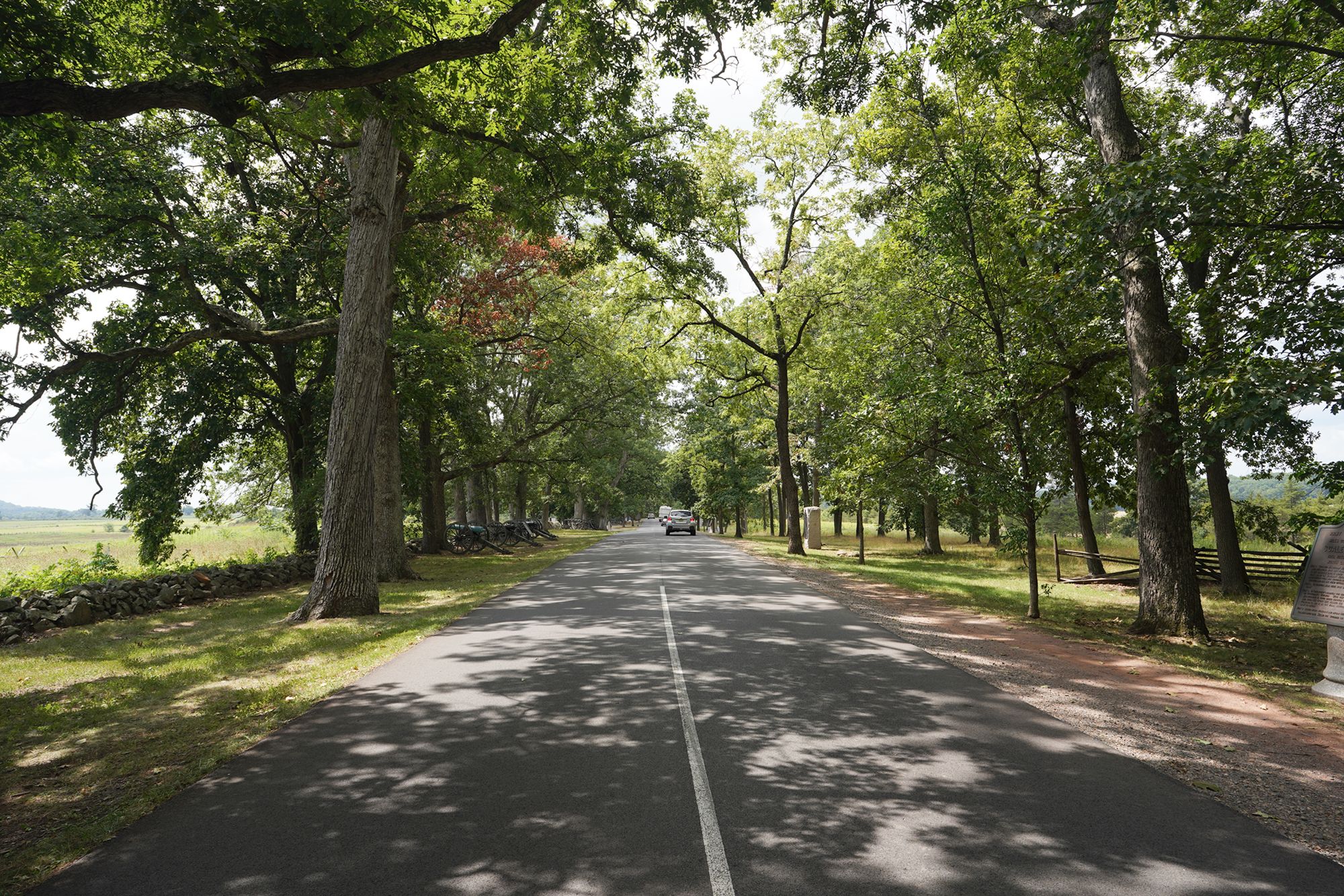
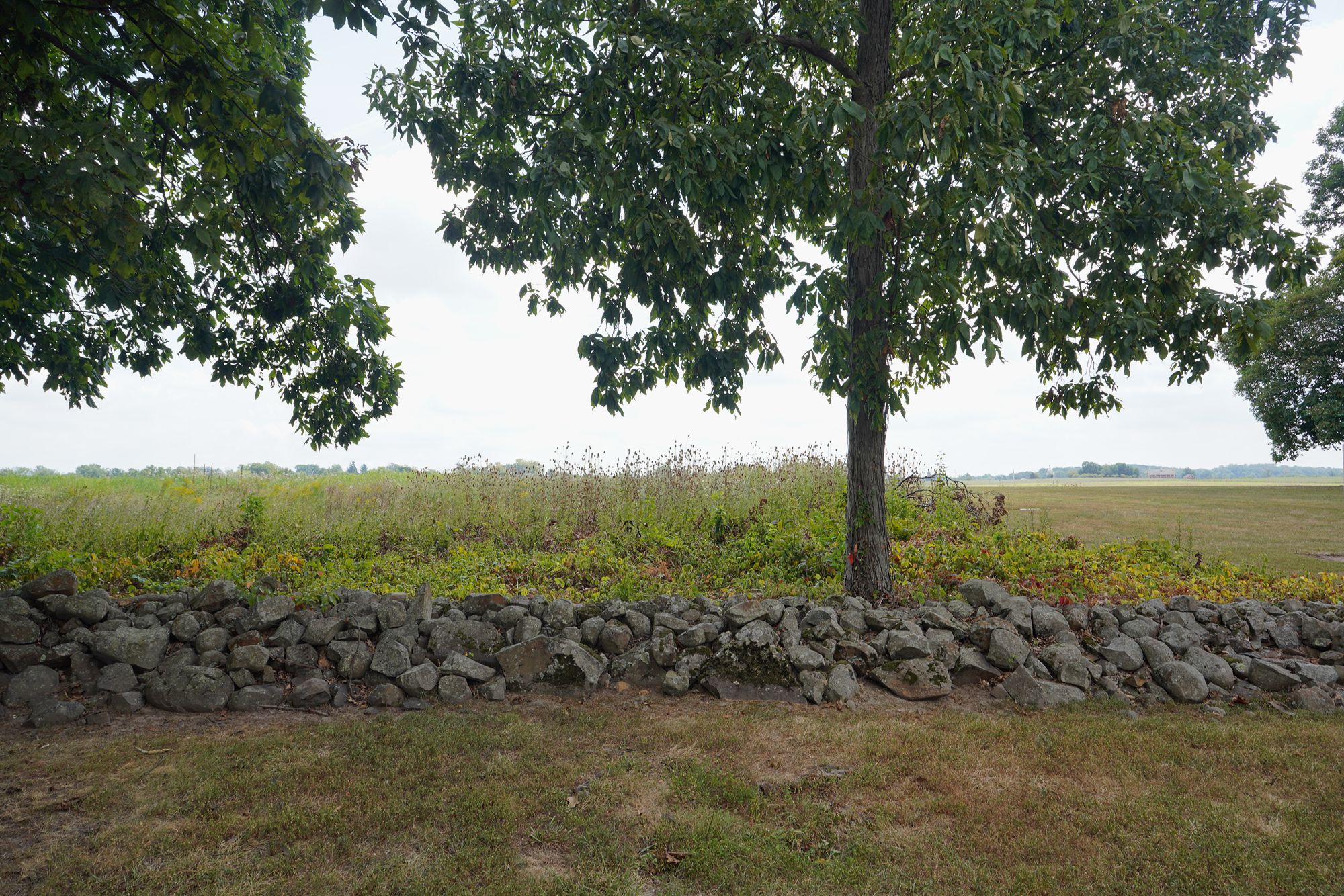
North Carolina Memorial - for North Carolina Soldiers who fought in Gettysburg
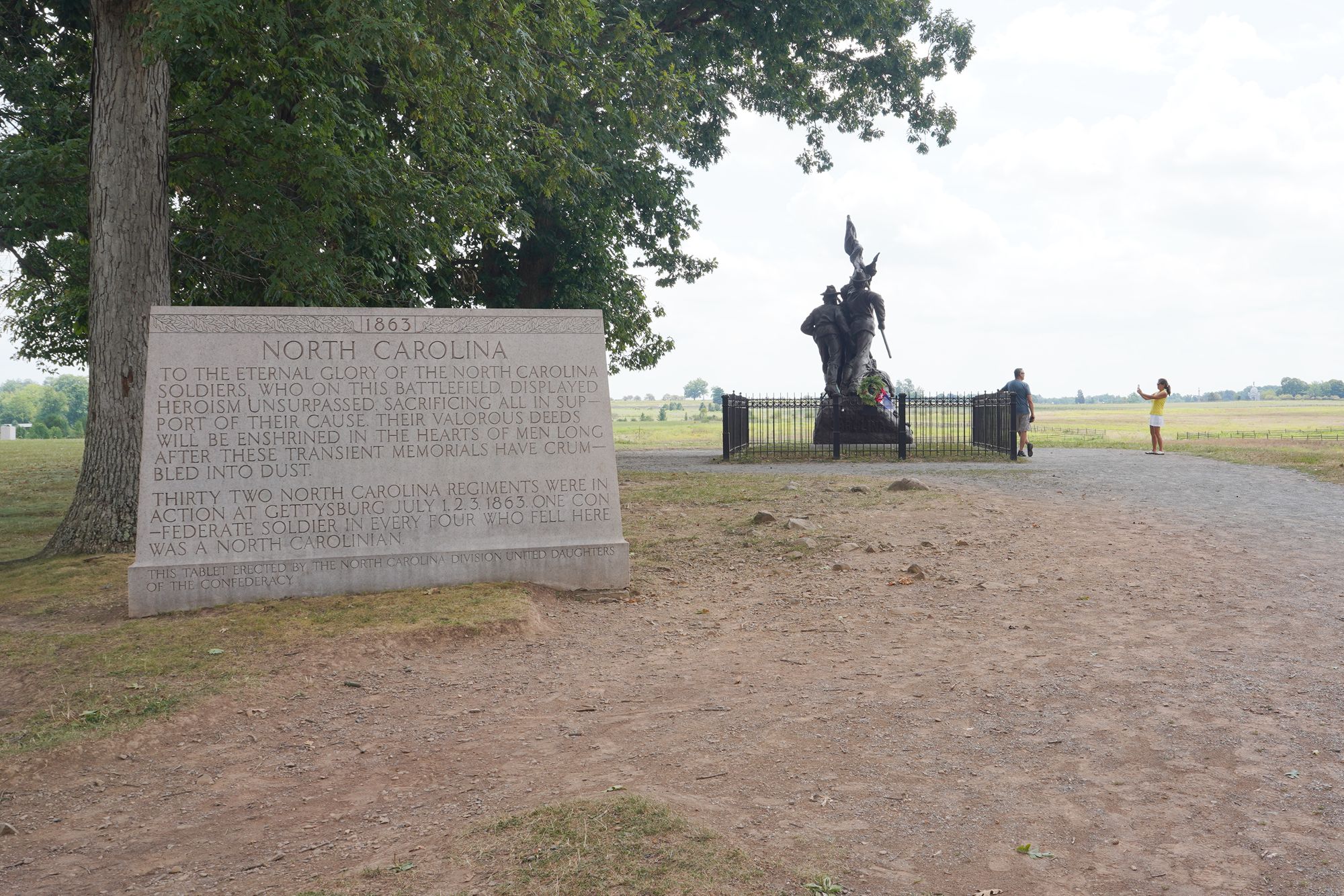
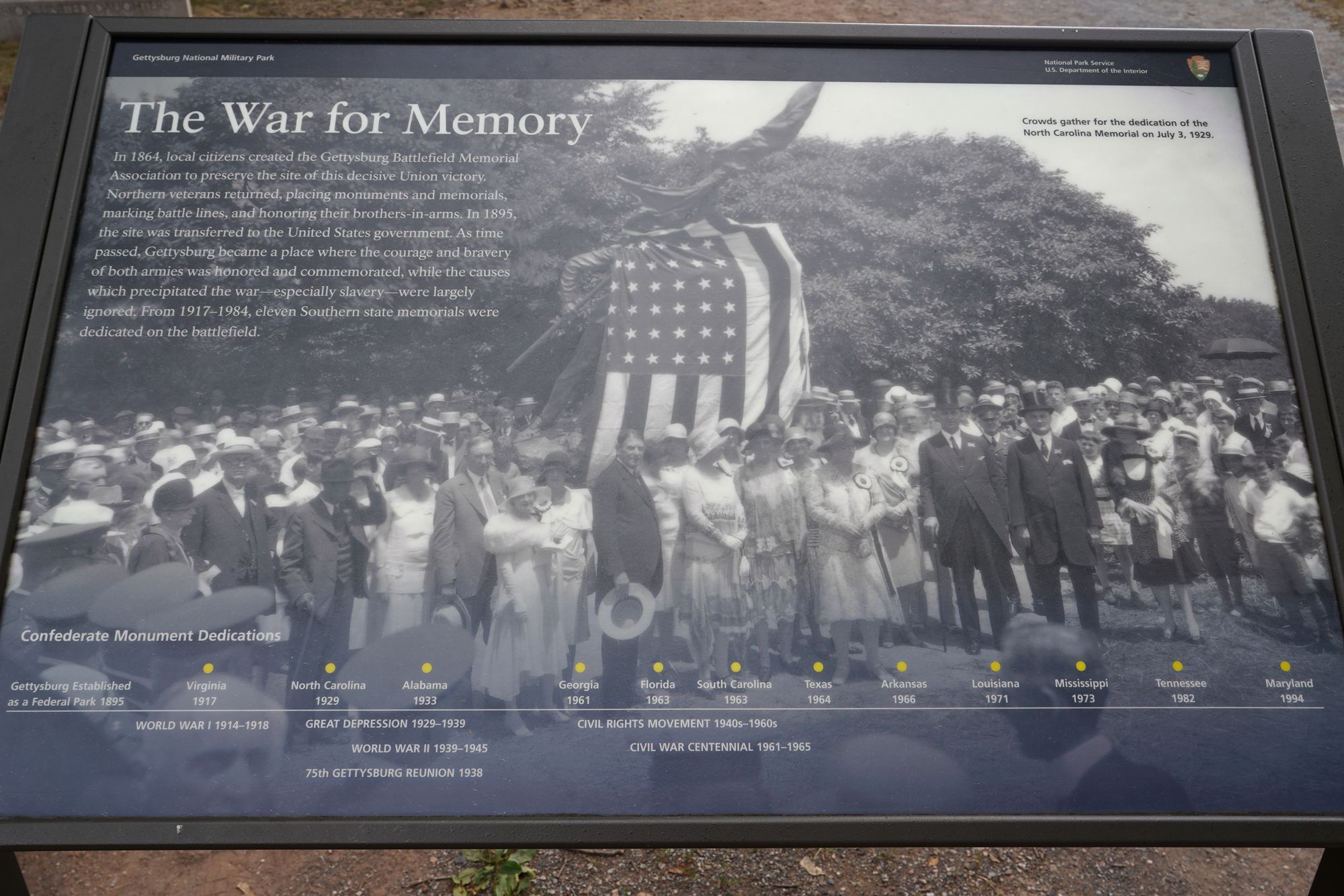
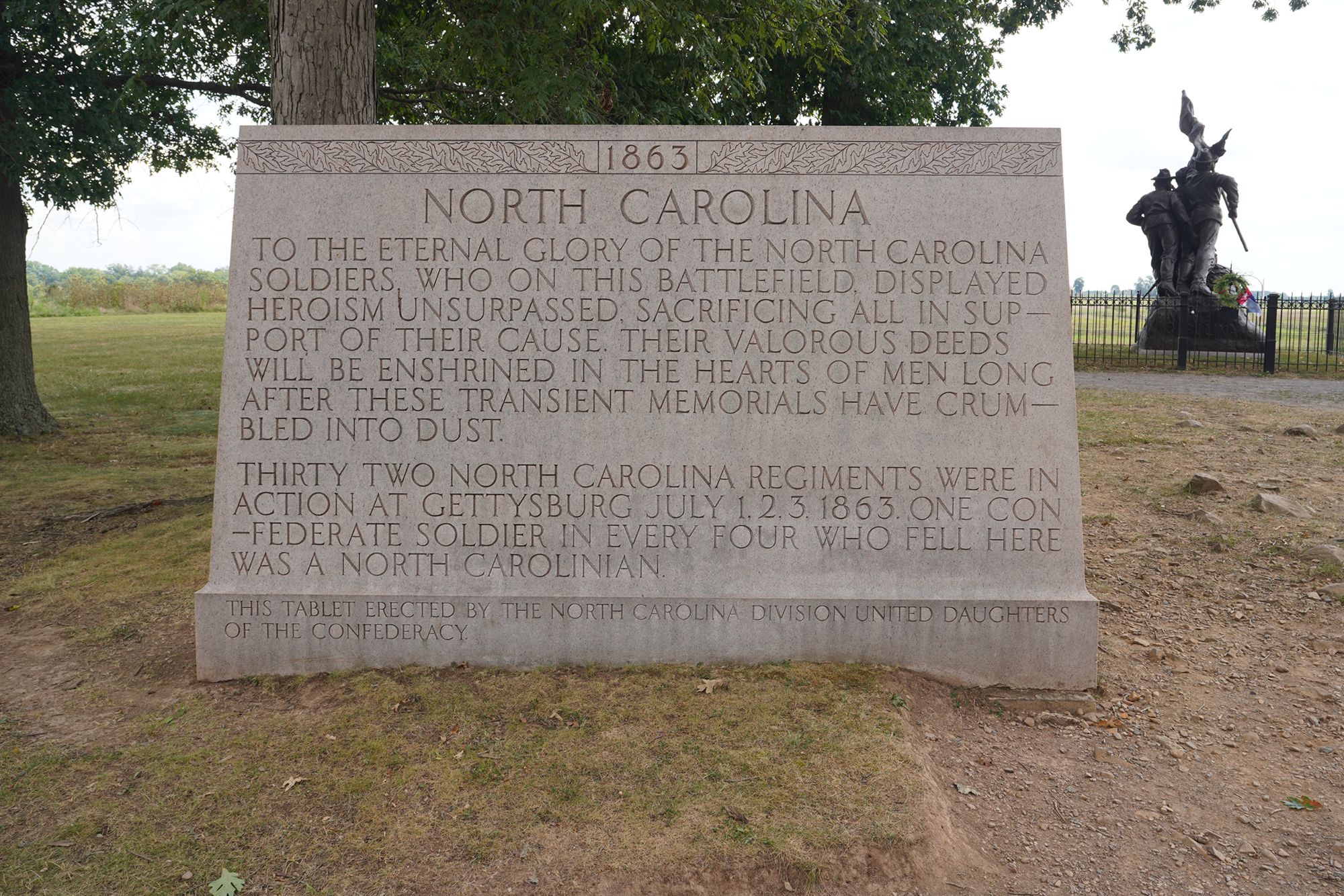
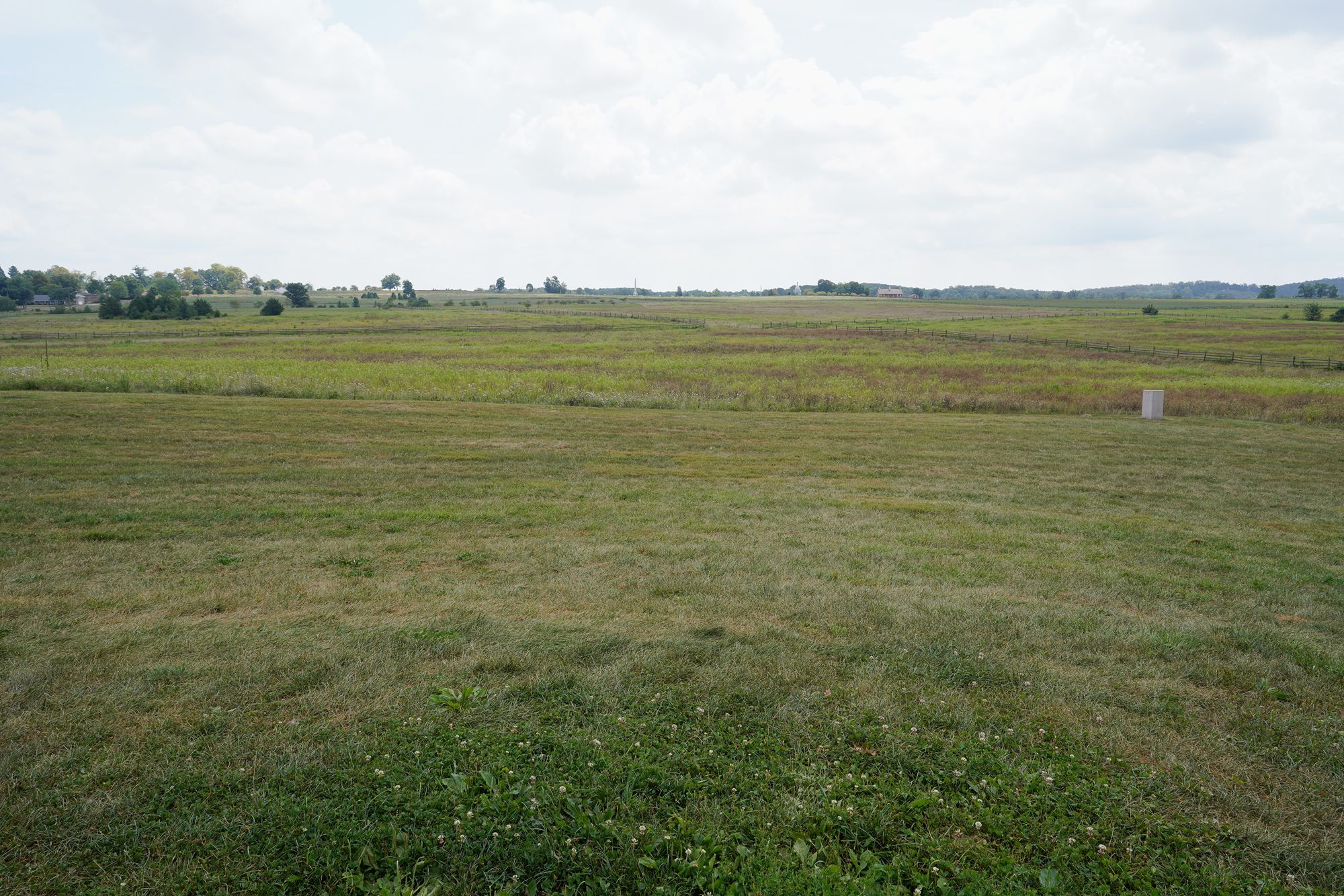
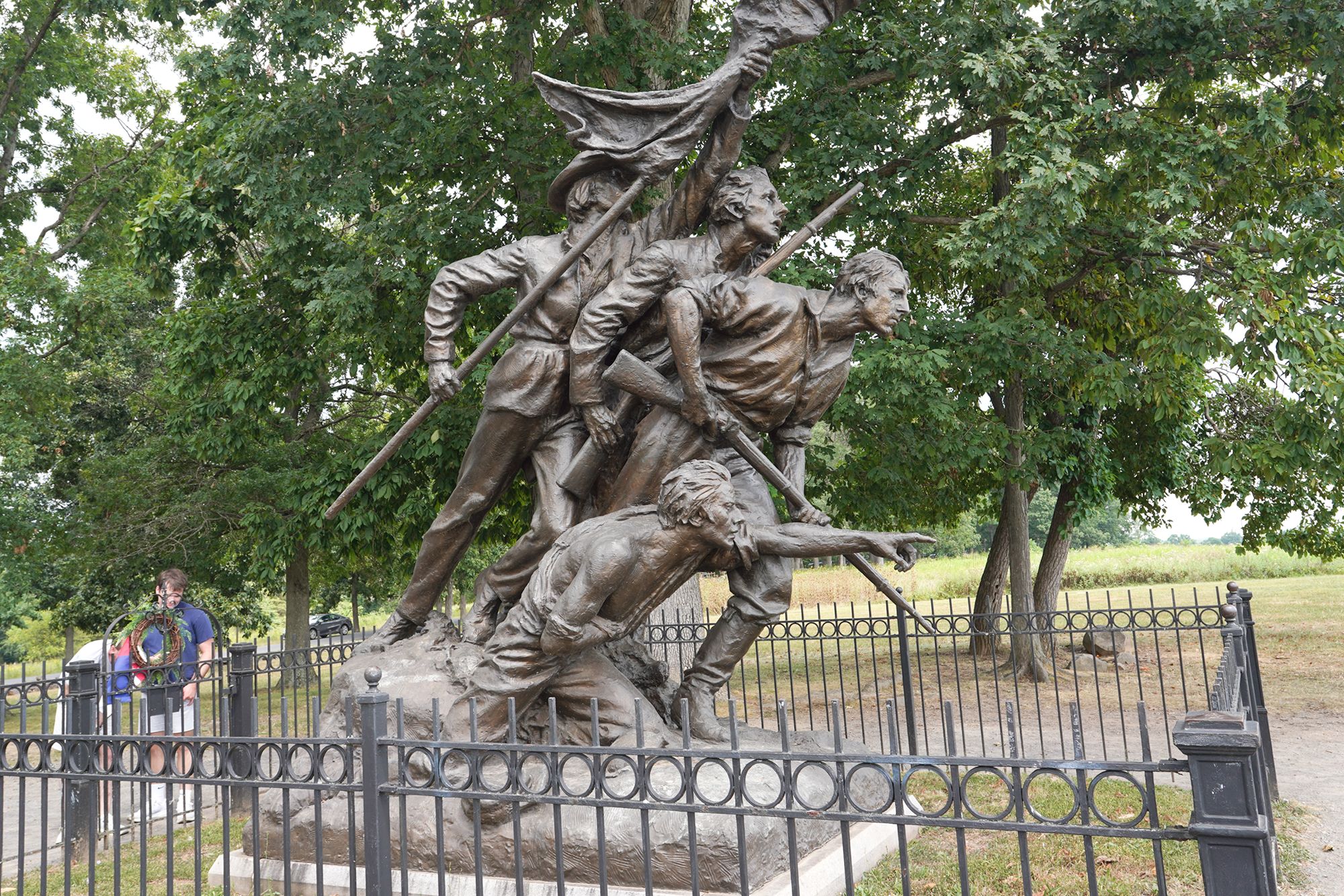
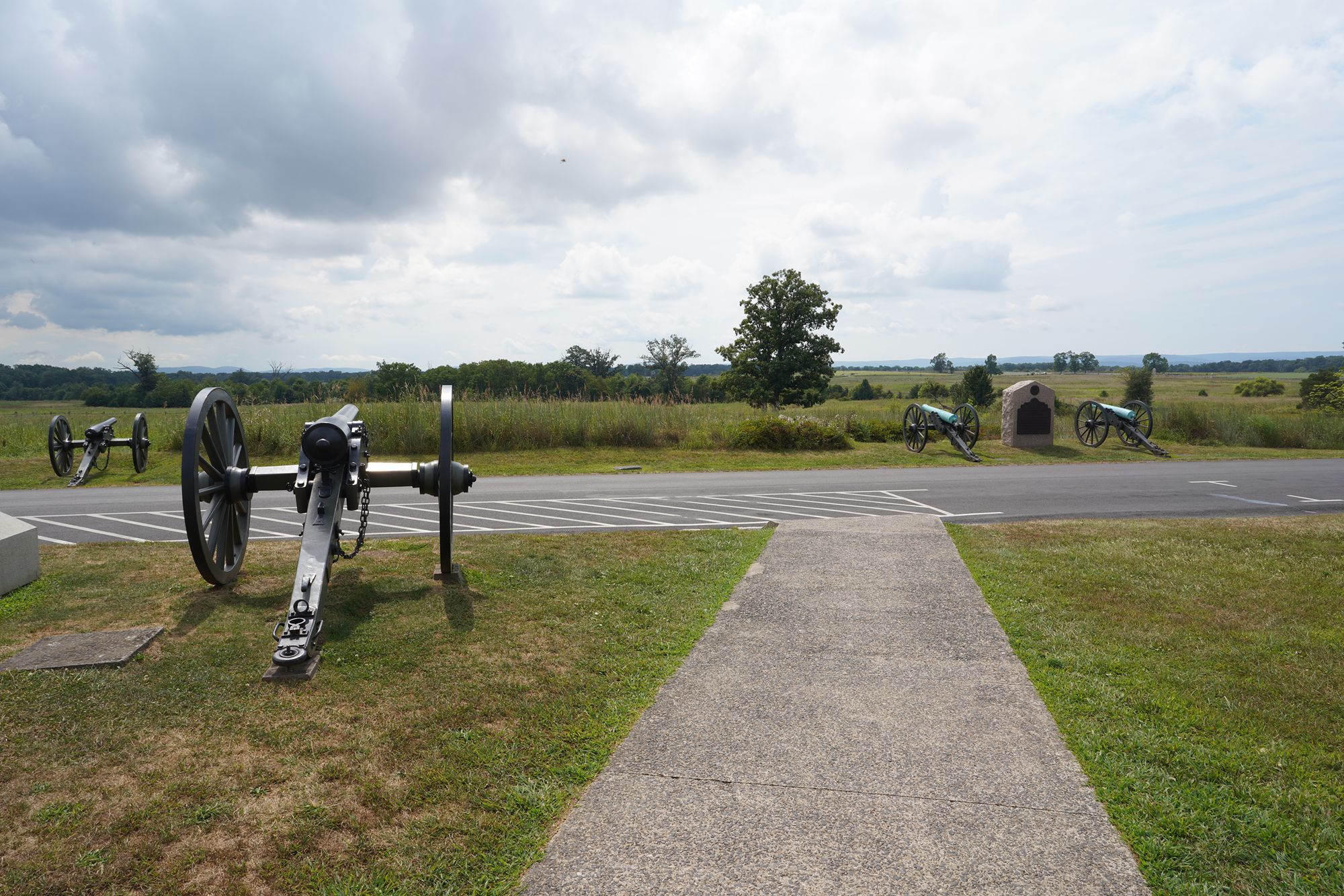
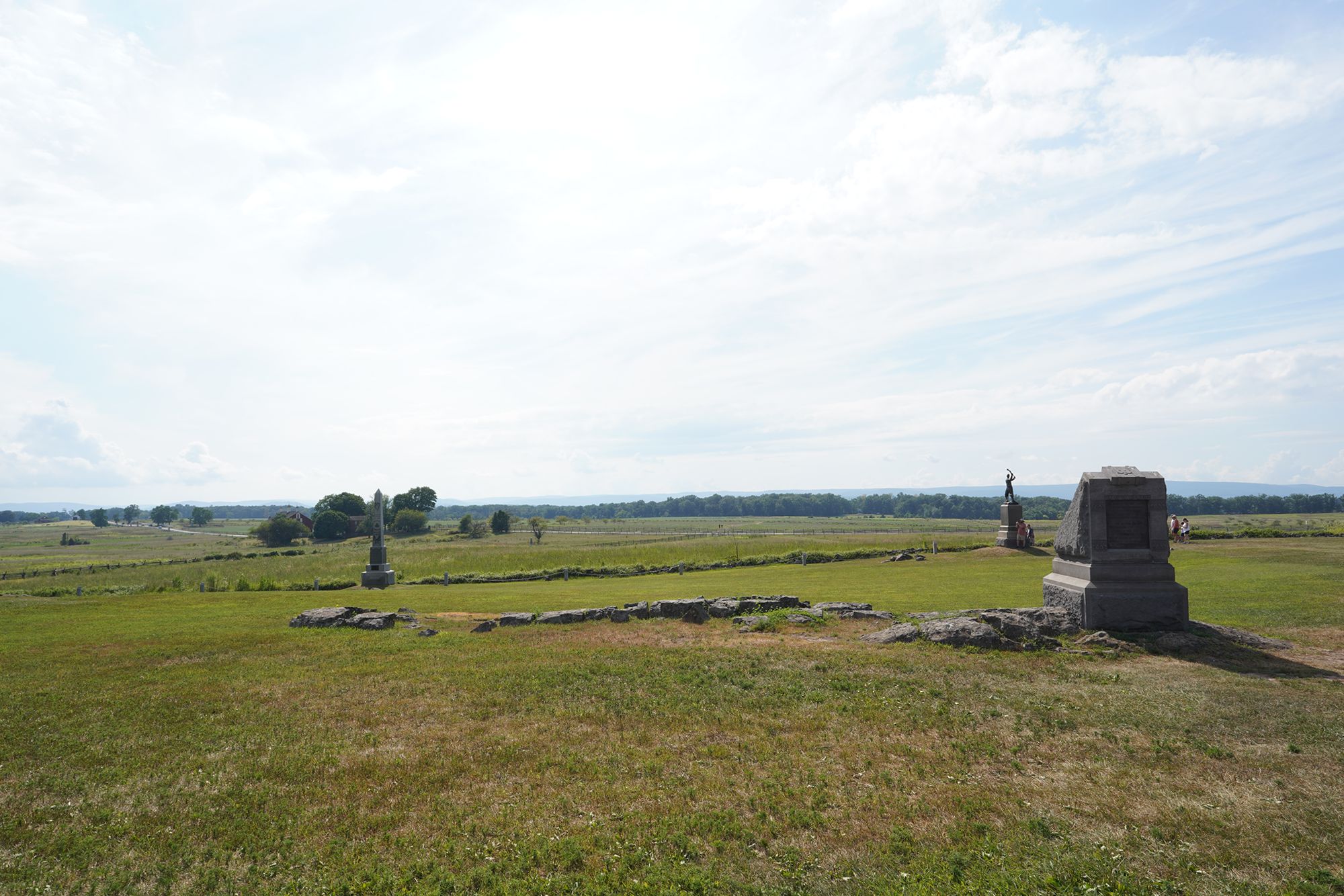
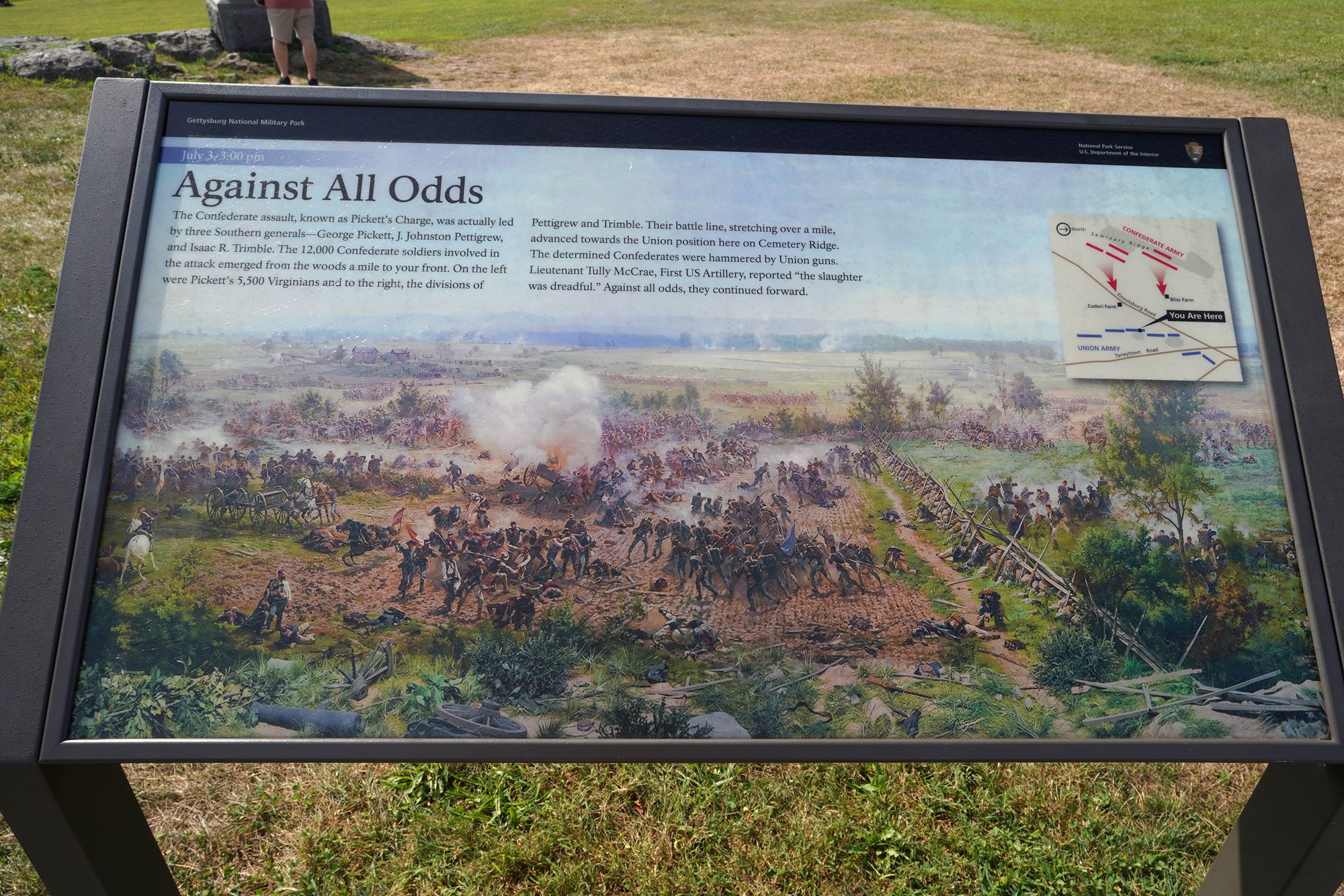
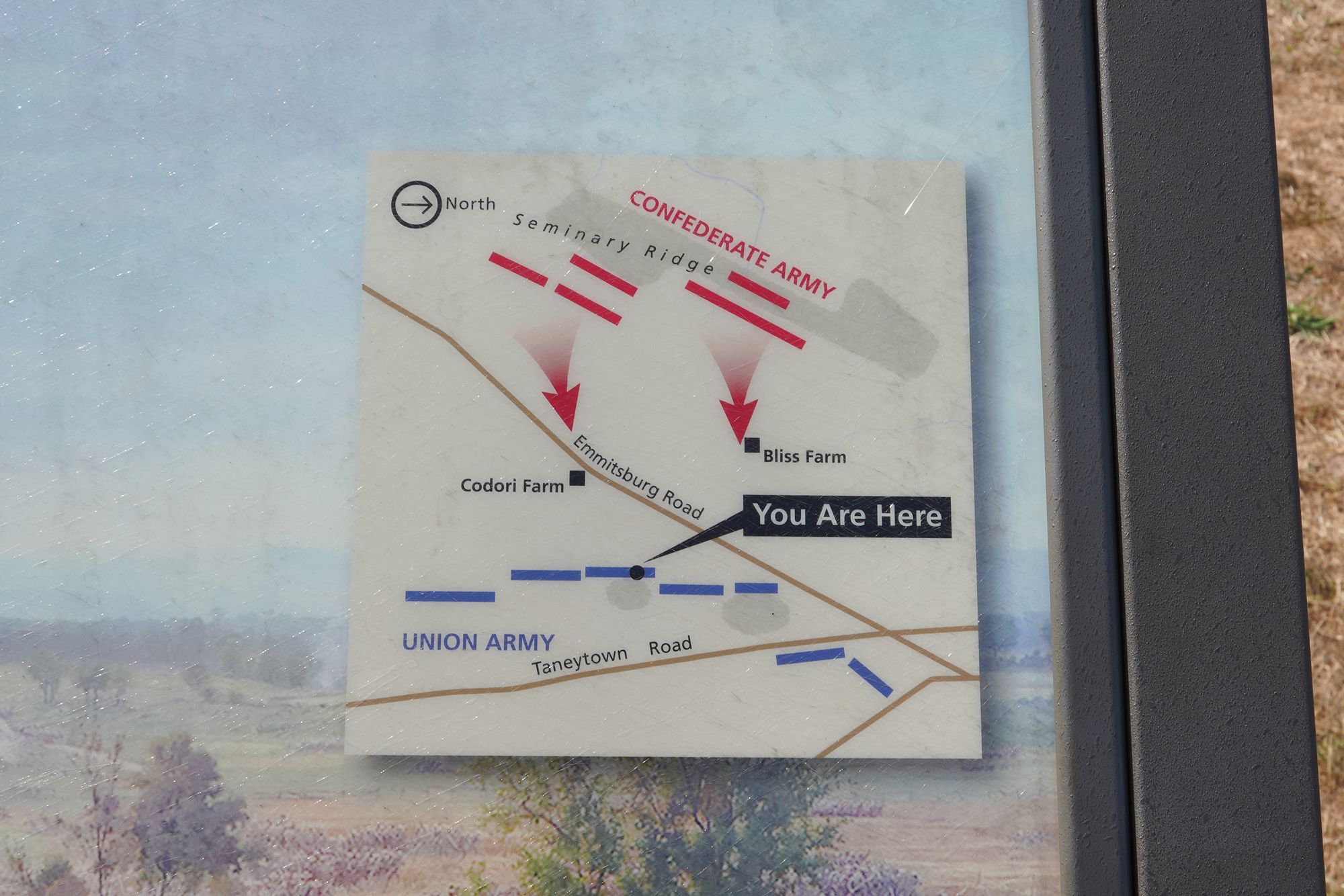
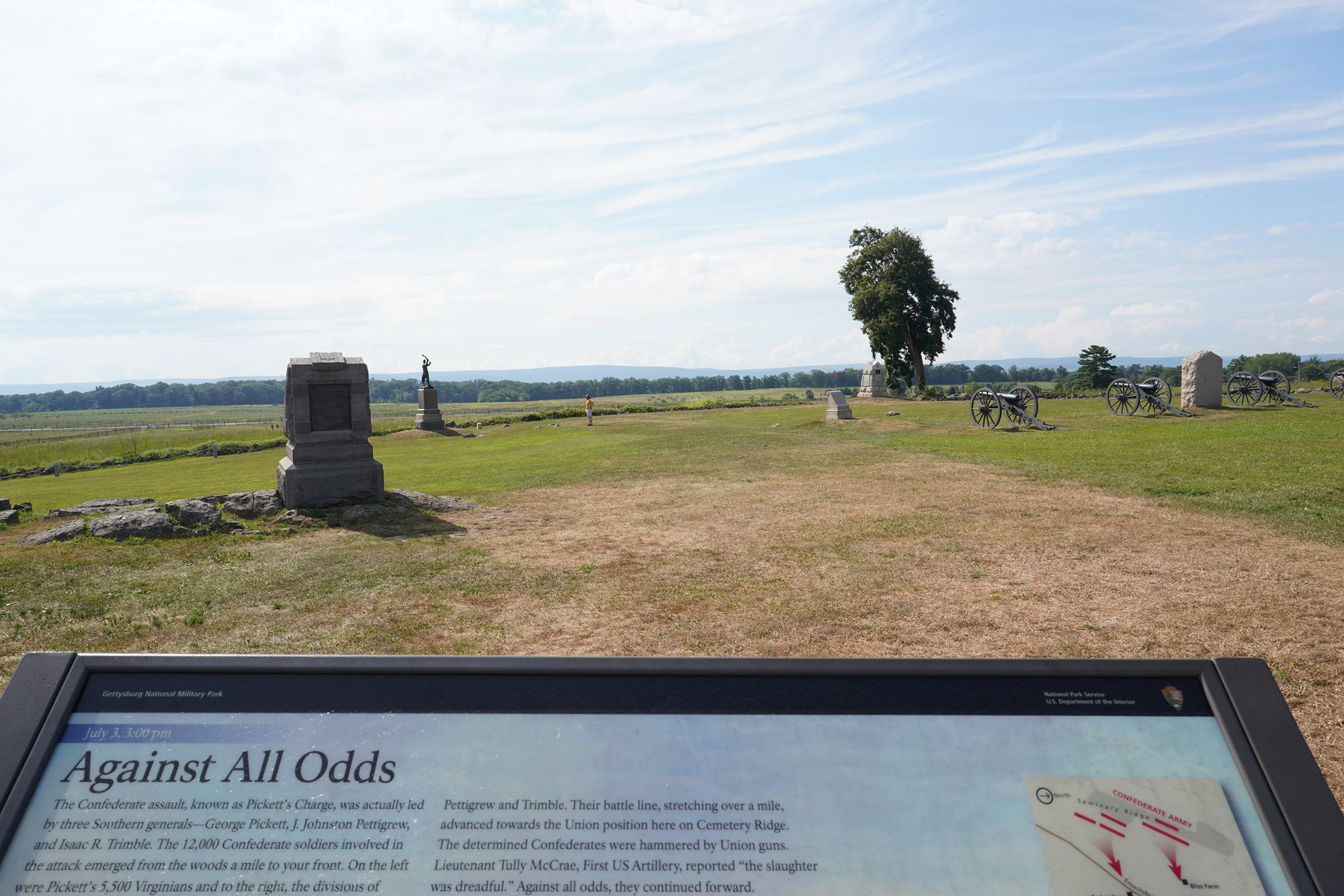
Stop #5: The large open field to the east is where the last Confederate assault of the battle, known as “Pickett’s Charge,” occurred on July 3, the last day of the fight. This was the side where the Confederates started marching toward the hill against the Union Army.
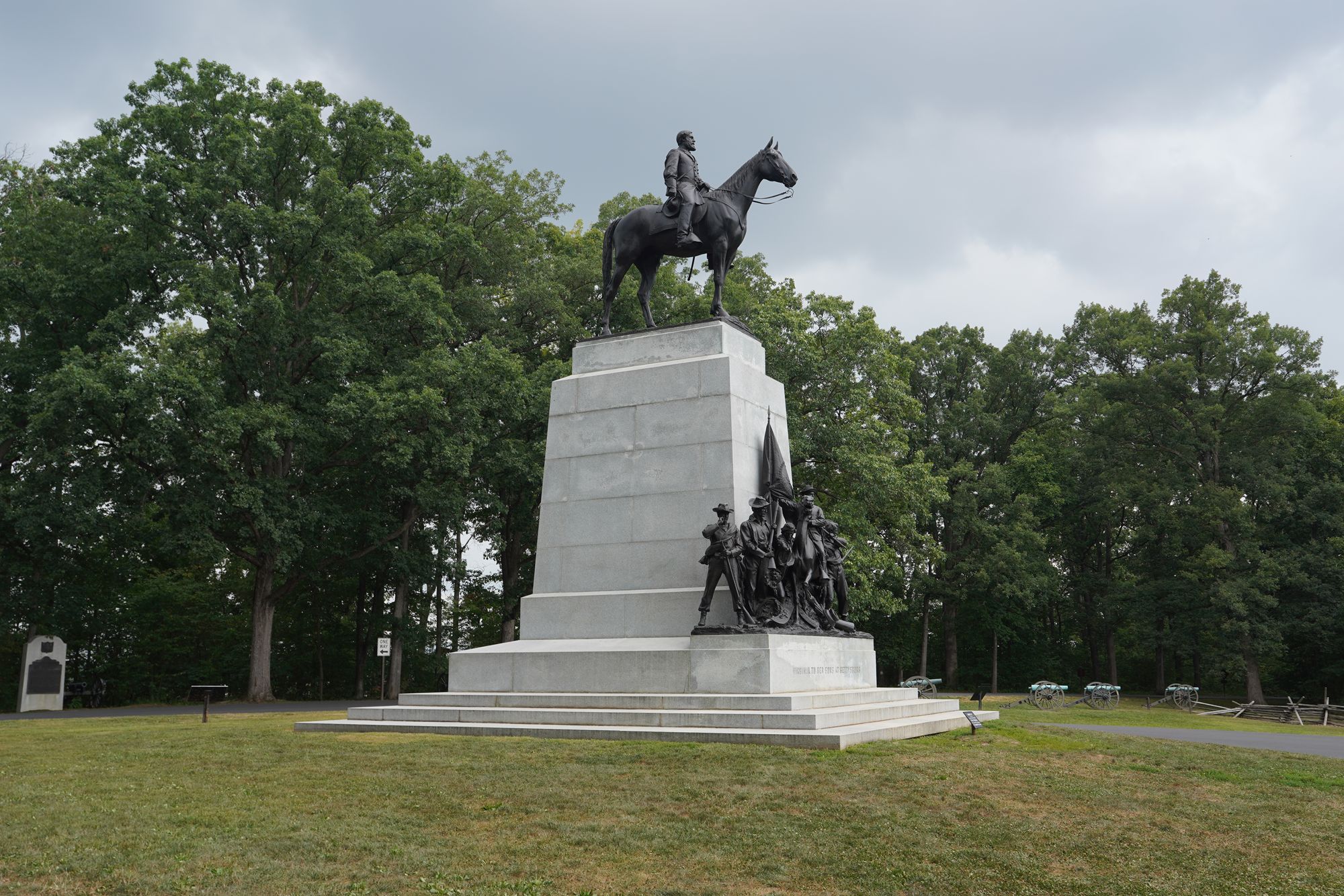
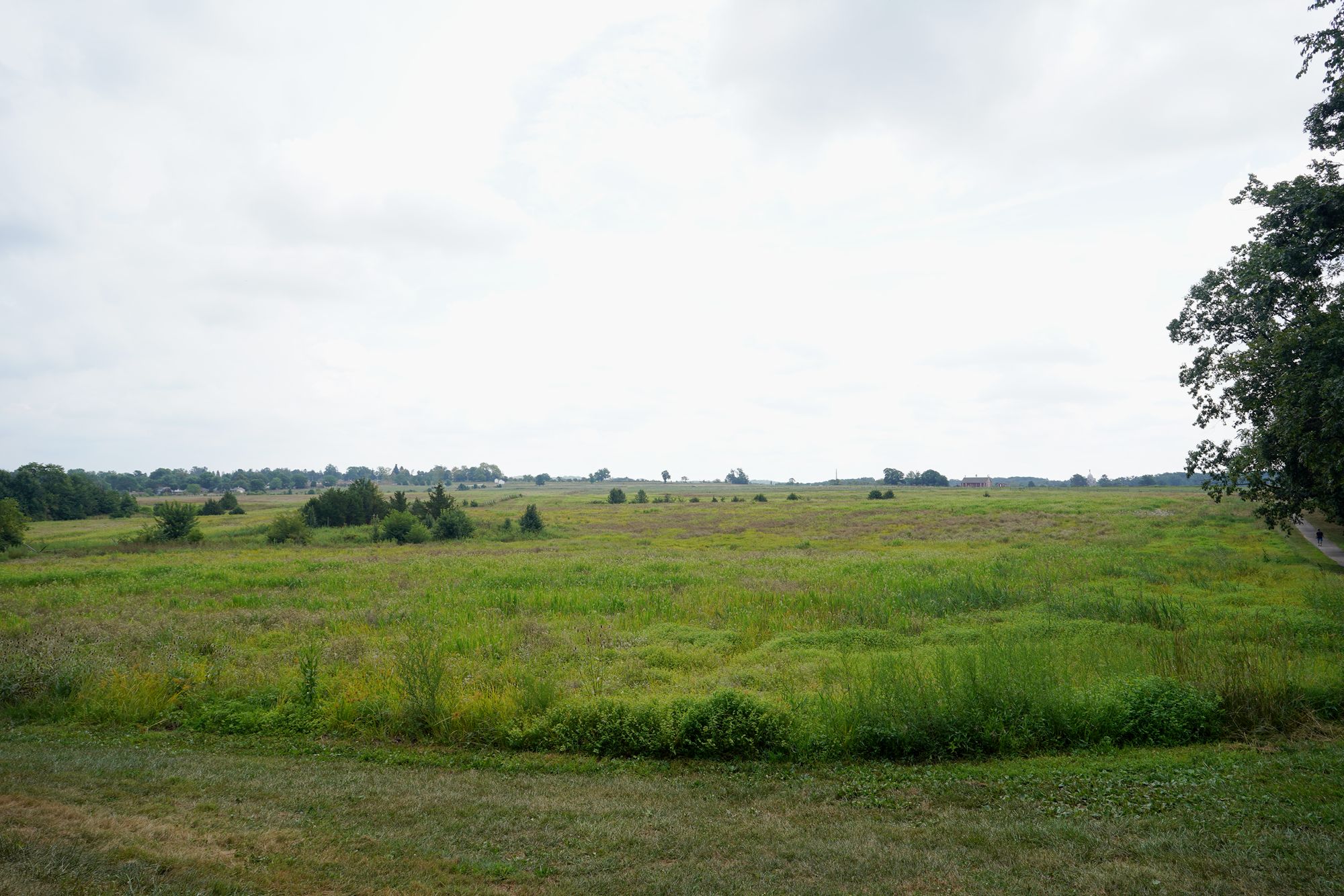
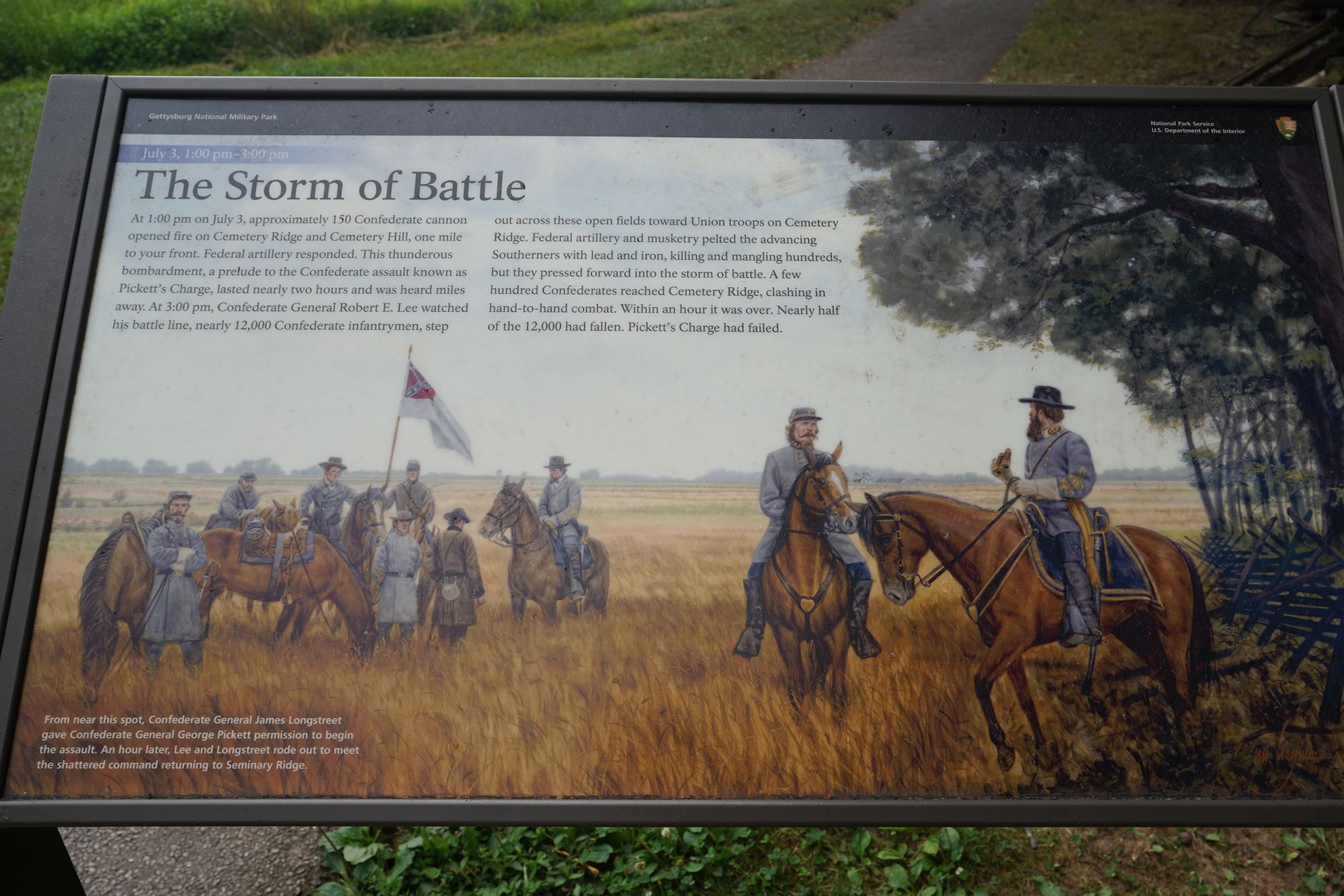
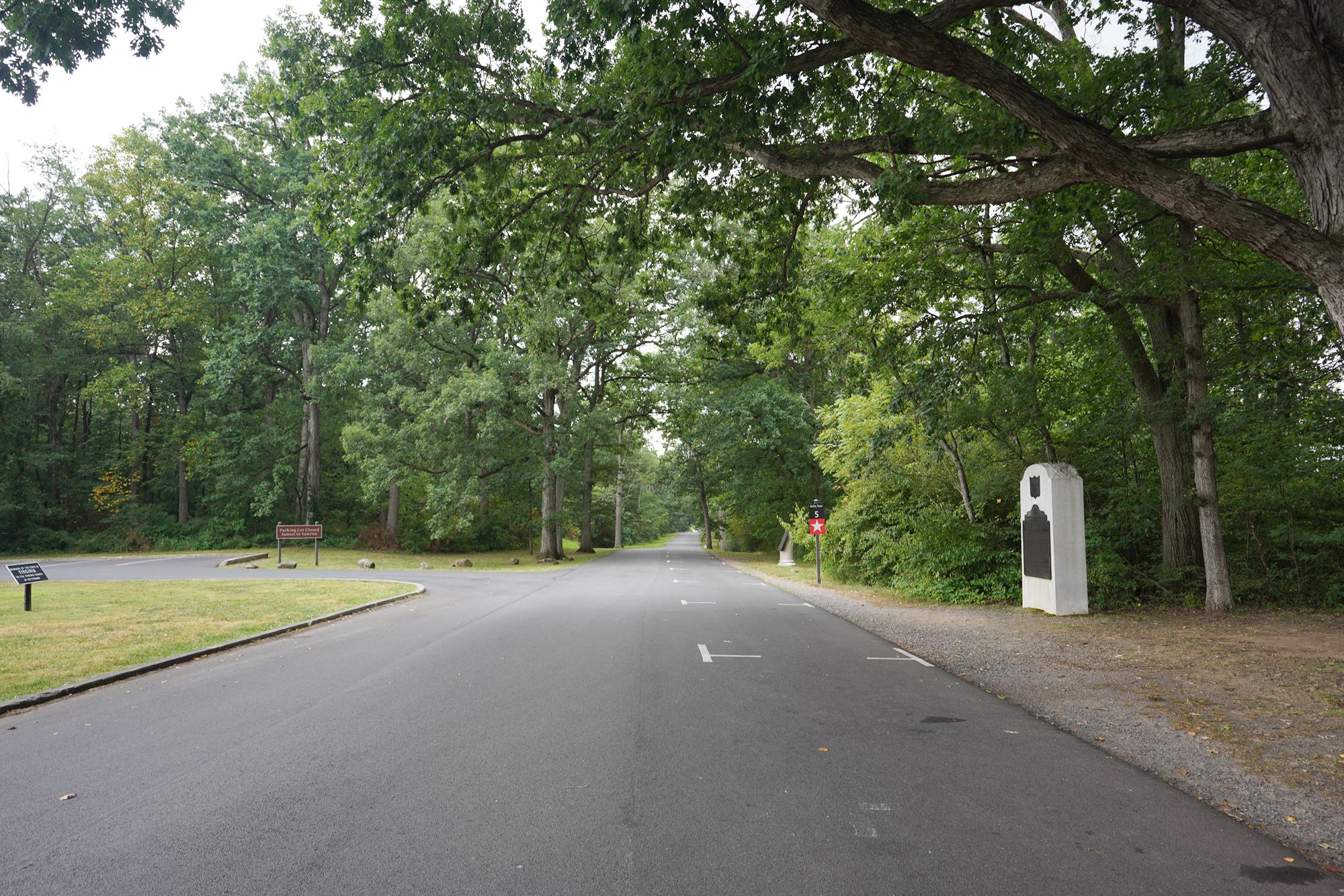
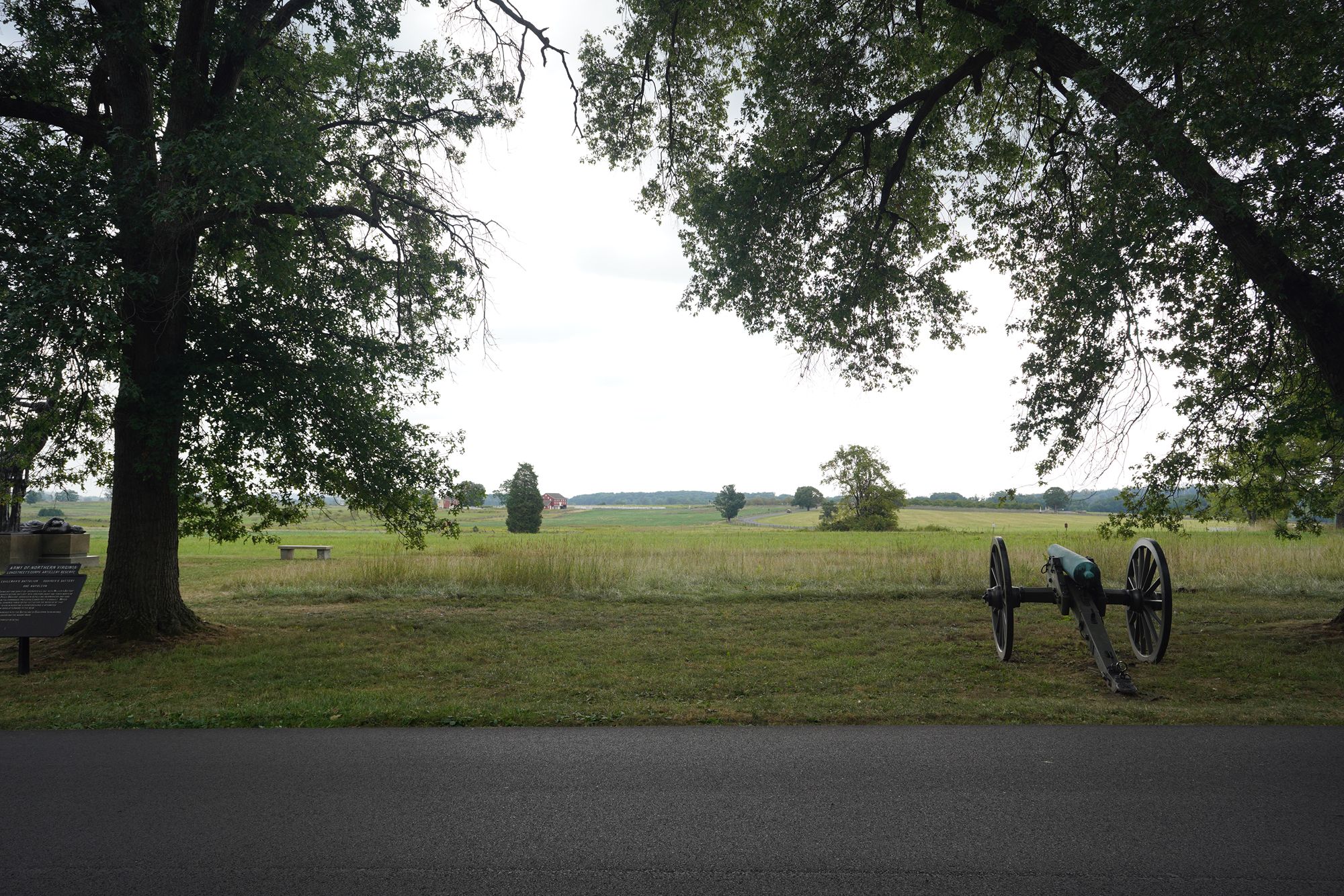
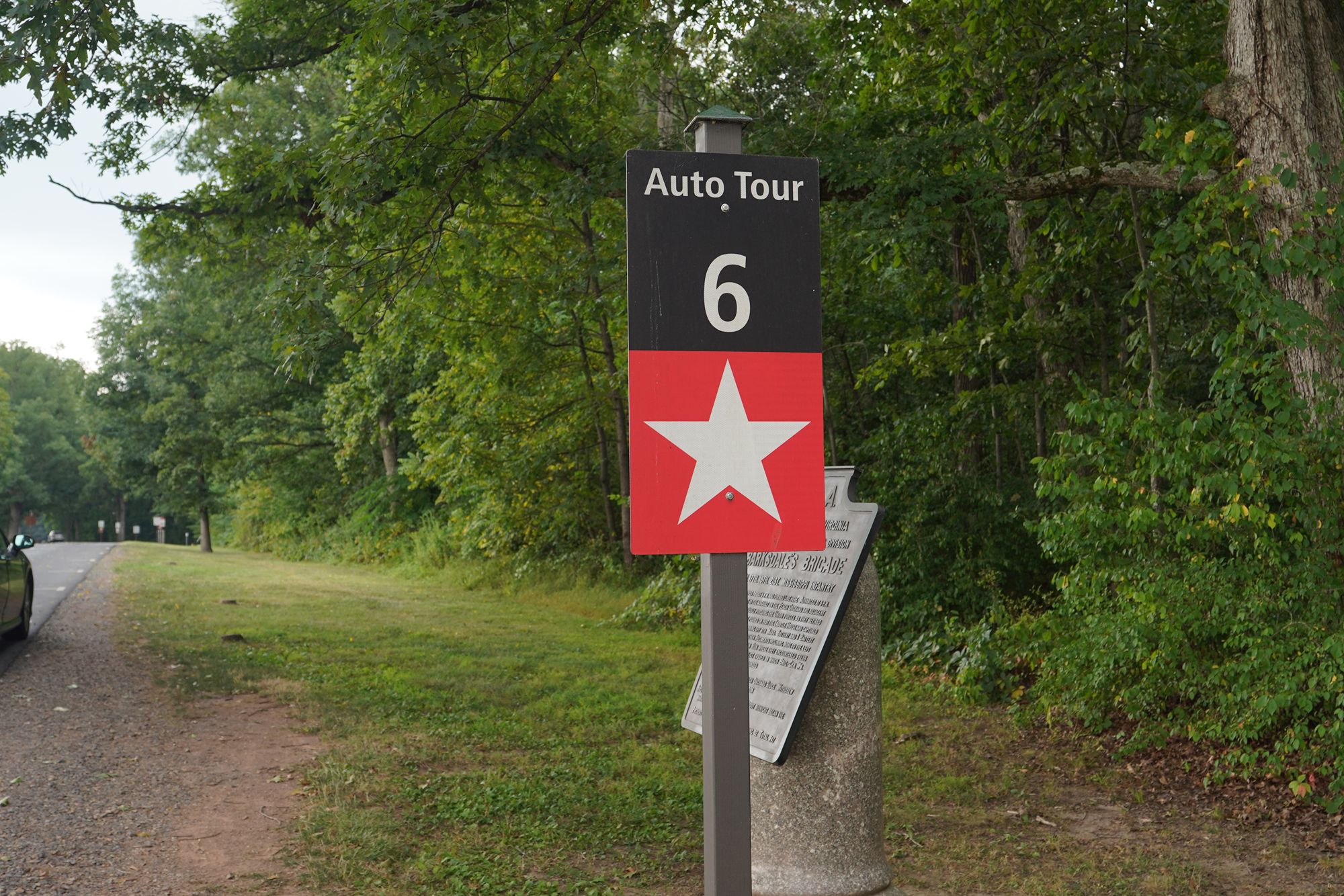
Stop #6: Pitzer Woods. In the afternoon of July 2, Lt. Gen. James Longstreet placed his Confederate troops along Warfield Ridge, anchoring the left of his line in these woods.
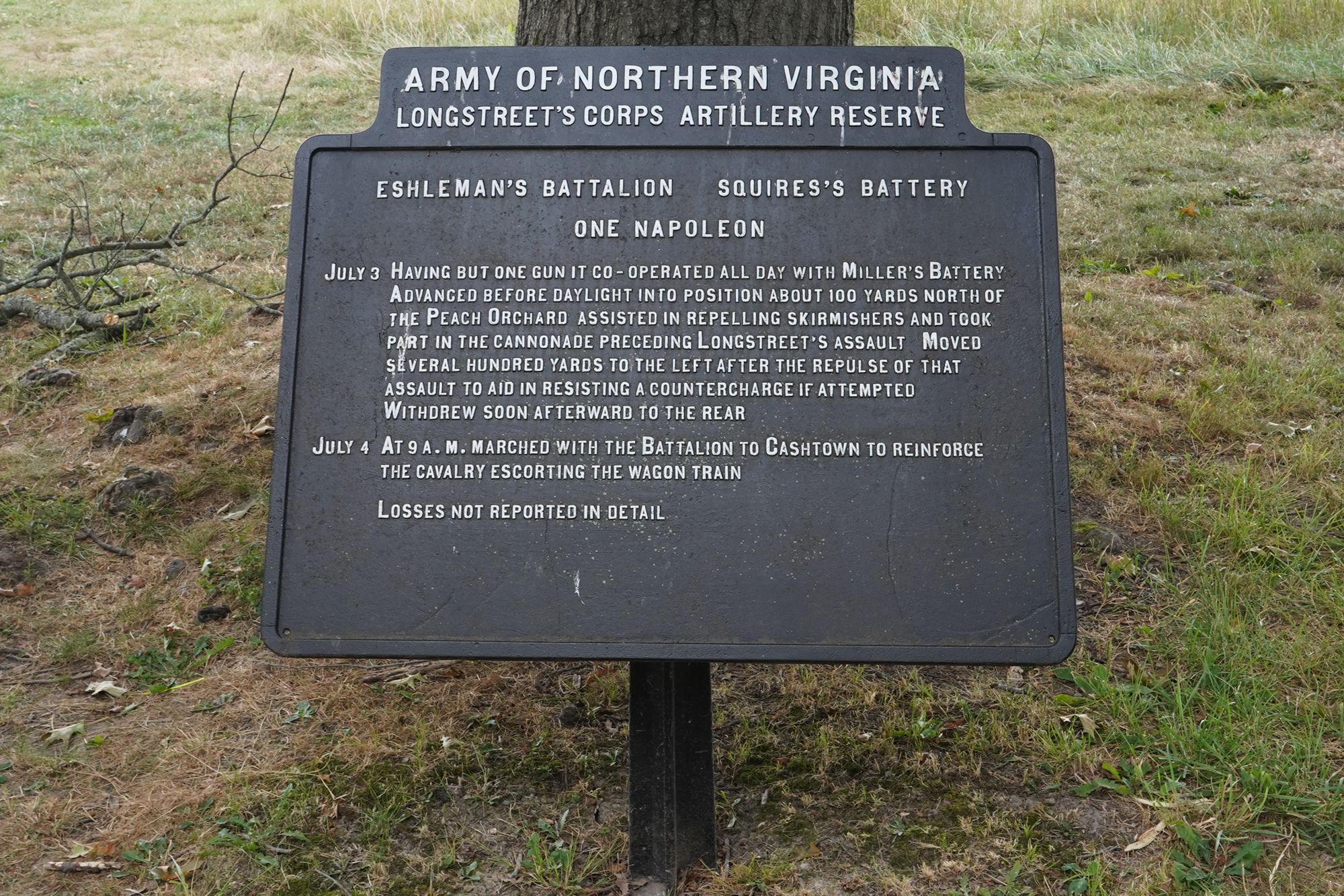
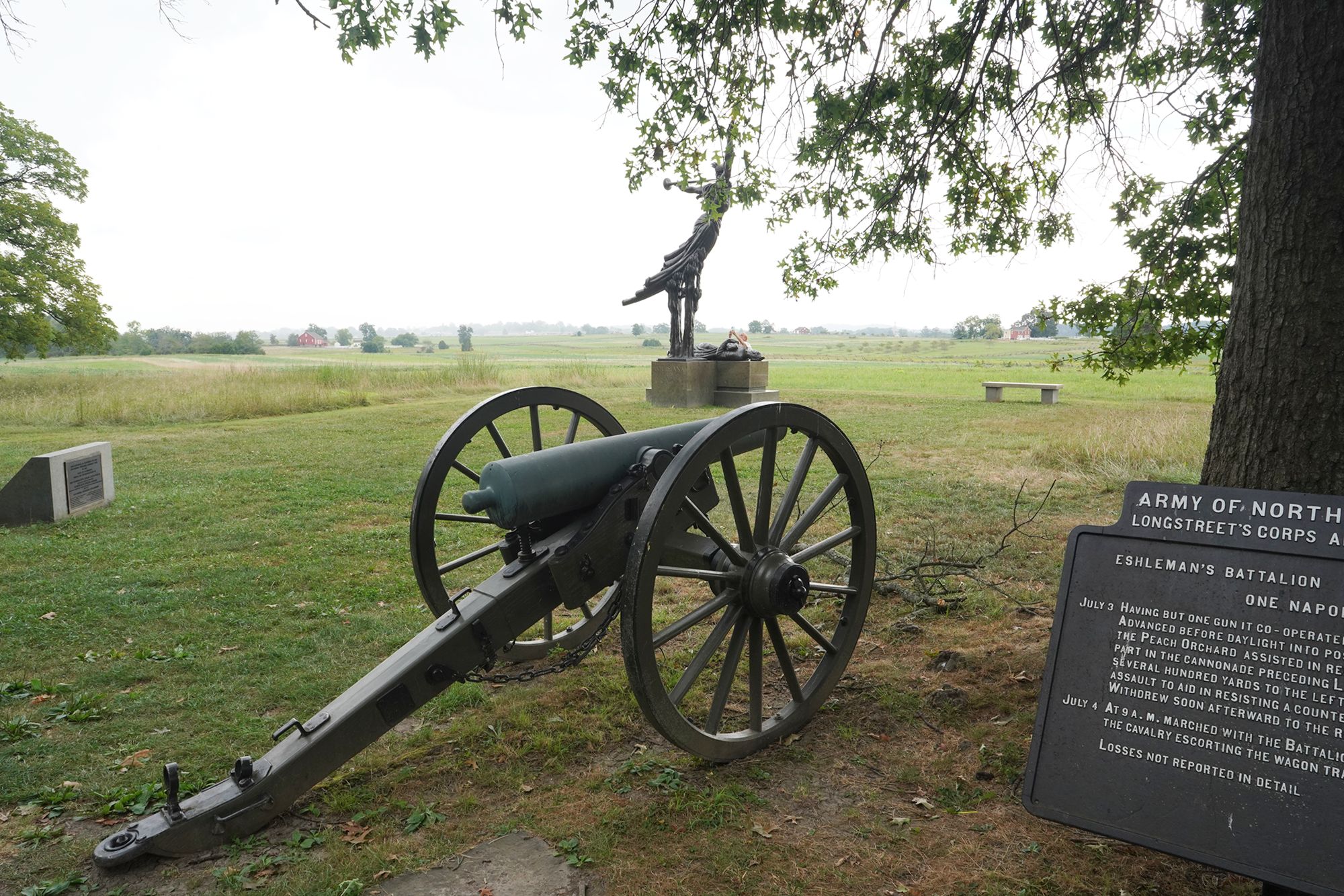
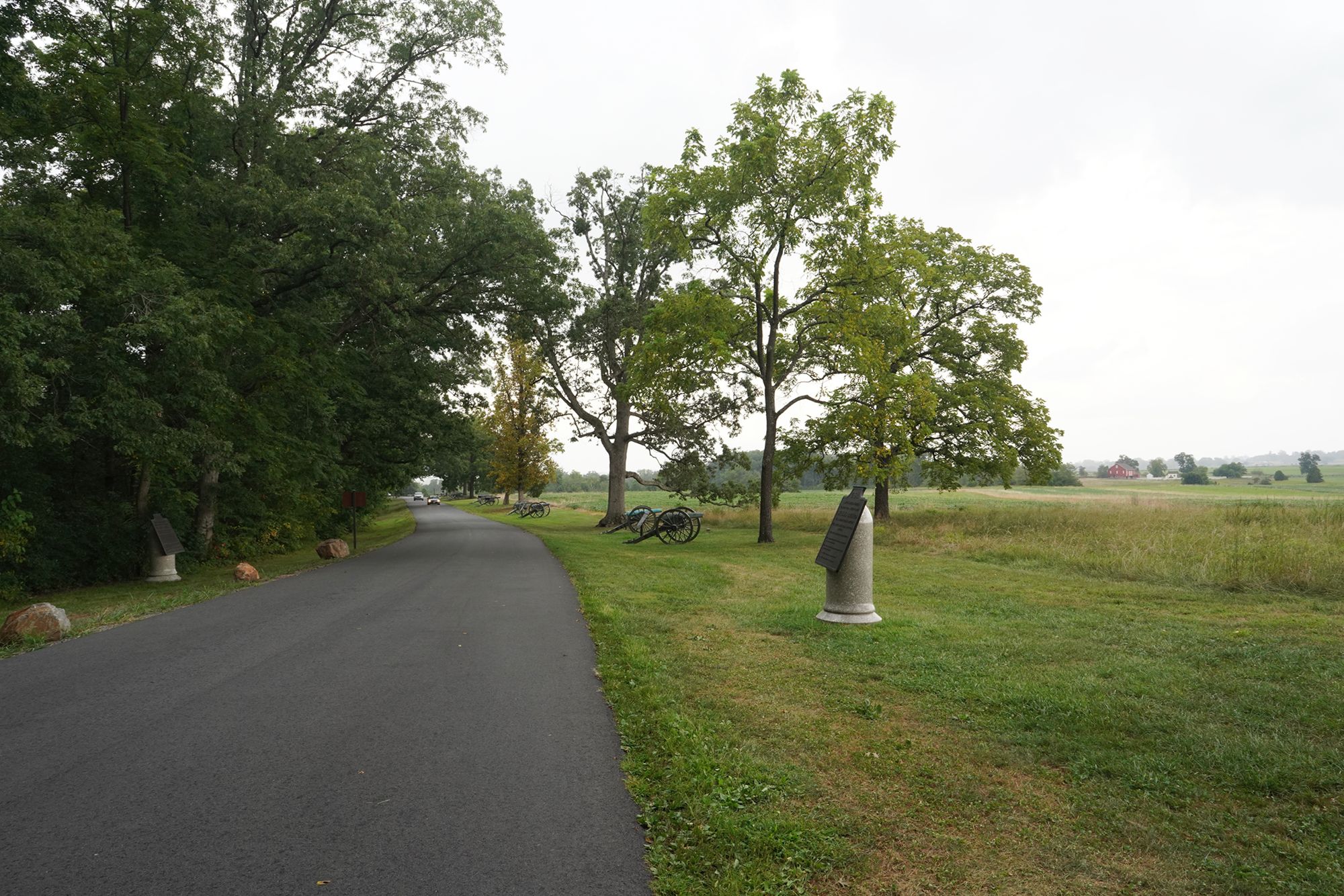
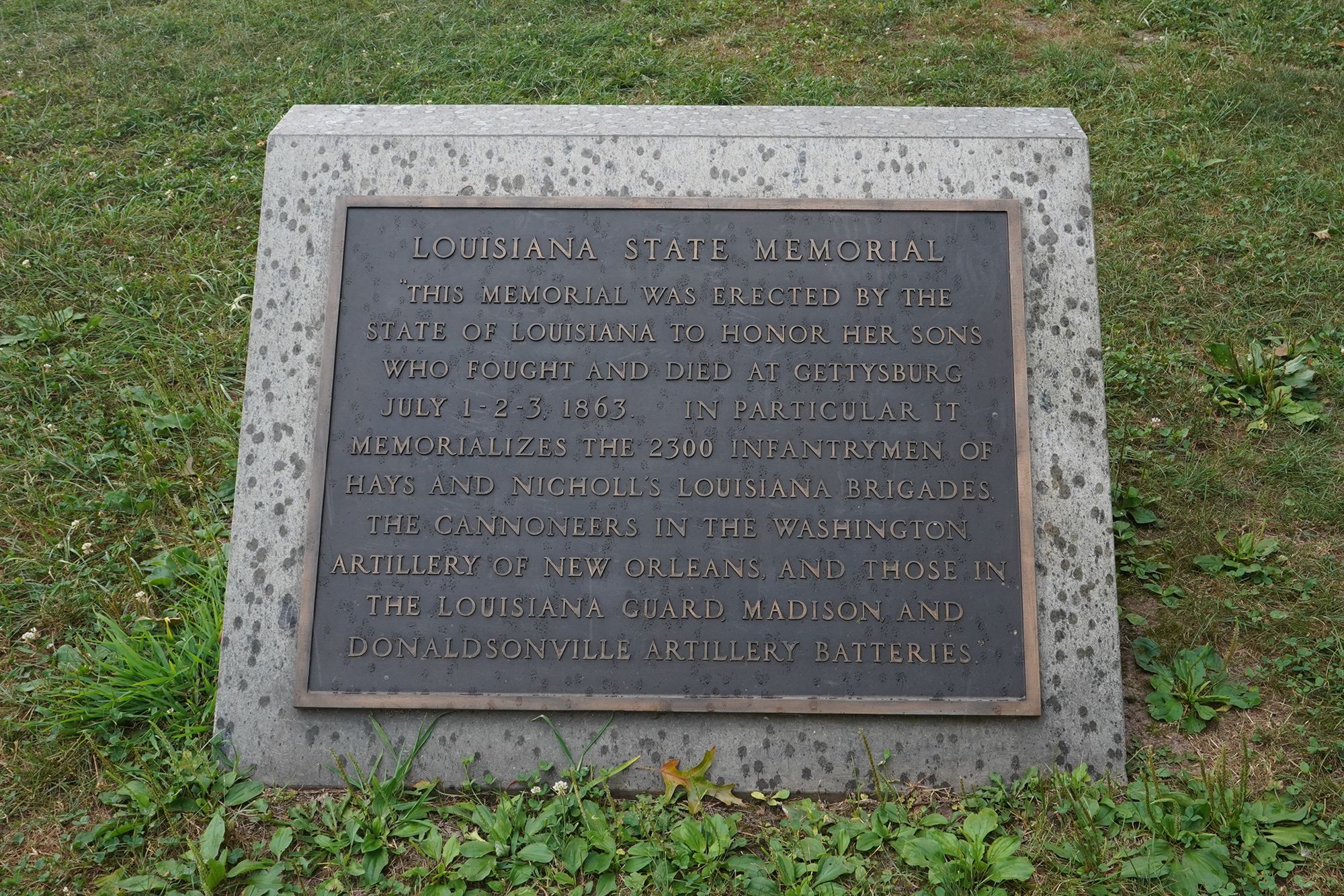
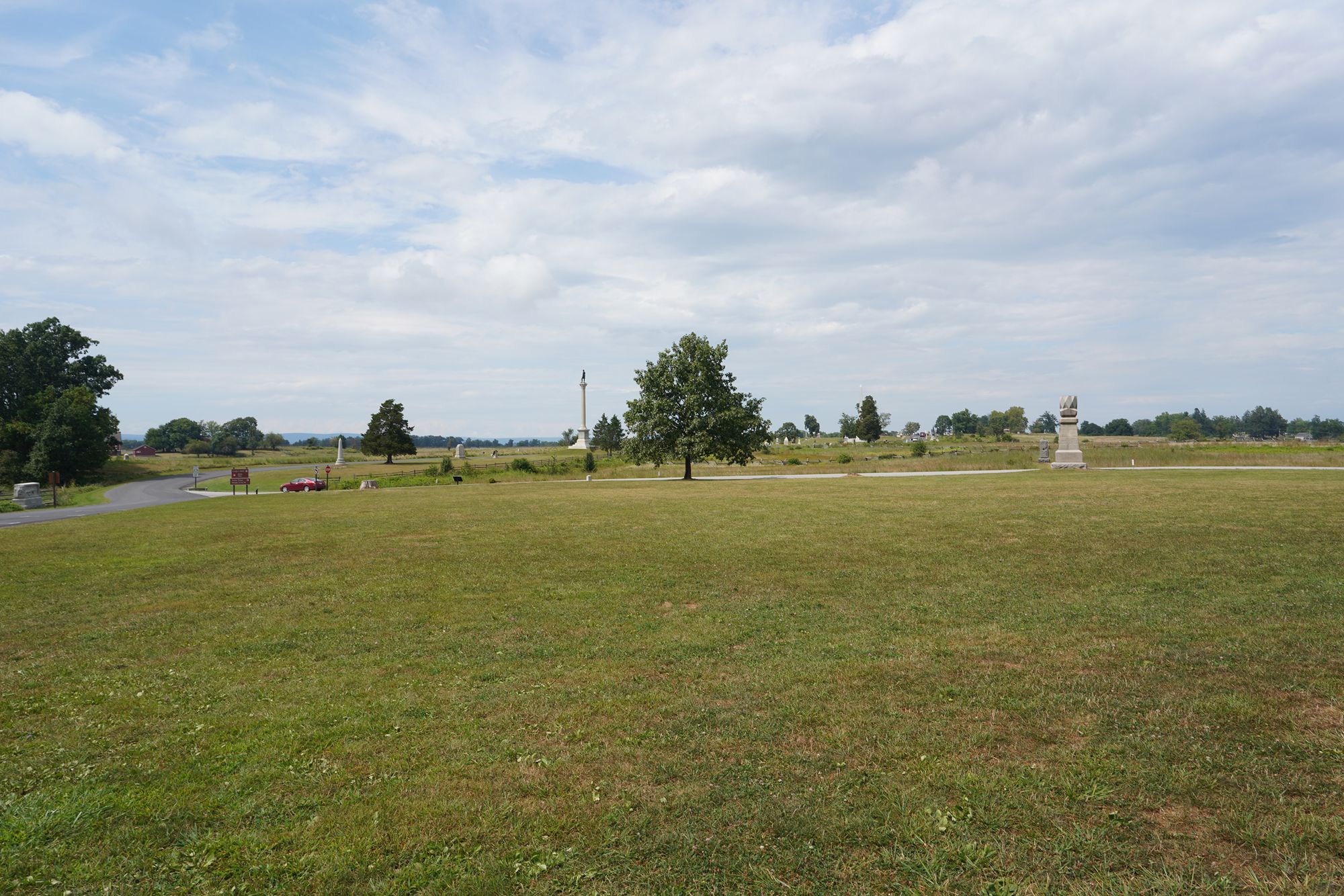
The battlefield is dotted with many memorials to the units and soldiers who fought here.
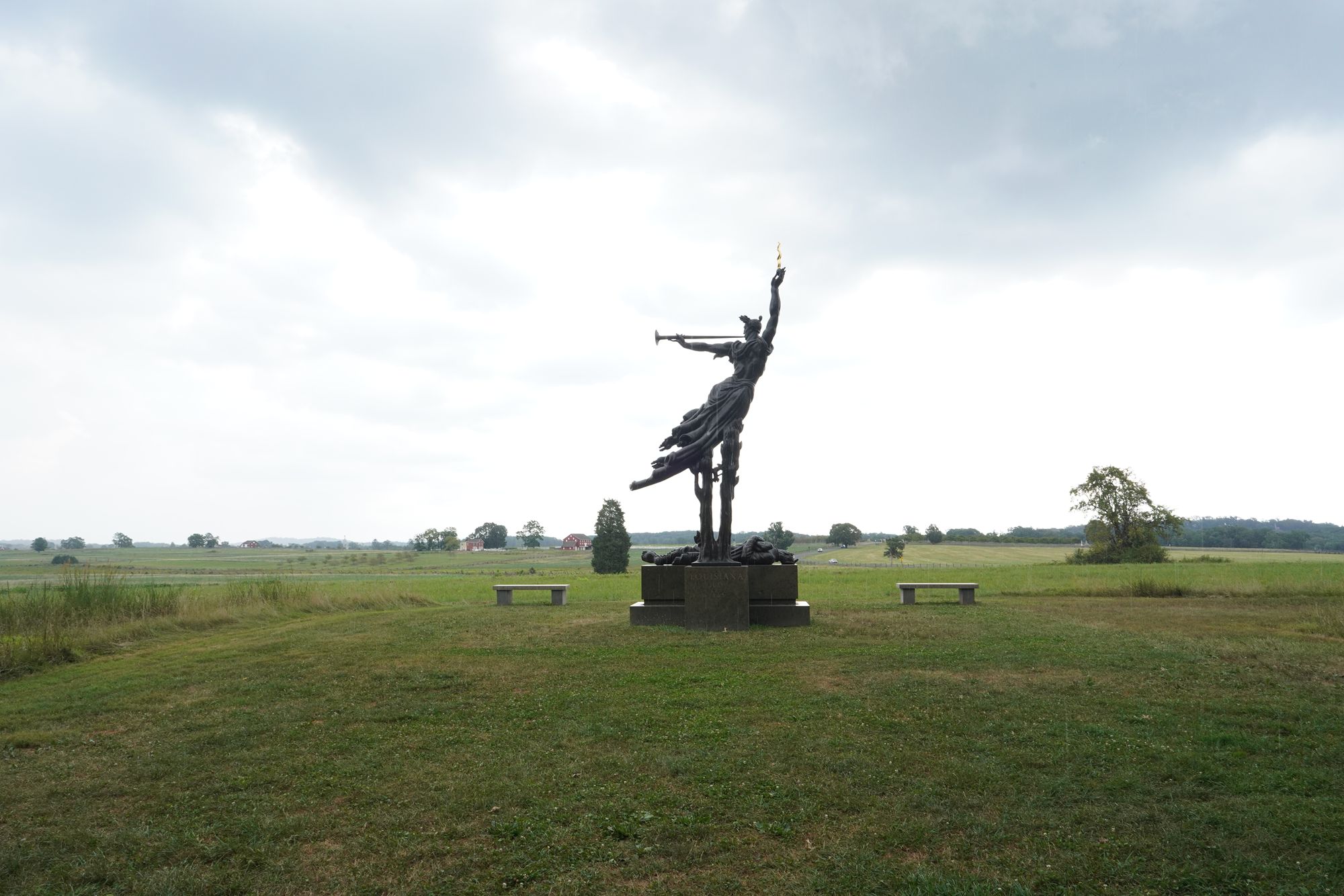
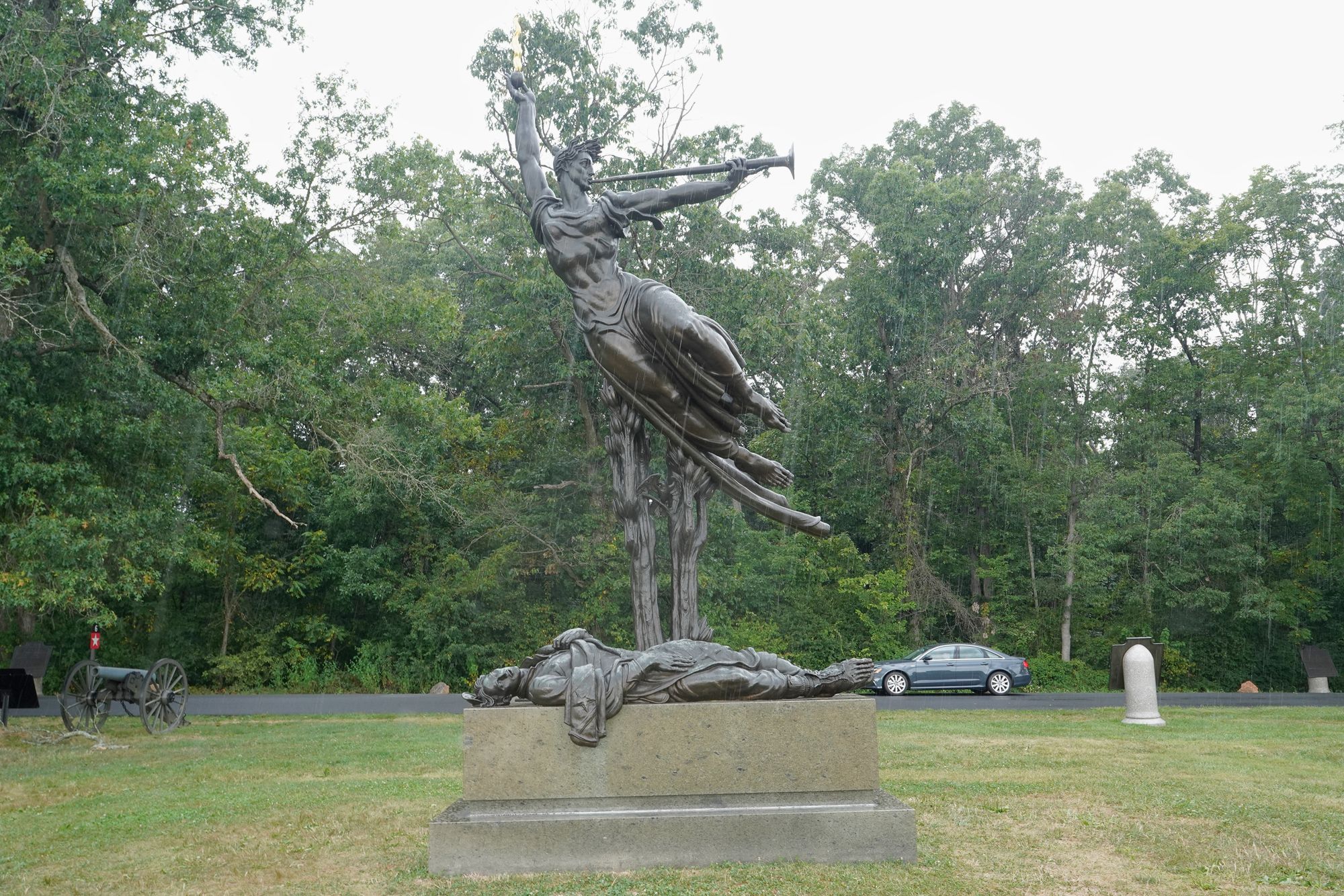
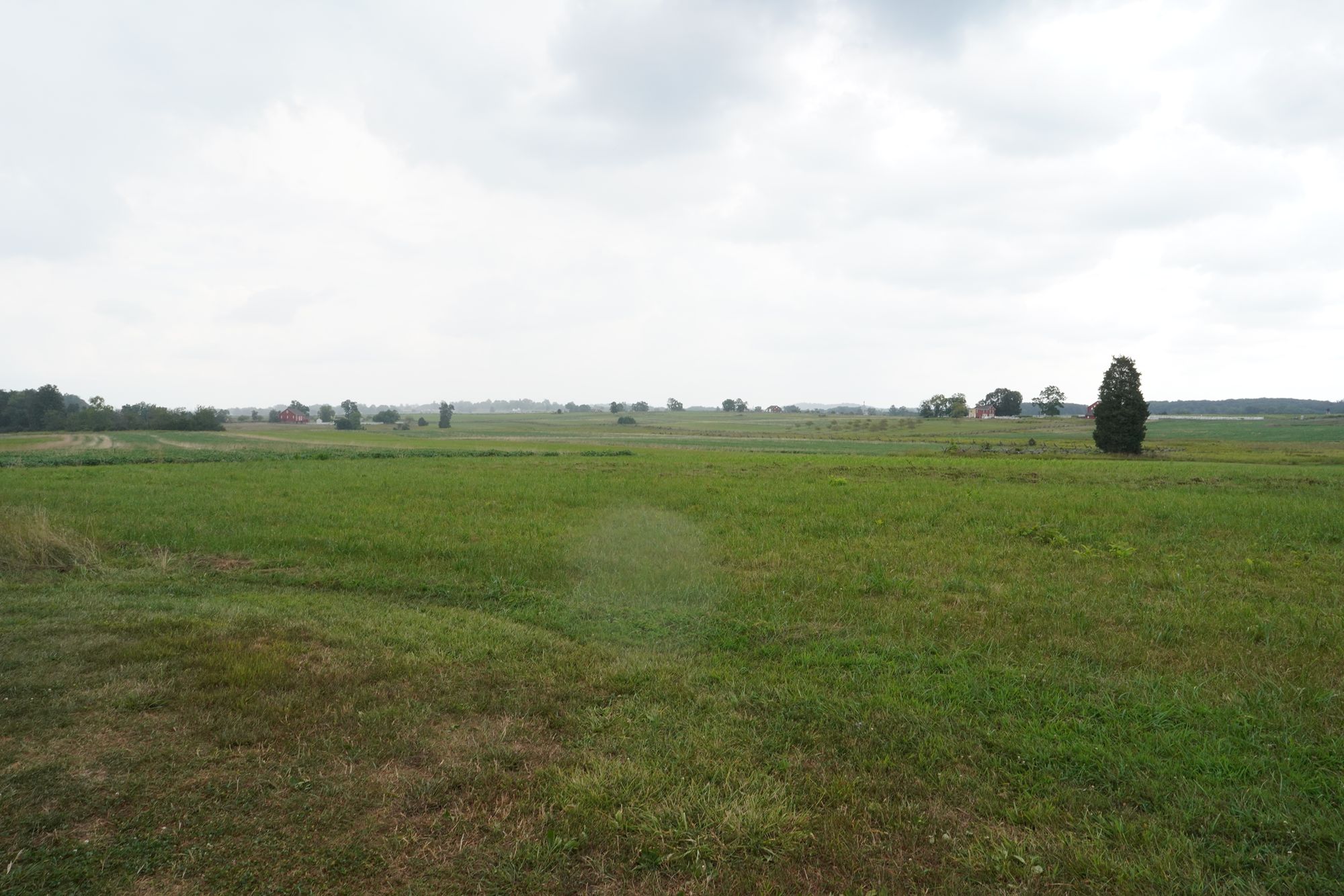
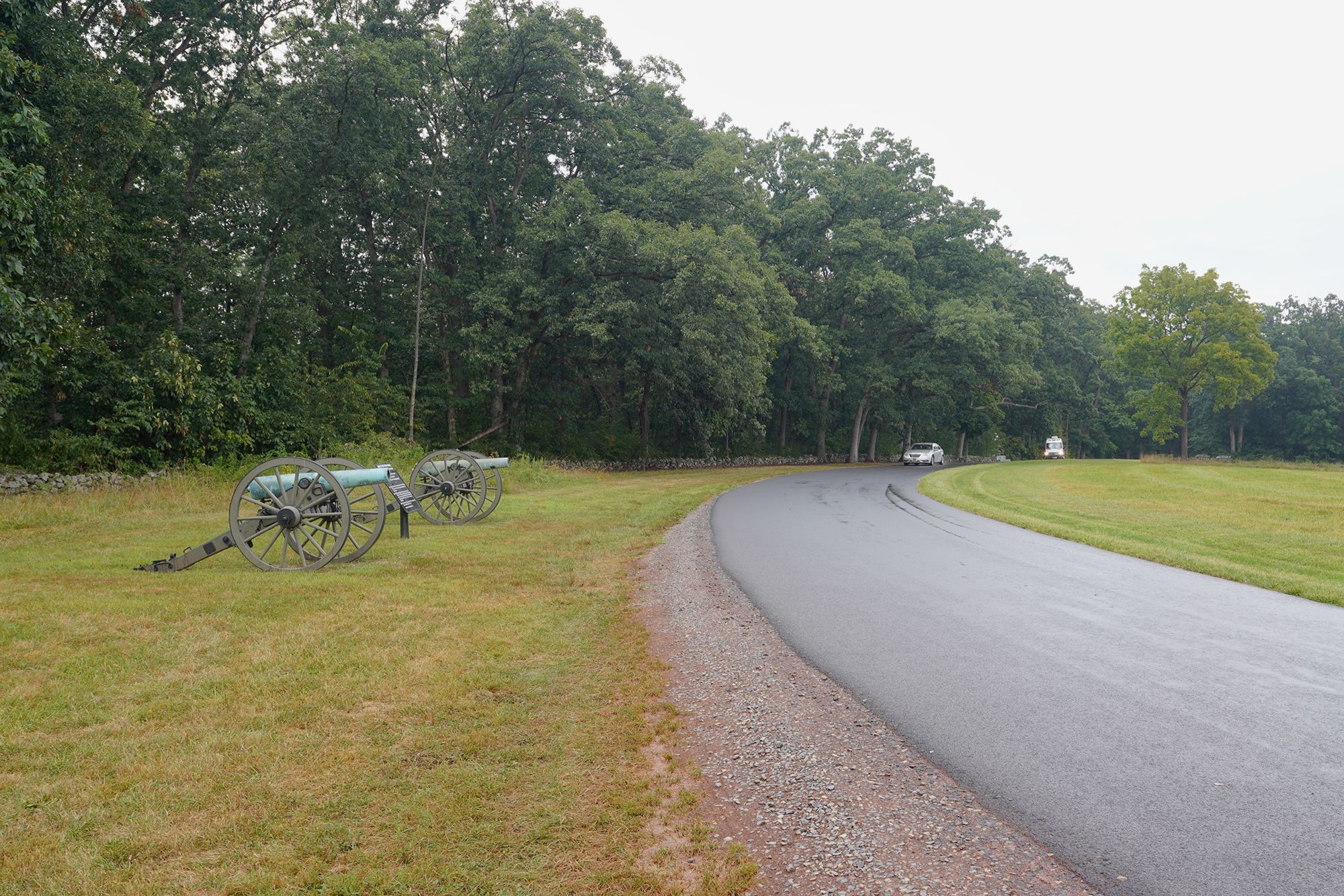
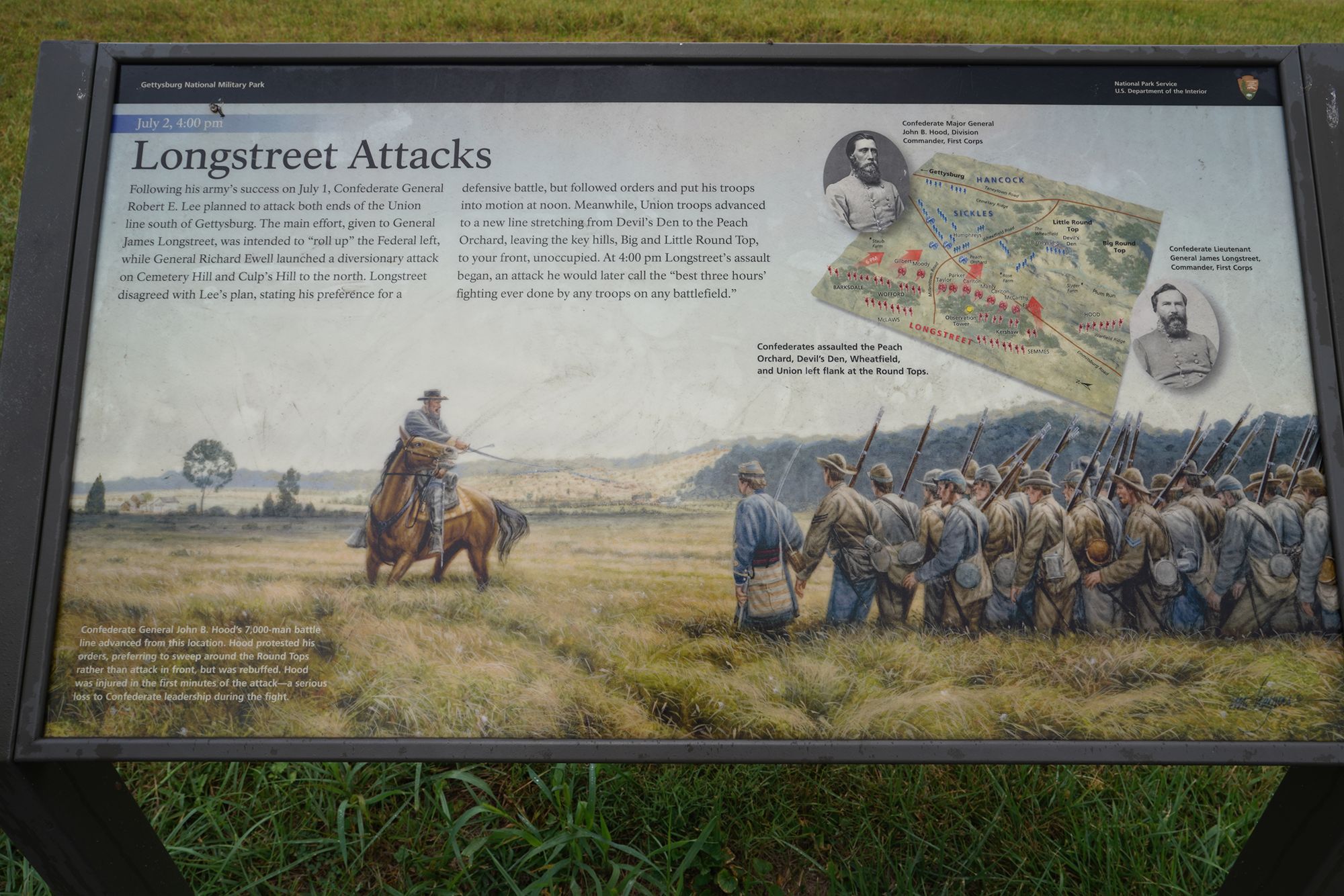
Stop #7: Warfield Ridge. Longstreet’s assaults began here at 4 p.m. They were directed against Union troops occupying Devil’s Den, the Wheatfield, and Peach Orchard, and against Meade’s undefended left flank at the Round Tops.
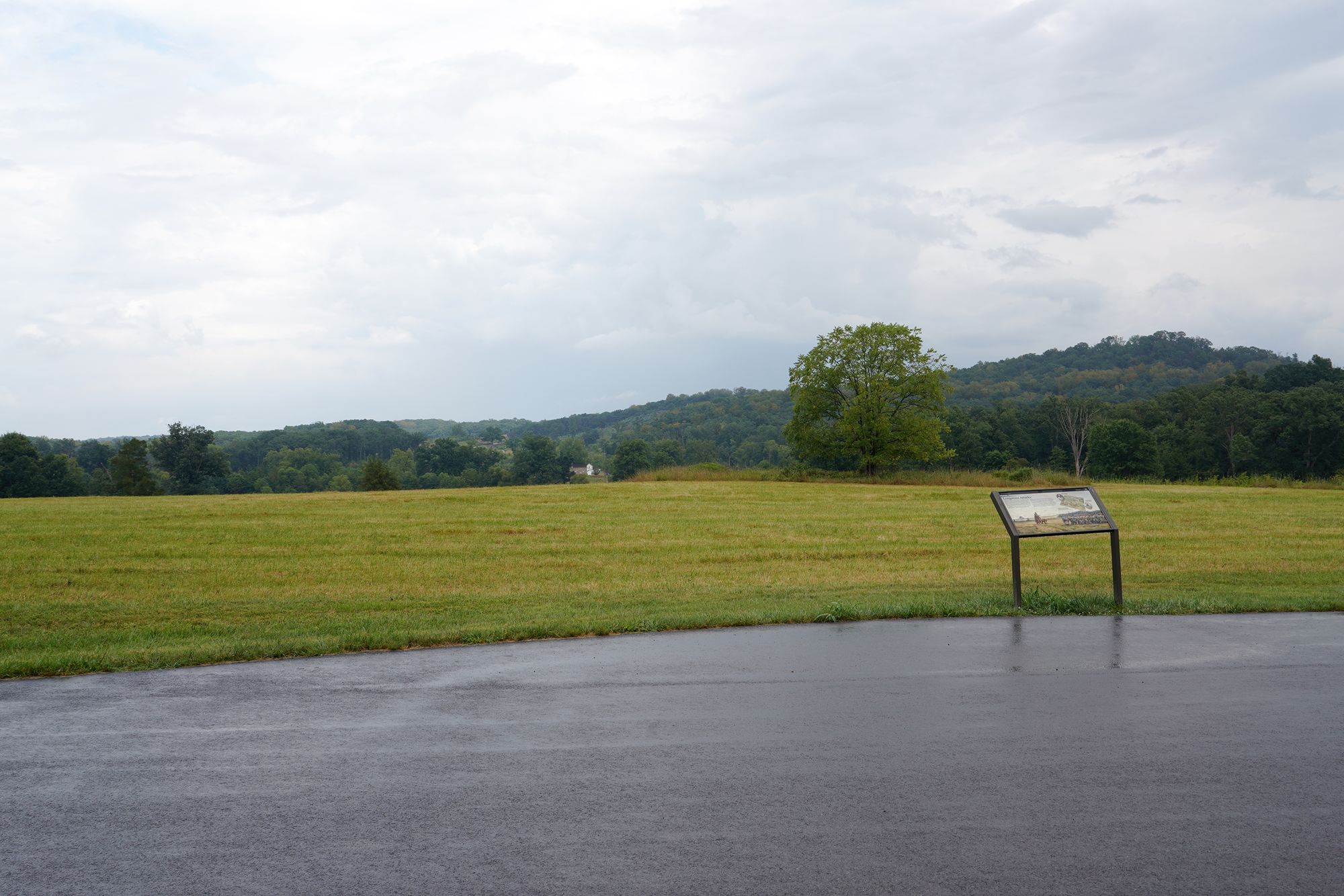
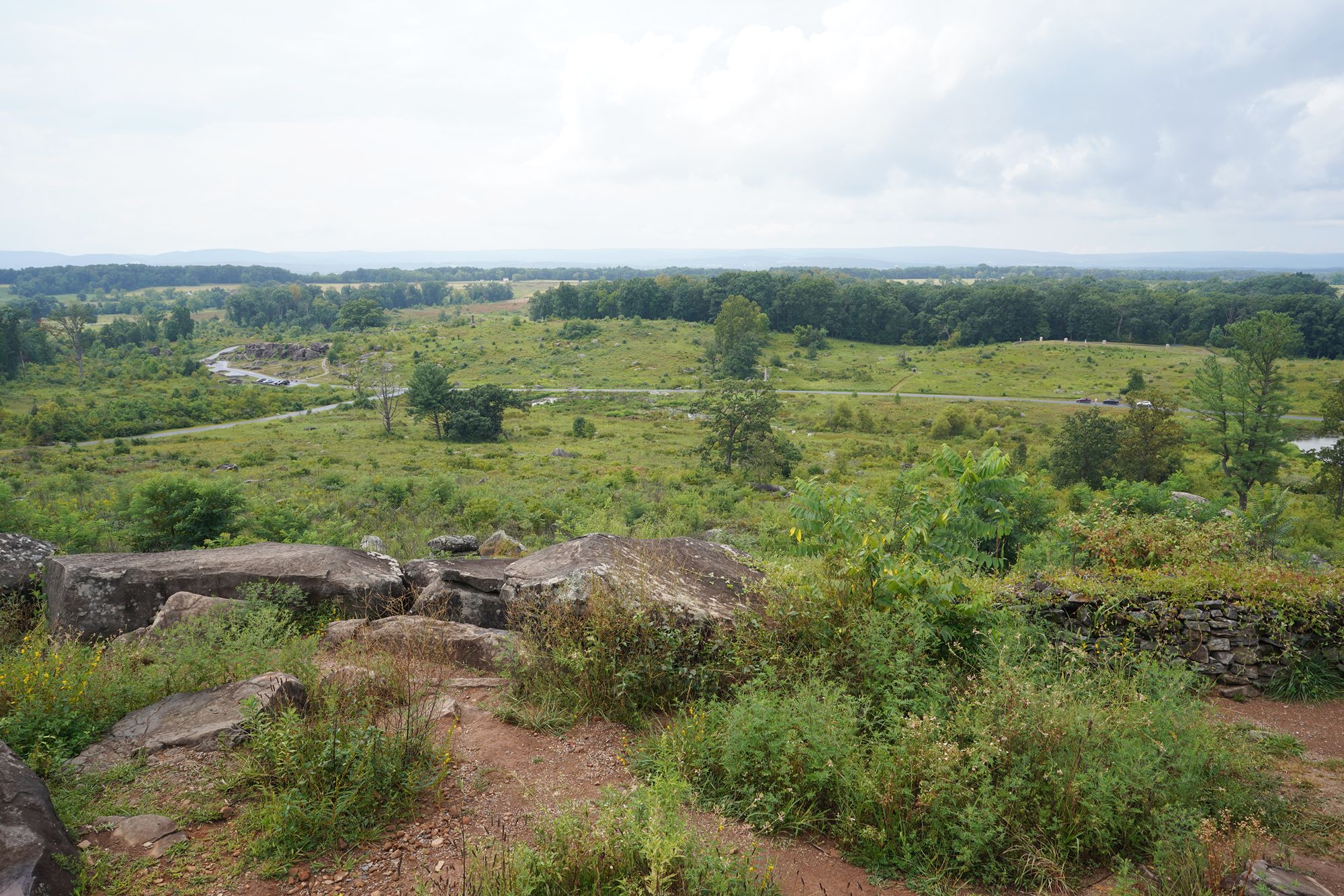
Stop #8: Little Round Top — quick action by Brig. Gen. Gouverneur K. Warren, Meade’s chief engineer, alerted Union officers to the Confederate threat and brought Federal reinforcements to defend this position. Having this place gave the Union Soldiers a significant advantage over the Confederates.
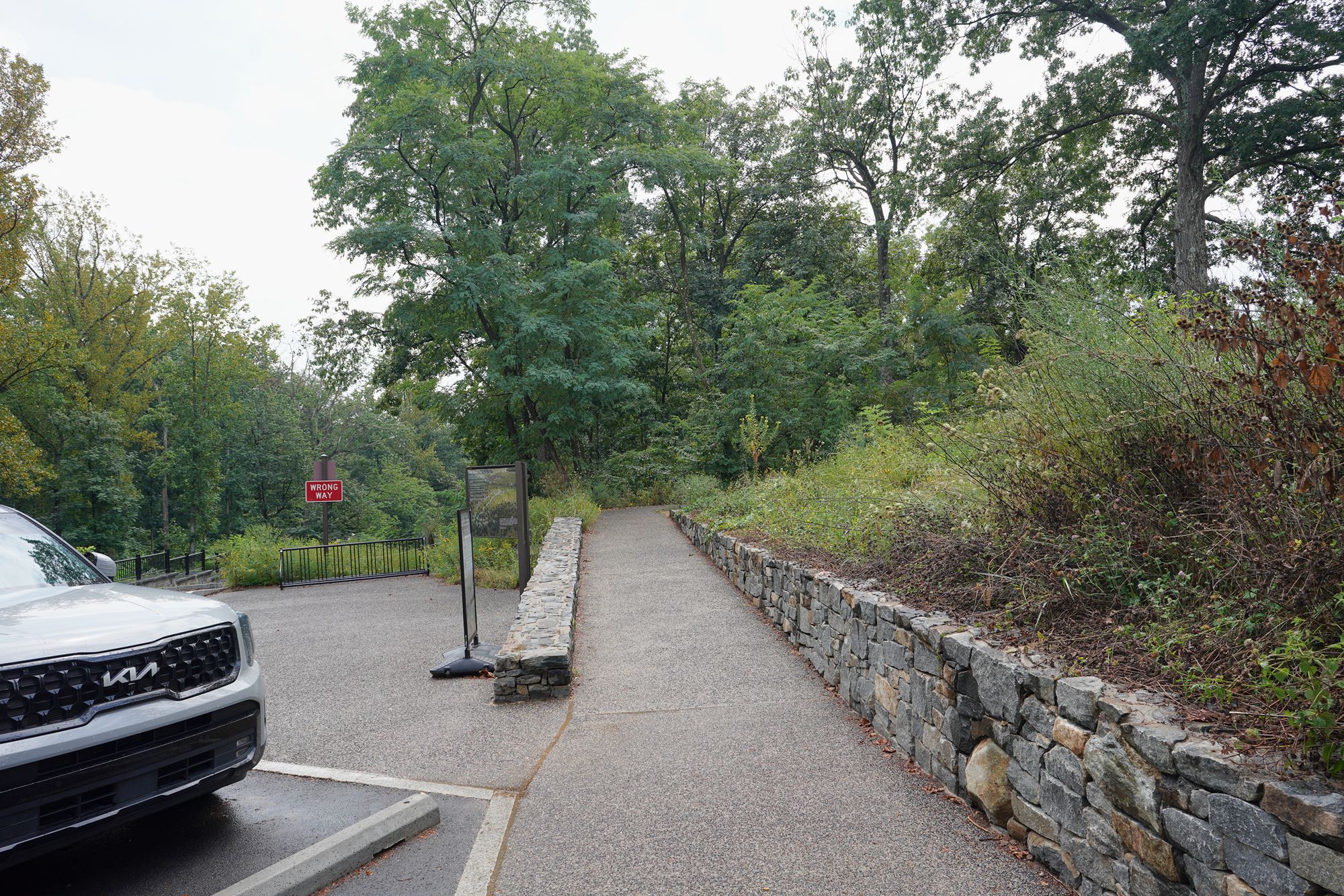
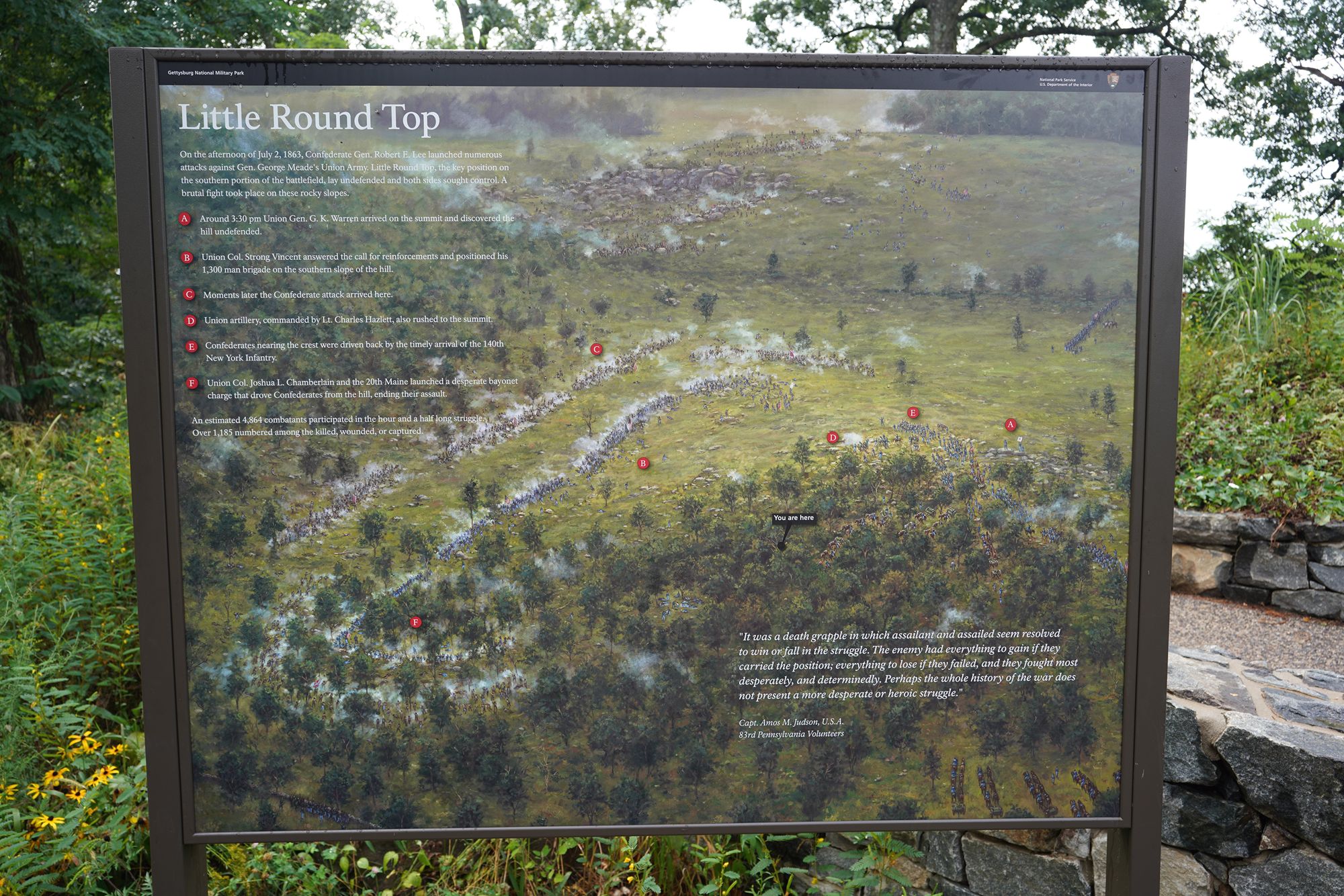
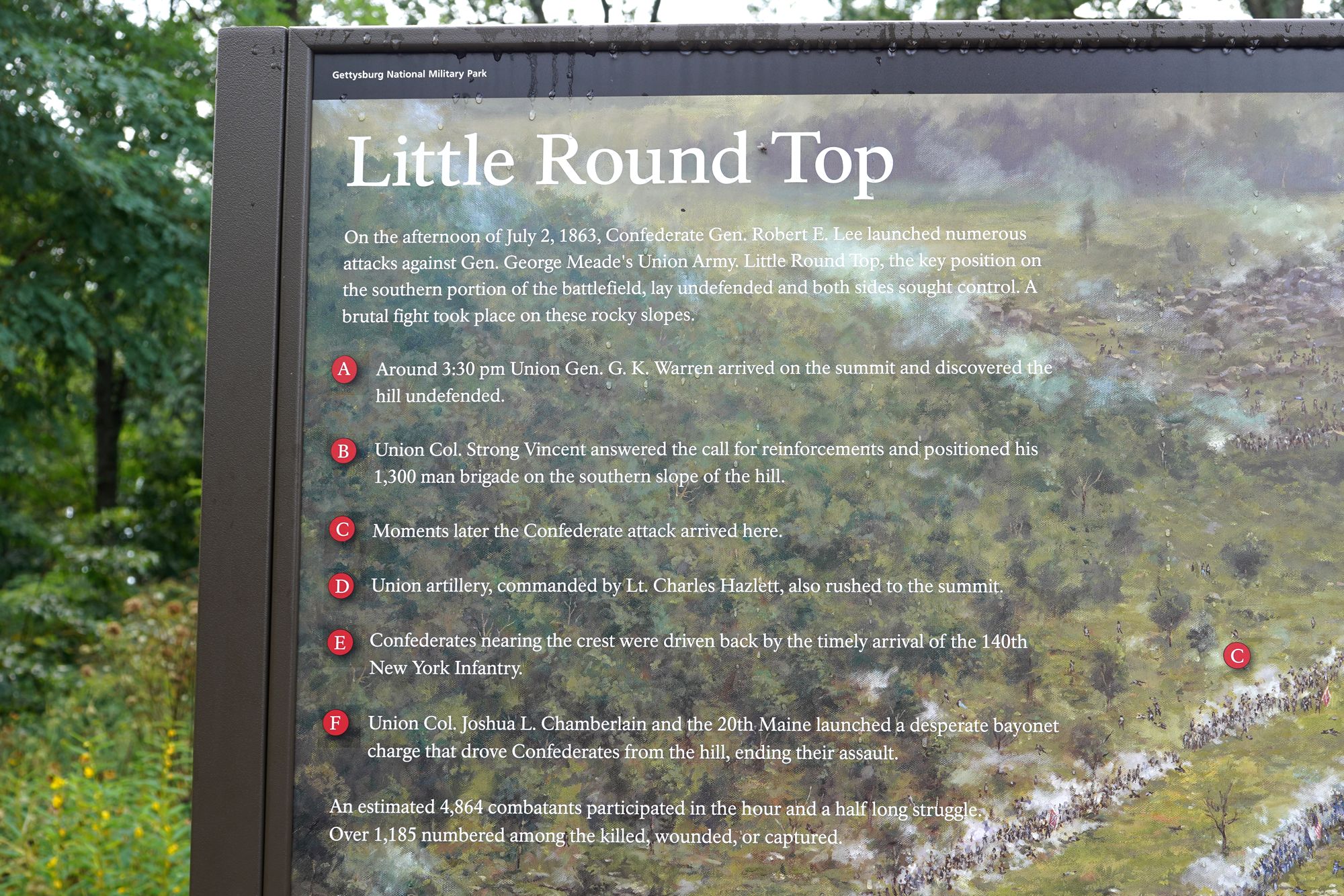
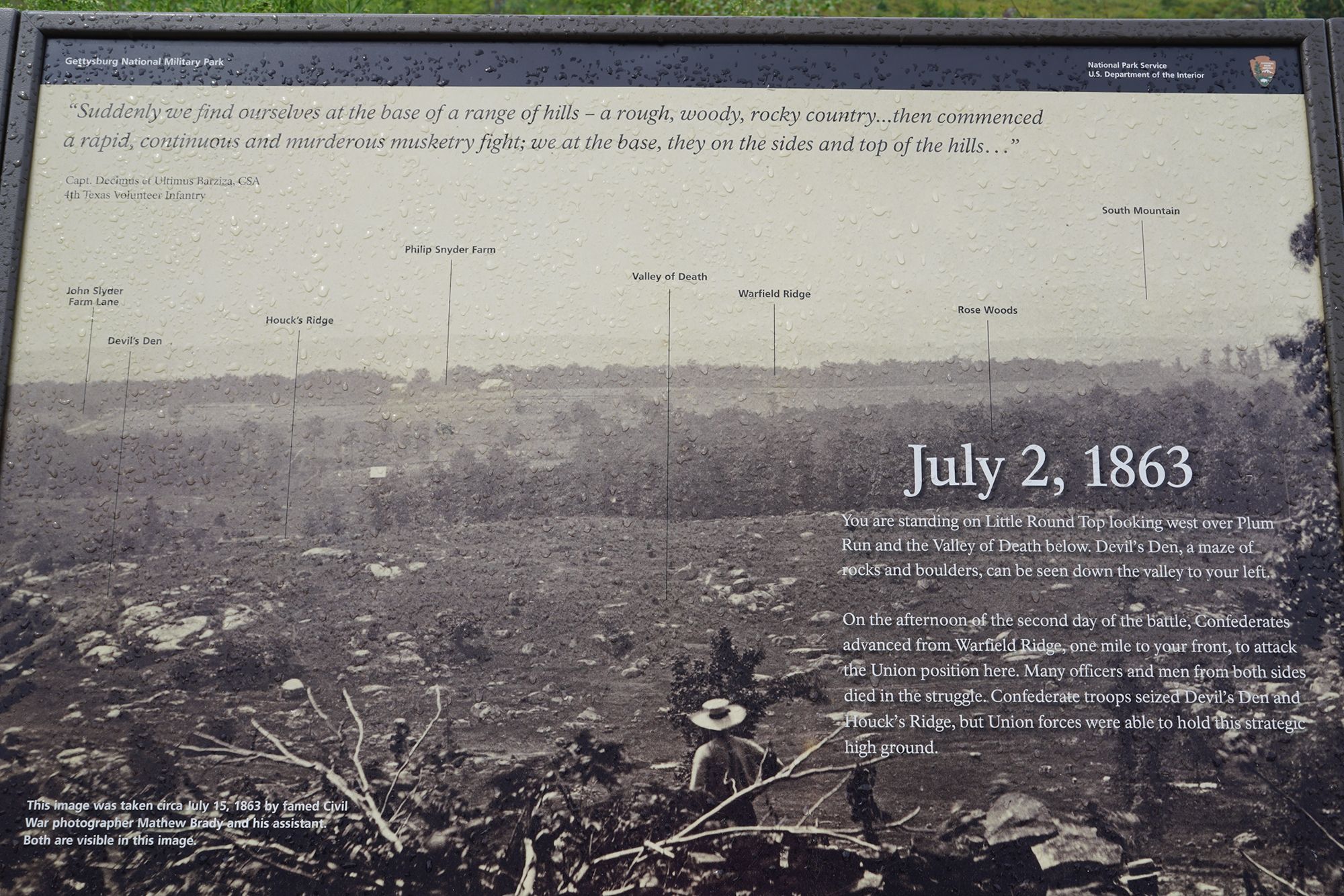
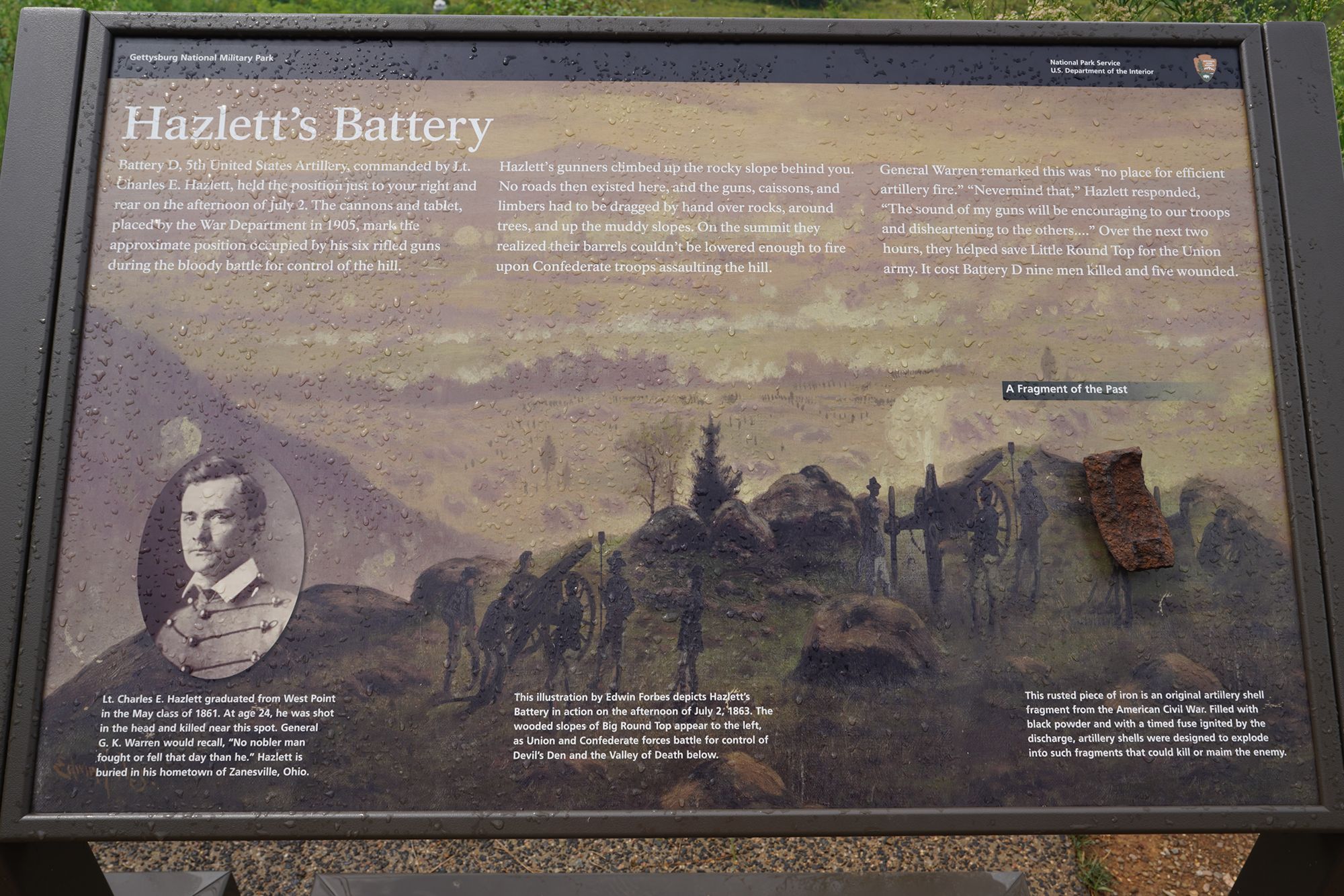
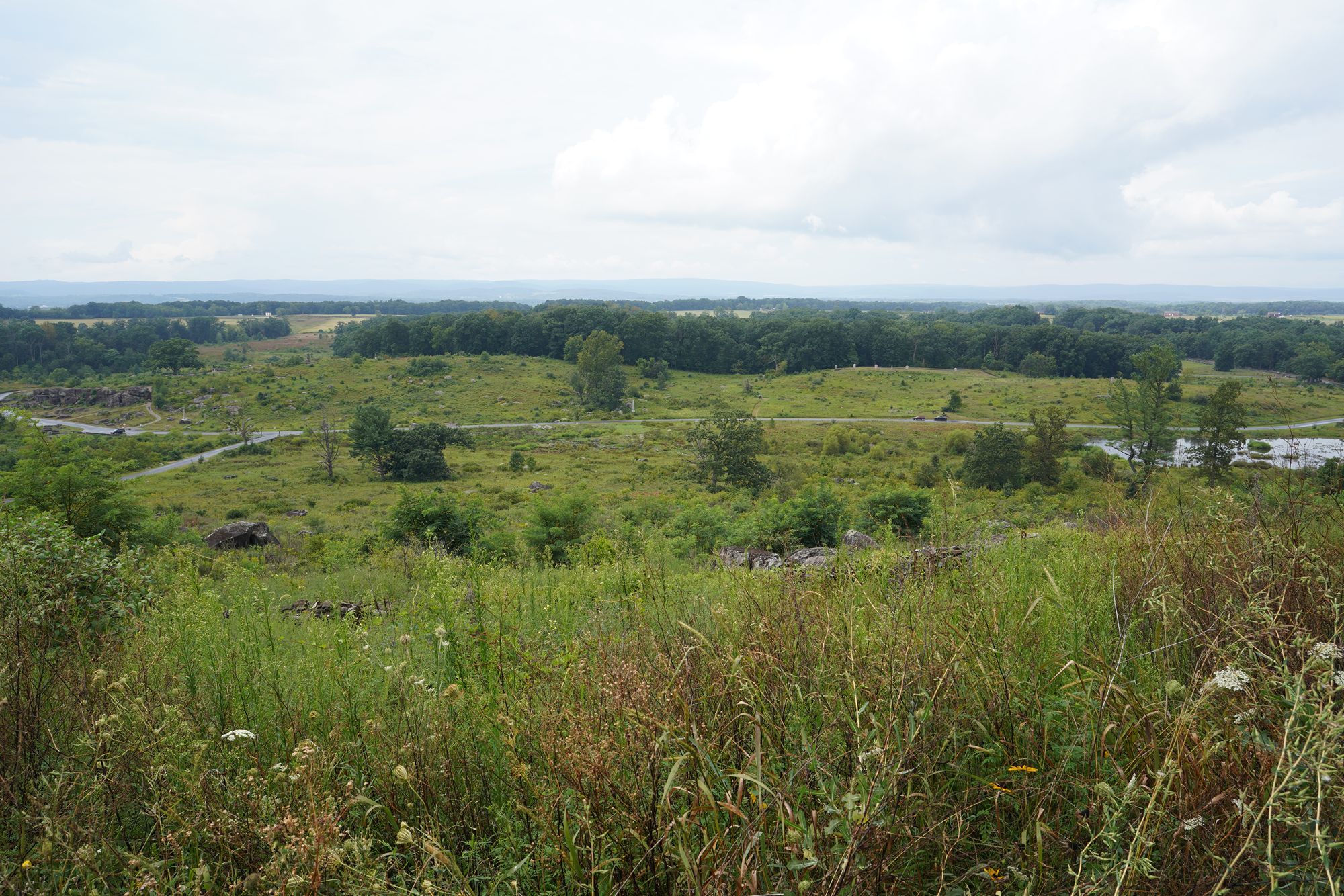
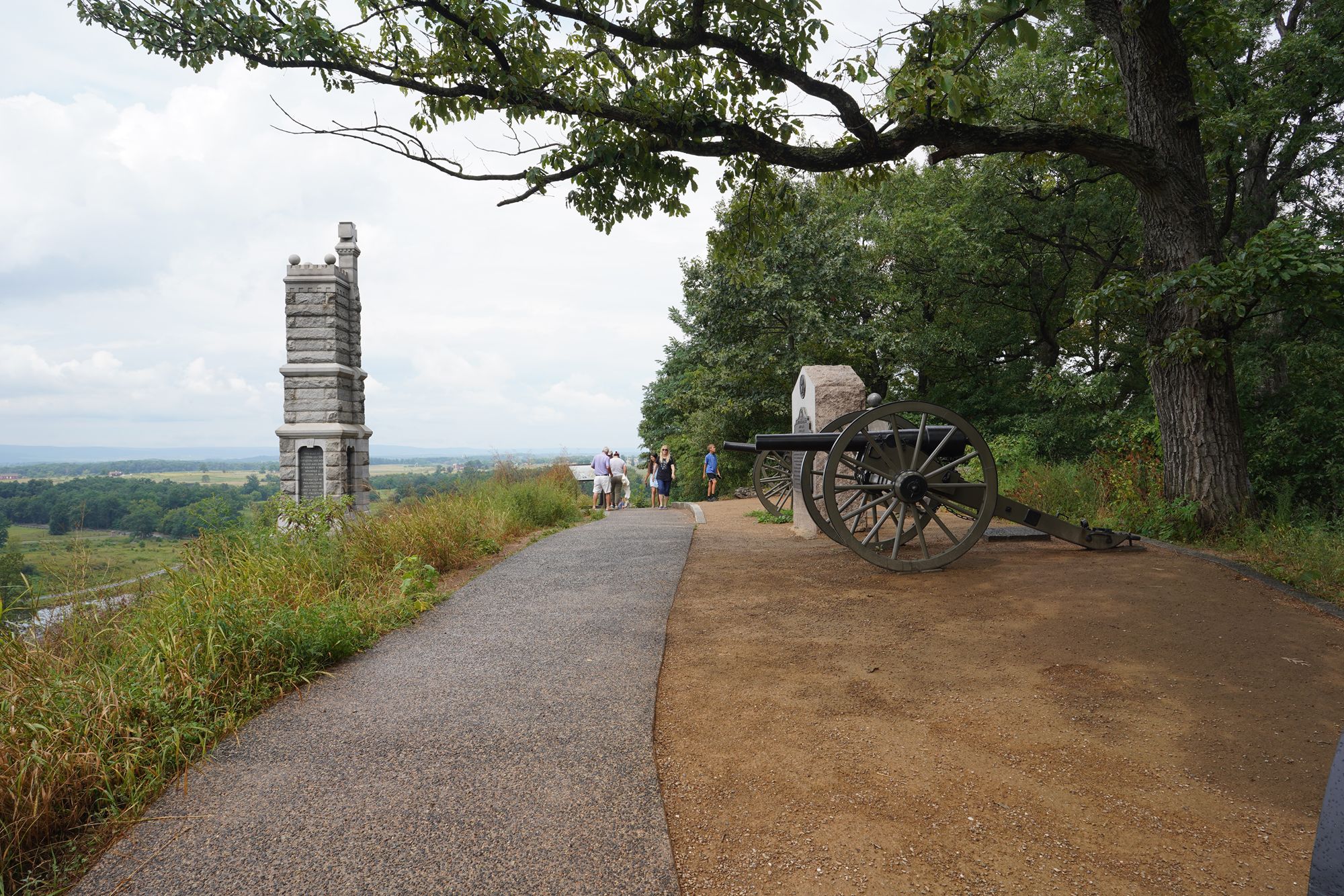
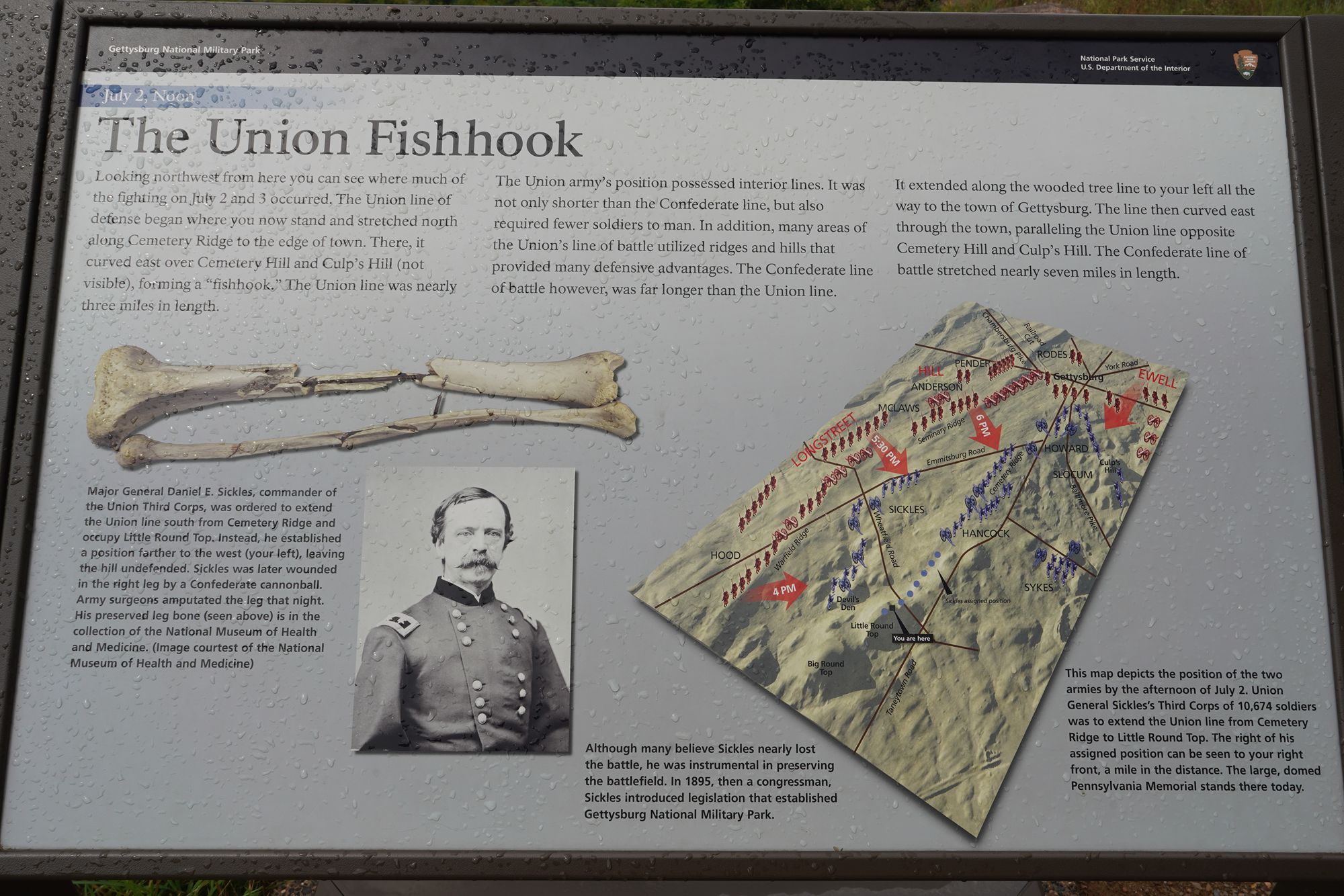
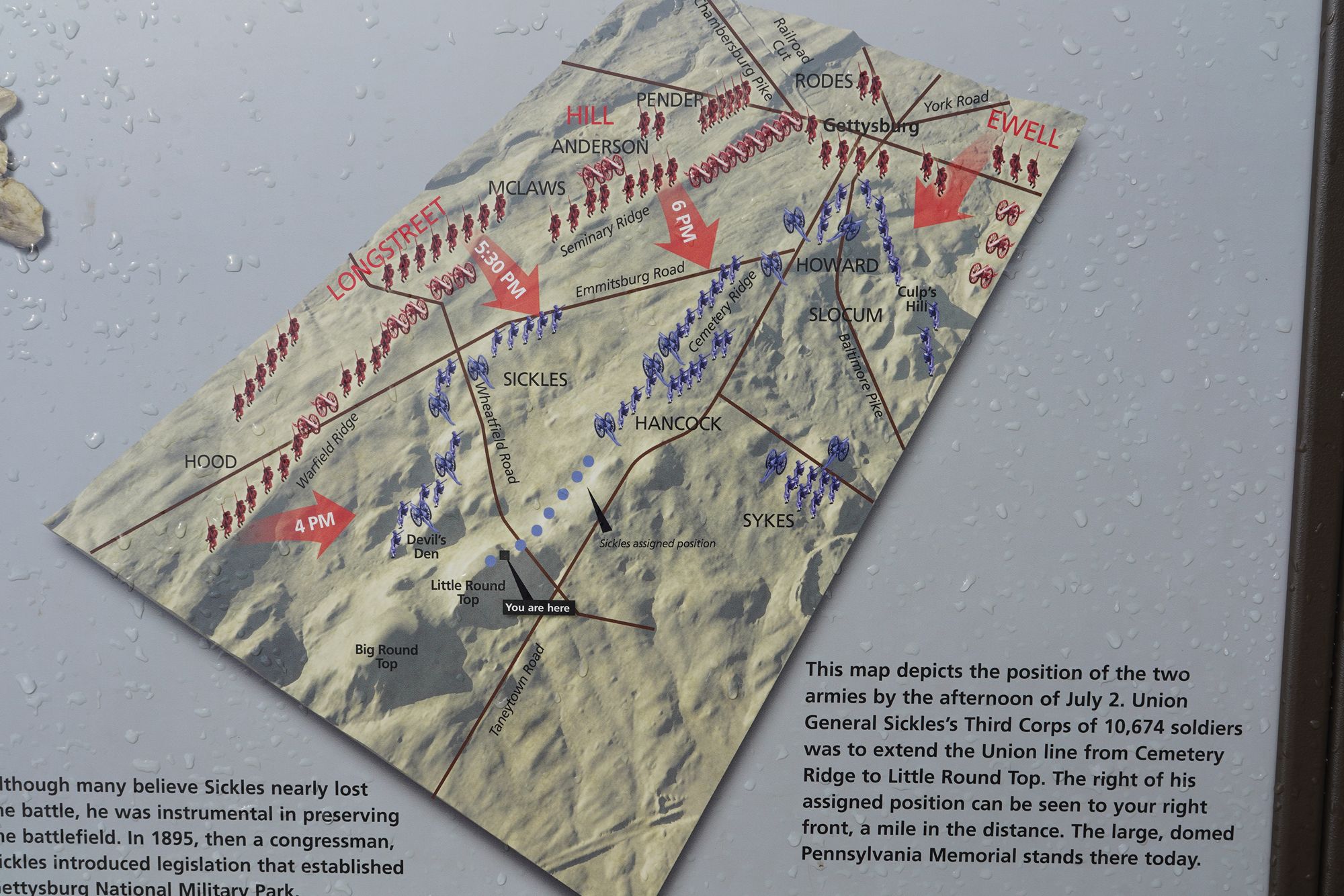
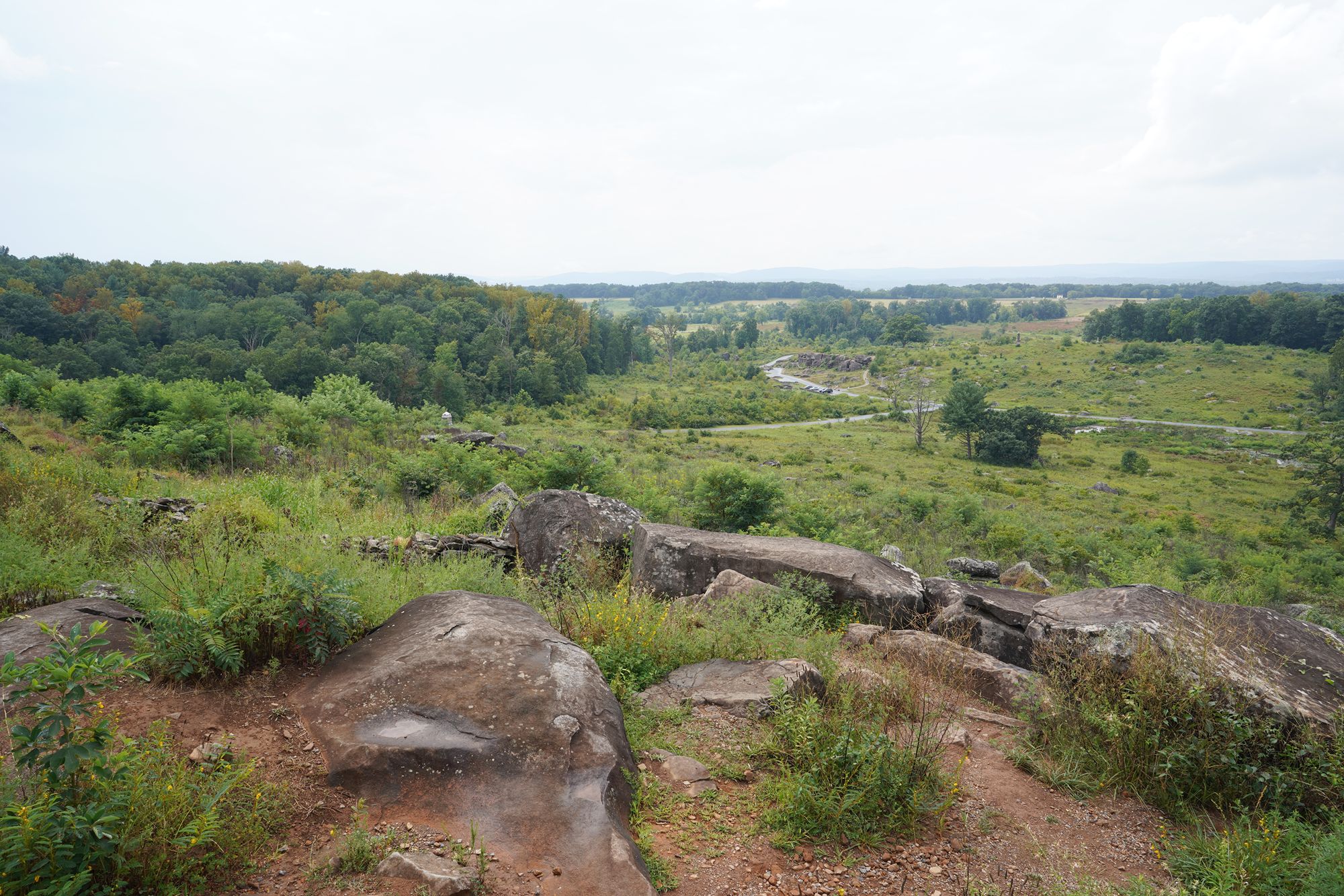
Little Round Top was one of the most important positions at Gettysburg. As the anchor of the Union left flank, it dominated the surrounding fields and roads. If the Confederates had taken it, they could have fired down on Union lines and potentially rolled the entire army off Cemetery Ridge. The Union defense there helped prevent a collapse on Day 2 and may have saved the battle itself.
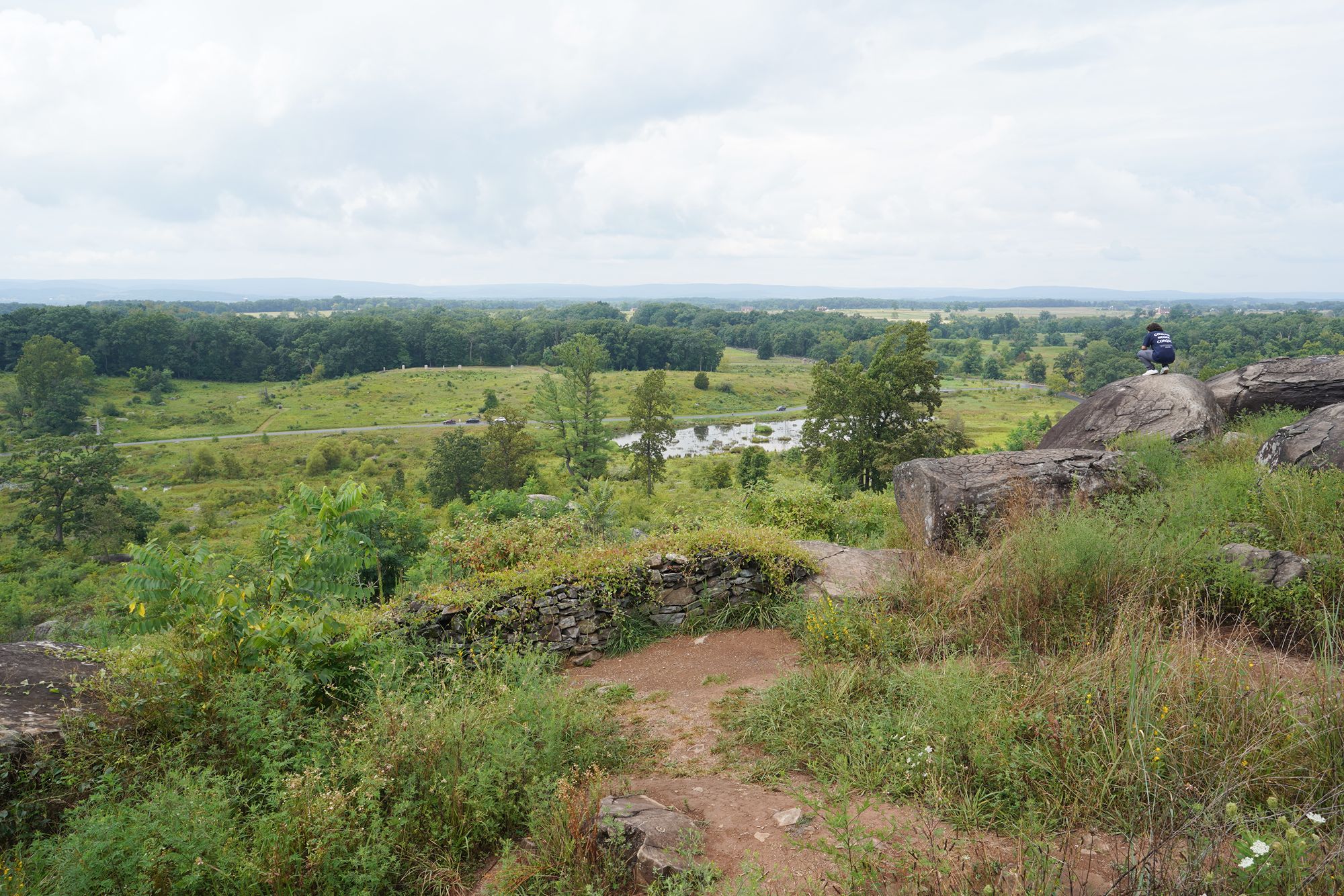
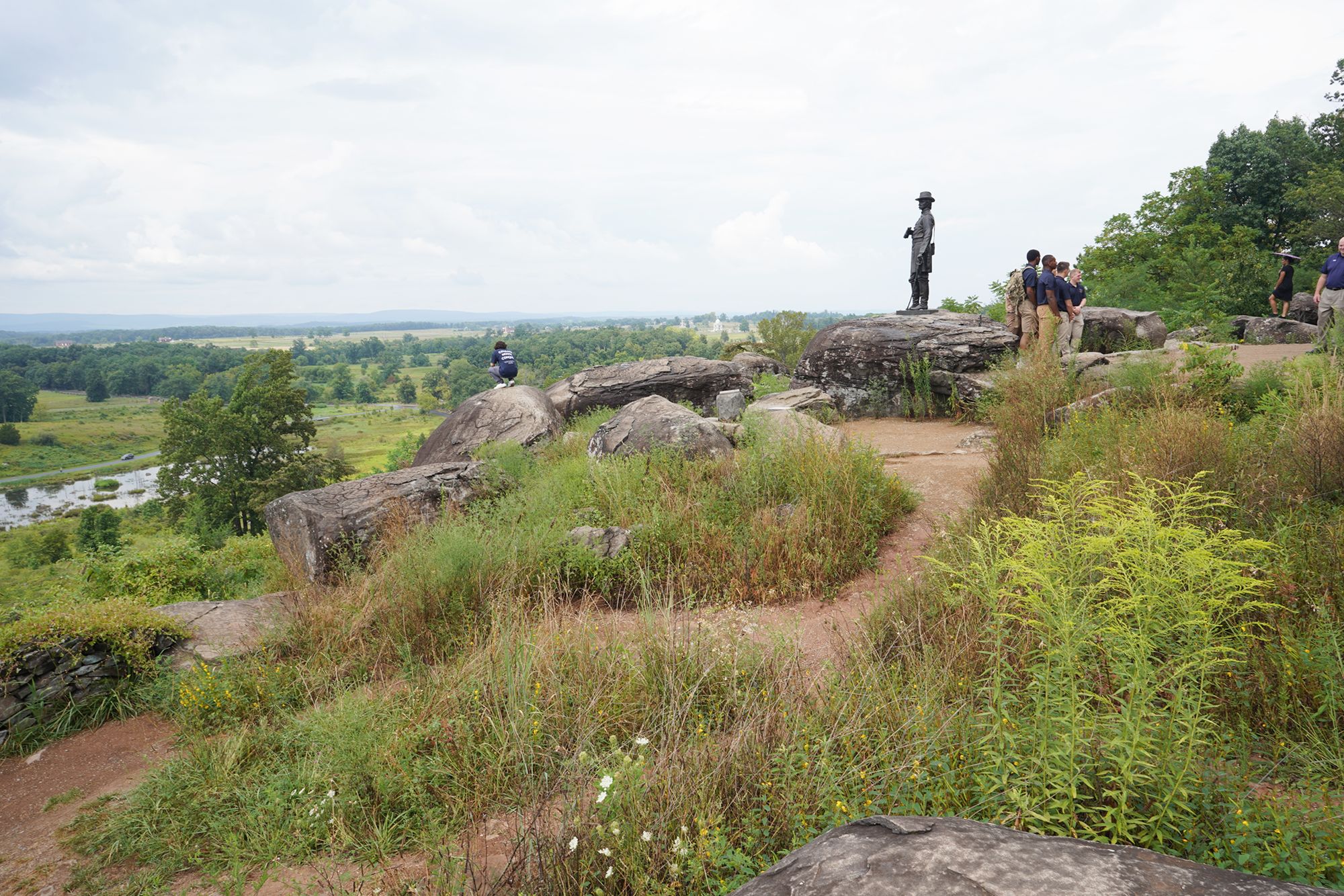
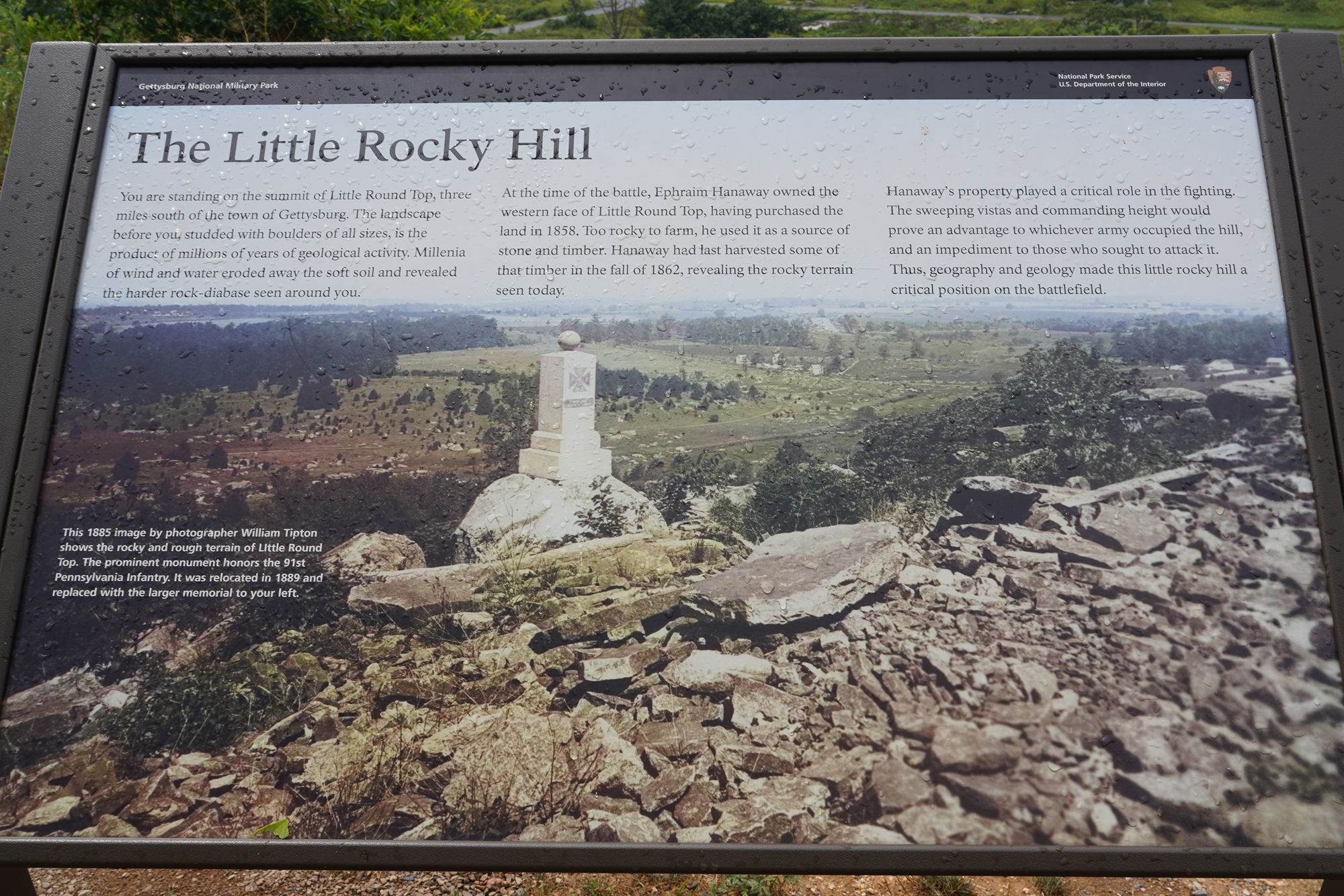
Stop #9: The Wheatfield. Charge and countercharge left this field and the nearby woods strewn with over 4,000 dead and wounded.
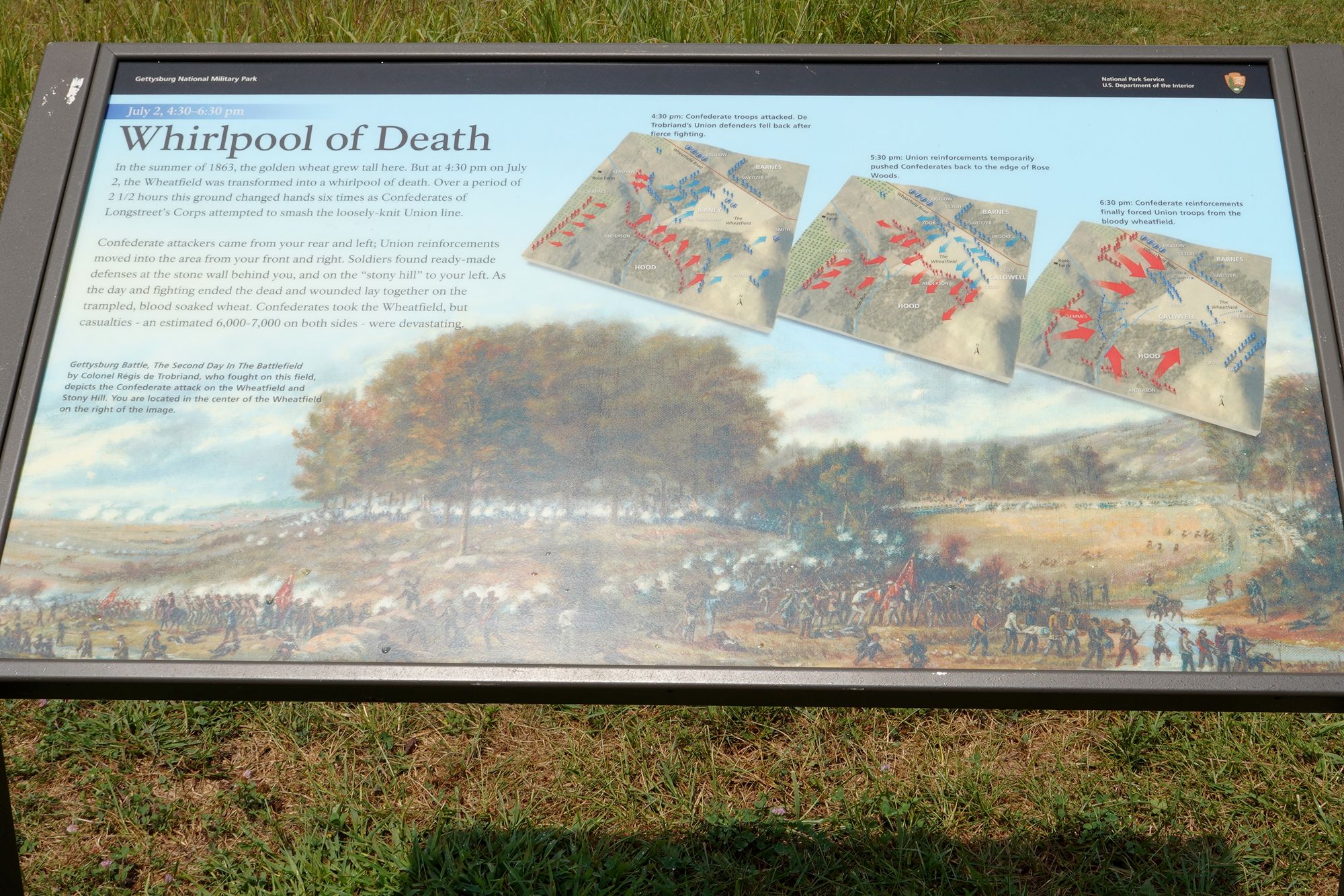
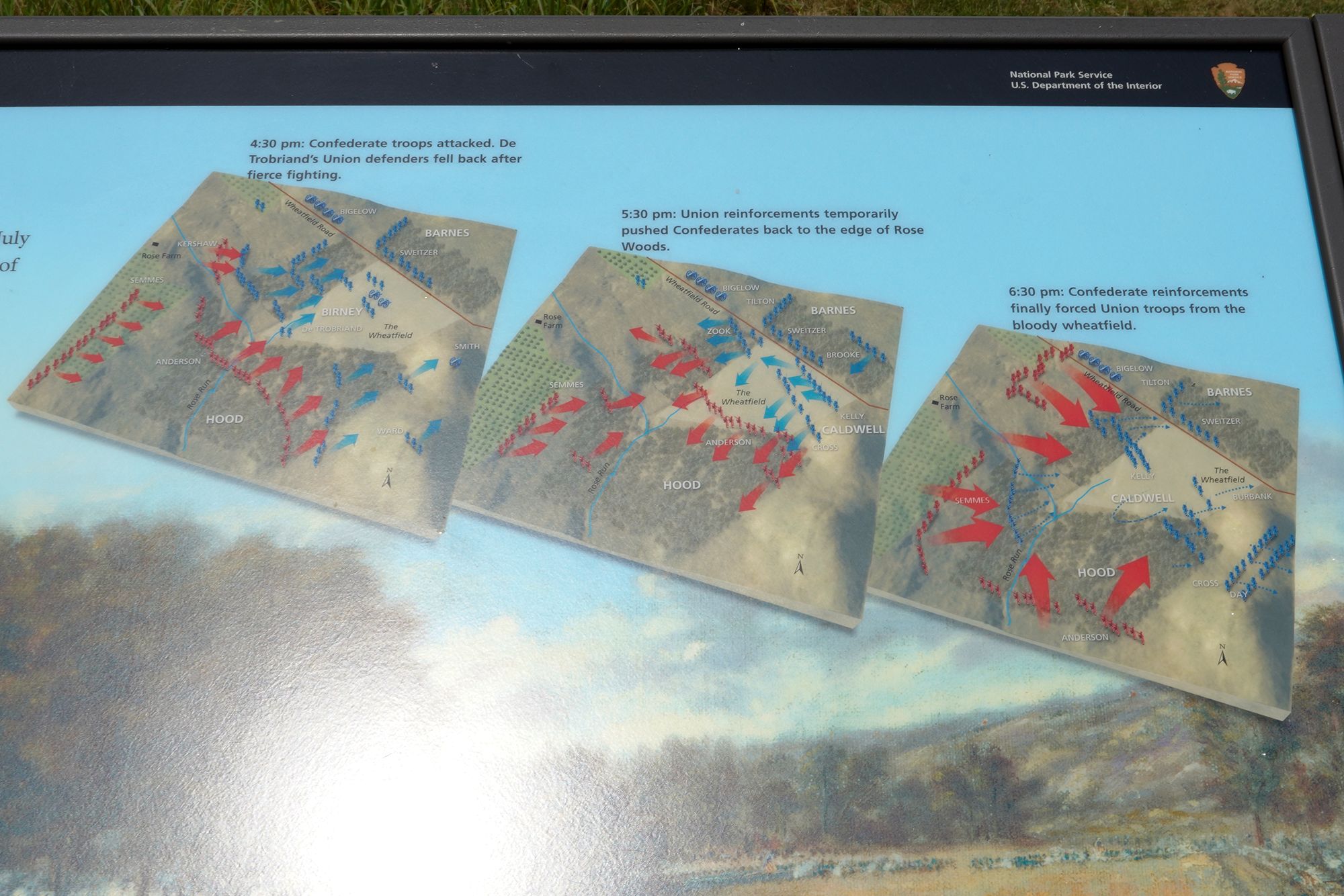
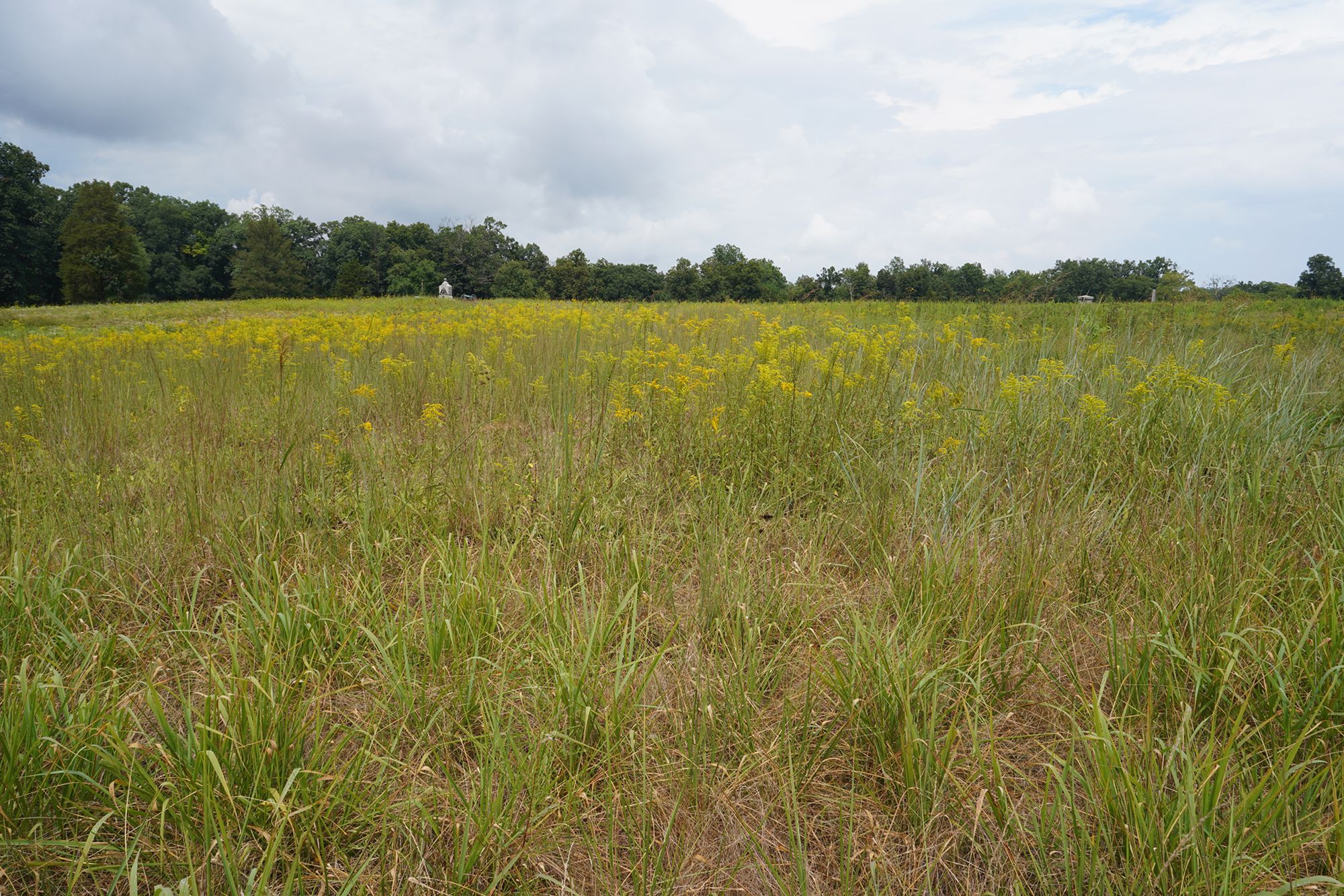
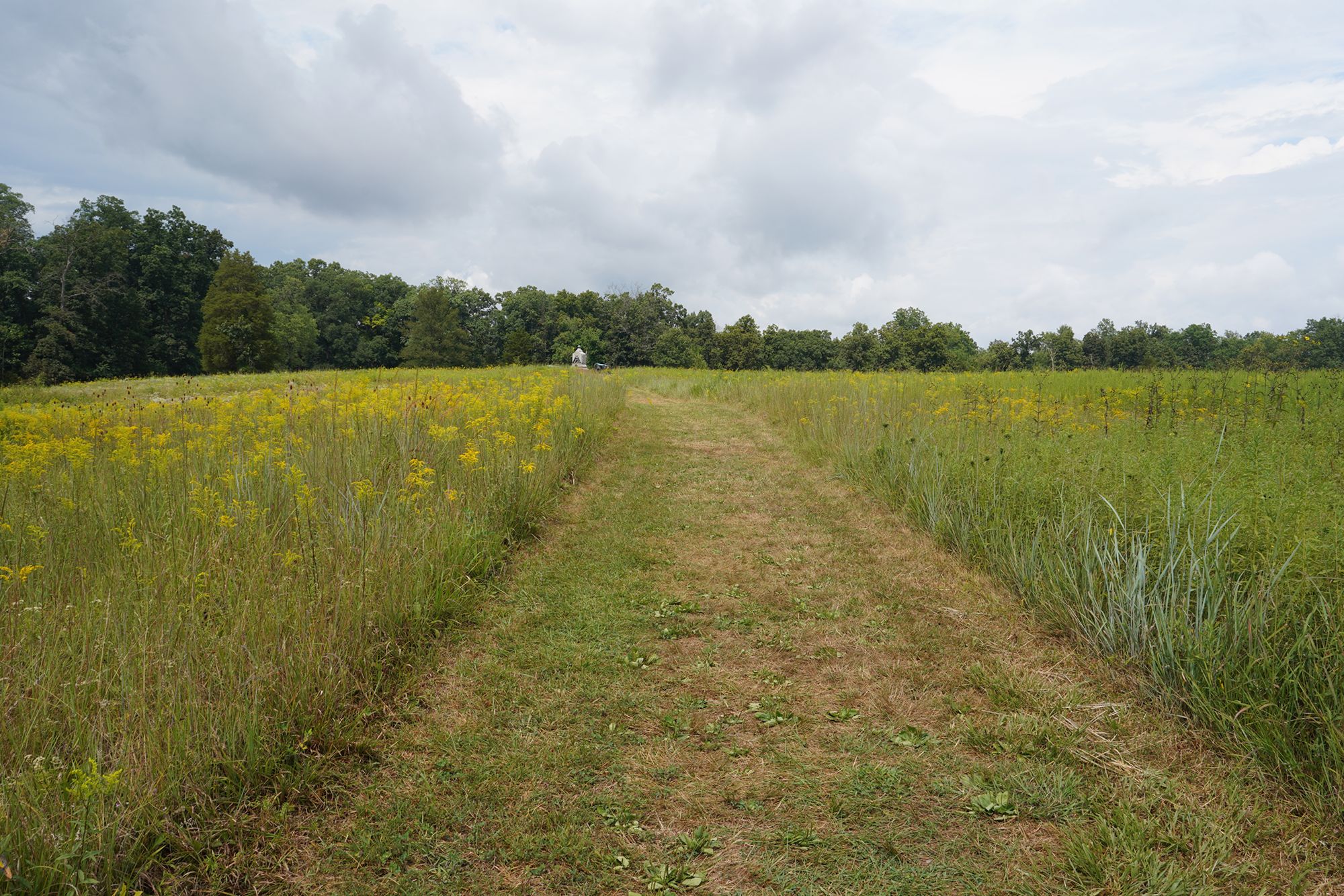
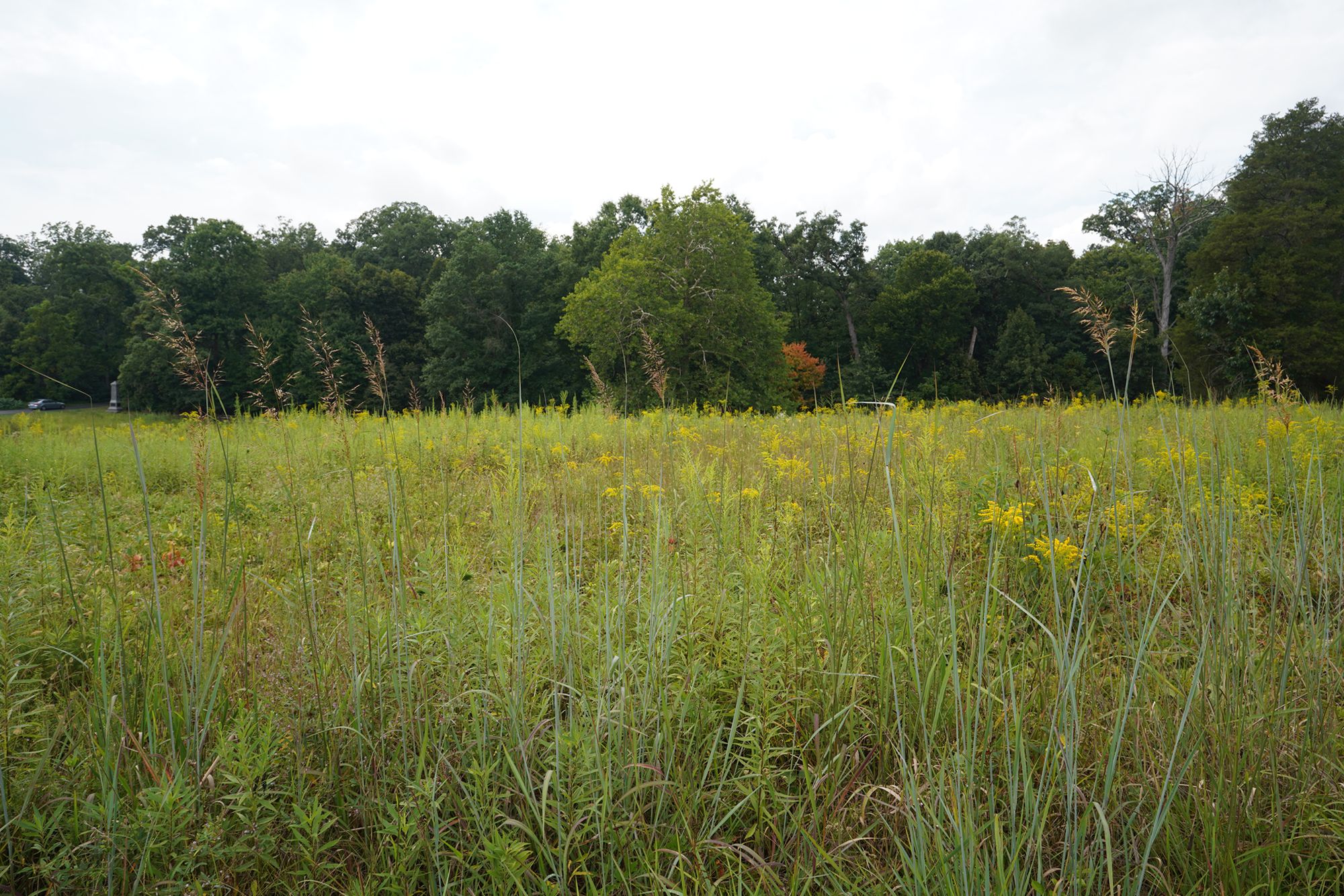
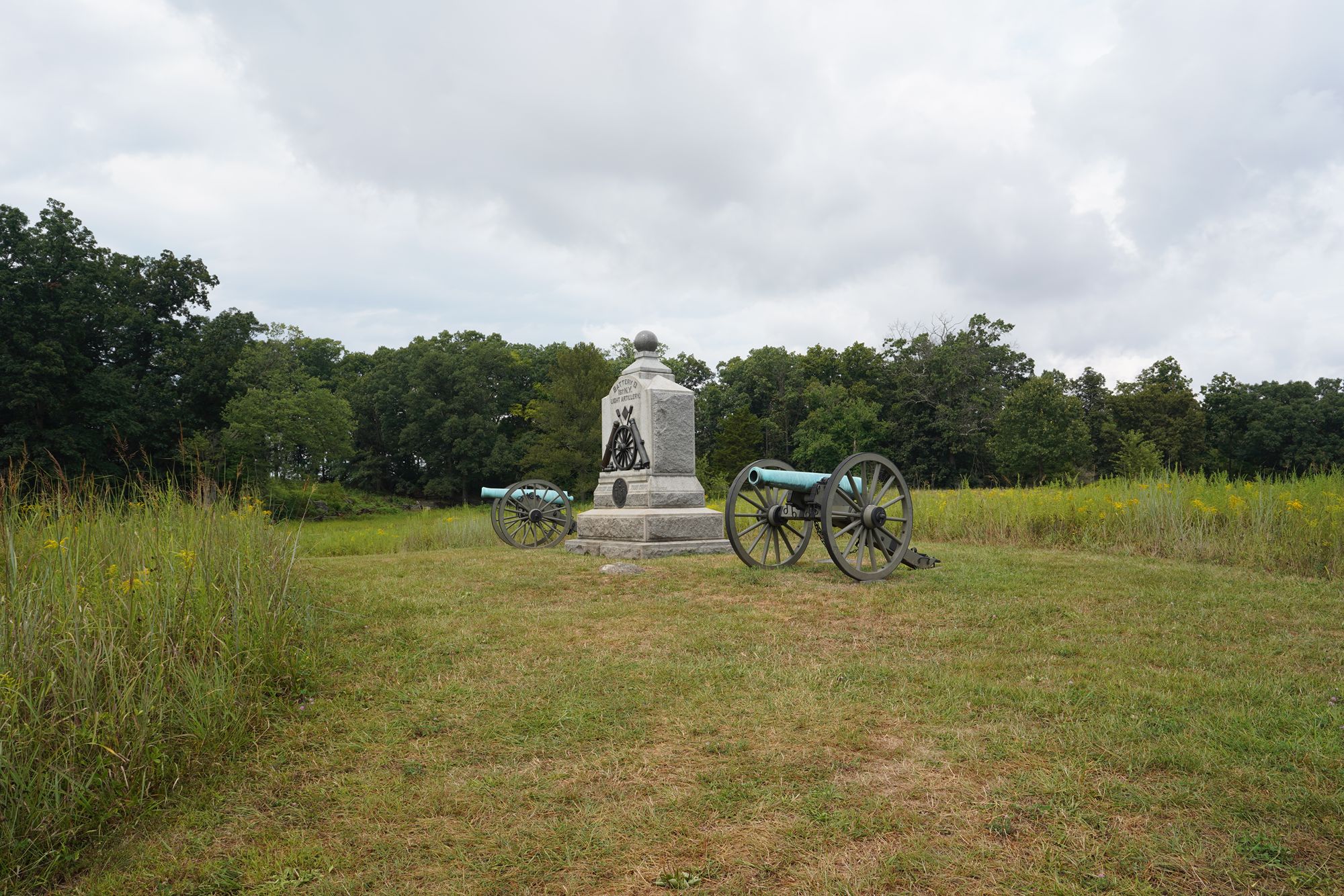
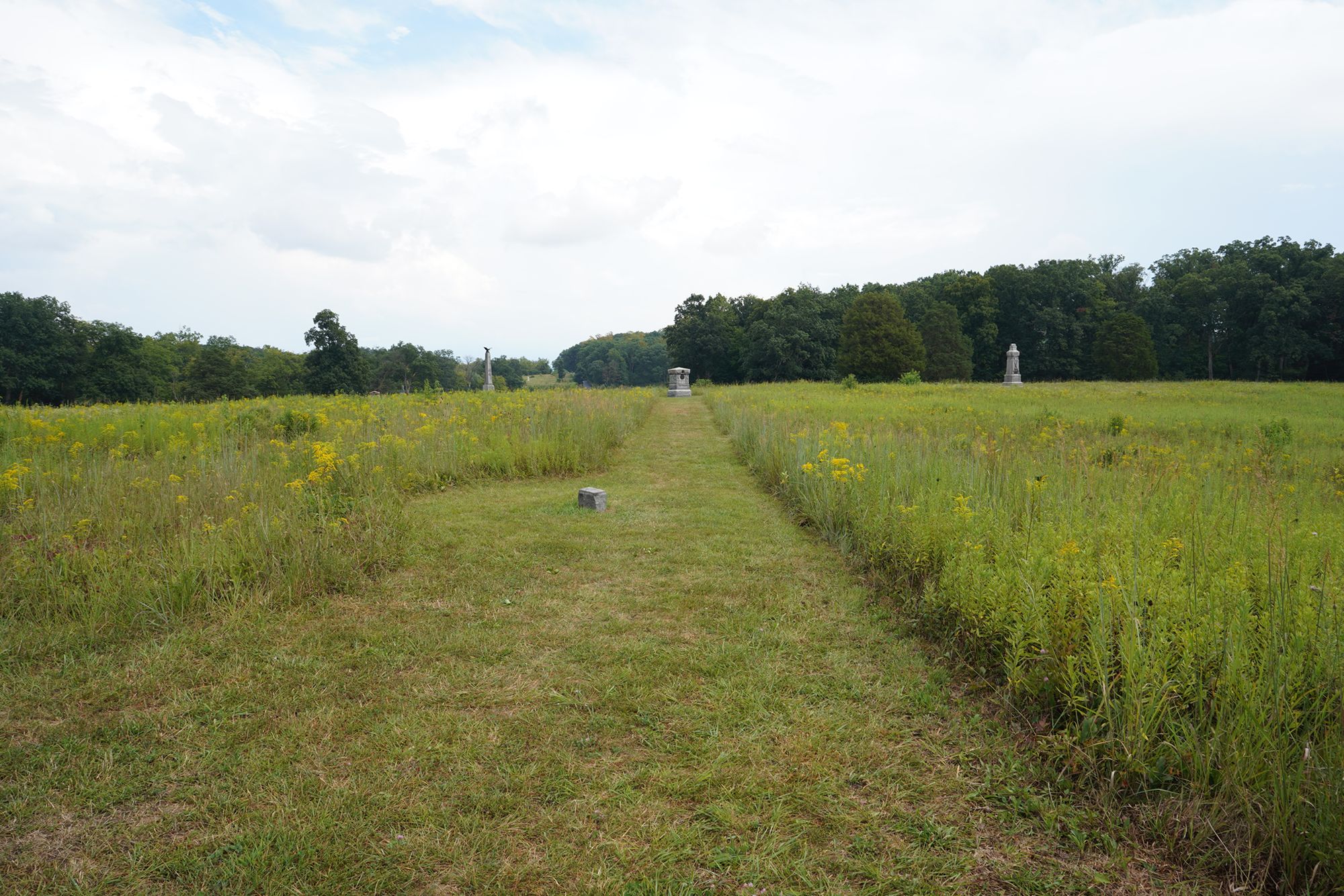
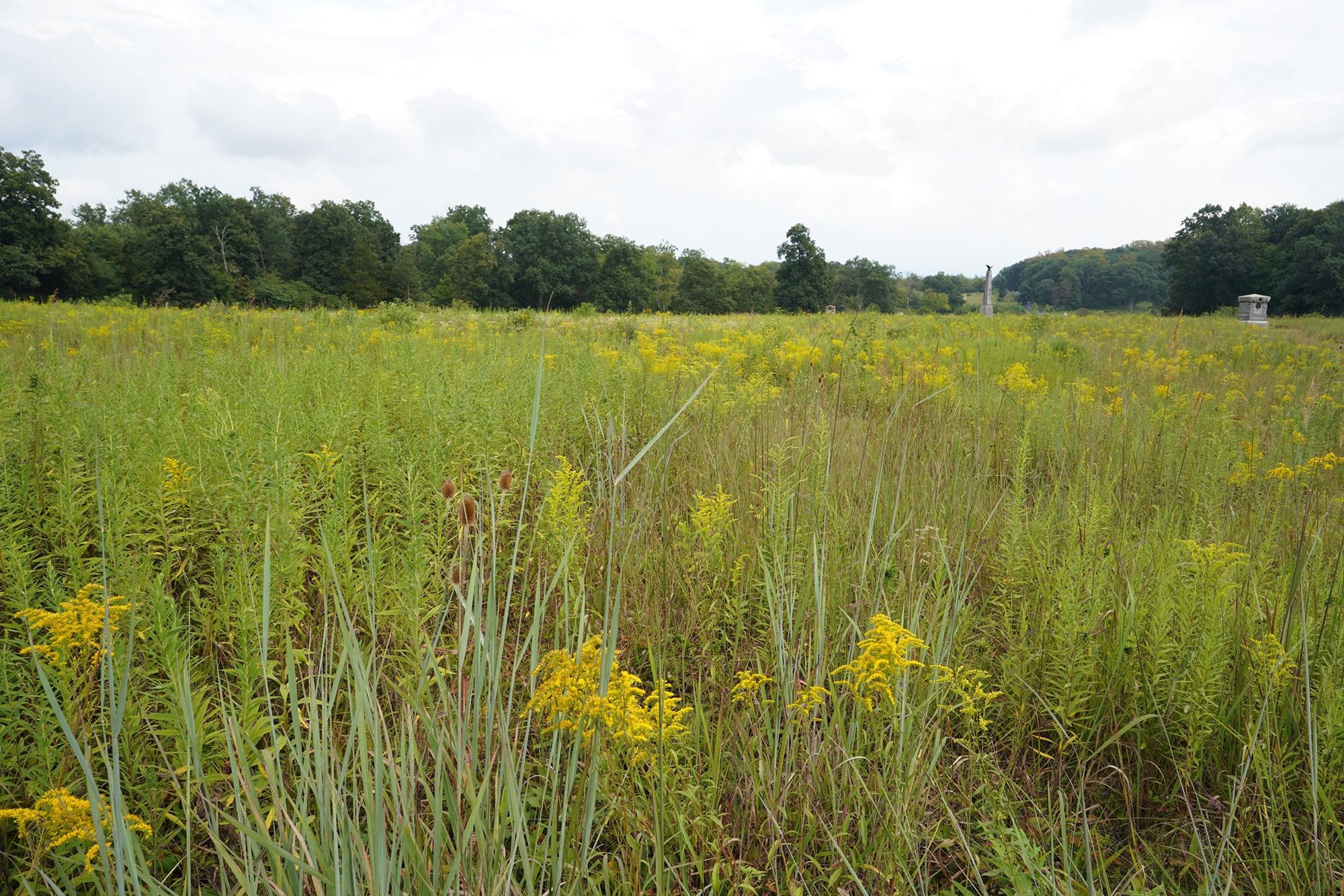
Stop #10: The Peach Orchard. The Union line extended from Devil’s Den to here, then angled northward on Emmitsburg Road. Federal cannon bombarded Southern forces crossing the Rose Farm toward the Wheatfield until about 6:30 p.m., when Confederate attacks overran this position.
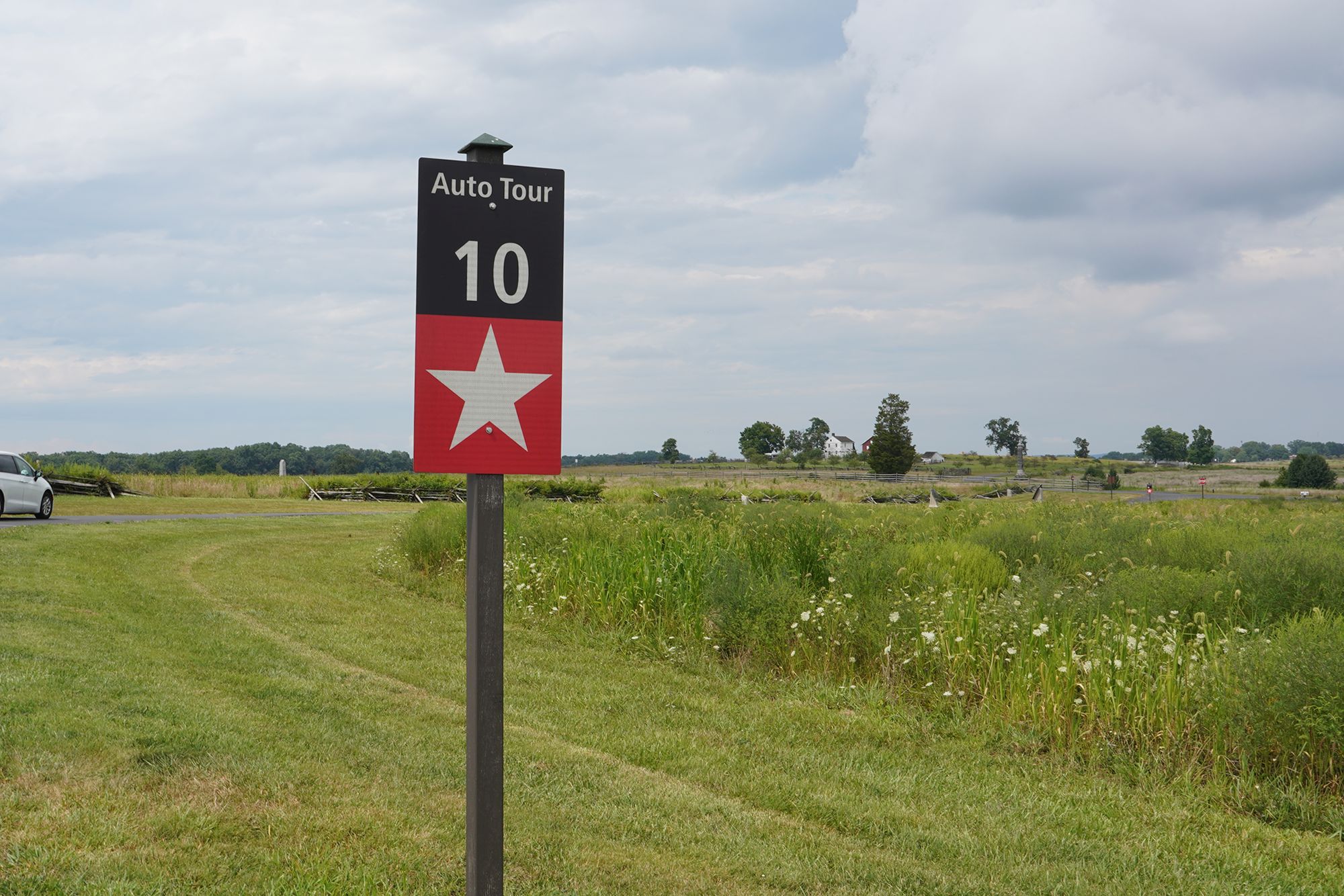
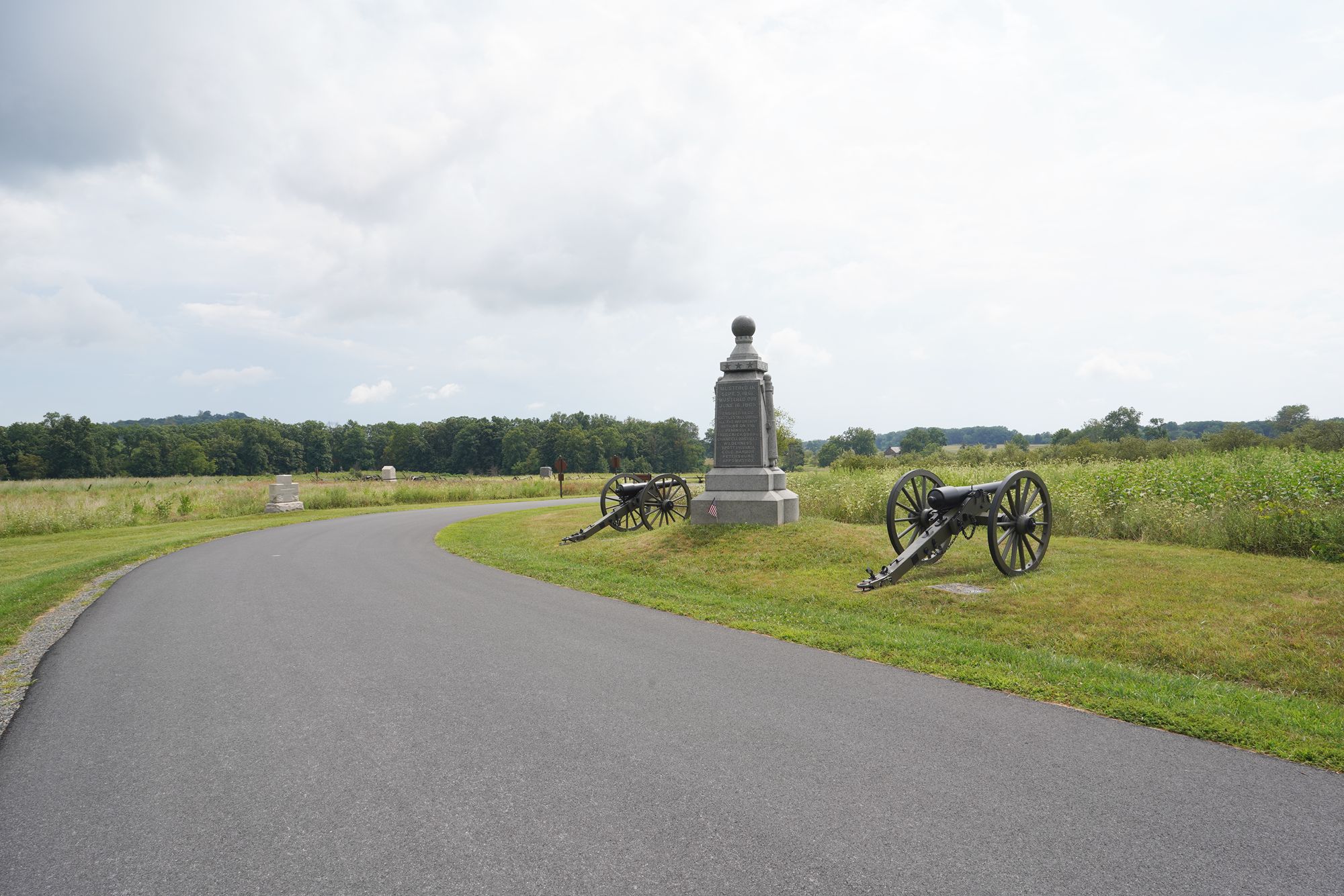
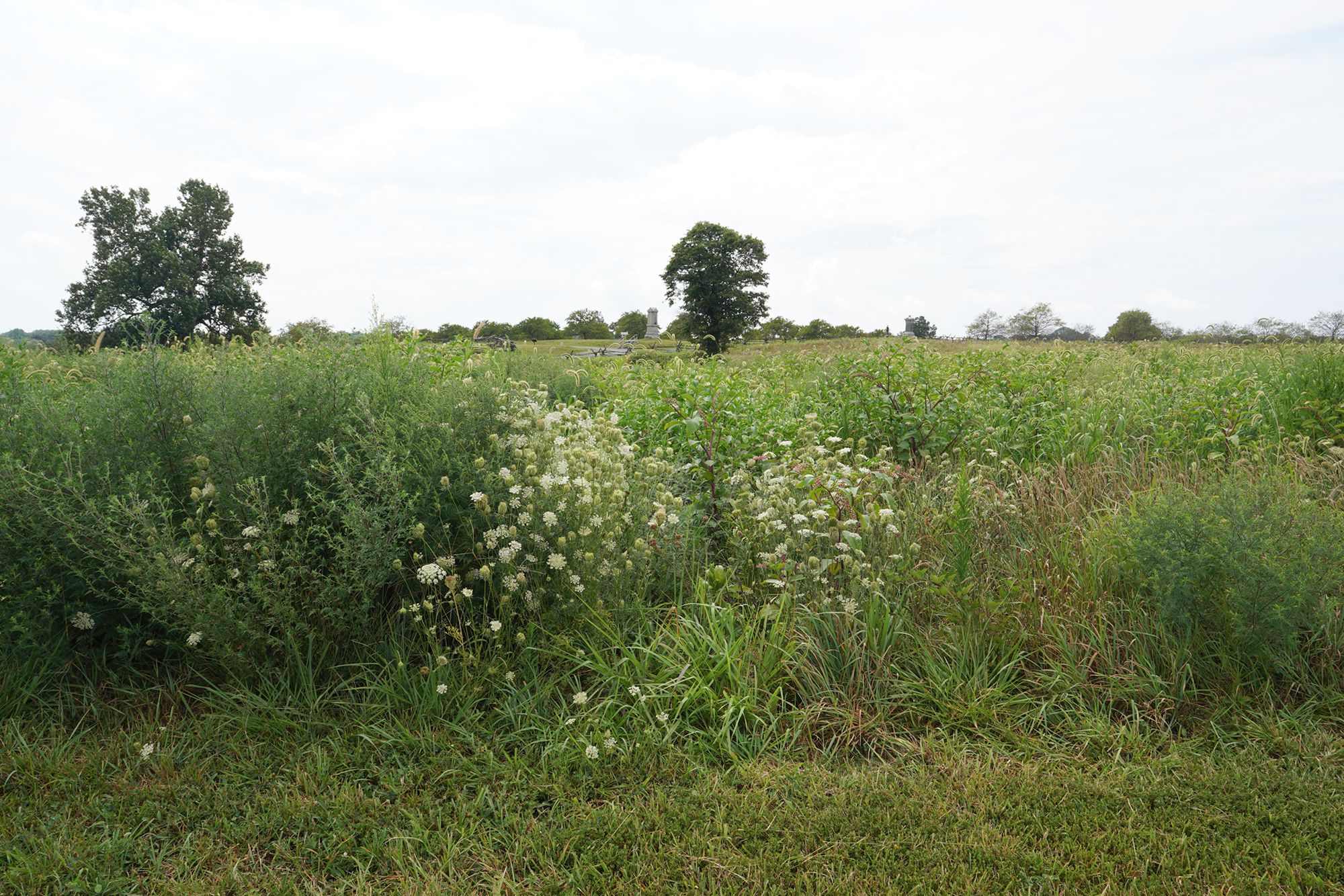
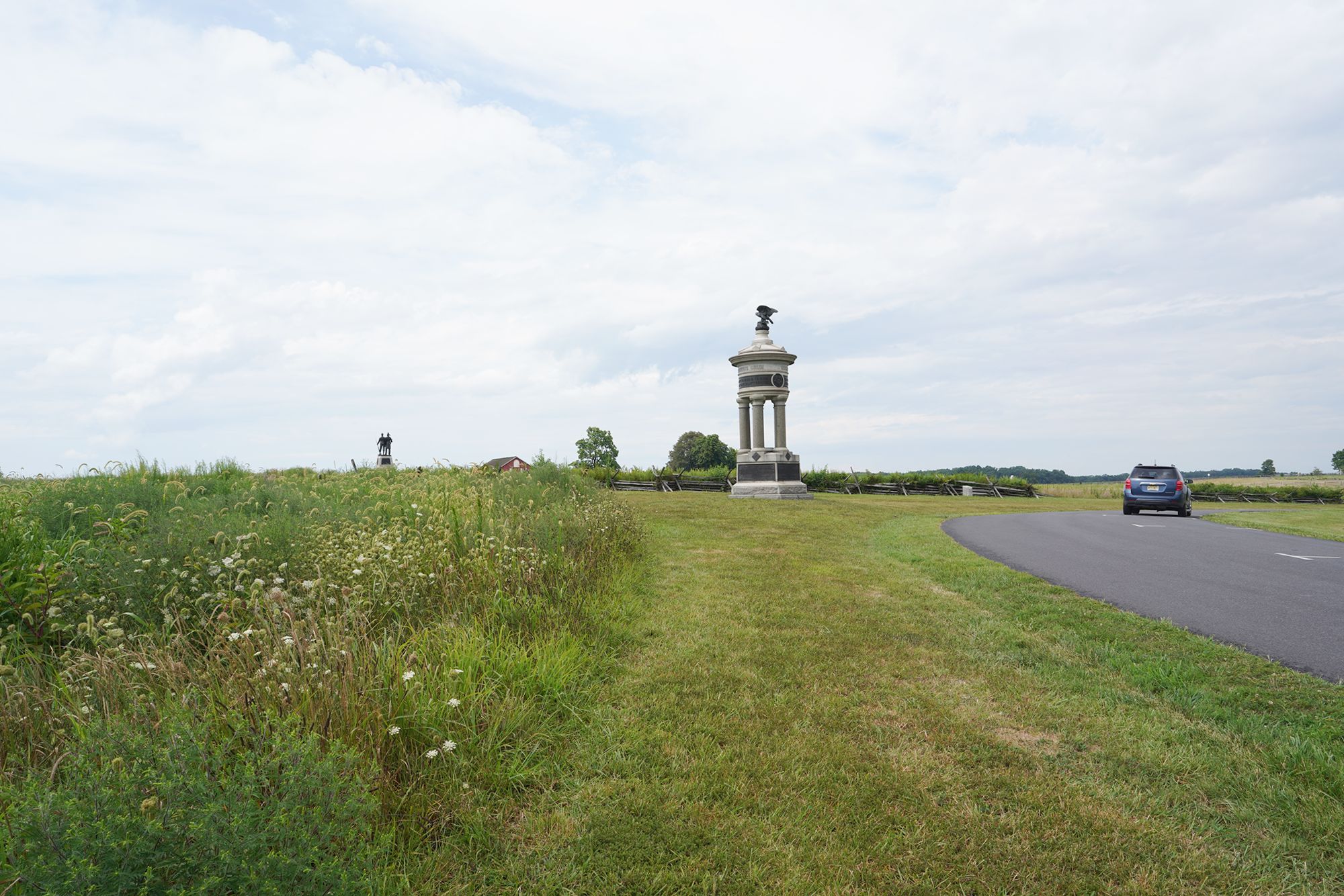
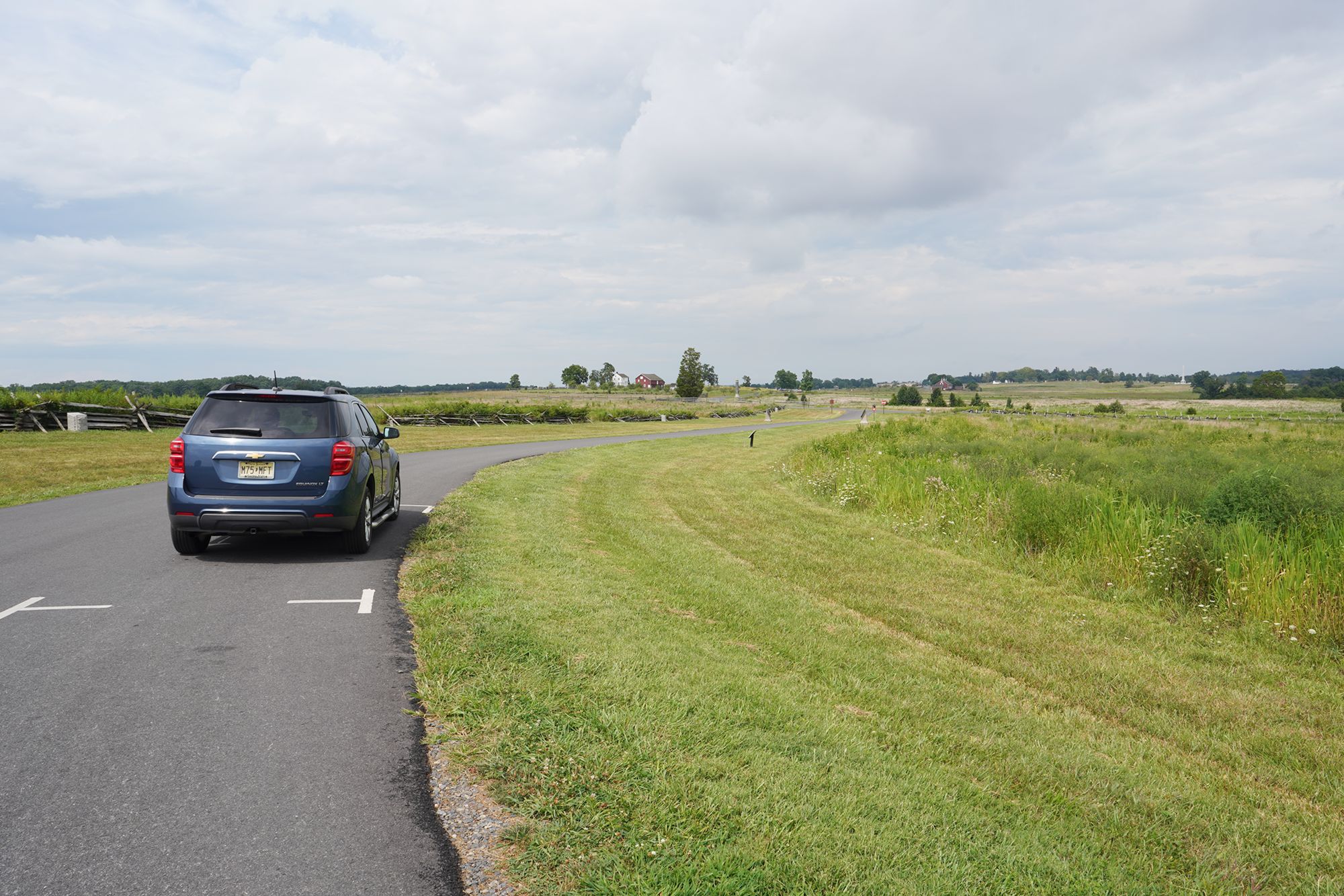
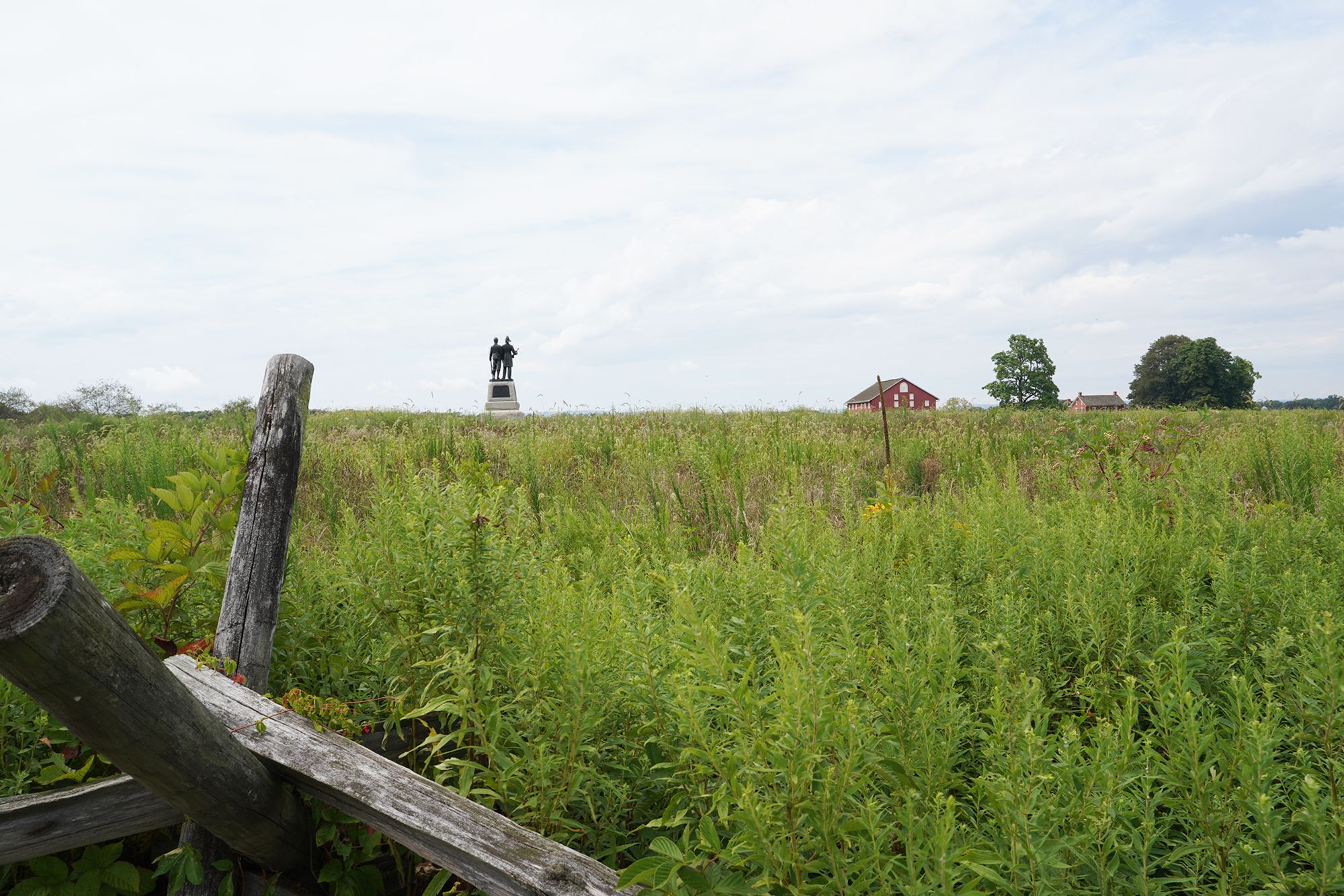
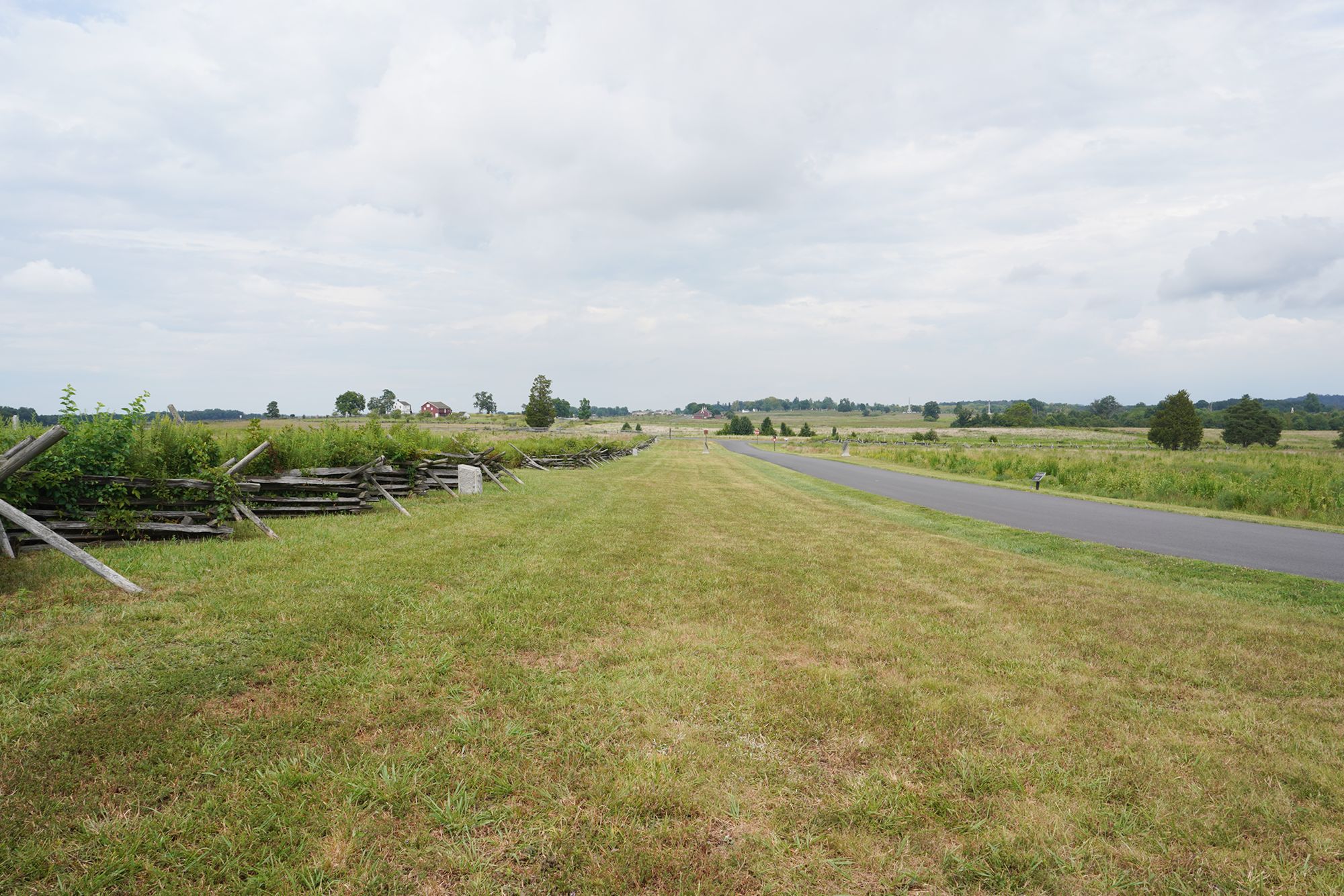
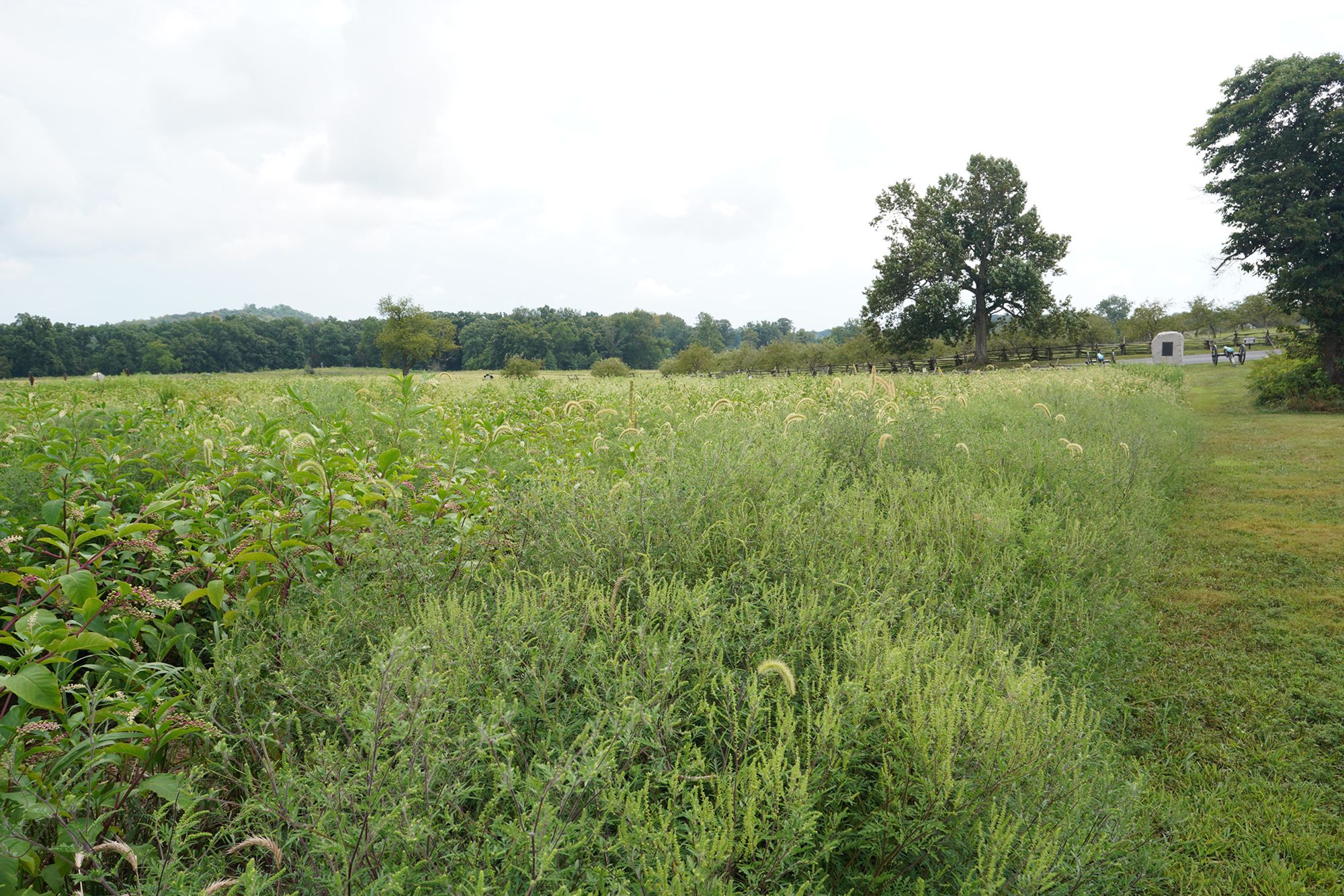
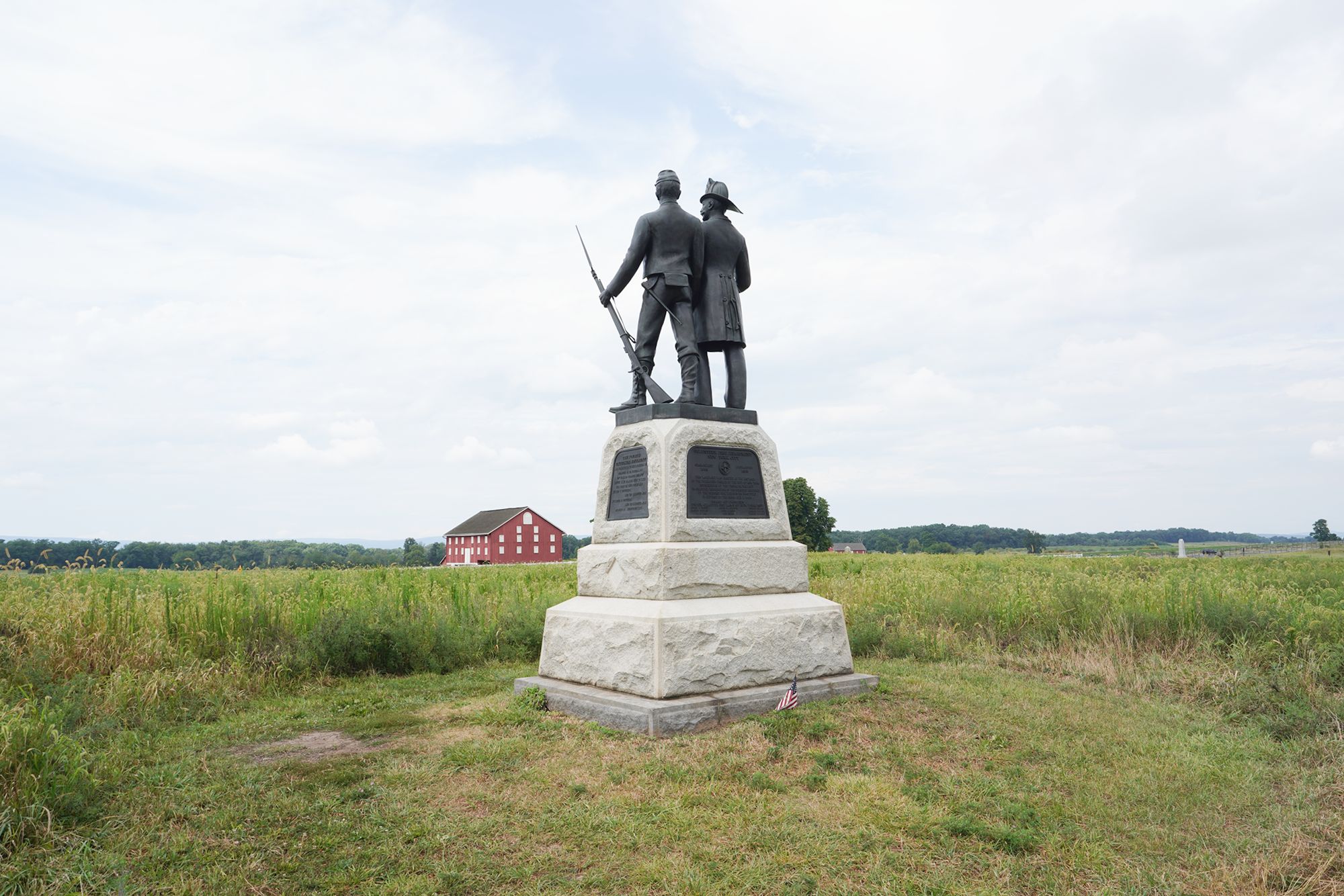
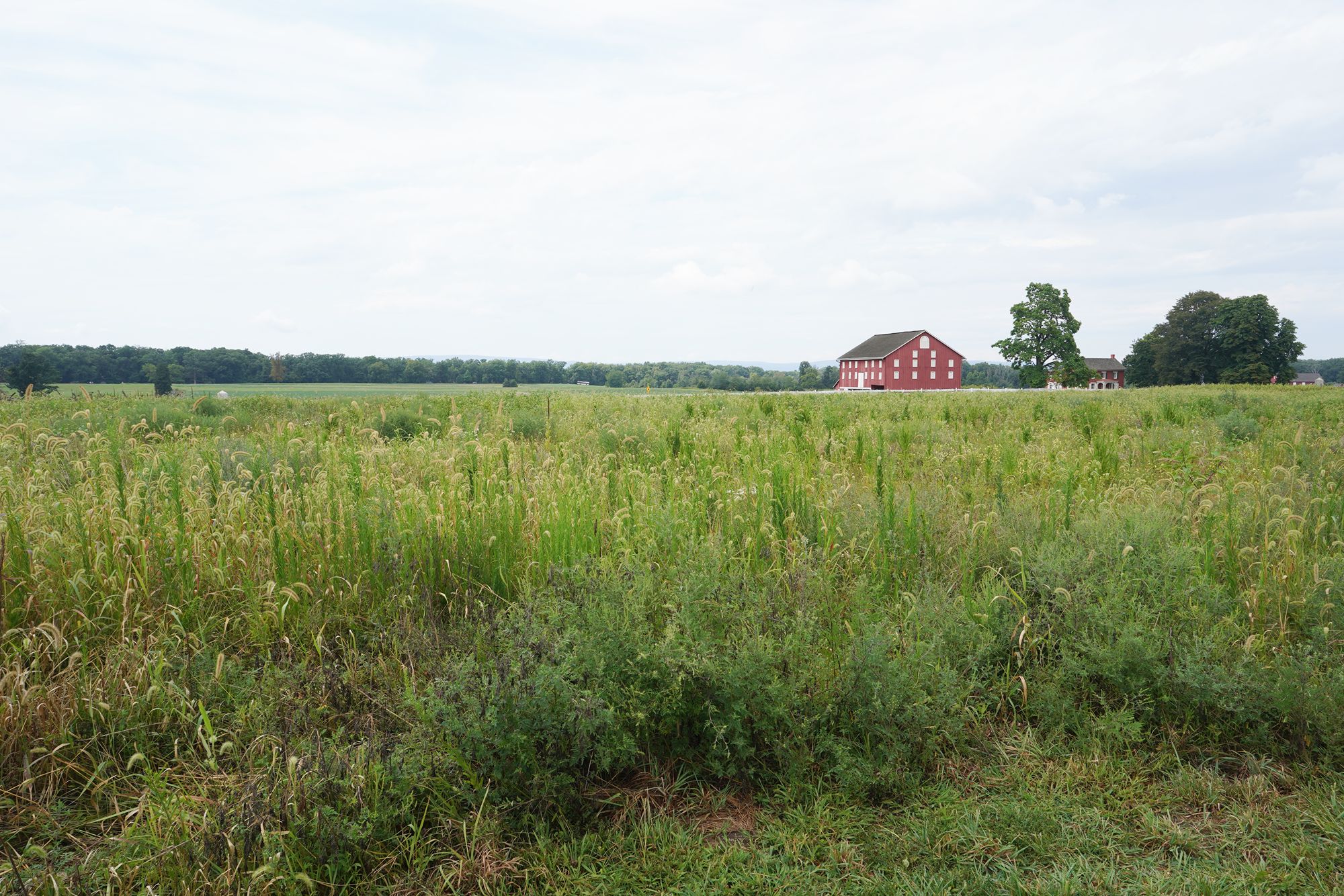
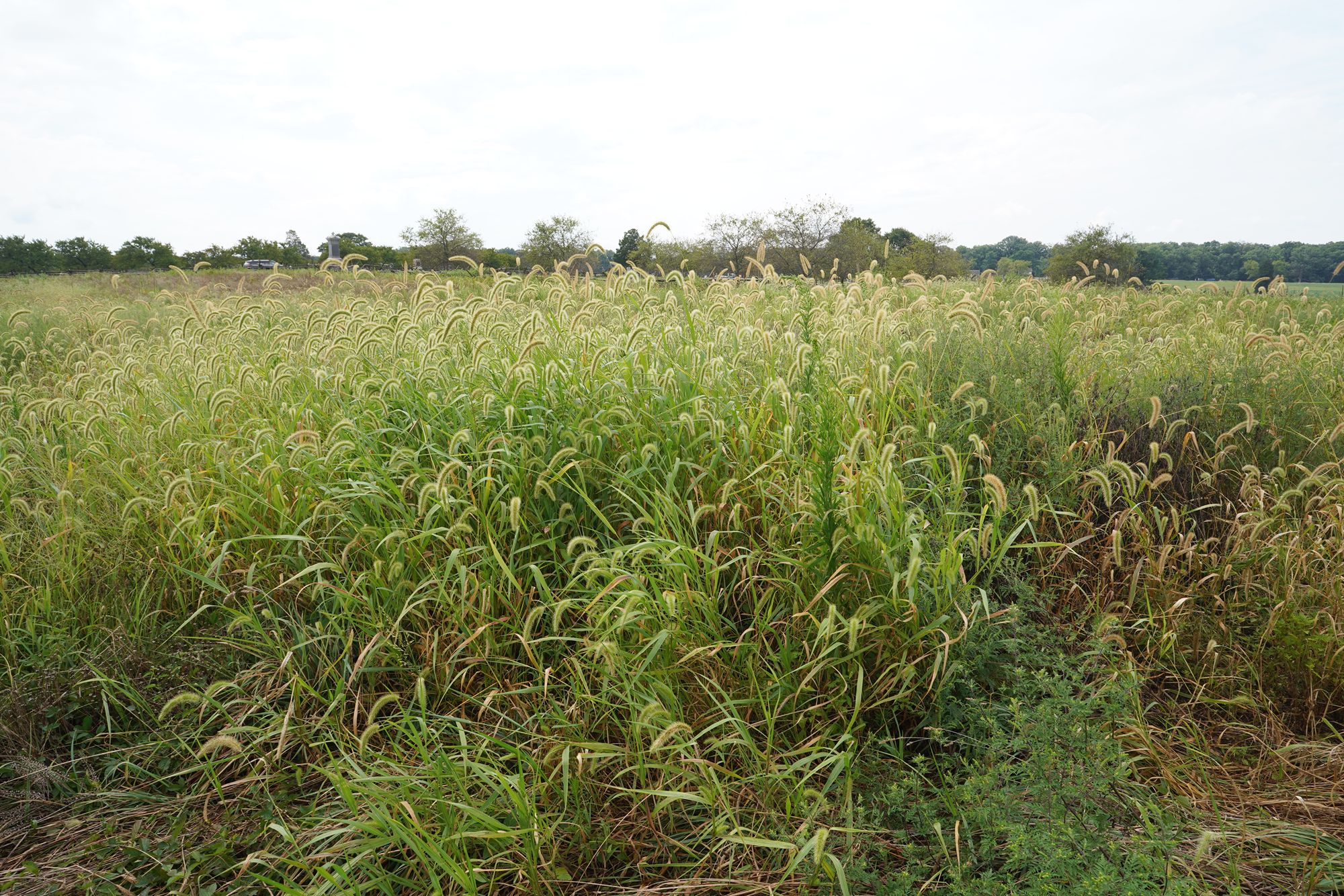
Stop #11: Plum Run. While fighting raged to the south at the Wheatfield and Little Round Top, retreating Union soldiers crossed this ground on their way from the Peach Orchard to Cemetery Ridge.
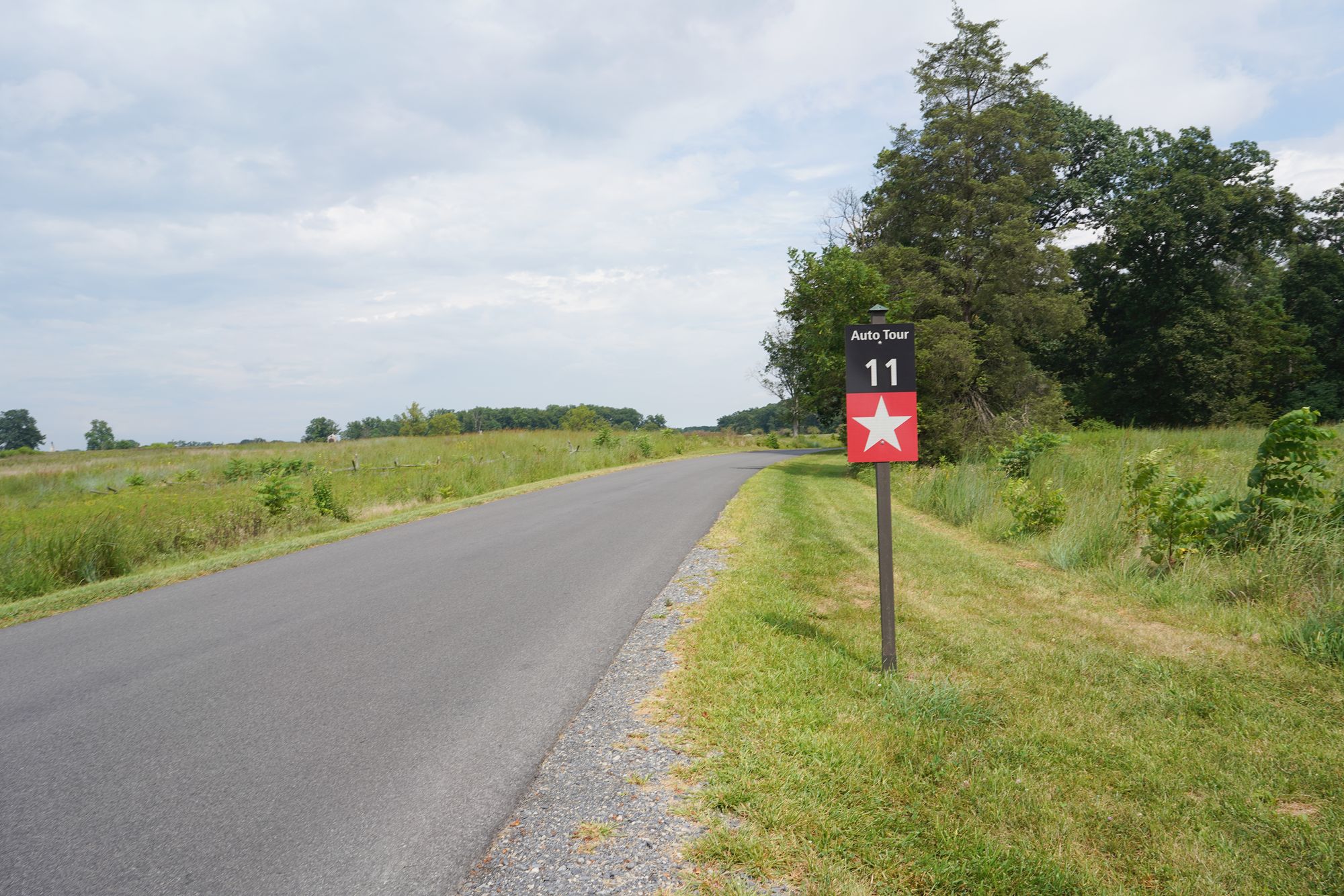
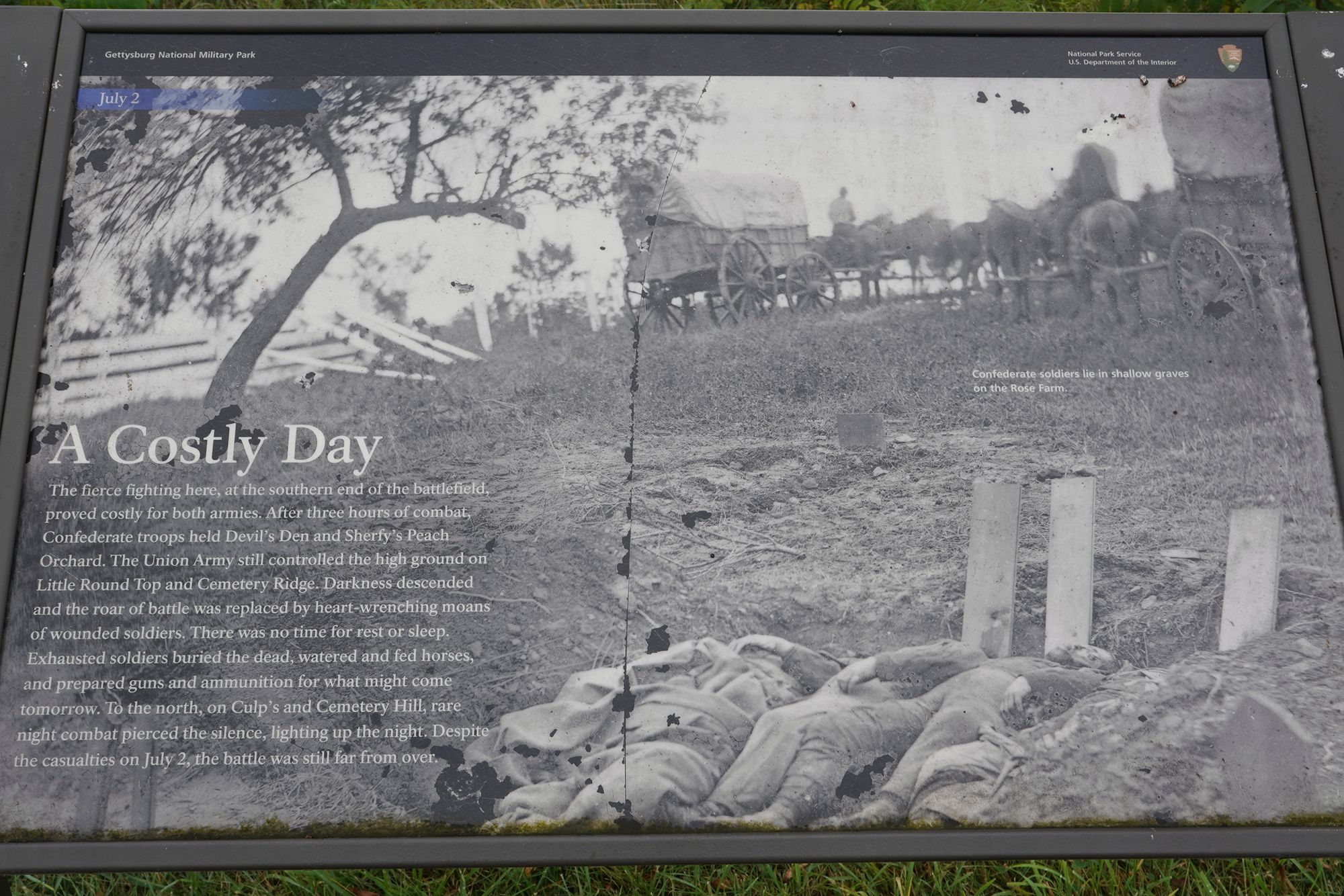
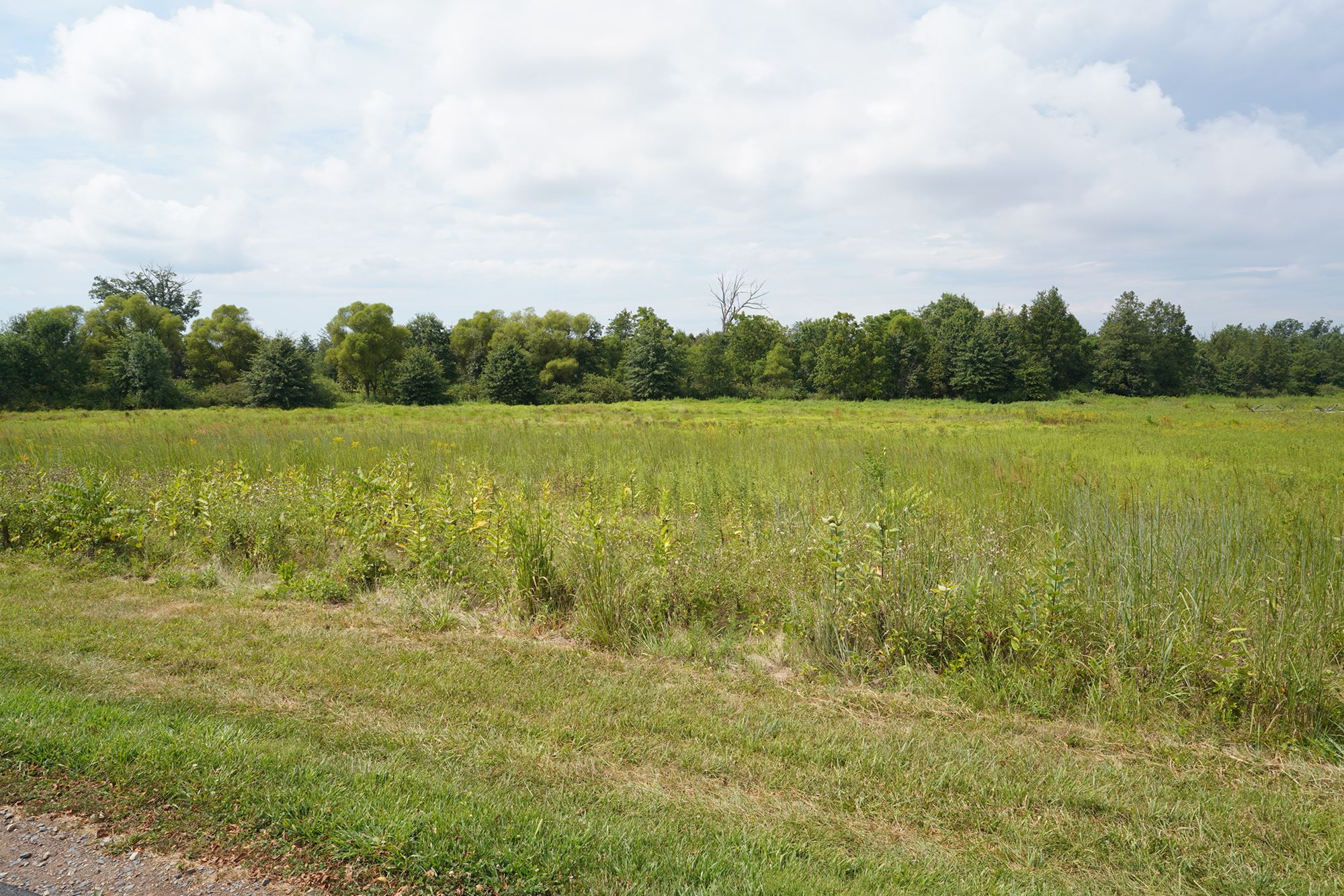
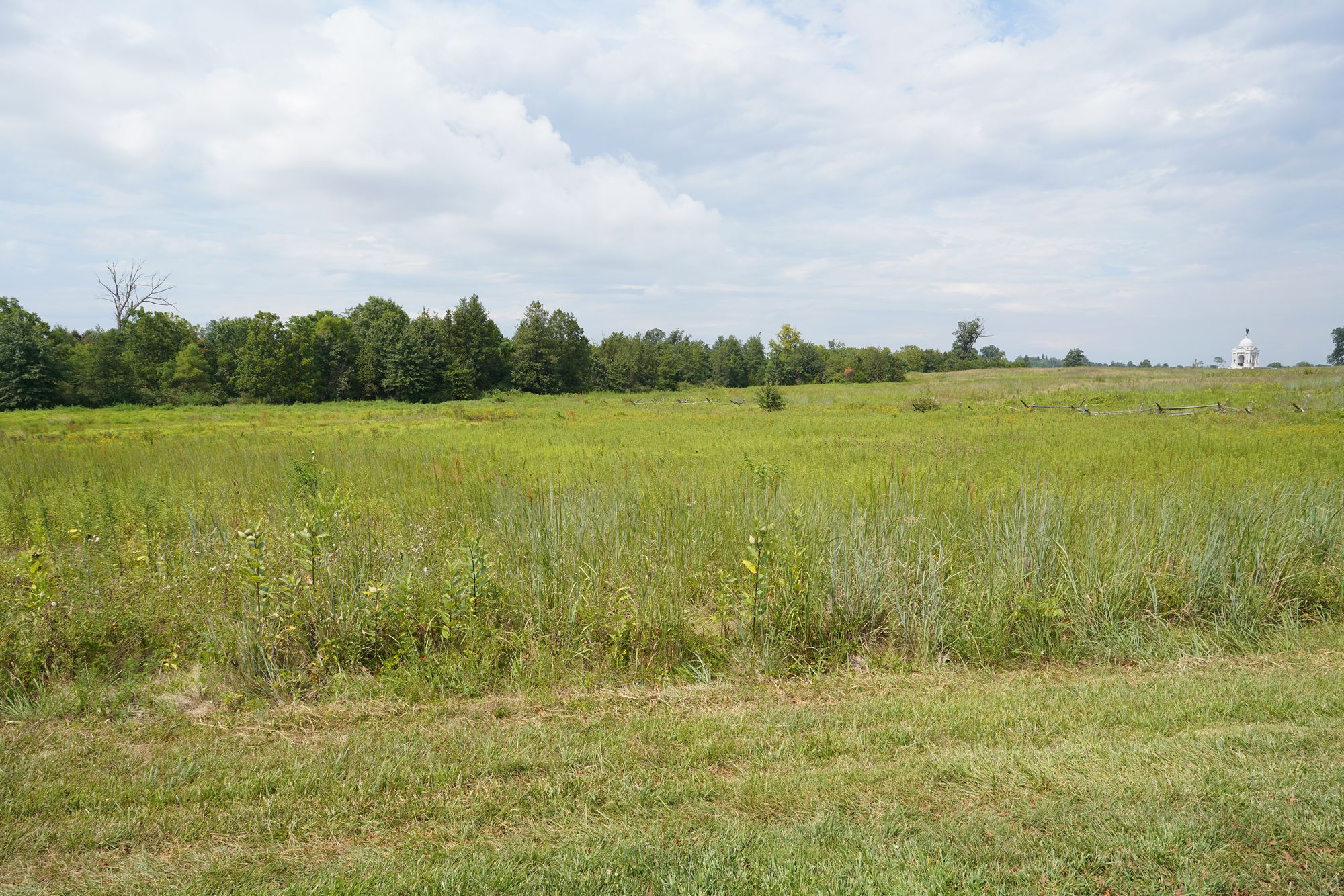
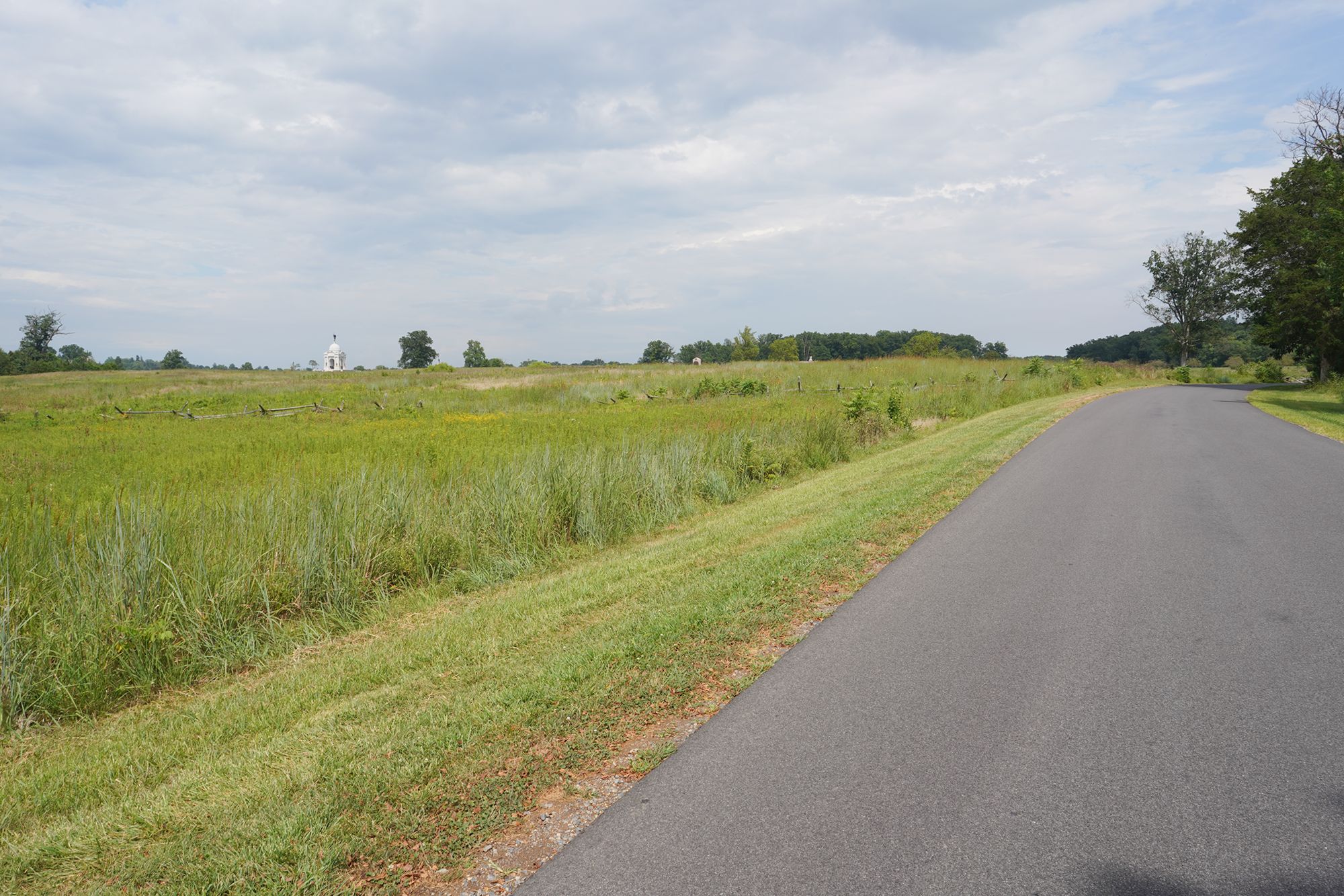
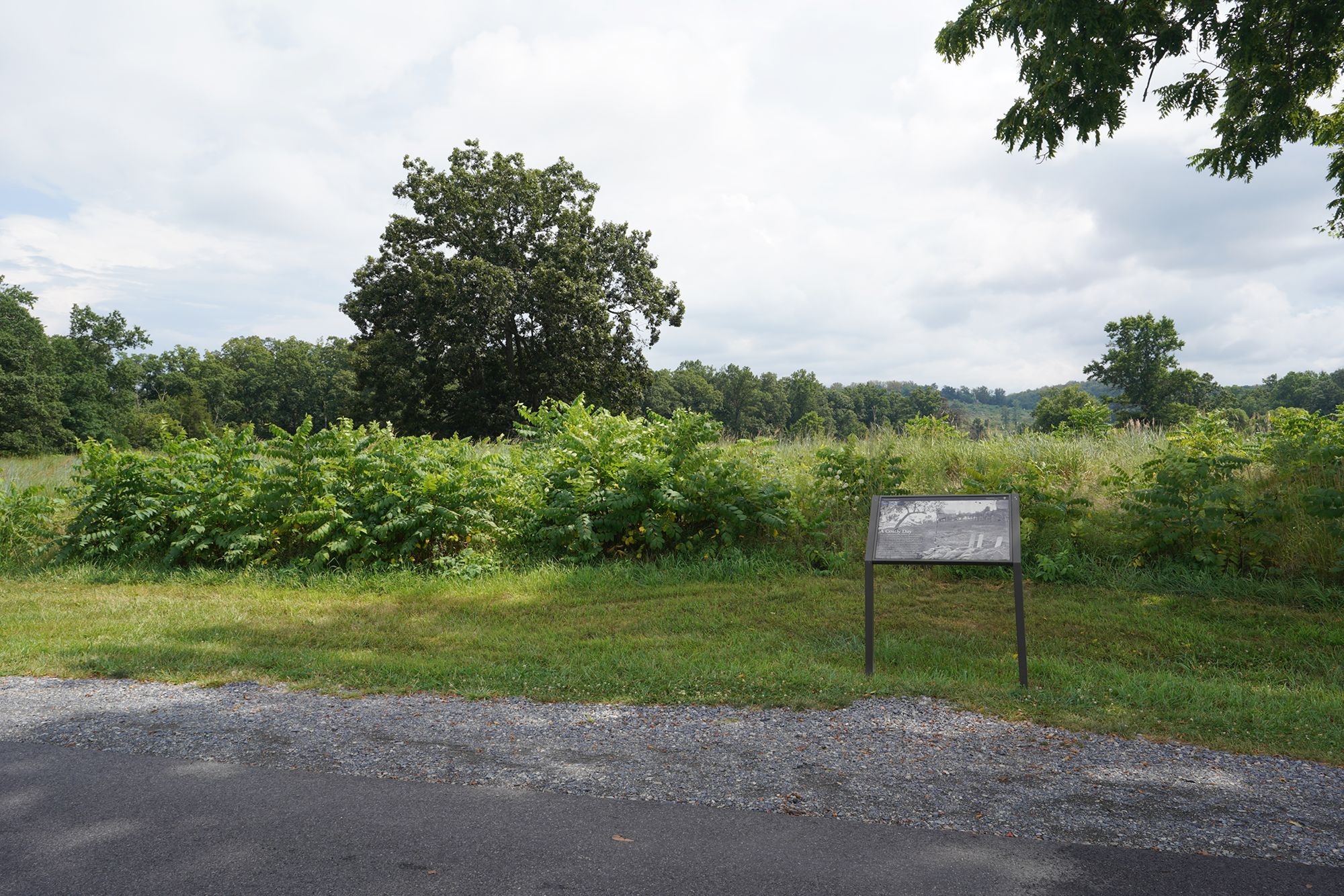
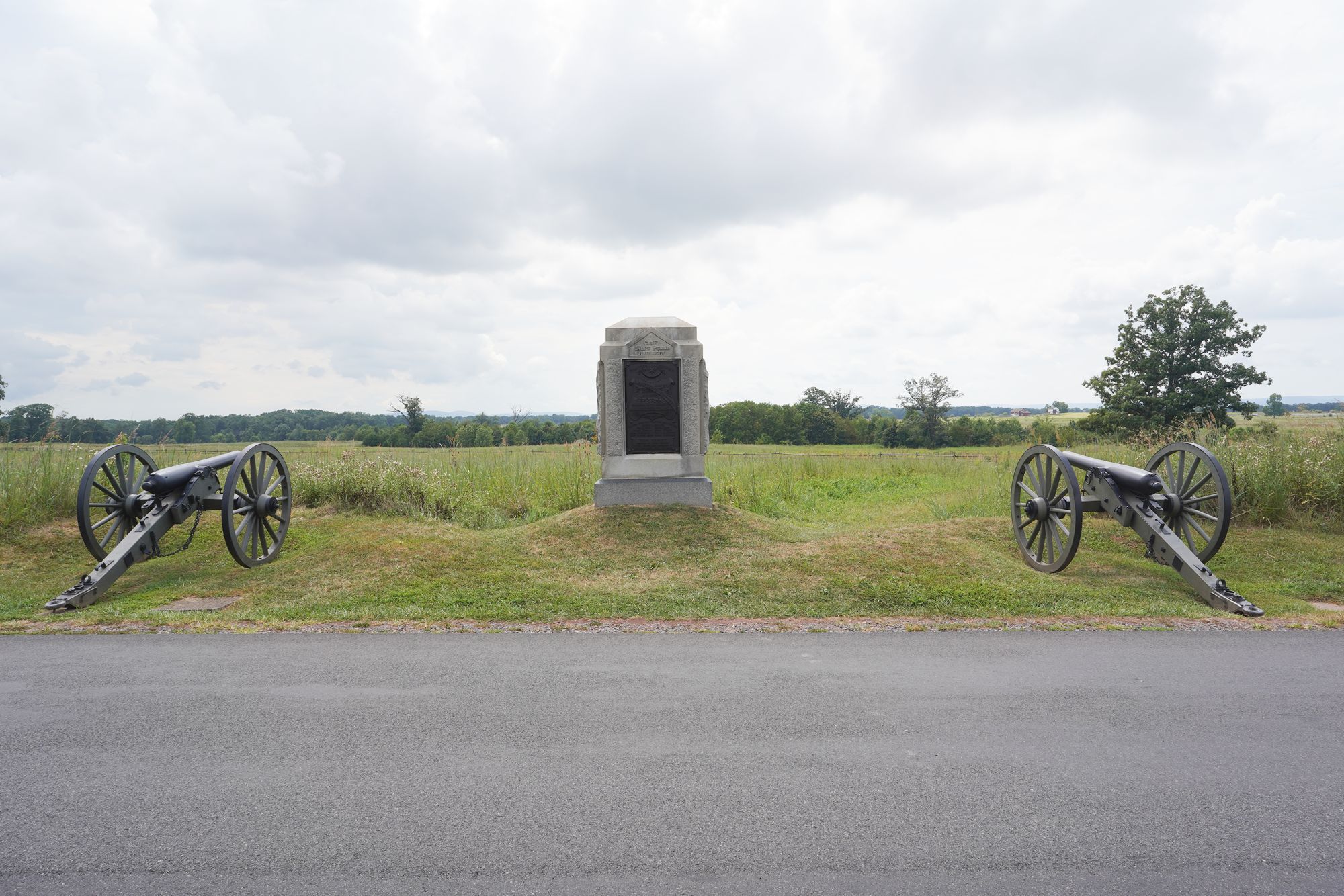
Stop #12. Union artillery held the line alone here on Cemetery Ridge late in the day as Meade called for infantry from Culp’s Hill and other areas to strengthen and hold the center of the Union position.
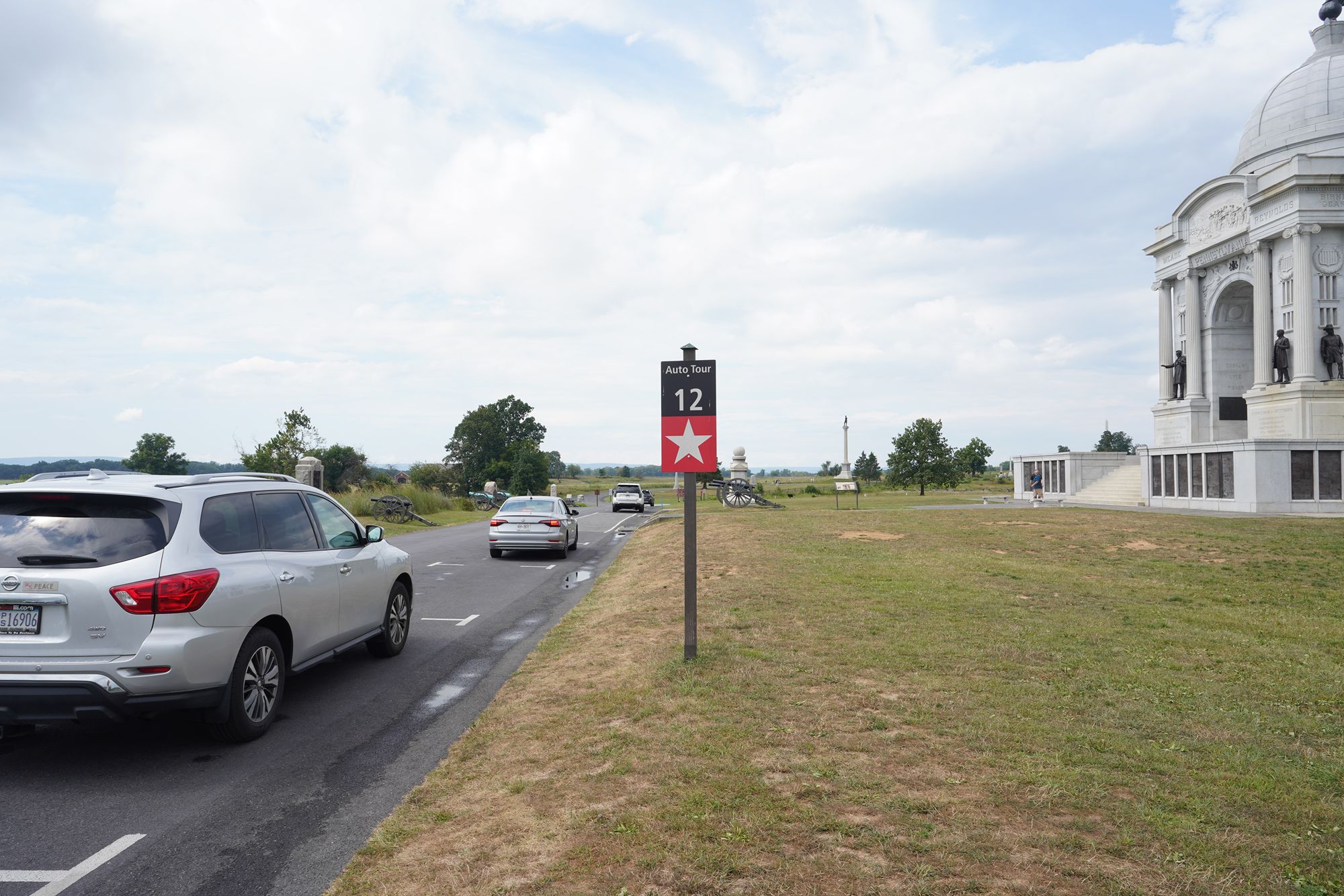
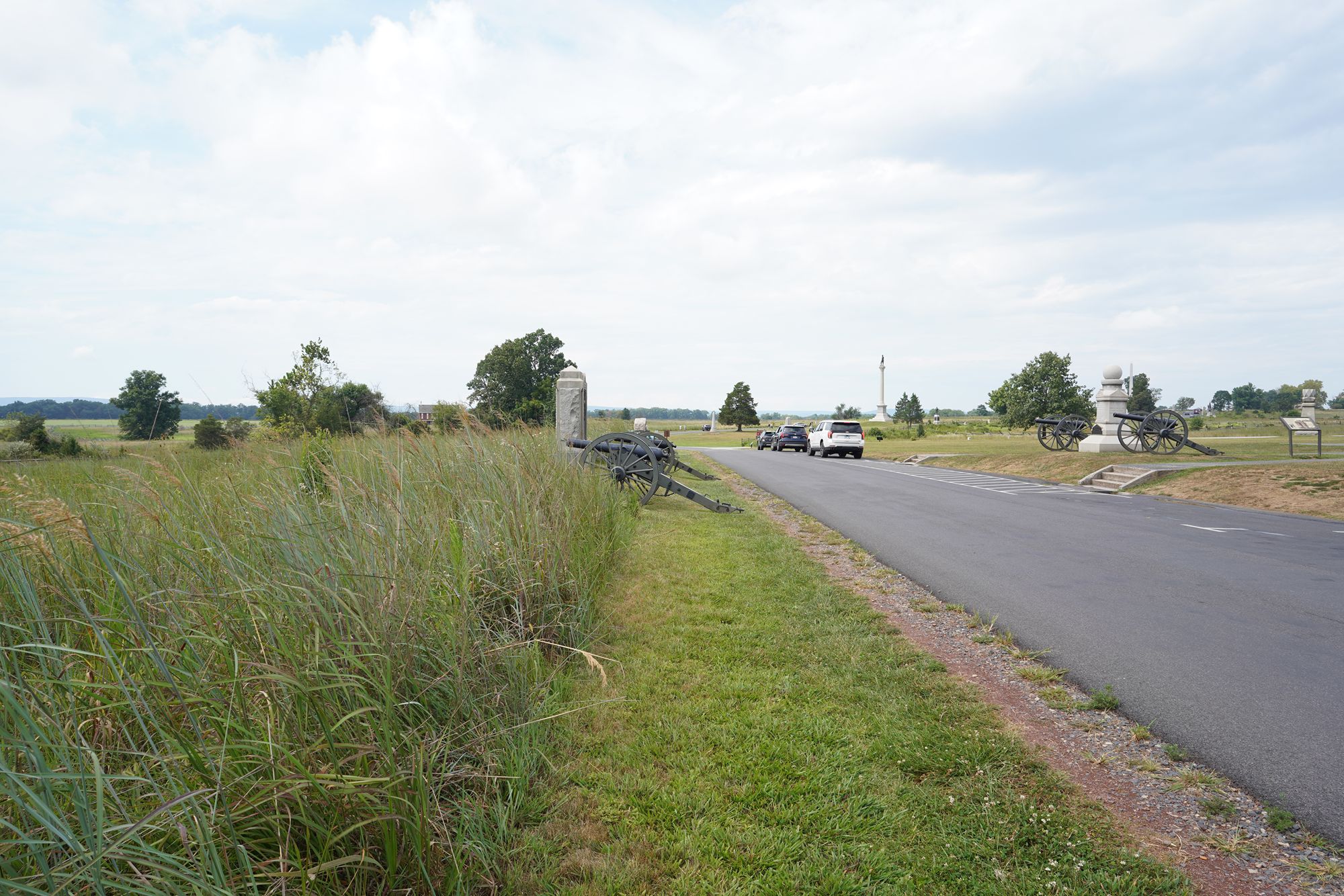
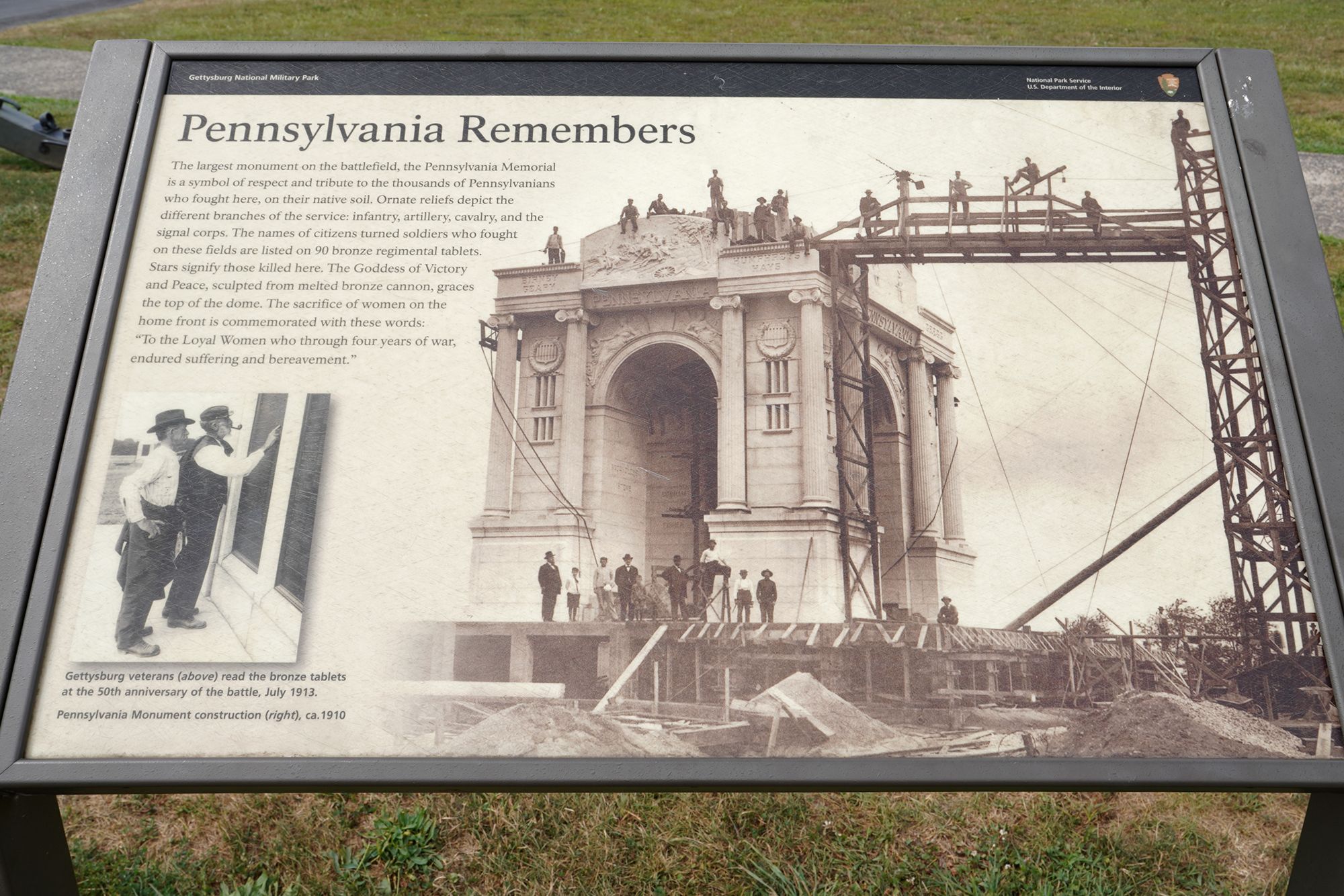
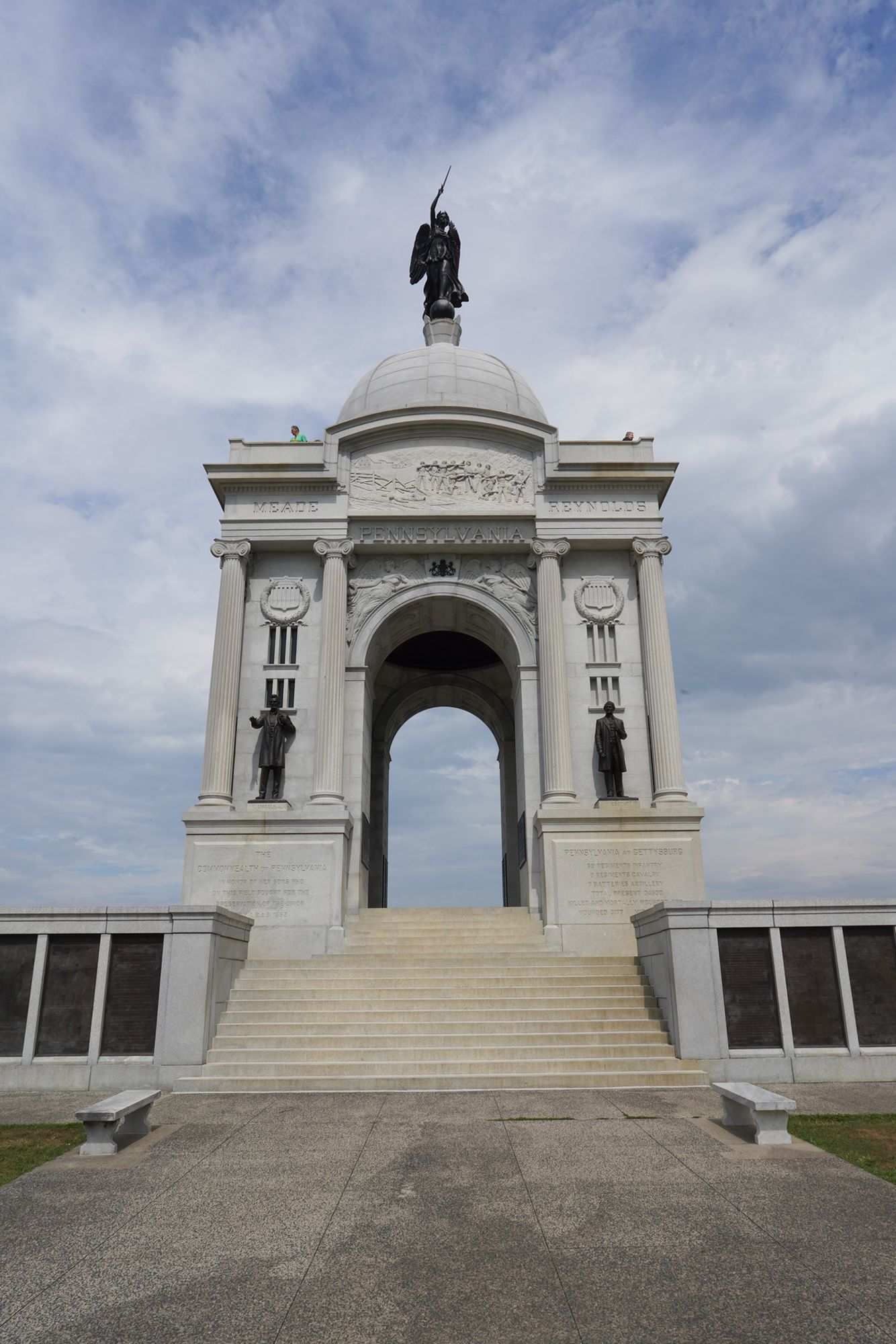
Pennsylvania Memorial
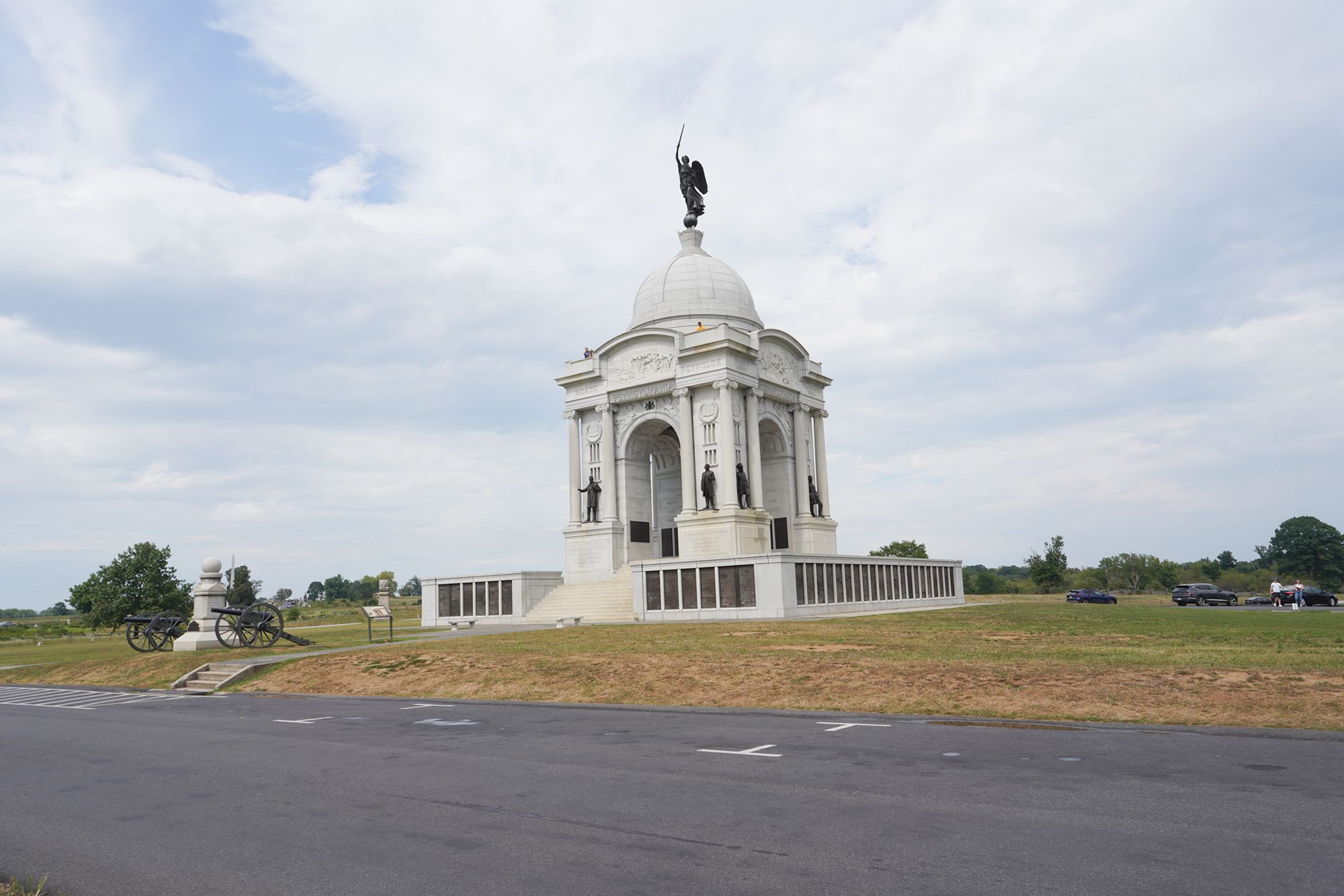
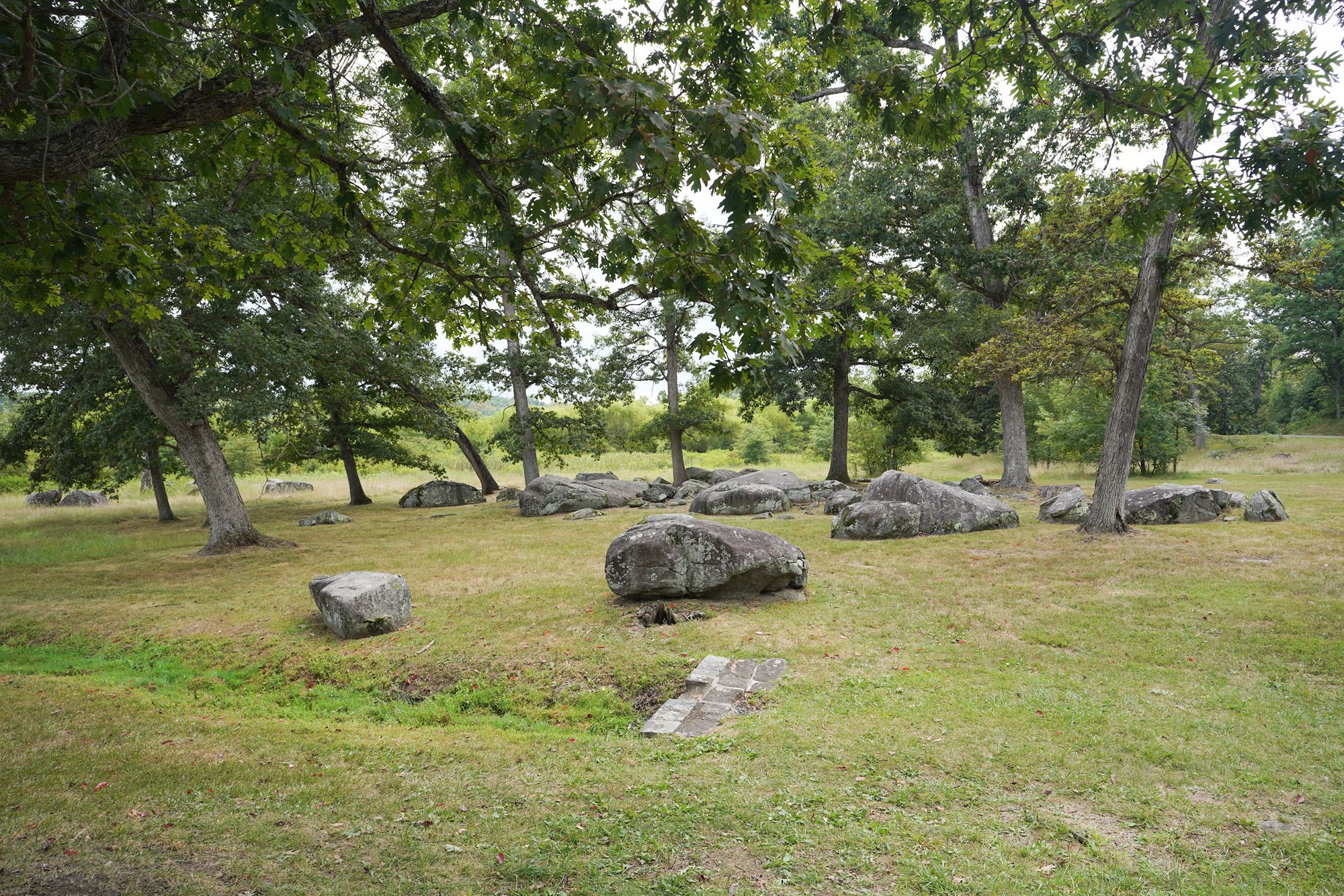
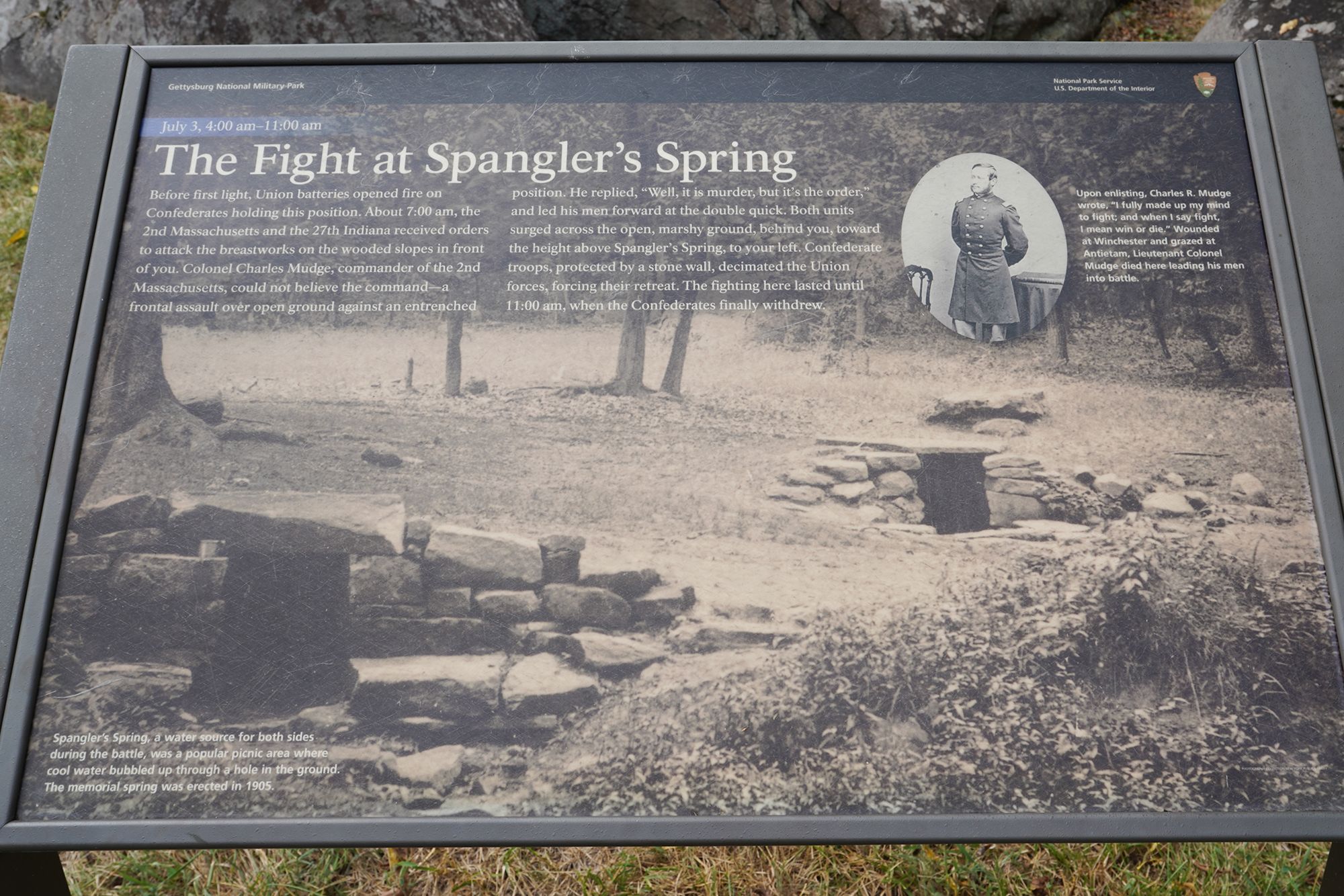
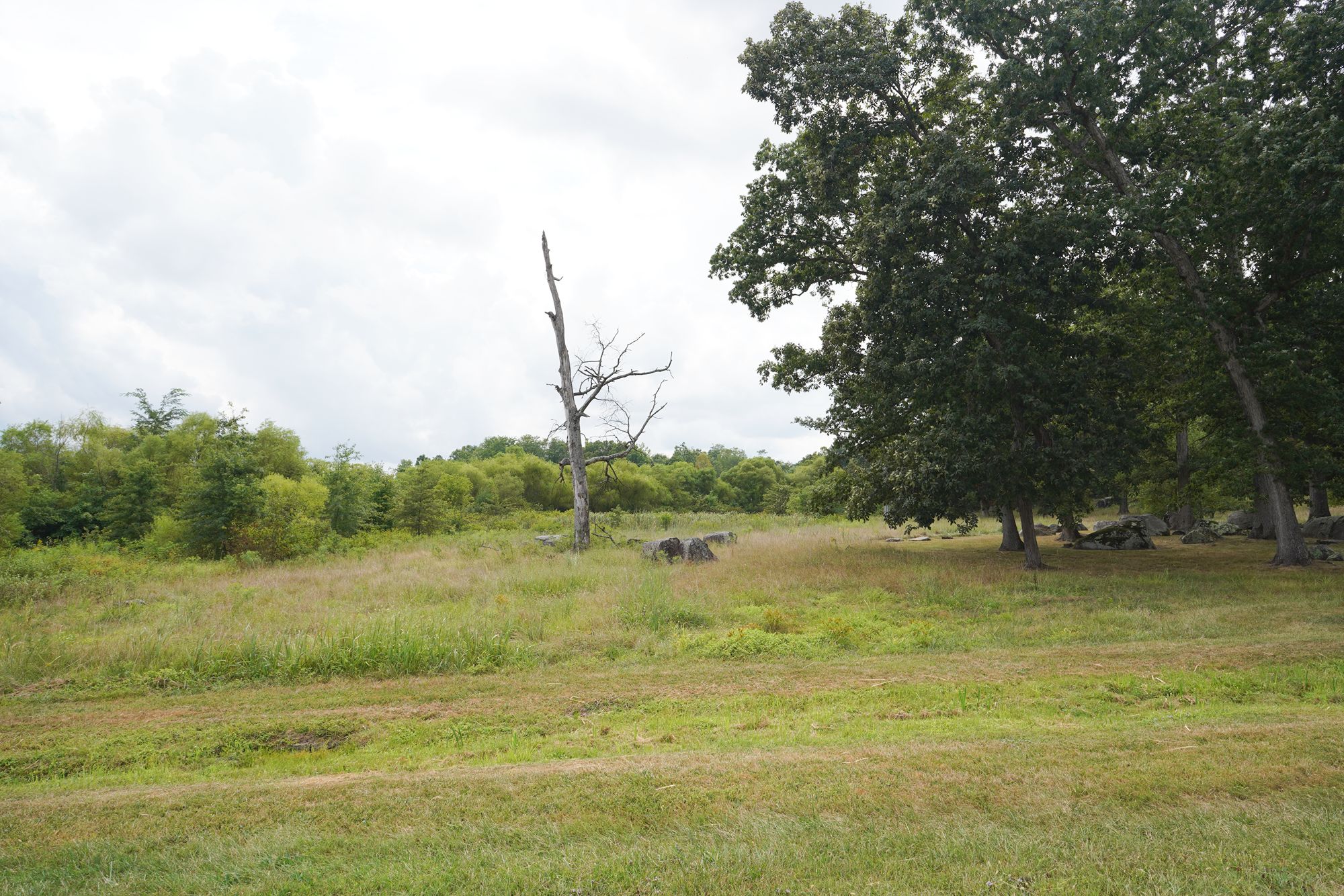
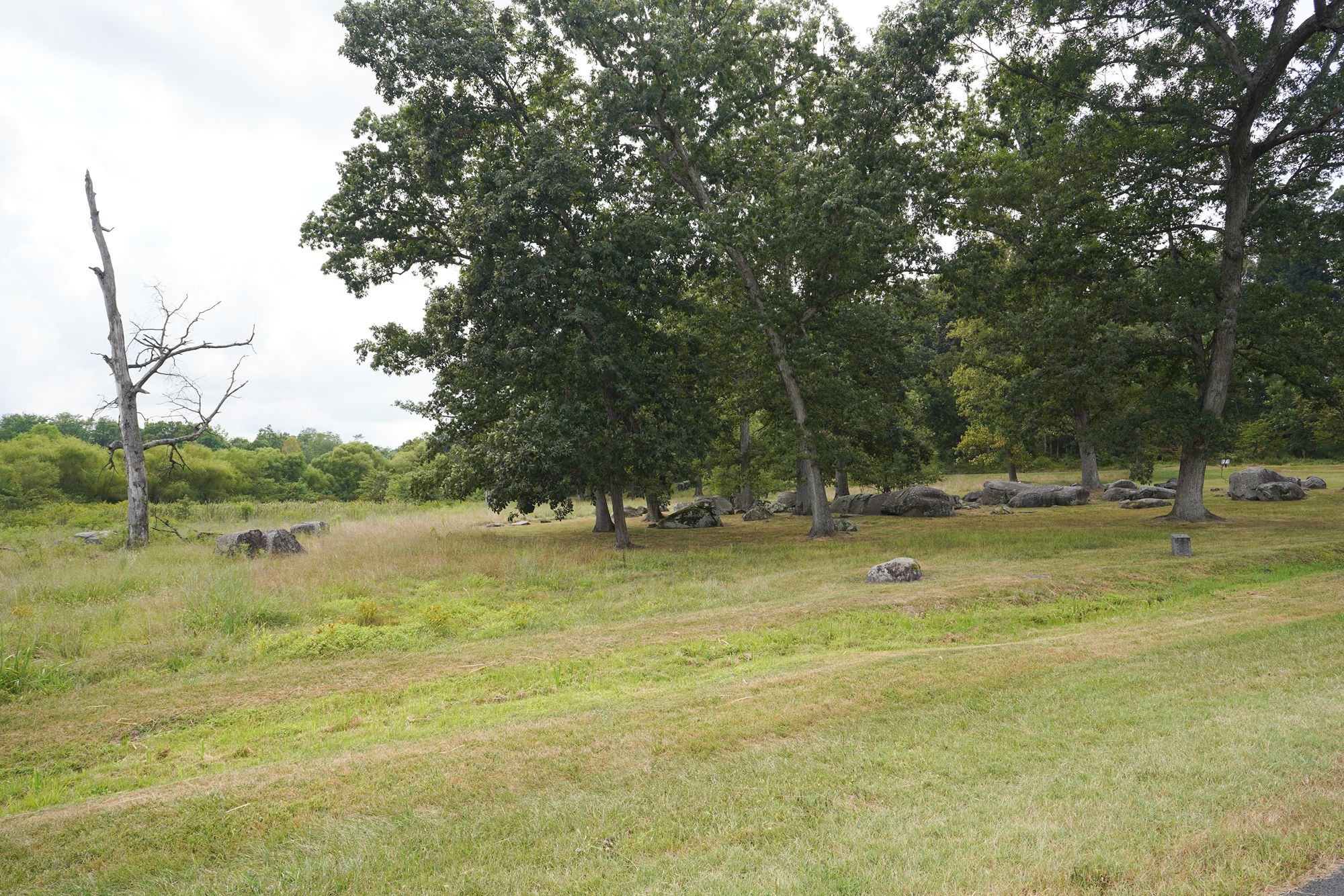
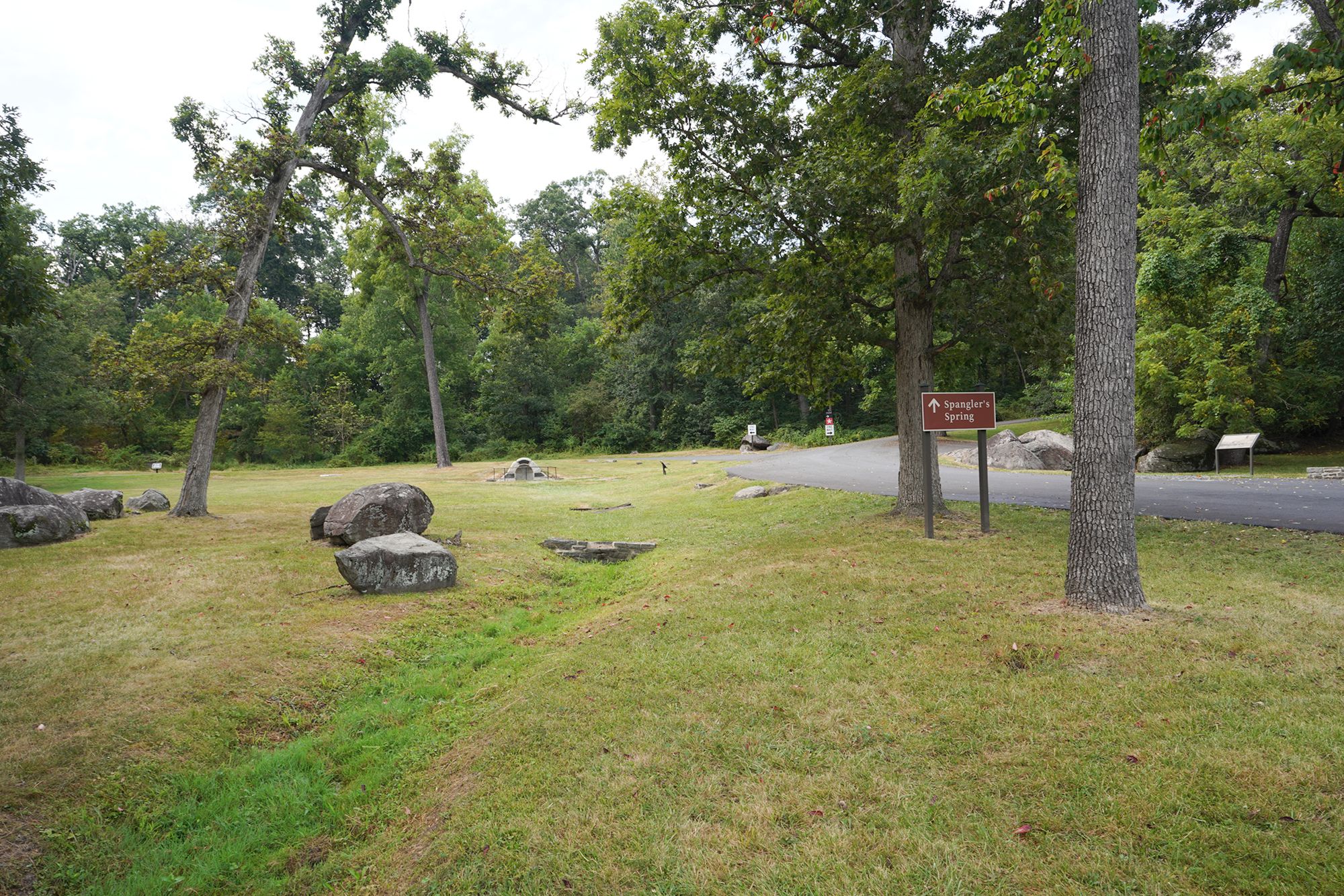
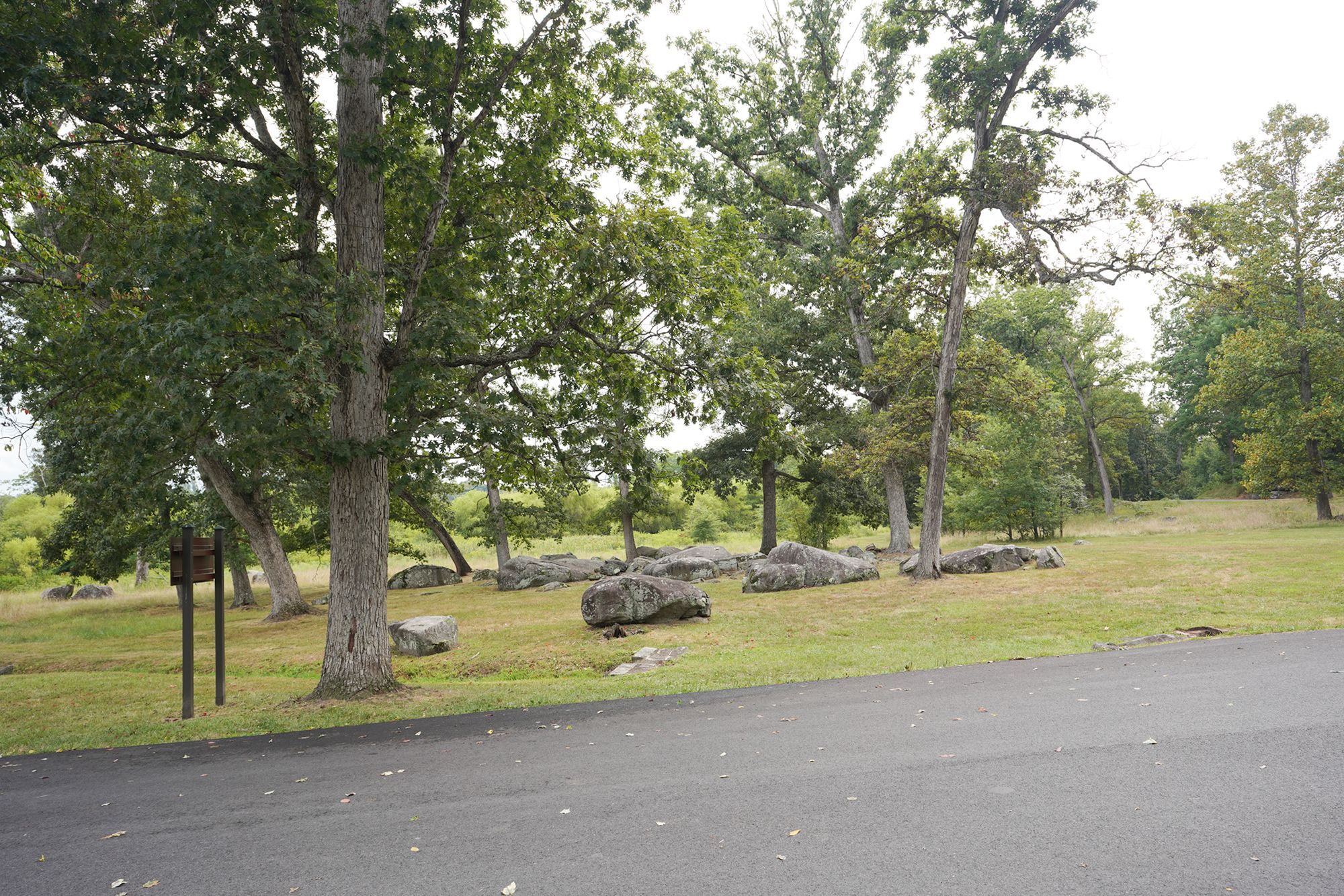
Stop #13: Spangler's Spring. About 7 p.m., Confederates attacked the right flank of the Union army and occupied the lower slopes of Culp’s Hill. The next morning the Confederates were driven off after seven hours of fighting.
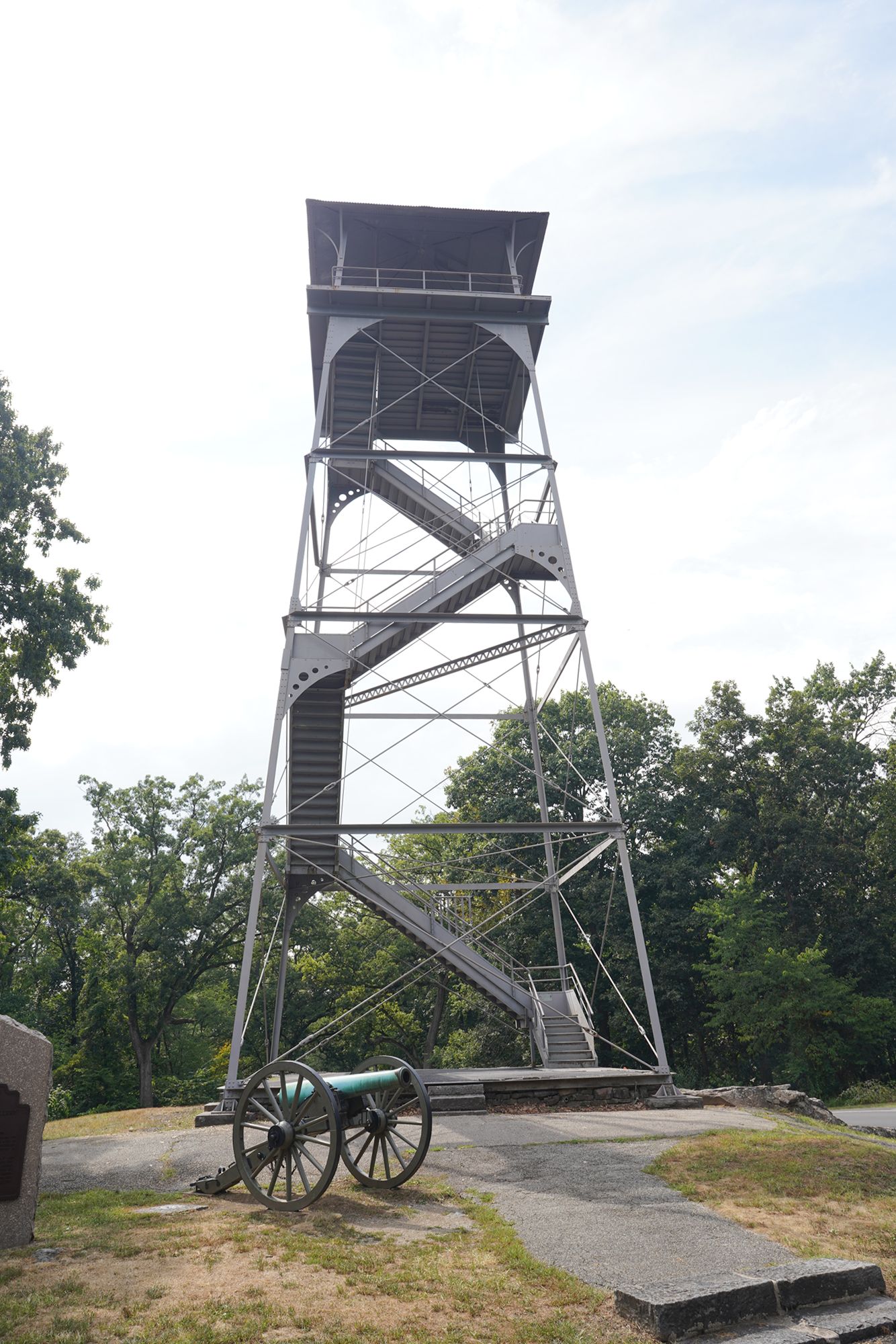
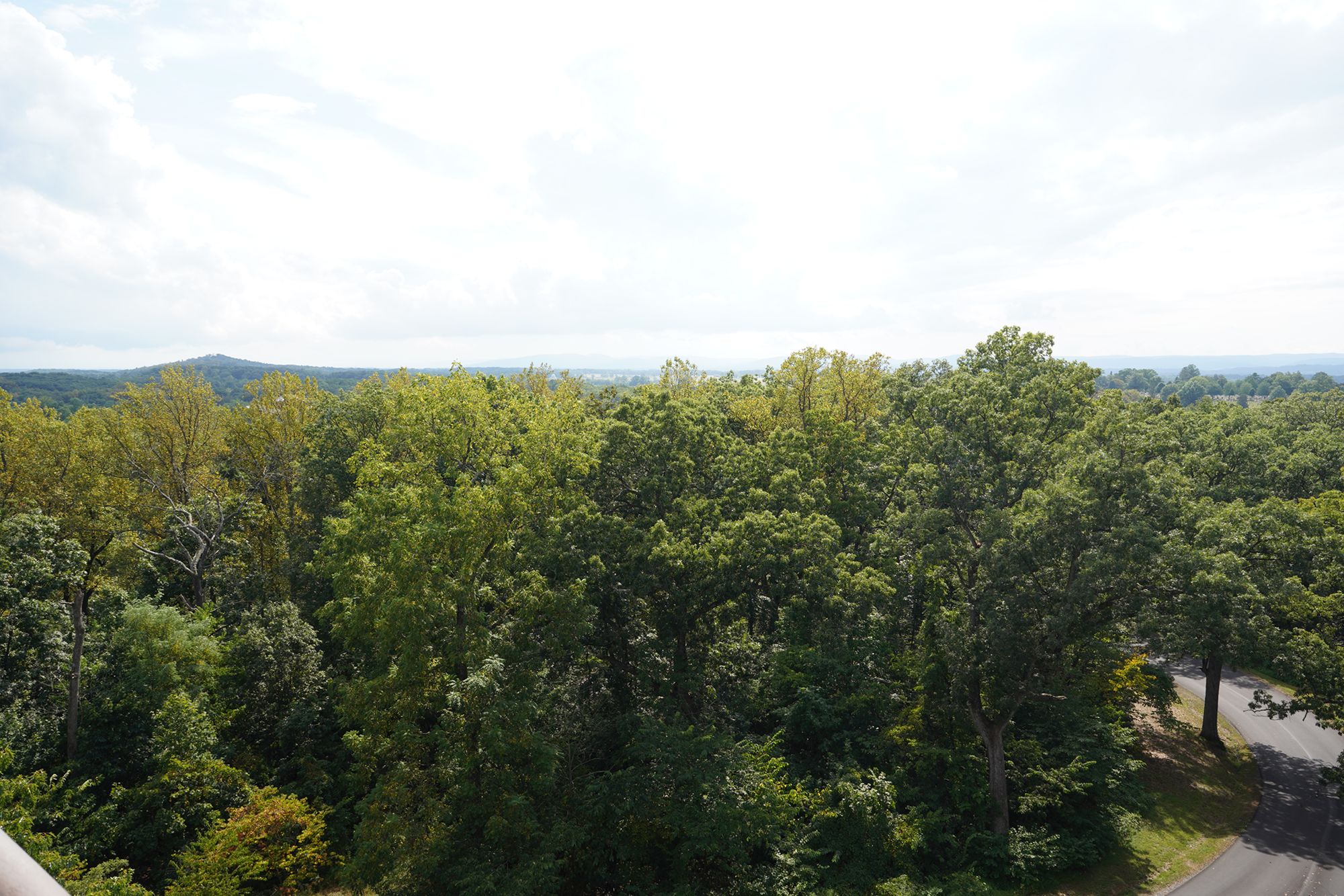
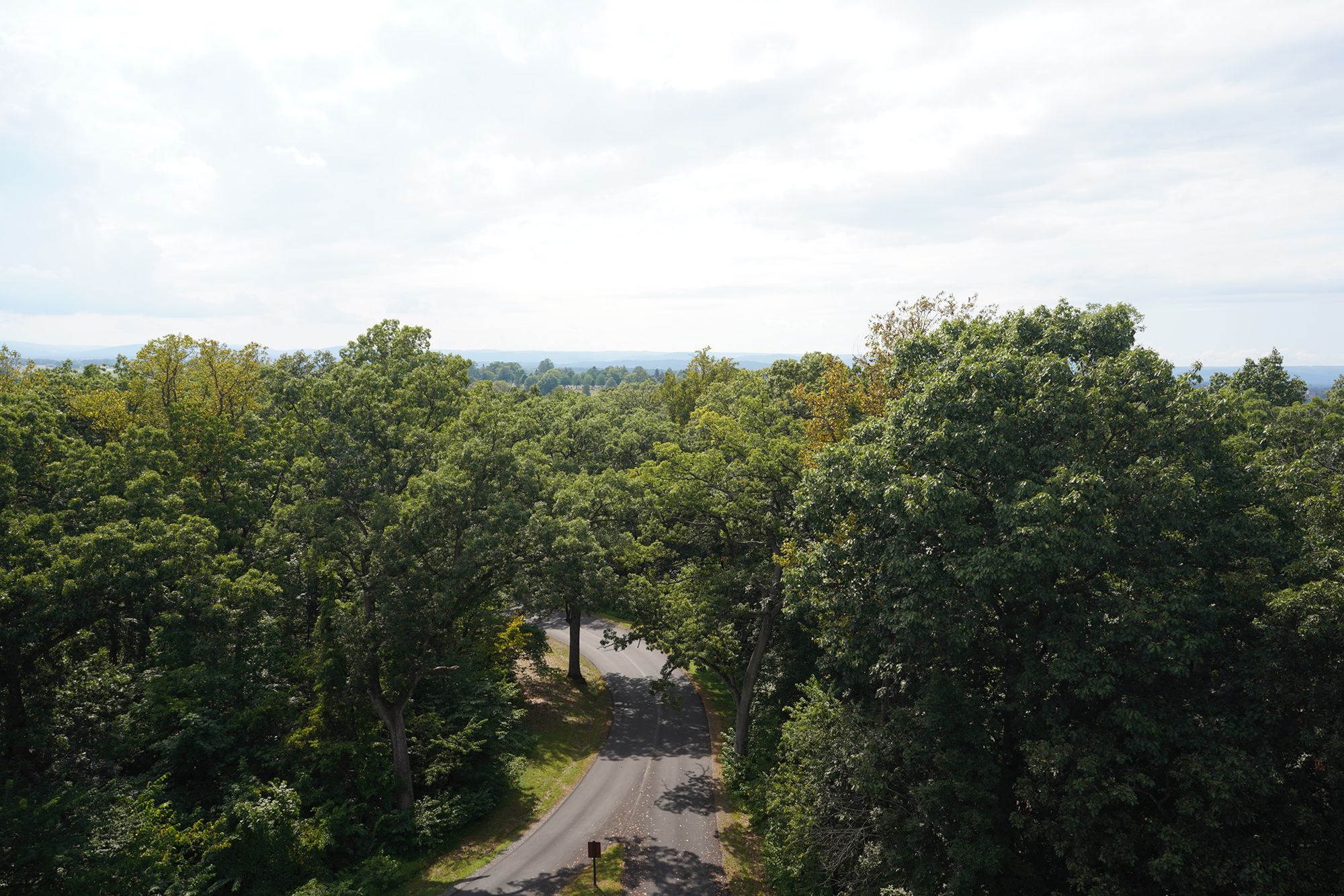
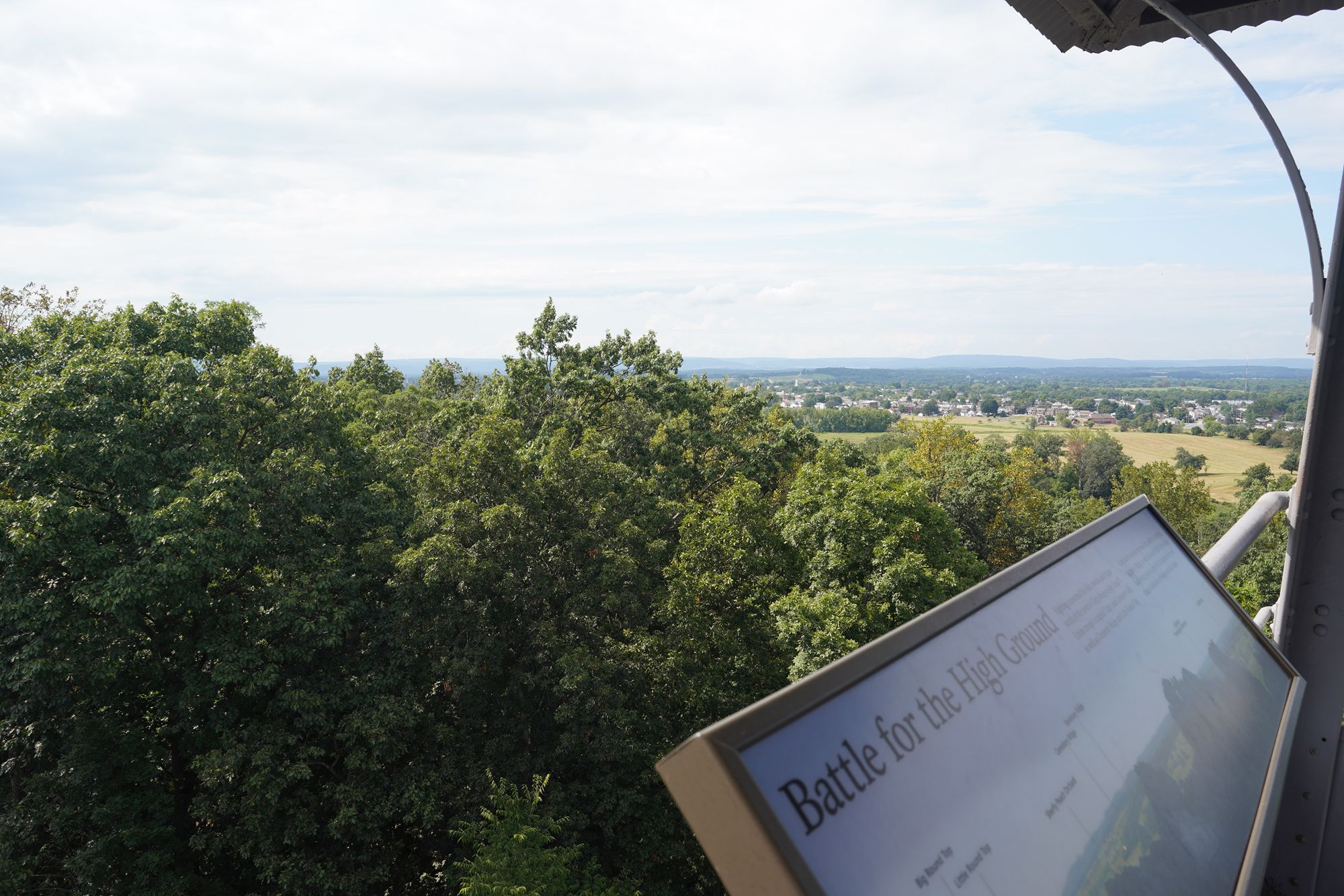
Another observation deck on the way to stop #14
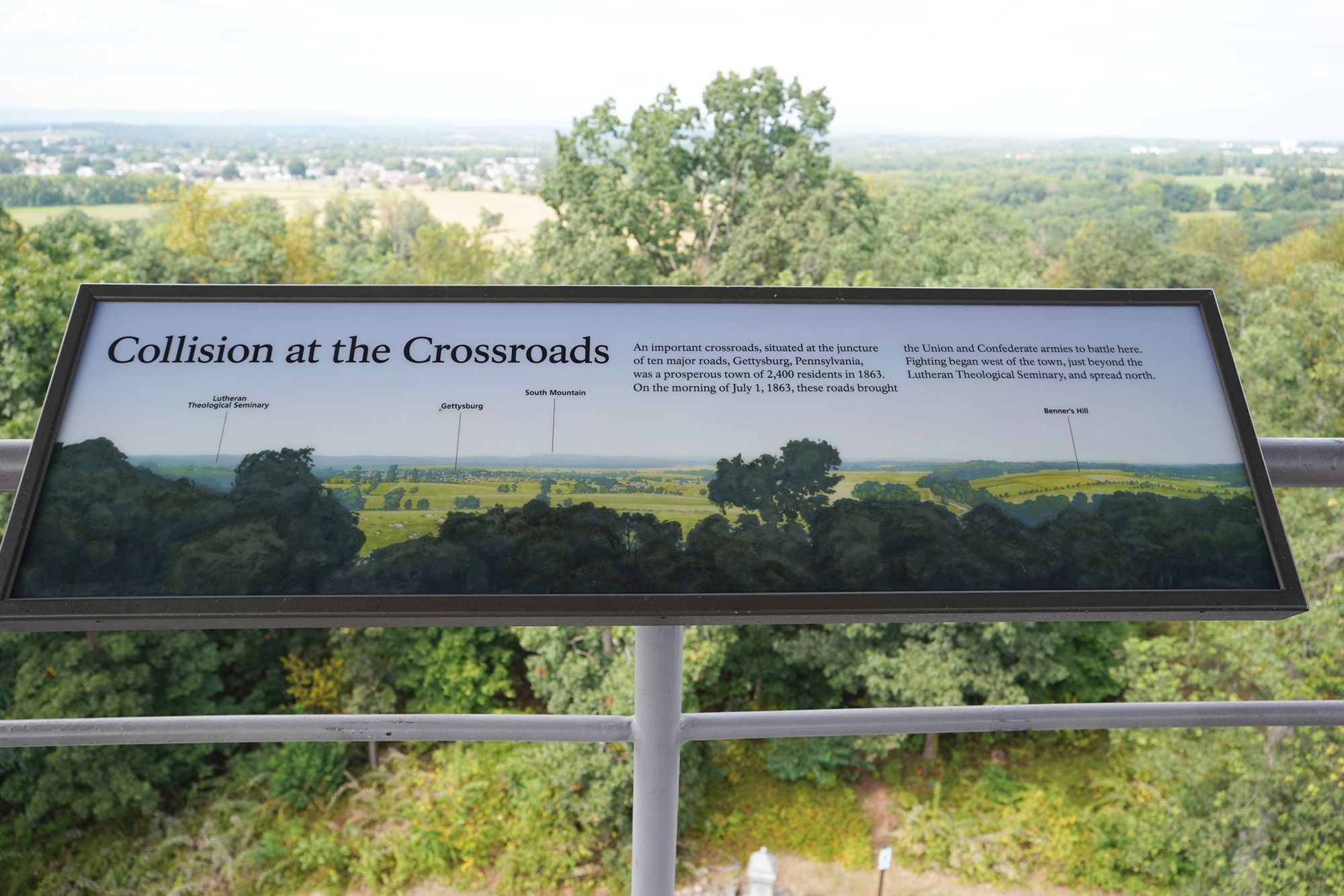
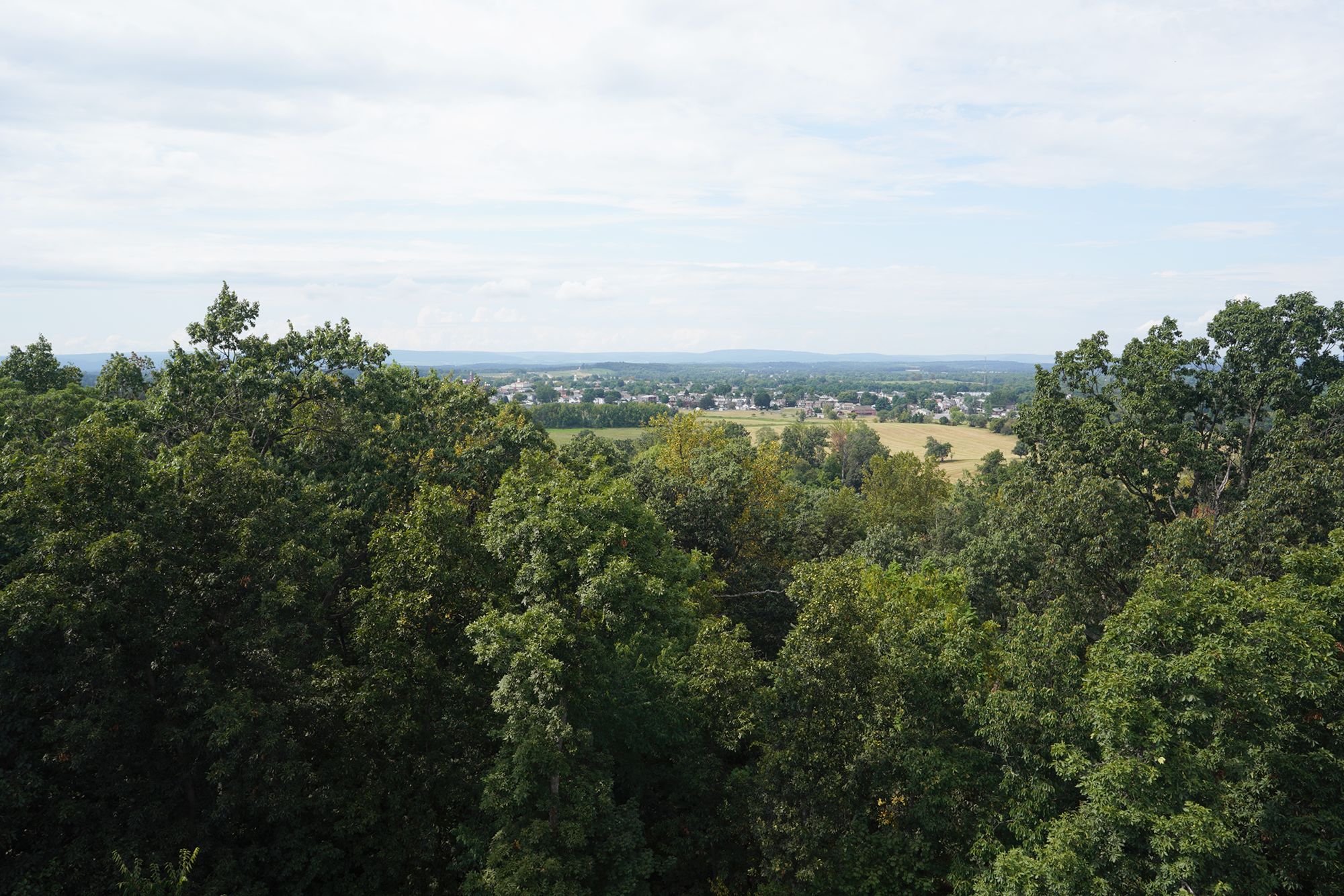
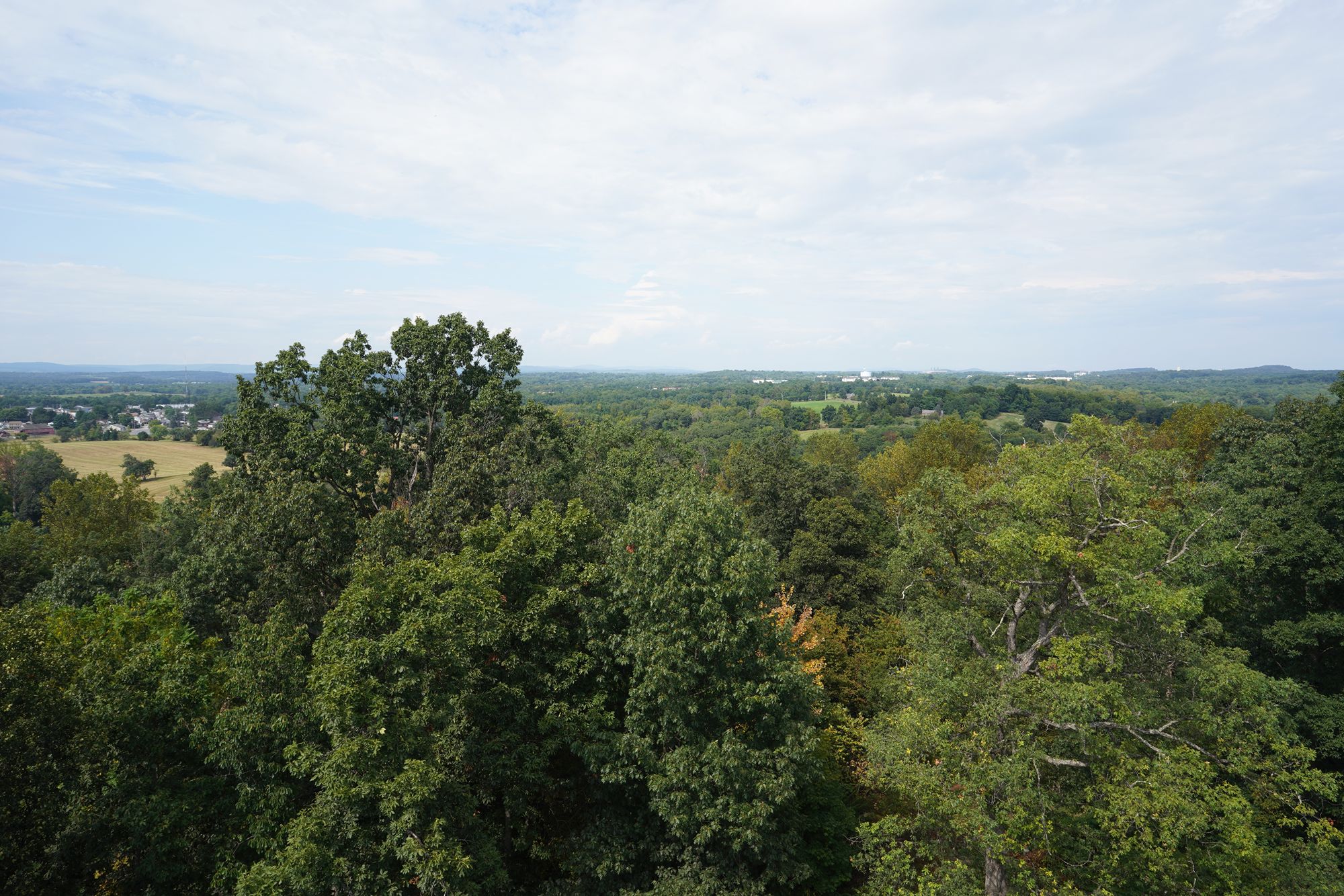
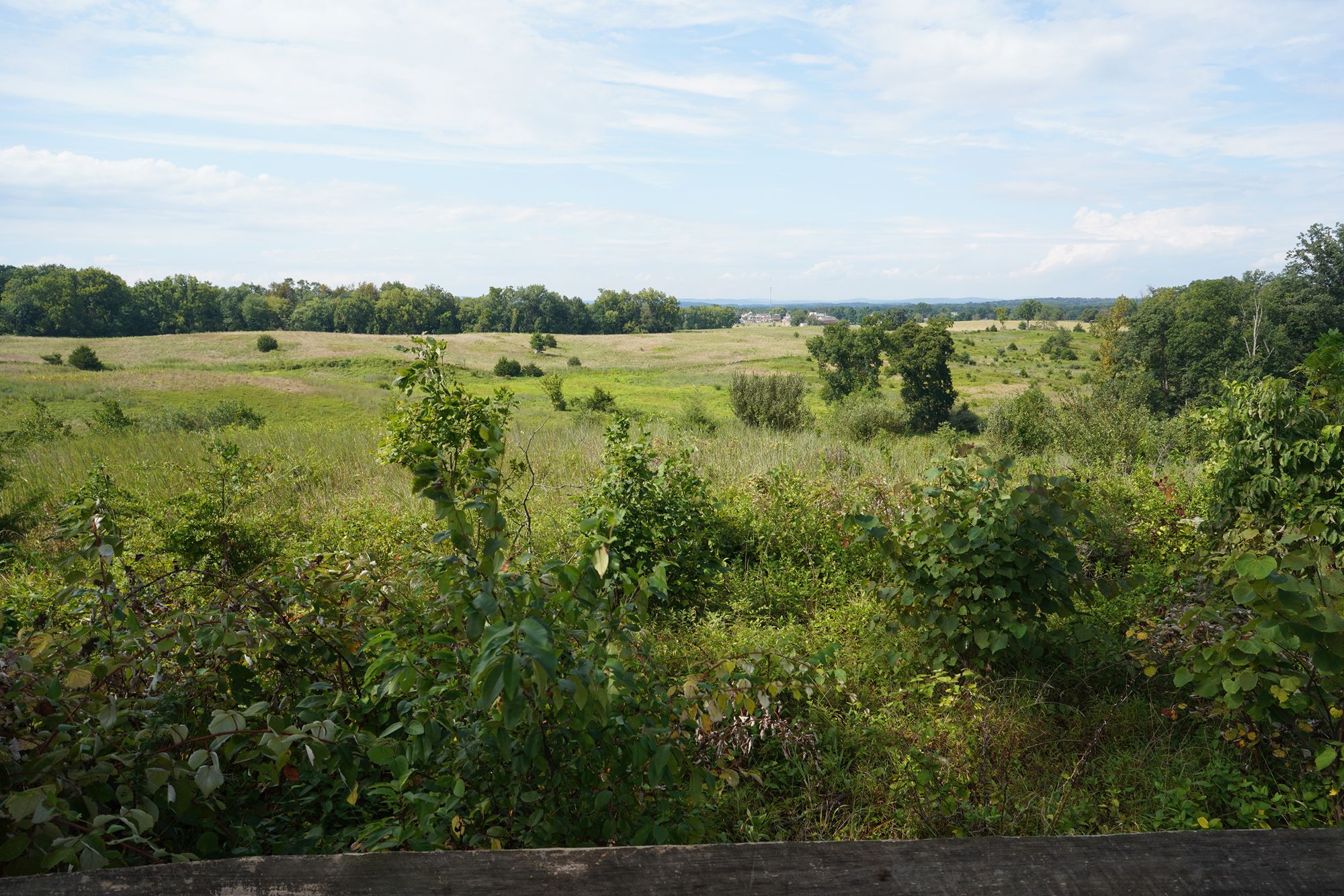
From the observation deck
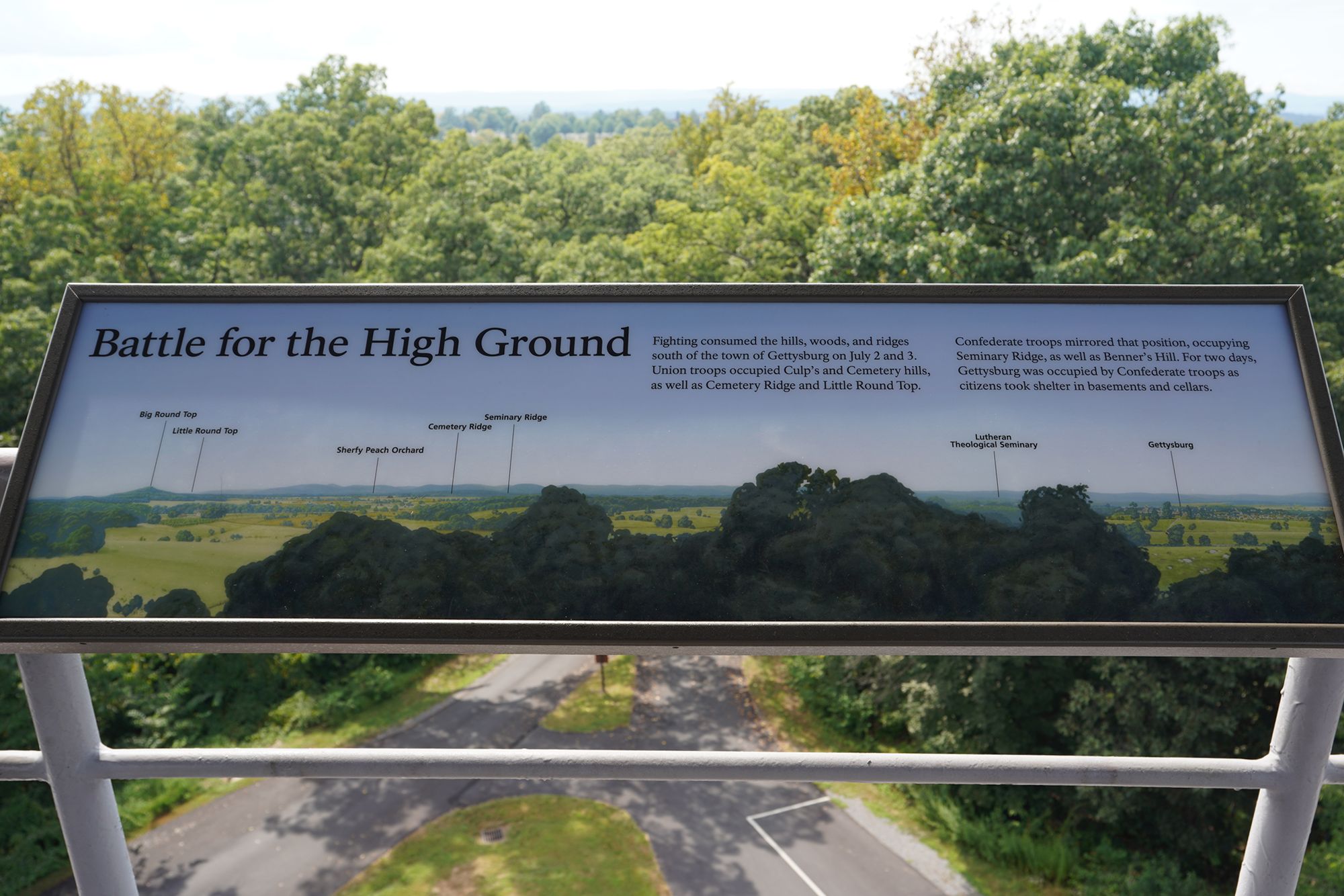
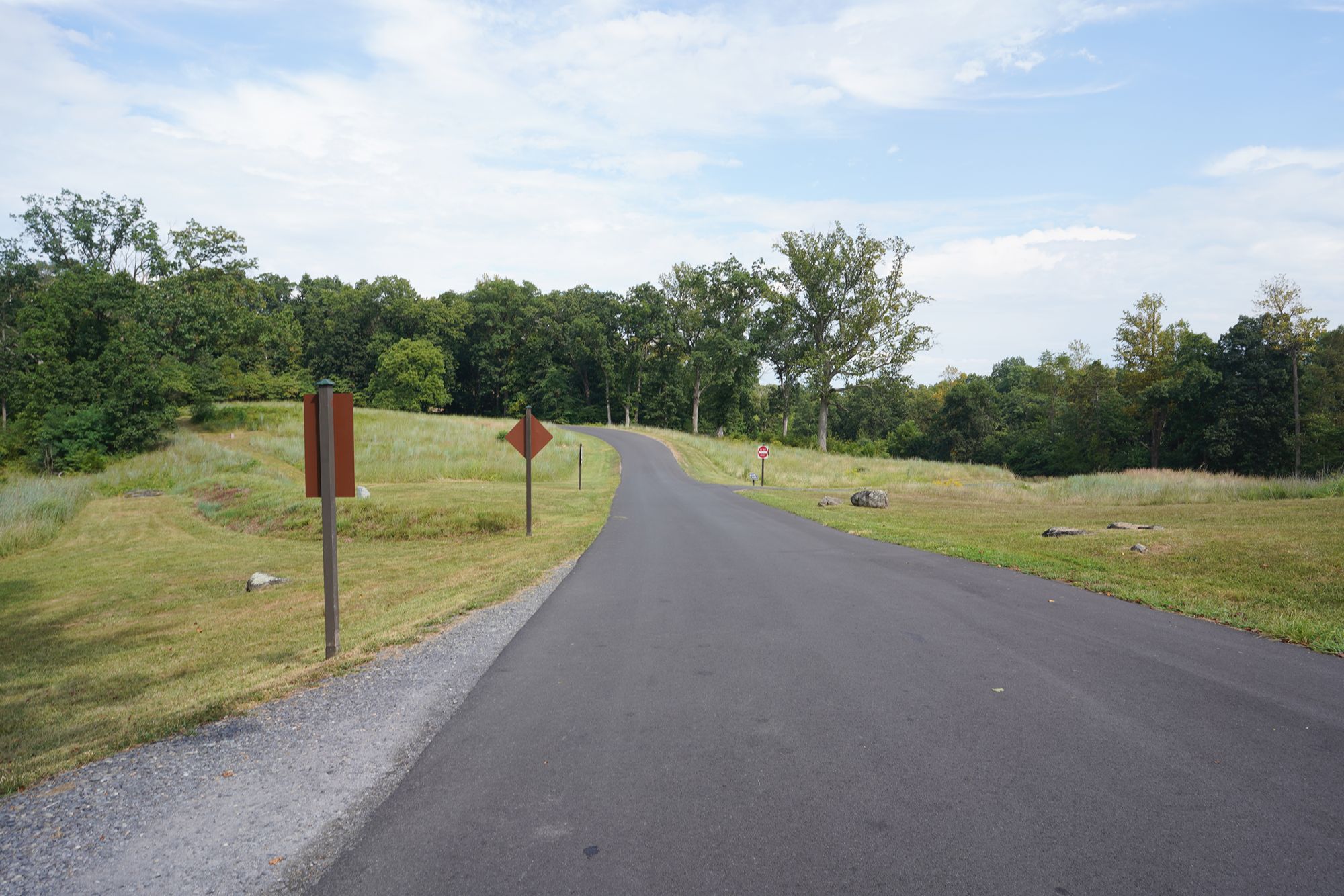
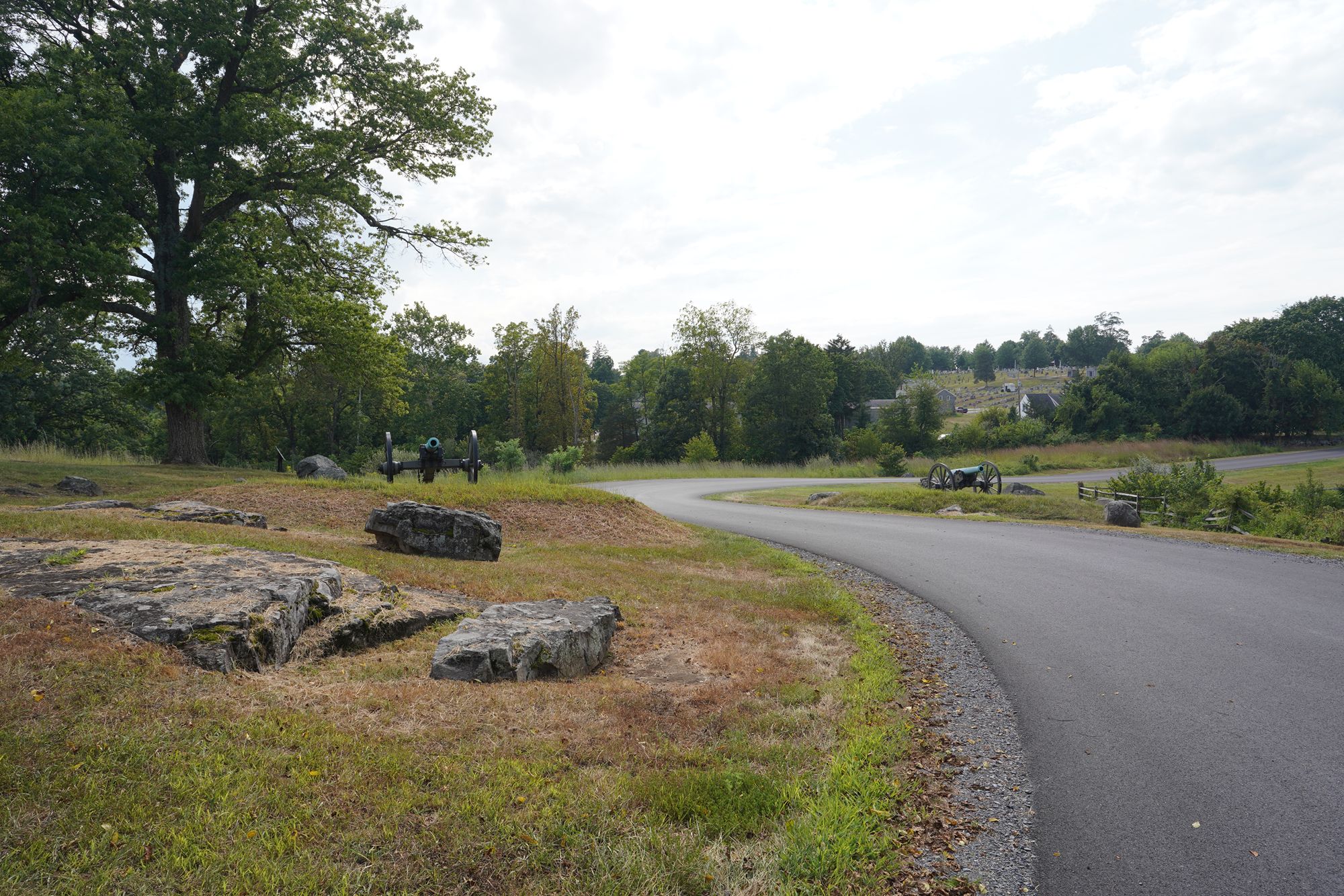
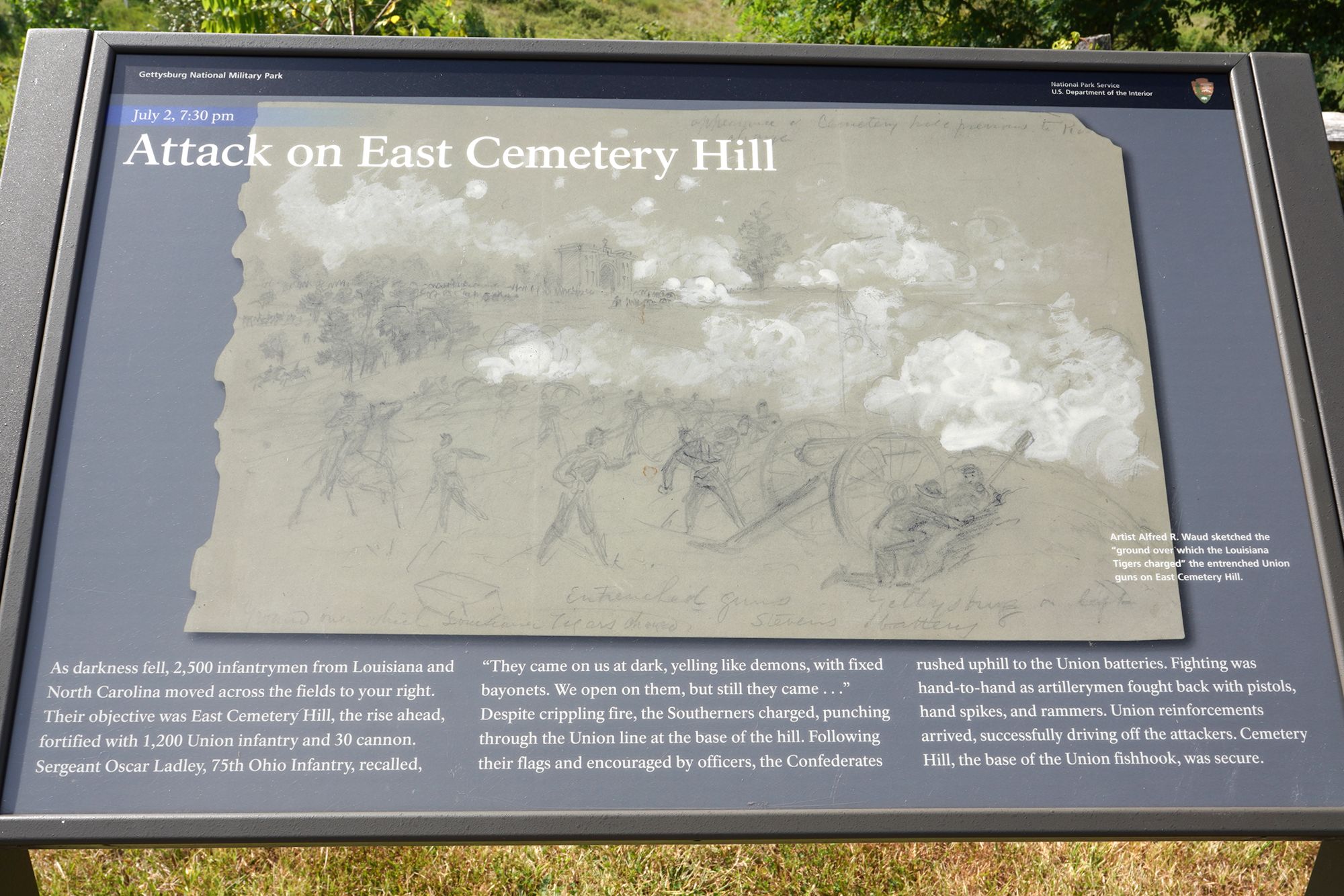
Stop #14: East Cemetery Hill. At dusk, Union forces repelled a Confederate assault that reached the crest of this hill.
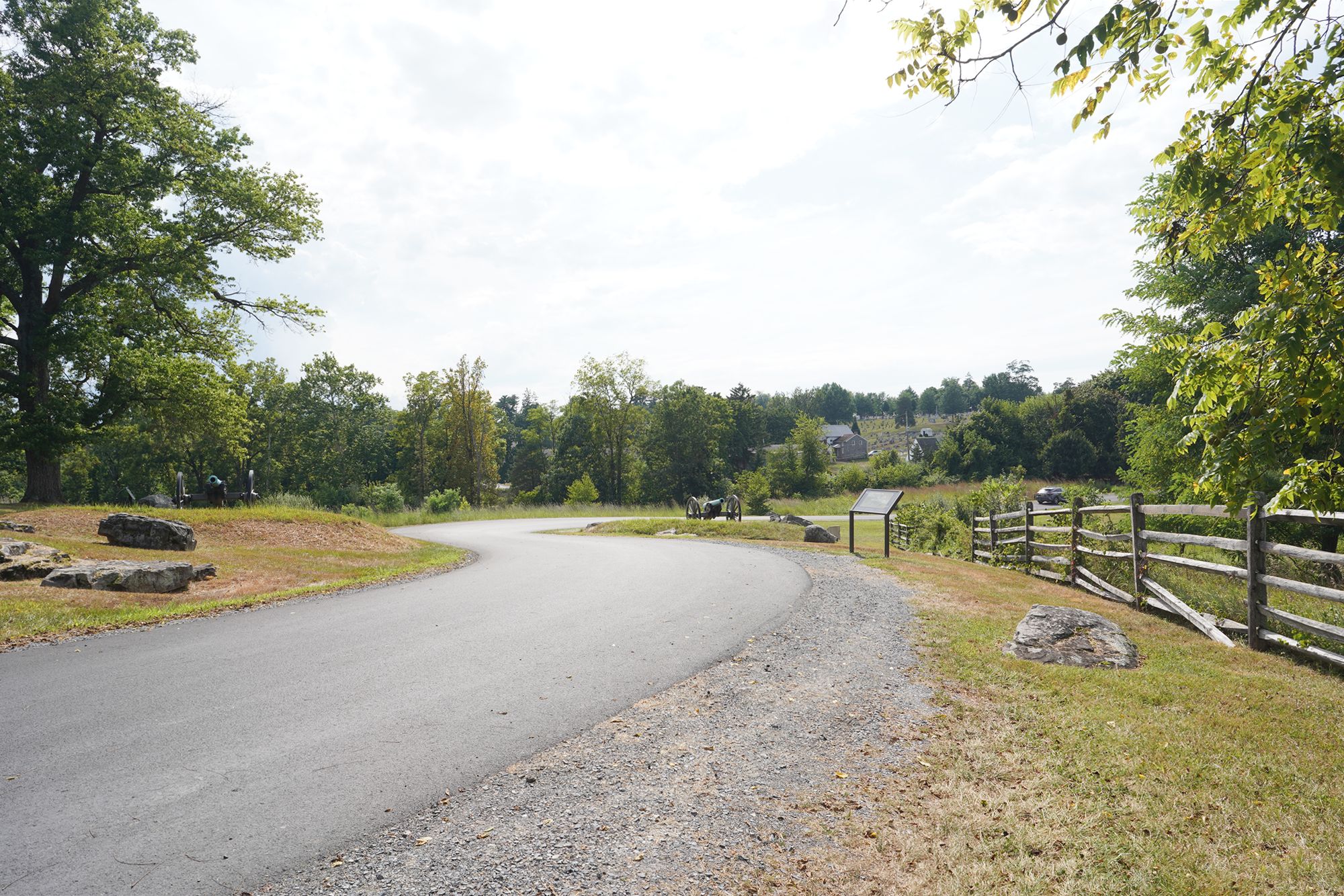
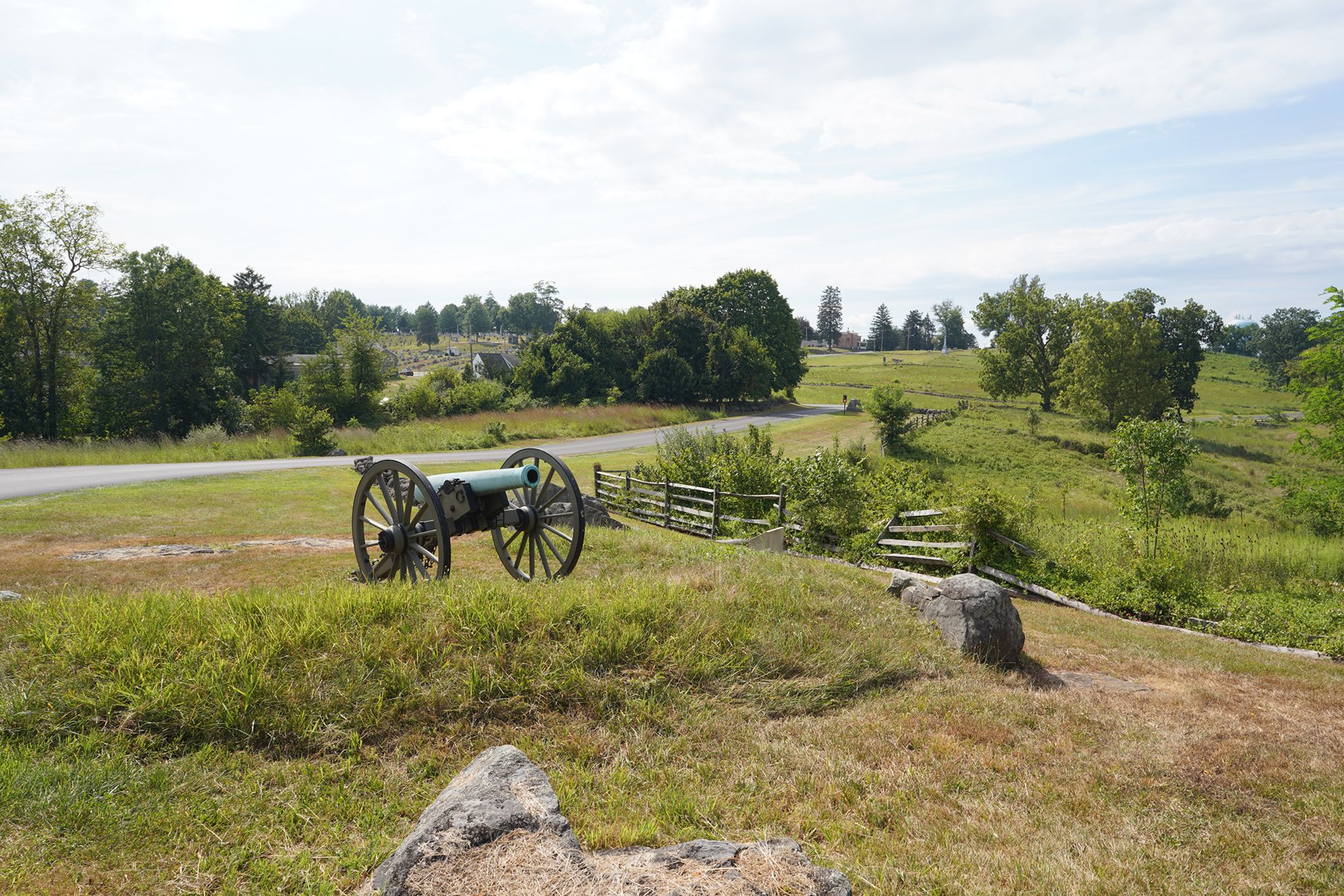
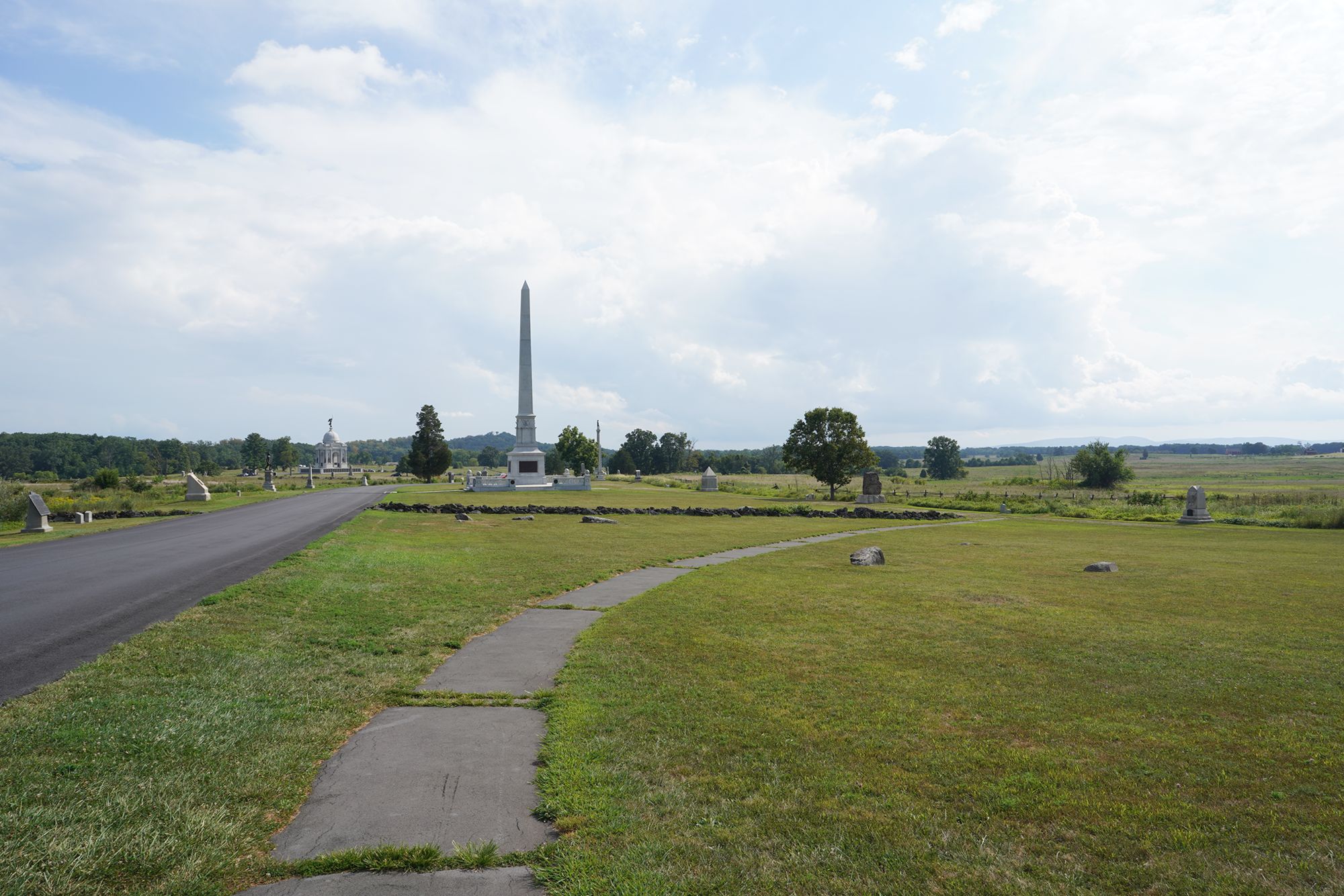
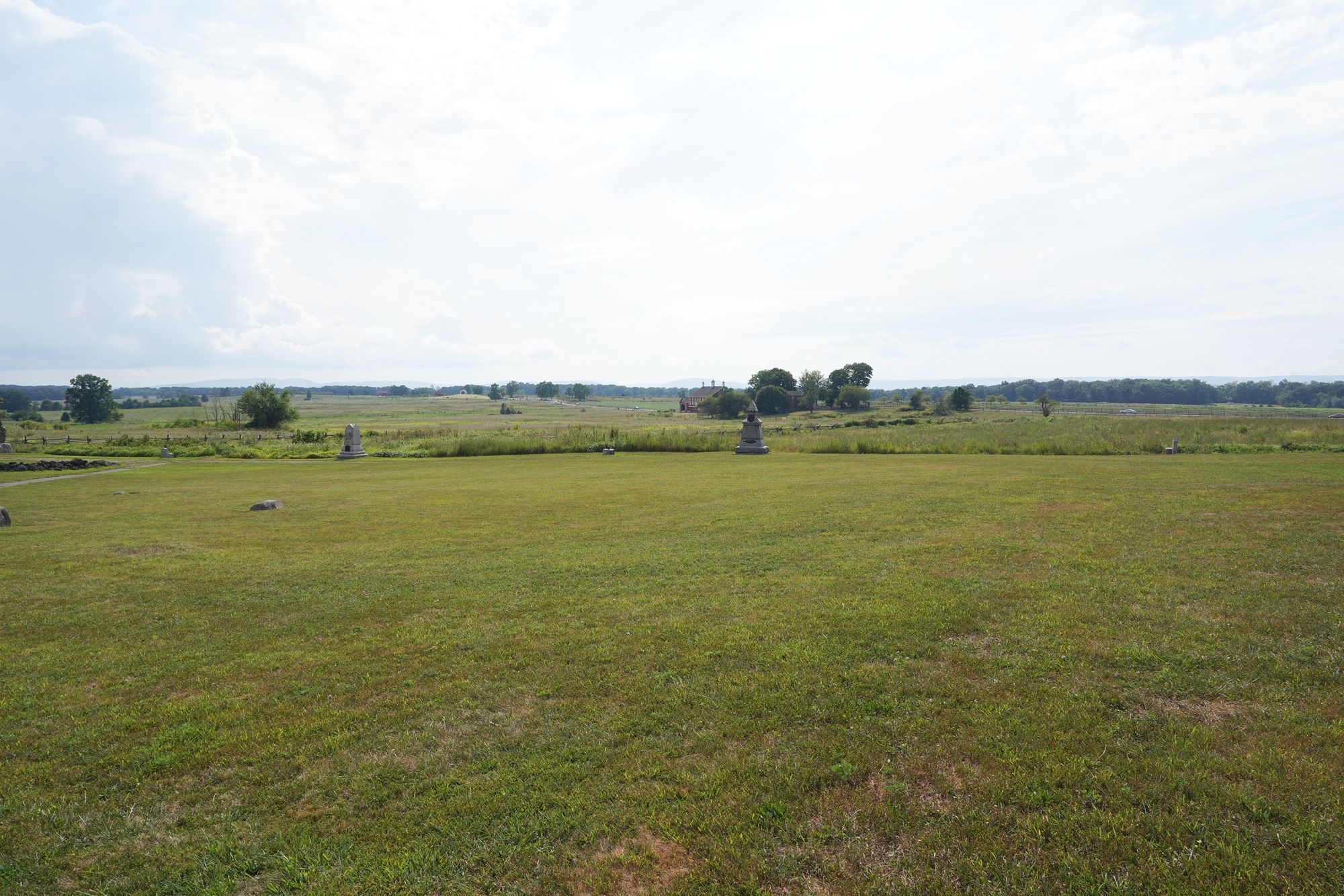
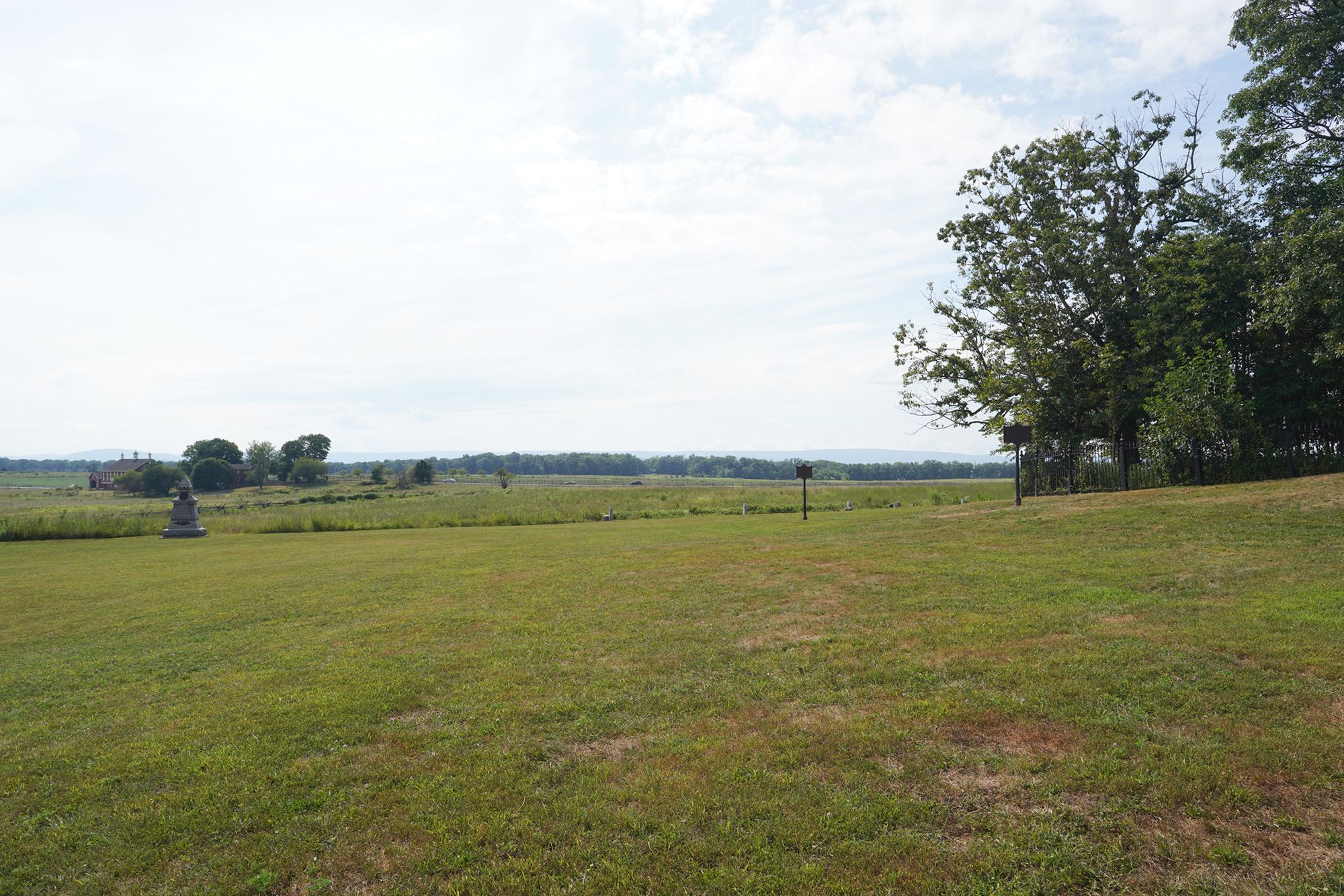
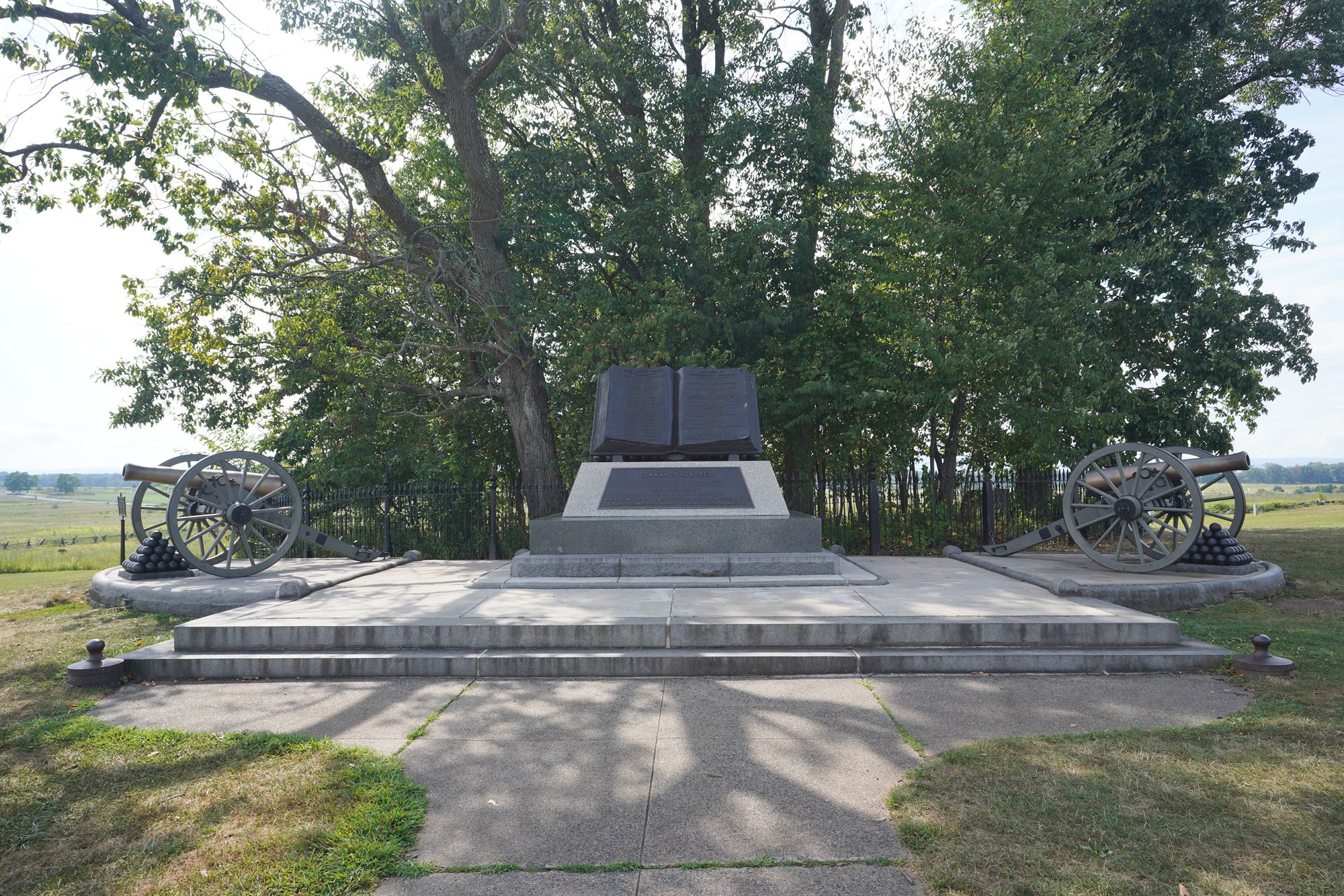
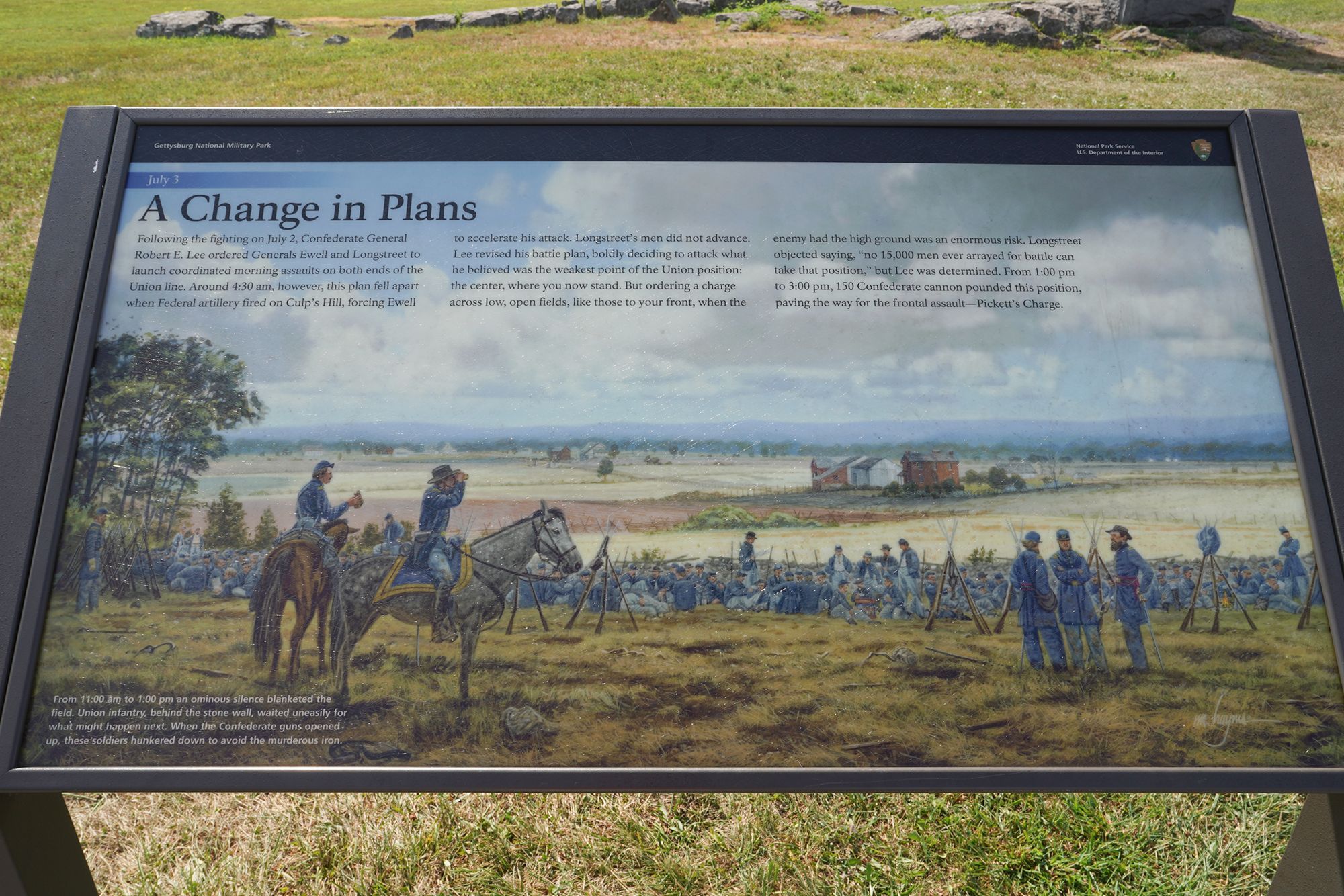
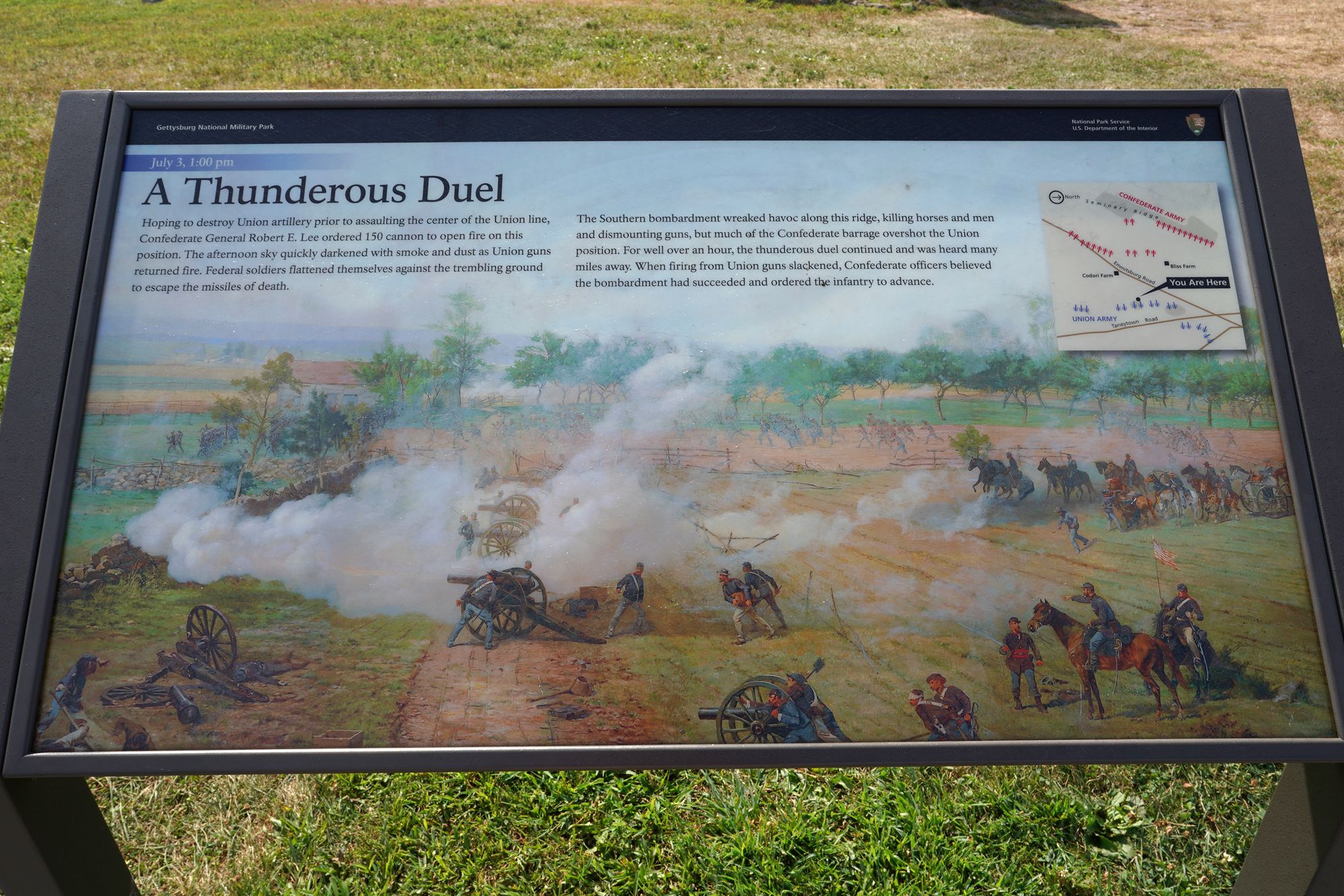
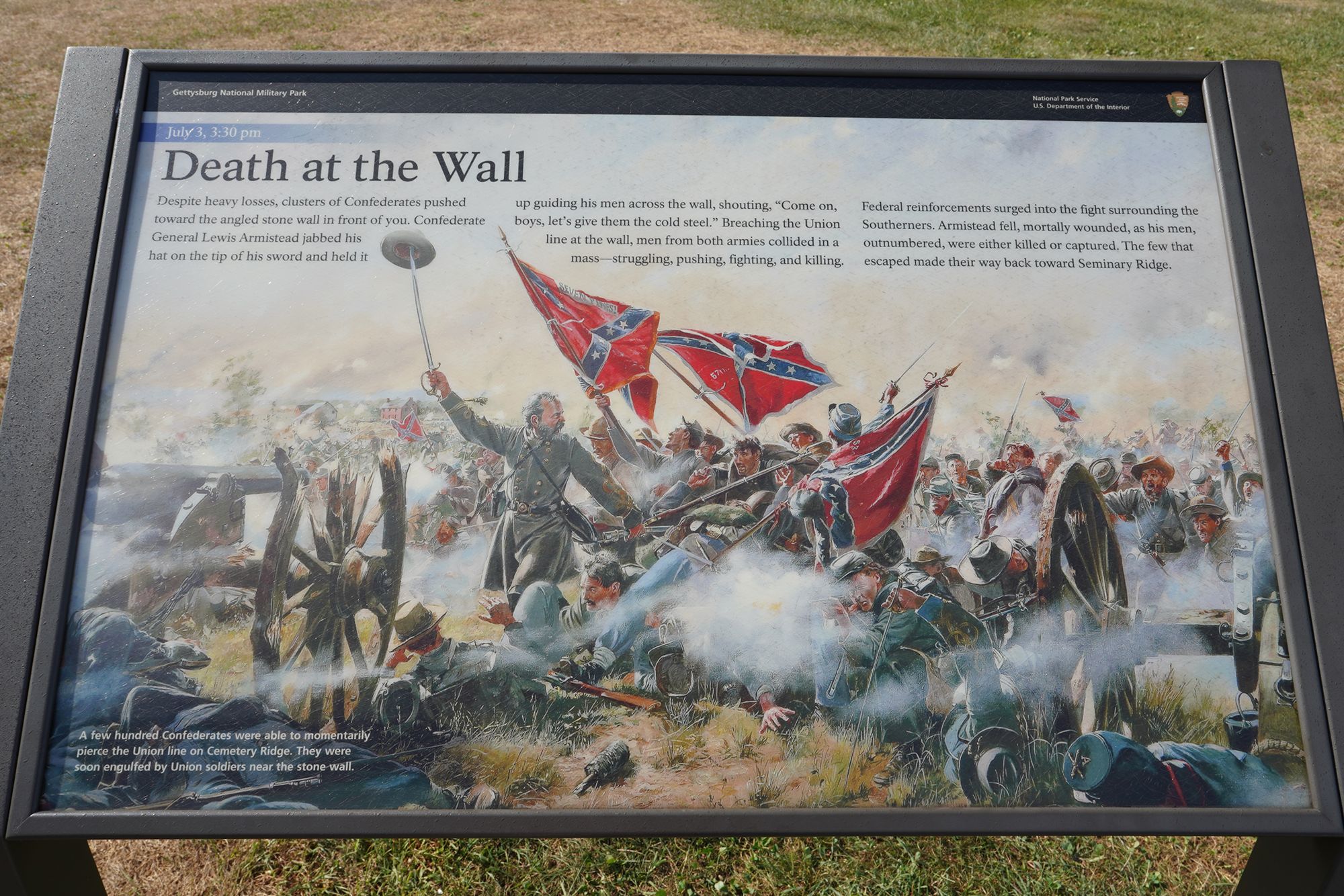
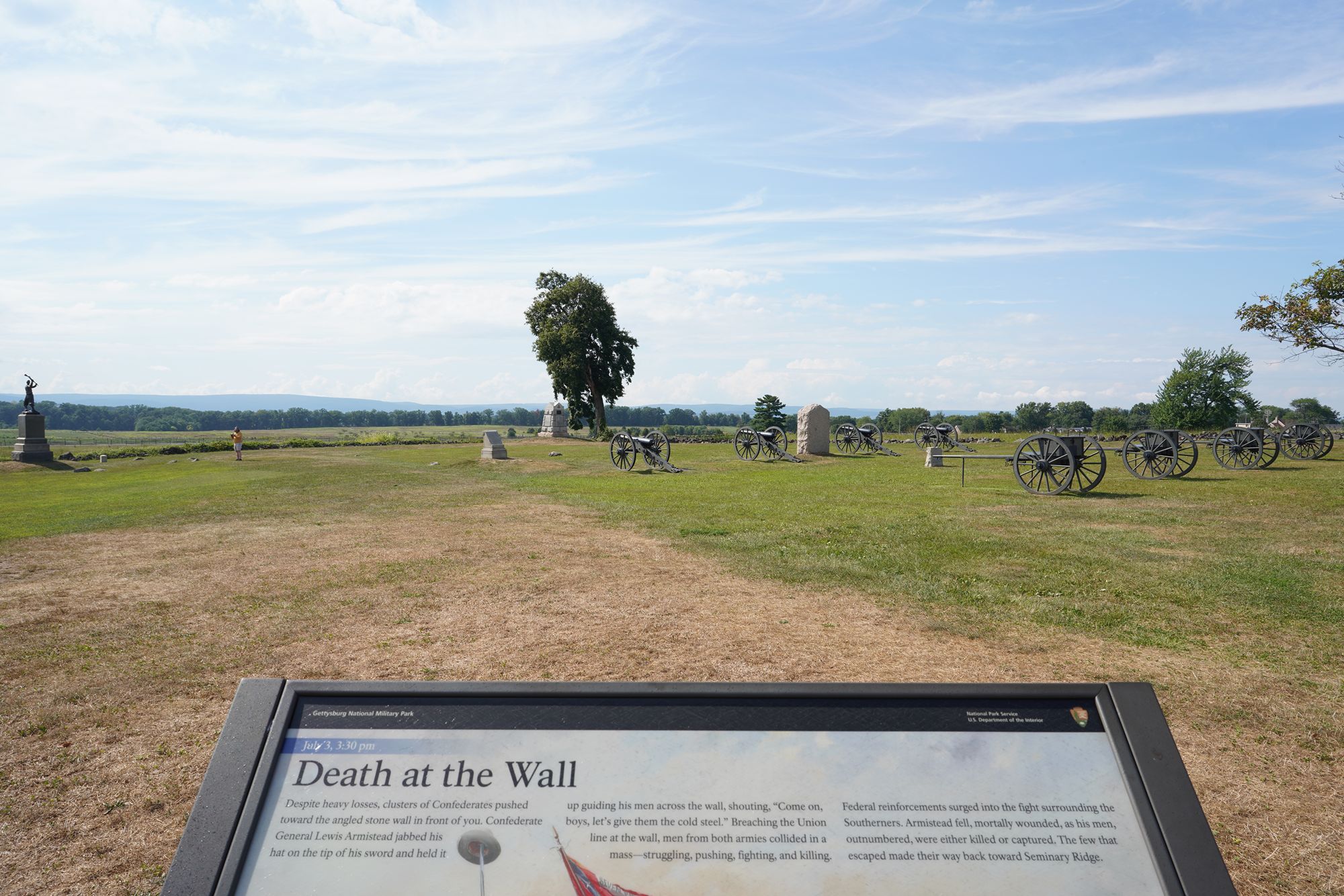
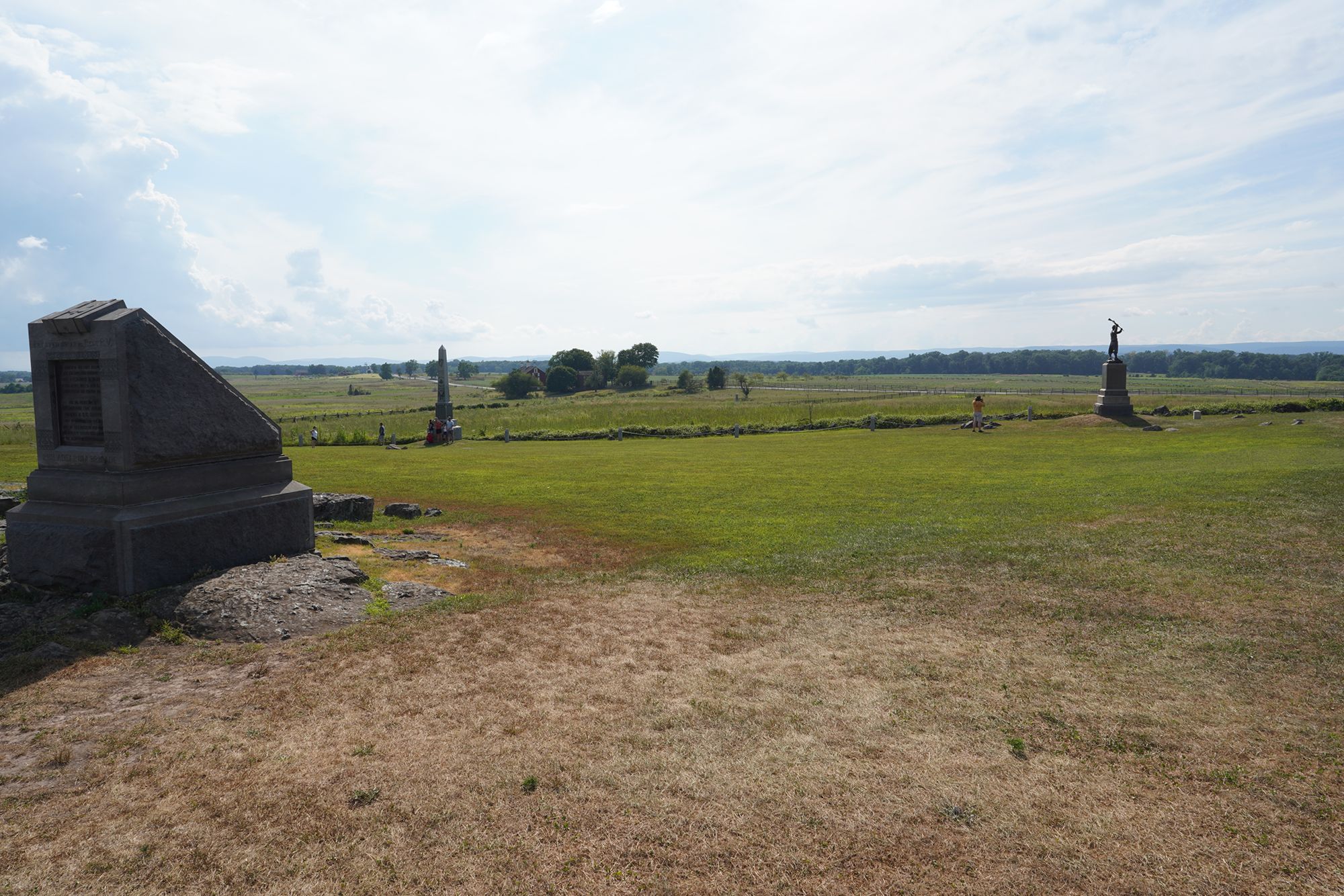
Stop #15: High Water Mark. Late in the afternoon, after a two-hour cannonade, some 7,000 Union soldiers posted around the Copse of Trees, The Angle, and the Brian Barn, repulsed the bulk of the 12,000-man “Pickett’s Charge” against the Federal center. This was the climactic moment of the battle. On July 4, Lee’s army began retreating.
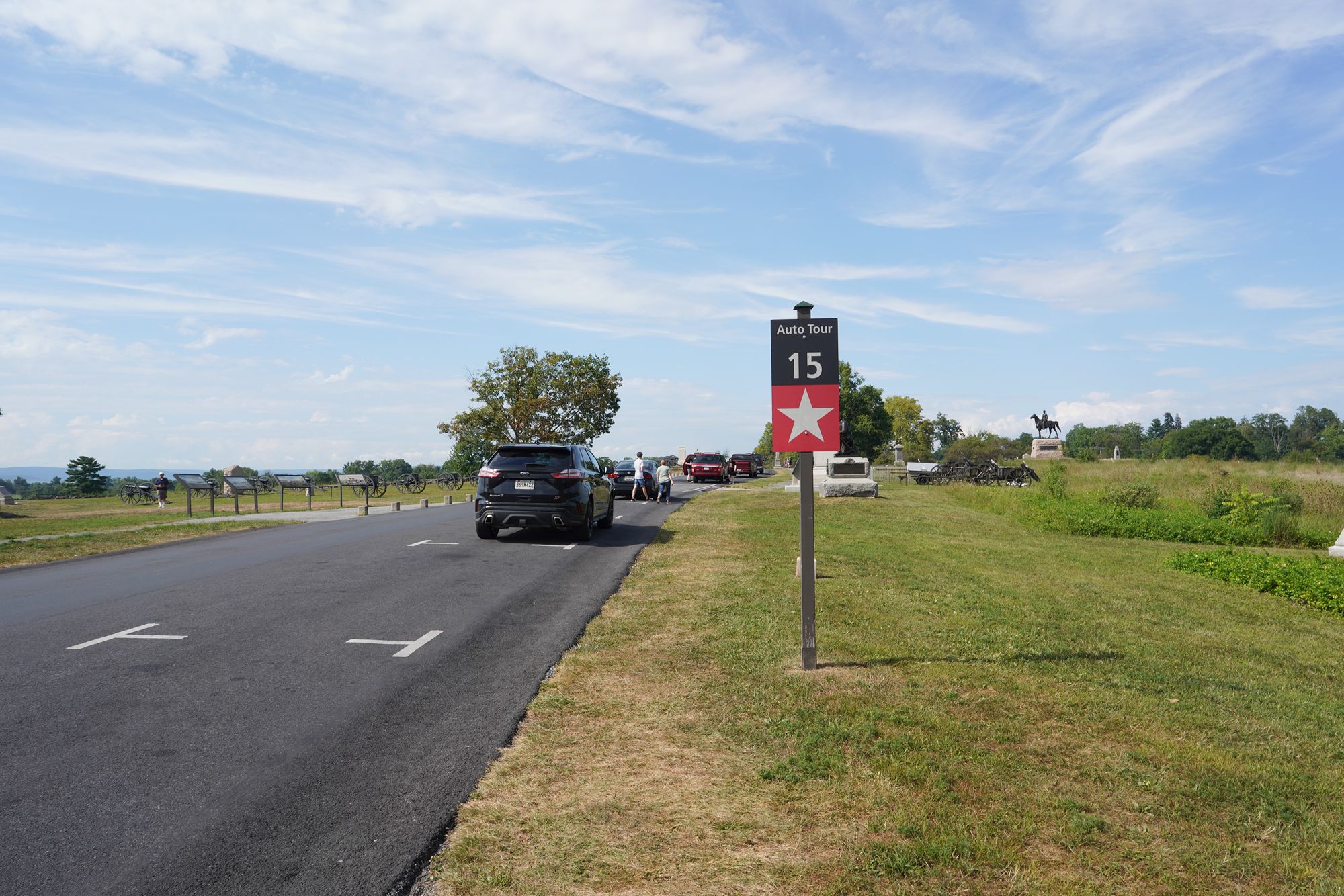
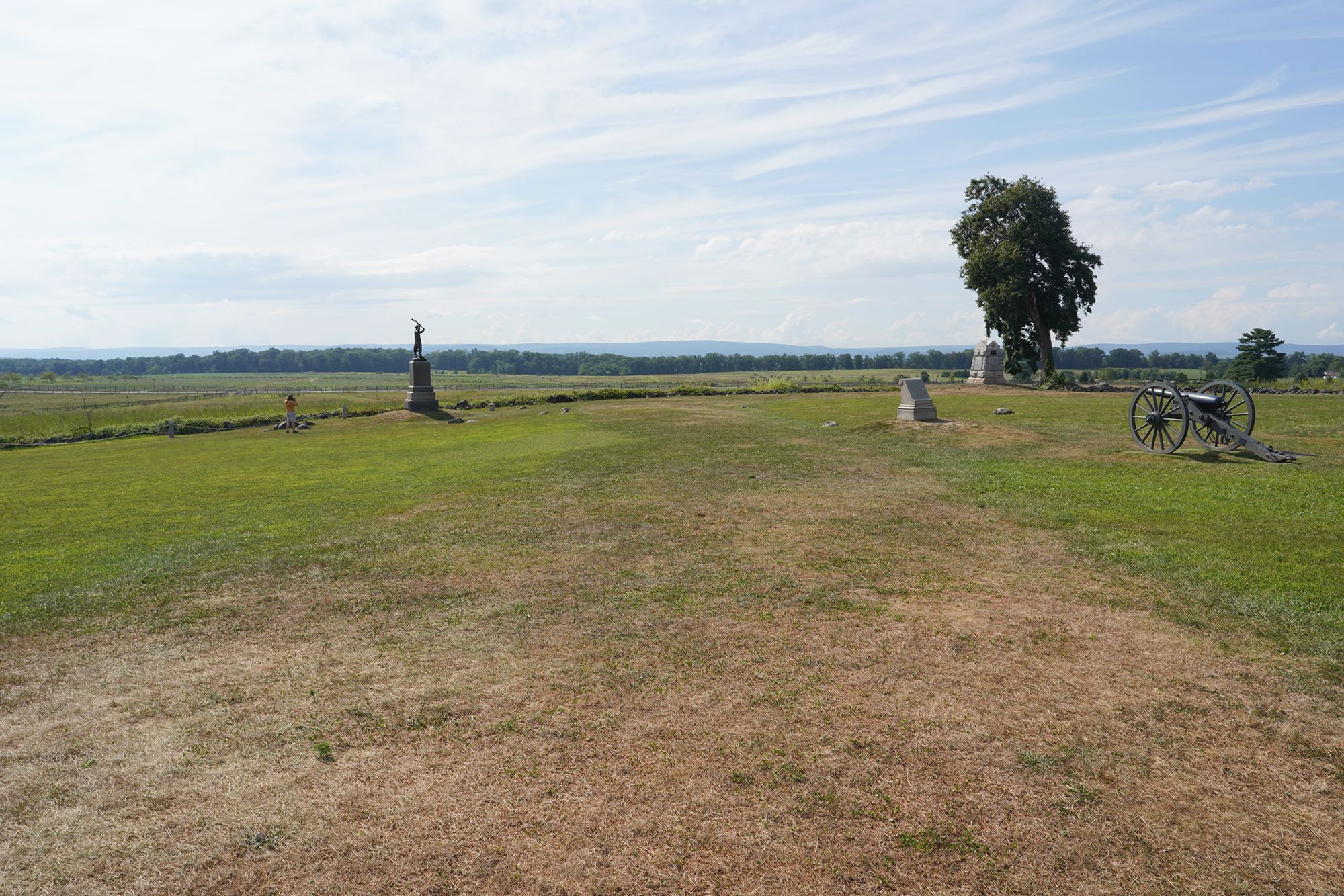
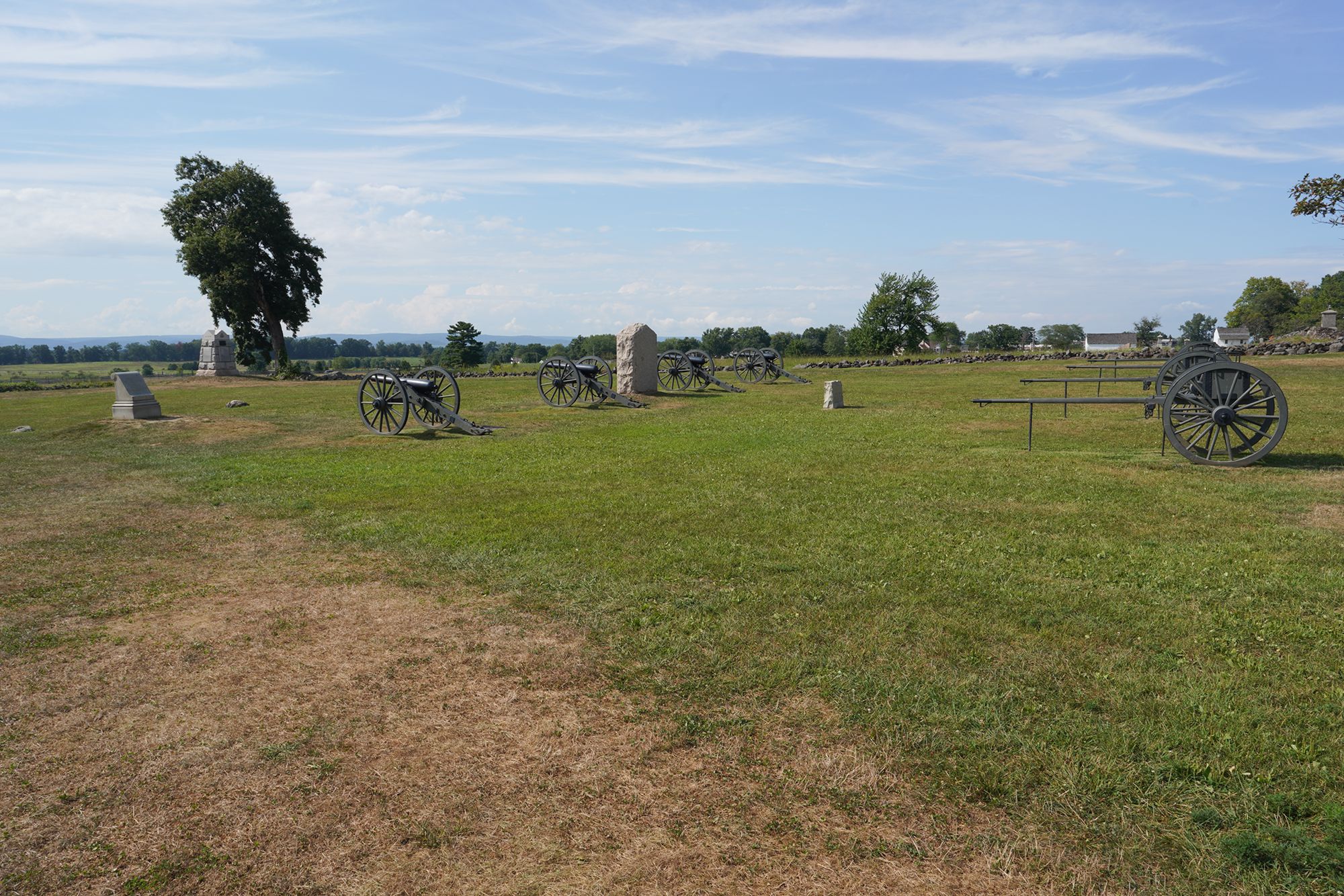
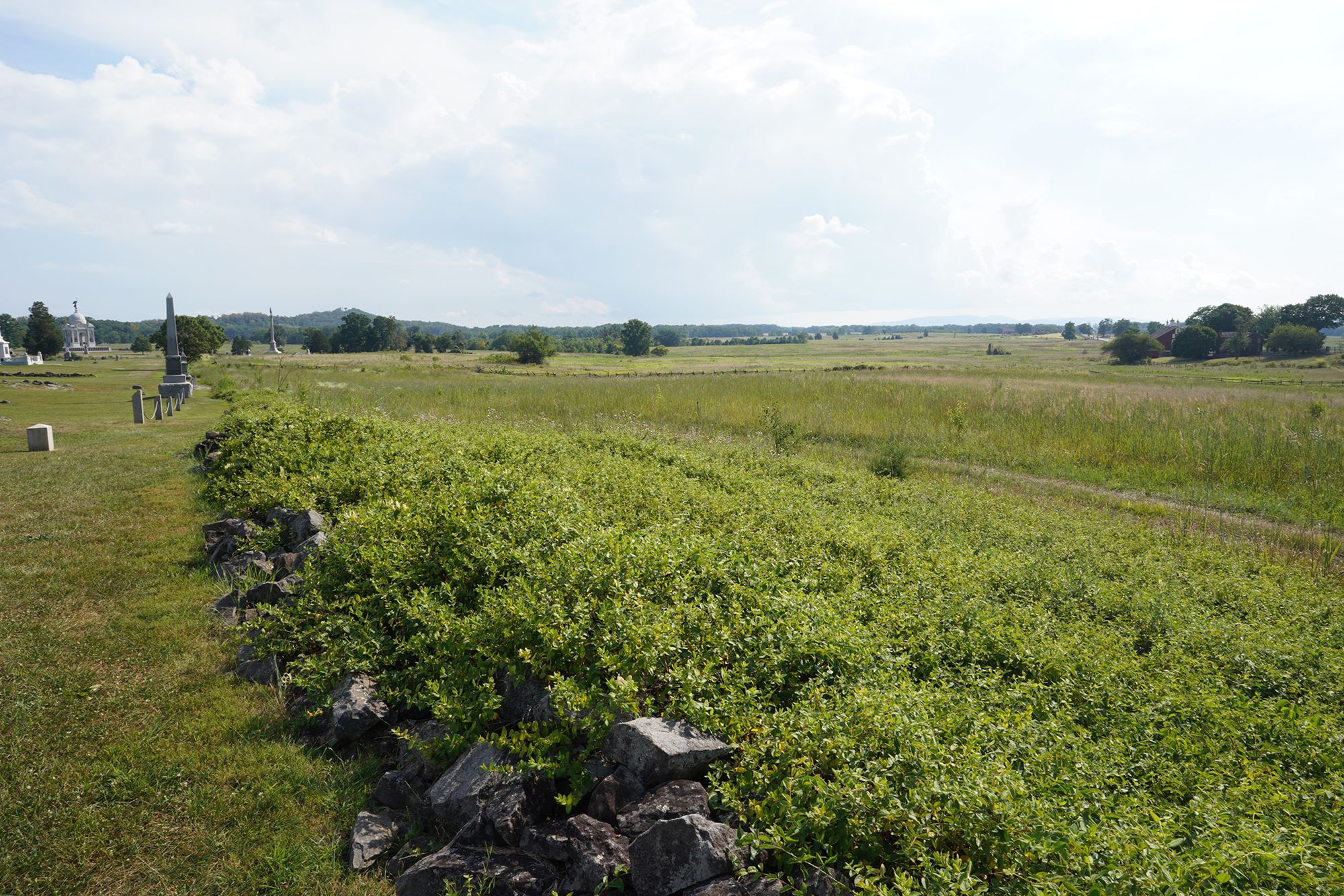
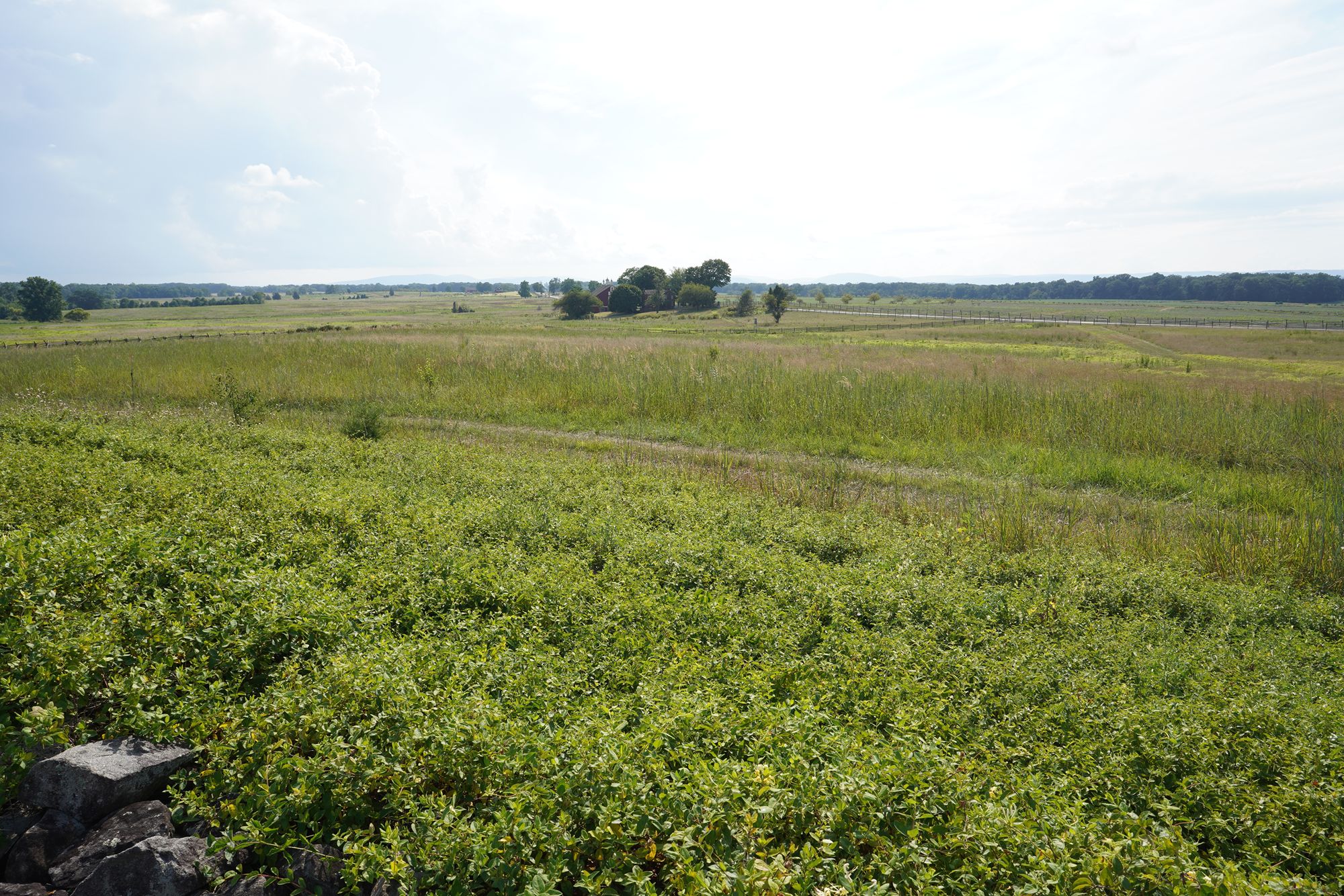
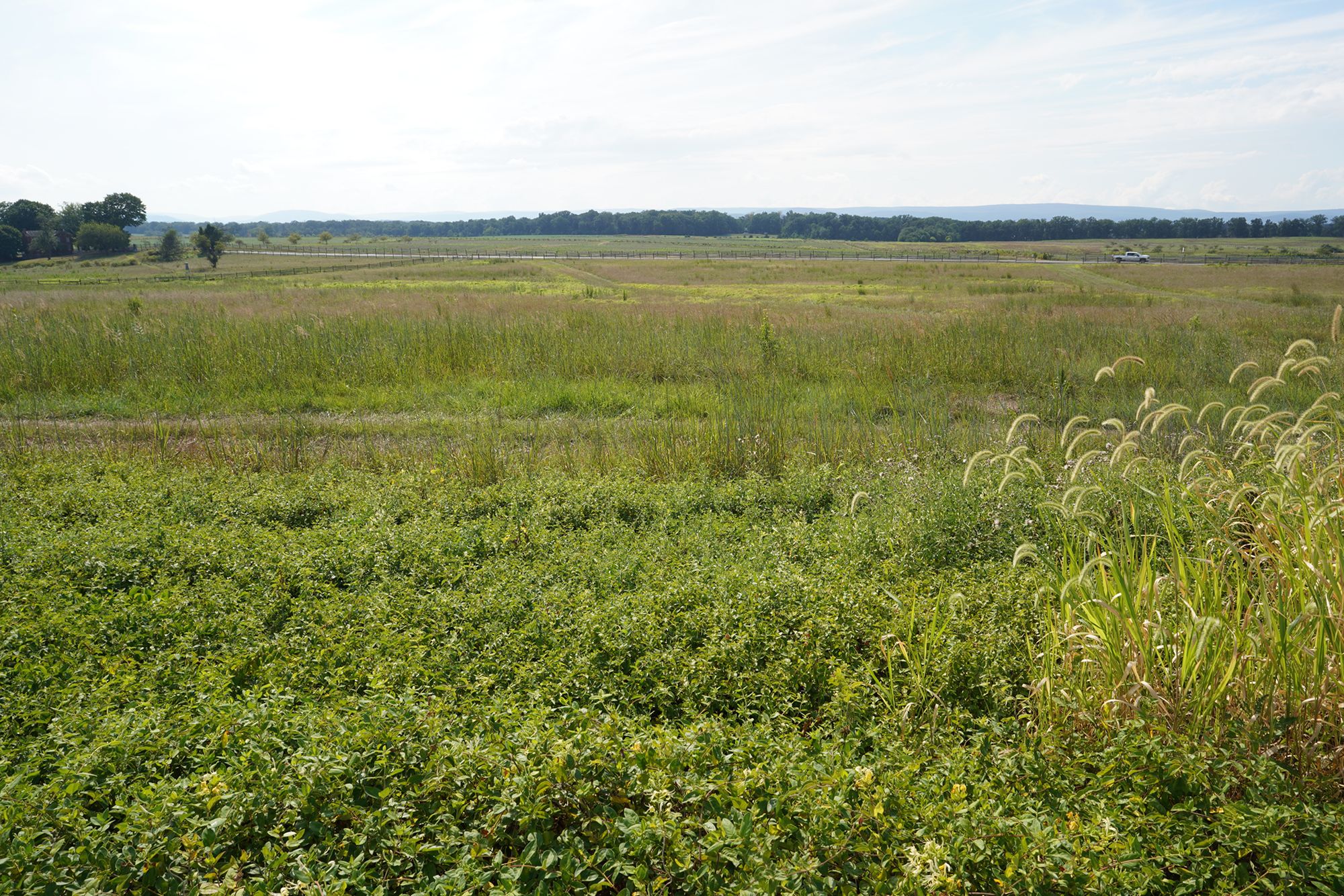
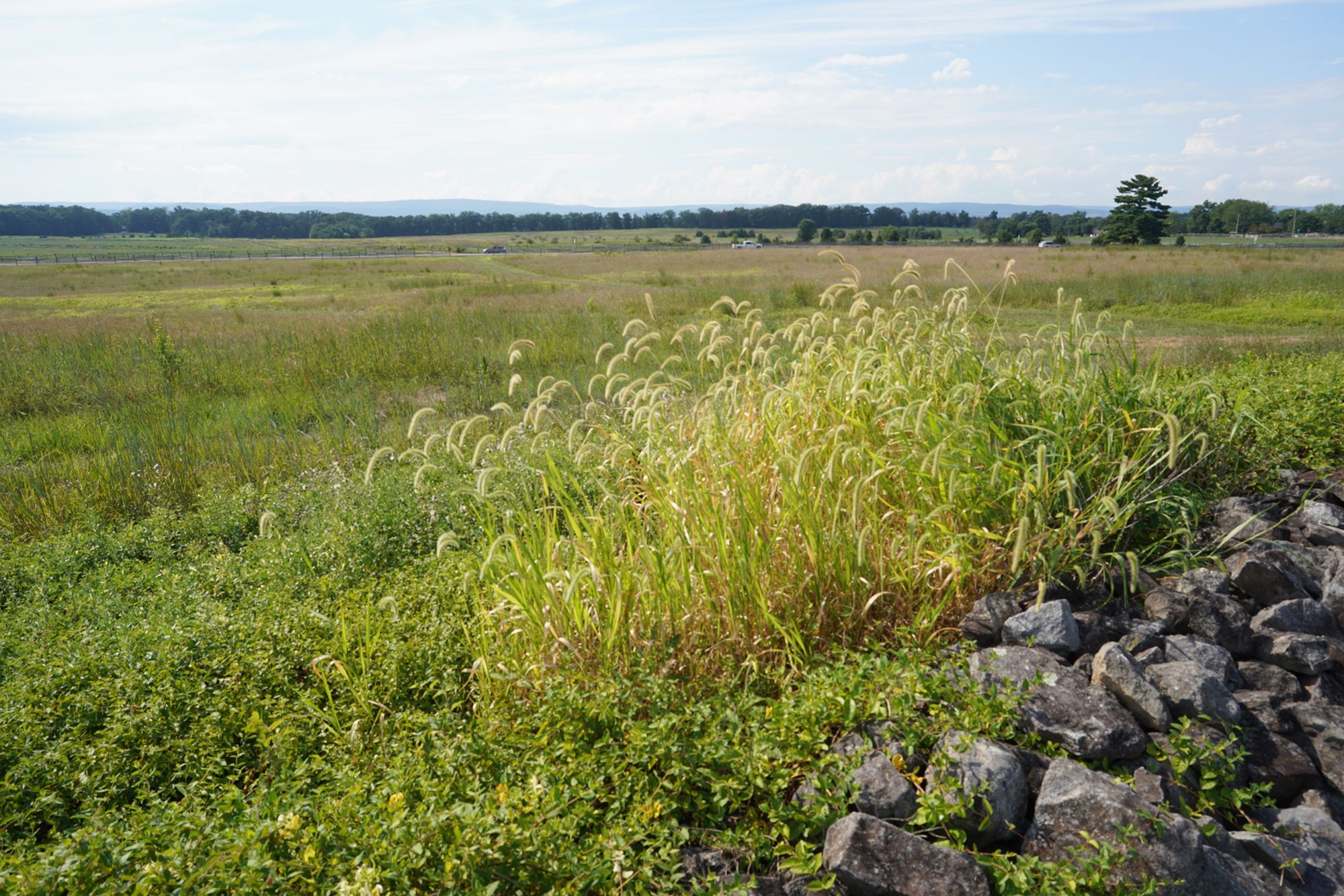
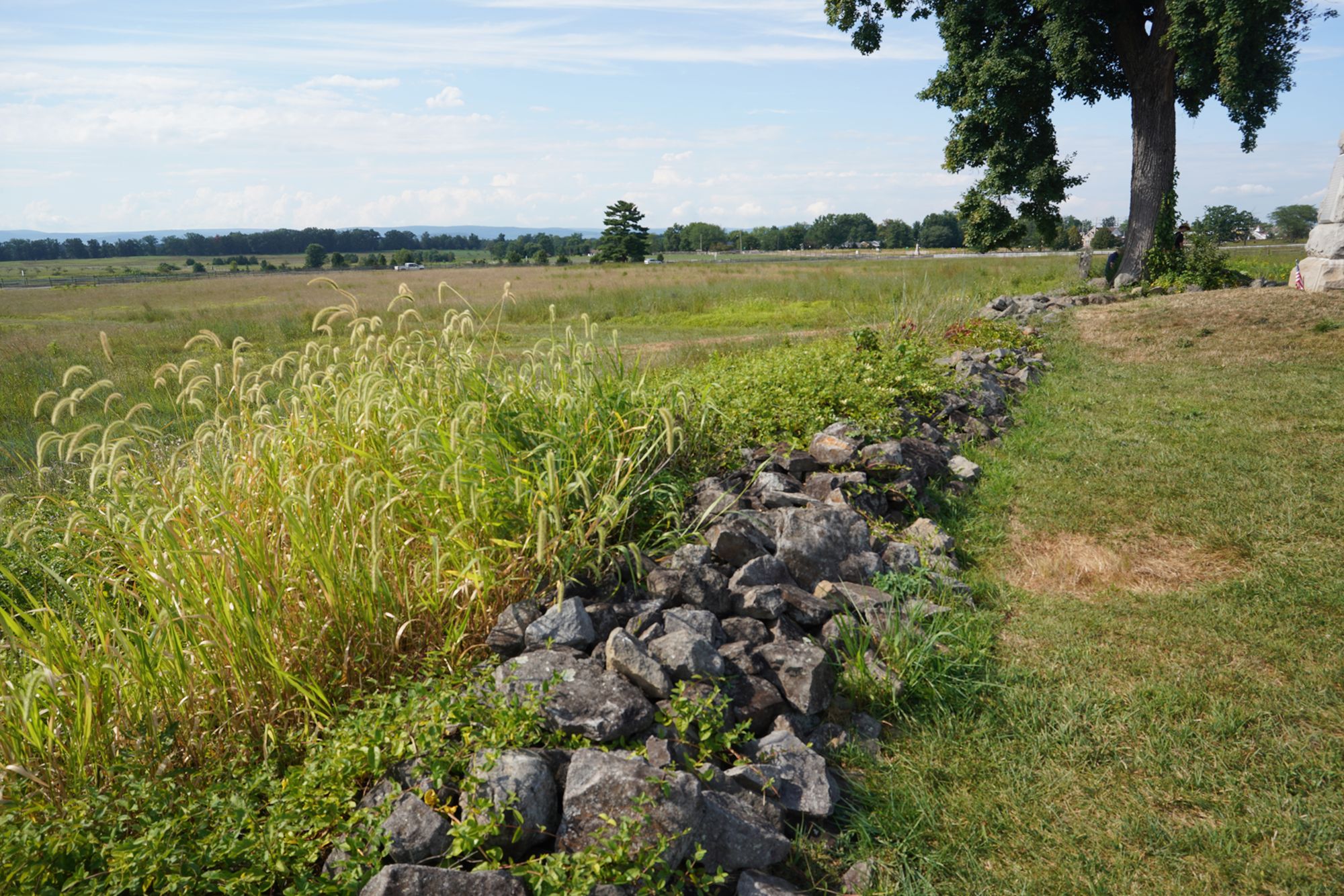
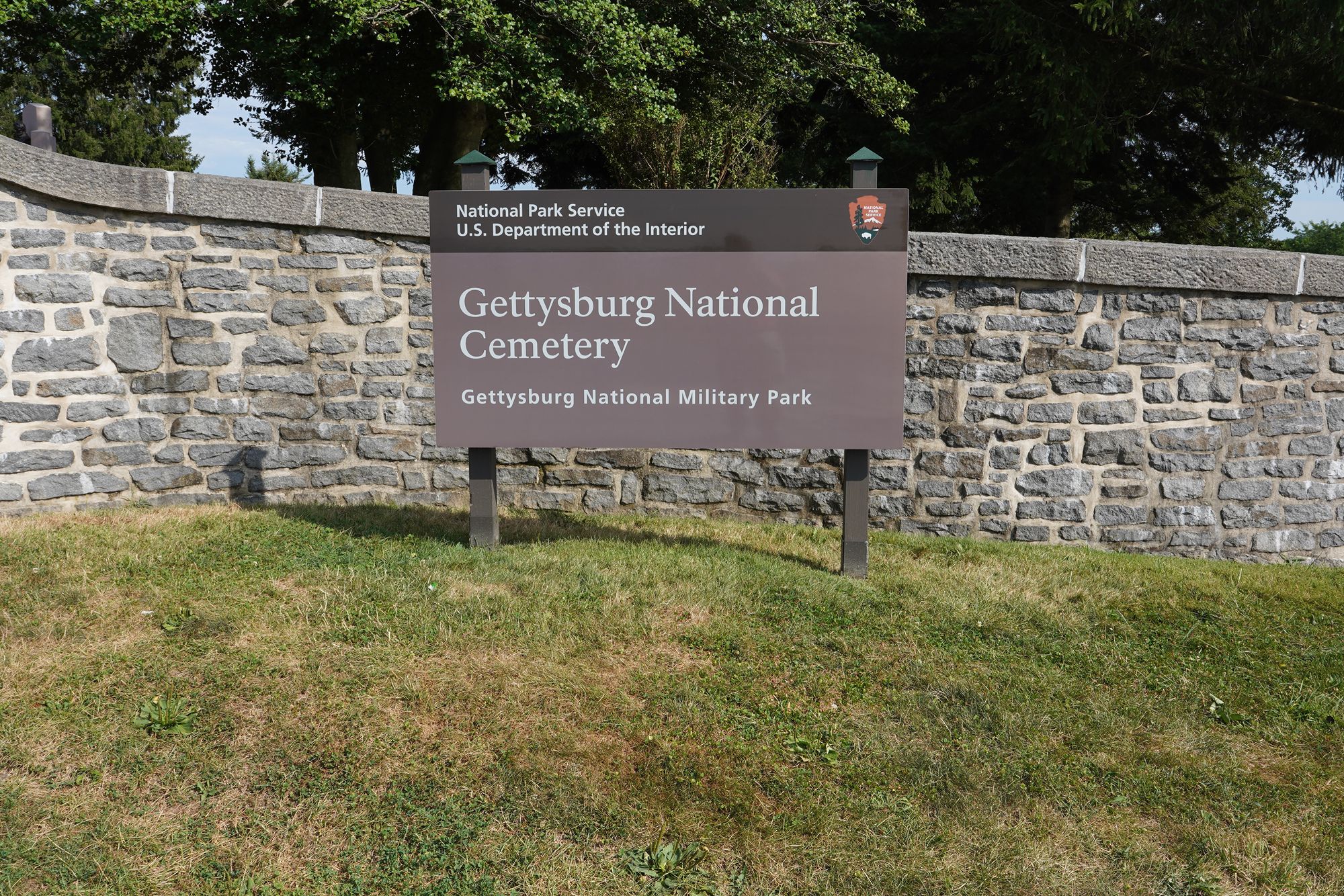
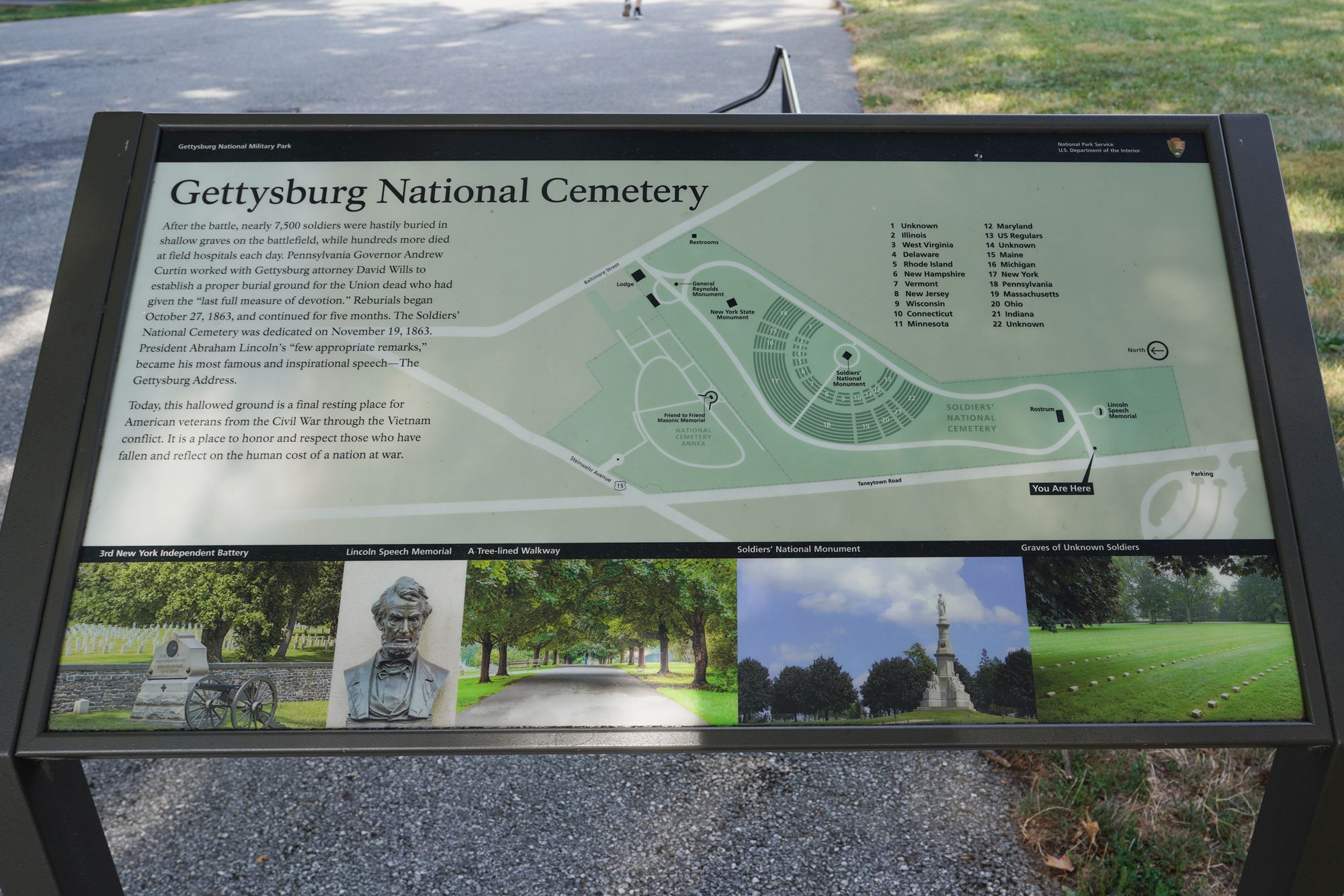
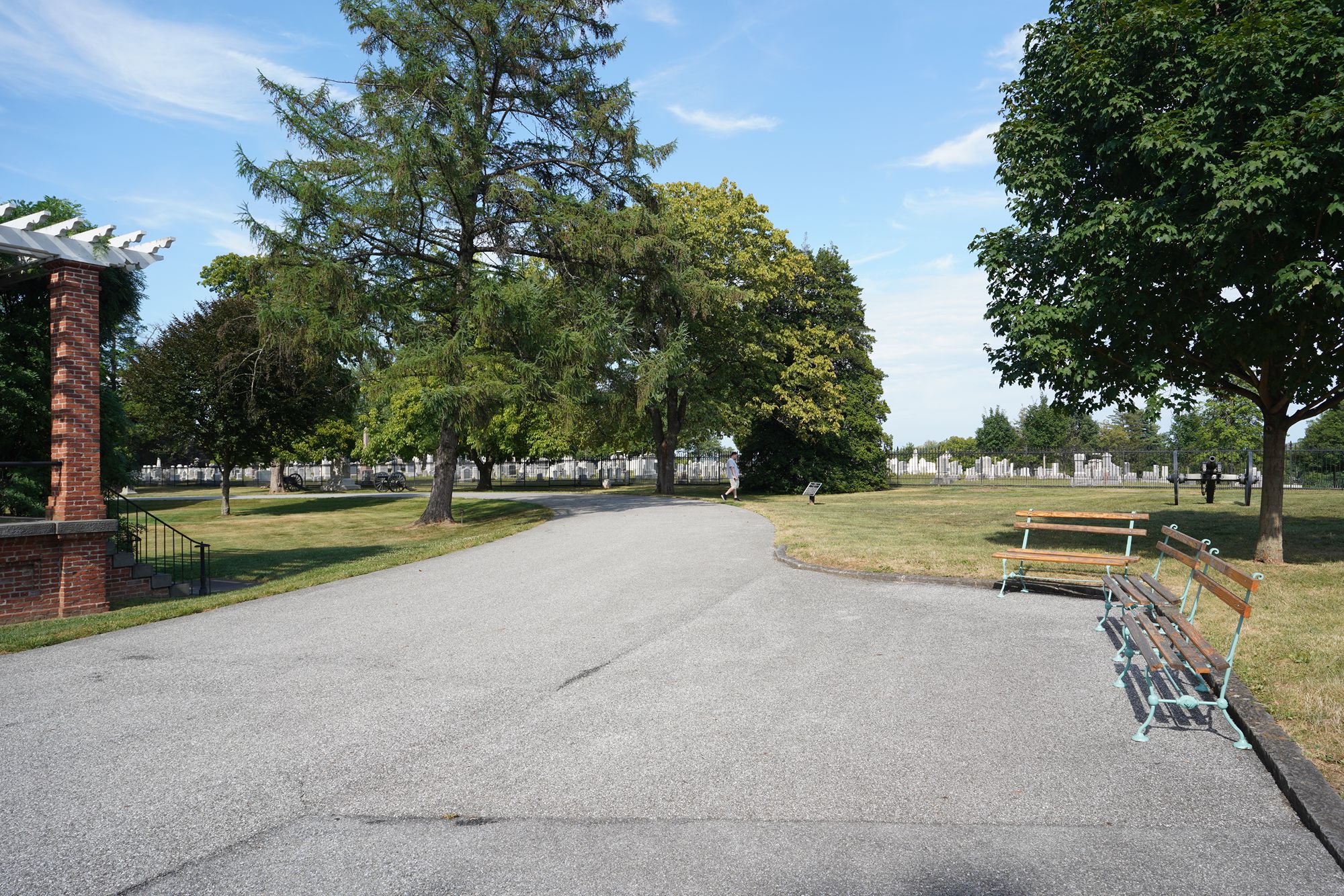
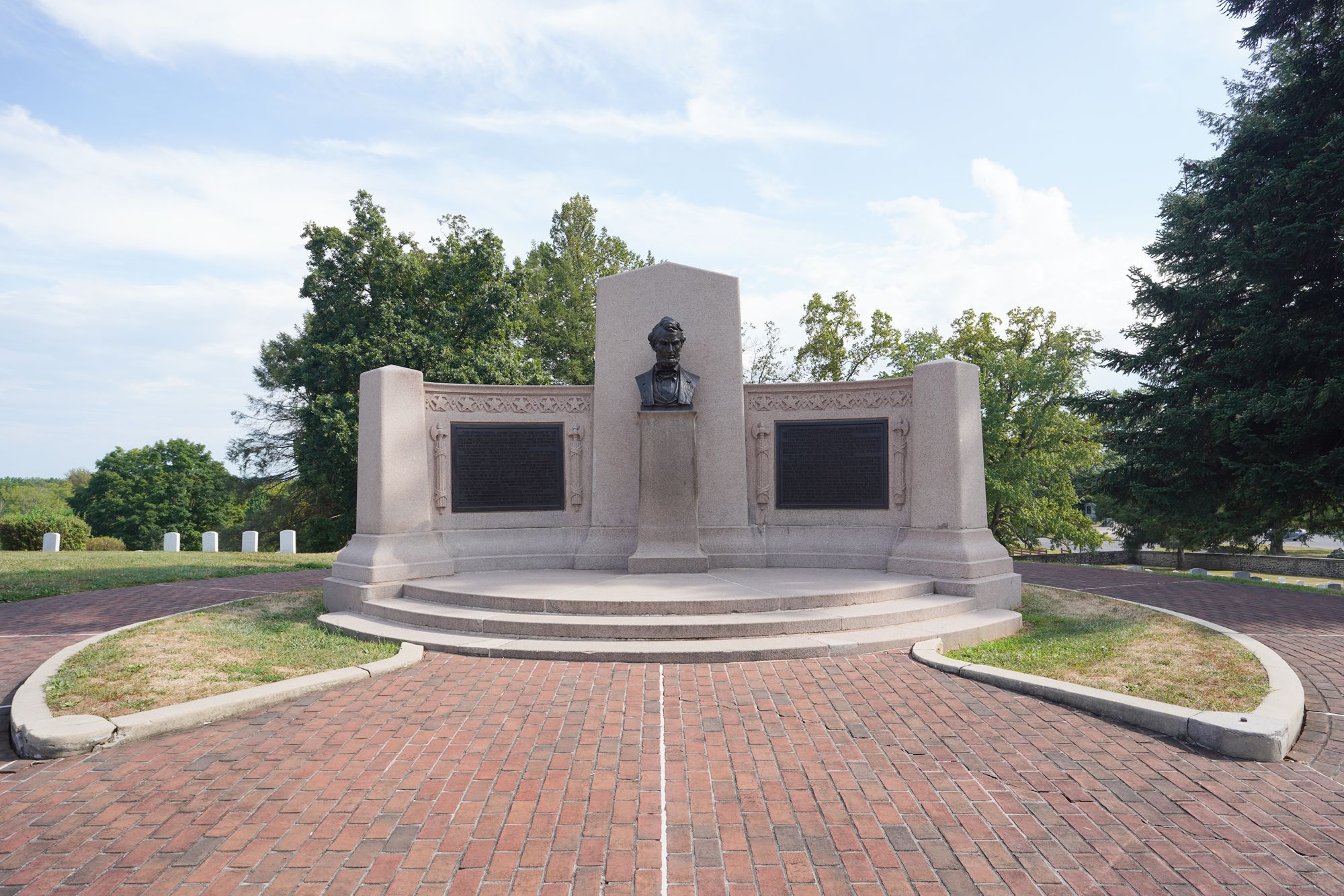
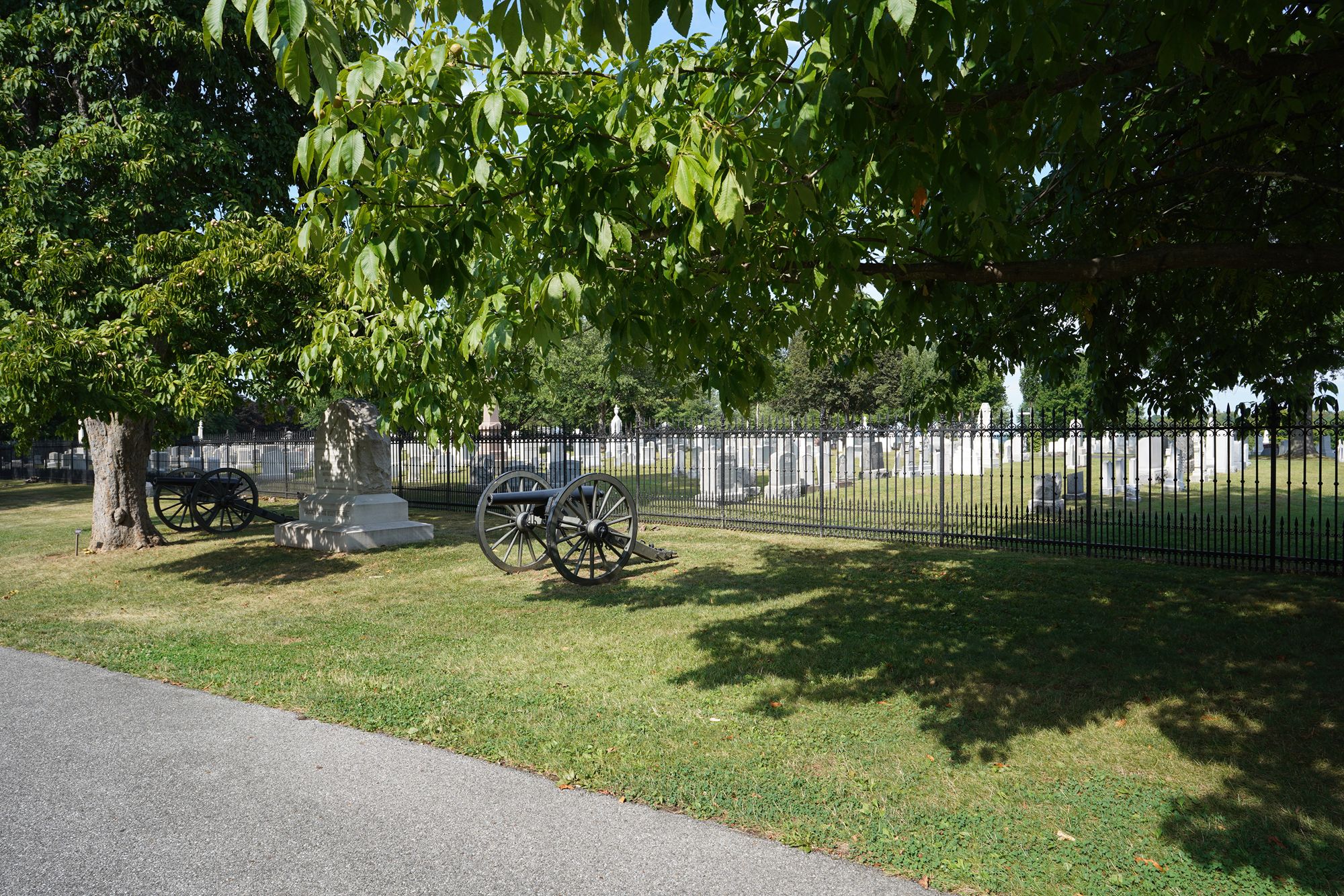
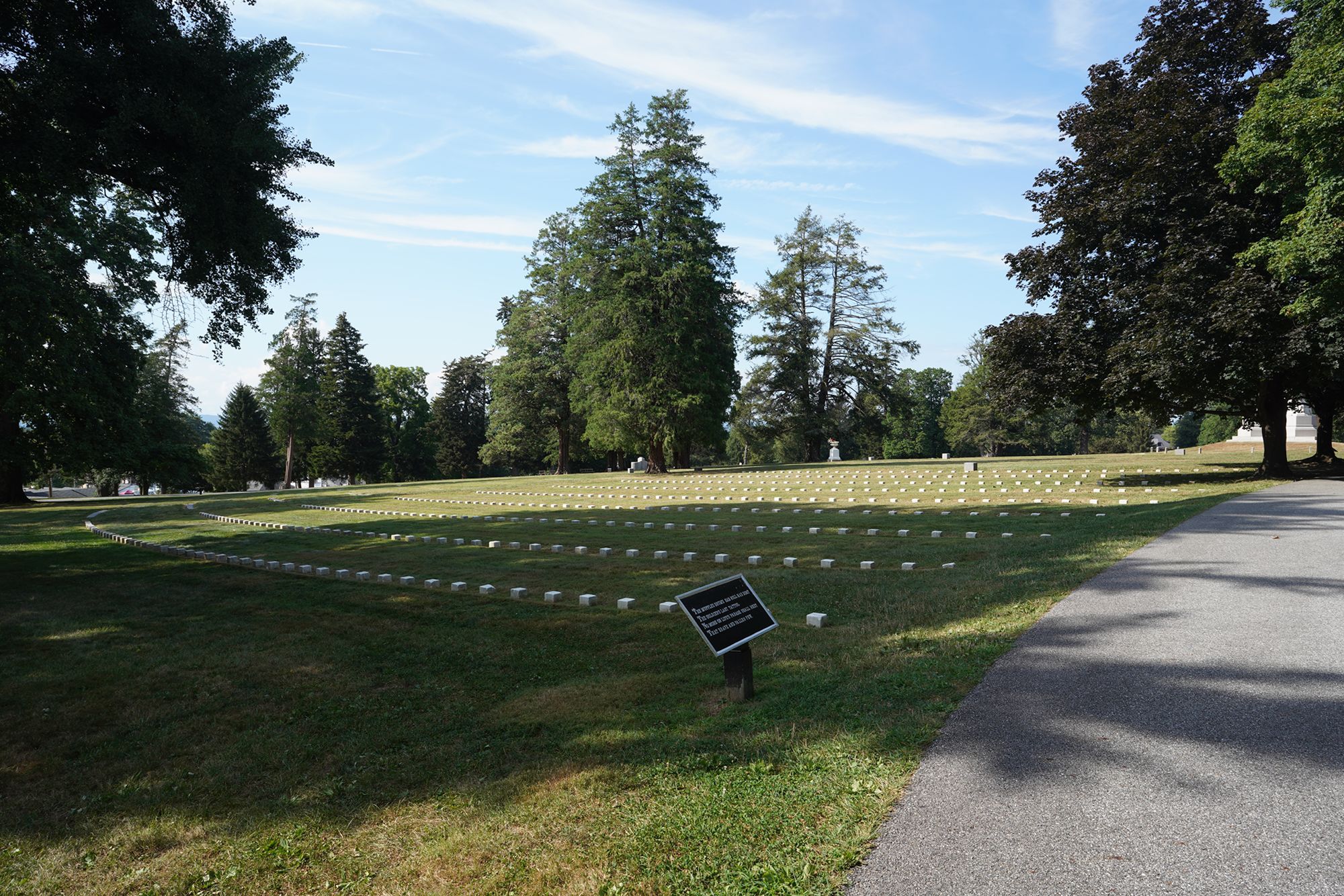
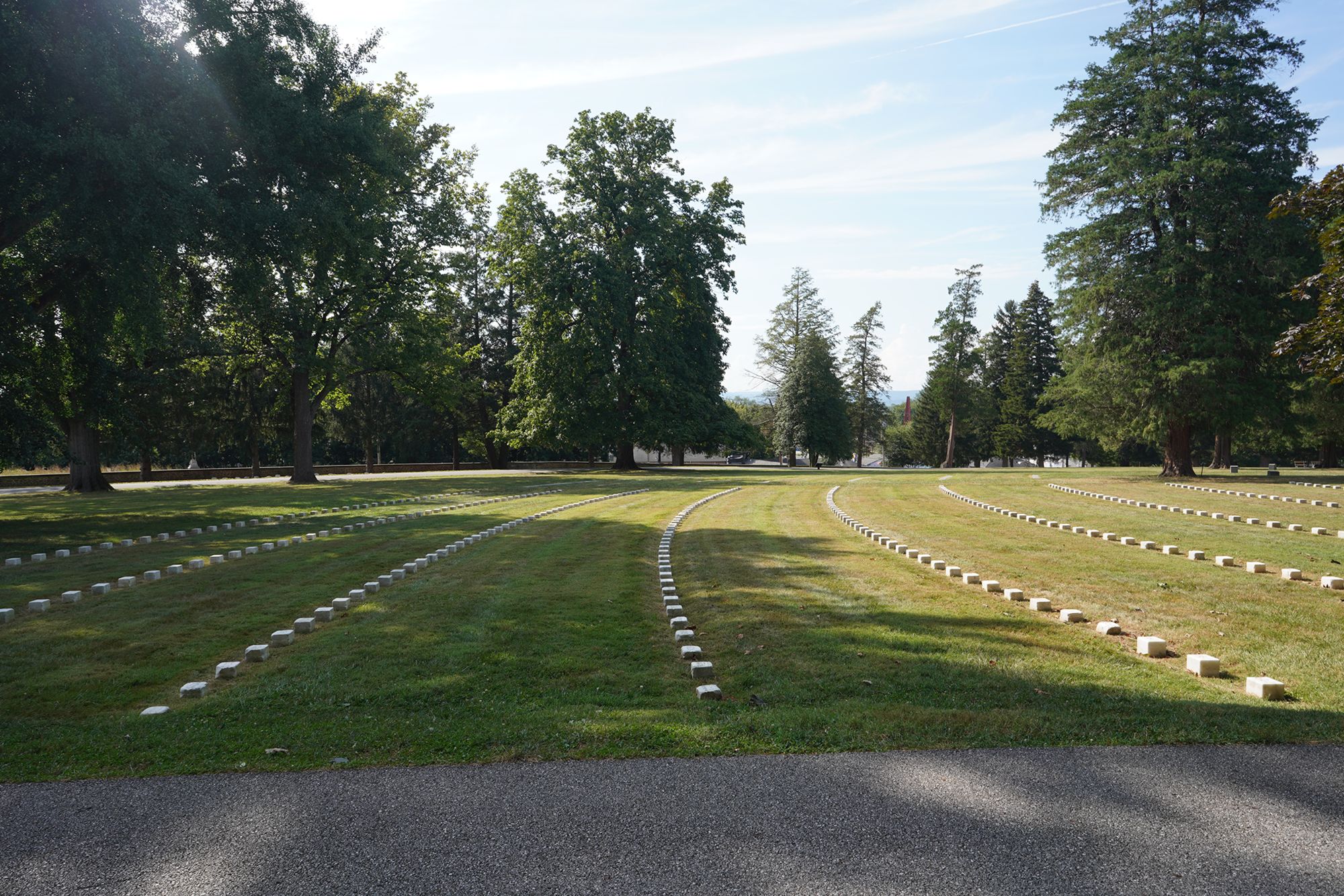
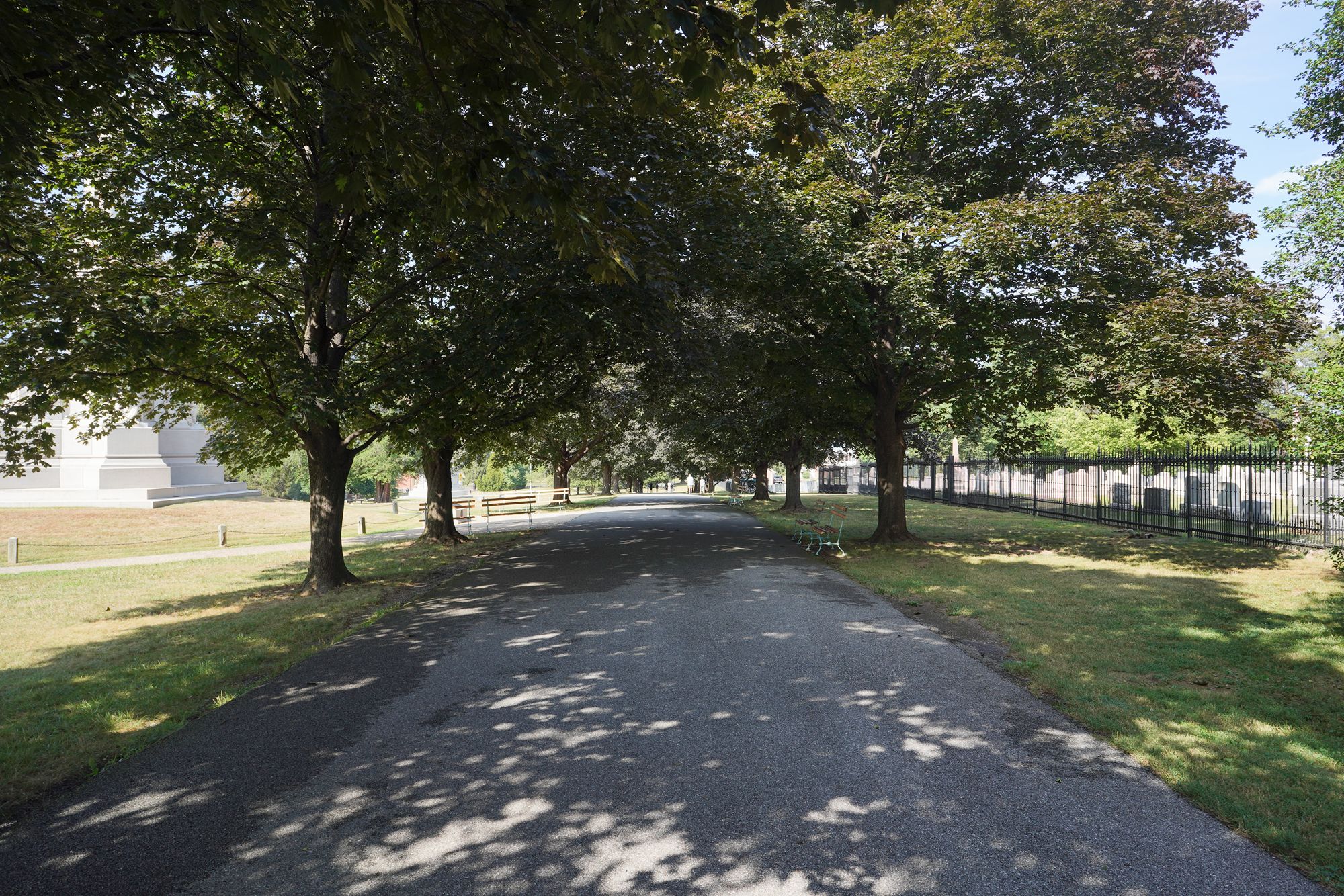
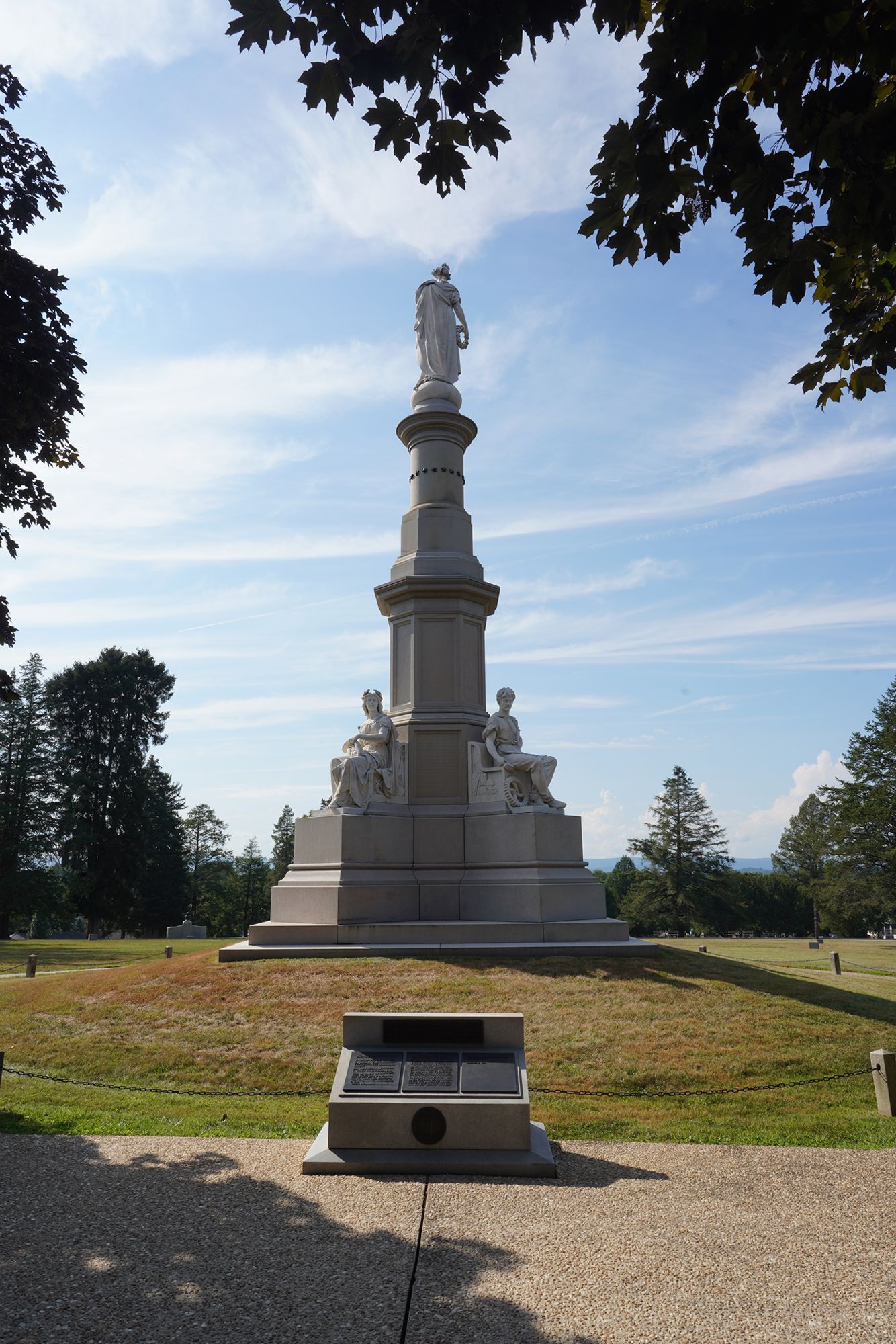
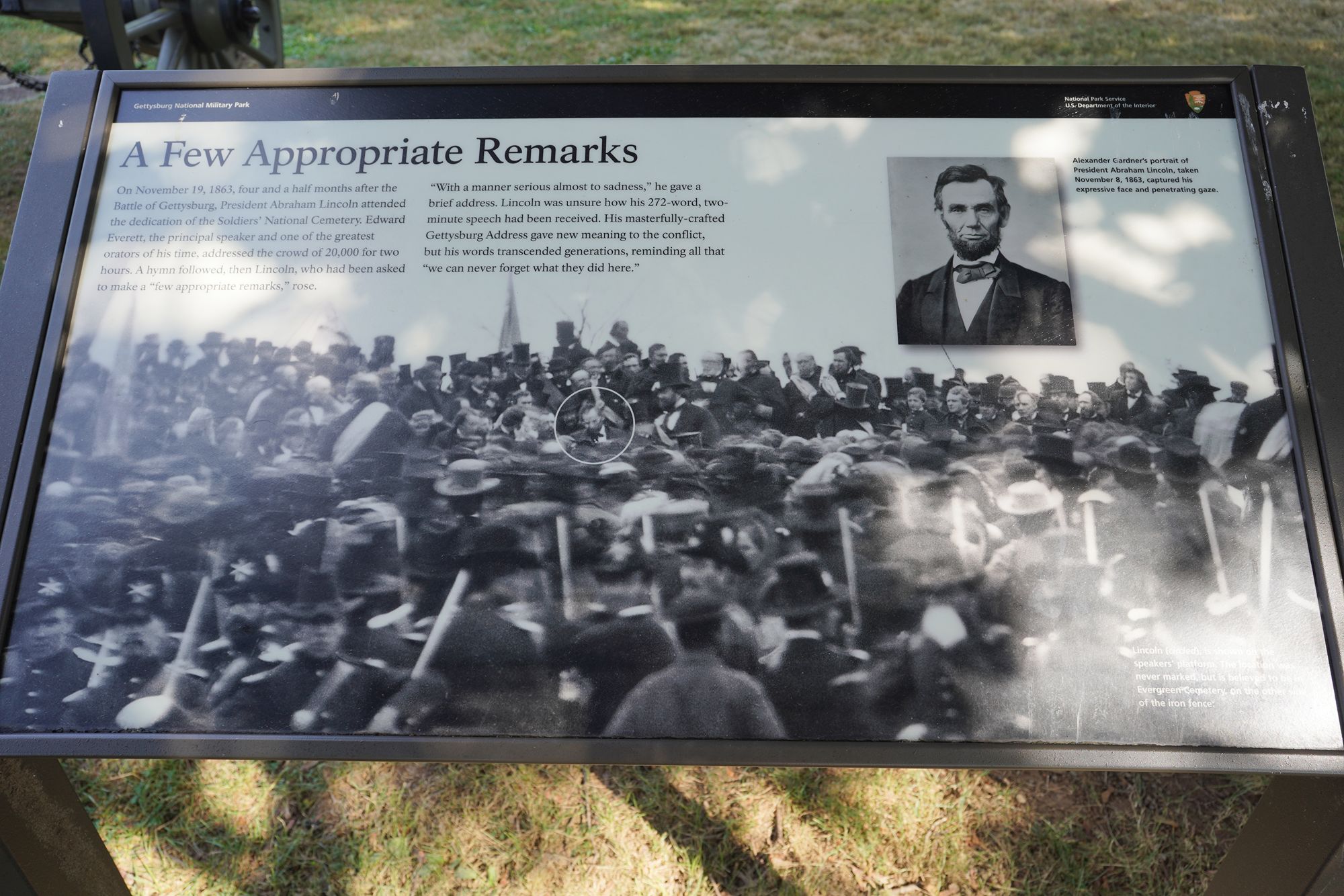
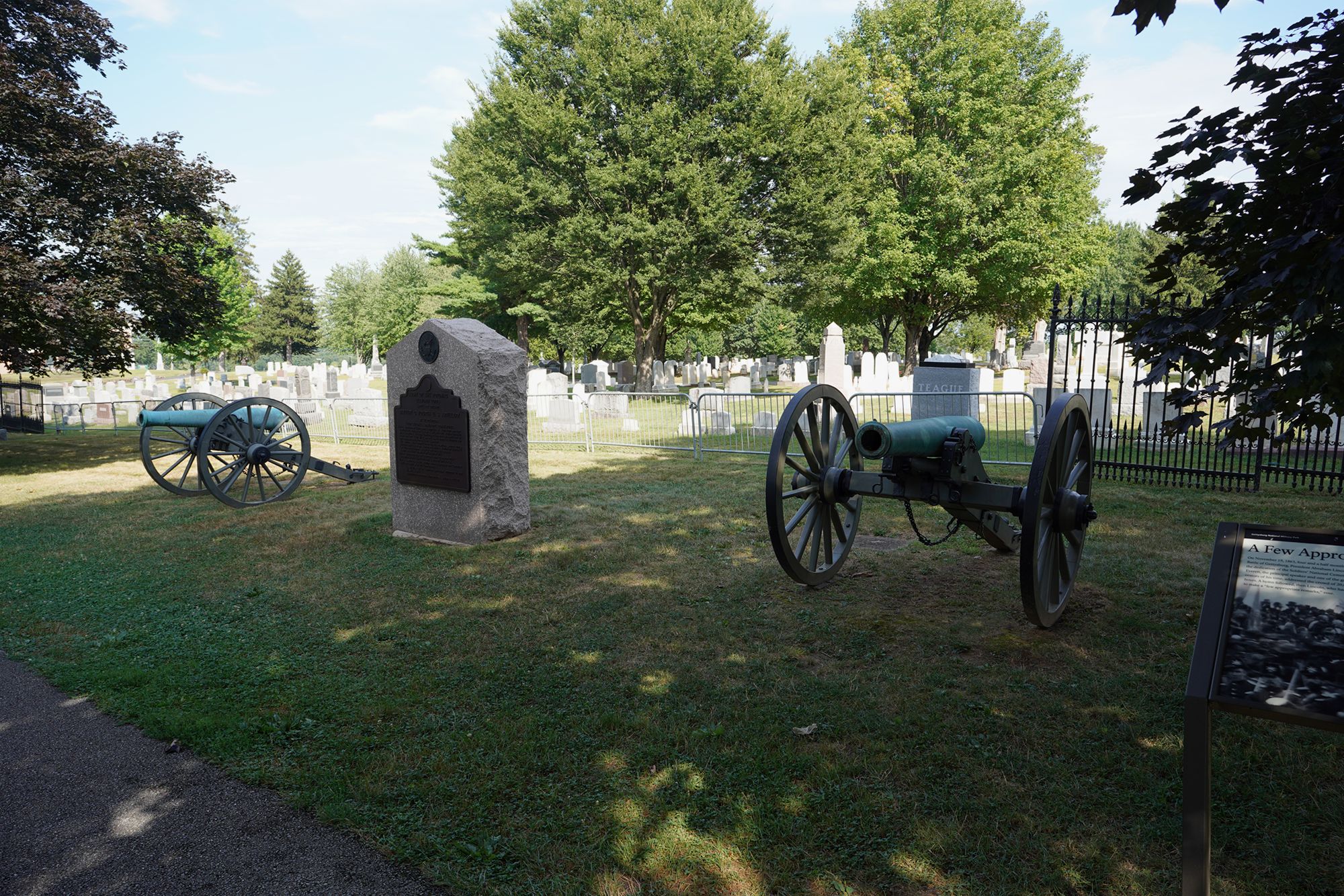
Stop #15: National Cemetery. This was the setting for Lincoln’s Gettysburg Address, delivered at the cemetery’s dedication on November 19, 1863.
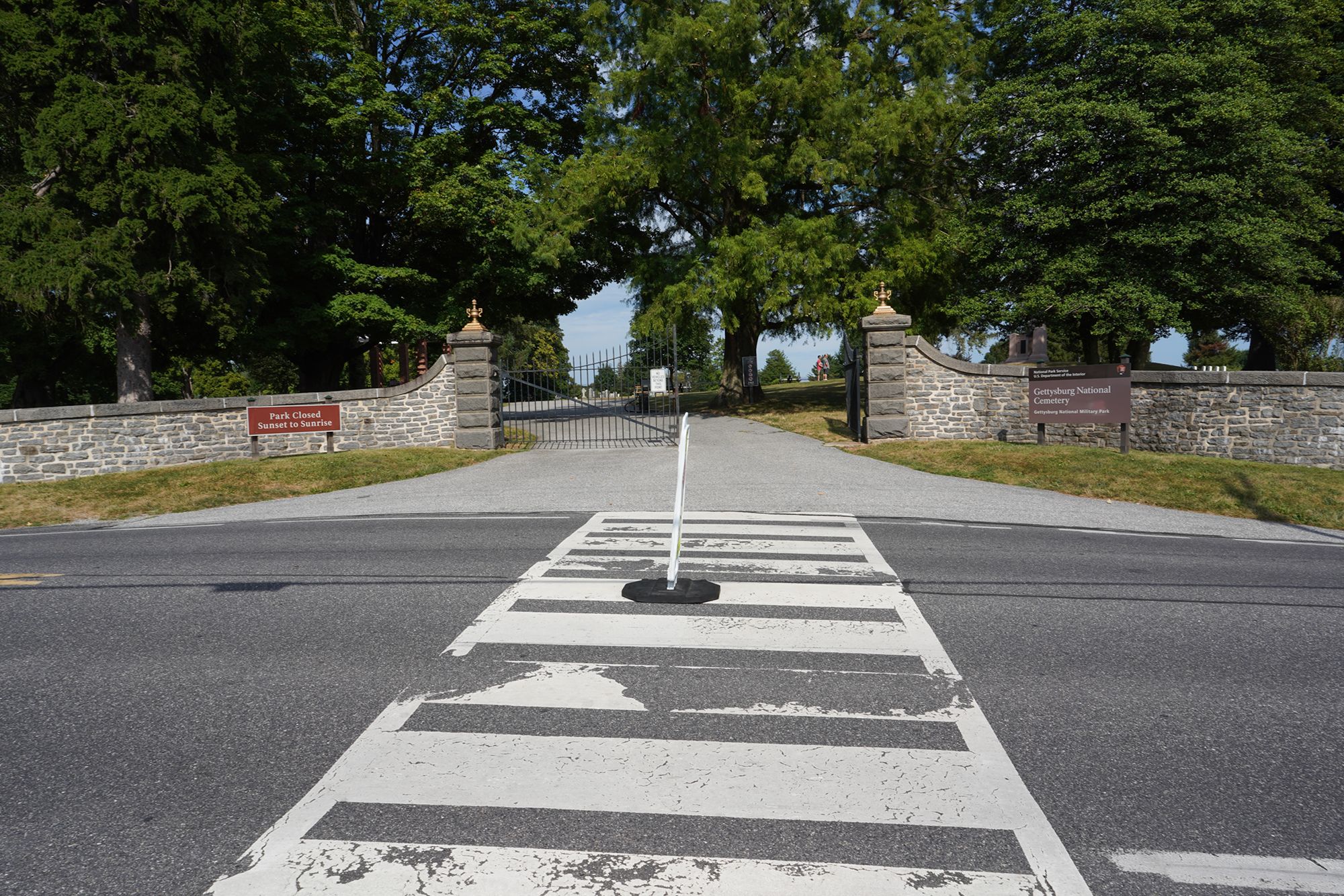
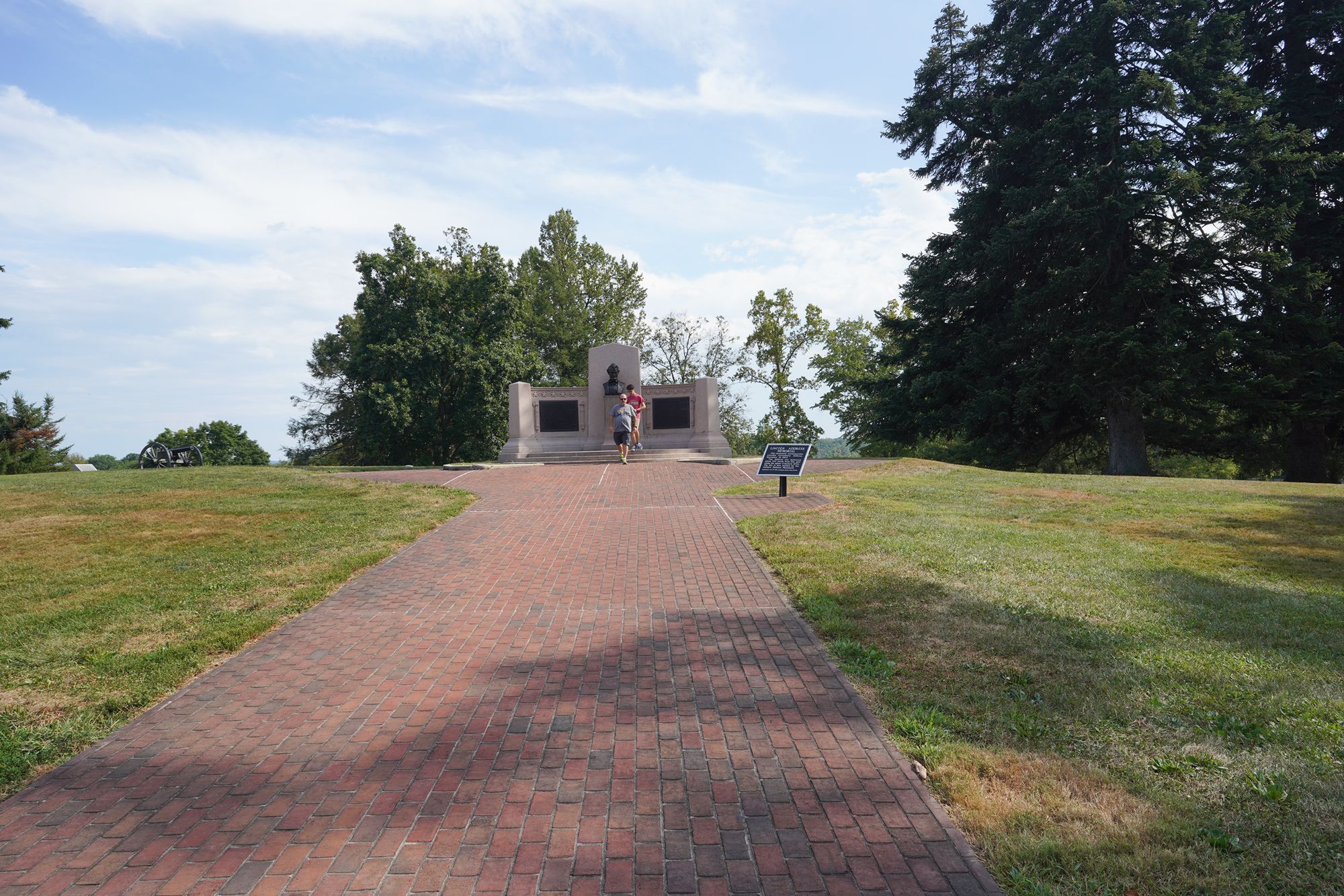
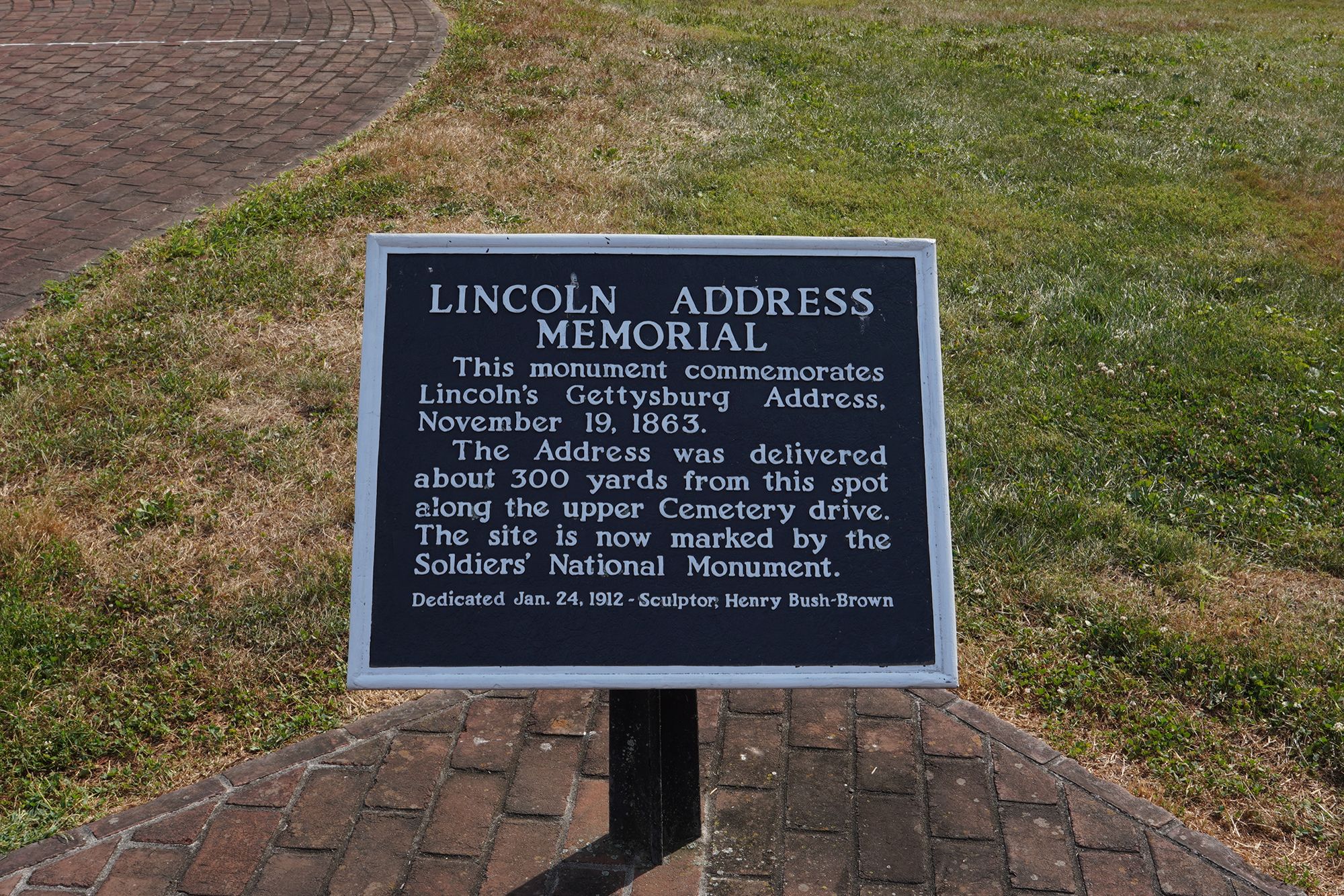
The Lincoln Address Memorial marks the place where Abraham Lincoln delivered the Gettysburg Address and honors his words of unity, sacrifice, and democracy.
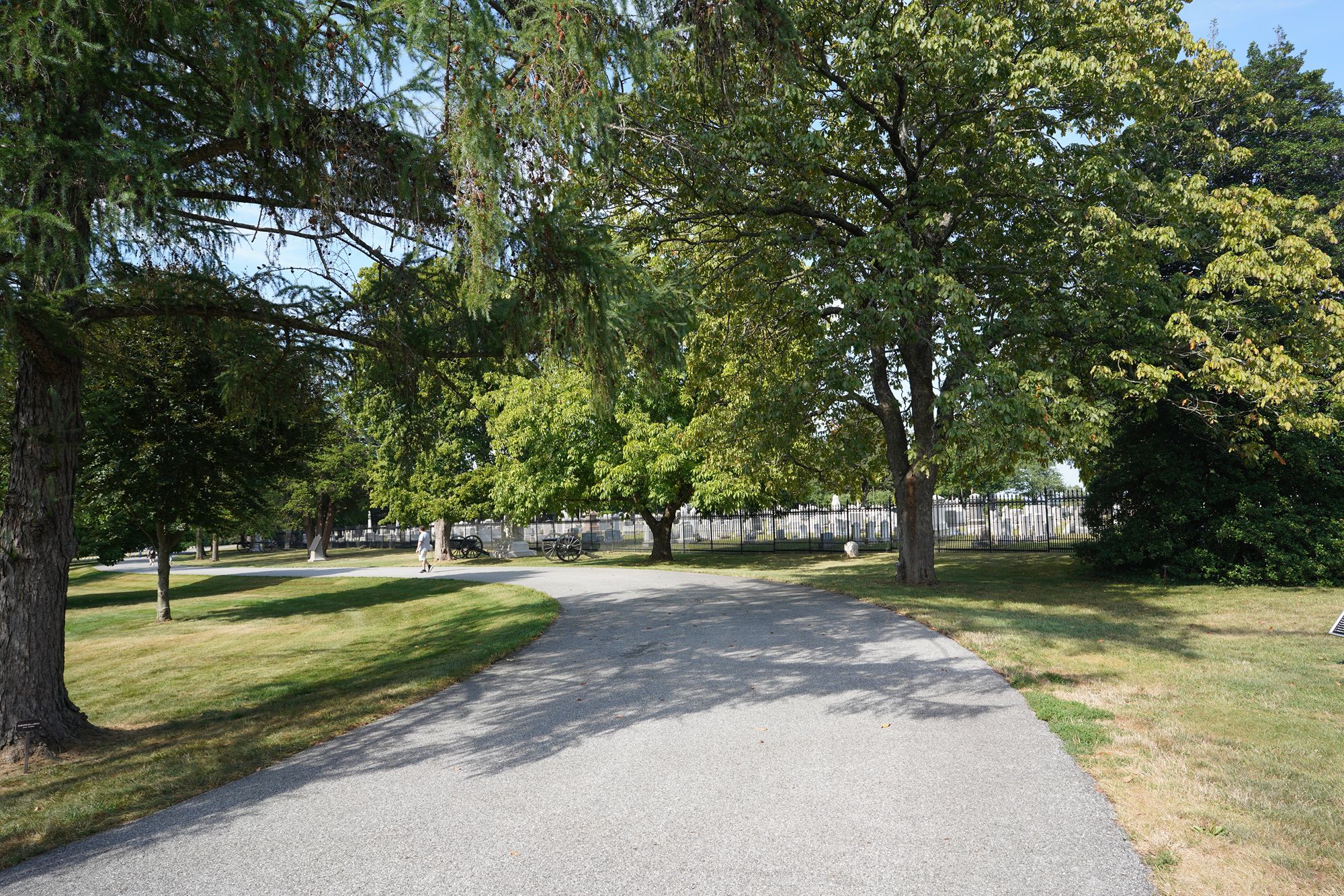
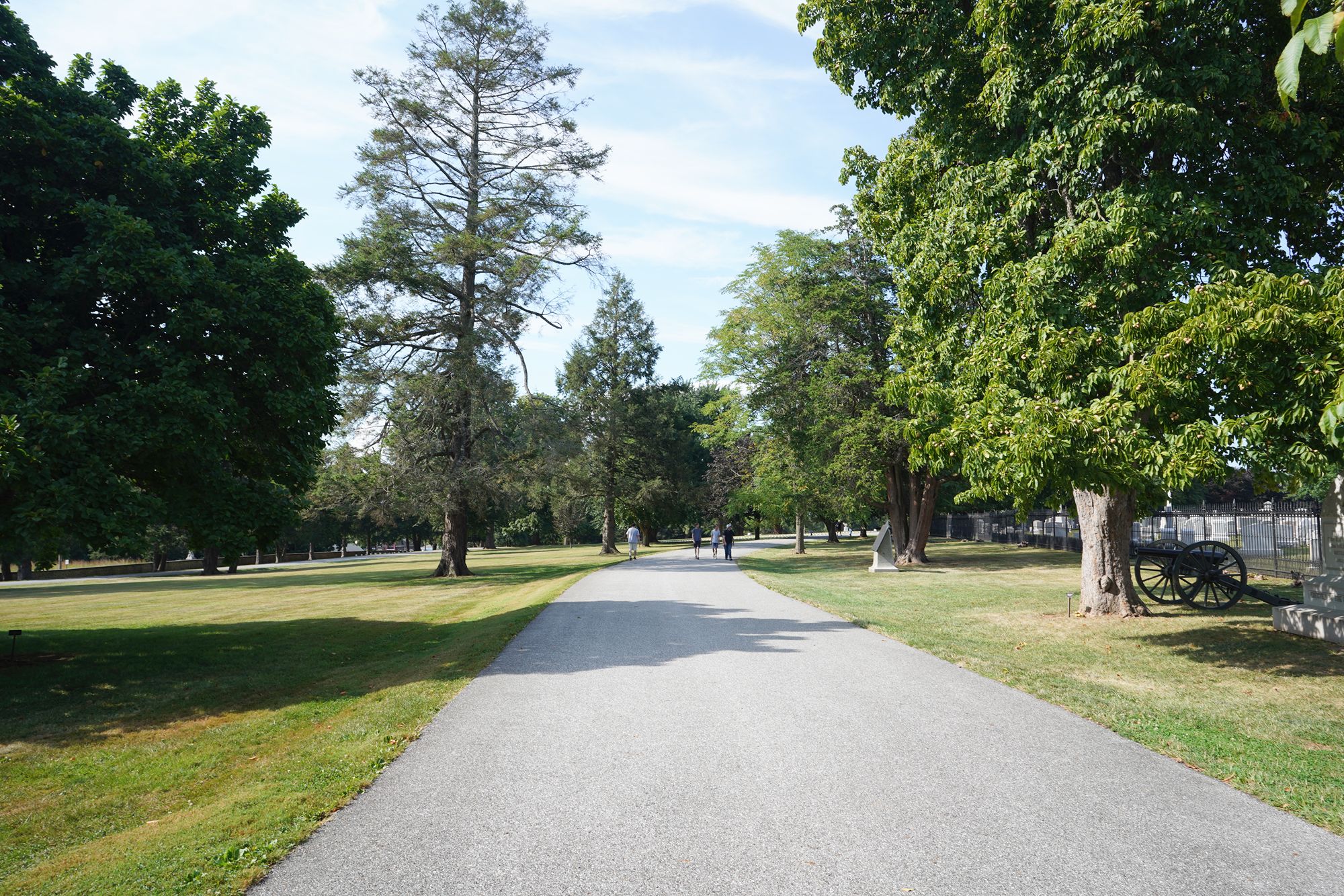
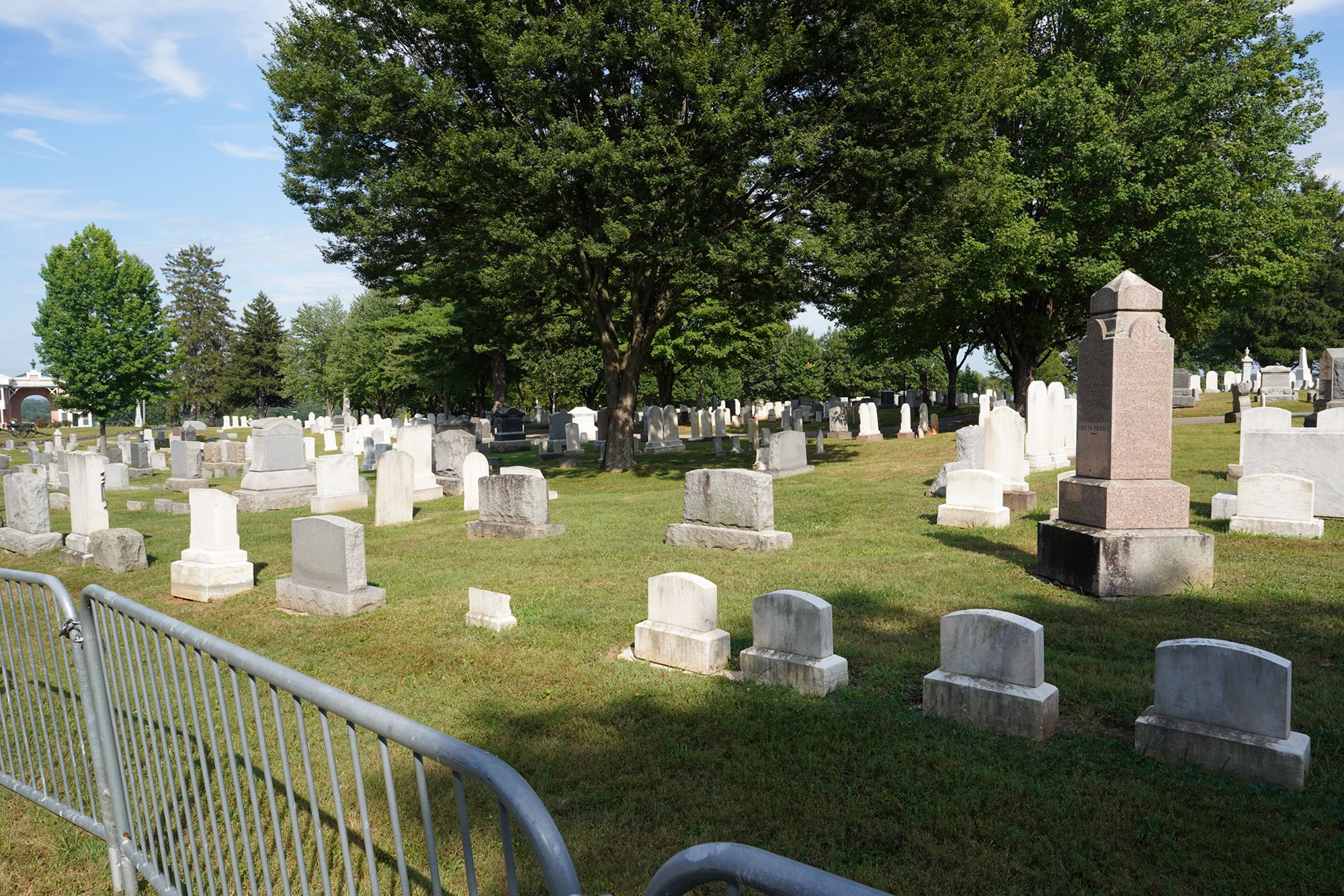
National Cemetery in Gettysburg. The cemetery is the final resting place of over 6,000 U.S. soldiers and veterans from various wars. Of those, about 3,500–3,512 are soldiers who died at the Battle of Gettysburg.
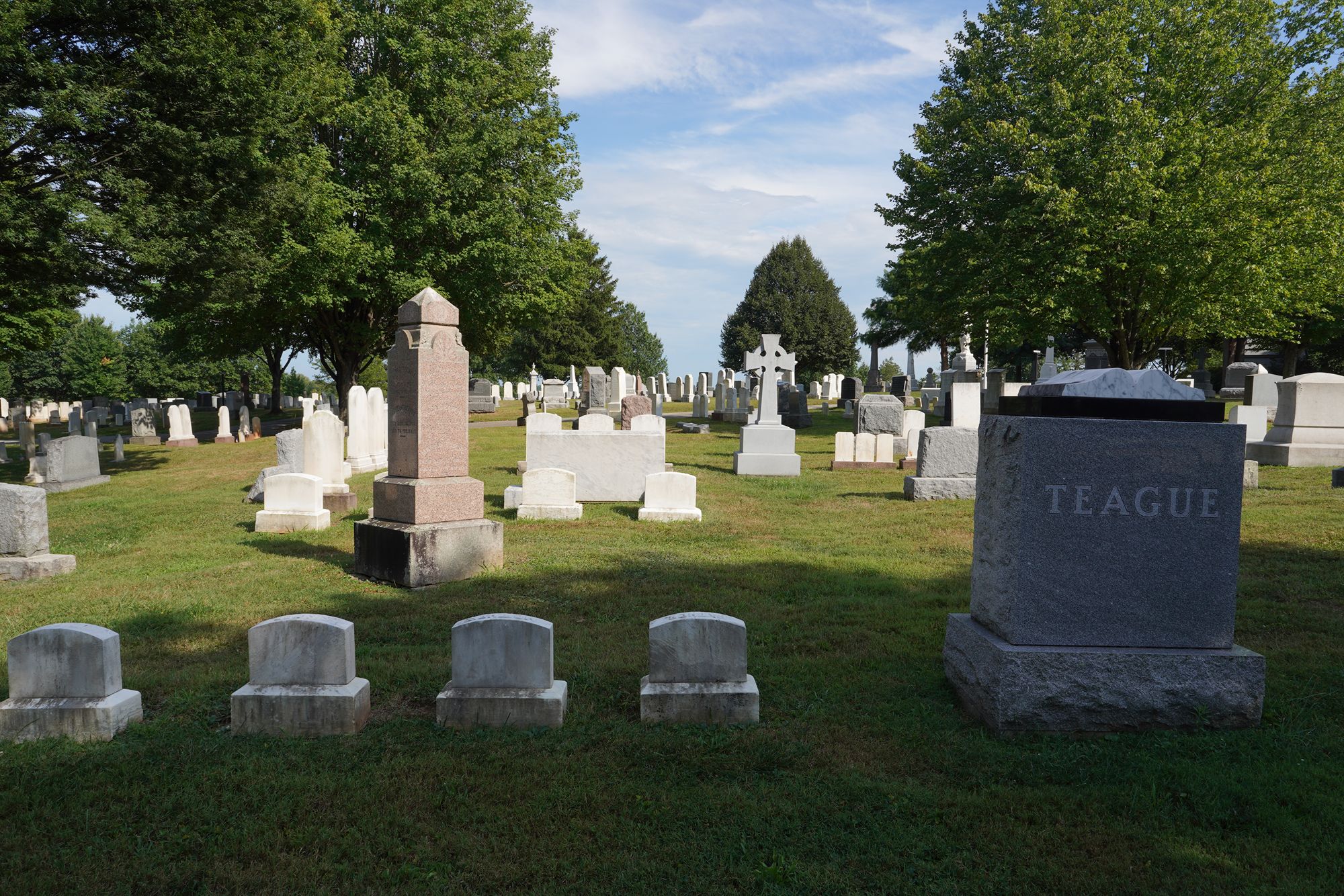
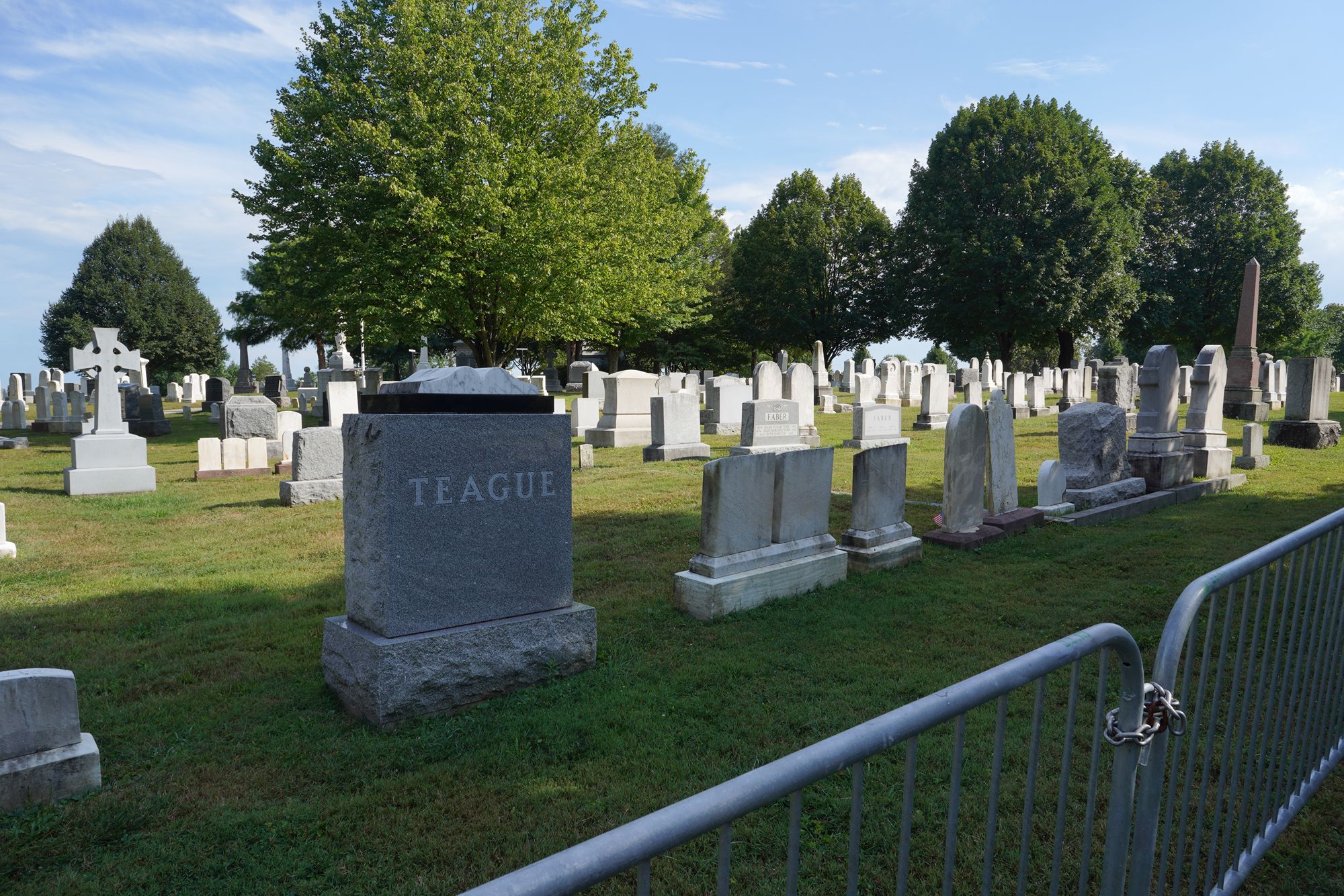
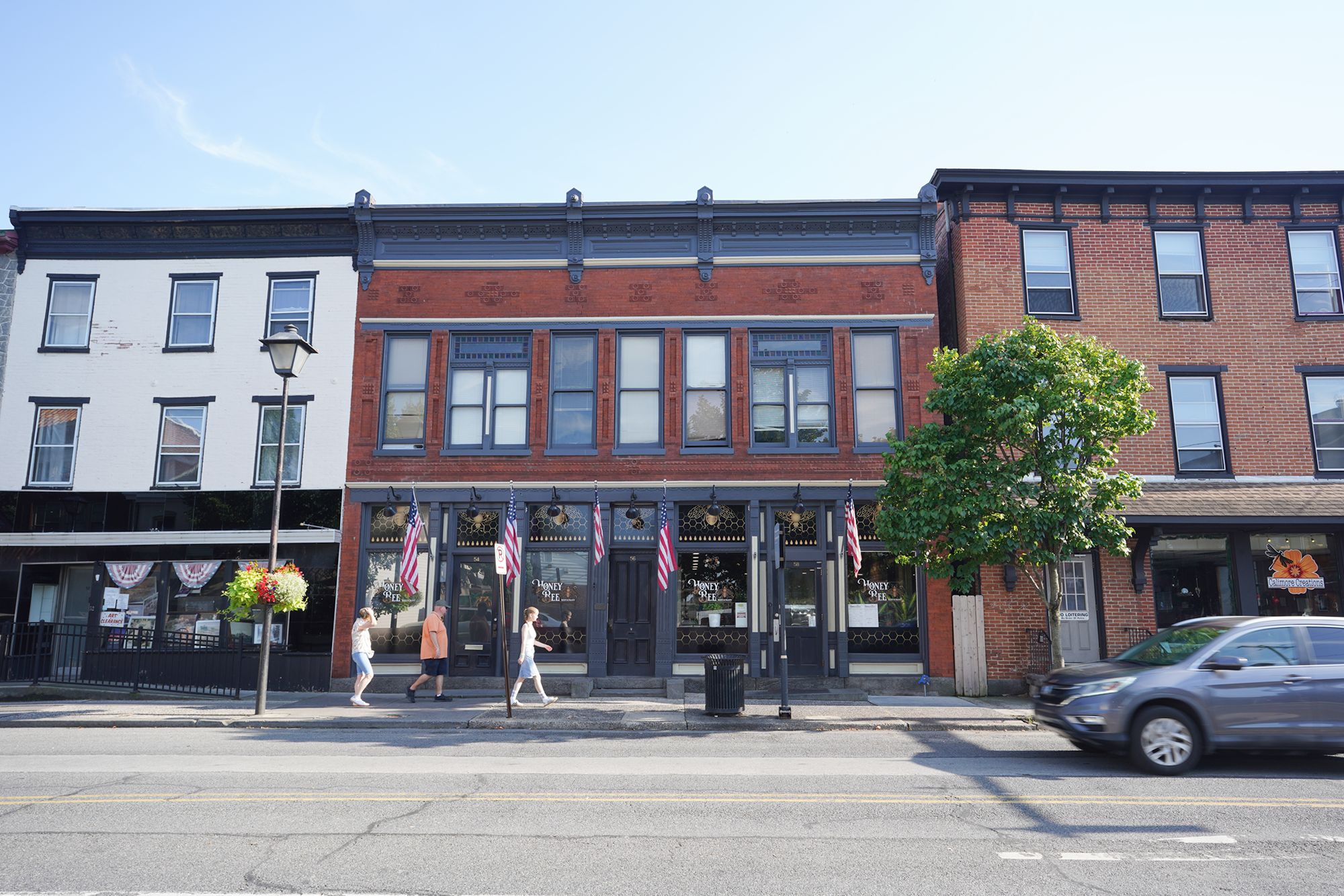
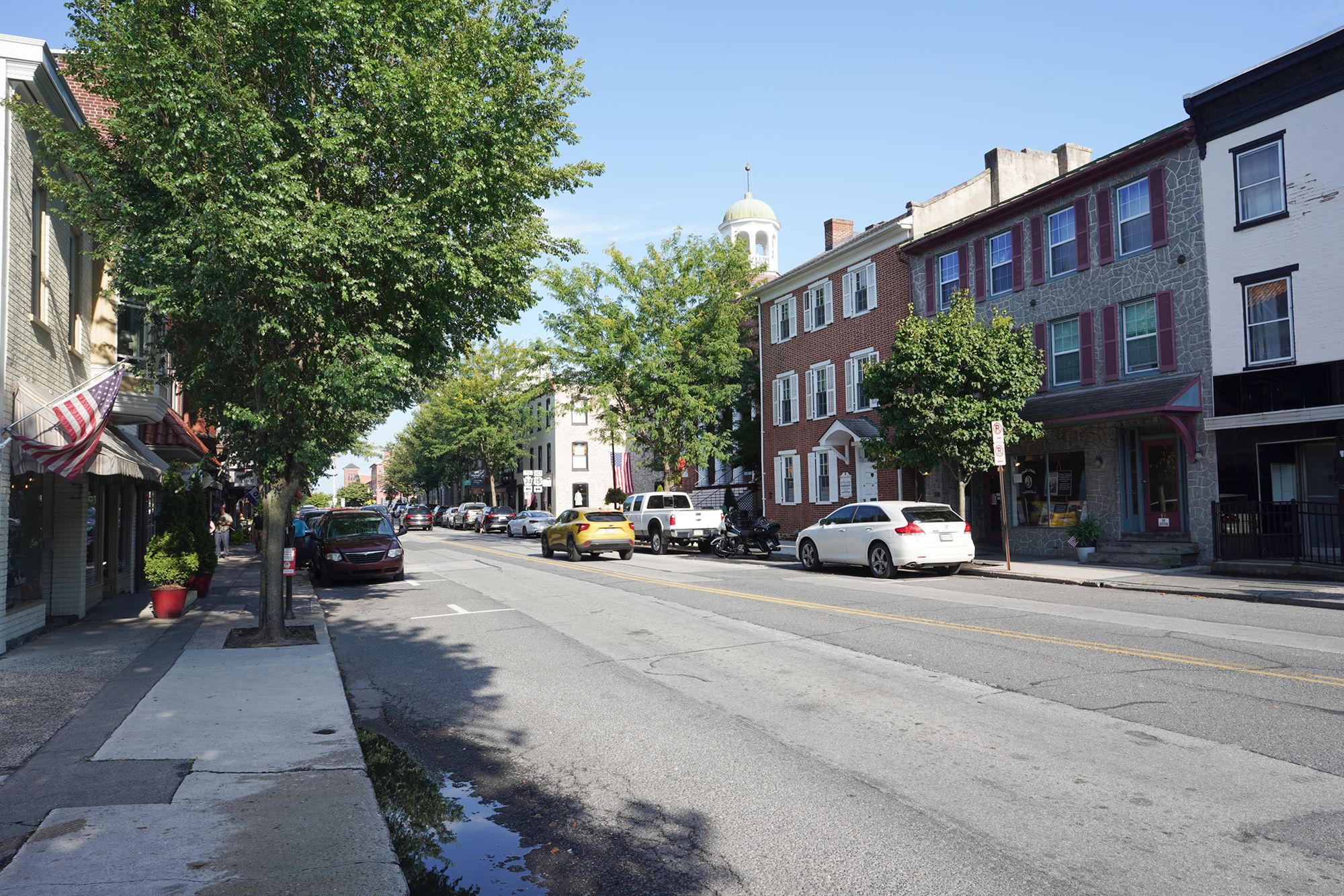
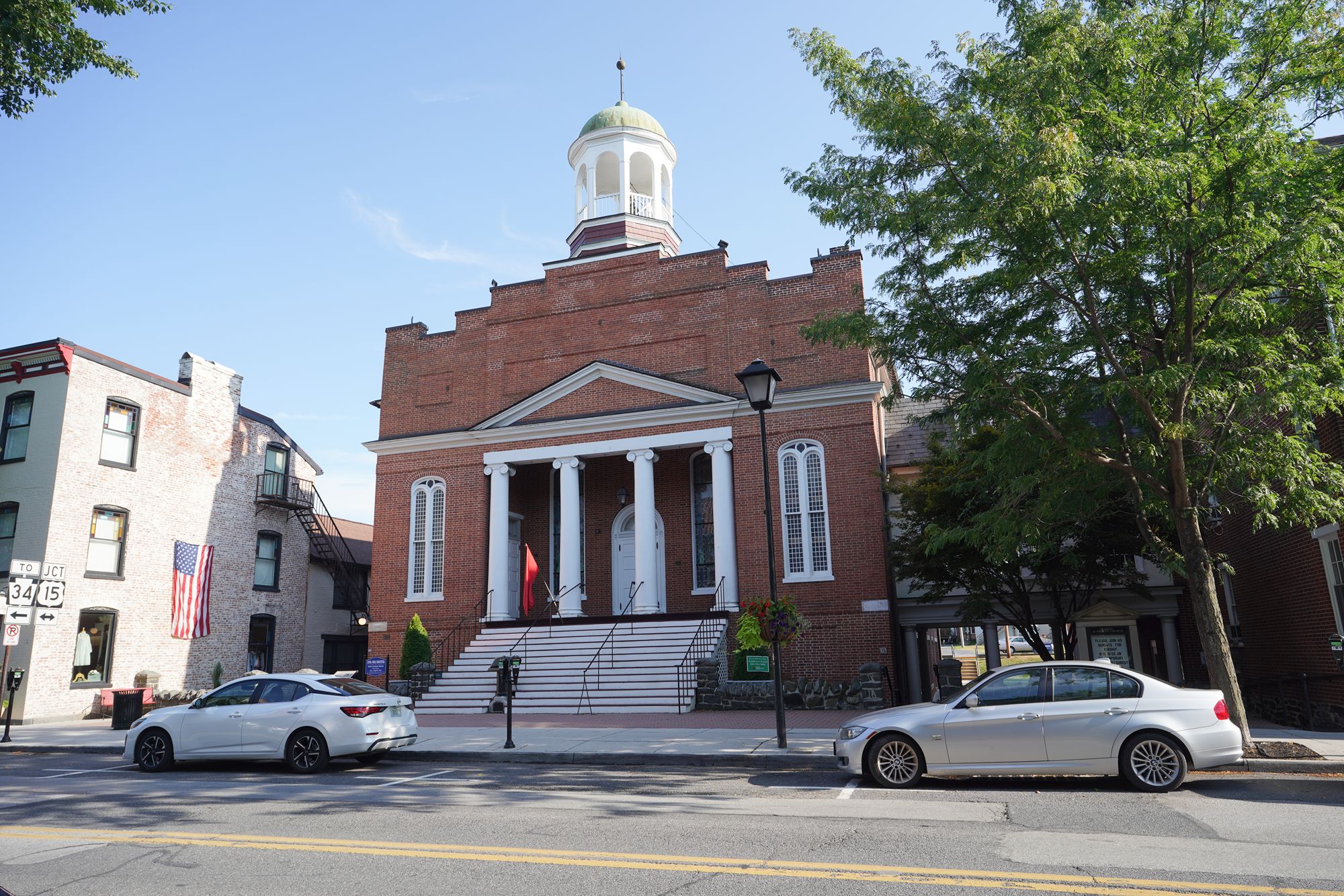
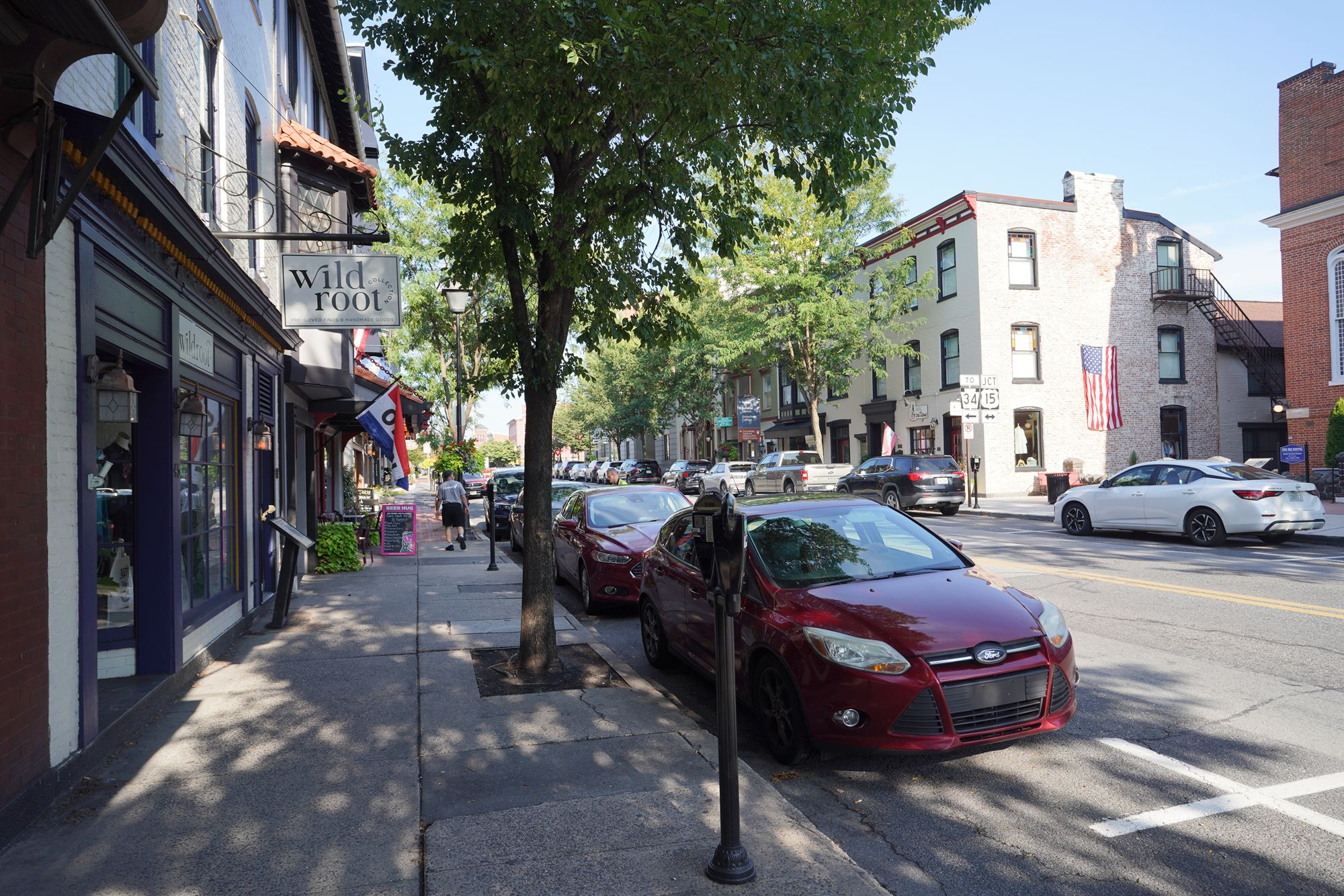
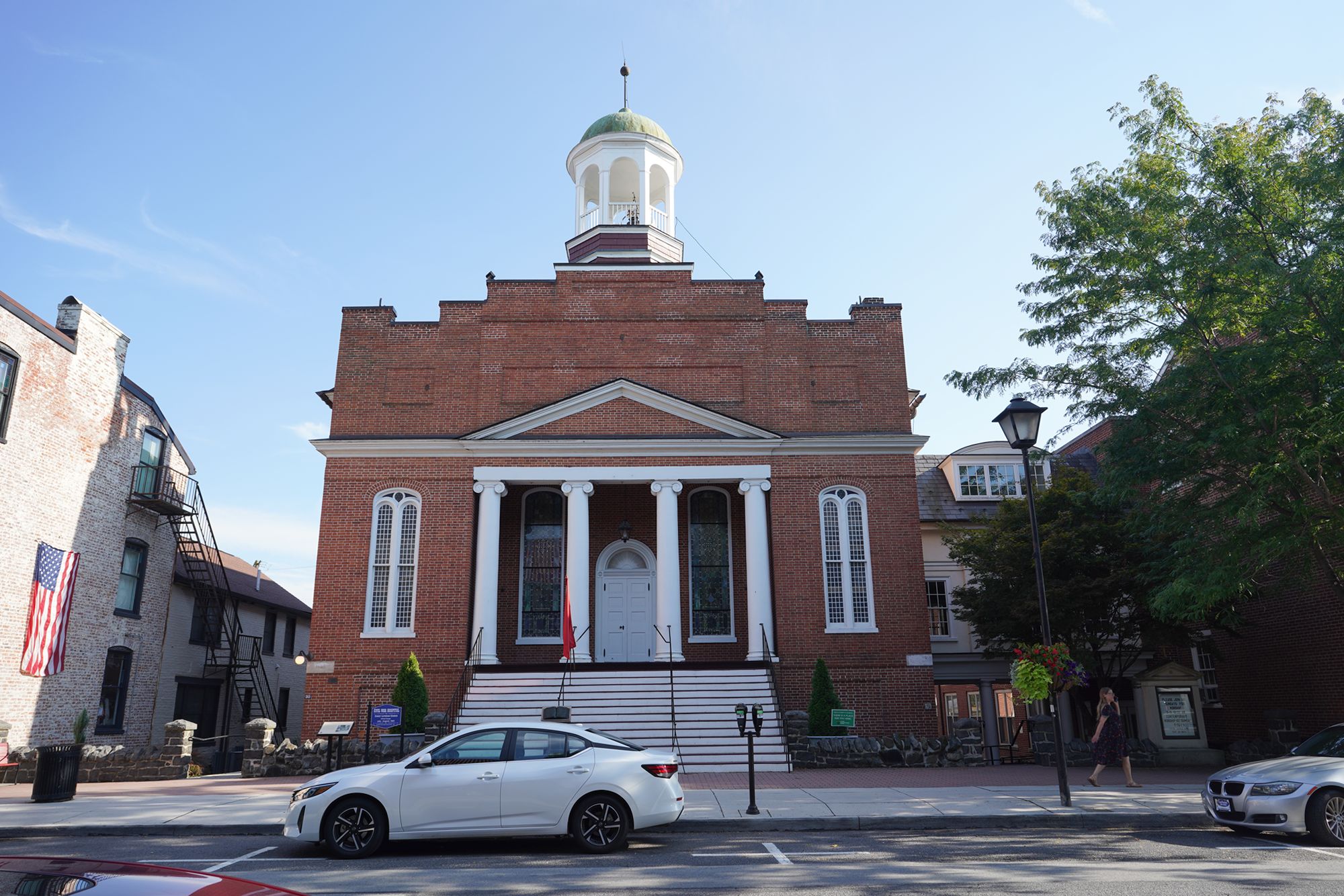
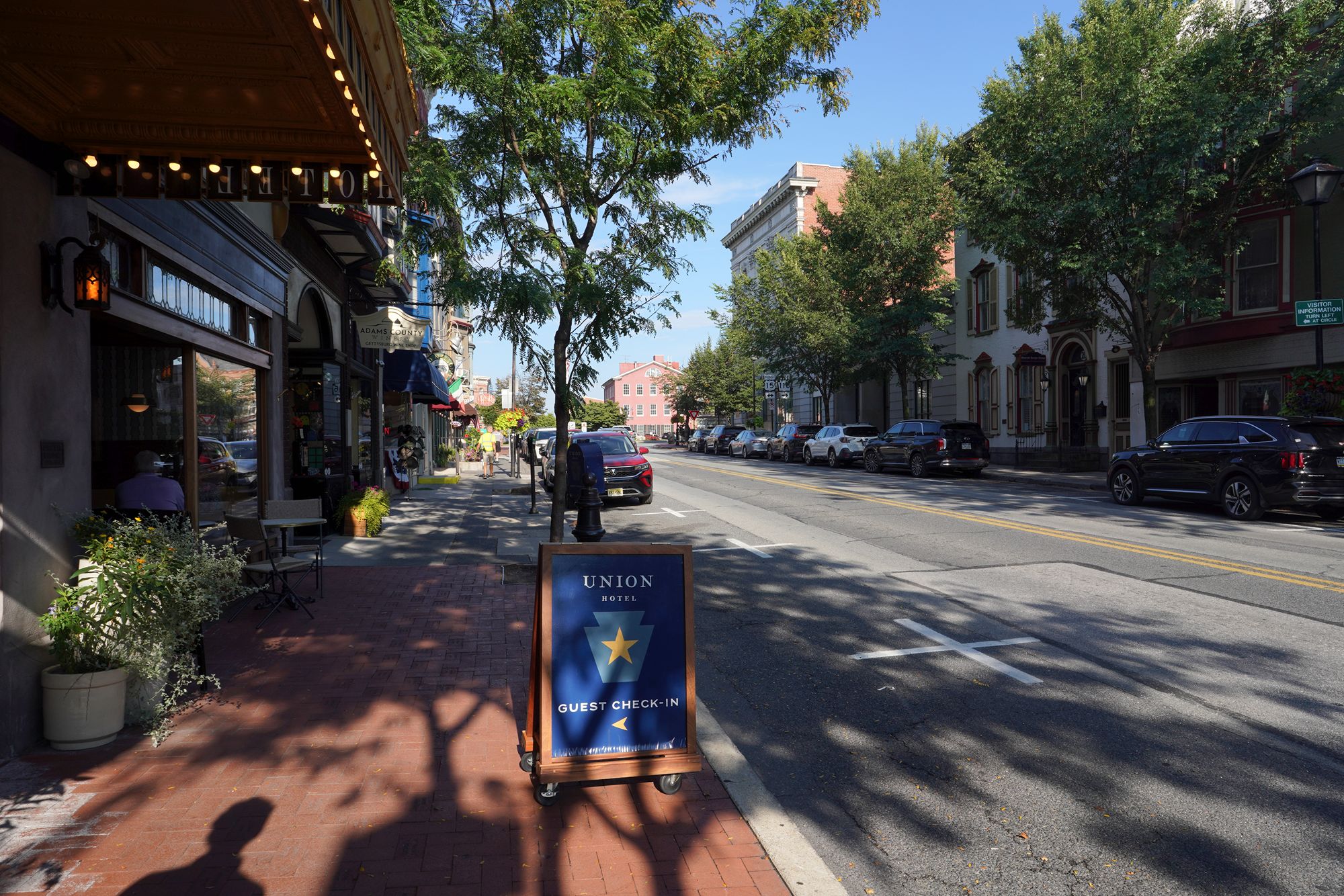
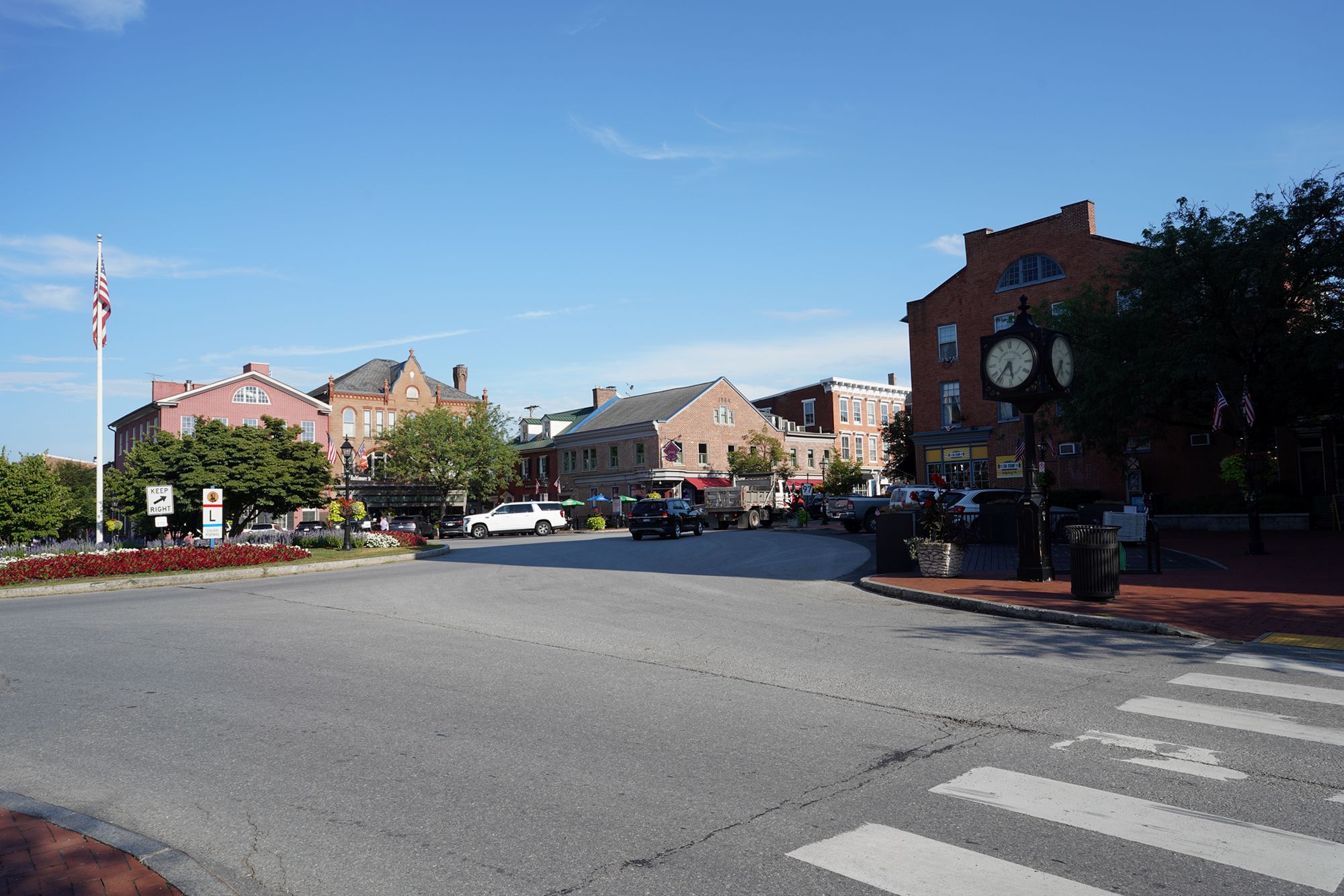
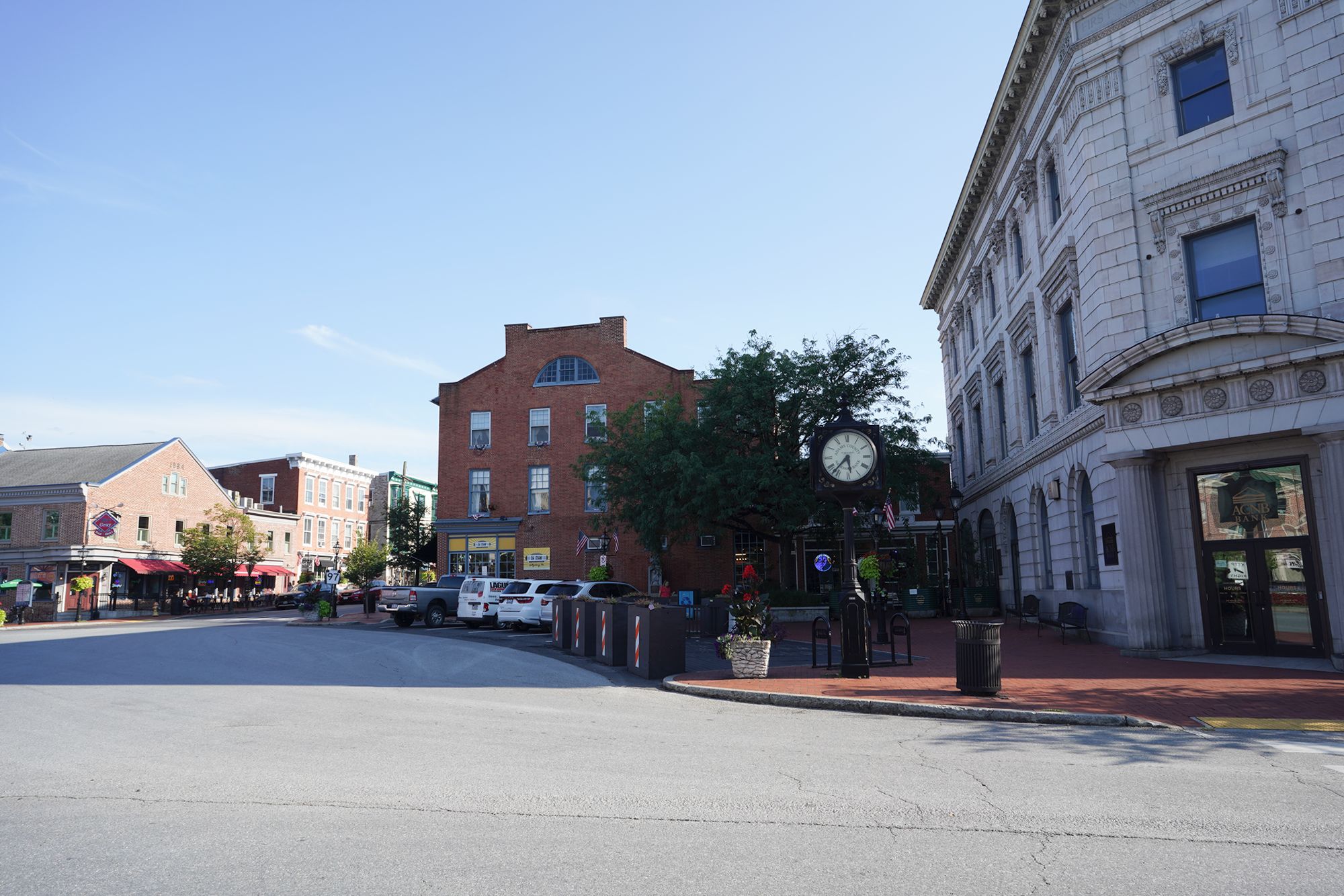
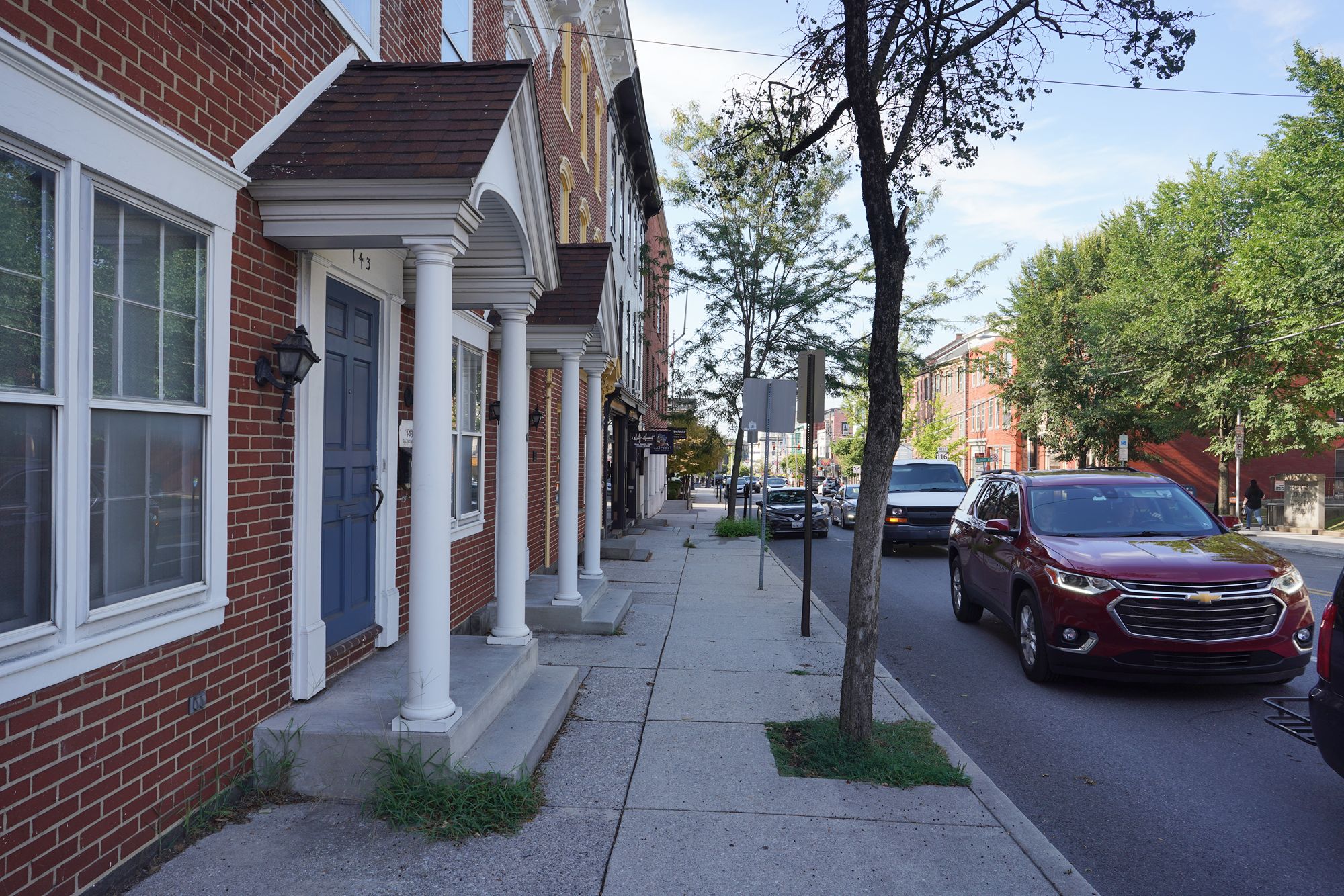
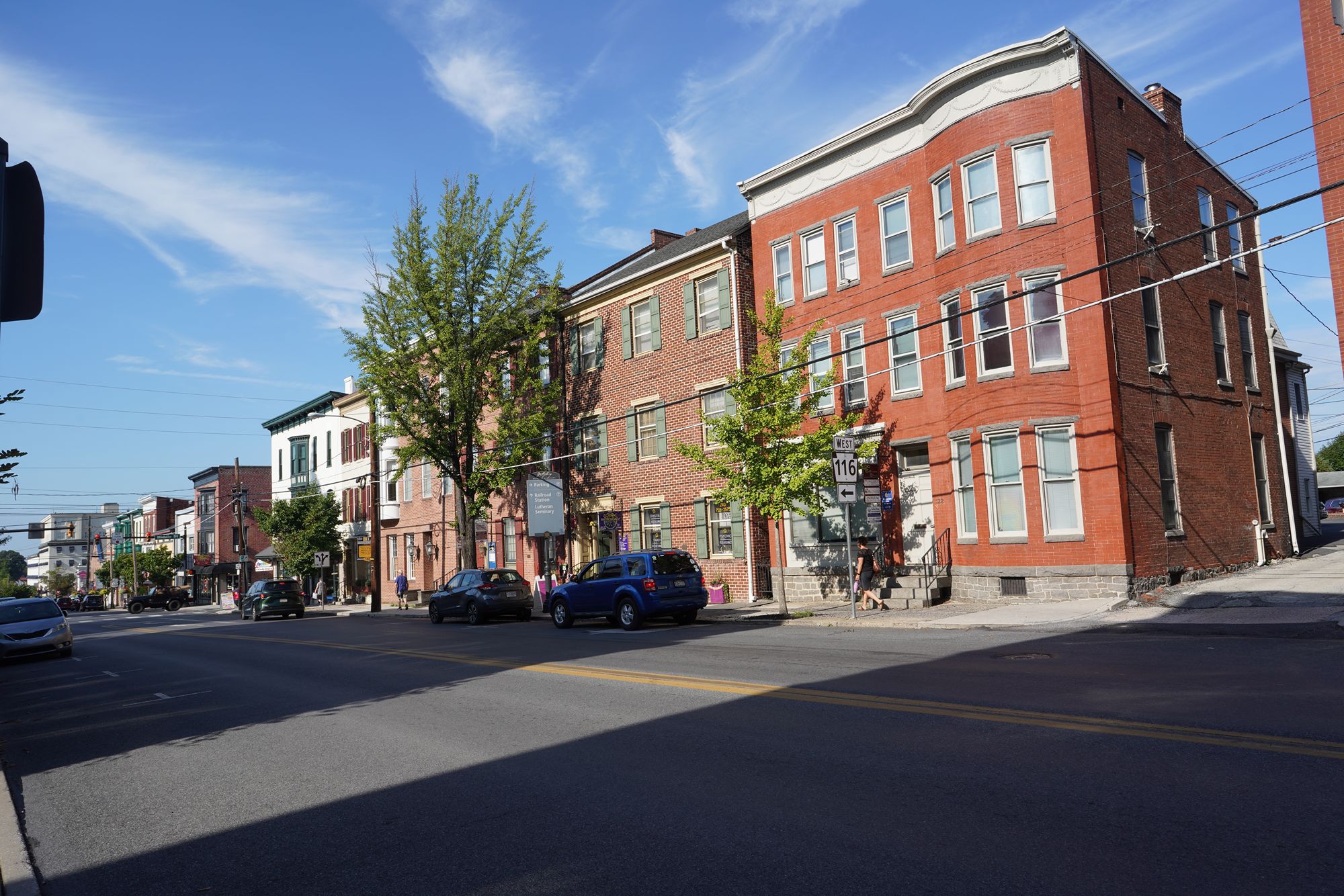
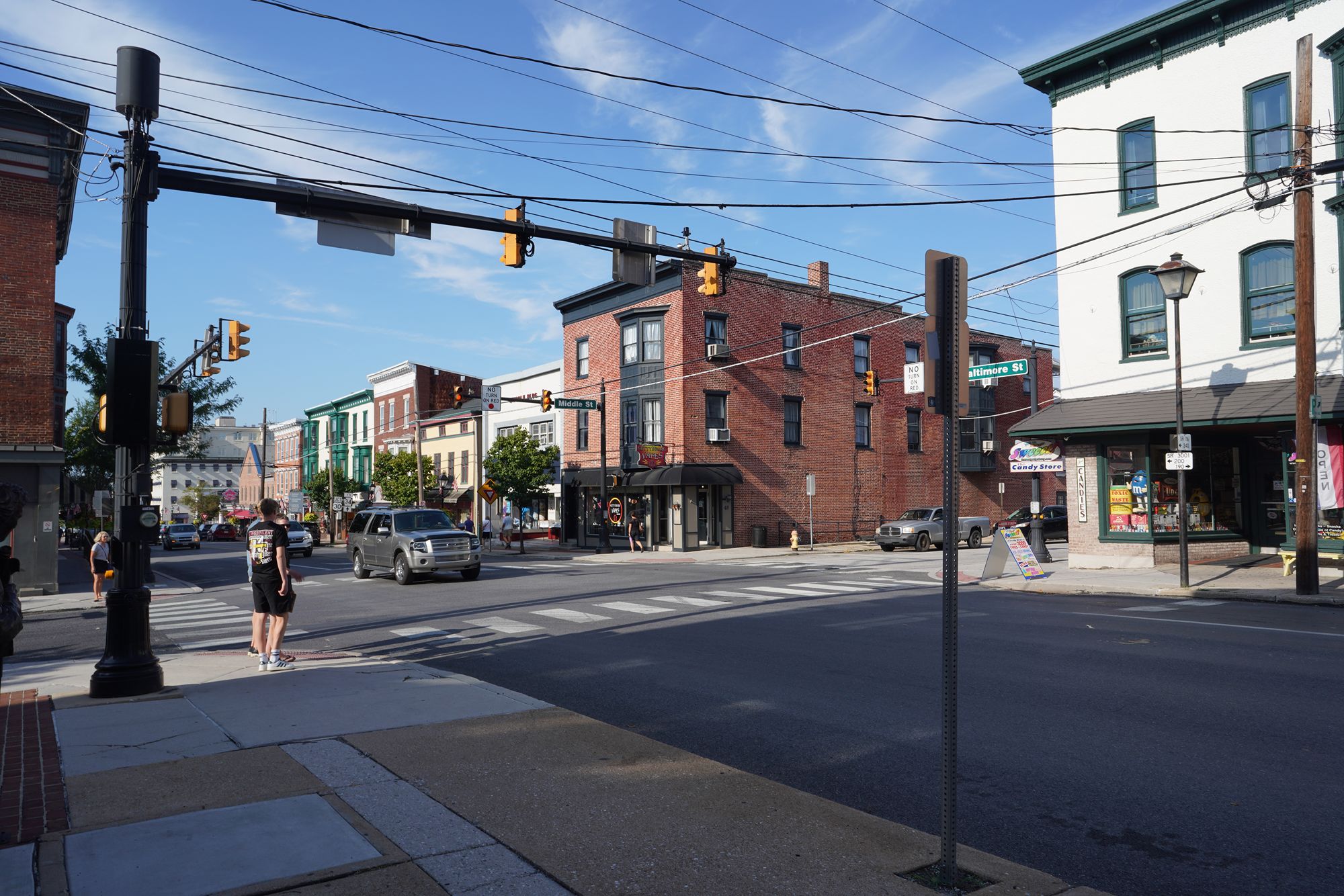
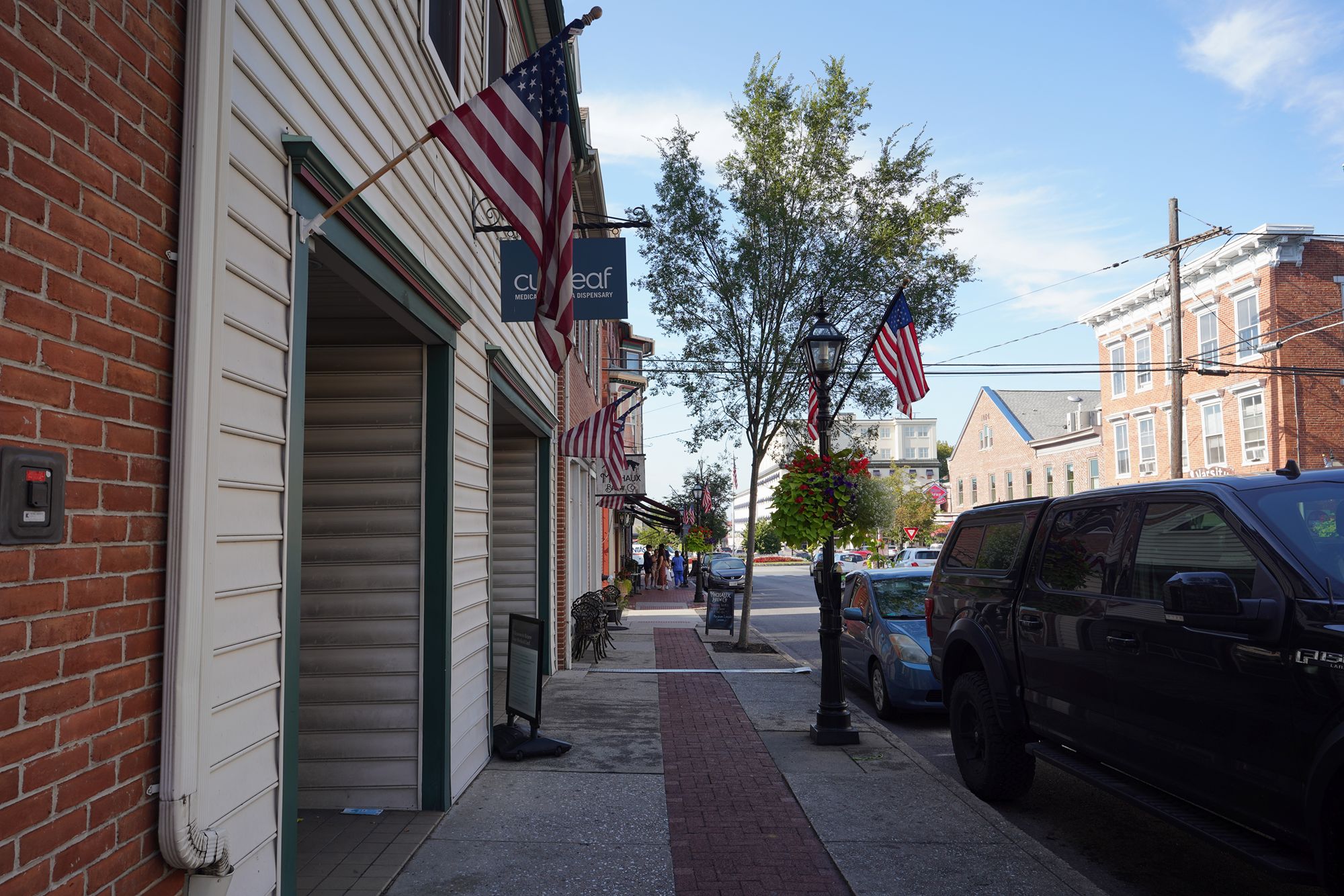
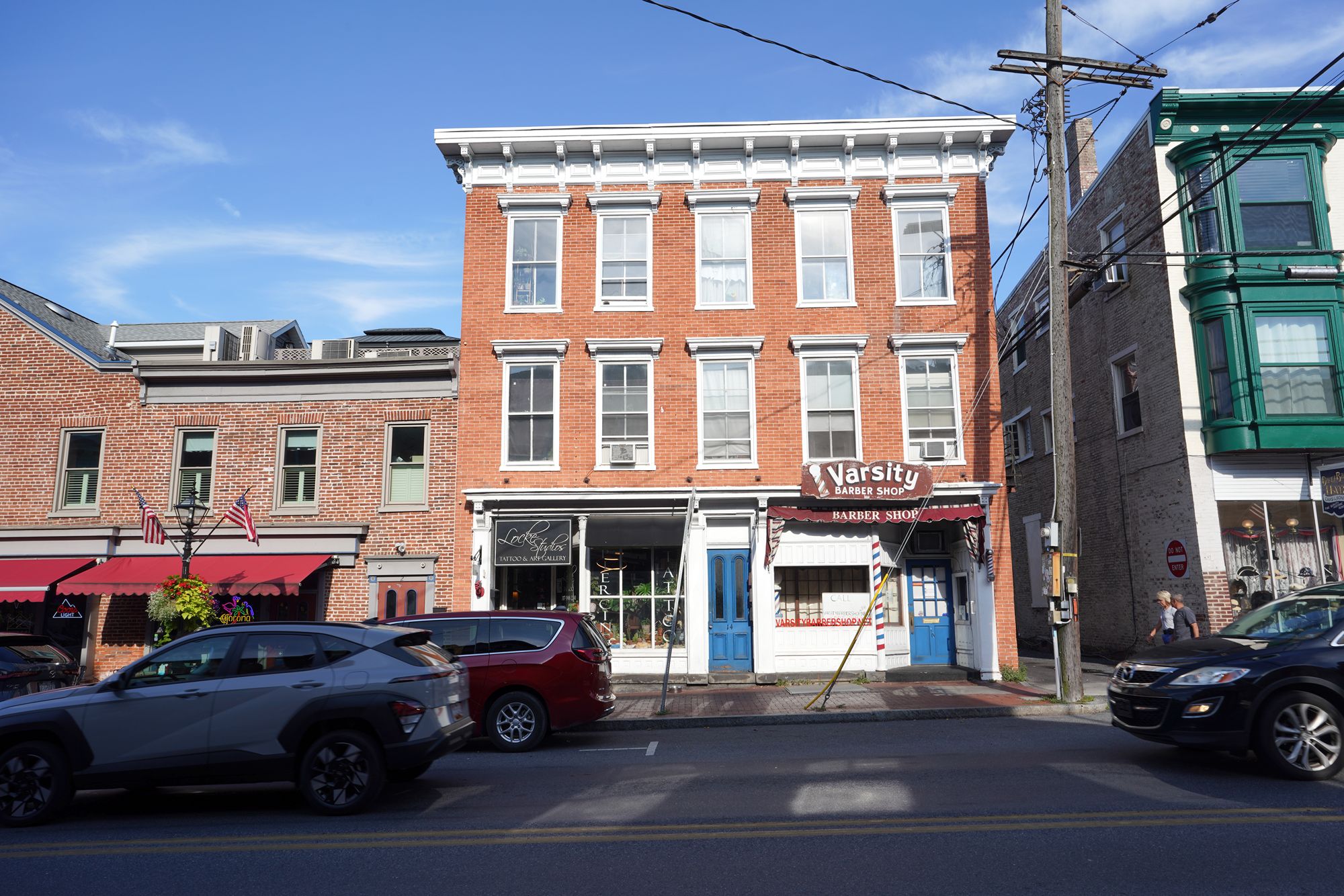
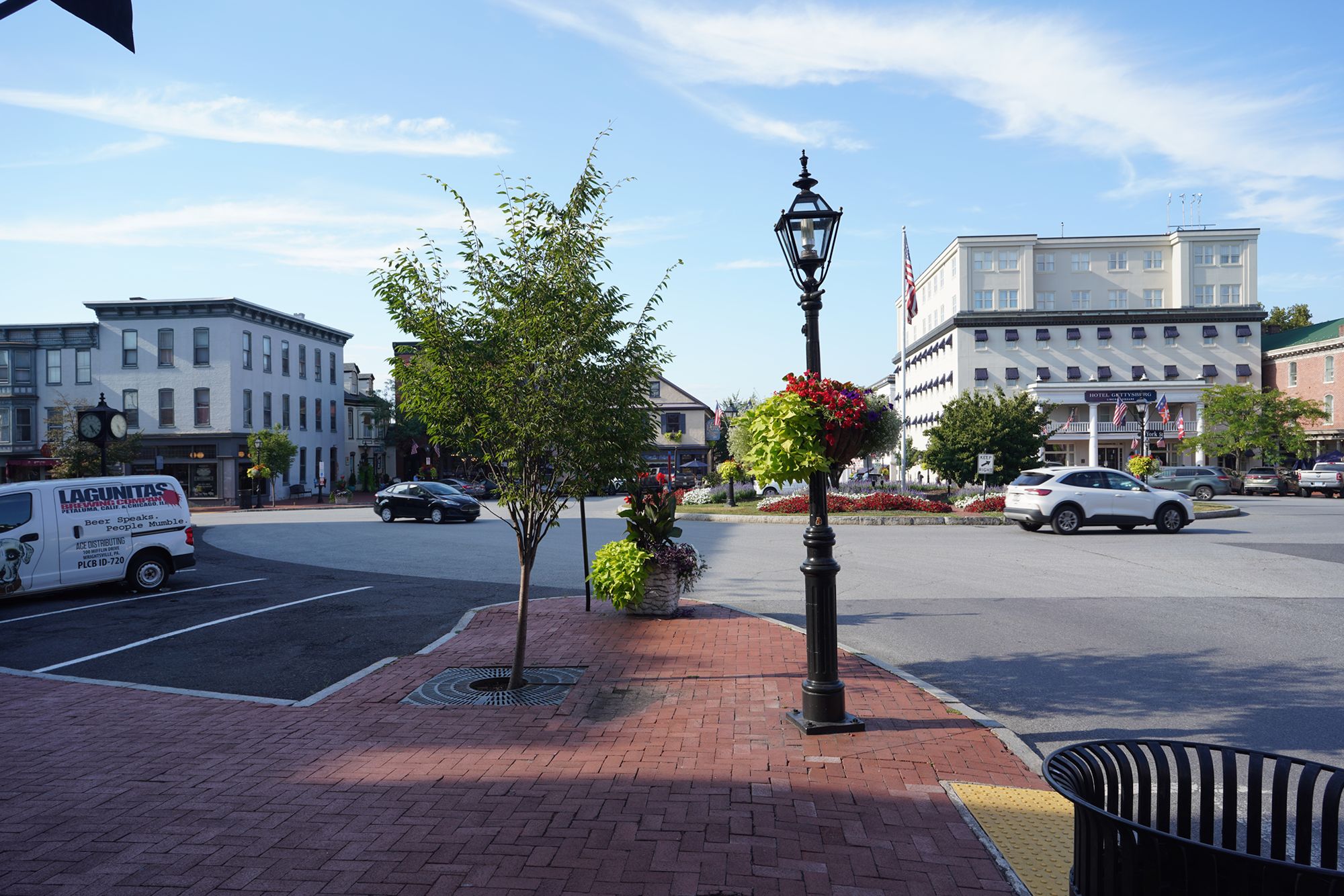
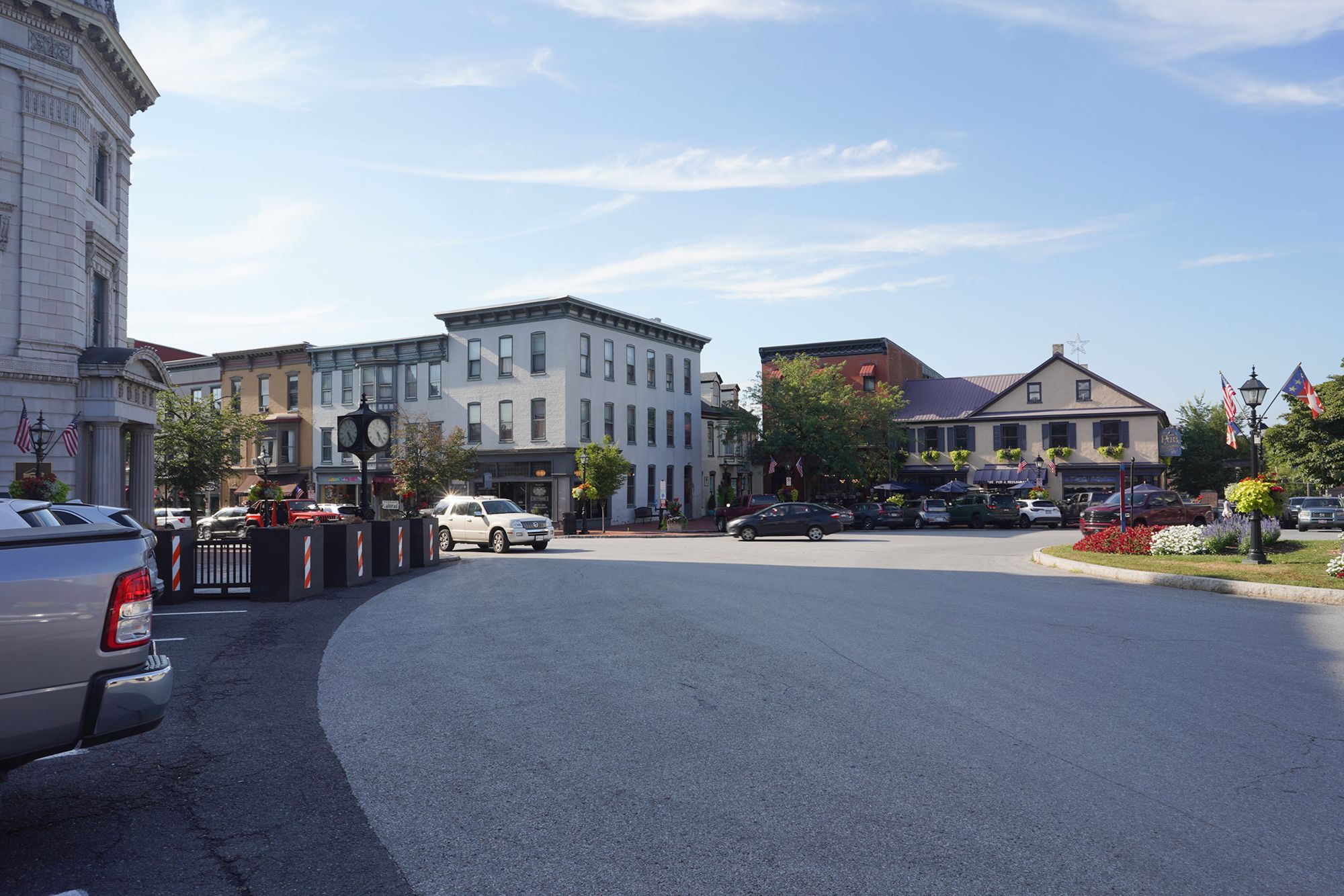
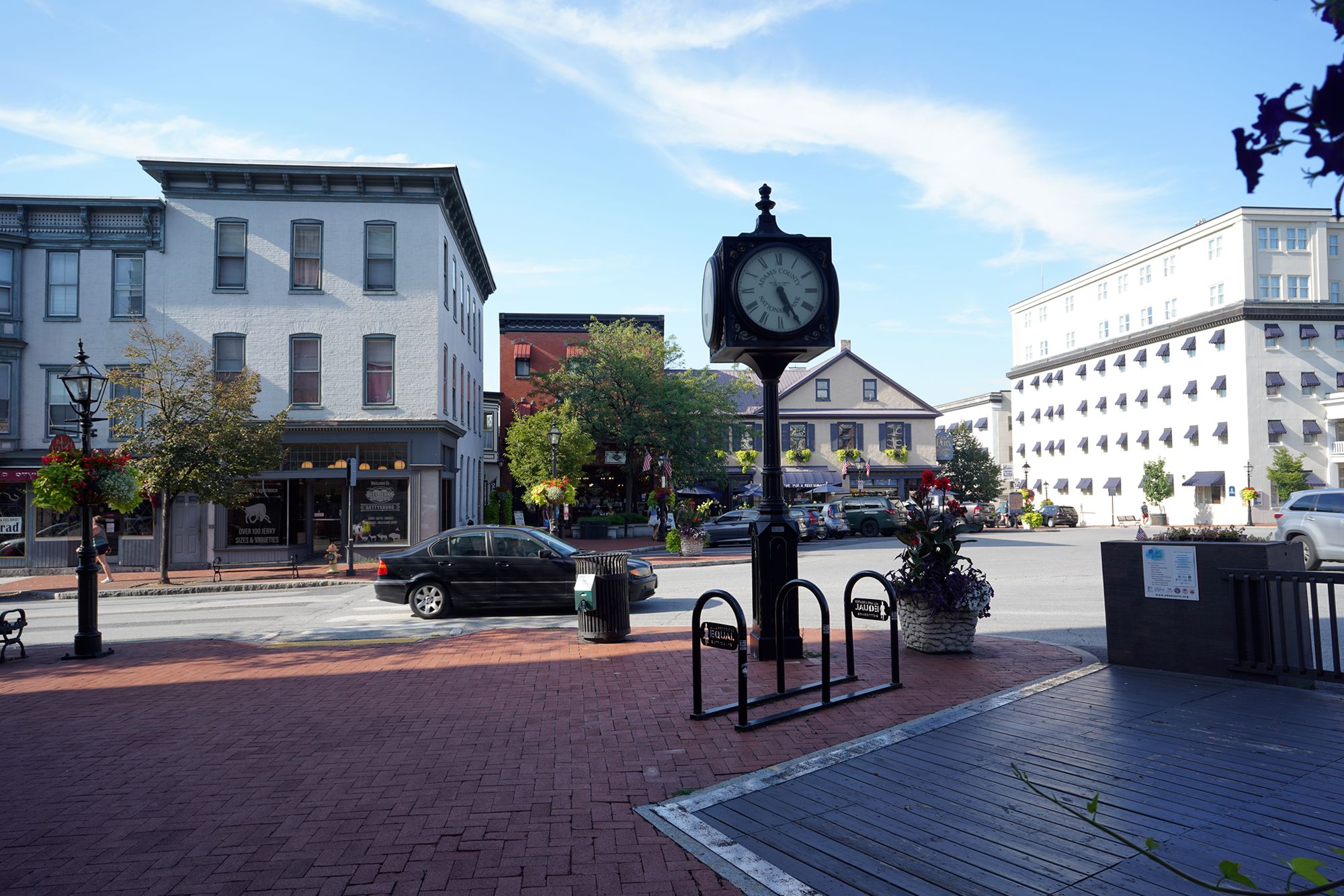
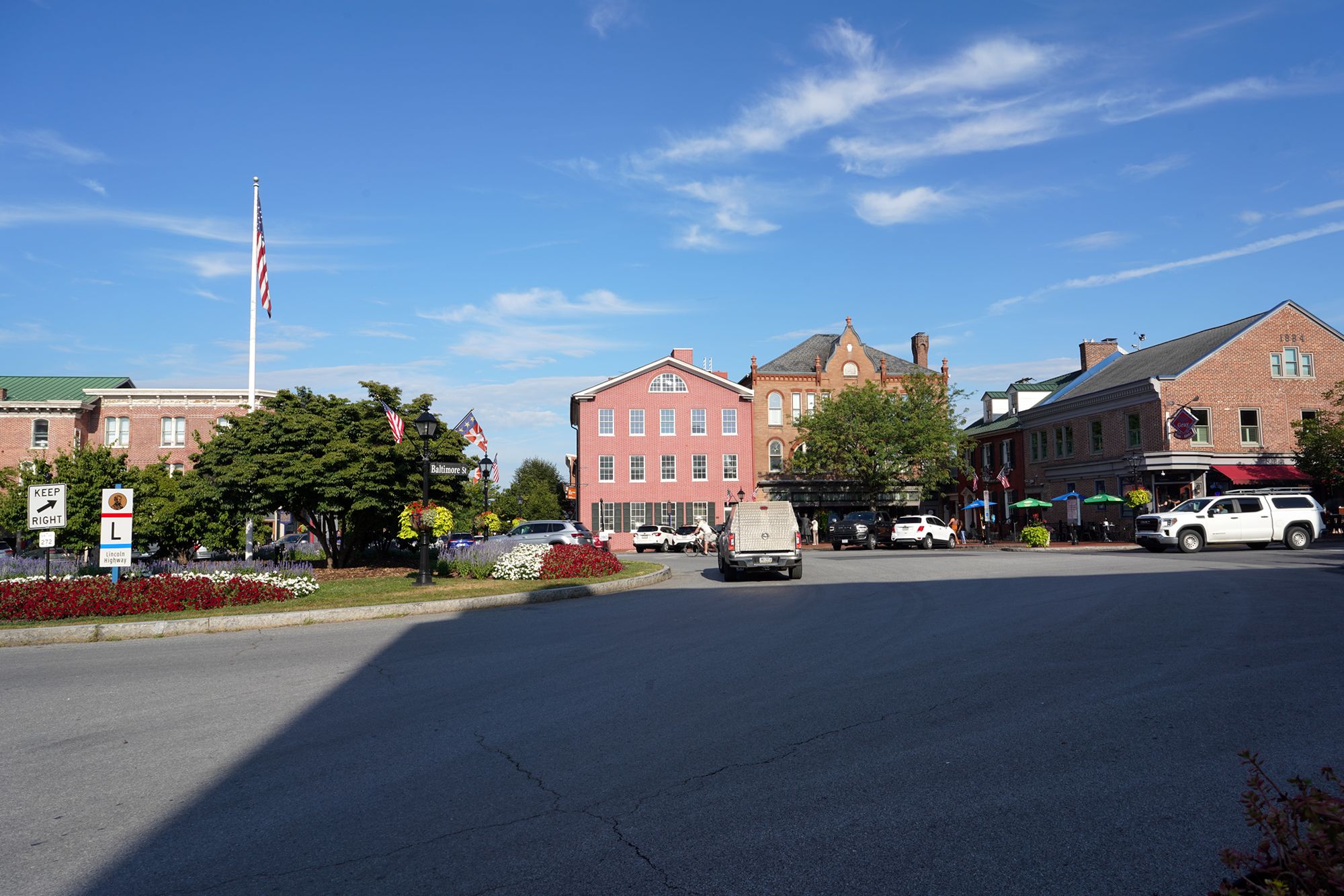
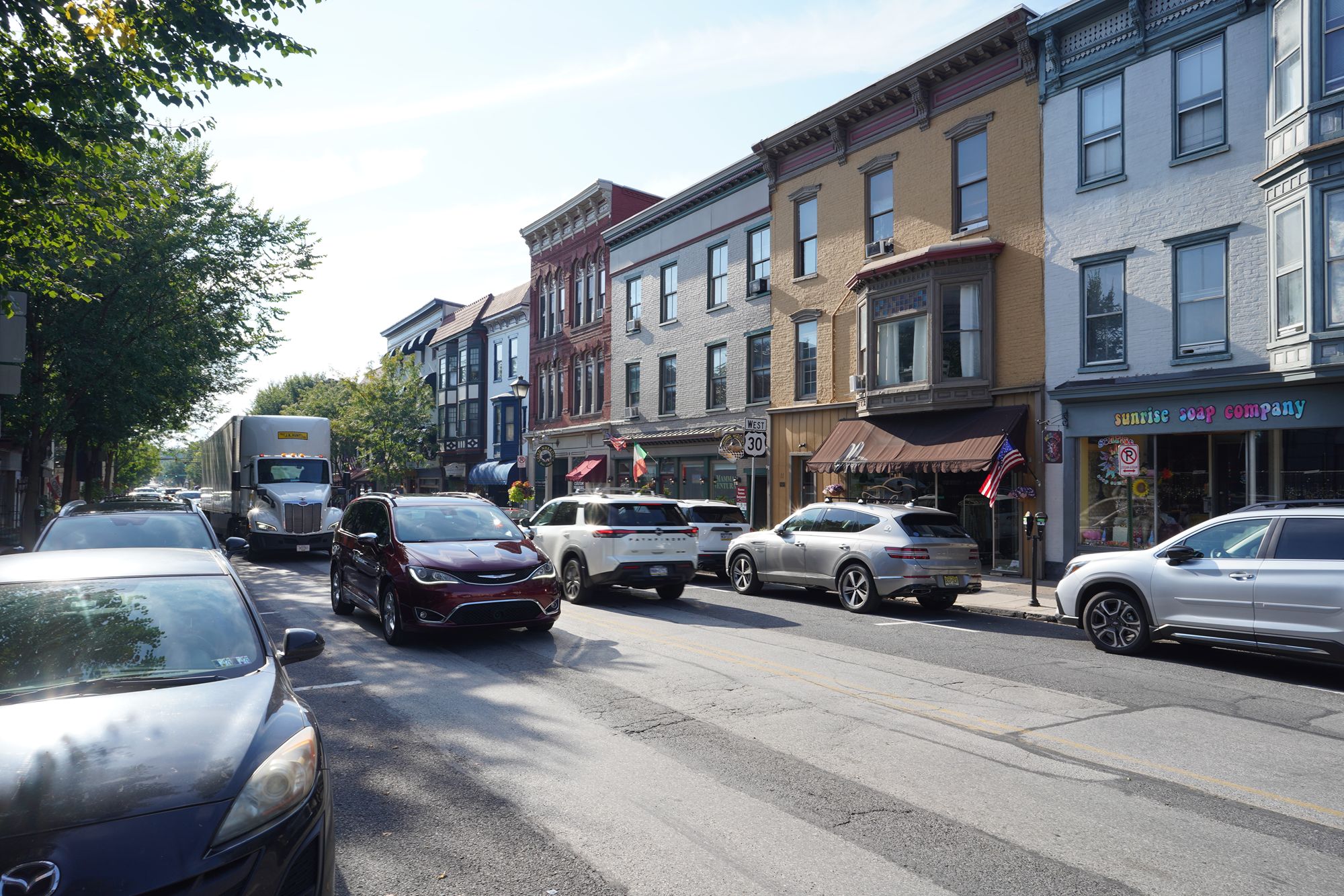
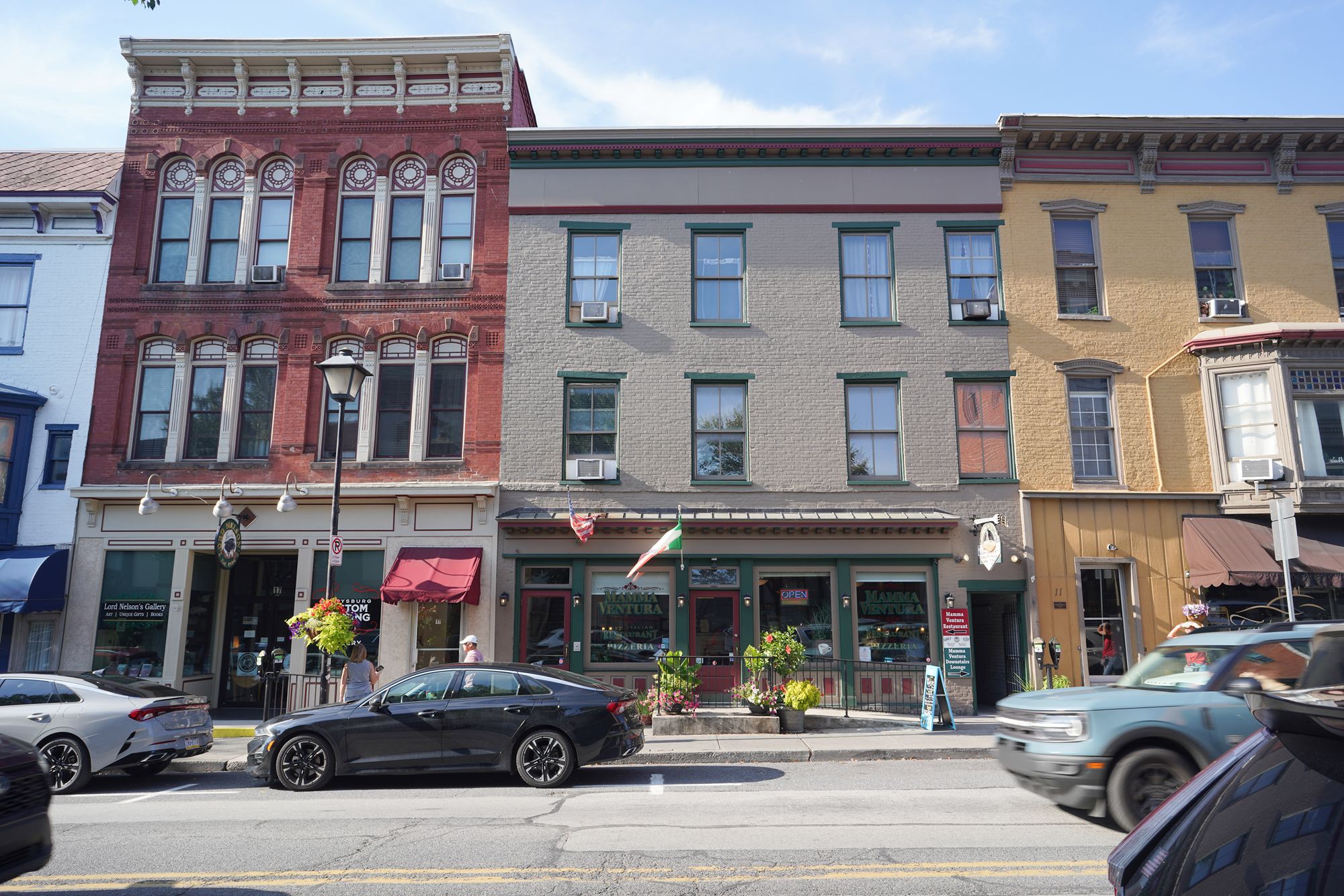
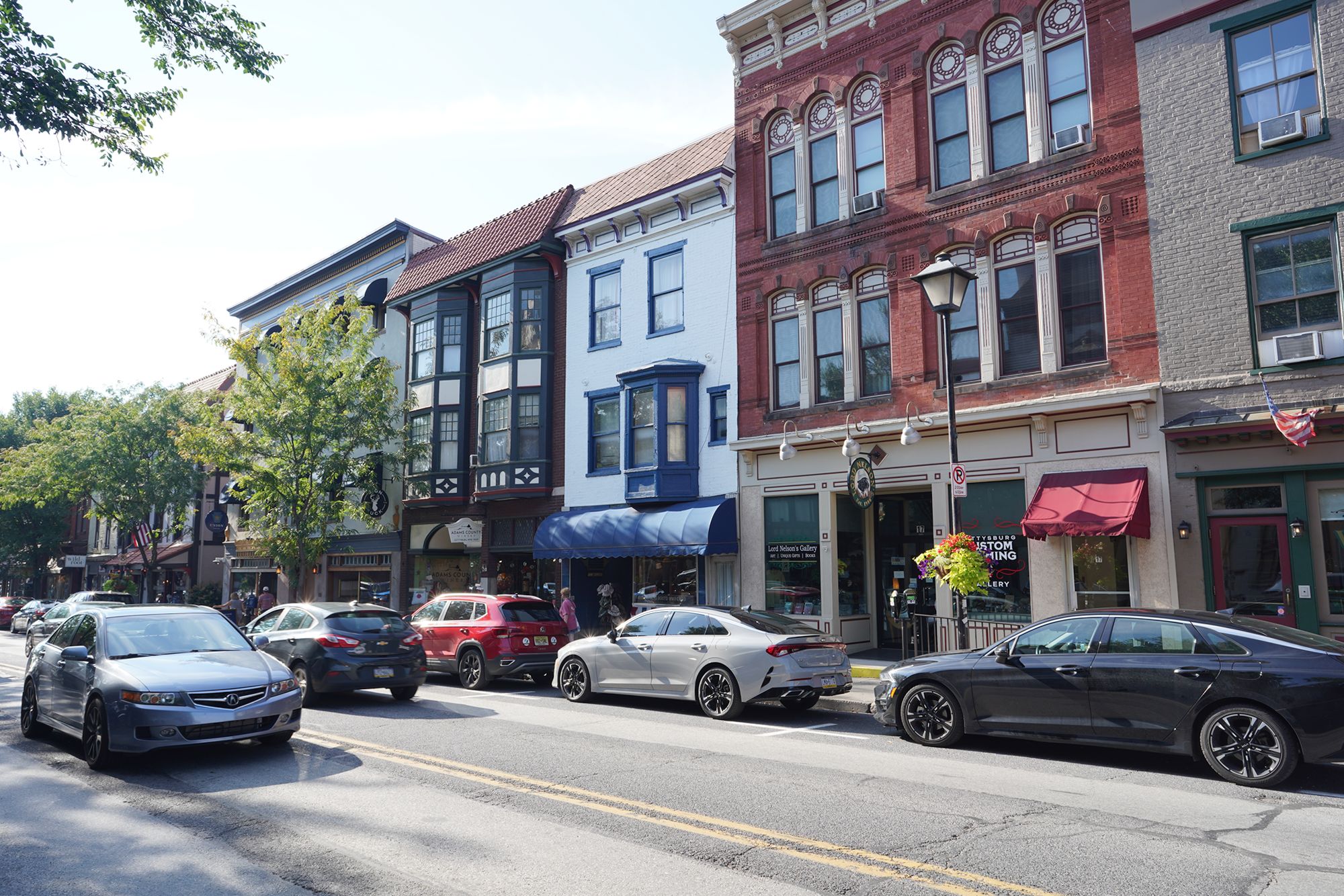
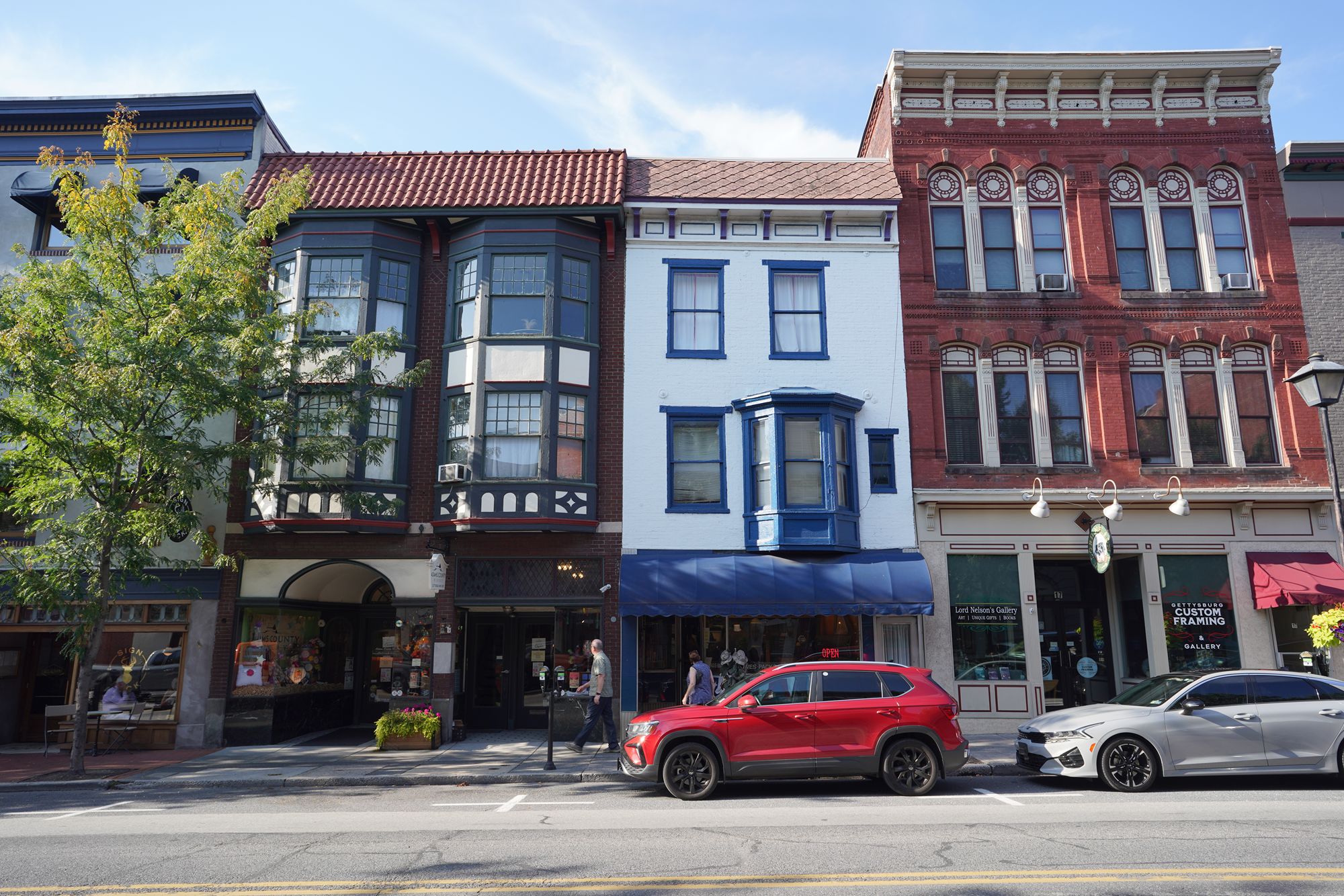
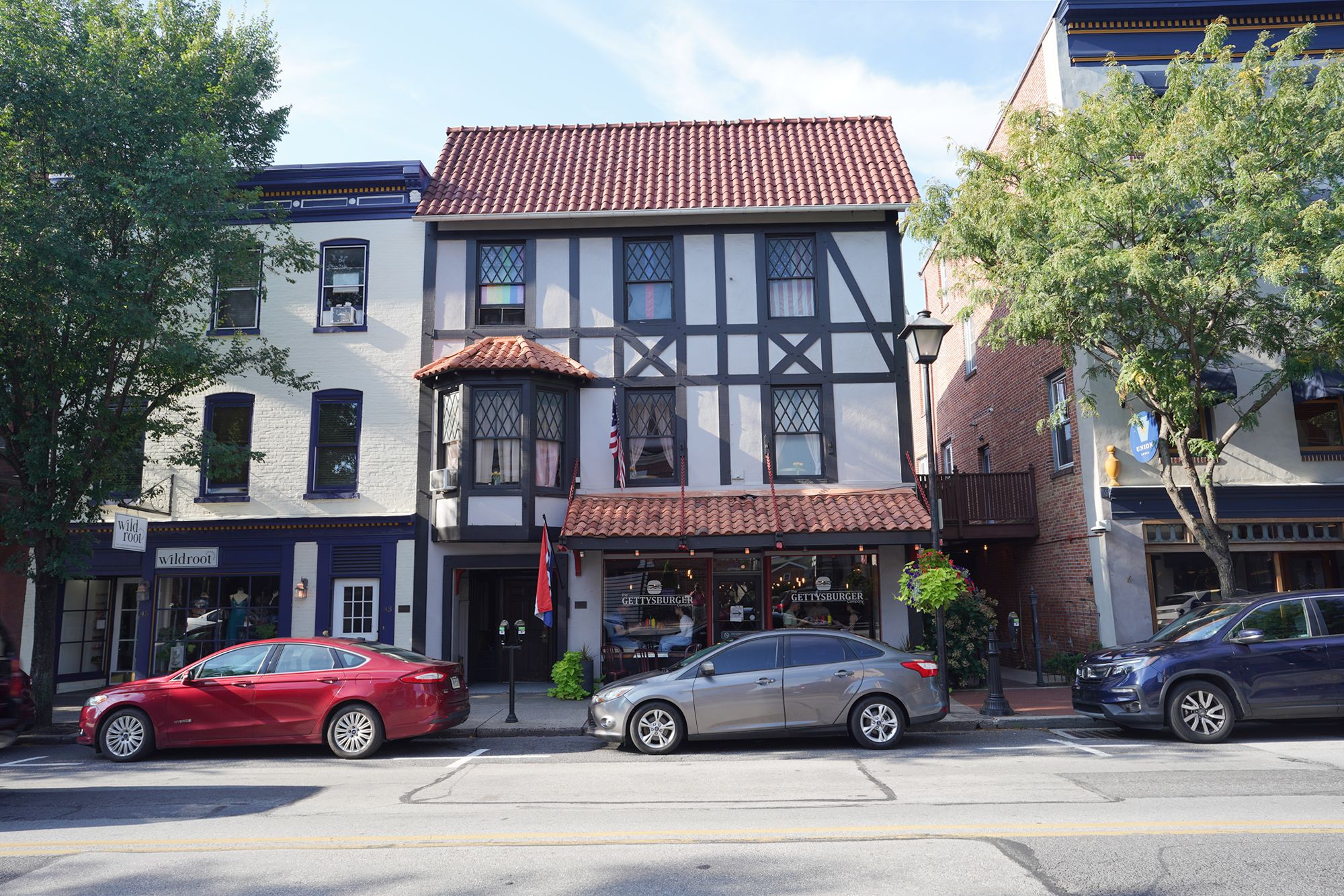
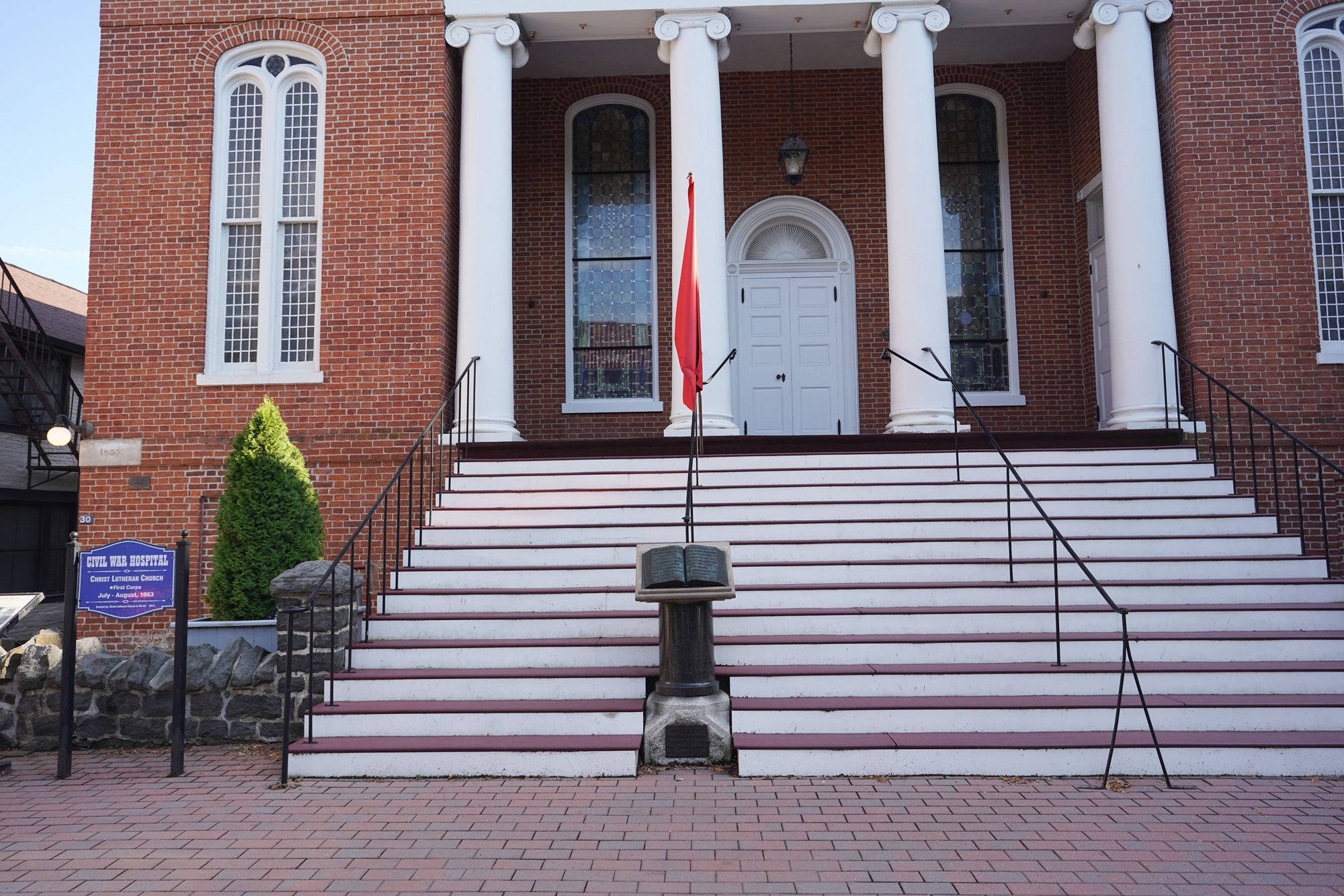
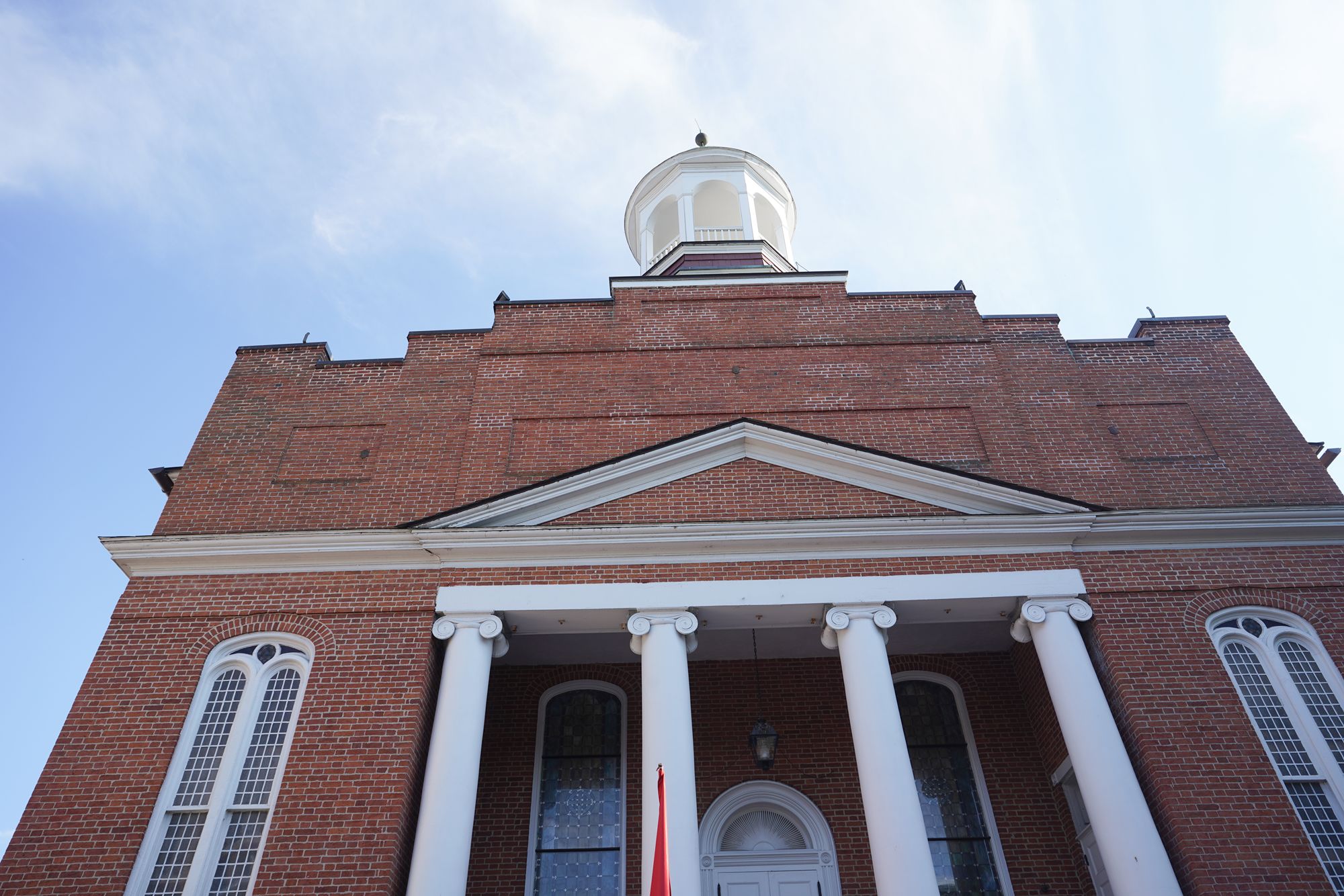
Once I finished touring the battlefield, I made my way into downtown Gettysburg to walk around and take in the town.
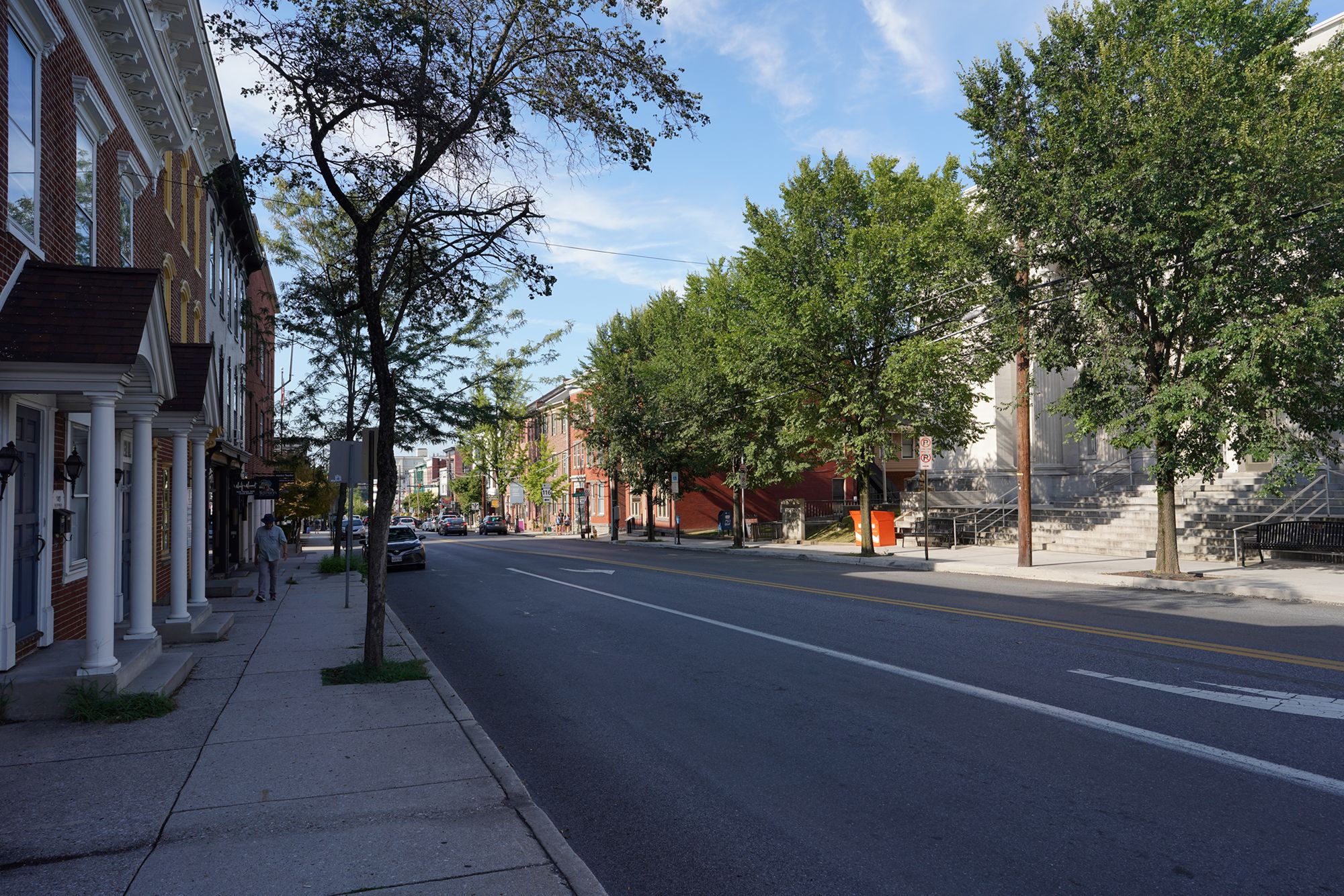
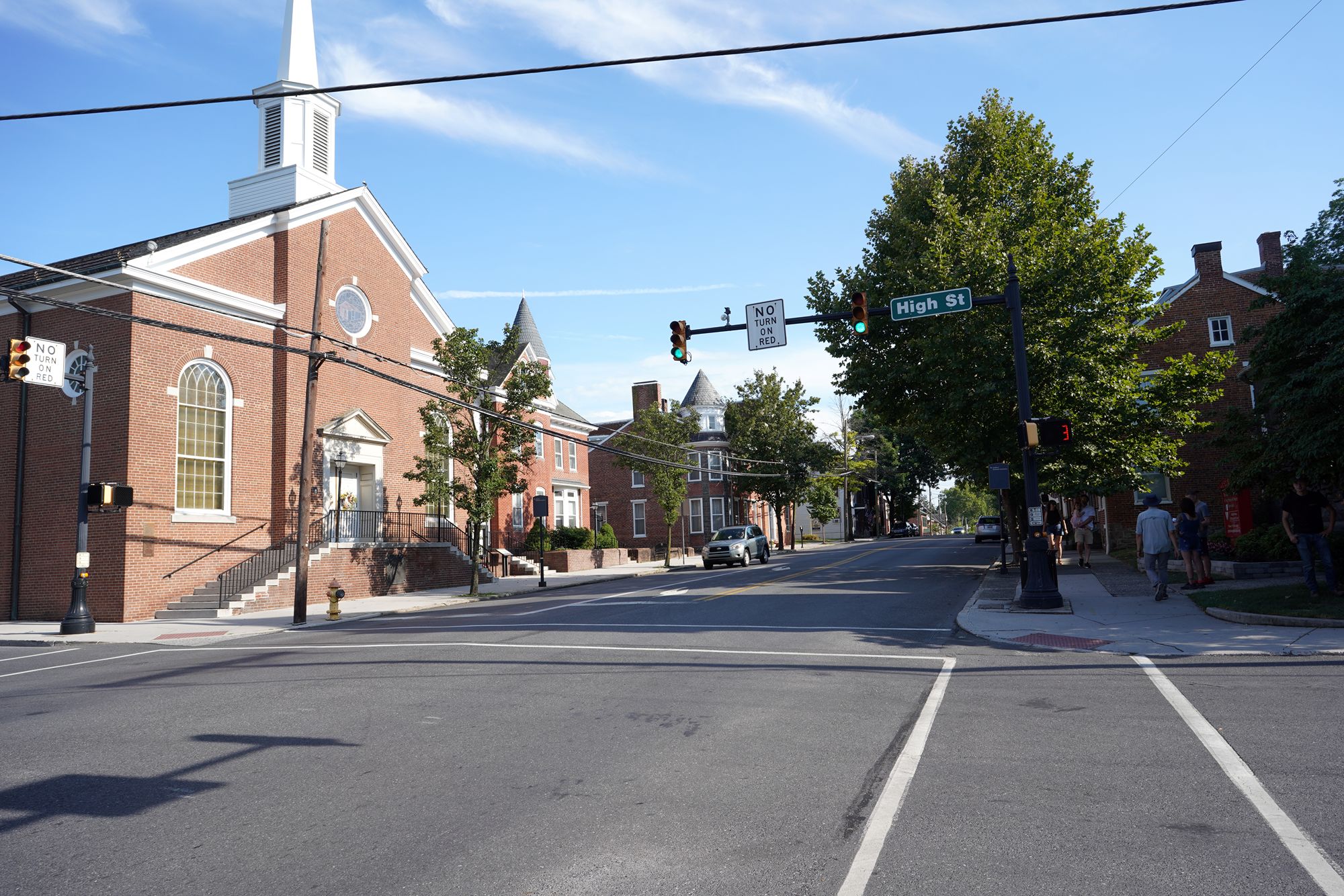
From here, I returned to my car