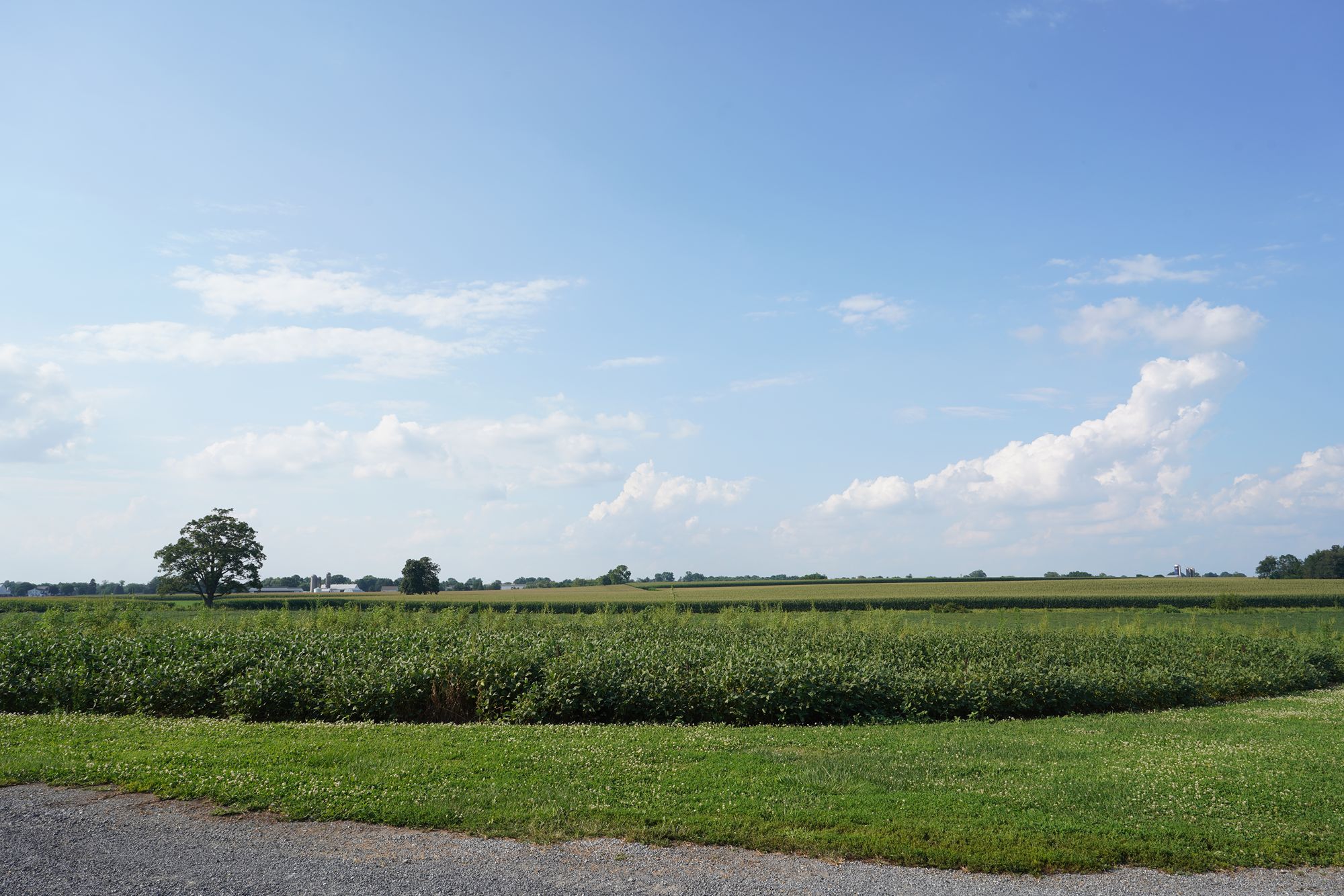
Amish Farm and House Tour, Lancaster, Pennsylvania, USA
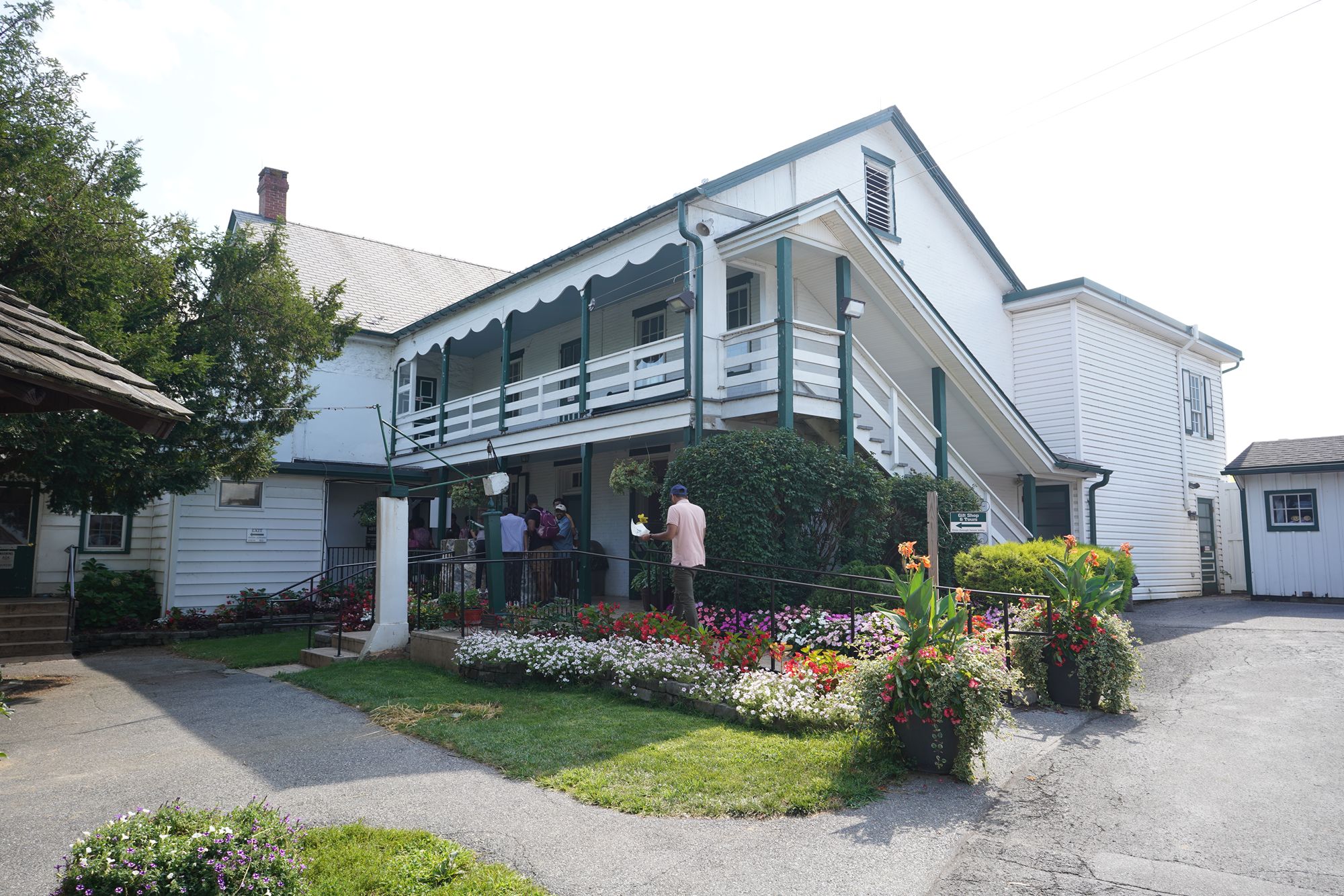
Amish Farm and House was established in 1955 and is considered the first Amish-focused tourist attraction in the U.S. 1163
The Amish Farm and House: 2395 Covered Bridge Dr, Lancaster, PA 17602
Date Picture Taken: August 2025
It centers on a historic farmhouse built in 1805, once home to an Amish family. Through guided tours, it offers visitors a thoughtful glimpse of Amish life — past and present.
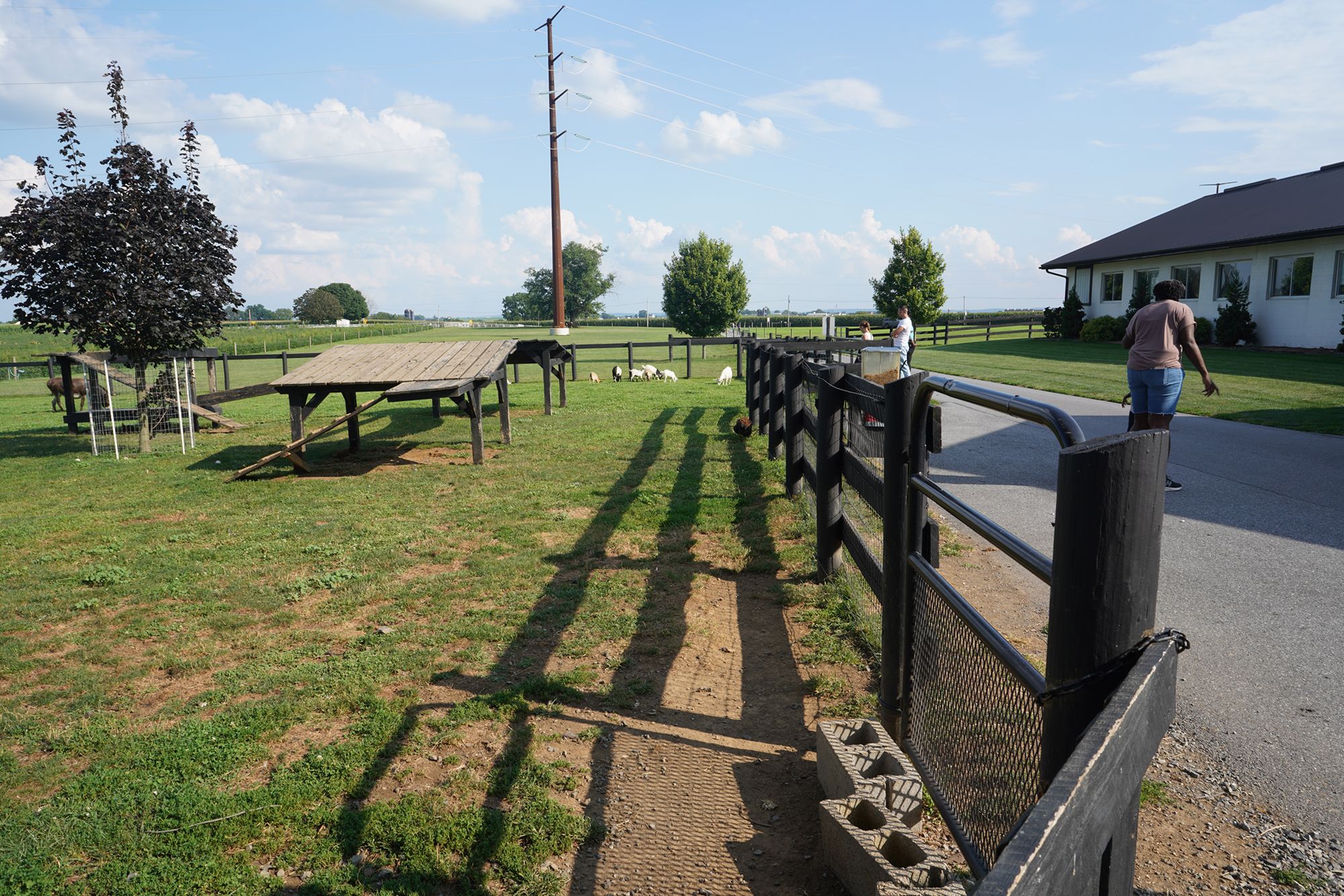
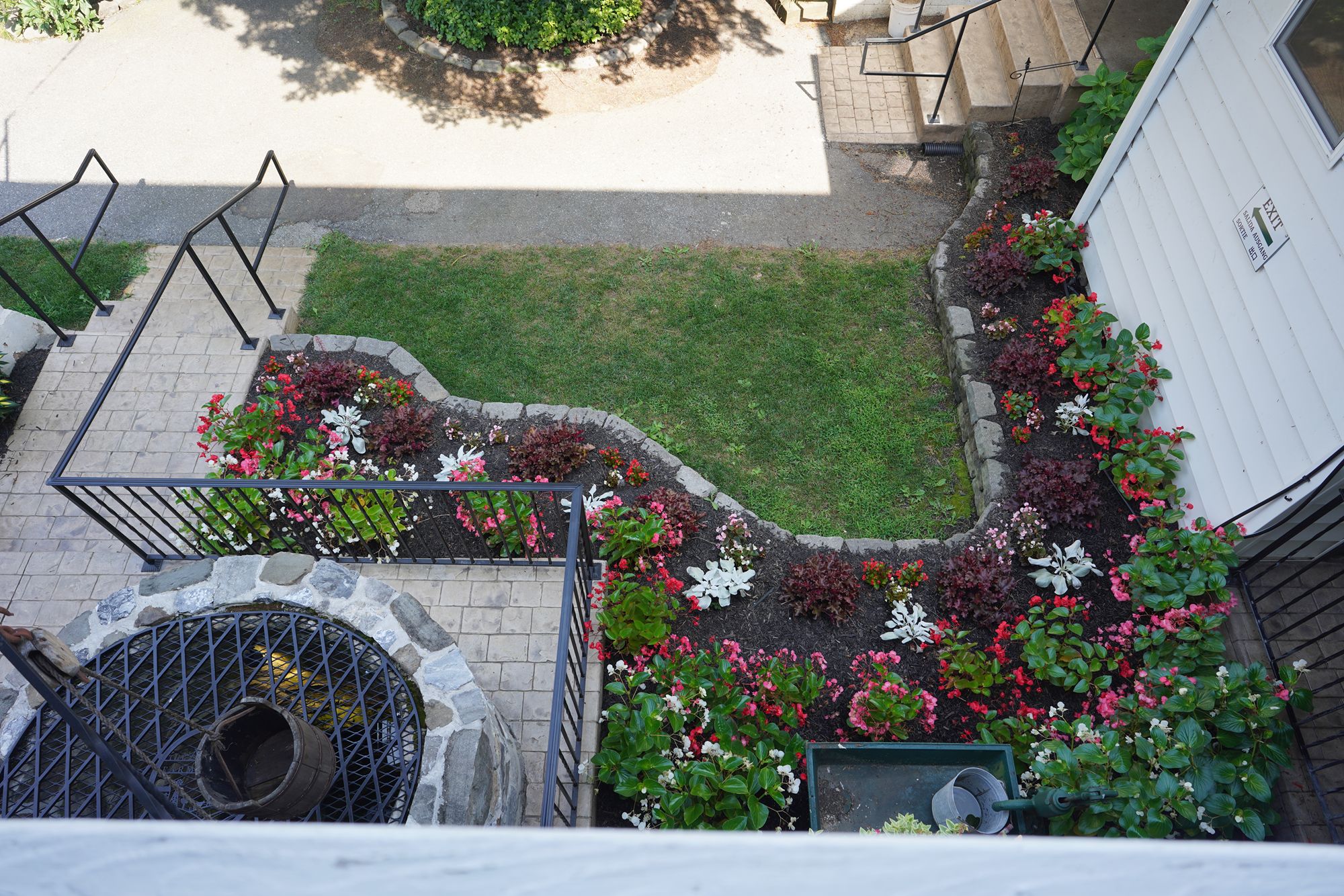
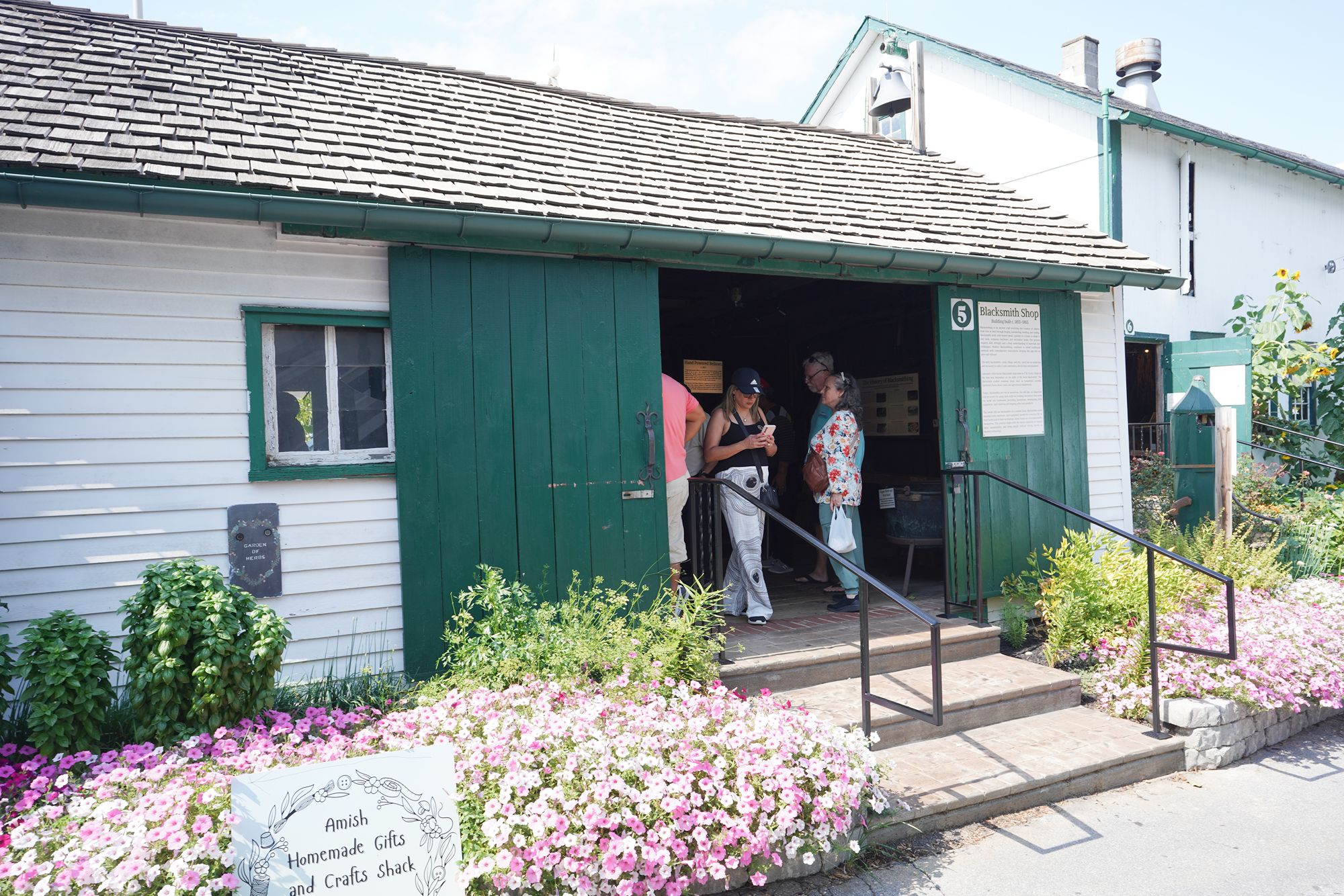
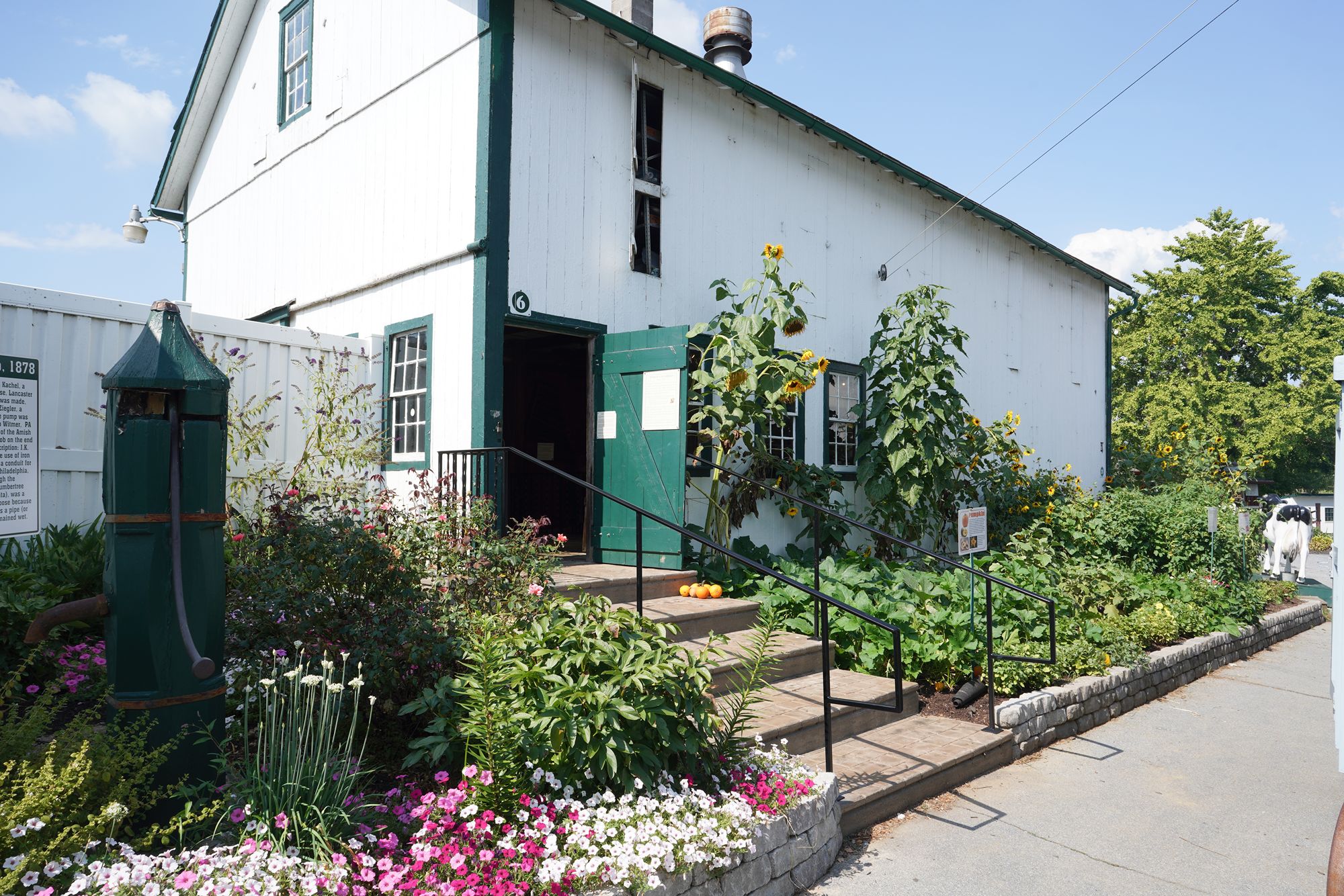
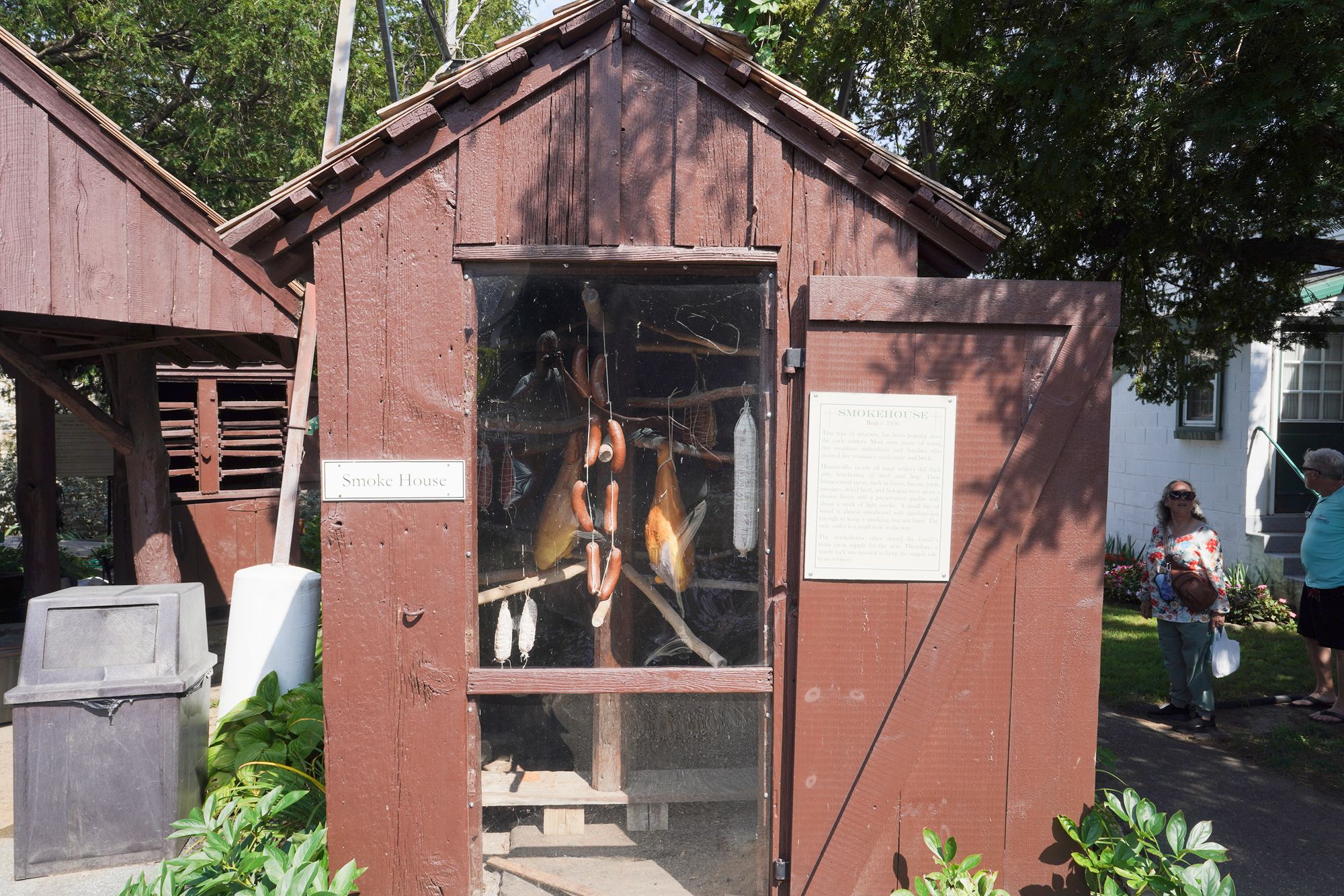
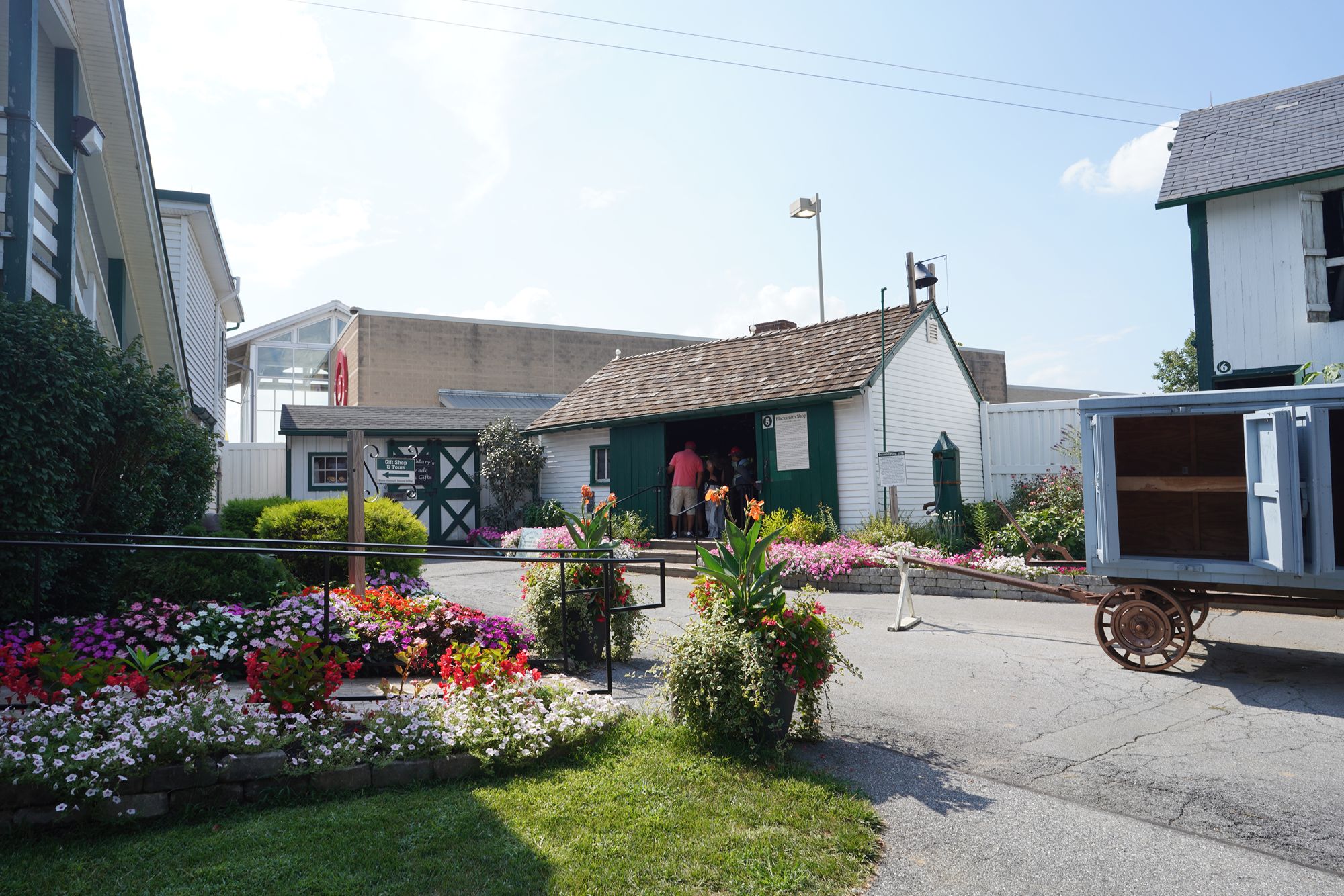
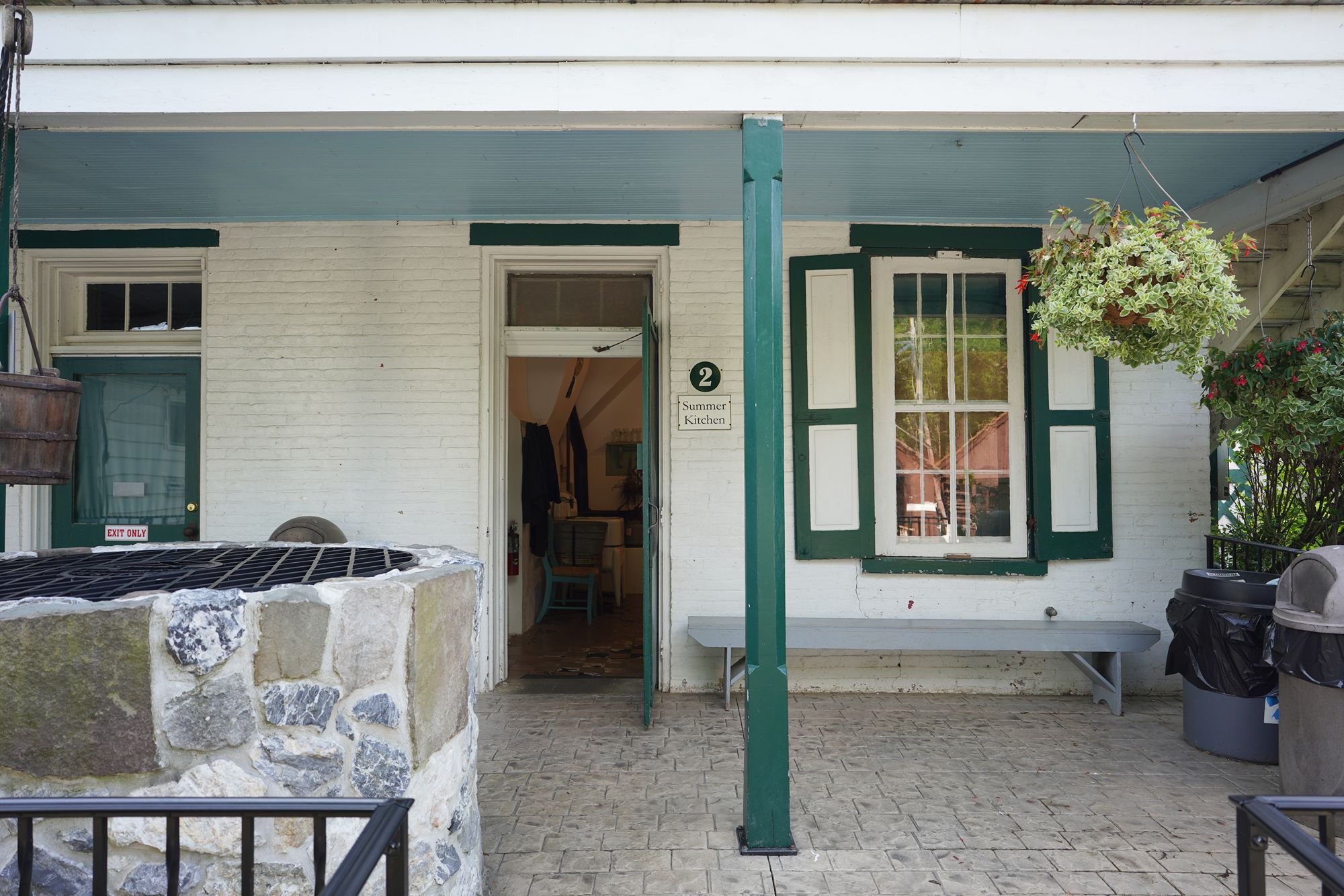
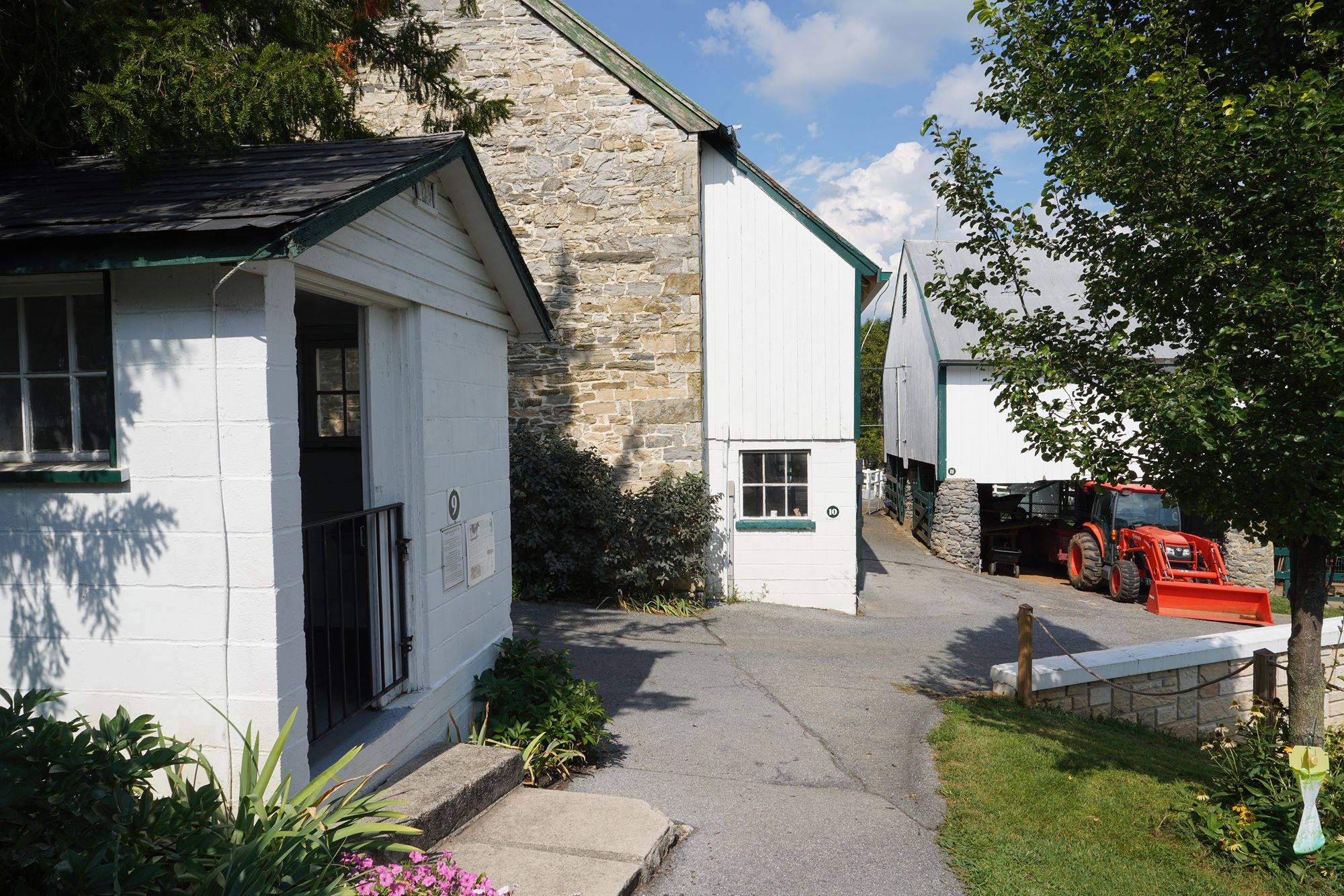
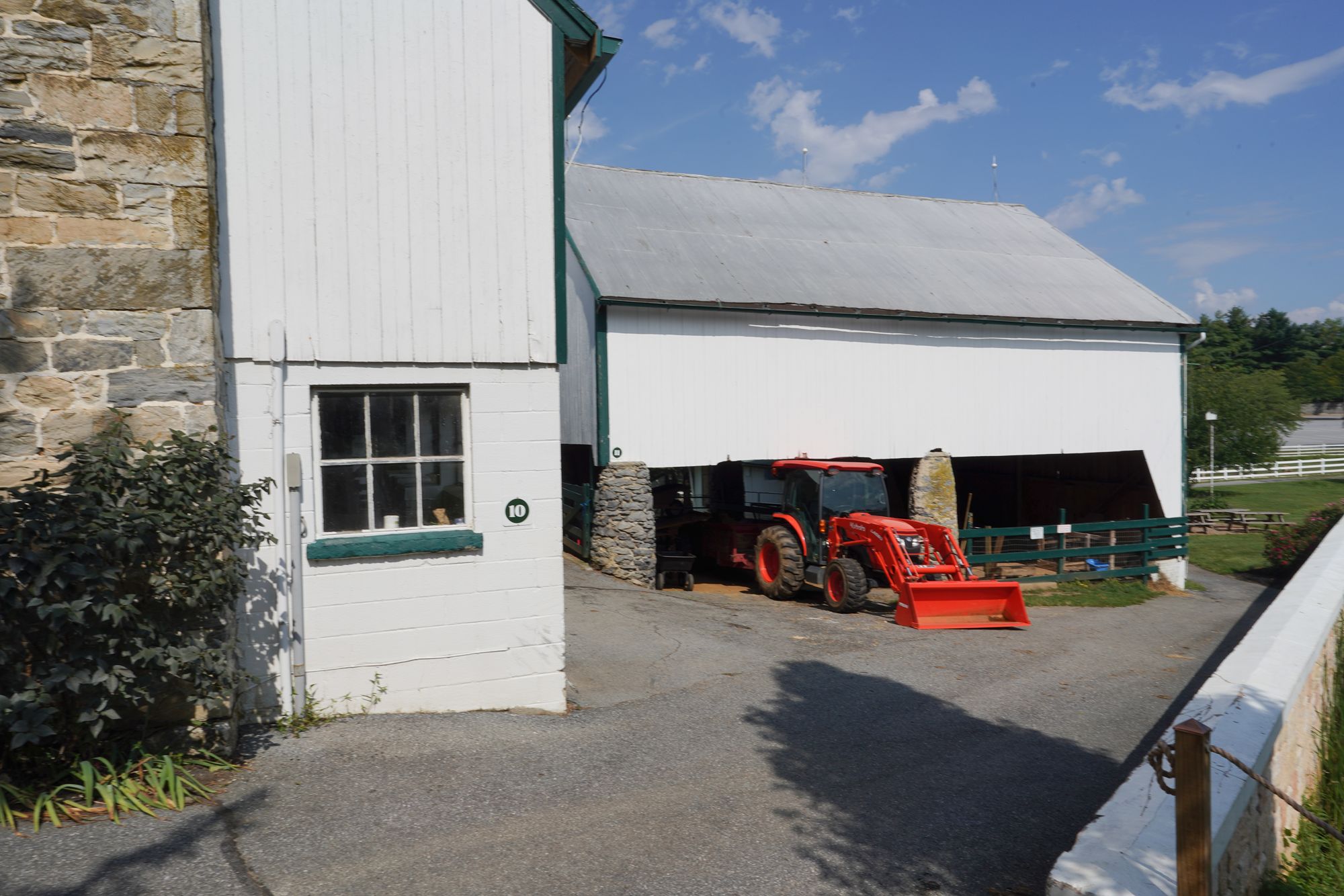
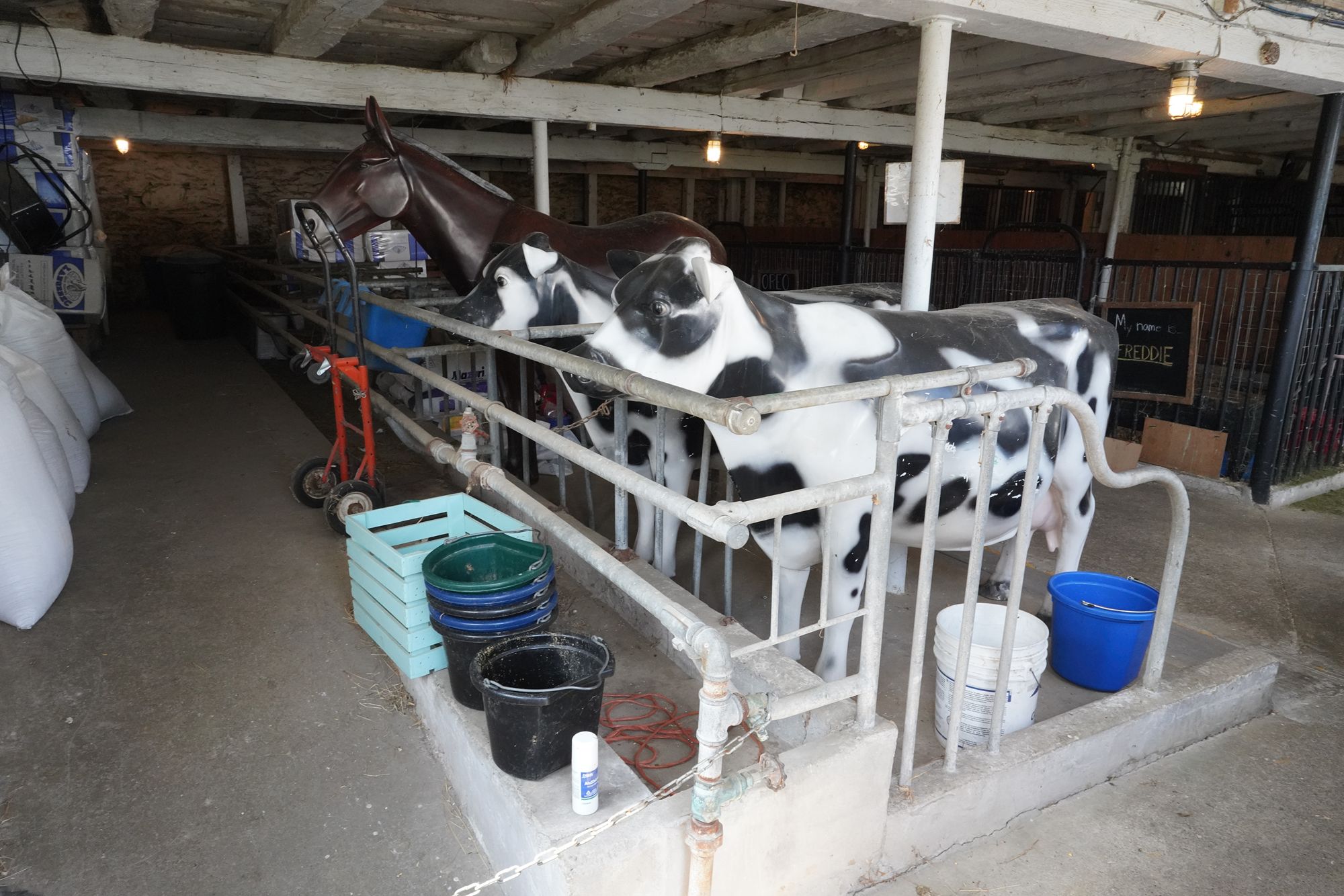
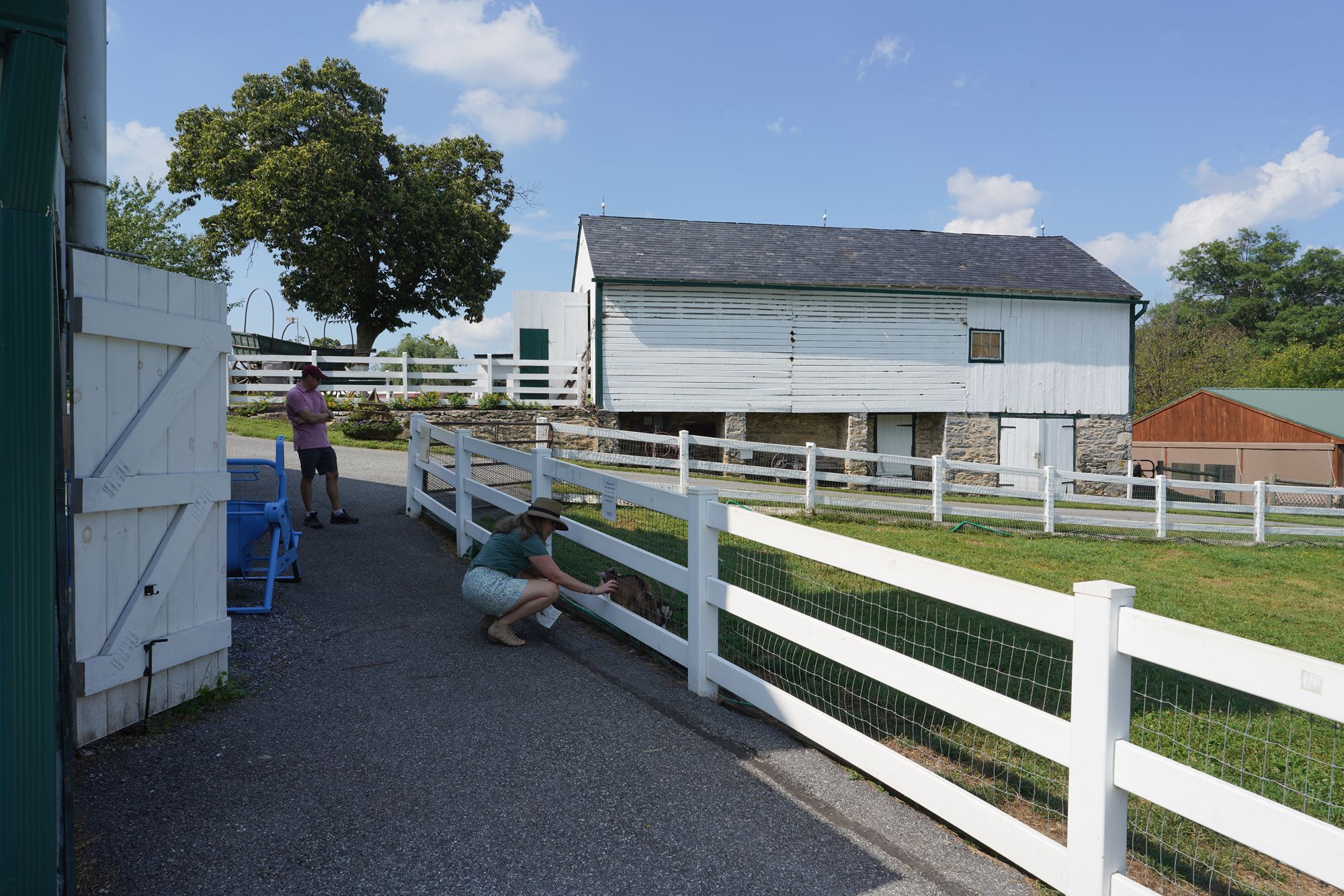
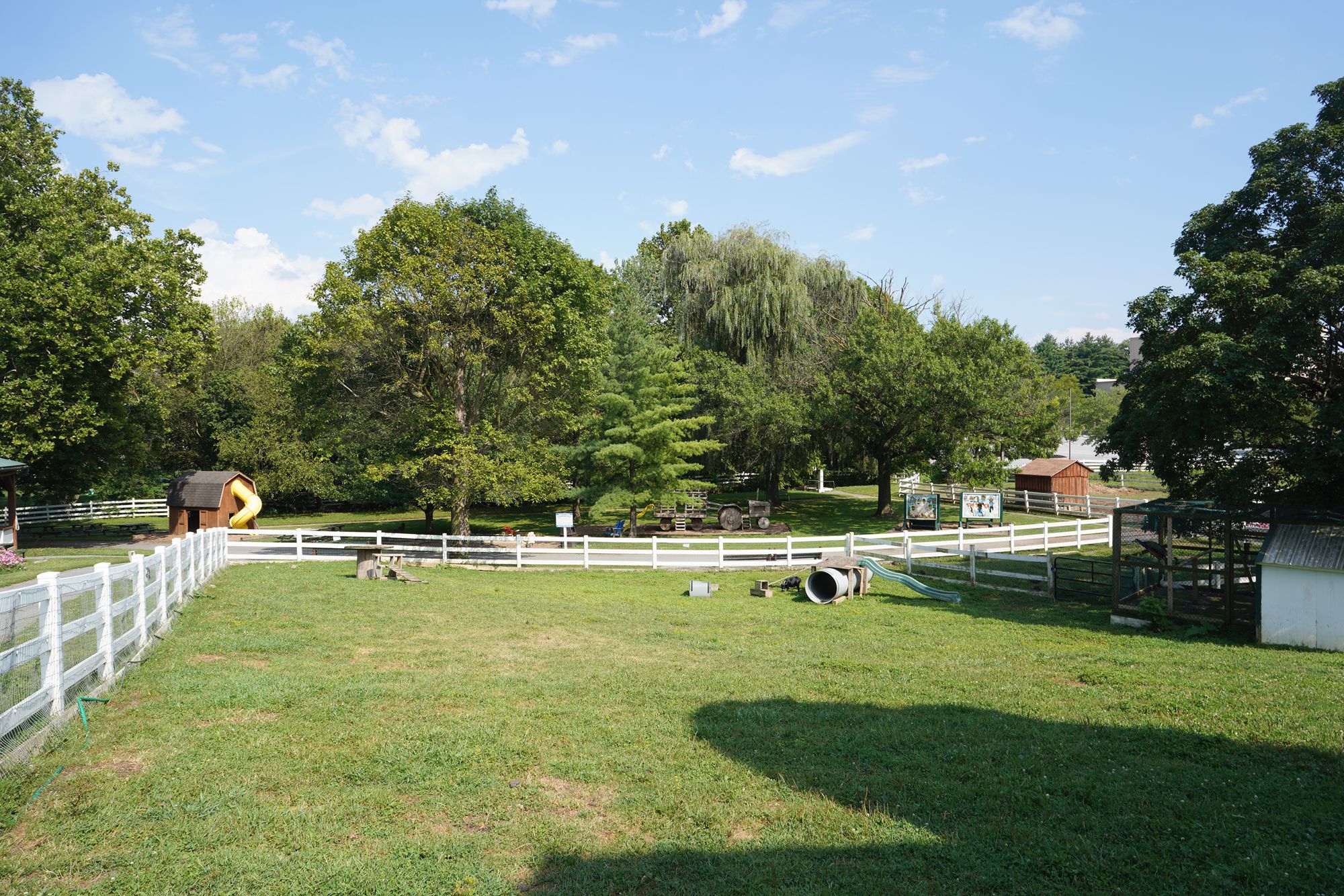
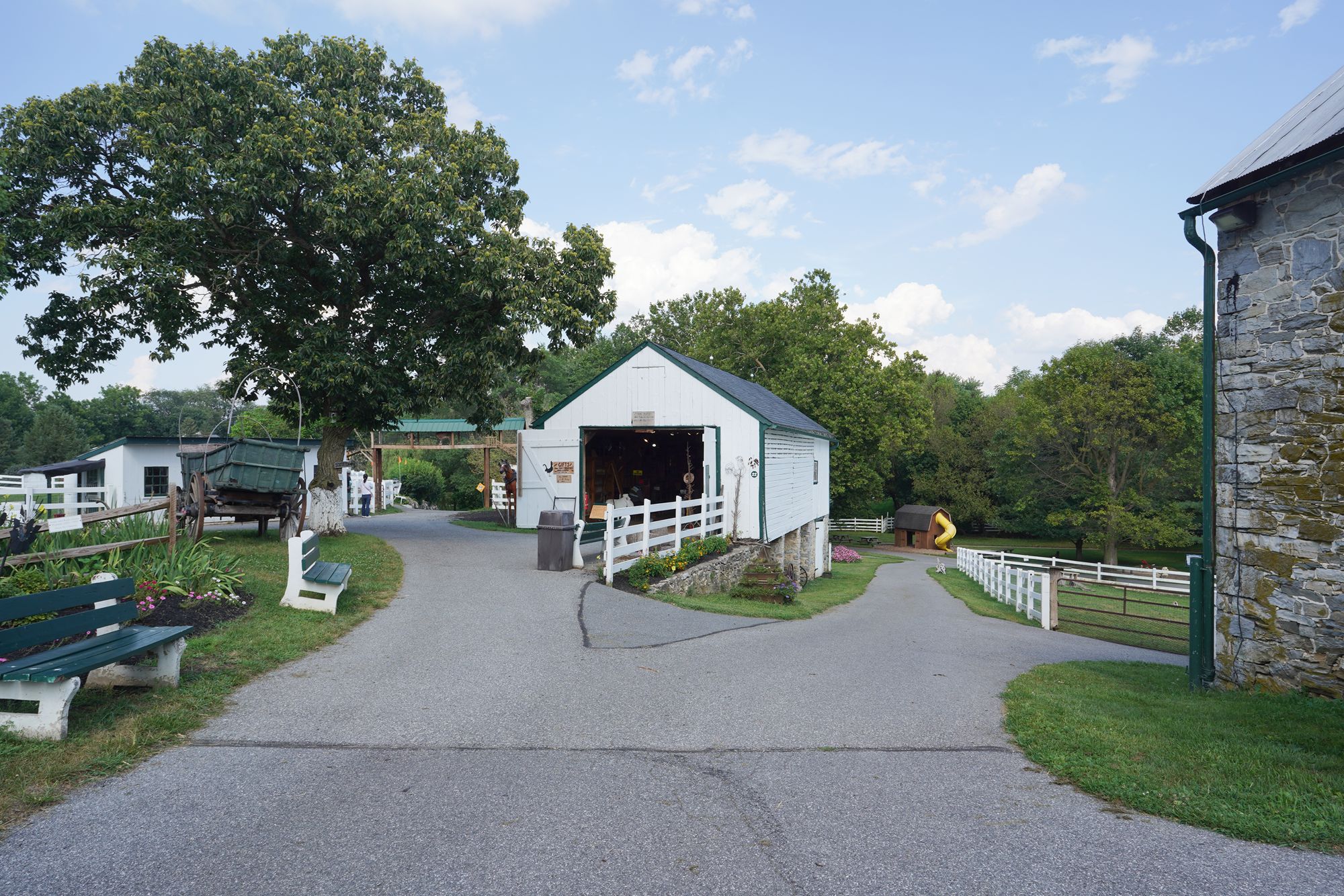
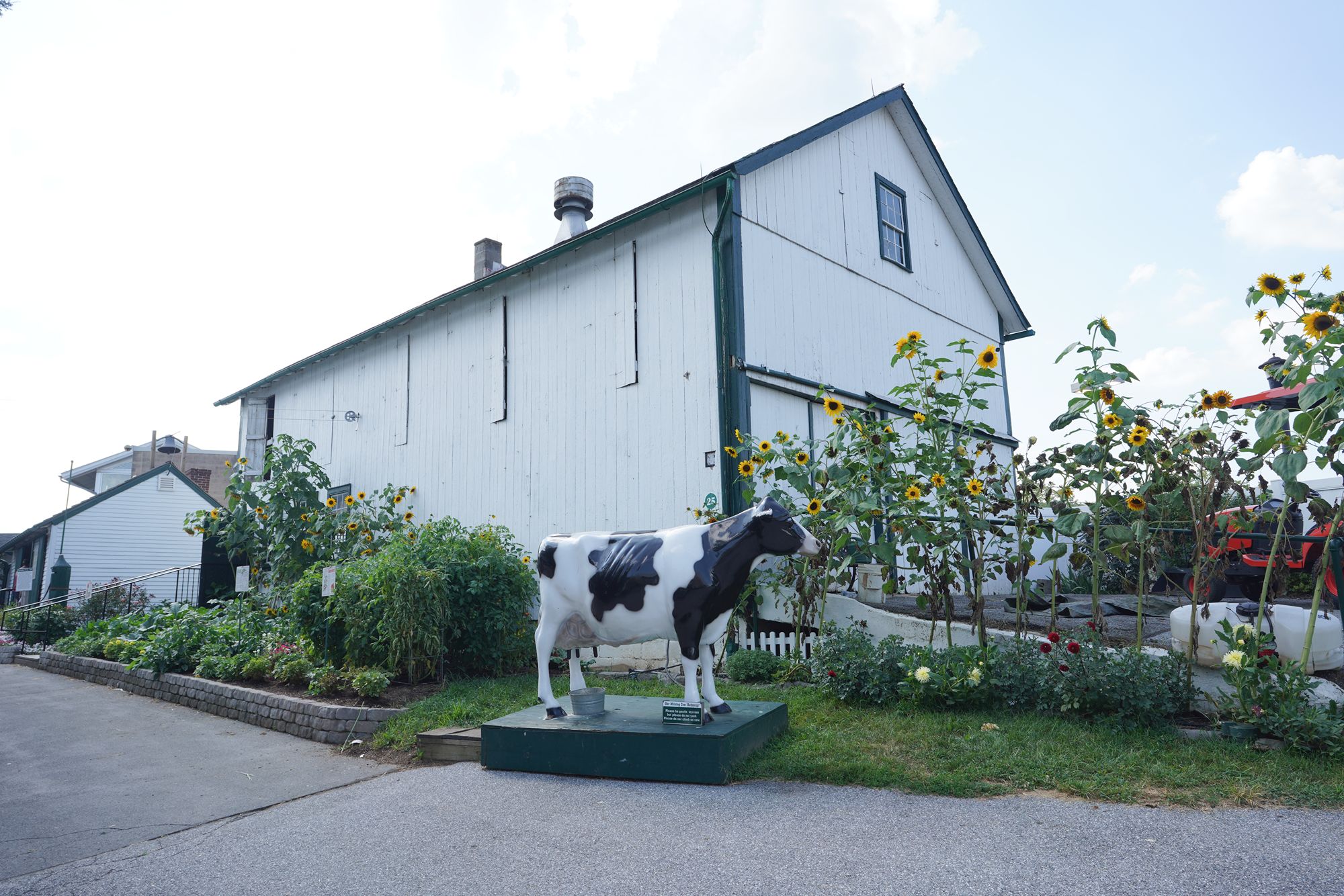
Beyond the house, the attraction includes a 15-acre farm, with animals, an authentic one-room schoolhouse, and various displays that represent traditional Amish farm life: smokehouse, milk house, windmill, waterwheel, herb garden, etc.
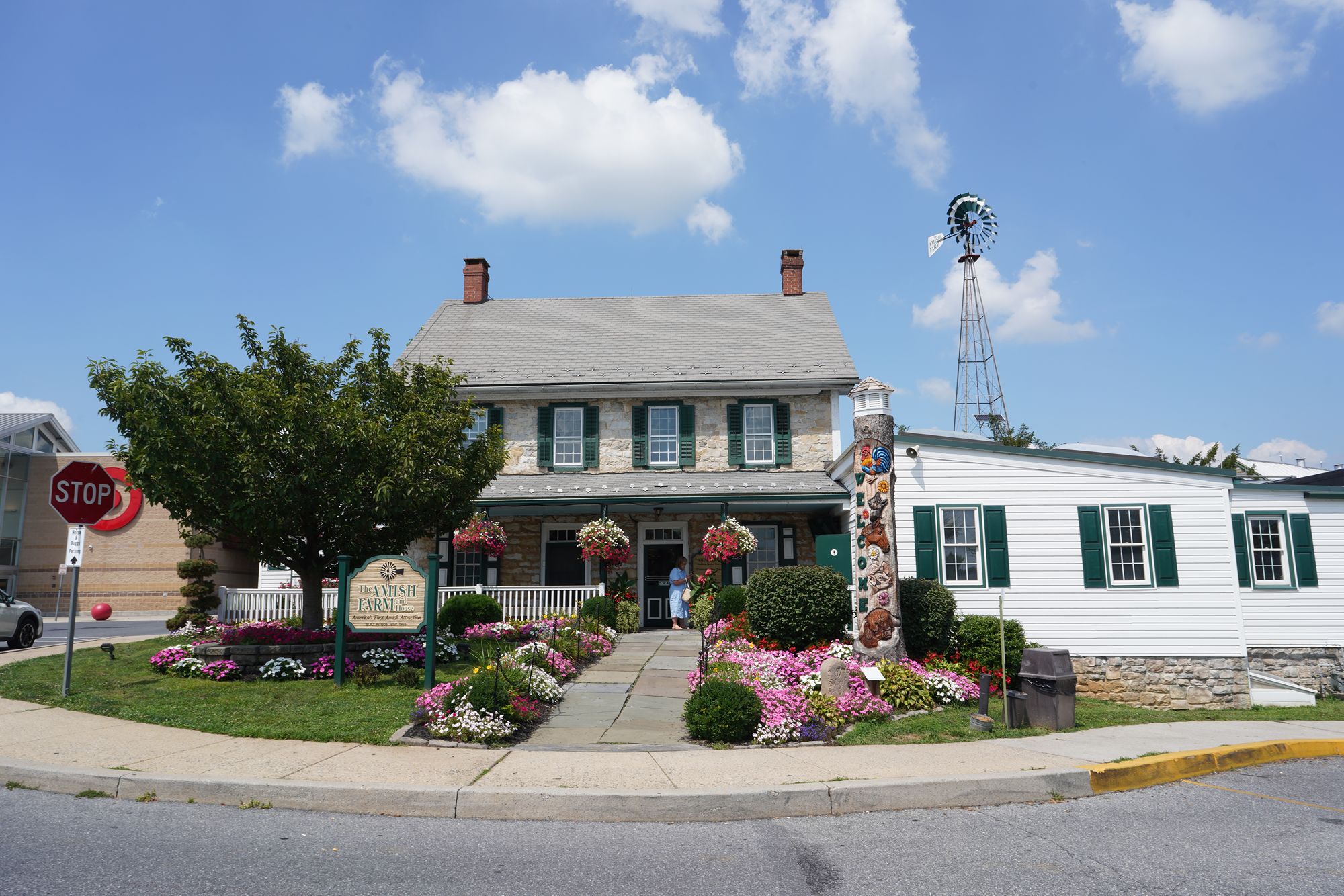
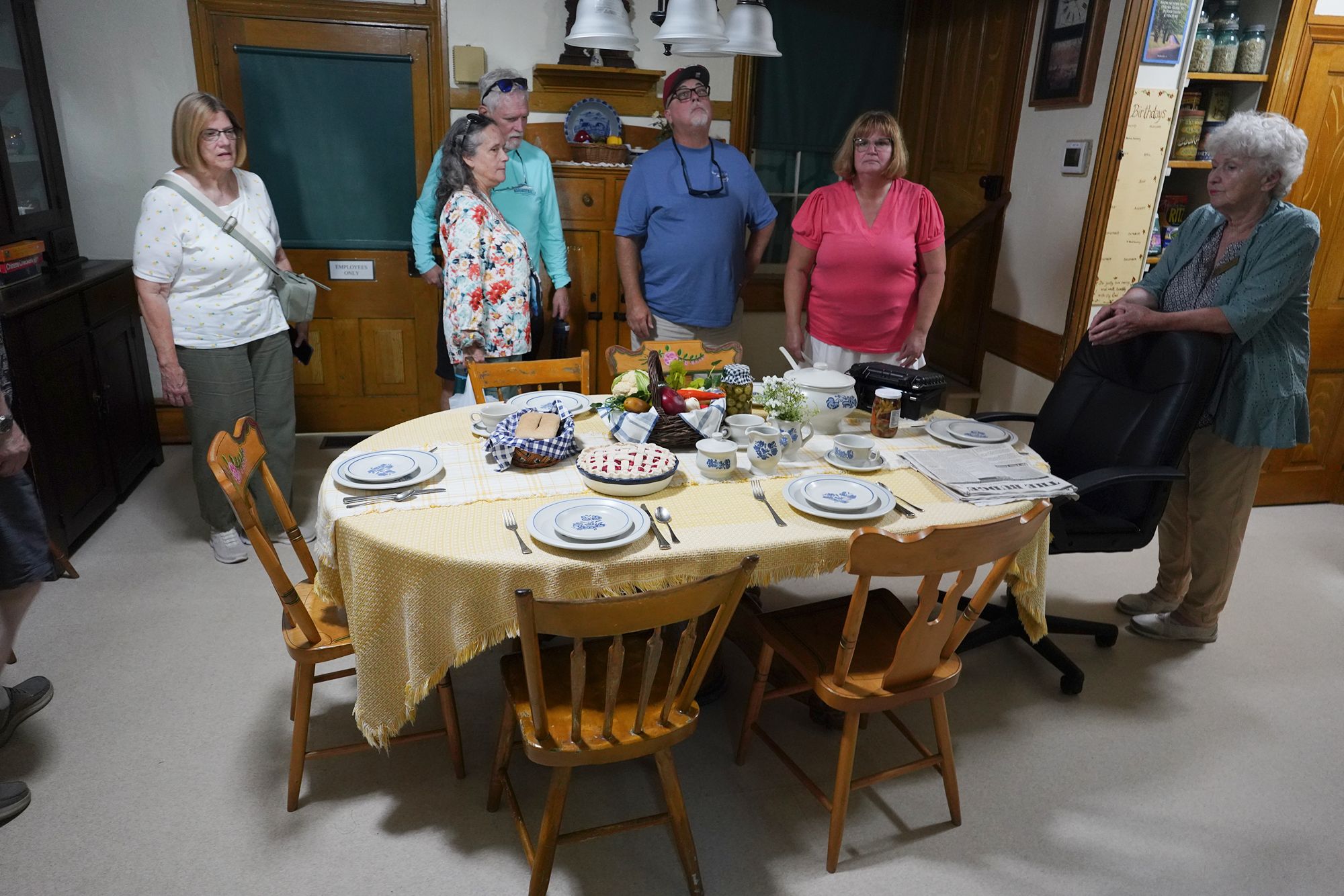
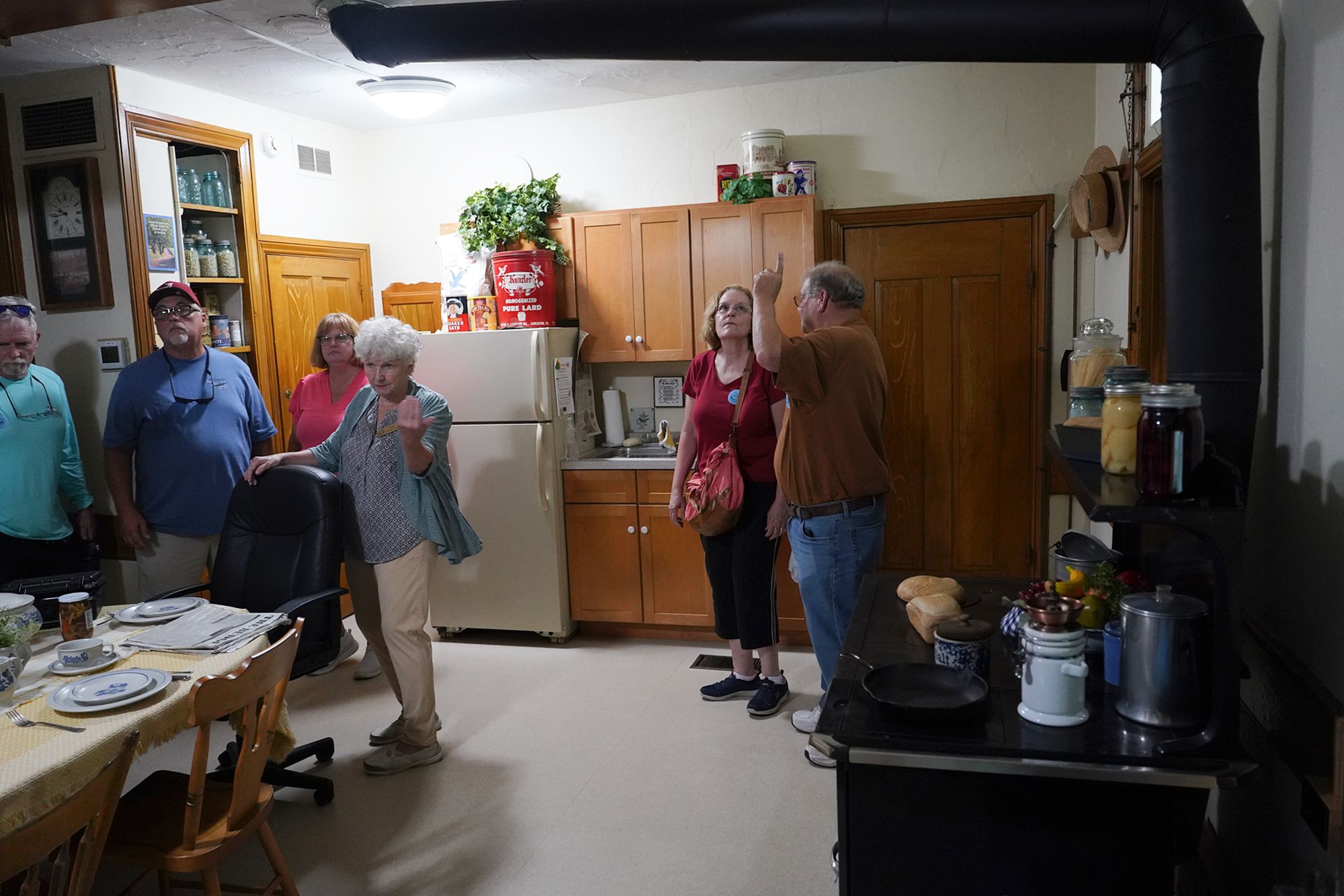
In the house with the tour group
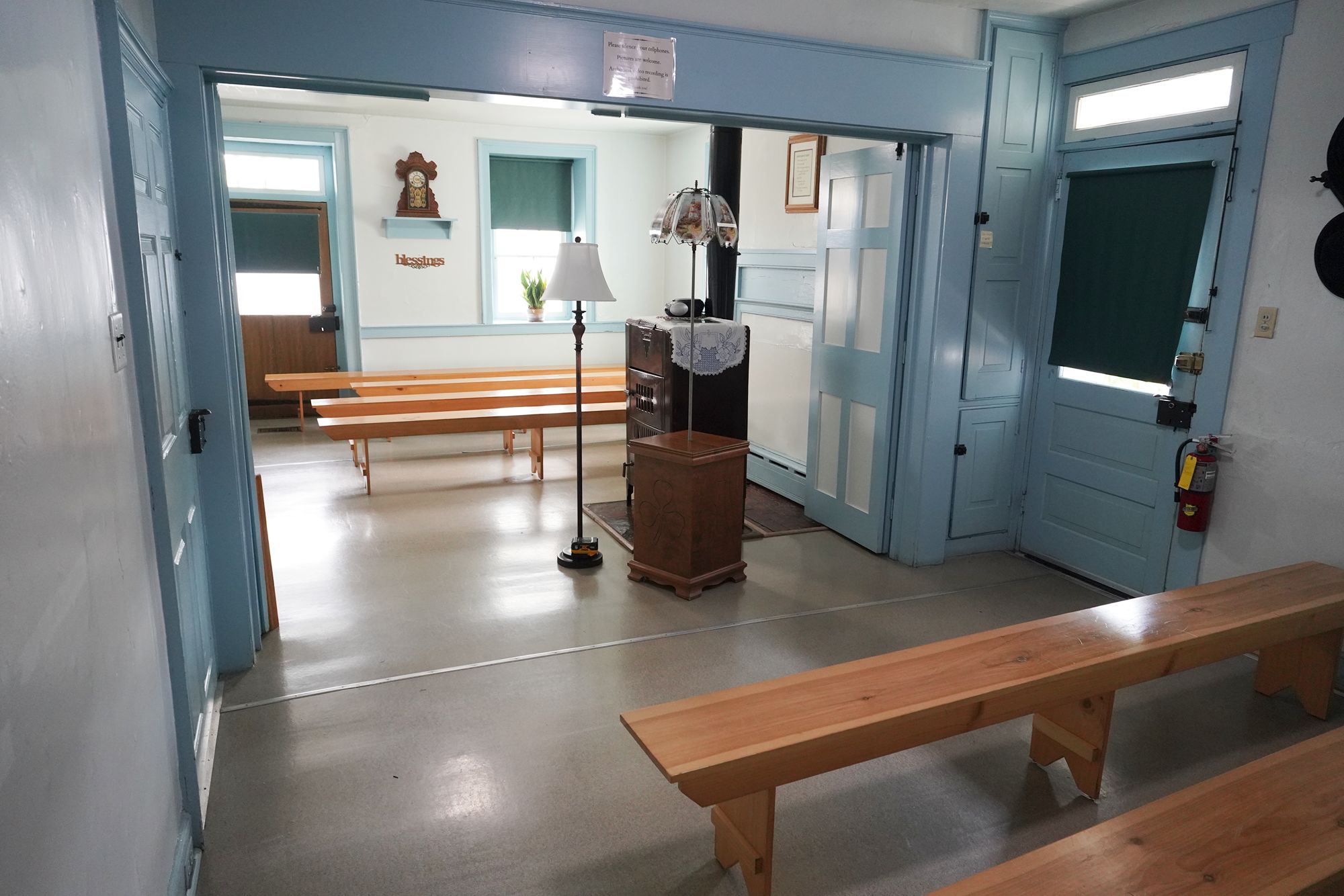
This living room also functions as a church. Because the Amish do not build dedicated church buildings, worship is held in family homes, rotating among households. The benches are divided into two sections—one for men and one for women.
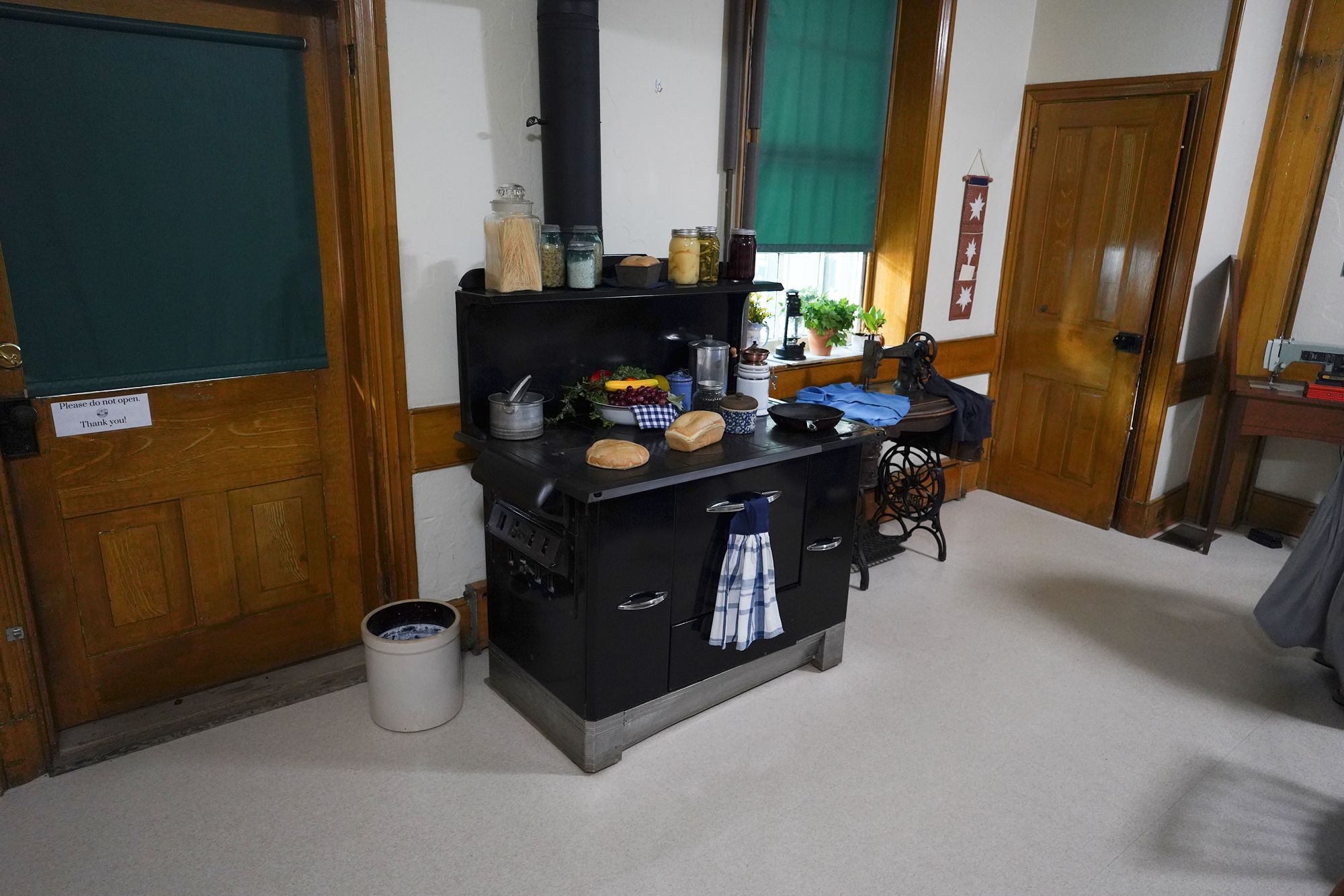
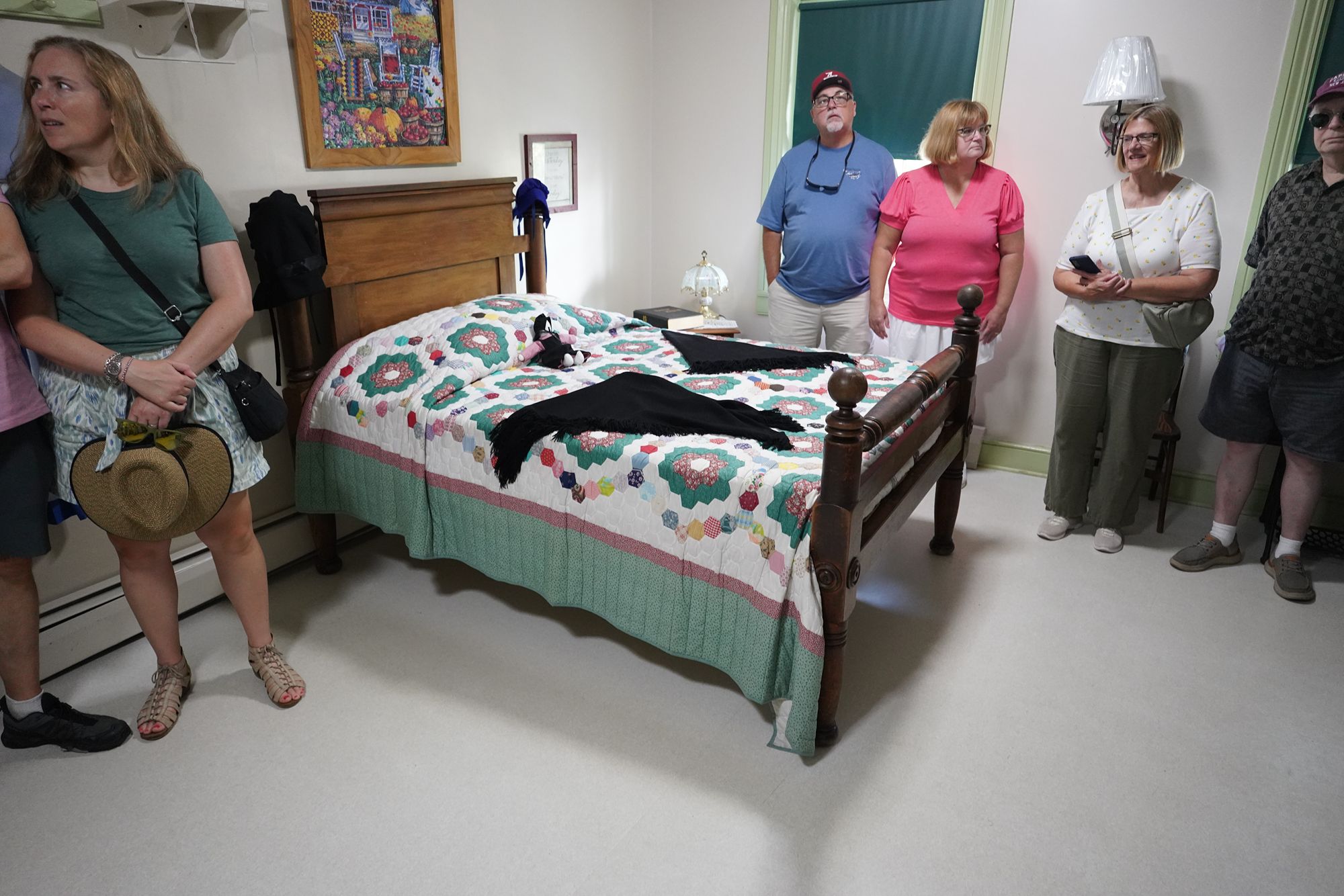
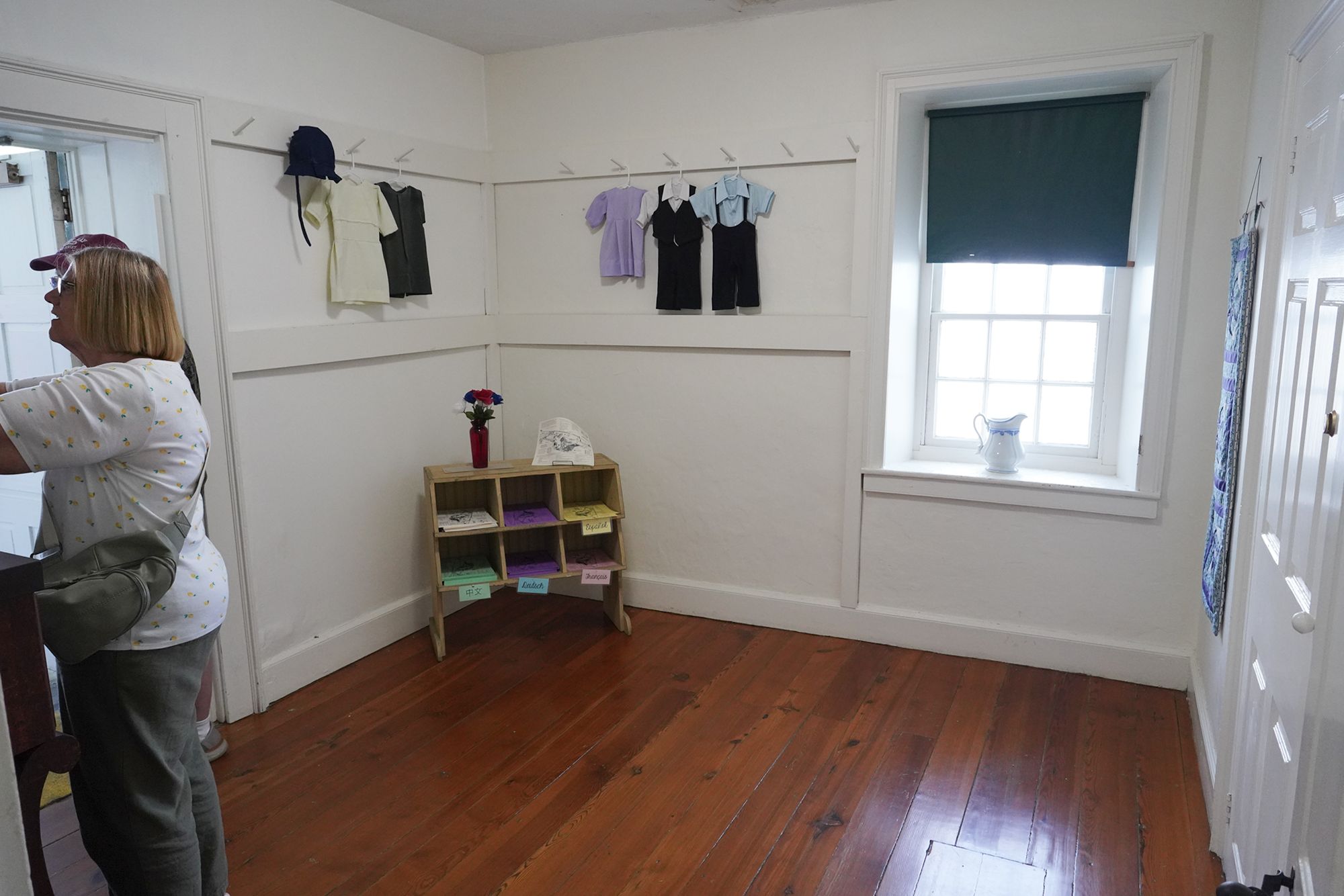
They lead a simple life, sewing most of their own garments, each designed according to strict rules about color, cut, and style.
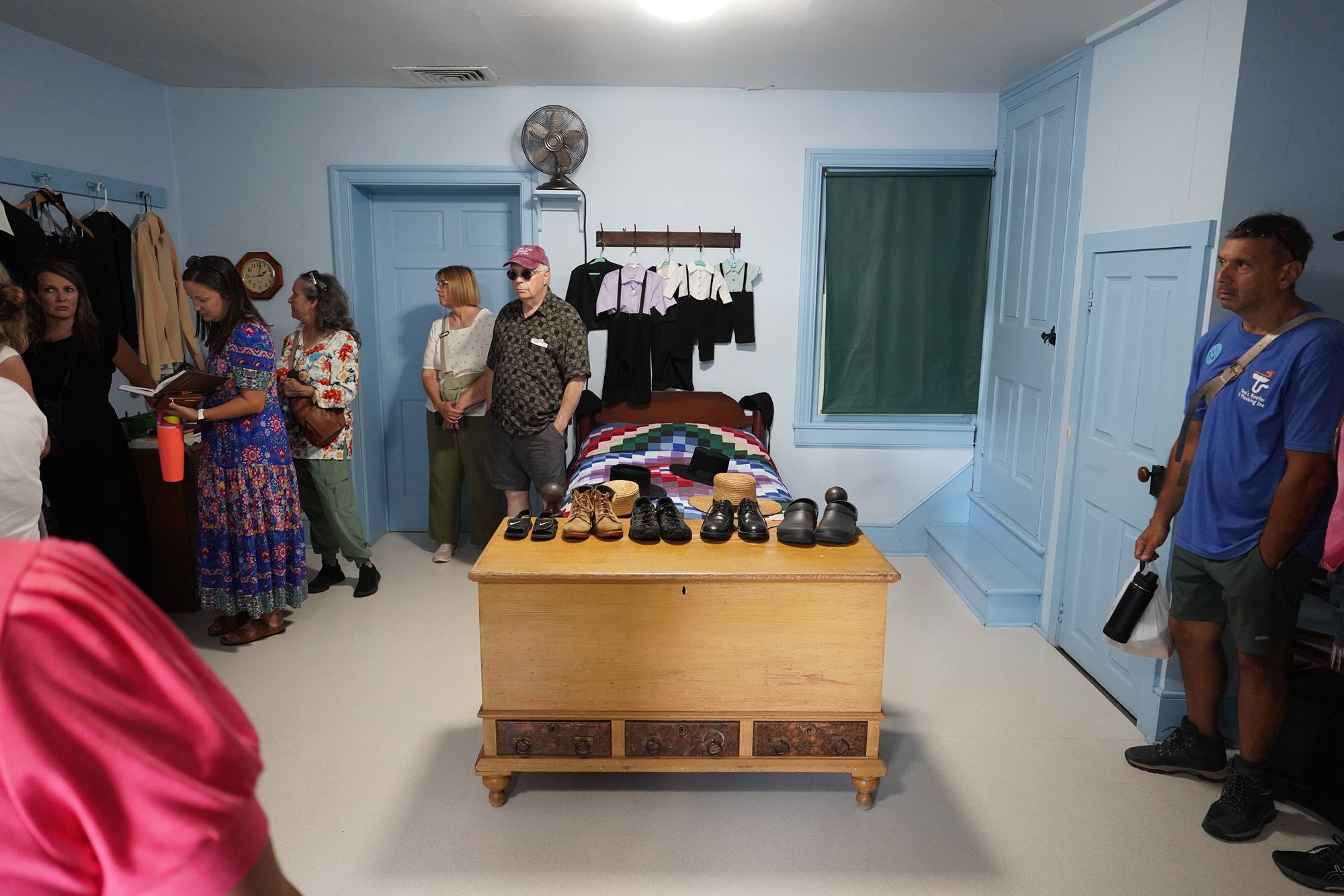
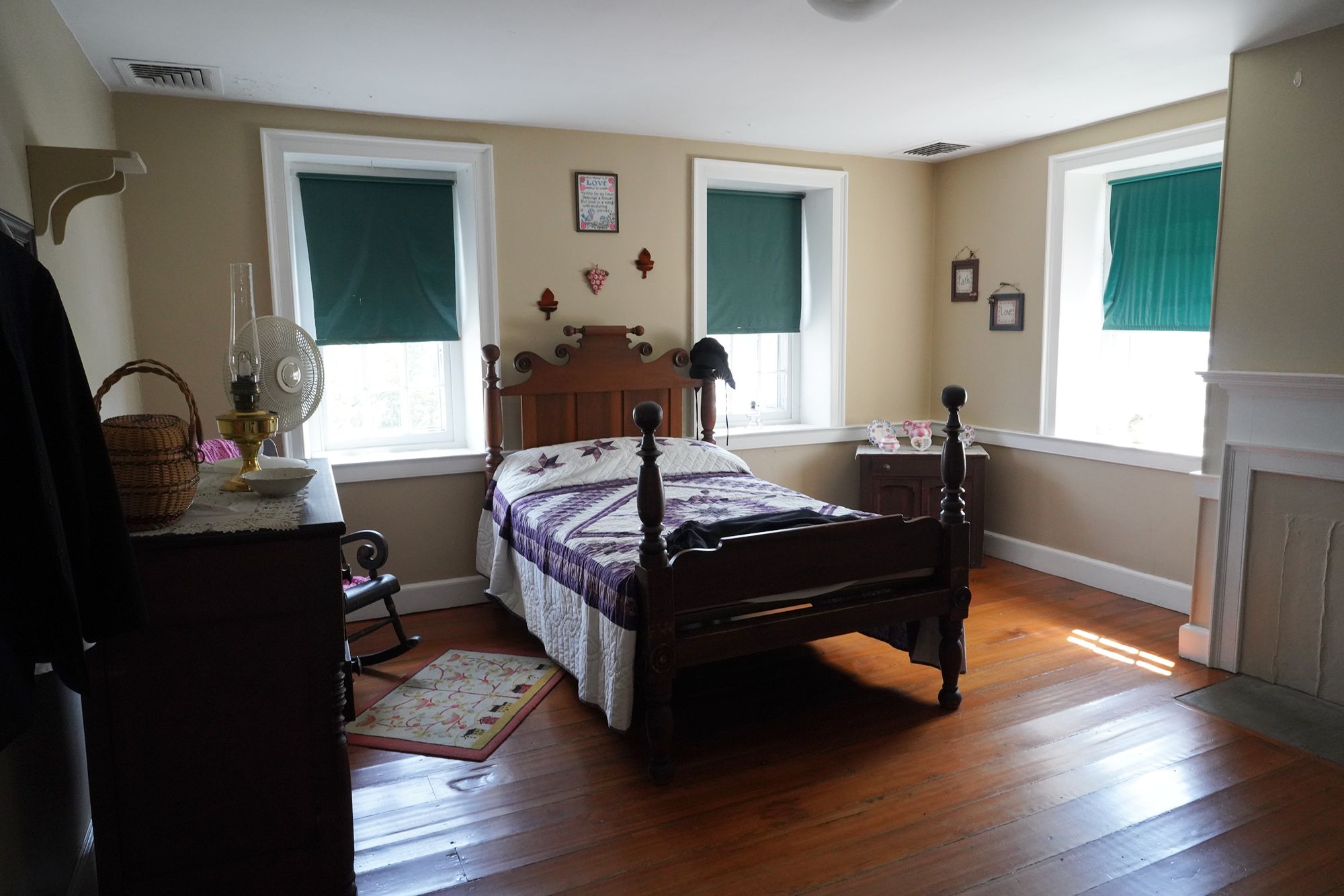
Living as Amish is shaped by simplicity, faith, community, and separation from many aspects of modern life. While experiences vary by community and individual, daily life generally revolves around family, religion, agriculture or trade work, and a strong sense of mutual responsibility.
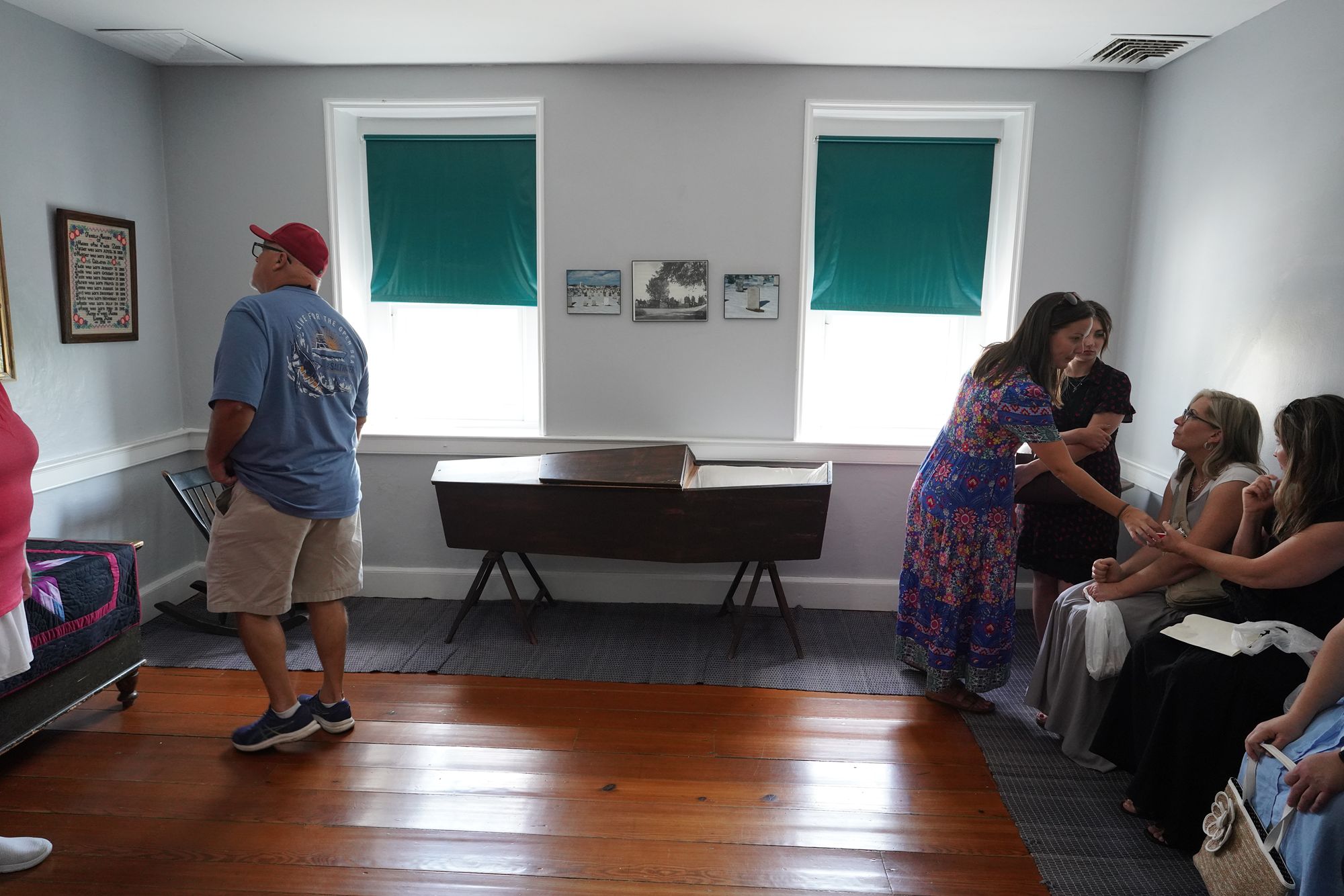
Many Amish families live on farms, rising early to take care of animals, milk cows, or harvest crops.
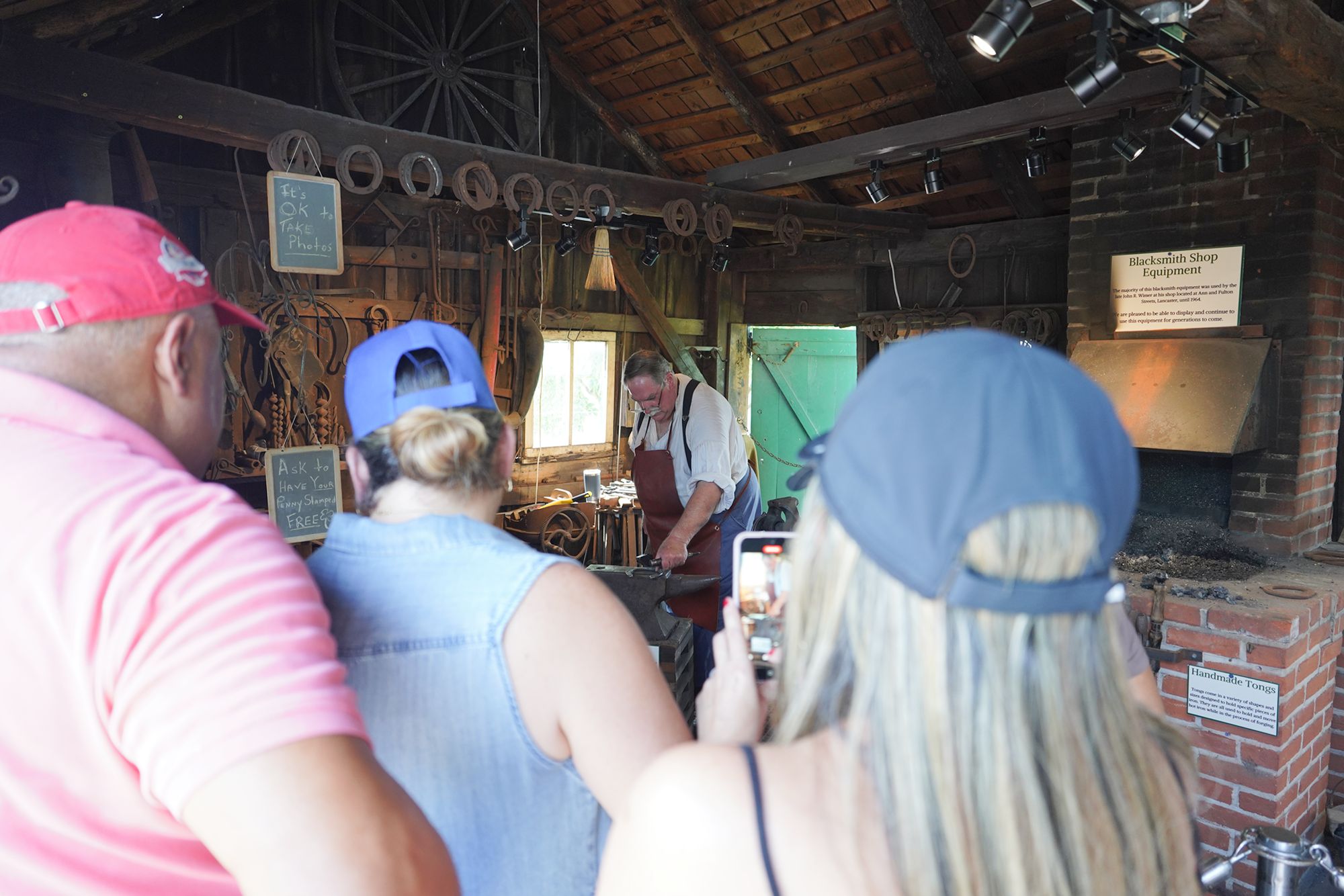
Those not farming often work in trades such as carpentry, construction, blacksmithing, buggy-making, or quilting.
Children help with chores from a young age—work is considered part of learning and growing.
Work and life are deeply connected, with family members spending much of their day together.
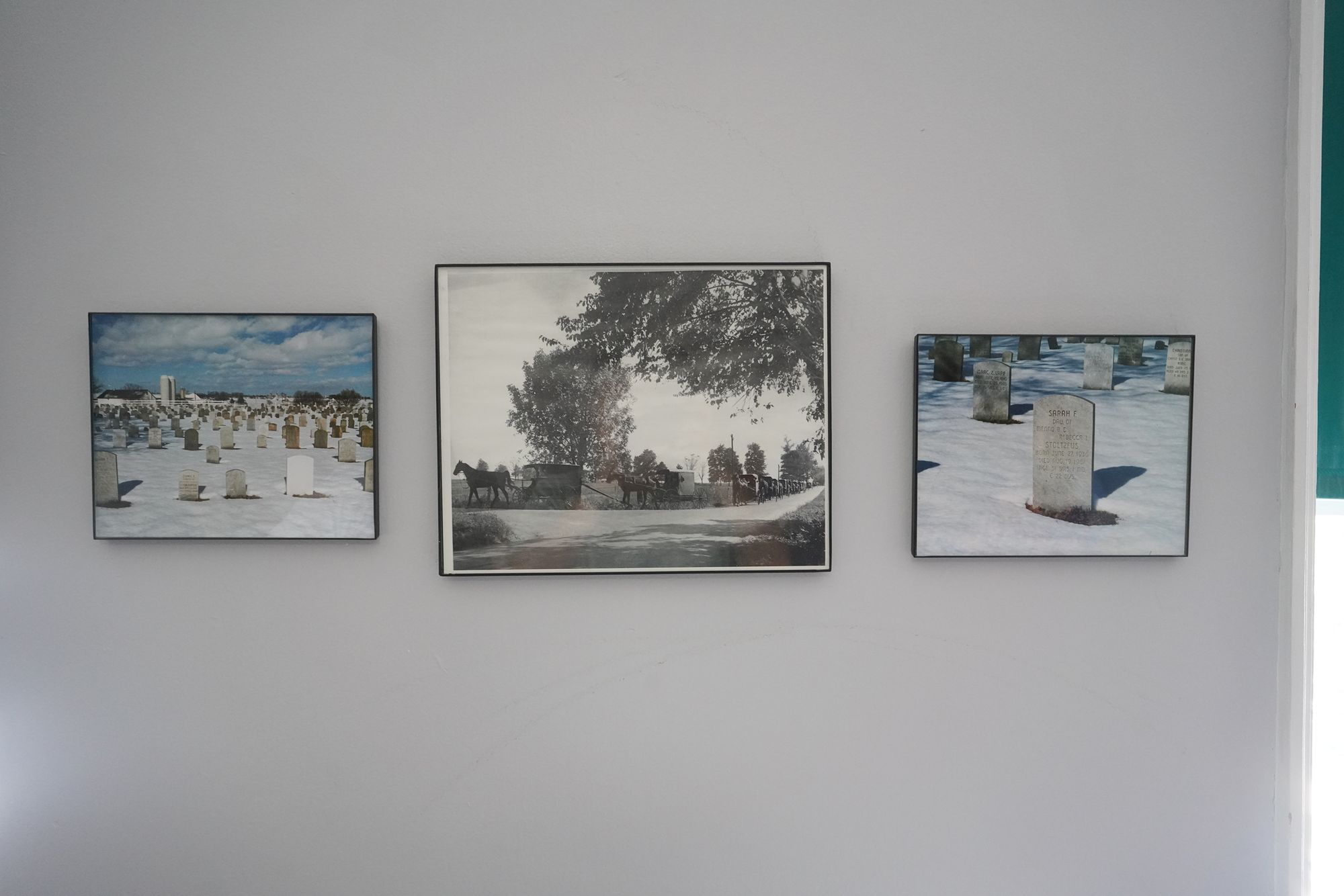
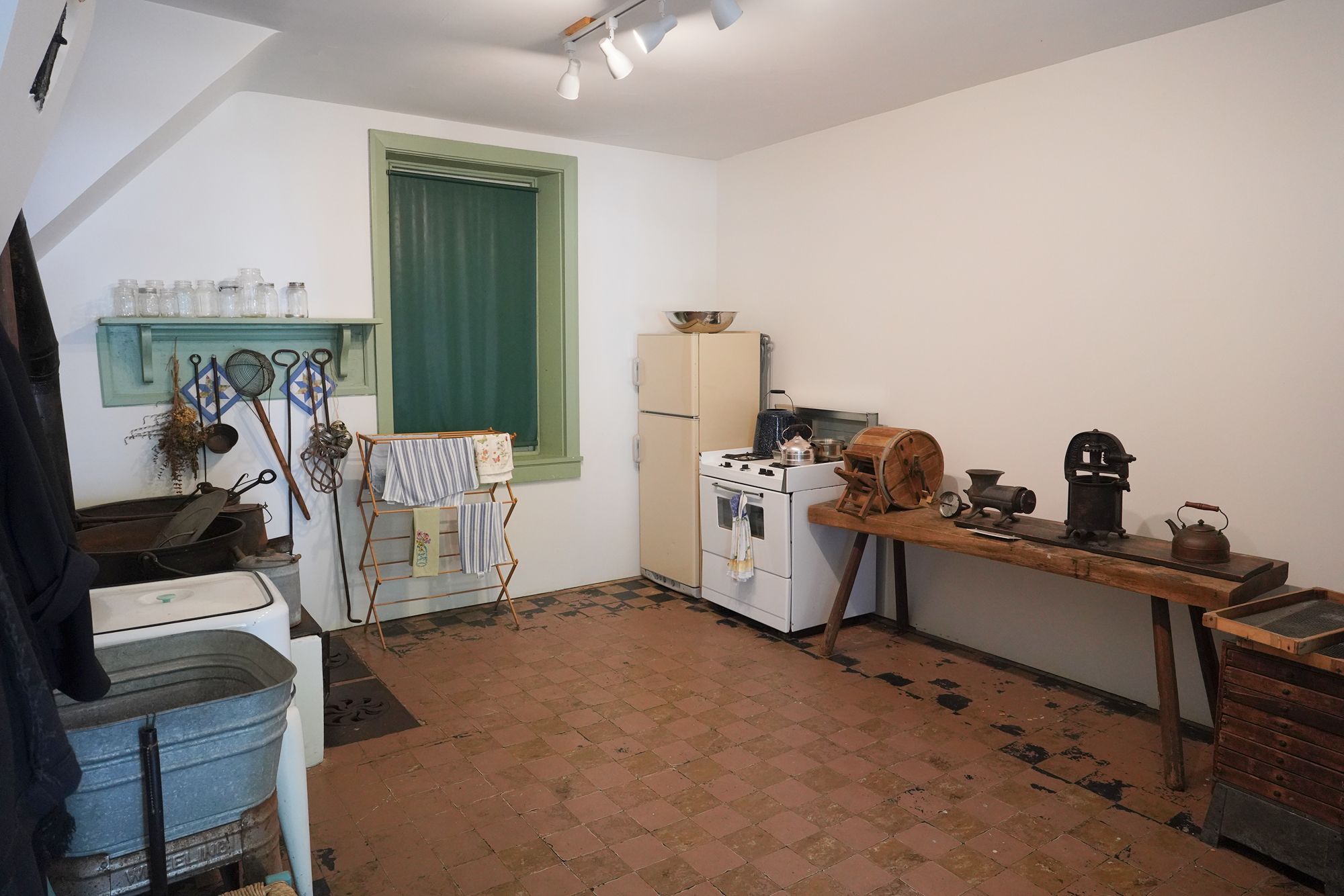
Amish lifestyles avoid most modern conveniences to maintain simplicity and avoid dependence on the outside world.
Electricity, cars, and television are typically not used.
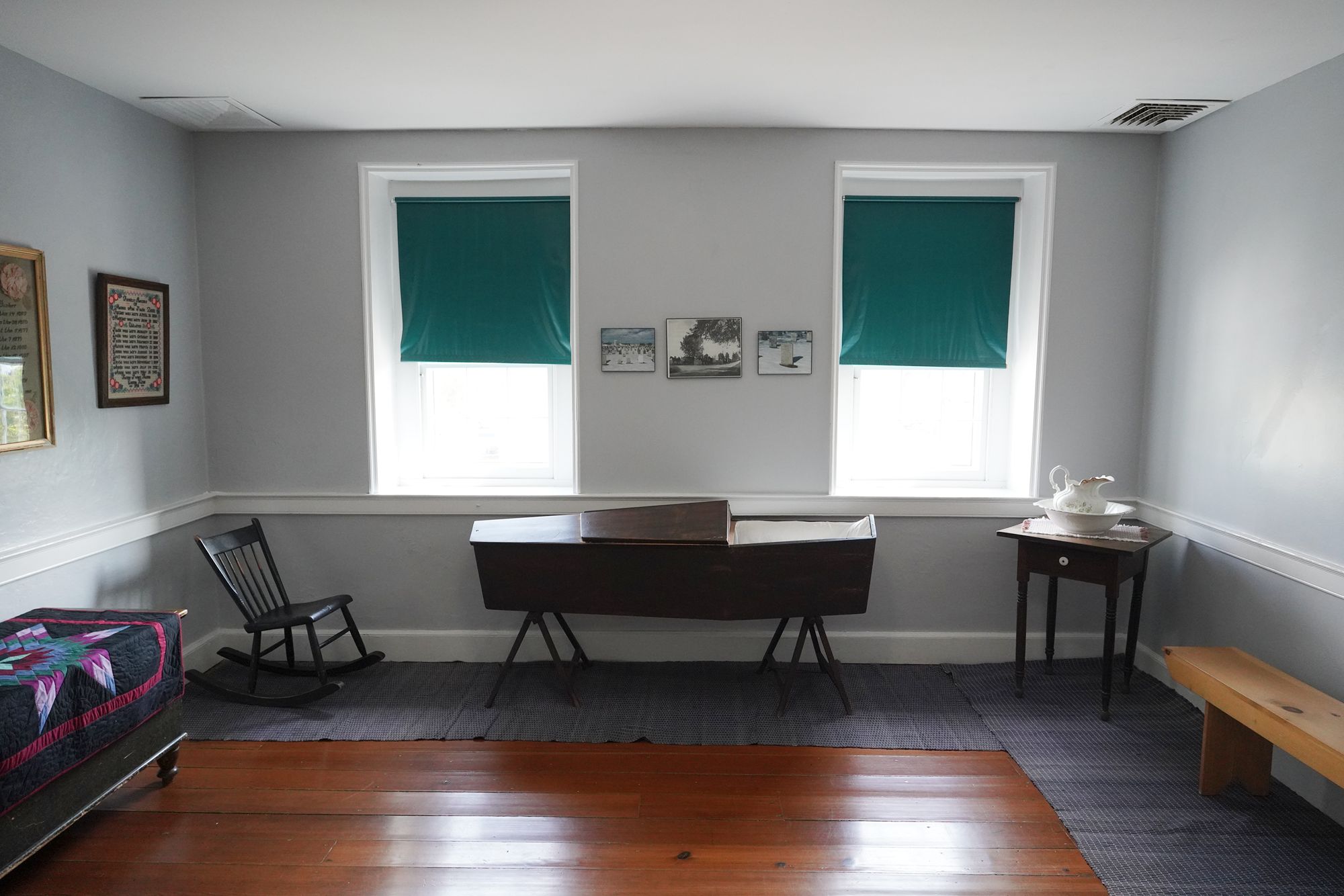
Transportation is usually by horse and buggy, though some may hire drivers for long distances.
Many items—clothing, furniture, tools—are made by hand, encouraging self-sufficiency.
Technology is not completely forbidden, but carefully controlled so it does not disrupt community or faith.
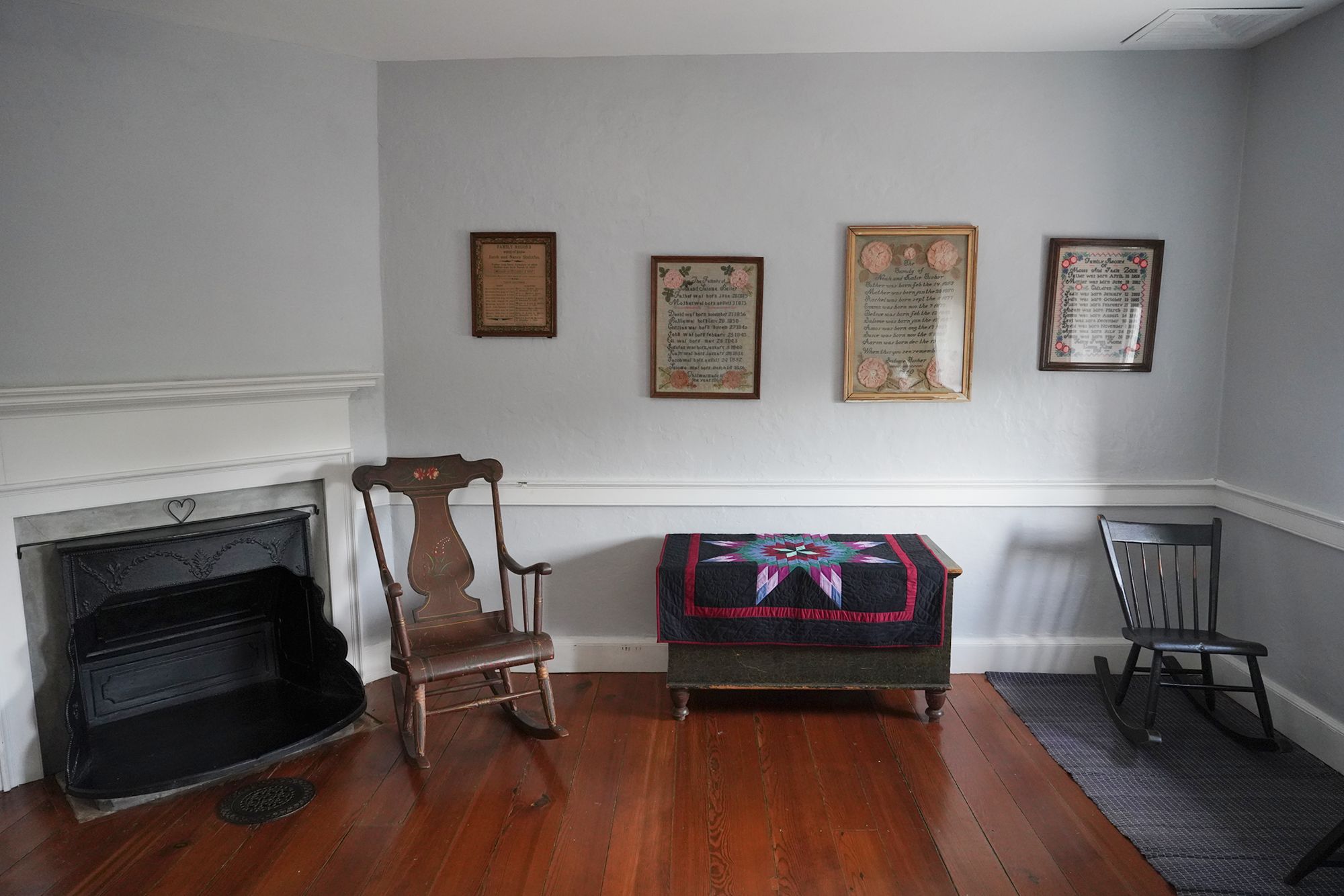
Community is central. Neighbors help each other generously—barn raisings, harvest work, rebuilding after disasters.
Decisions are made collectively through church leadership and community rules known as Ordnung.
Disagreements are resolved through discussion rather than authority or punishment.
Life is deeply cooperative, emphasizing shared responsibility and harmony.
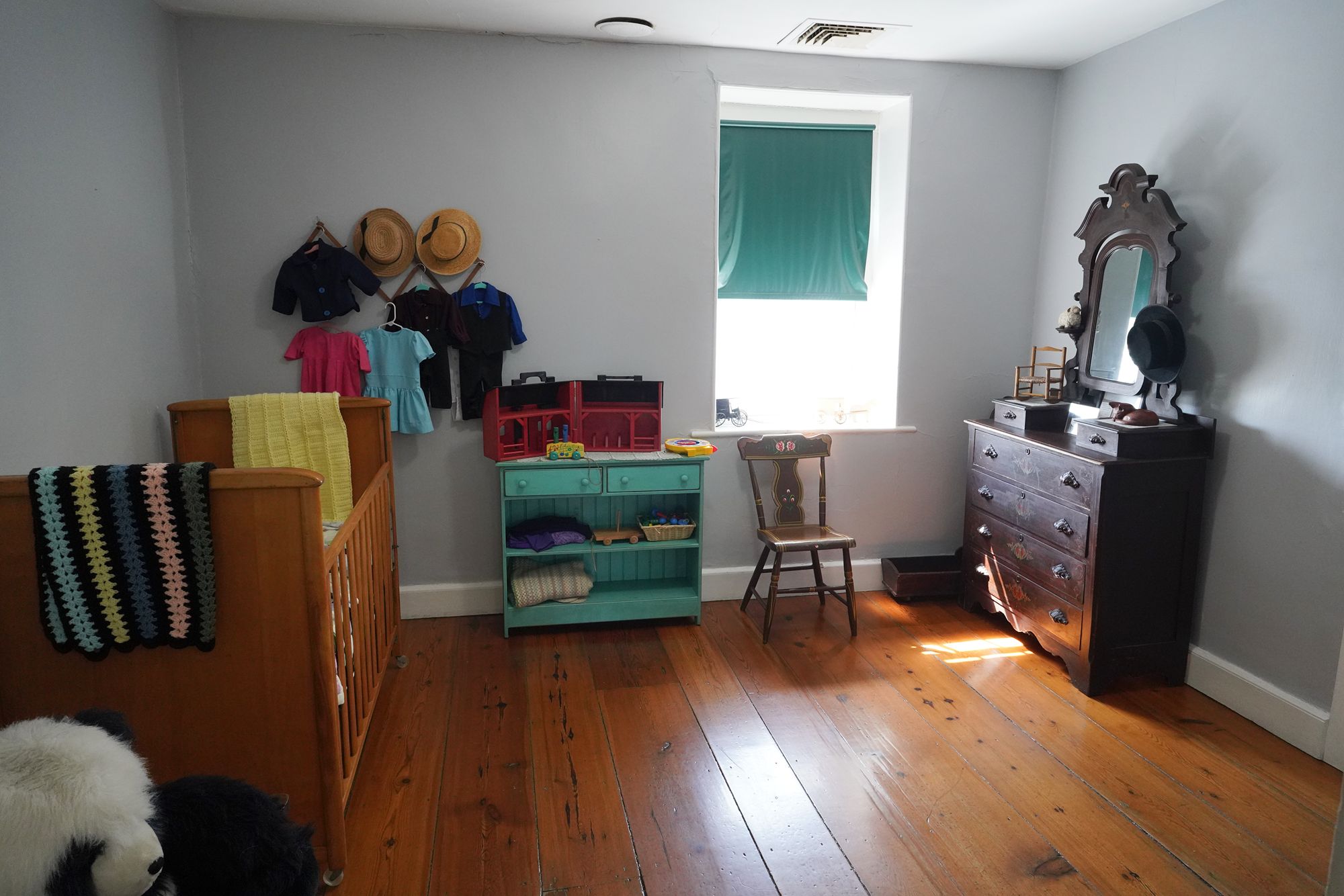
Faith guides every part of life. Worship takes place in homes rather than church buildings.
Services are held every other Sunday, rotating from house to house.
Values include humility, modesty, frugality, family unity, and obedience to church traditions.
Spiritual life is quiet, structured, and communal.
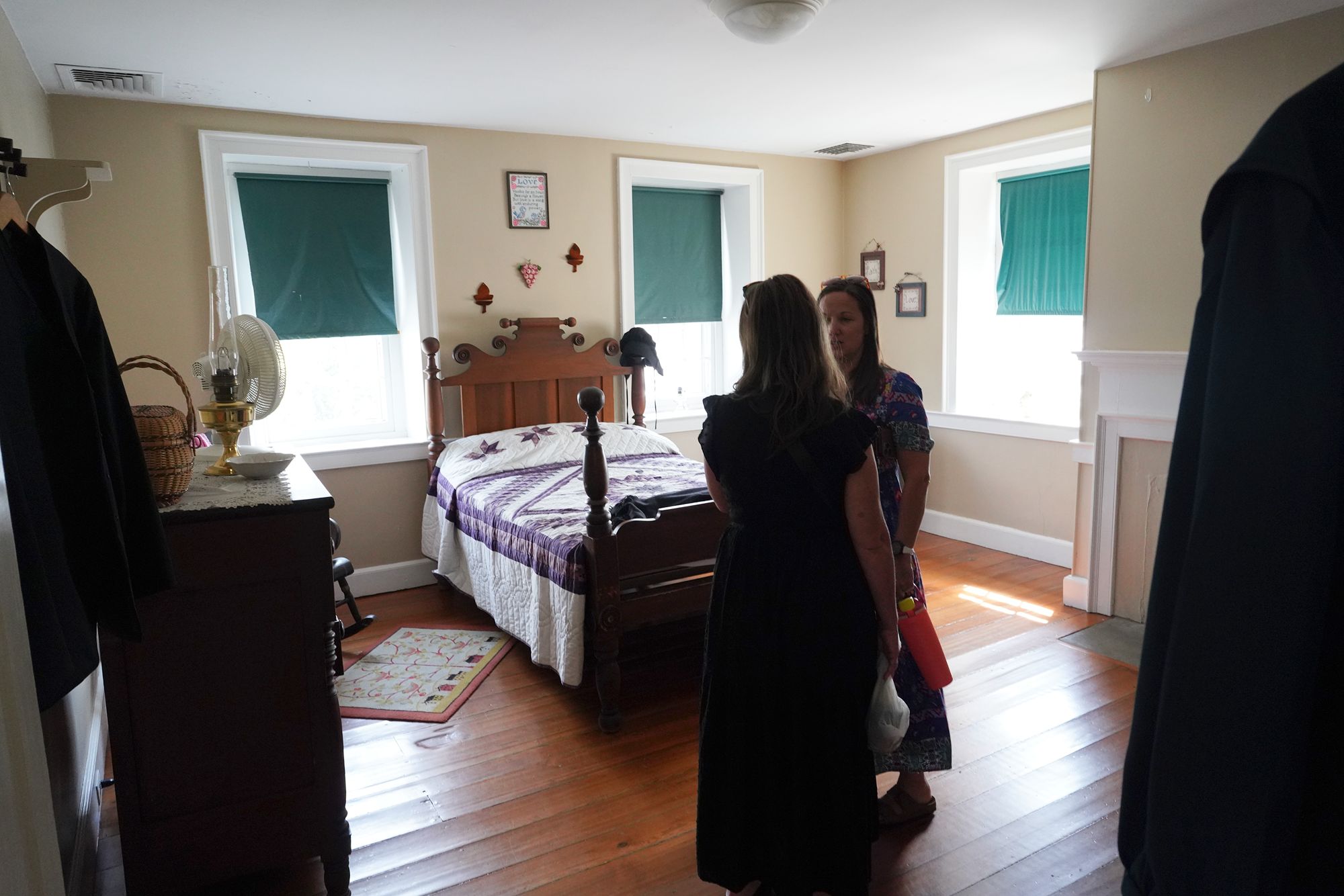
Clothing is simple, modest, and handmade.
Styles follow strict rules—plain colors, no patterns, functional design.
Men wear suspenders and broadfall trousers; women wear long dresses with aprons, prayer caps, and no jewelry.
Dress reflects humility and equality, not fashion or individuality.
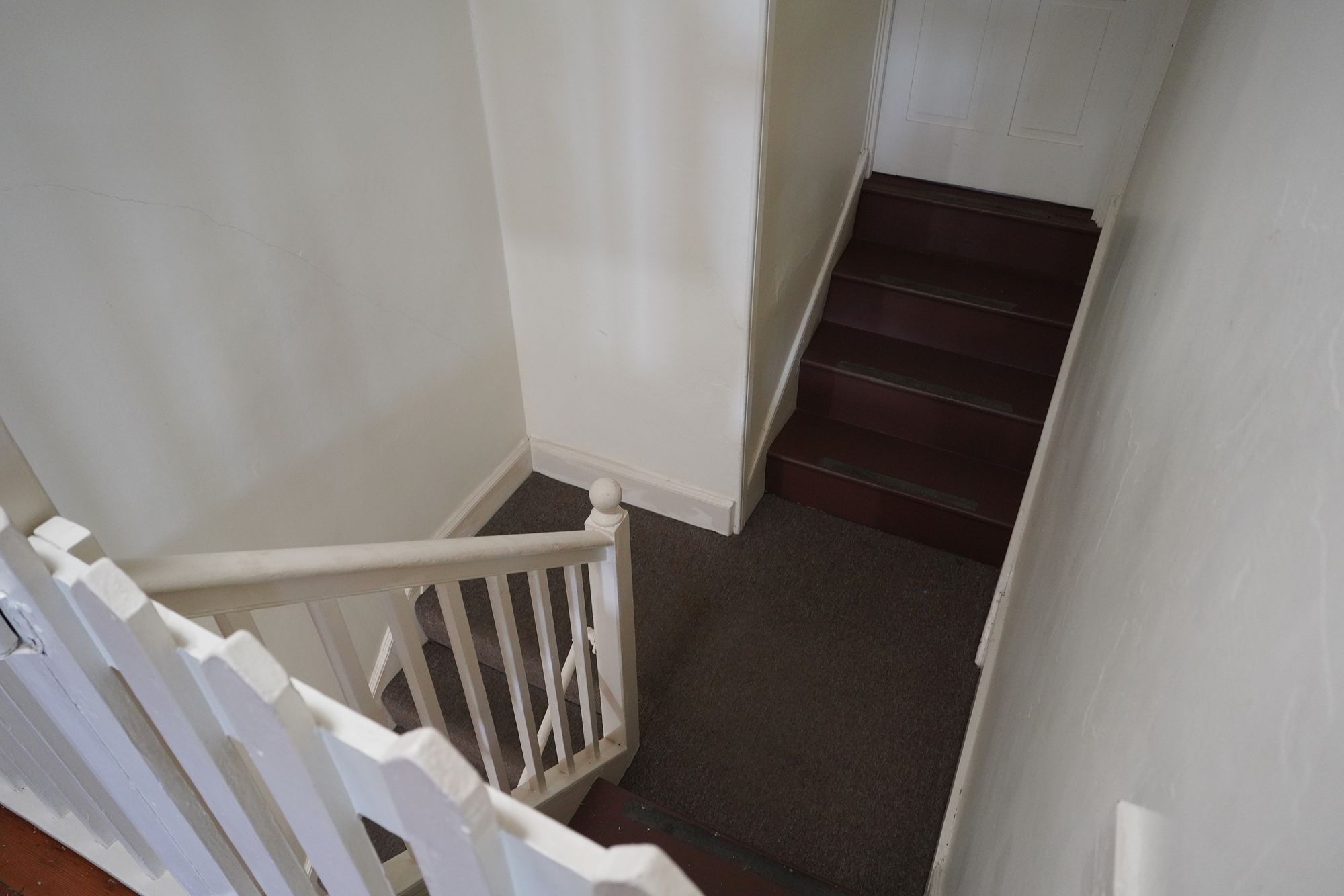
Beyond the house, the attraction includes a 15-acre farm, with animals, an authentic one-room schoolhouse, and various displays that represent traditional Amish farm life: smokehouse, milk house, windmill, waterwheel, herb garden, etc.
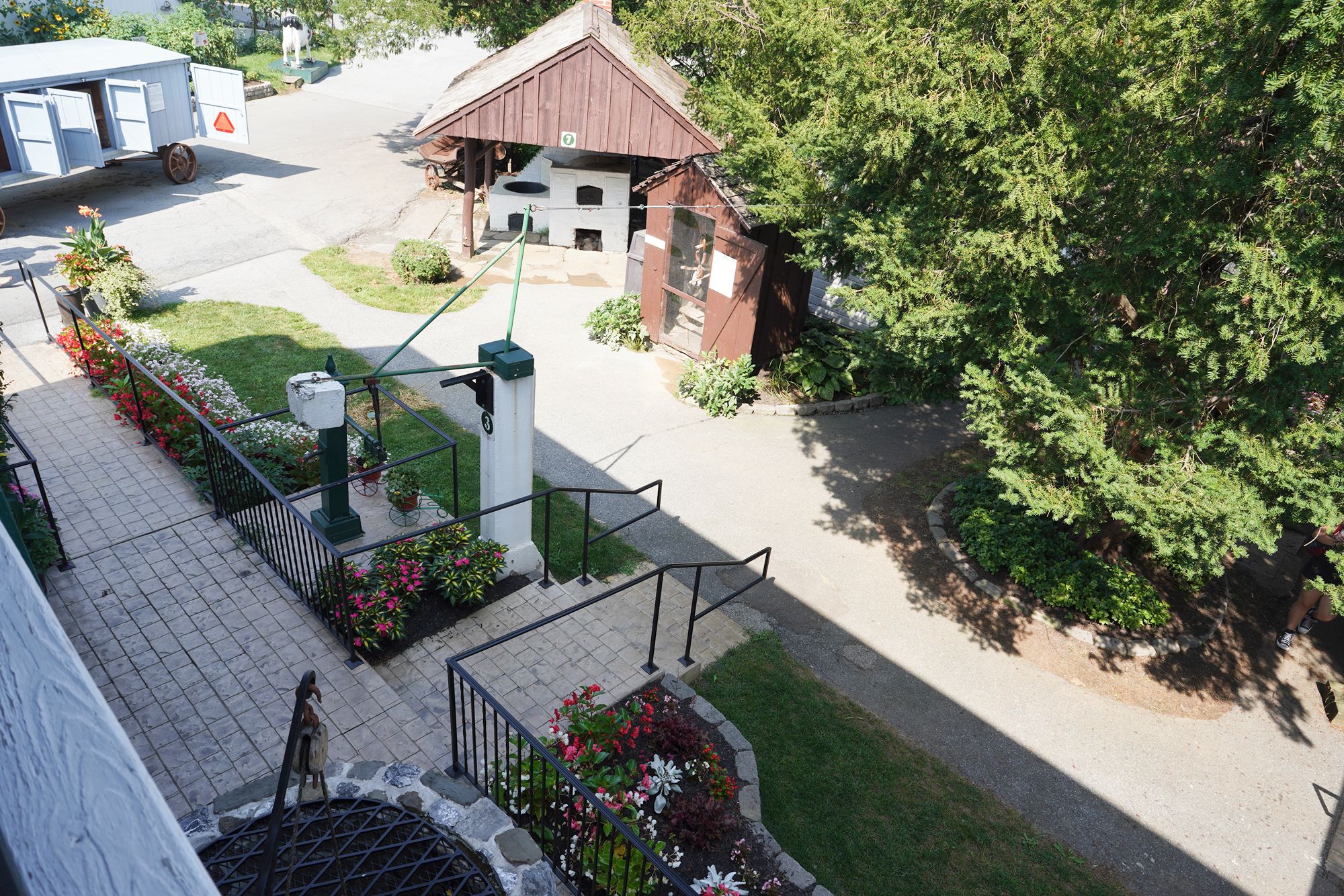
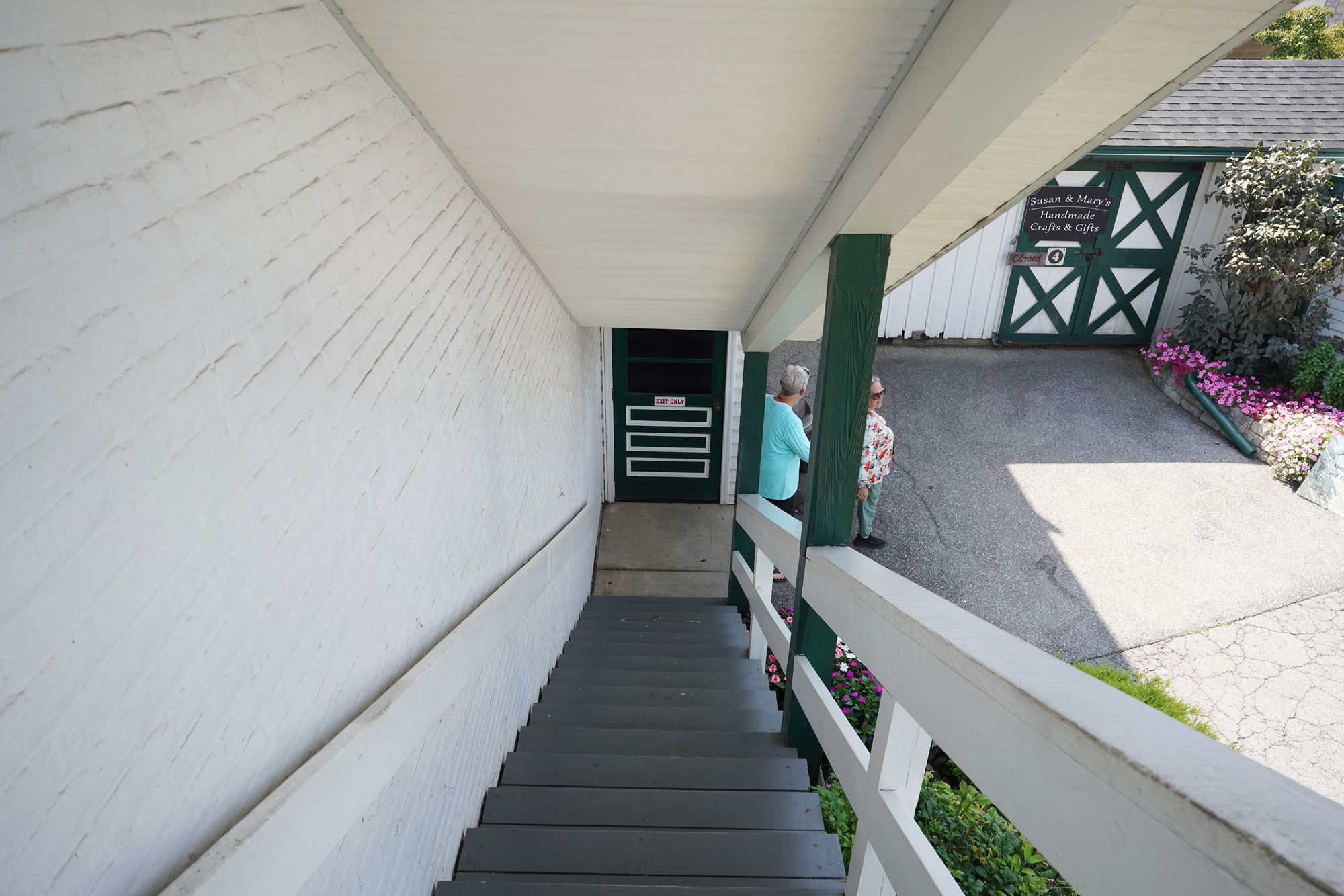
Amish children attend one-room schoolhouses, usually only through 8th grade.
Education focuses on reading, writing, arithmetic, farming skills, and community values.
After school, young people work and gradually prepare for baptism as adults.
Some communities allow brief exploration of the outside world during Rumspringa, though many still choose to remain Amish.
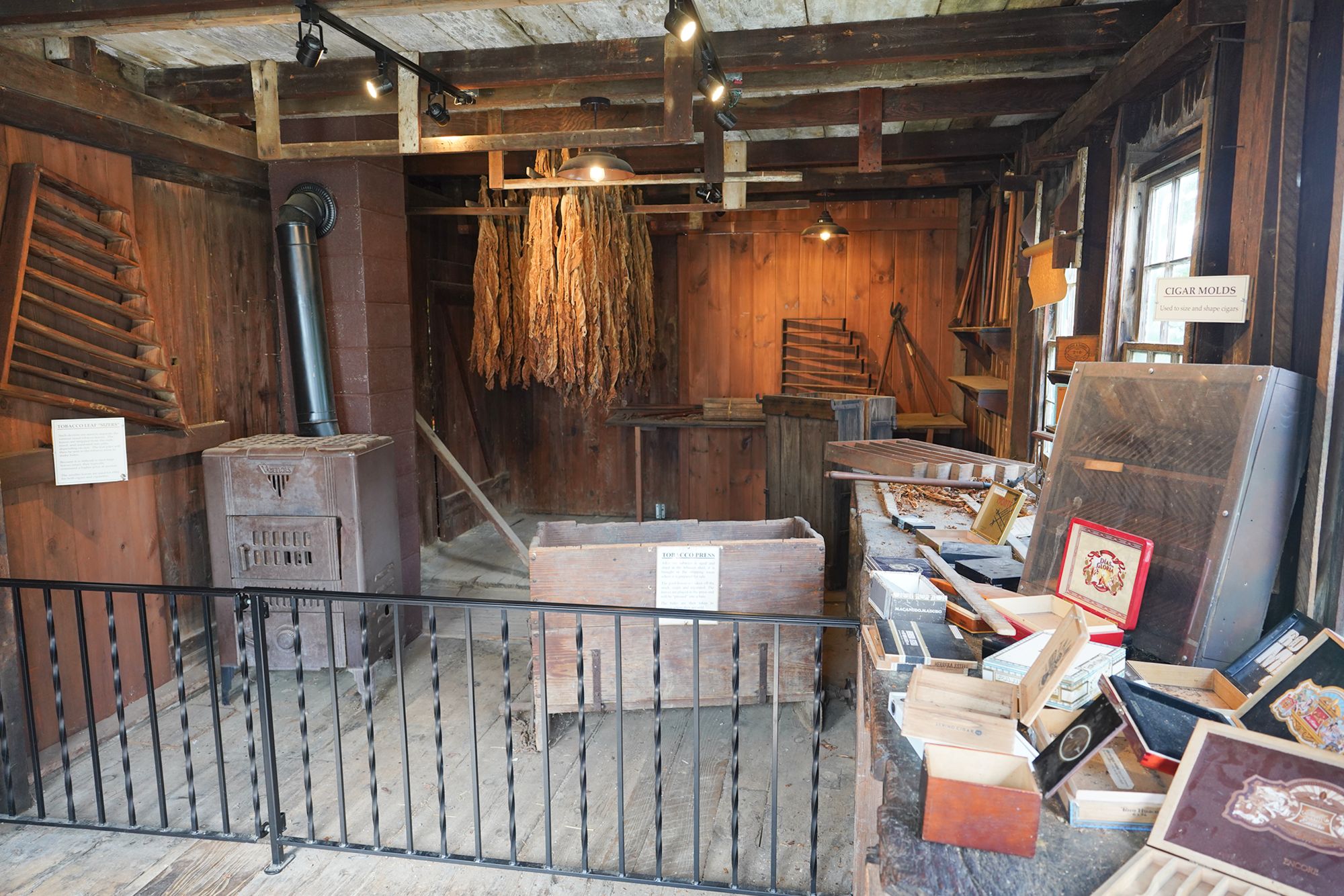
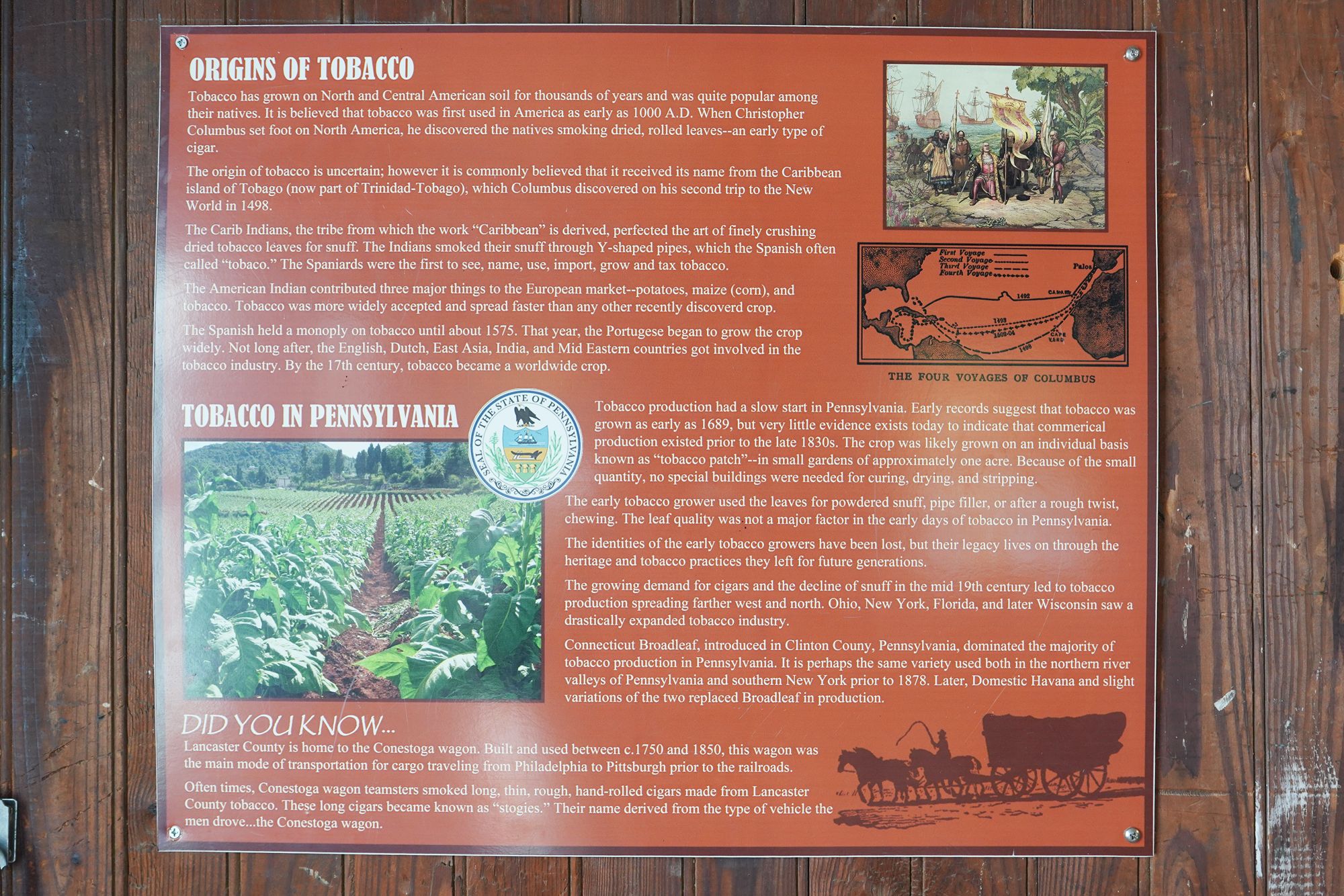
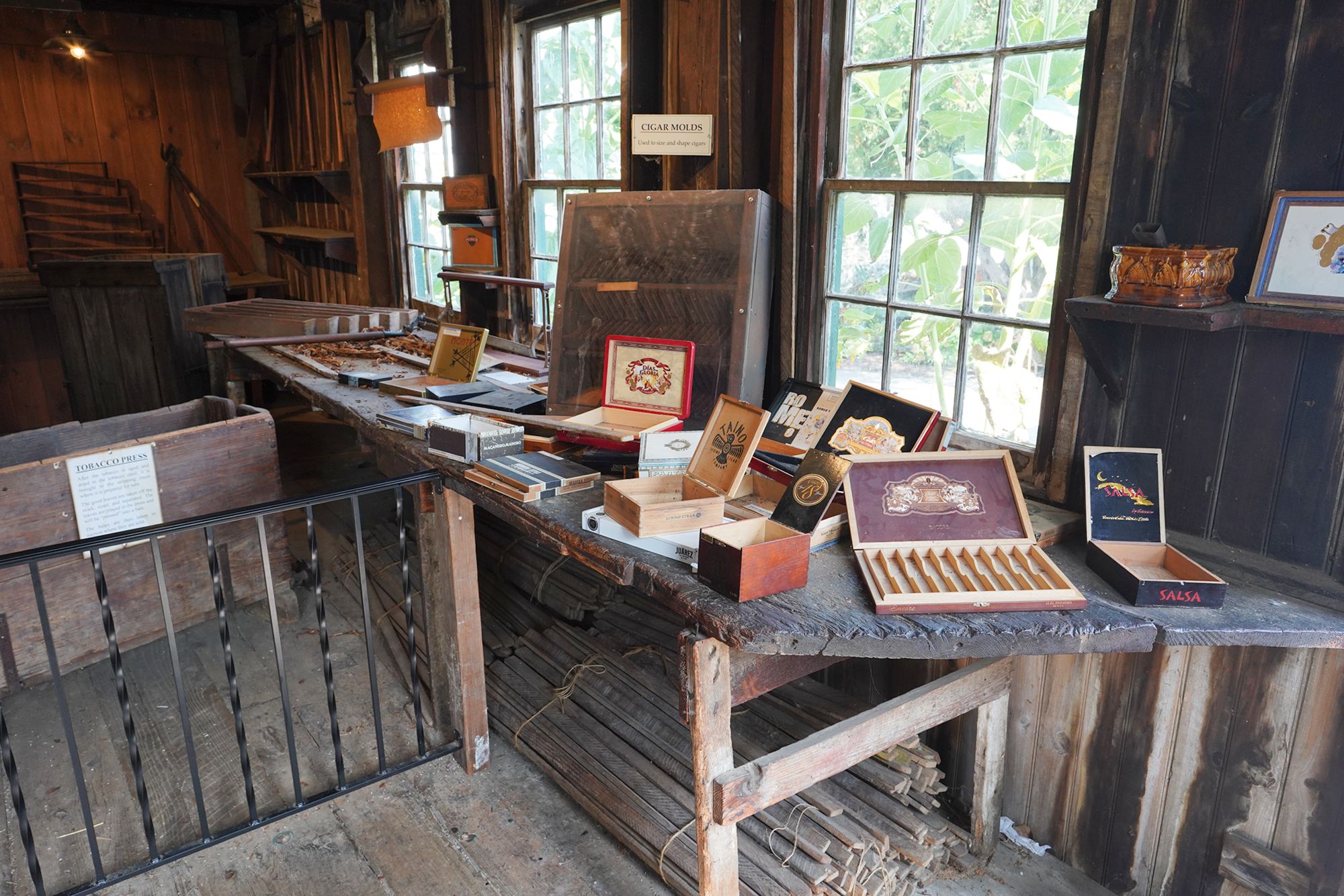
After Amish children complete 8th grade, they do not continue to high school or college. Instead, they transition directly into community life, gradually taking on adult roles. This period is important—it's when skills, values, and responsibility are learned through experience rather than formal schooling.
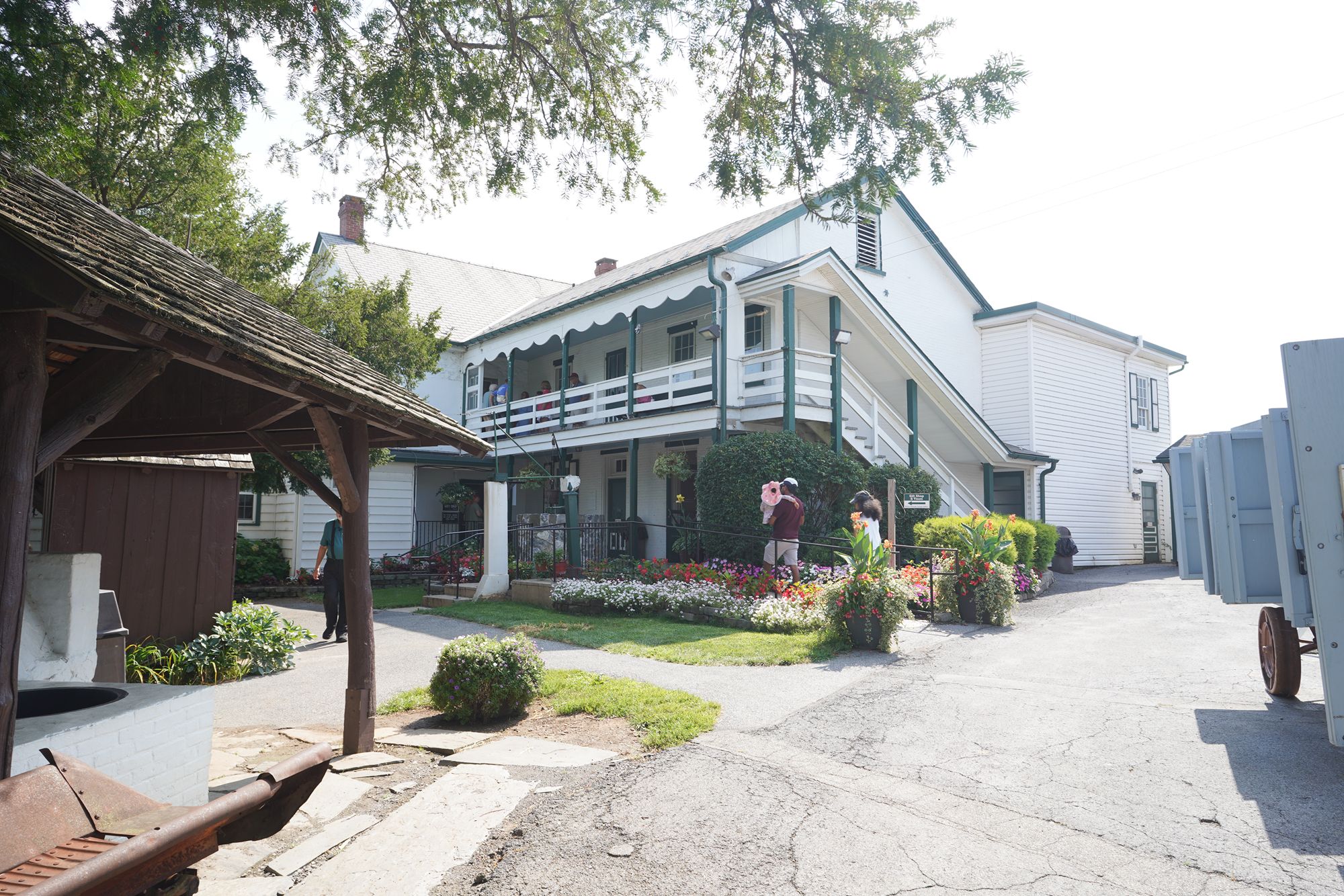
Boys often begin working on farms, in carpentry, construction, or family businesses.
Girls typically help with household duties, cooking, gardening, childcare, and sewing.
Many young people learn a trade through apprenticeship—woodworking, quilting, mechanics, baking, blacksmithing, furniture making.
Teenagers and young adults gradually take on more responsibility:
Caring for younger siblings
Helping with harvests
Running errands by horse and buggy
Supporting family income
Boys often get part-time jobs in Amish or Mennonite businesses.
Girls may help relatives or take housekeeping jobs for other families.
They are expected to contribute meaningfully to the household.
Youth socialize through church events, barn raisings, quilting circles, and singings (group hymn singing).
These gatherings are one of the main ways young people meet potential spouses.
Dating is intentional—focused on eventually marrying rather than casual relationships.
Community bonds grow stronger during these years.
Rumspringa (varies by community)
After 16, many Amish teens enter Rumspringa, a time where they have more freedom.
Some experience limited modern conveniences—phones, cars, or modern clothing—but this varies greatly by group.
Not all Amish youth explore widely; many remain traditional.
Eventually, most choose to be baptized and join the church as adults.
This choice must be freely made, not automatic.
By late teens or early twenties, many commit to baptism.
After baptism, they are fully responsible members of the church and must follow the Ordnung (church rules).
Marriage usually follows within a few years.
Once baptized, they live fully within Amish expectations—no electricity in the home, plain dress, no car ownership, etc.
Amish communities are found mostly in rural areas across the United States and parts of Canada. The largest populations live in Pennsylvania, Ohio, and Indiana, where Amish farmland and church districts stretch across entire counties. Lancaster County in Pennsylvania is one of the oldest and most well-known settlements, while Holmes County in Ohio and the Elkhart–LaGrange area in Indiana are also major centers of Amish life.
As of 2025, there are approximately 410,955 Amish people in North America (including adults and children).
Of those, the largest concentrations live in three U.S. states:
Pennsylvania: about 95,410 Amish residents.
Ohio: roughly 86,325 Amish residents.
Indiana: about 67,310 Amish residents.
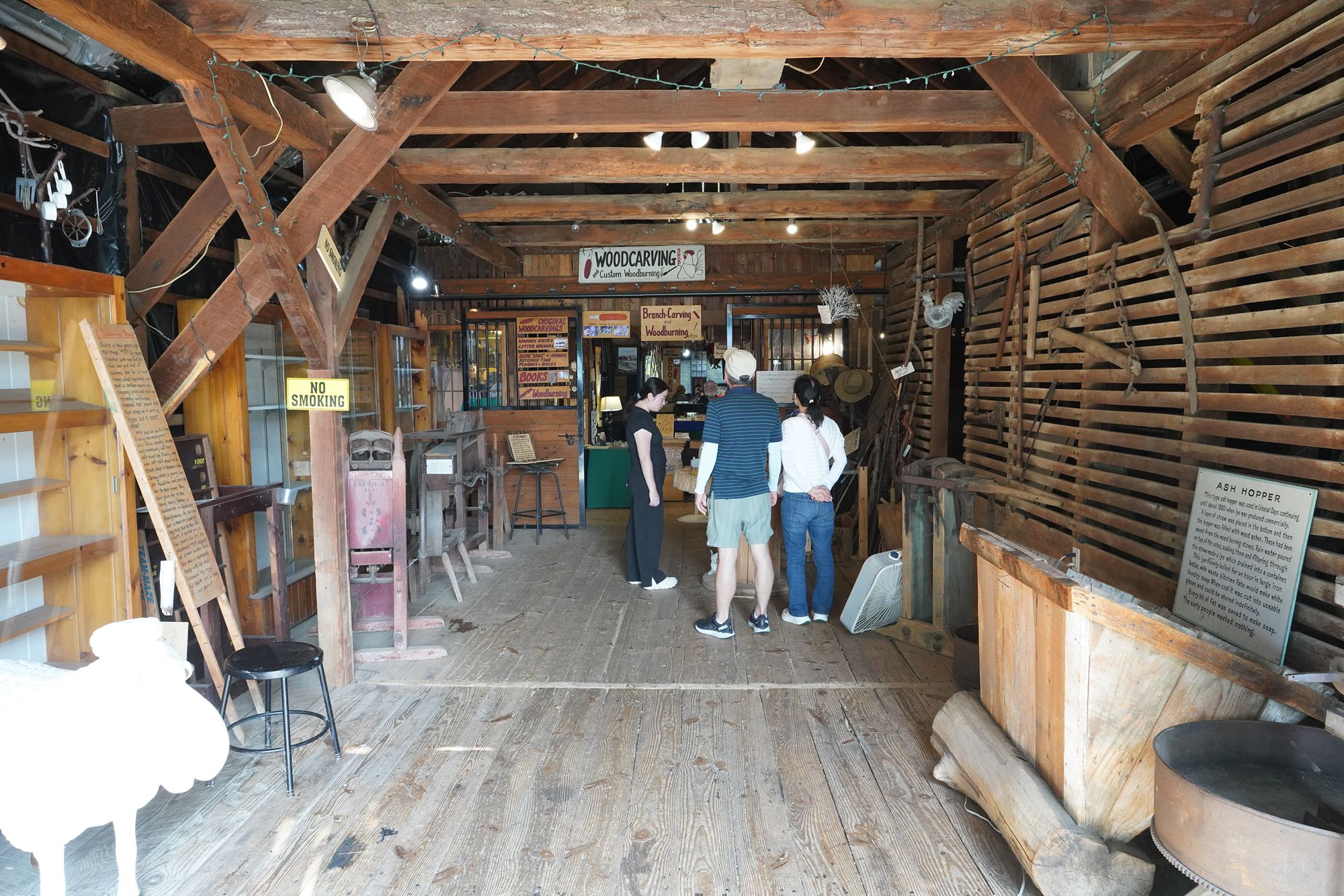
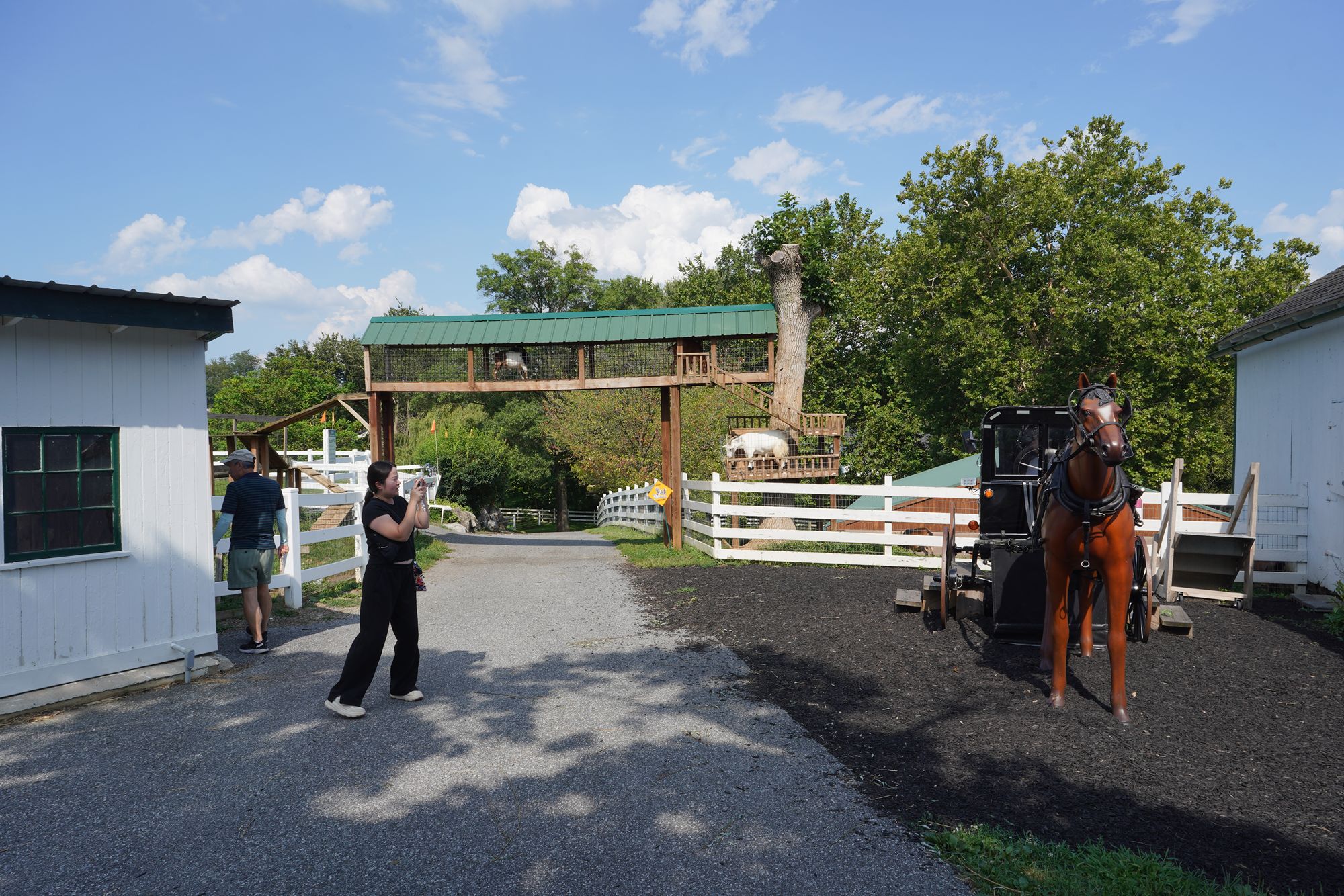
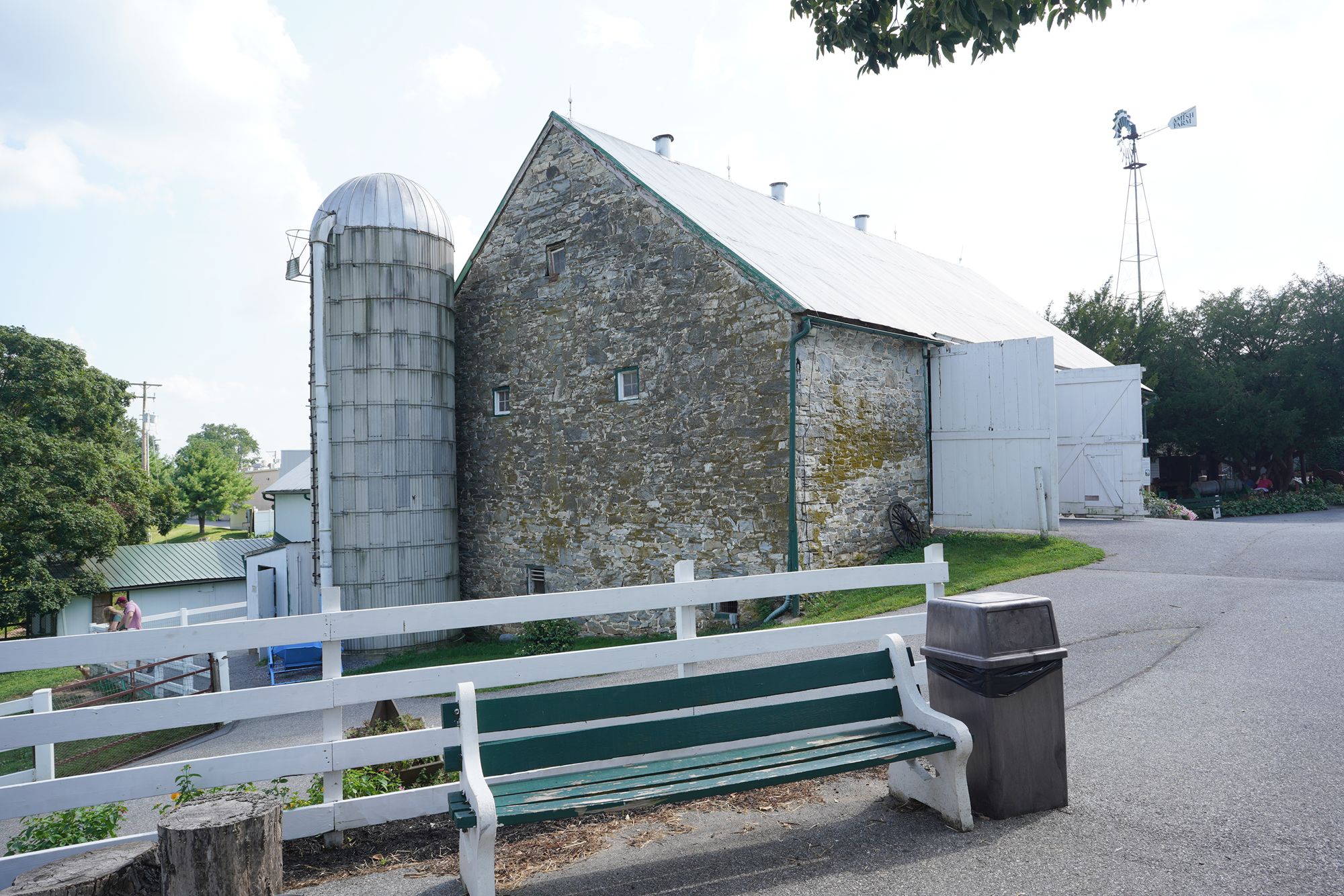
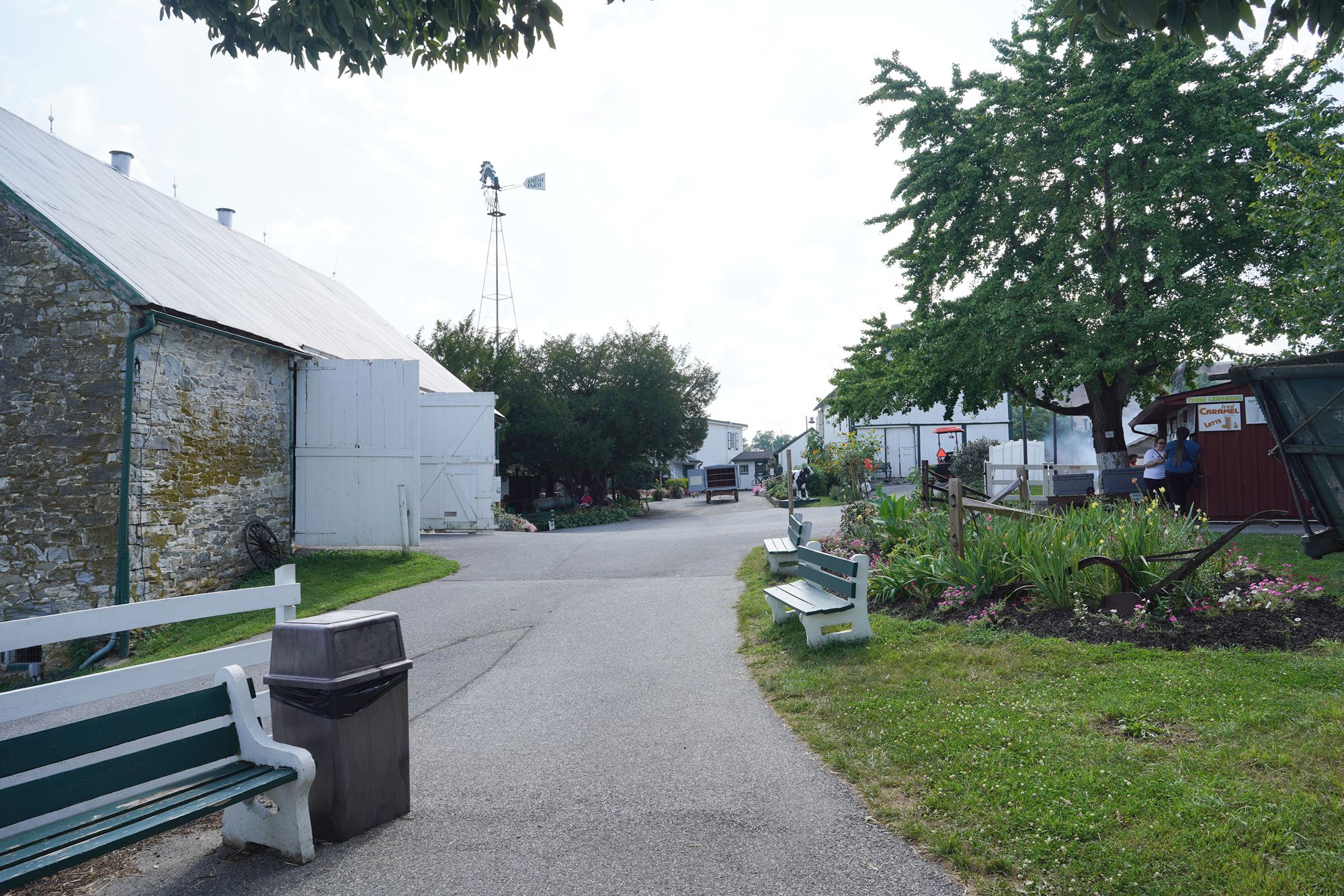
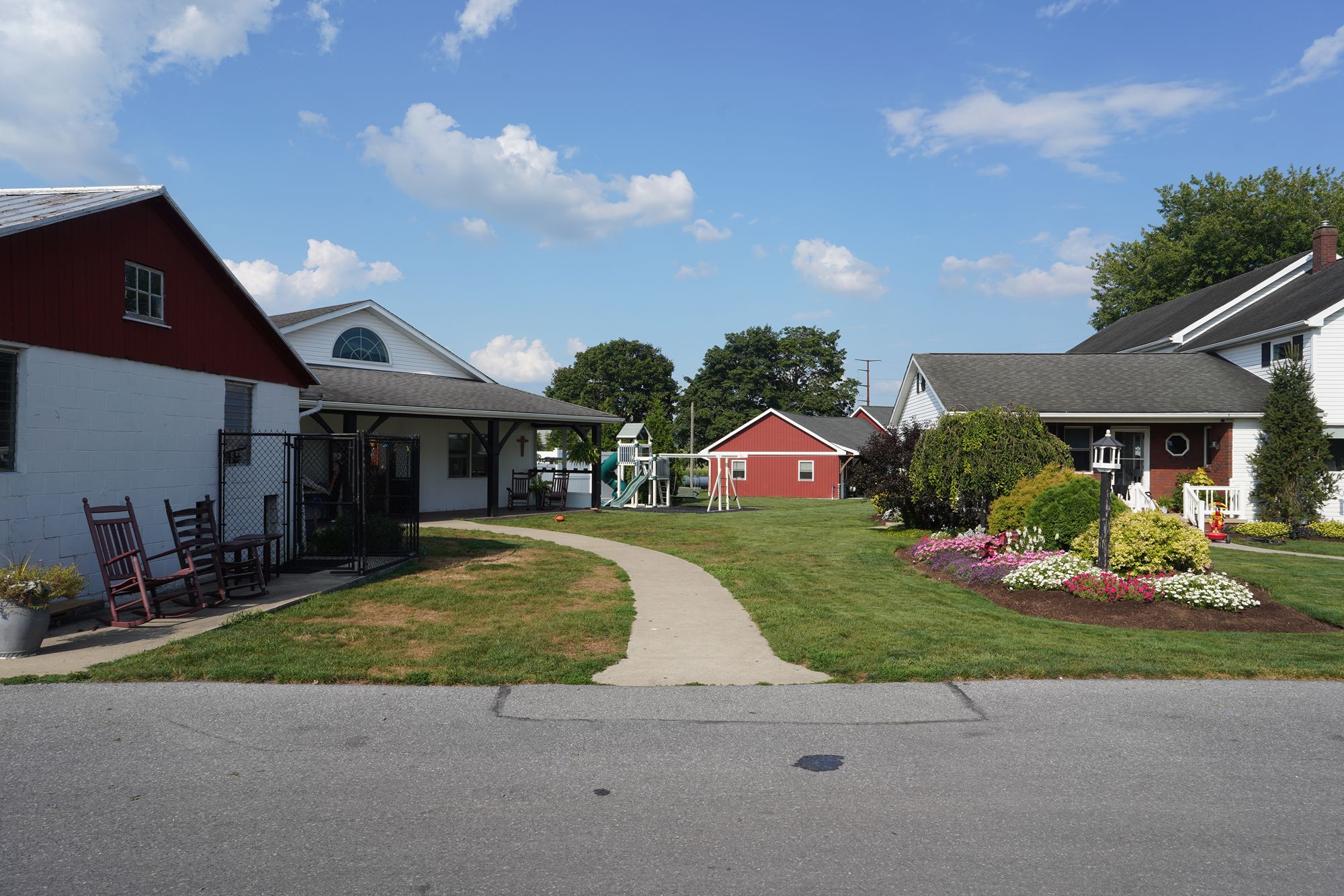
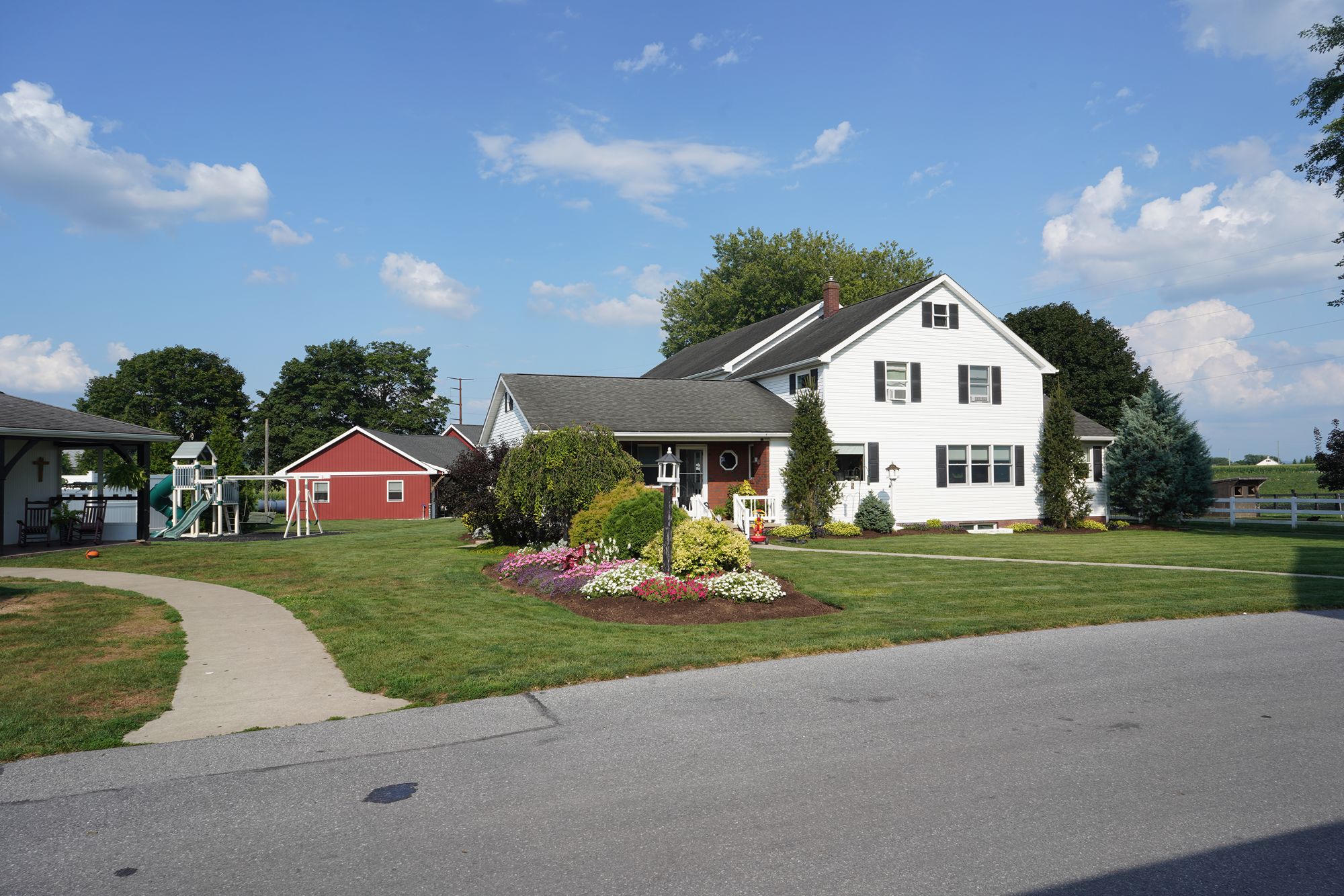
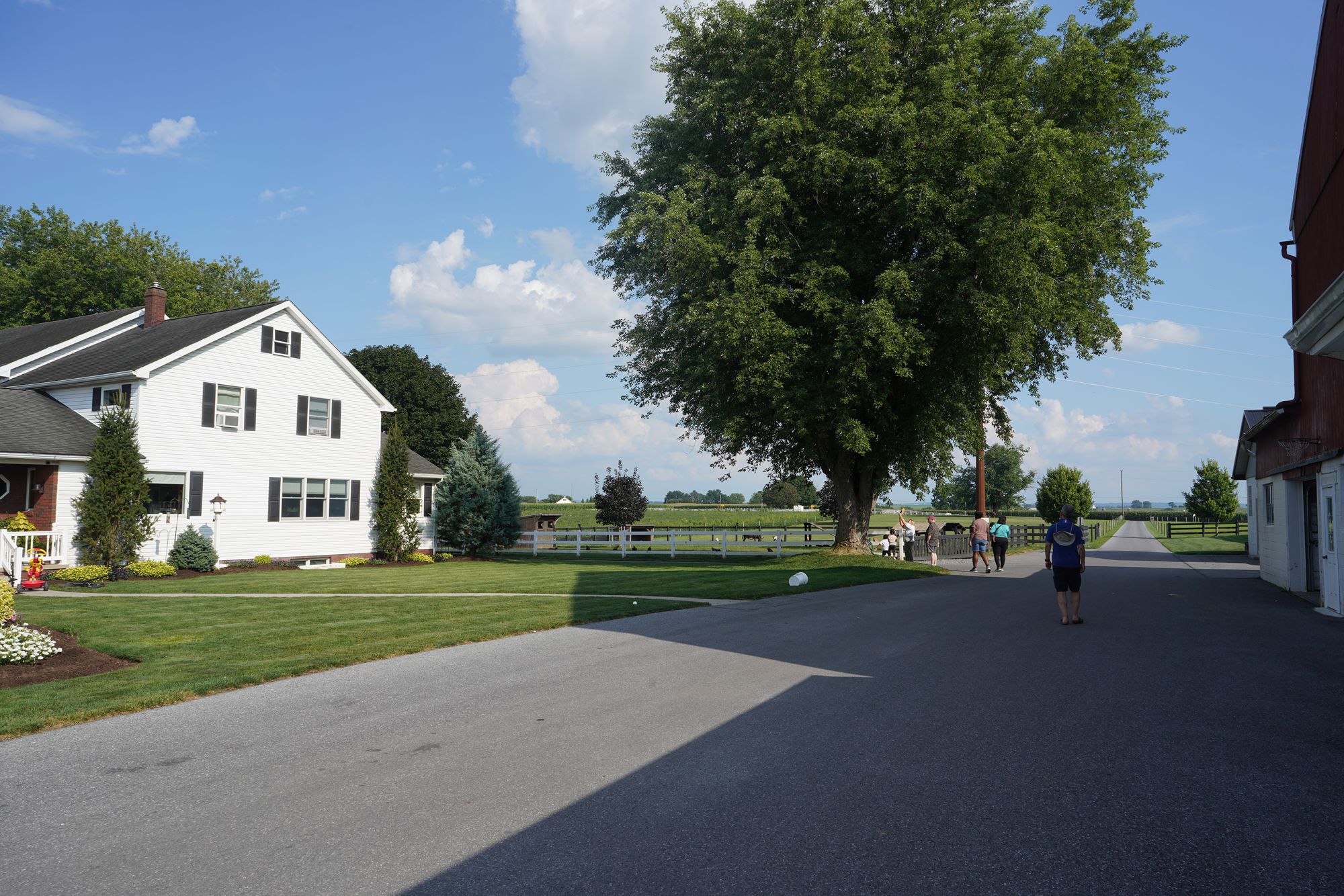
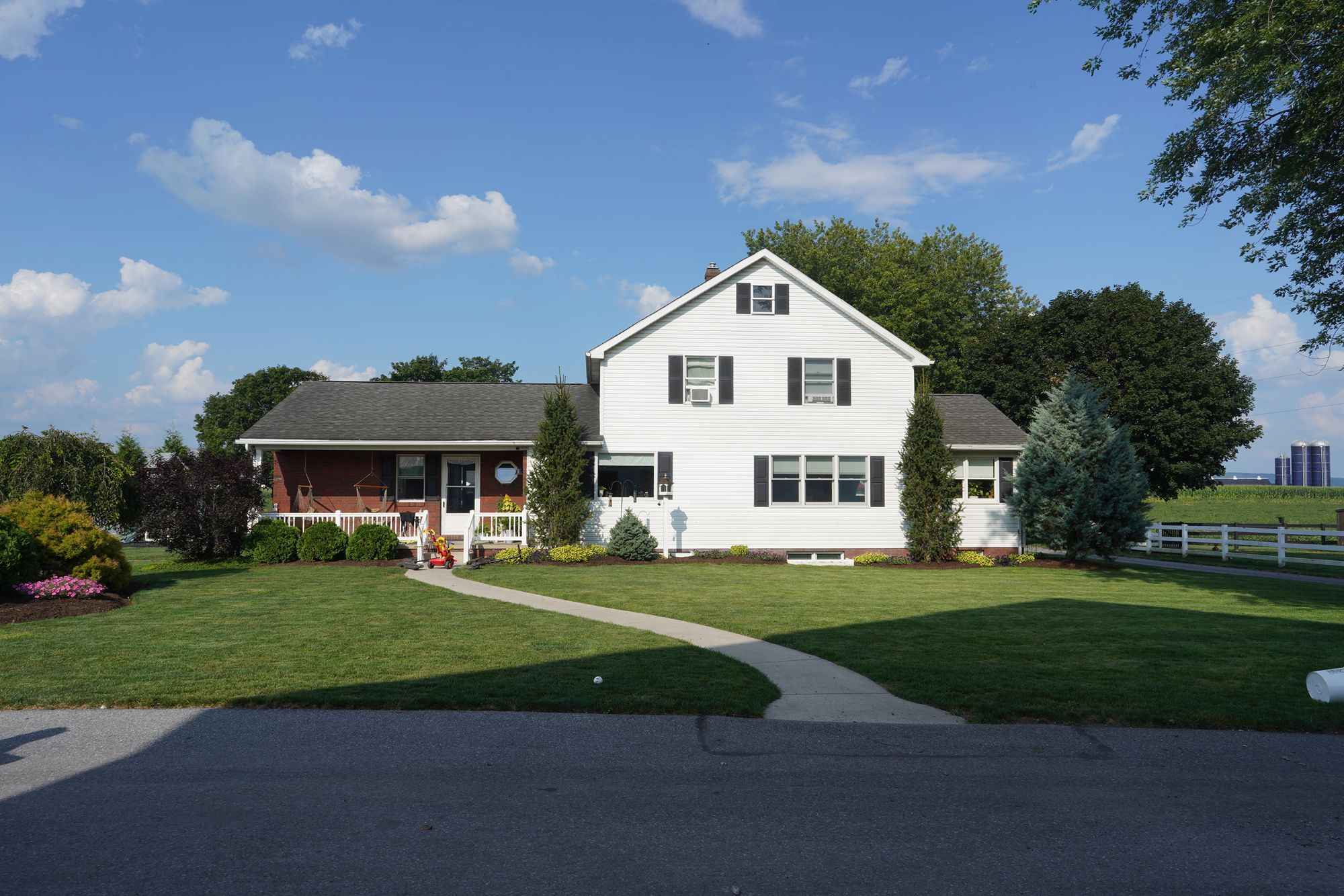
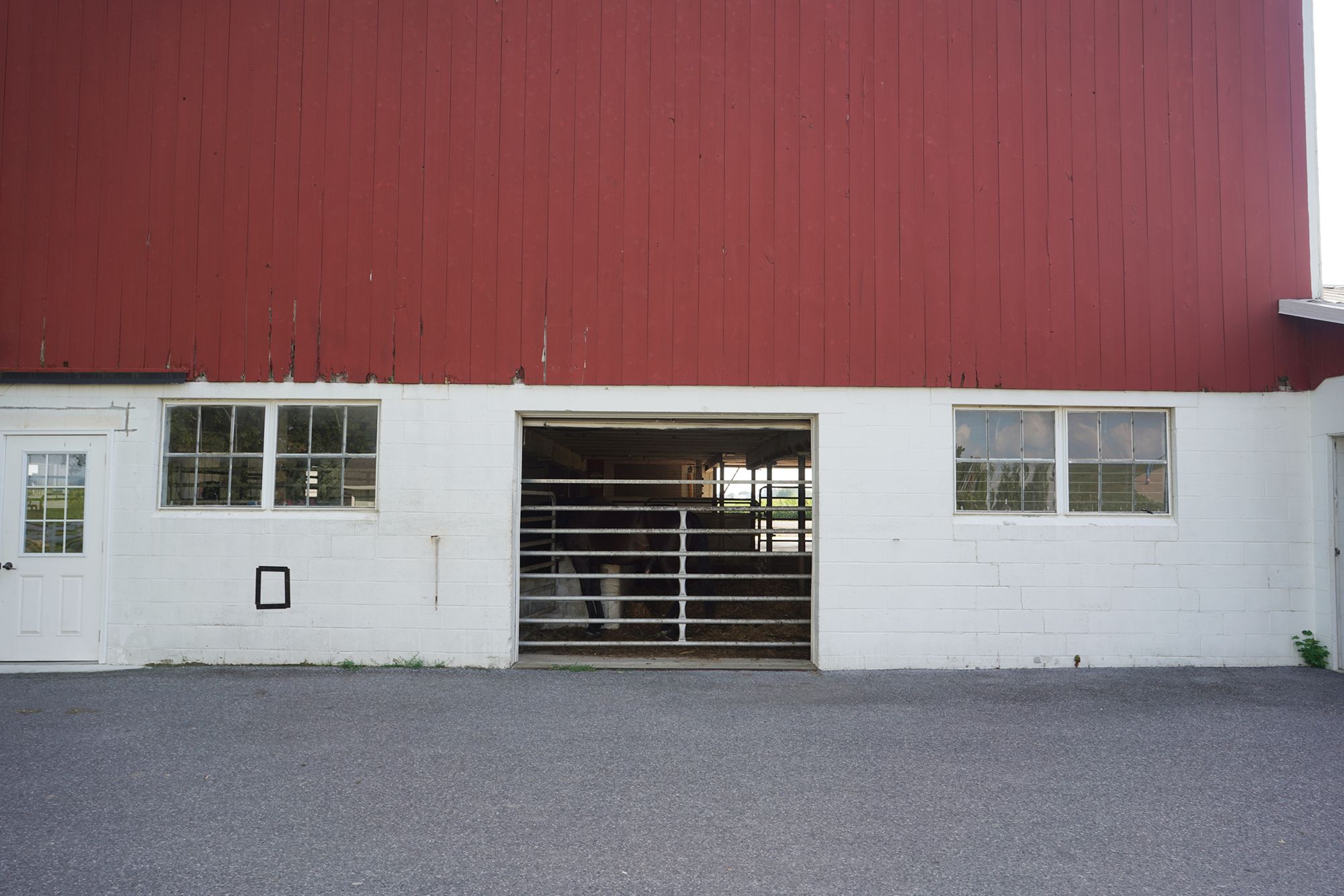
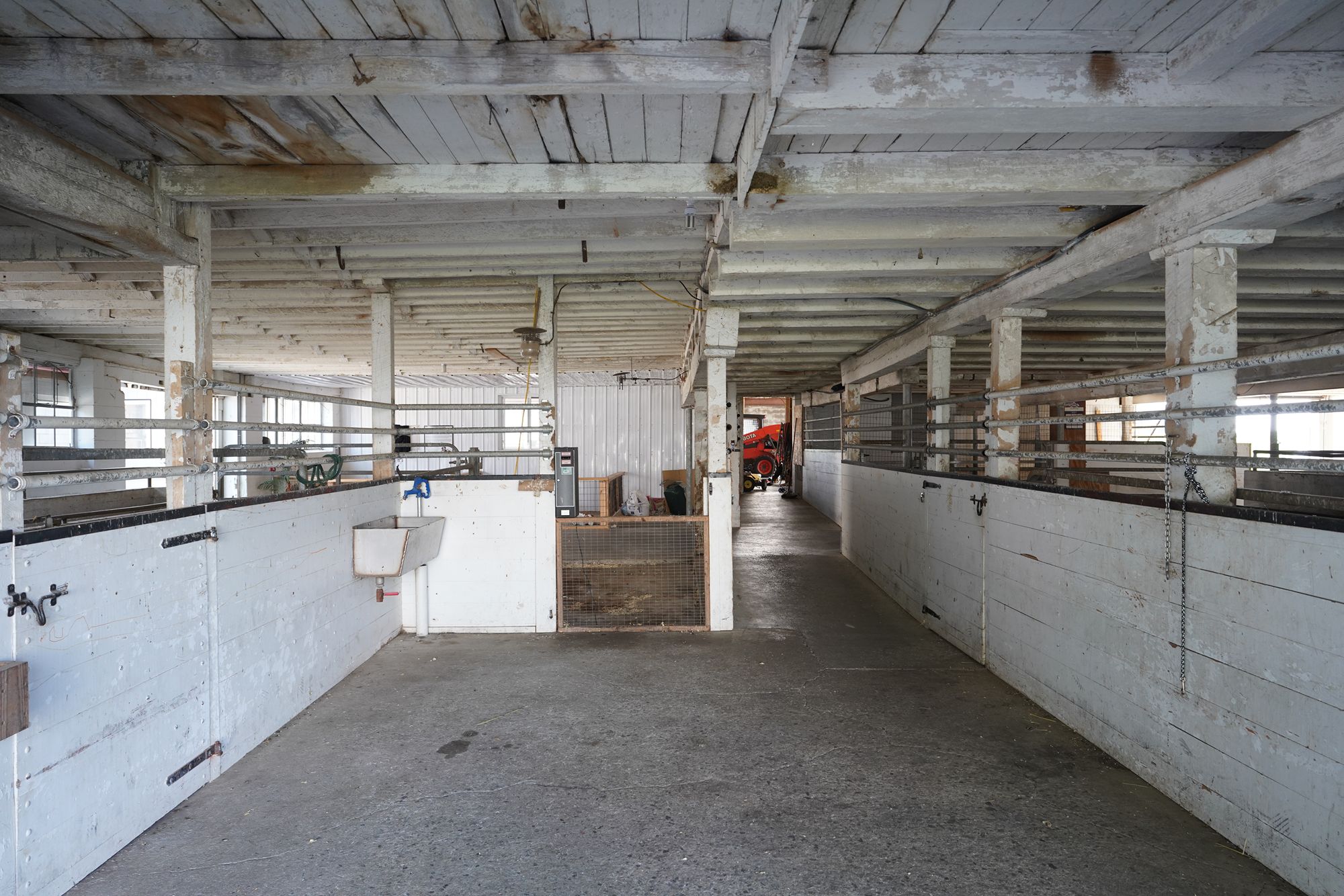
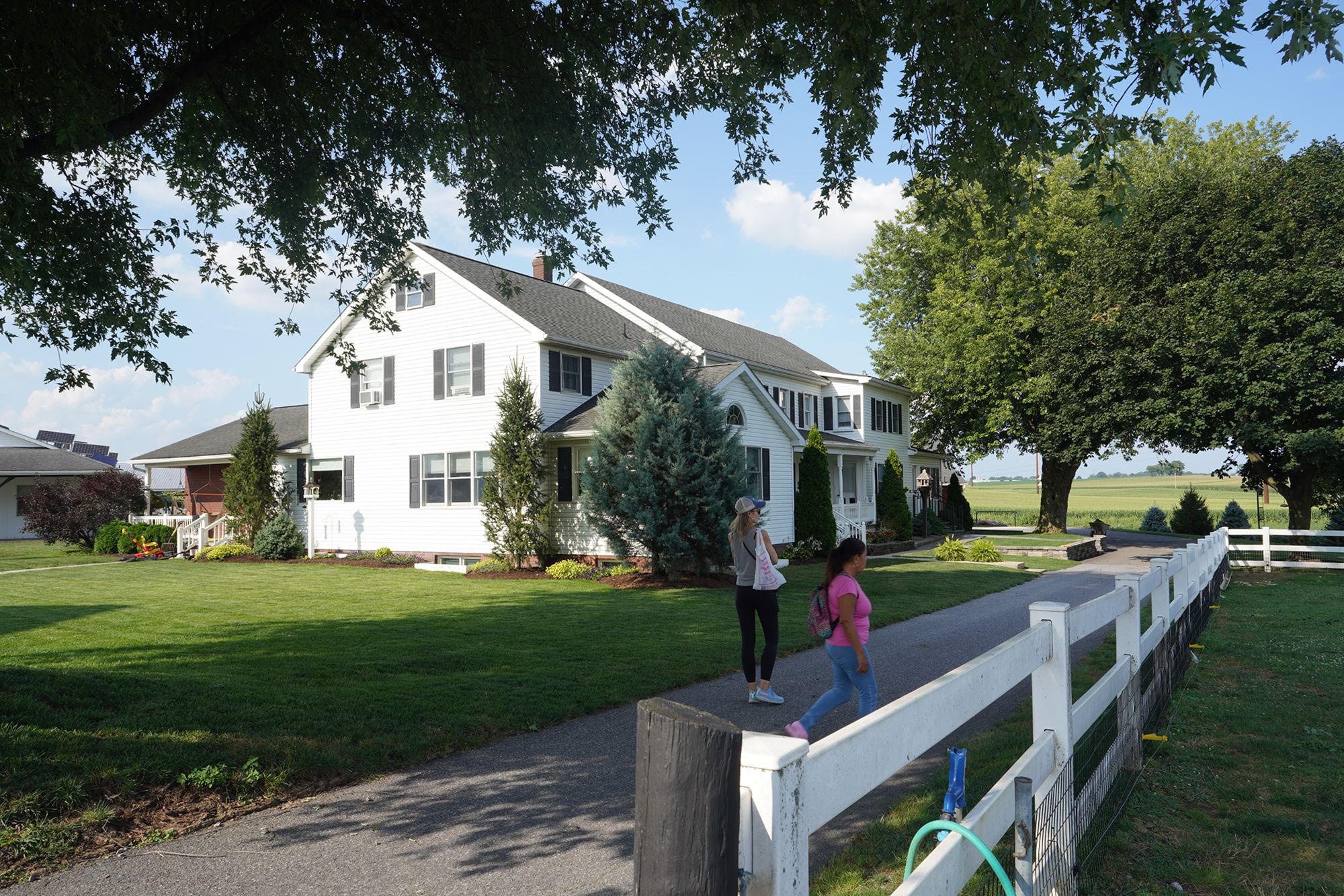
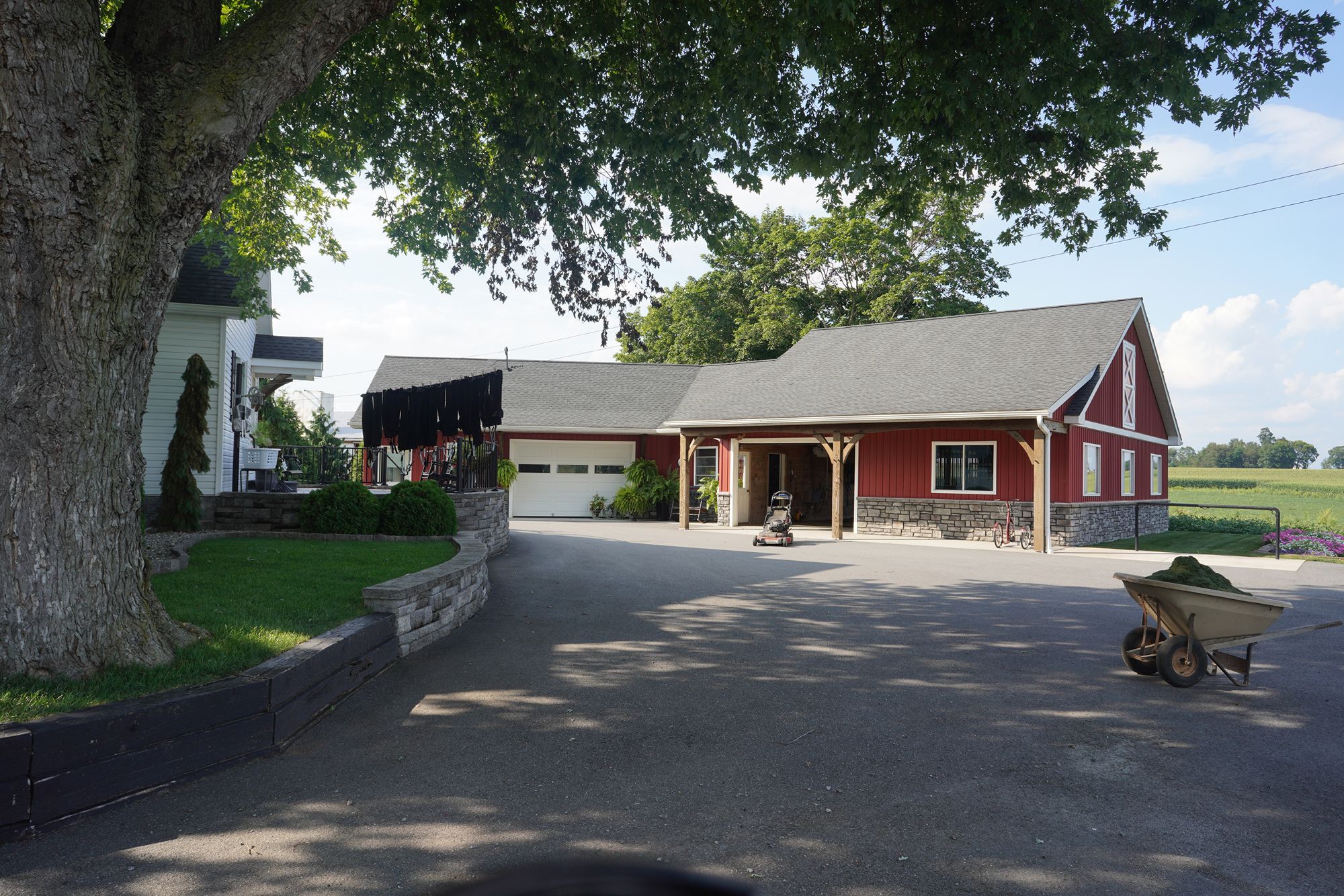
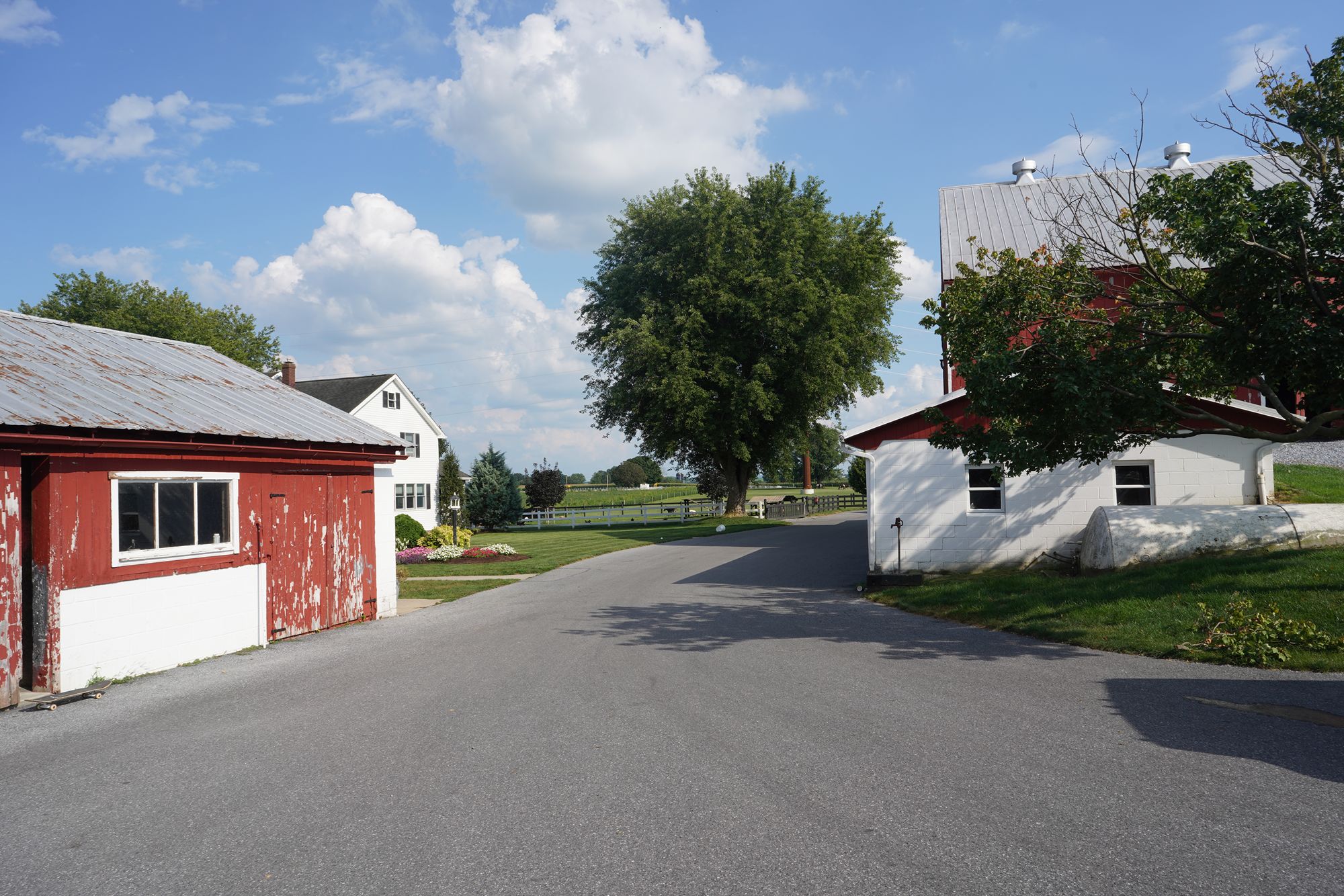
After the house tour, we were driven to an actual Amish farmhouse and a gift shop.
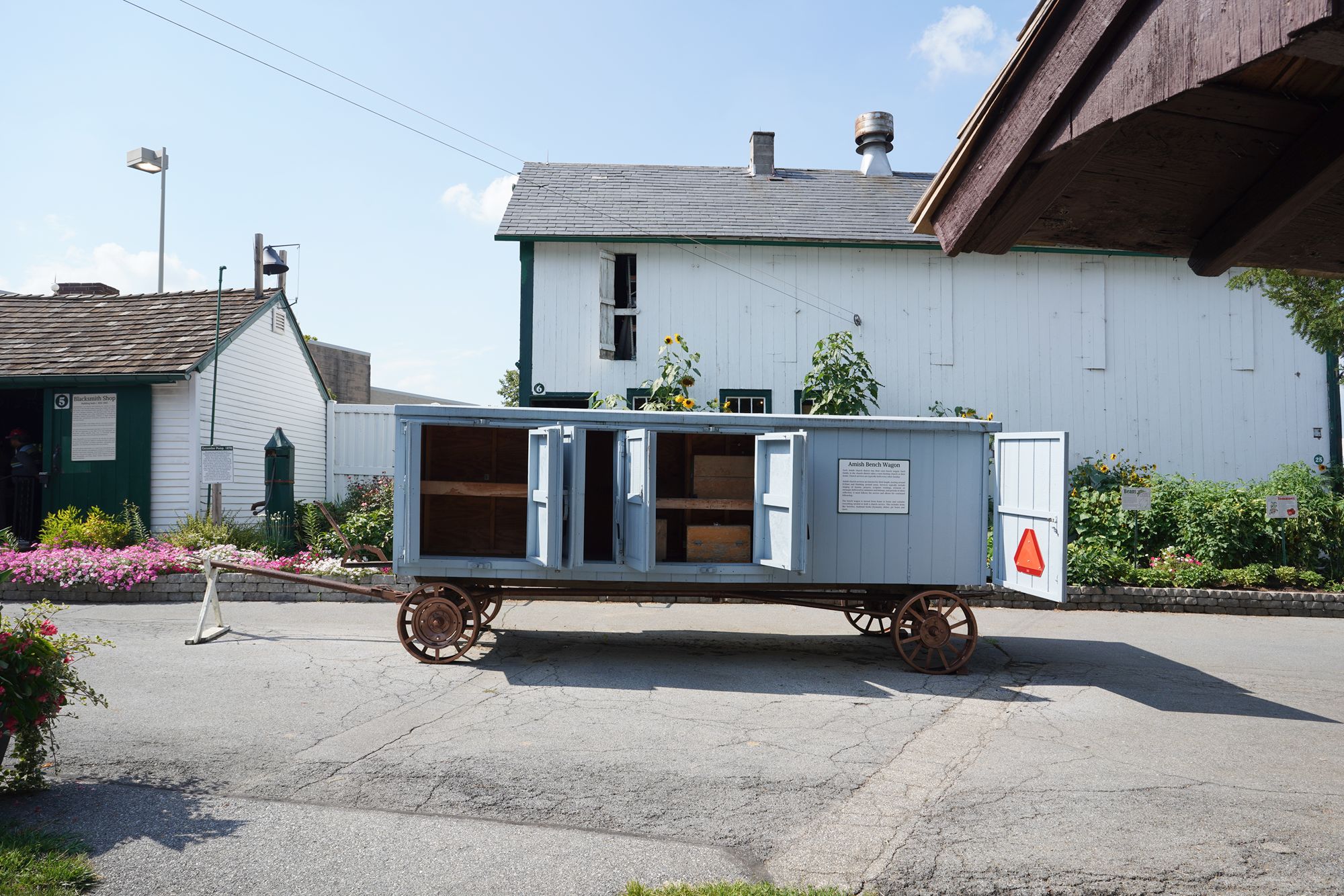
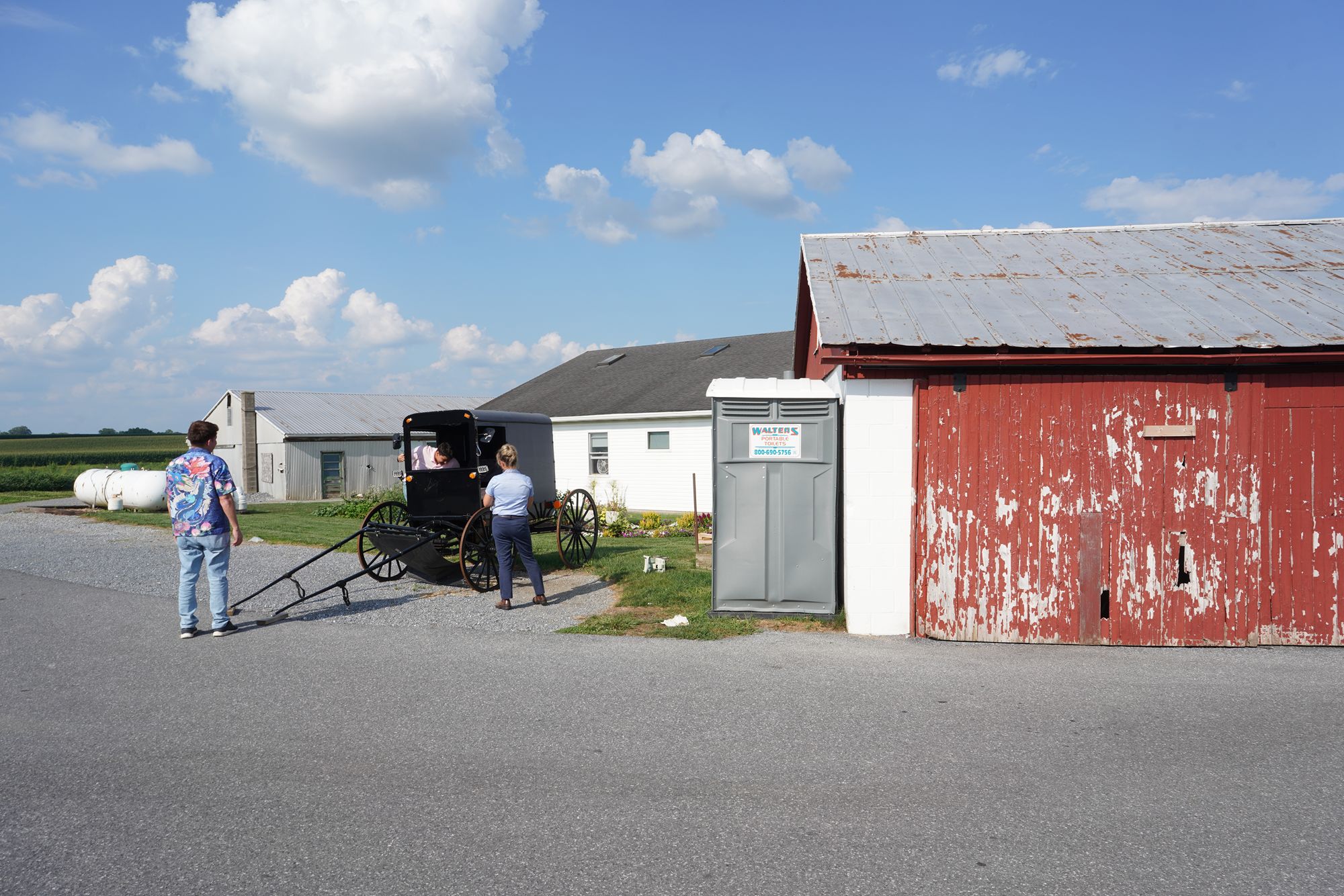
This is a horse-drawn carriage used by Amish people for transportation. The tour group can go inside and look.
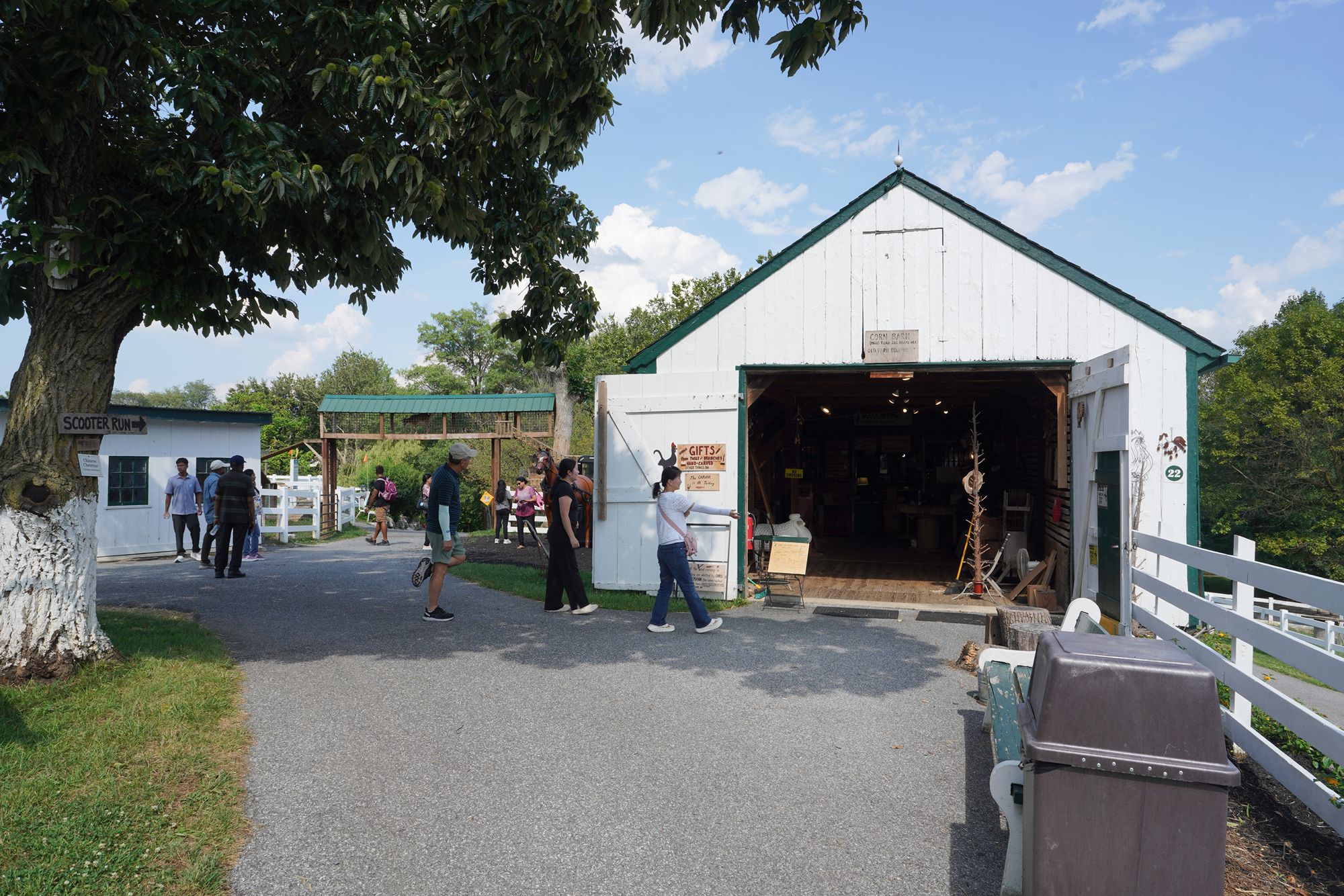
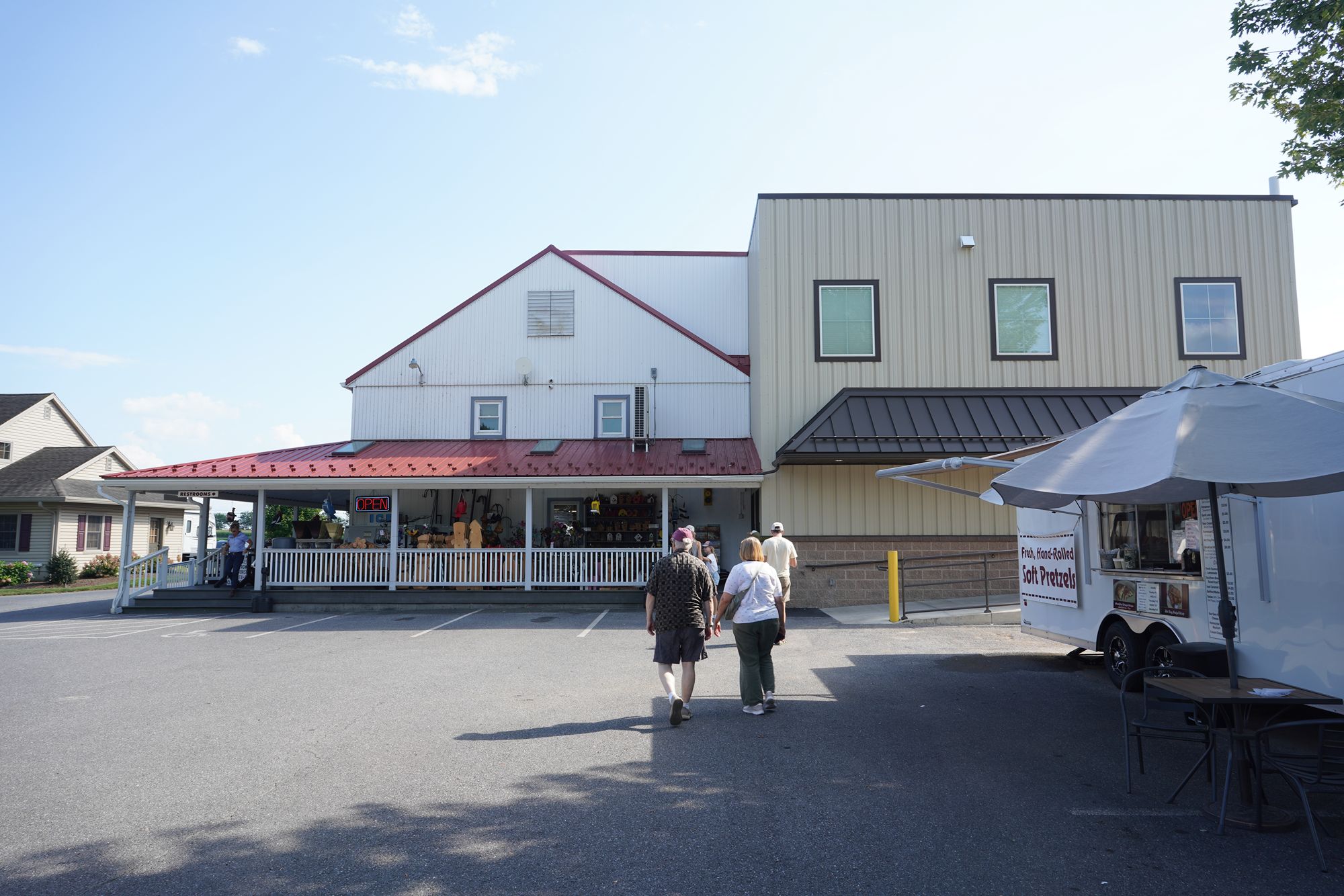
The gift shop where Amish-made items are sold.
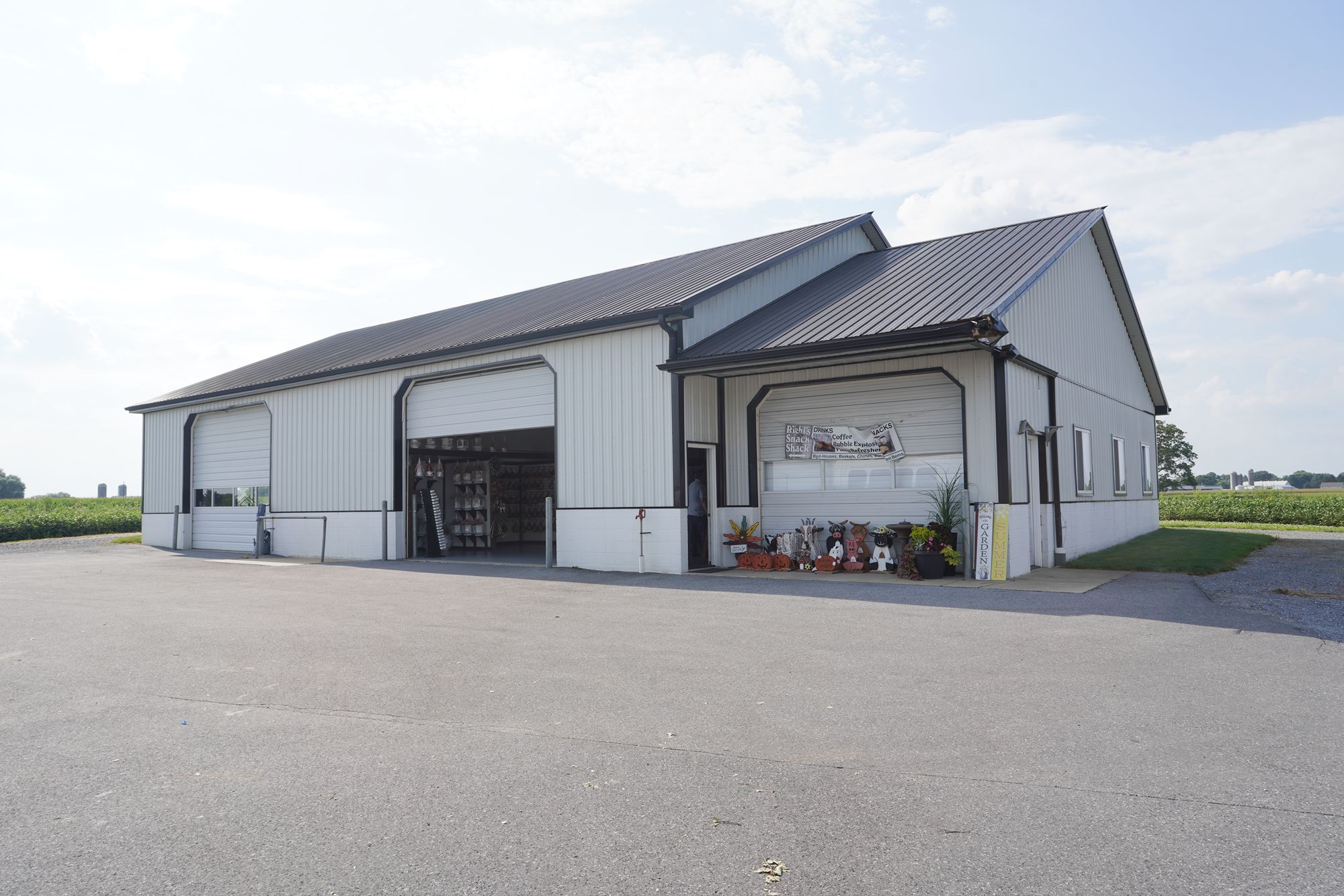
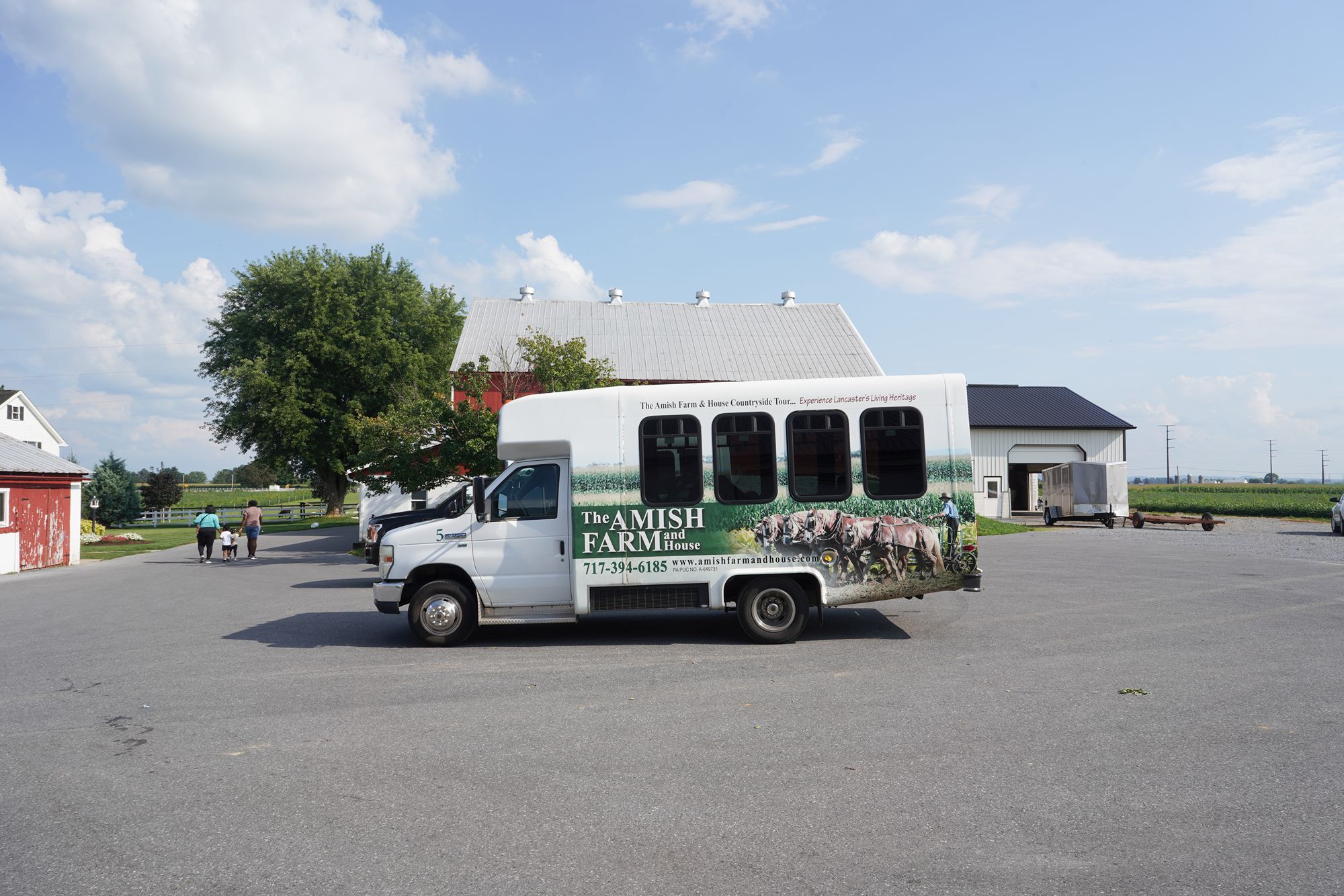
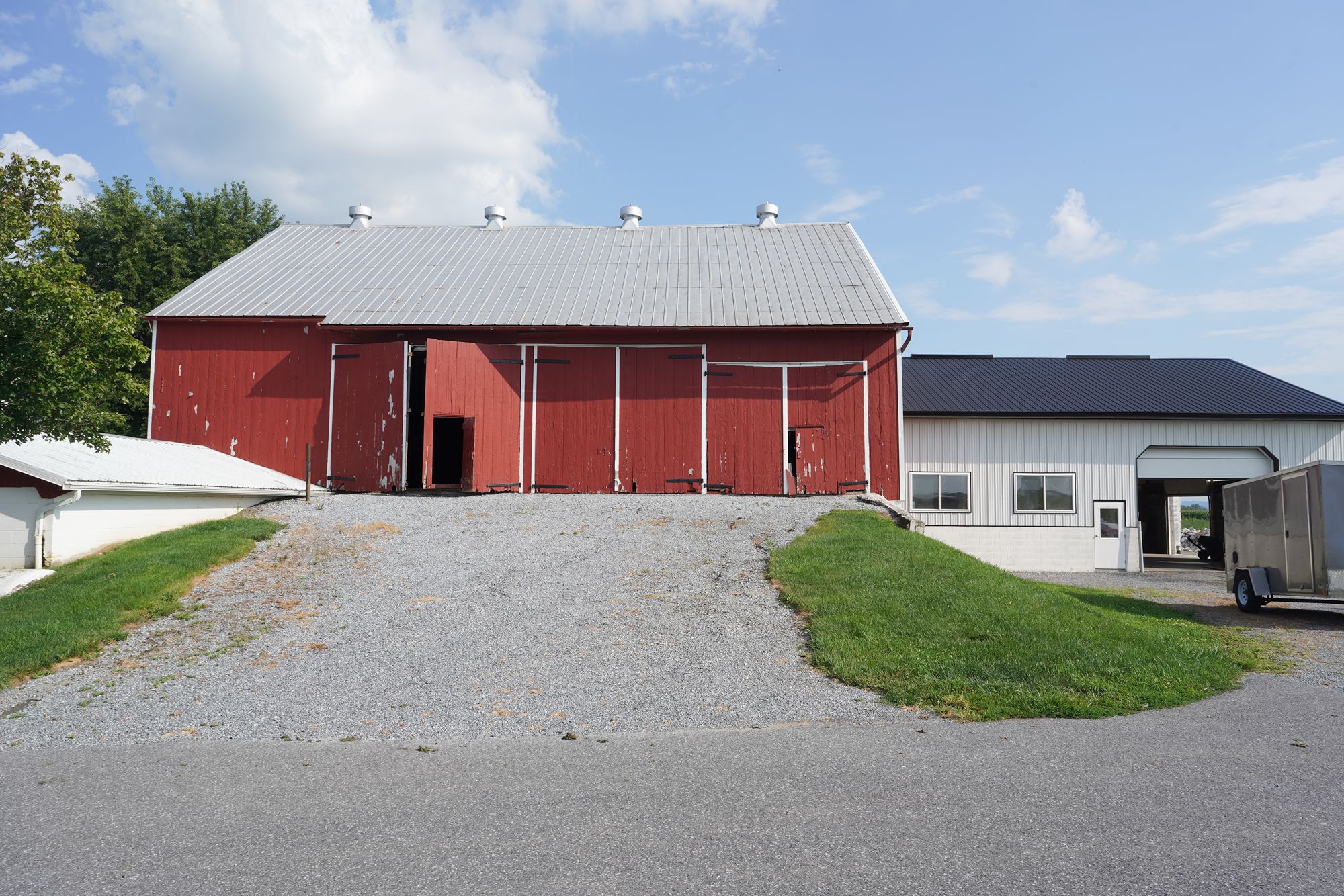
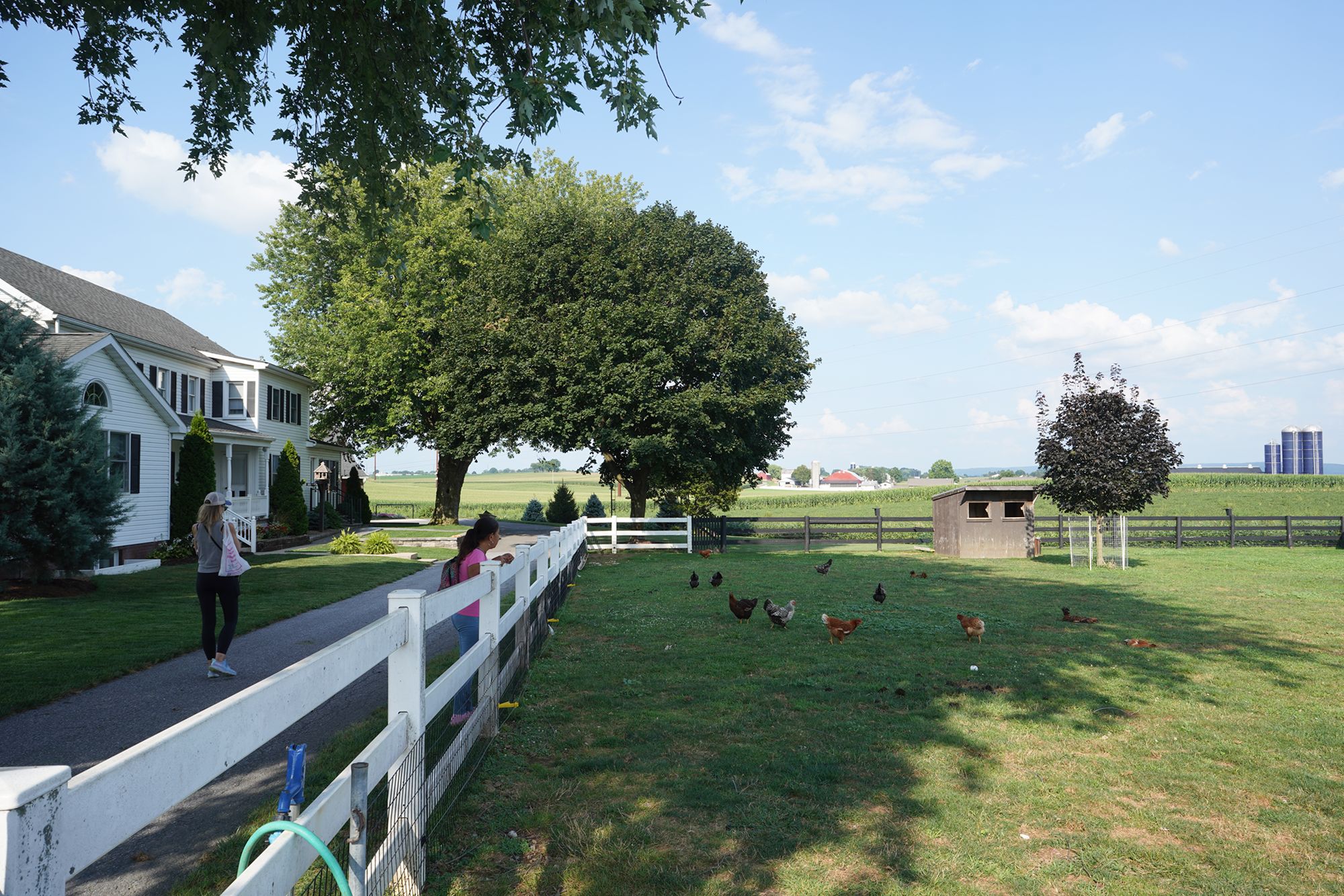
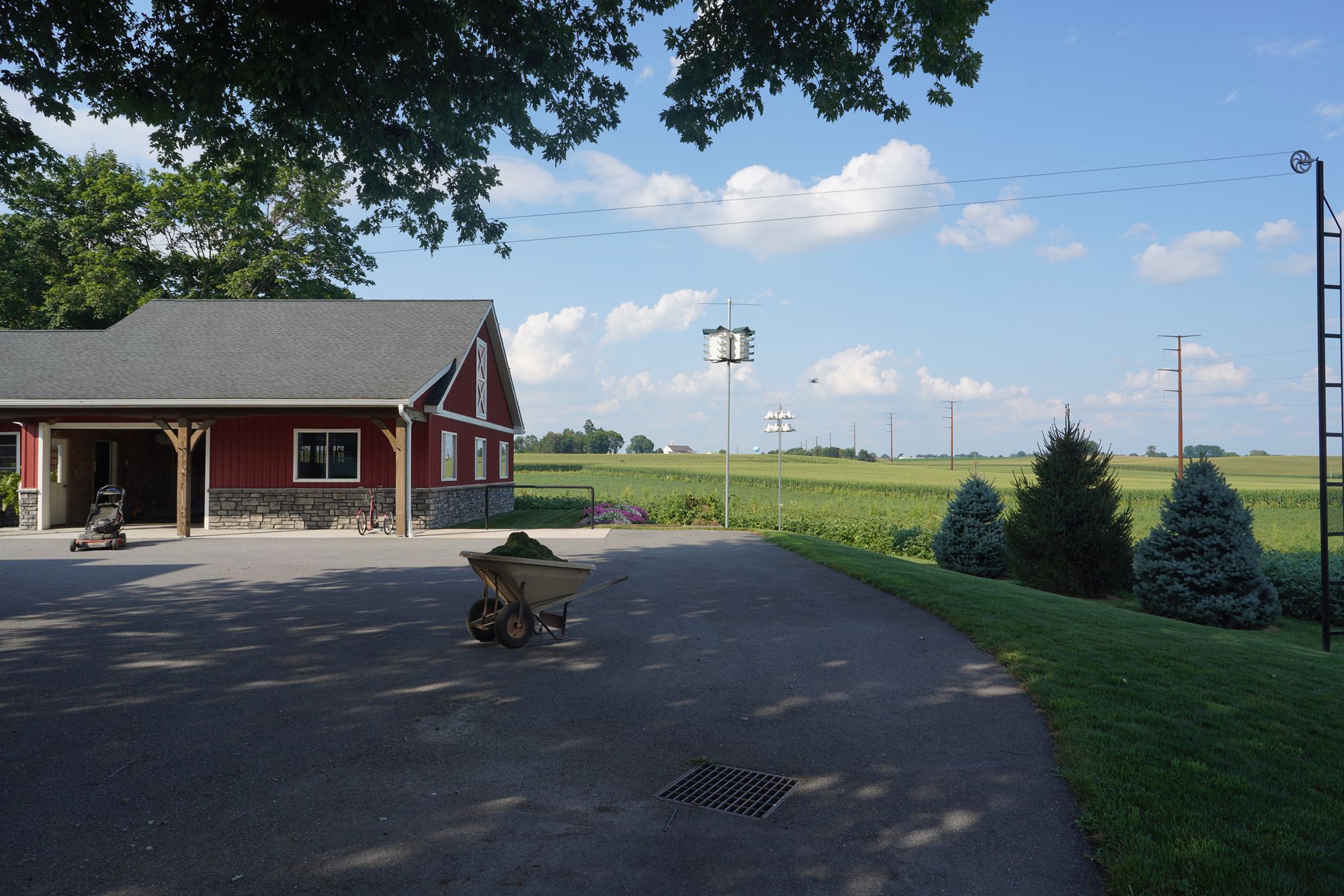
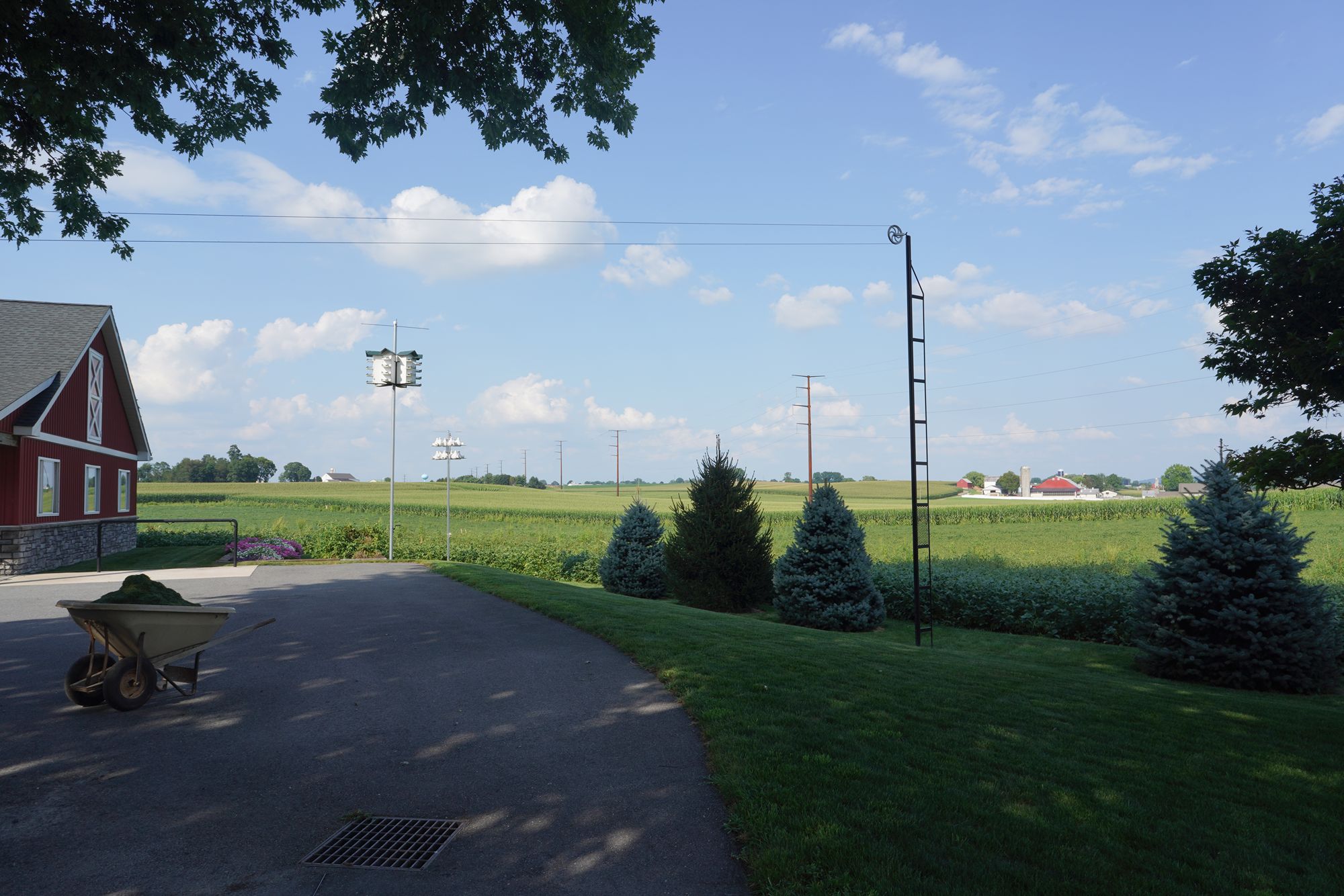
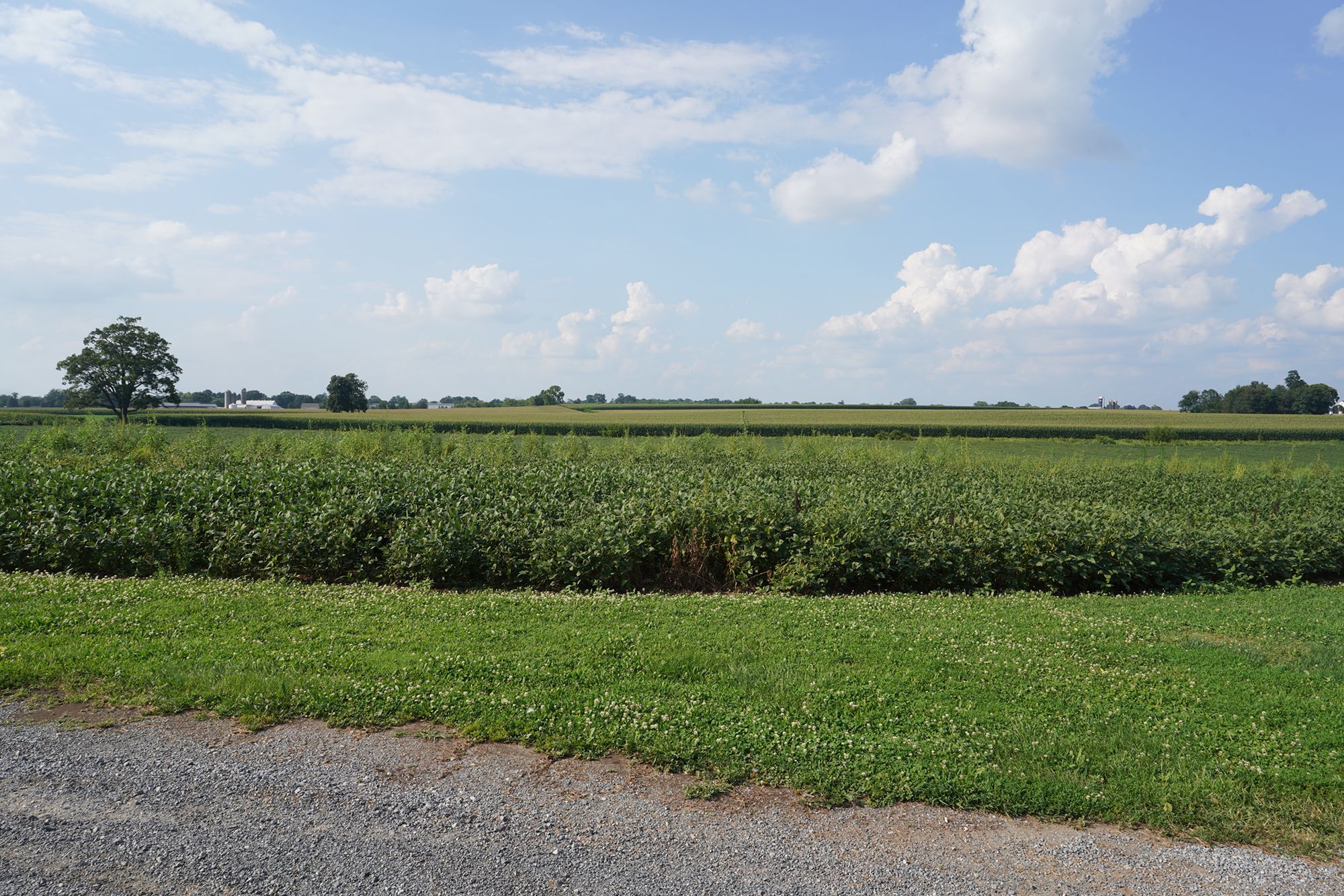
All around this place, the landscape is filled with endless cornfields.
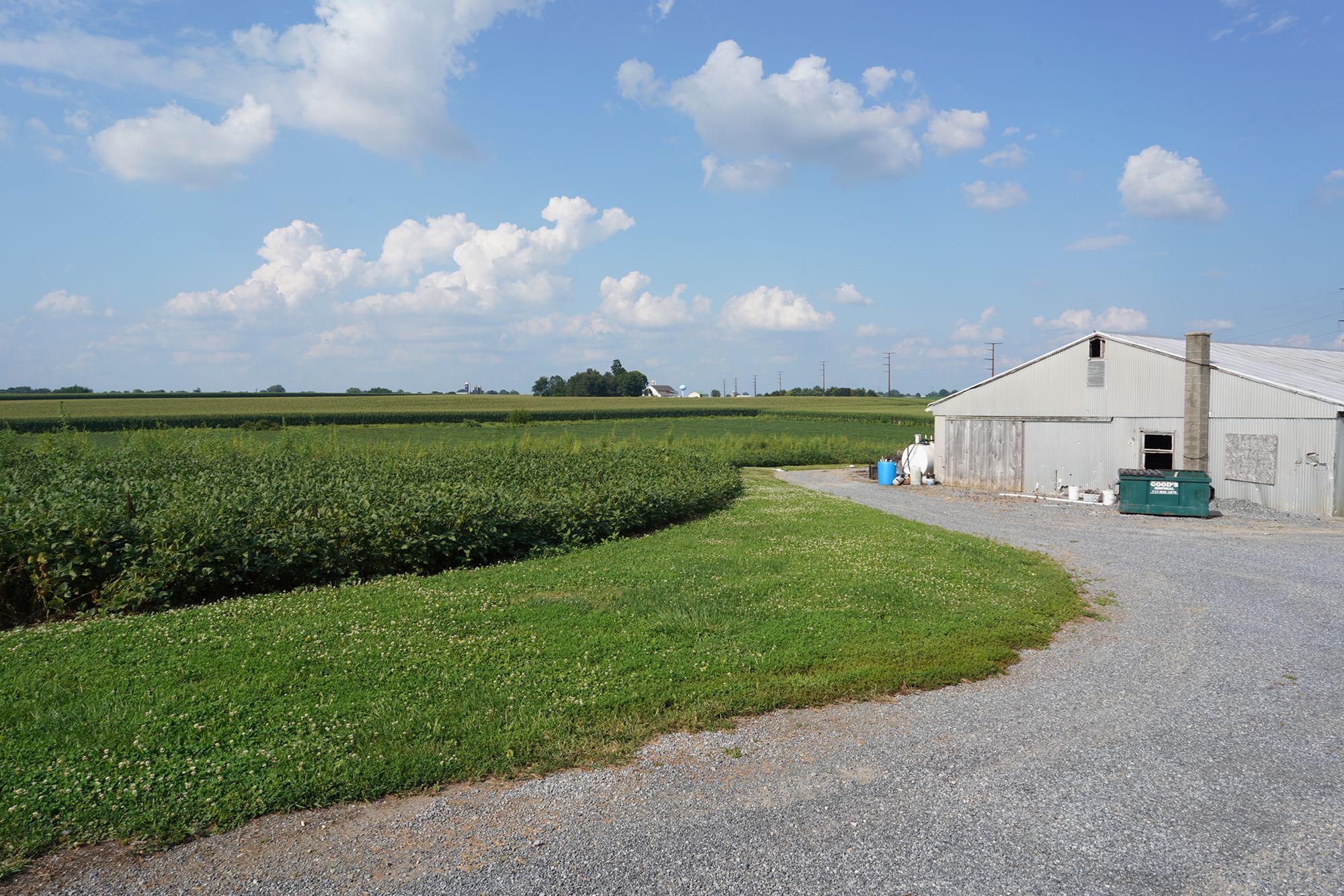
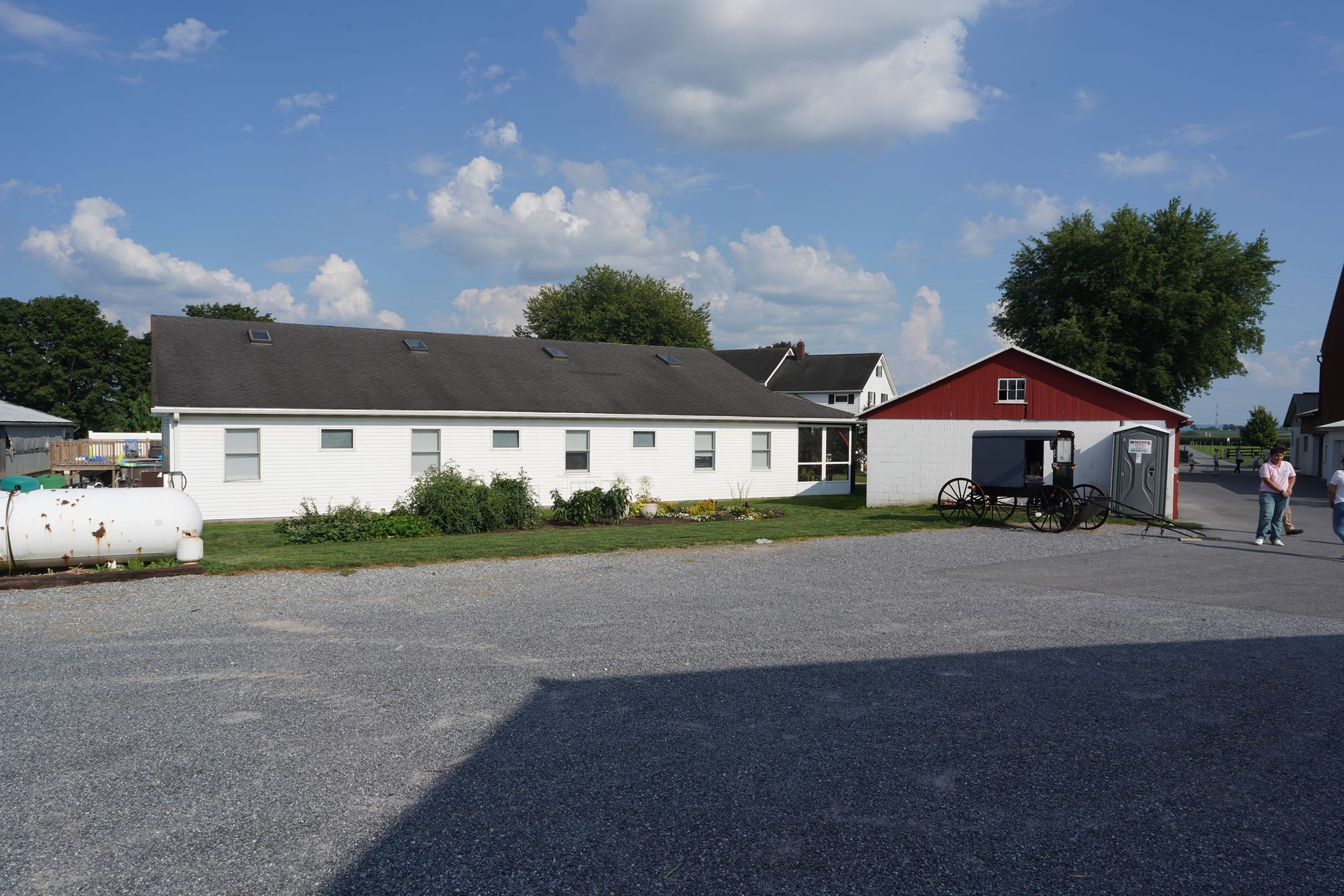
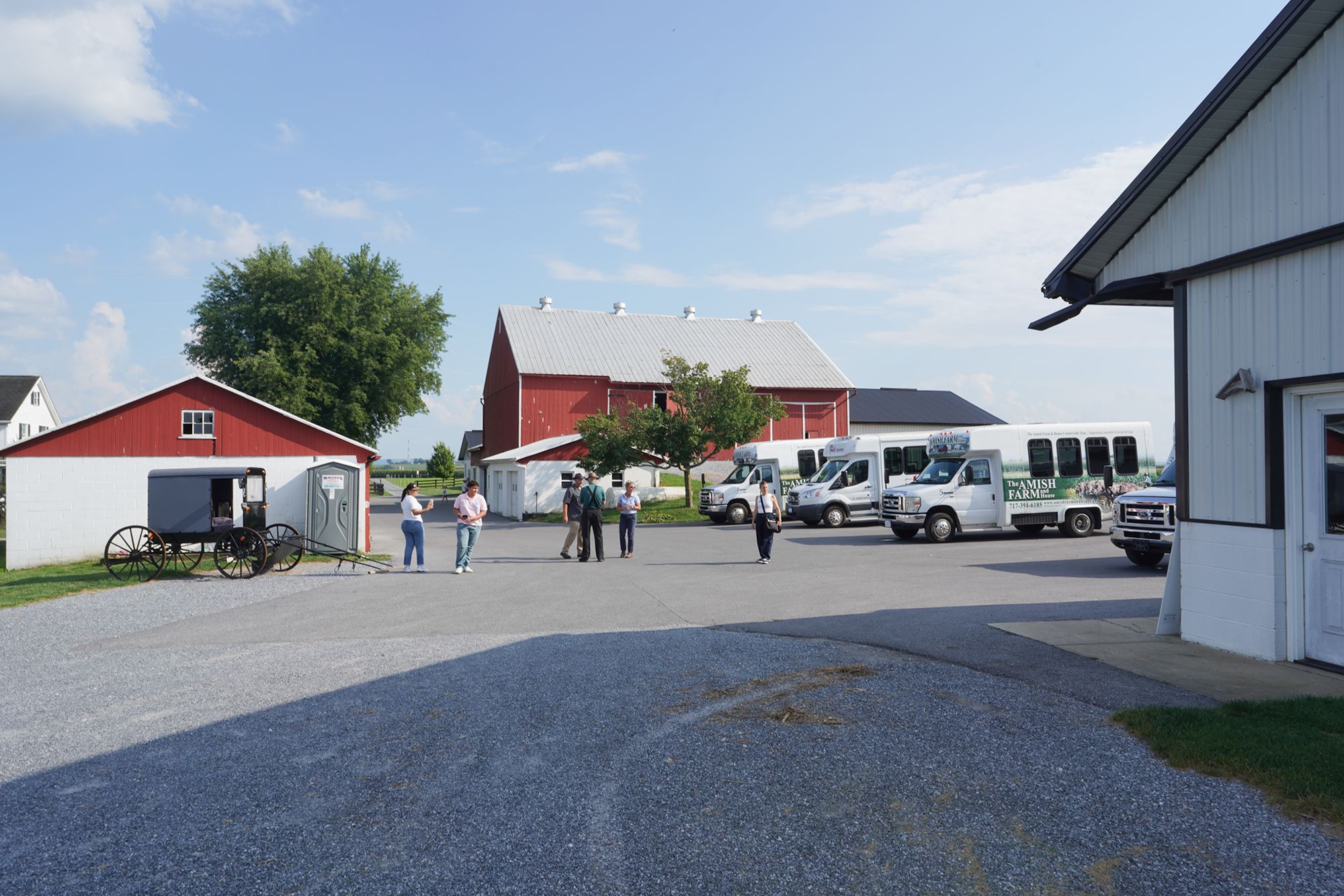
The pictures show genuine Amish houses — places where families not only live, but also carry out much of their work.