Philadelphia Museum of Art – Western Art 1900s to Present, Philadelphia, Pennsylvania, USA
In the 1900s, art became modern; furniture shifted from ornate curves to geometric, functional designs. 1173
Philadelphia Museum of Art: 2600 Benjamin Franklin Pkwy, Philadelphia, PA 19130
Date Picture Taken: August 2025
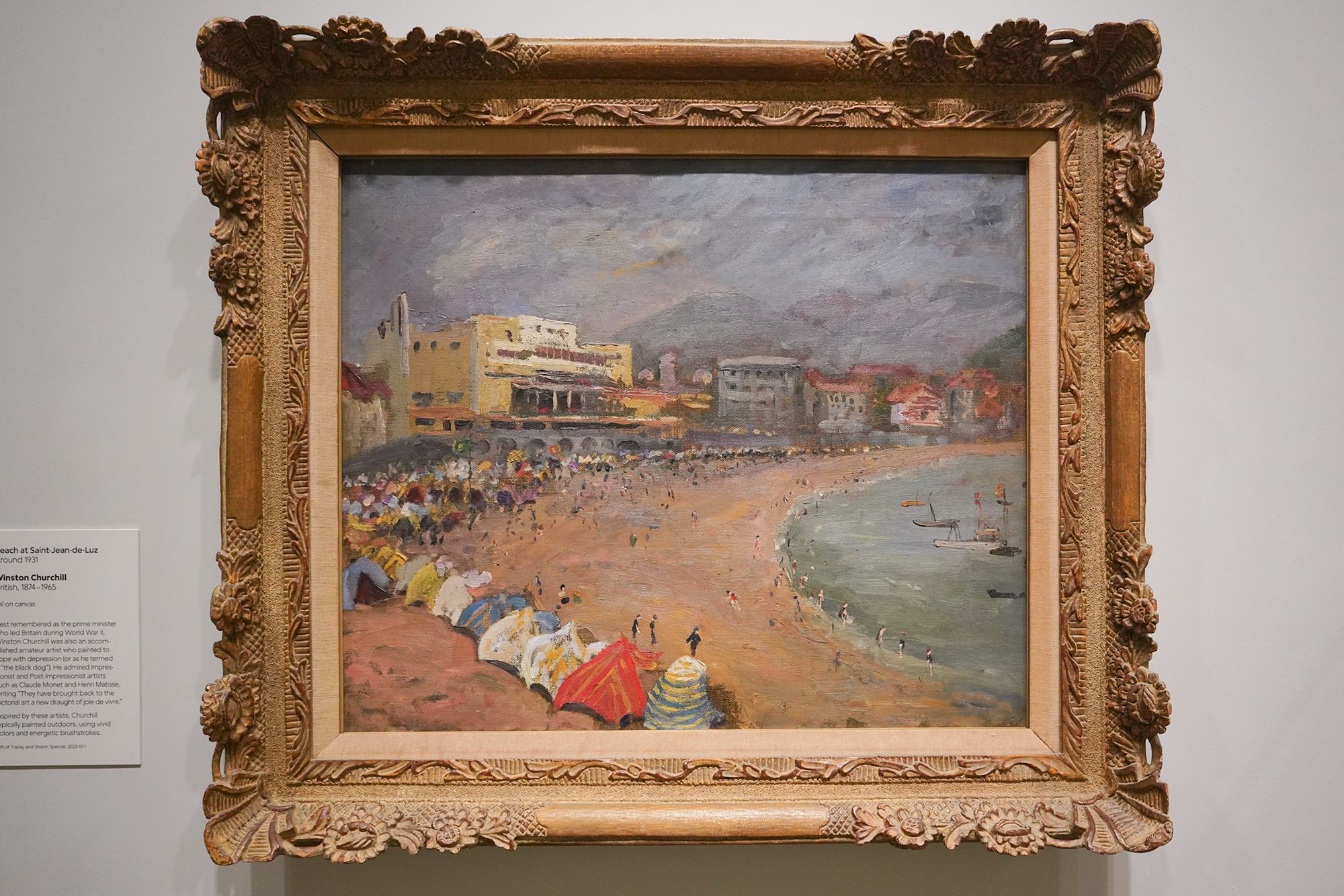
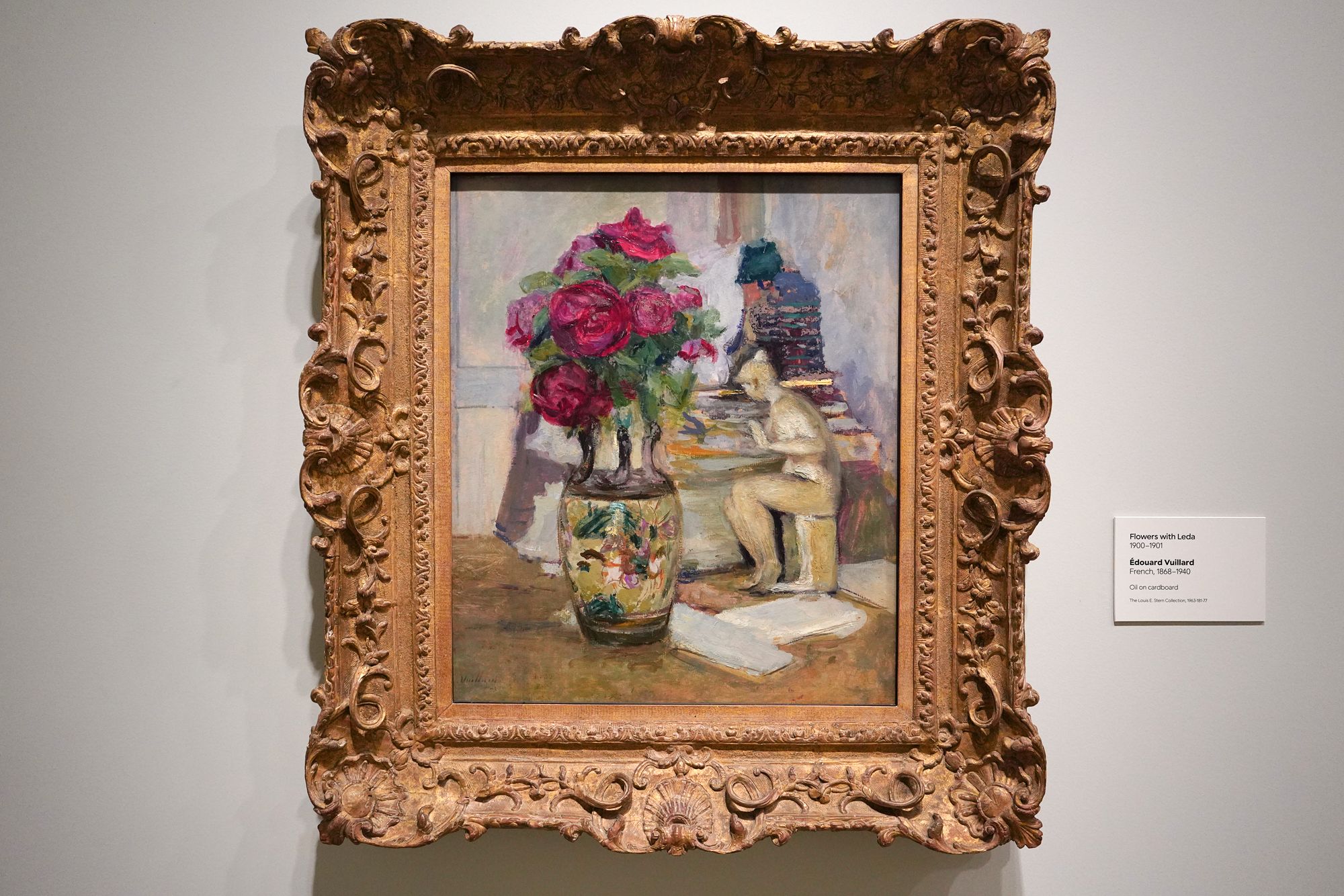
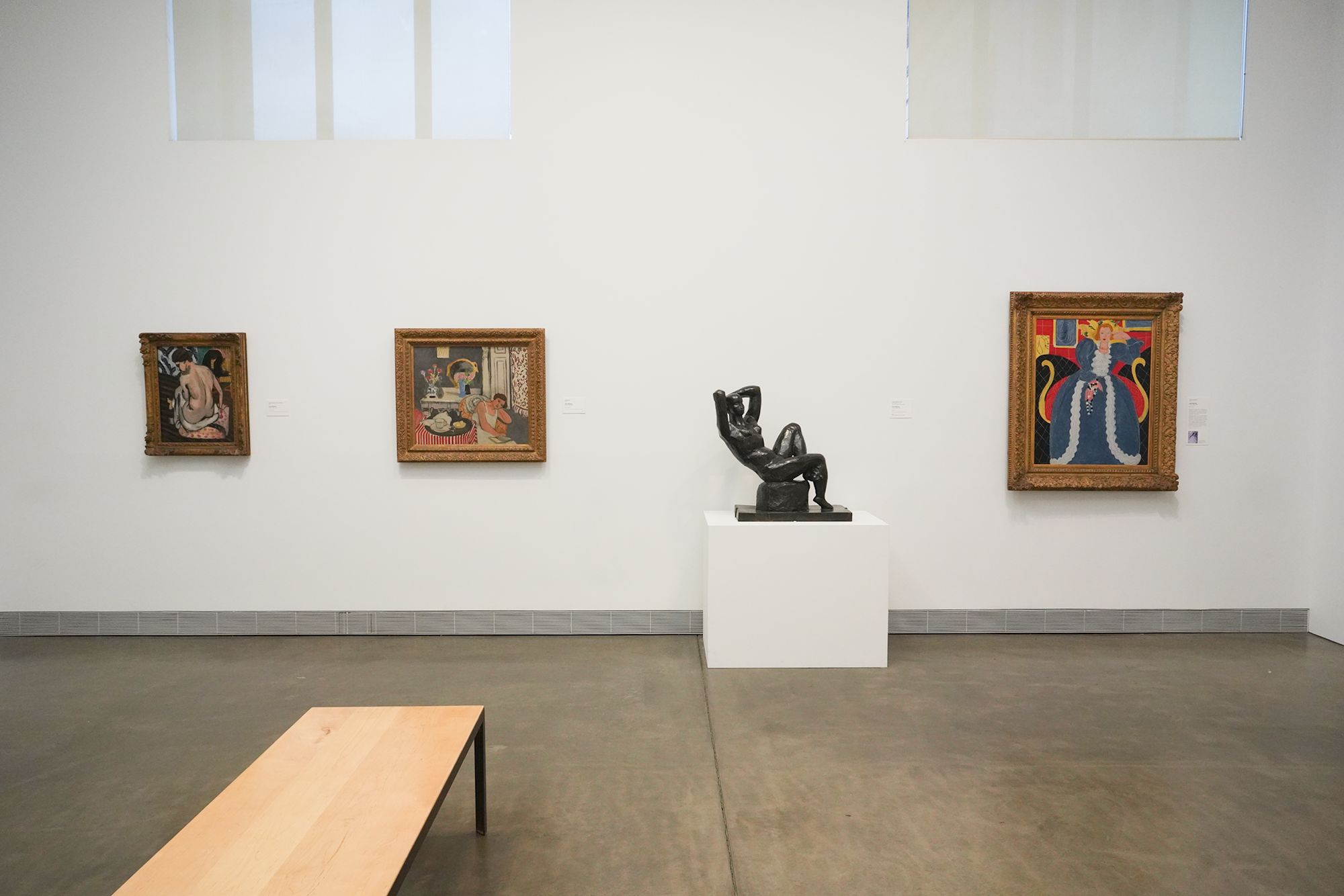
The art in the 1900s shifted into modernism — Impressionism, Cubism, Expressionism, Surrealism, and abstract art reshaped how the world was painted. Furniture followed the same direction, moving from the flowing, nature-inspired curves of Art Nouveau to the sleek geometry of Art Deco and the clean, functional look of Bauhaus and modern design.
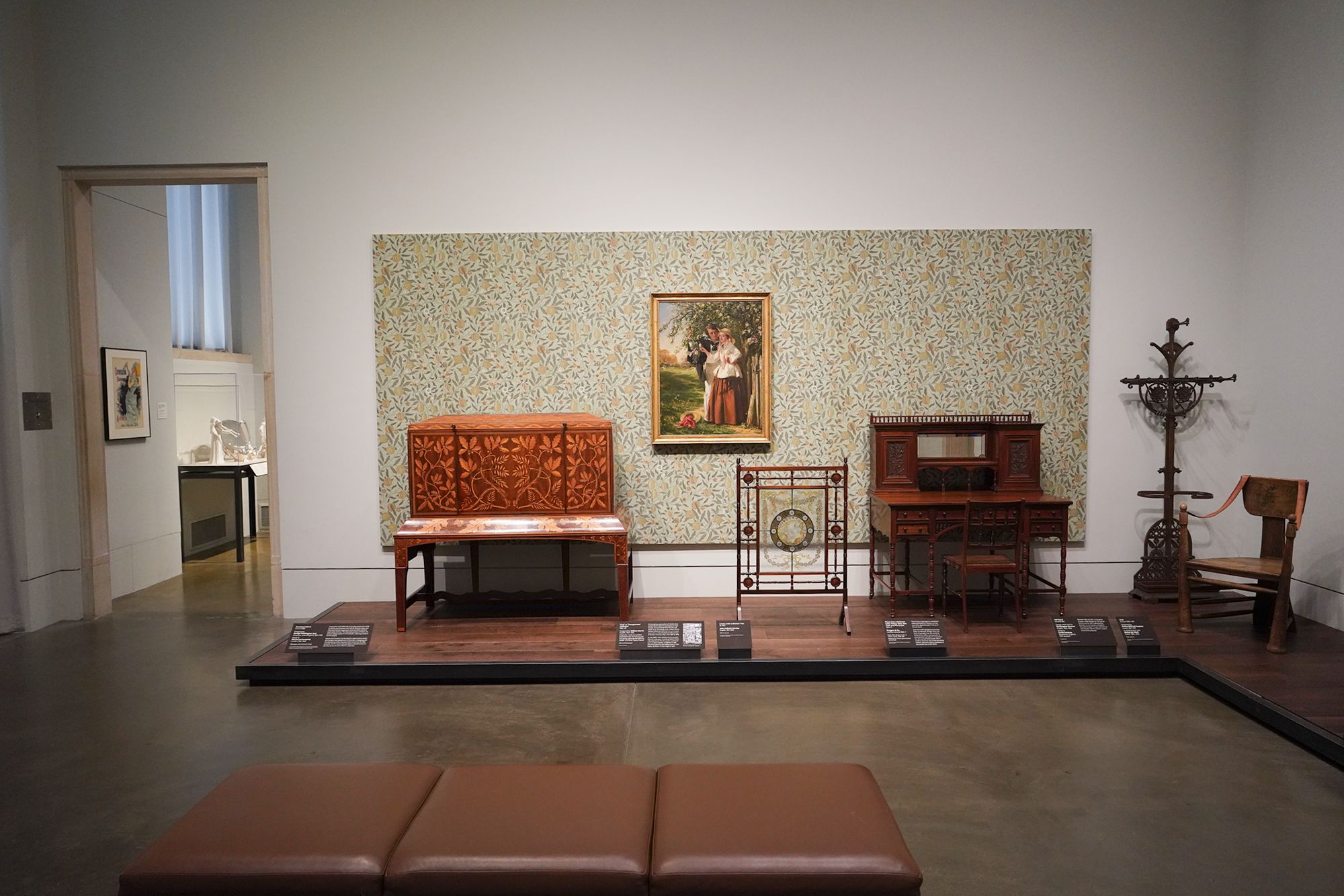
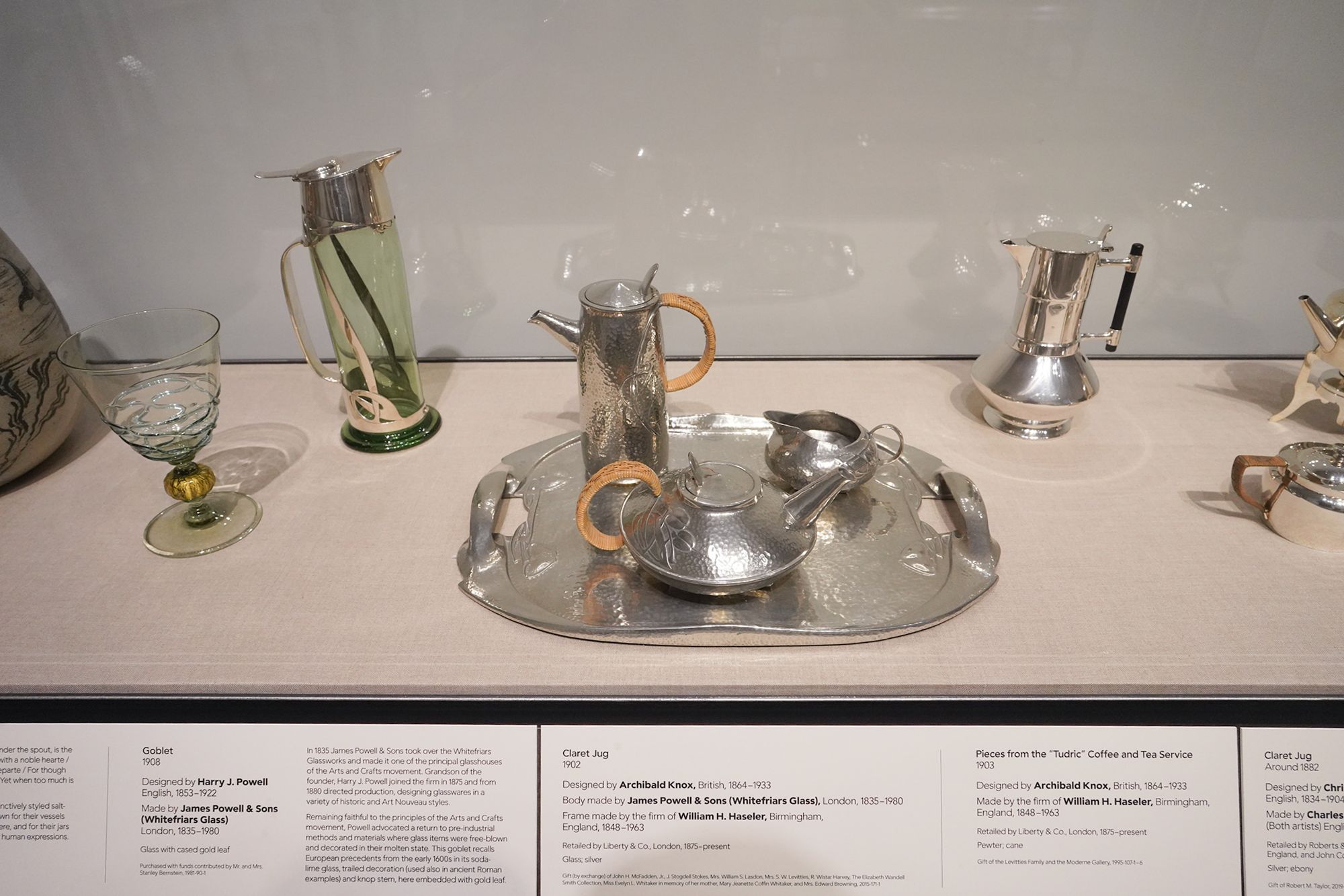
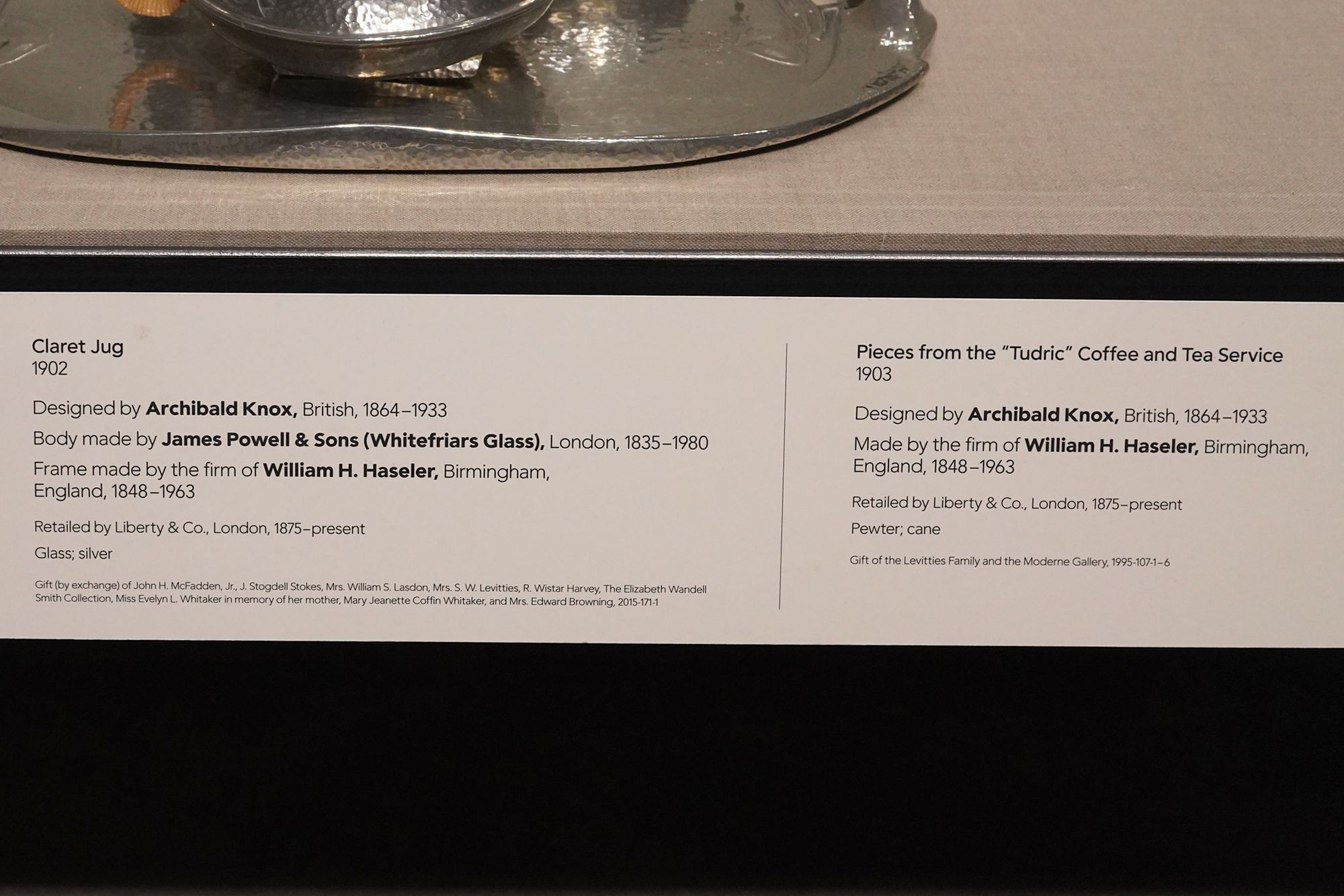
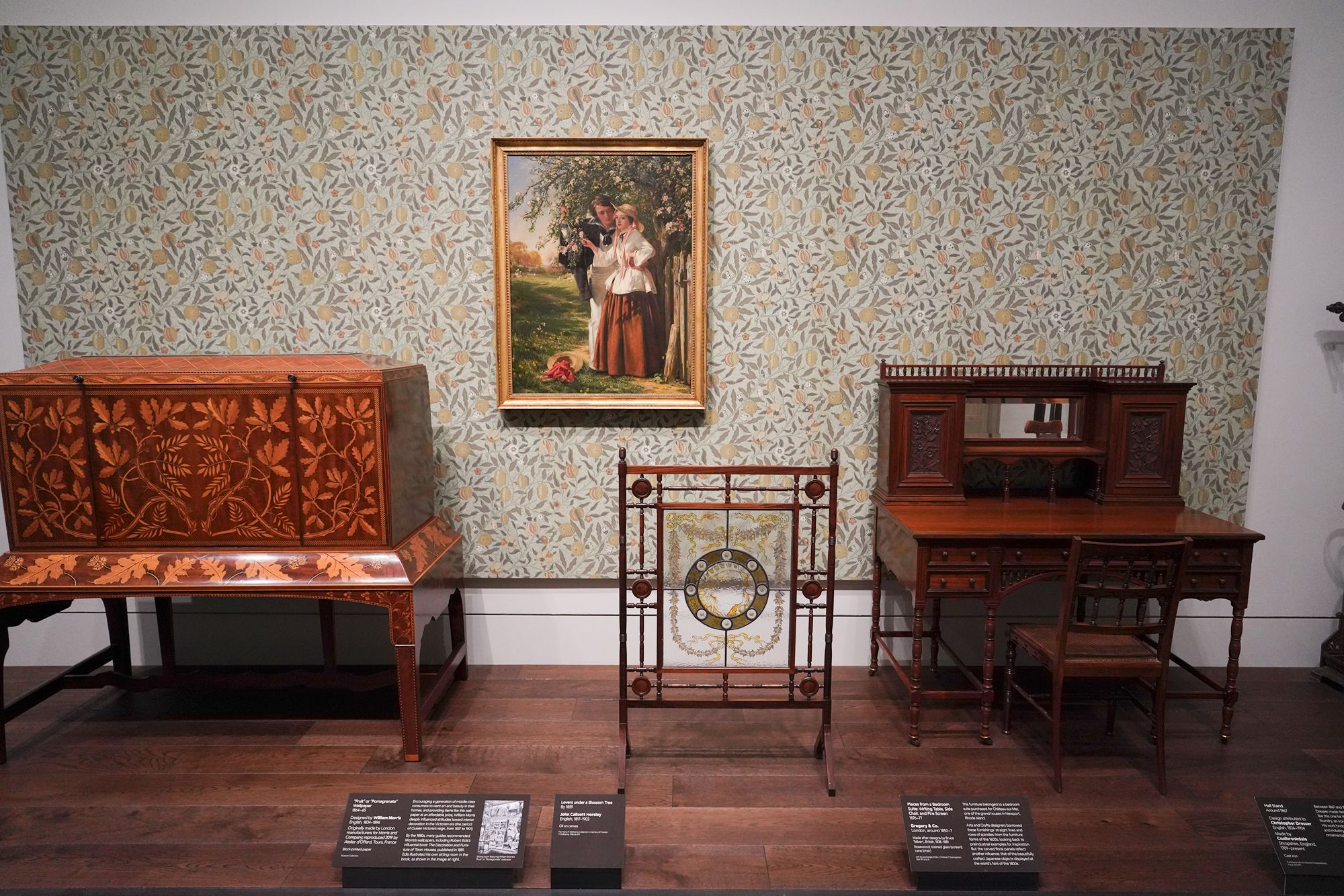
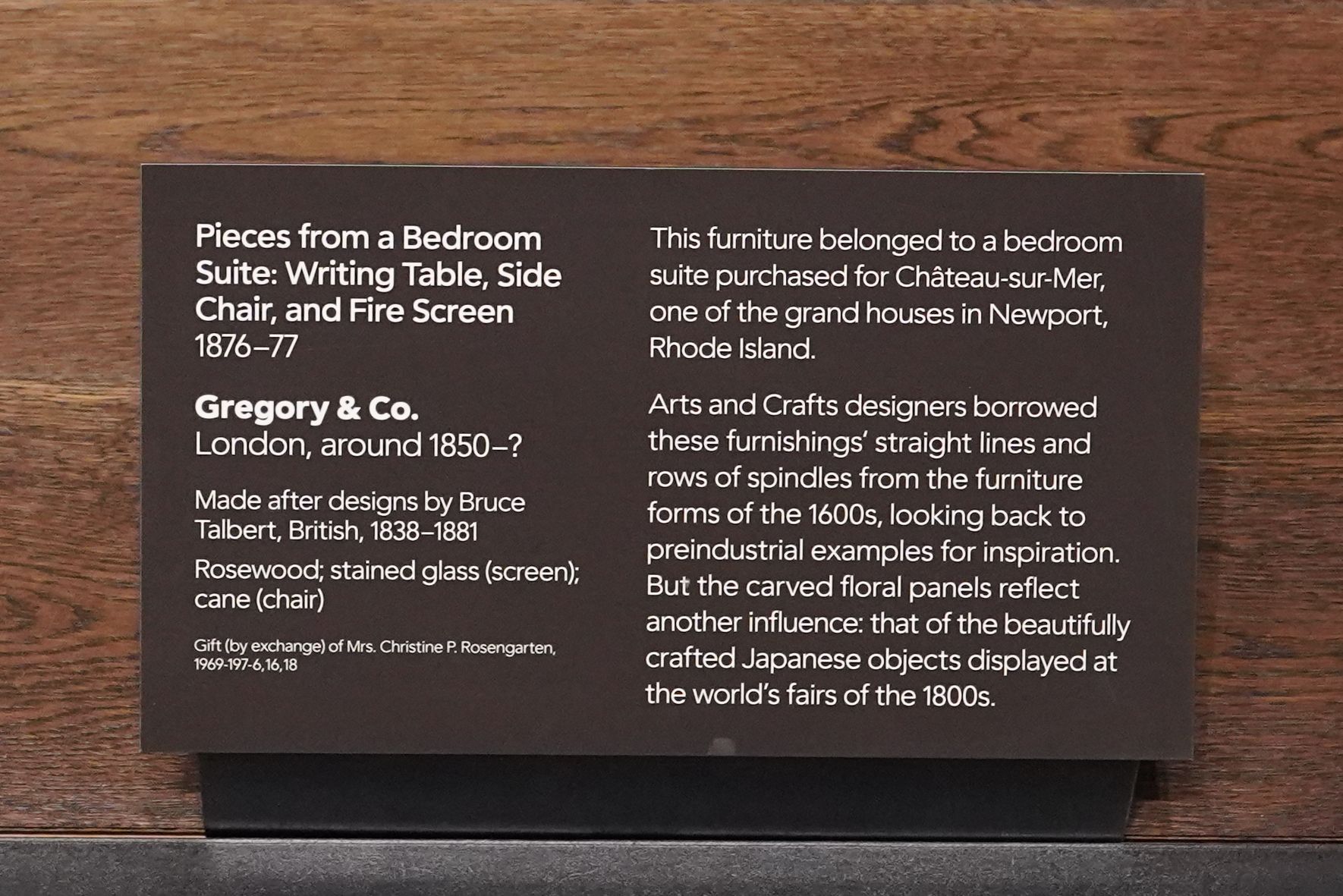
Arts and Crafts
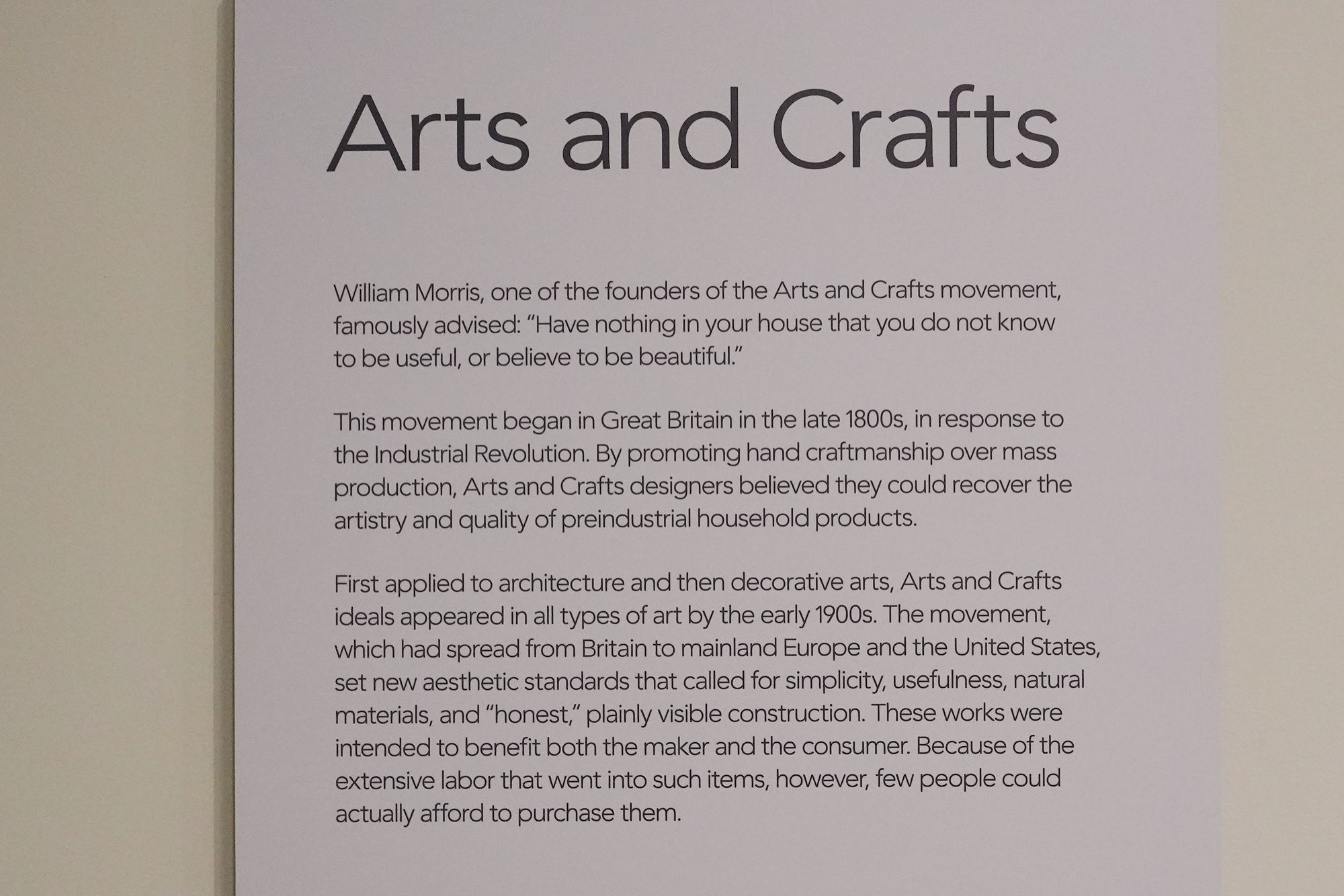
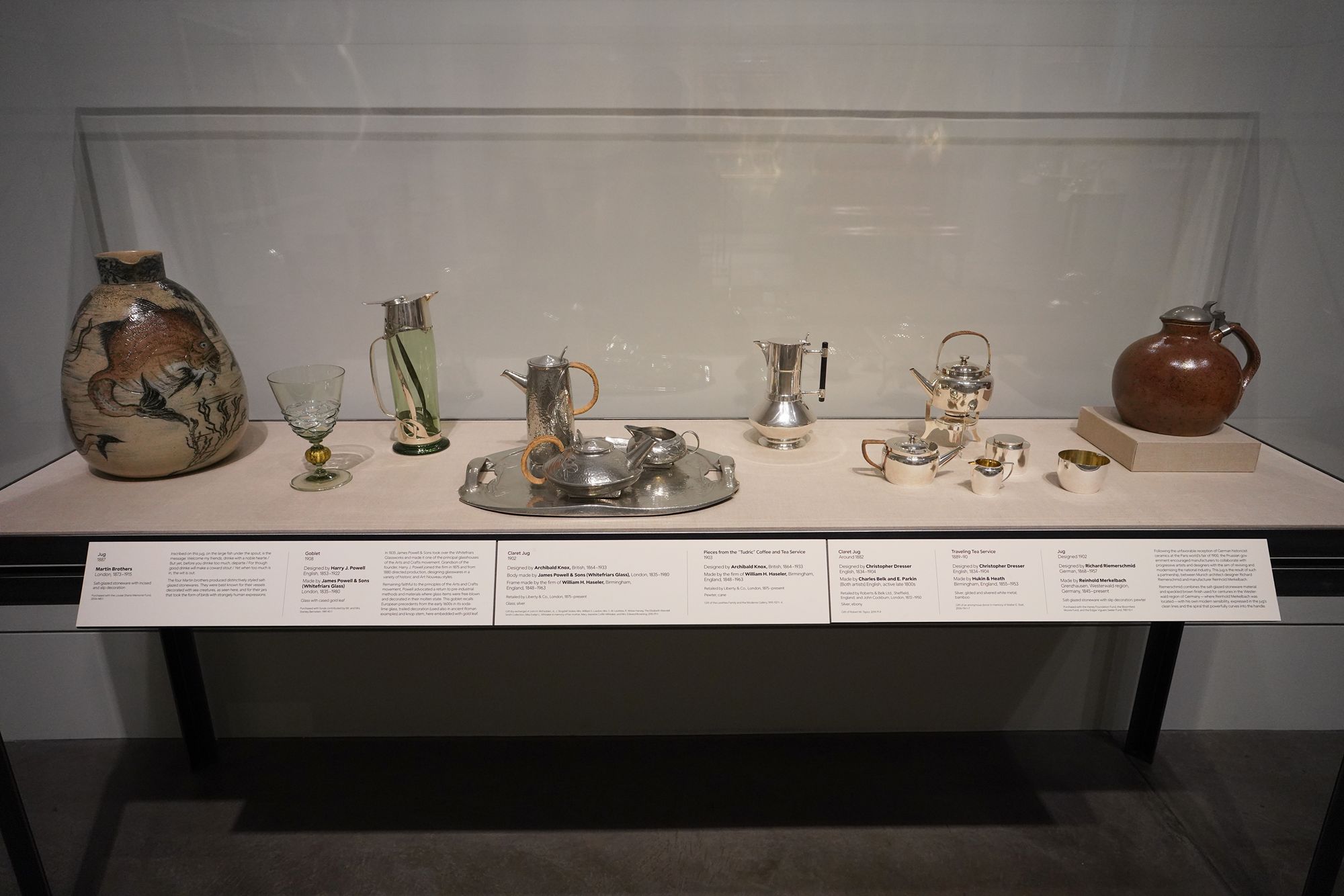
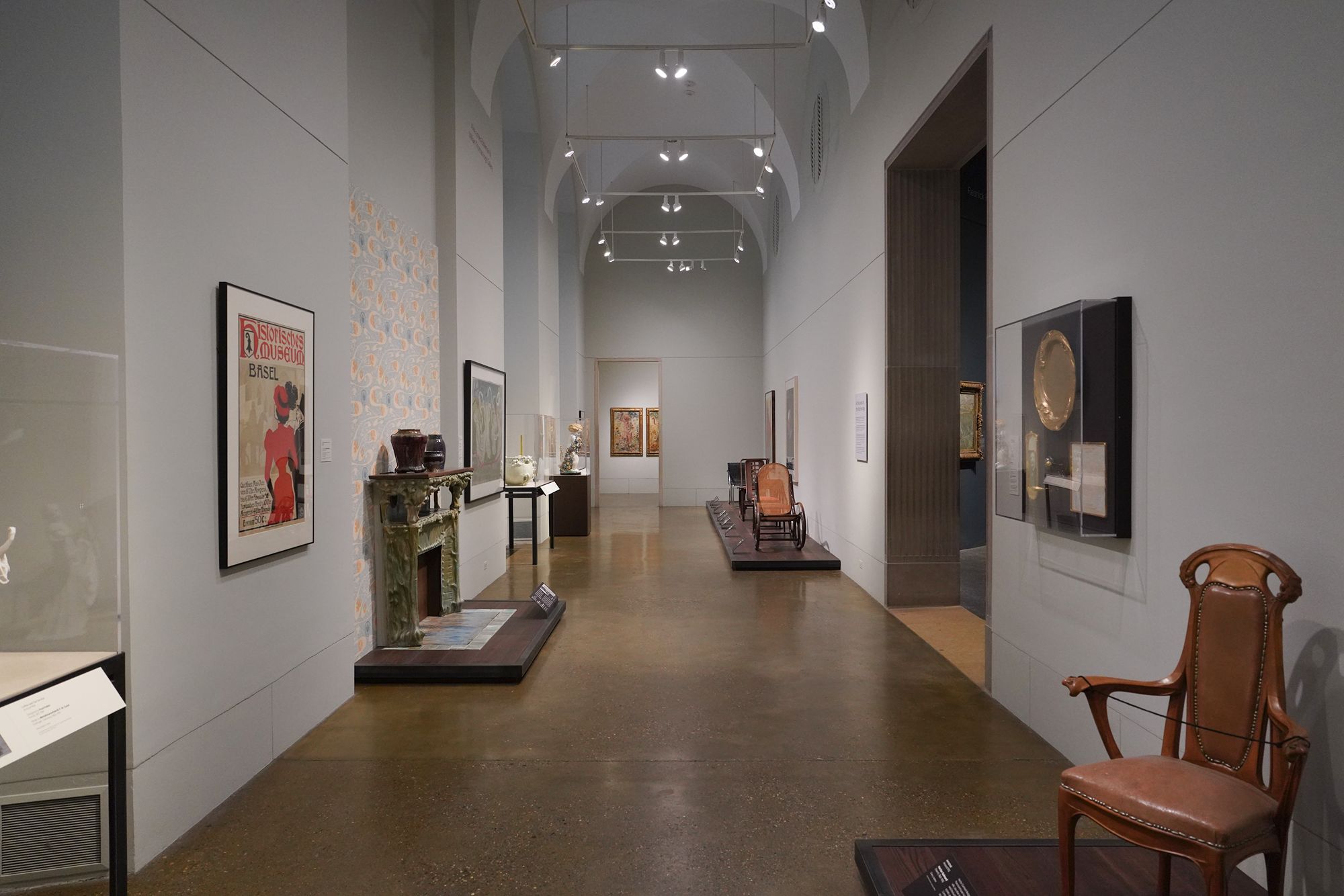
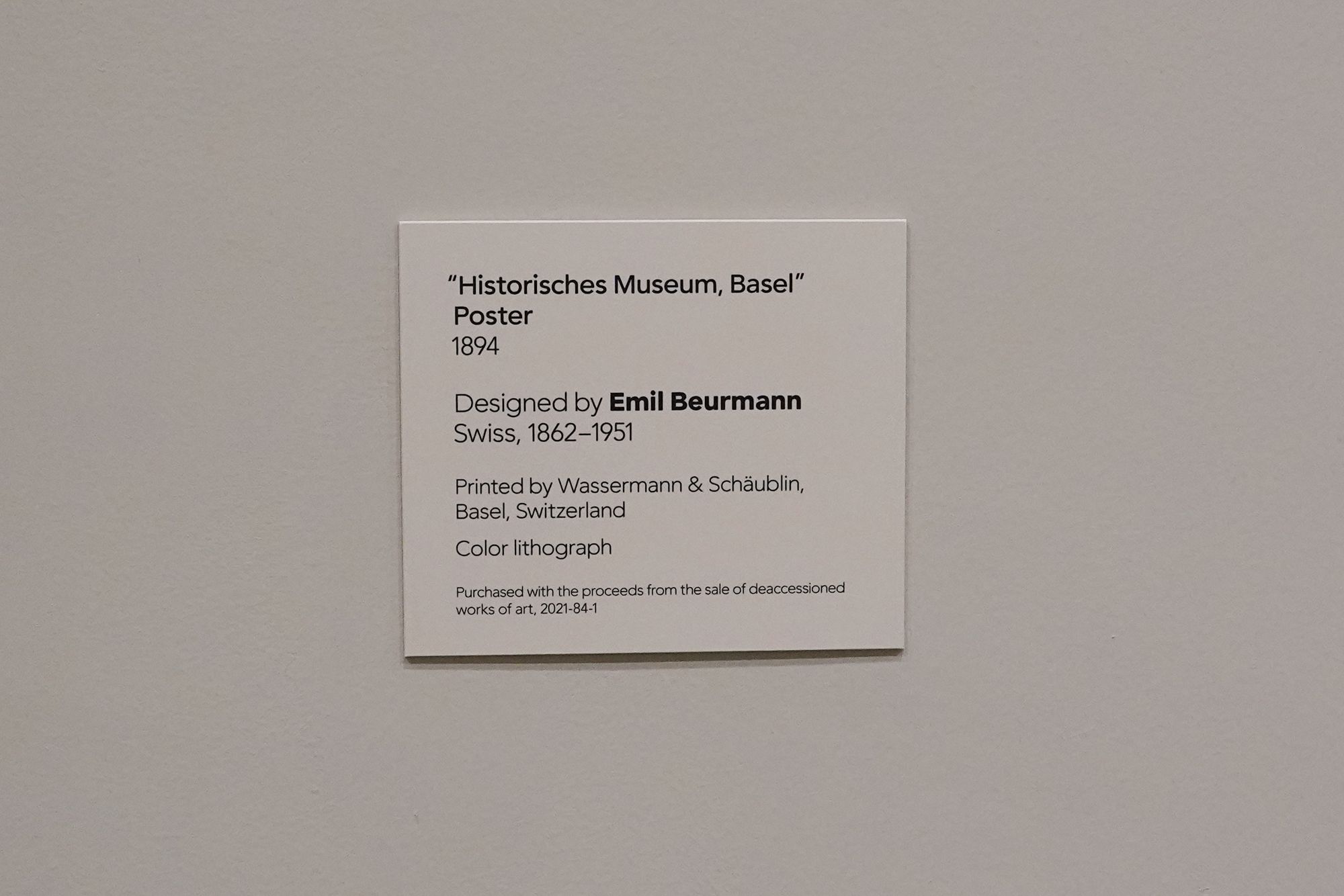
Posters
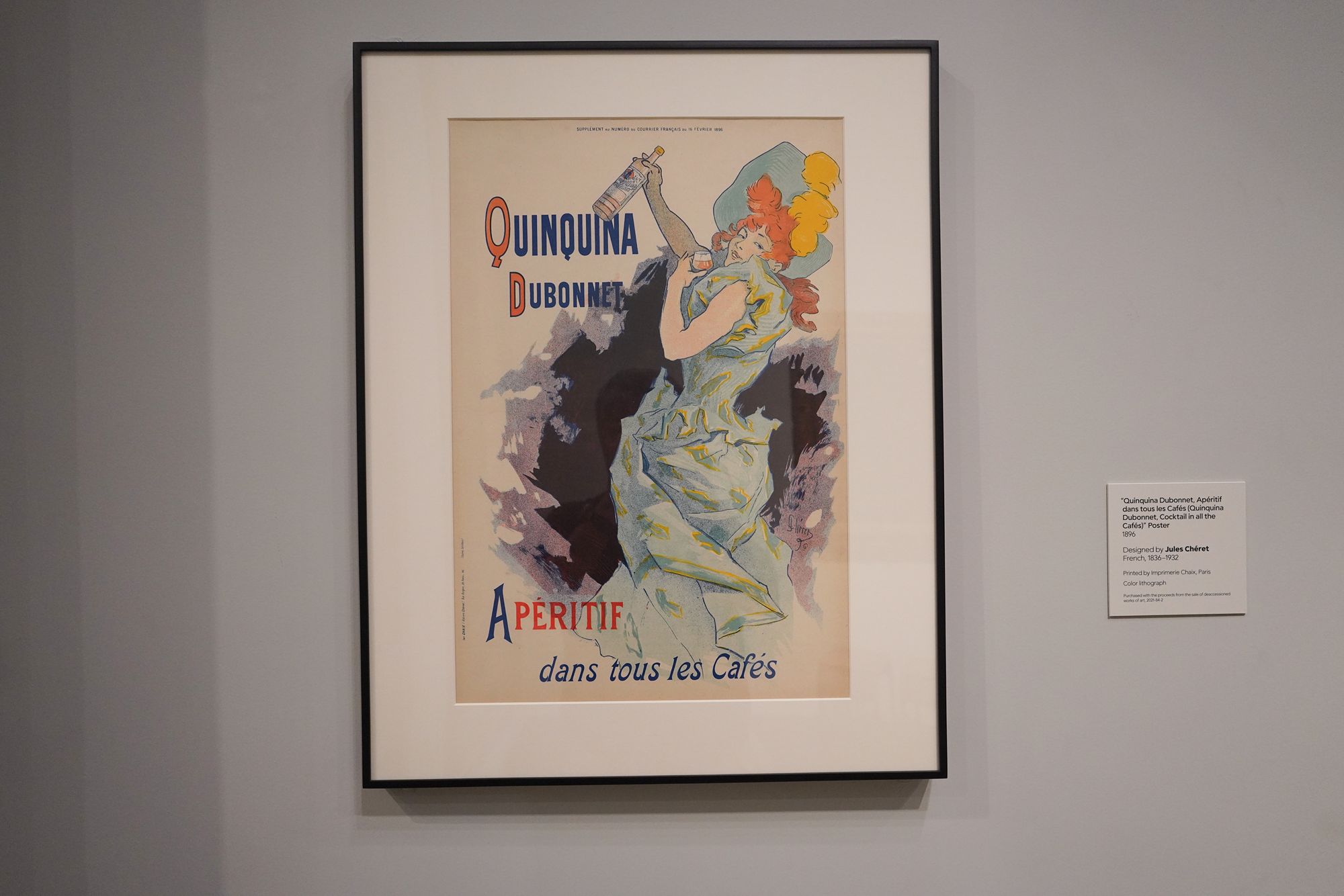
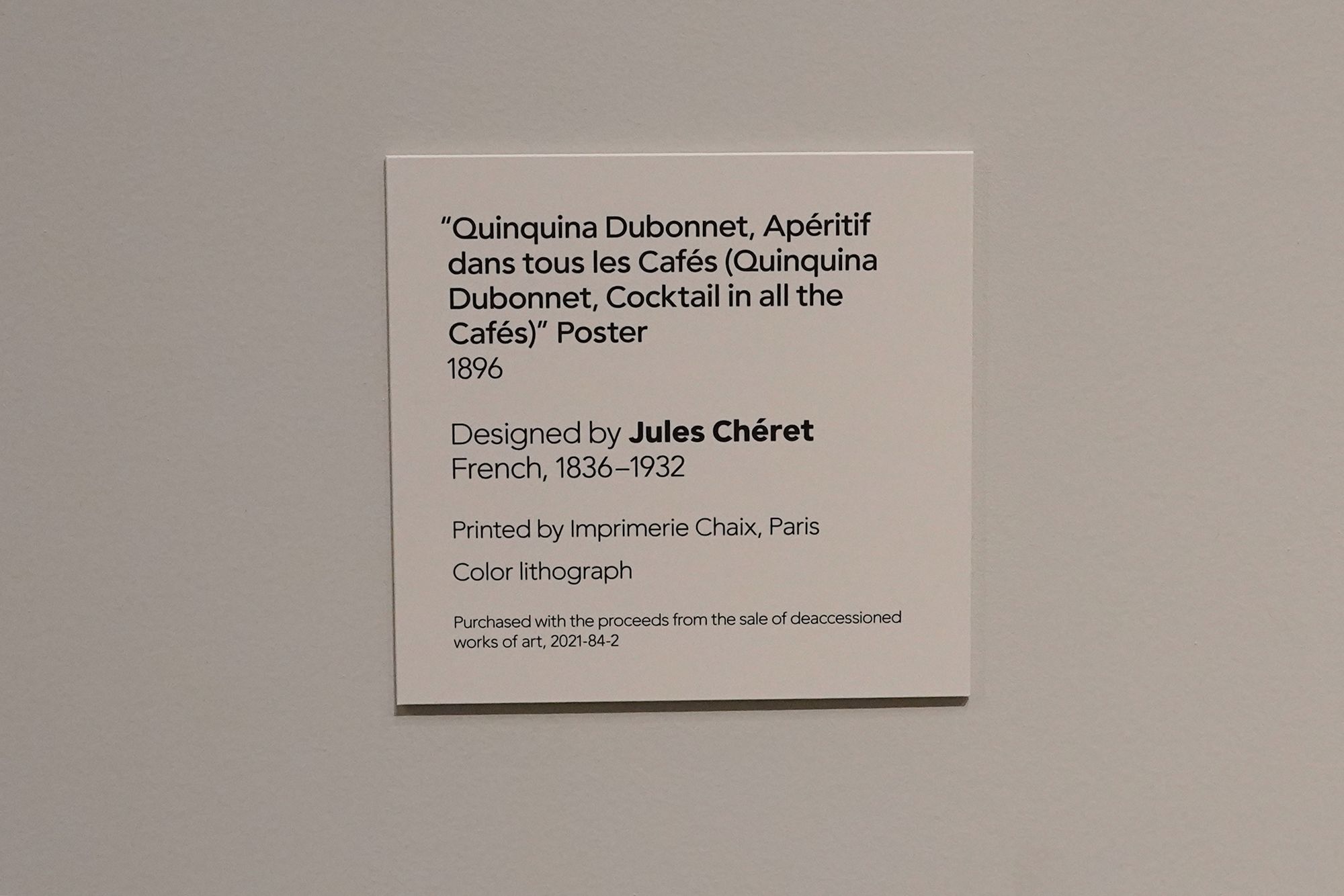
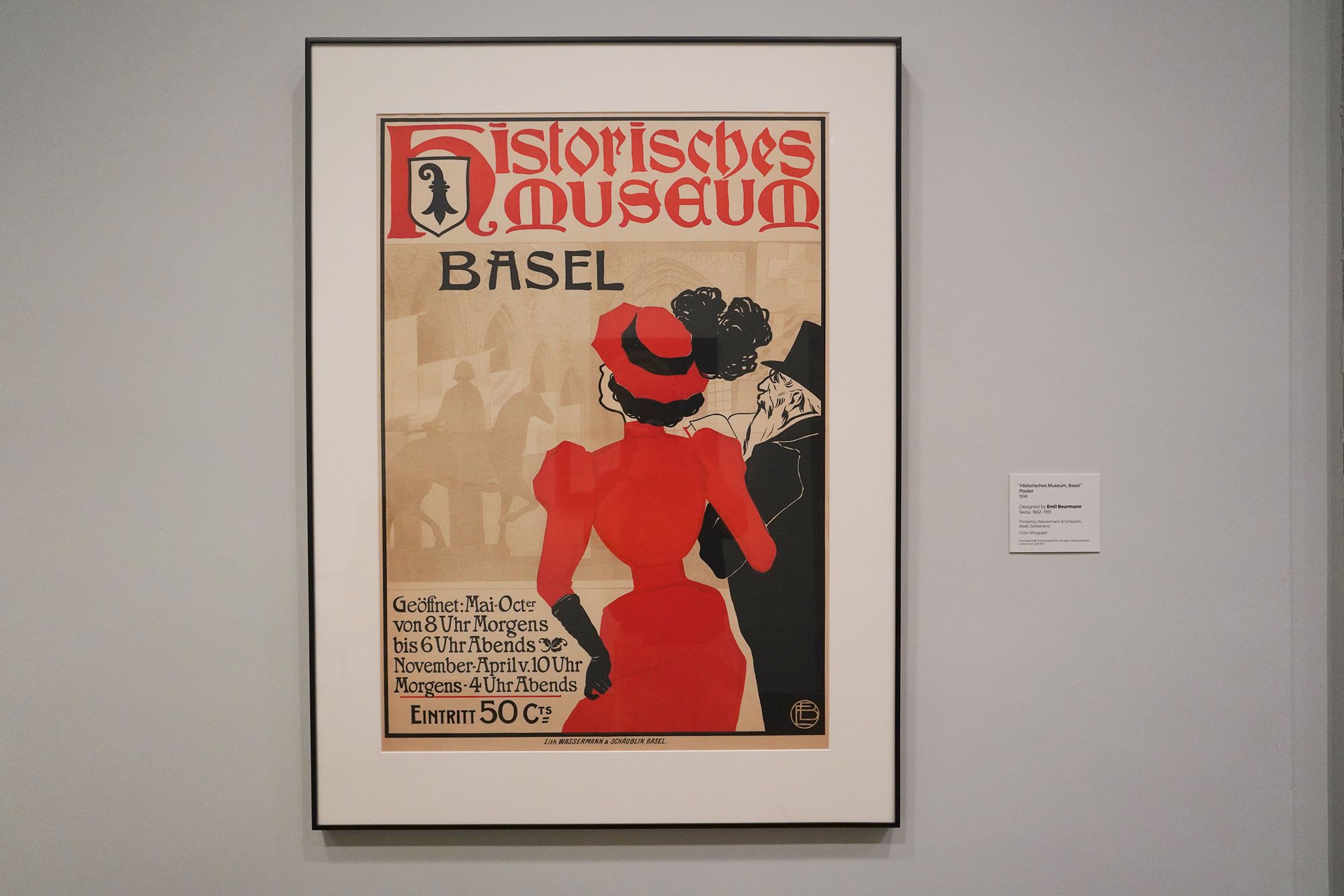
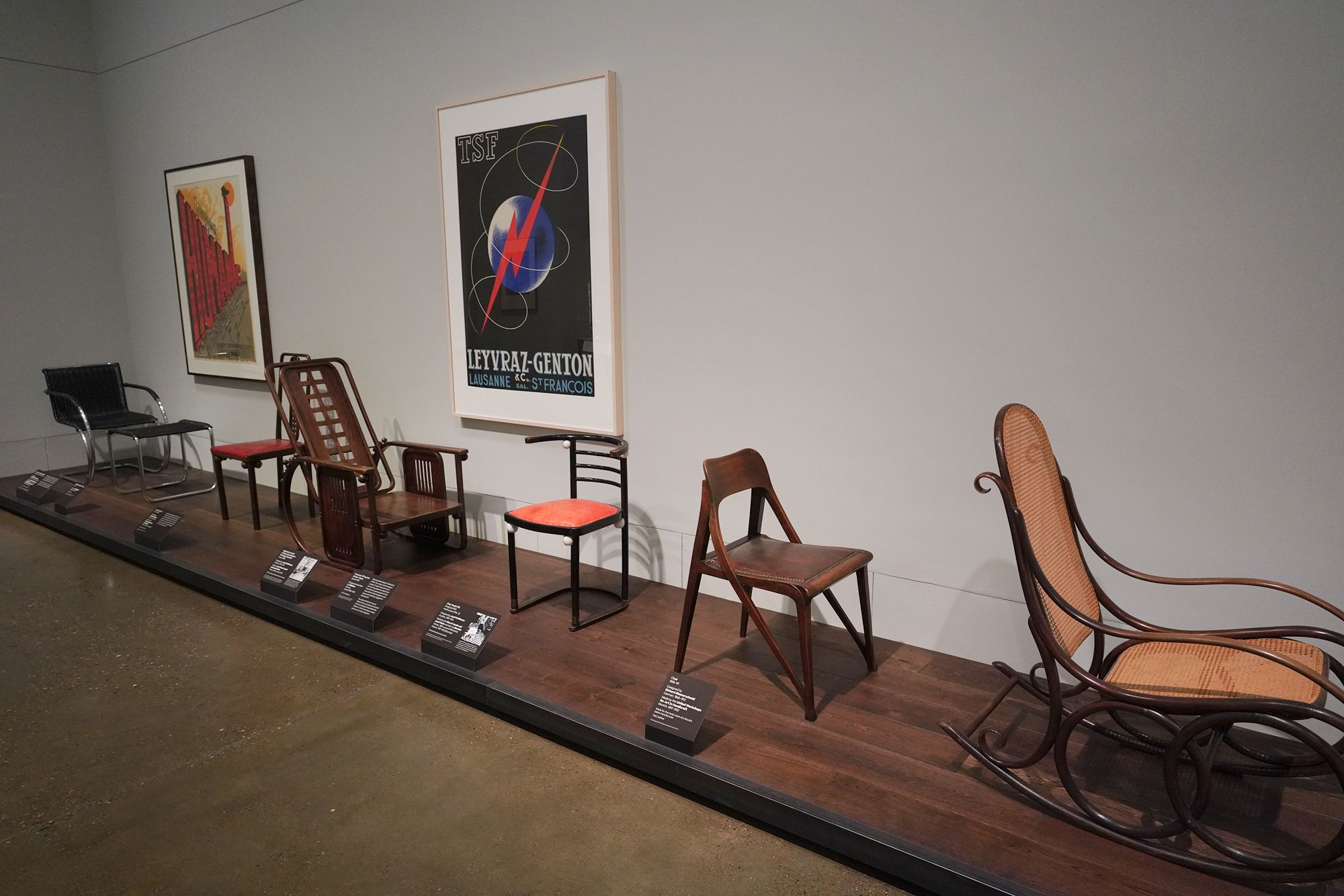
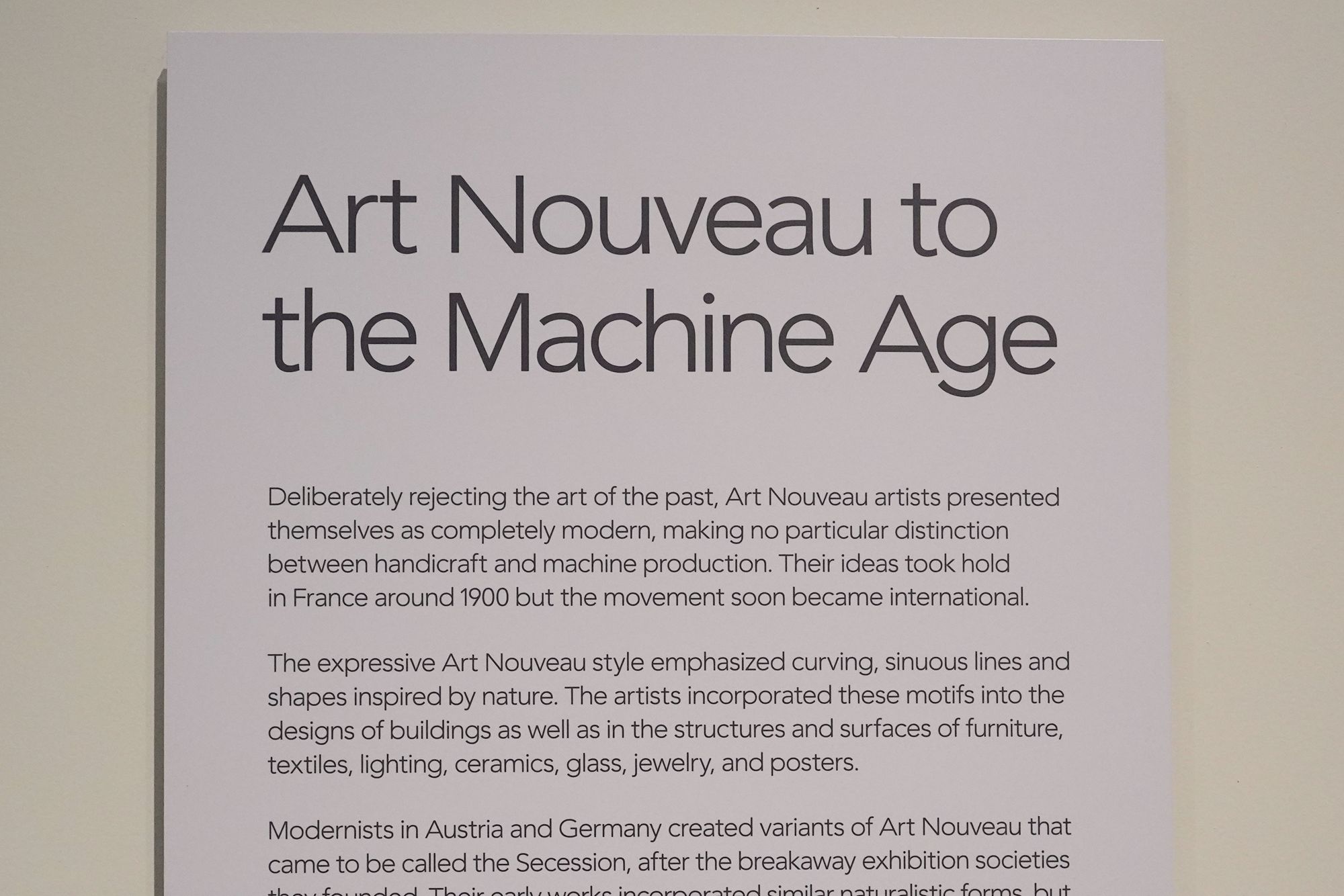
Art Nouveau to the Machine Age
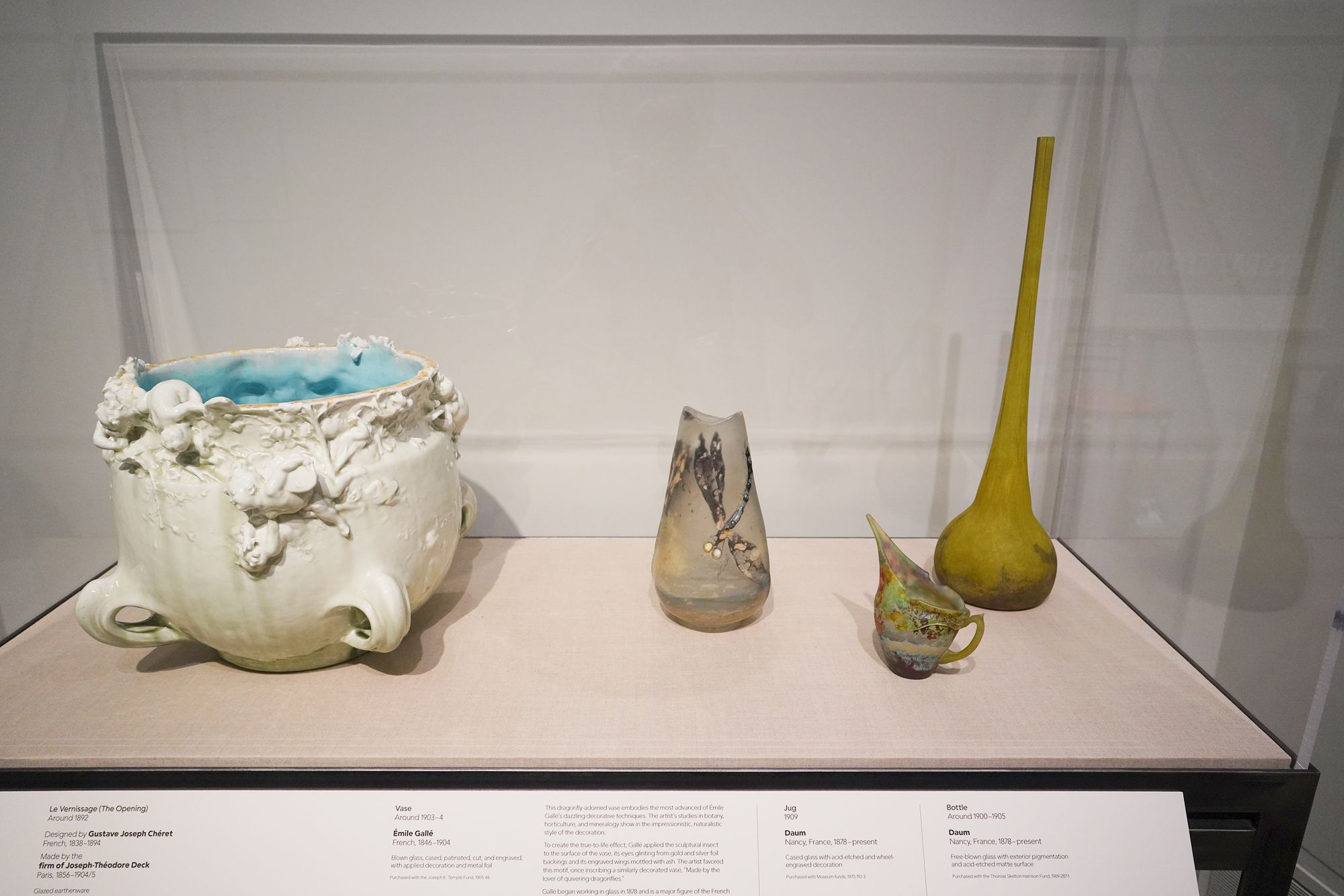
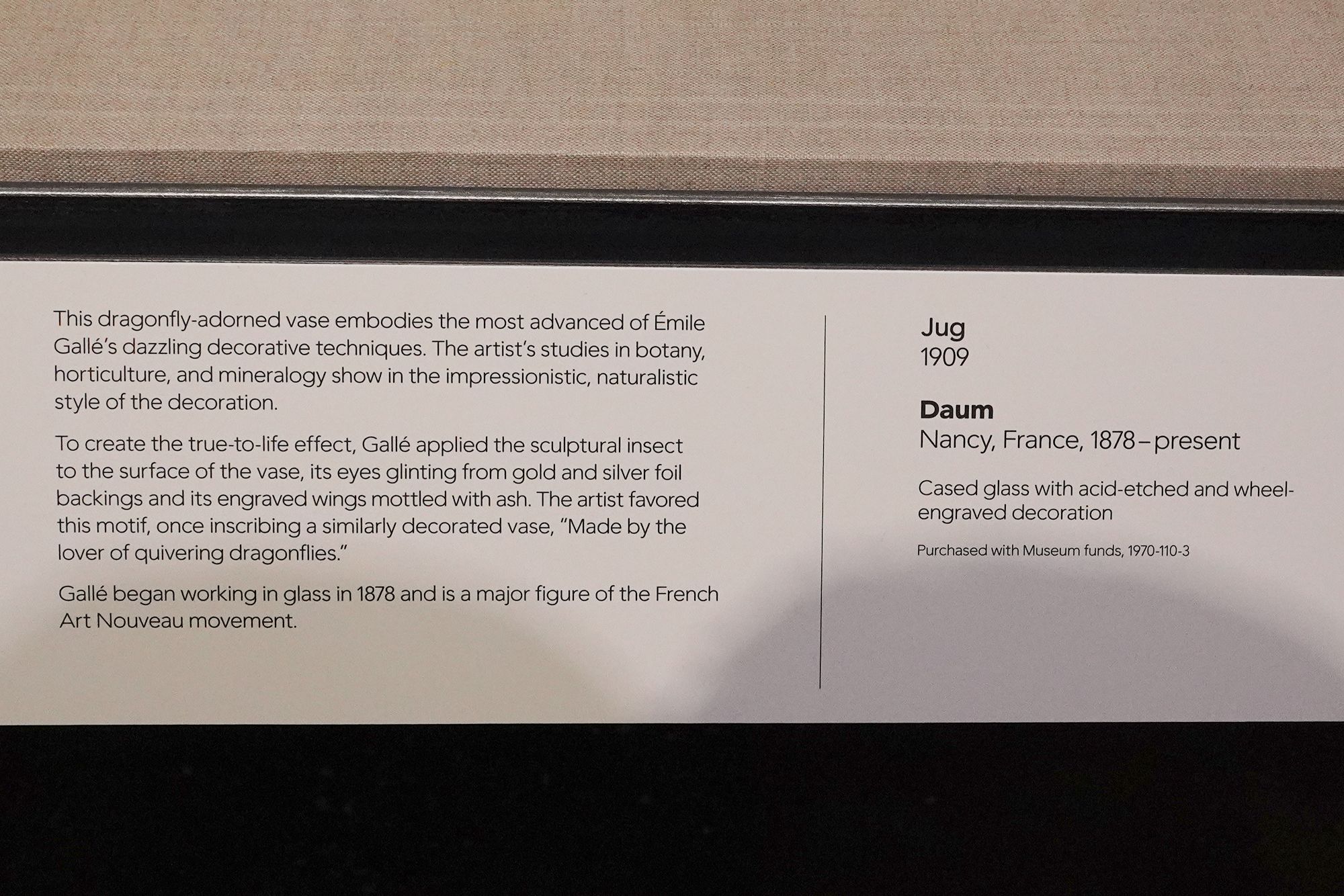
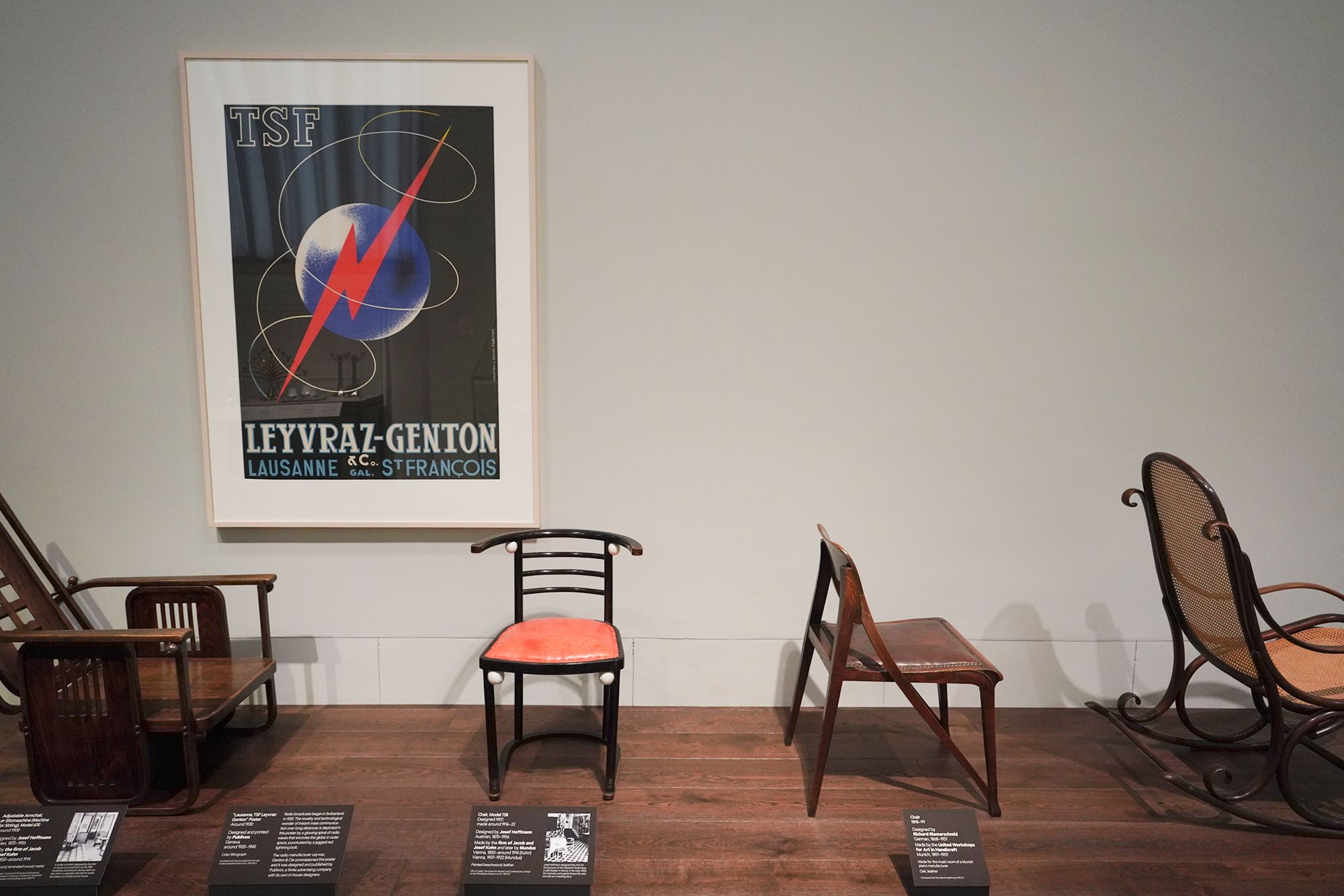
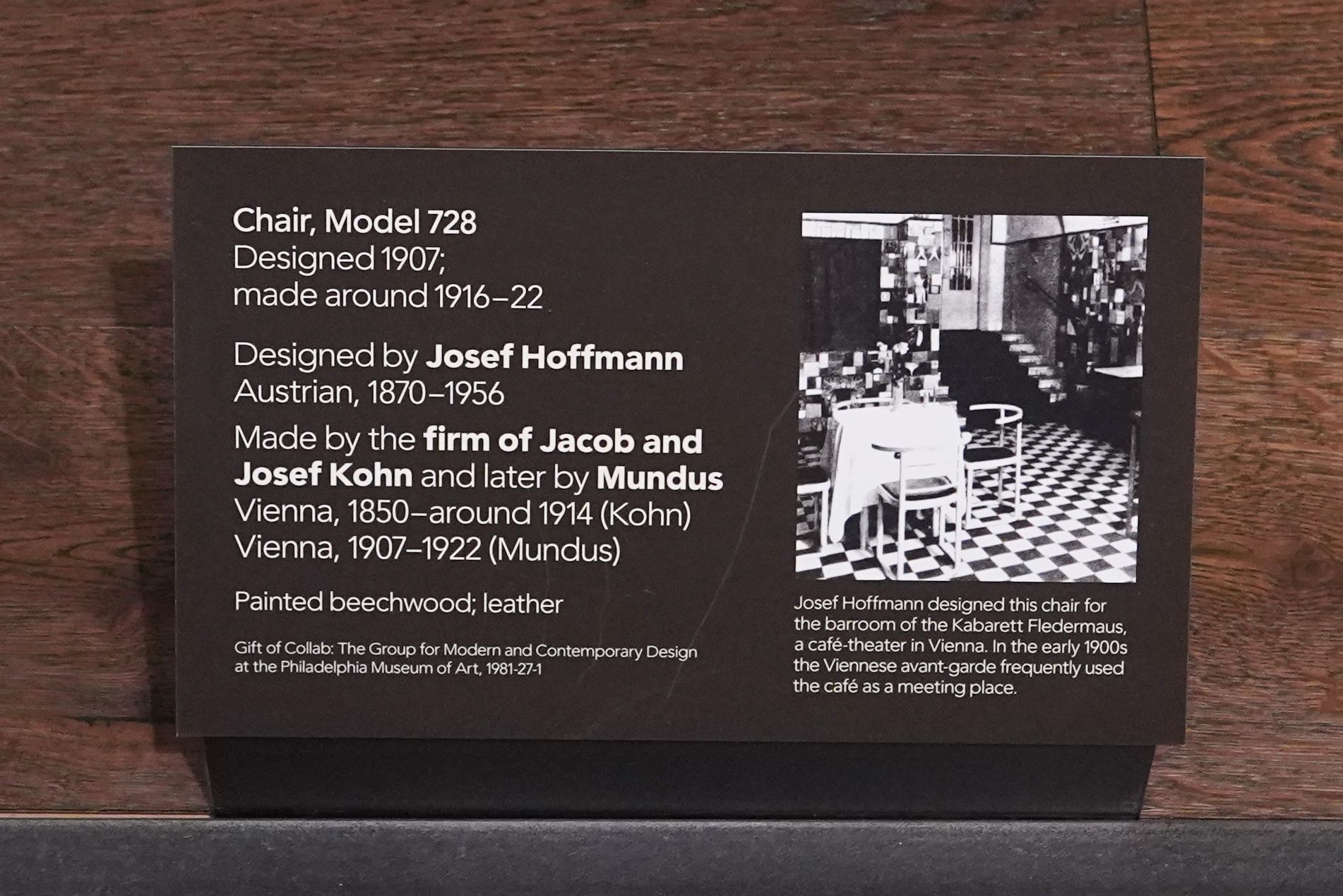
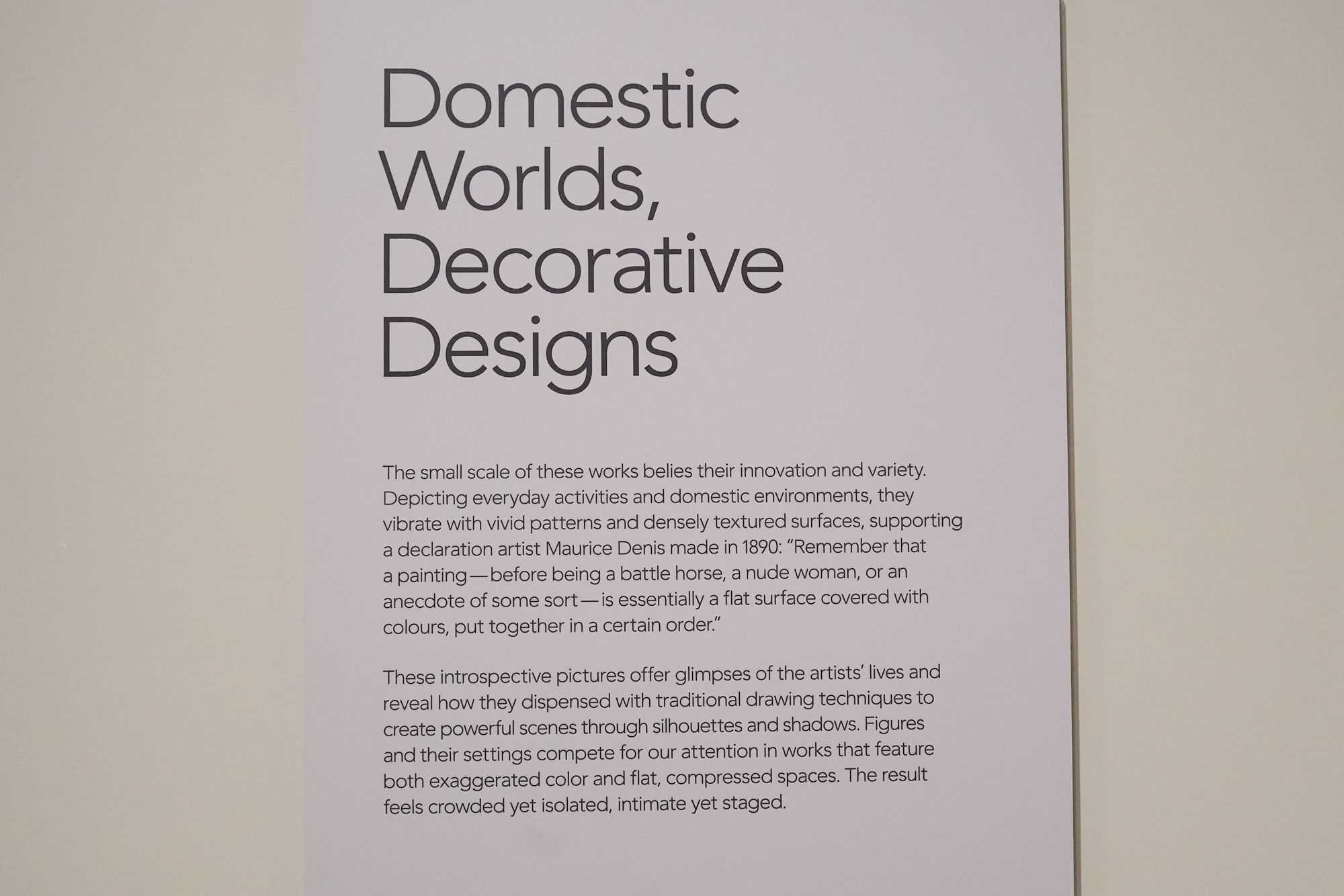
Domestic Worlds, Decorative Designs
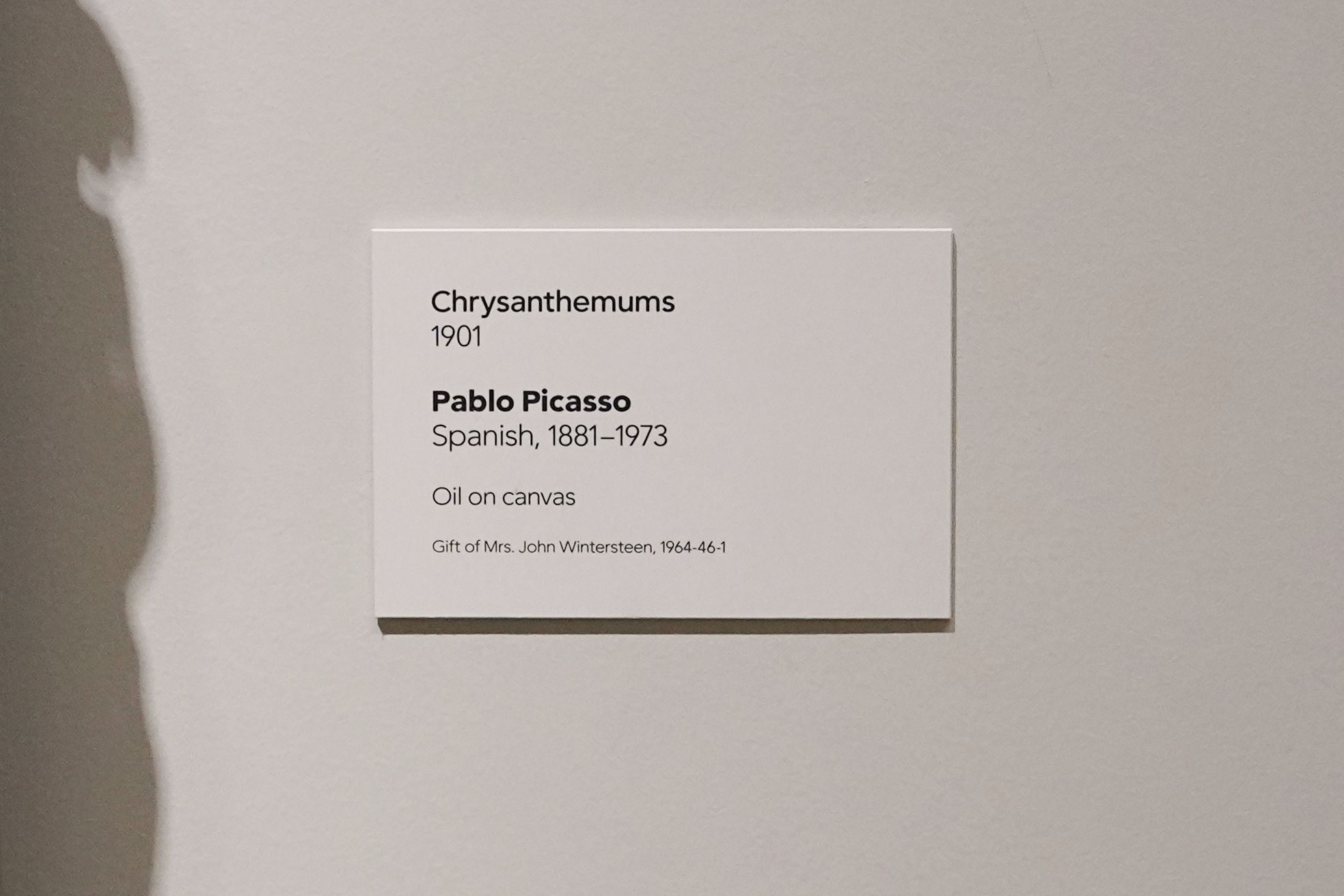
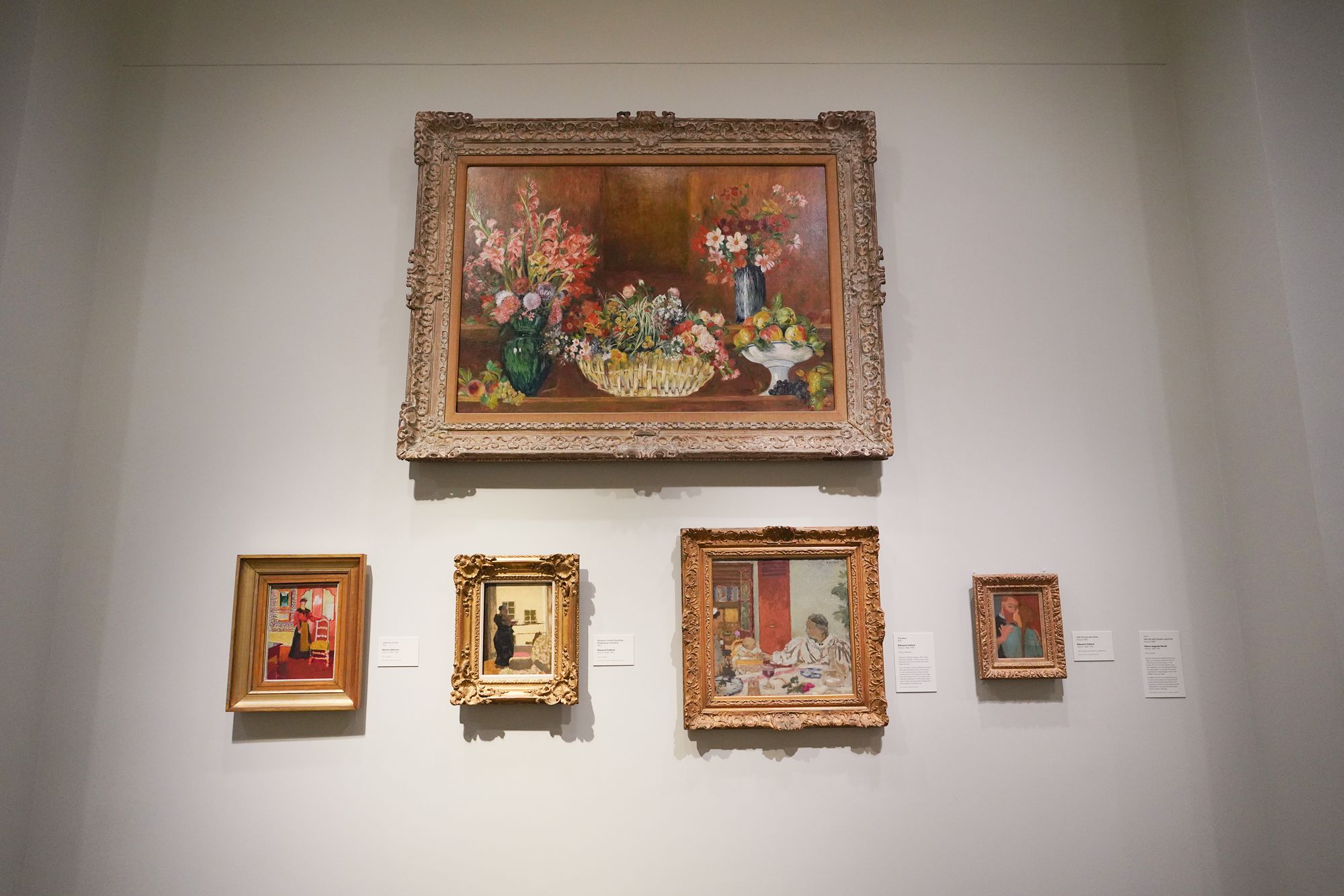
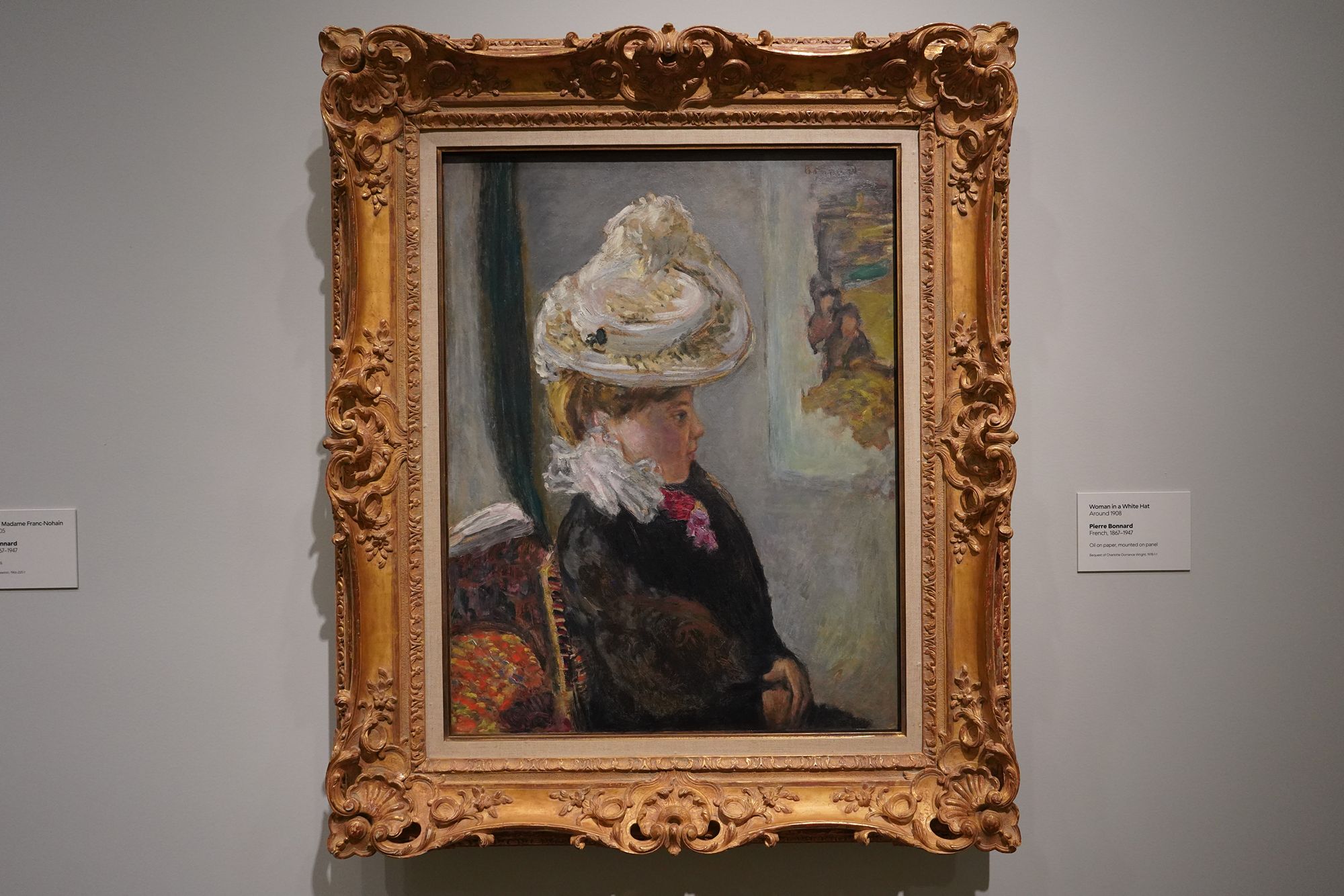
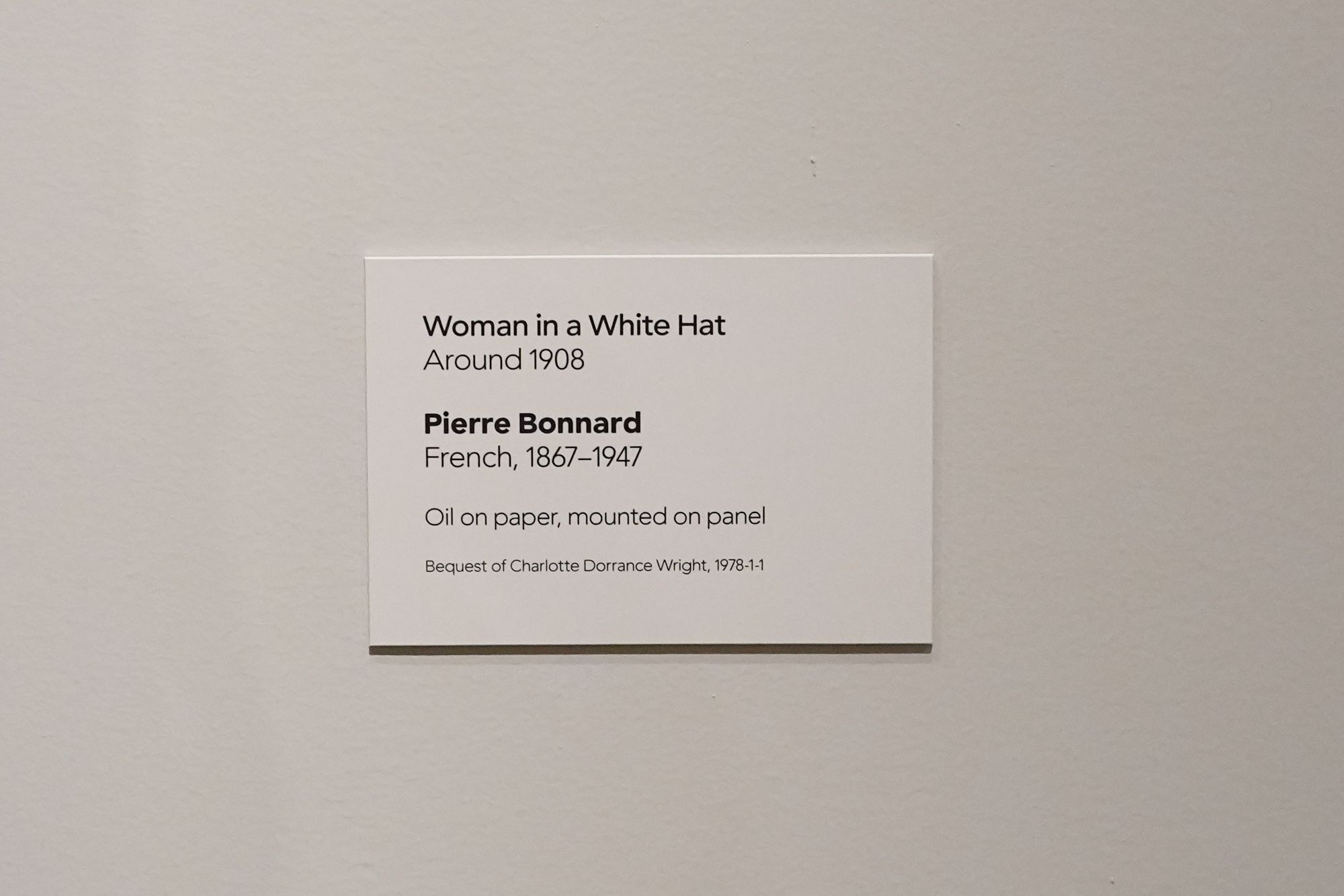
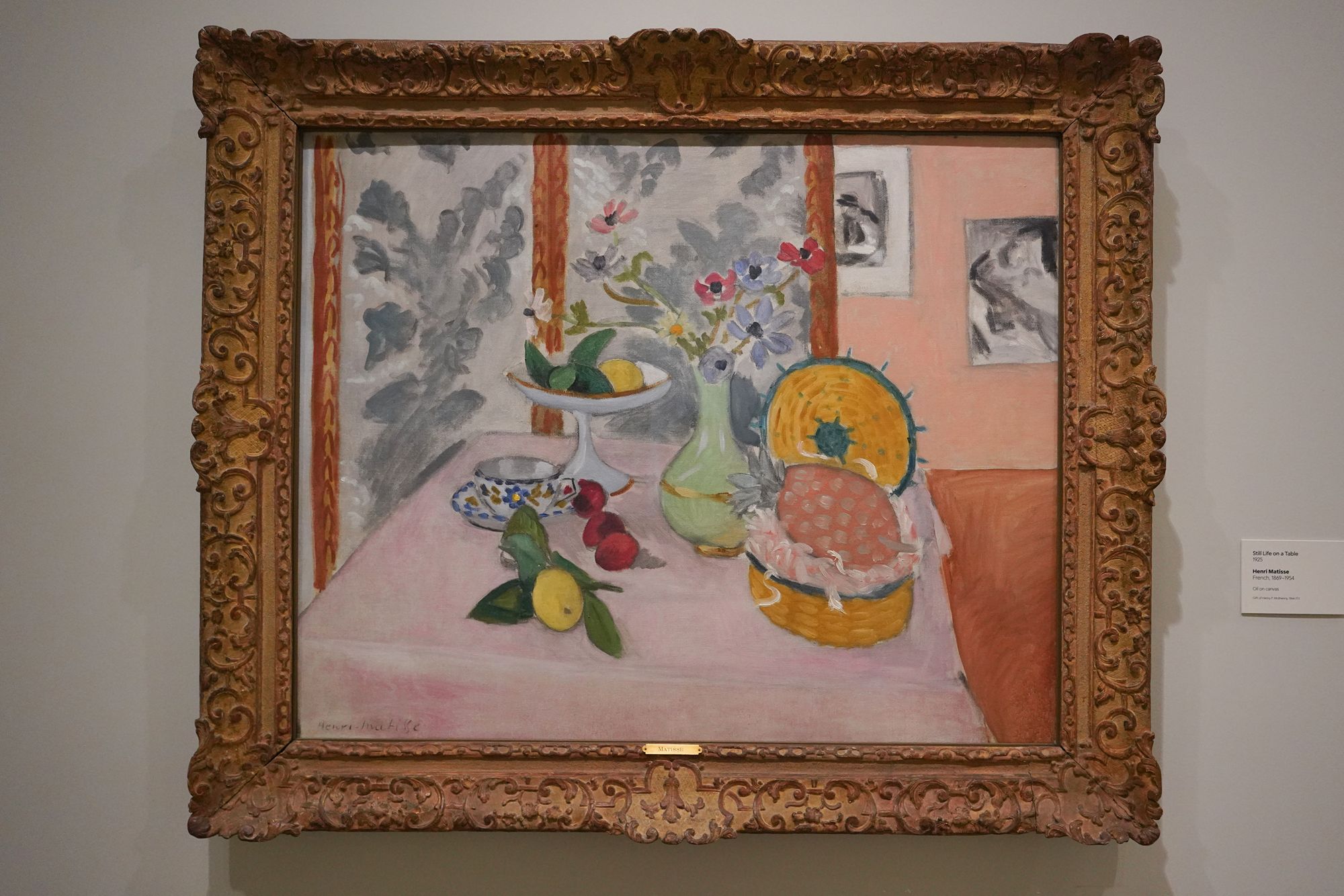
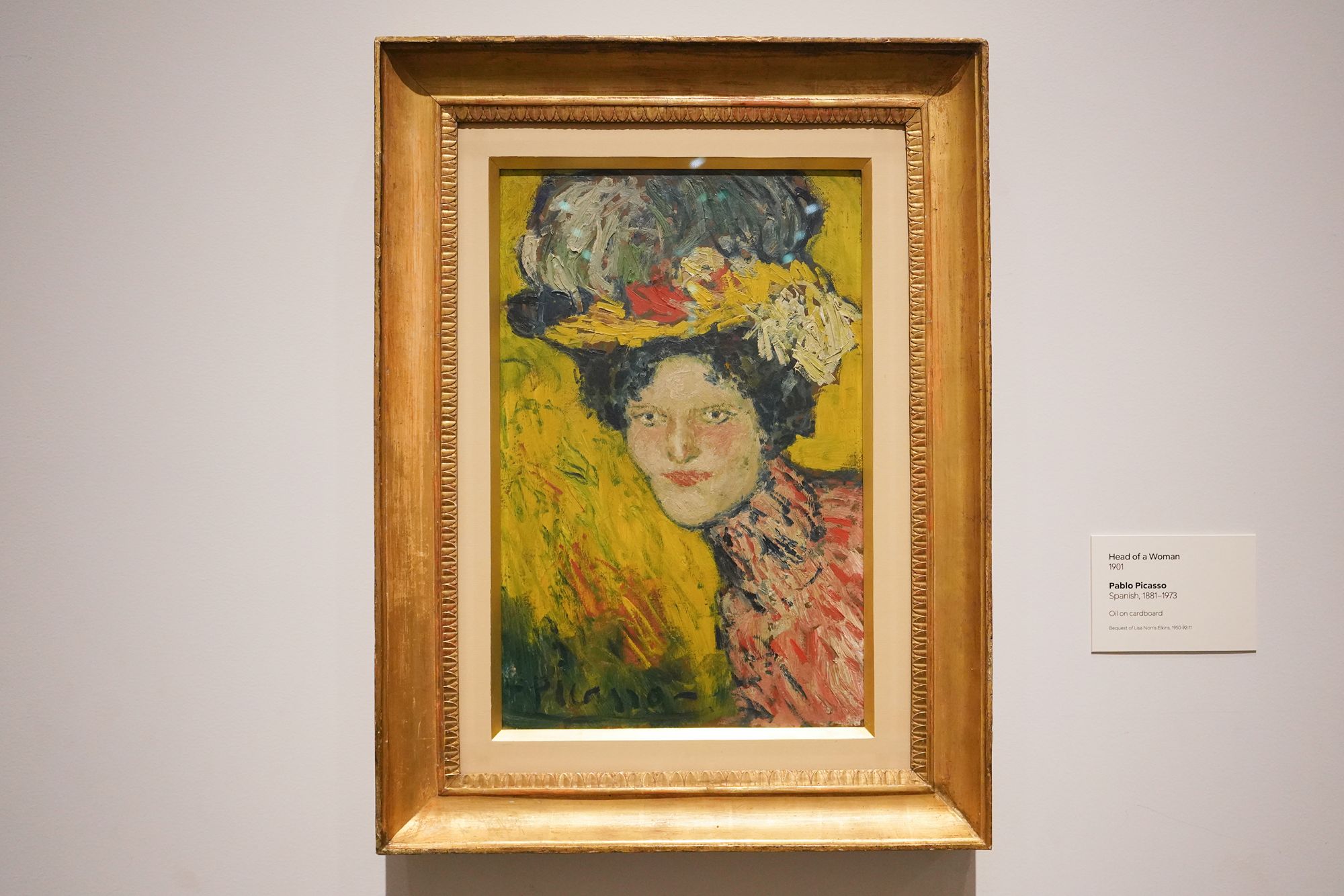
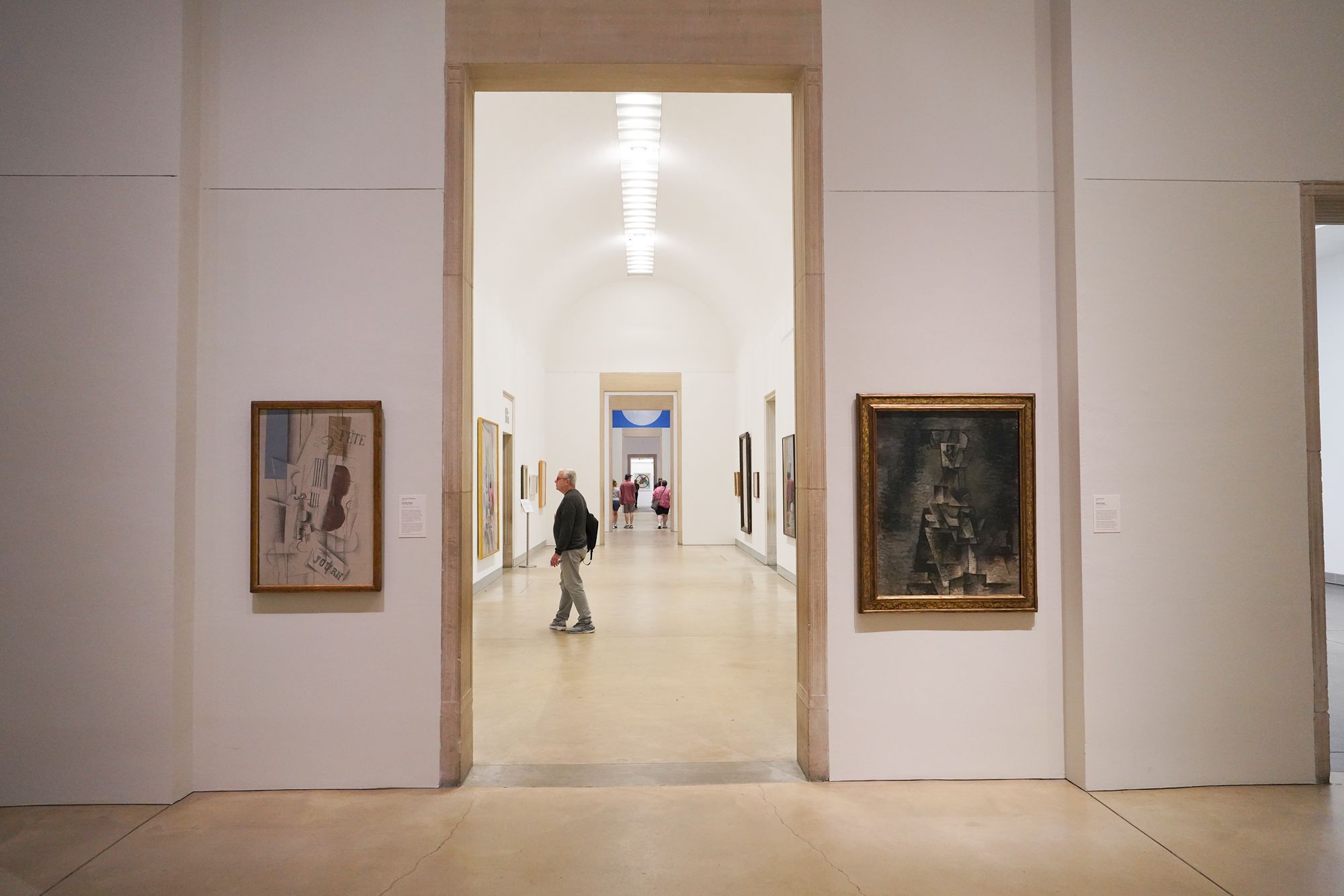
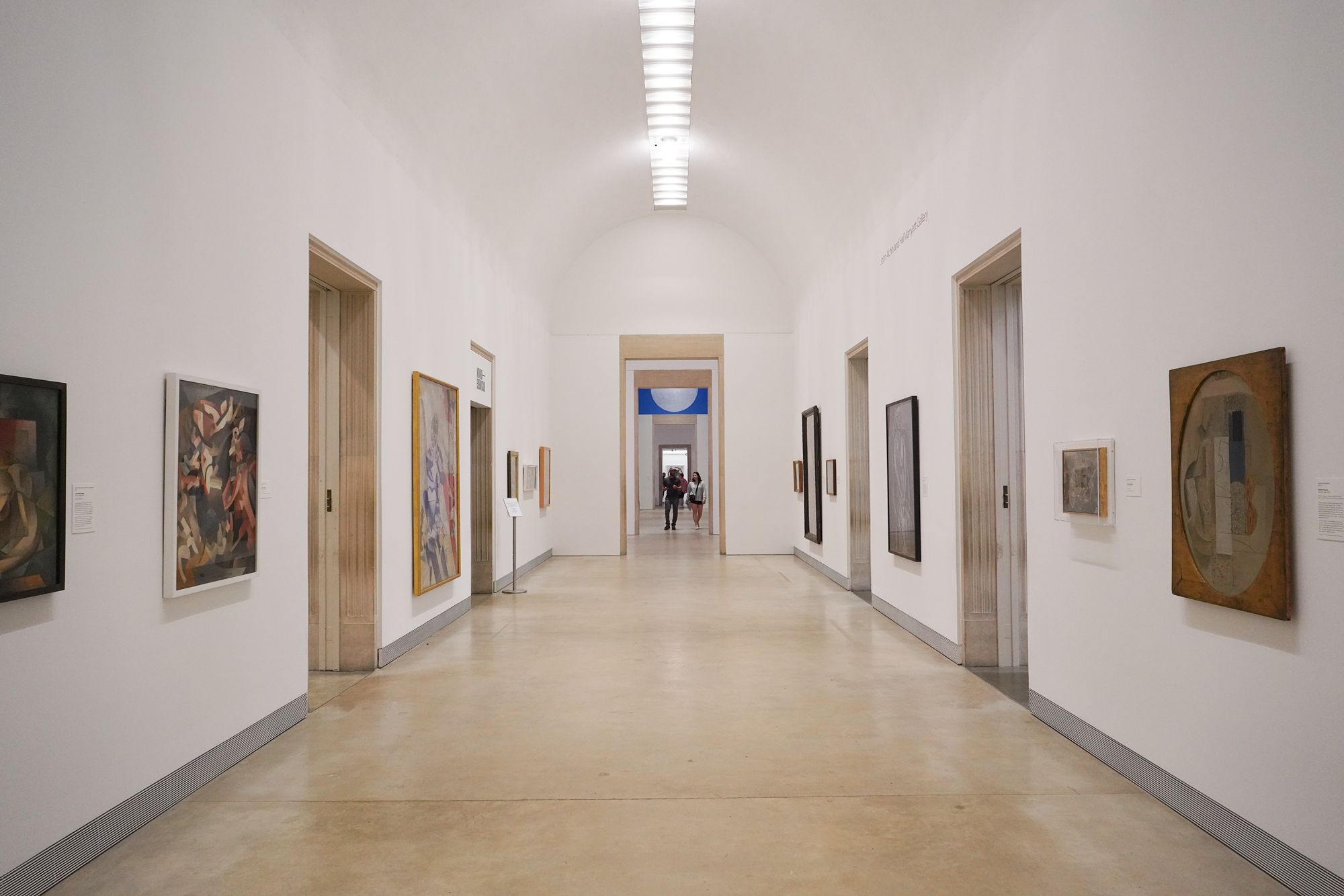
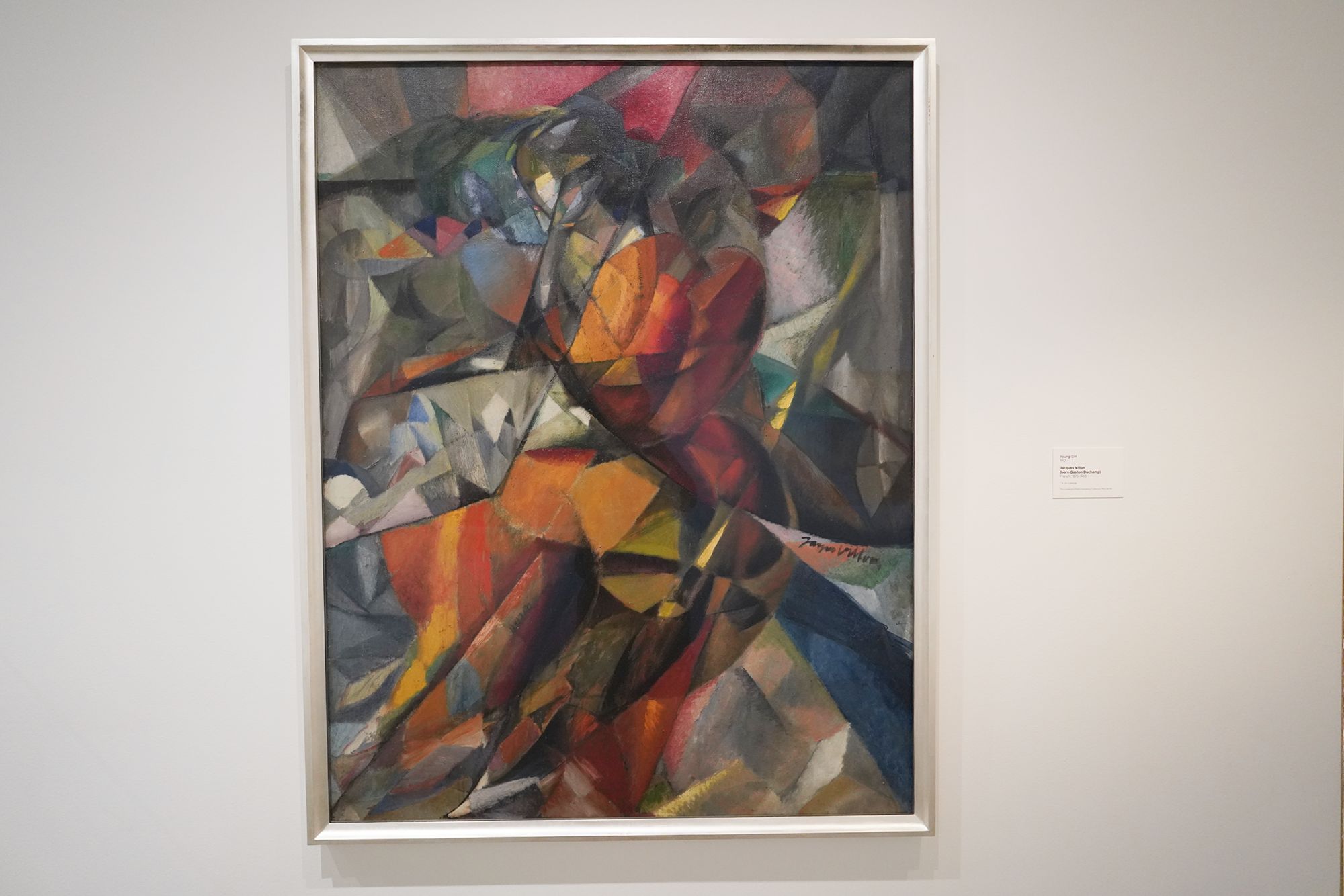
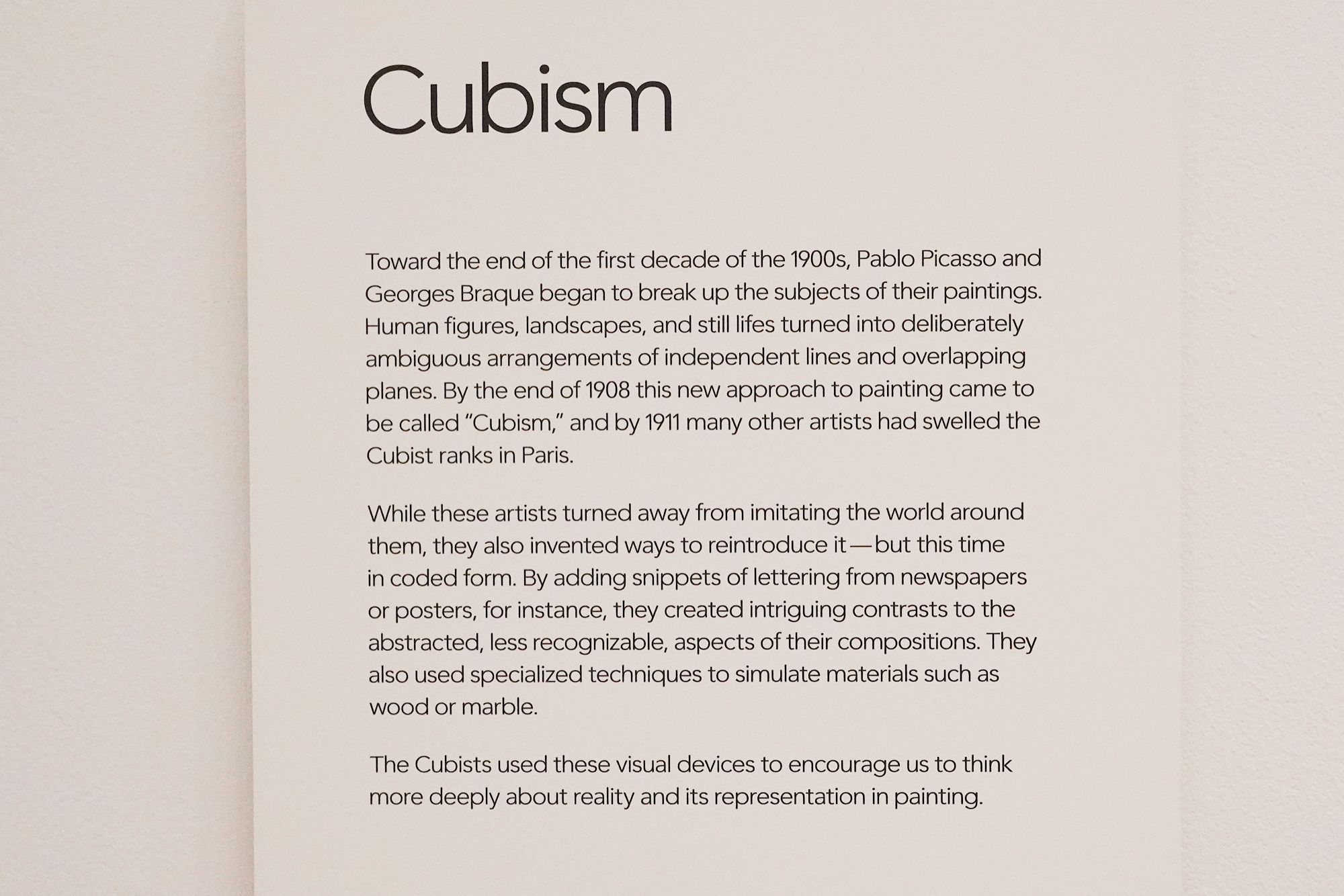
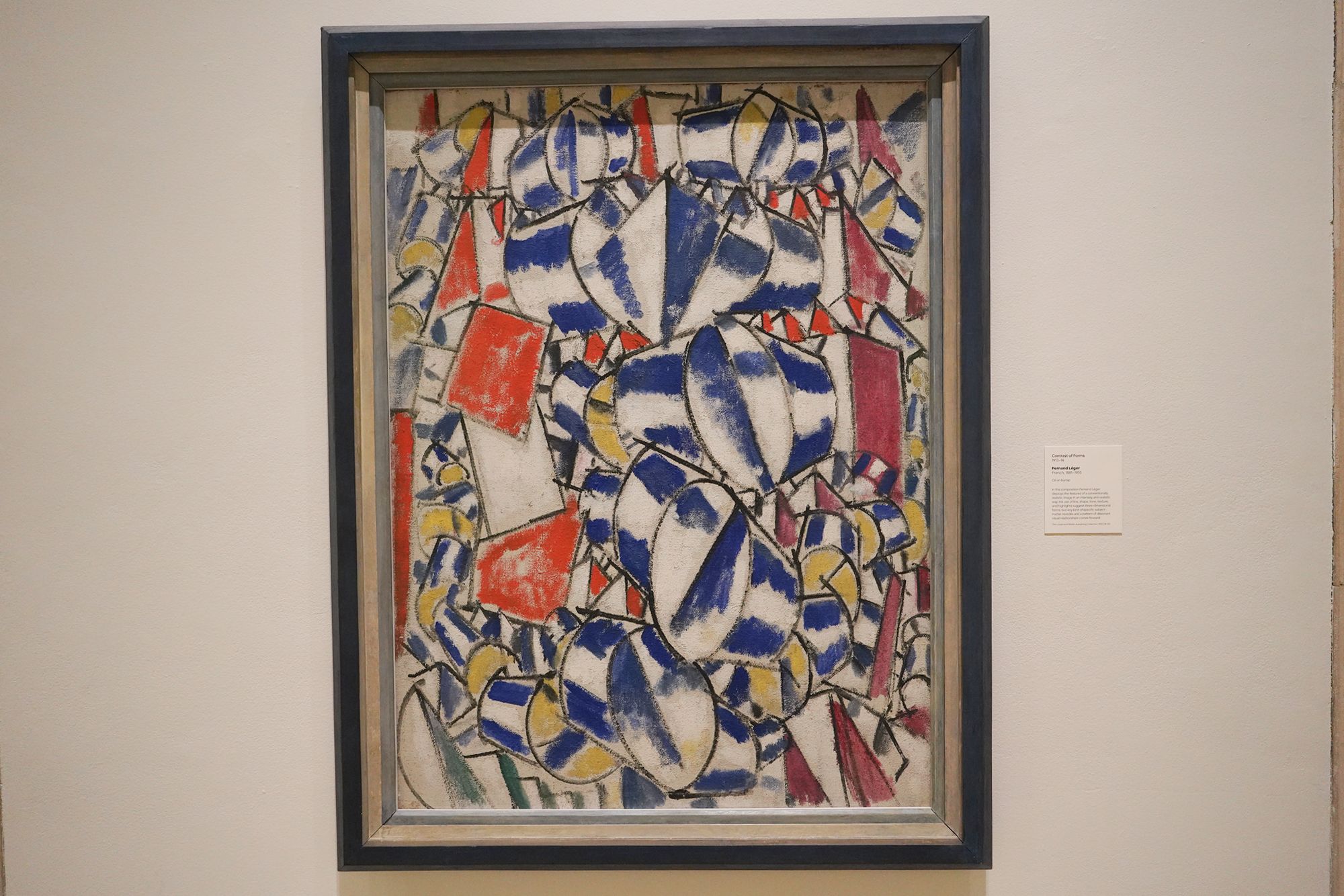
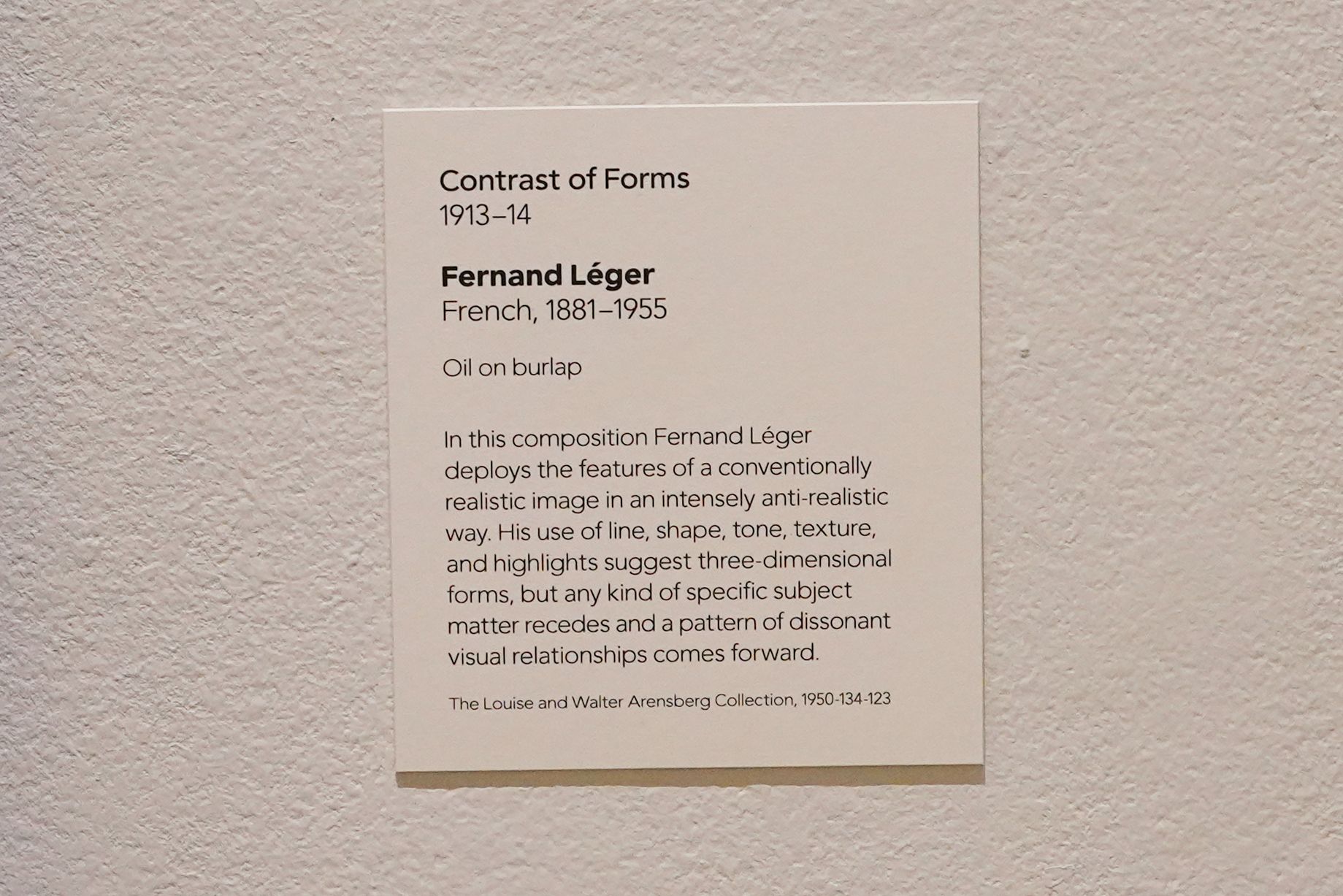
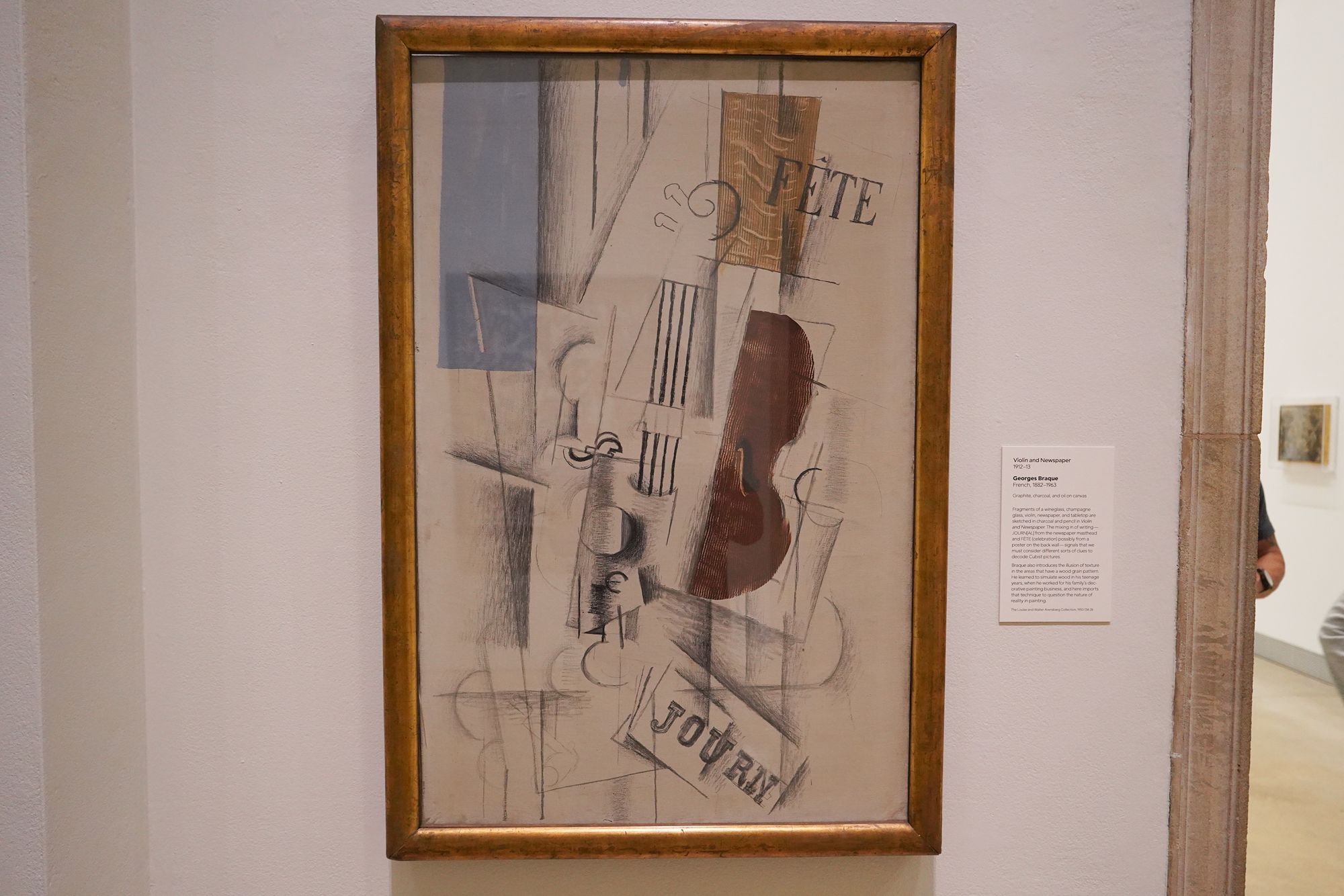
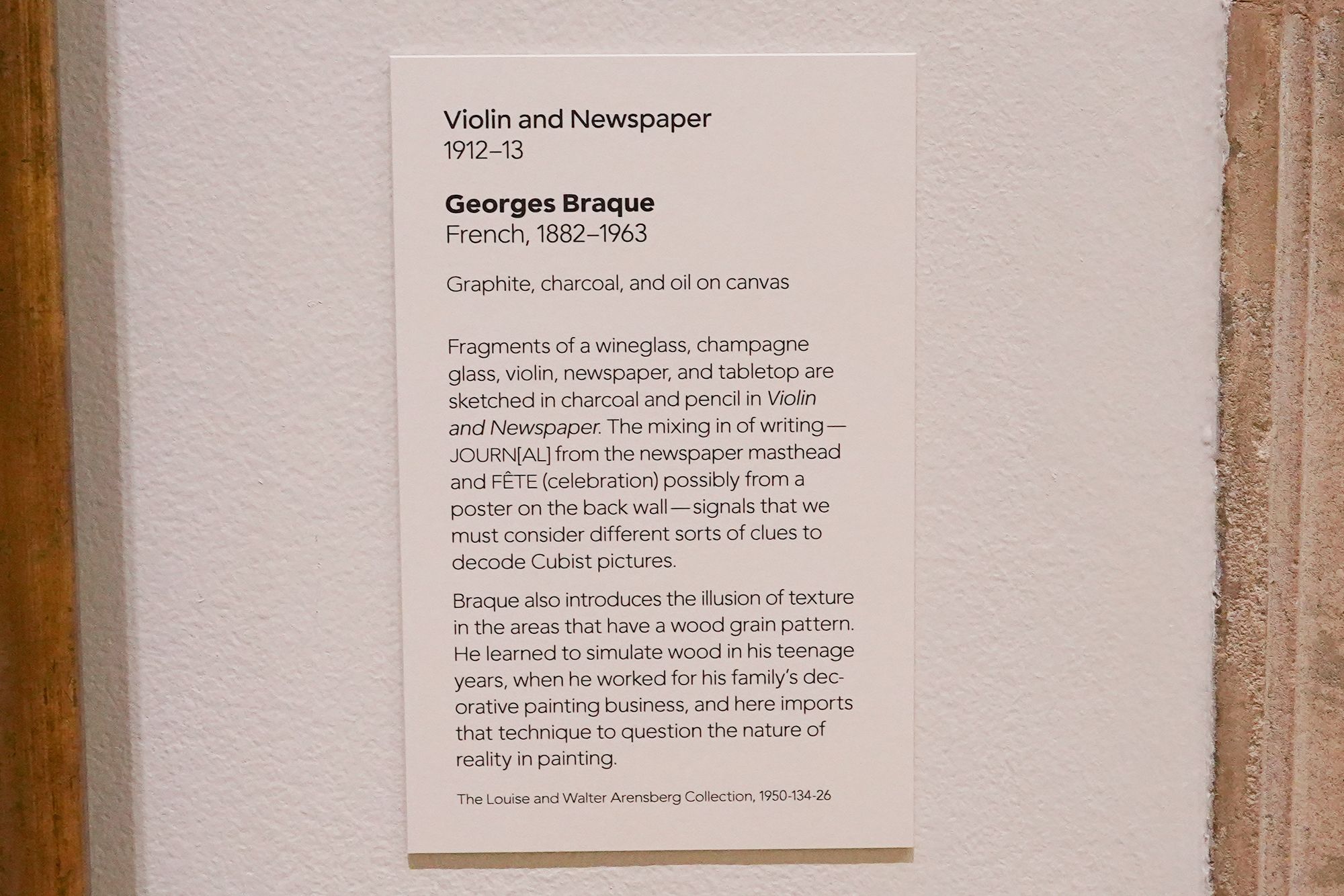
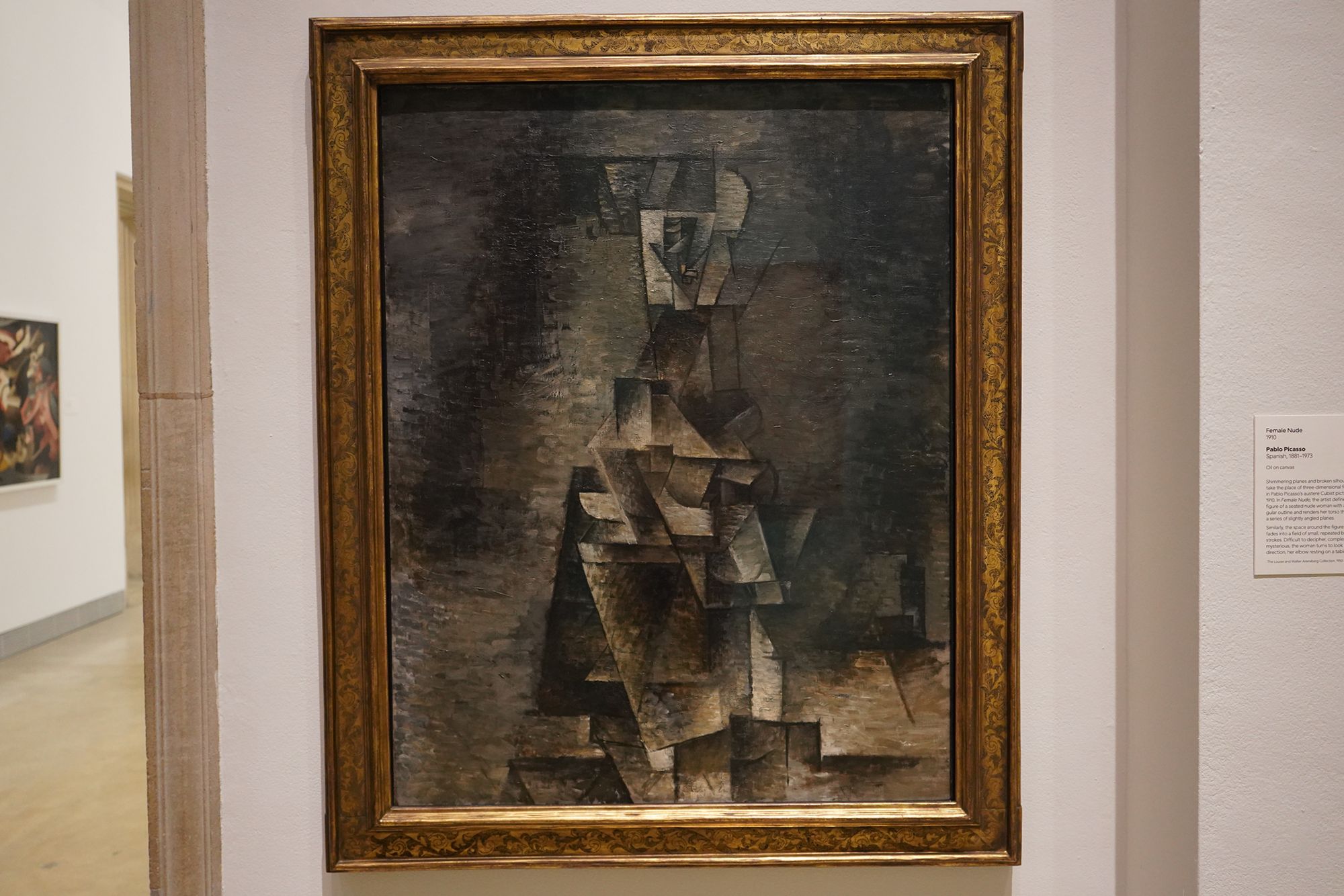
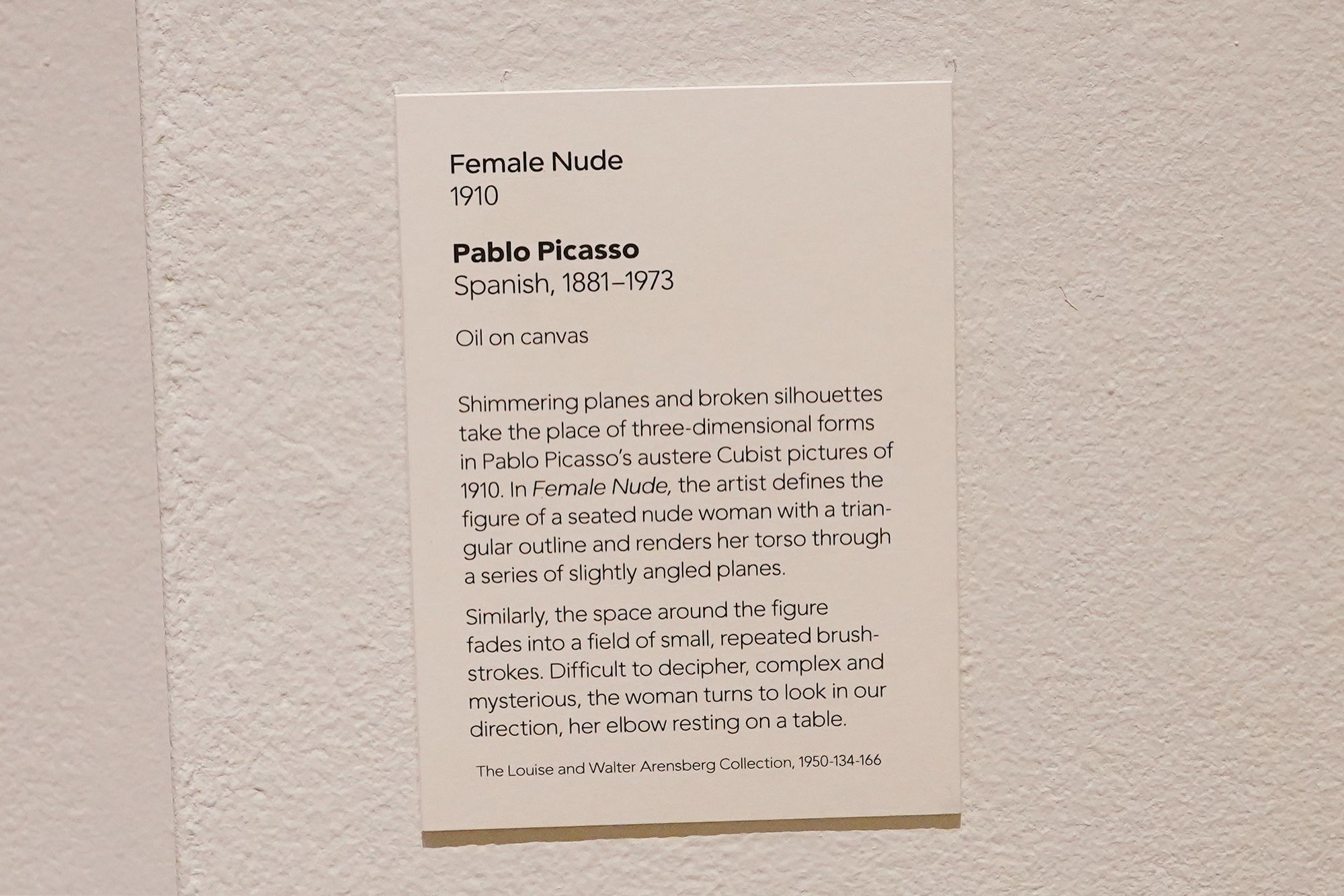
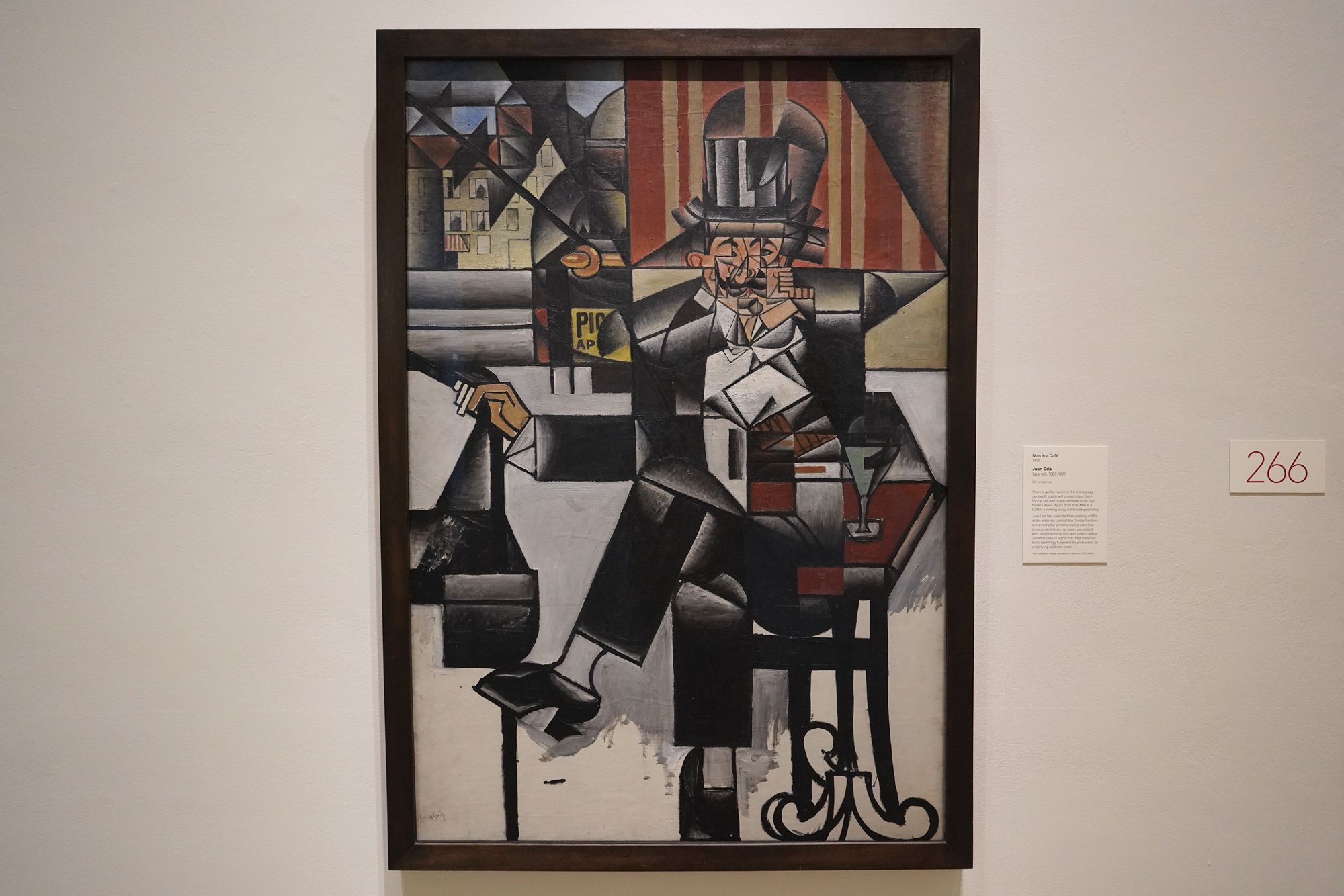
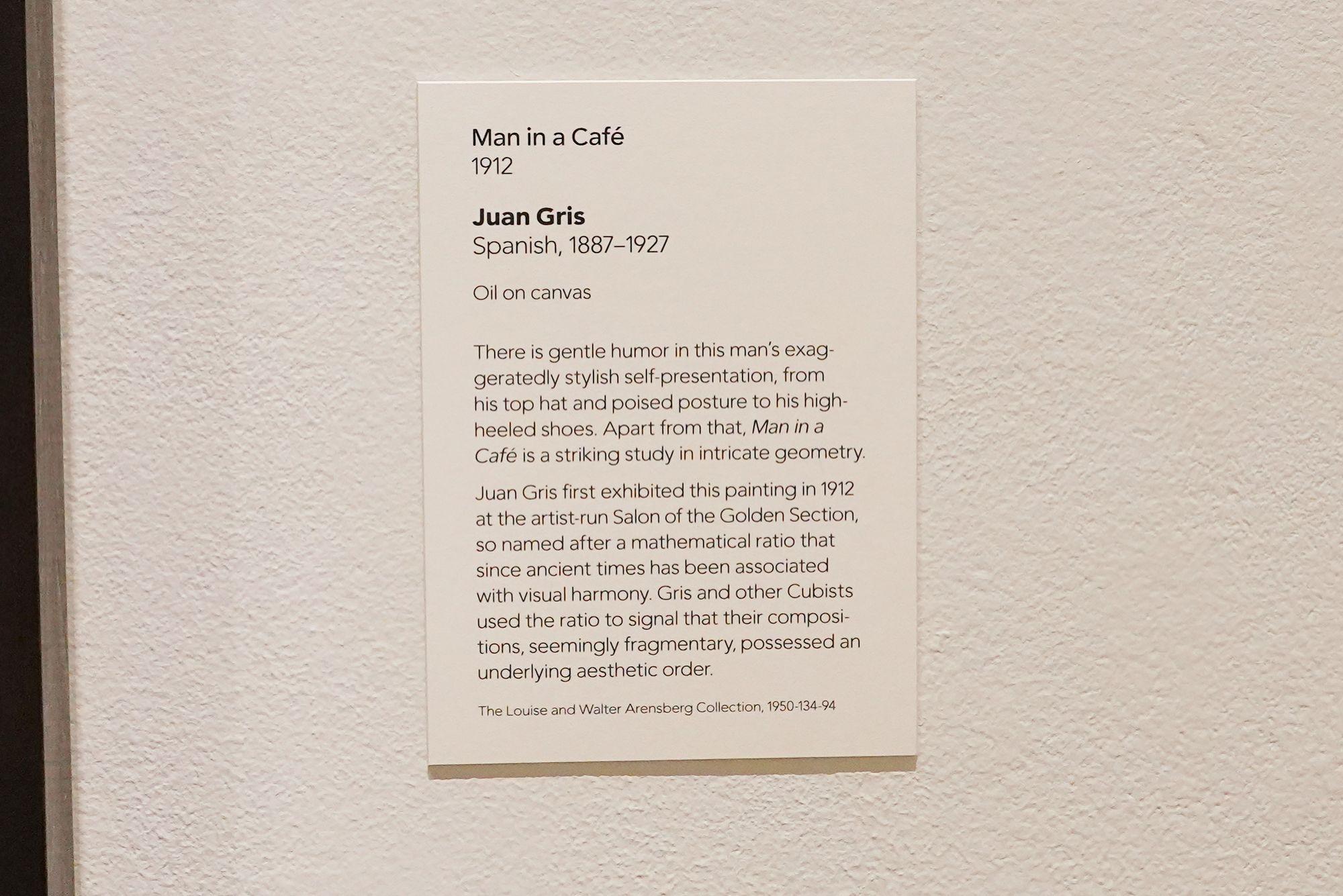
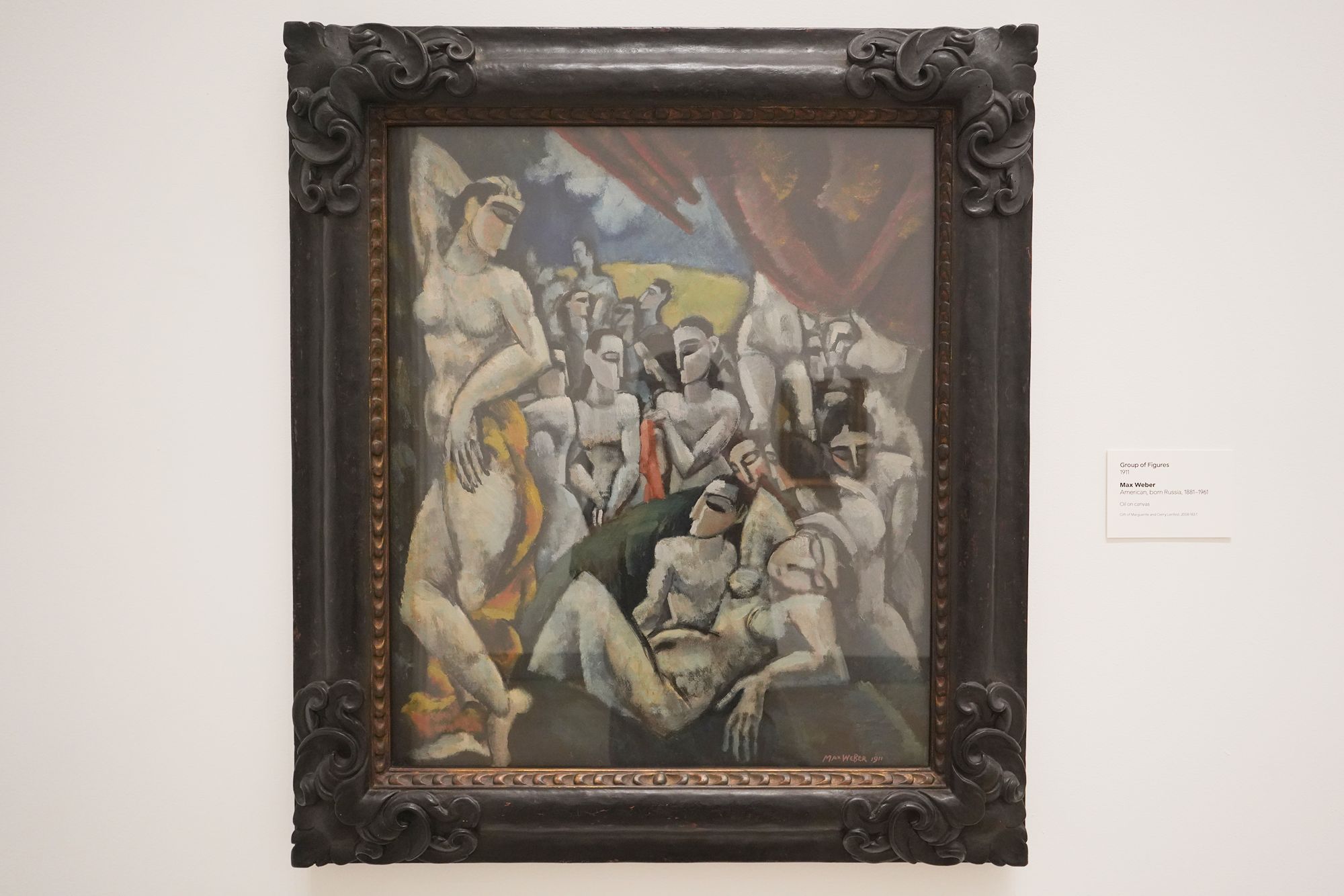
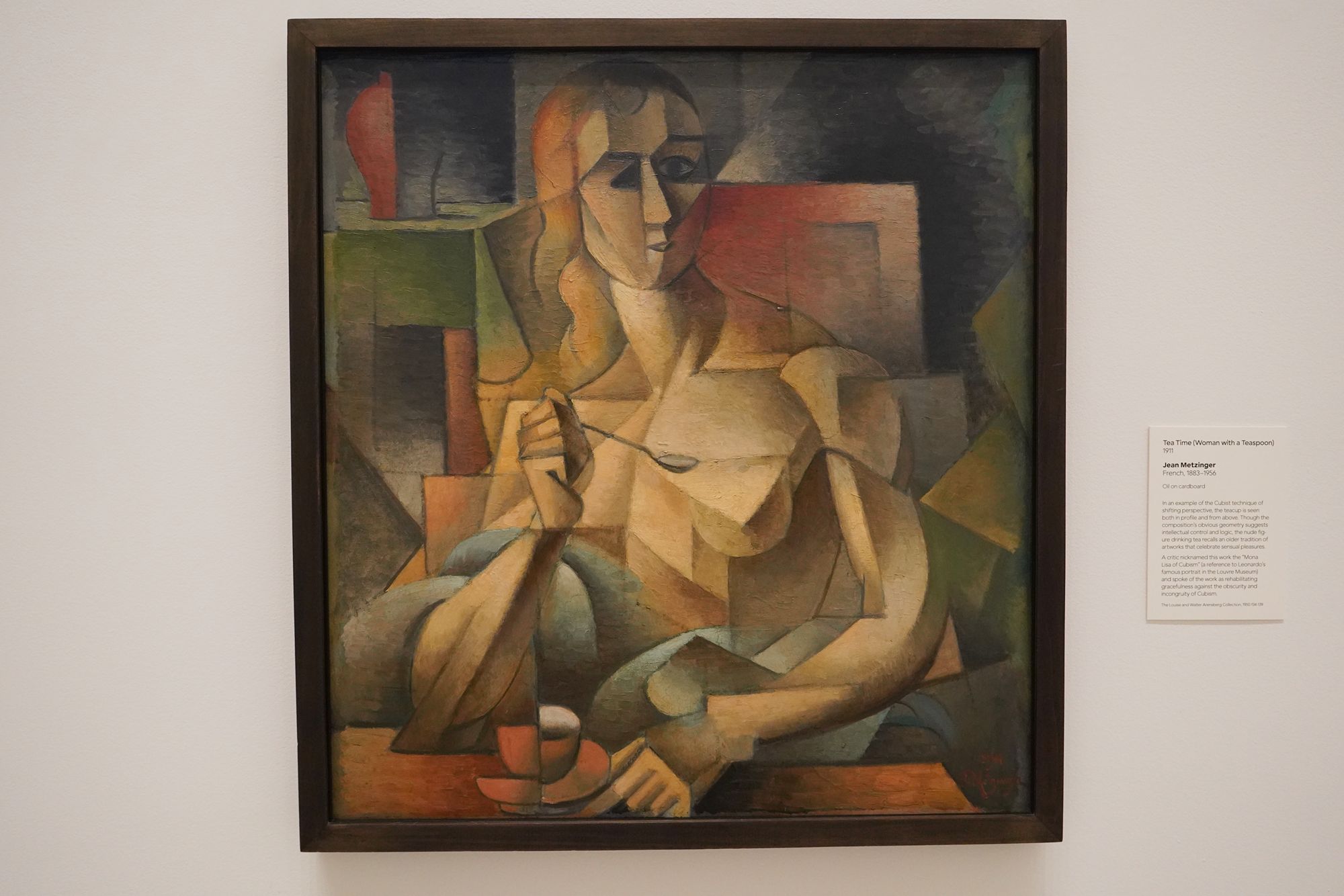
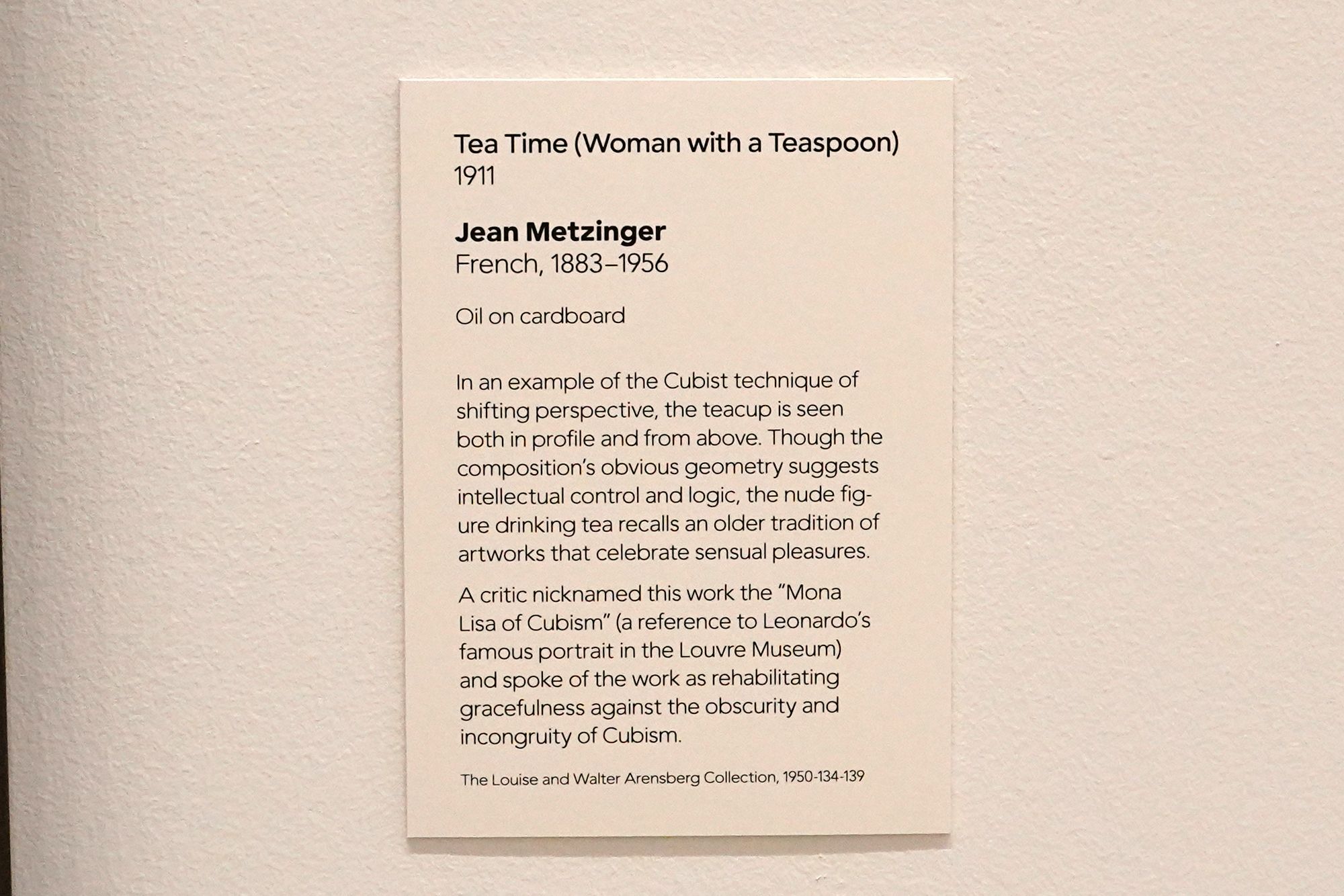
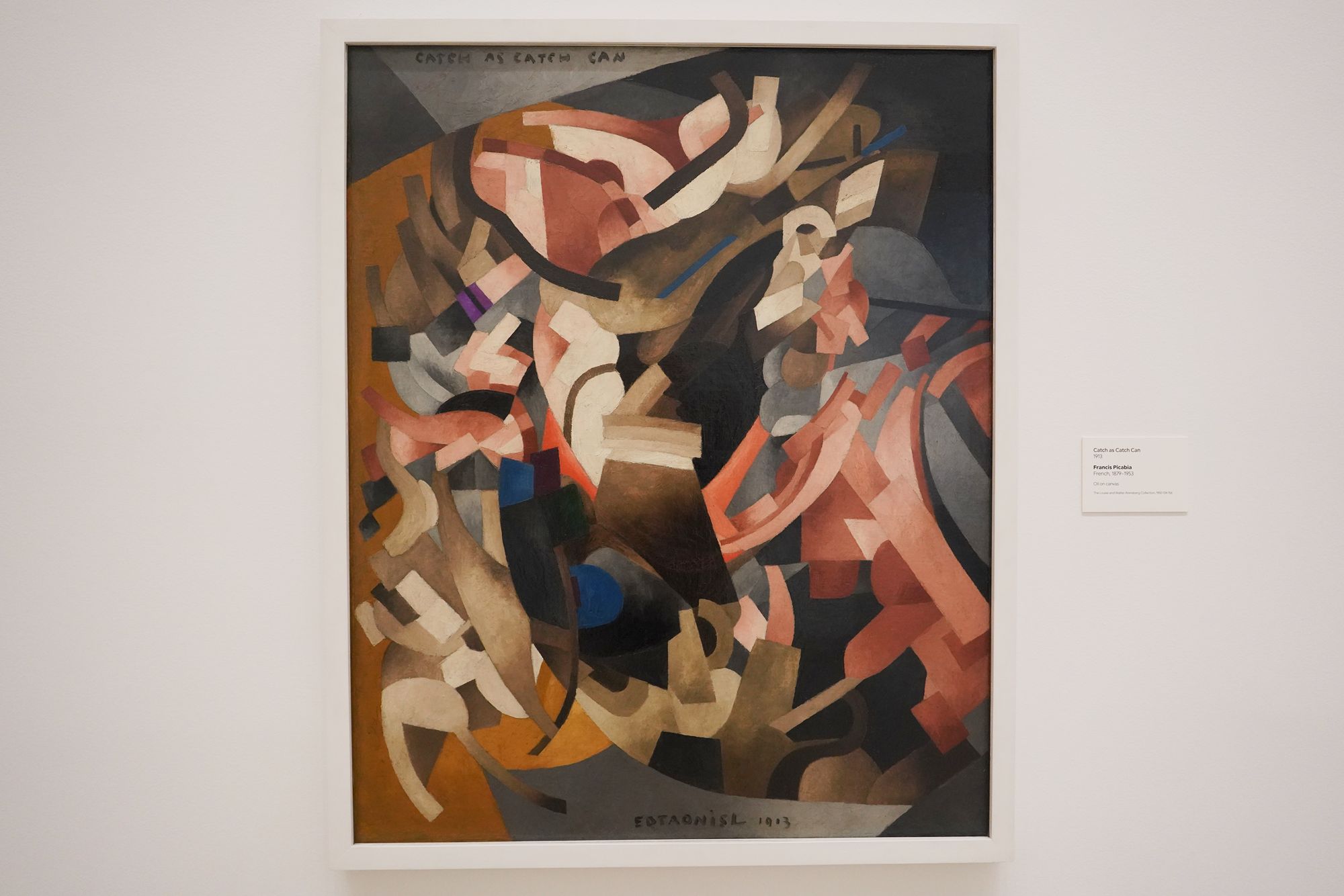
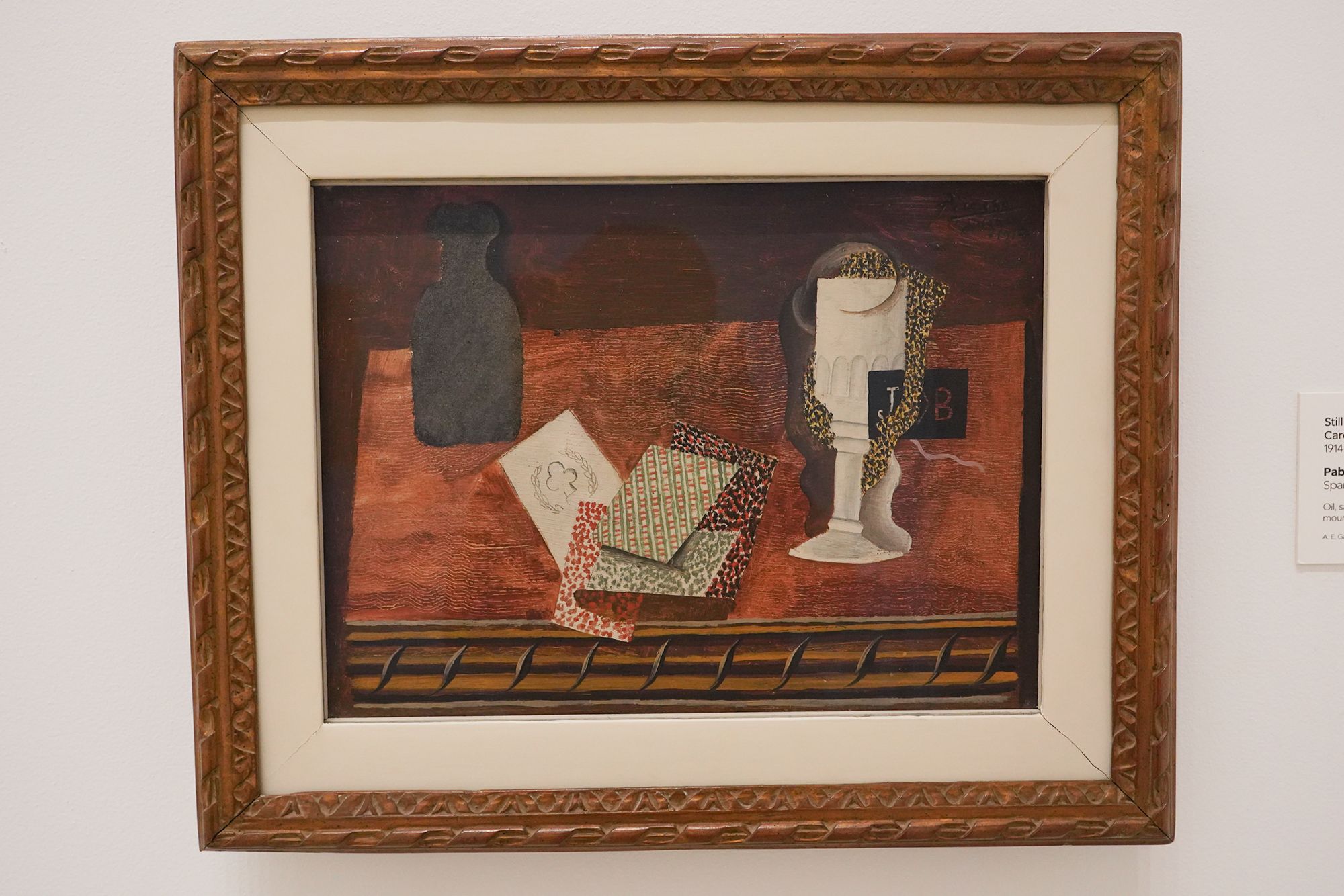
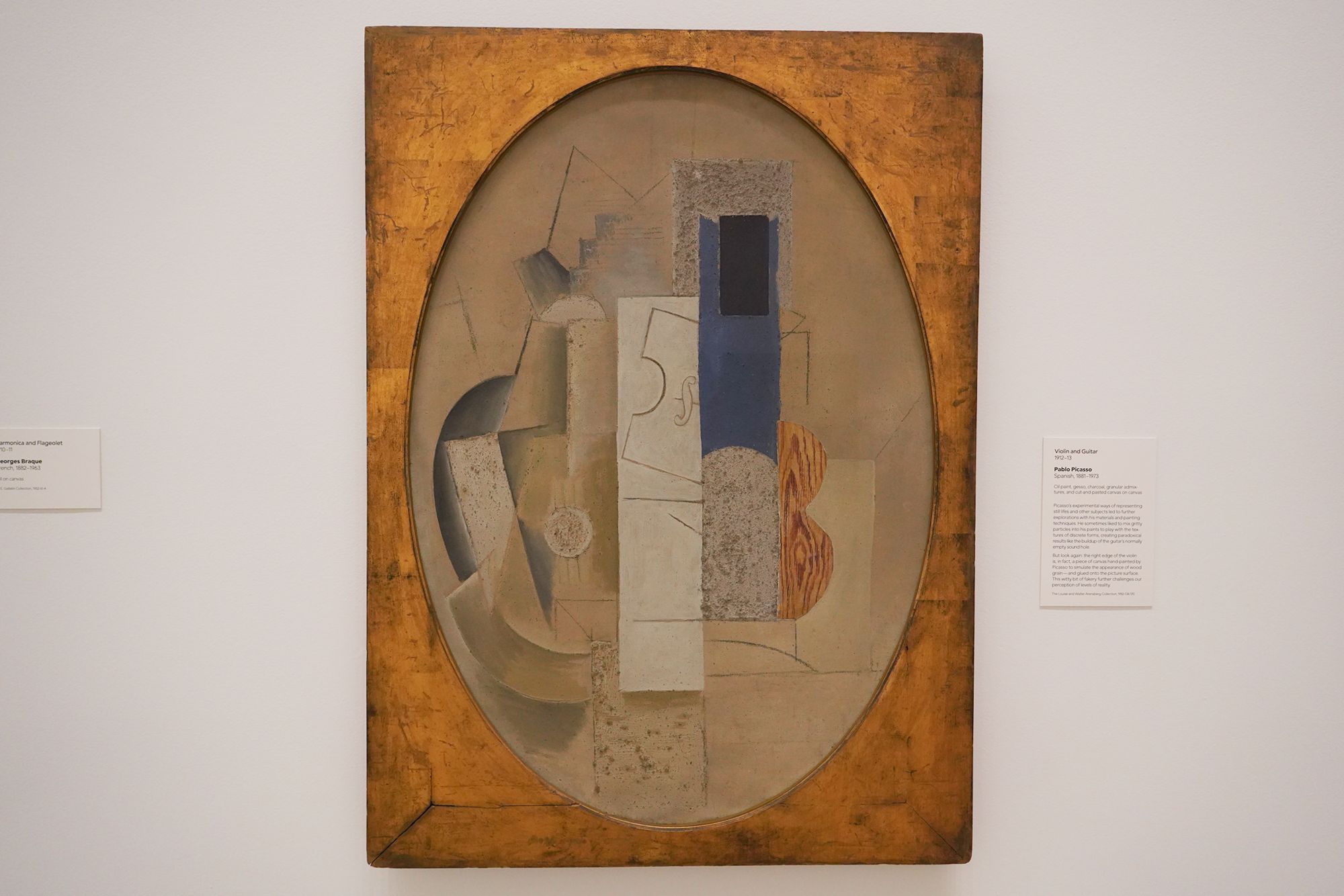
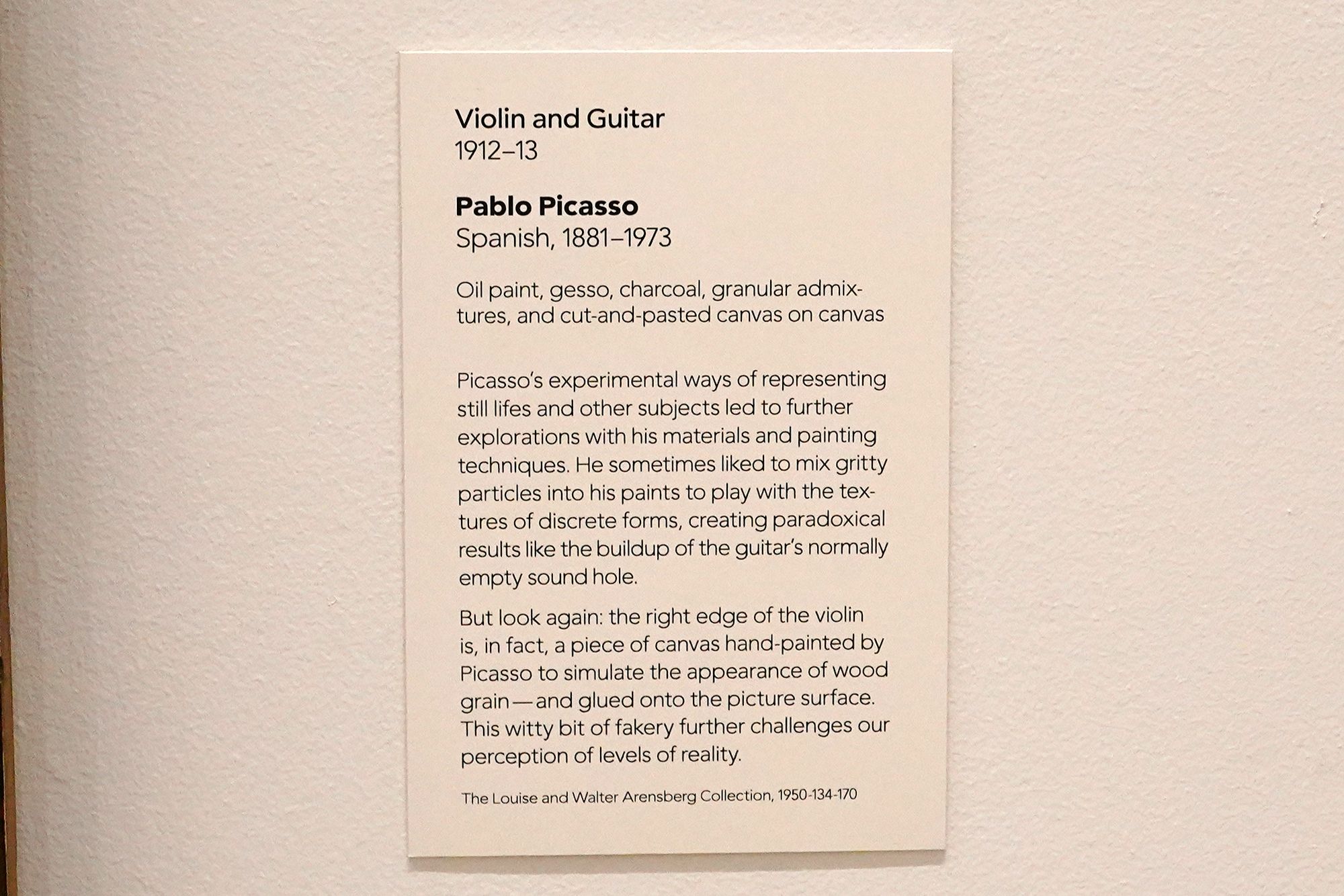
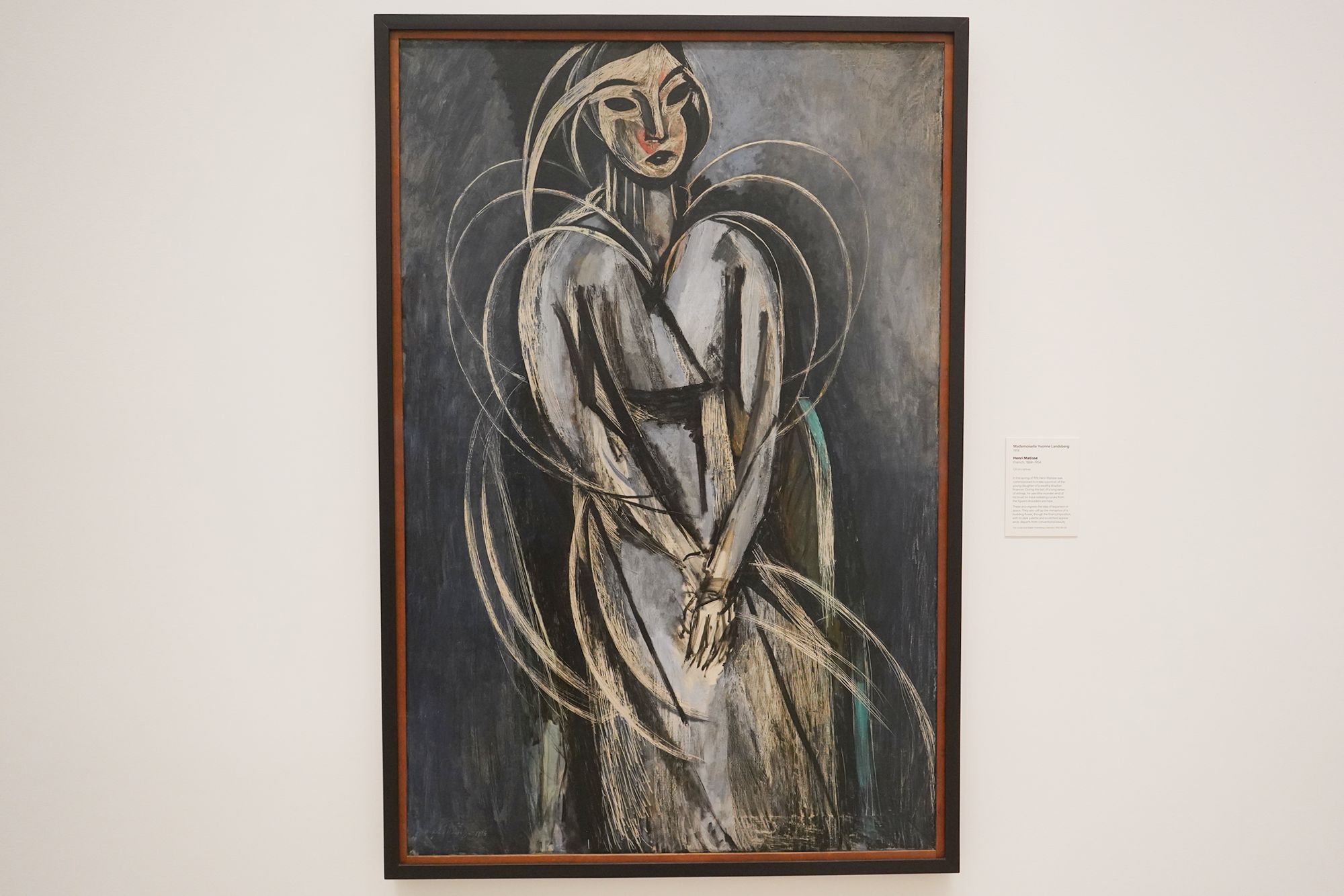
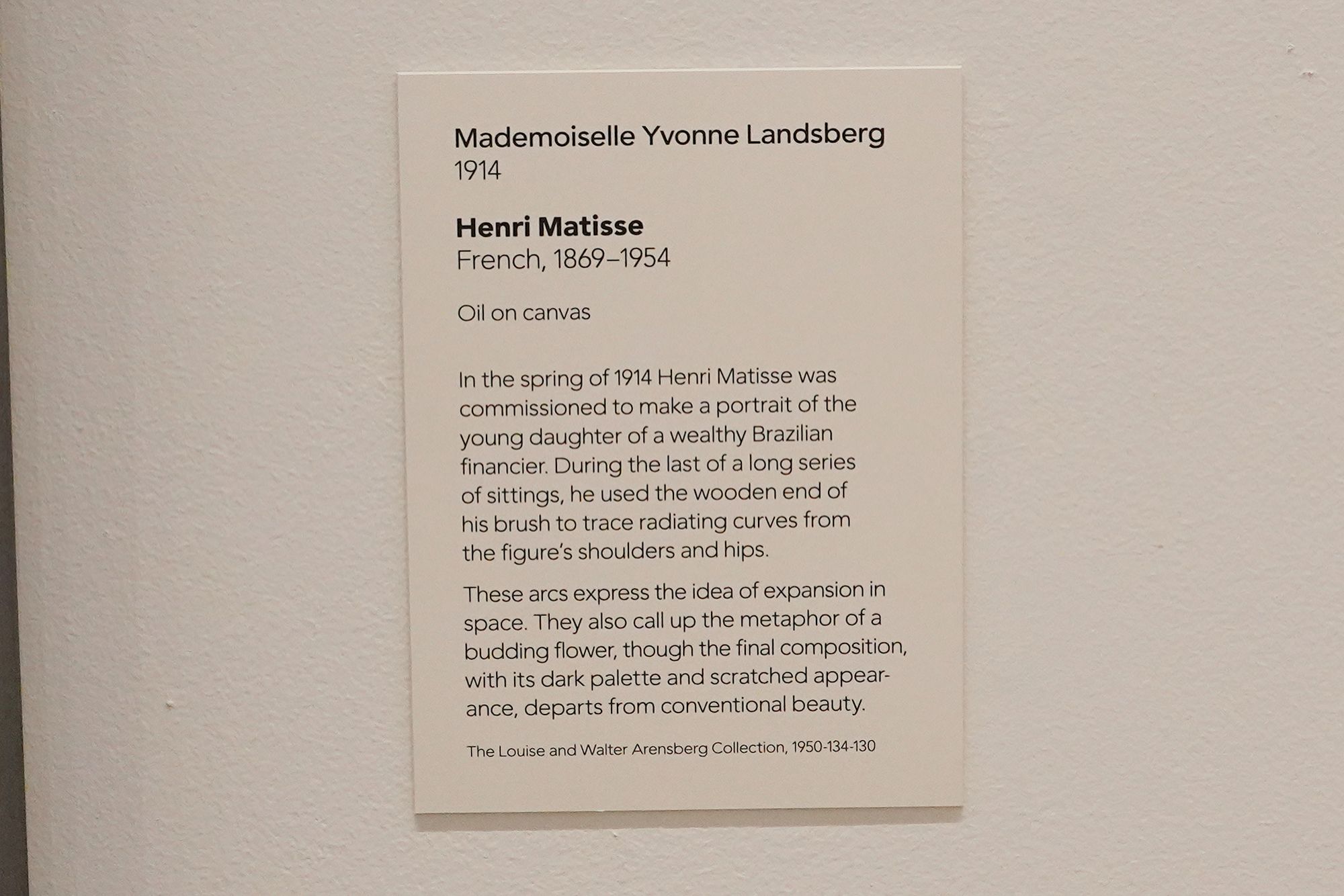
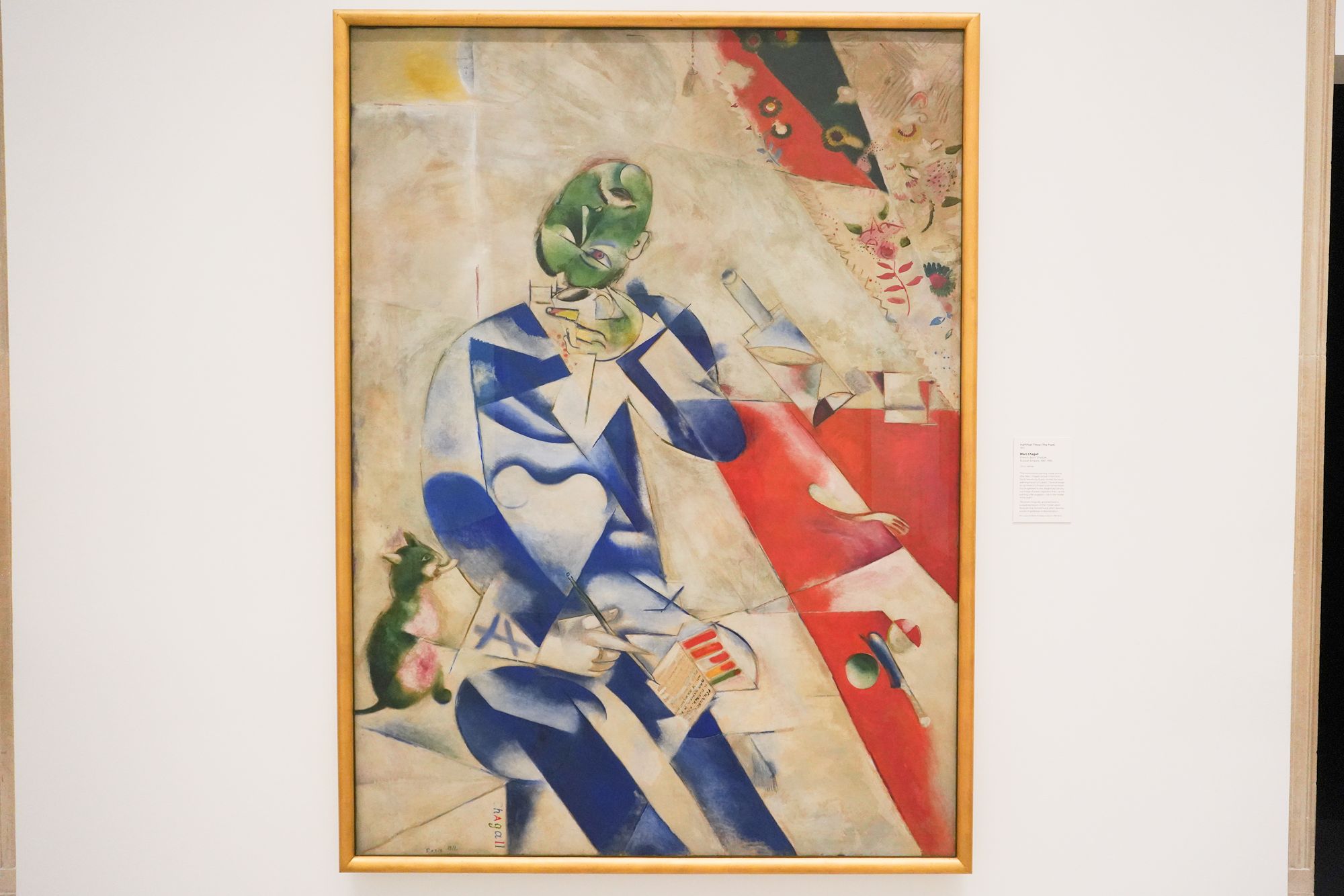
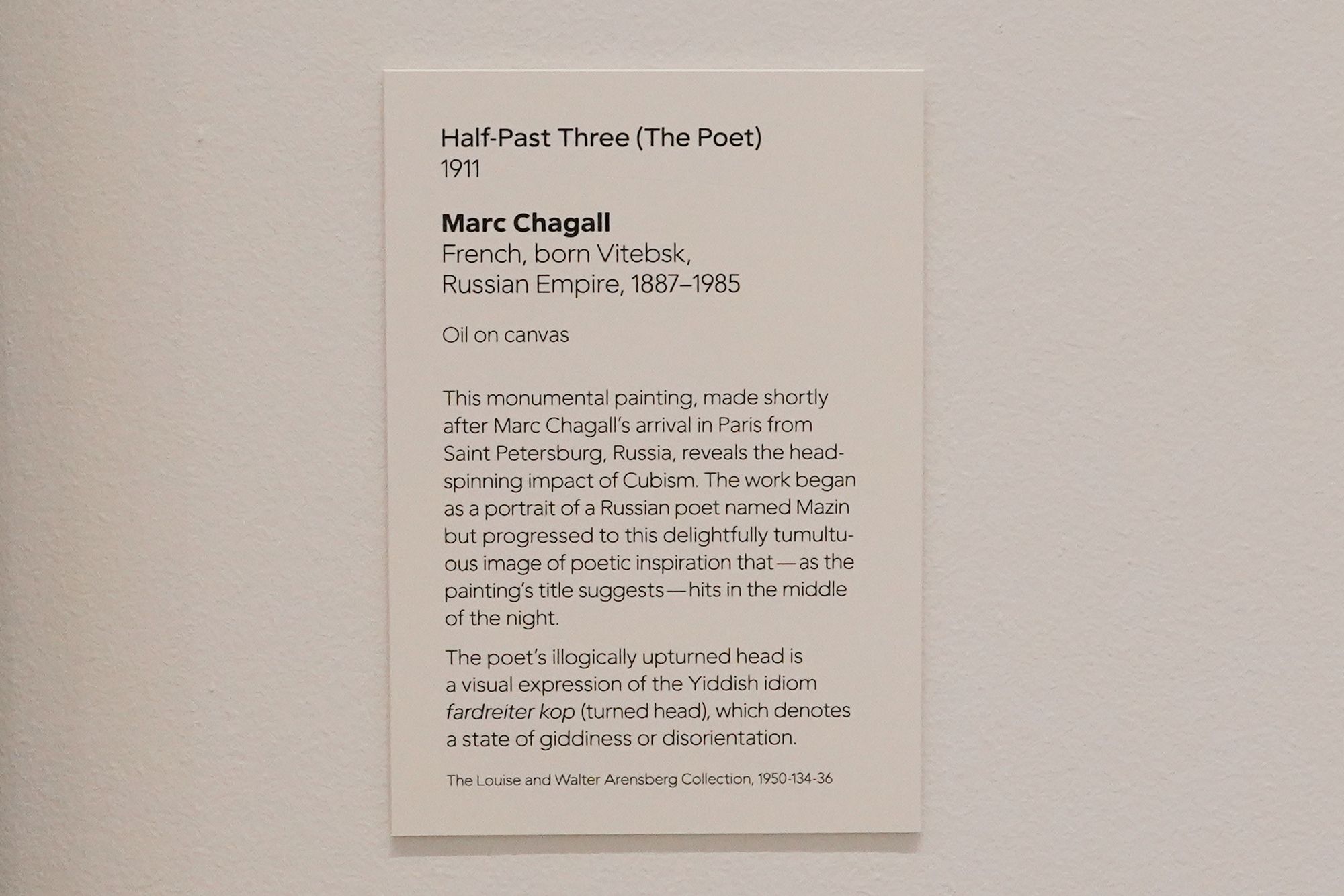
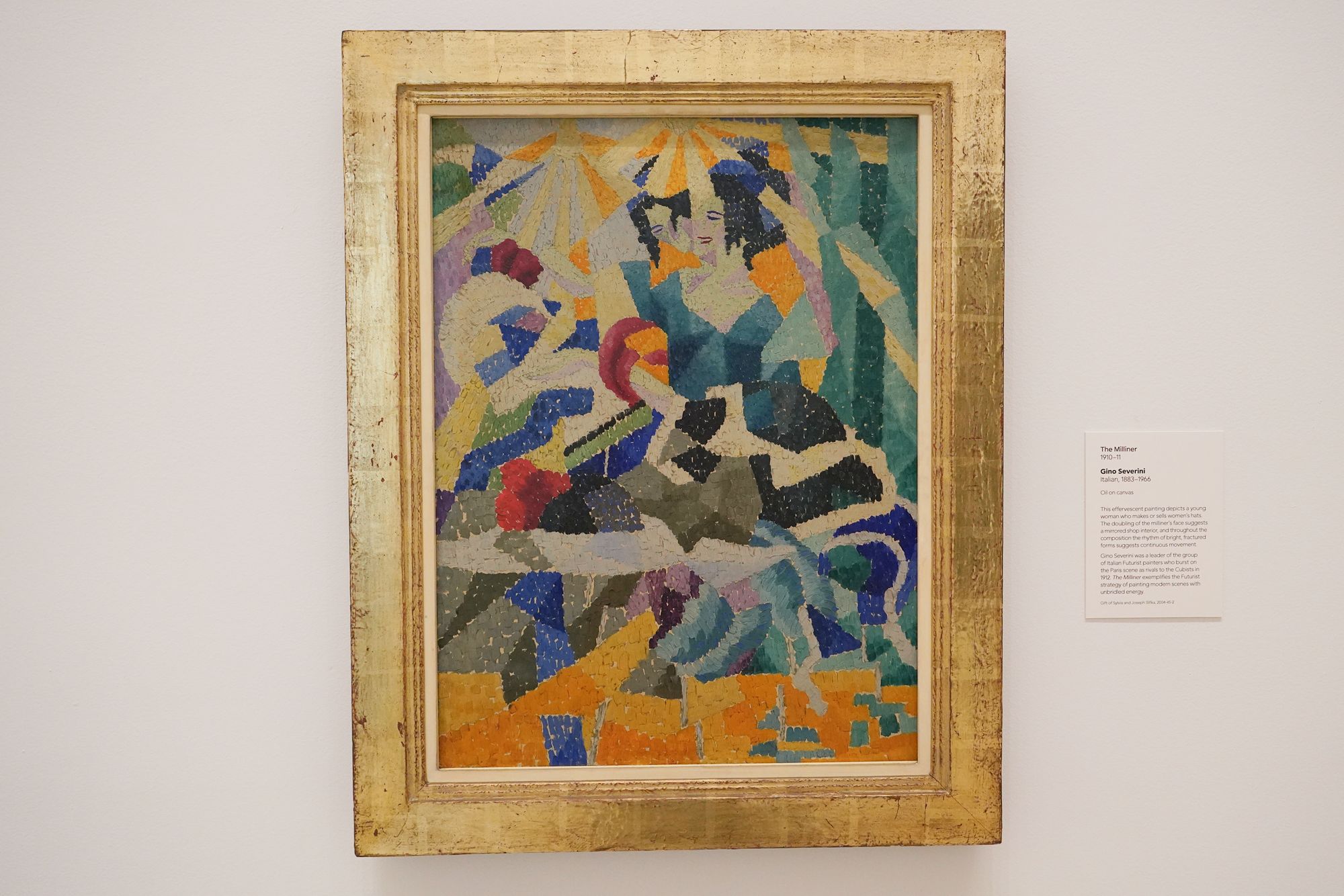
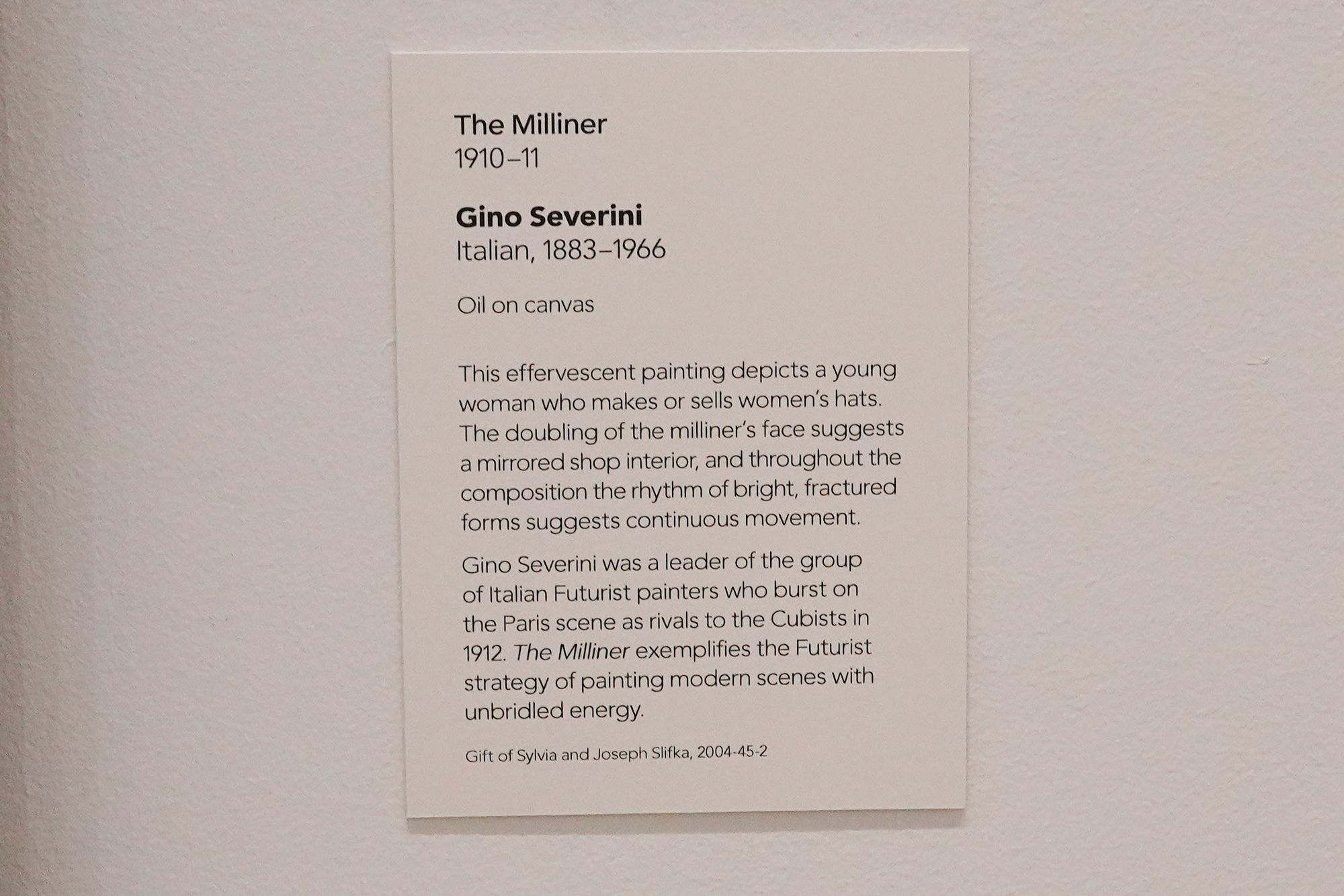
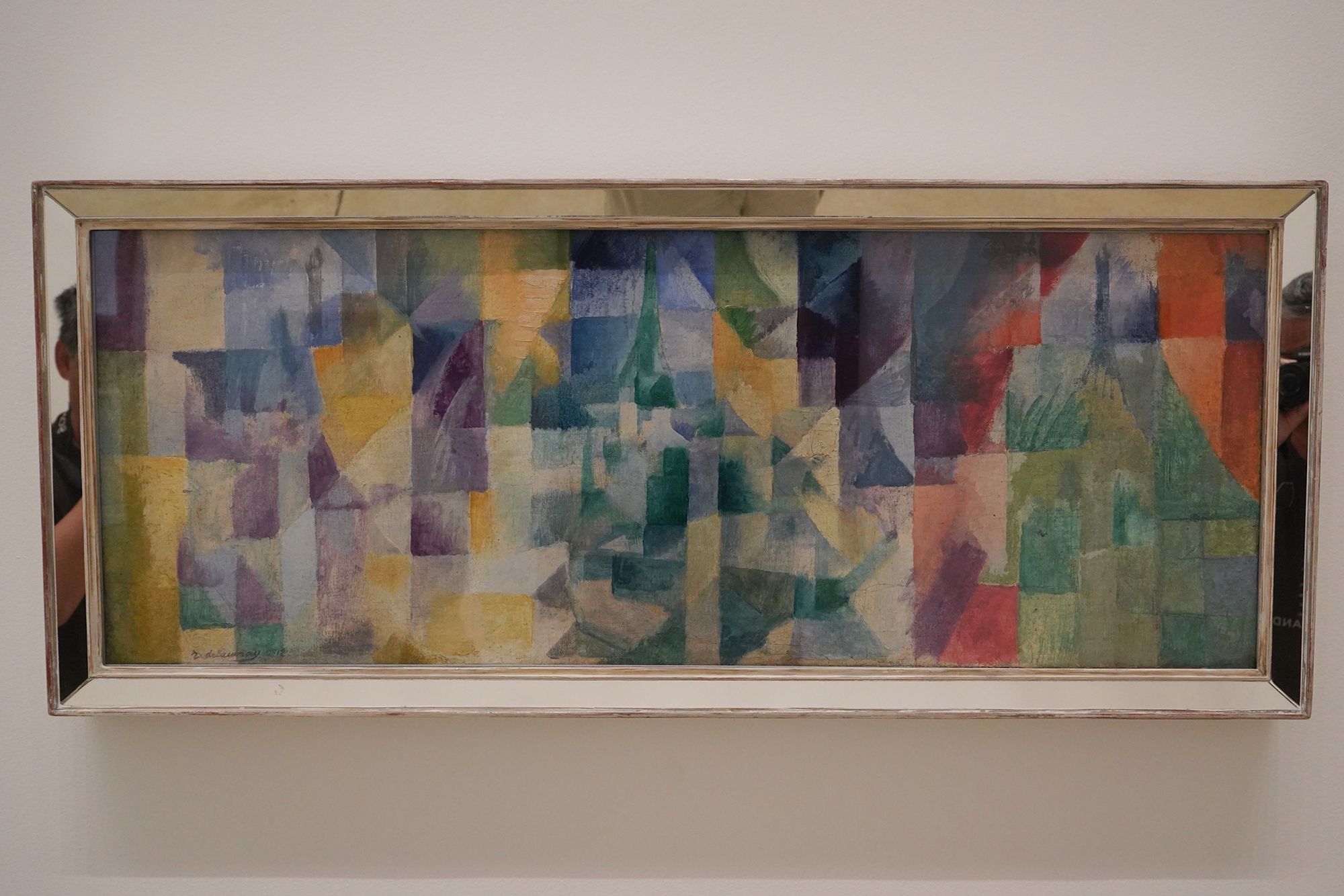
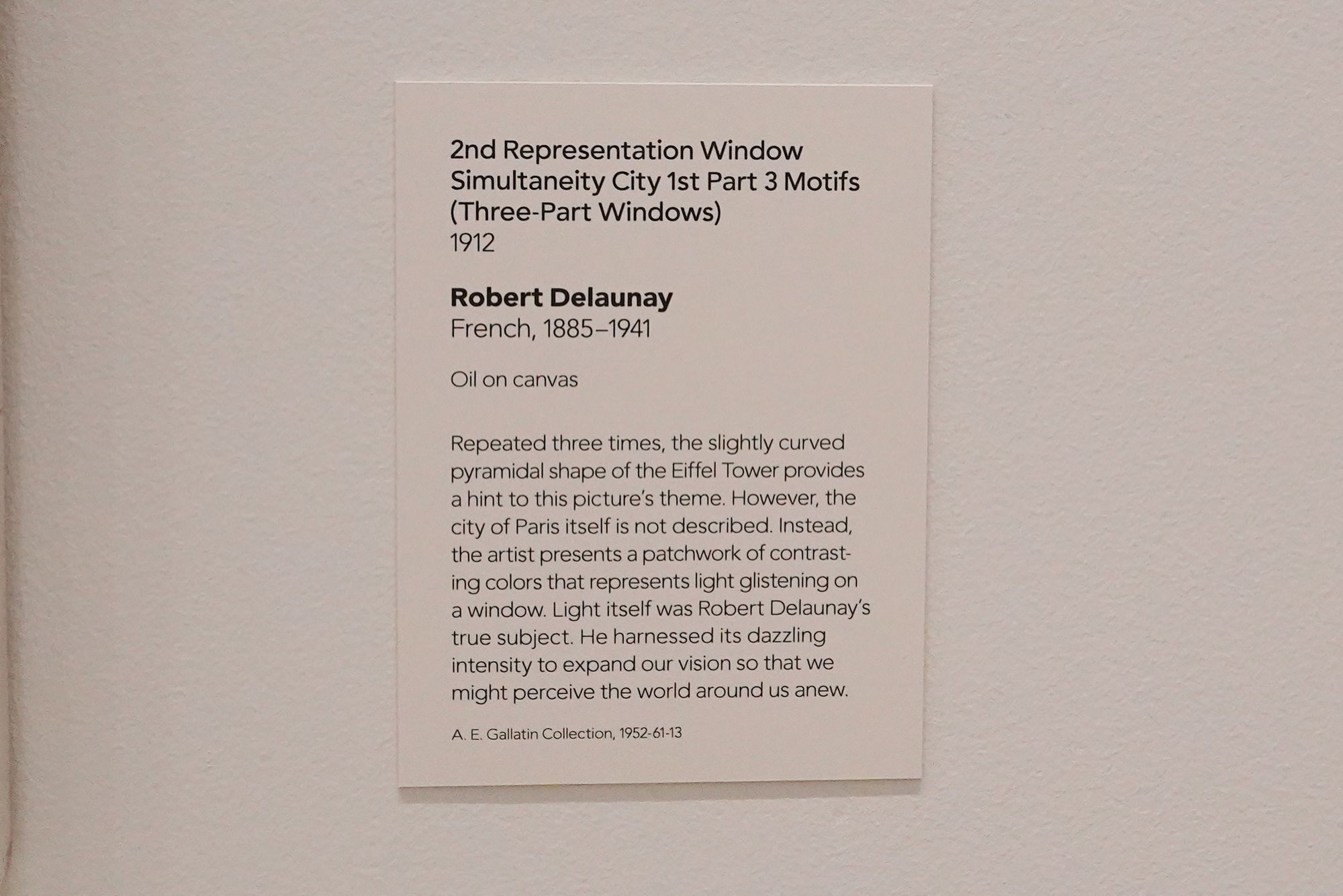
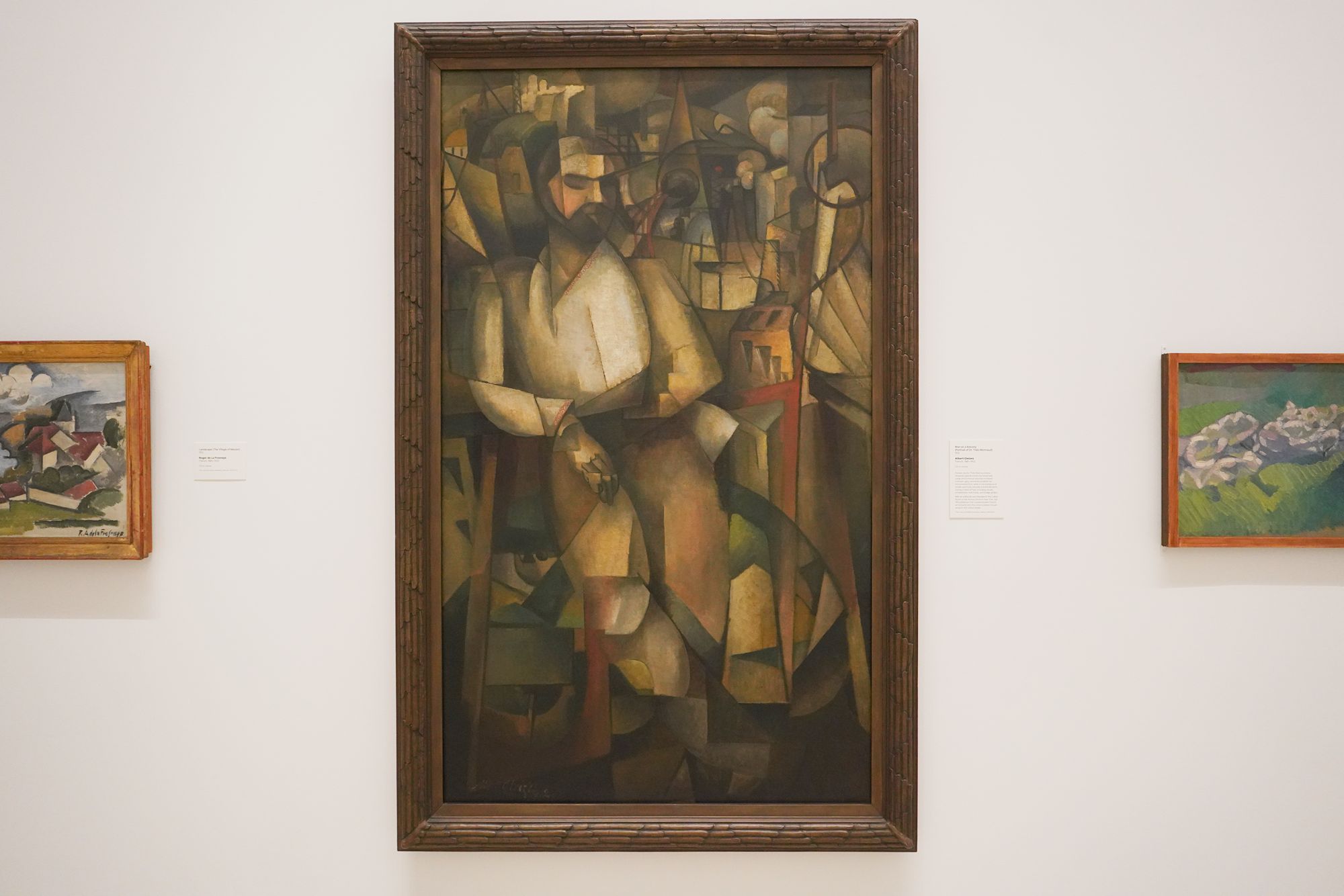
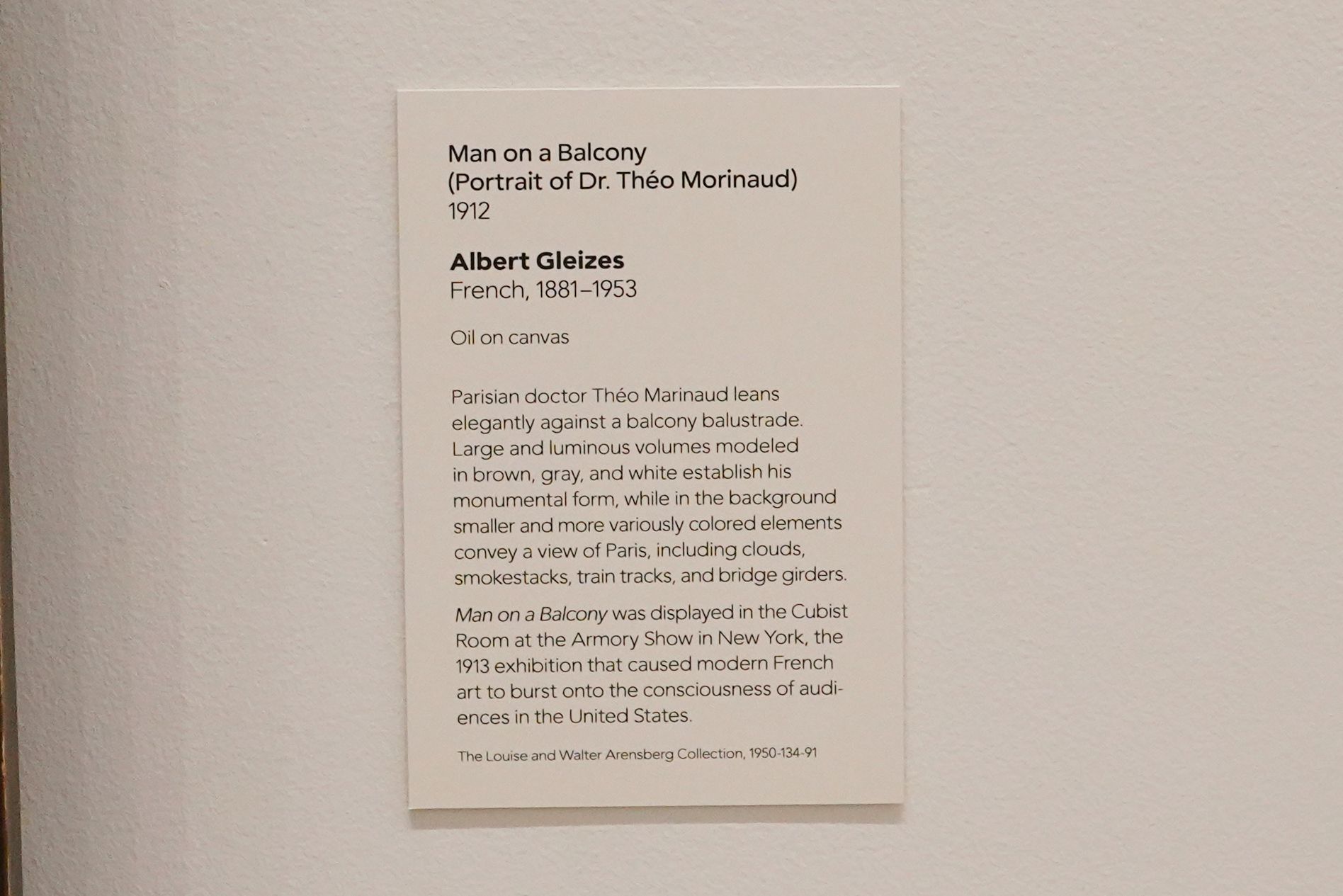
Cubism
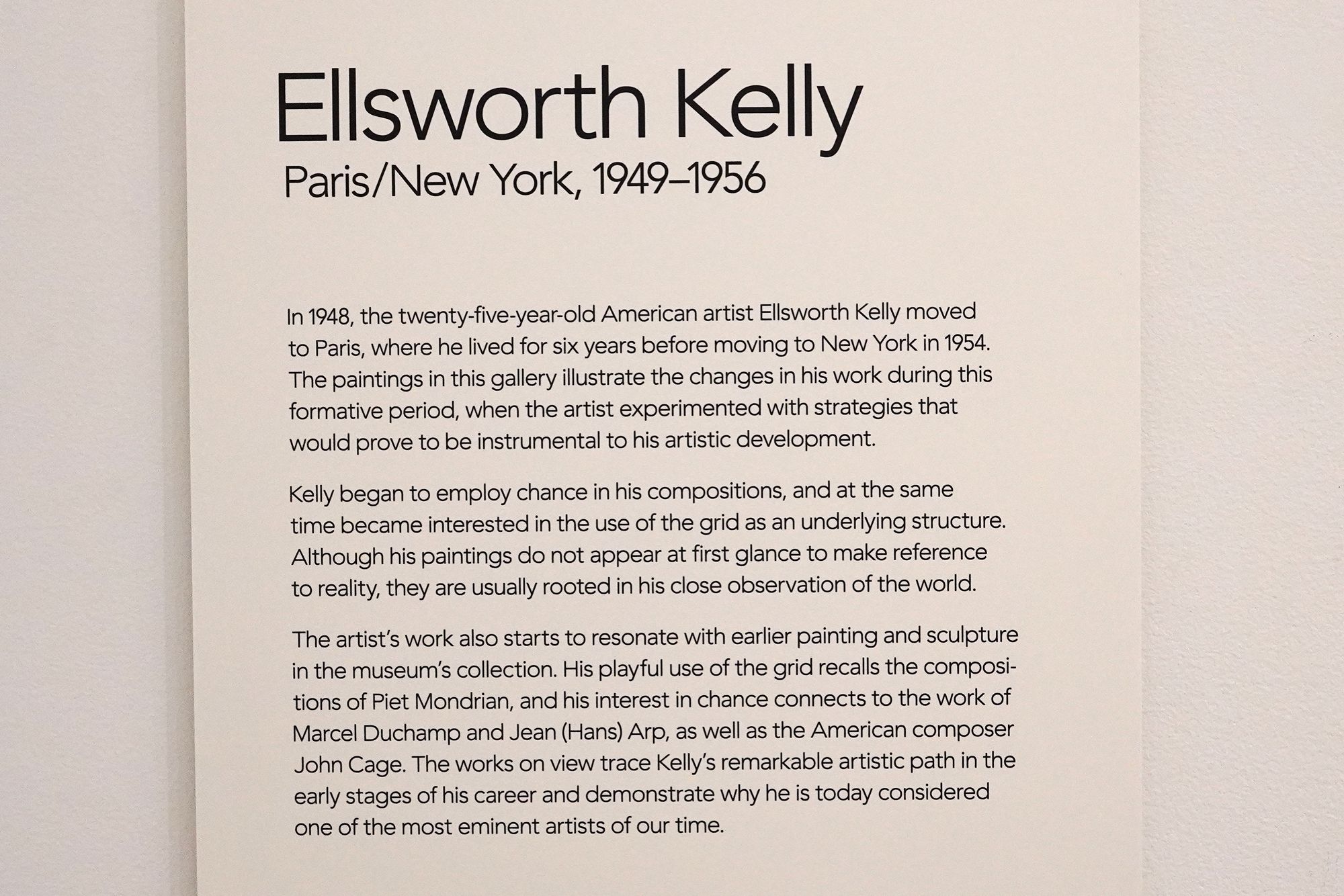
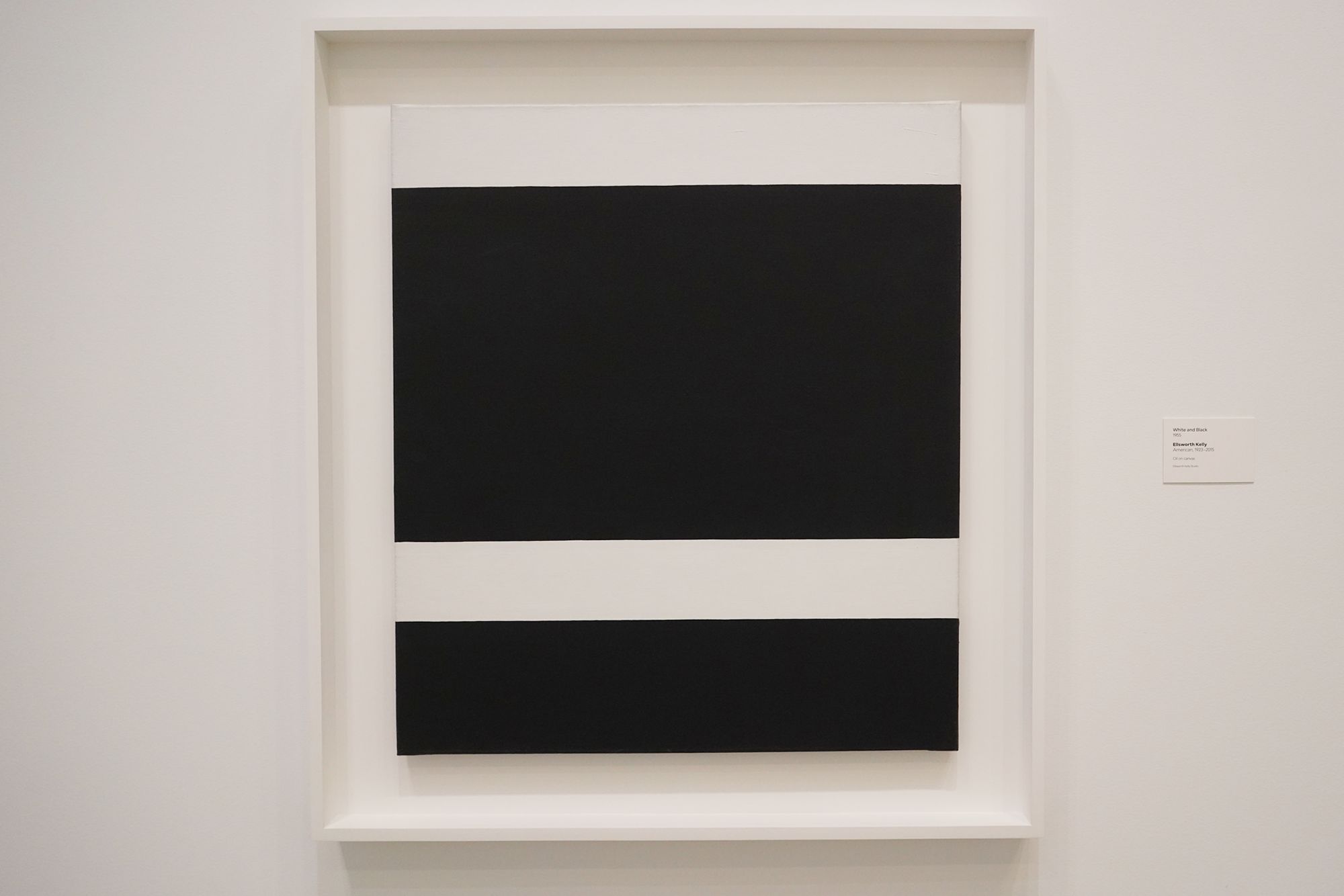
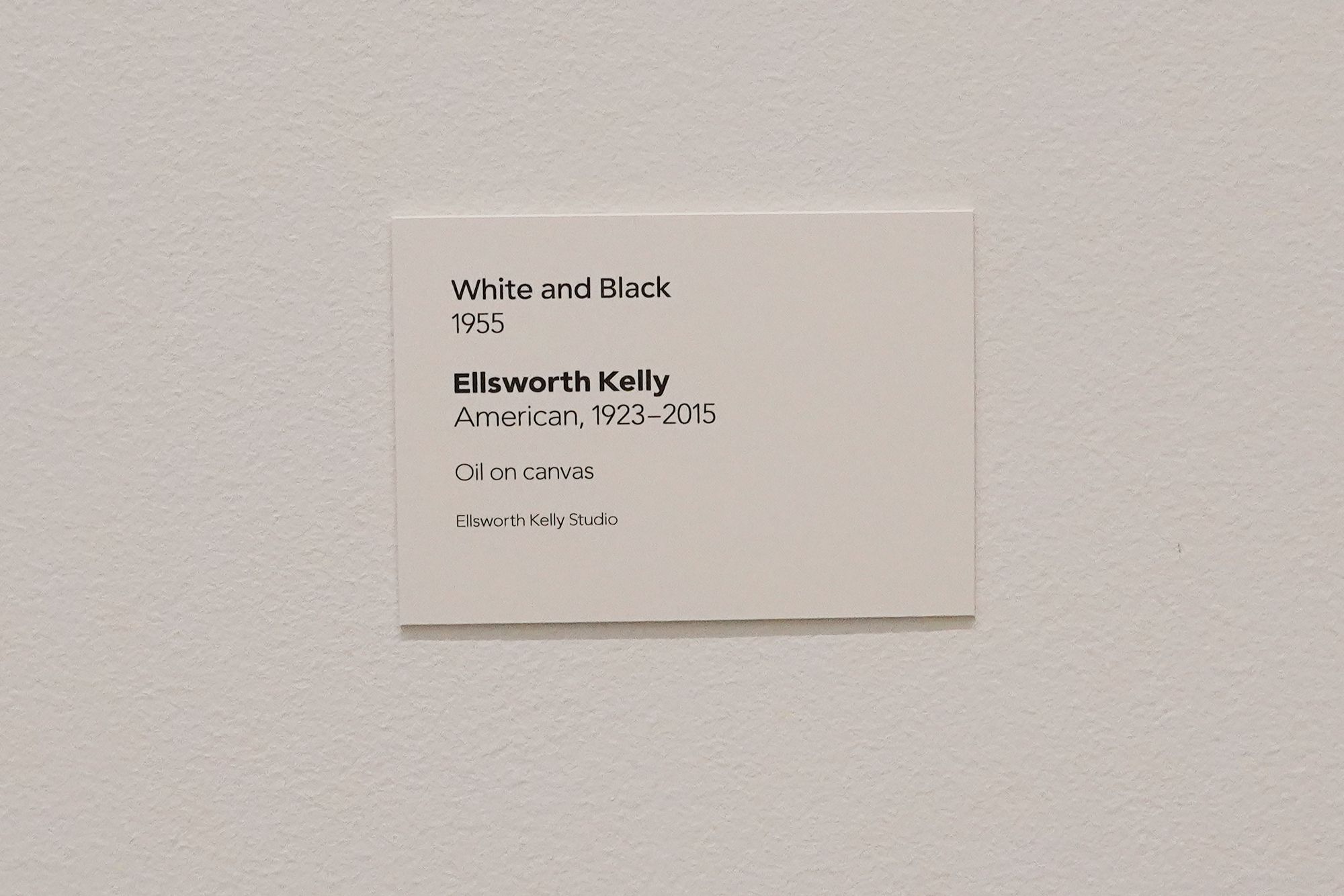
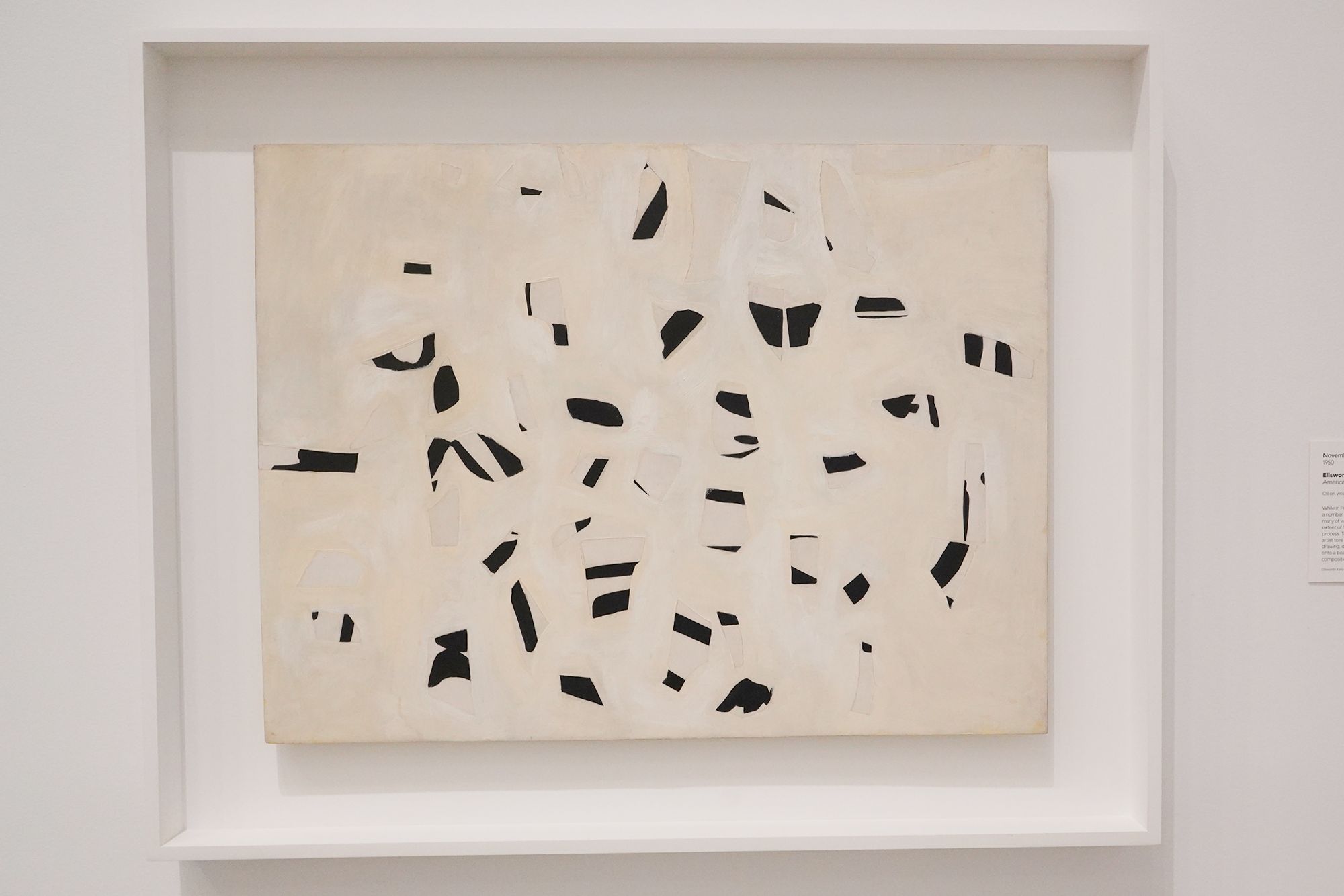
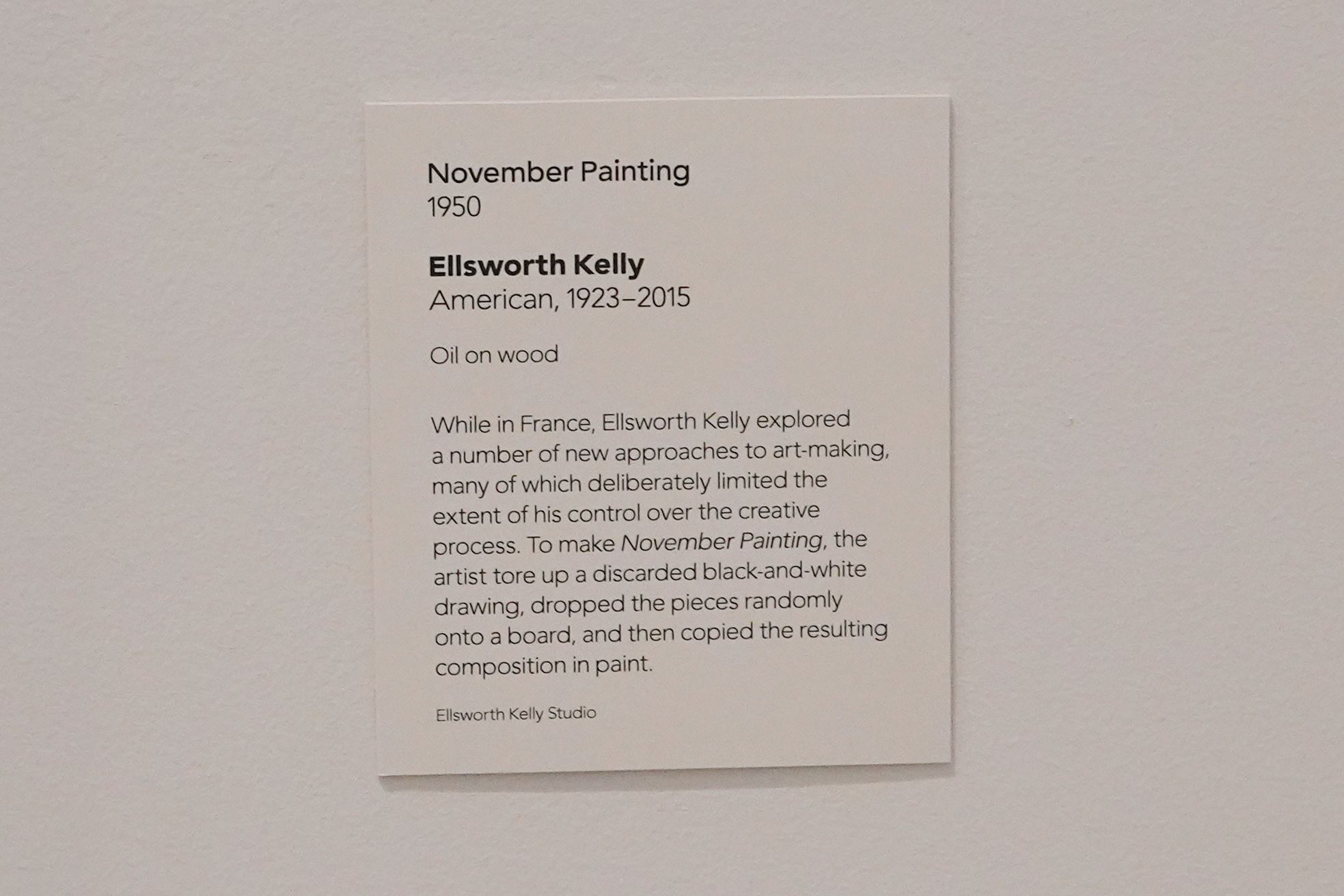
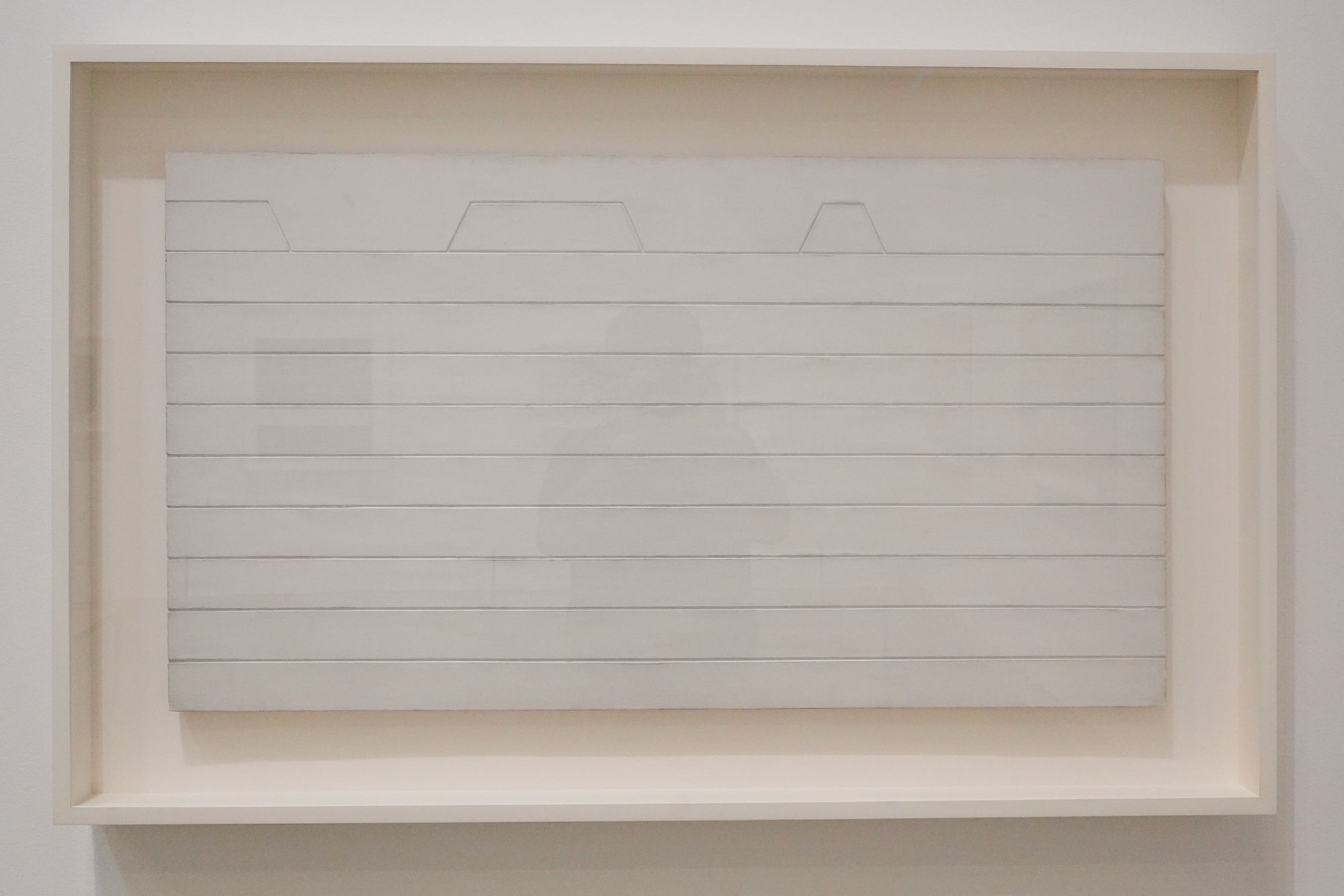
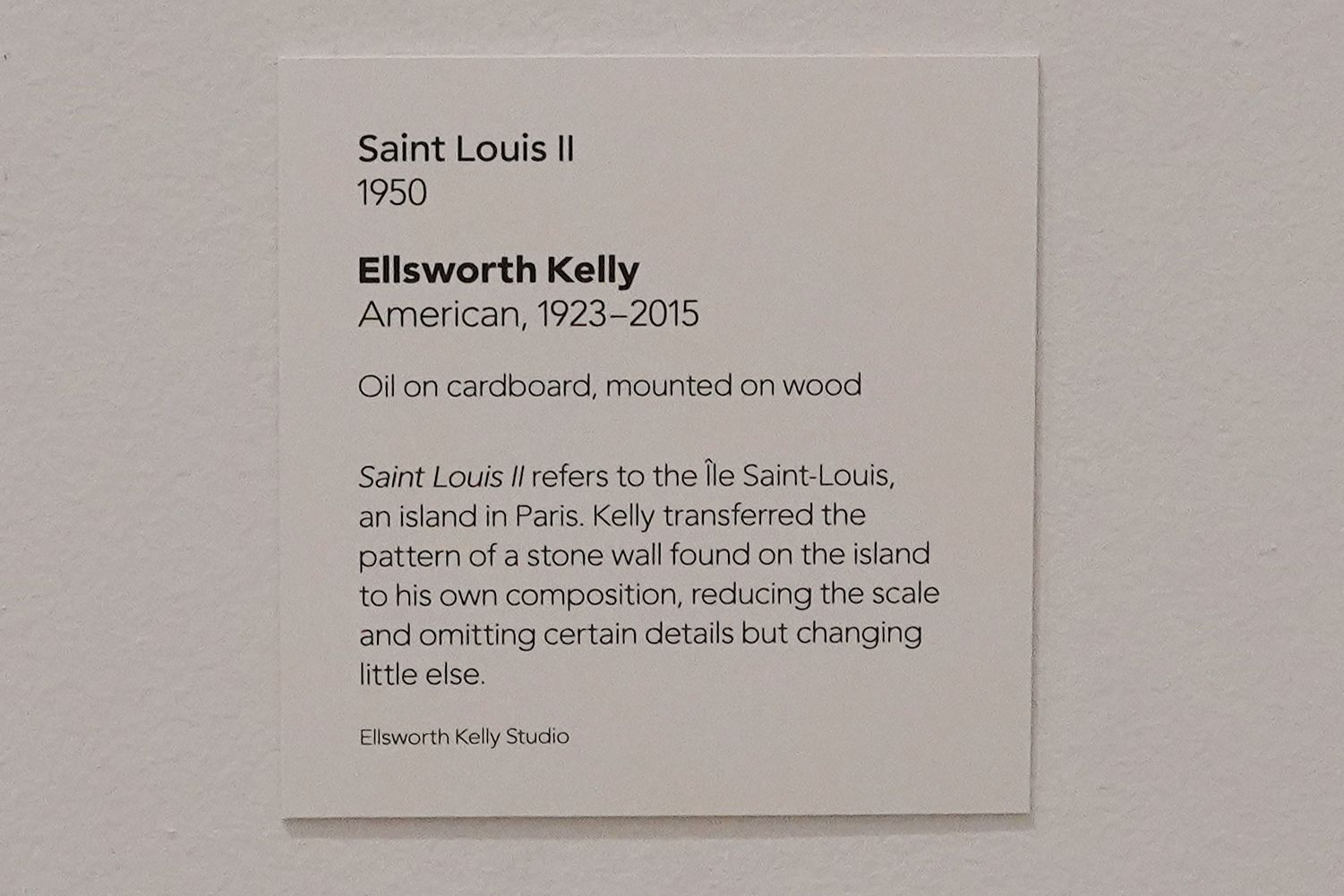
Ellsworth Kelly (1923–2015)
American painter known for bold color, simple shapes, and pure visual clarity
Ellsworth Kelly was a leading figure in minimalism and hard-edge painting, famous for reducing art to its most essential elements — color, shape, and space. His works often use large areas of a single color, clean edges, and geometric forms like rectangles, curves, or panels. Instead of depicting objects or scenes, Kelly wanted viewers to experience color itself as the subject.
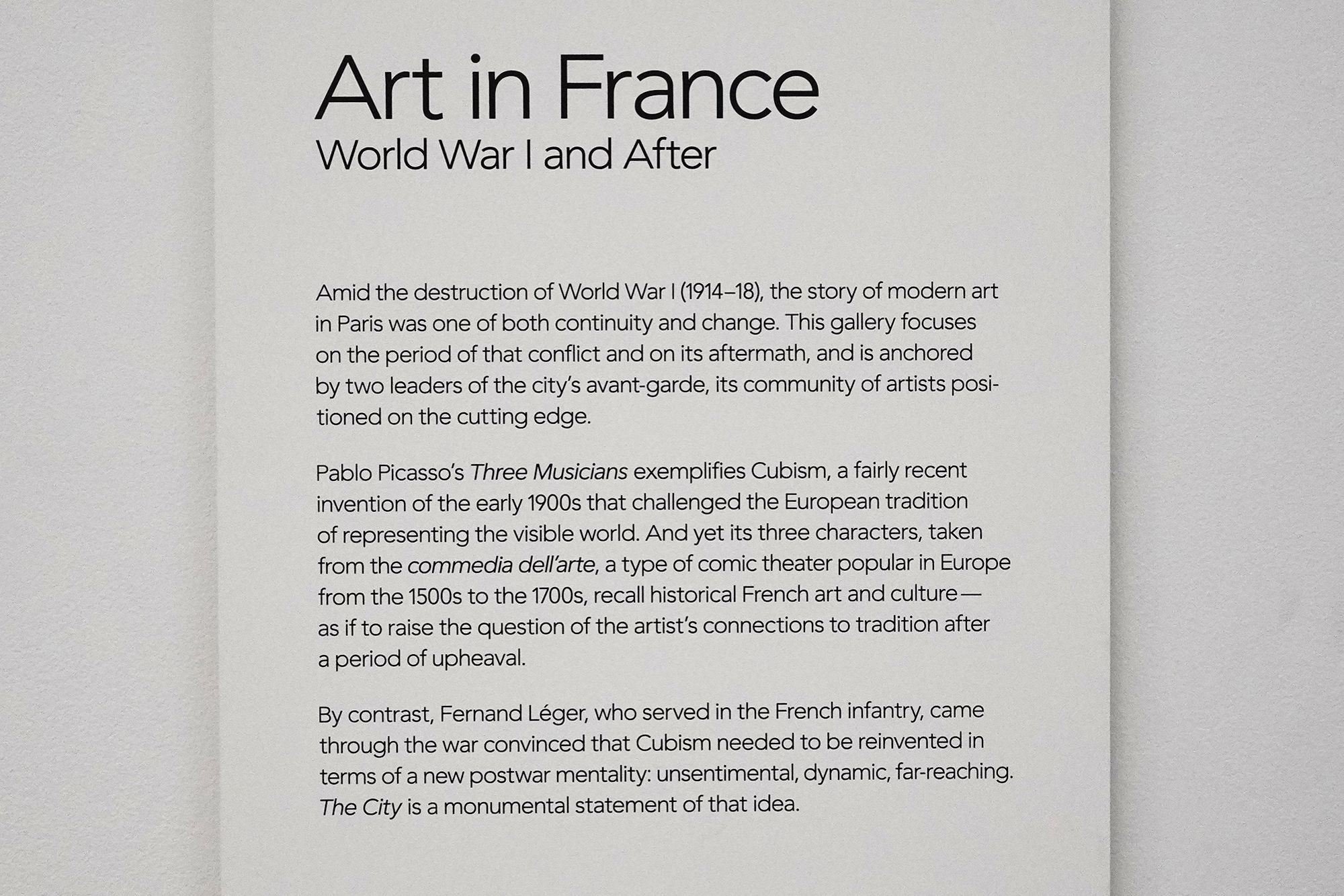
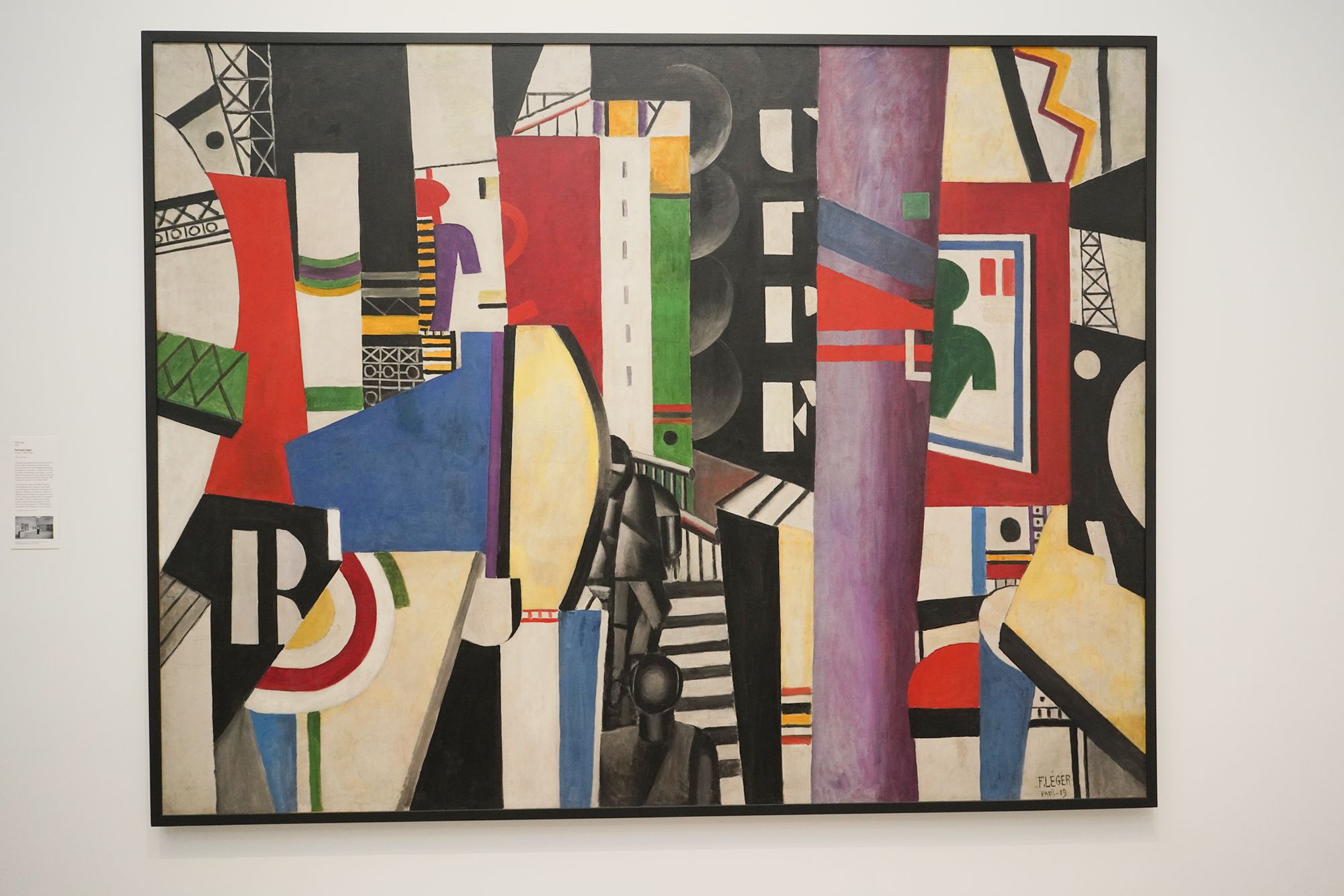
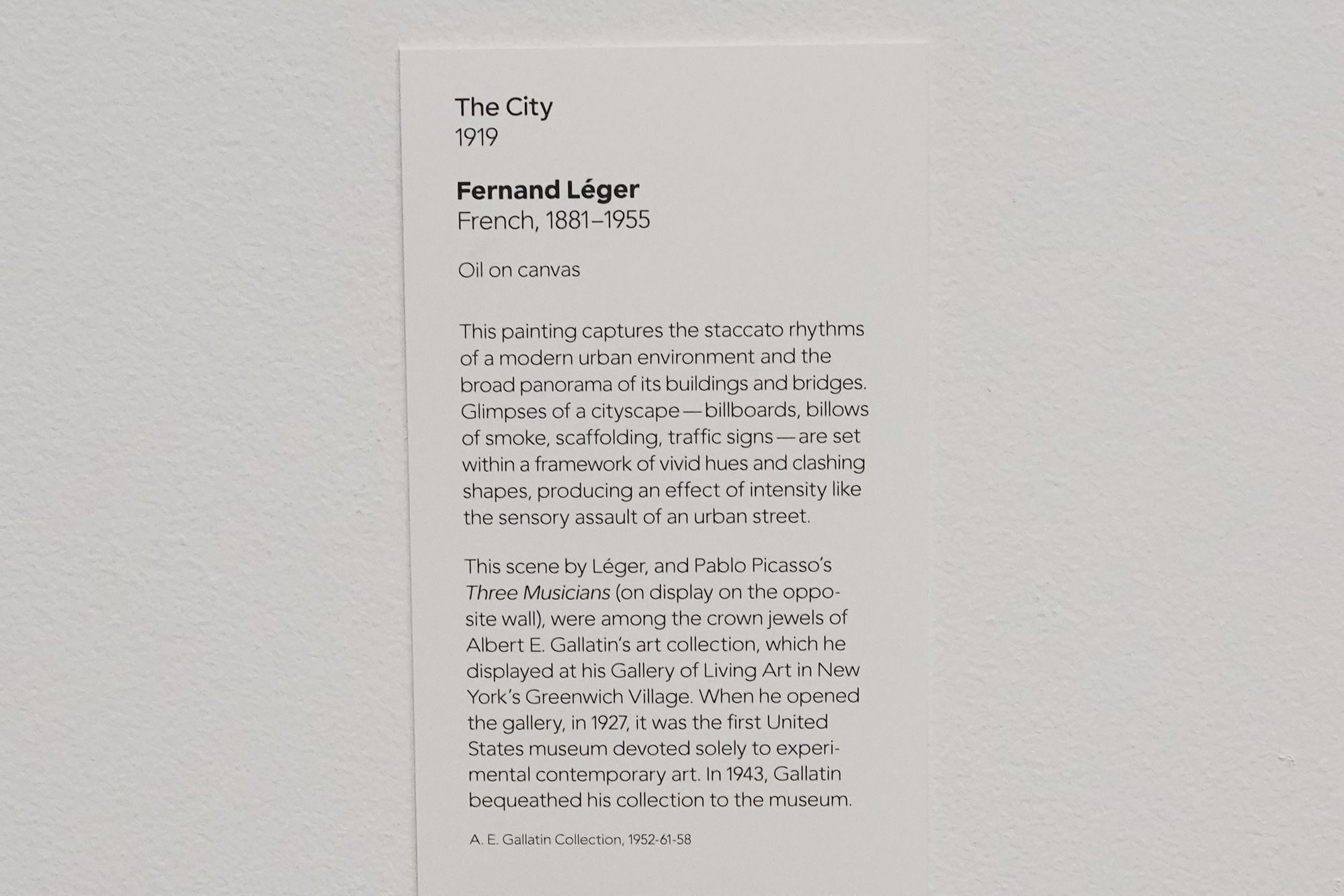
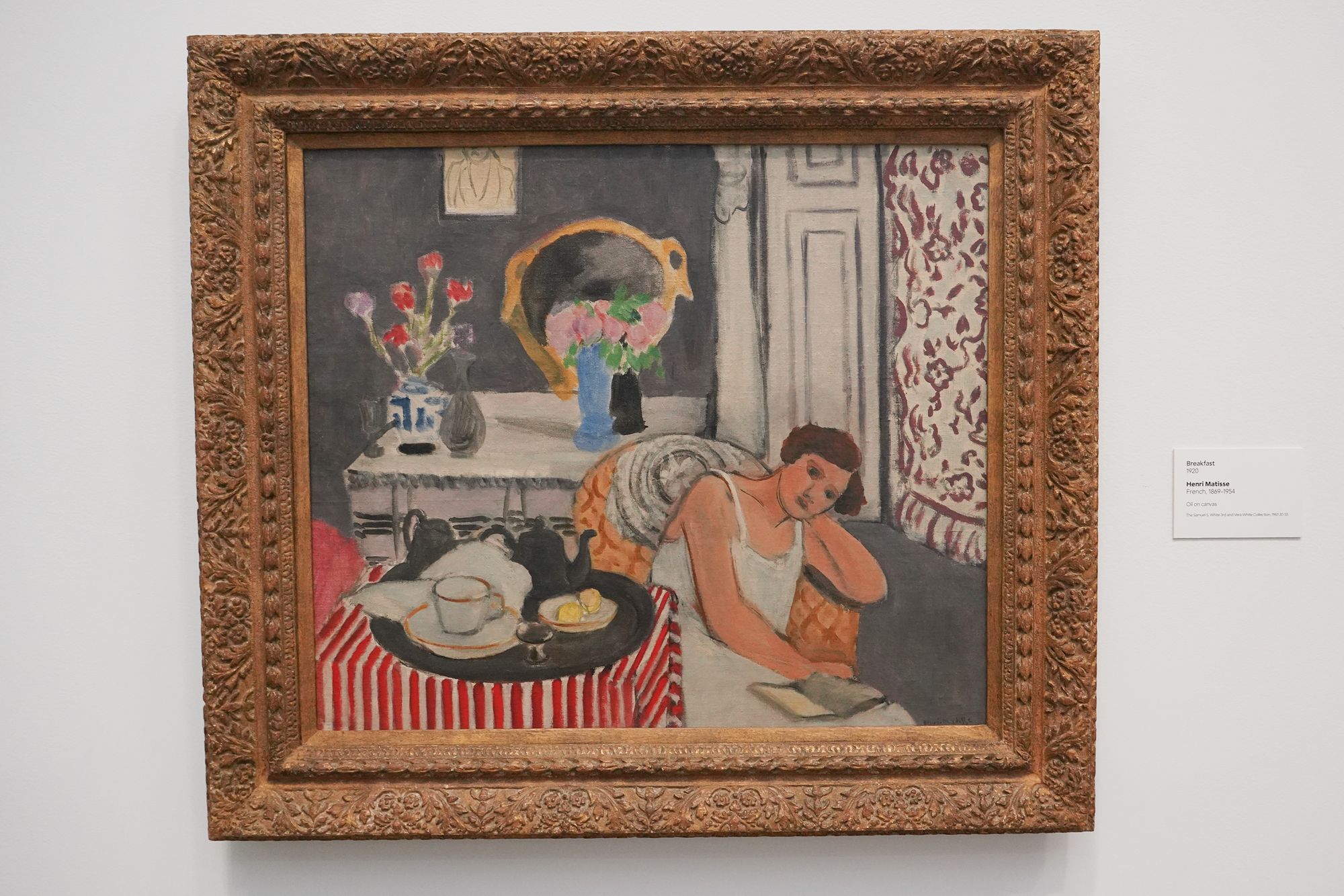
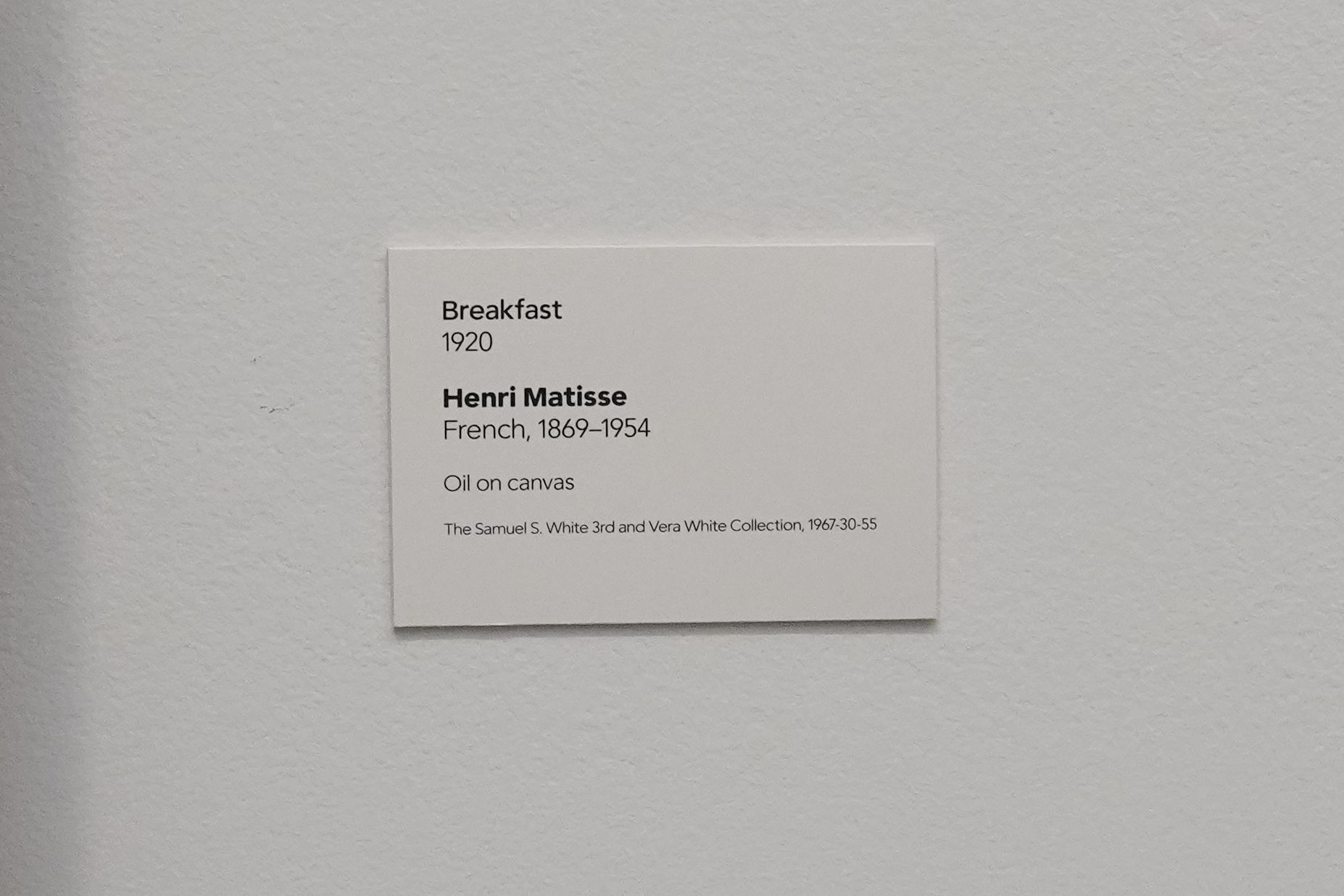
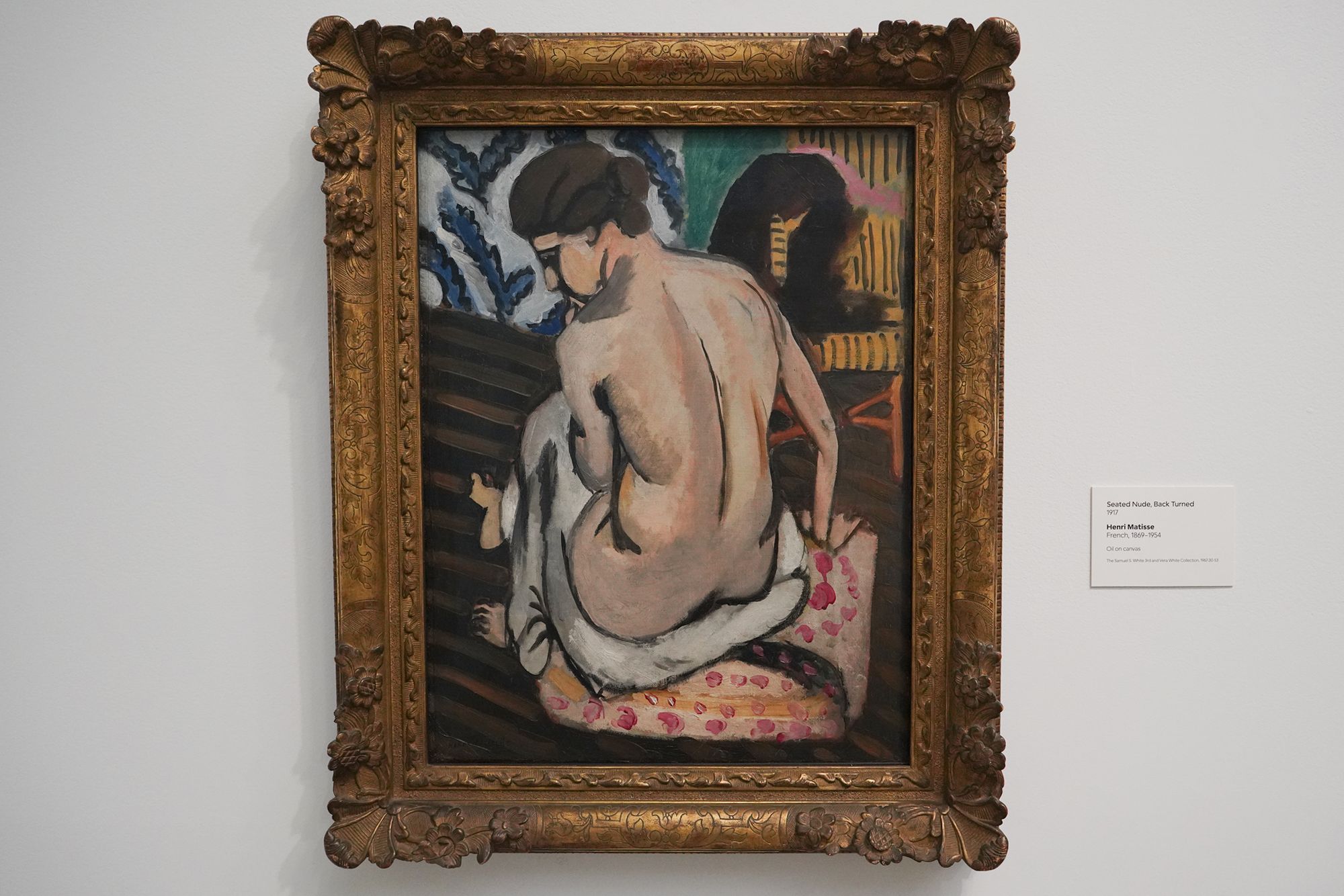
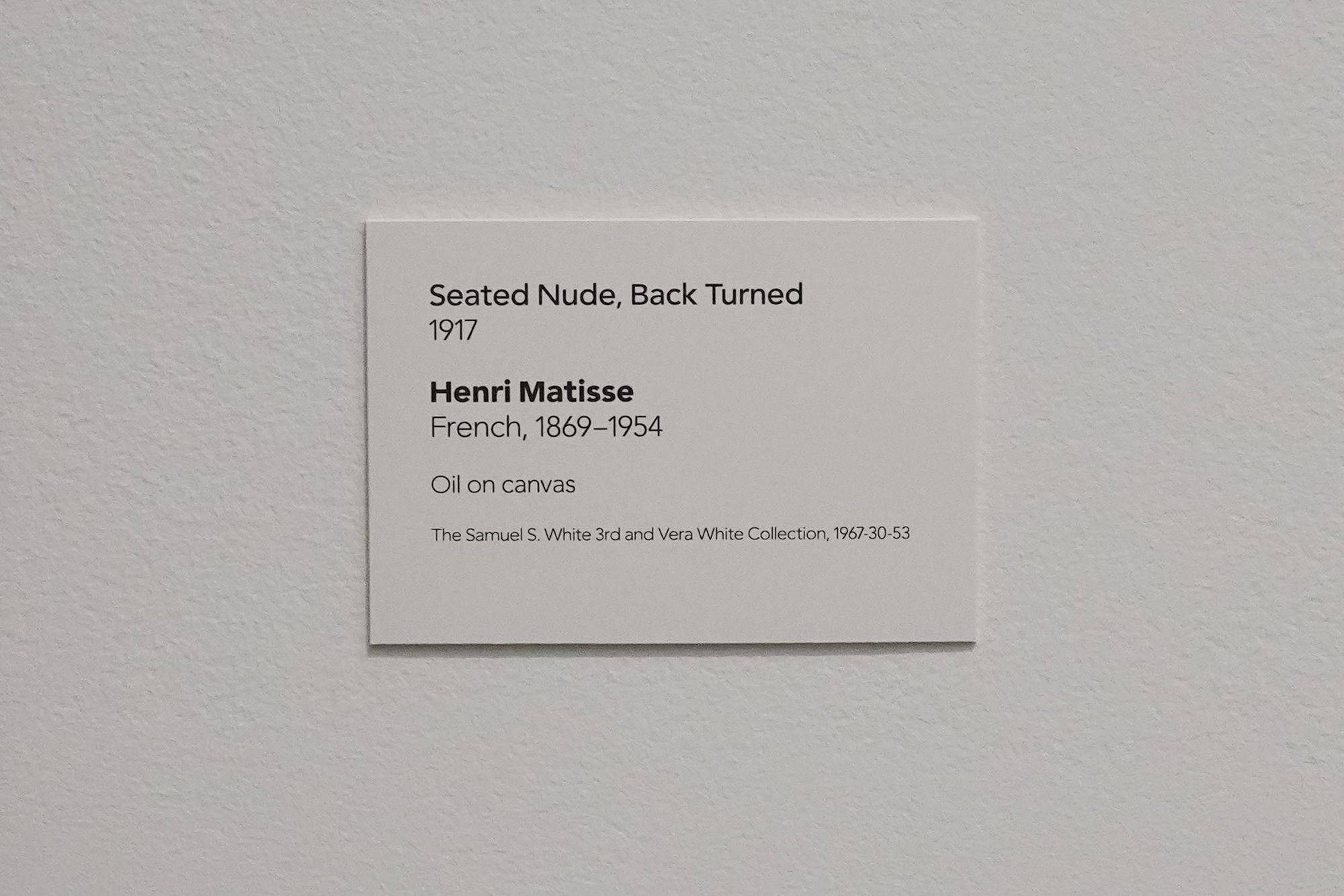
Art in France - World War I and After
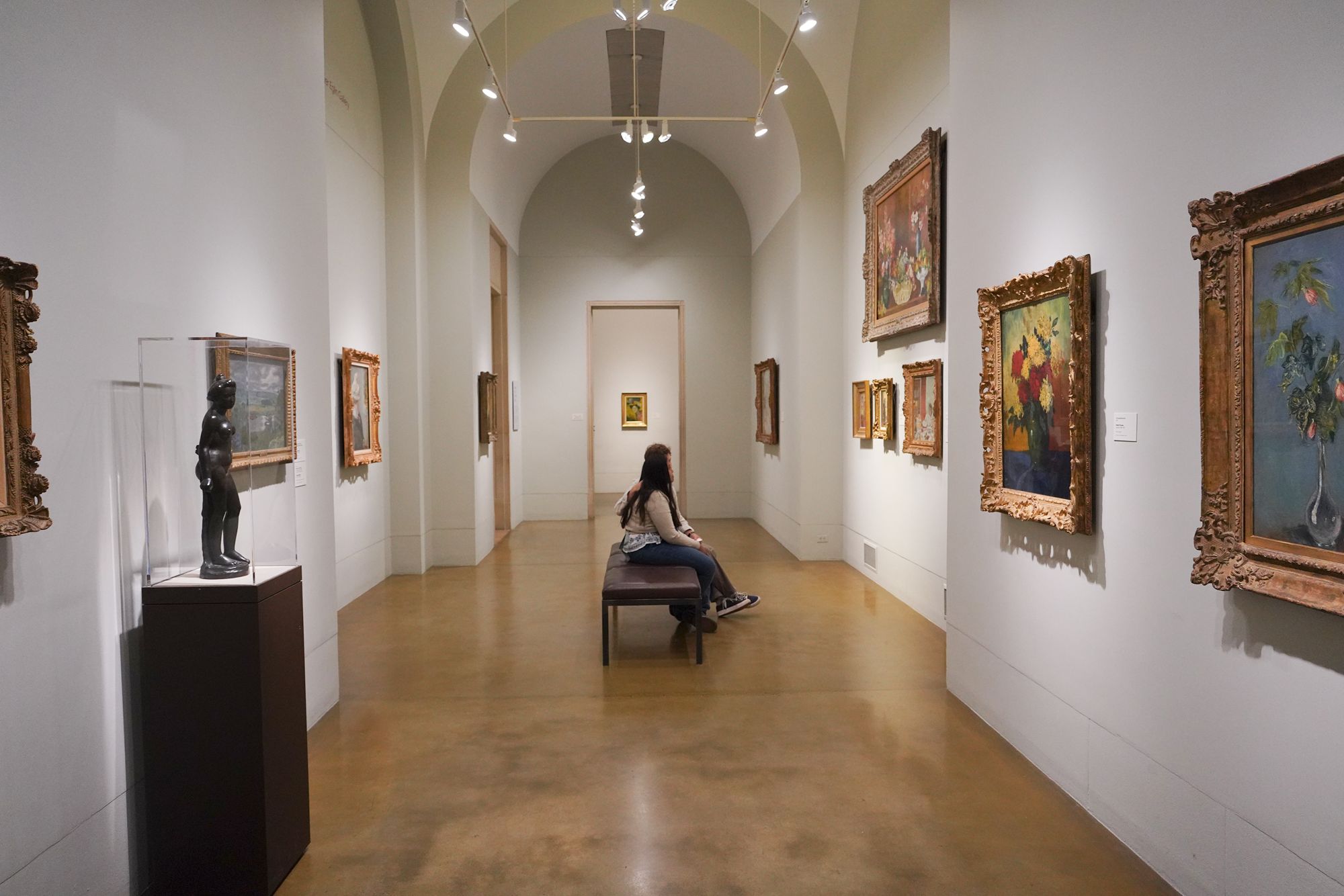
European and American Paintings
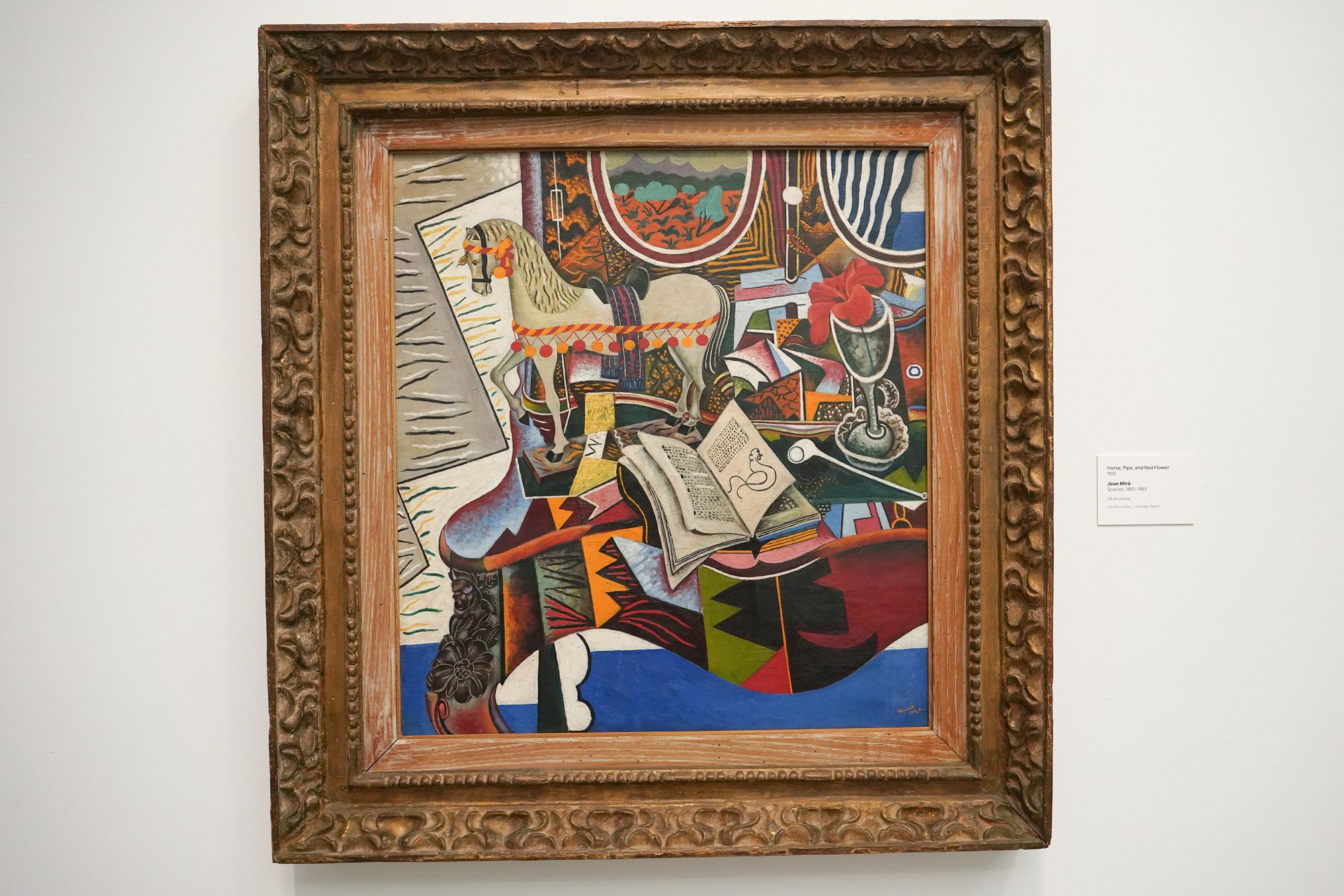
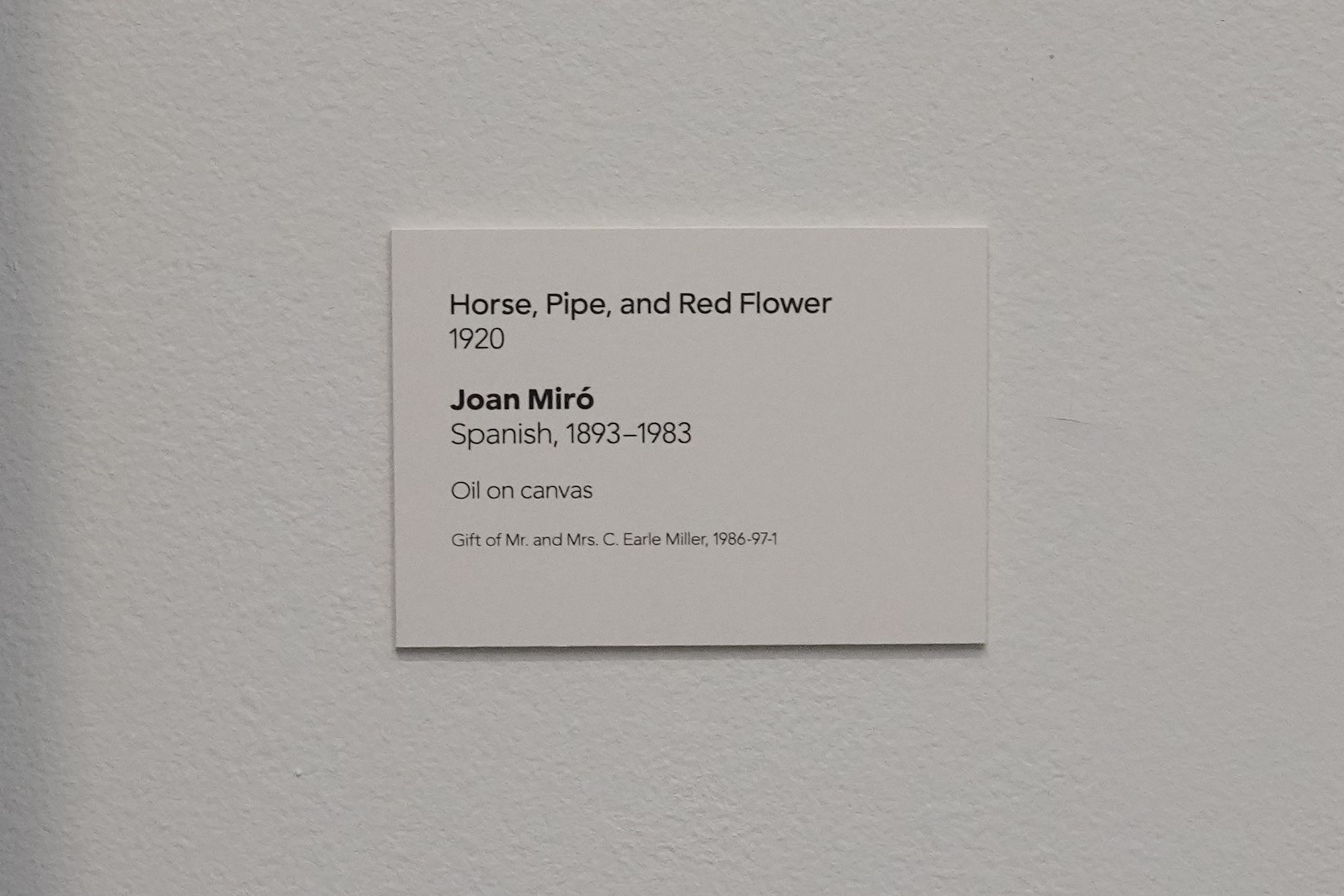
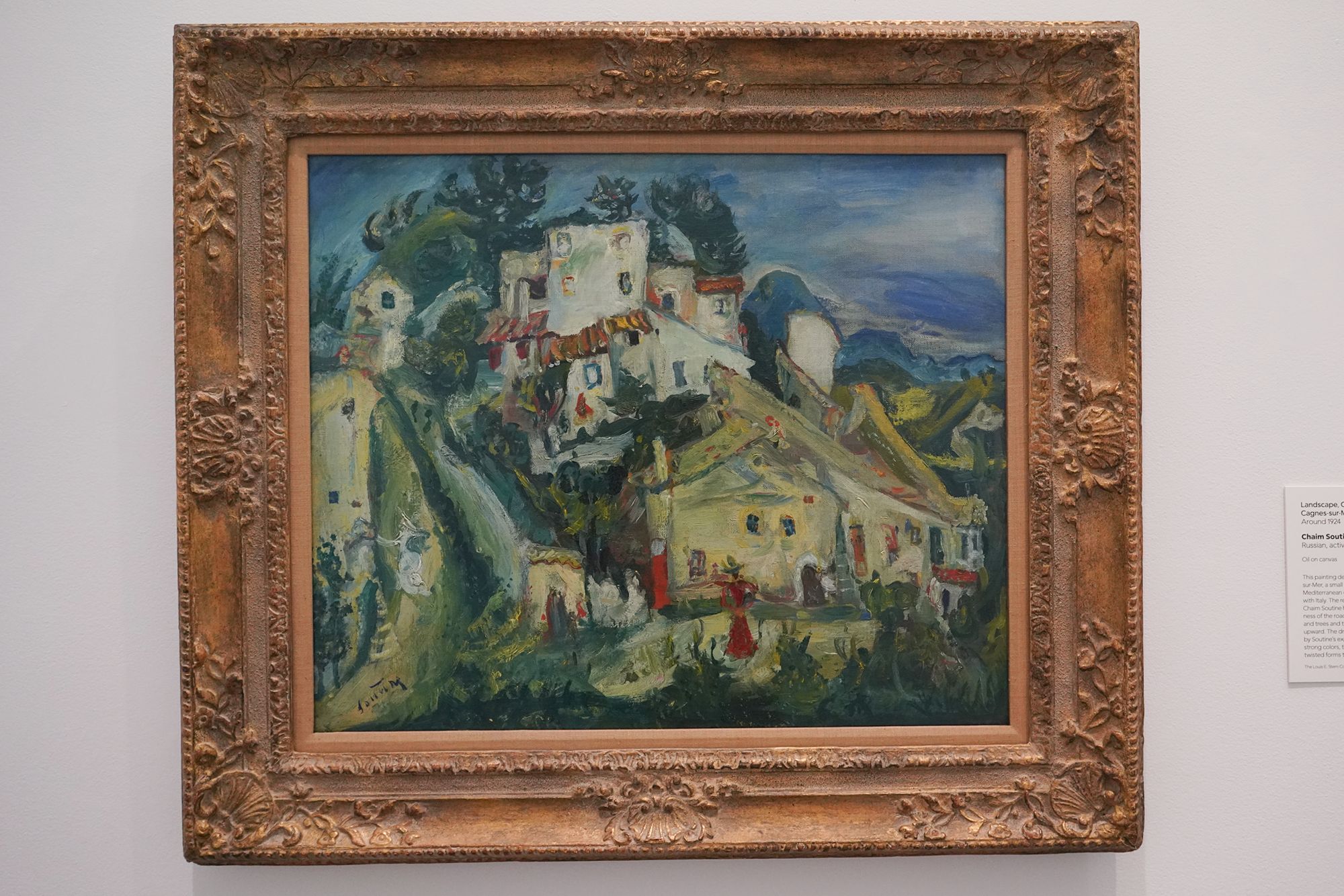
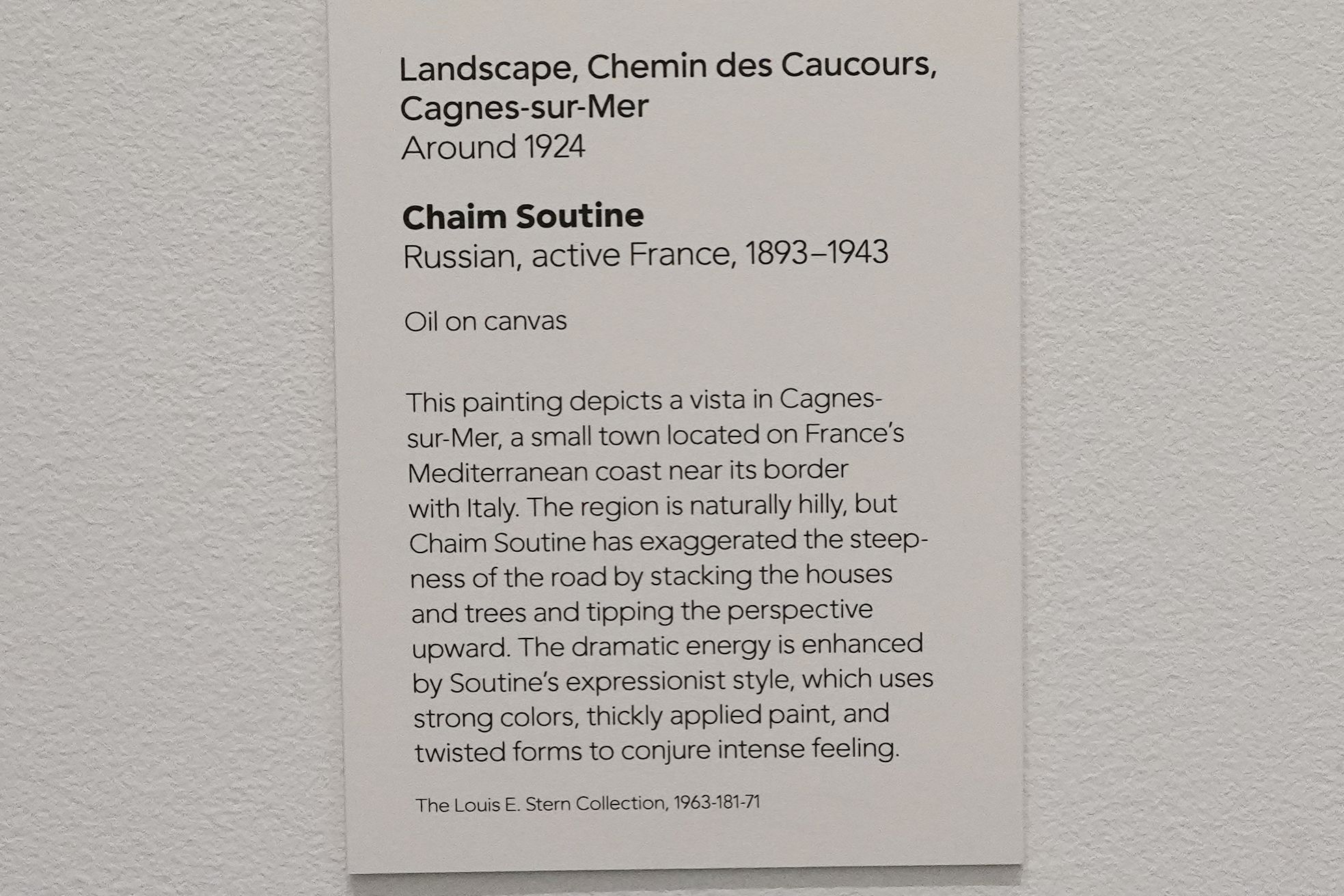
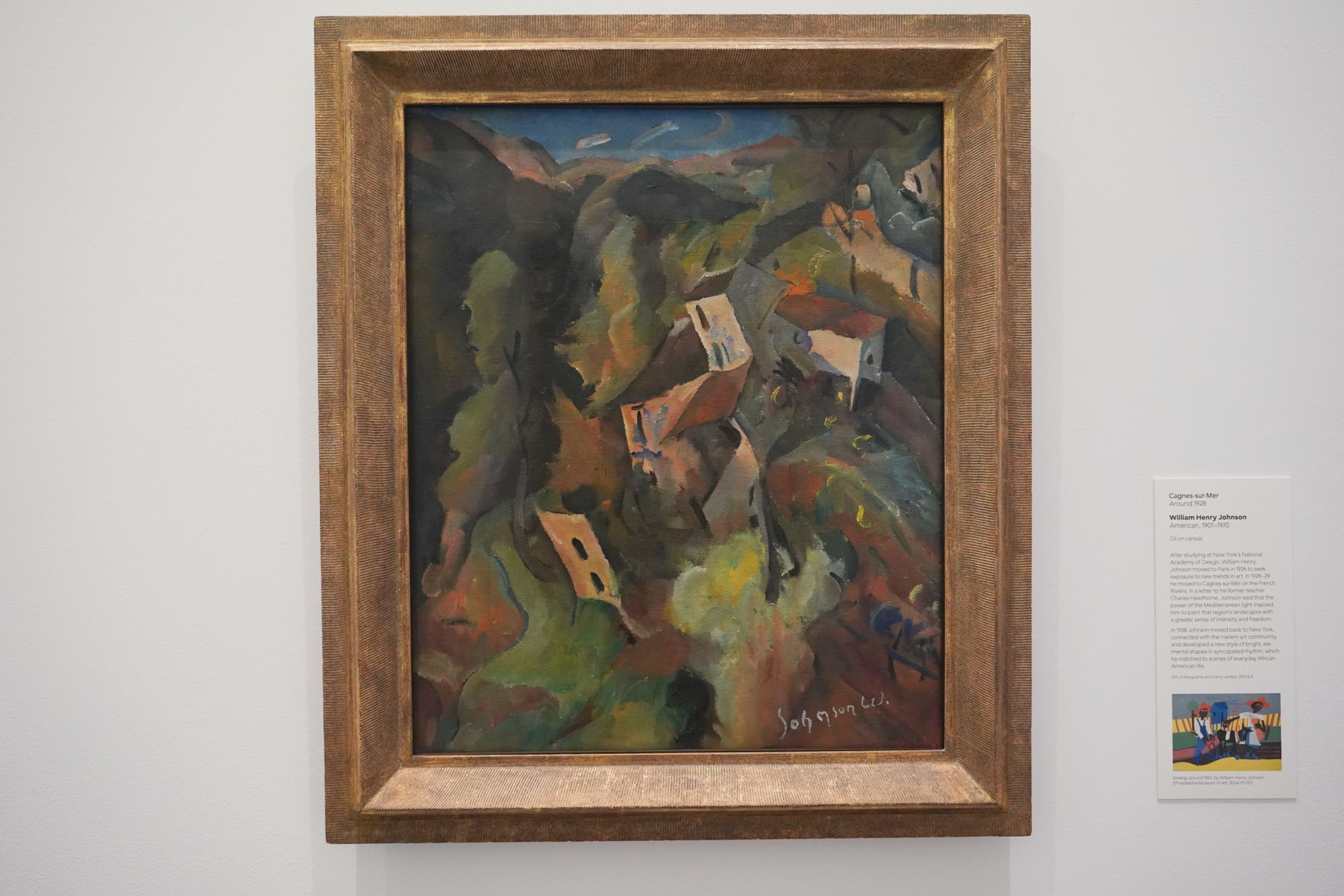
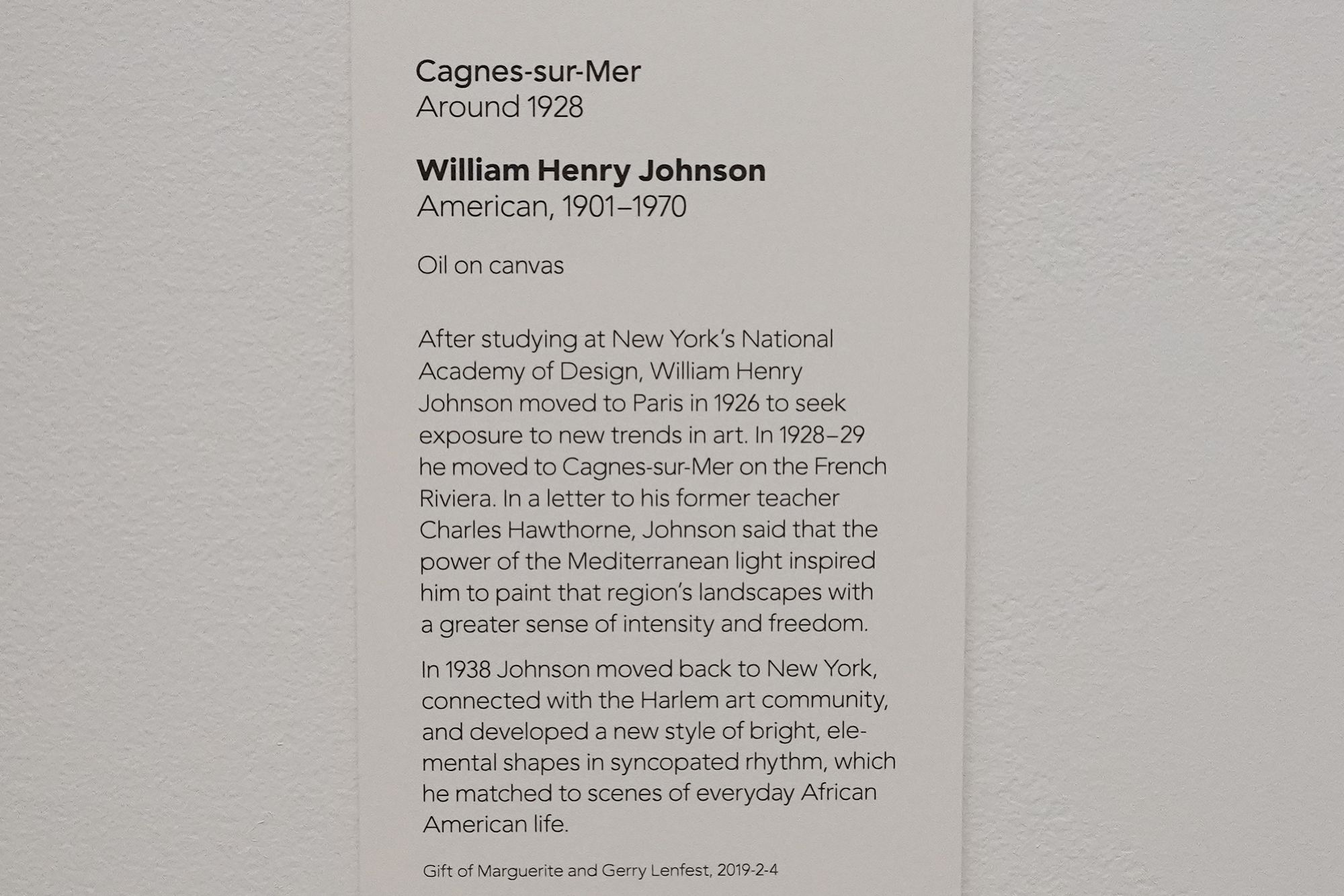
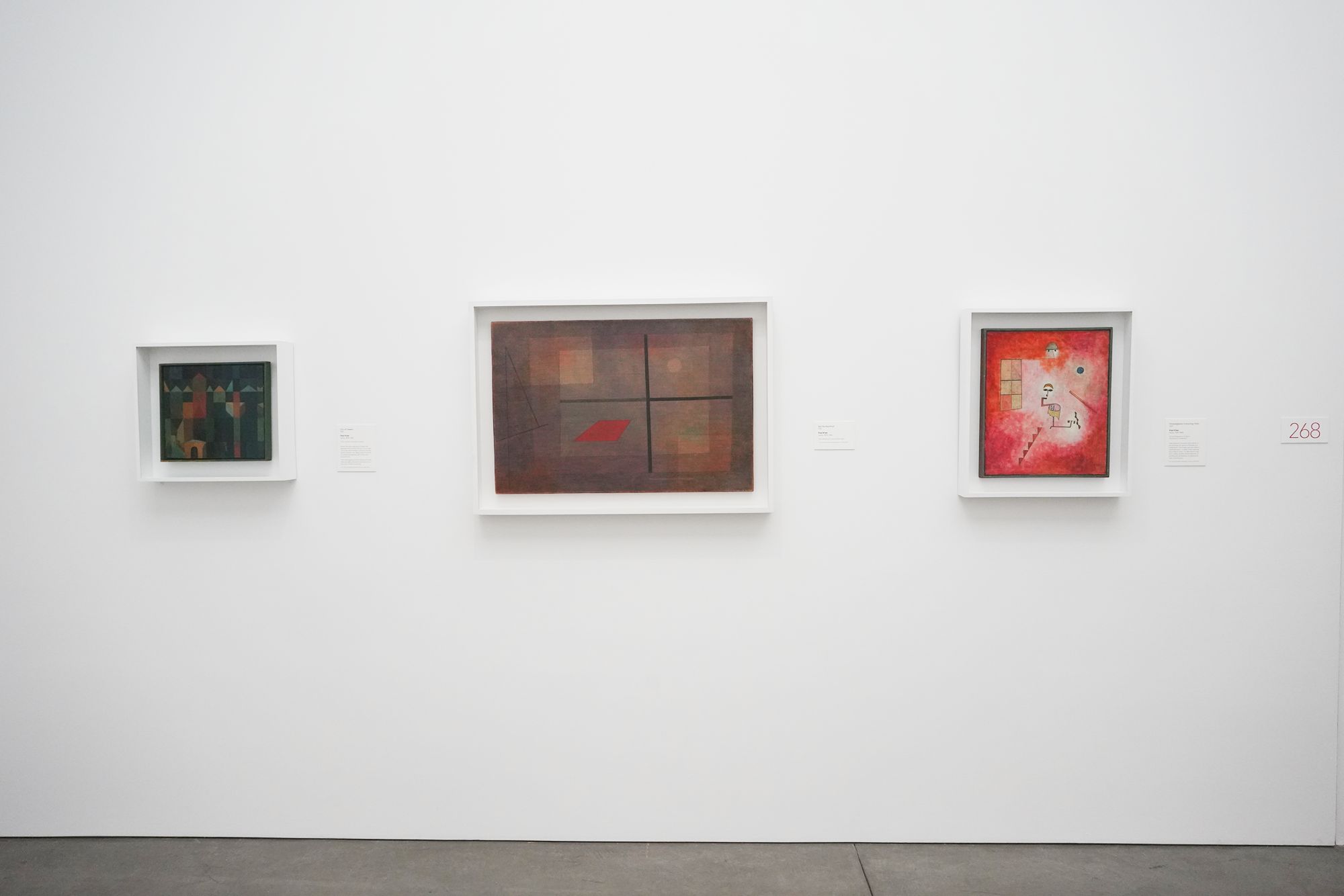
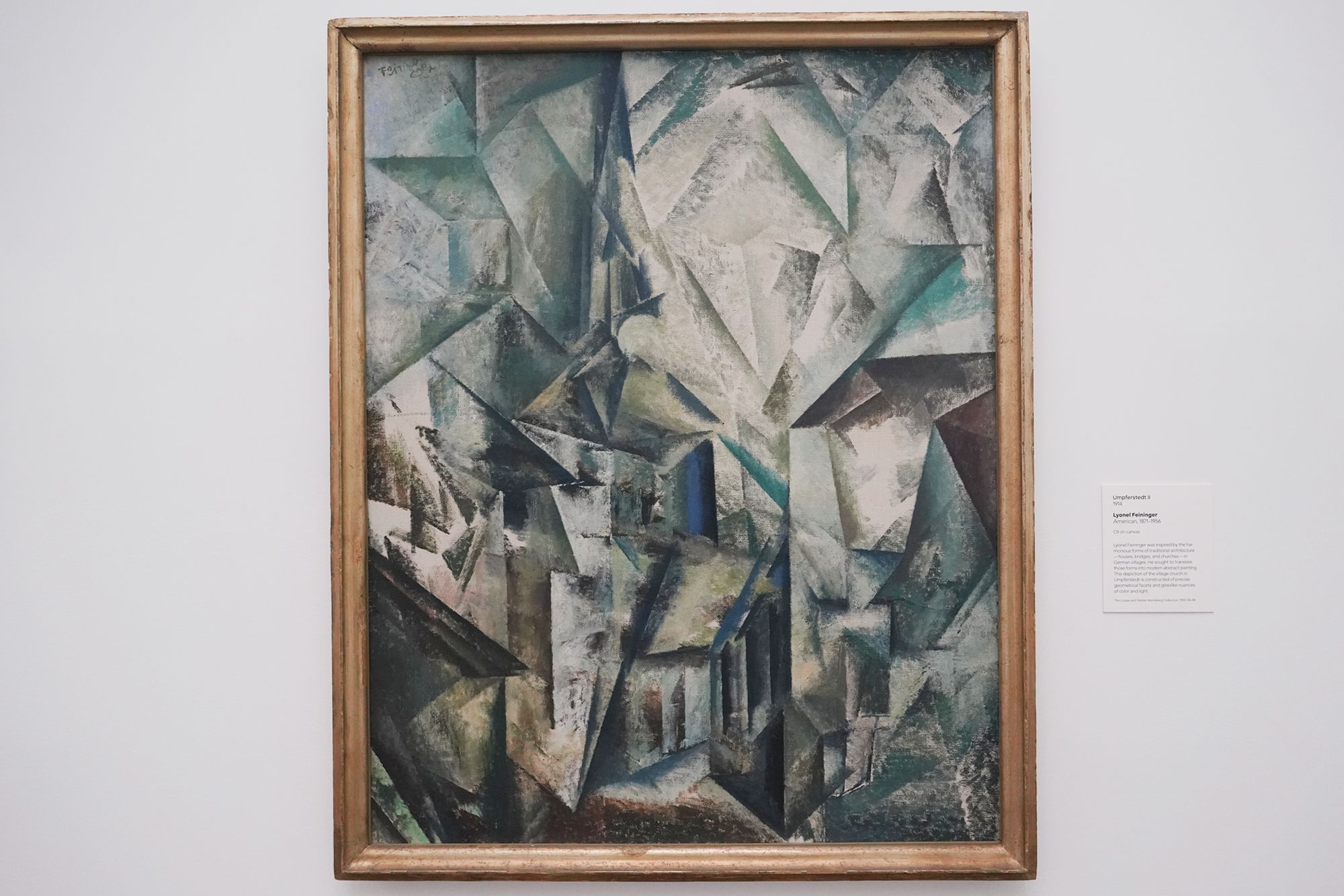
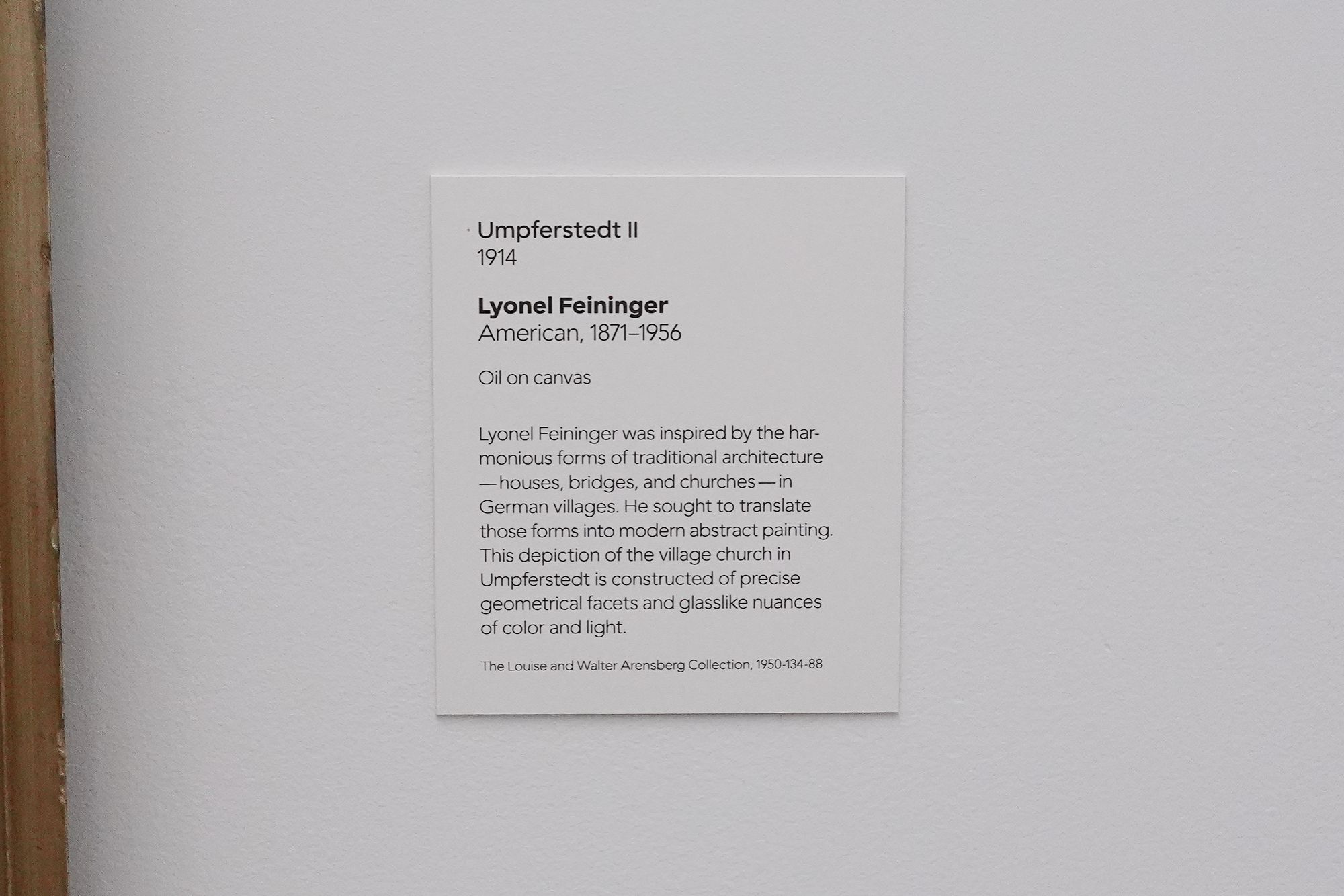
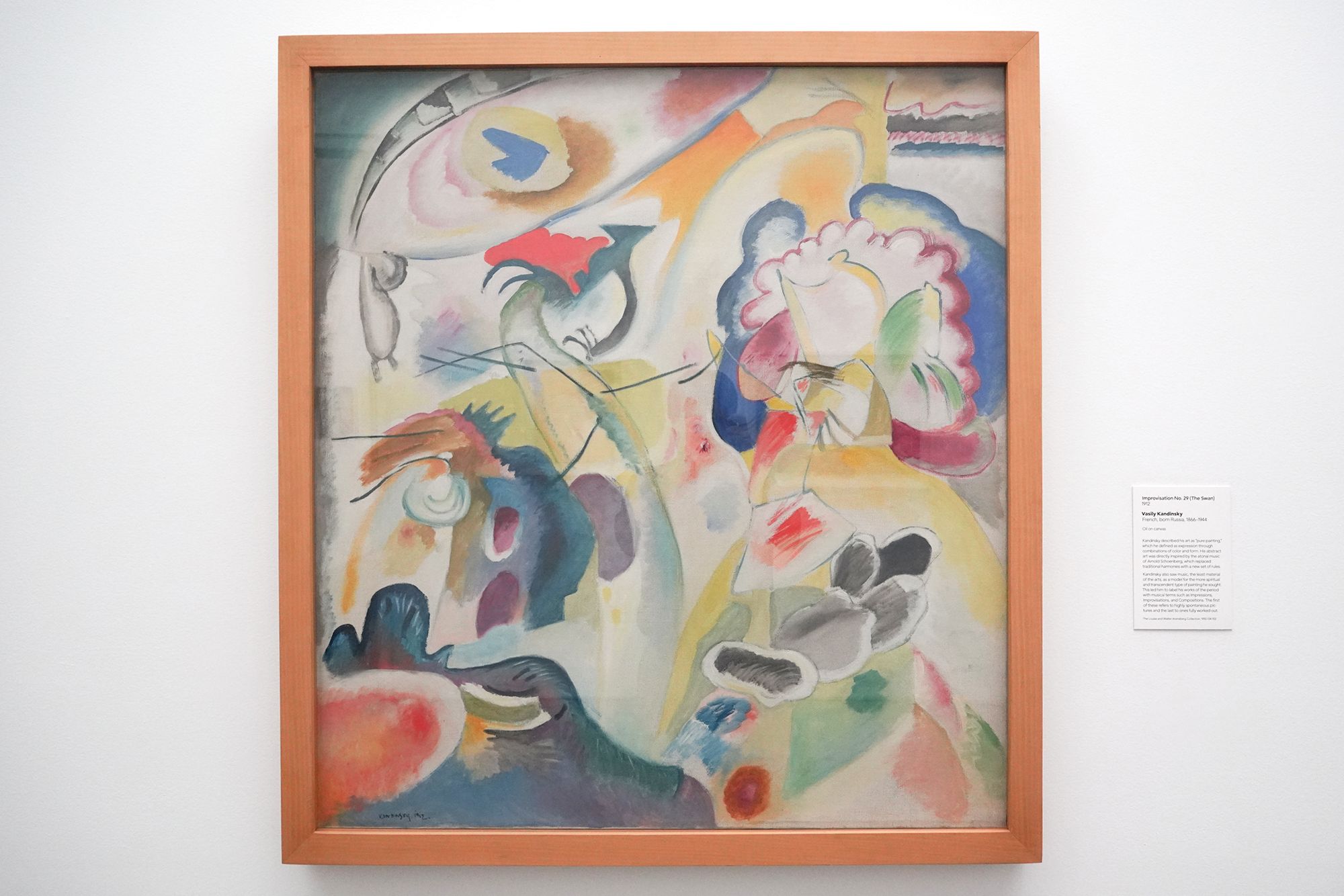
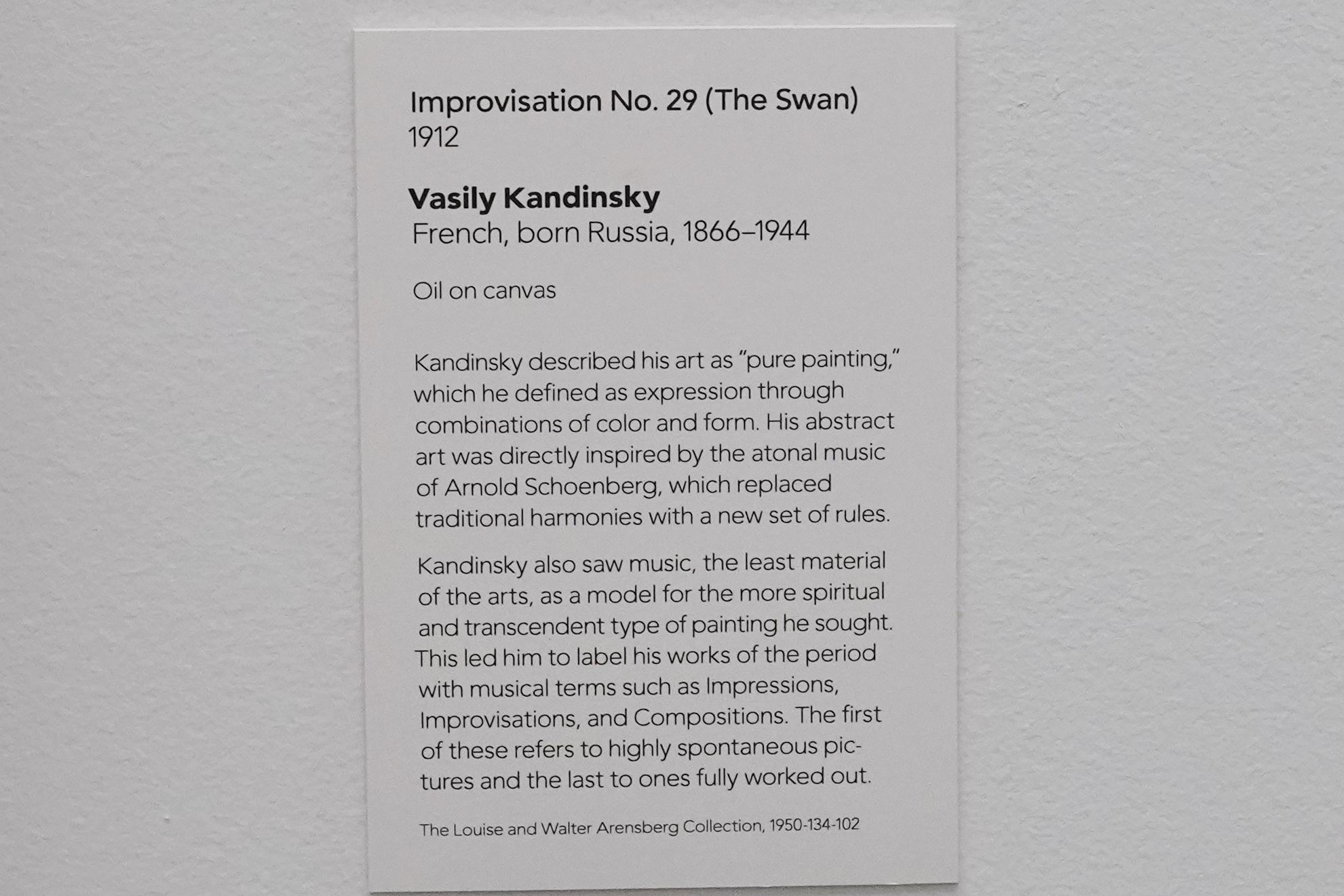
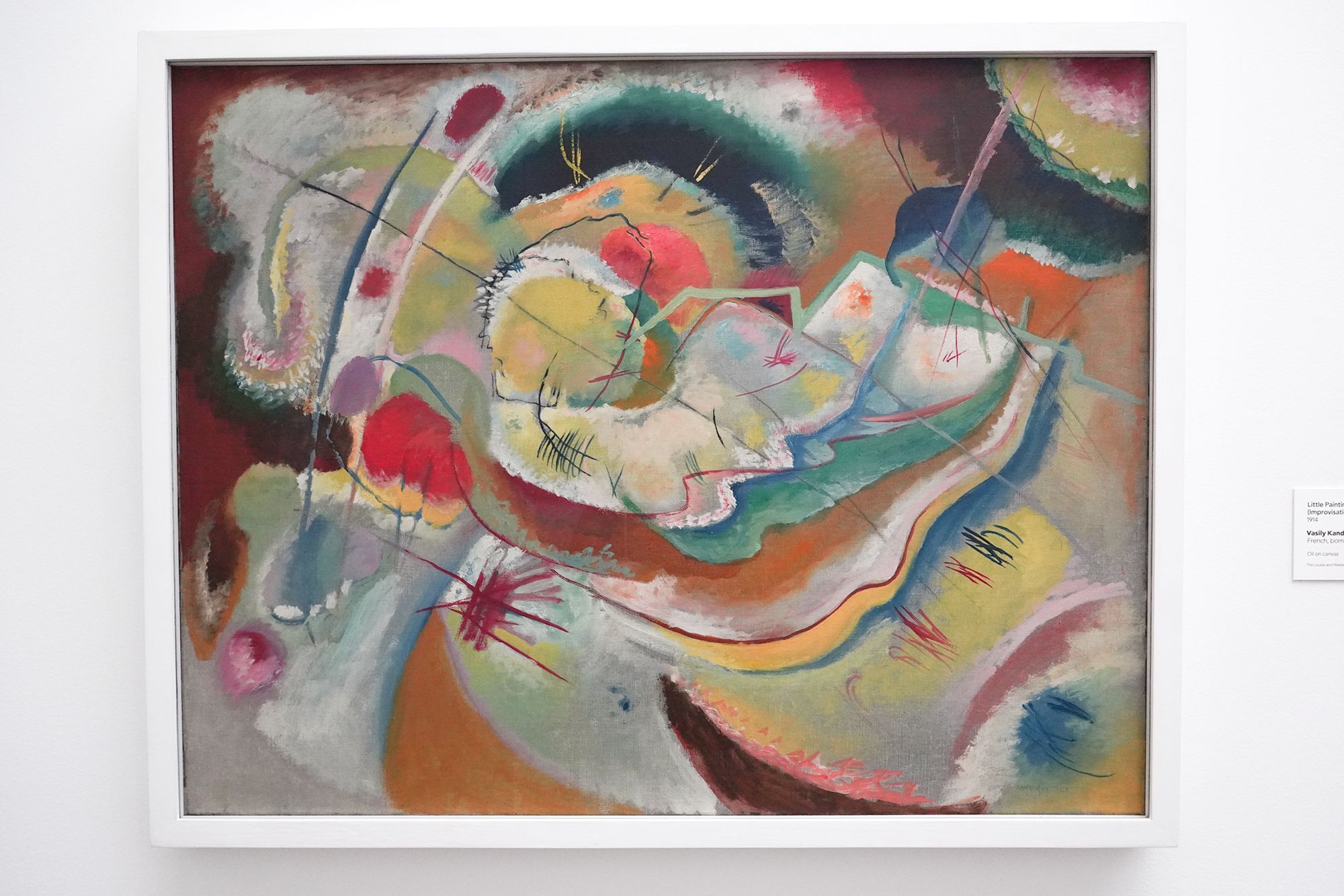
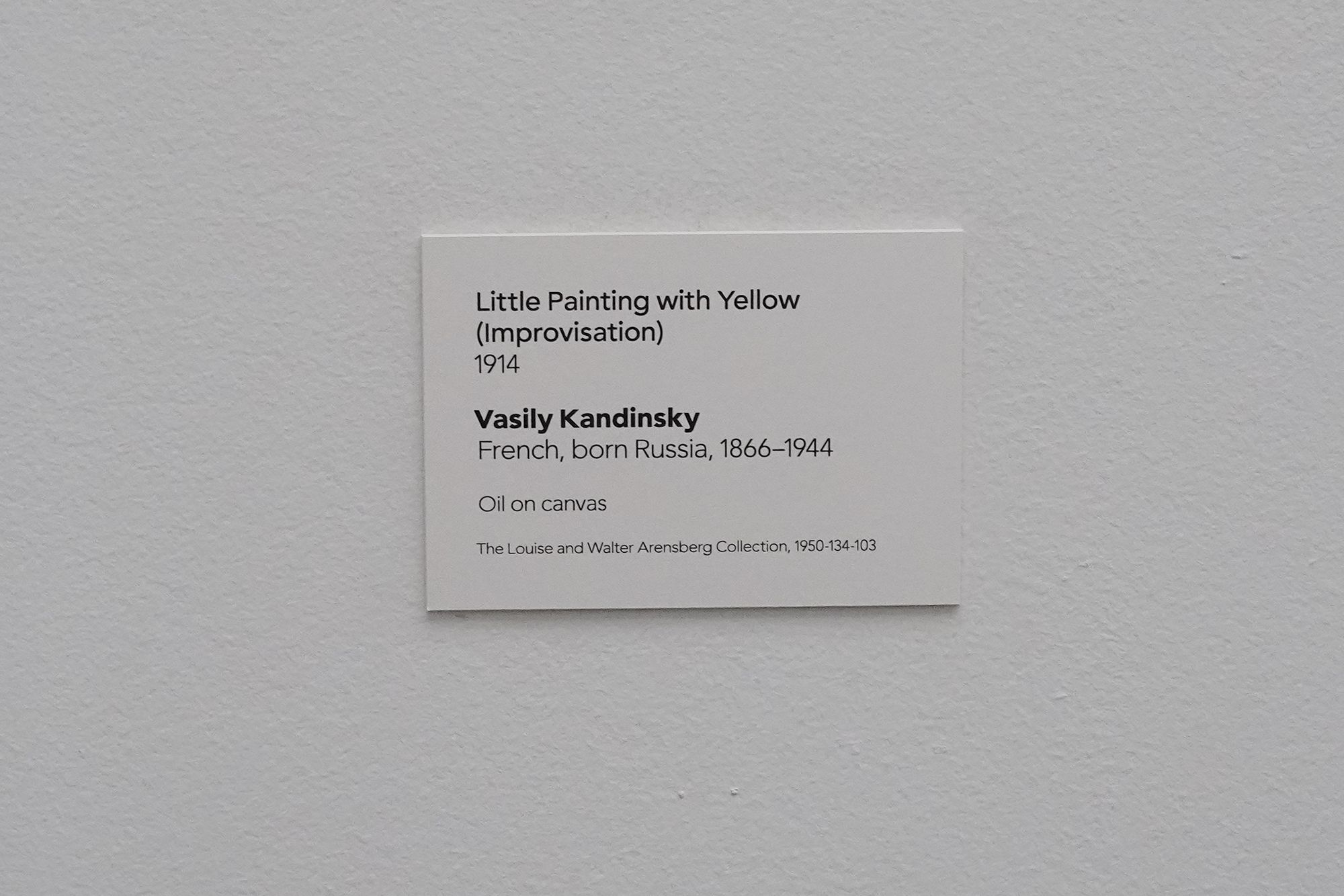
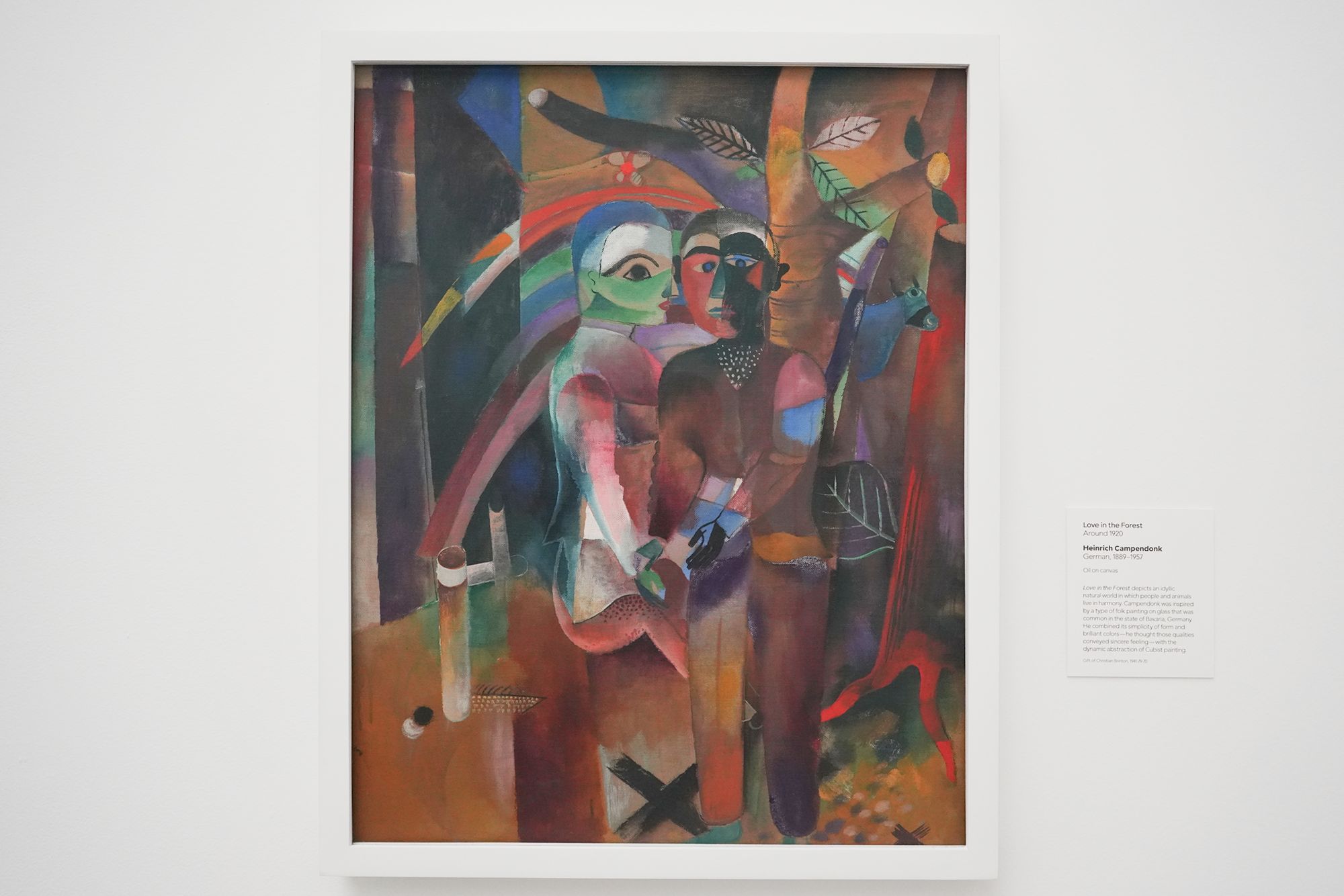
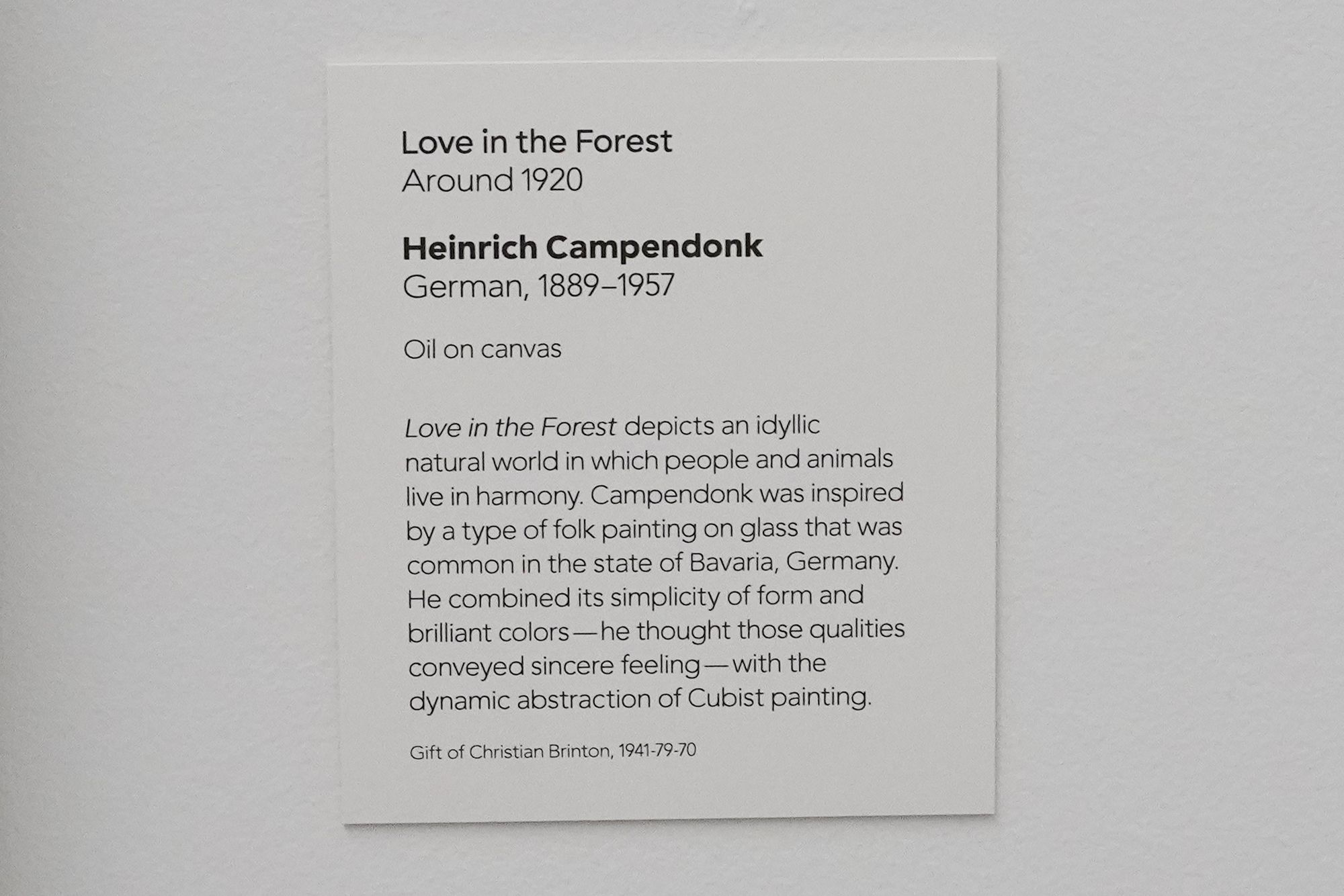
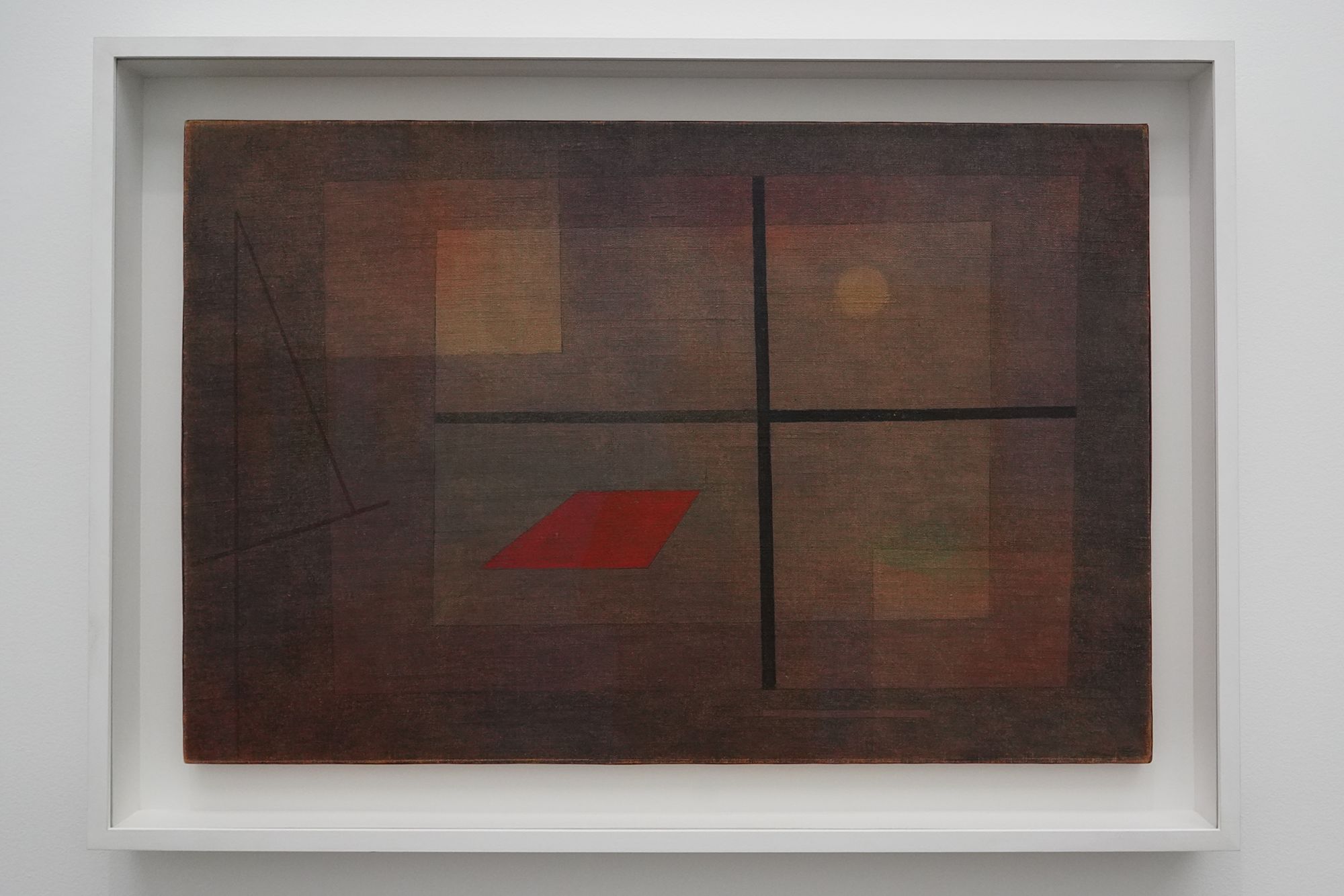
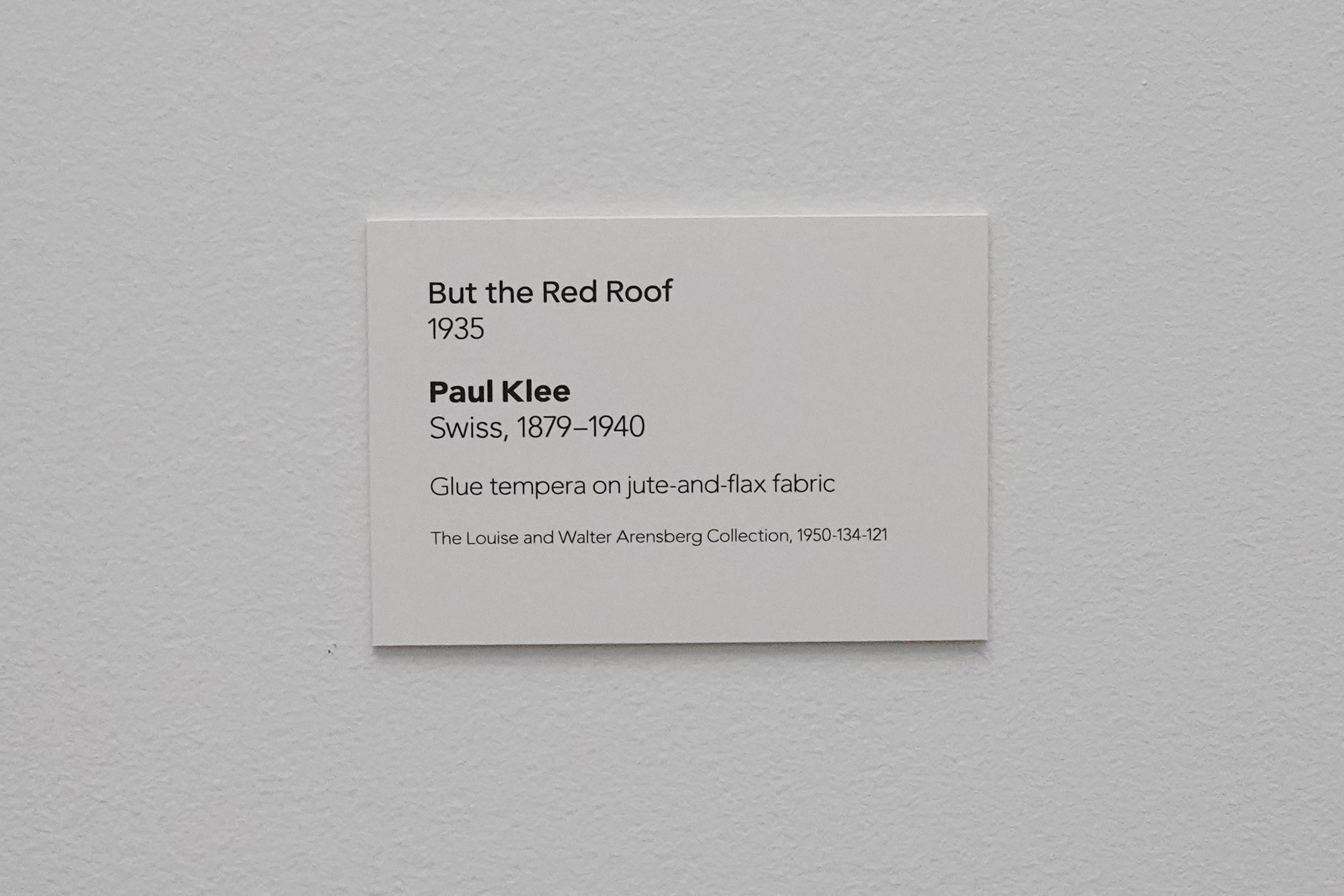
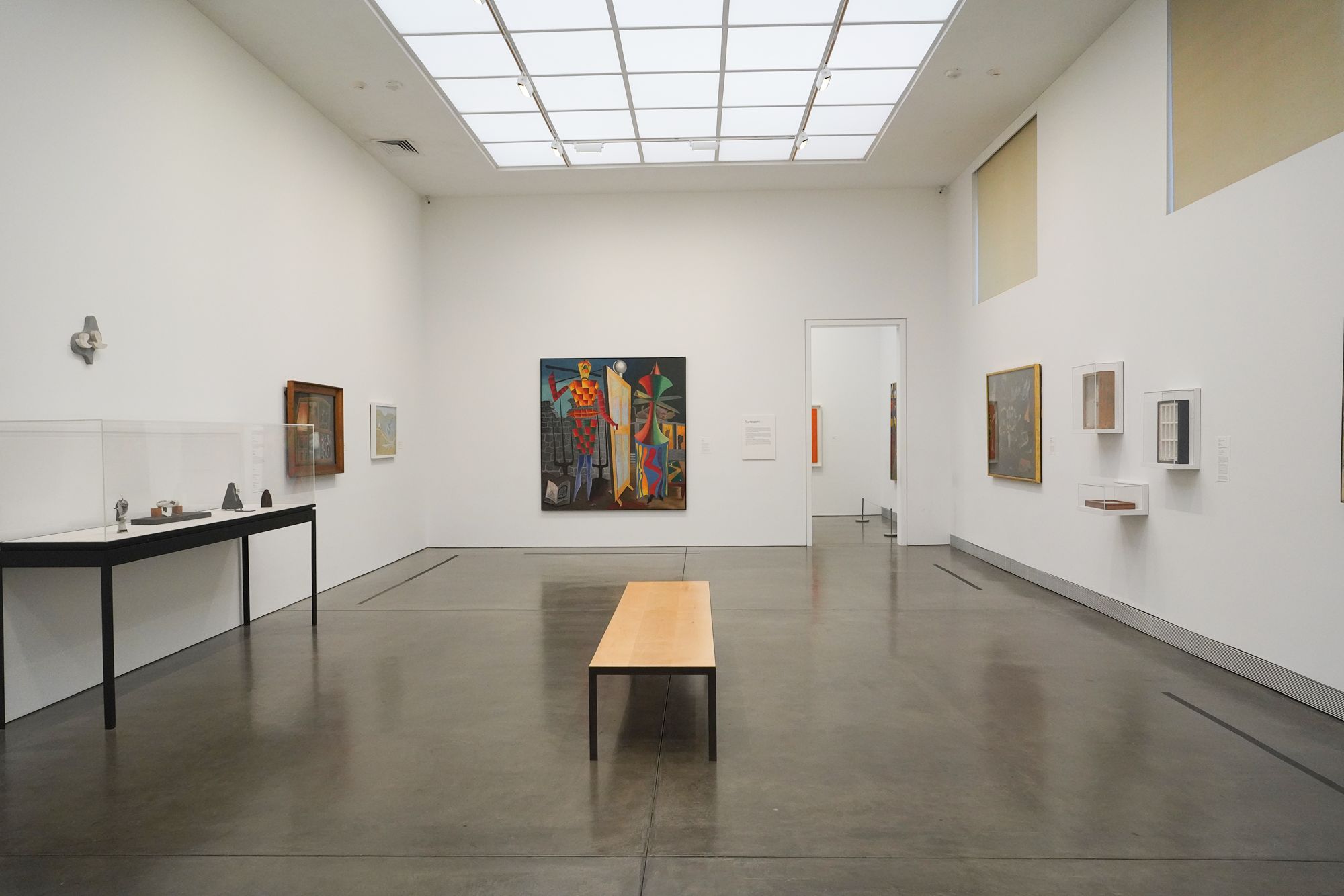
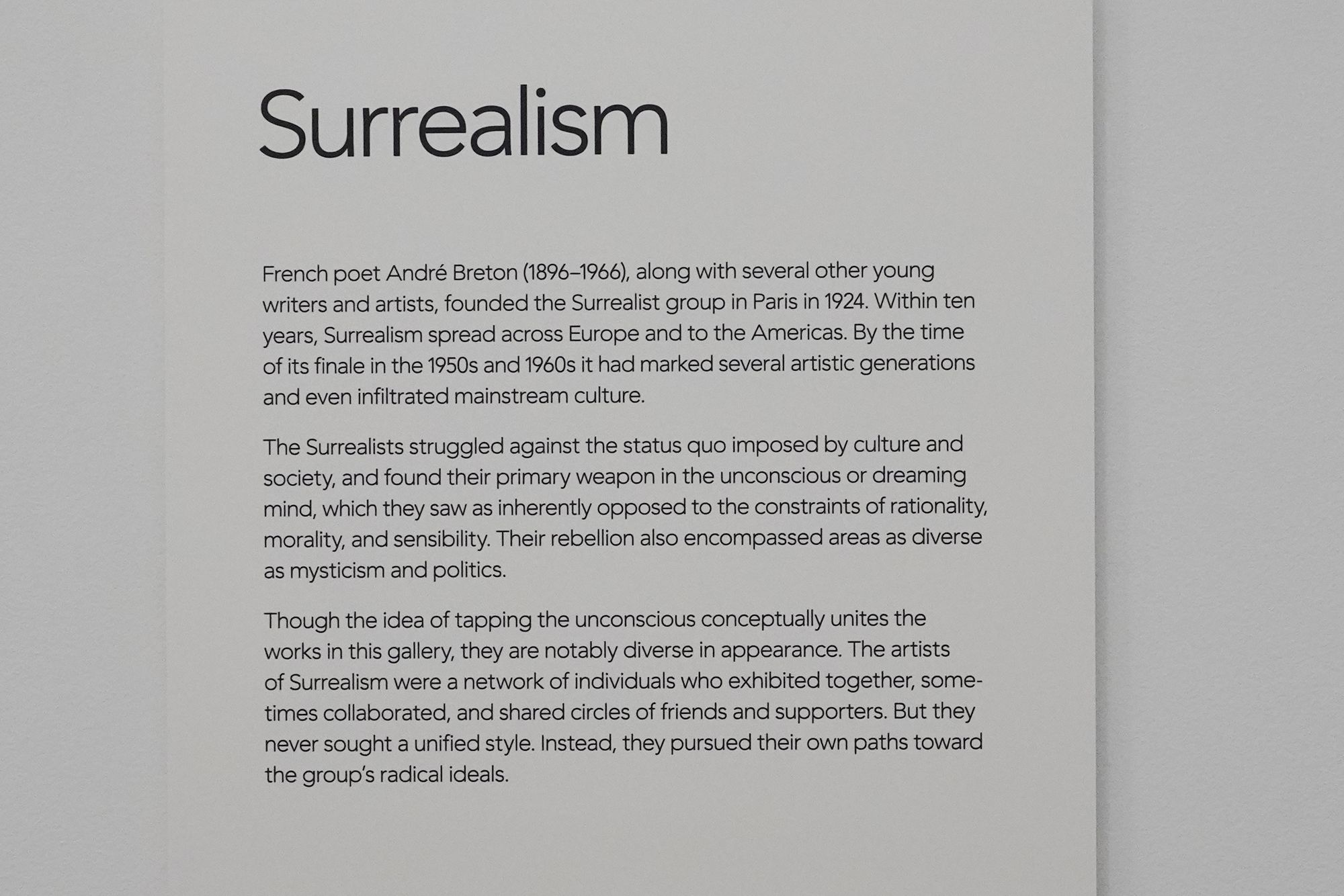
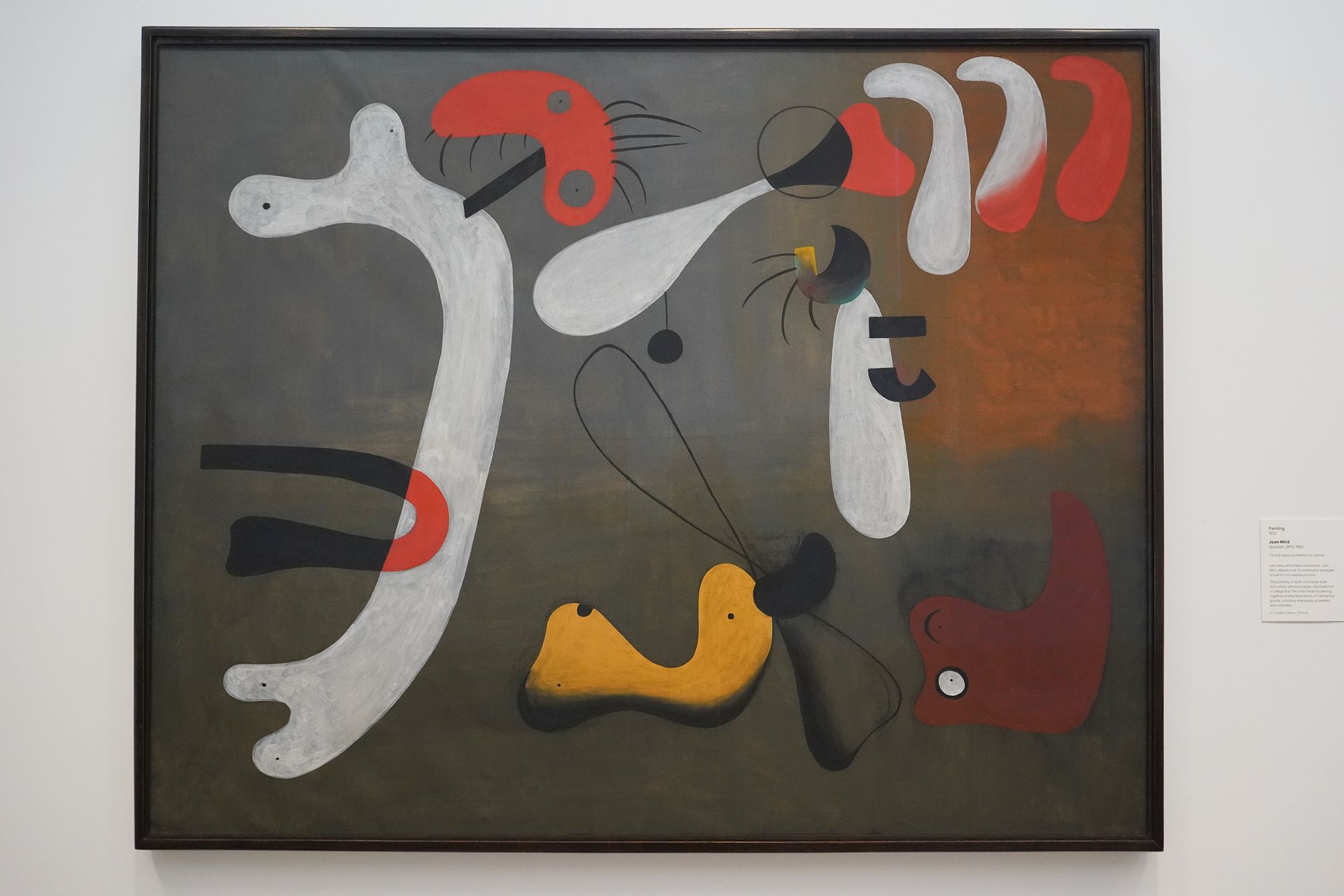
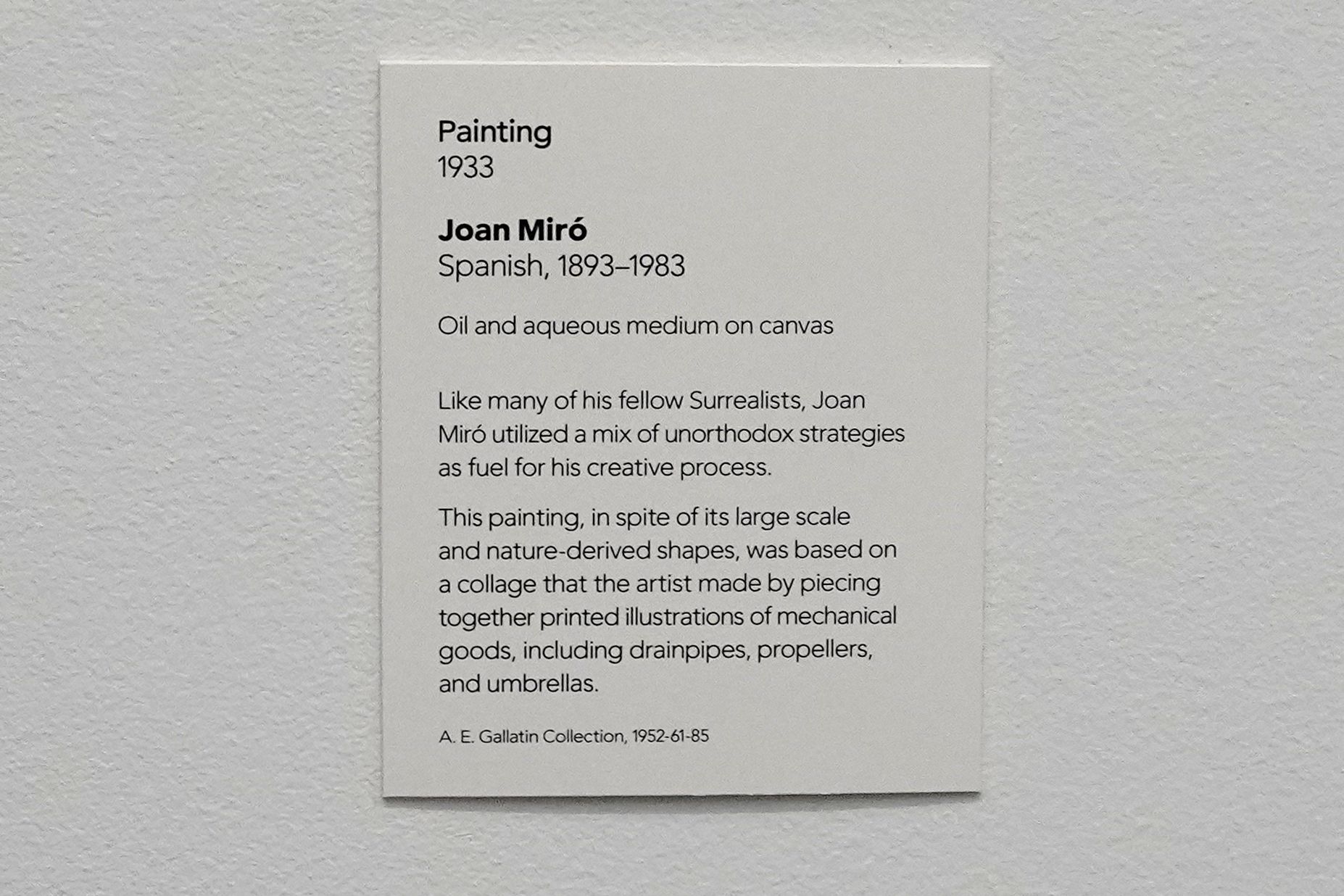
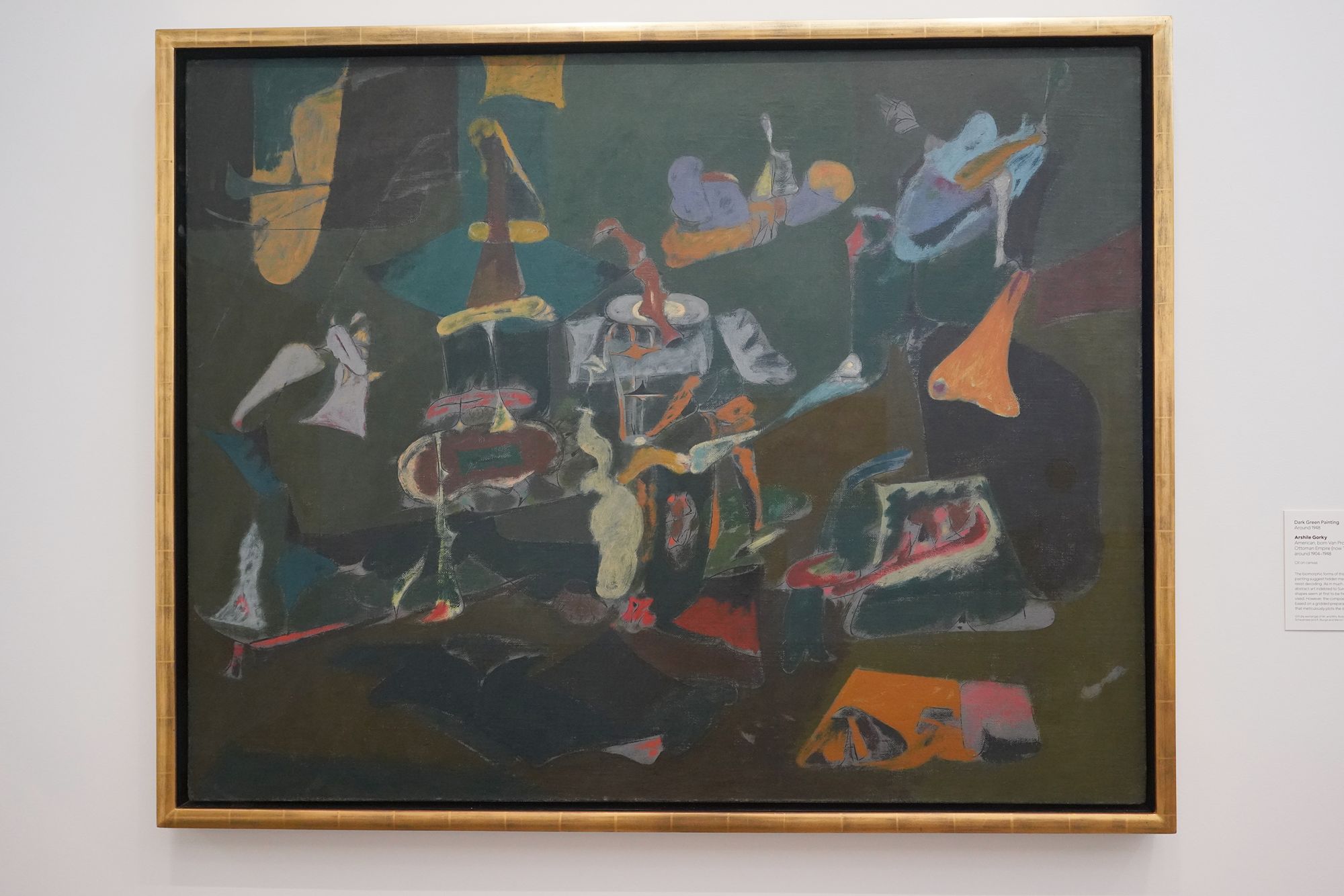
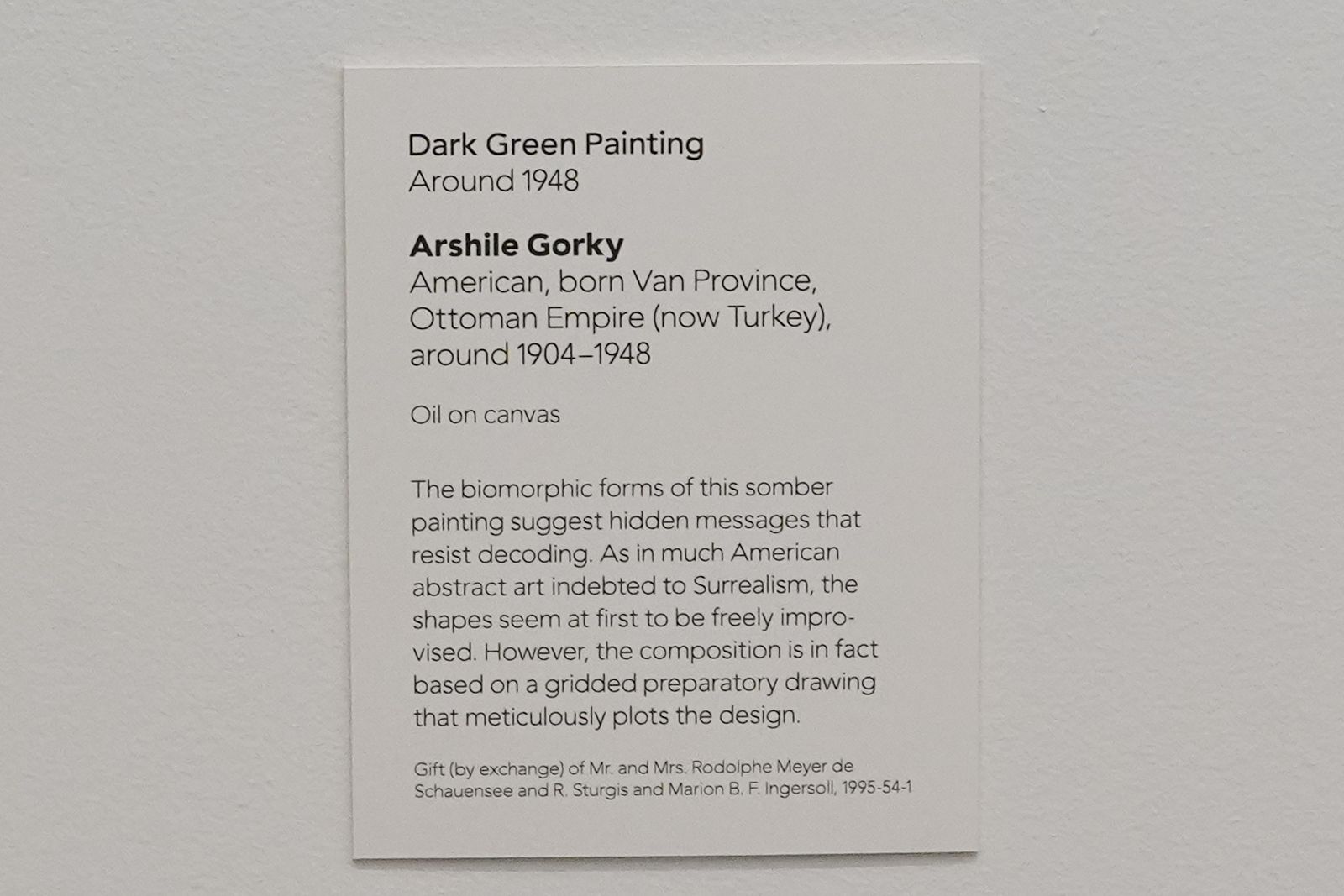
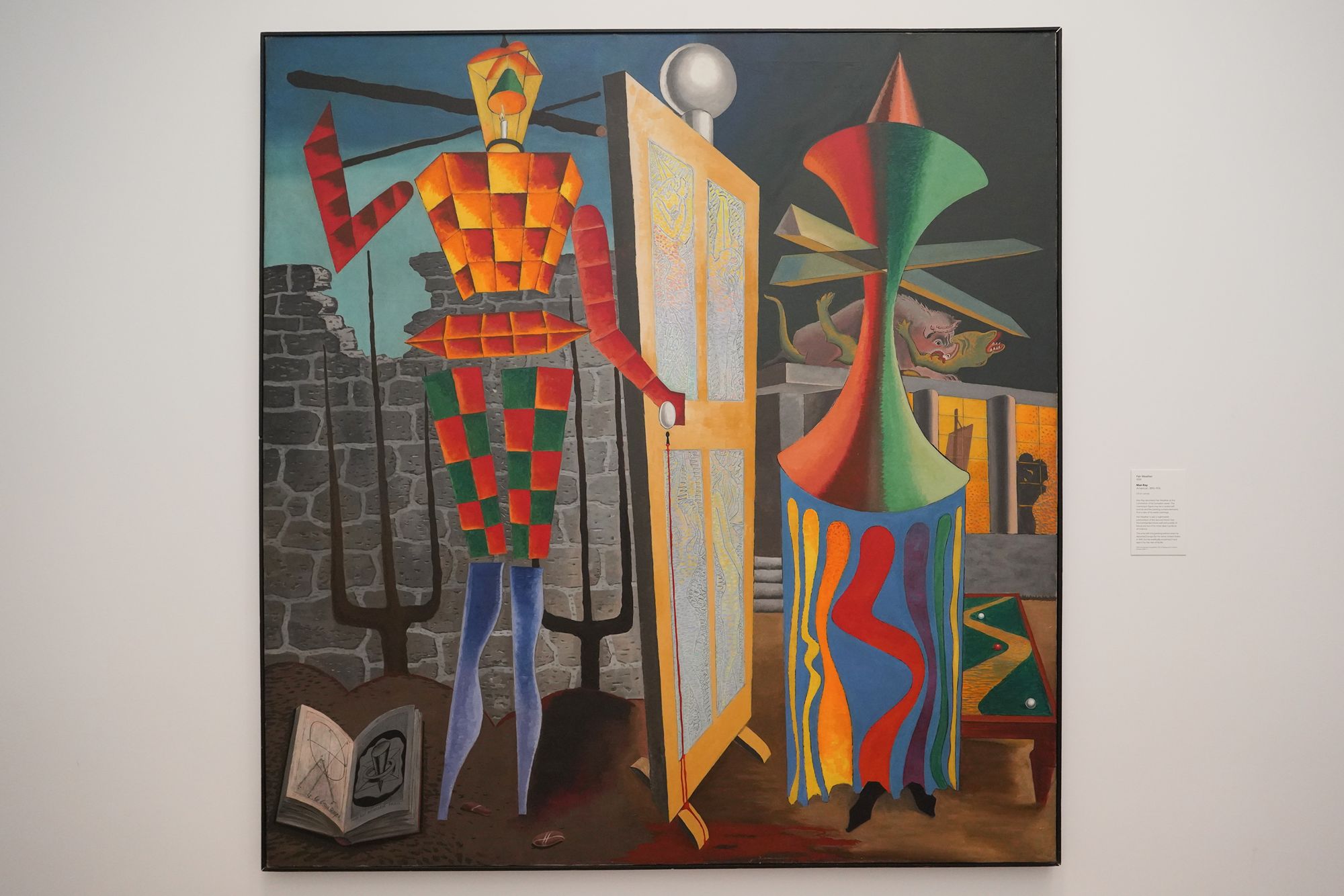
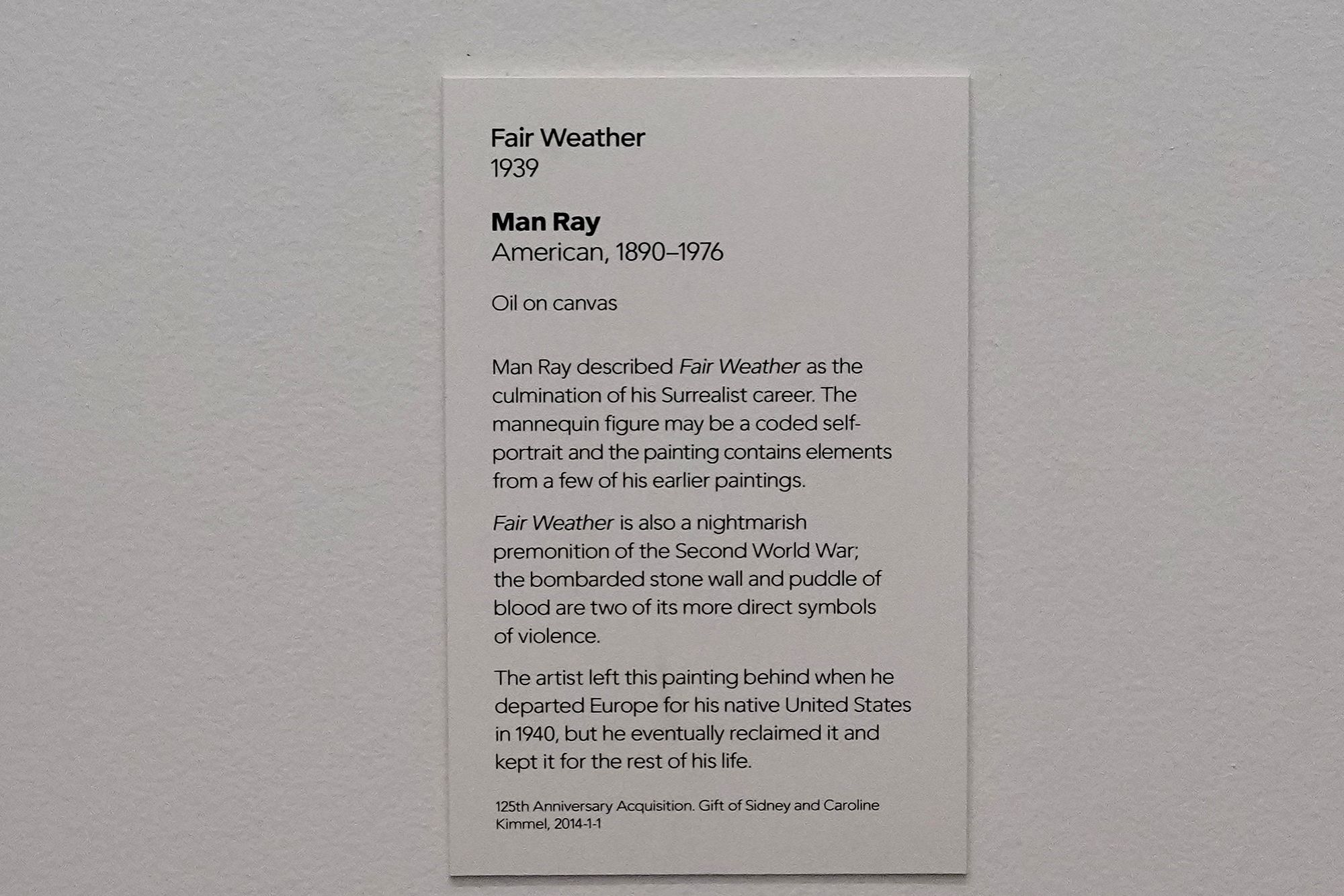
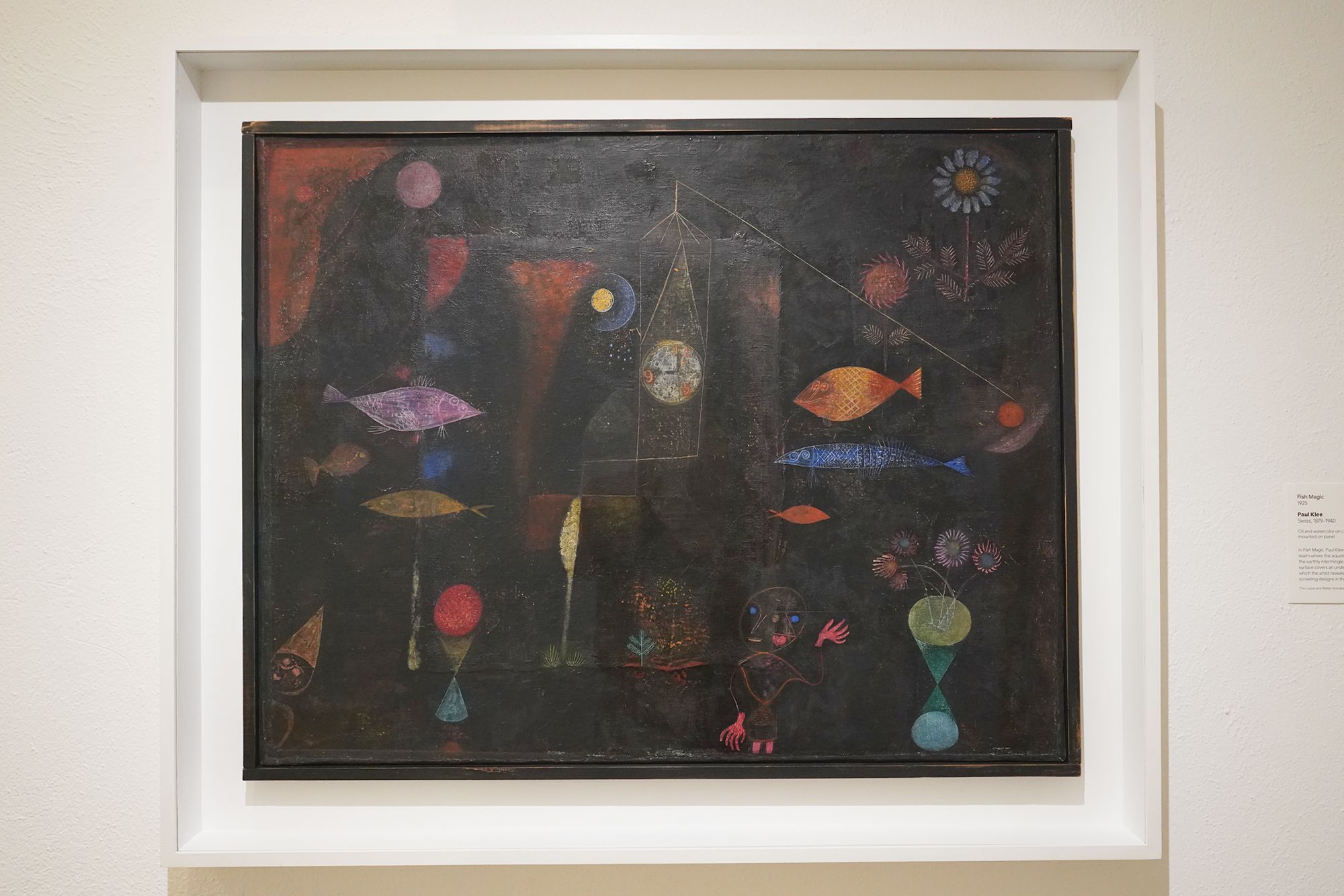
Surrealism
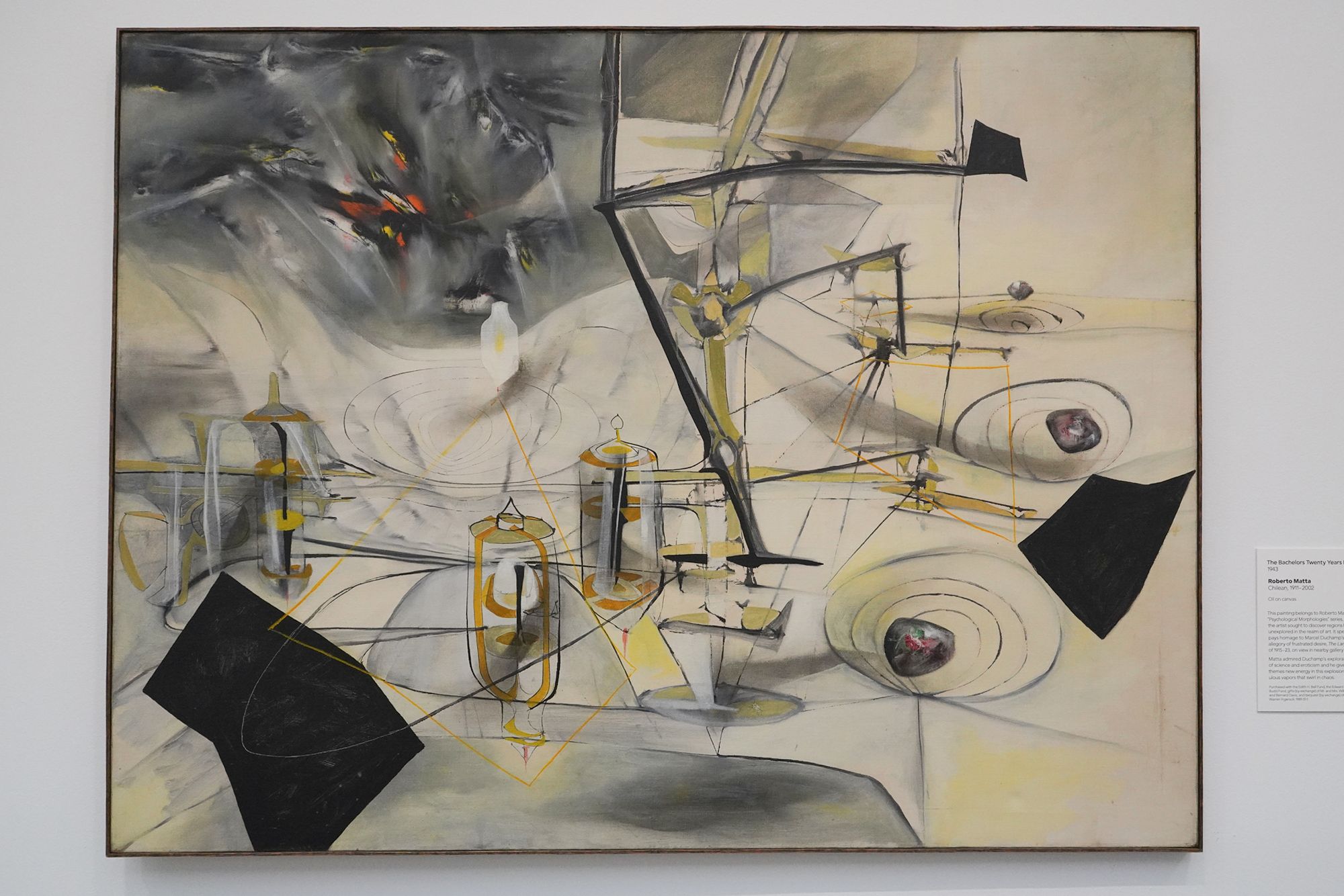
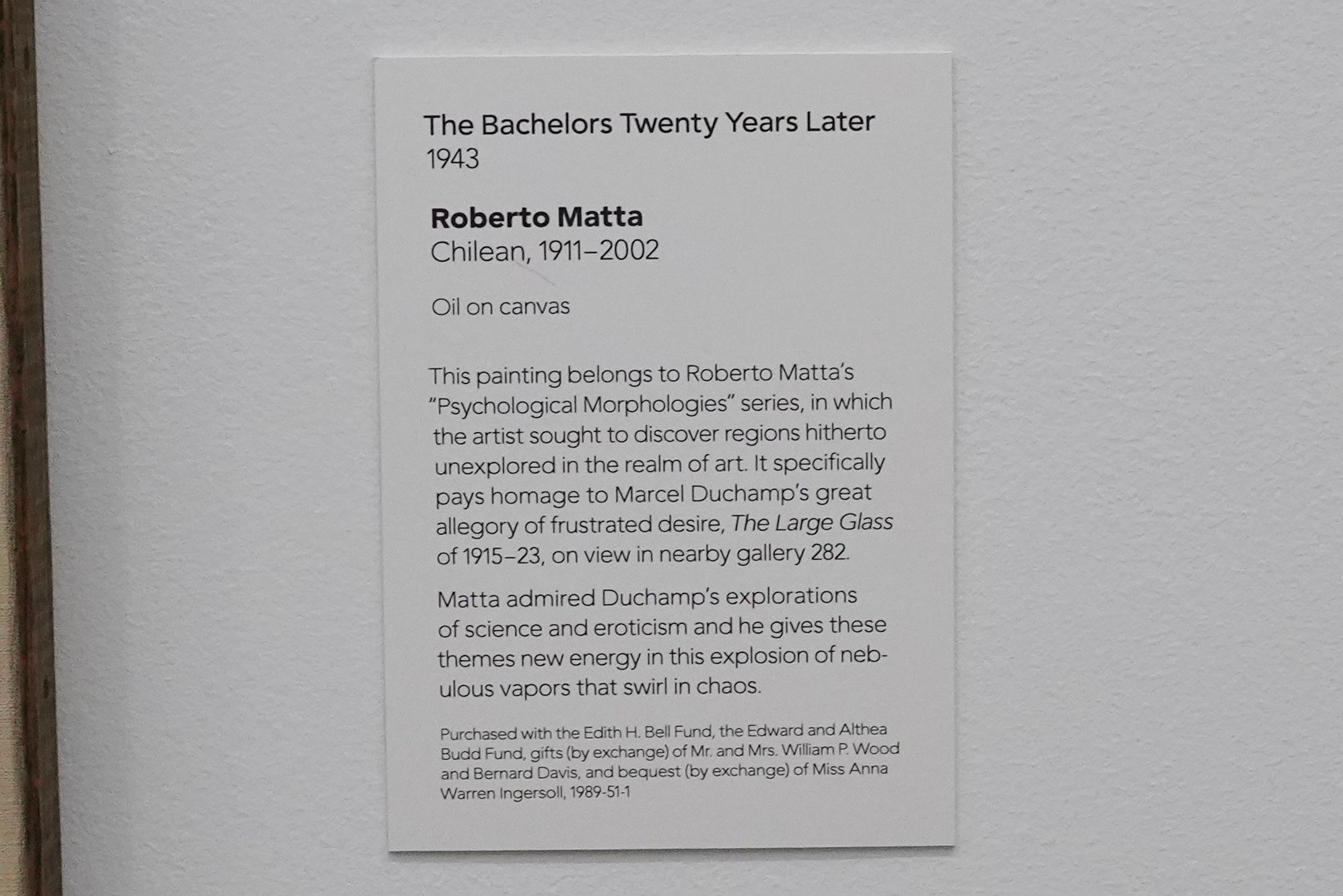
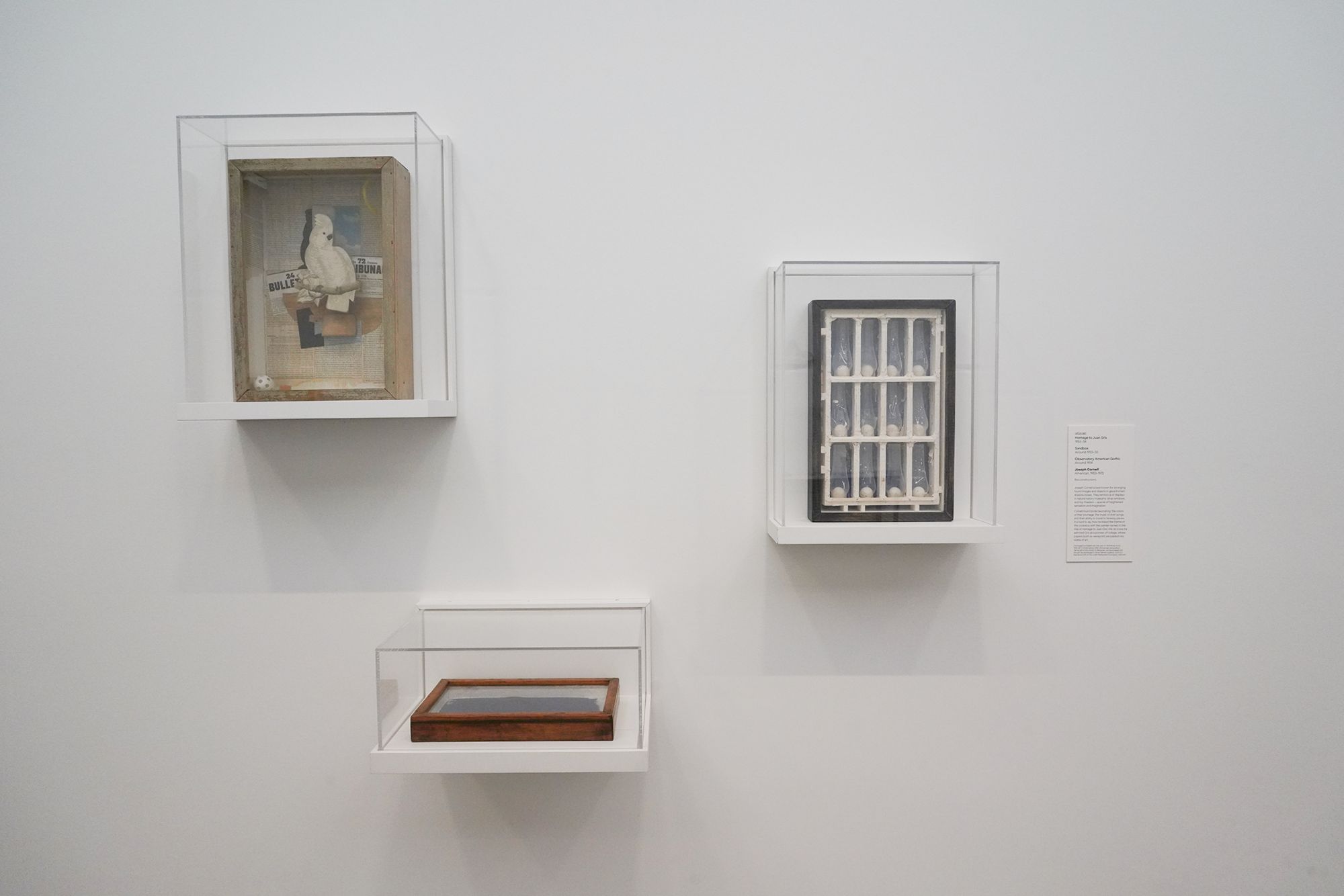
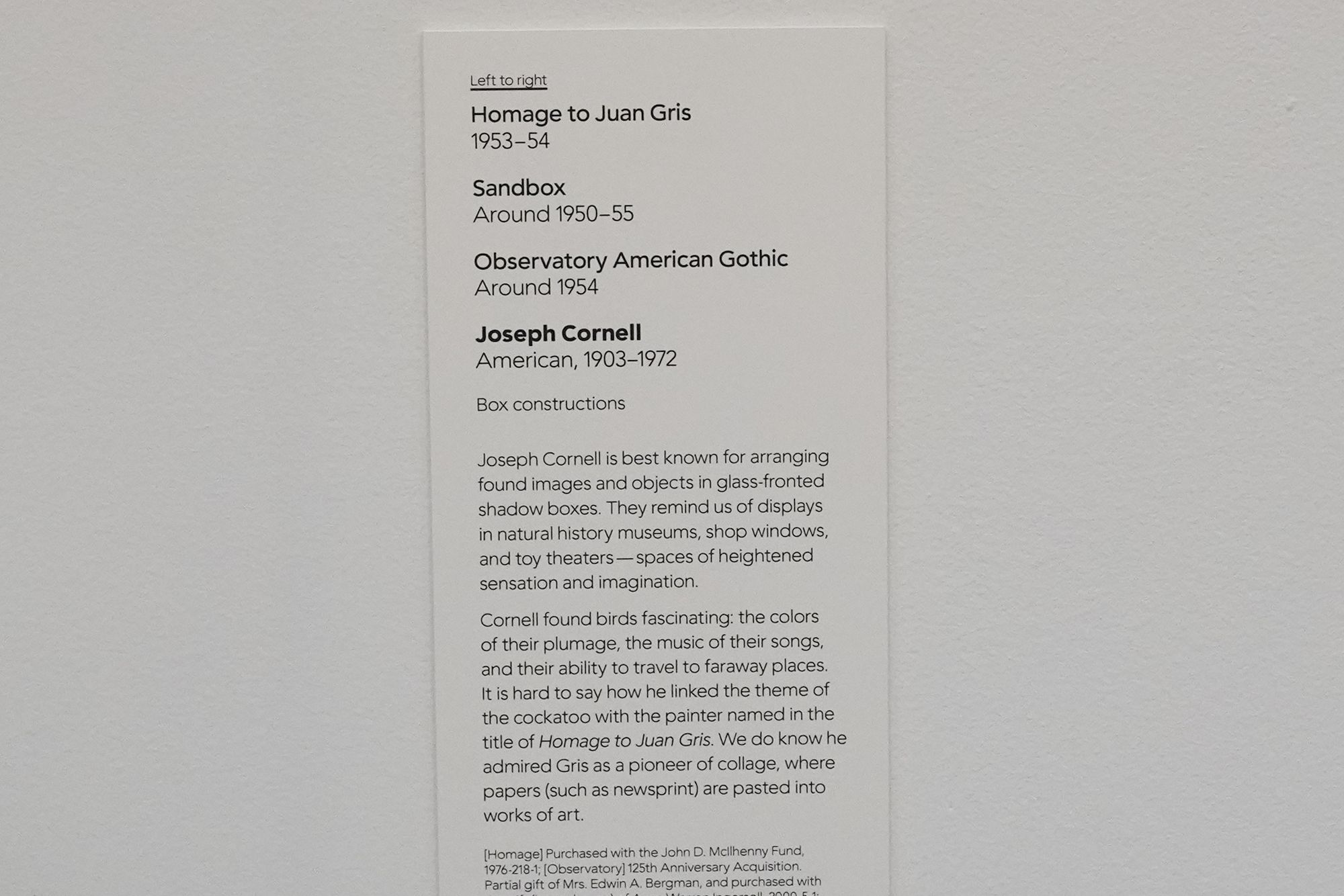
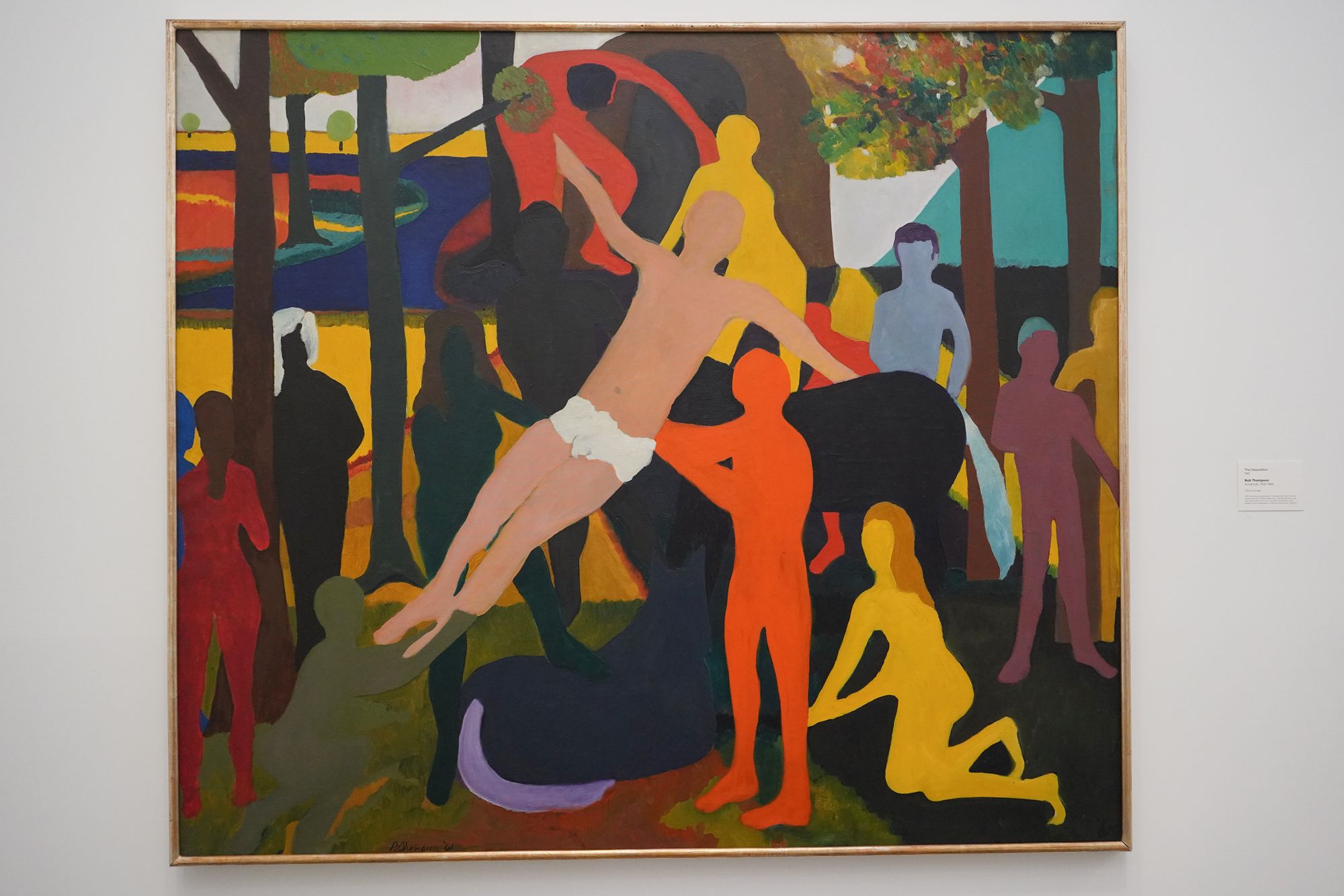
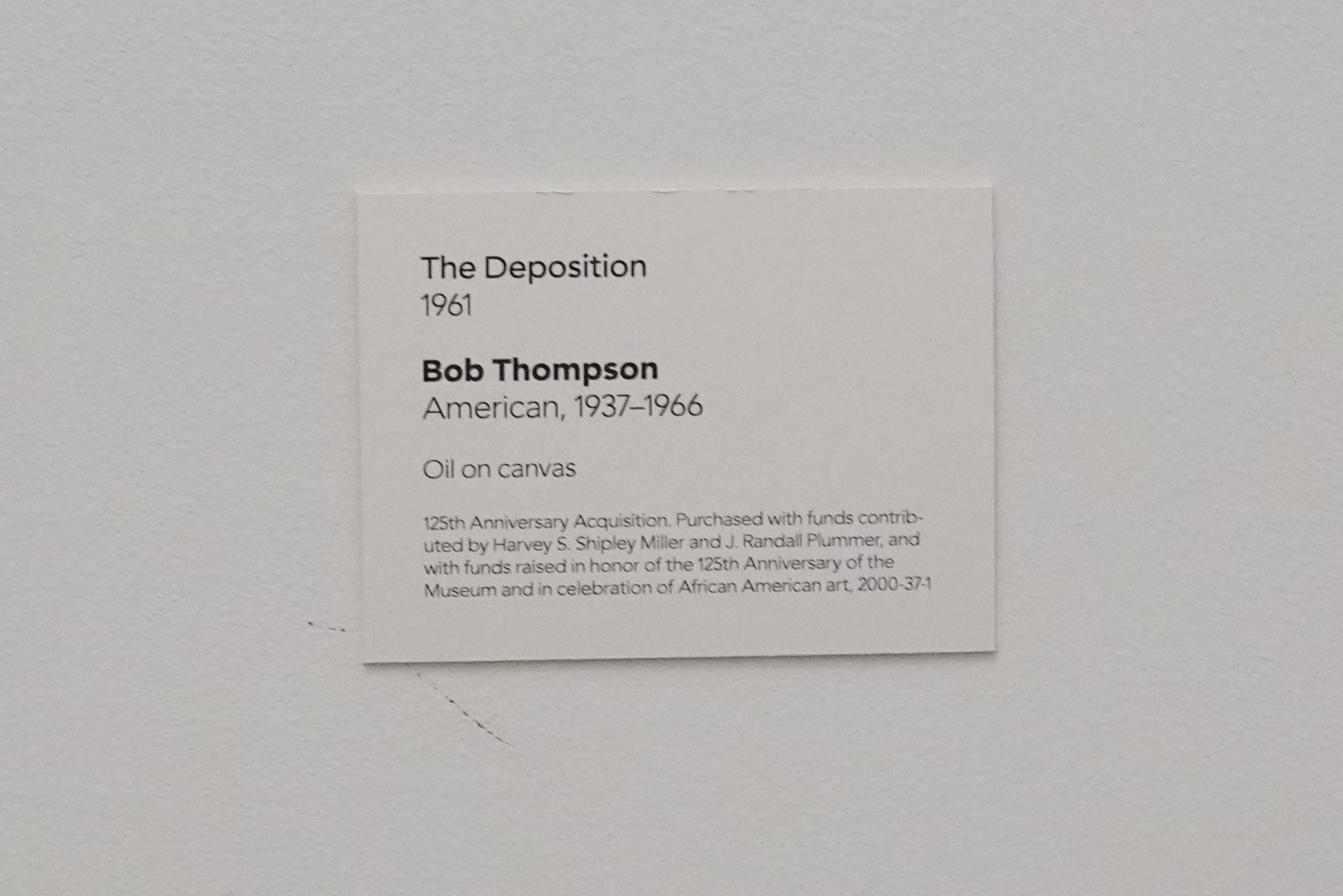
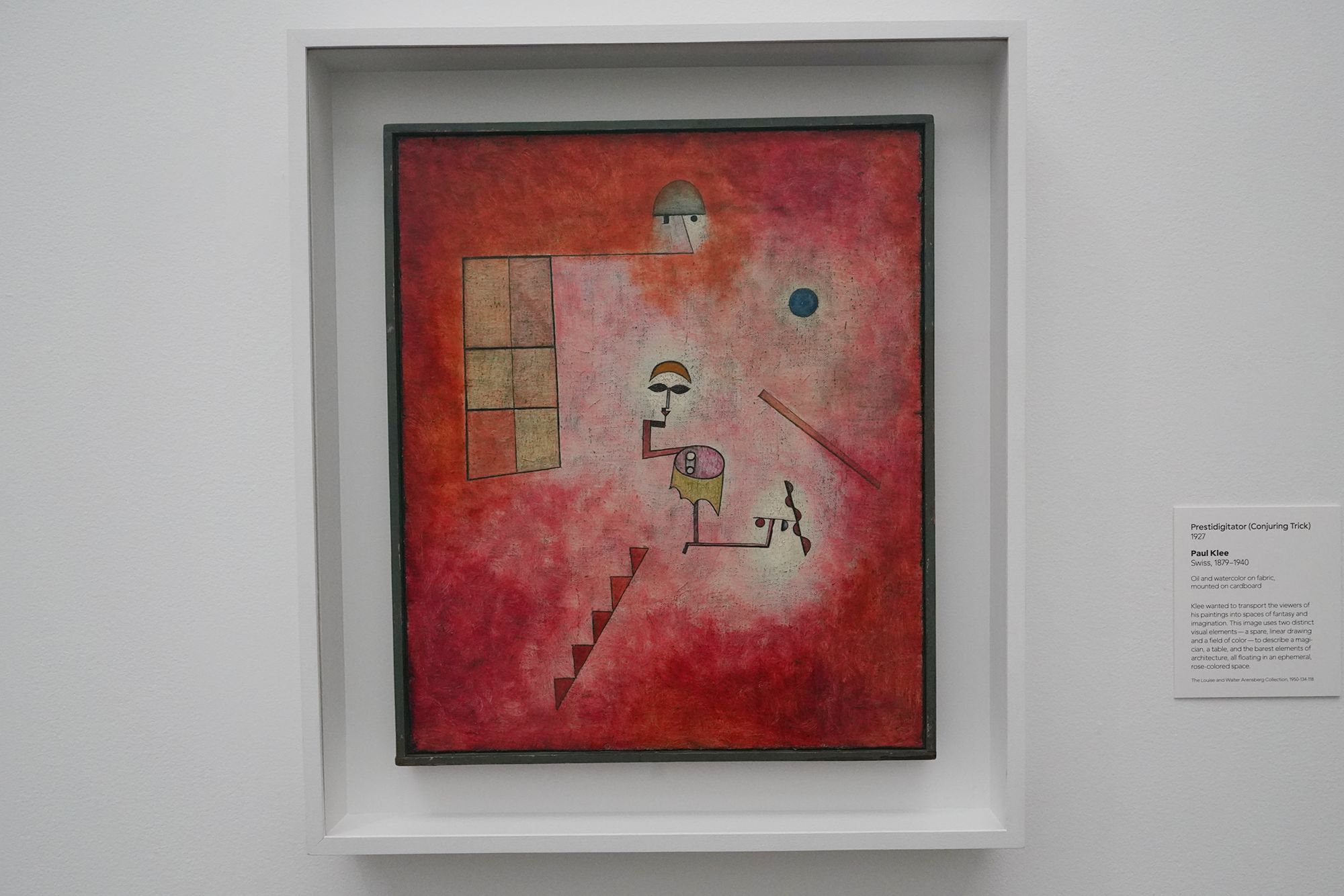
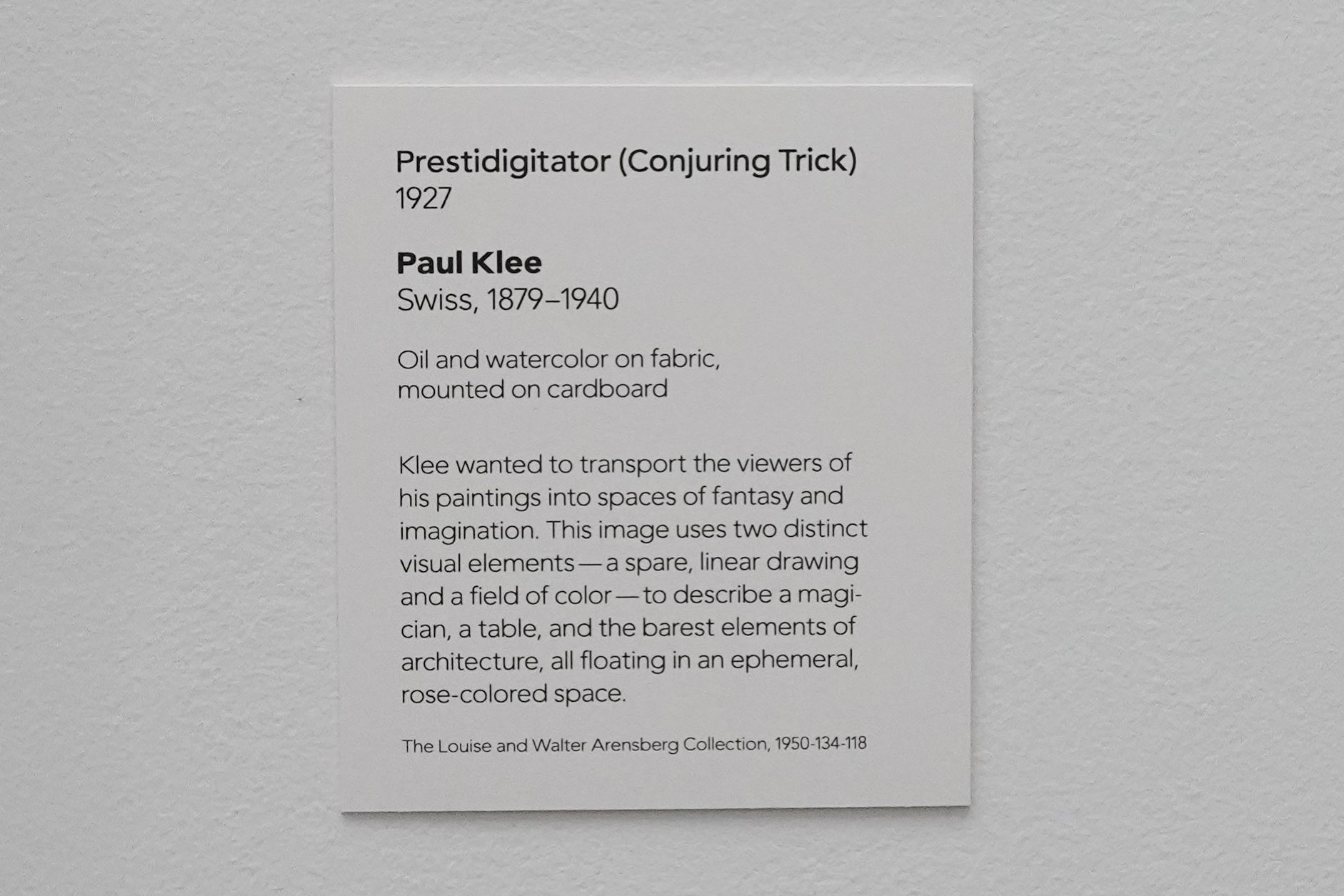
Andy Warhol - Pop Art
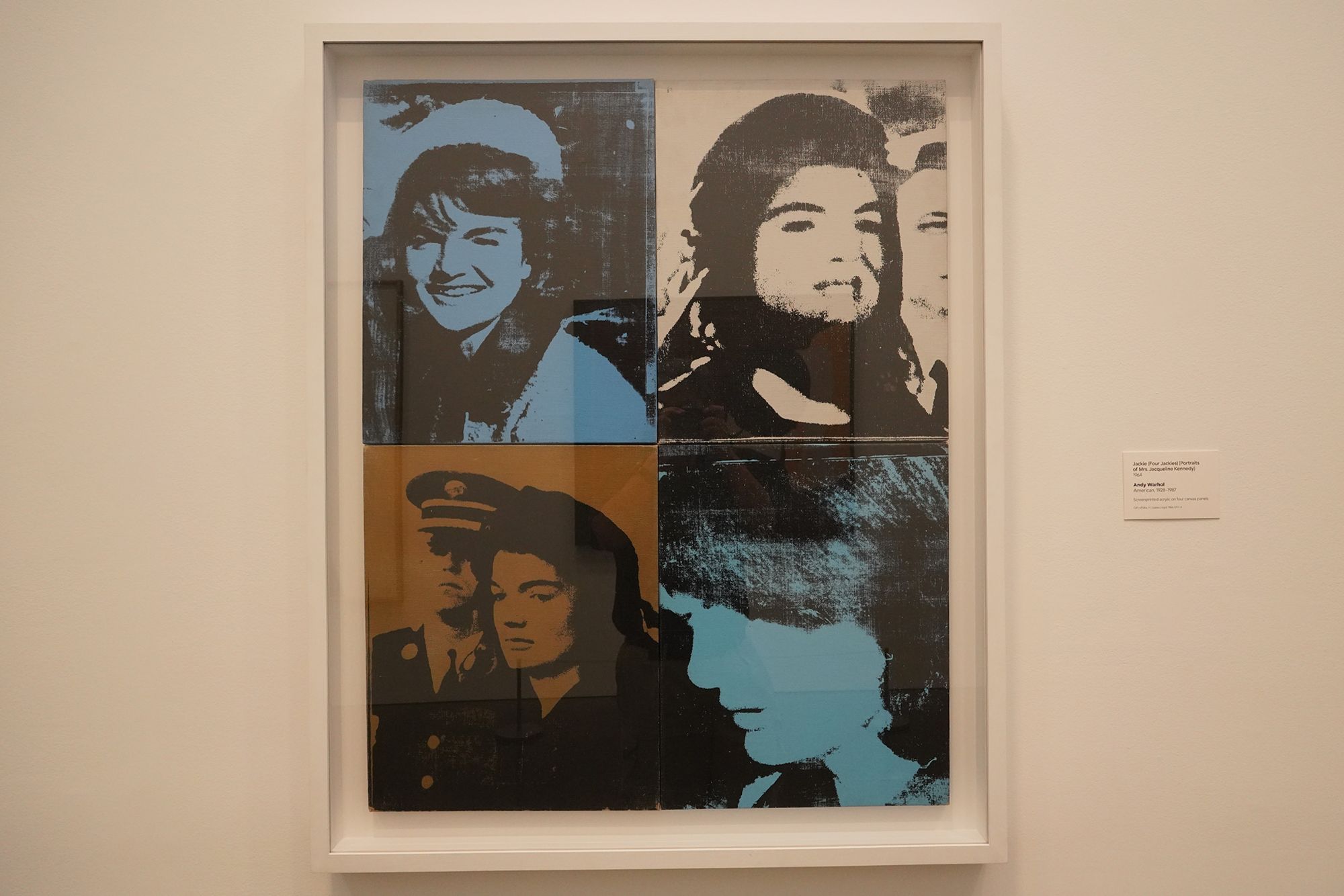
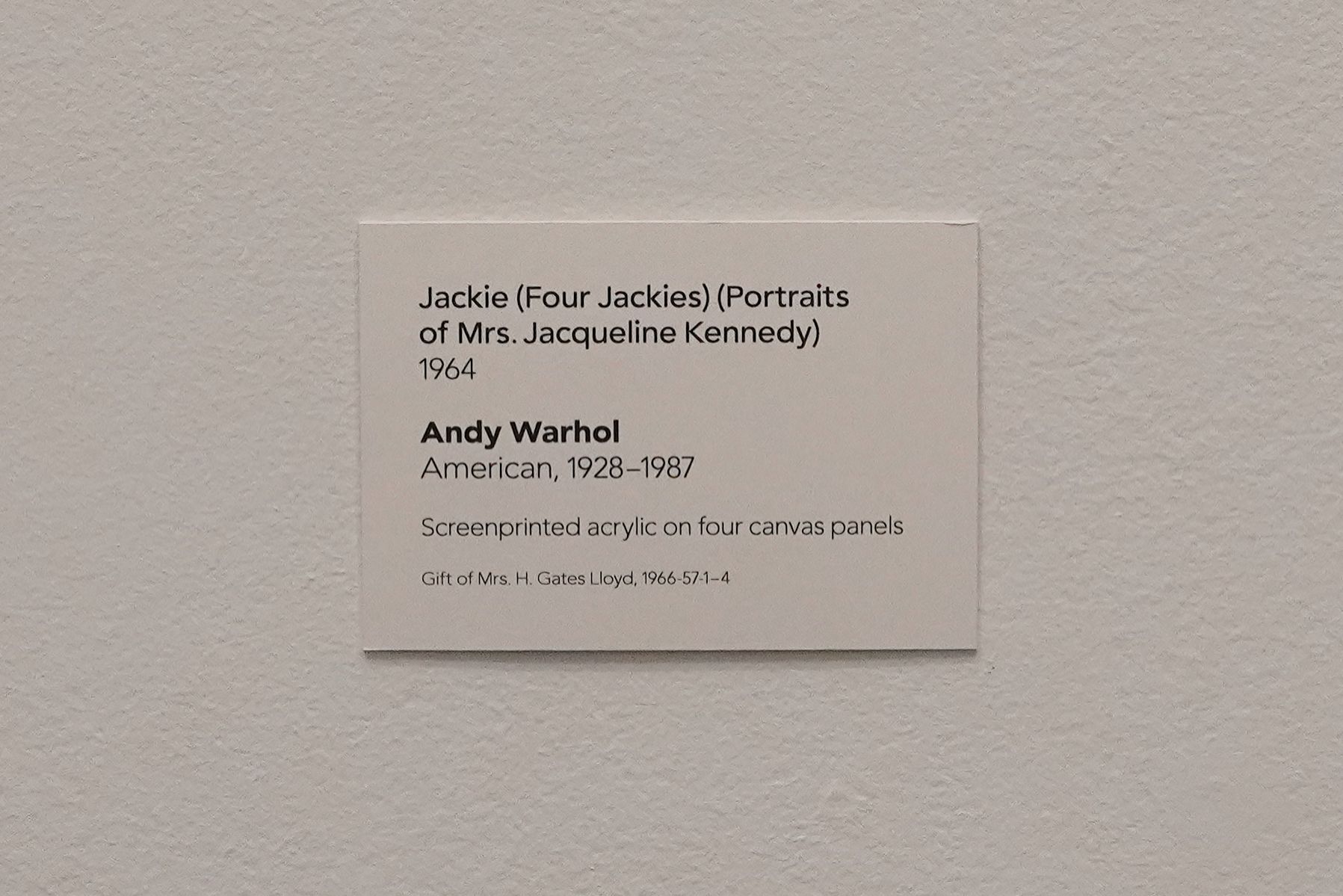
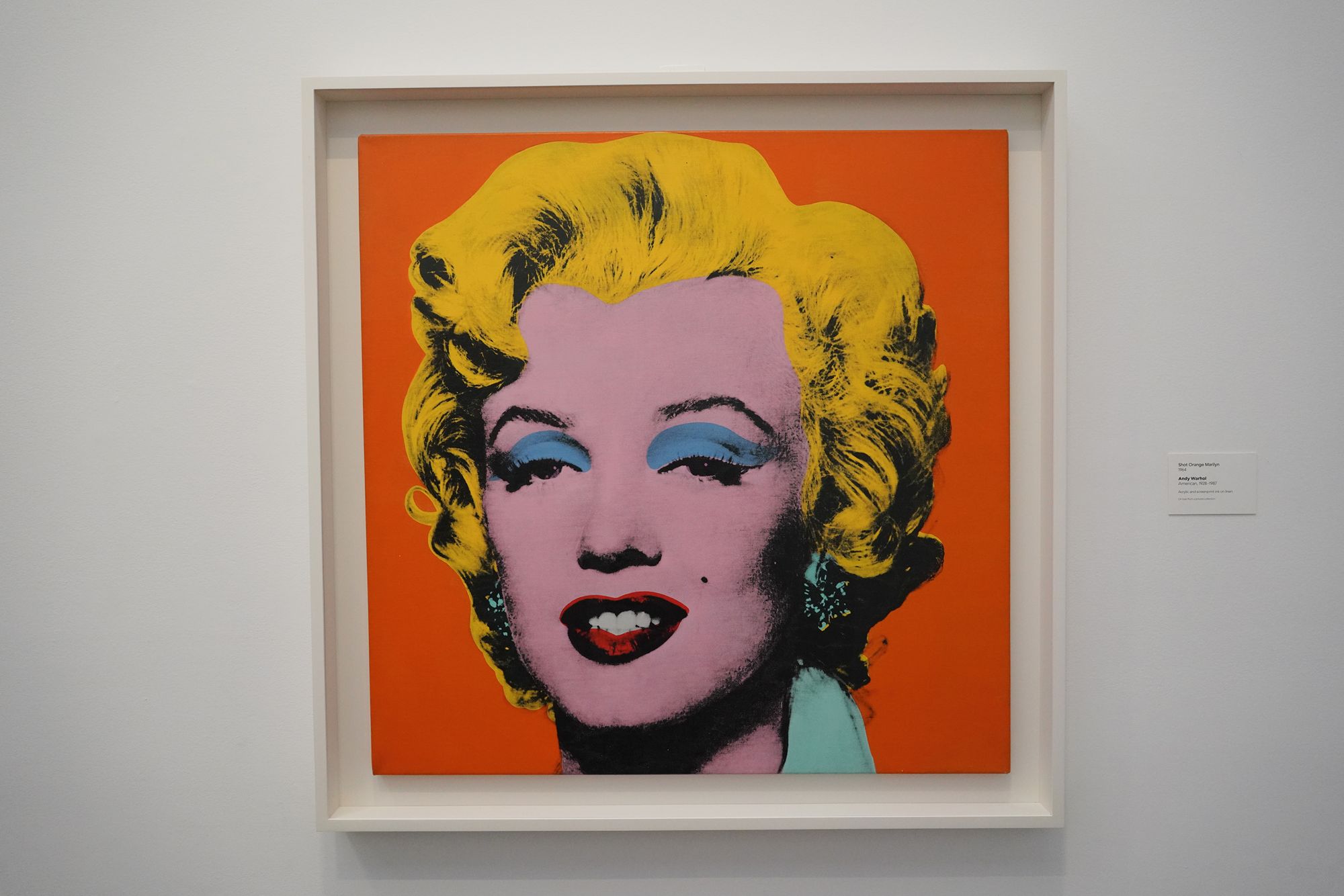
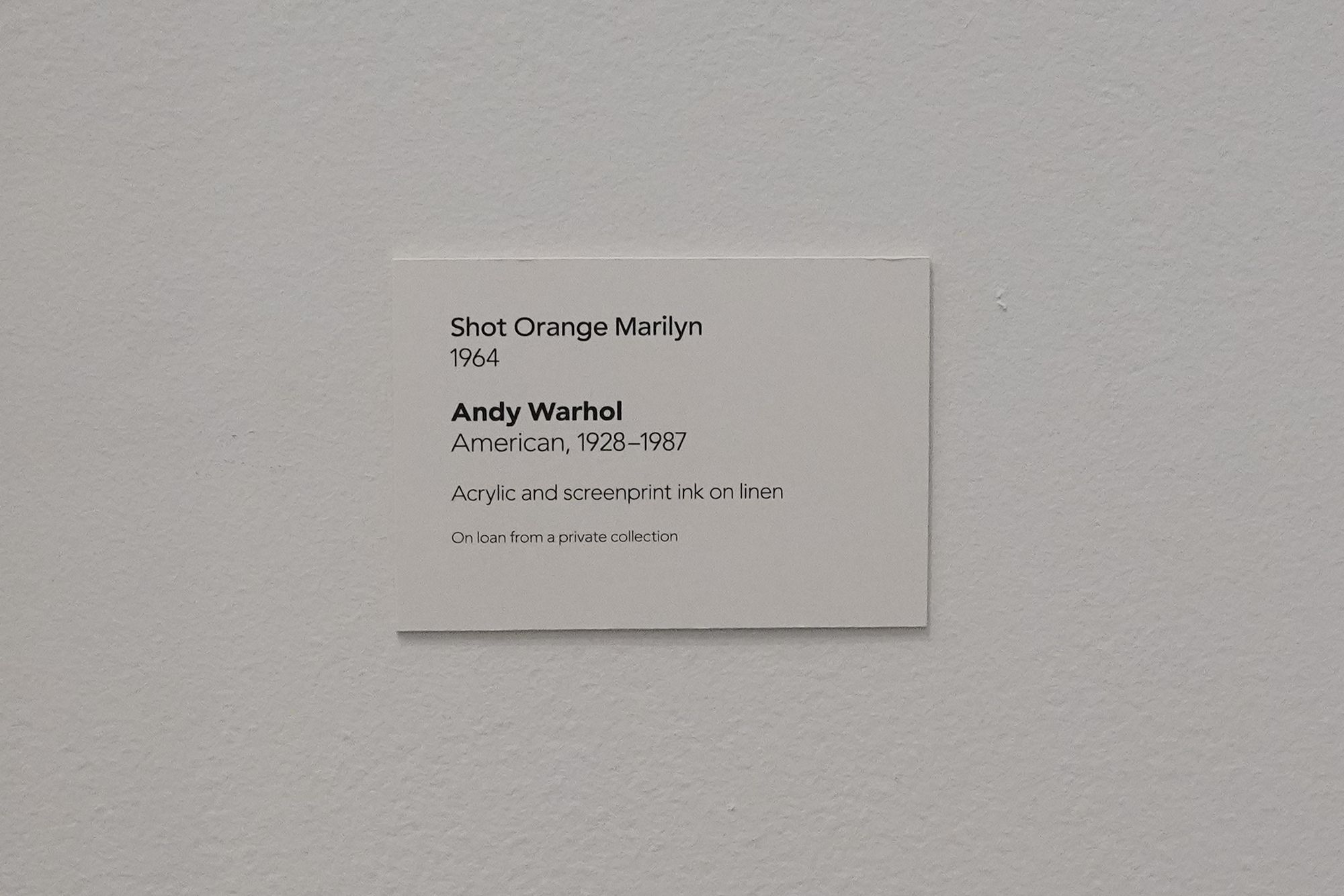
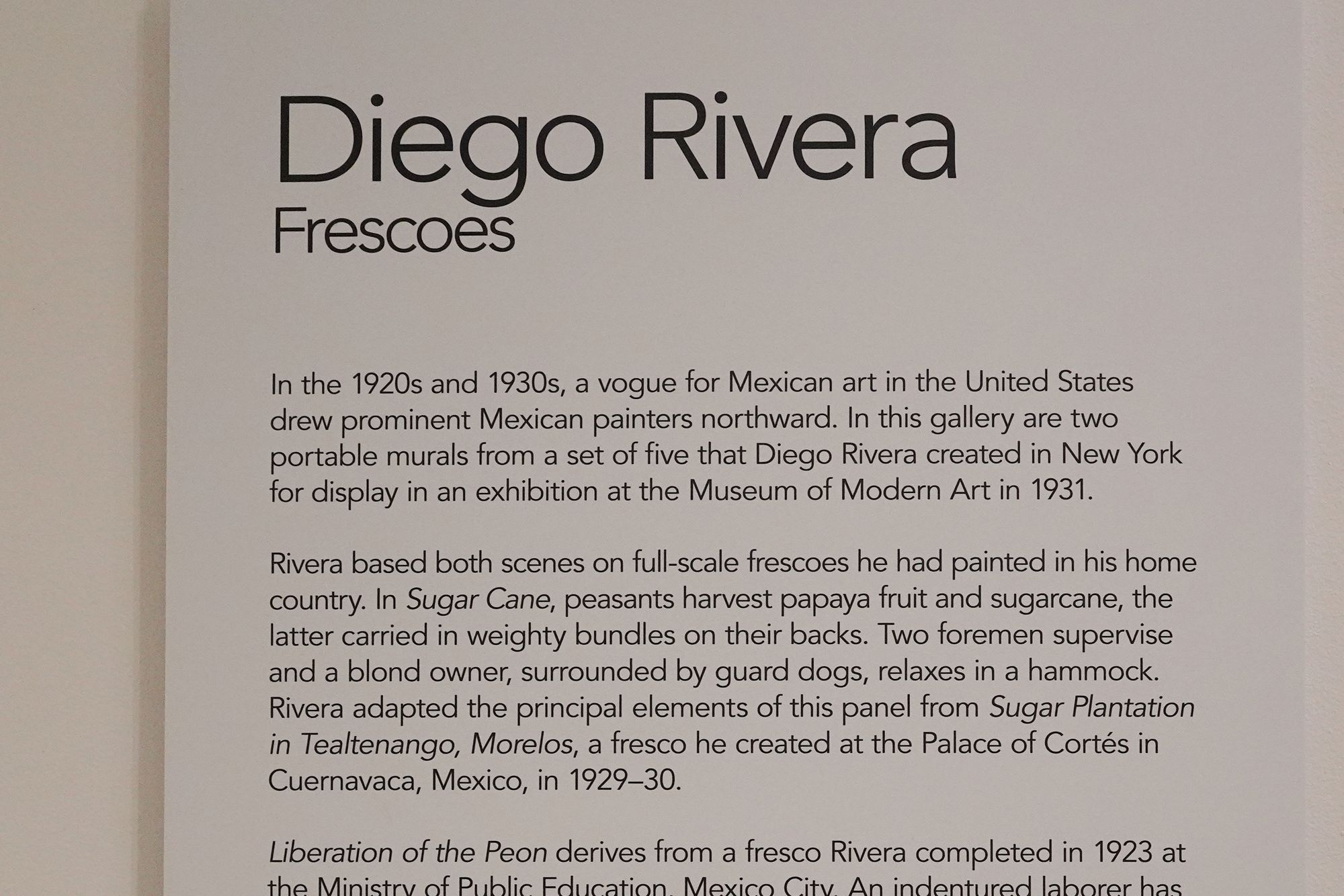
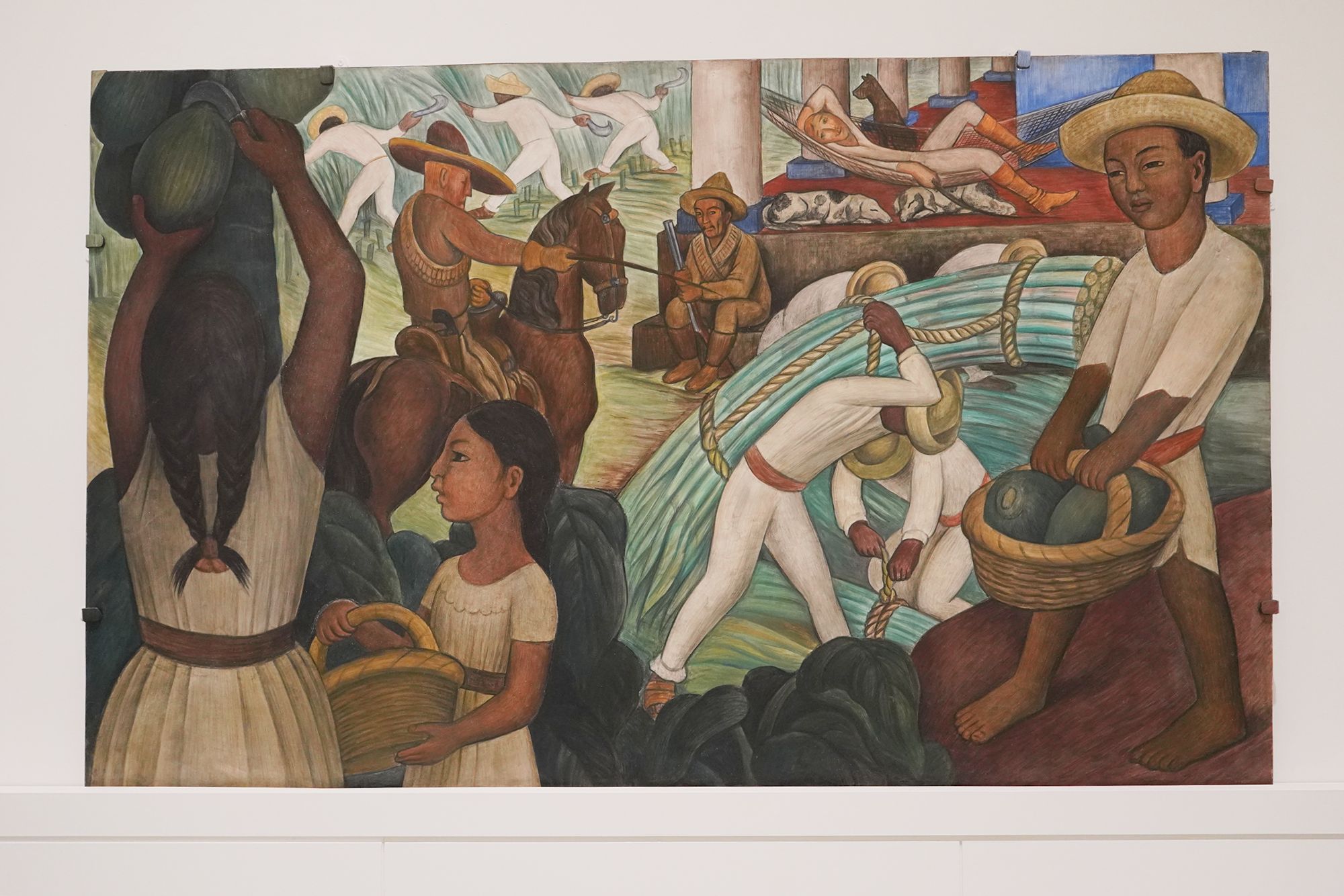
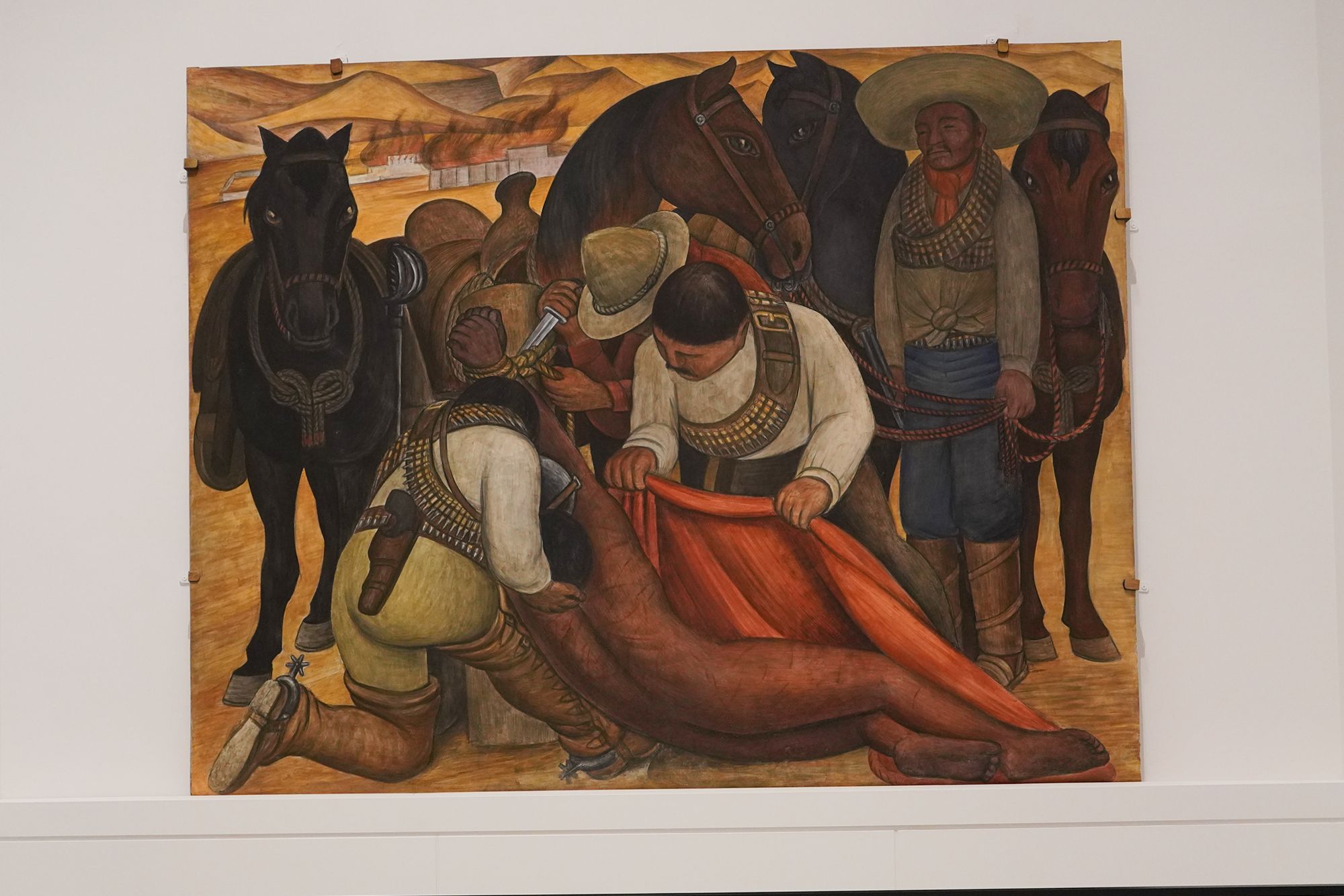
Diego Rivera (1886–1957)
Mexican muralist known for powerful, large-scale paintings of history, labor, and social justice
Diego Rivera is one of the most important artists of the 20th century, famous for his public murals that celebrate the working class, indigenous culture, and Mexico’s revolutionary history. His paintings often show strong, monumental figures with clear outlines, earthy colors, and scenes filled with industry, agriculture, and collective effort.
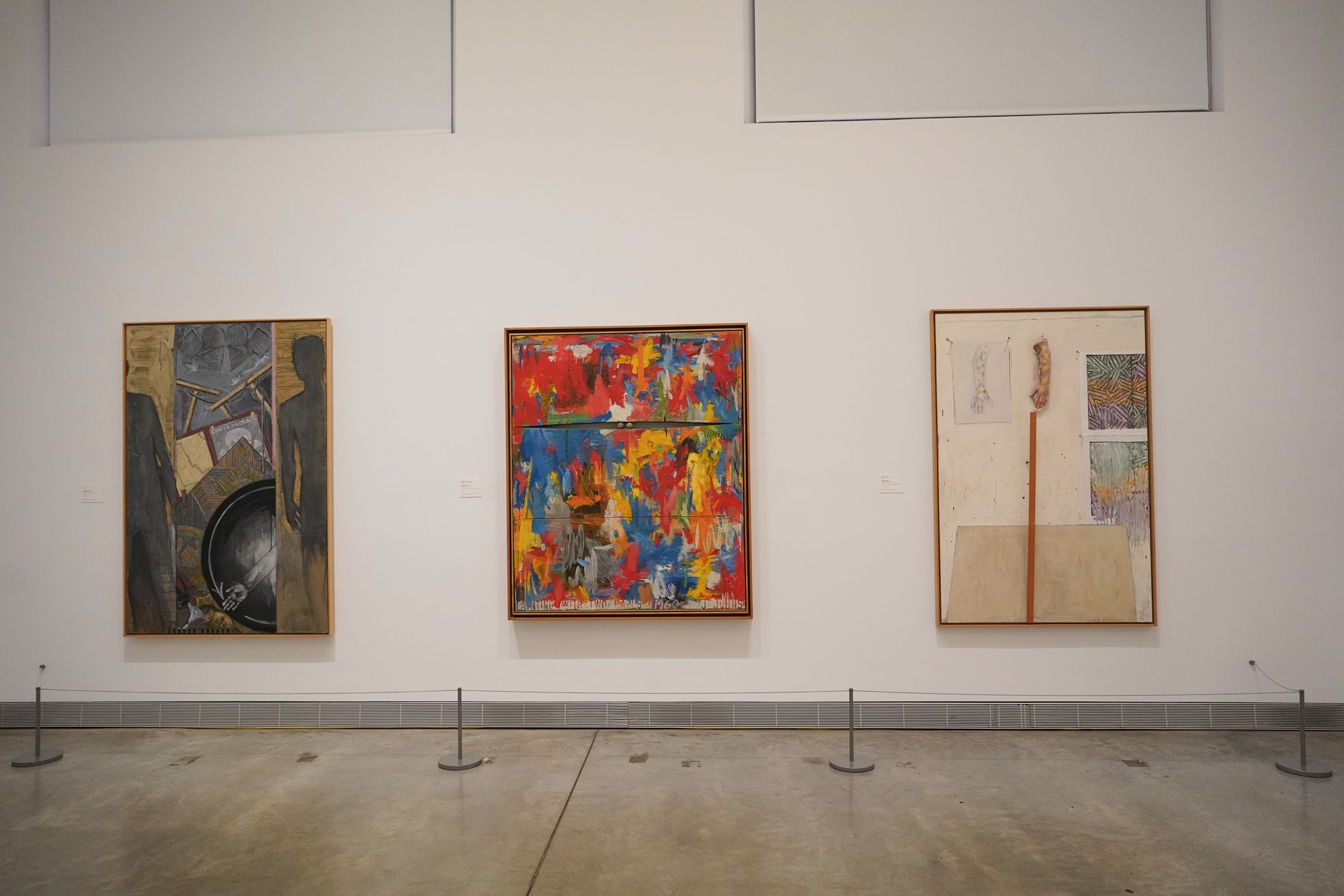
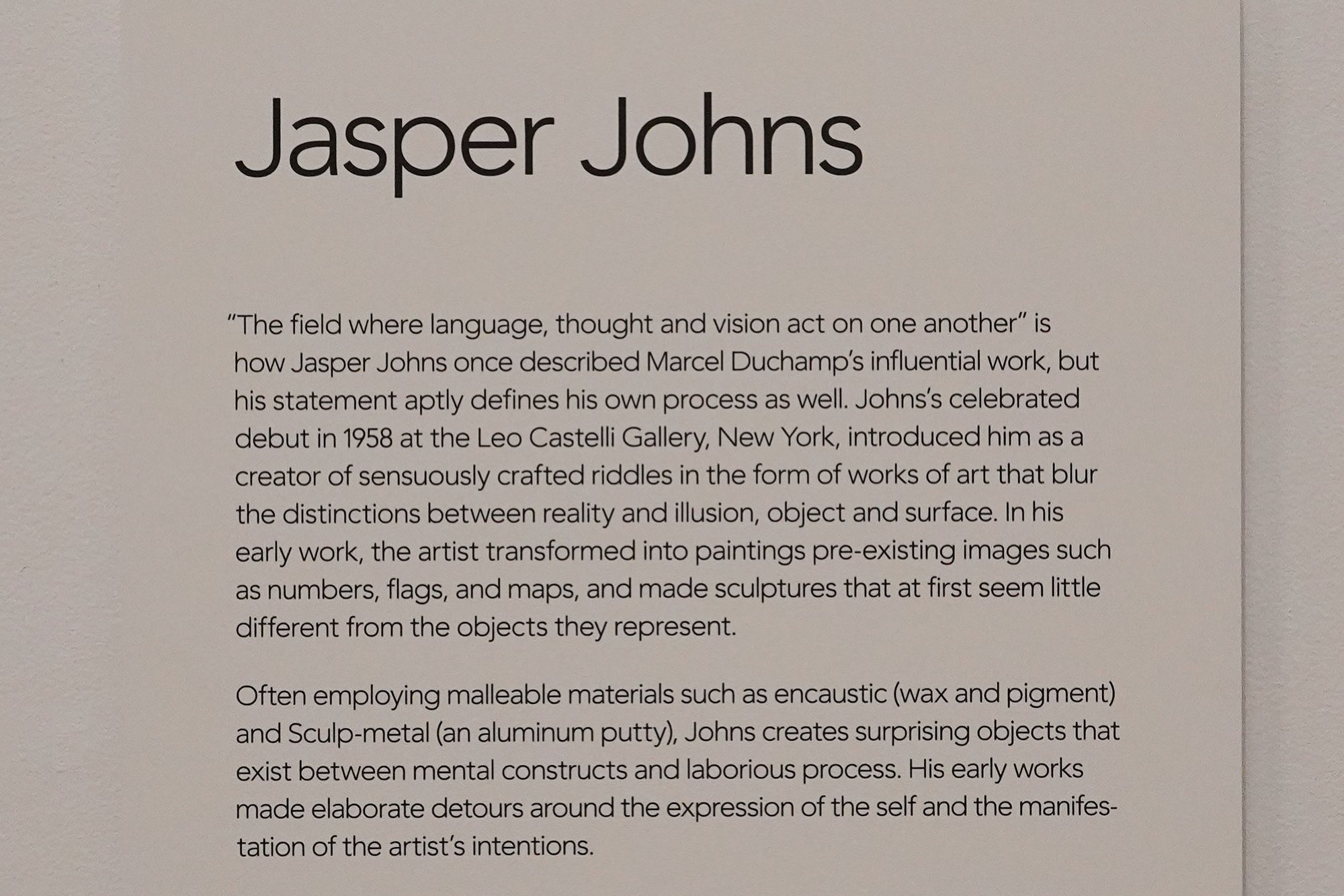
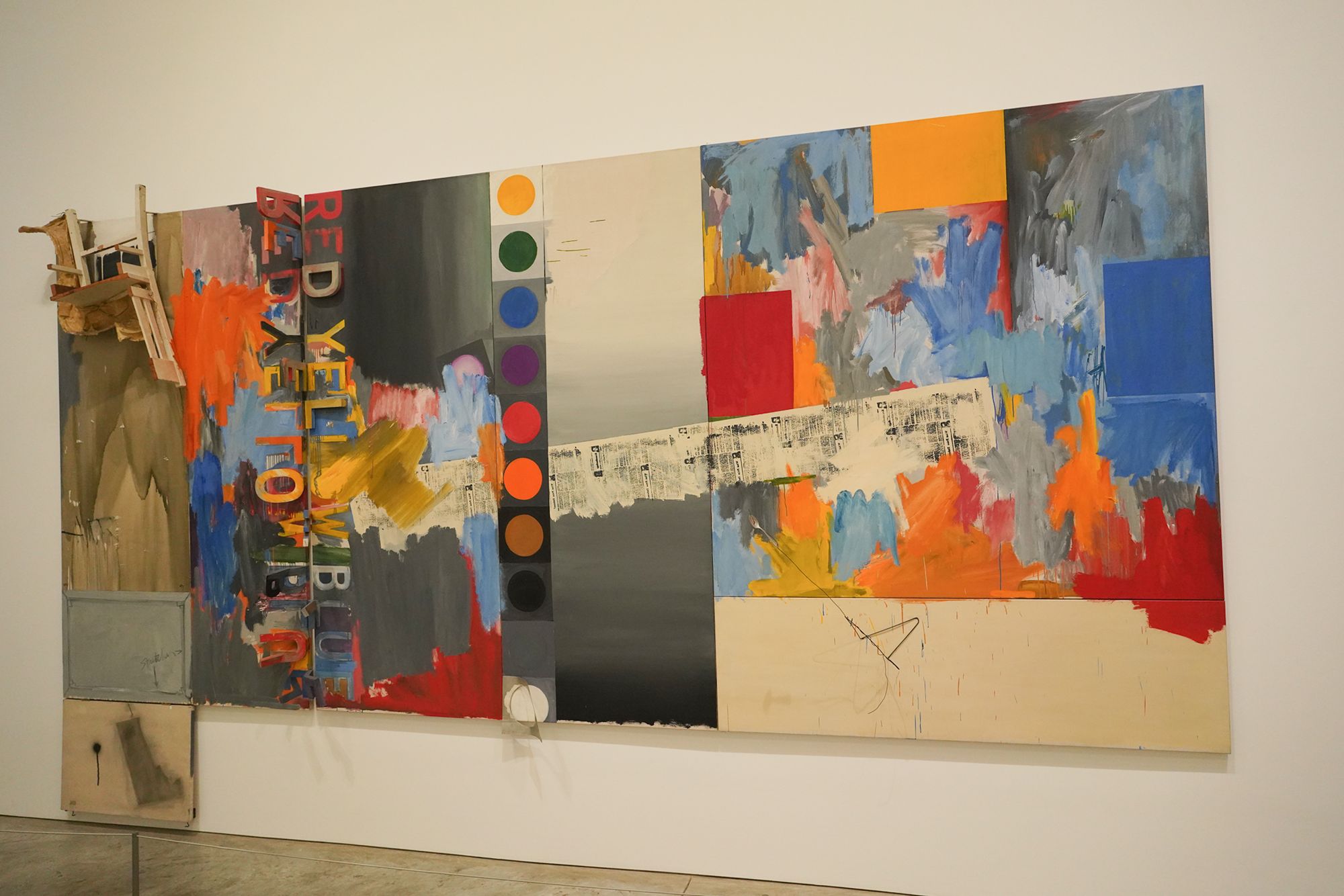
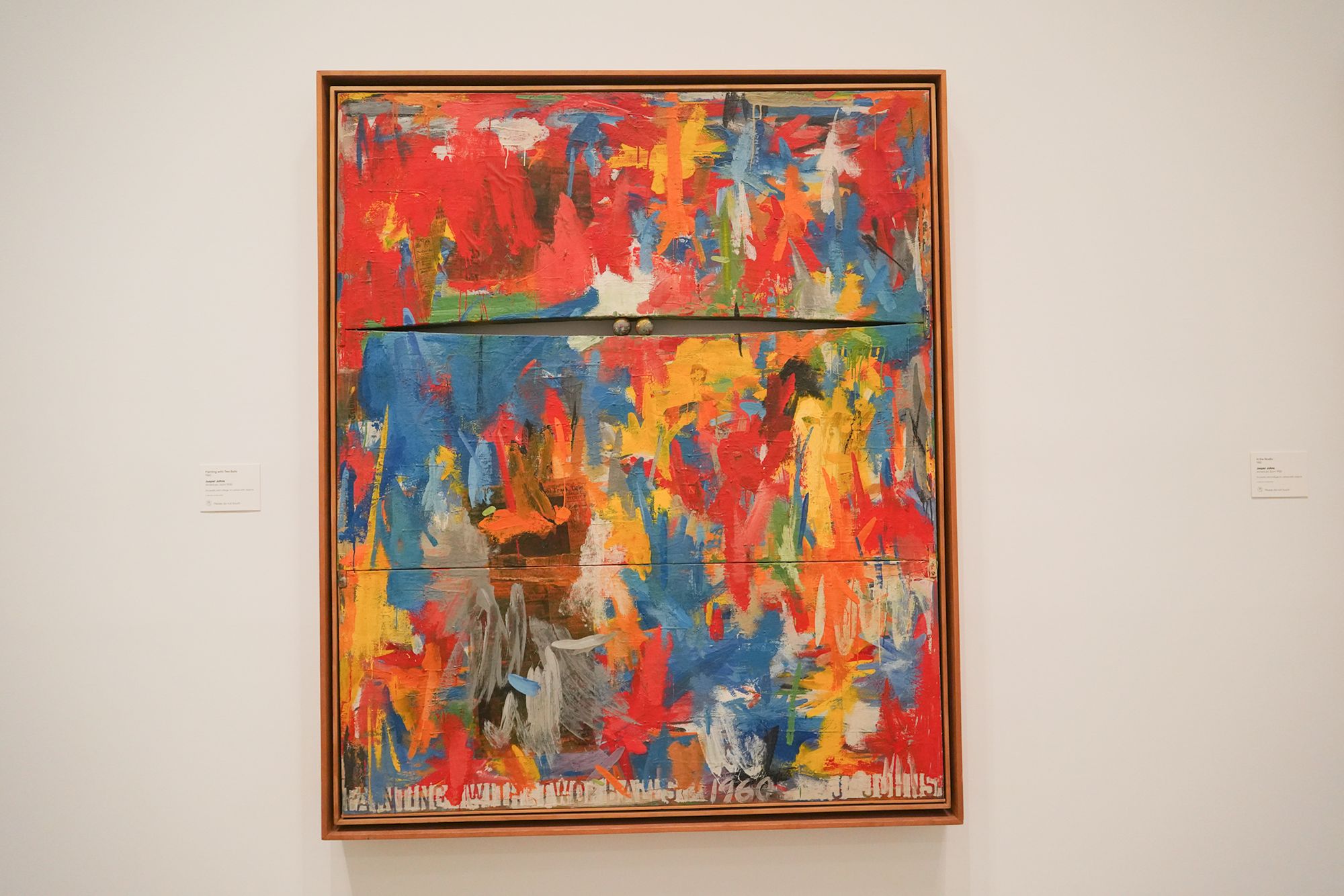
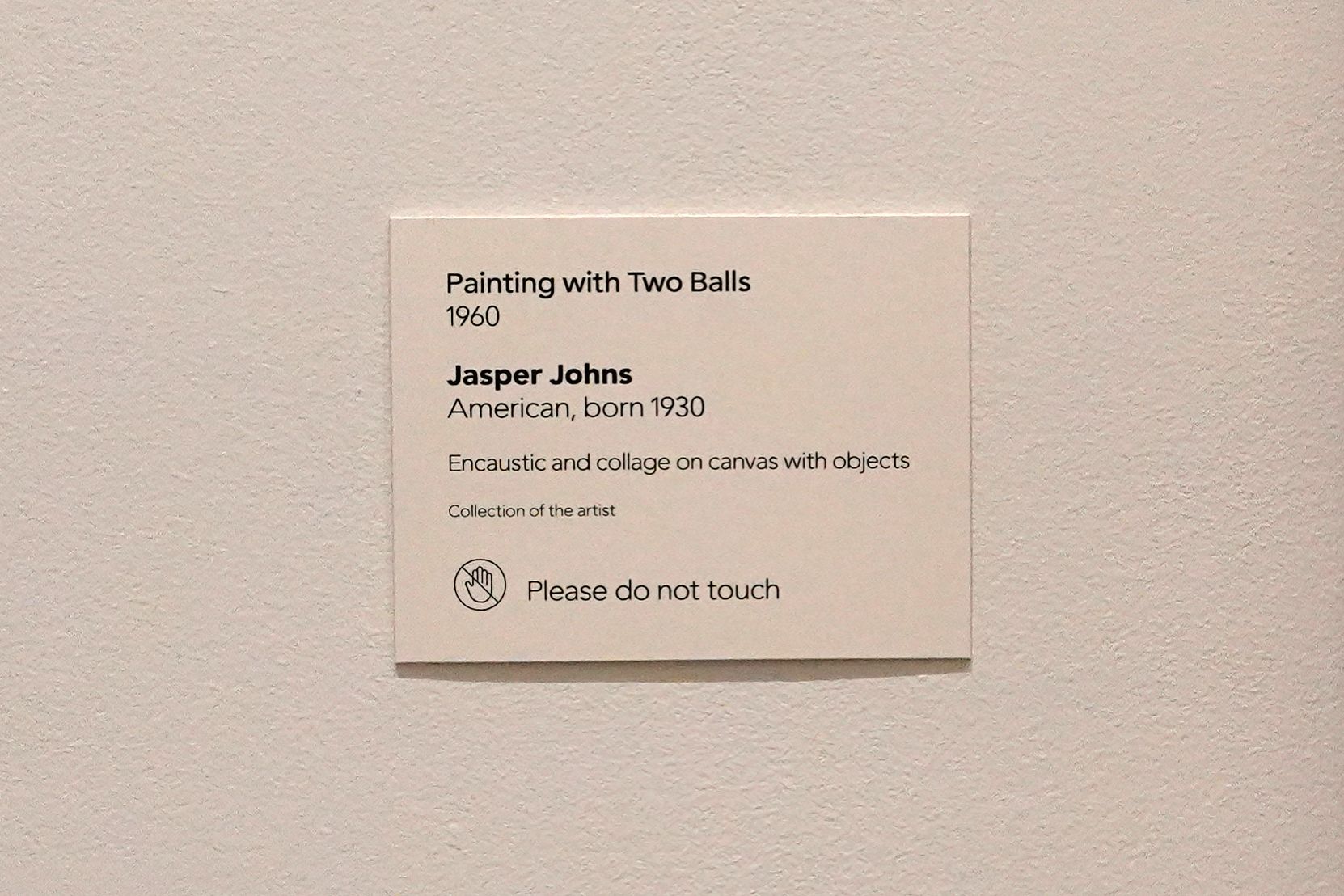
Jasper Johns (born 1930)
American painter known for turning everyday symbols into art
Jasper Johns became famous in the 1950s for using familiar images — flags, numbers, targets, maps, and letters — and presenting them as art. Instead of inventing new shapes, he chose symbols people already knew, then made us look at them differently. His work bridges Abstract Expressionism and Pop Art, combining expressive brushwork with ordinary, very recognizable subjects.
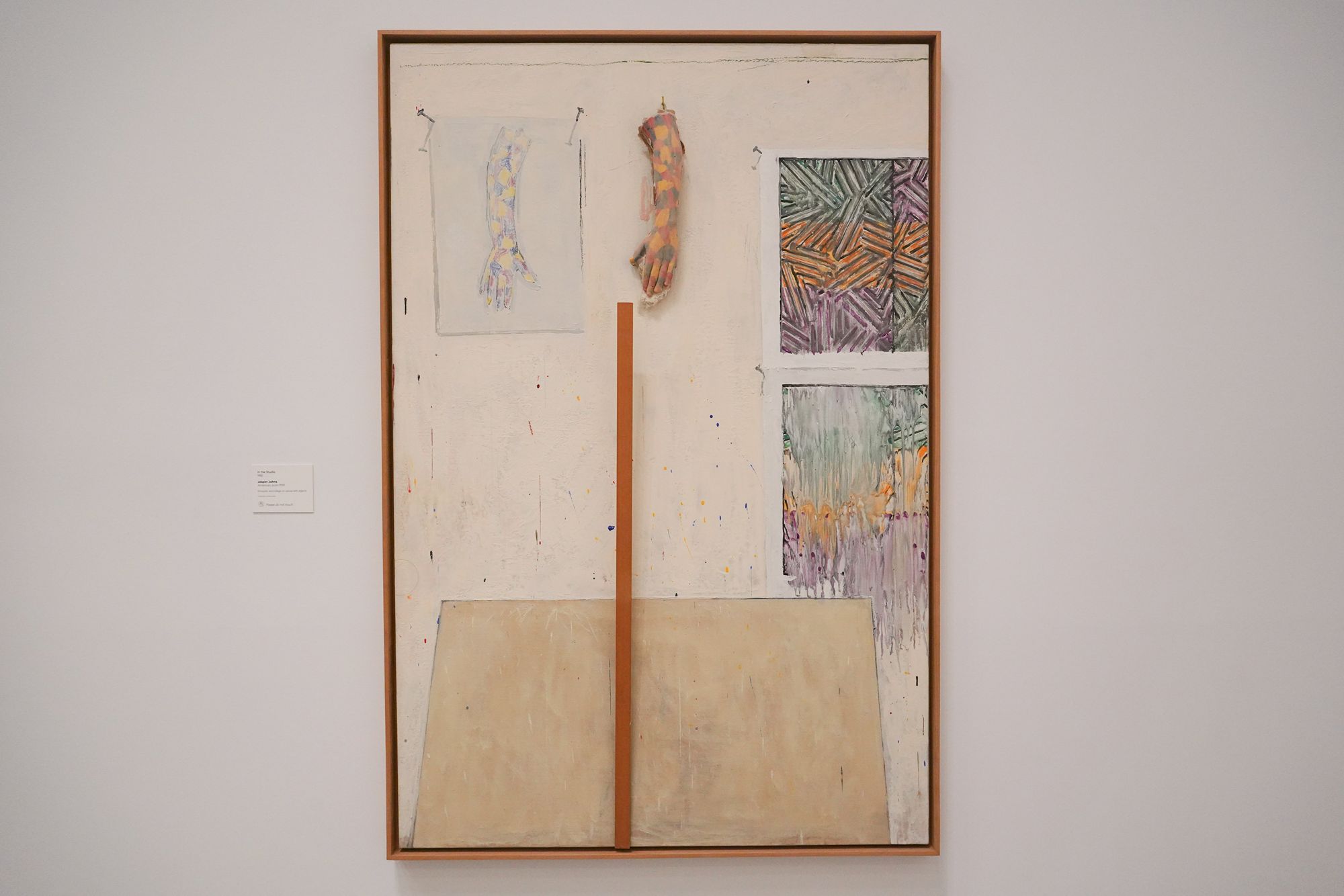
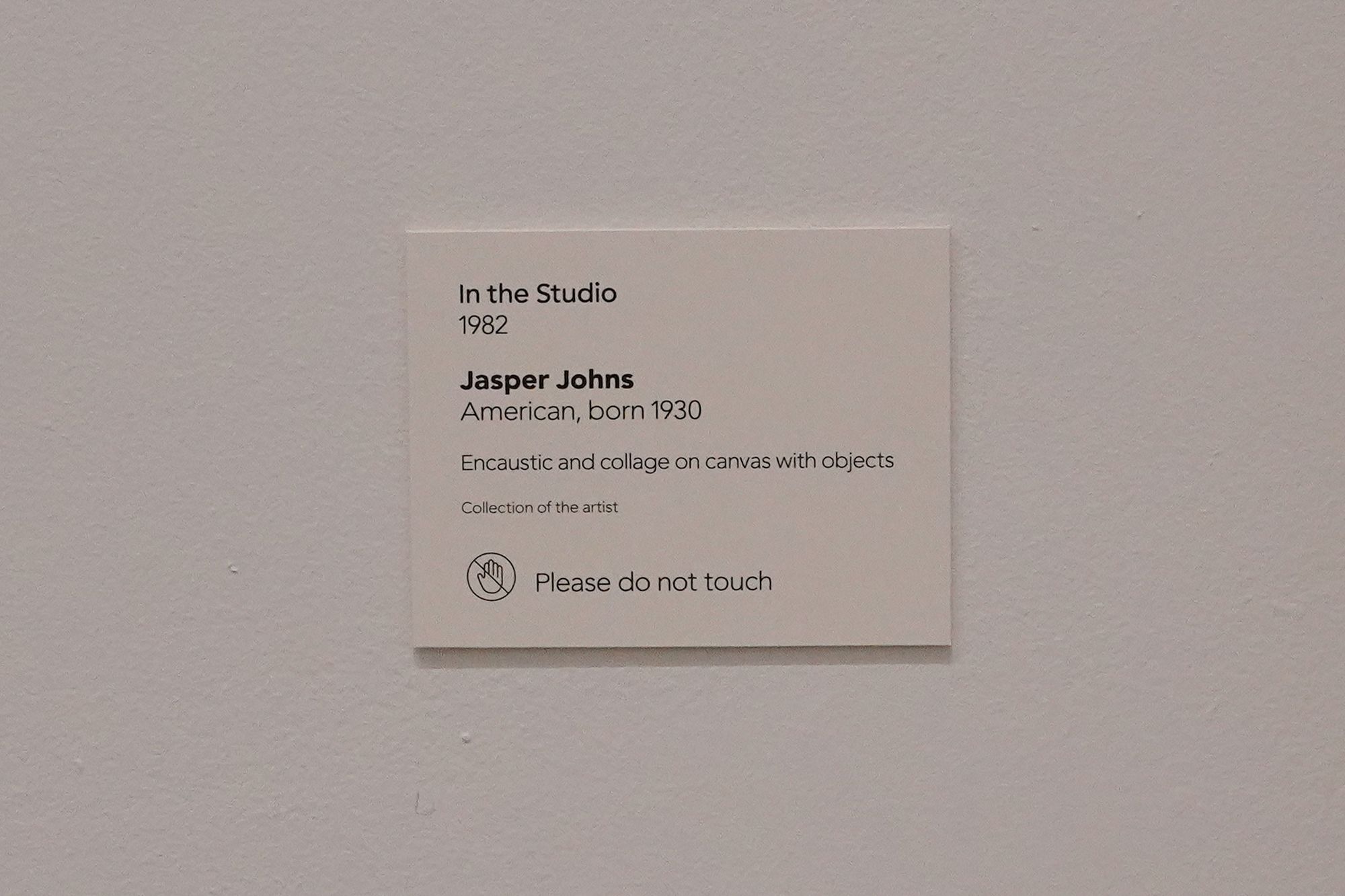
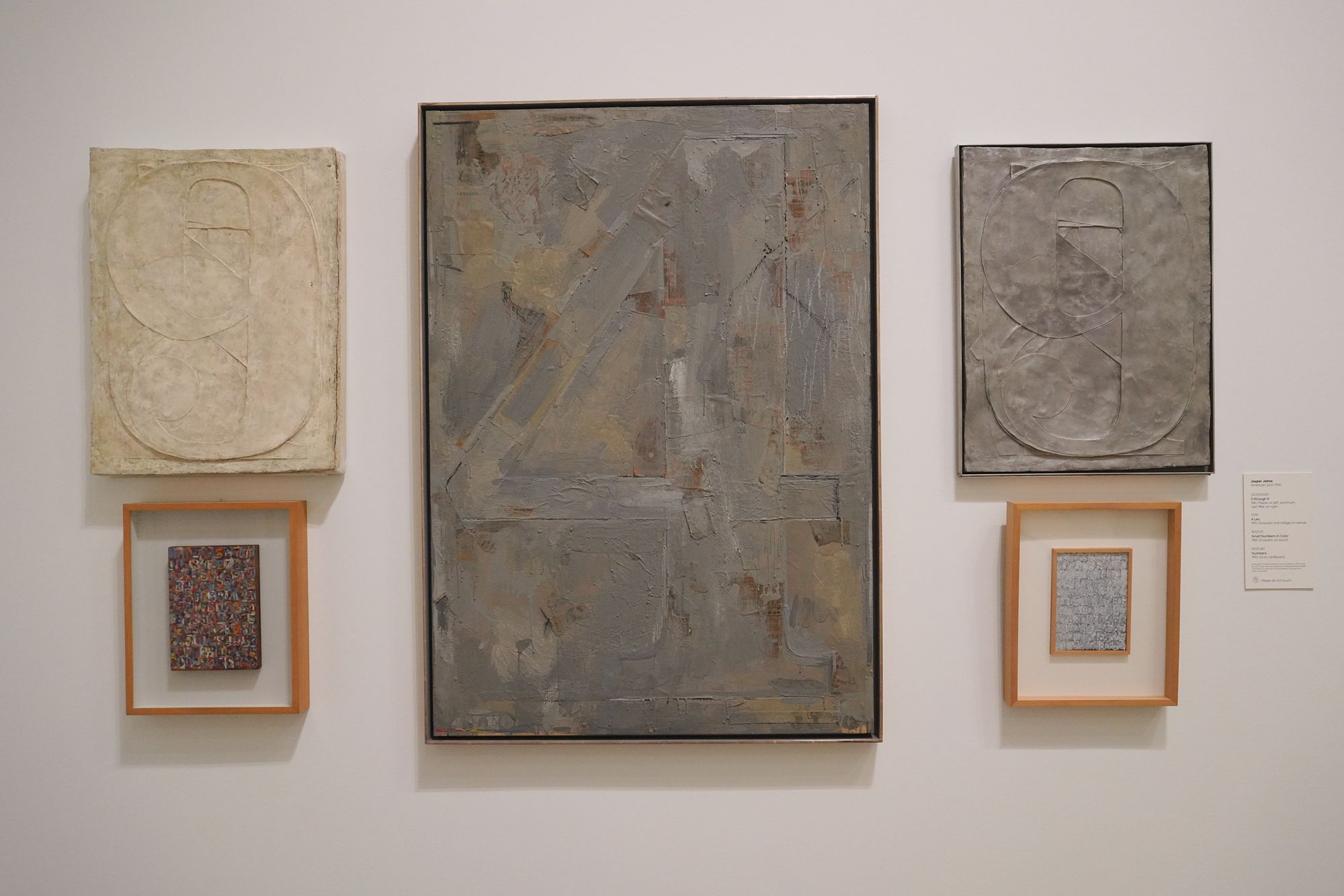
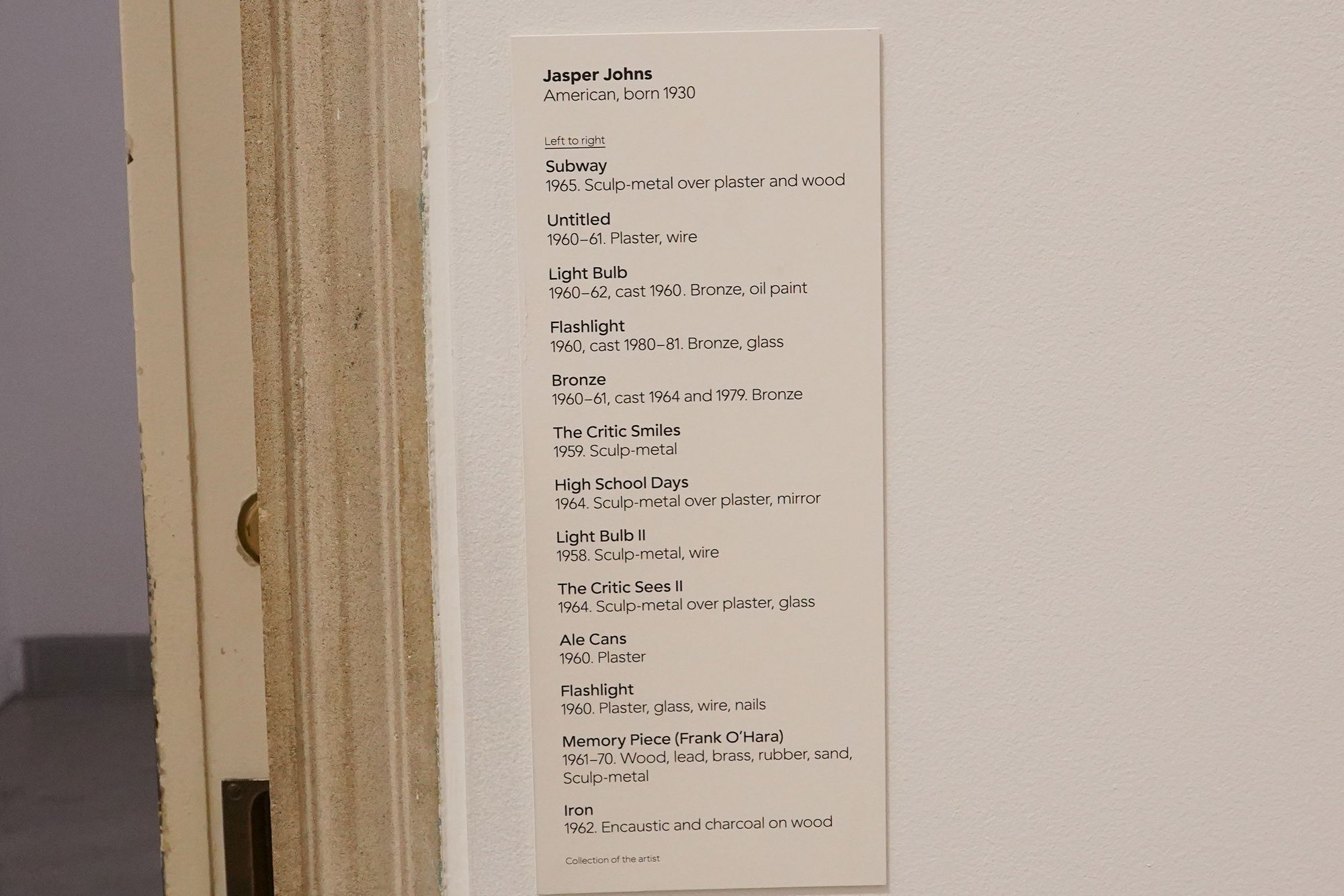
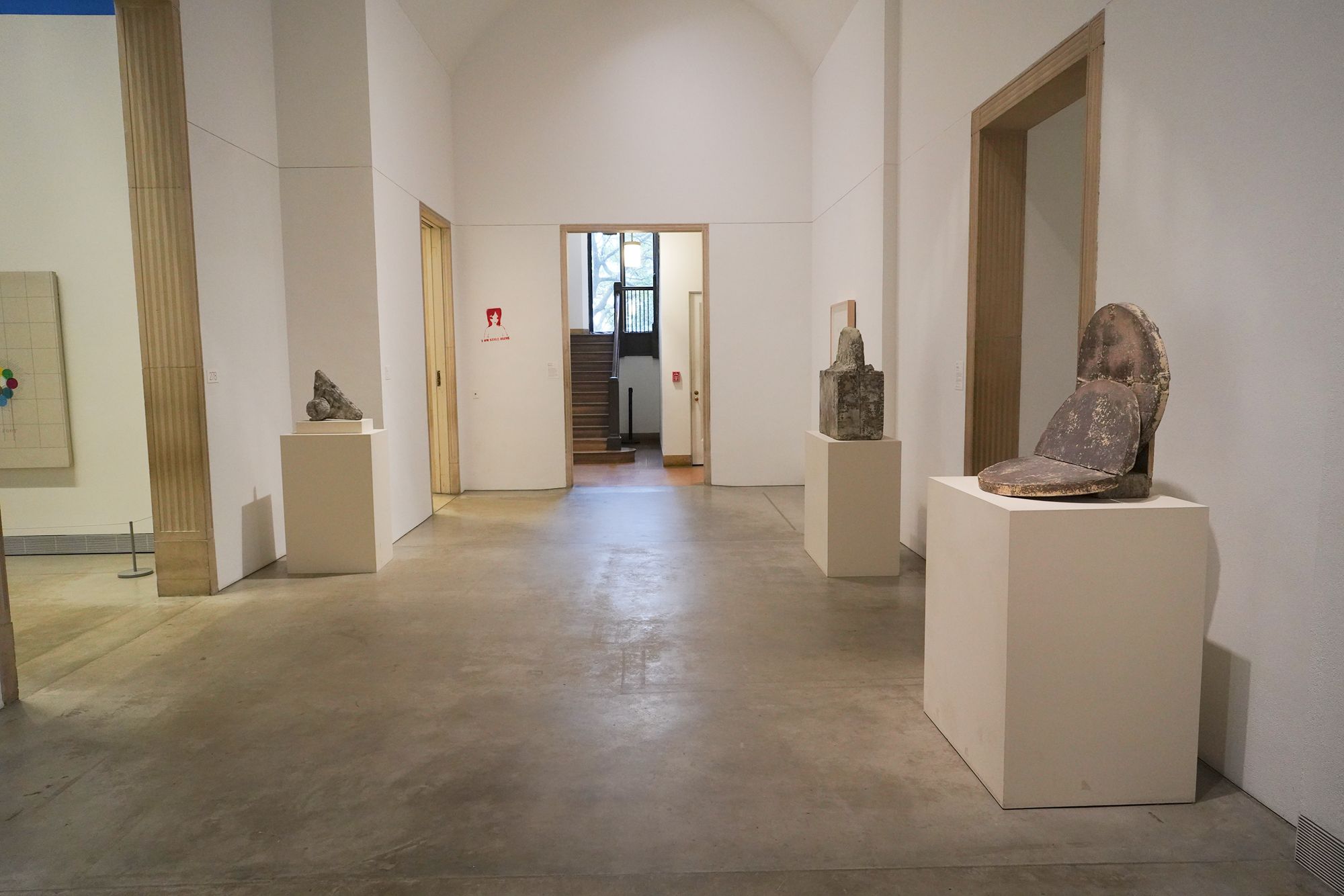
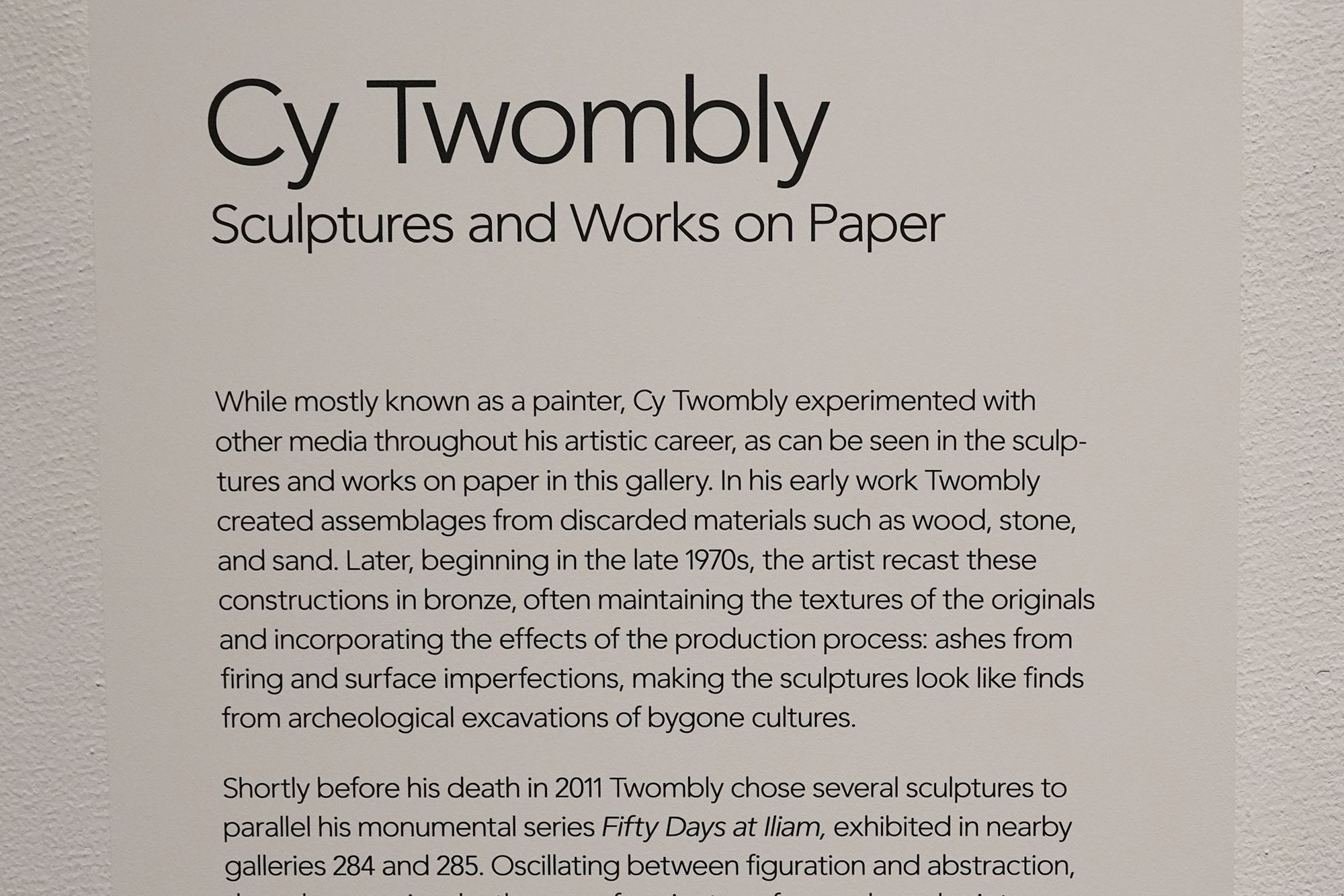
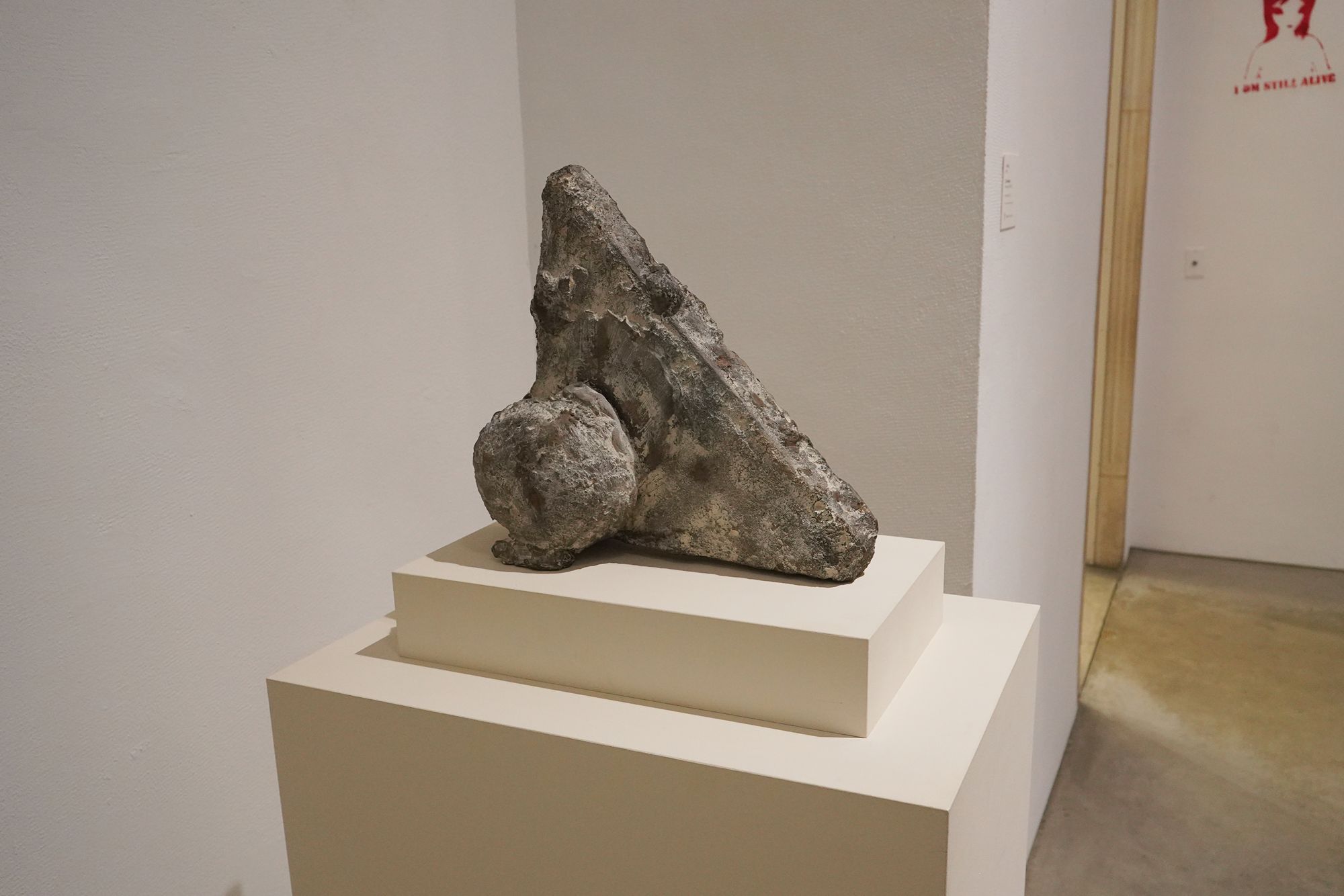
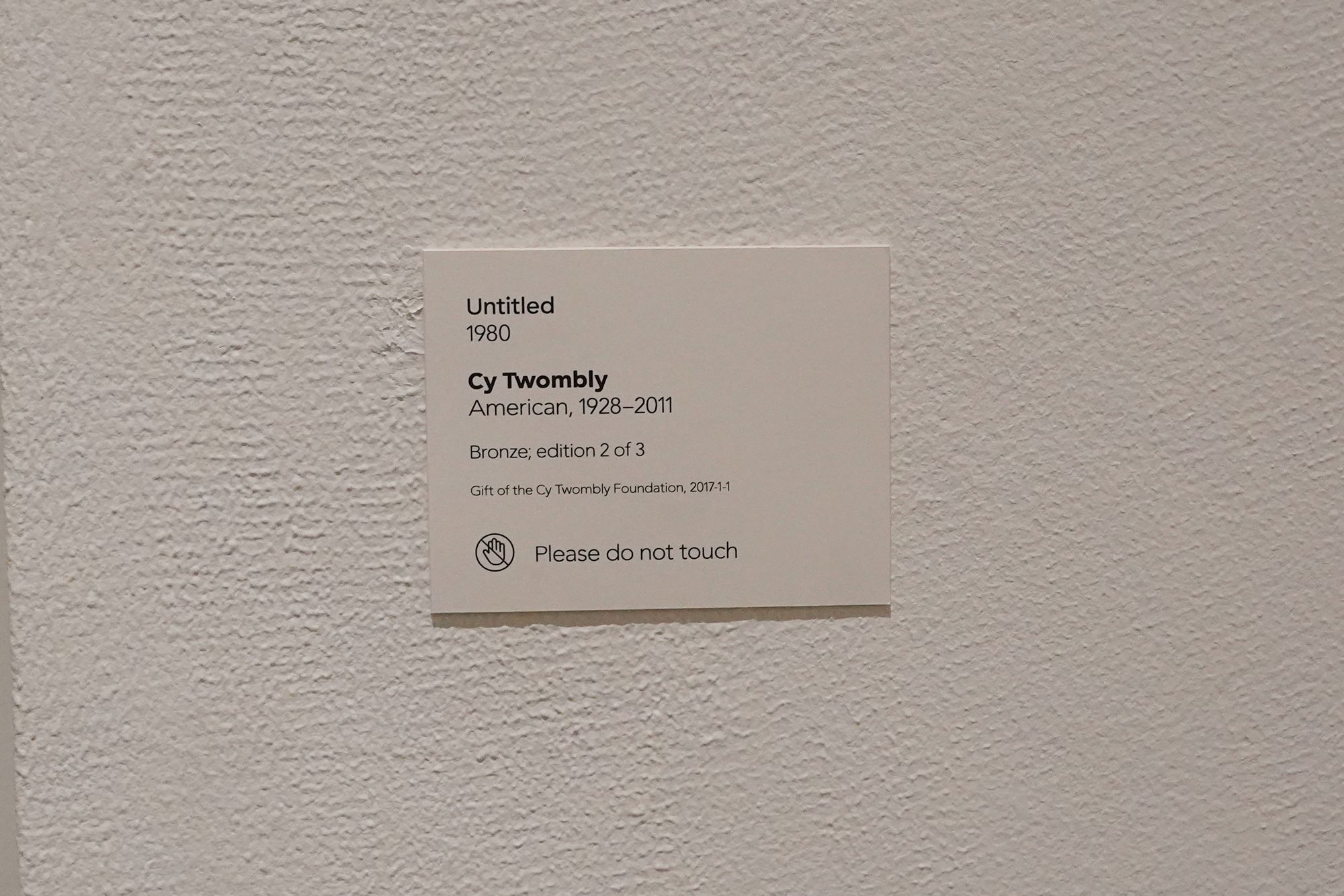
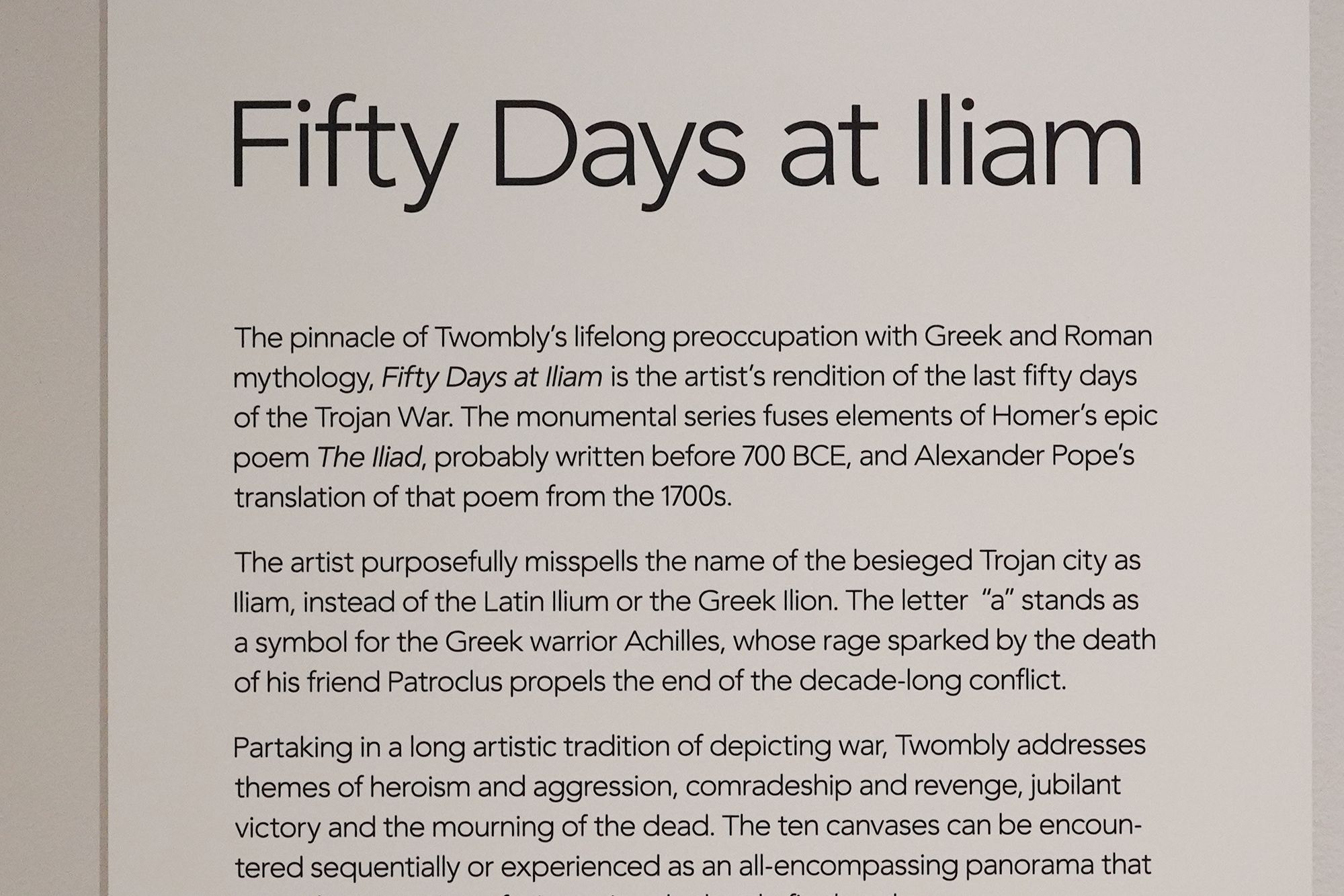
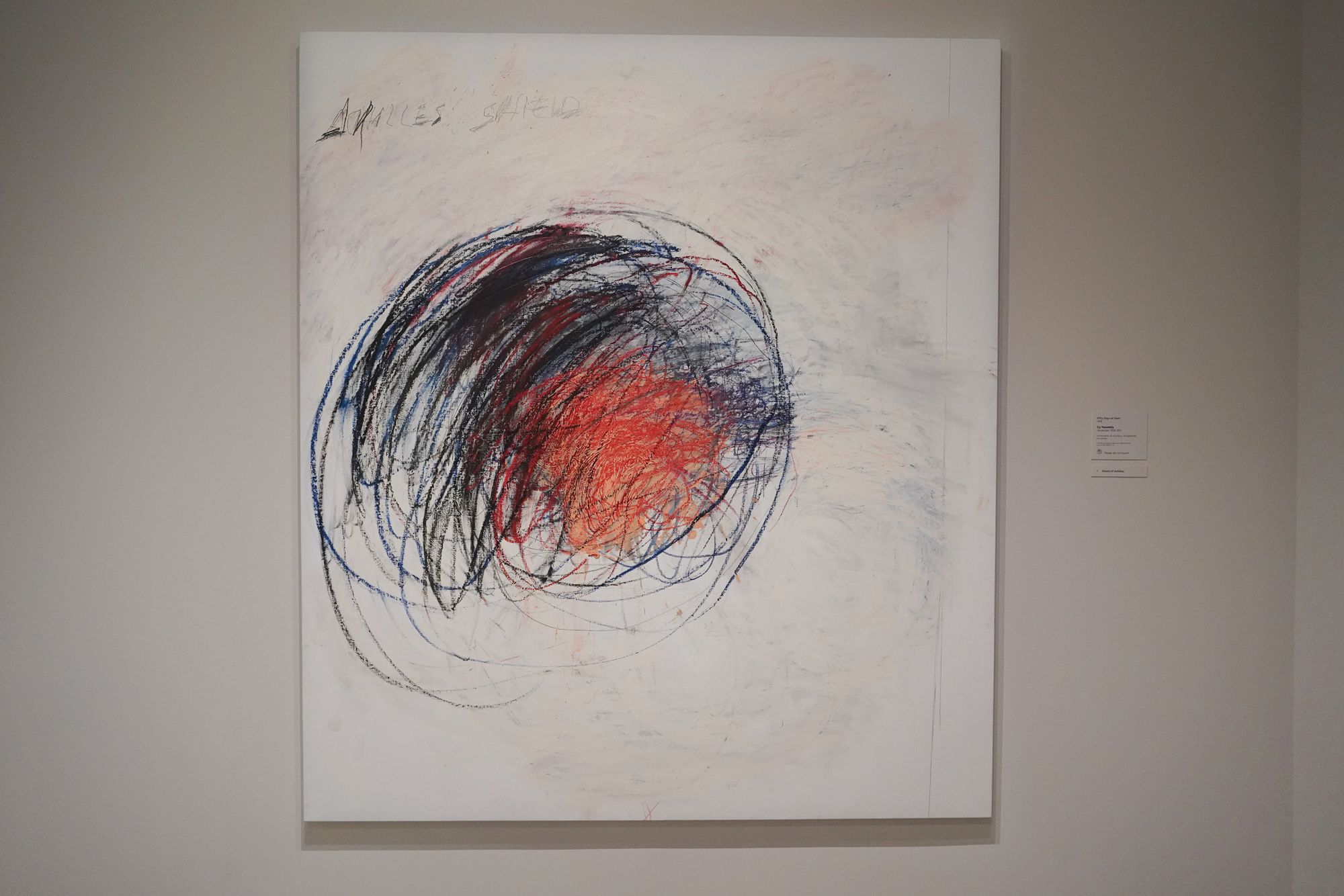
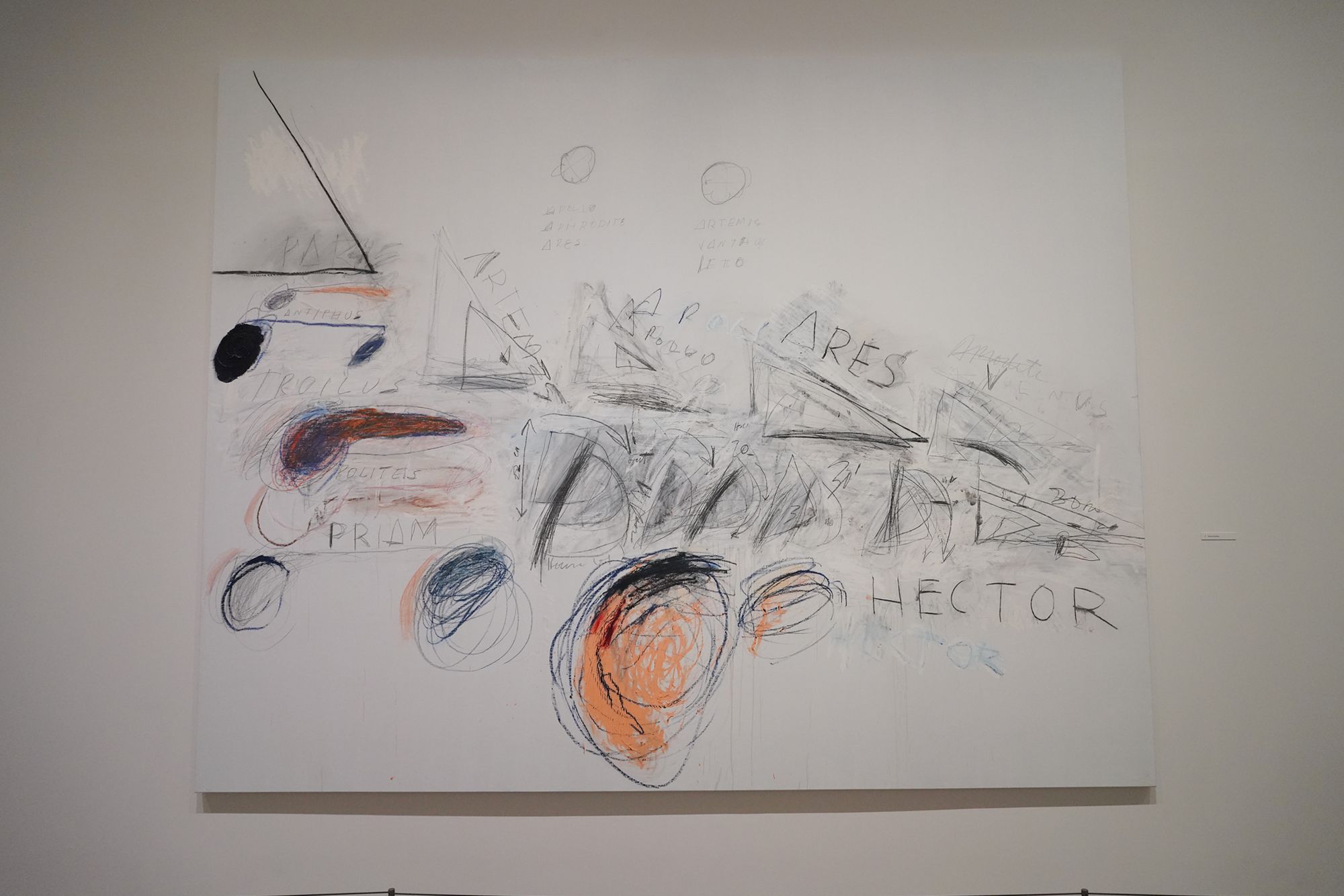
Cy Twombly (1928–2011)
American painter known for expressive lines, scribbles, mythic references, and poetic abstraction
Sculpture
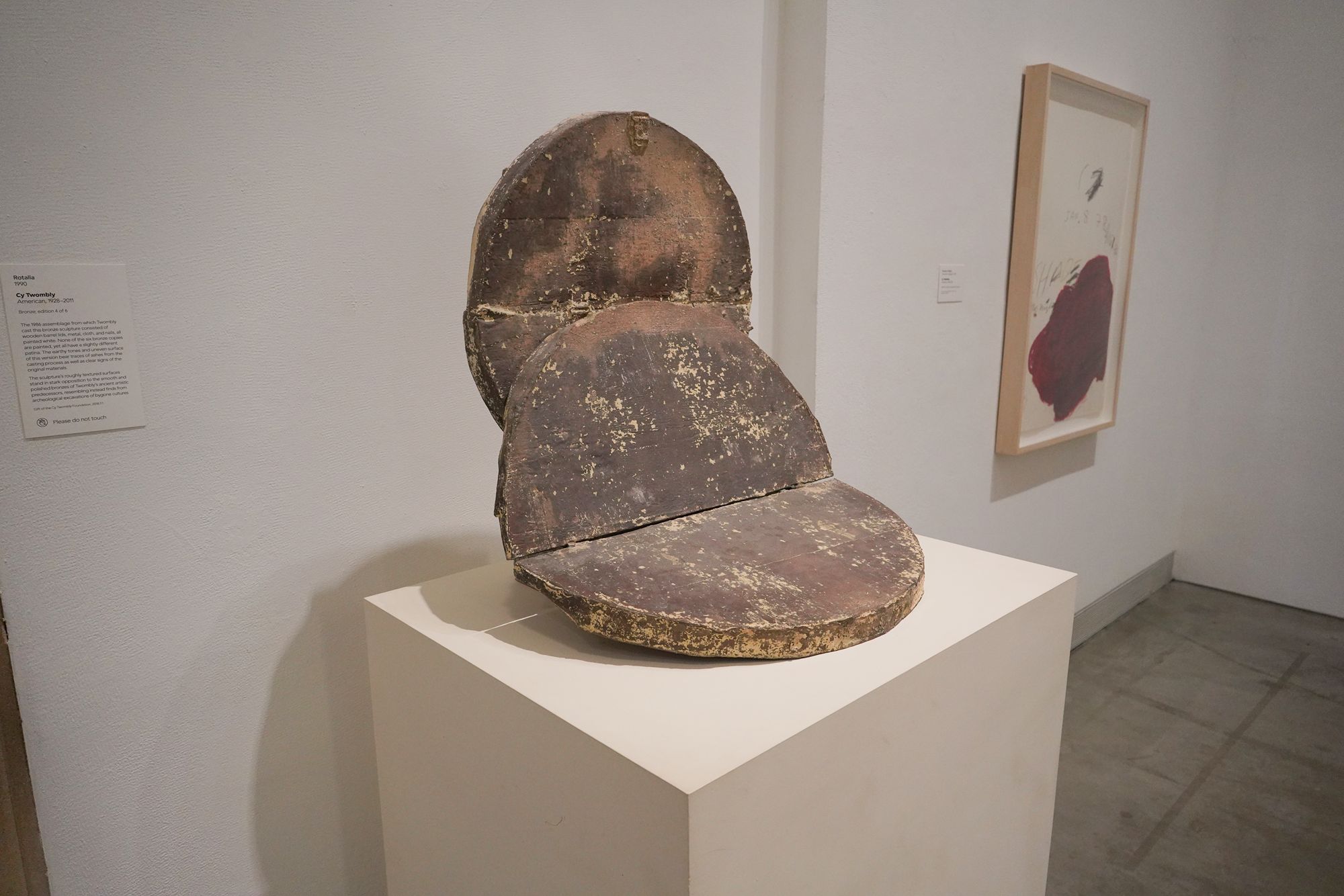
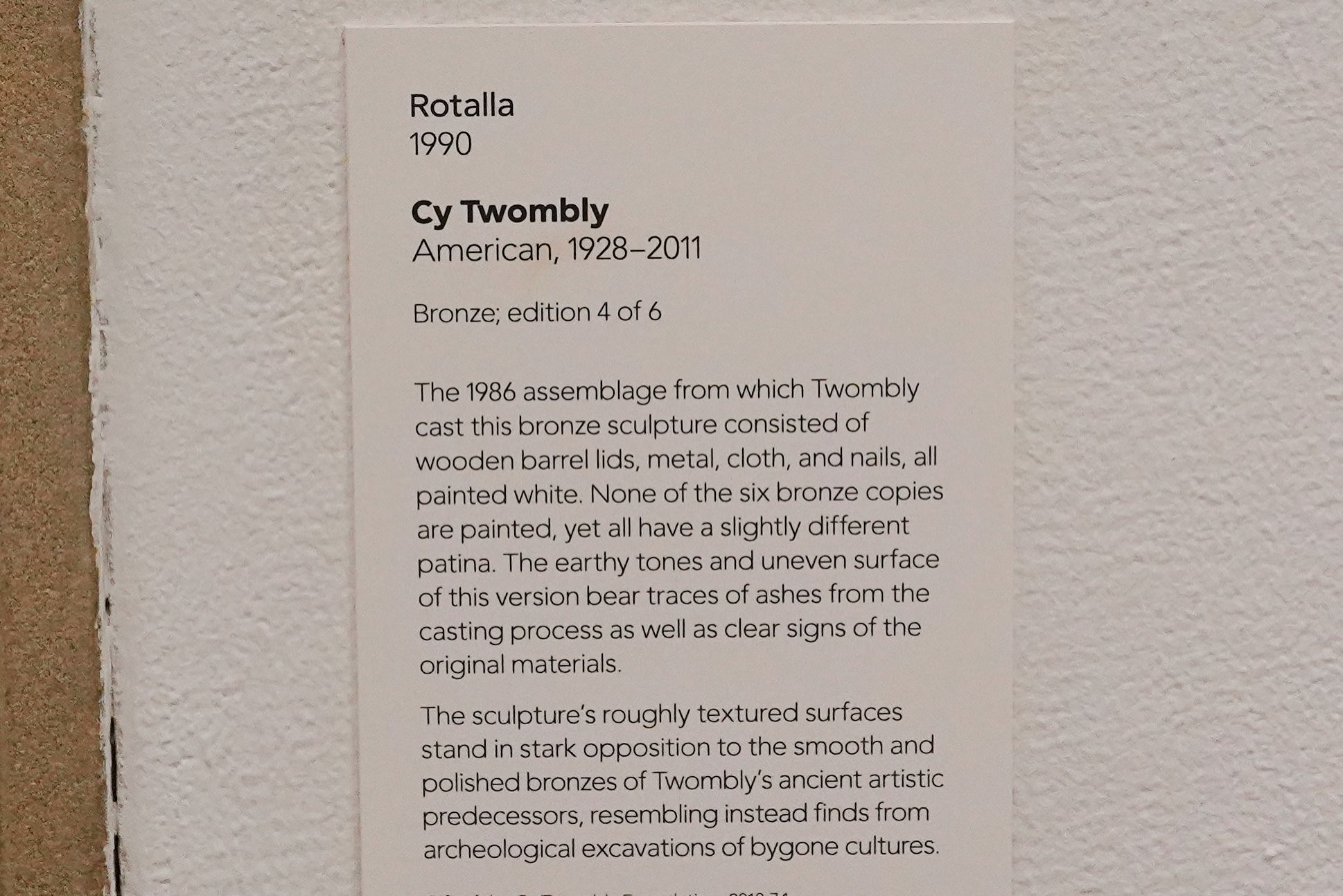
Although best known for his expressive paintings, Cy Twombly also created sculpture — rough, poetic constructions made from everyday materials. Rather than smooth or polished, his sculptures often look raw, handmade, and spontaneous, like physical versions of his scribbled paintings.
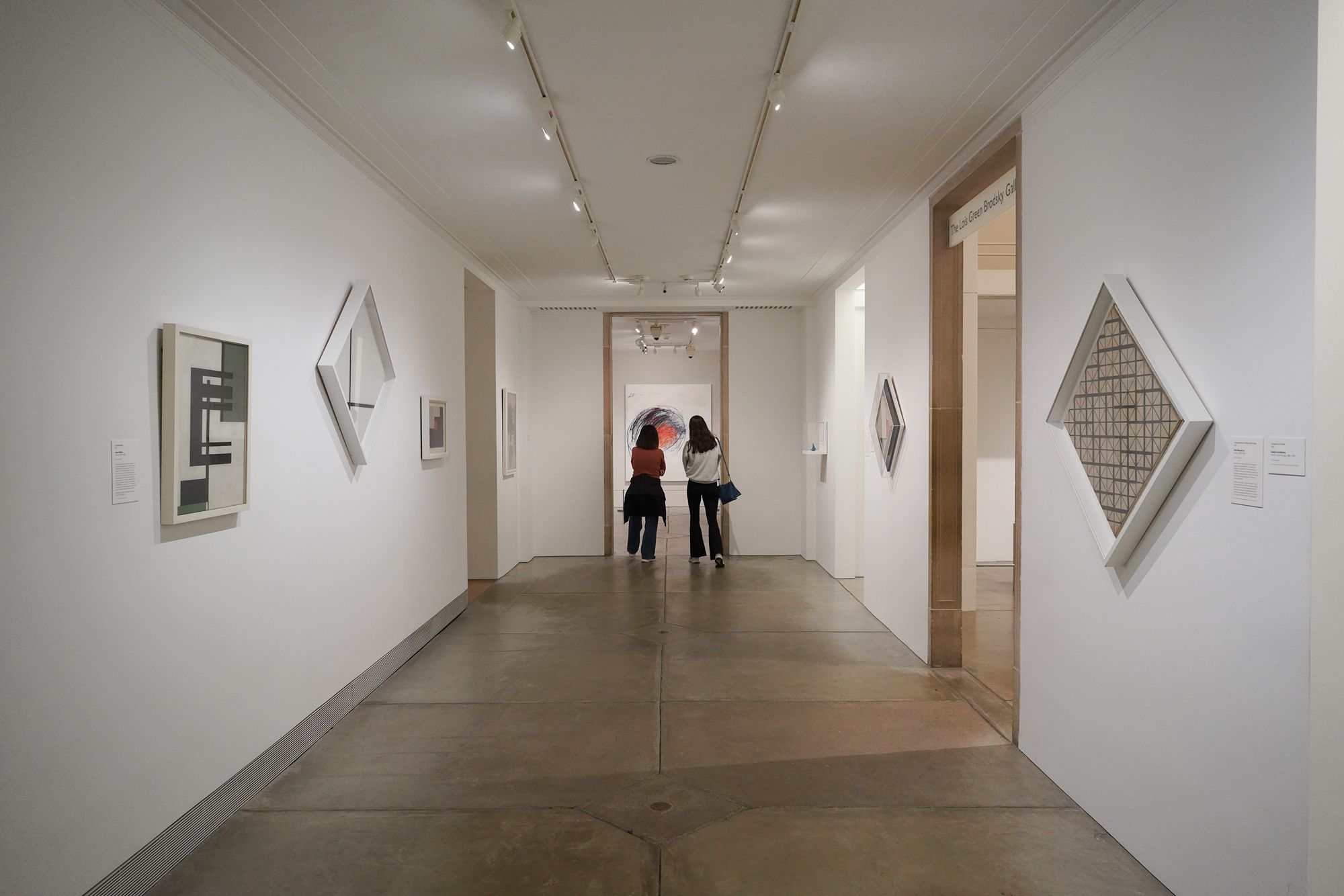
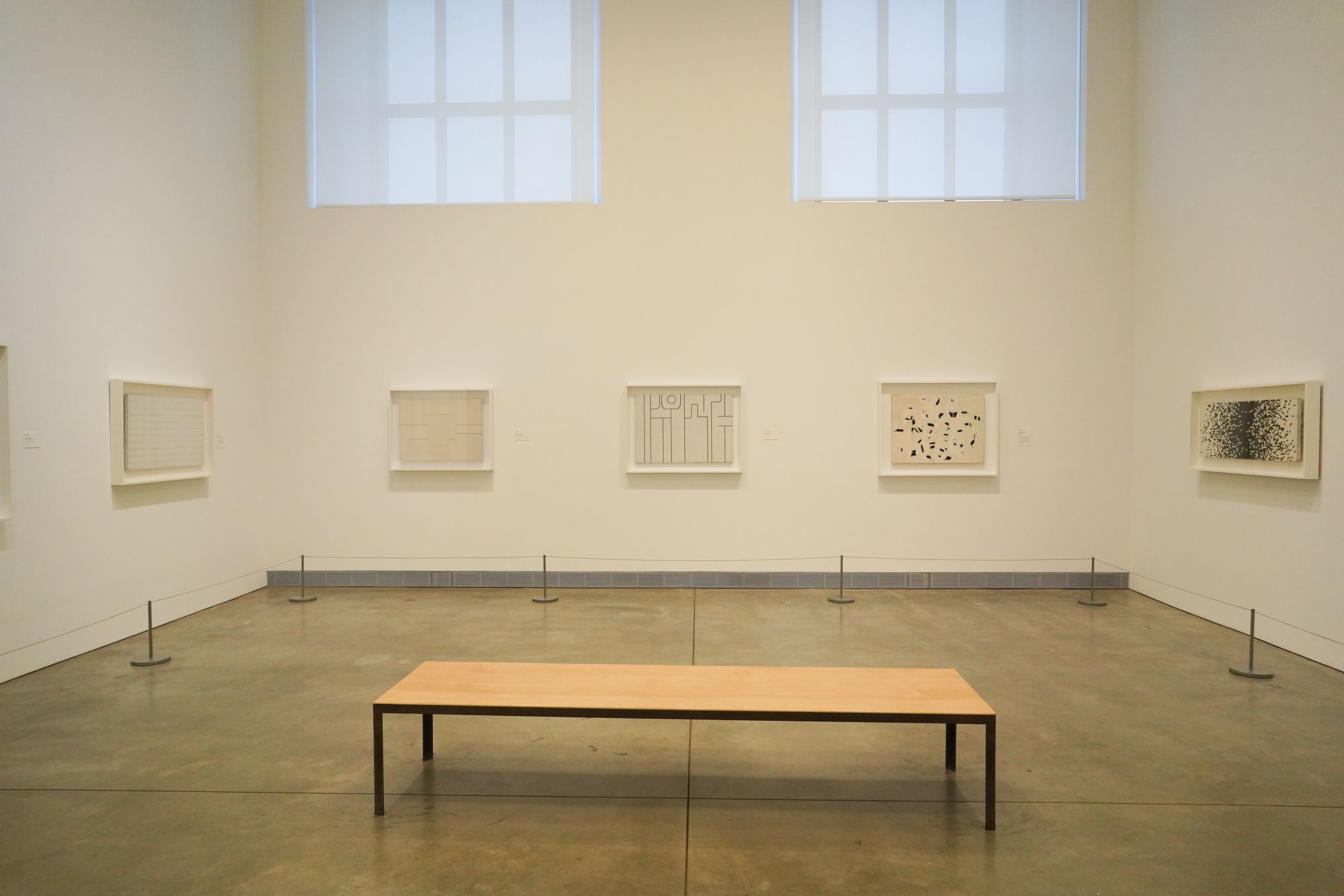
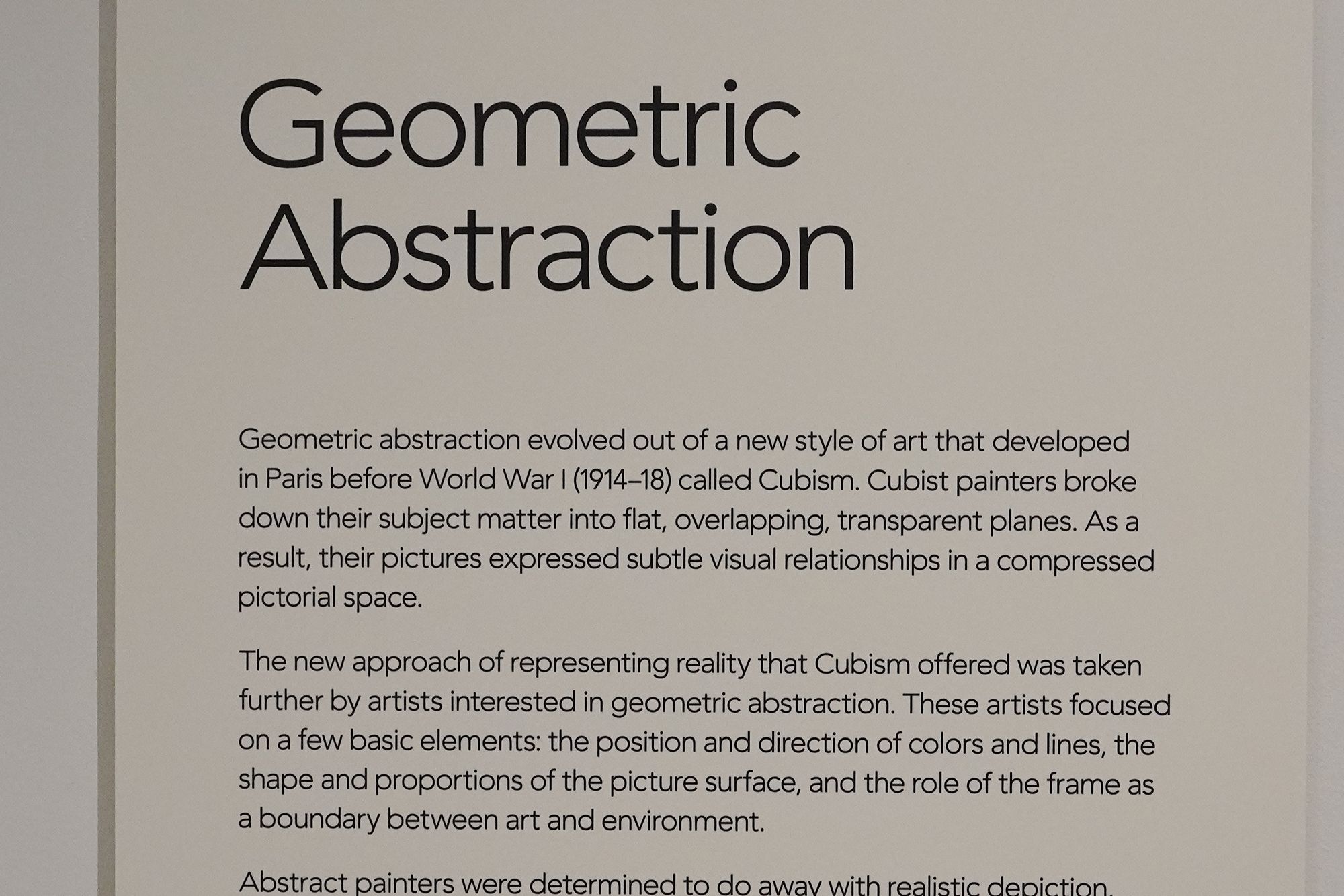
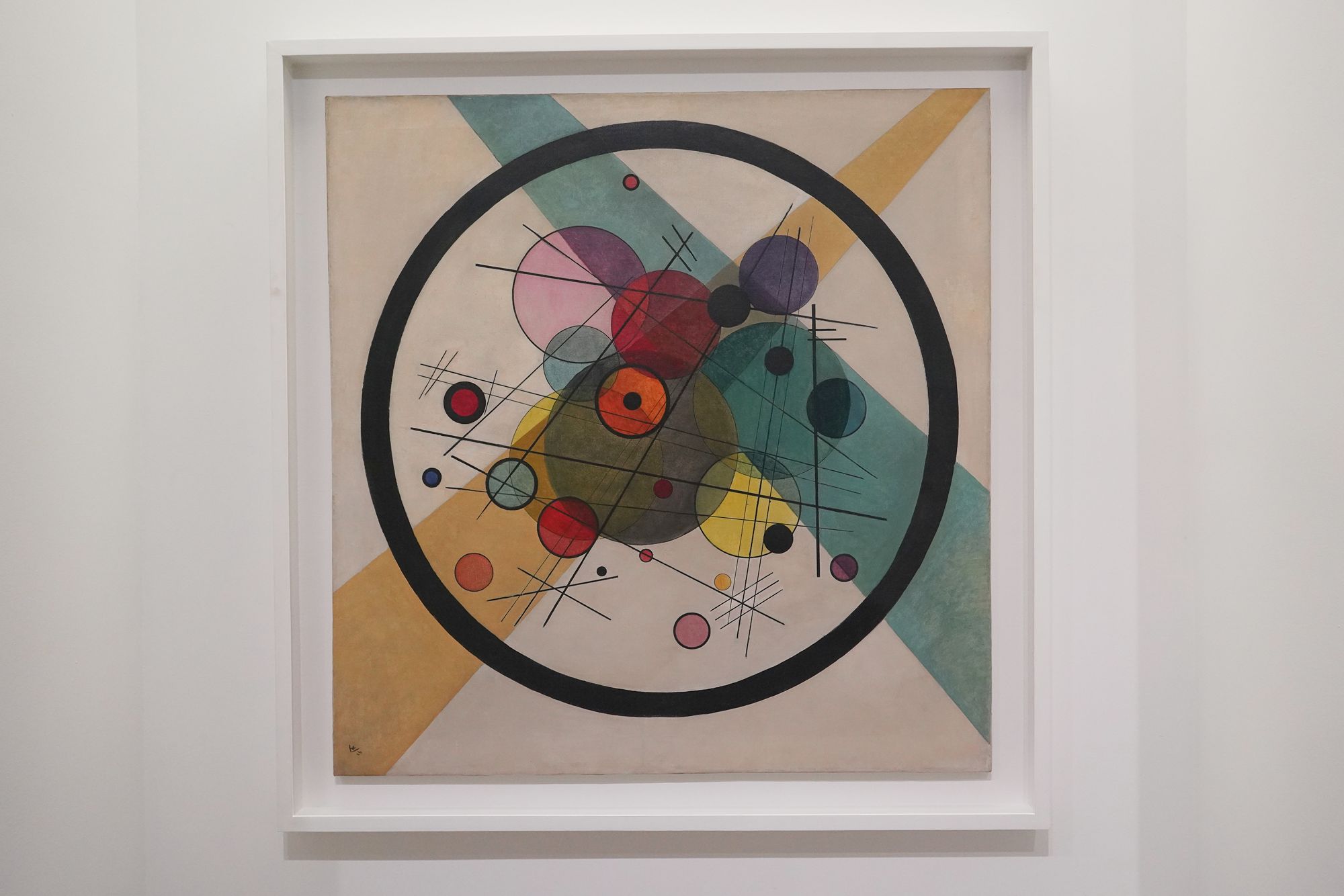
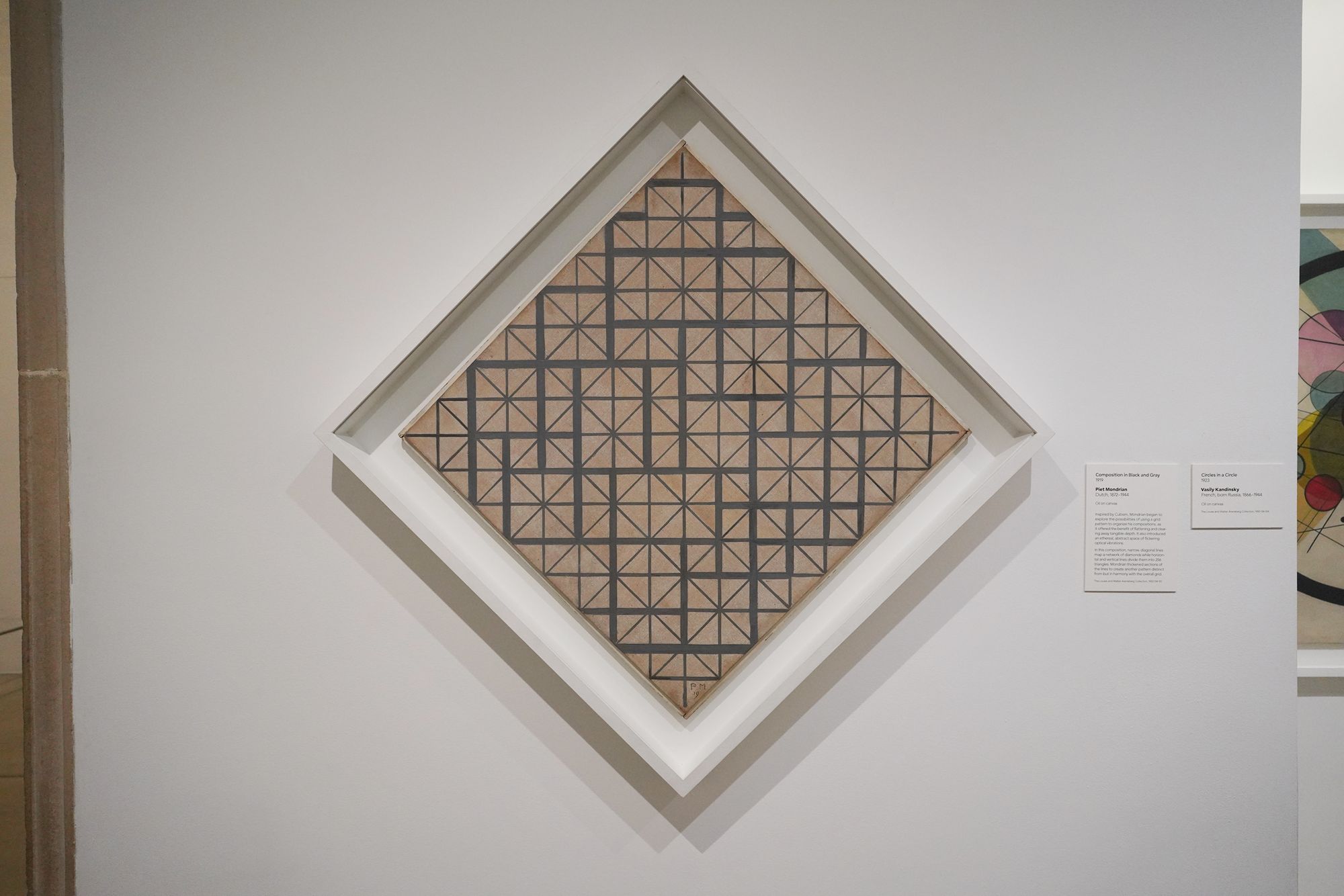
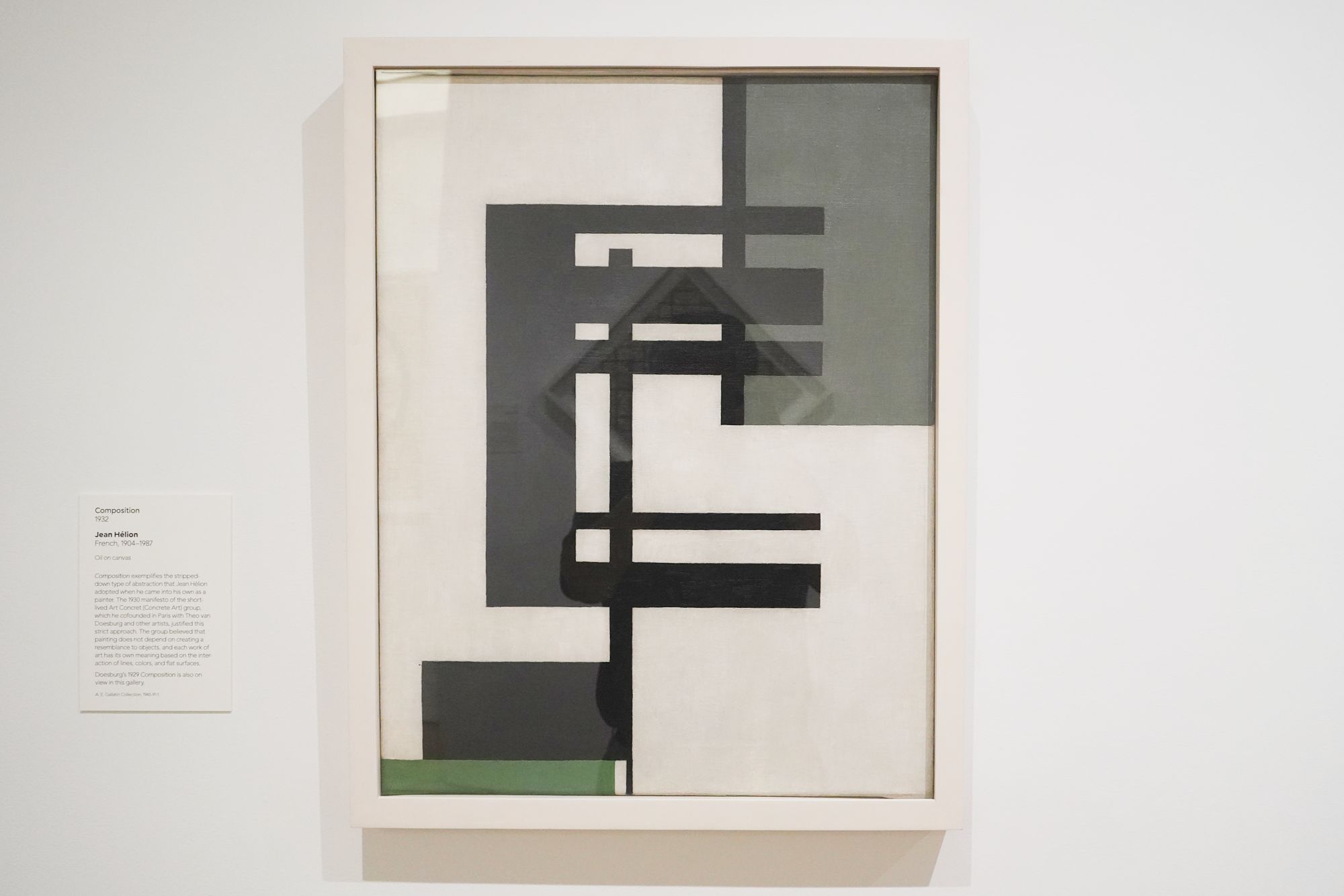
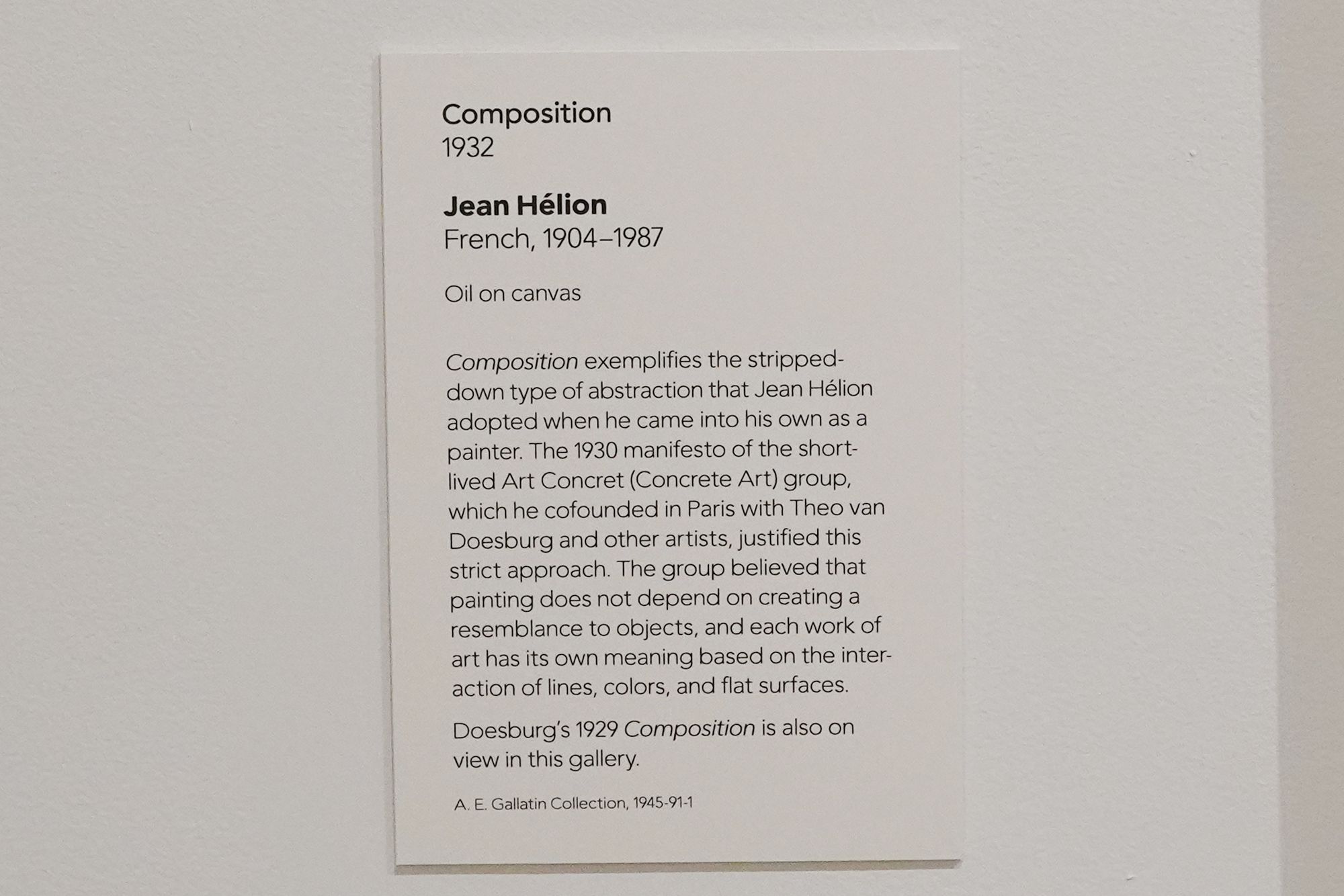
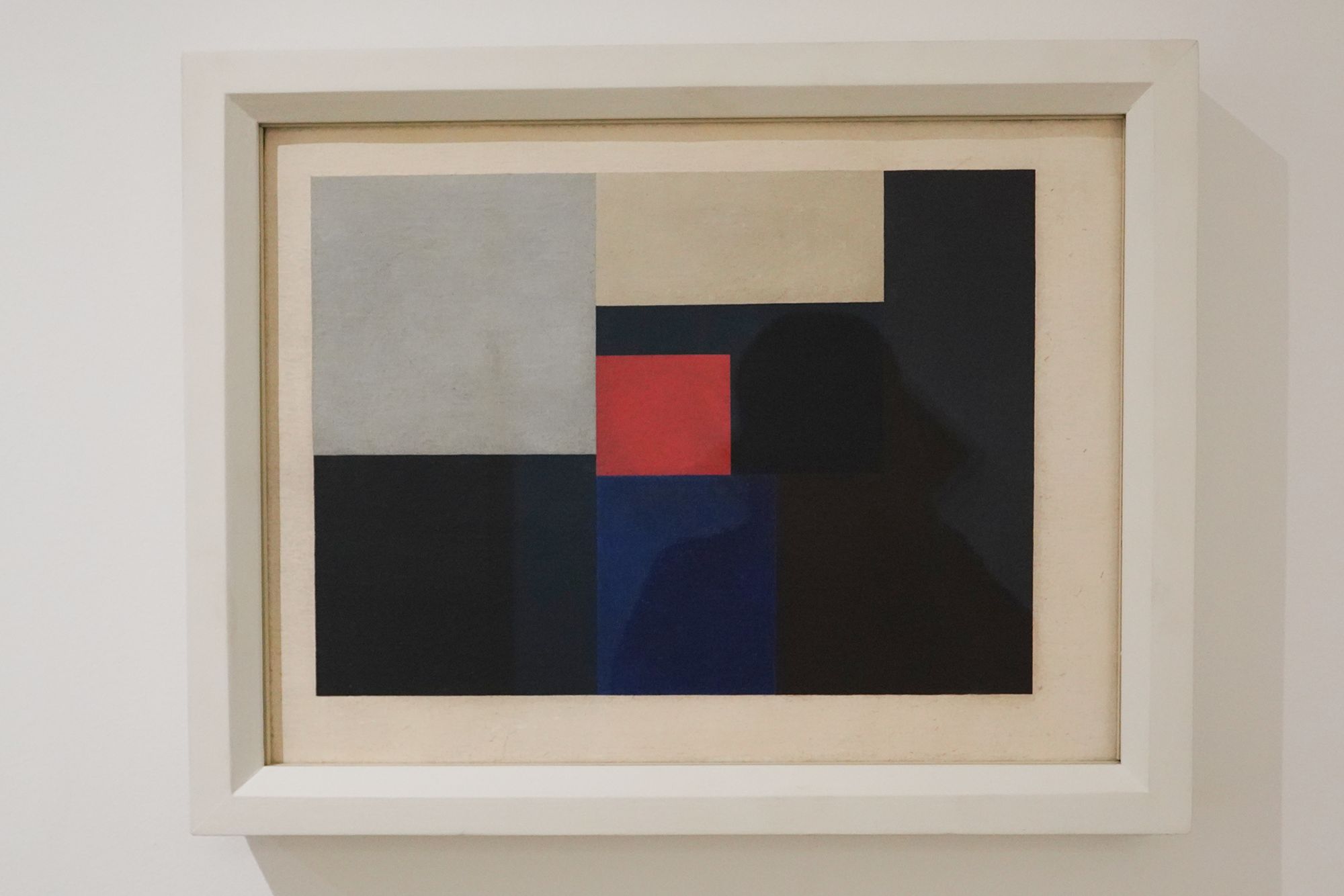
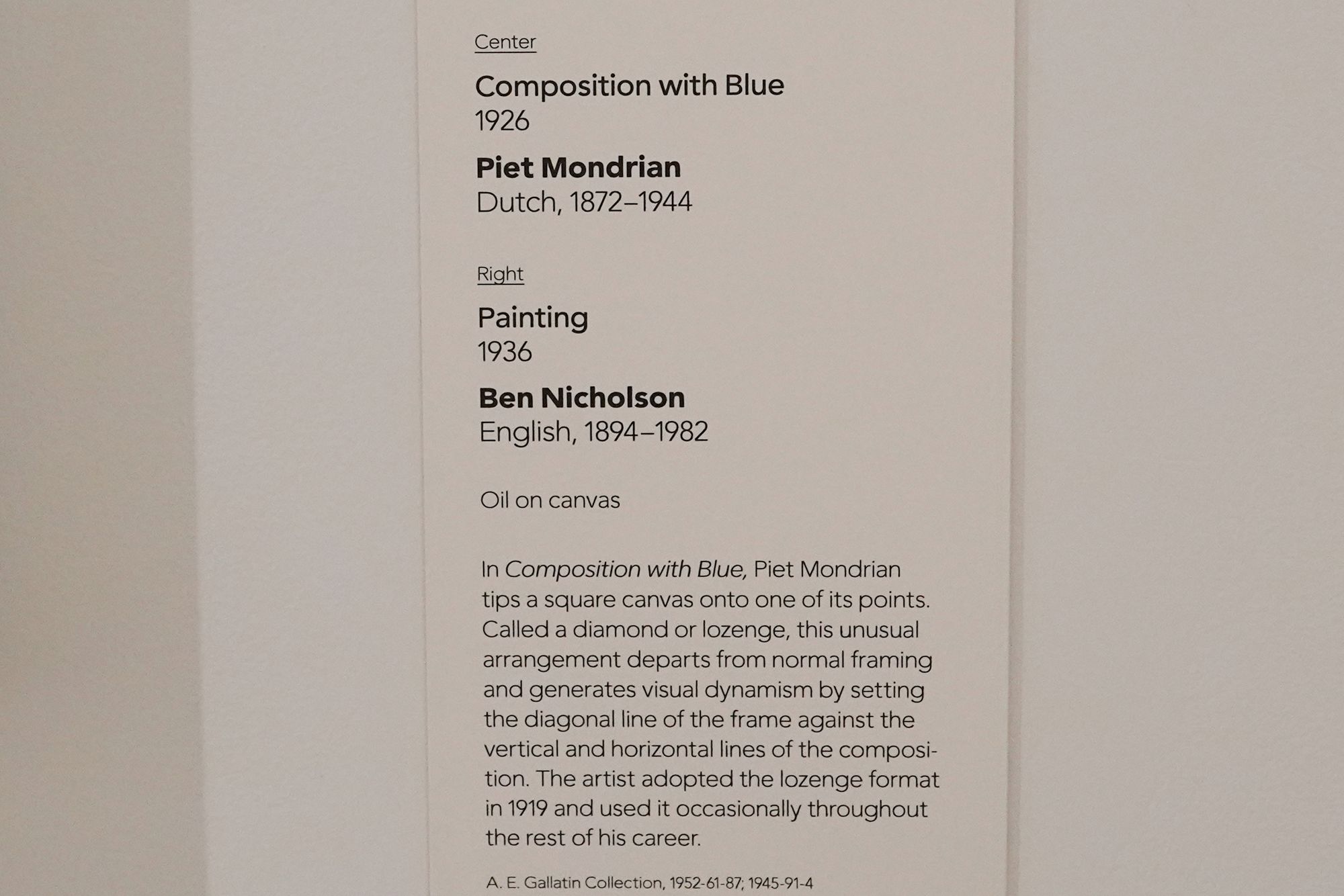
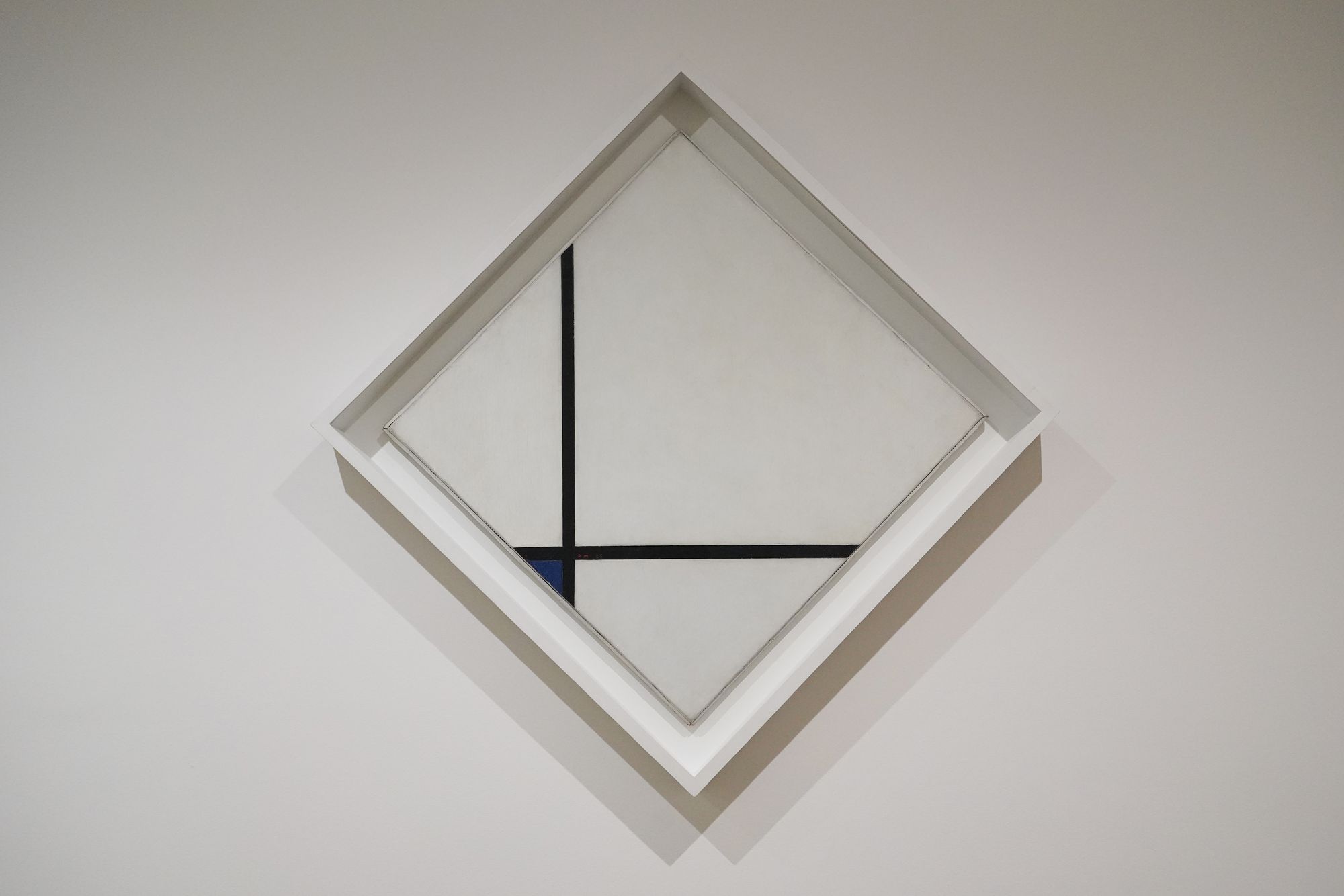
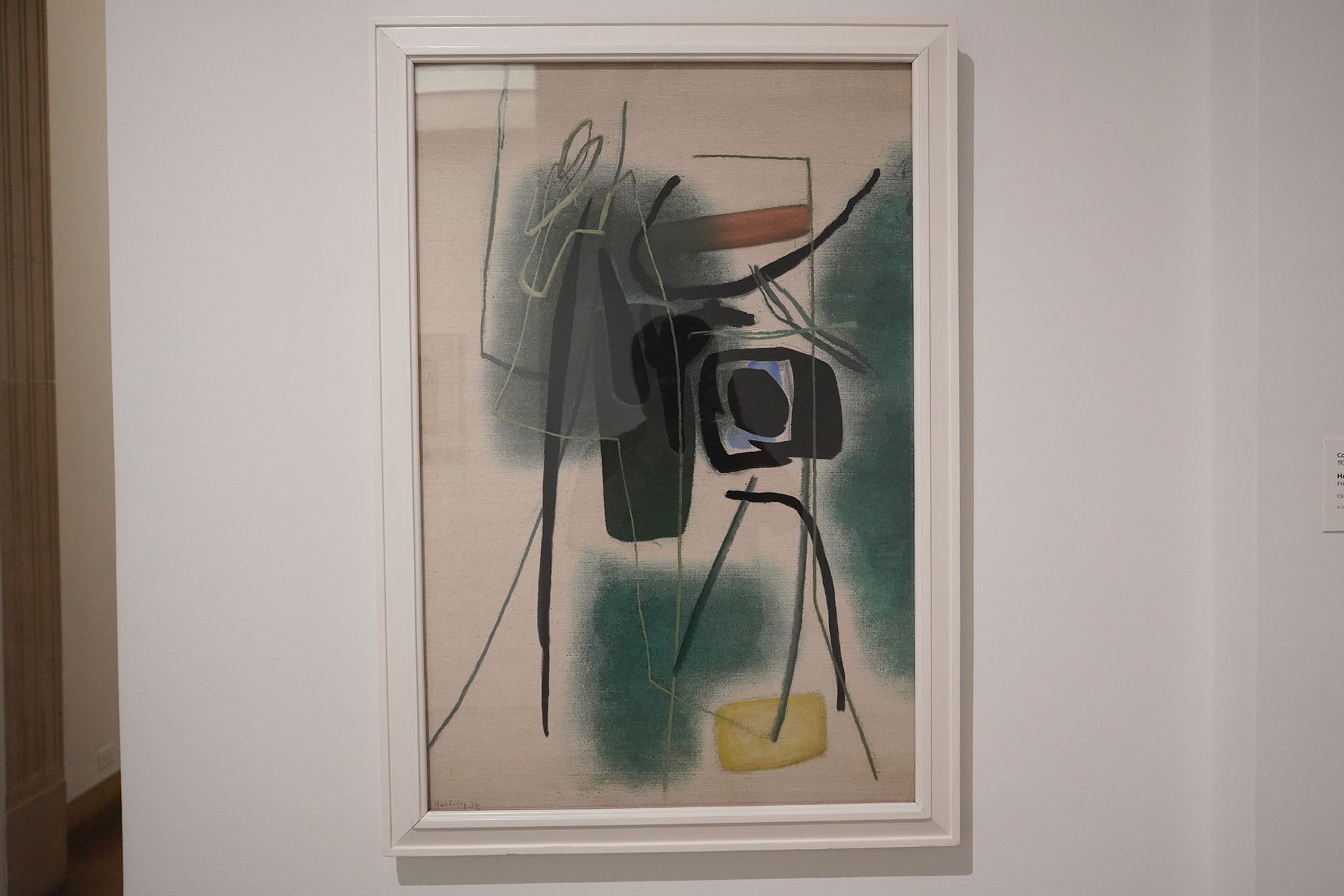
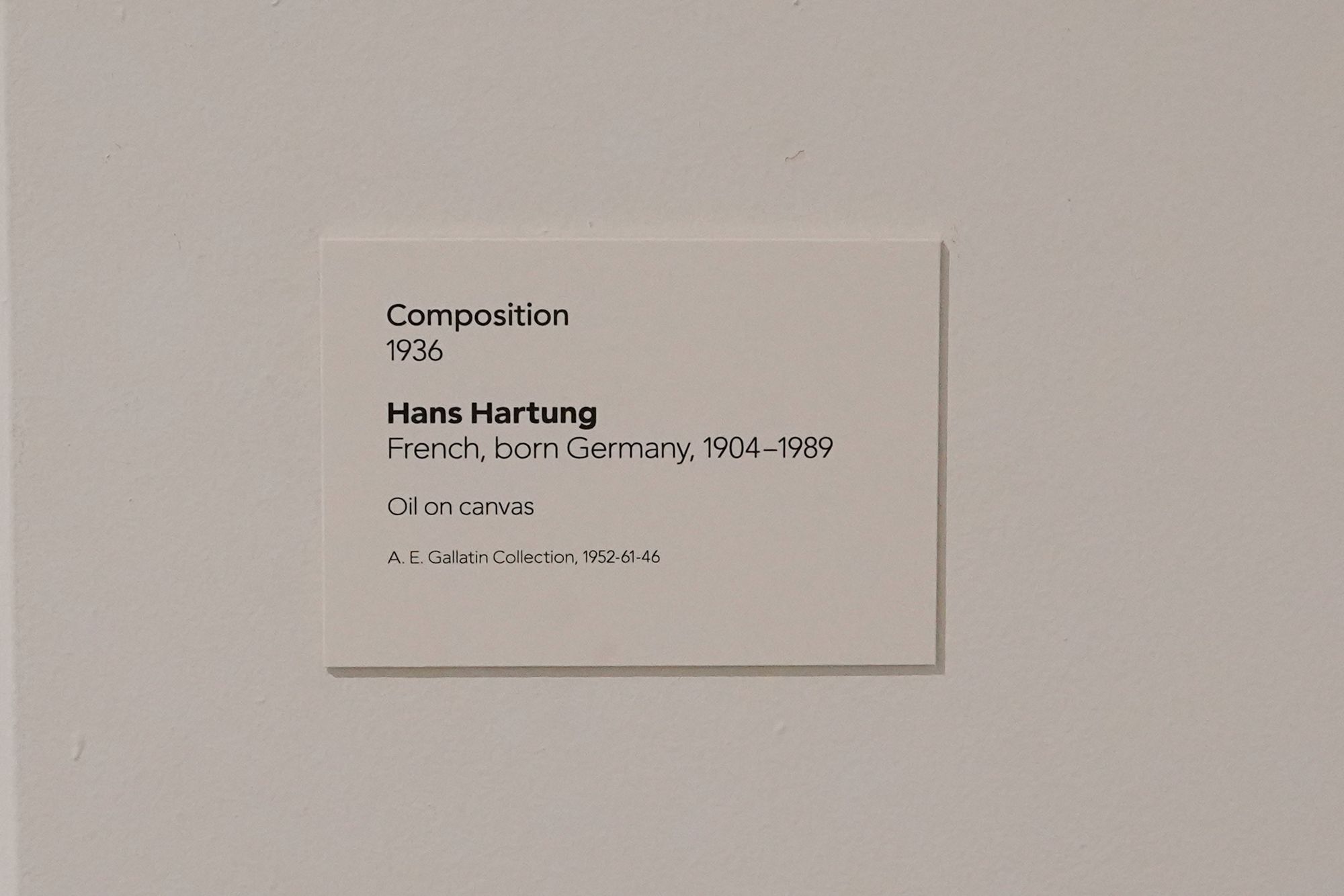
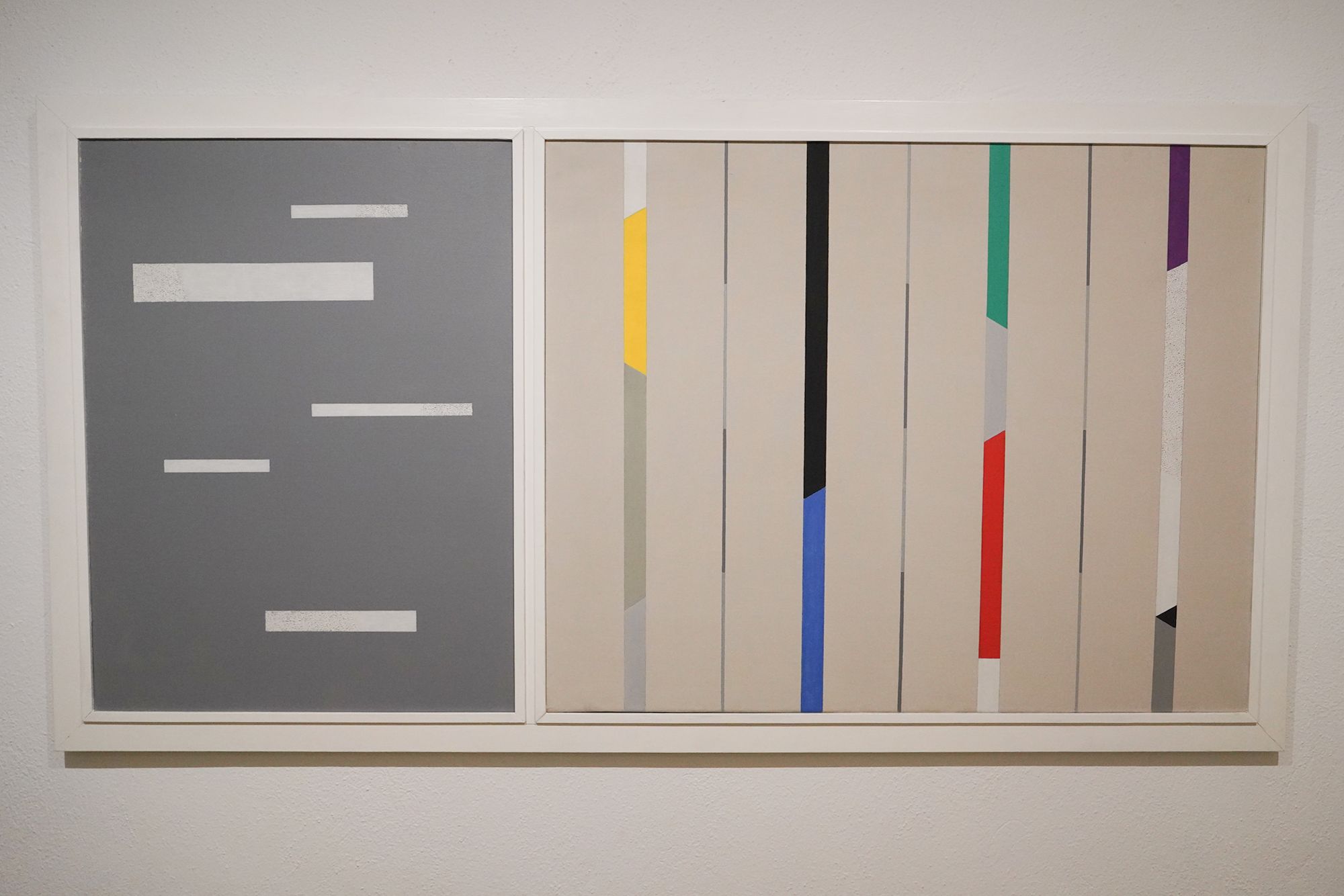
Geometric Abstraction
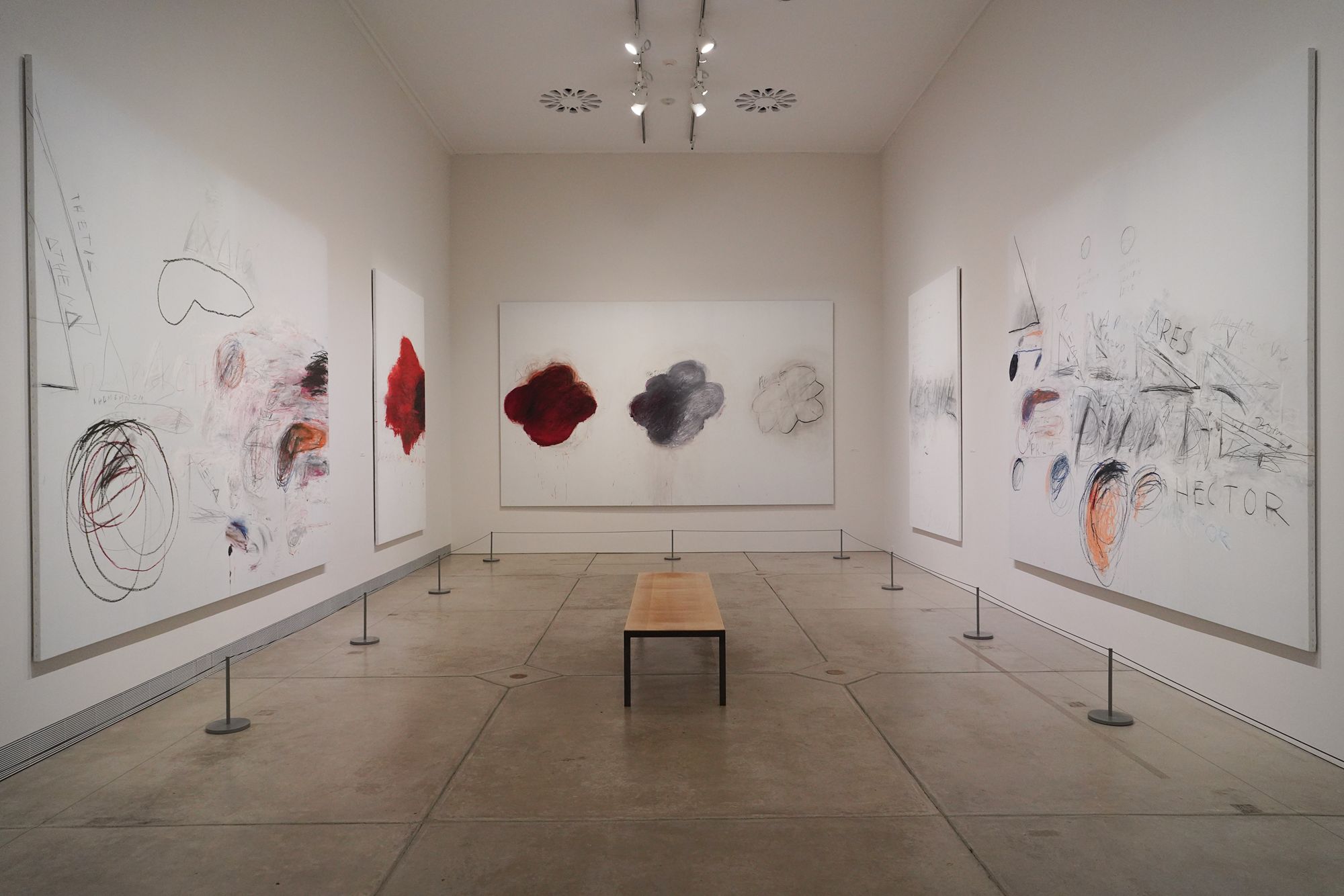
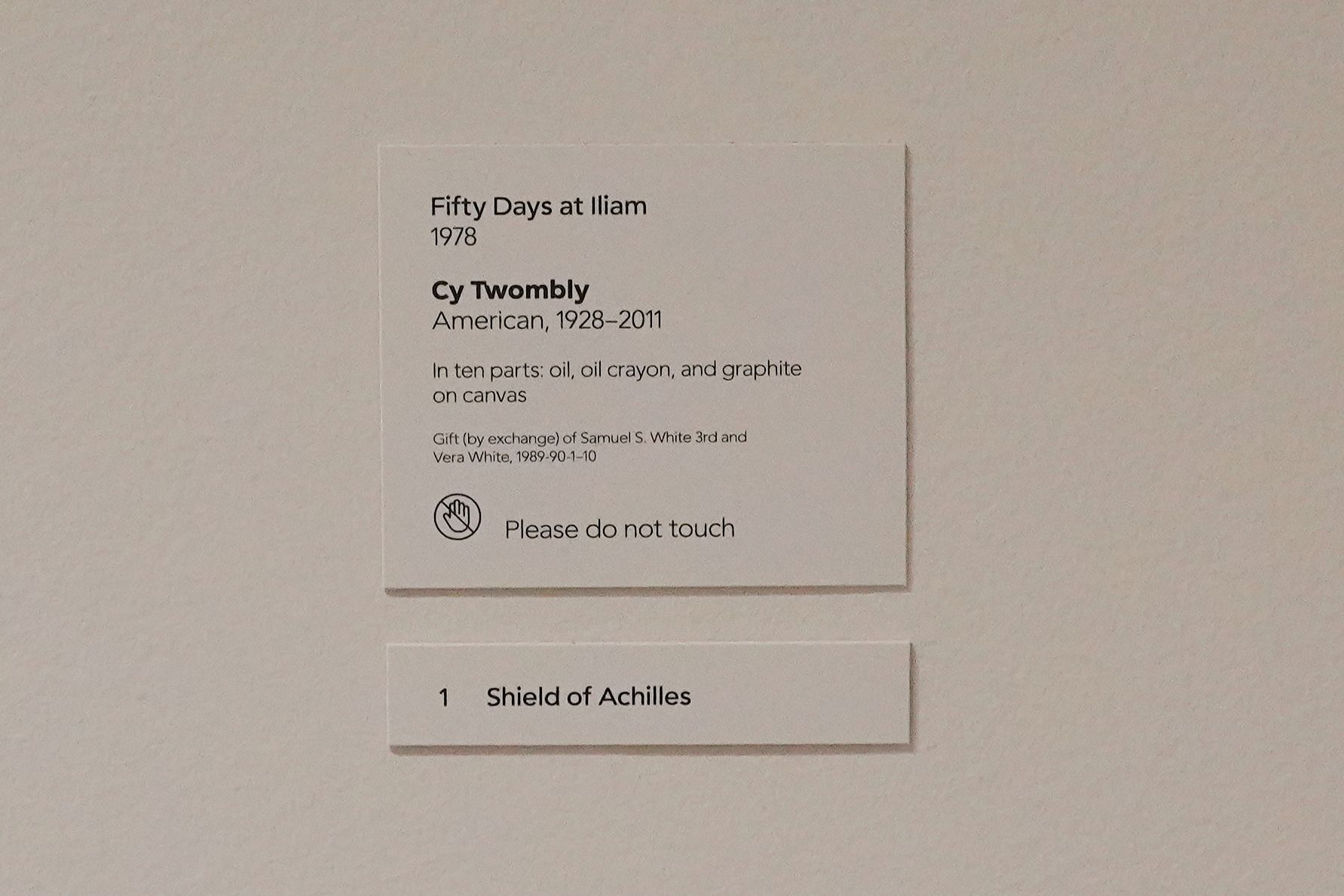
Fifty Days at Iliam - Trojan War
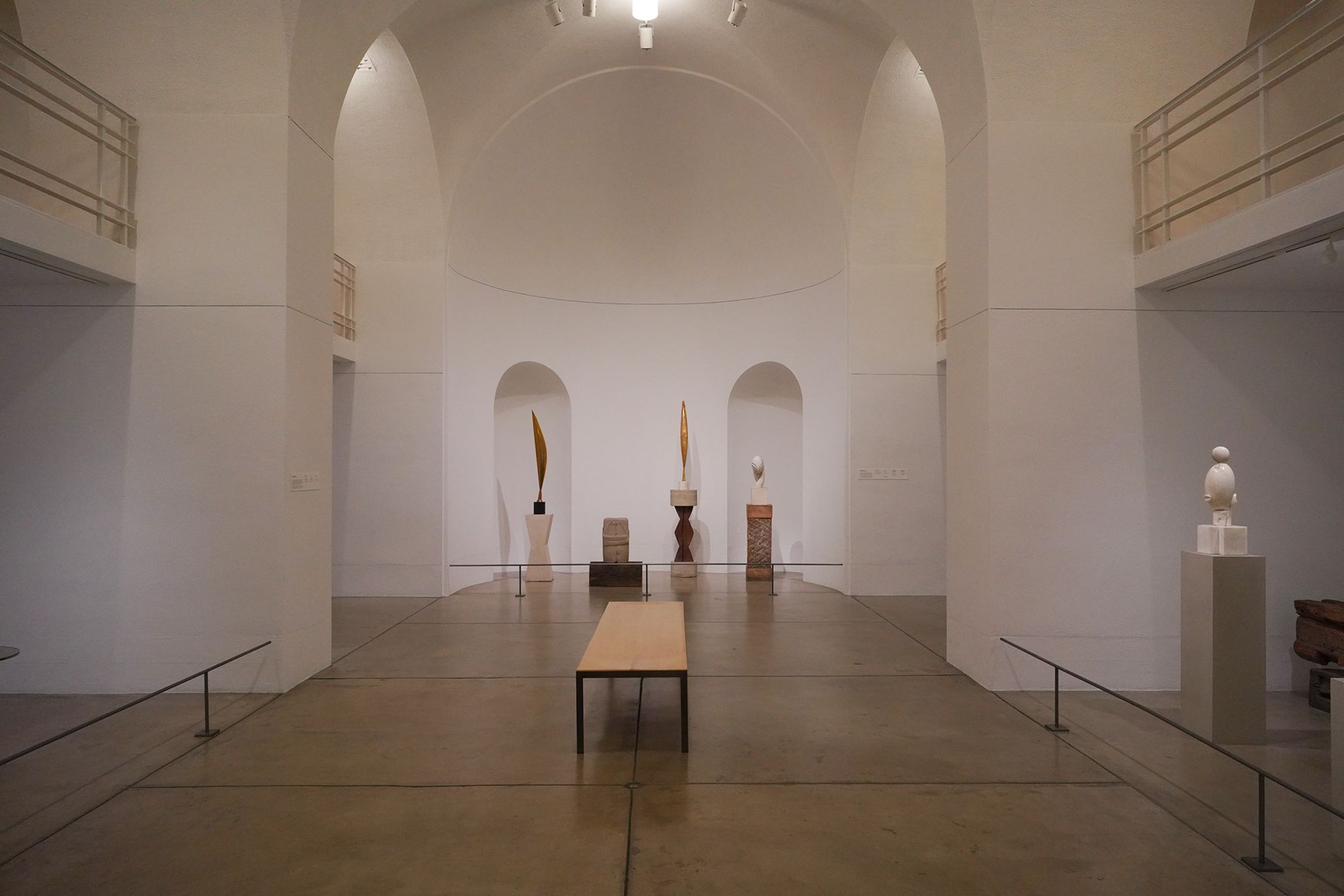
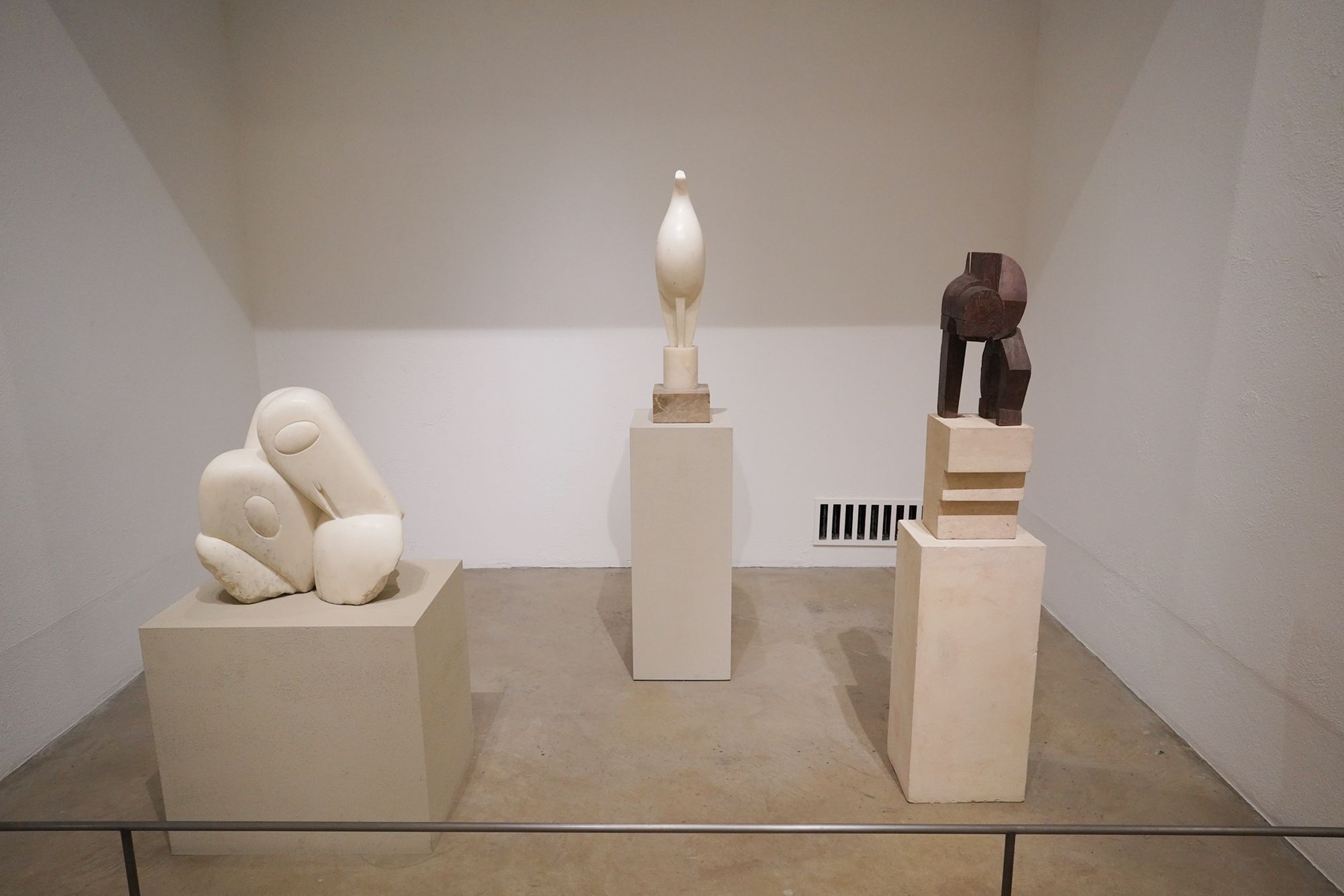
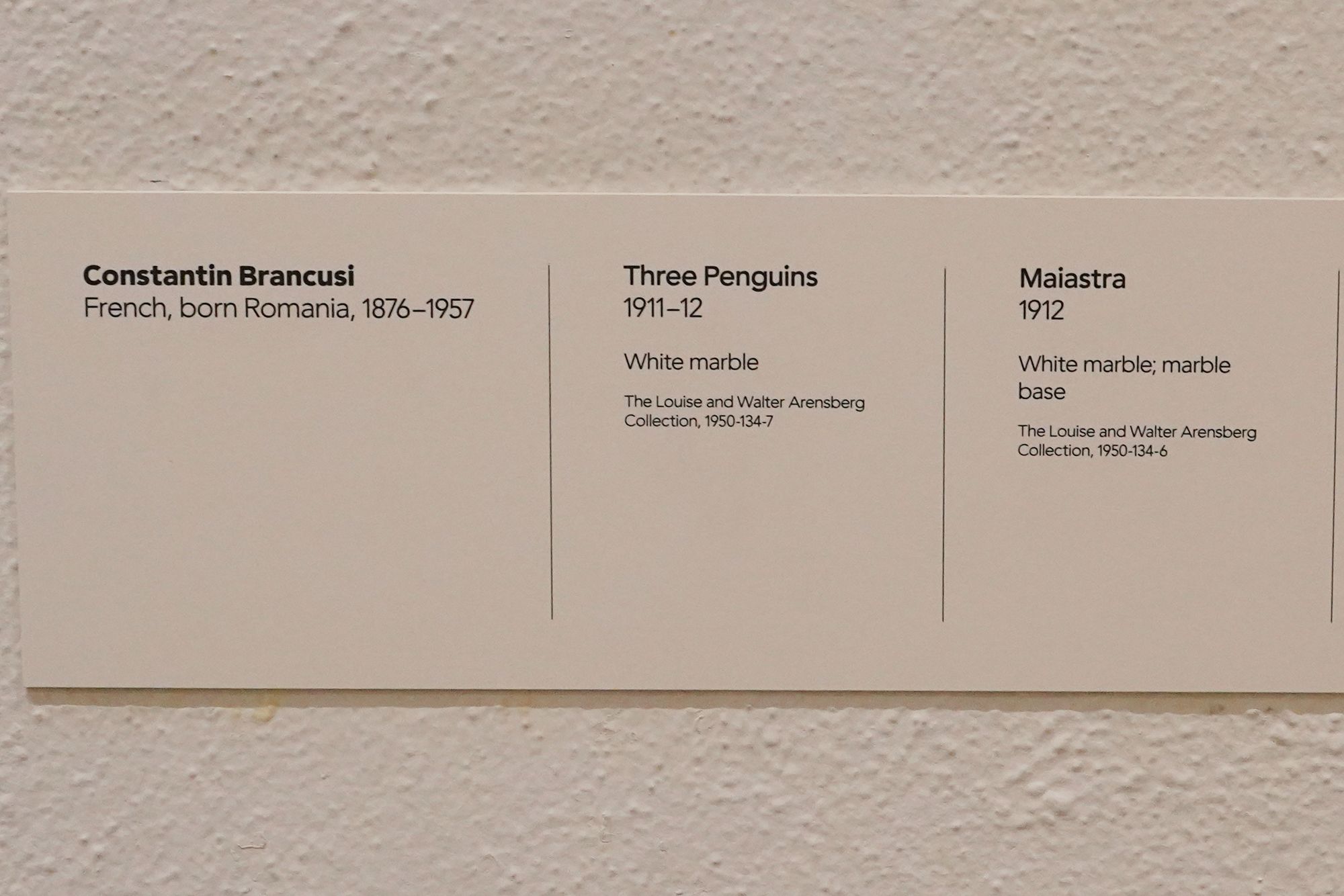
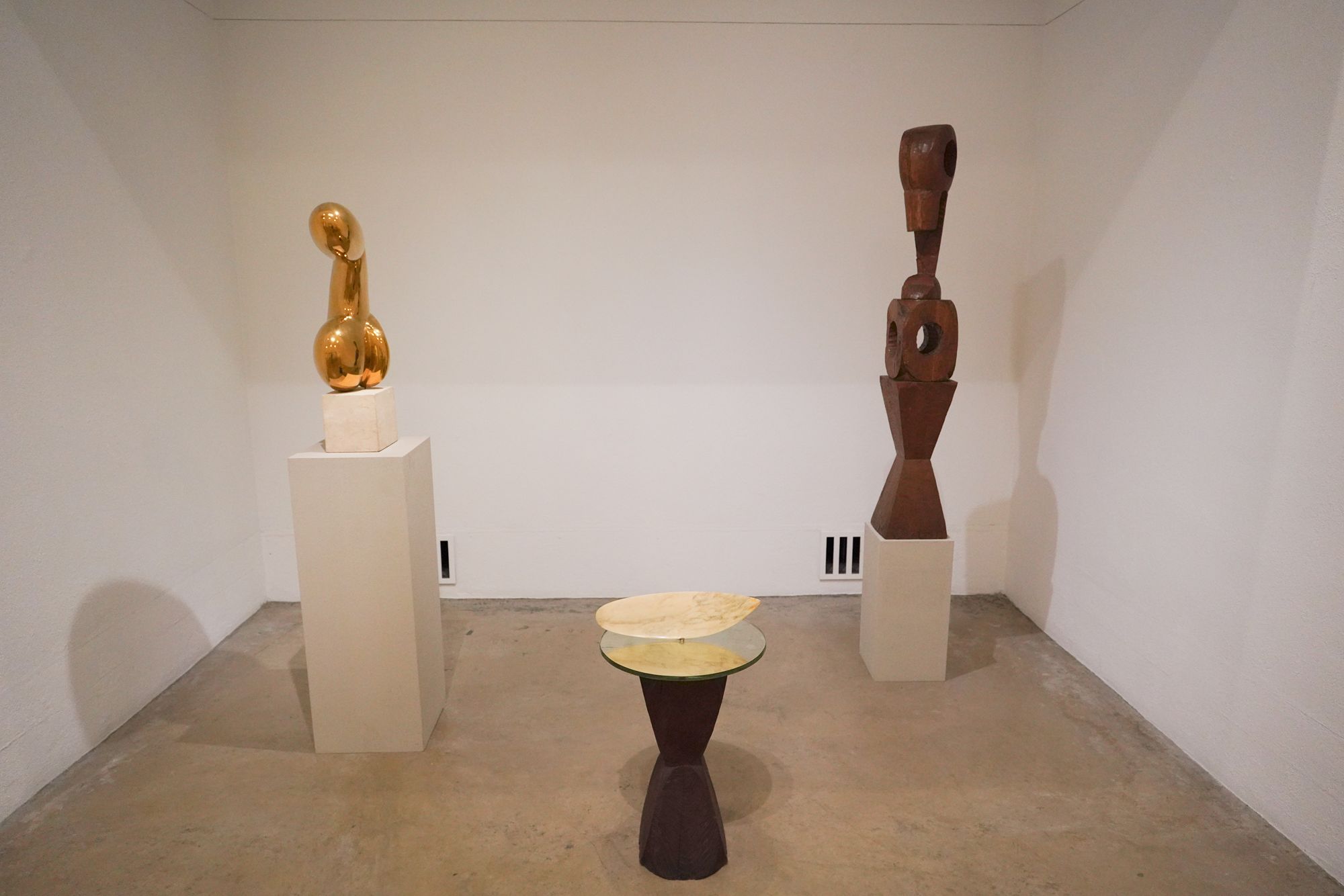
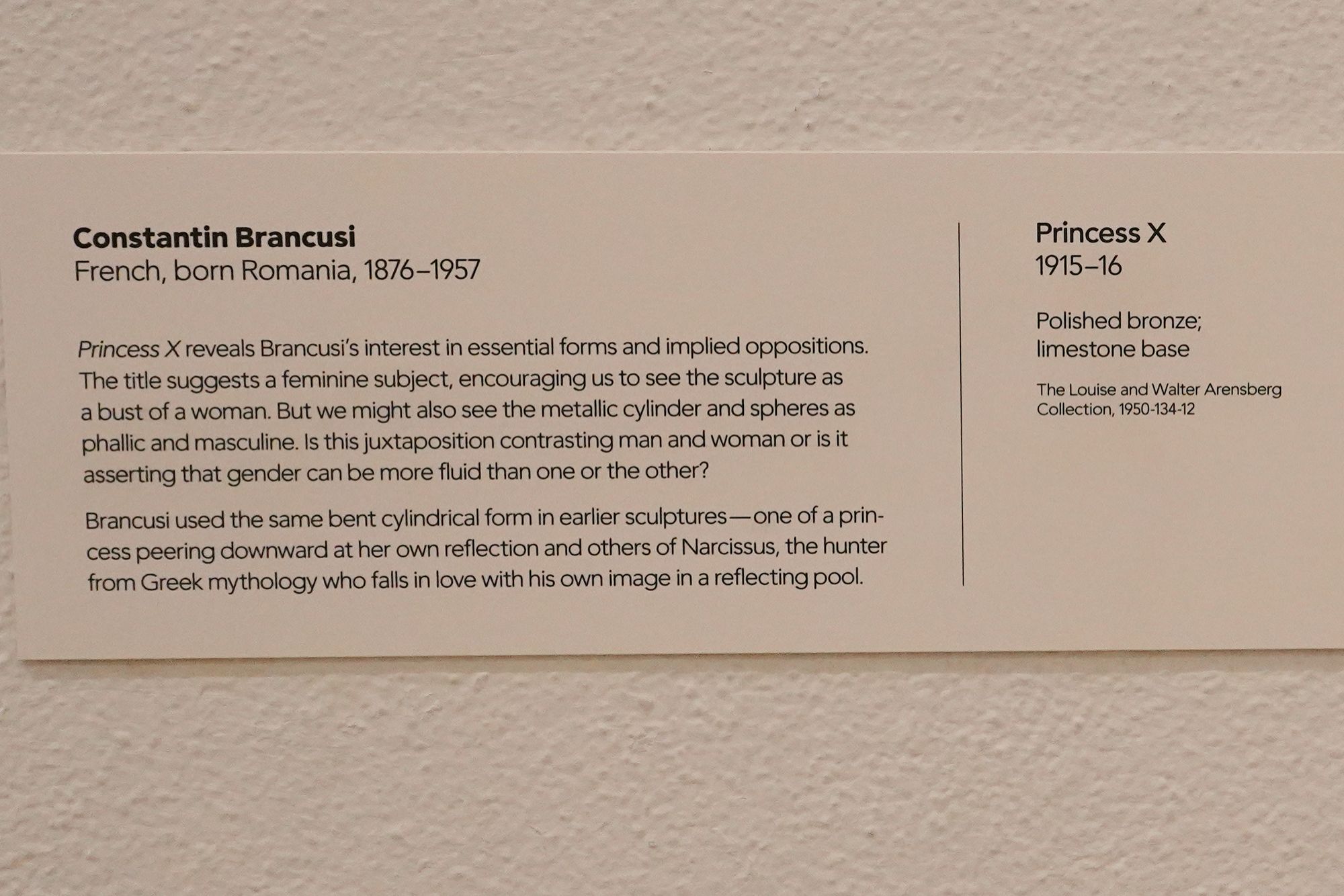
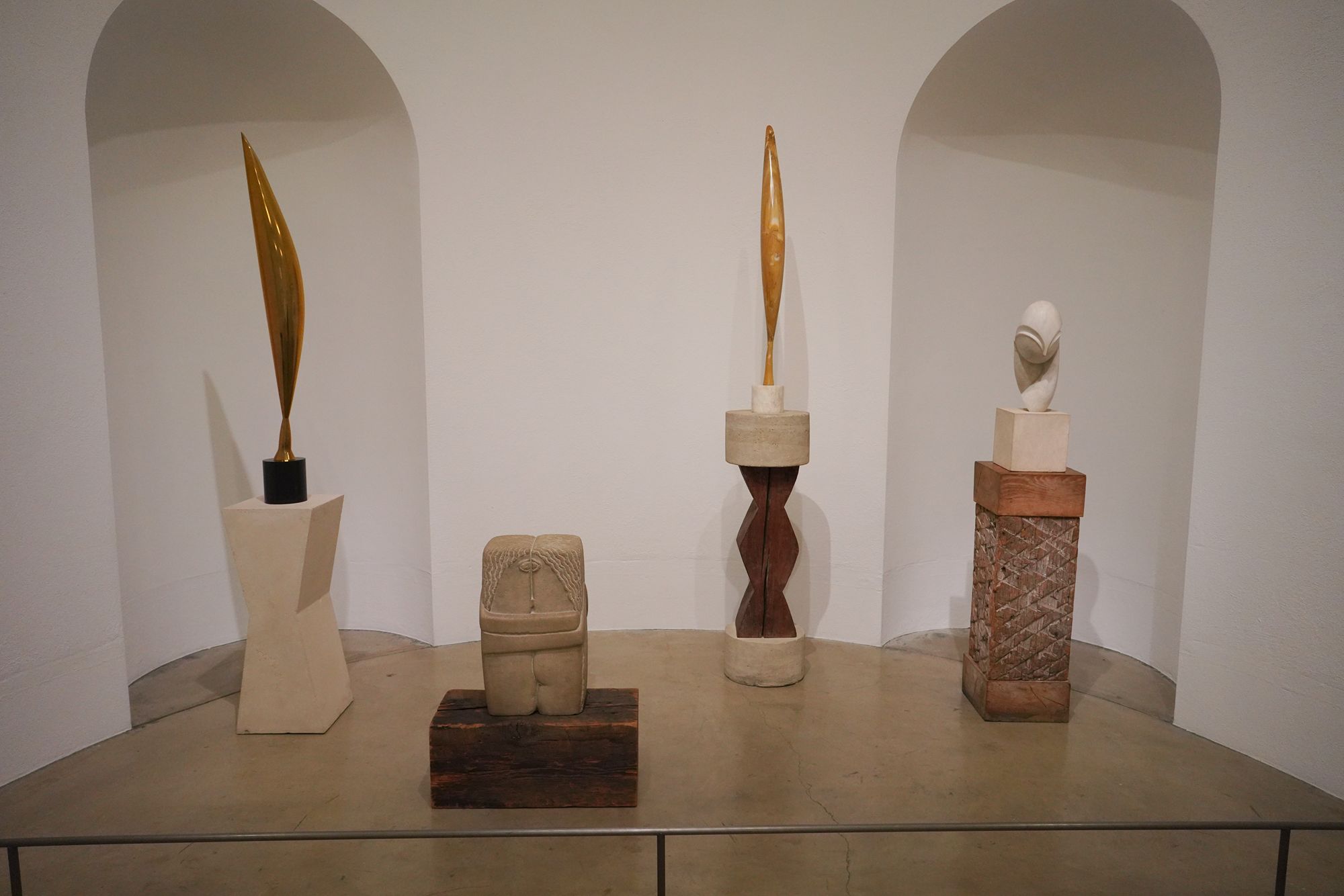
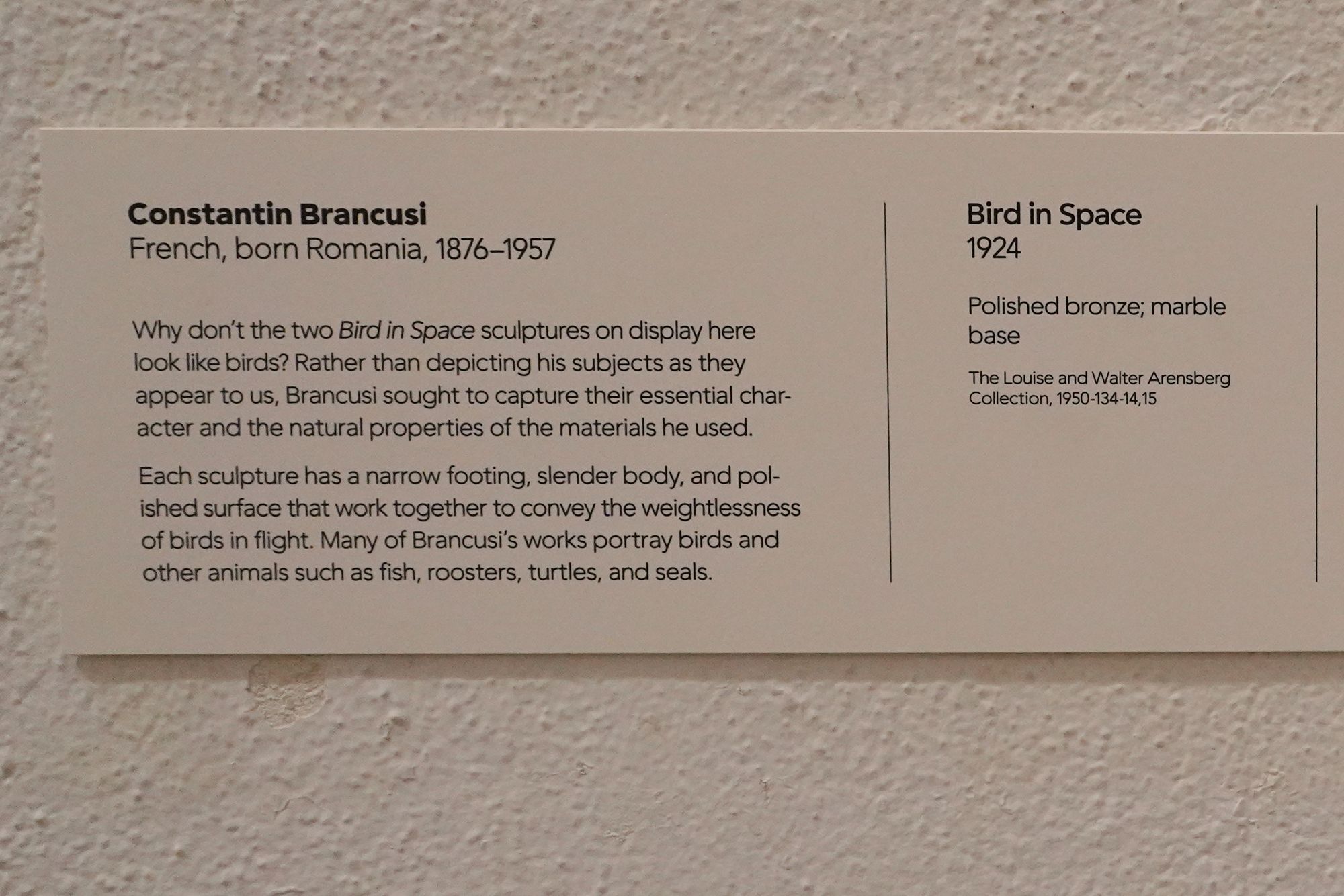
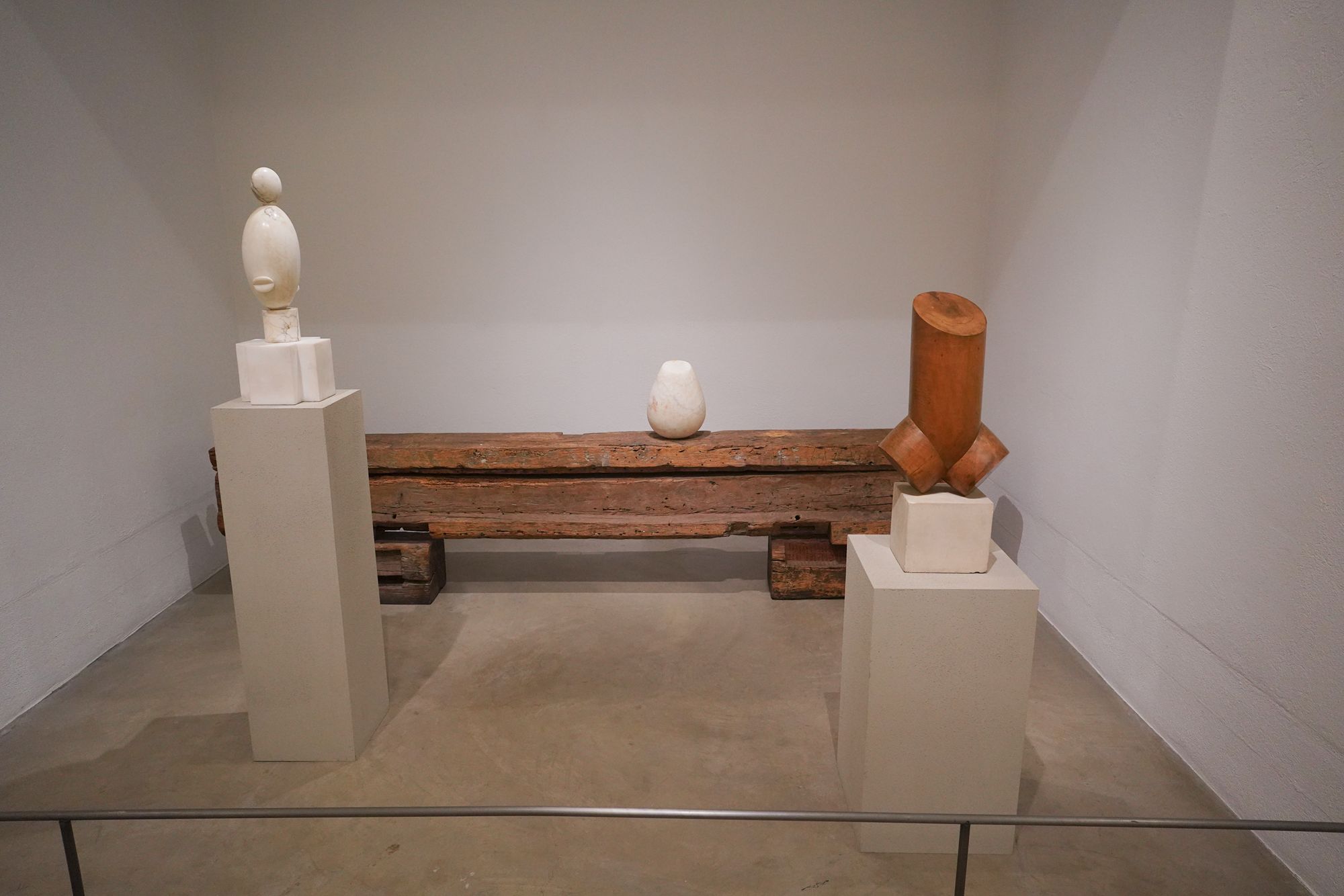
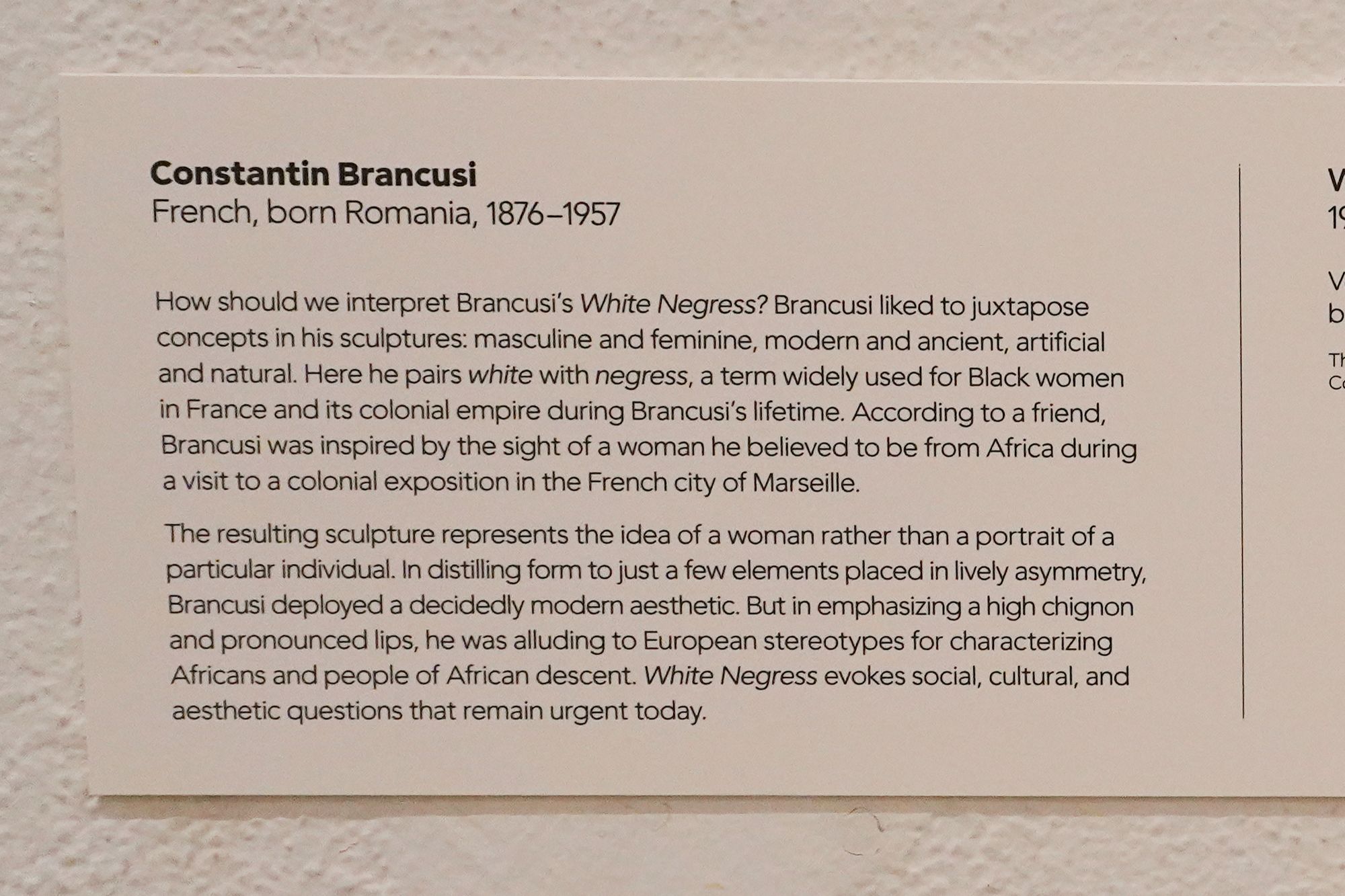
Constantin Brancusi (1876–1957)
Romanian-born modern sculptor — master of pure form
Constantin Brancusi is one of the most influential sculptors of the 20th century. He revolutionized sculpture by stripping away detail and reducing forms to their most simple, essential shapes. Instead of realistic carving, Brancusi focused on smooth curves, polished surfaces, and symbolic form, capturing the essence of a subject rather than its exact likeness.
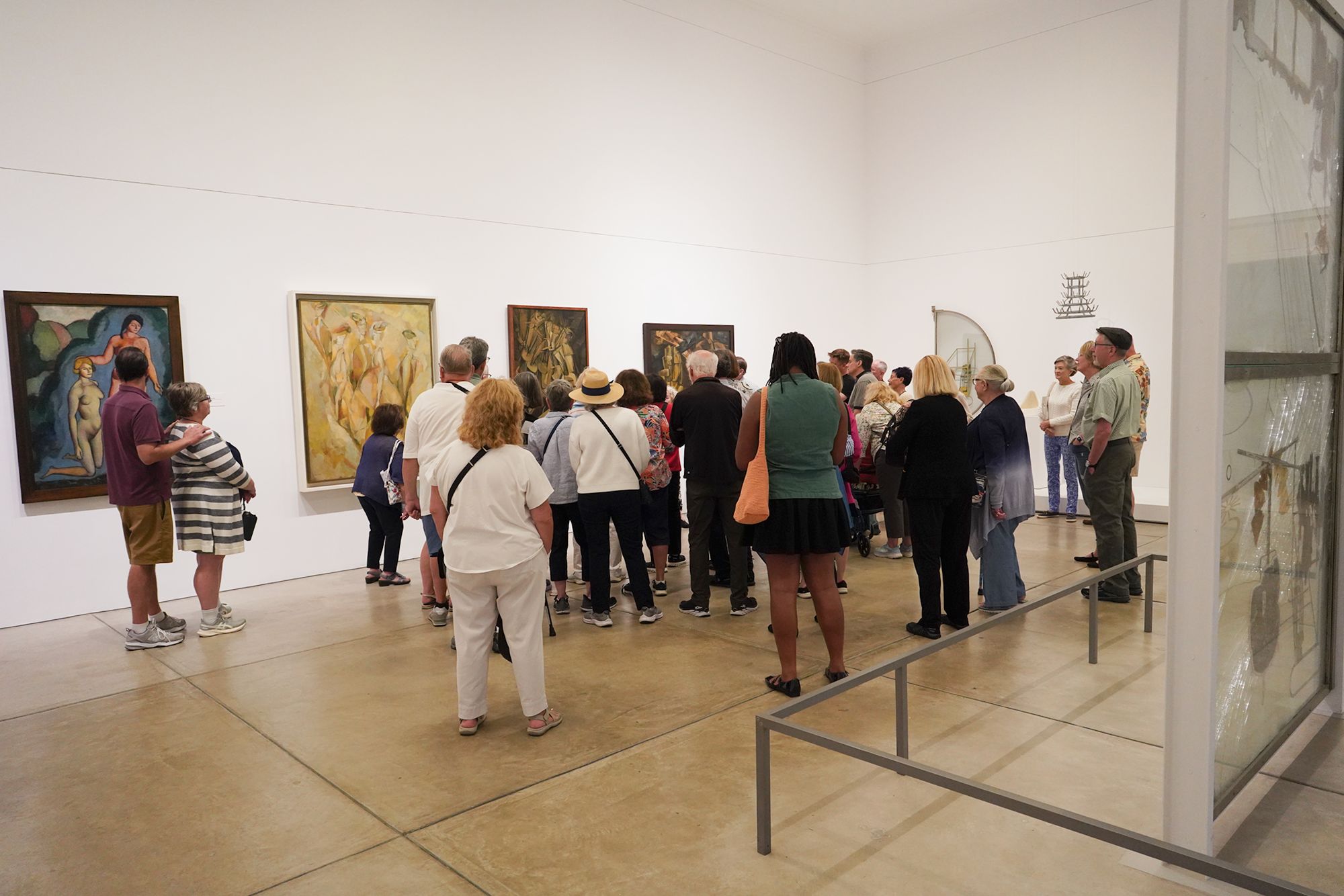
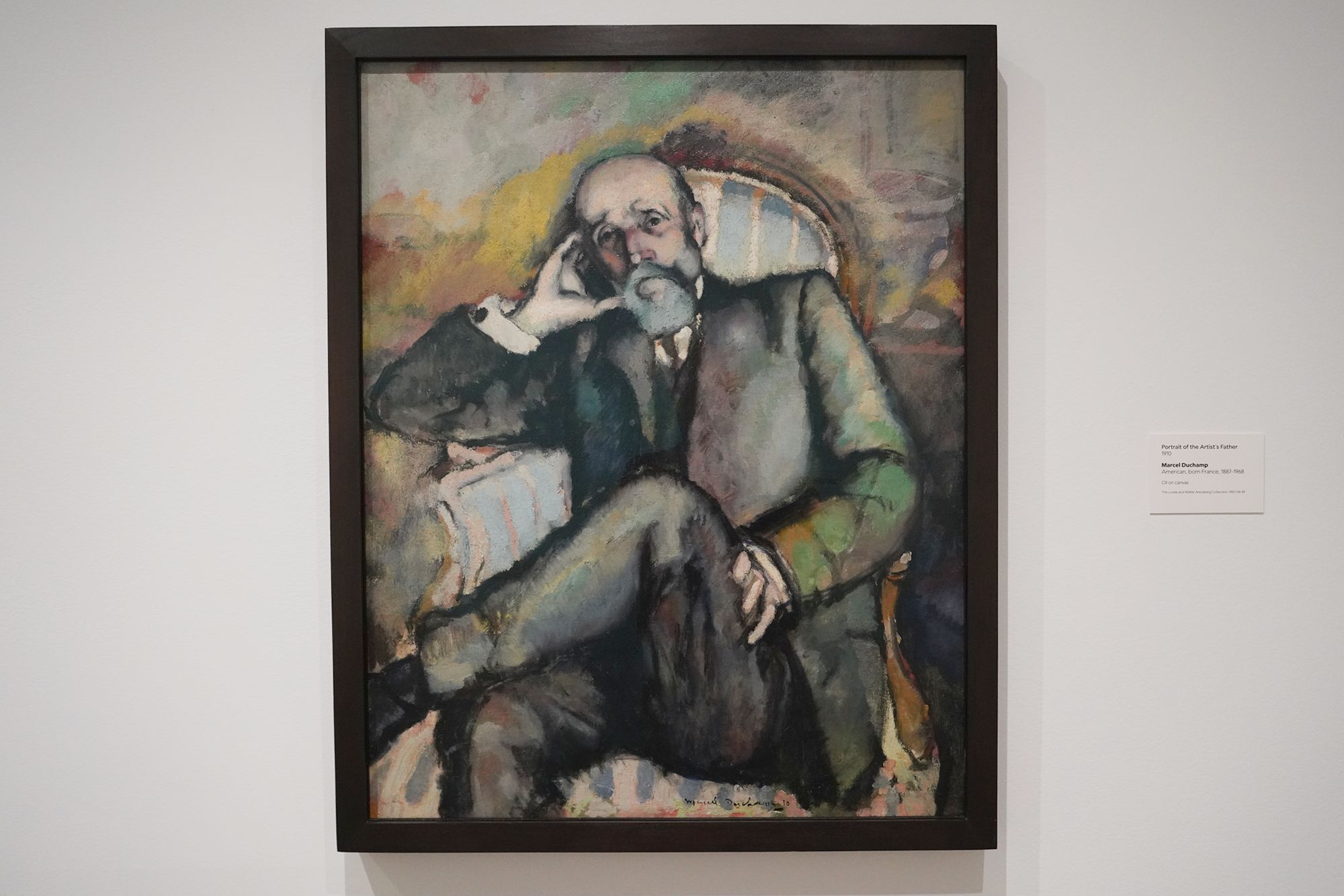
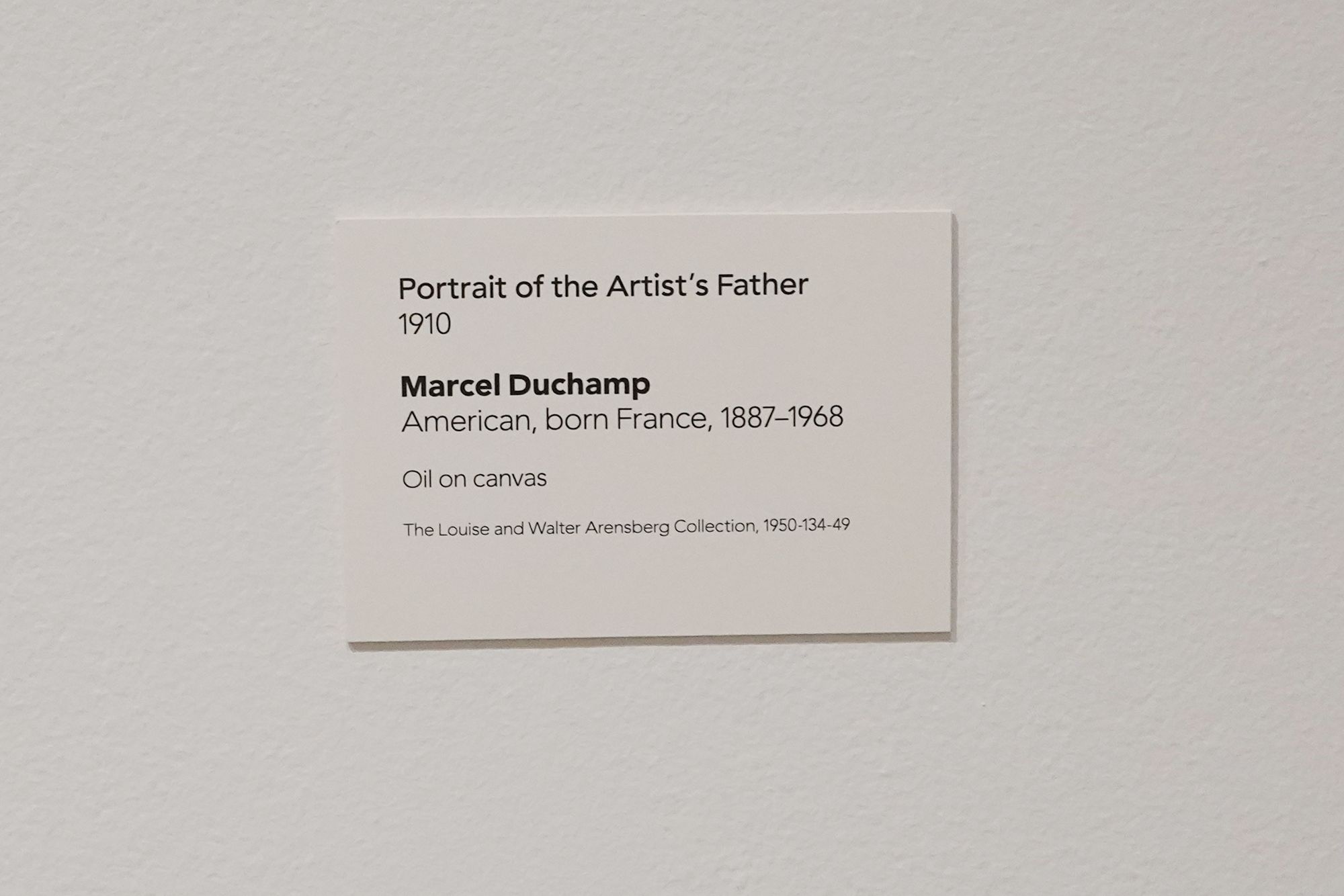
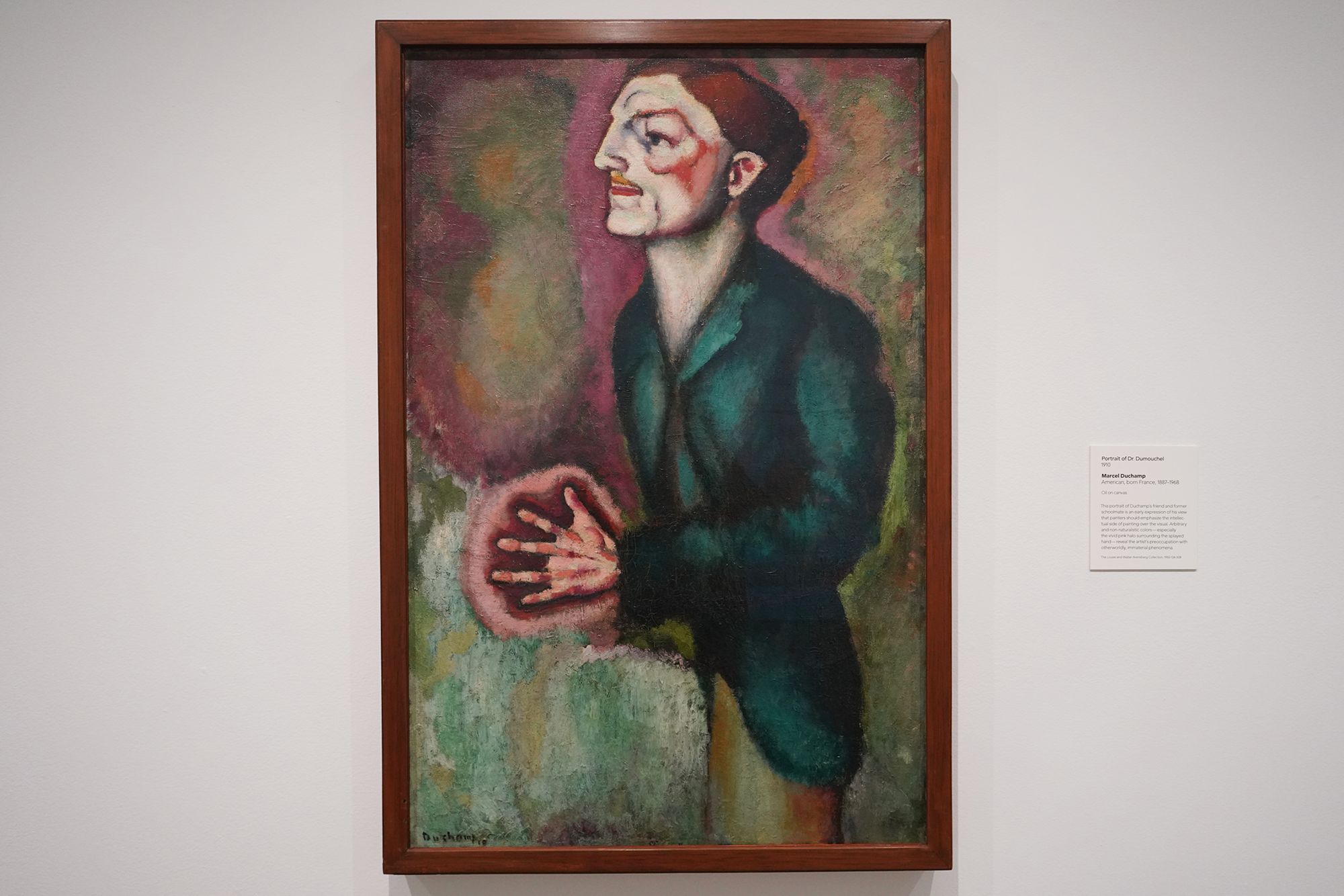
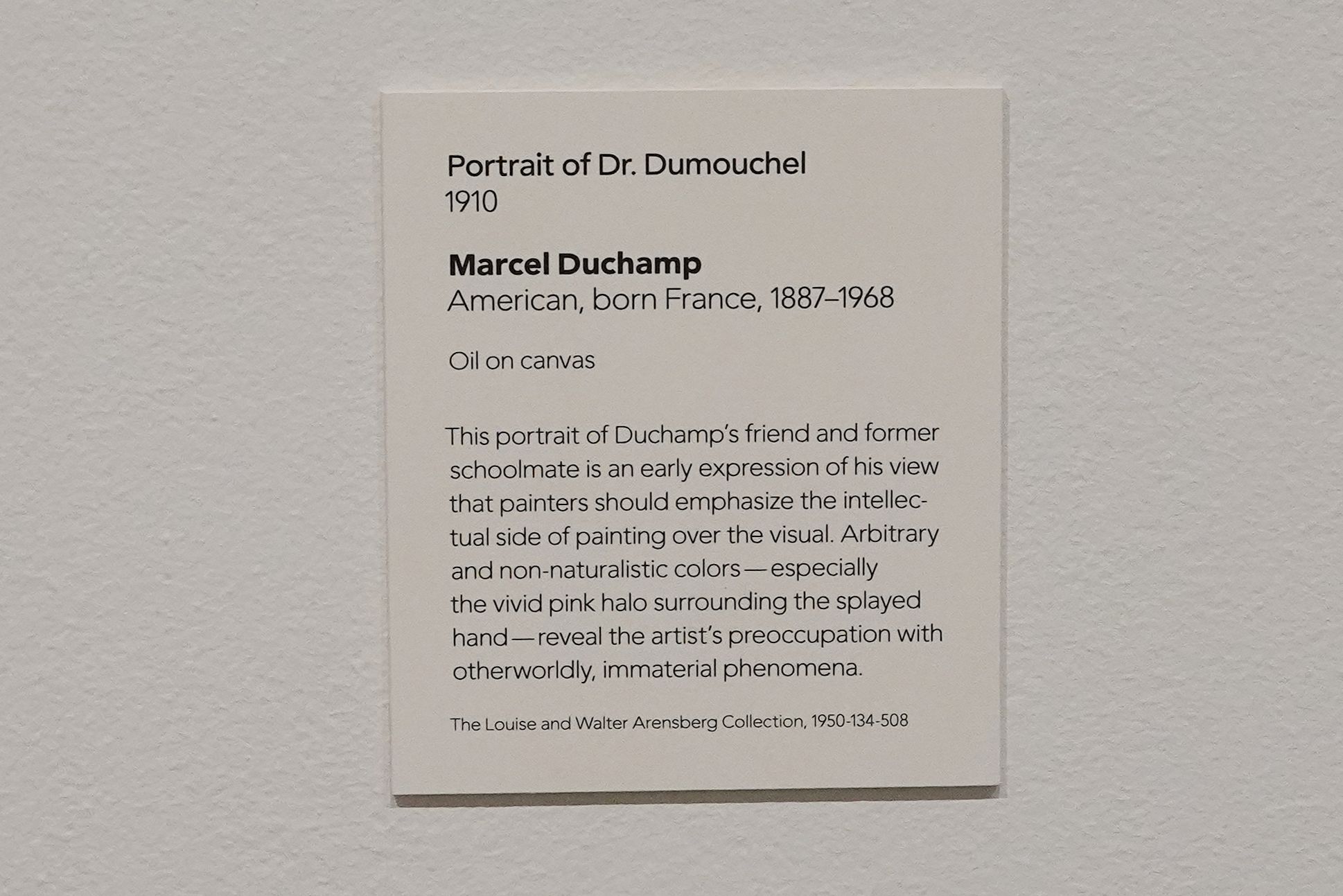
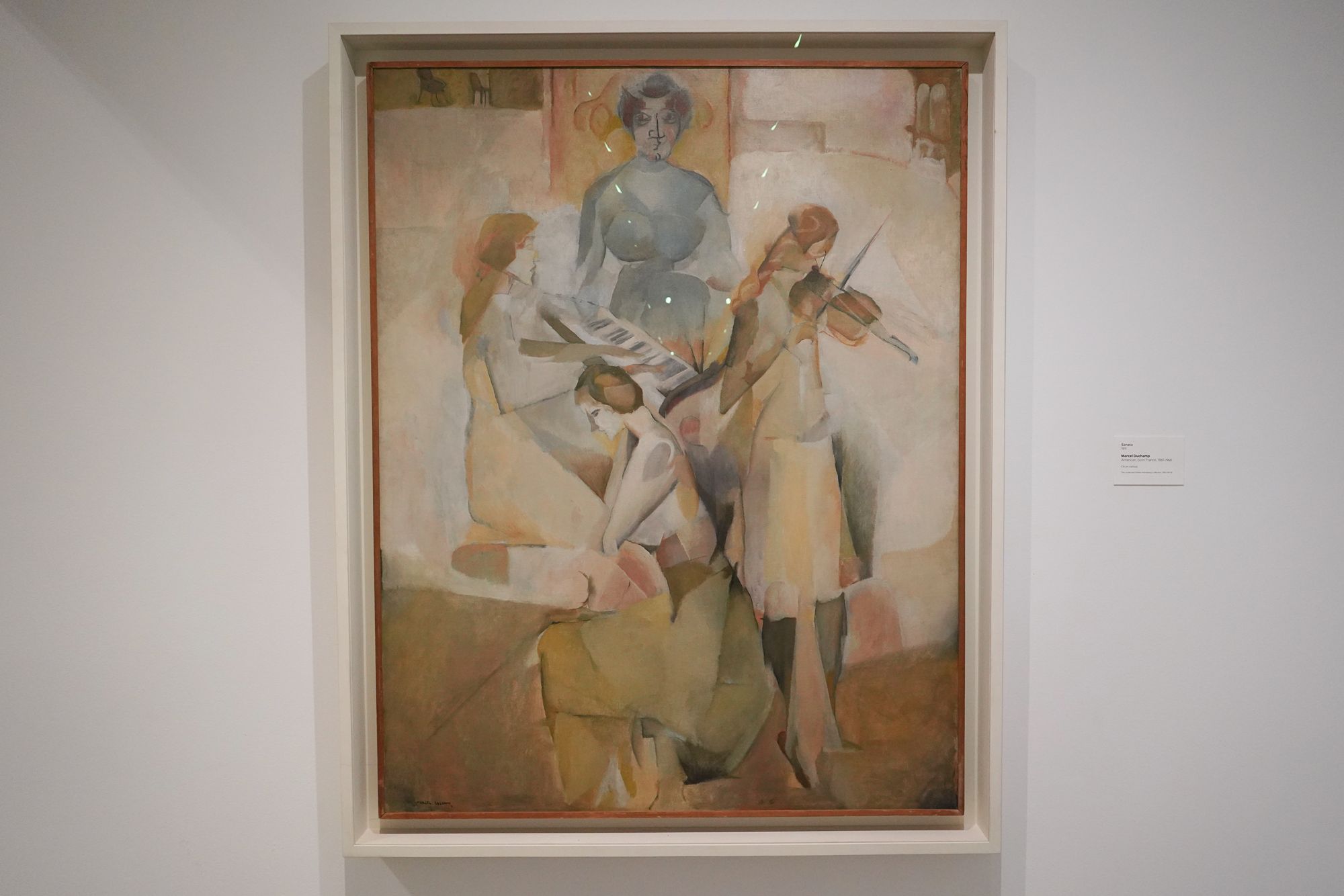
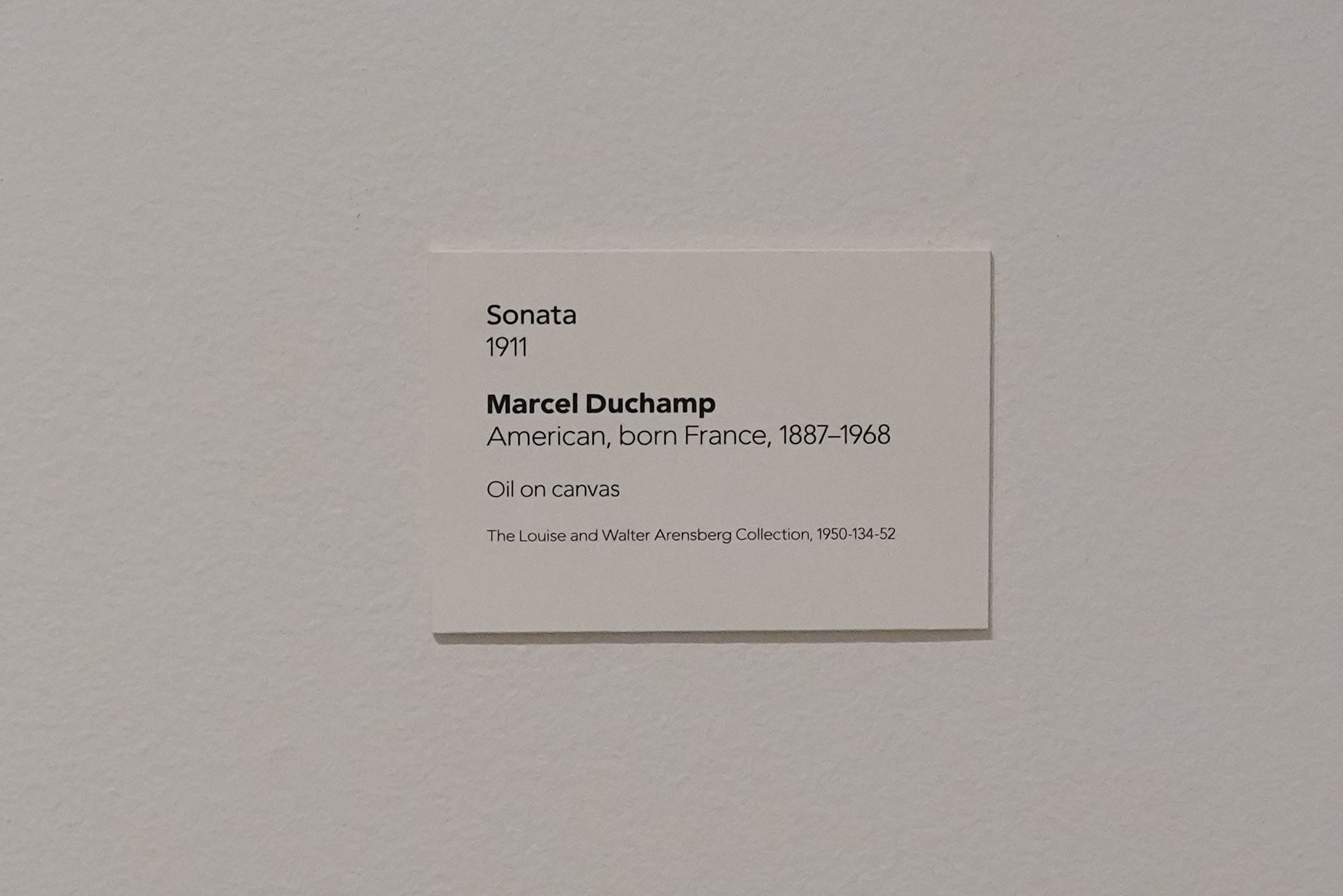
Marcel Duchamp (1887–1968)
French-American artist who reinvented the meaning of art through ideas rather than technique
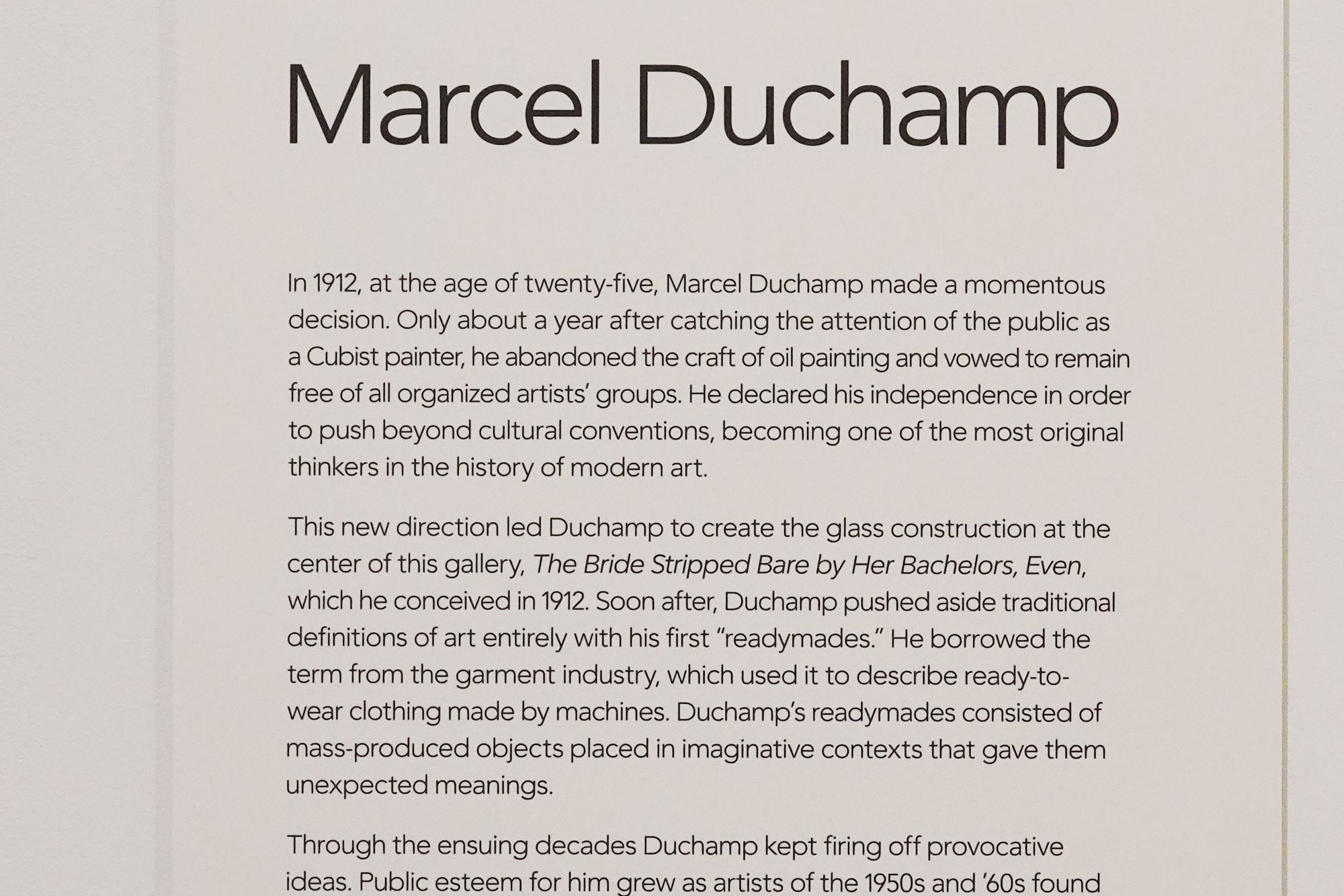
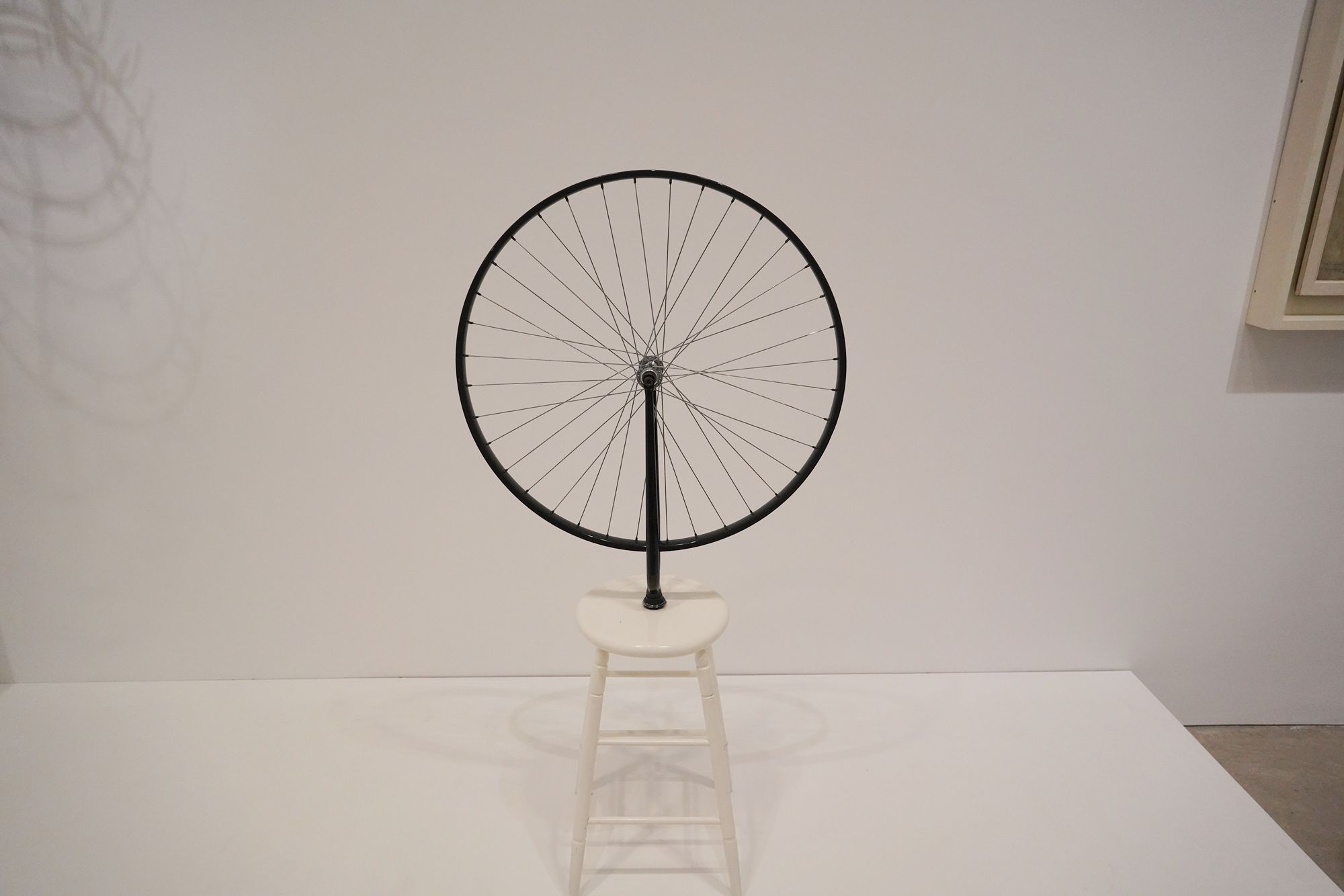
Marcel Duchamp is one of the most influential figures in modern art — not for how he painted, but for how he challenged the definition of art itself. He questioned tradition, rejected aesthetic beauty as a requirement, and introduced the concept that art is an idea as much as an object. His work opened the door to Conceptual Art, Pop Art, Dada, and much of modern creativity that followed.
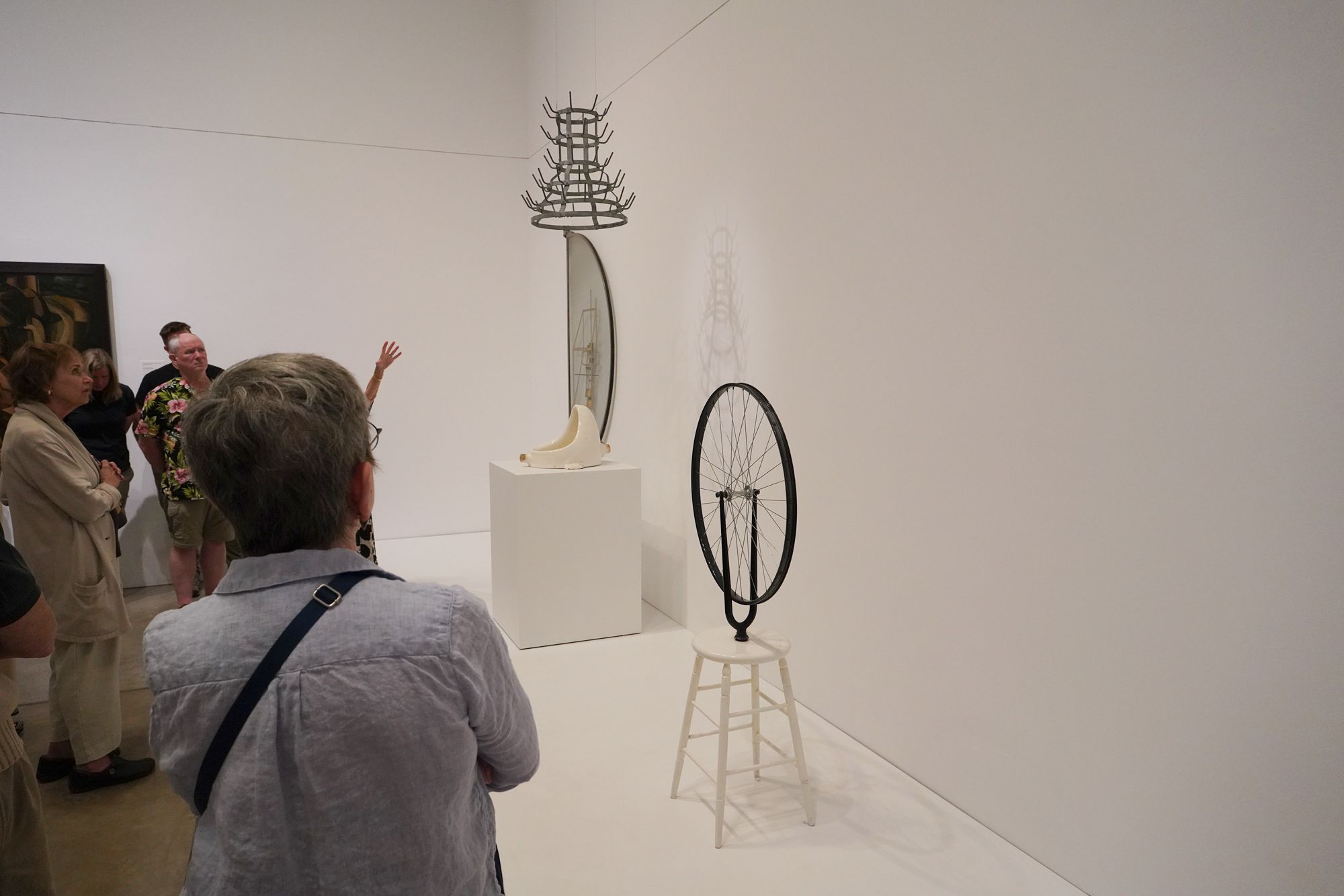
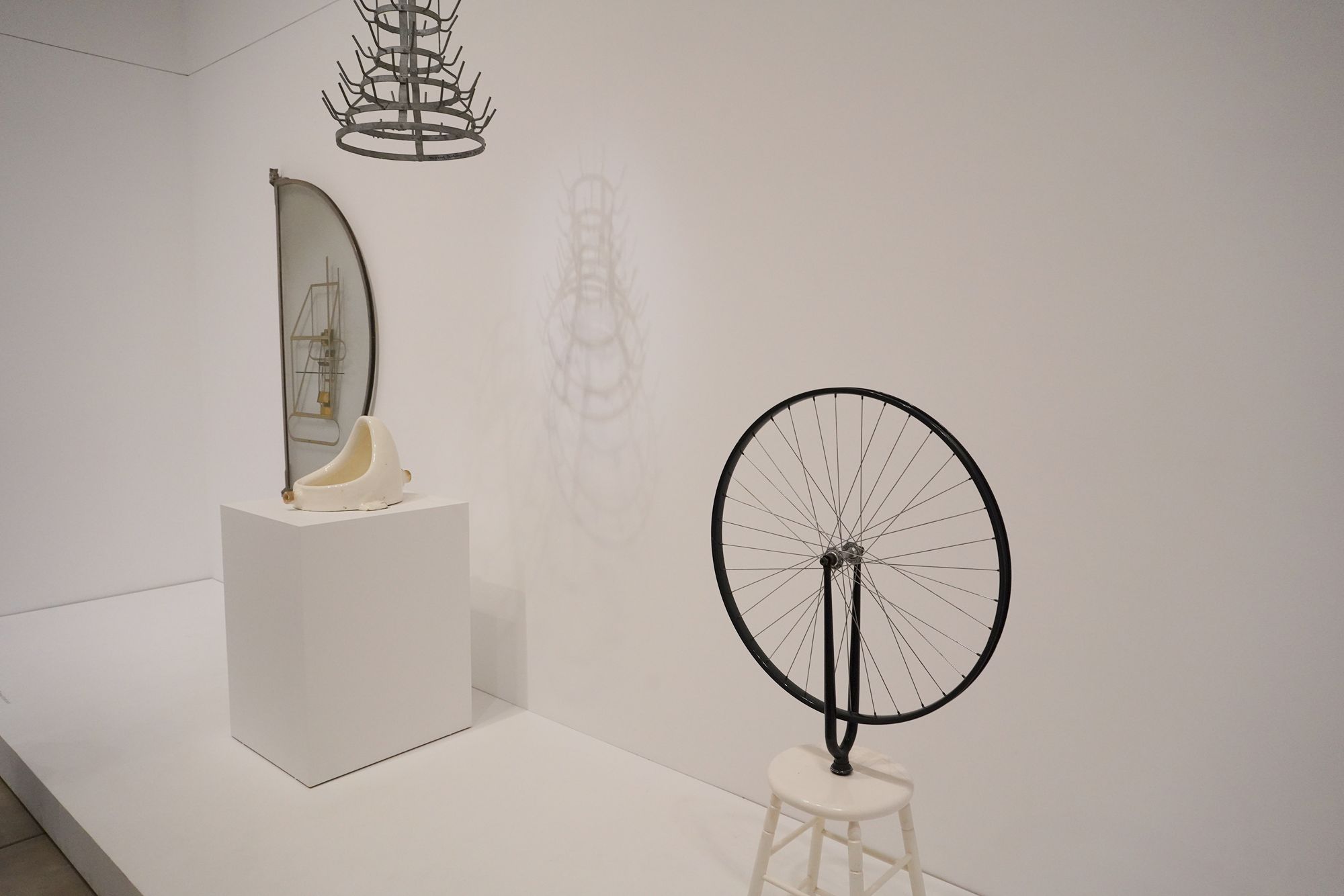
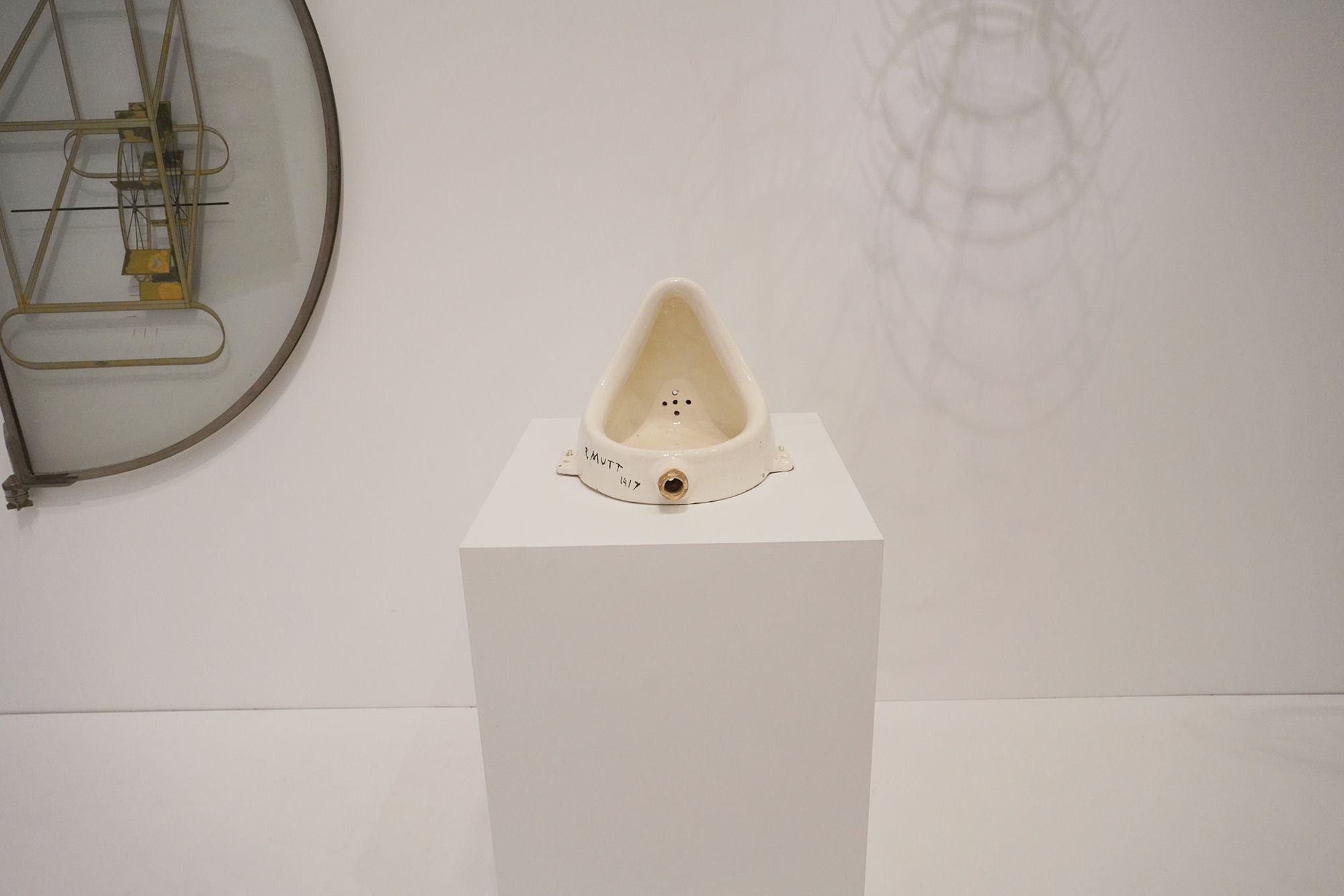
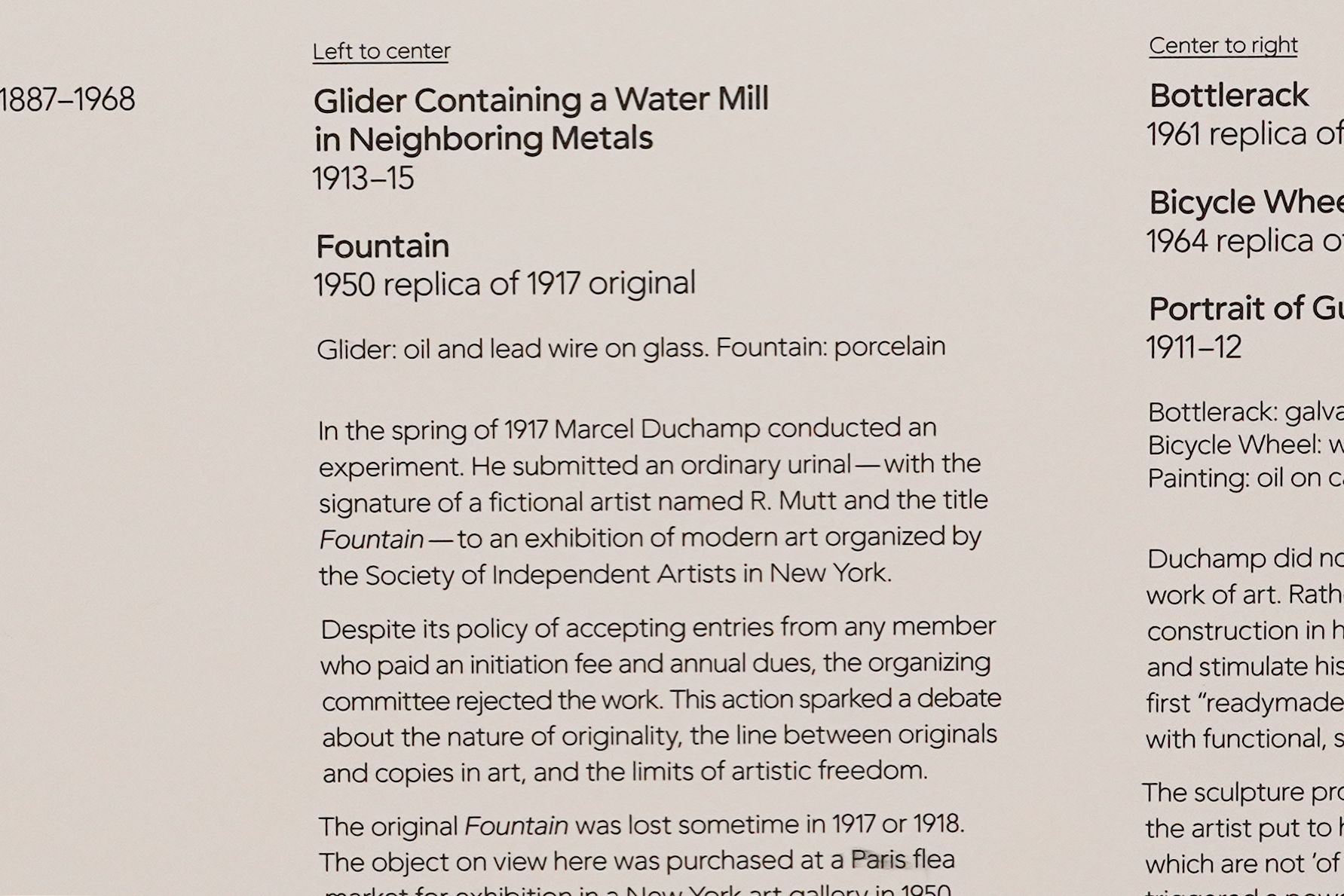
Fountain (1917) — Marcel Duchamp
The work that asked: "What counts as art?"
Fountain is a standard porcelain urinal that Duchamp signed "R. Mutt 1917" and submitted to an art exhibition. Nothing about it was handcrafted, painted, or sculpted. The shock — and the artwork itself — came from the idea. Duchamp simply chose an everyday object, presented it in a gallery, and declared it art.
Fountain became a turning point in modern art, introducing the concept of the "ready-made" — art defined by intention and context rather than skill or decoration.
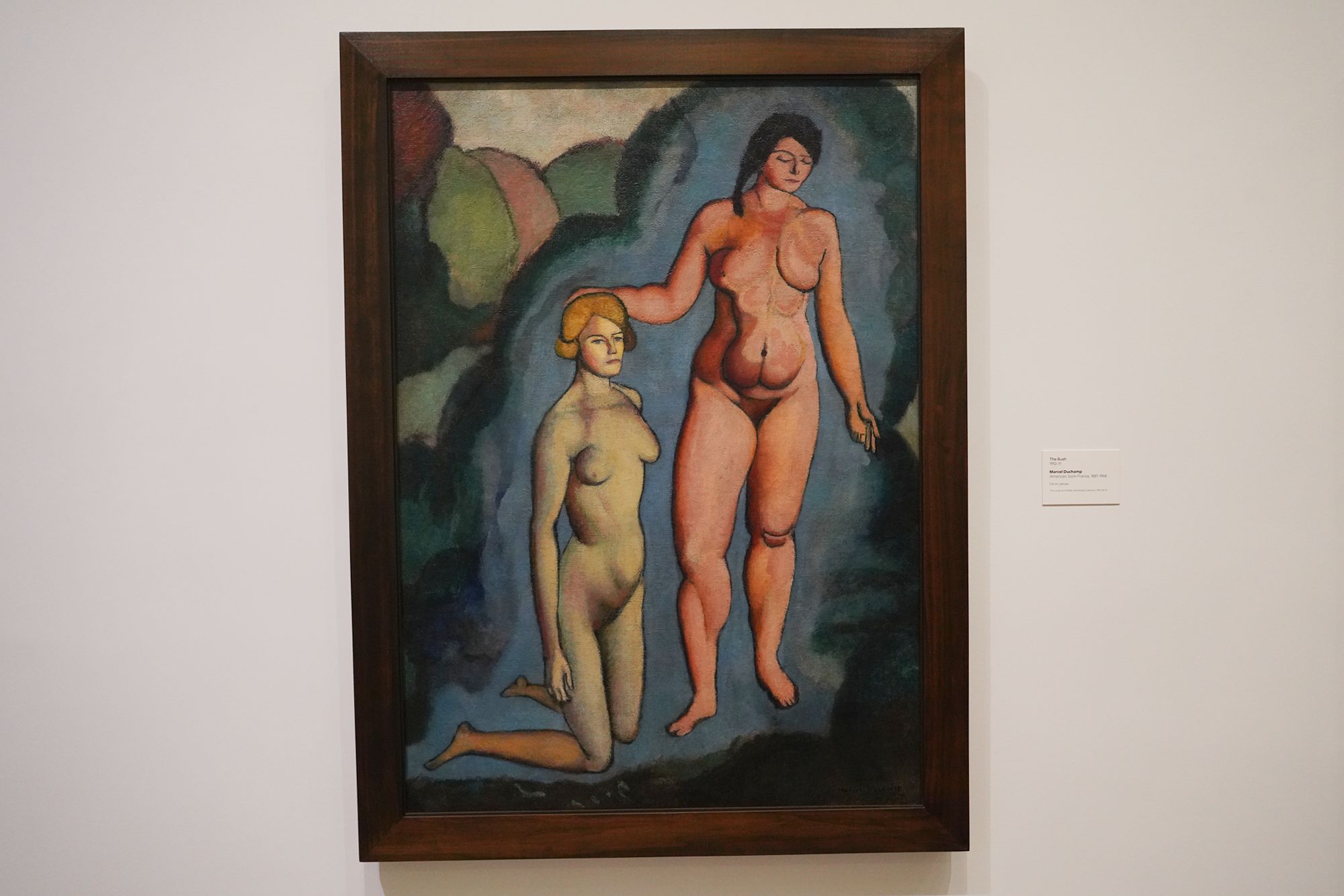
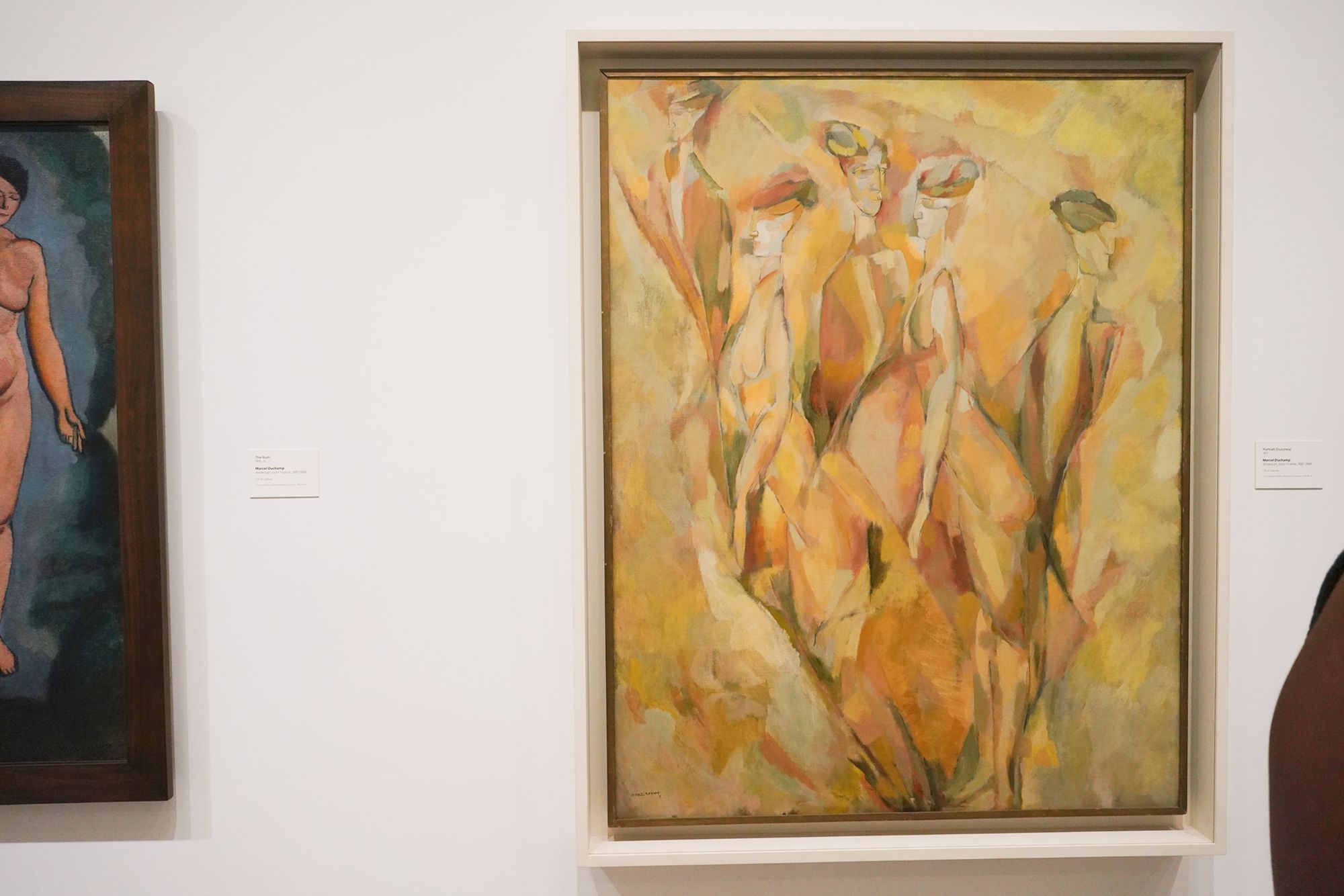
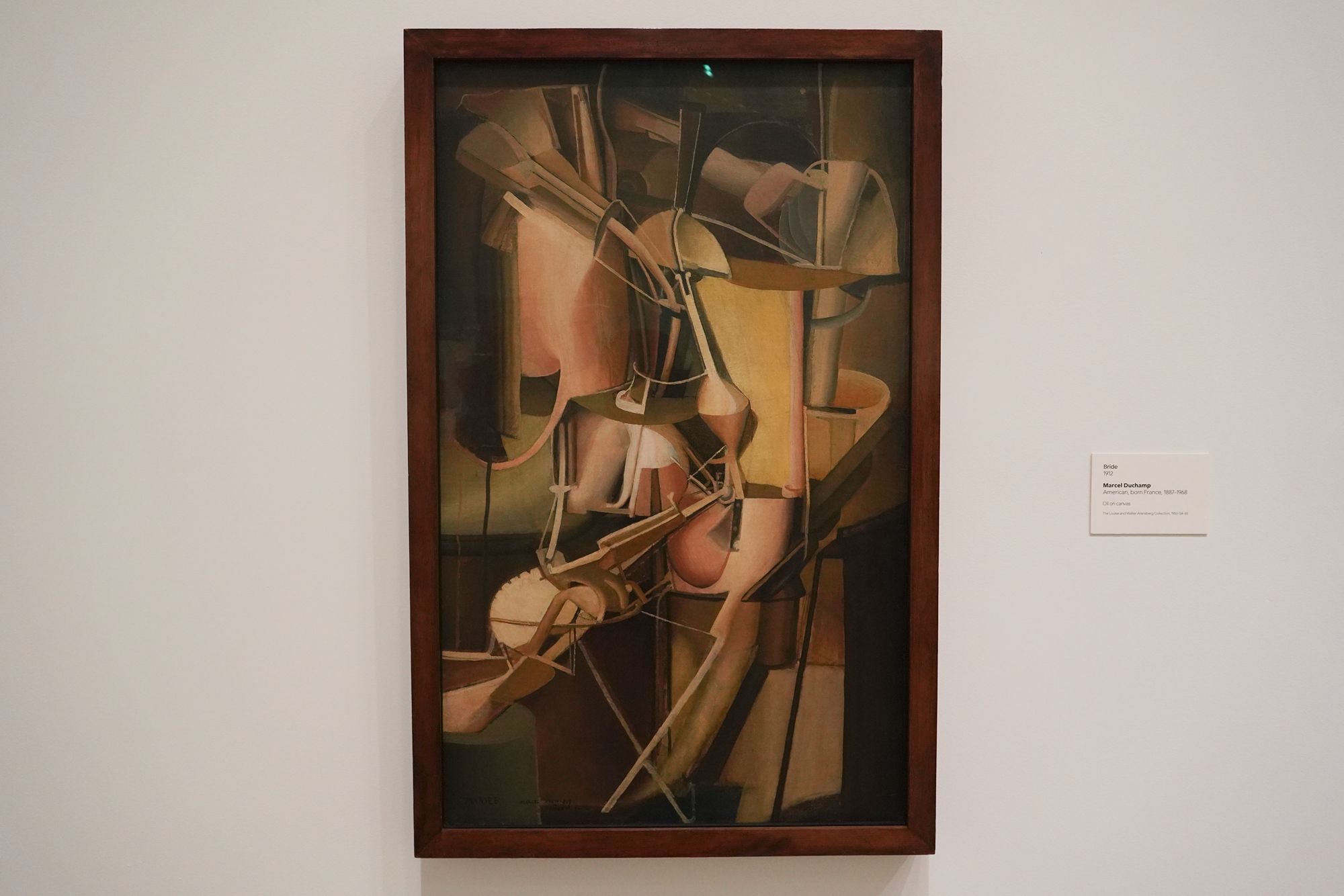
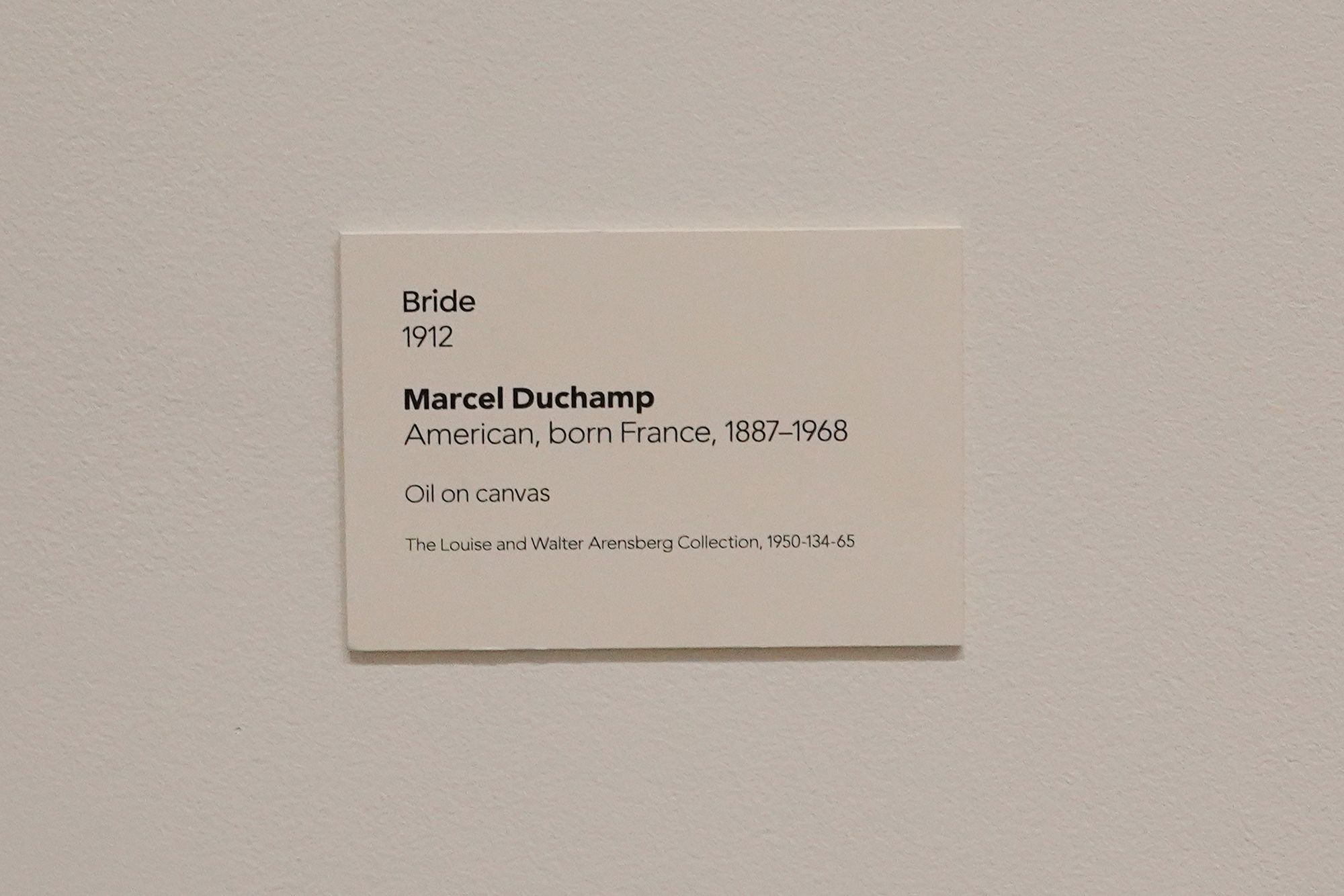
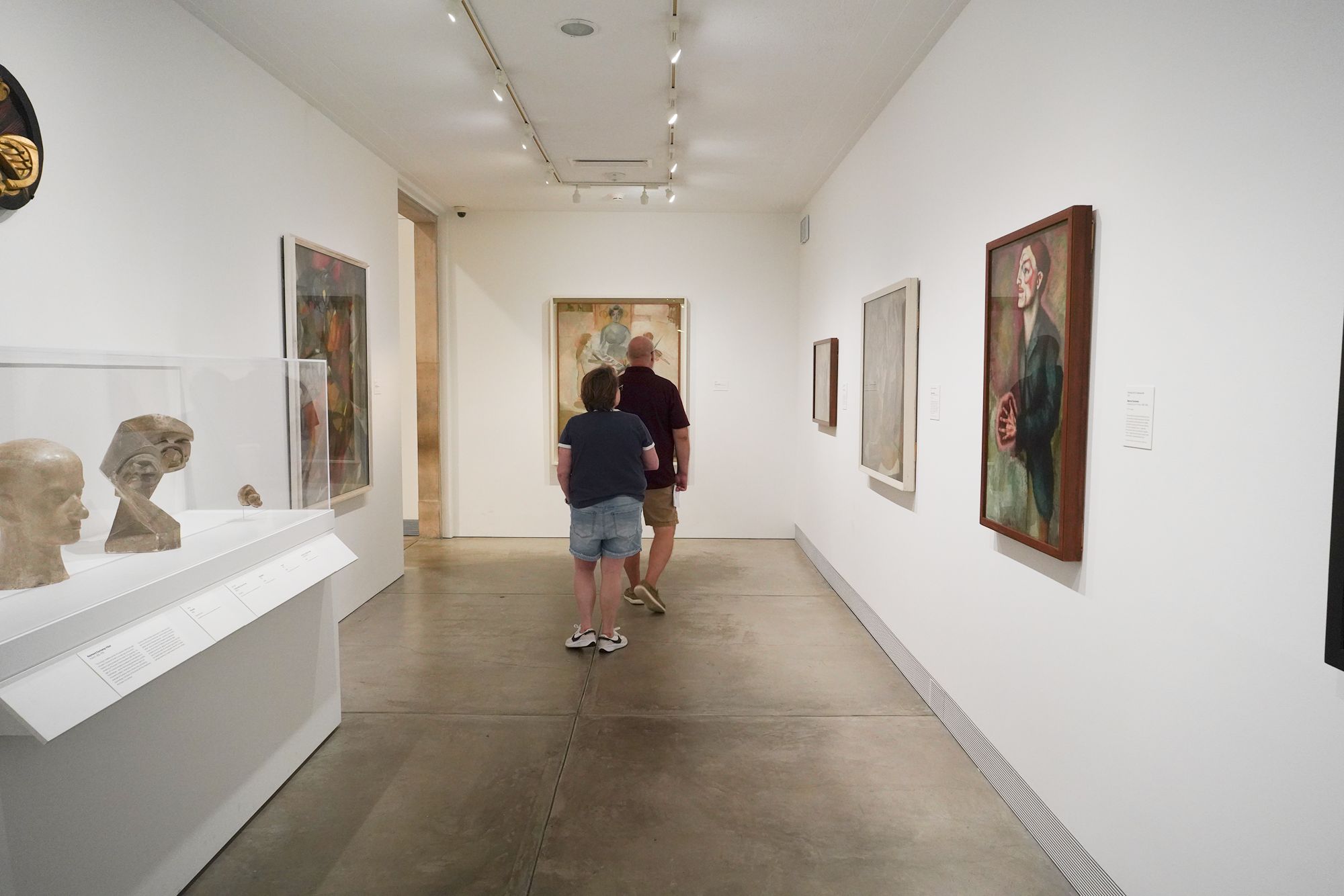
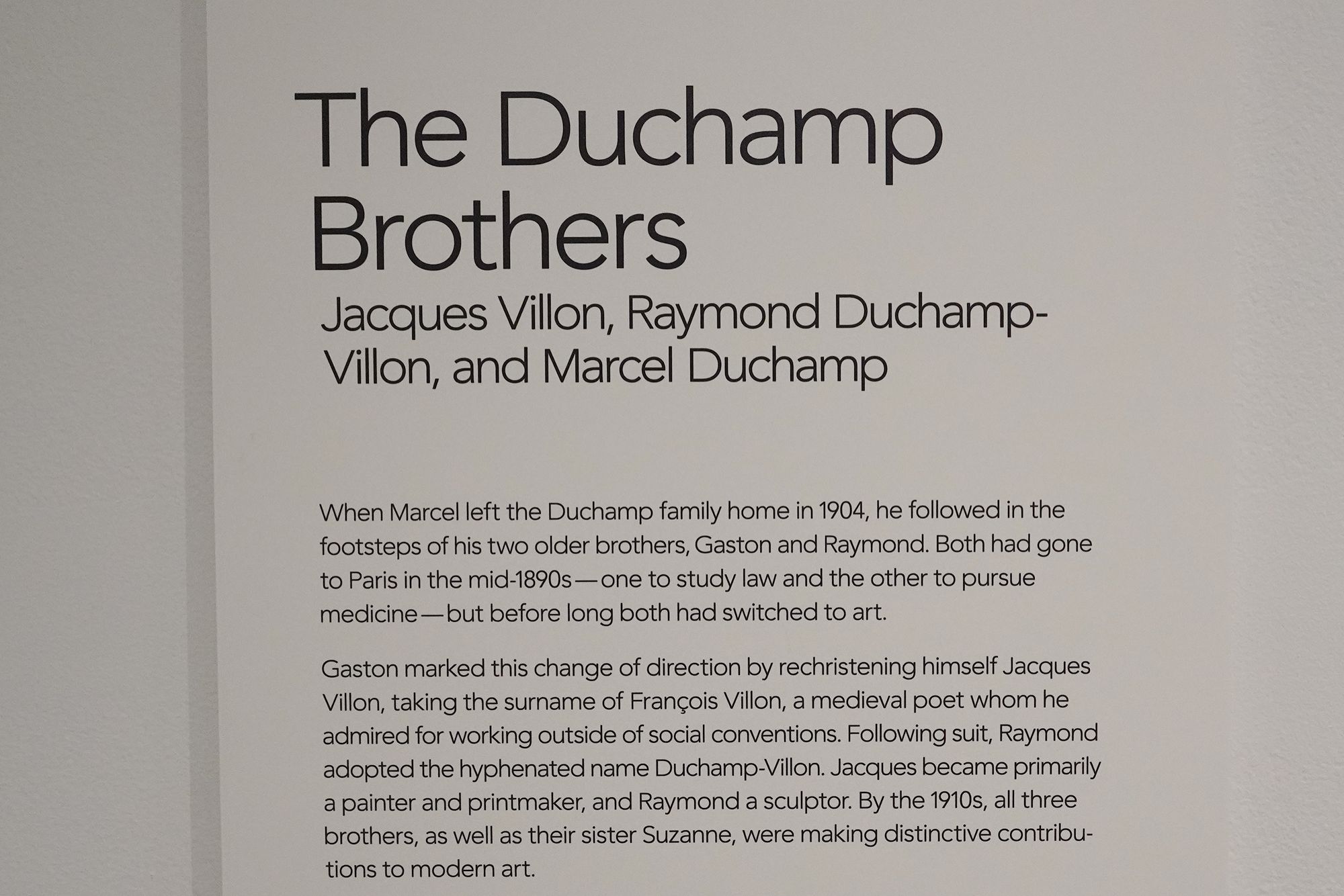
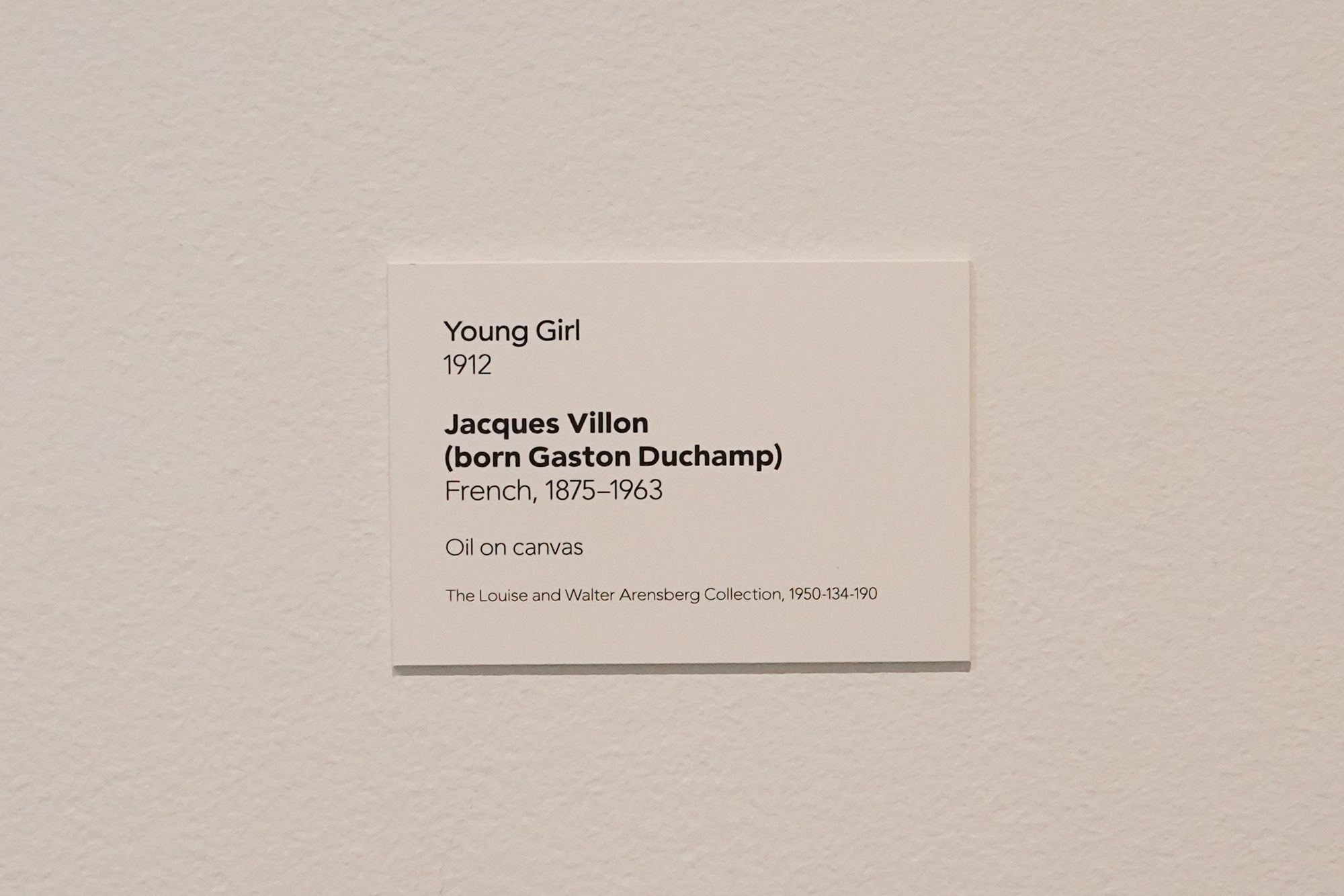
The Duchamp brothers shaped modern art — Marcel through radical ideas, Jacques Villon through Cubist painting, and Raymond Duchamp-Villon through innovative sculpture.