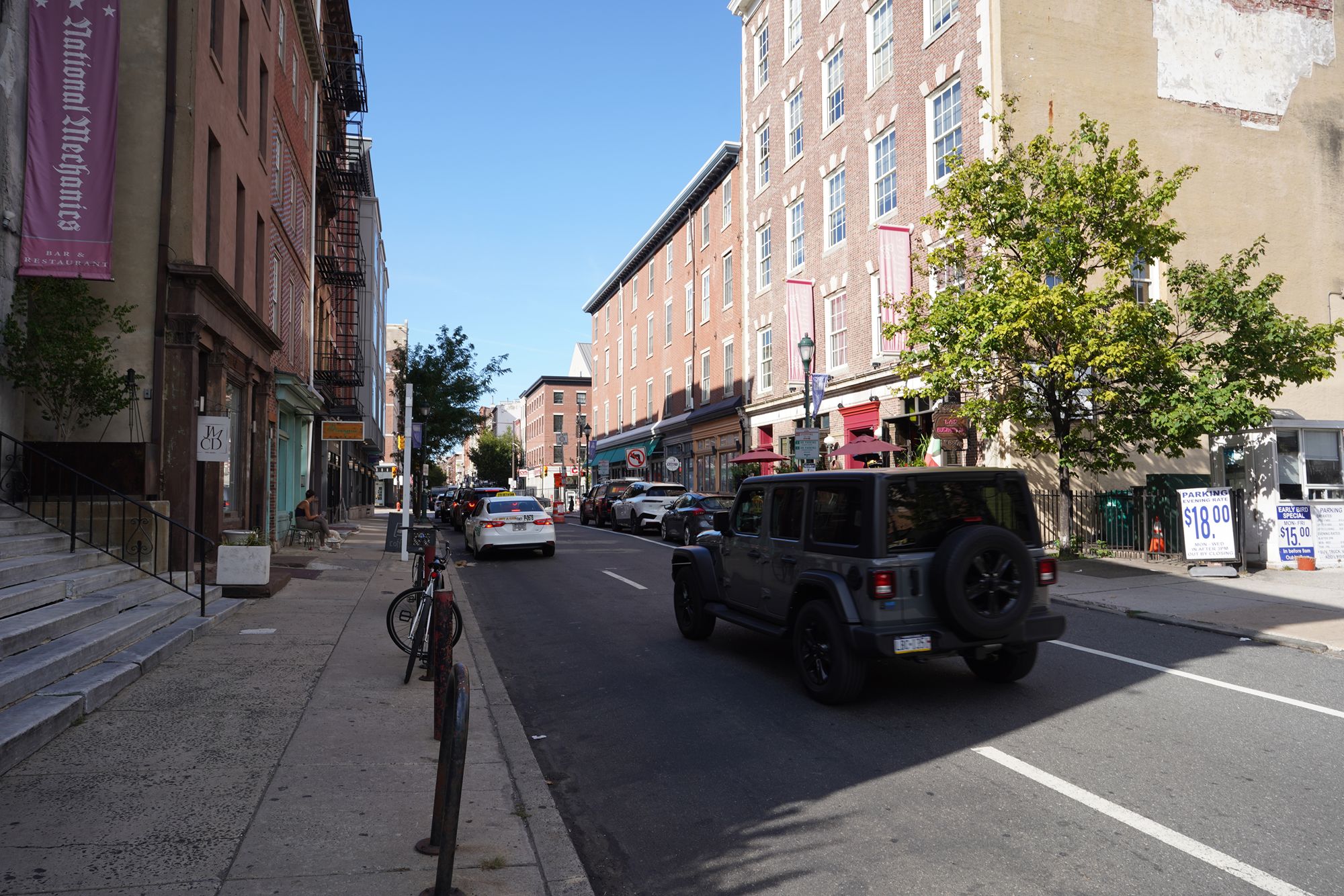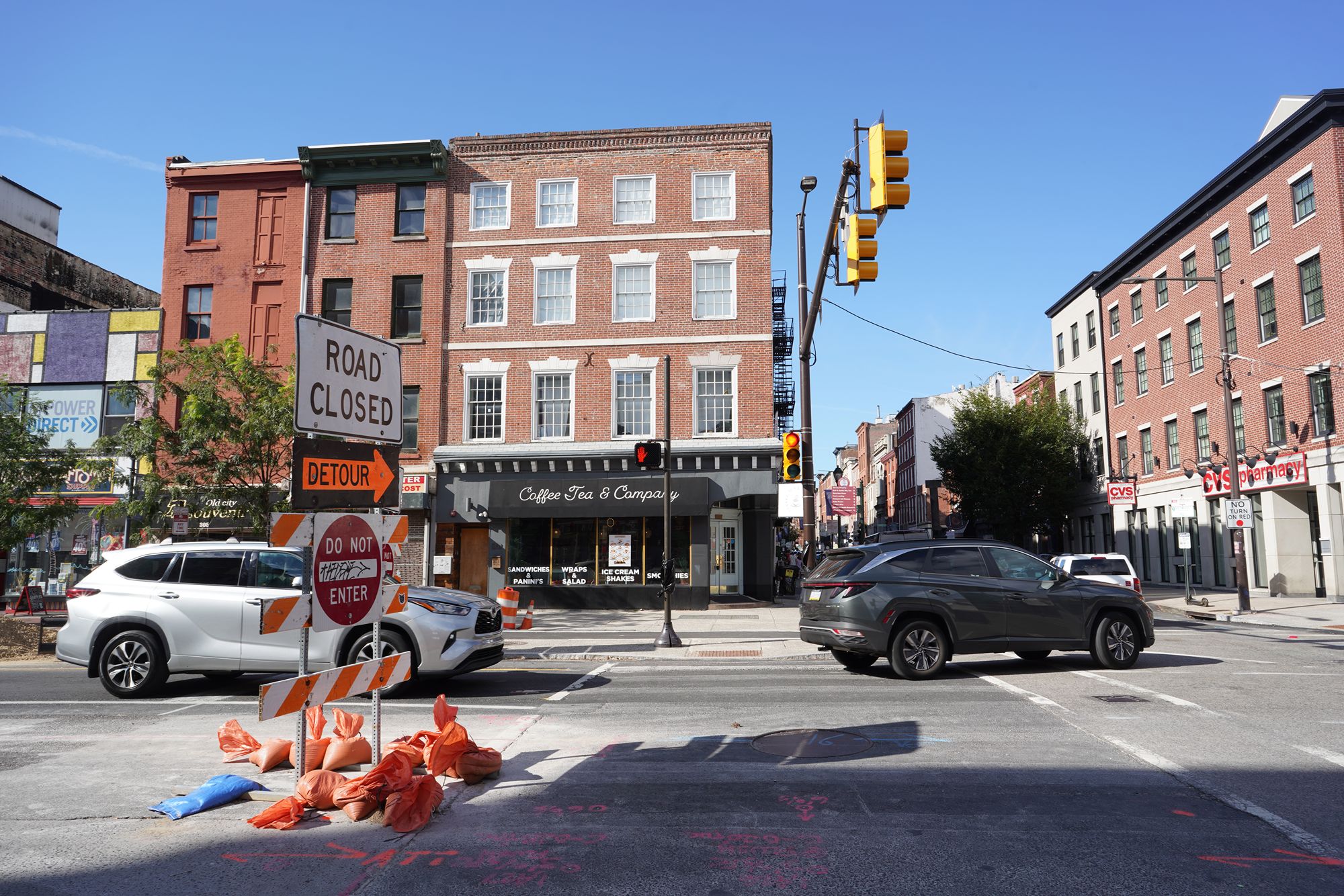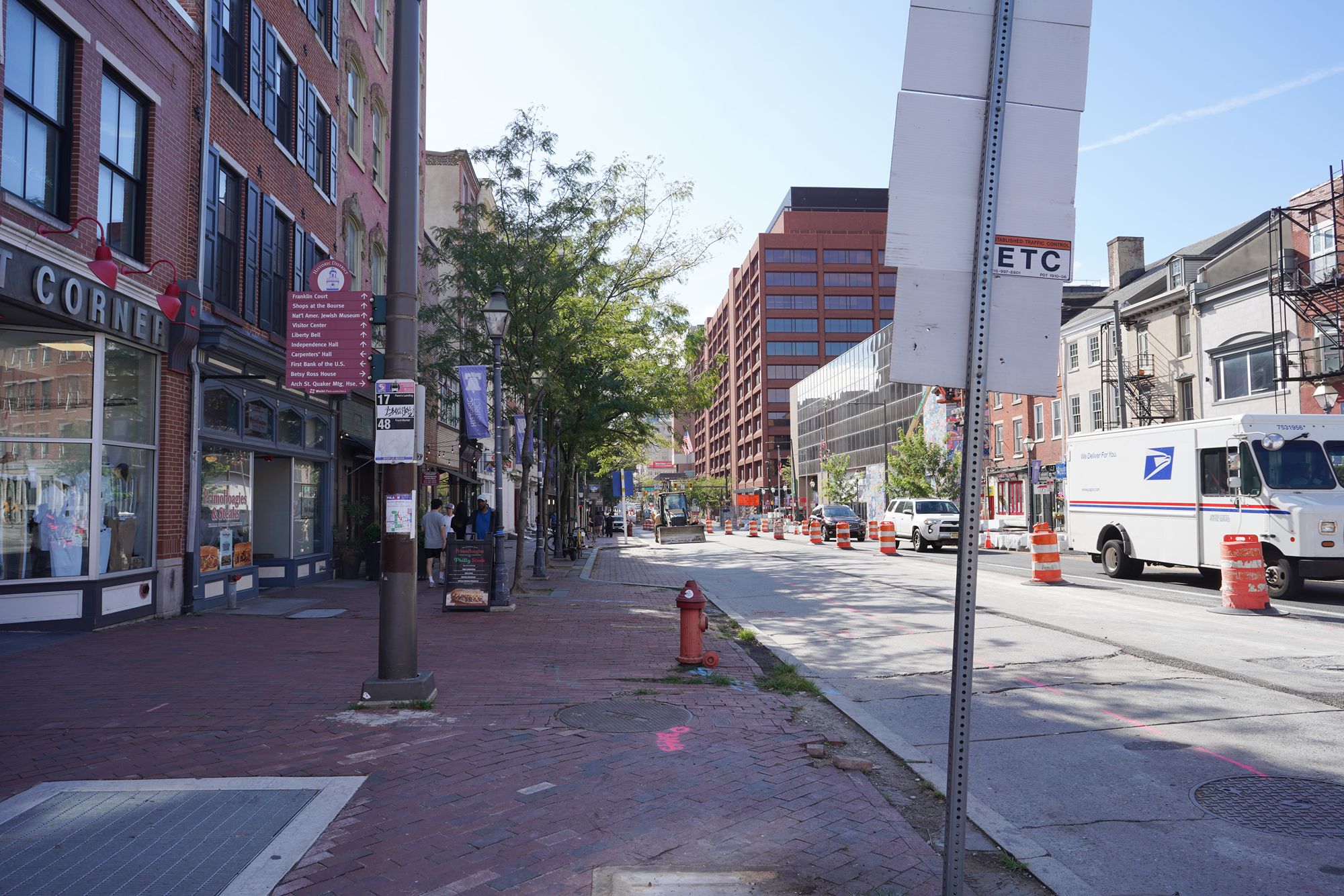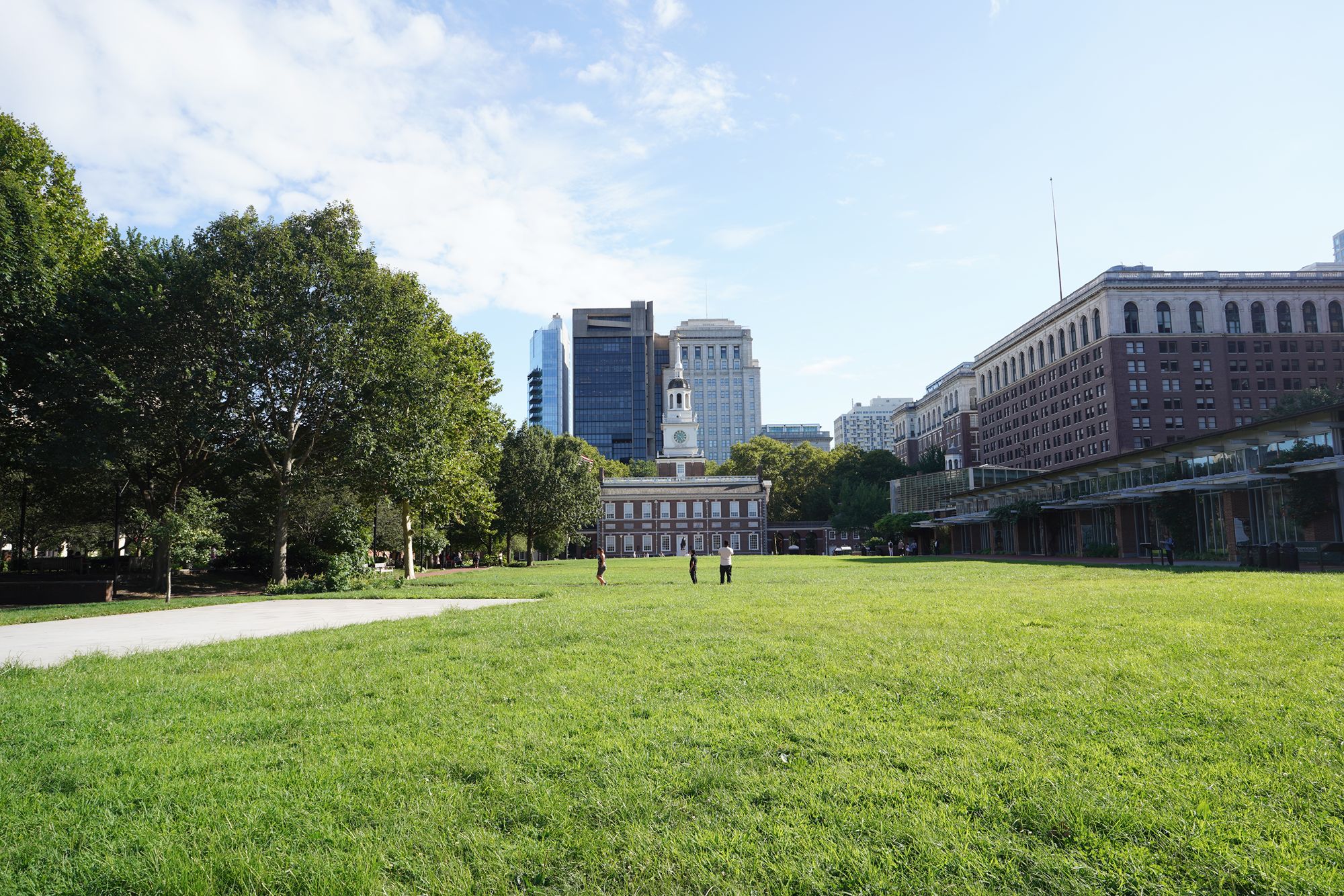
Philadelphia Old Town and Independence Hall, Philadelphia, Pennsylvania, USA
Independence Hall, the birthplace of American democracy, is where the Declaration of Independence and the Constitution were debated and signed. 1175
Independence Hall: 520 Chestnut St, Philadelphia, PA 19106
Museum of the American Revolution: 101 S 3rd St, Philadelphia, PA 19106
Date Picture Taken: August 2025
Independence Hall is the historic site where delegates debated bold ideas, adopted the Declaration of Independence, and later crafted the U.S. Constitution. Its rooms, preserved with period furnishings, make it a powerful place to reflect on the nation’s founding.
Heading to Independence Hall, where the nation first took shape.
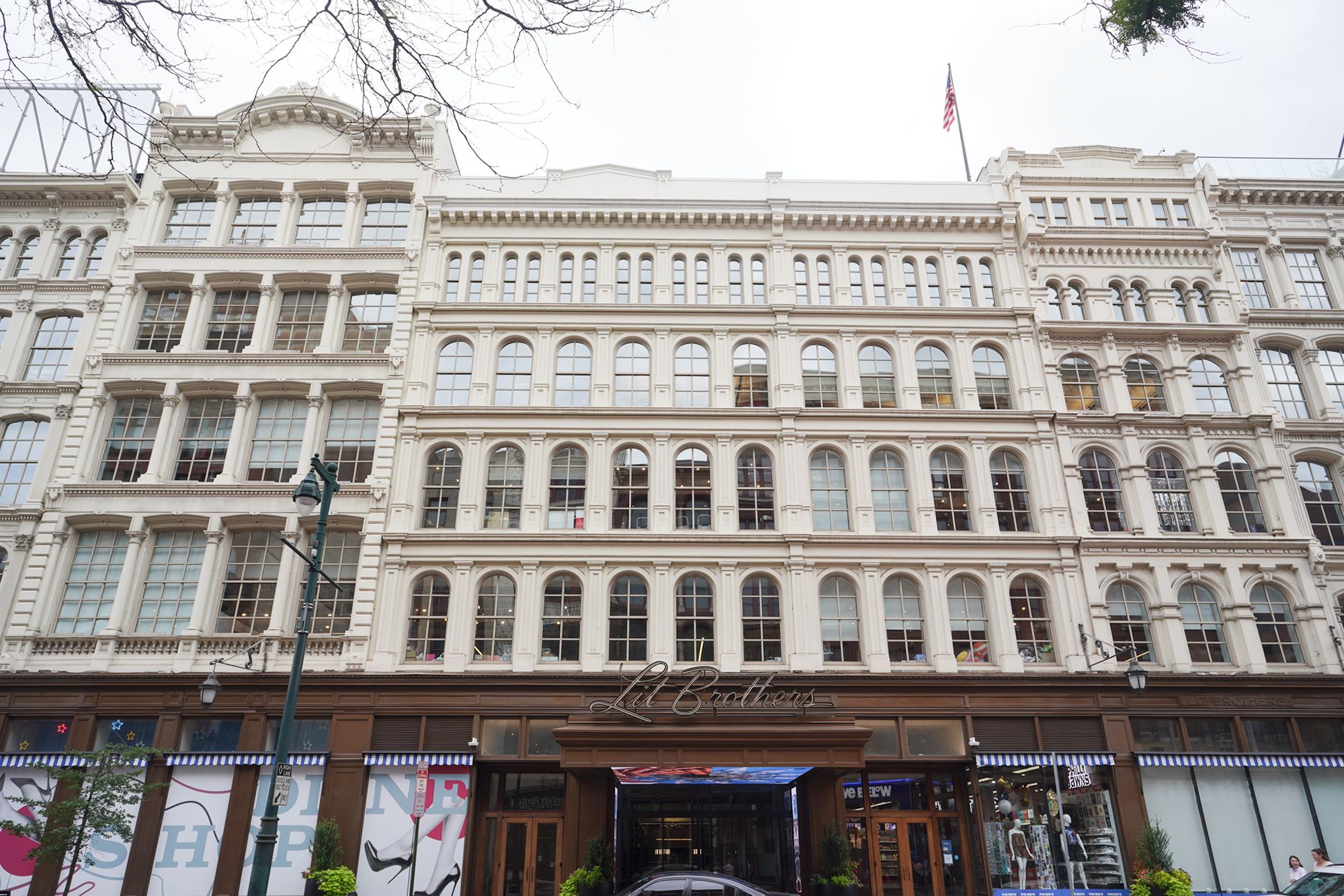
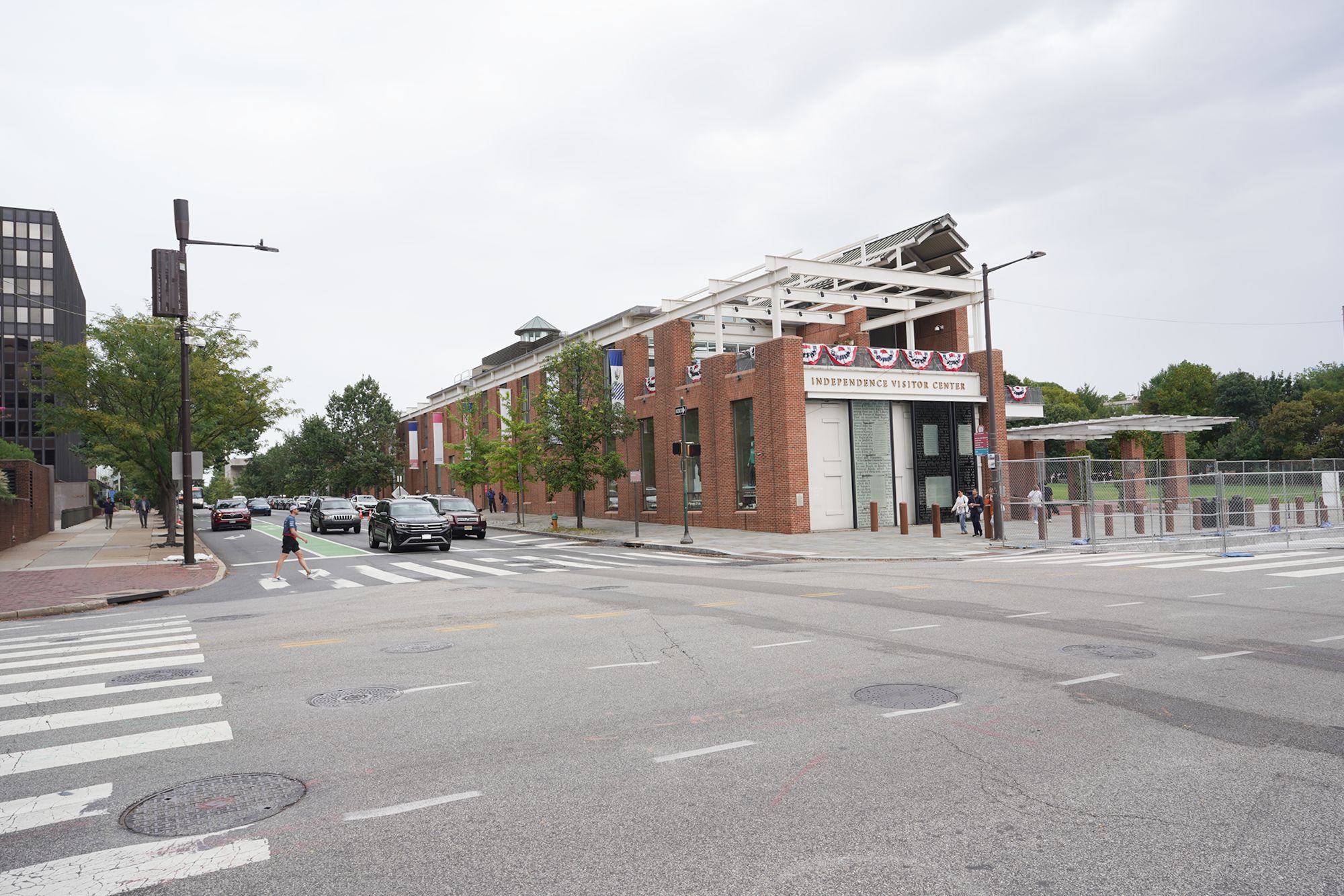
Independence Visitor Center
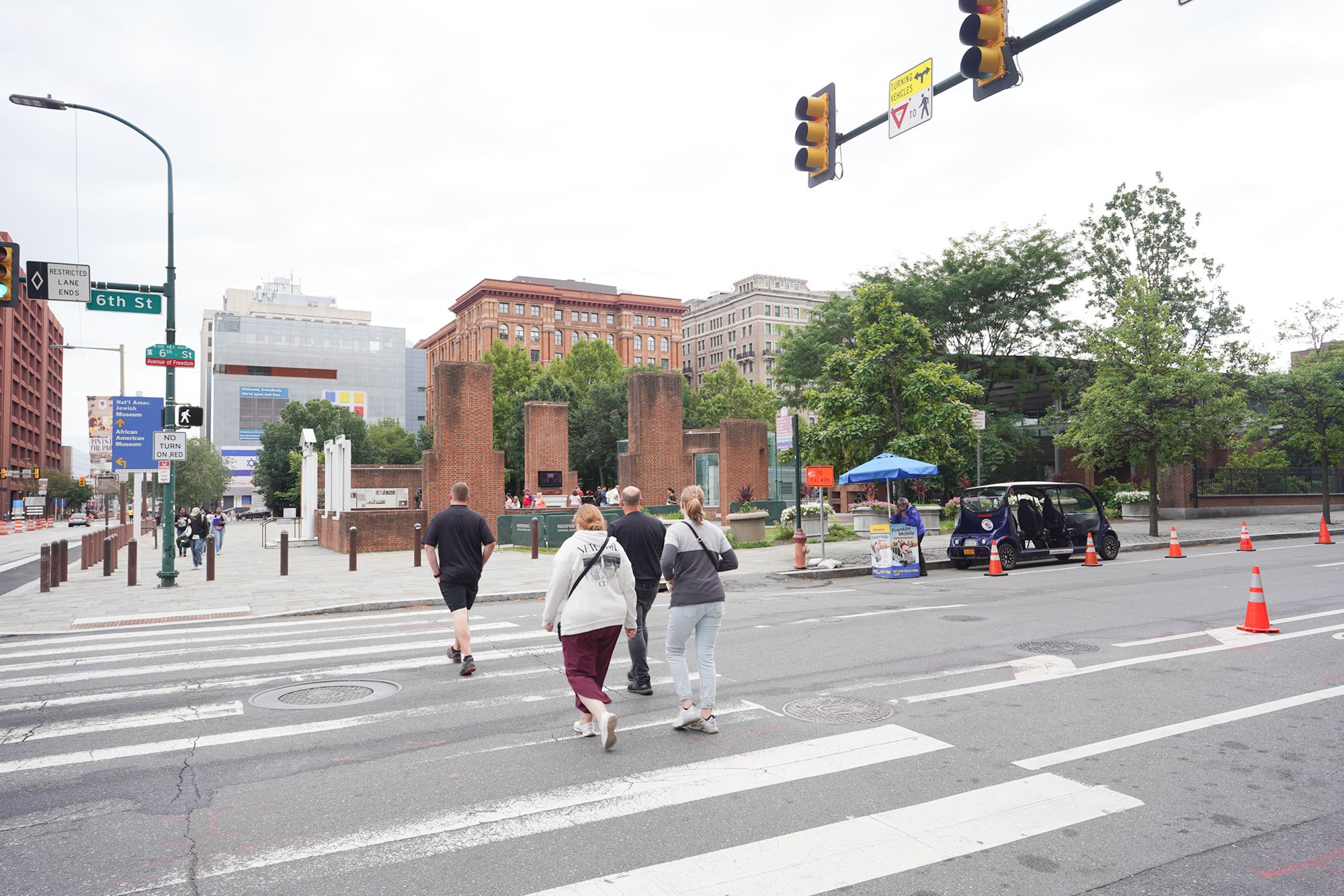
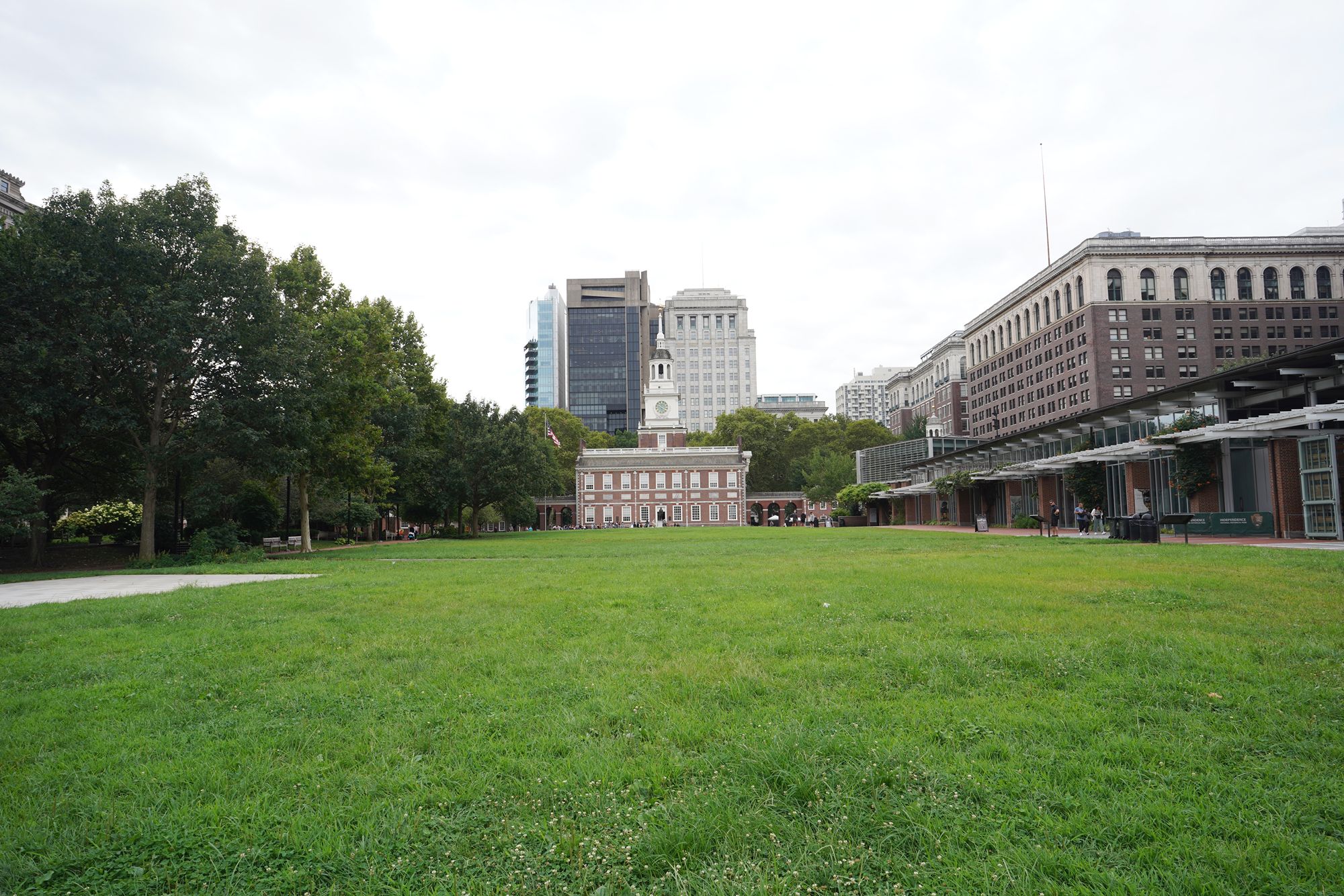
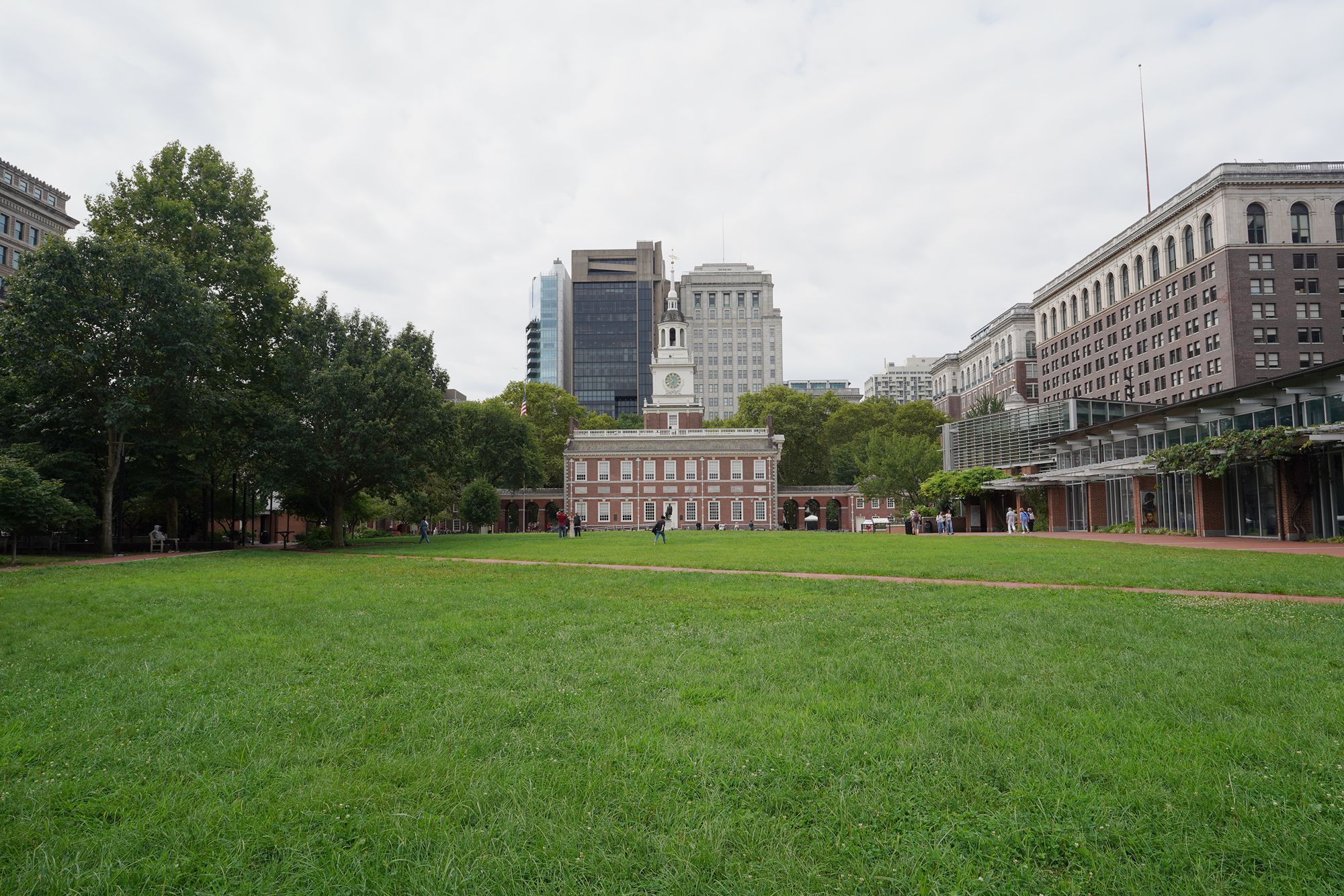
Independence Hall stands just across the street from the visitor center.
On the sidewalk beside the building to the right, on the way to Independence Hall, is a small outdoor museum on the structure of the American government.
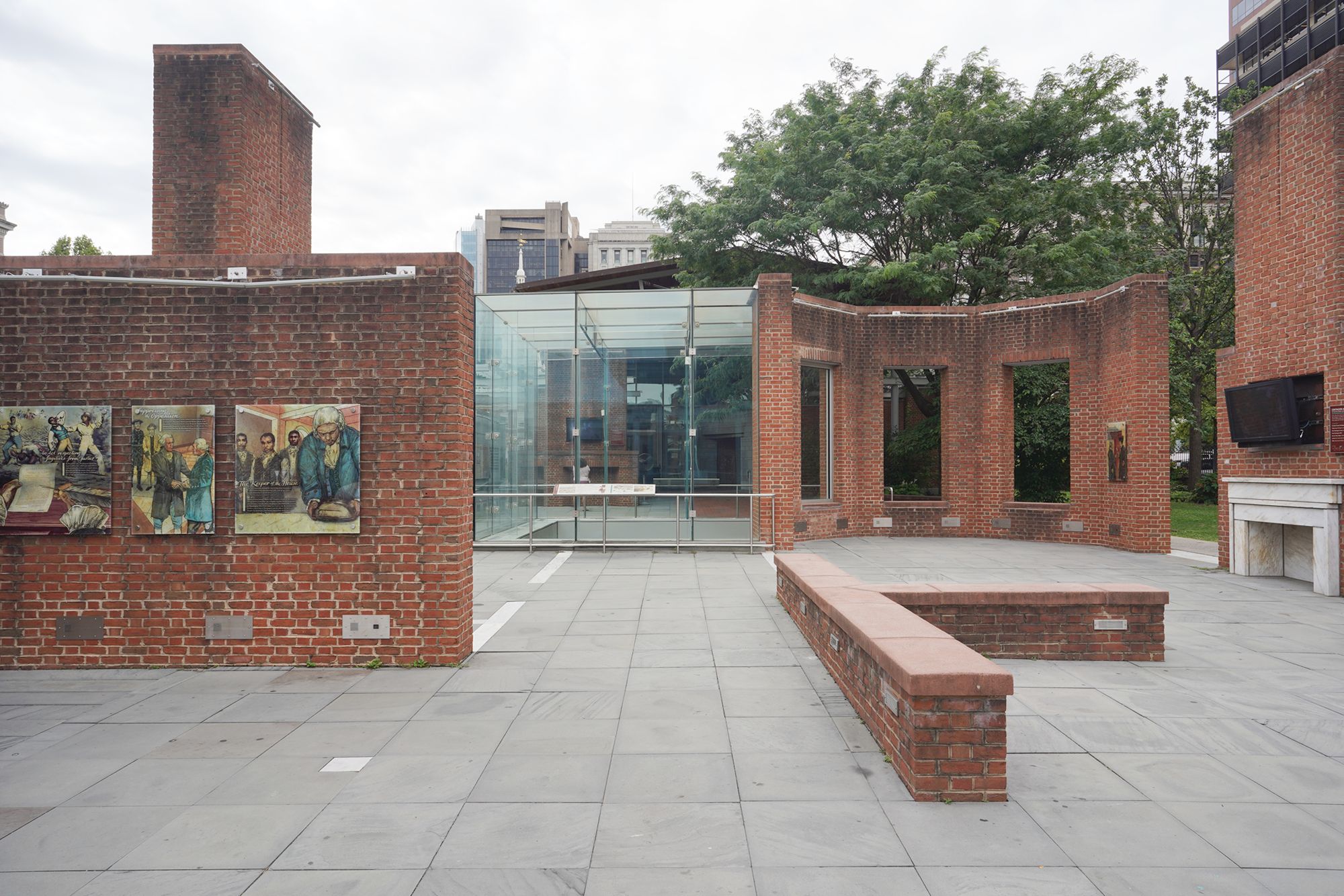
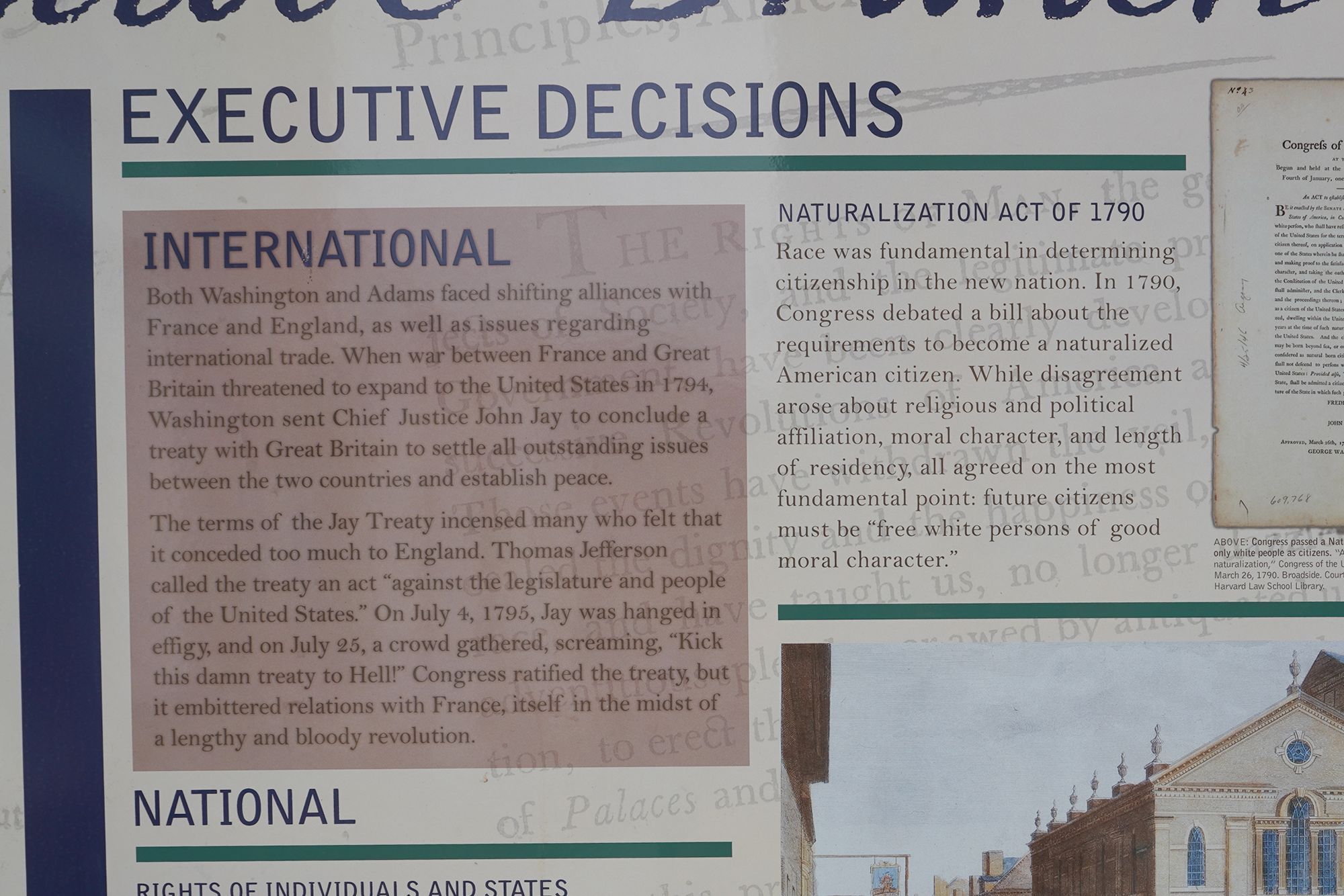
About the Executive Branch
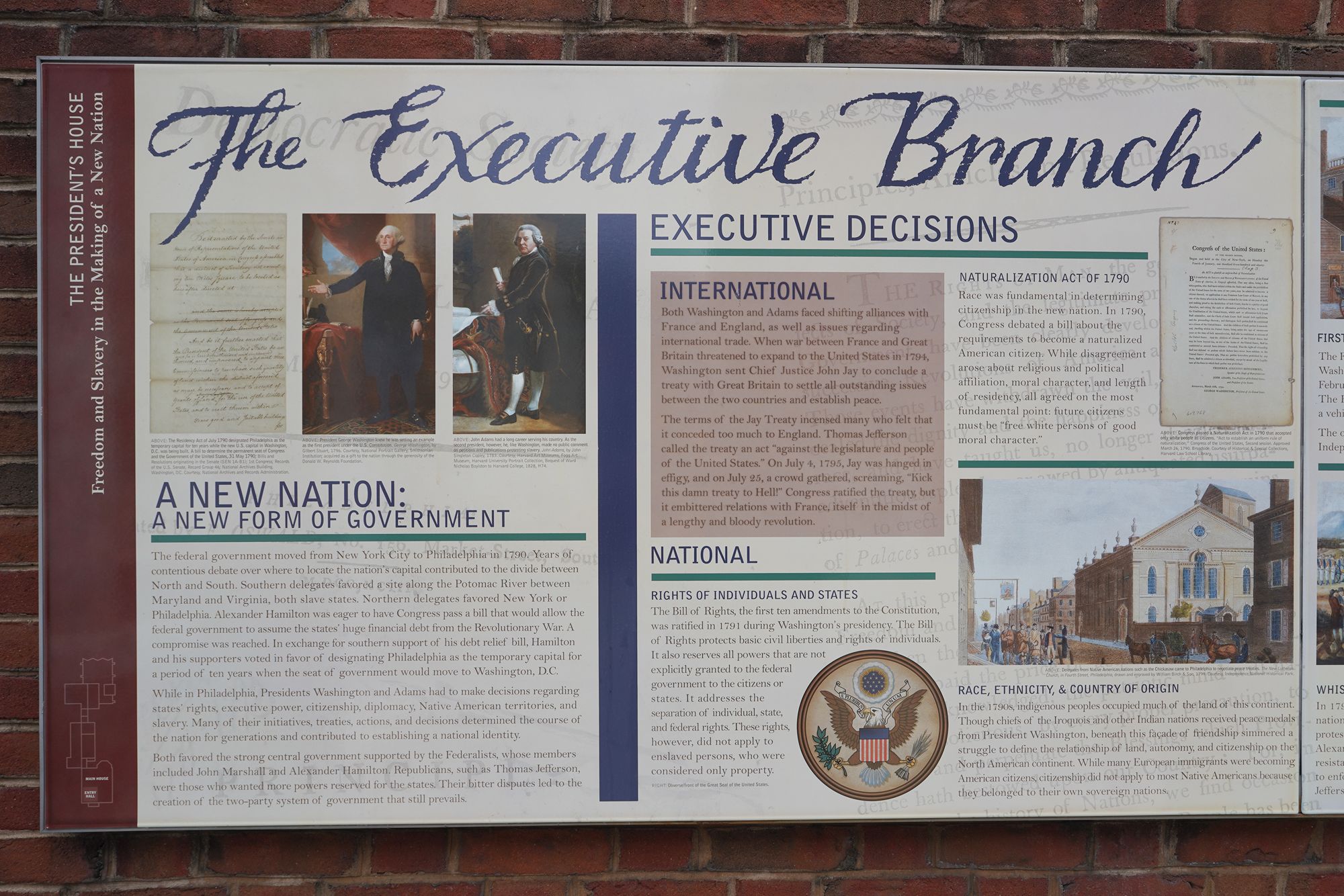
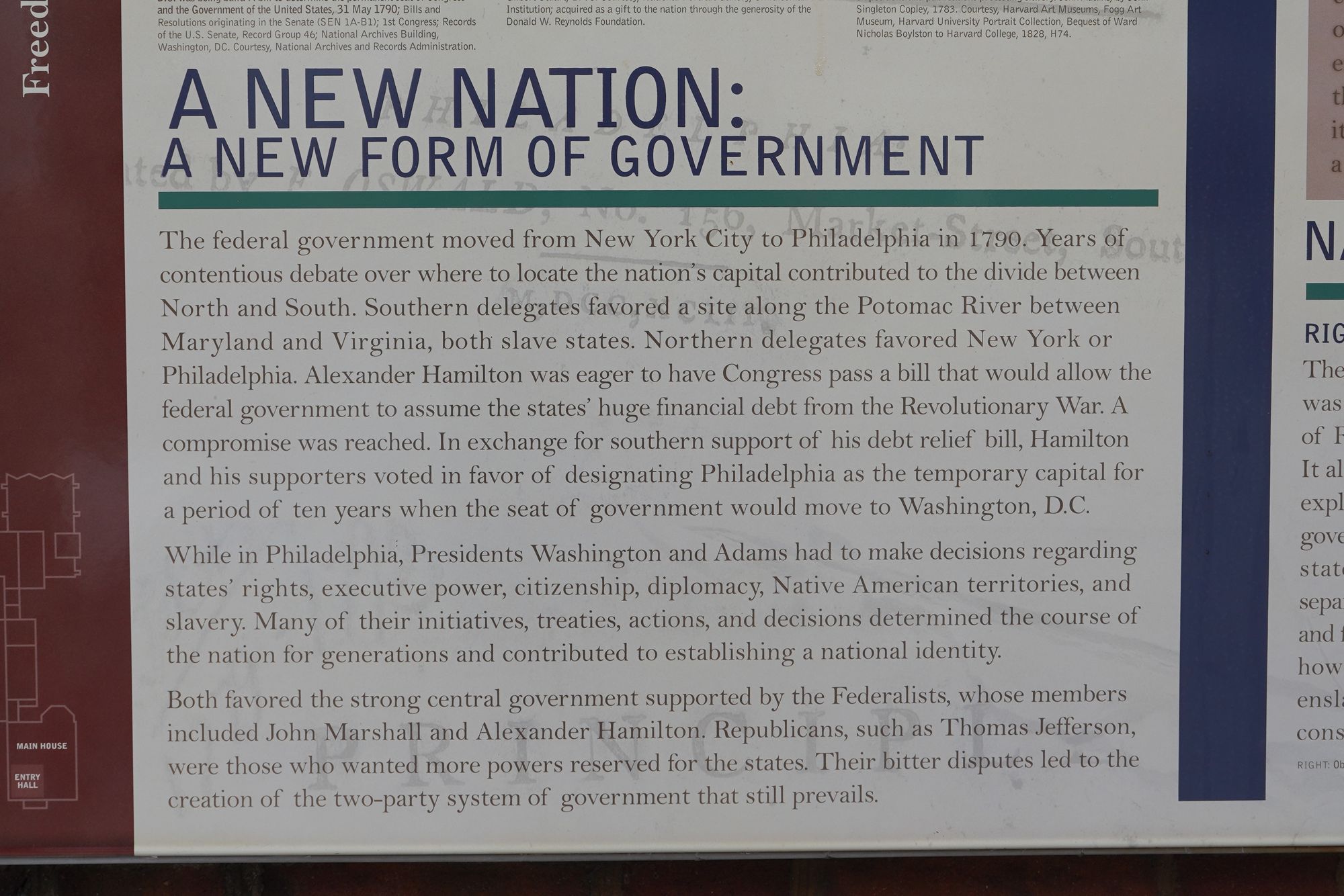
Philadelphia was chosen as the nation’s temporary capital for a decade, until the government relocated to Washington, D.C.
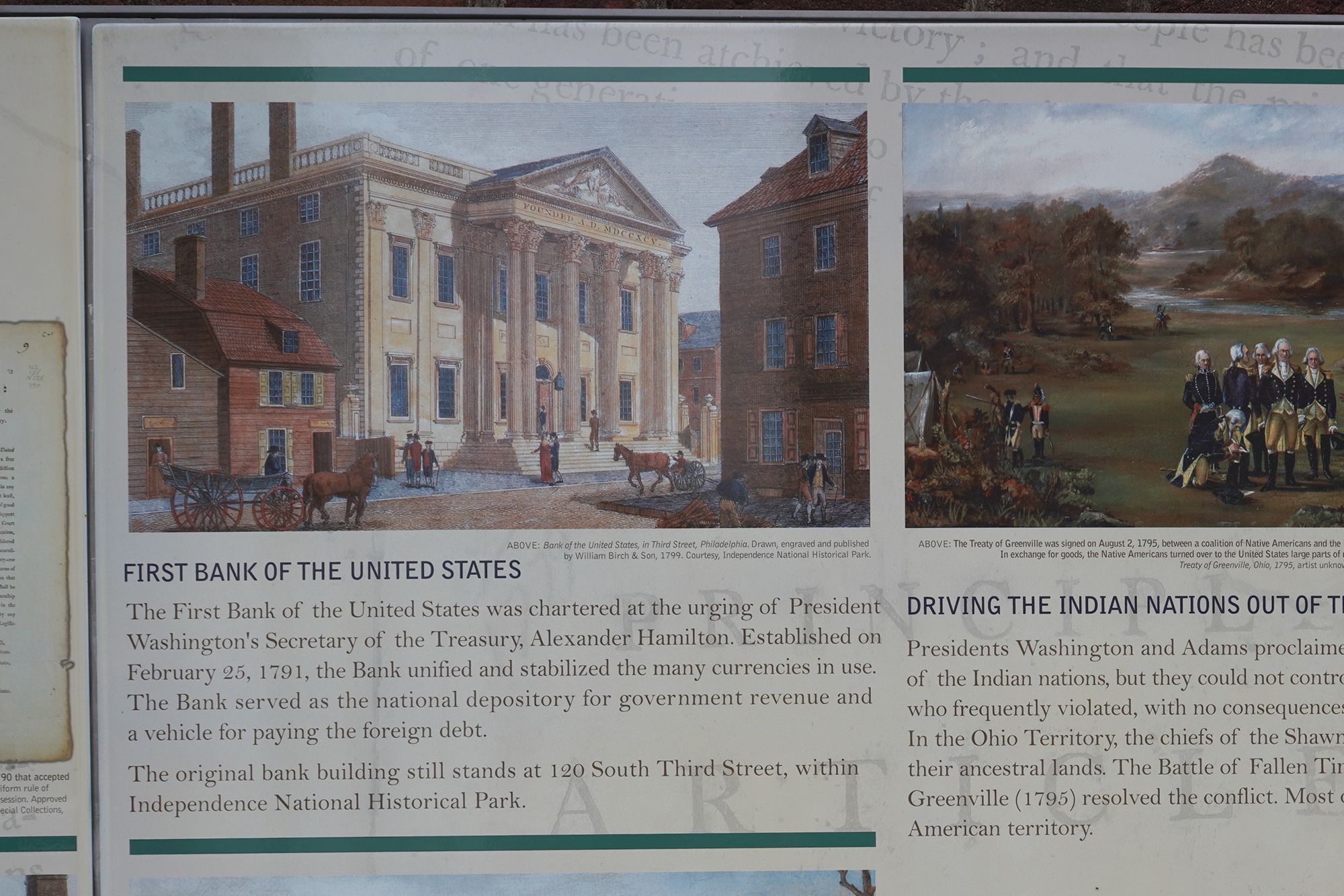
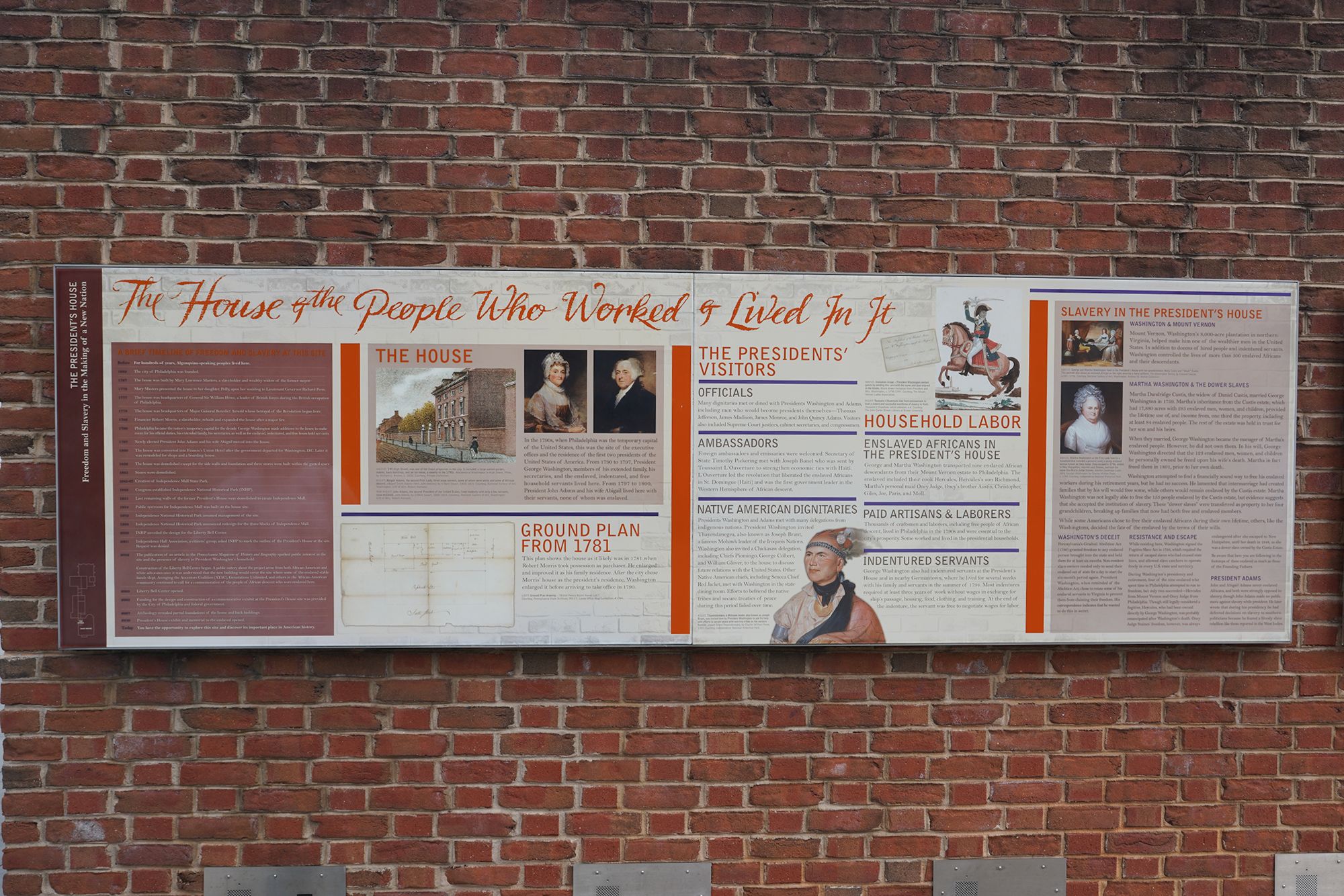
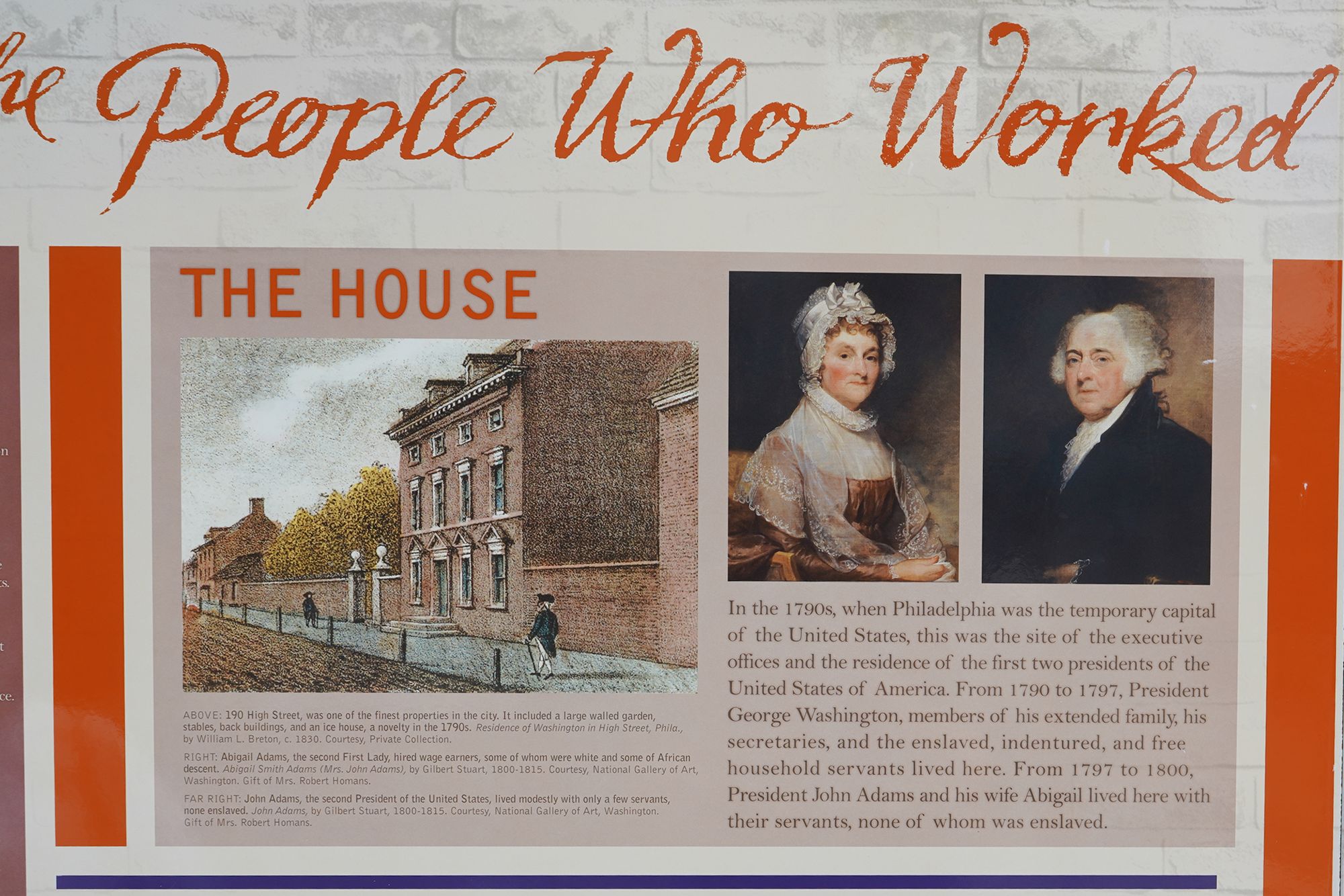
The presidents' visitors and the laborers
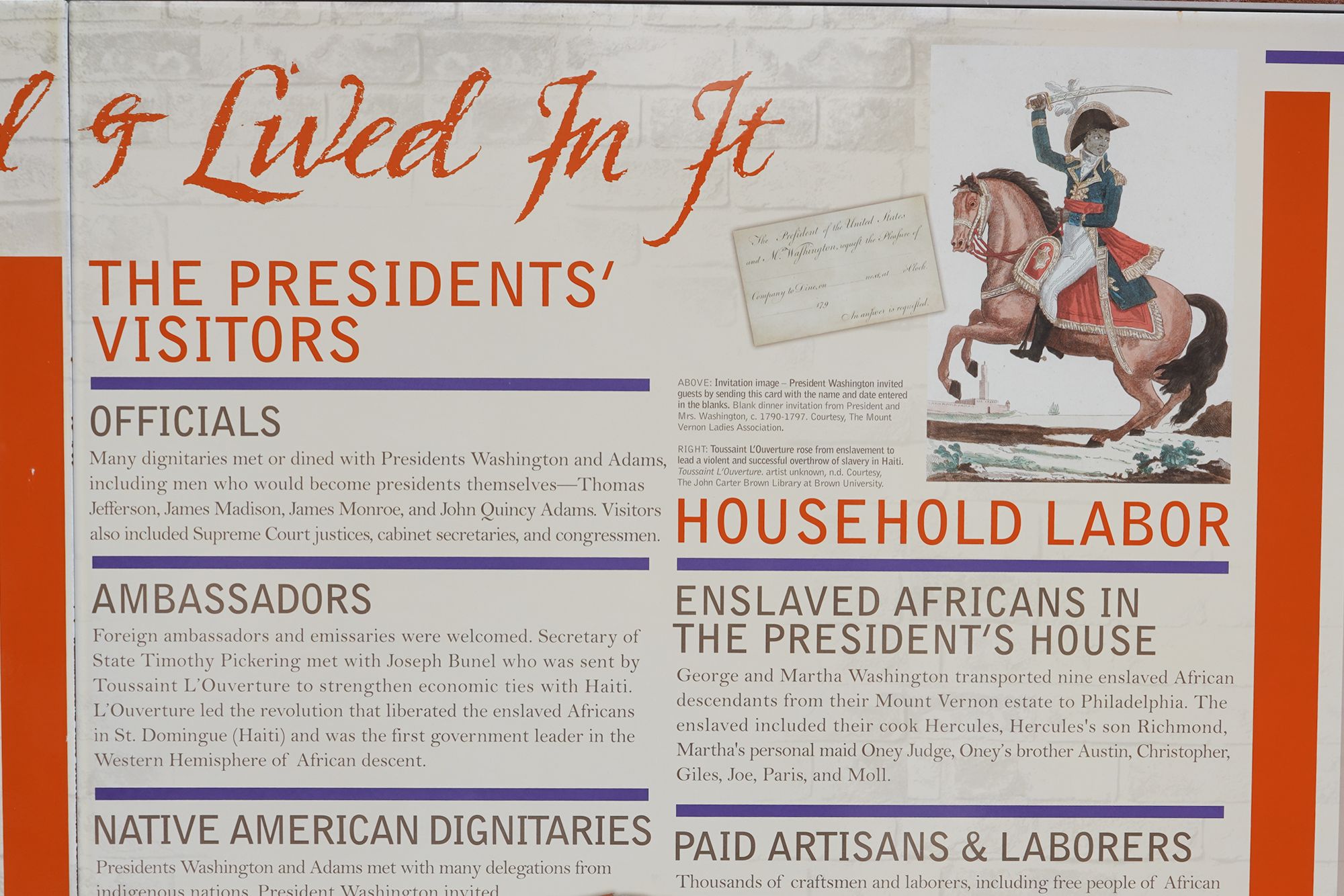
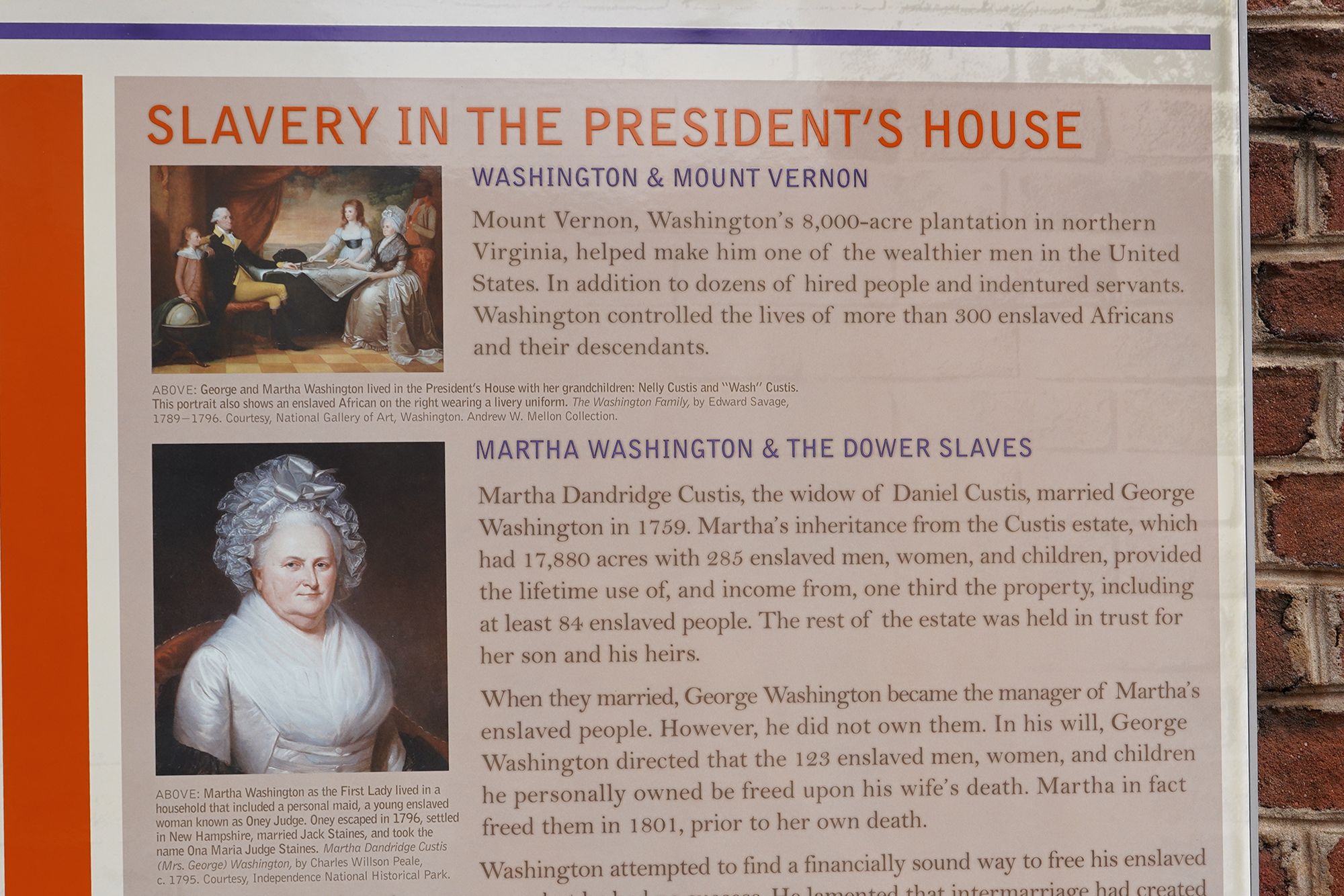
Although Philadelphia was the temporary U.S. capital from 1790 to 1800, and Pennsylvania had begun gradual abolition, enslaved people were kept and worked in the President’s House, especially during George Washington’s presidency.
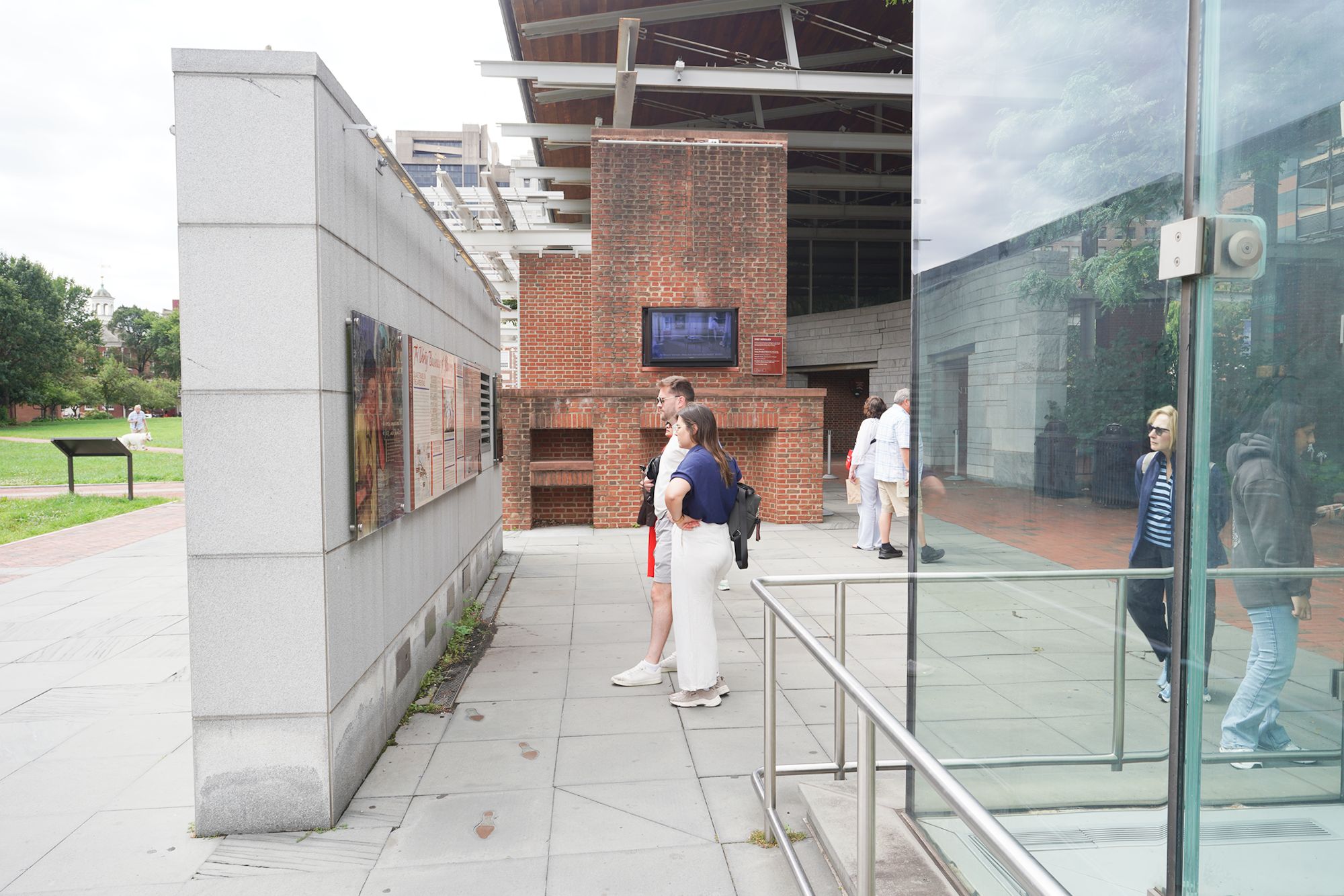
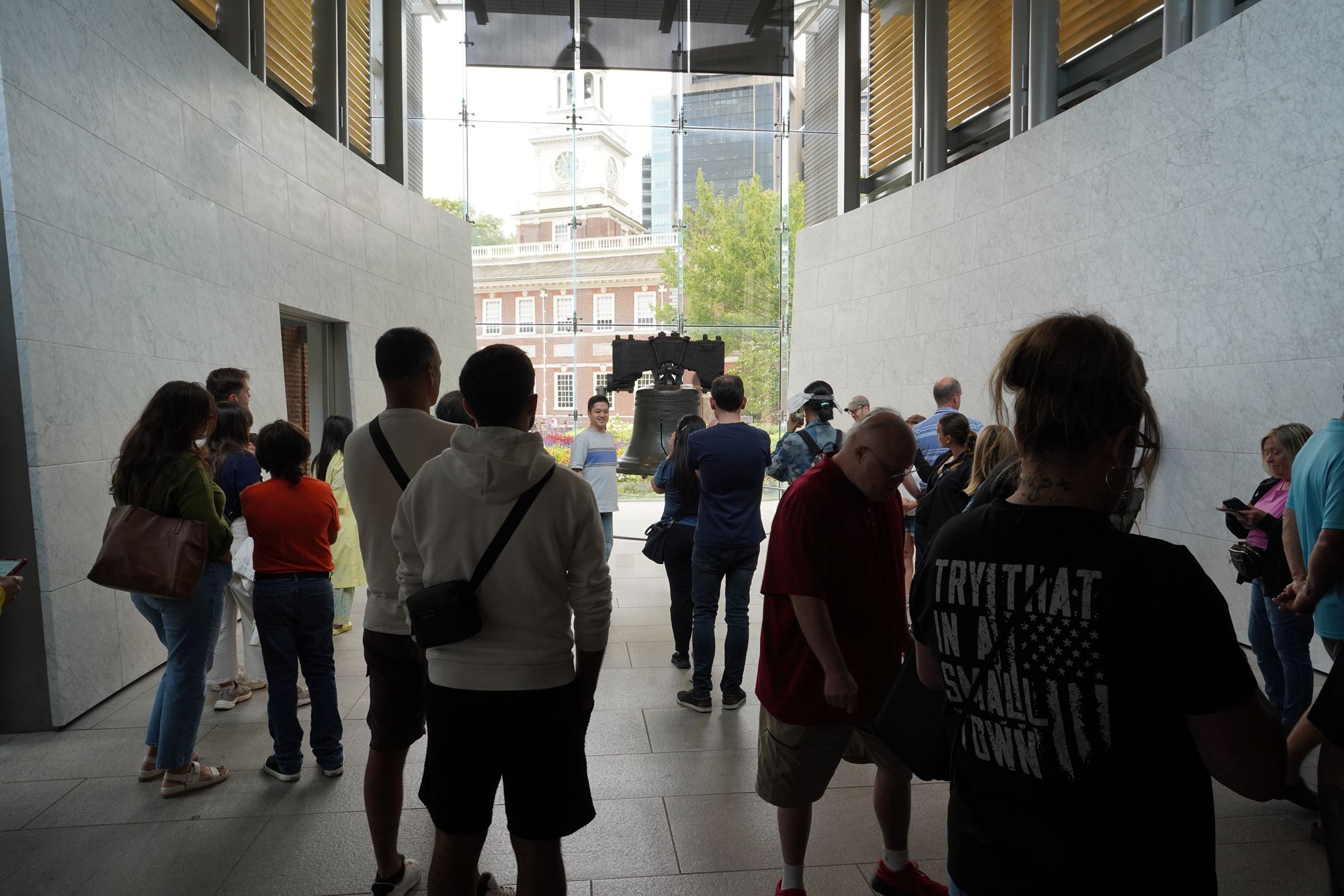
After passing the outdoor museum, you reach the Liberty Bell Center, which houses the Liberty Bell.
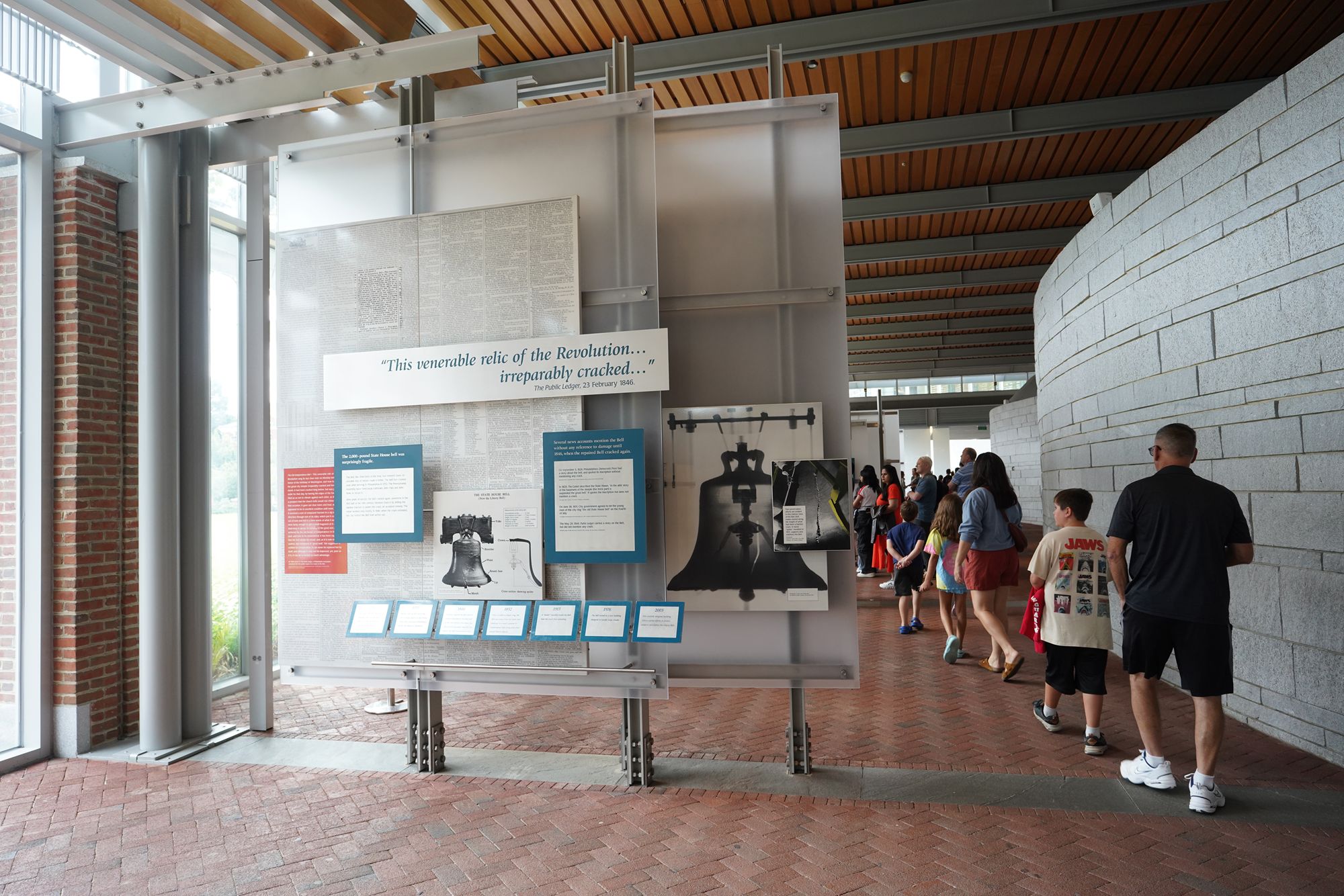
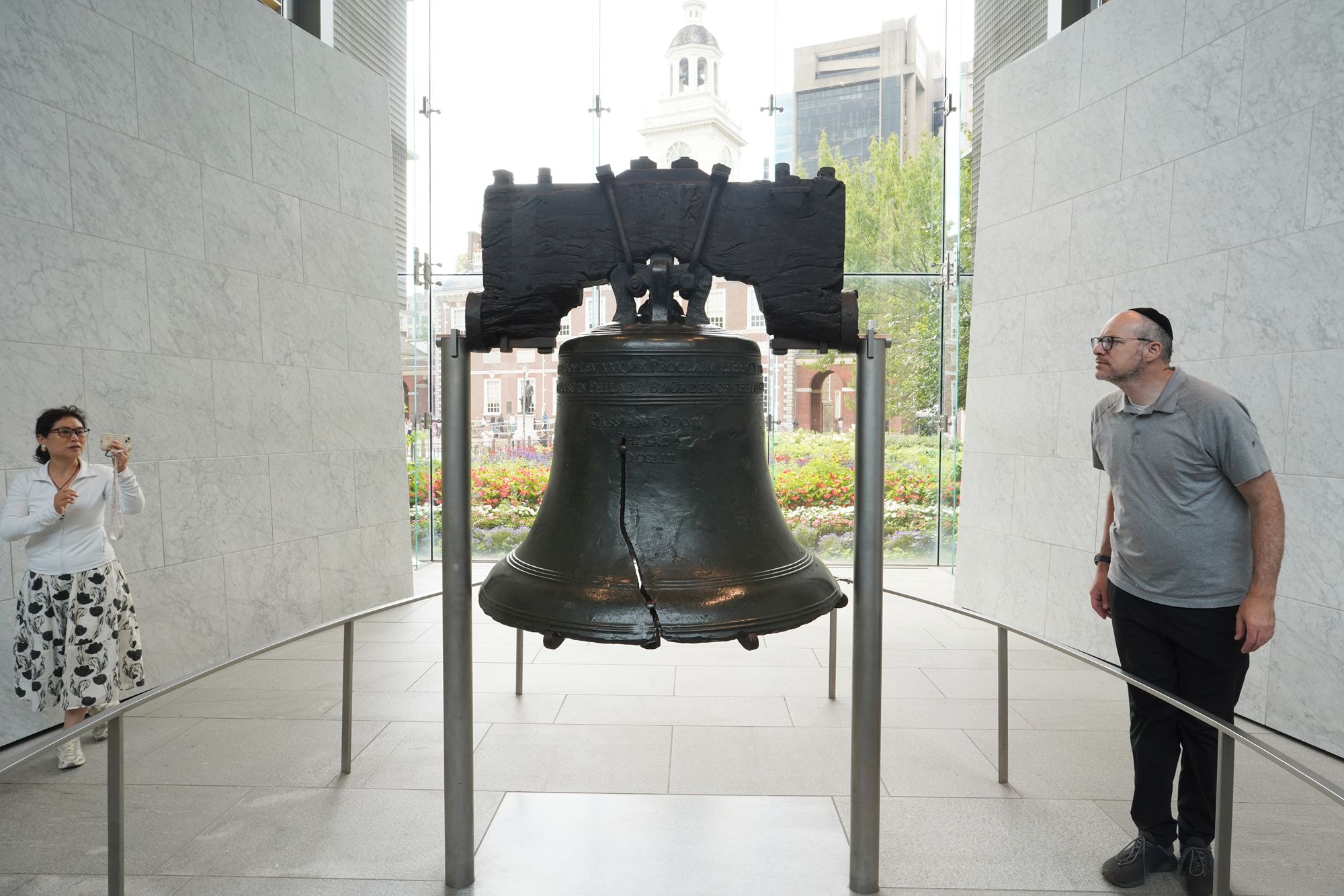
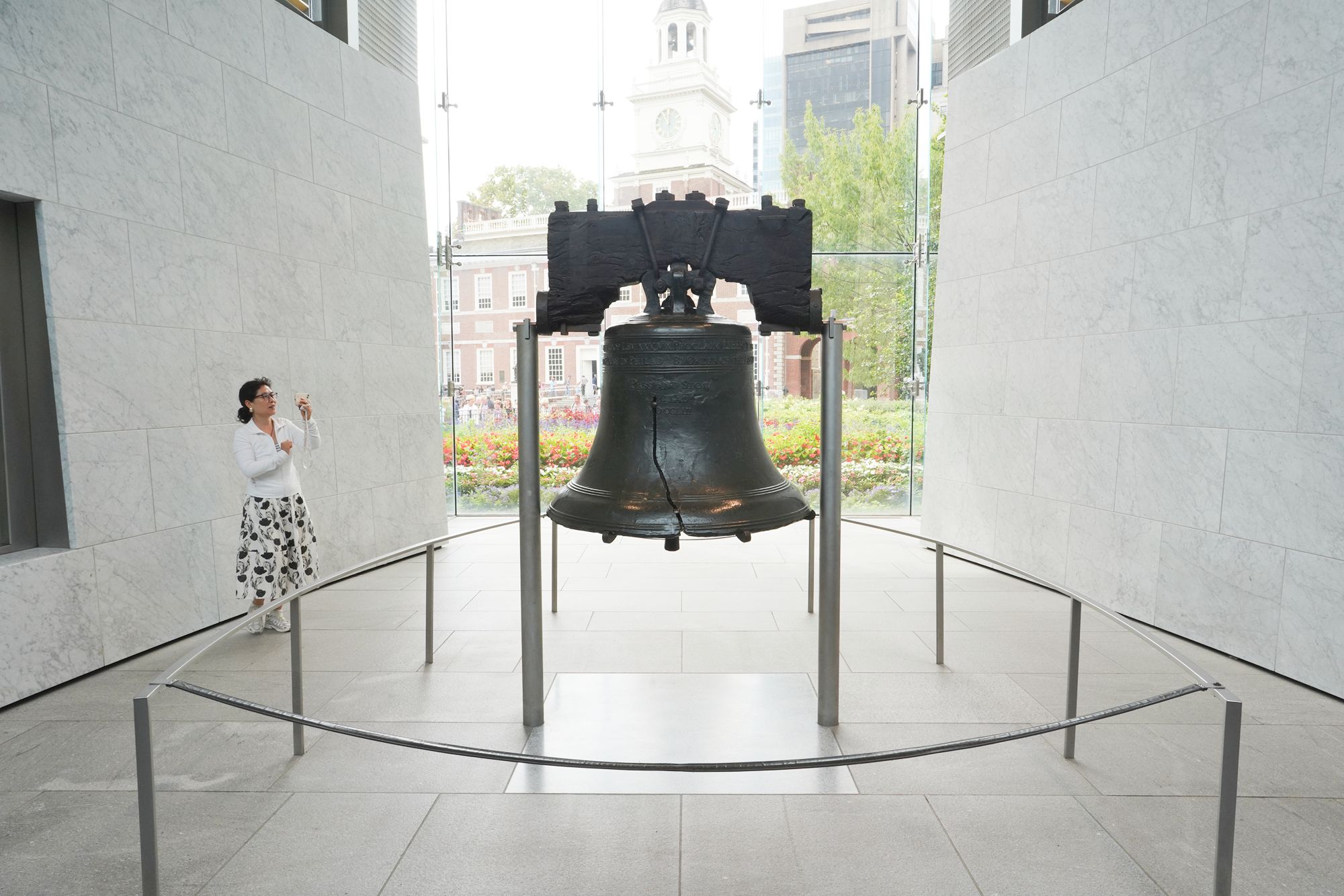
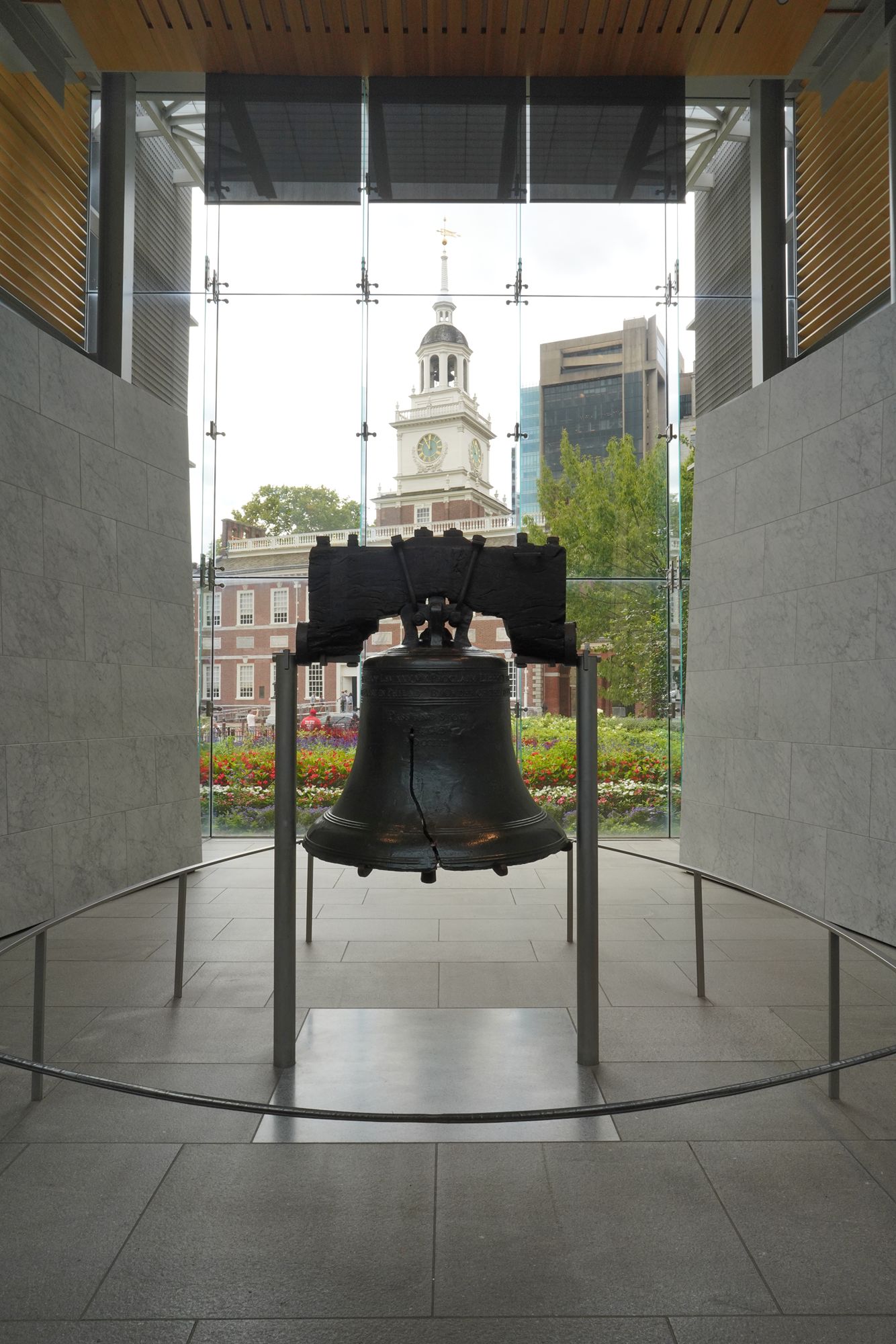
The Liberty Bell was cast in 1752 and developed a crack almost immediately after arriving in Philadelphia. Two local founders recast it twice, adding more copper to strengthen the metal, but over time the bell continued to weaken. The long, iconic crack seen today likely expanded in the early 1840s, possibly during a ceremonial ringing for George Washington’s birthday.
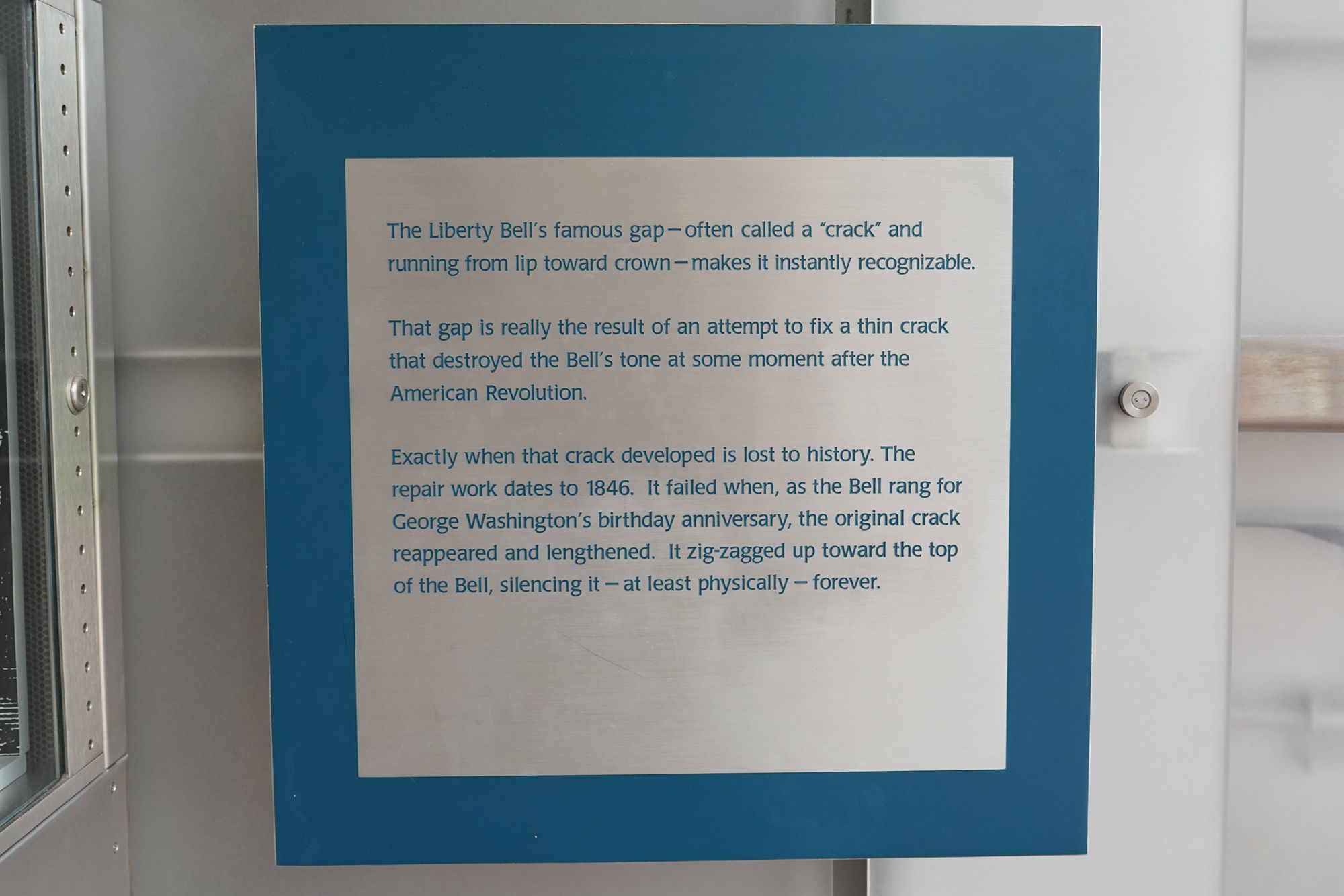
The Liberty Bell is a symbol of the American Revolution
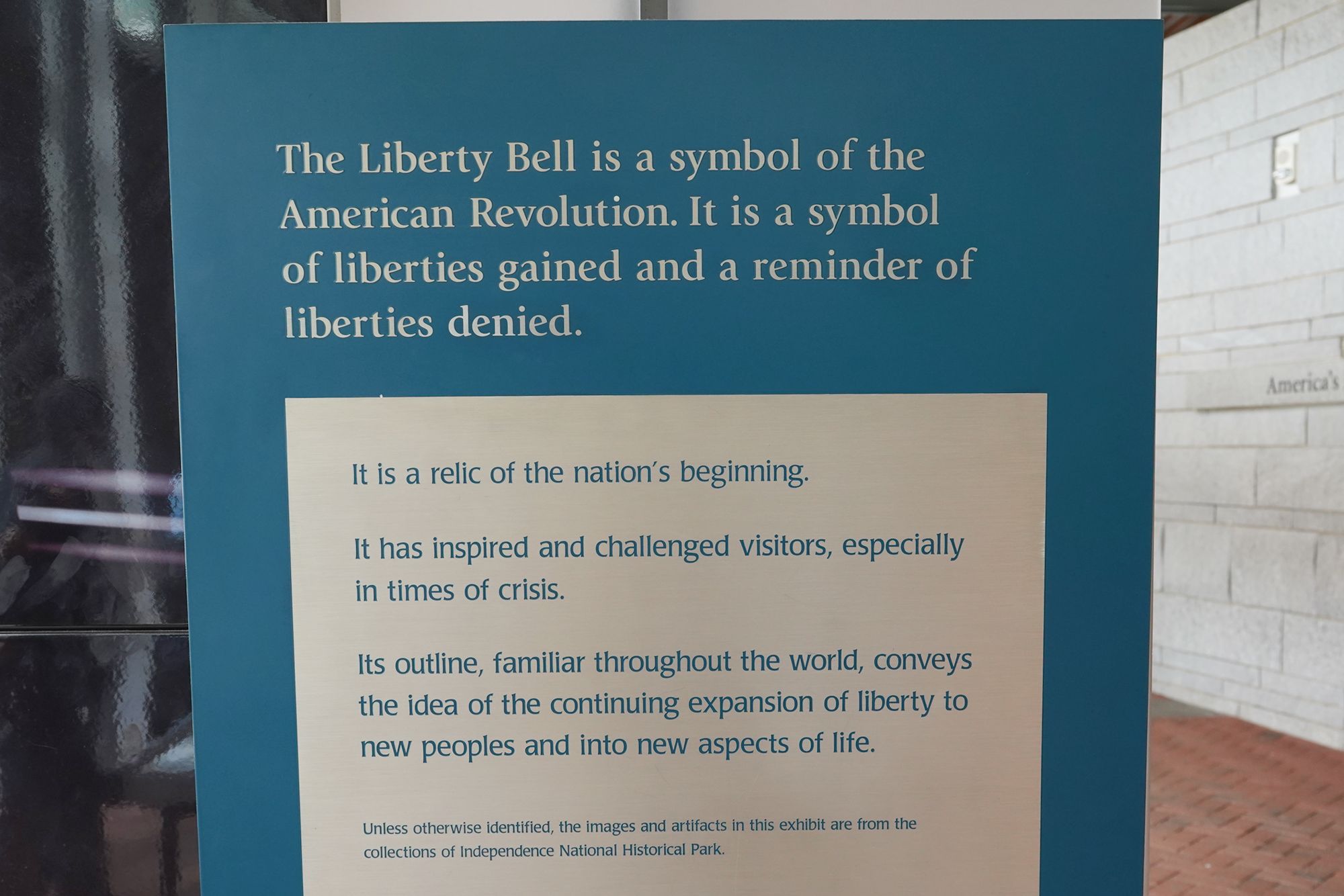
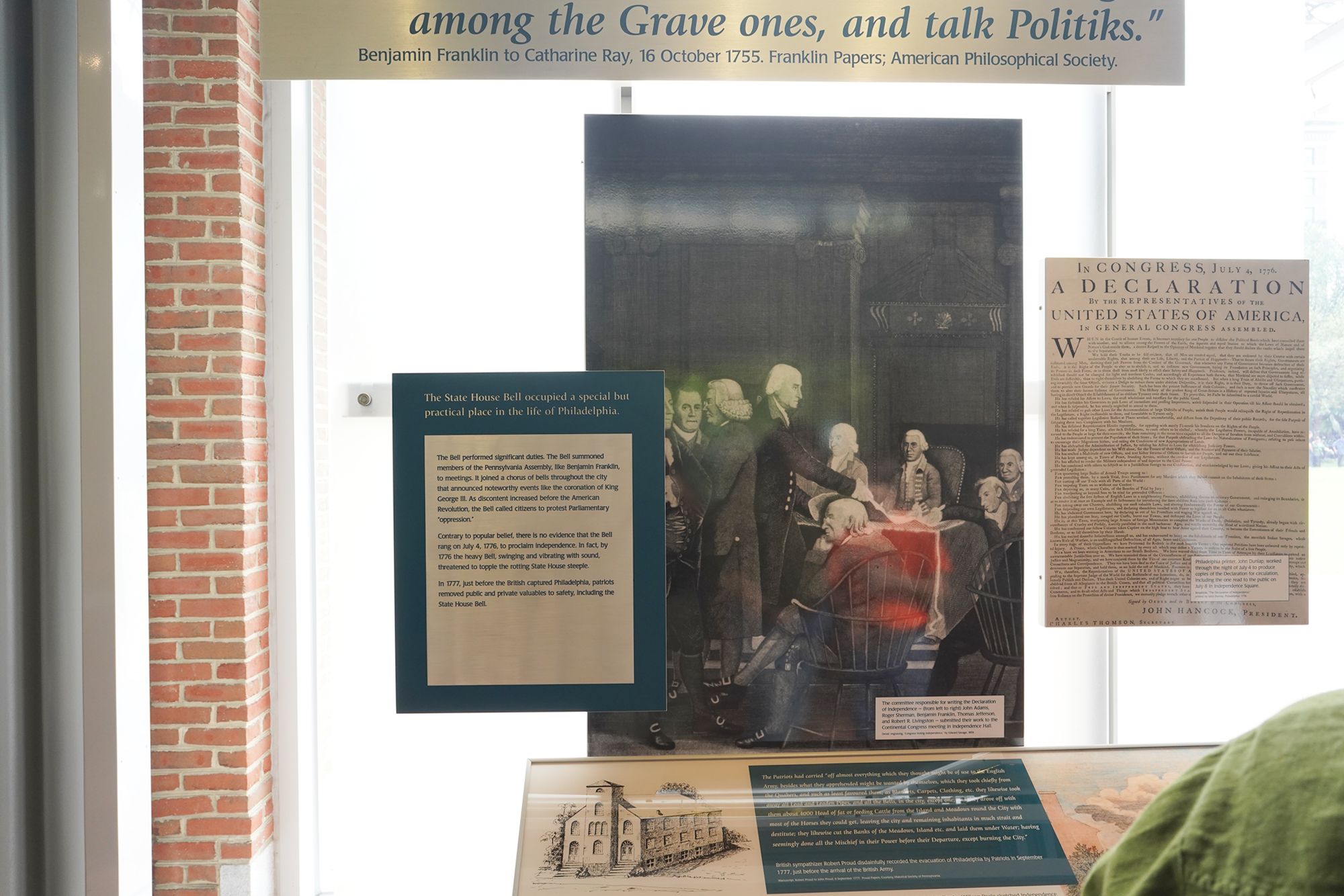
The Liberty Bell once rang to call lawmakers, announce public meetings, and mark important events. Though it became non-functional due to its crack, it became a powerful symbol of American freedom and independence.
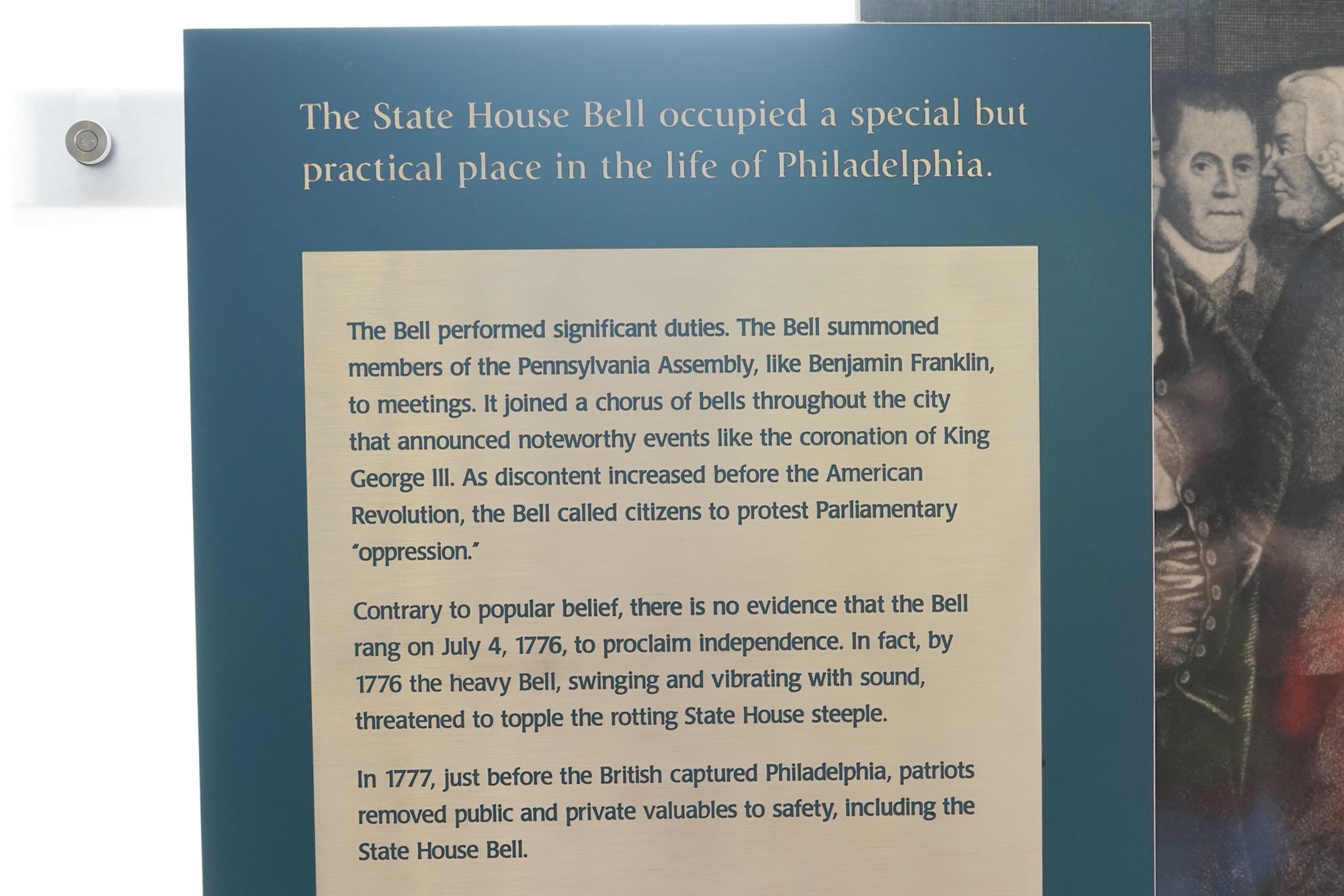
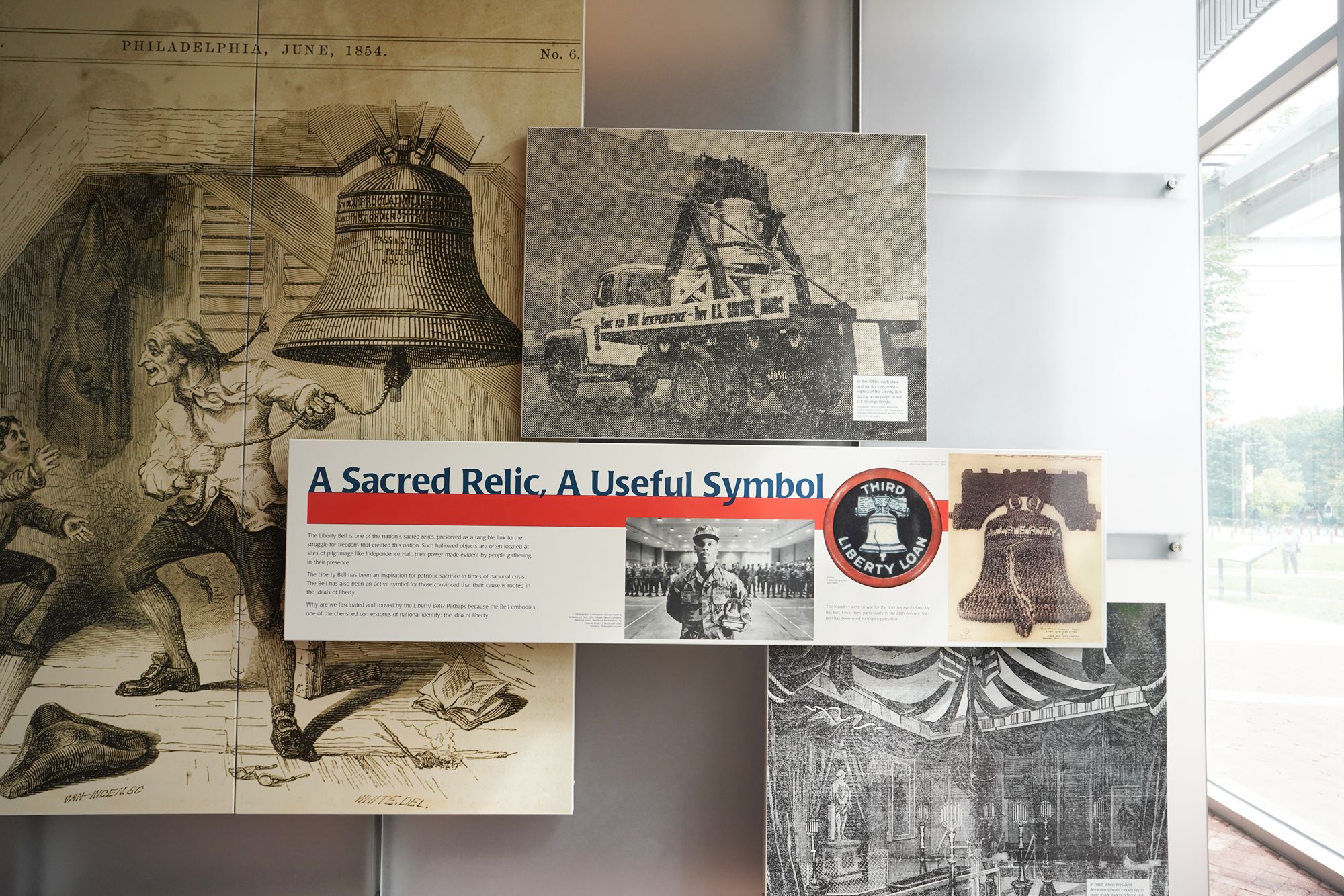
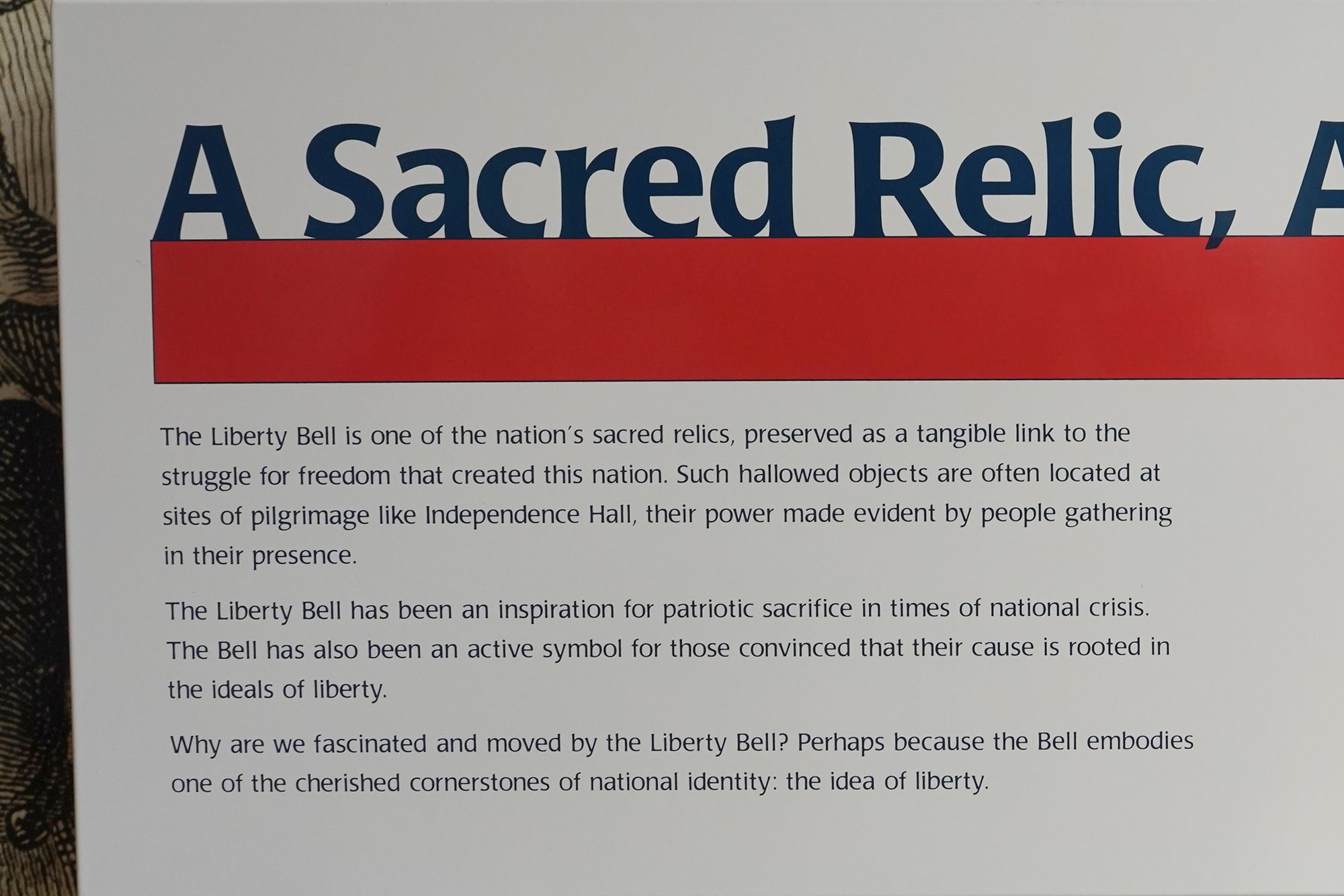
It stands today as a sacred relic—no longer rung, but deeply meaningful as a symbol of freedom.
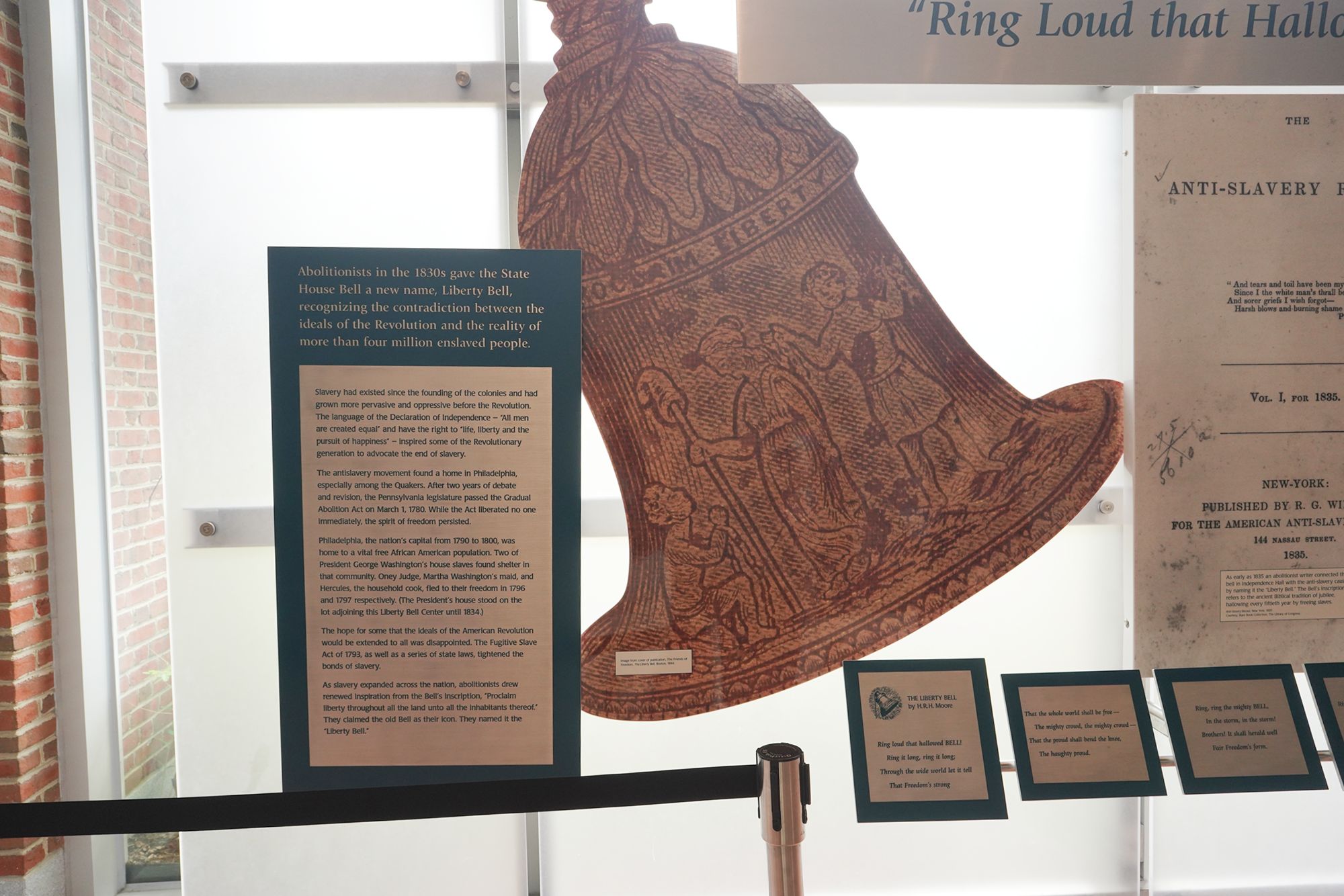
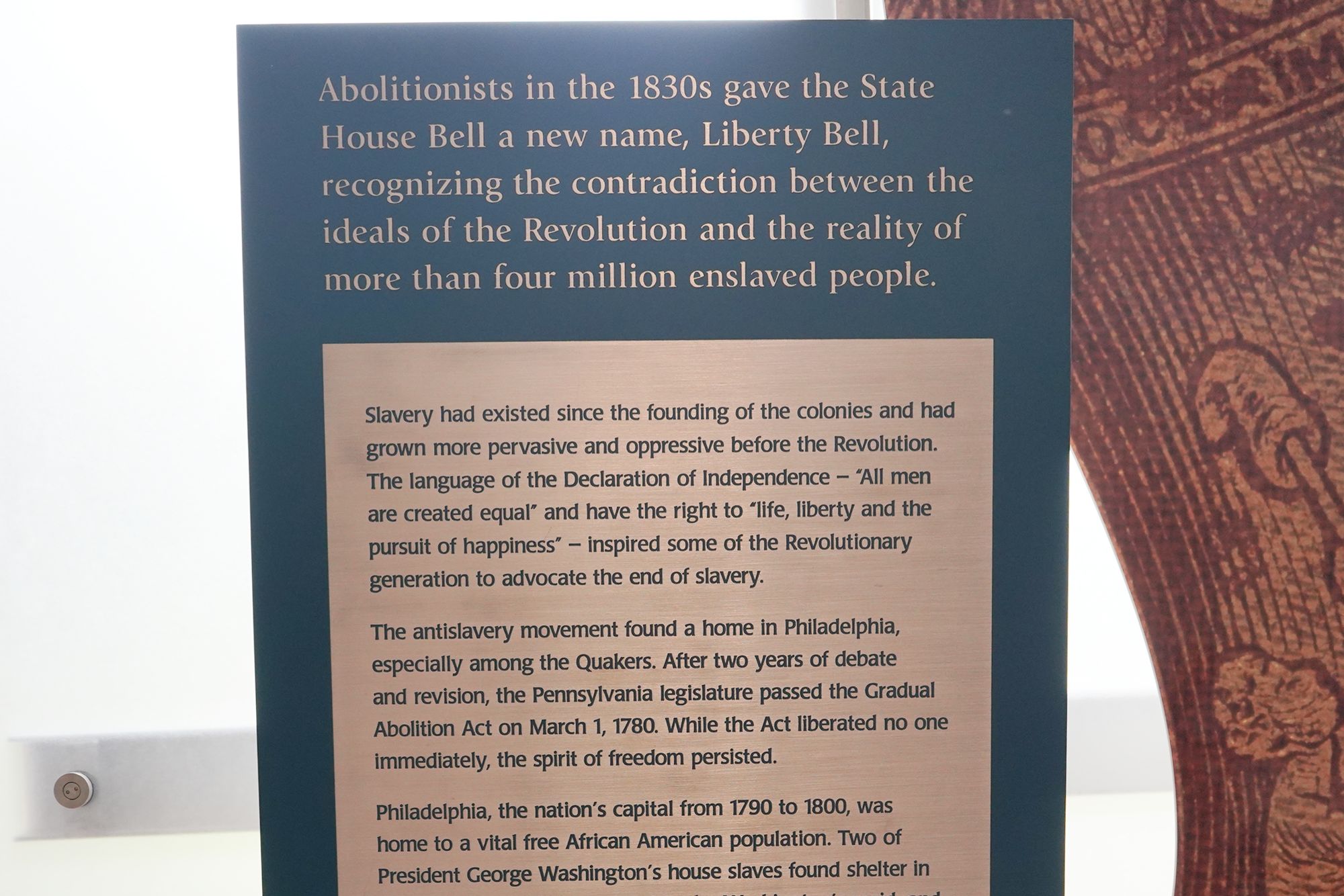
The Liberty Bell received its name from the inscription cast into it: “Proclaim Liberty throughout all the land unto all the inhabitants thereof.” In the 1800s, abolitionists embraced the bell as a symbol of freedom and equality, and the name “Liberty Bell” became widely accepted, reflecting its powerful message.
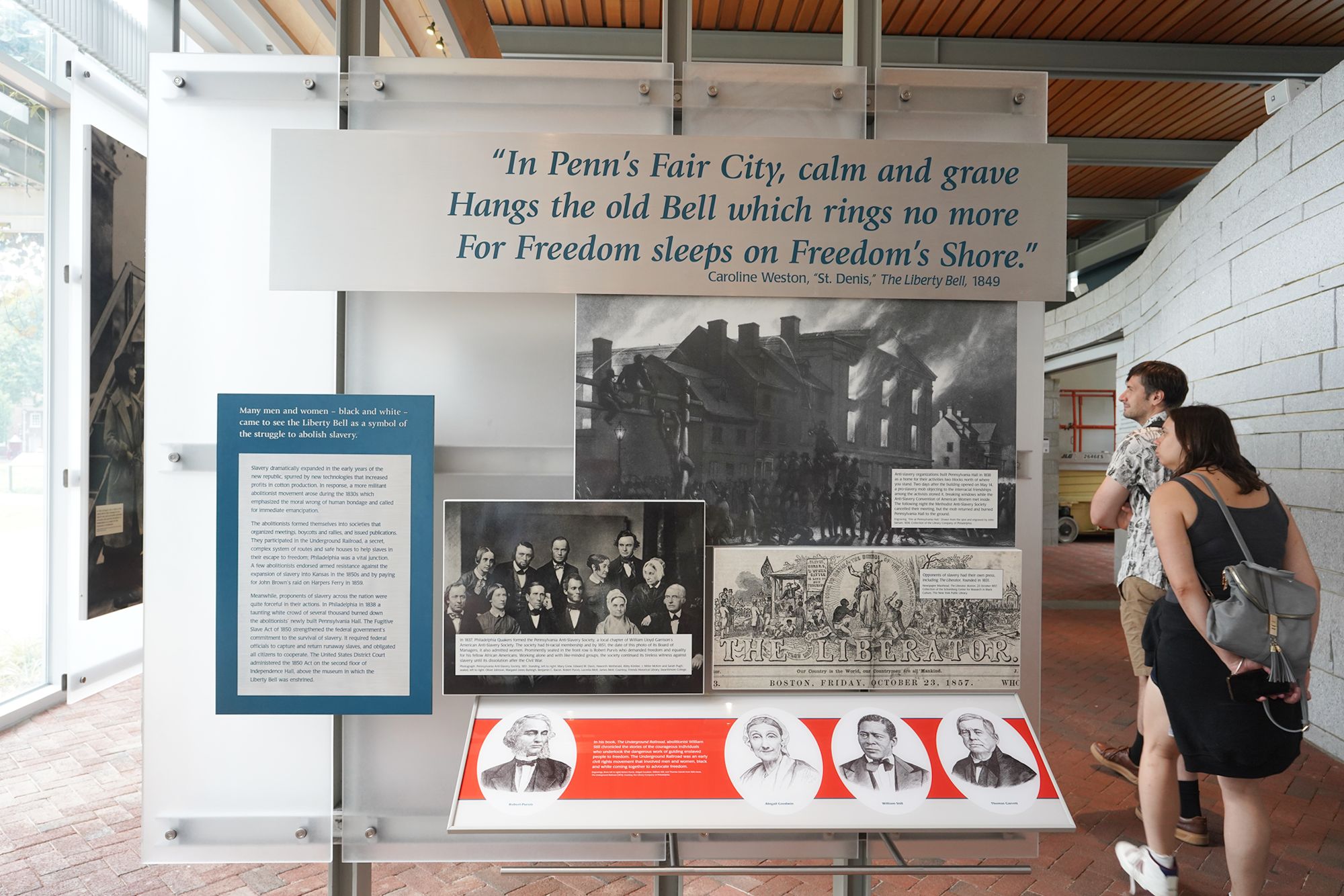
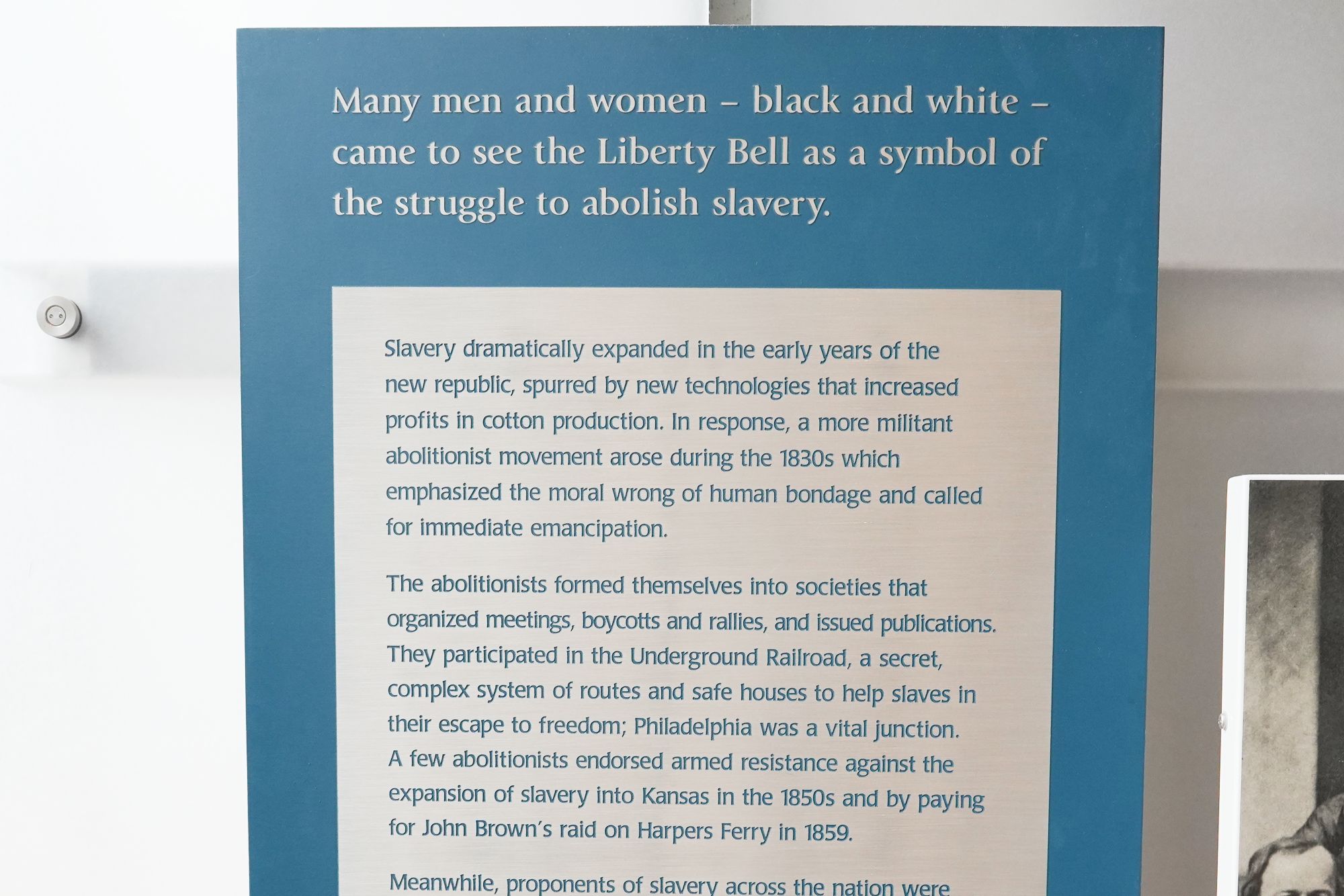
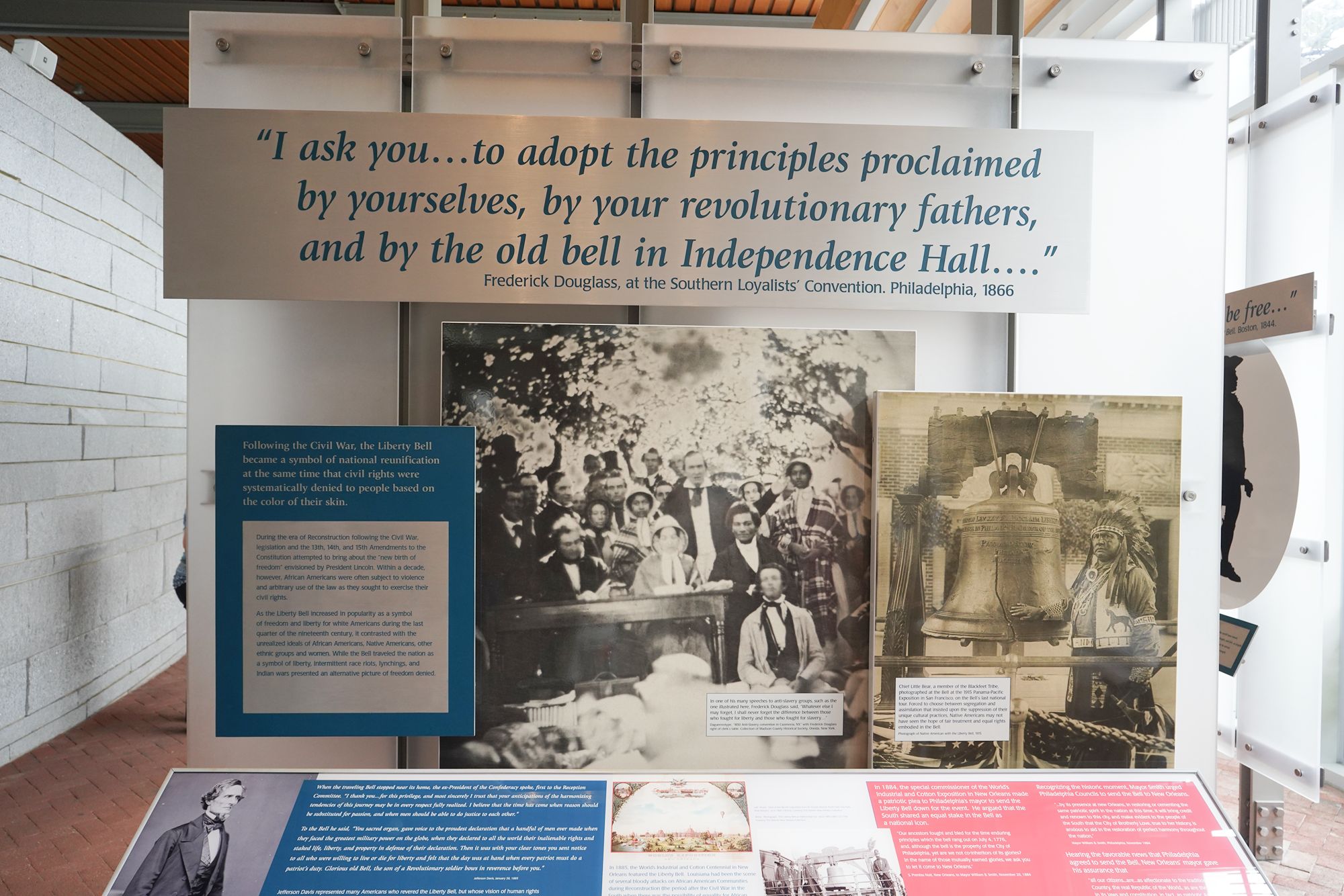
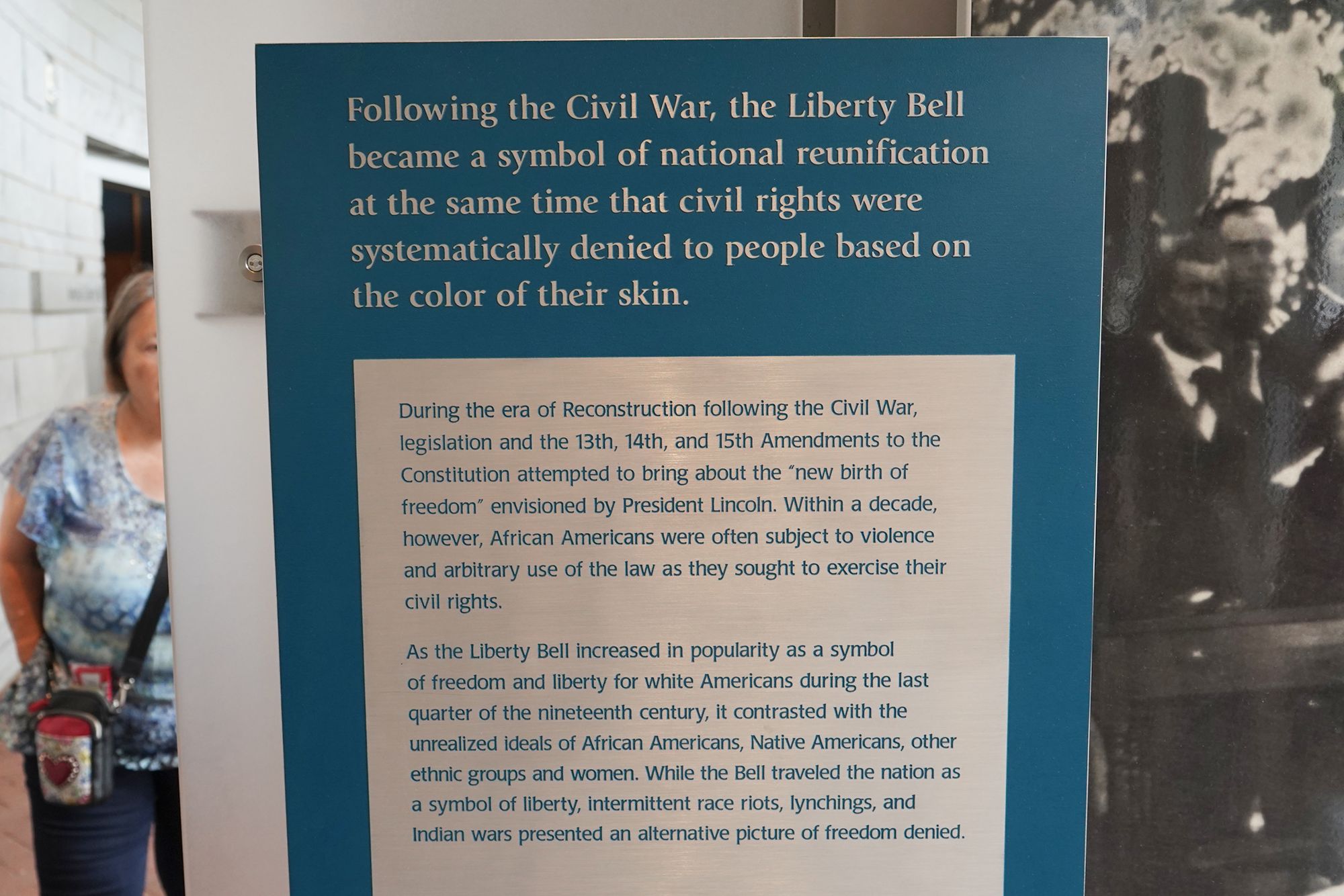
Following the Civil War, the Liberty Bell became a symbol of national reunification
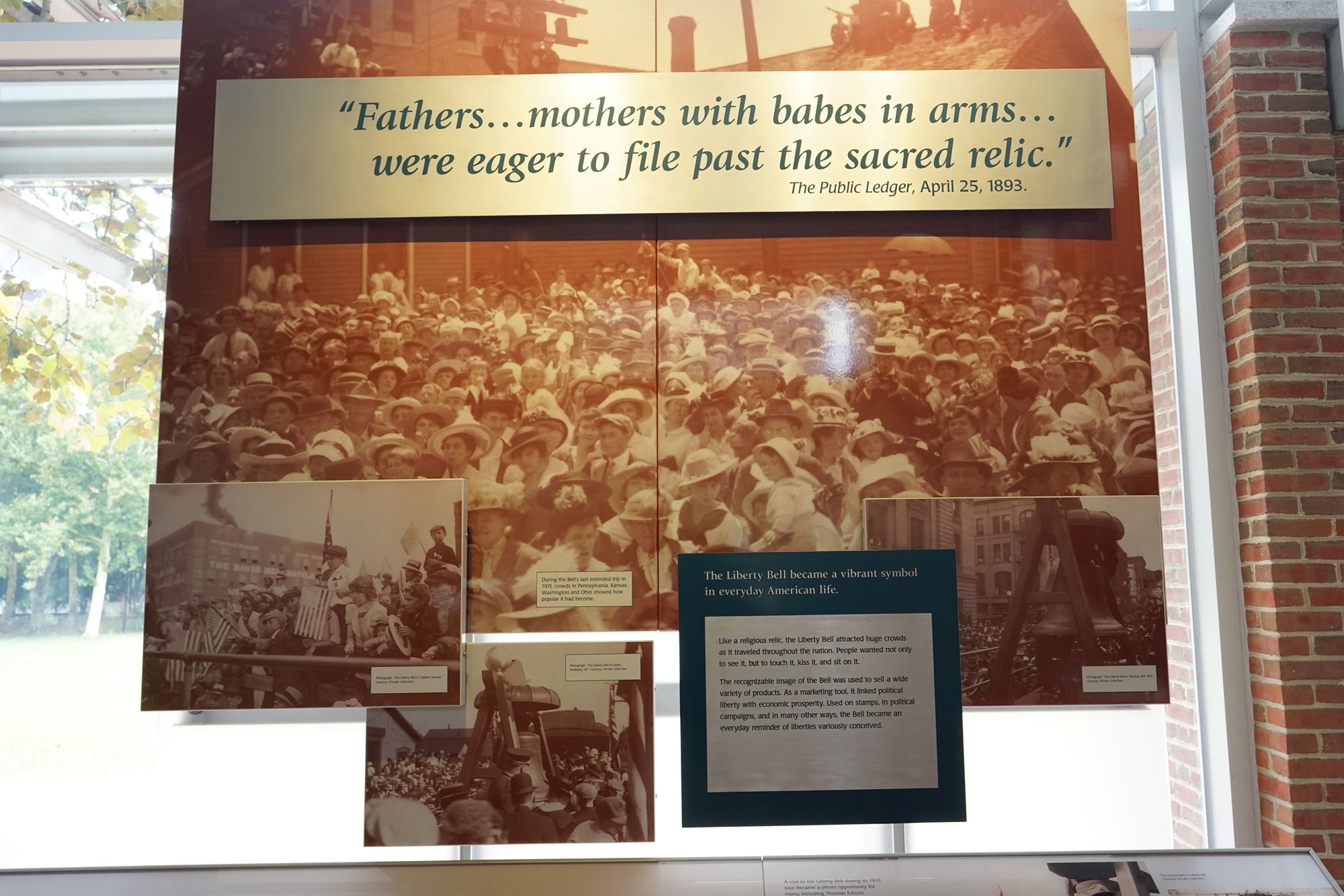
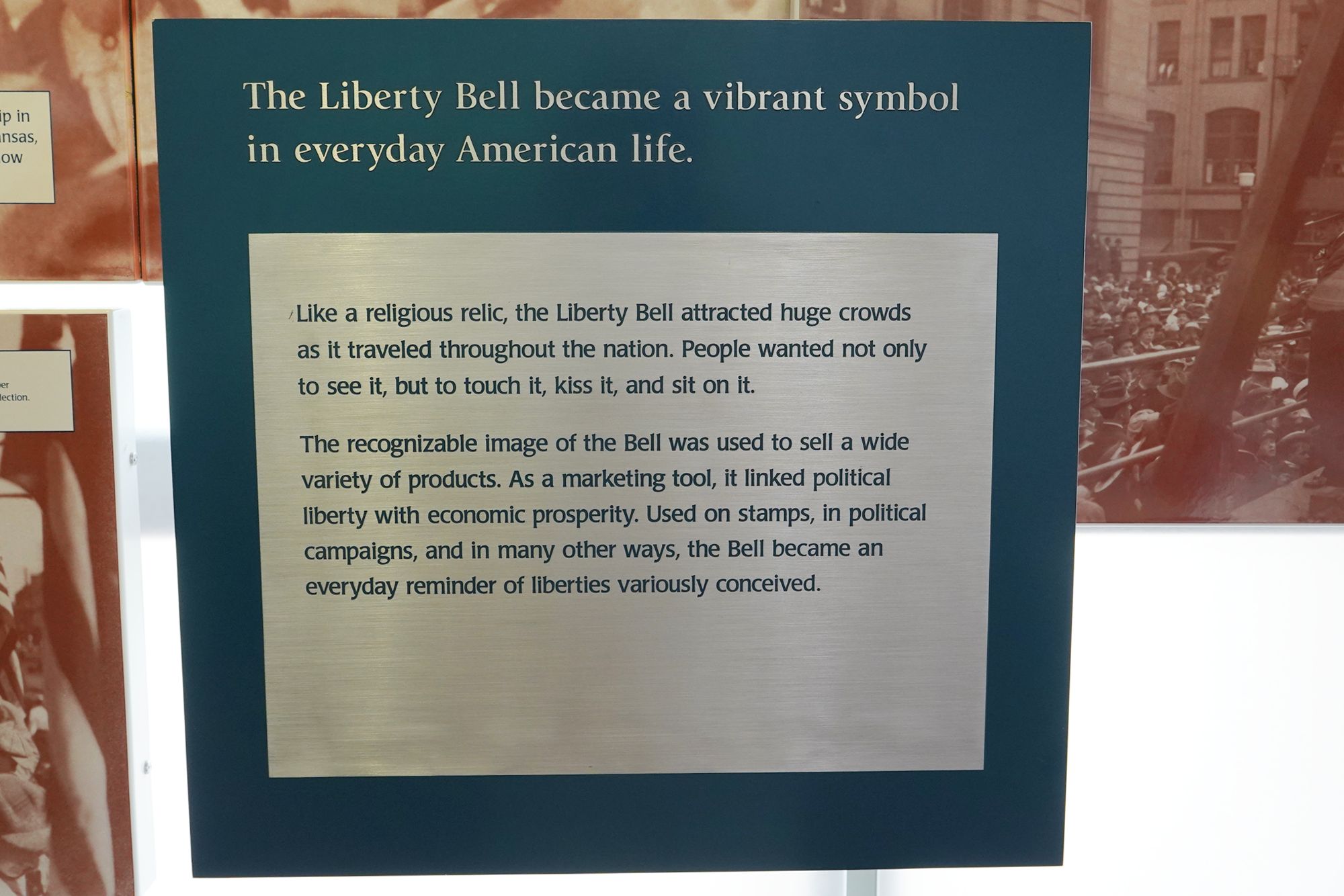
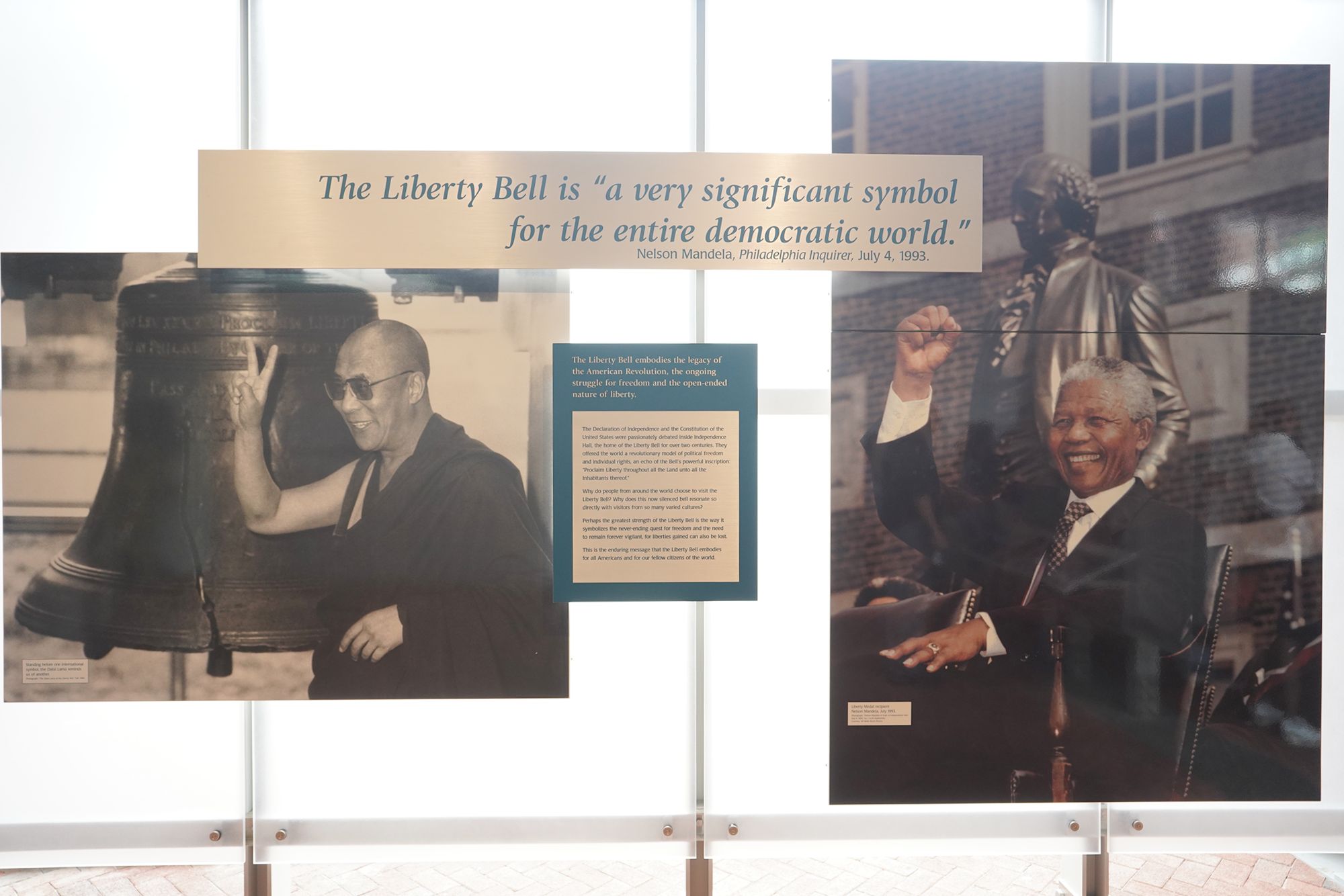
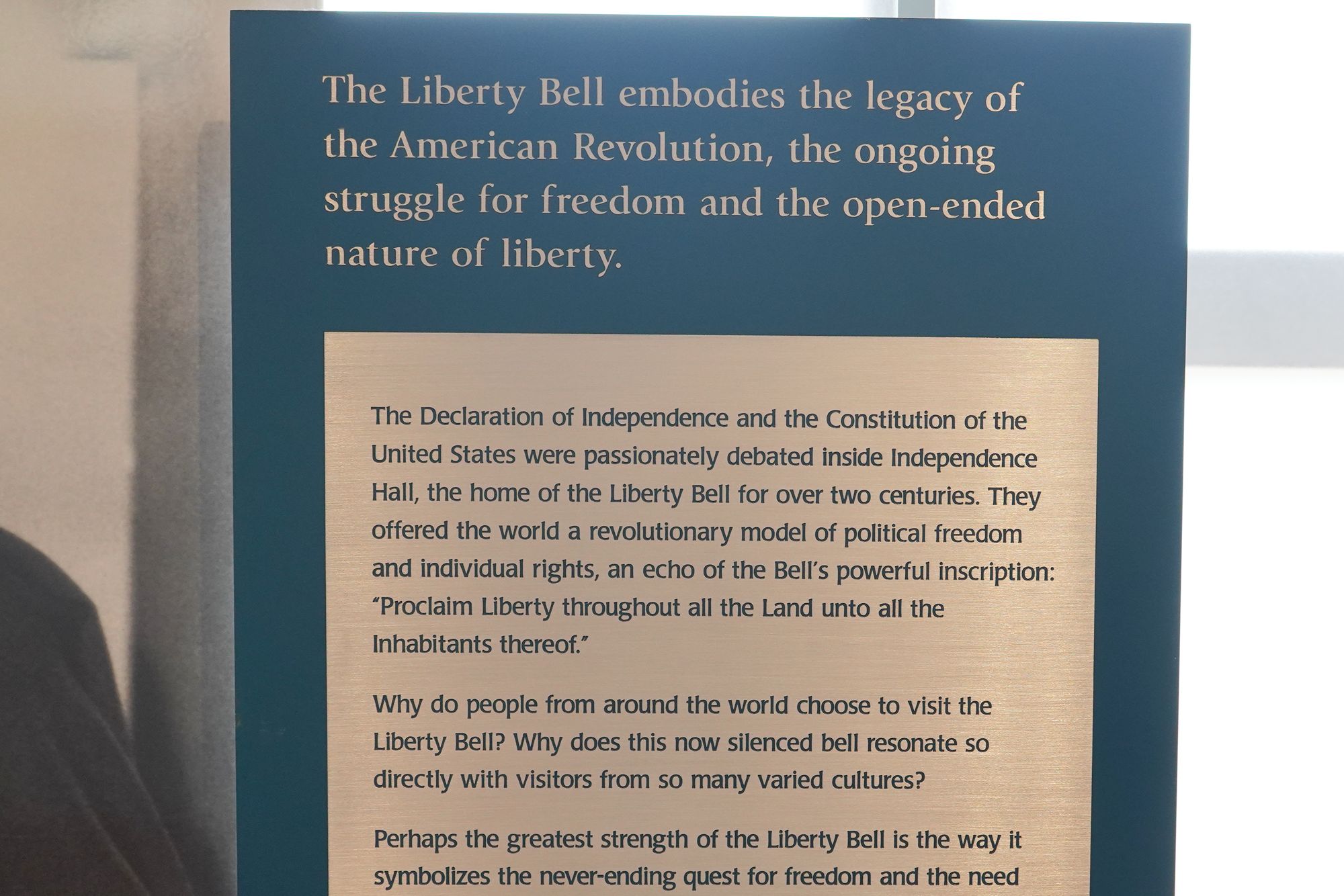
The Liberty Bell embodies the legacy of the American Revolution
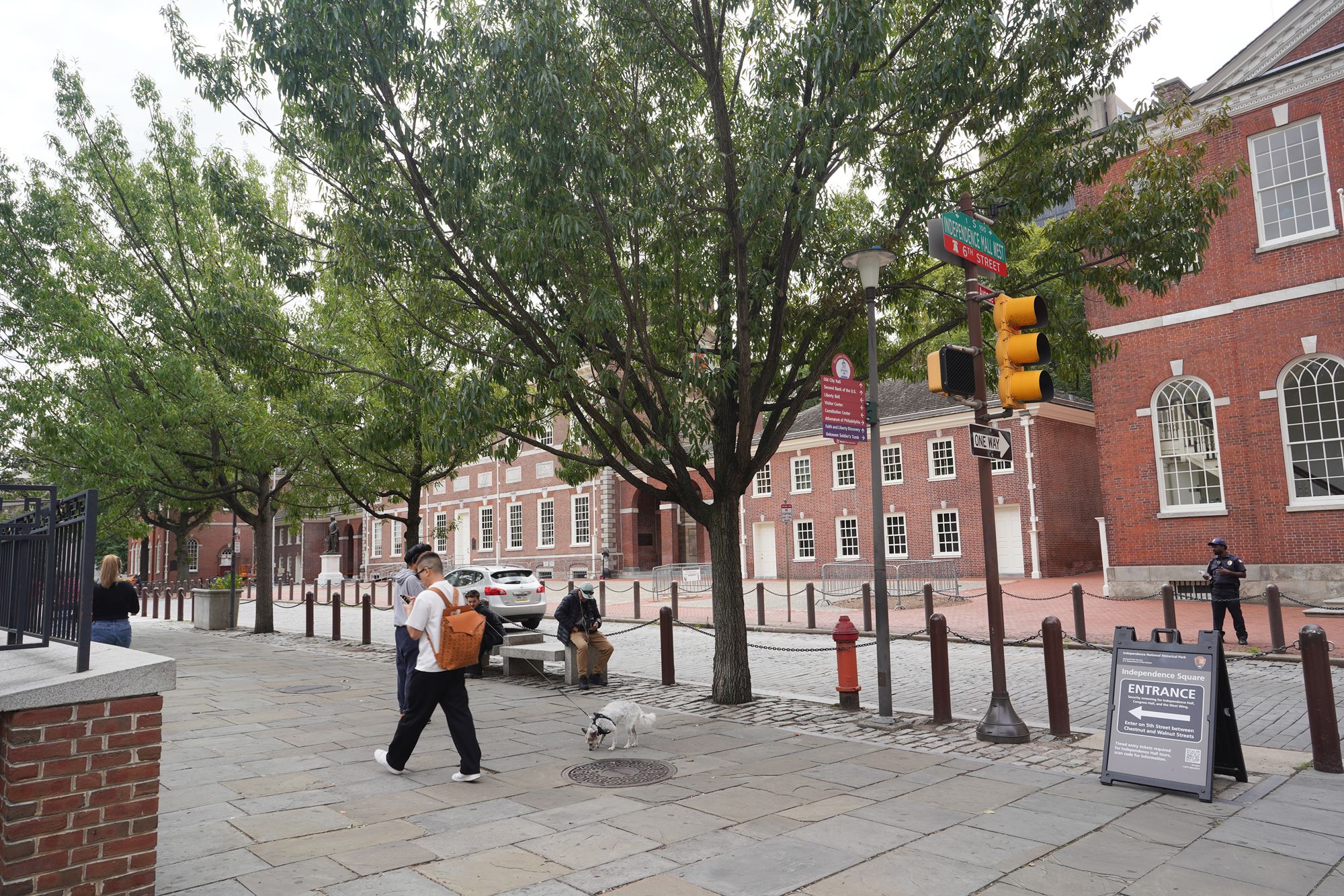
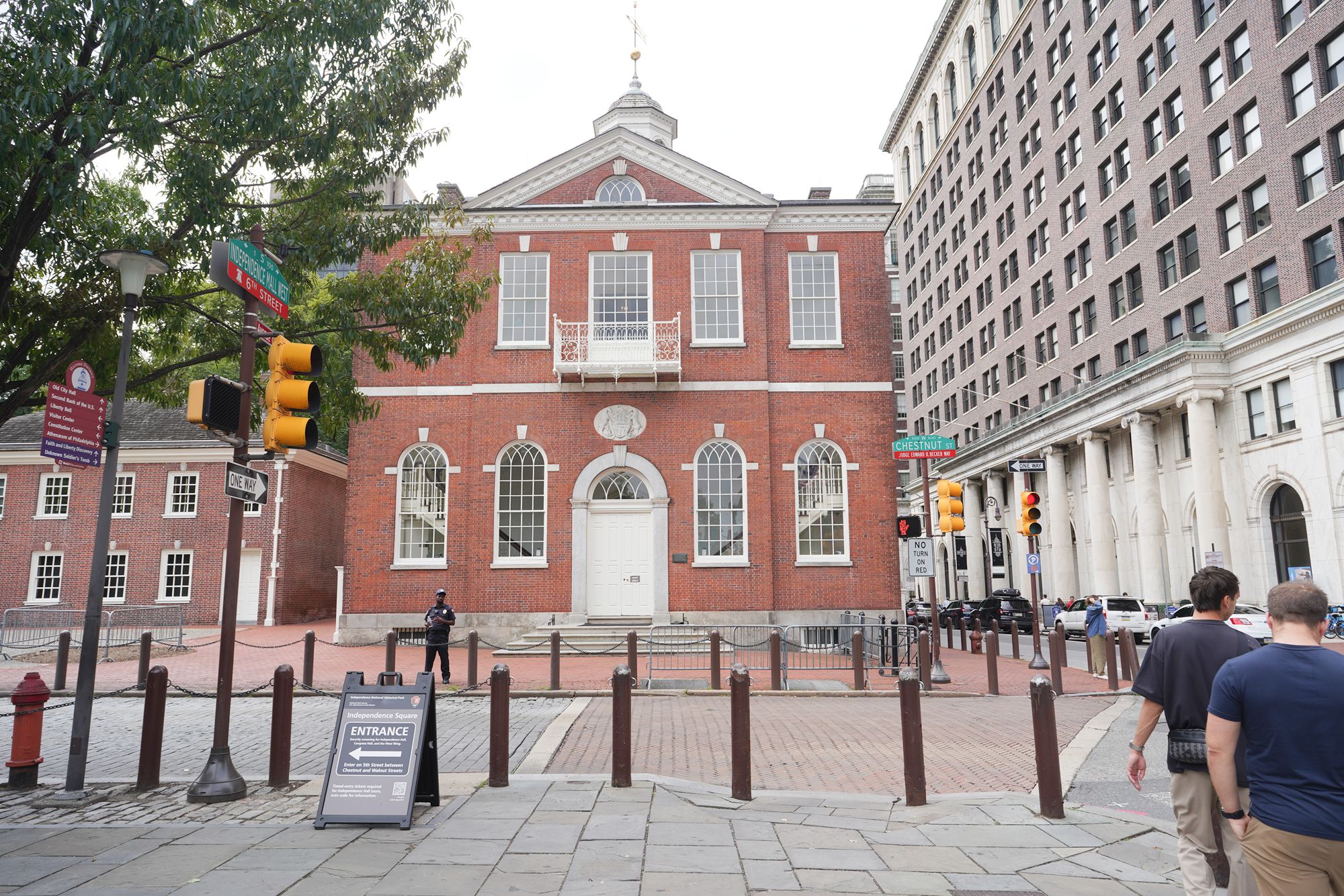
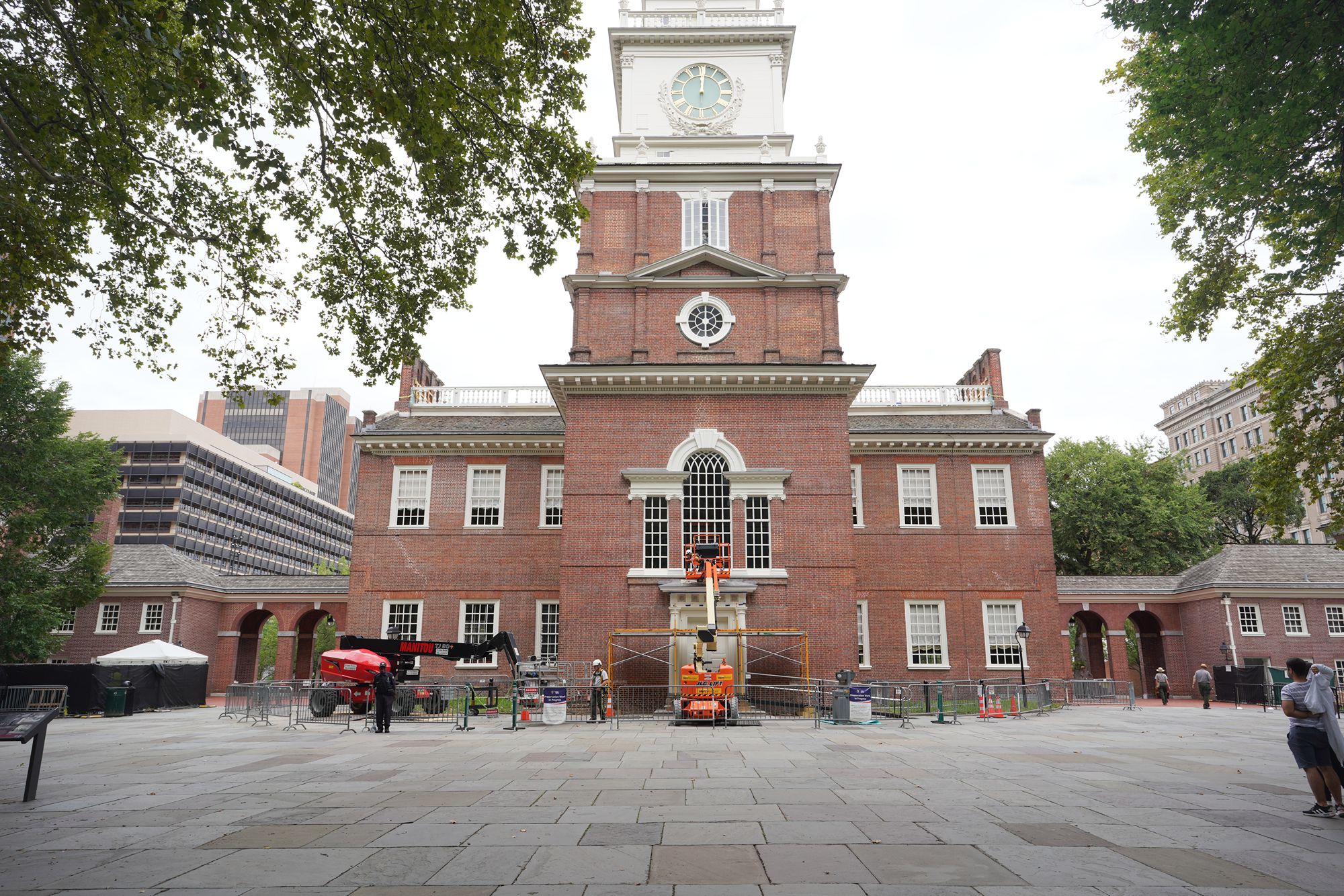
Independence Hall
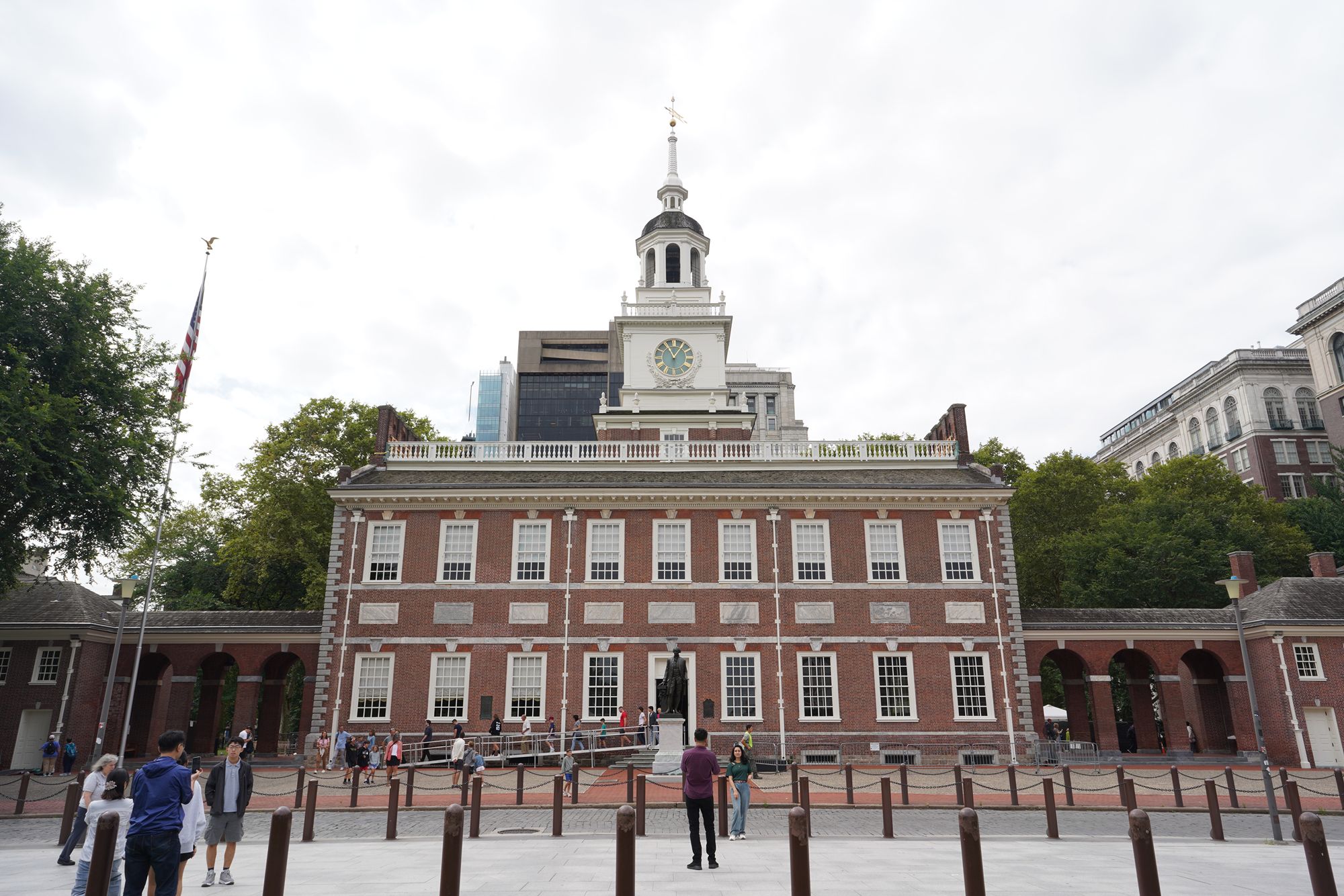
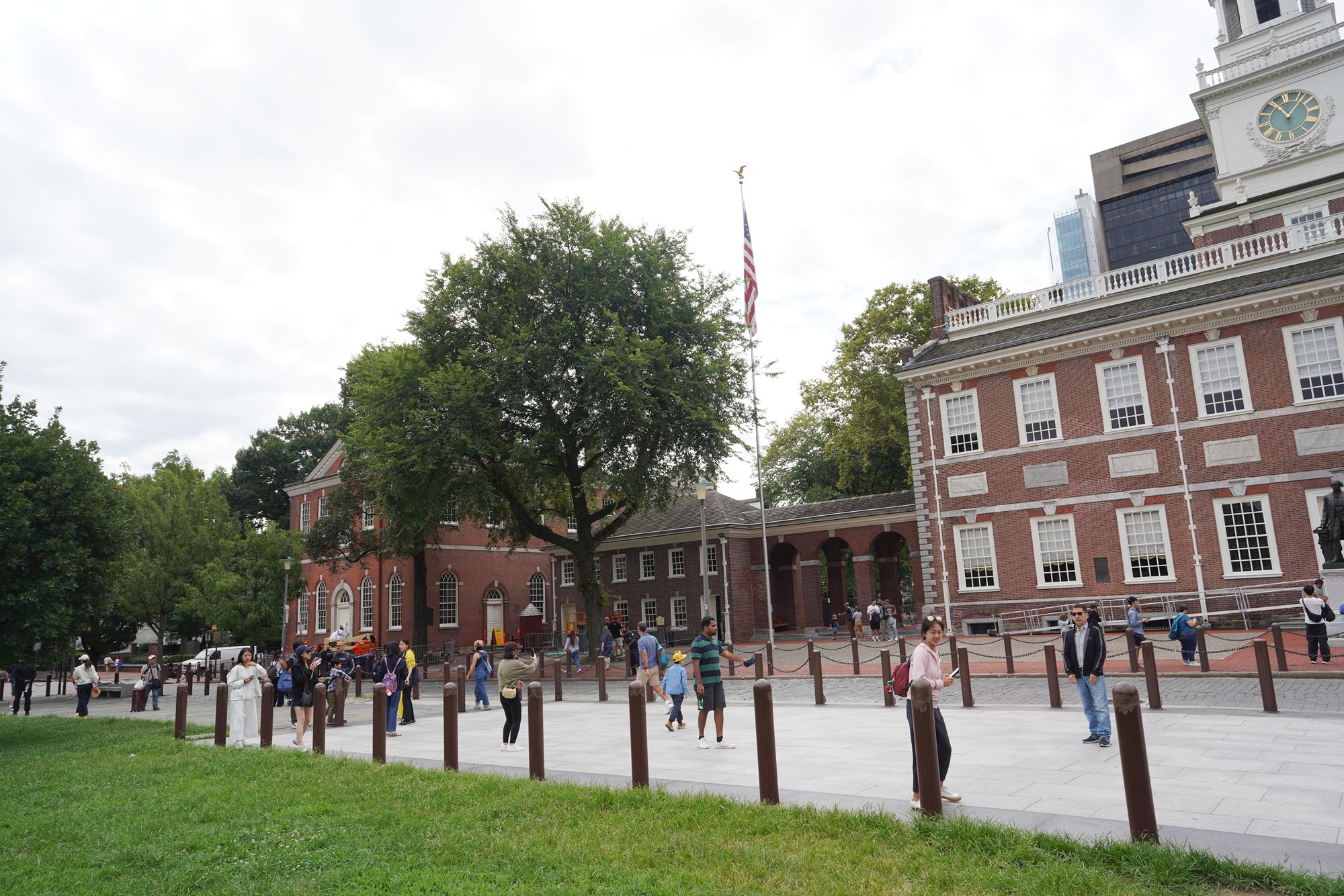
Independence Hall is important in American history because it is where the Declaration of Independence was adopted and the U.S. Constitution was debated and signed. The ideas shaped inside its rooms defined the nation’s founding principles—freedom, self-government, and individual rights—making it the birthplace of American democracy.
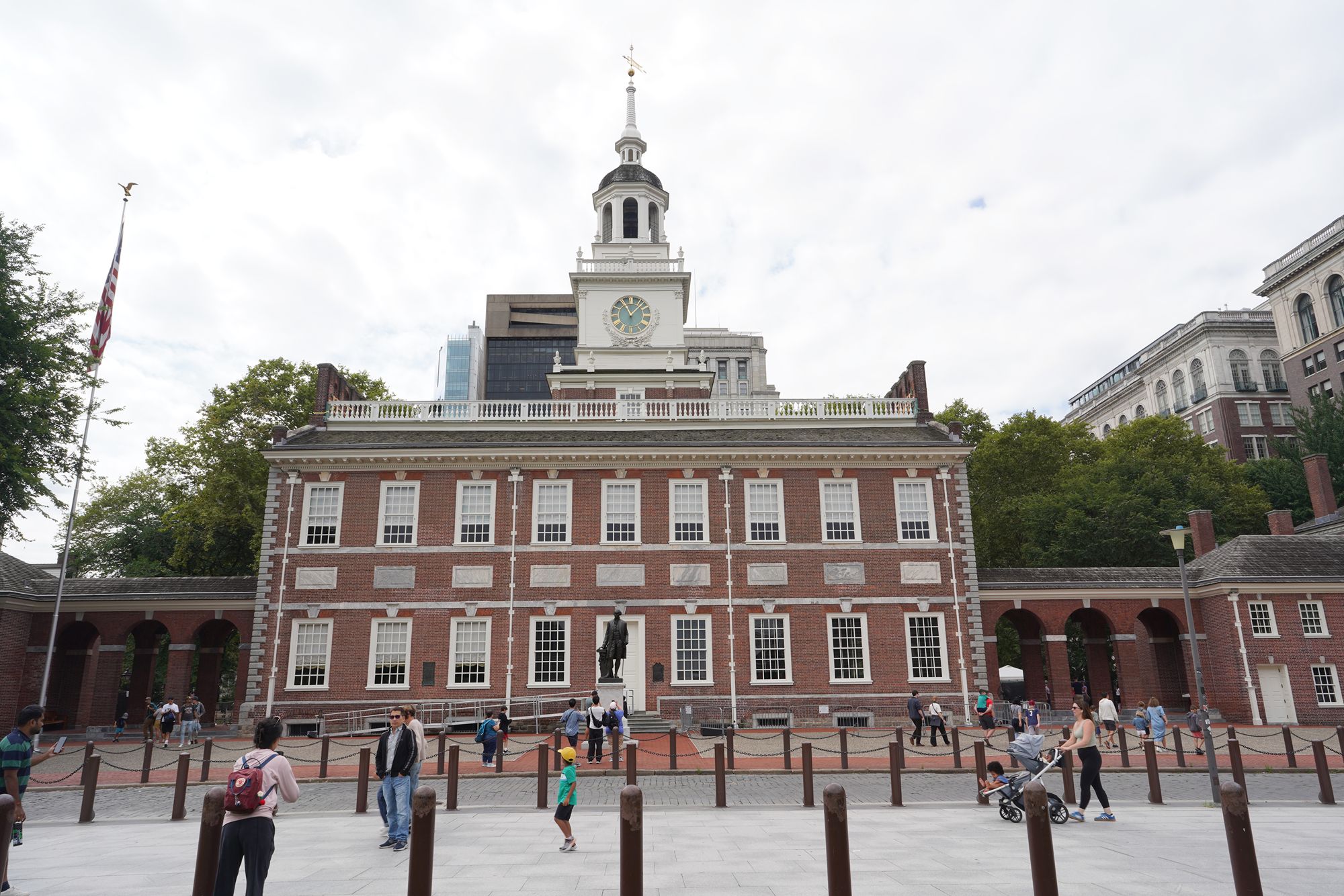
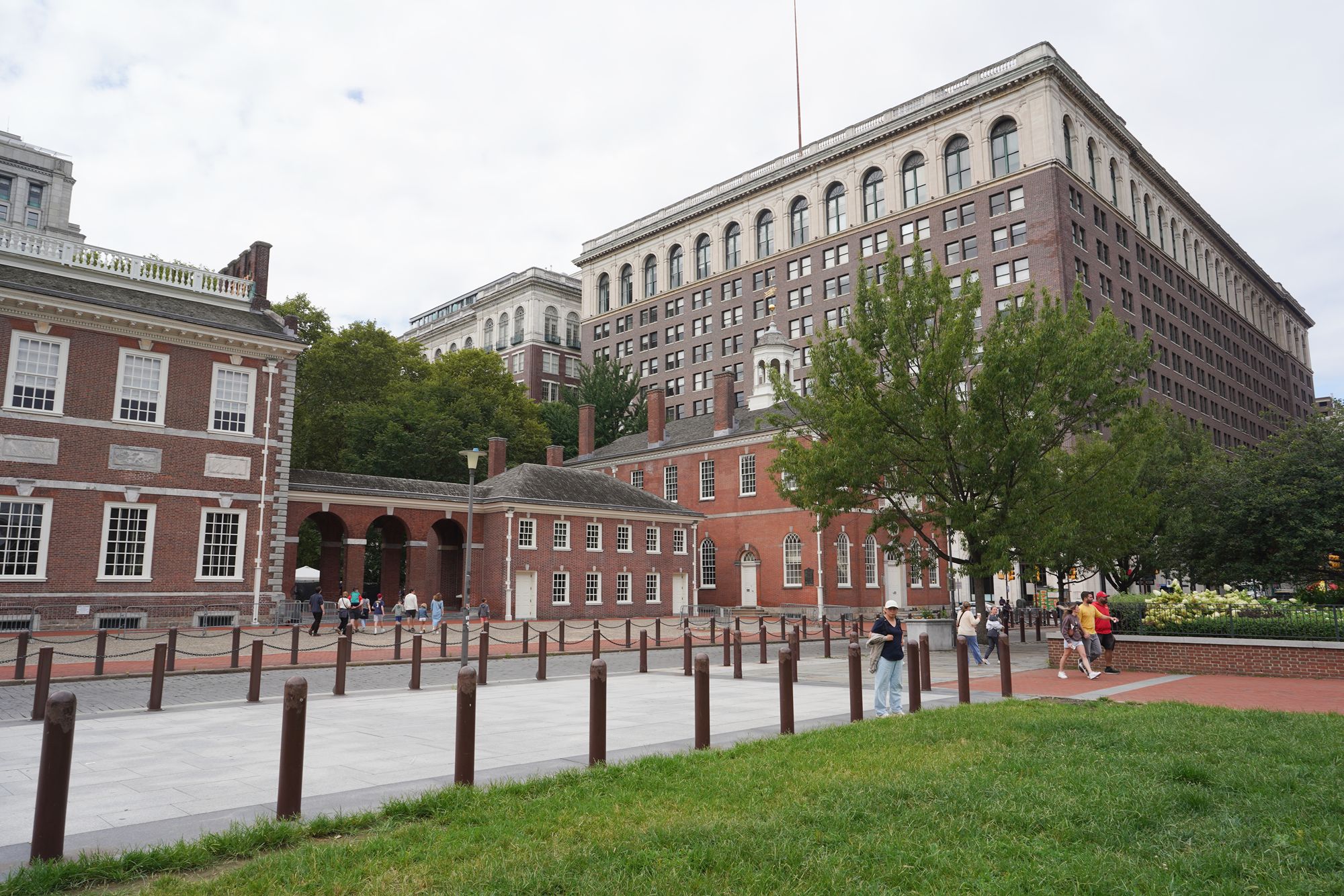
The entrance to the hall is located at the rear, so I walked around the building to reach it.
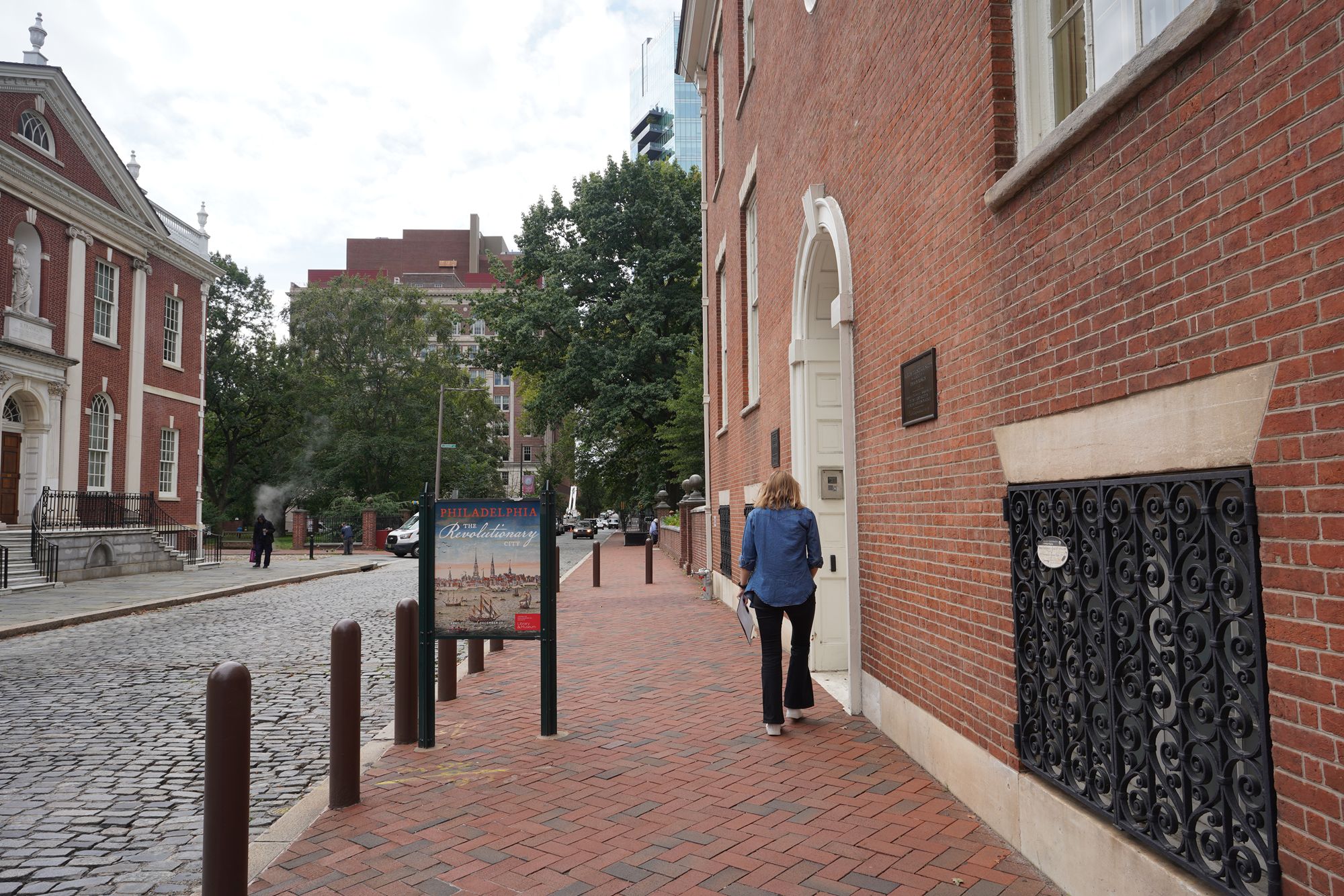
Congress Hall
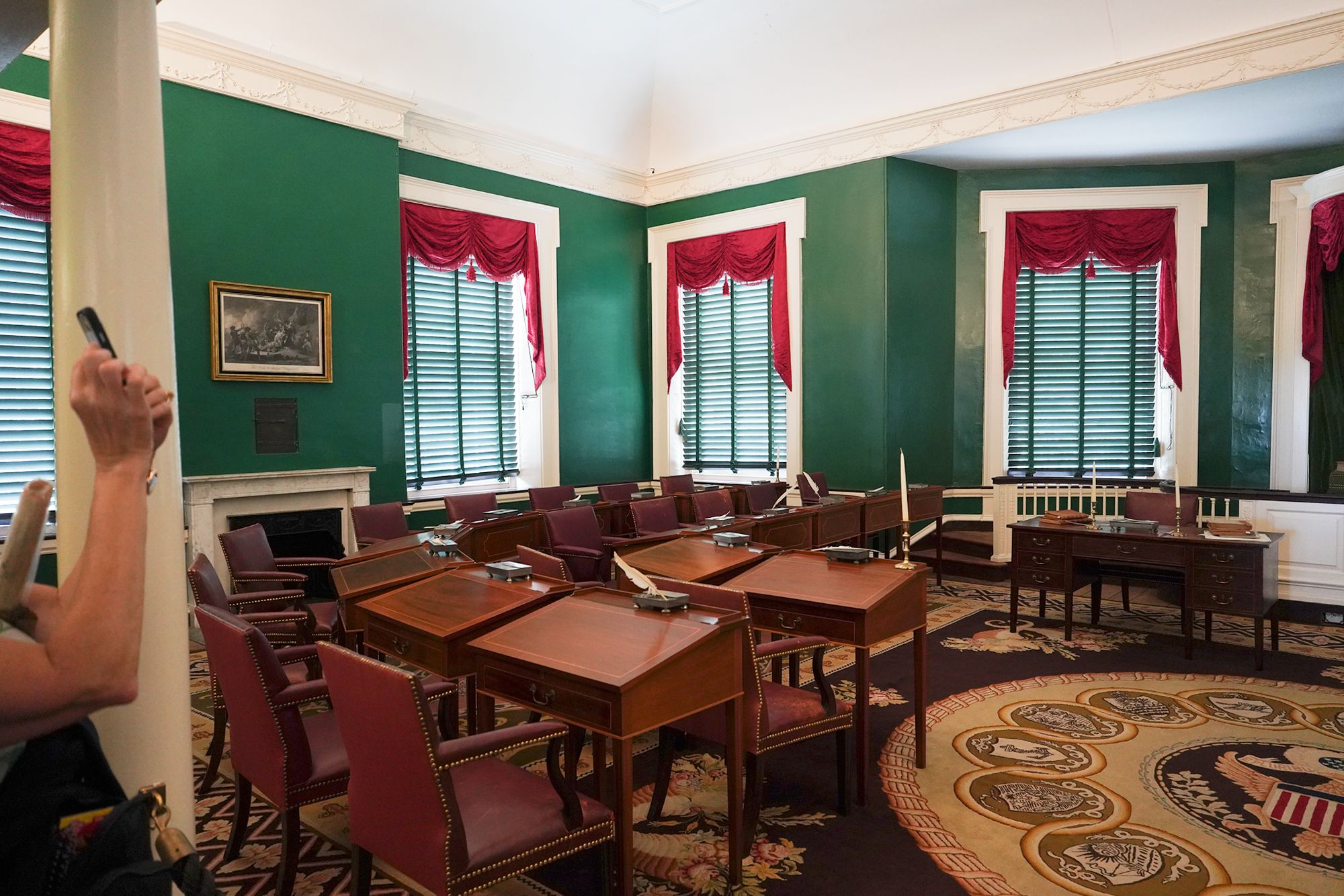
Congress Hall sits beside Independence Hall and served as the meeting place for the U.S. Congress from 1790 to 1800 while Philadelphia was the temporary national capital. Here, both the House of Representatives and the Senate convened, shaping early American policy and debate.
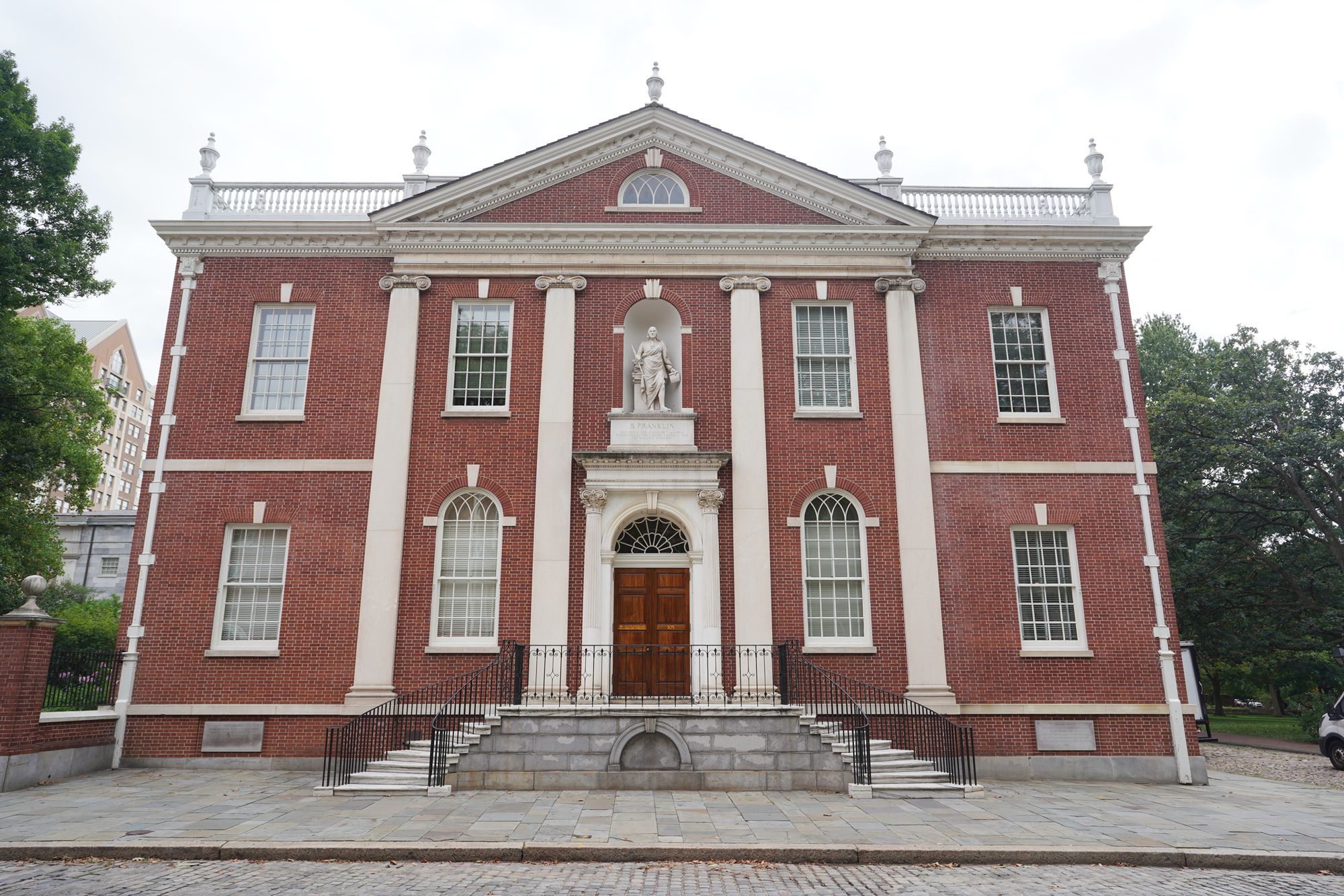
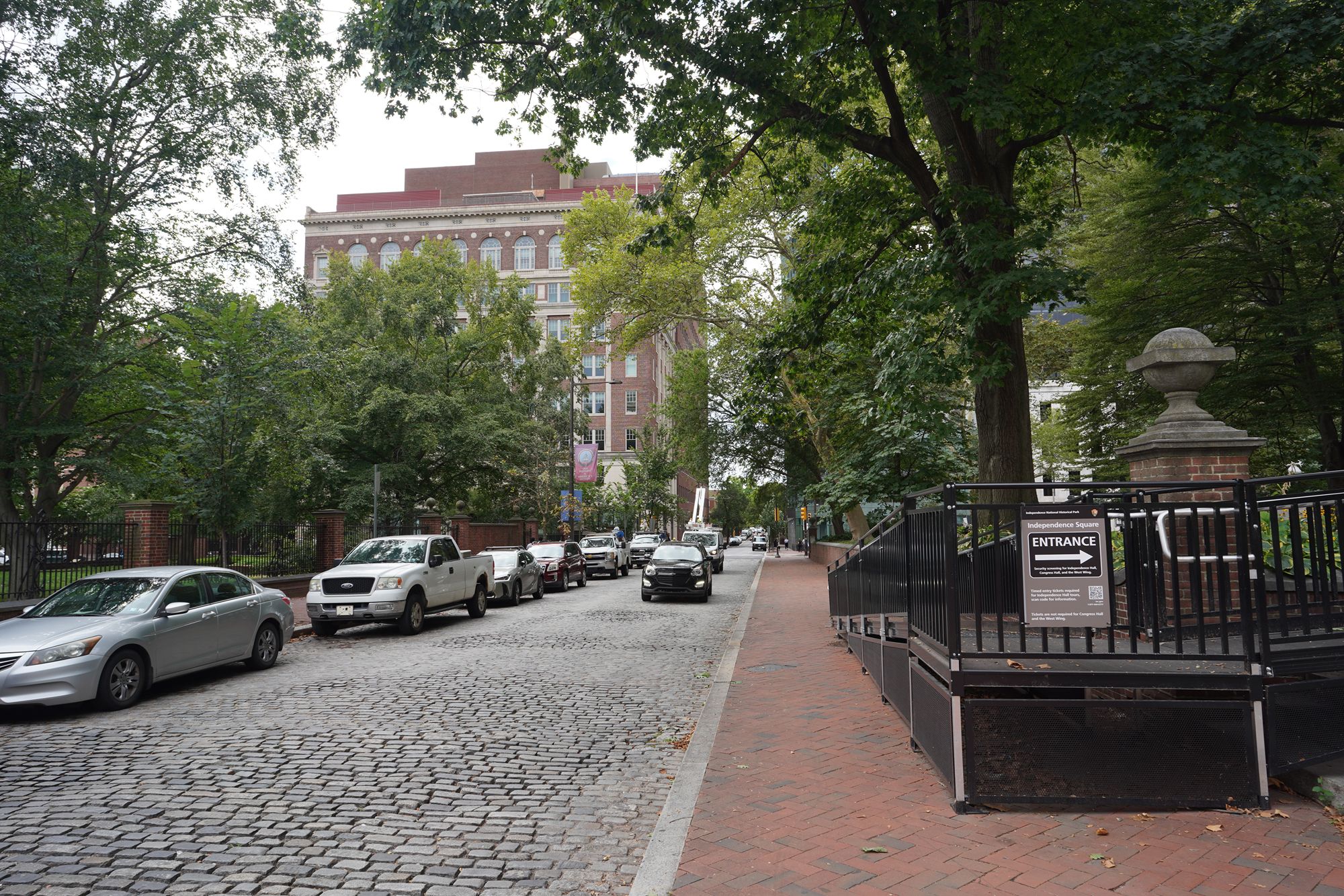
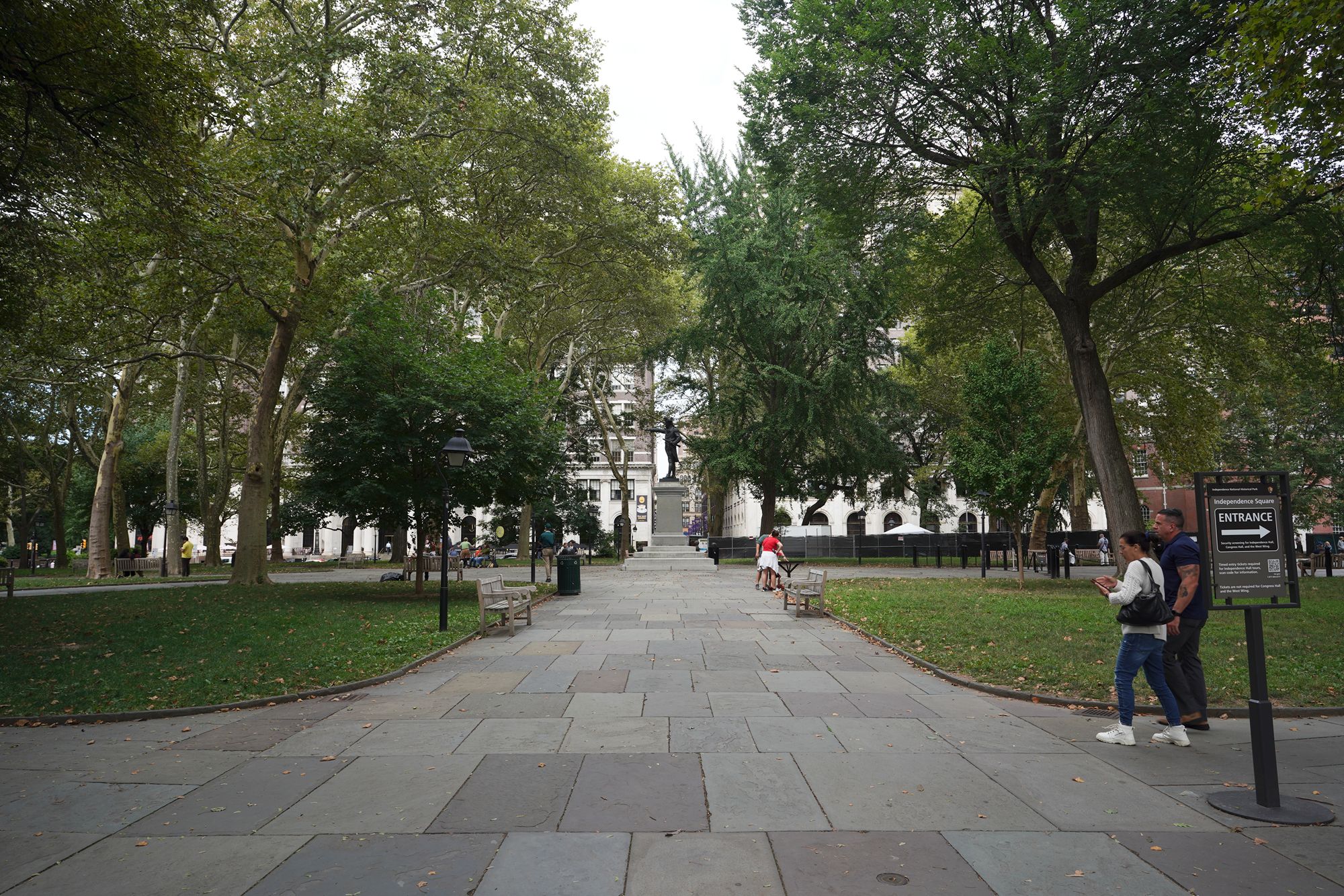
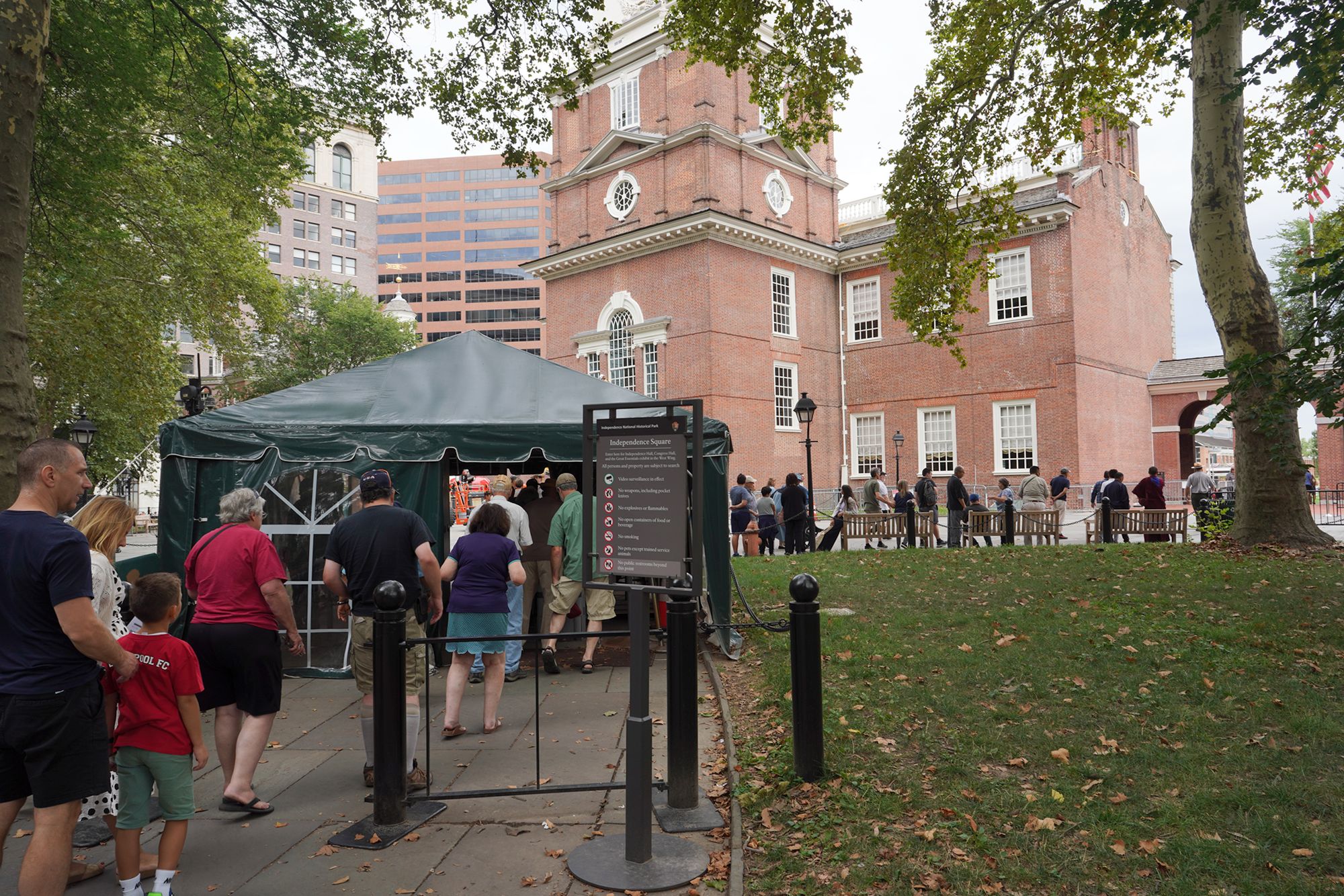
Entering the Independence Hall grounds from the rear.
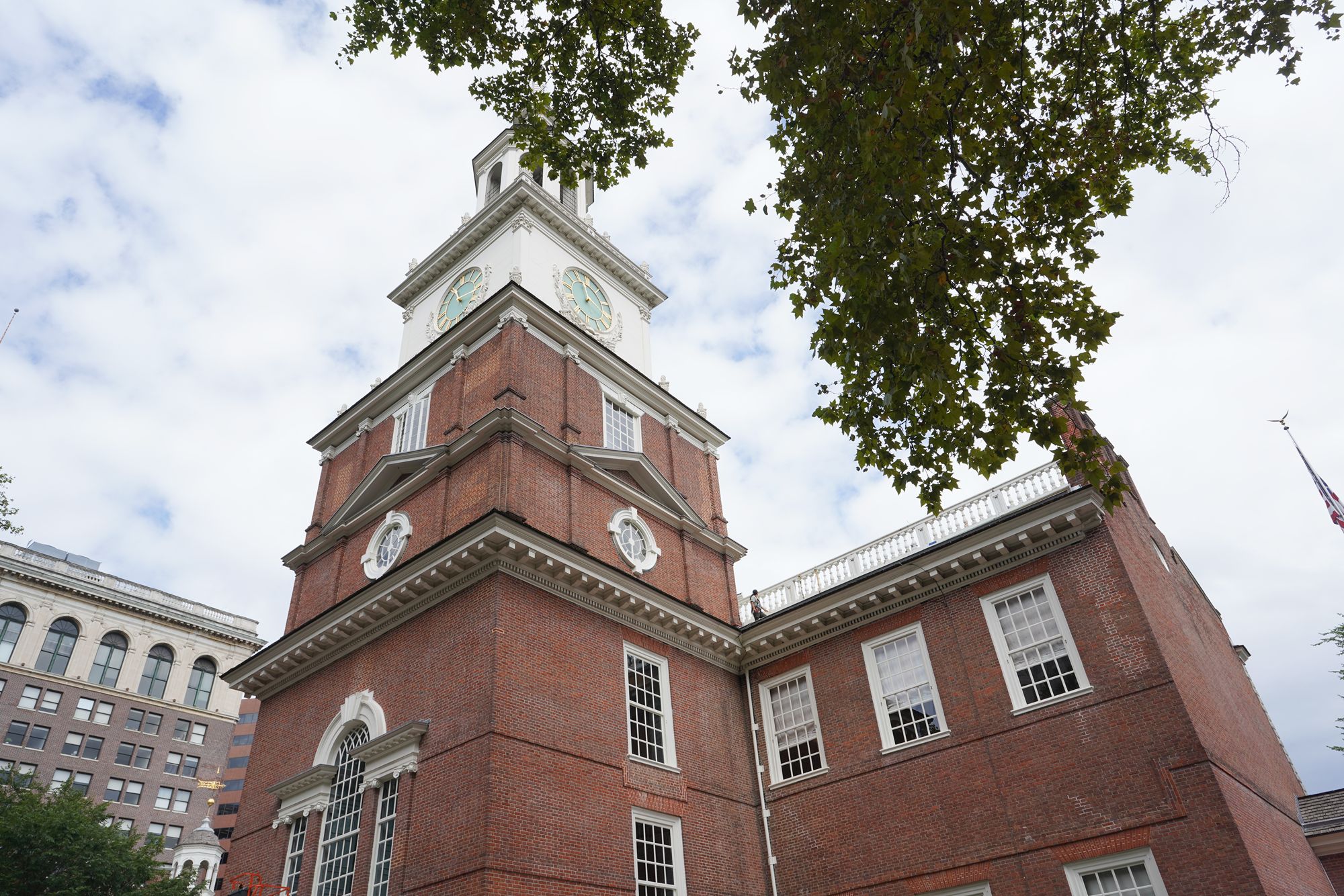
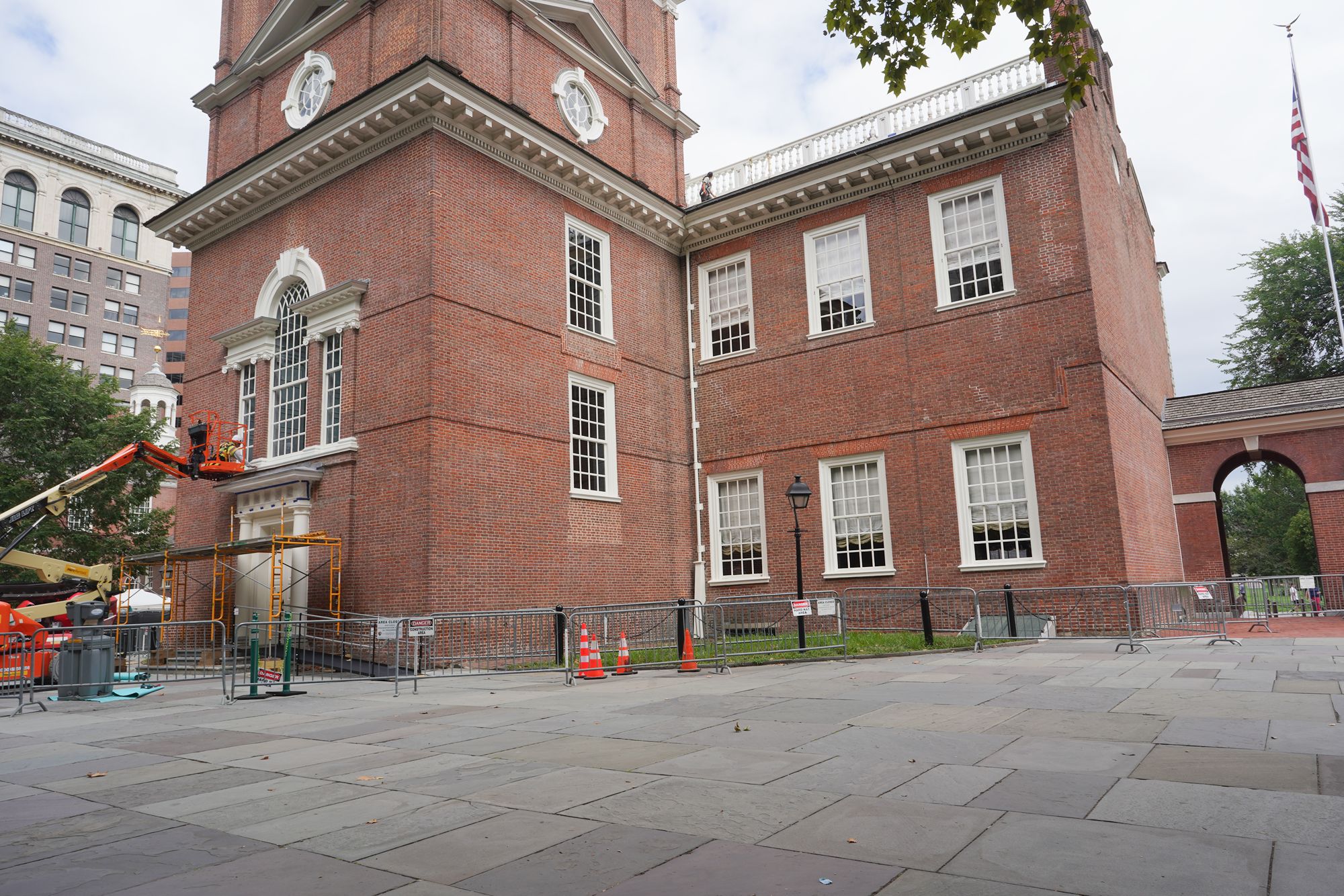
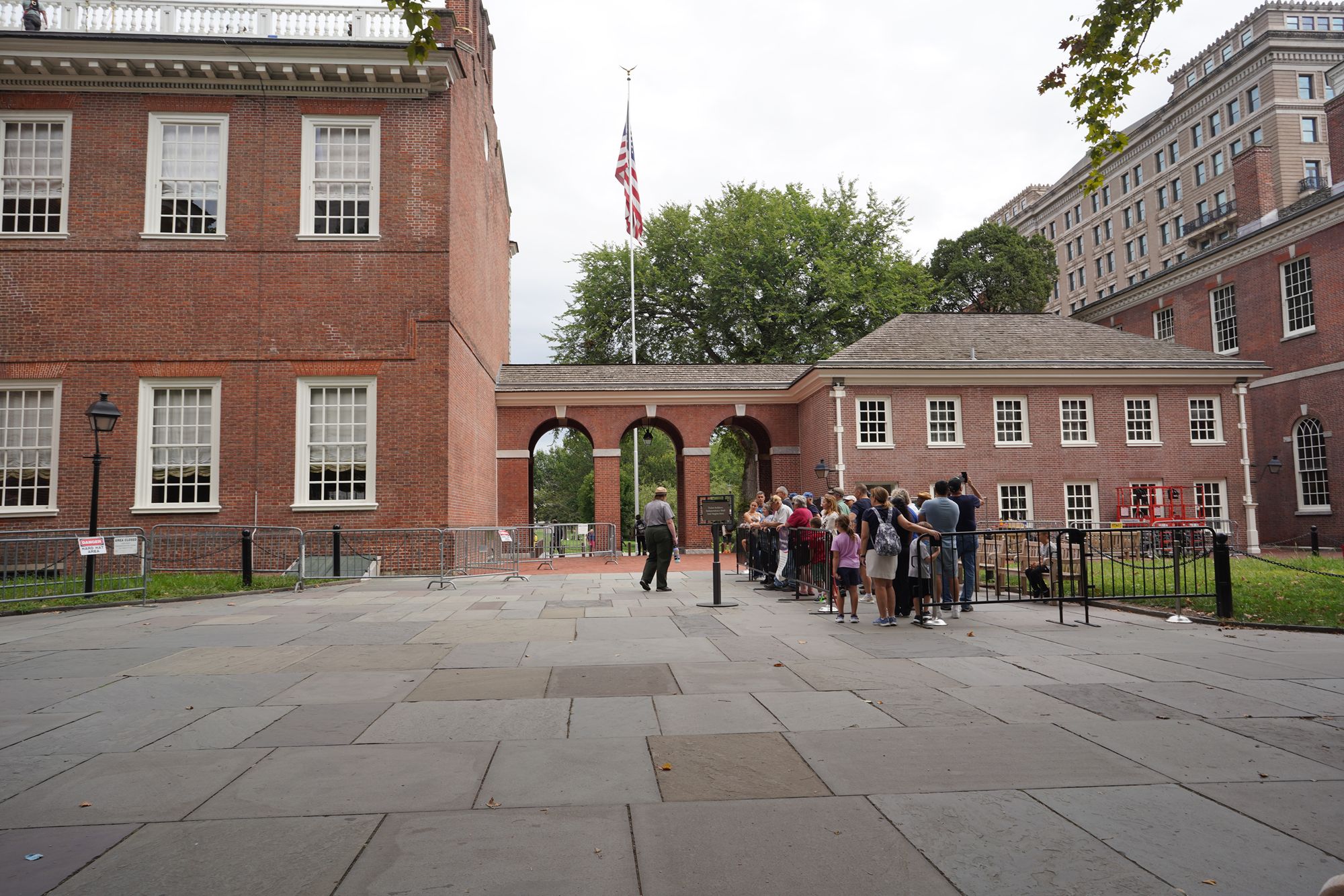
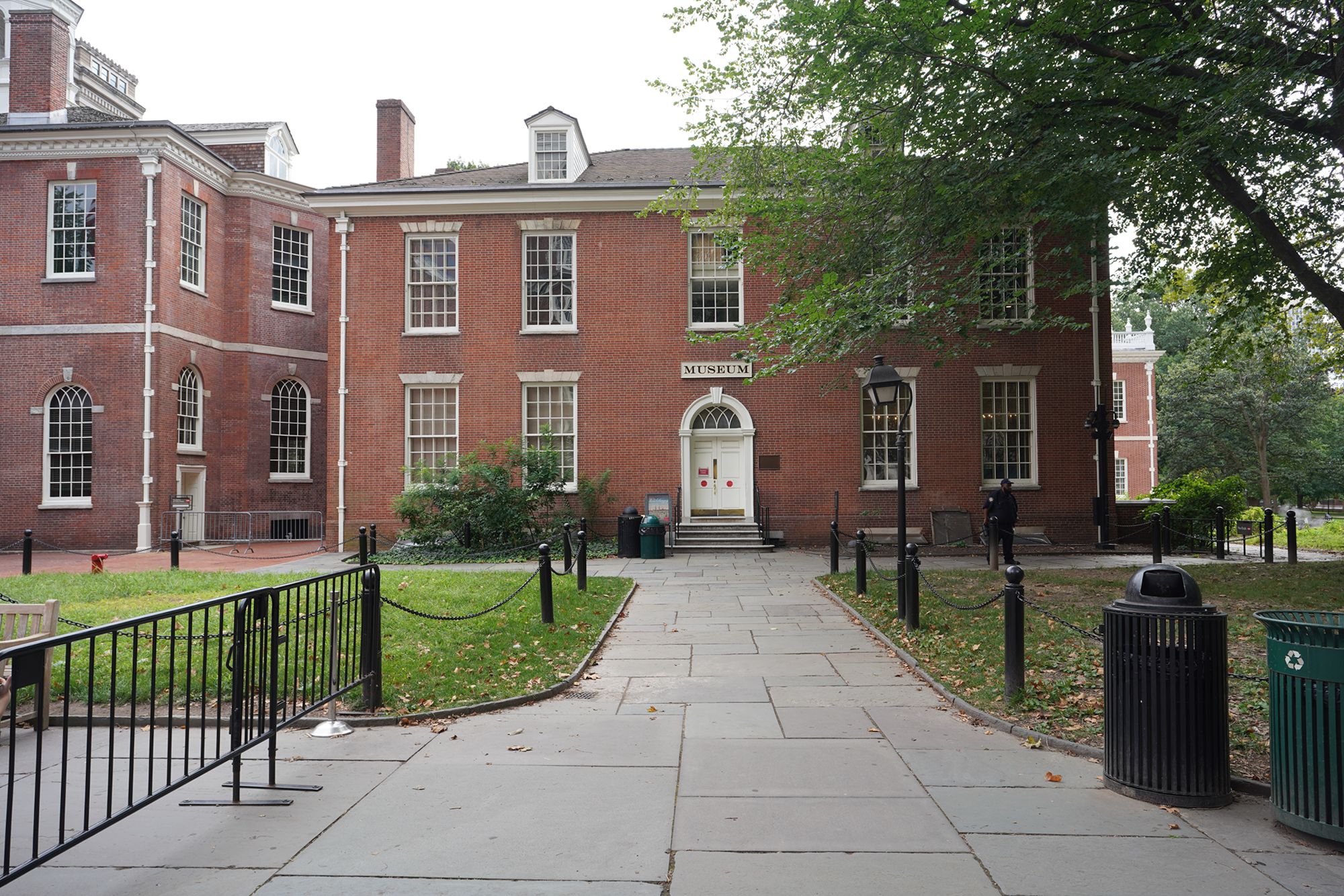
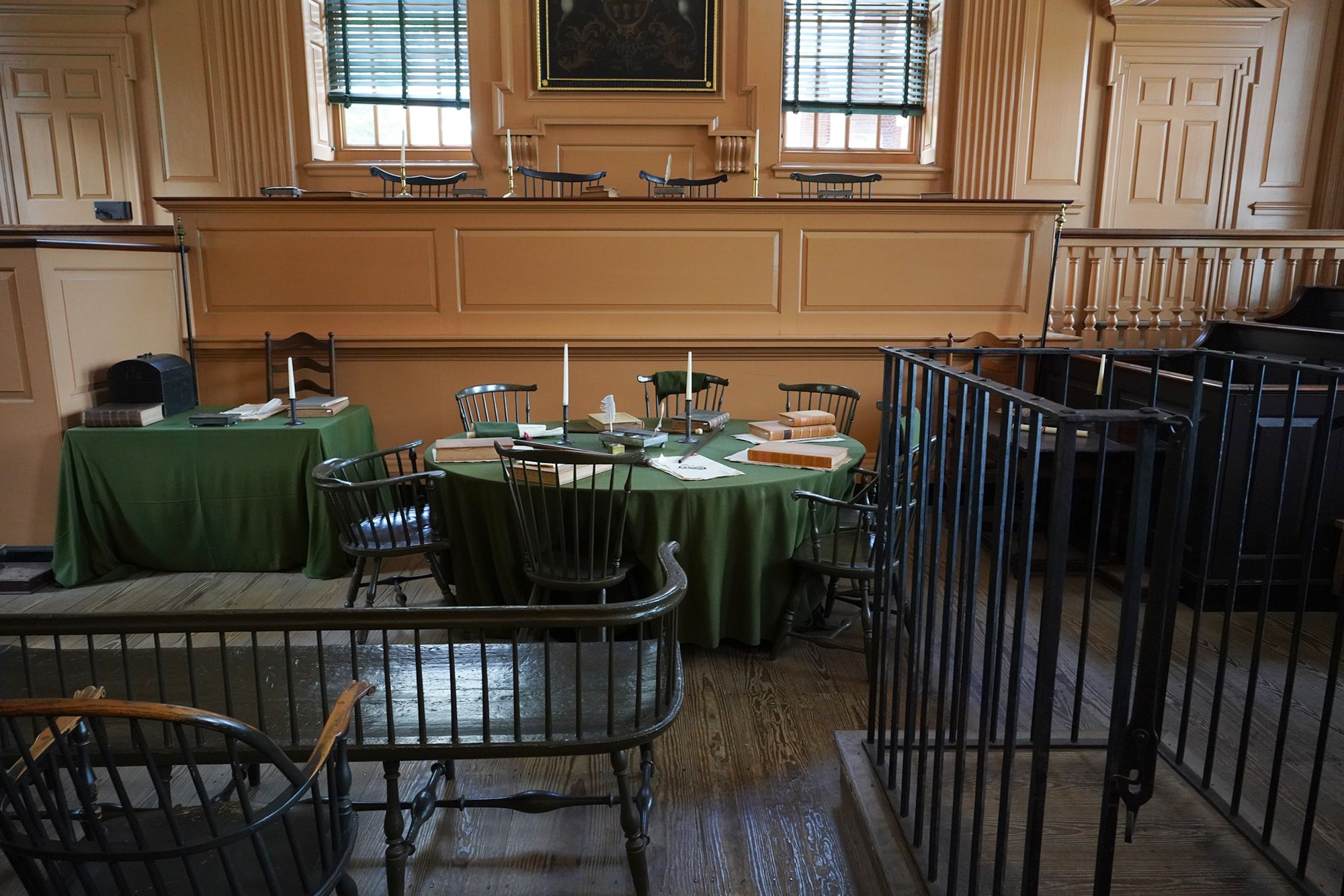
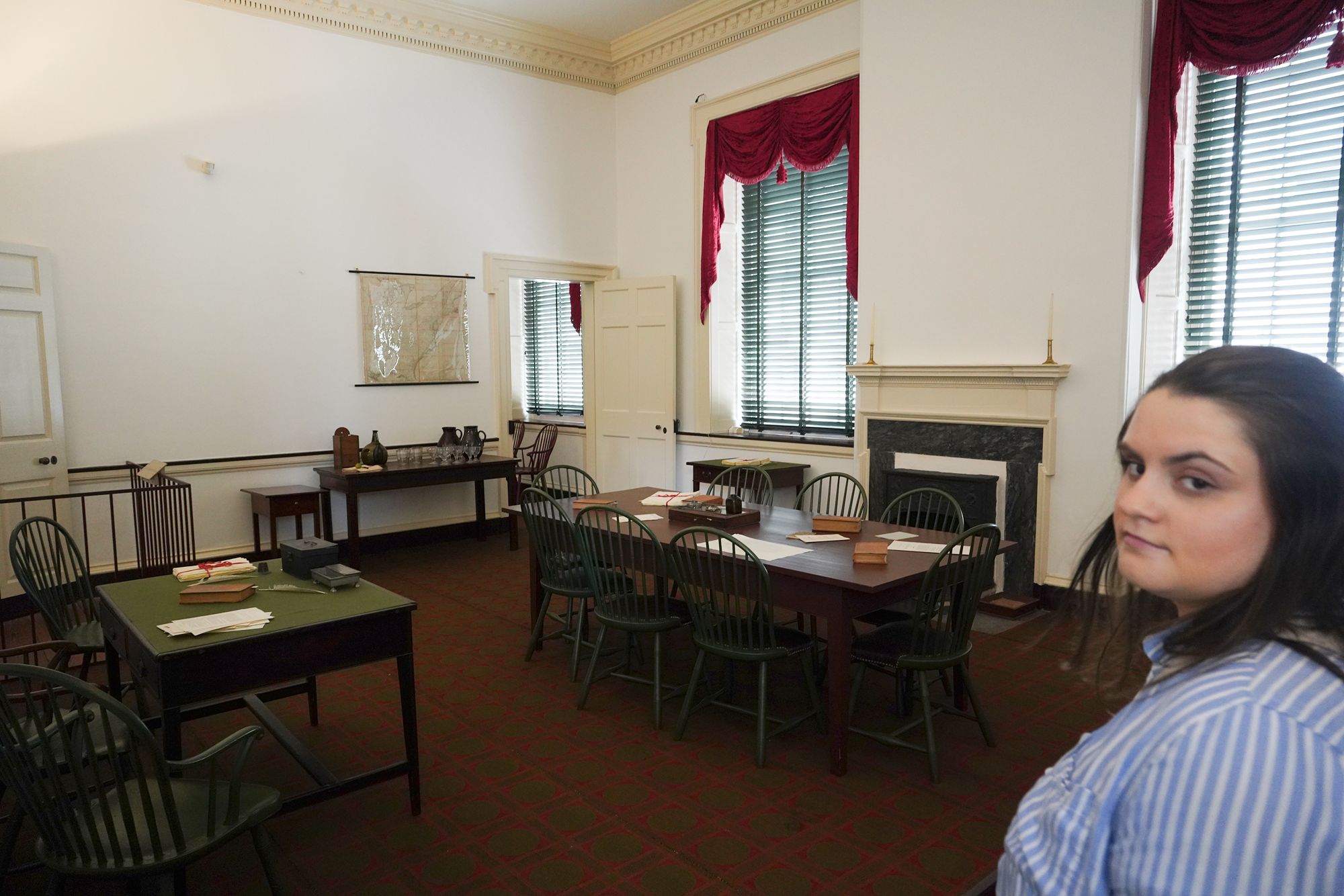
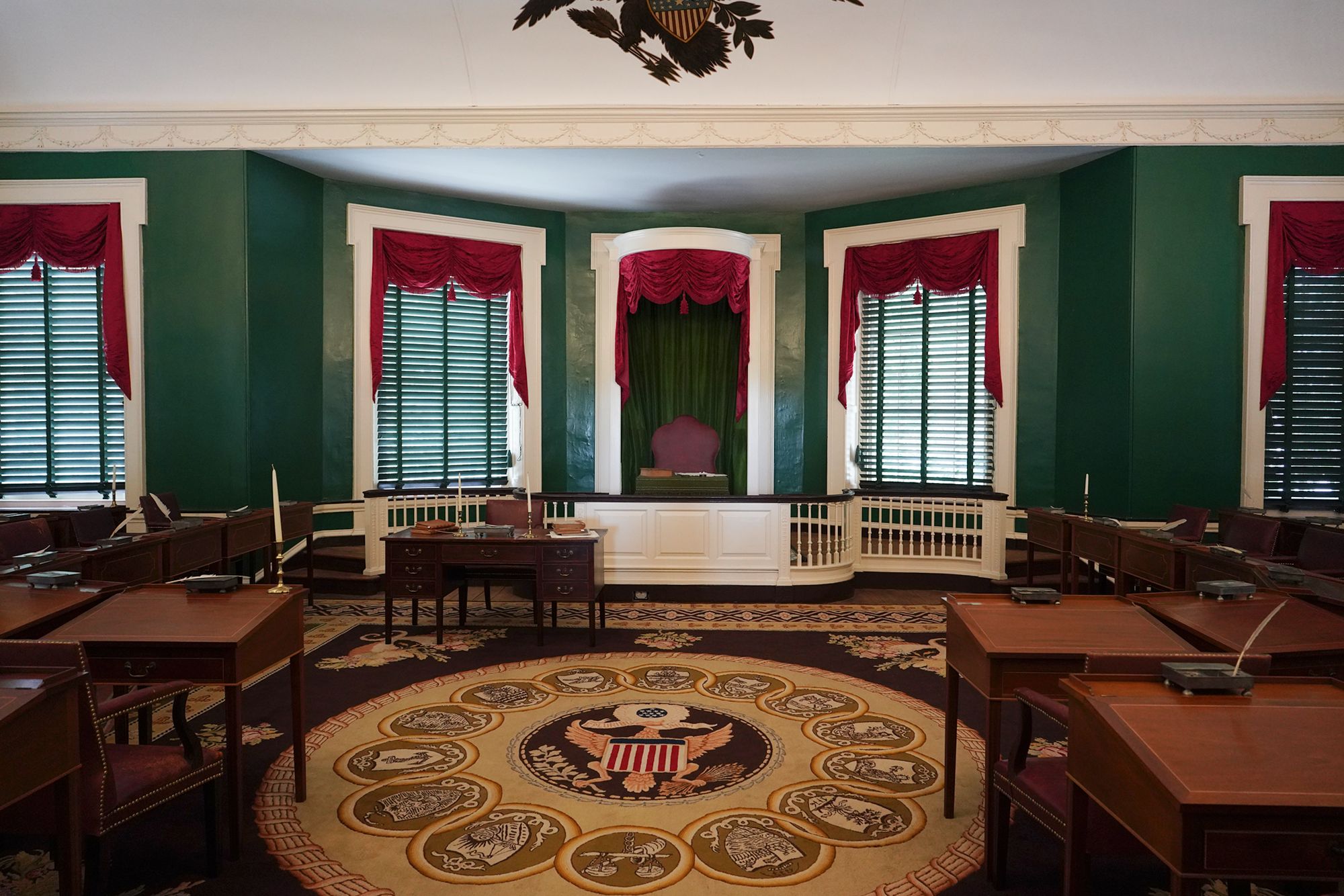
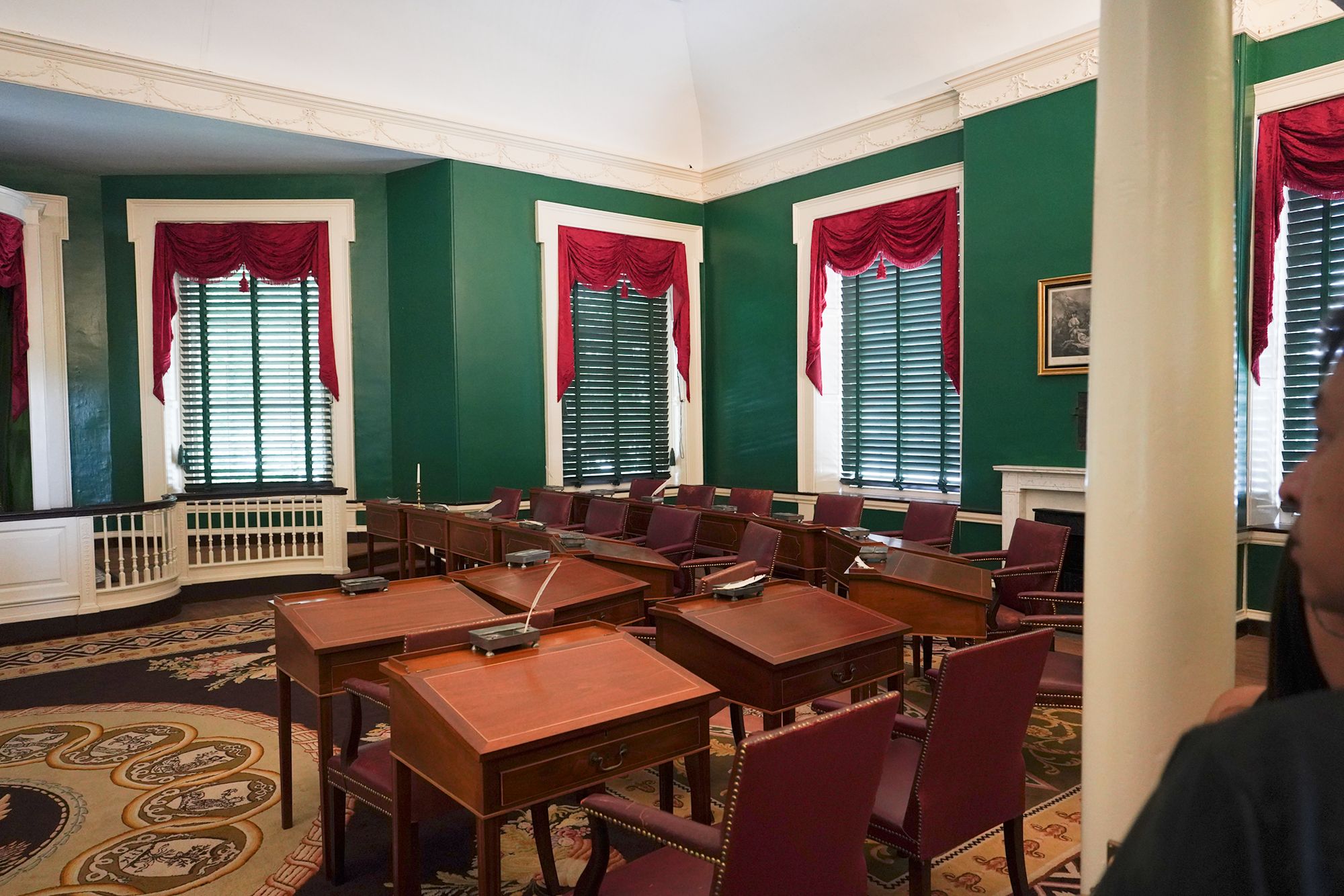
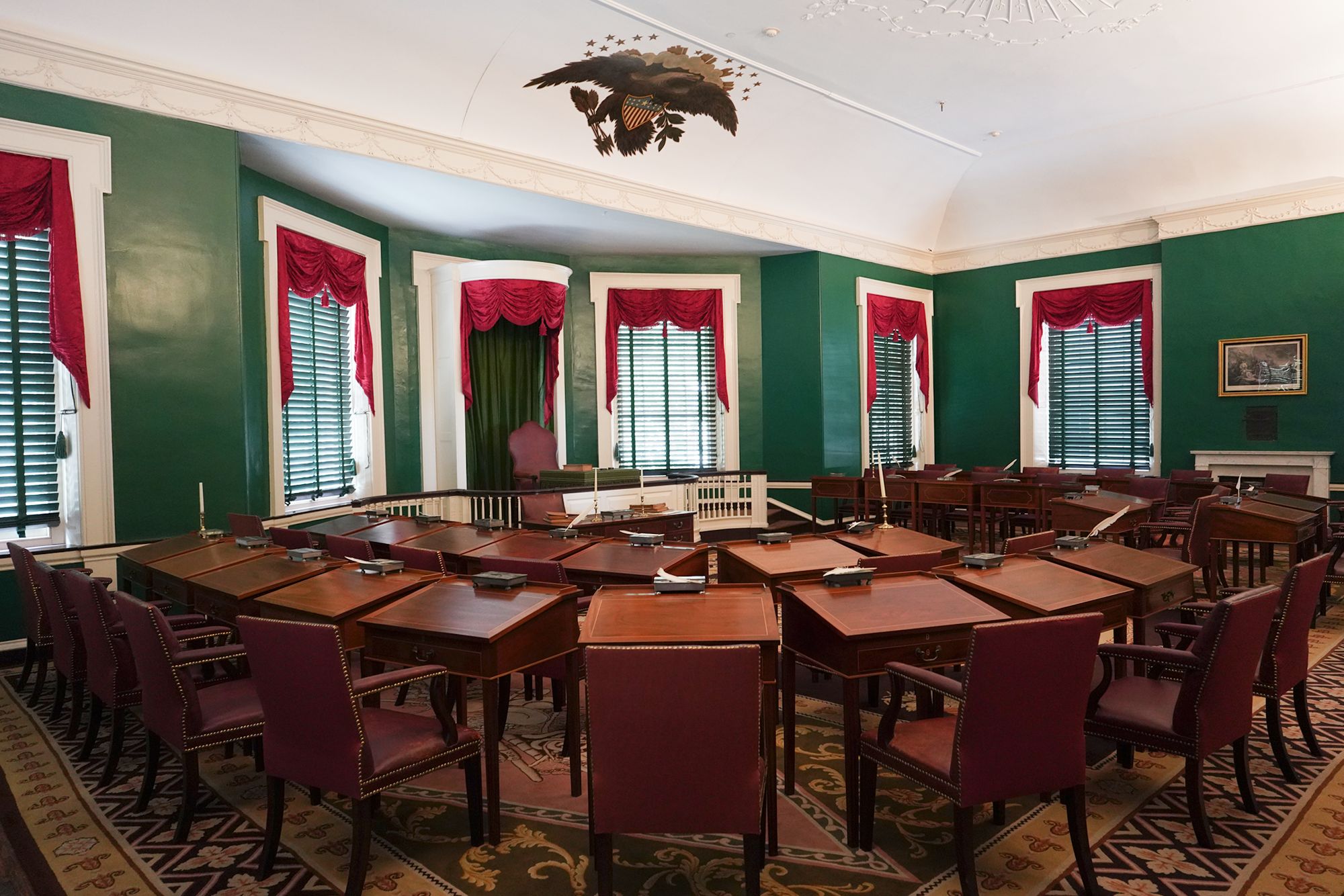
I toured Independence Hall with a group, and this was our first stop—the Pennsylvania Supreme Court Chamber.
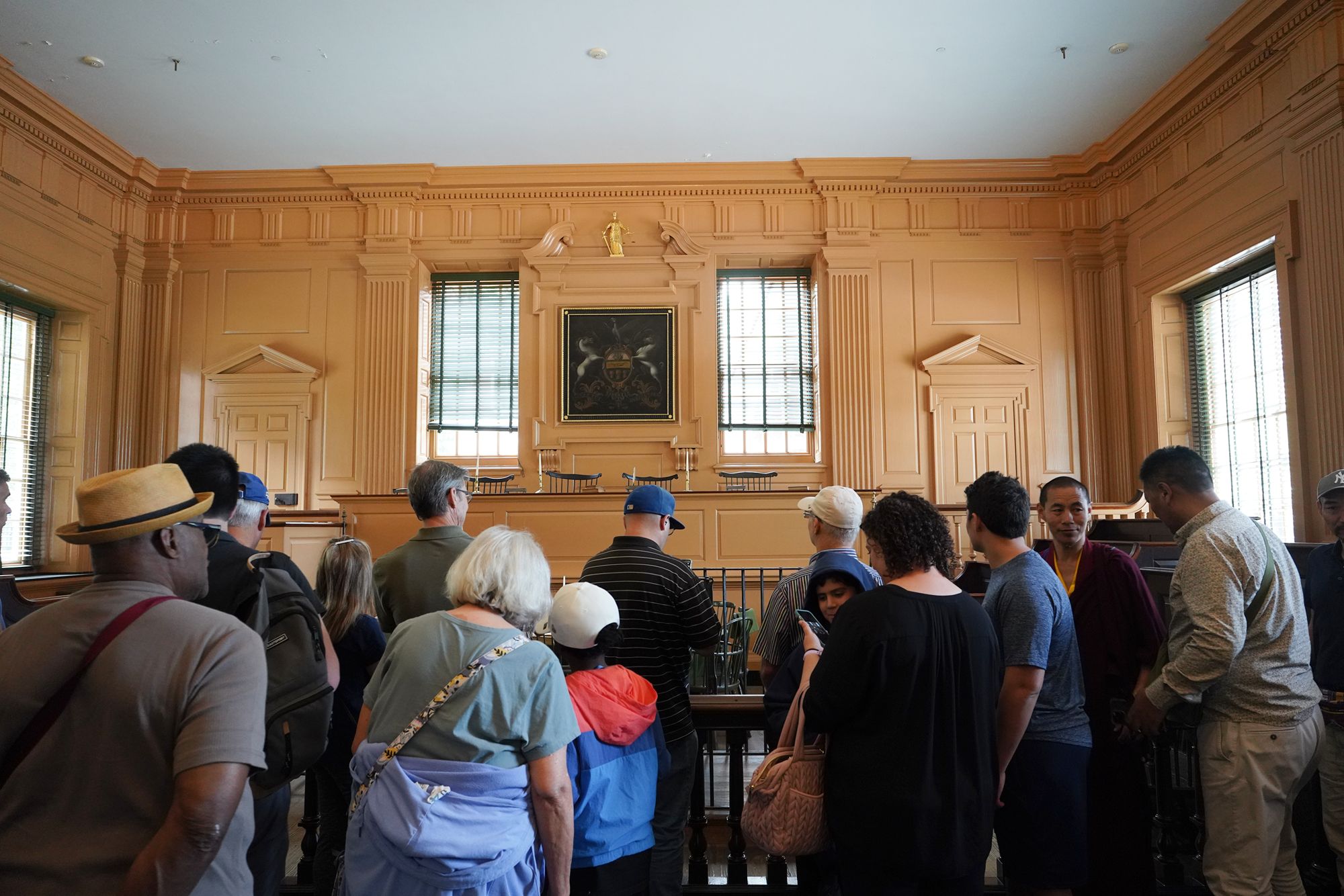
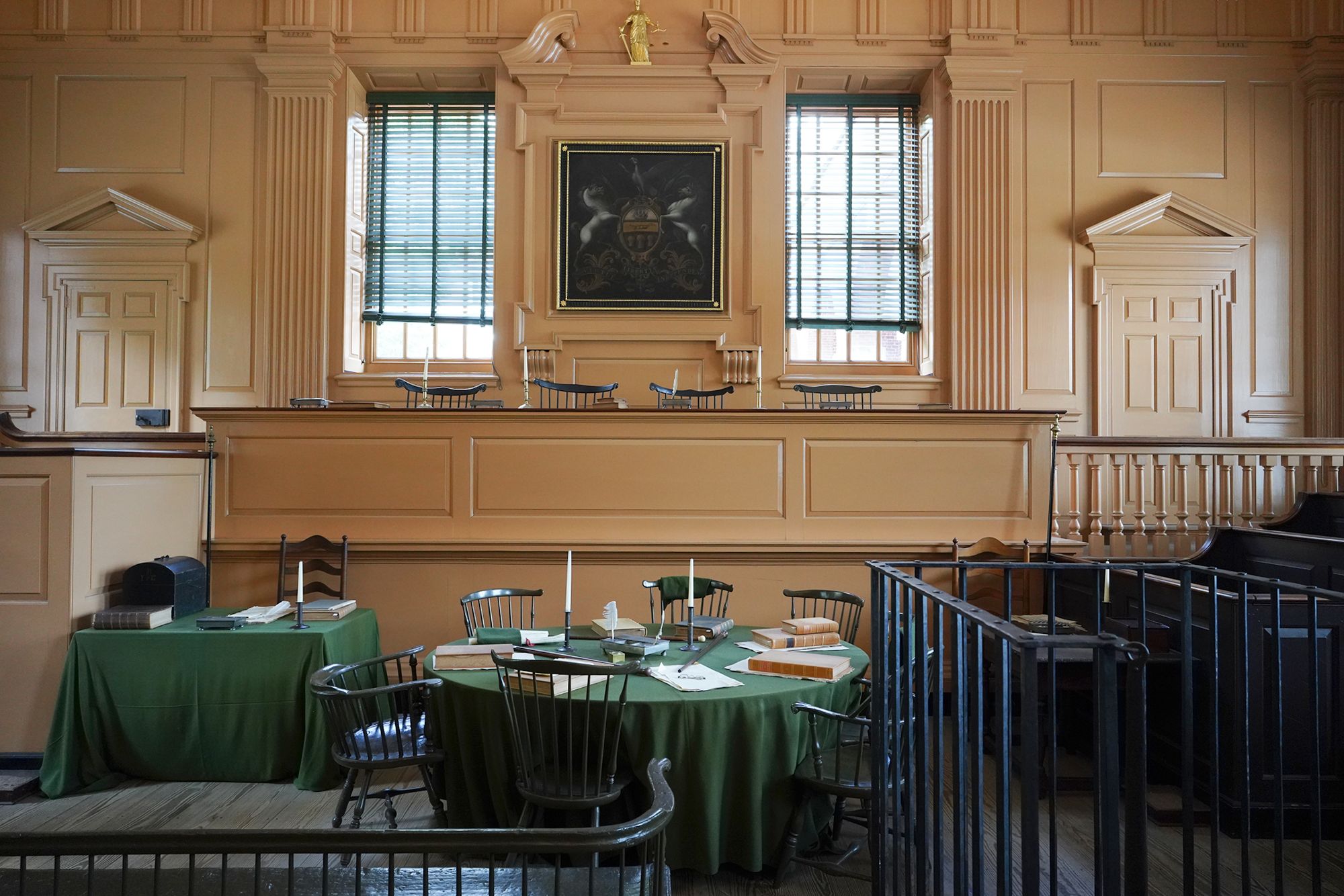
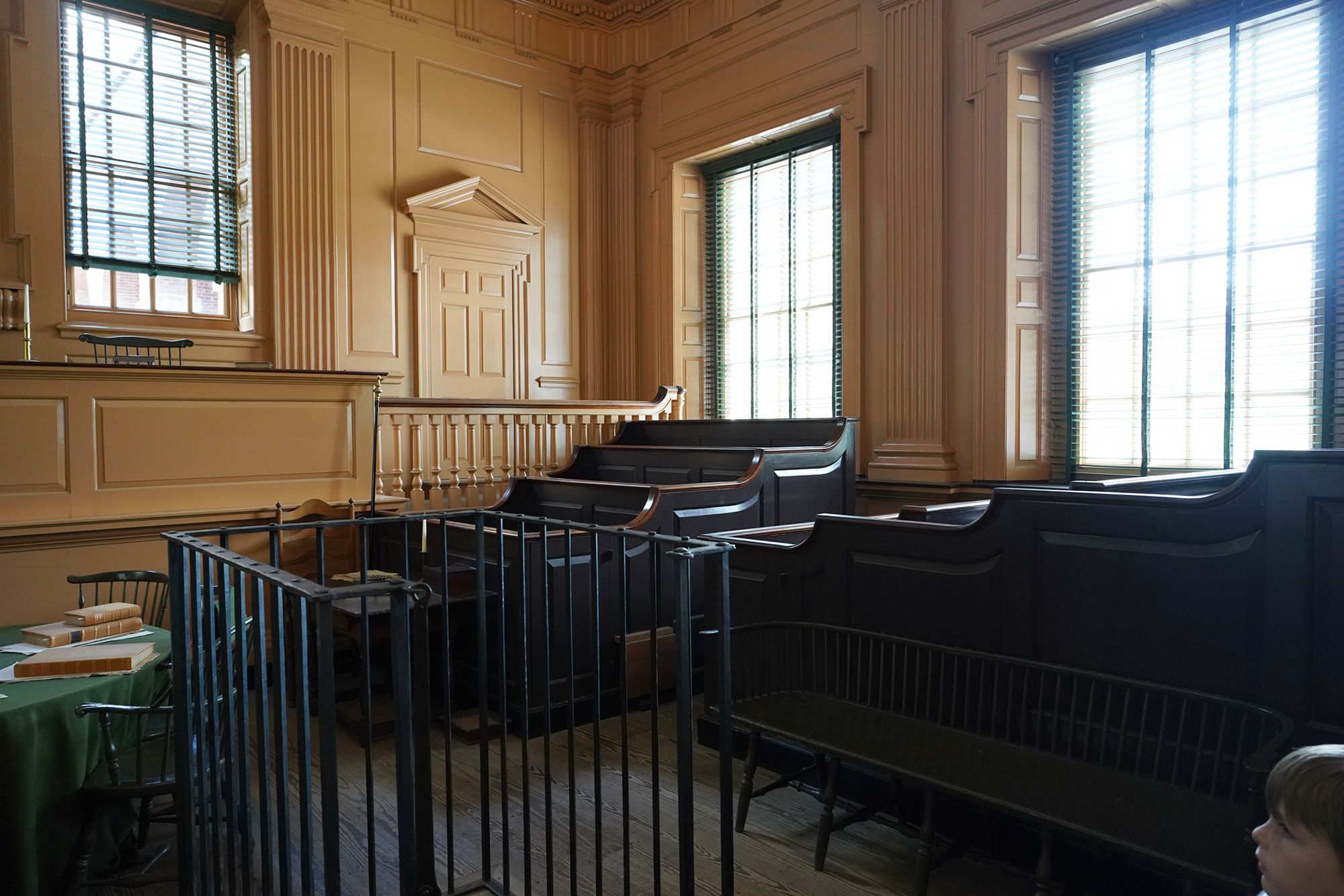
The courtroom at Independence Hall served as the Pennsylvania Supreme Court chamber during the colonial and early national years. When Philadelphia became the temporary U.S. capital, this room briefly served as the seat of the early Supreme Court until Old City Hall next door was completed.
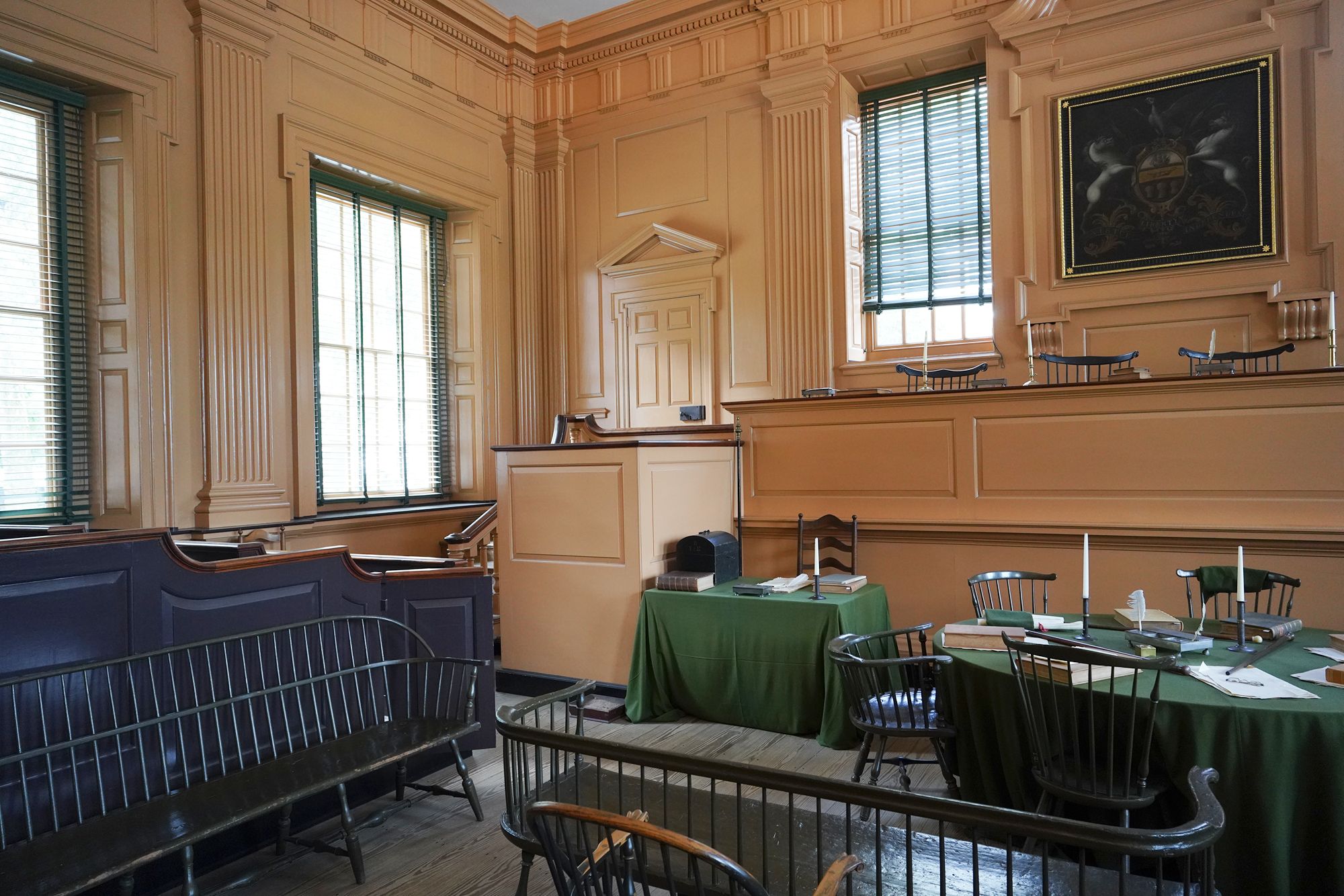
The wall colors and furniture have been restored to resemble how the room looked during the capital years.
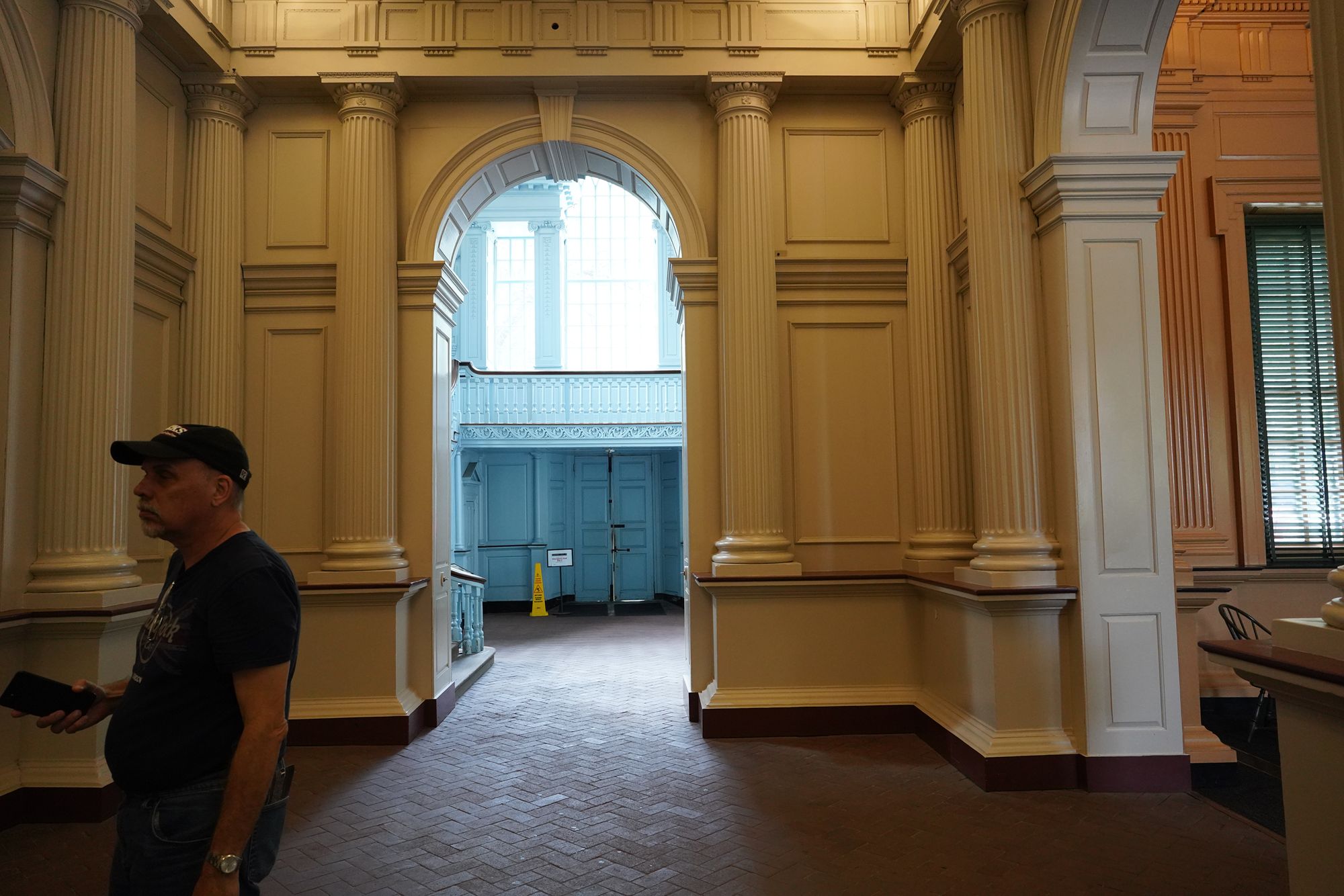
Leaving the courtroom, we walked across the hall to a bigger chamber.
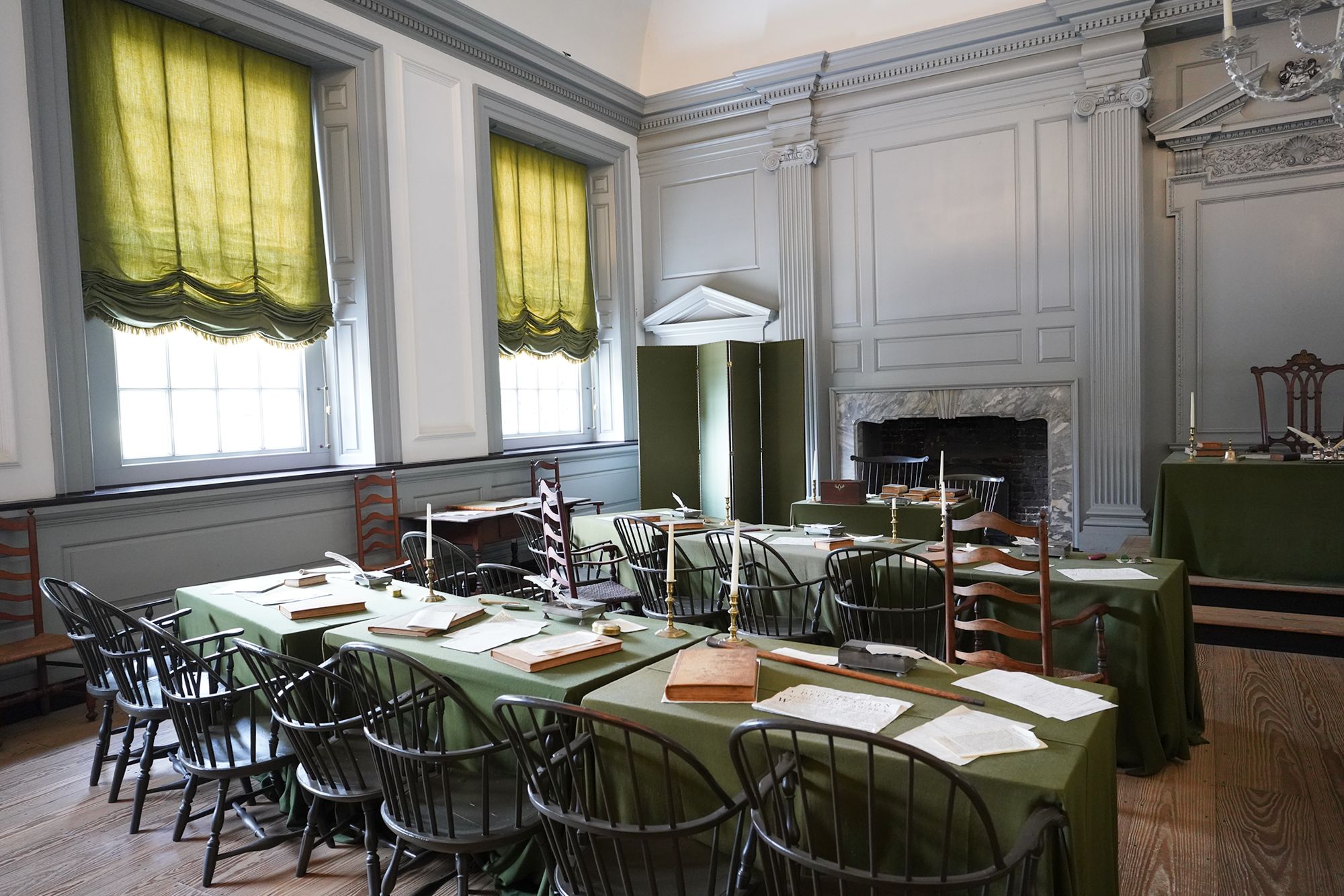
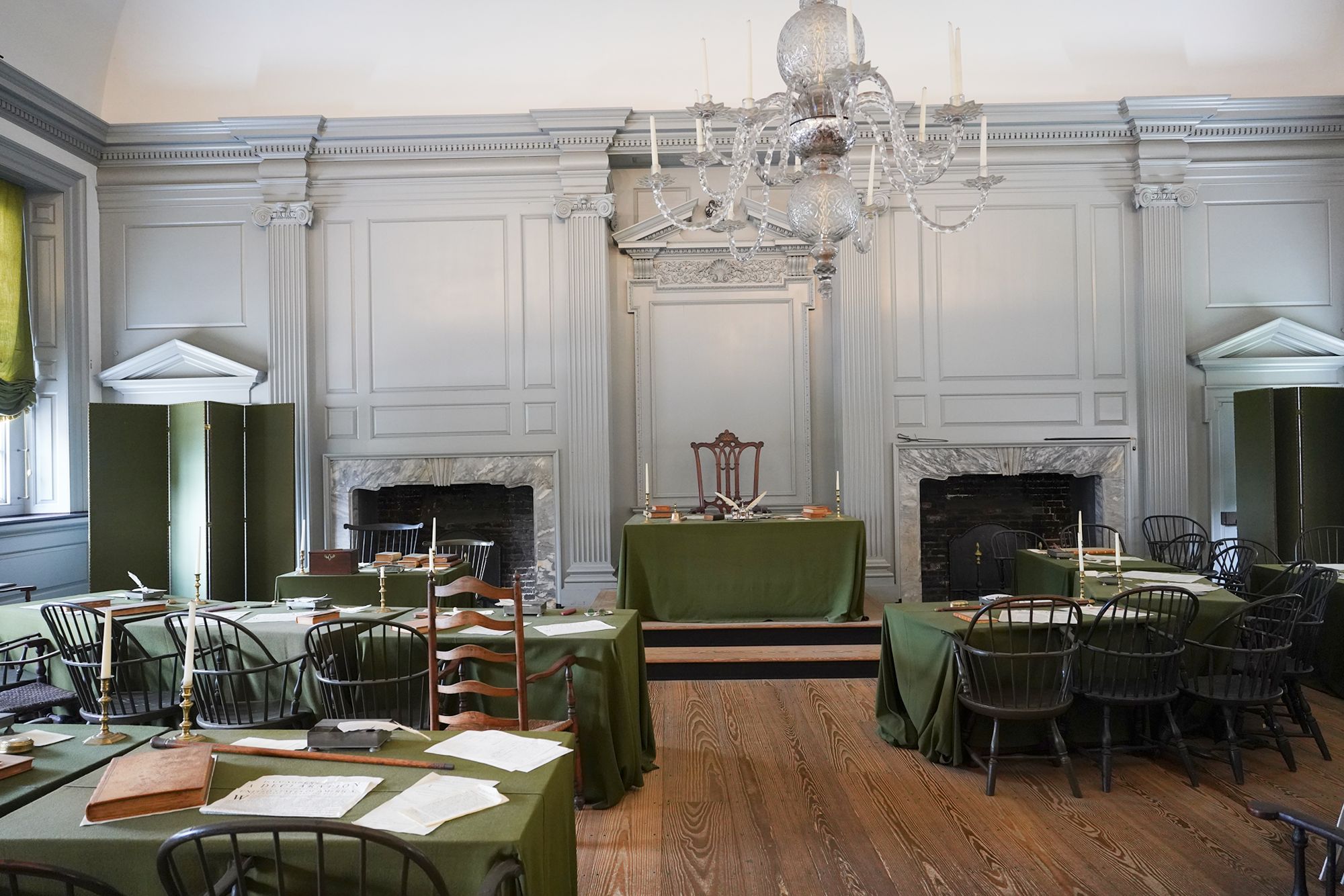
Assembly Room
The Assembly Room is the most historic space inside Independence Hall. This is where the Second Continental Congress met, where the Declaration of Independence was debated and adopted in 1776, and where delegates later signed the U.S. Constitution in 1787. The room is preserved with period furnishings, including George Washington’s chair, making it the symbolic birthplace of the United States.
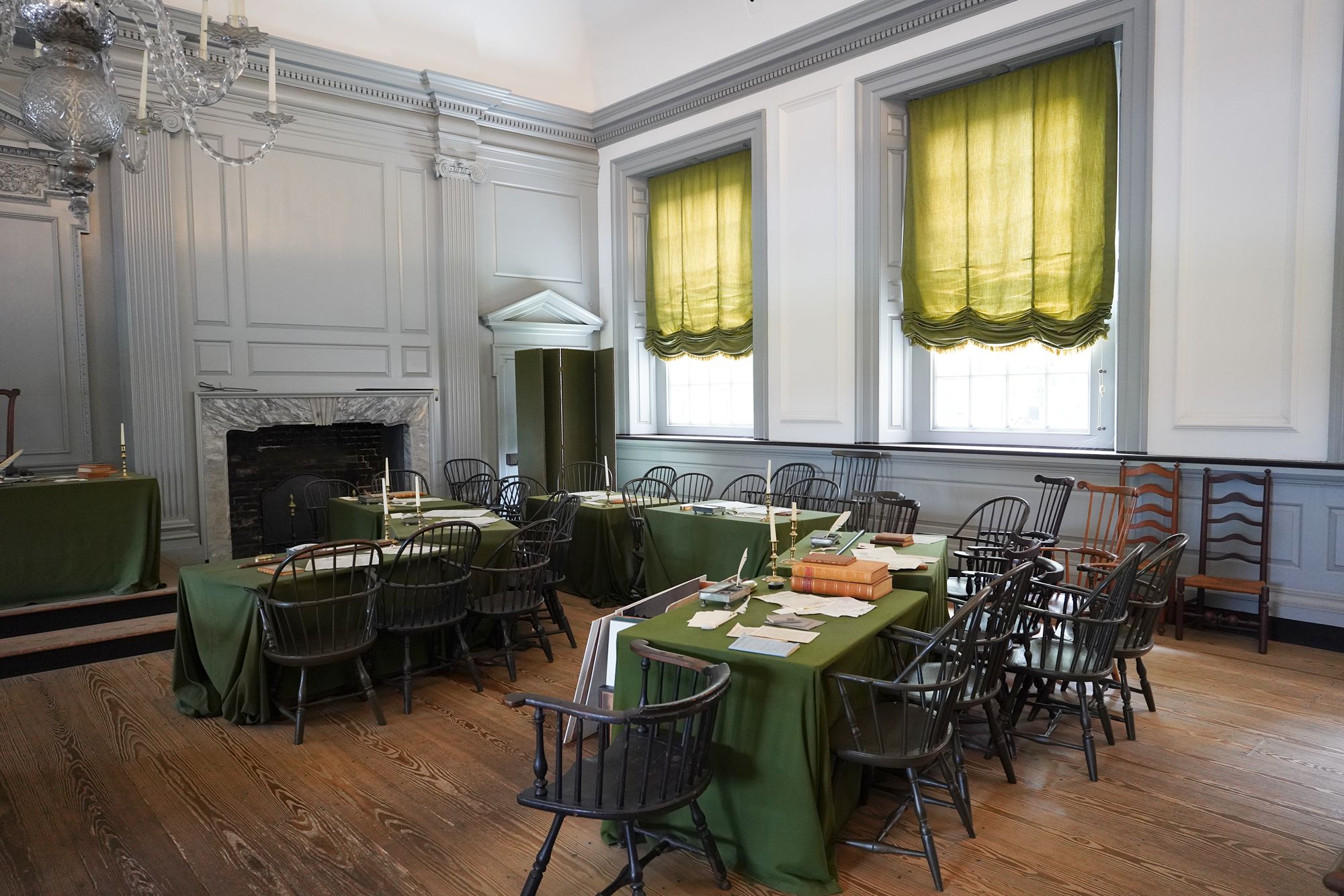
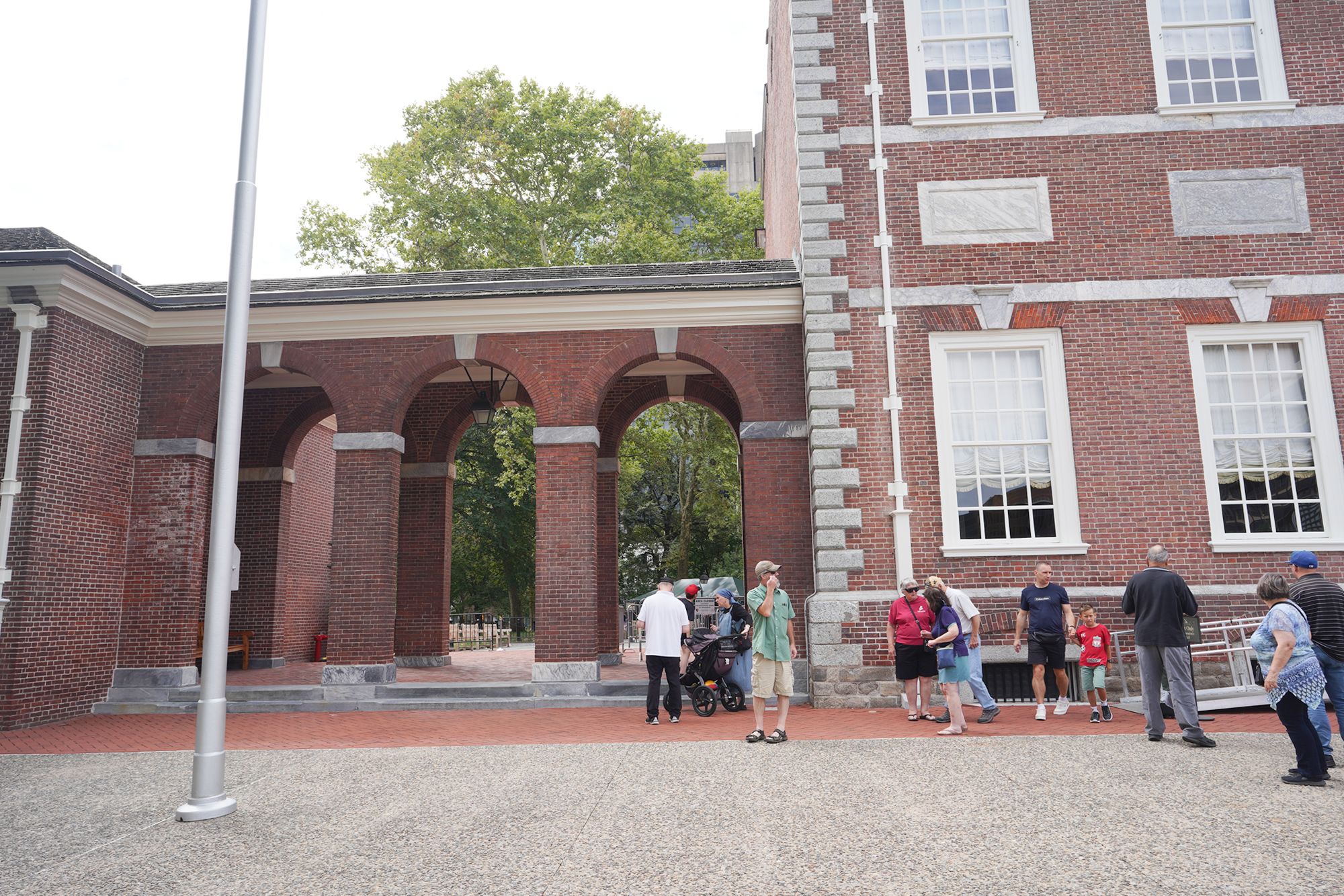
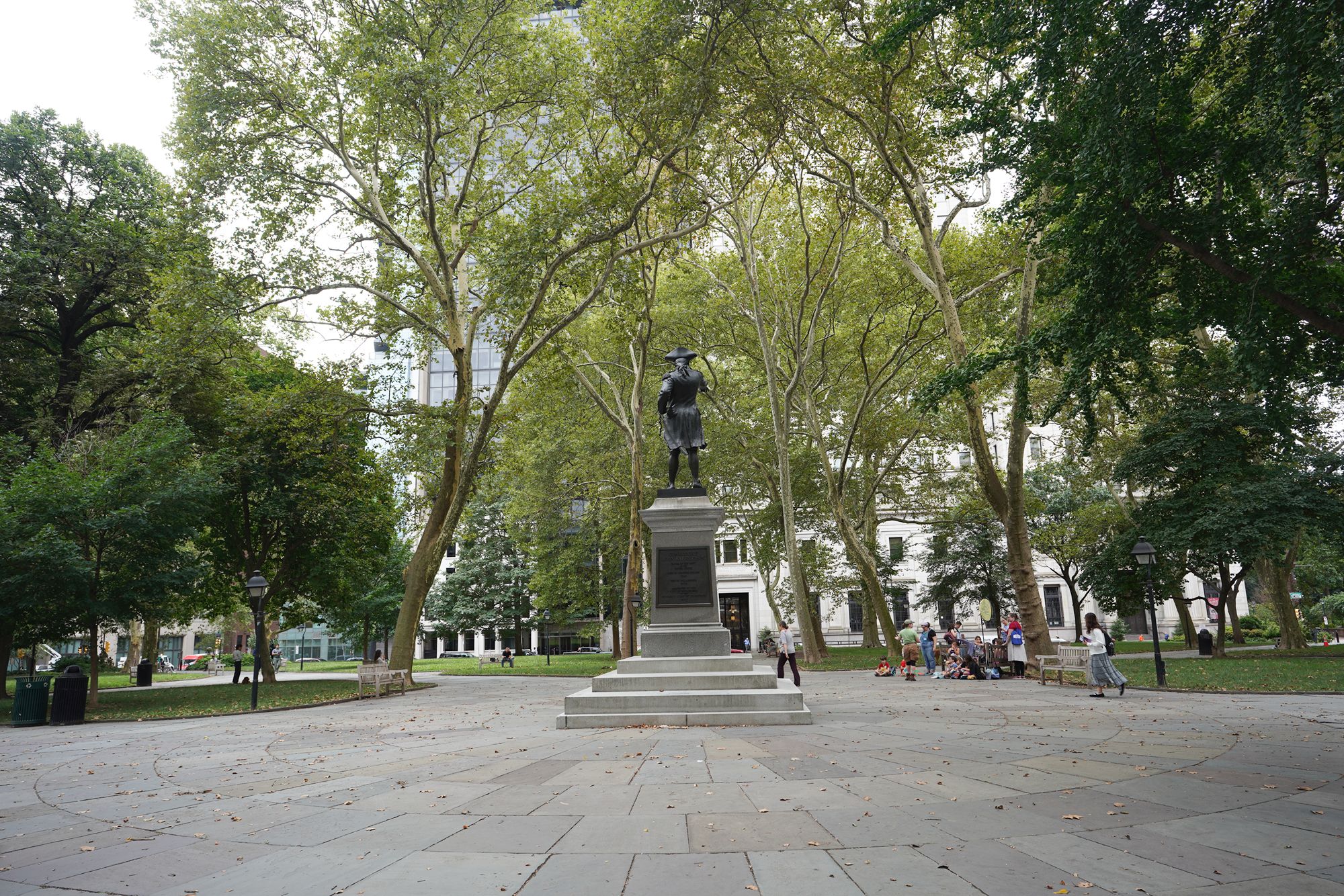
At the front yard of Independence Hall
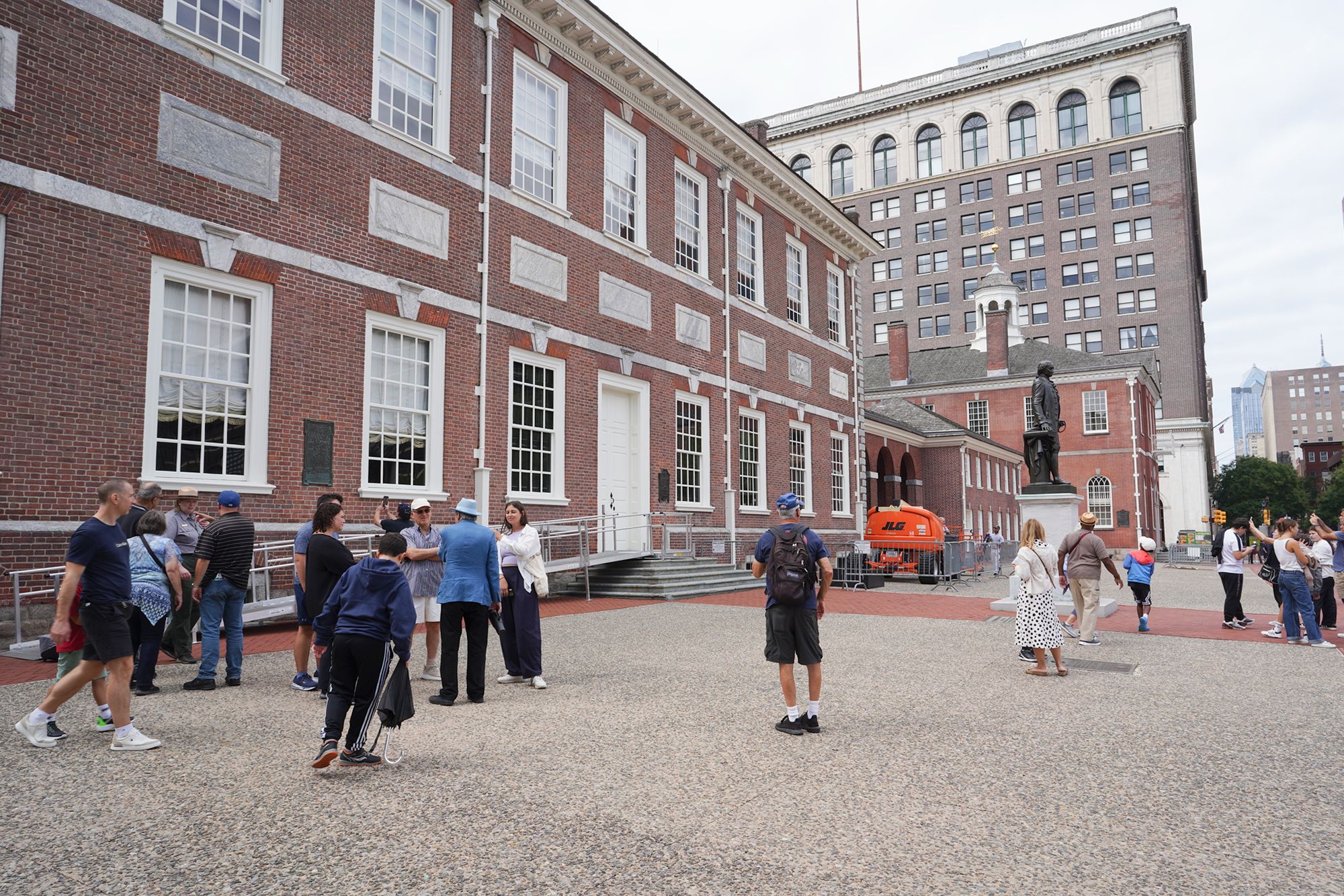
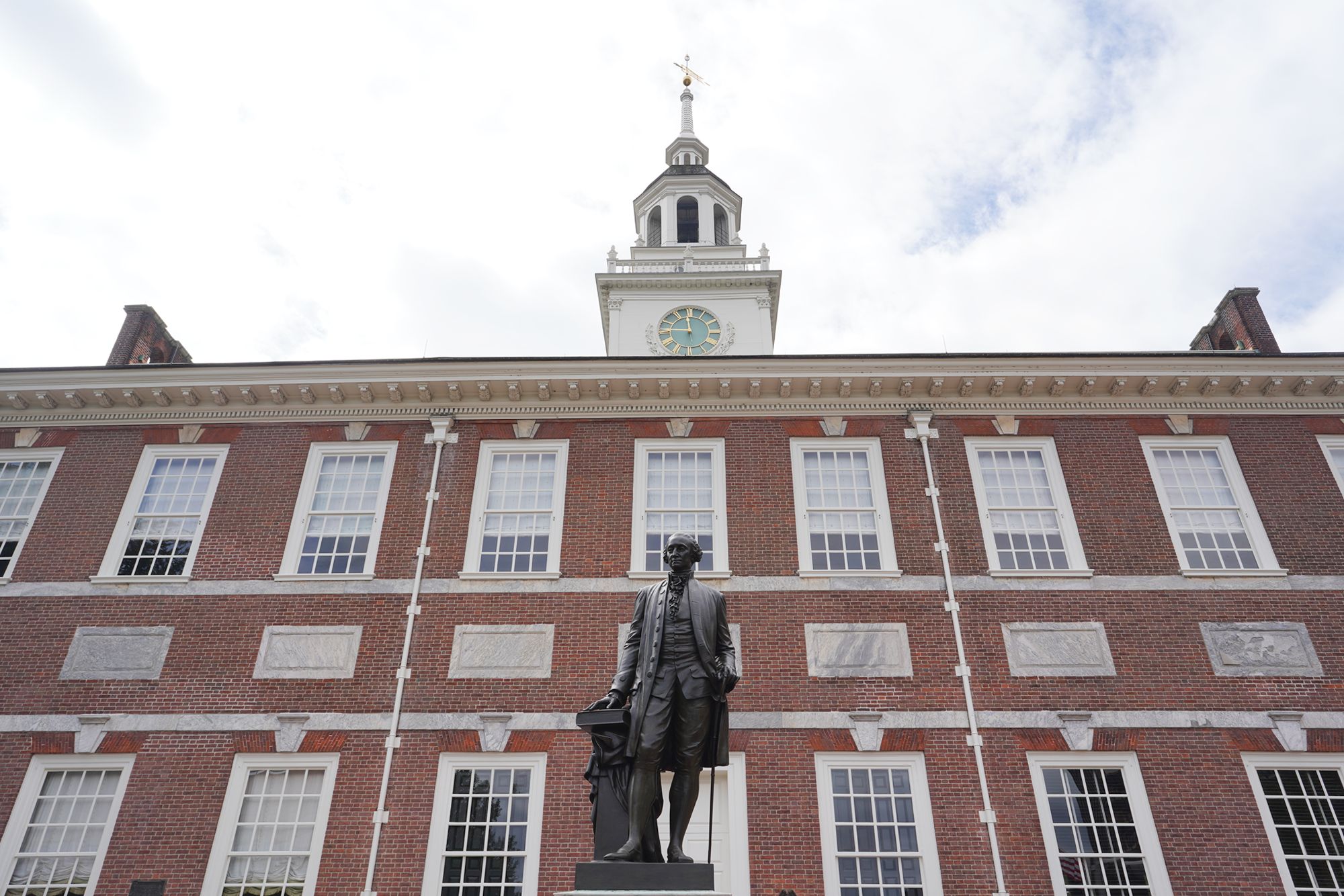
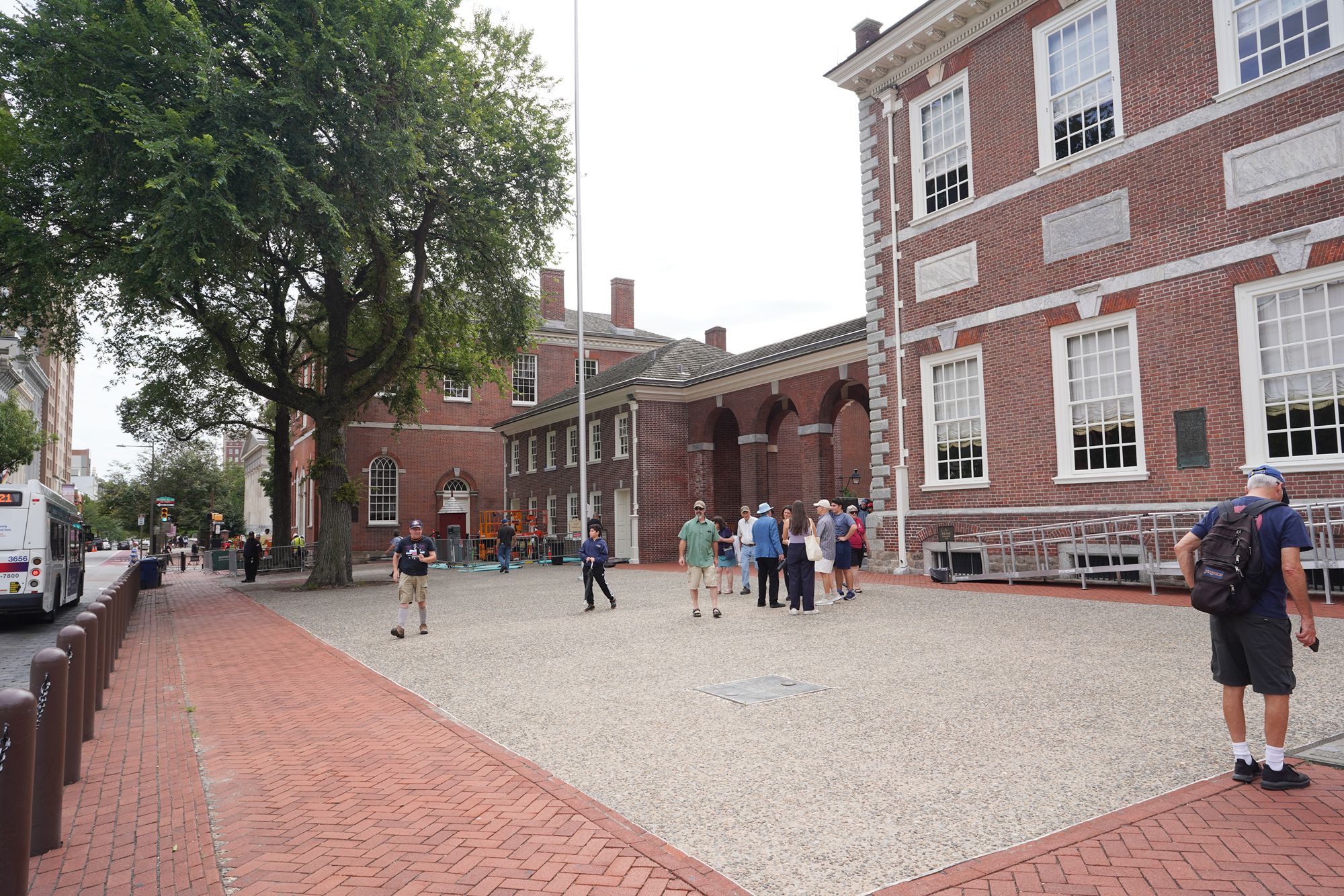
George Washington’s bronze statue stands prominently before Independence Hall, honoring the first president and symbolizing leadership during the nation’s founding. Its placement highlights Washington’s connection to the birth of American democracy and the significance of this historic site.
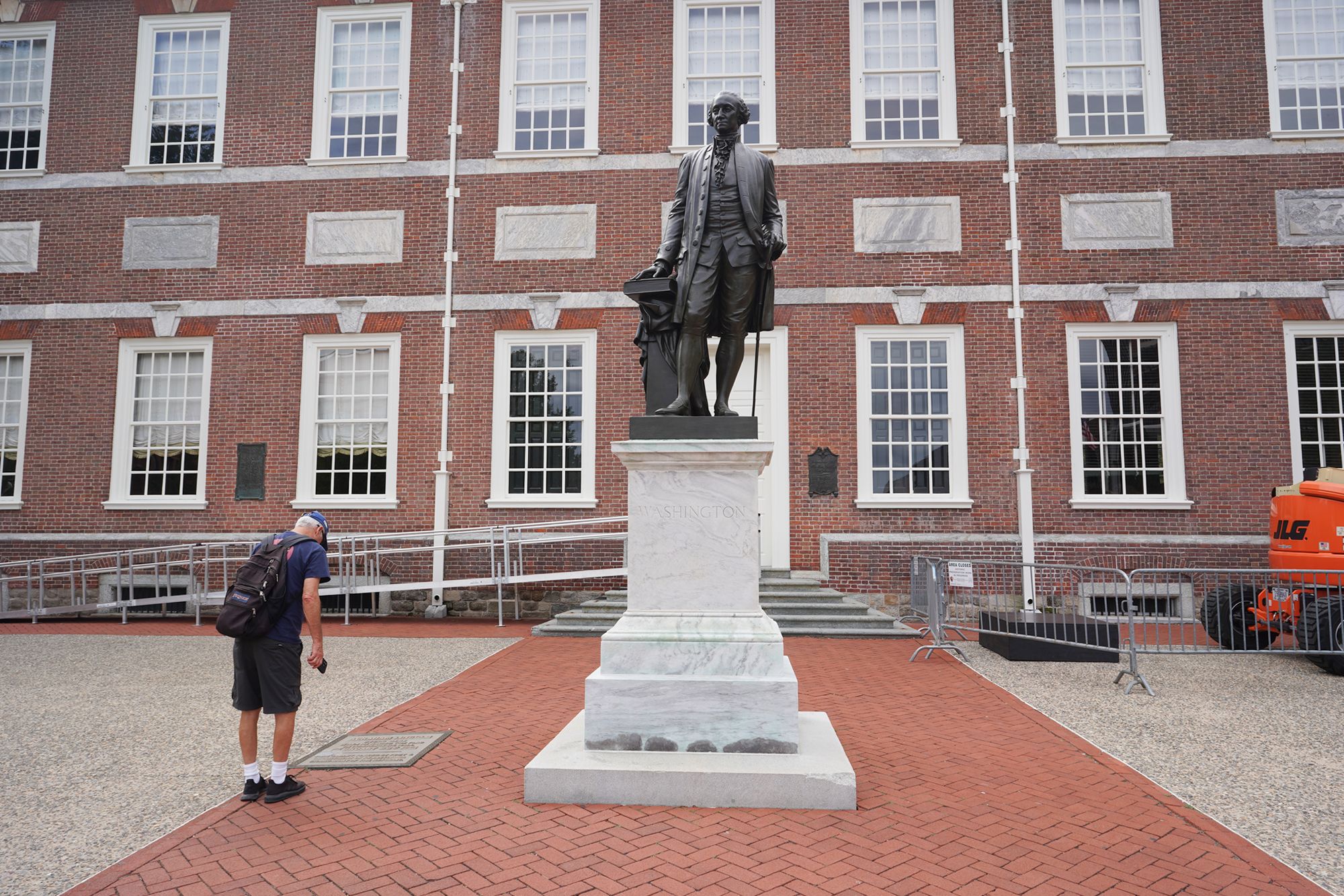
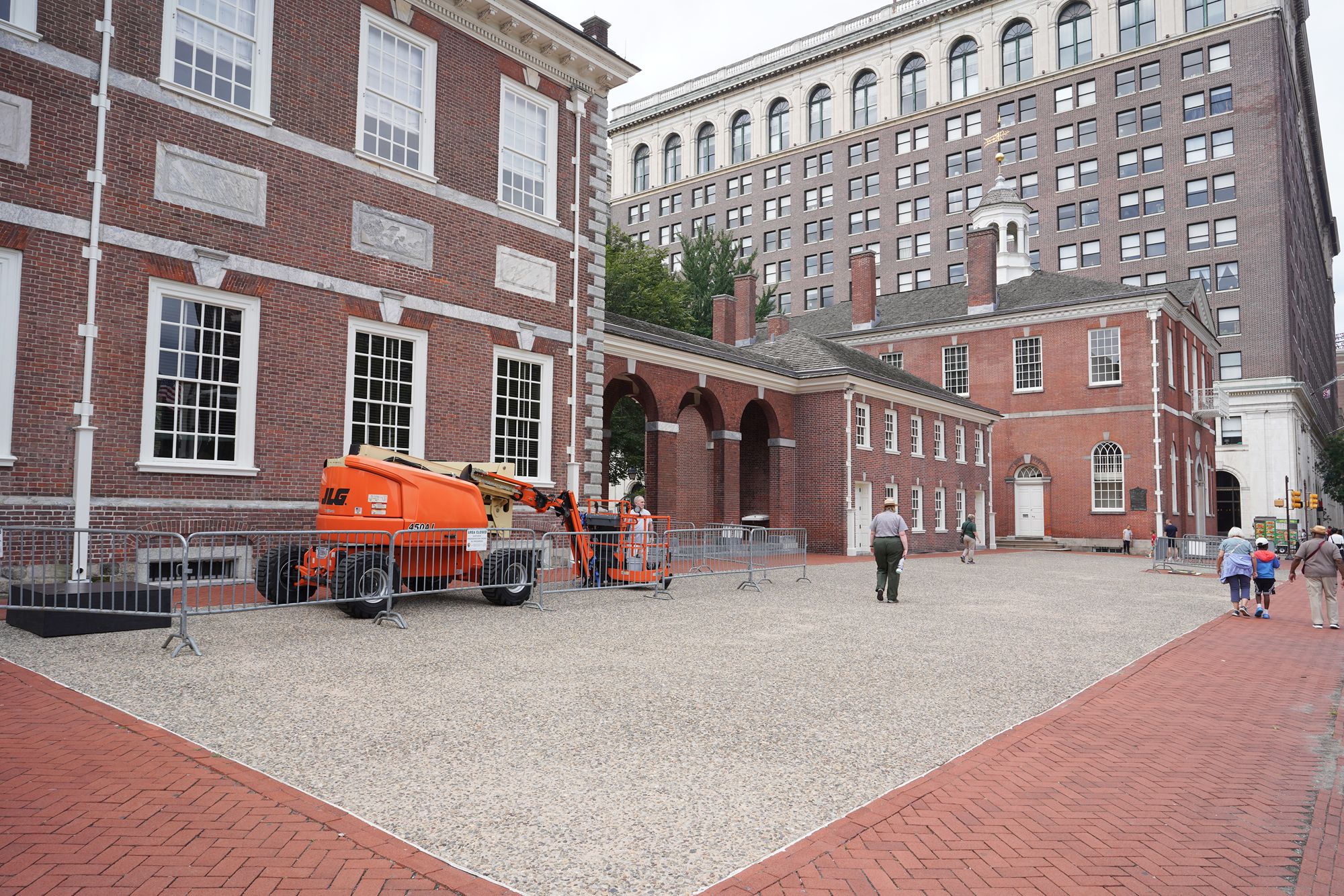
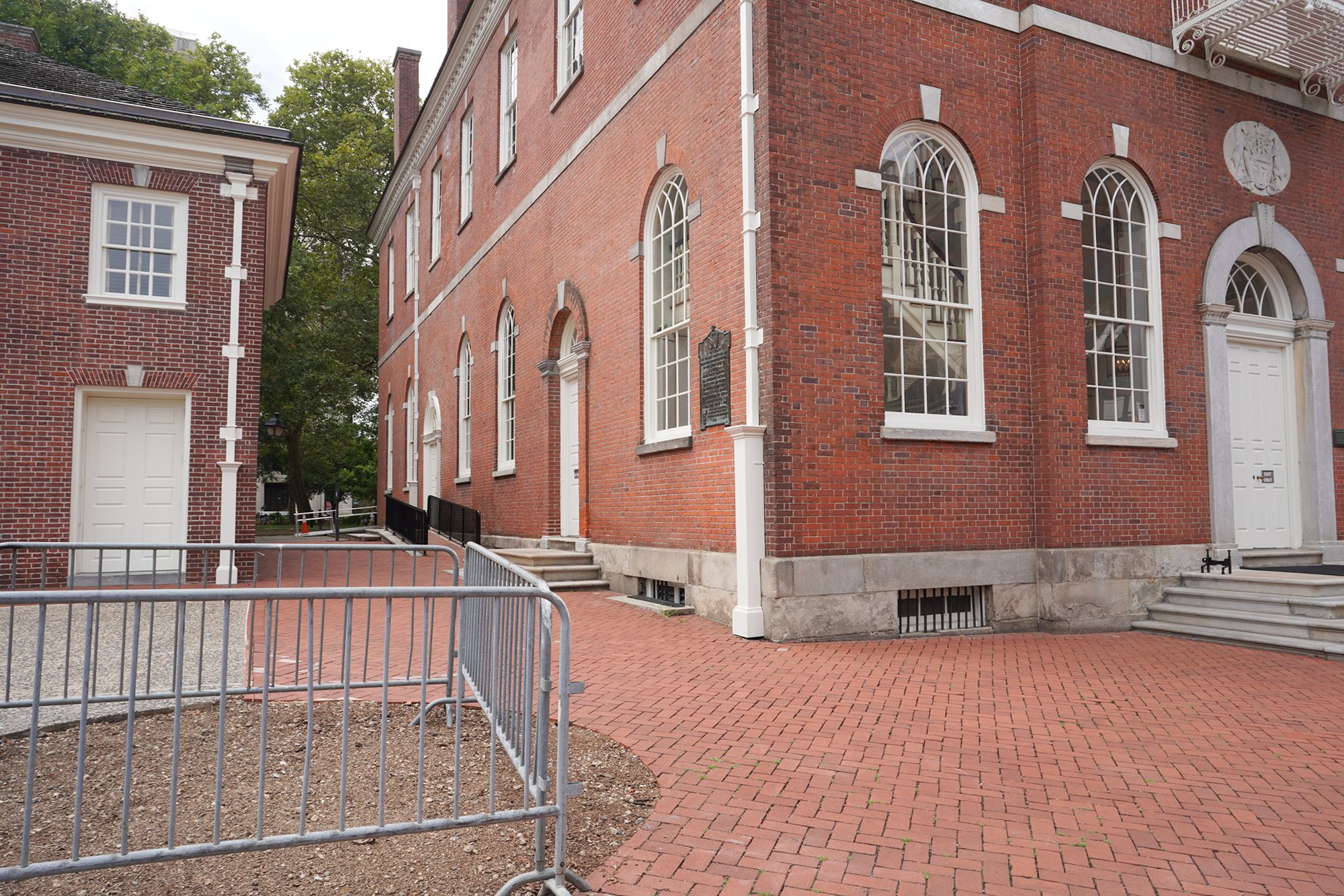
I returned to the back side of Independence Hall.
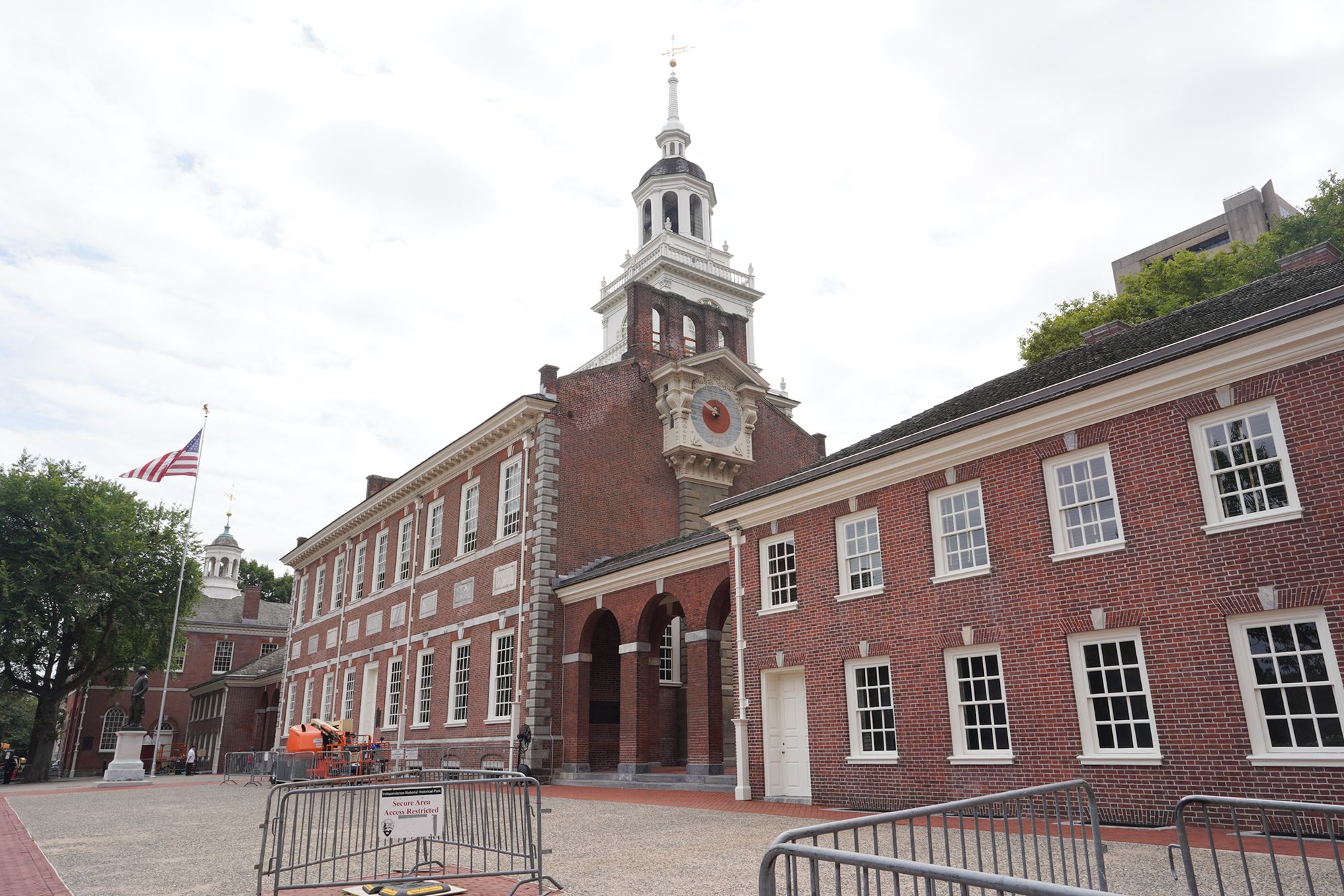
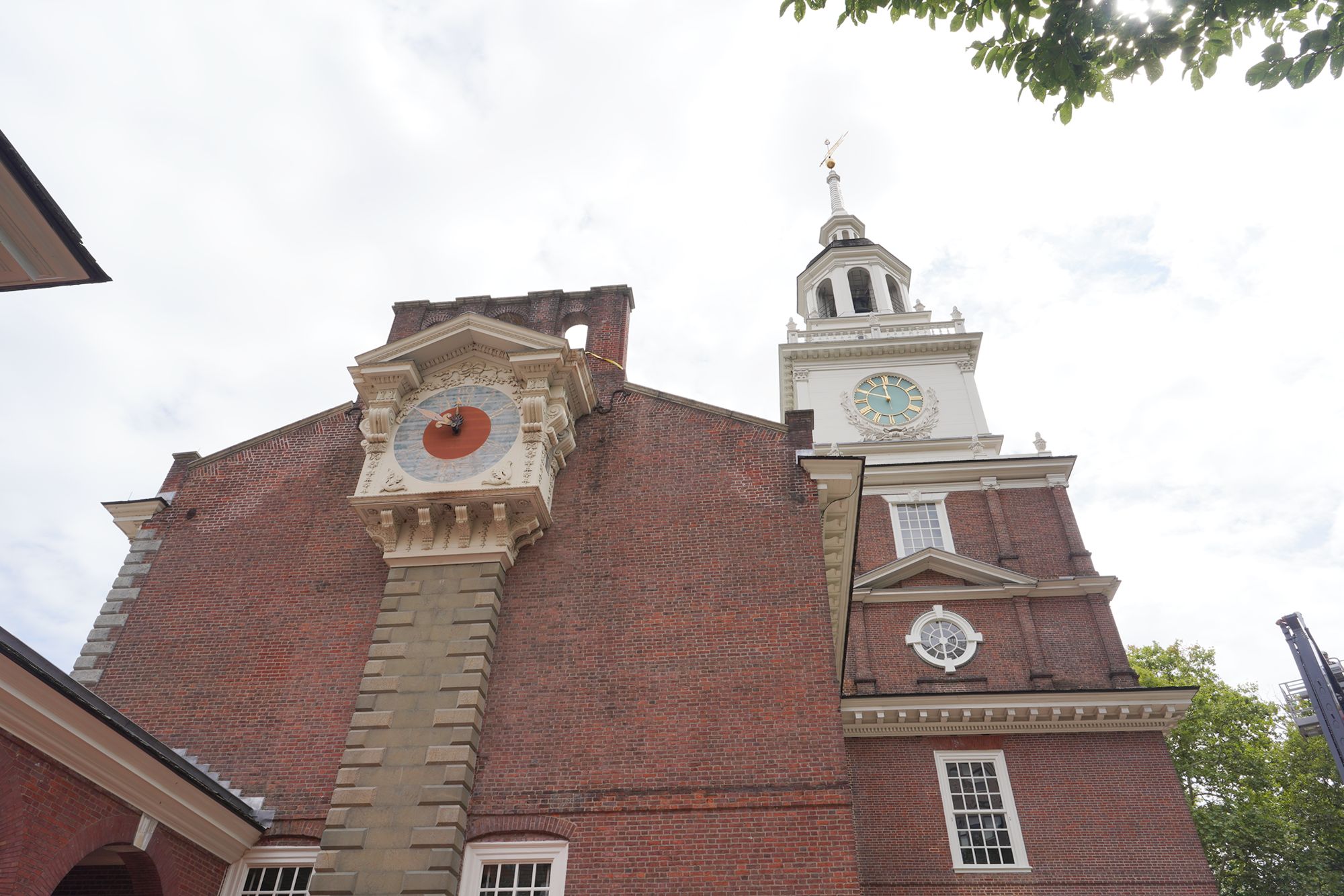
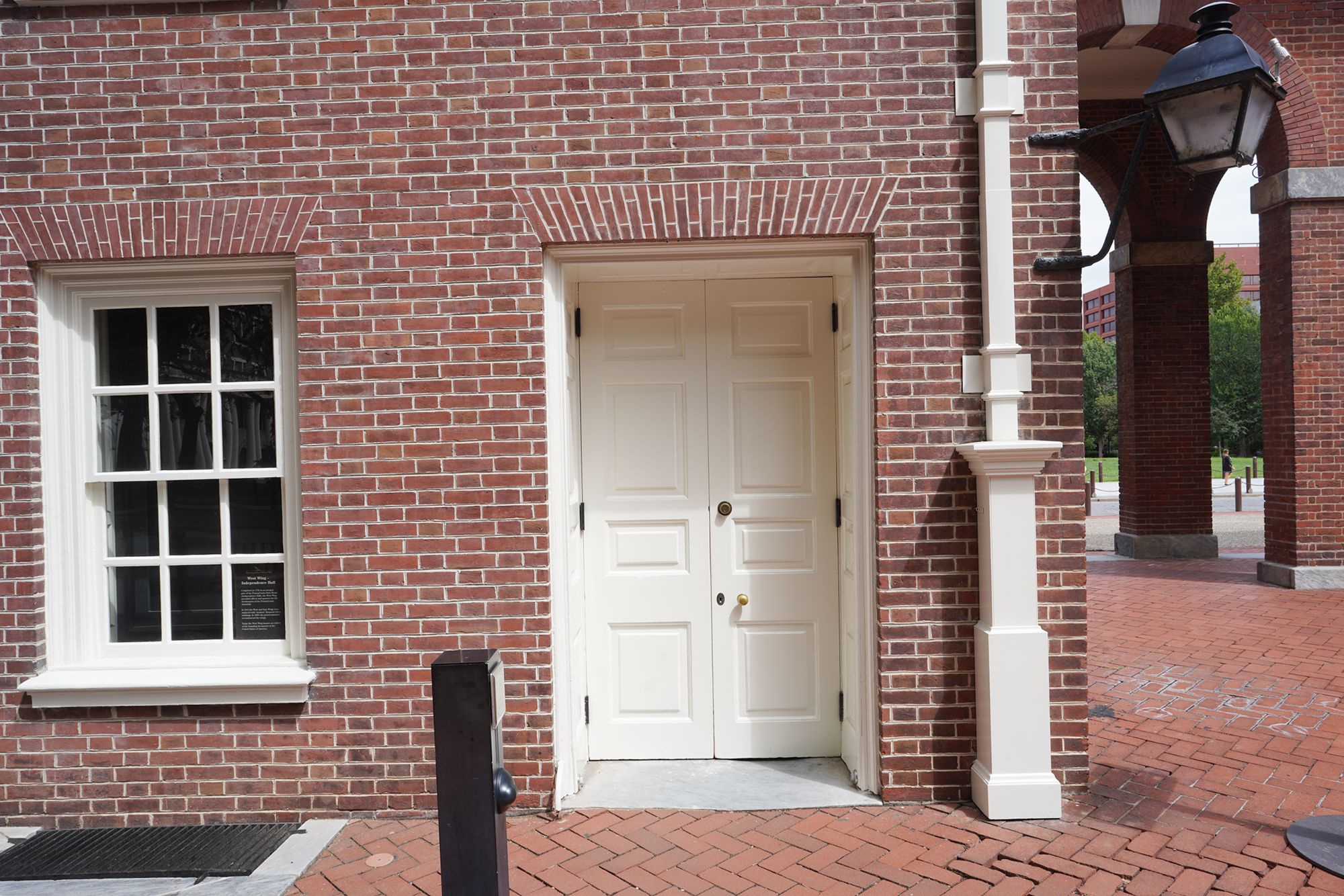
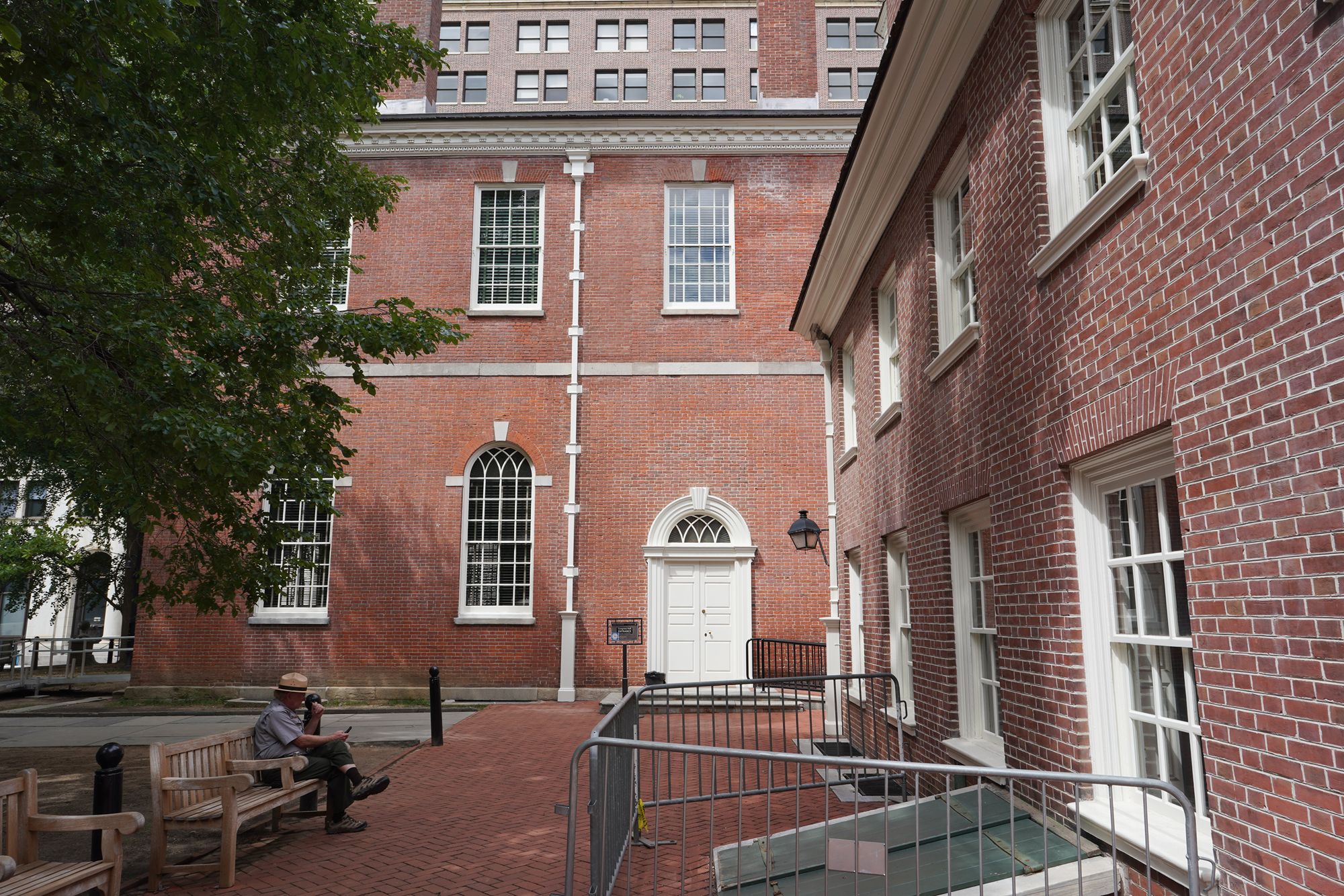
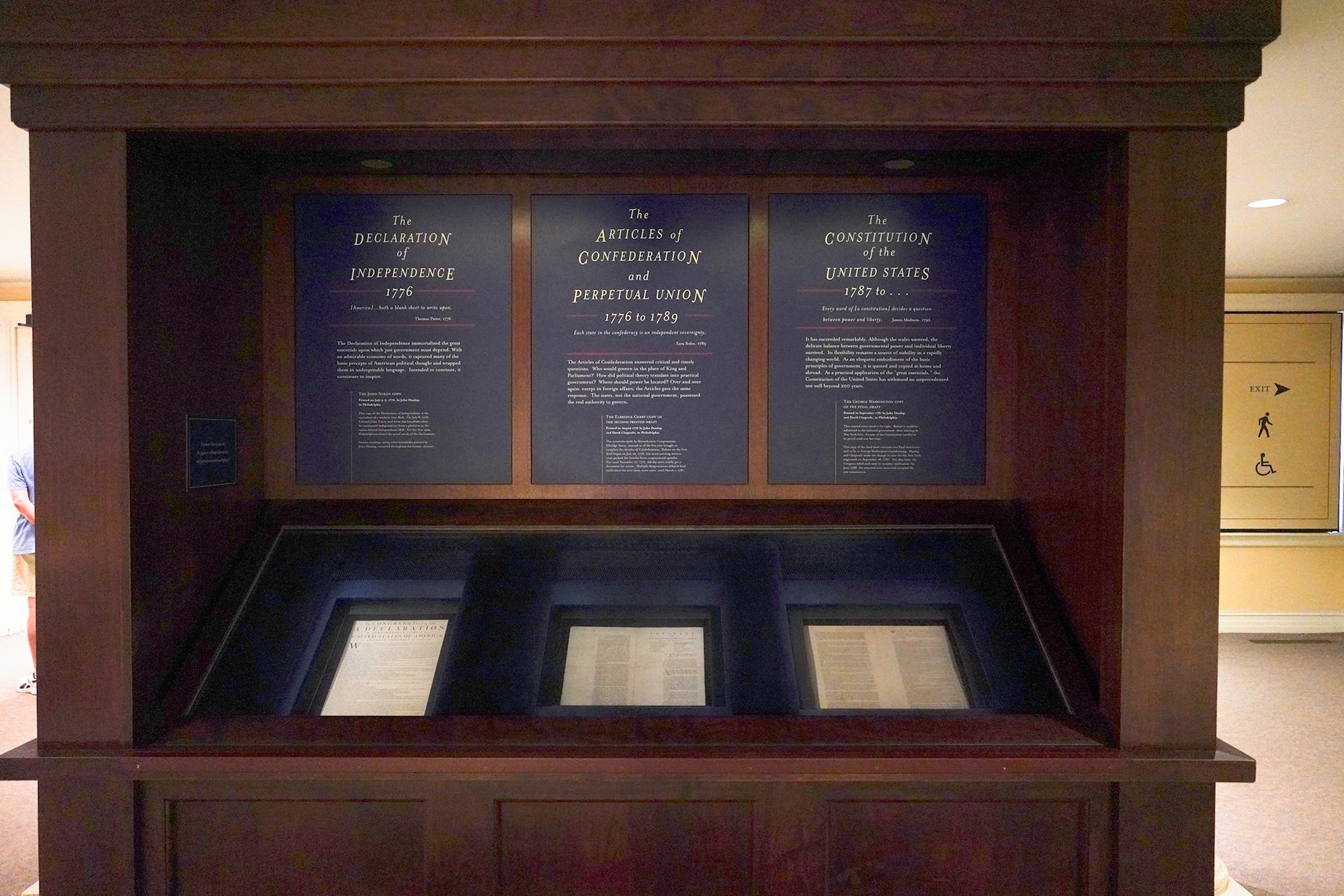
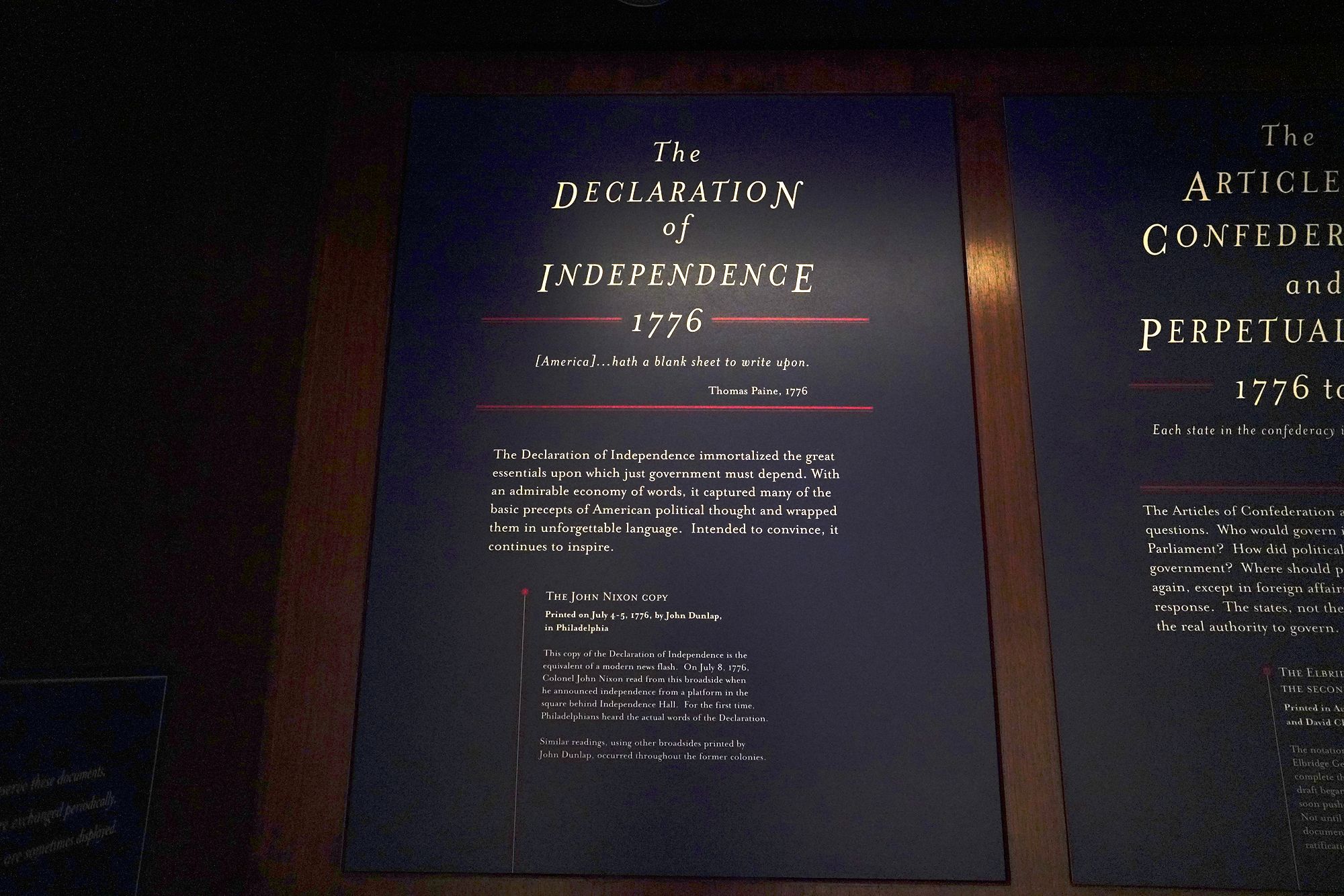
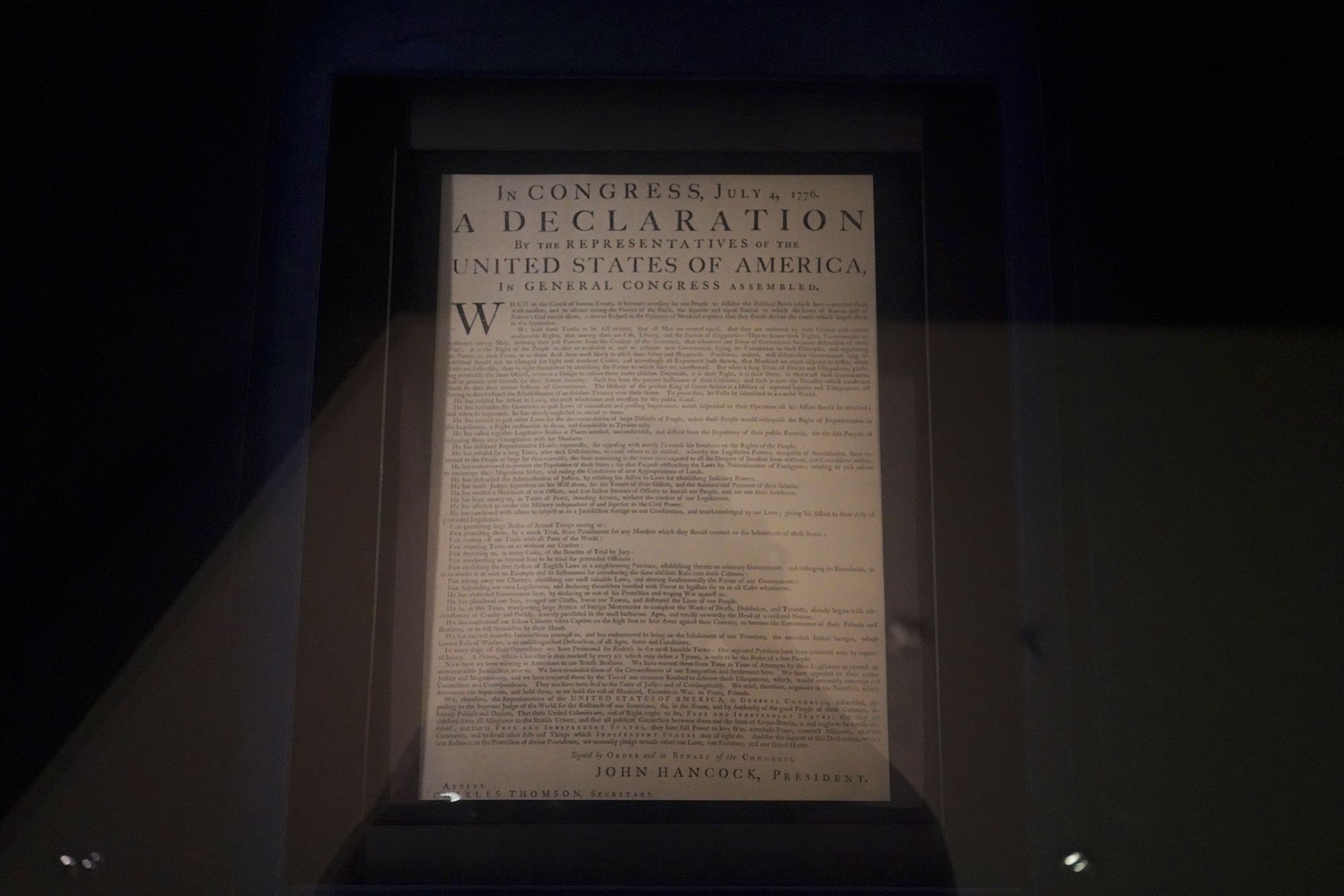
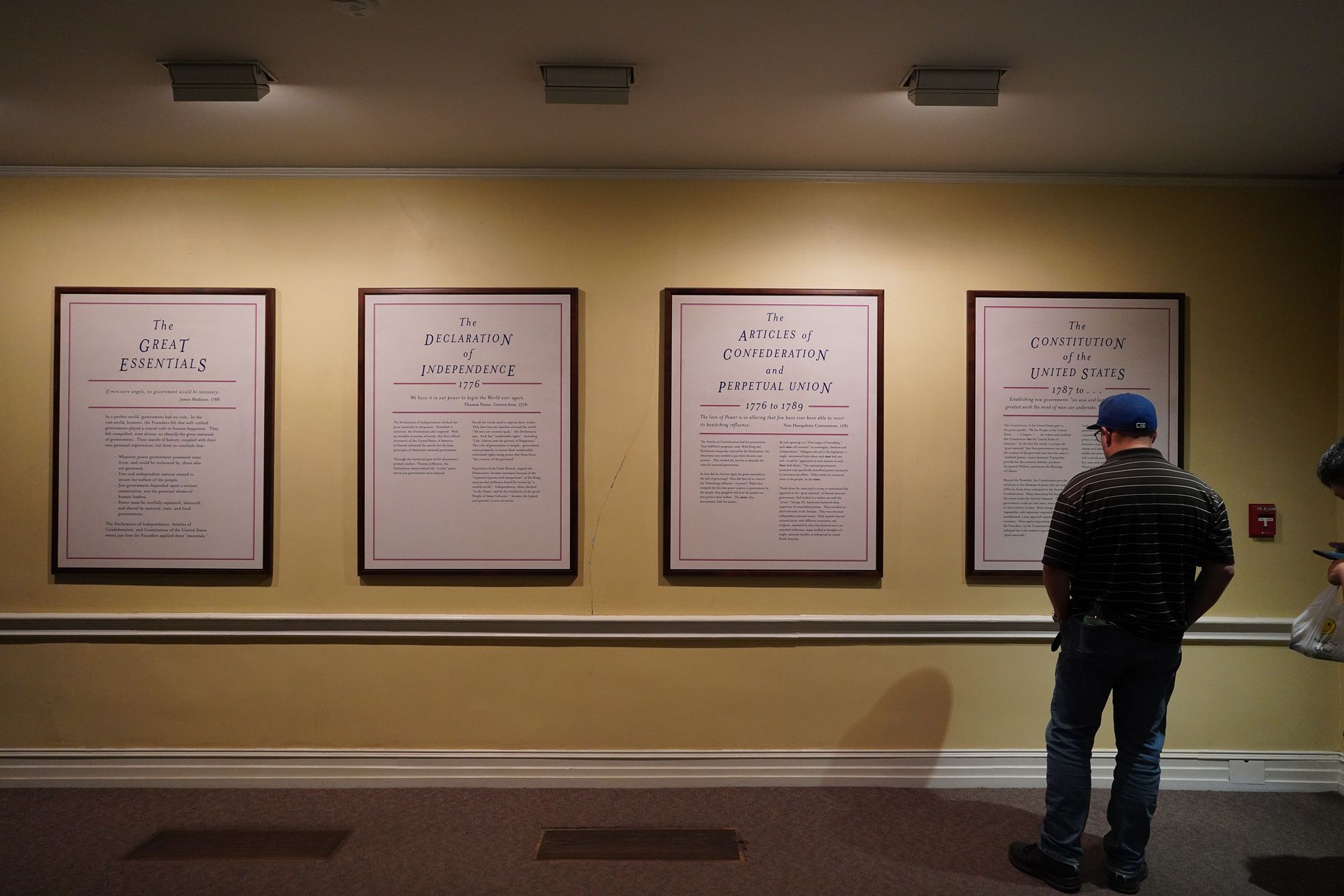
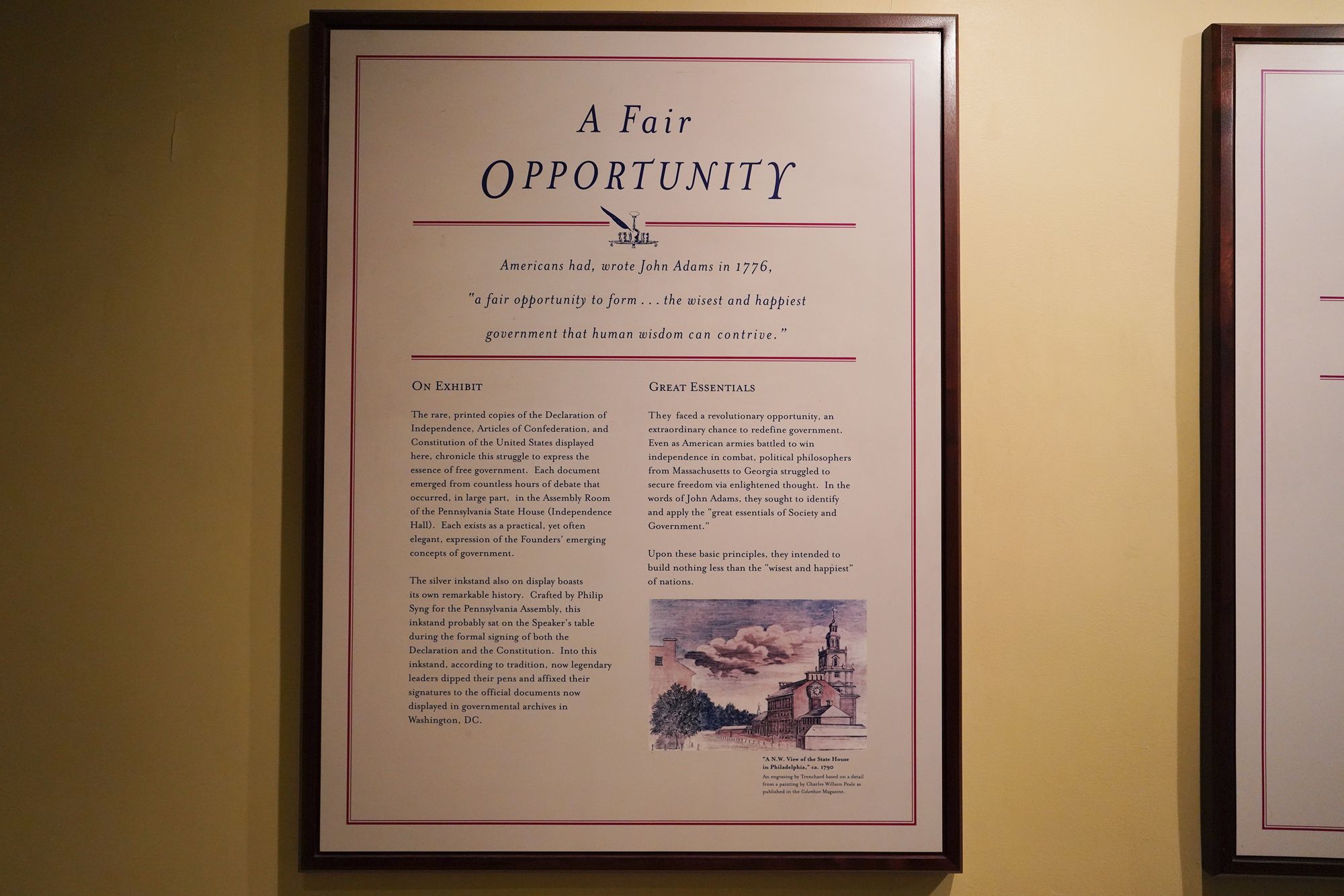
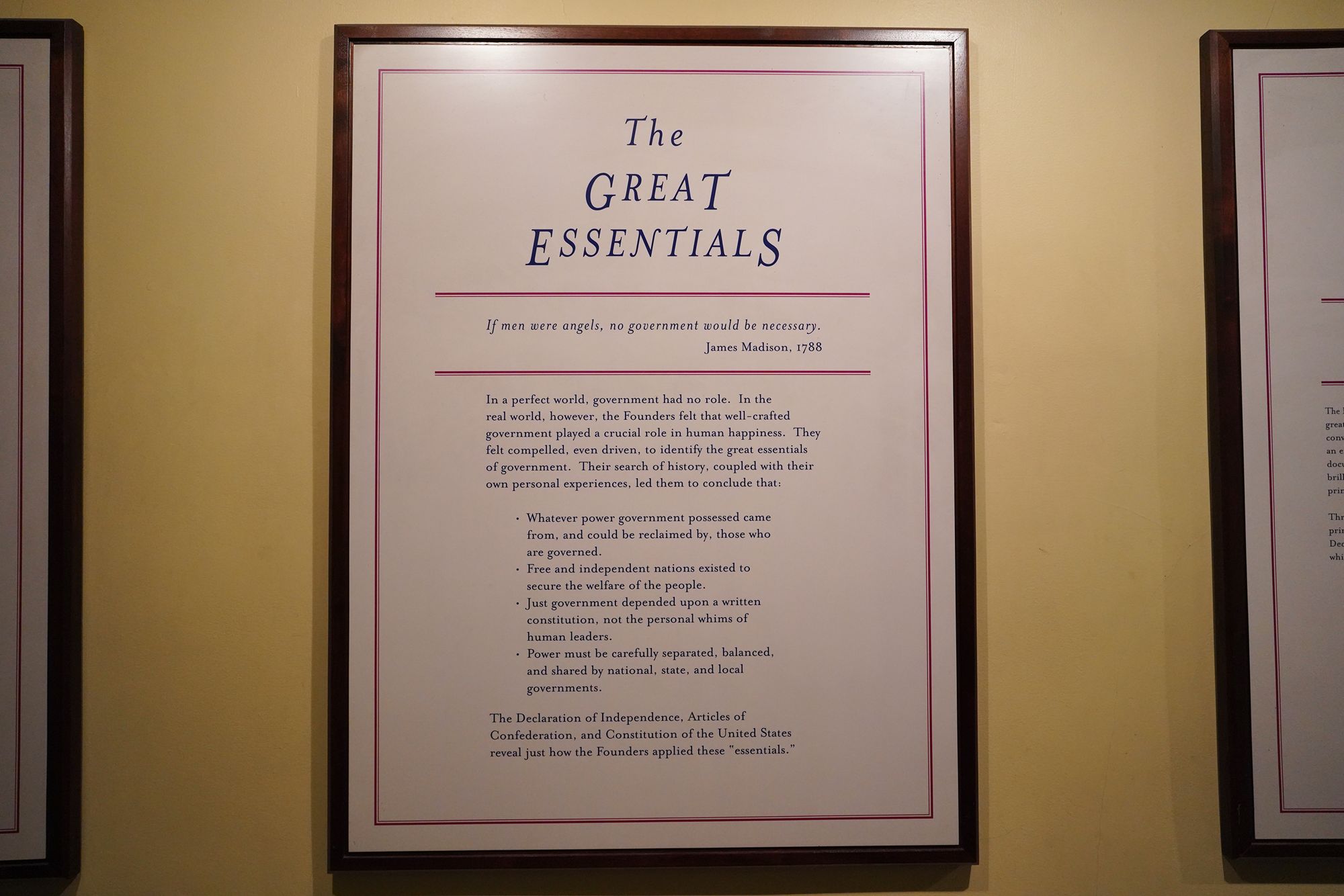
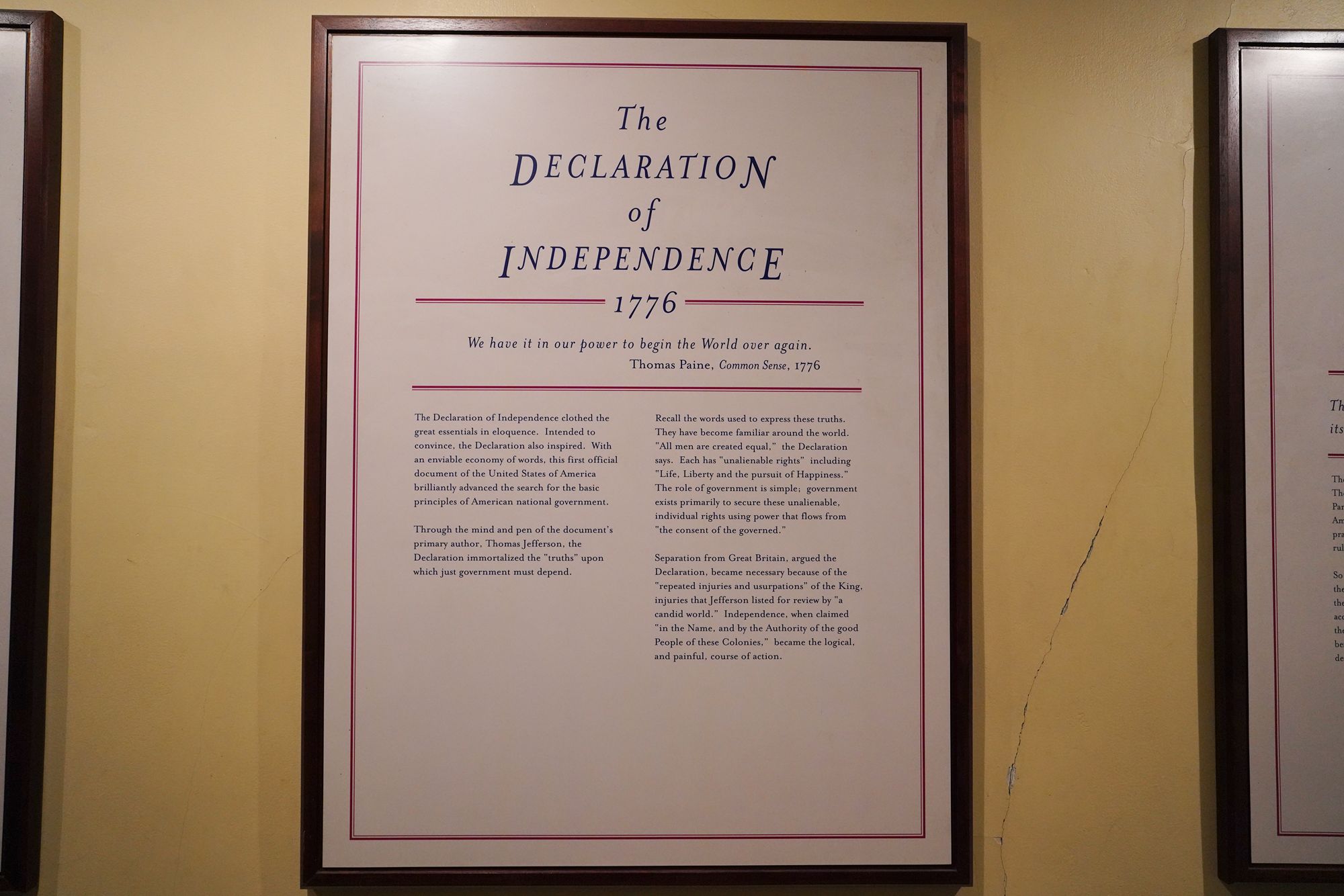
On the back side of the building, there is a small museum - the Great Essentials Exhibit
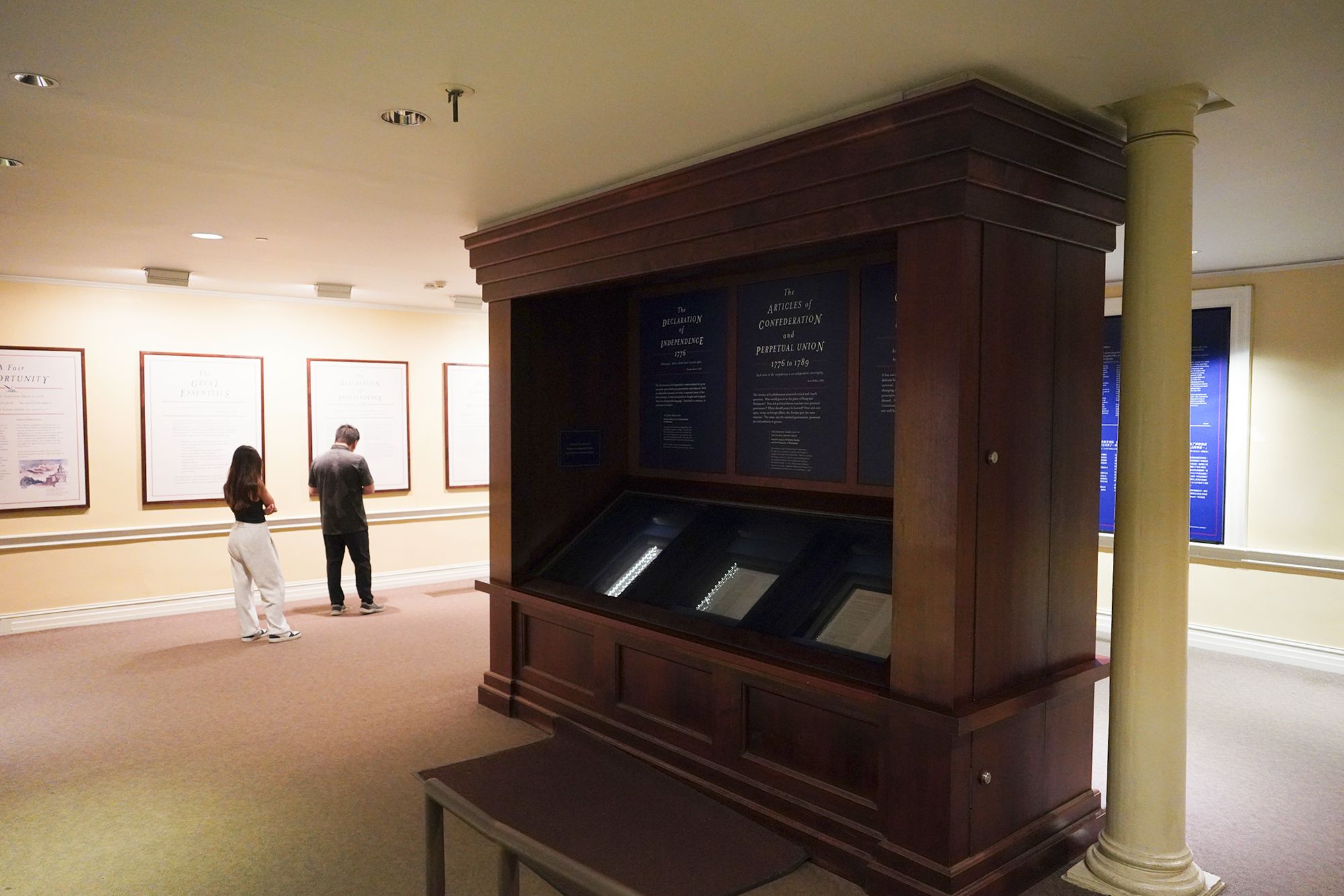
The Great Essentials Exhibit inside Independence Hall, entered from the rear, displays early printings of the Declaration, Constitution, and Articles of Confederation alongside the Syng inkstand. This small gallery preserves the documents that shaped America’s founding and national identity.
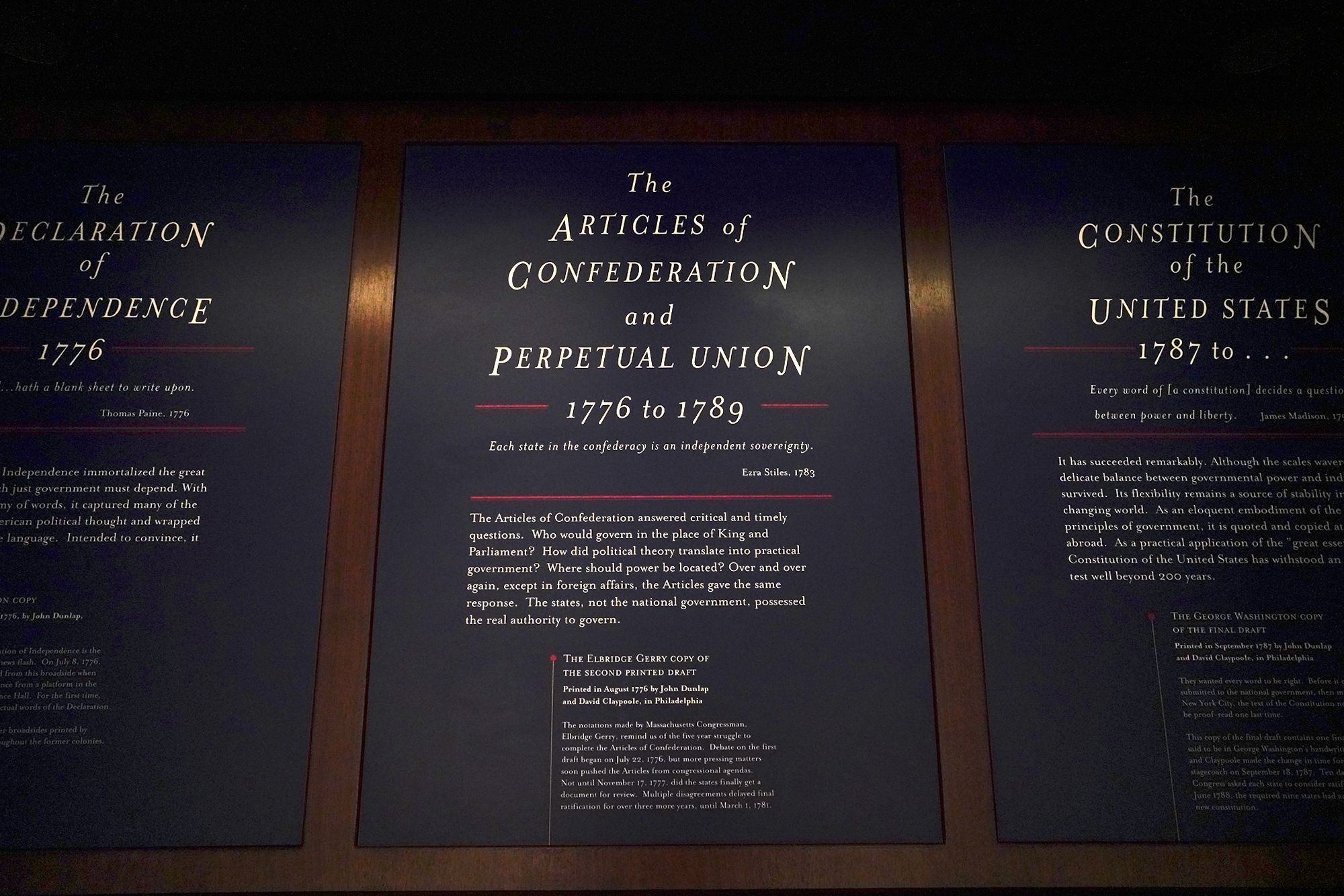
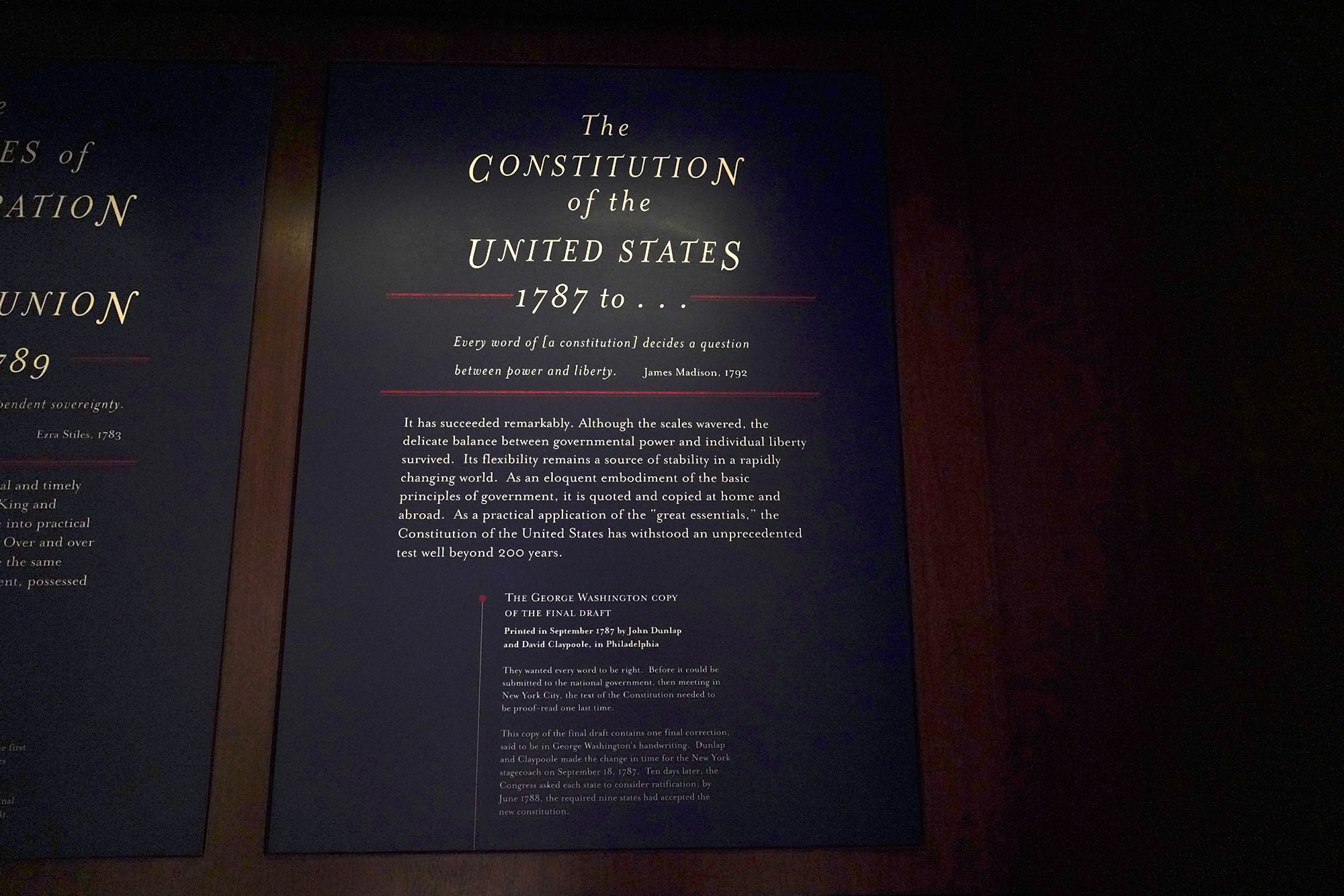
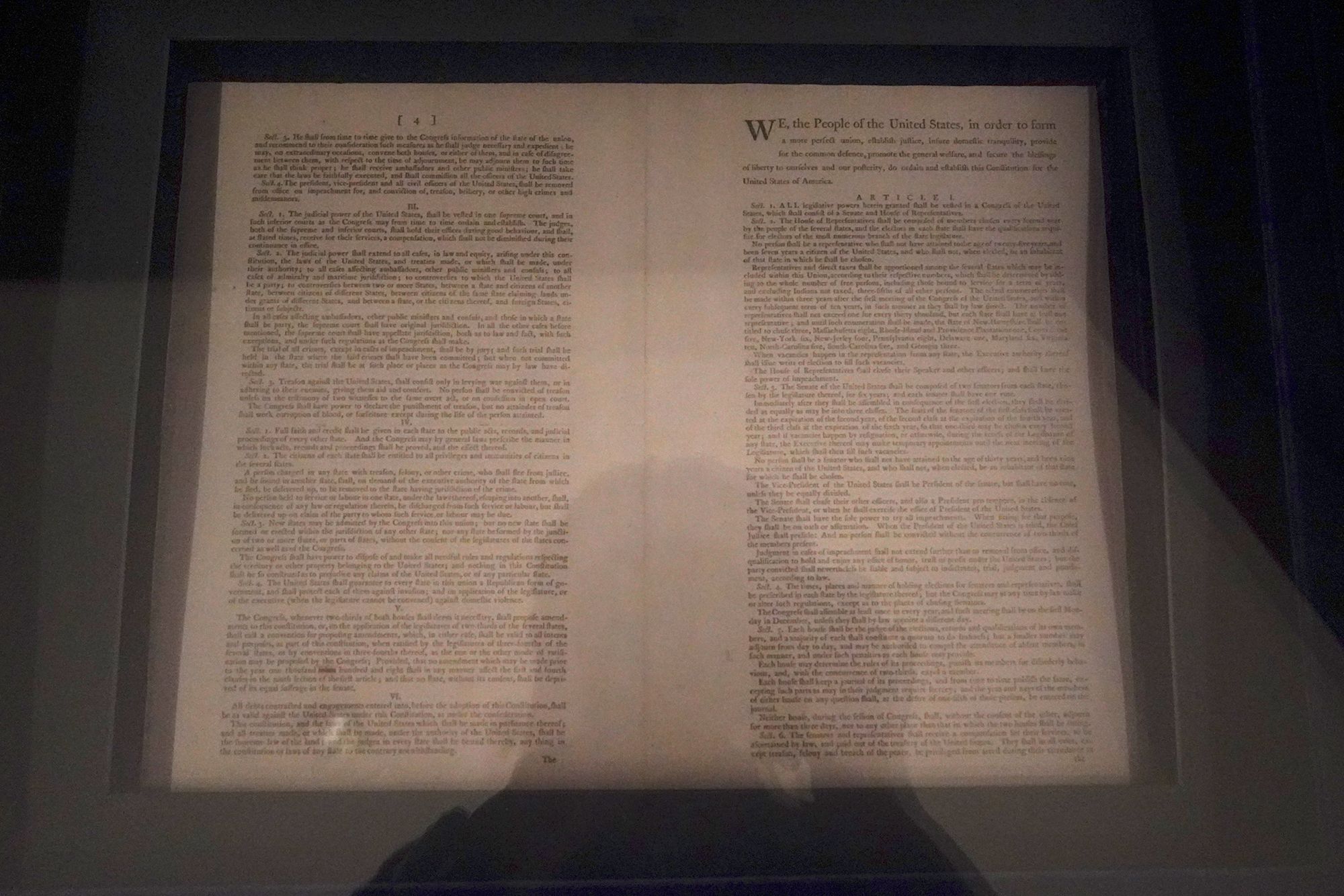
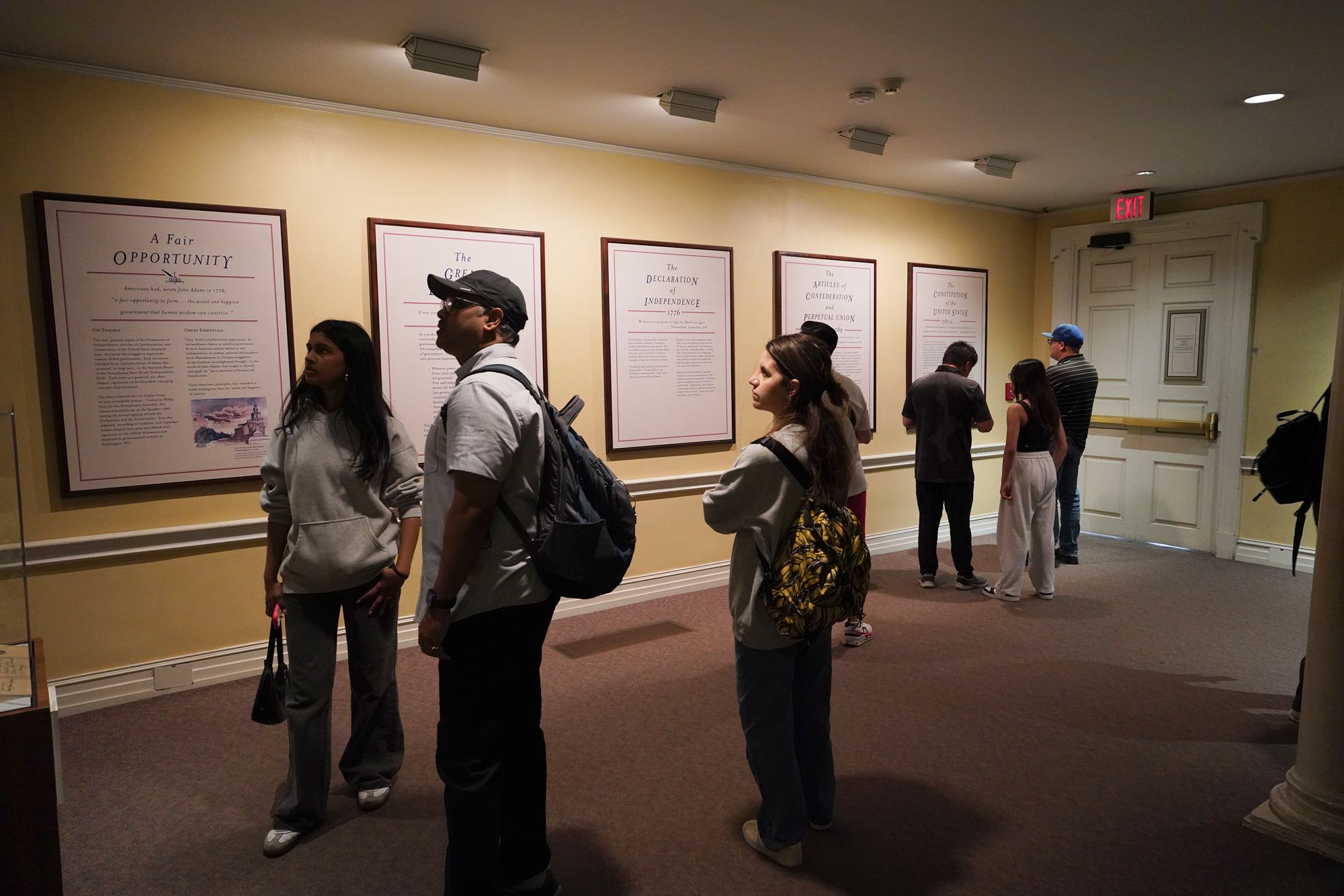
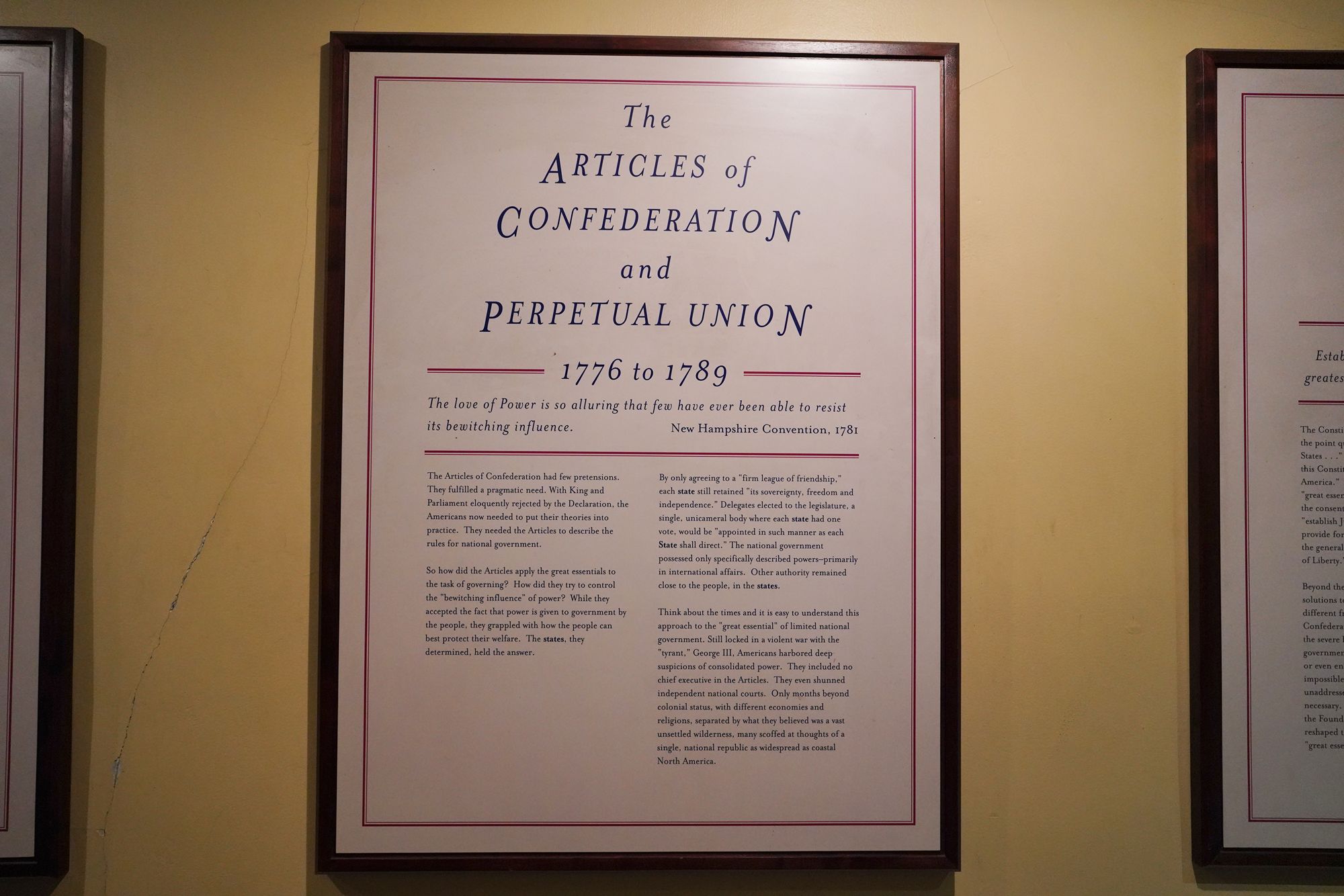
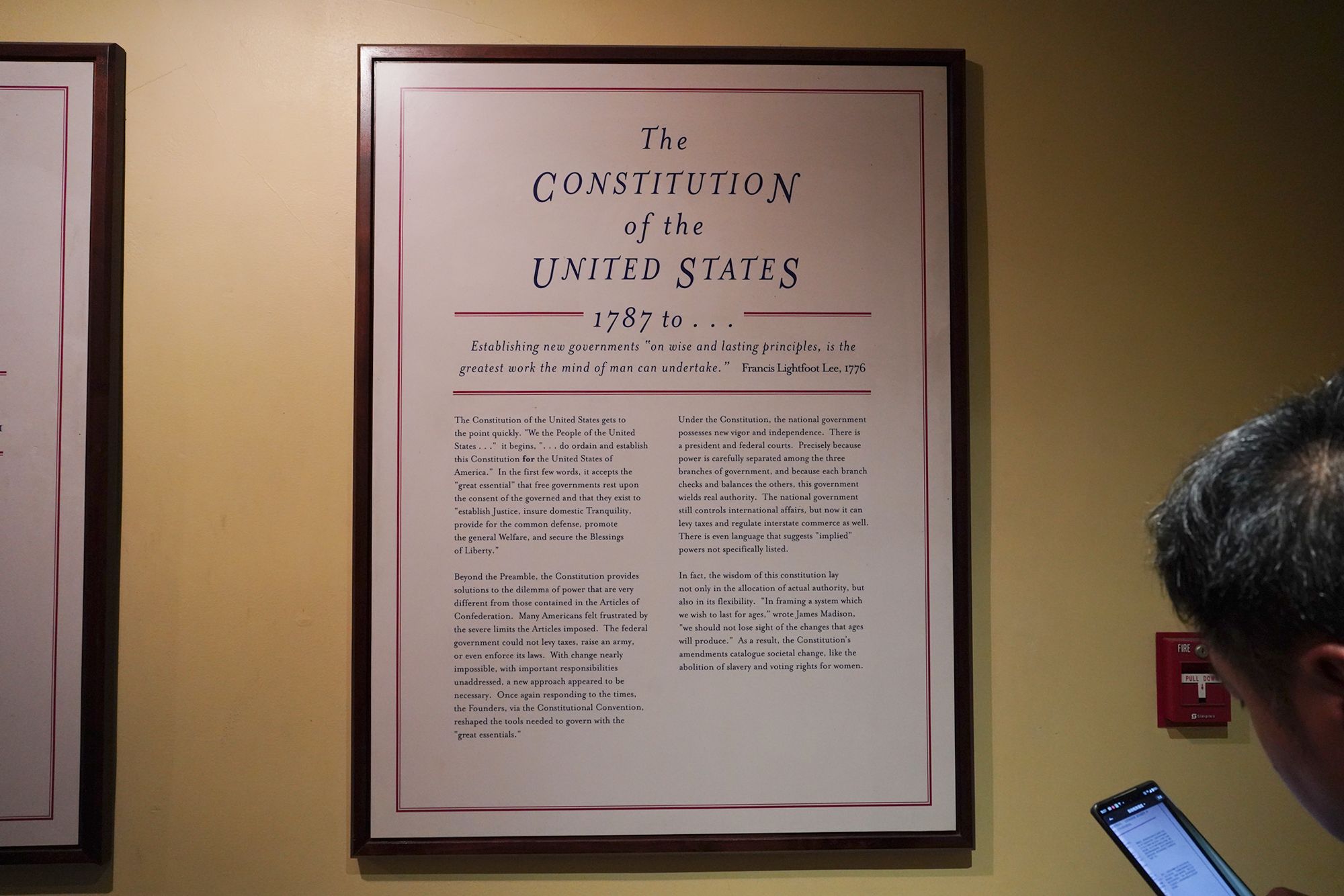
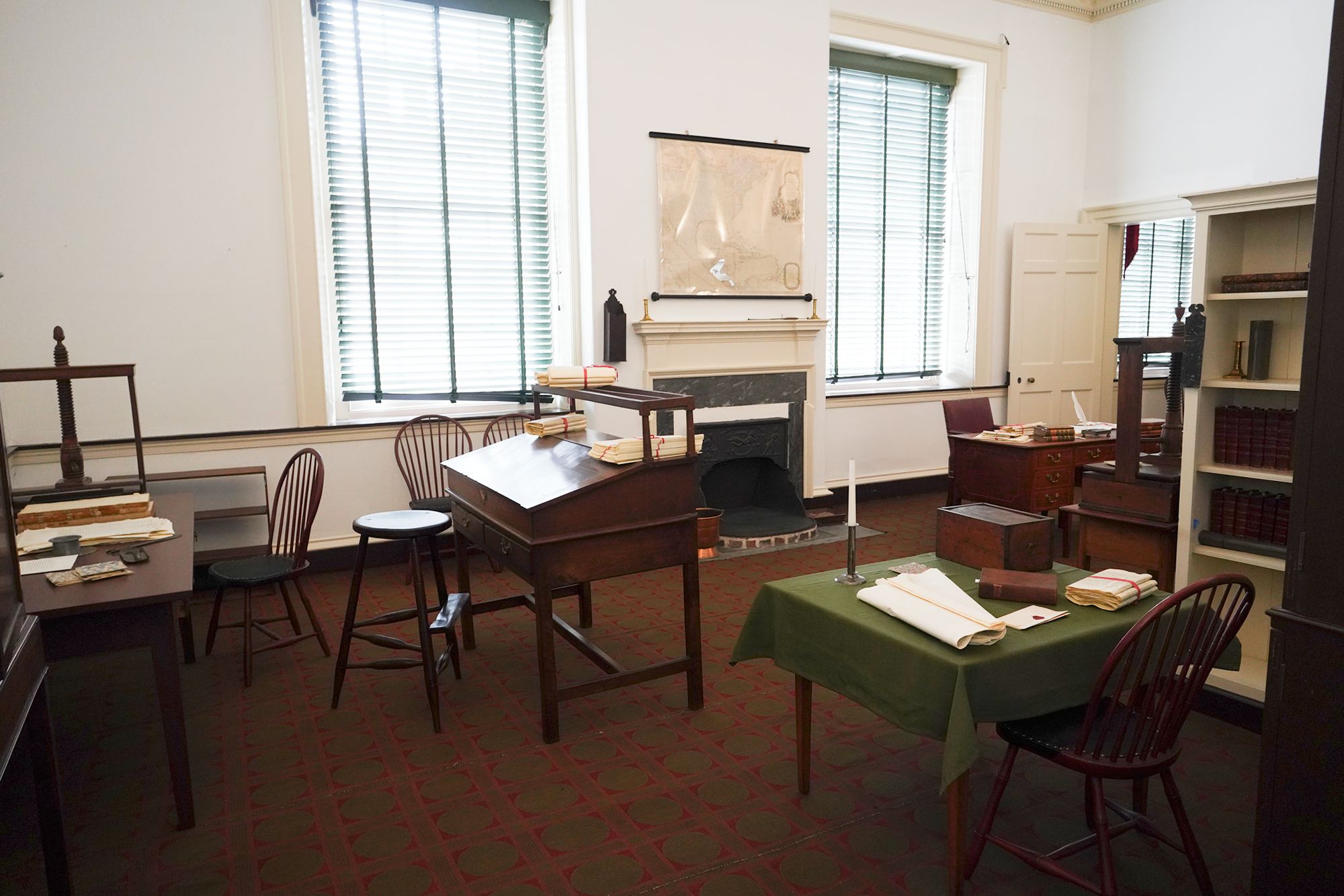
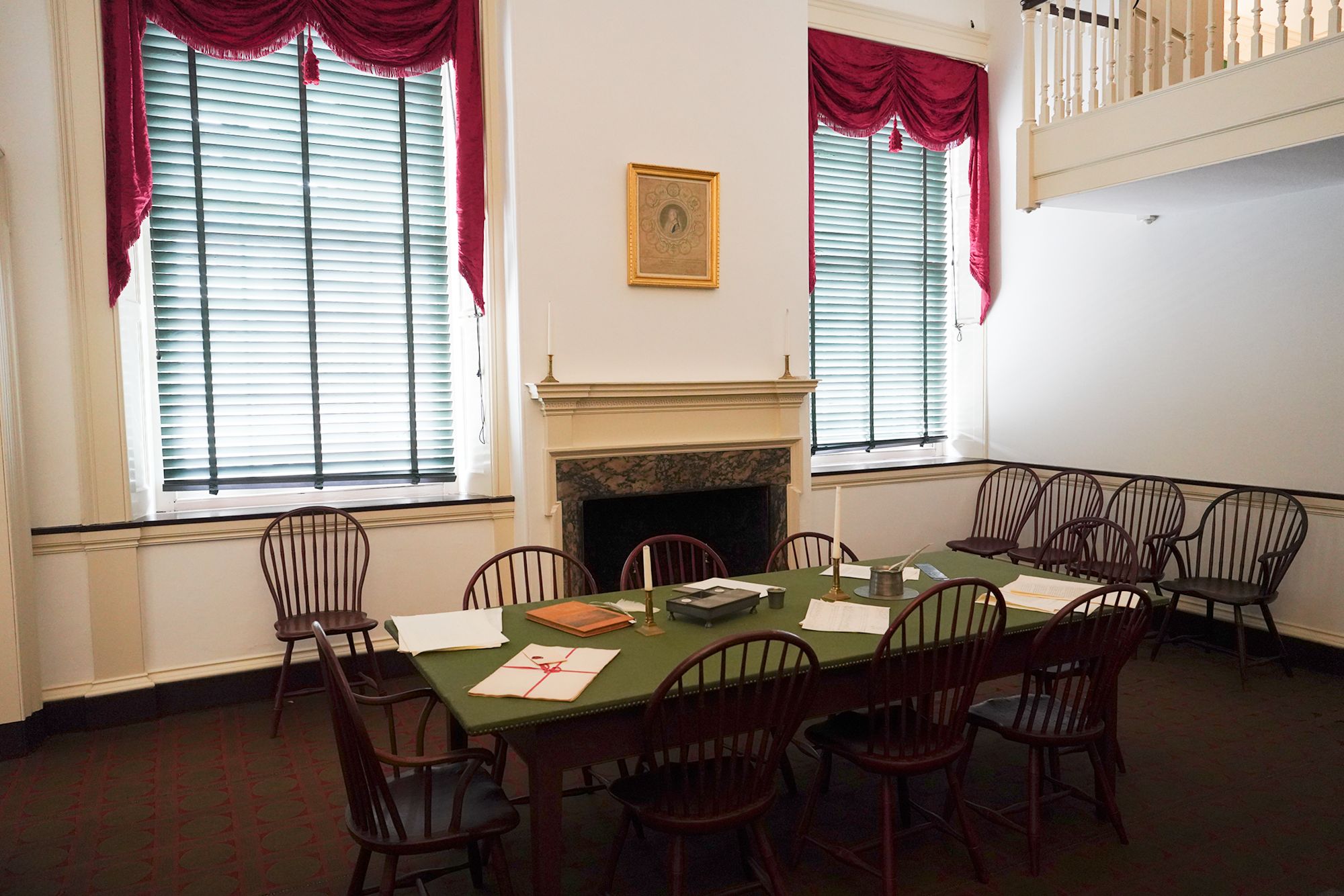
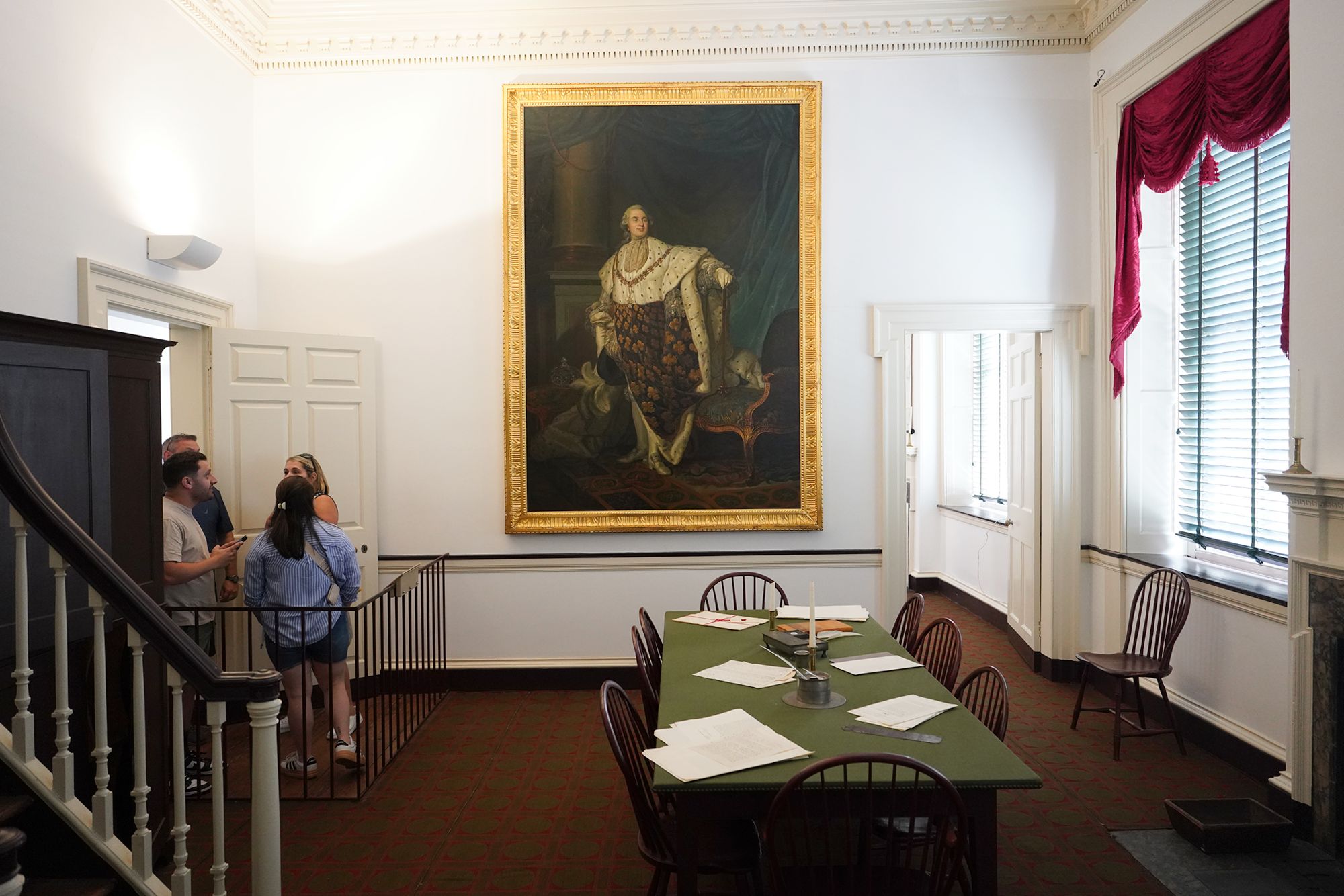
Old City Hall, located beside Independence Hall, once served as Philadelphia’s municipal government building and later housed the U.S. Supreme Court from 1791 to 1800 while the city was the temporary national capital. Inside, period-style furnishings reflect early federal judicial life and the origins of America’s court system.
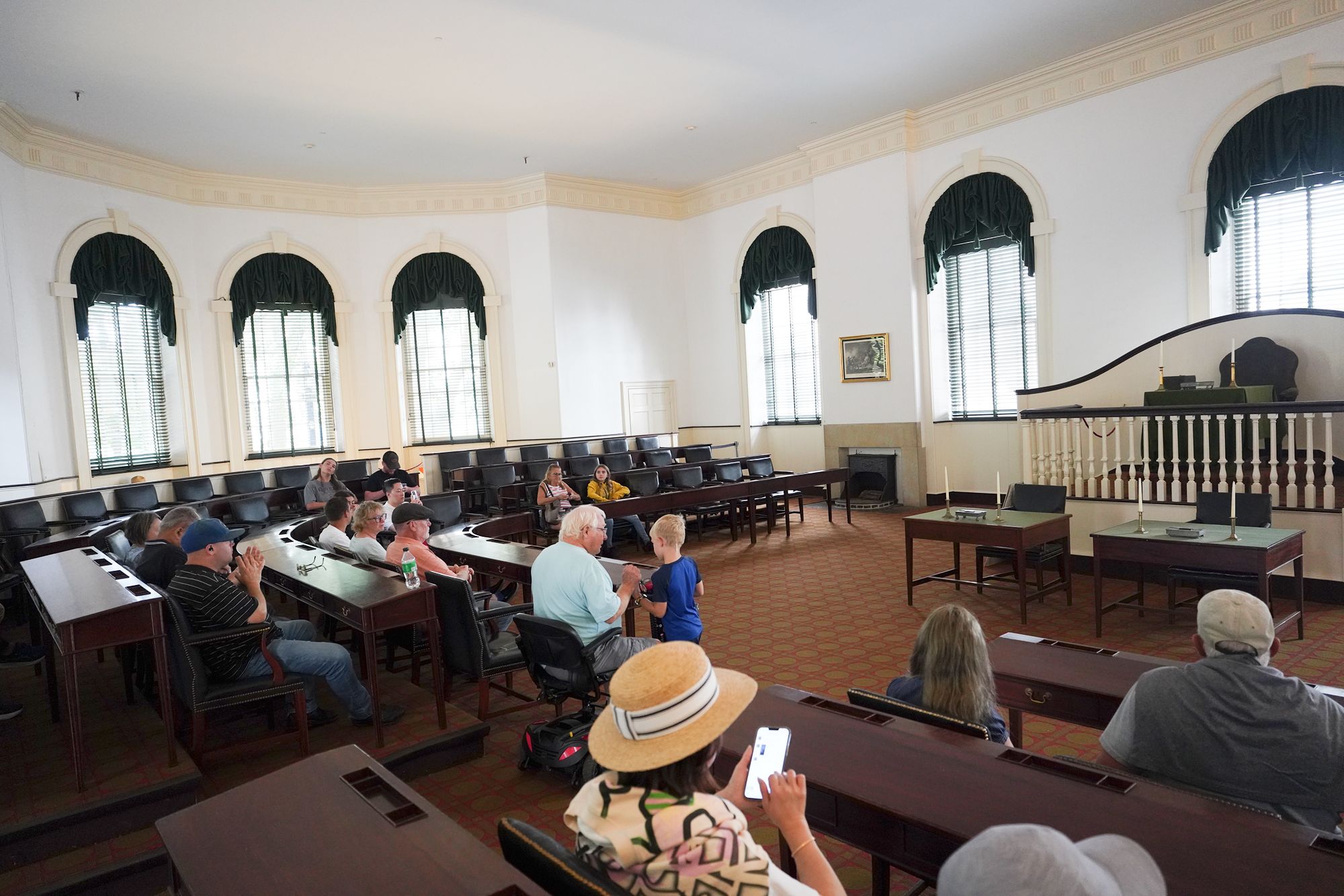
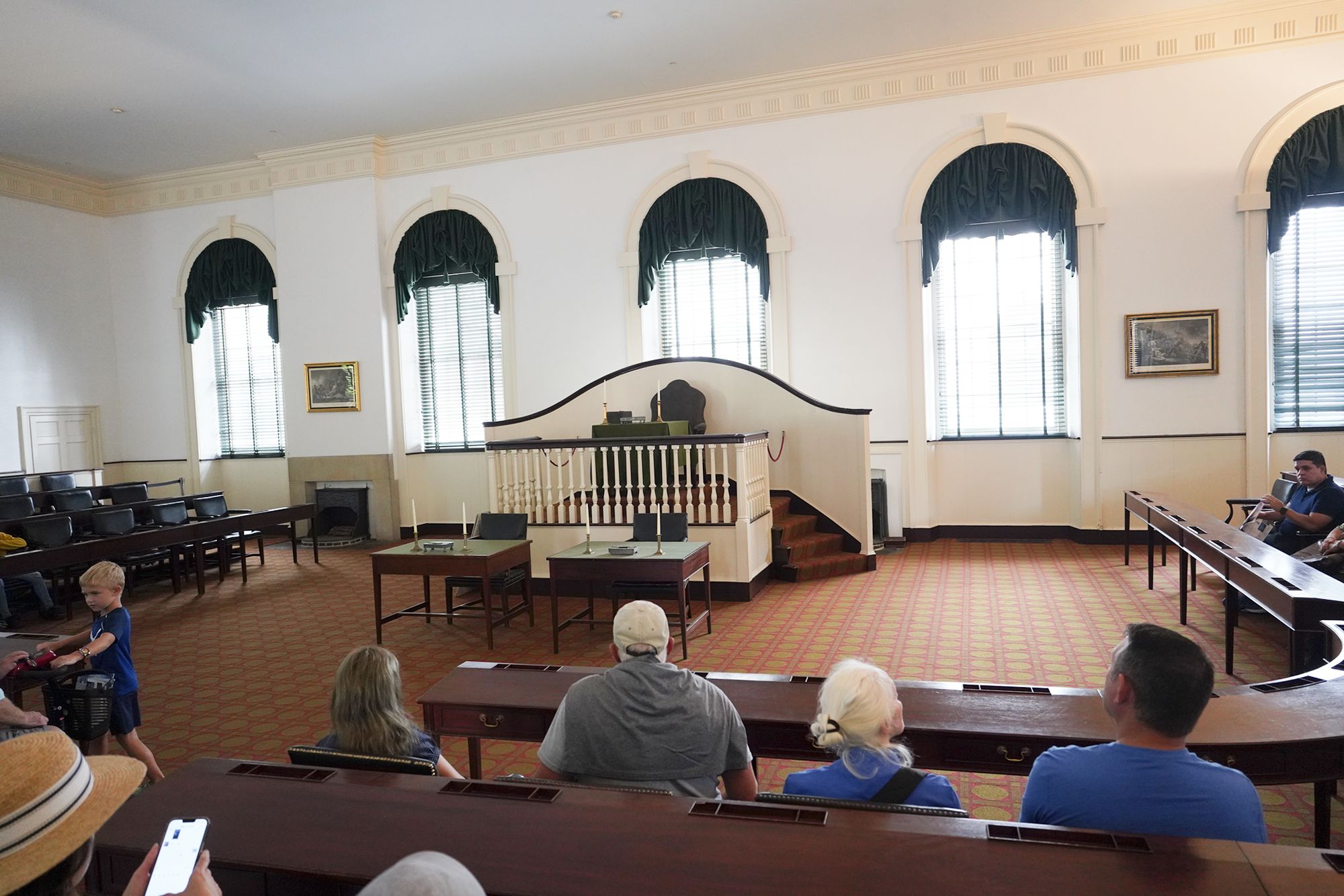
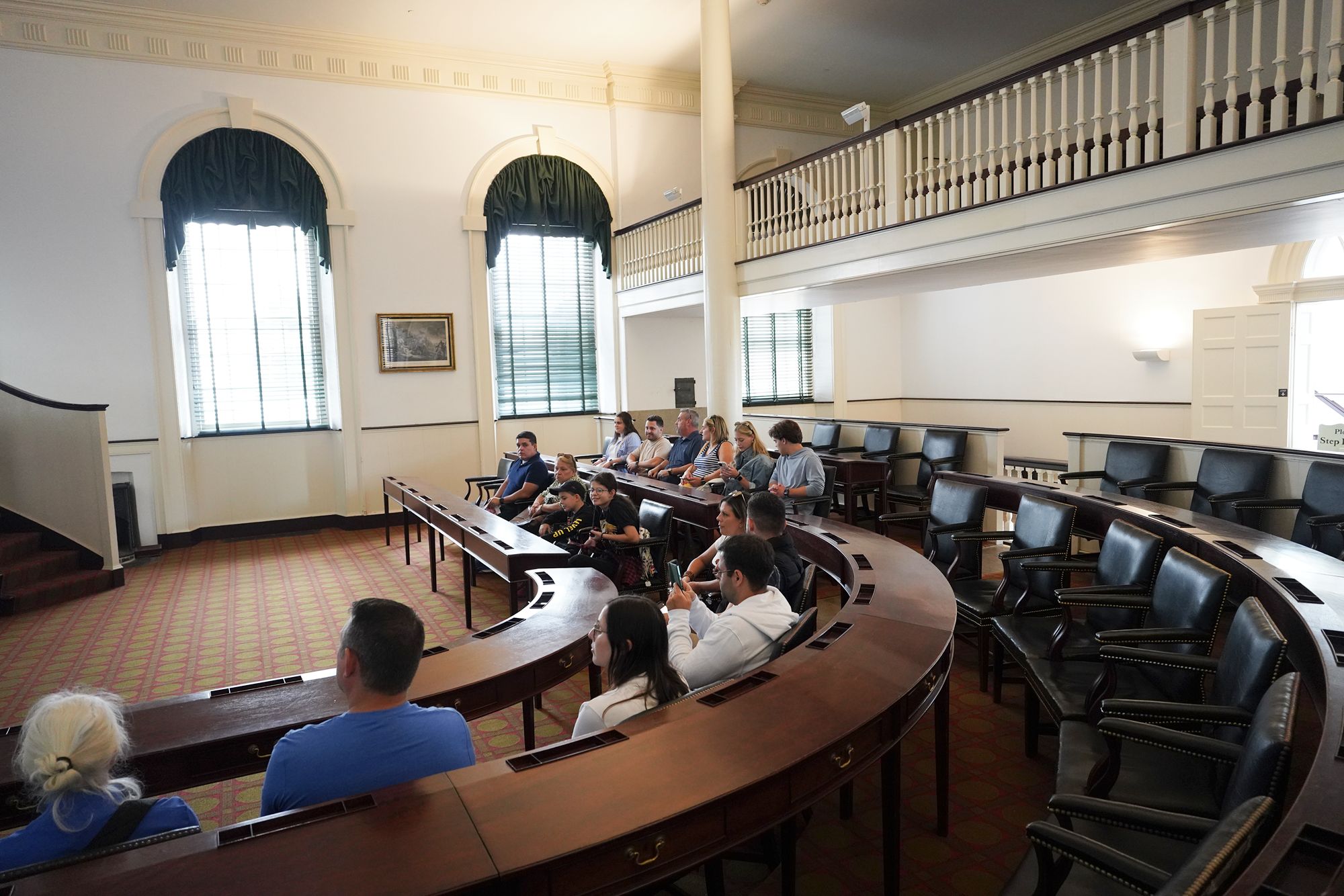
The second floor of Old City Hall. While the Supreme Court met downstairs, the upper floor housed the municipal government — meaning that Philadelphia’s local officials worked there.
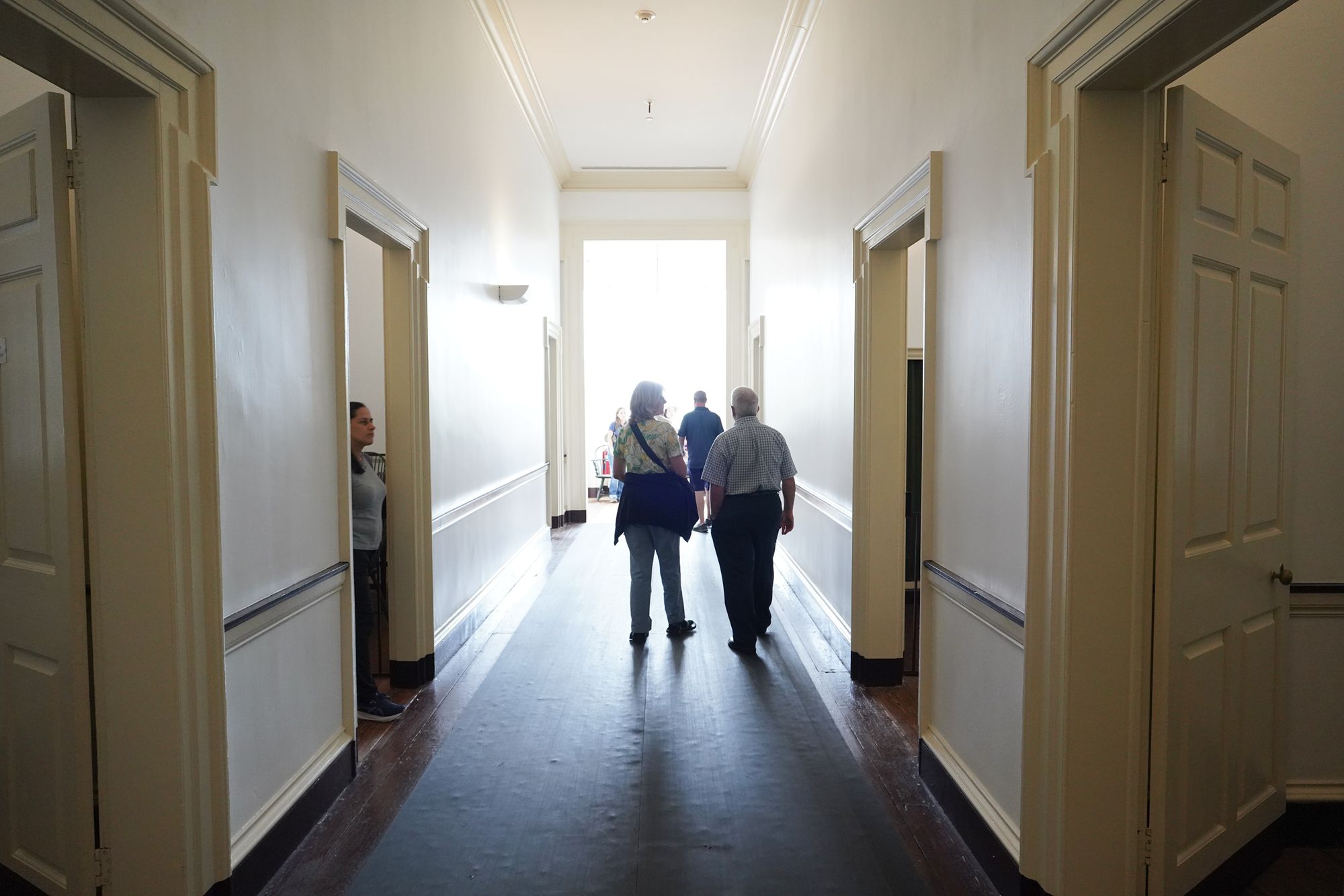
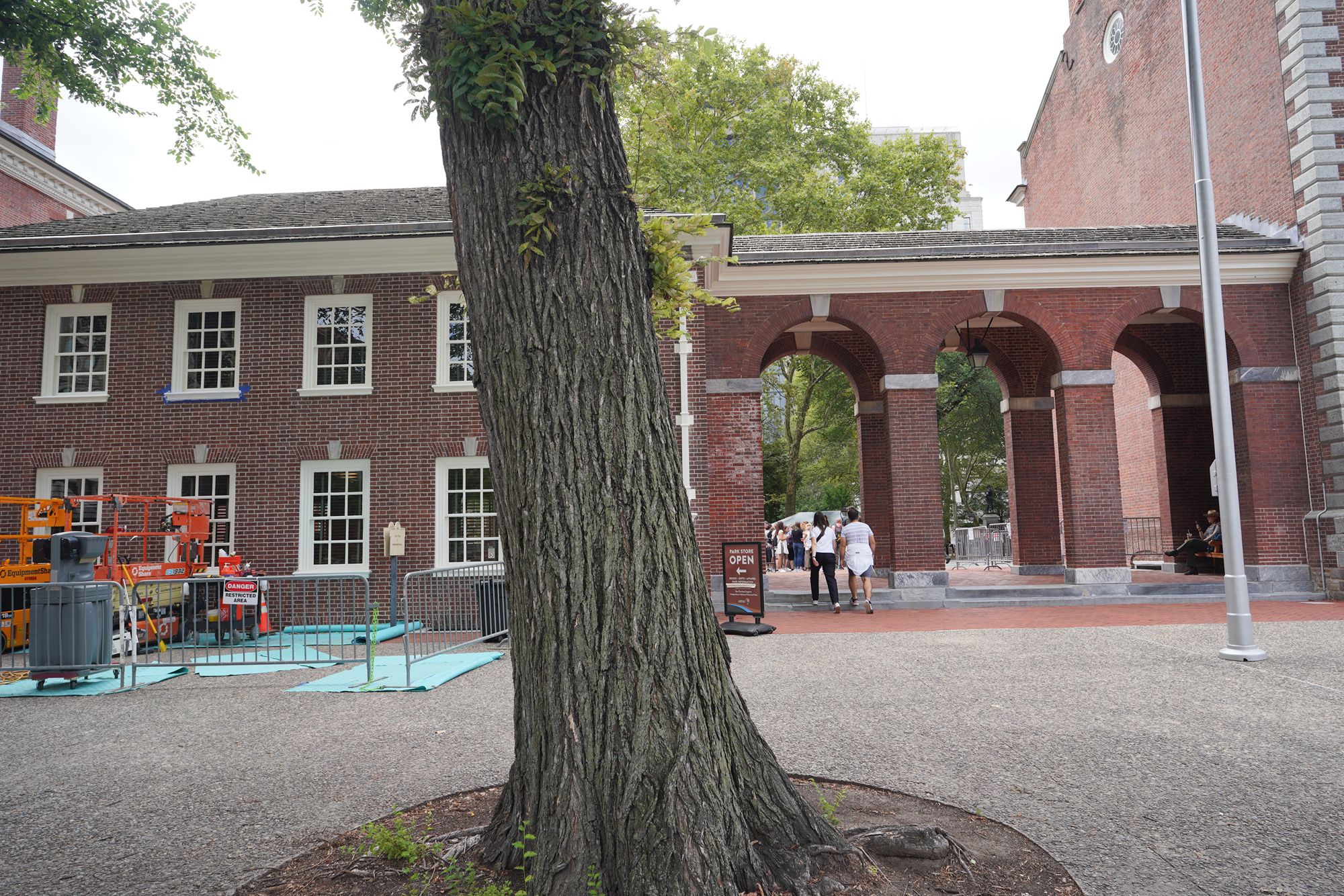
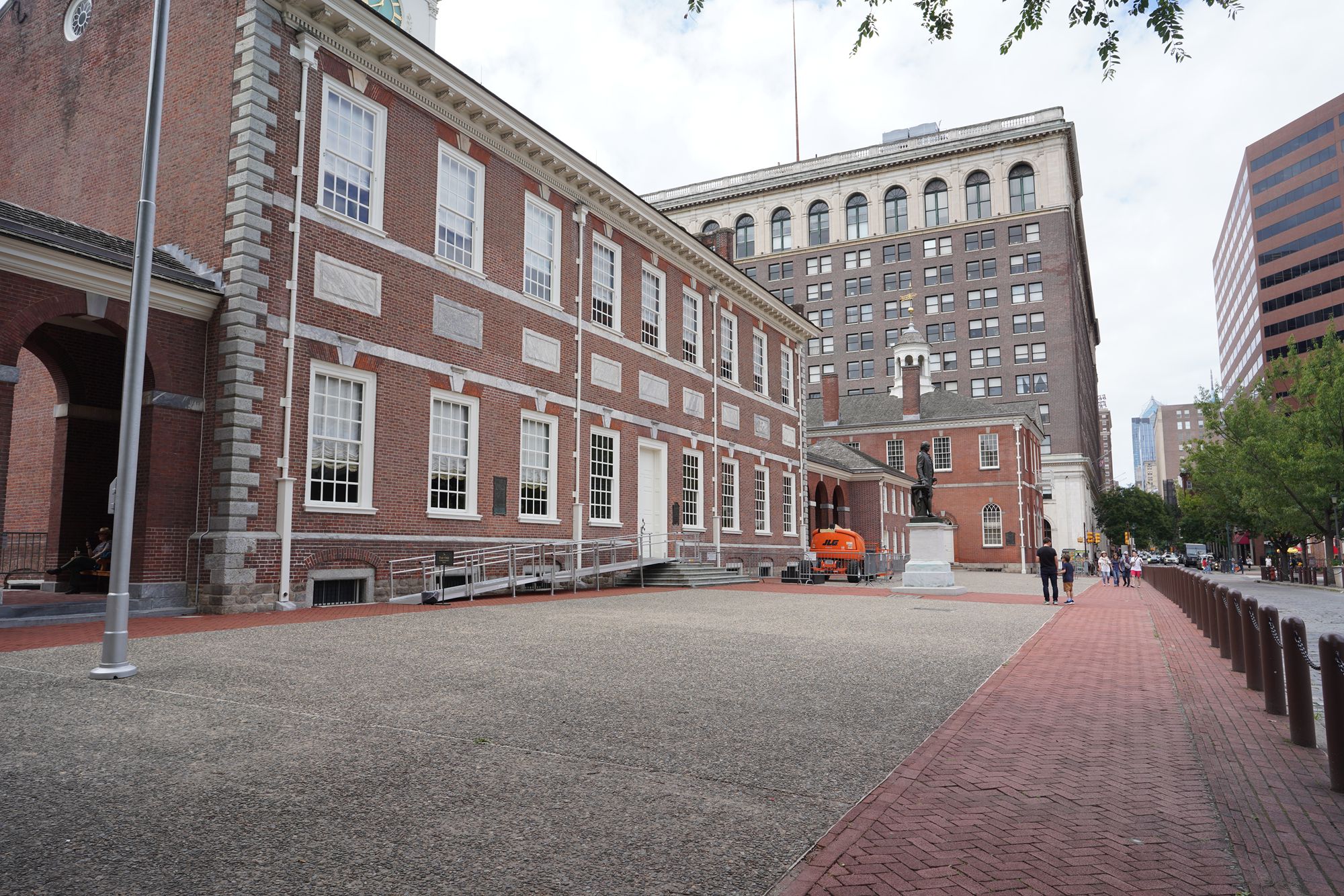
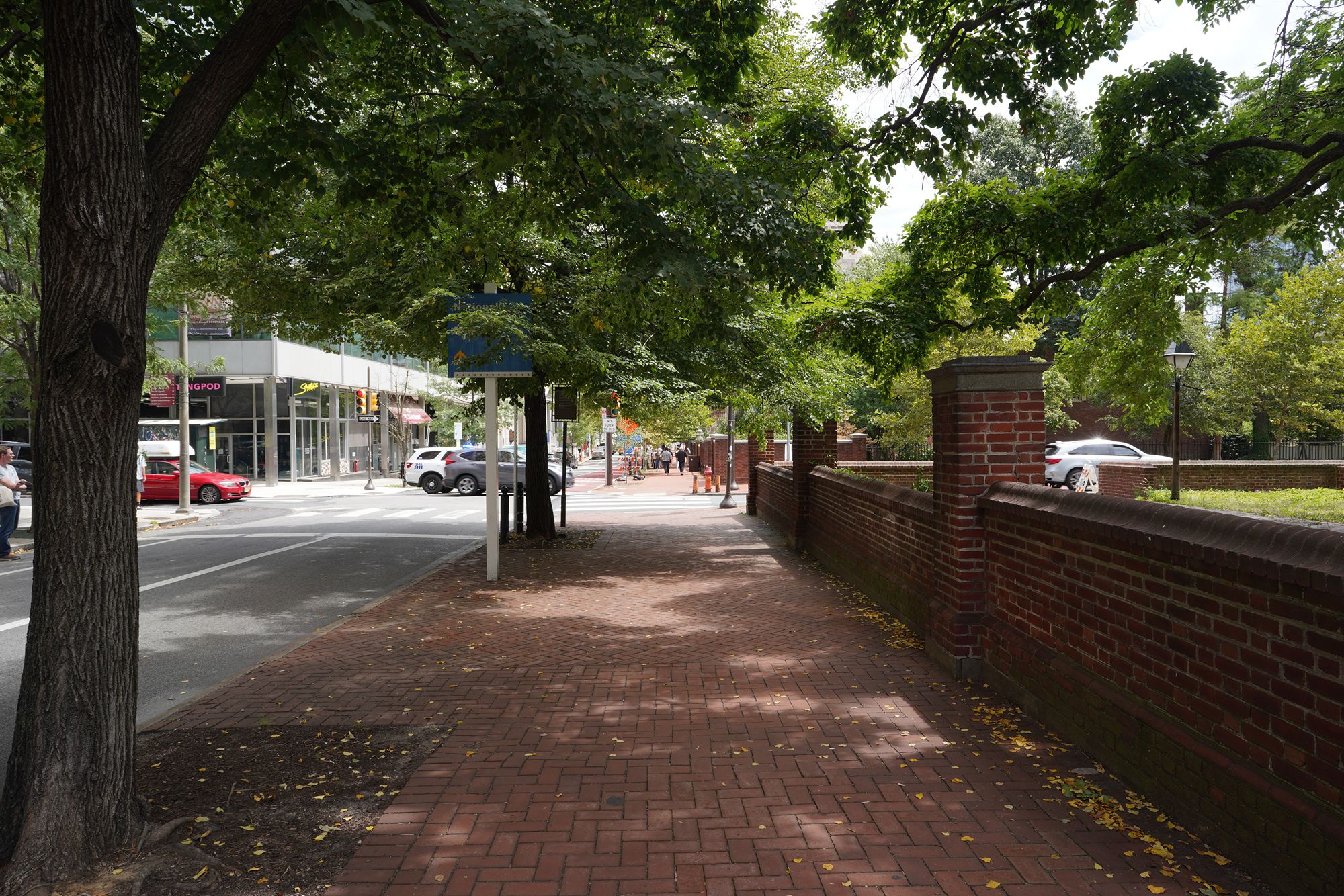
I left Independence Hall and headed to the Museum of the American Revolution.
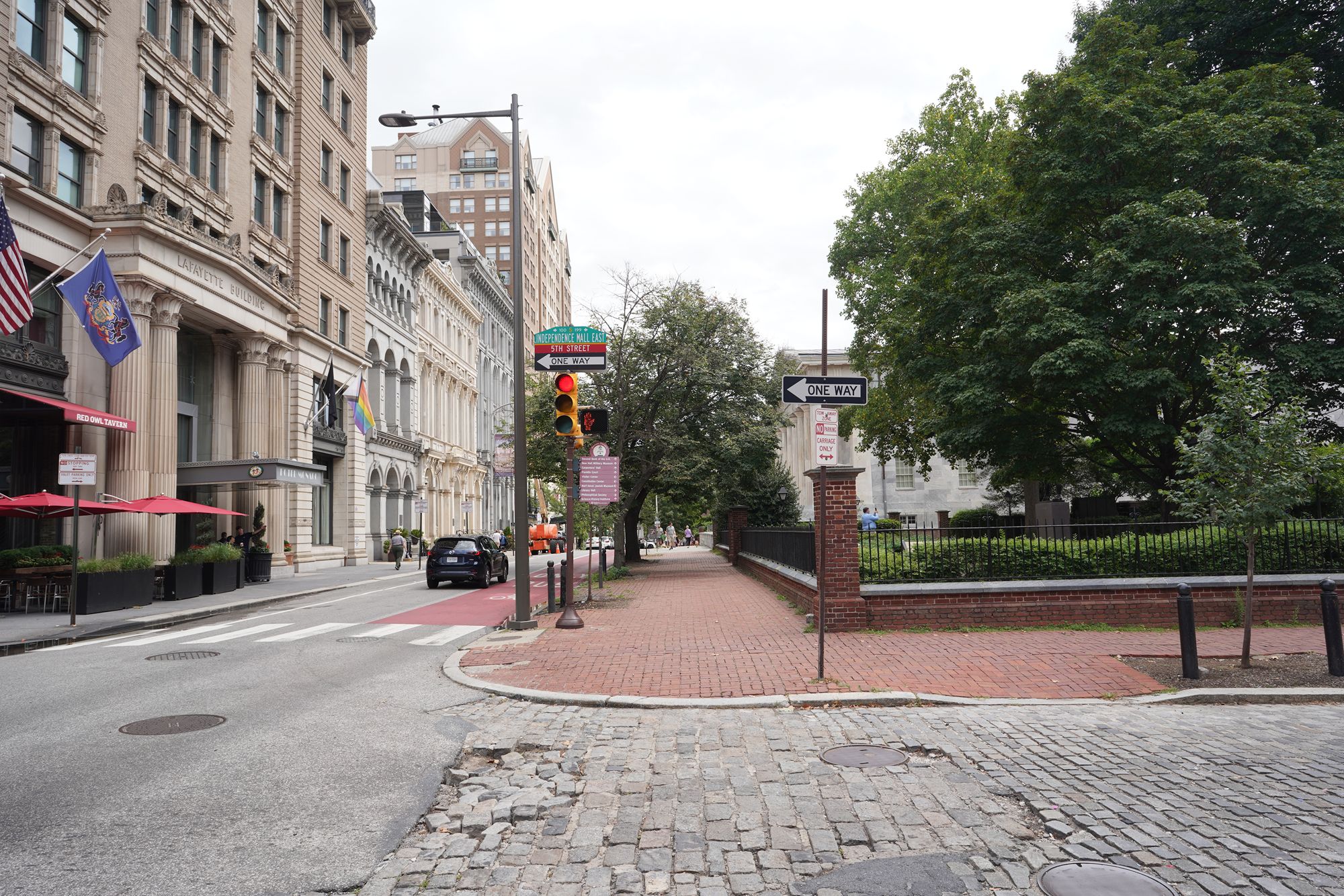
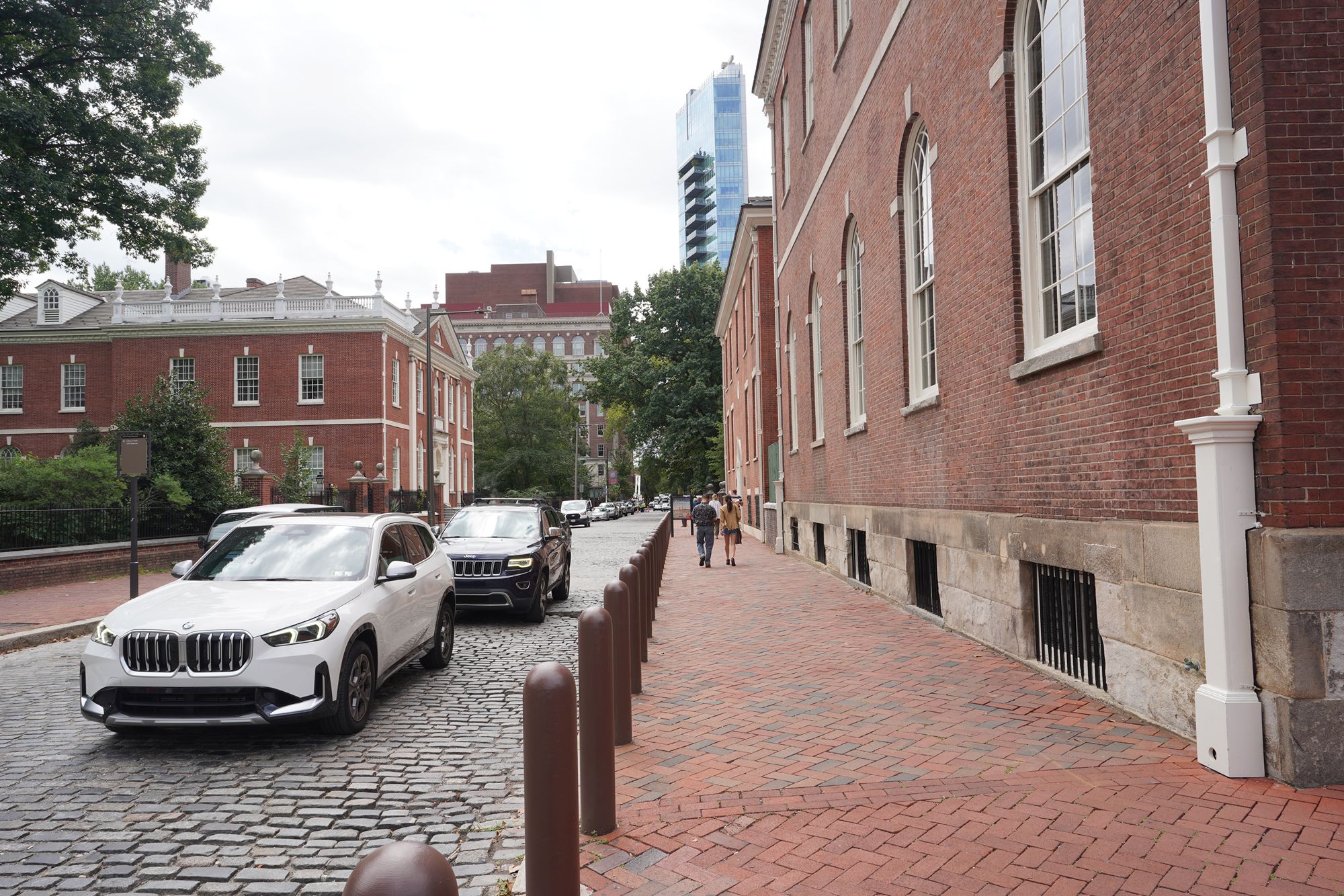
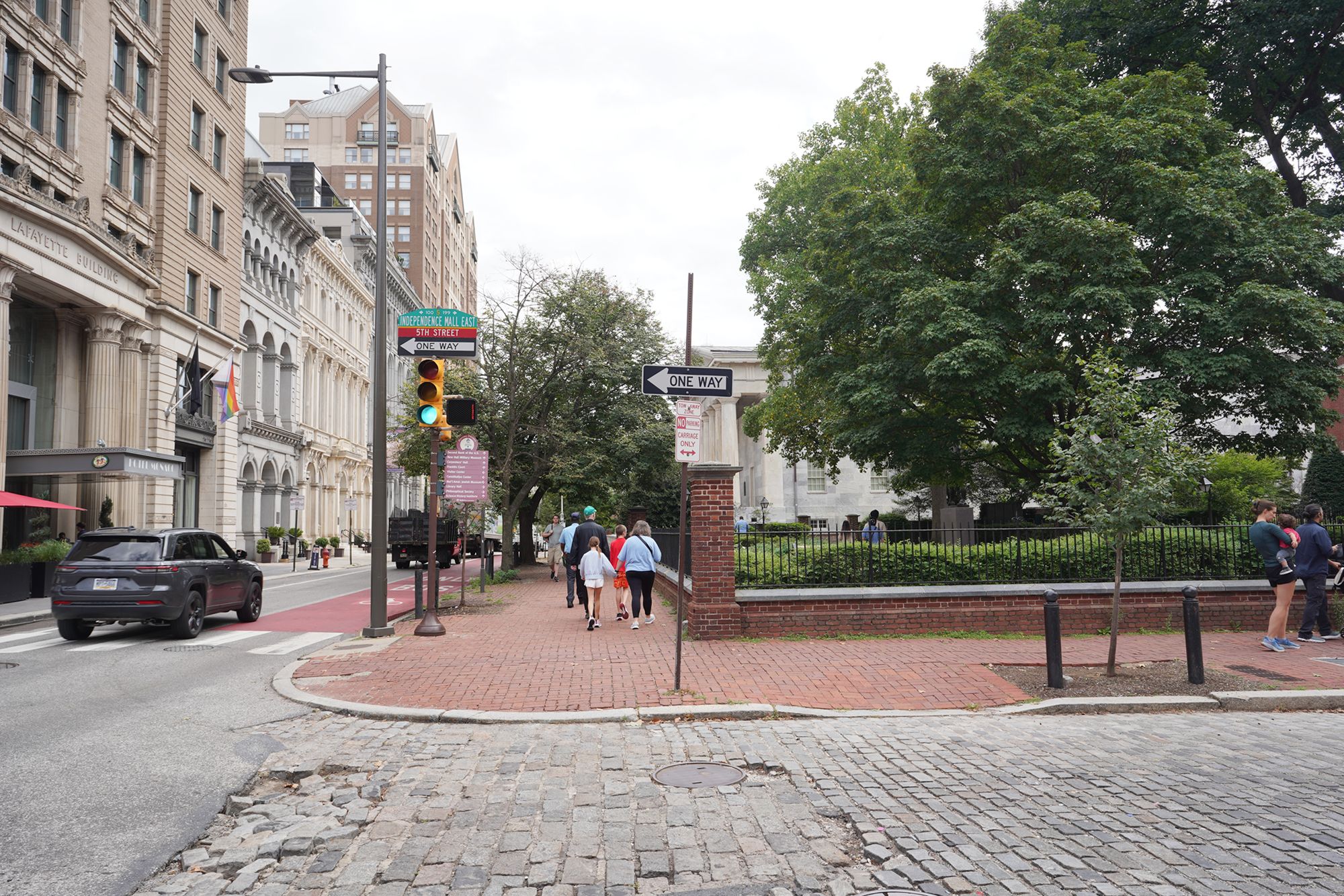
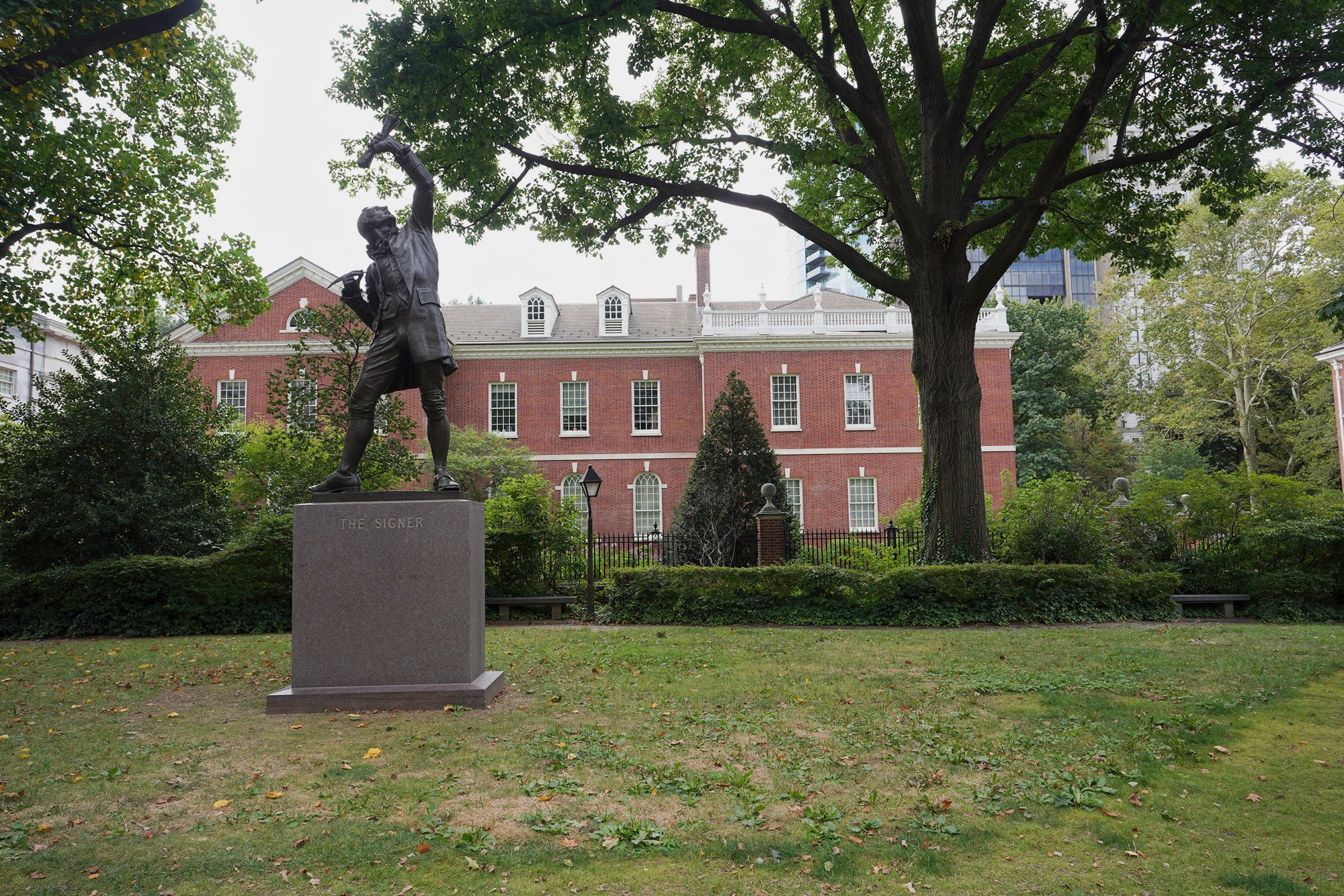
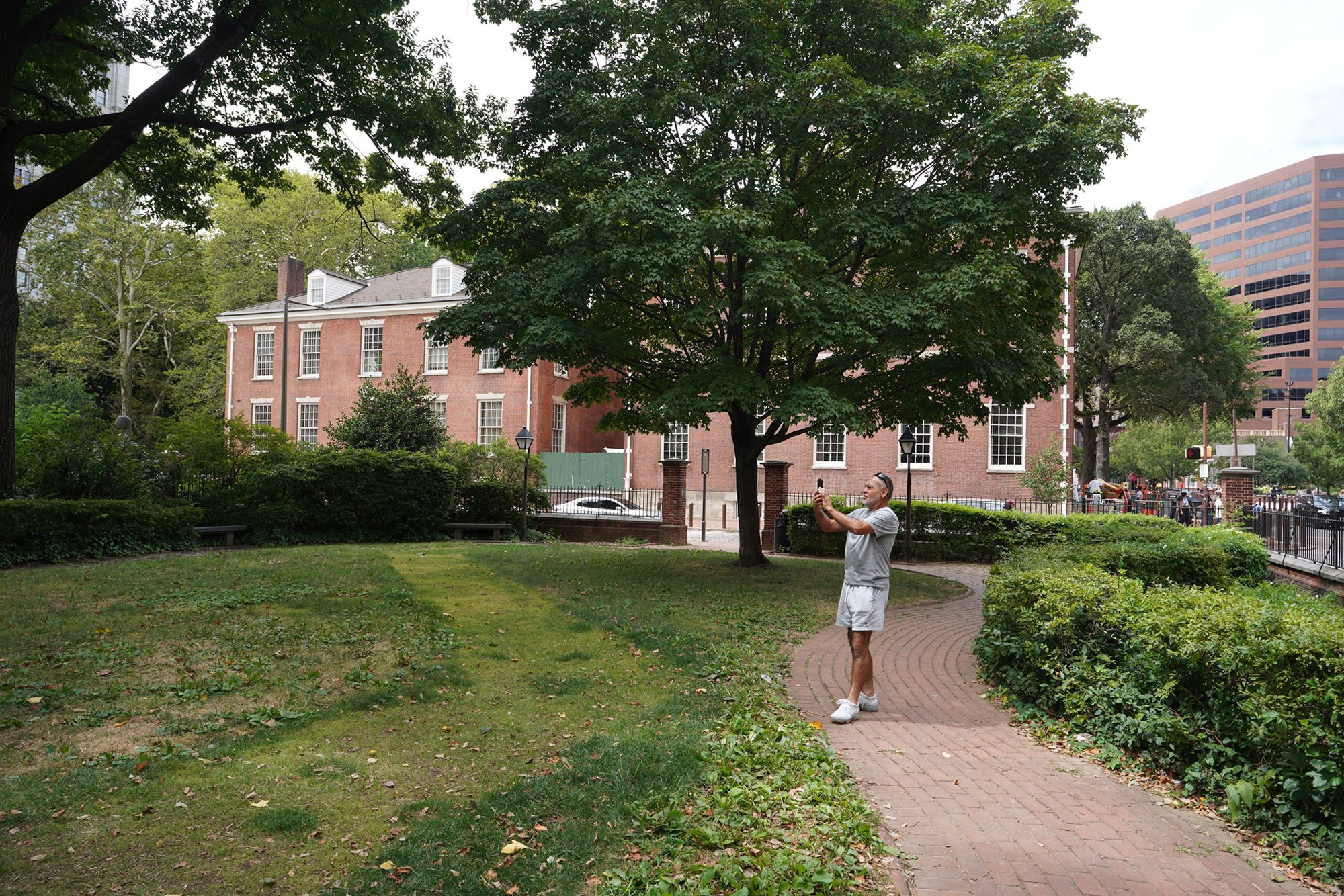
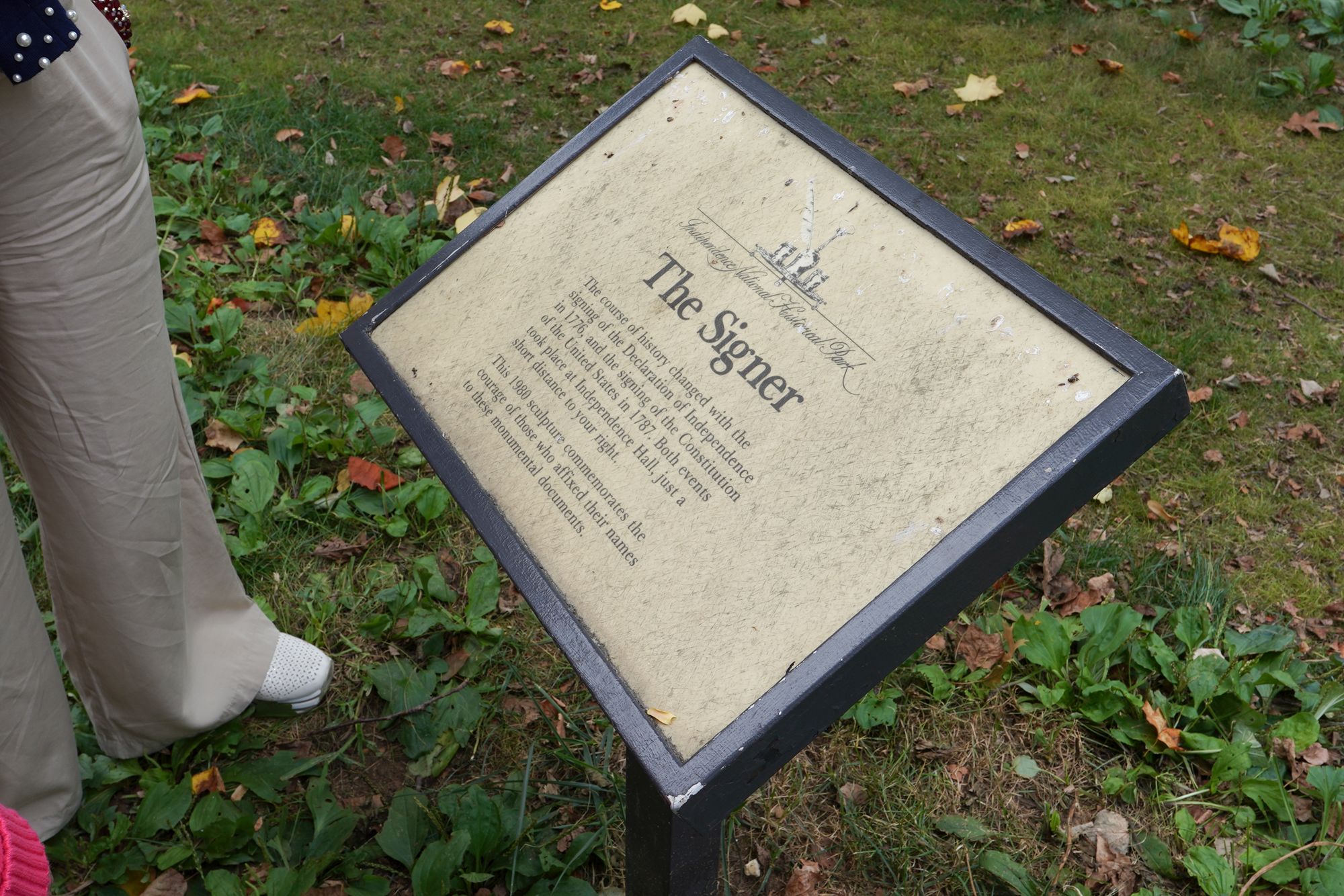
Signers’ Garden, across from Independence Hall, features The Signer statue honoring George Clymer and all who signed America’s founding documents. This small, peaceful park offers a reflective space to appreciate the courage behind the Declaration of Independence and the Constitution.
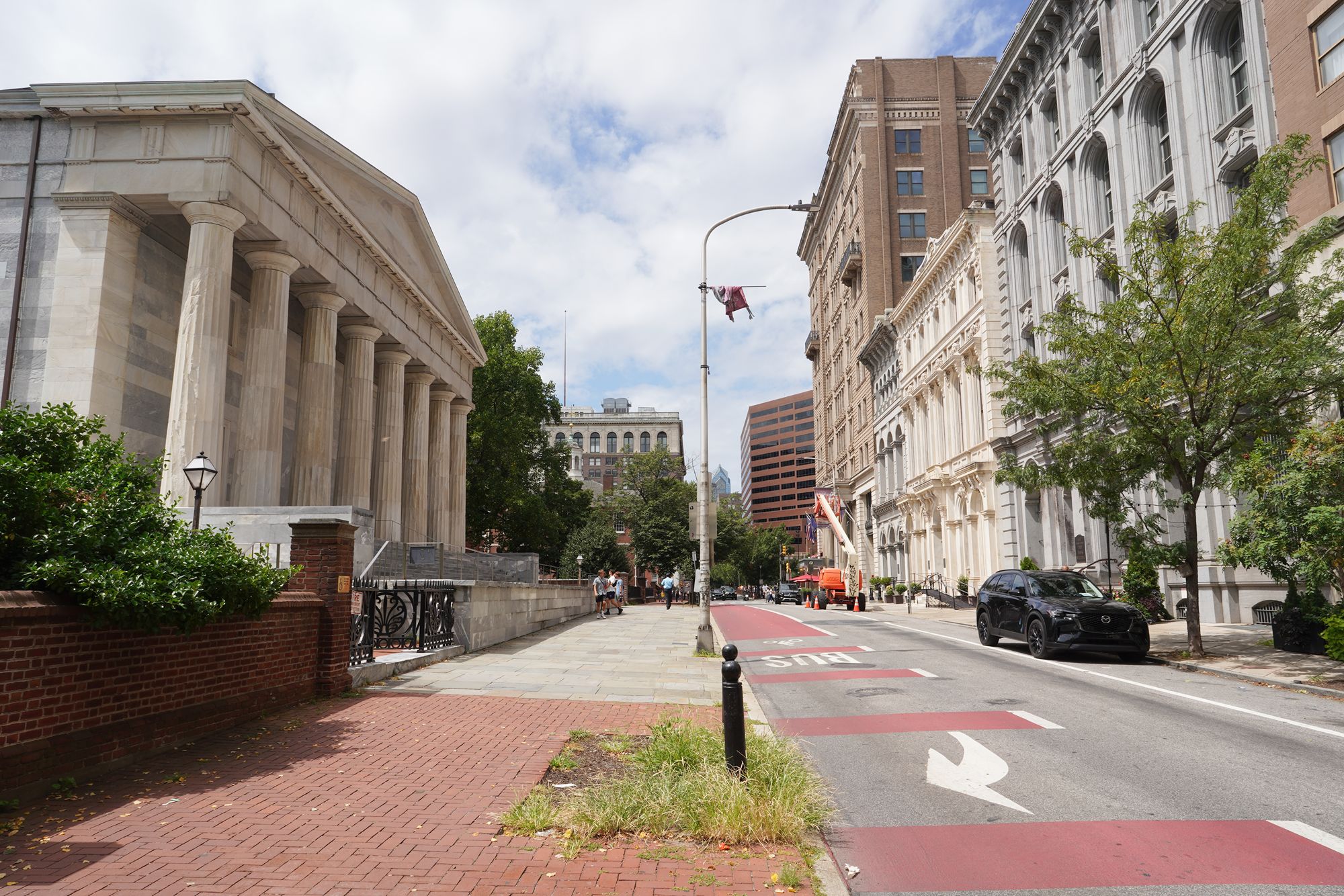
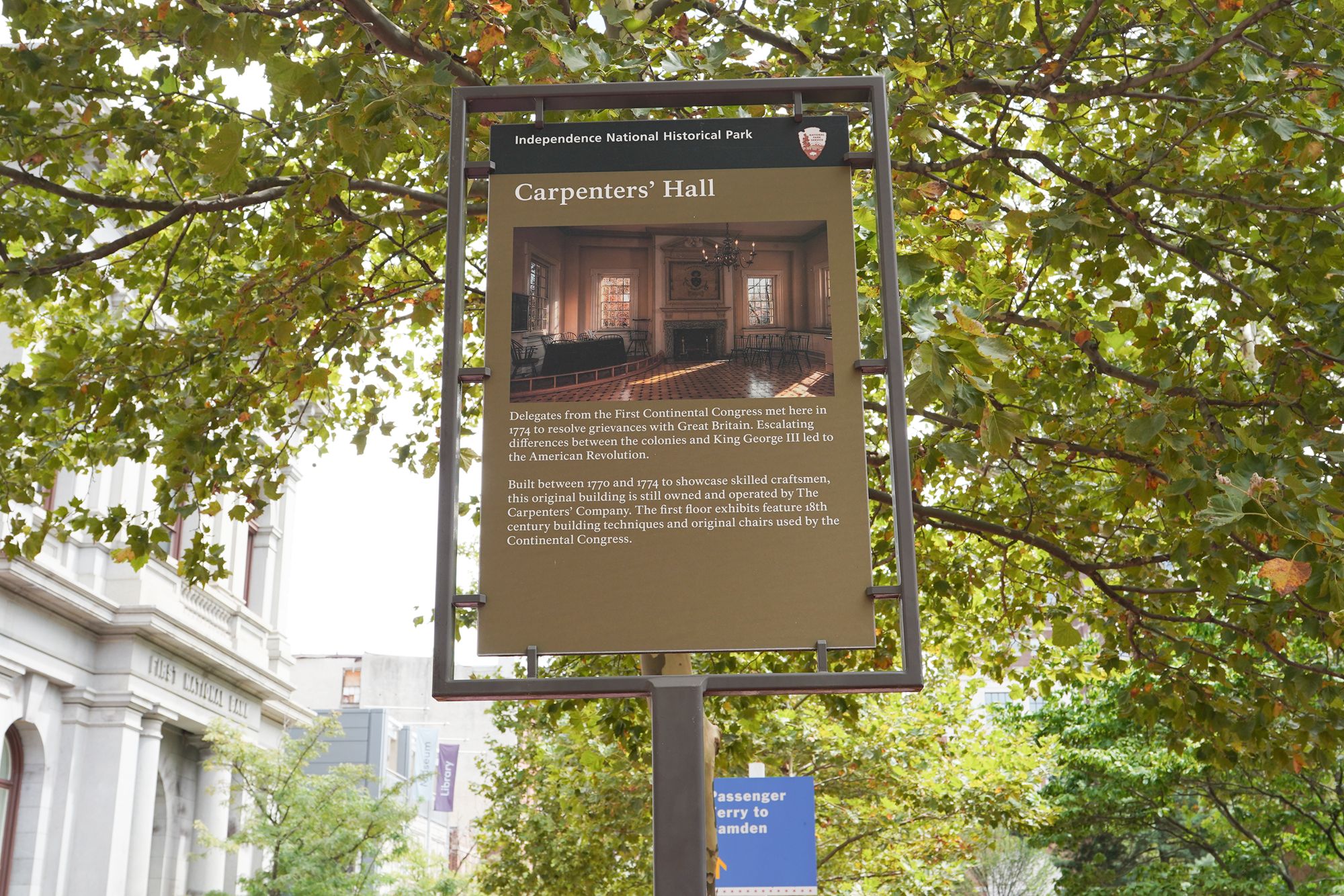
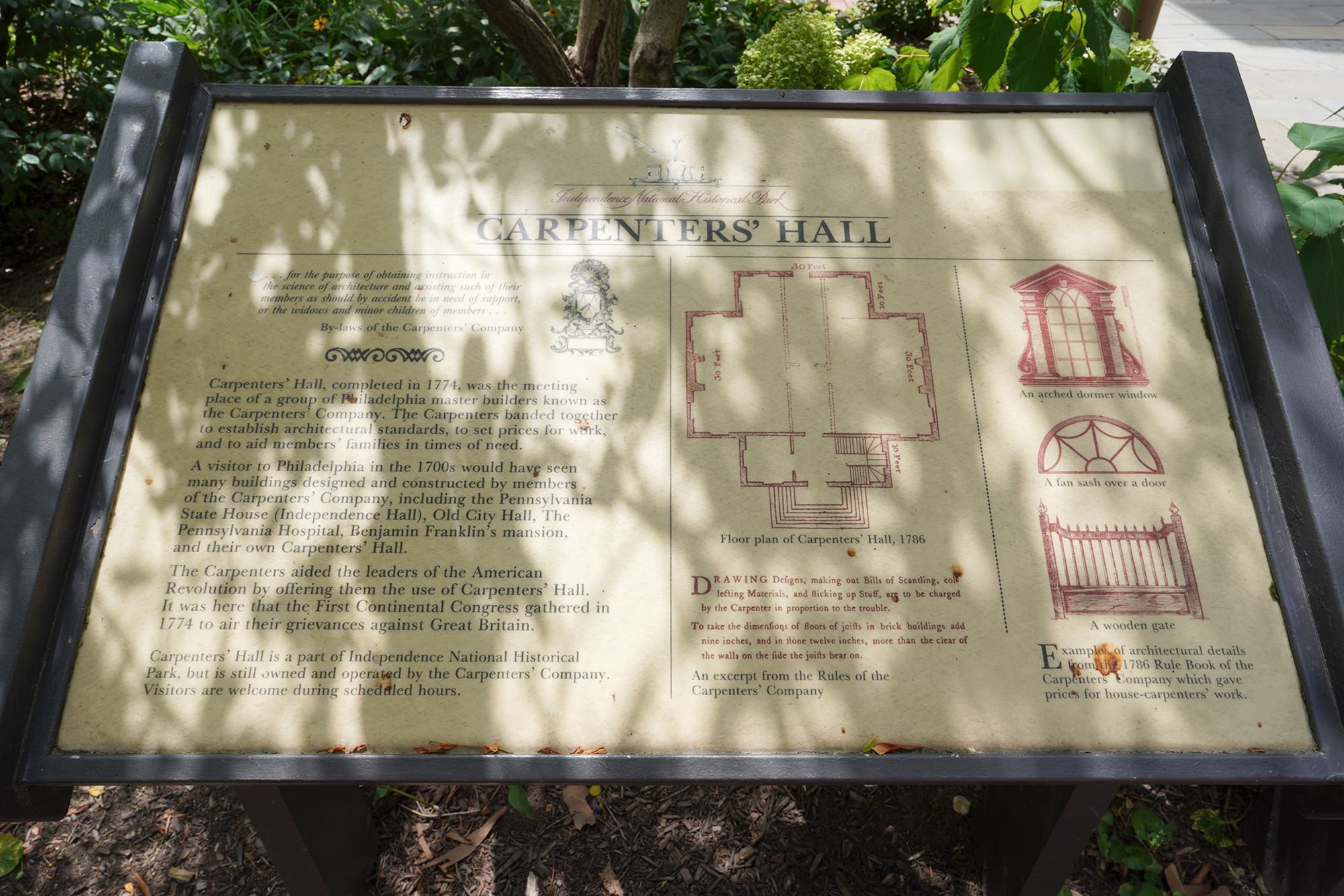
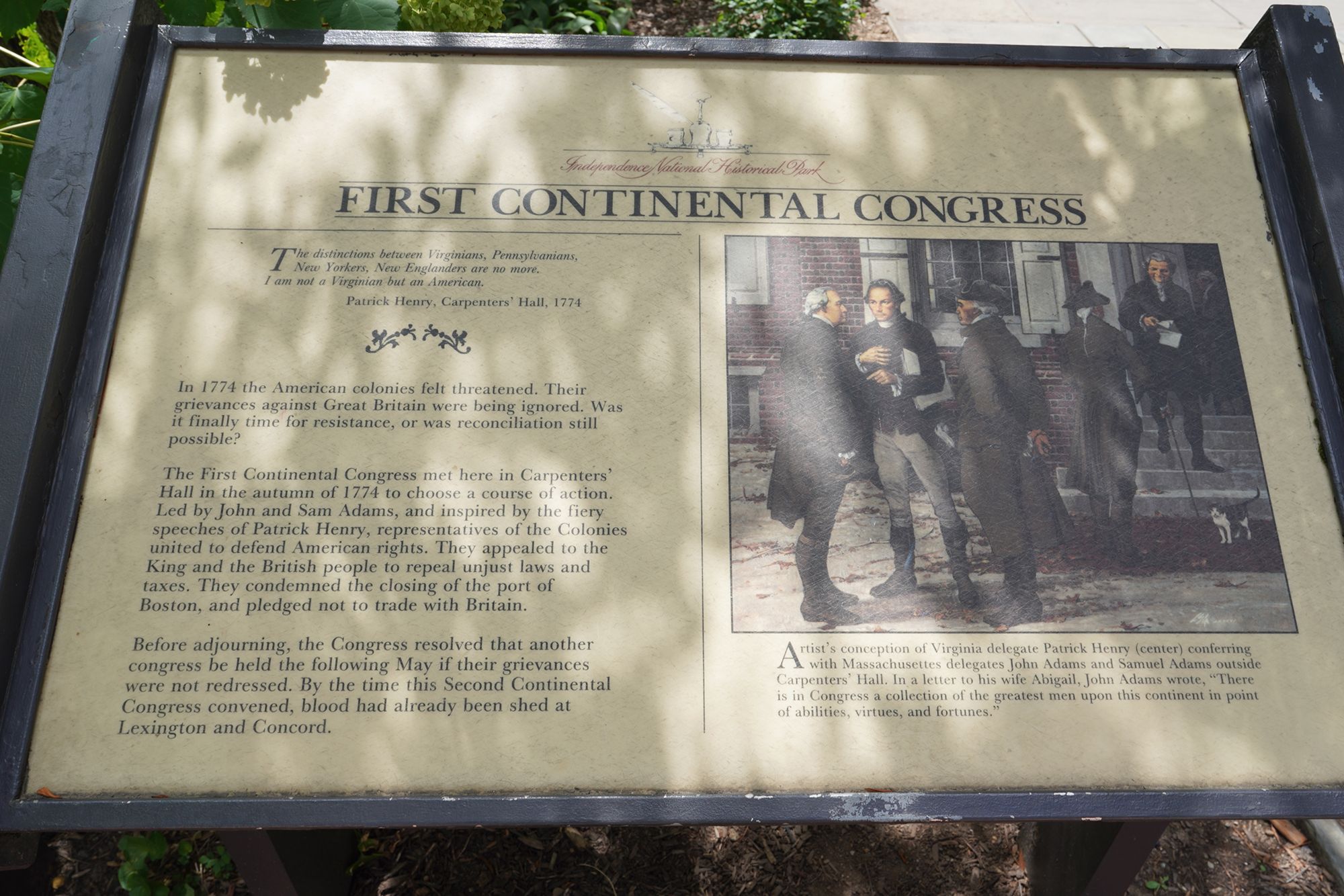
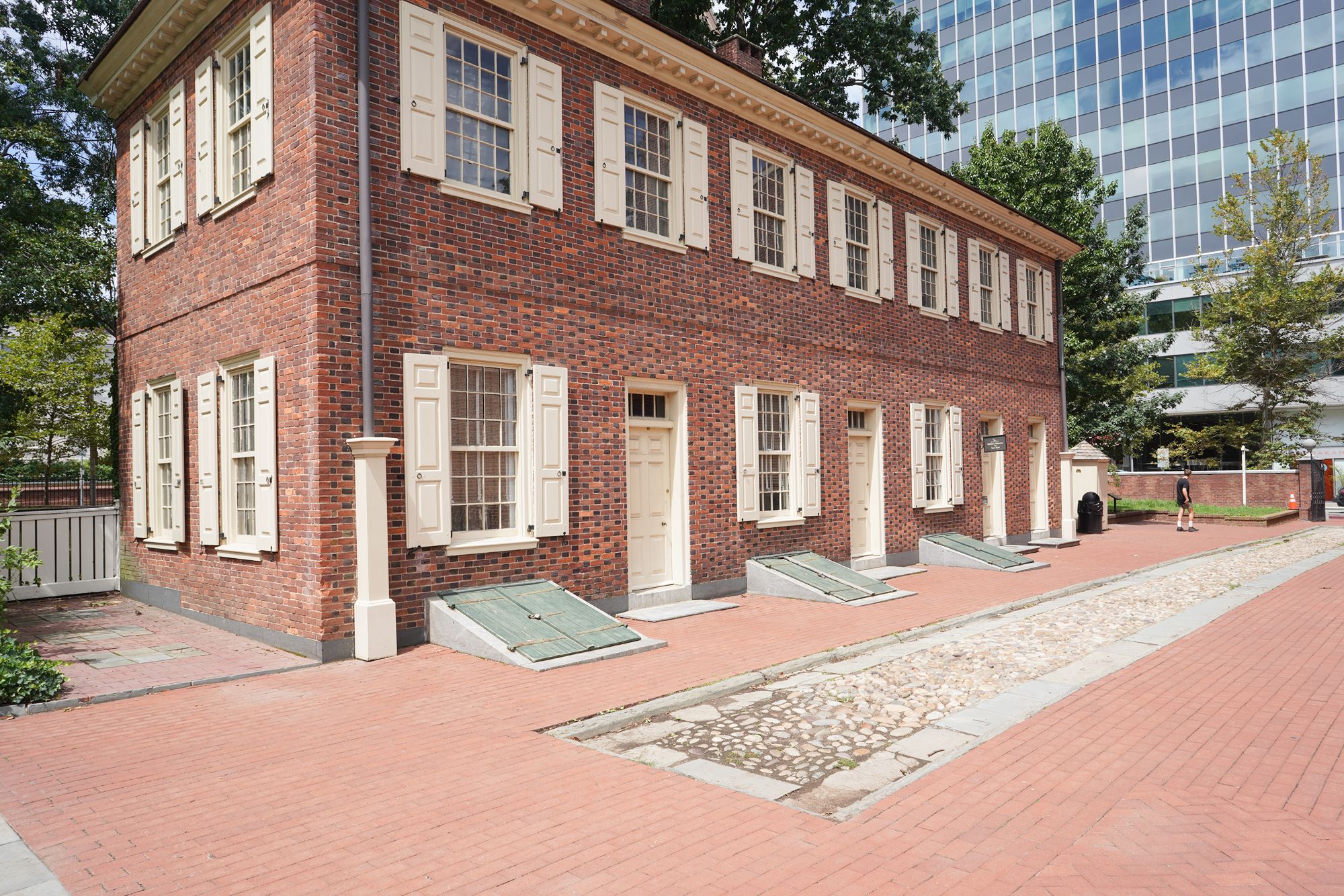
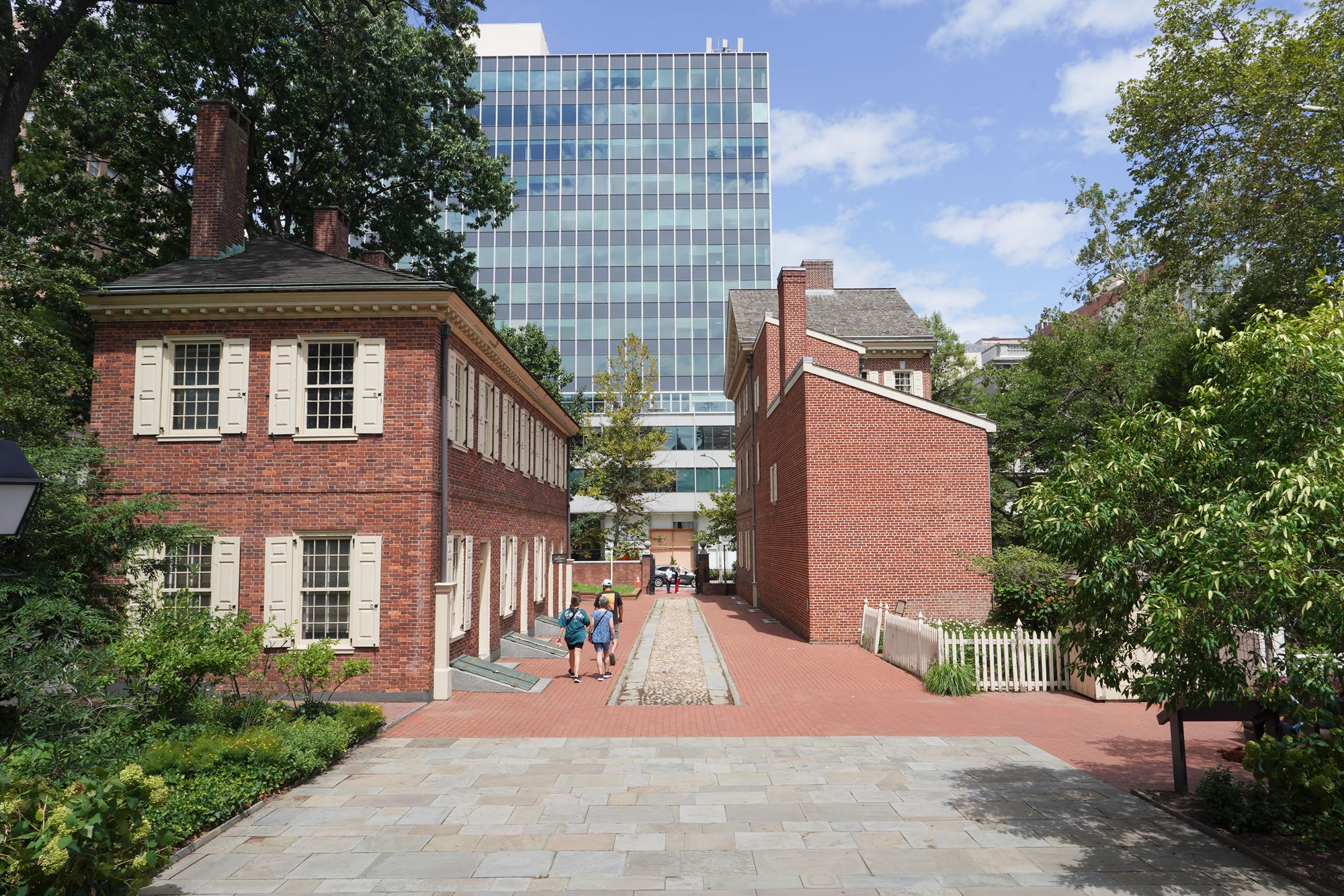
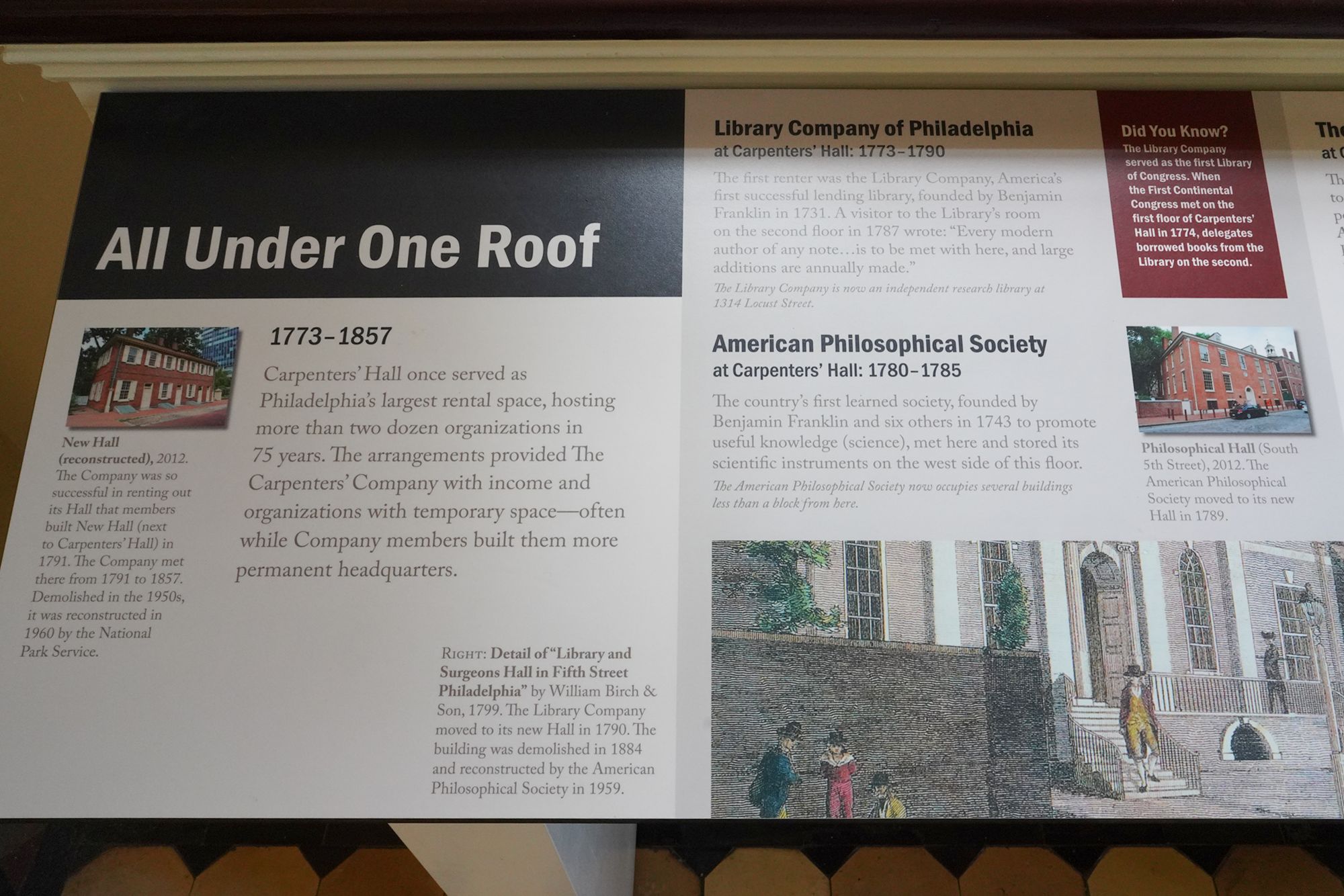
Carpenters’ Hall, located a short walk from Independence Hall, is one of the most important yet often quieter historic sites in Philadelphia. Built between 1770 and 1774, it served as the meeting place of the First Continental Congress in September 1774, where delegates from twelve colonies gathered to discuss British policies and ultimately took the first unified steps toward revolution. This makes Carpenters’ Hall one of the earliest political gathering spaces that led directly toward independence.
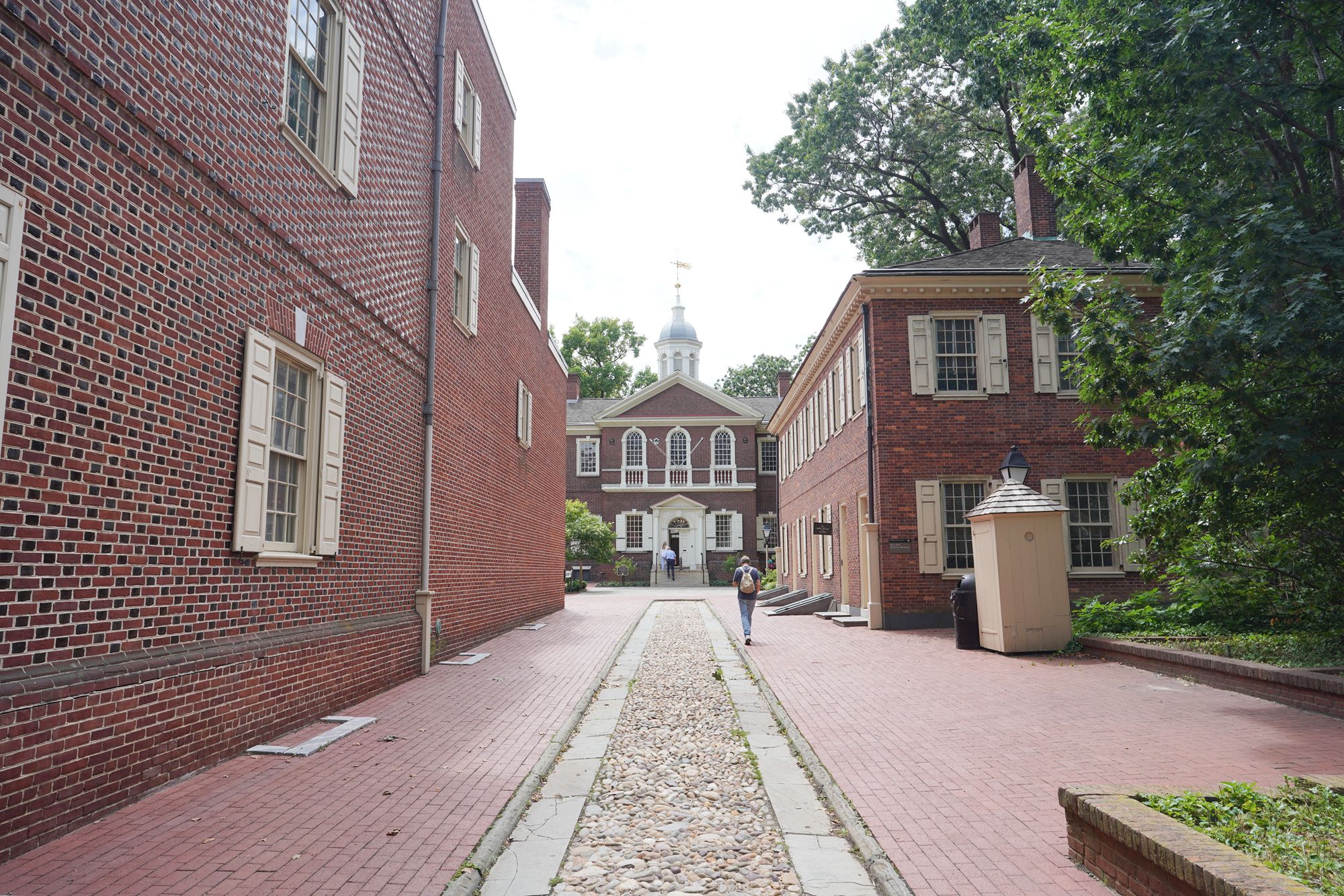
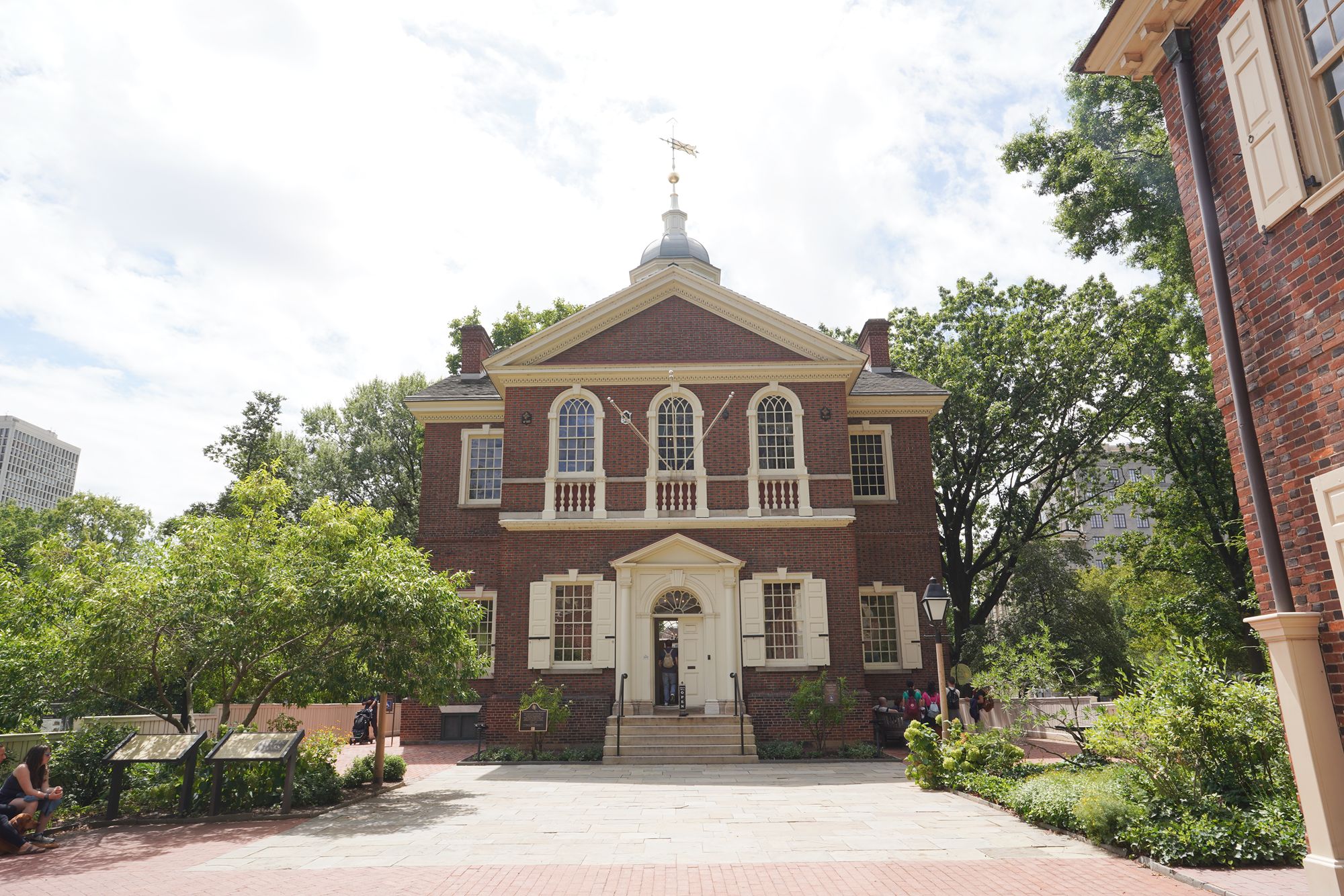
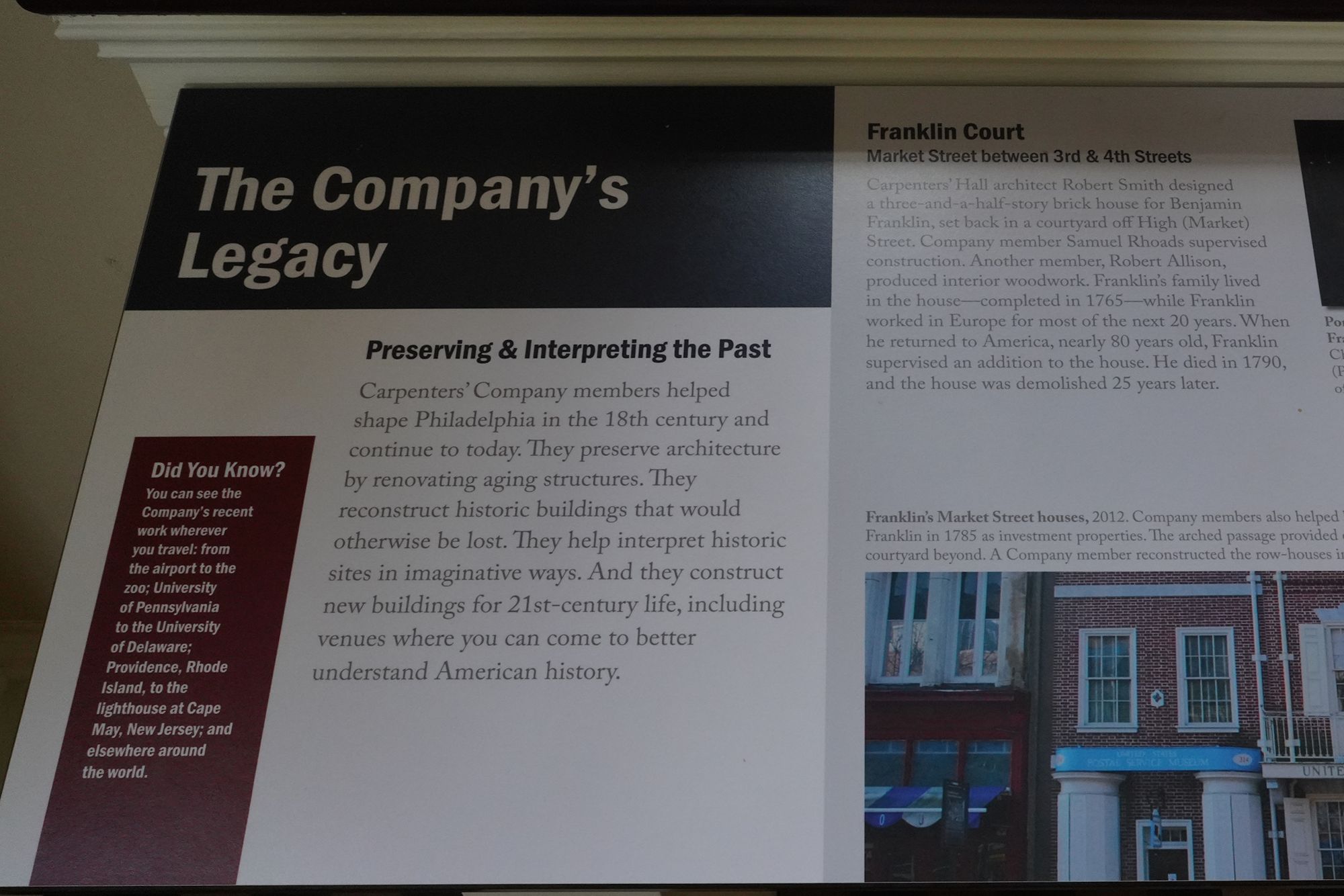
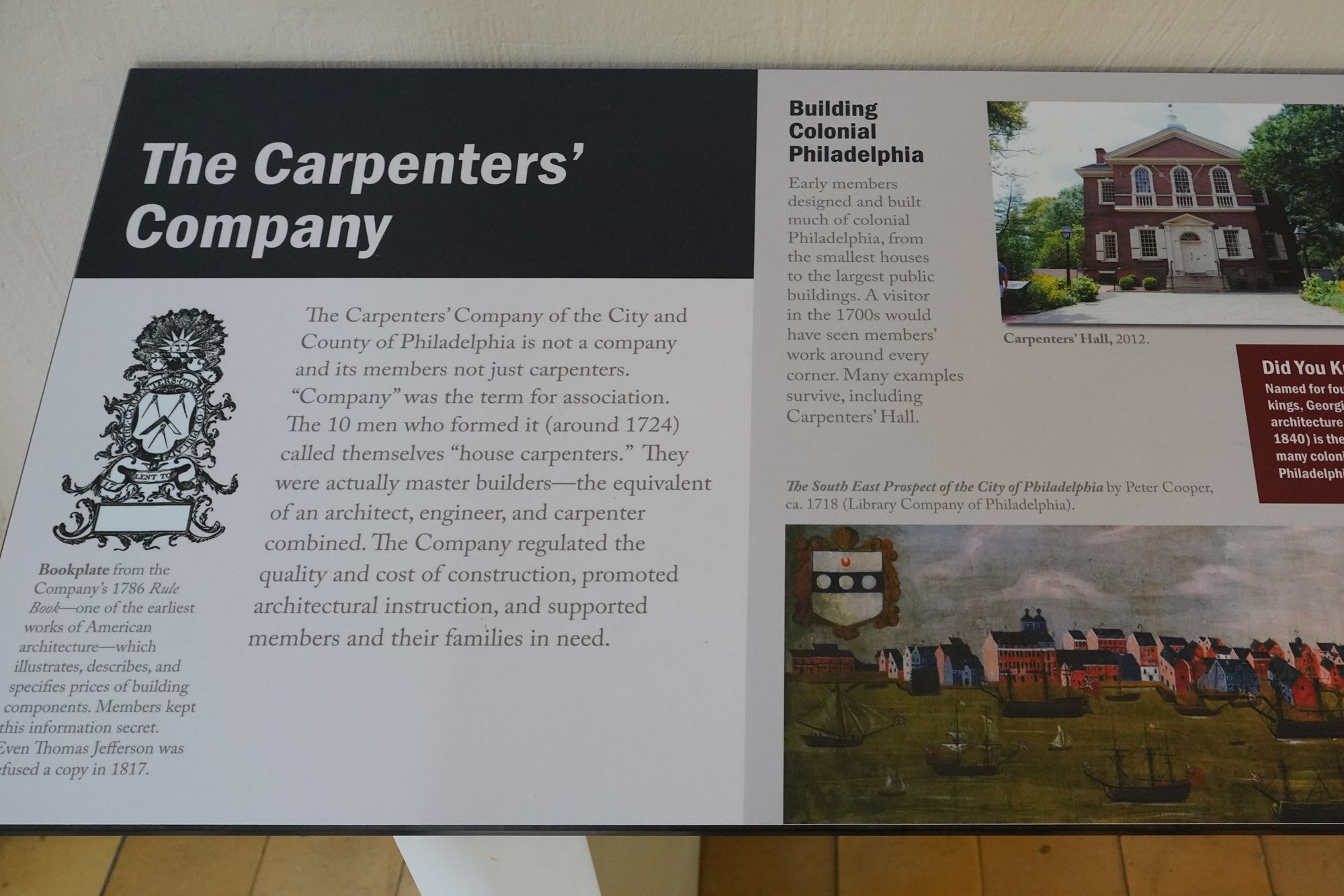
Carpenters’ Hall is named for the Carpenters’ Company, a guild of skilled builders who constructed and owned the building.
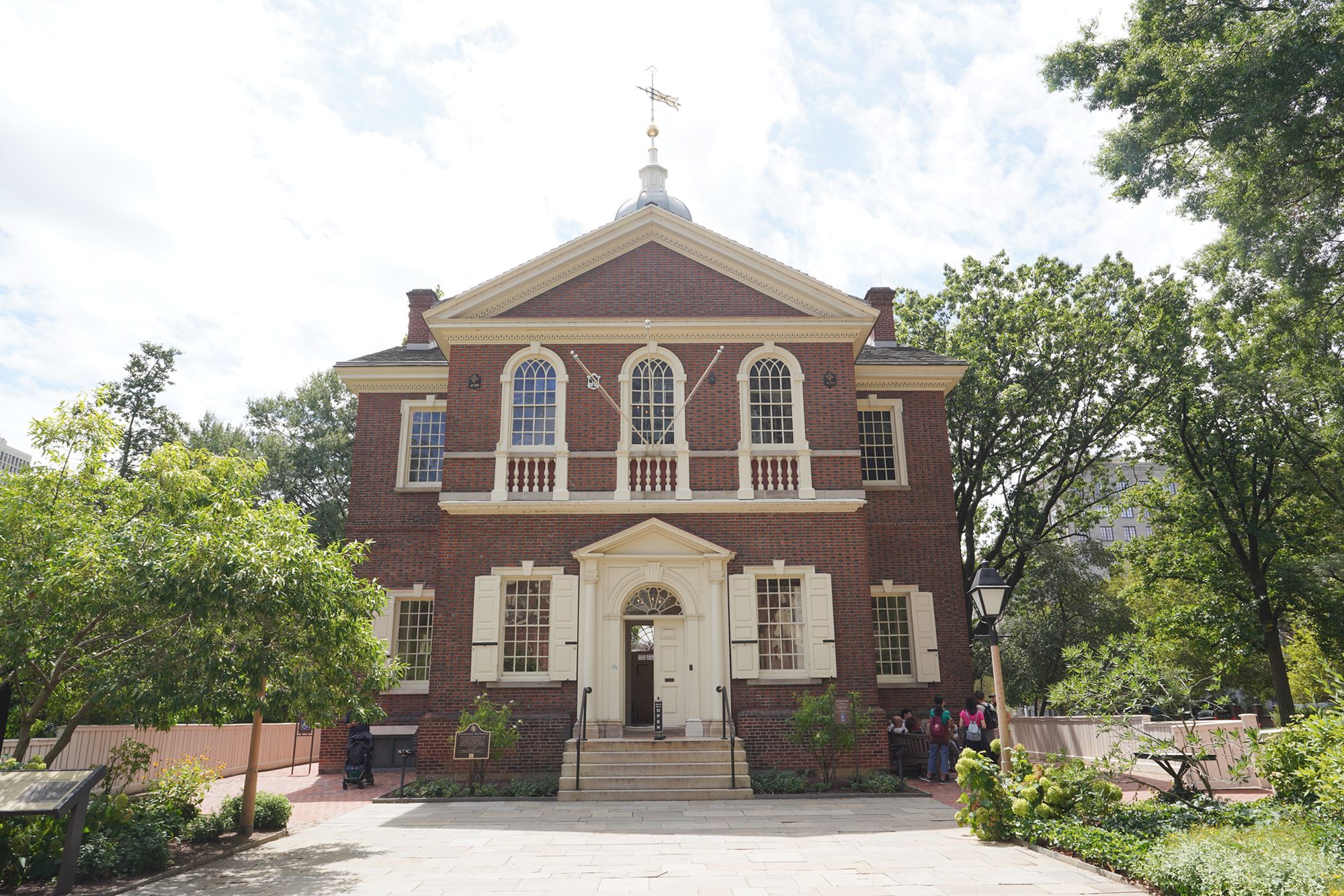
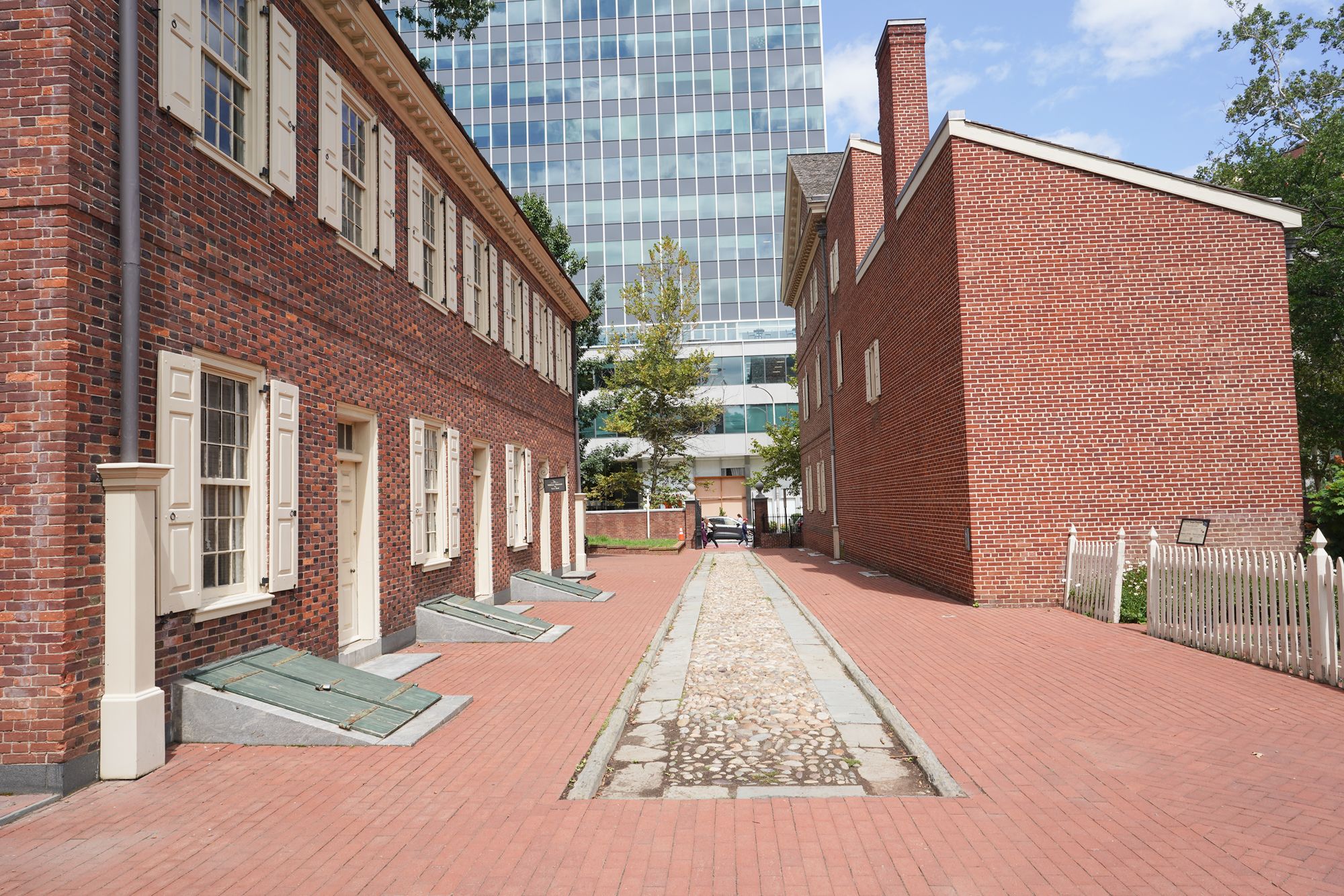
My back side
Inside the hall
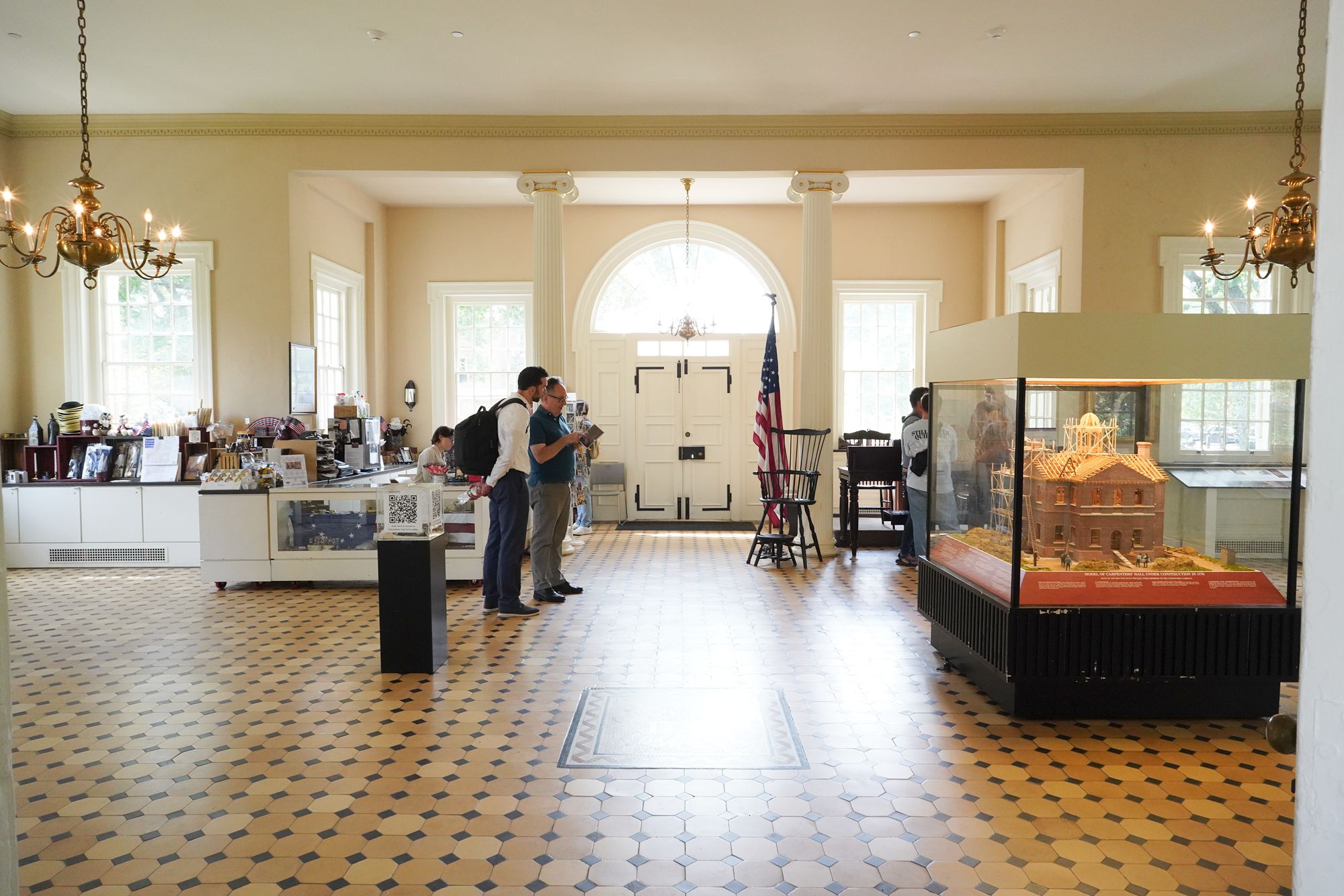
The building belonged to the Carpenters’ Company of Philadelphia, a guild of master builders and craftsmen who not only constructed some of the city’s earliest architecture but also played a supportive role in the revolutionary cause.
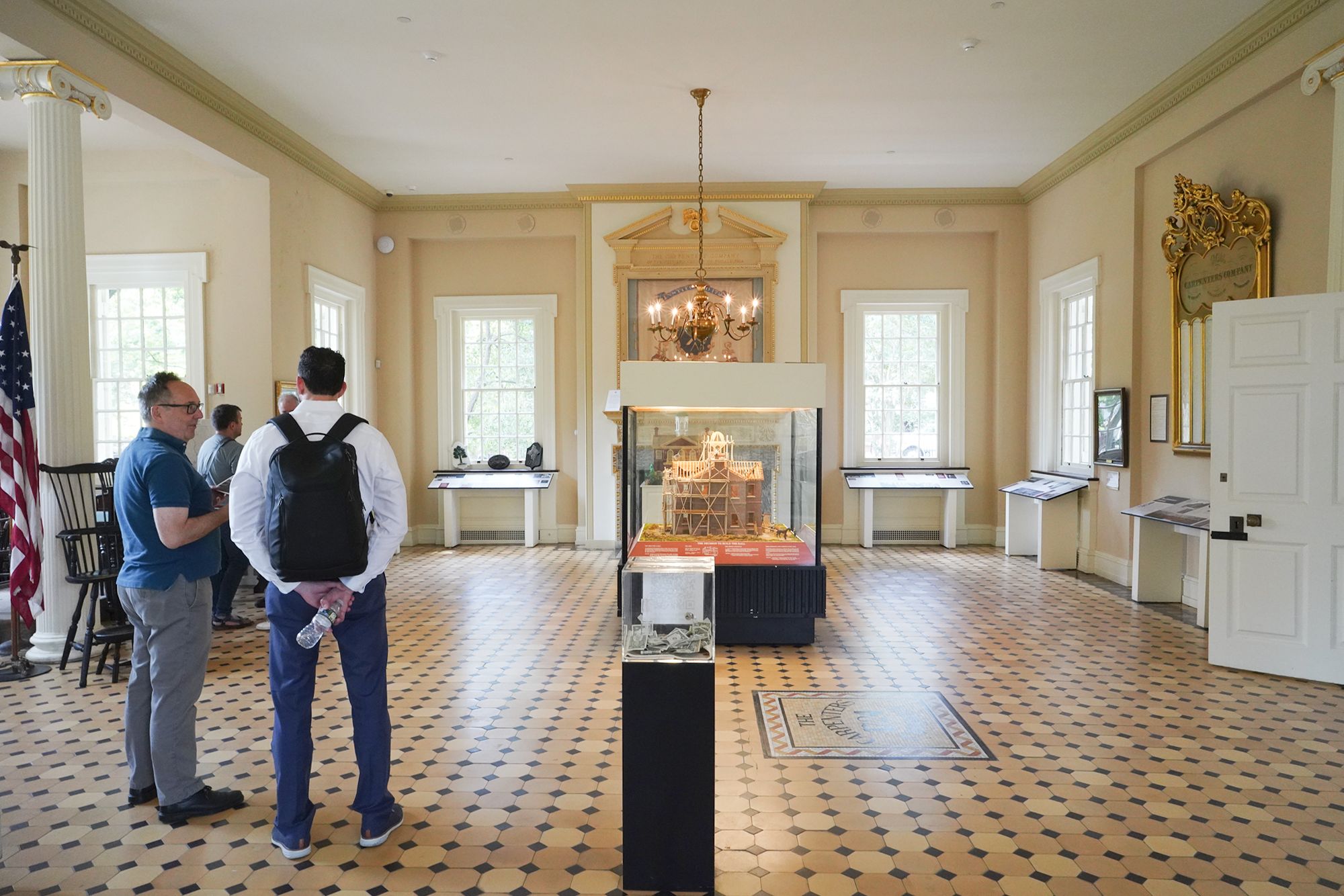
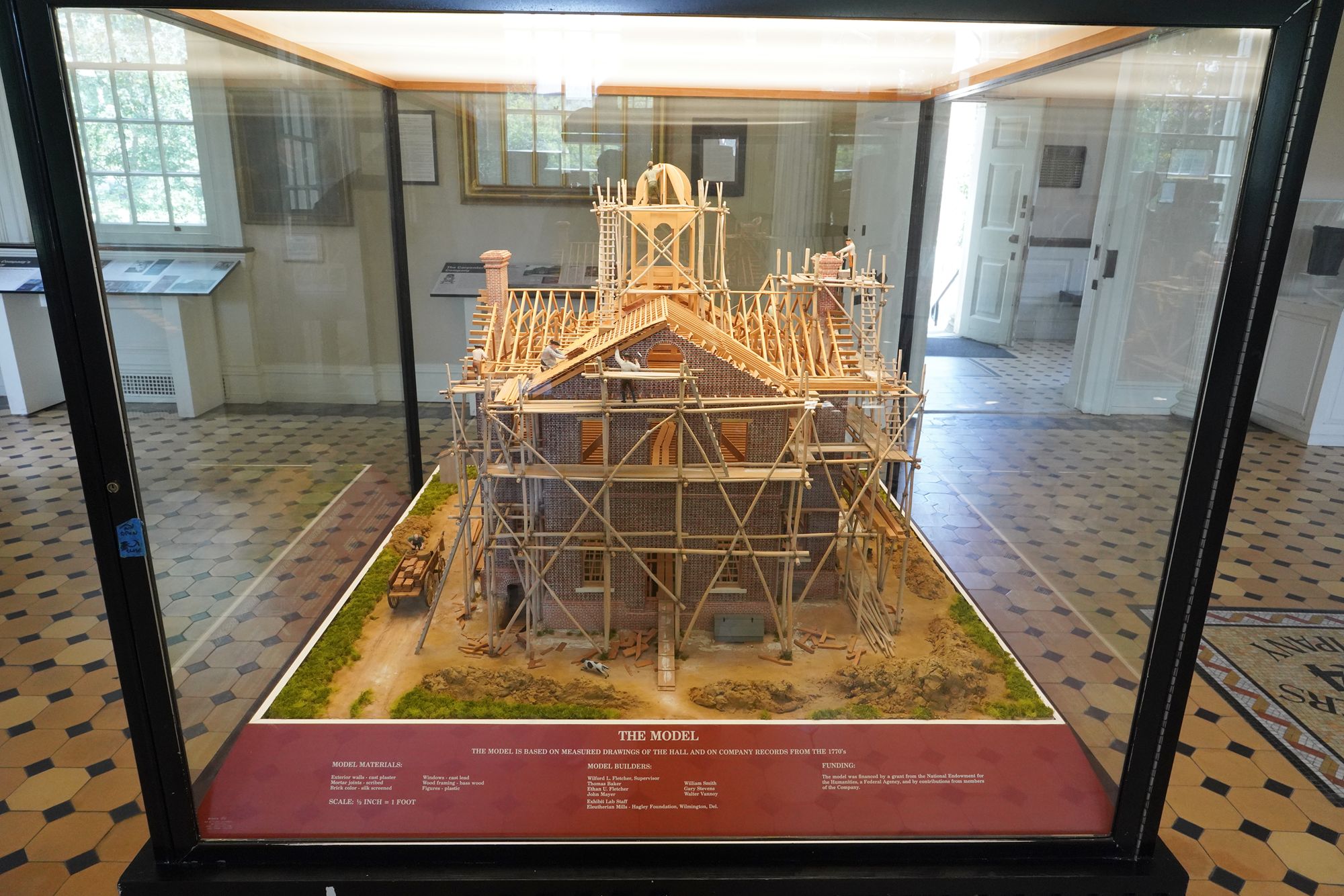
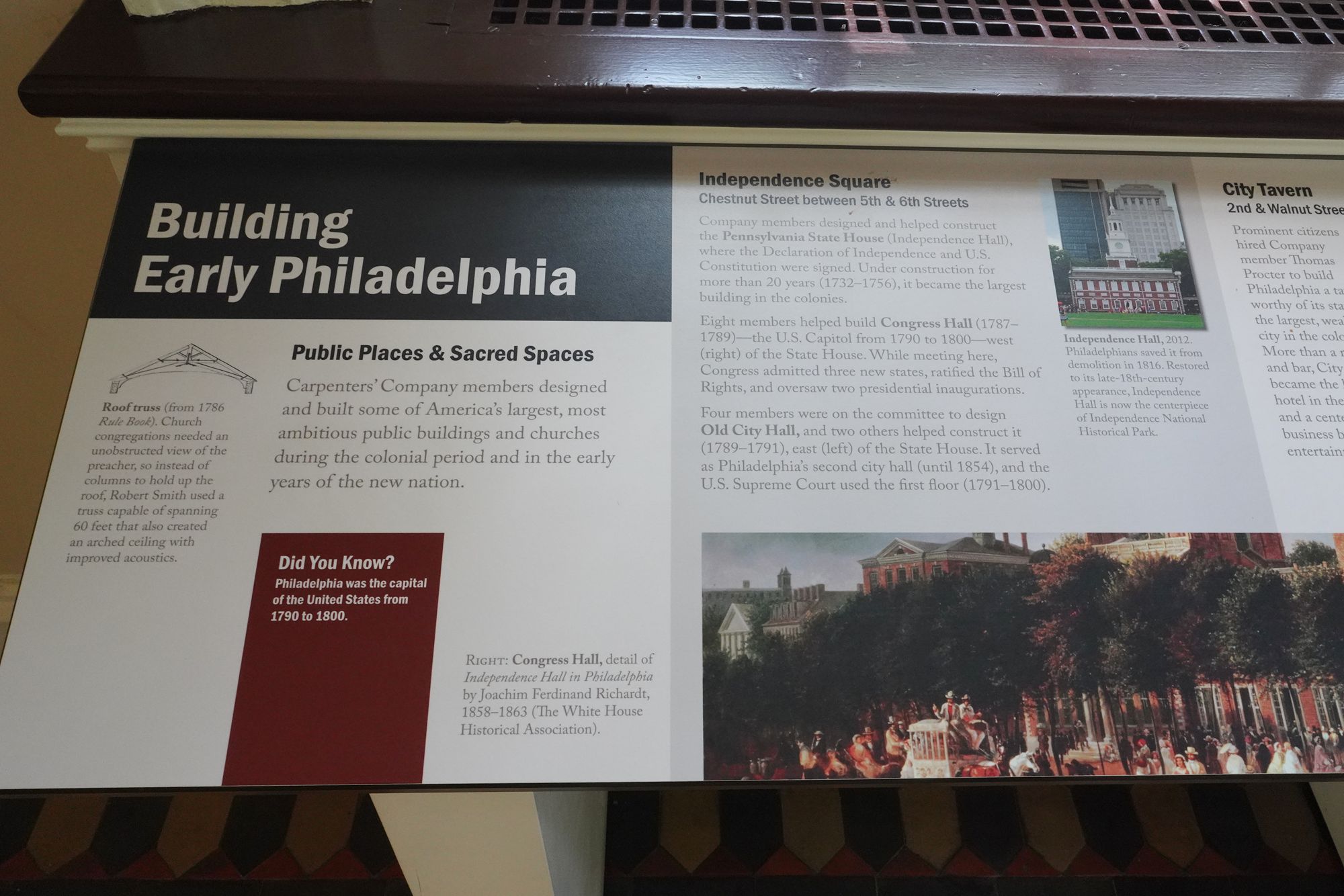
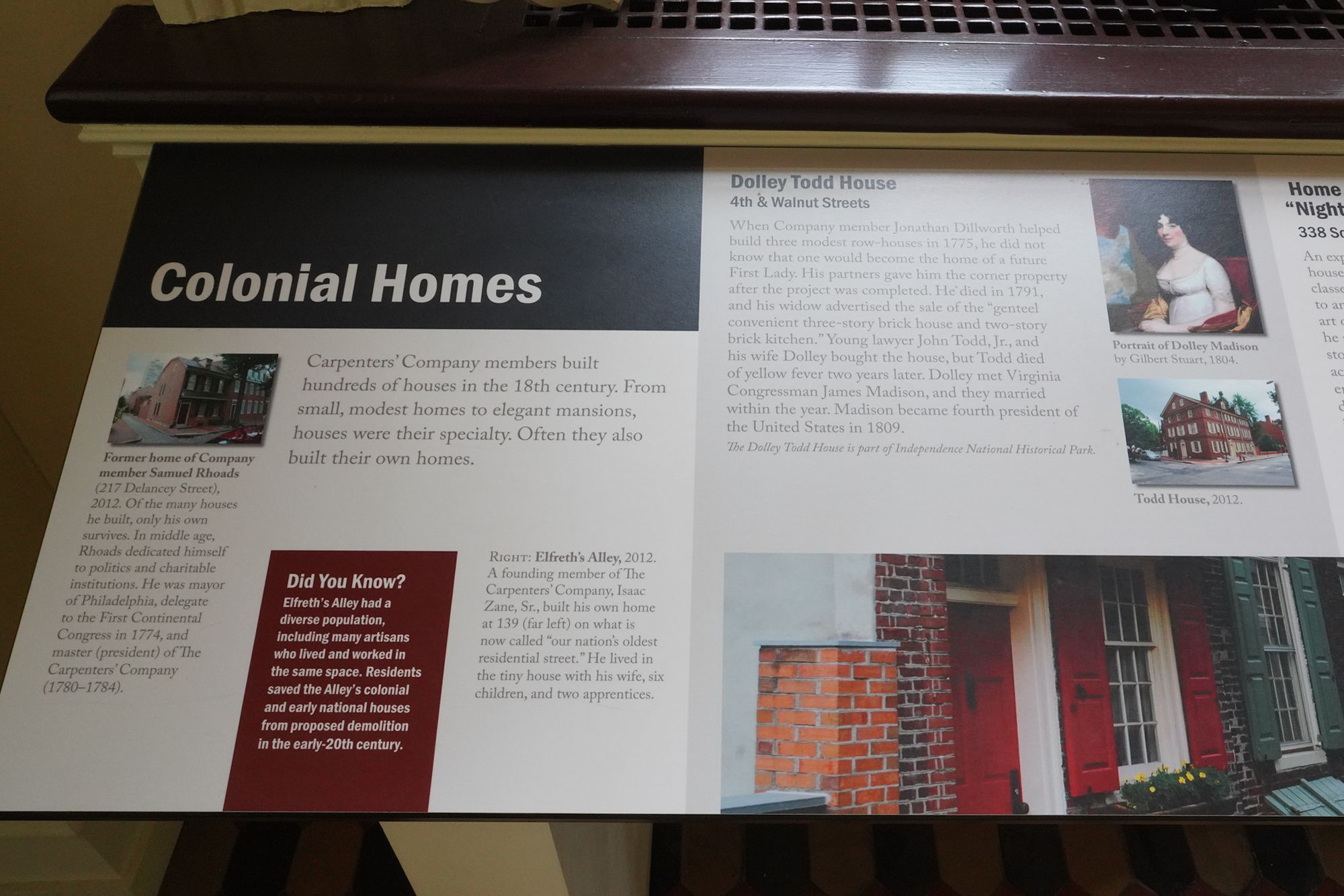
The Carpenters’ Company was a guild of skilled builders who designed and constructed major early Philadelphia buildings, trained apprentices, established building standards, and supported members — making them central to the city’s architectural and civic development.
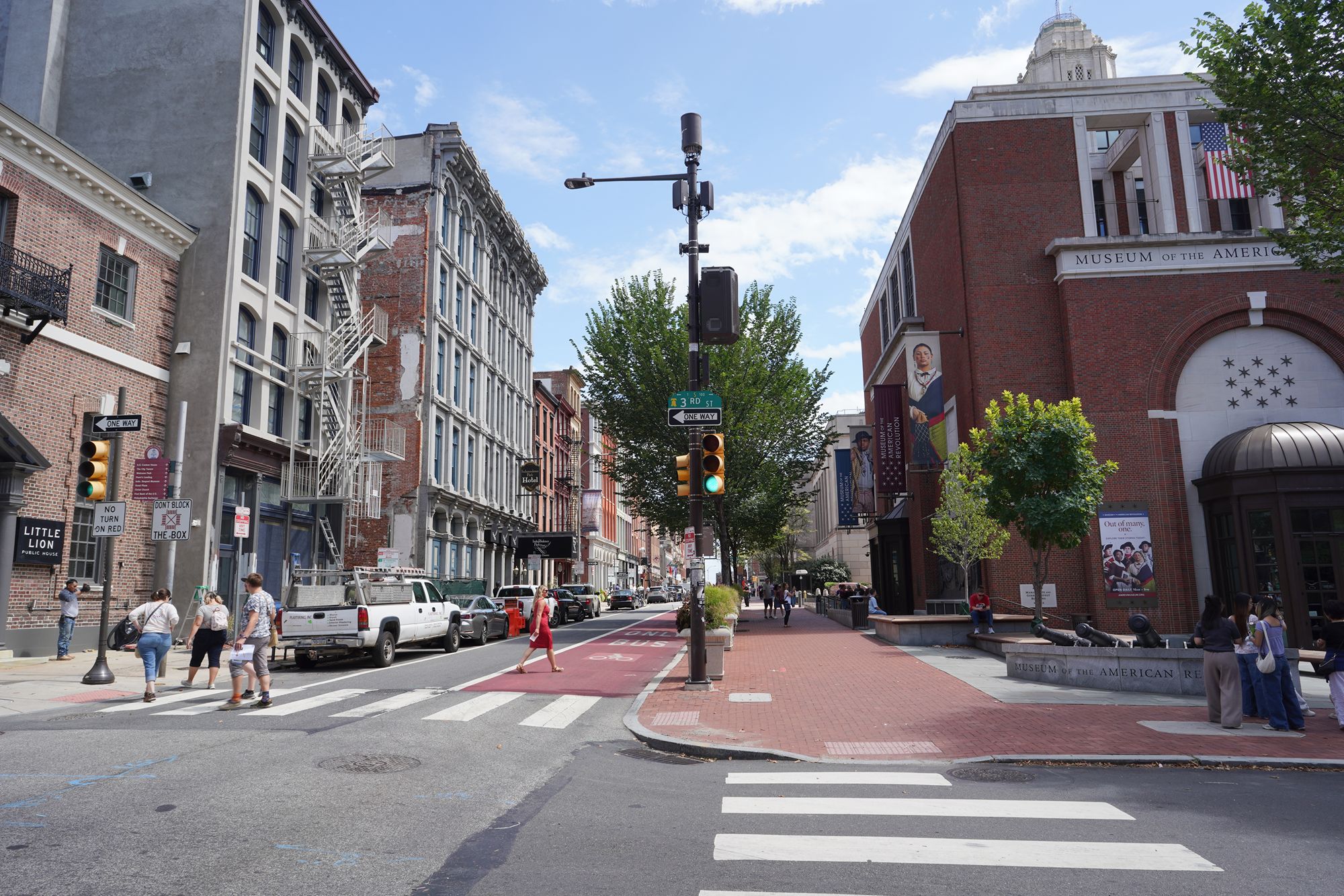
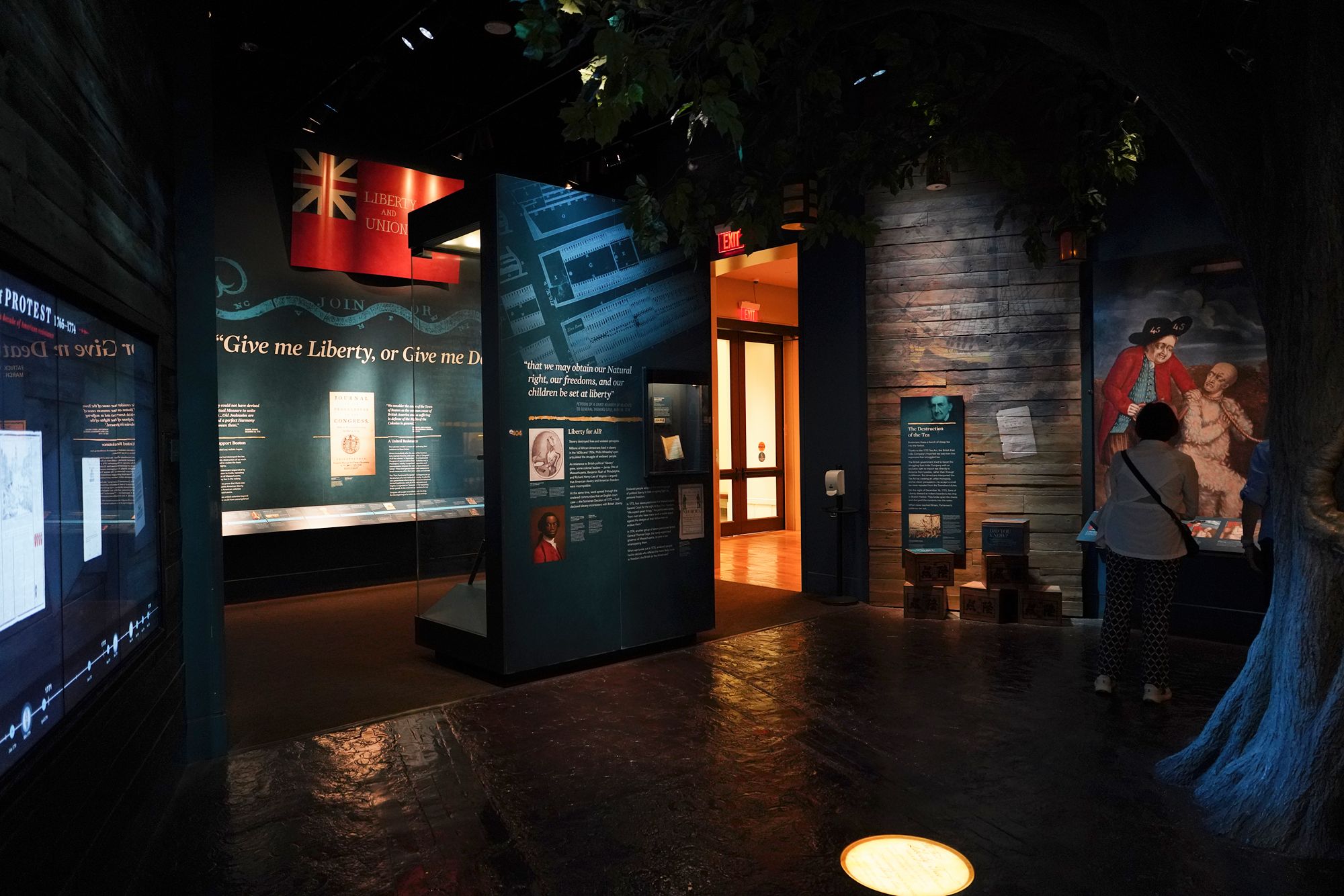
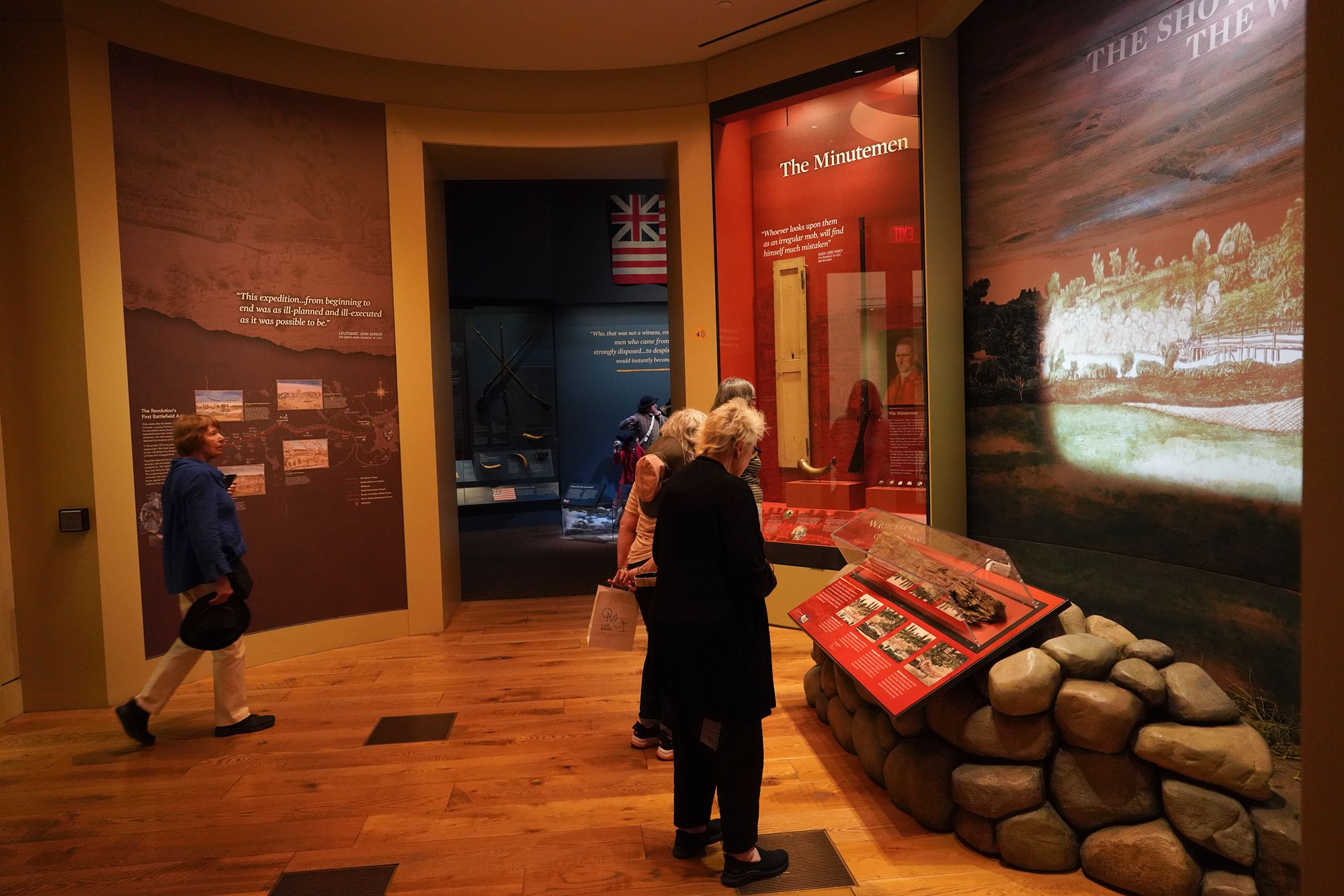
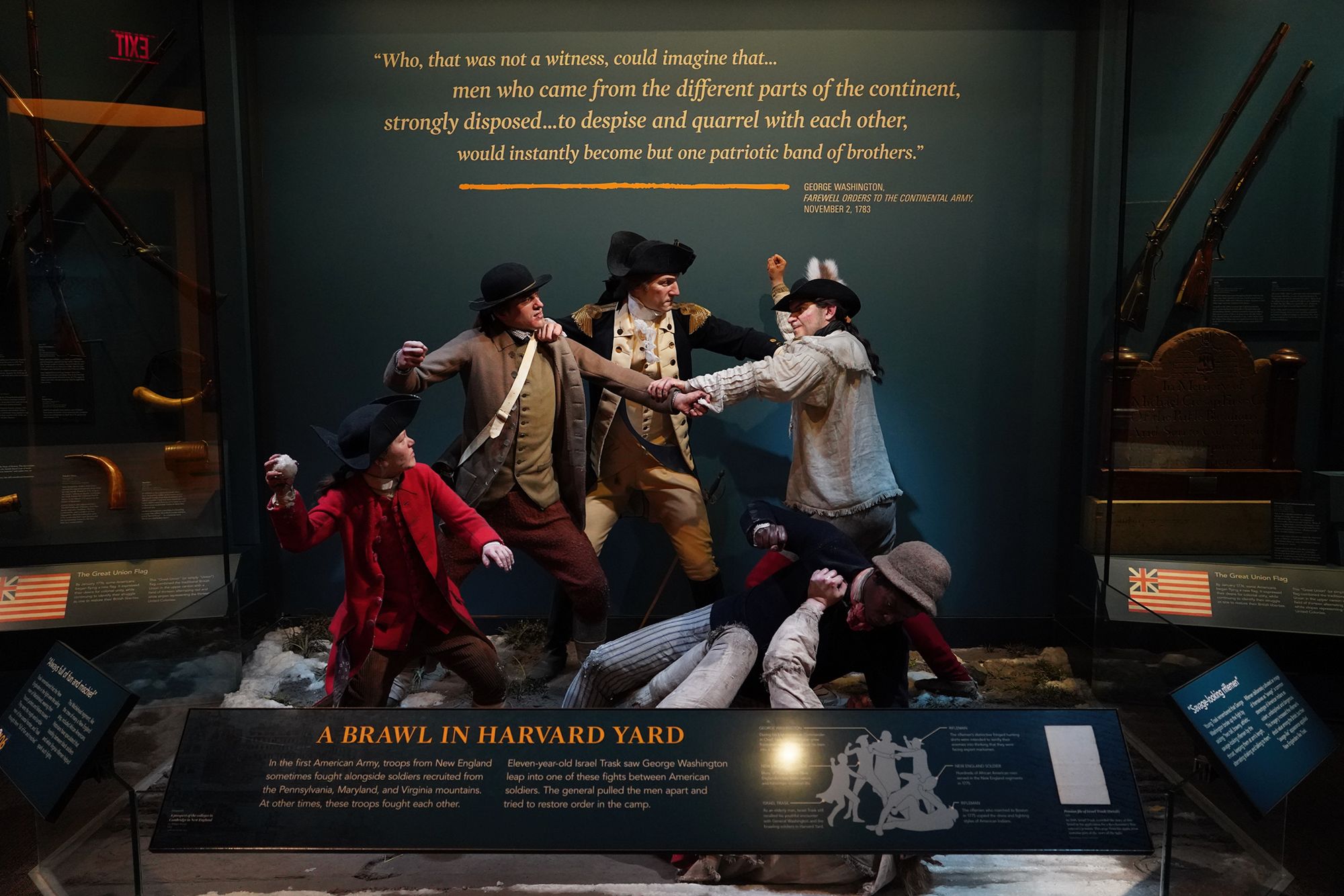
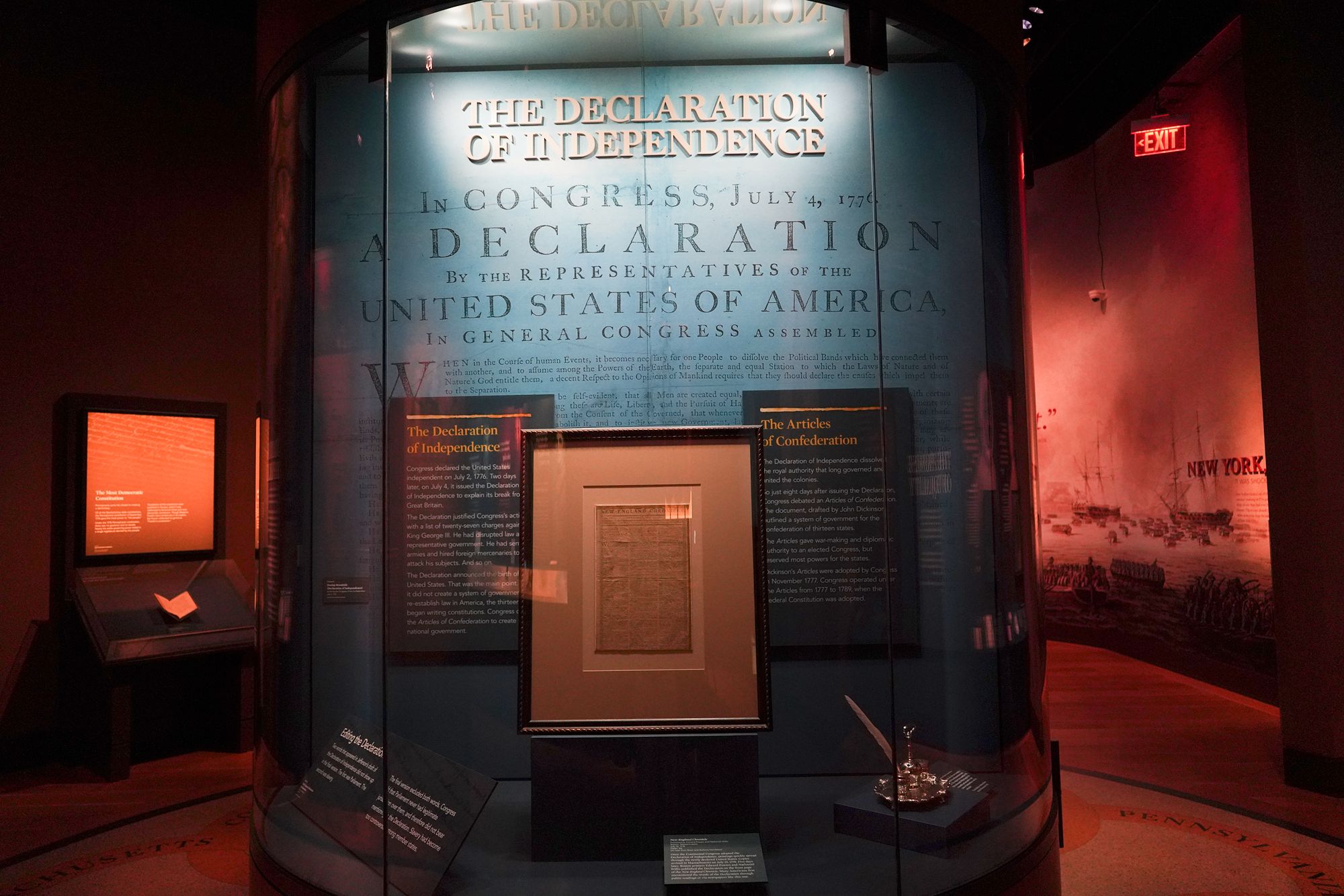
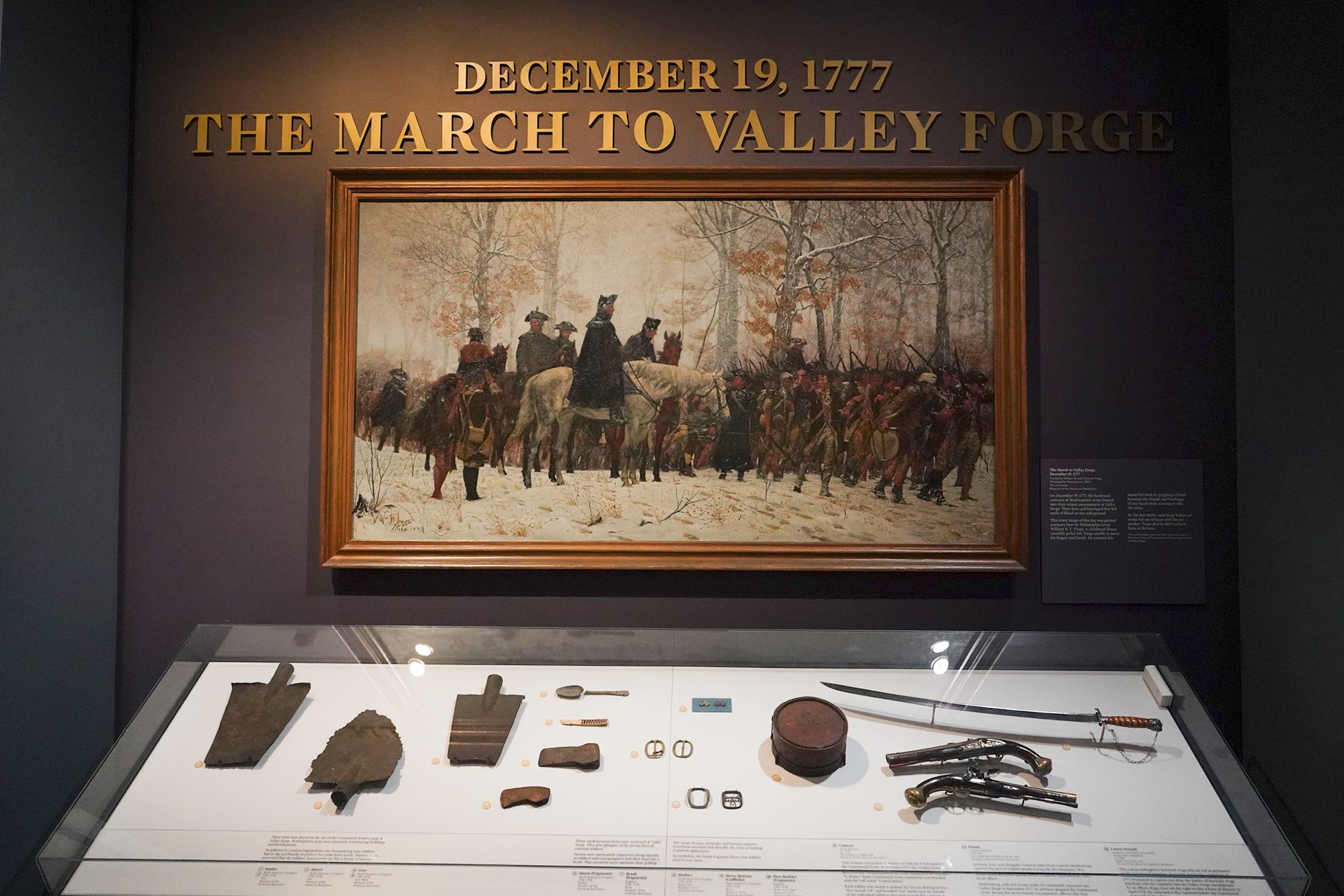
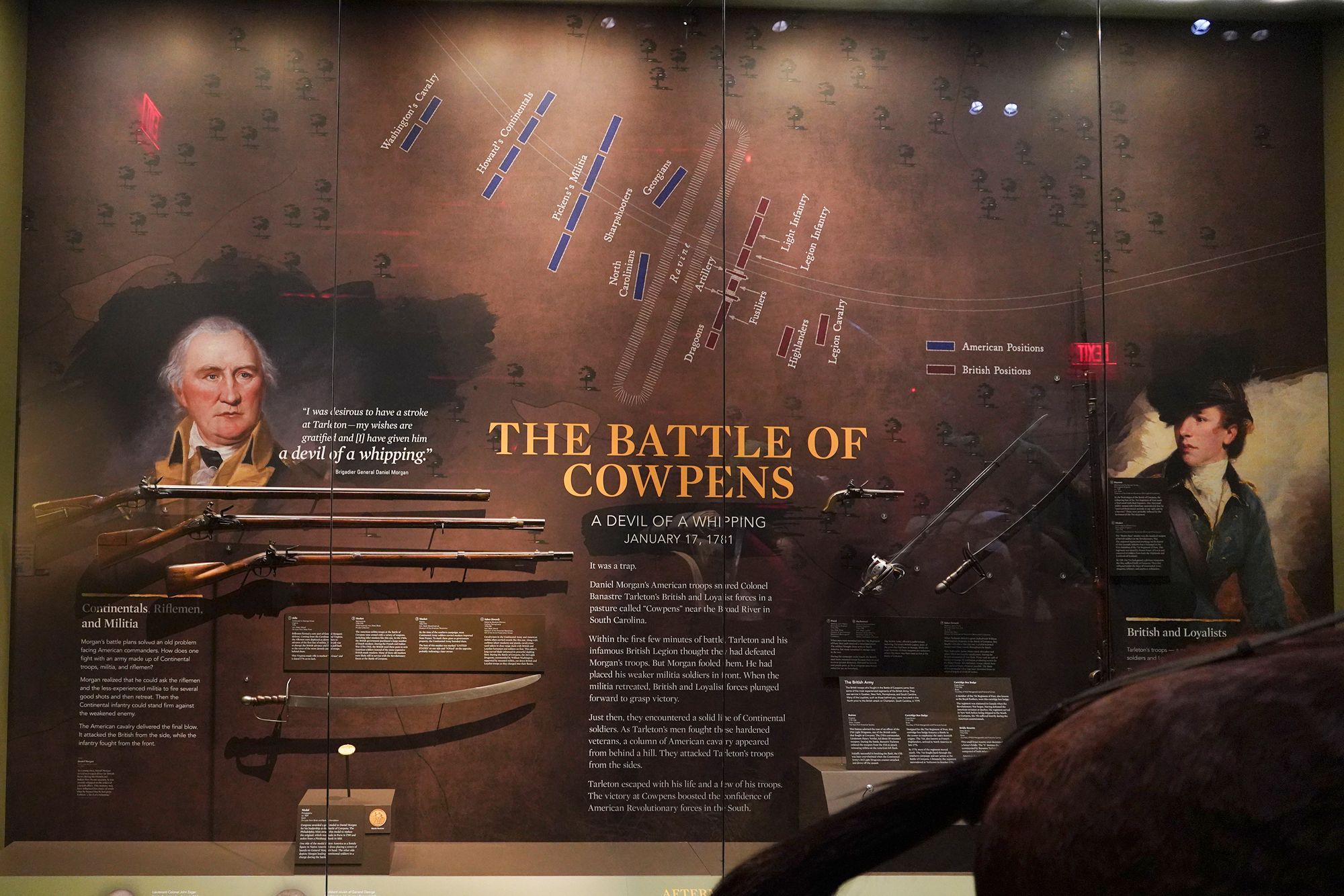
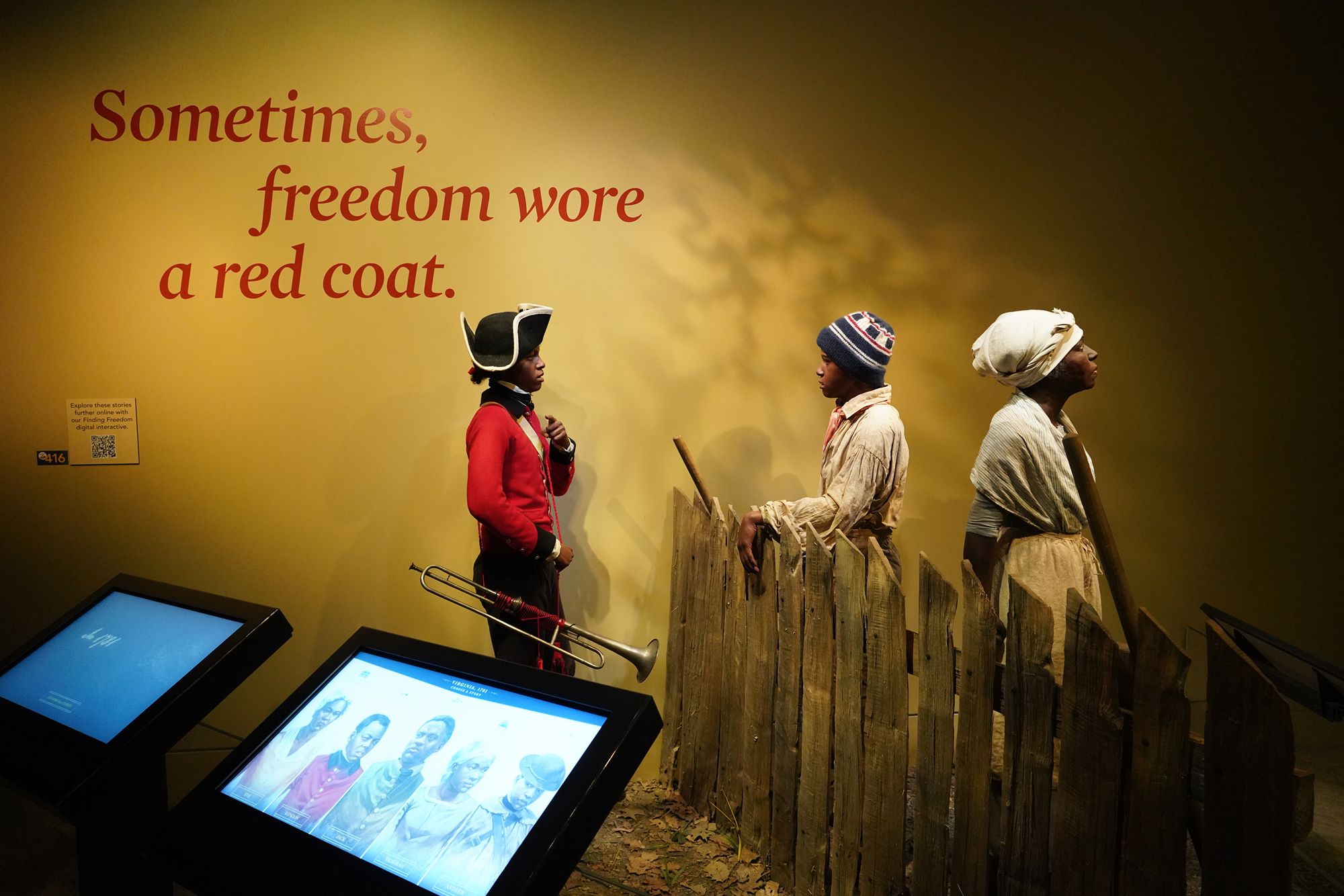
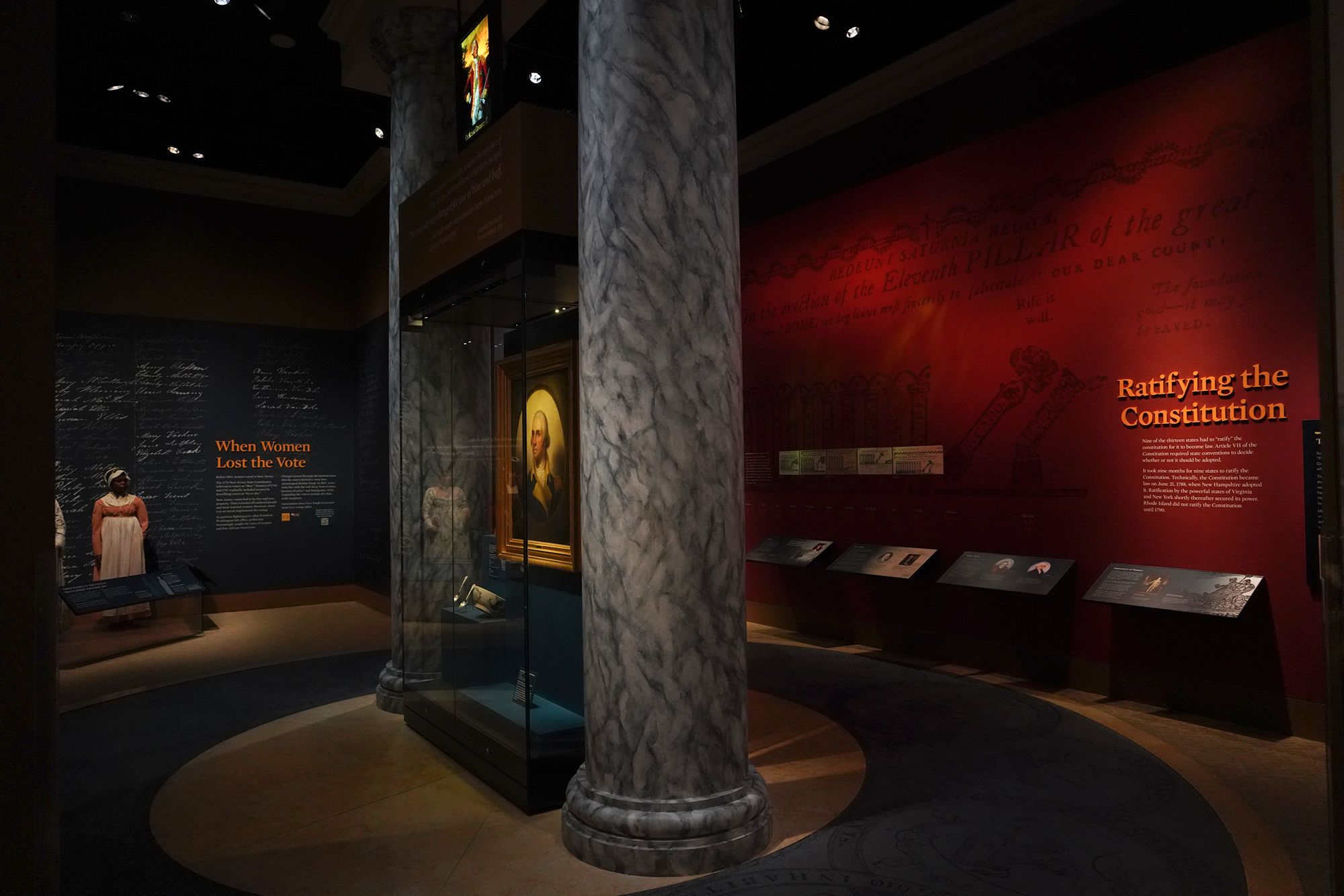
Museum of the American Revolution
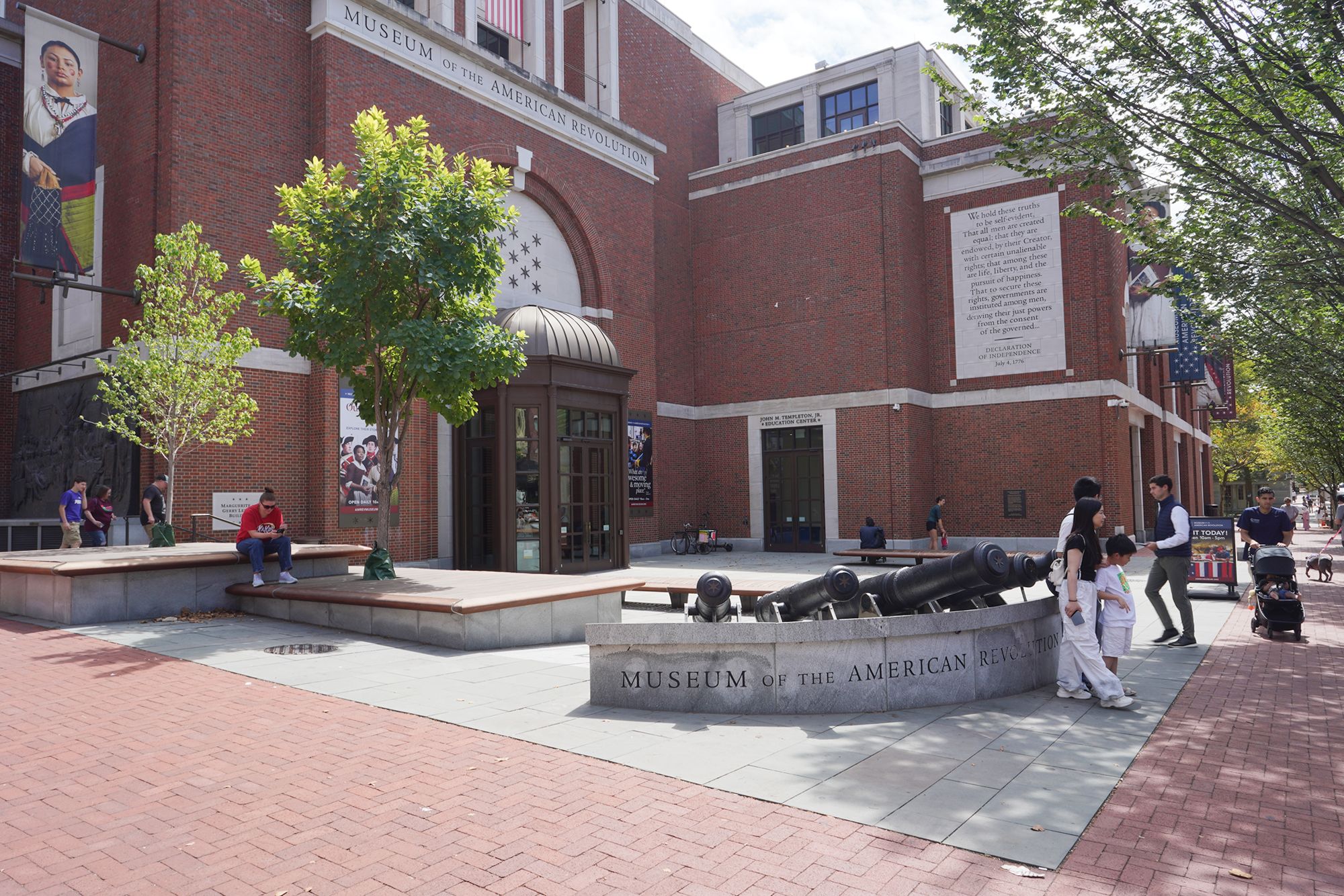
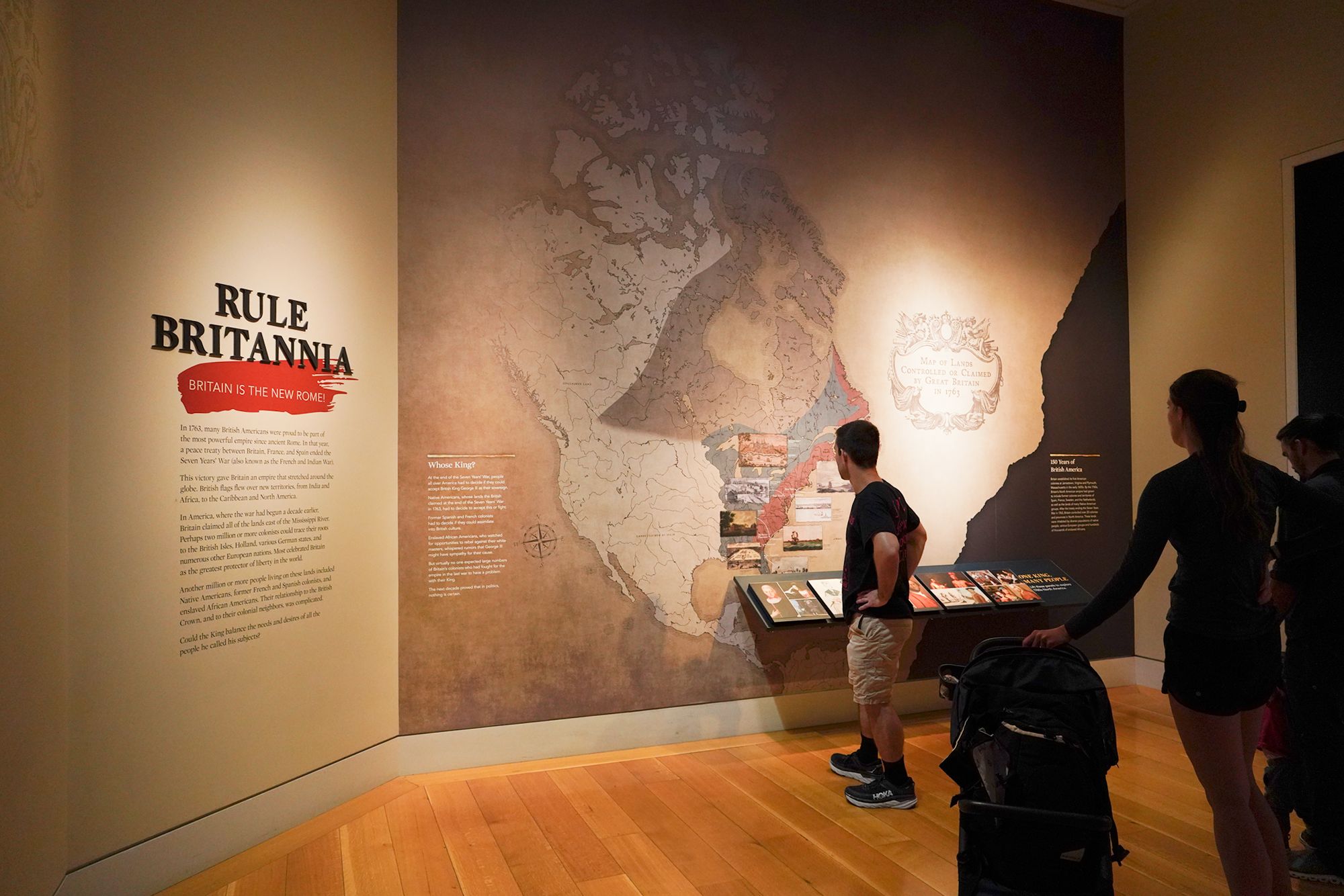
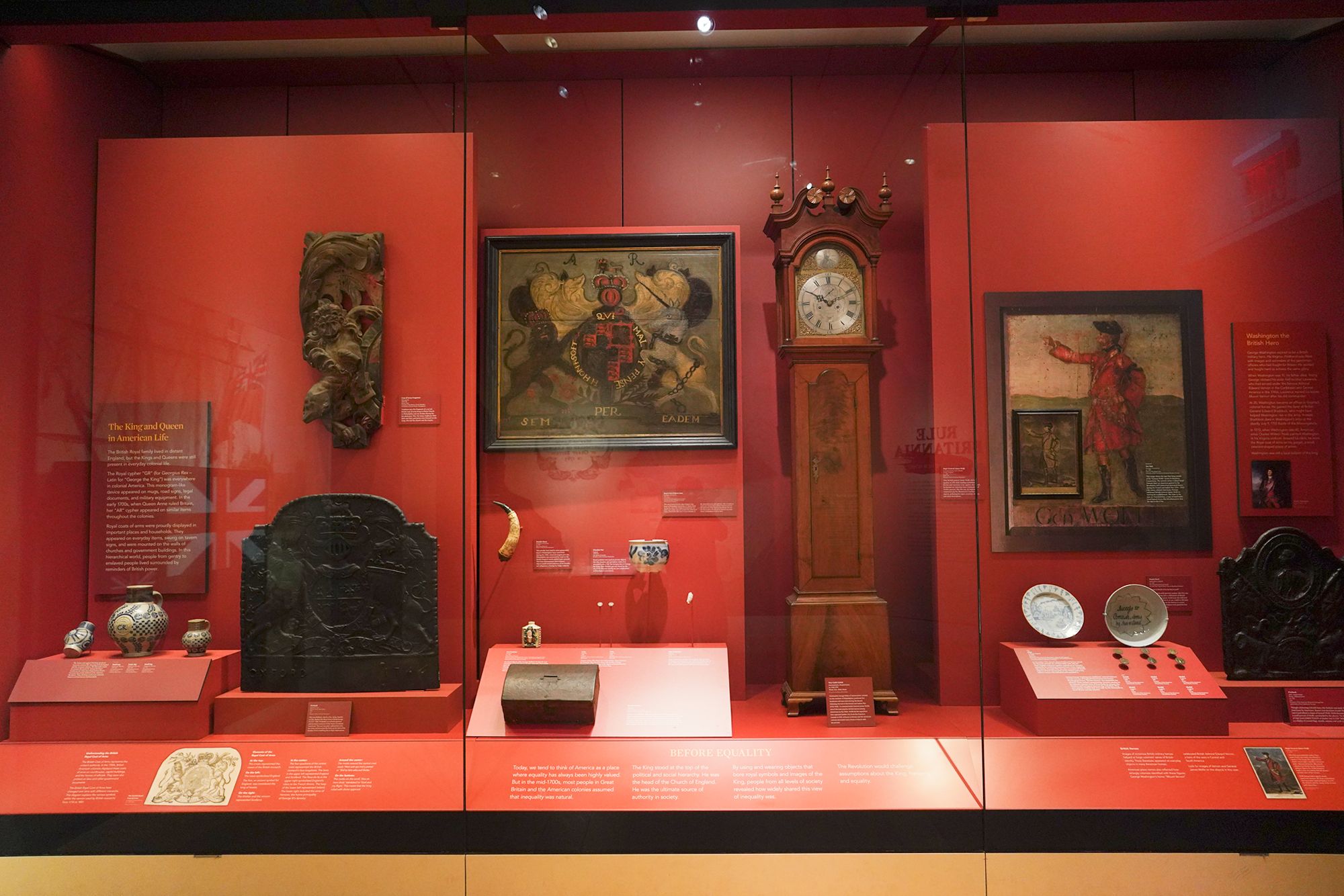
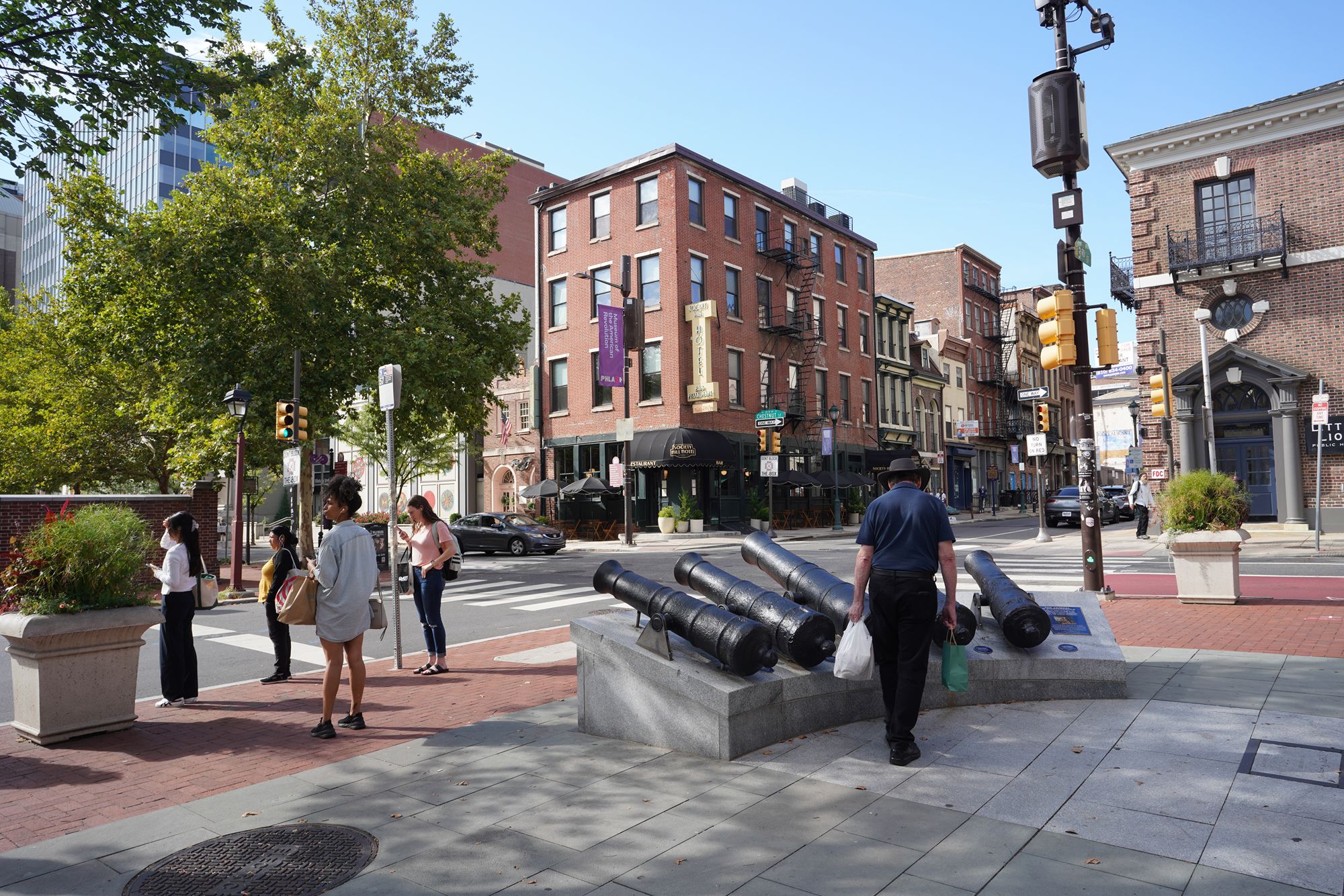
After the museum, I walked back to the subway station for the ride back to where I was staying.