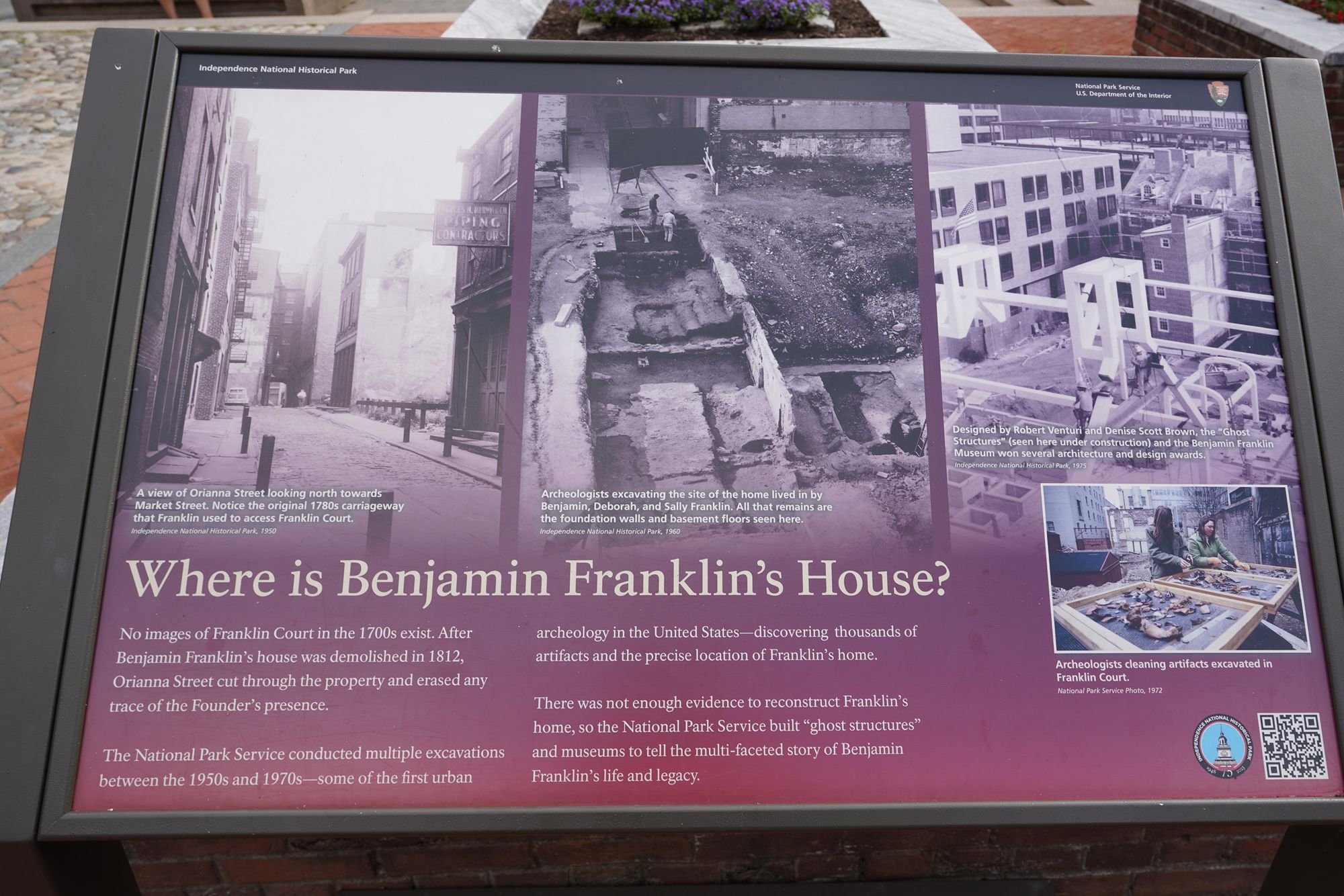
(Benzamin) Franklin Court and Museum, Philadelphia, Pennsylvania, USA
Historic site with Franklin’s home footprint, an underground museum, exhibits on his life, inventions, and printing. 1179
Ghost Structures of Franklin Court and Museum: 312-322 Market St, Philadelphia, PA 19106
Date Picture Taken: August 2025
Benjamin Franklin Court preserves the site of Franklin’s home, marked by ghost-structure outlines. Below ground, the museum presents interactive exhibits on his life as inventor, diplomat, printer, and founder. Artifacts, letters, experiments, and printing demonstrations illustrate his influence on science and early America, creating an immersive look into his legacy.
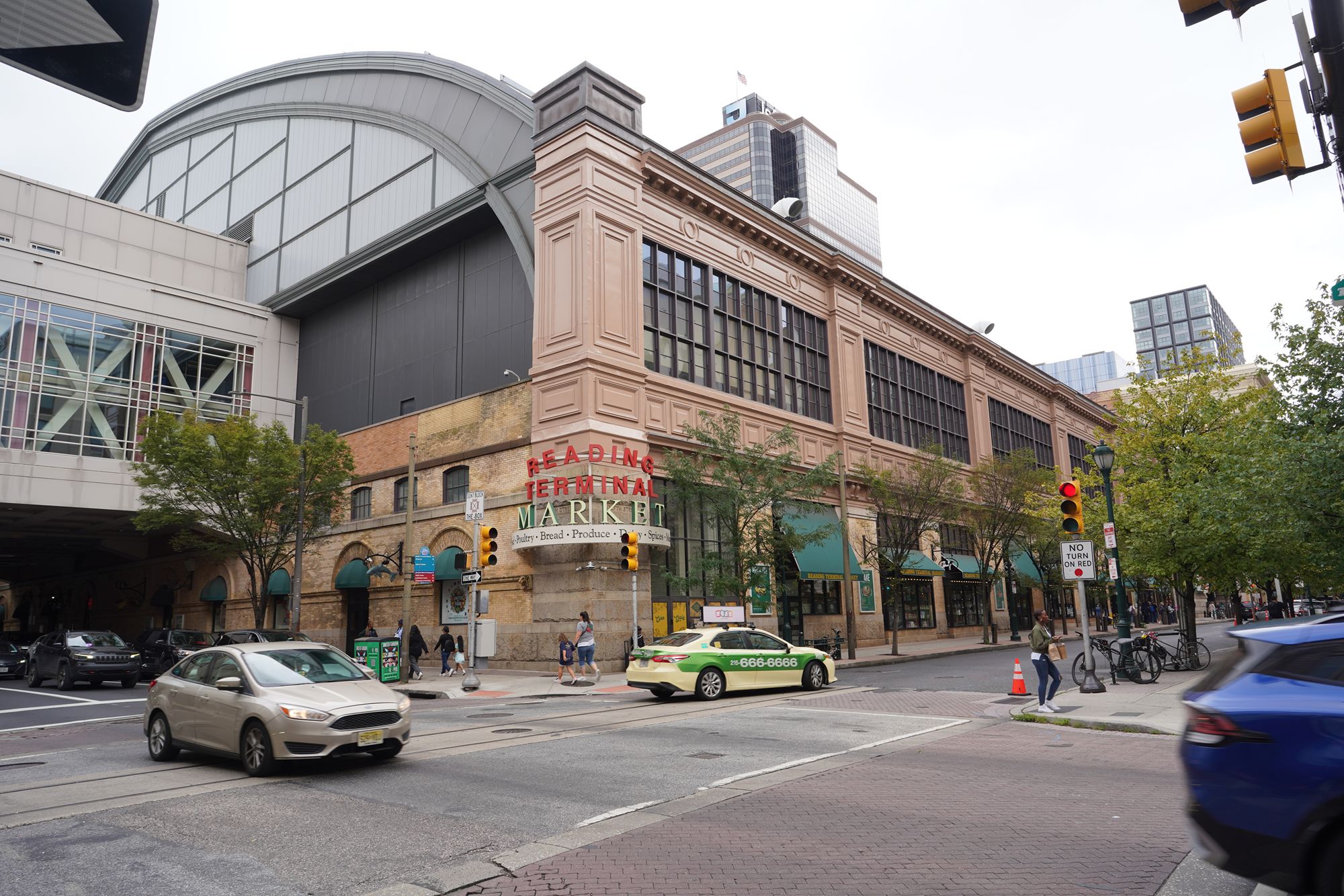
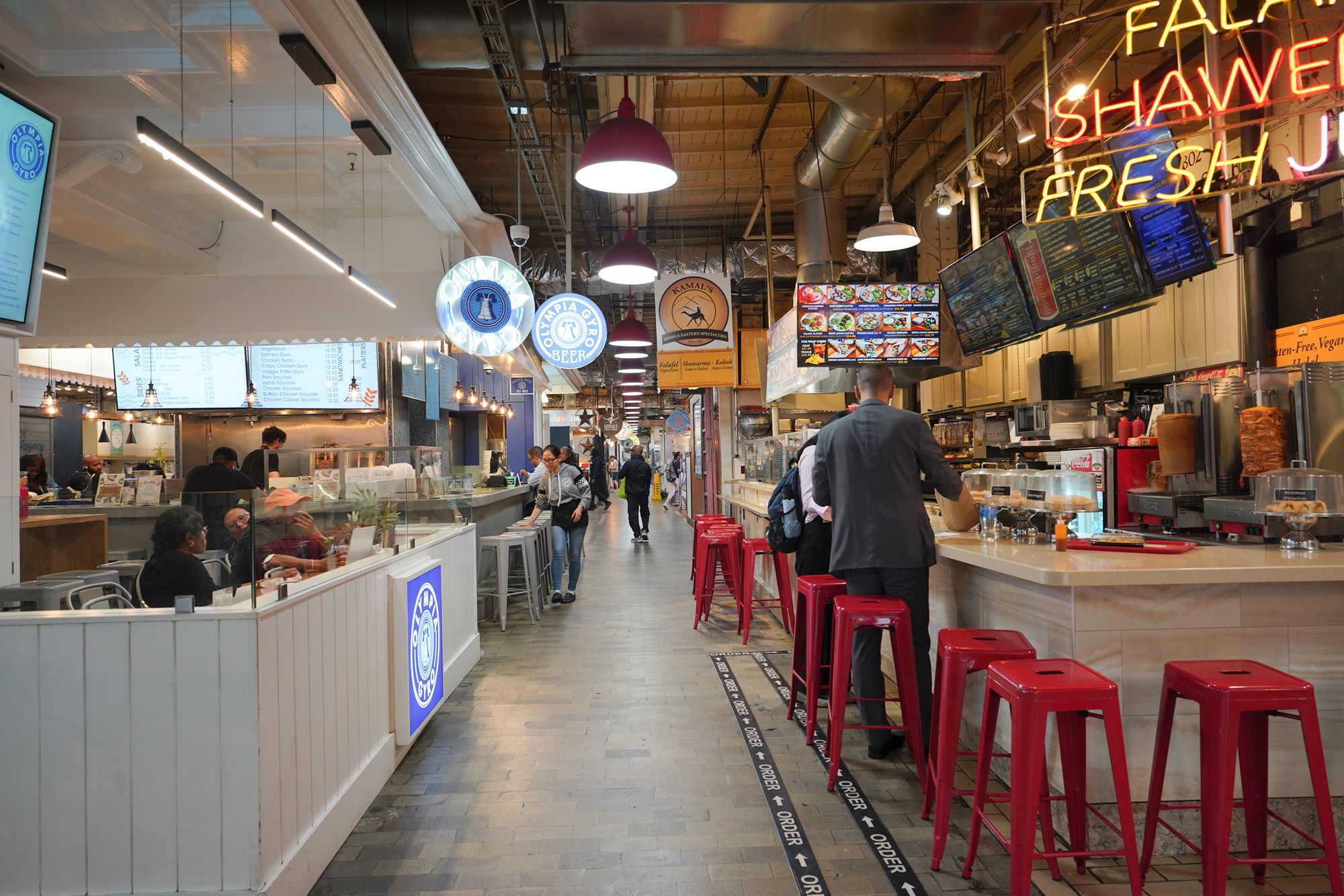
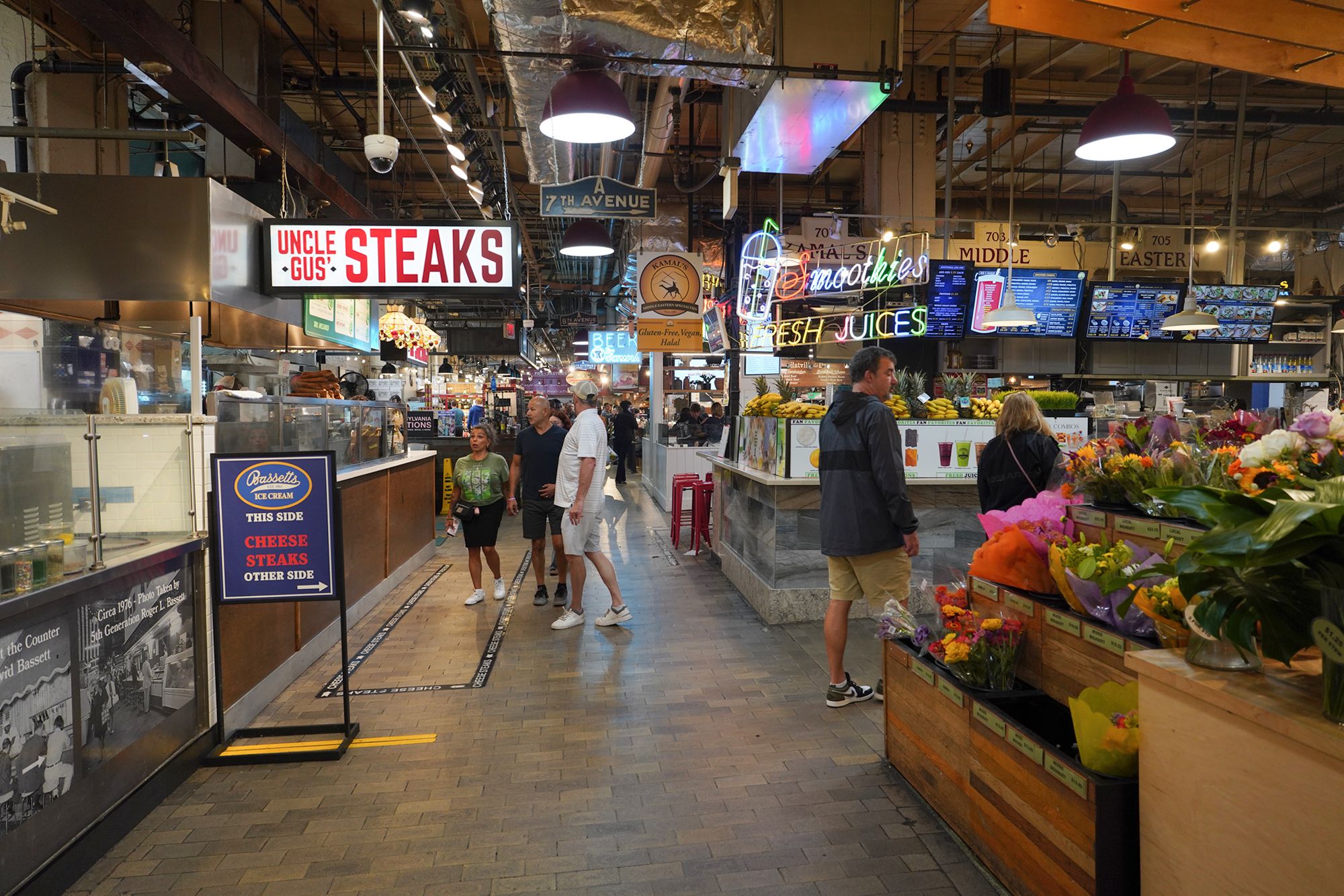
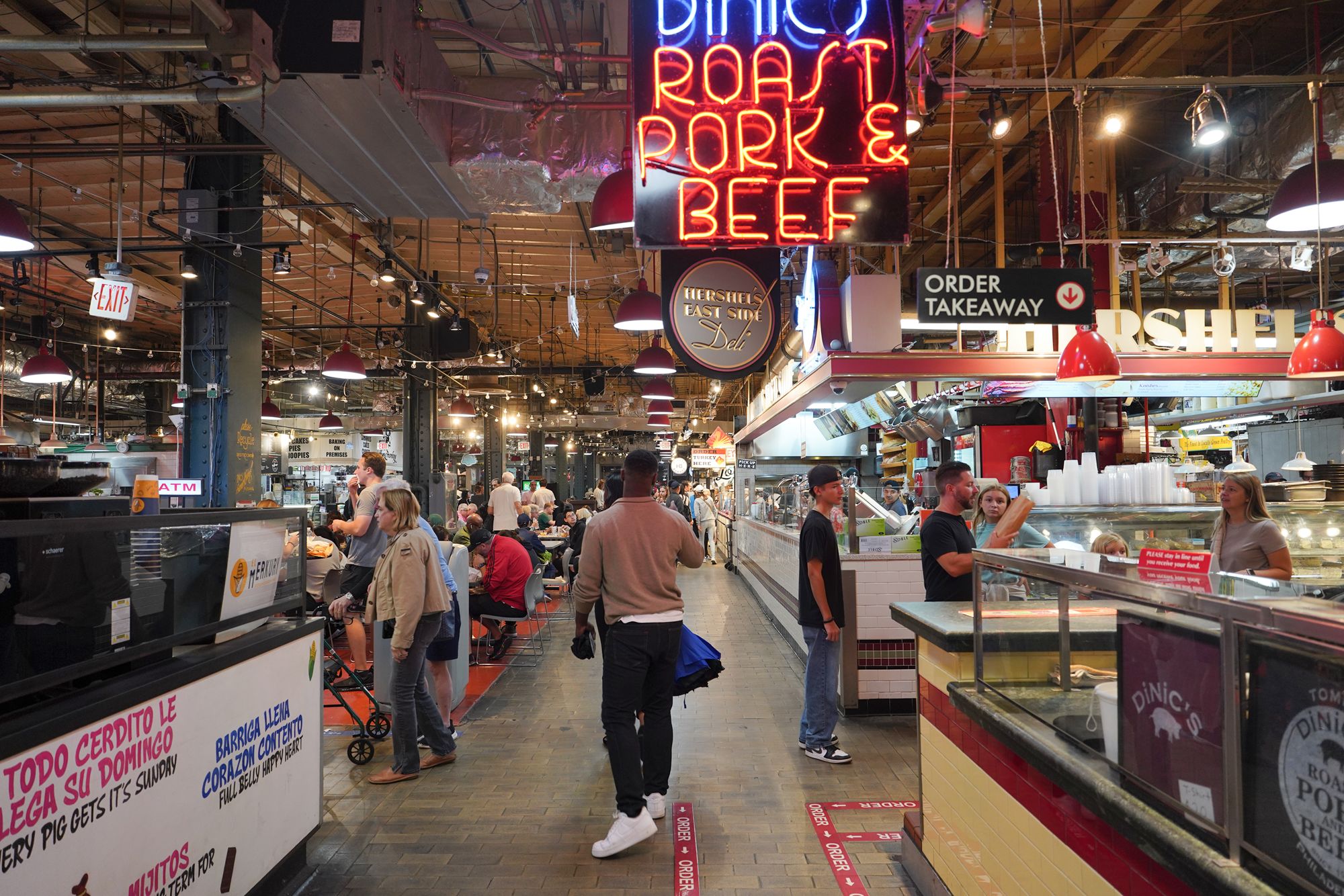
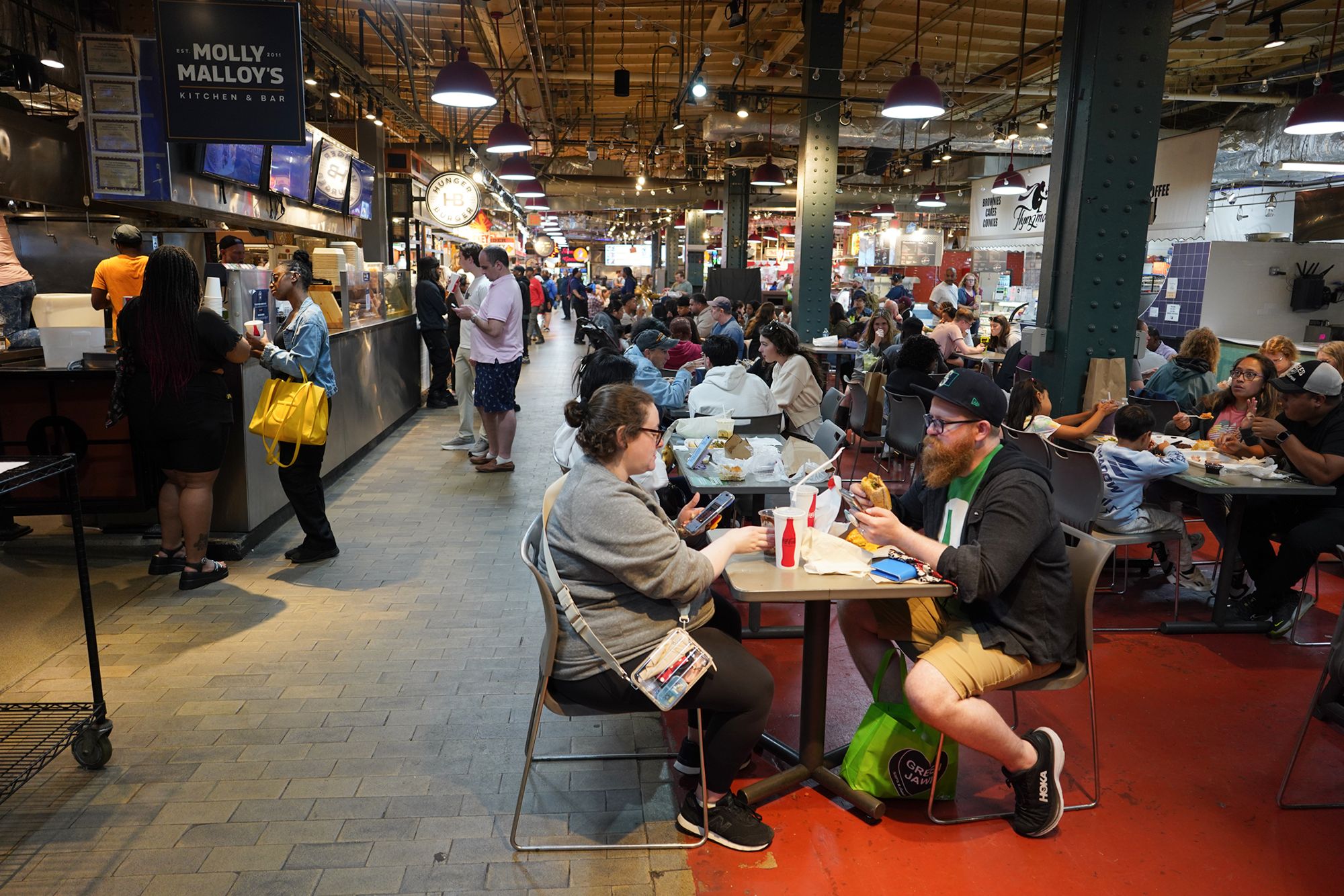
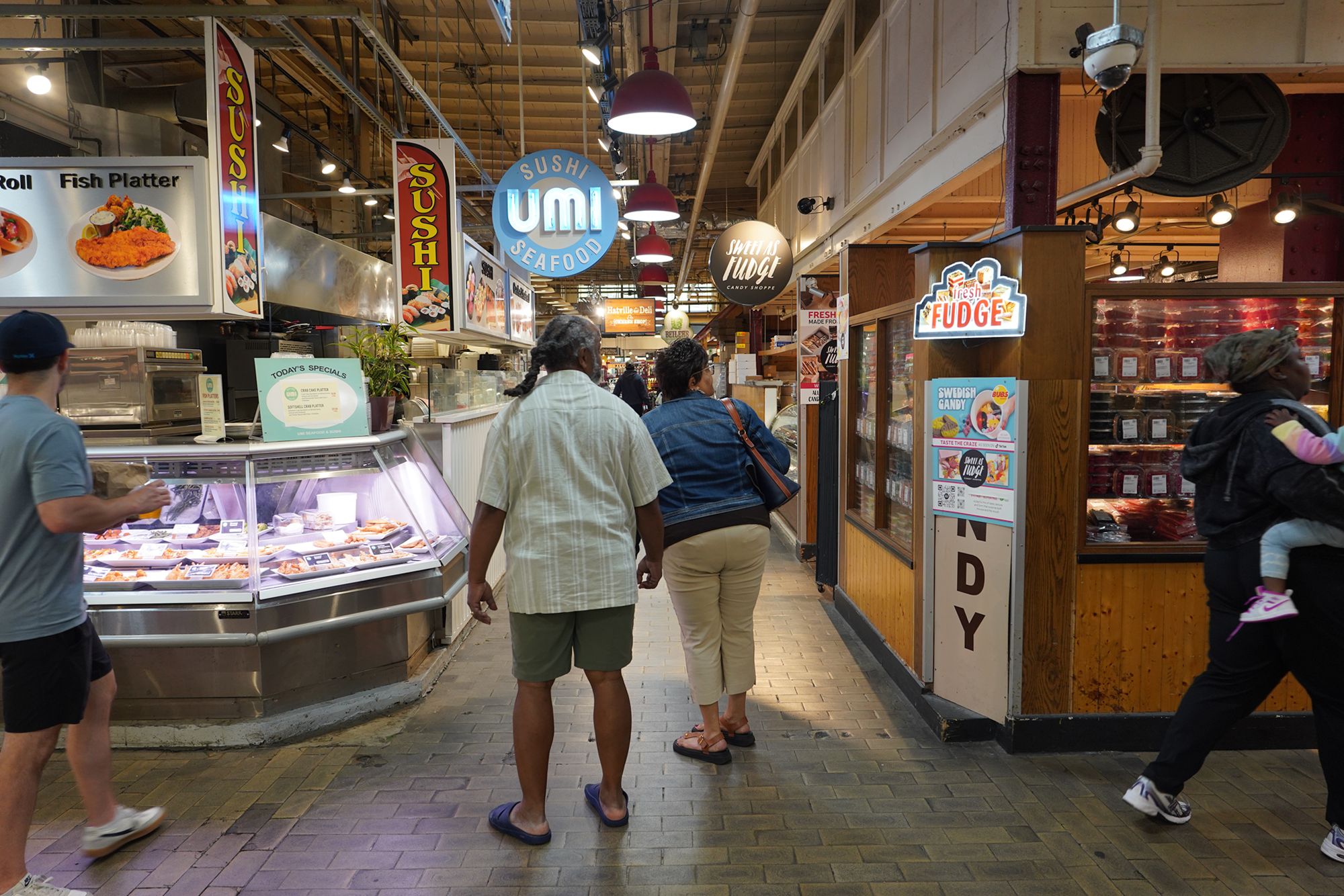
I am walking to Reading Terminal Market
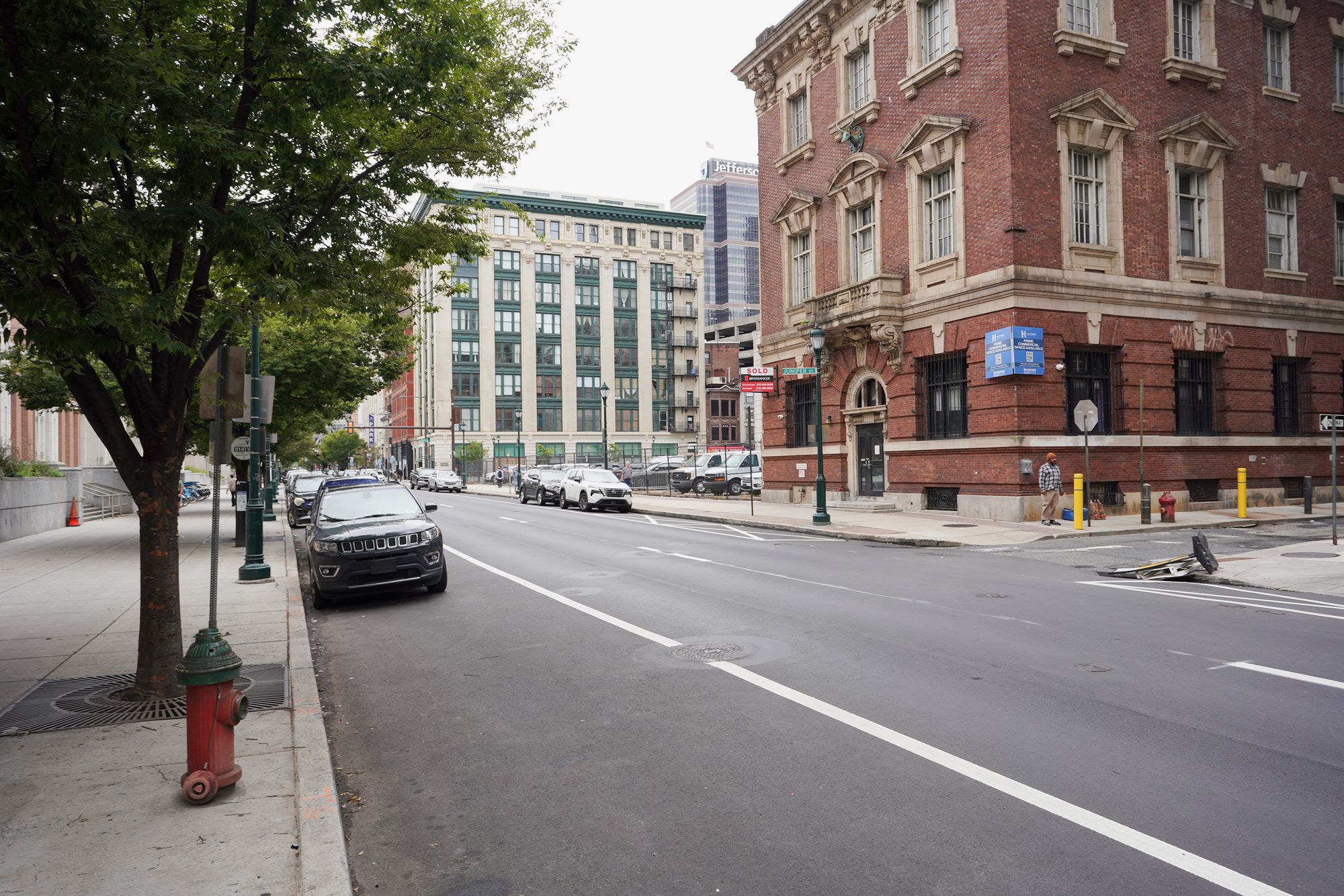
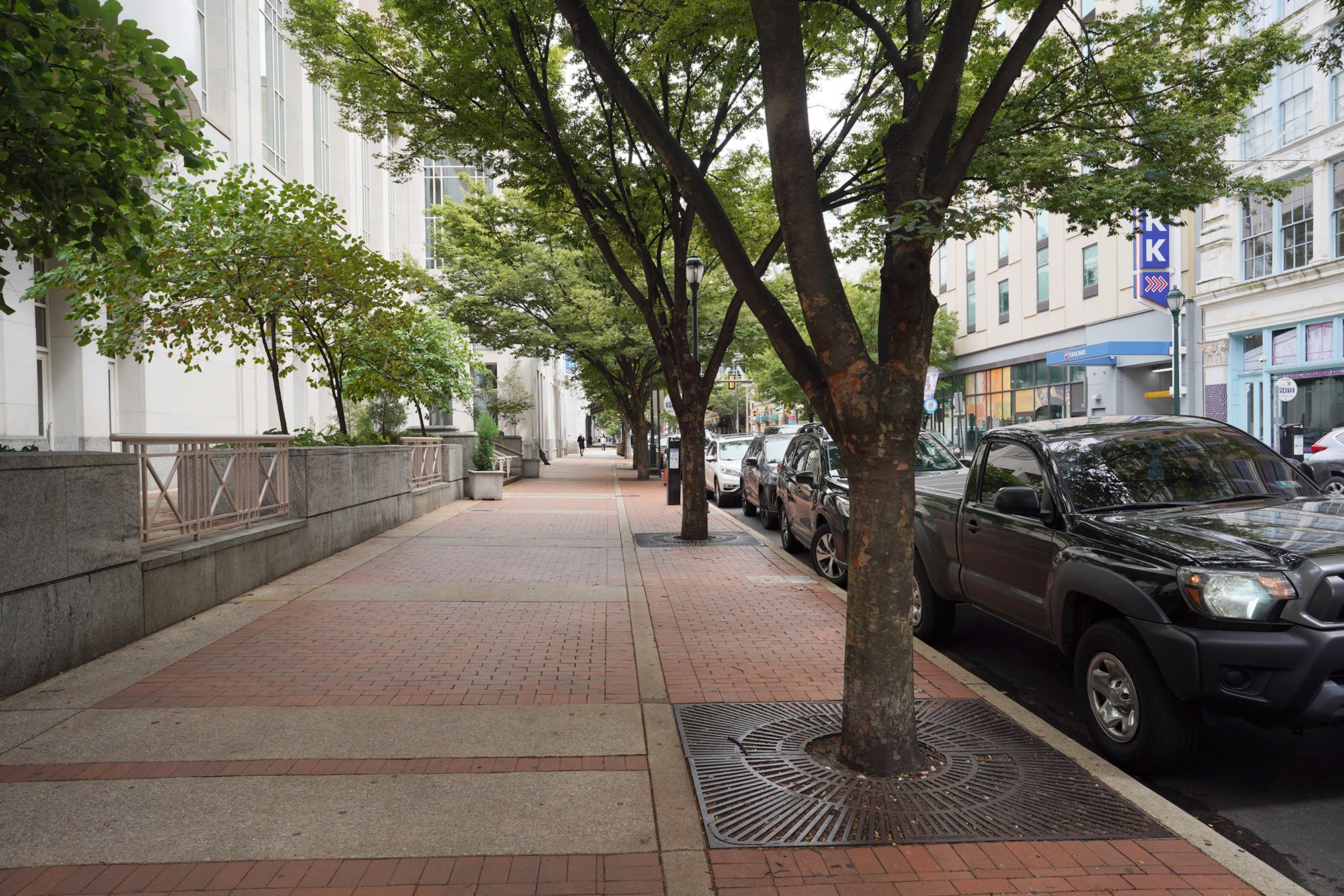
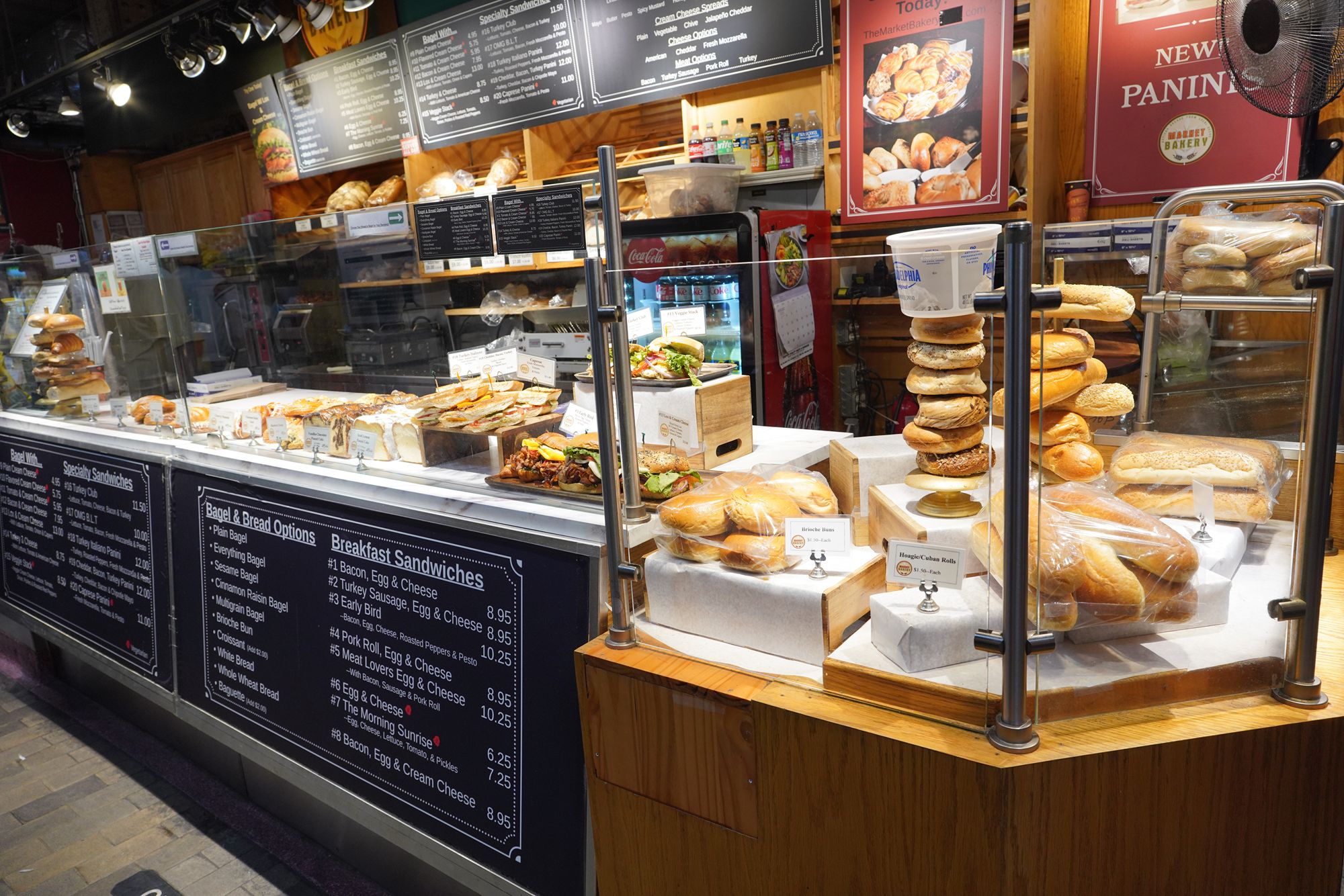
Reading Terminal Market is a bustling historic indoor marketplace filled with diverse food vendors, Amish stalls, fresh produce, meats, seafood, bakeries, and global cuisines. Its lively aisles invite tasting, shopping, and browsing local specialties. A Philadelphia landmark since the 1890s, it remains a favorite spot for lunch, snacks, and cultural flavor.







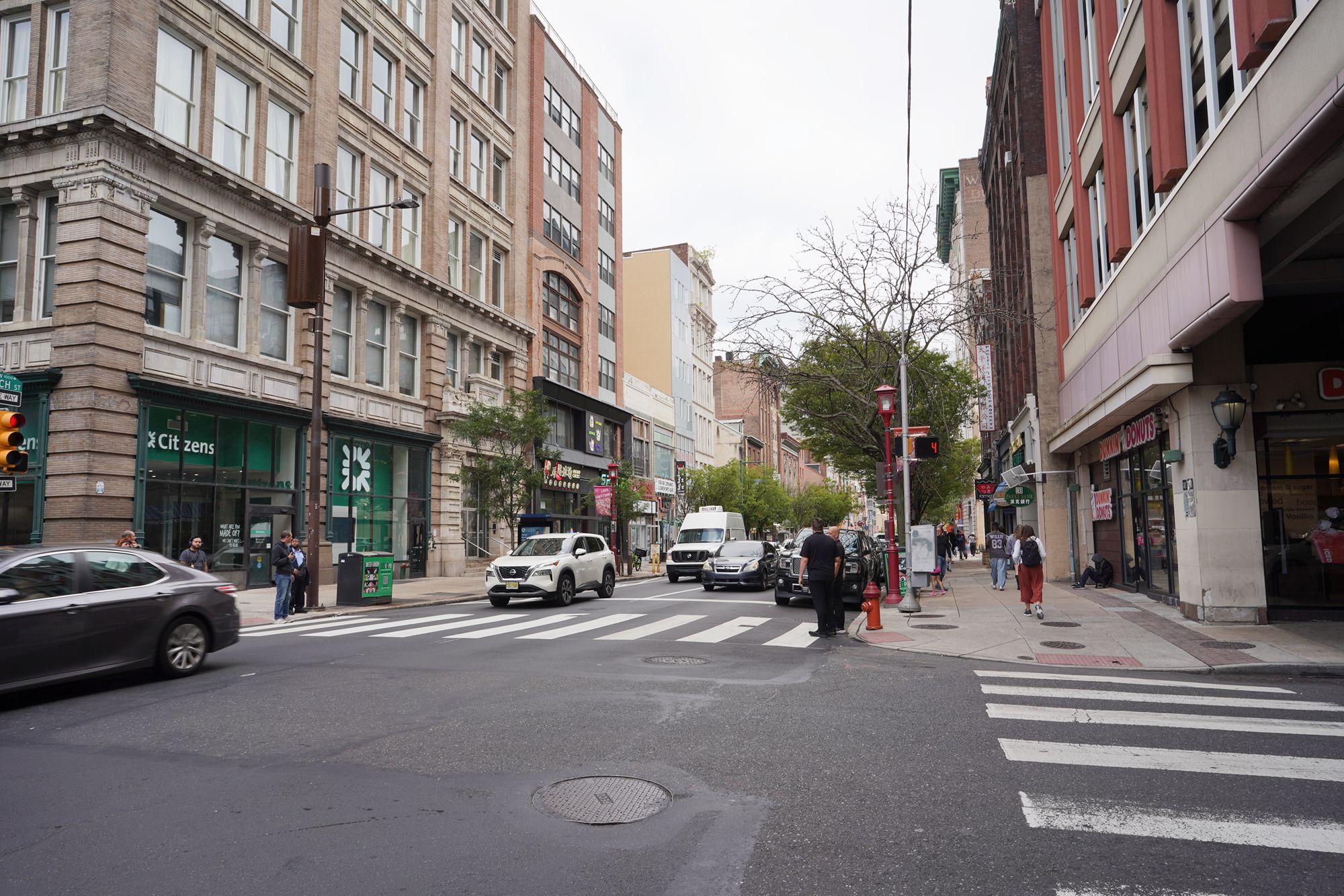
I am out of the market and walking to Franklin Court and Museum
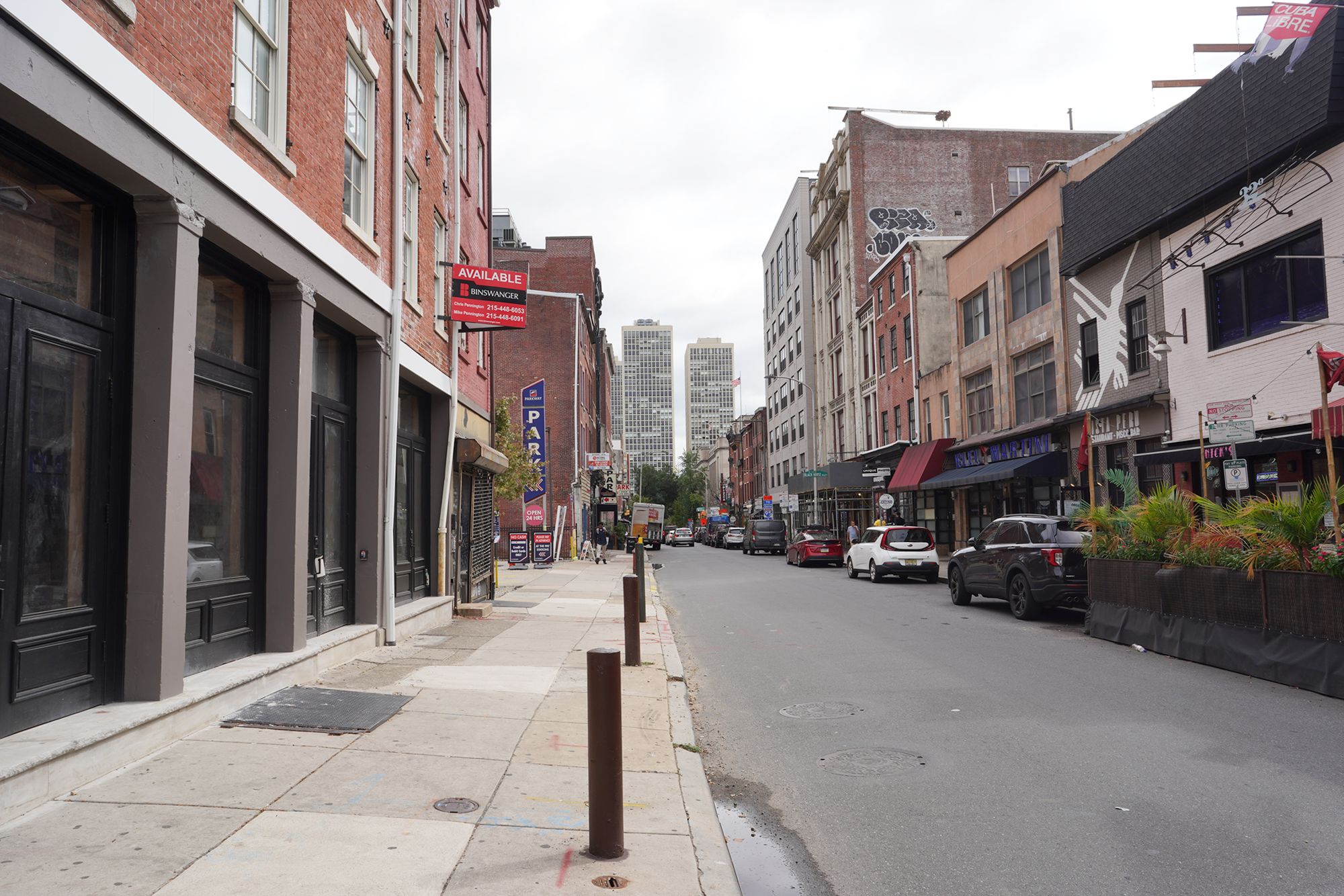
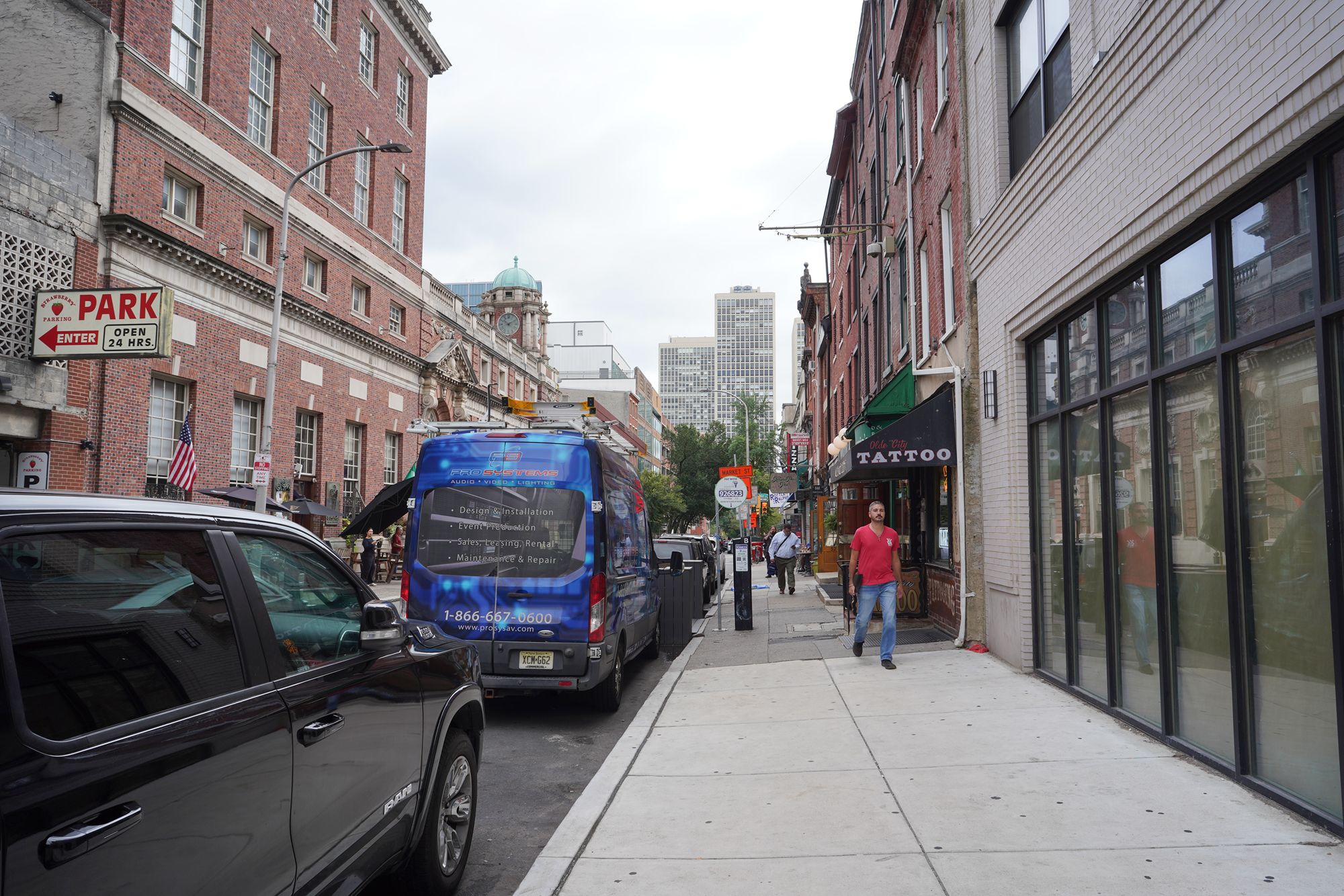

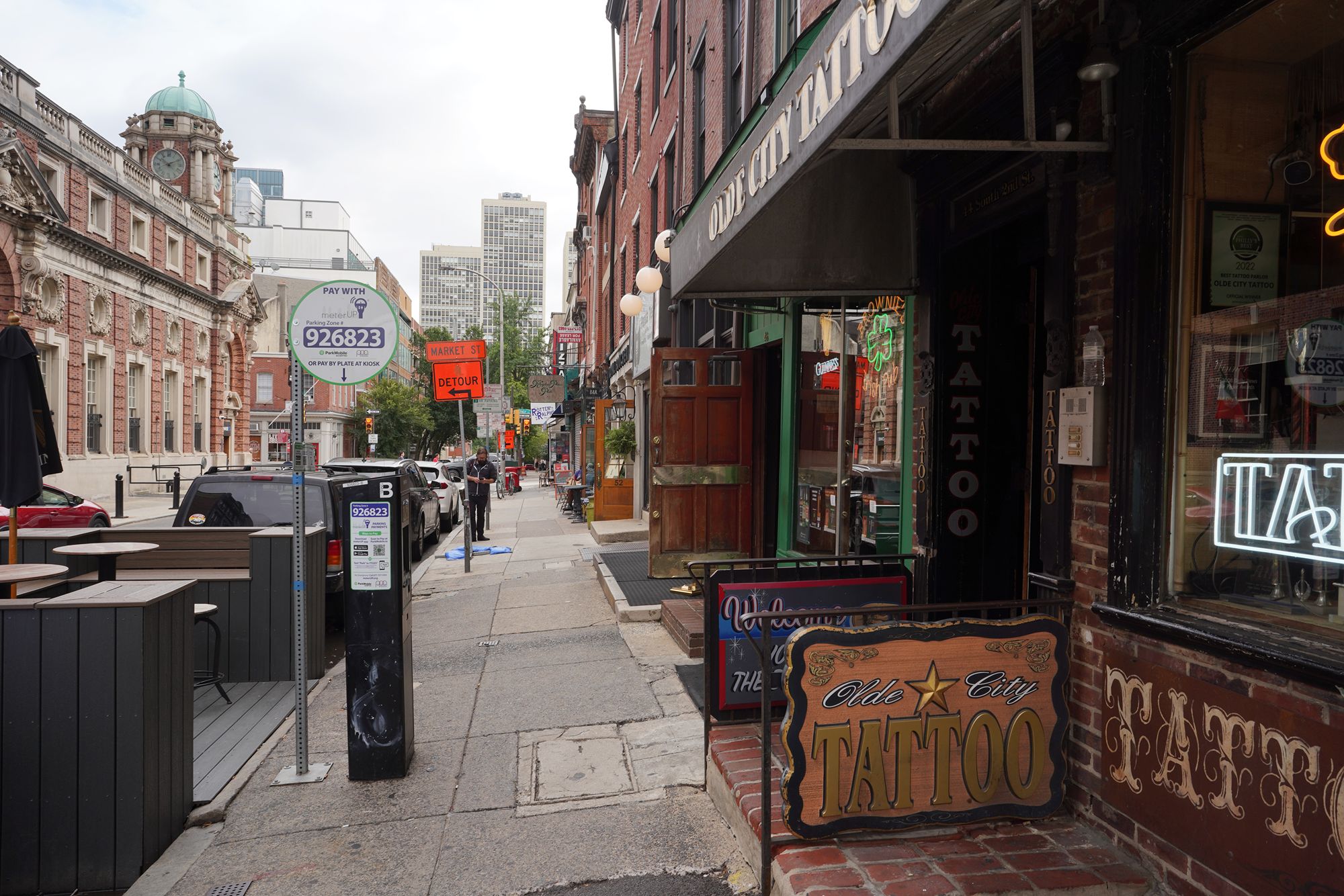
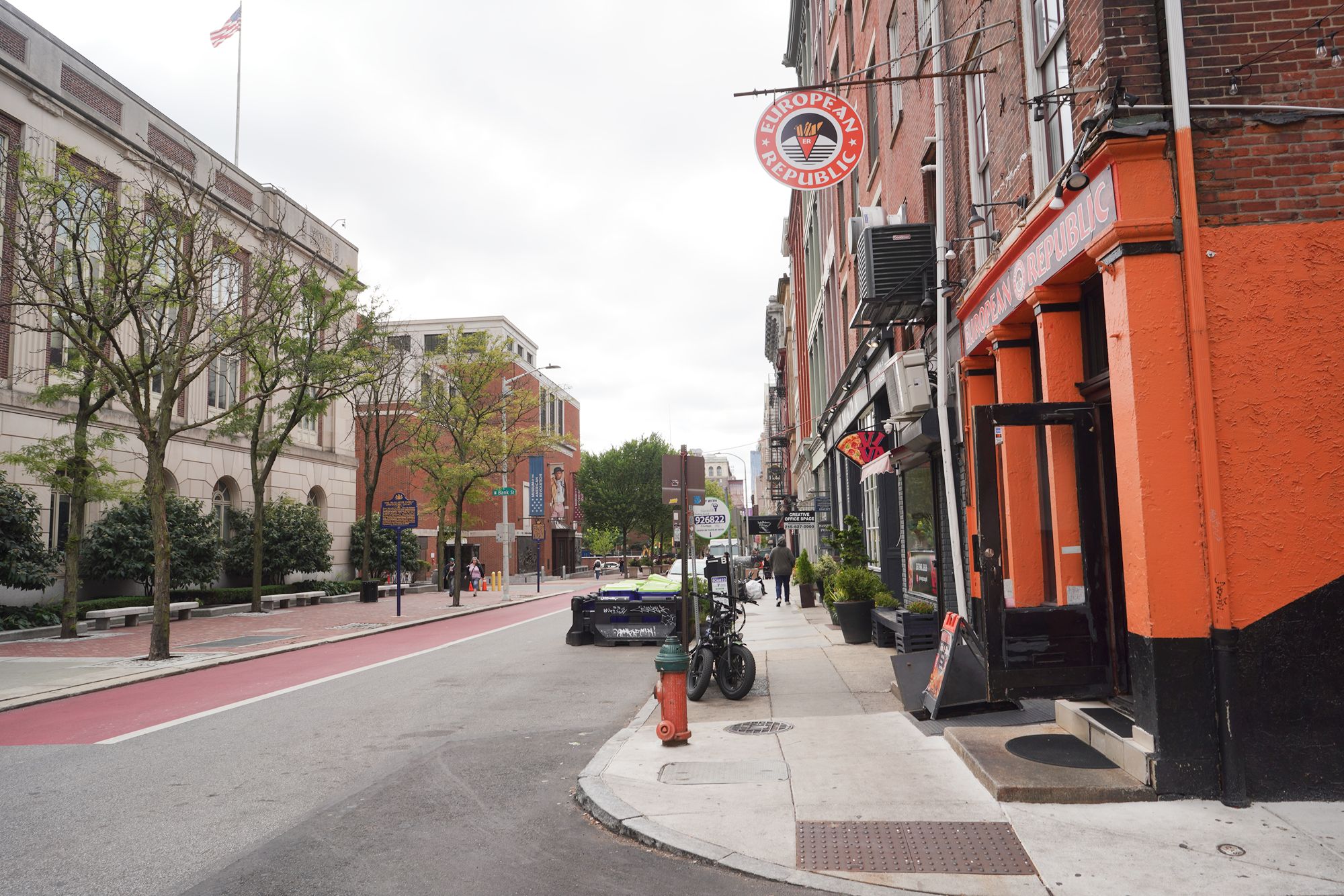
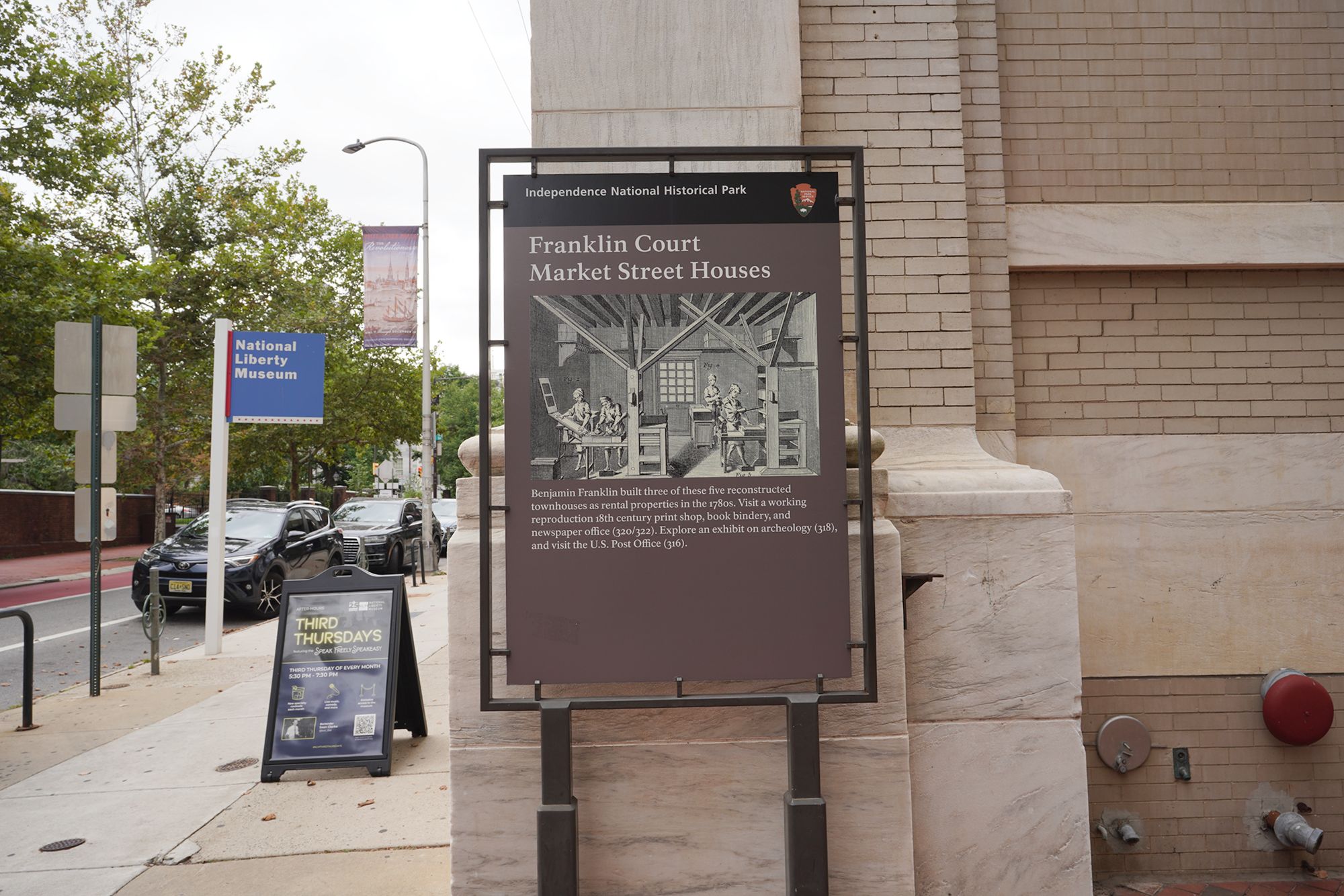
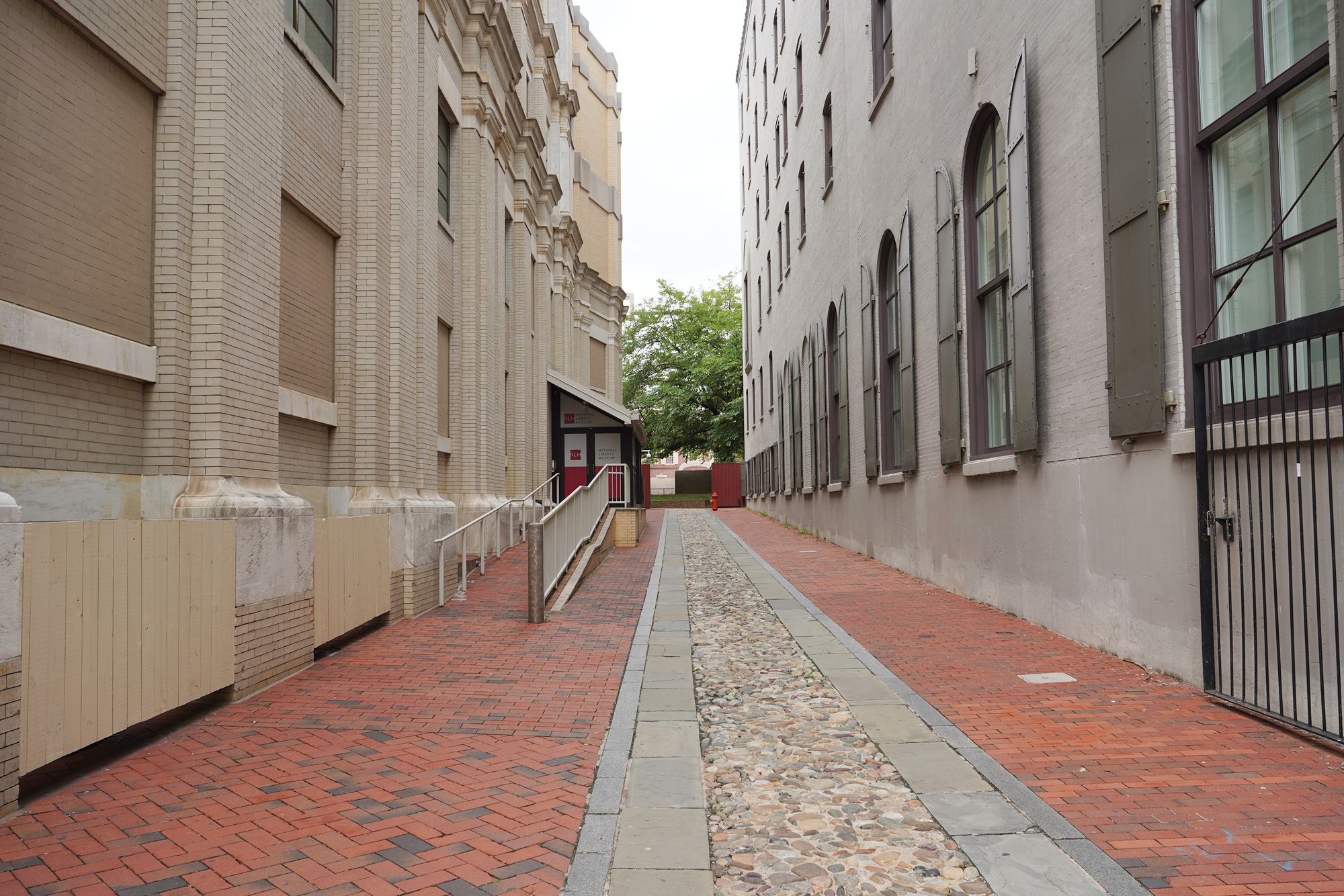
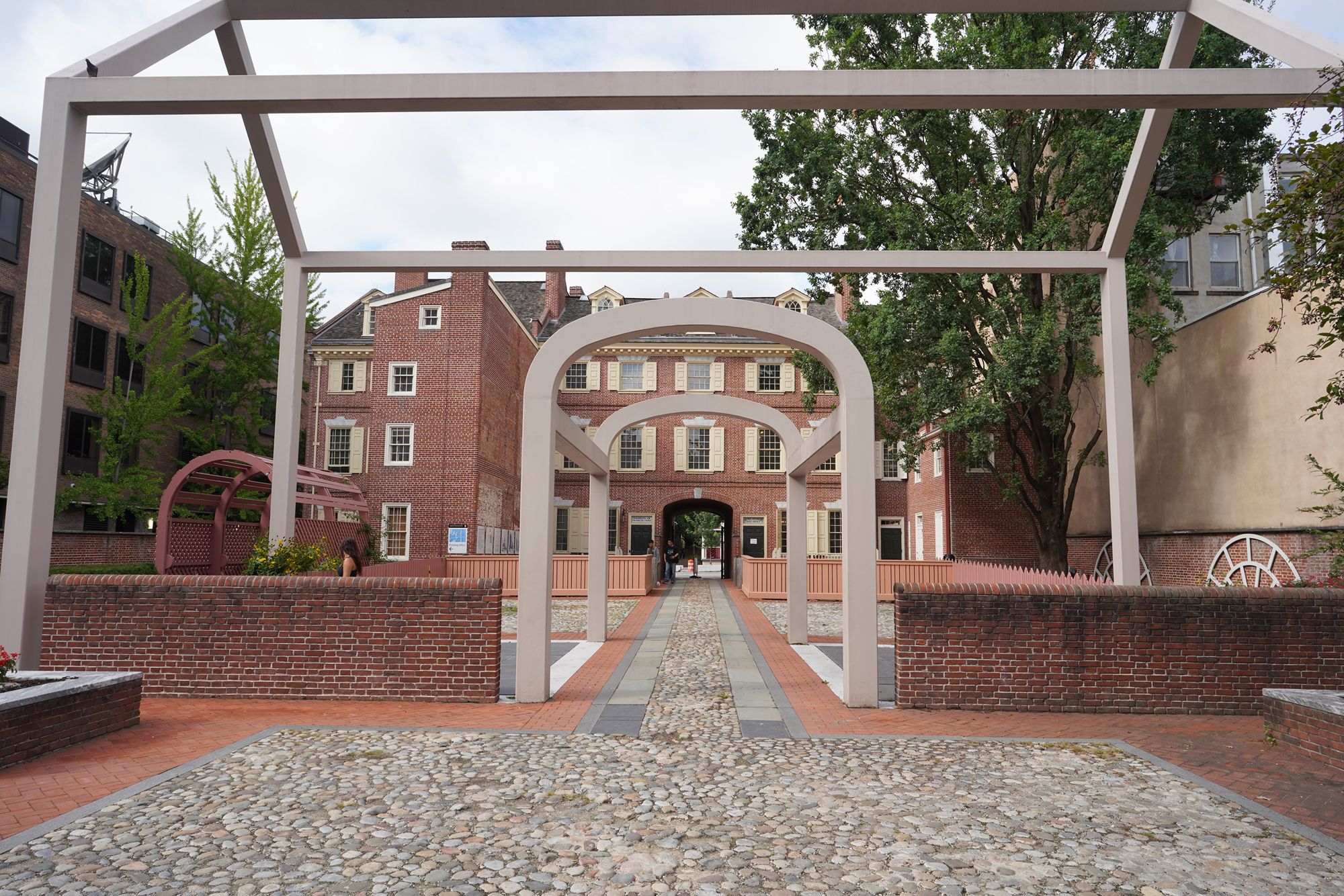
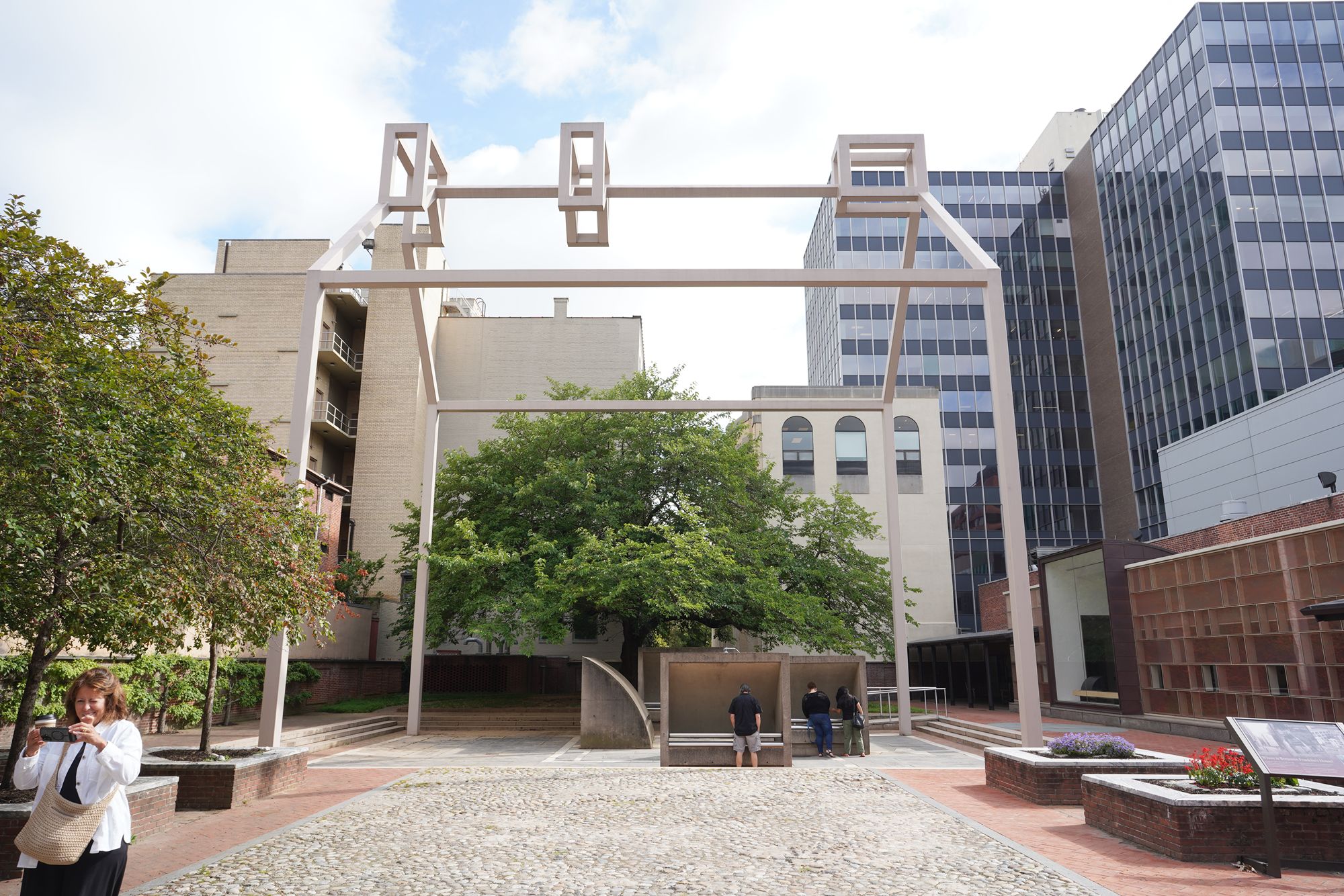
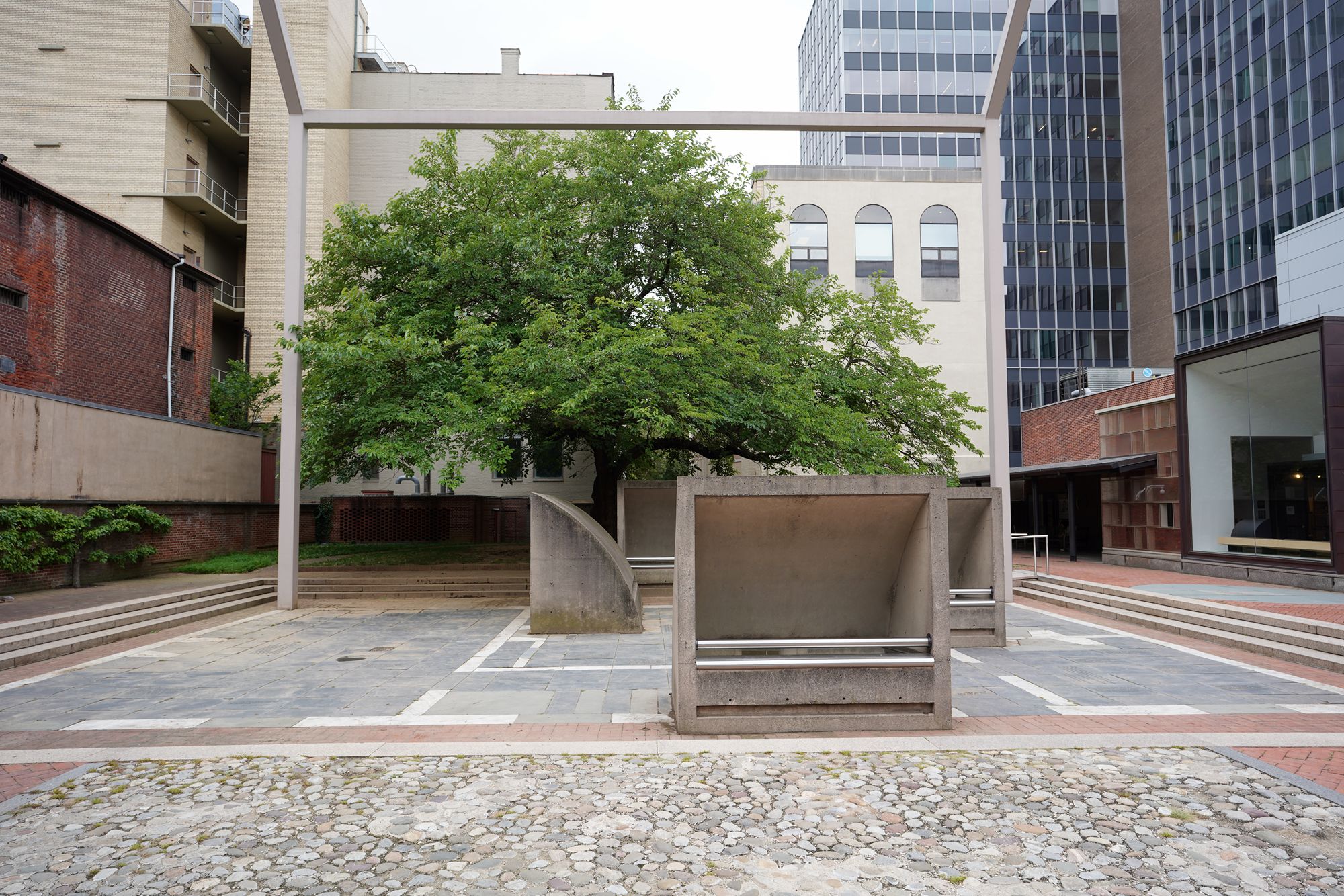
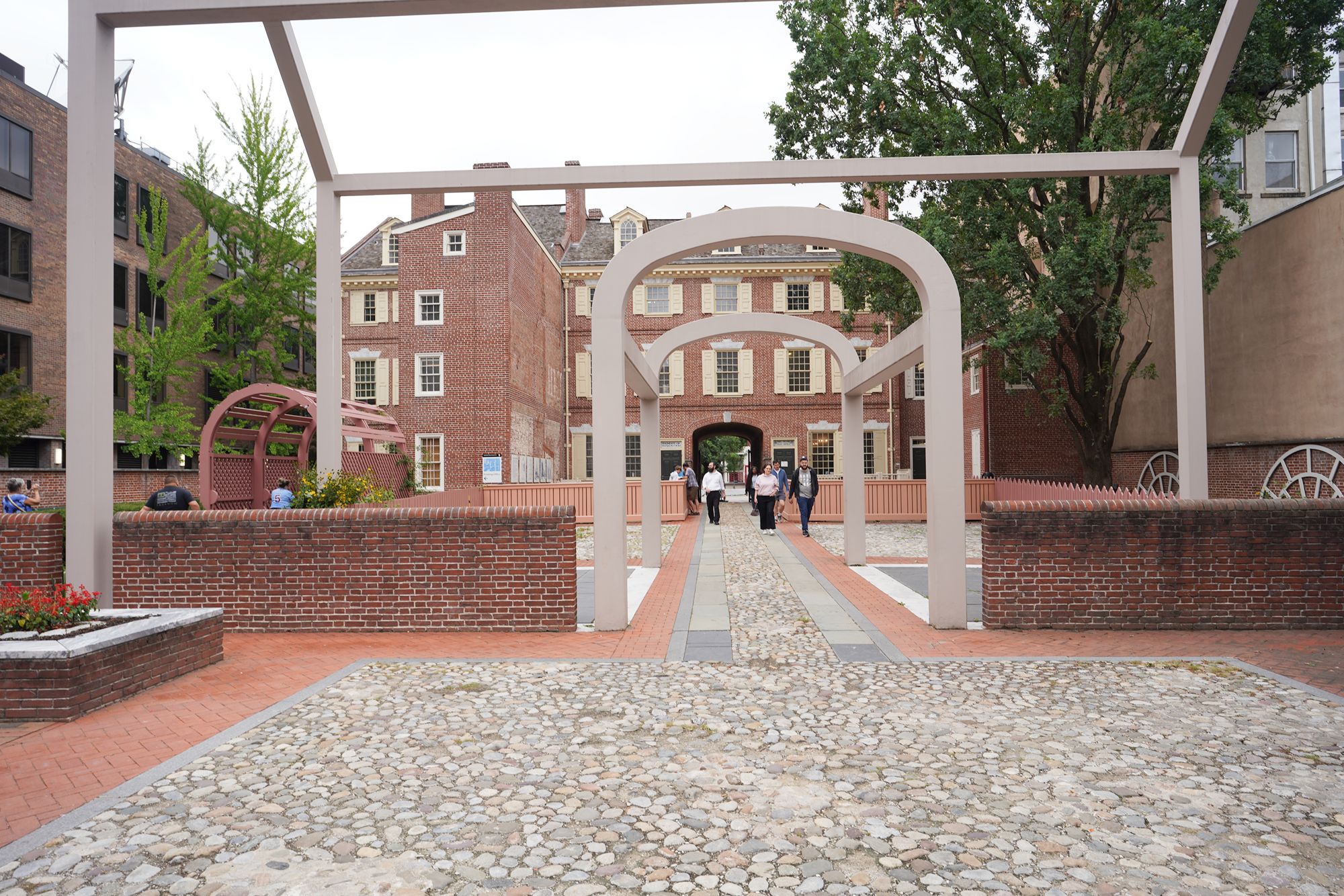
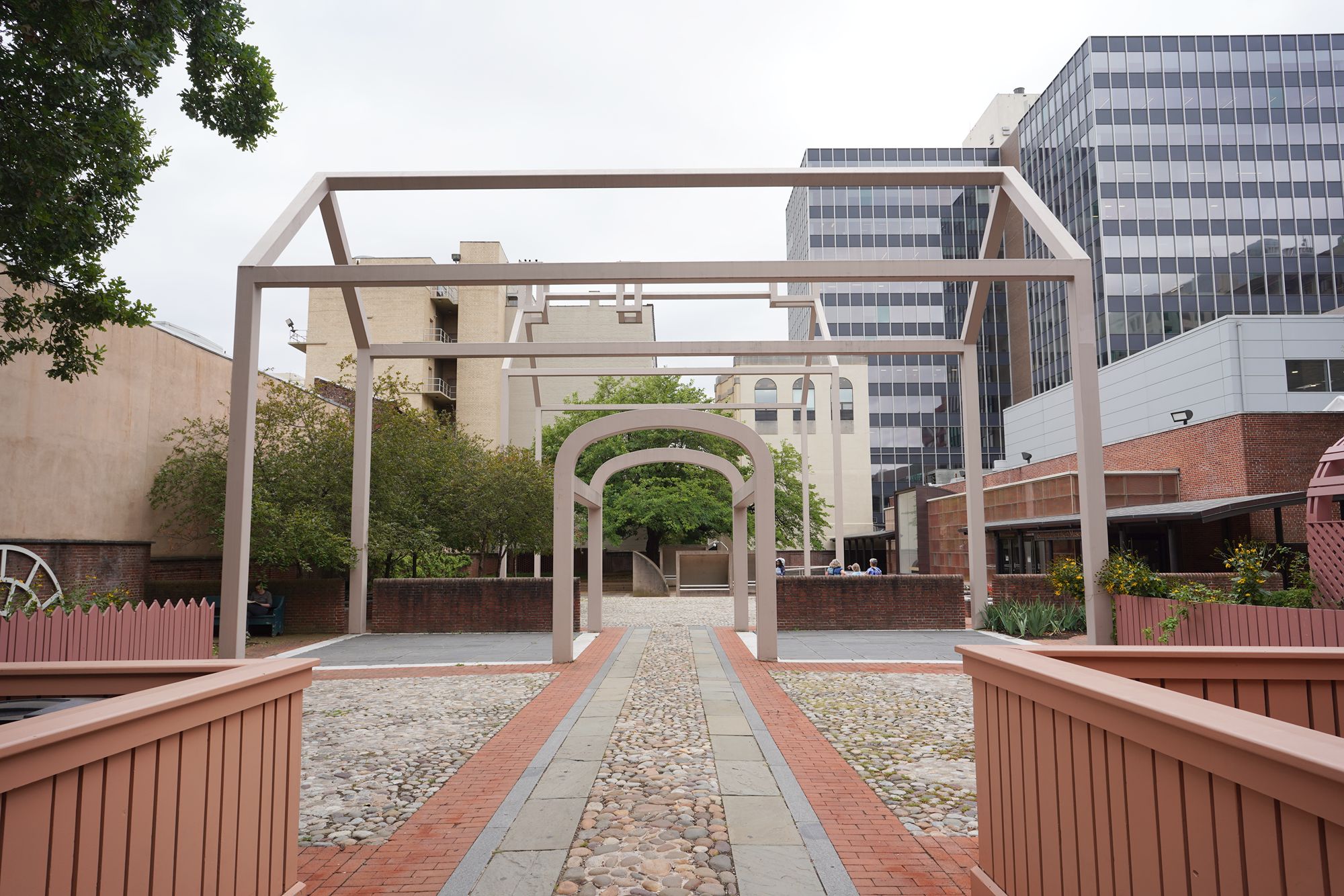
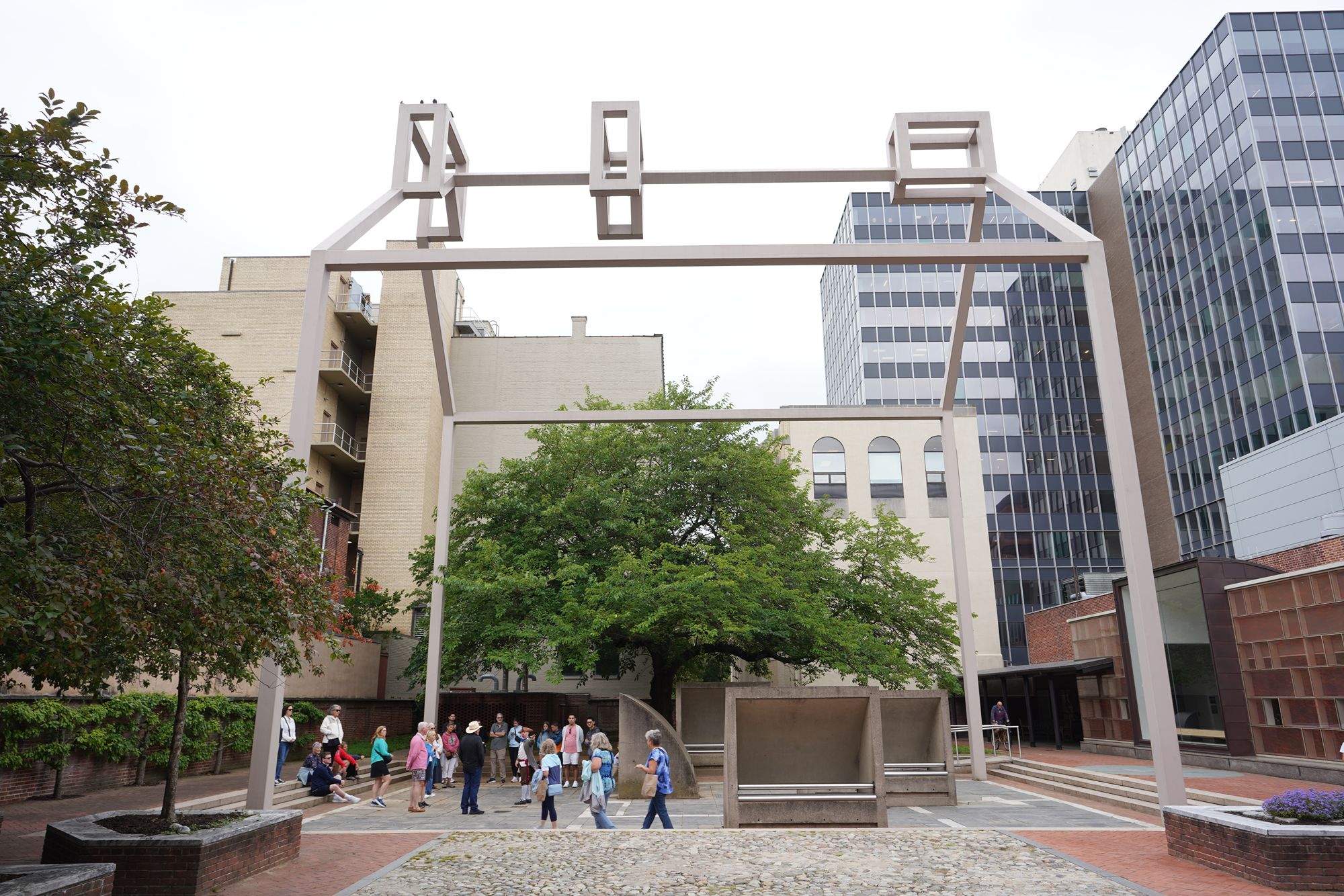
Franklin Court - The ghost house in Franklin Court is a large steel outline that marks where Benjamin Franklin’s home and print shop once stood. Since the original structures were demolished long ago, architects Robert Venturi and Denise Scott Brown designed this skeletal framework in the 1970s to recreate the footprint of the property without imitating it. Instead of a reconstruction, the open frame invites visitors to imagine the house through shape, scale, and space.
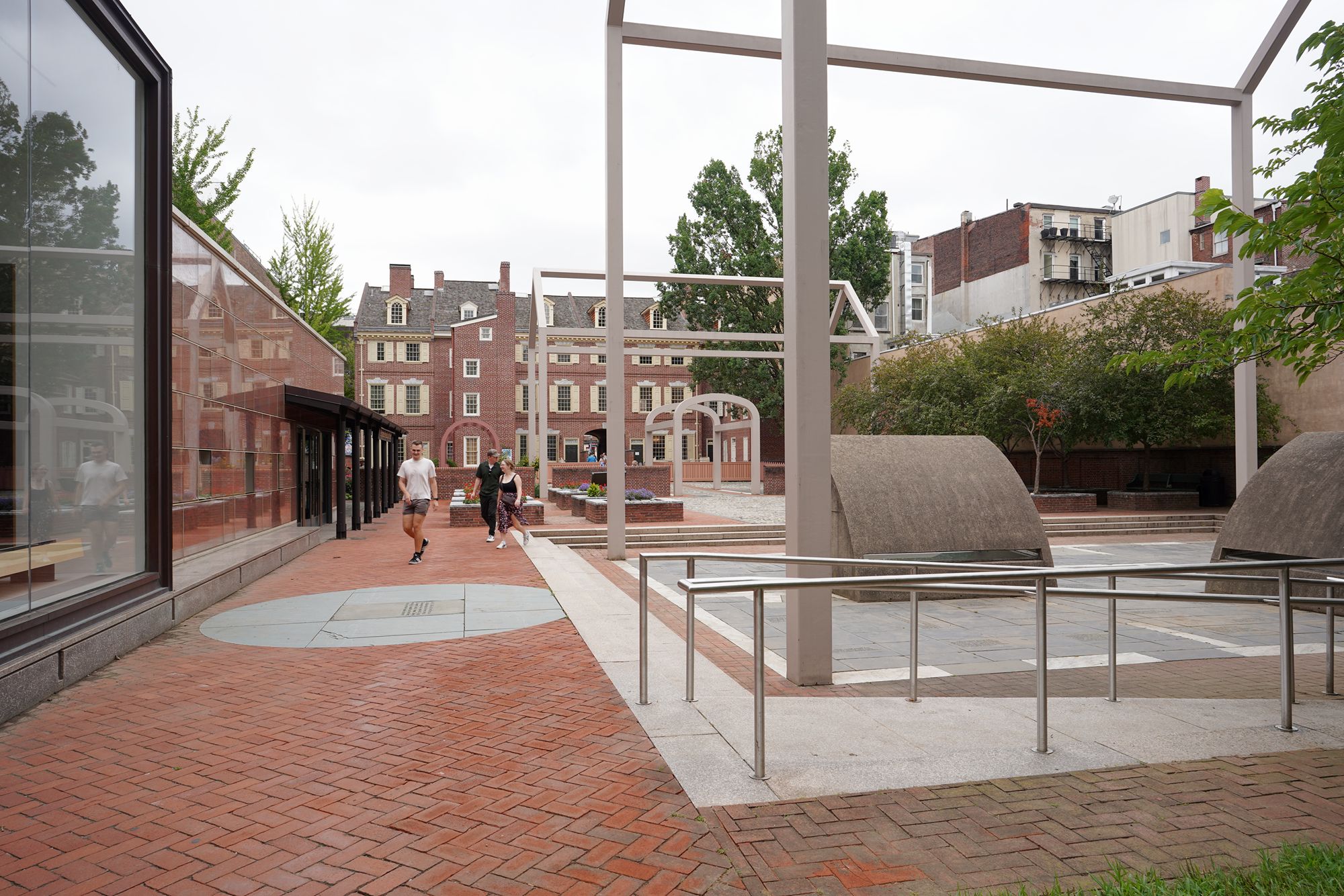
The tallest frame represents the three–story residence Franklin returned to after years abroad. Inside the courtyard are brick outlines and low foundations showing room divisions, cellars, and outbuildings—giving a sense of layout rather than walls. Adjacent is the smaller ghost frame of the print shop, where Franklin lived and printed newspapers, currency, and pamphlets that fueled the Revolution.
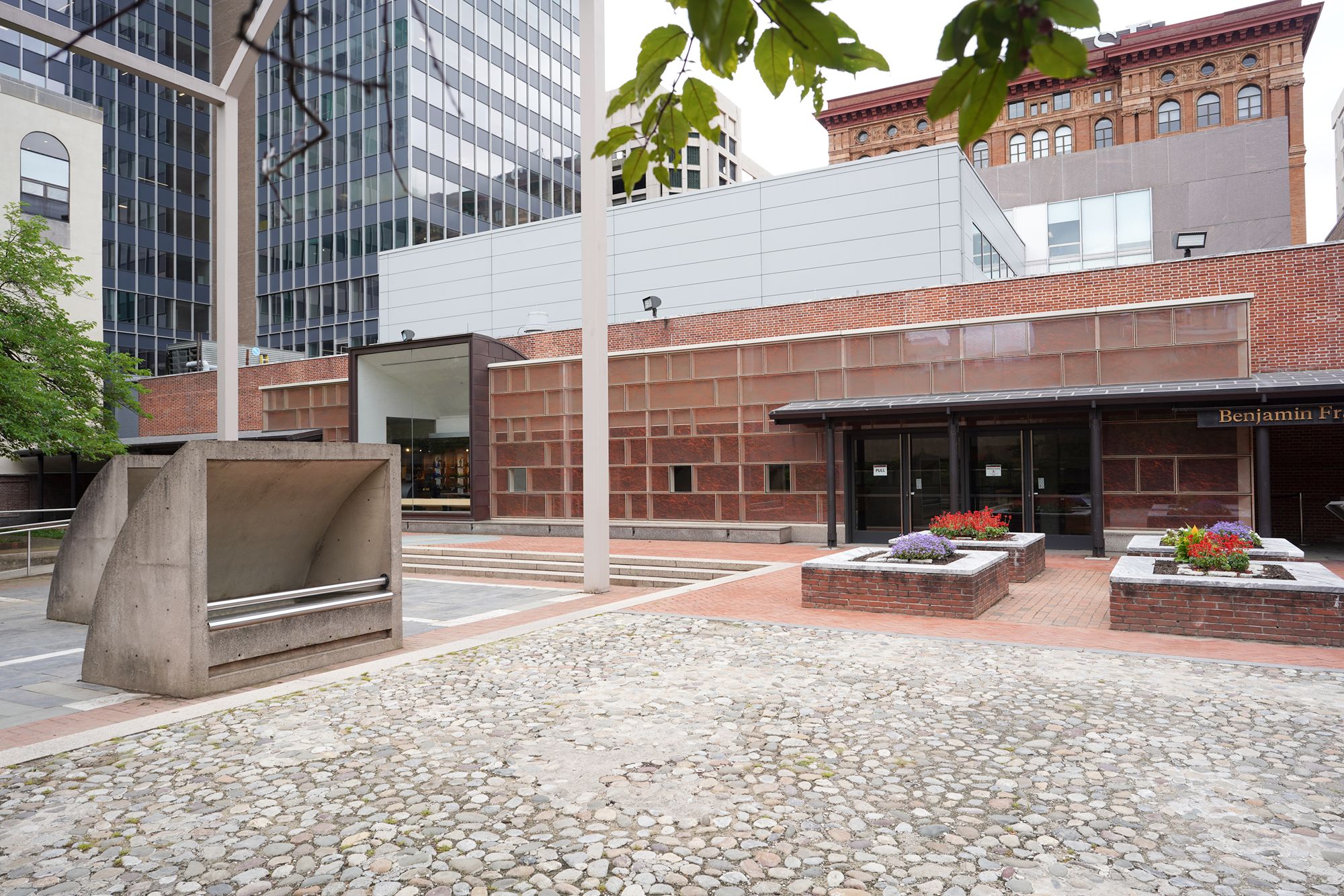
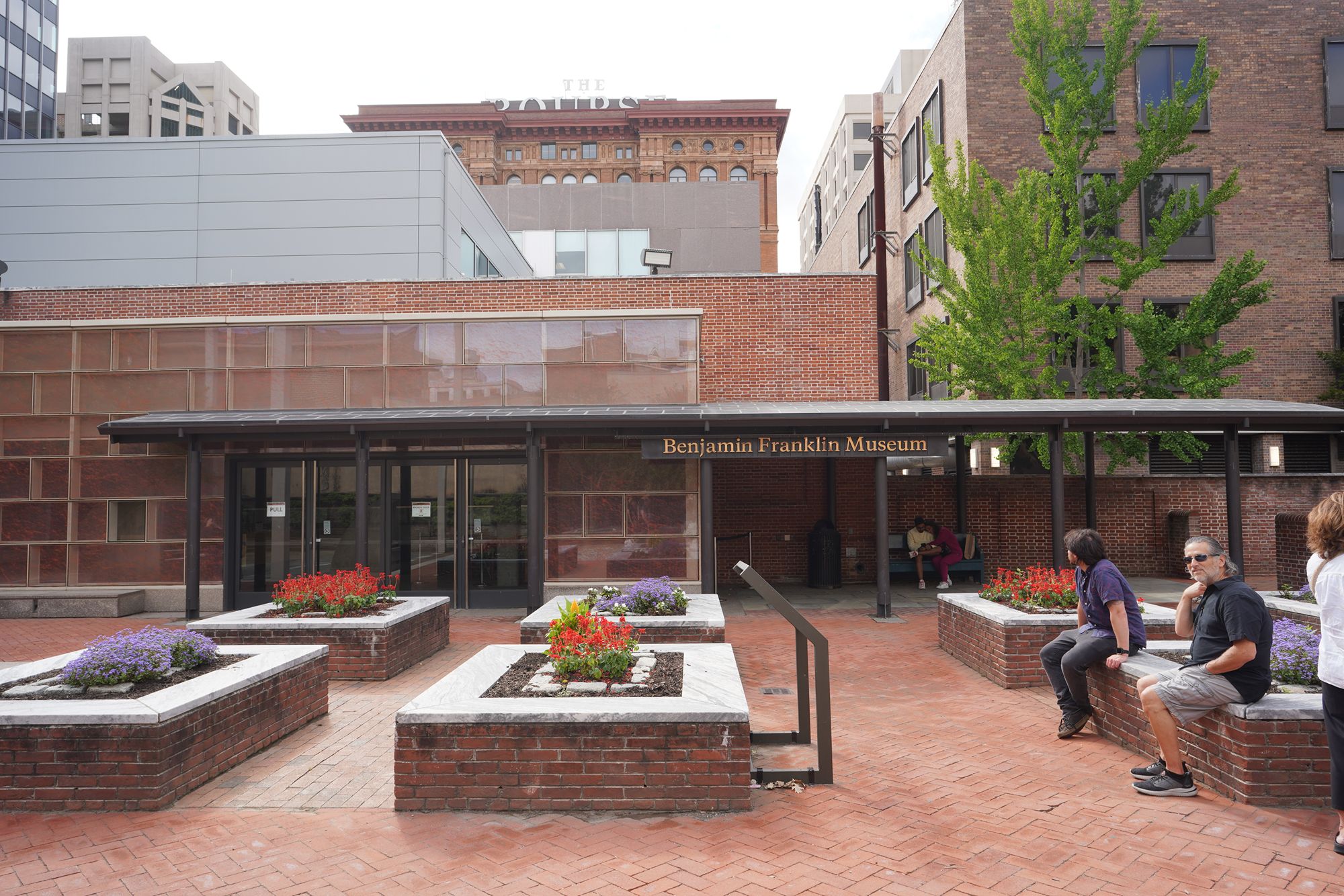
The Benjamin Franklin Museum is located next
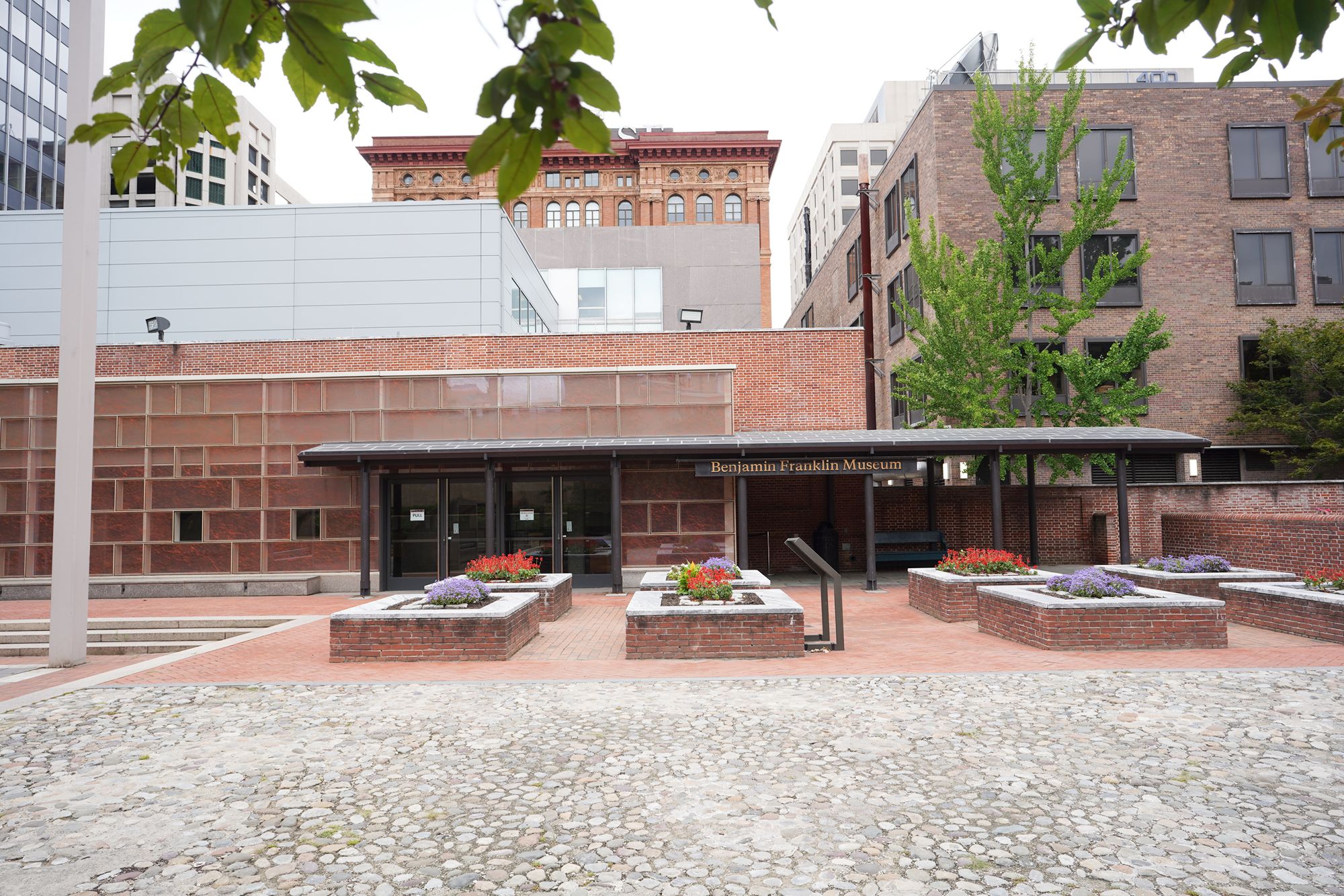
The large red-brick building beside the ghost structures is the reconstructed Print Shop and the B. Free Franklin Post Office, designed to reflect Franklin’s original workspace. Though the house itself no longer survives, this building shows how the site functioned when Franklin lived here.
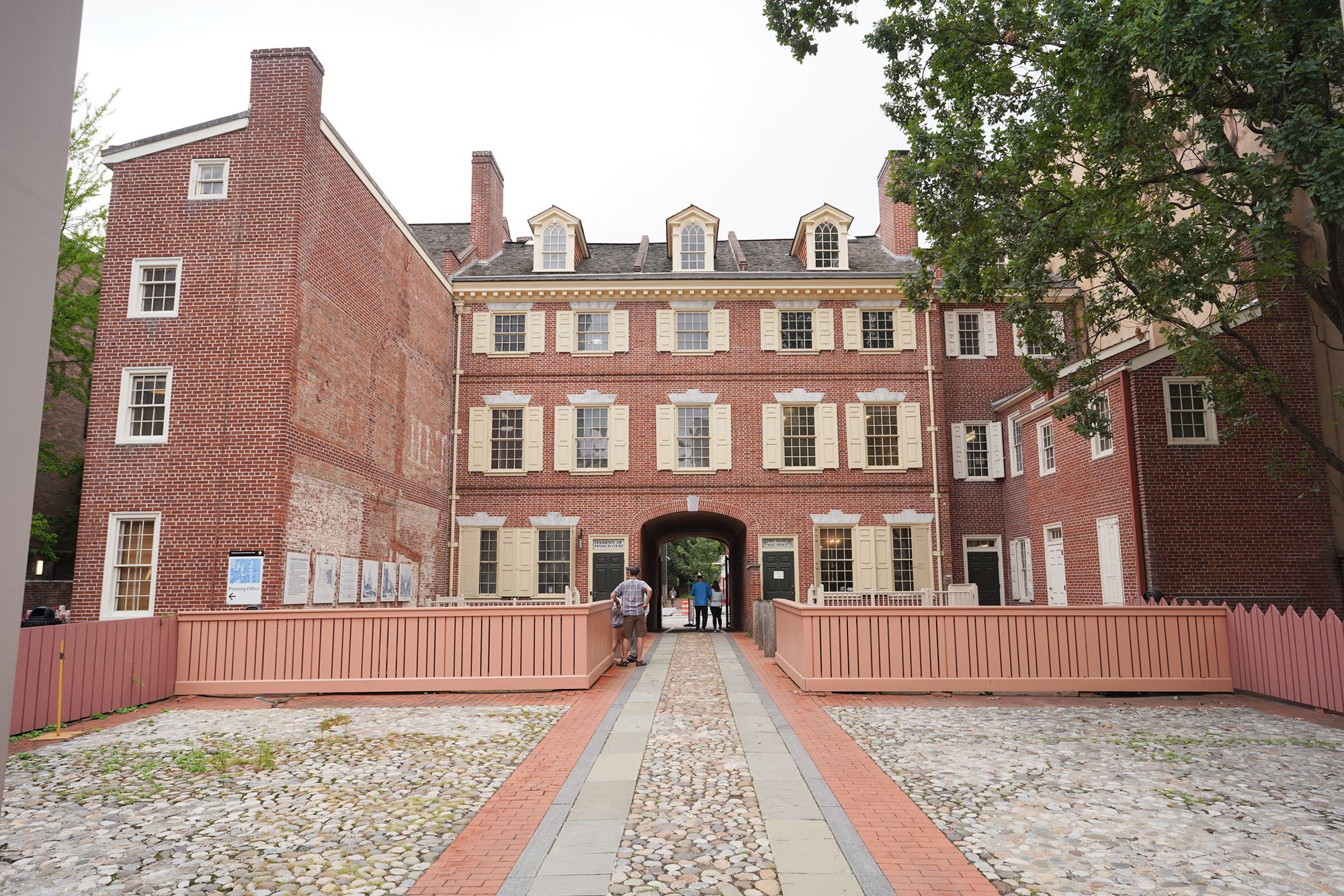
Looking back at the Ghost Frame House site
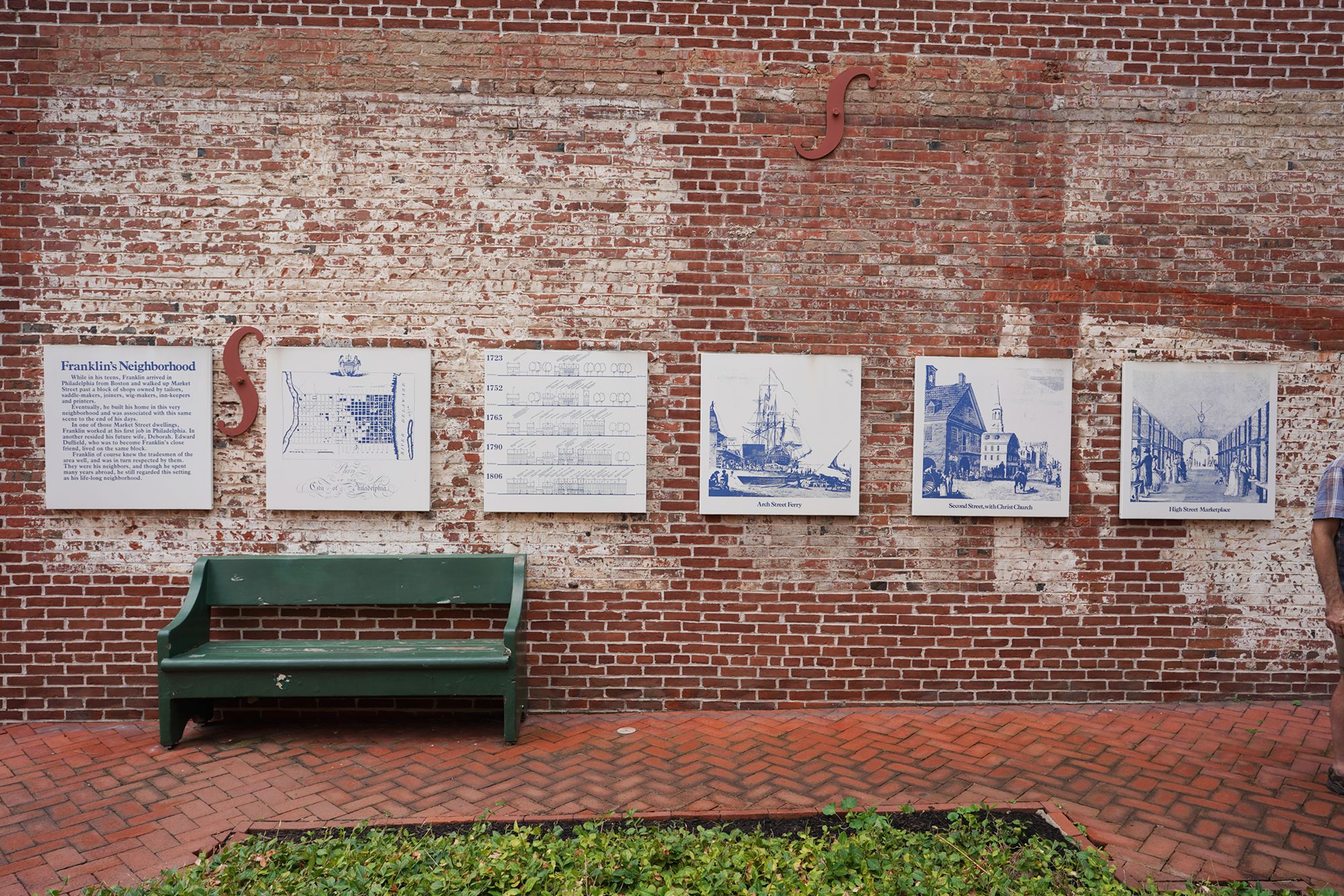
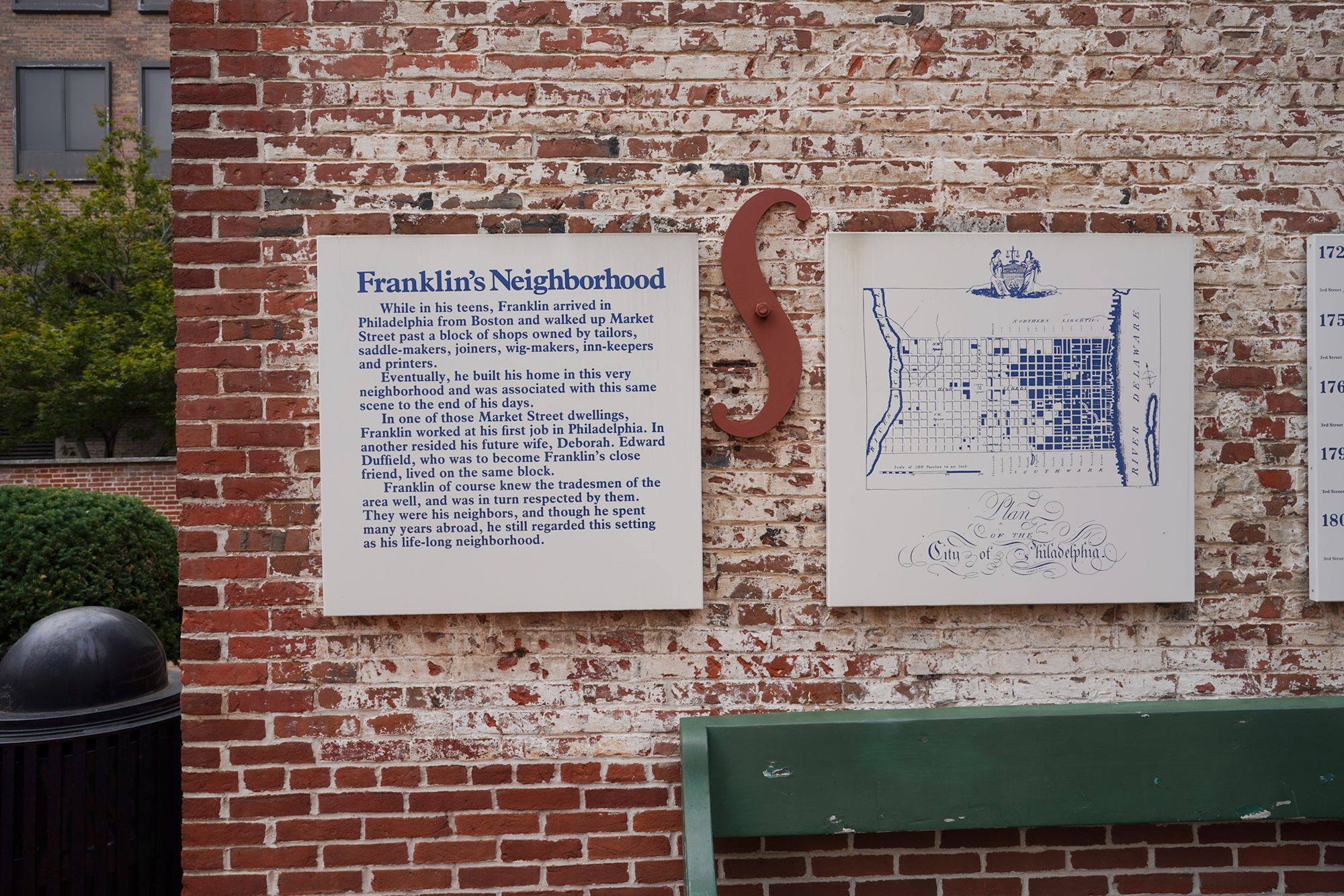
Inside the red-brick building is Franklin’s restored print shop, where demonstrations show how early newspapers and documents were made, along with small exhibits on colonial communication. It also houses the historic B. Free Franklin Post Office, still operating today and known for hand-canceling mail with Franklin’s name.
It was closed when I visited them, so I wasn't able to get in.
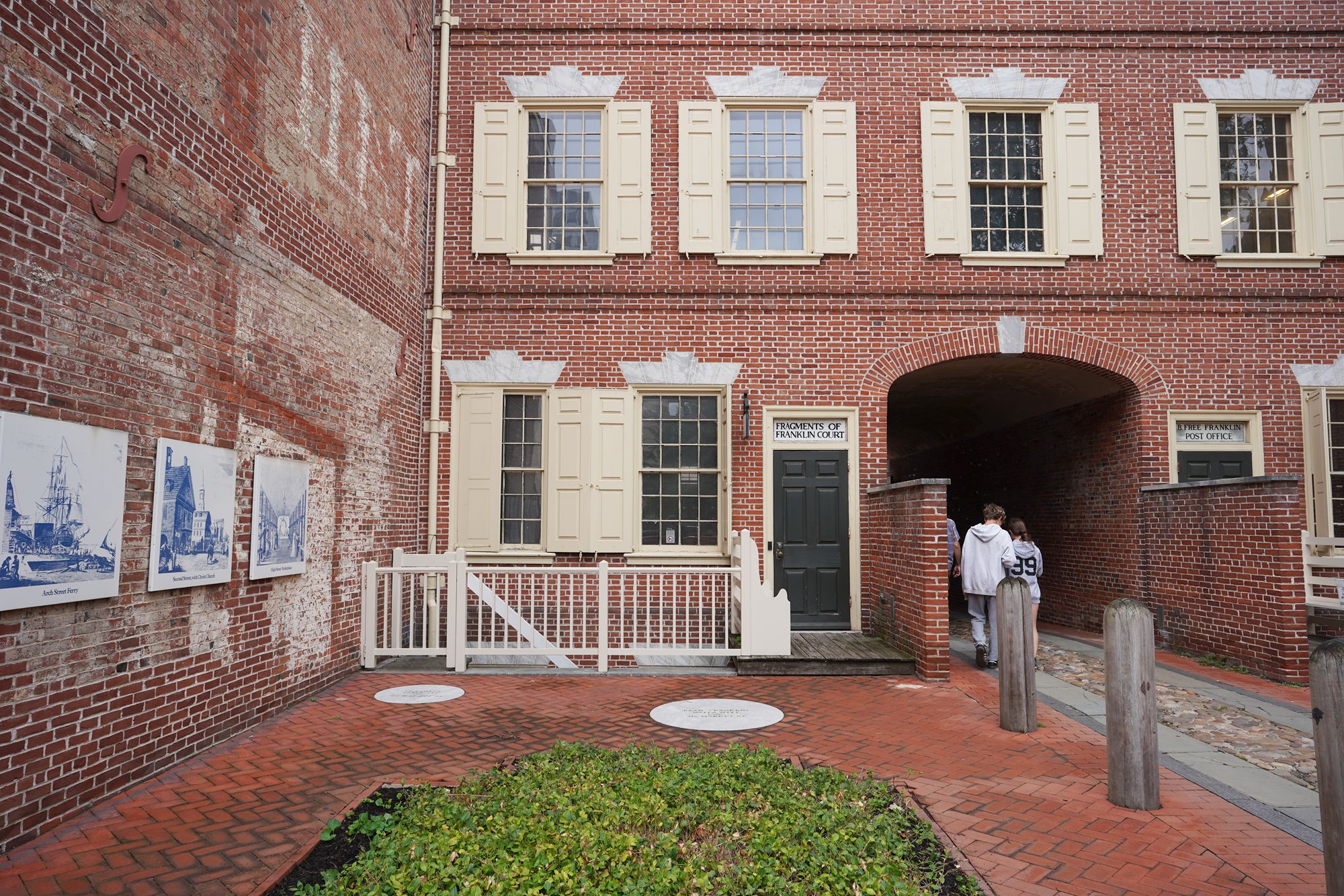
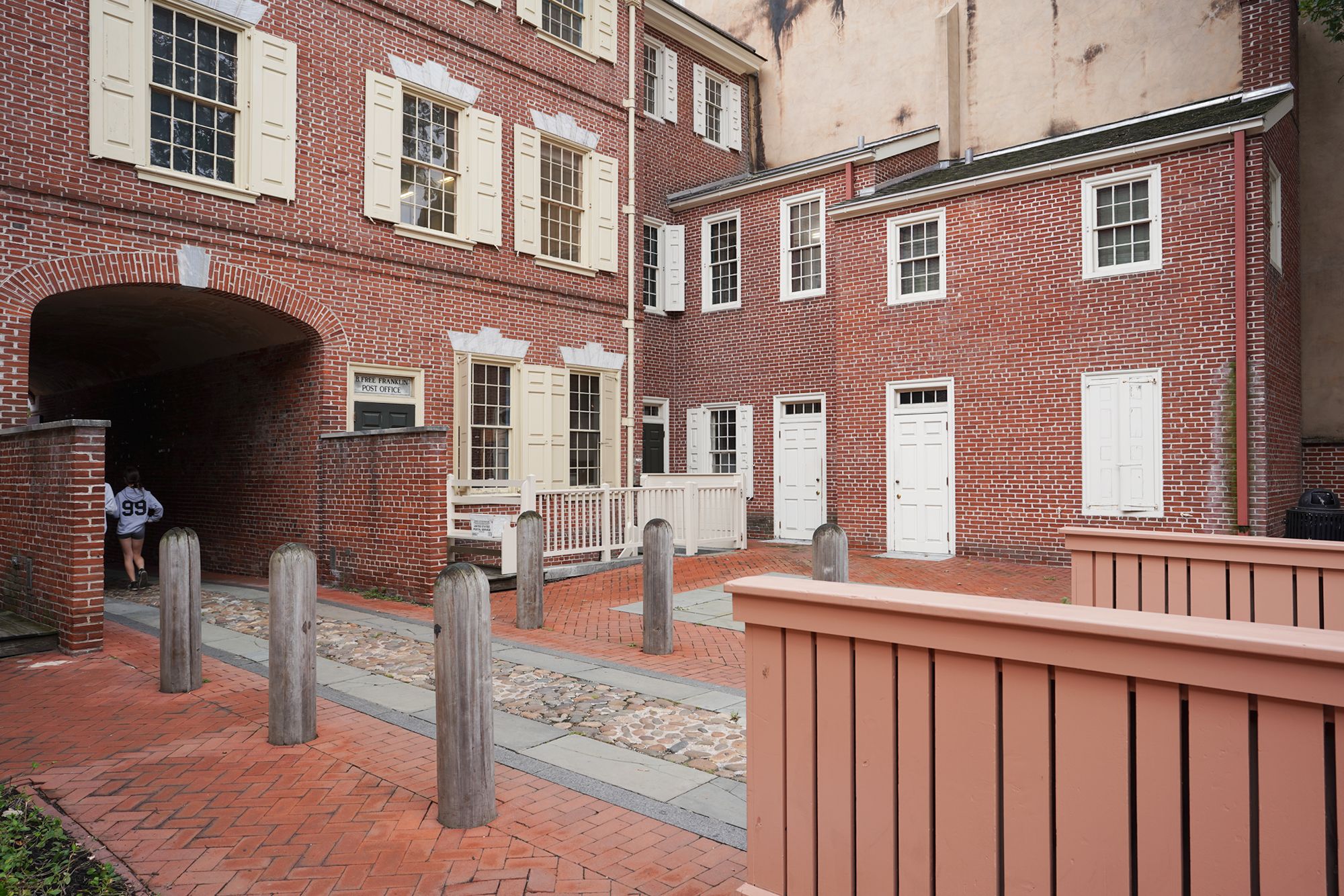
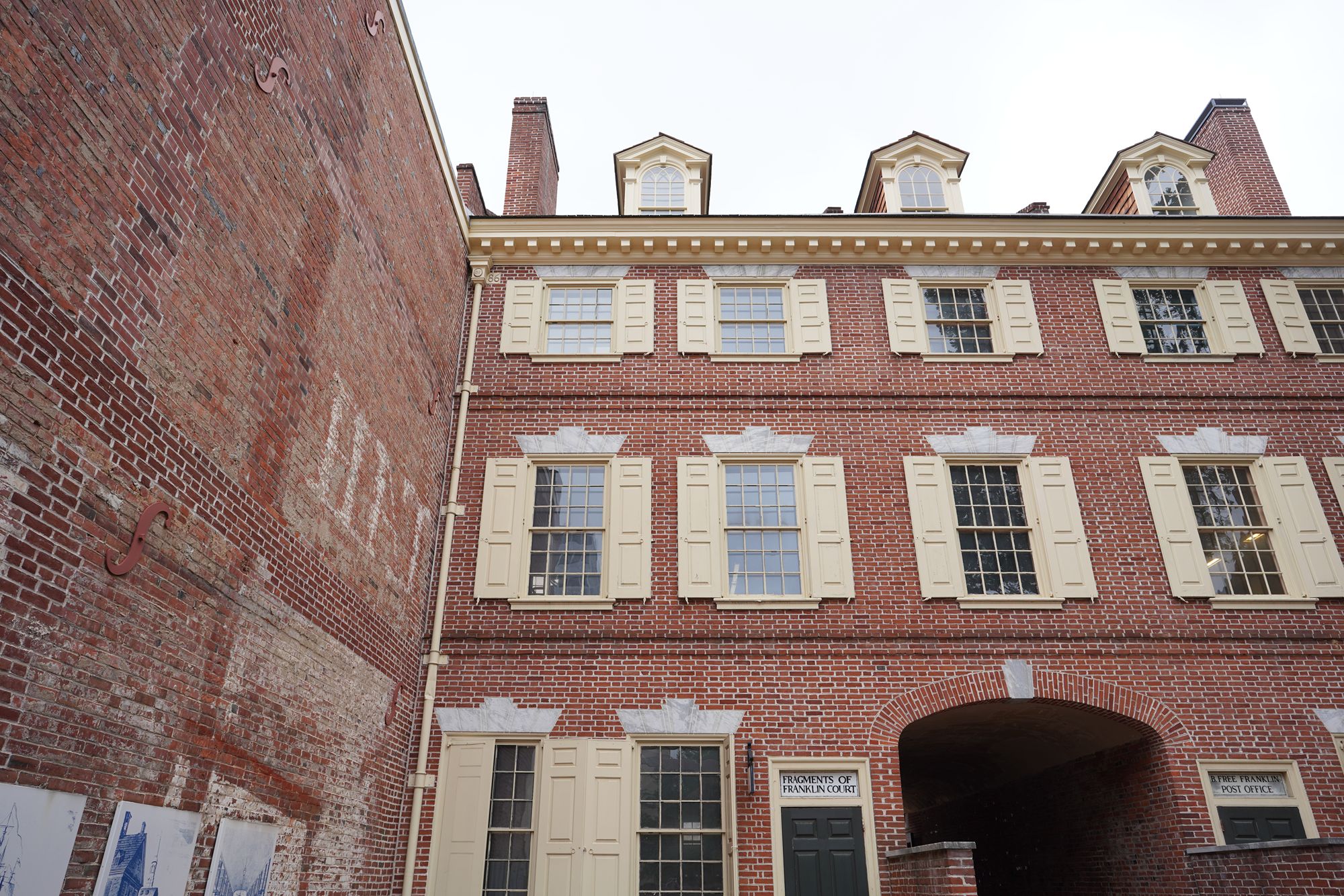
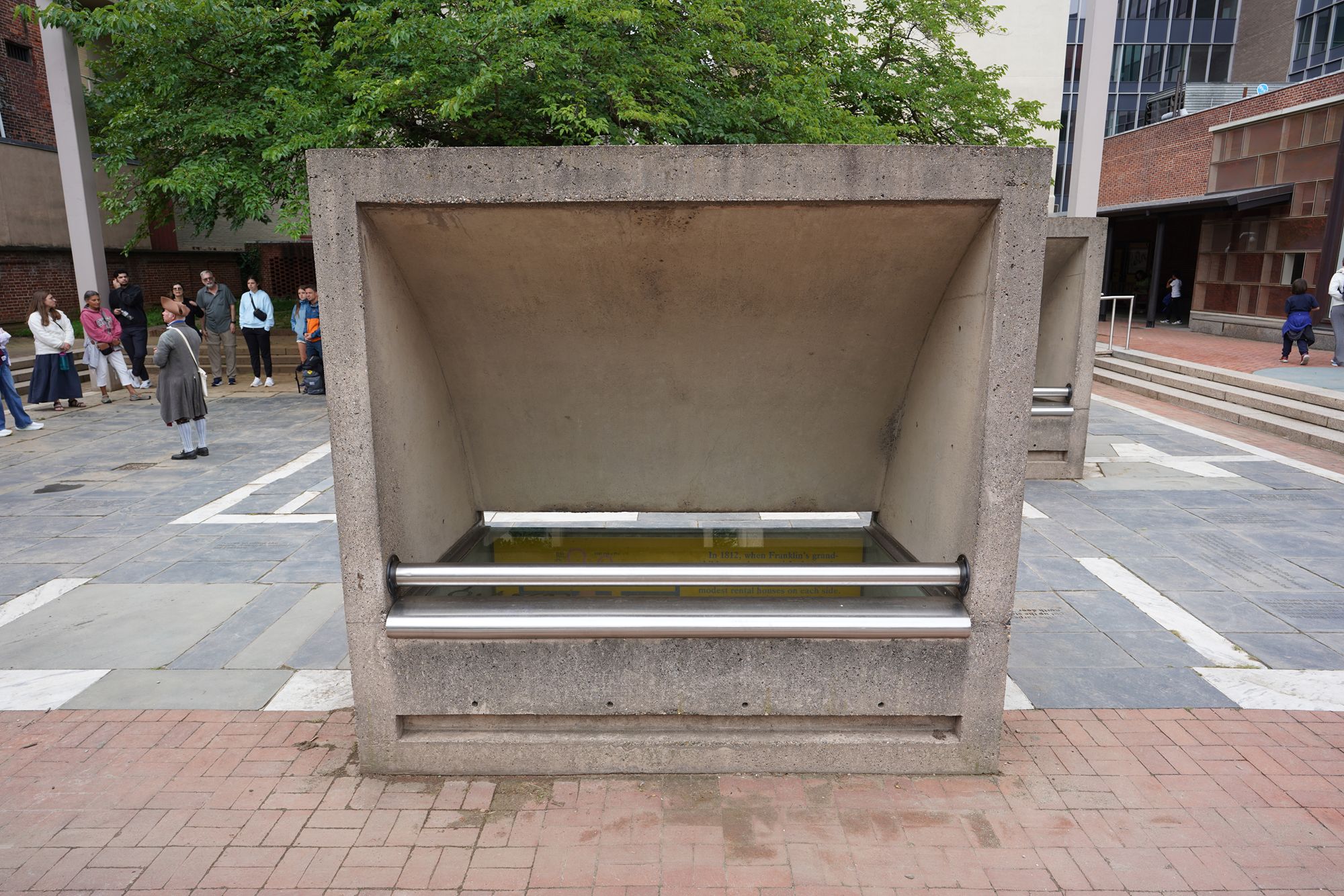
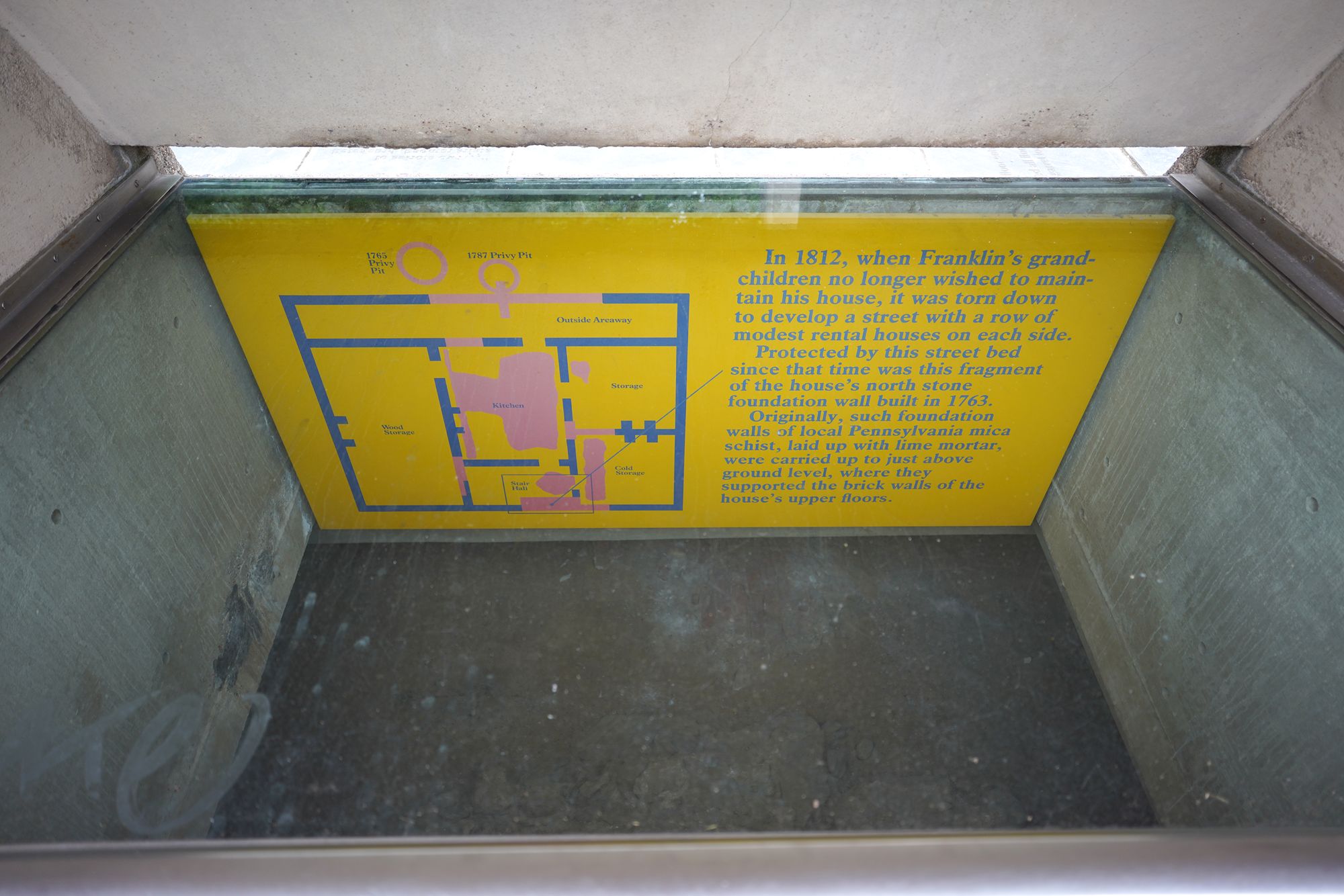
The brick outlines show the low foundations and room divisions
The Benjamin Franklin Museum
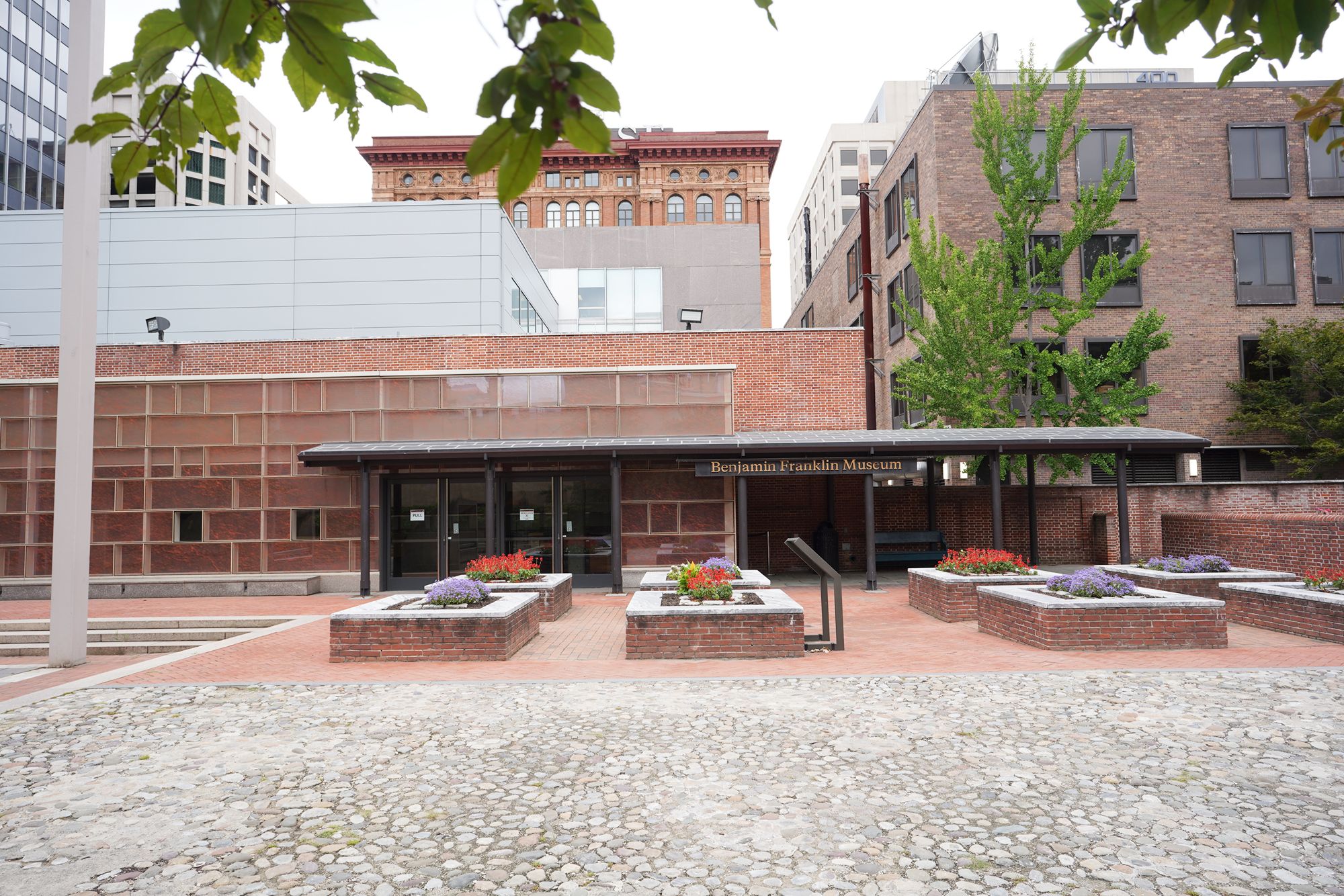
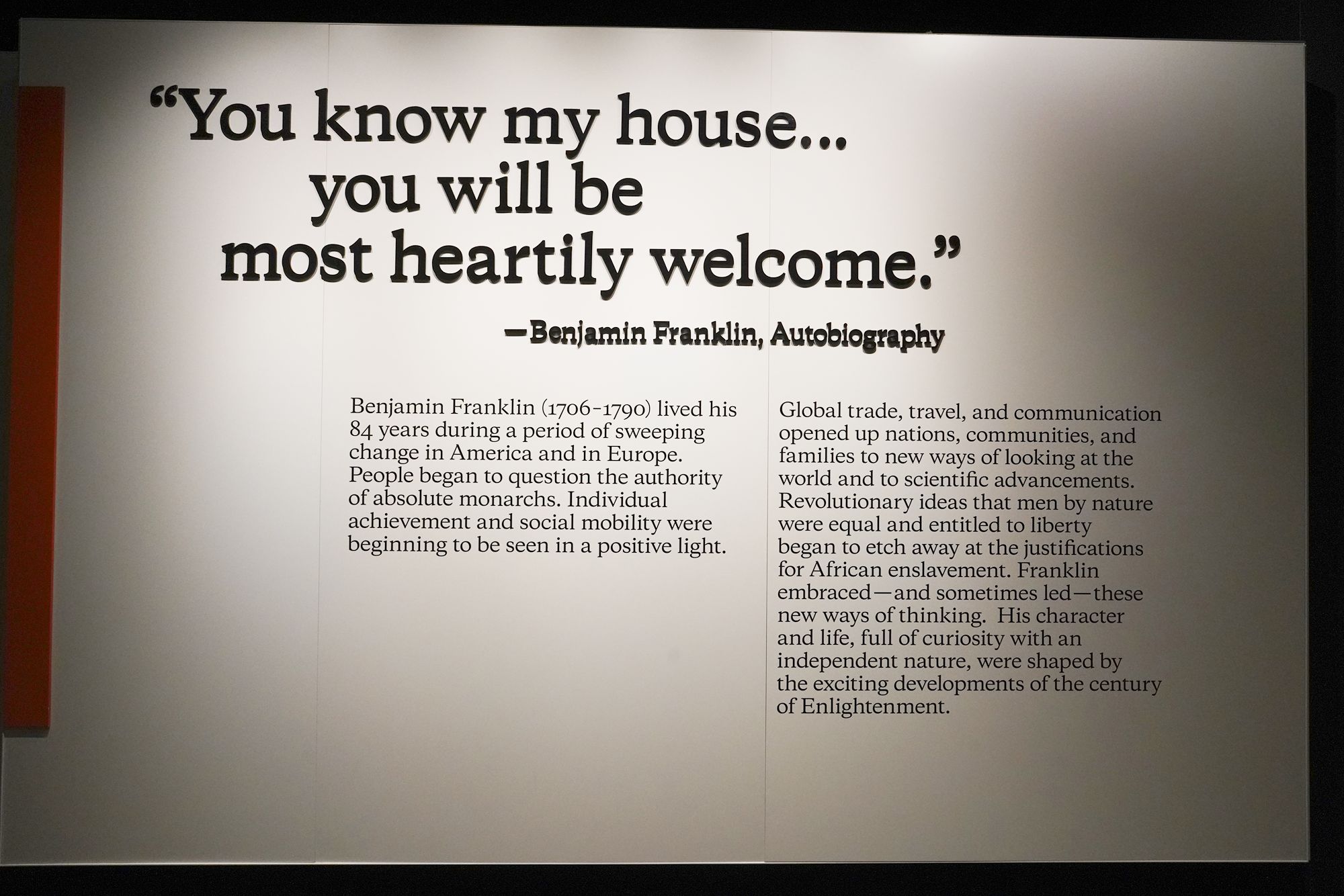
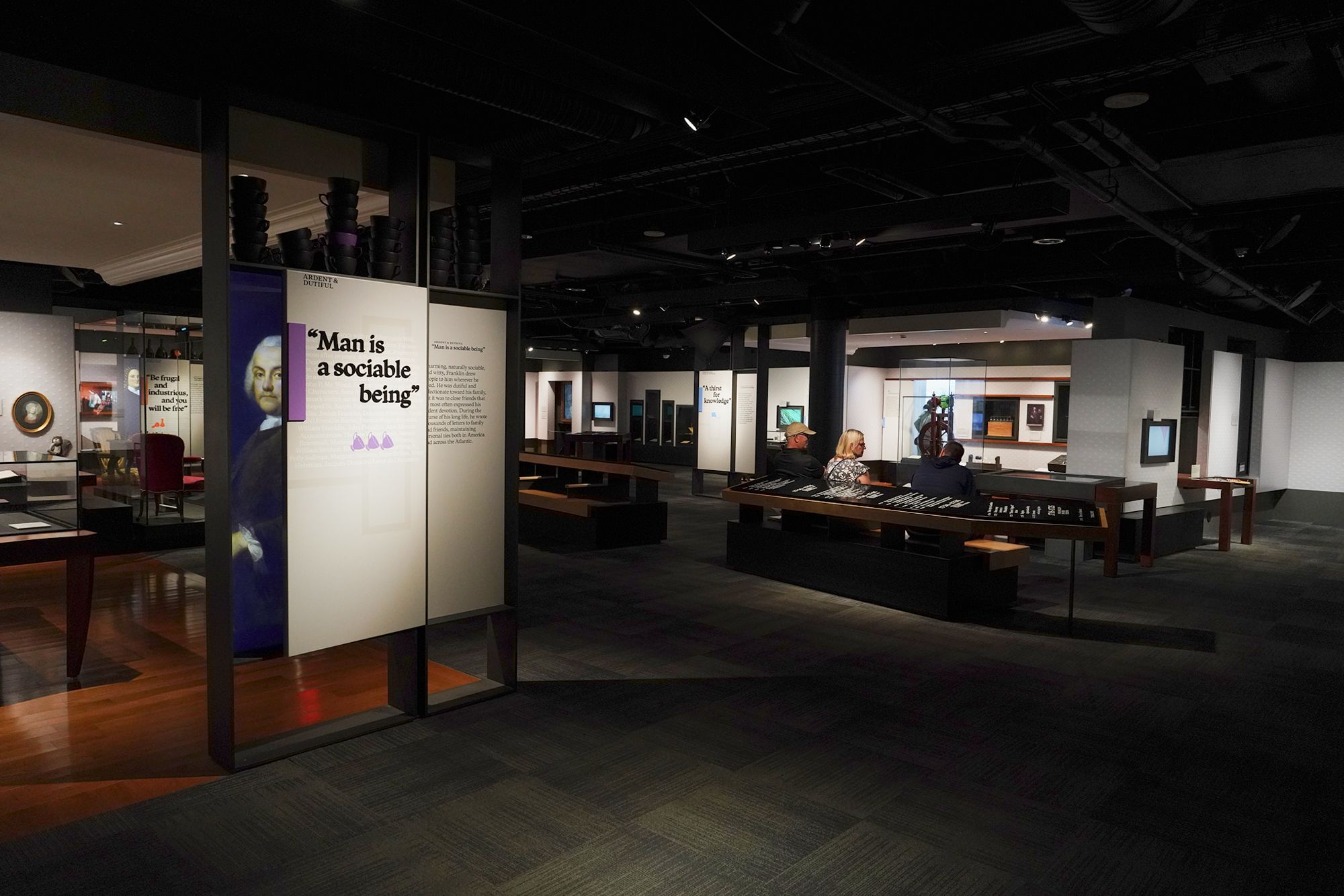
The Benjamin Franklin Museum, located beneath Franklin Court, is an immersive space dedicated to Franklin’s life, ideas, and inventions. Its galleries explore his many roles—printer, scientist, diplomat, writer, and Founding Father—through artifacts recovered from archaeological digs, manuscripts, personal belongings, and hands-on interactives
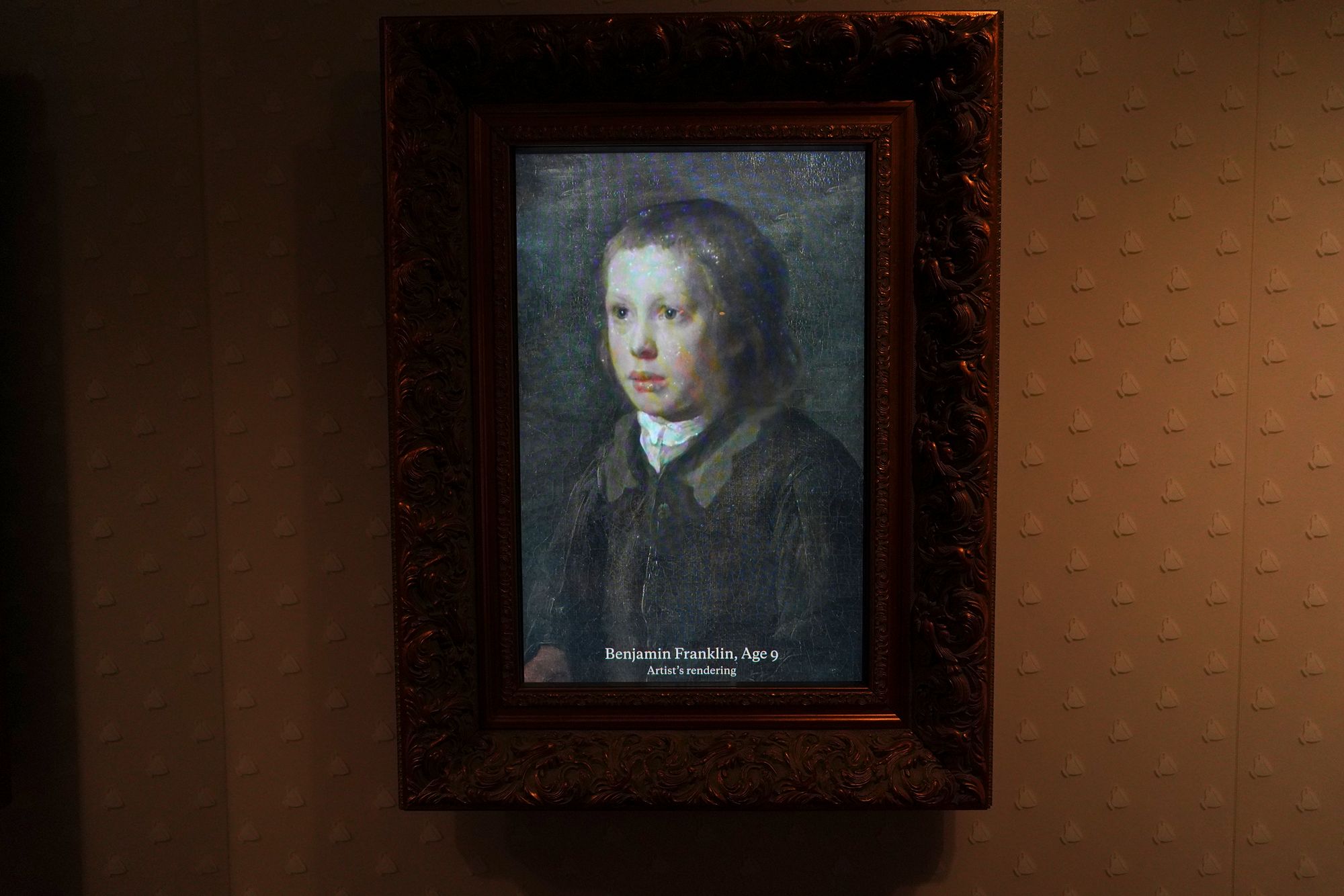
Benjamin Franklin, Age 9
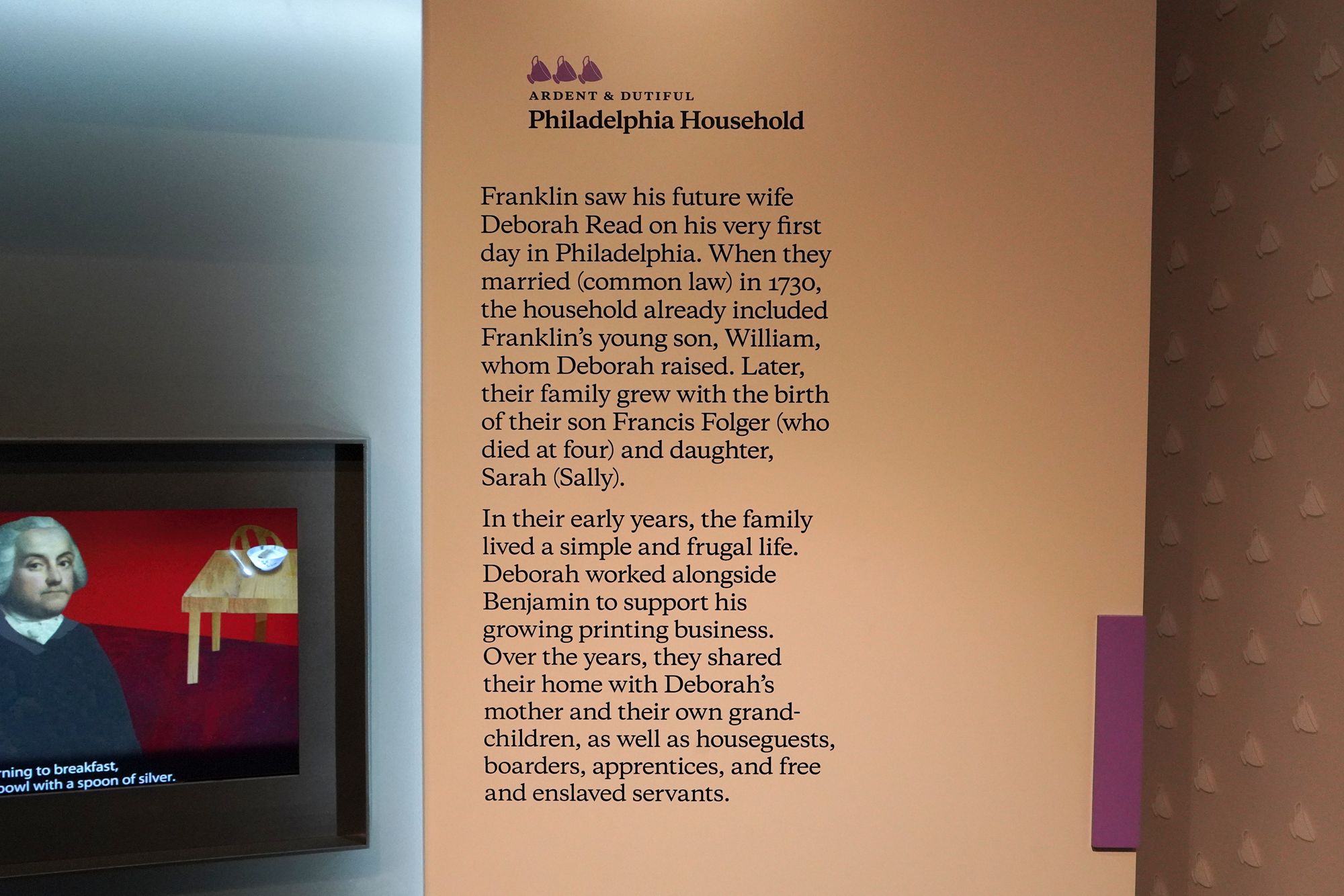
Franklin met his future wife on his very first day in Philadelphia
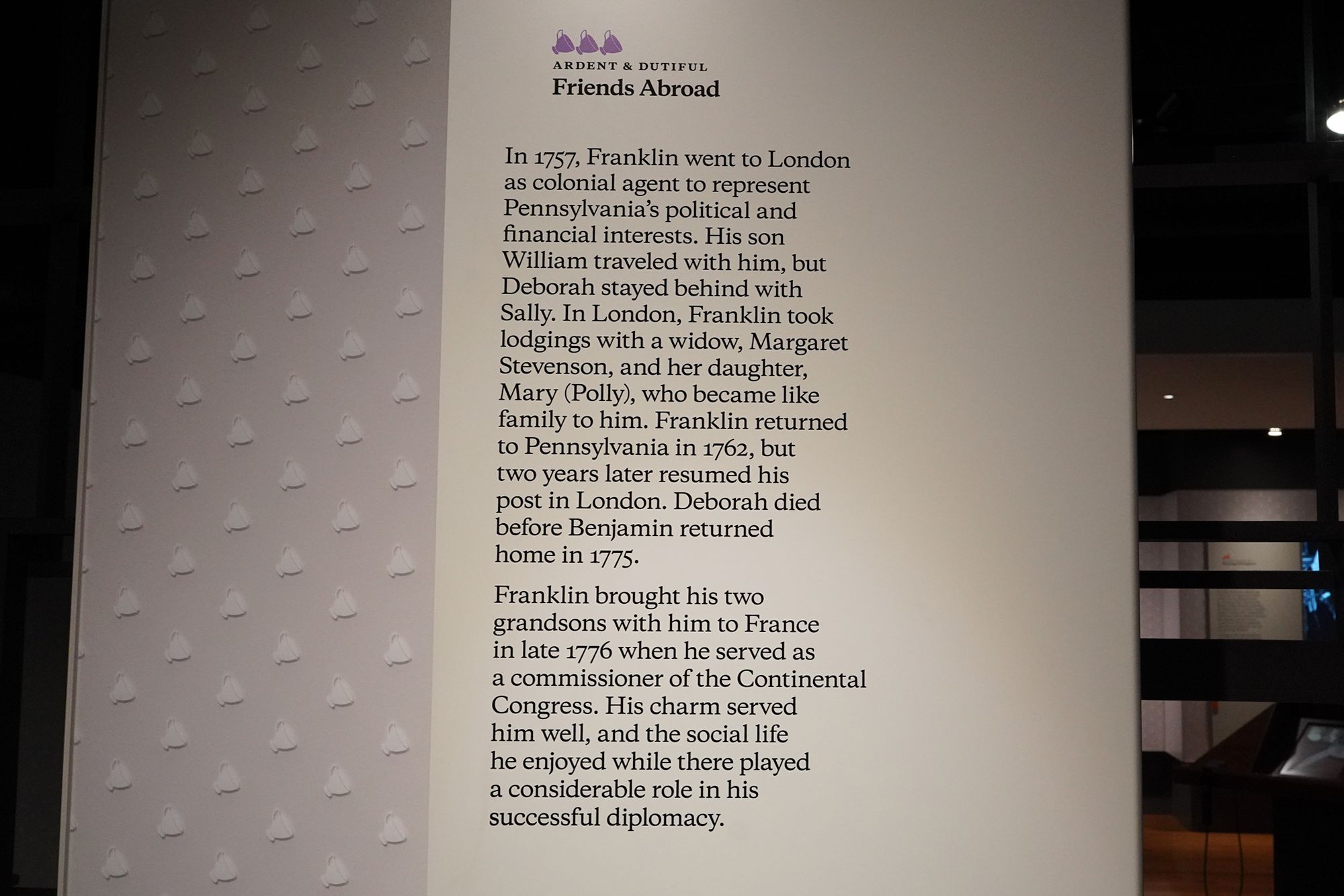
In 1757, Franklin went to London as colonial agent to represent Pennsylvania's political and financial interests.
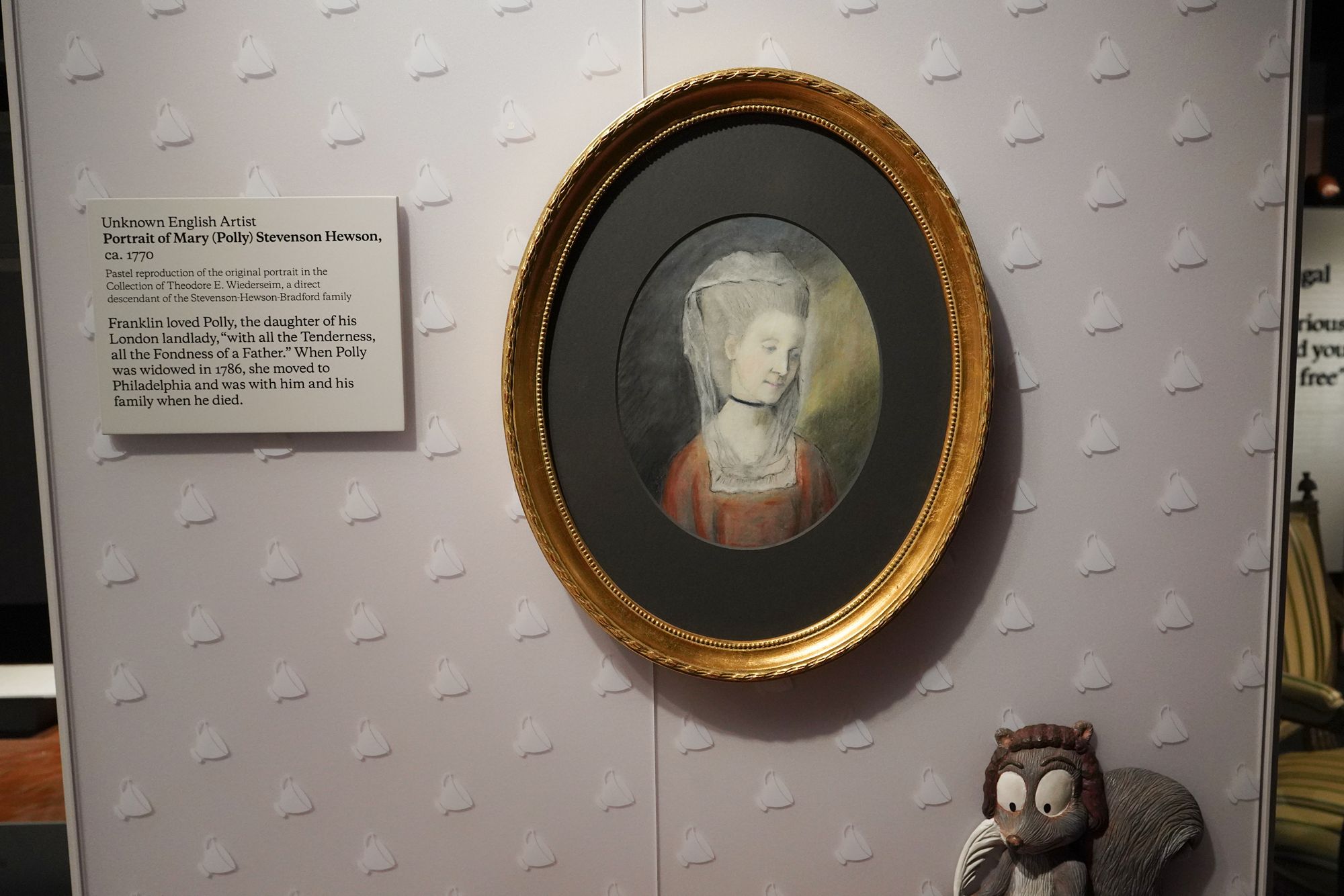
Fraklin loved Polly, the daughter of his London landlady
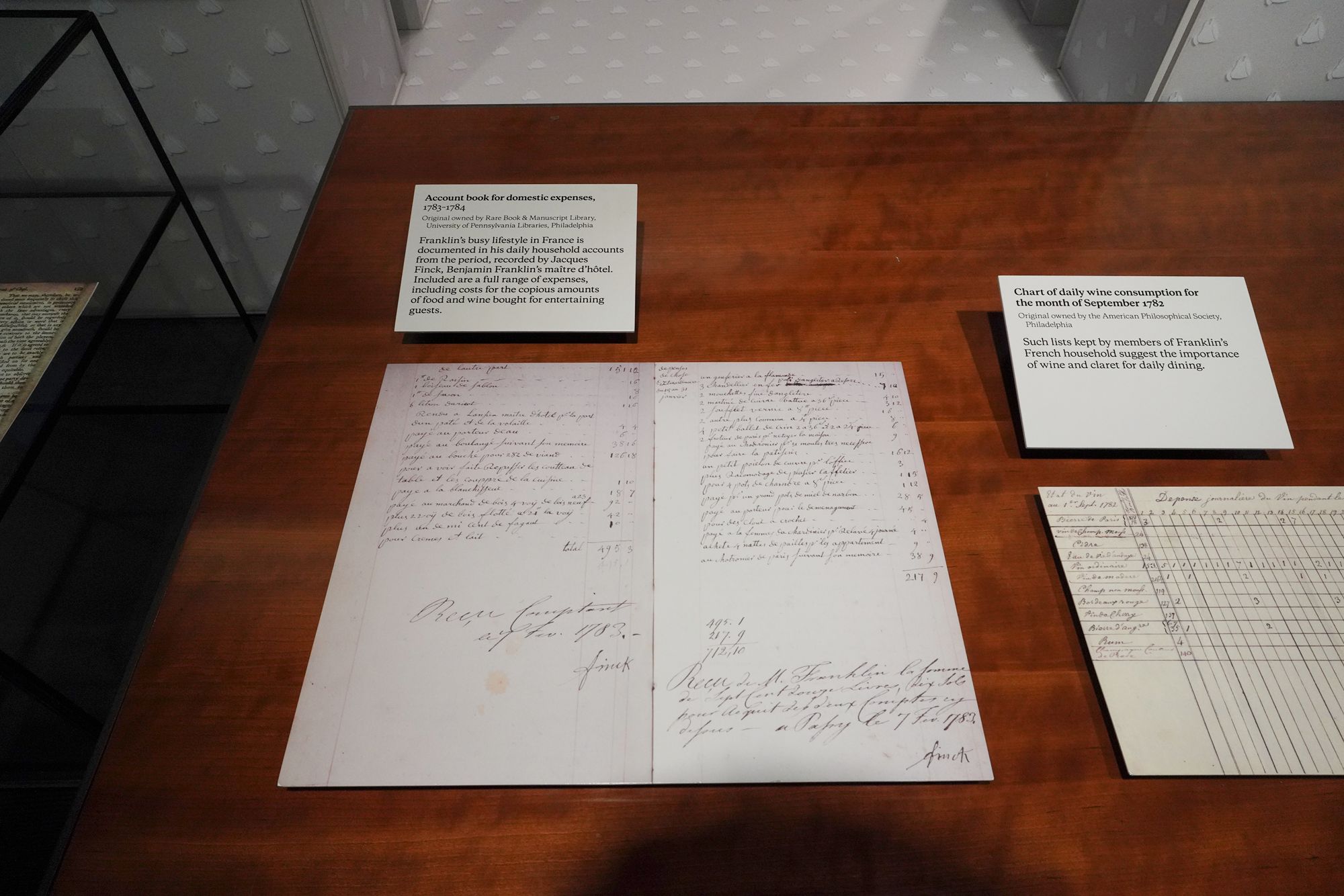
Account book for domestic expenses
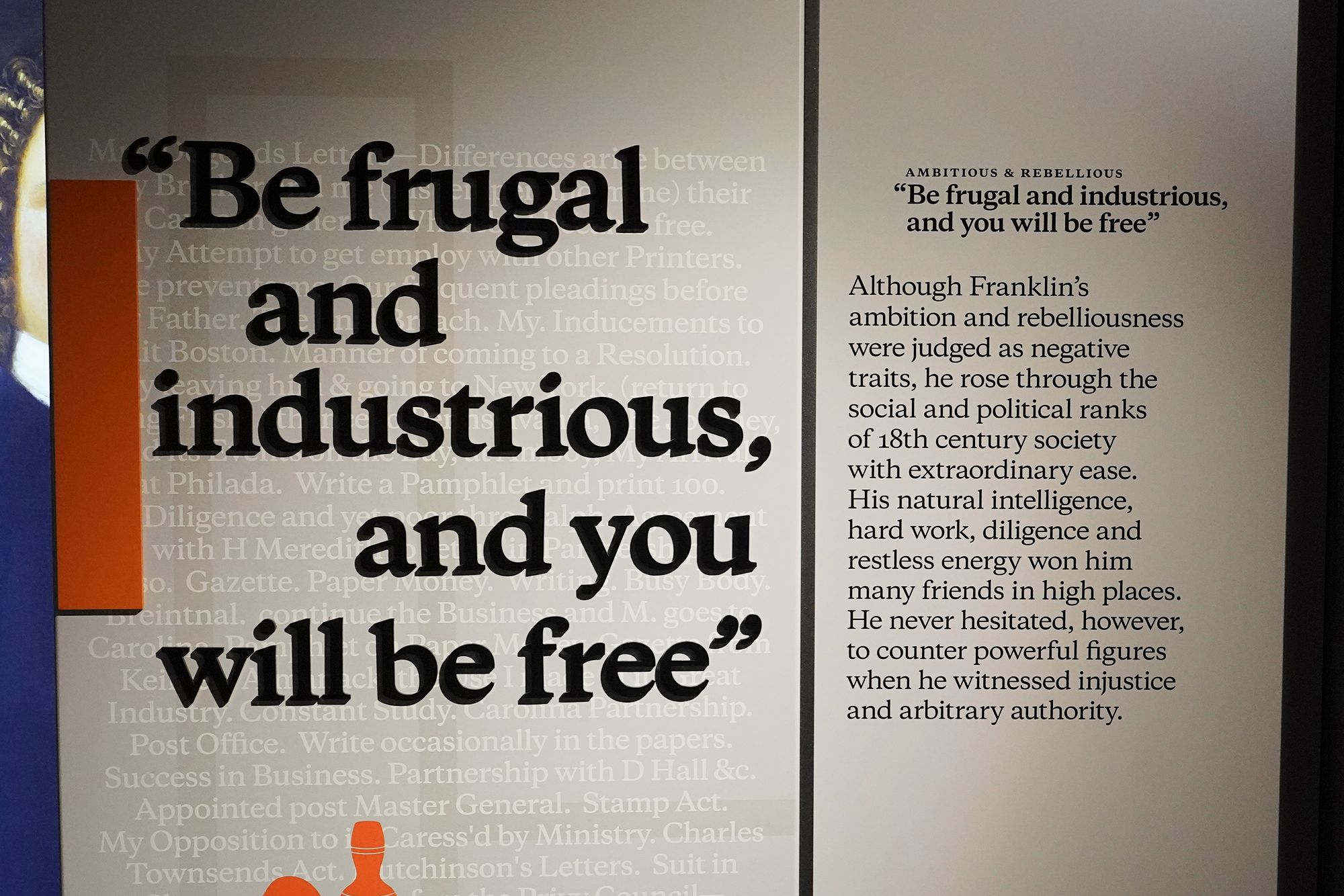
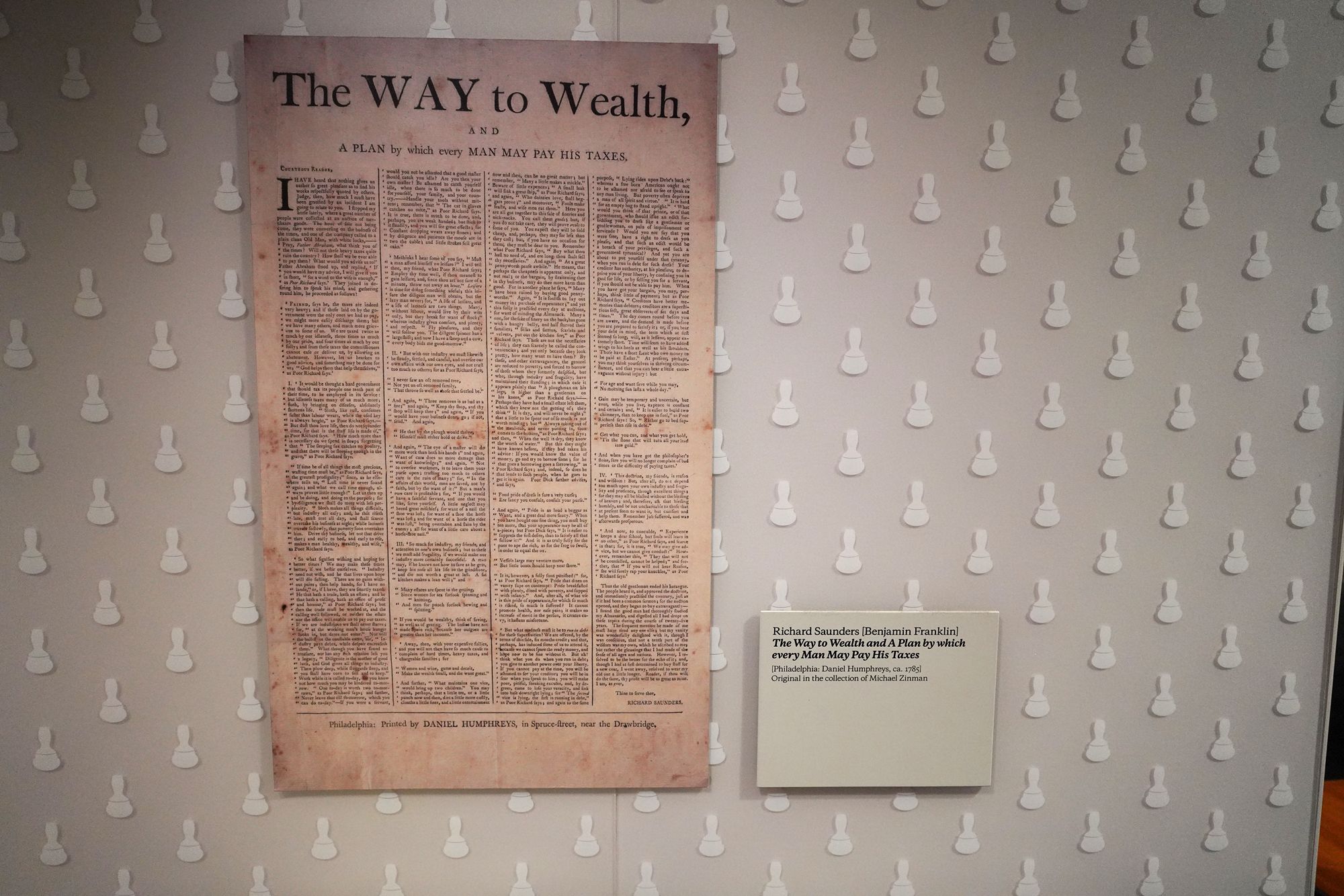
"Be frugal and industrious, and you will be free"
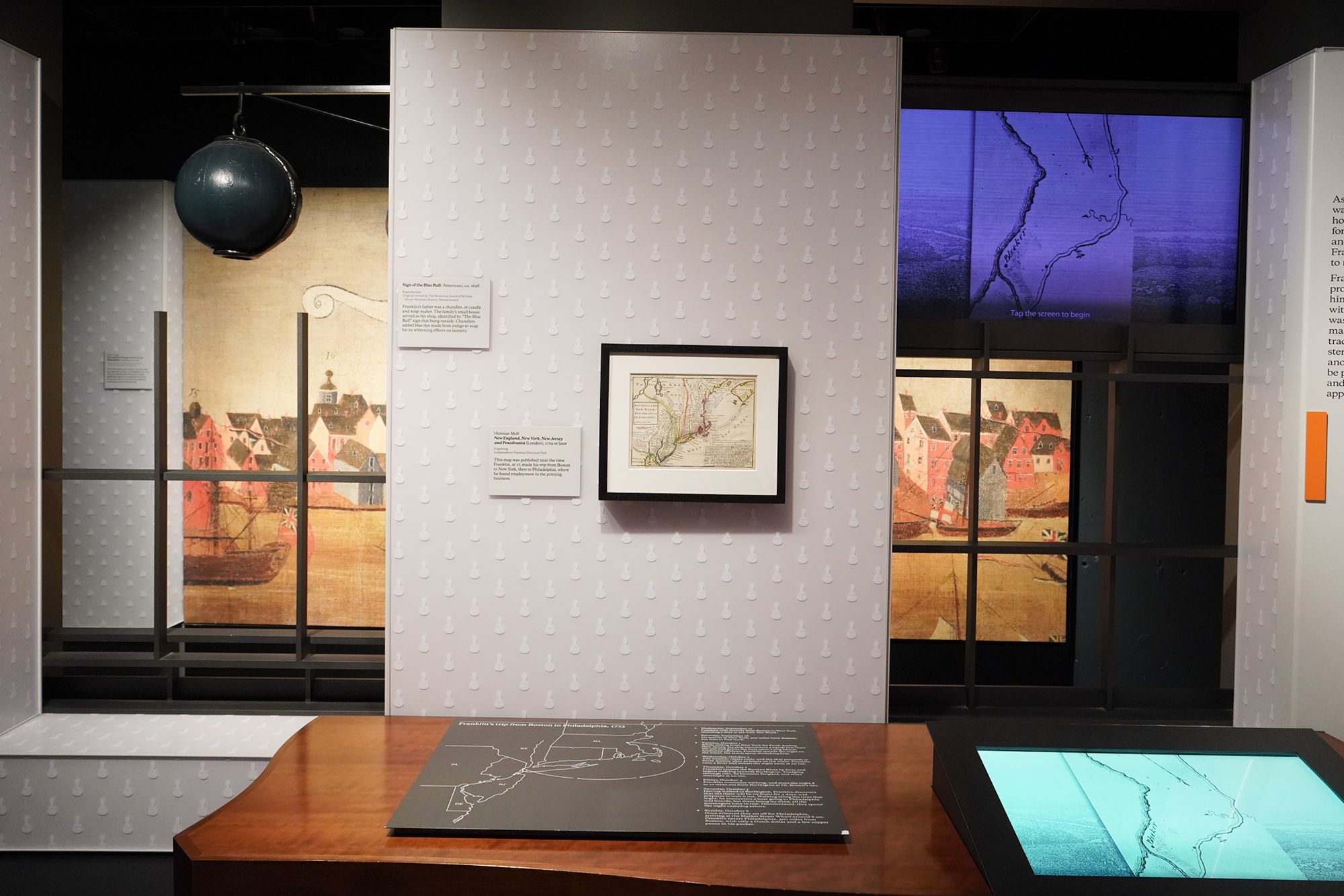
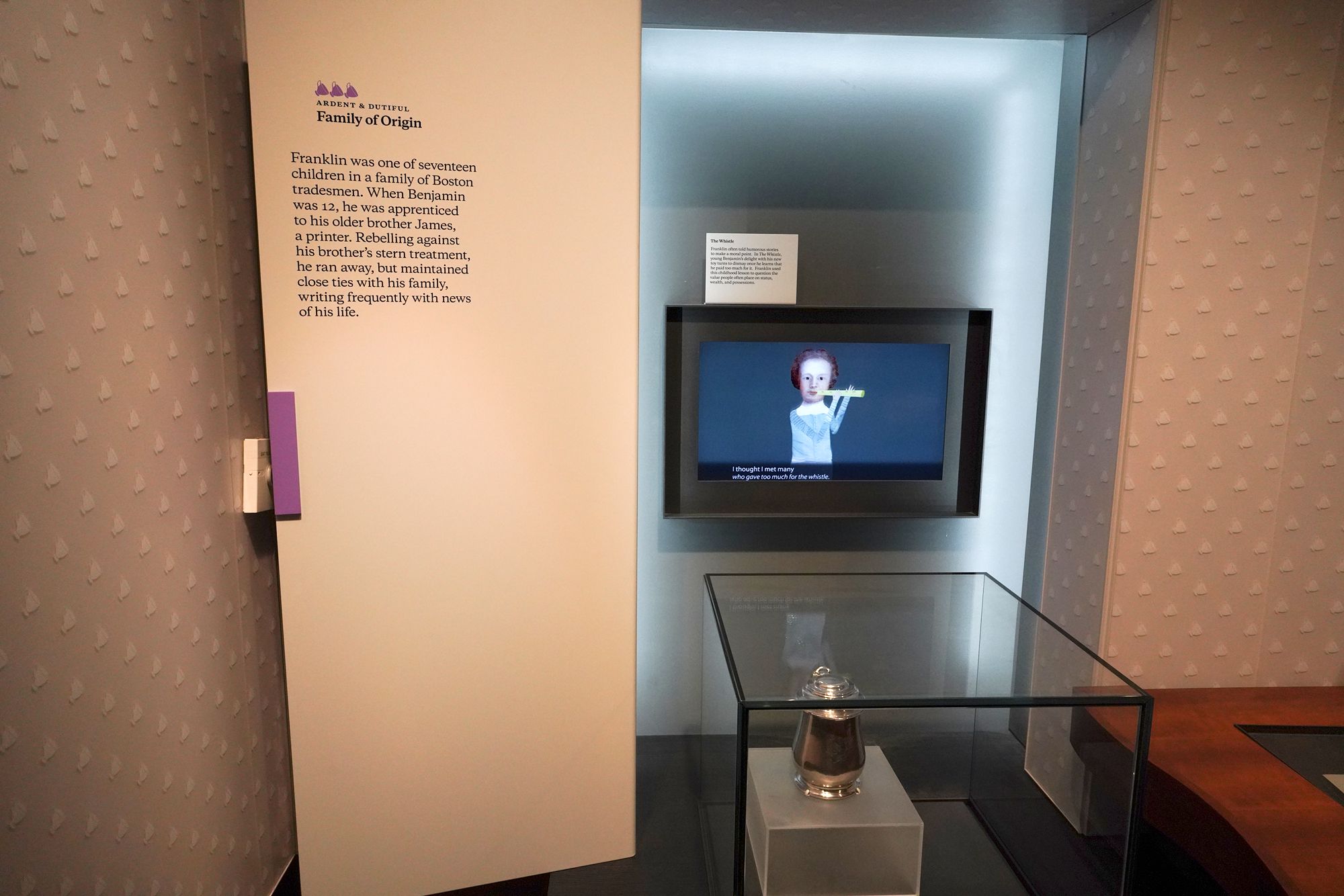
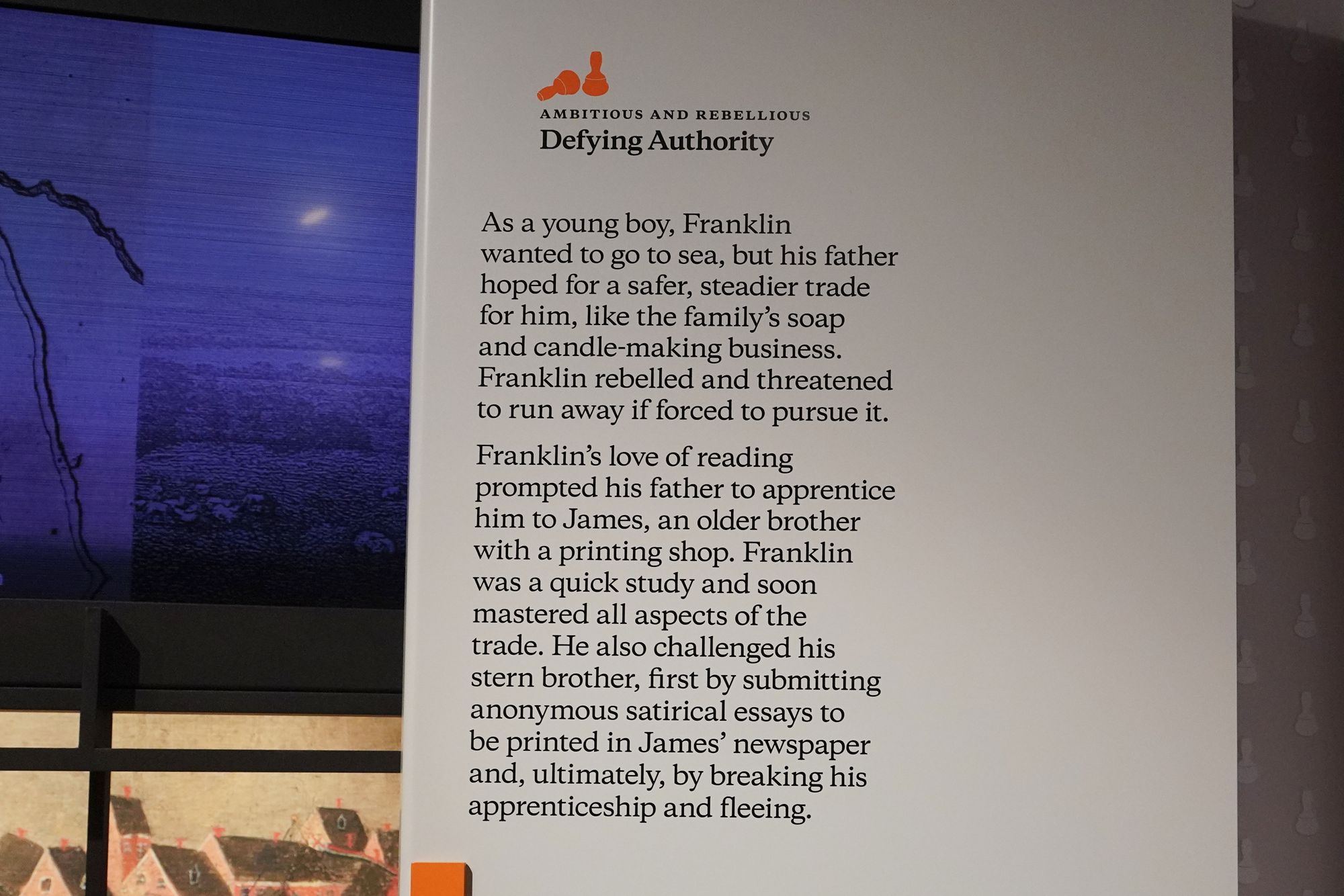
Rebel against his father
Picture of the historic vote for Independence
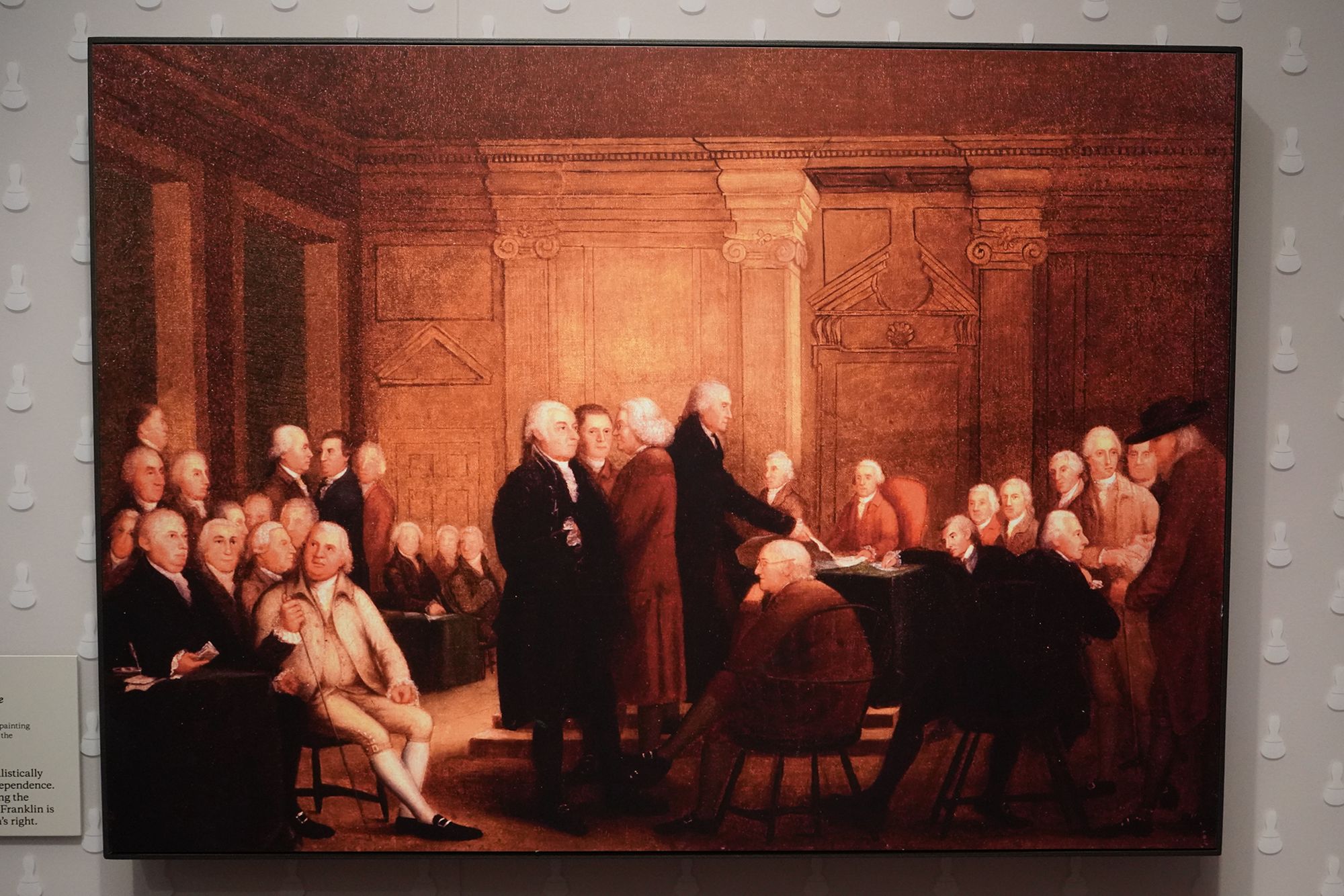
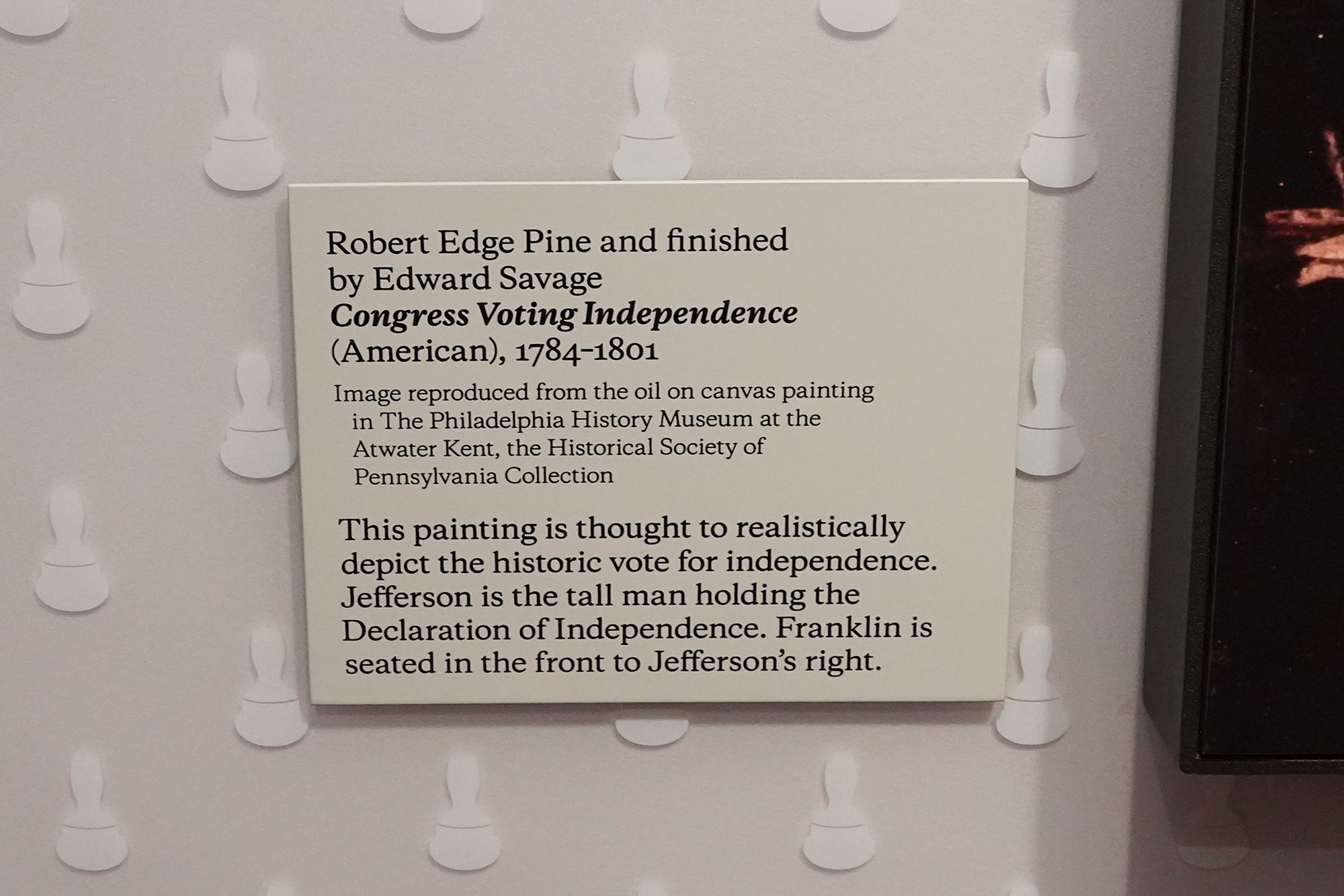
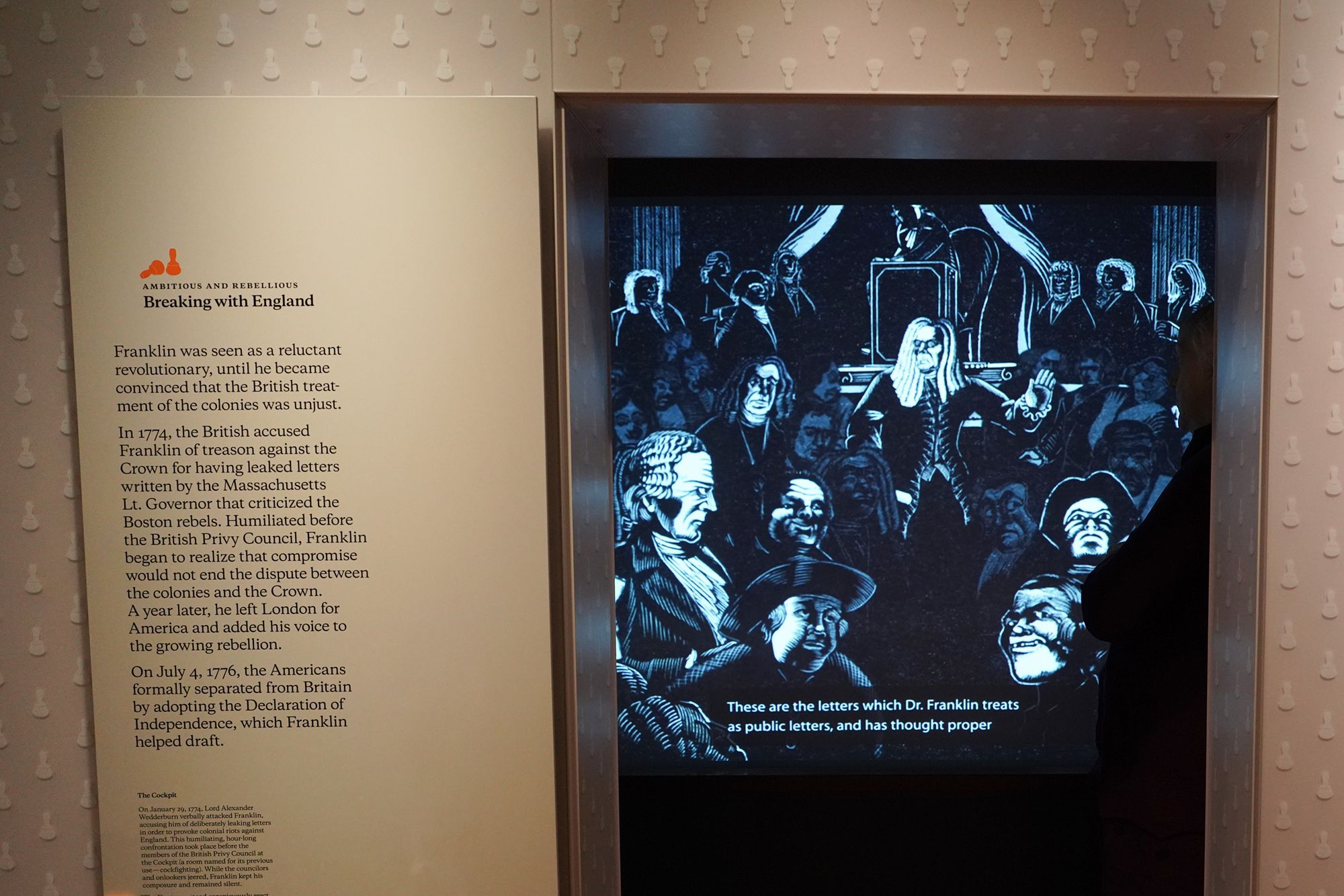
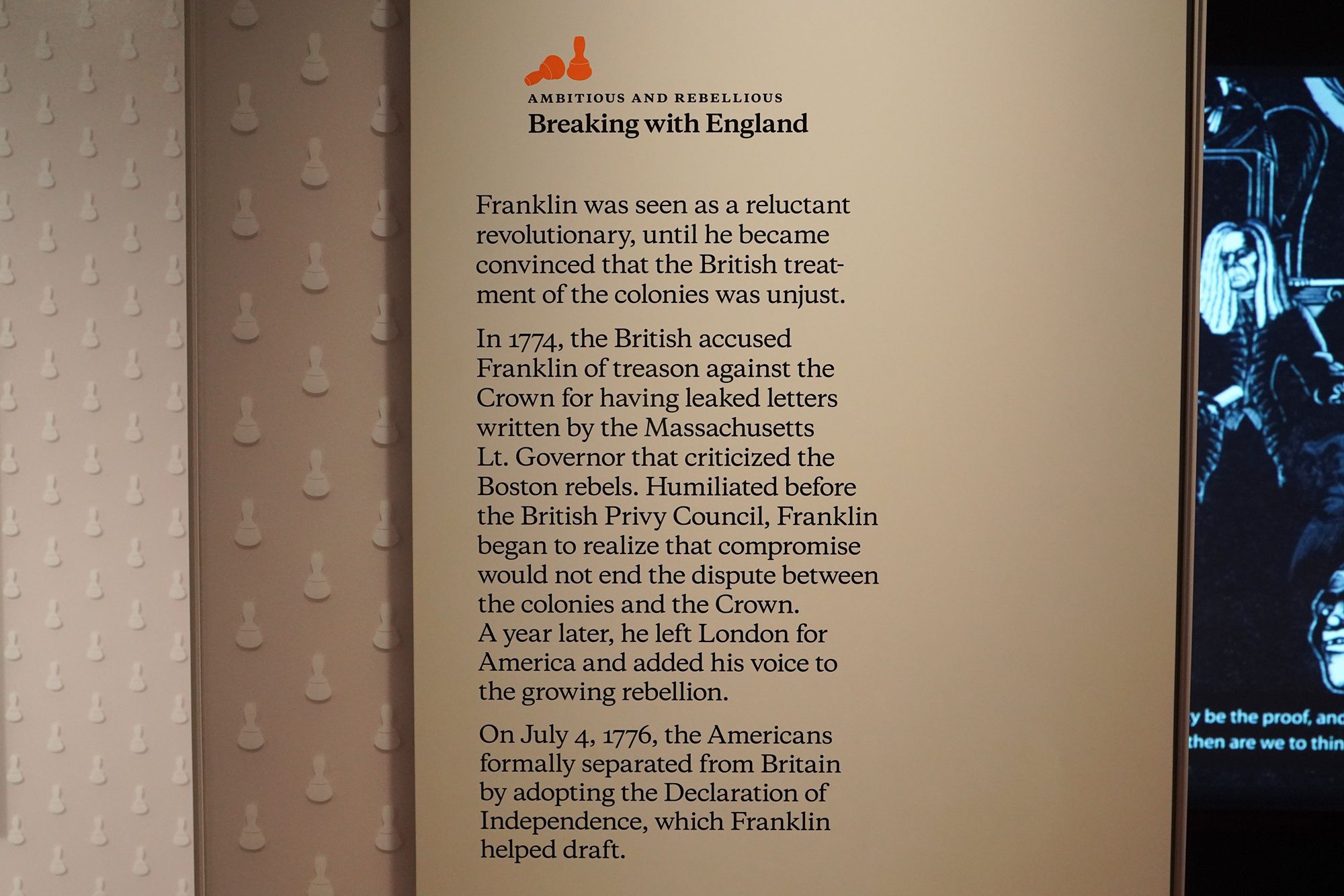
Breaking with England - Franklin was a reluctant revolutionary until he became convinced that the British were unjust.
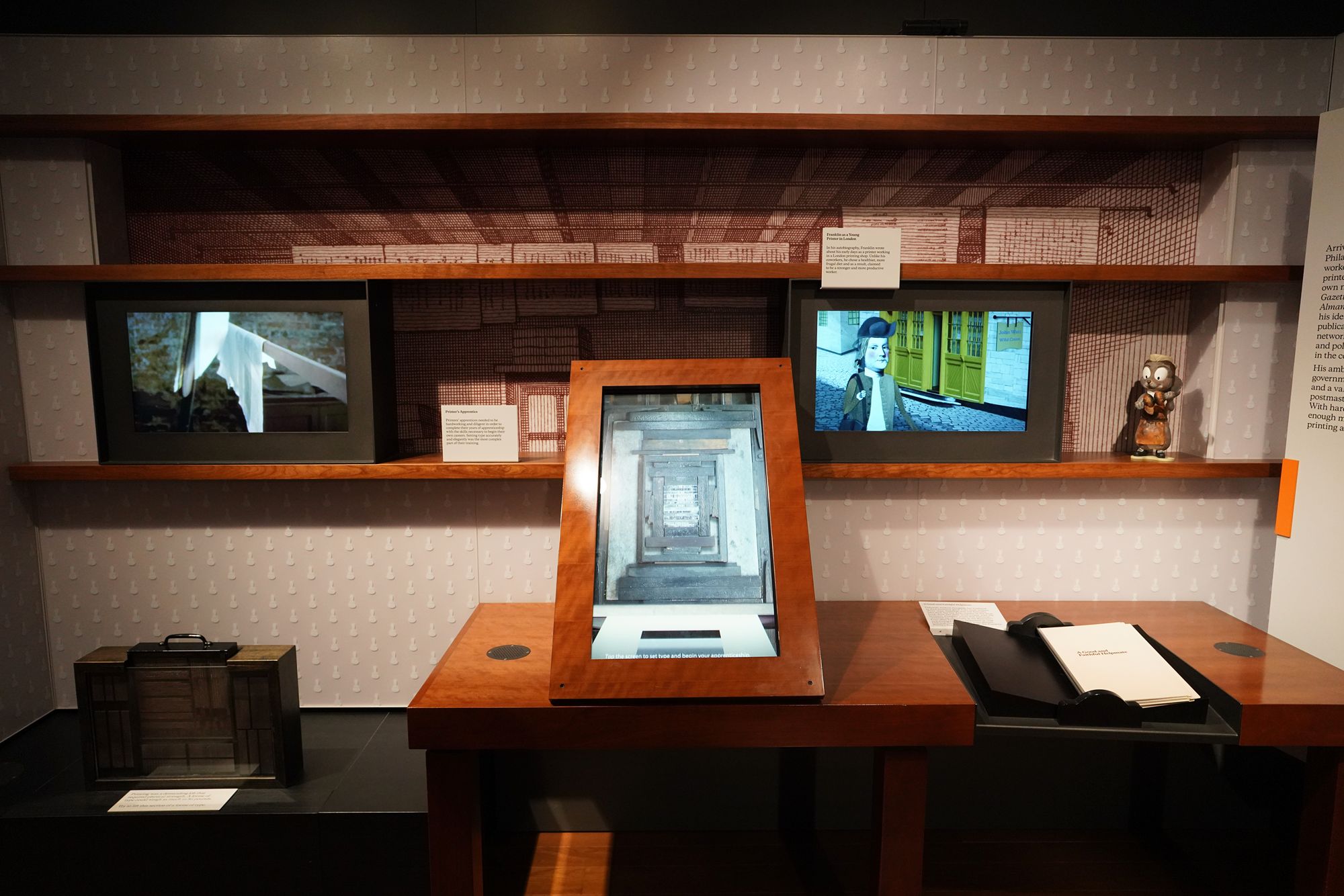
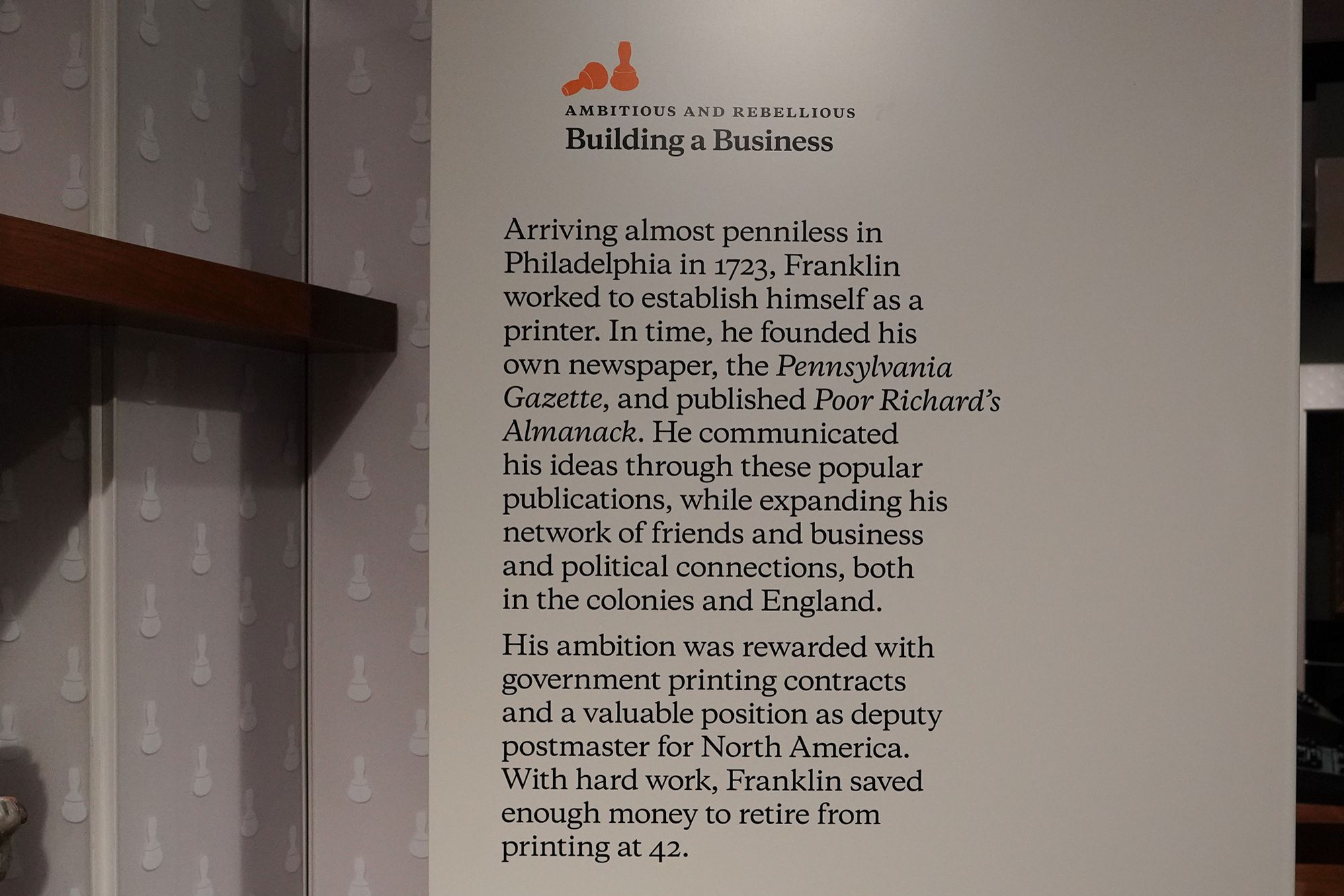
Arriving almost penniless in Philadelphia in 1723, Franklin worked to establish himself as a printer.
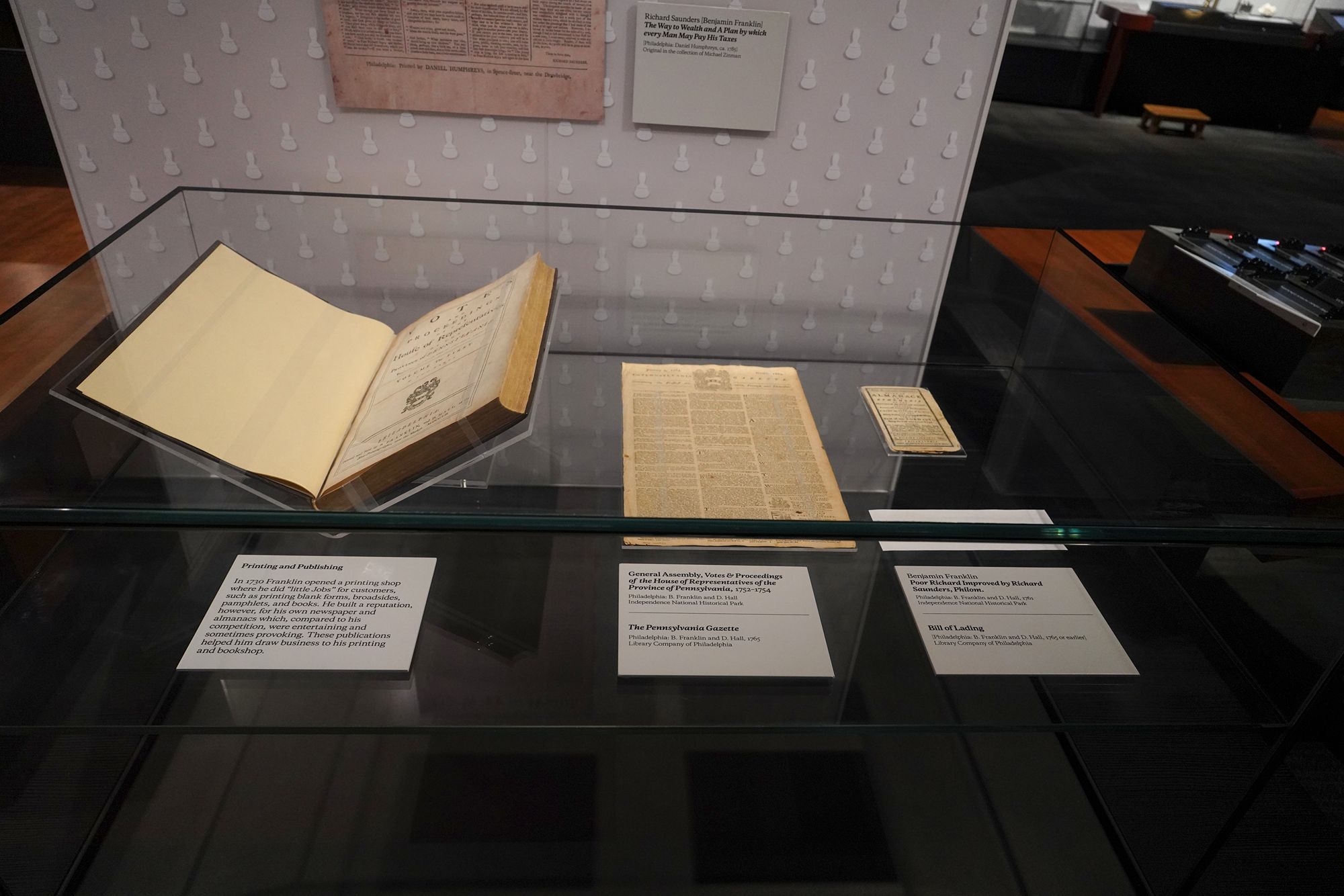
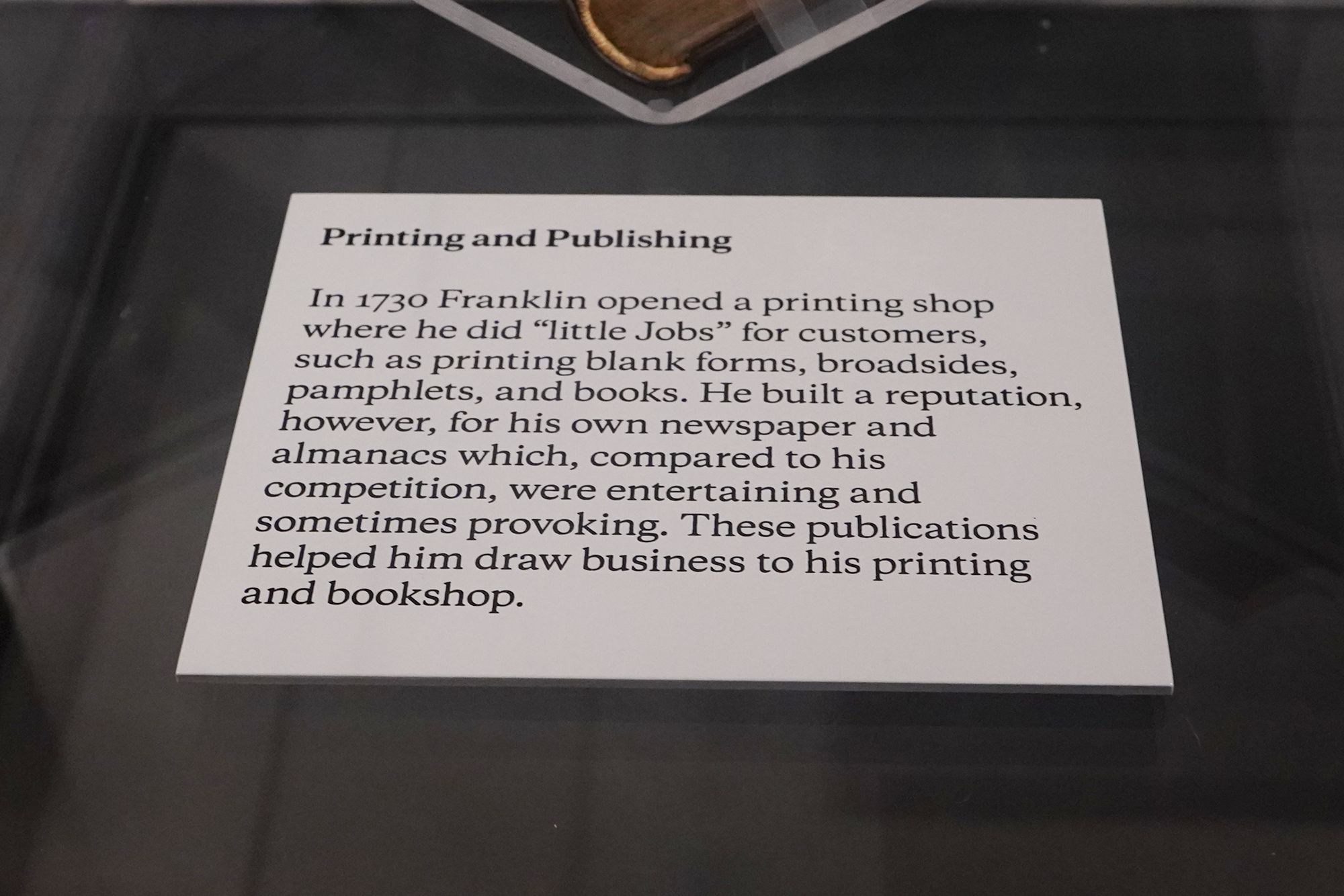
The Way to Wealth is a short essay Franklin published in 1758 as the preface to Poor Richard’s Almanack. Written in the voice of “Father Abraham,” it collects many of Franklin’s most well-known maxims about money, hard work, and practical living.
Key Ideas
Industry and diligence bring prosperity.
Avoid idleness—time lost is opportunity lost.
Spend less than you earn; frugality is wealth.
Debt is dangerous and leads to dependence.
Small savings, done consistently, accumulate over time.
Good reputation matters more than showy status.
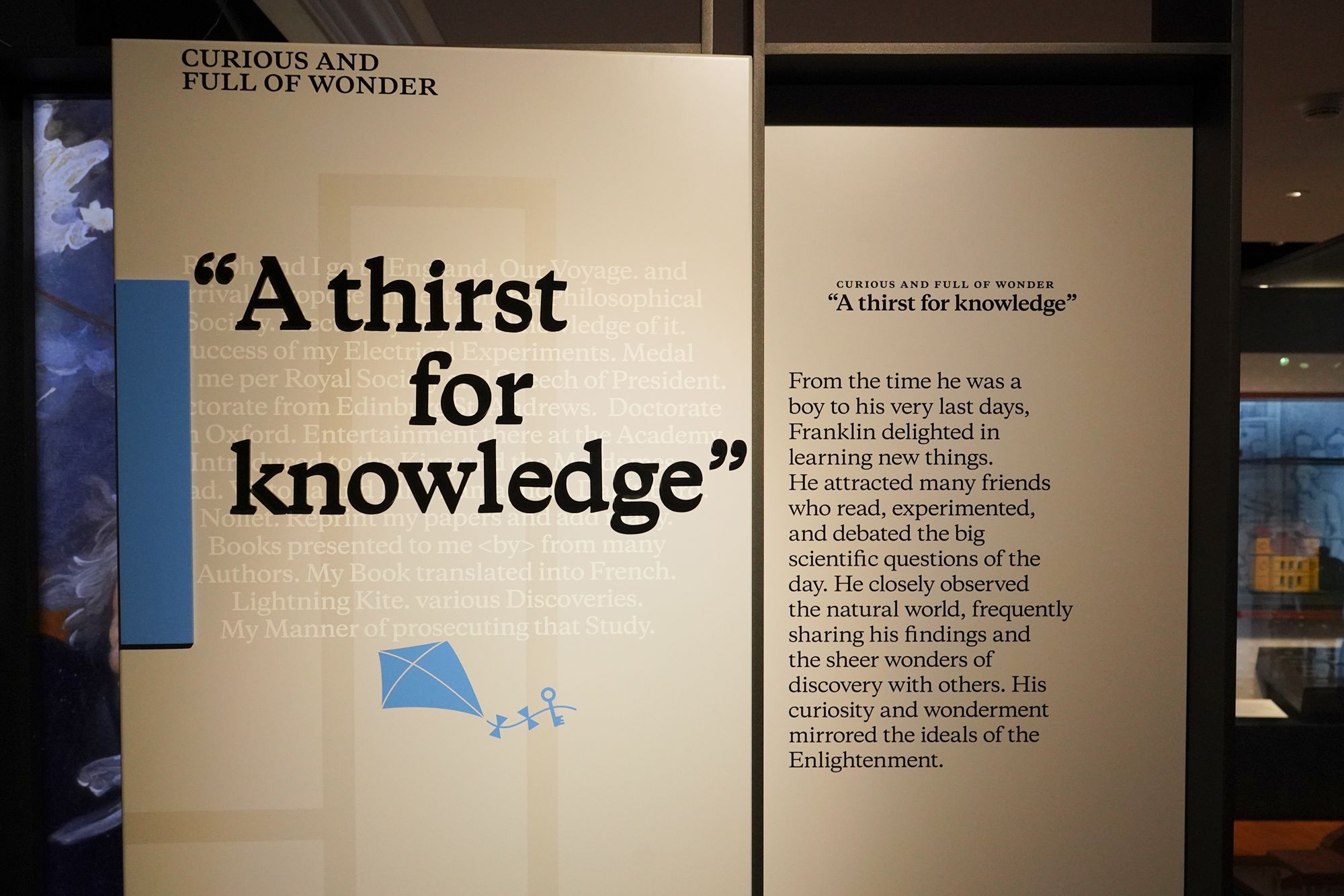
Franklin delighted in learning new things
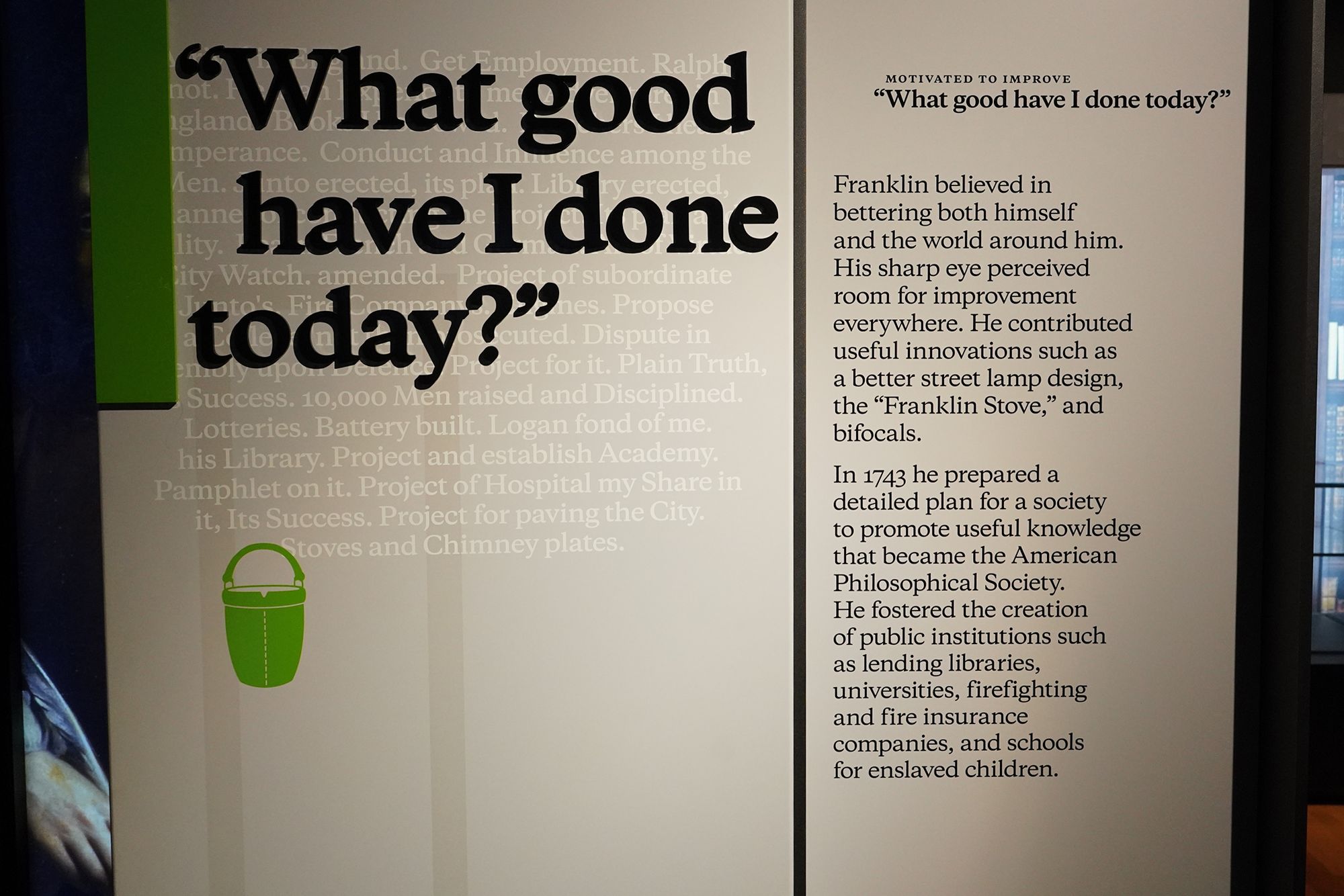
Franklin believed in bettering both himself and the world around him
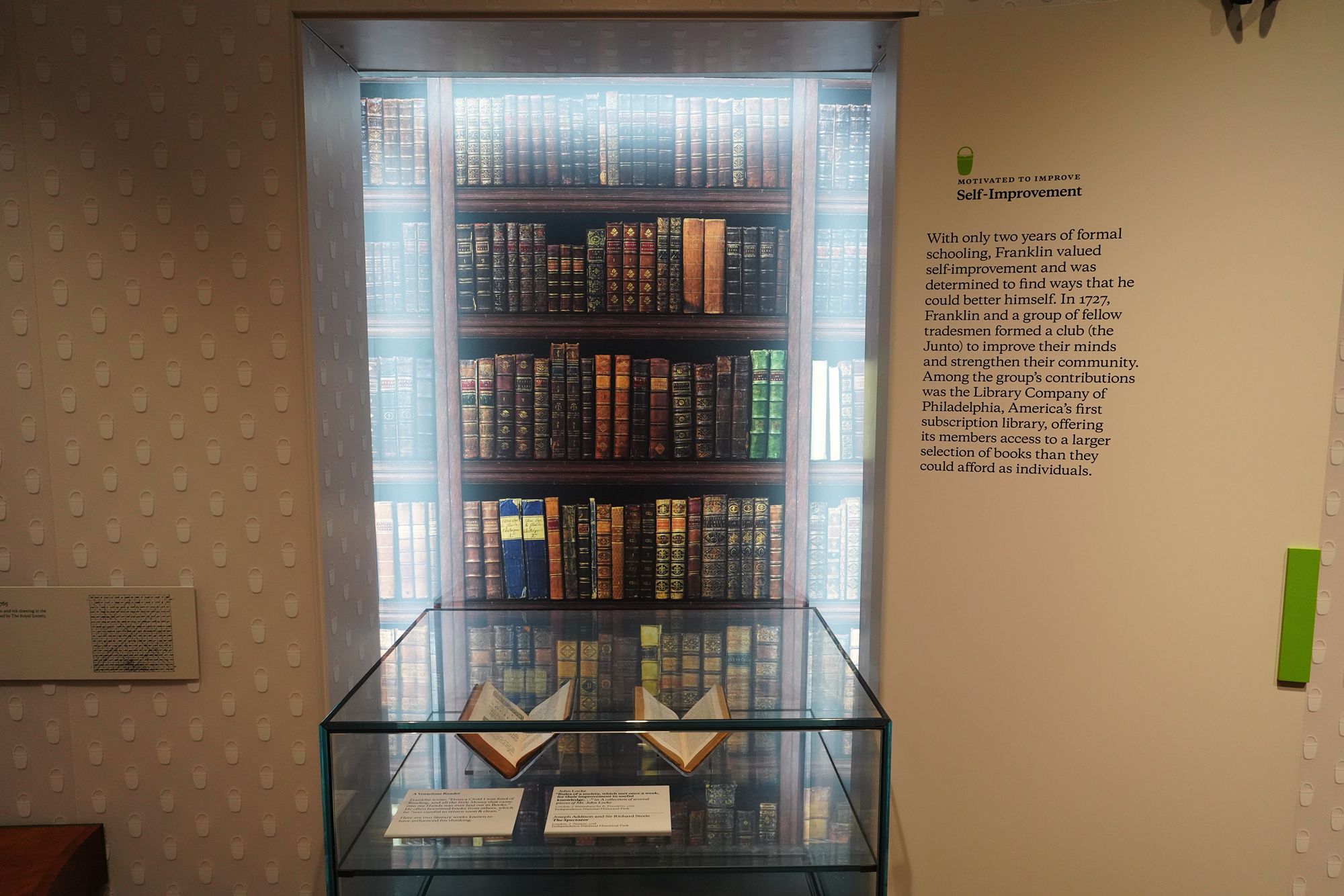
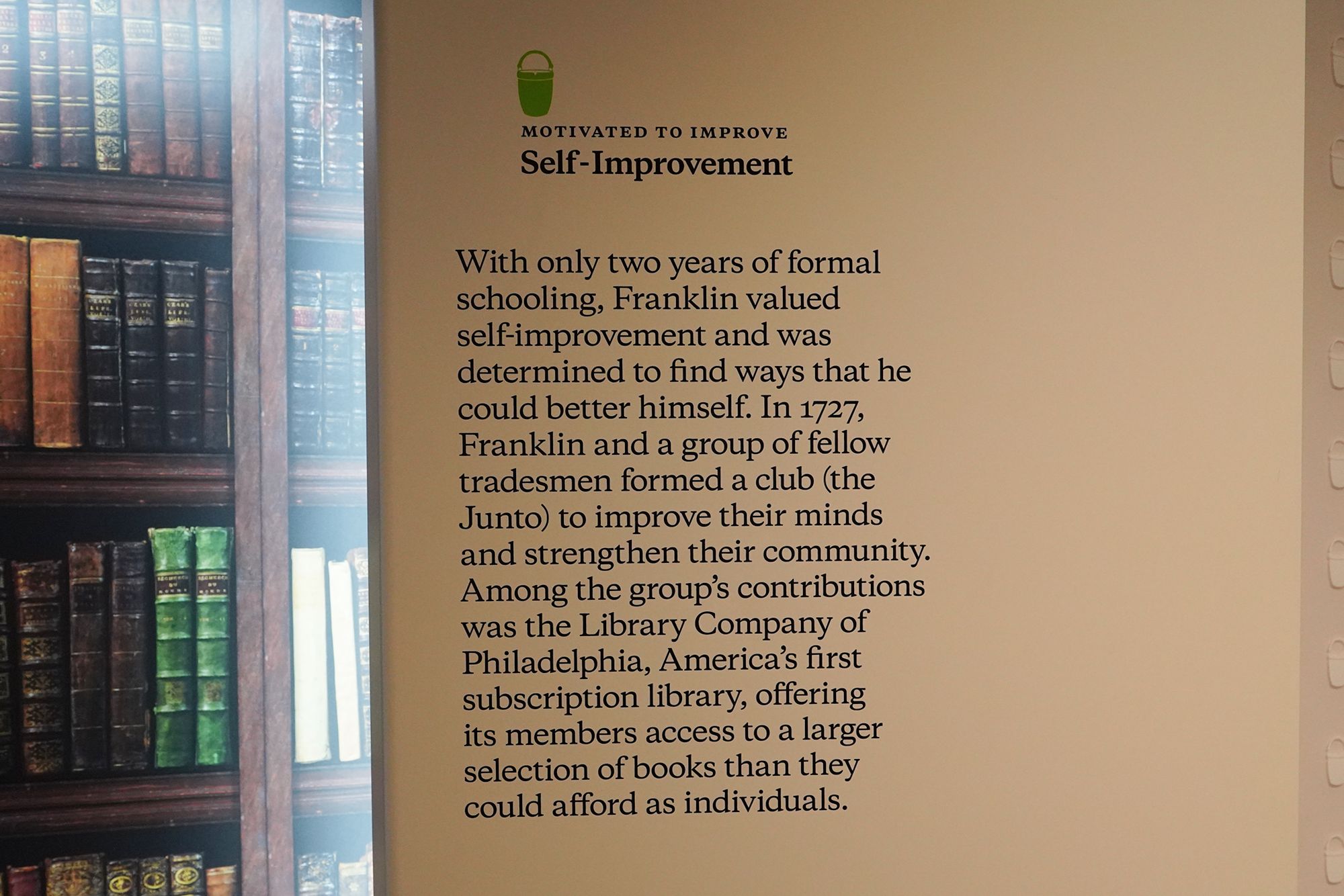
Franklin valued self-improvement and was determined tofind ways that he could better himself
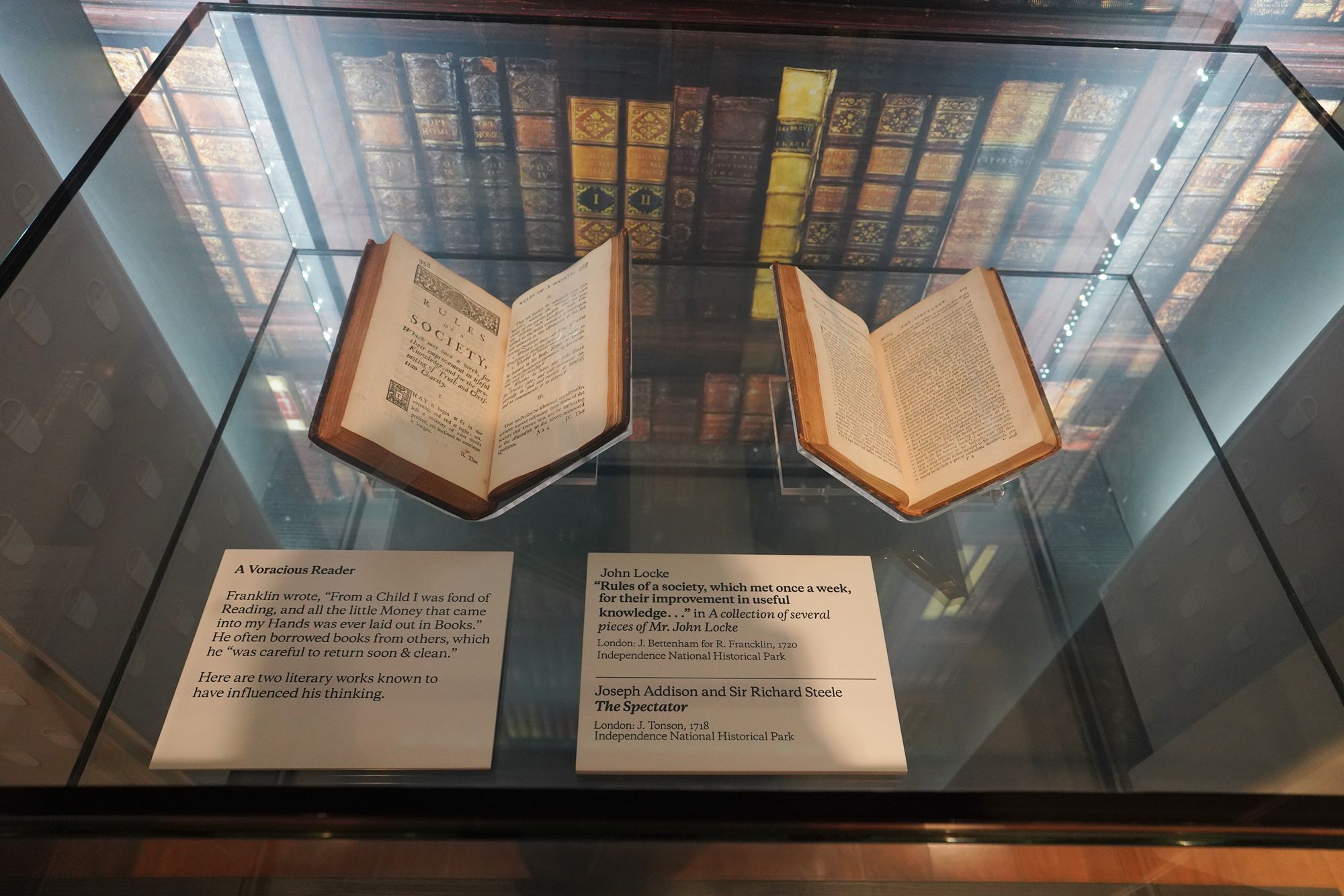
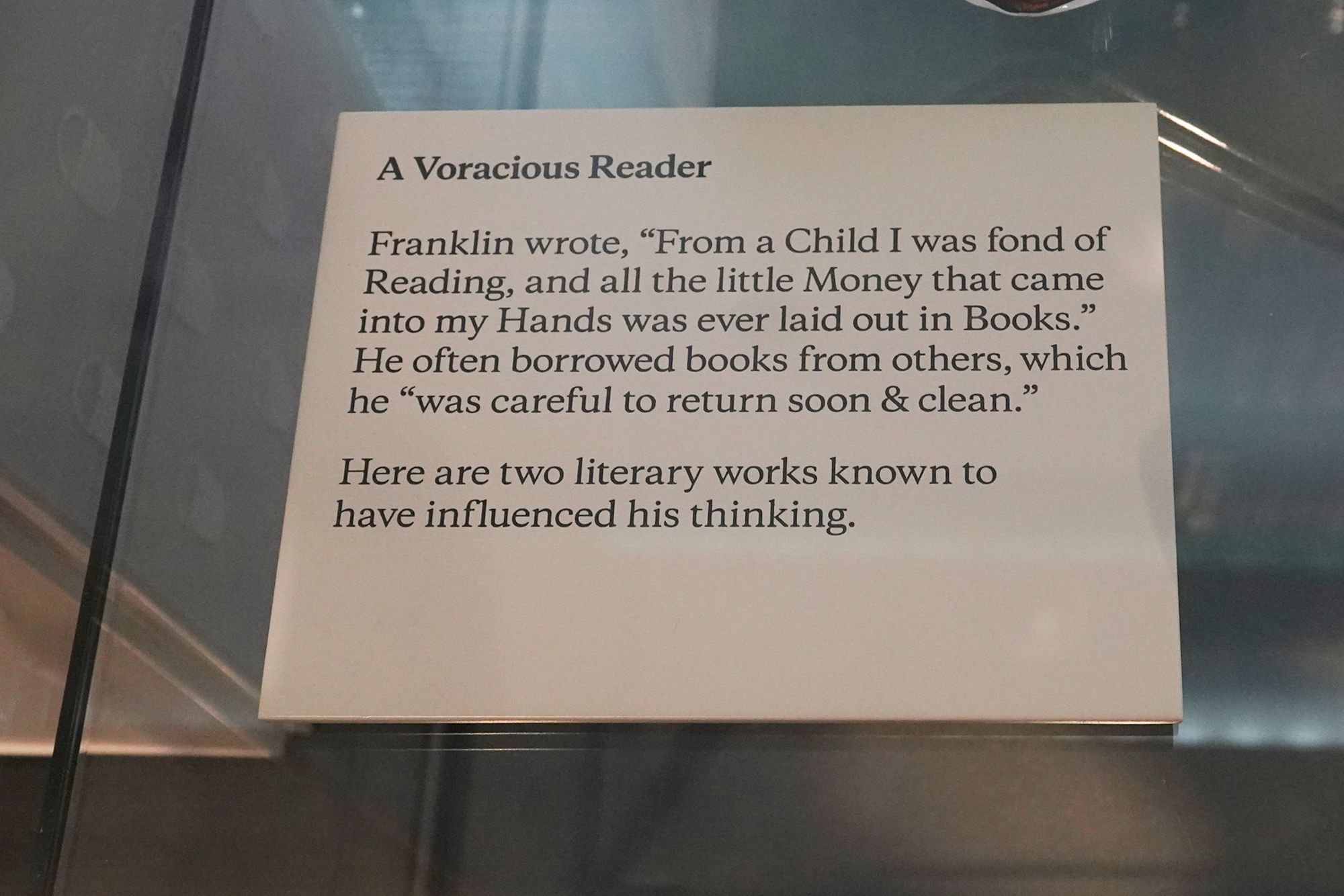
He was a voracious reader of book
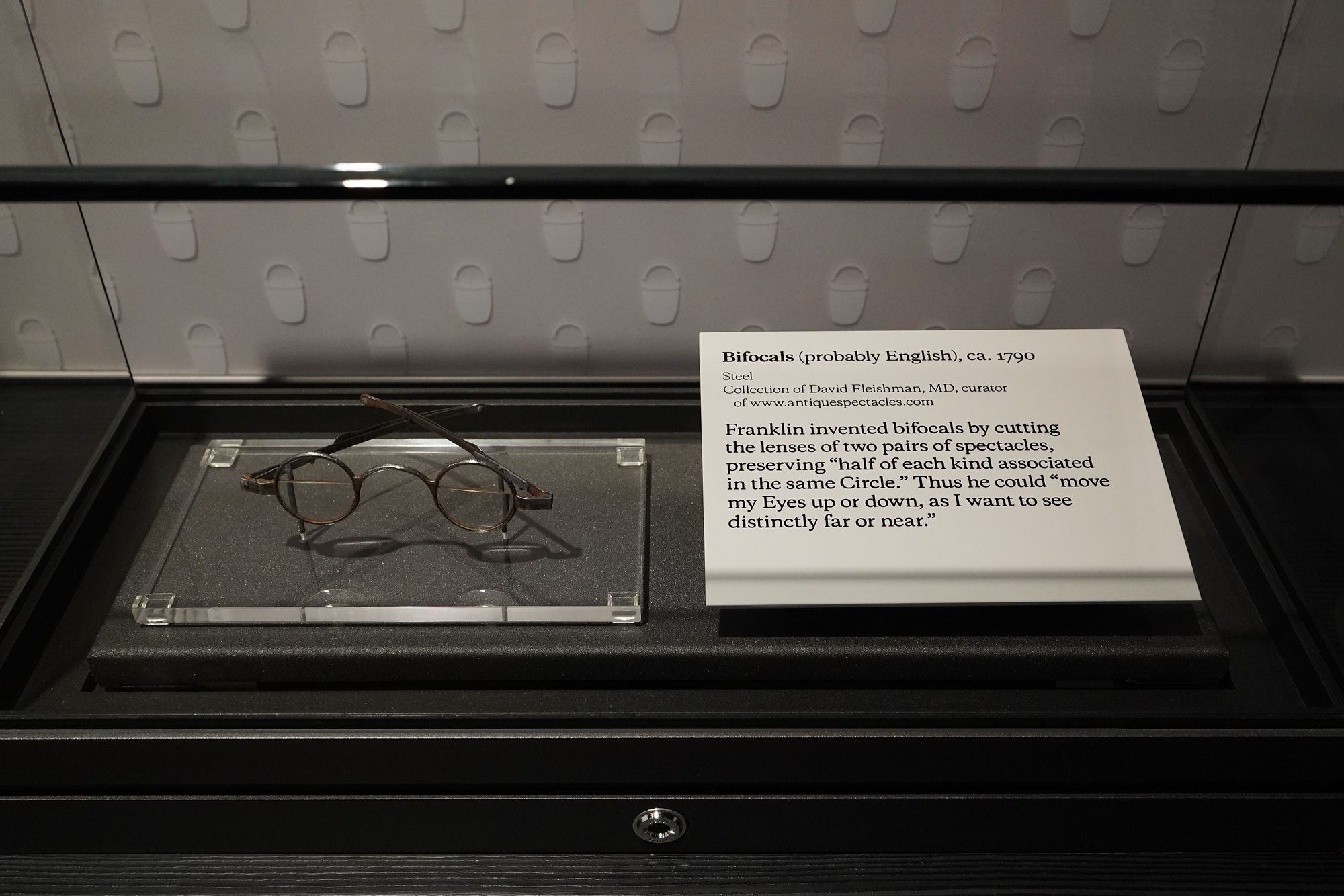
He invented bifocals
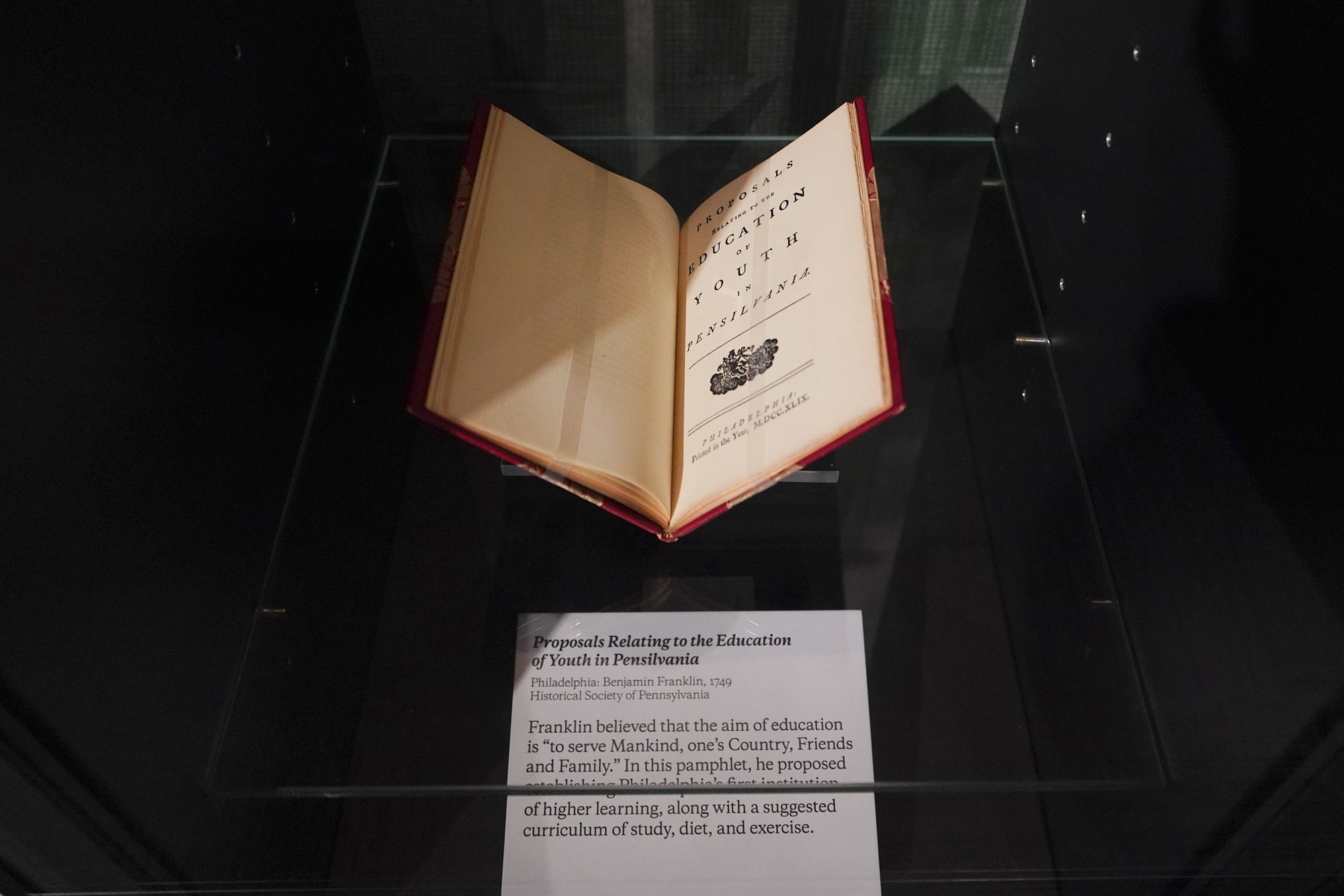
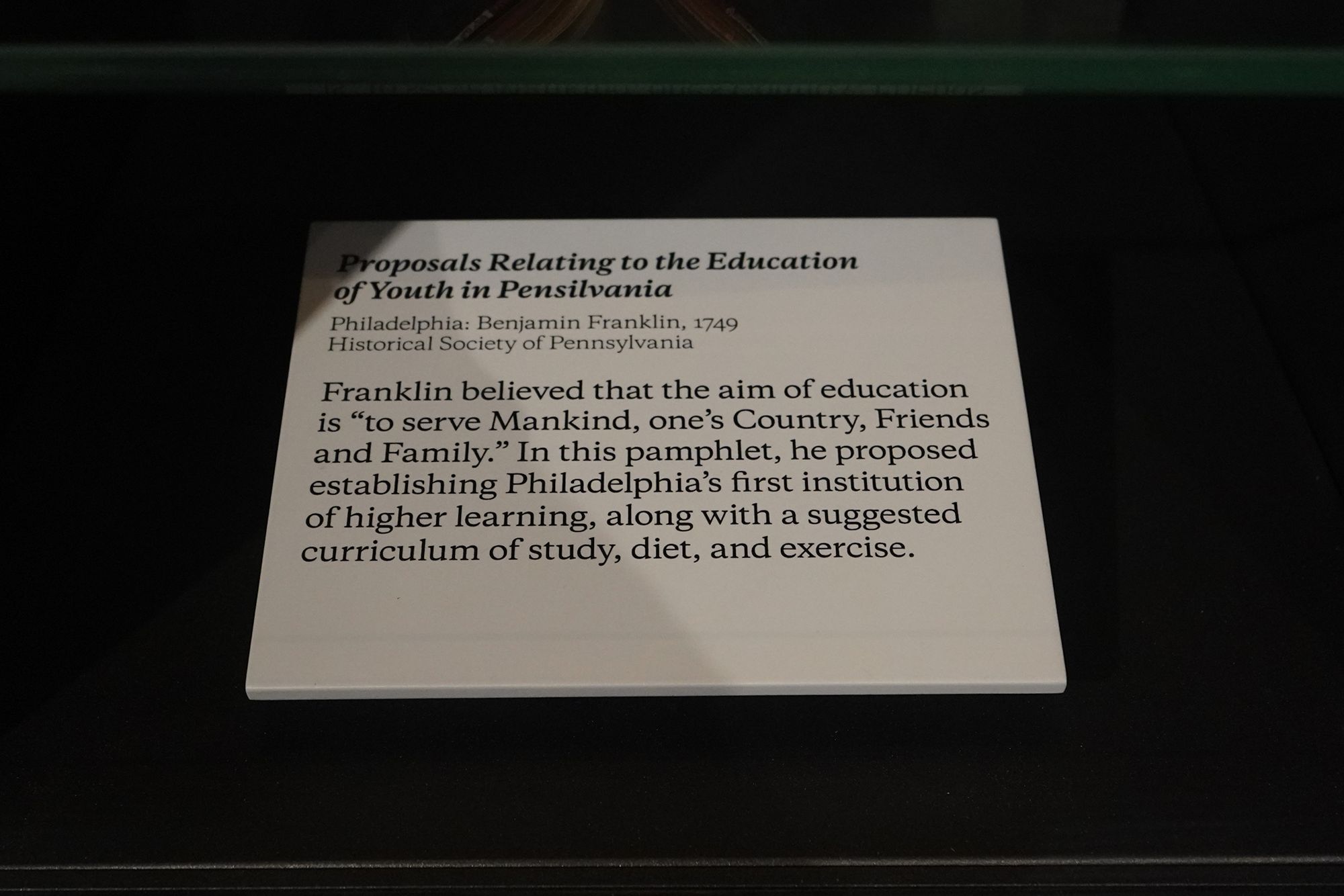
Proposals relating to the education of youth in Philadelphia
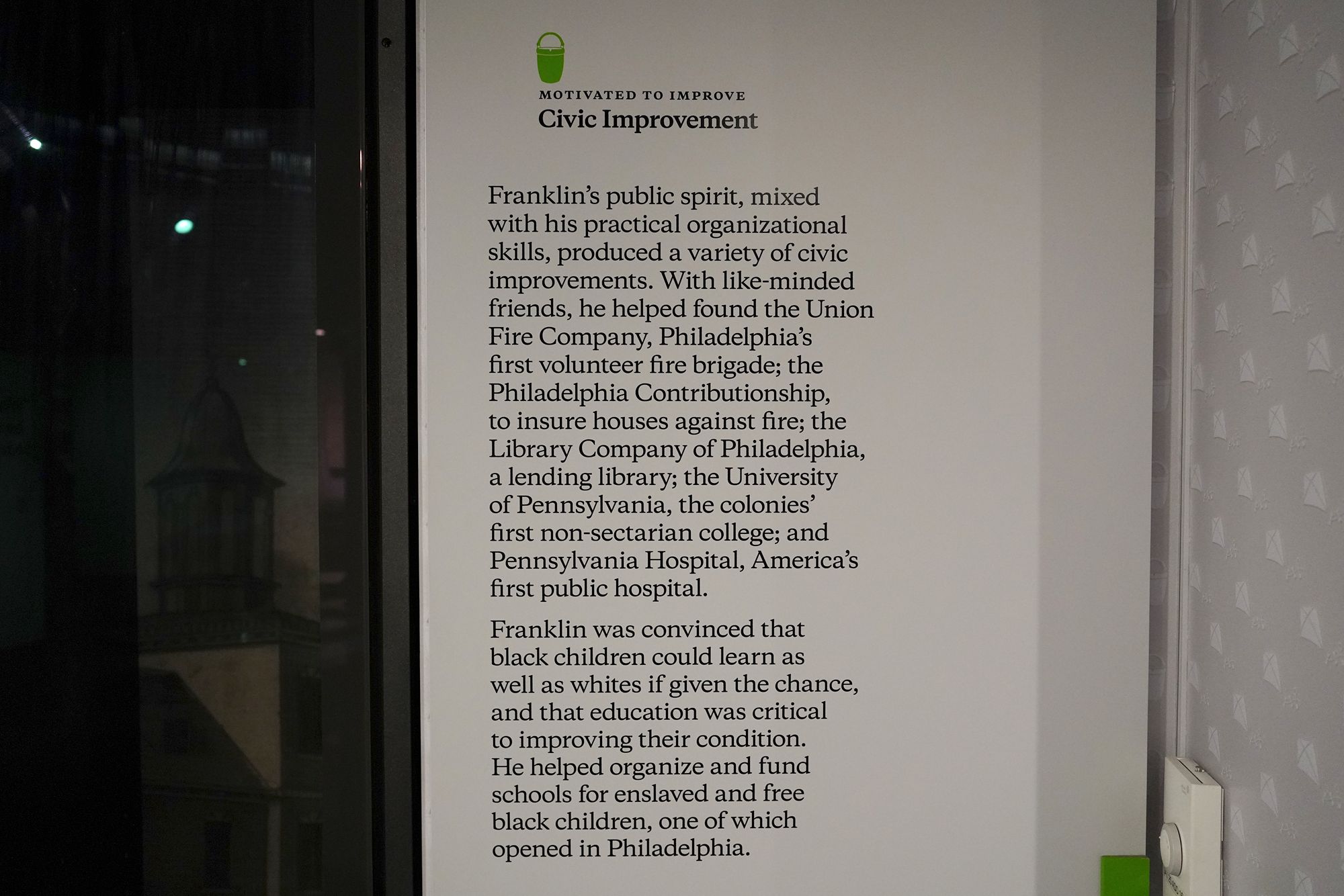
His spirit and skills produced a variety of civic improvements.
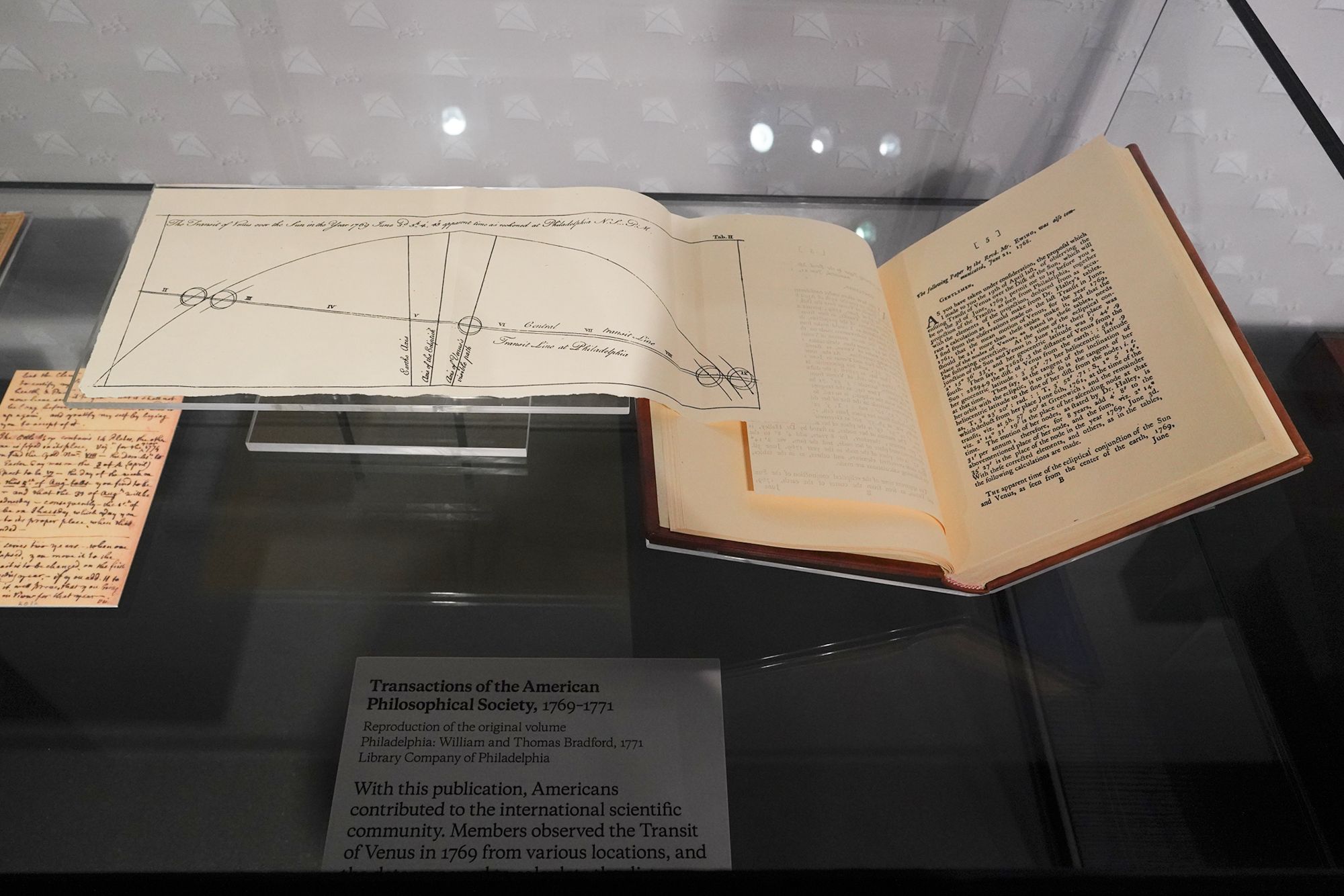
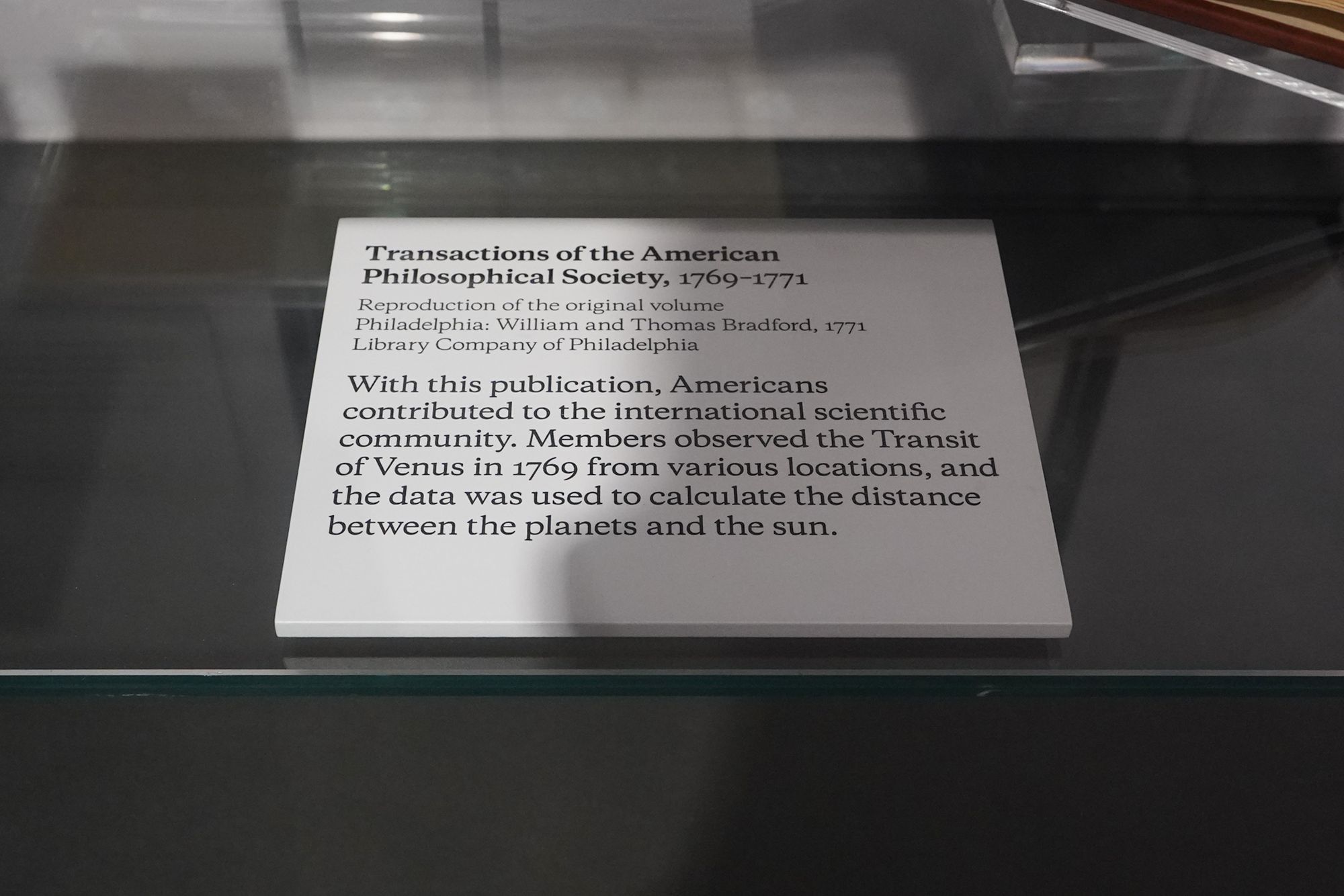
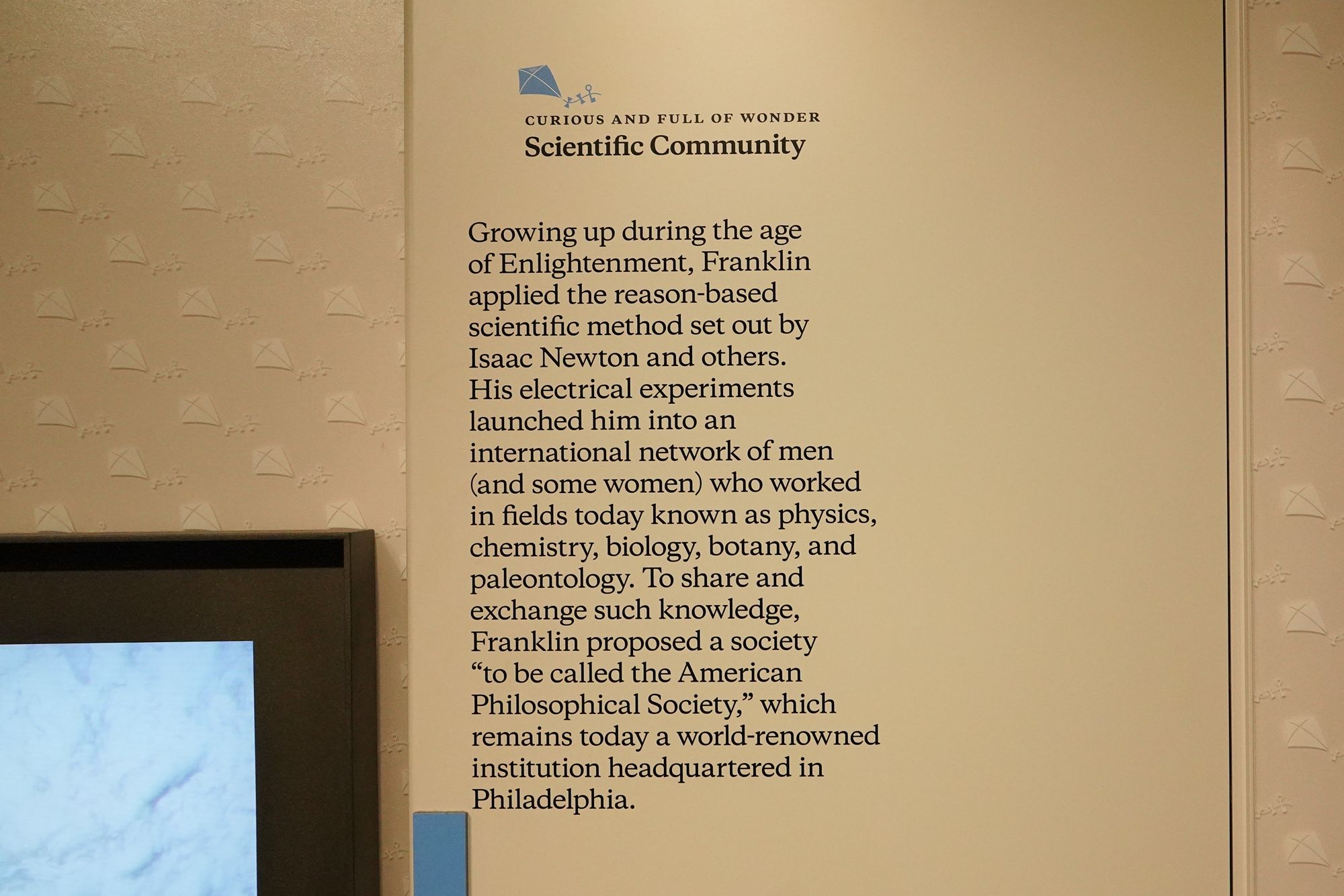
He applied the reason-based scientific method on research
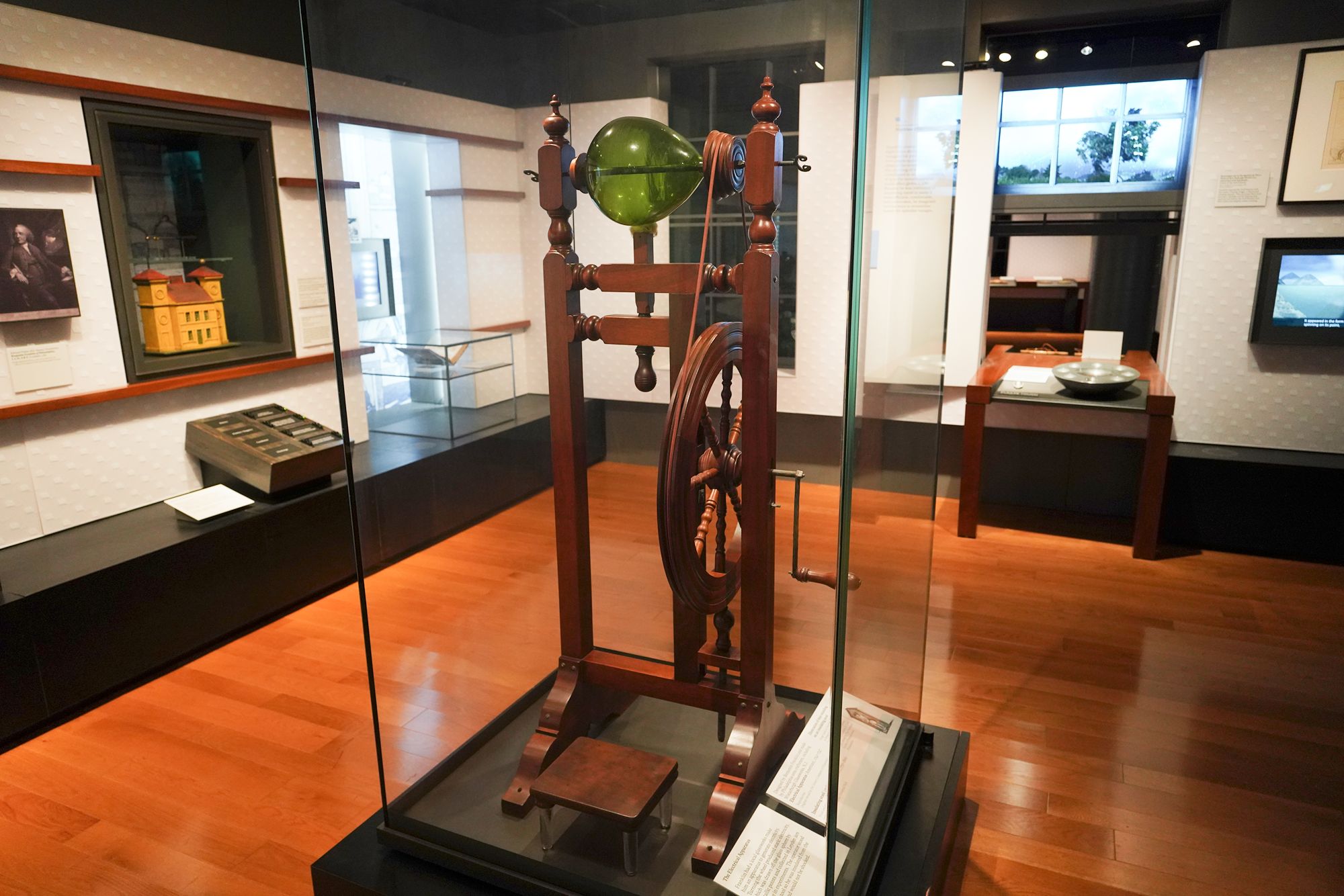
Benjamin Franklin is one of the most recognizable early figures in the study of electricity. Though not the first to experiment with it, he helped shape the vocabulary, ideas, and understanding that later scientists would build upon. His work made electricity something people could study, explain, and use, rather than a mysterious natural force.
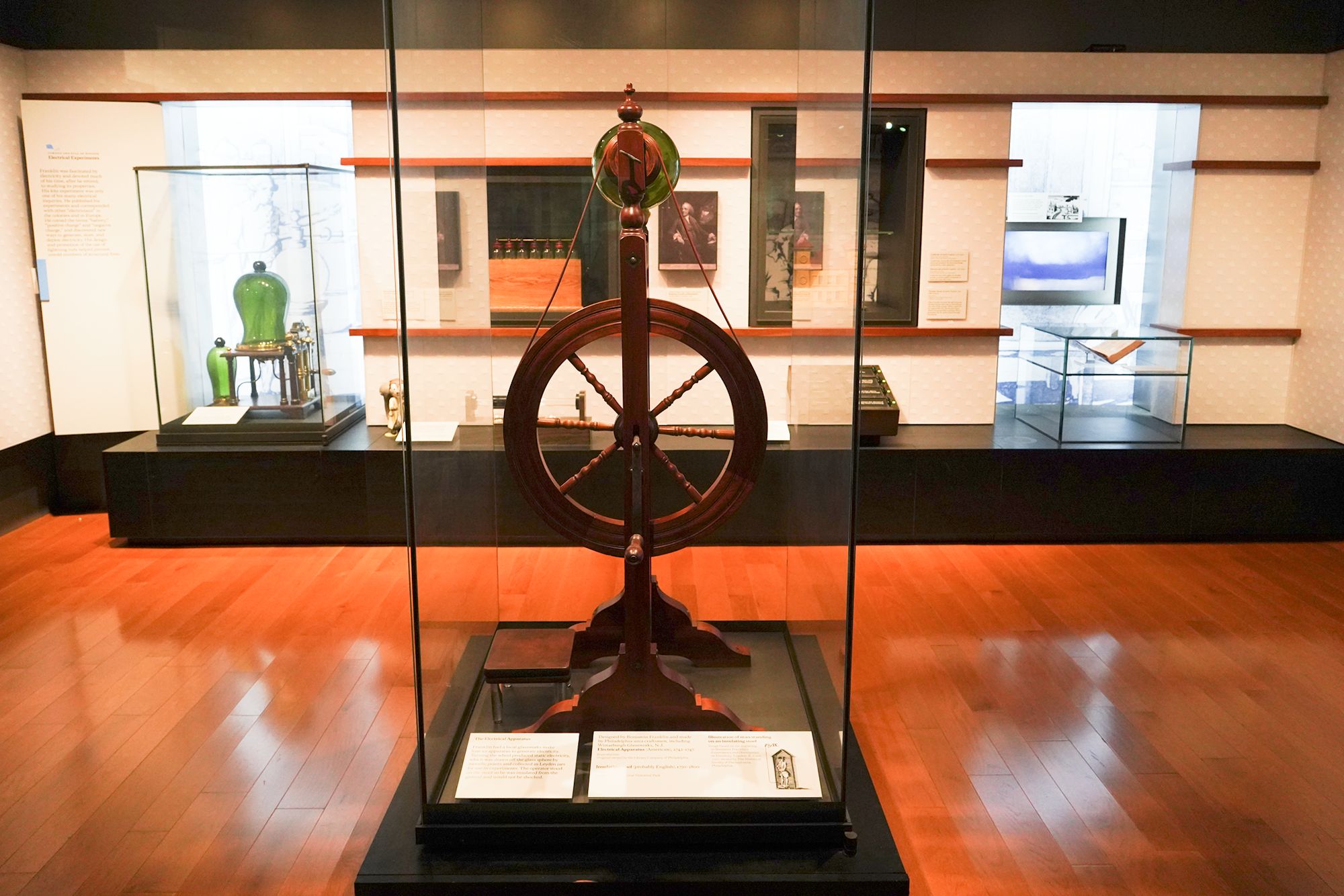
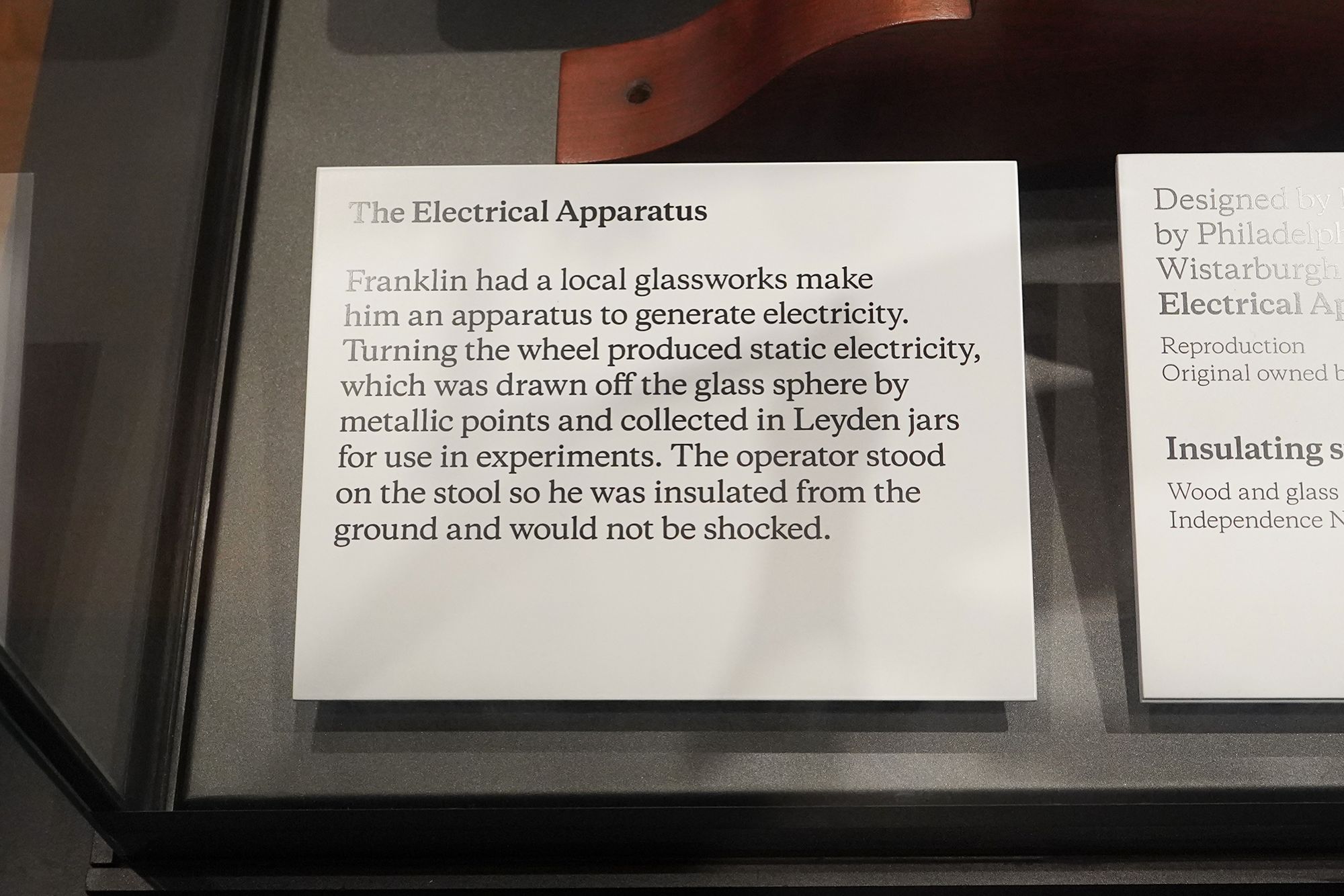
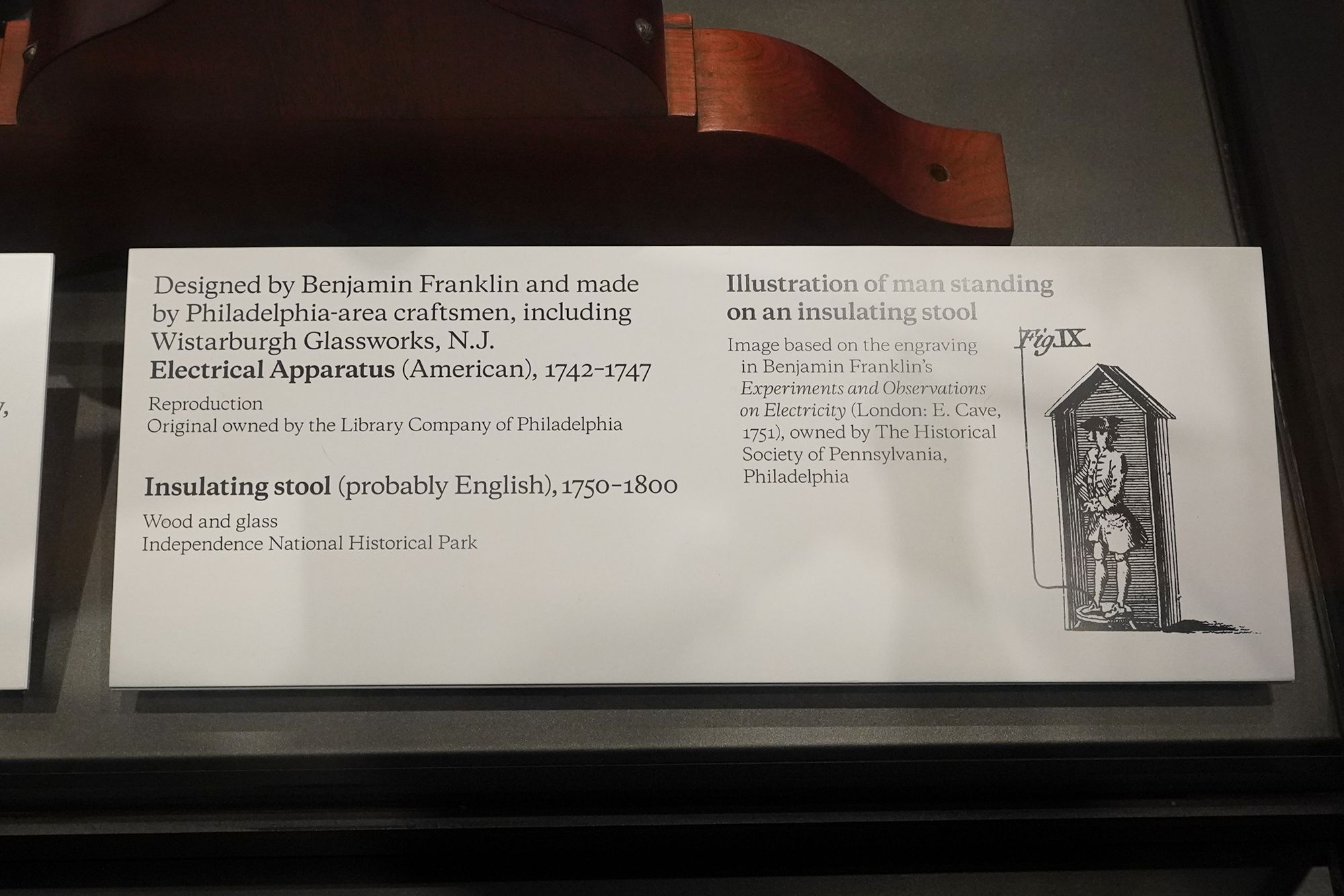
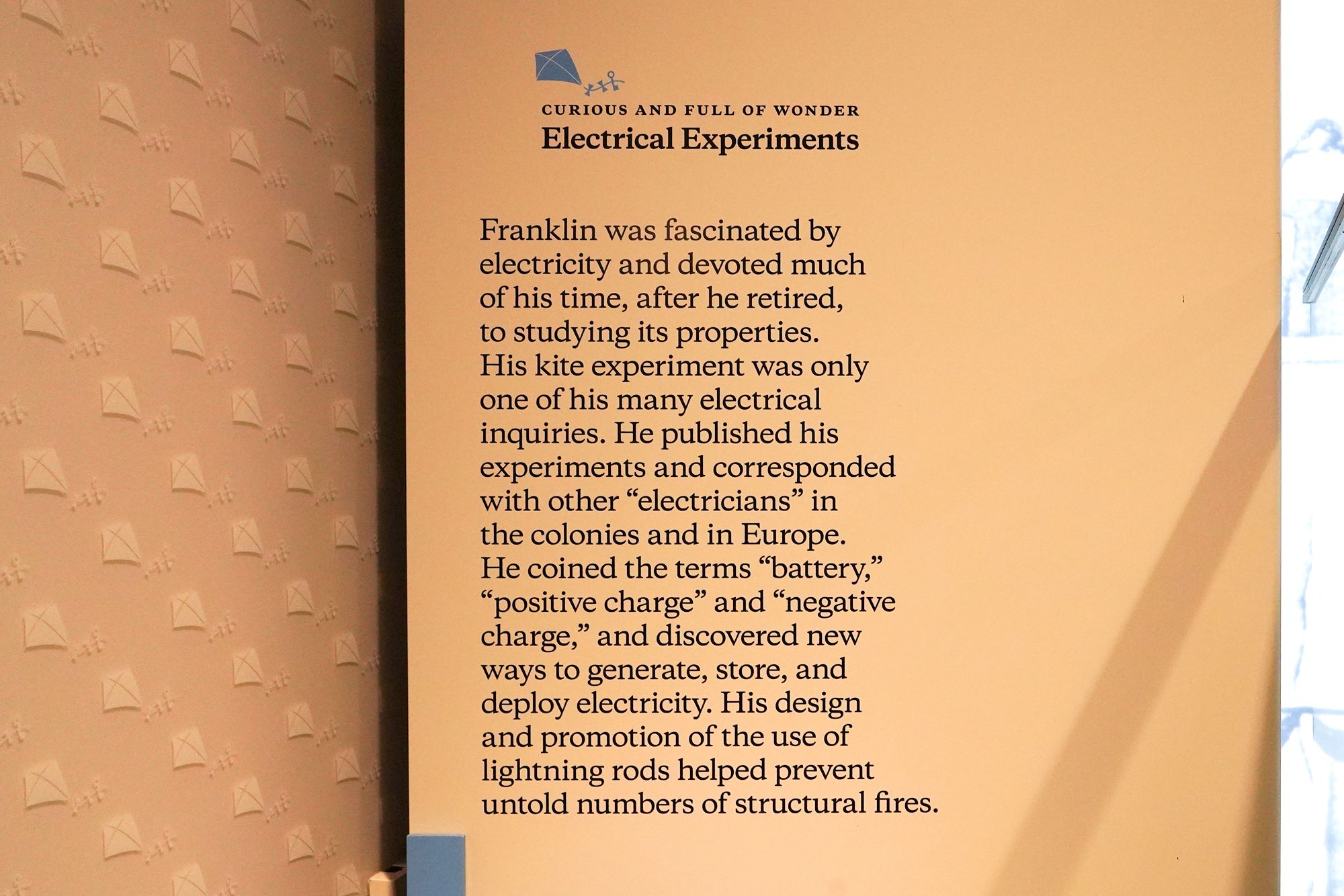
Electrical Battery
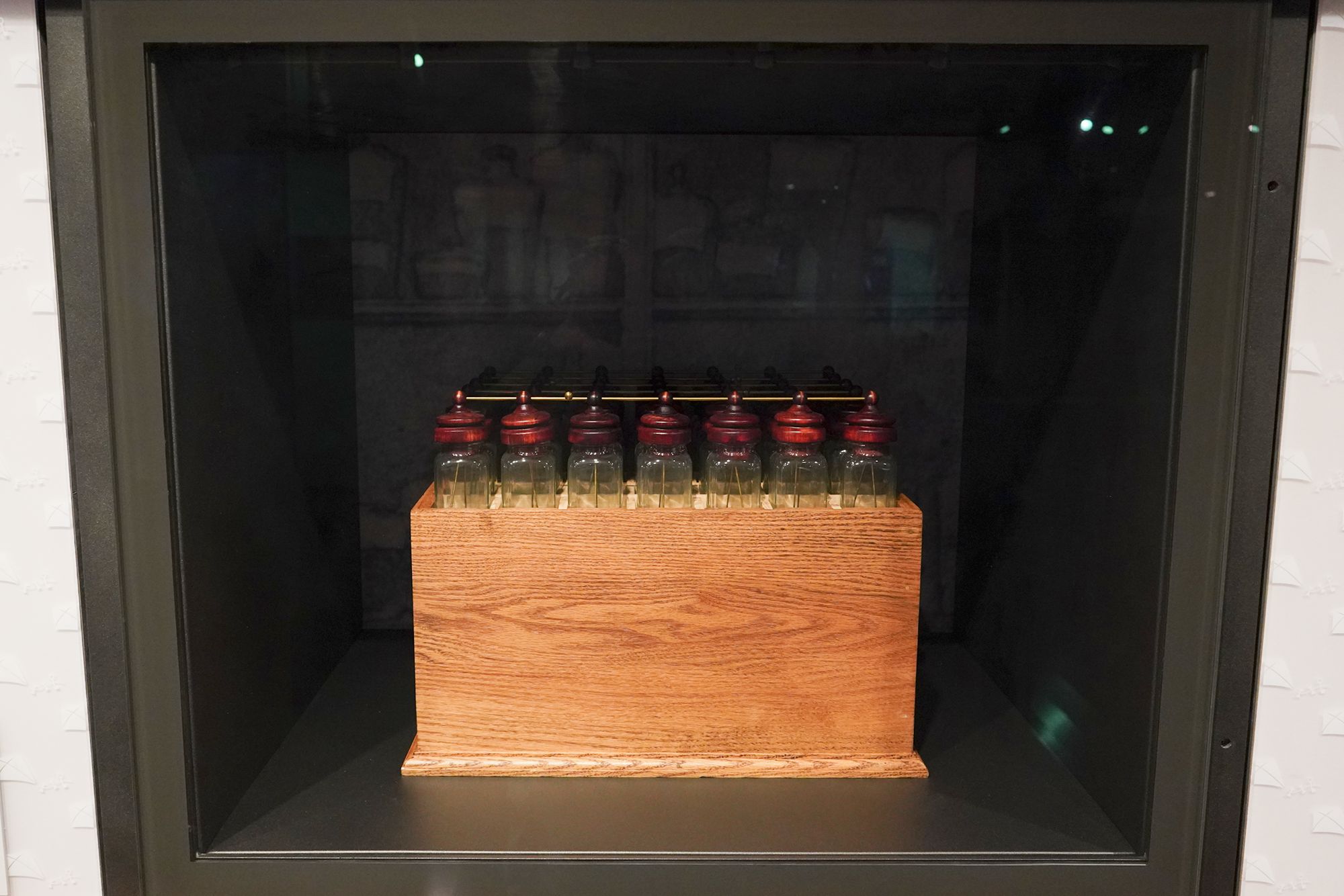
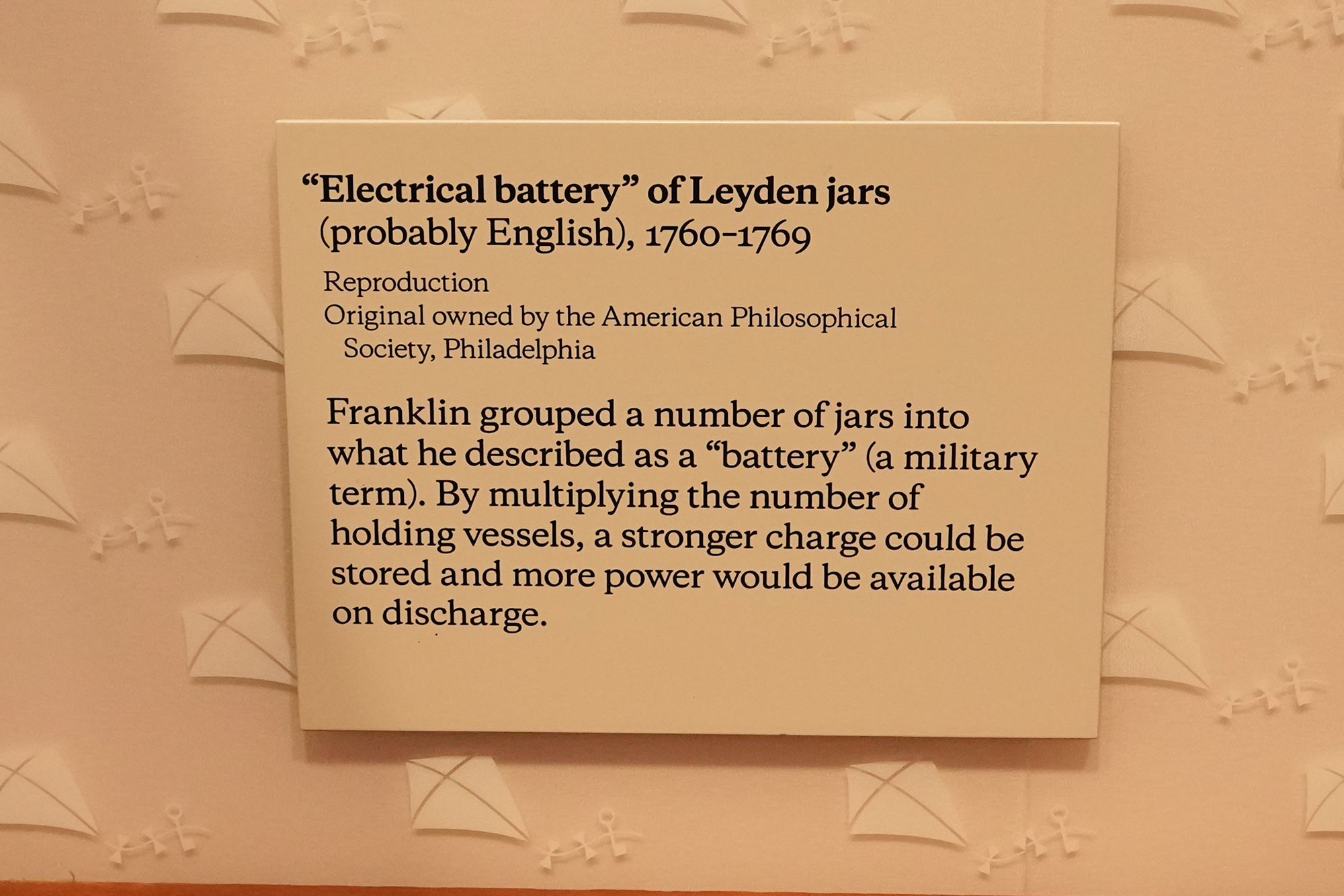
Franklin introduced new words into the vocabulary.
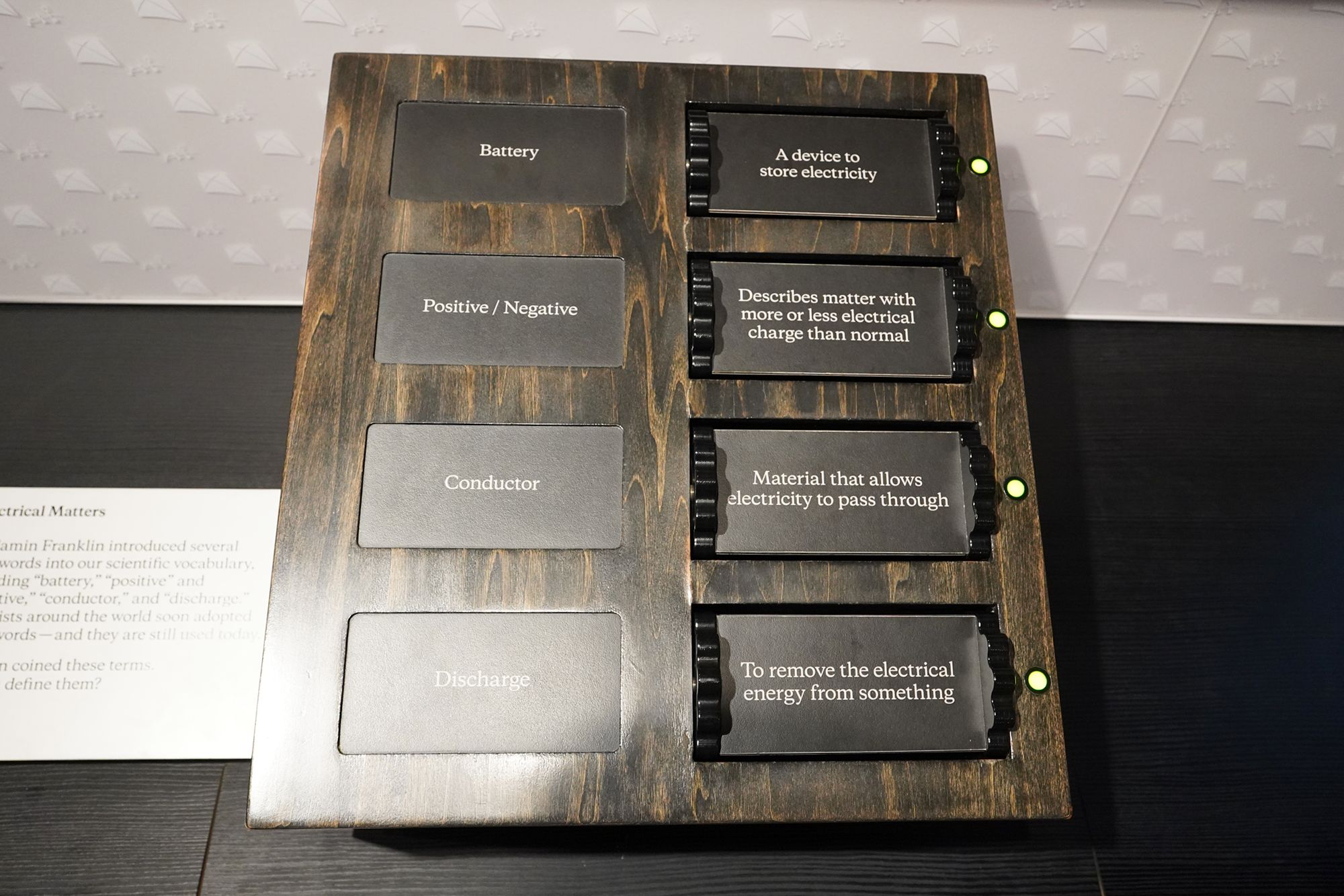
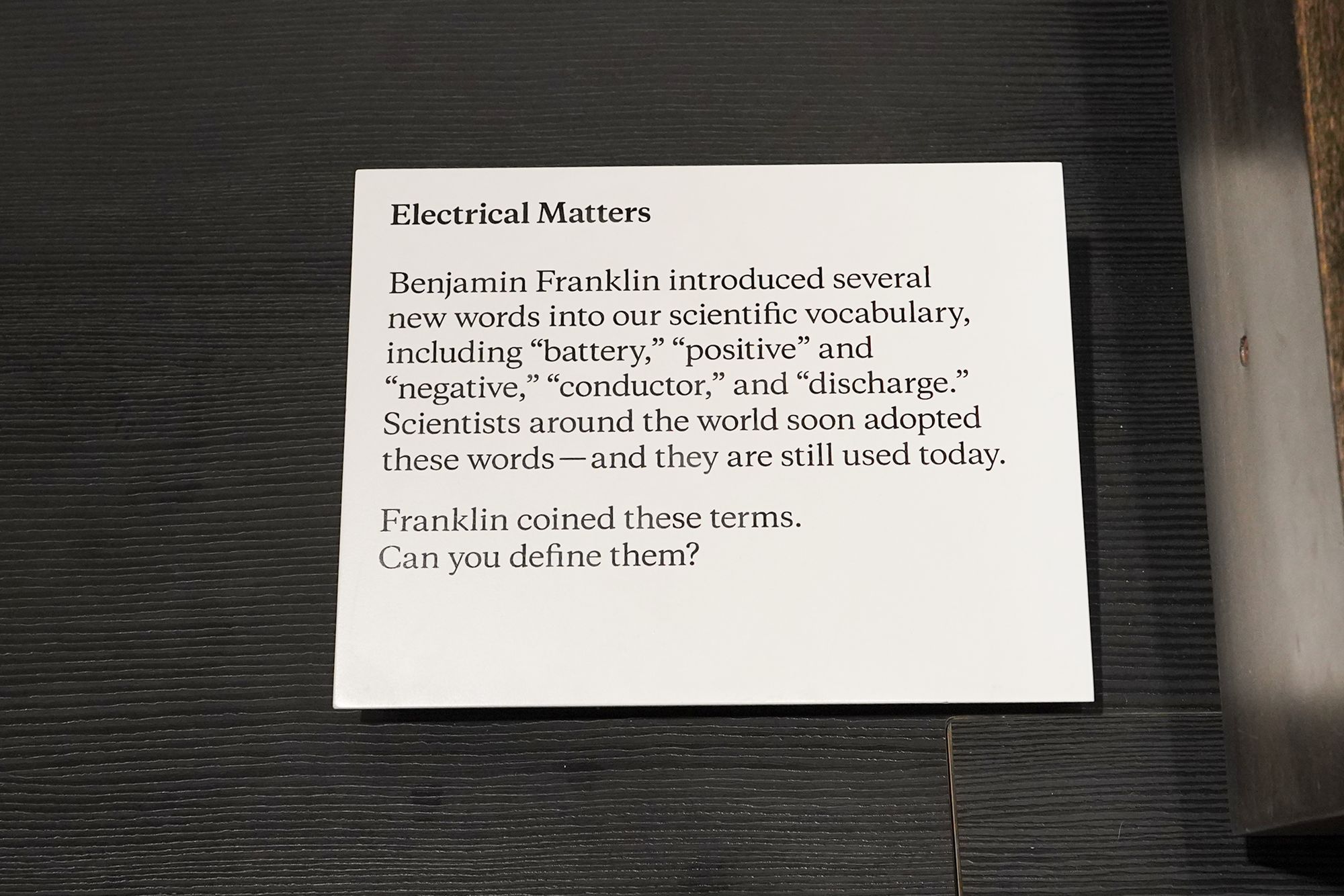
Invention of lightning rod
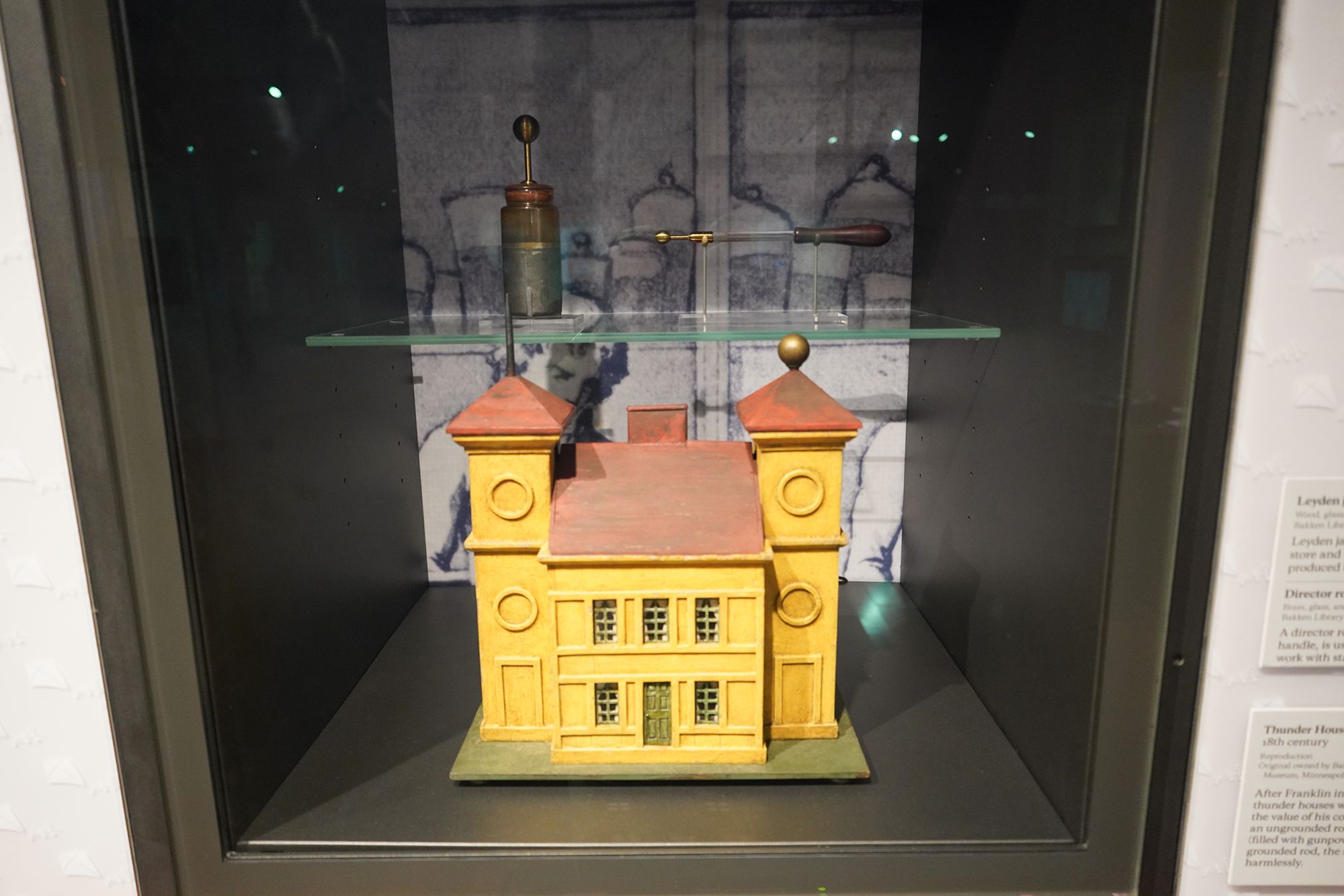
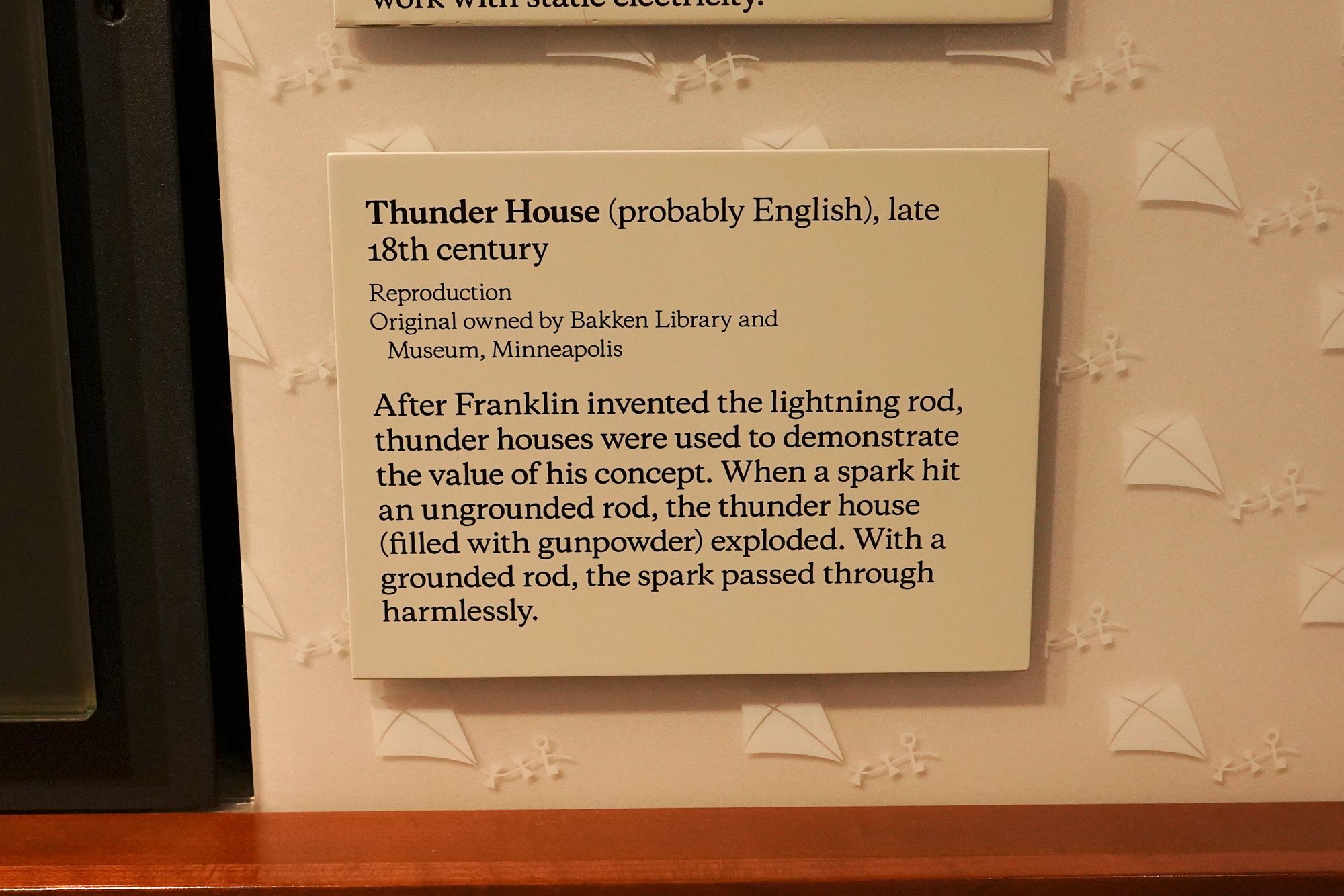
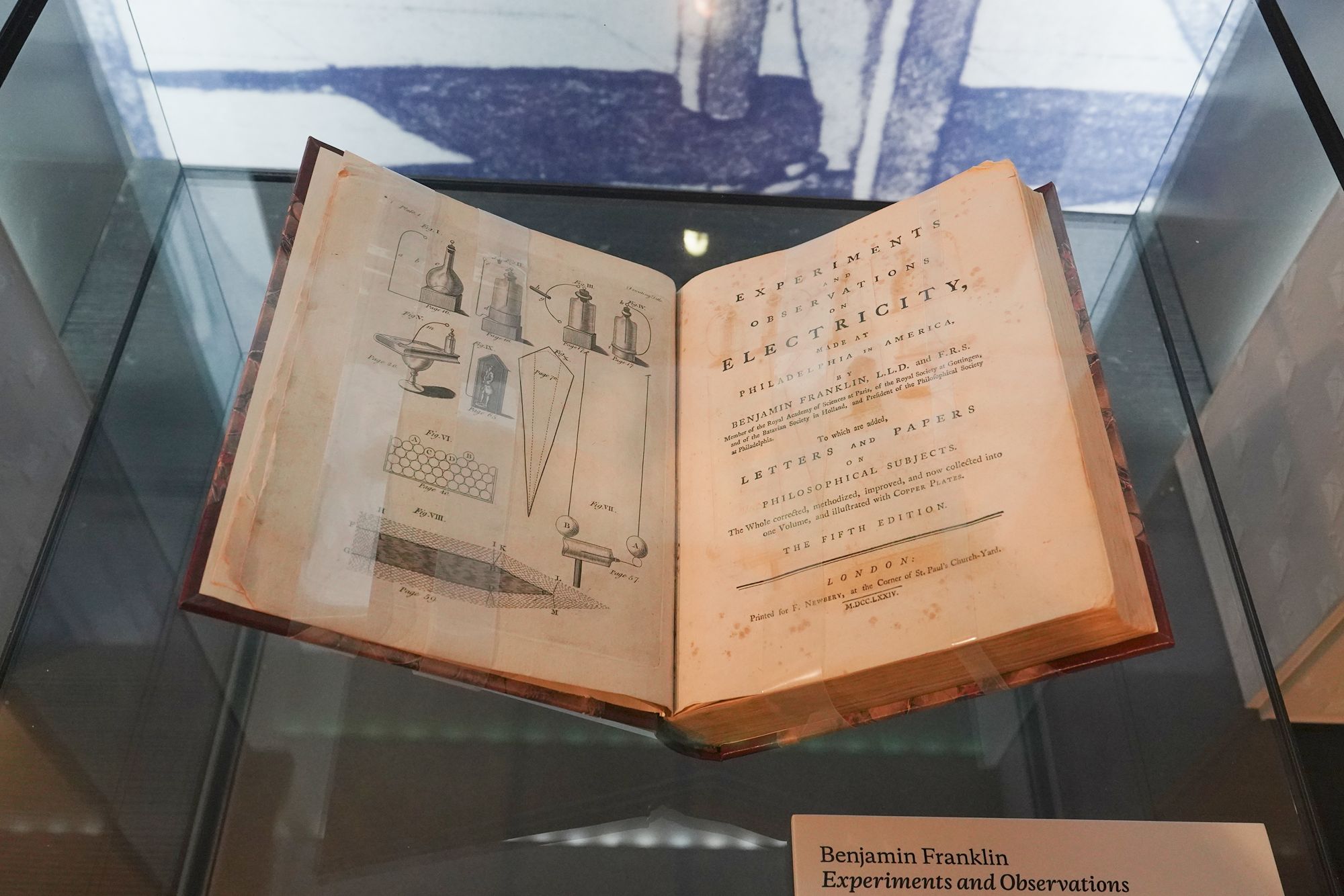
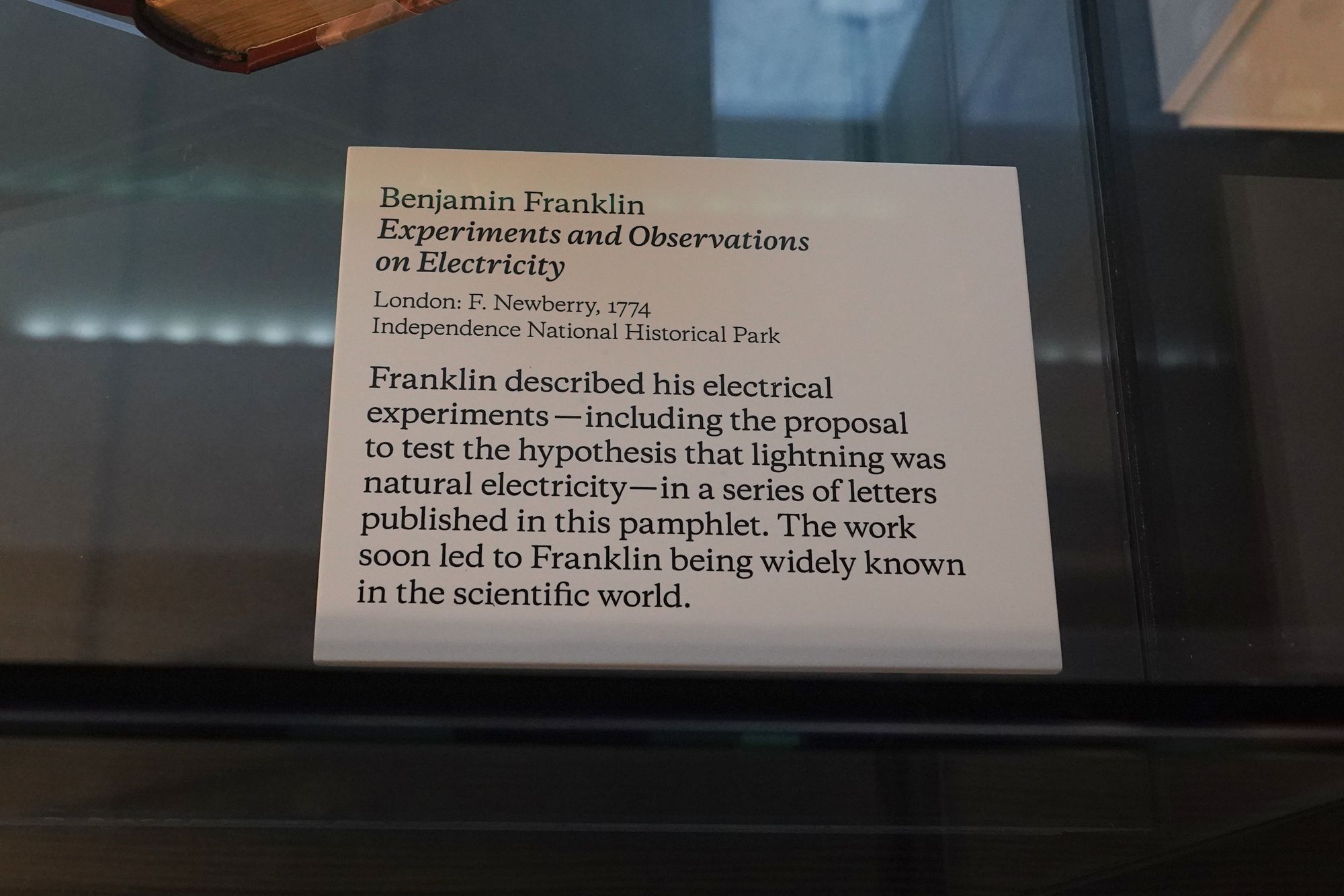
His book, Experiments and Observations on Electricity
The life and career of Franklin
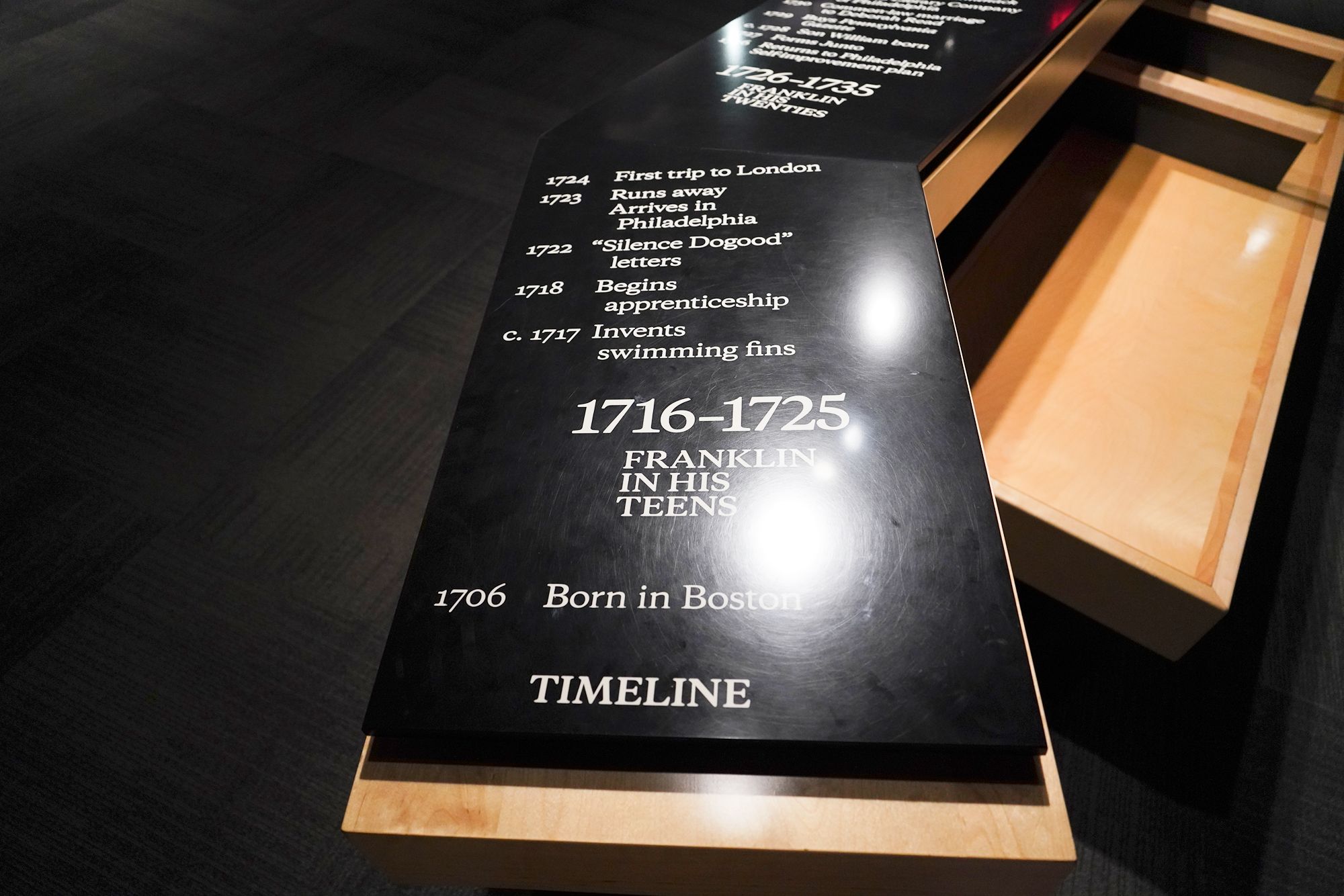
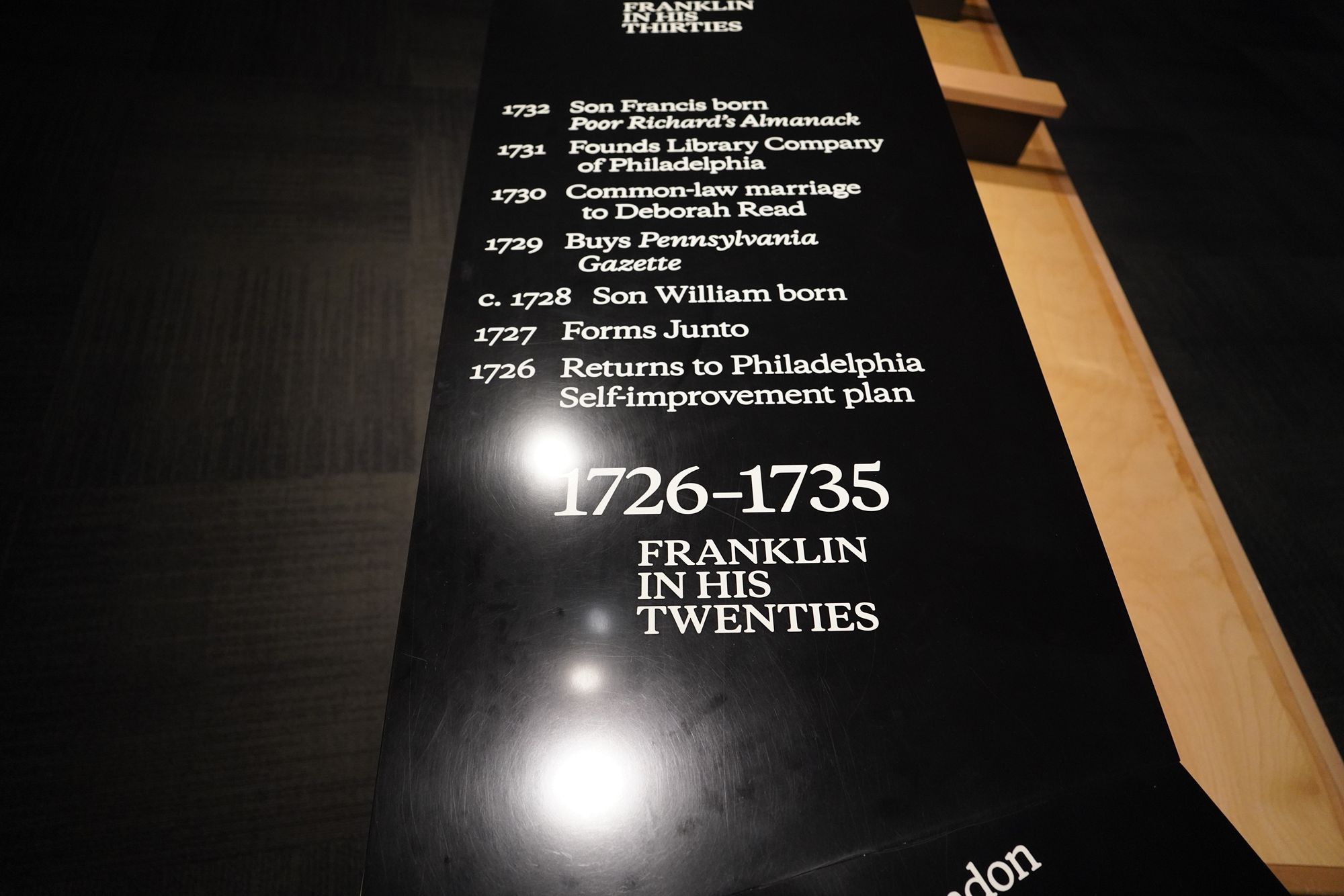
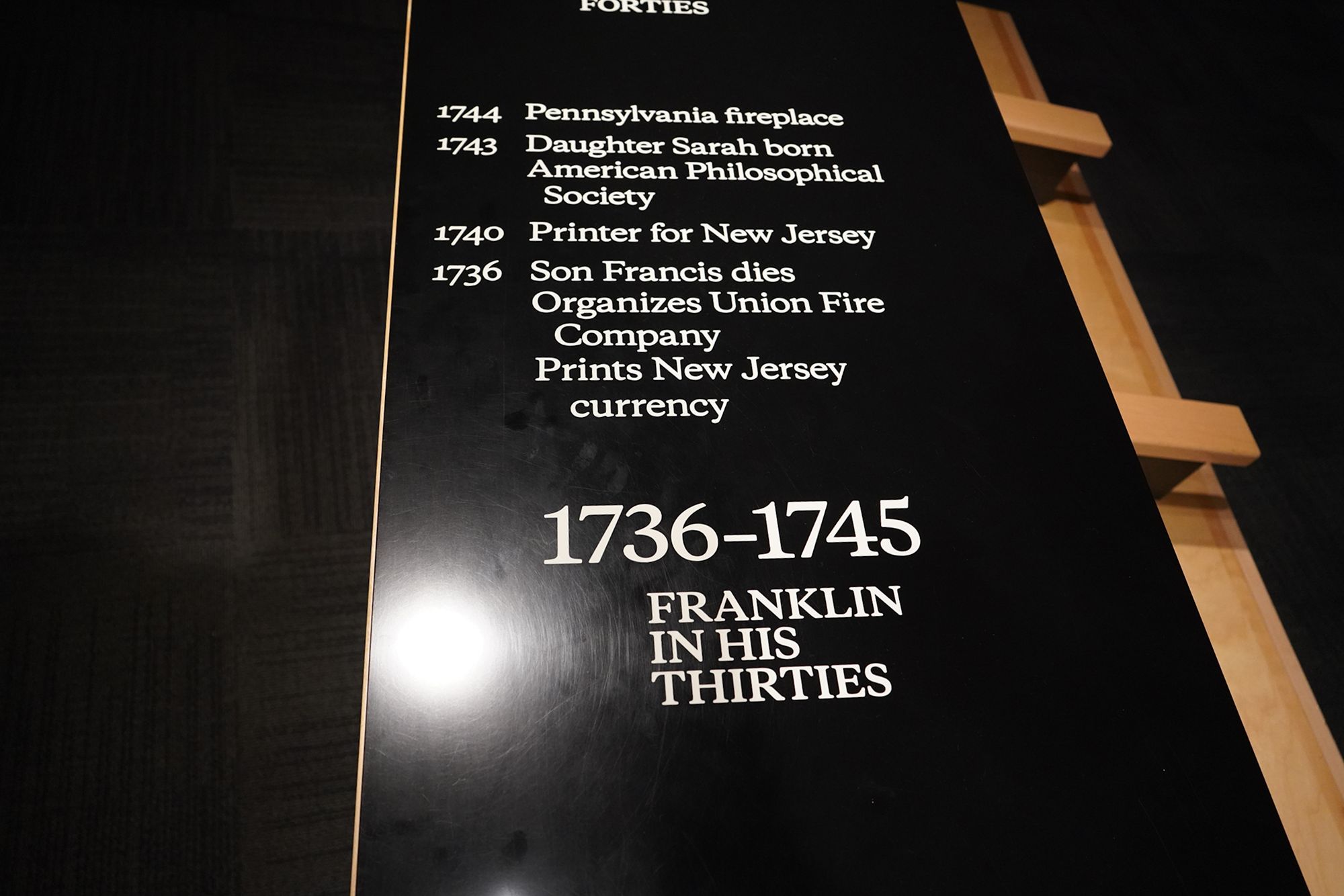
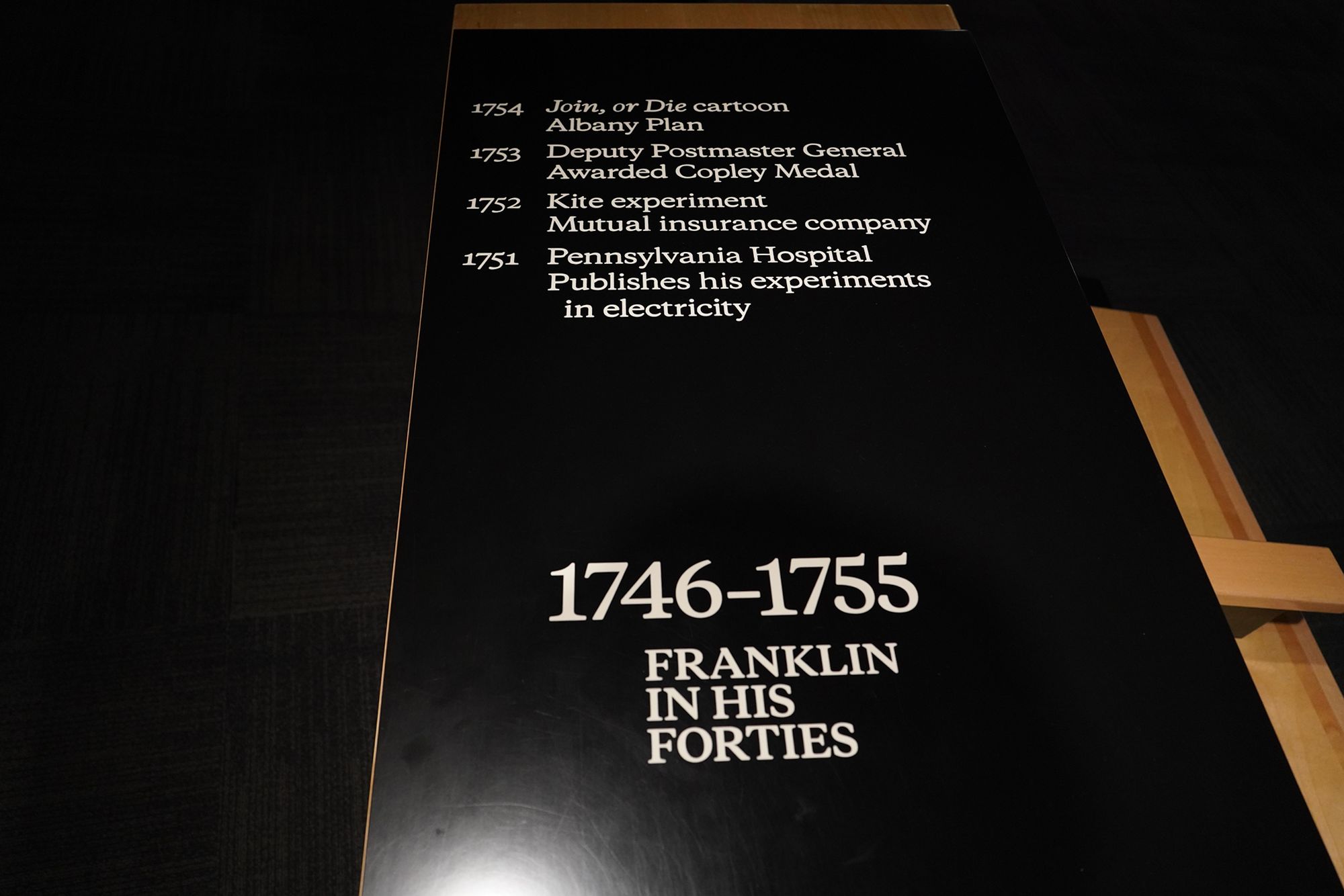
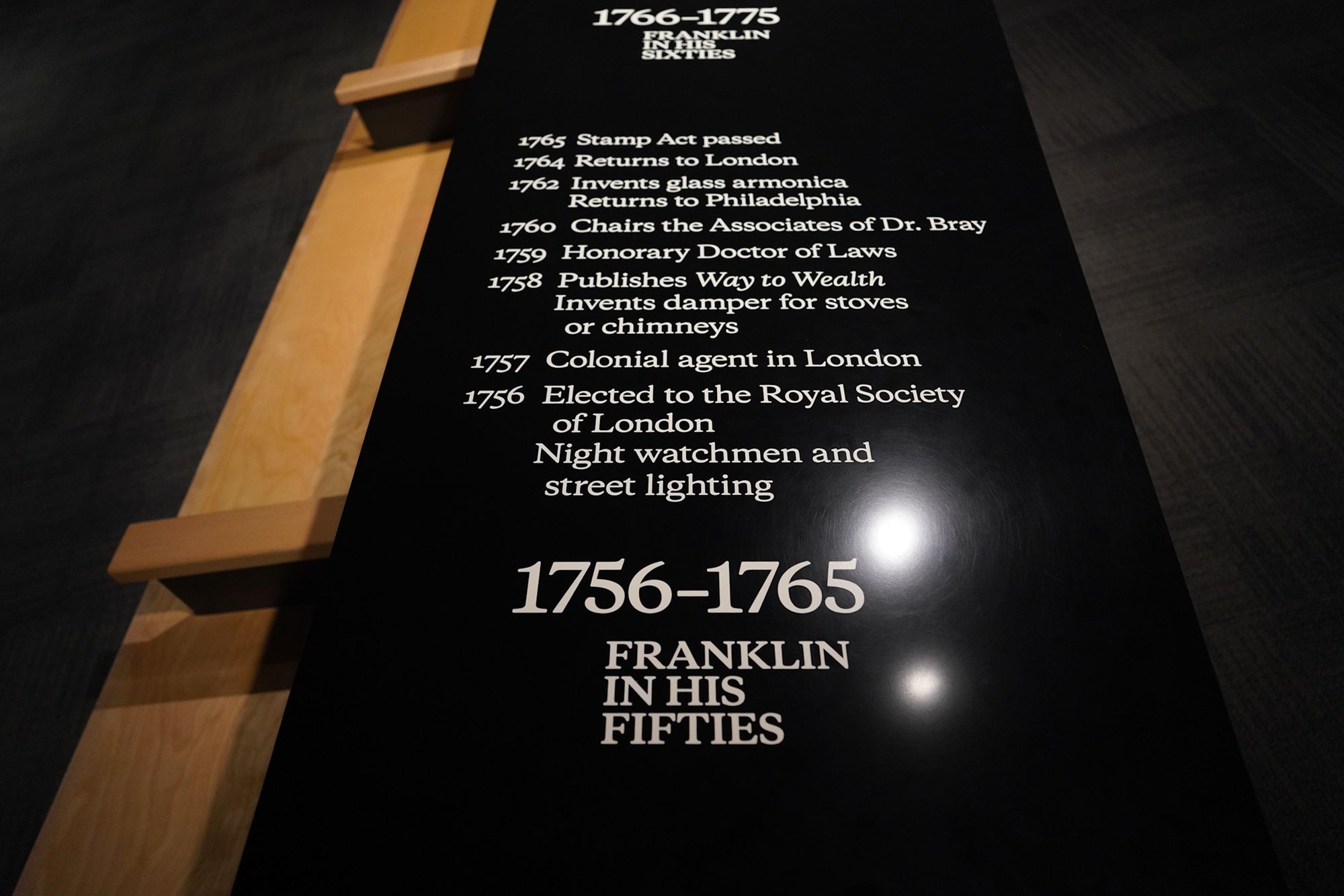
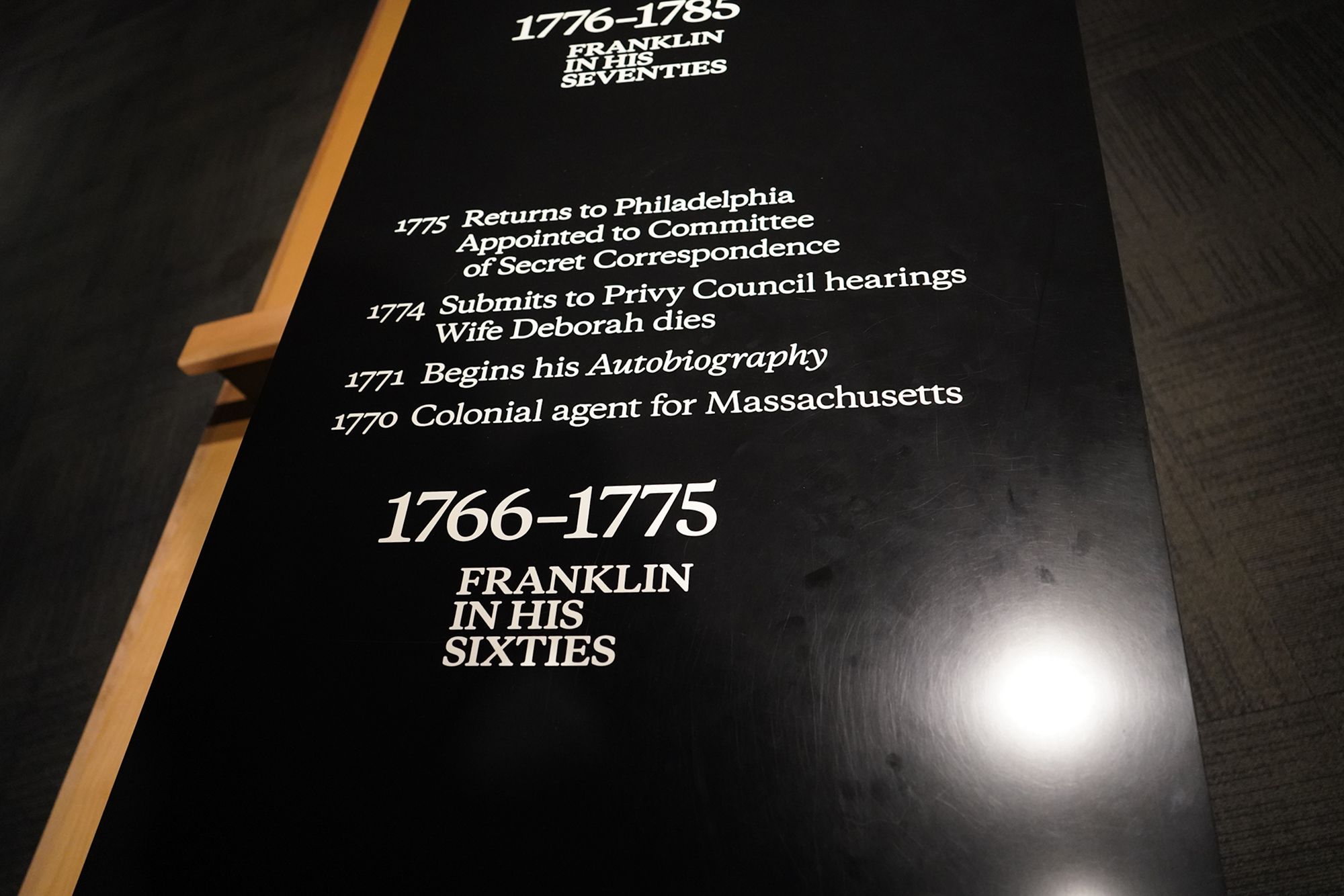
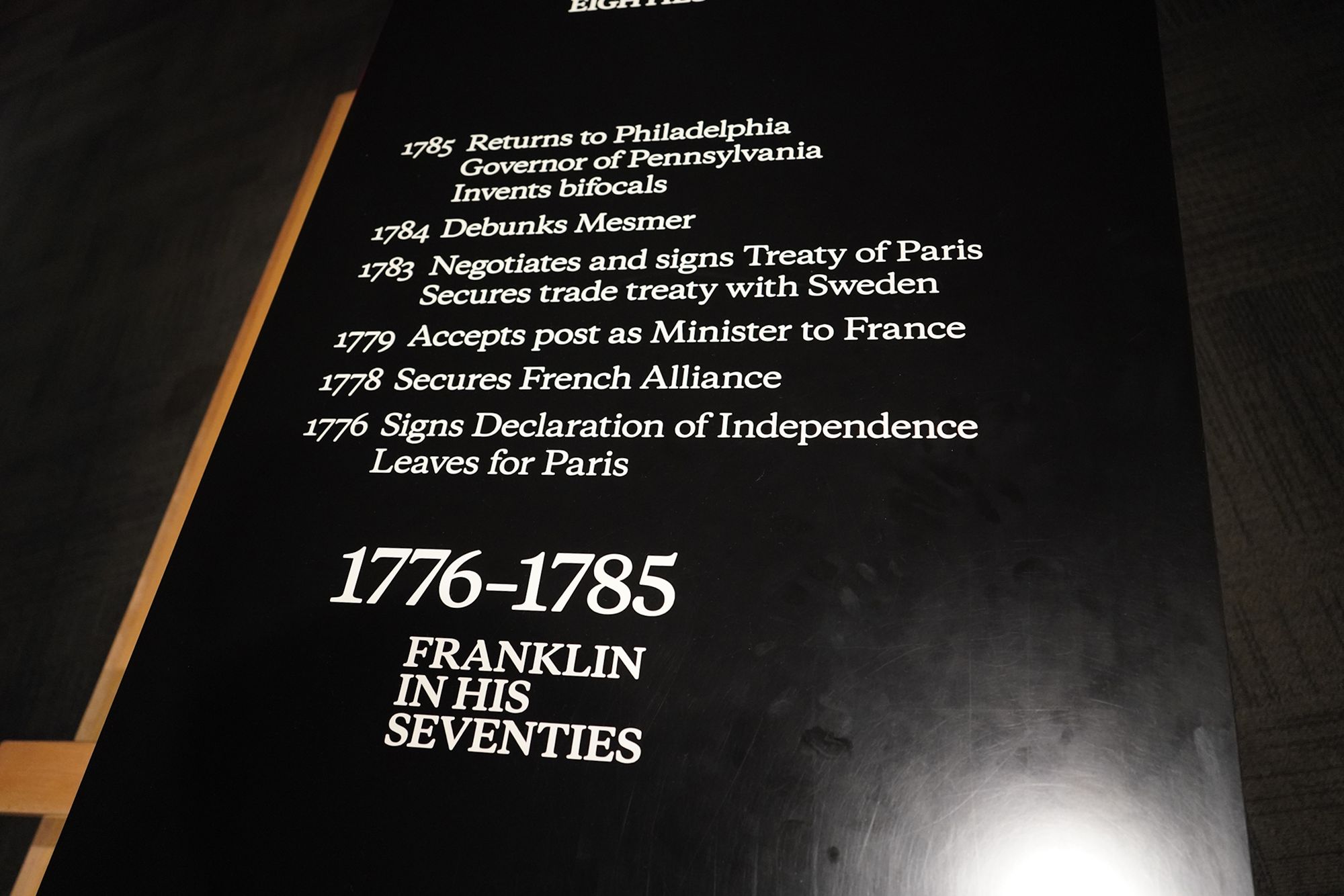
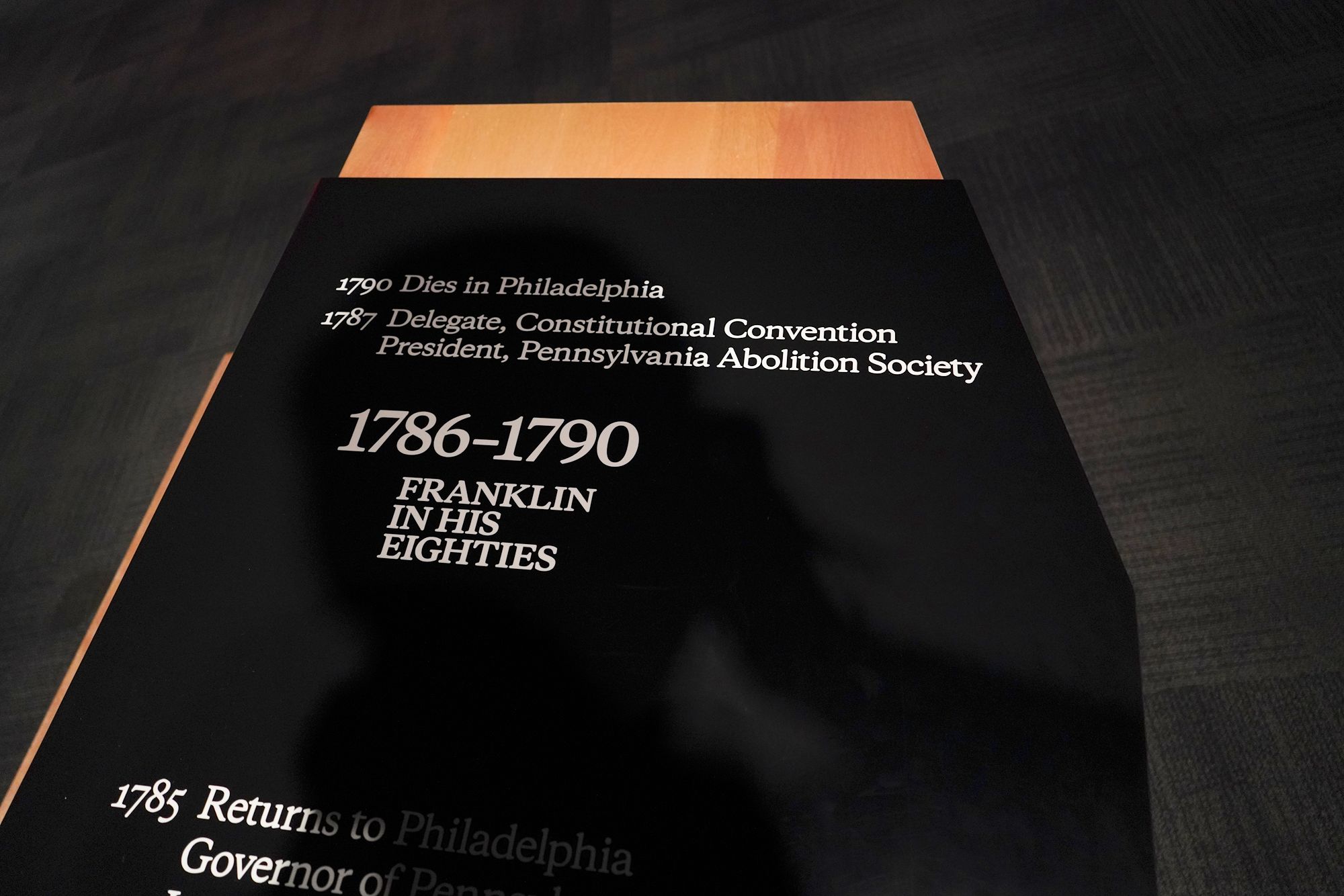
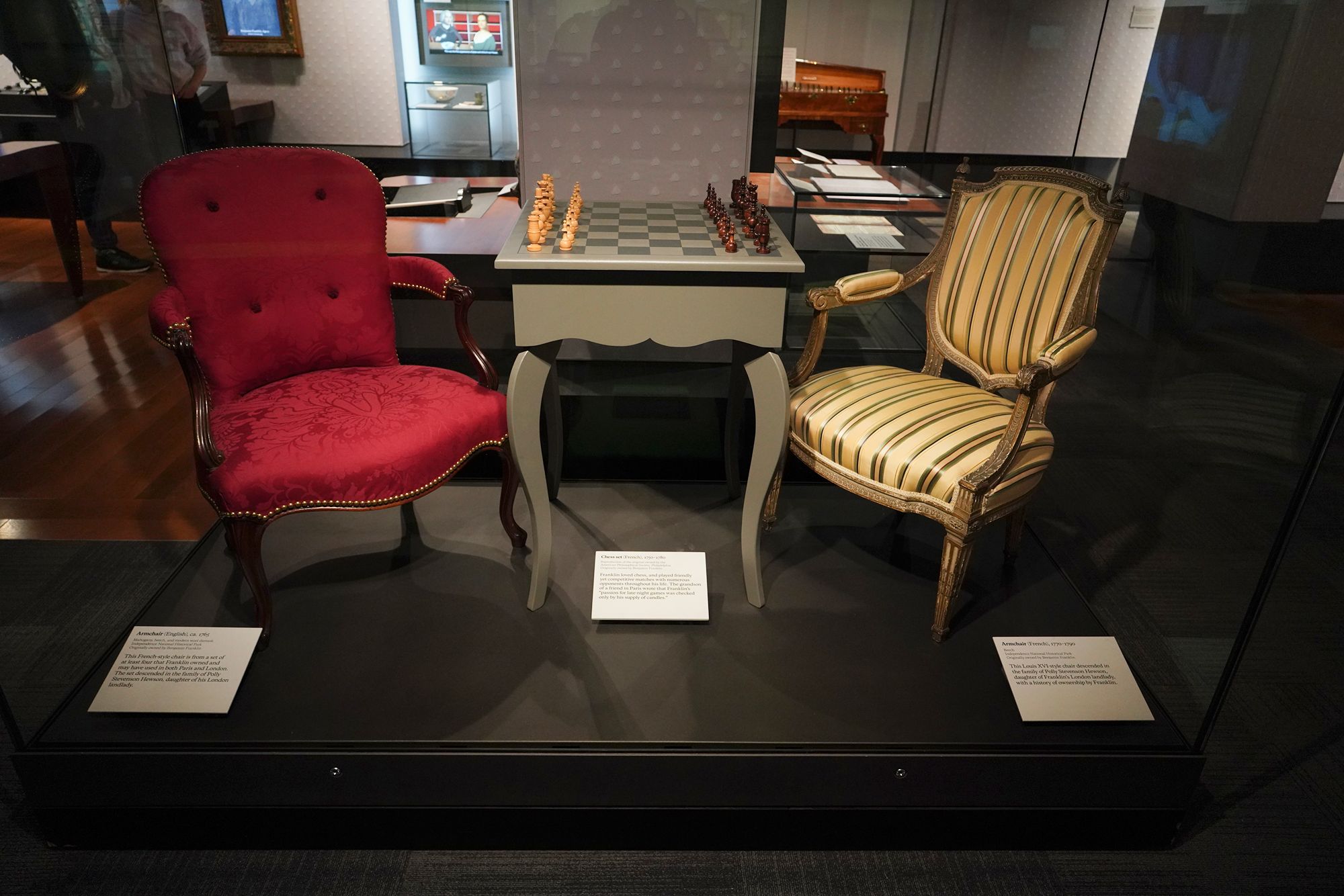
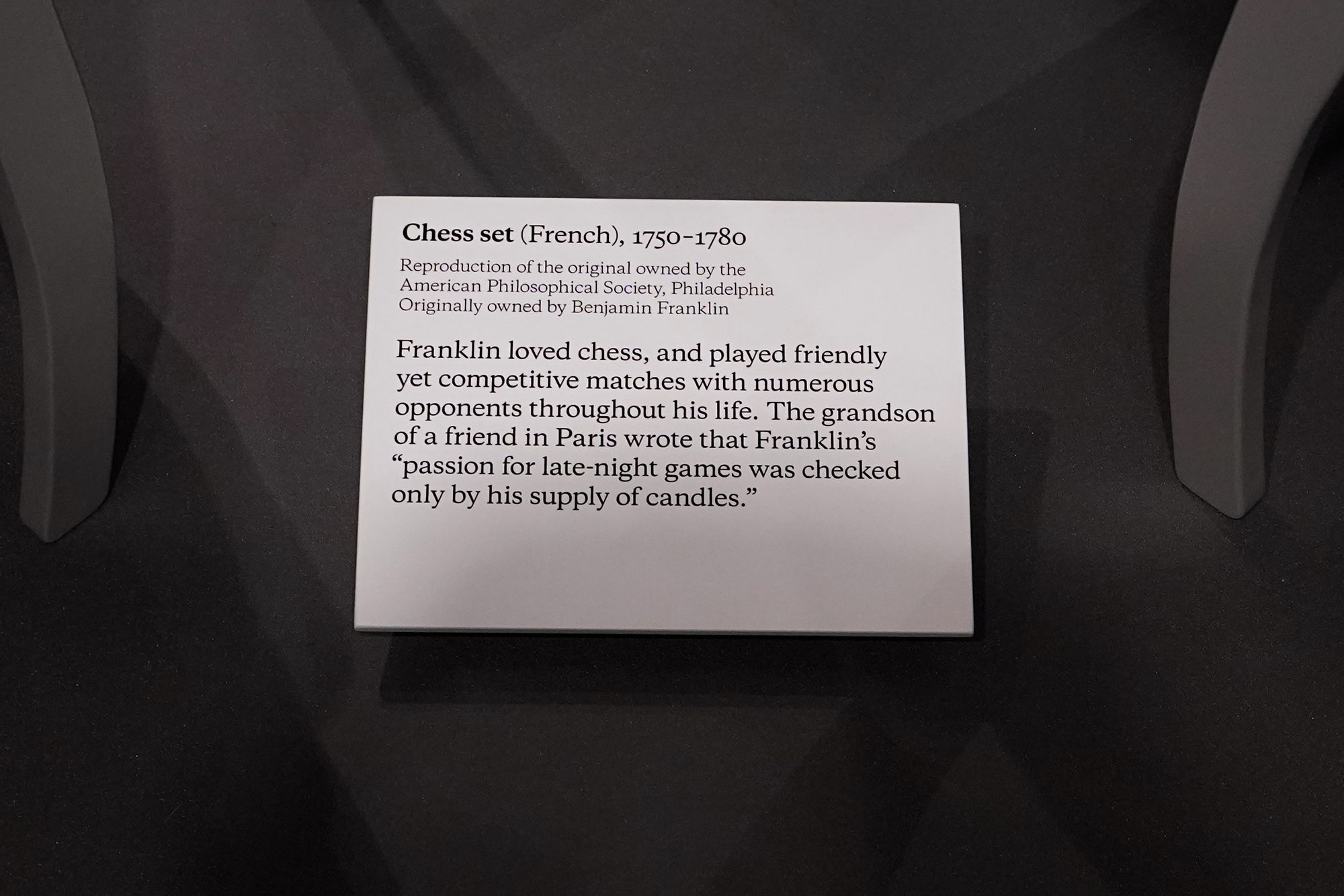
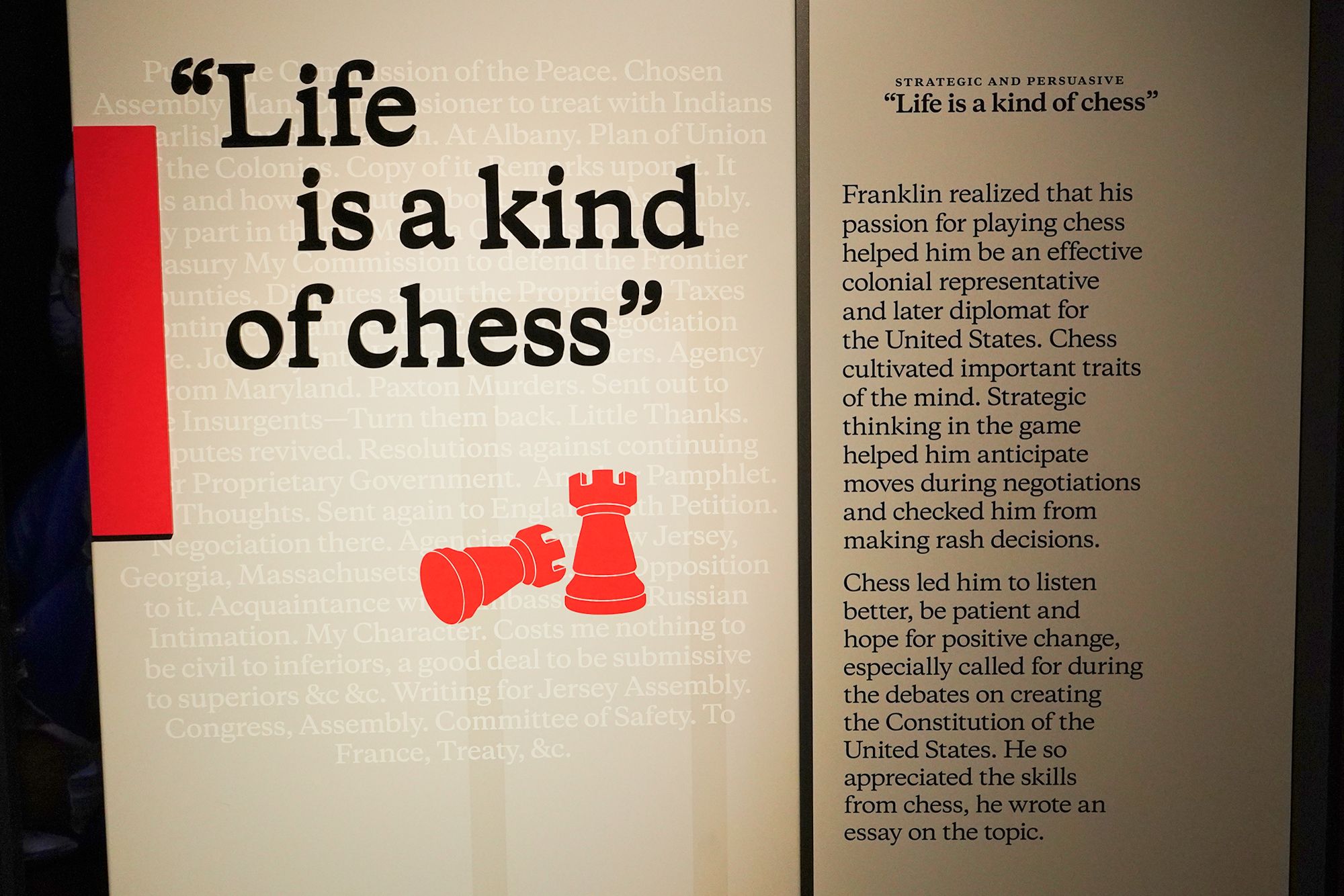
"Life is a kind of chess"
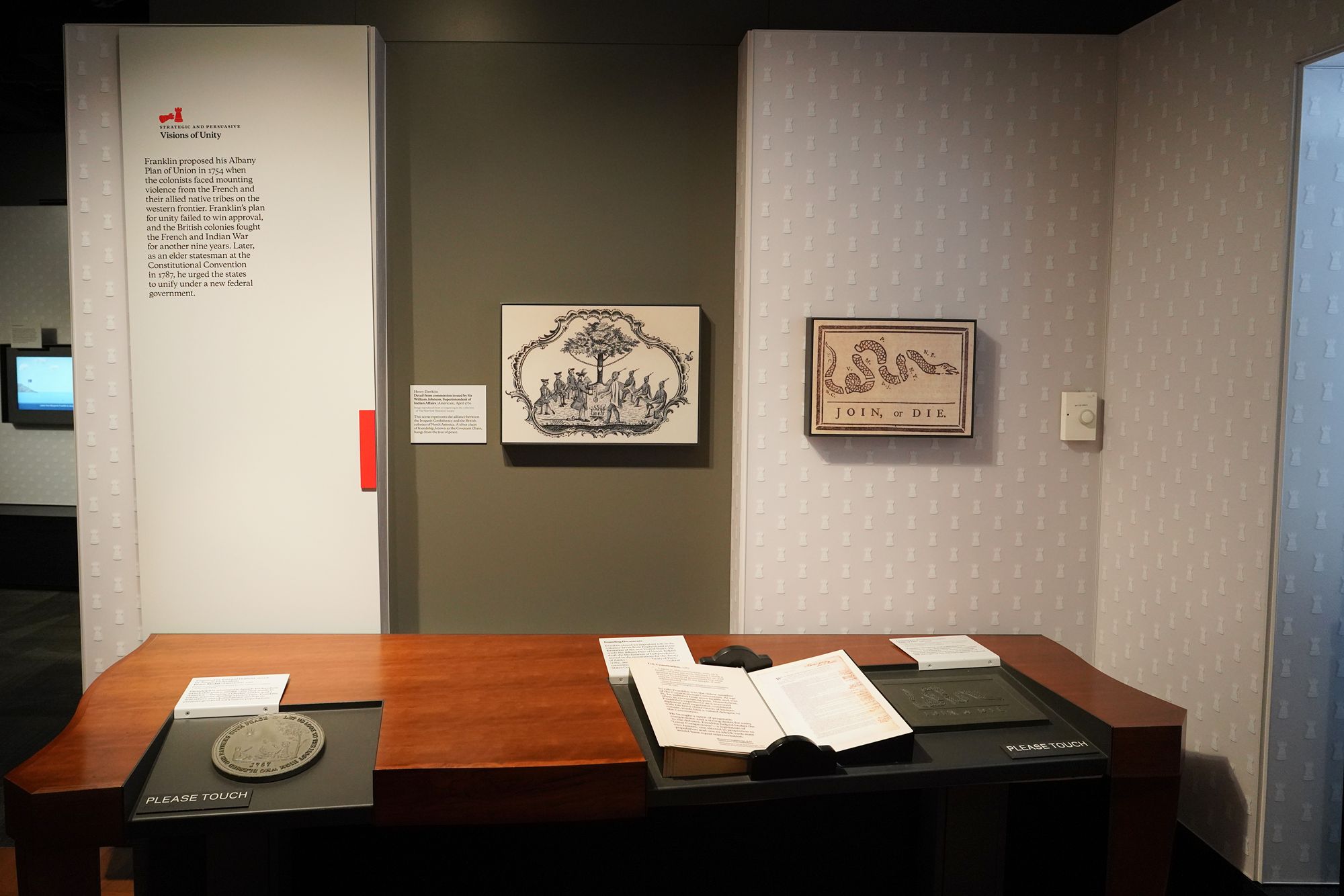
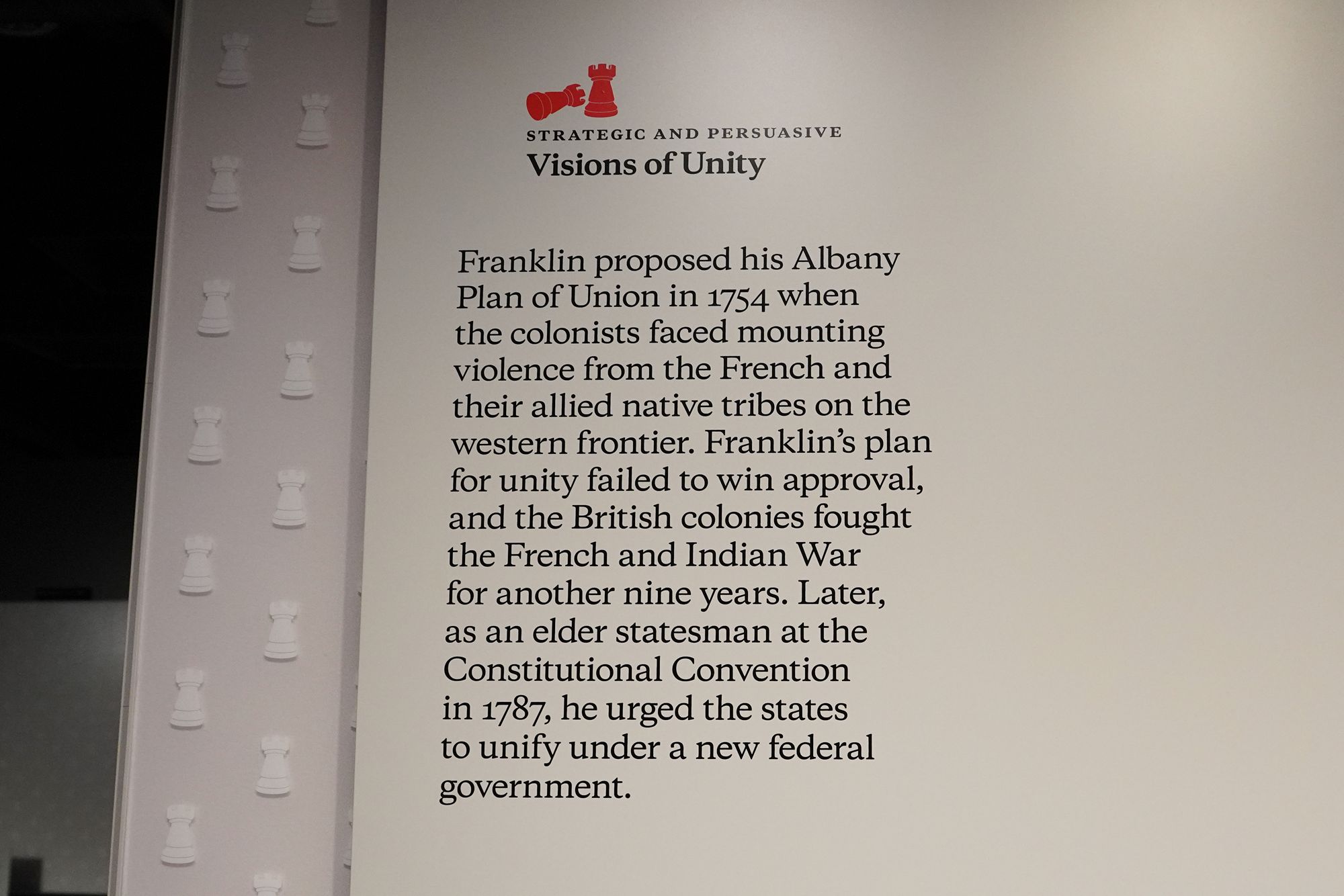
Benjamin Franklin’s visions of unity centered on the belief that the American colonies would only survive and prosper if they worked together as one. He saw cooperation—not division—as essential for freedom, security, and progress.
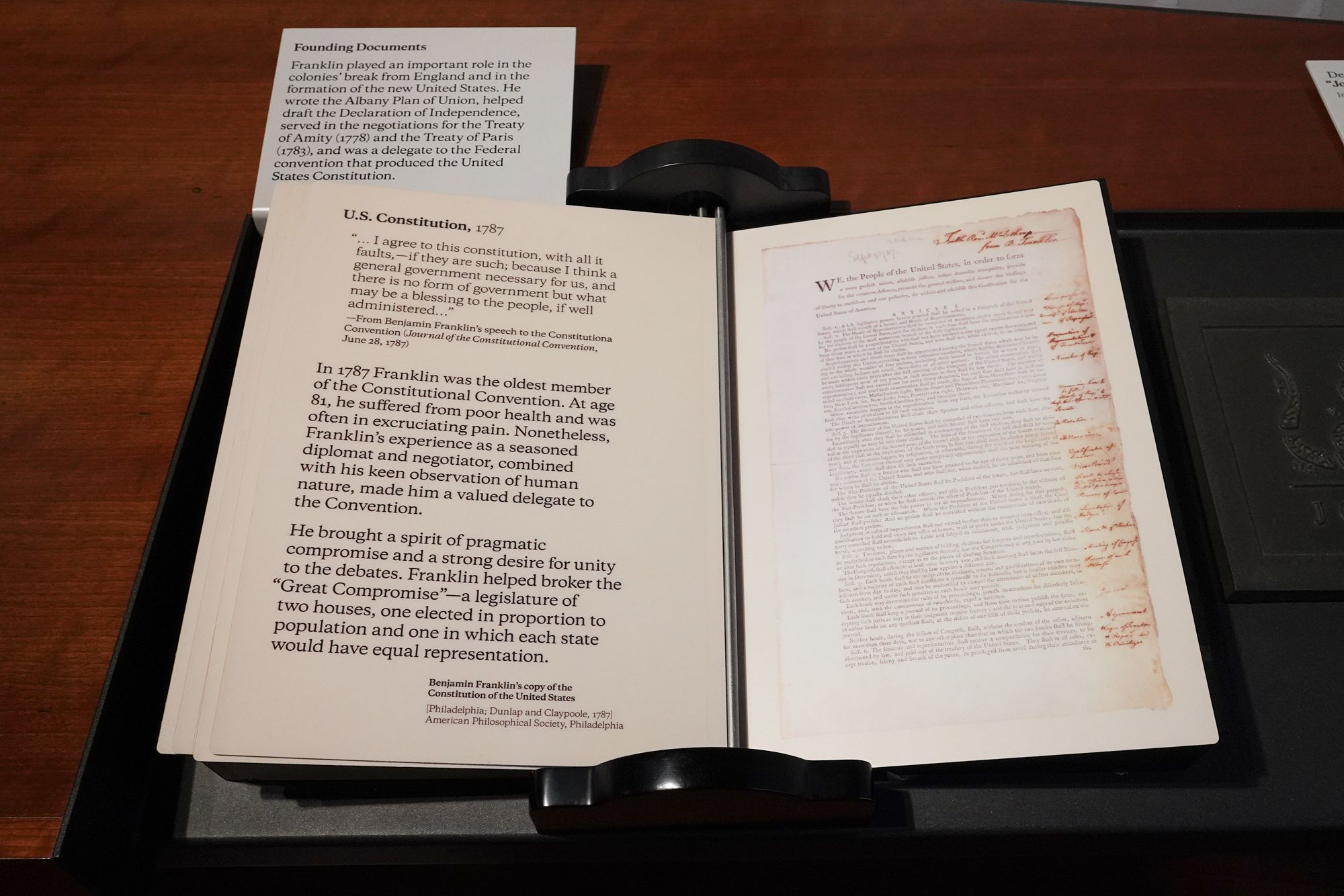
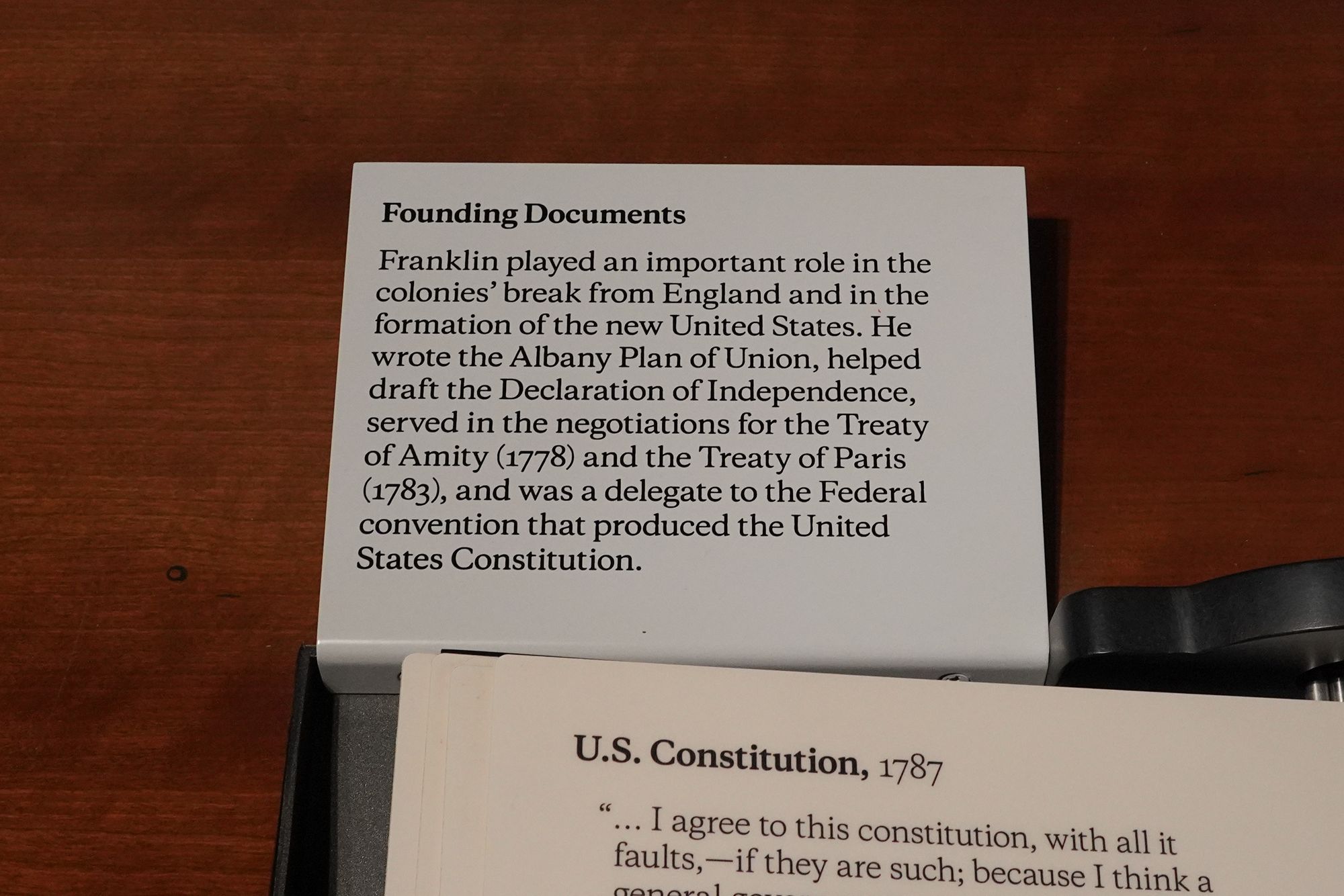
Benjamin Franklin helped shape key founding documents of the United States. He served on the committee for the Declaration of Independence, influenced the Articles of Confederation, negotiated the Treaty of Alliance with France and the Treaty of Paris, and was a senior delegate who guided compromise during the writing of the U.S. Constitution.
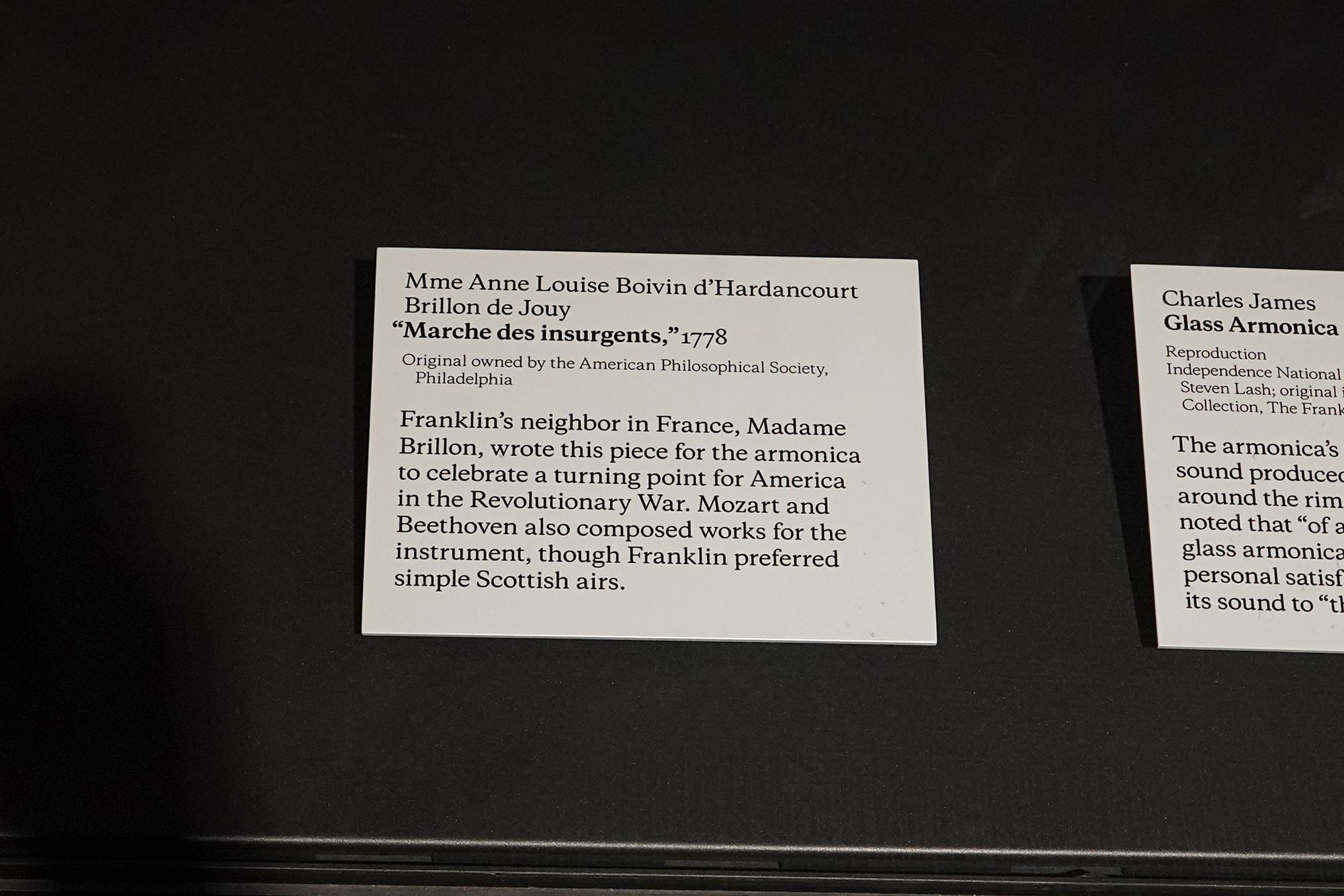
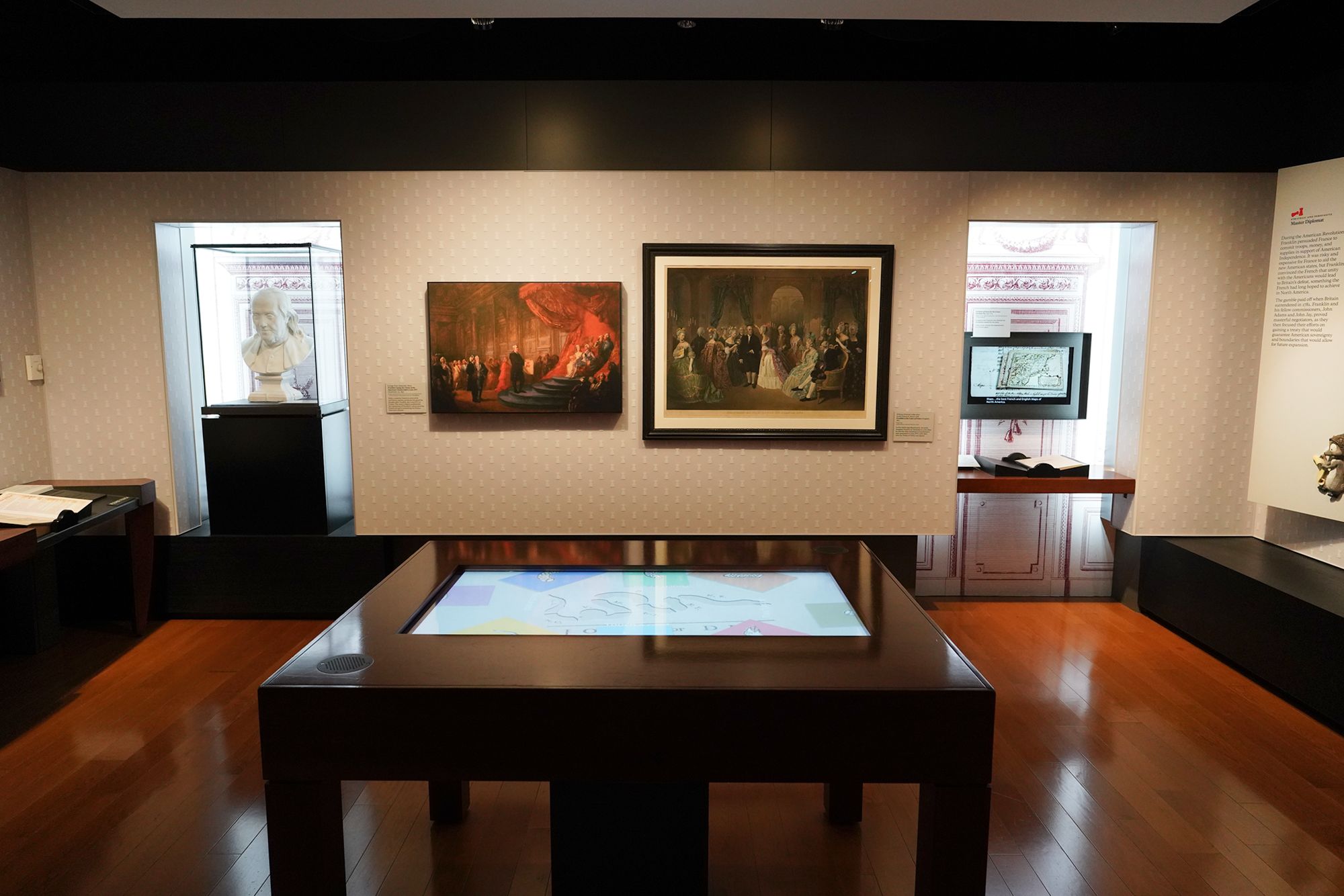
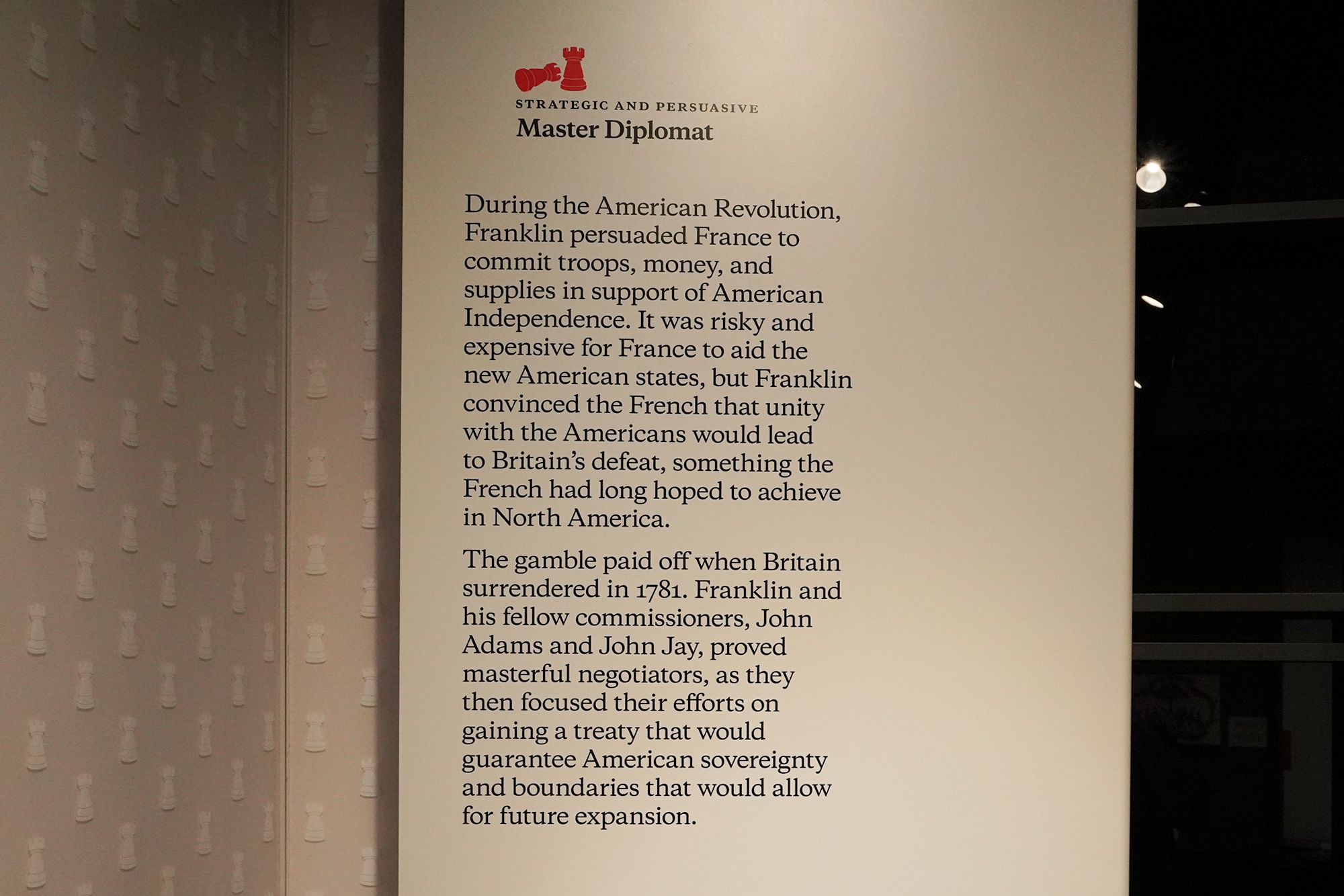
Benjamin Franklin played a crucial diplomatic role in securing France’s support during the American Revolution.
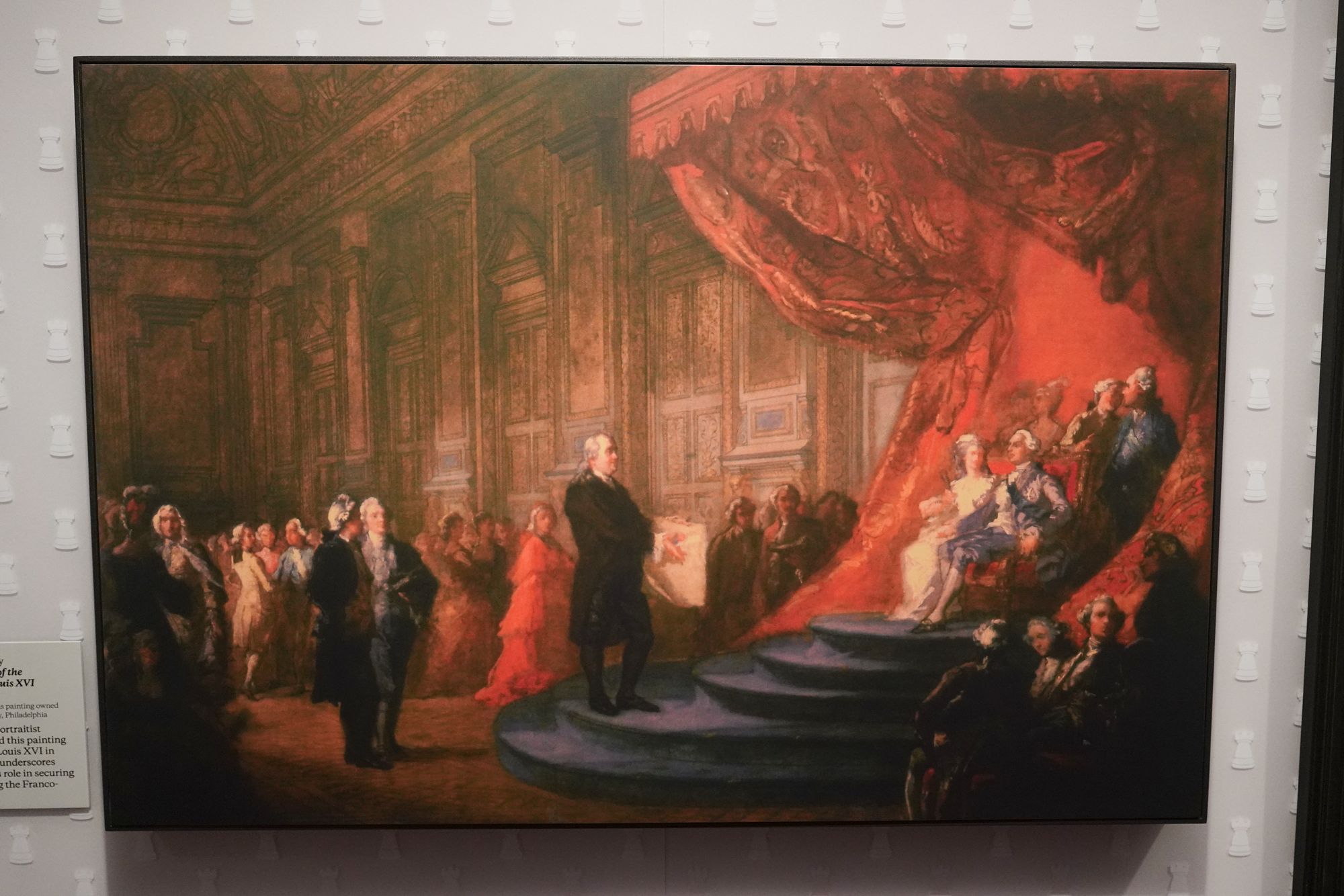
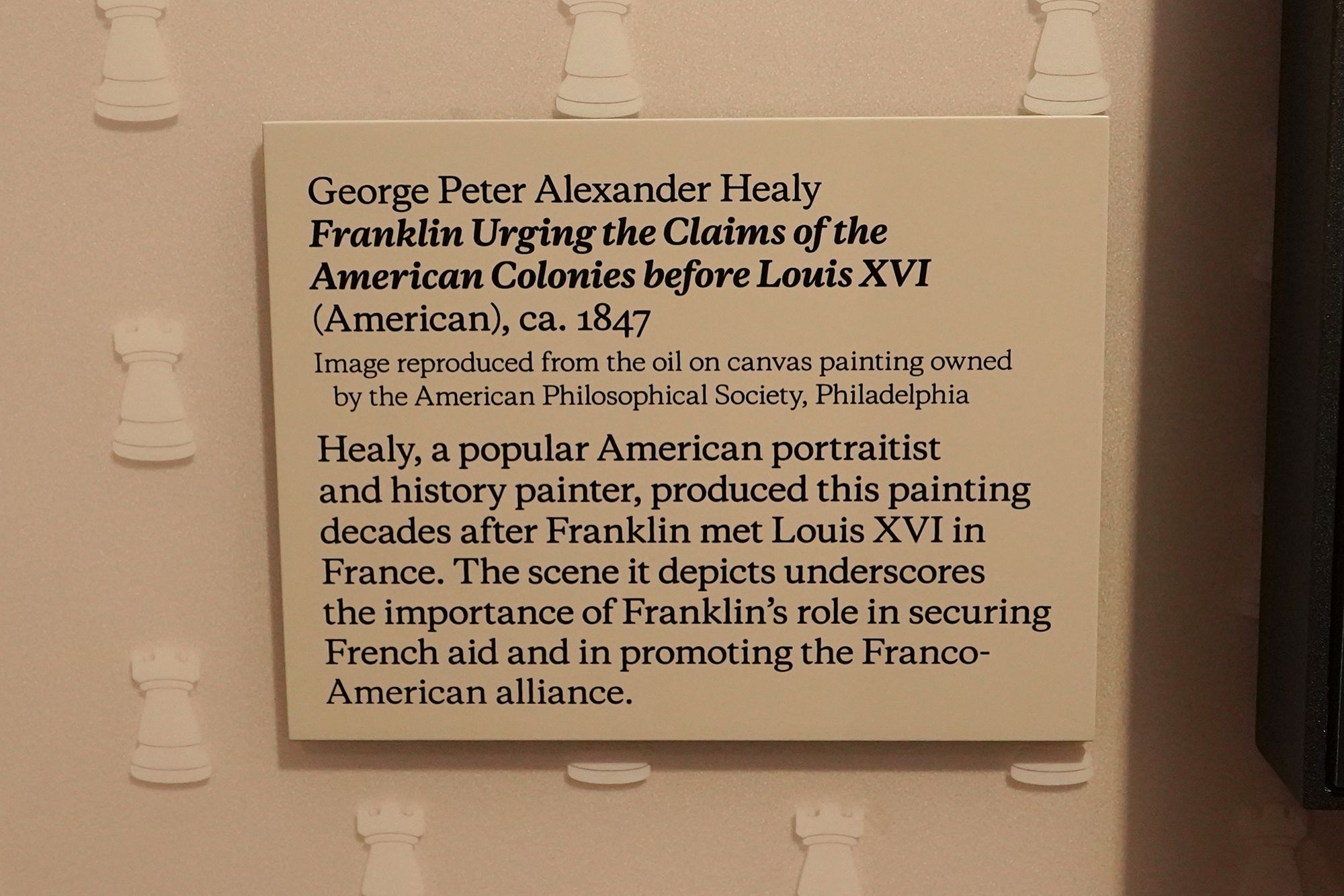
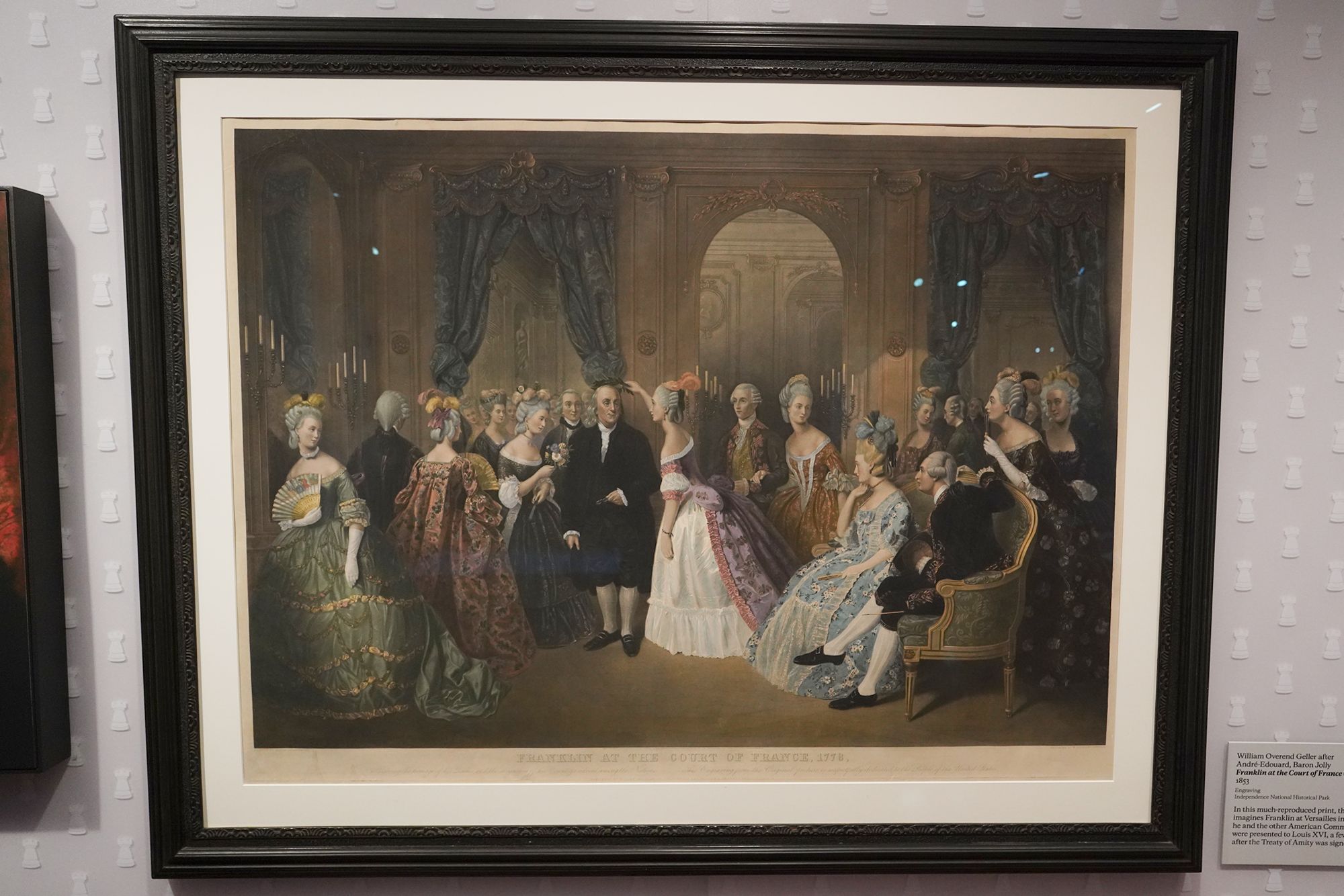
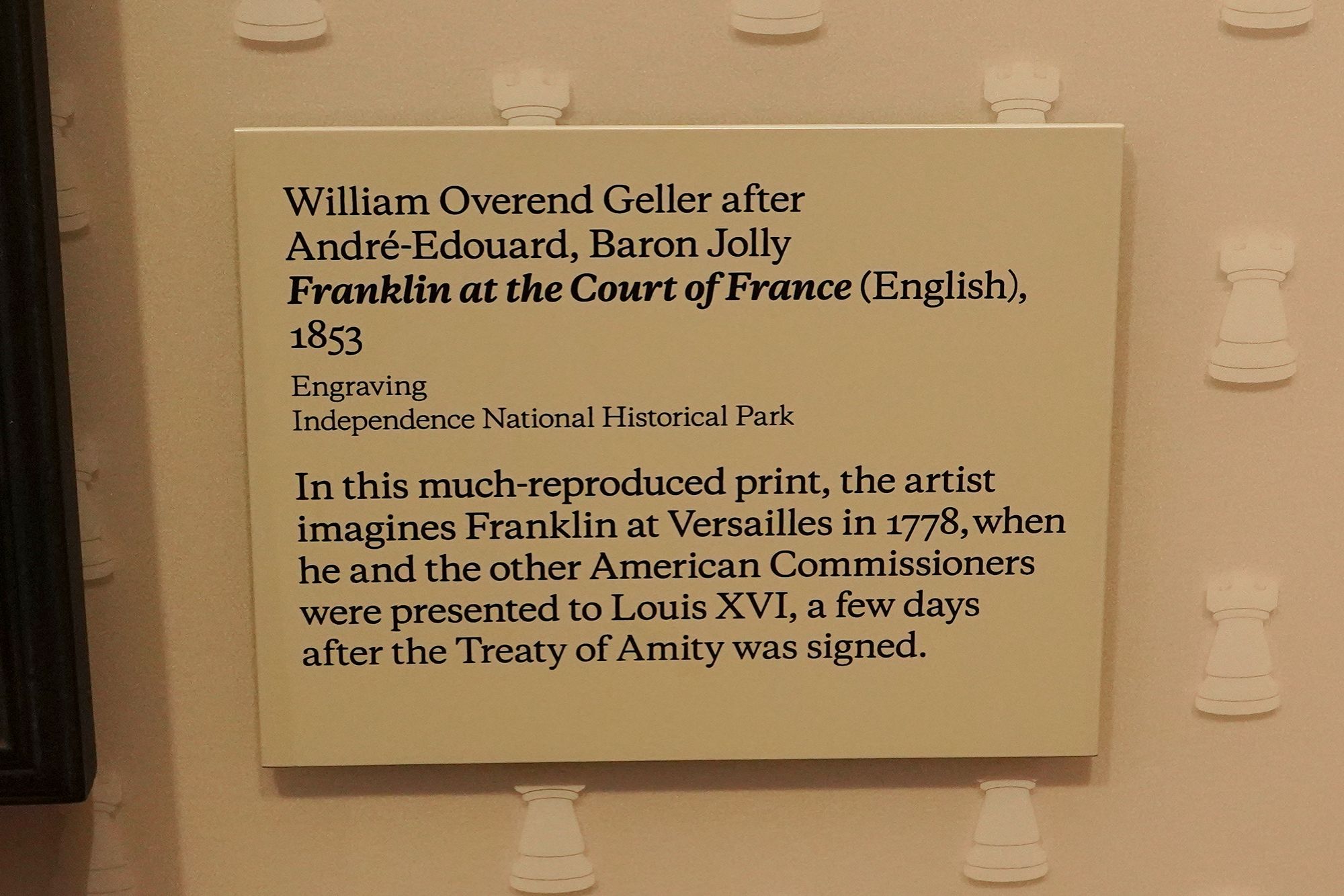
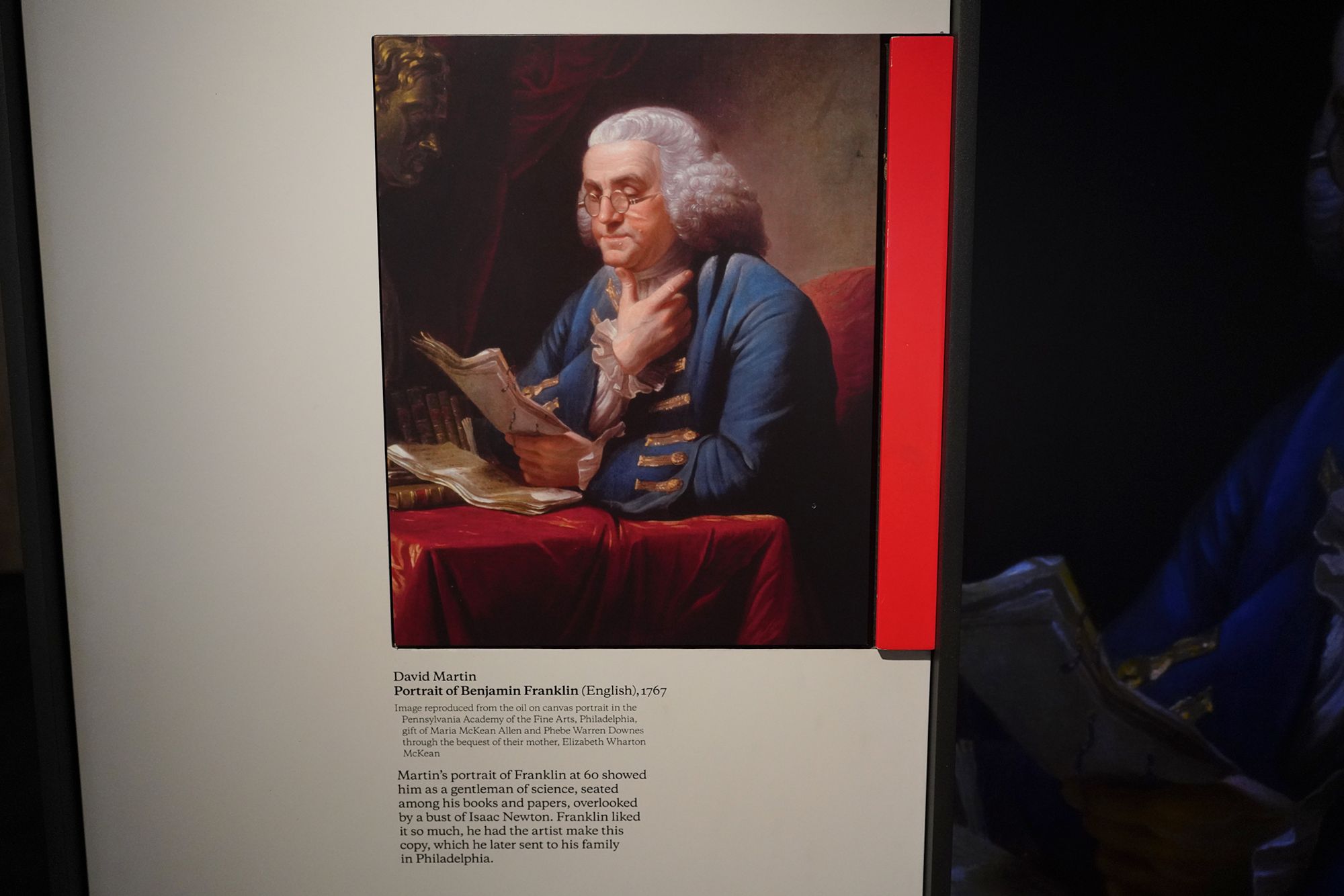
Master Diplomat
Ameica's Independence
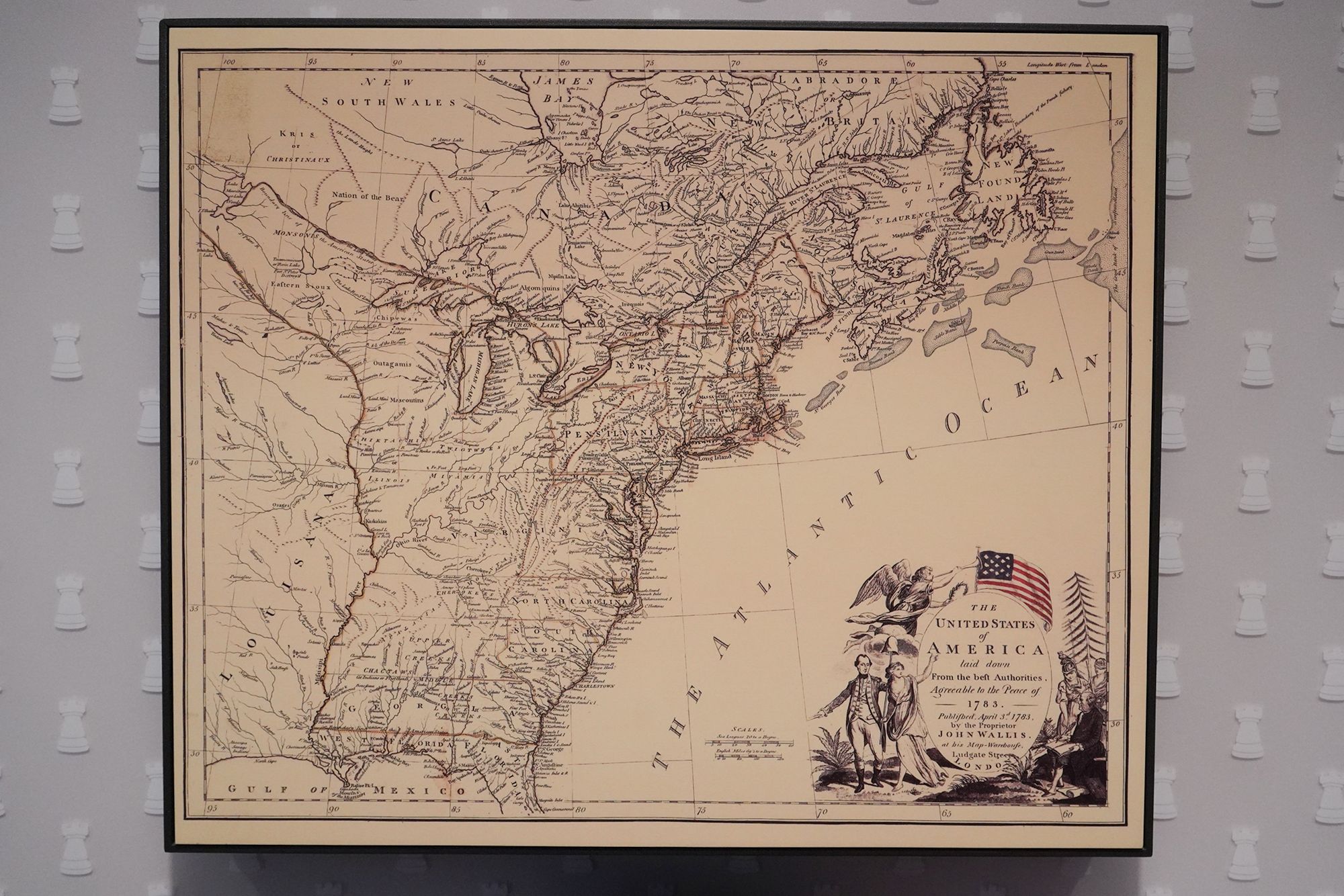
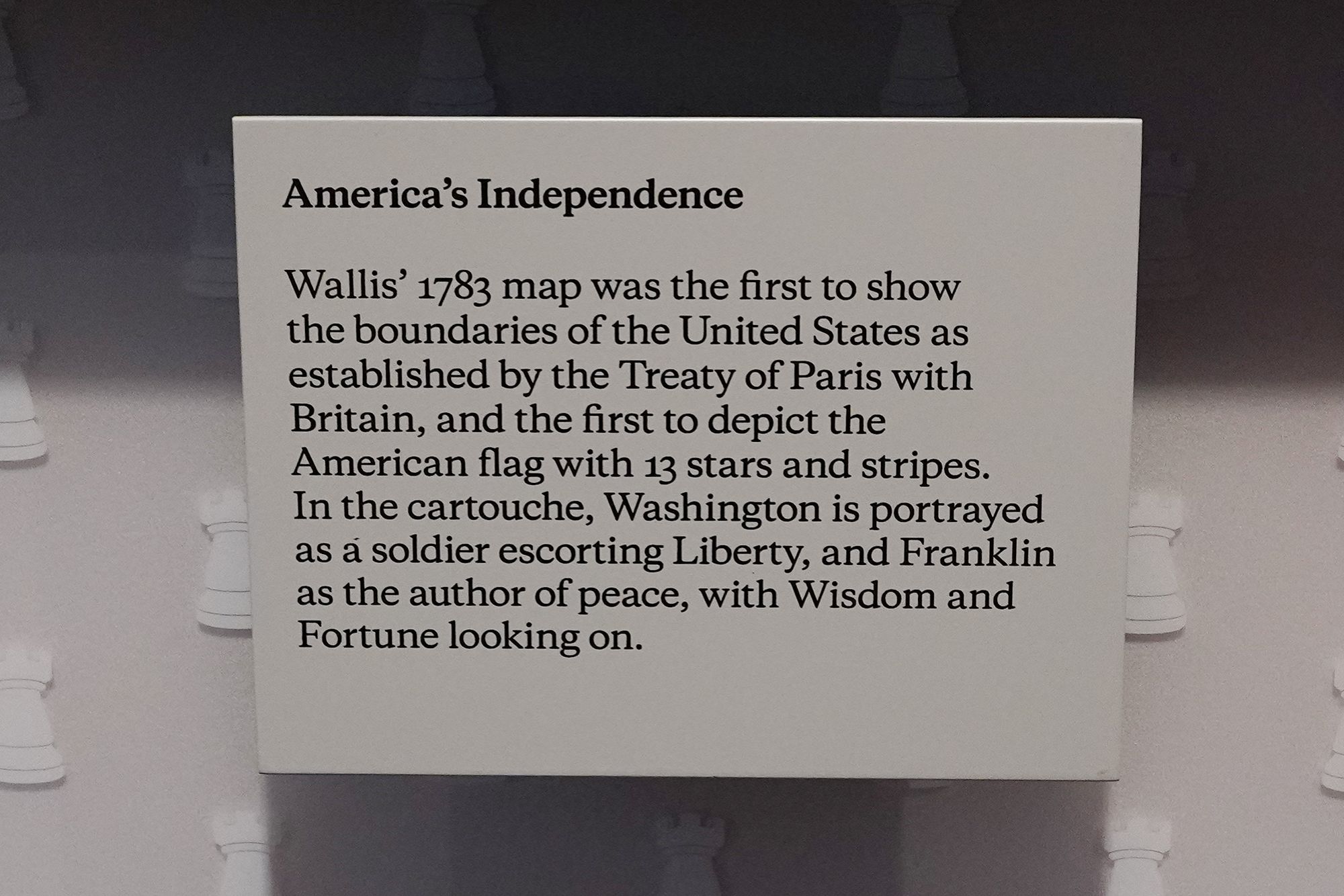
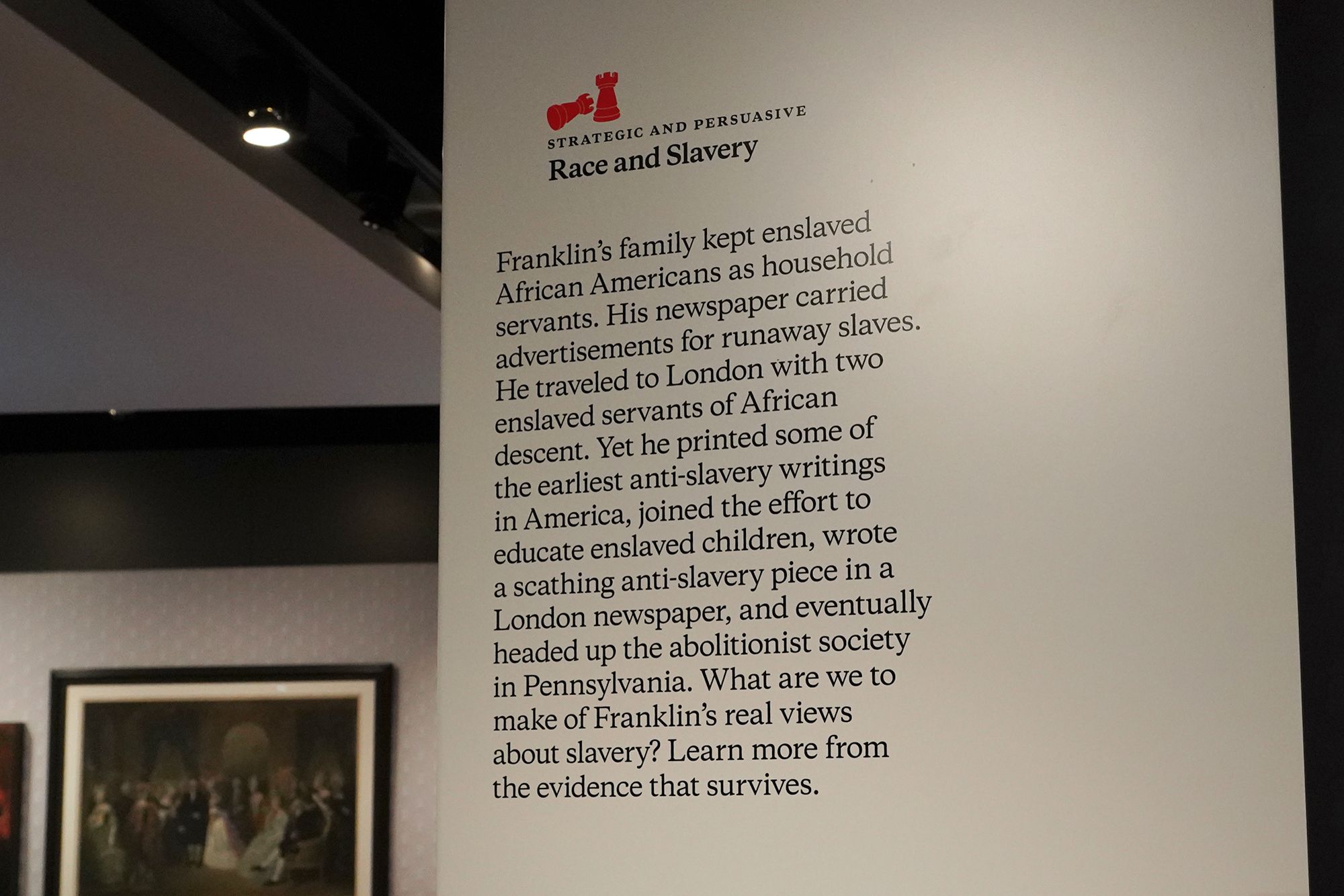
Benjamin Franklin’s view on slavery changed significantly over his lifetime. In his early years, he lived in a society where slavery was common, and he even owned enslaved people for a period. Over time, however, his beliefs shifted. Exposure to Enlightenment ideas, personal experiences, and his belief in human equality led him to oppose the practice.
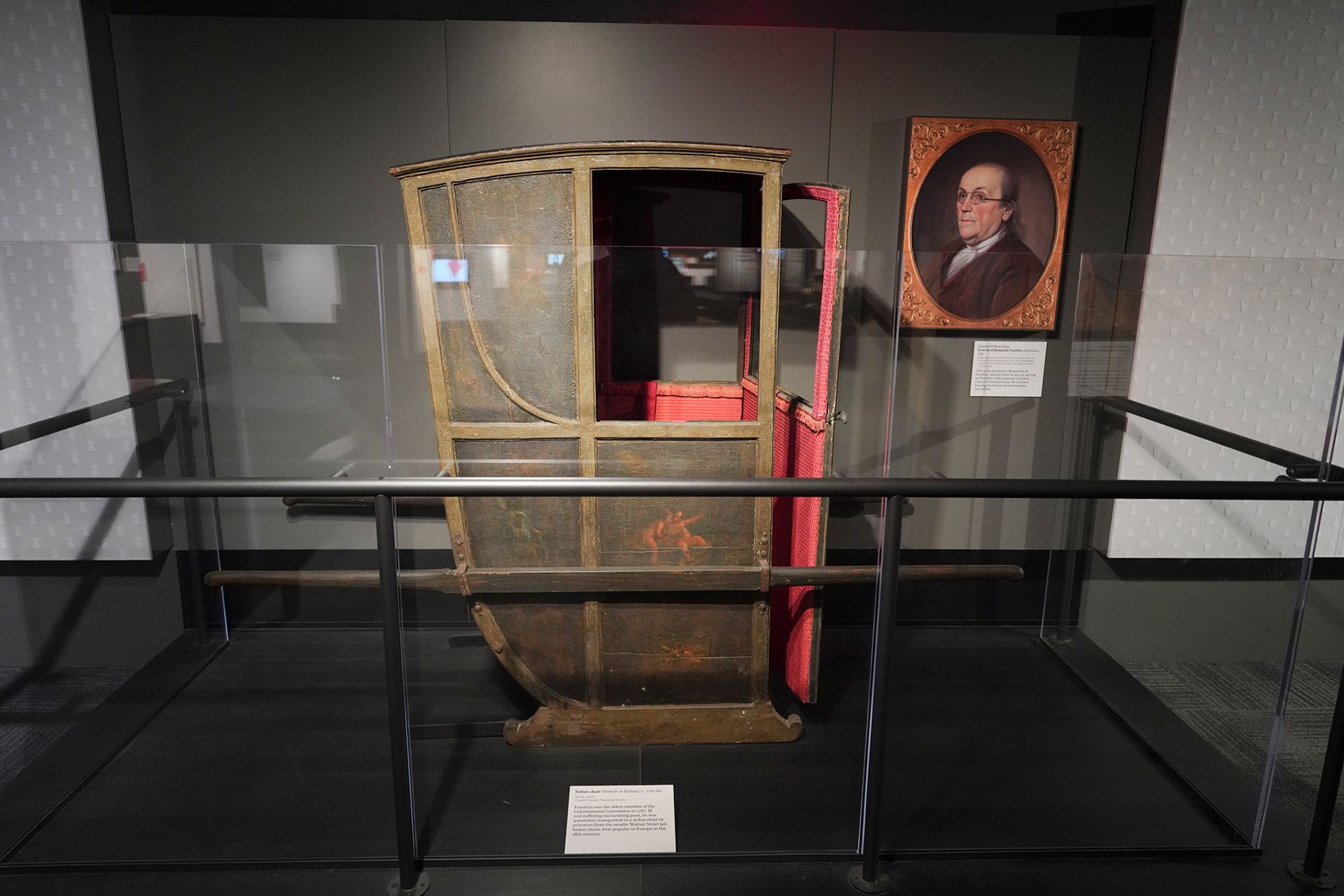
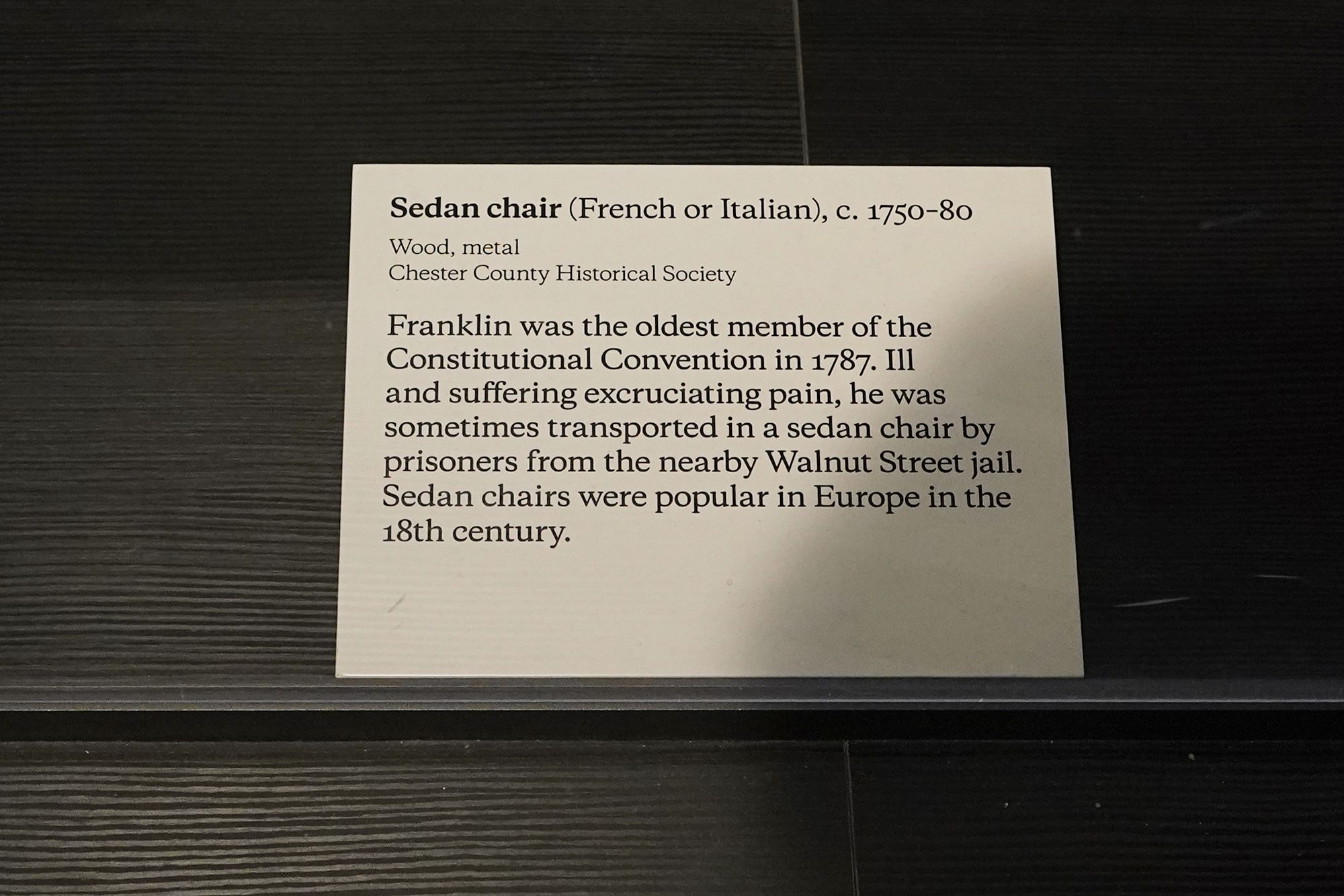
Sedan Chair
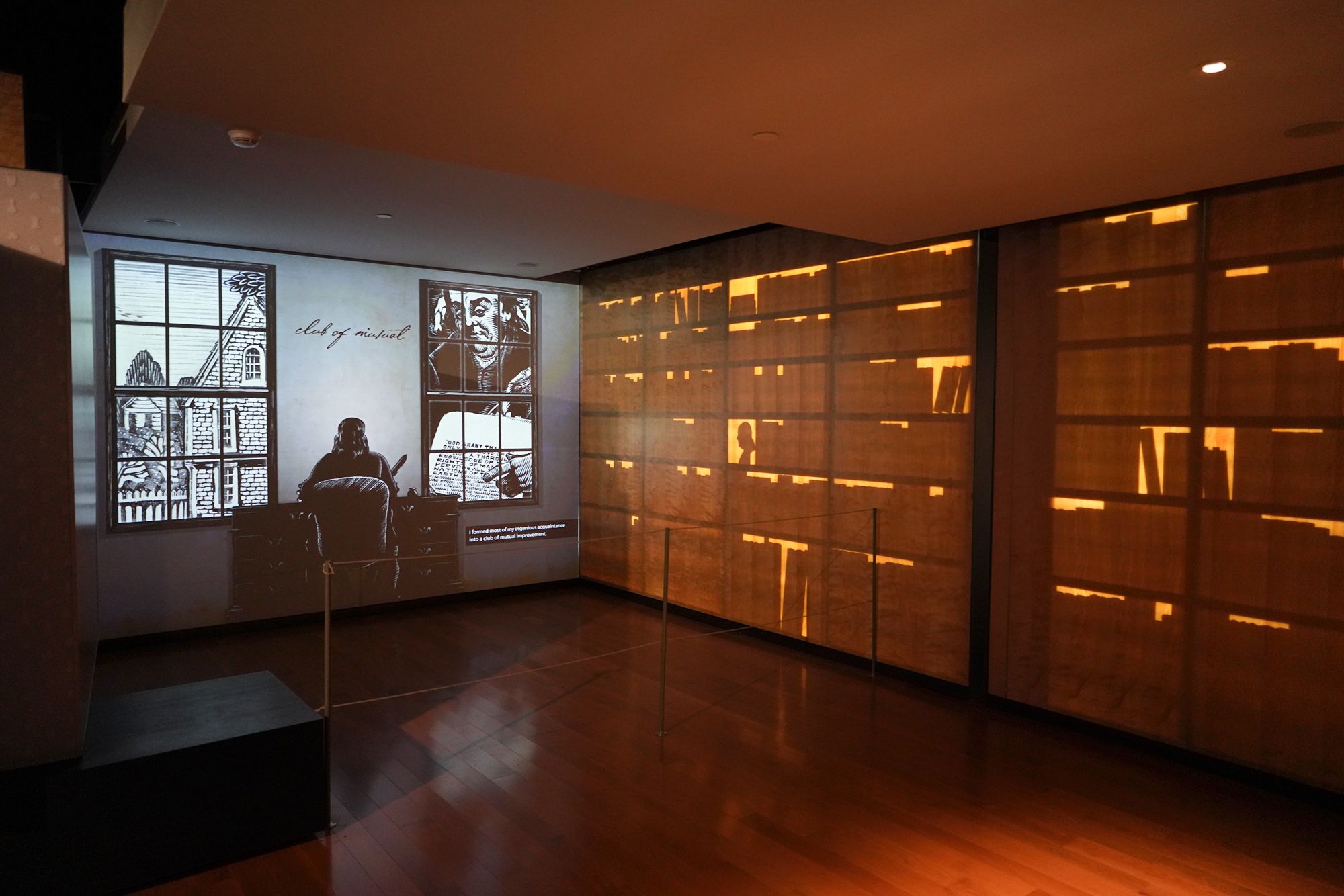
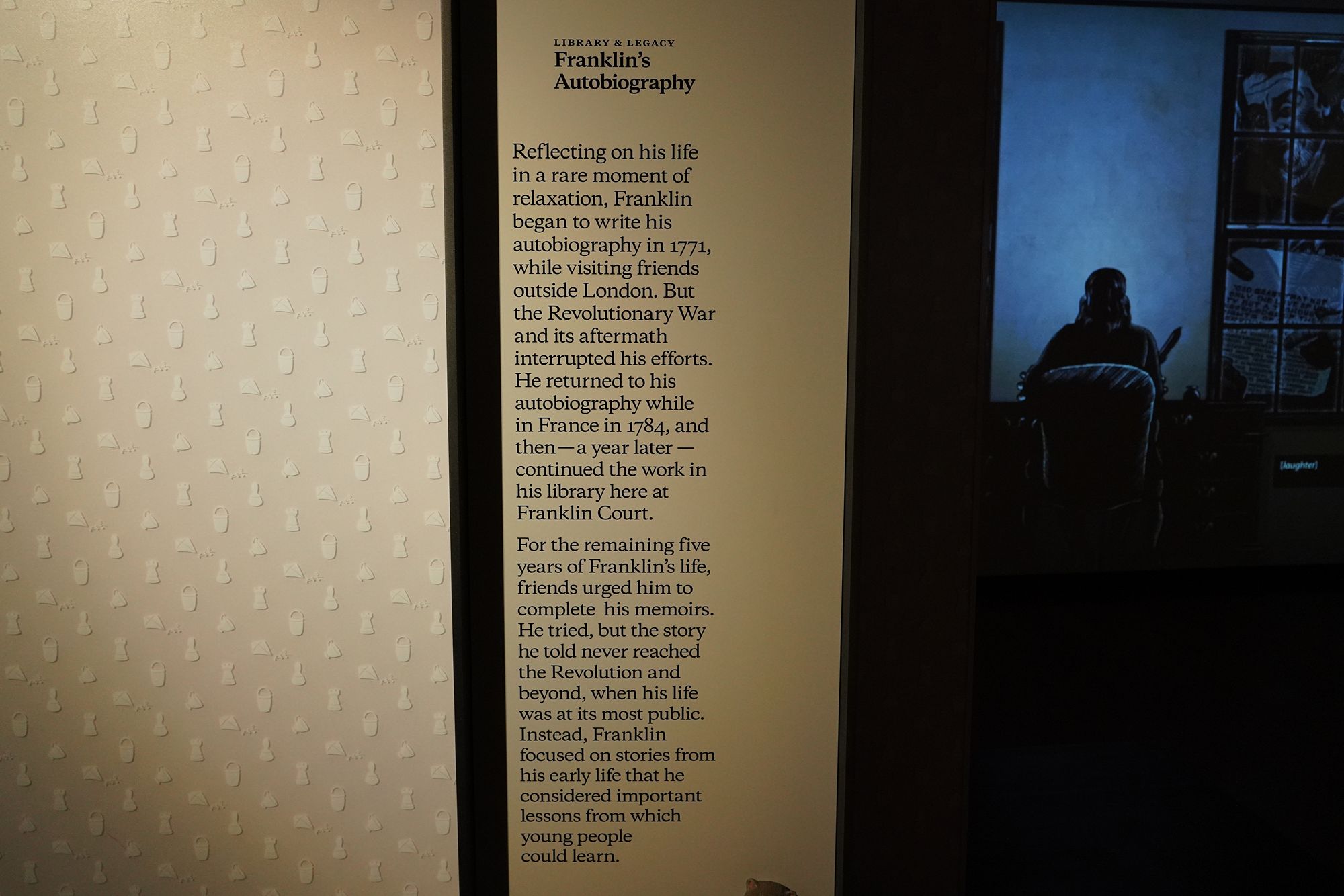
Franklin's Autobiography