Eastern State Penitentiary, Philadelphia, Pennsylvania, USA
Historic prison known for solitary confinement cells, abandoned decay, and haunting guided tours. 1181
Eastern State Penitentiary: 2027 Fairmount Ave, Philadelphia, PA 19130
Date Picture Taken: August 2025
Eastern State Penitentiary is a massive 1829 prison designed for solitary reform rather than punishment, now preserved in atmospheric ruin. Visitors explore cellblocks, Al Capone’s restored cell, audio tours, and exhibits on incarceration, making it one of Philadelphia’s most striking historic sites.
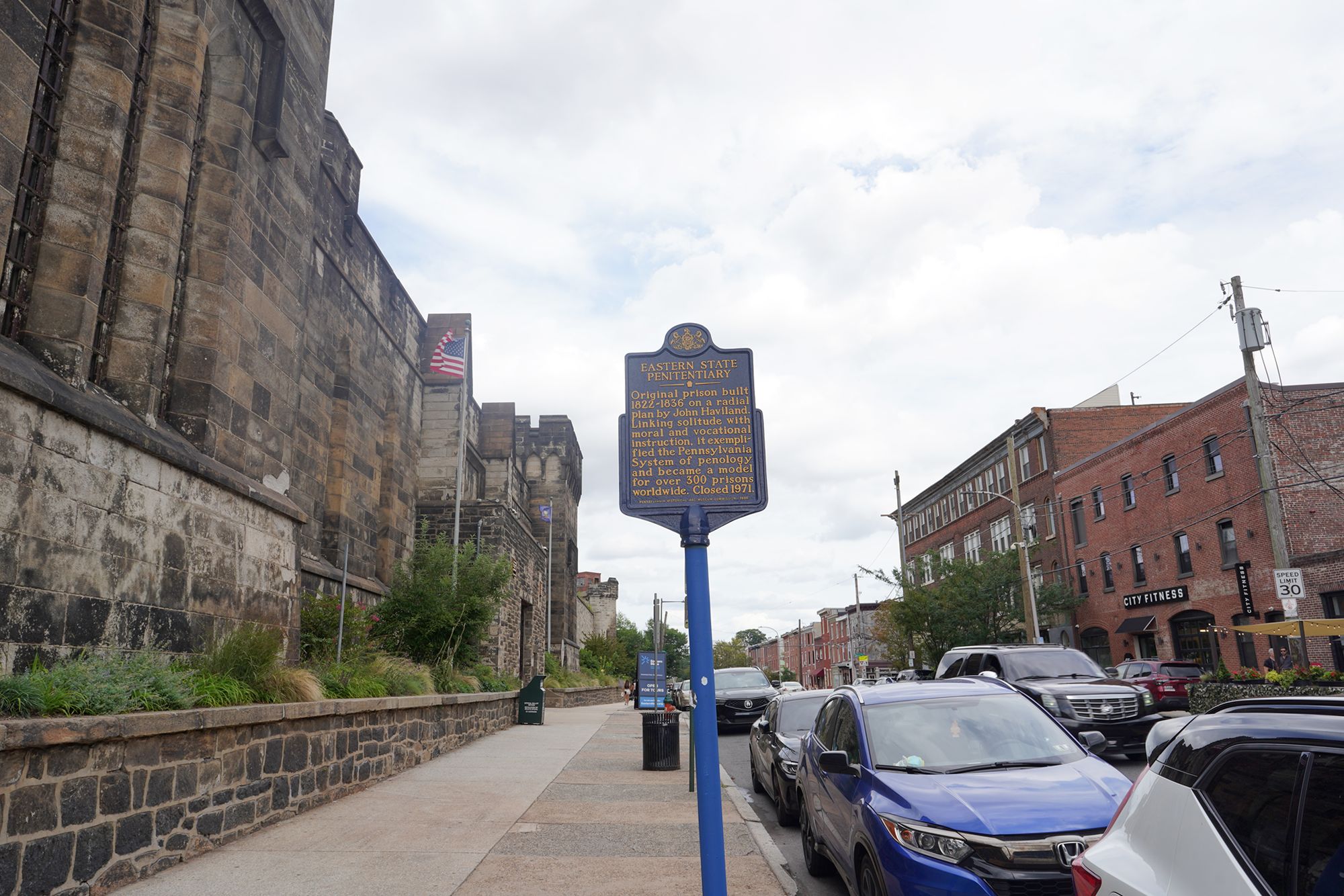
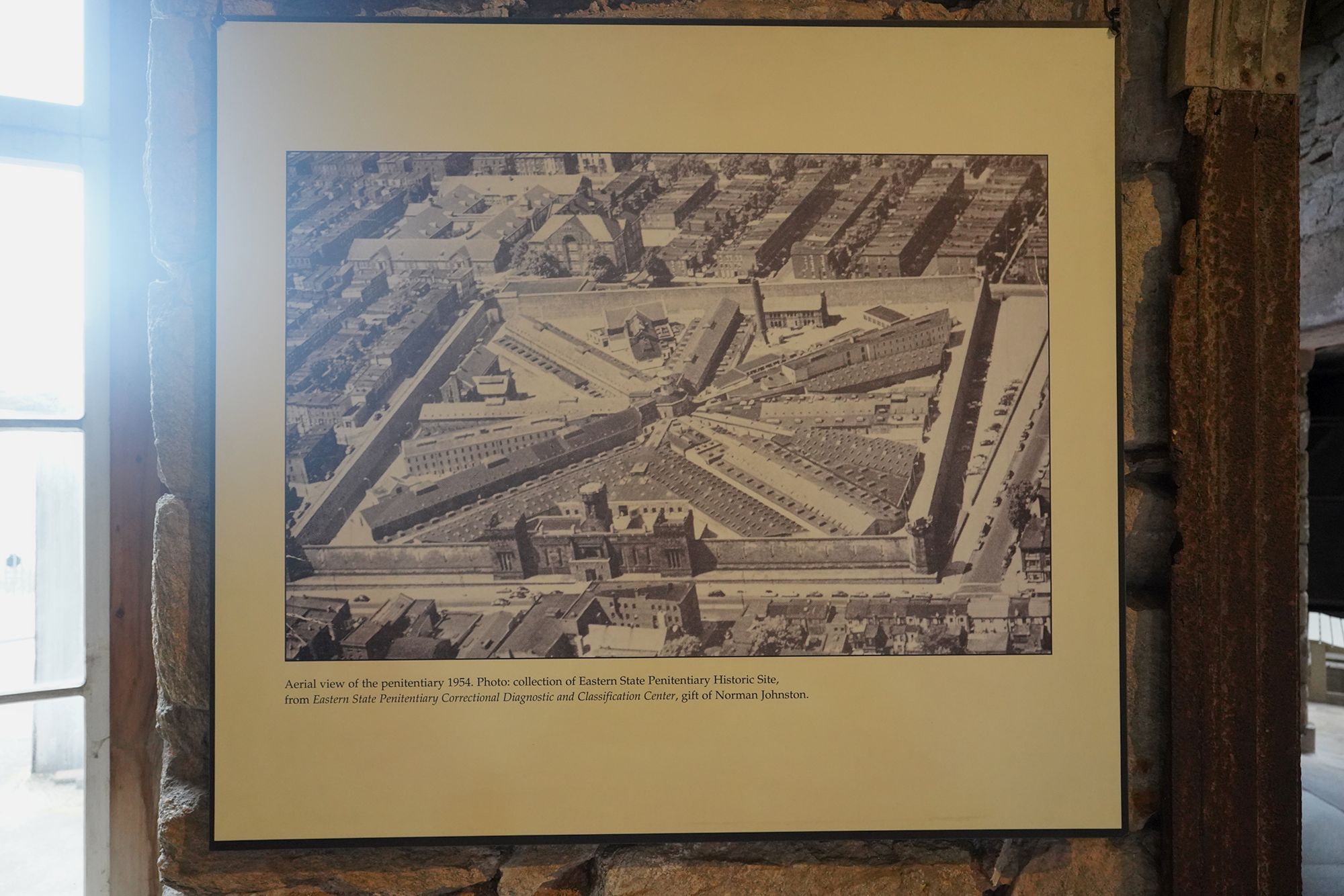
Eastern State Penitentiary was built in 1829 as a radical experiment in criminal reform. Its innovative hub-and-spoke design, with long cellblocks extending from a central surveillance rotunda, allowed guards to monitor multiple wings efficiently.
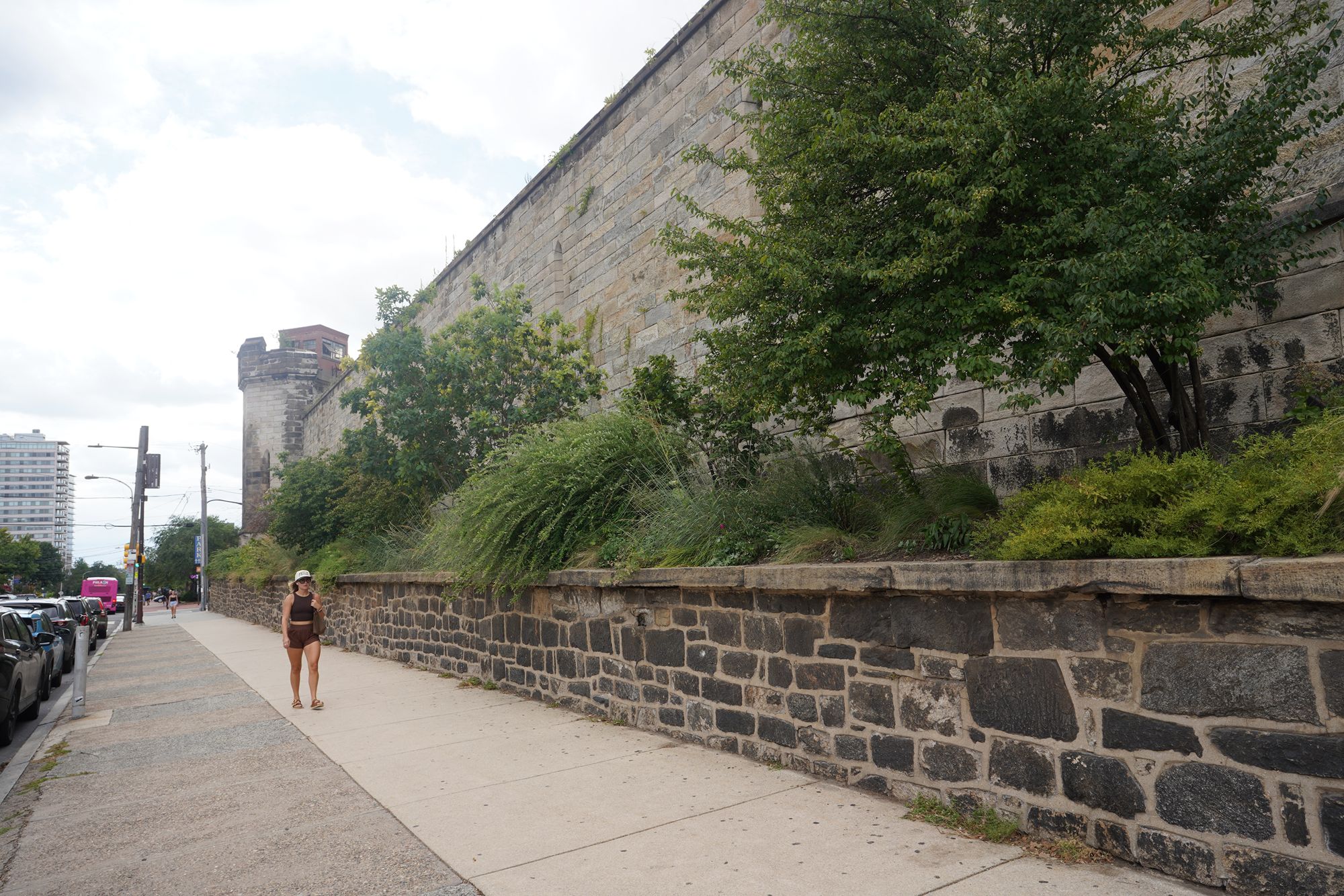
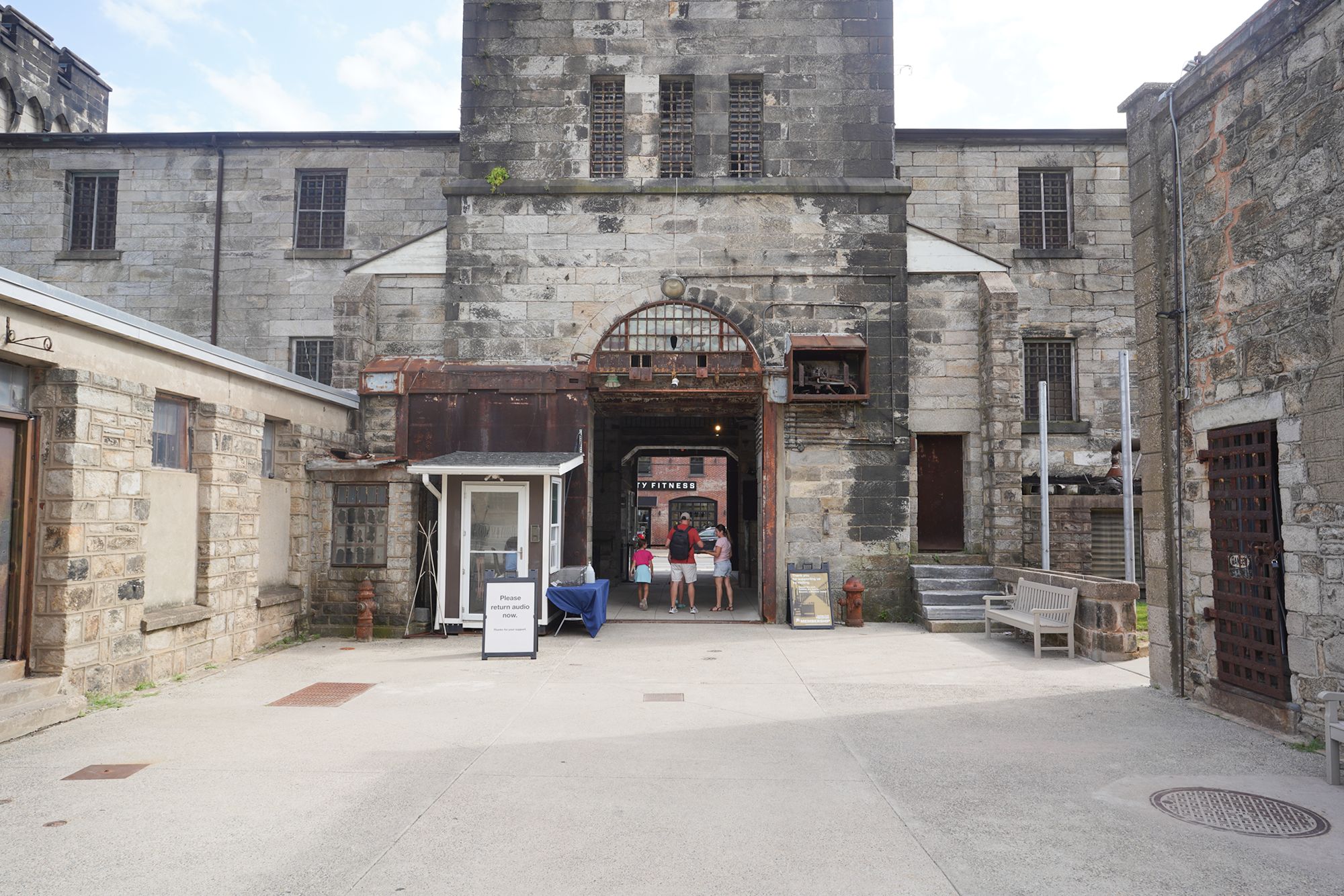
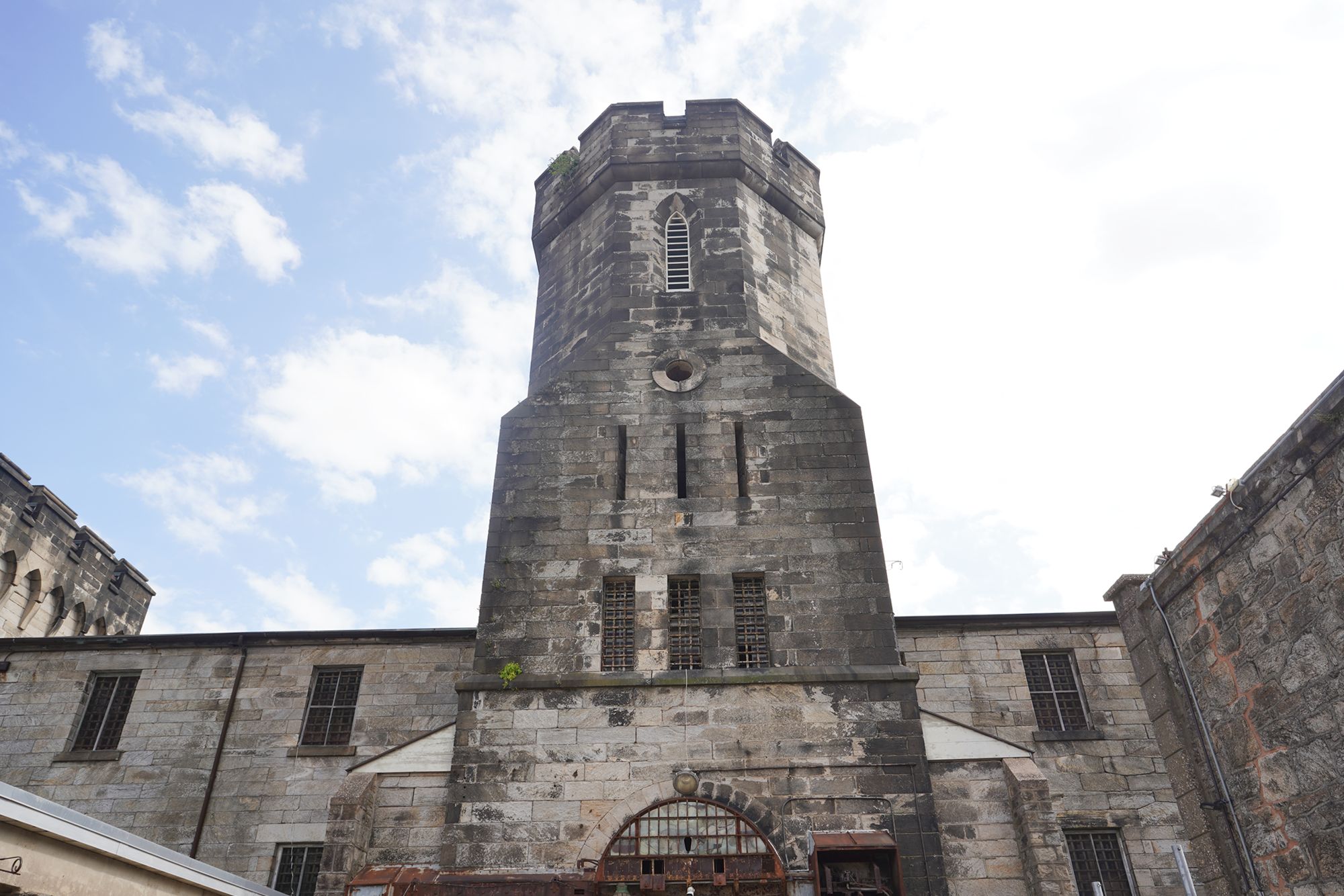
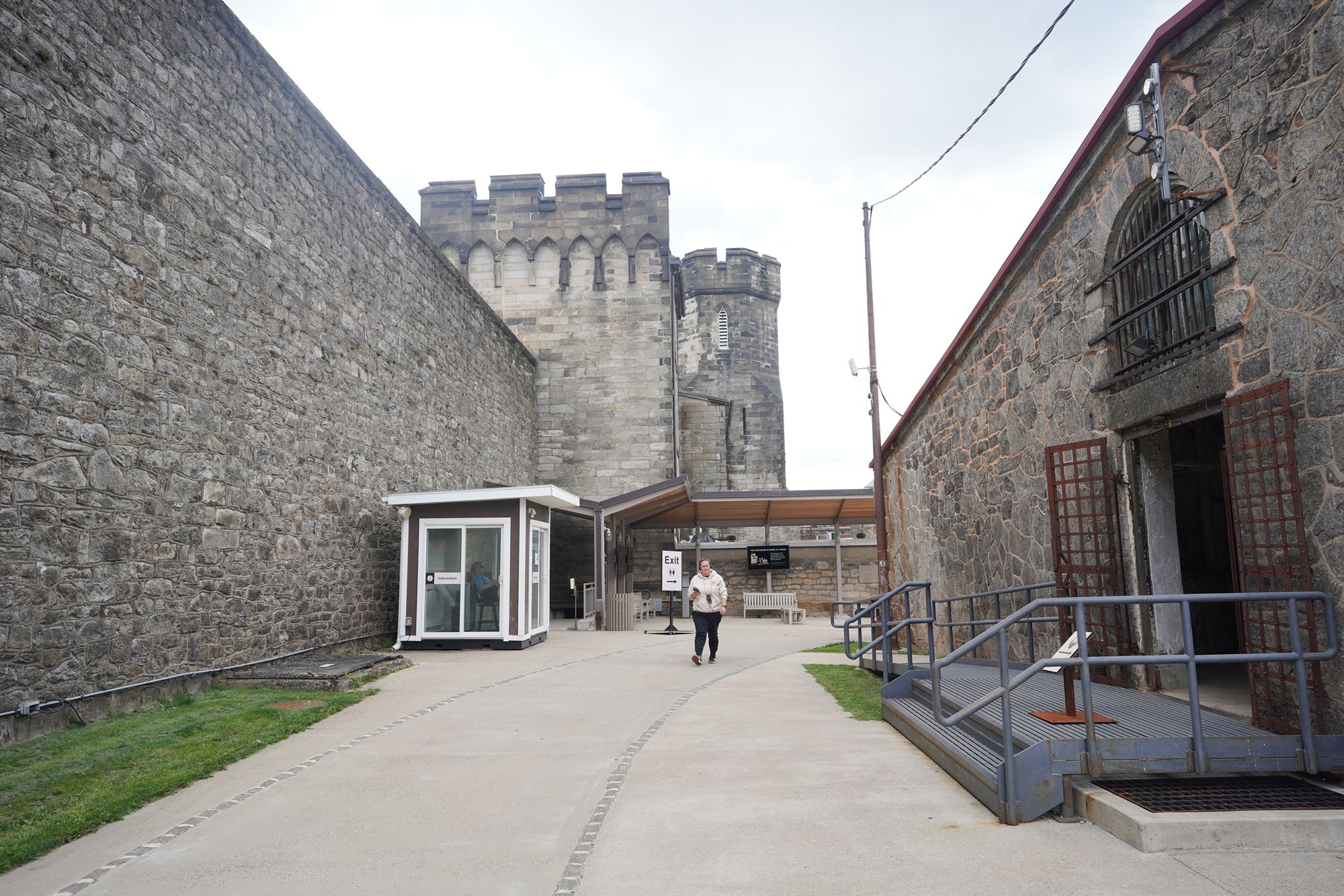
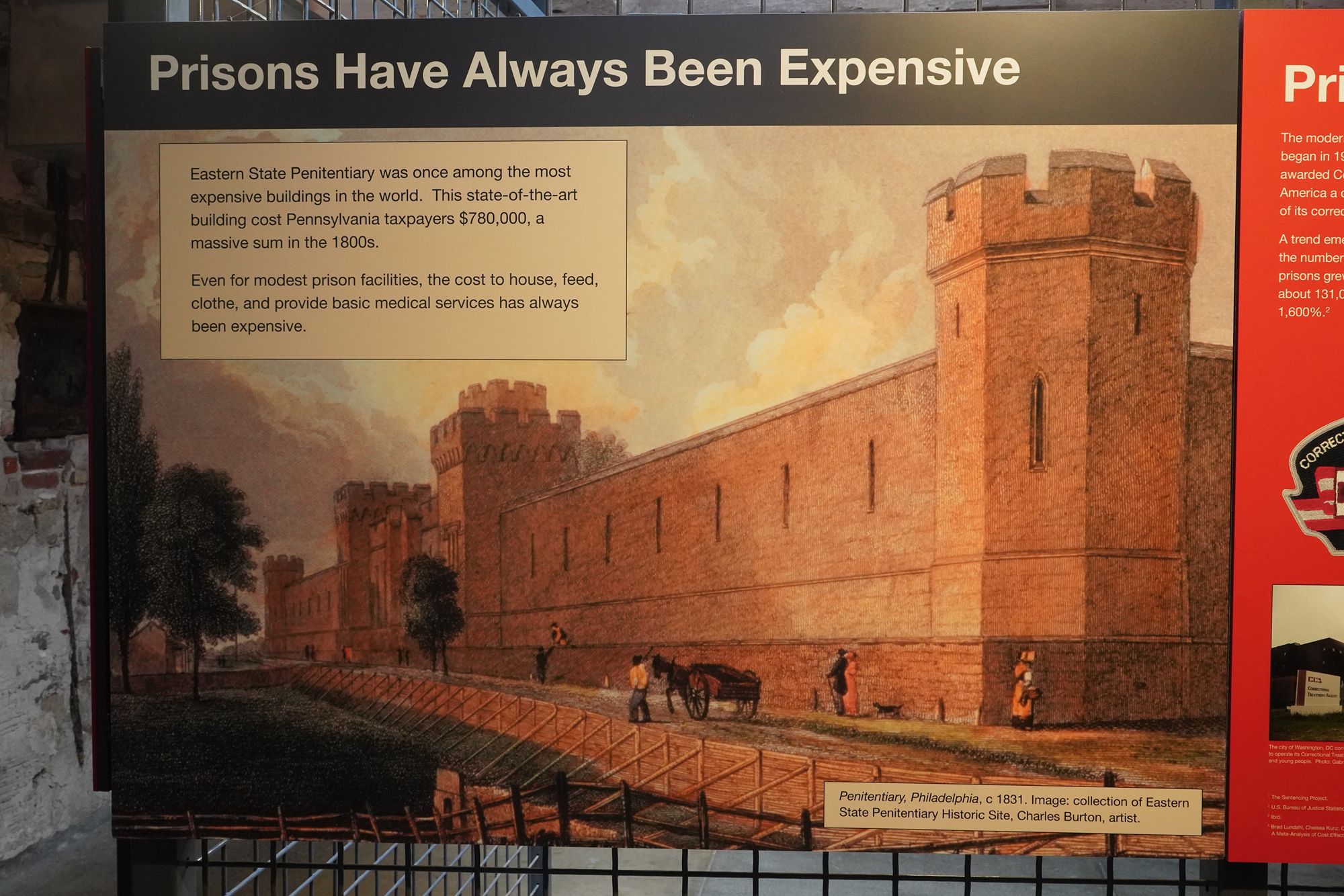
Constructed with thick stone walls and fortress-like towers, it was one of the largest and most expensive public buildings of its time. The prison expanded over the 19th and early 20th centuries, adding new cellblocks and workshops as overcrowding grew.
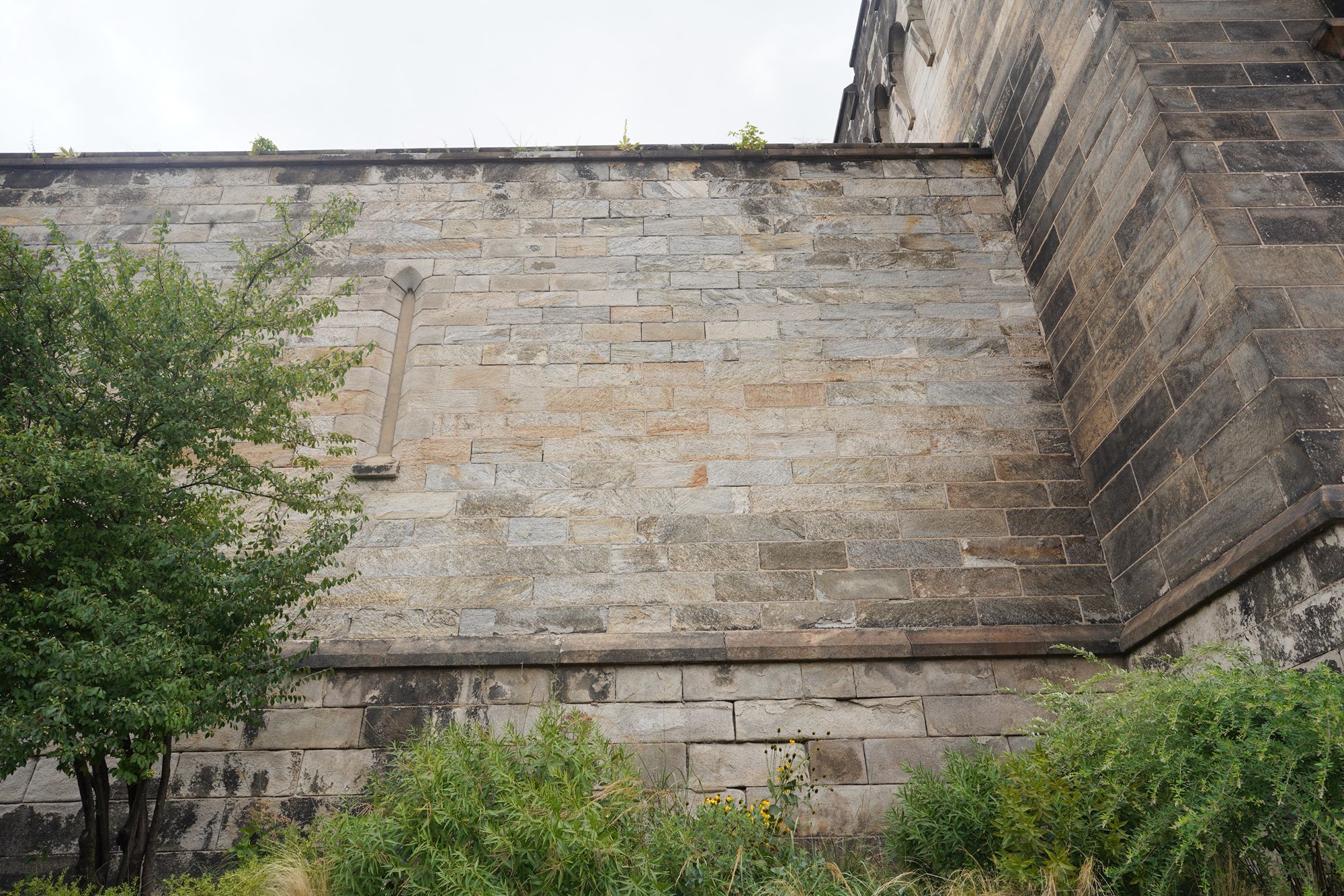
The structure introduced single-person confinement, intended to encourage penitence through silence and isolation, a model that influenced prison architecture worldwide.
By the mid-1900s, solitary confinement was abandoned, and the facility operated more like a conventional prison until closing in 1971.
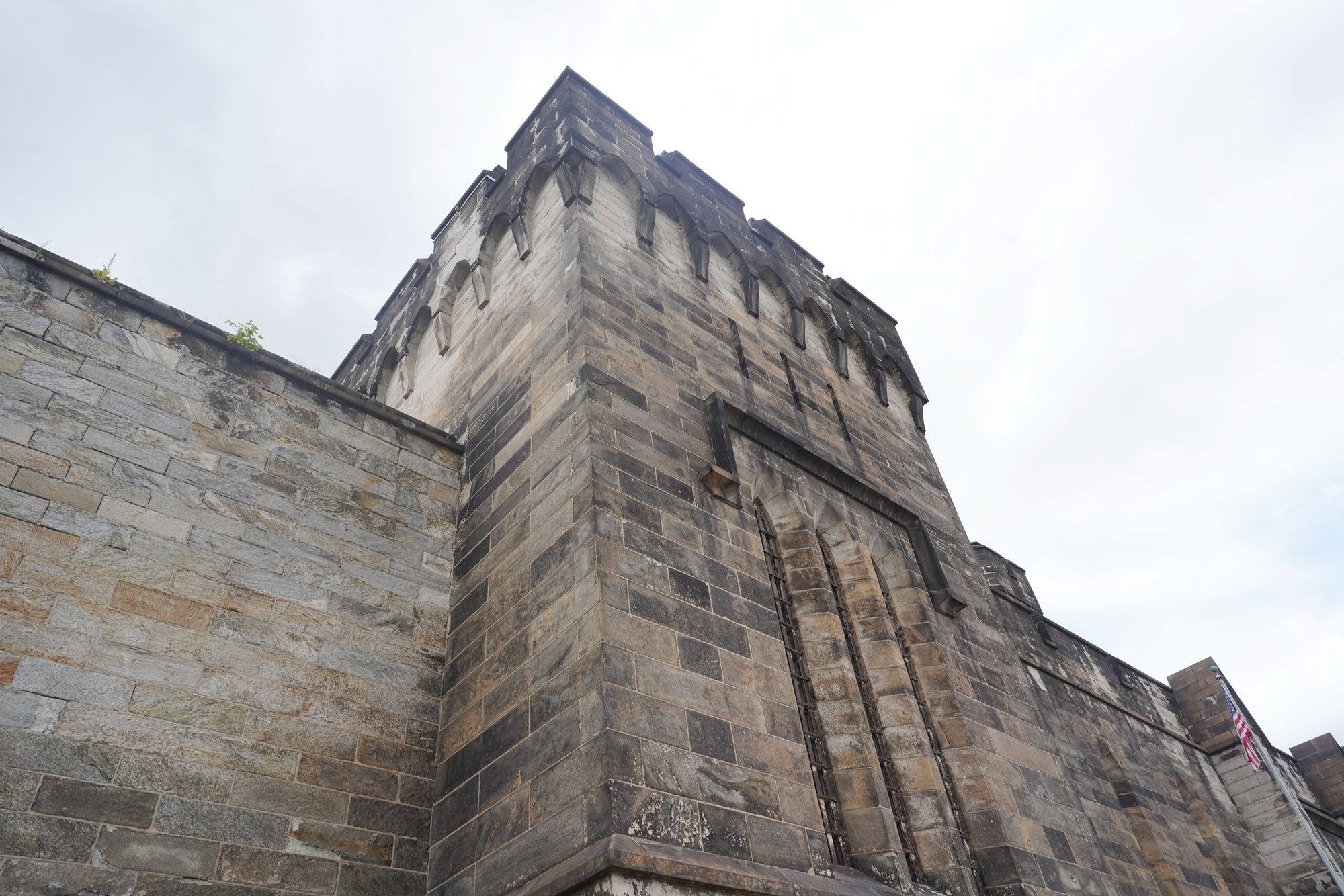
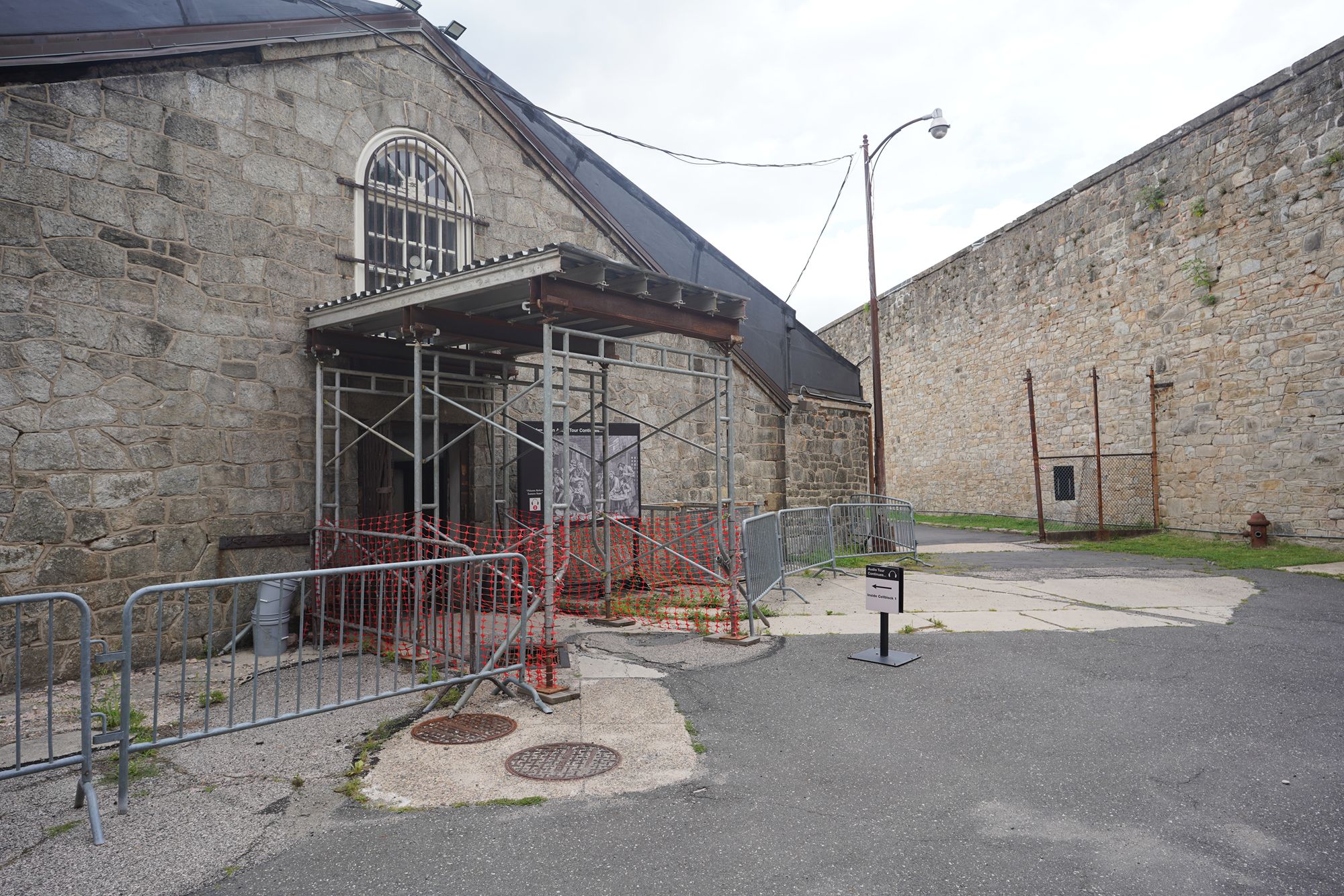
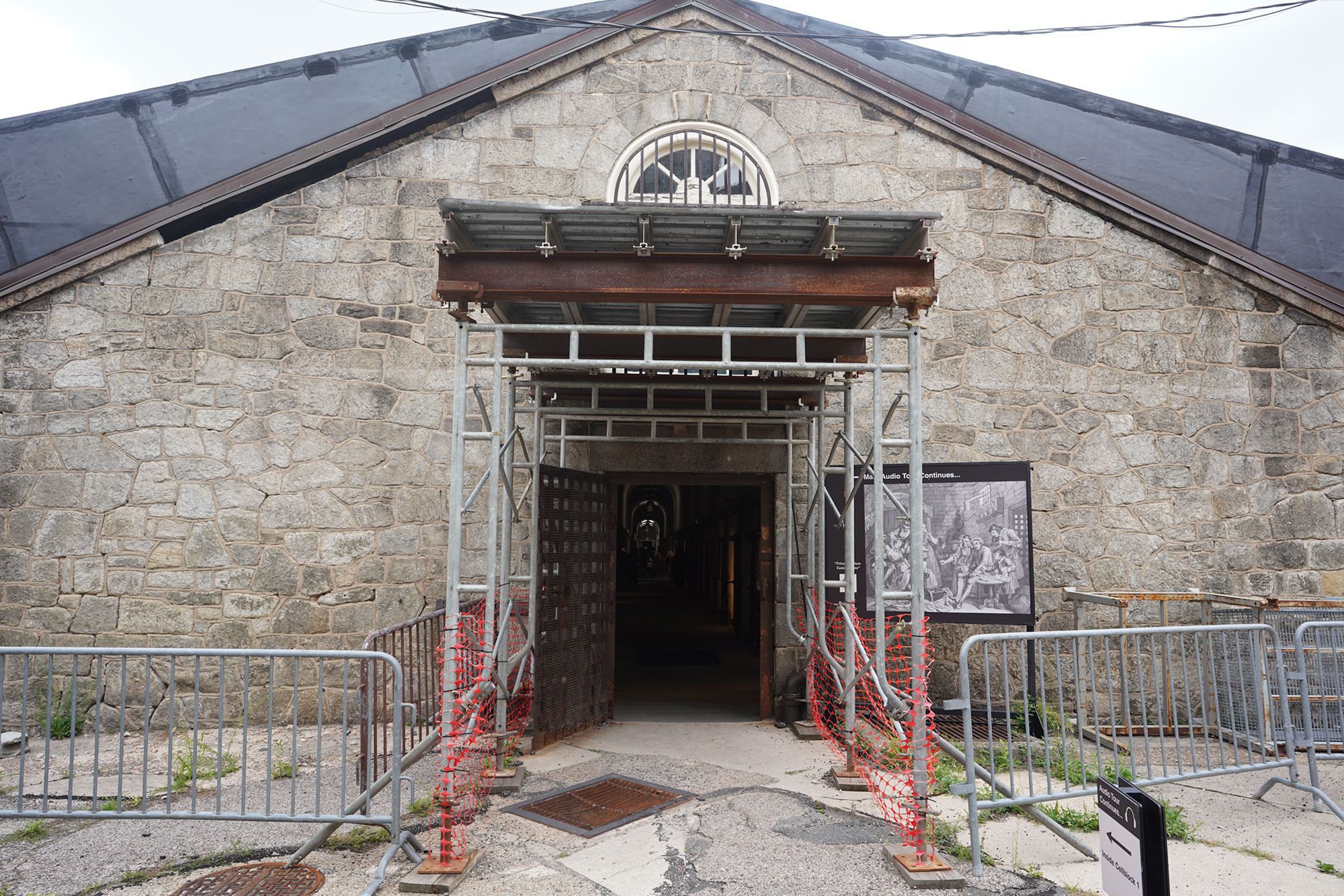
After decades of decay, Eastern State was stabilized and reopened as a historic site. Today, its crumbling cellblocks, rusted gates, and preserved decay reveal the evolution of American punishment philosophy—from isolation and reflection to modern incarceration.
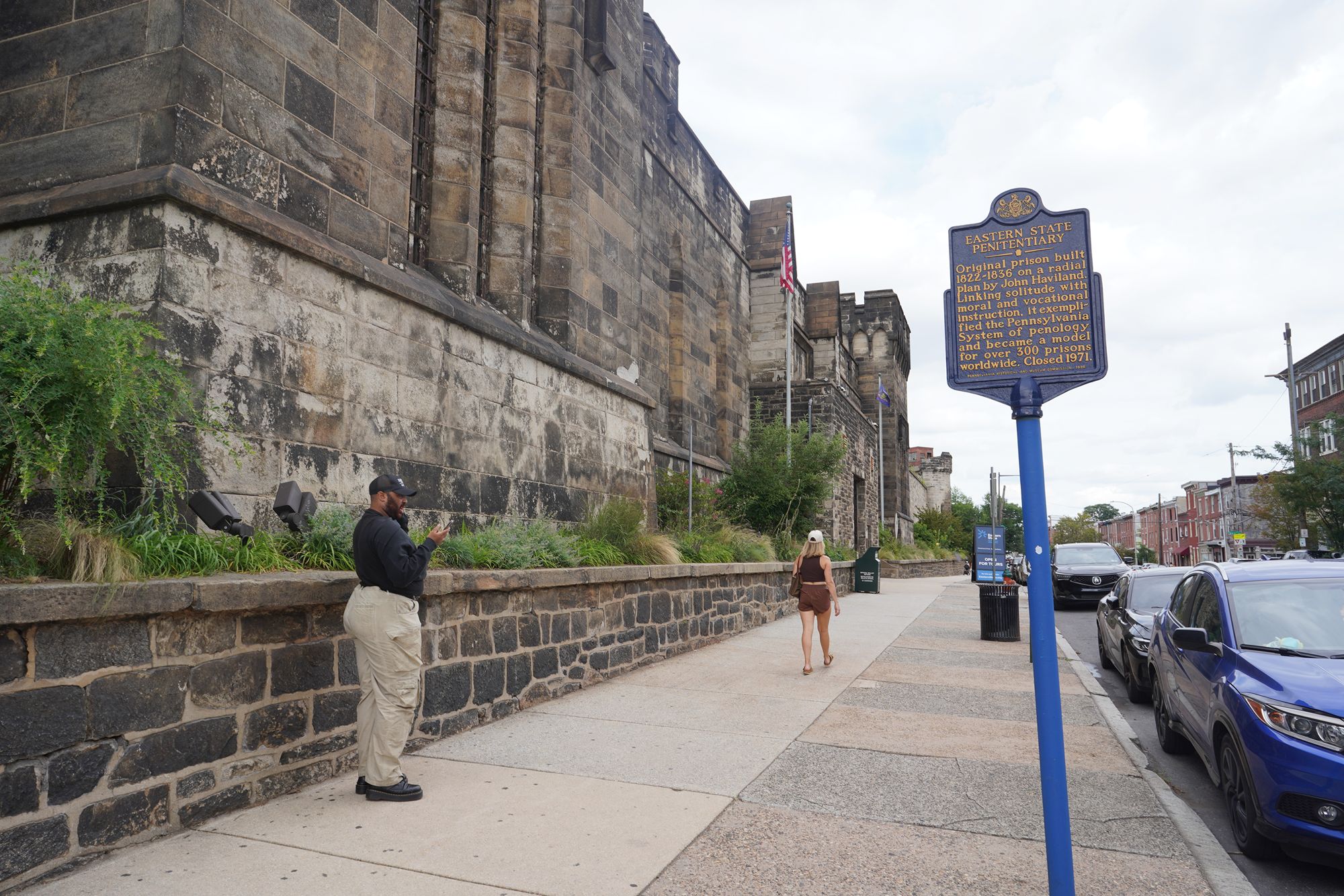
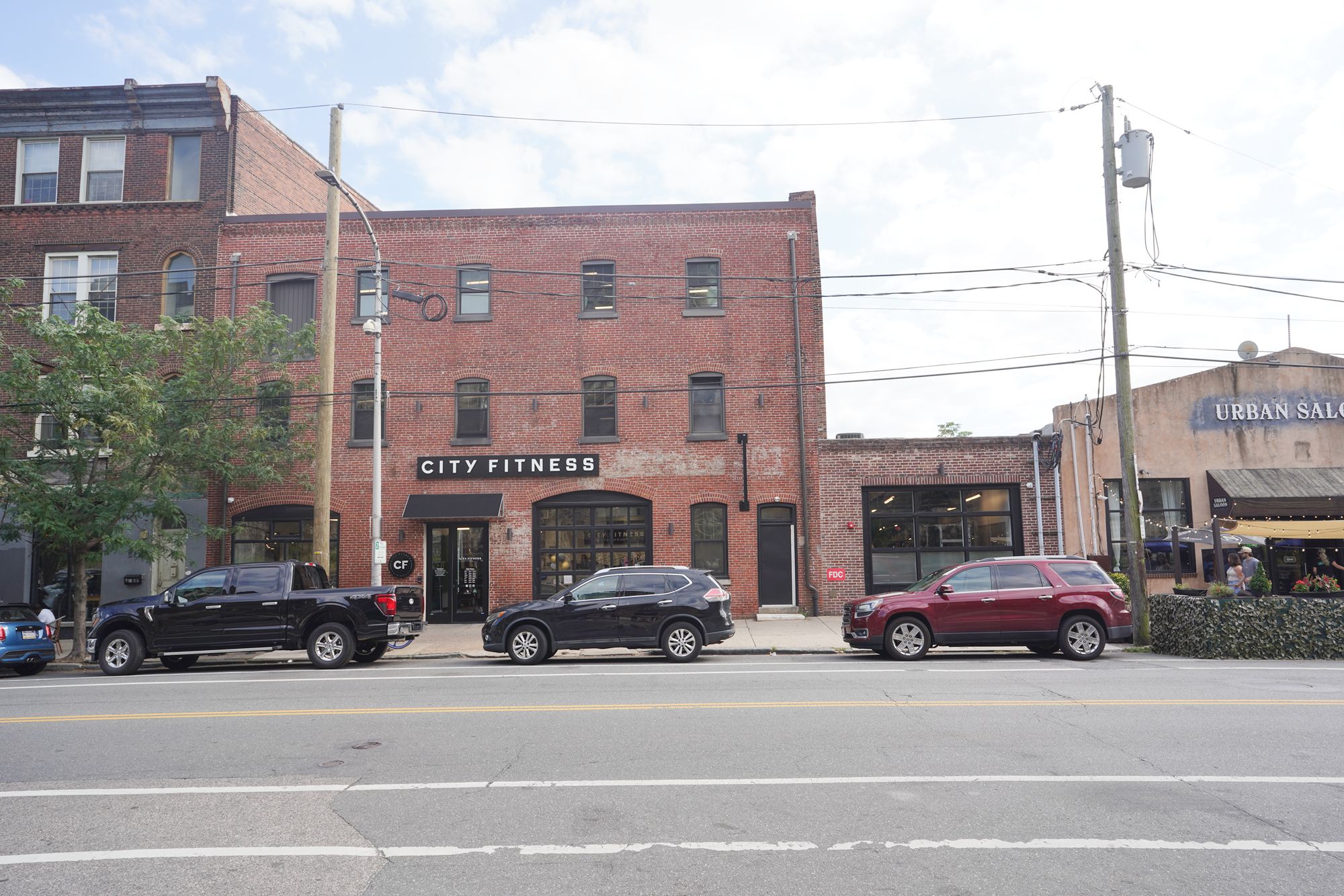
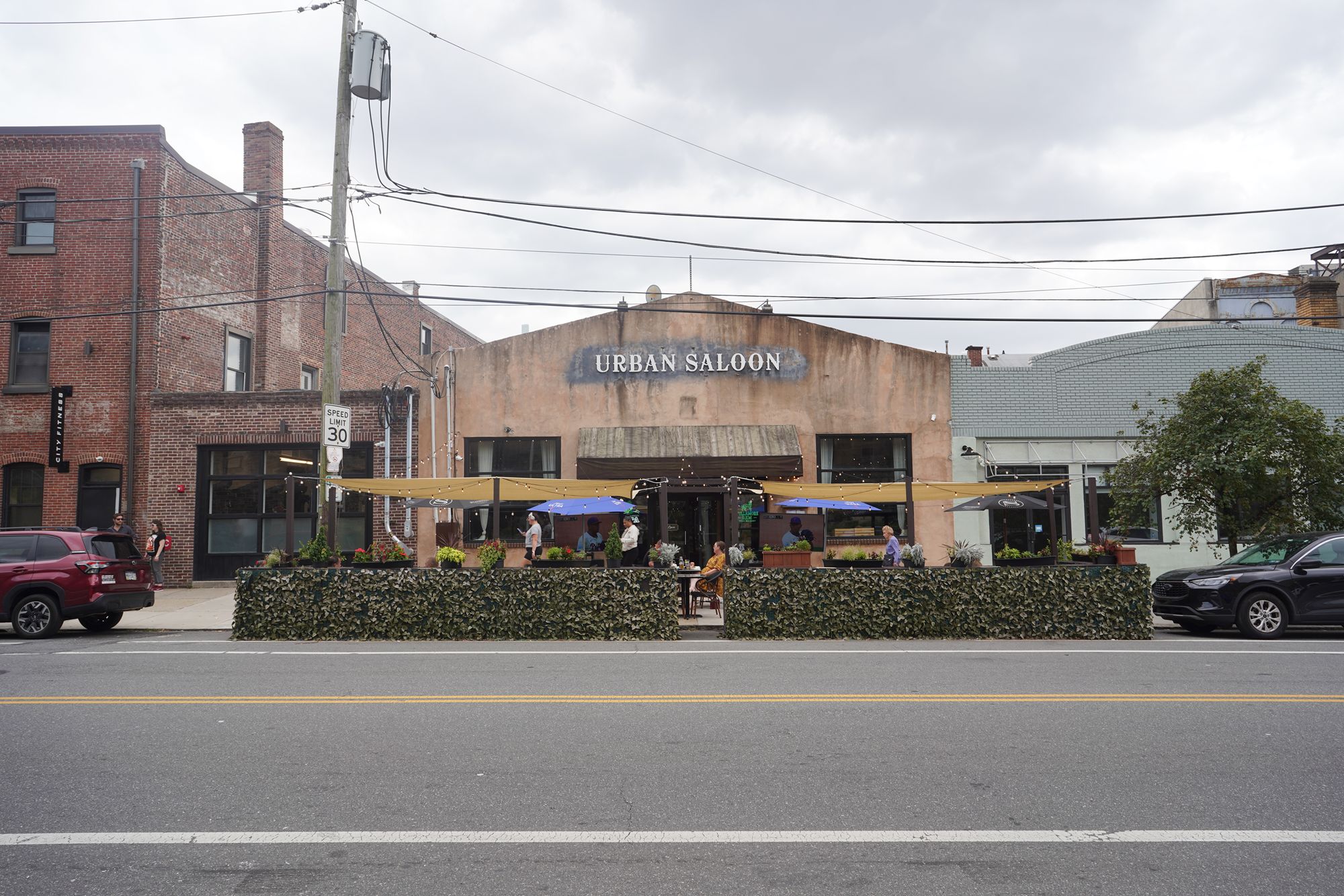
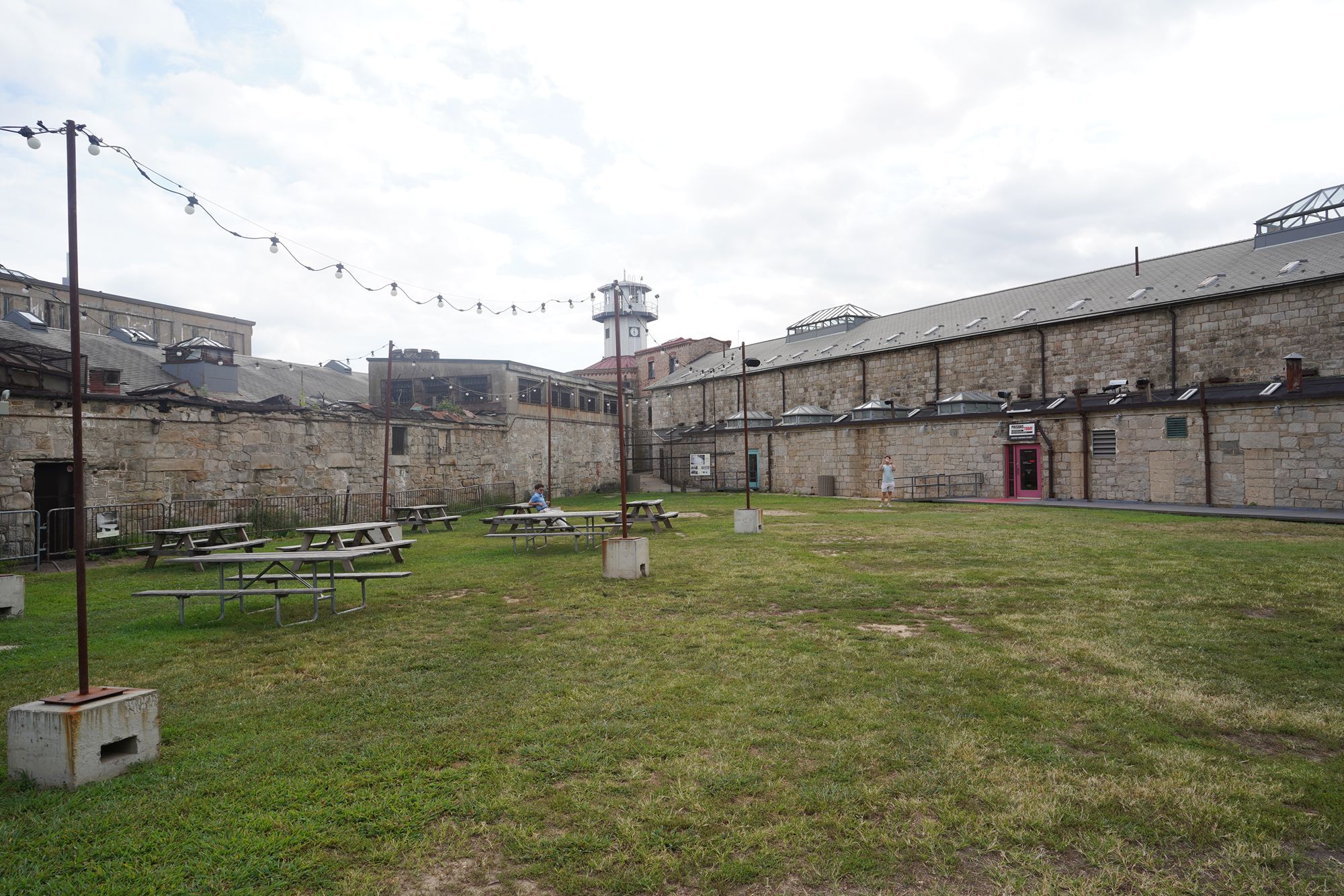
Shops next to the penitentiary
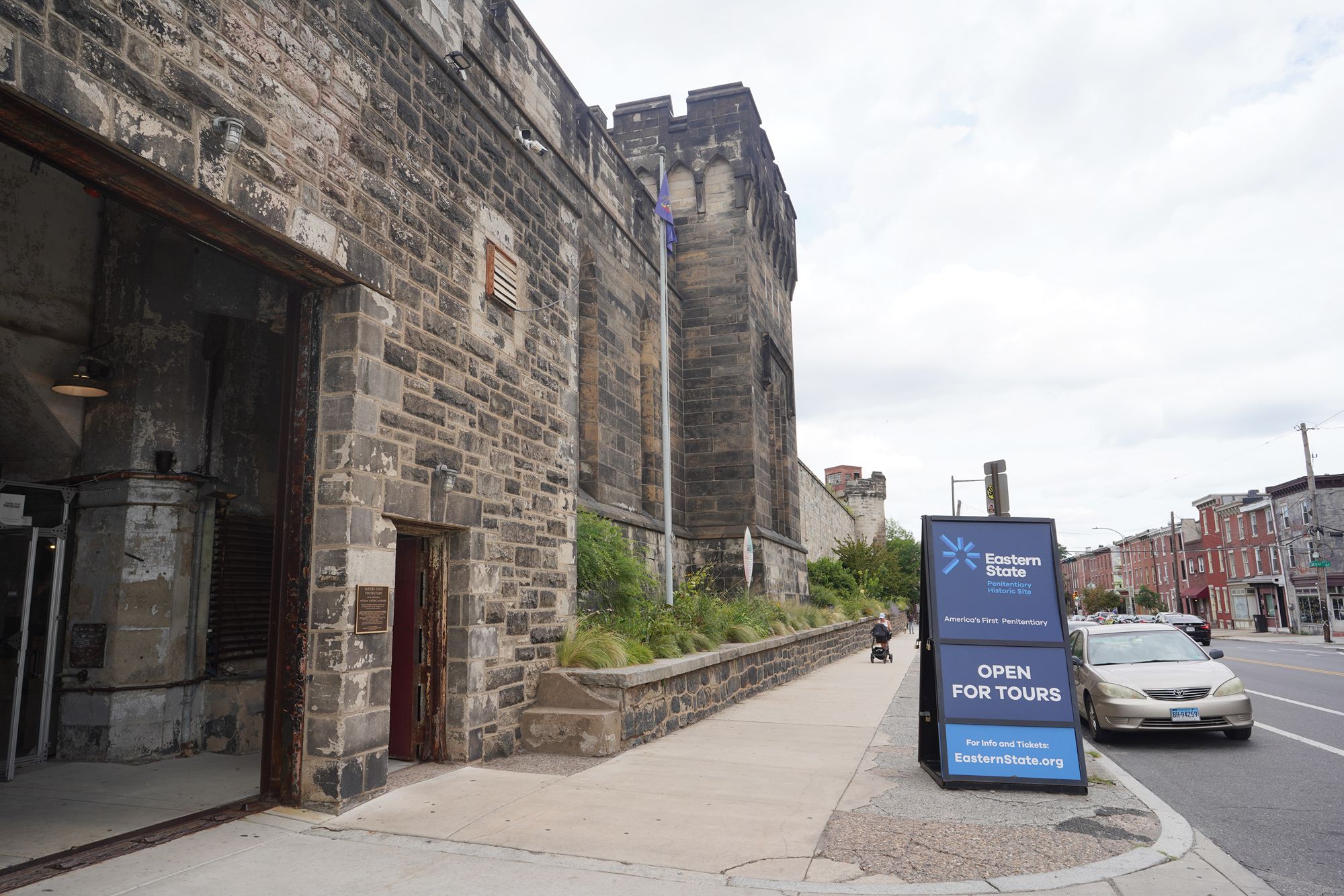
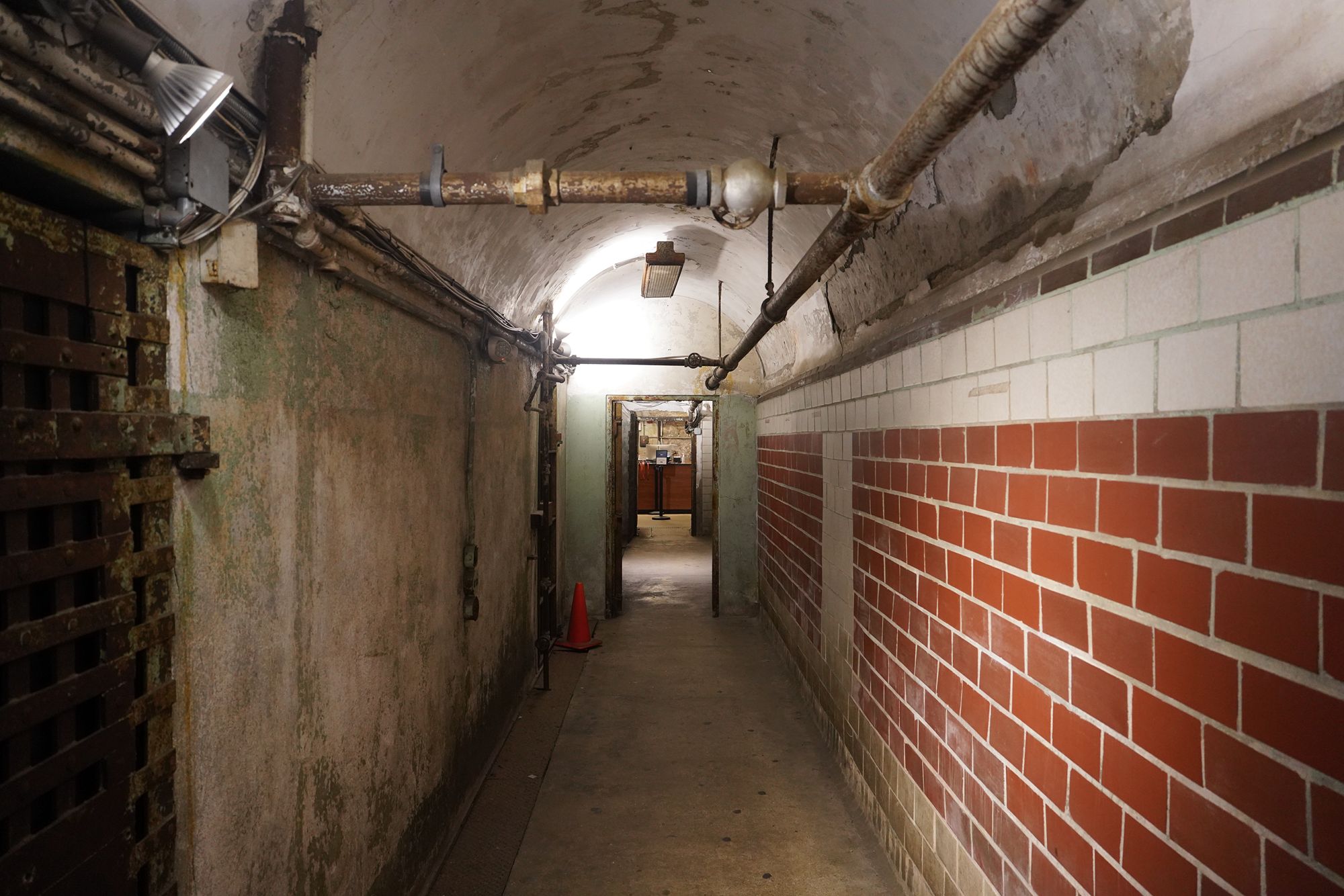
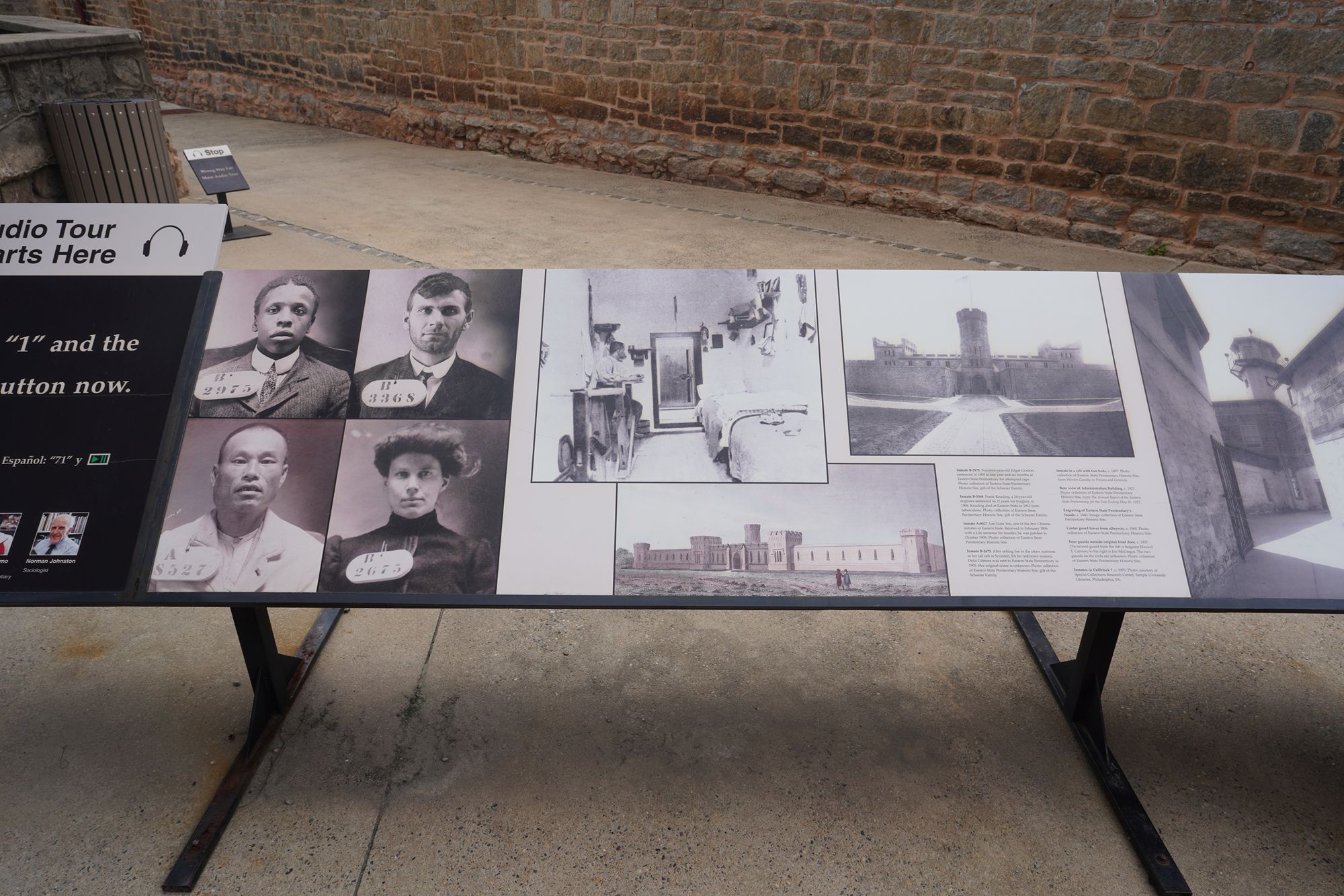
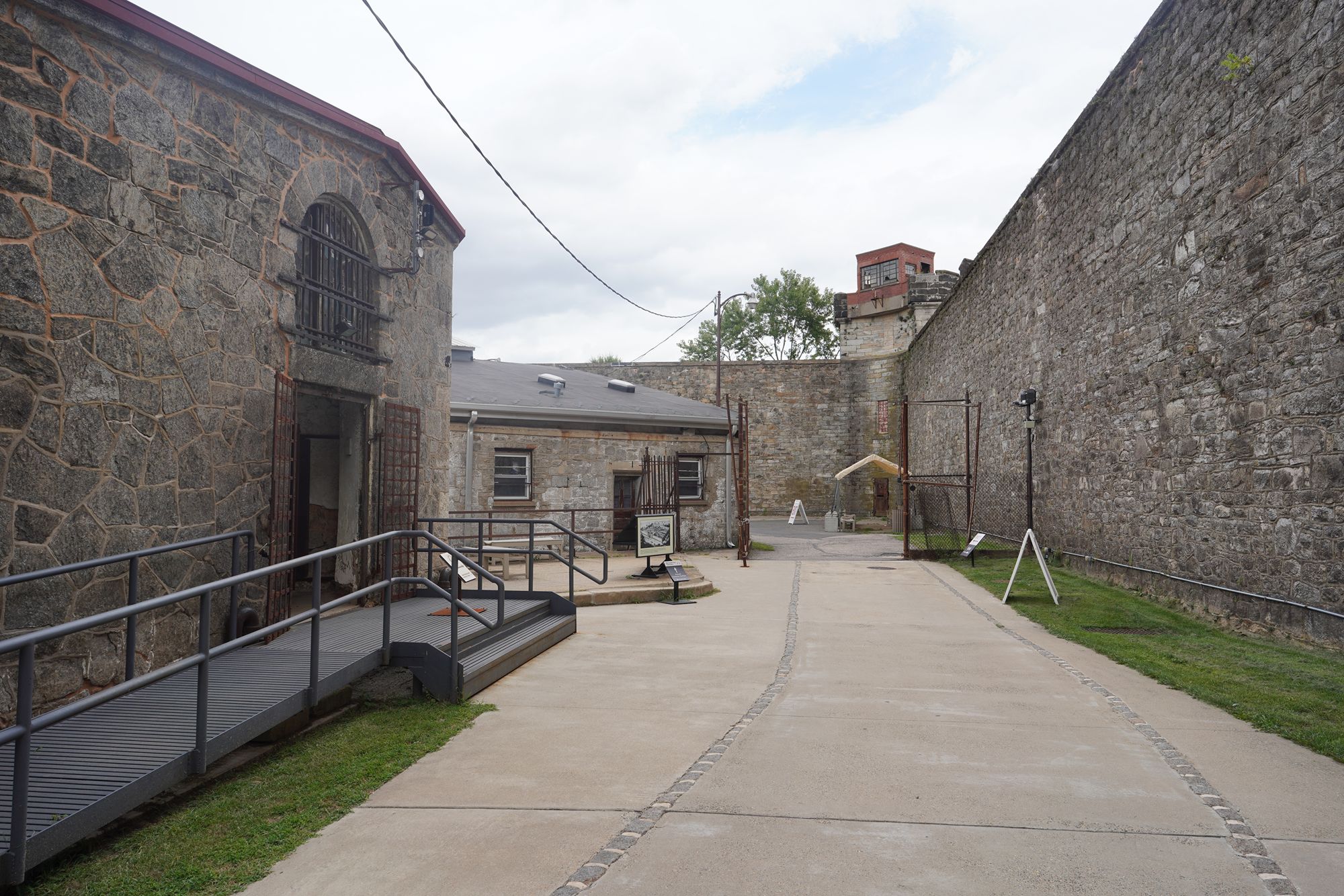
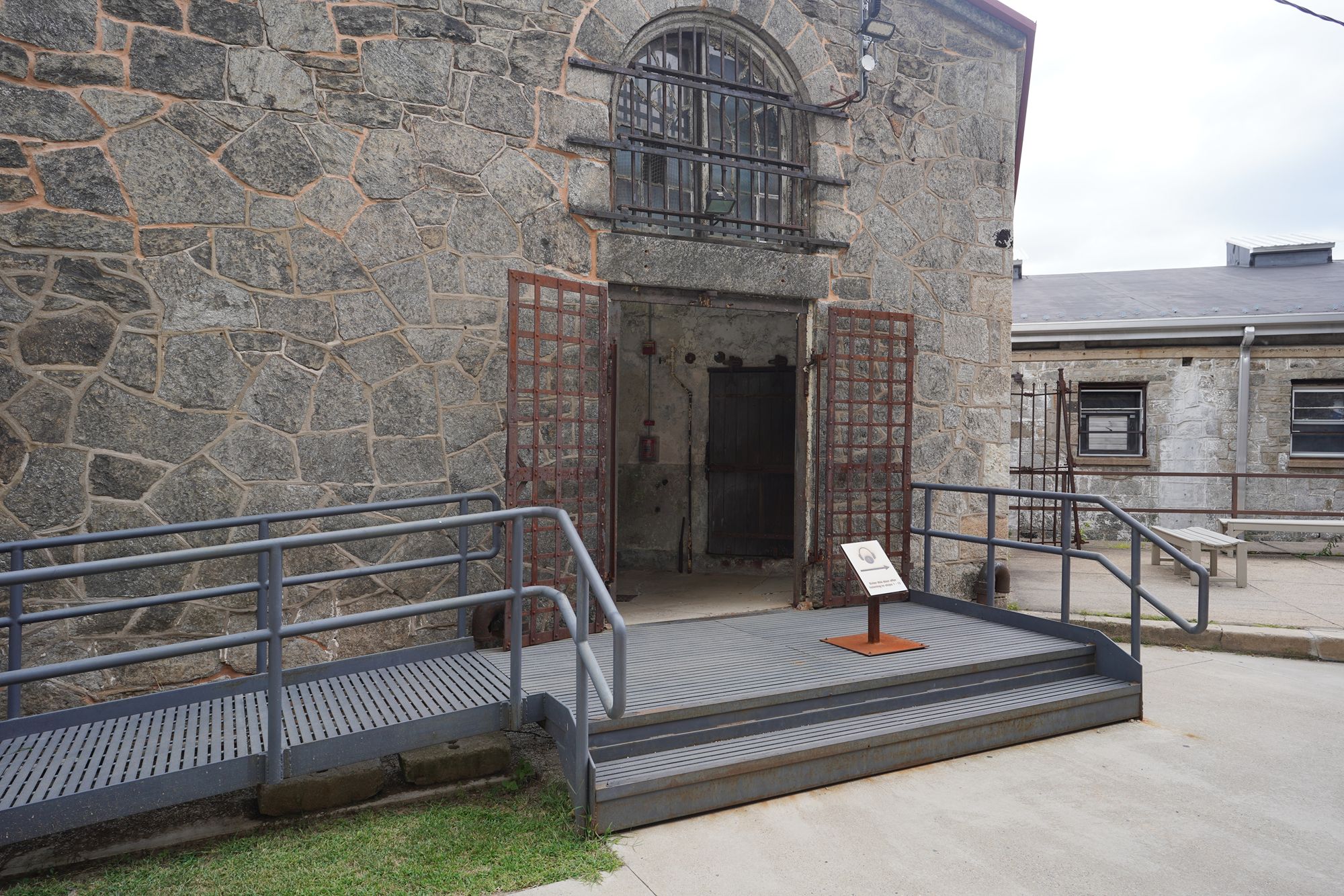
Inside the penitentiary
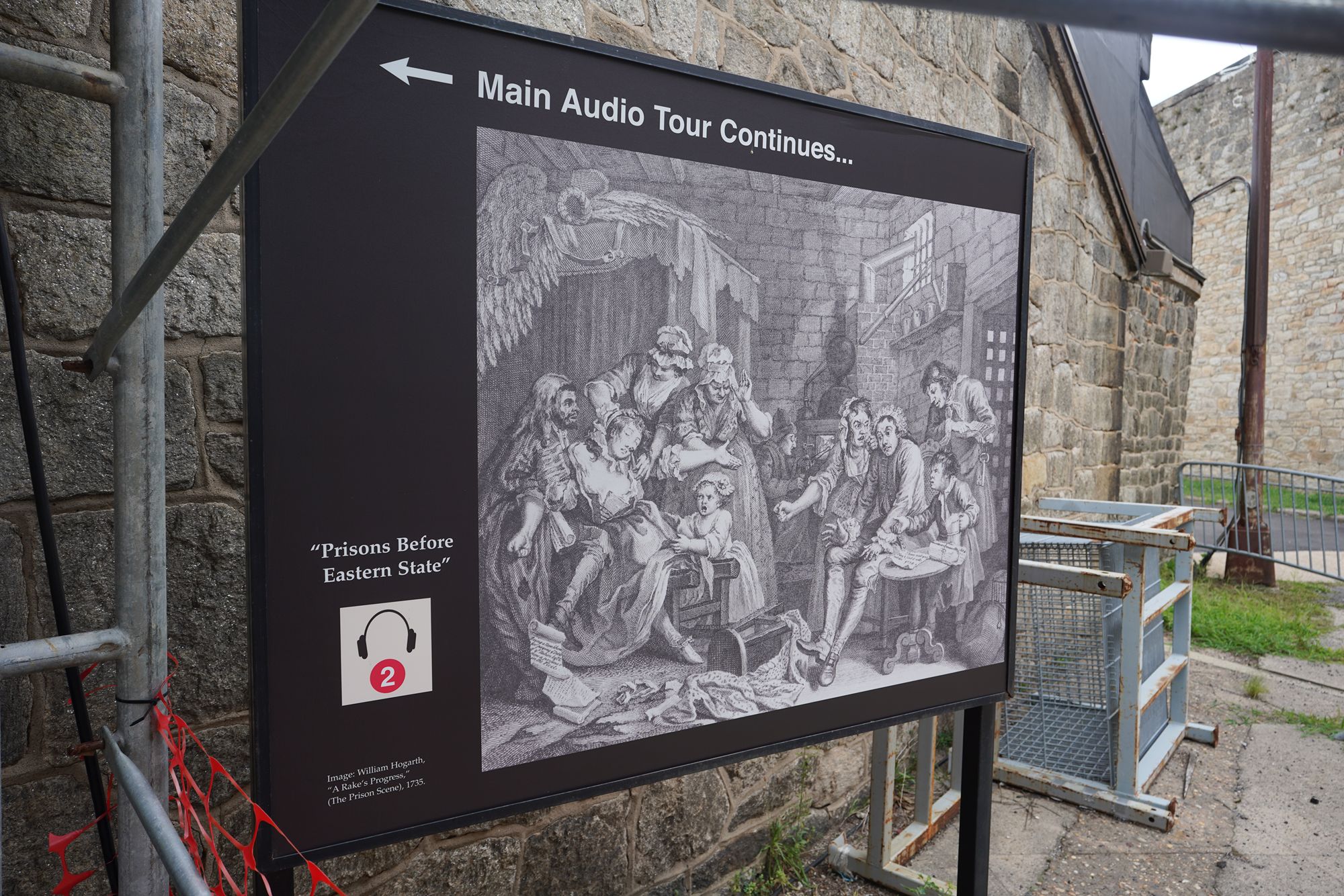
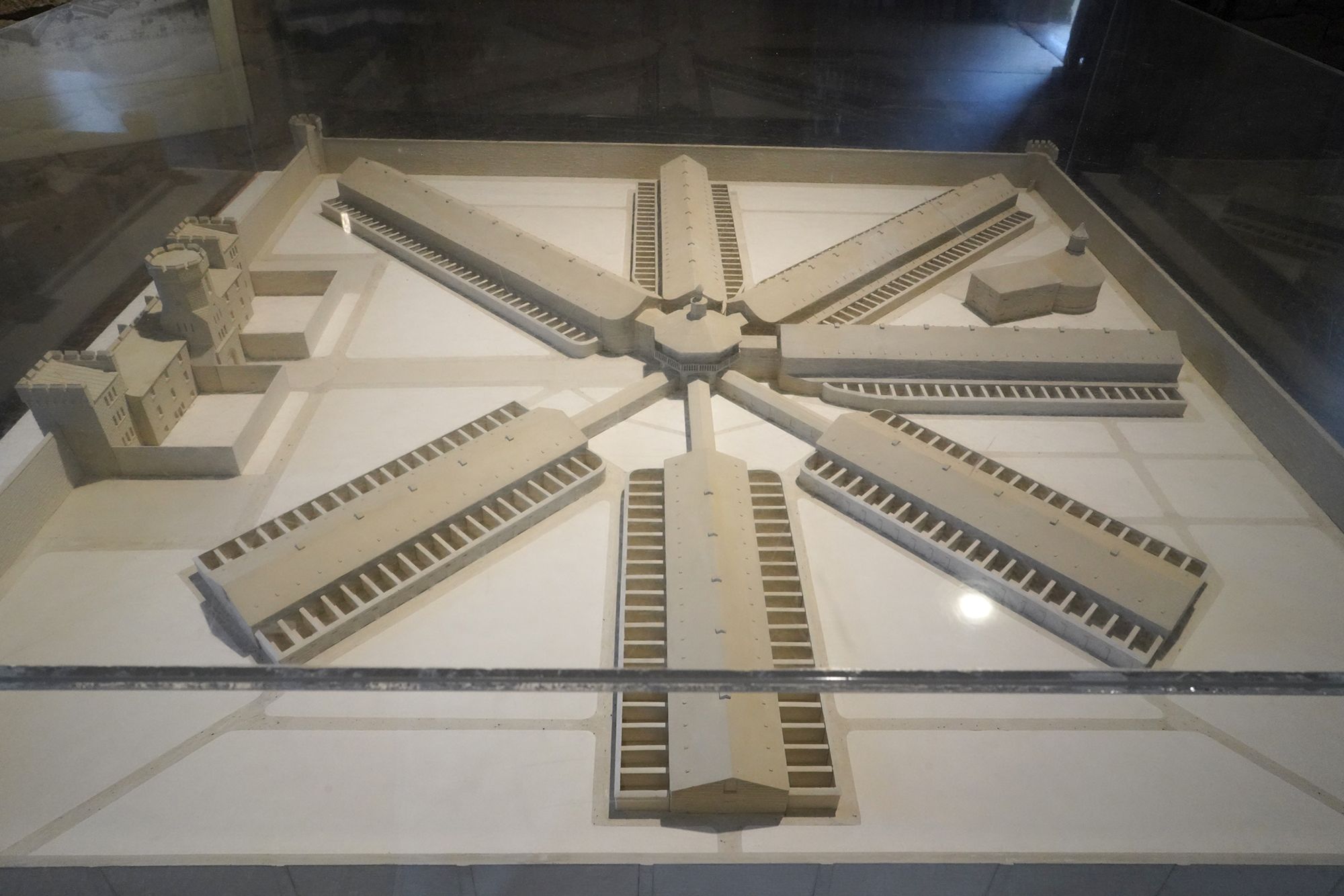
This is a model of the Penitentiary.
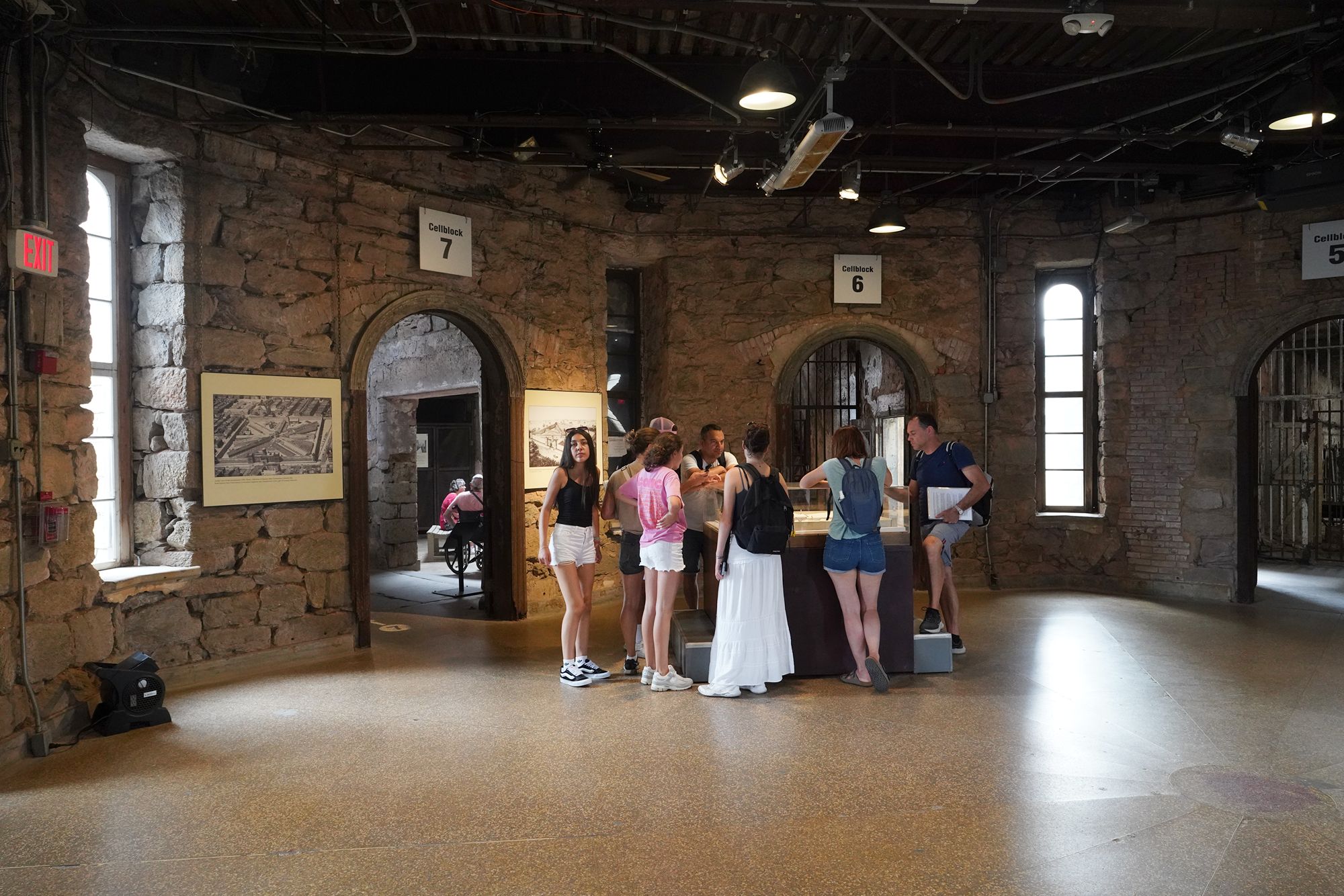
Eastern State Penitentiary was designed in a radial “spoke-like” layout, one of the first of its kind. At the center stands a round surveillance hub, like a wheel’s hub, with long cellblocks branching outward like spokes. From this point, a guard could look down multiple corridors at once, increasing control while minimizing contact.
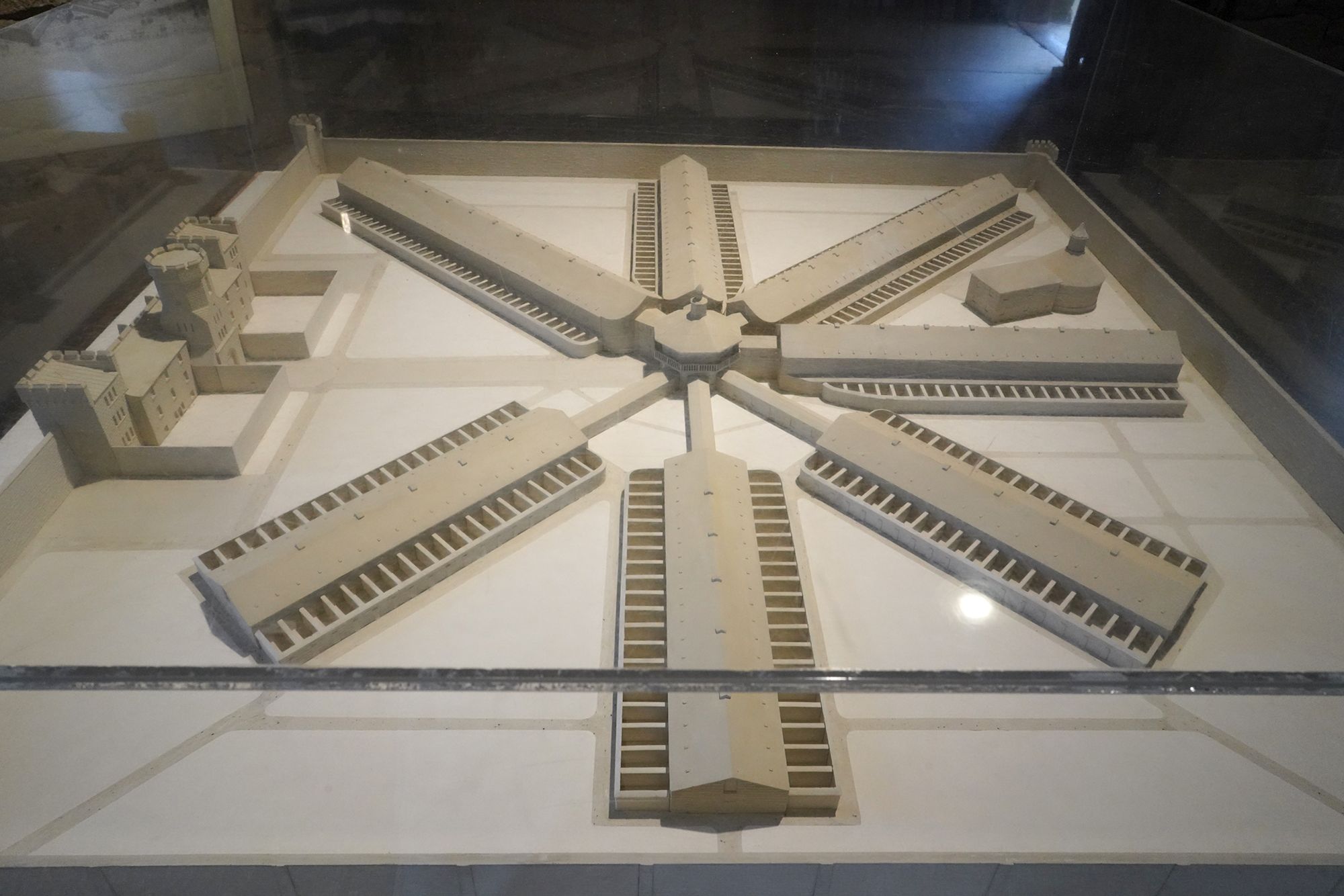
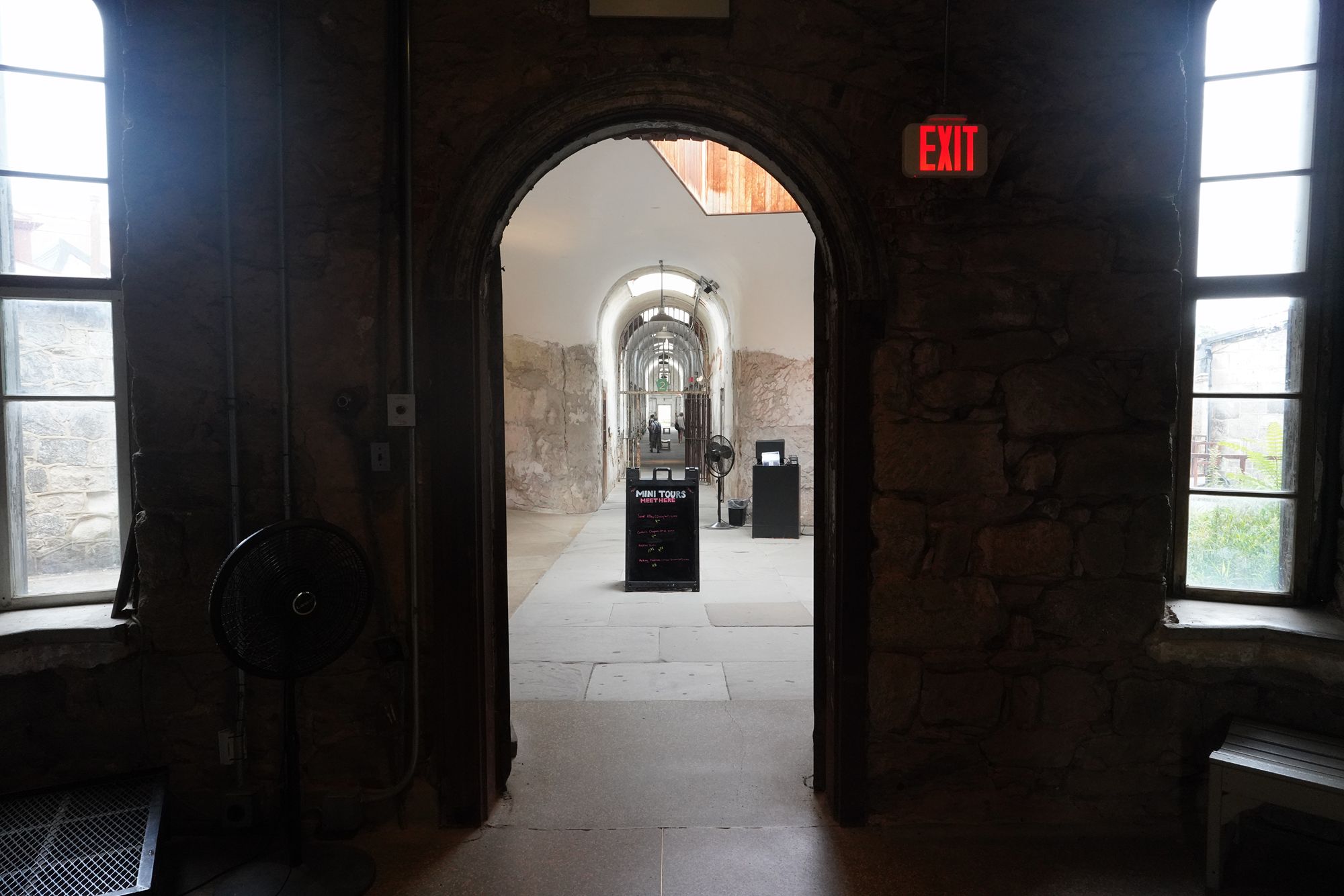
I entered from the far end of a cellblock and walked toward the central hub.
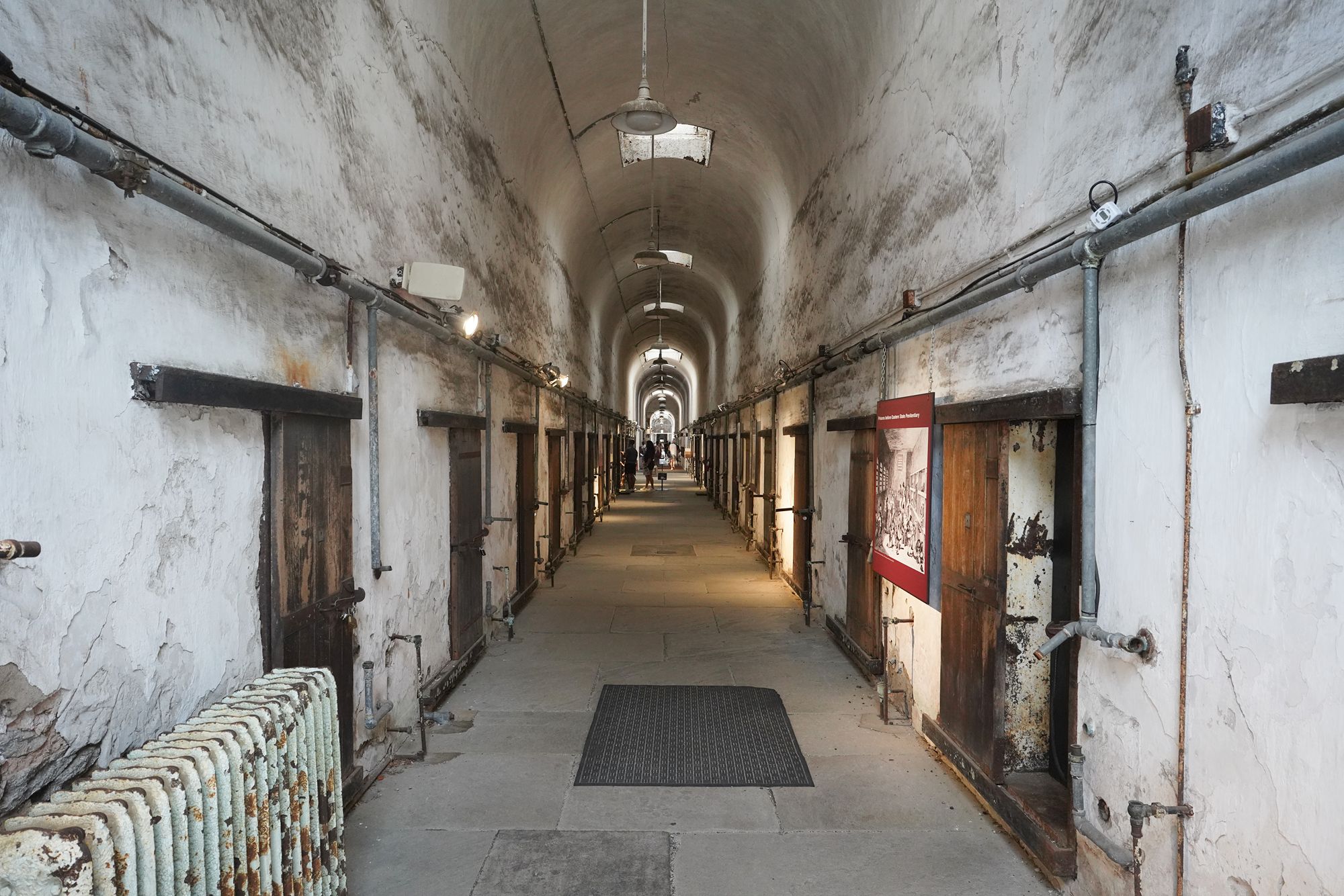
Before Eastern State Penitentiary, prisons often housed many inmates together in a single large room.
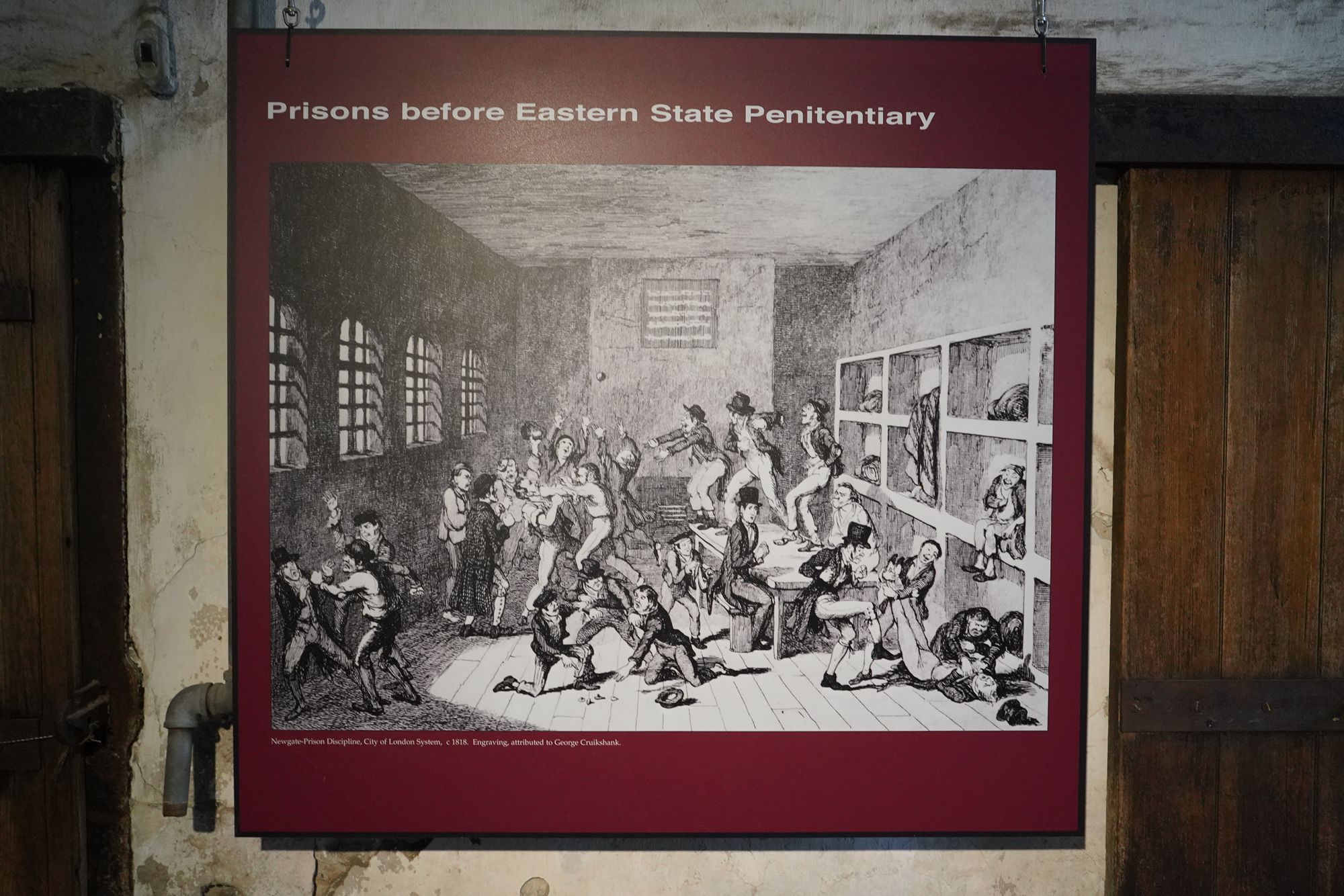
In contrast, Eastern State Penitentiary was built with individual cells for each prisoner.
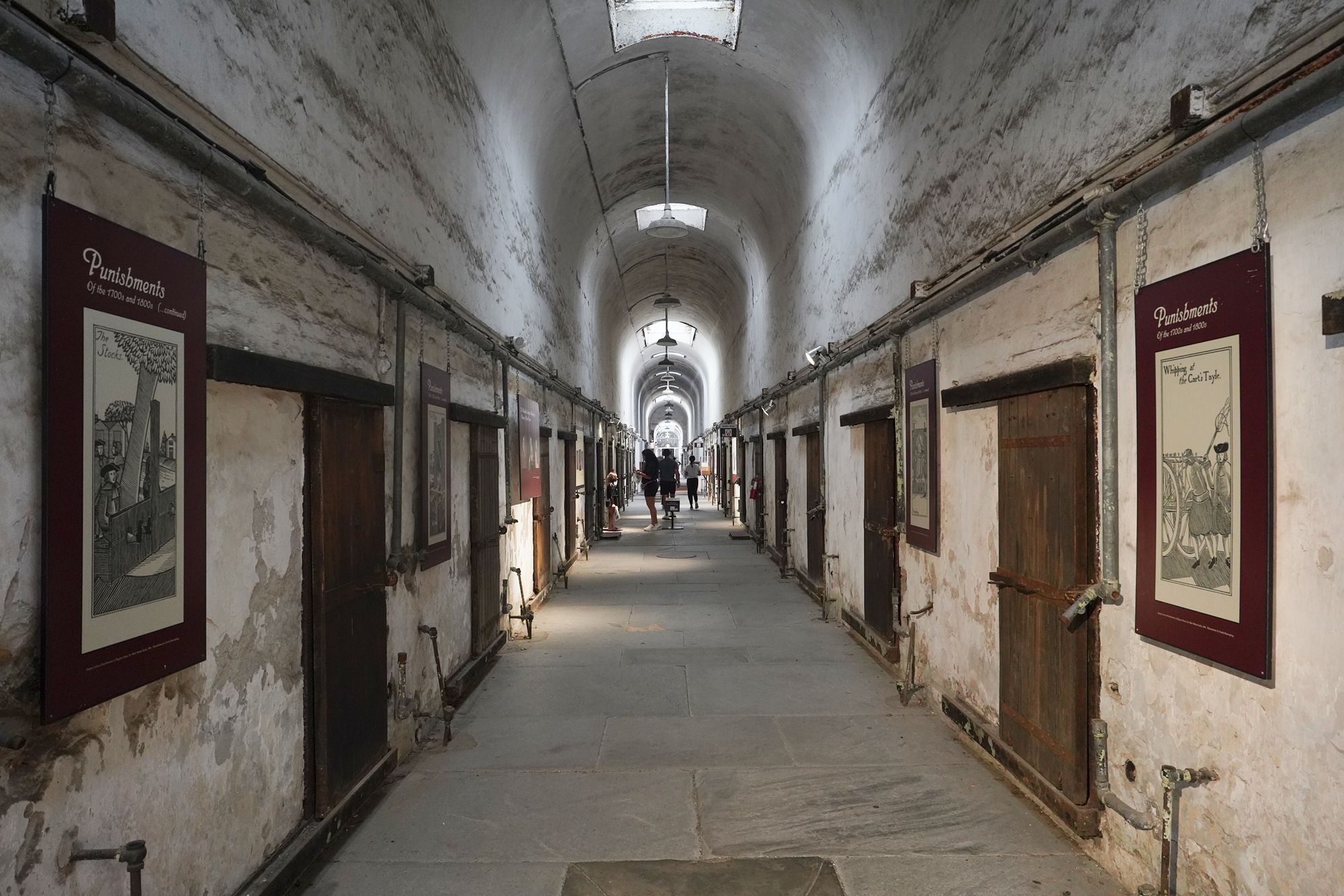
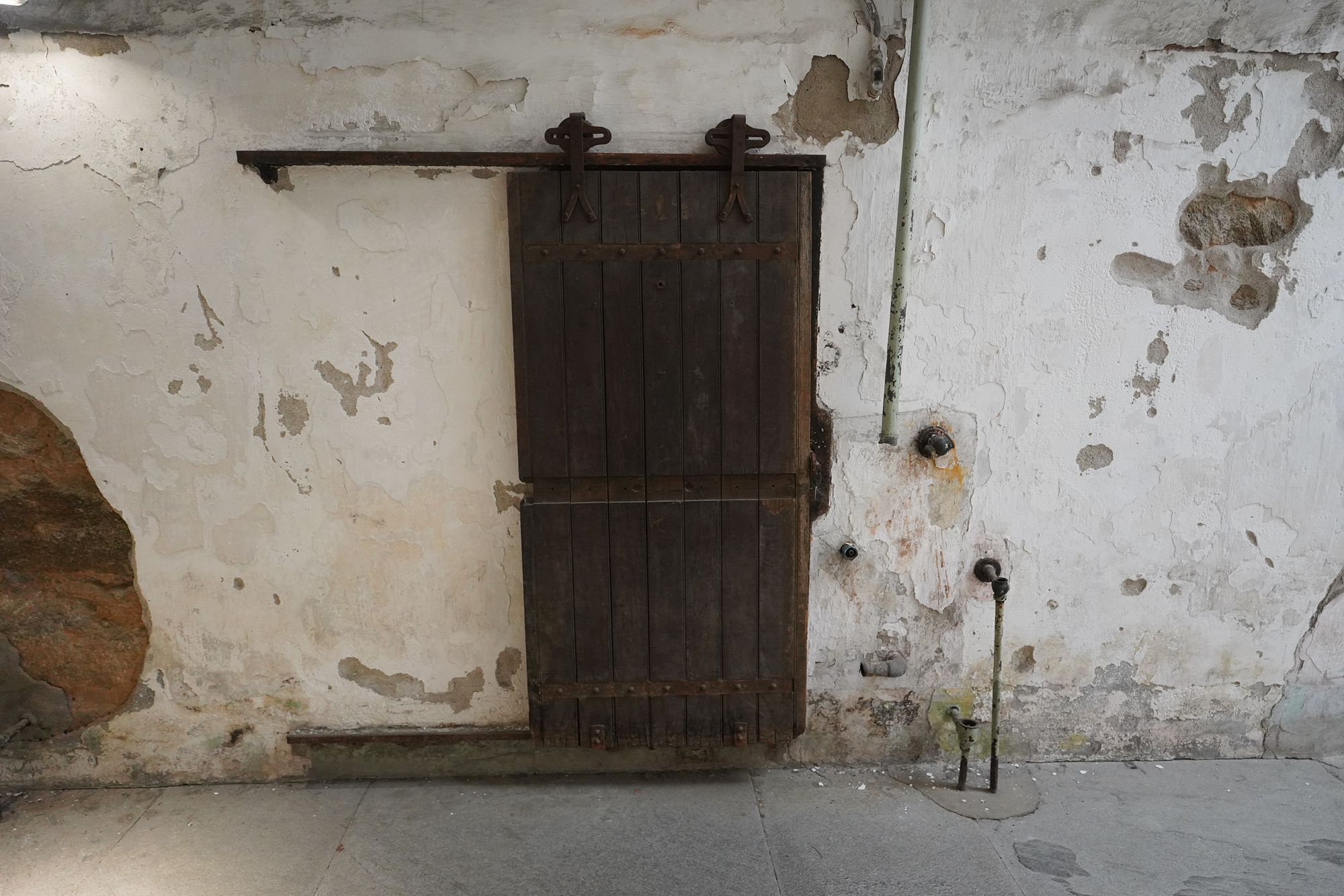
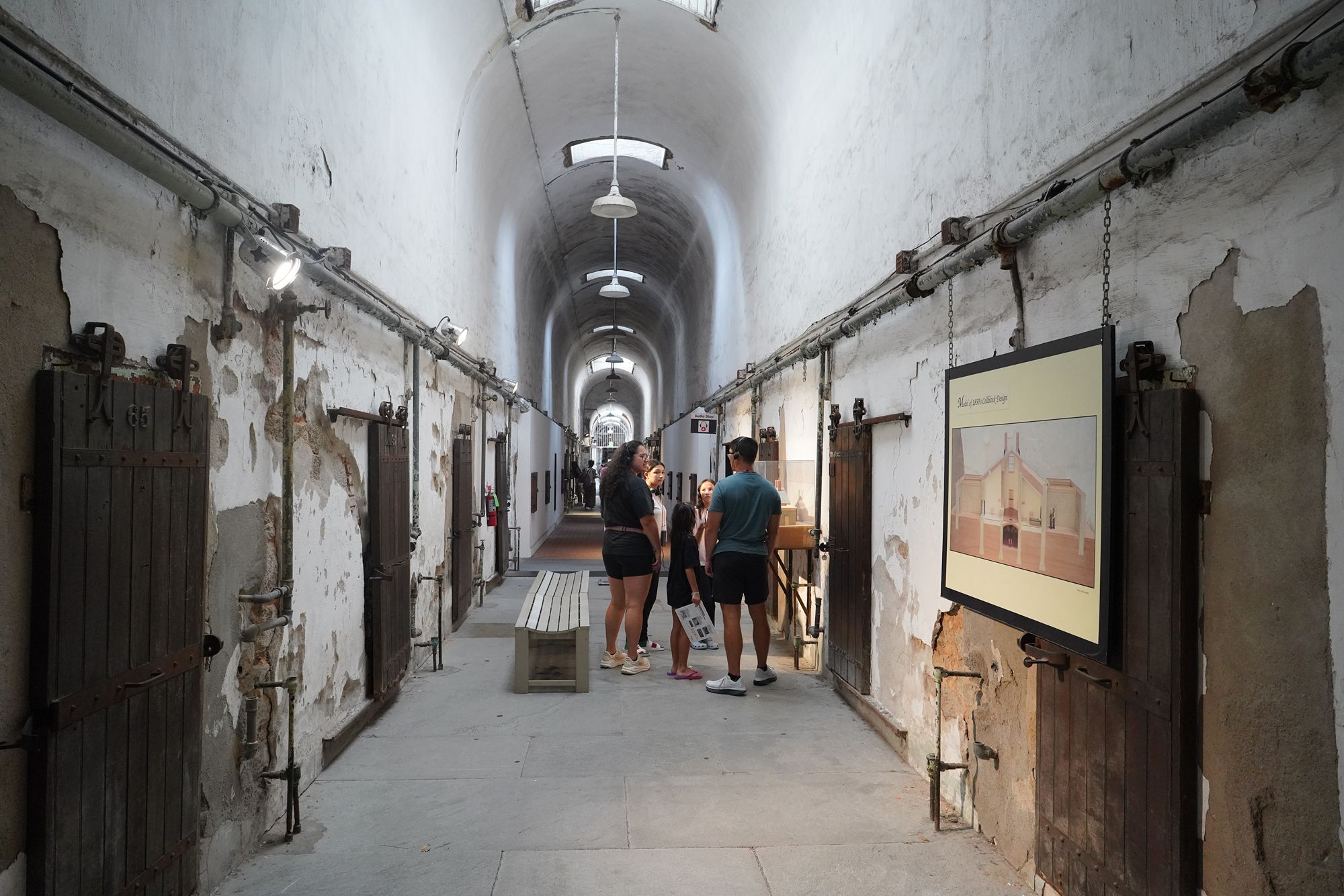
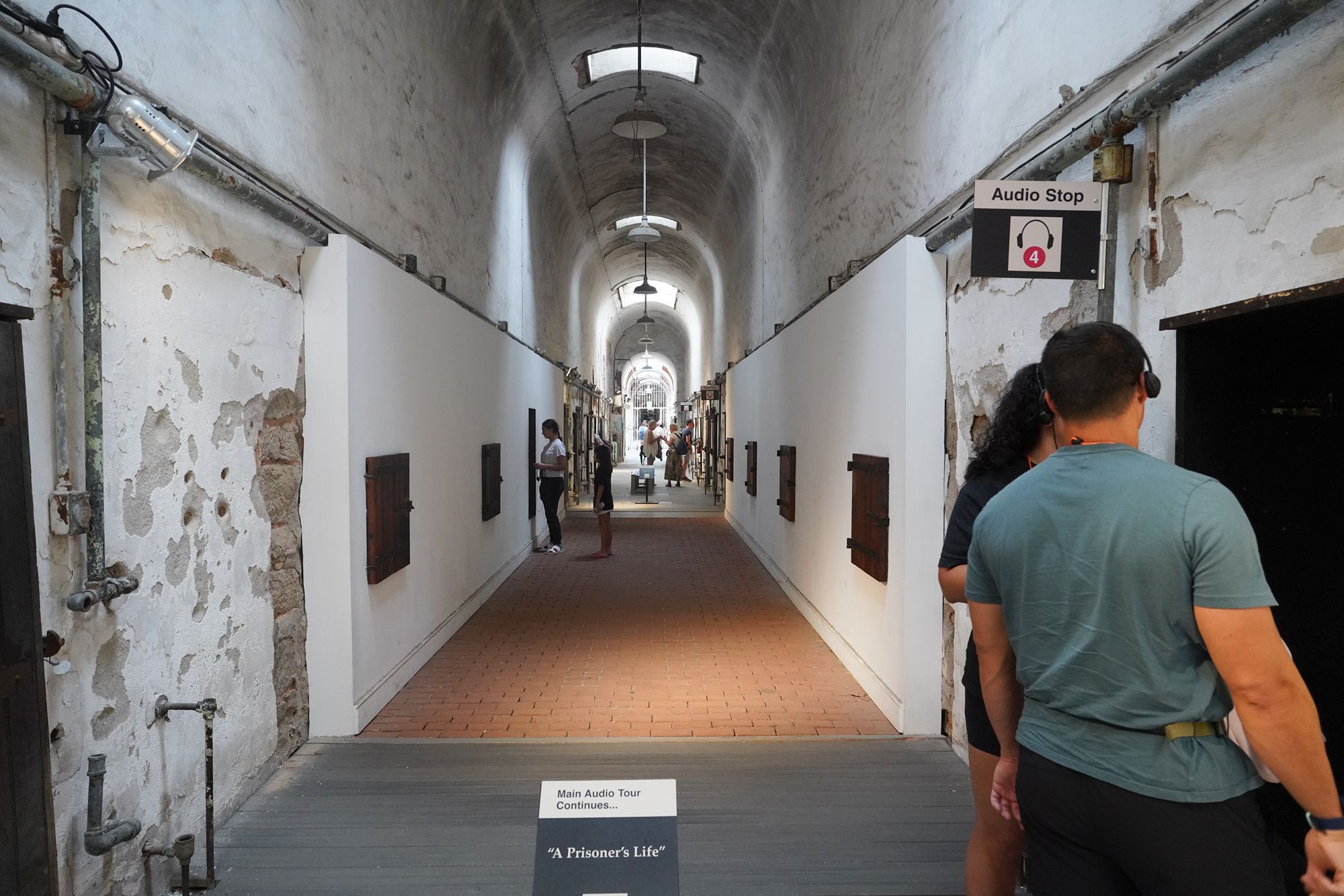
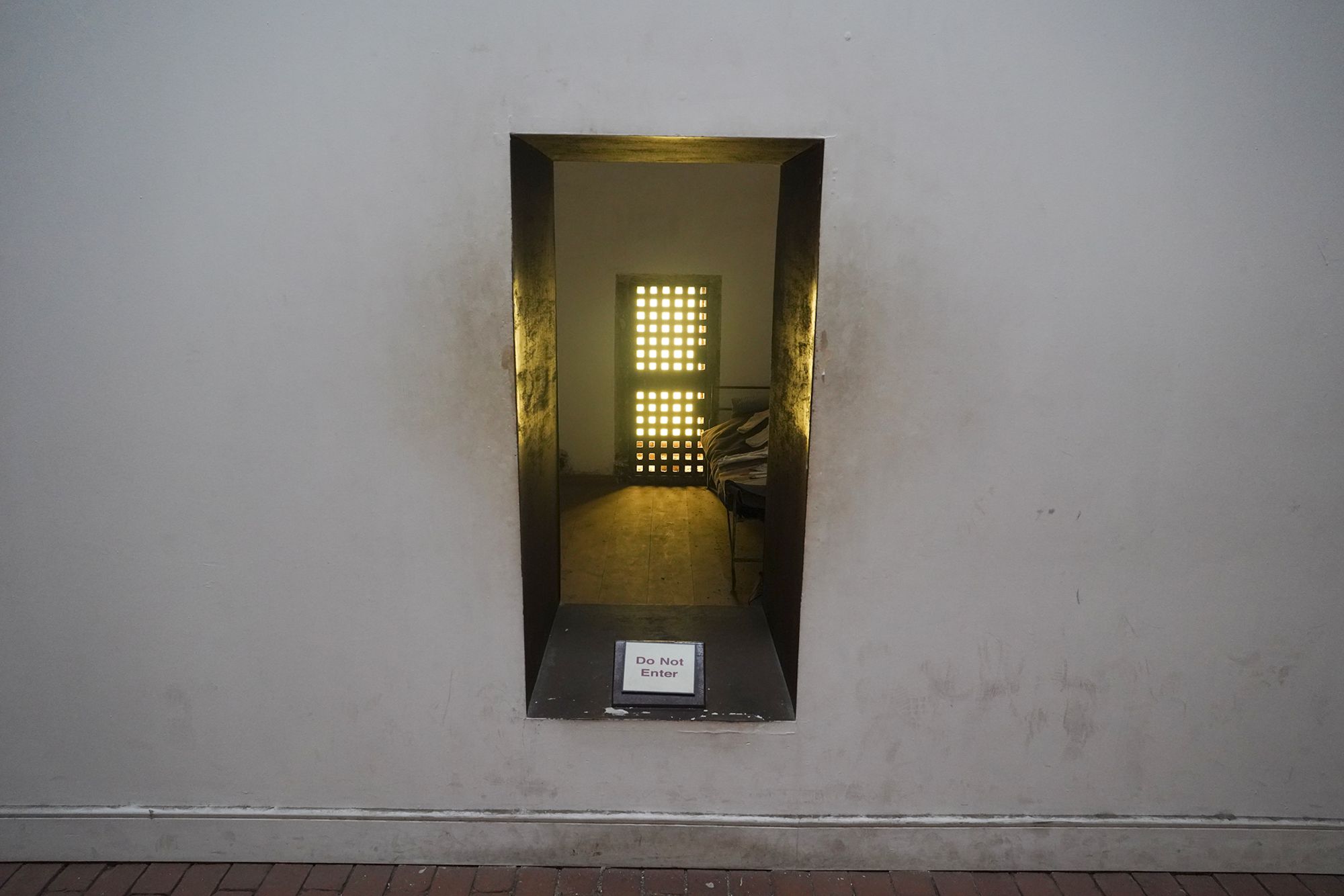
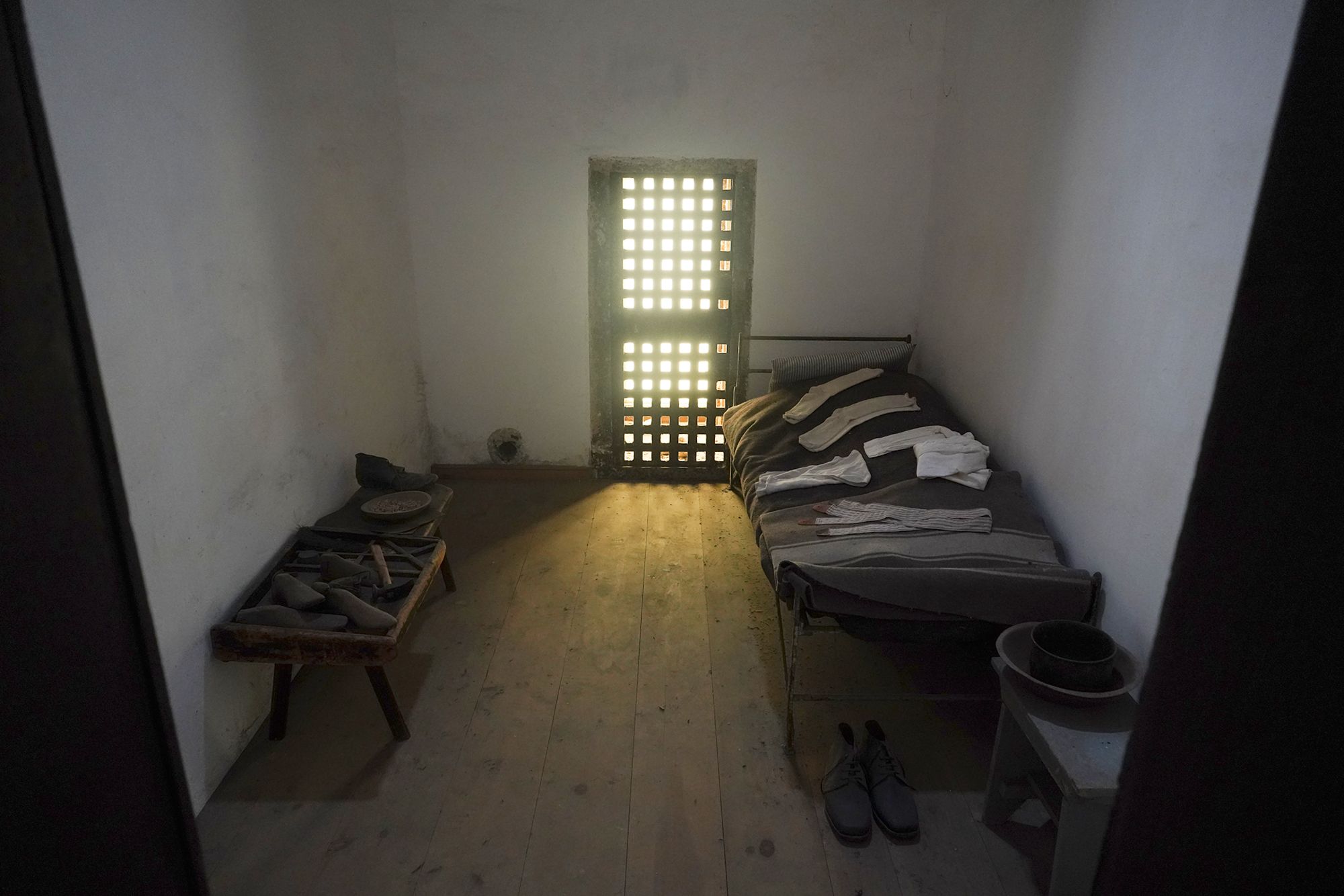
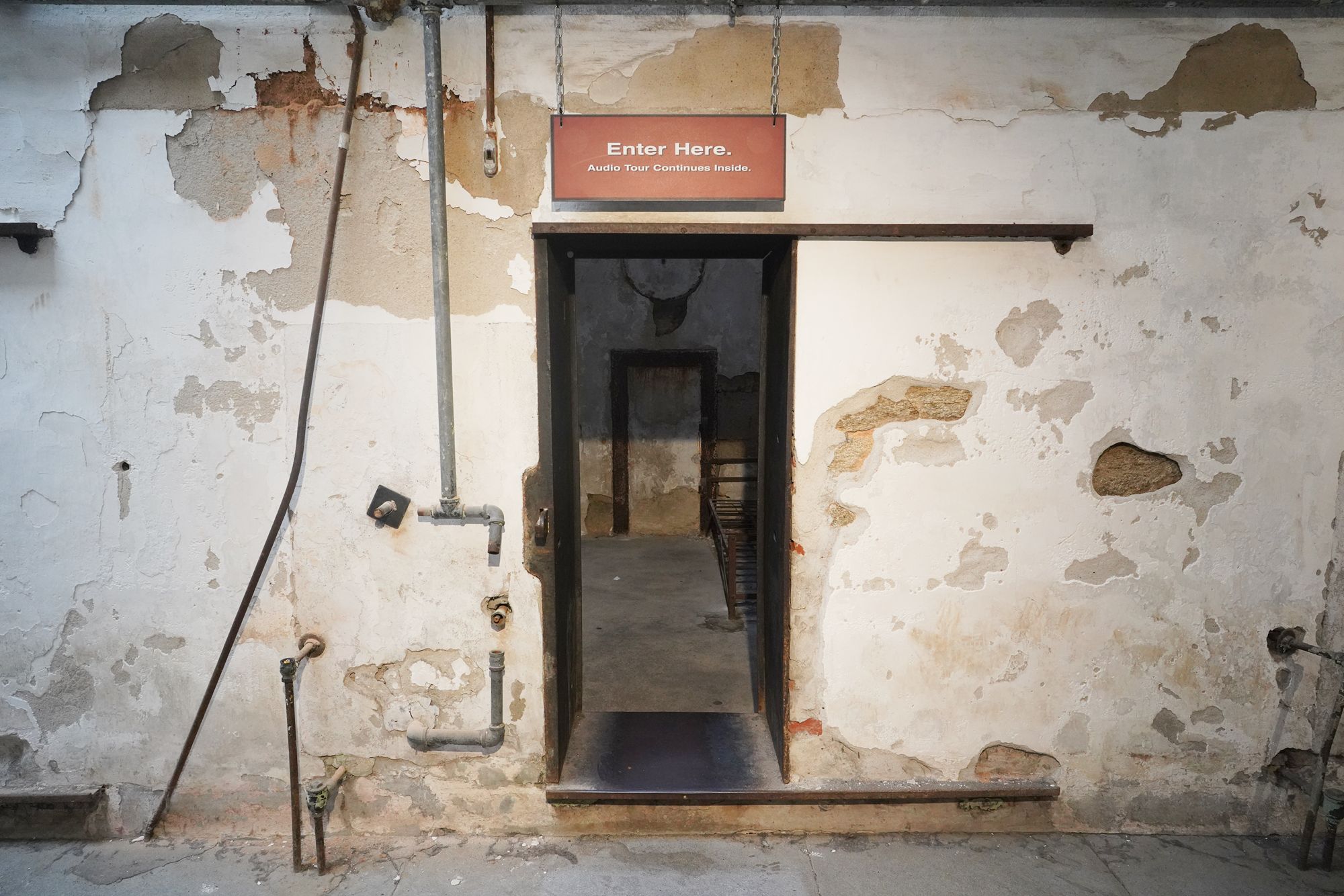
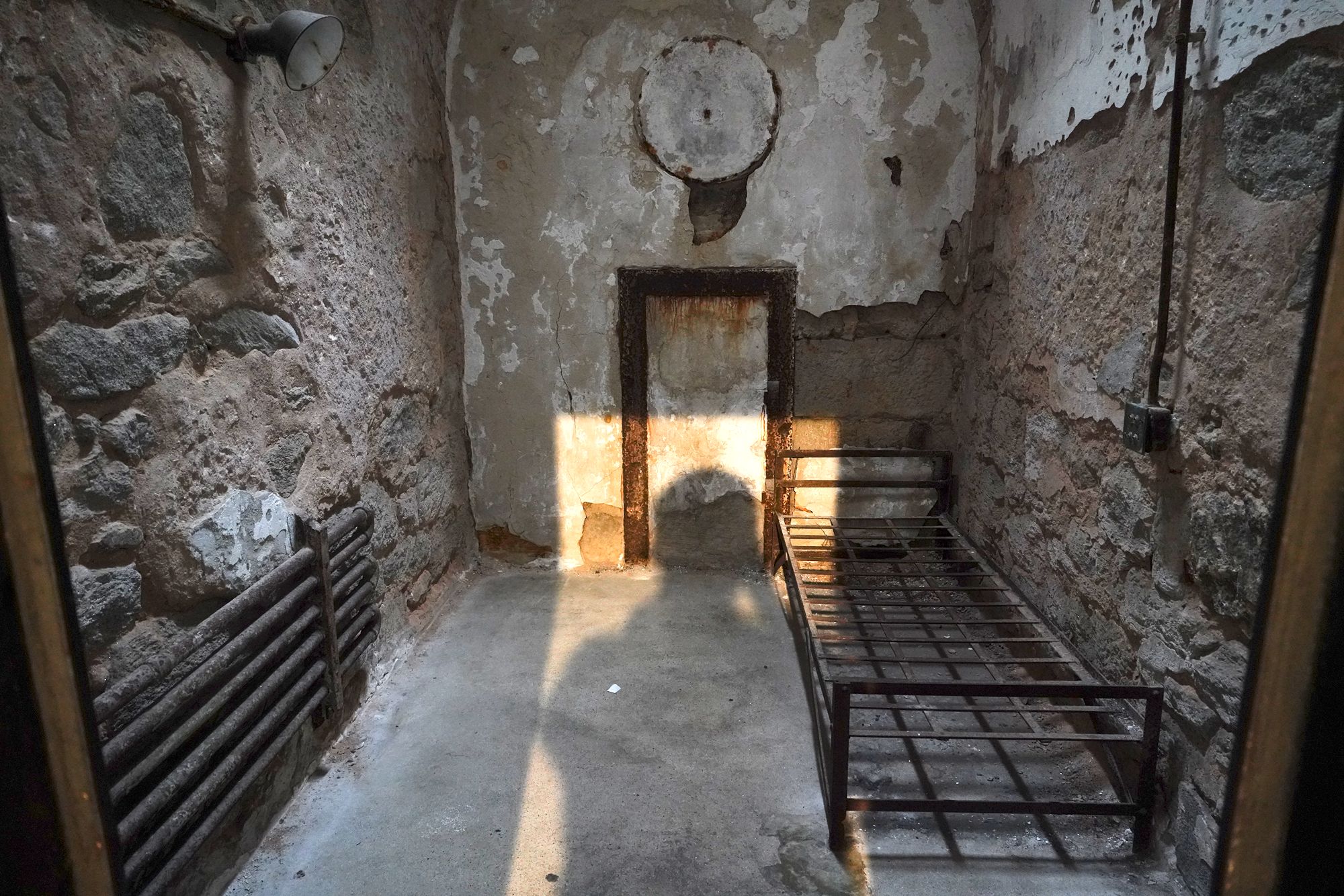
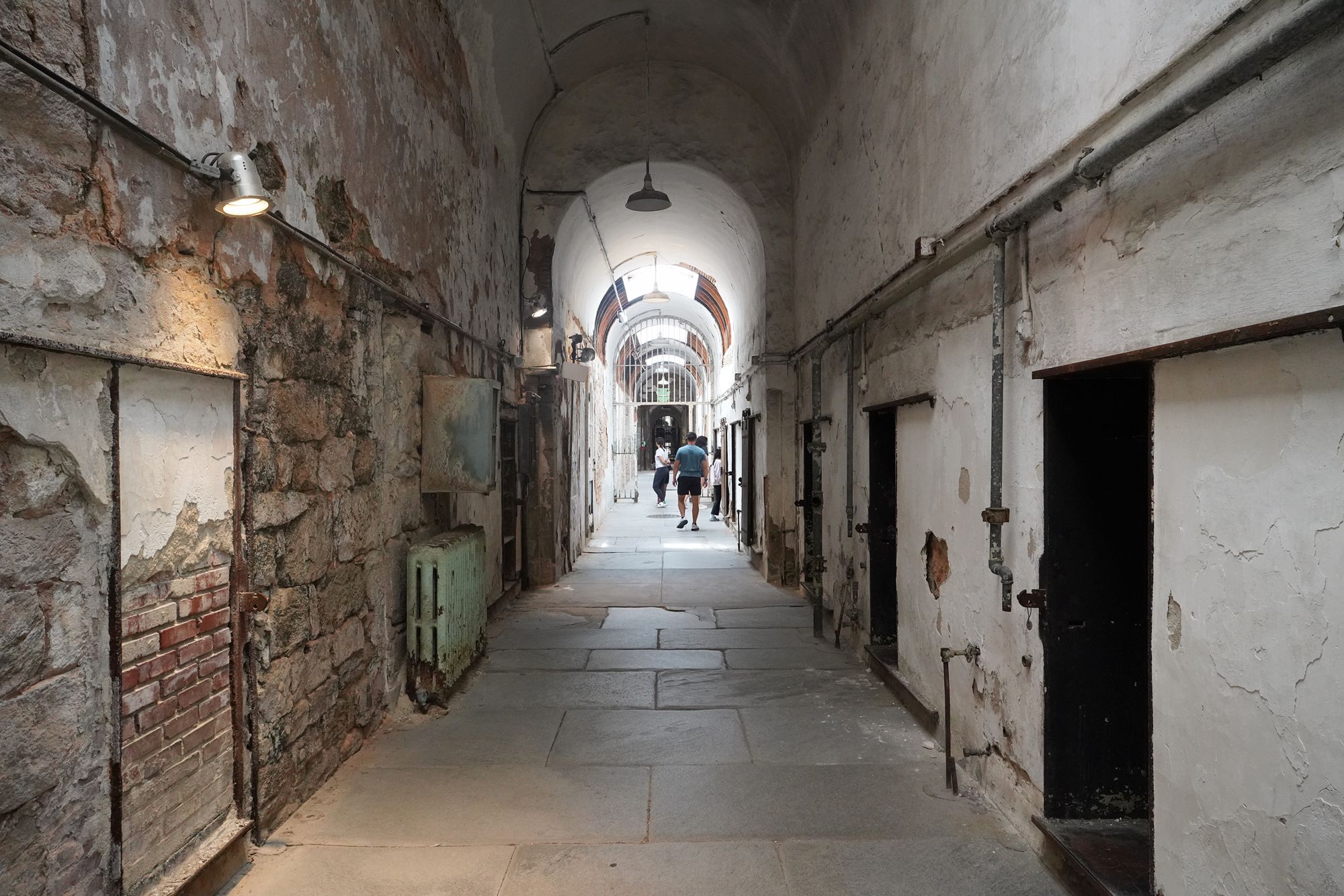
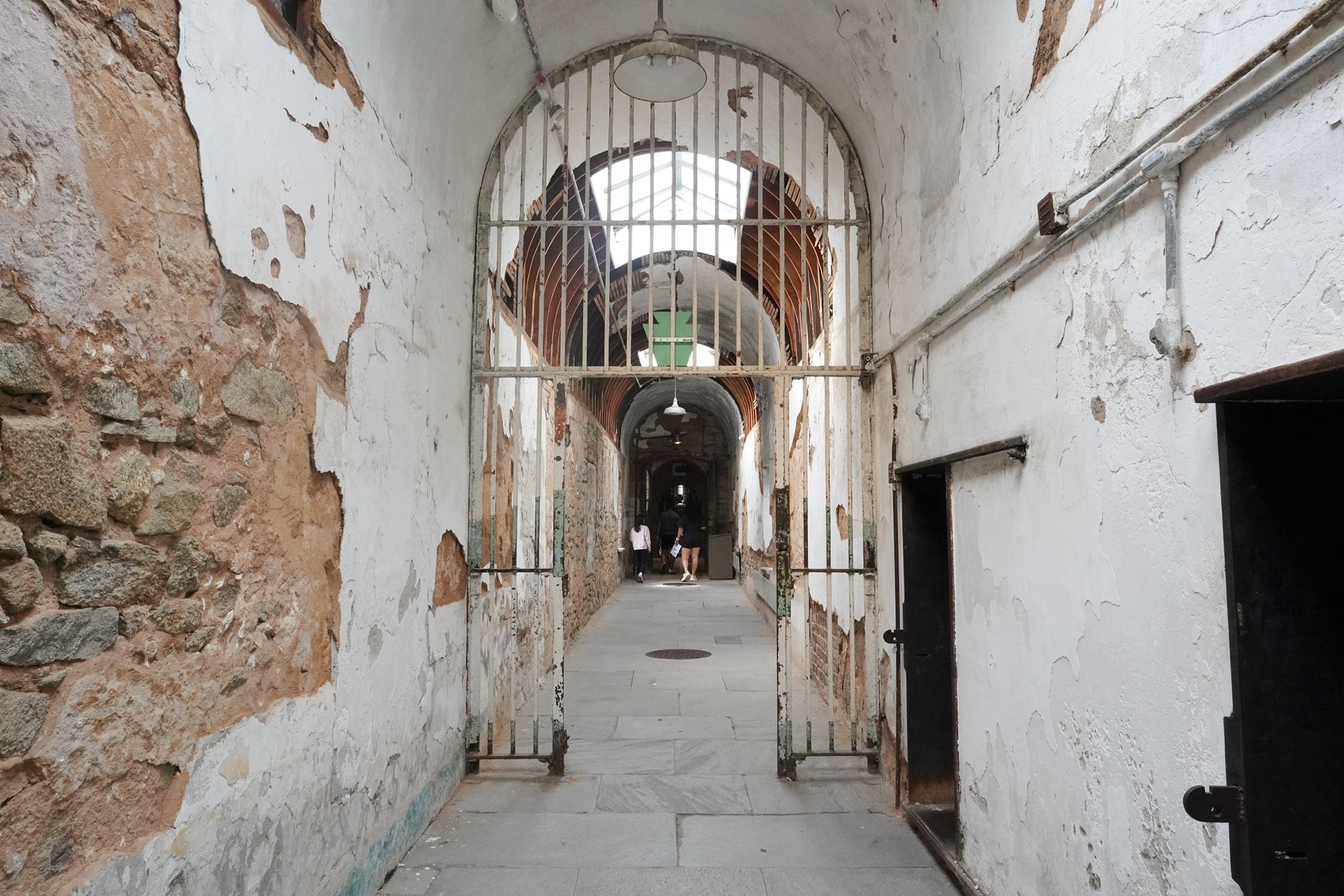
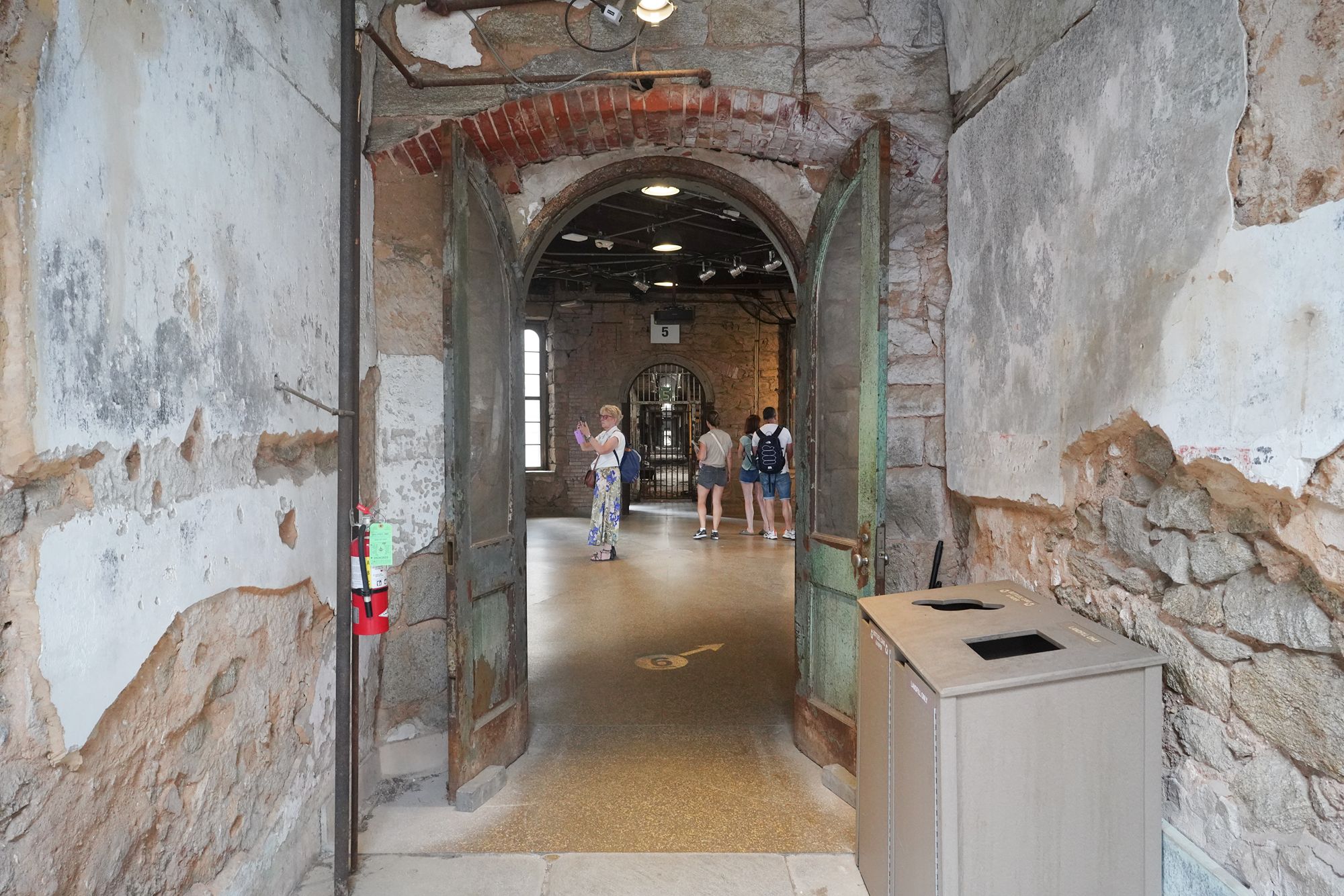
At the center hub of the prison
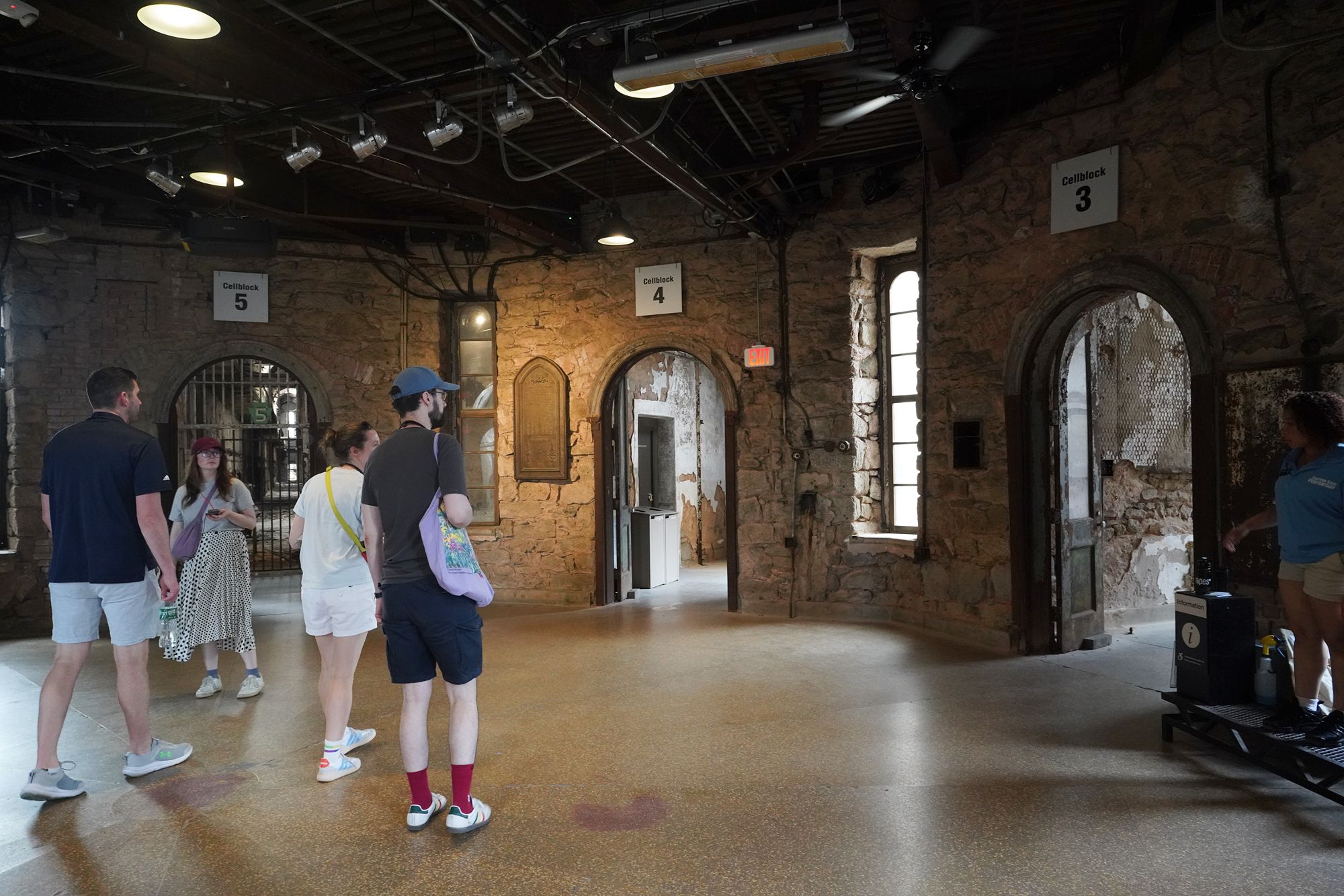
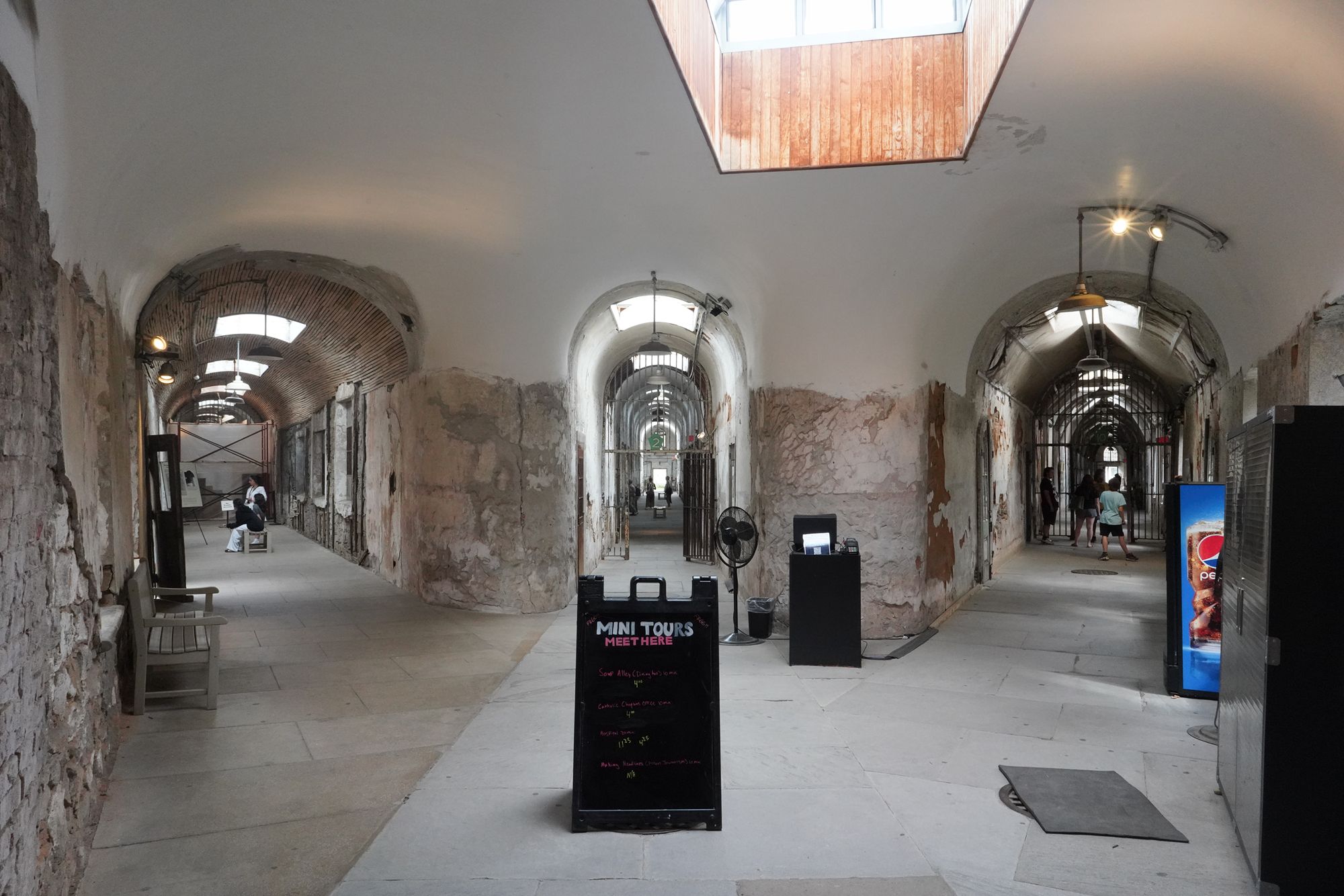
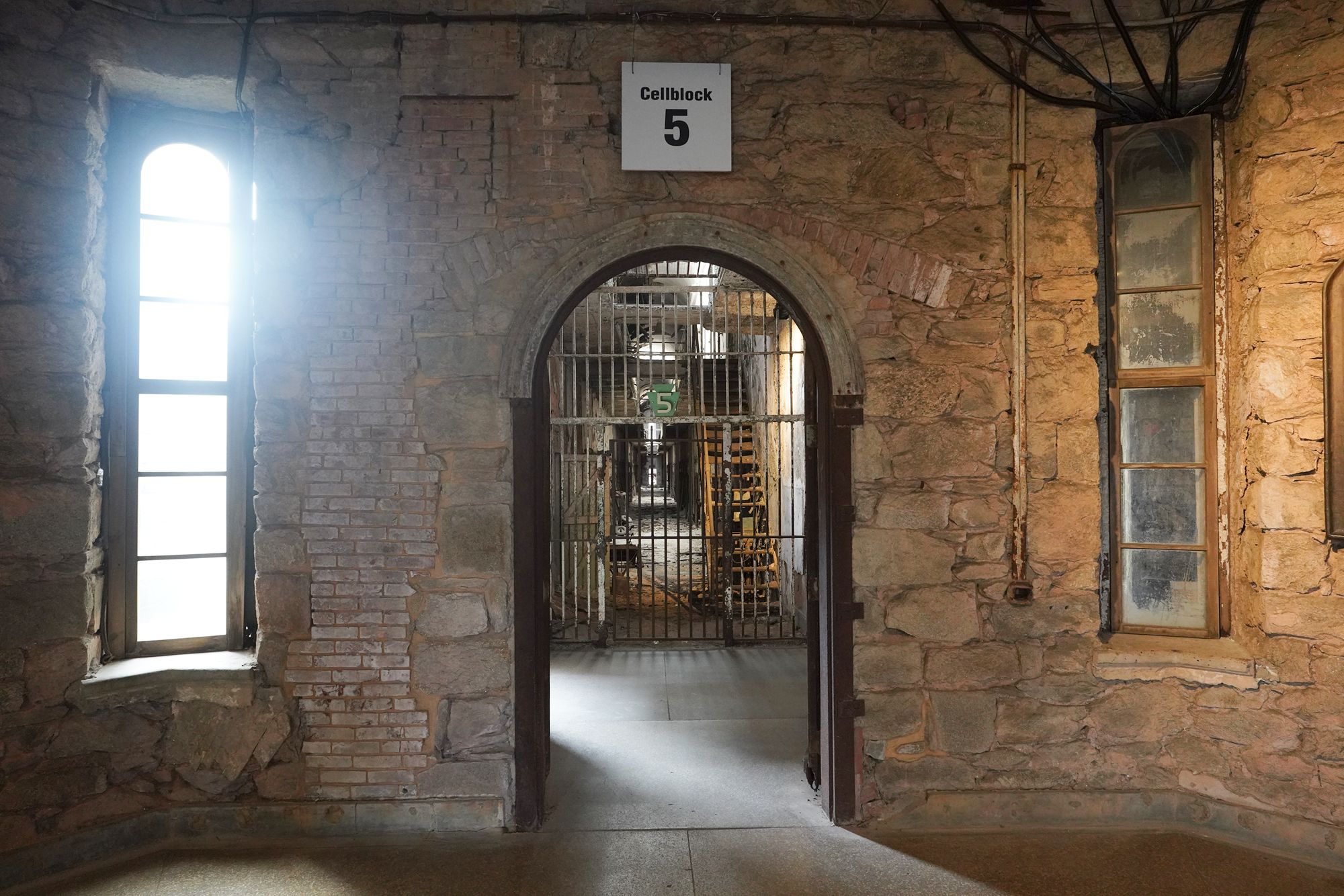
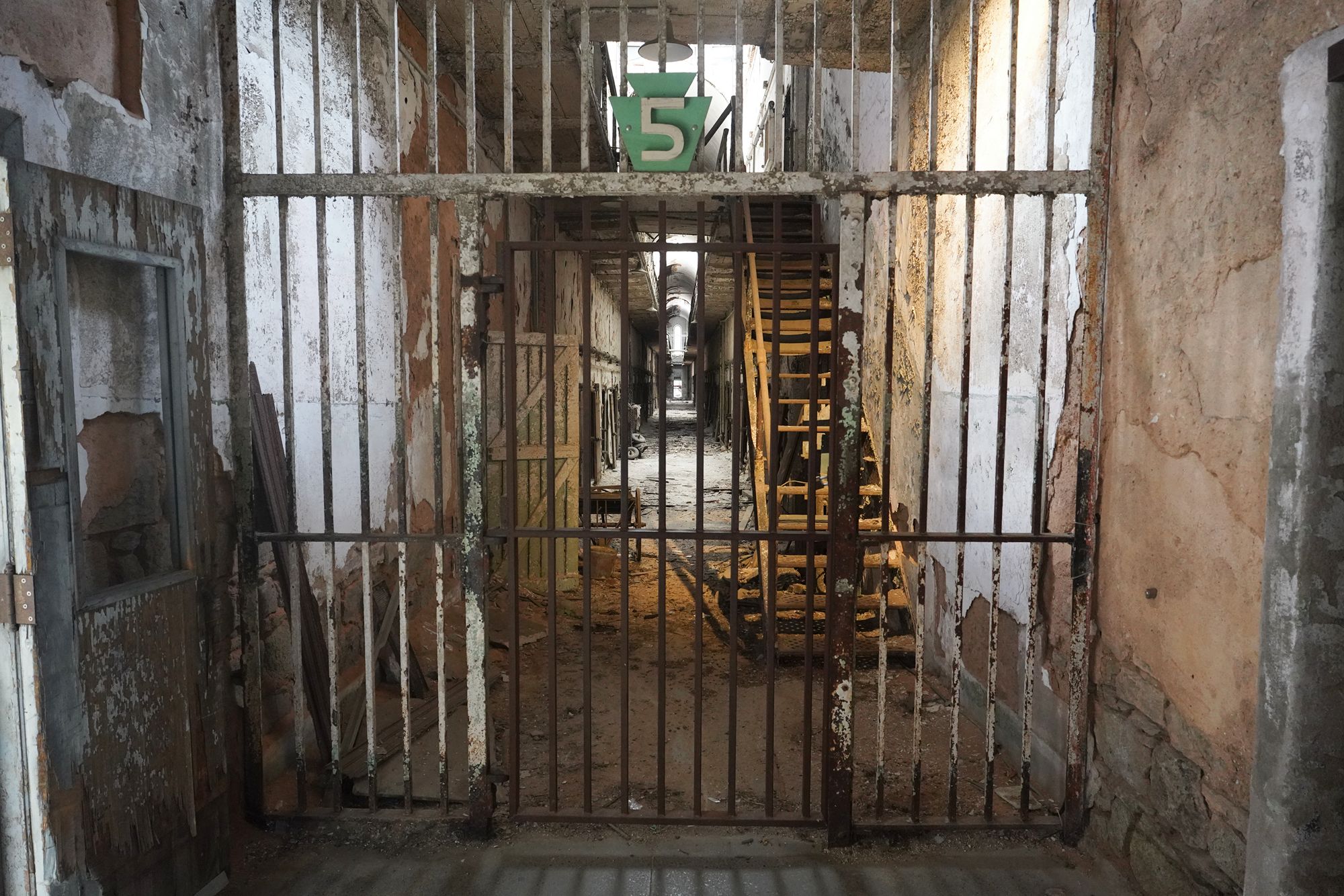
Cellblock Five was left in its original, unrestored condition.
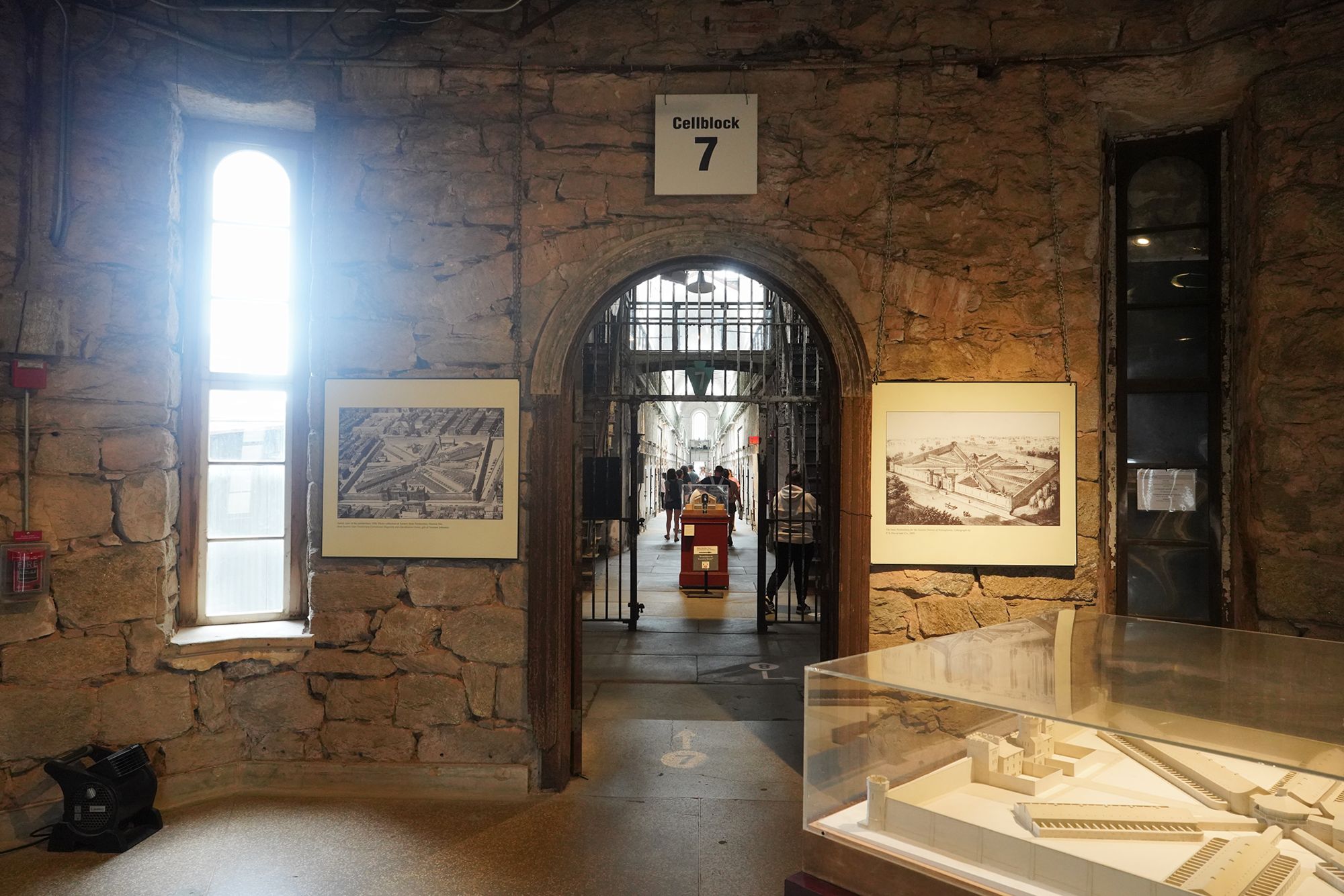
Cell block 7
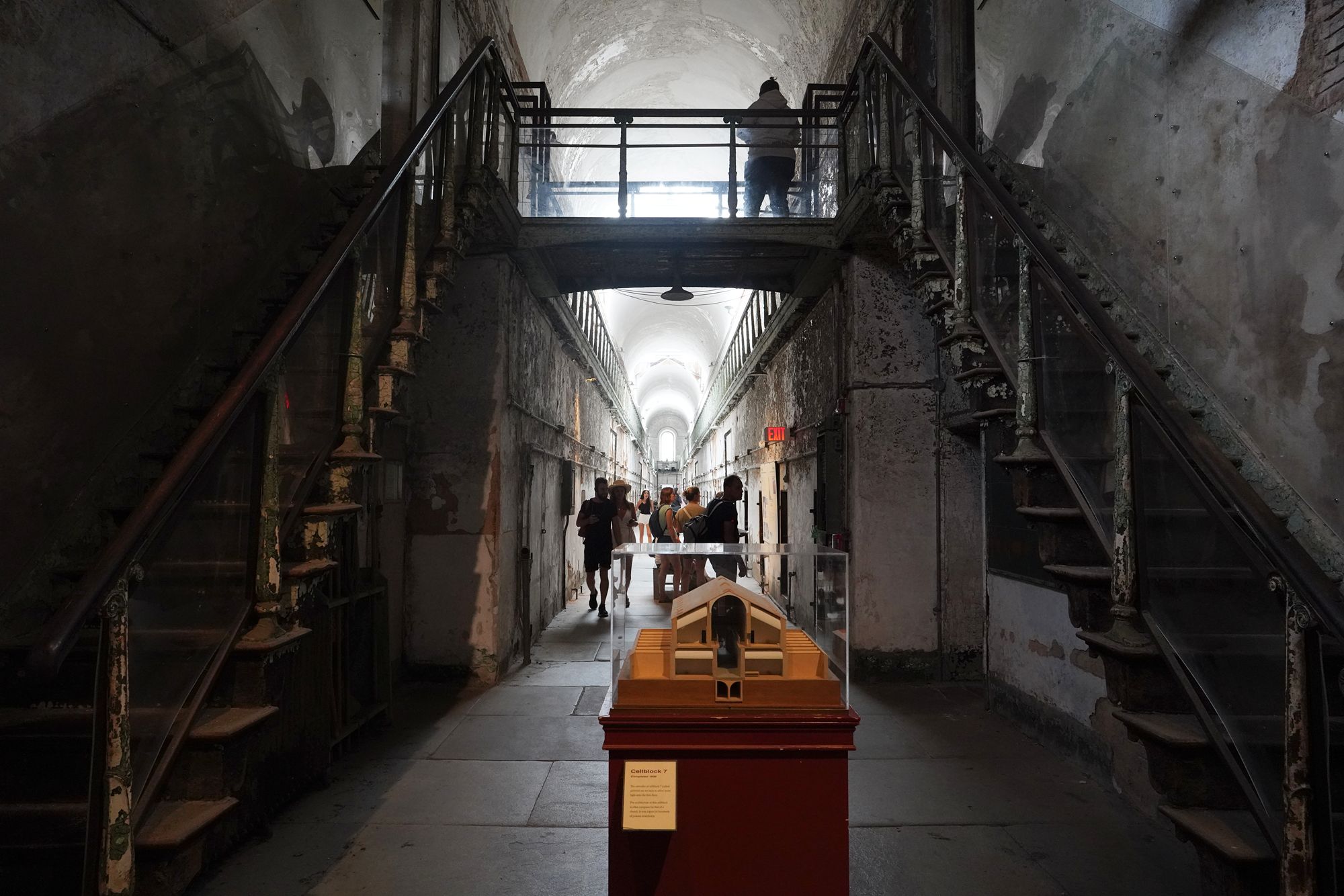
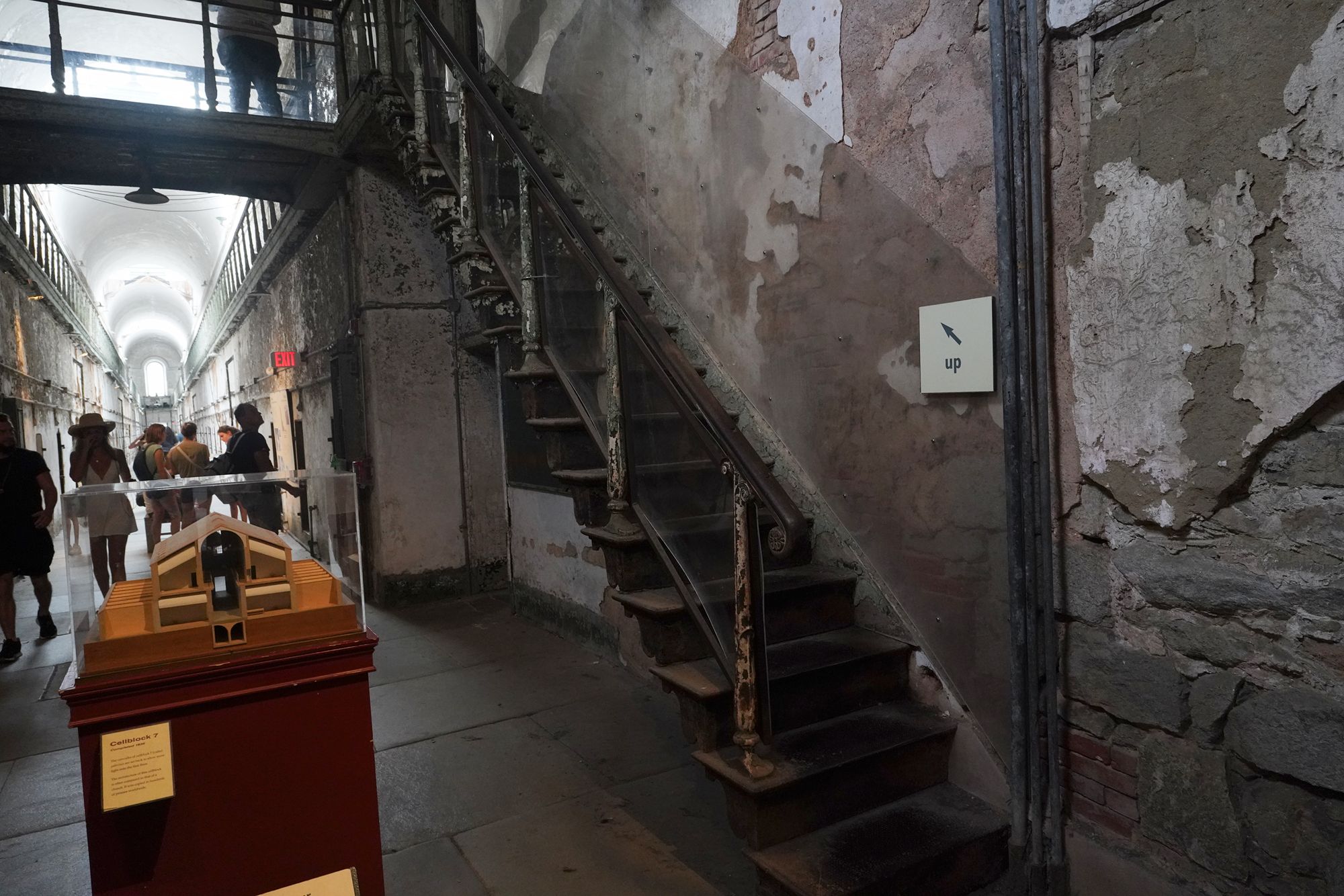
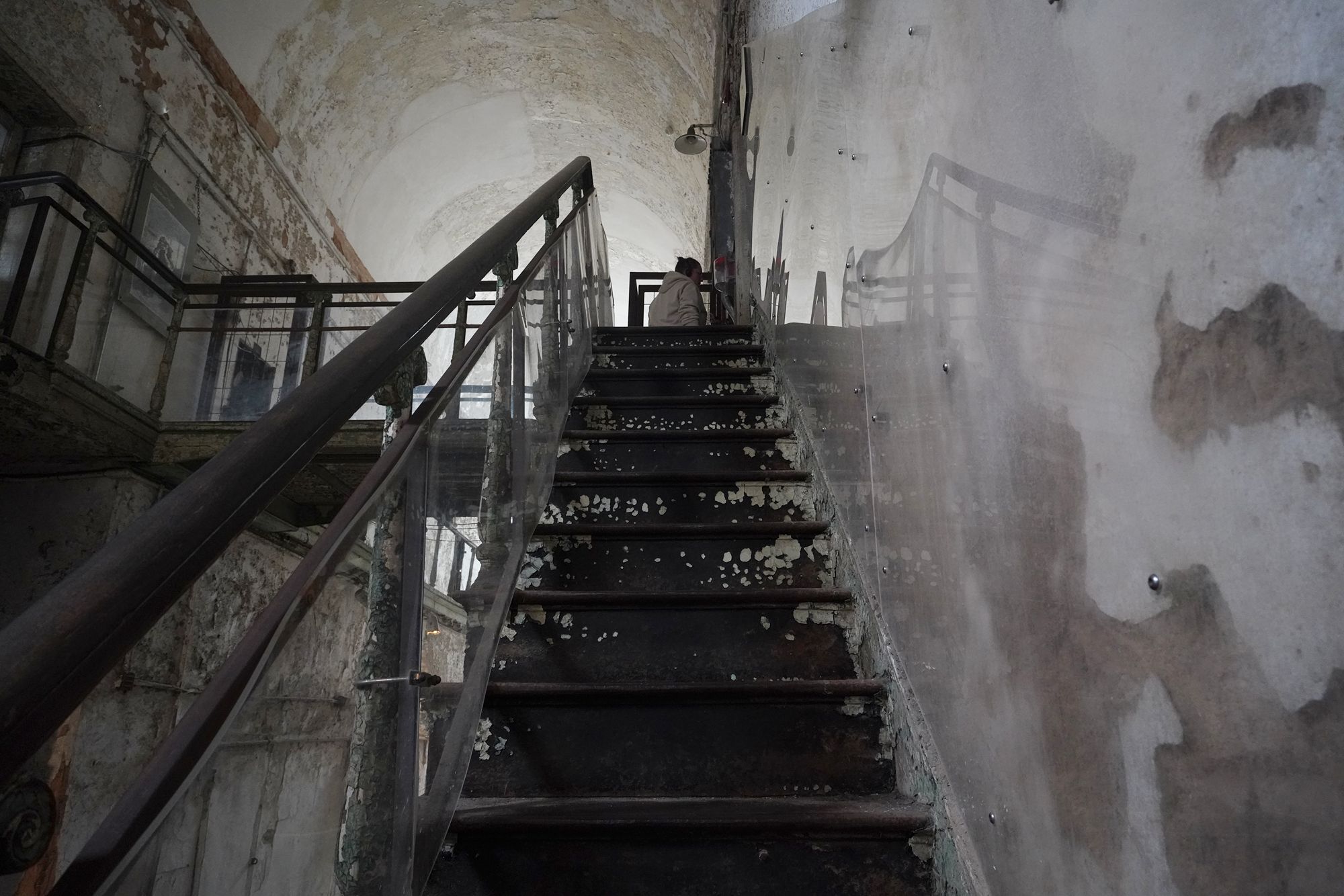
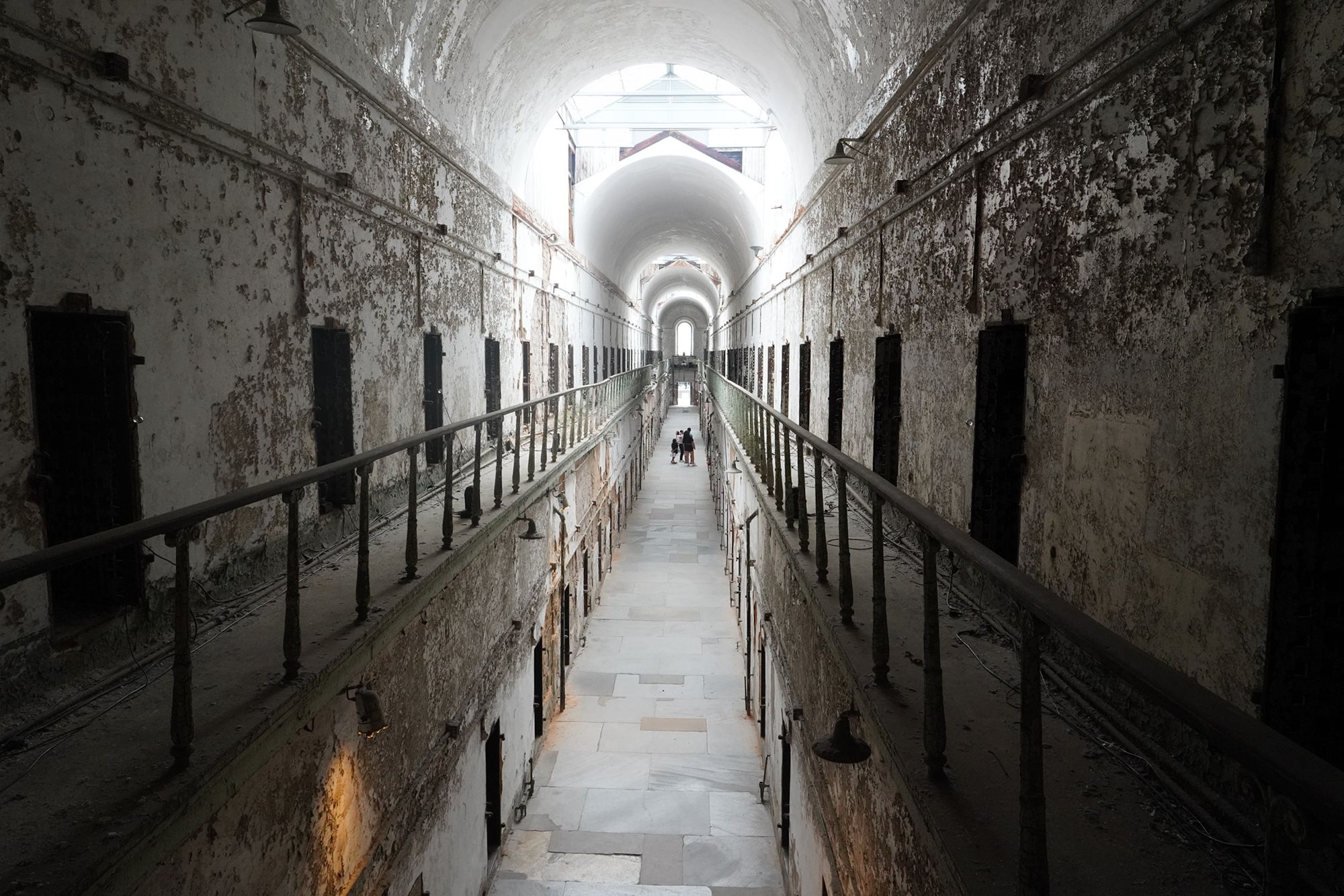
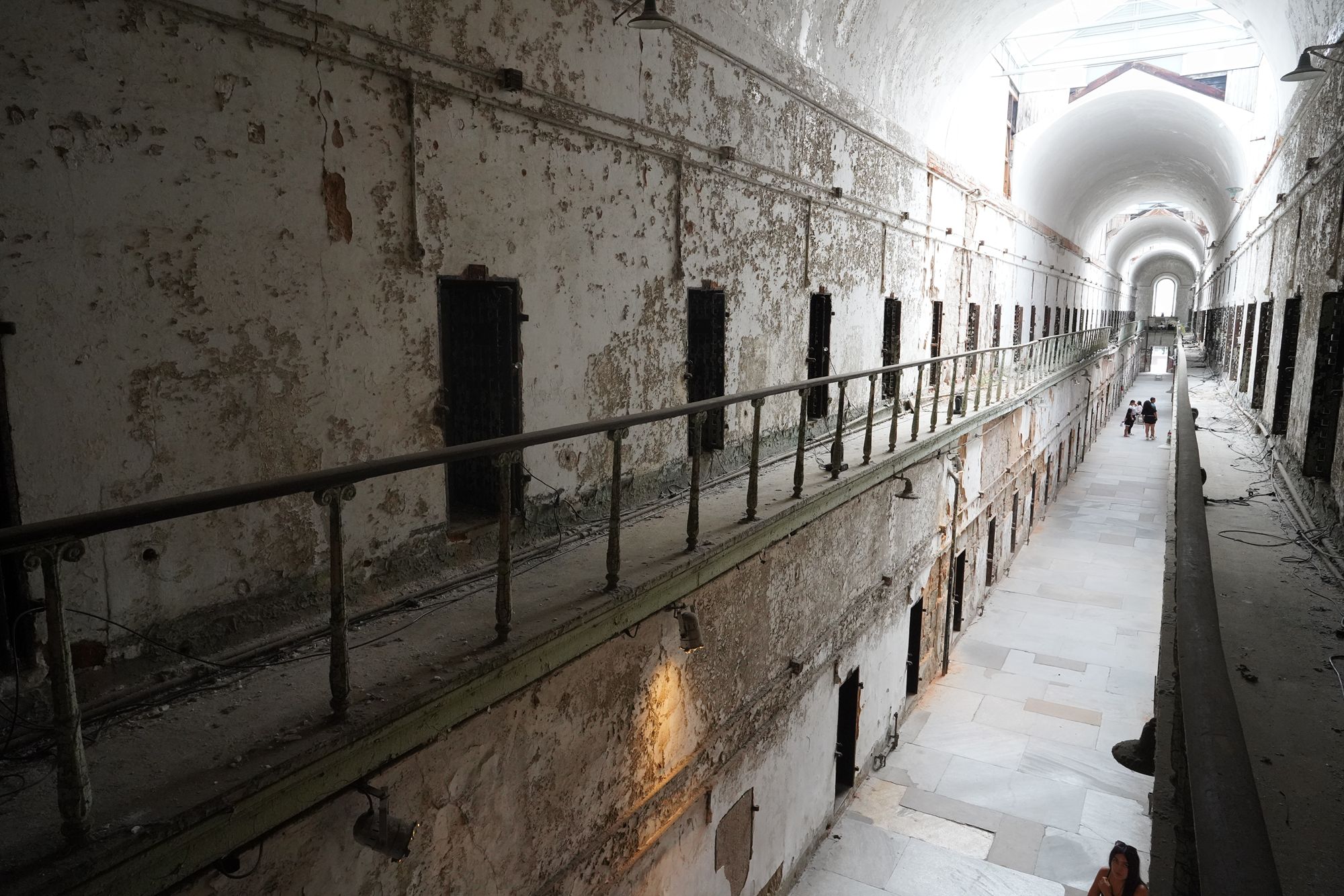
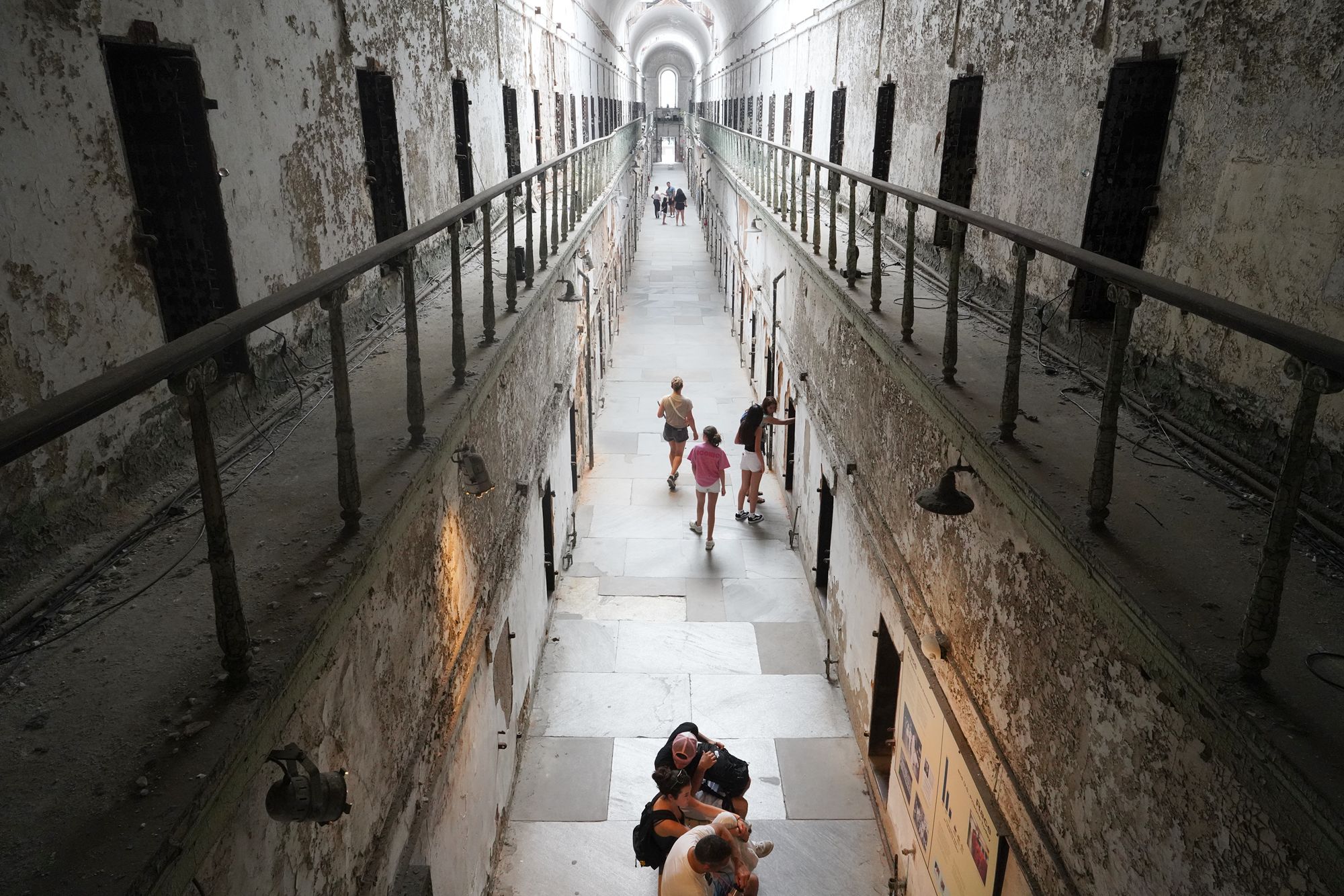
Walked back down
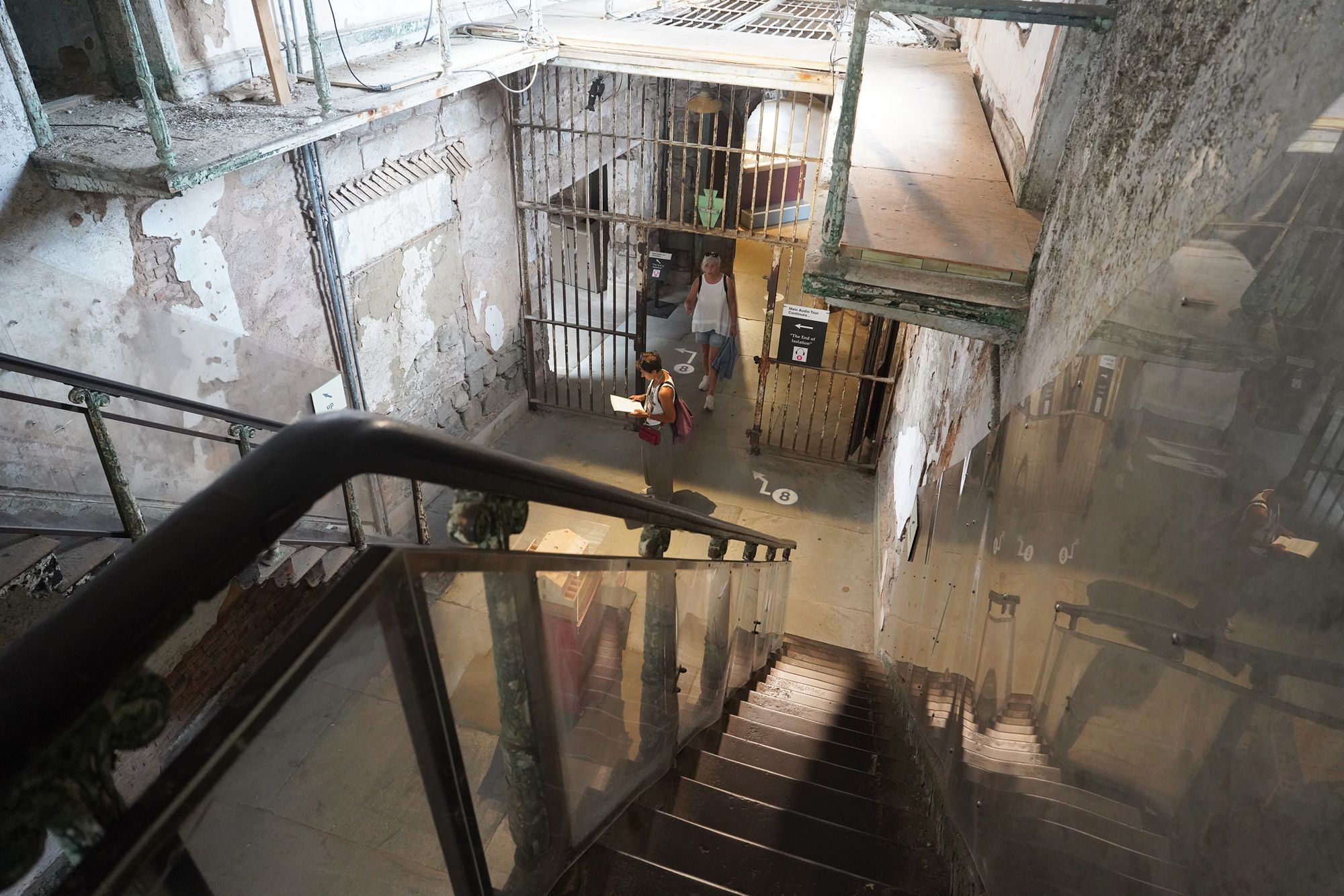
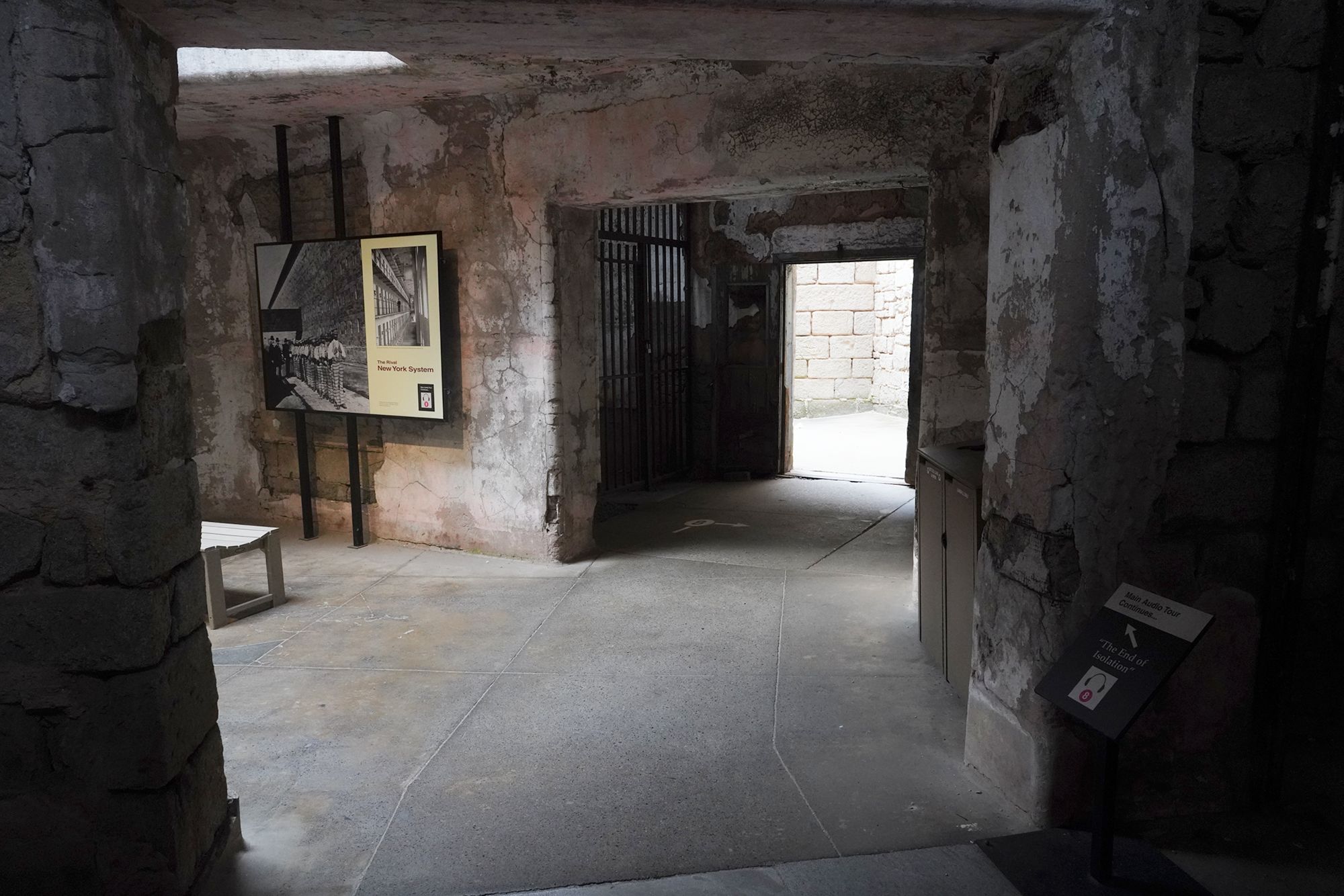
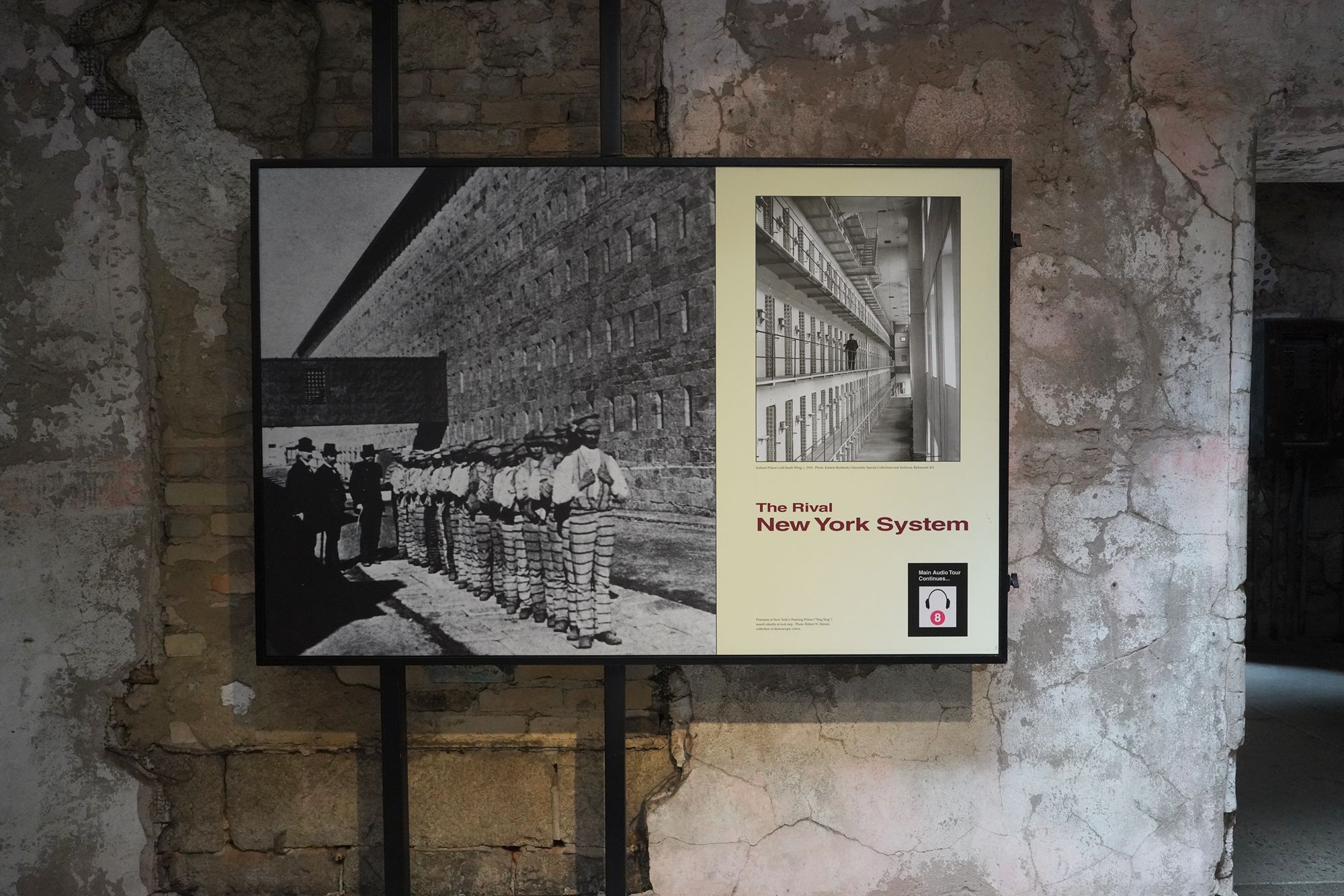
New York’s Sing Sing represented the rival prison system.
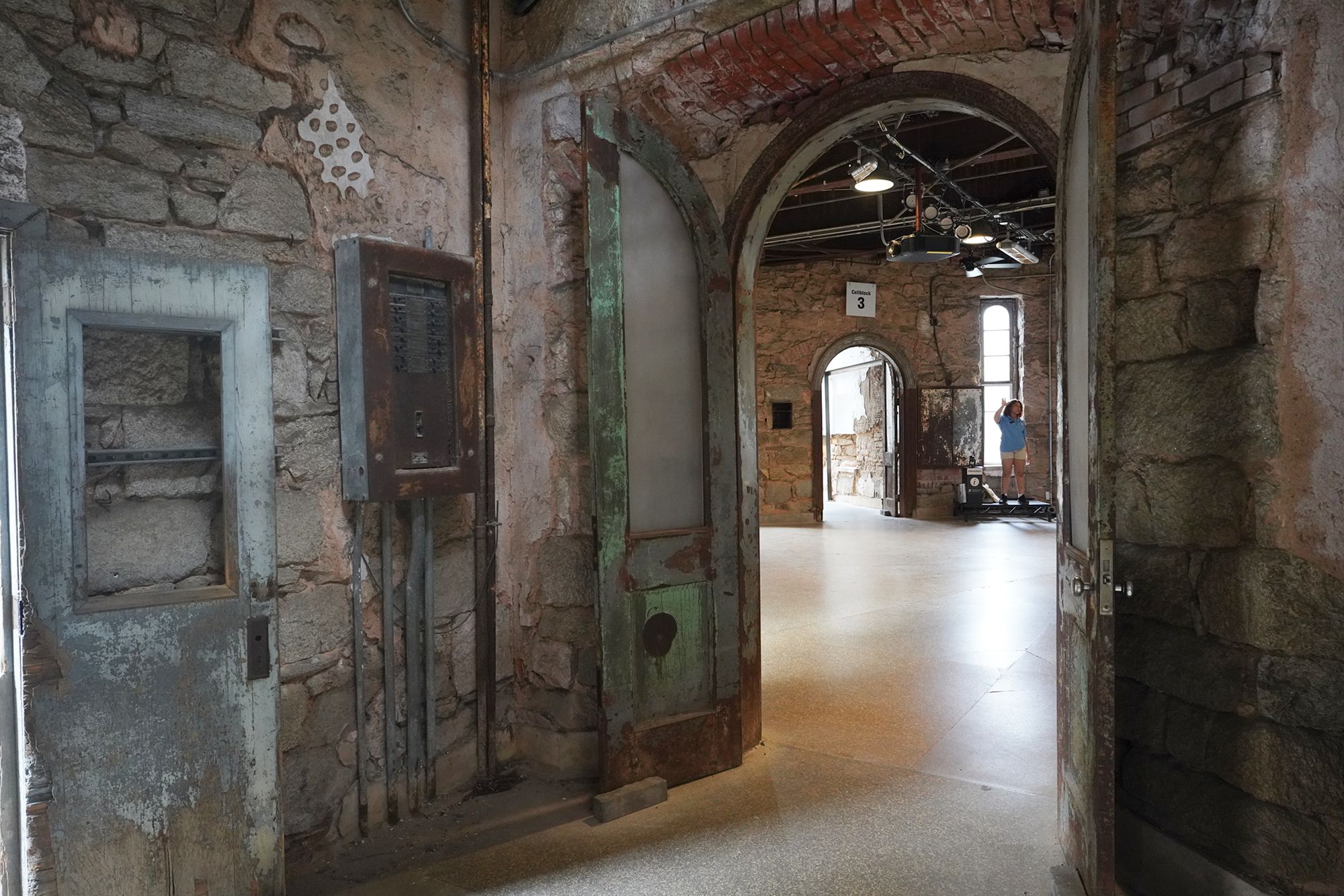
I walked down the Cellblock 4
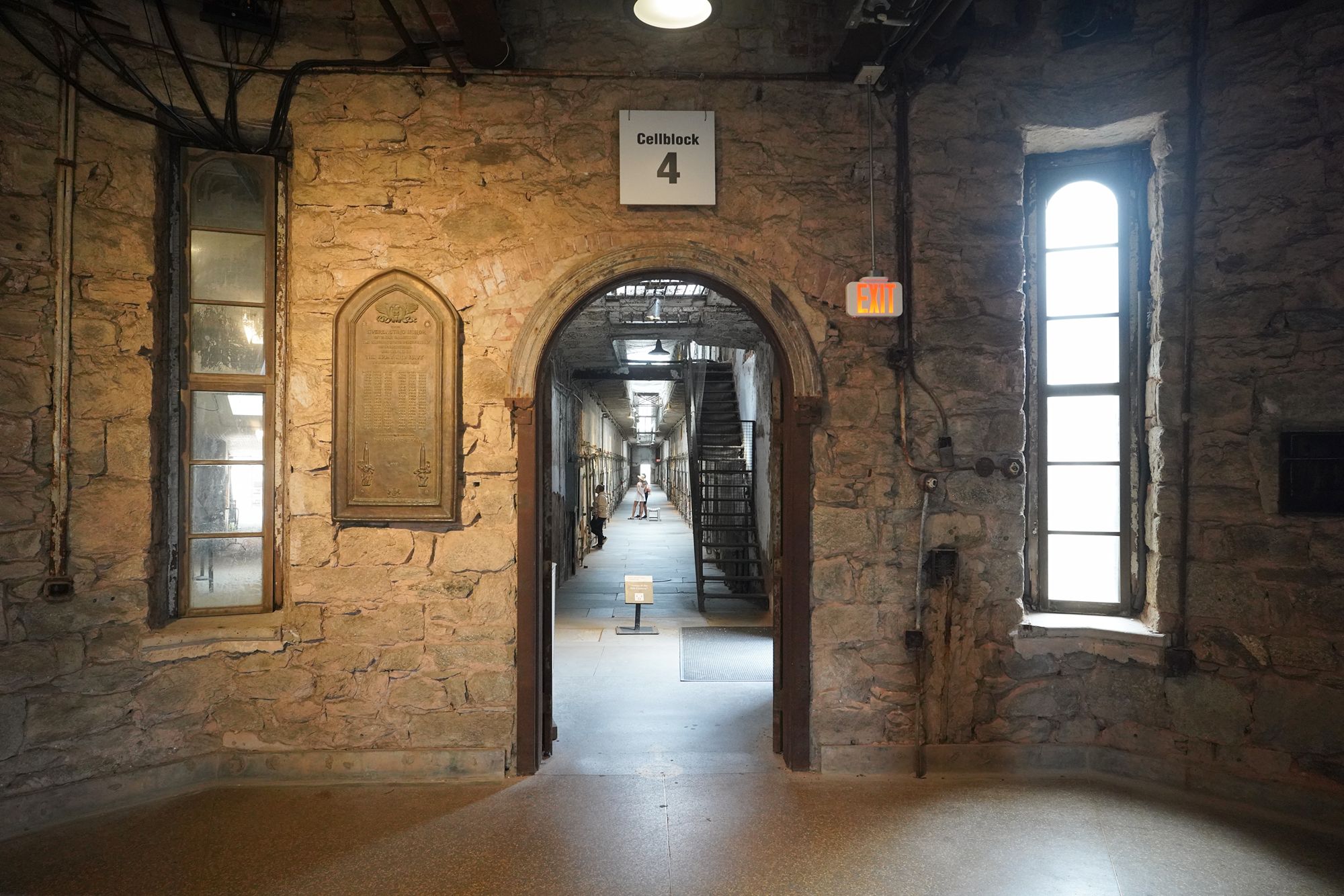
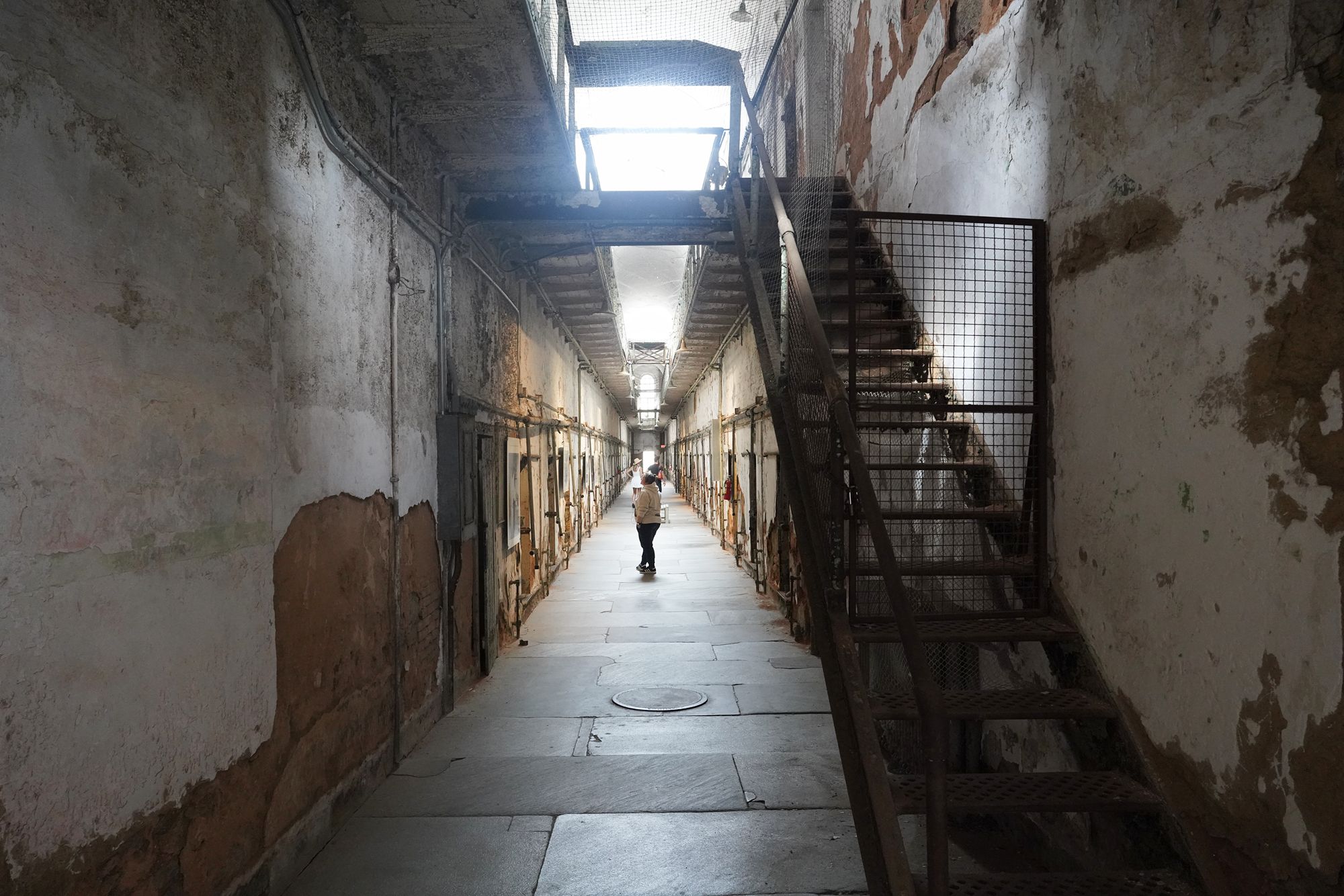
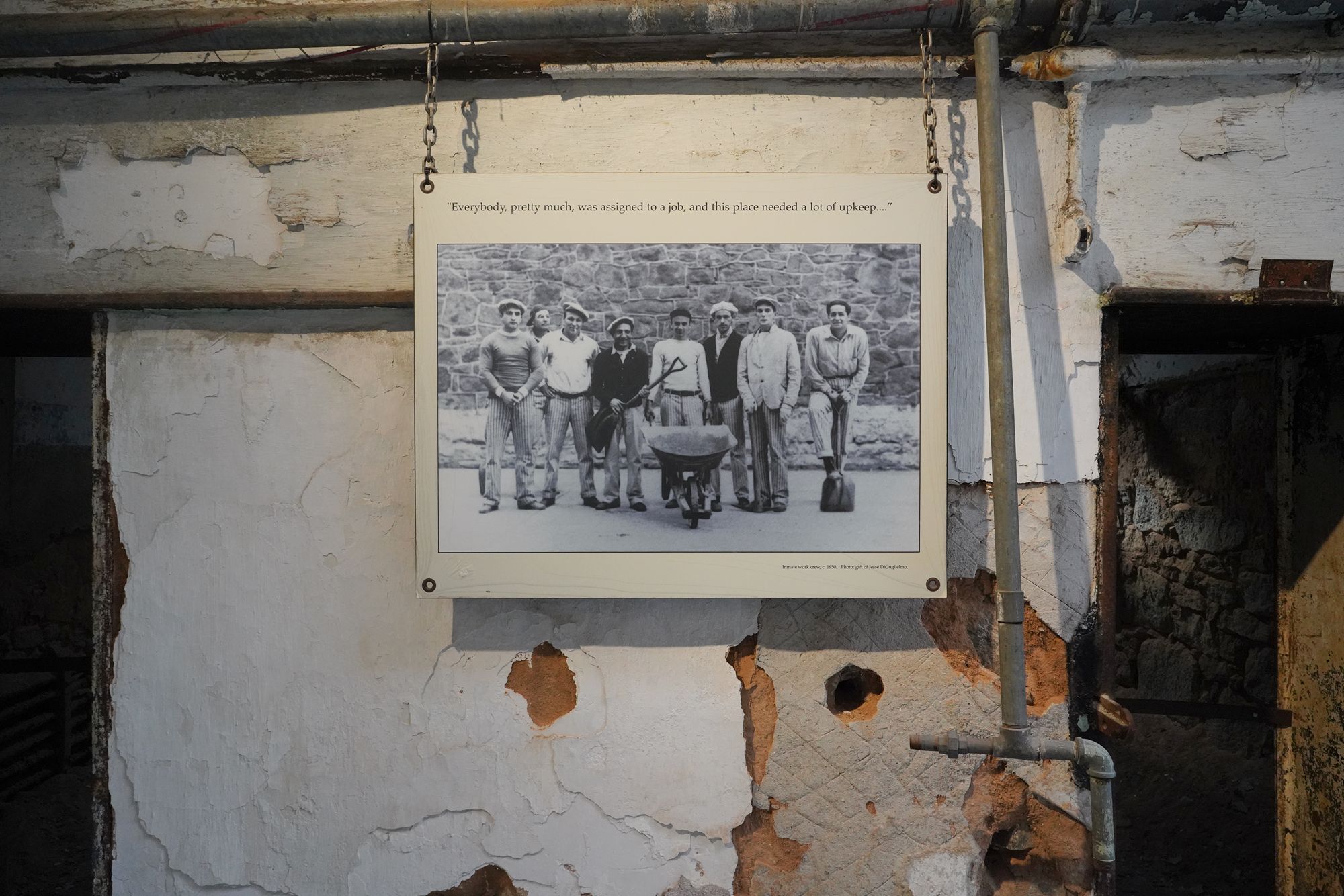
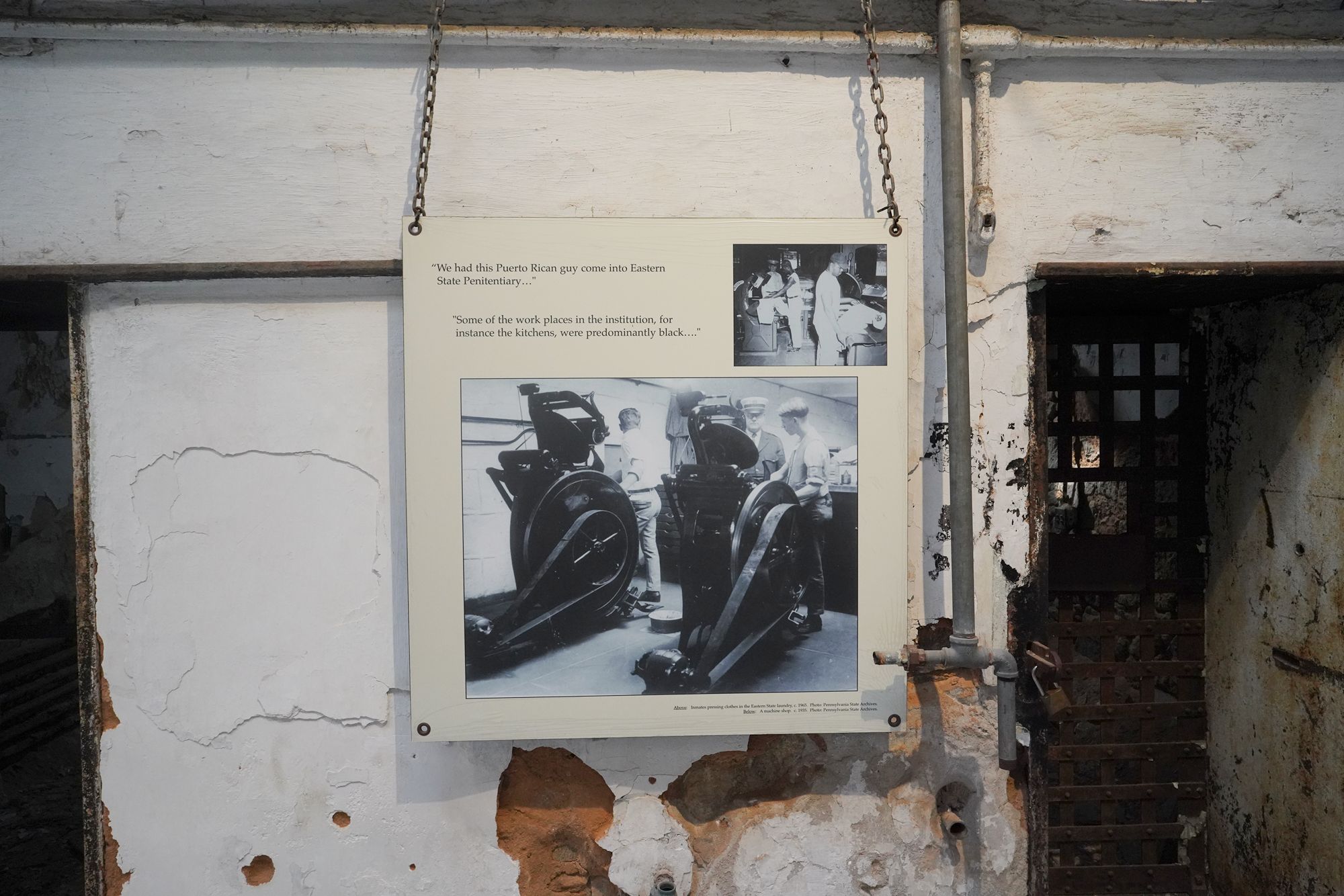
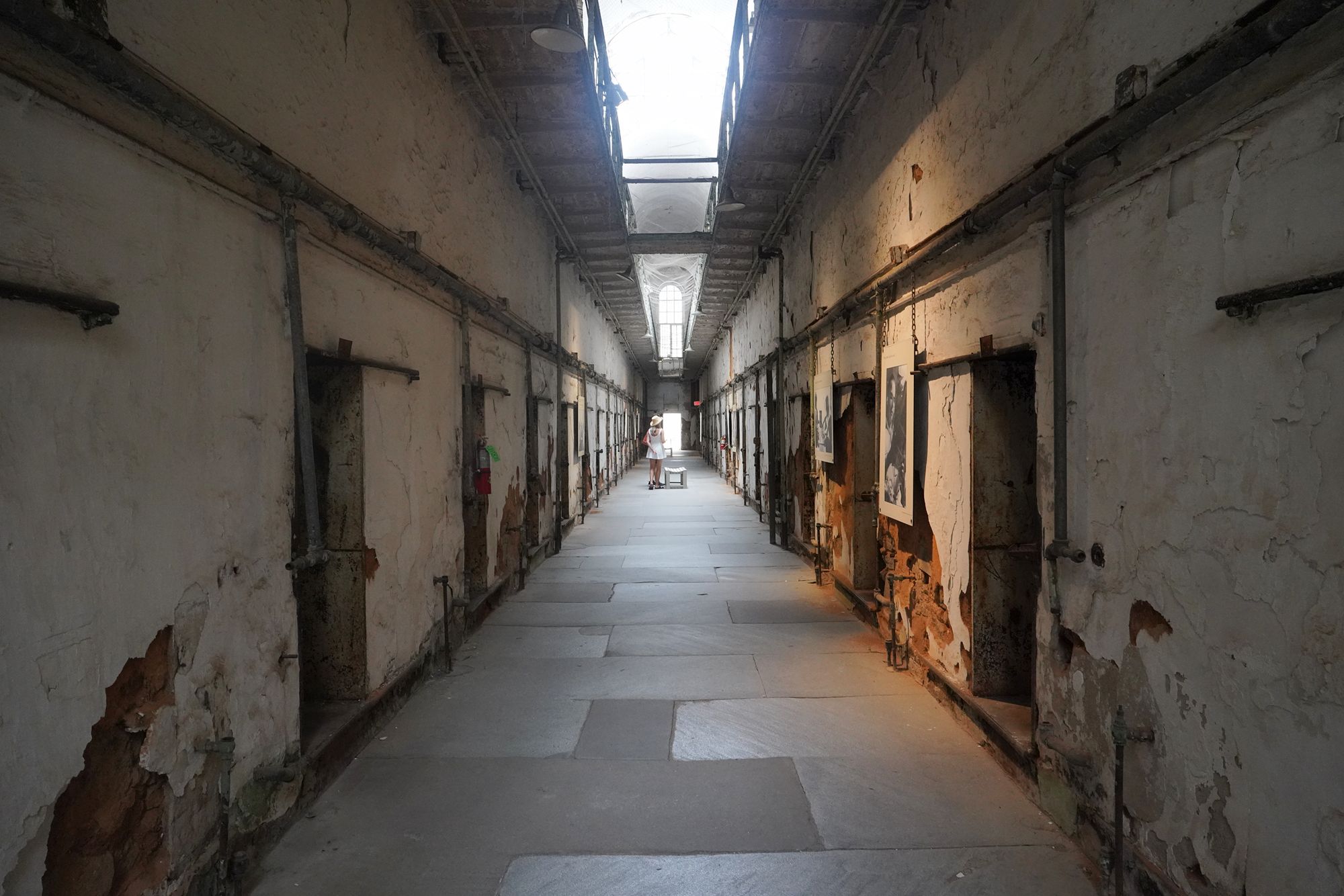
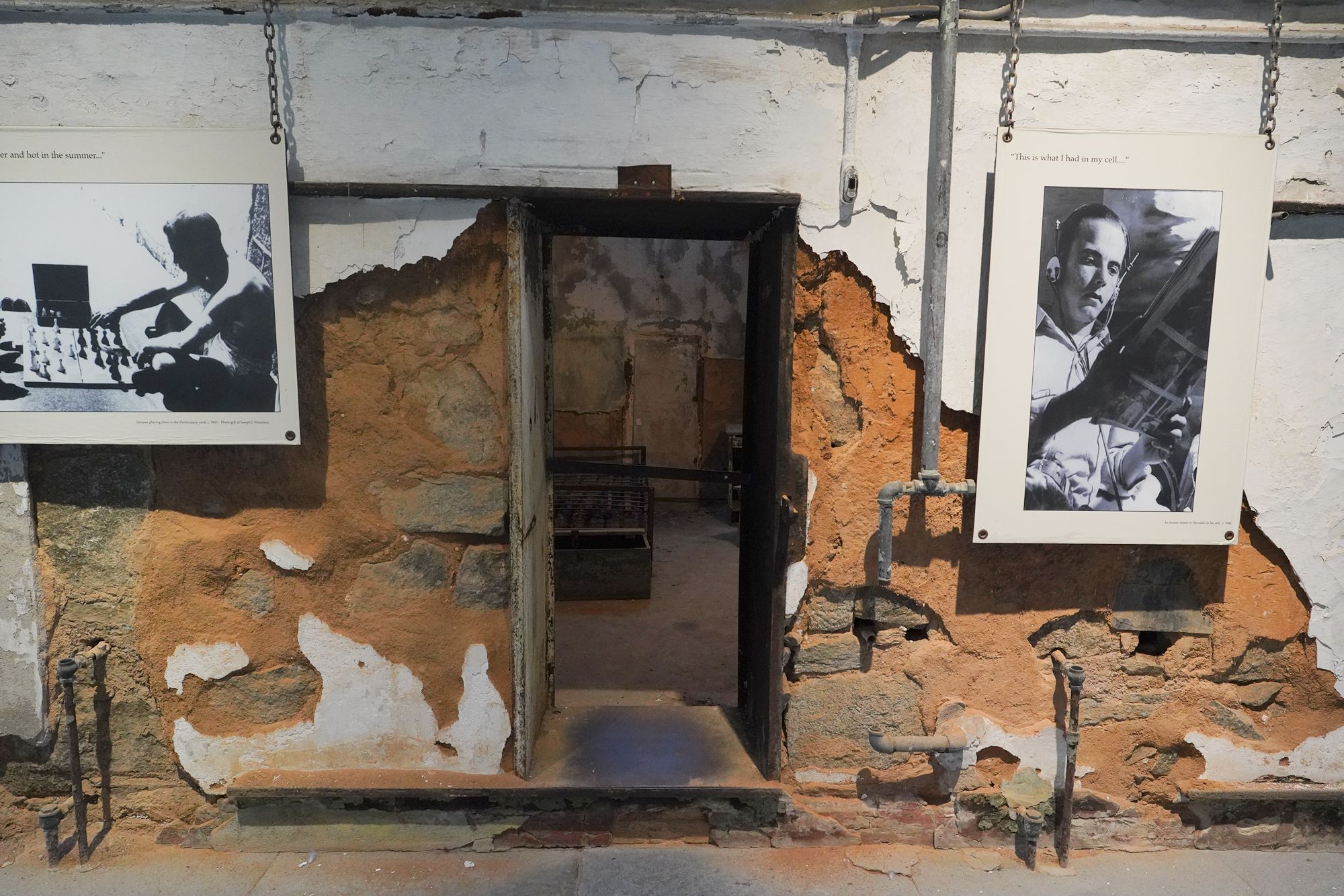
Exited the cellblock 4
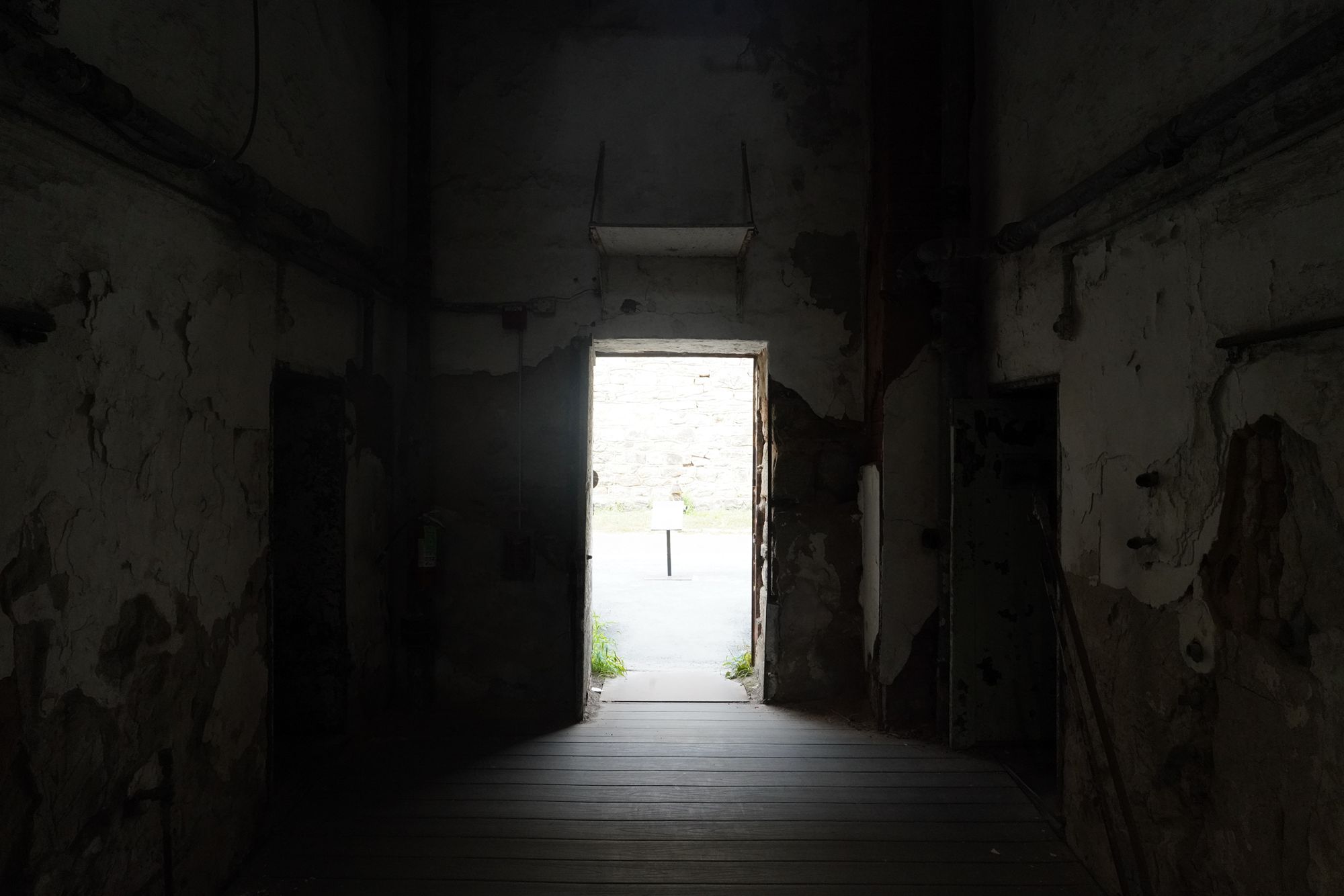
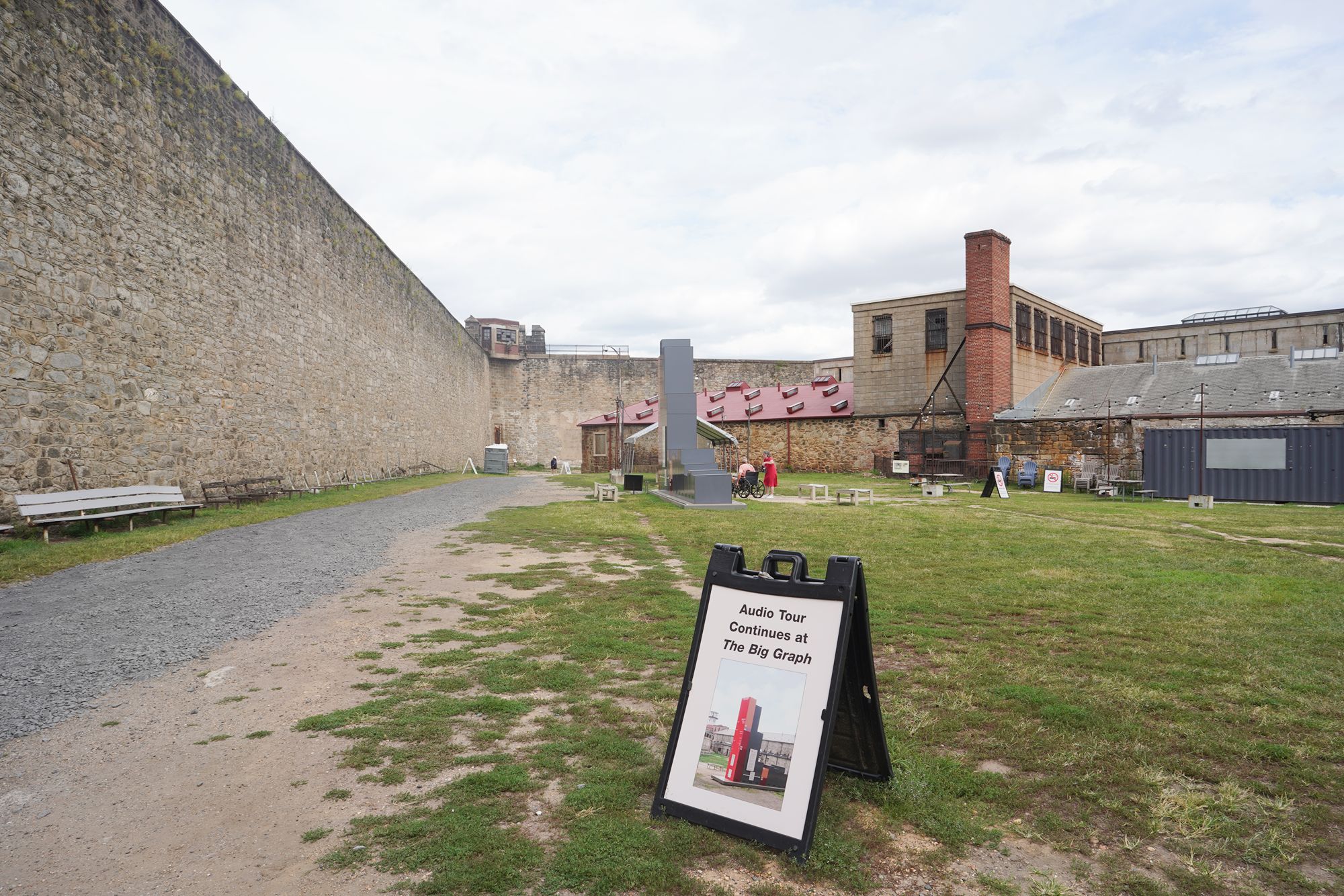
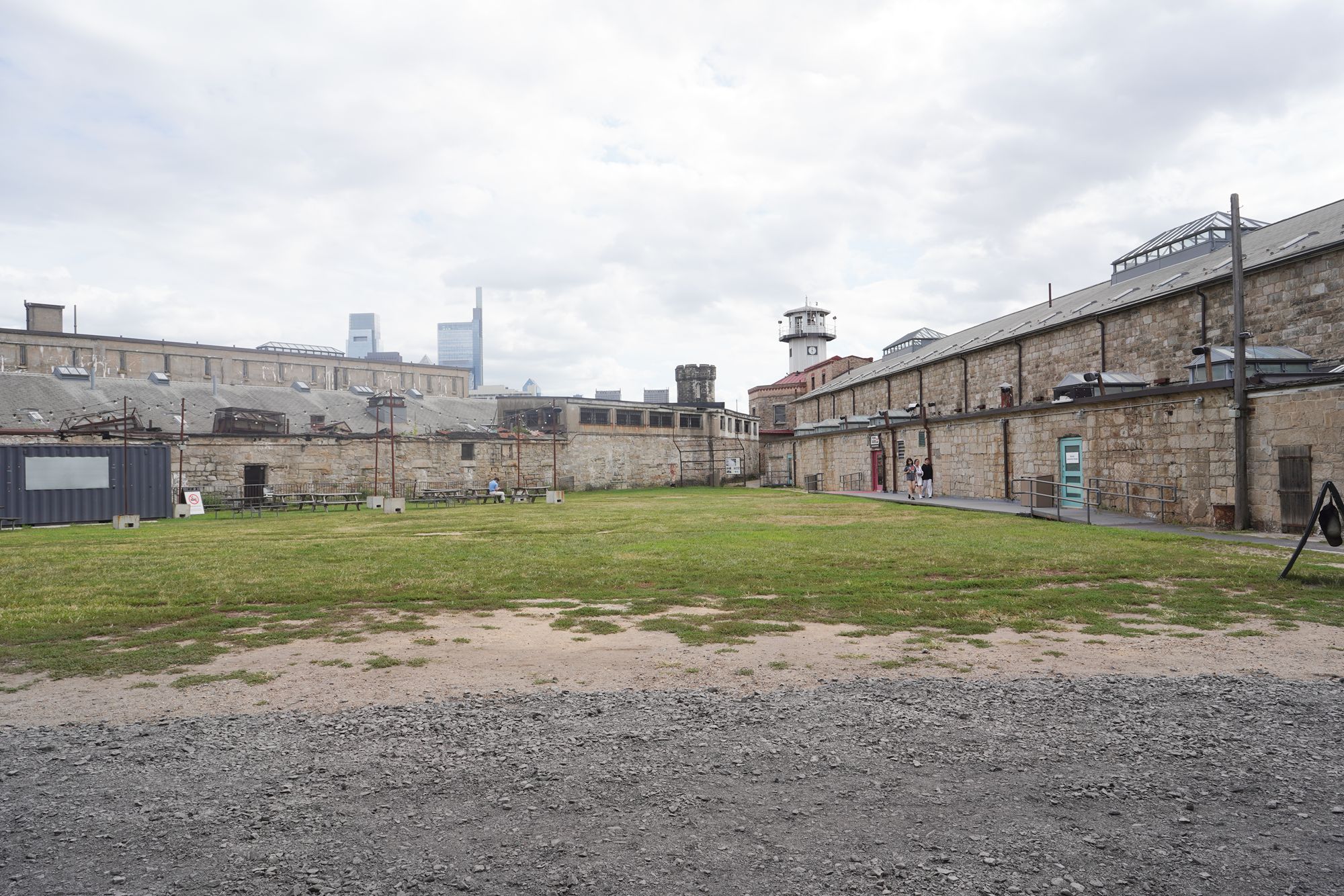
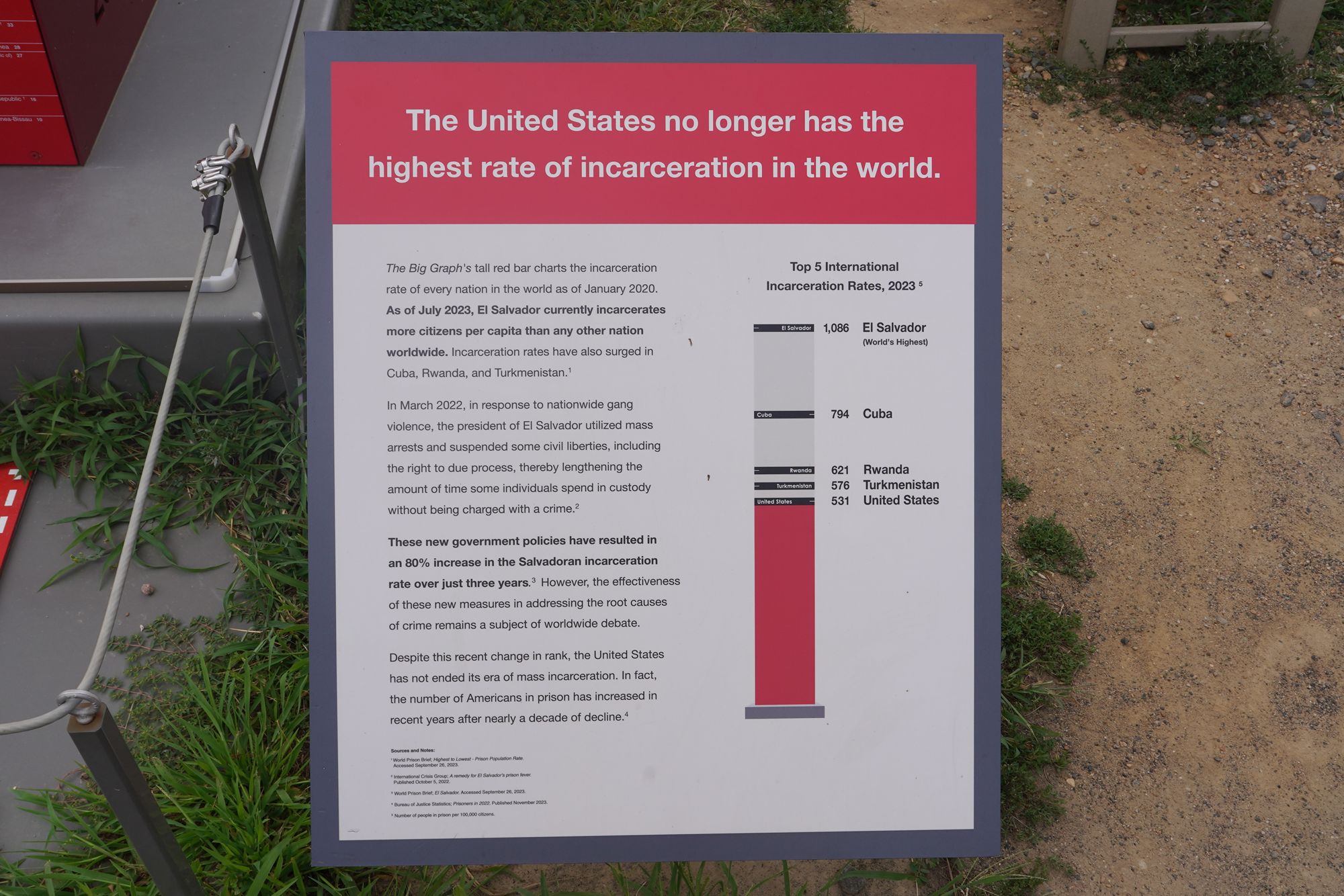
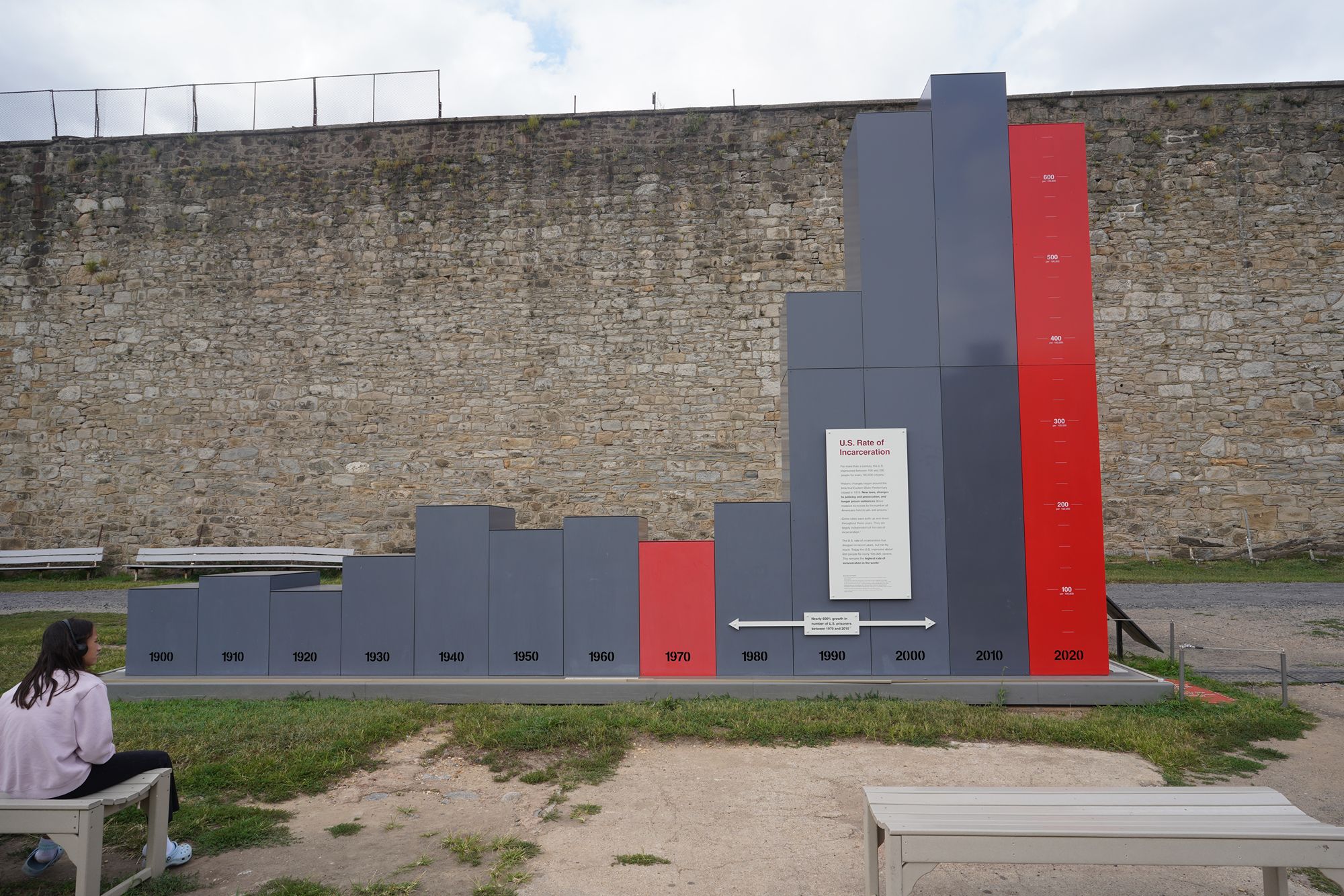
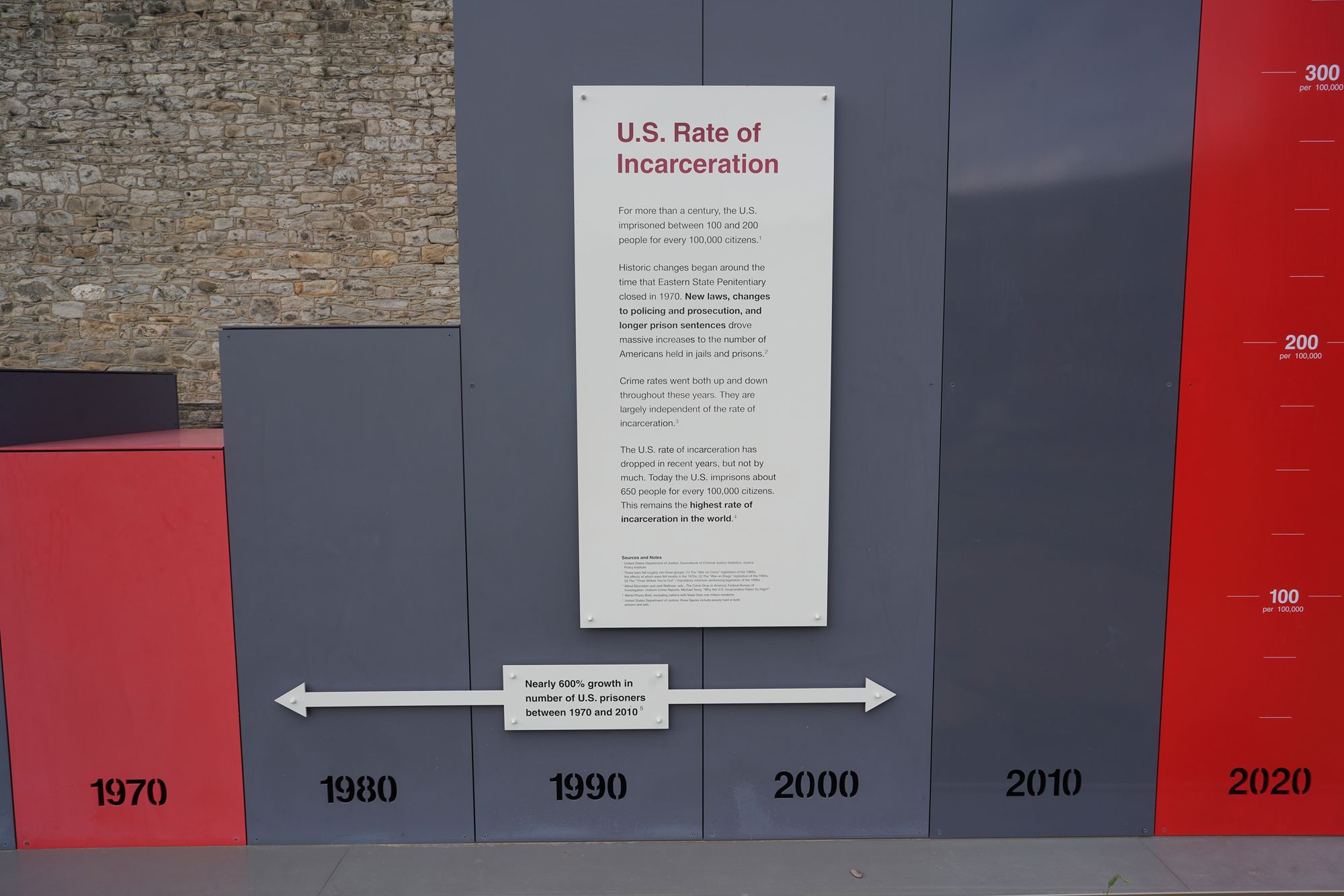
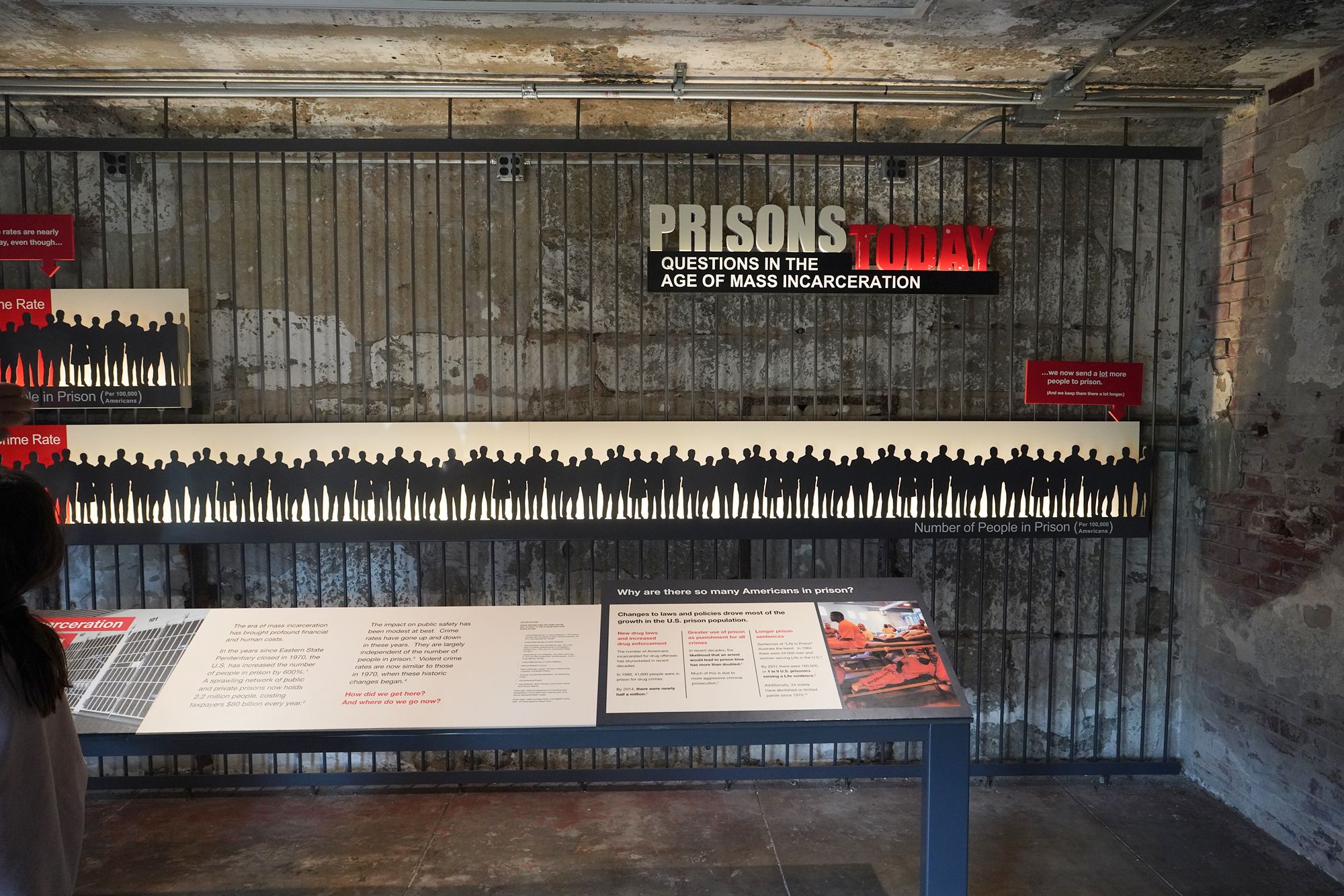
At the penitentiary’s center, a small exhibit displays data on U.S. incarceration.
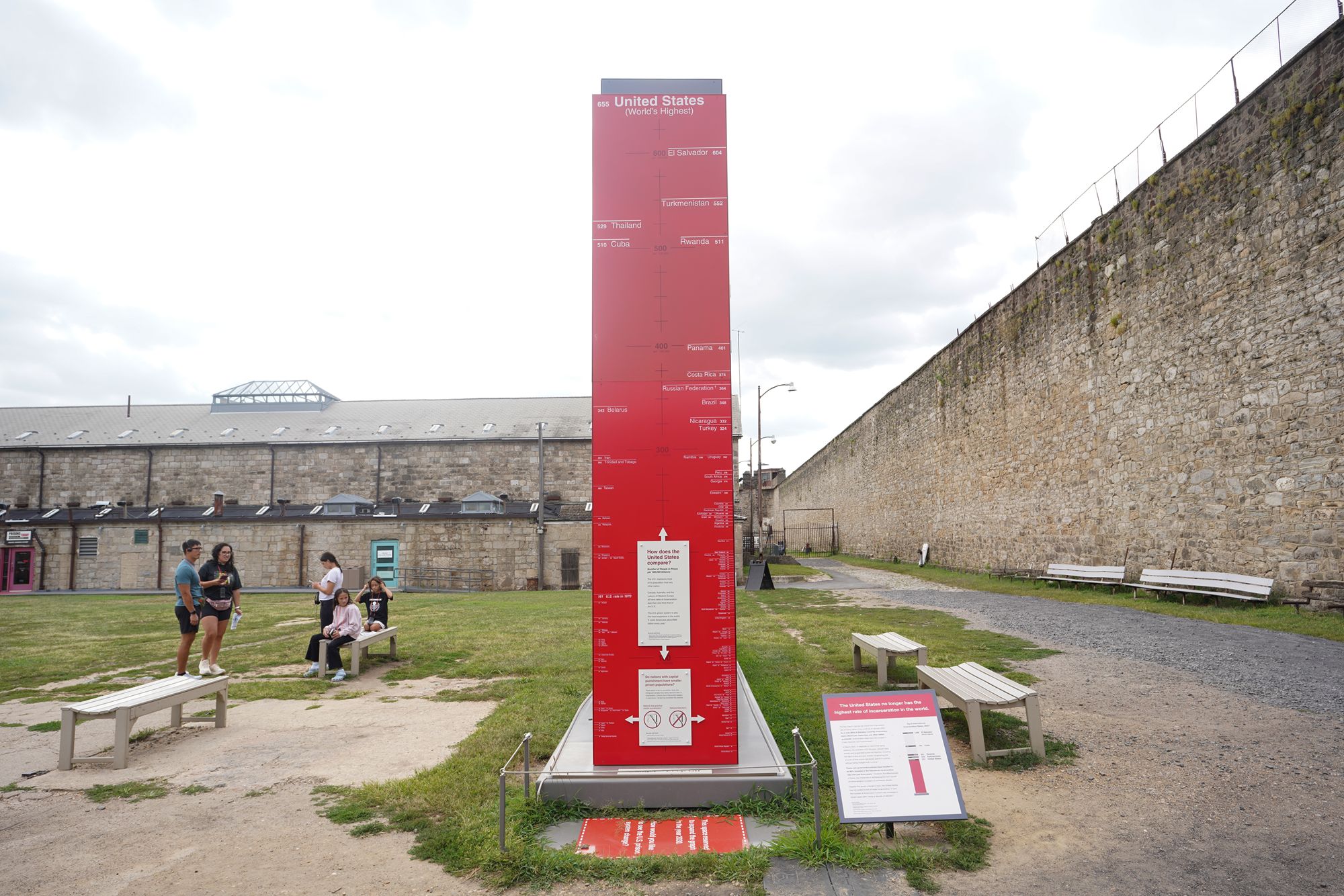
The United States has one of the highest rates of incarceration in the world.
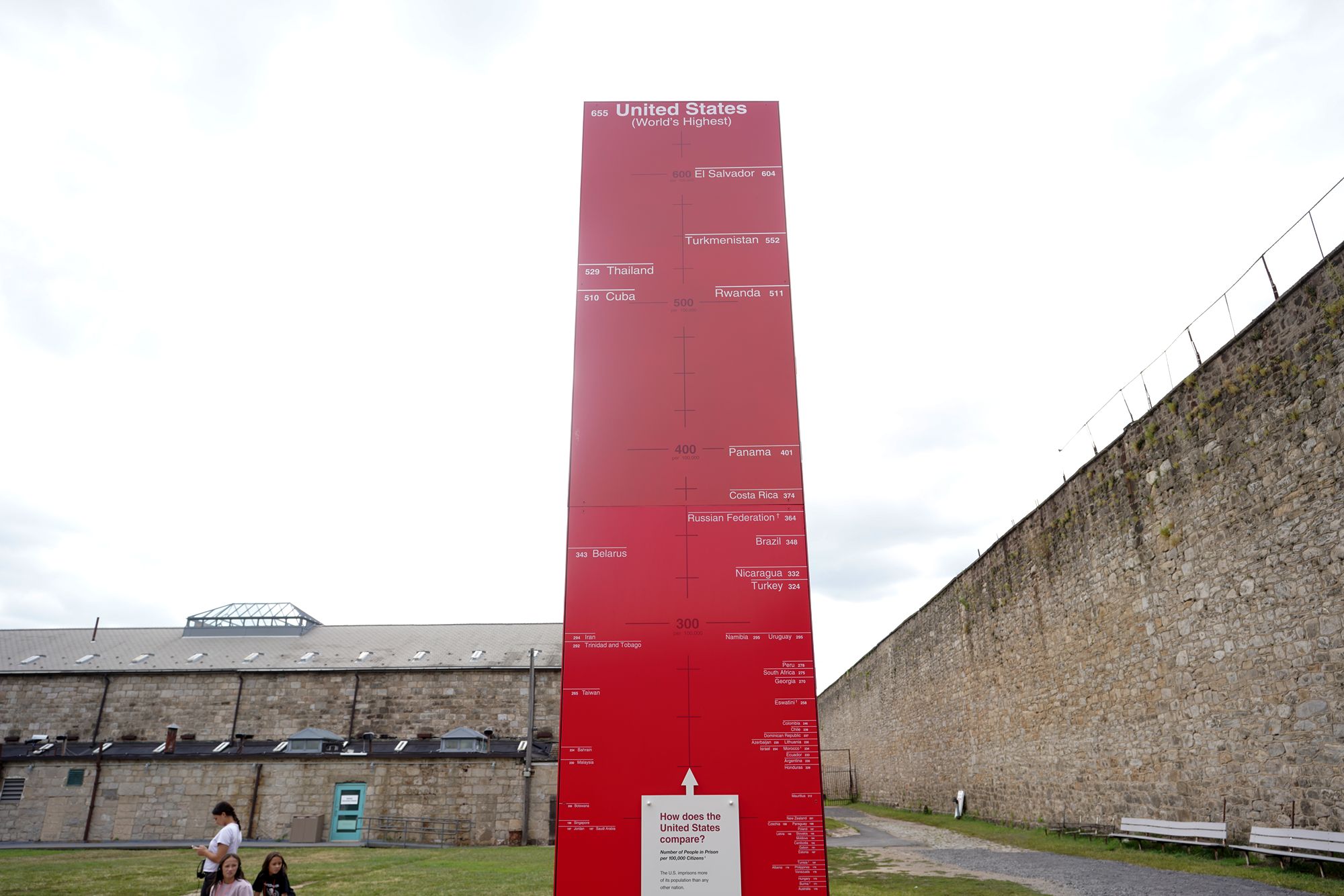
The incarceration rate has fallen slightly since the exhibition was put in place.
The increase in the incarceration rate over the years in the USA. The rate increased significantly in the 1990s and thereafter.
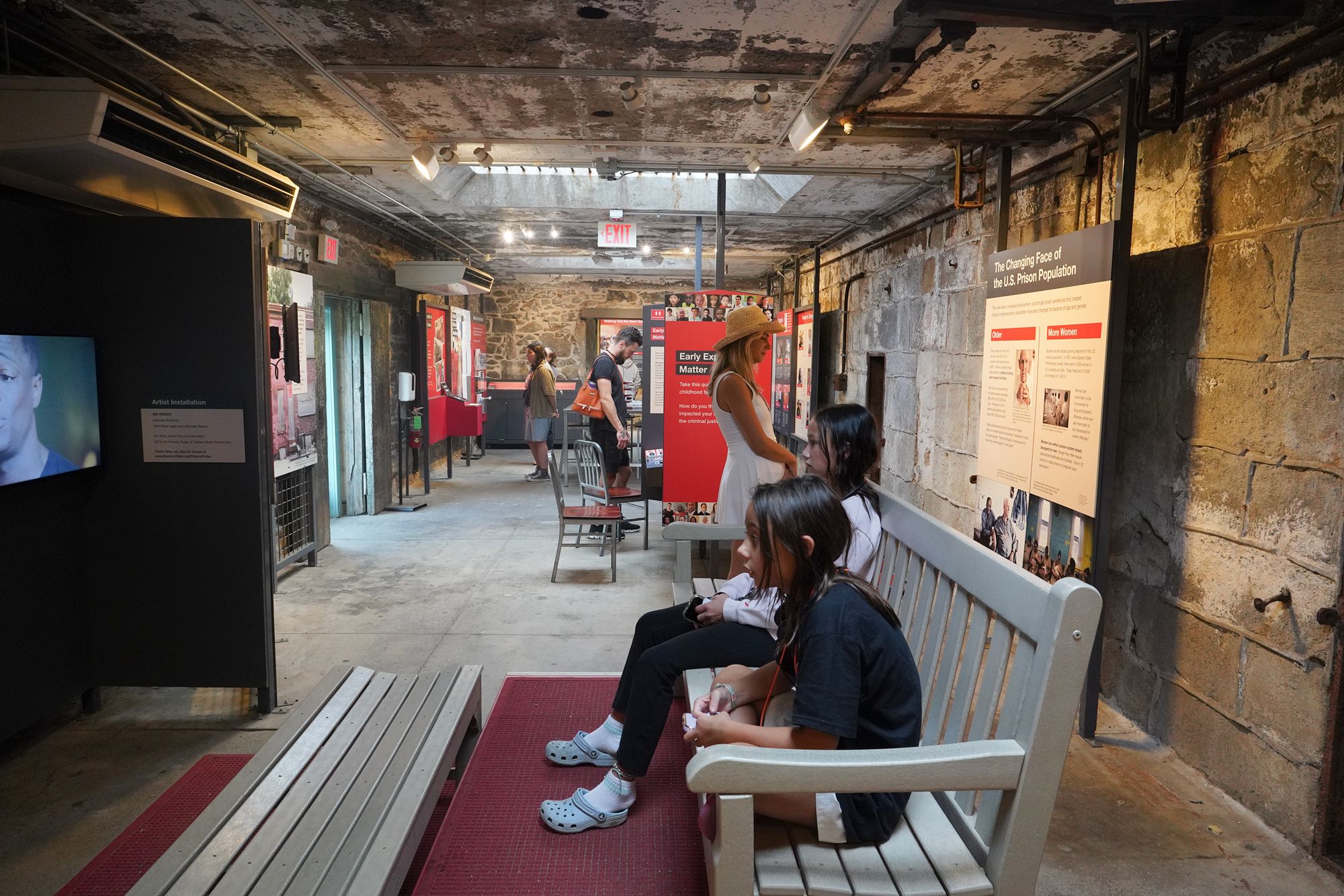
Questions in the age of mass incarceration
Why are there so many Americans in prisons?
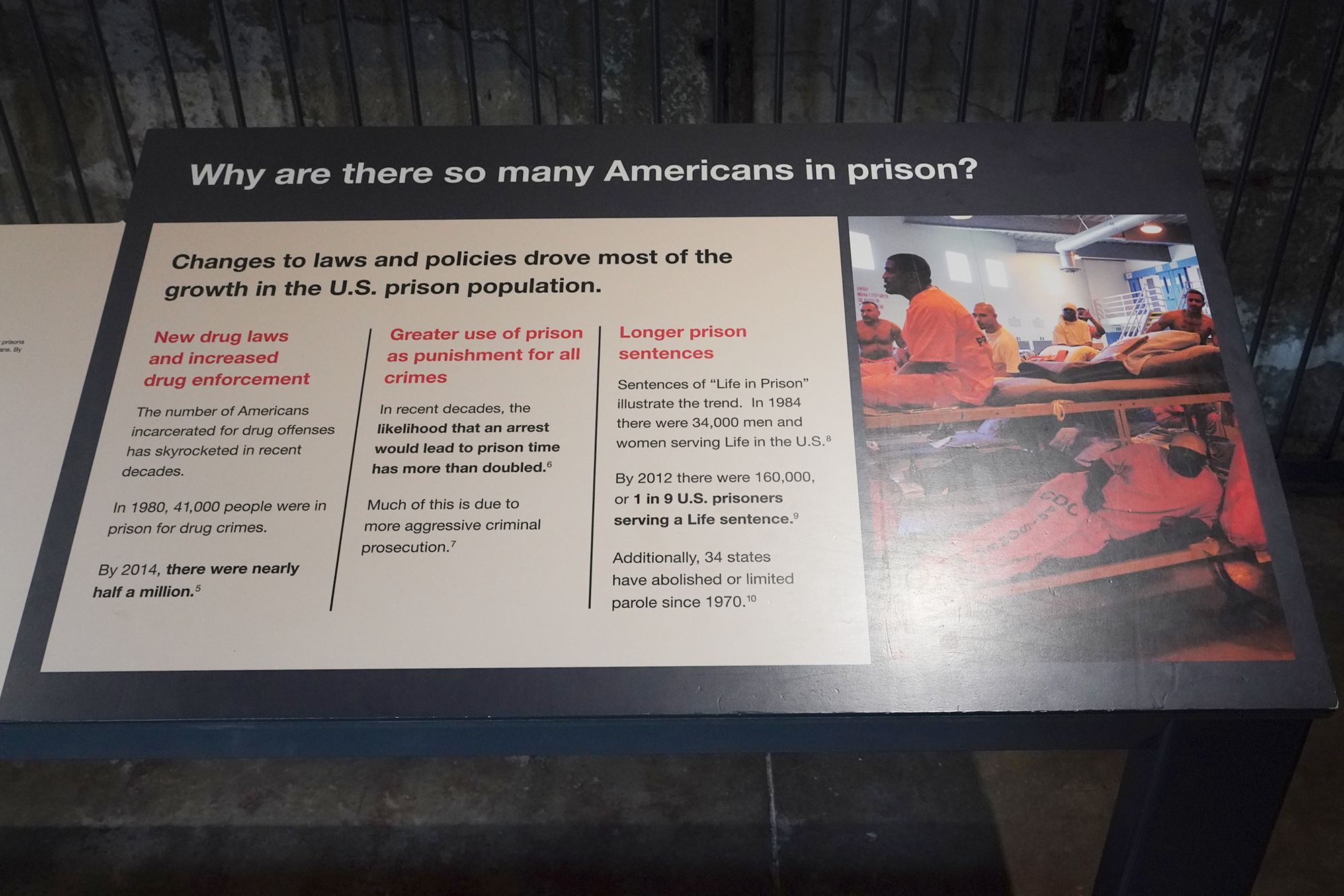
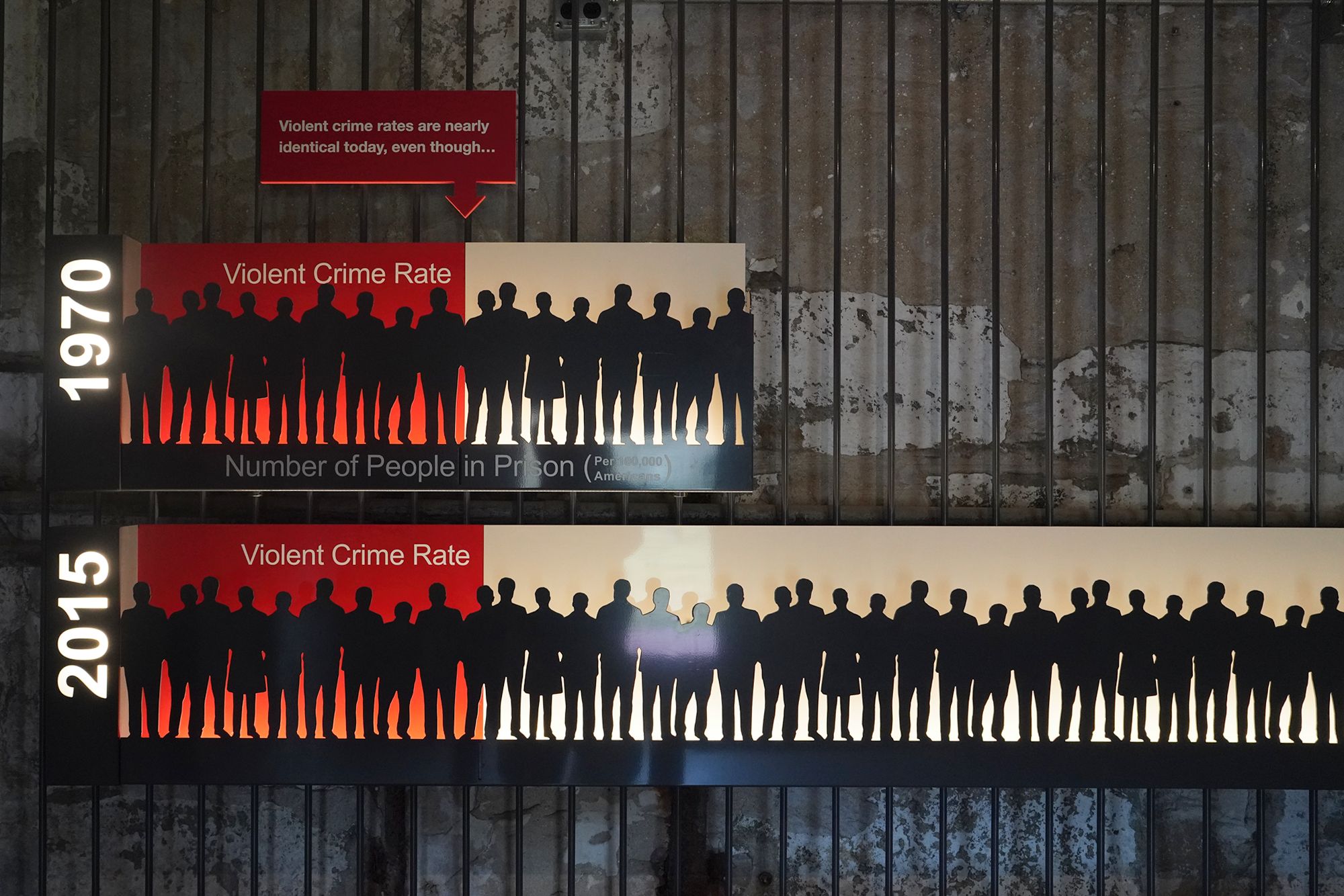
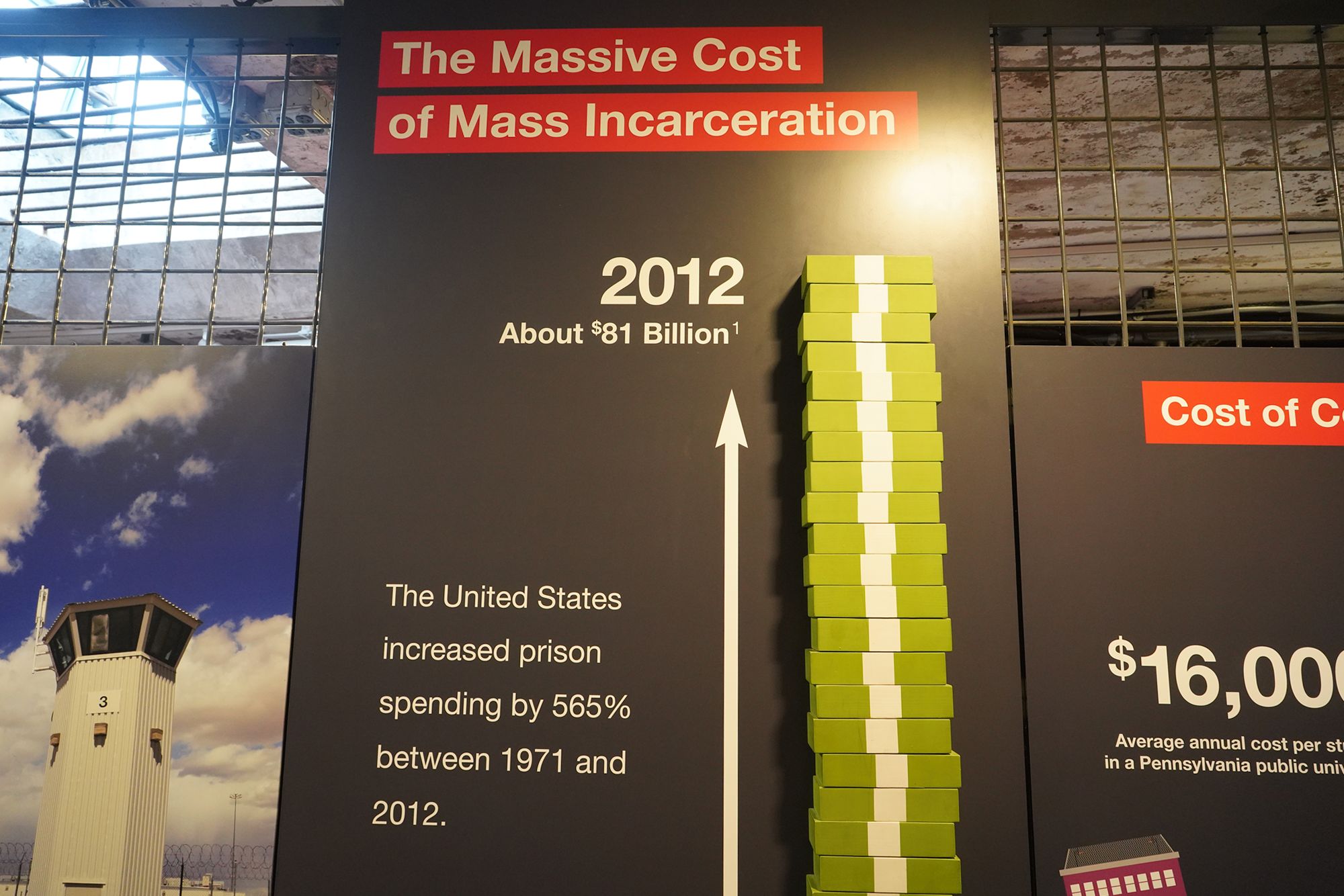
The era of mass incarceration costs $80 billion every year. The increase in imprisonment did not change the crime rate, including violent crimes.
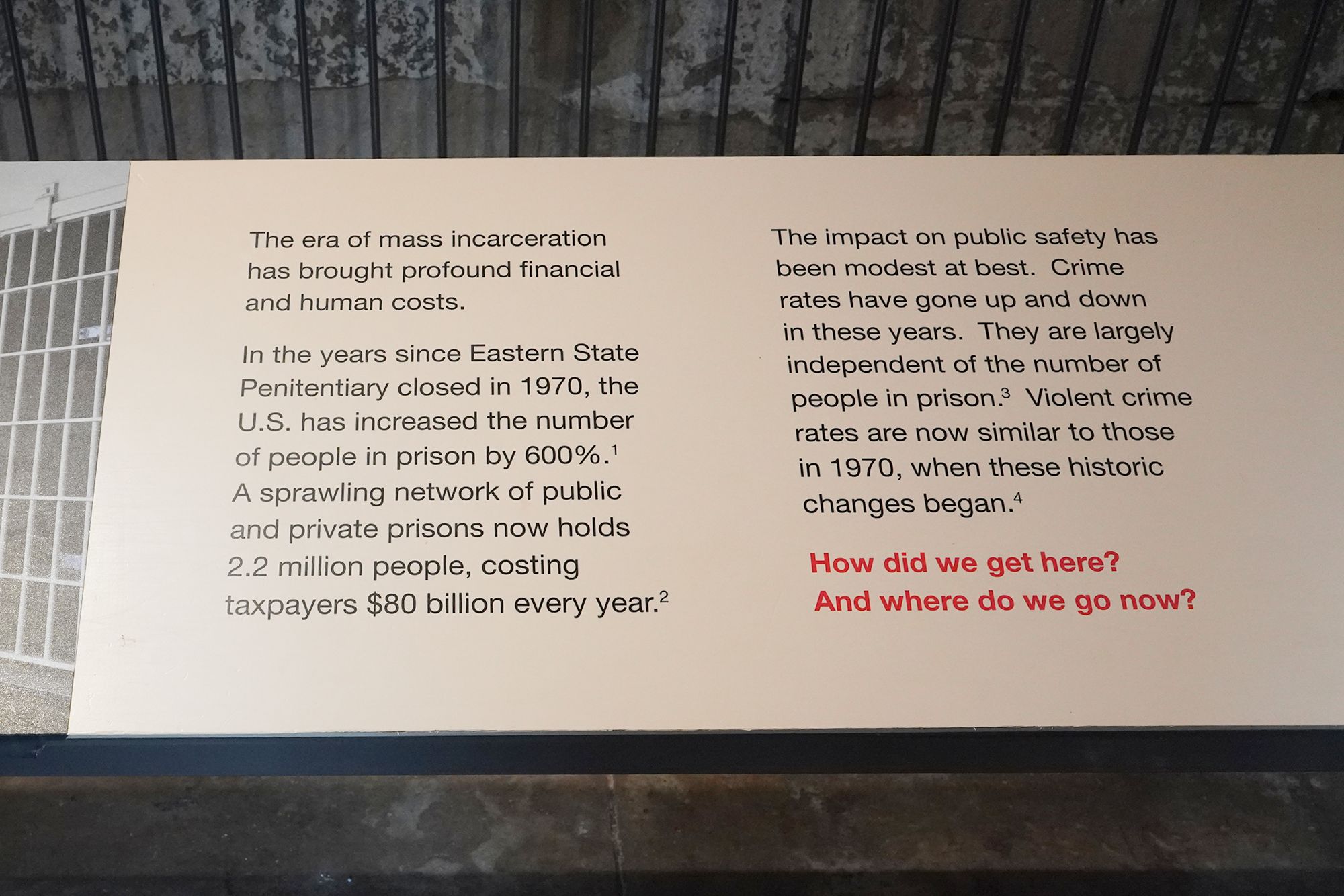
More people are jailed for non-violent crimes.
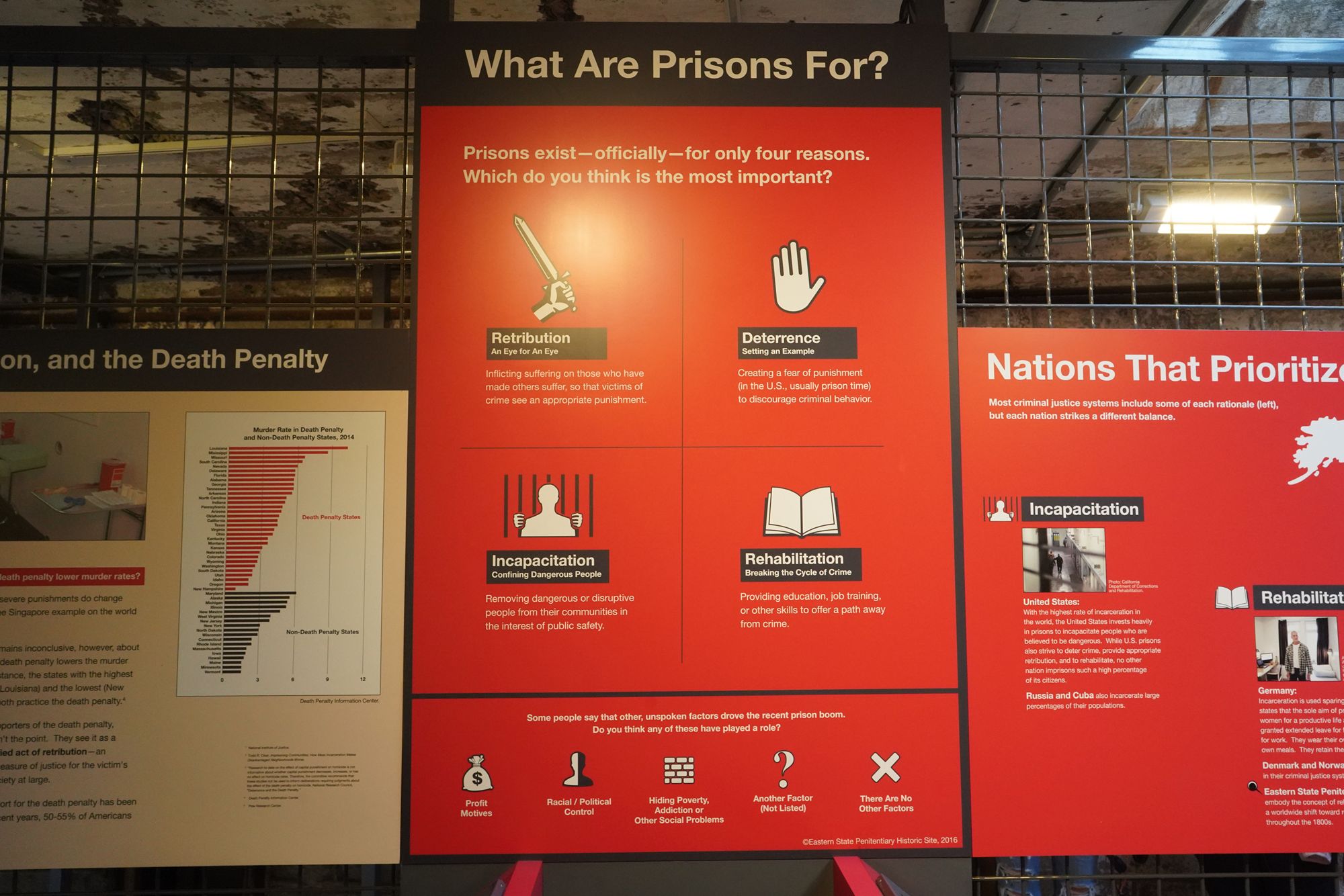
What are prisons for?
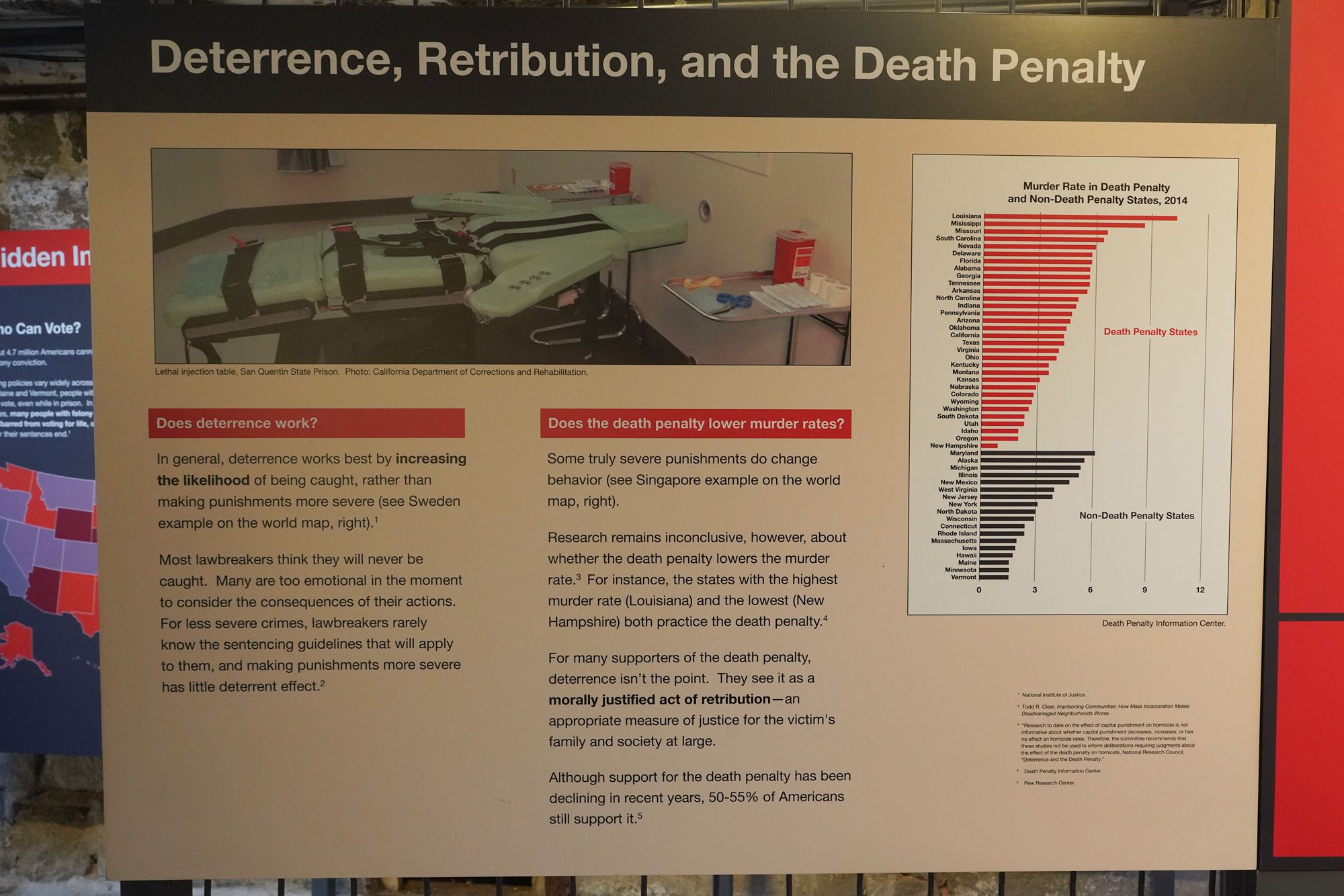
Does the death penalty work? States without it often have lower murder rates.
Cost of prison: $42,000 per prisoner anuualy
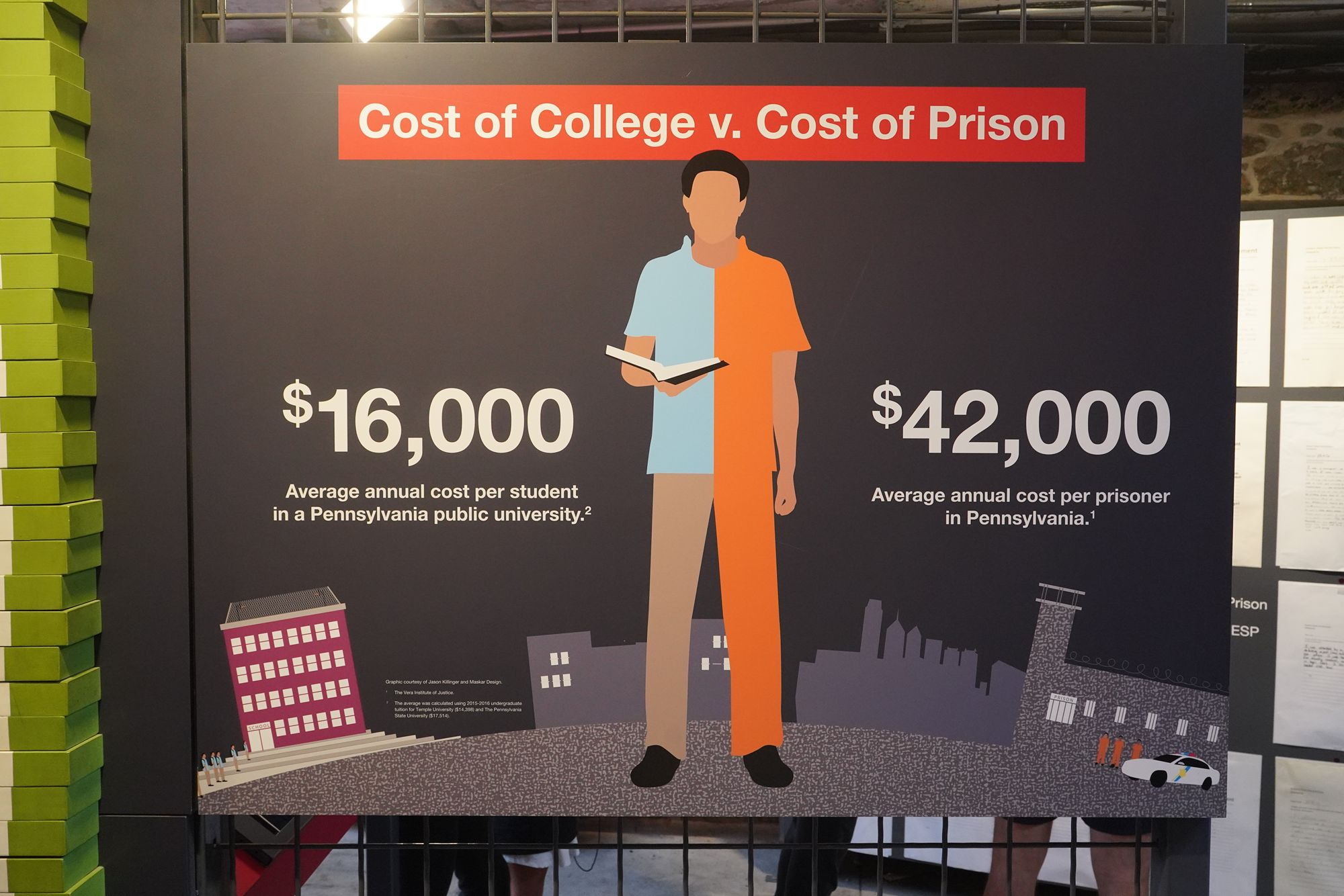
The massive cost of mass incarceration
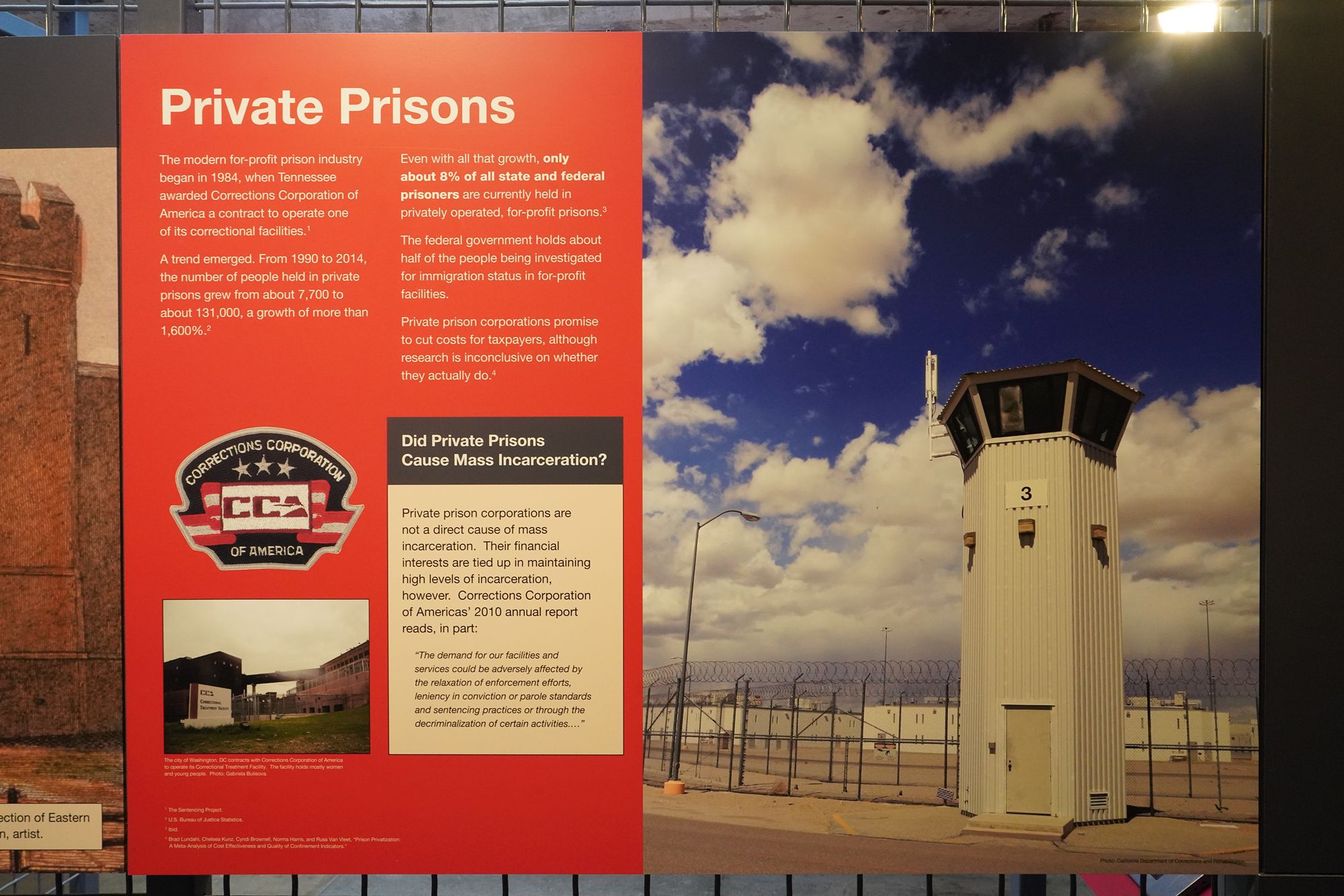
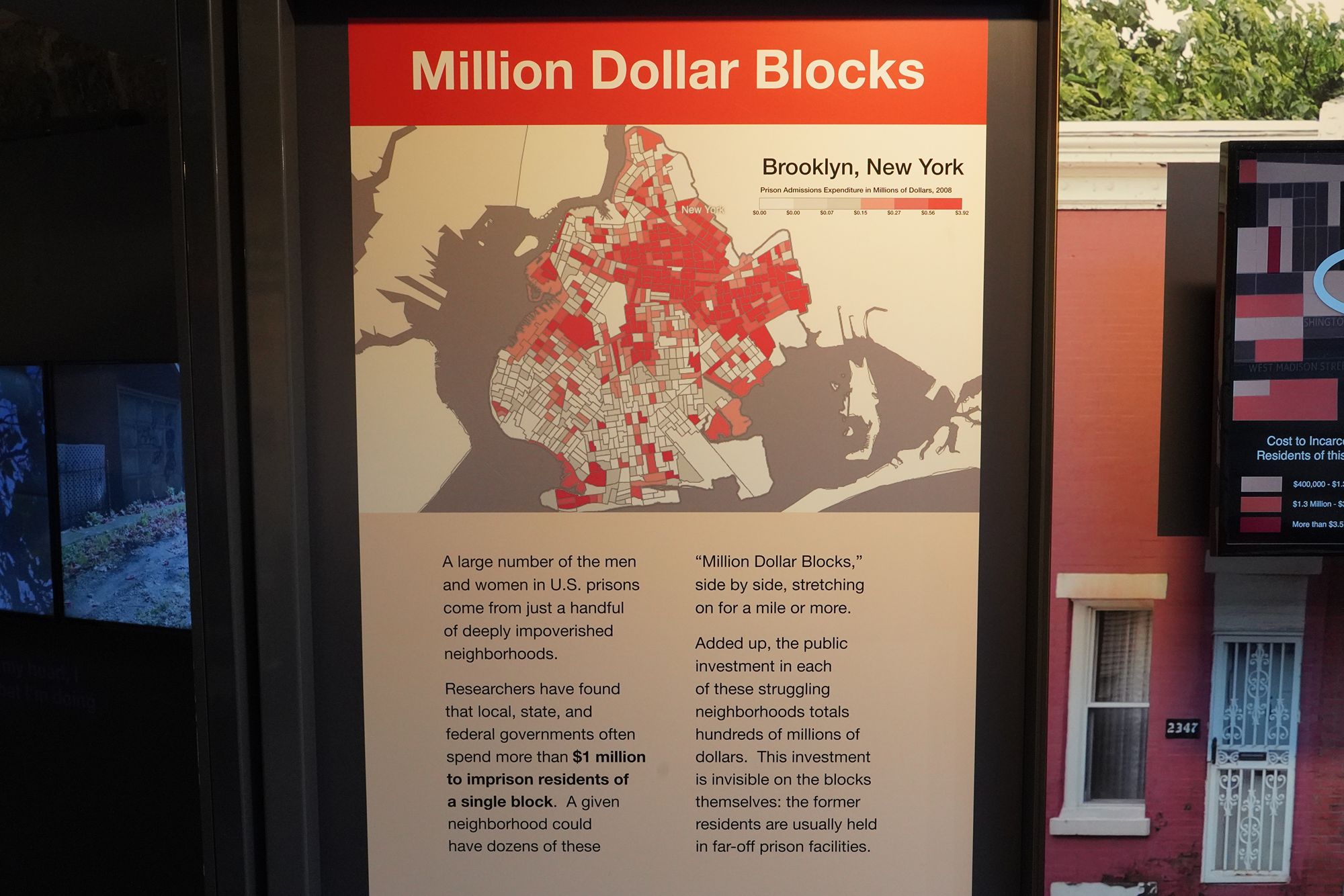
“Million Dollar Blocks” is a term used in urban-policy and criminal-justice research to describe city blocks where the government spends more than one million dollars per year incarcerating residents who come from that single block. It highlights how concentrated incarceration can be—showing that a small neighborhood can absorb massive state prison spending while receiving little investment in schools, housing, or local services.
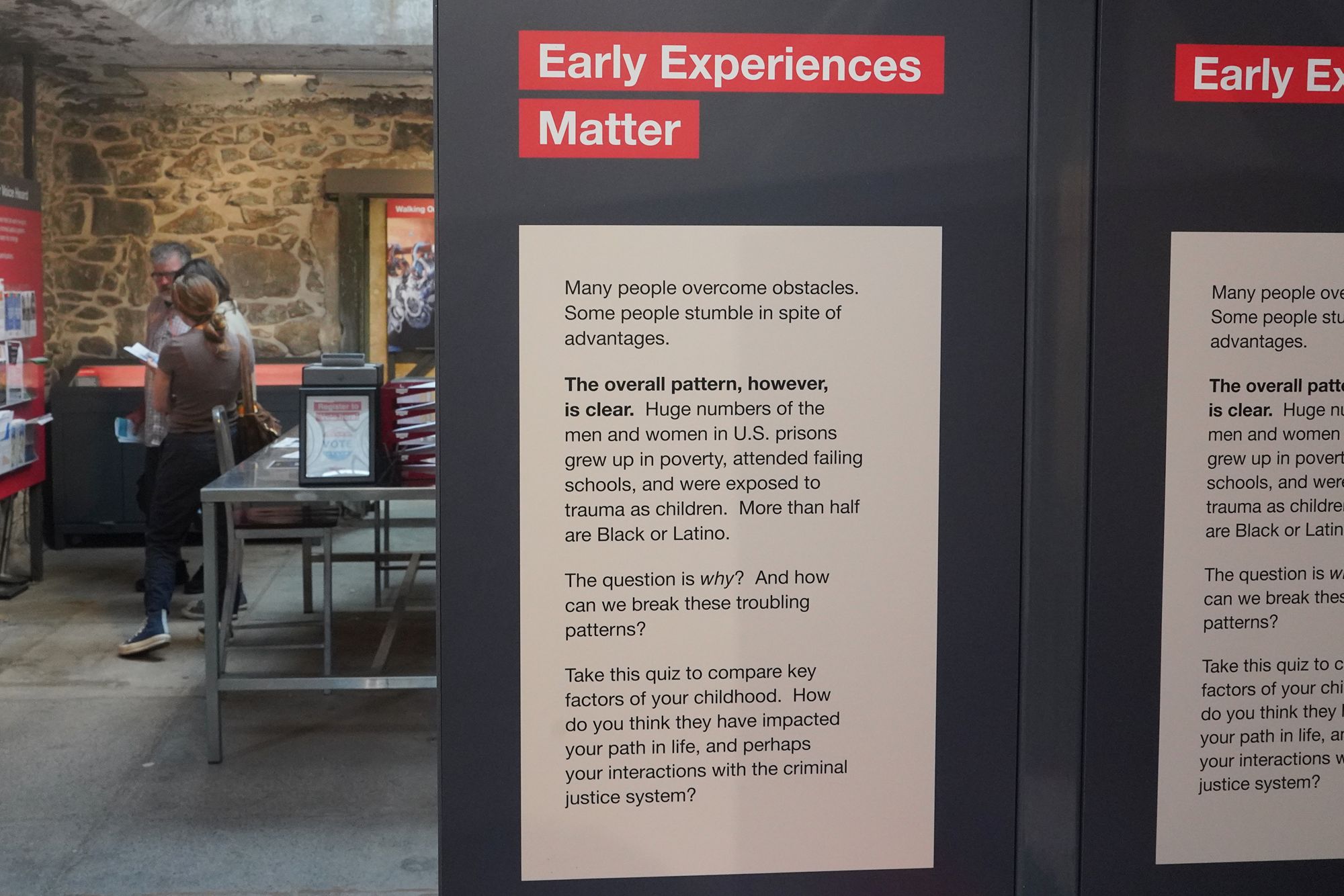
Huge numbers of the men and women in U.S. prisons grew up in poverty
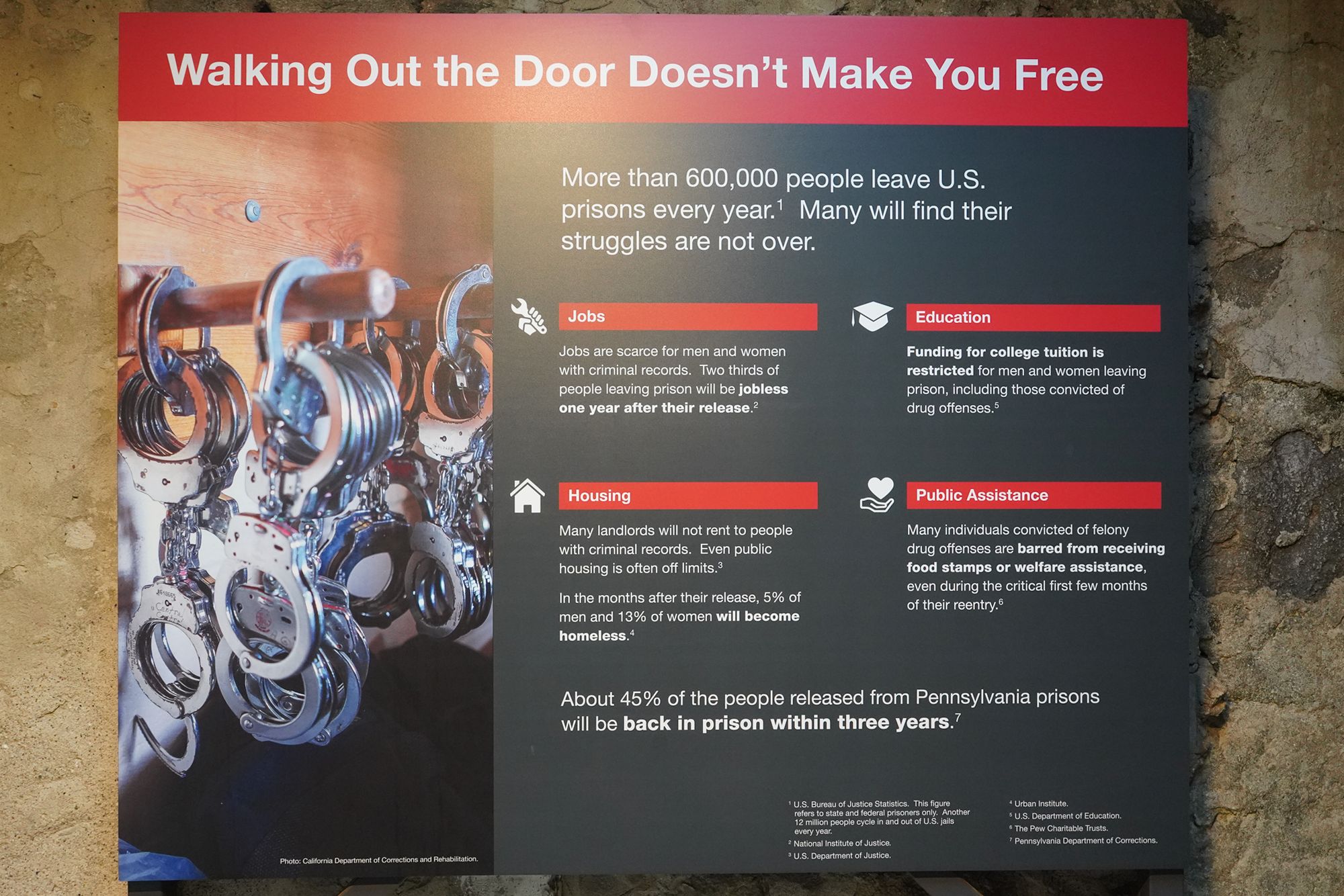
More than 600,000 people leave U.S. prisons every year. Many will find their struggles are not over.
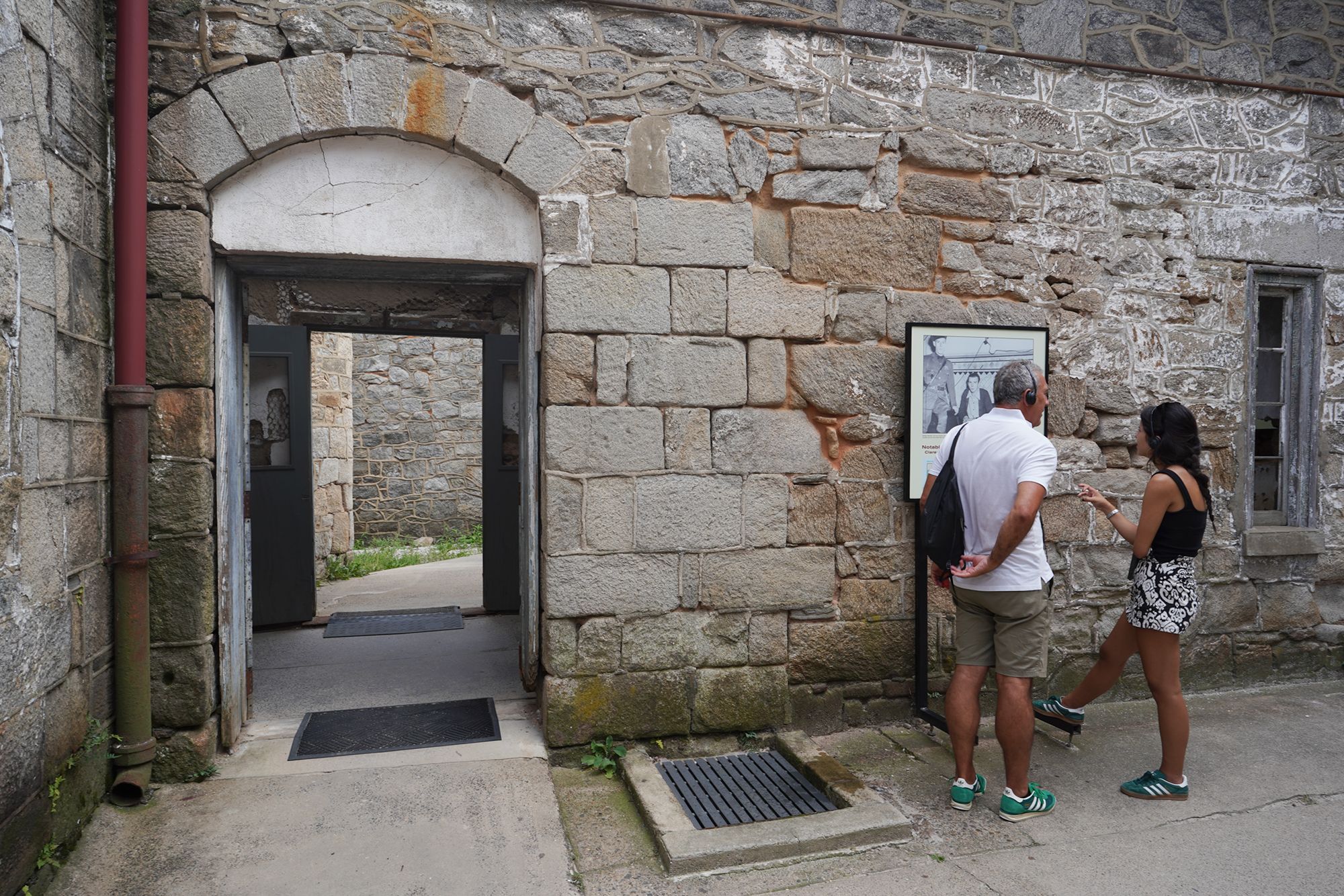
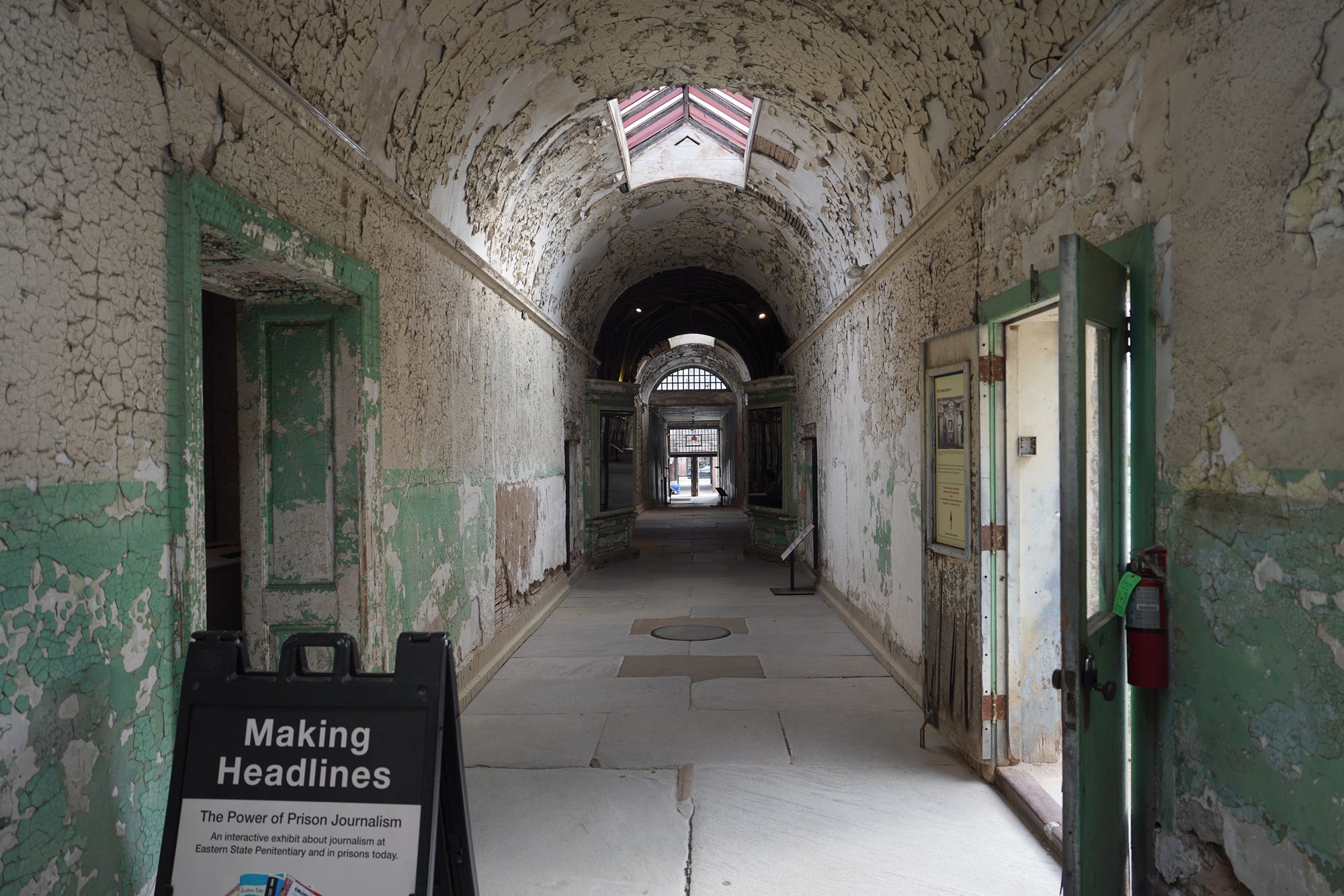
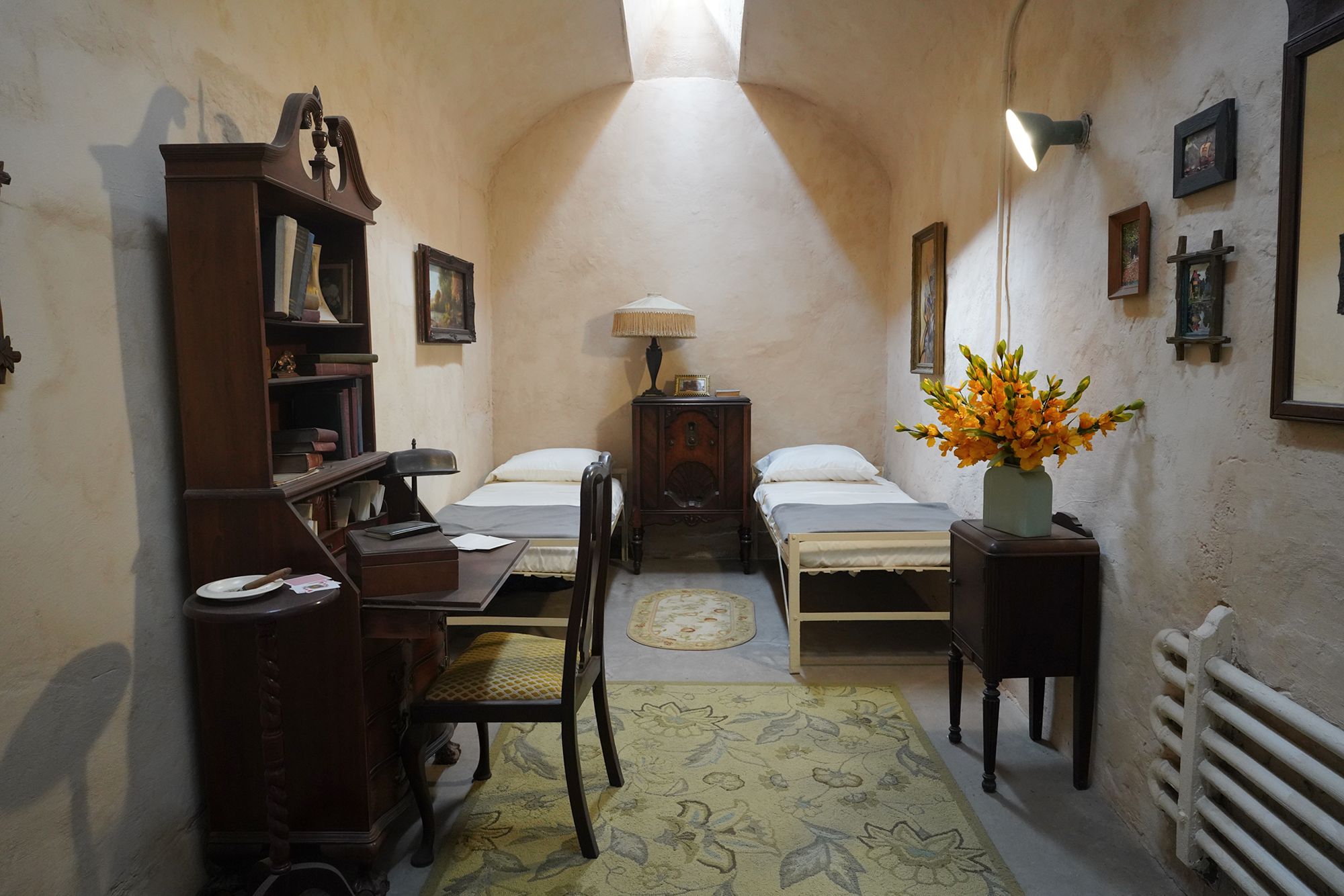
Al Capone’s Cell at Eastern State Penitentiary is one of the most famous stops on the site. When Capone was imprisoned here in 1929, he was given a surprisingly comfortable cell compared to typical inmates.
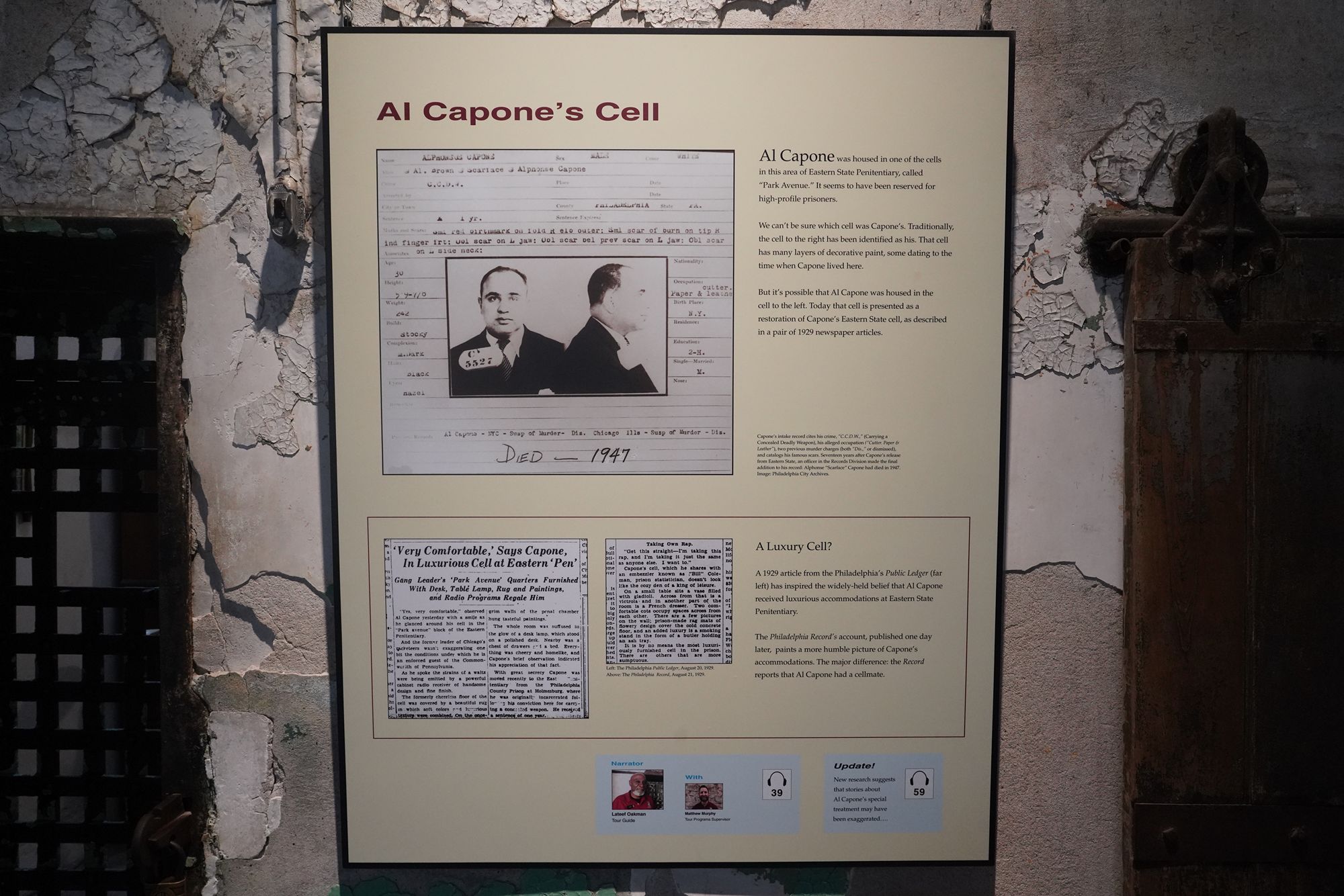
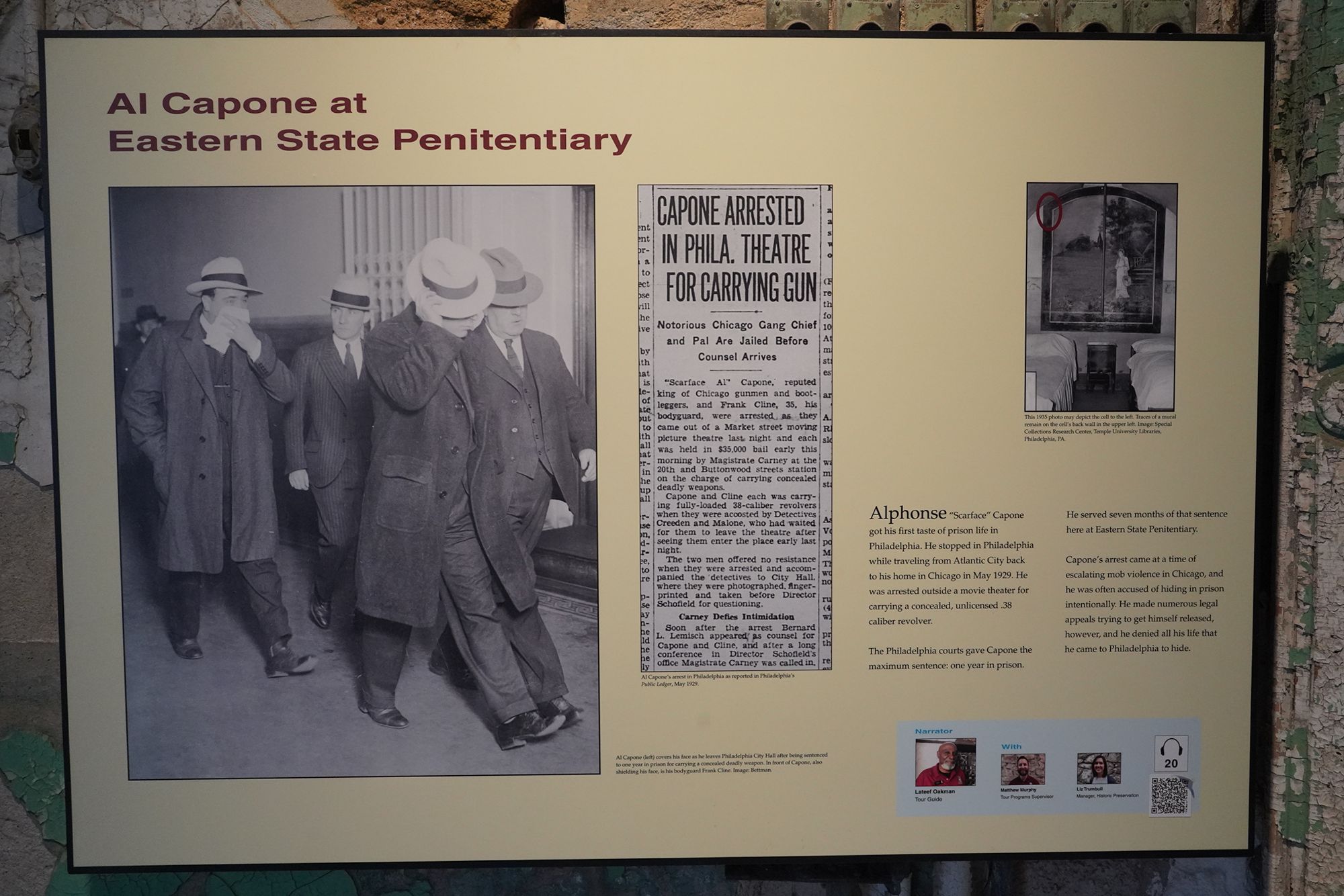
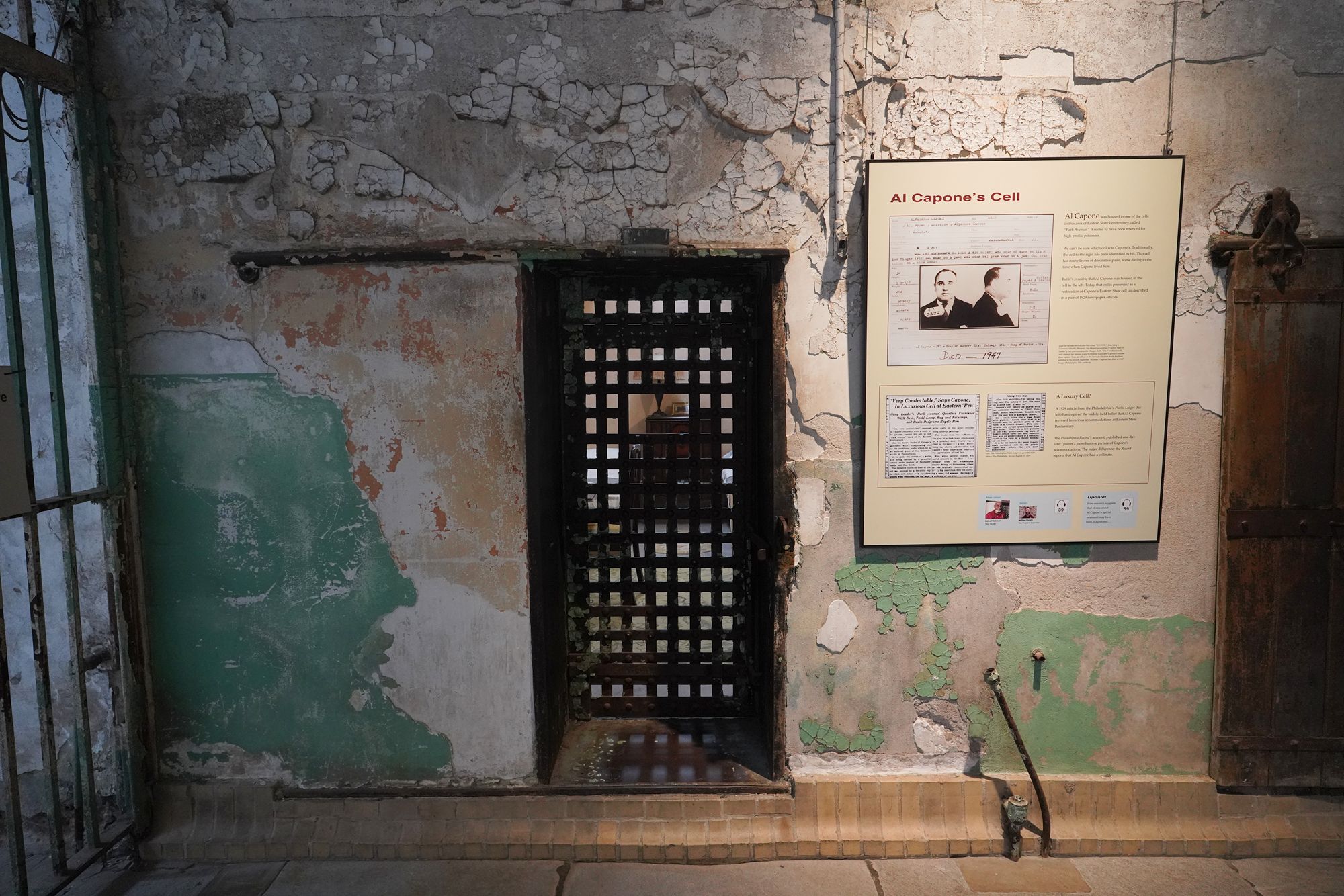
It felt more like a small parlor than a prison cell, showing the privileges wealth and influence could buy even inside a penitentiary built on ideals of equality and isolation.