Corning Museum of Glass – 35 Centuries of Glass, Part 2, Corning, New York, USA
Corning Museum of Glass — 35 Centuries of Glass, Part 2. 1184
Corning Museum of Glass: 1 Museum Way, Corning, NY 14830
Date Picture Taken: August 2025
“35 Centuries of Glass” is a signature exhibit at the Corning Museum of Glass tracing 3,500 years of glassmaking history. It showcases ancient to contemporary glass art worldwide — from ancient Egyptian vessels to modern design — revealing glass’s evolution across cultures and eras.
This is a continuation of the previous blog on this topic.
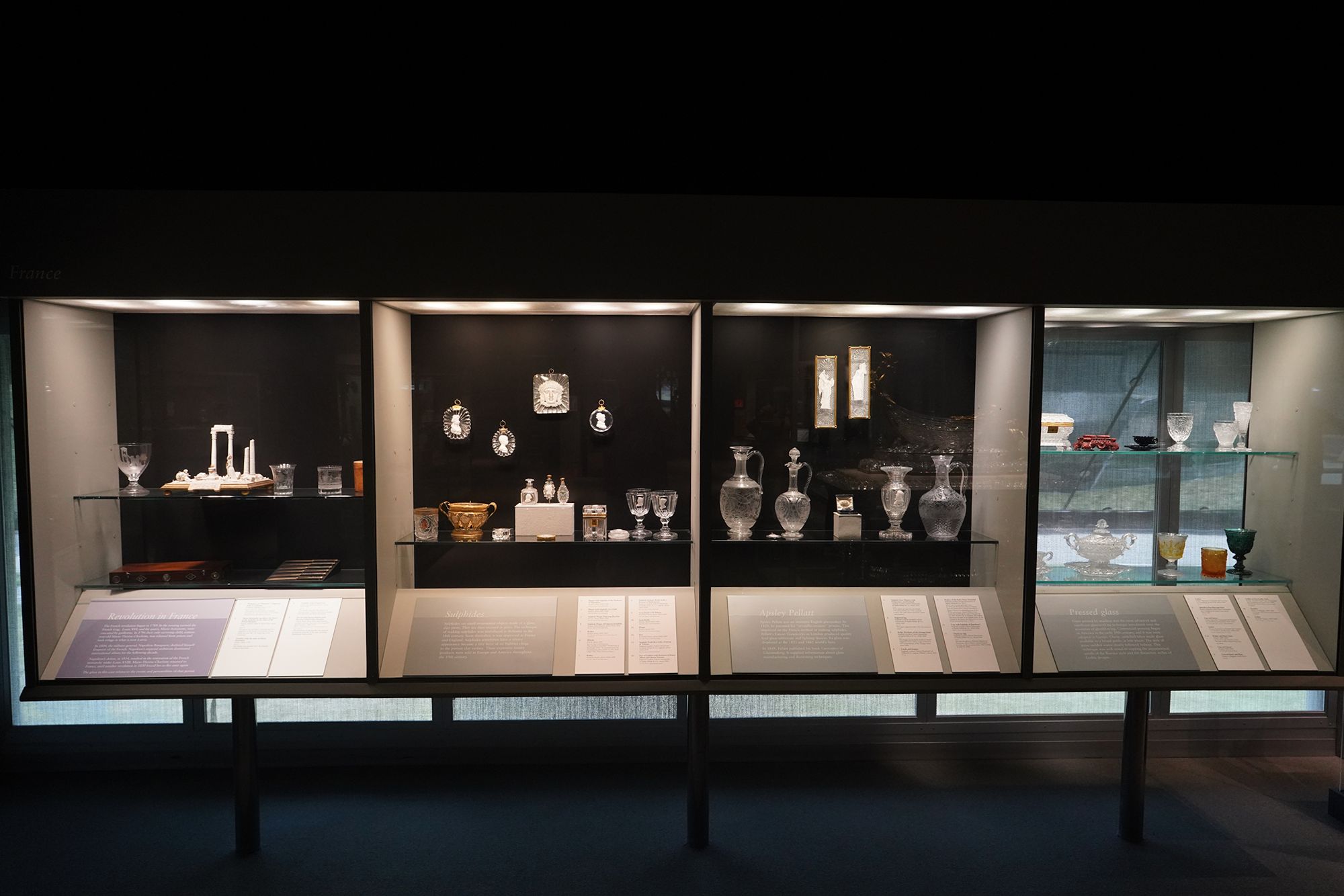
Glass made in France
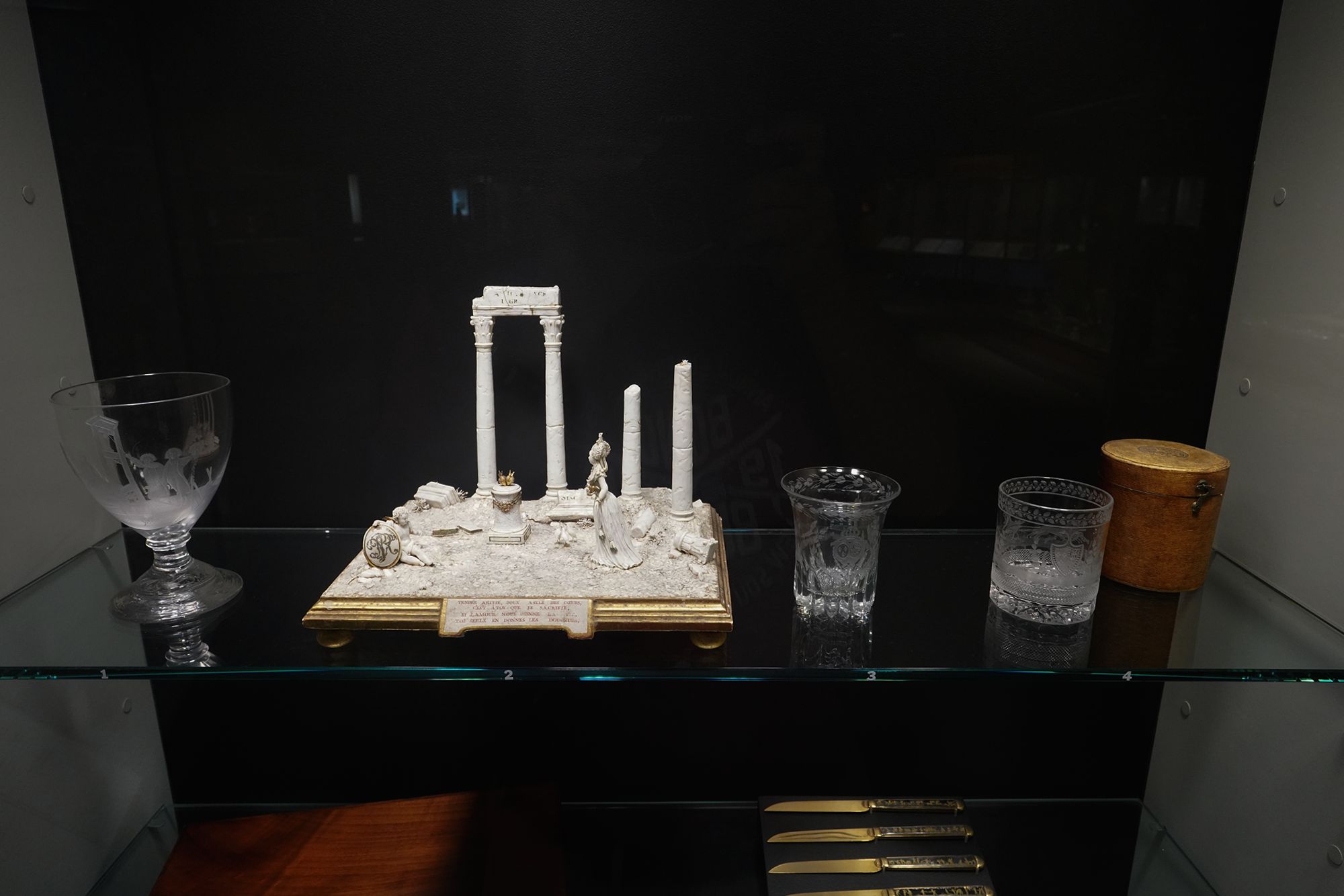
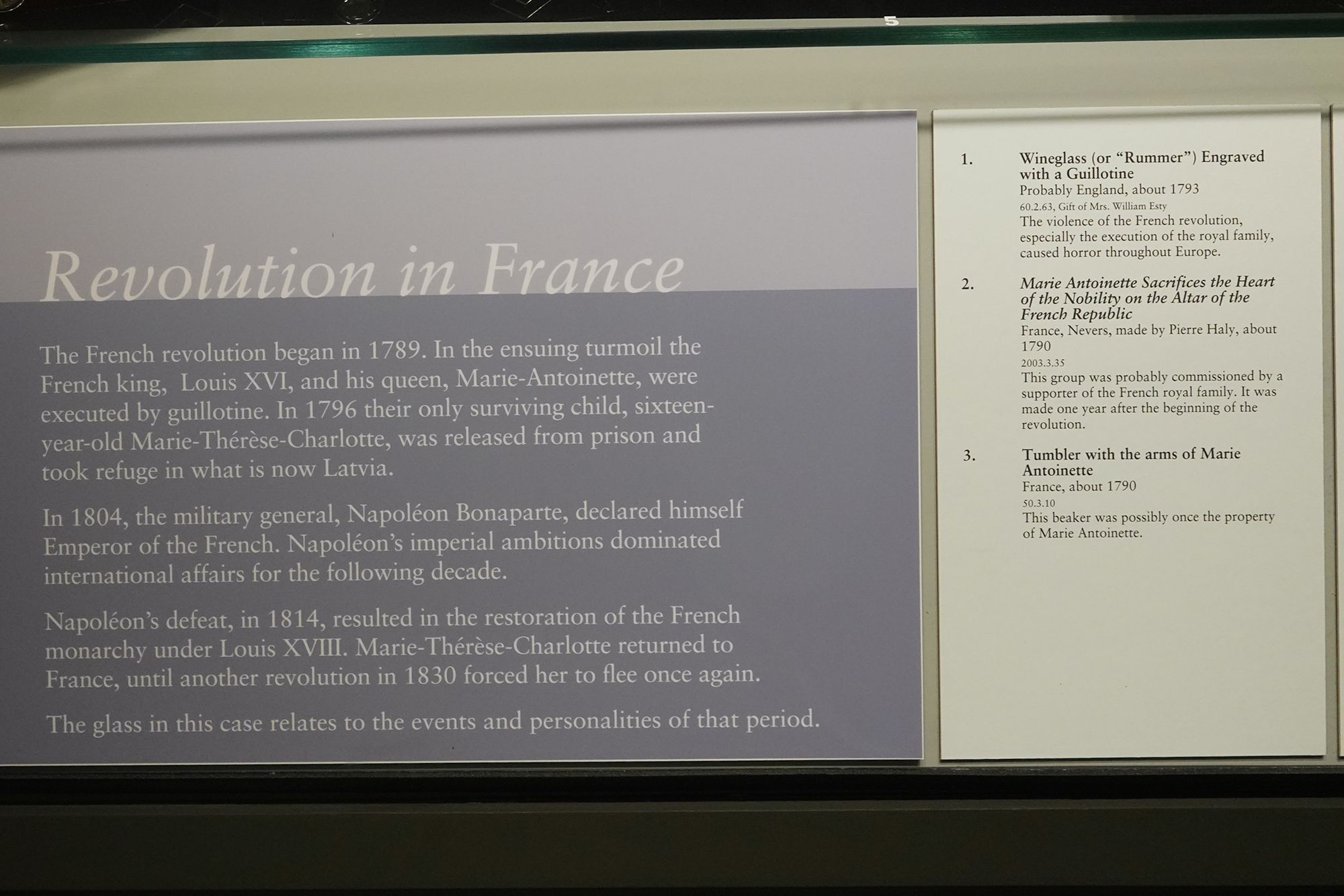
Revolution in France
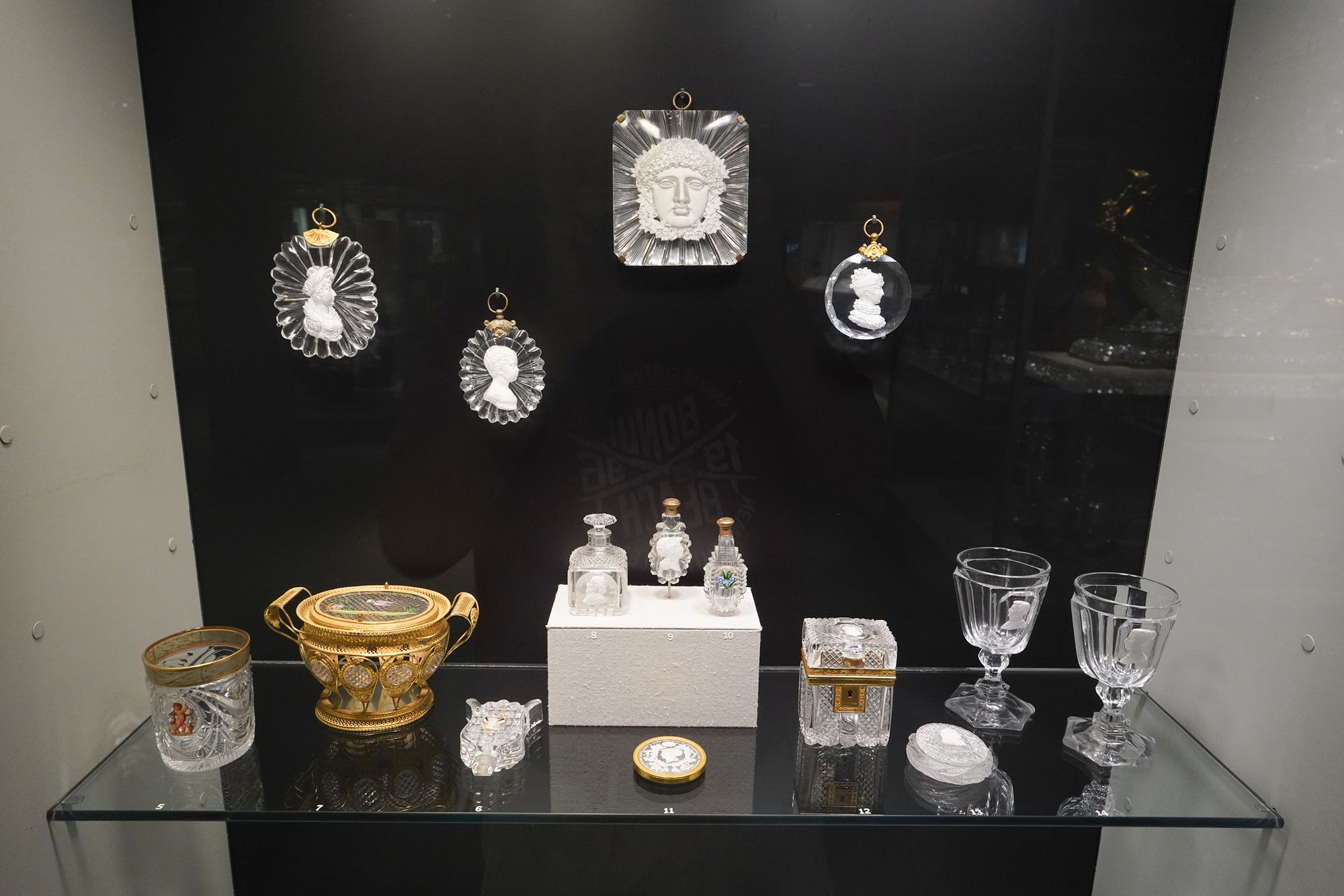
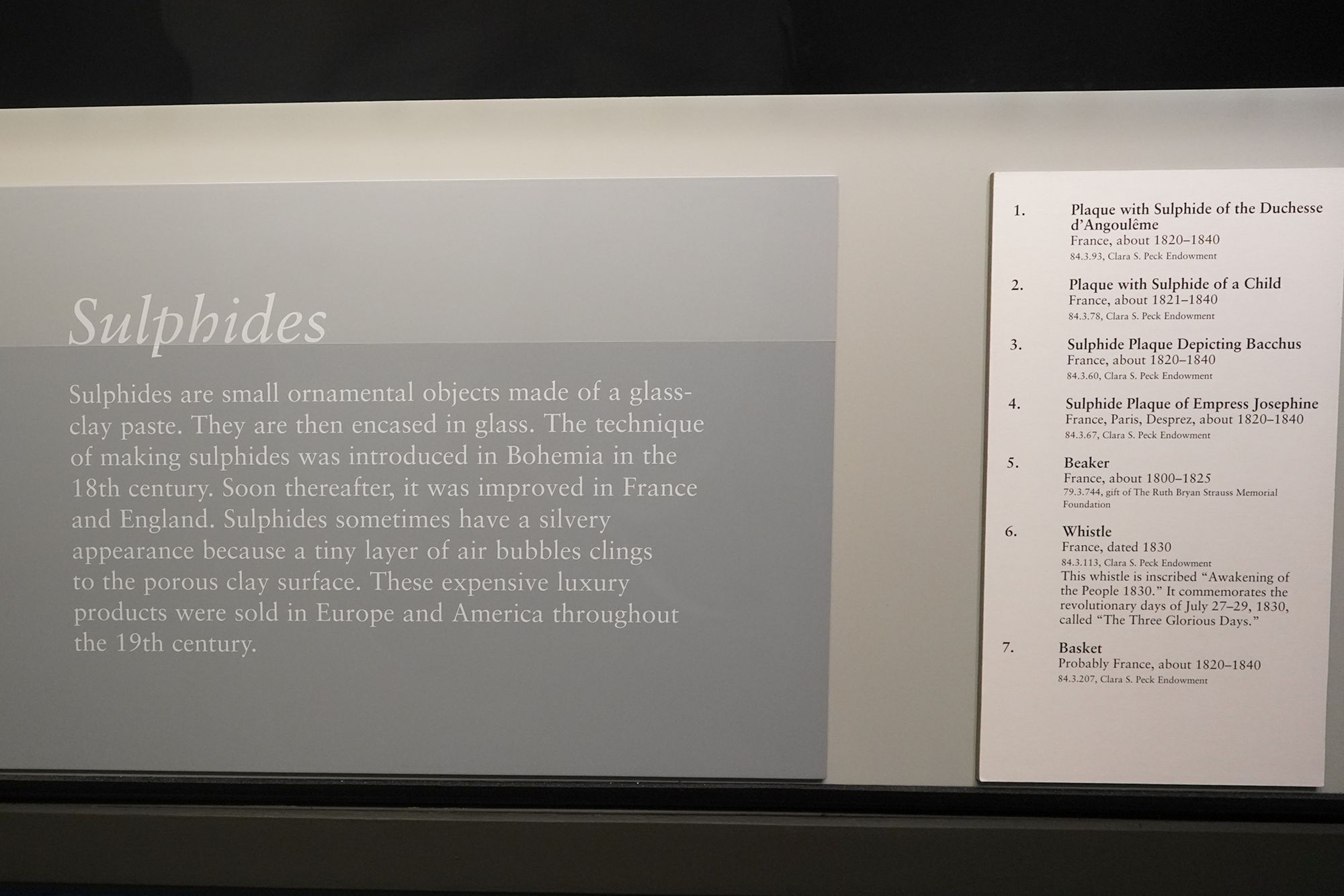
Sulphides
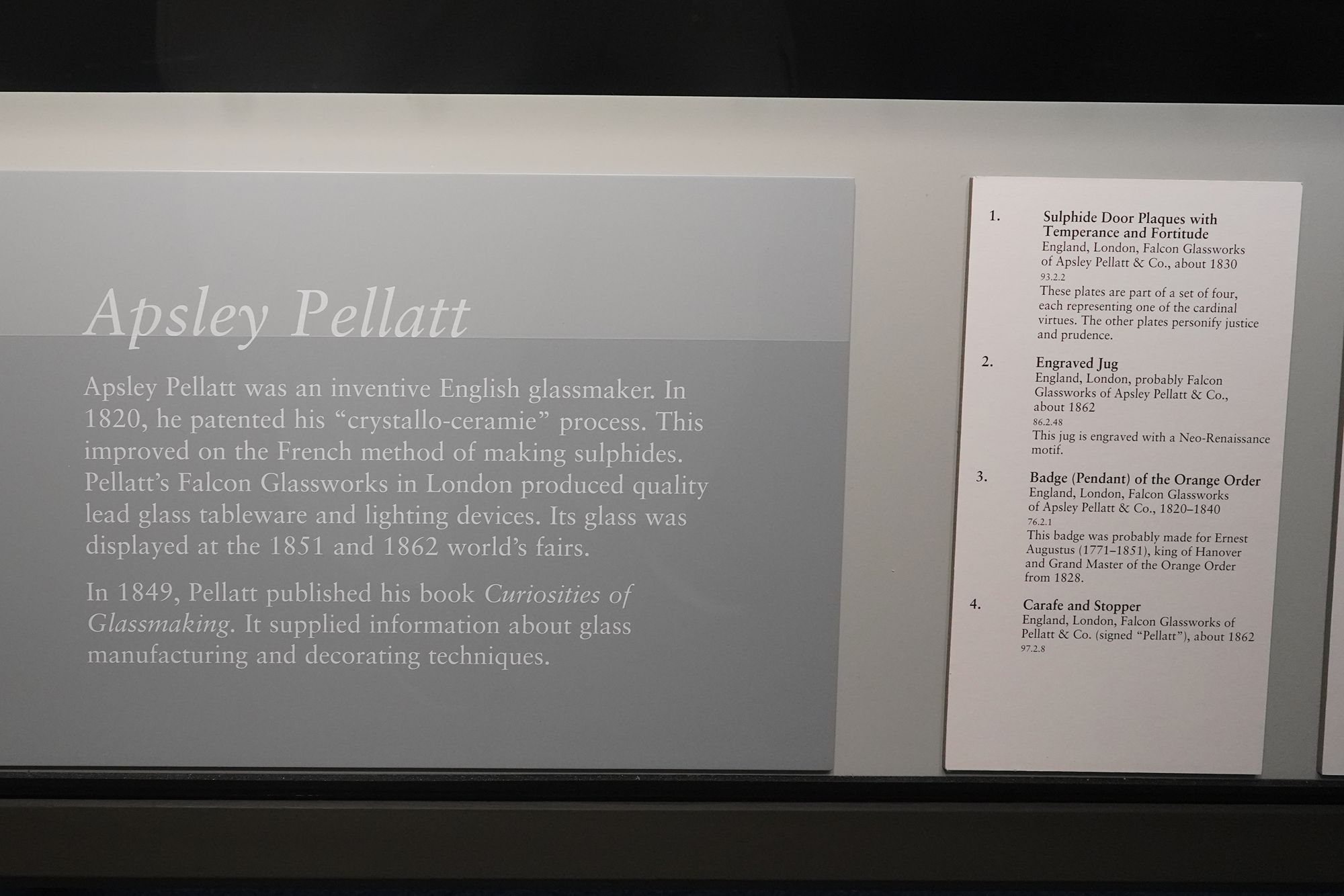
Apsley Pellatt
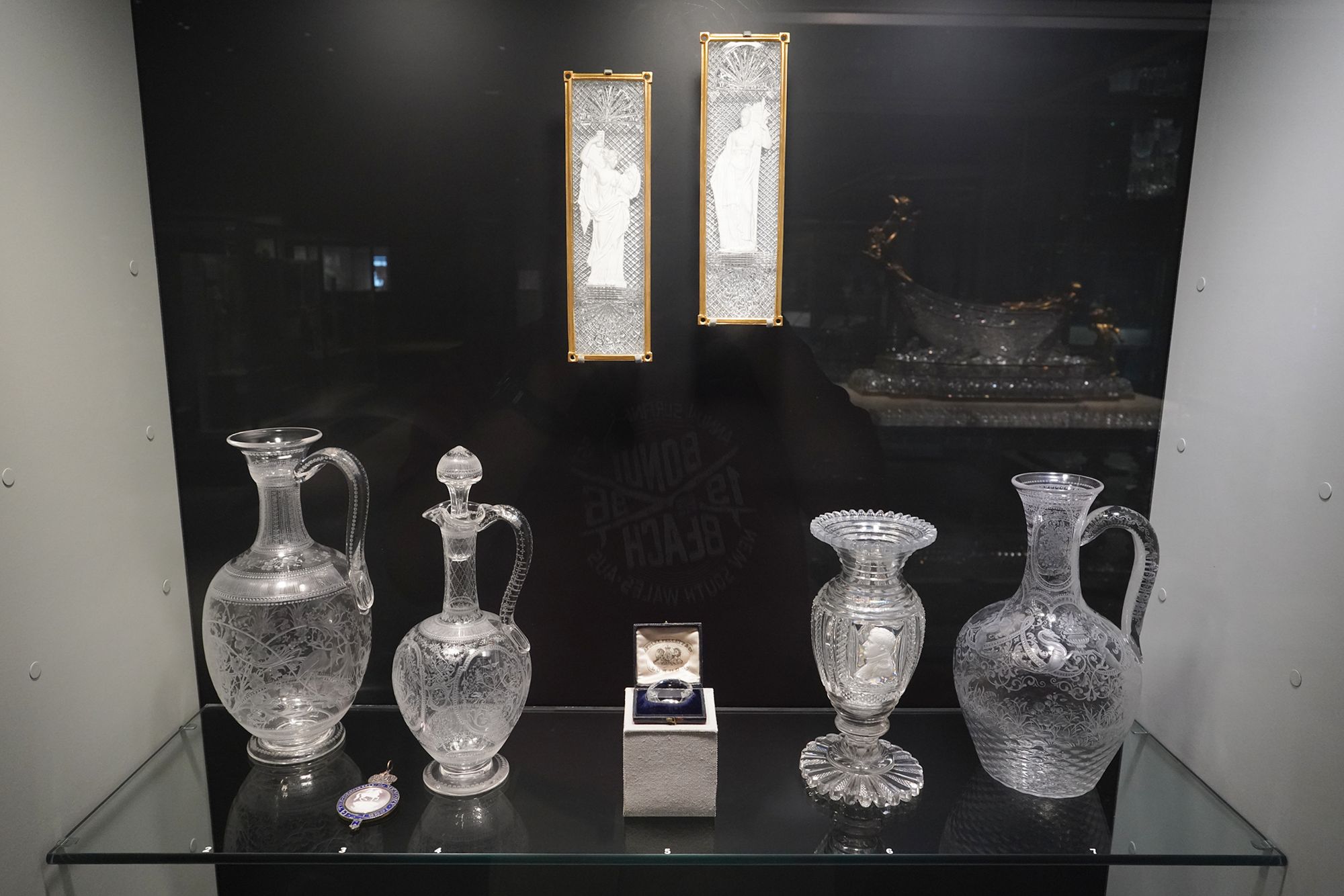
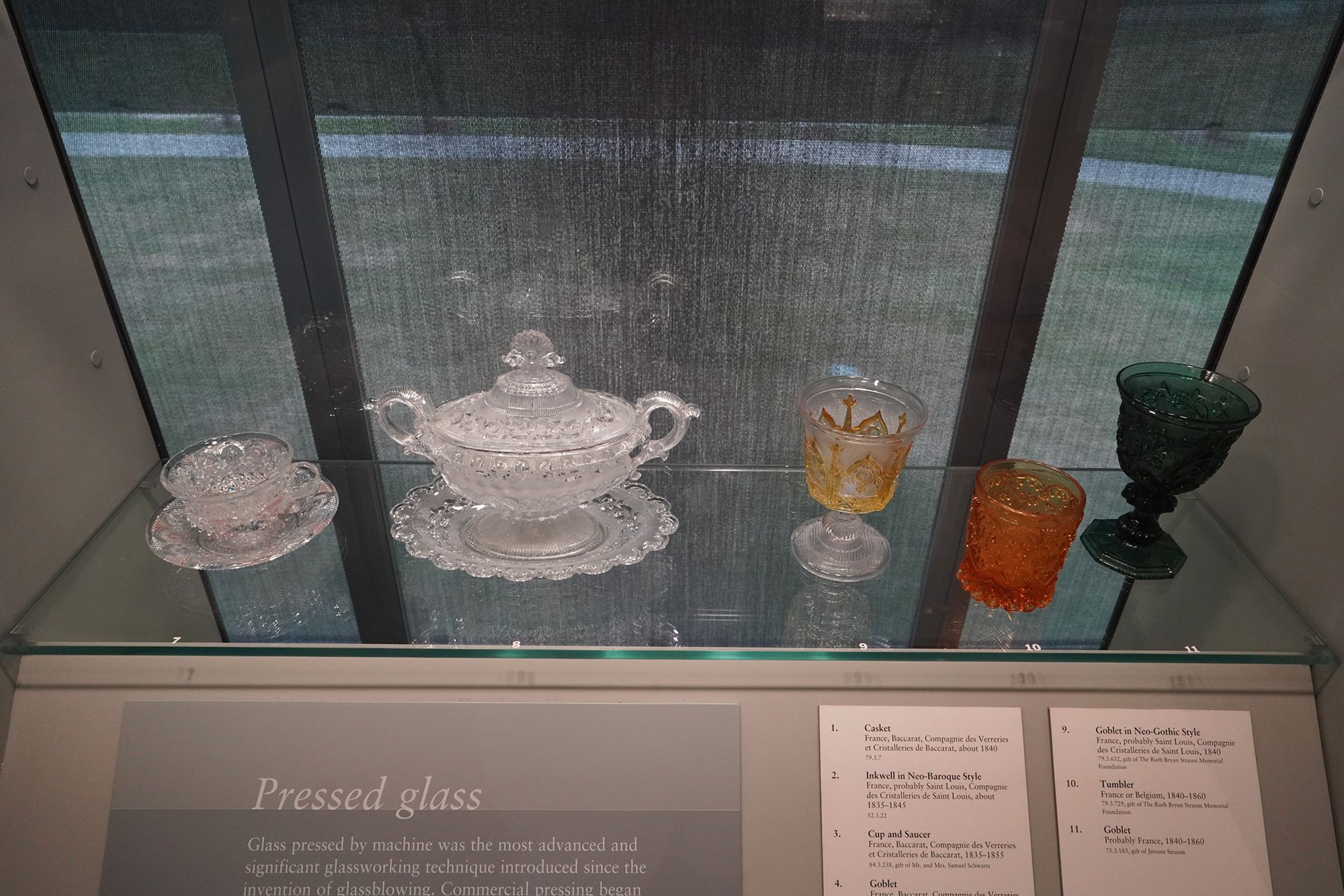
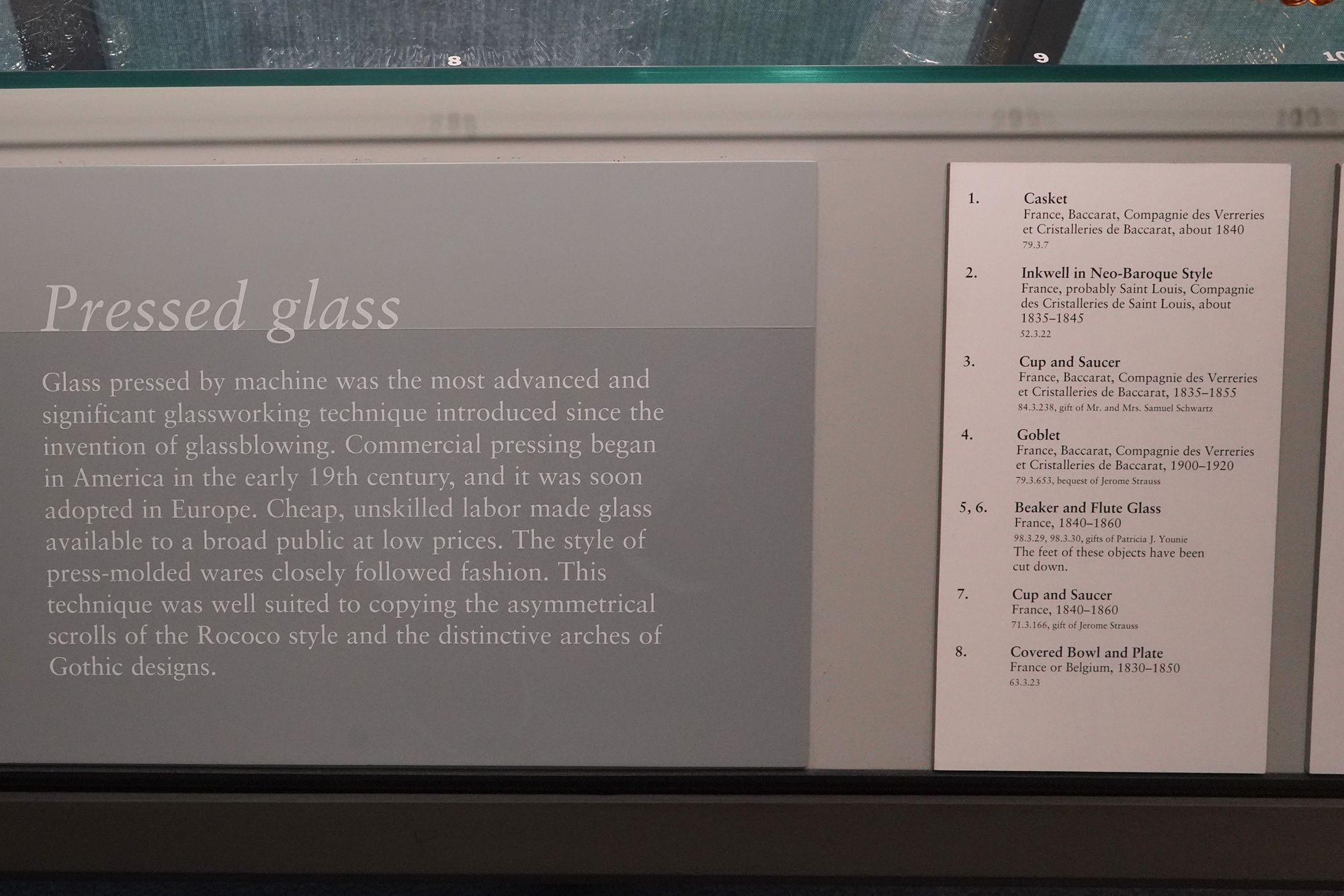
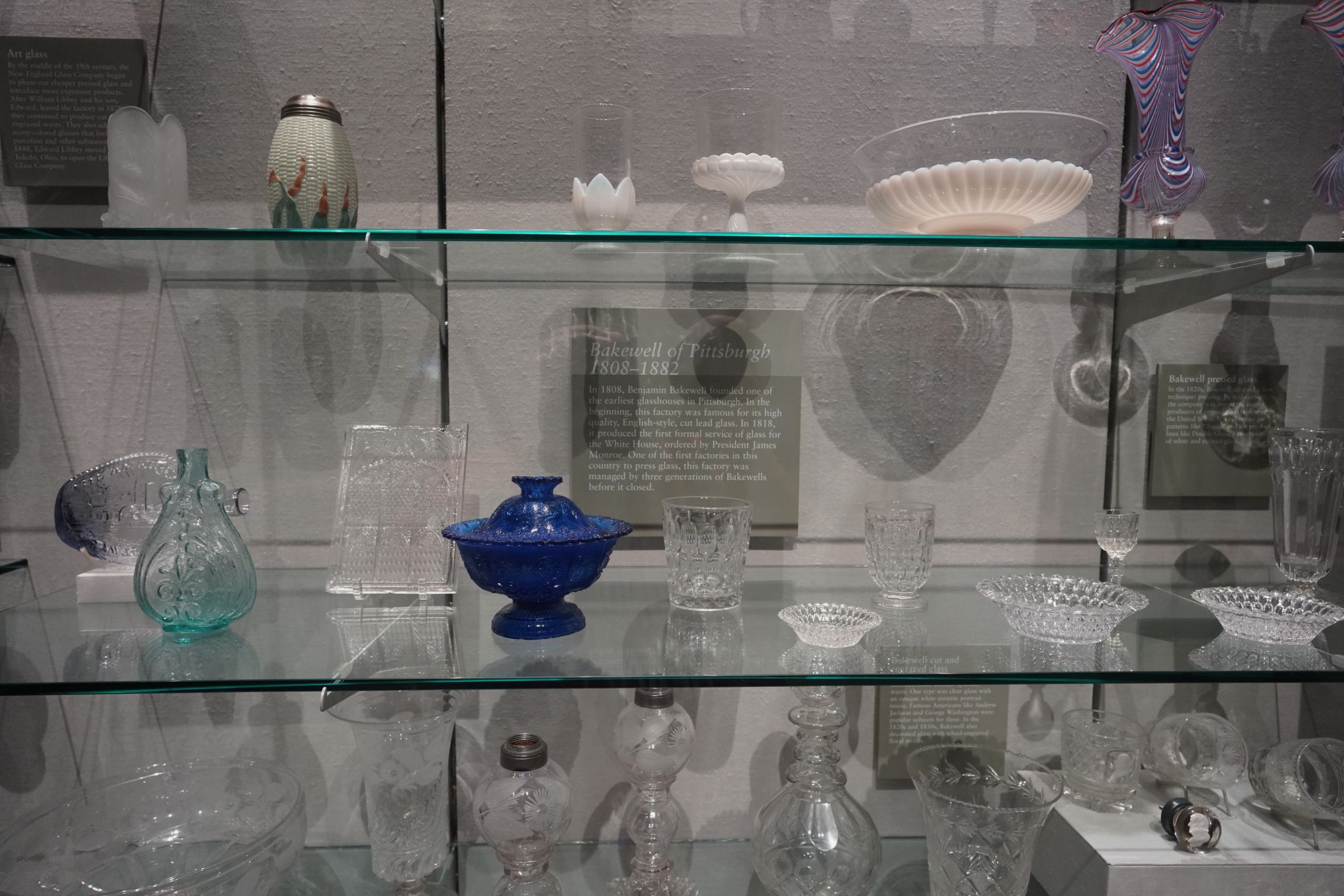
Pressed glass
World's fairs
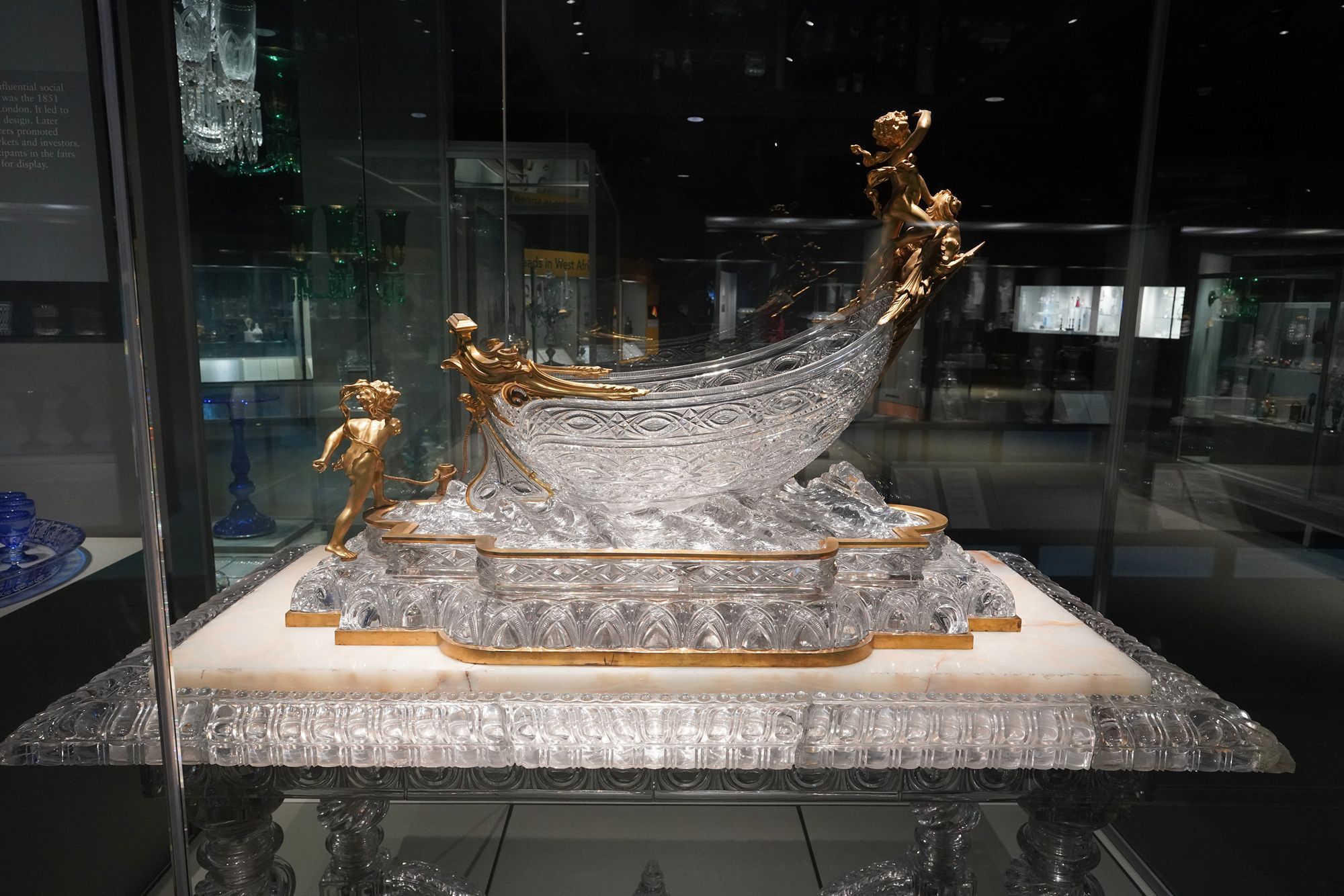
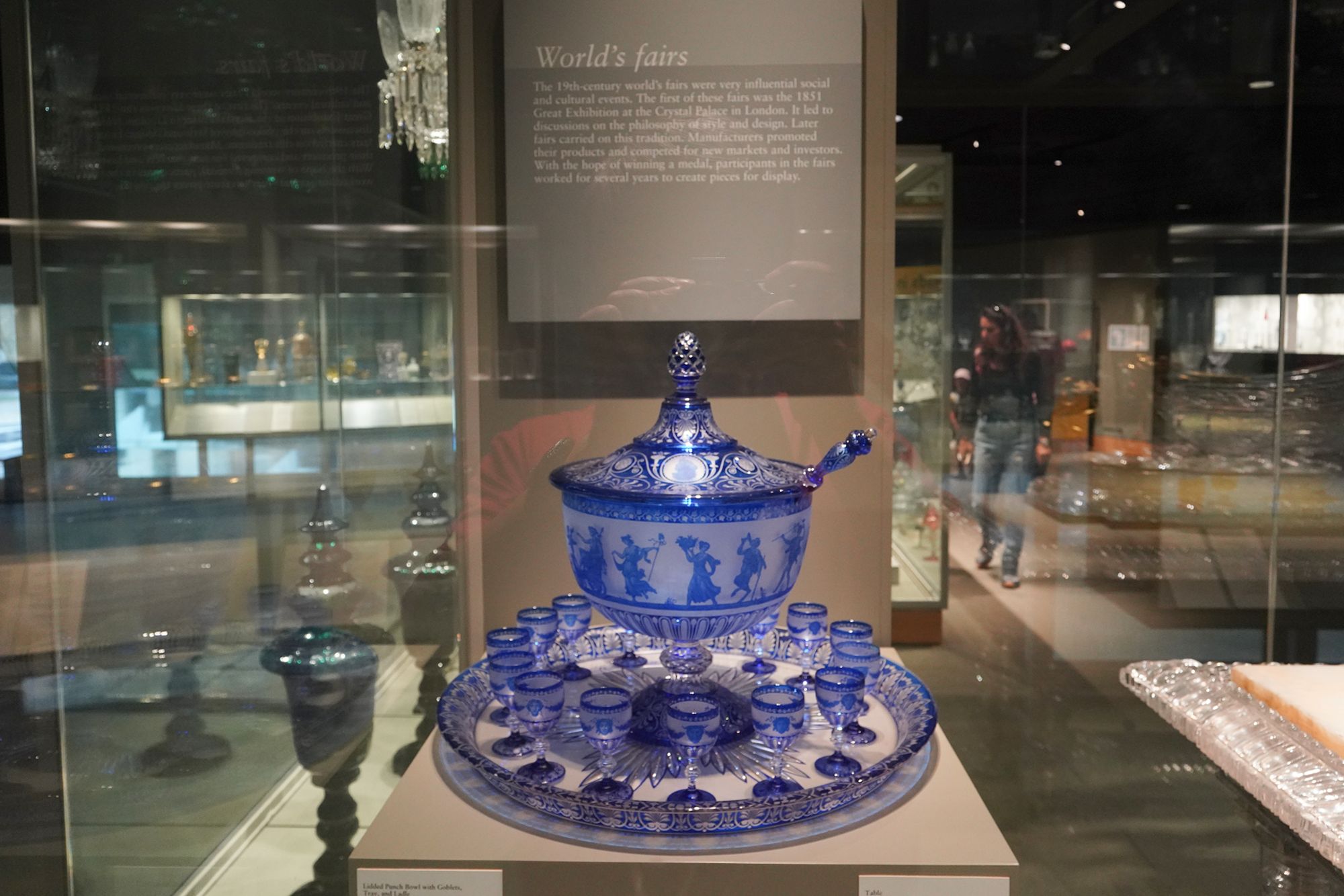
Central Europe
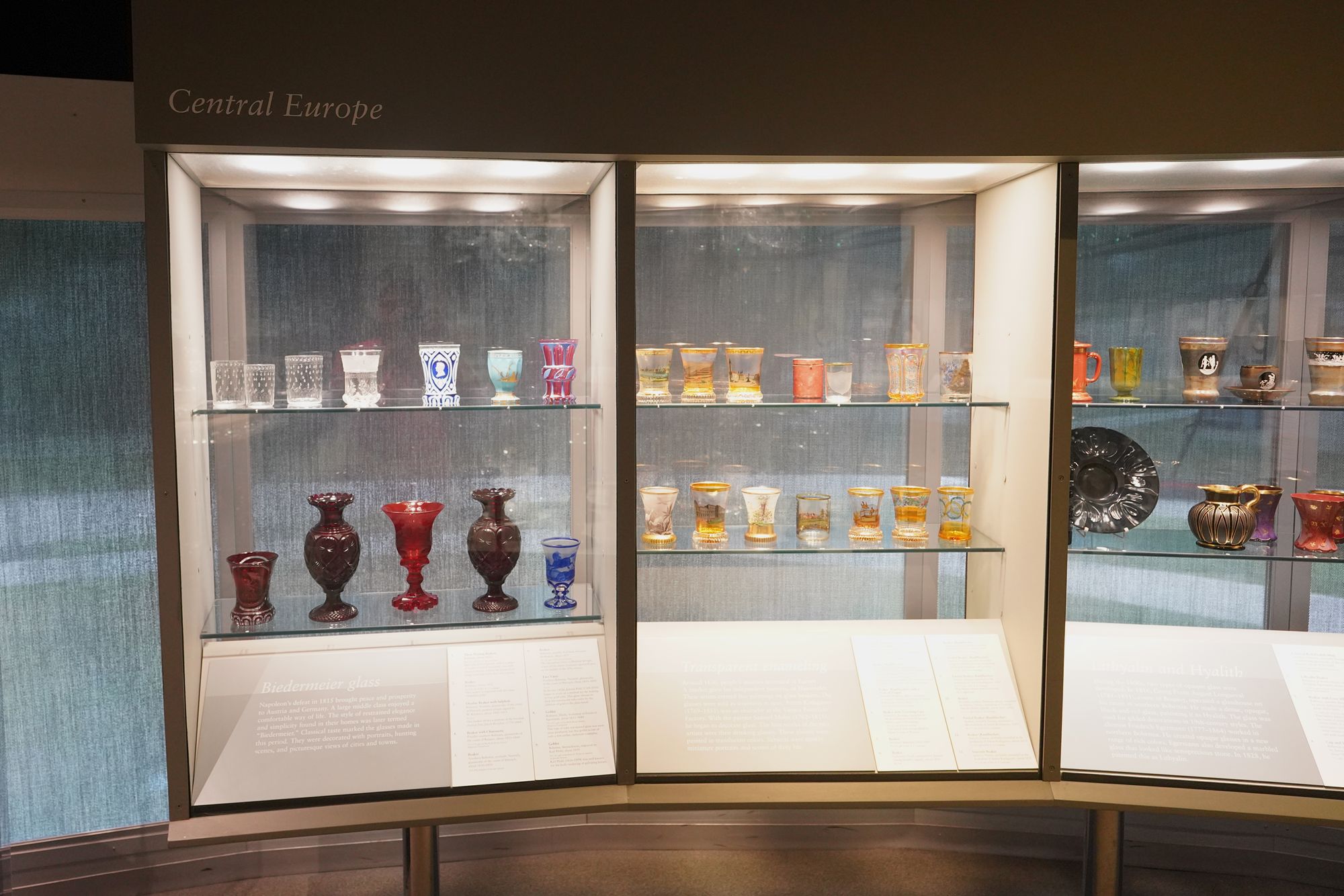
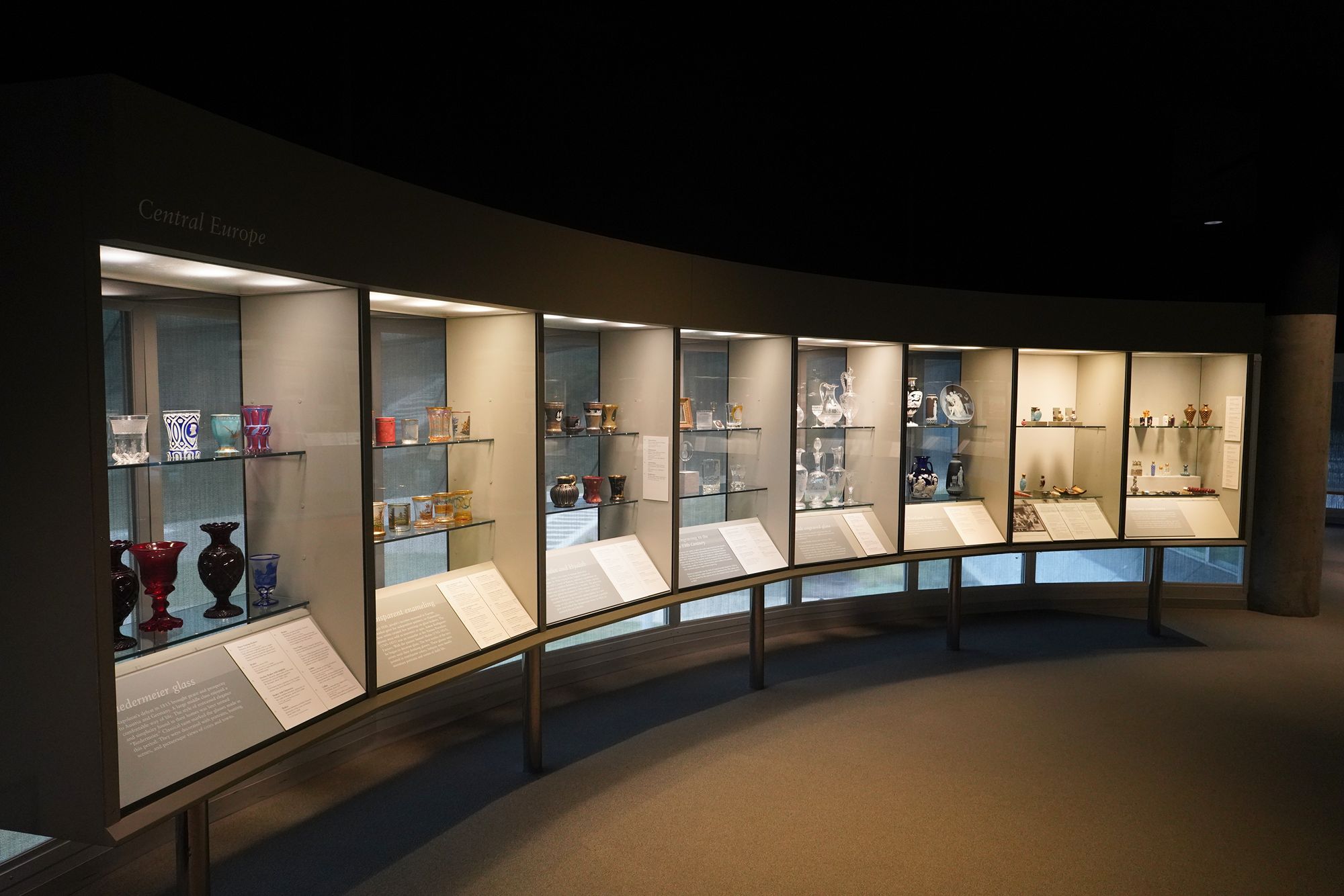
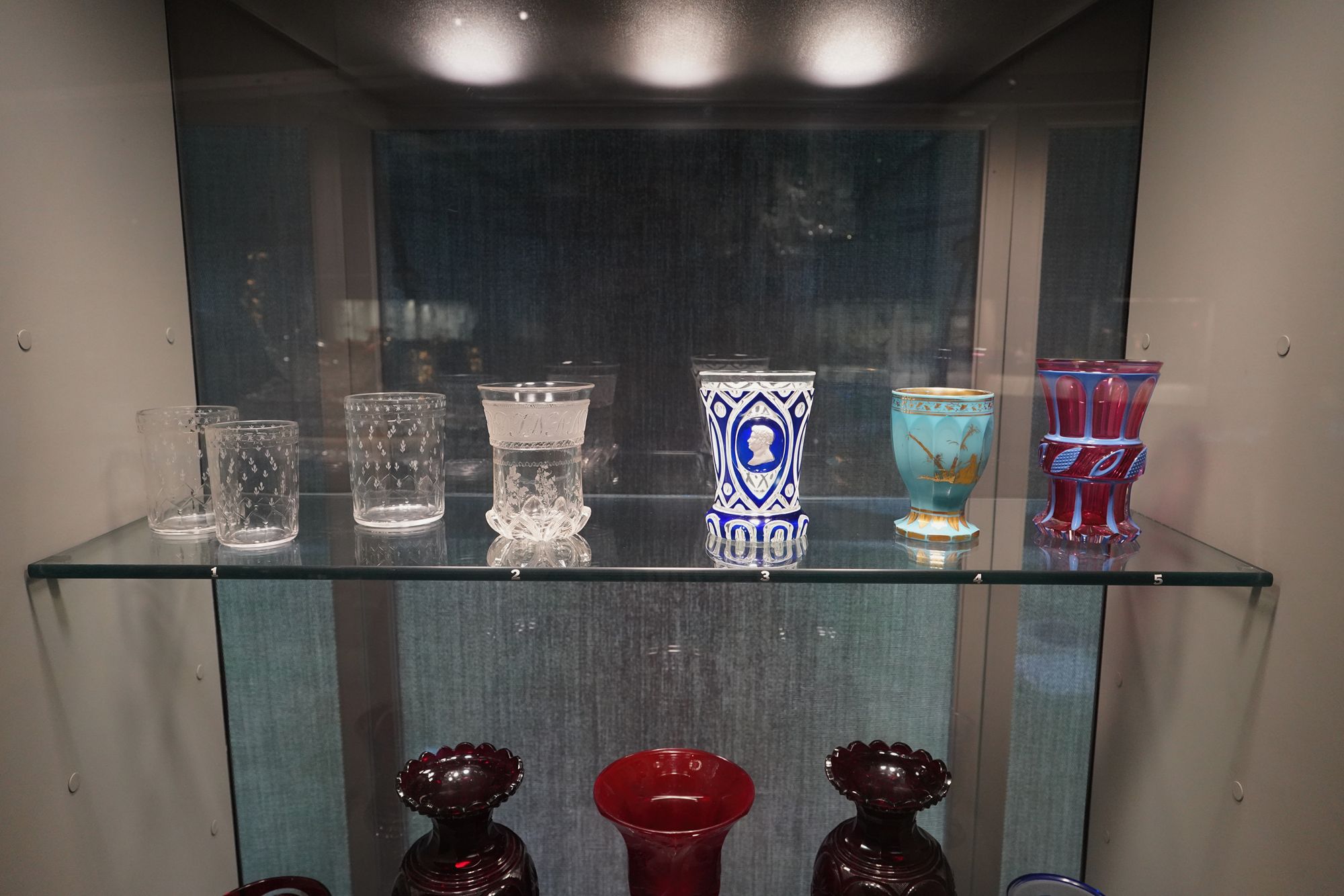
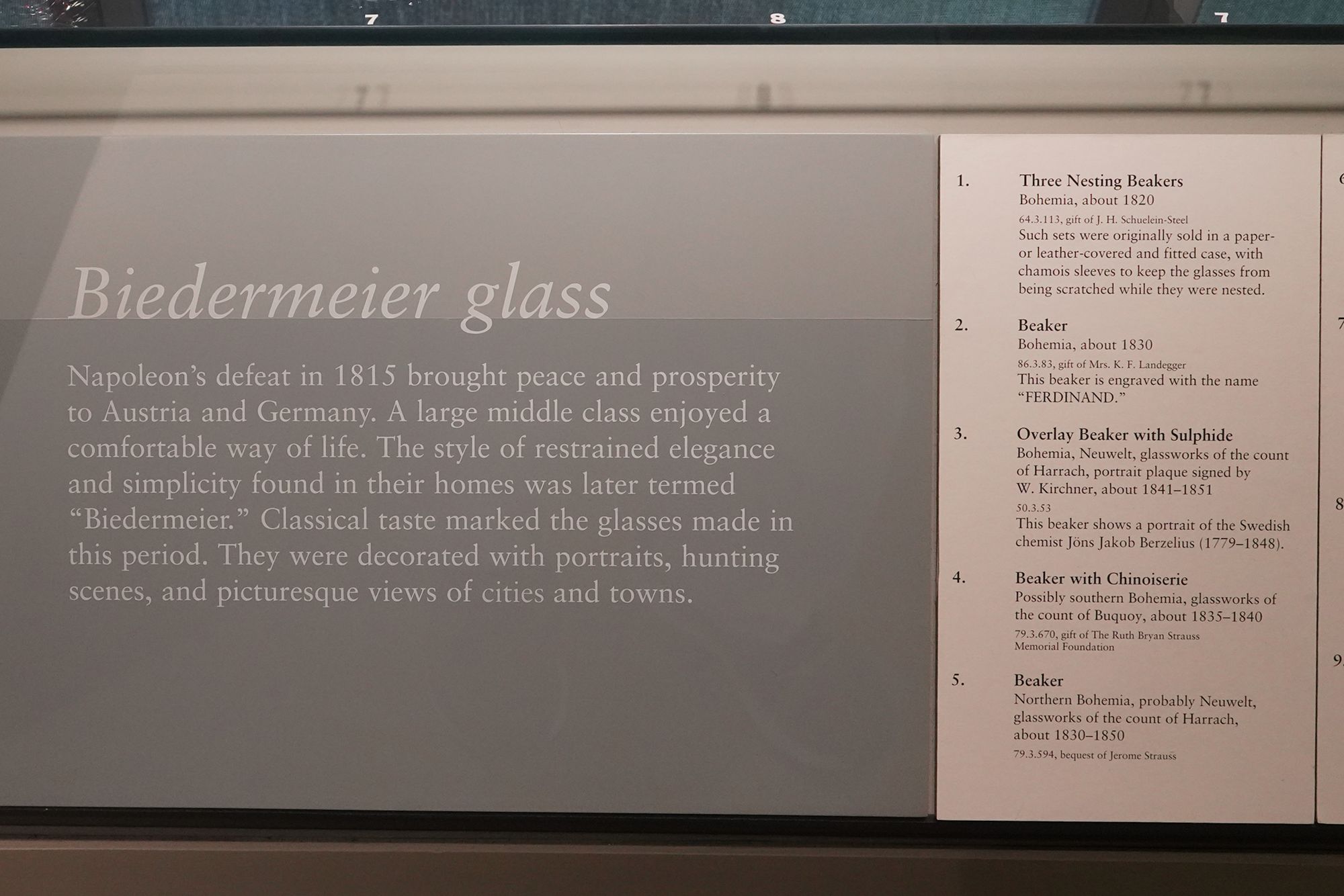
Biedermeier glass
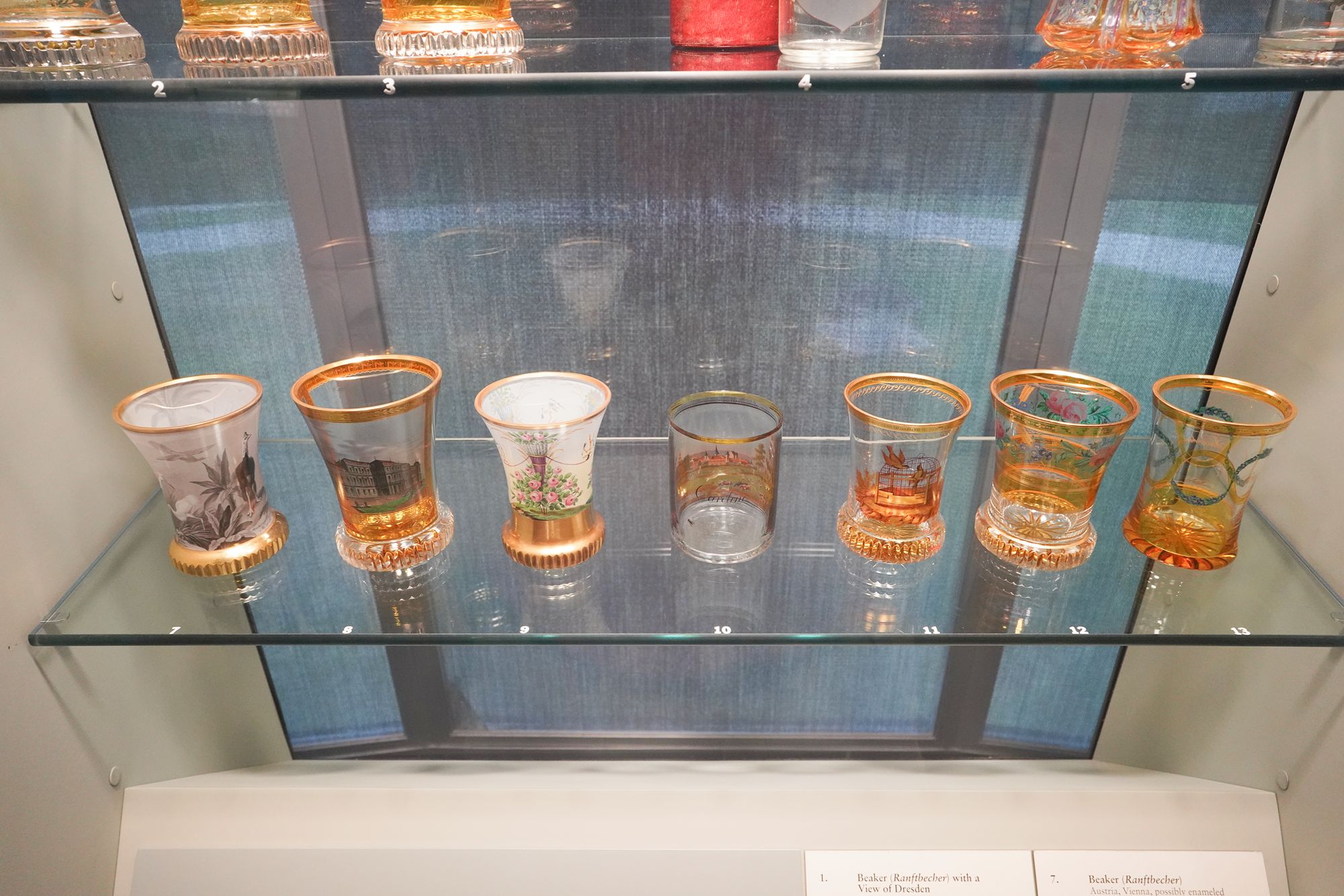
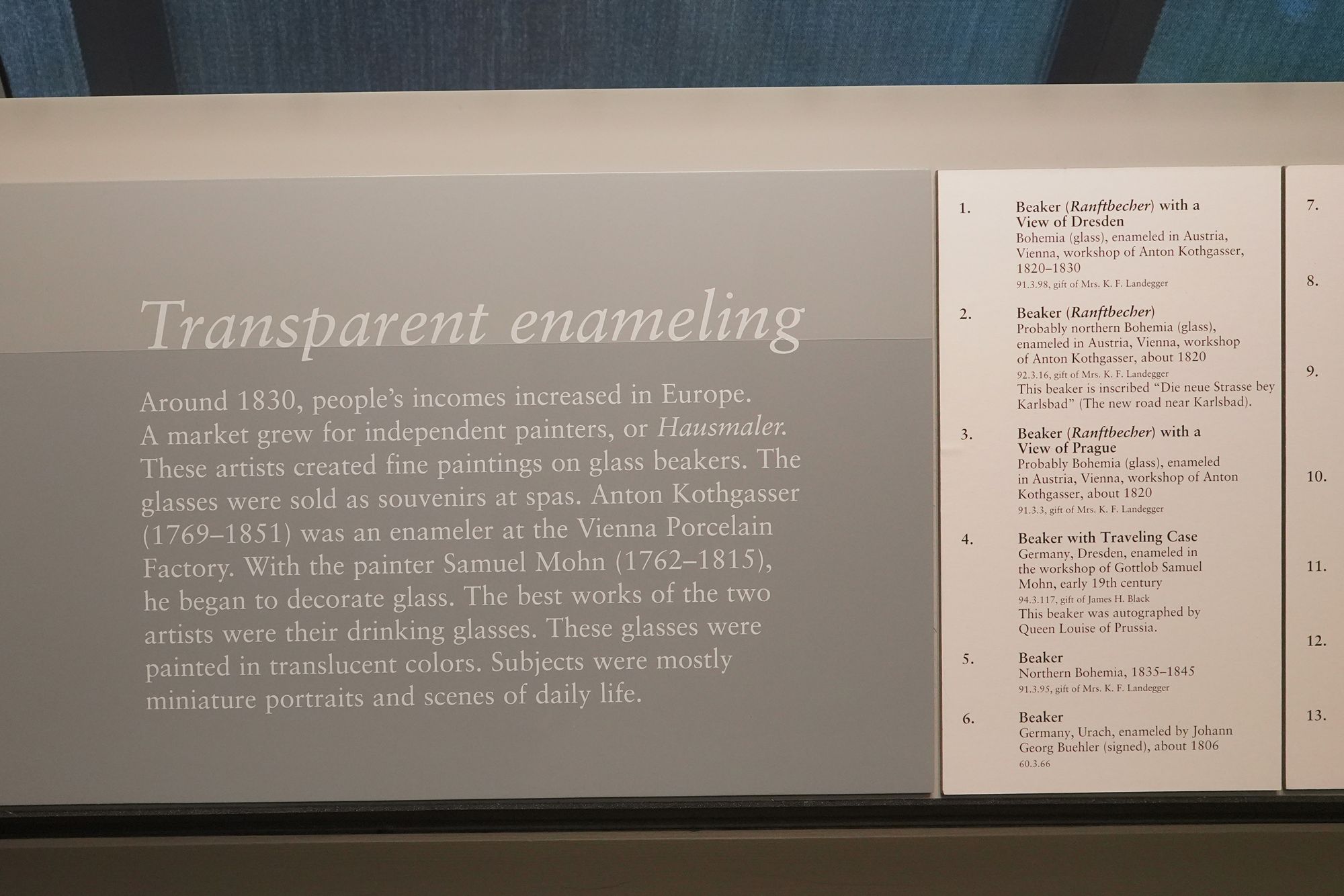
Transparent enameling
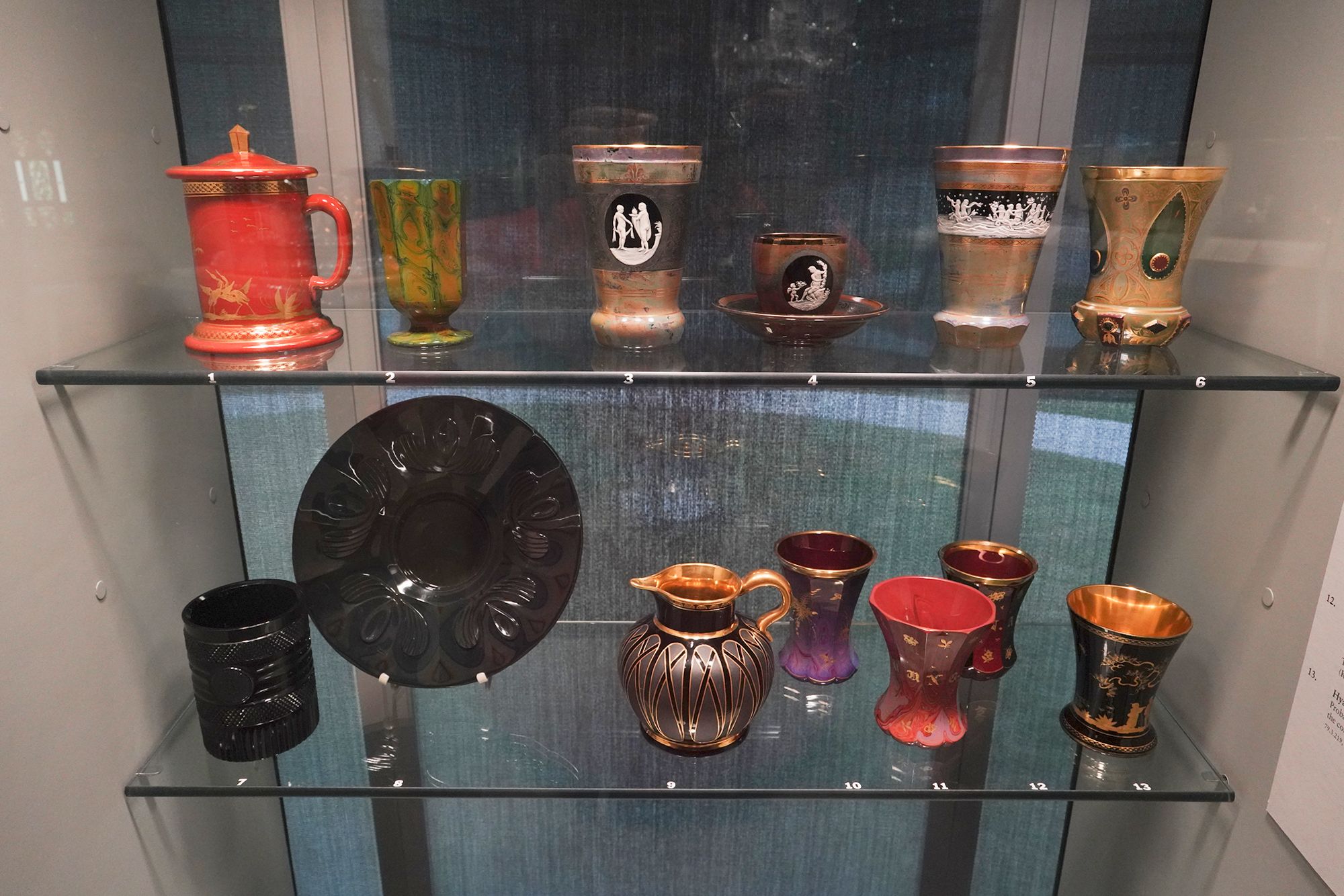
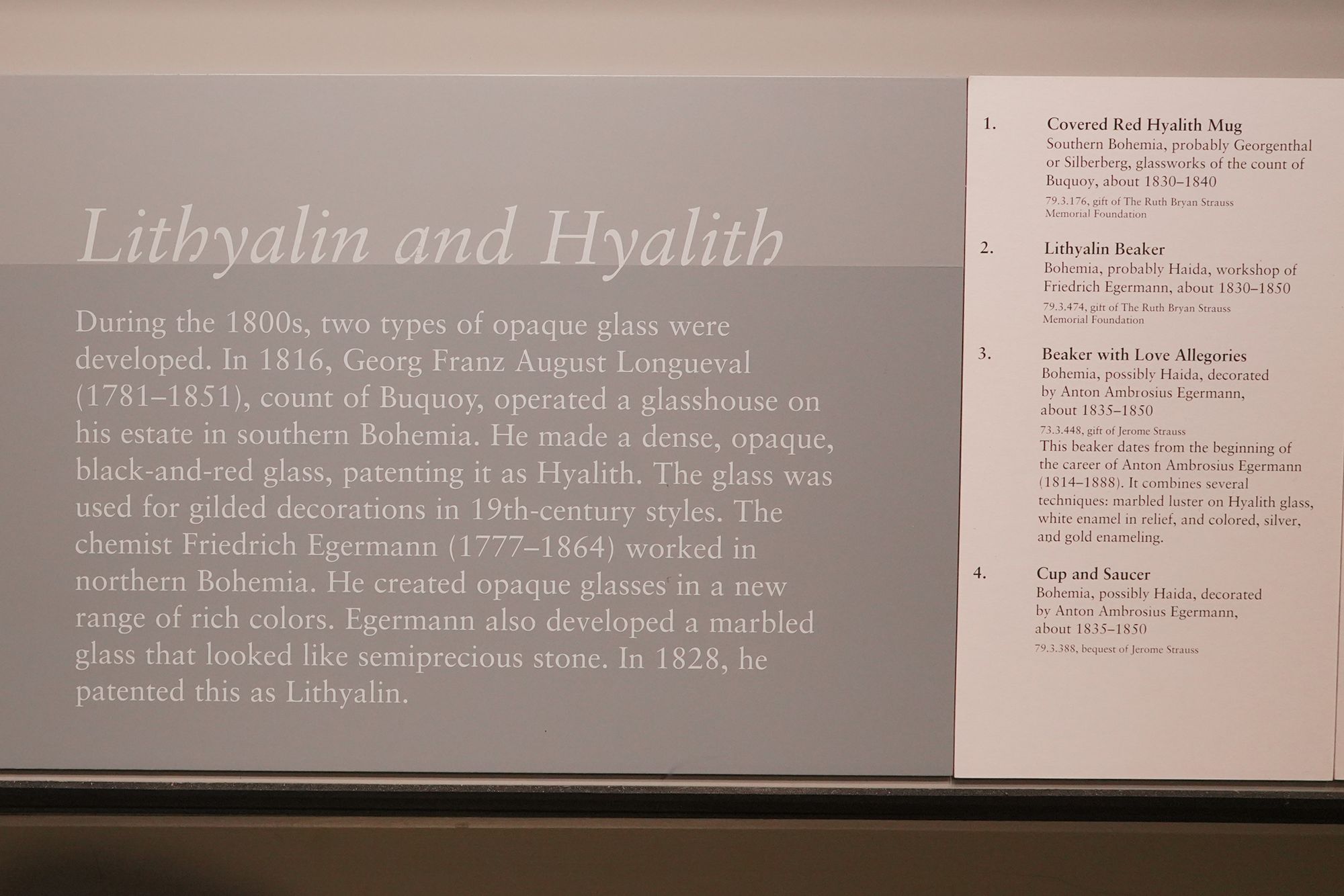
Lithyalin and Hyalith
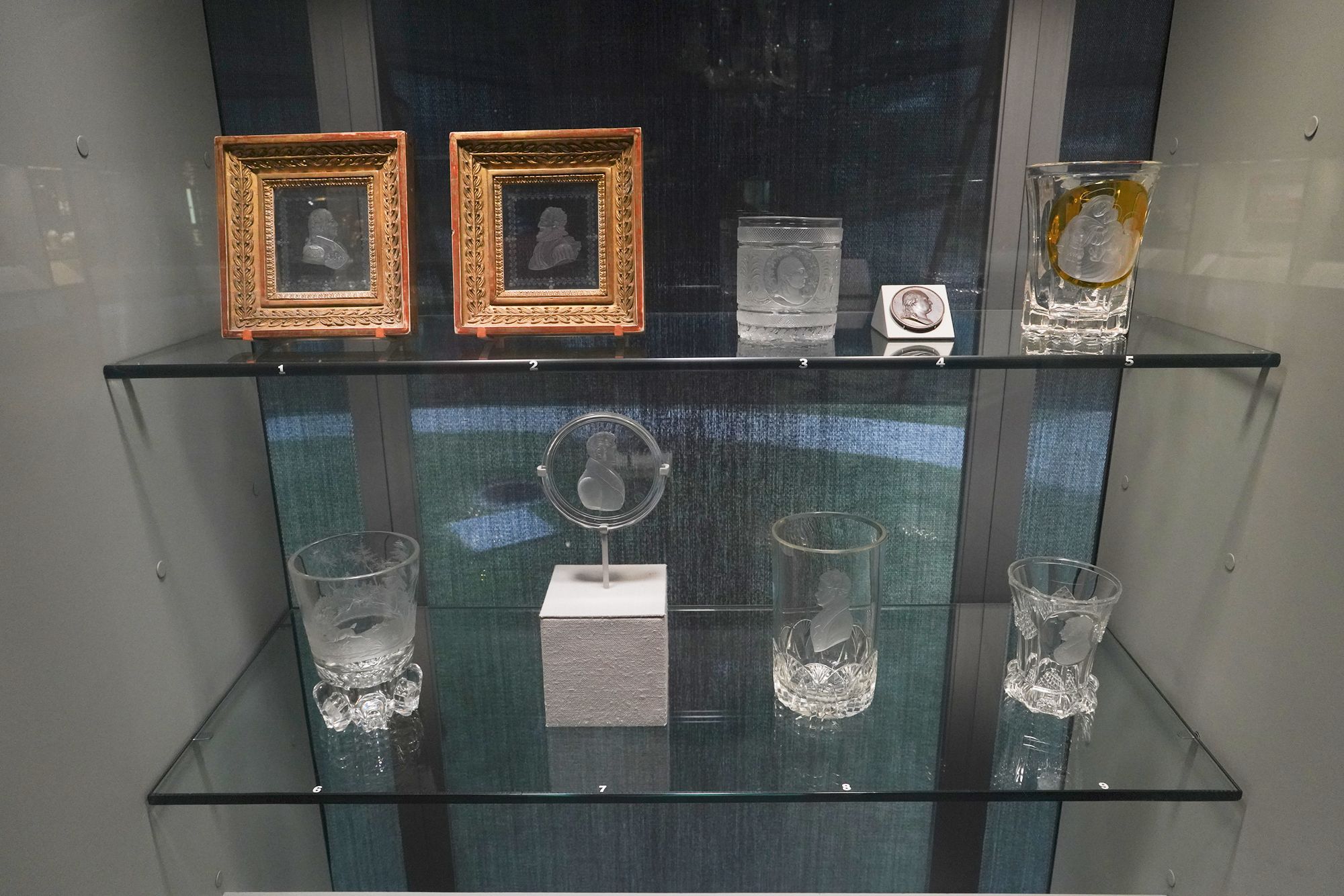
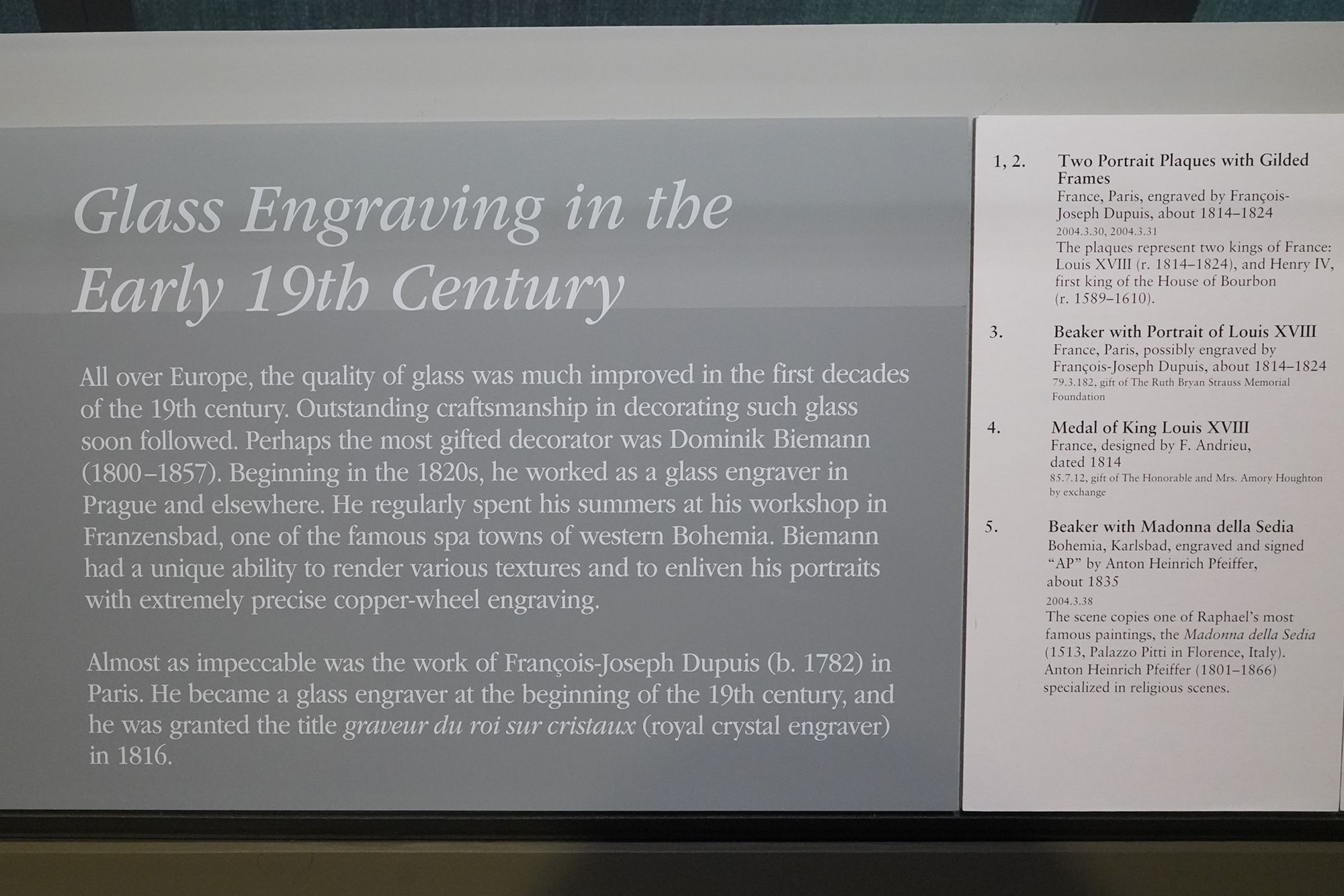
Glass Engraving in the Early 19th Century
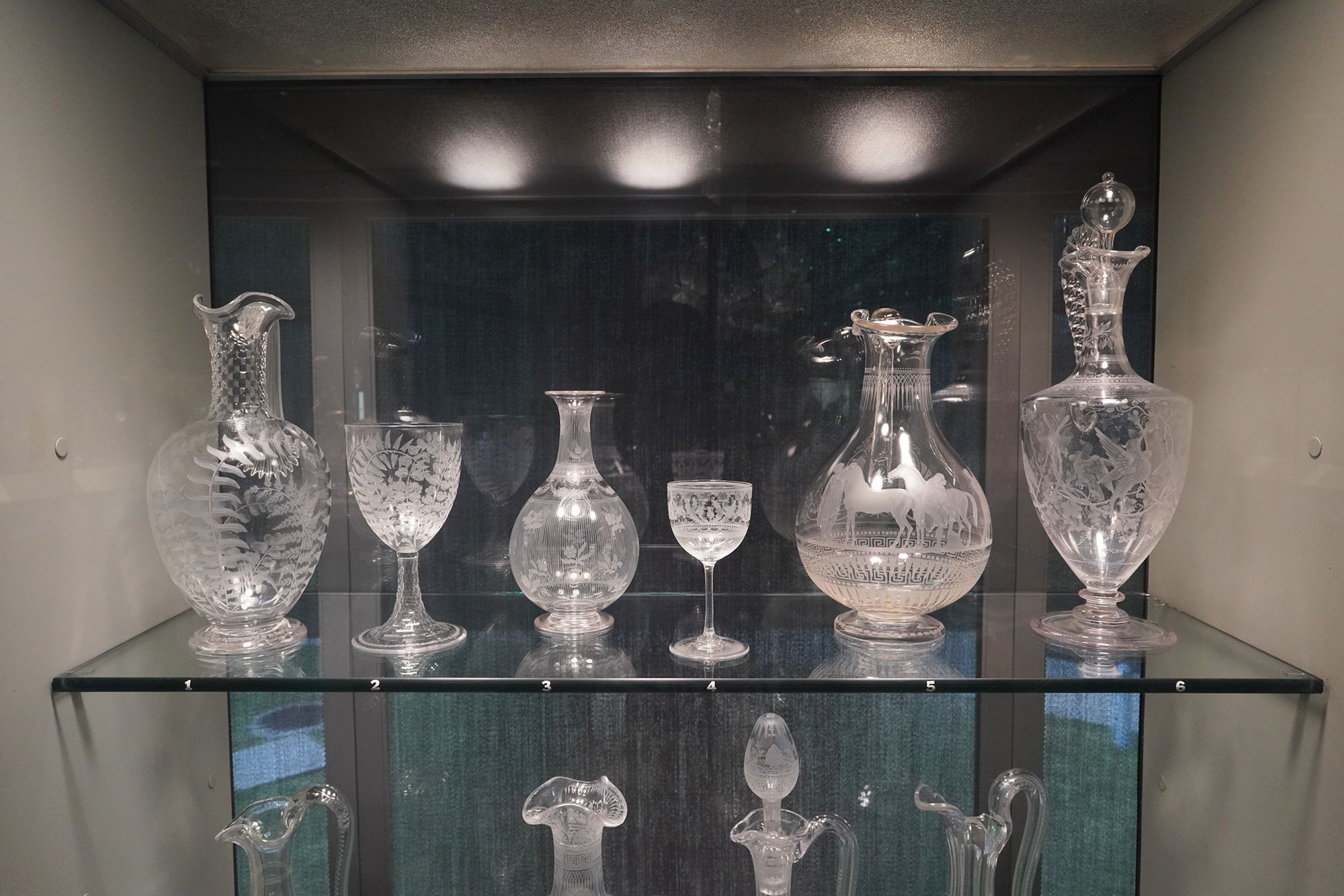
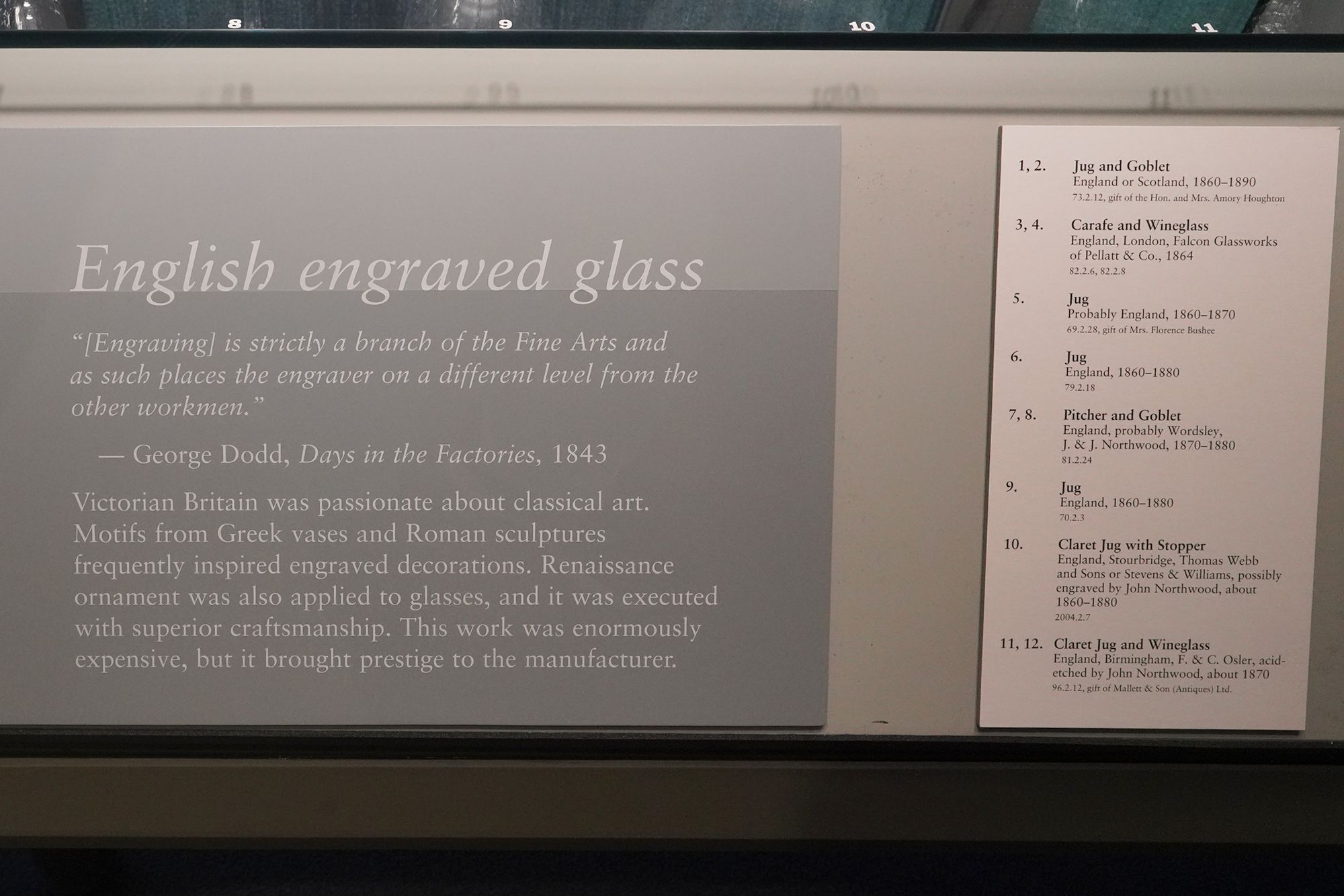
English engraved glass
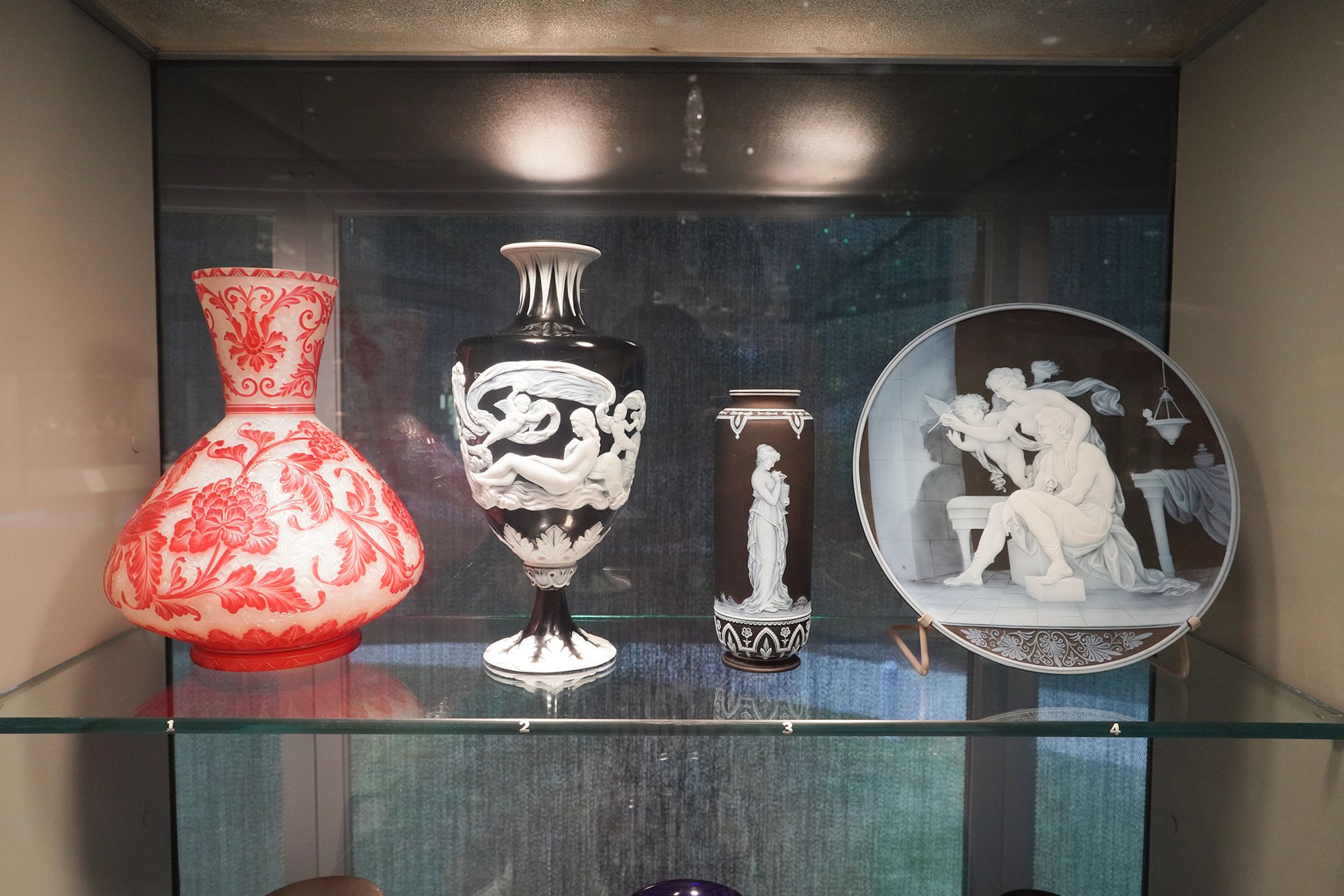
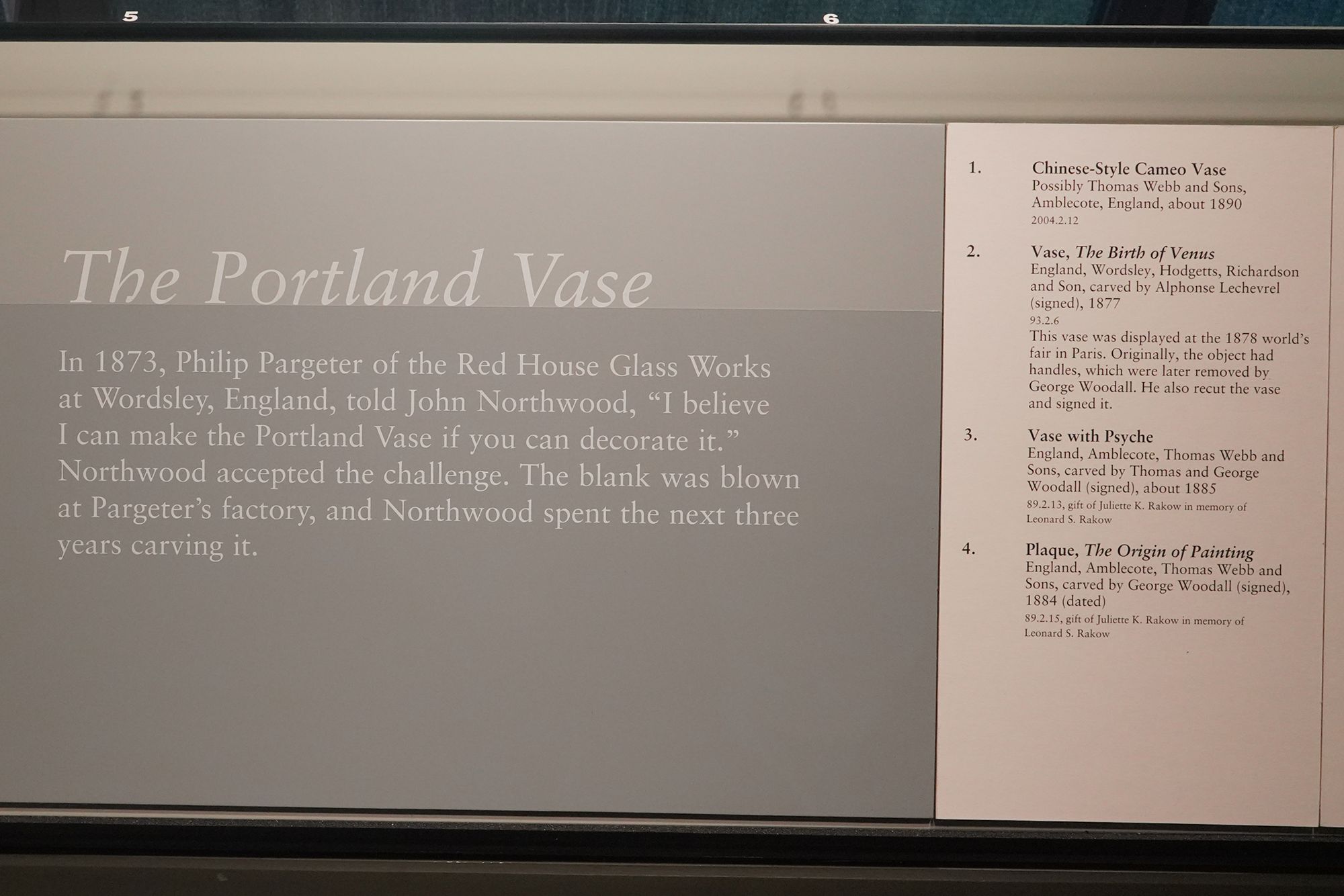
The Portland Vase
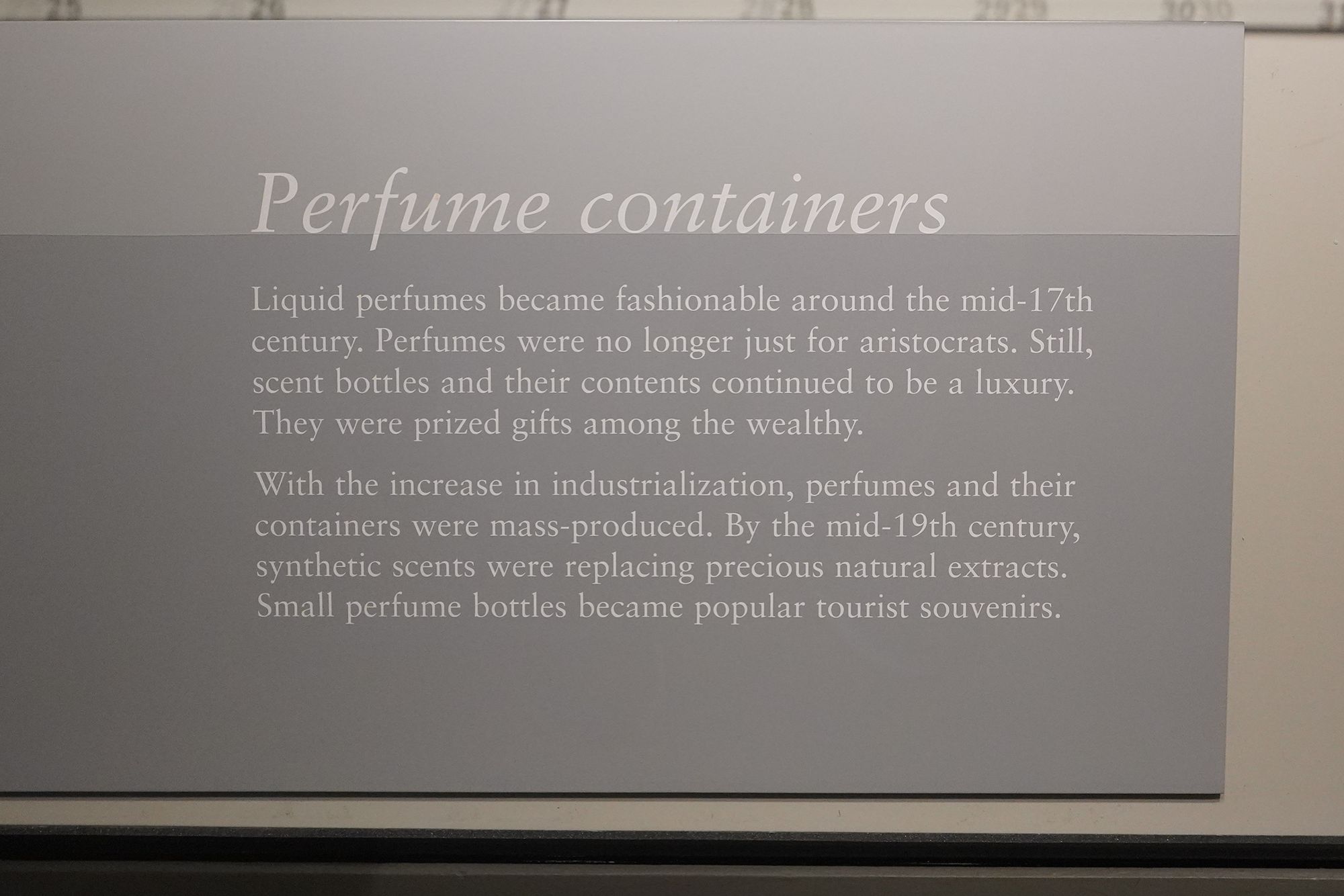
Perfume containers
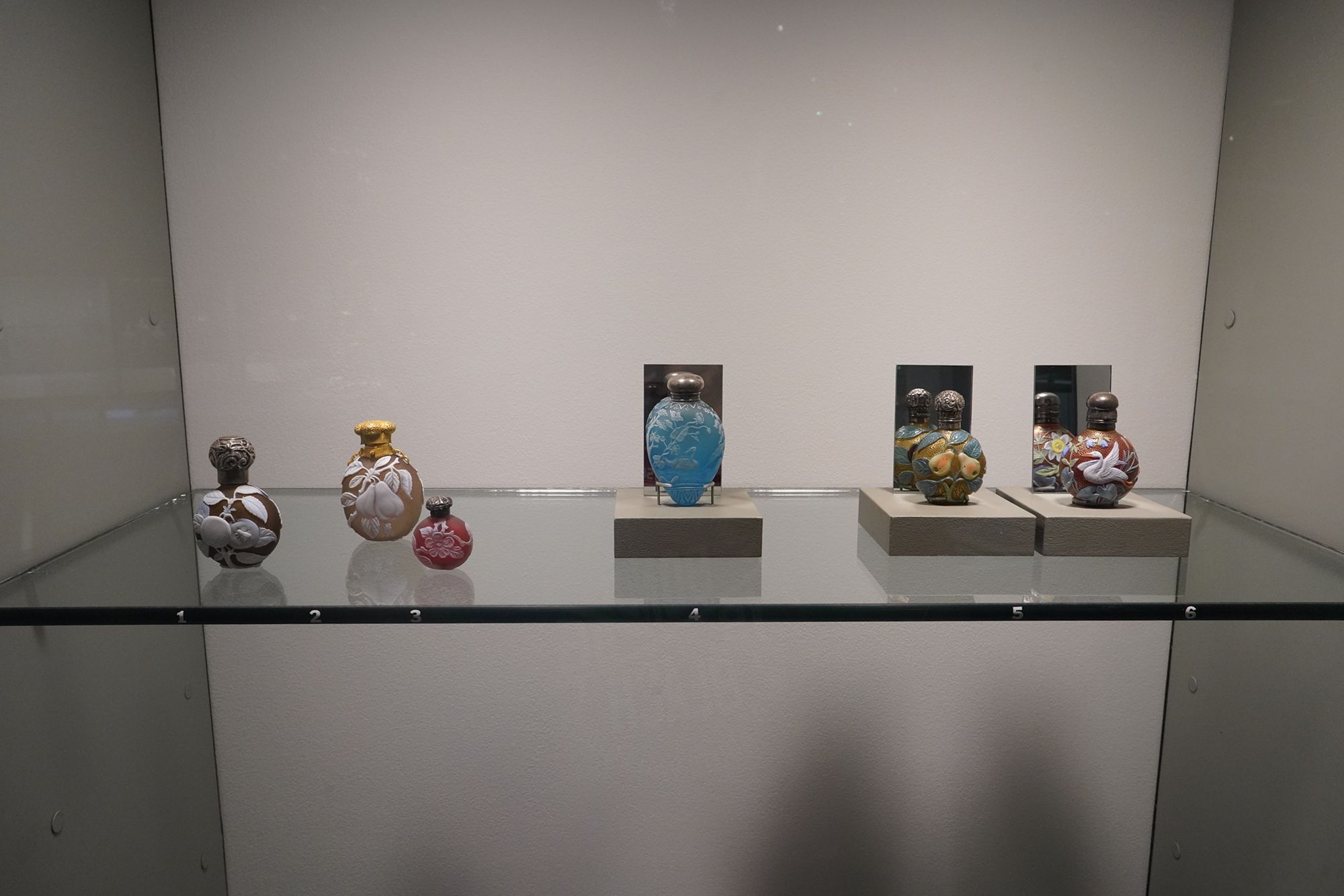
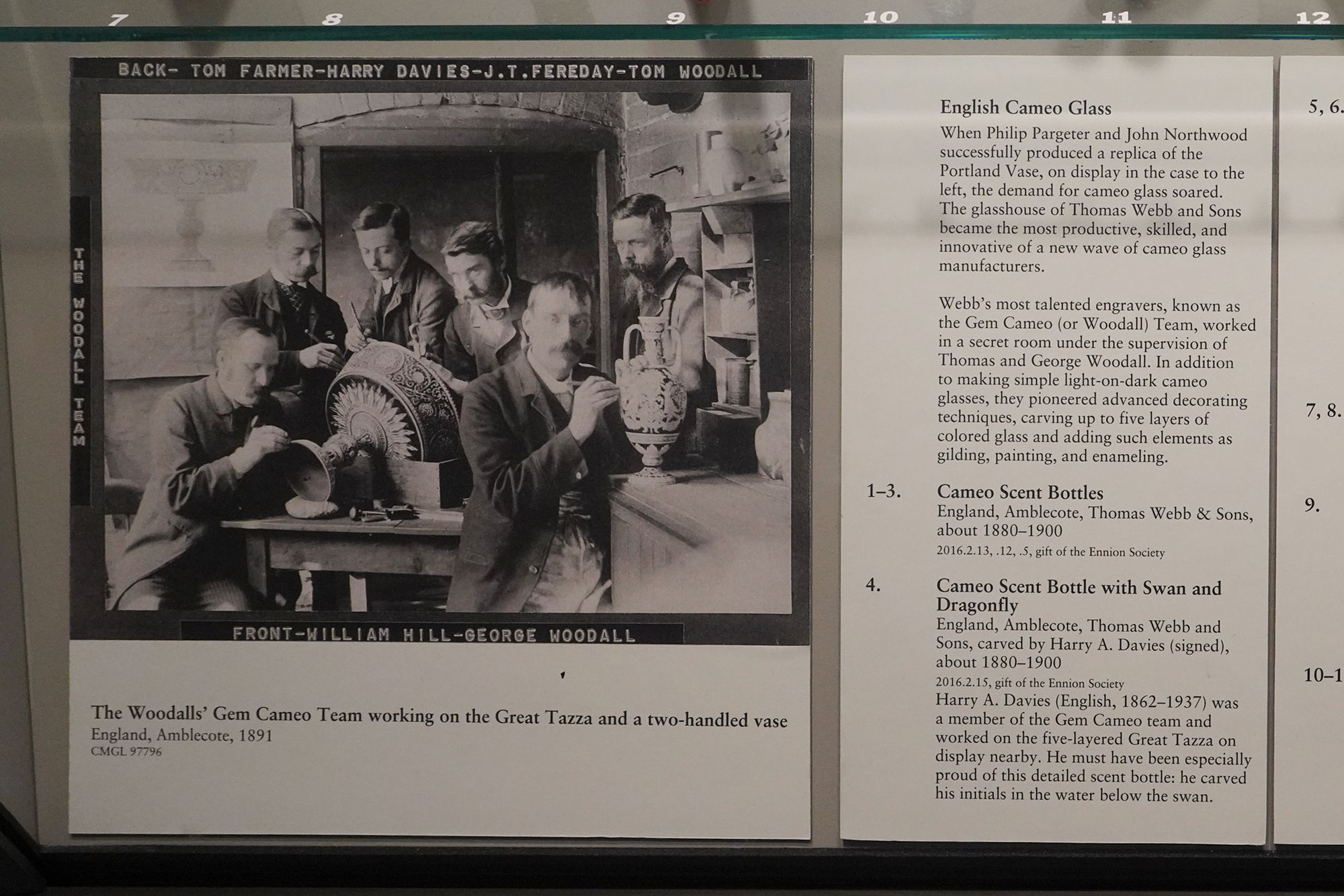
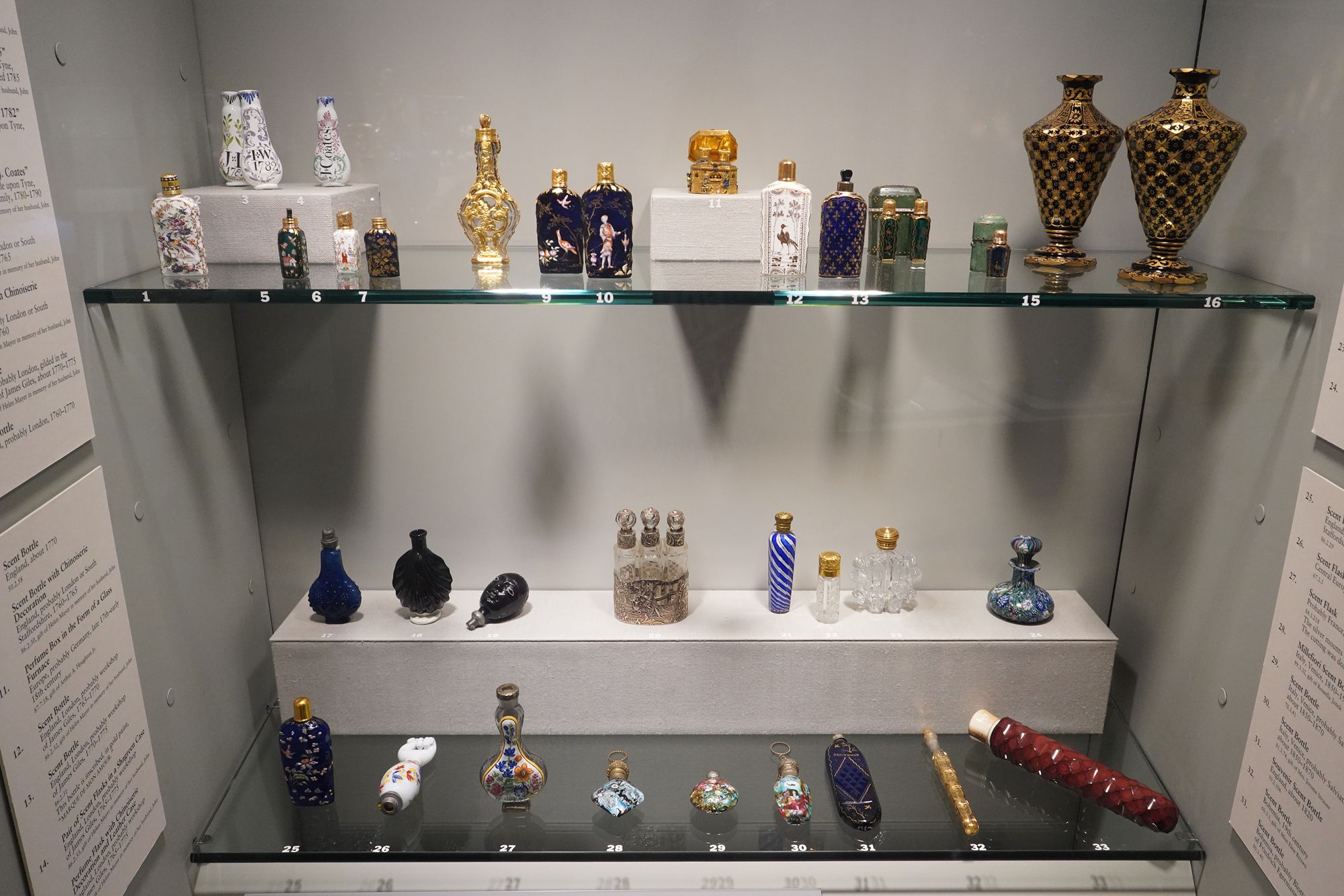
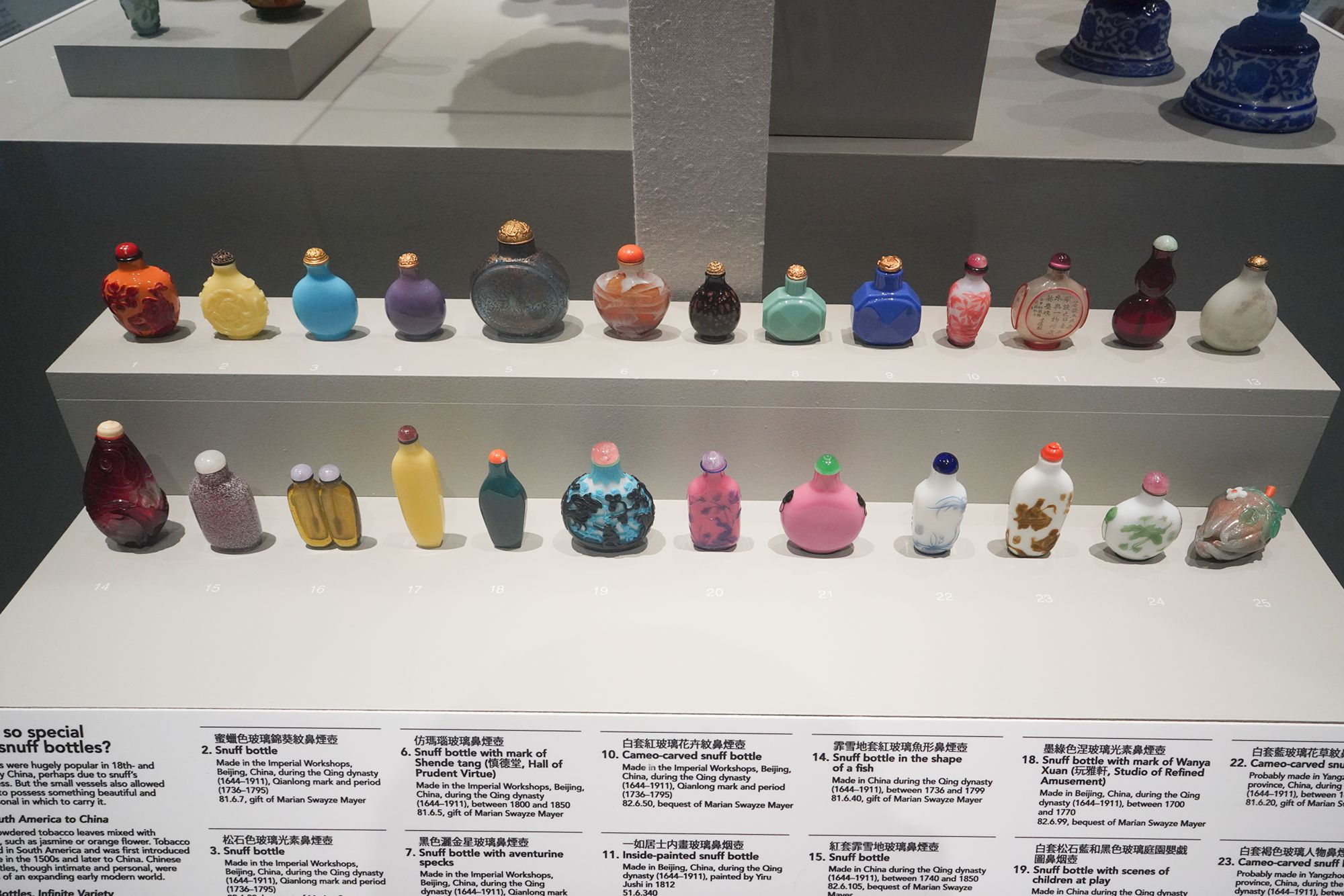
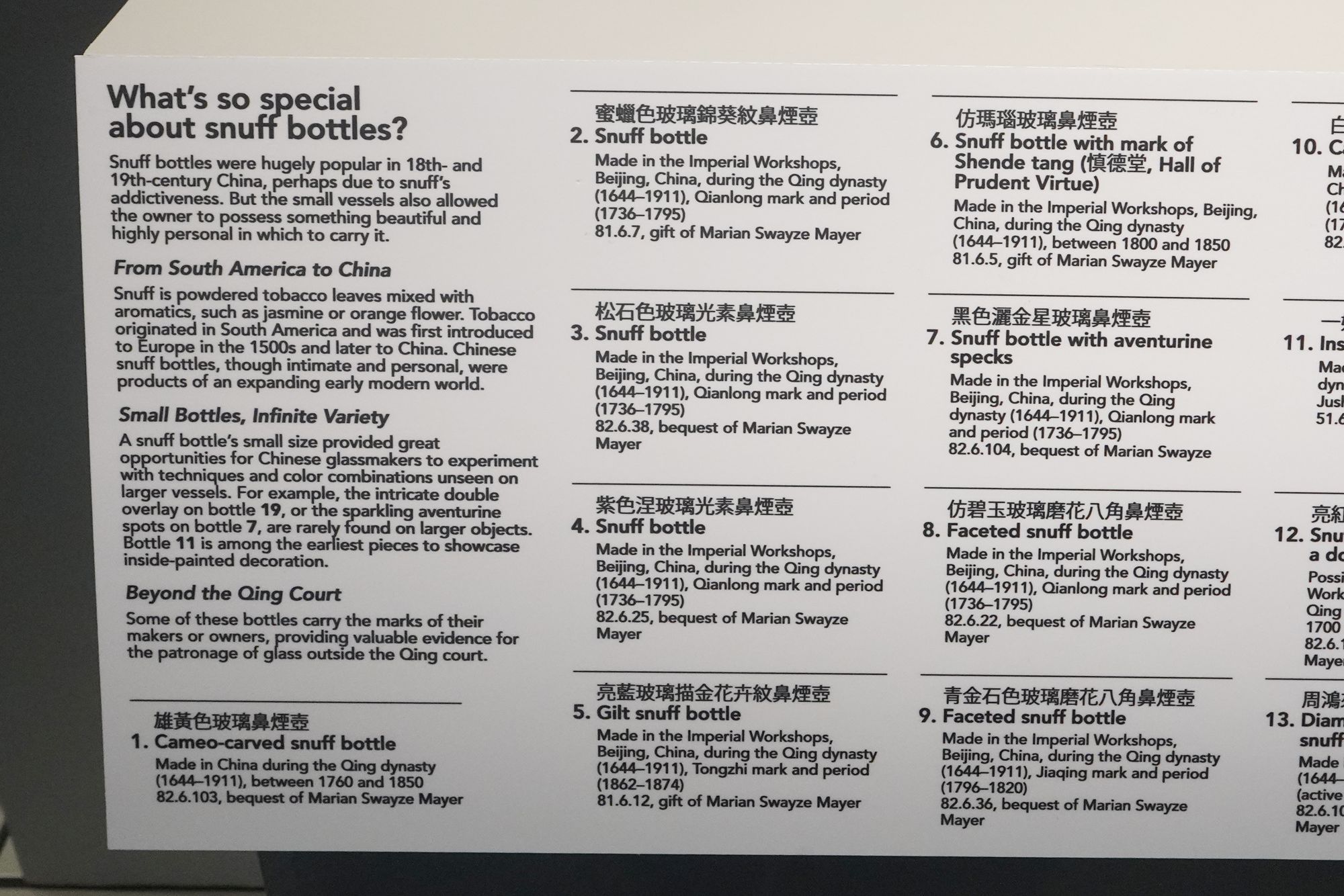
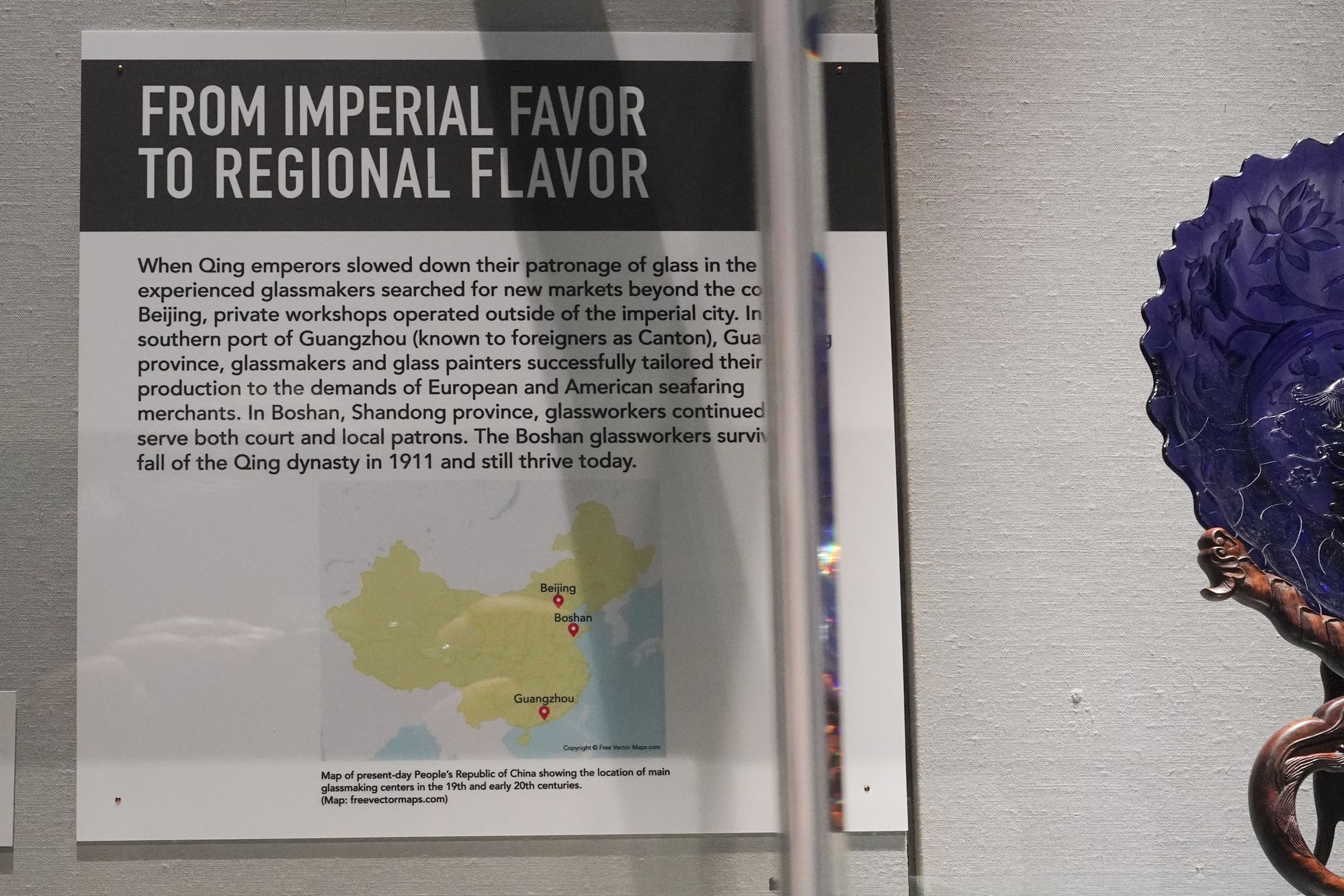
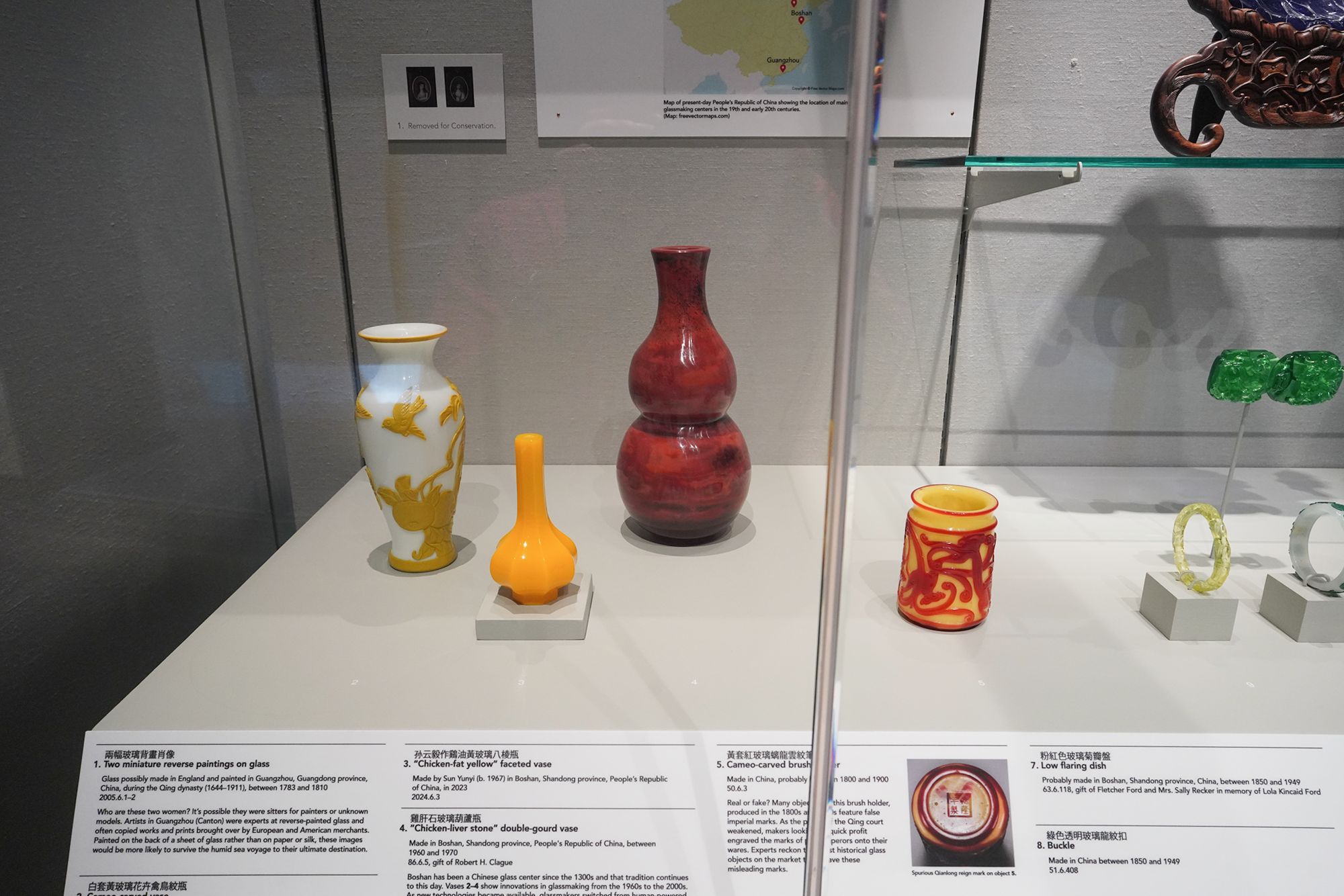
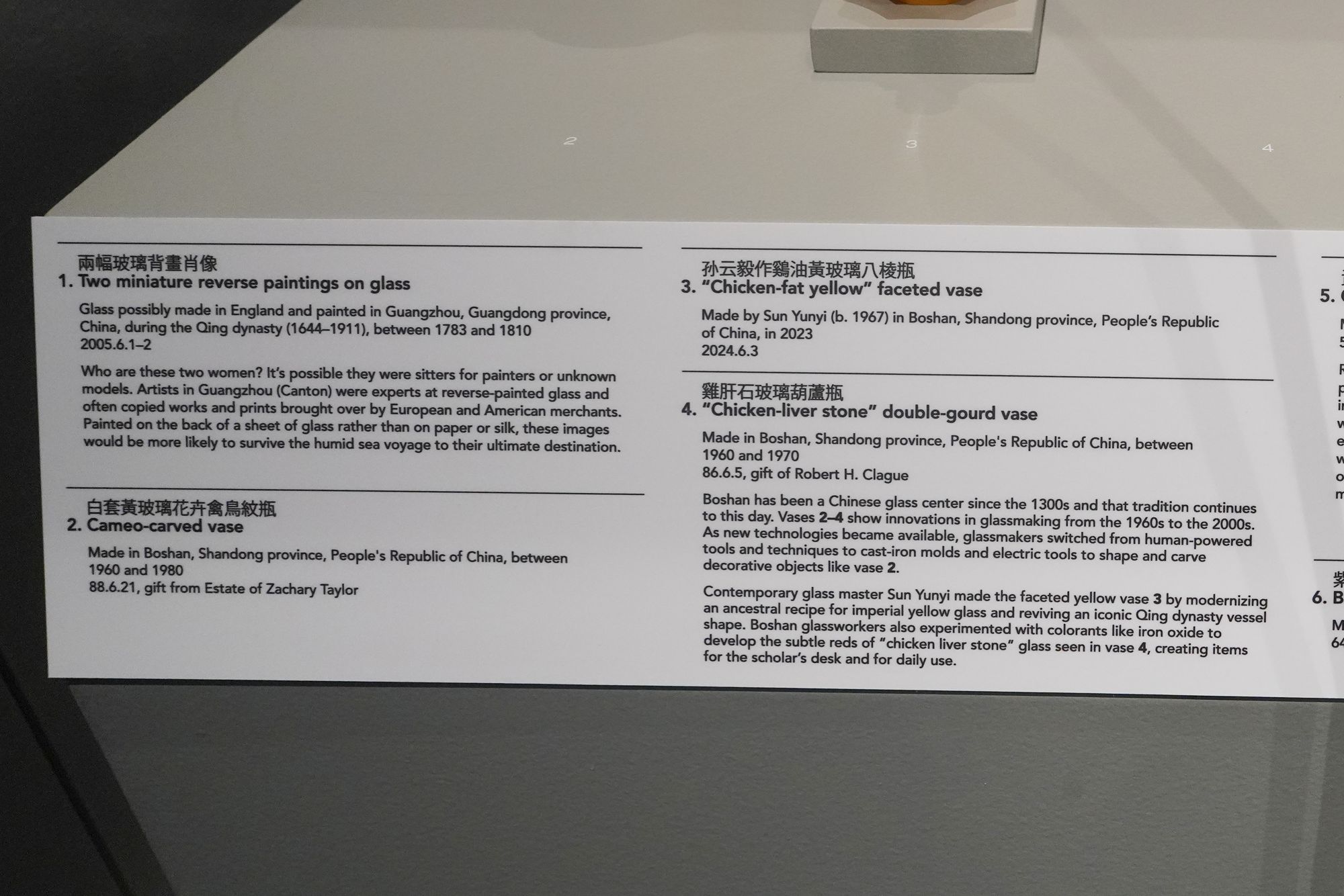
Chinese Glass
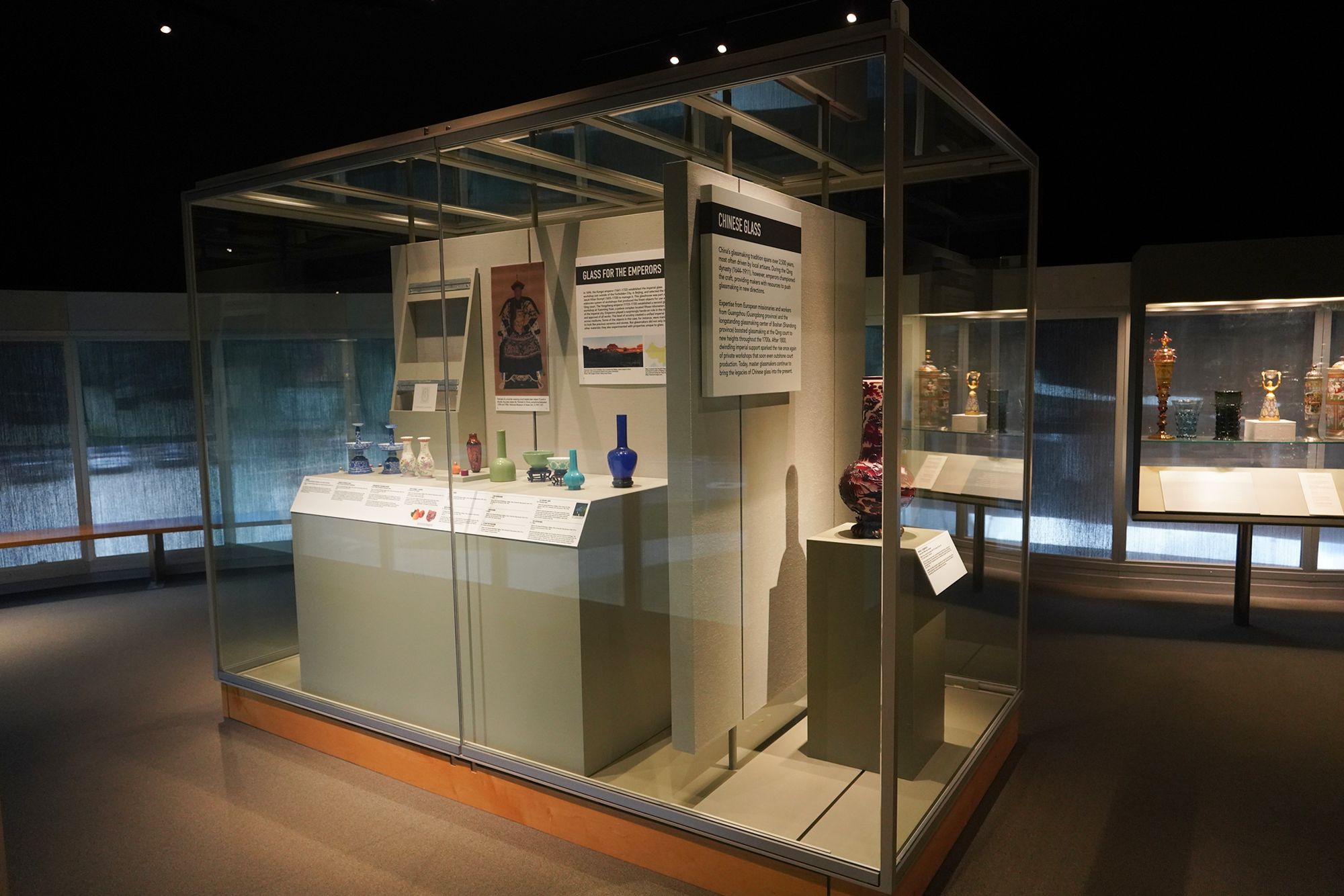
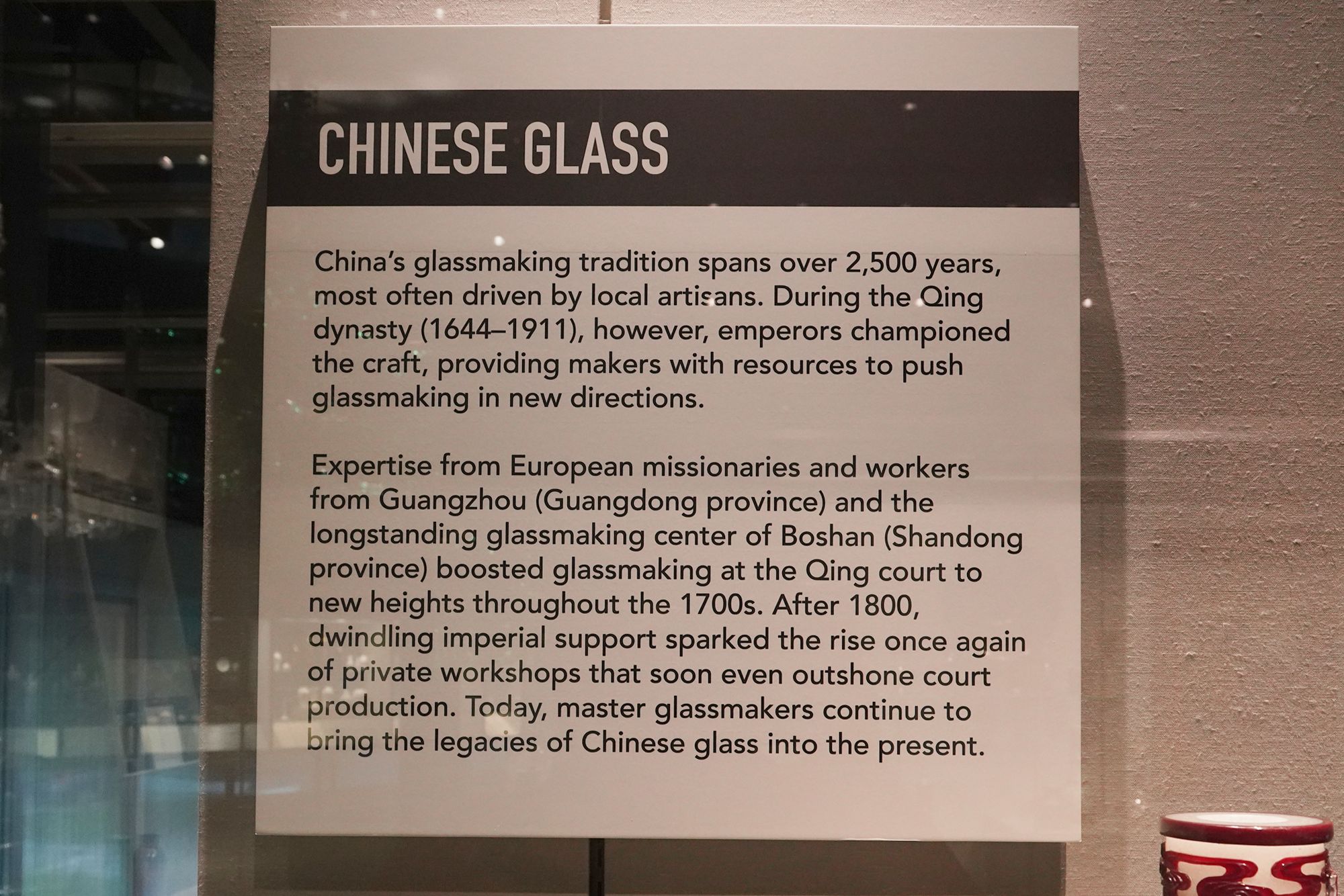
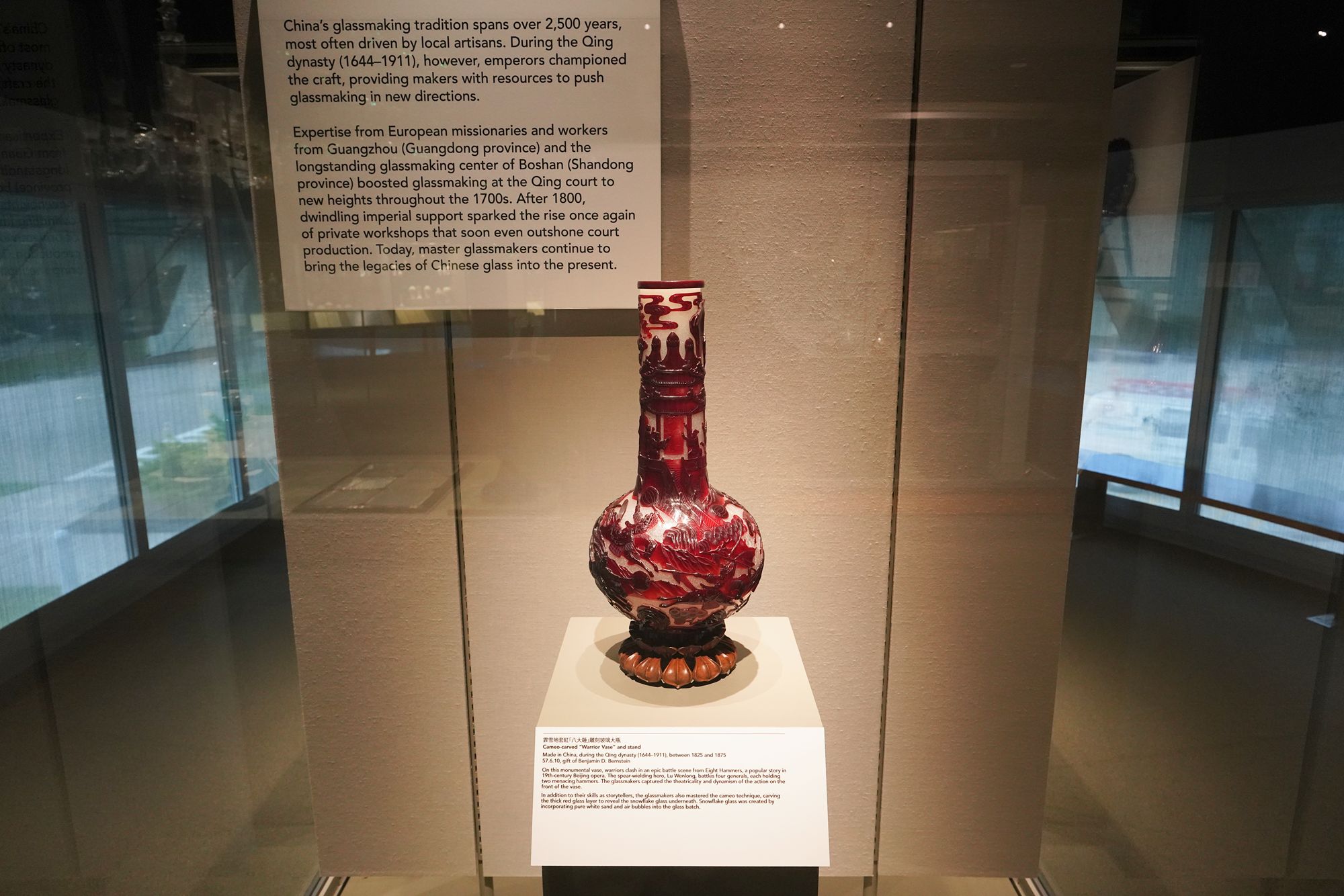
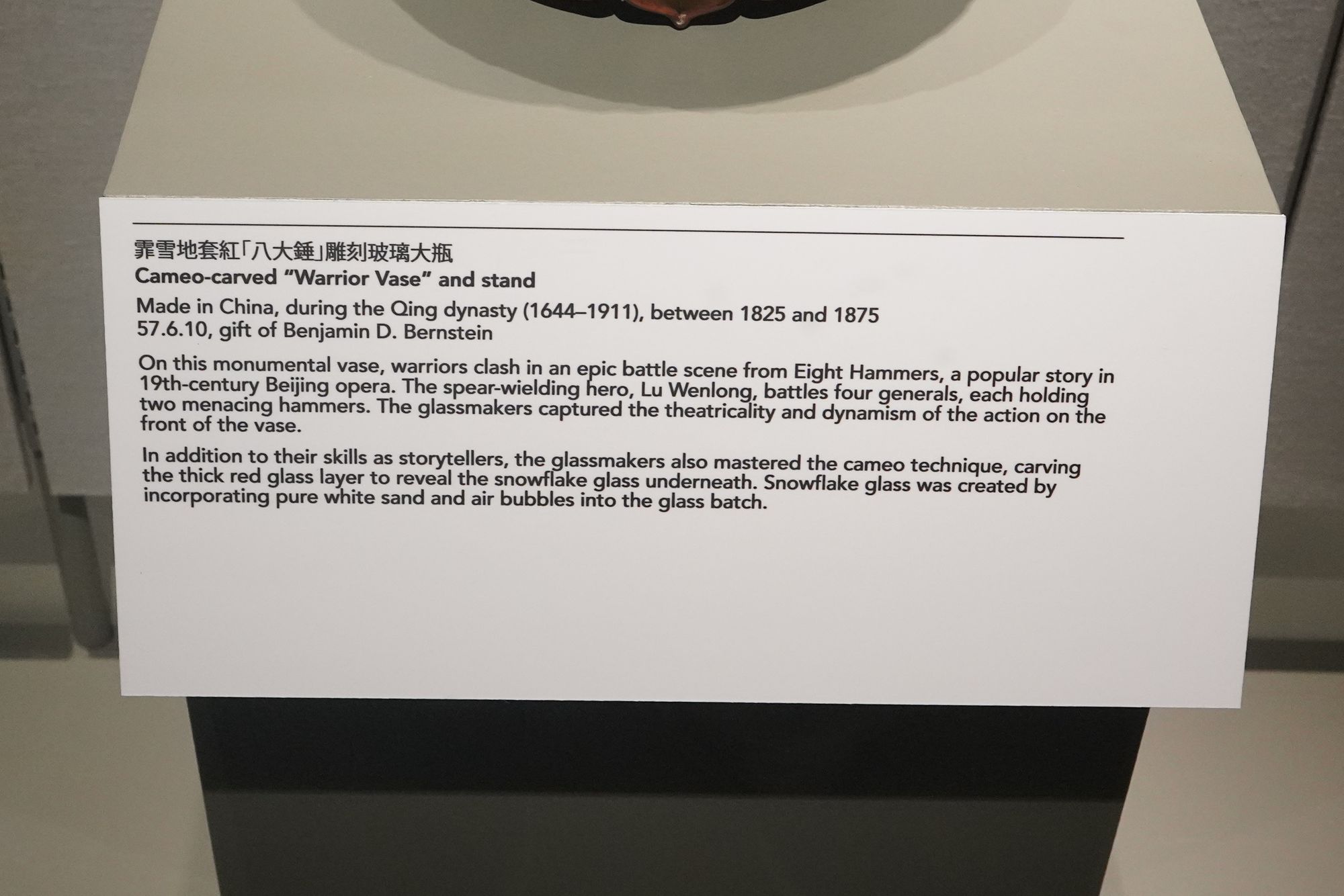
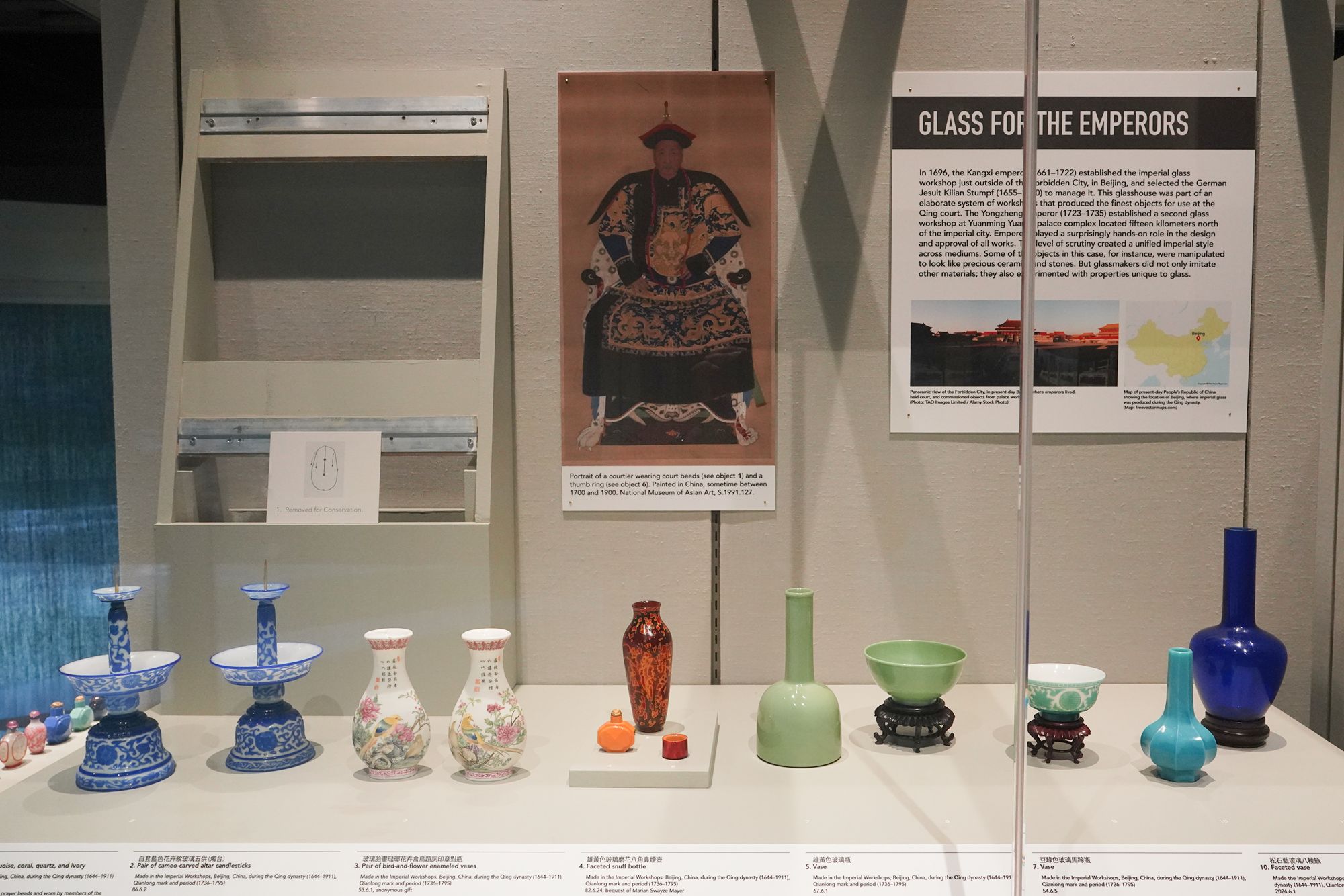
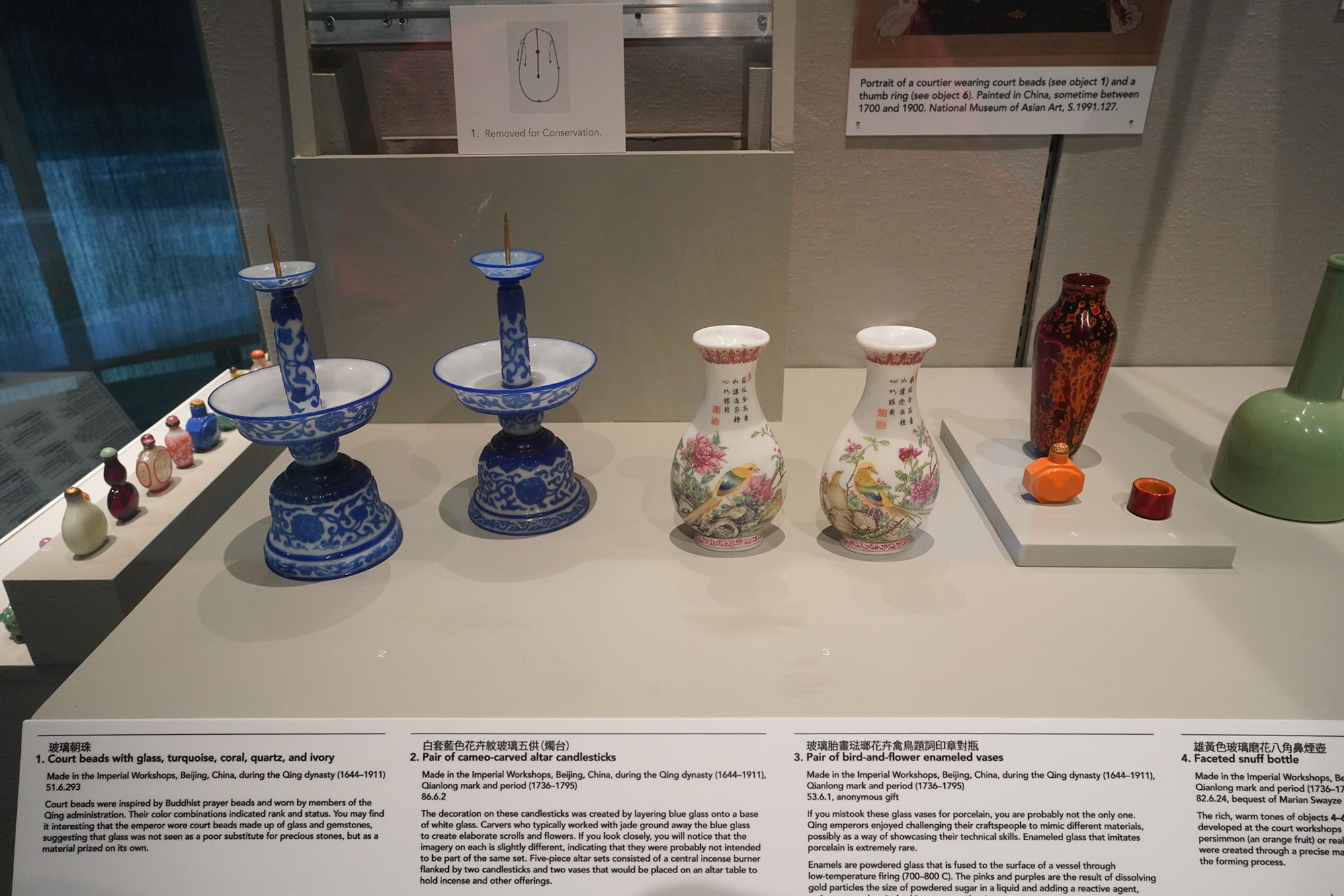
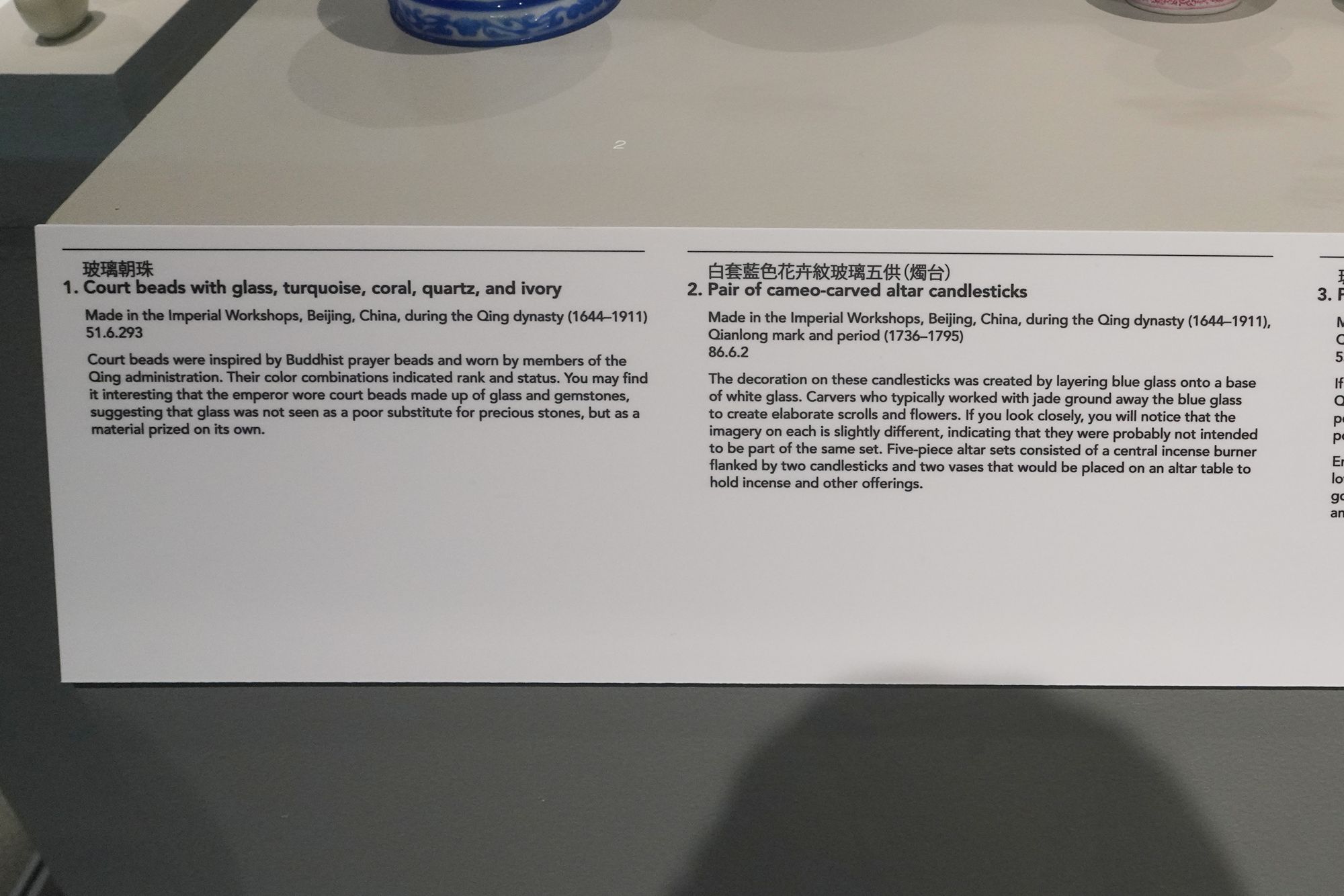
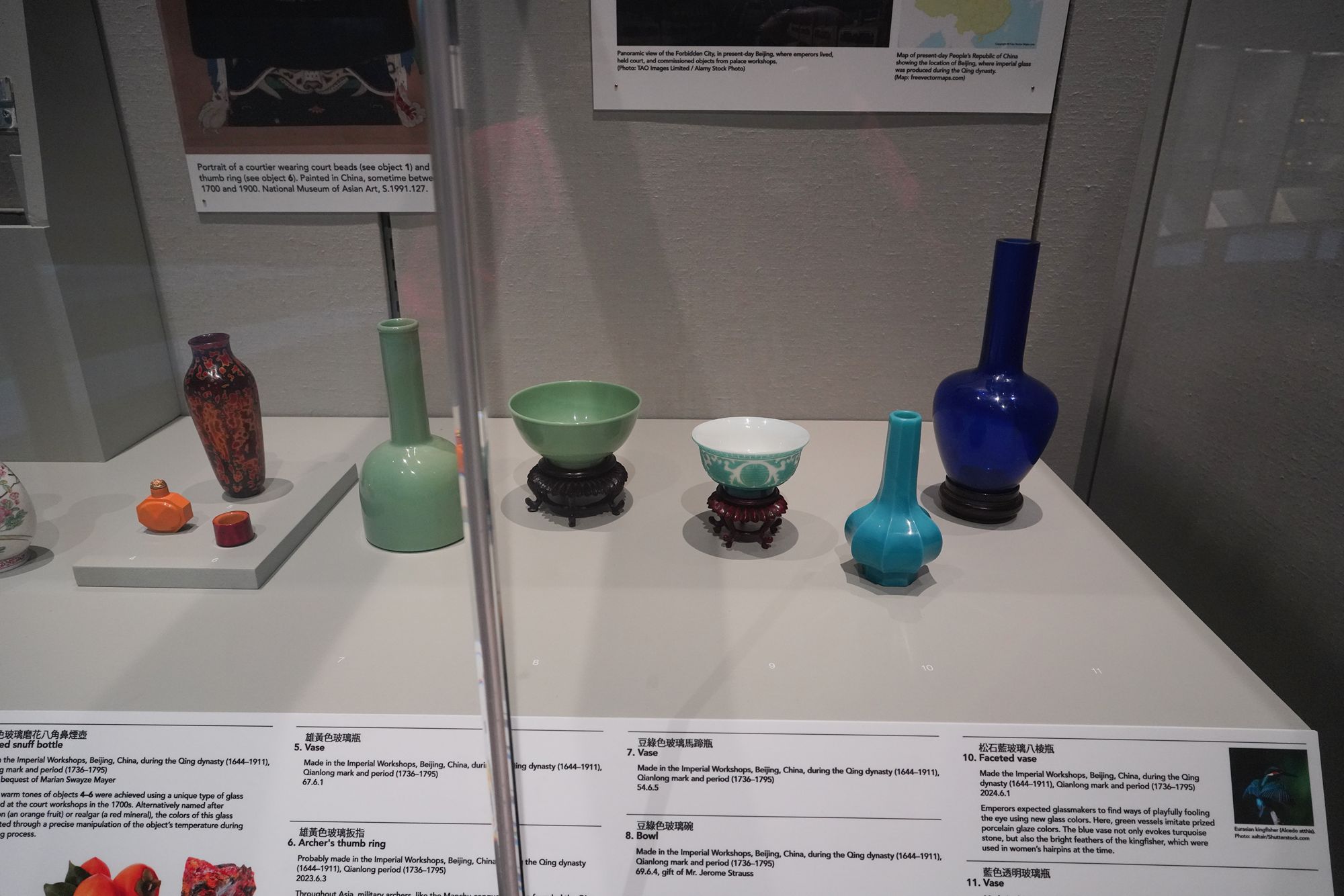
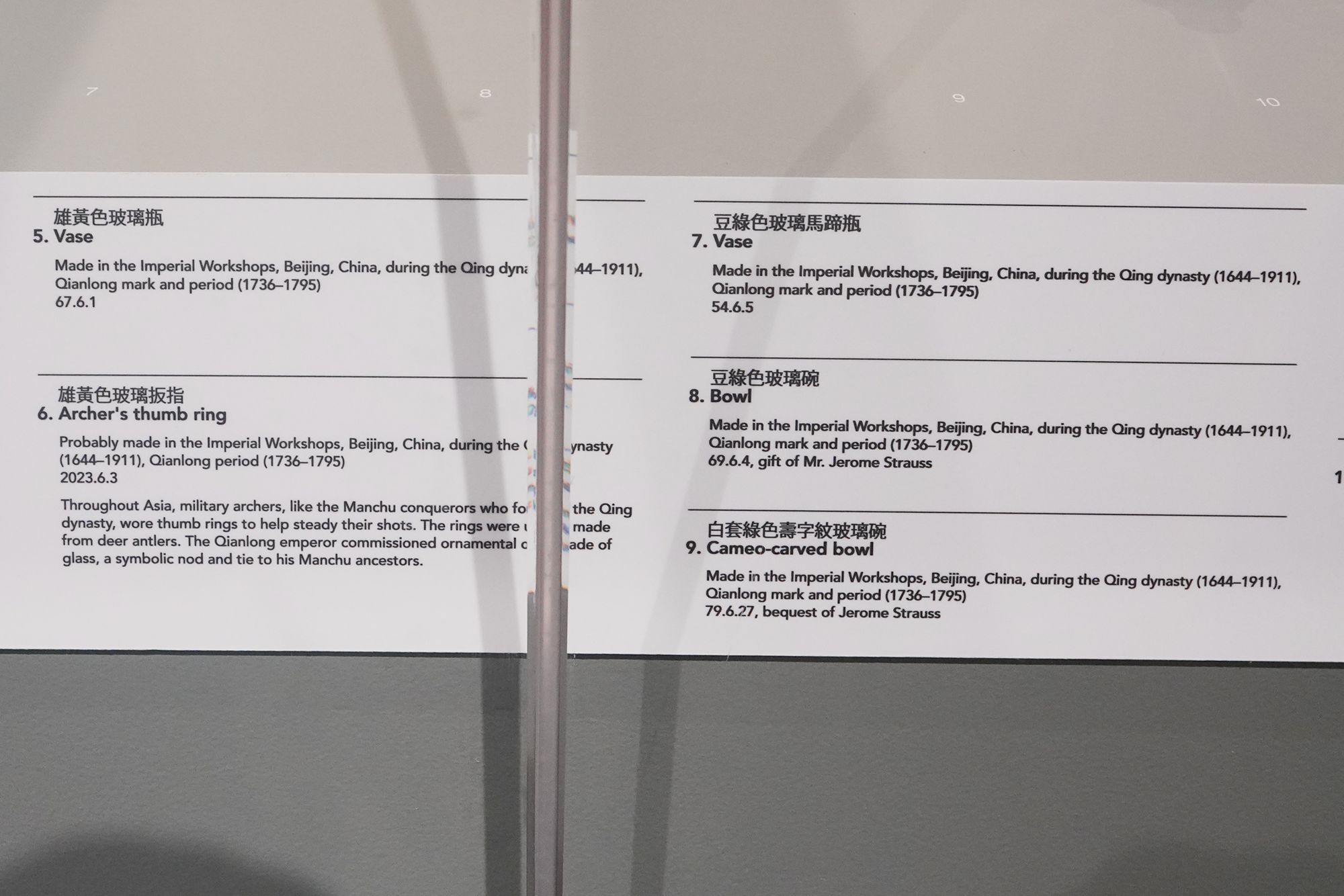
Snuff Bottles
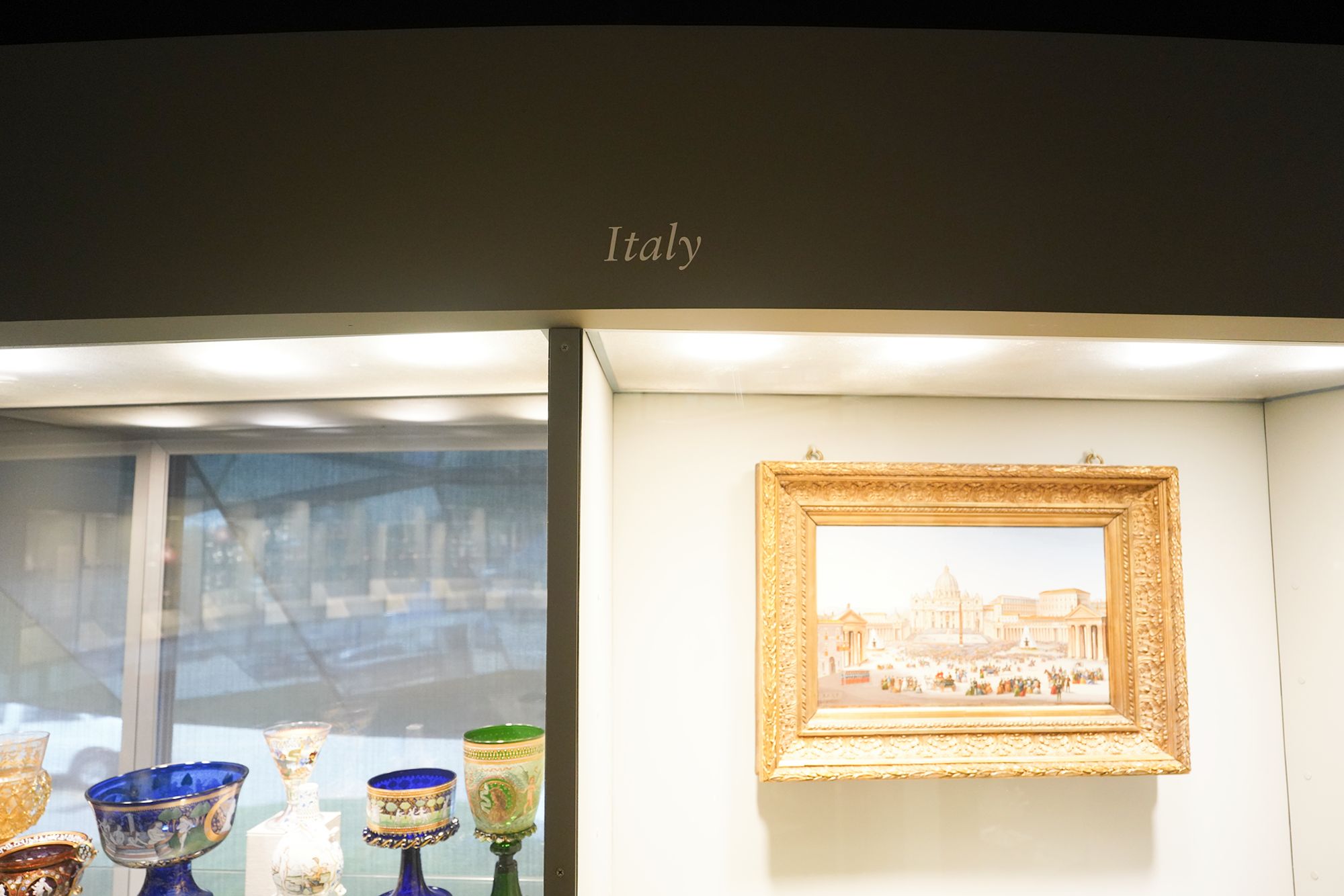
Italy
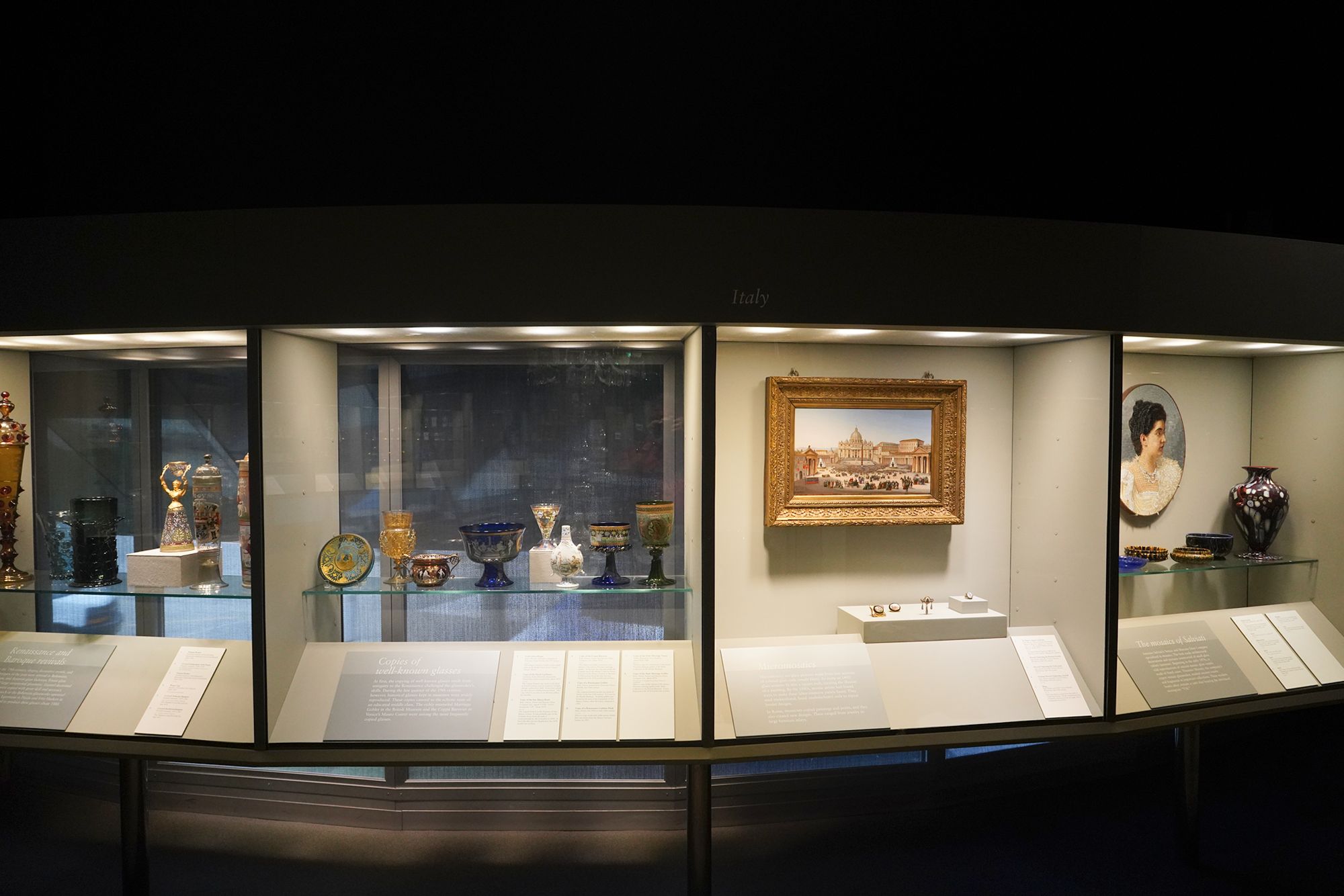
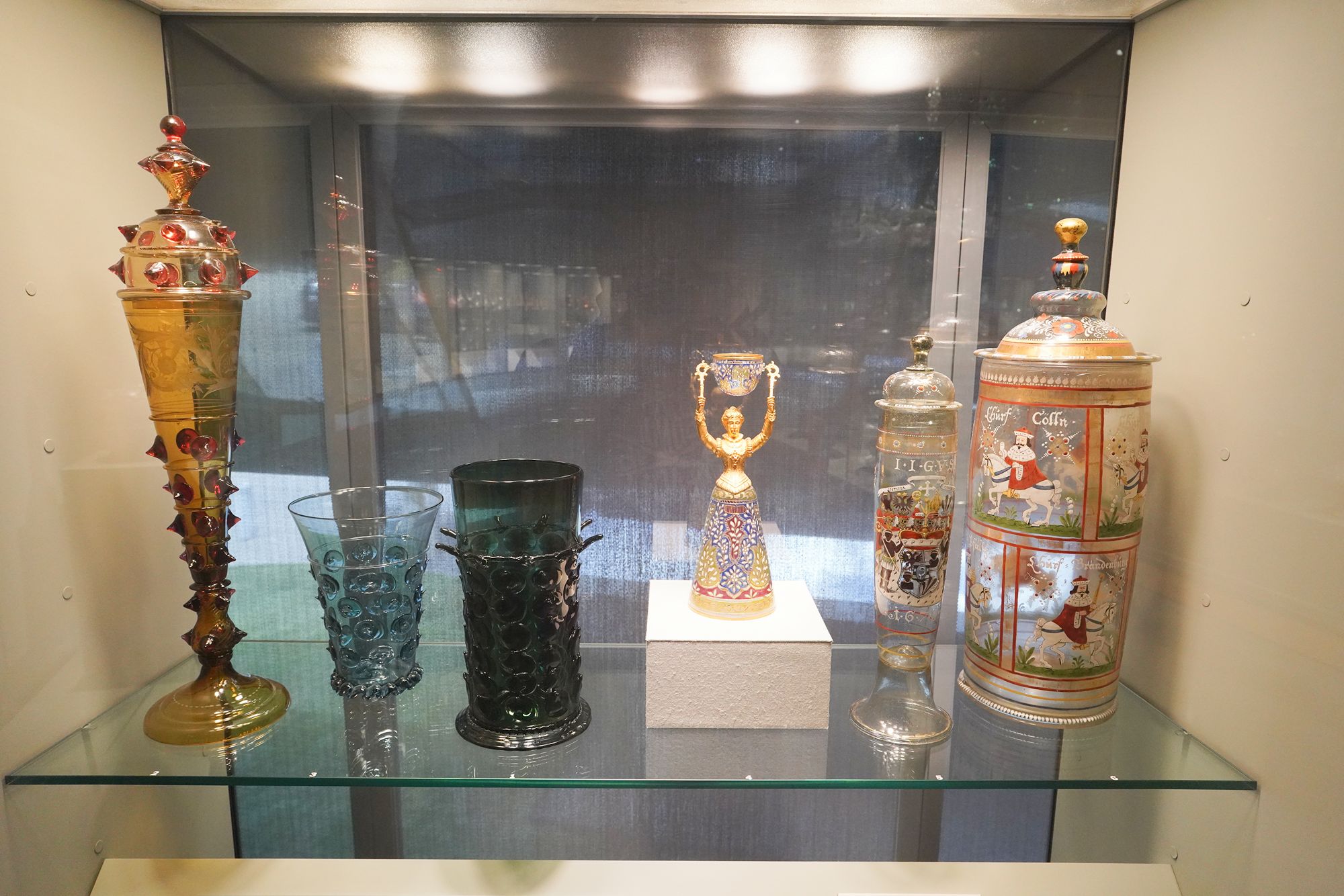
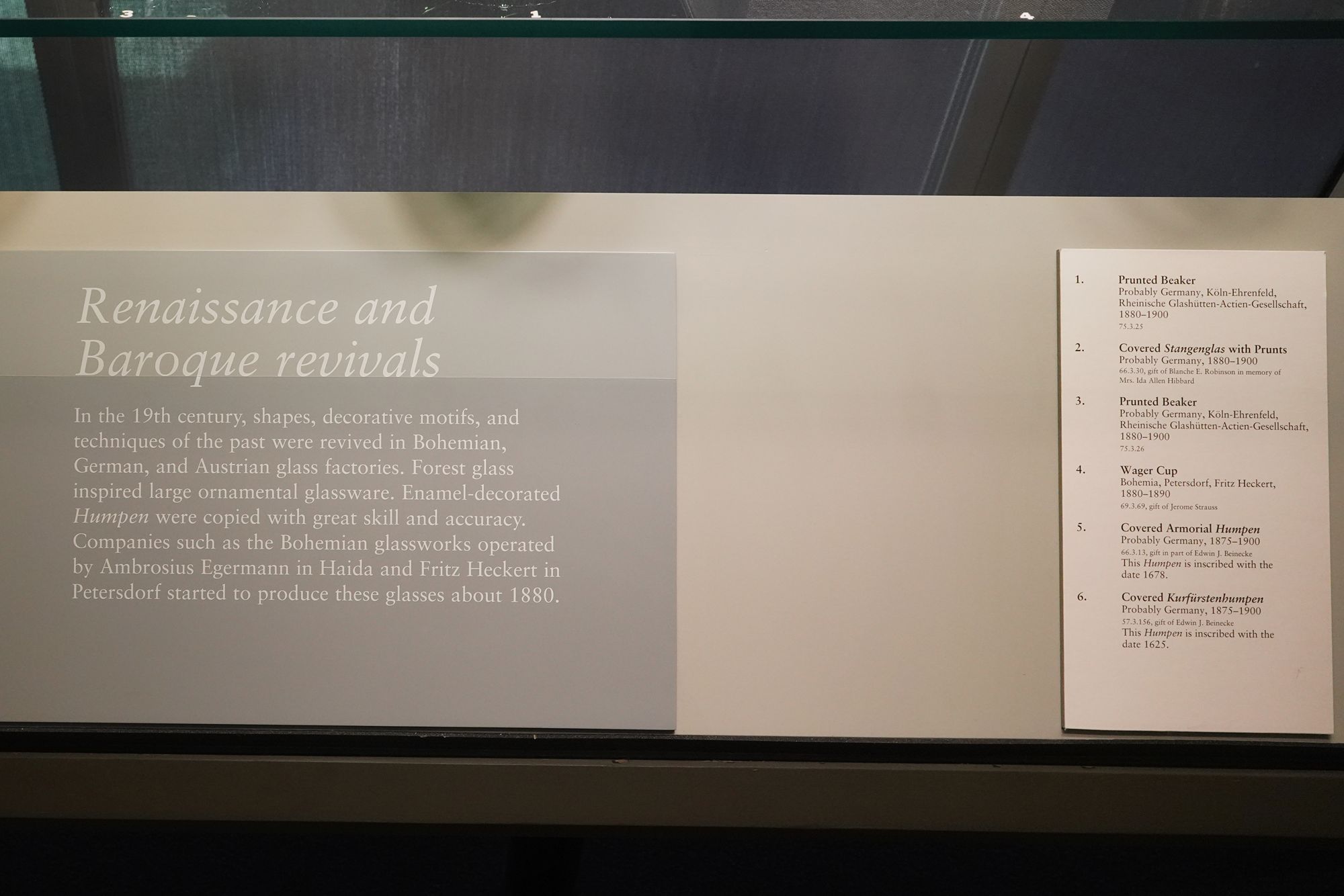
Renaissance and Baroque revivals
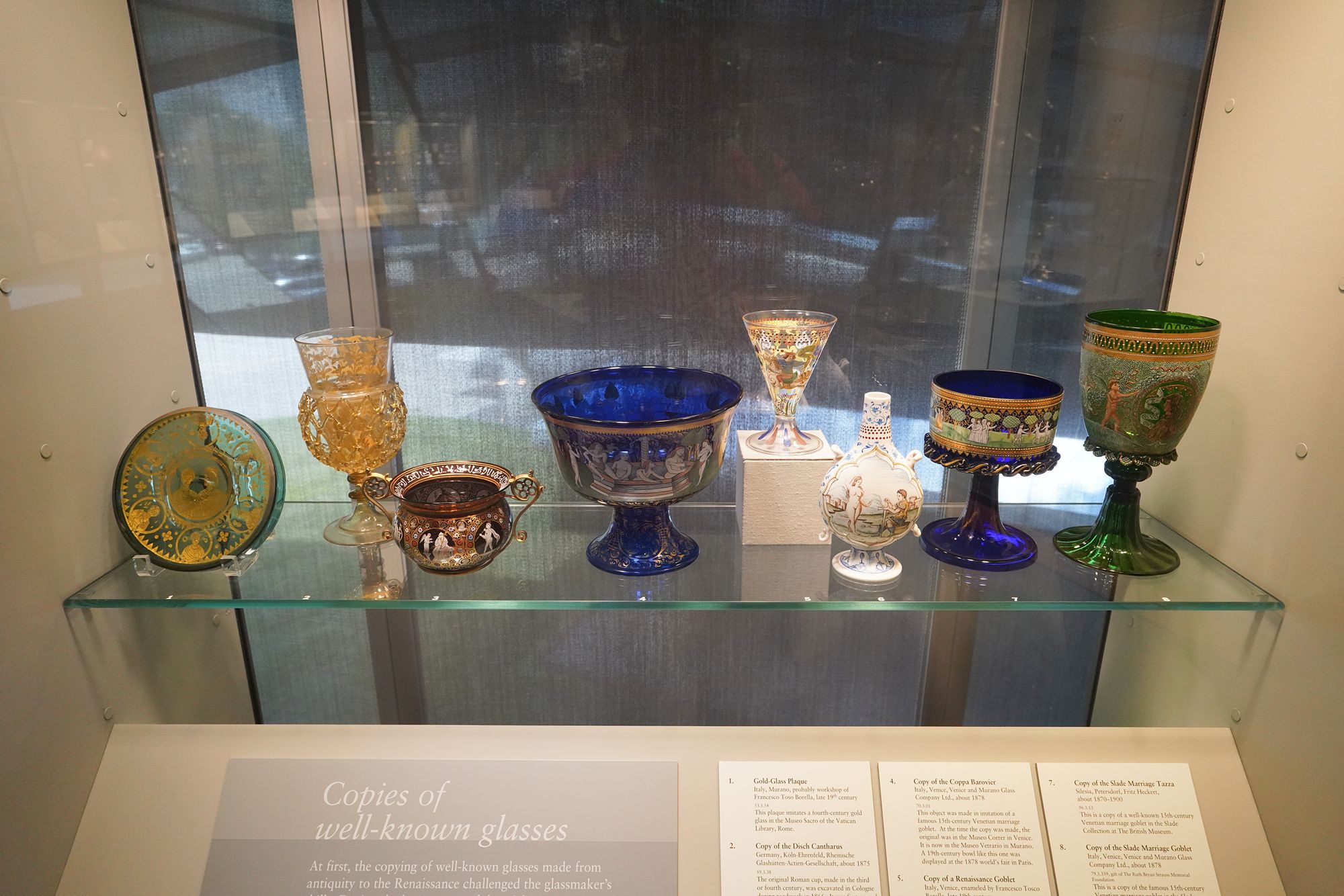
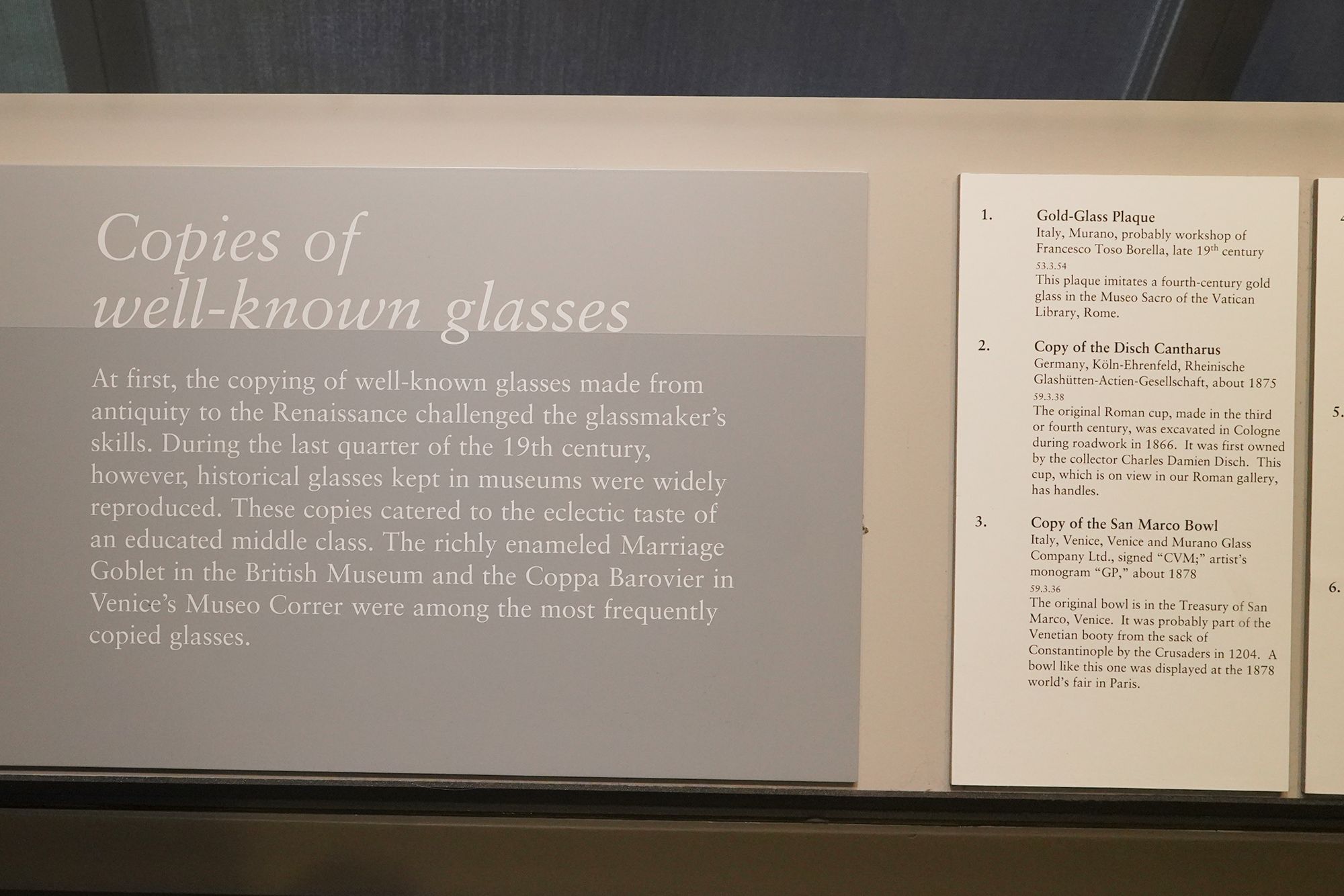
Copies of well-known glasses
Micromosaics
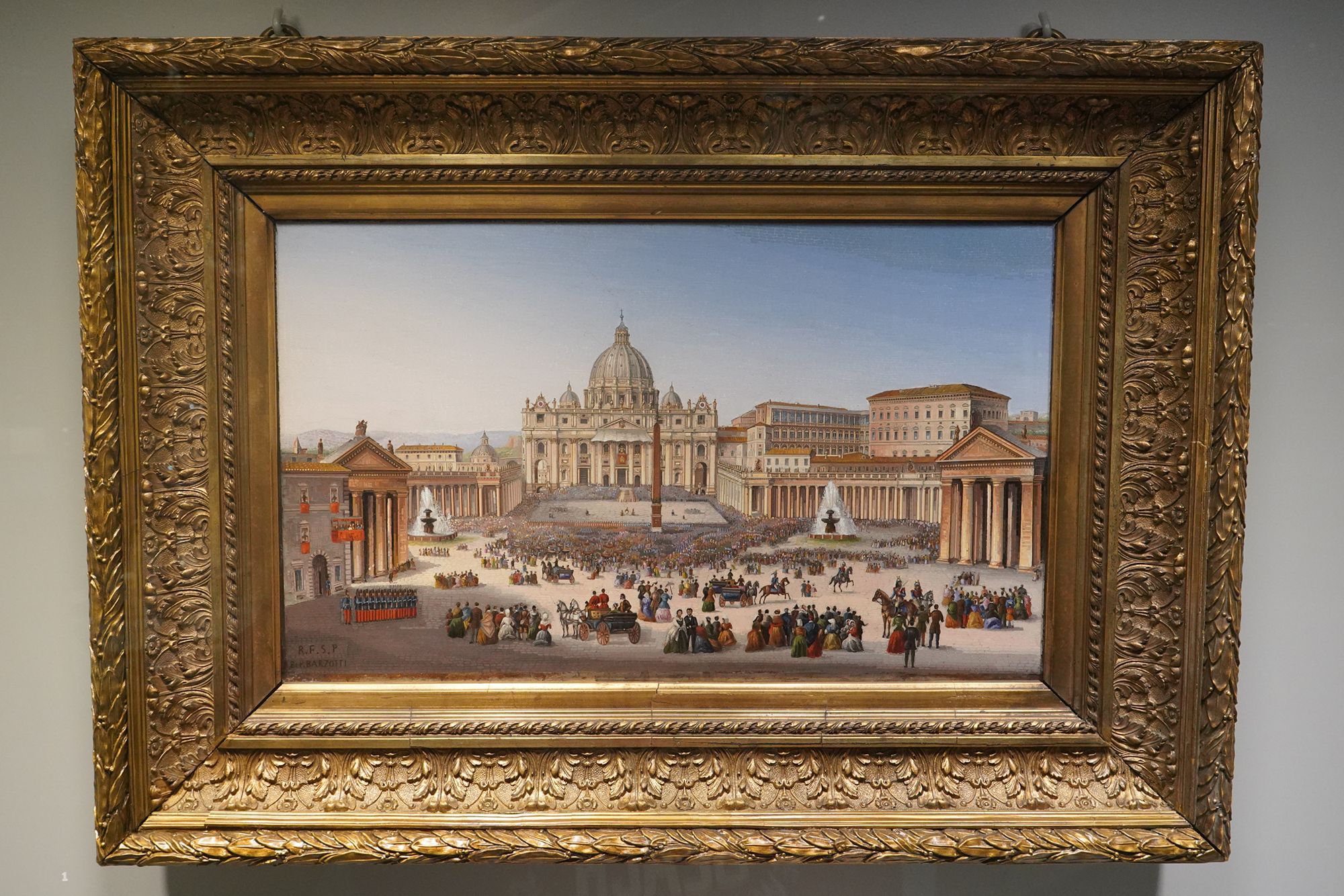
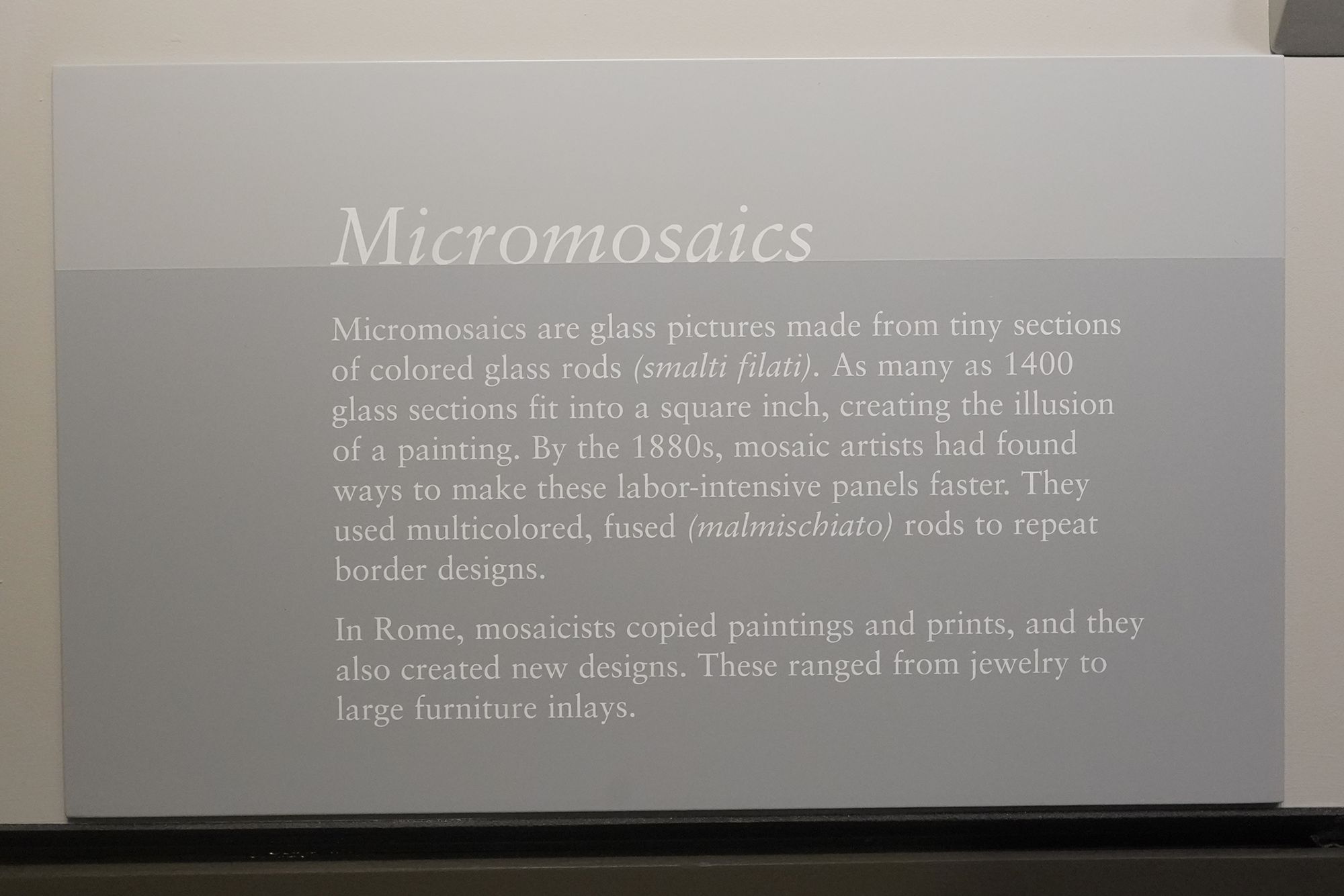
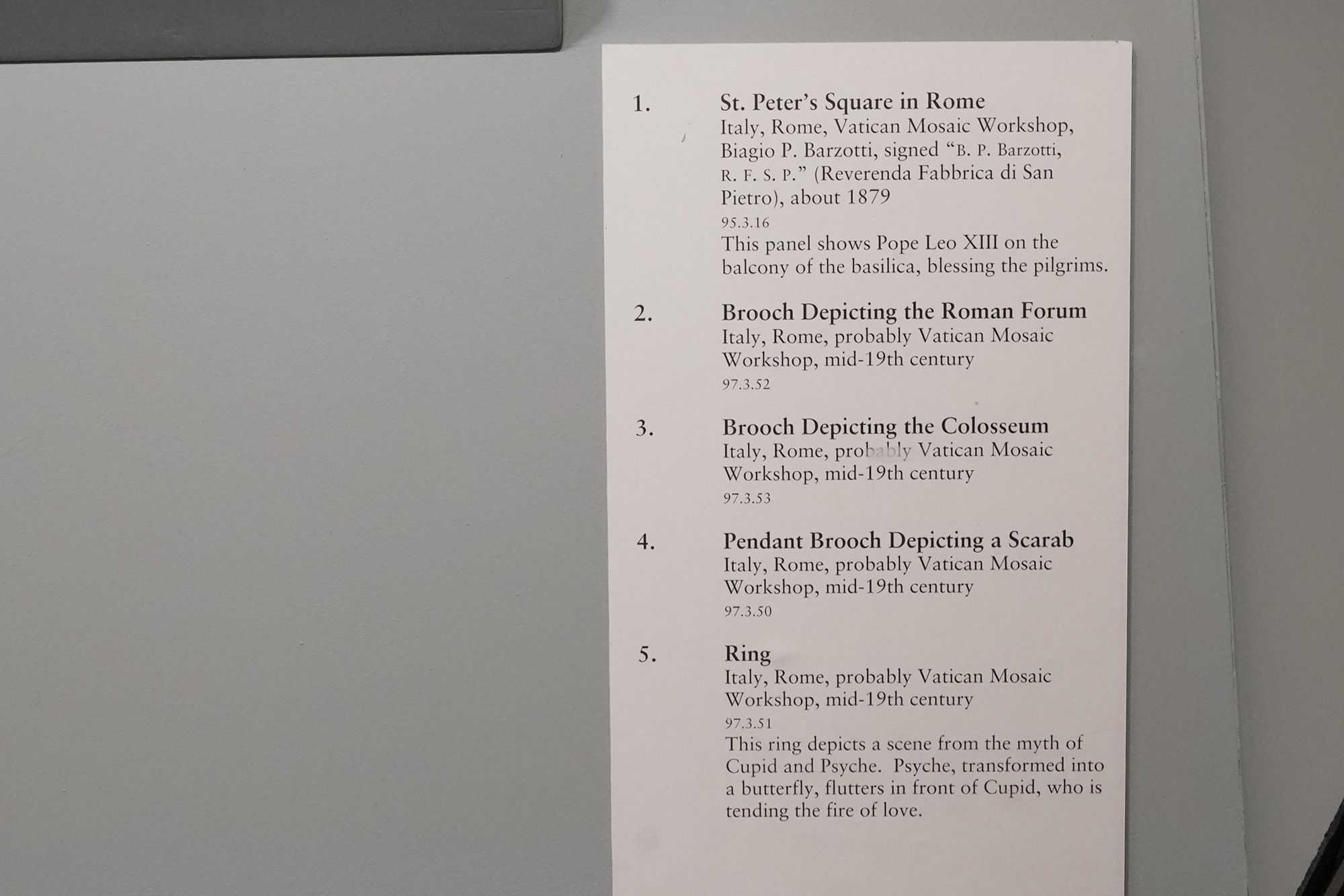
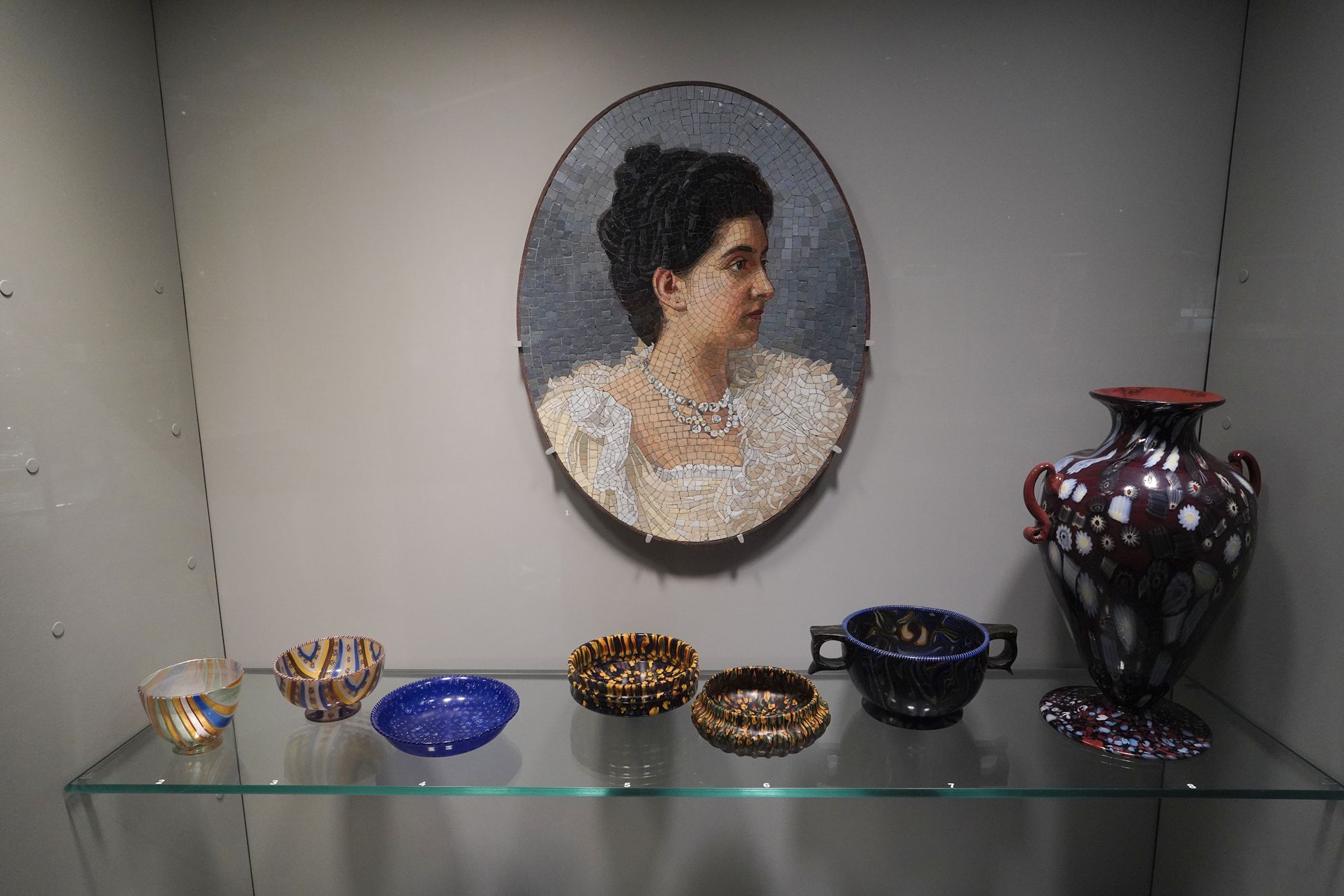
The mosaics of Salviati
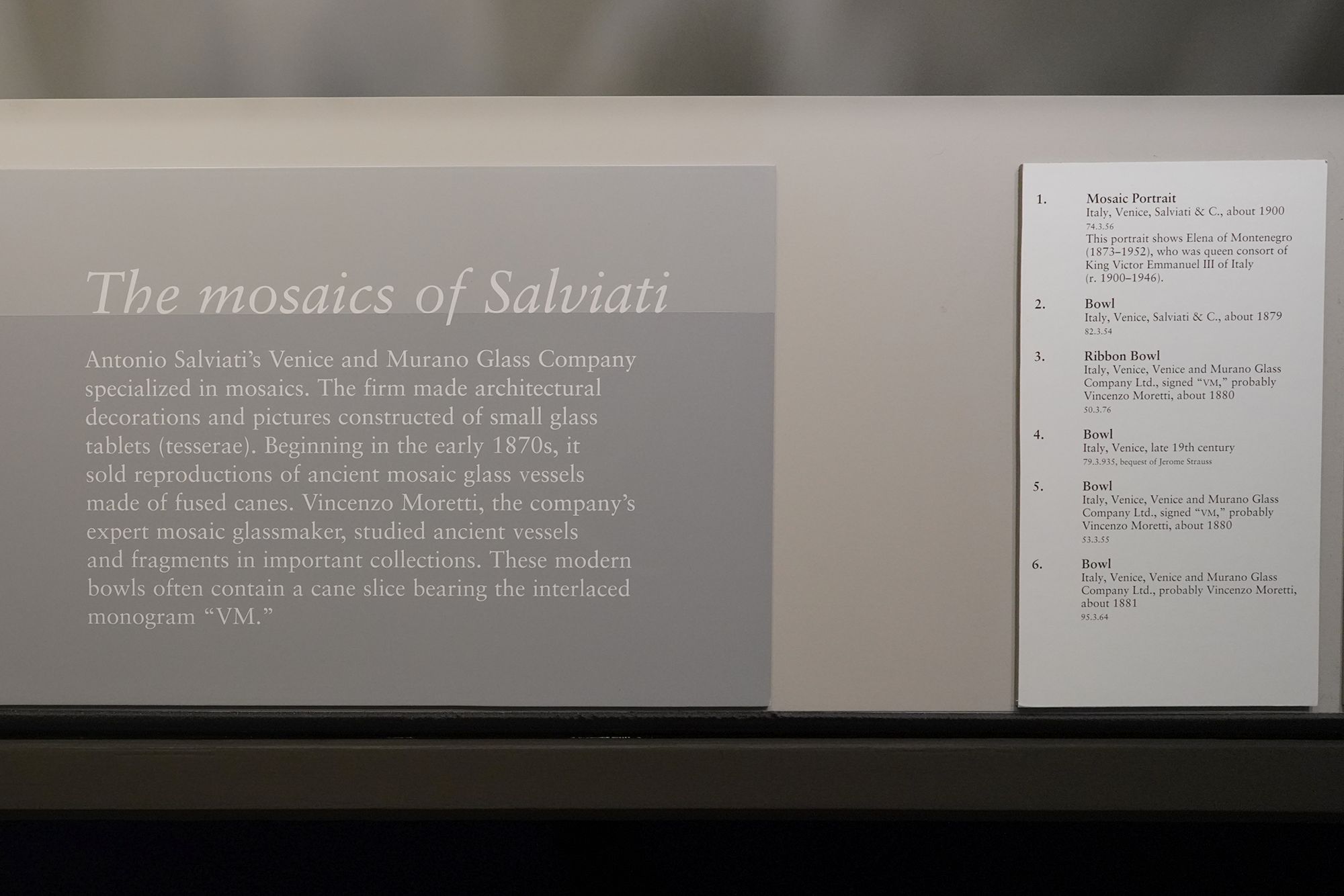
Beads in West Africa
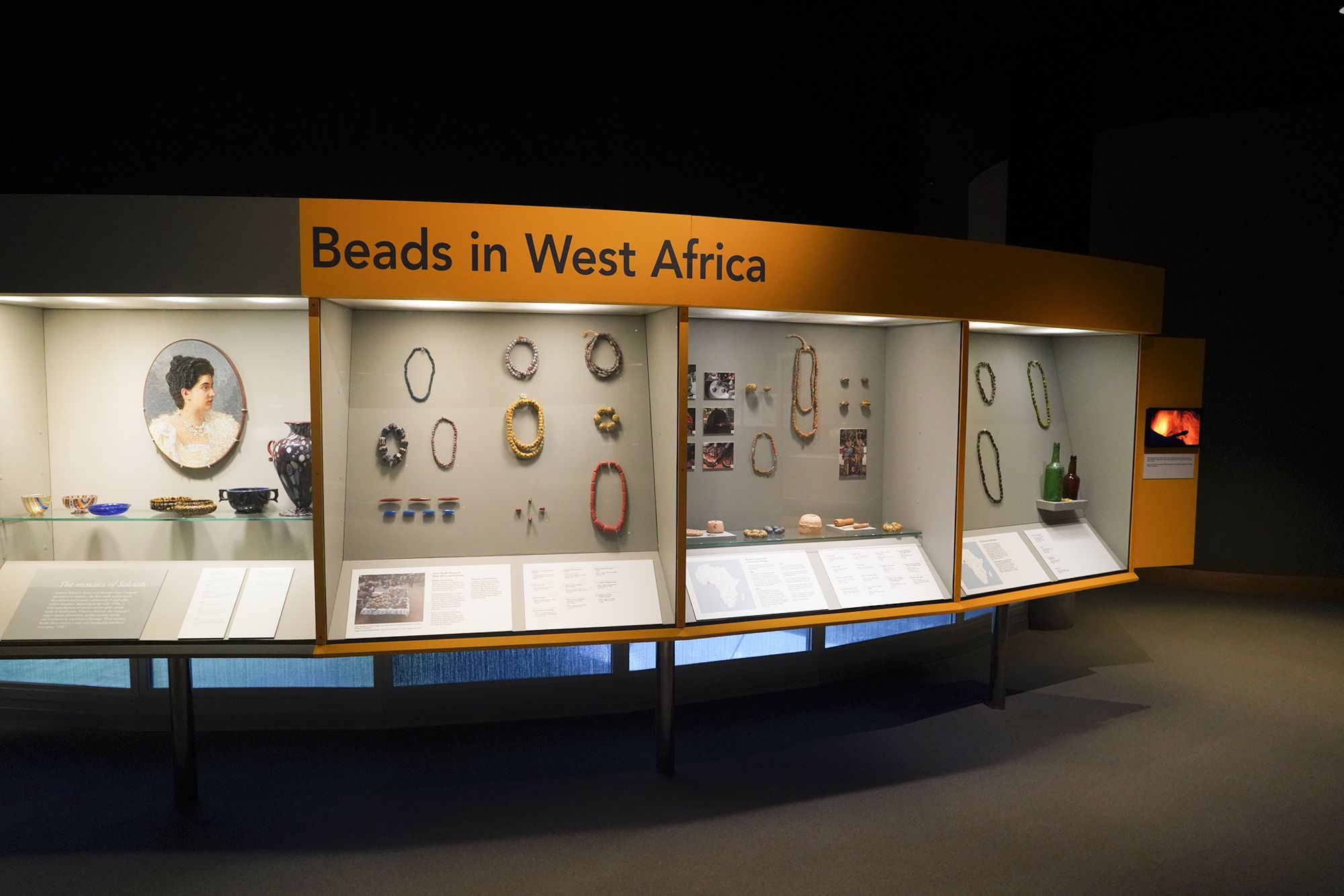
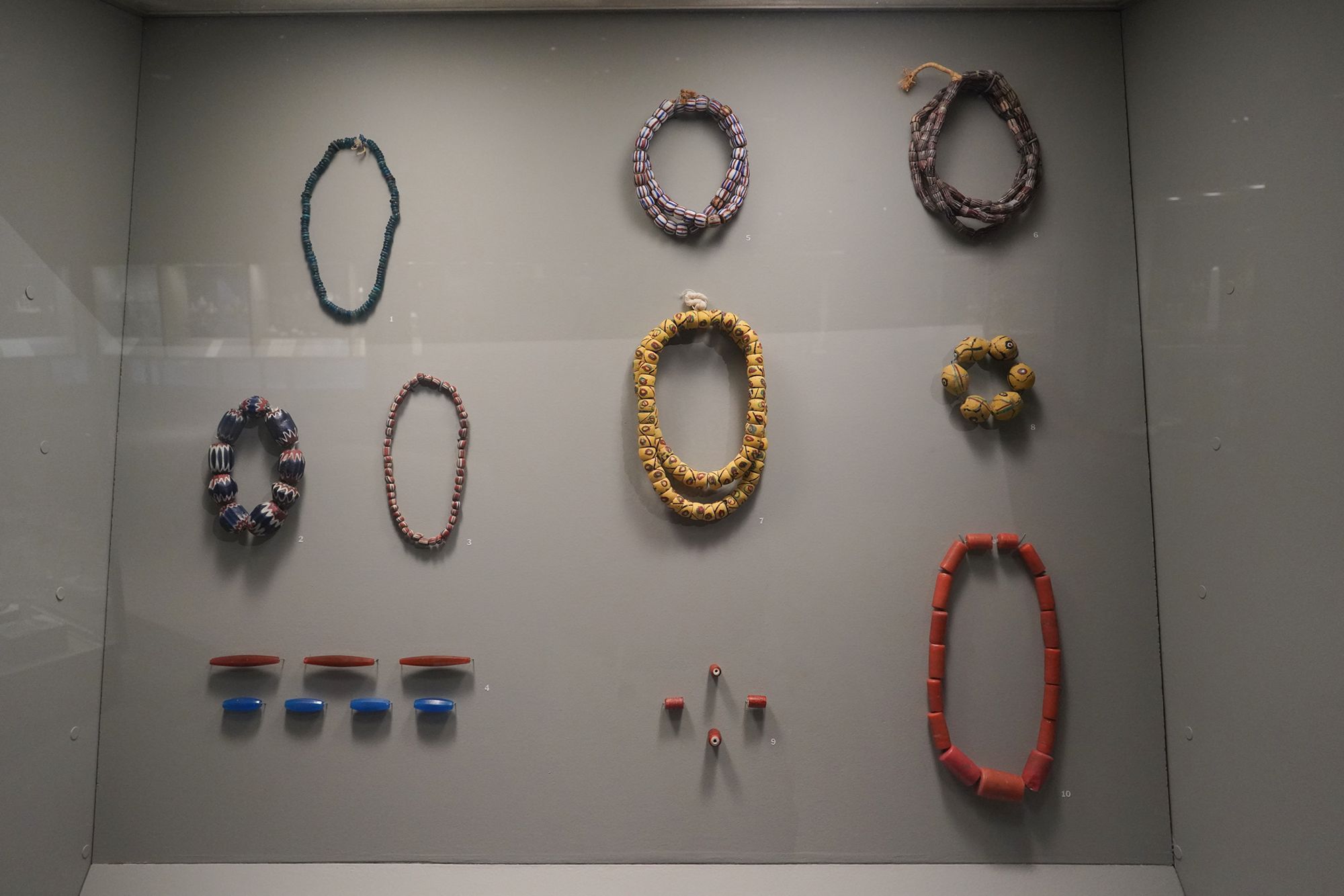
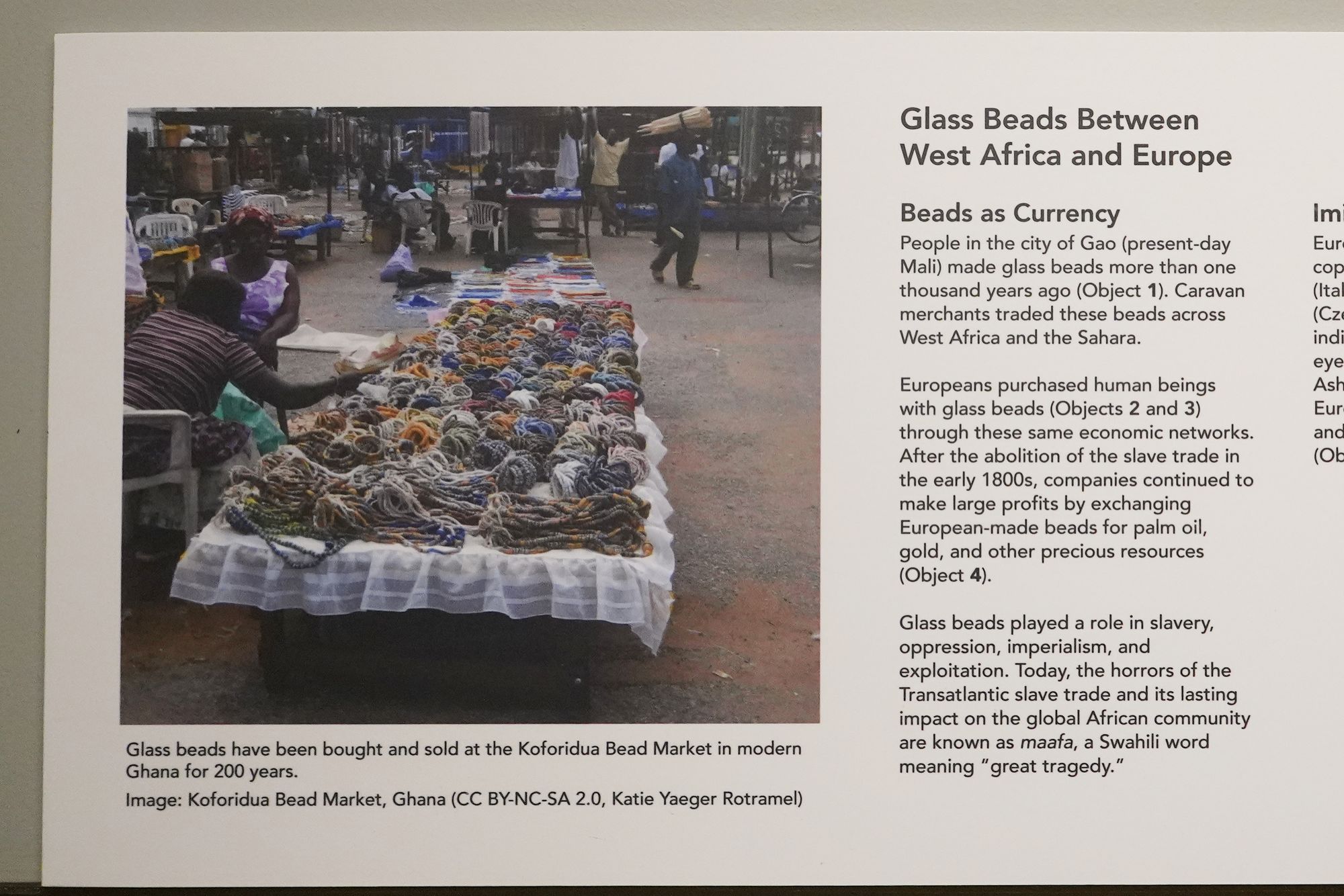
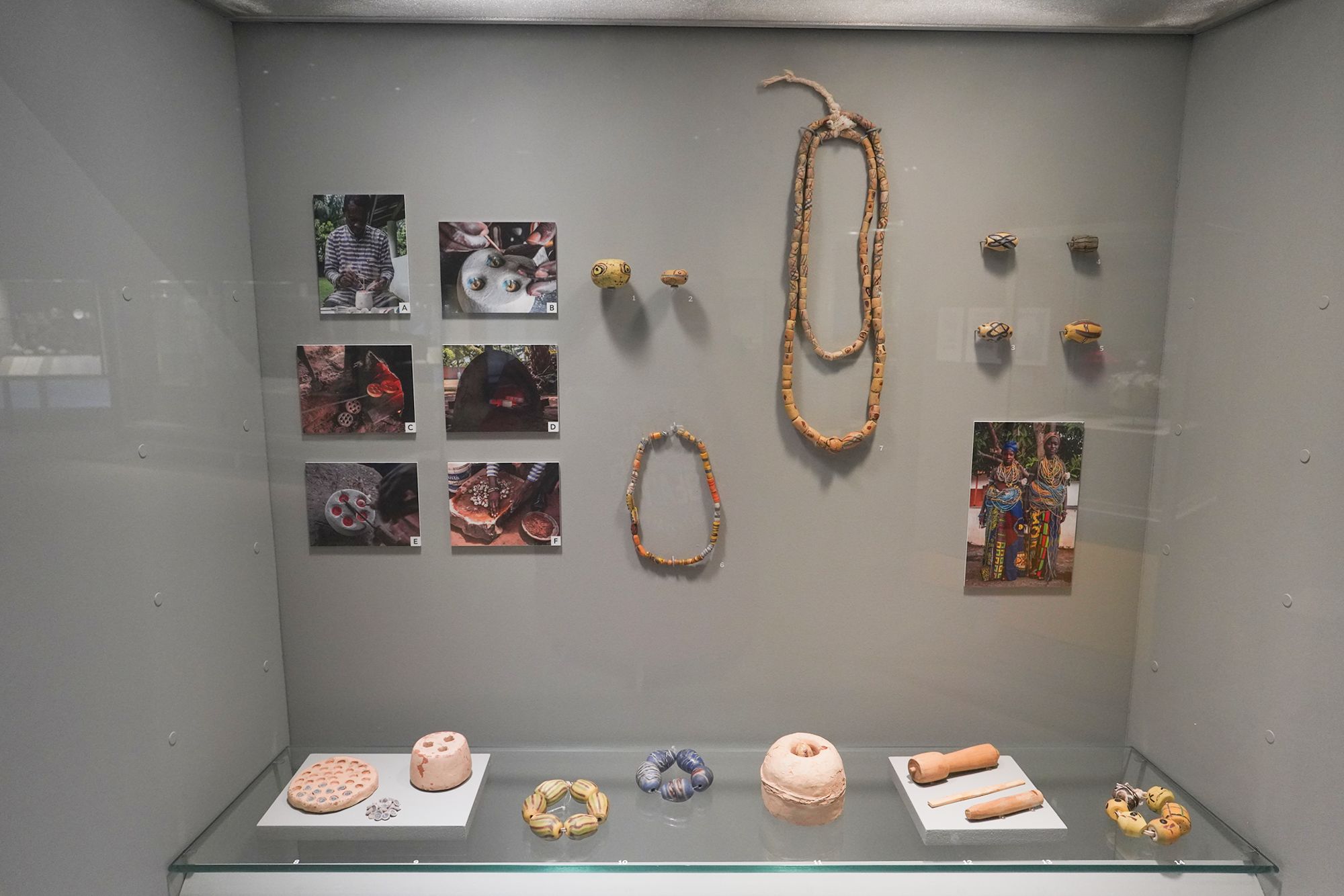
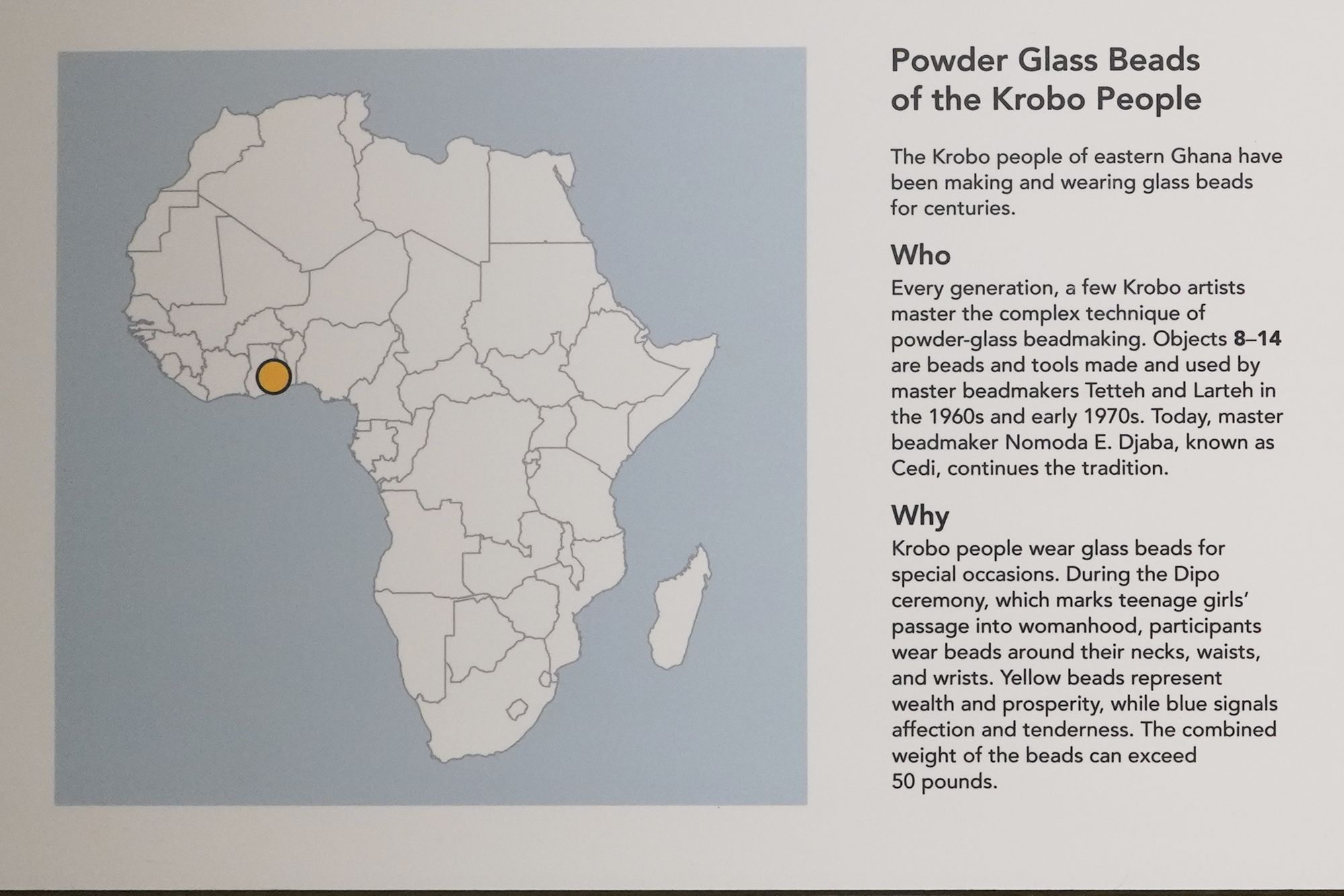
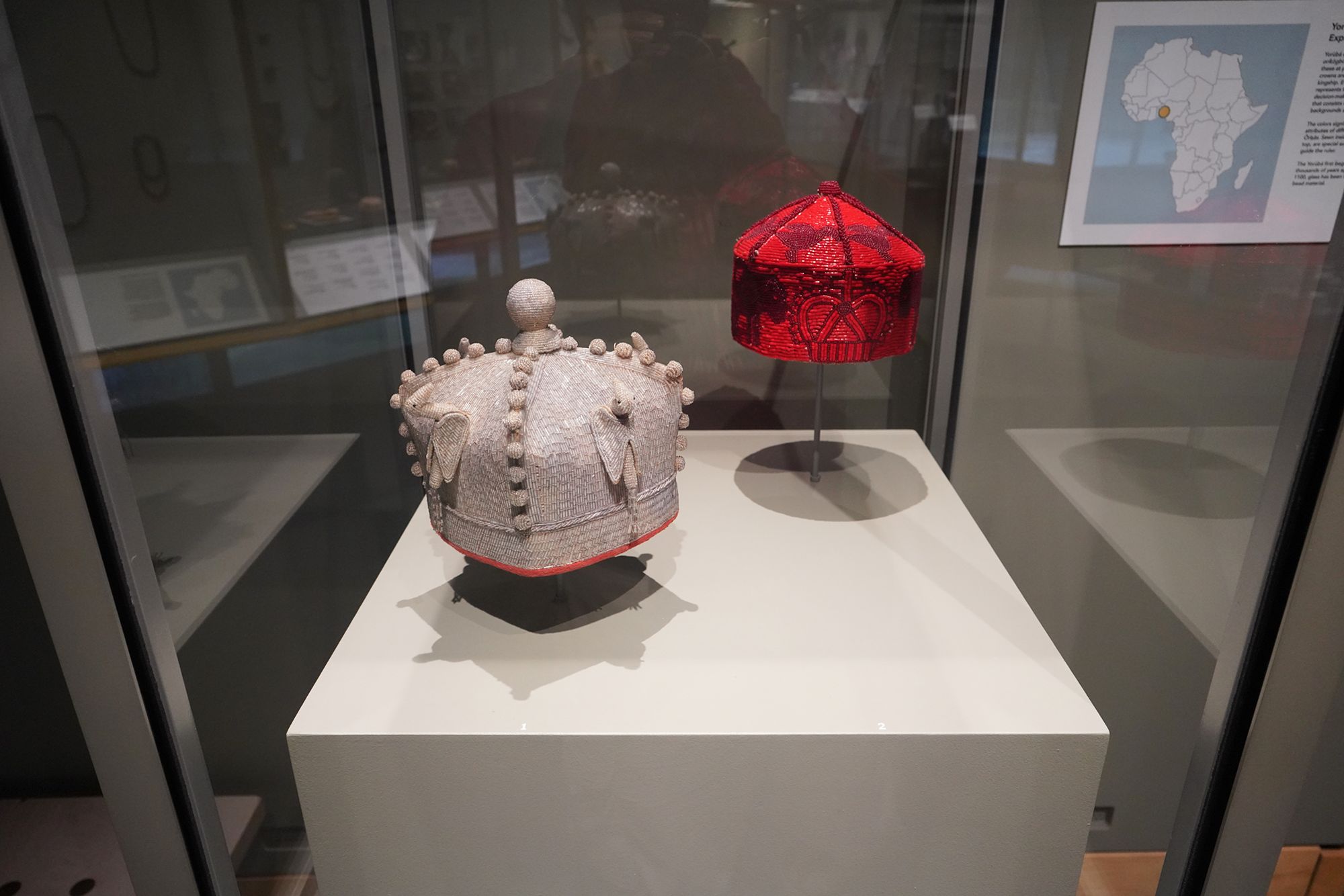
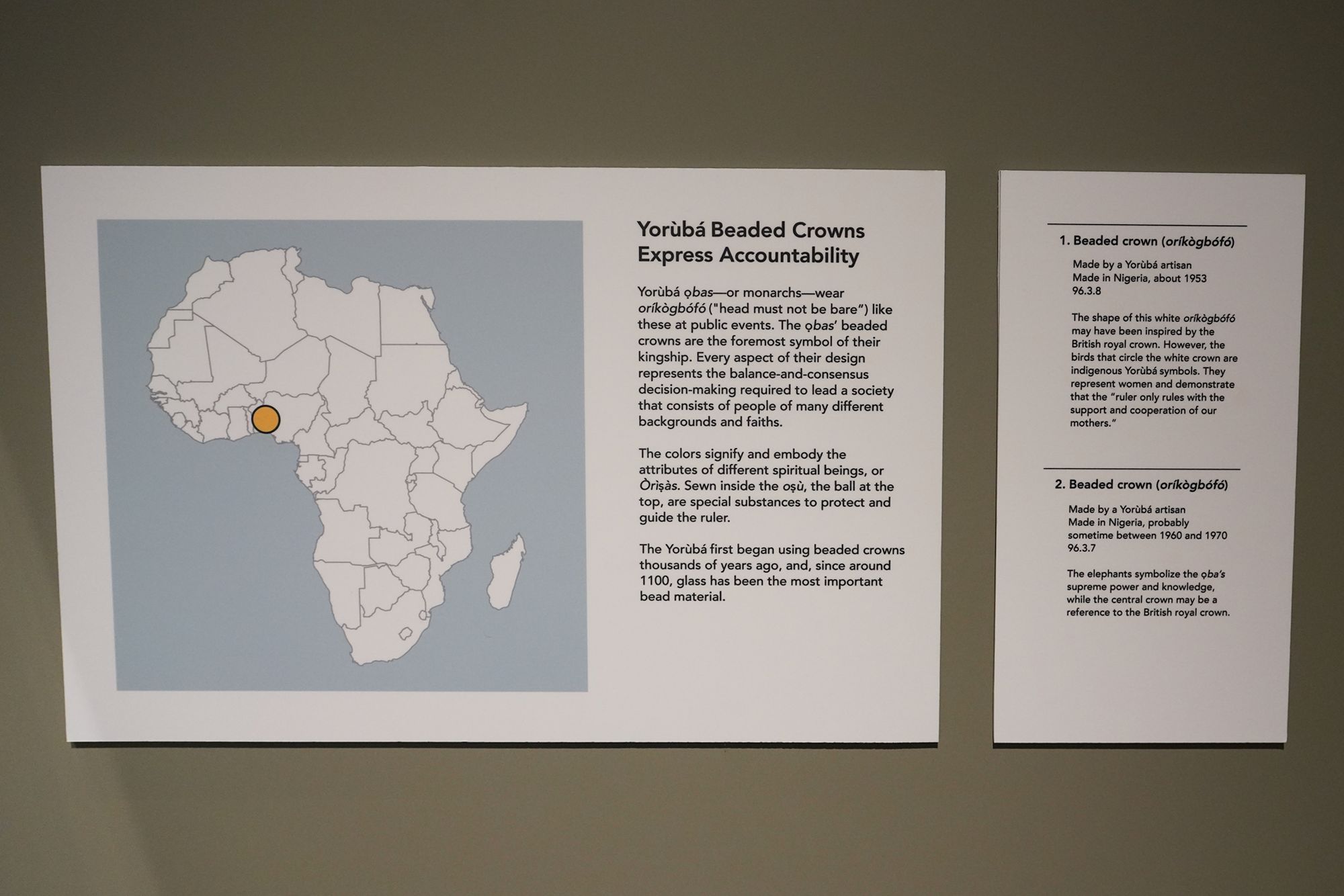
More glass of the world
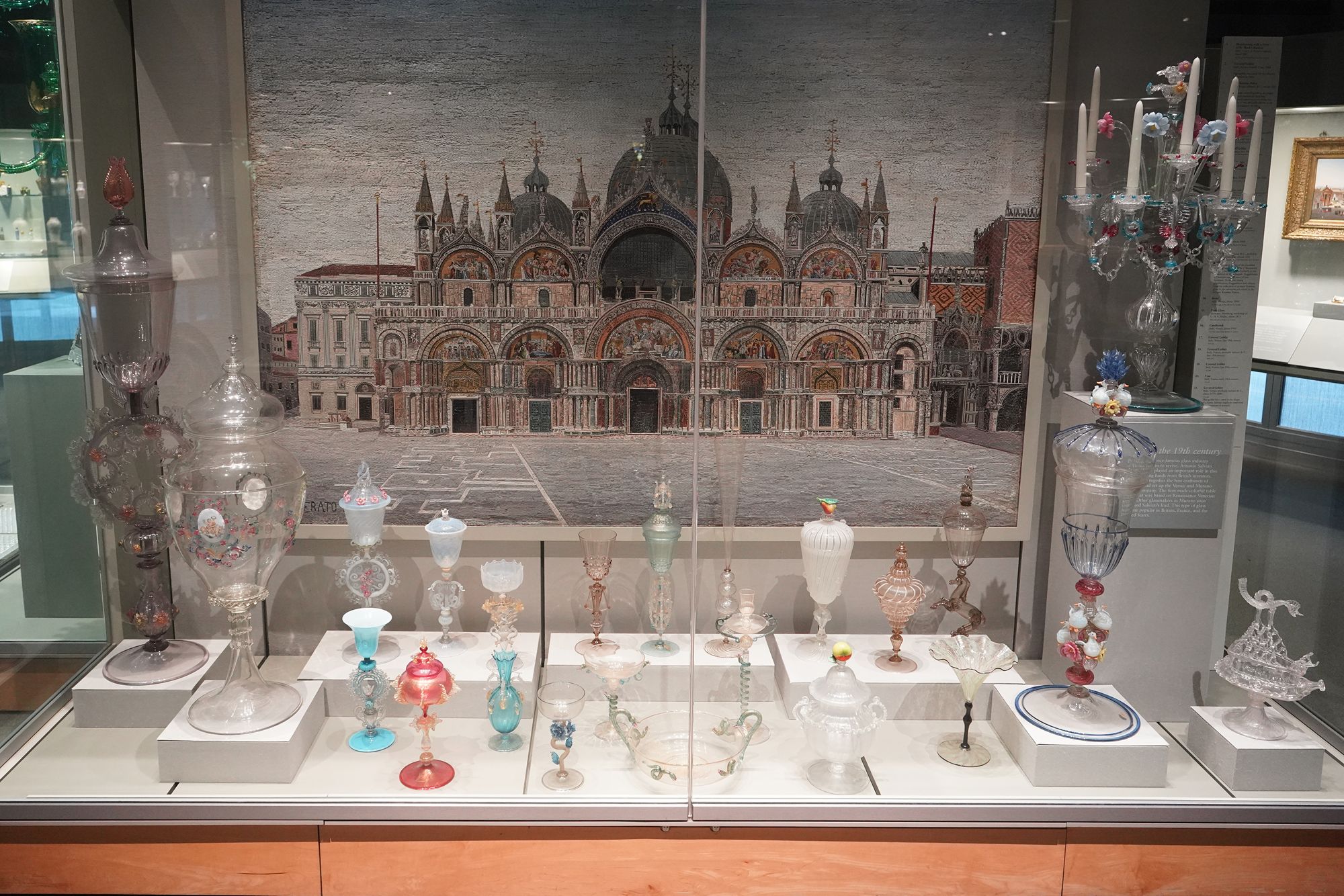
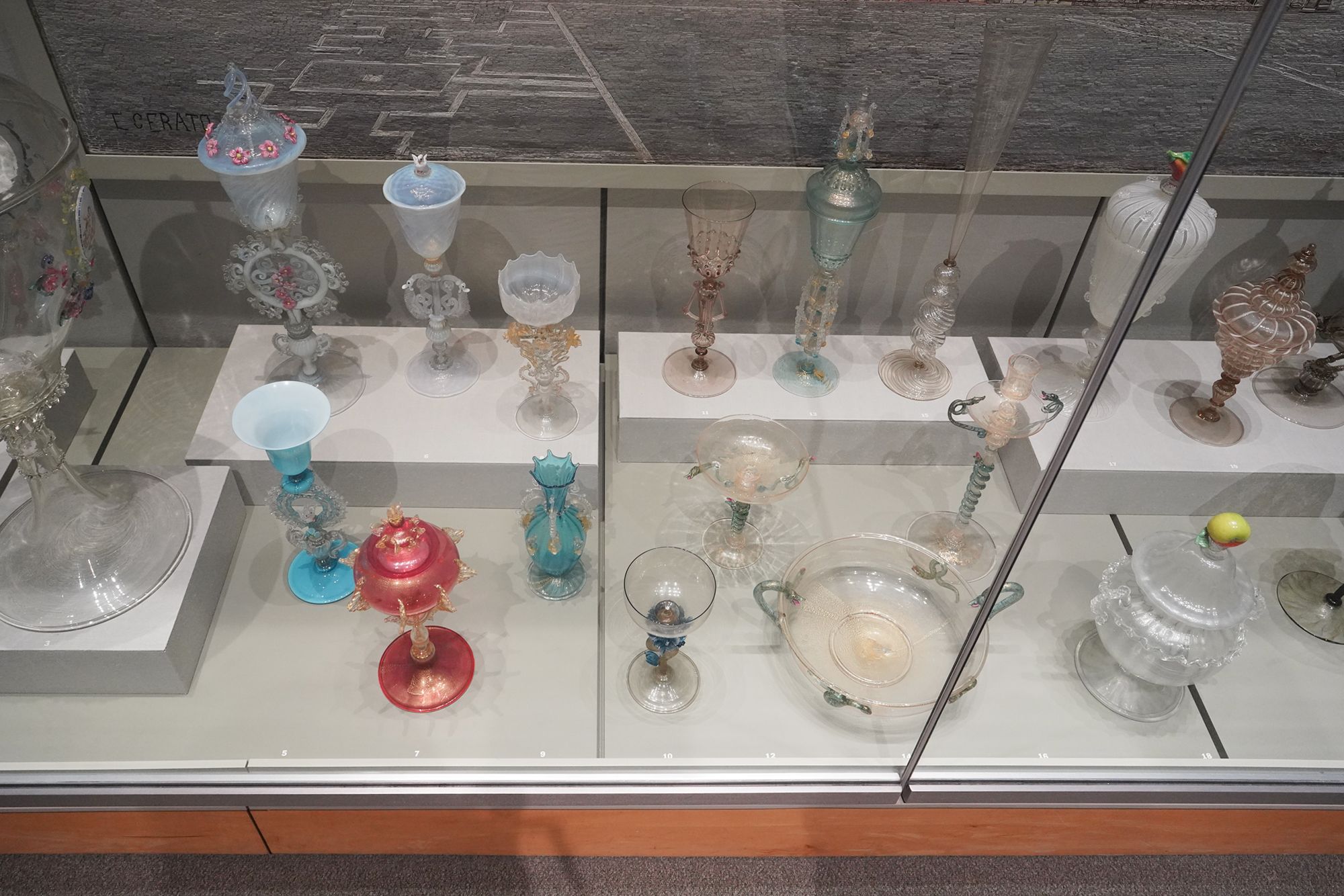
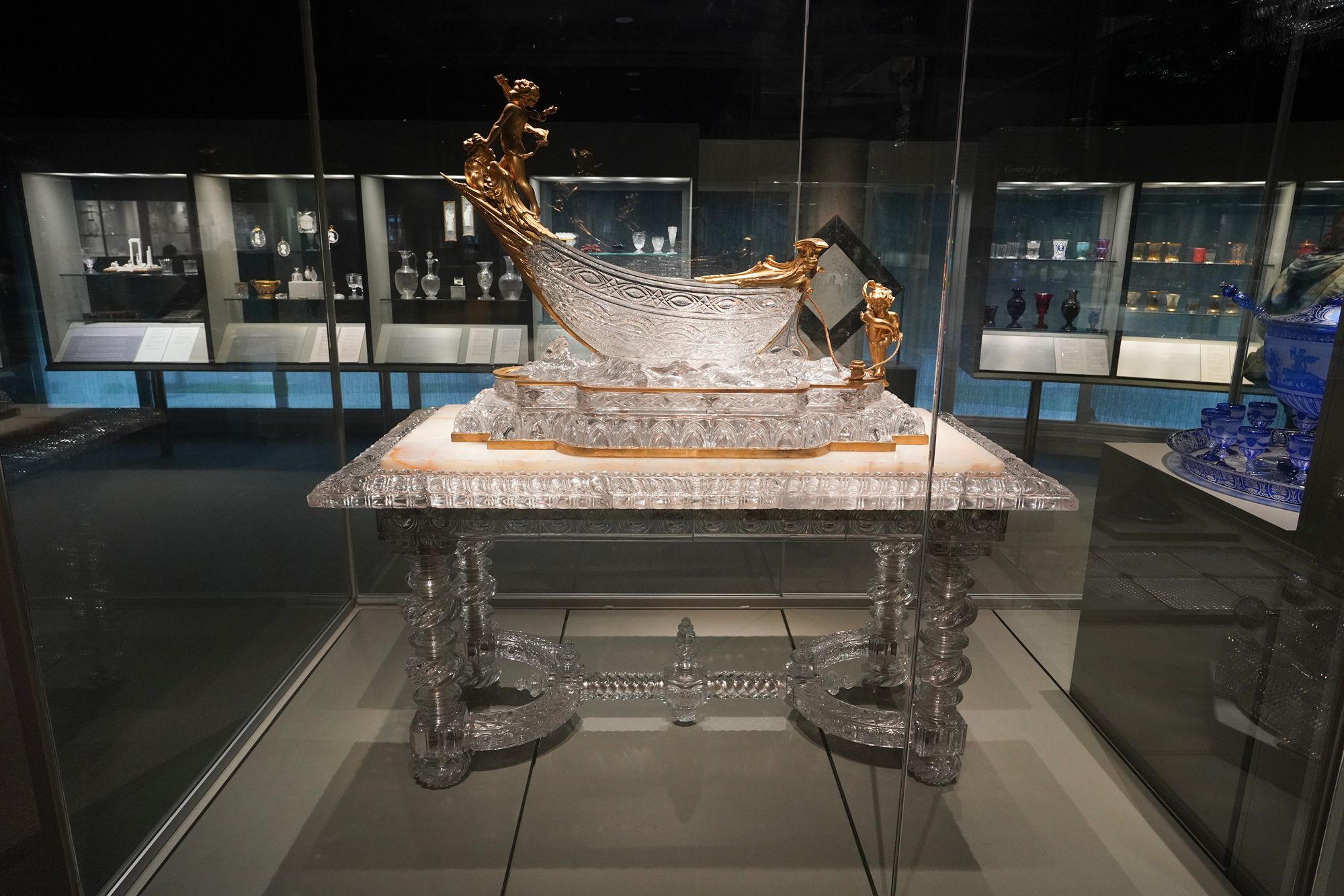
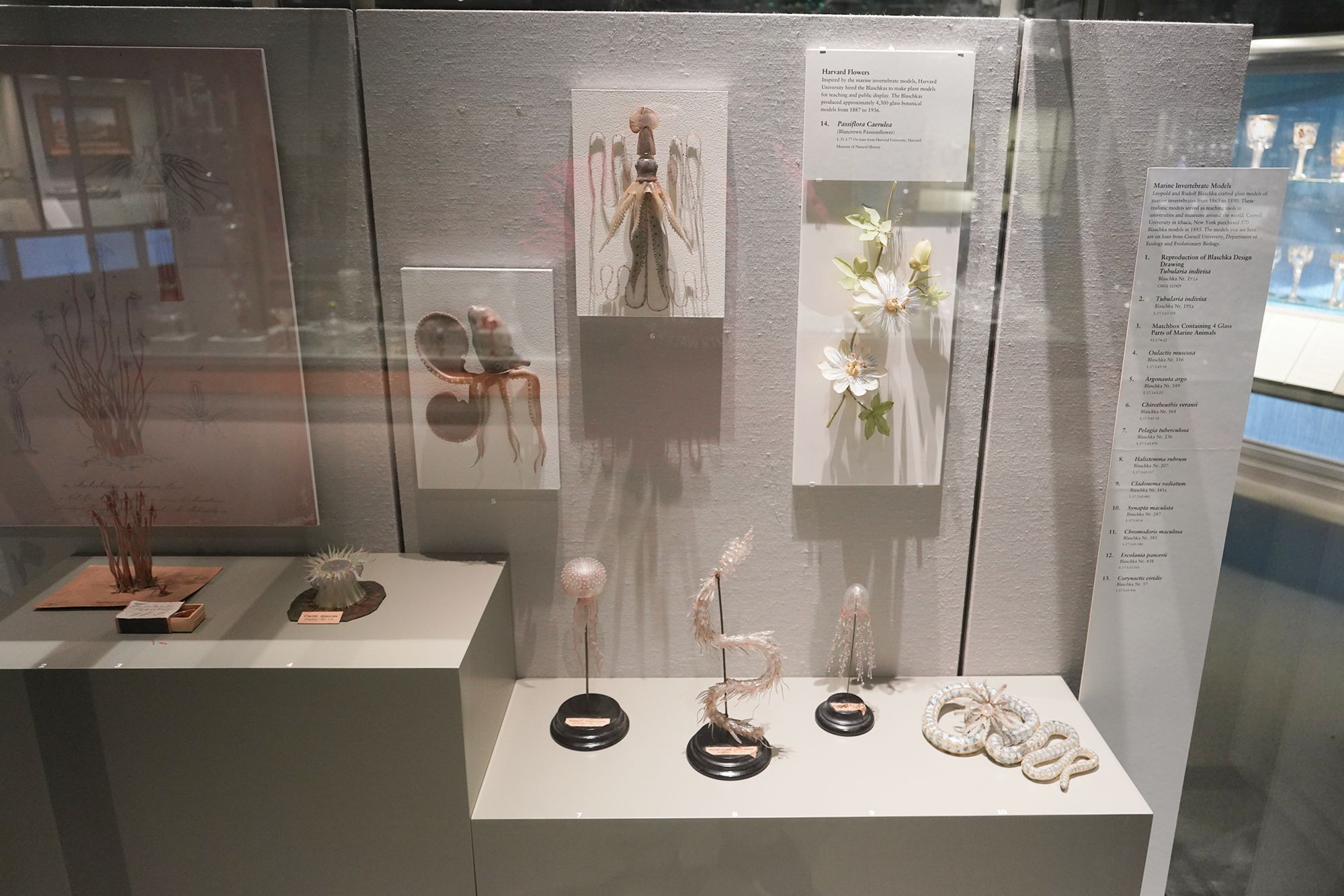
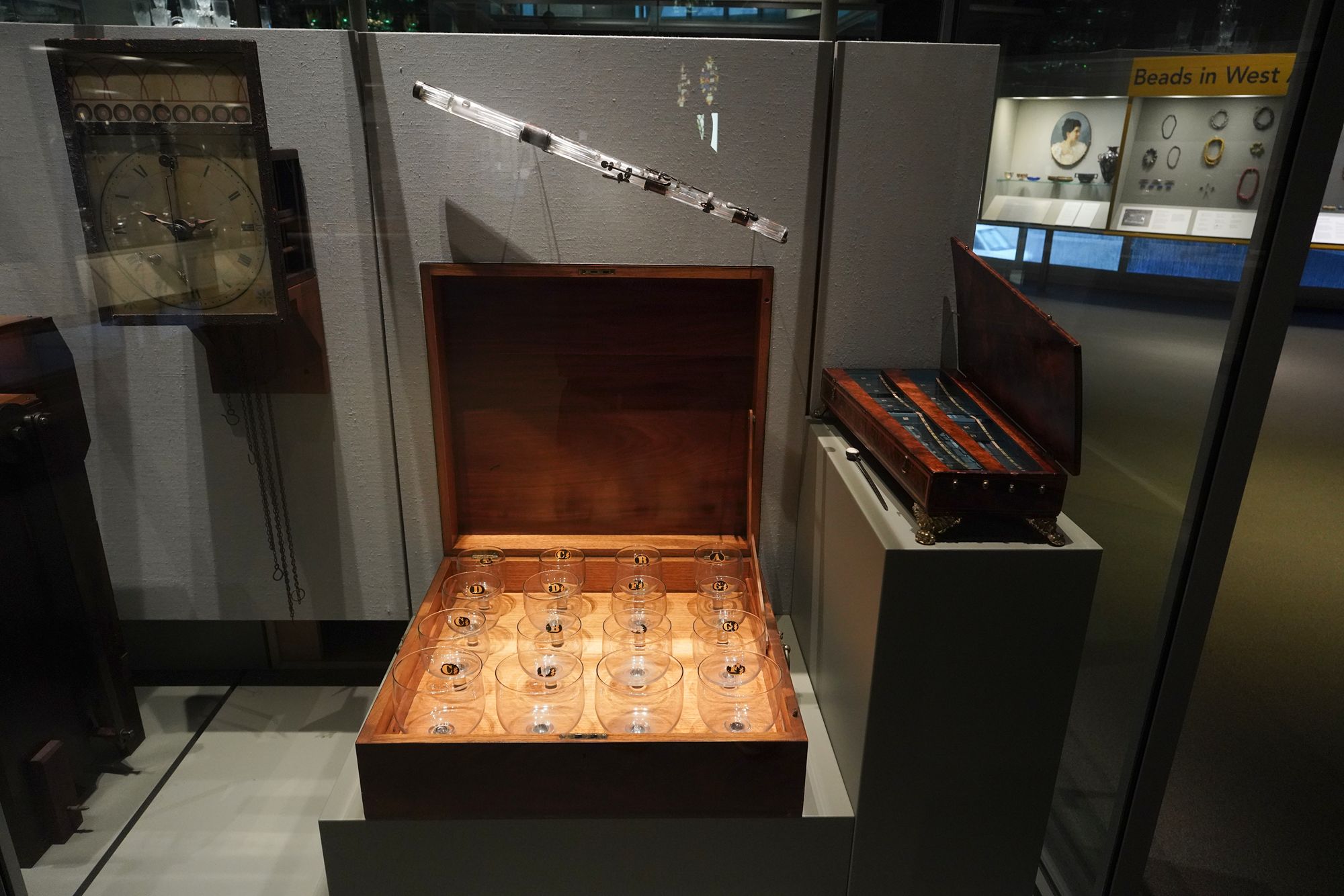
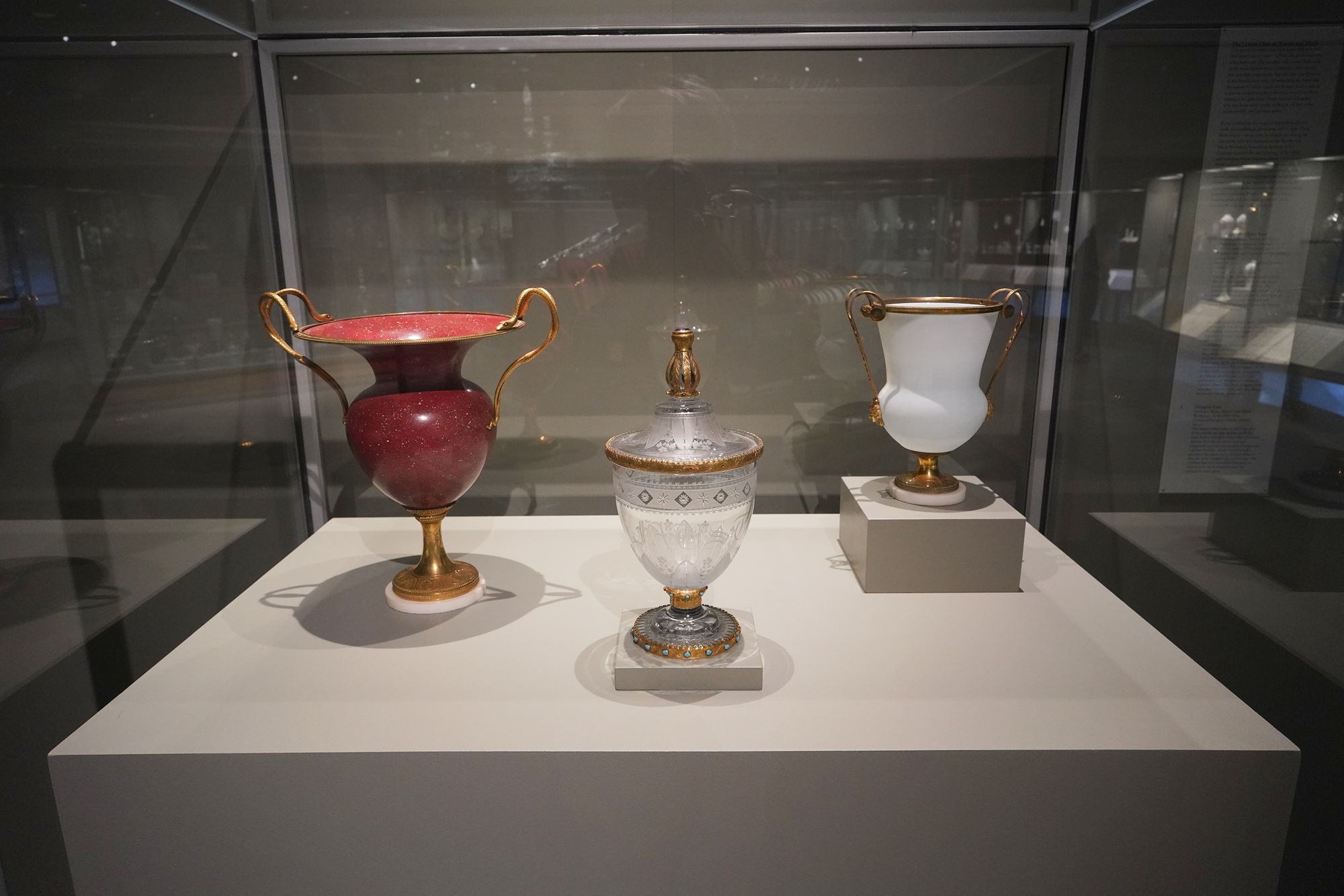
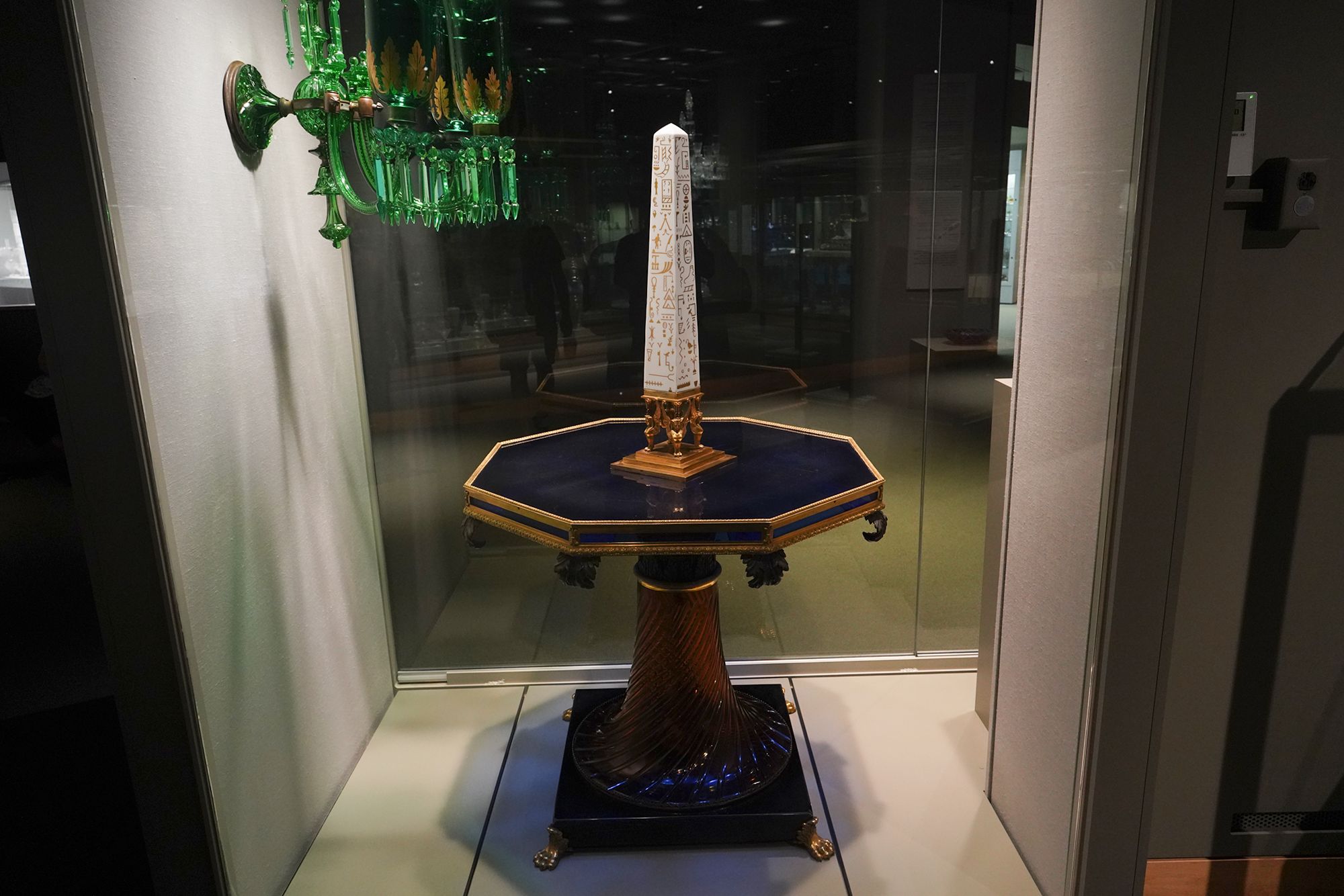
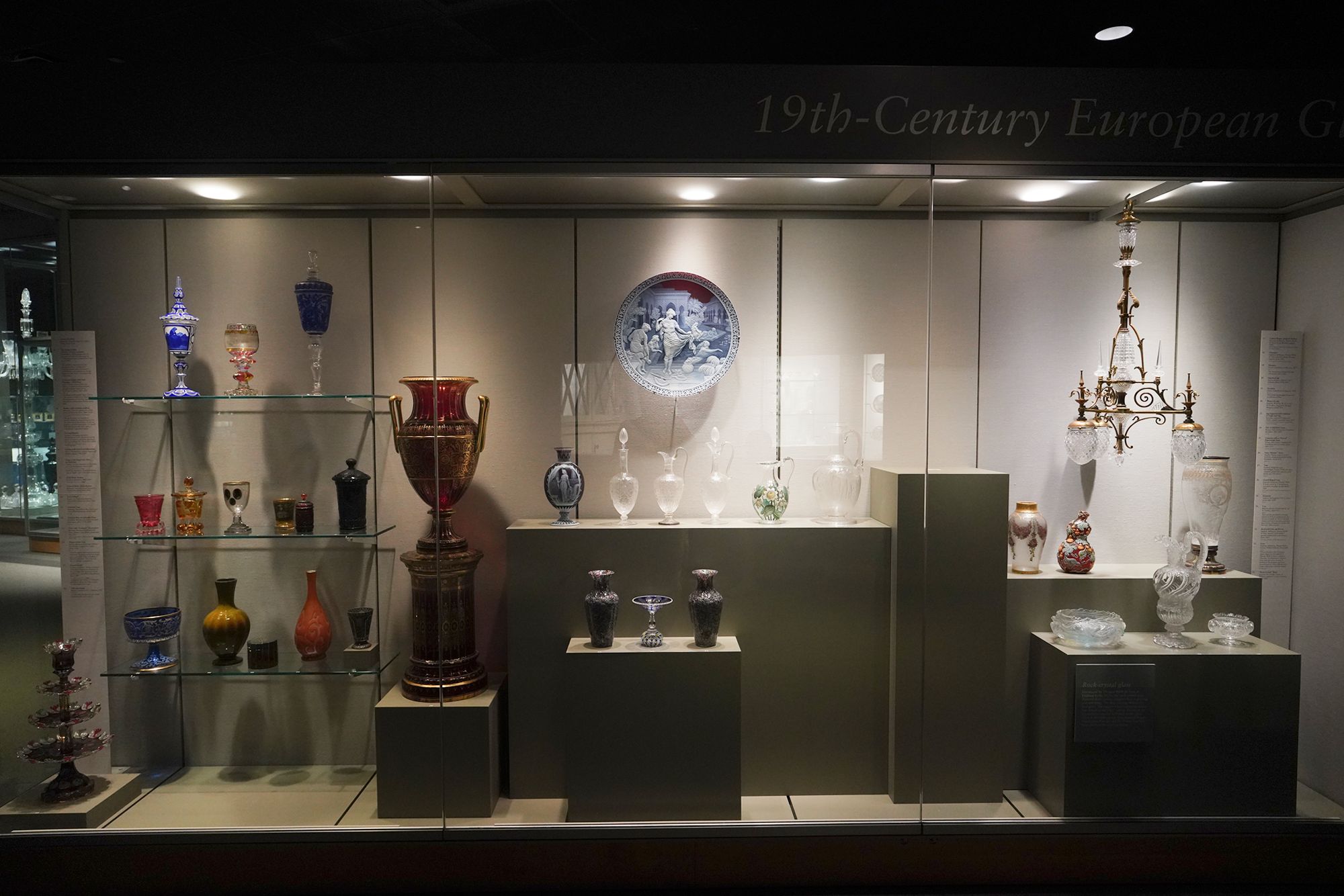
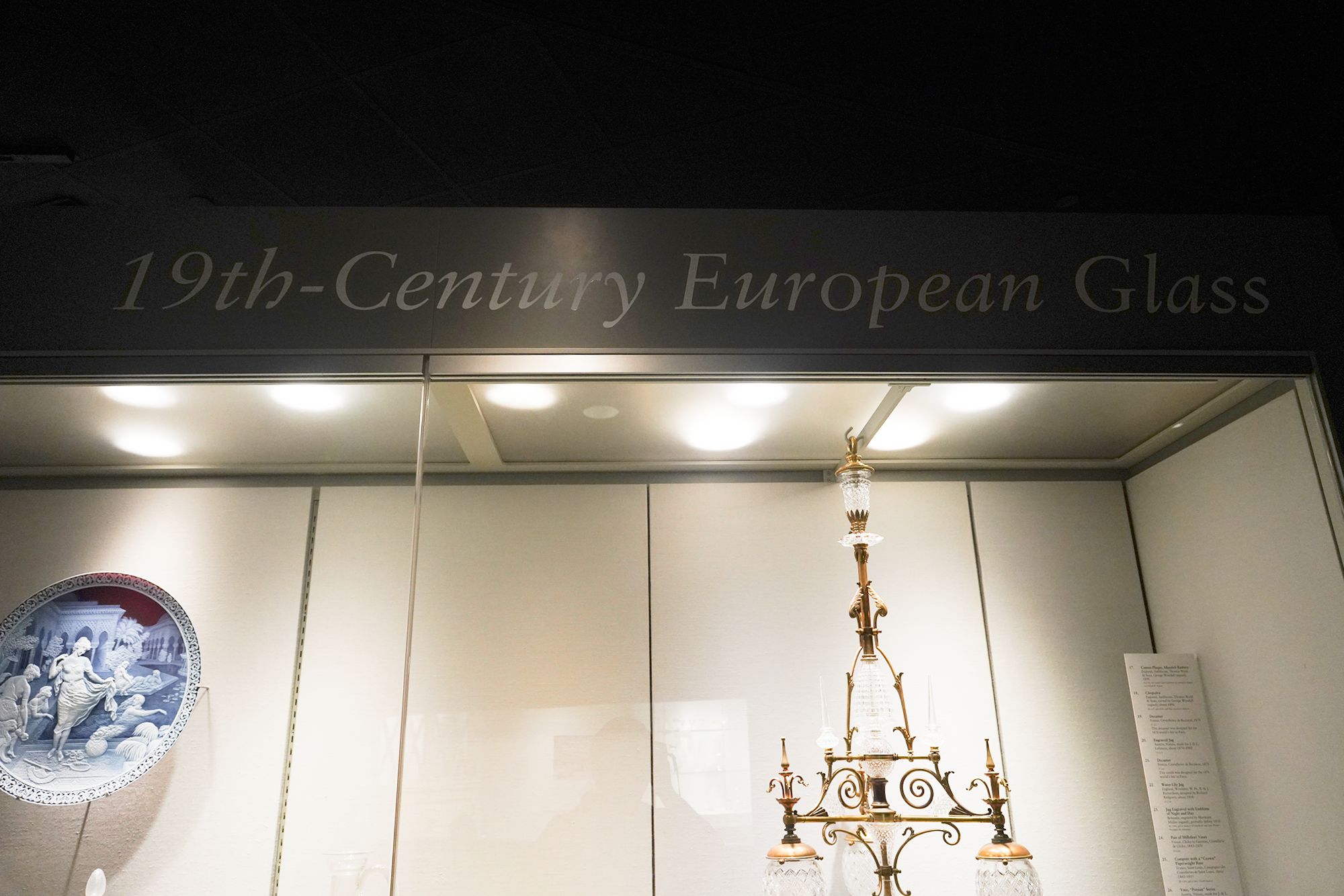
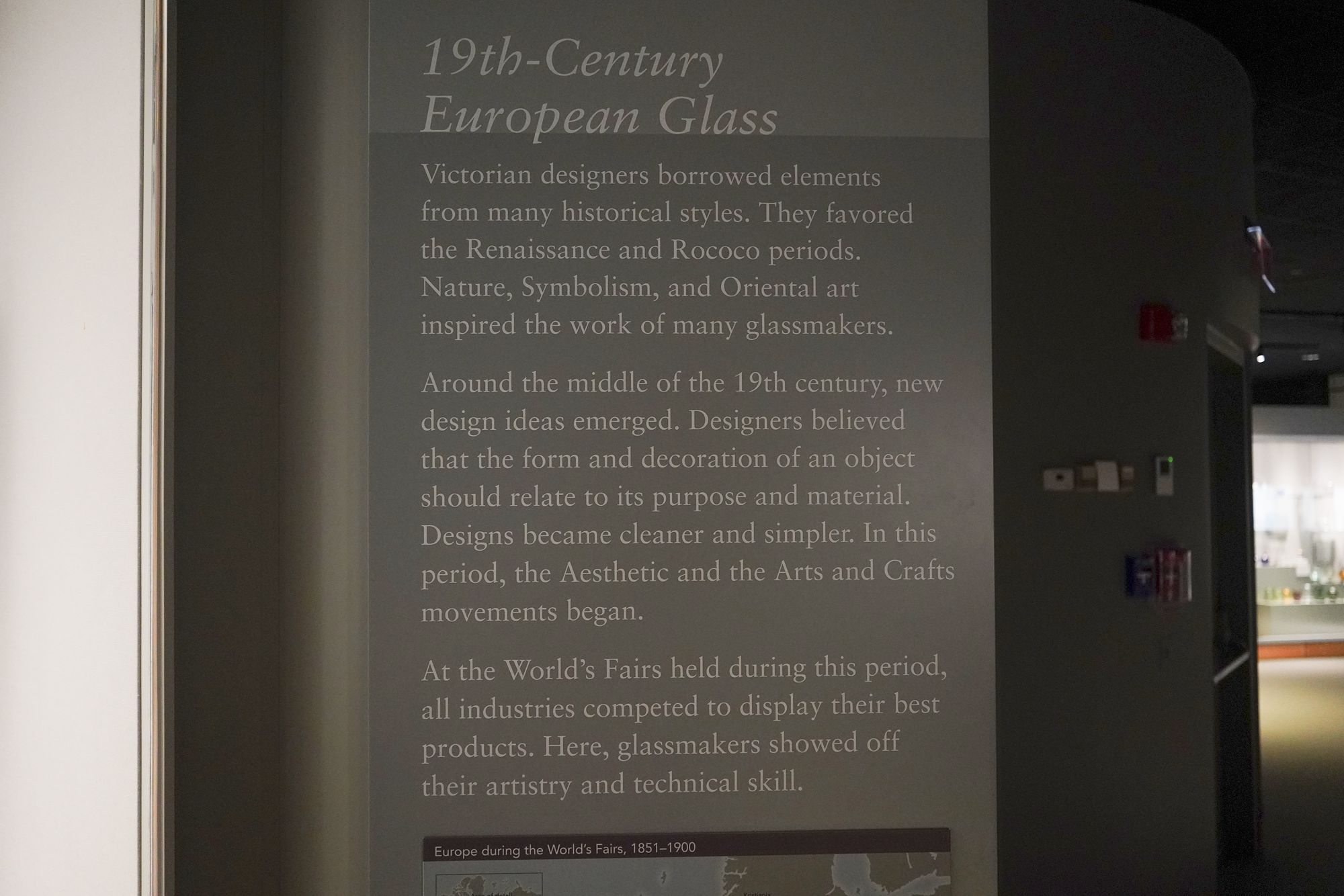
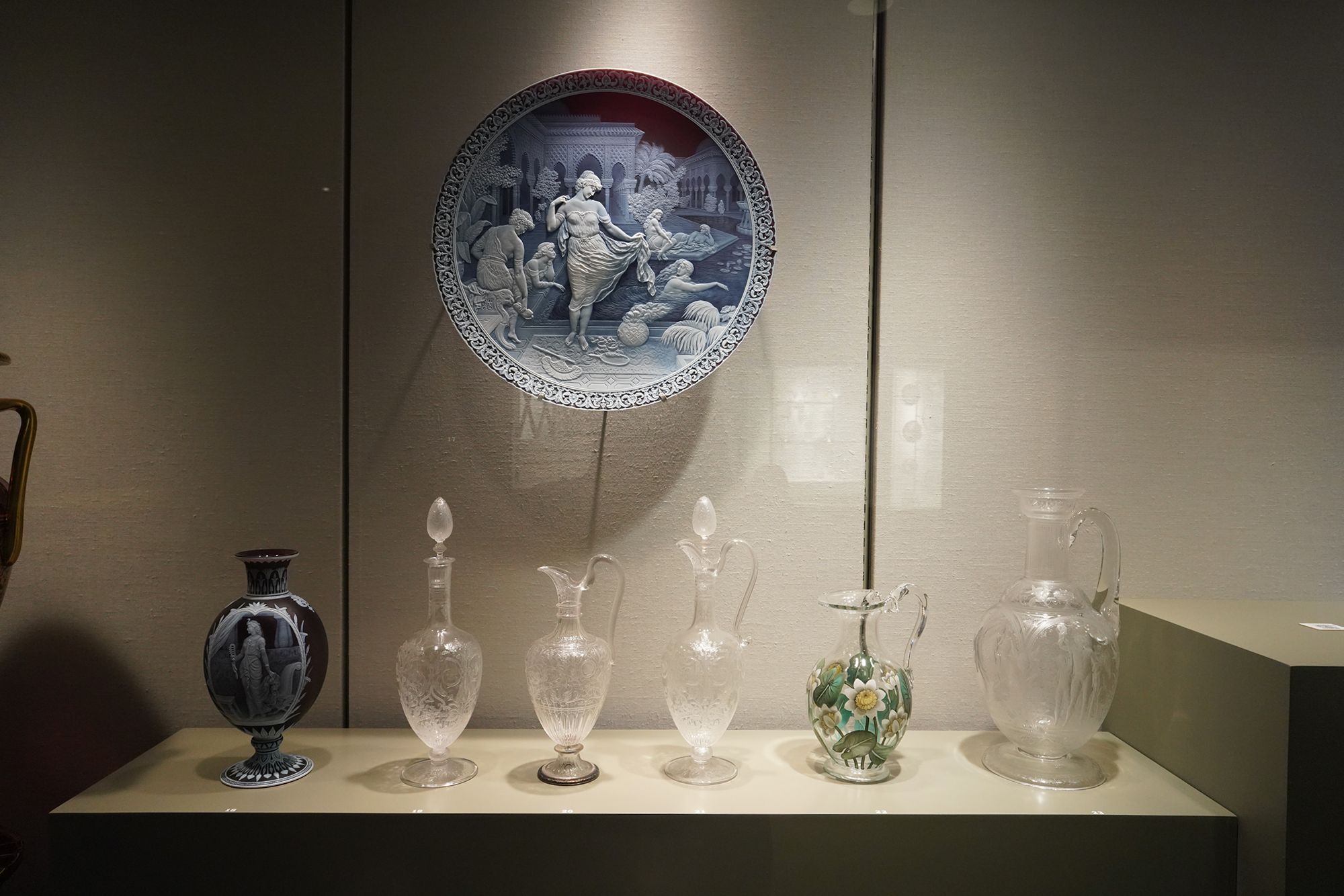
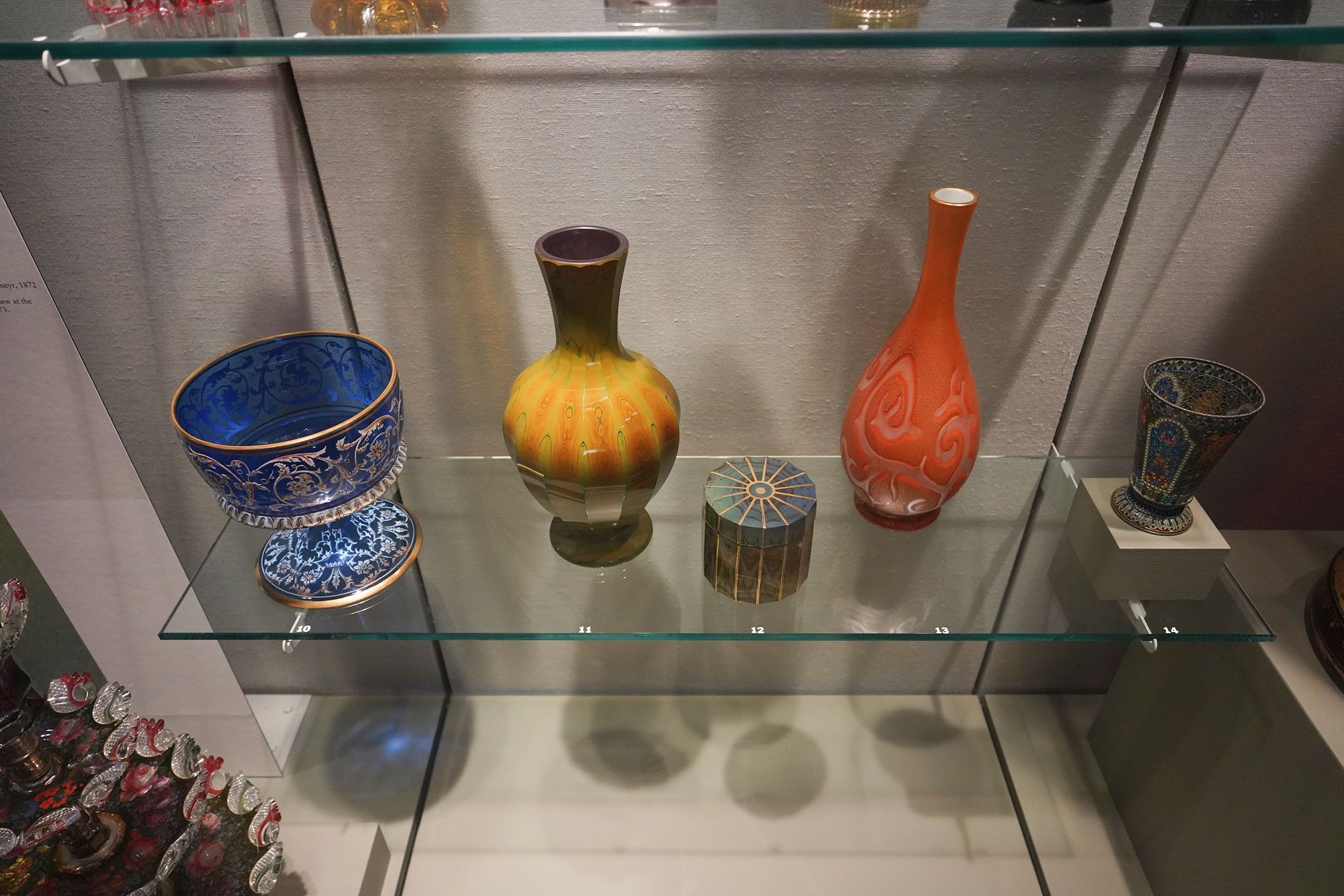
19-th Century European Glass
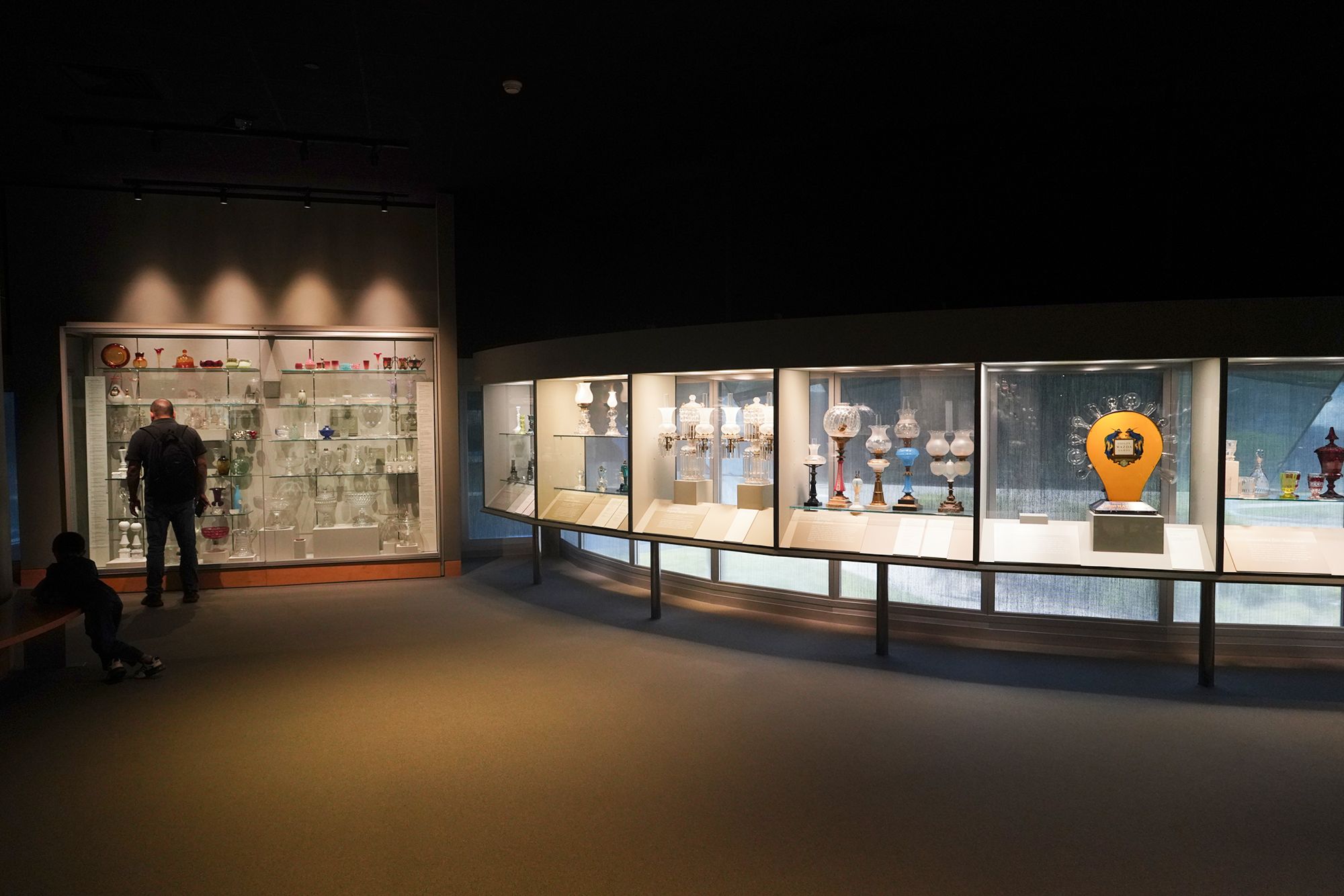
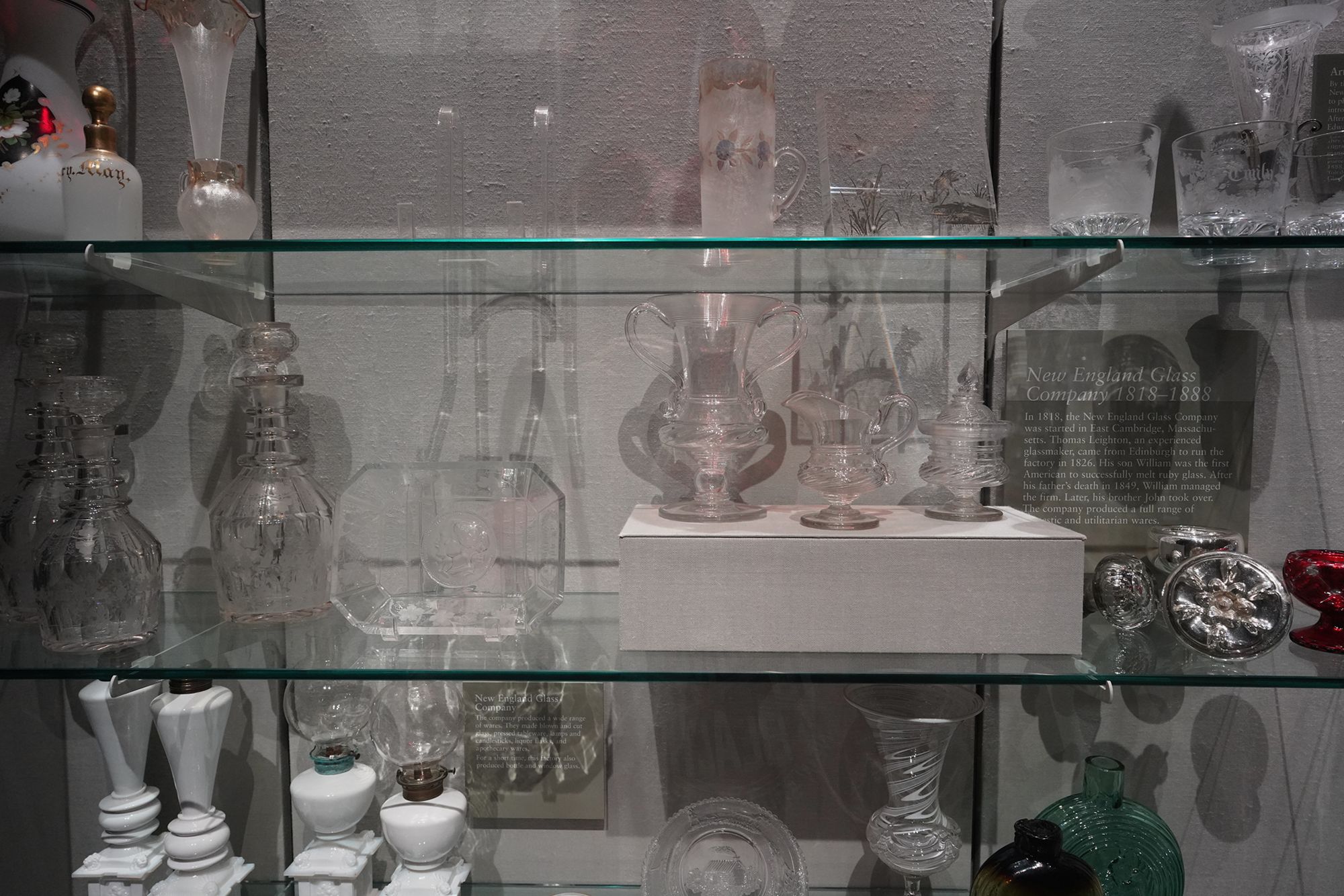
Glass in America
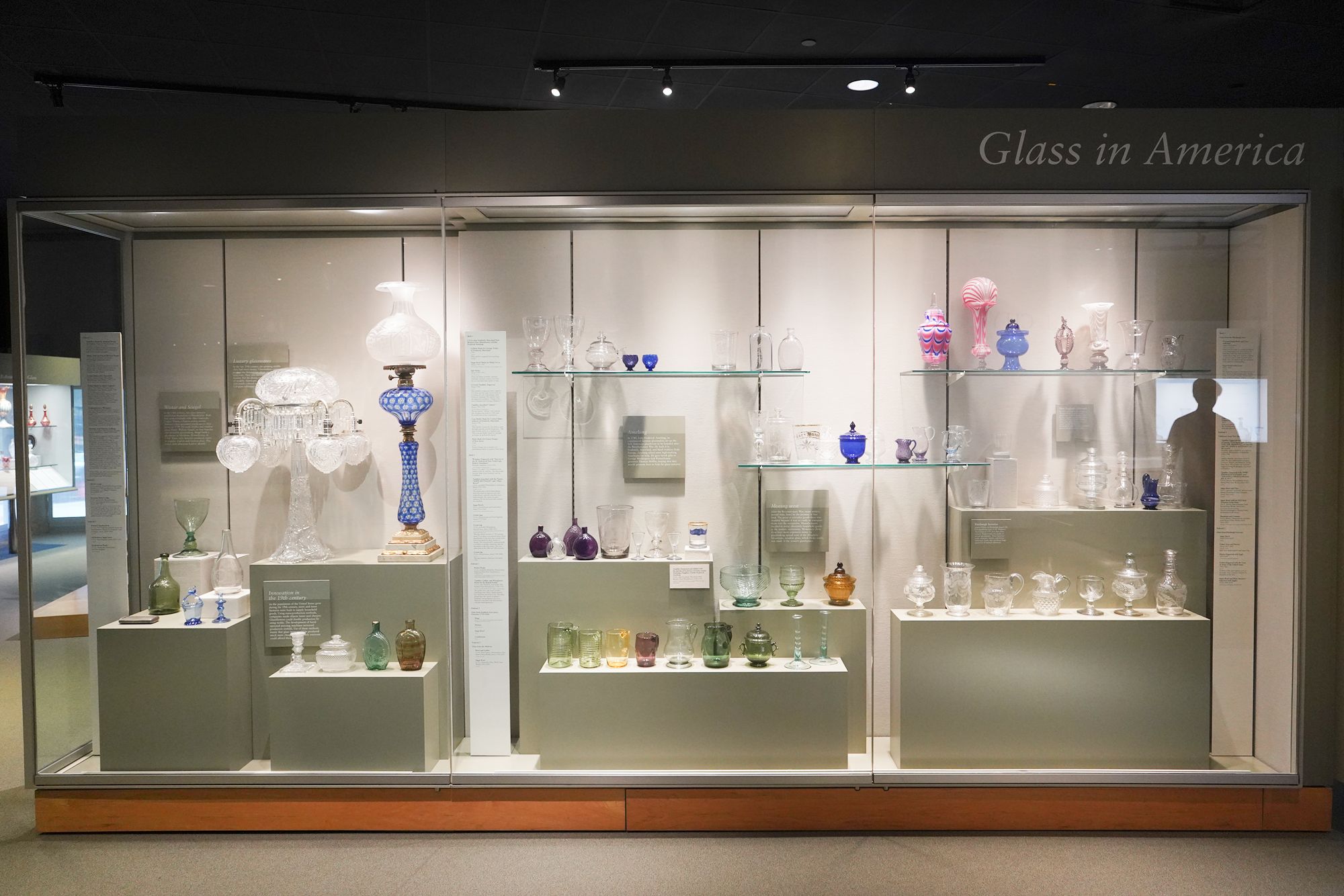
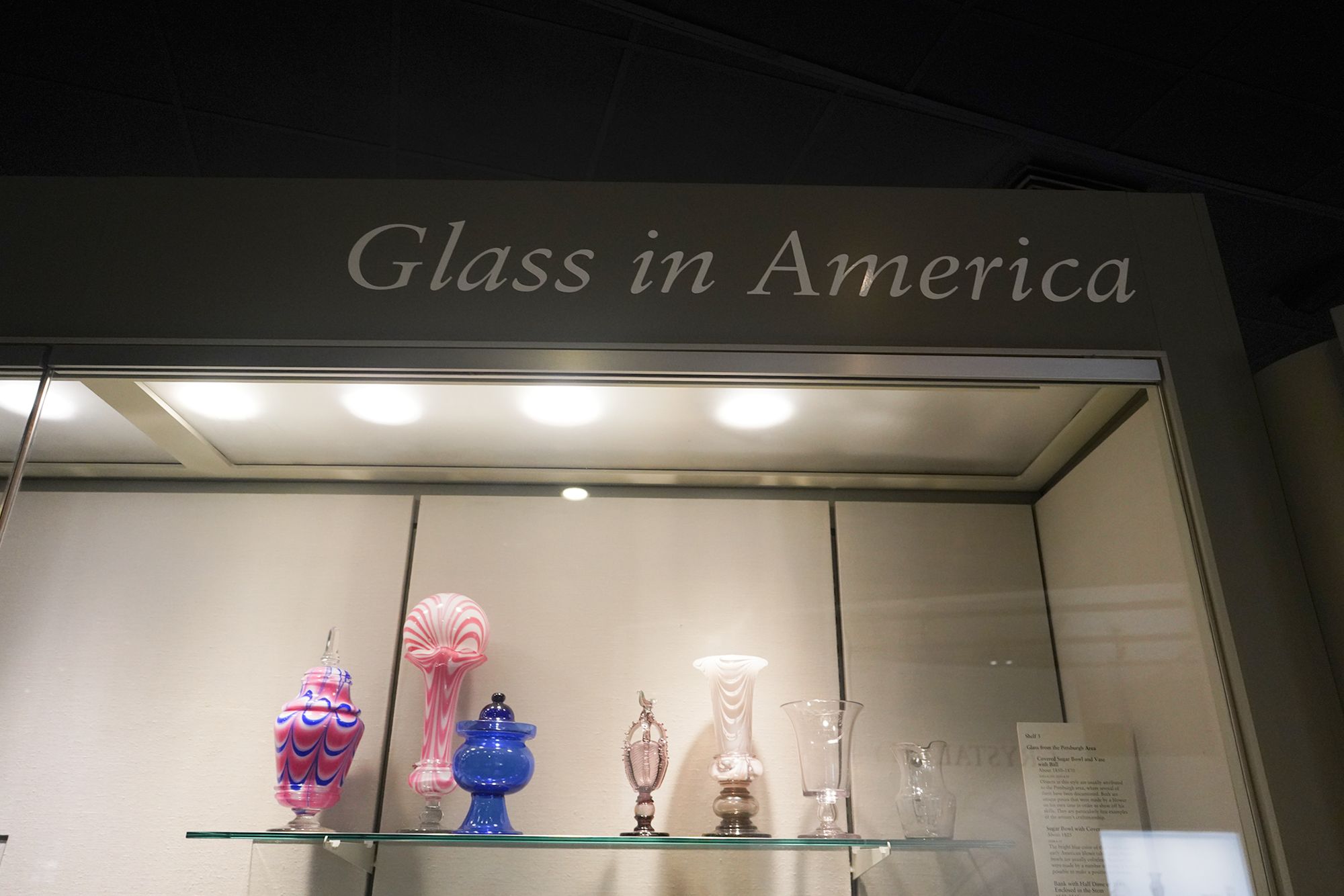
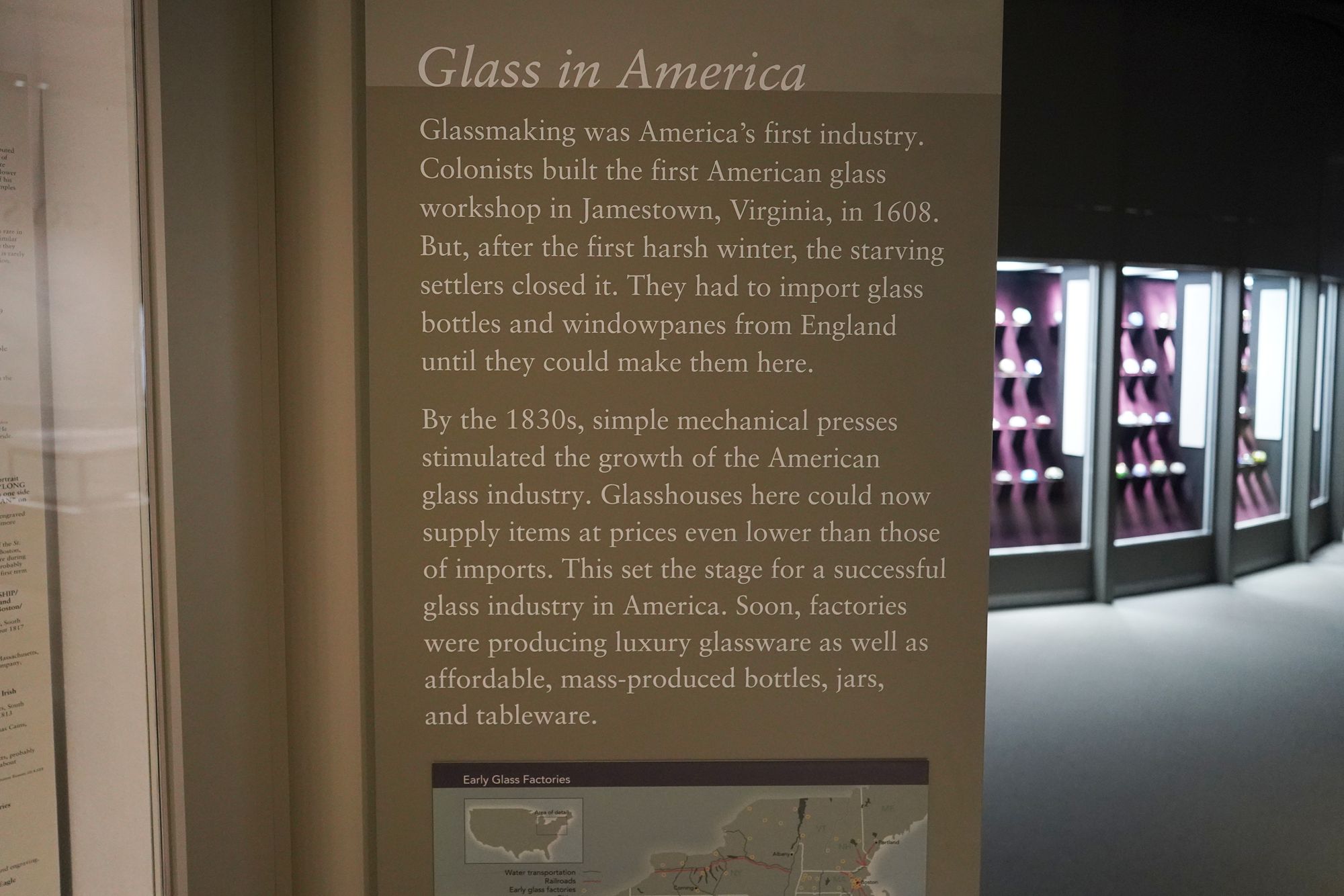
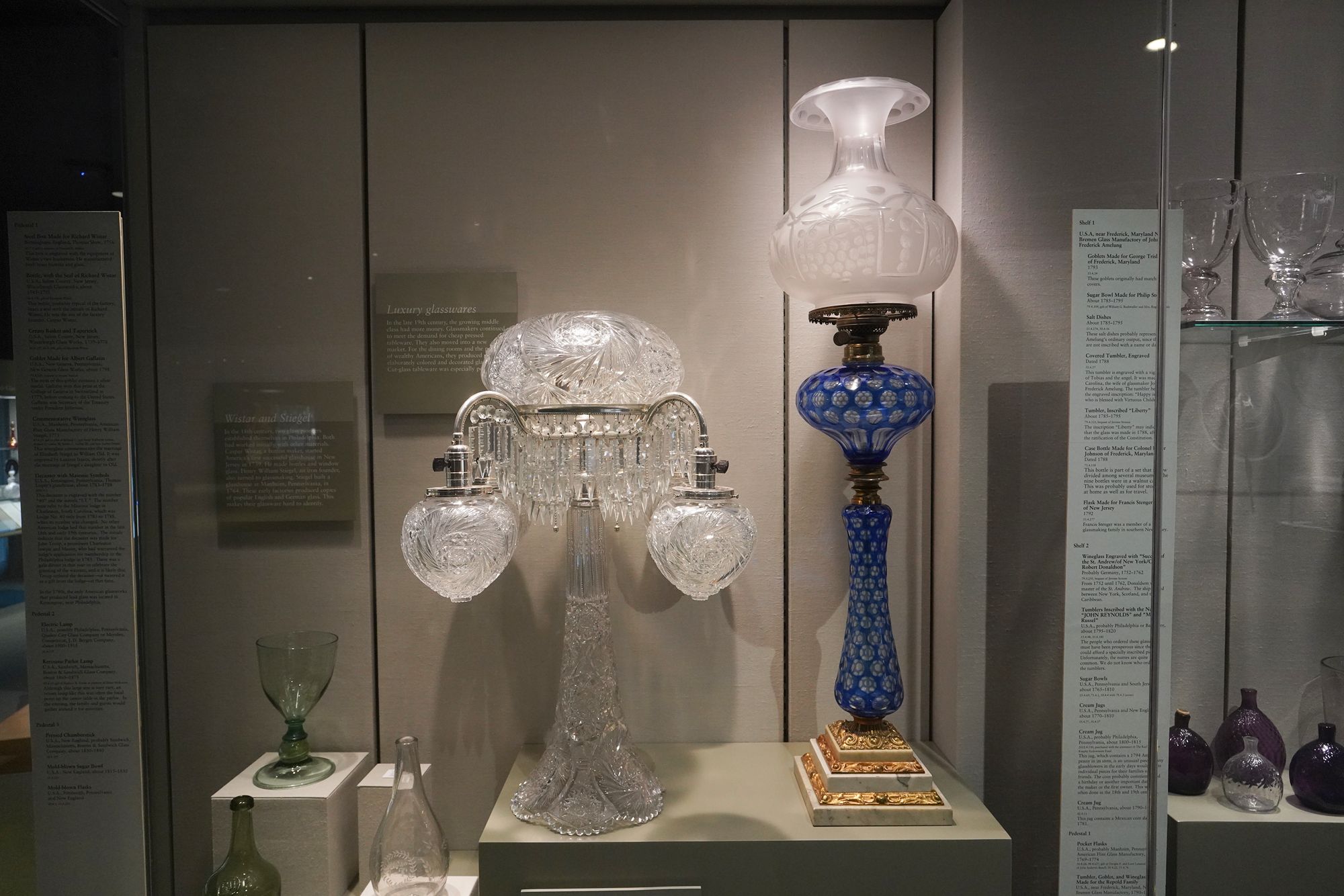
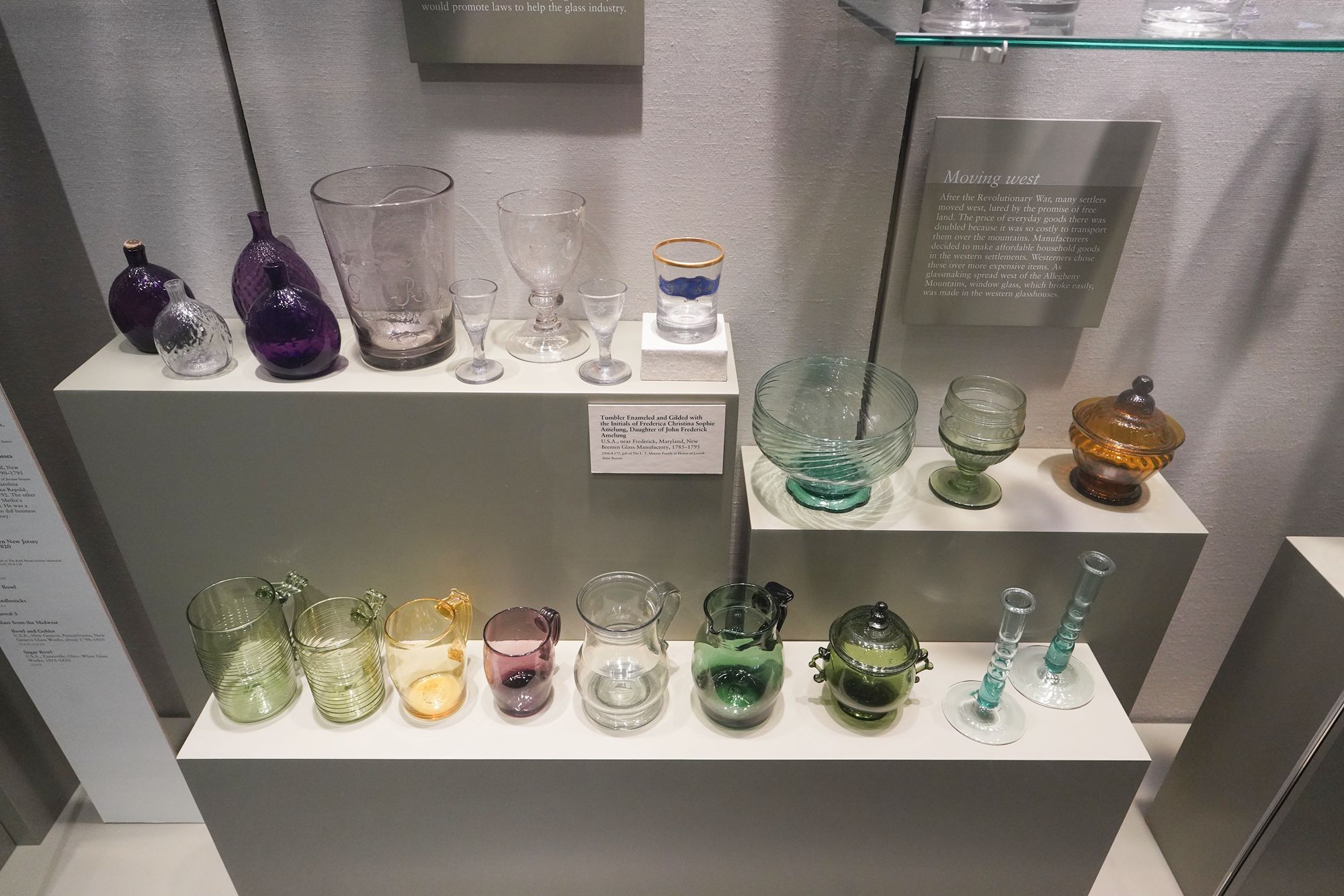
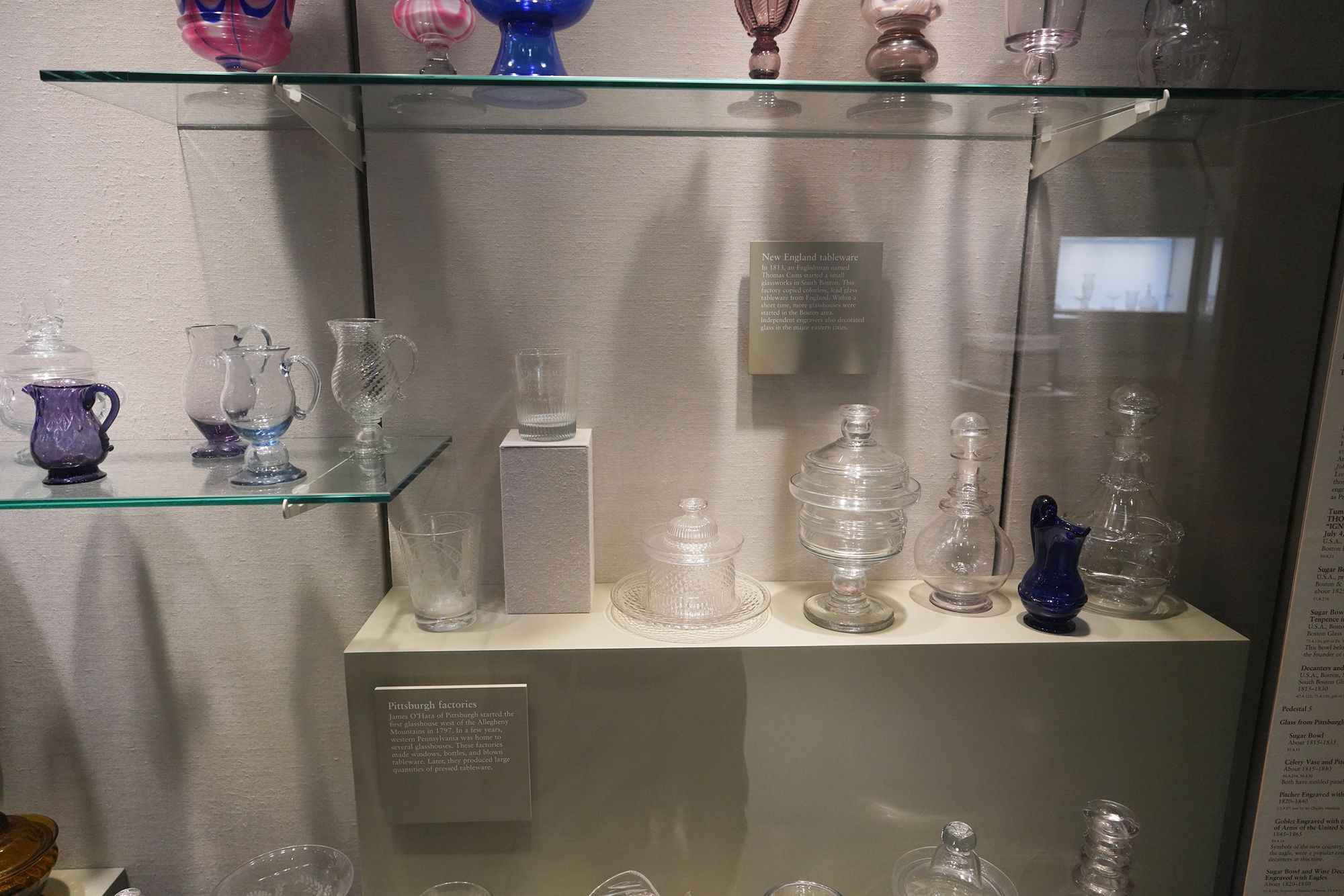
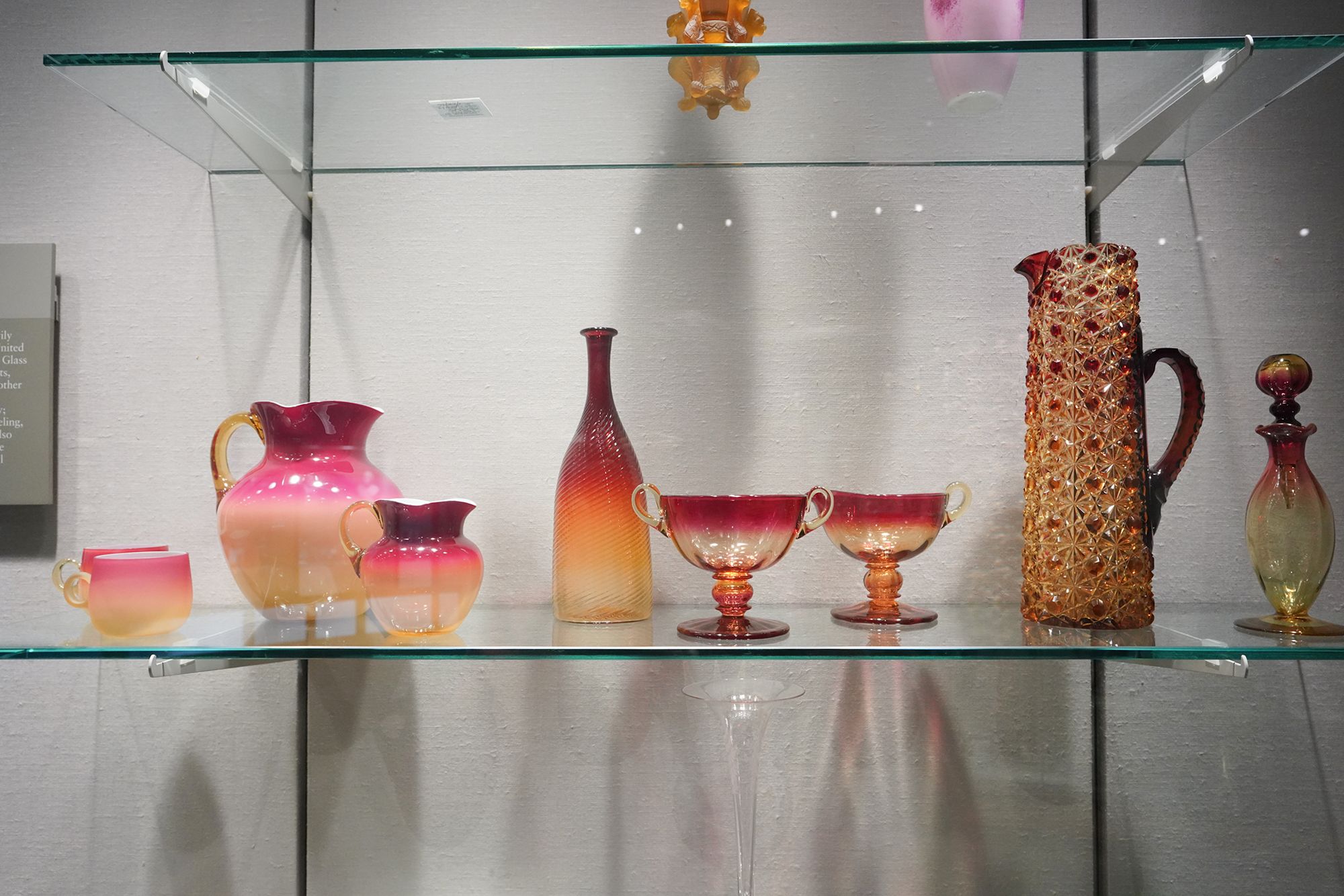
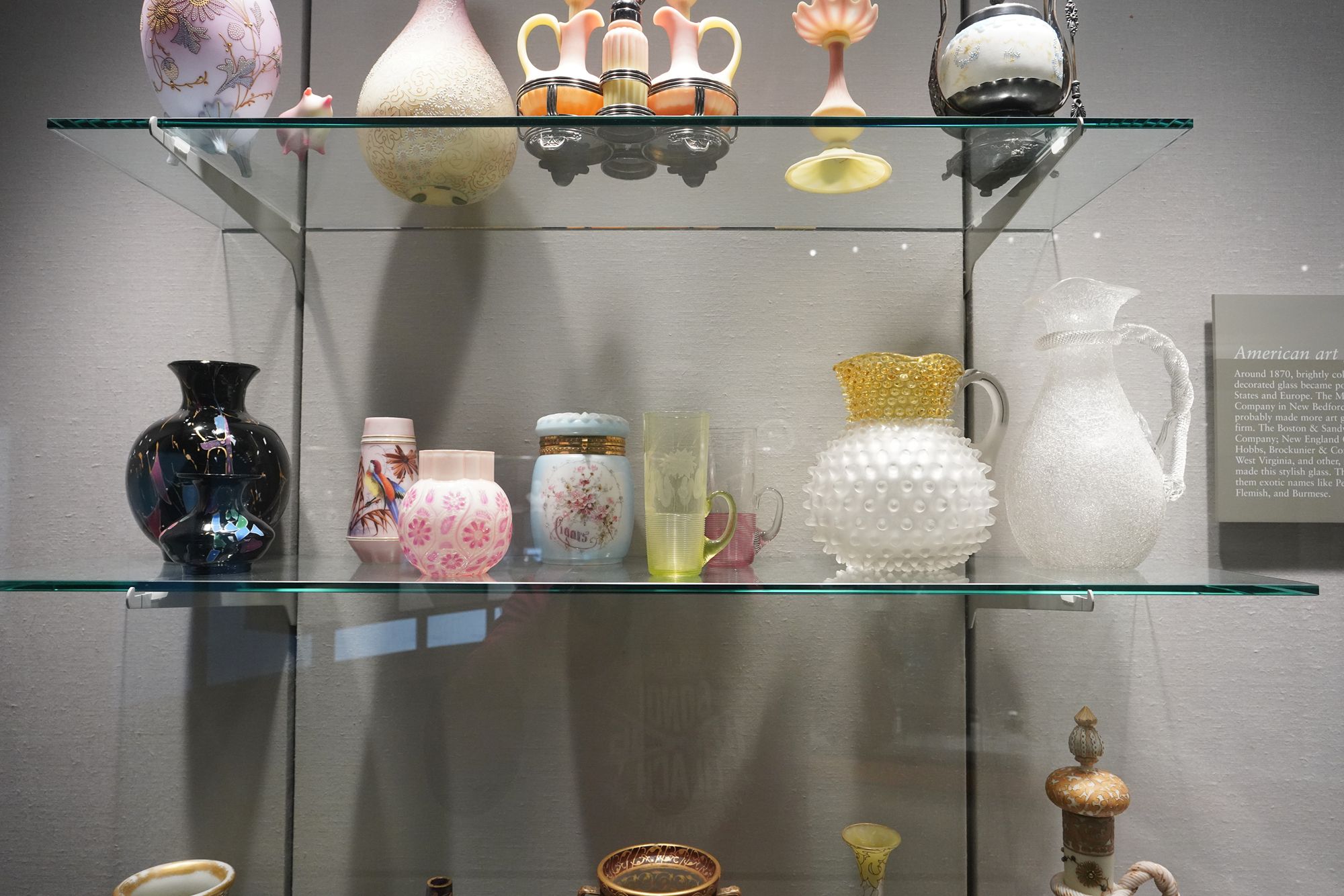
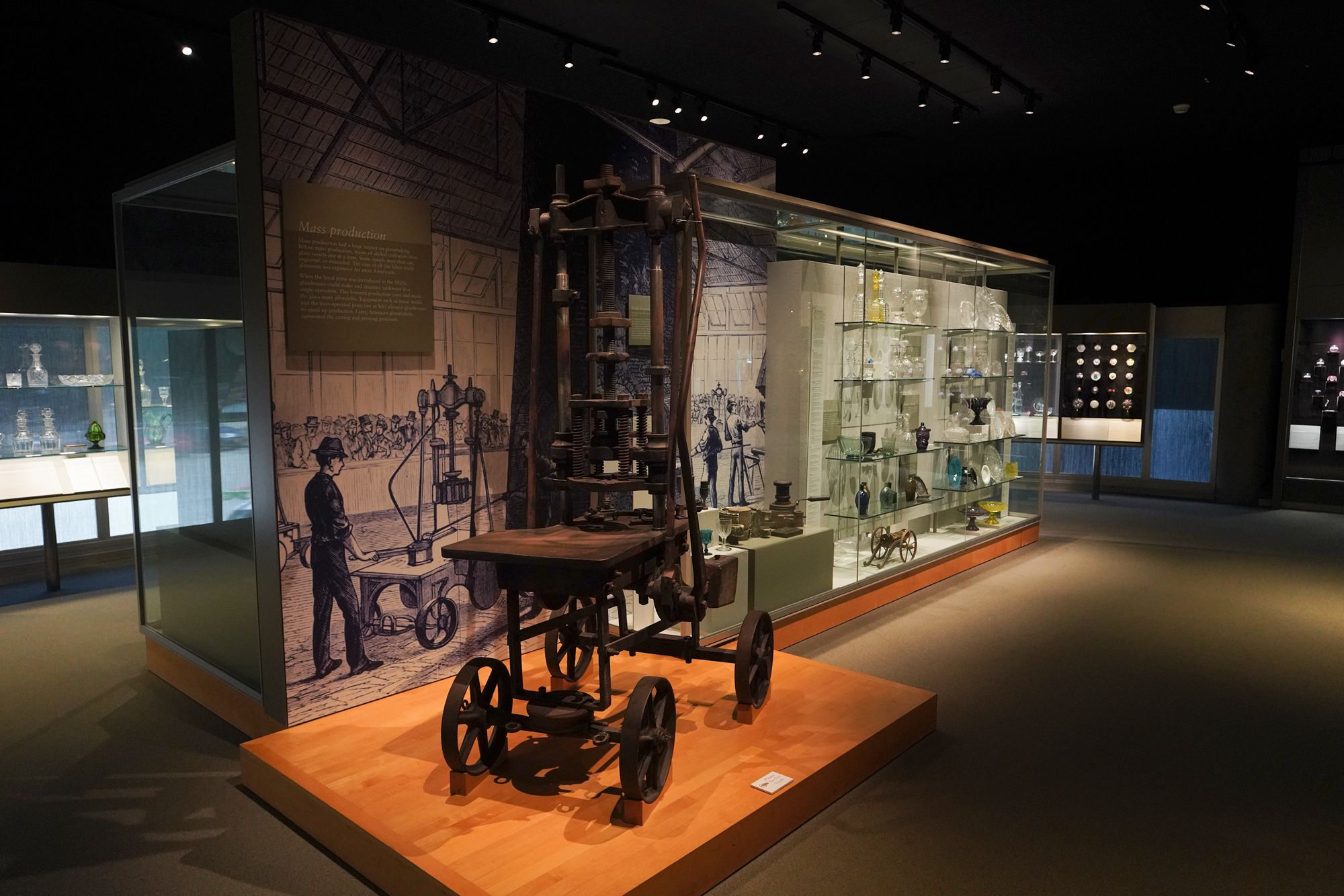
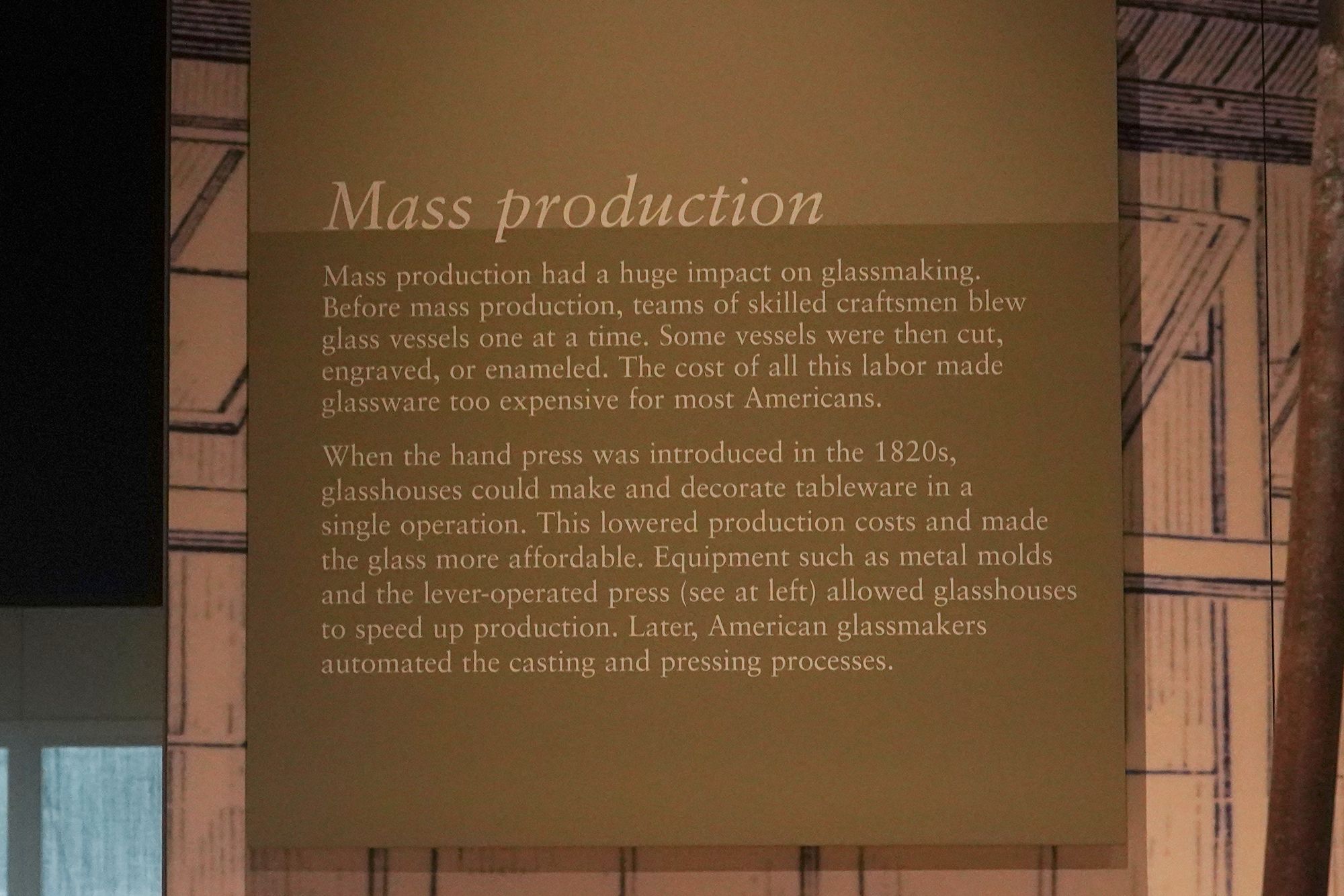
Mass Production
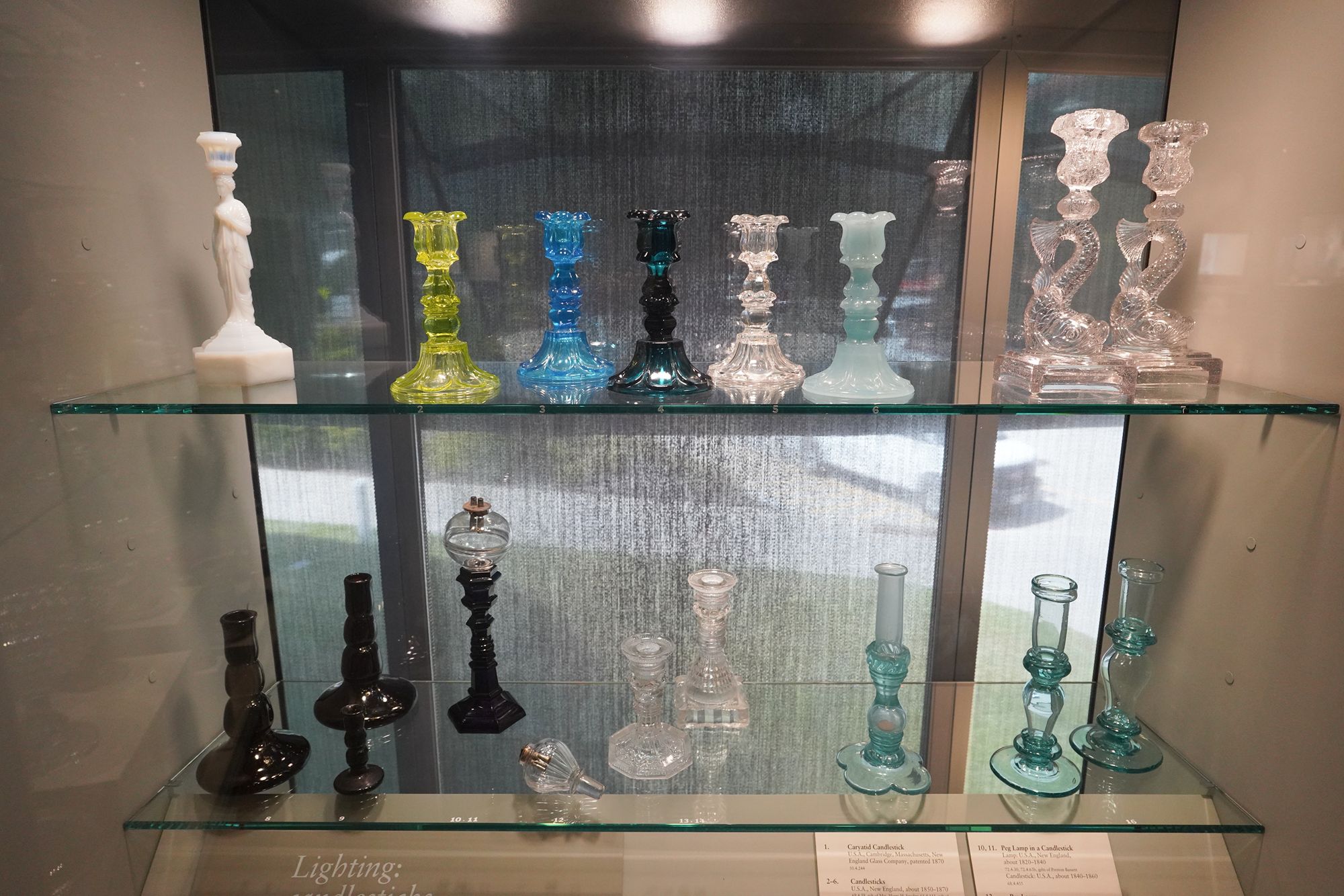
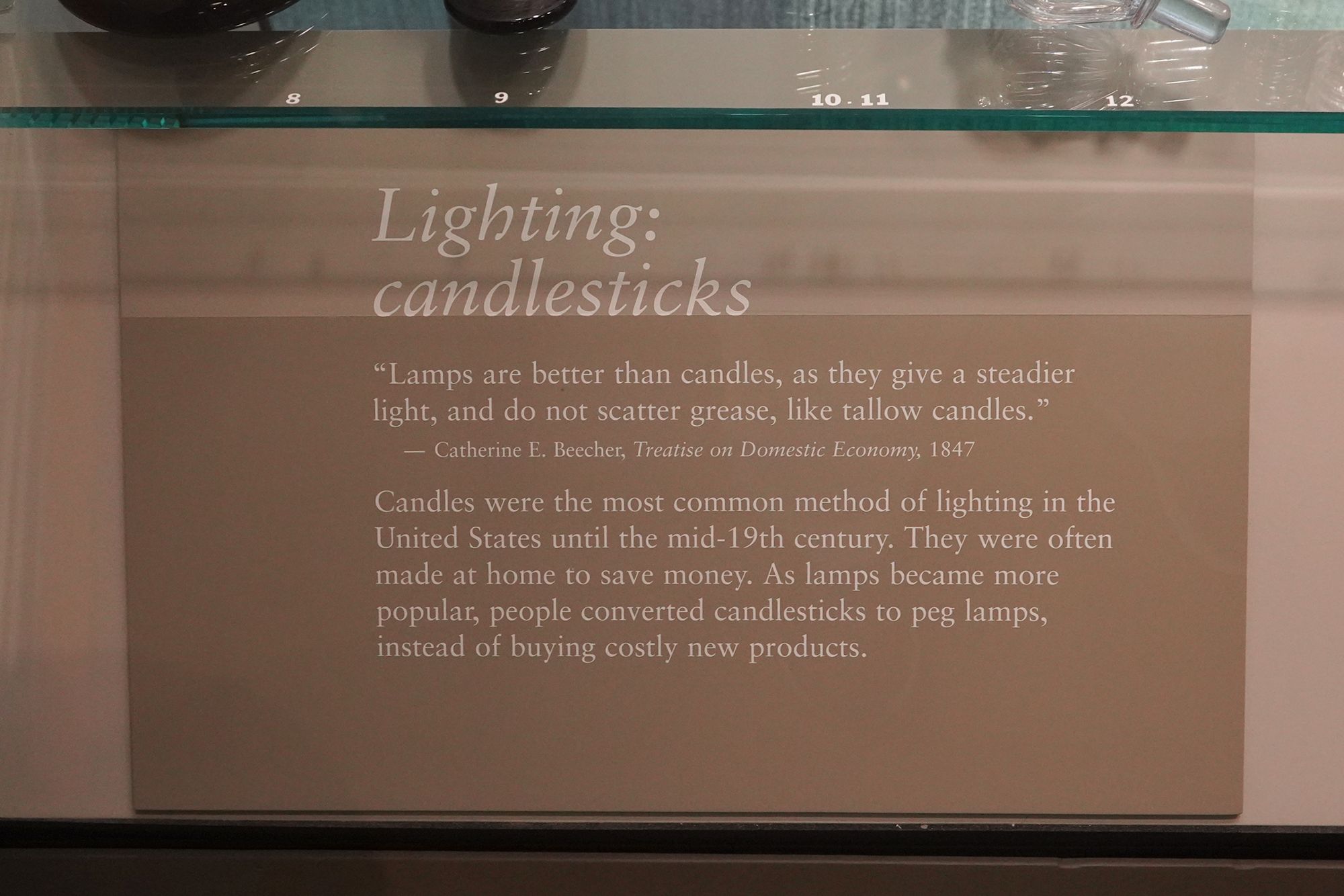
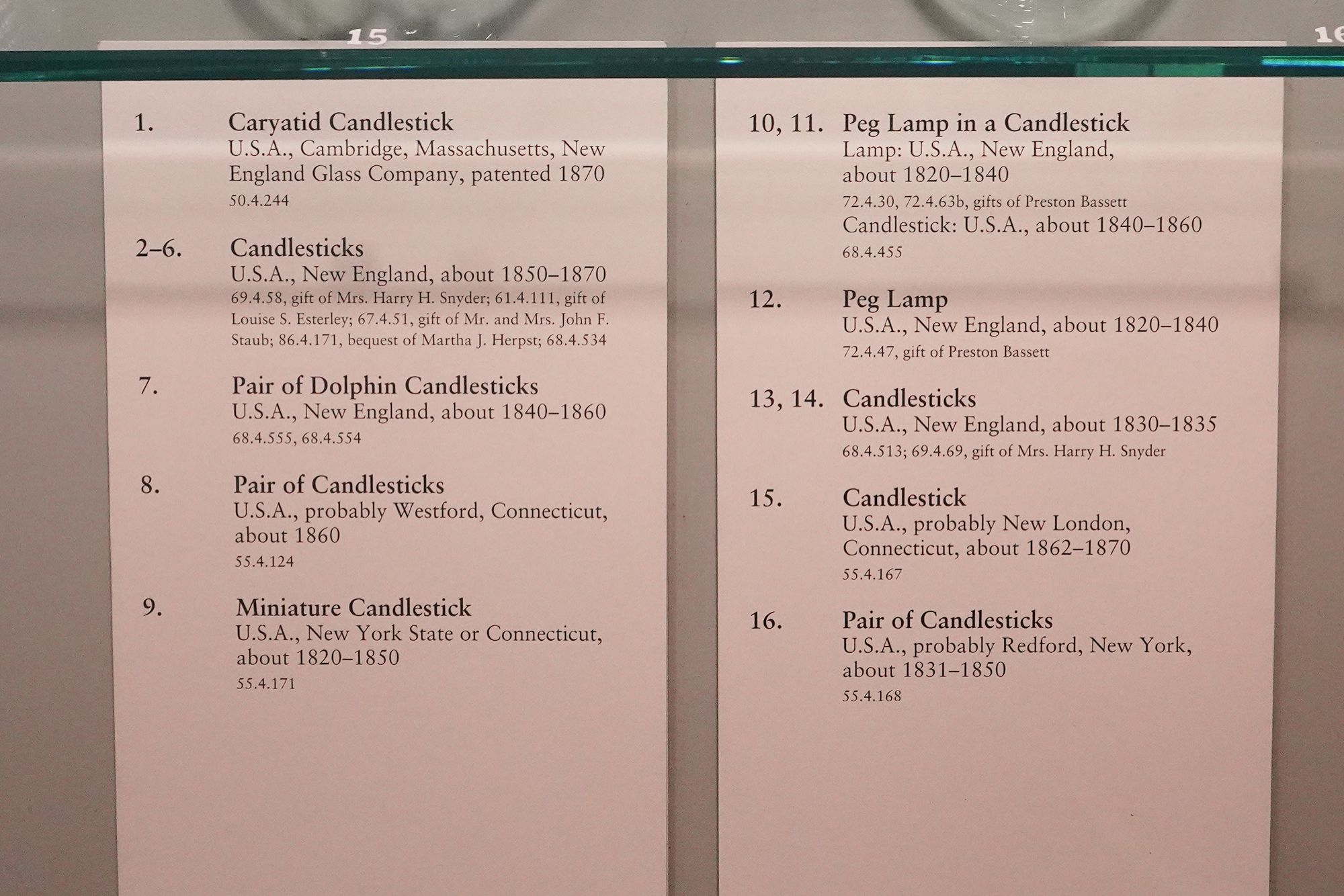
Lighting: candlesticks
Lighting: whale-oil lamps
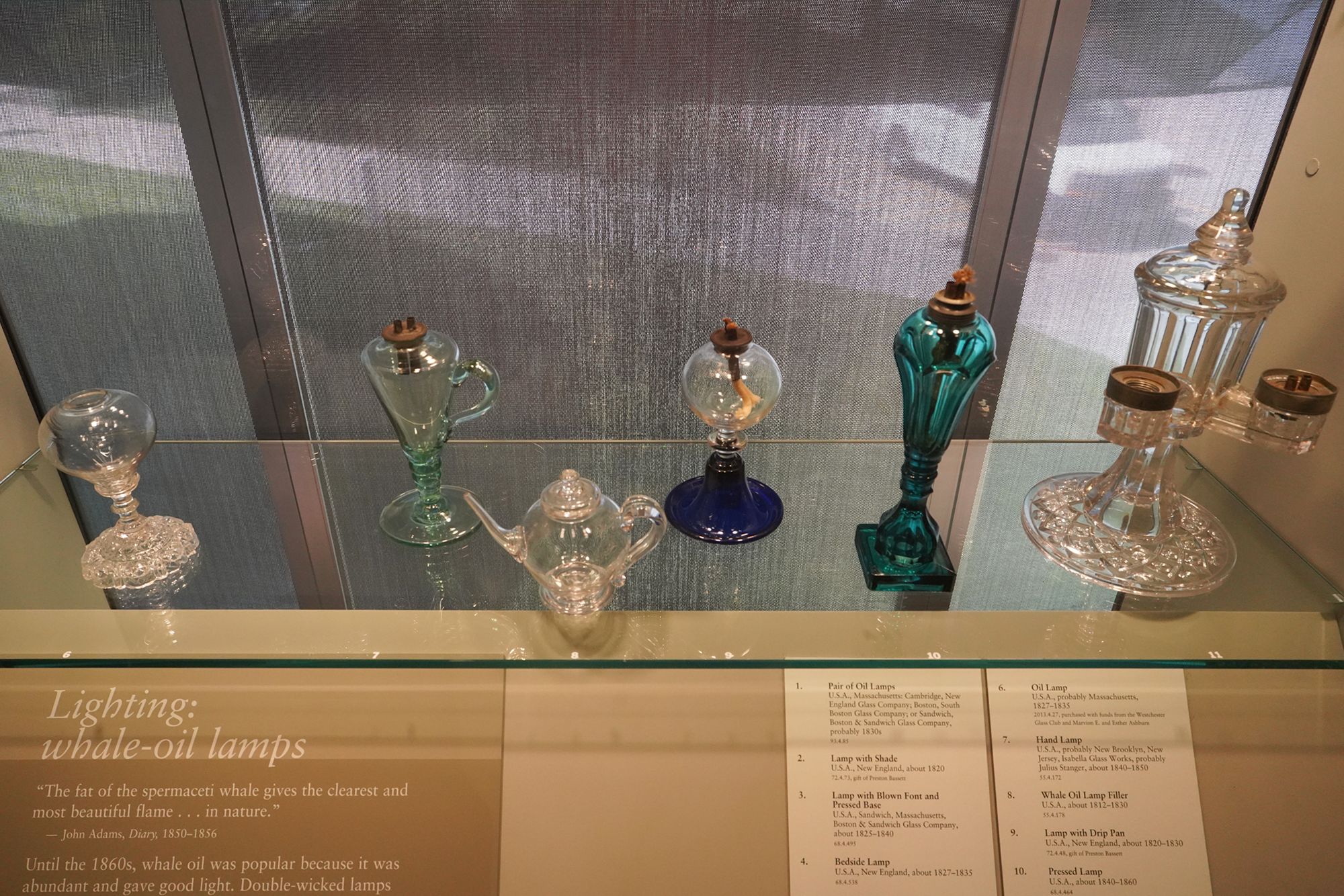
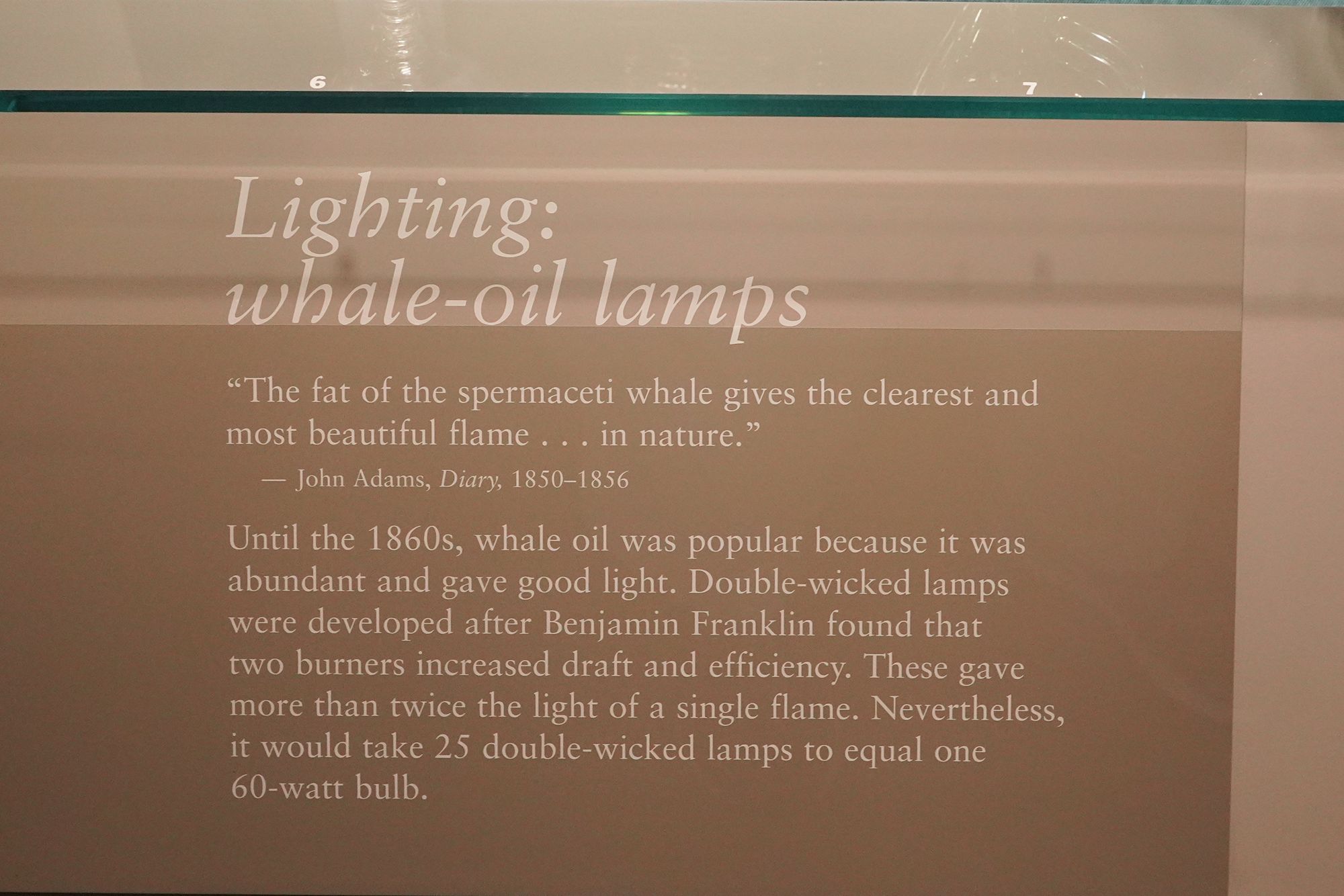
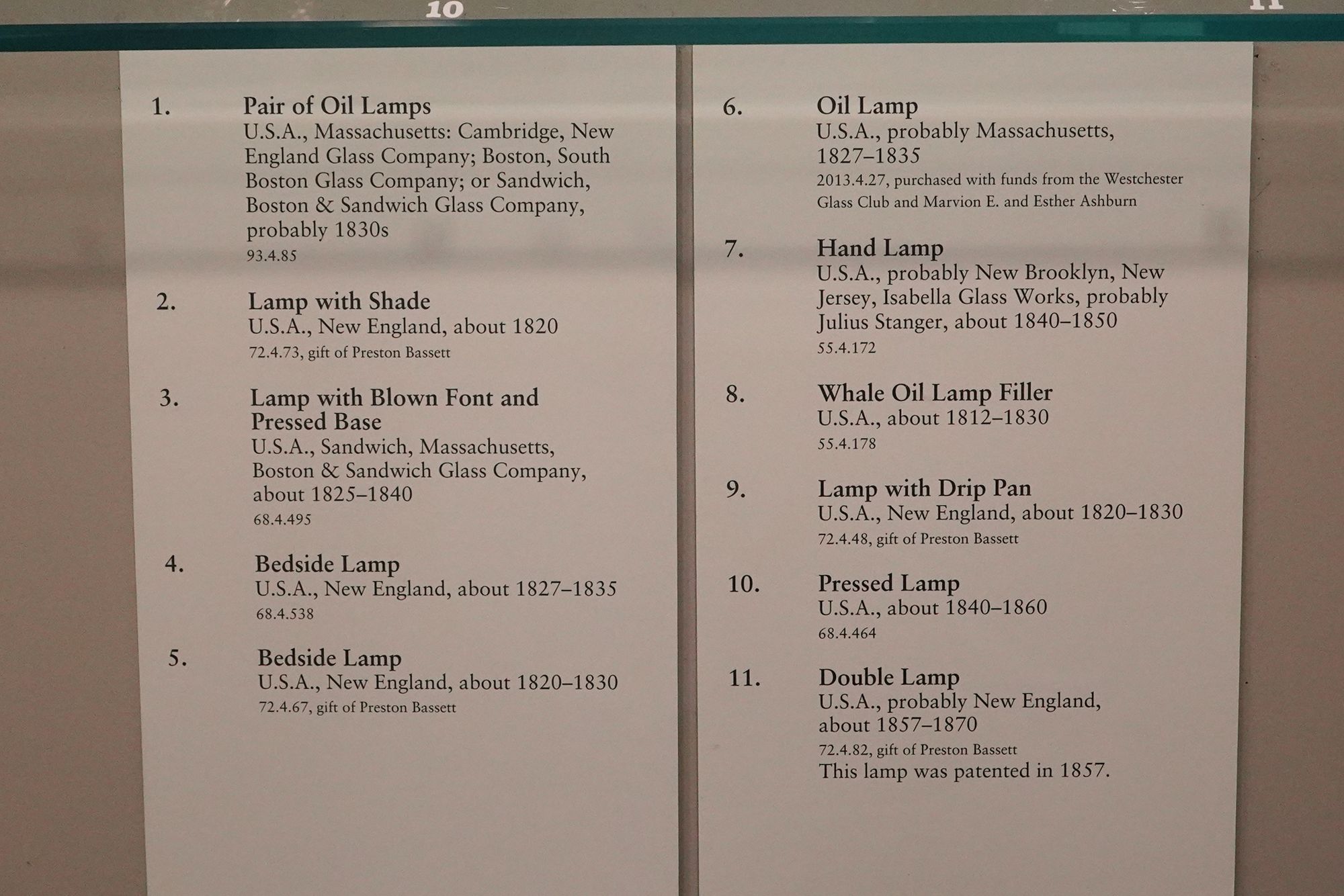
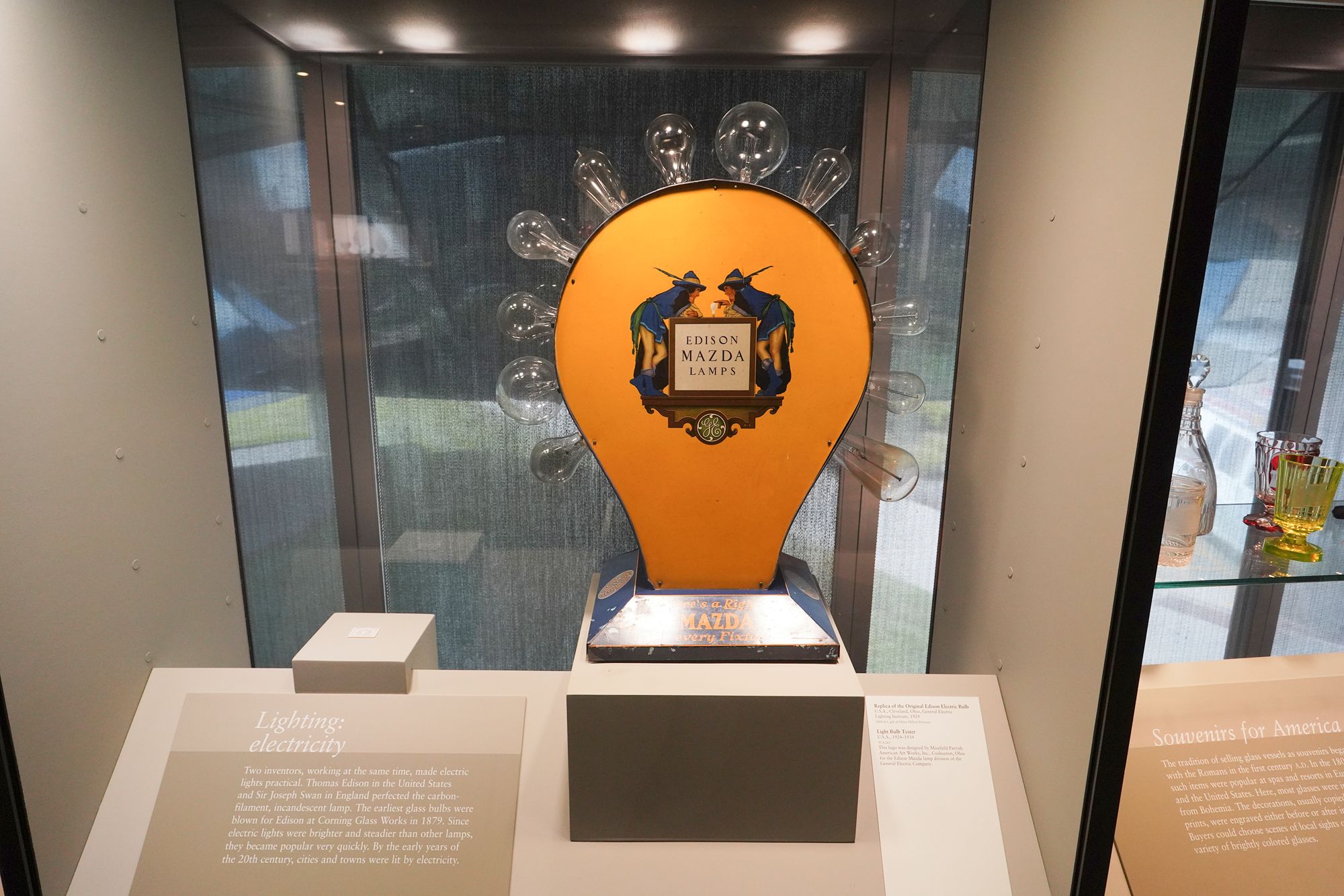
Lighting: electricity
Souvenirs for America
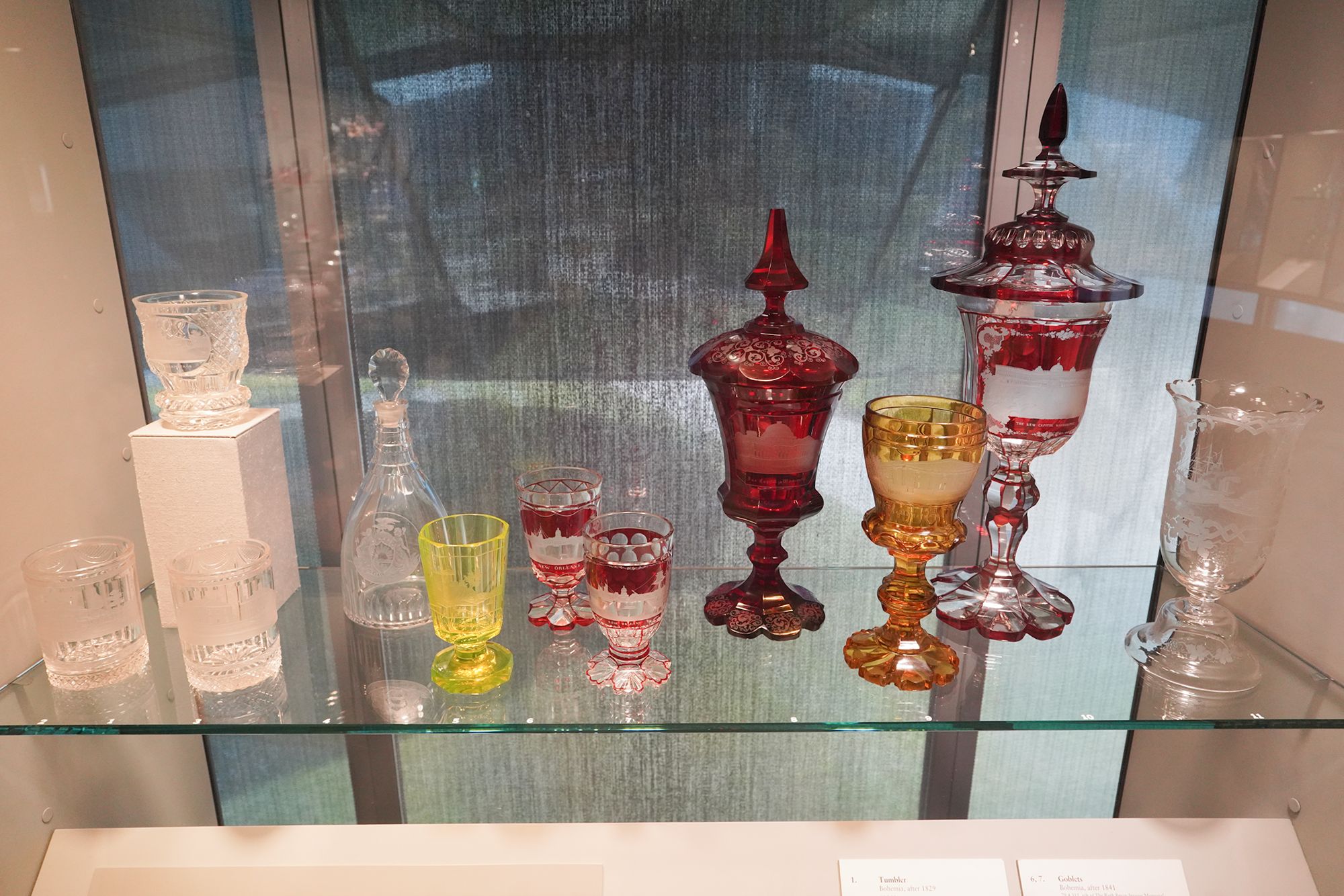
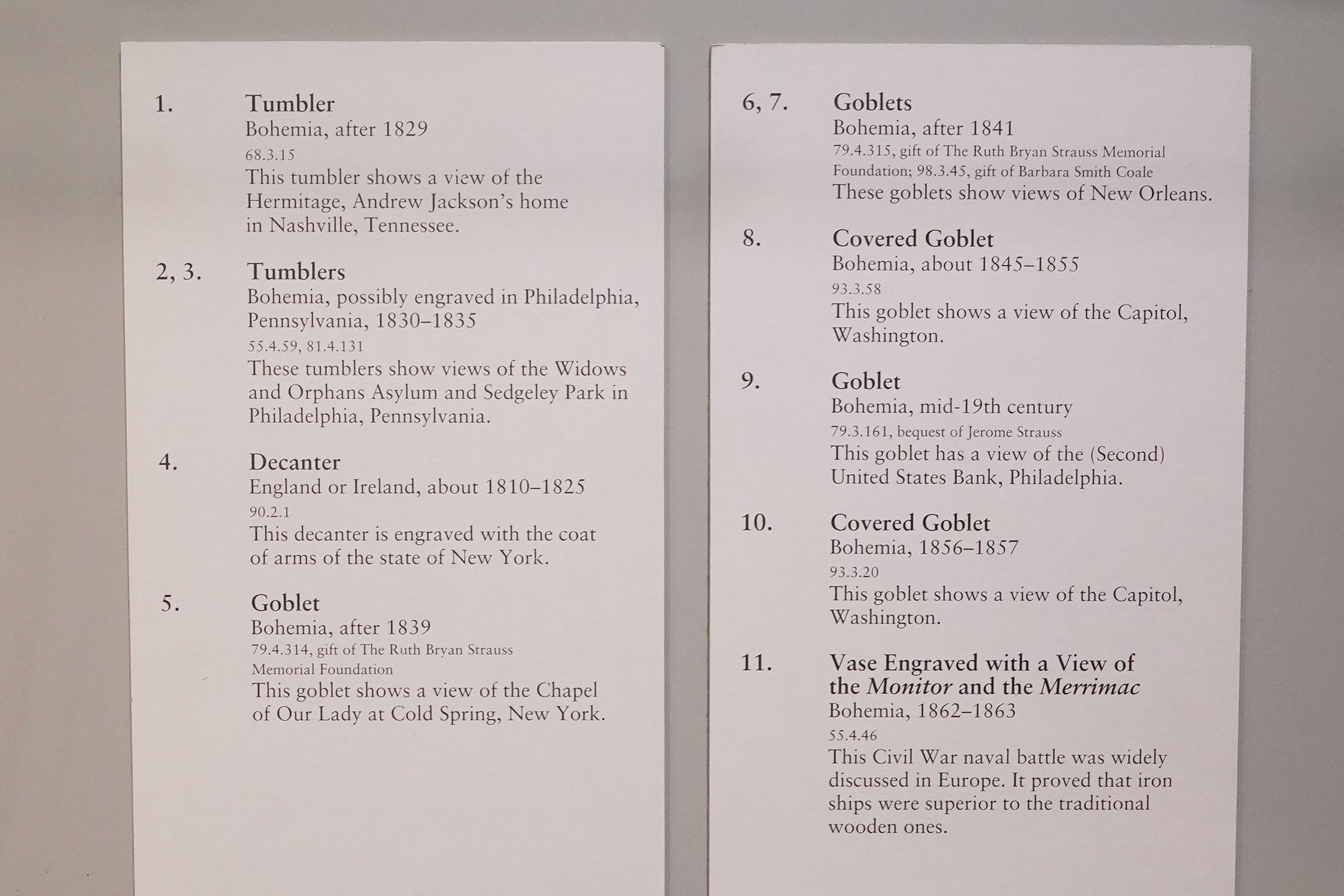
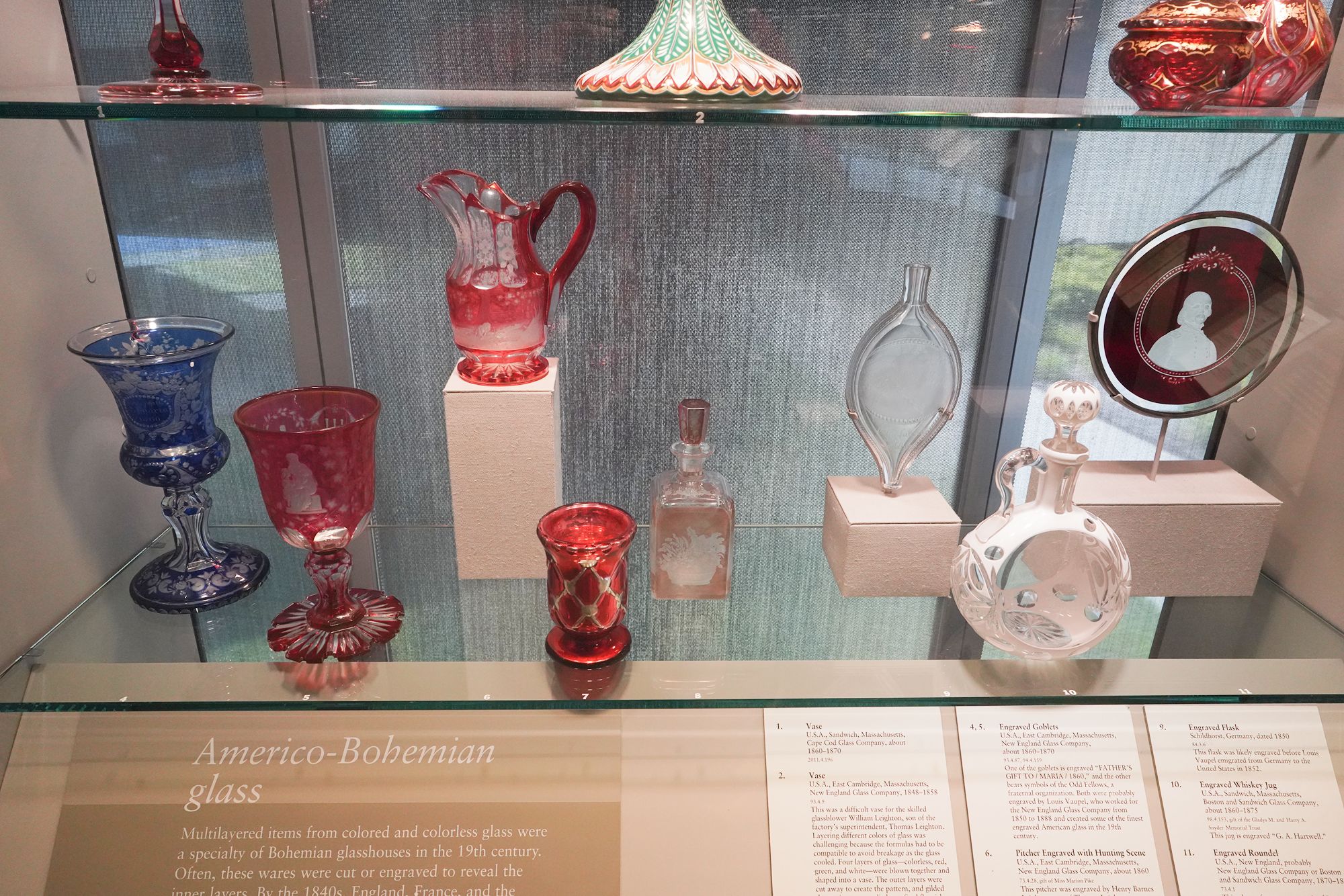
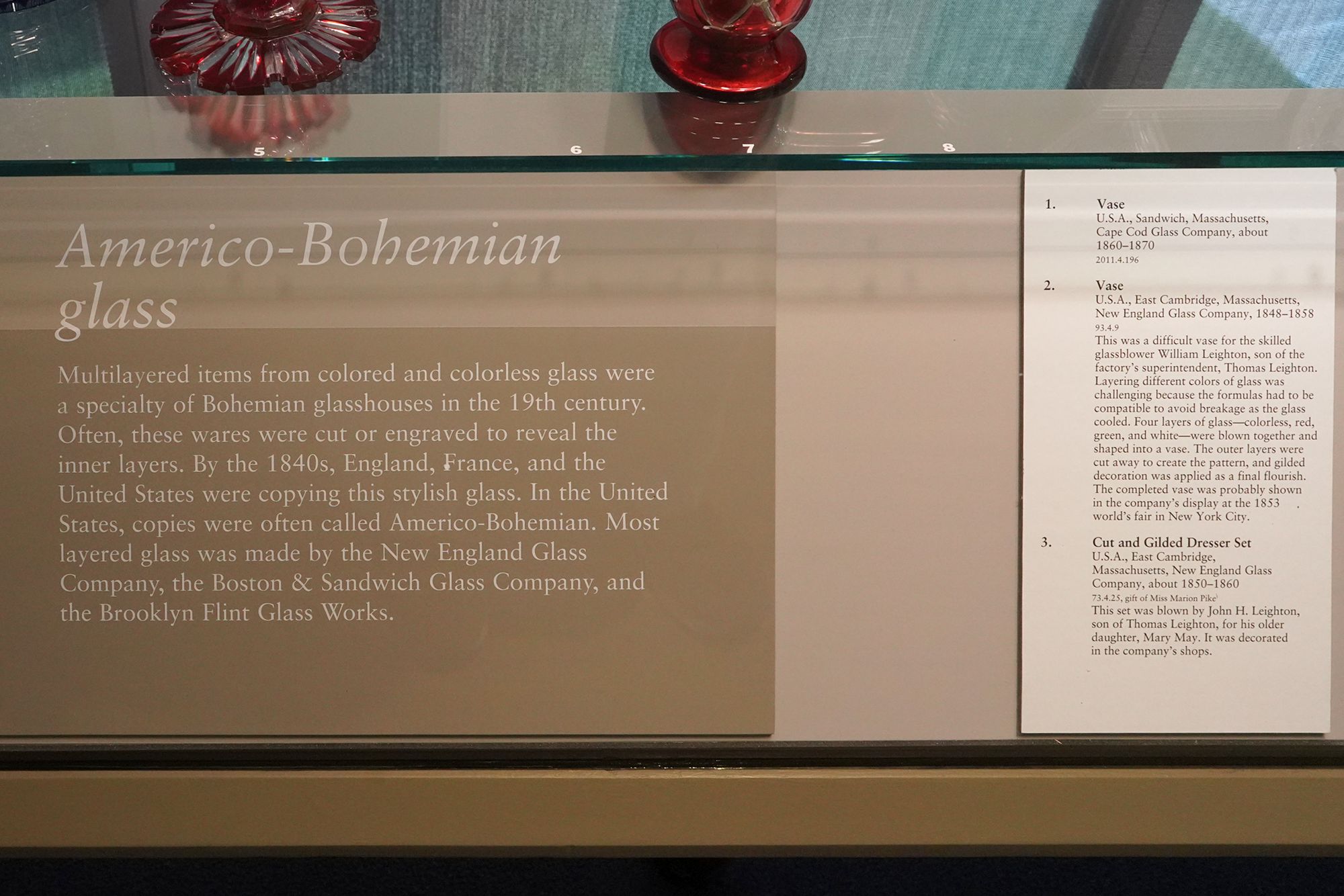
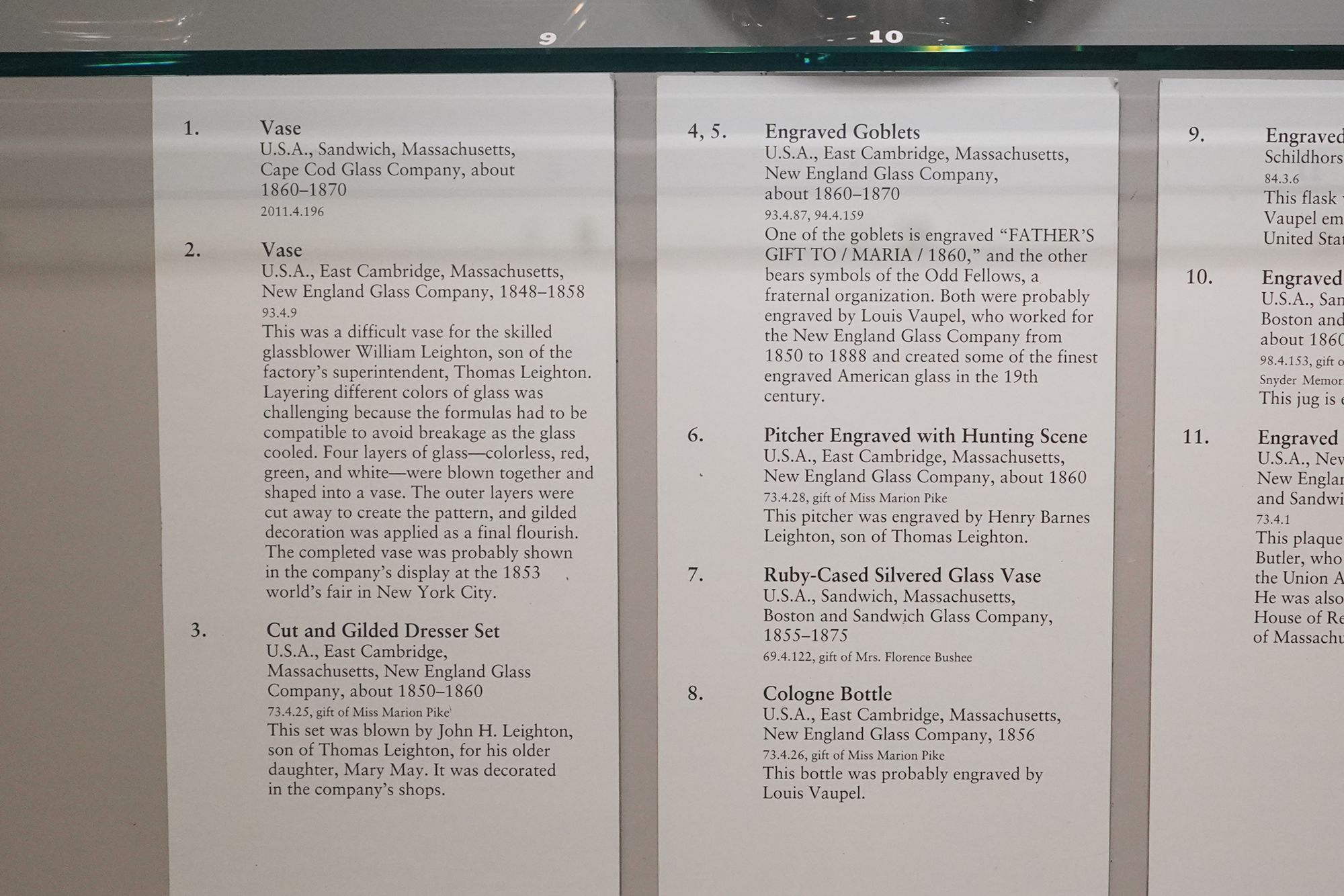
Americo-Bohemian glass
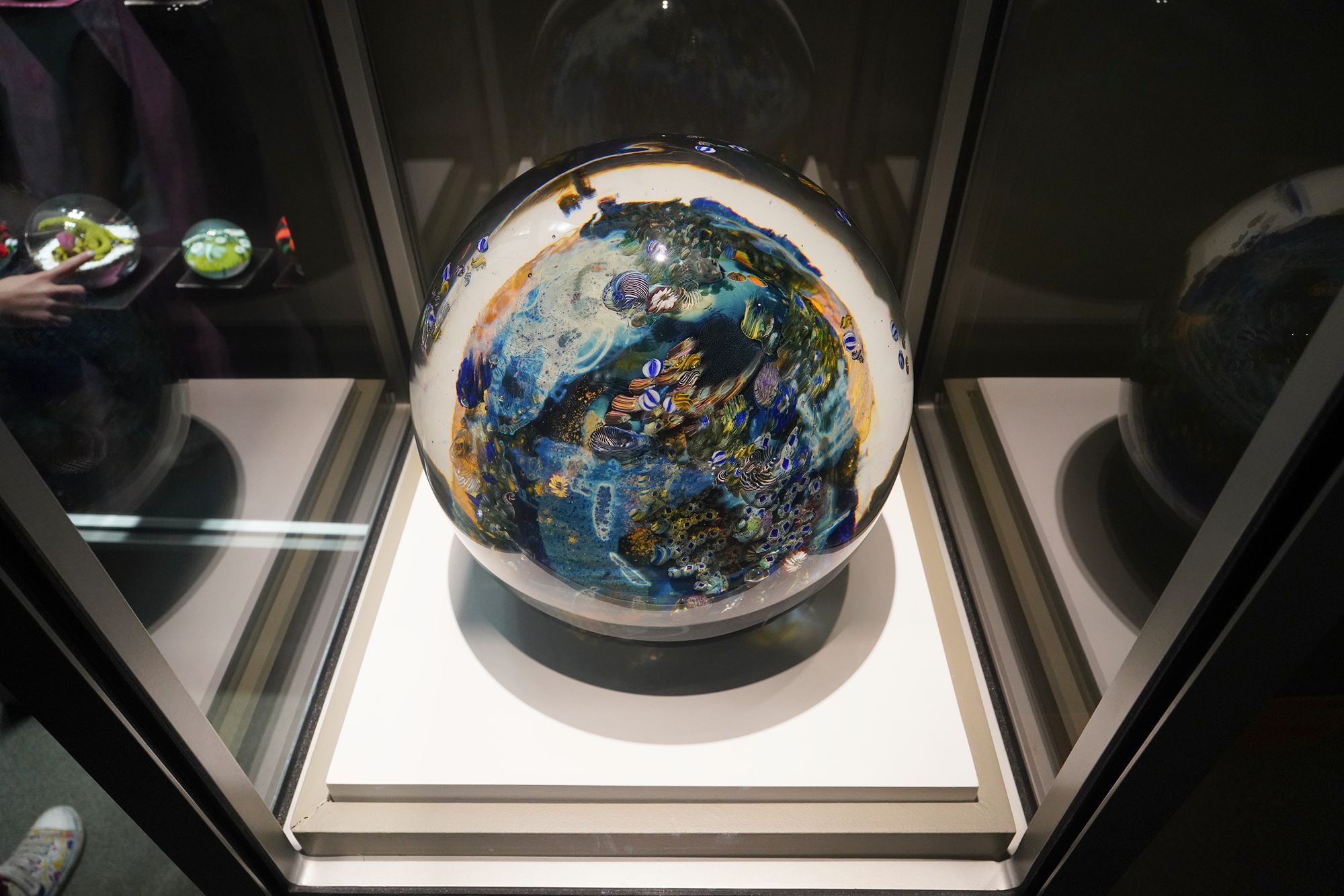
Paperweights of the World
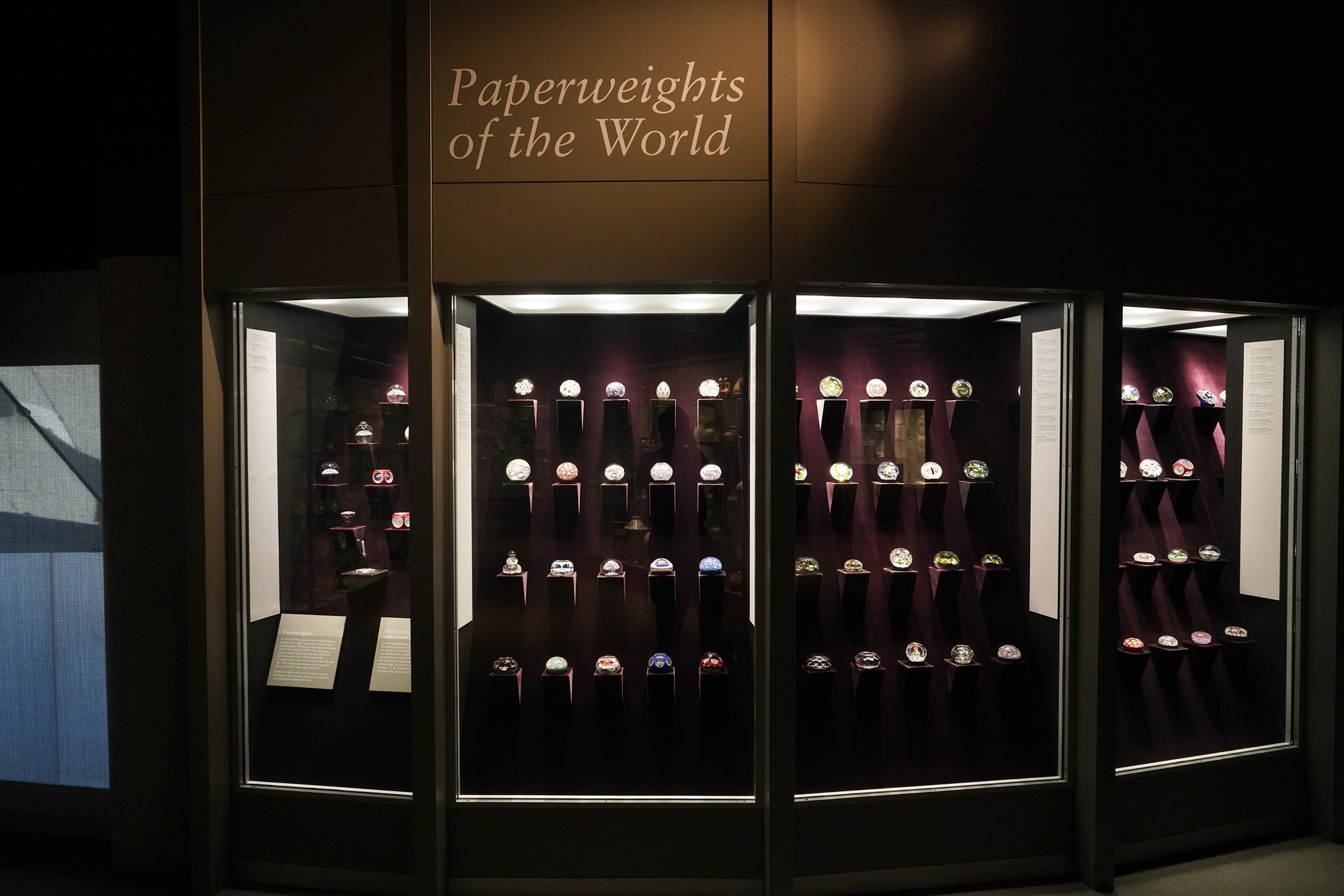
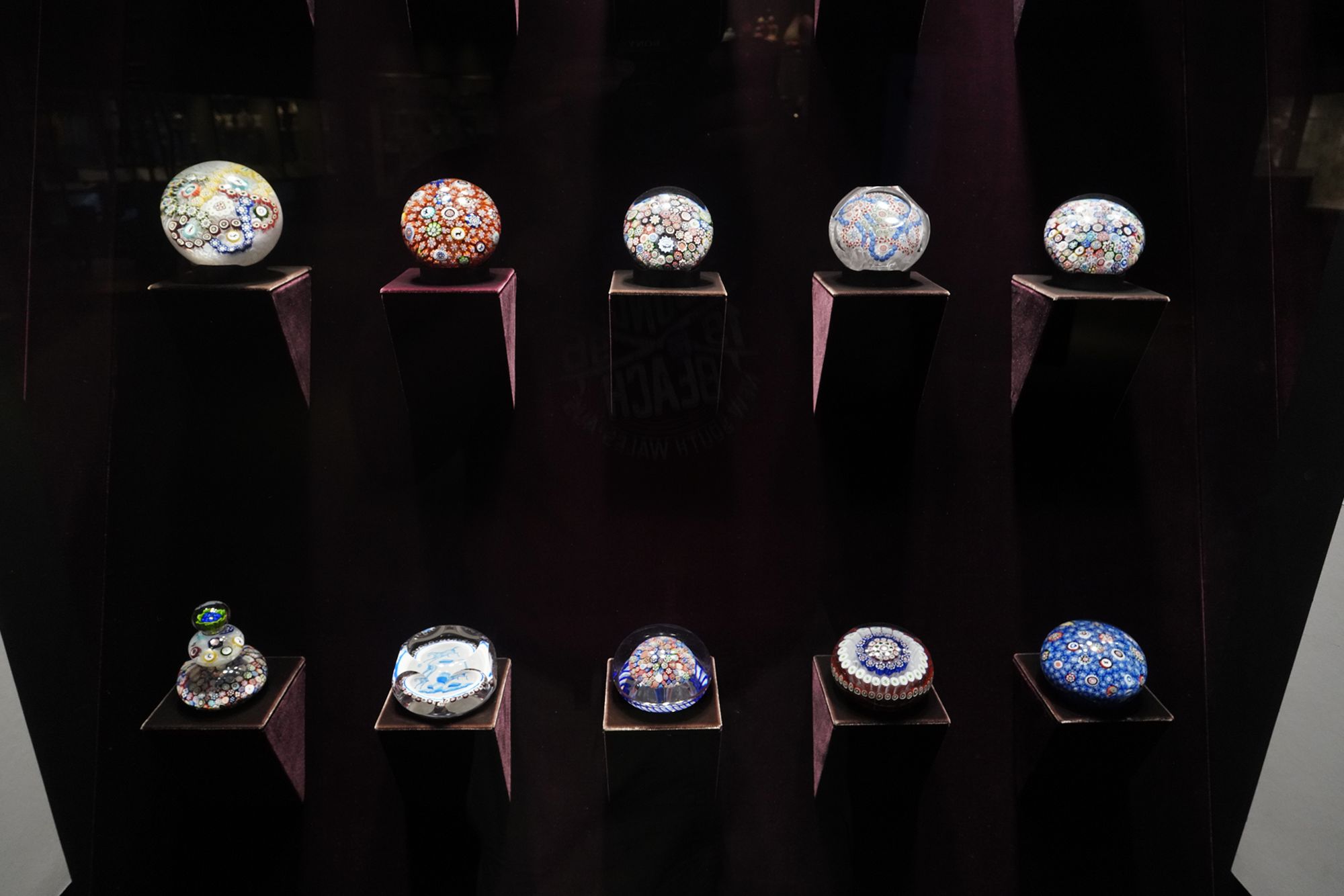
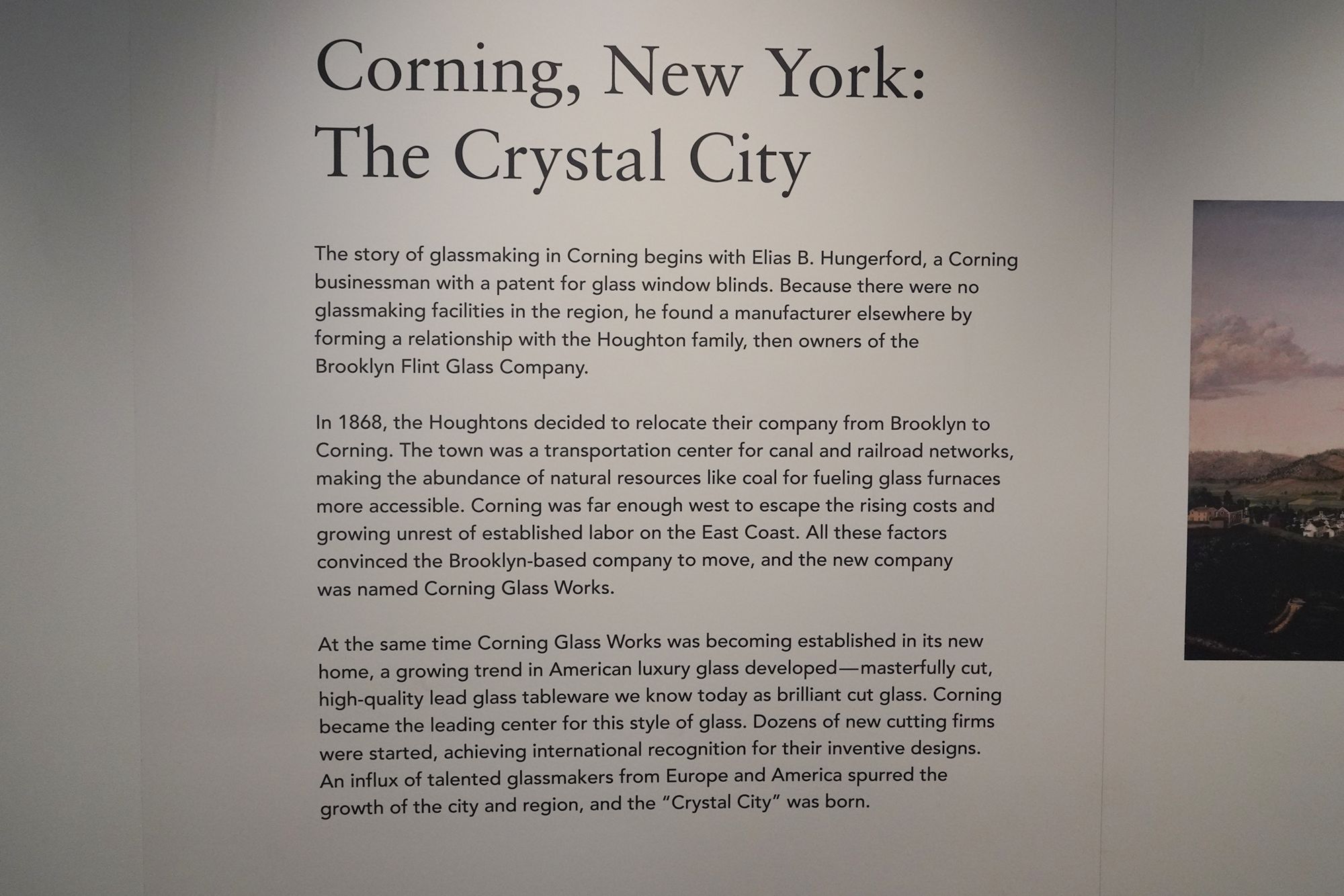
Corning - The Crystal City
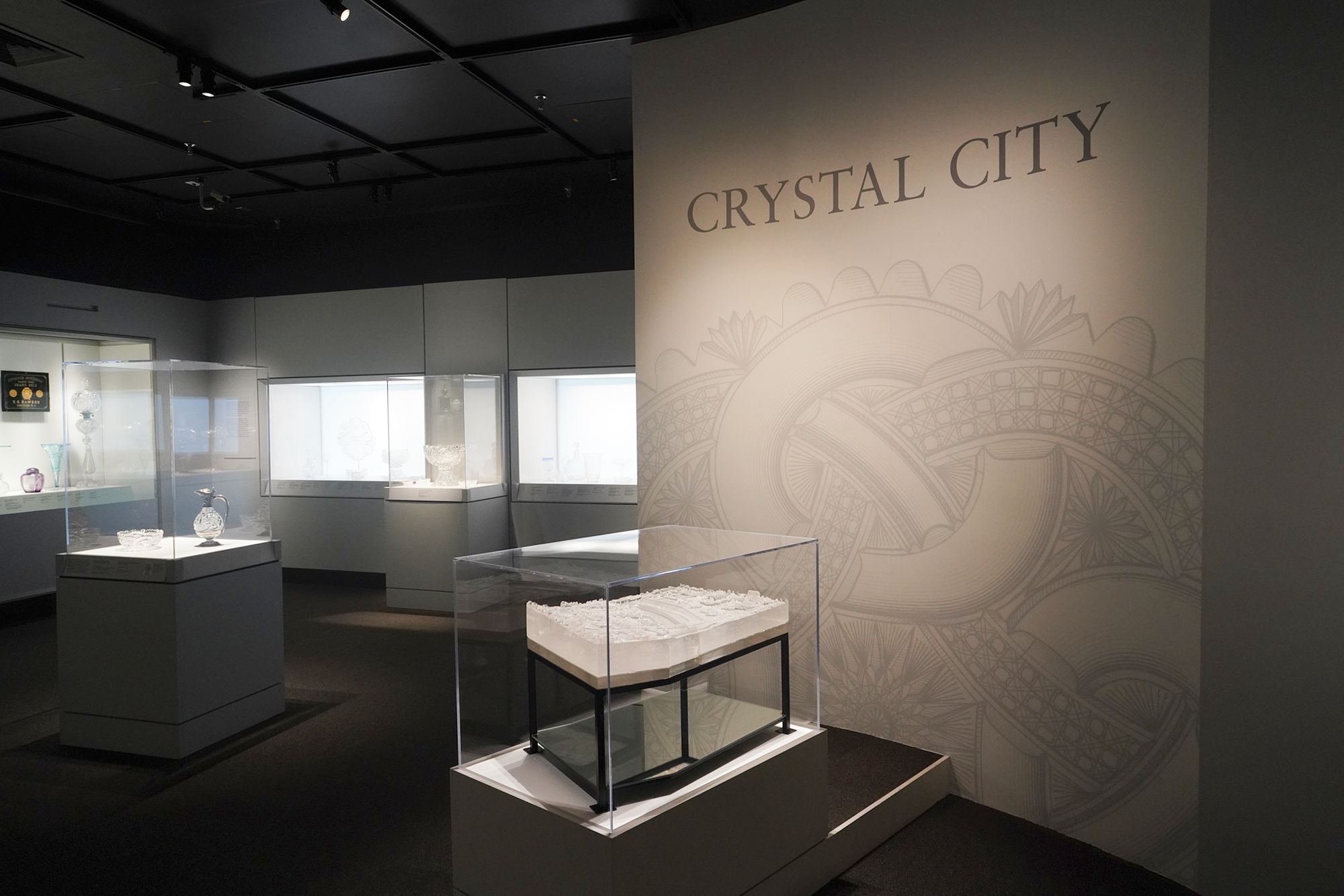
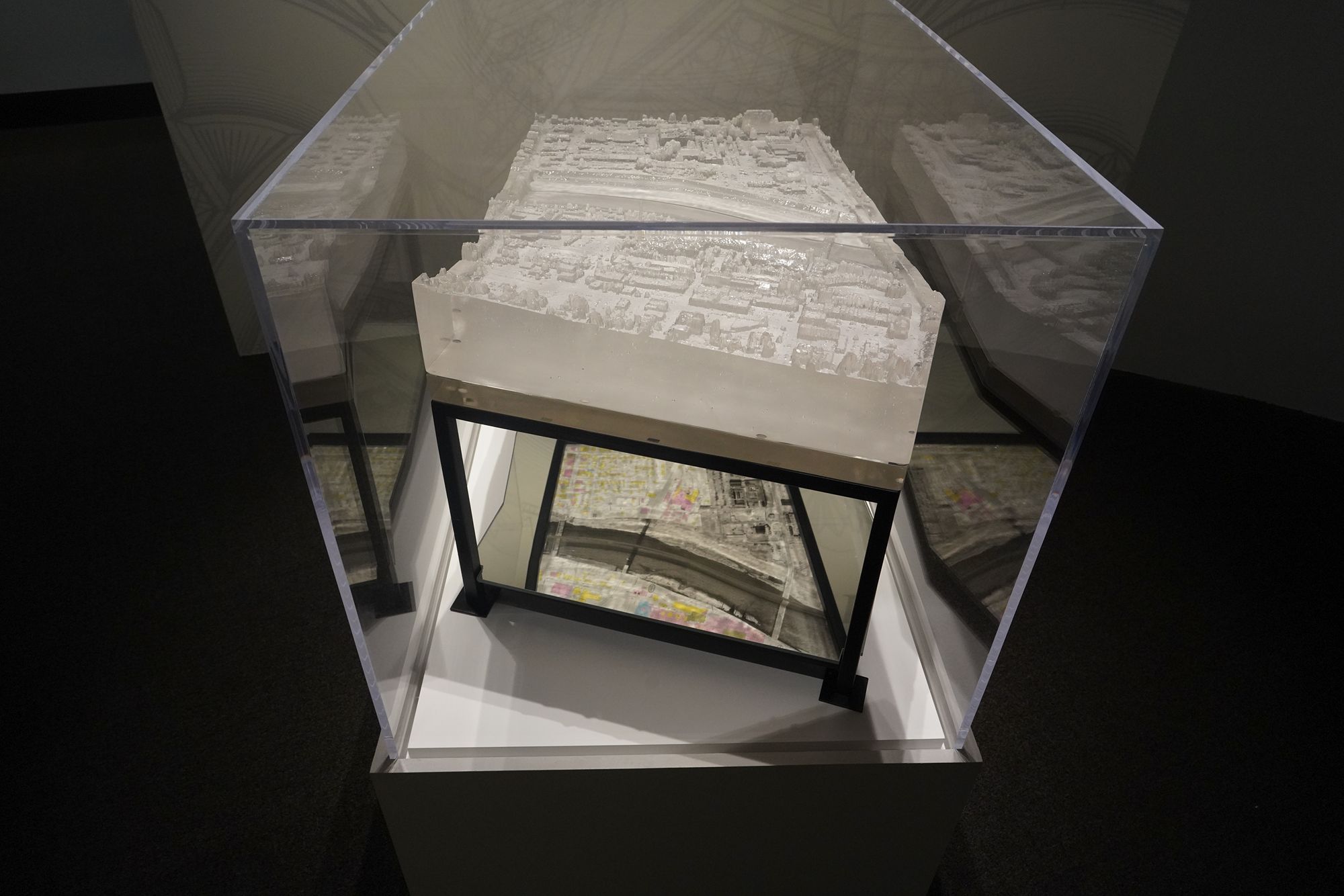
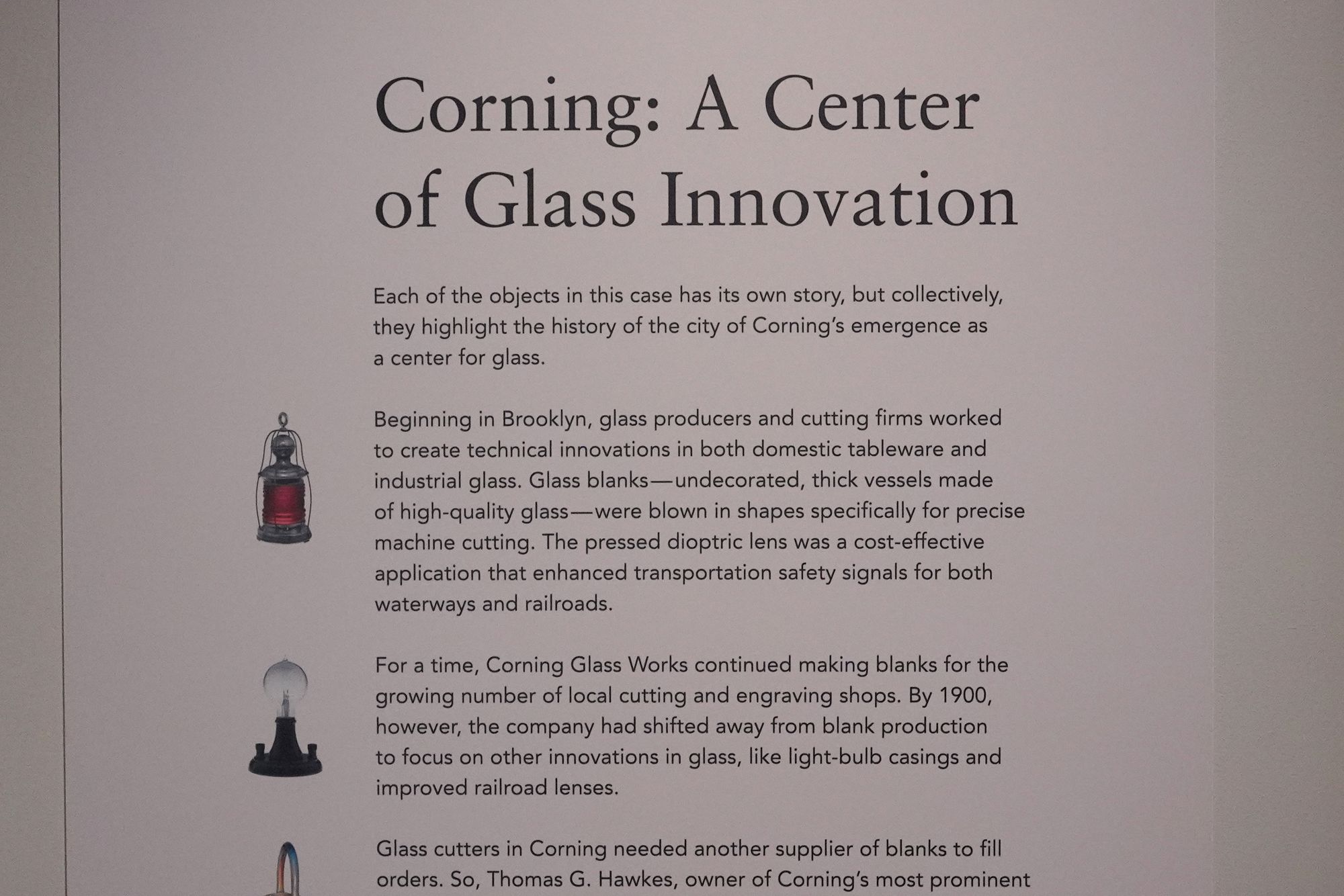
Corning: A Center of Glass Innovation
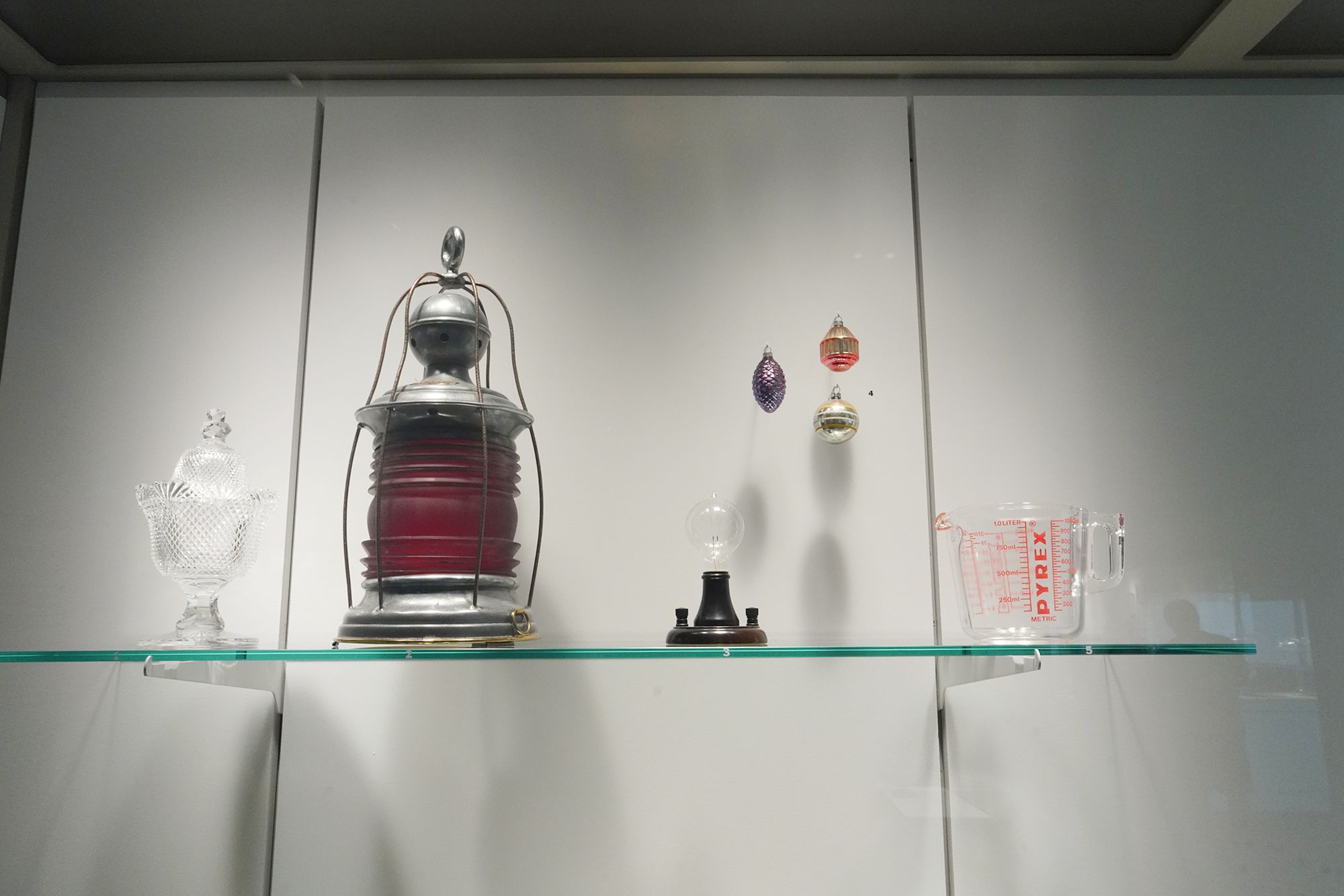
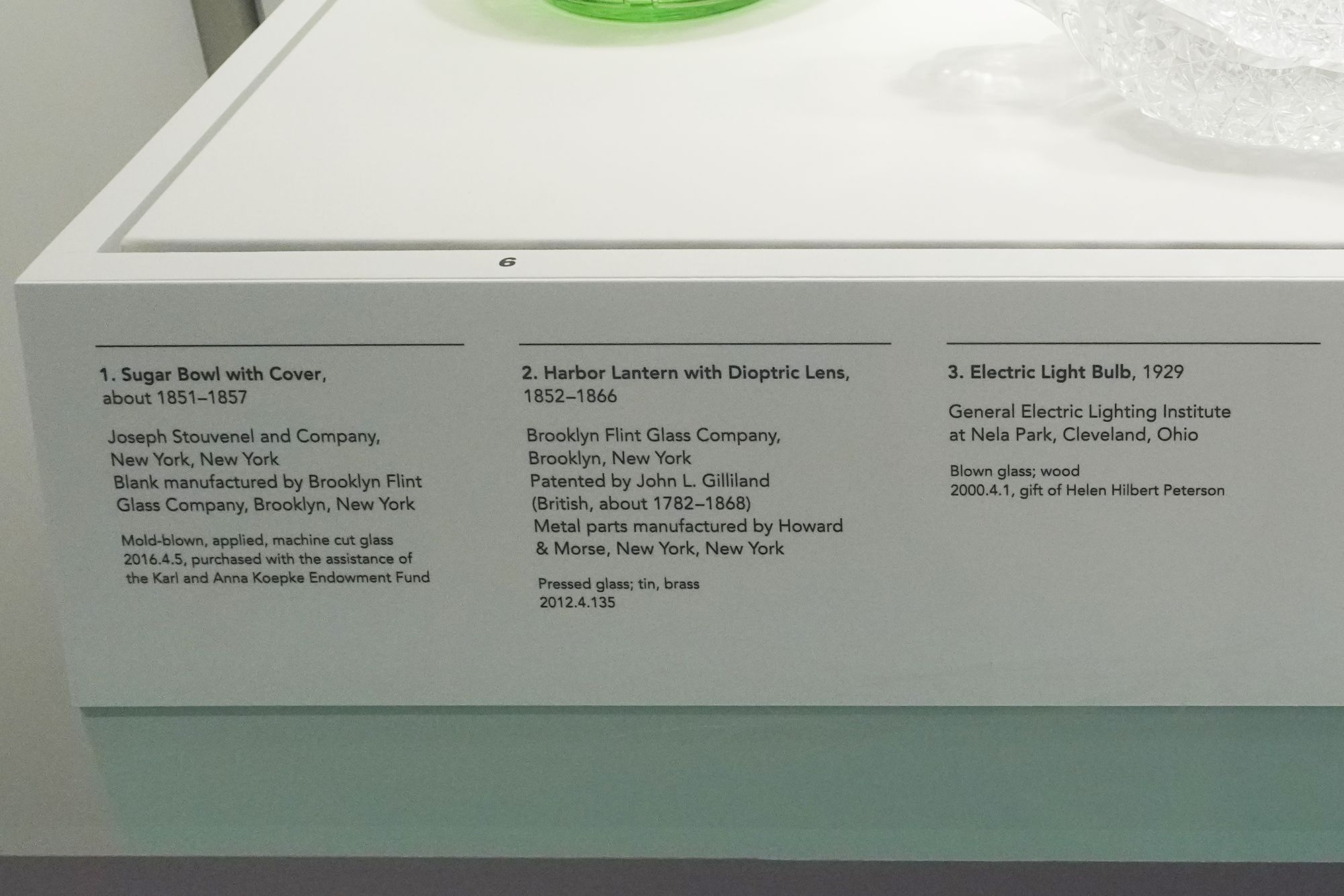
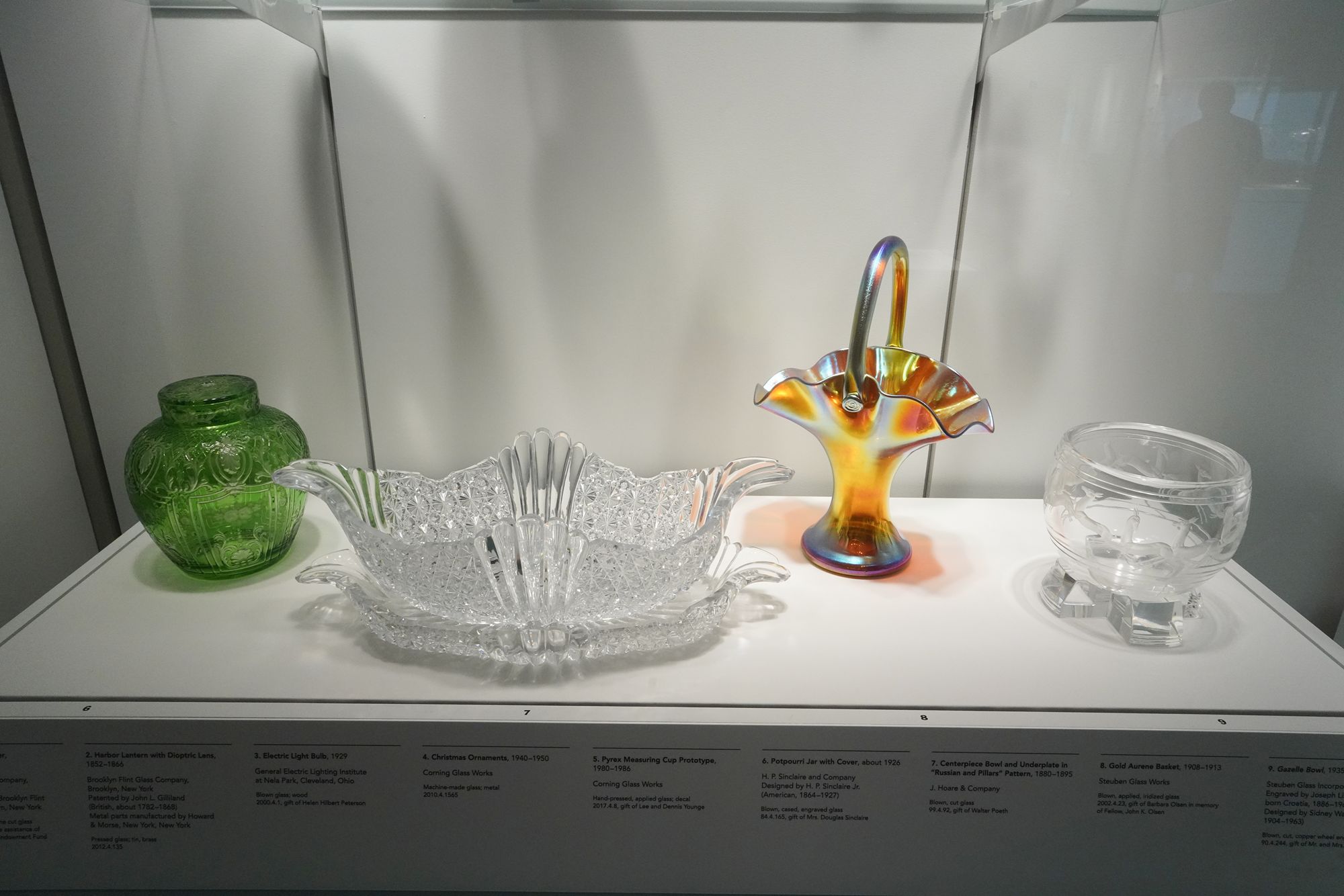
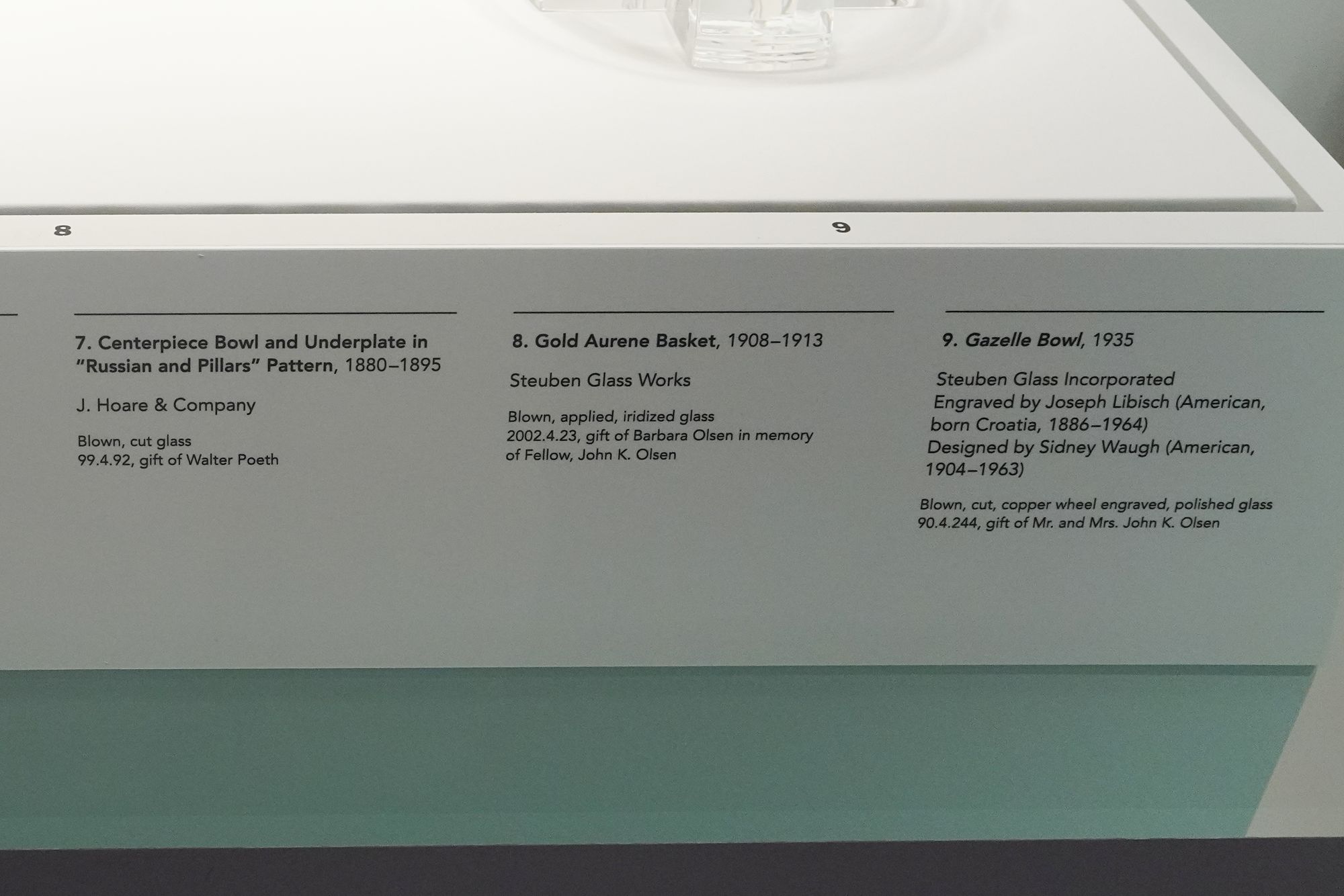
Hoare & Company and T. G. Hawkes & Company played major roles in American glass-cutting heritage. Hoare & Company was an early, prominent glass-cutting firm in Brooklyn and later Corning, NY.
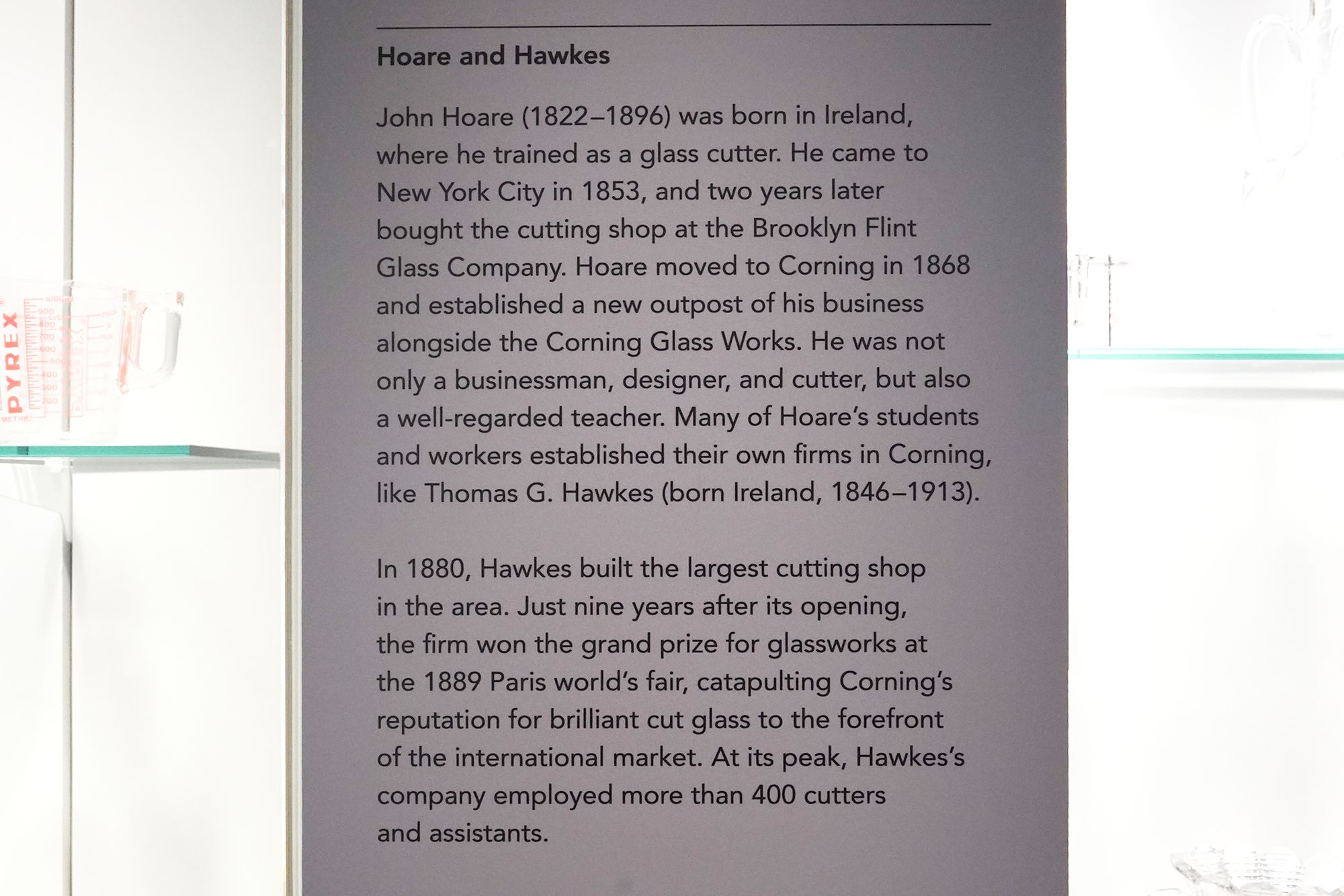
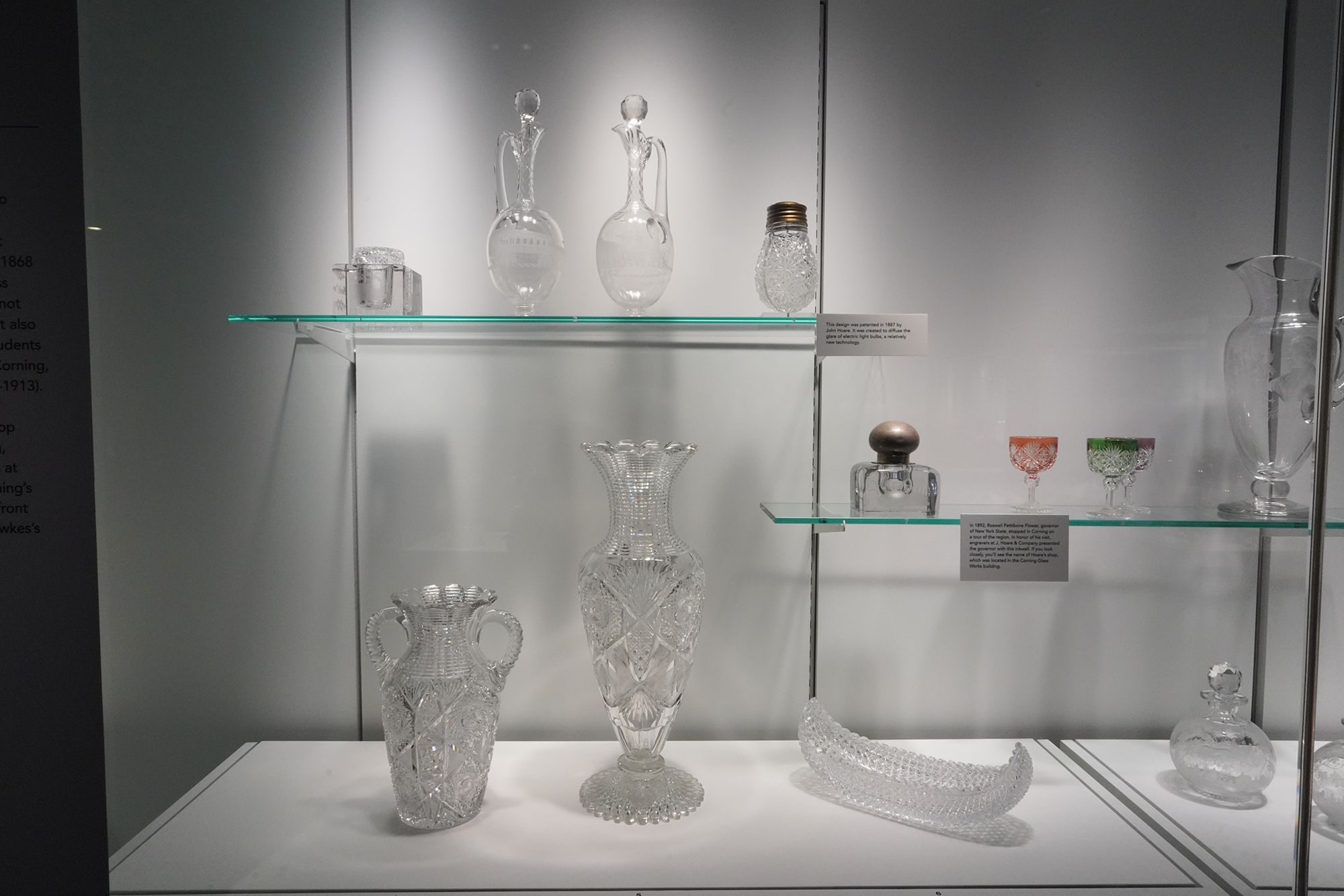
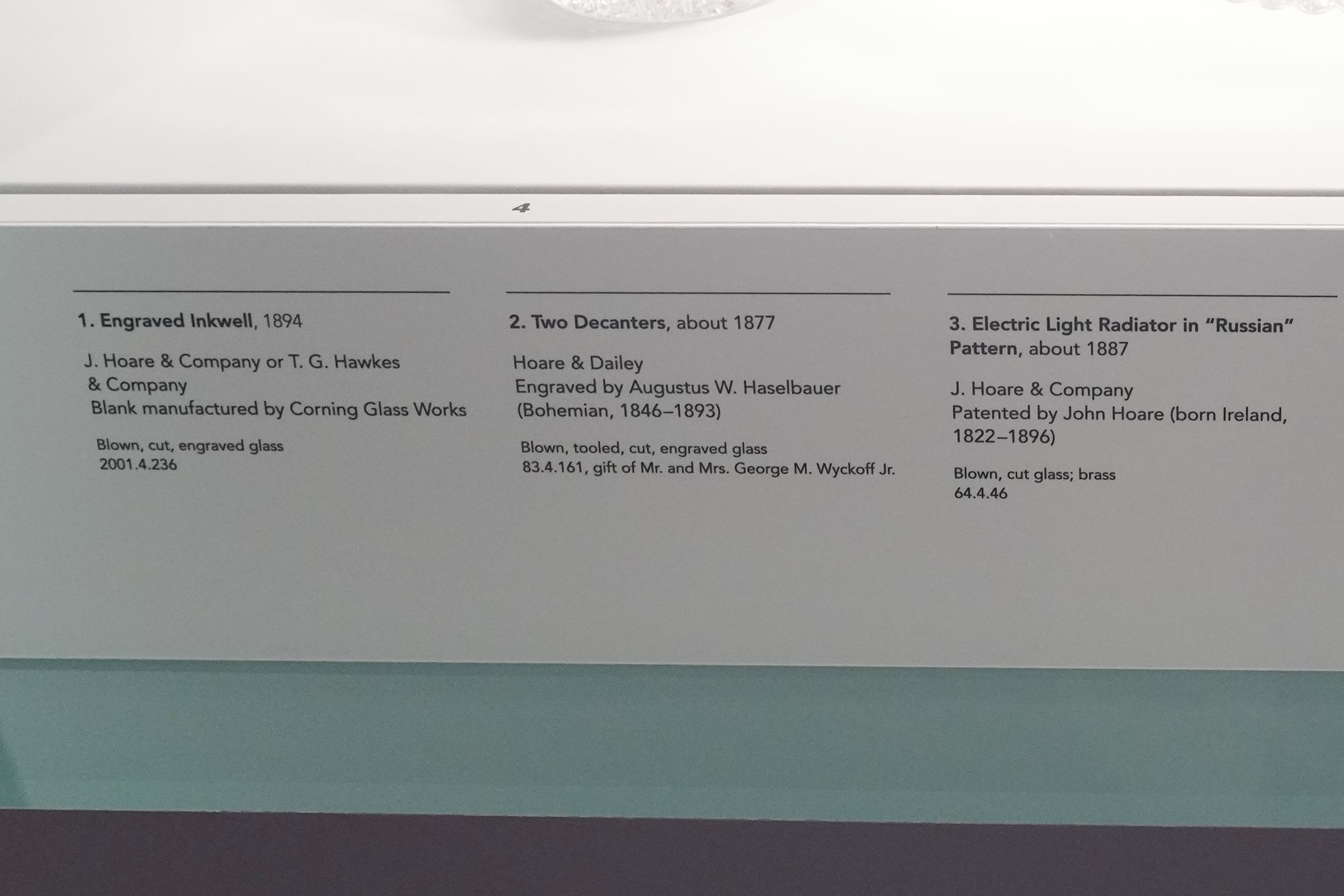
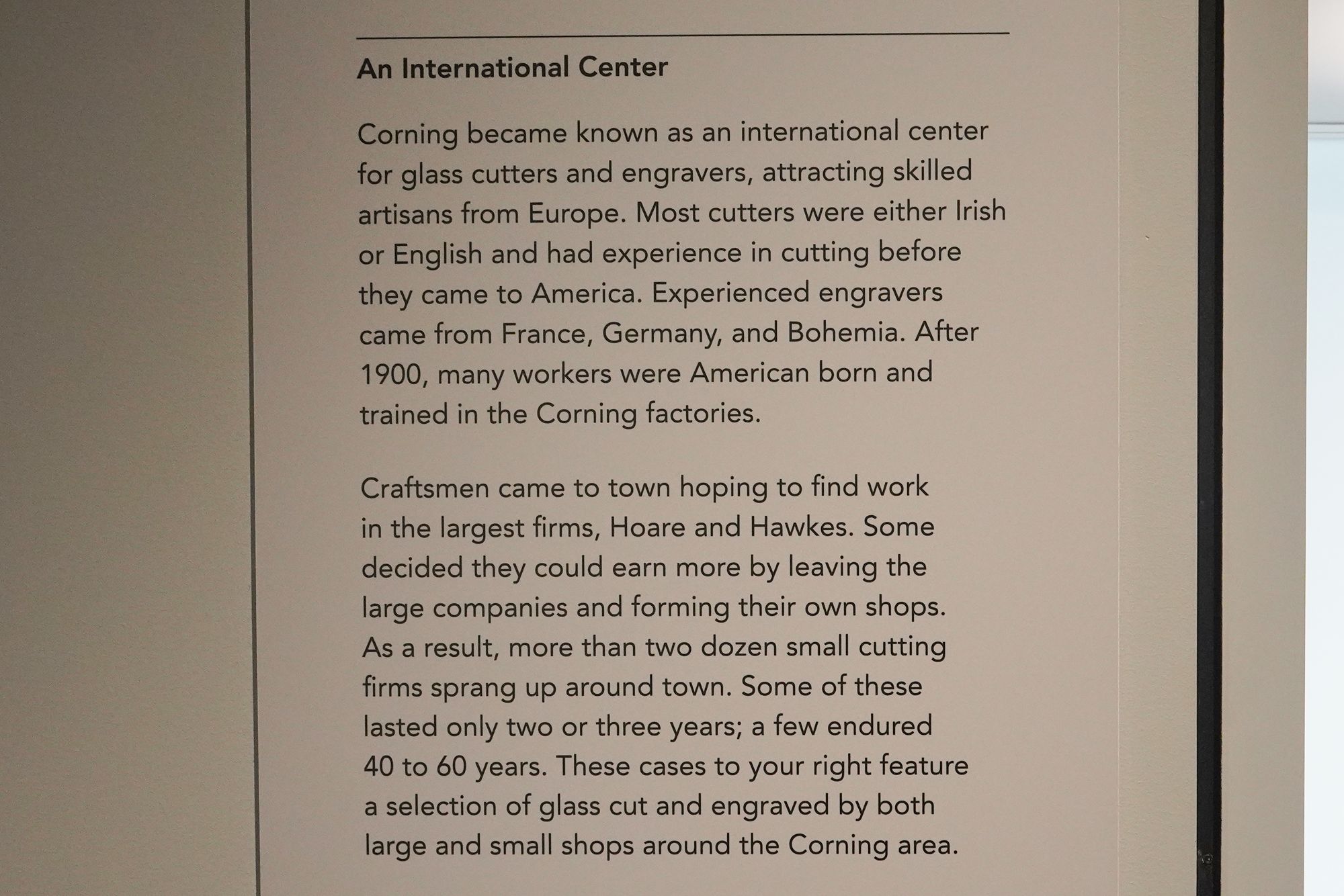
Skilled glassworkers from Europe arrived in Corning during the late 19th century, bringing cutting techniques and artistry that helped the region flourish. Hoare & Company and later T. G. Hawkes & Company became leading producers of brilliant cut glass. Many trained craftsmen eventually opened their own shops, expanding Corning into a thriving glassmaking community.
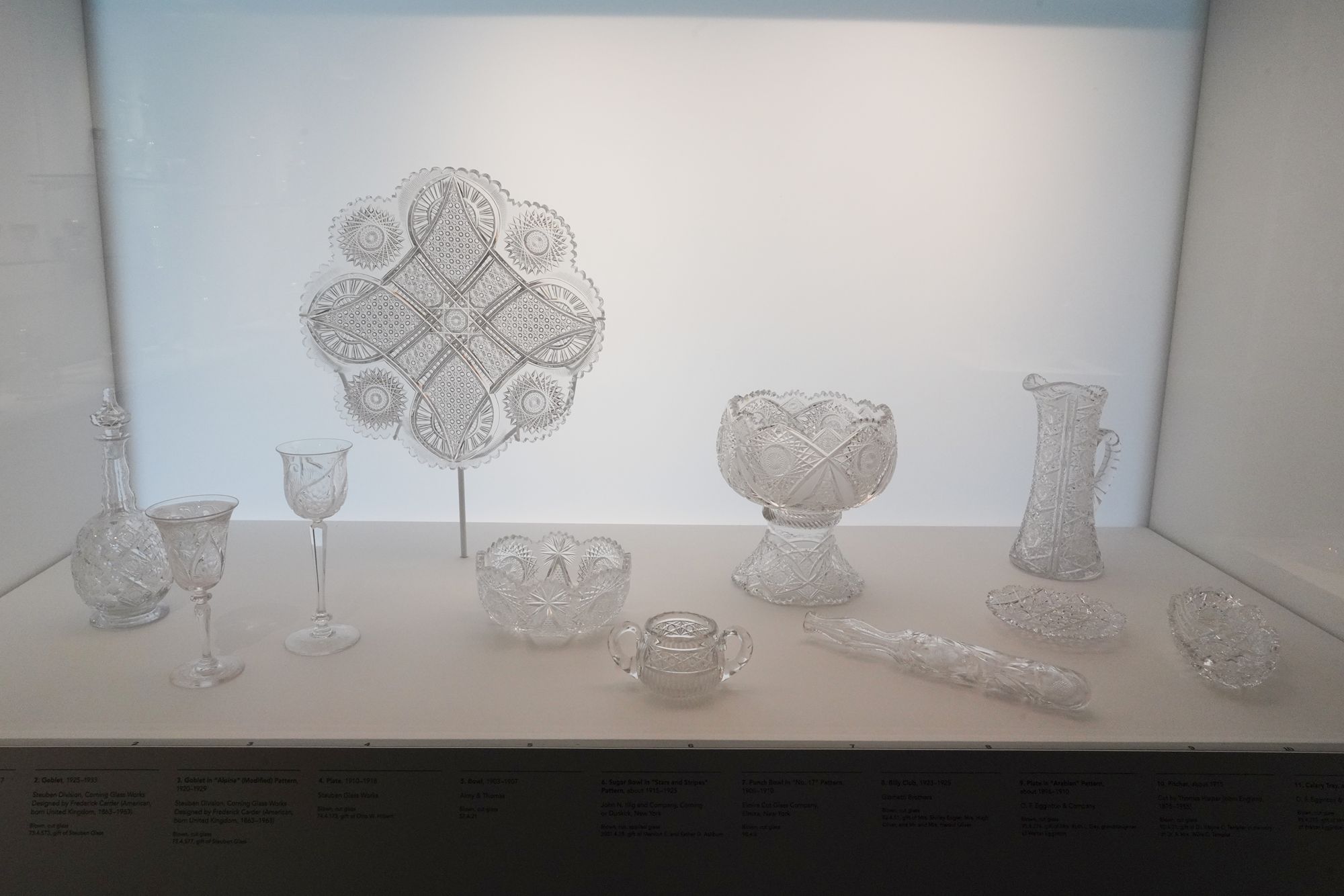
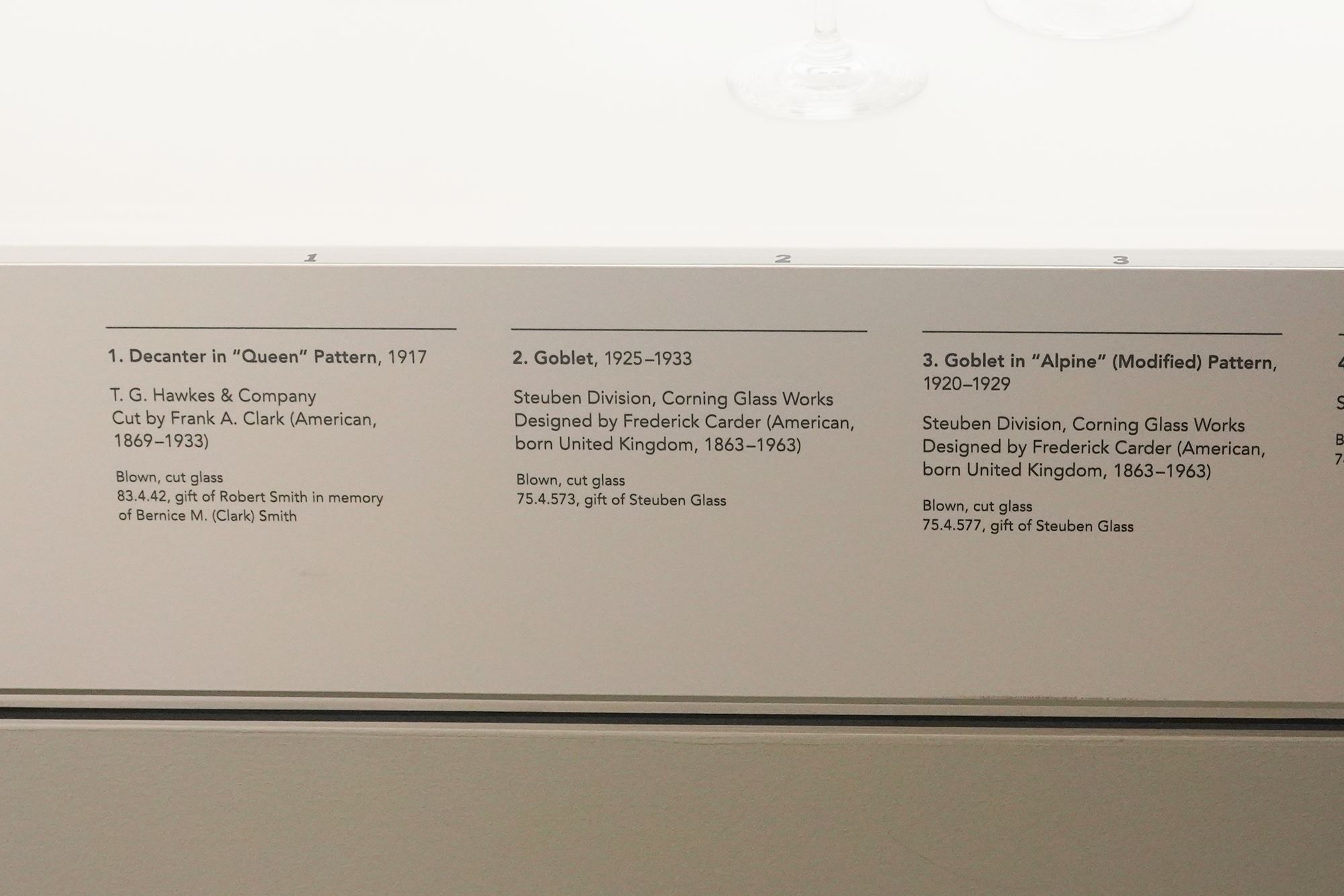
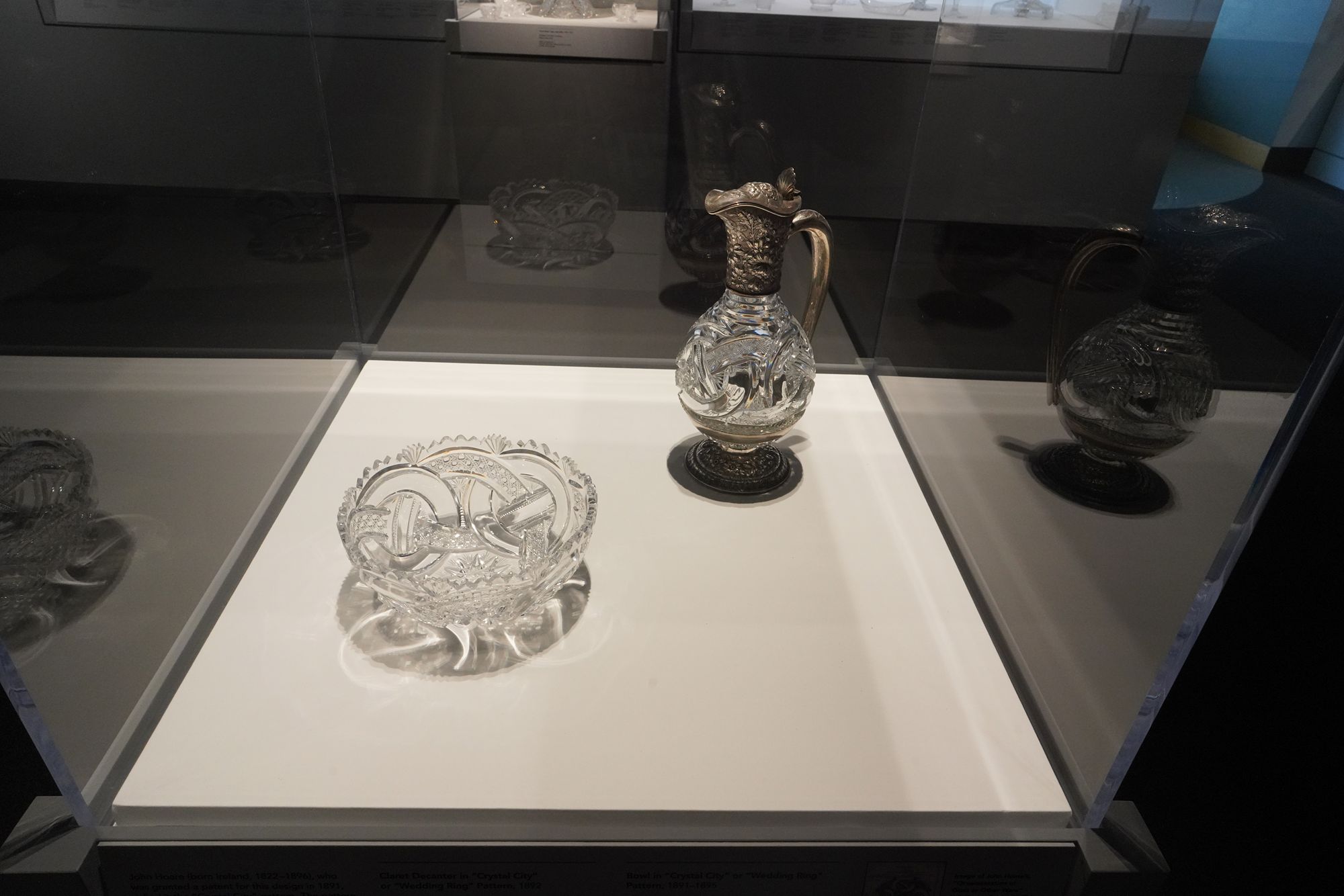
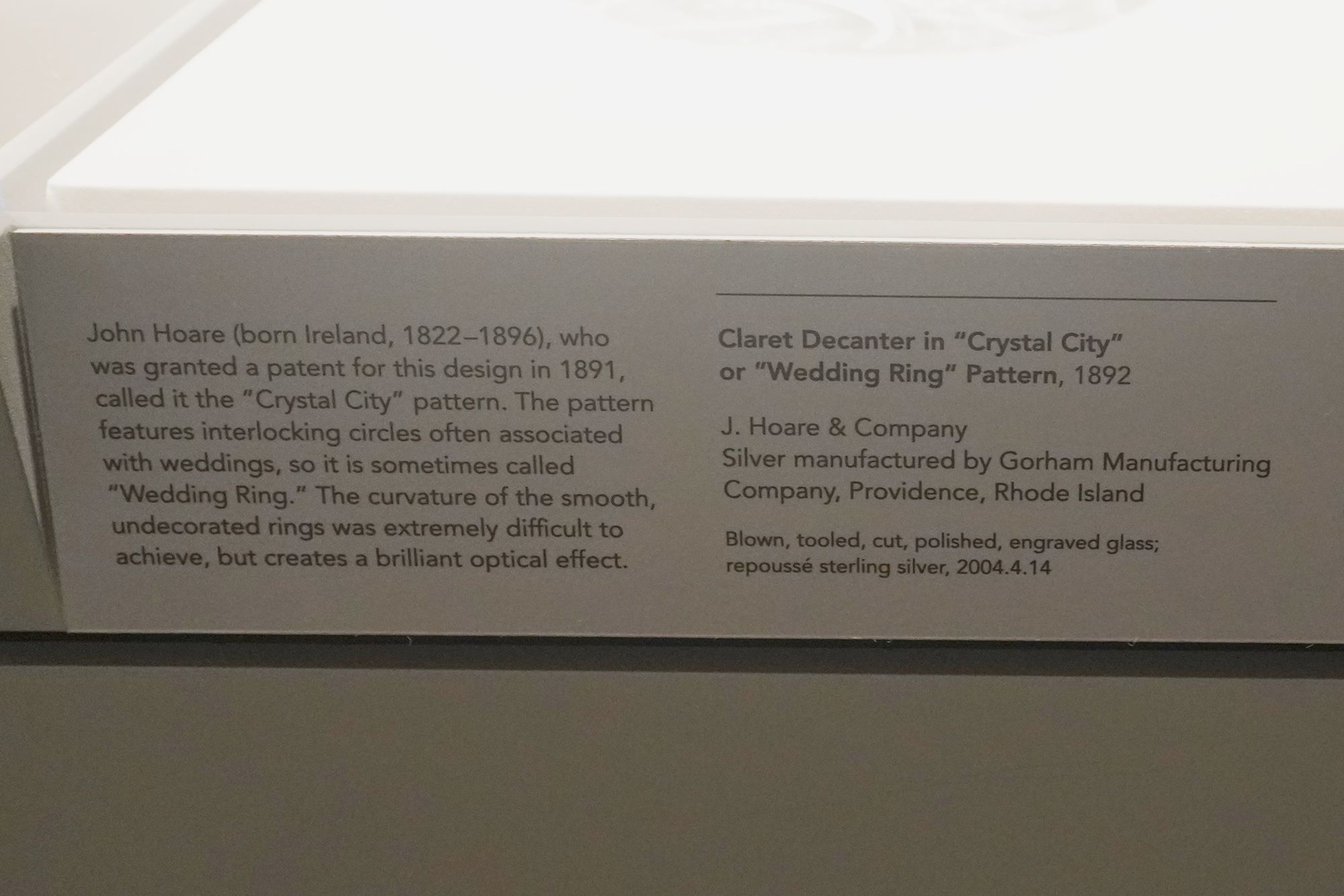
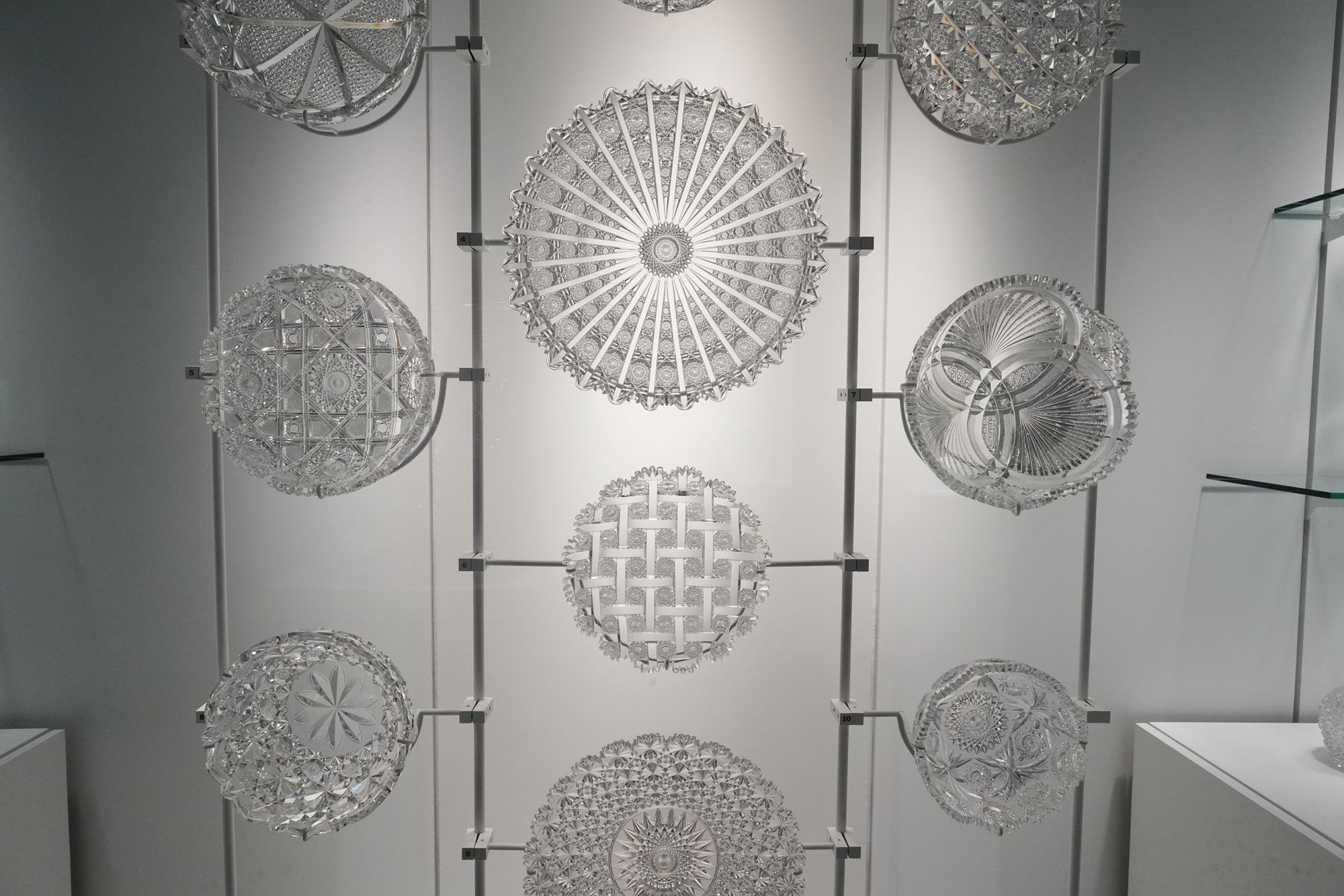
Families displayed their prosperity by decorating dining tables with elaborately cut glassware, turning meals into elegant exhibitions of status.
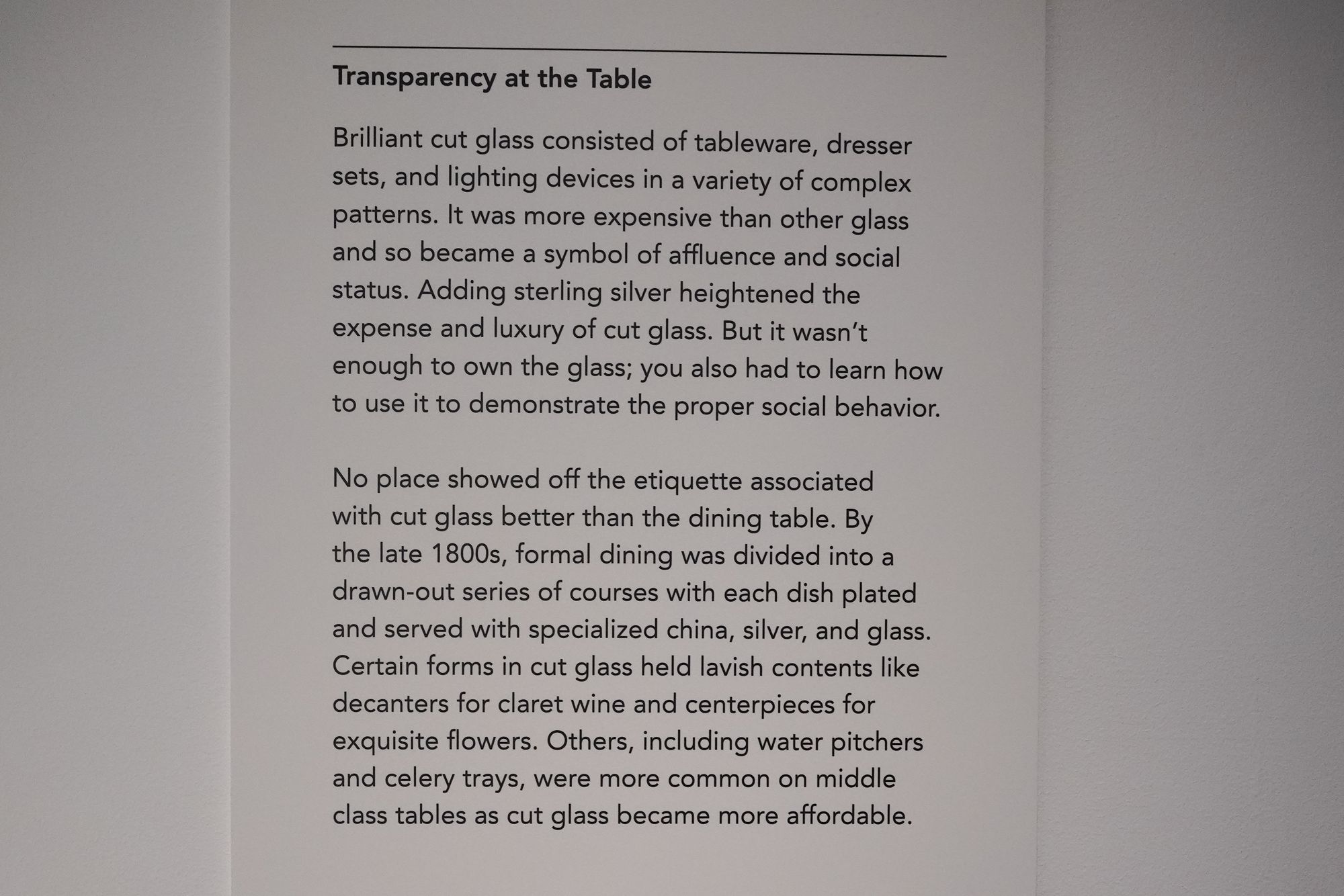
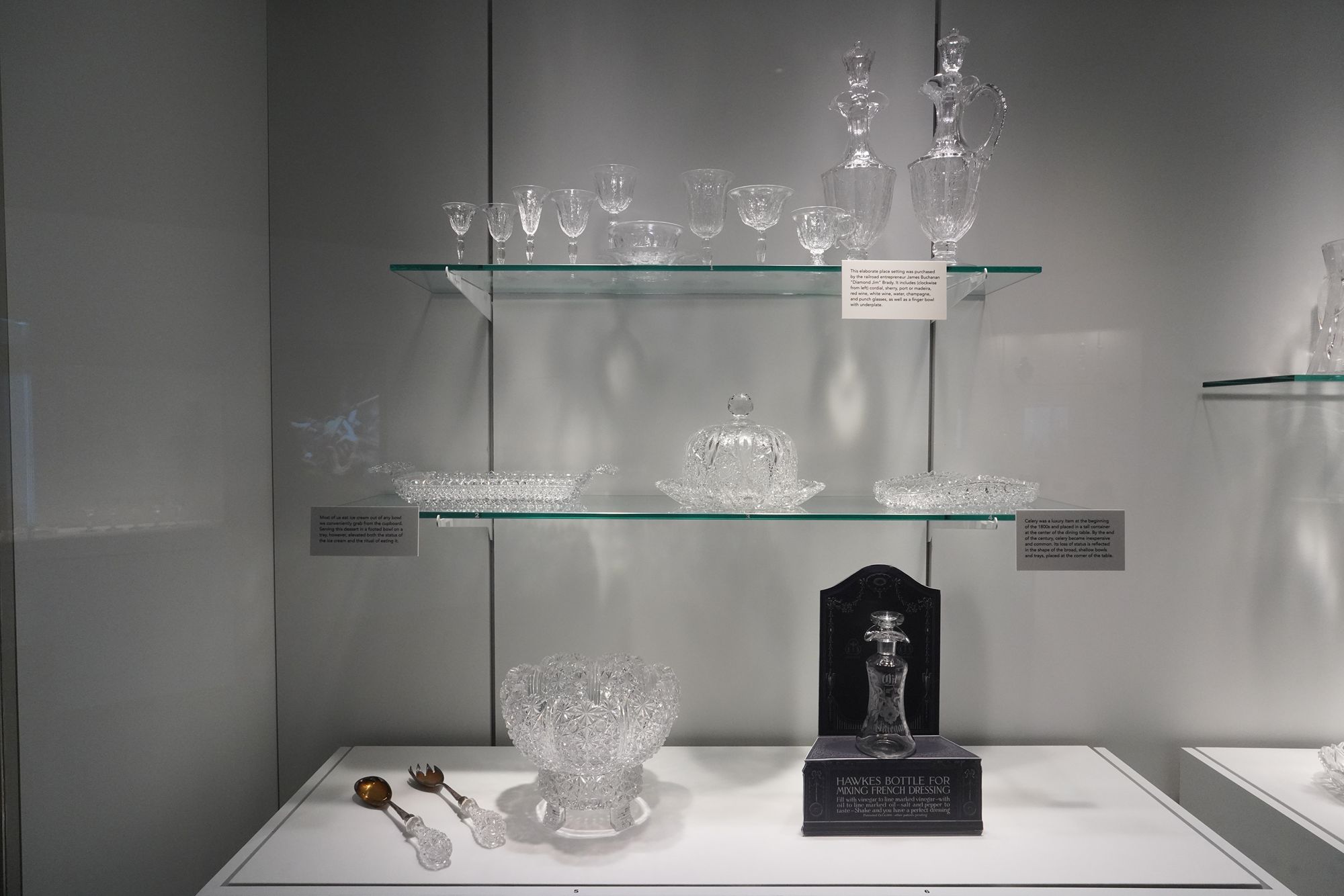
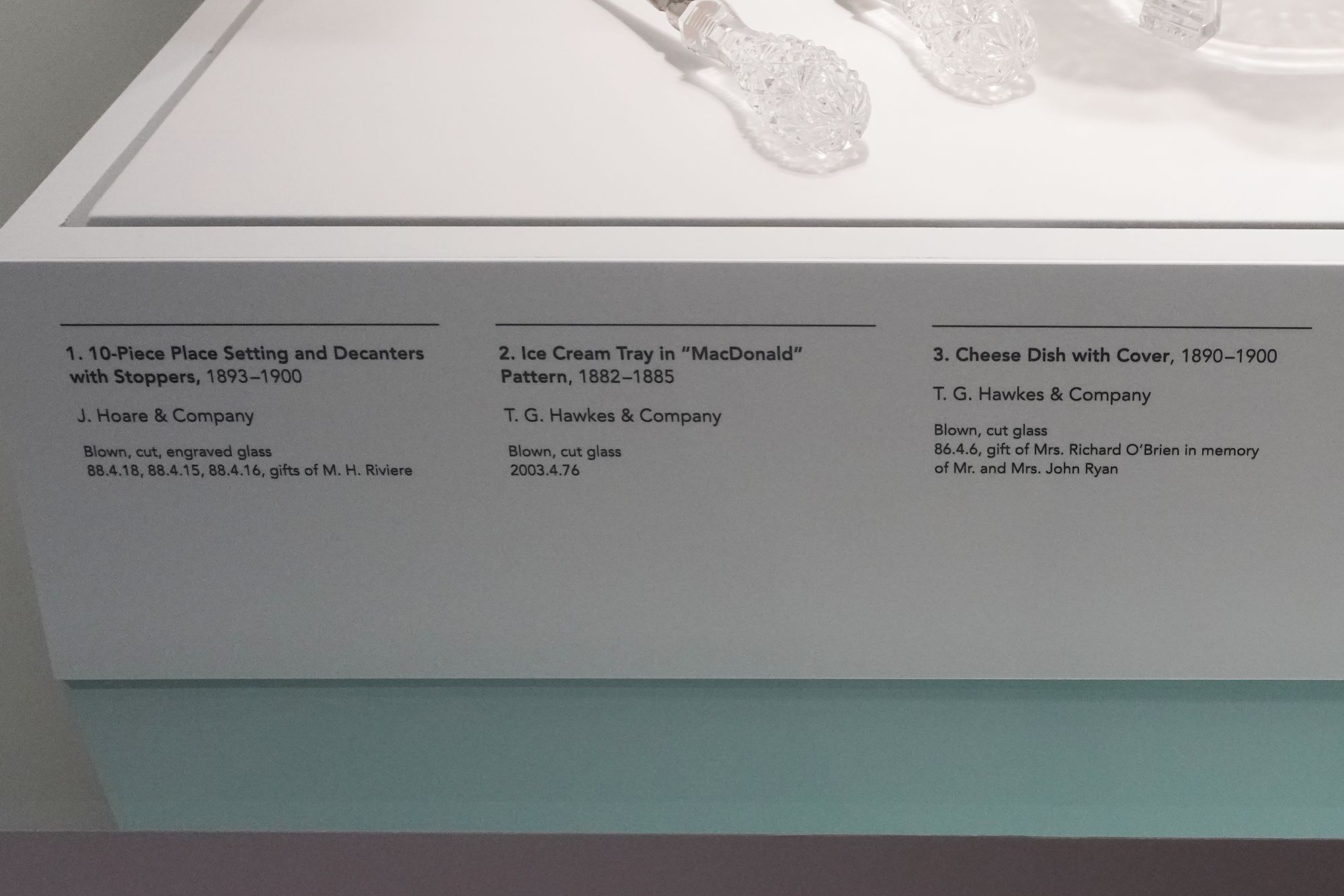
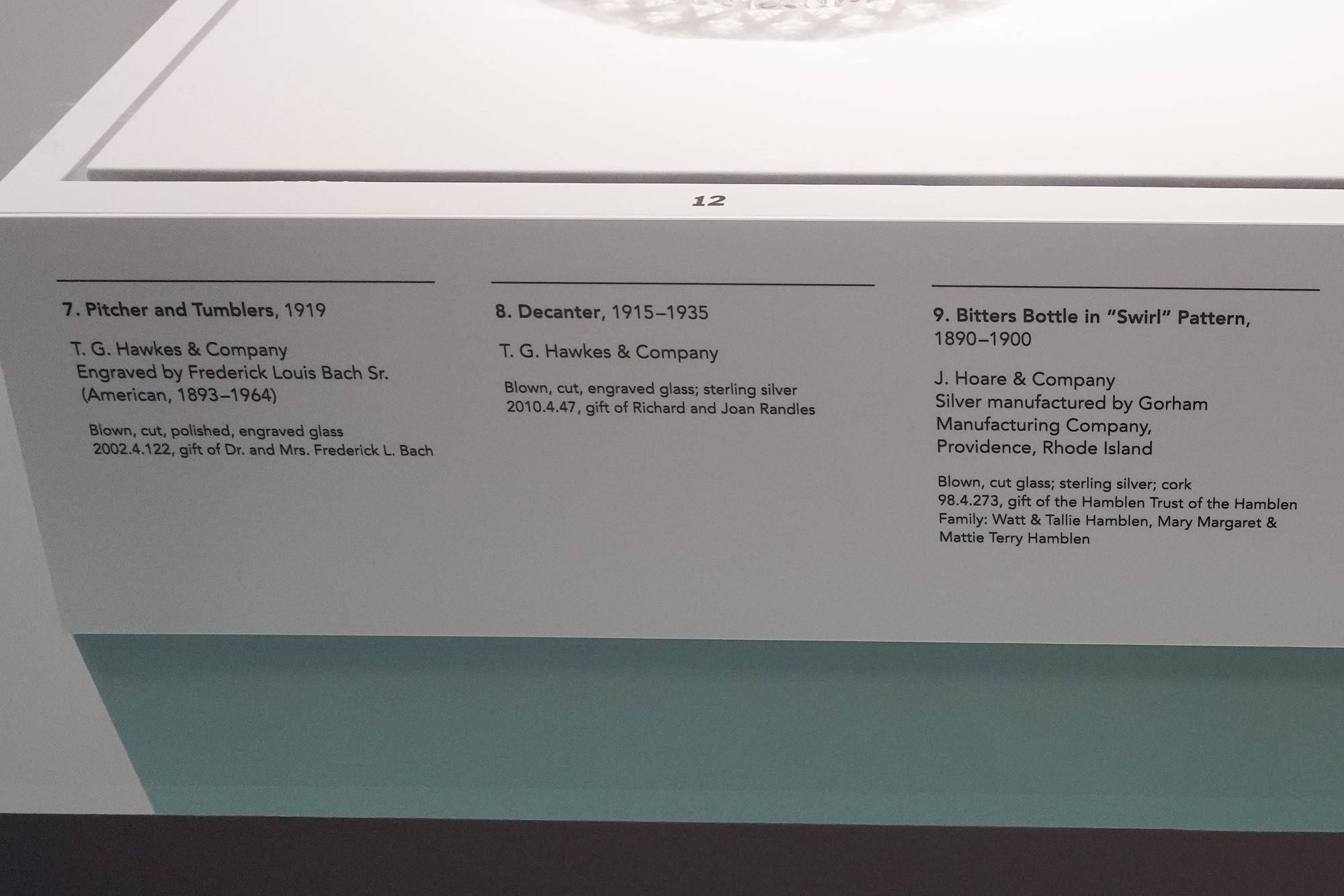
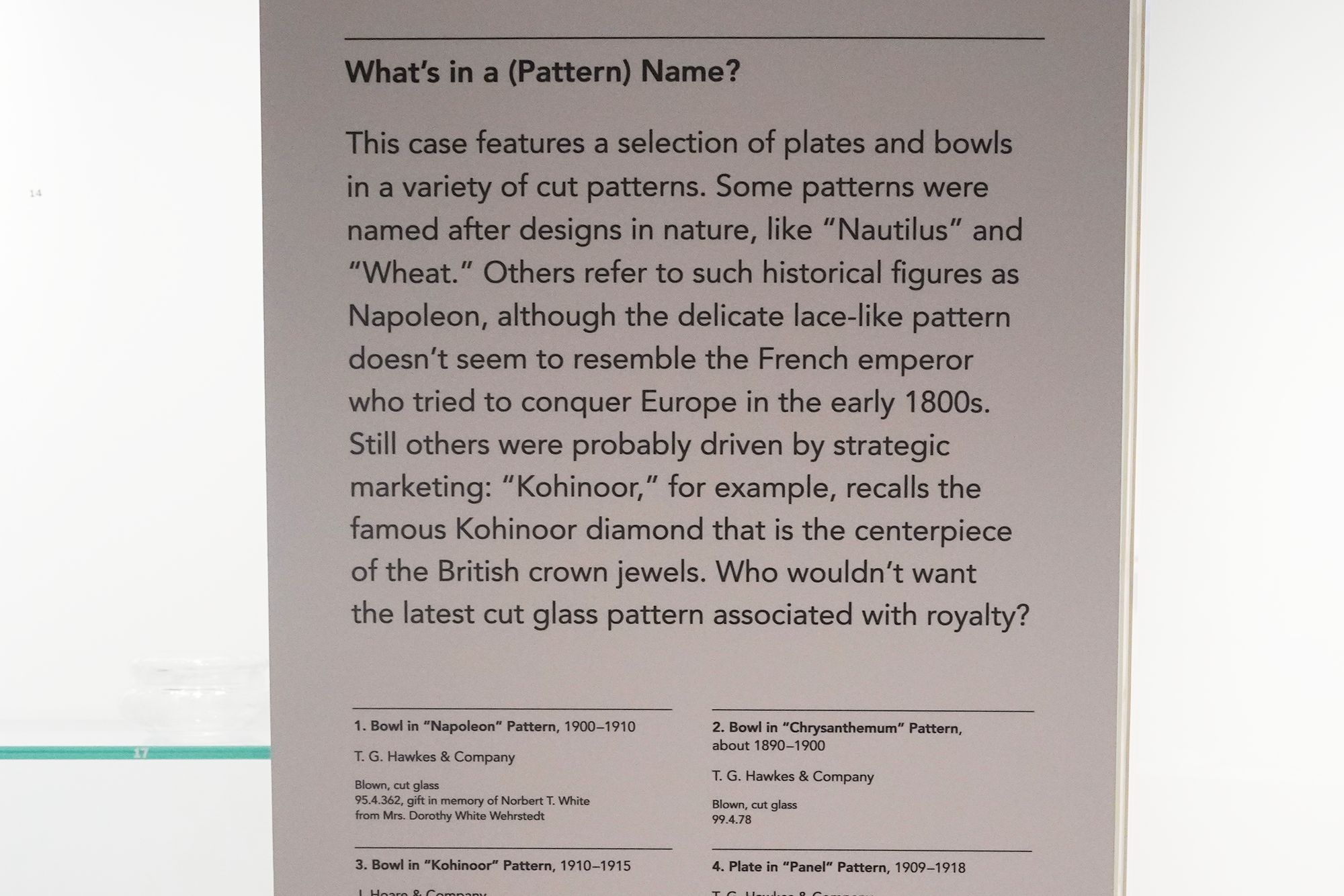
The ornamented designs on plates and bowls were not random — their patterns symbolized taste, identity, and status.
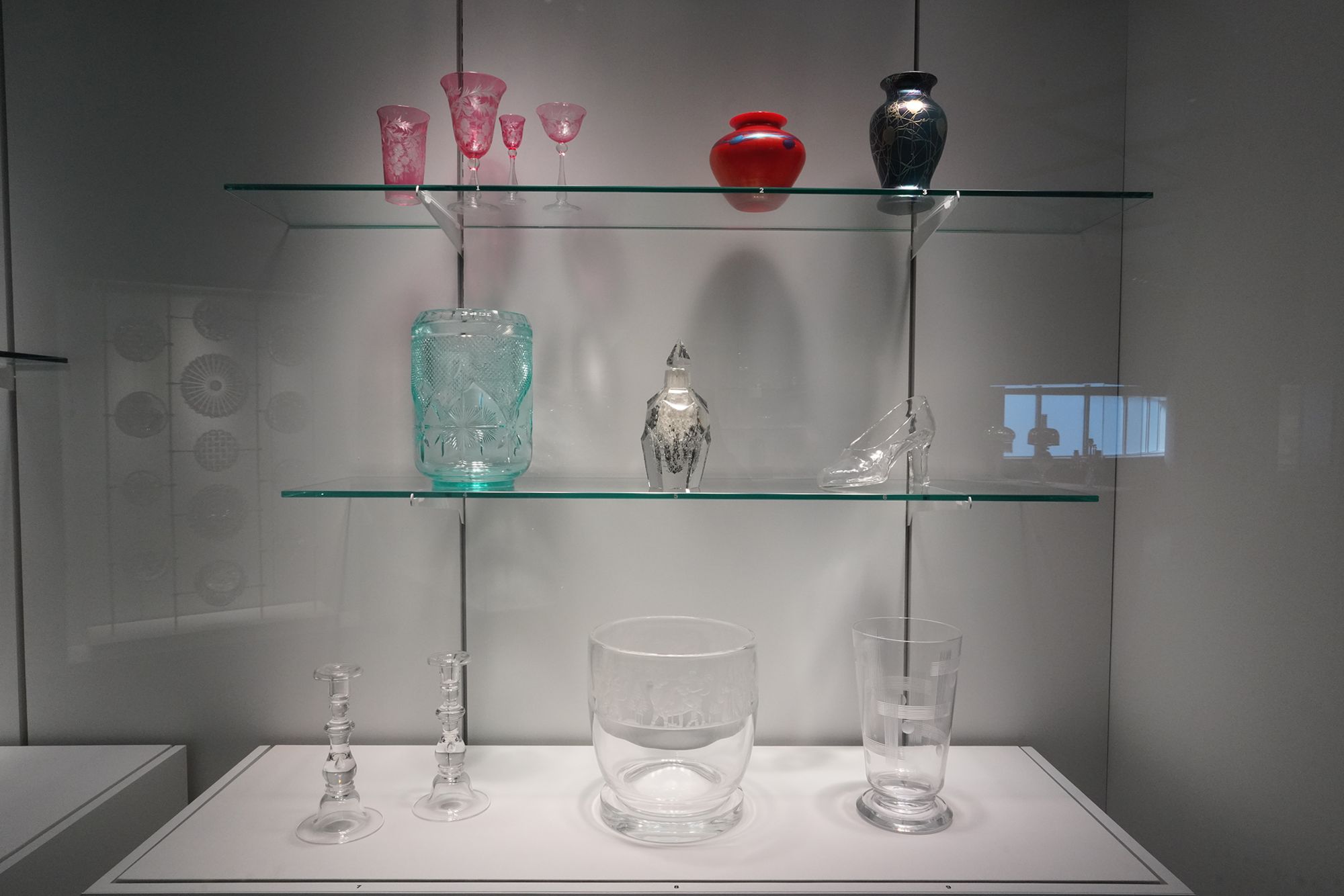
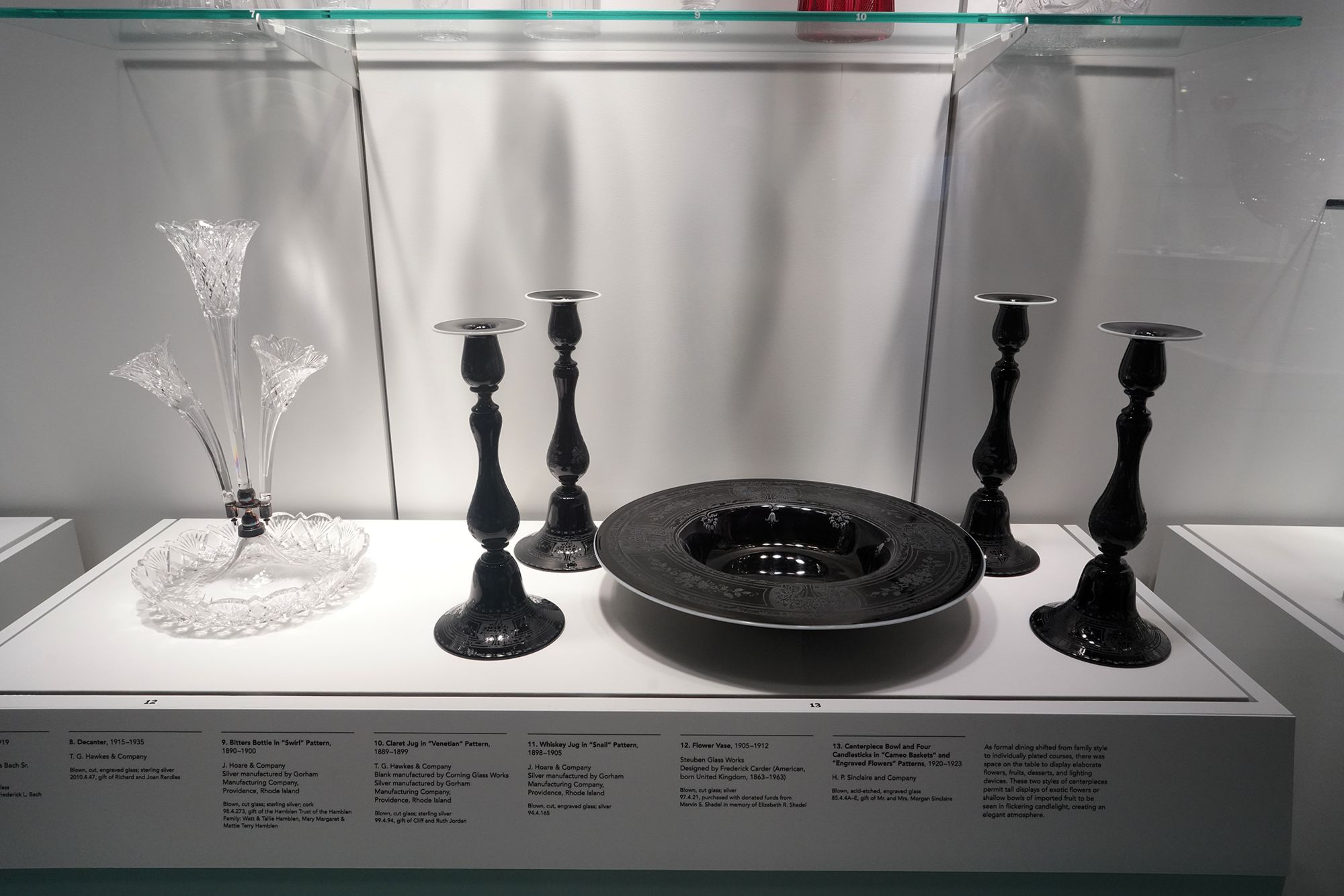
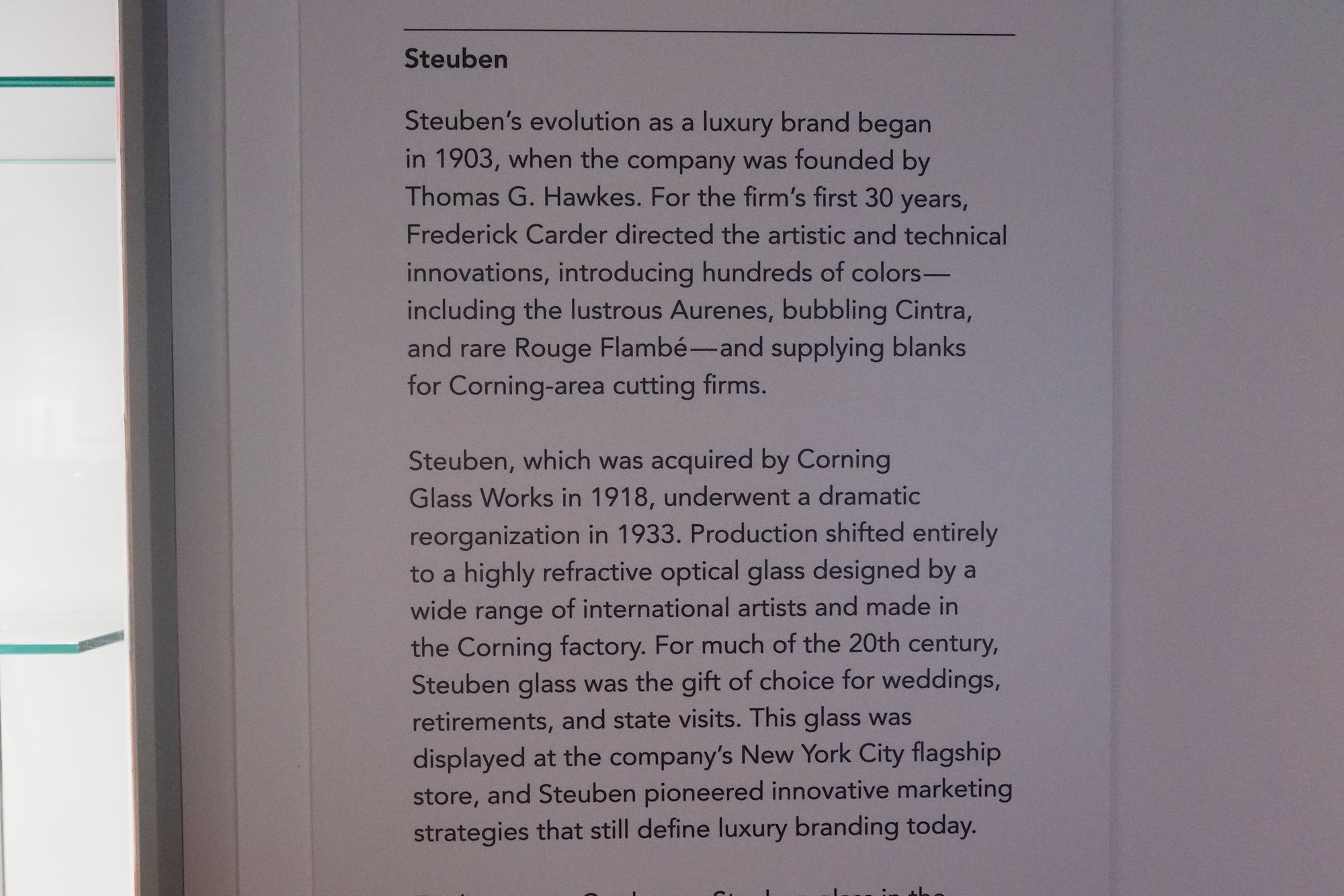
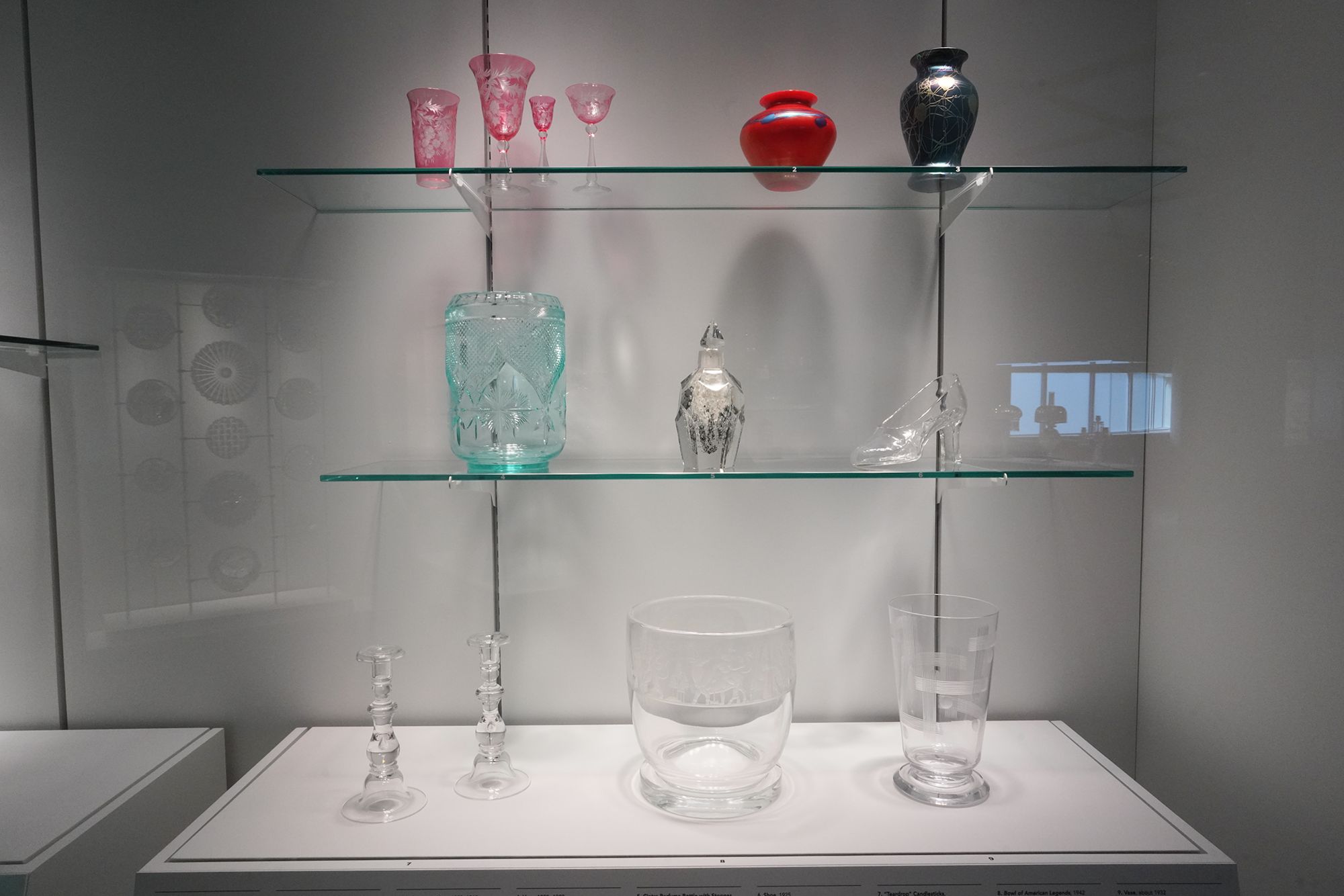
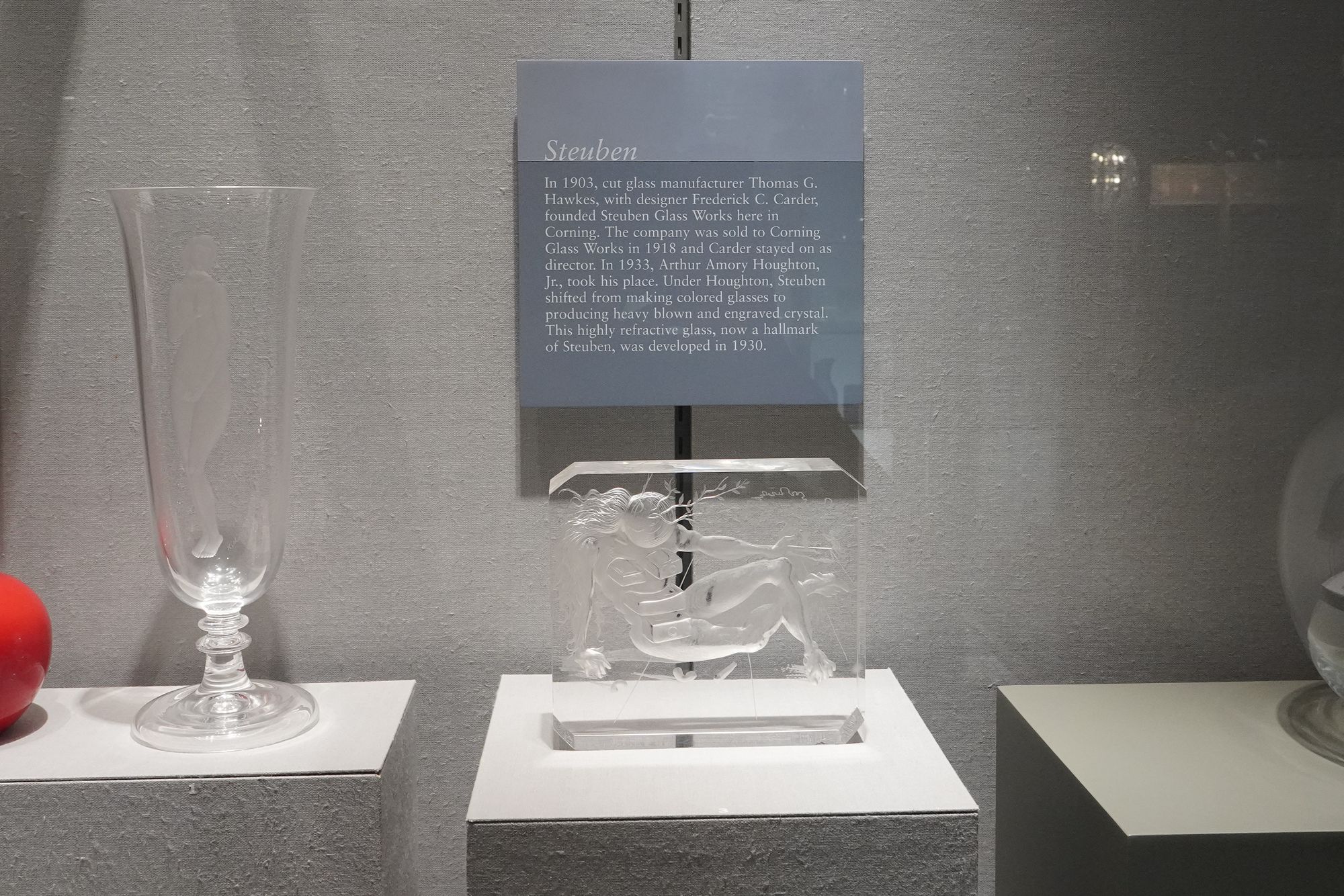
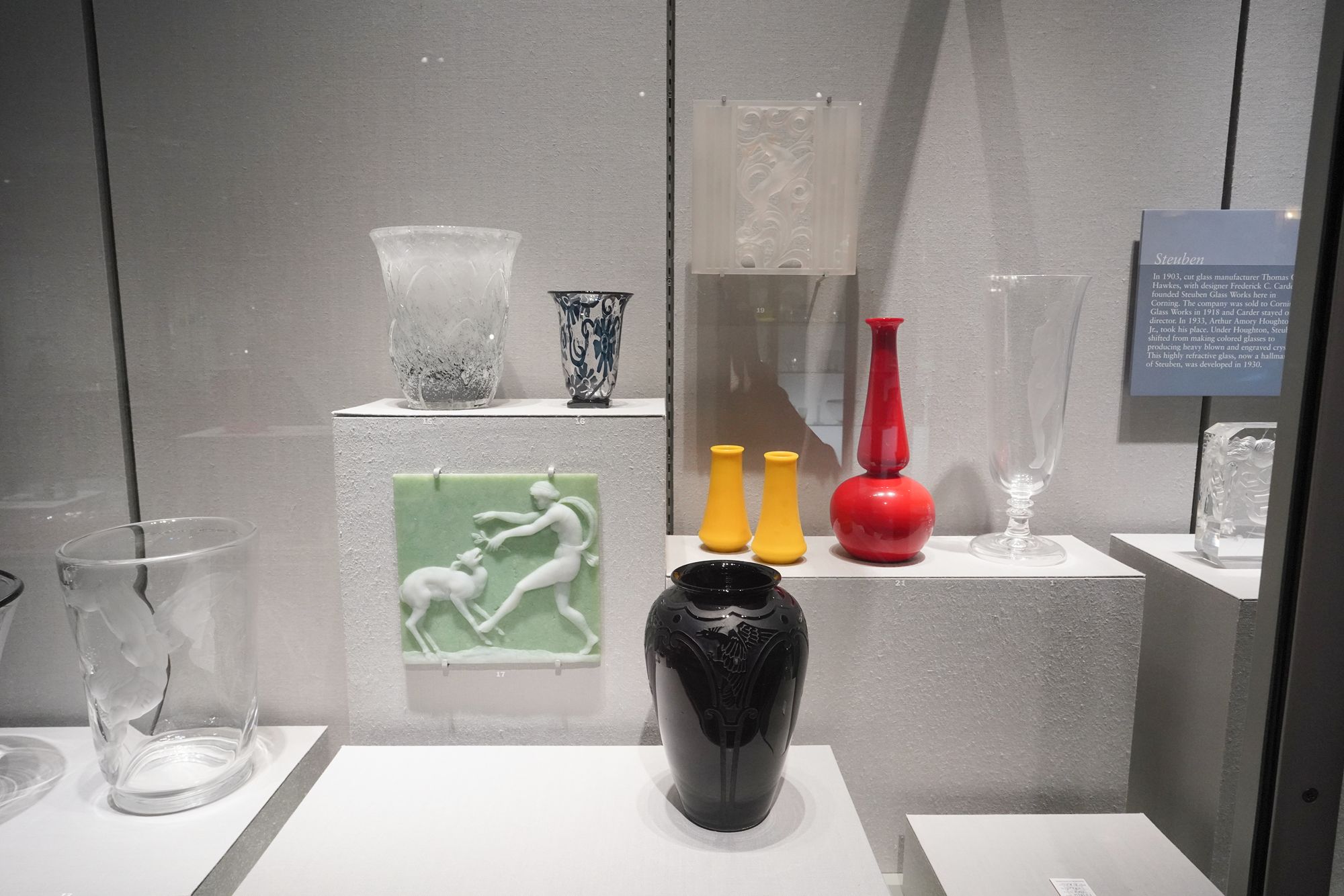
Steuben Glass Works, founded in 1903 in Corning, produced high-quality art glass and later perfected brilliant colorless crystal. Known for elegant vases, bowls, and stemware, Steuben became a symbol of luxury and American craftsmanship, admired for clarity, design, and refined optical beauty.
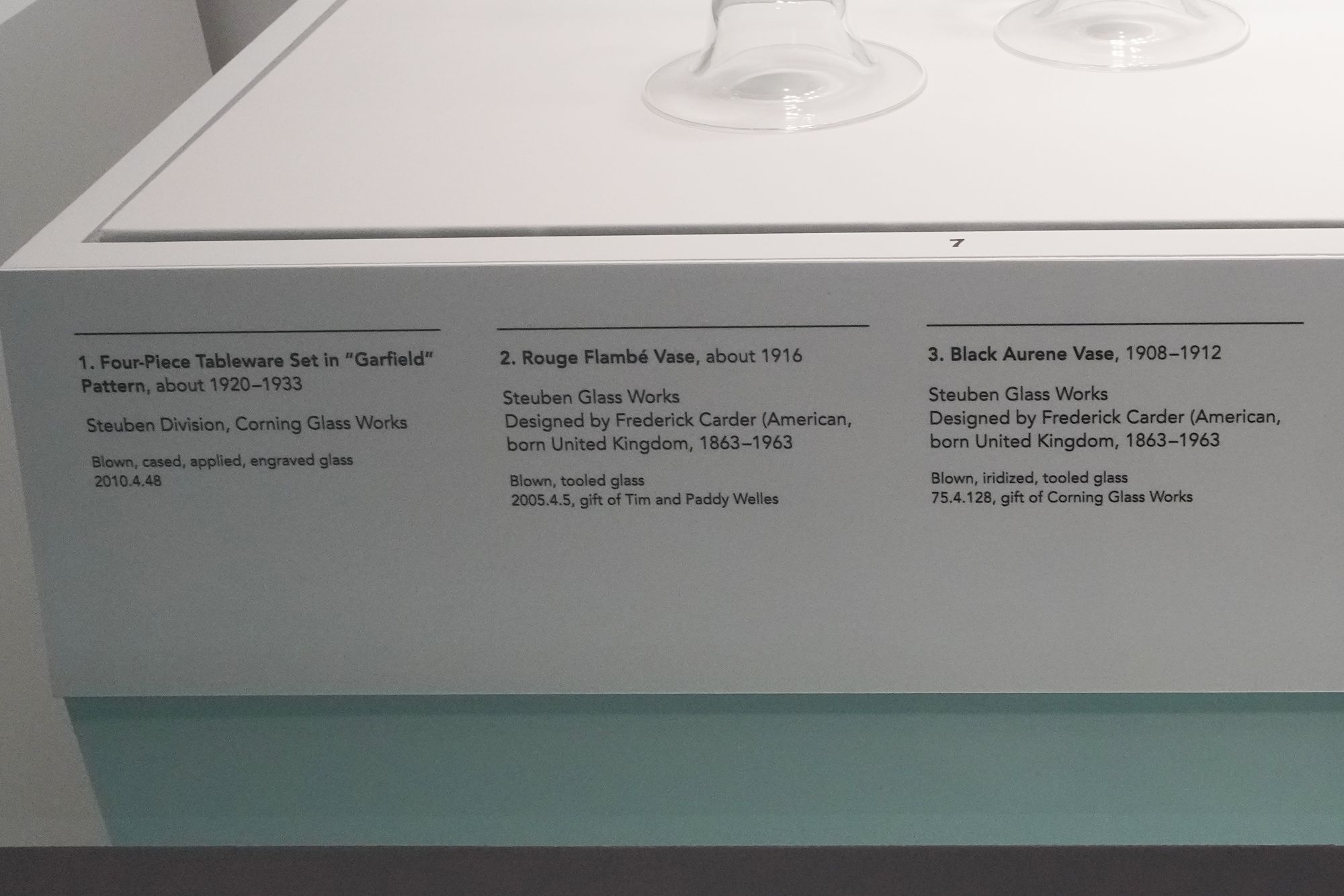
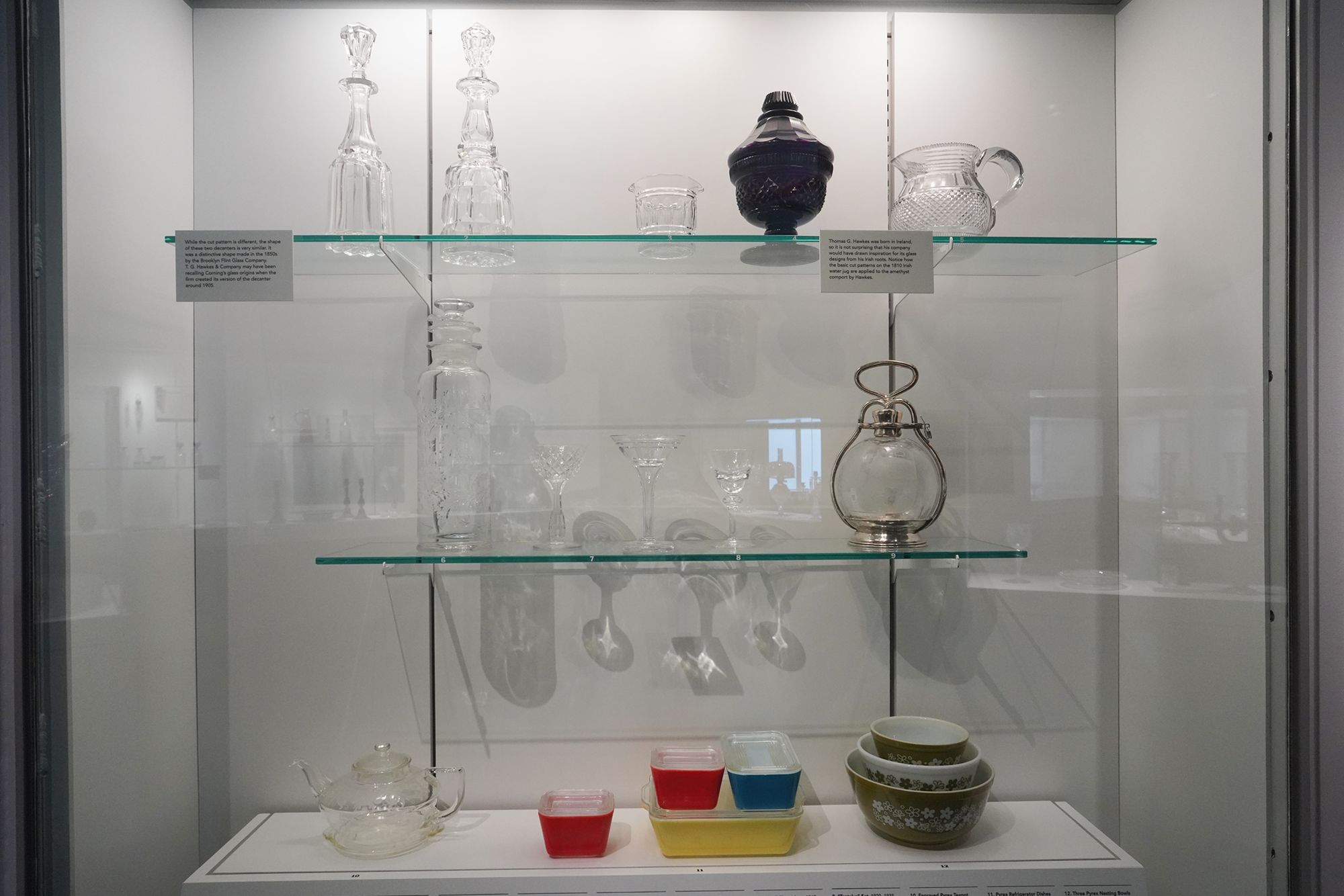
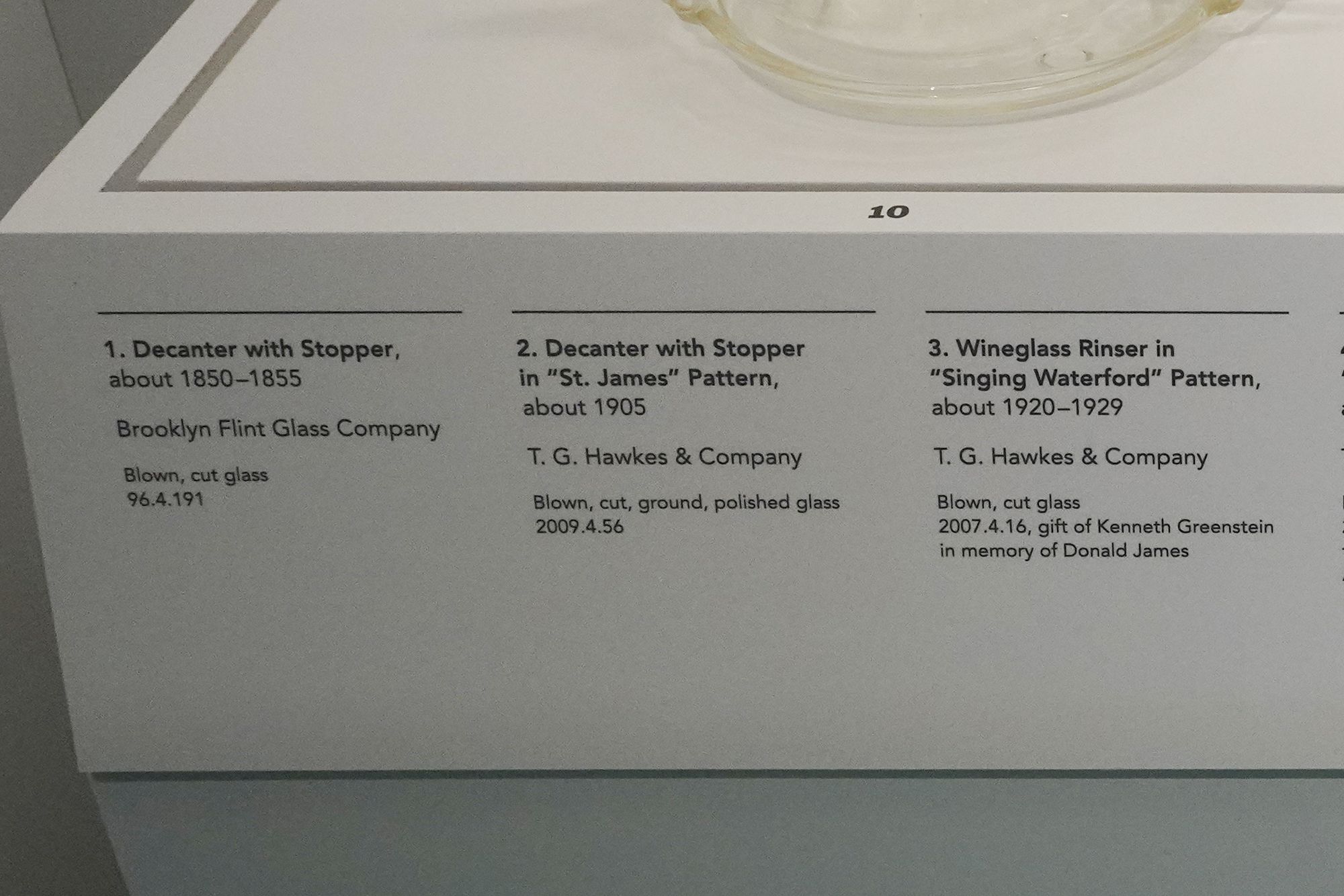
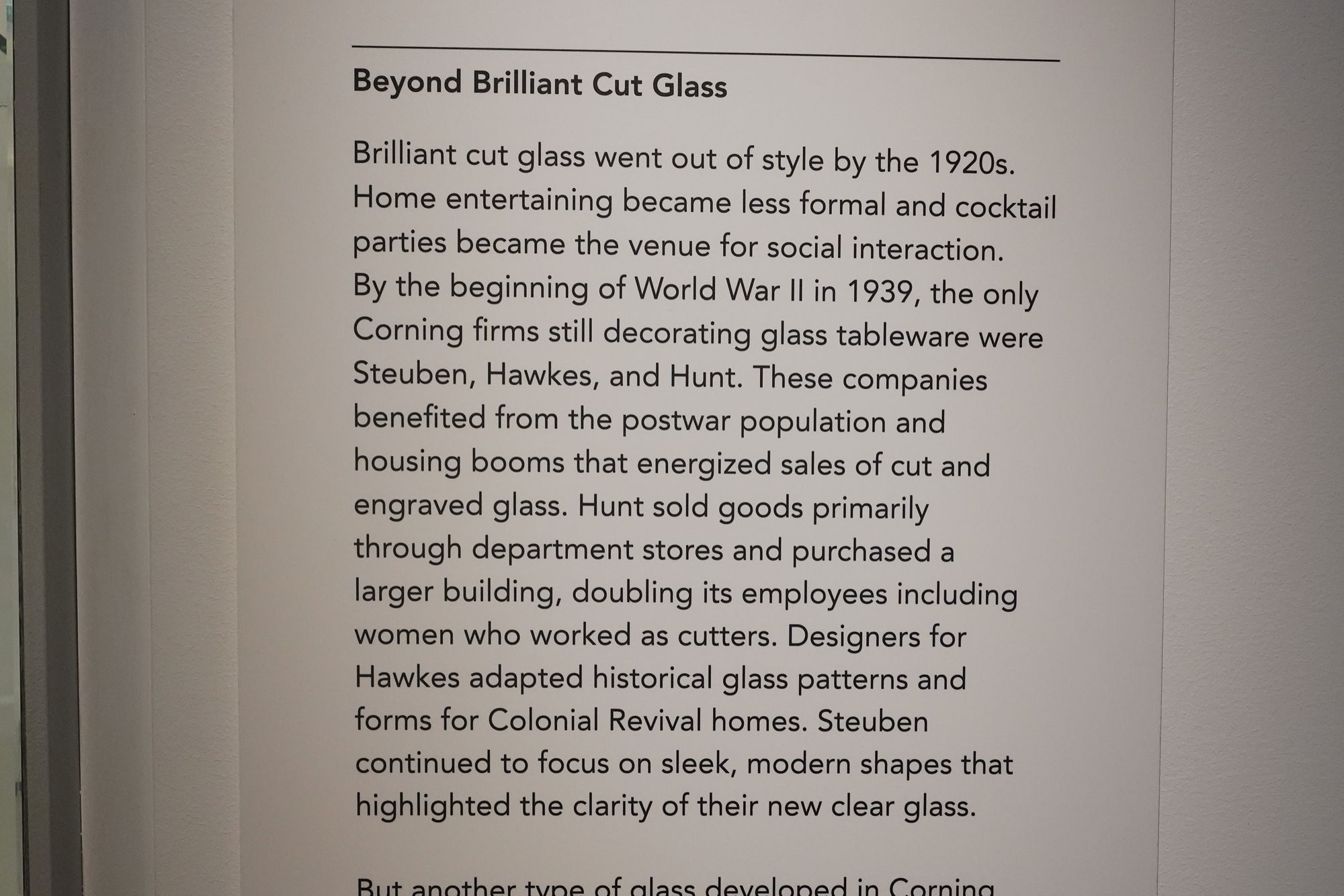
Brilliant cut glass peaked in popularity during the late 19th and early 20th centuries, admired for its sparkle and elaborate patterns. However, by the 1920s, tastes shifted toward simpler, cleaner designs, and brilliant cut glass gradually fell out of fashion.
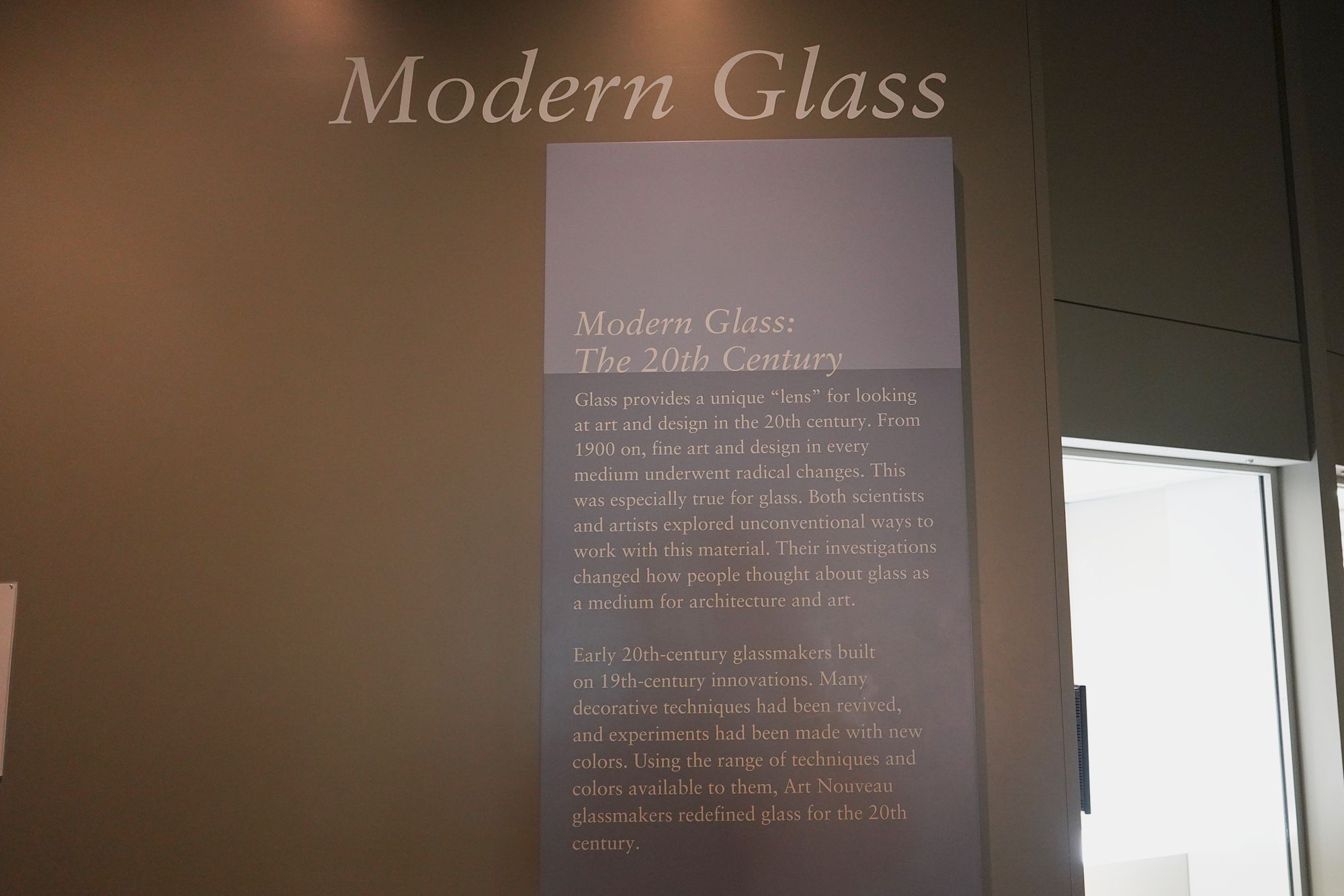
Modern Glass
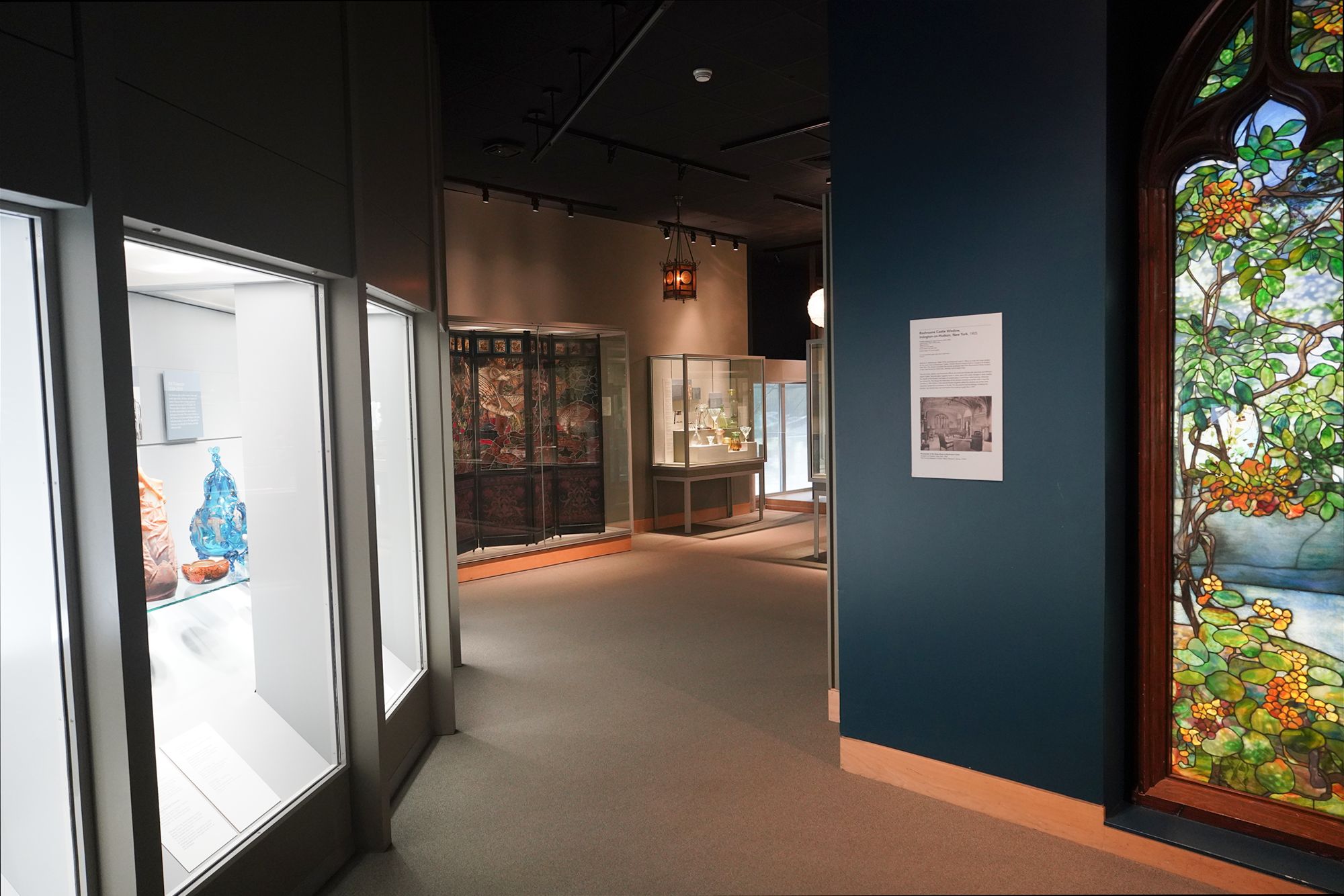
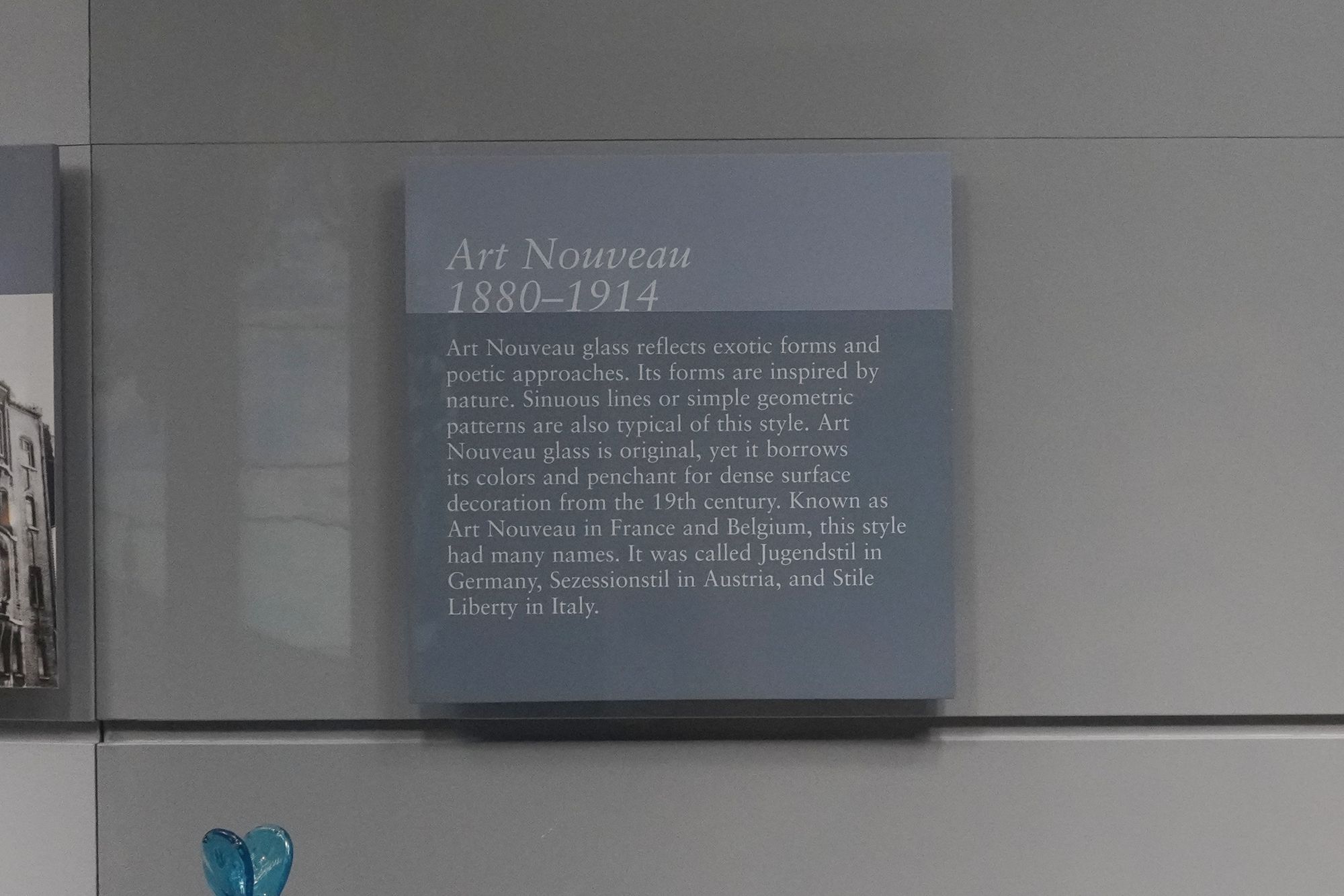
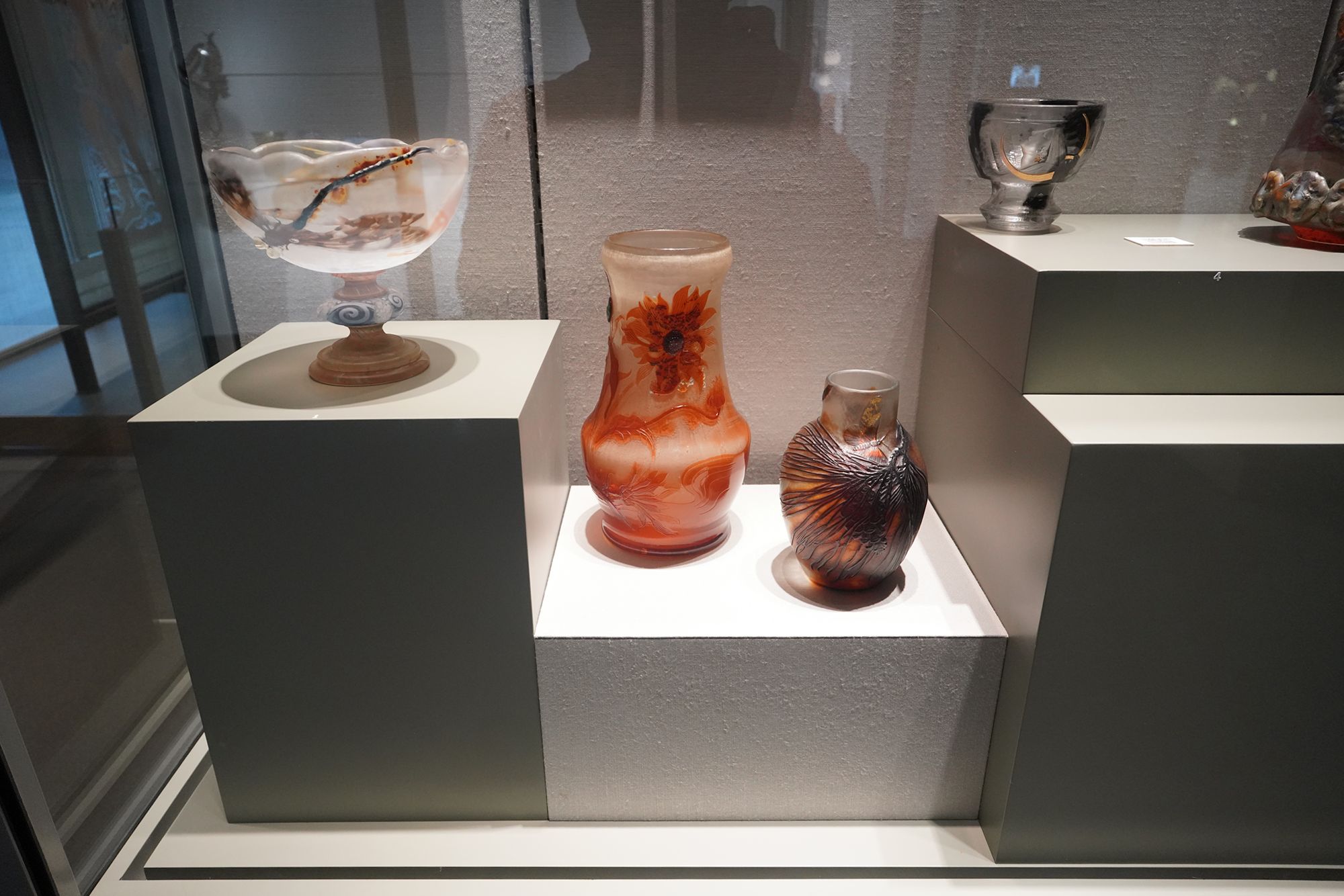
Art Nouveau was an art and design movement that flourished roughly from the 1890s to around World War I. It rejected historical styles and instead embraced flowing organic forms inspired by nature—vines, flowers, leaves, insects, and the human figure.
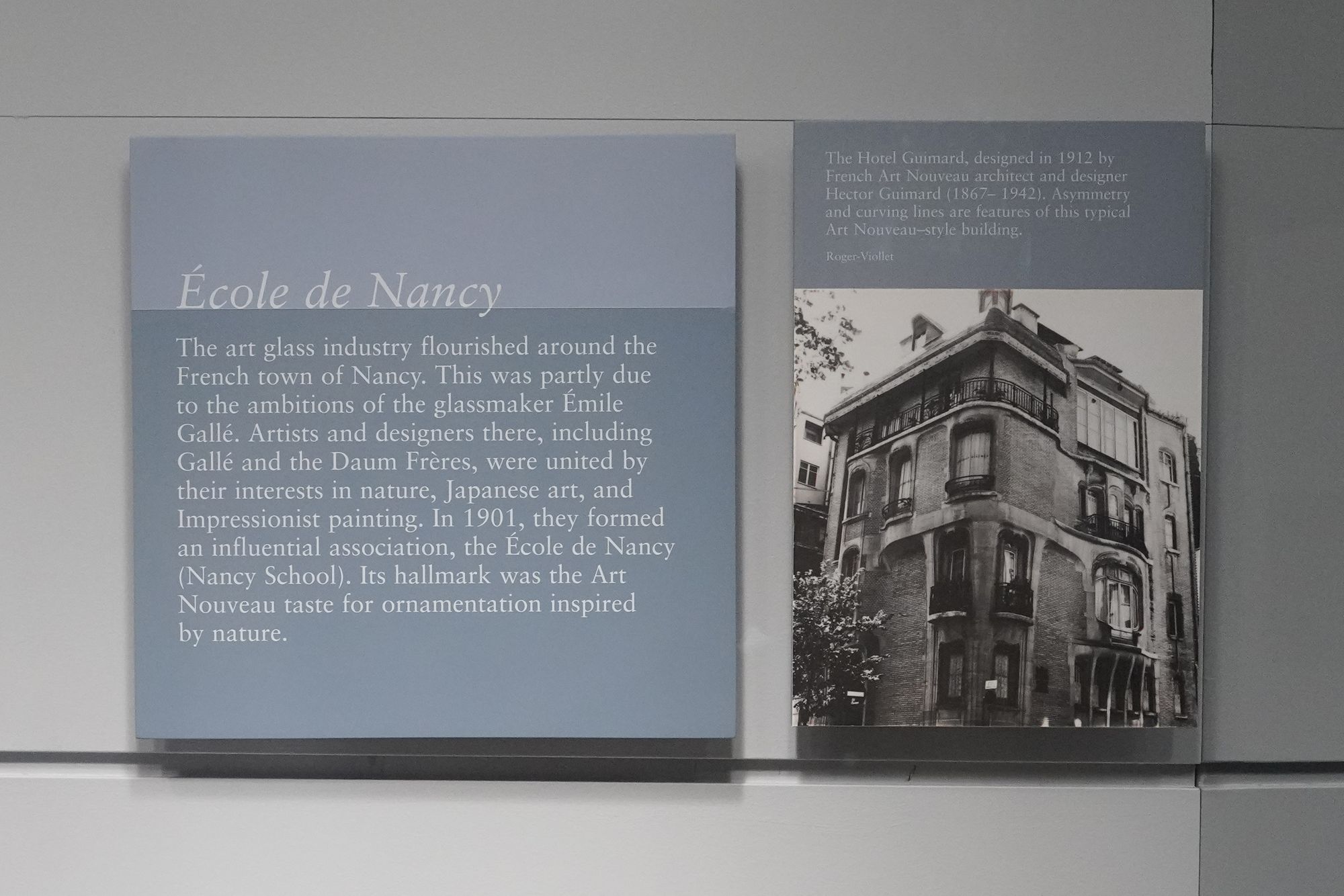
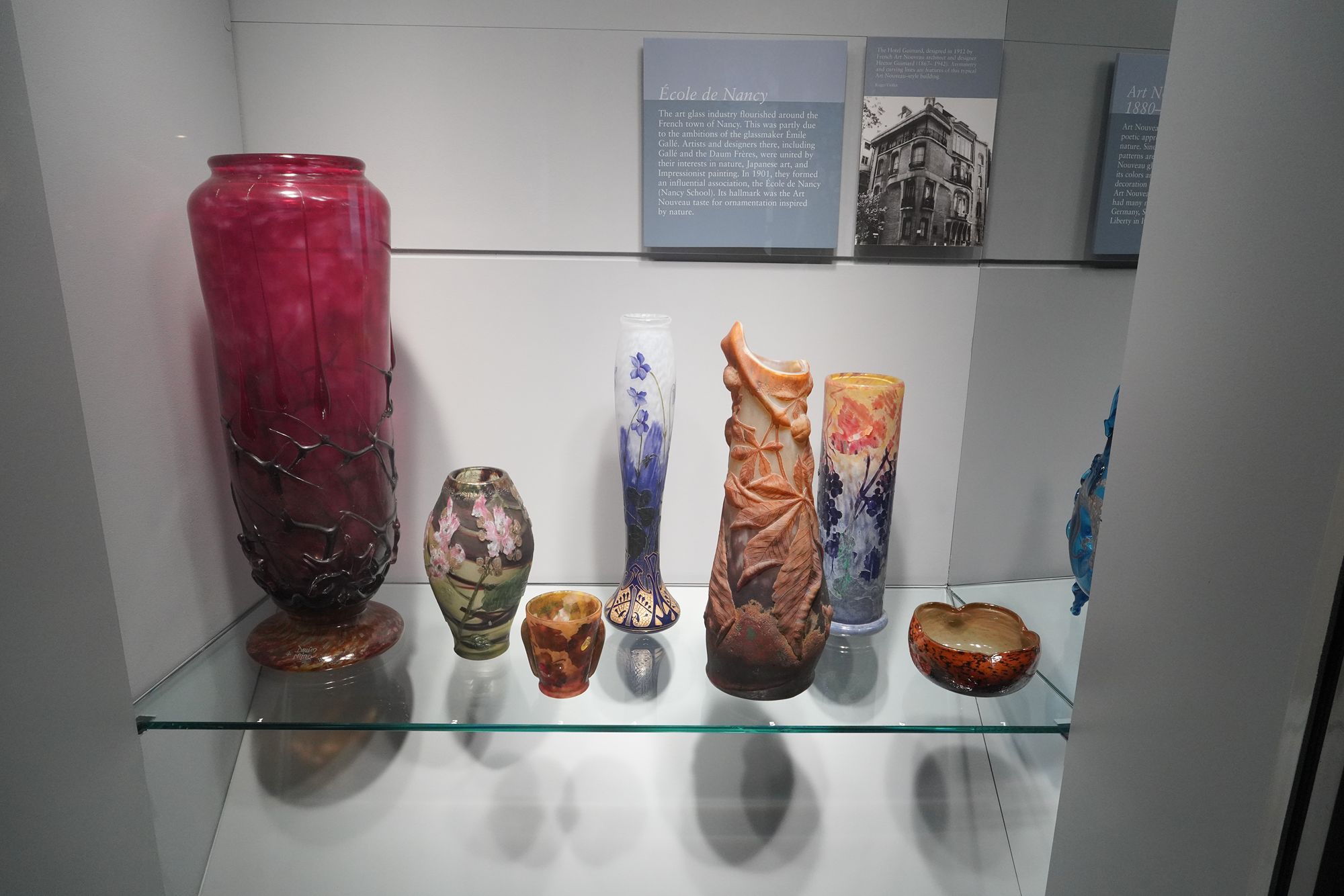
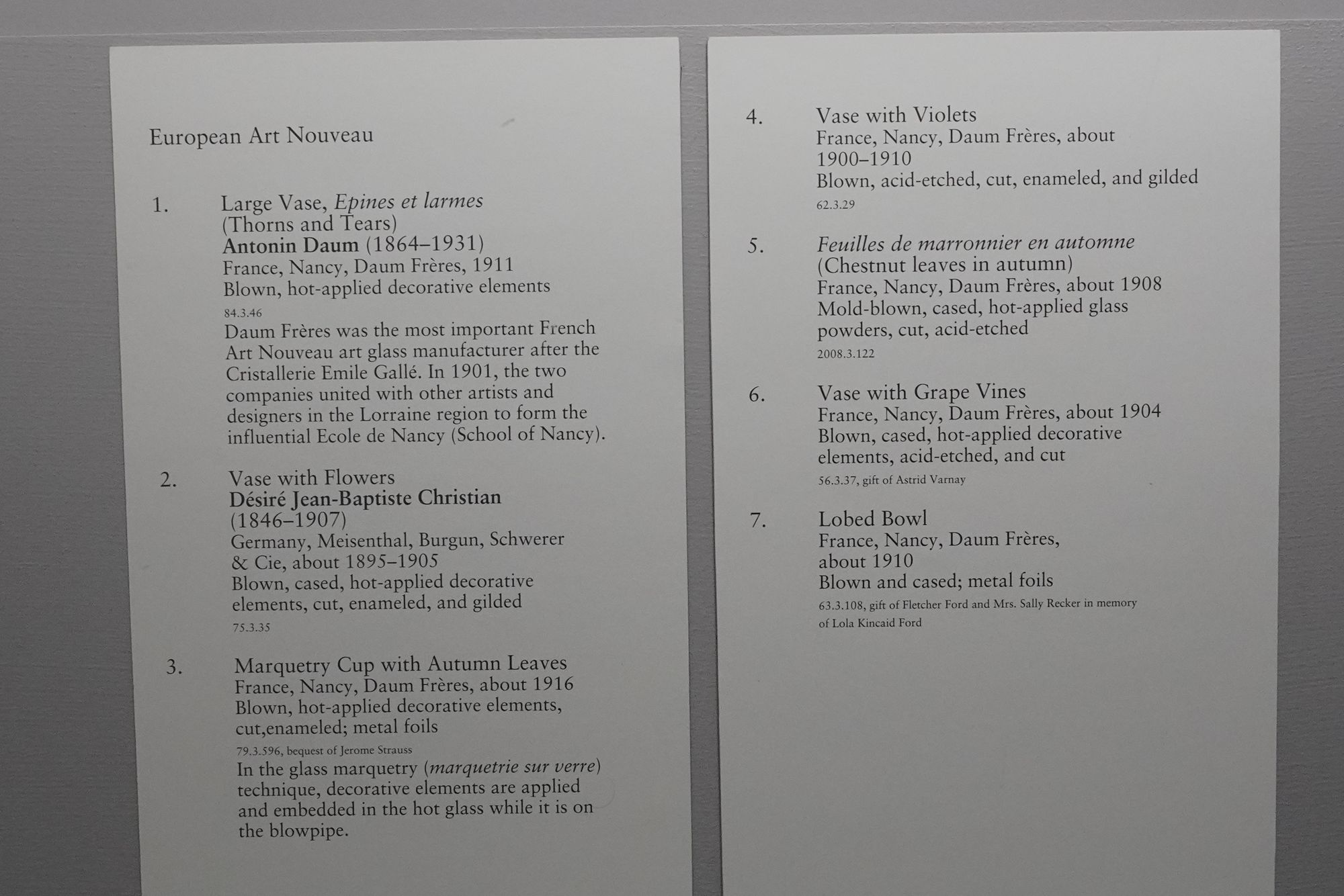
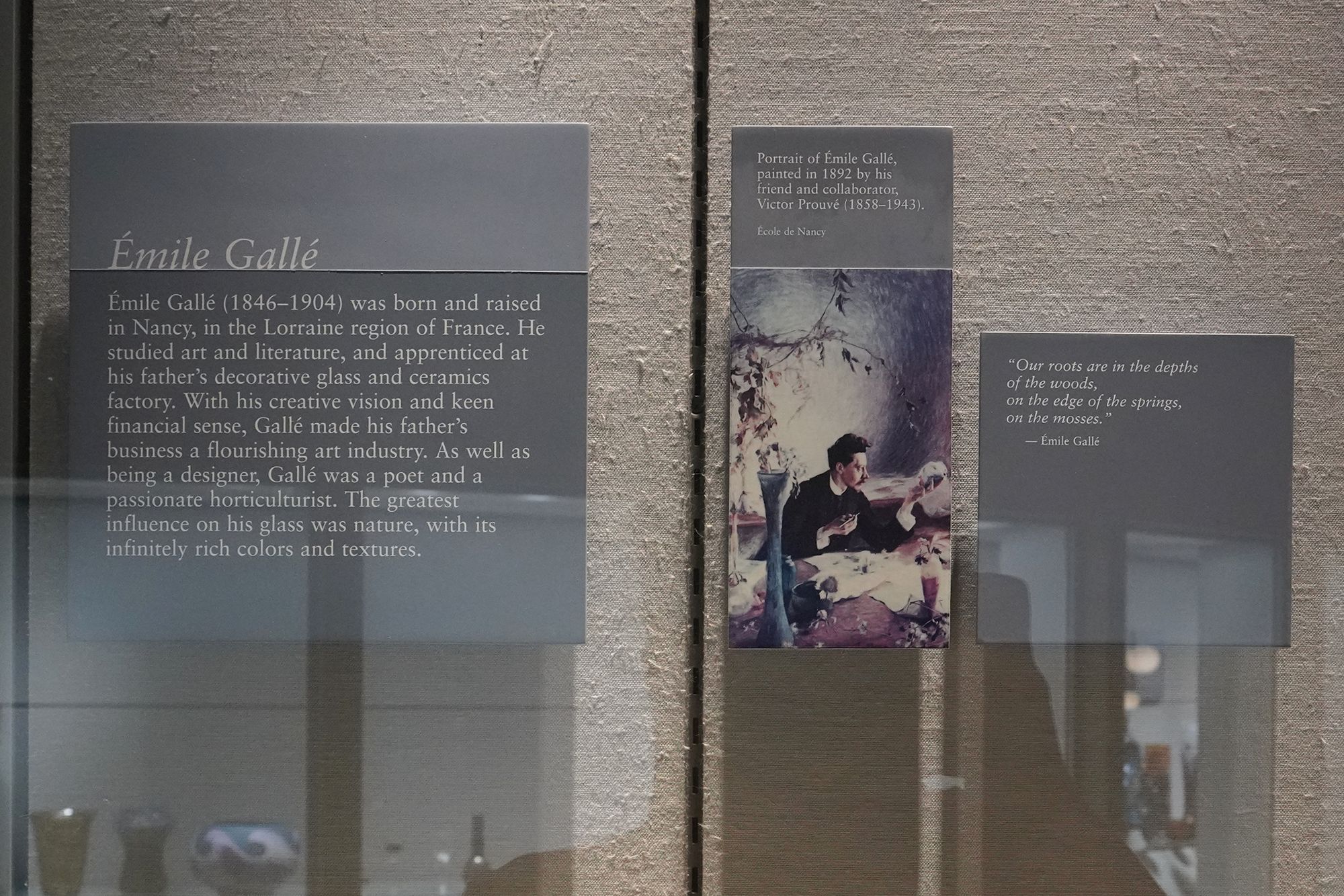
The École de Nancy (Nancy School) was a regional movement of the broader Art Nouveau style, centered in the city of Nancy in northeastern France.
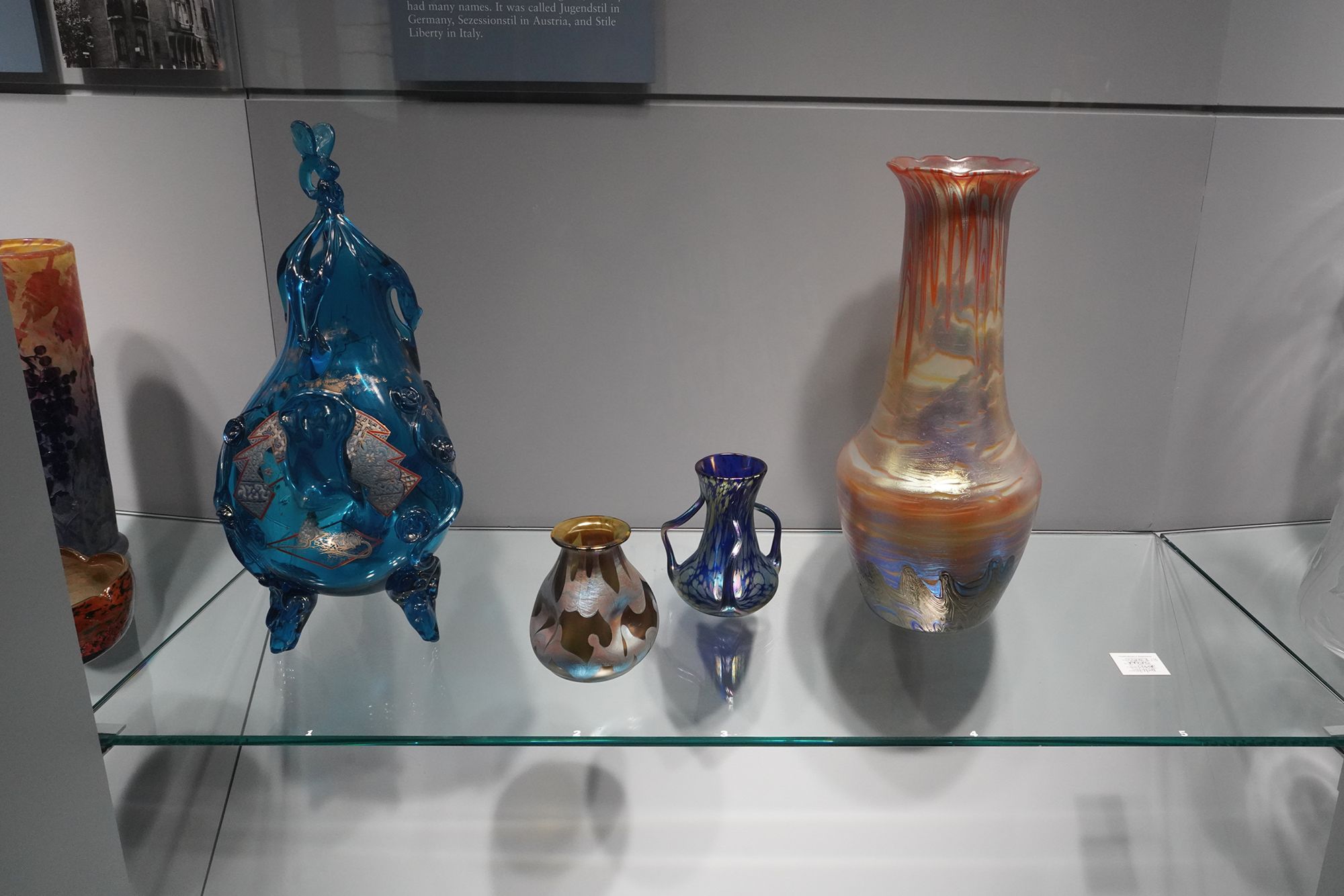
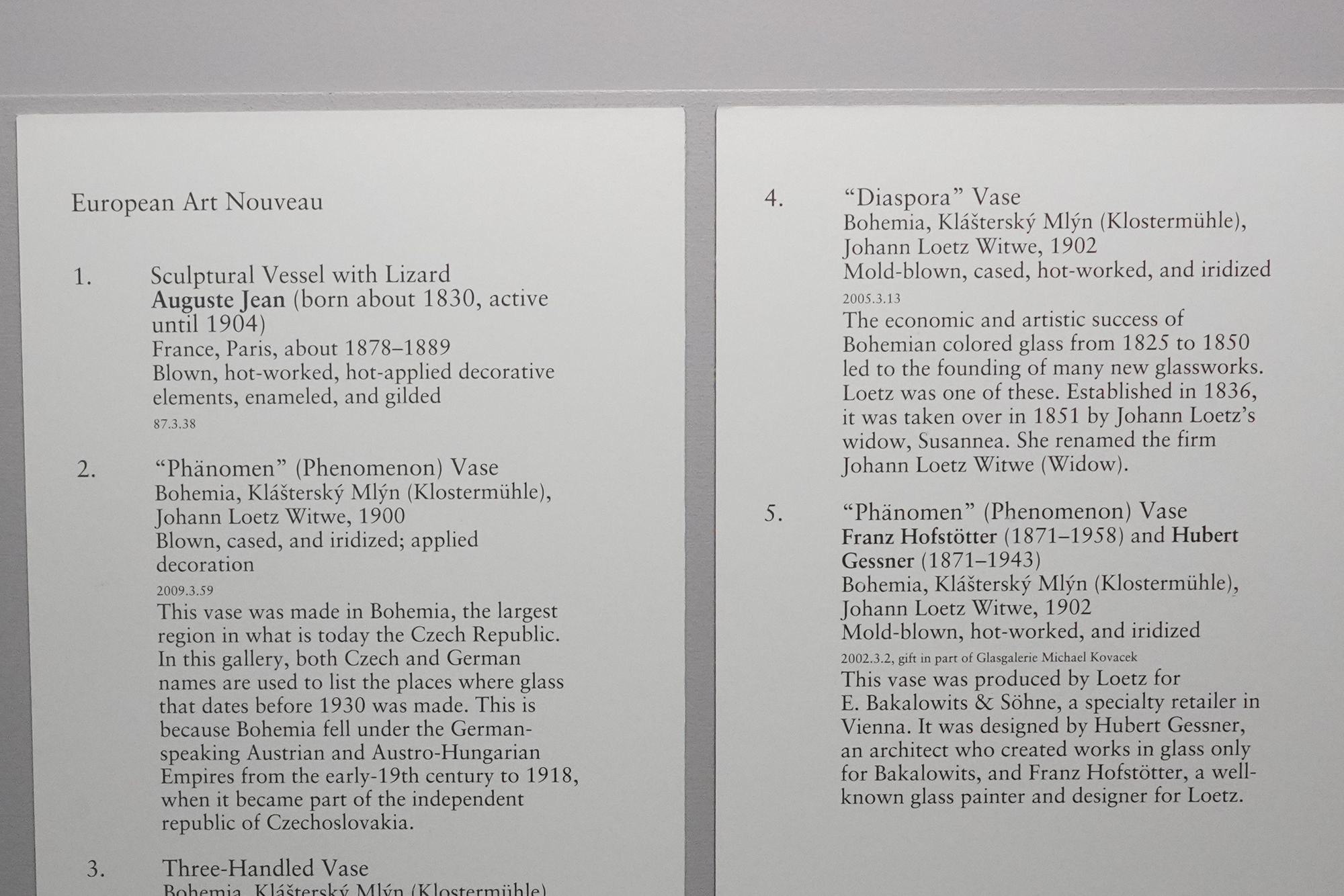
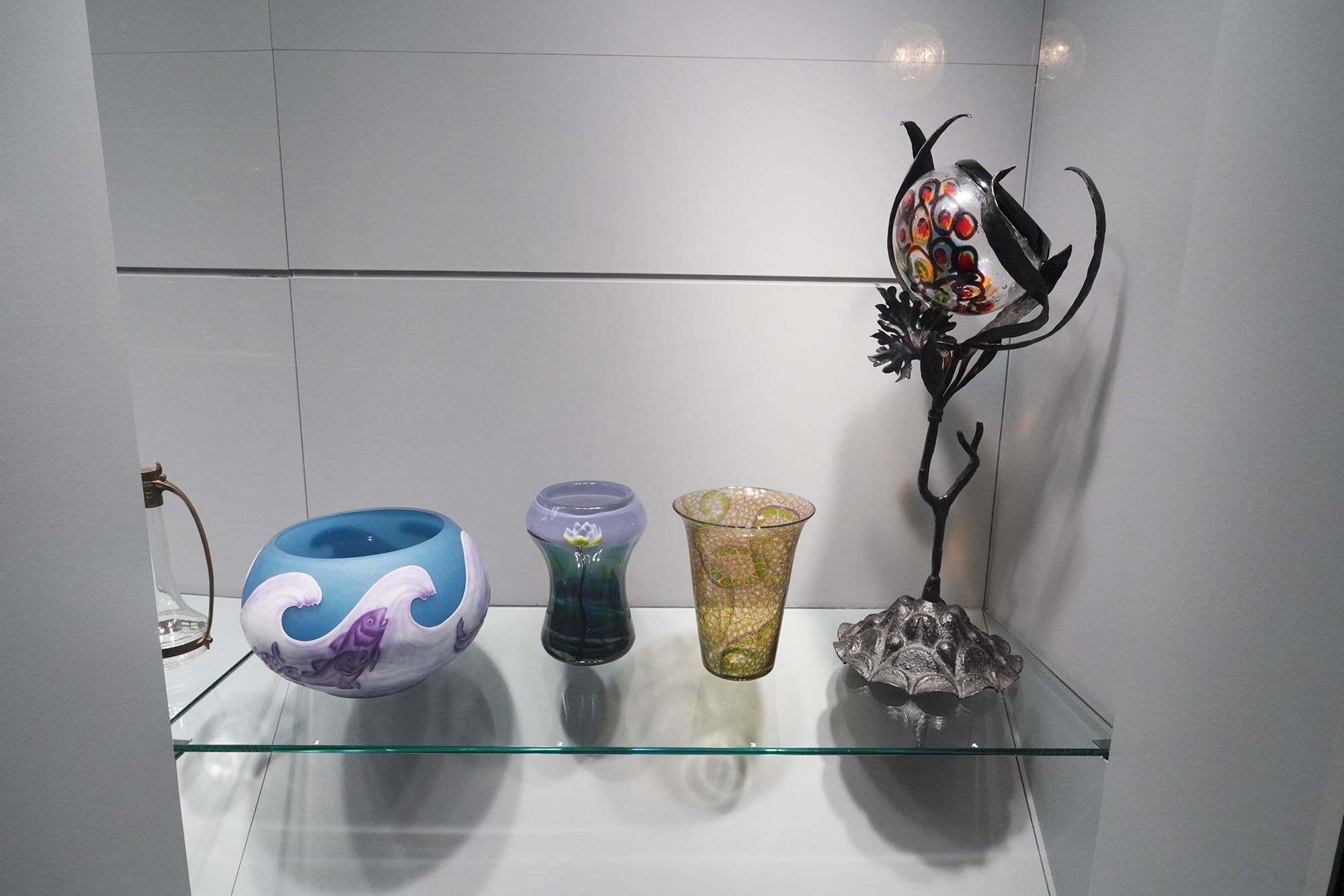
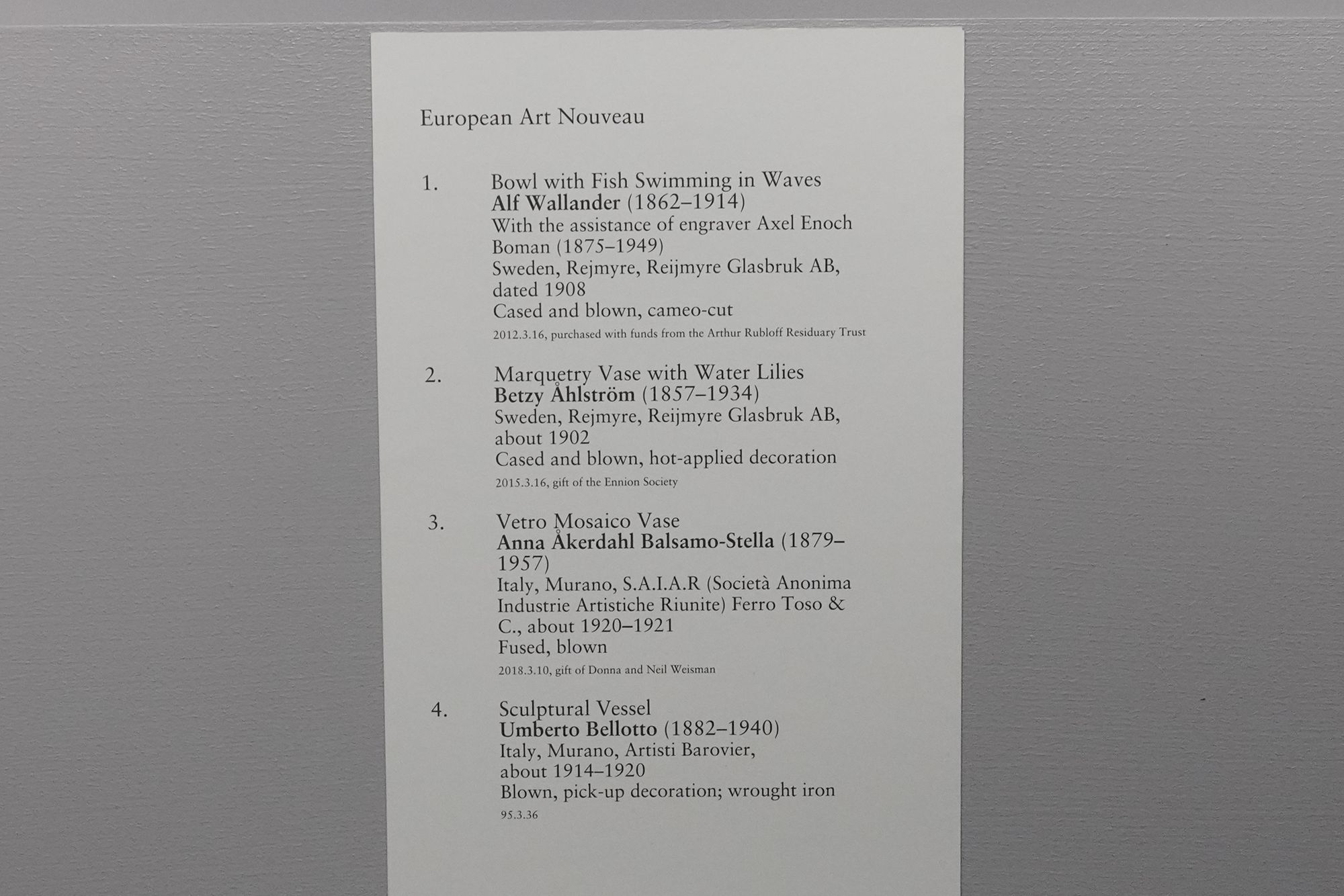
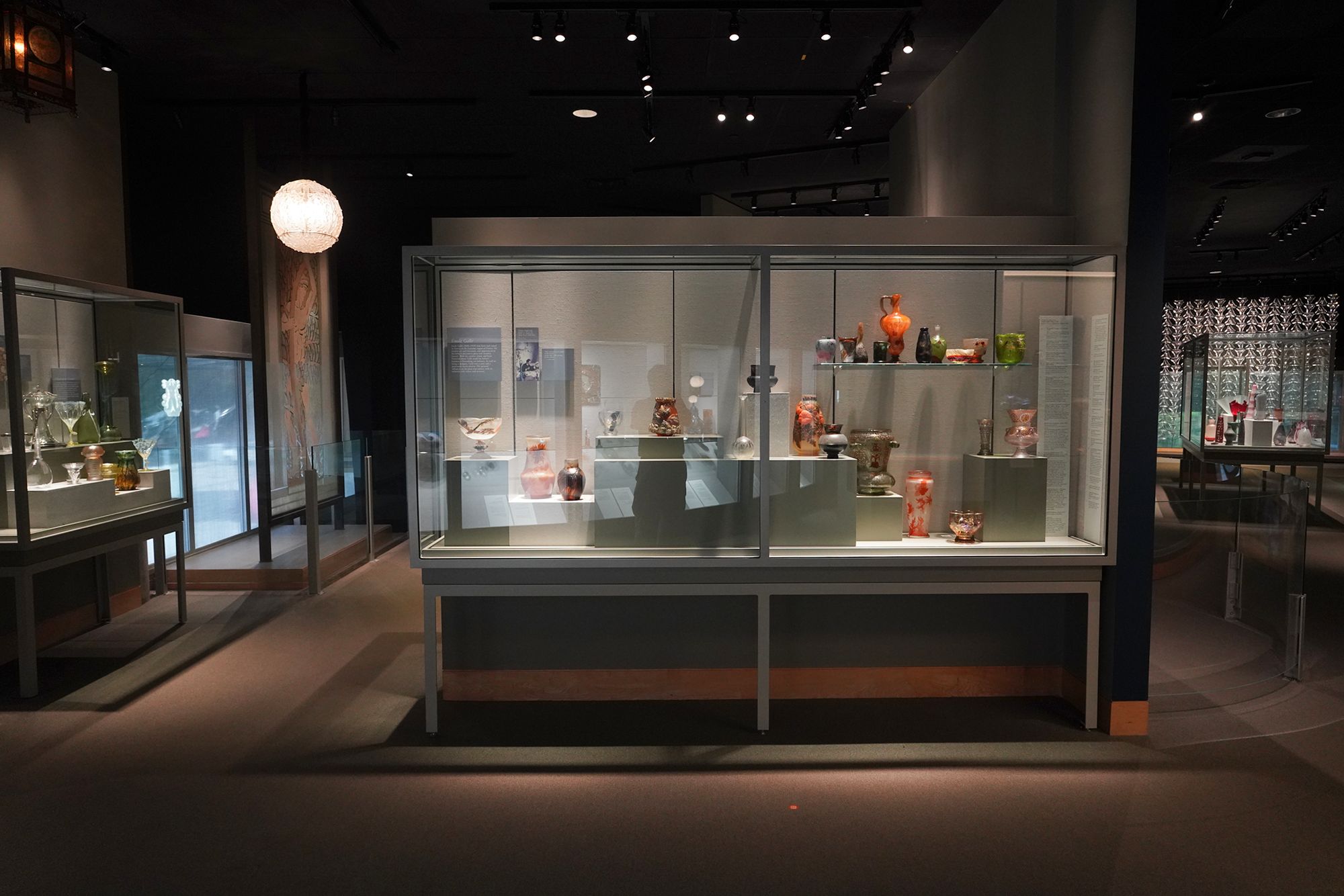
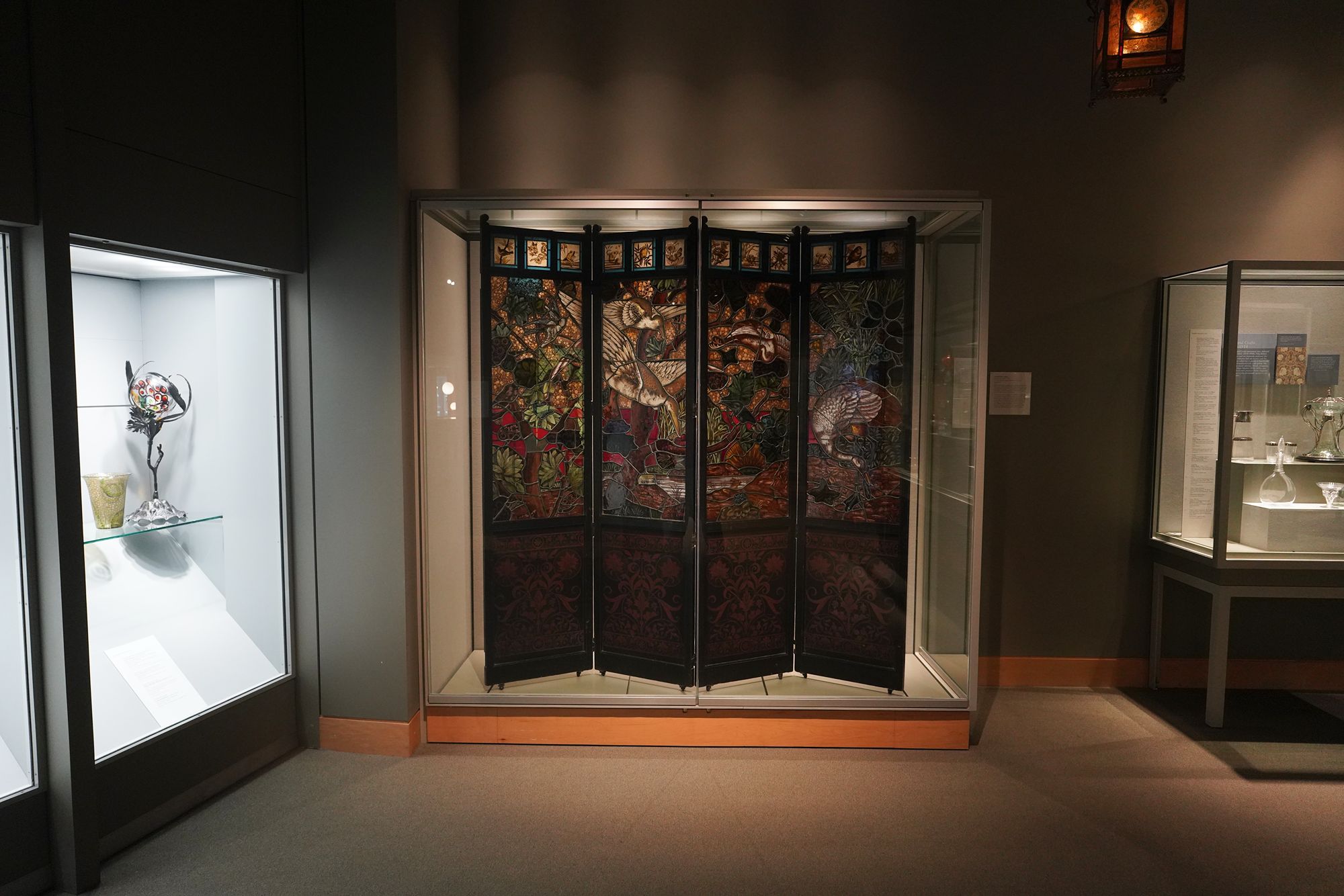
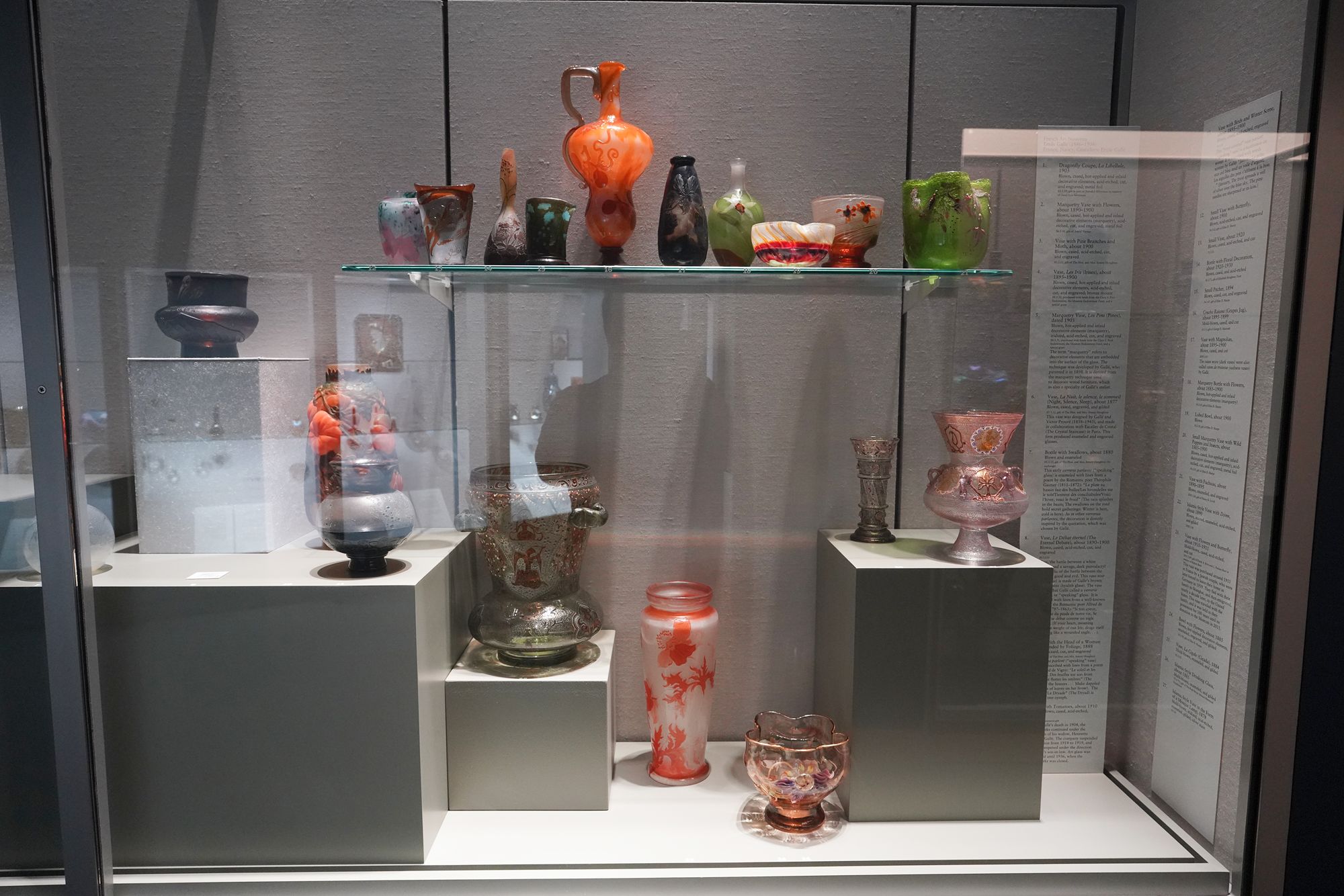
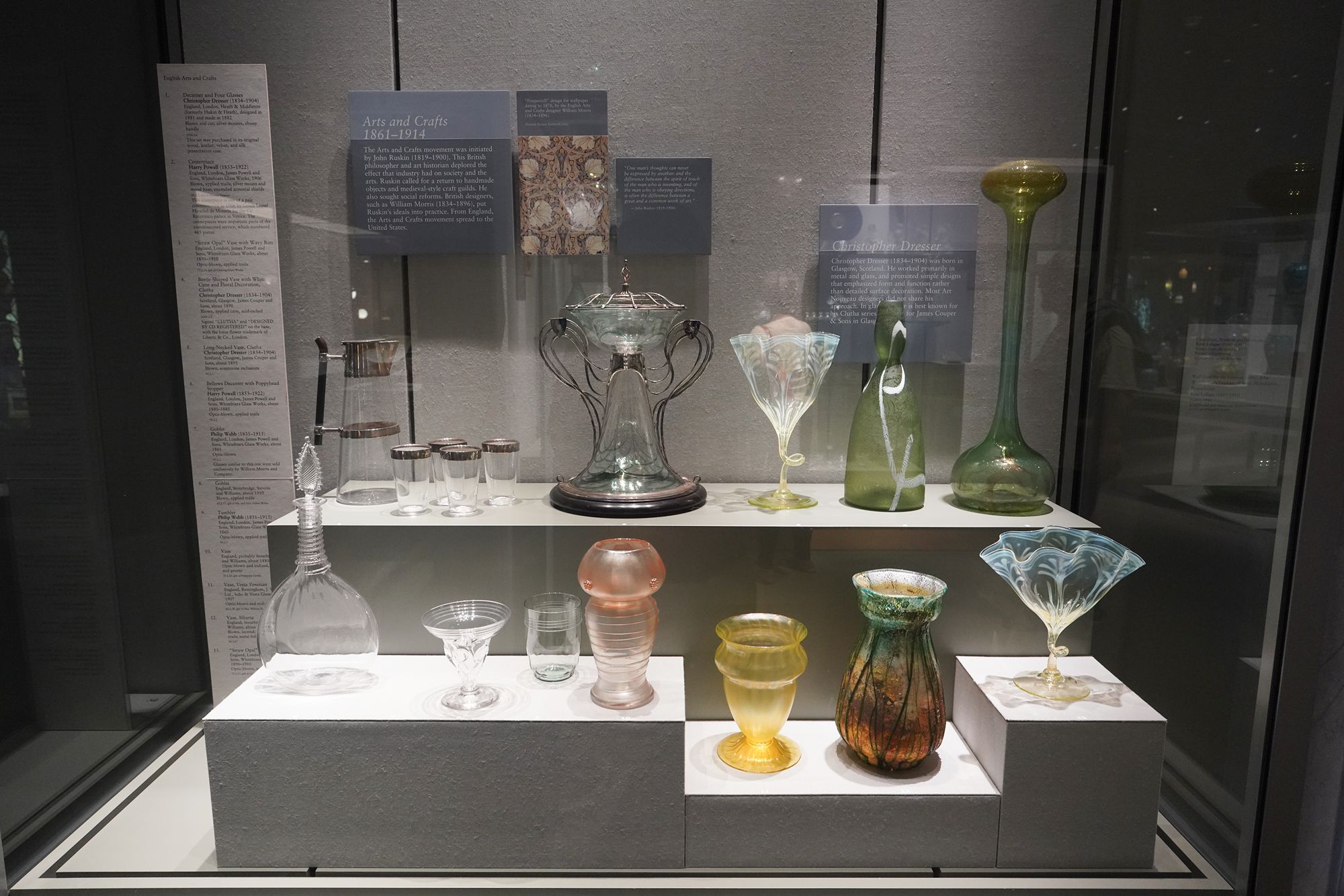
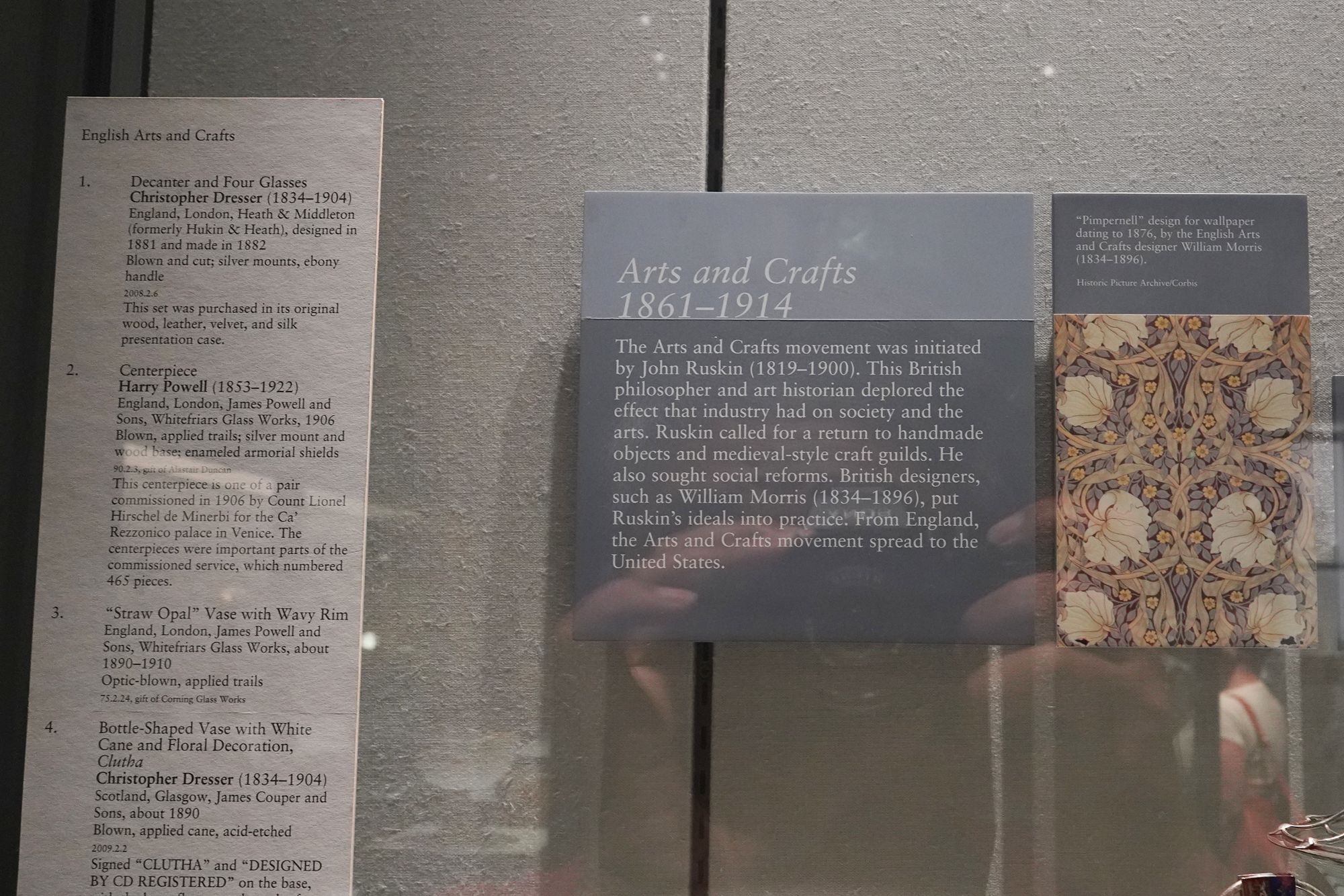
Arts and Crafts 1861-1914
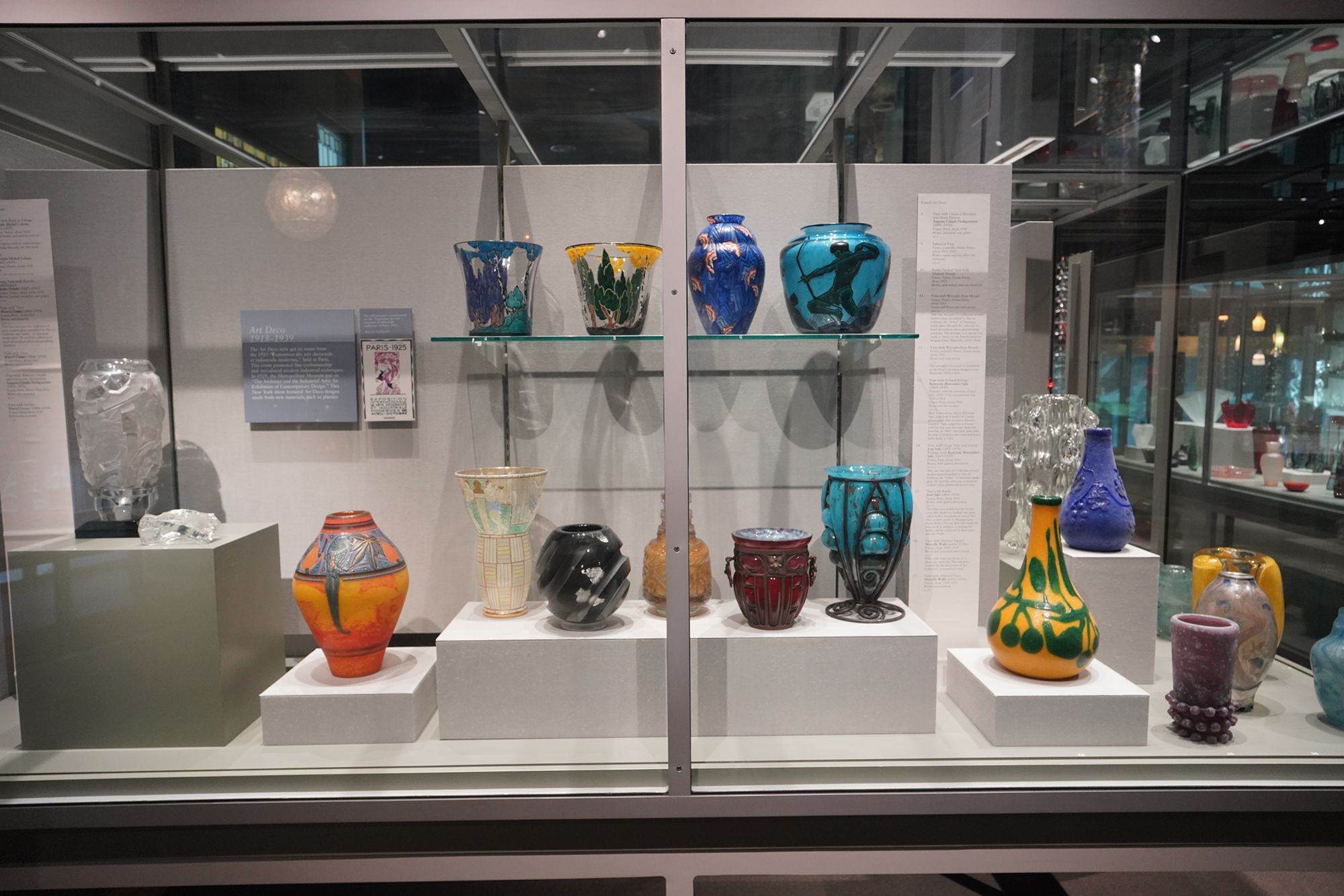
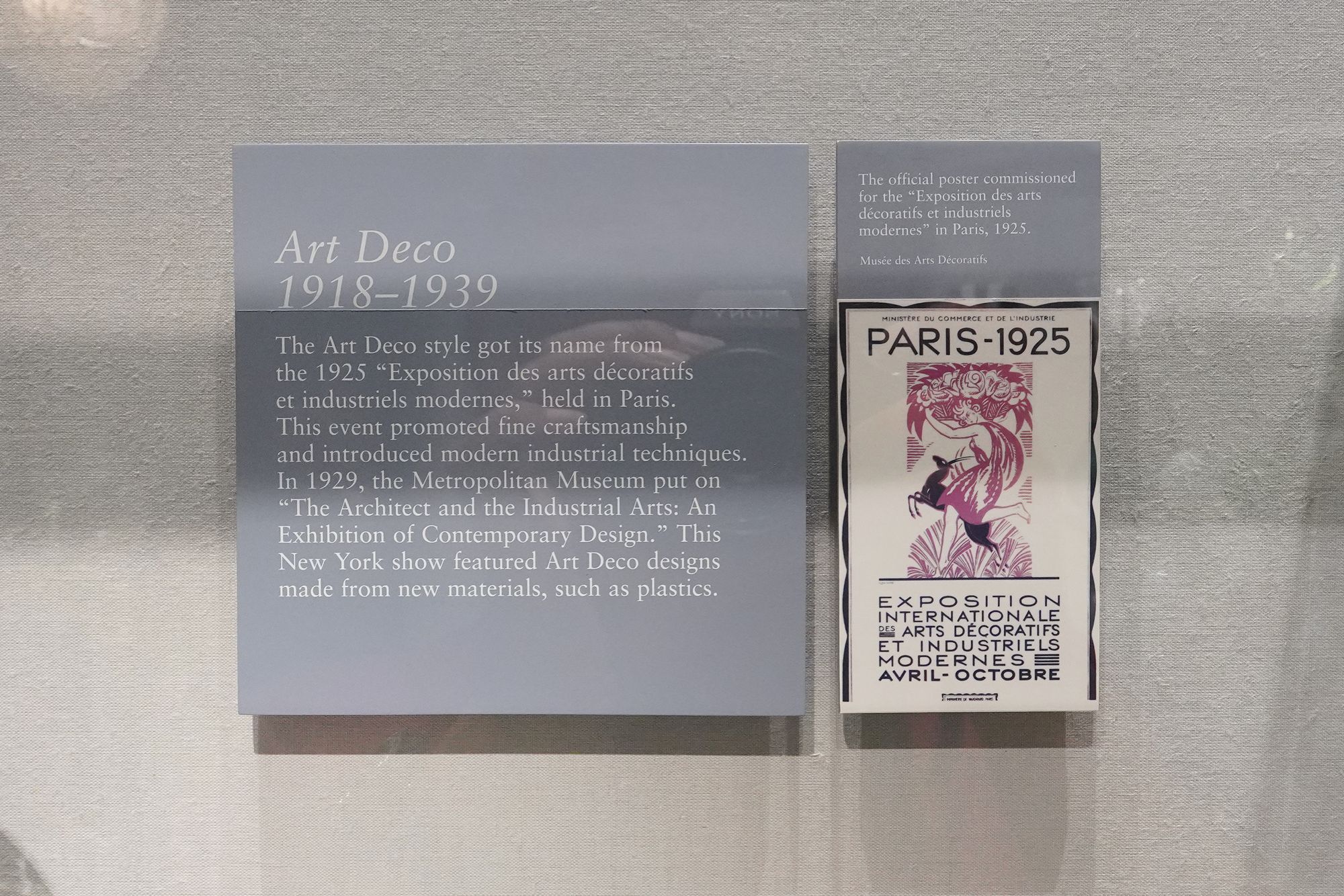
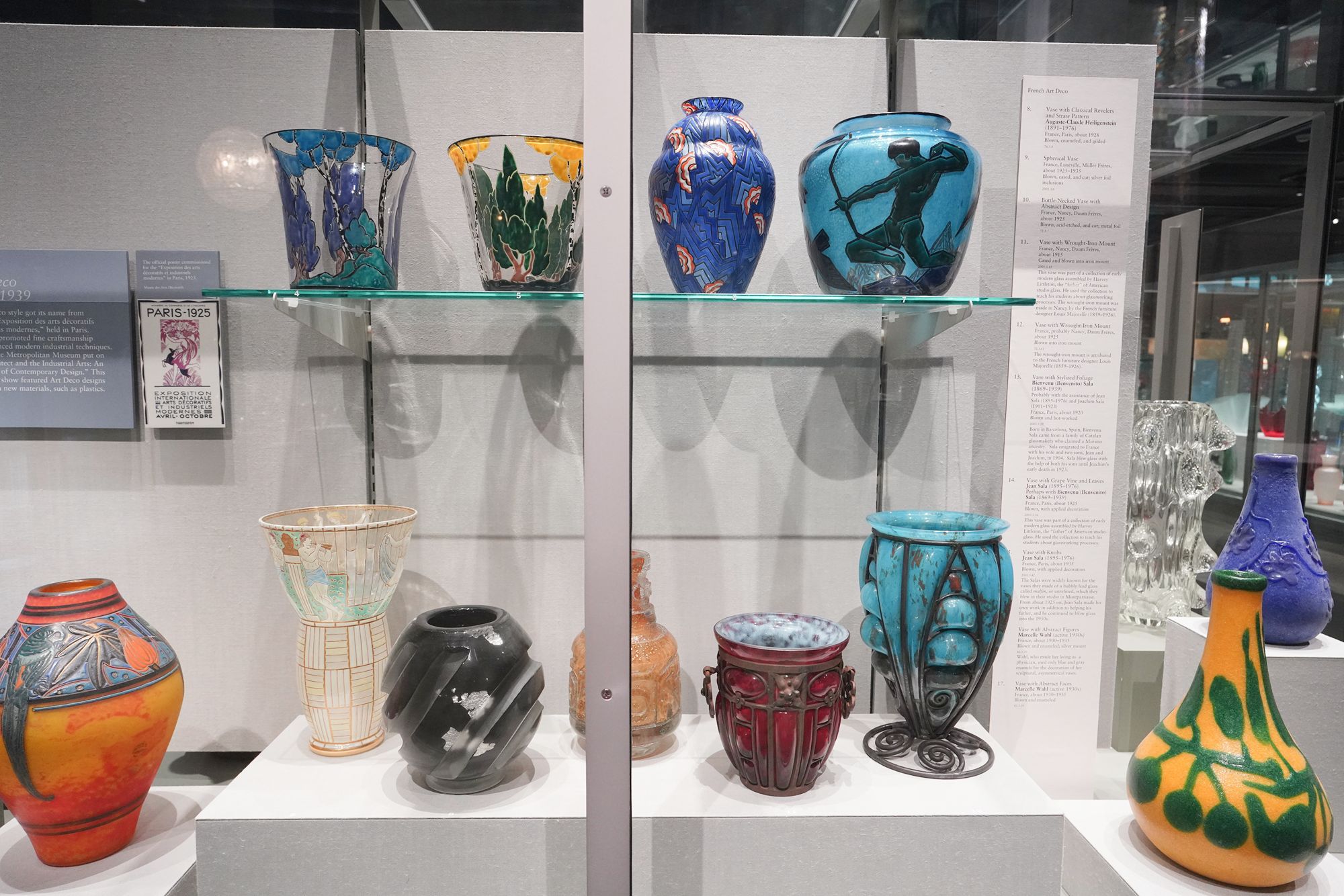
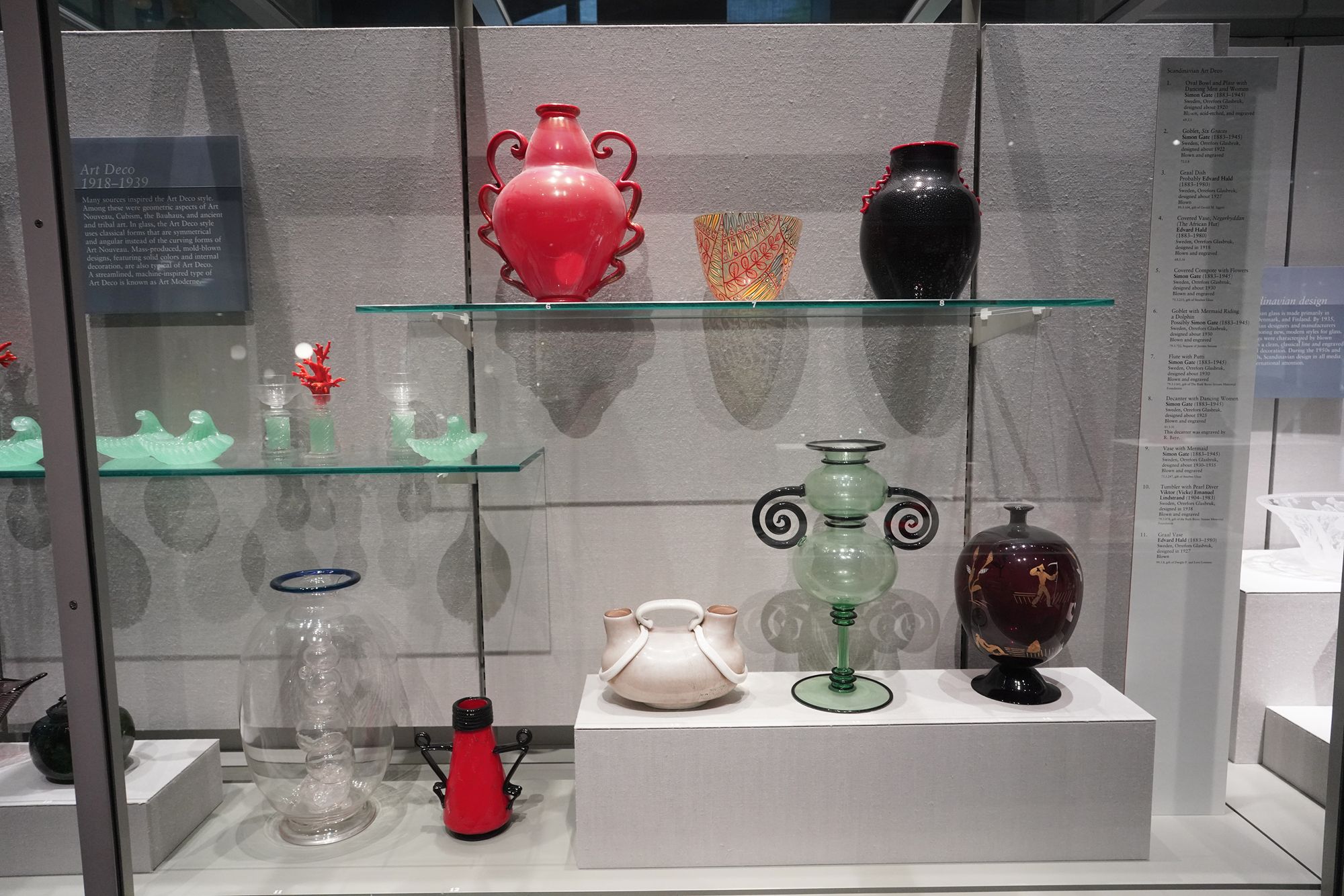
Art Deco (1918–1939) was a modern design movement defined by bold geometry, symmetry, and luxurious materials like chrome, glass, and lacquer. It celebrated speed, technology, and modern life, influencing architecture, interiors, glass, fashion, and everyday objects worldwide, symbolizing optimism between the world wars.
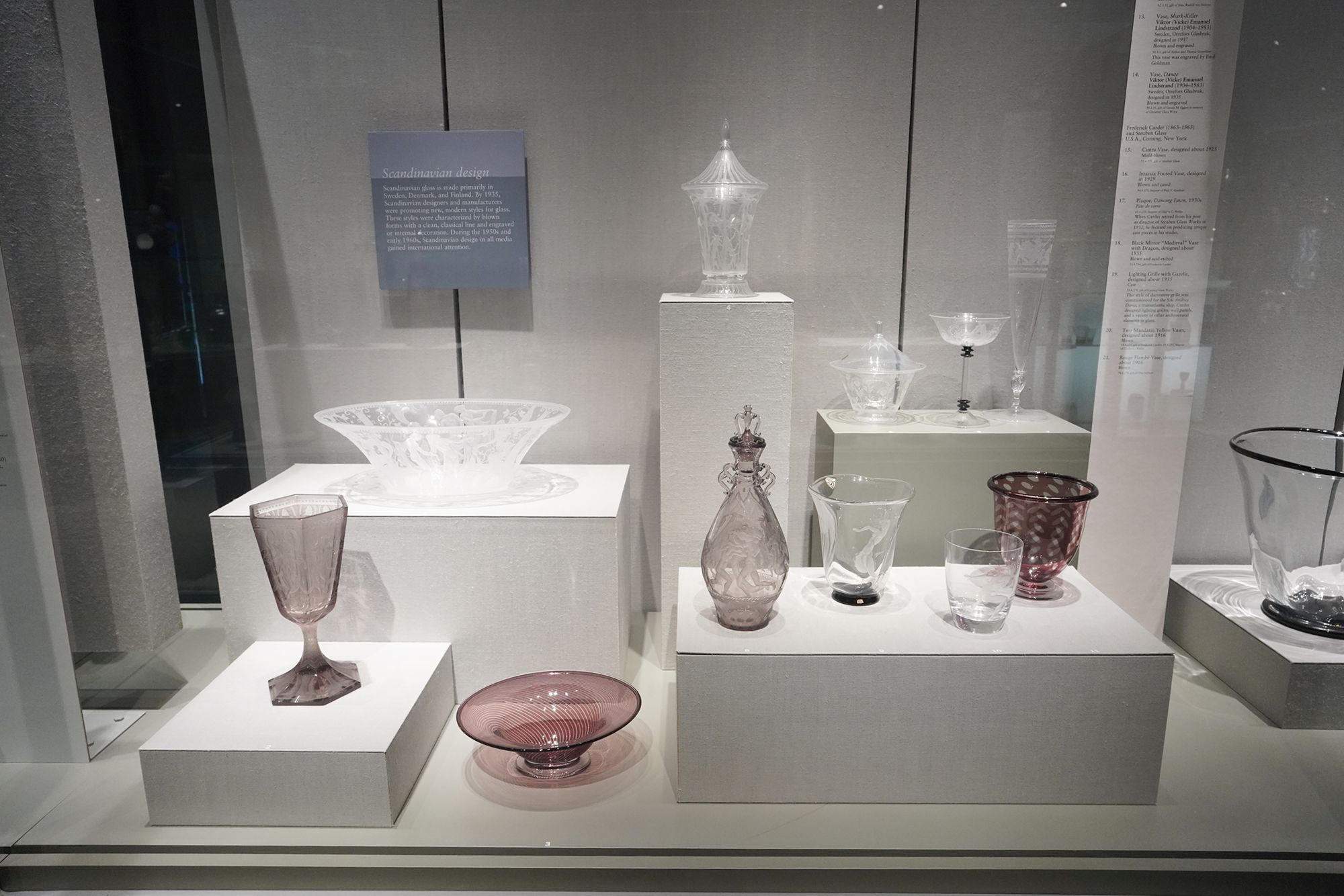
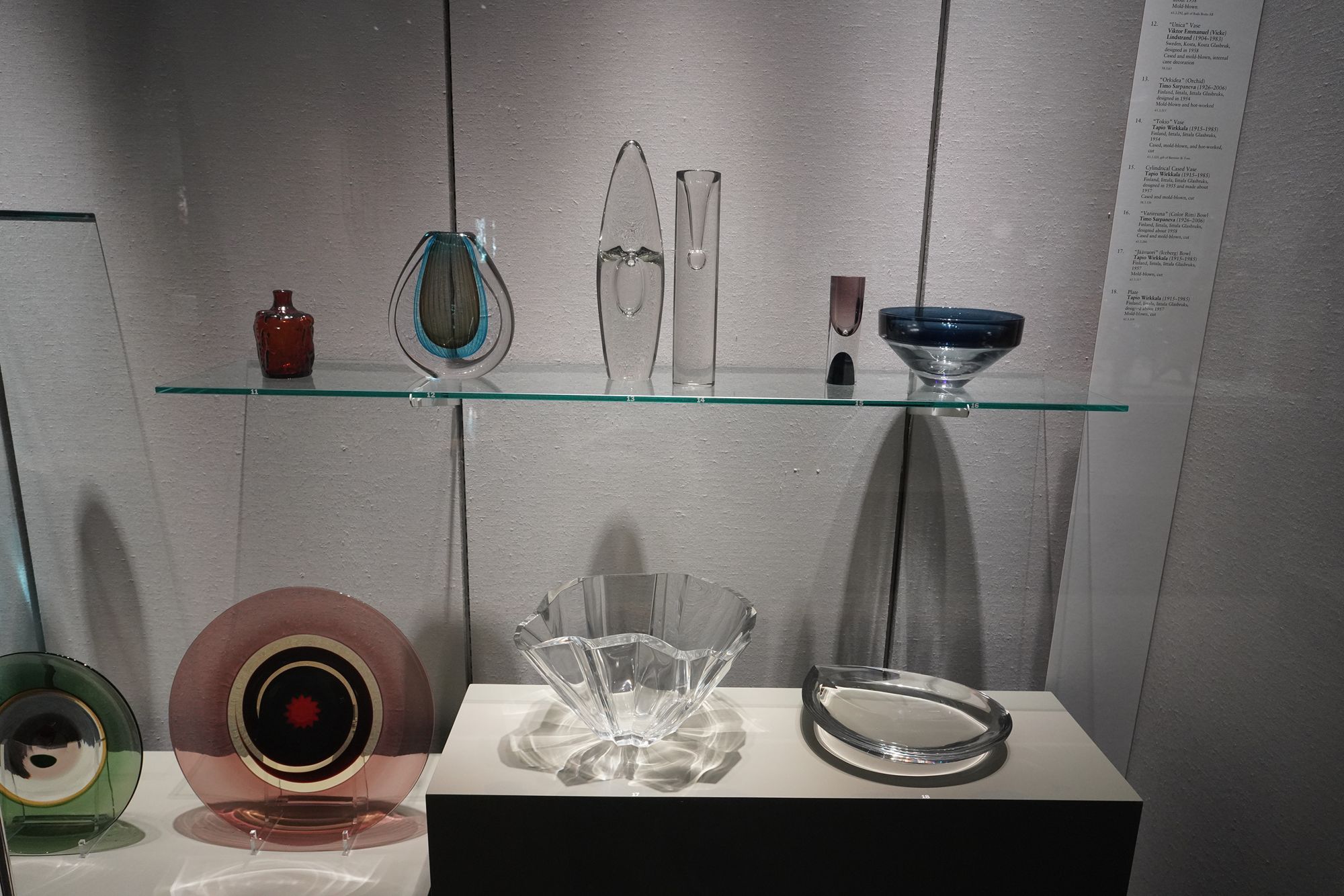
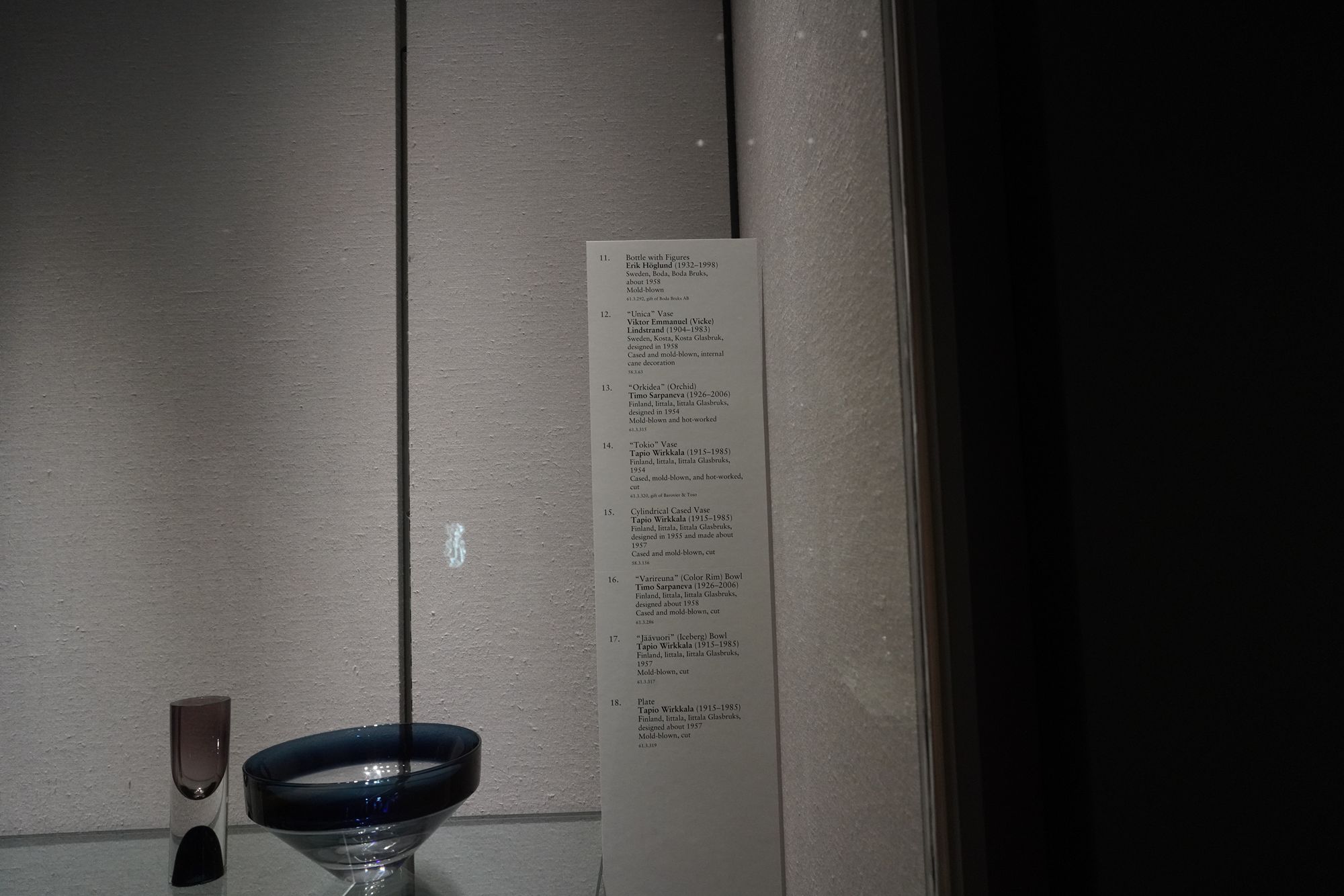
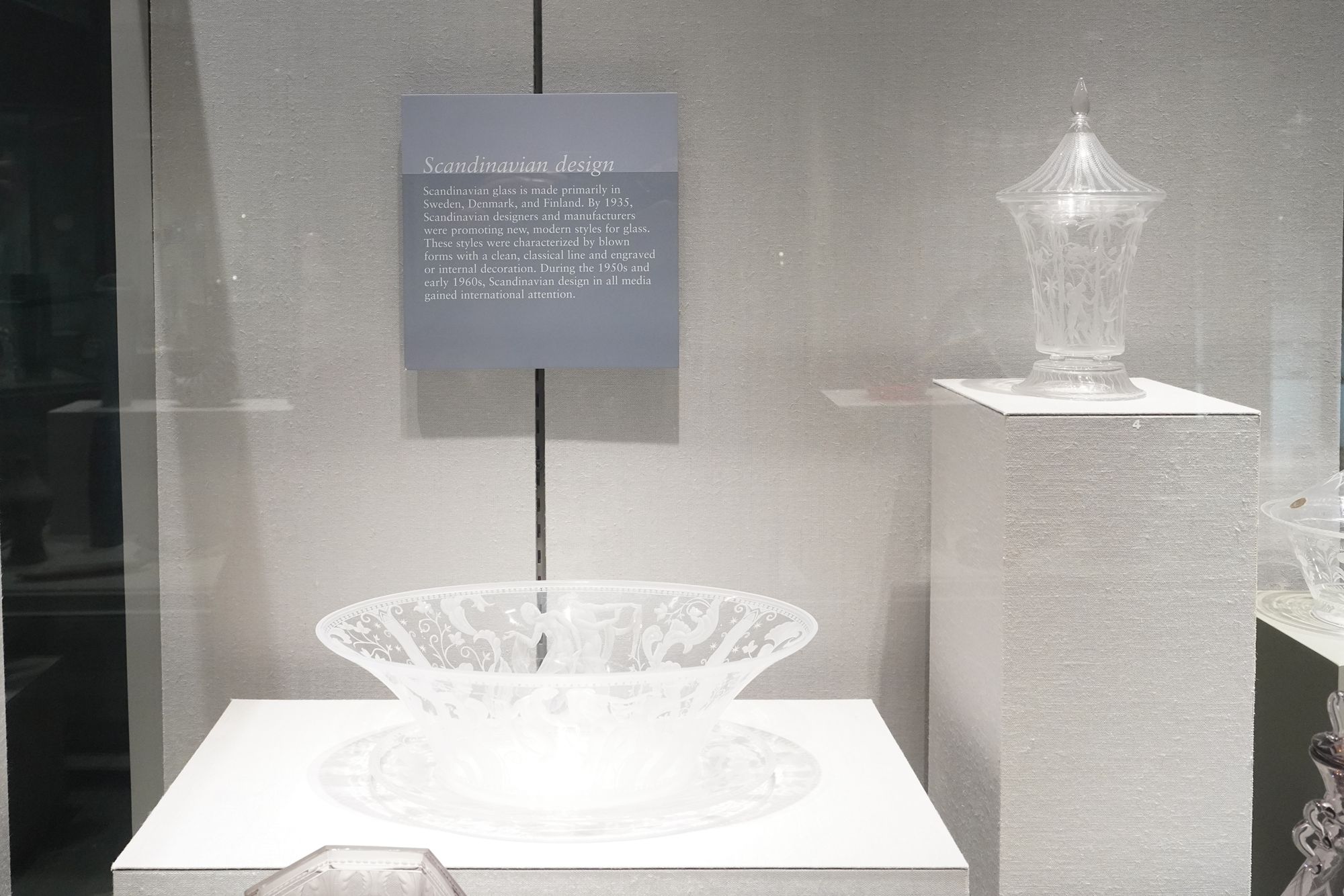
Scandinavian design
Steuben
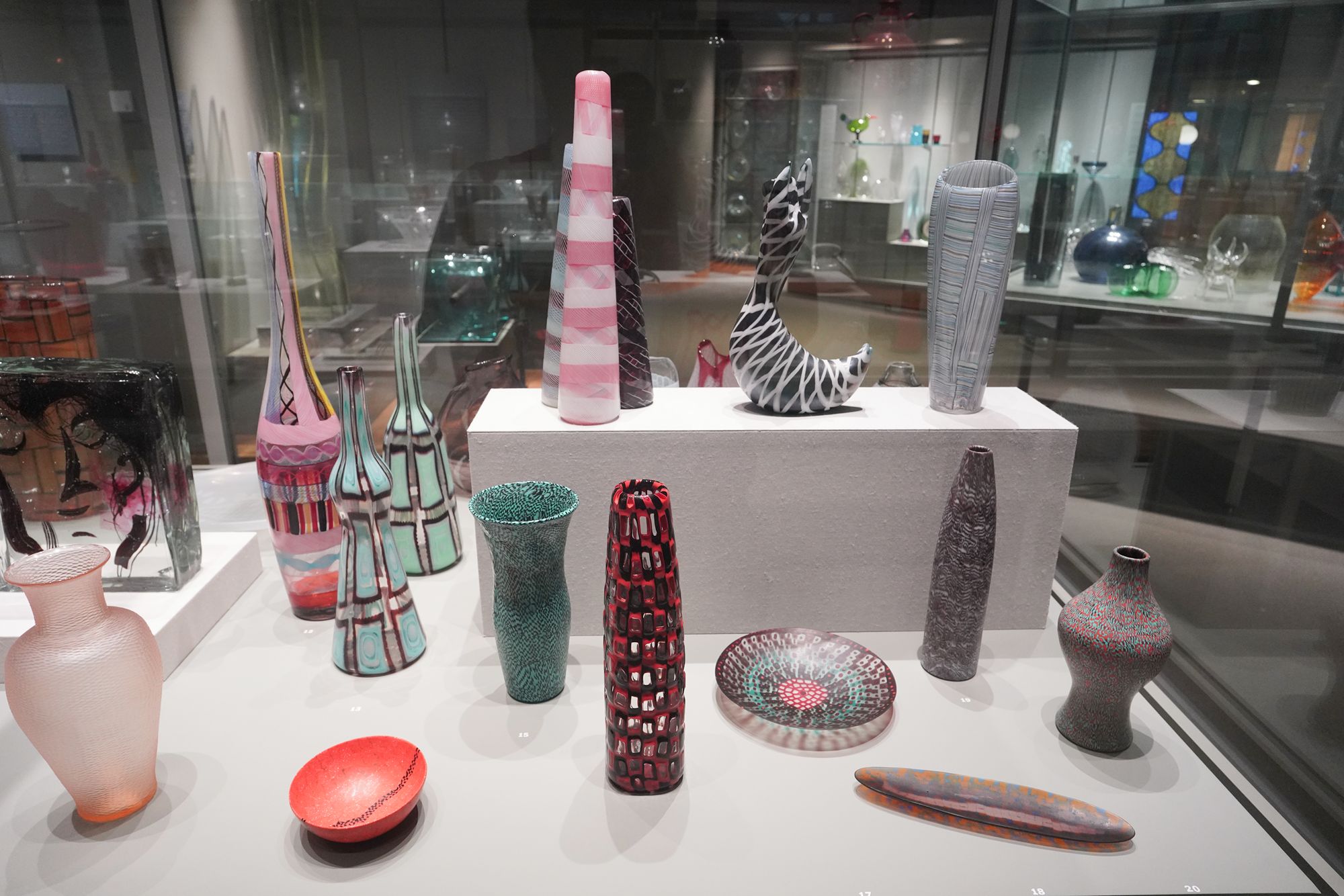
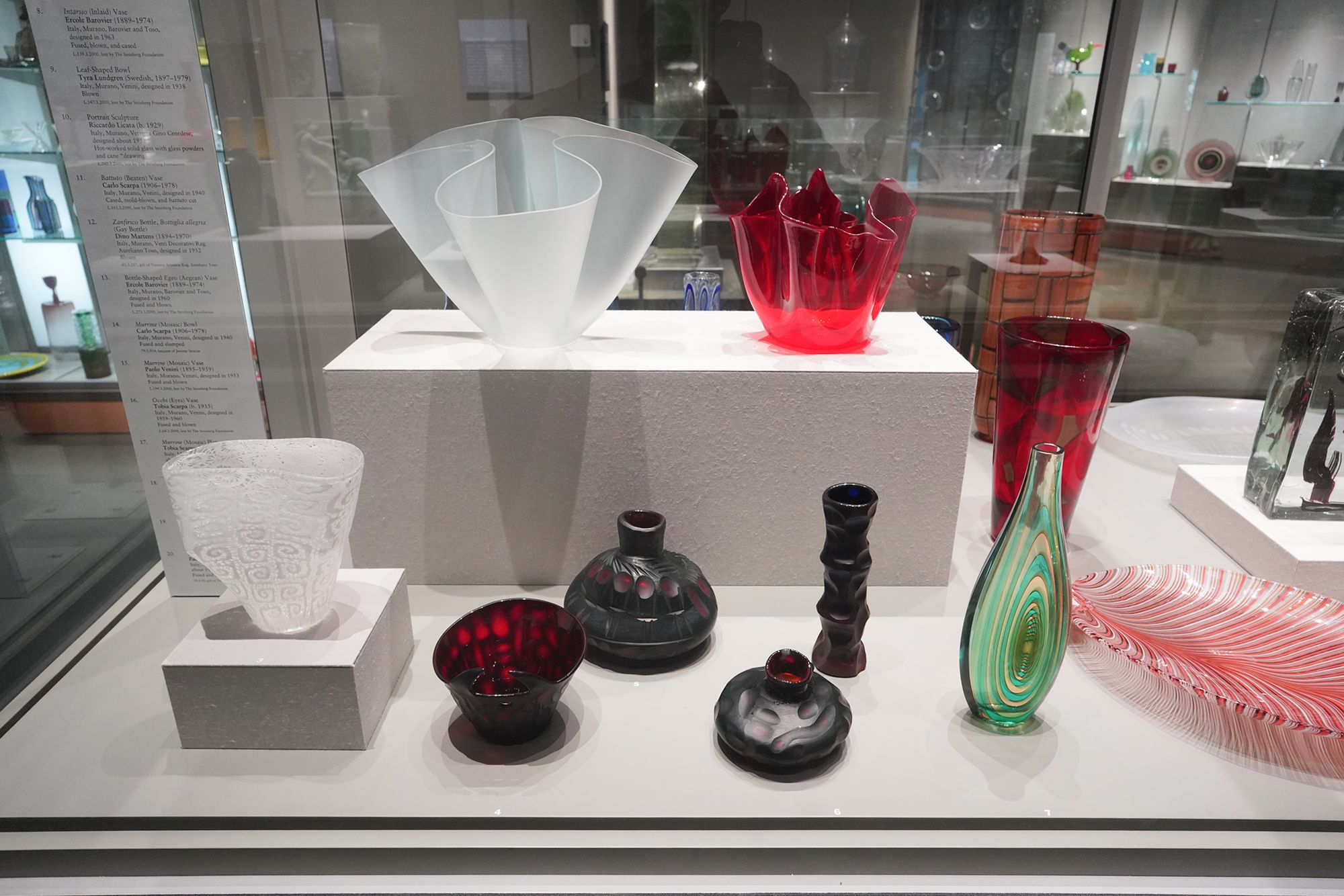
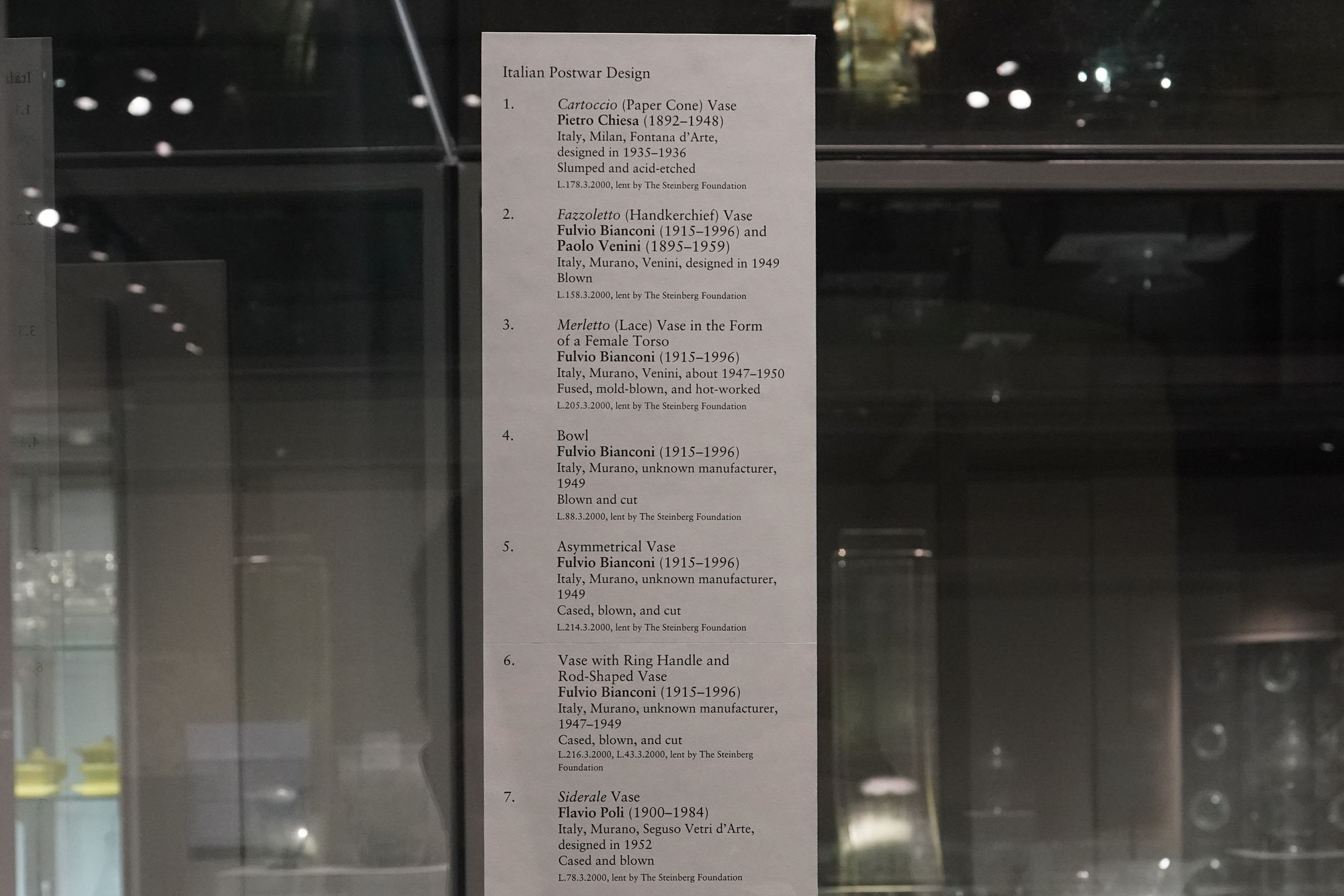
Italian Postwar Design
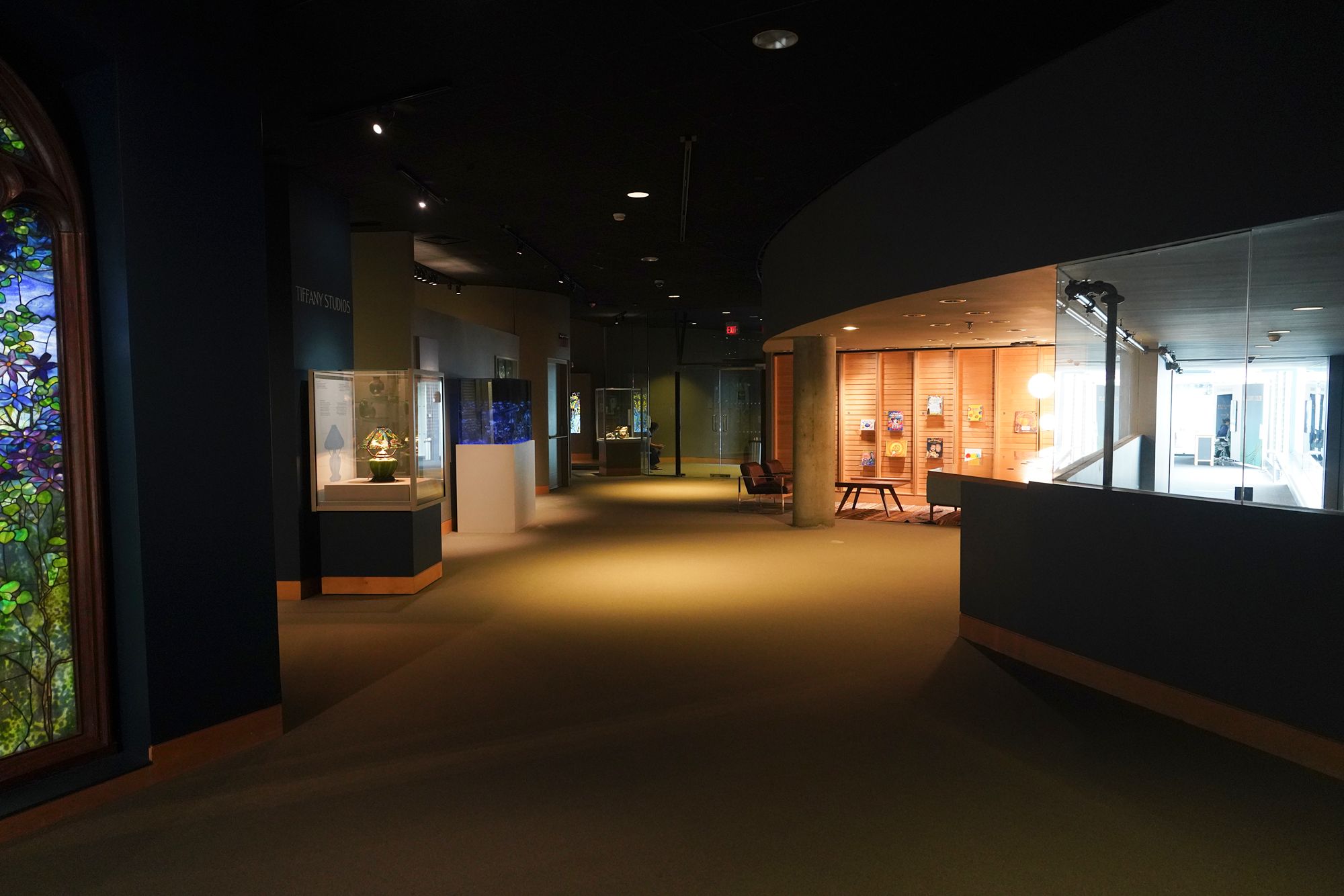
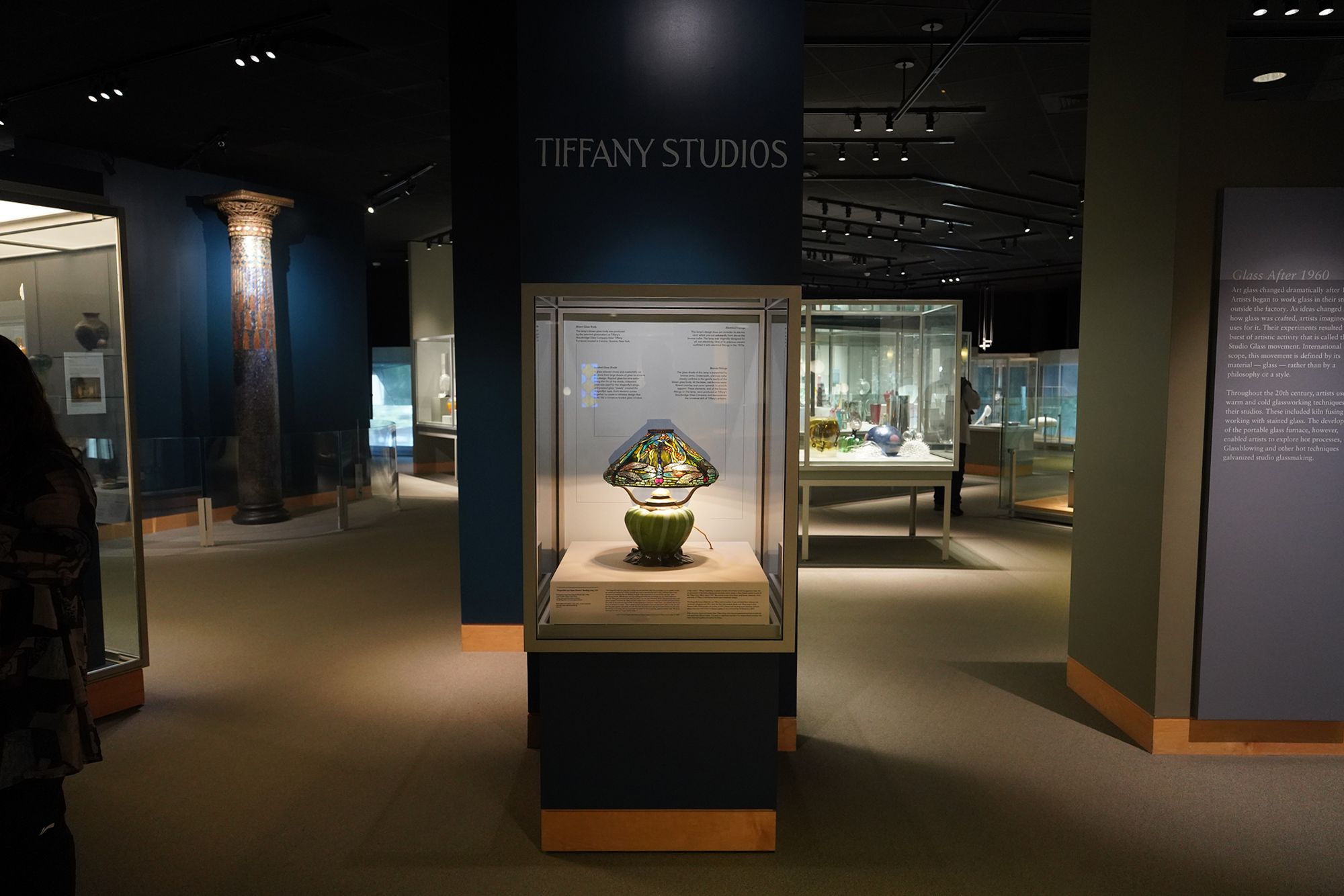
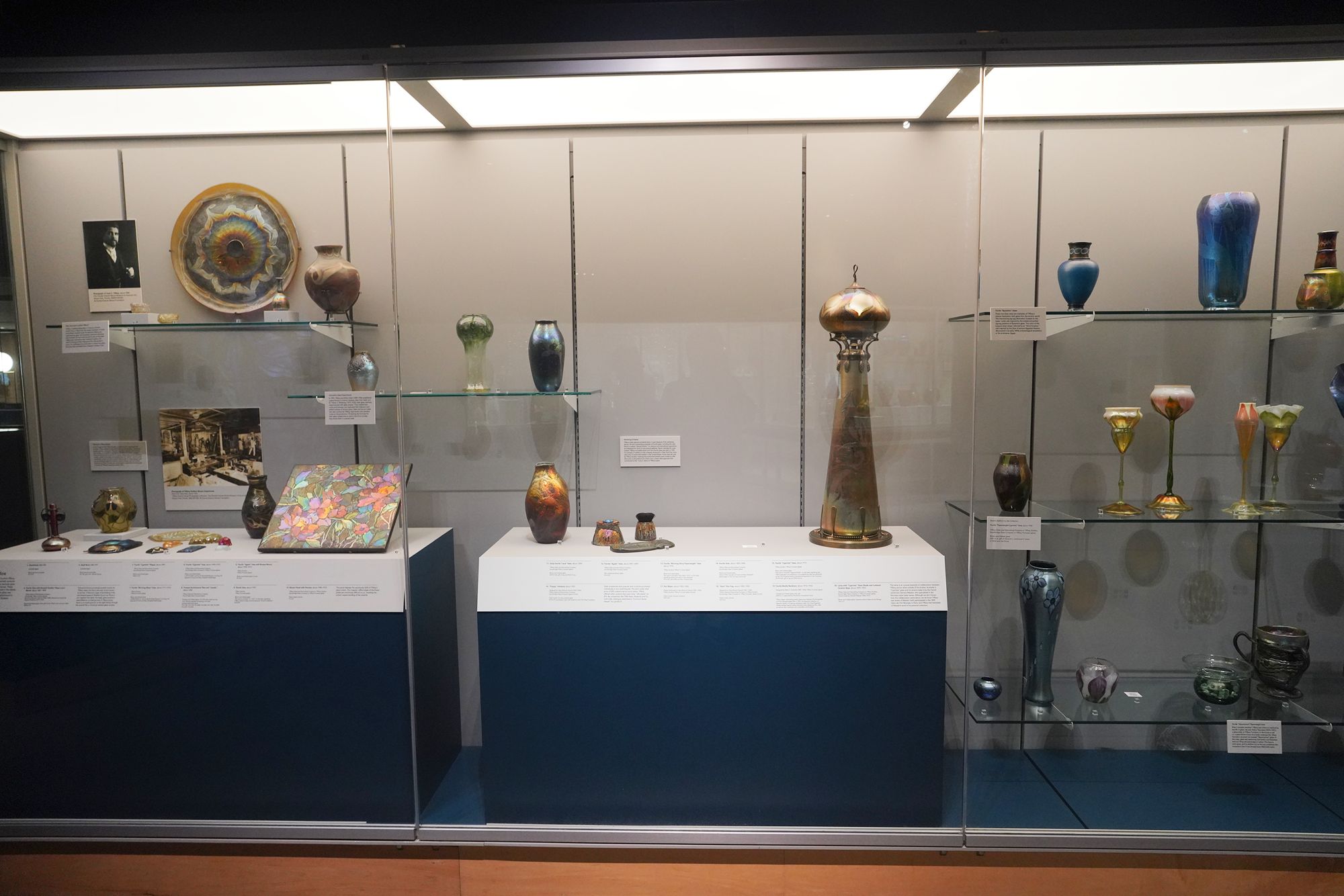
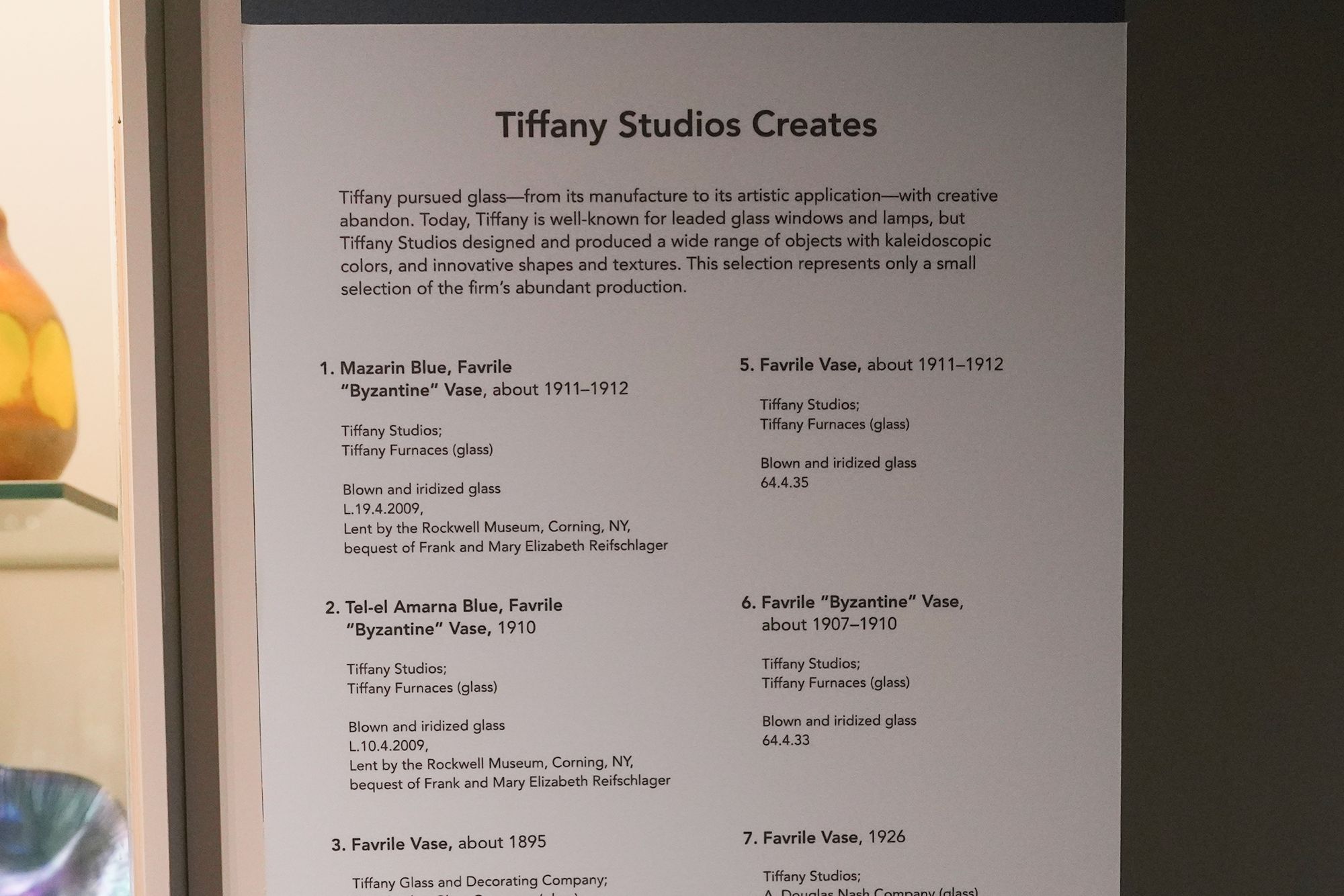
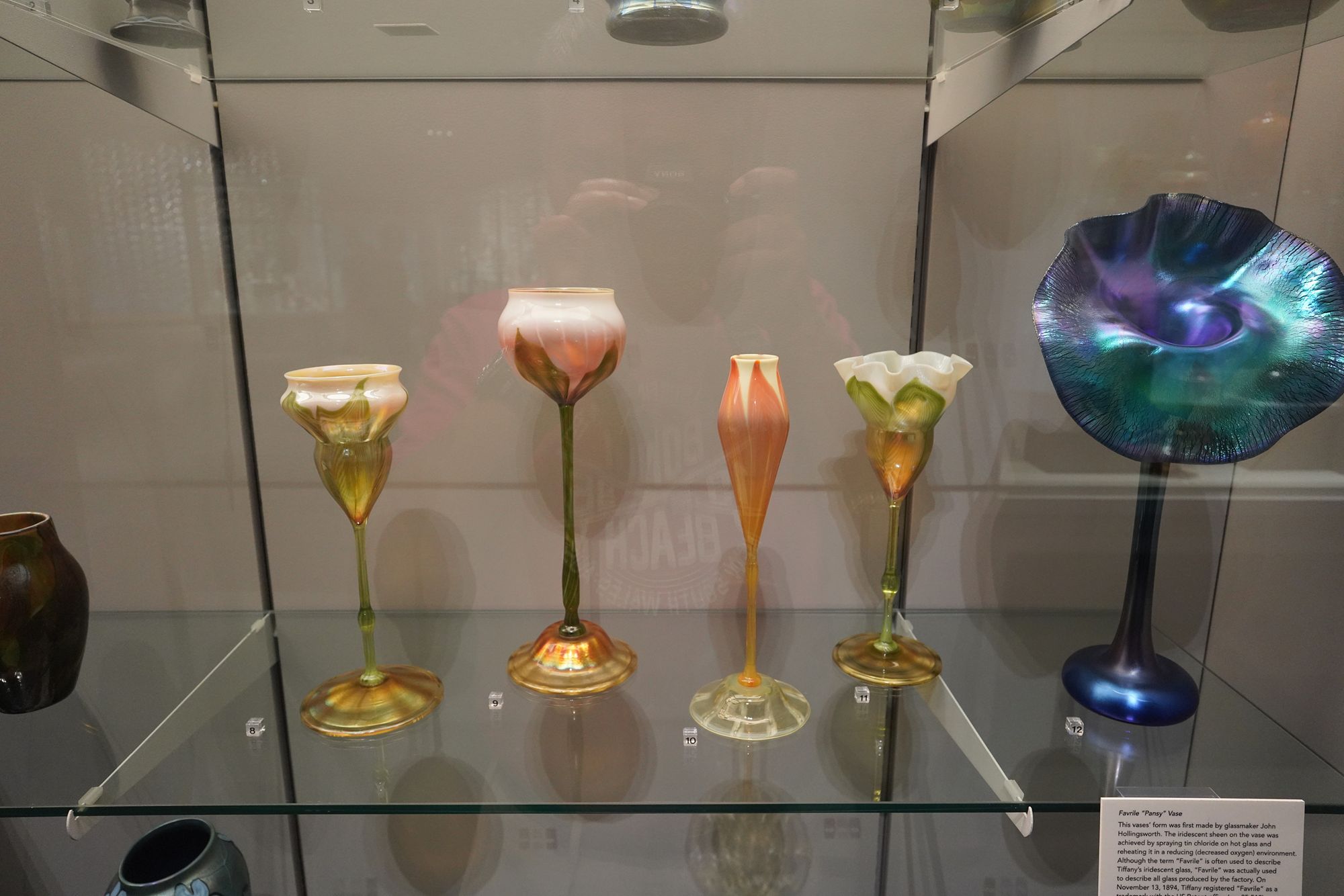
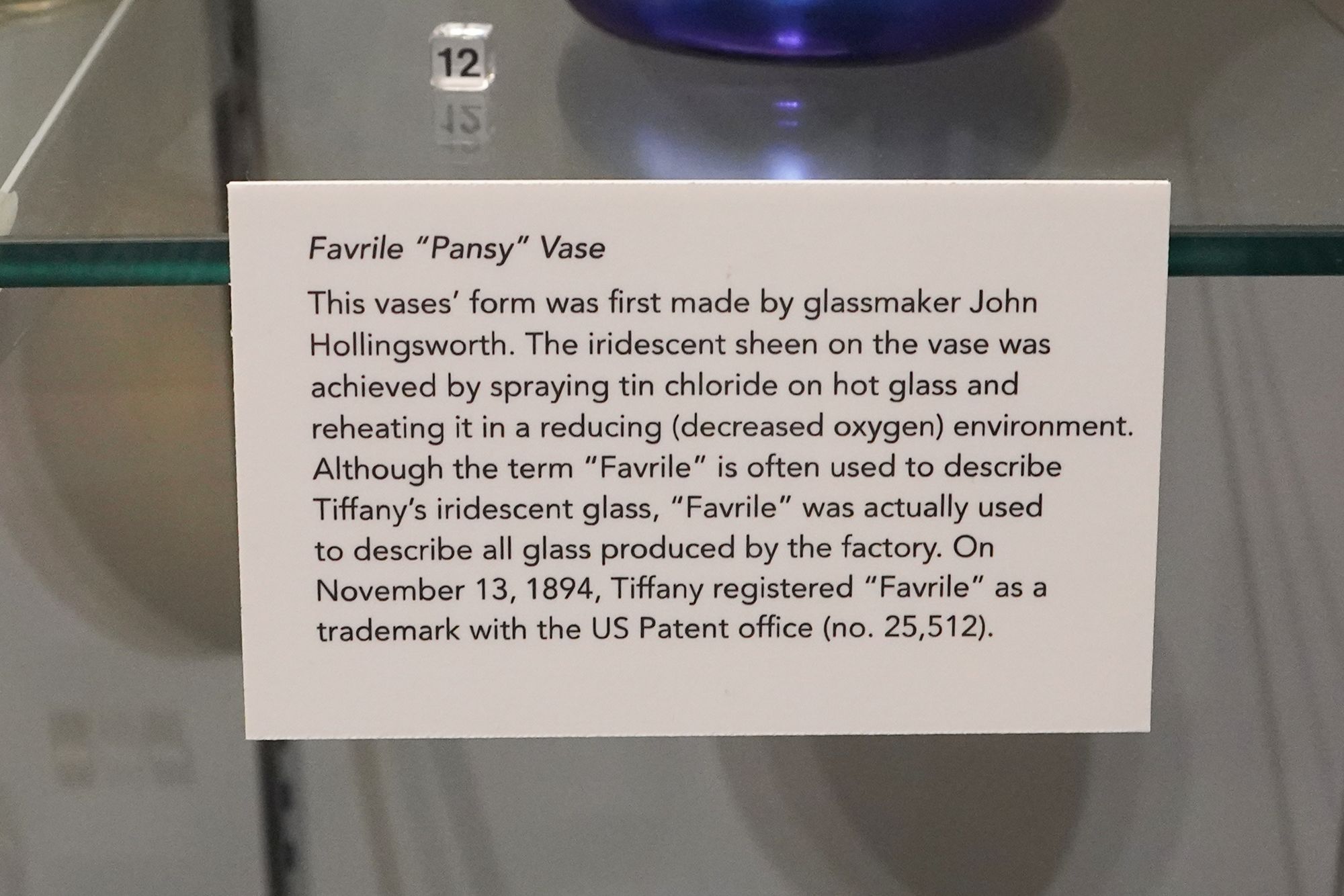
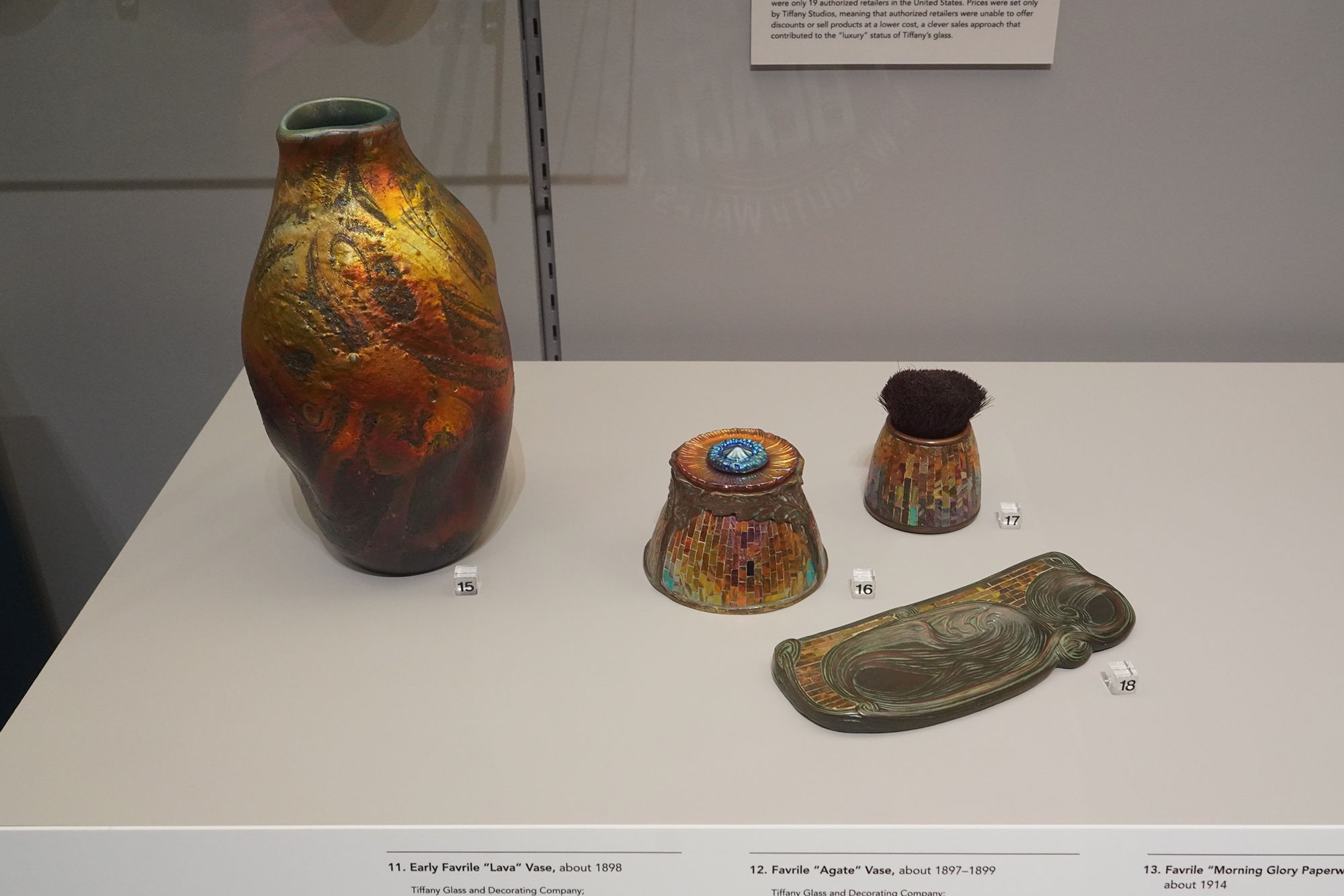
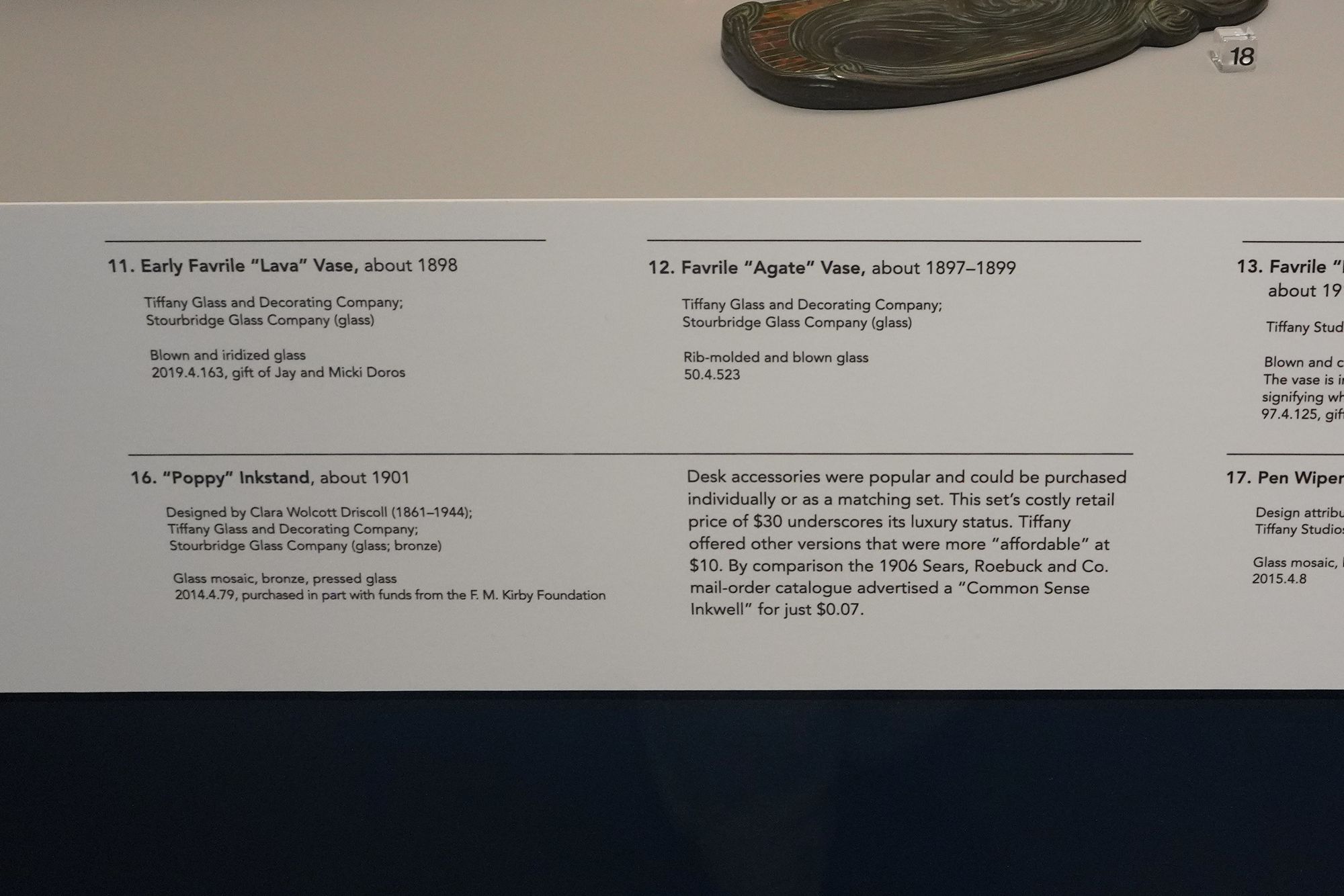
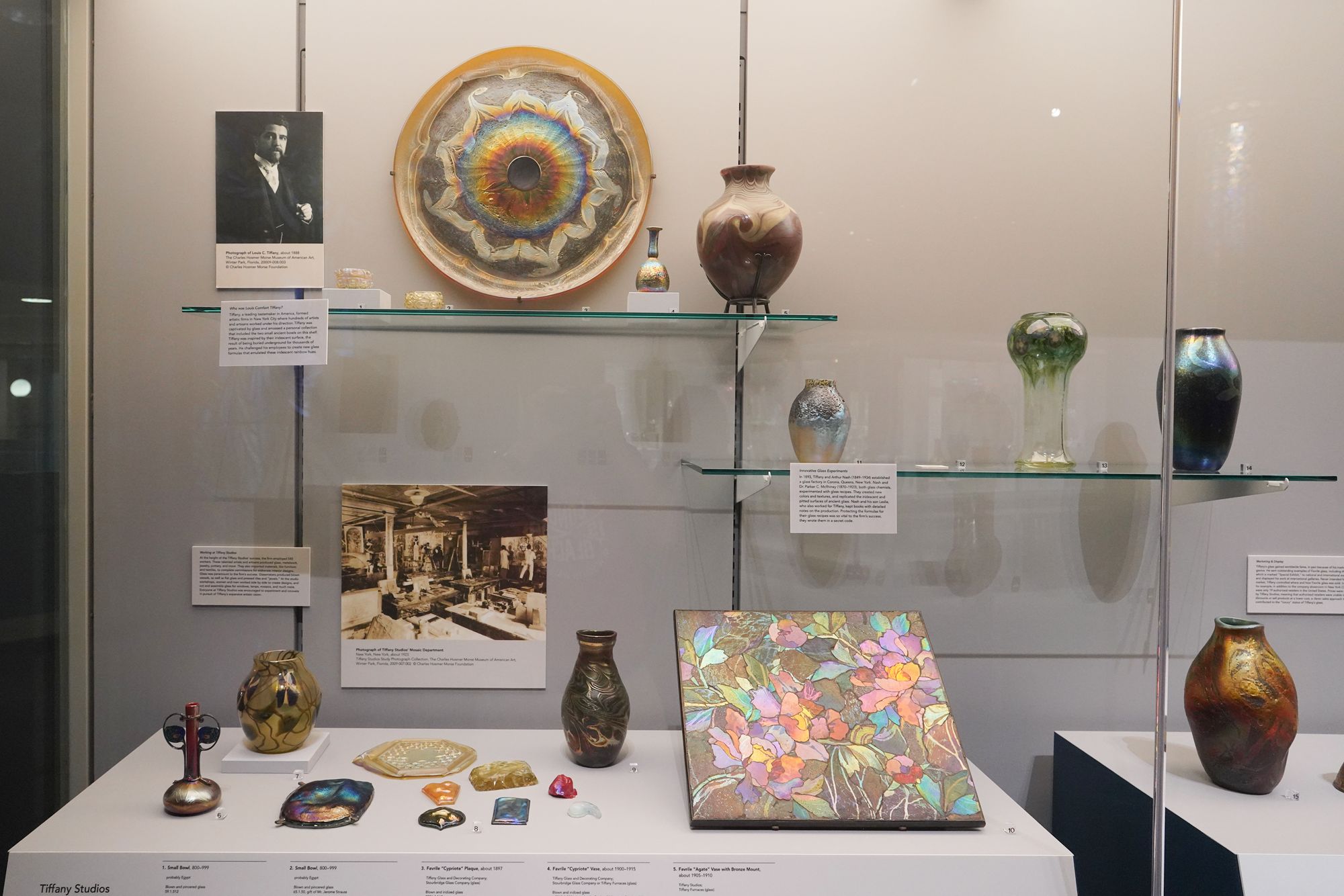
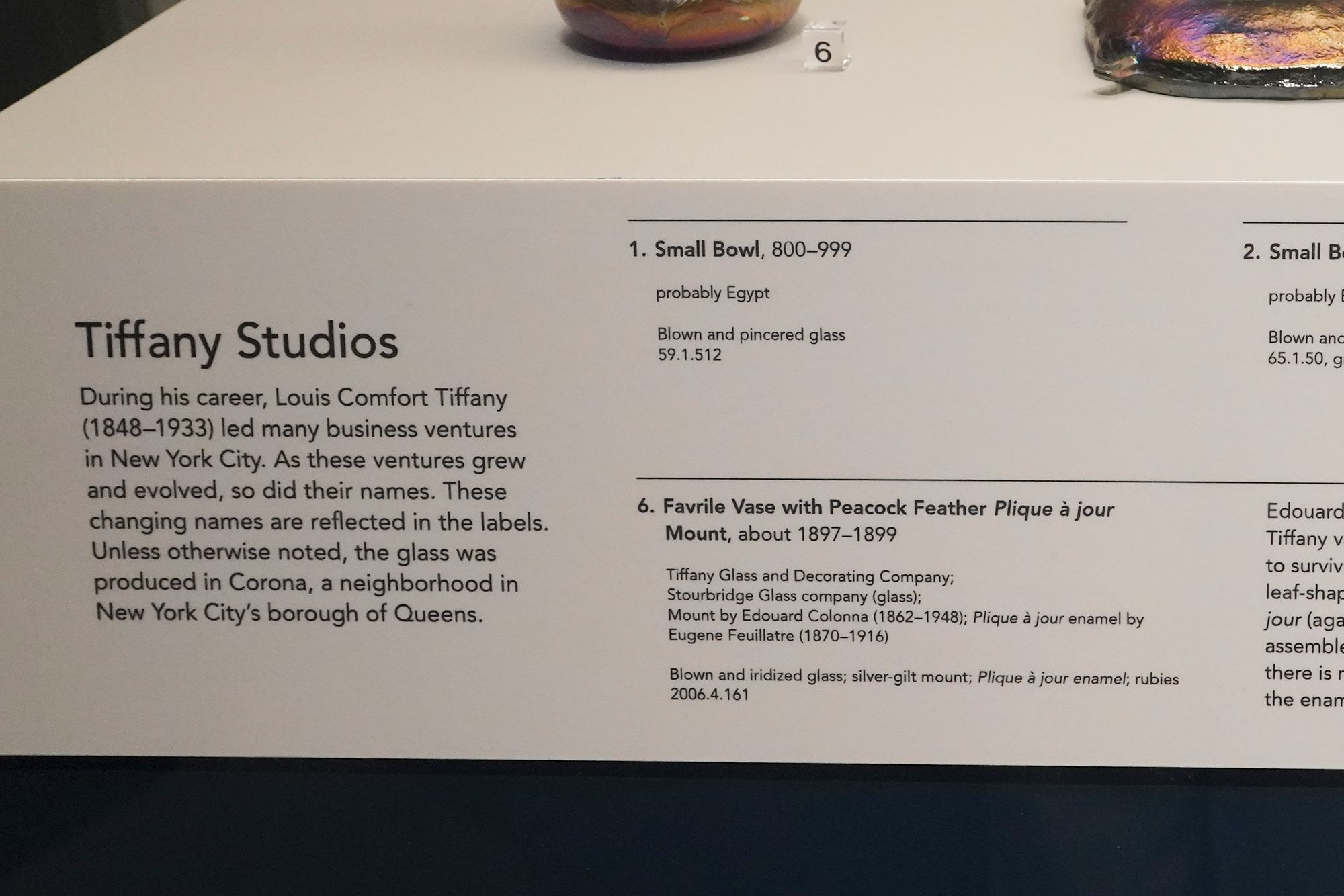
Tiffany Studios, founded by Louis Comfort Tiffany around 1900, created world-famous stained-glass lamps, windows, mosaics, and decorative art. Known for rich color, nature-inspired motifs, and innovative iridescent glass, the studio defined American Art Nouveau before declining in the 1930s, leaving a lasting artistic legacy.
Tiffany Studios is not the same as the Tiffany & Co. — a distinct luxury-jewelry and goods company
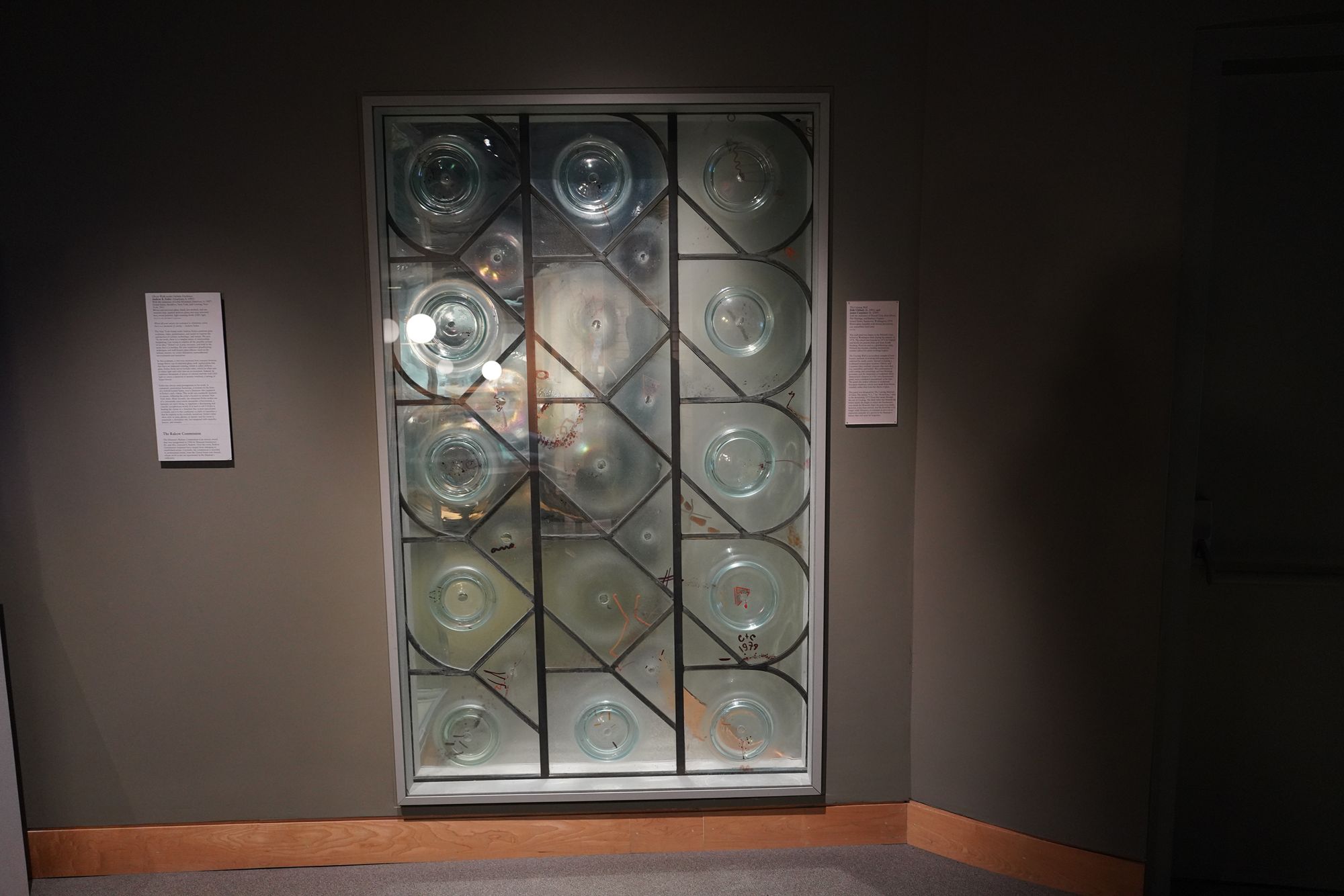
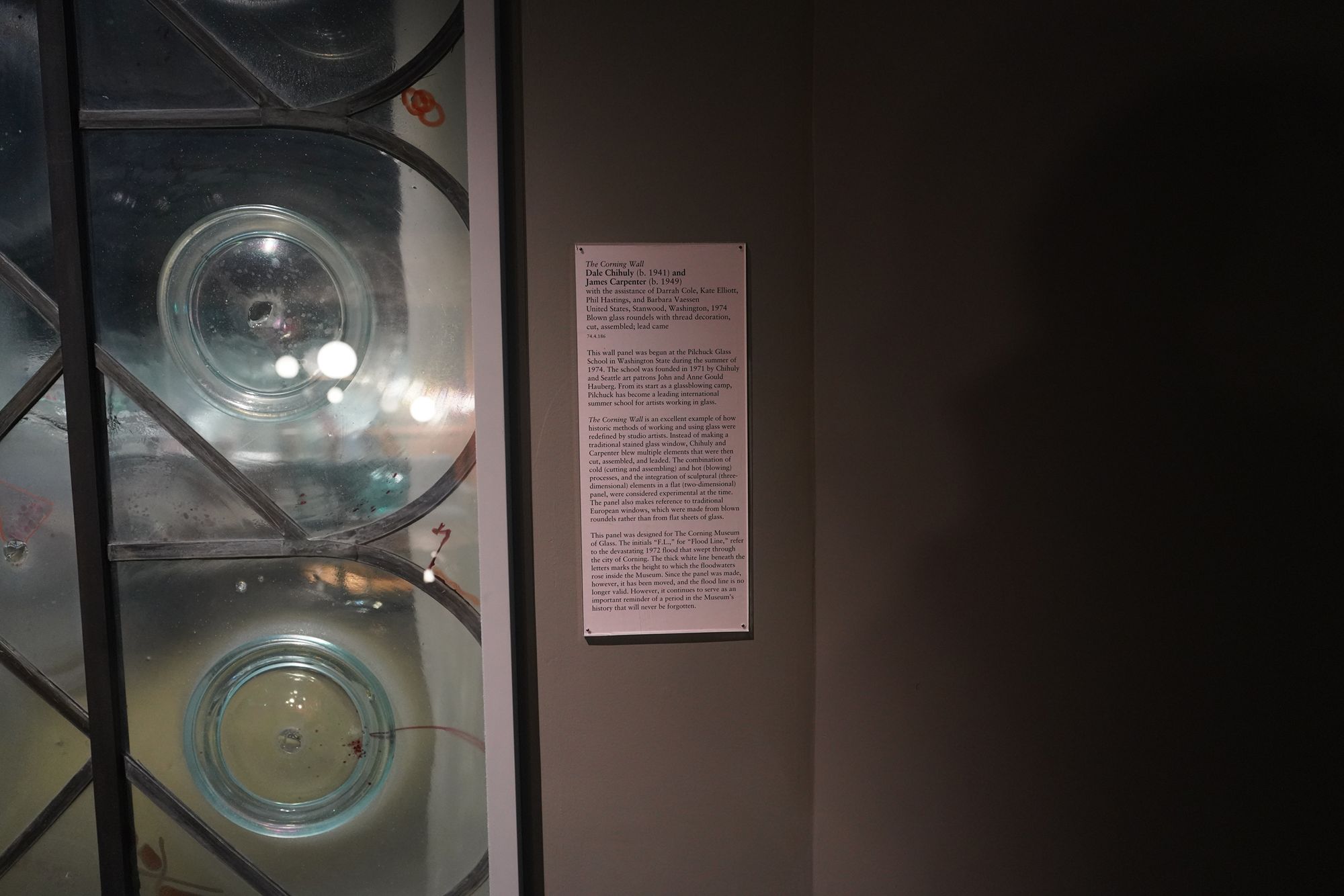
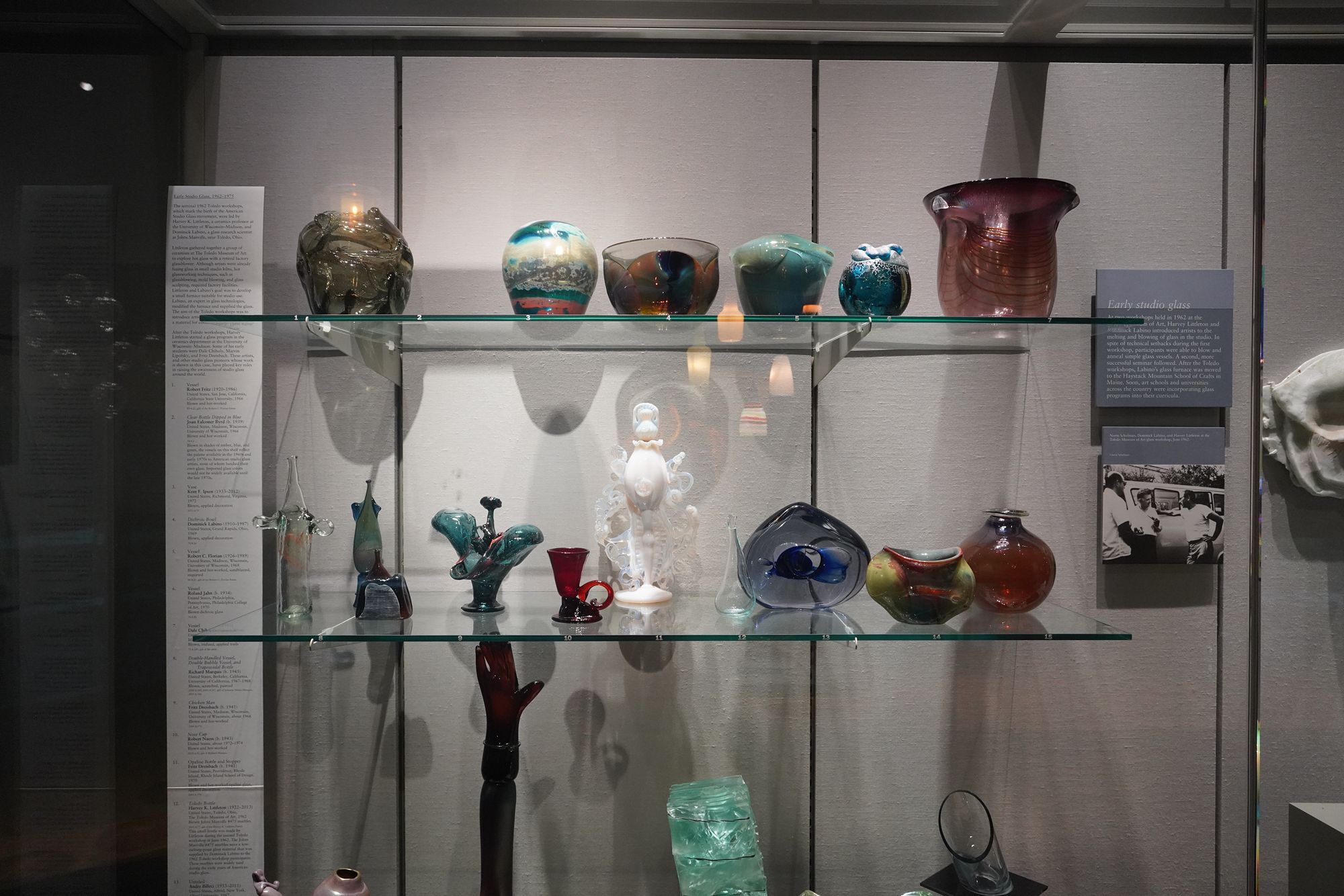
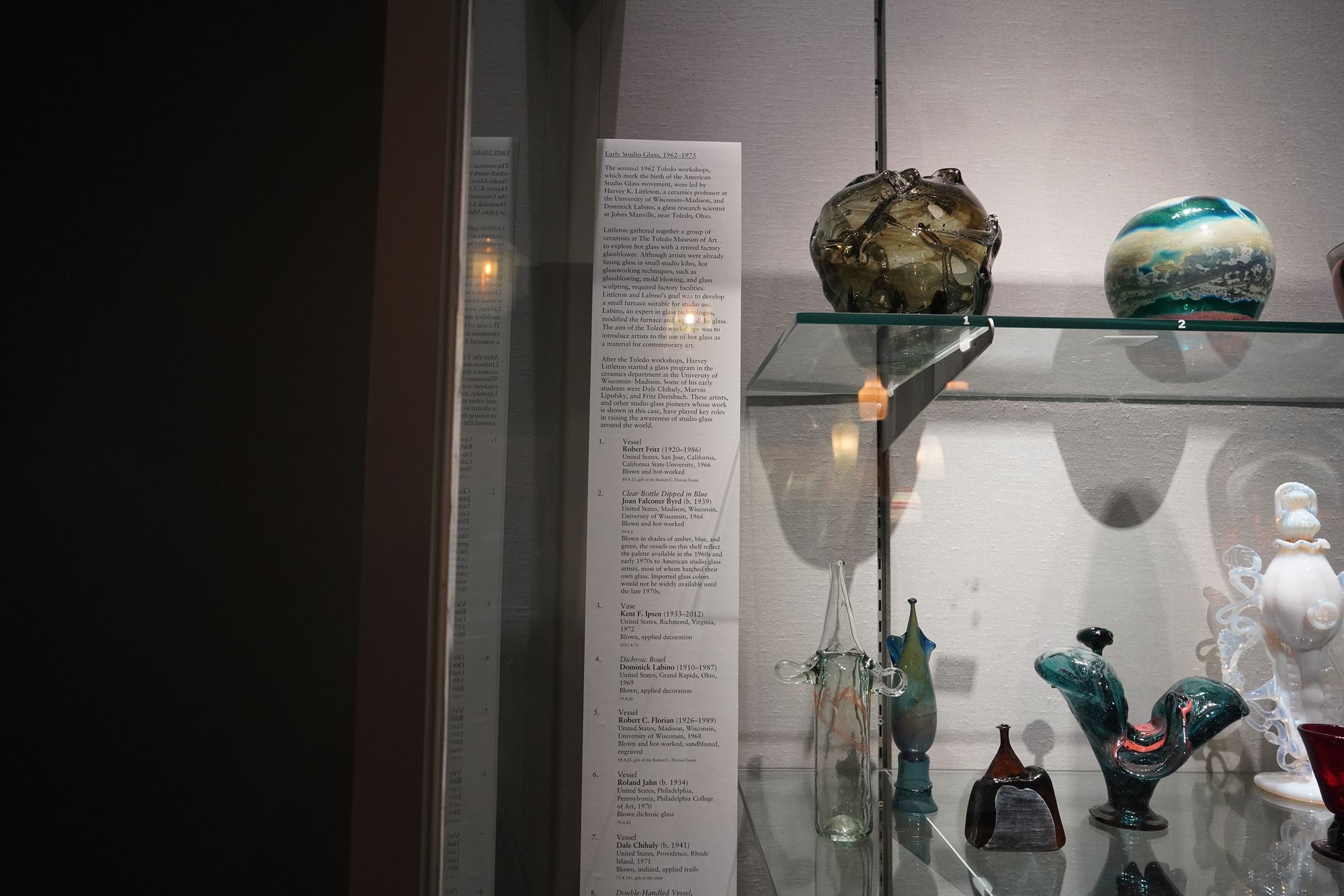
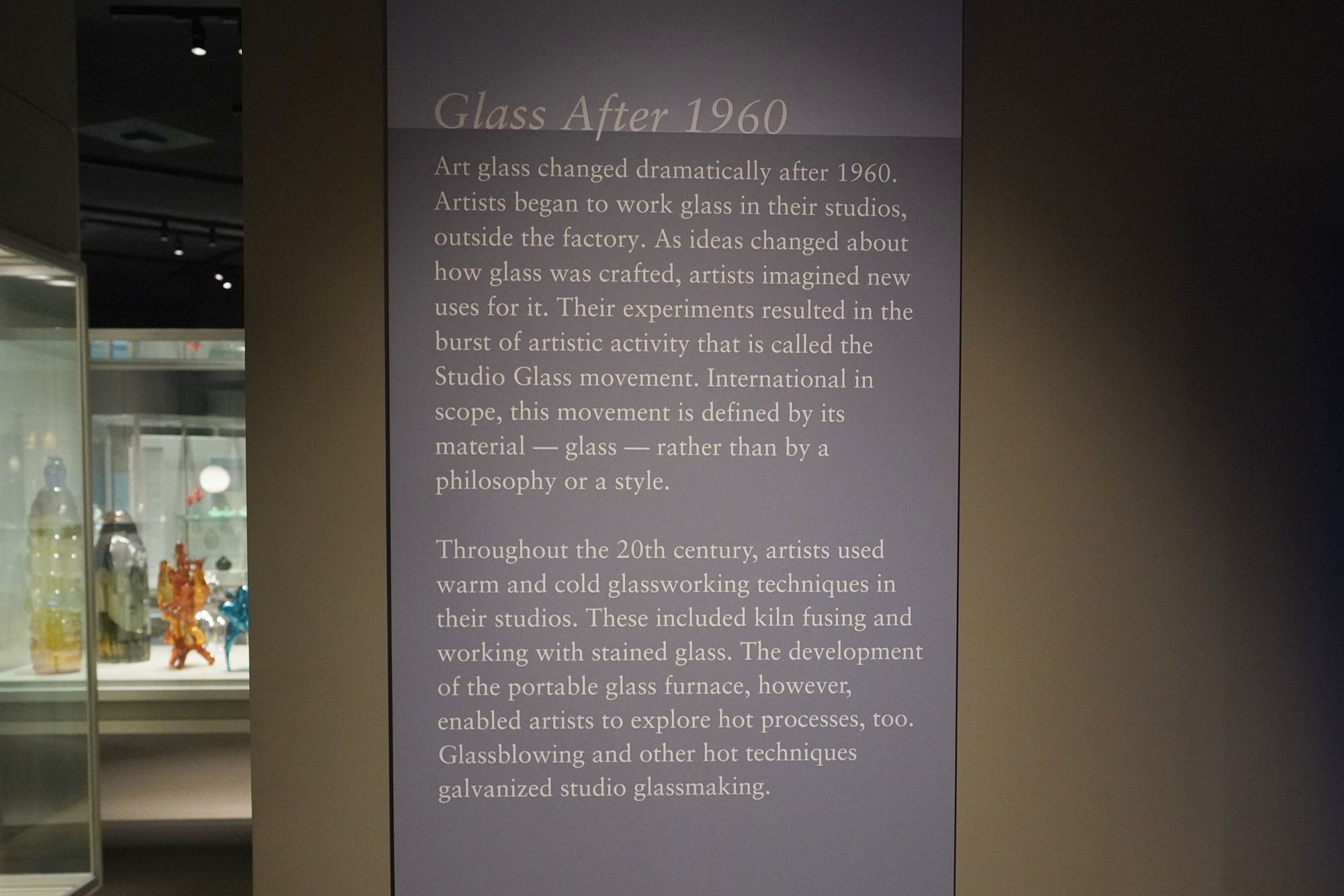
Studio glass began around 1960 when artists like Harvey Littleton and Dominick Labino developed small furnaces for personal use. Glassmaking moved from factories to individual studios, encouraging experimentation, sculptural forms, and glass as independent art rather than industrial product.
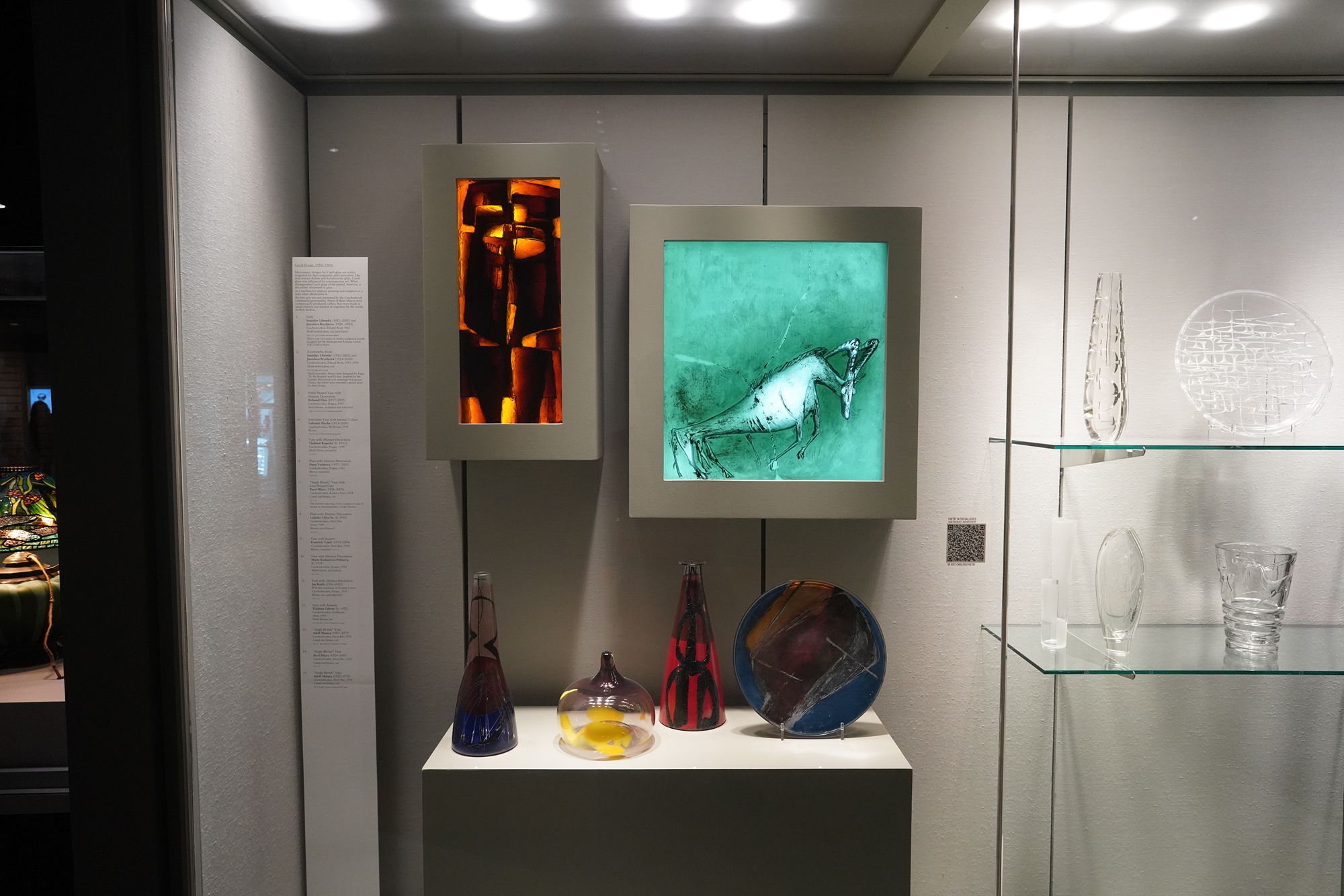
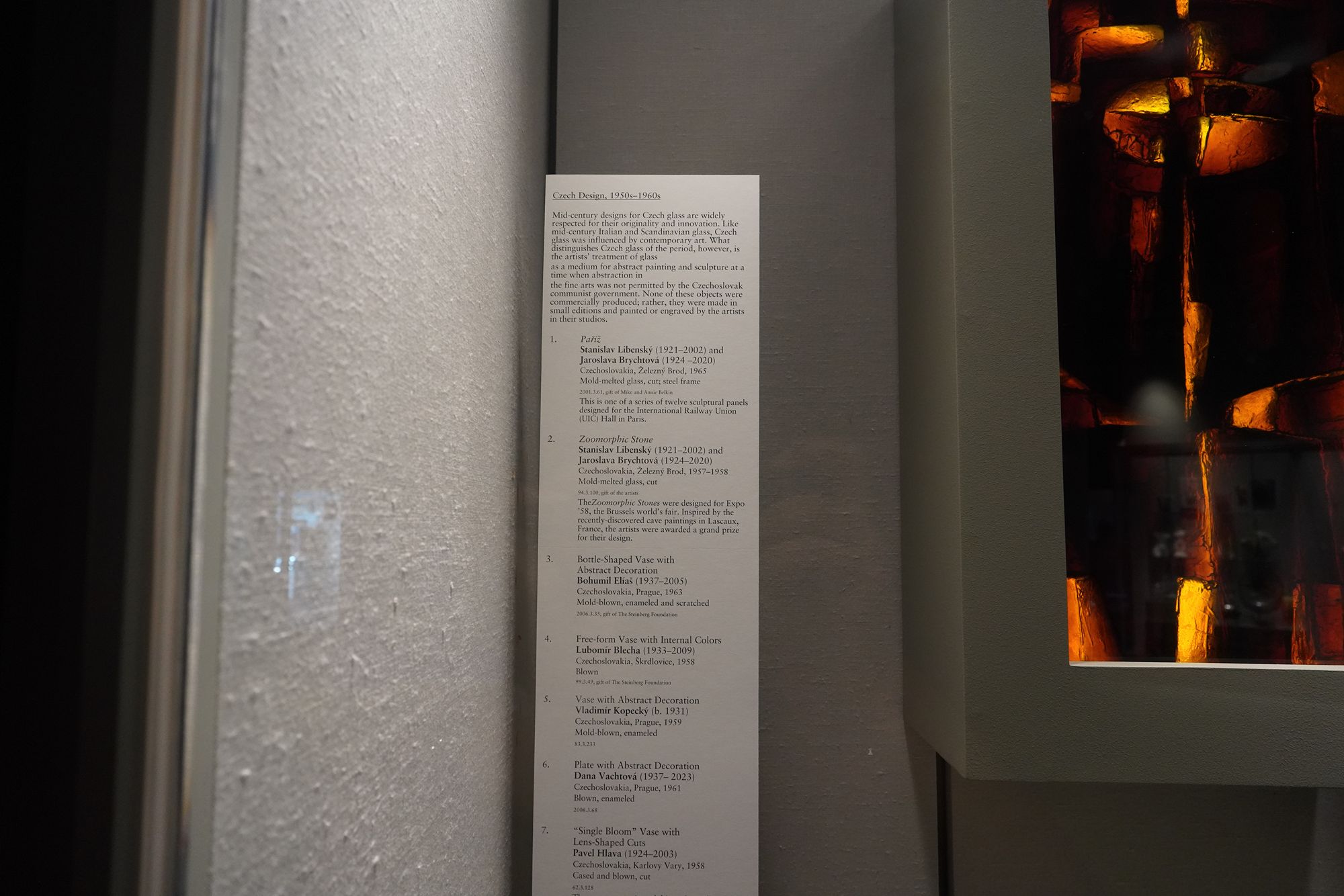
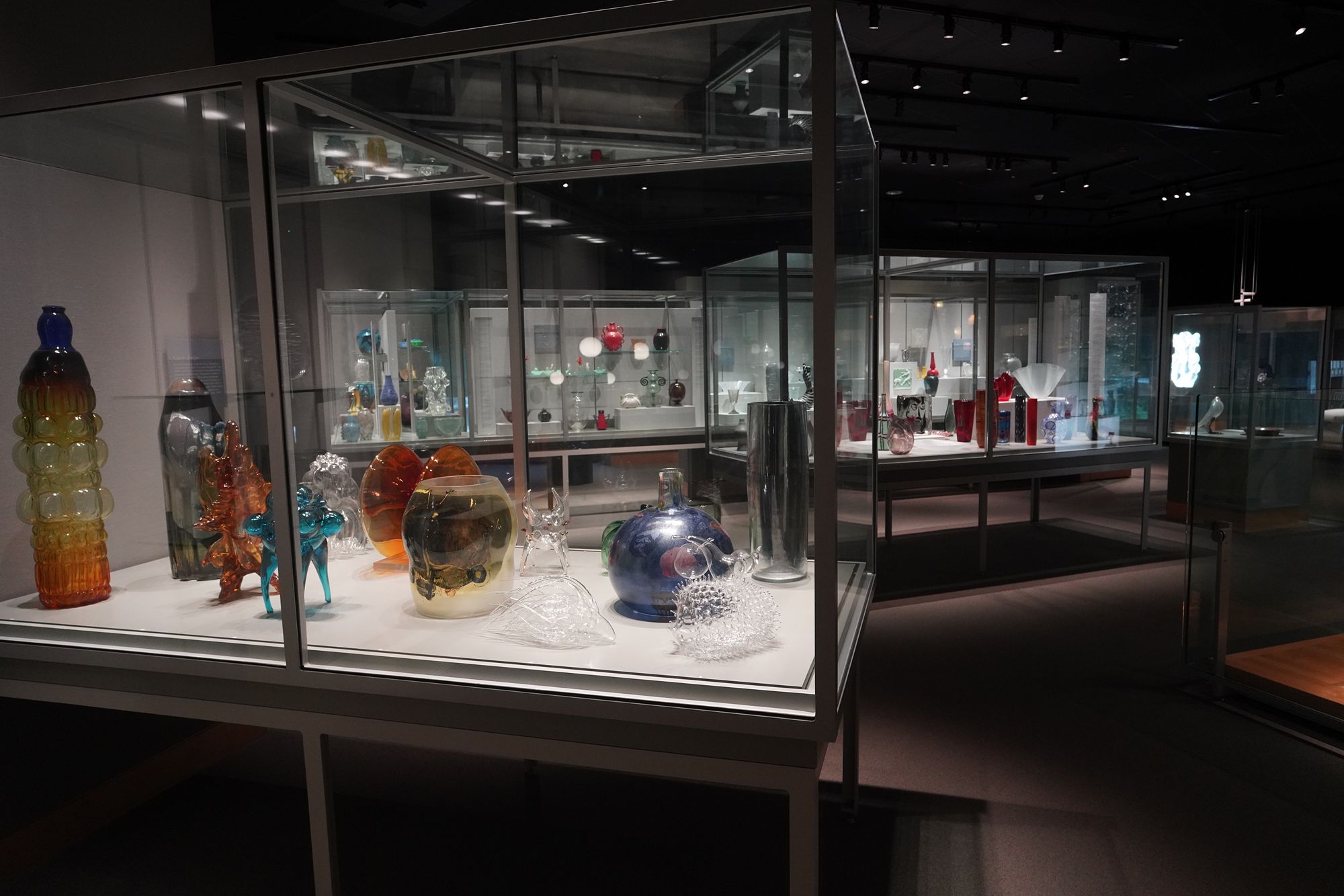
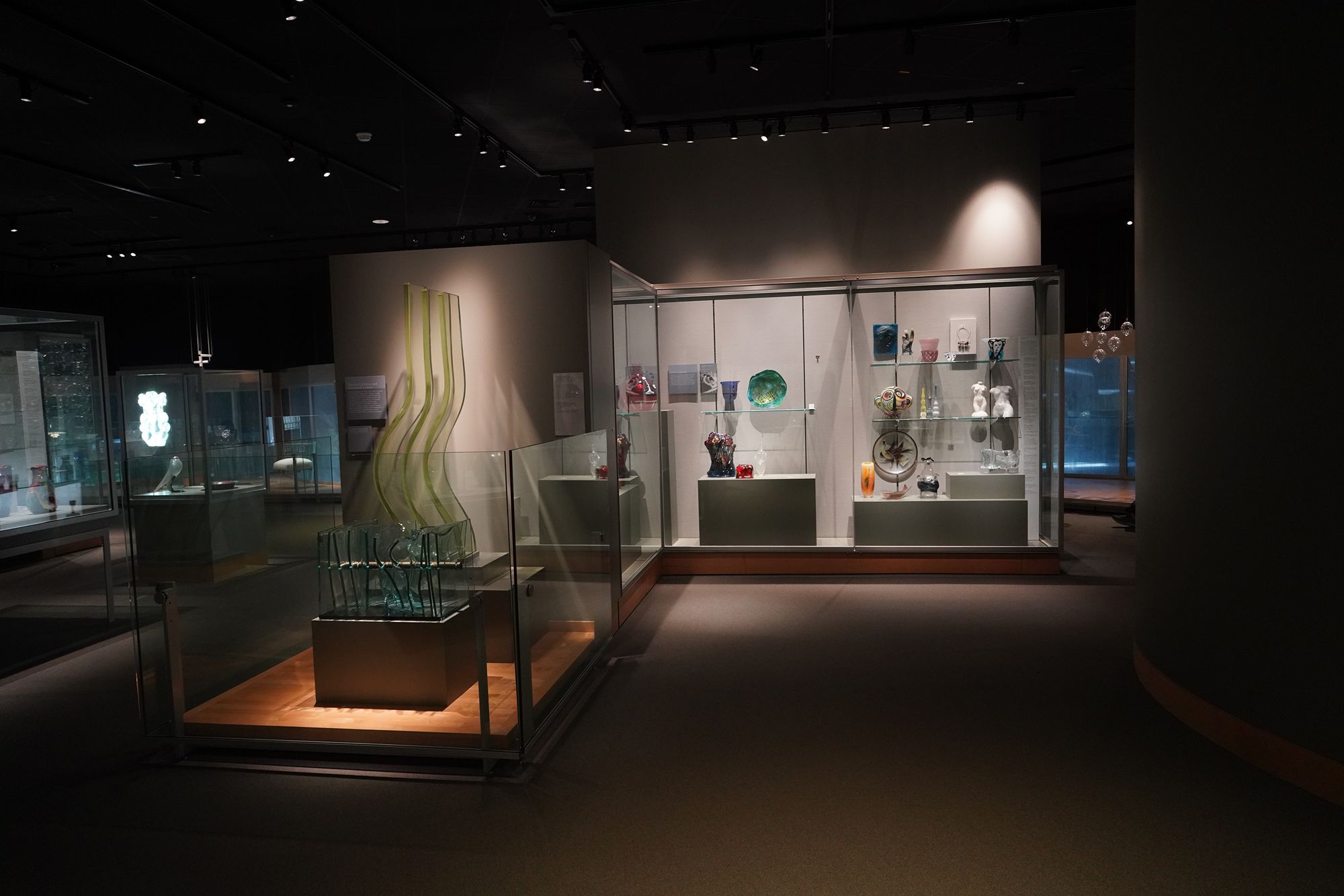
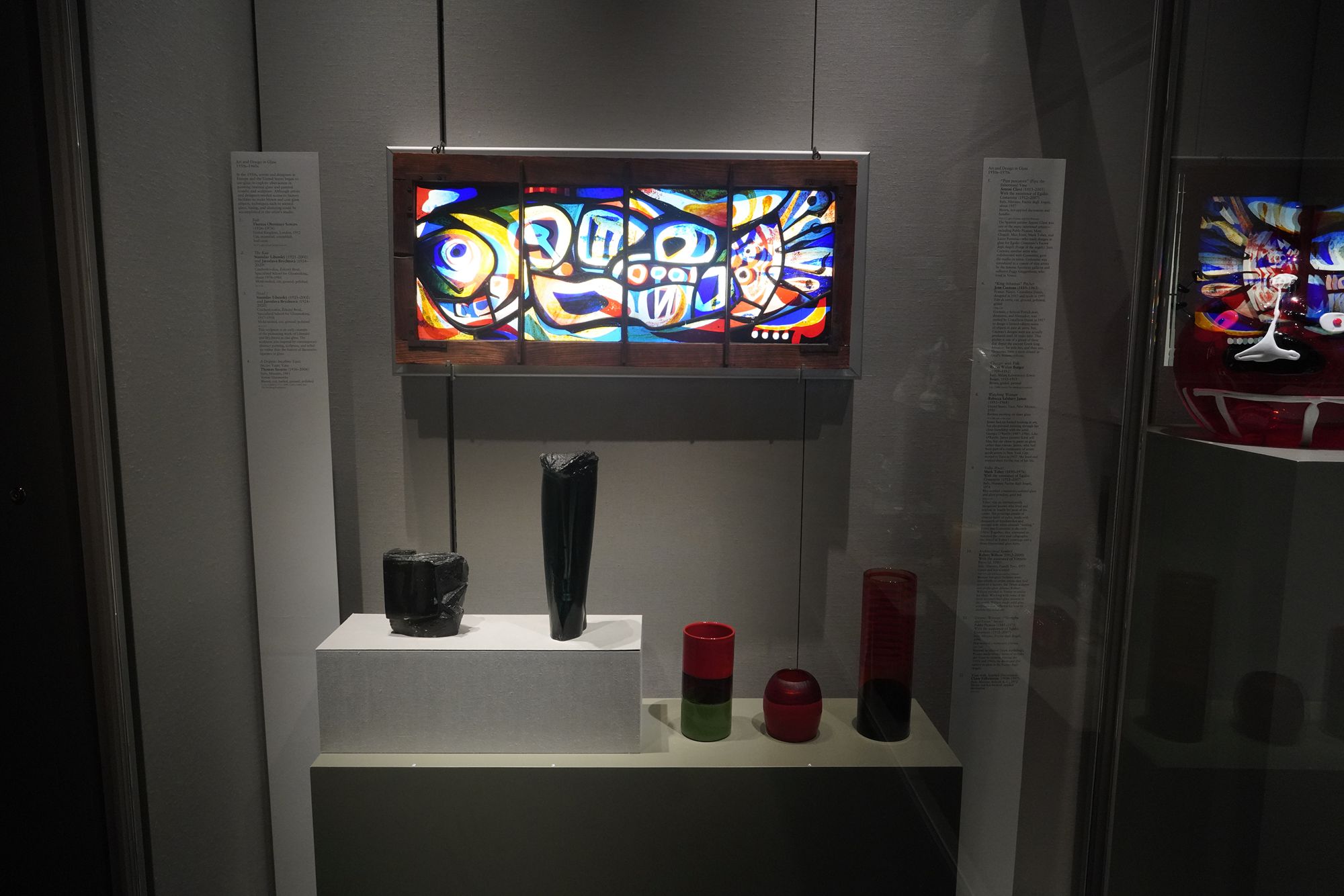
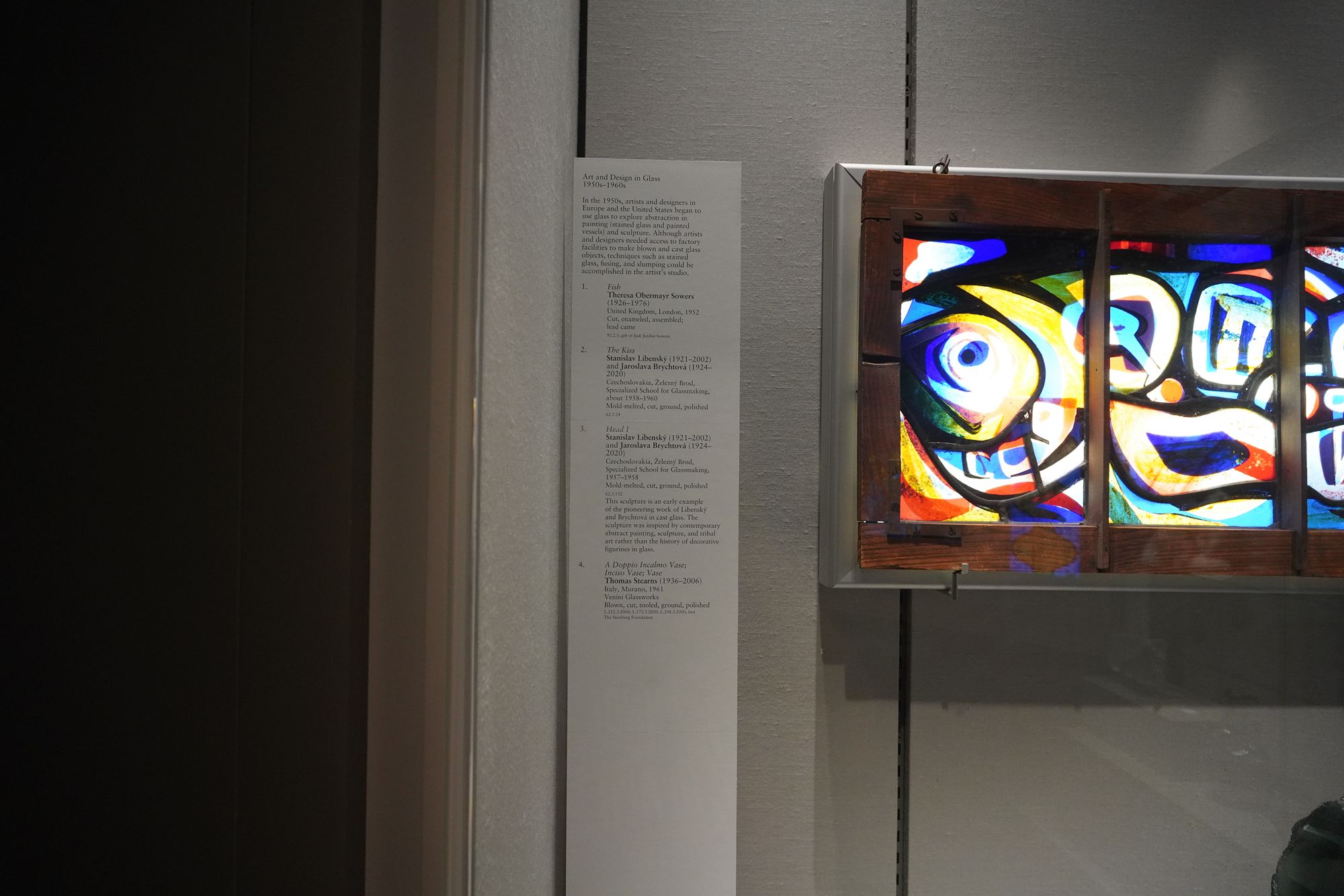
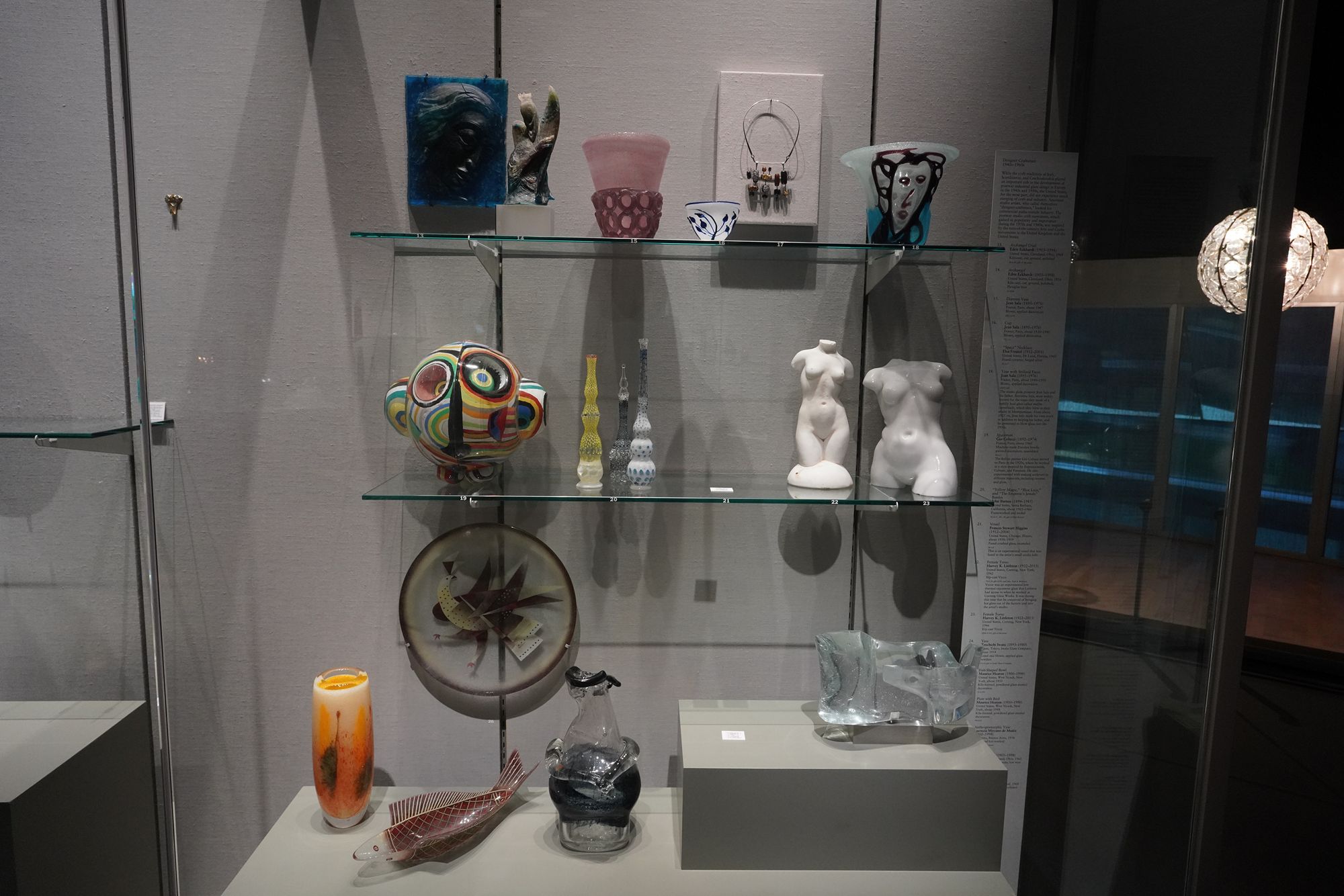
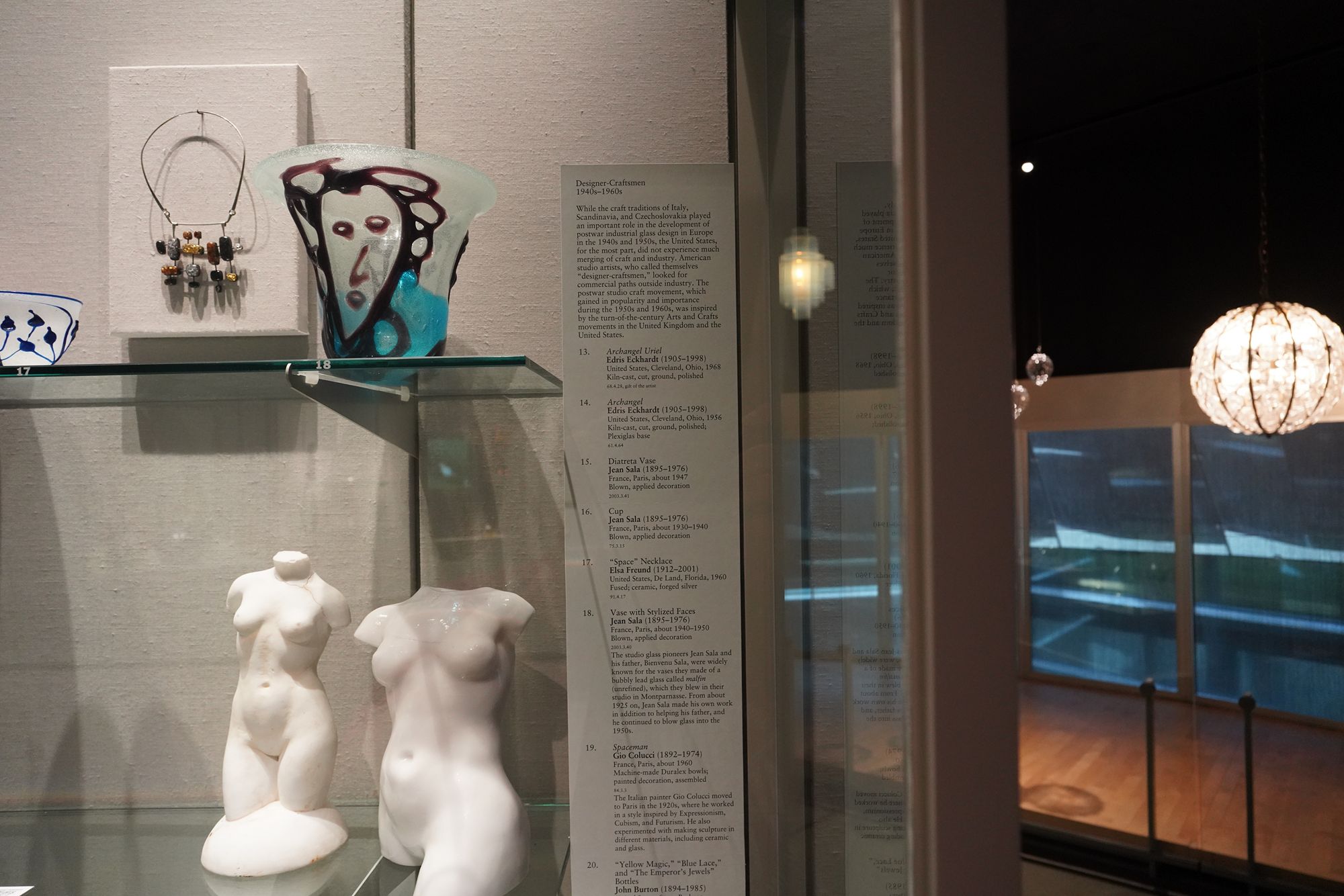
Glass Art, 1950s to 1960s