Art Gallery of Ontario – Canadian Art Part 2, Toronto, Ontario, Canada
Canadian Art at the Art Gallery of Ontario — Part 2. 1187
Art Gallery of Ontario: 317 Dundas St W, Toronto, ON M5T 1G4, Canada
Date Picture Taken: August 2025
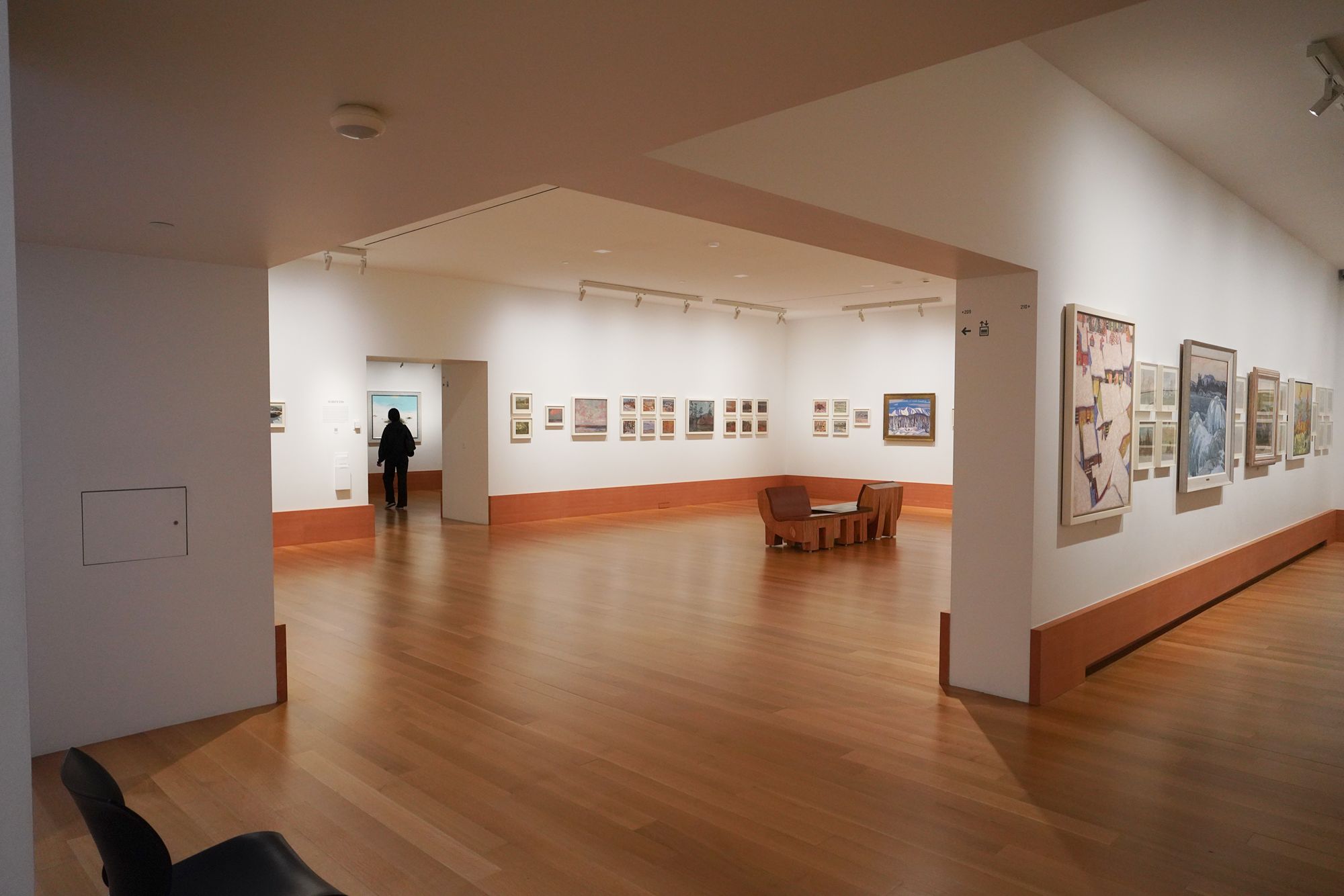
This blog continues the focus on Canadian art at the Art Gallery of Ontario.
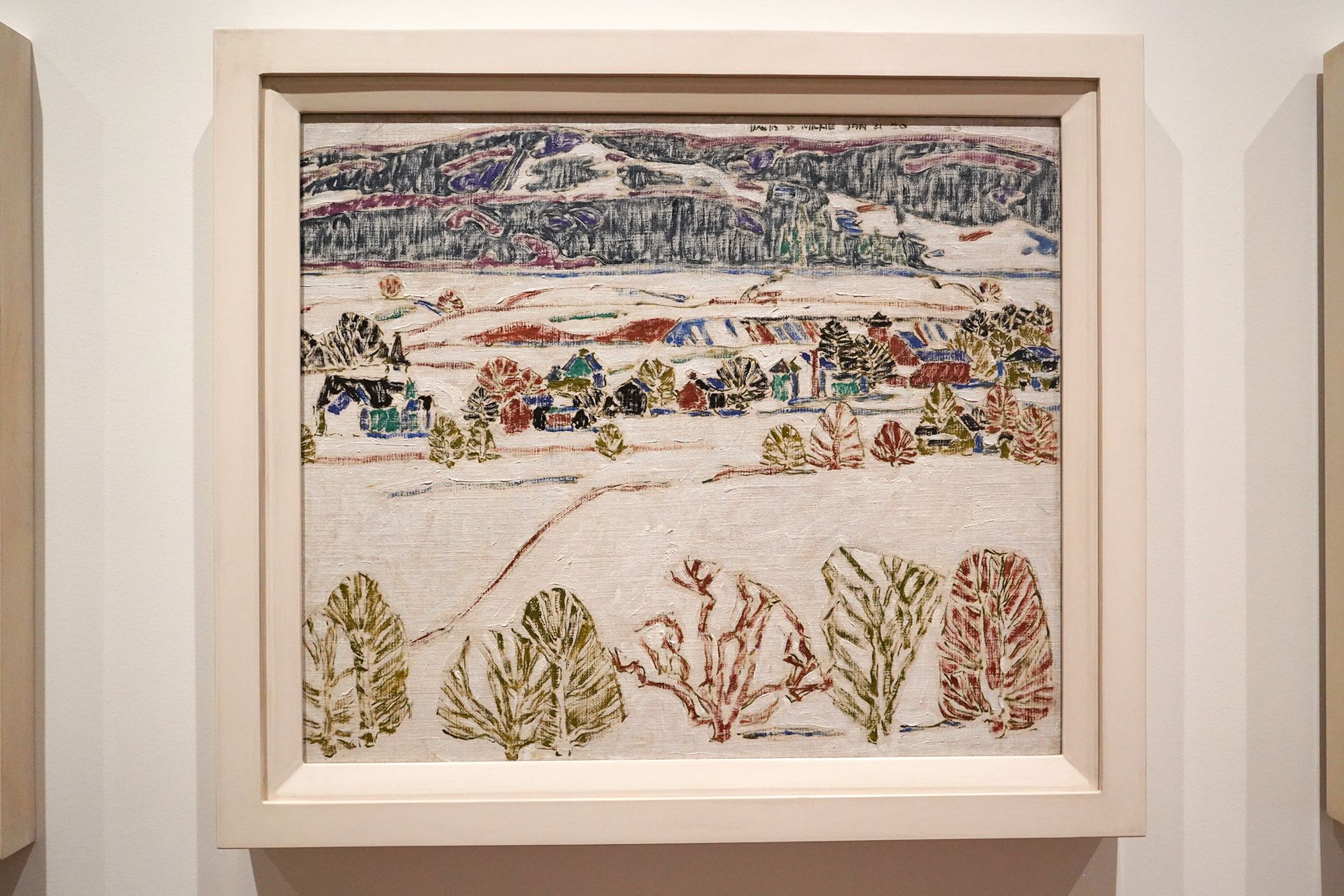
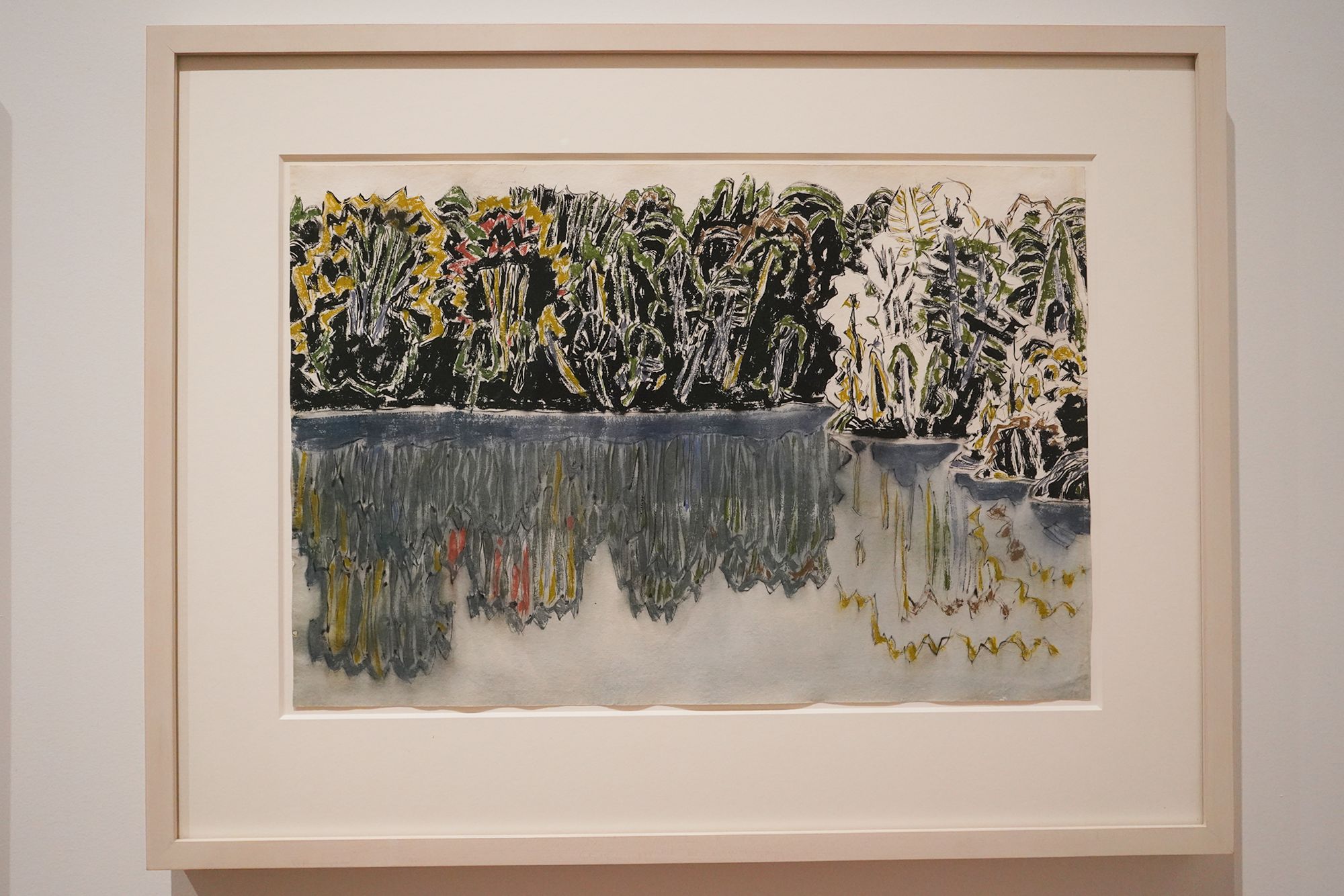
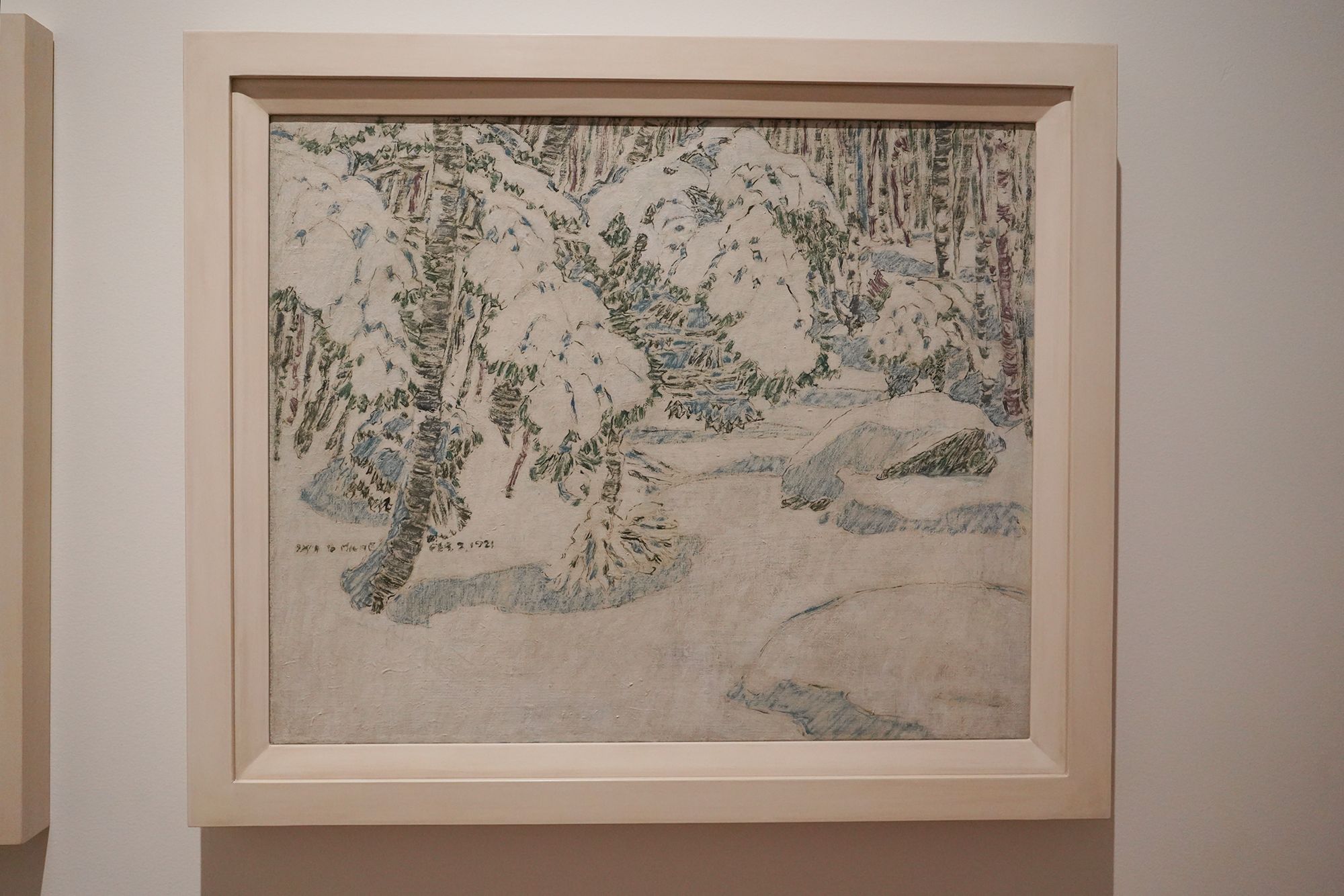
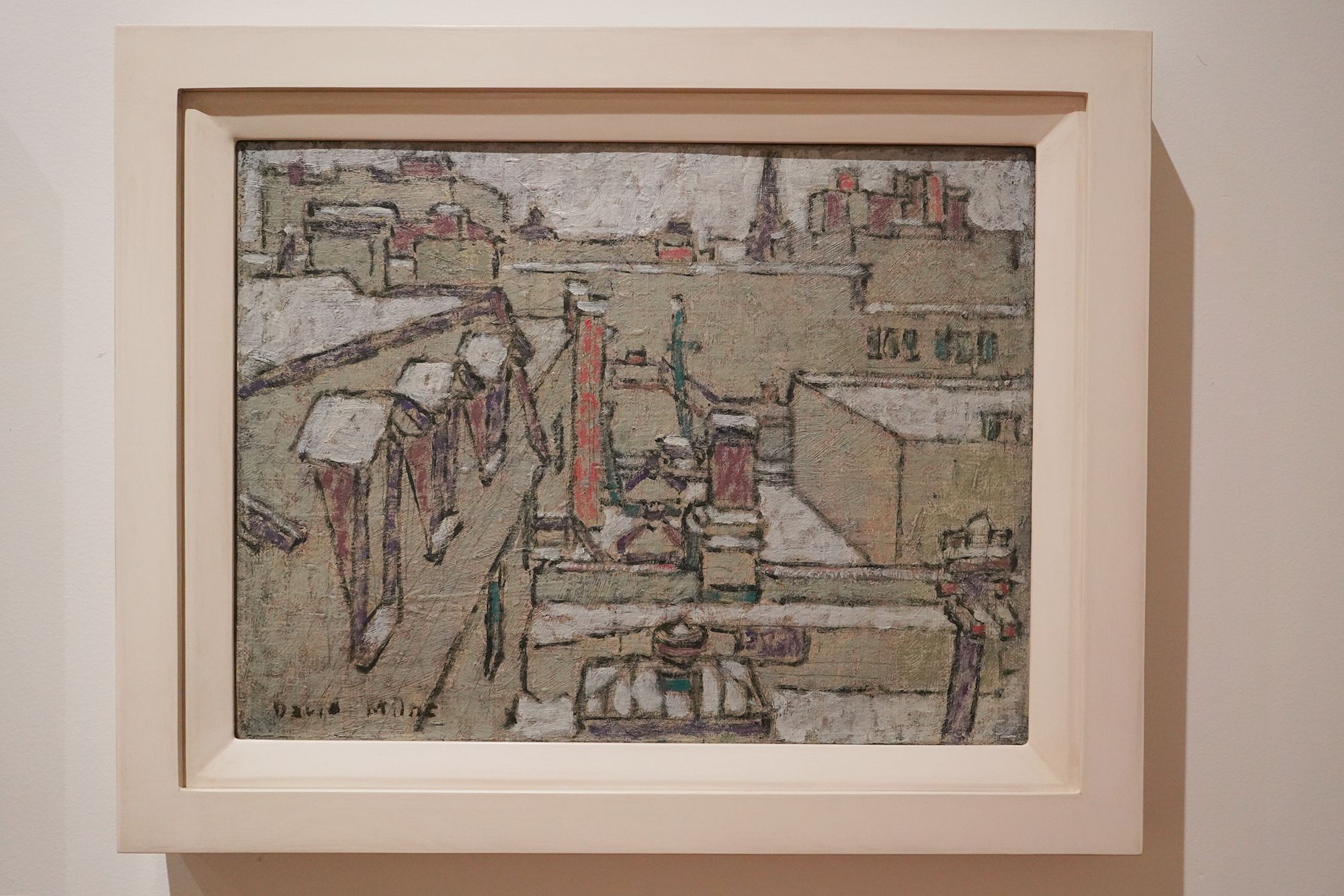
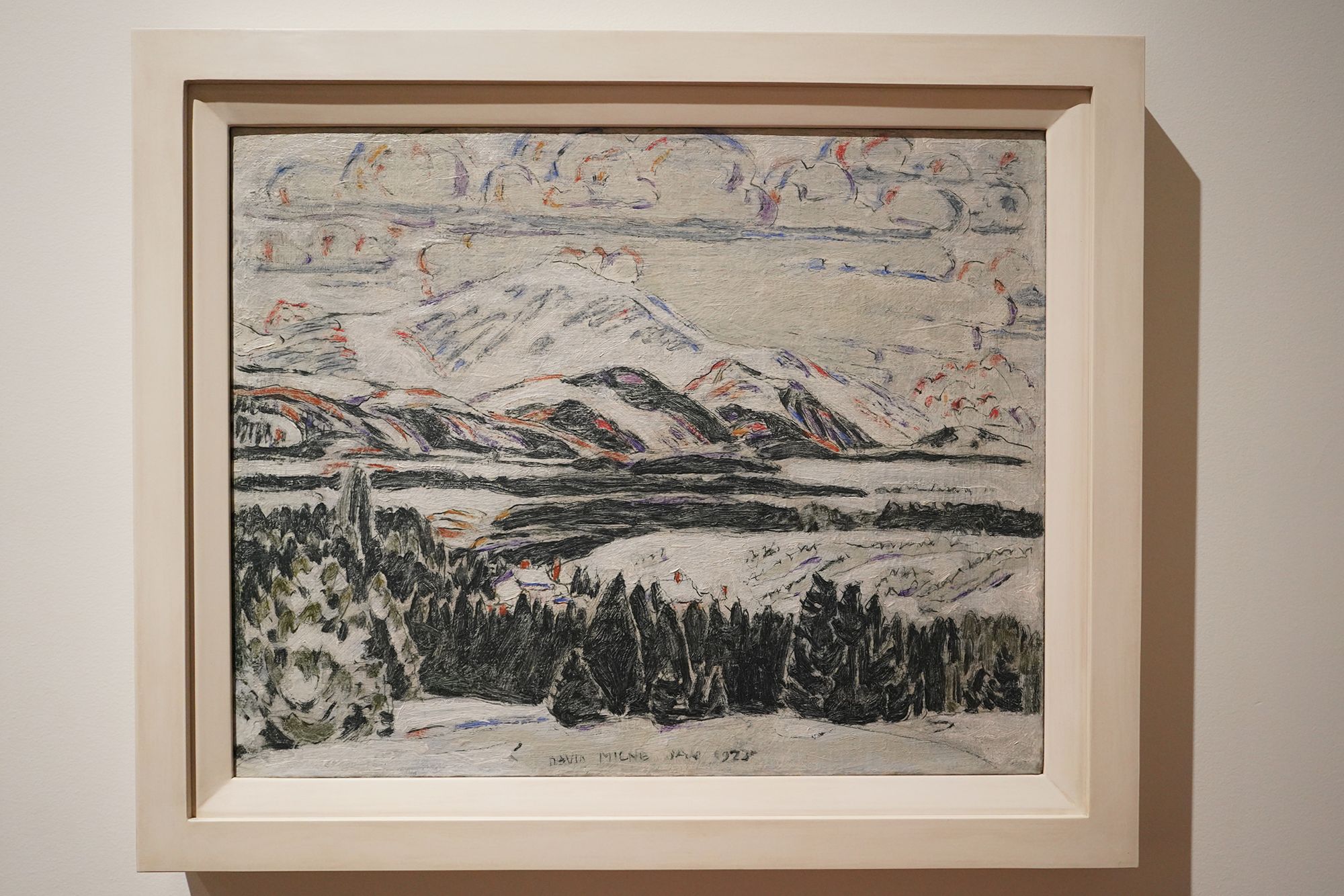
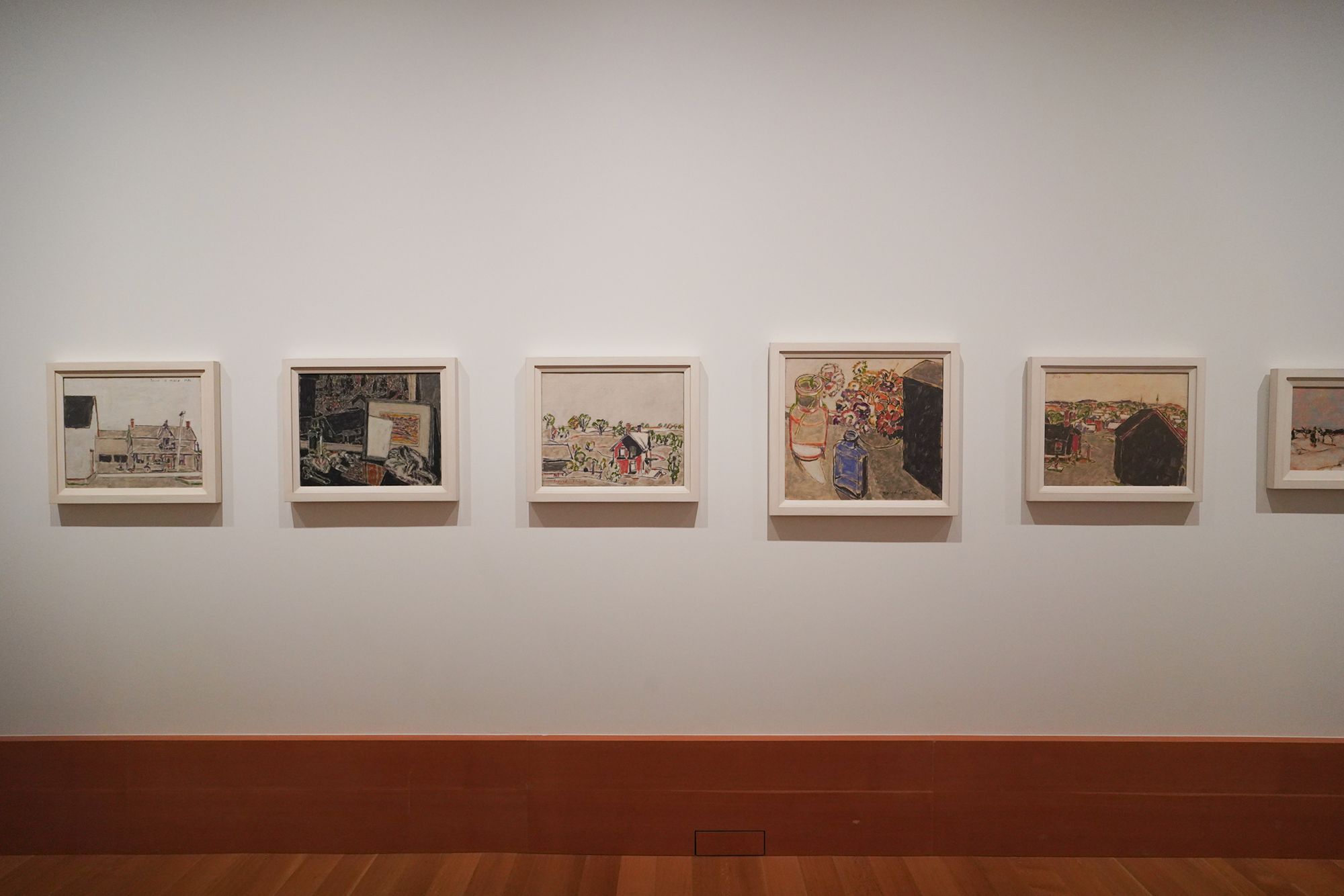
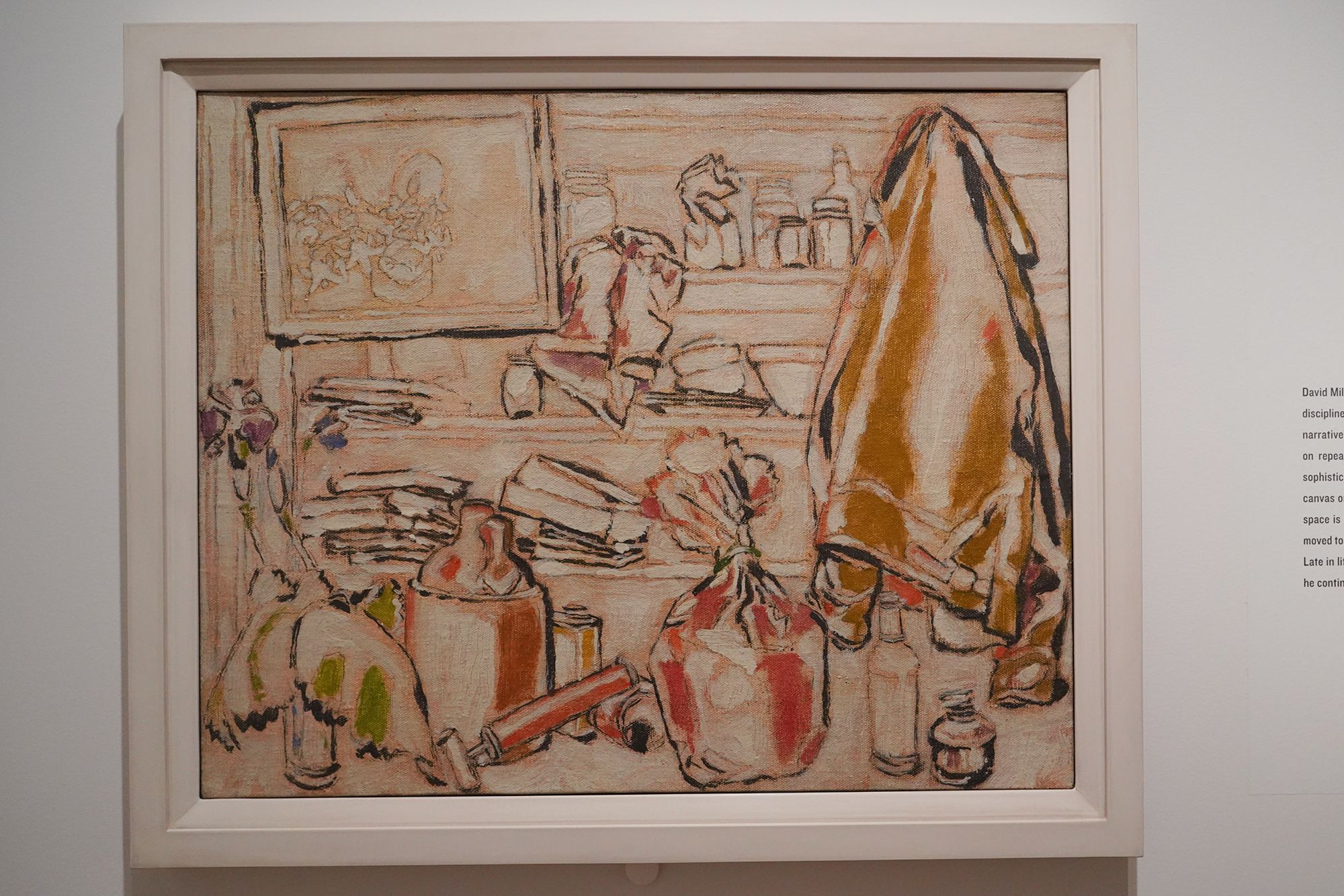
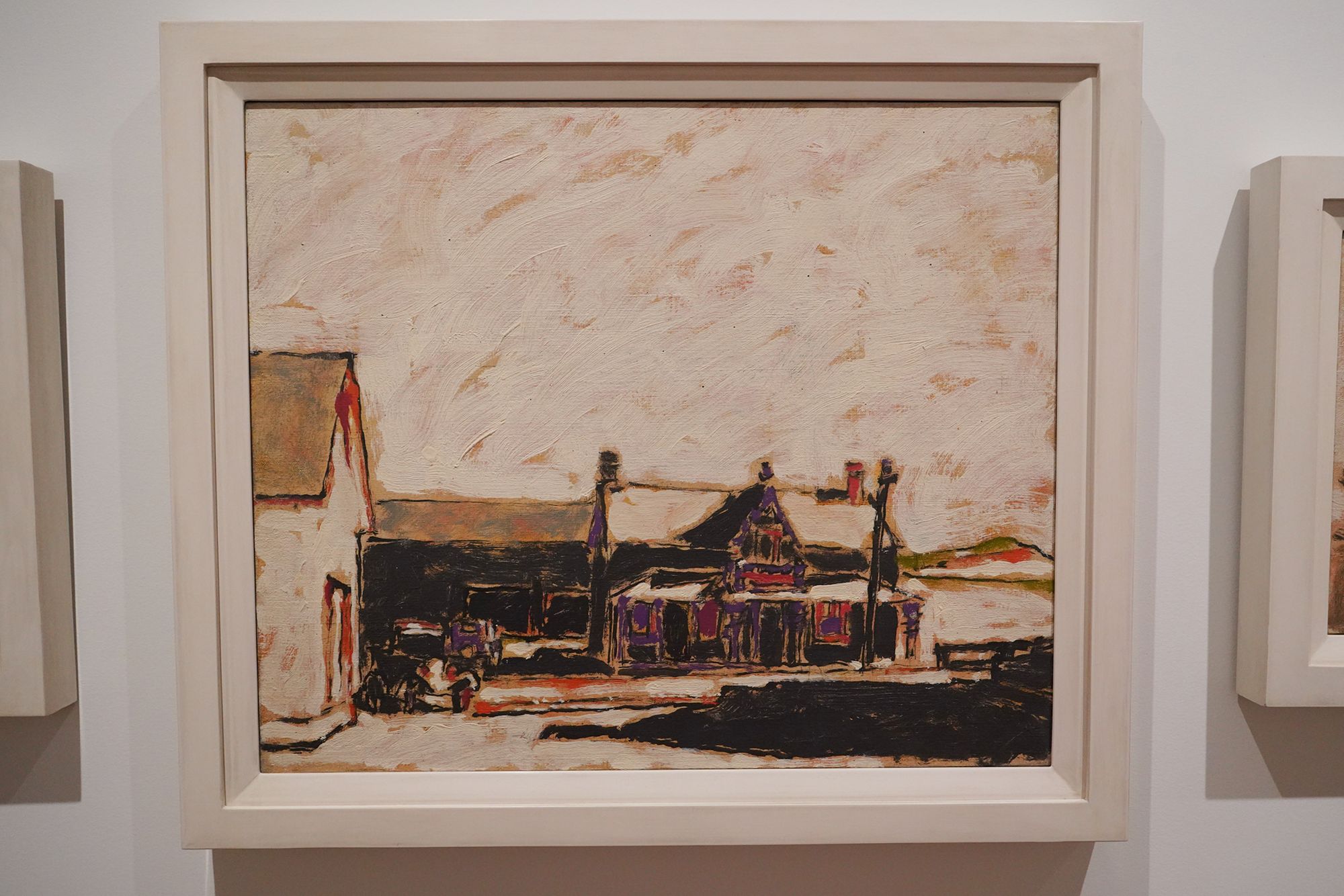
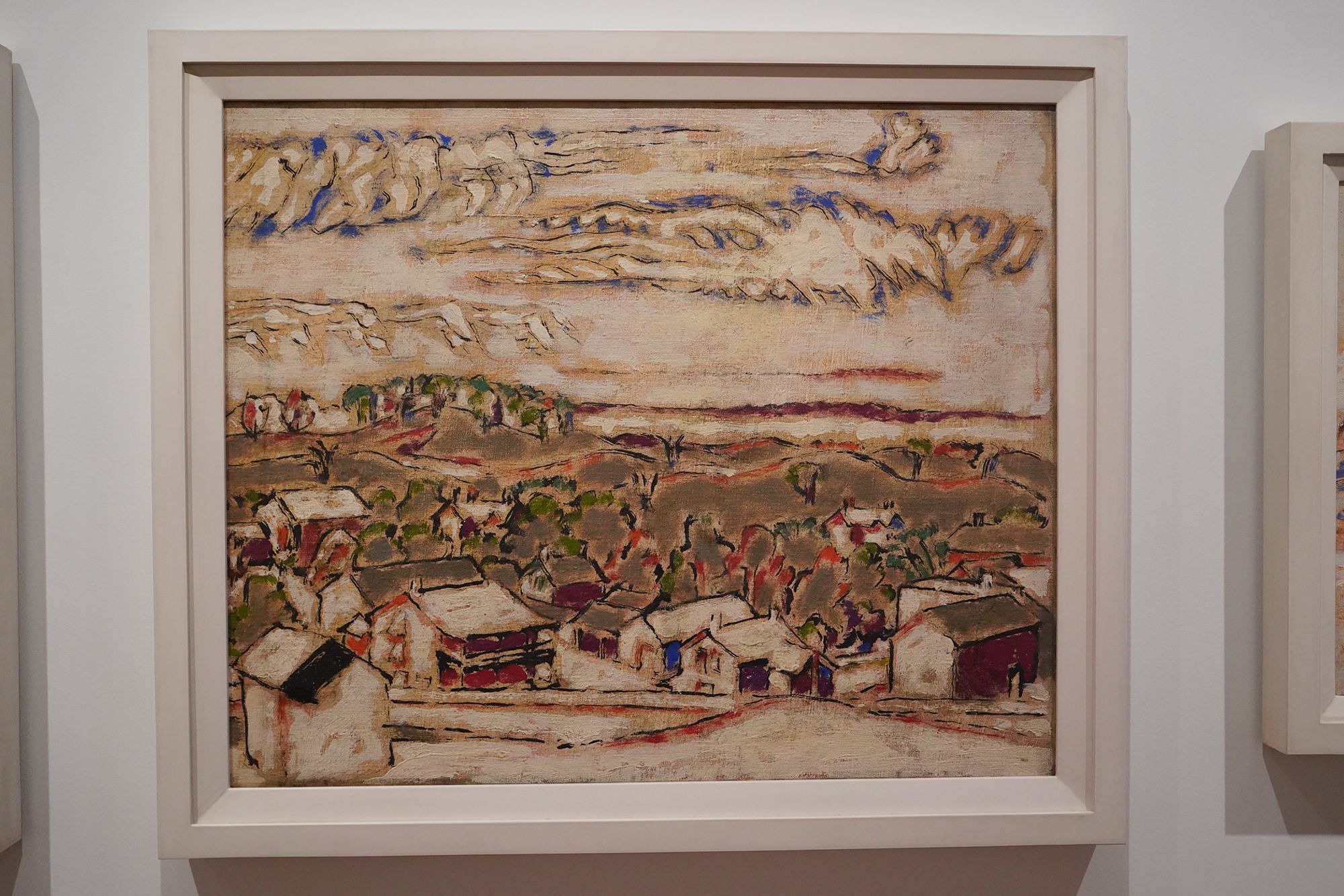
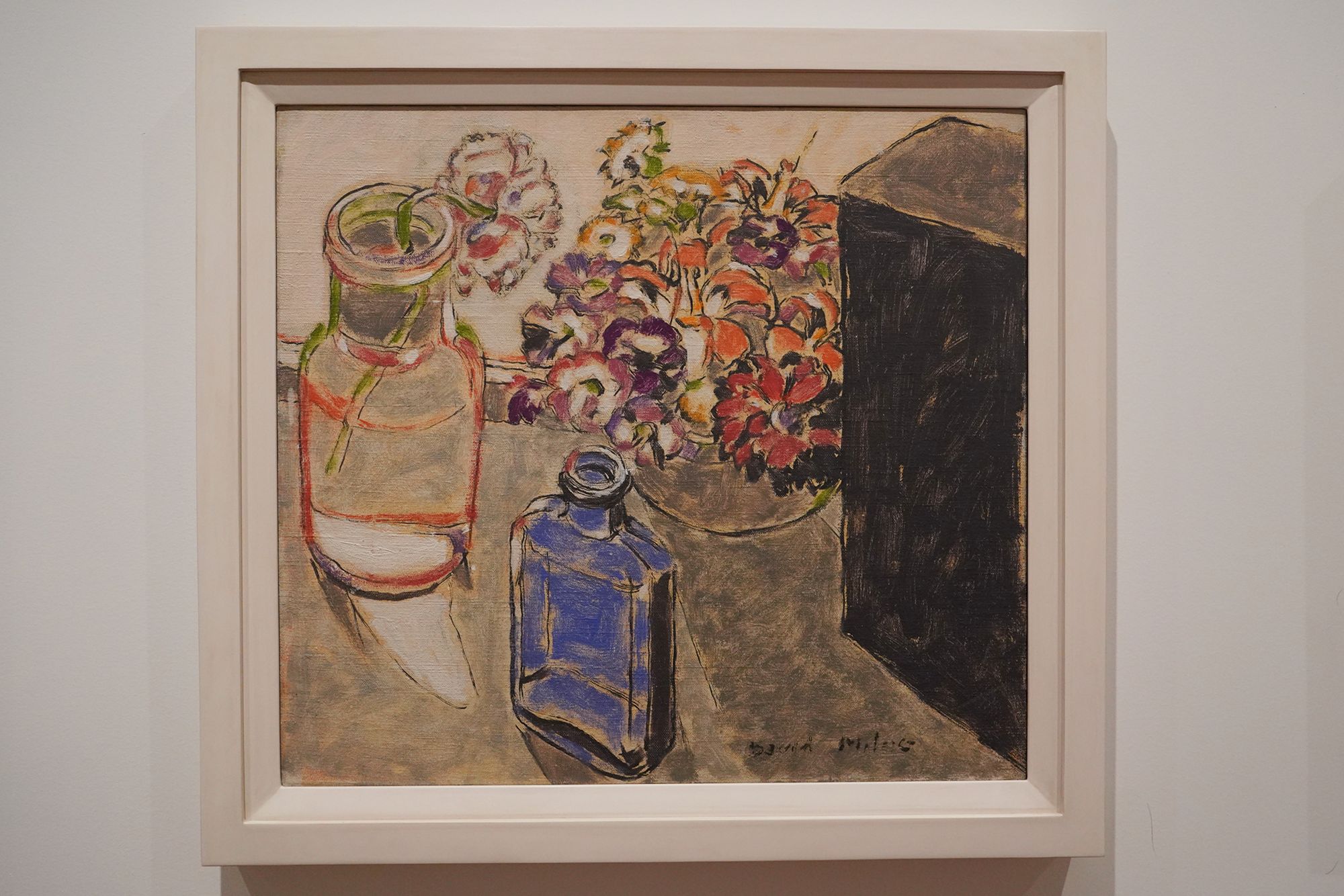
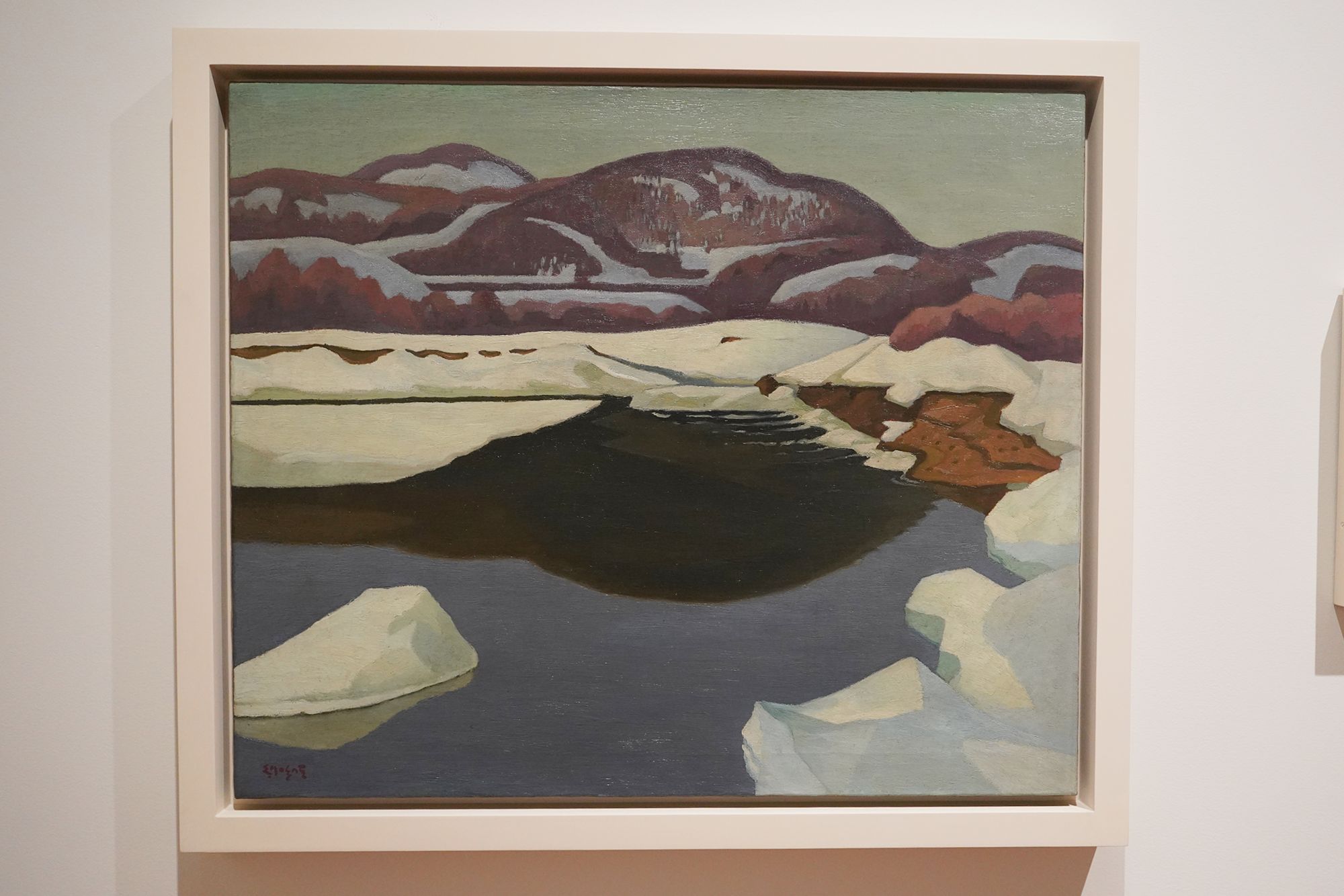
David Milne
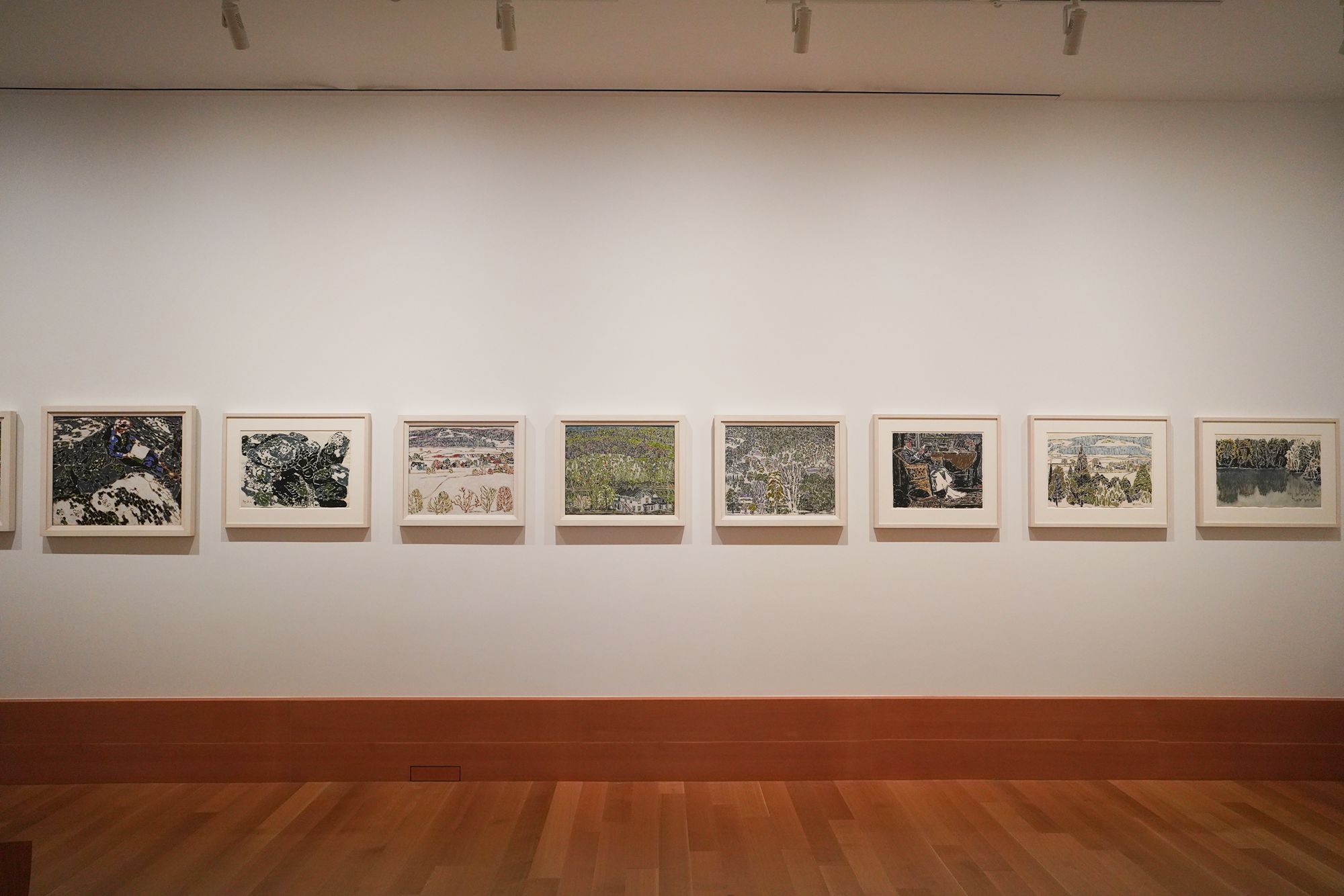
David Milne (1882–1953) was a highly individual Canadian modernist painter whose work stands apart from dominant national movements like the Group of Seven. Although he painted similar subjects—landscapes, forests, rivers, snow, and quiet rural scenes—his approach was markedly different. Milne favored simplicity, restraint, and structure over grandeur or drama.
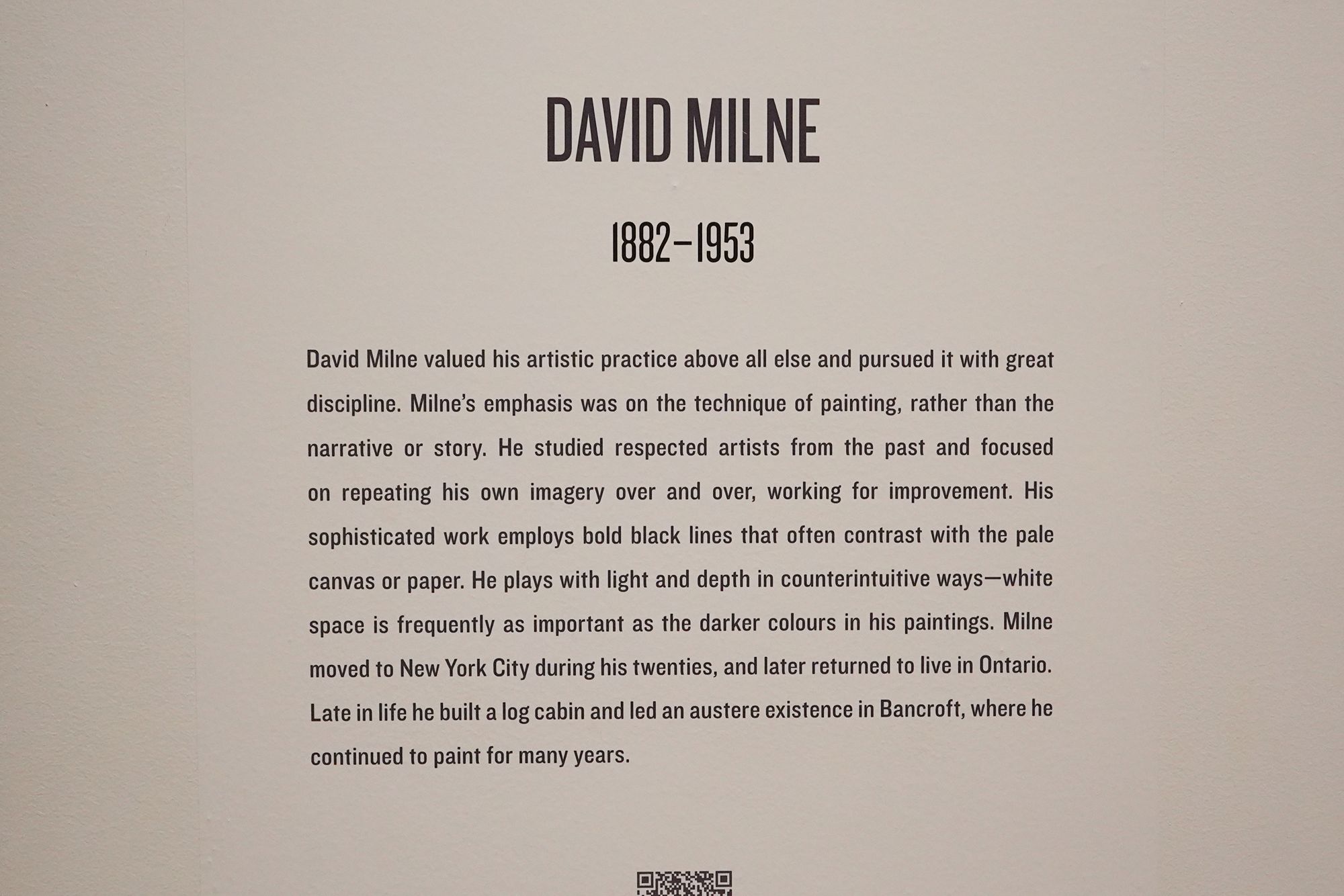
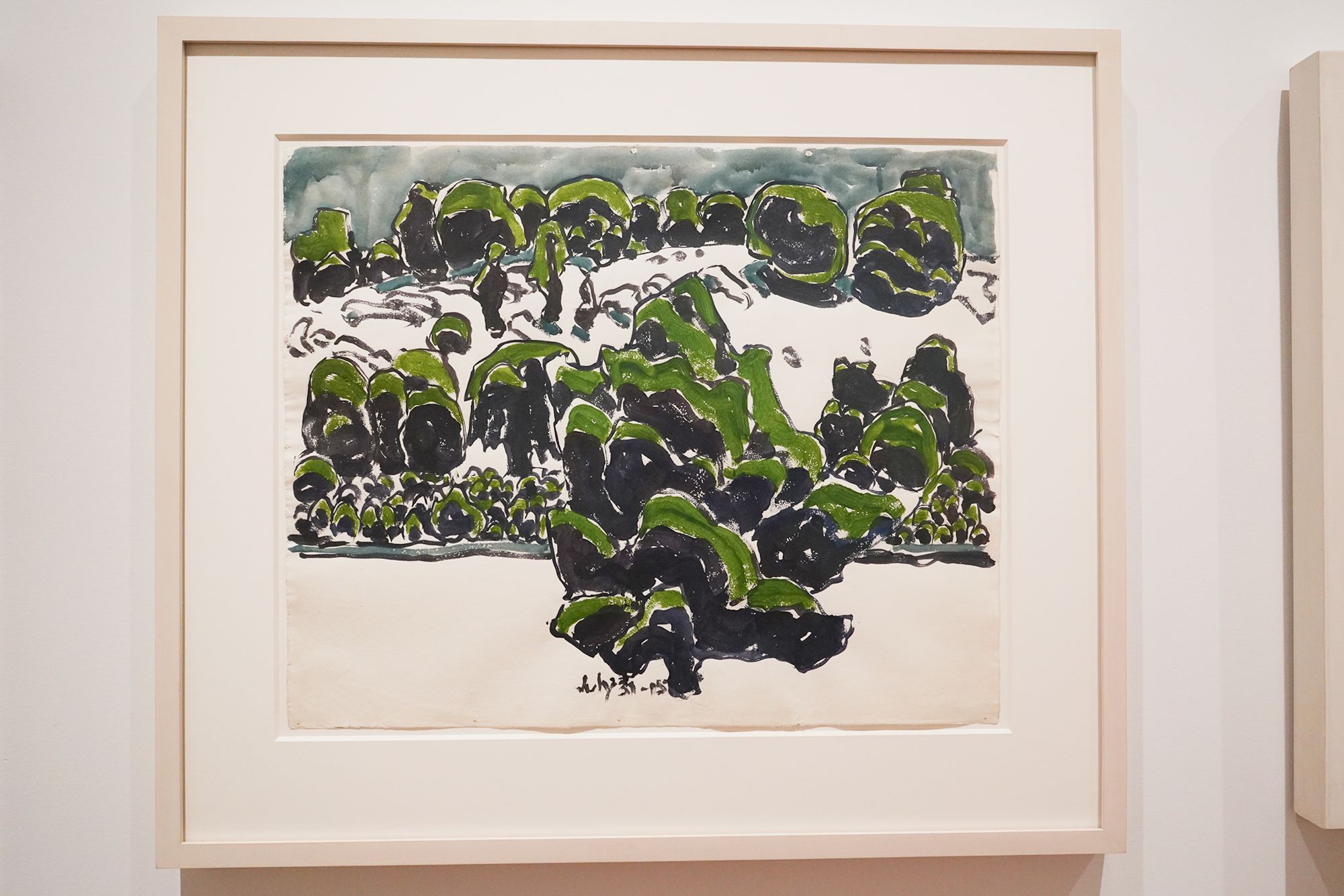
He worked extensively in watercolor, oil, and drypoint, often limiting his palette to a few muted colors. Rather than filling the canvas, he left large areas of open space, using line and color economically. This sparseness gives his paintings a meditative, almost abstract quality, even when the subject is clearly representational.
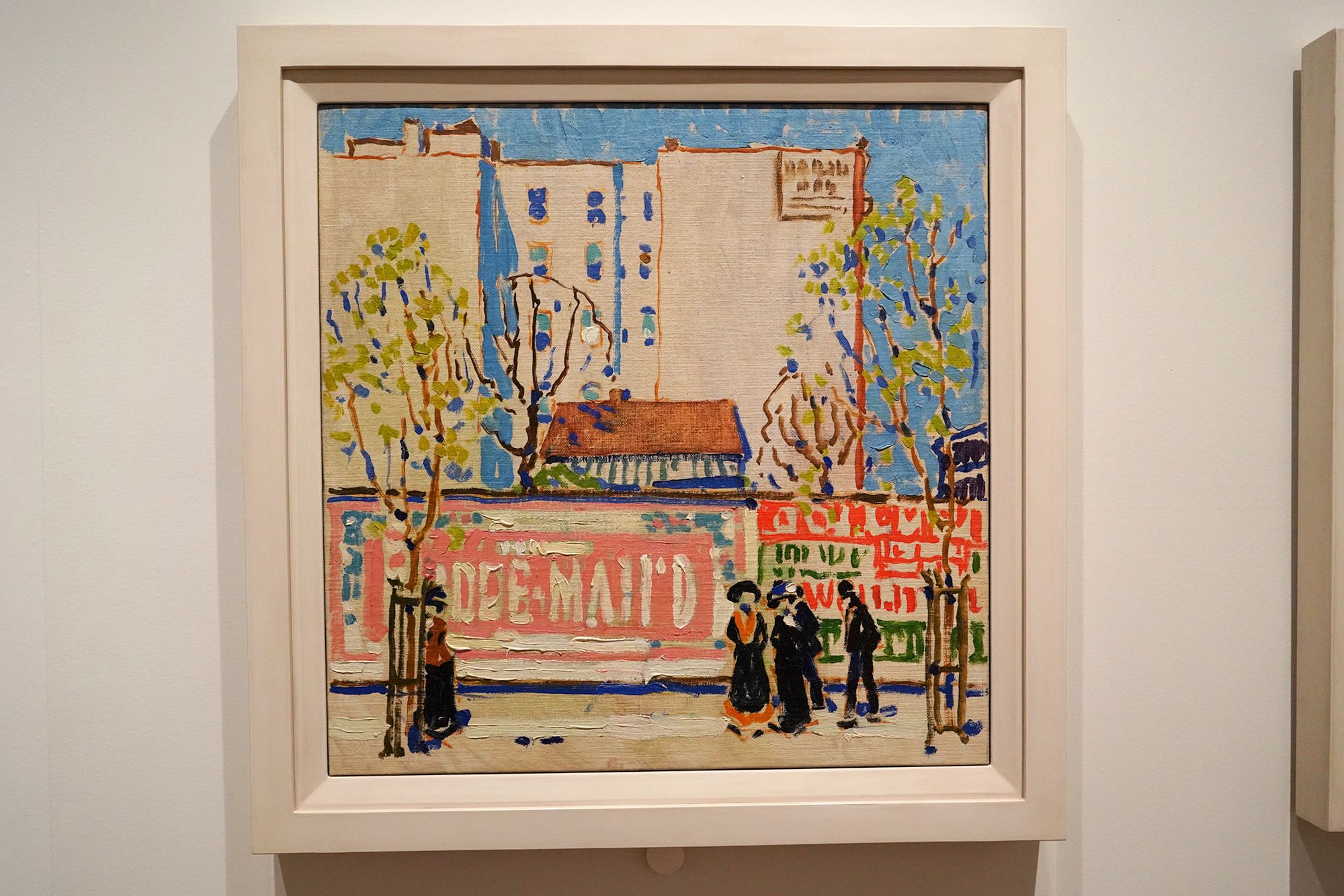
Milne was deeply concerned with formal problems—how lines intersect, how shapes balance, and how color interacts with light. He often outlined forms in dark lines, flattening space and emphasizing composition over realism. His landscapes are not about depicting nature’s power, but about seeing and organizing visual experience.
Living much of his life in relative isolation in rural New York State and Ontario, Milne pursued art as a private intellectual practice rather than a public statement. Today, he is regarded as one of Canada’s most original painters—quiet, disciplined, and profoundly modern.
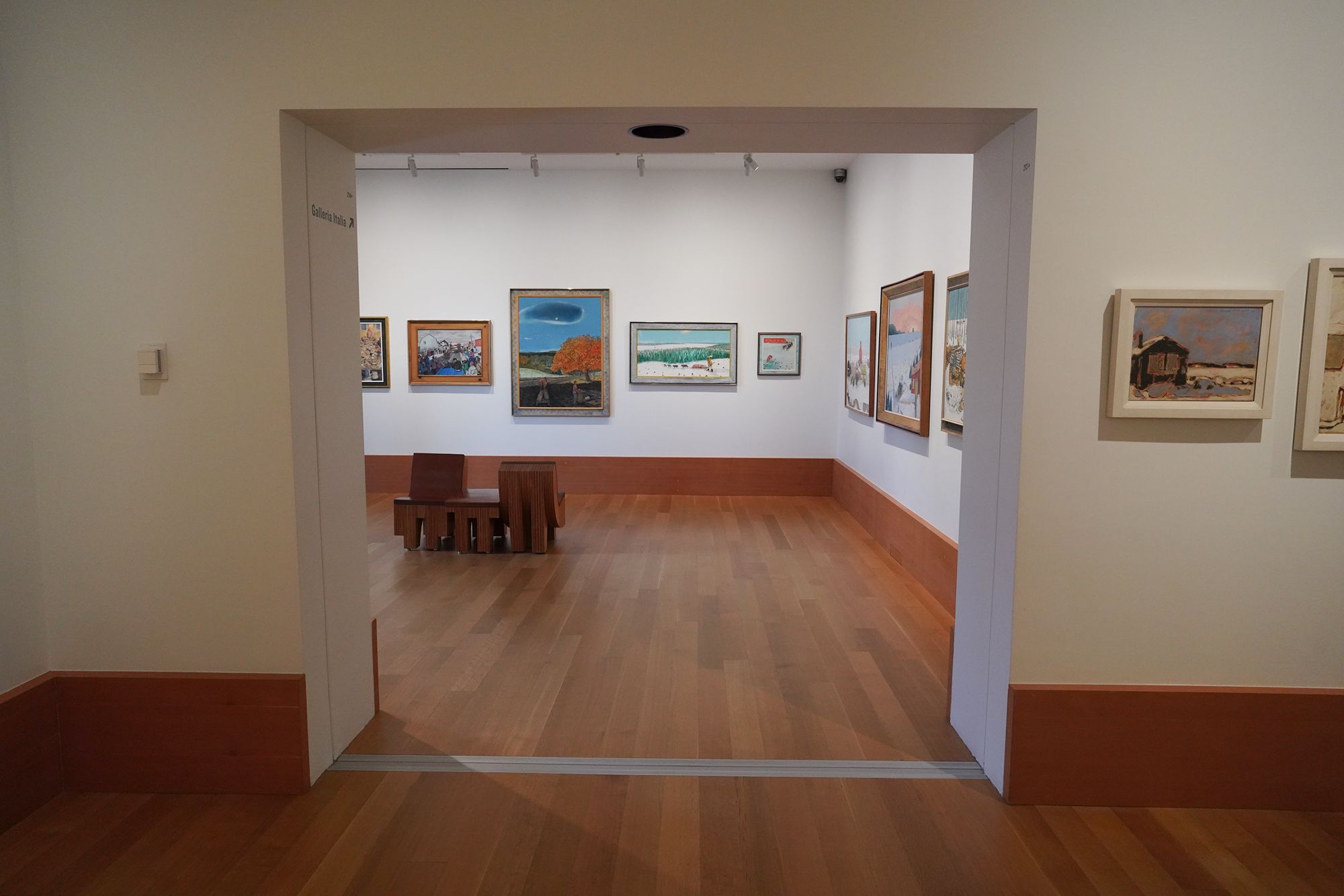
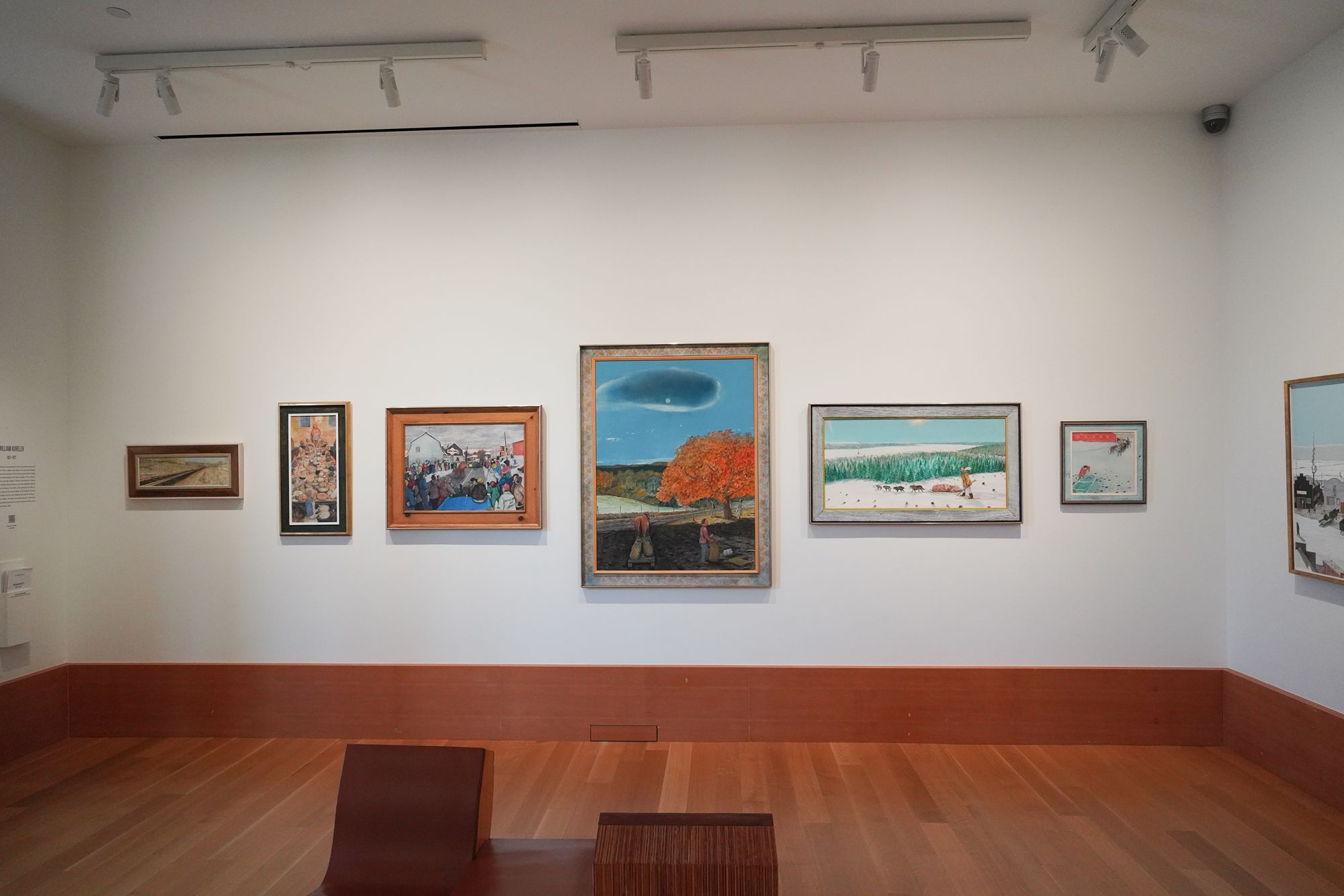
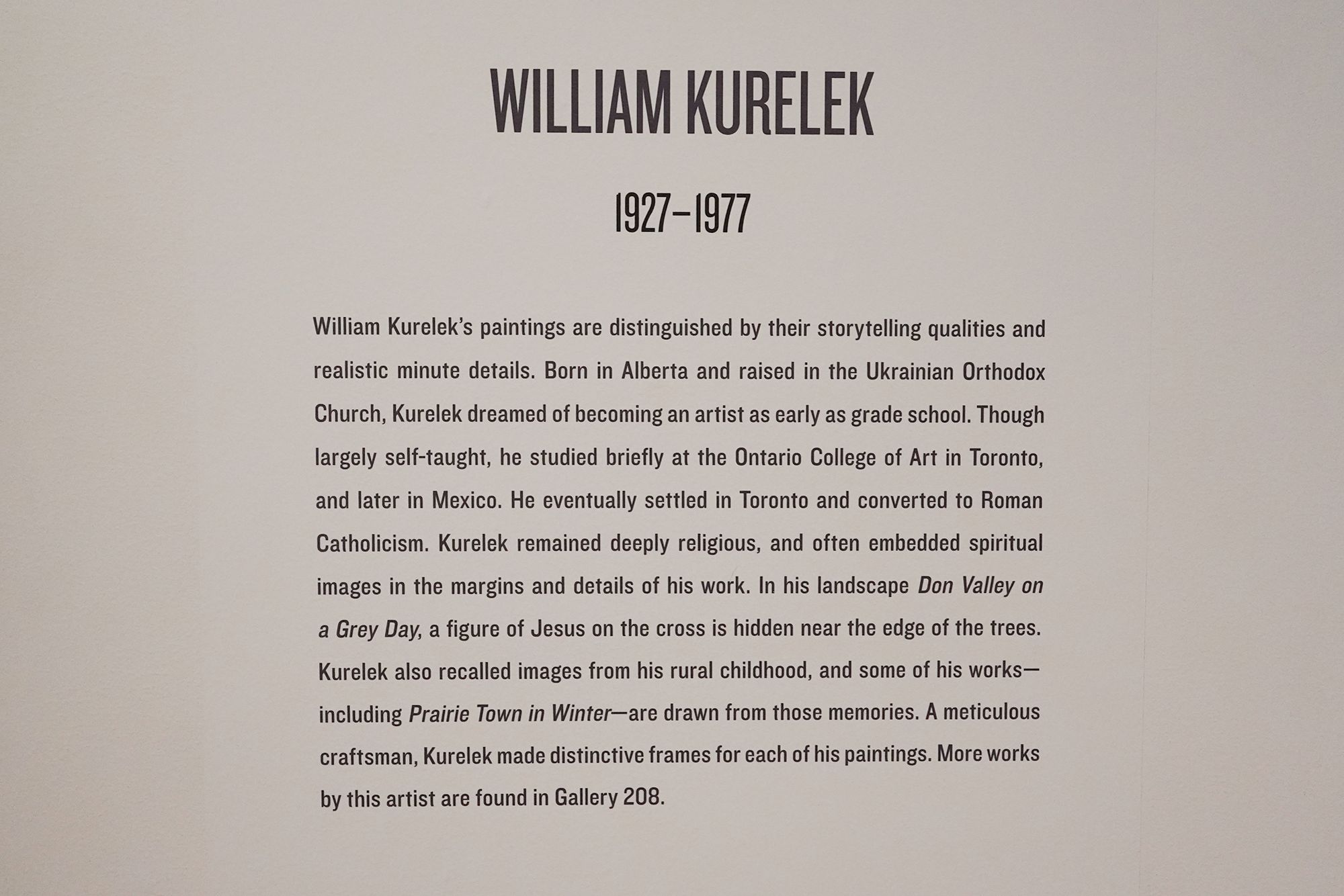
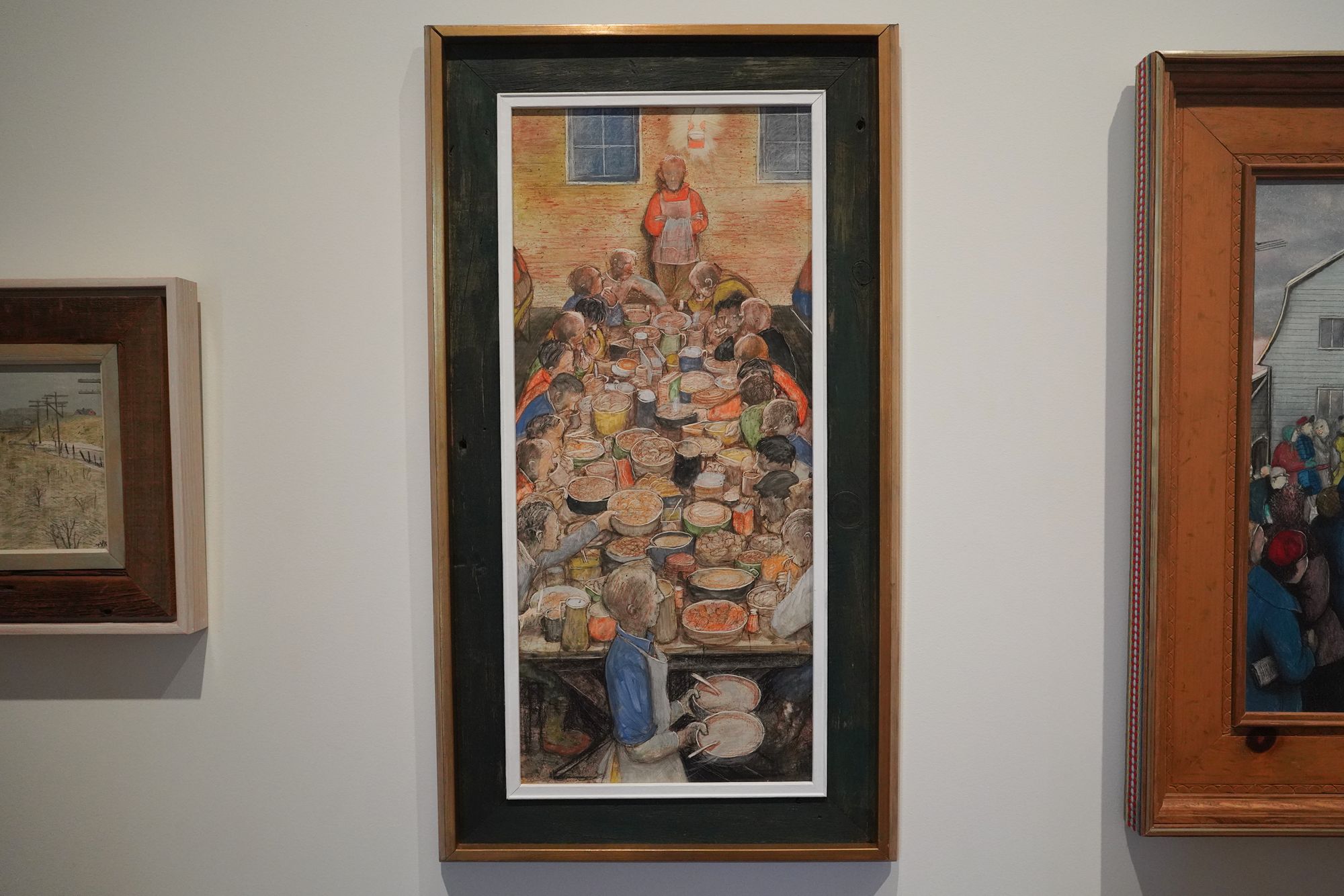
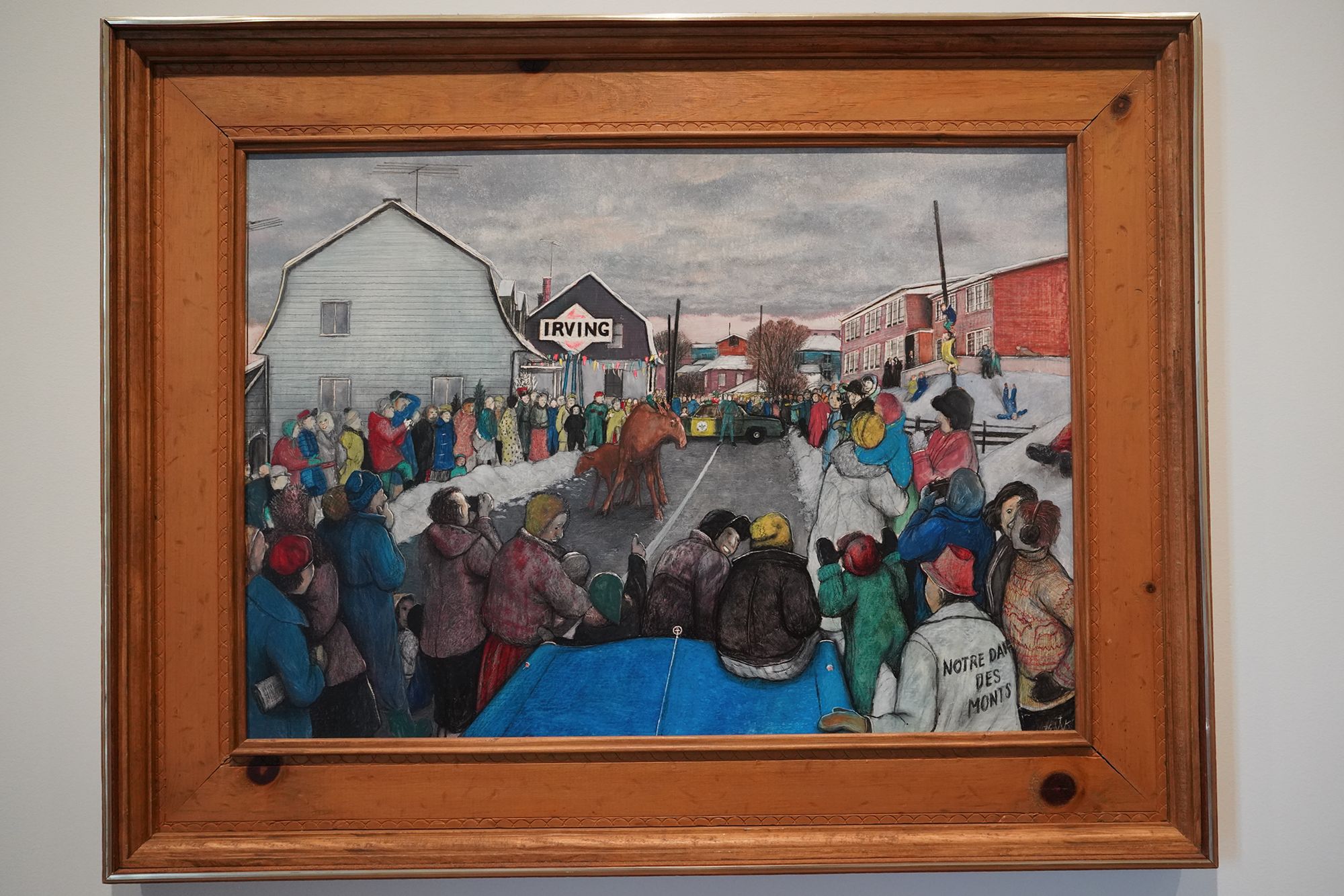
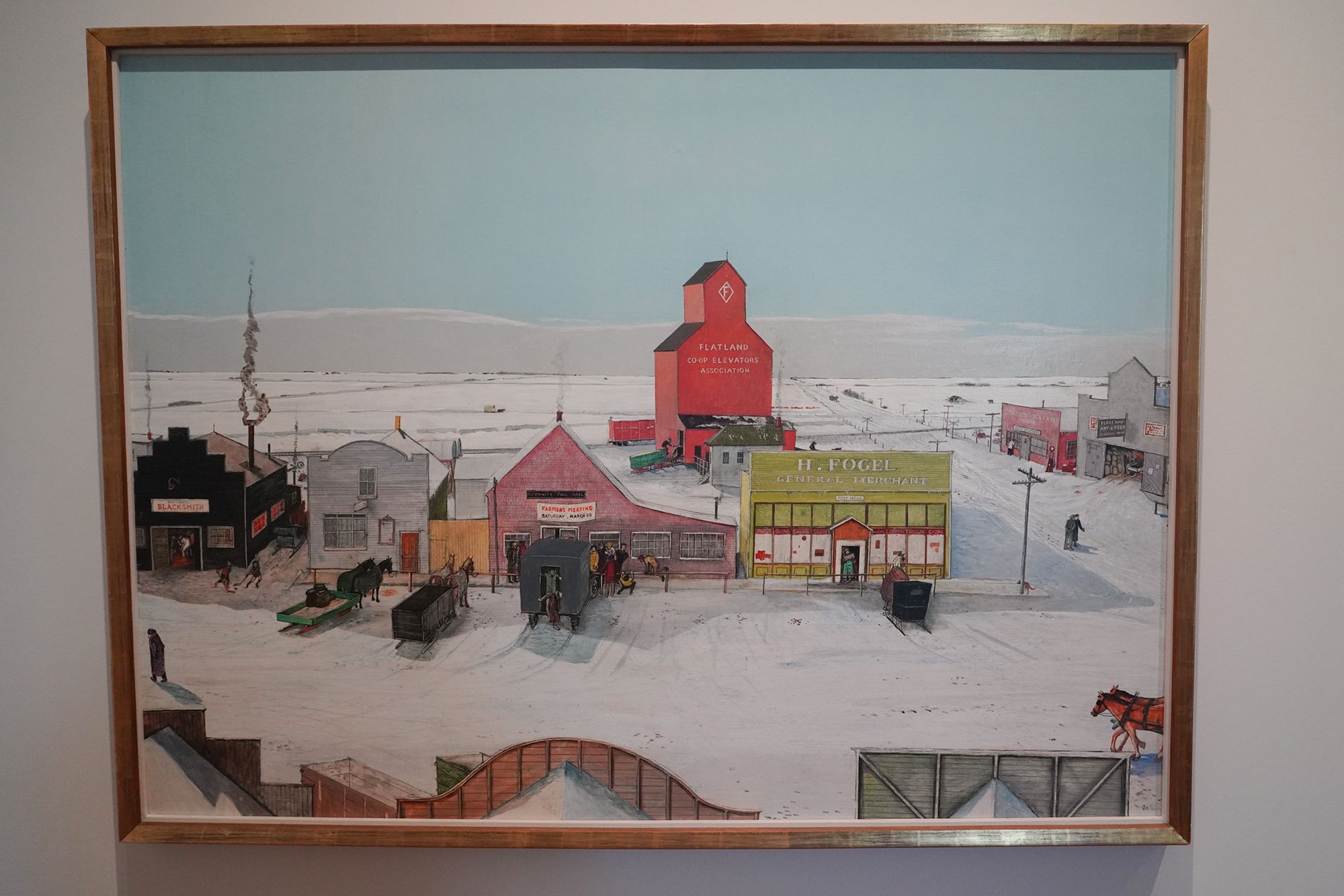
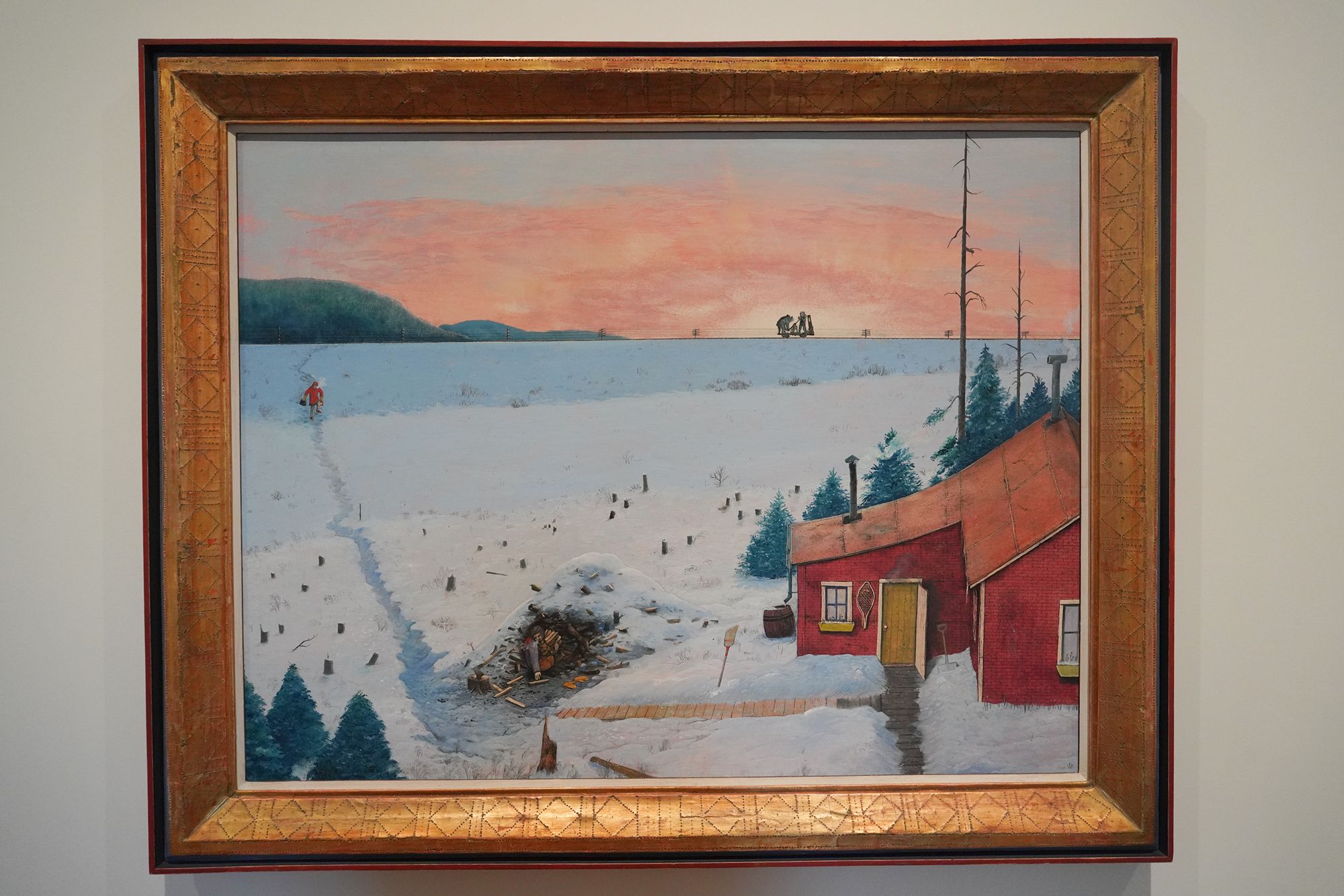
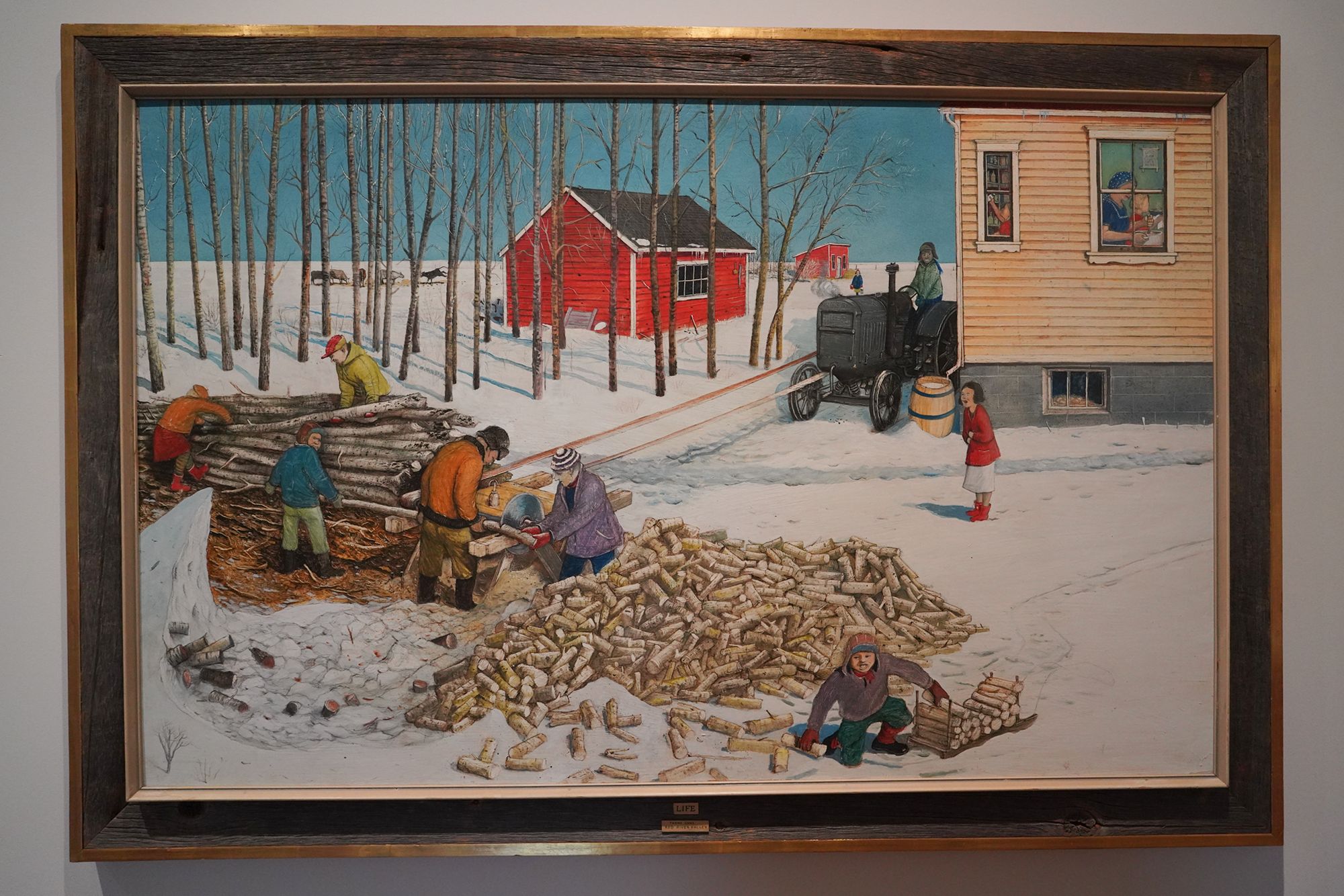
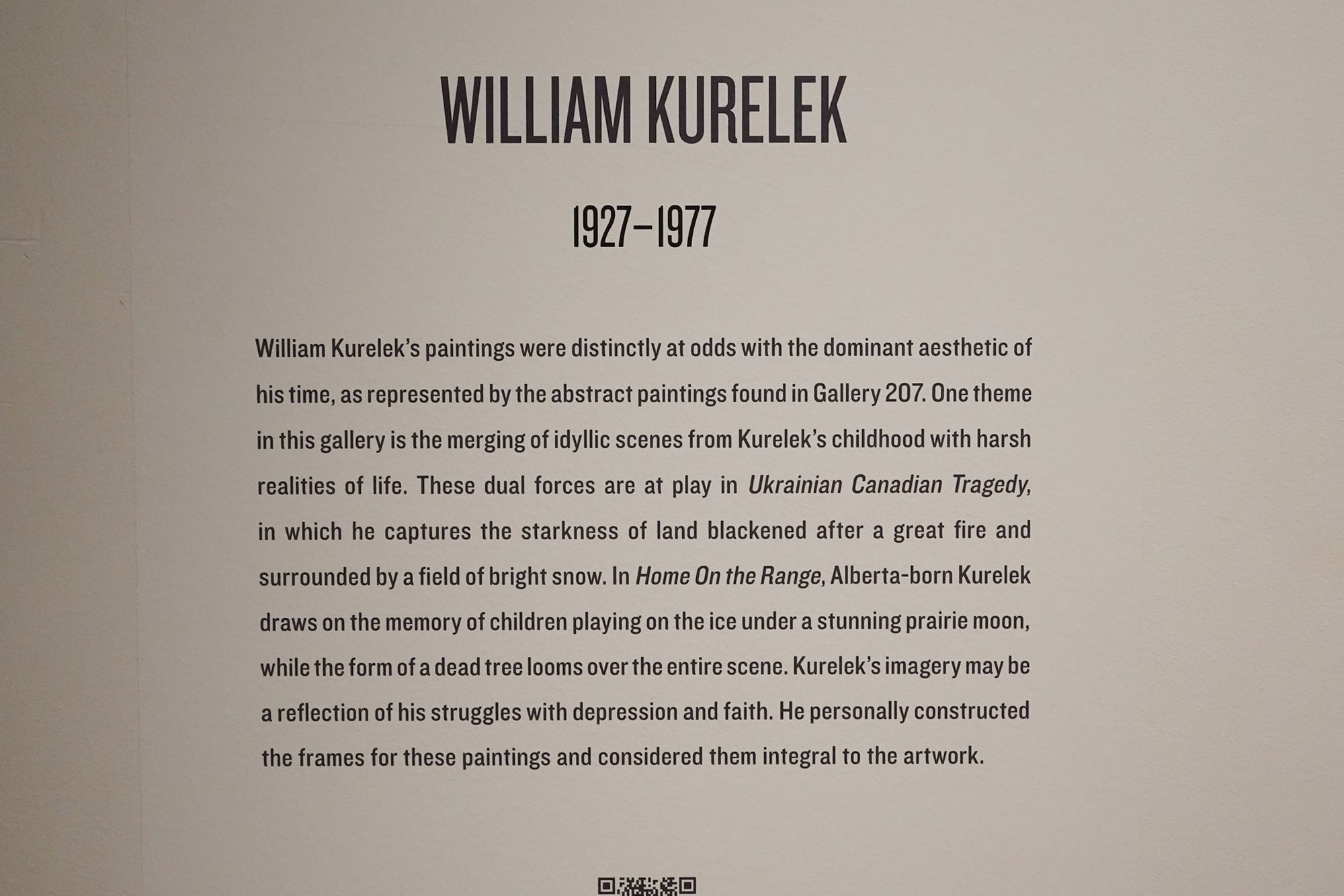
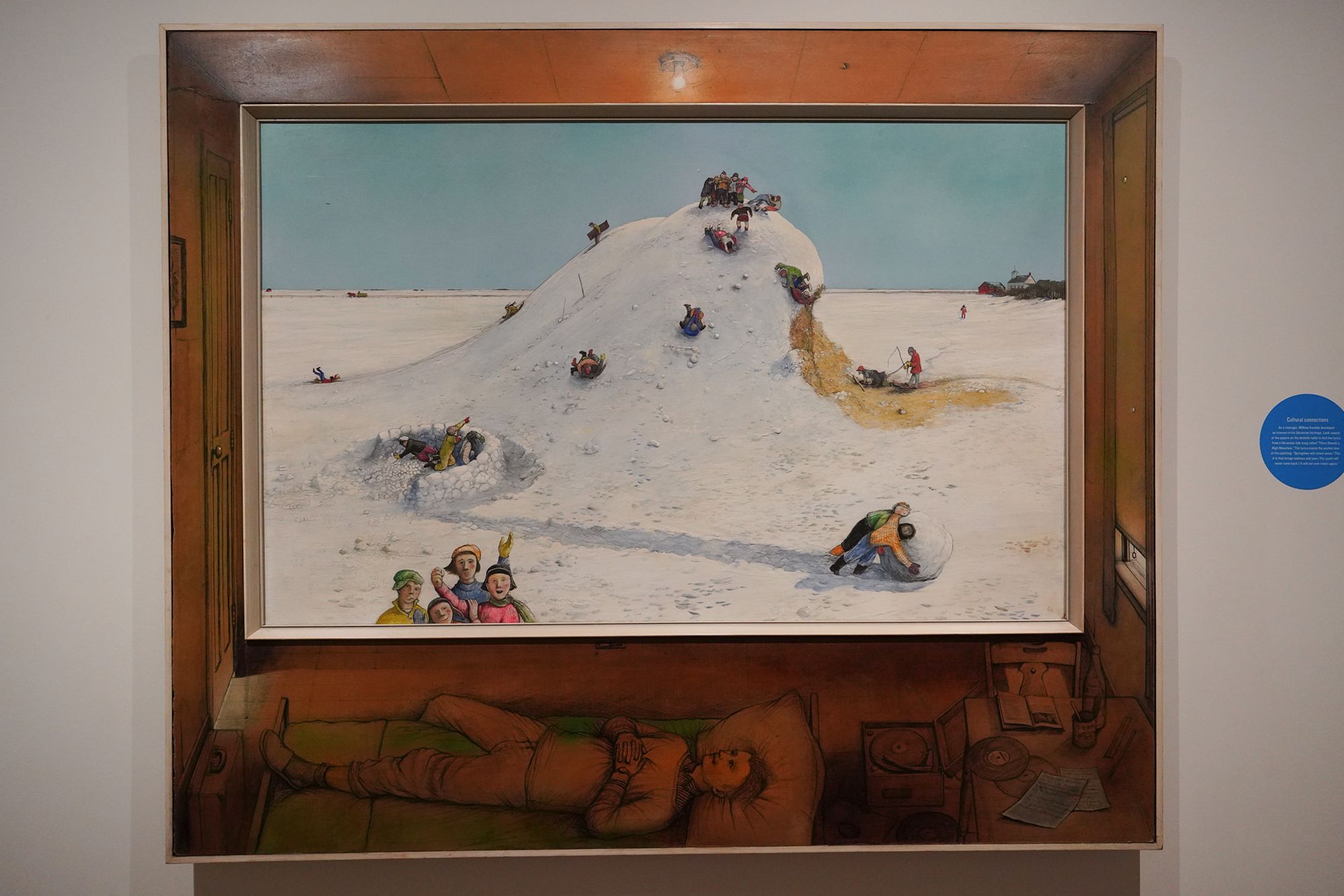
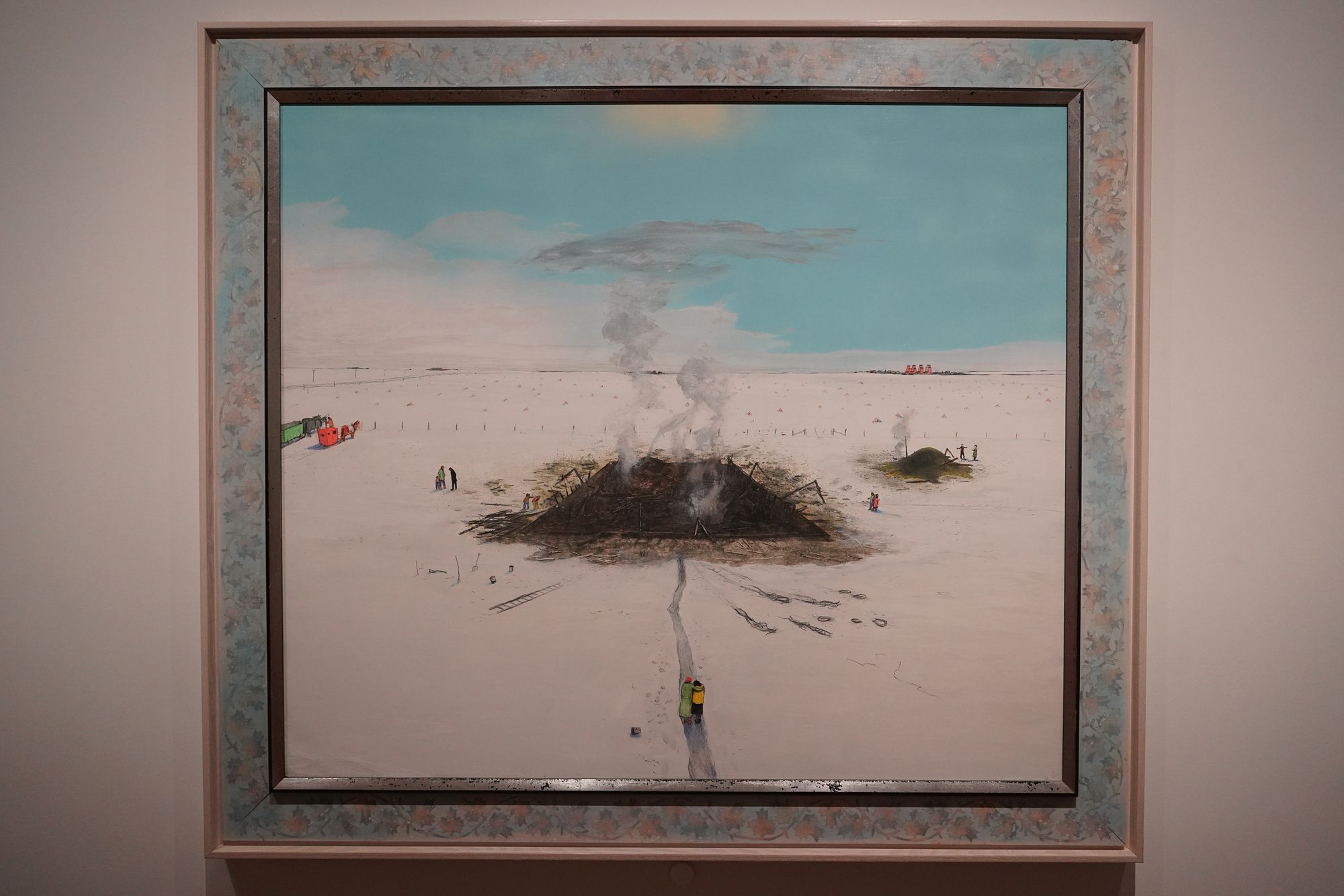
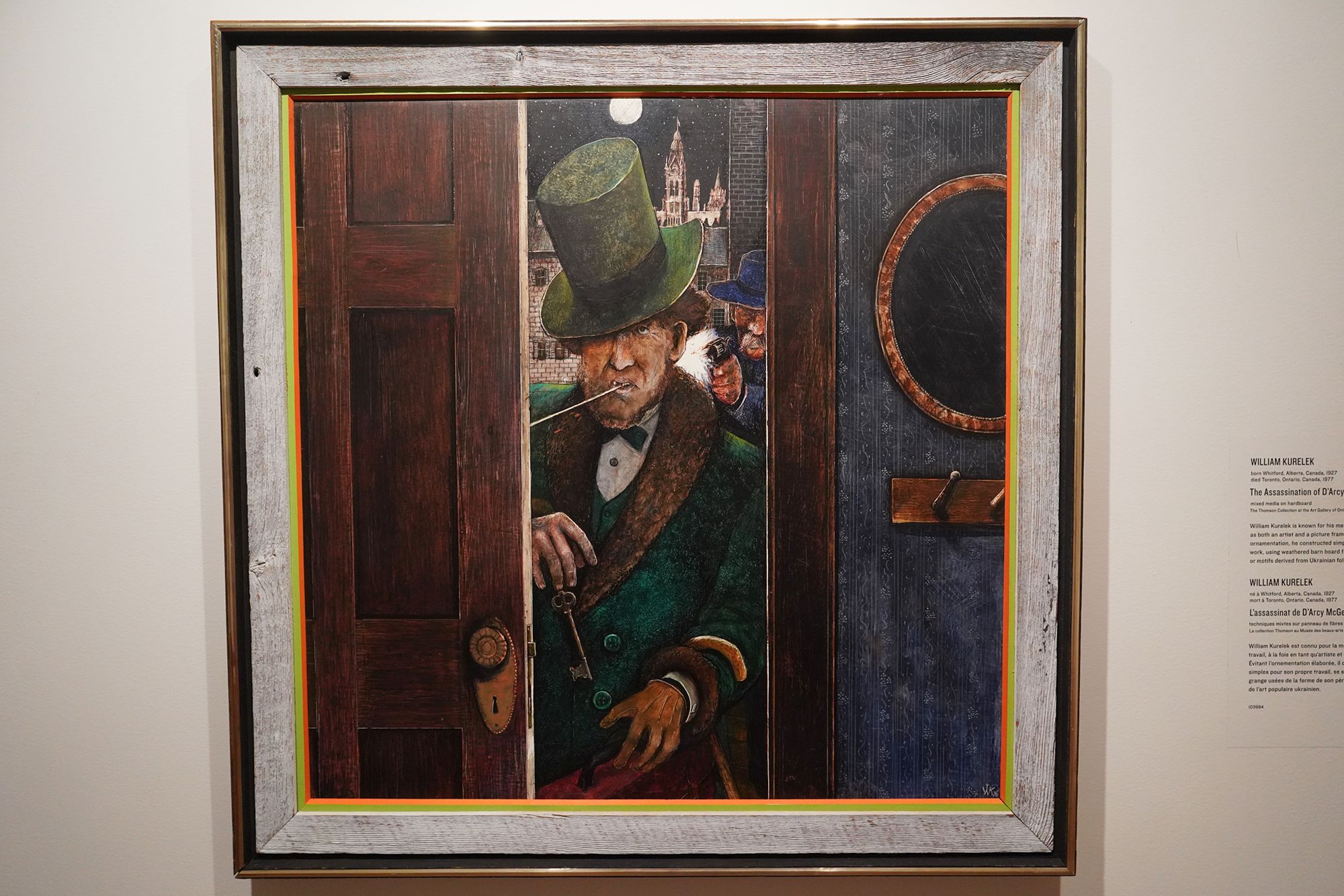
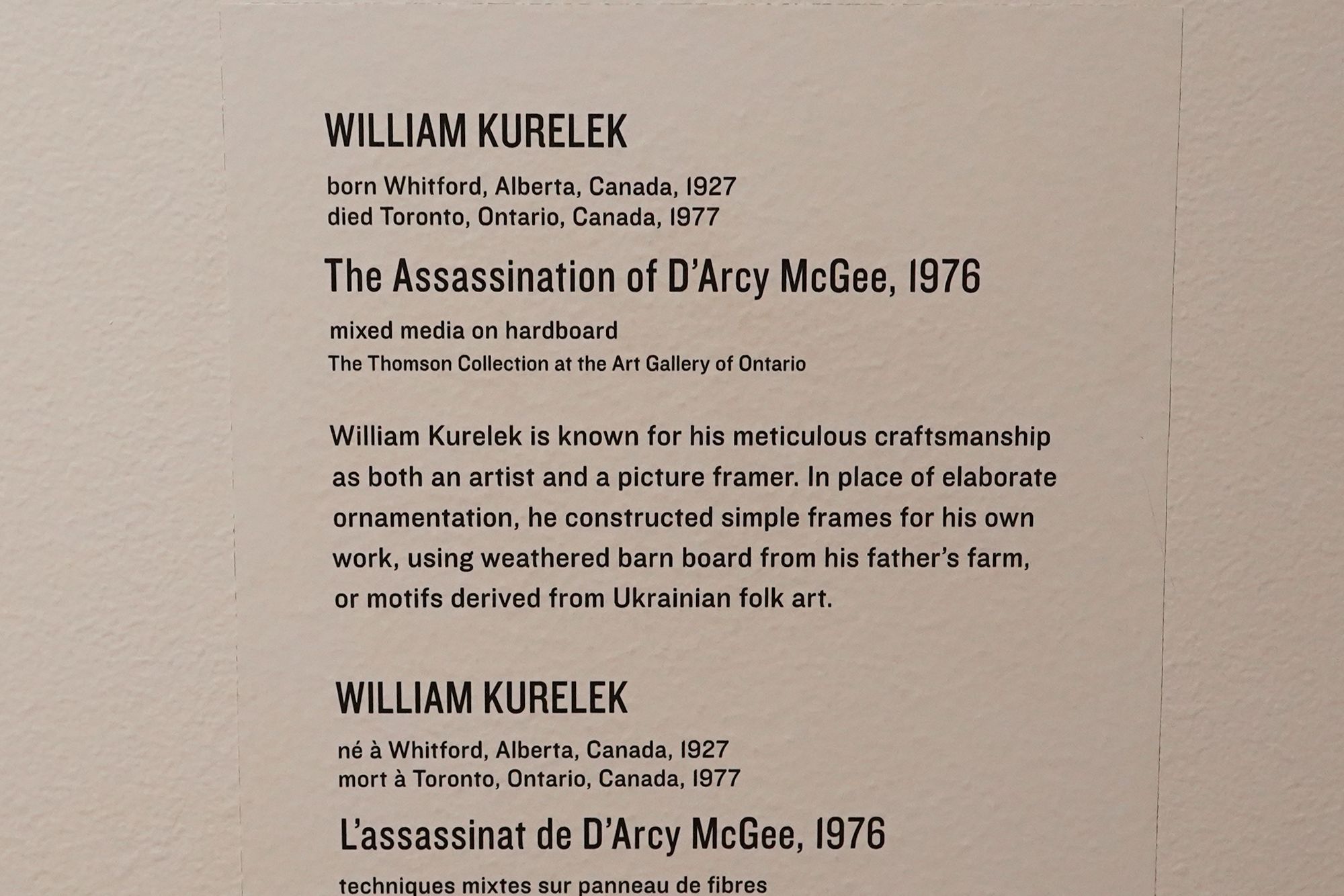
William Kurelek (1927–1977) was a Canadian painter known for highly detailed, narrative scenes of prairie life, immigrant experience, and moral or religious themes. His work combines meticulous realism with symbolism, often depicting childhood memories, Ukrainian heritage, faith, and social commentary with emotional intensity.
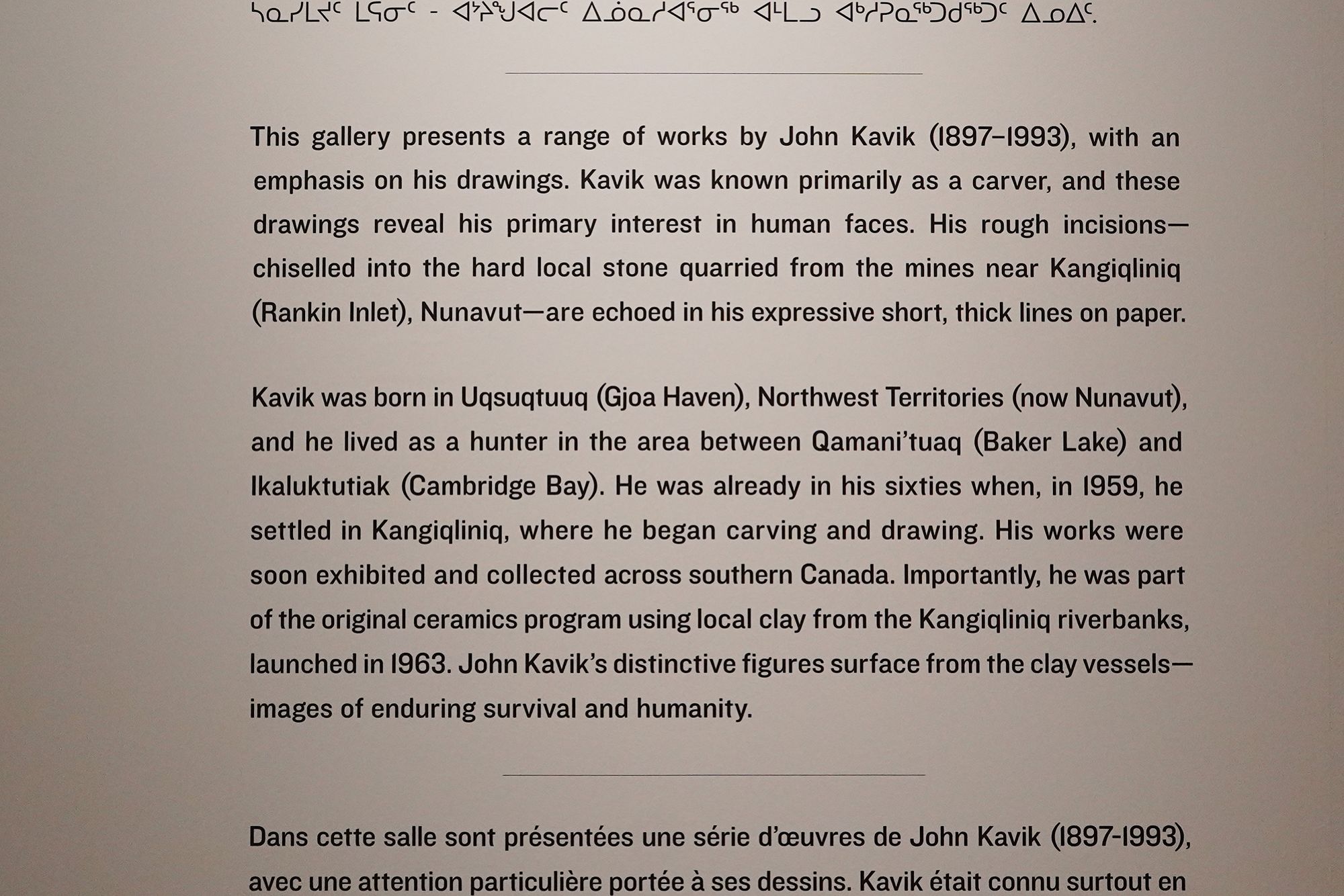
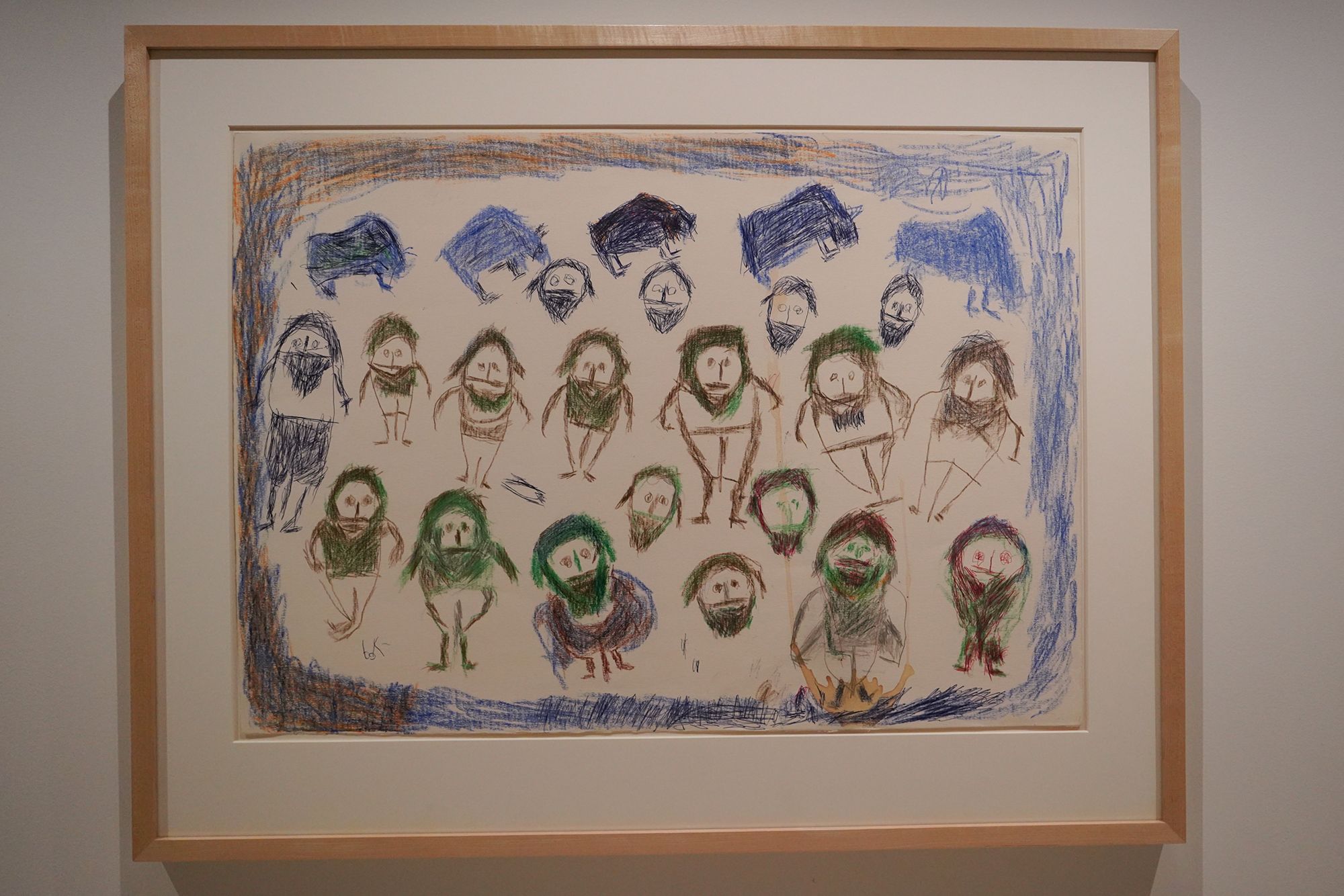
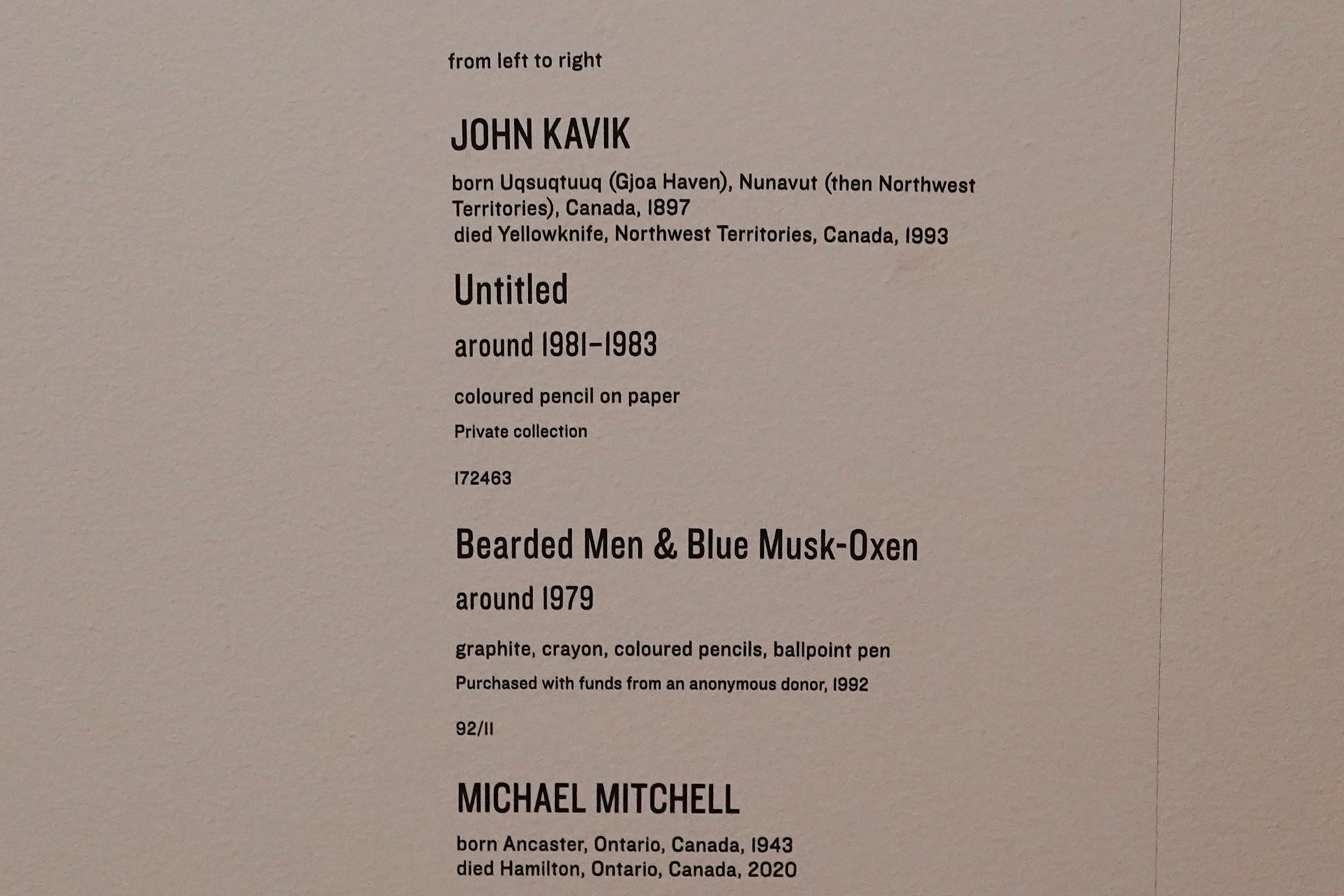
John Kavik
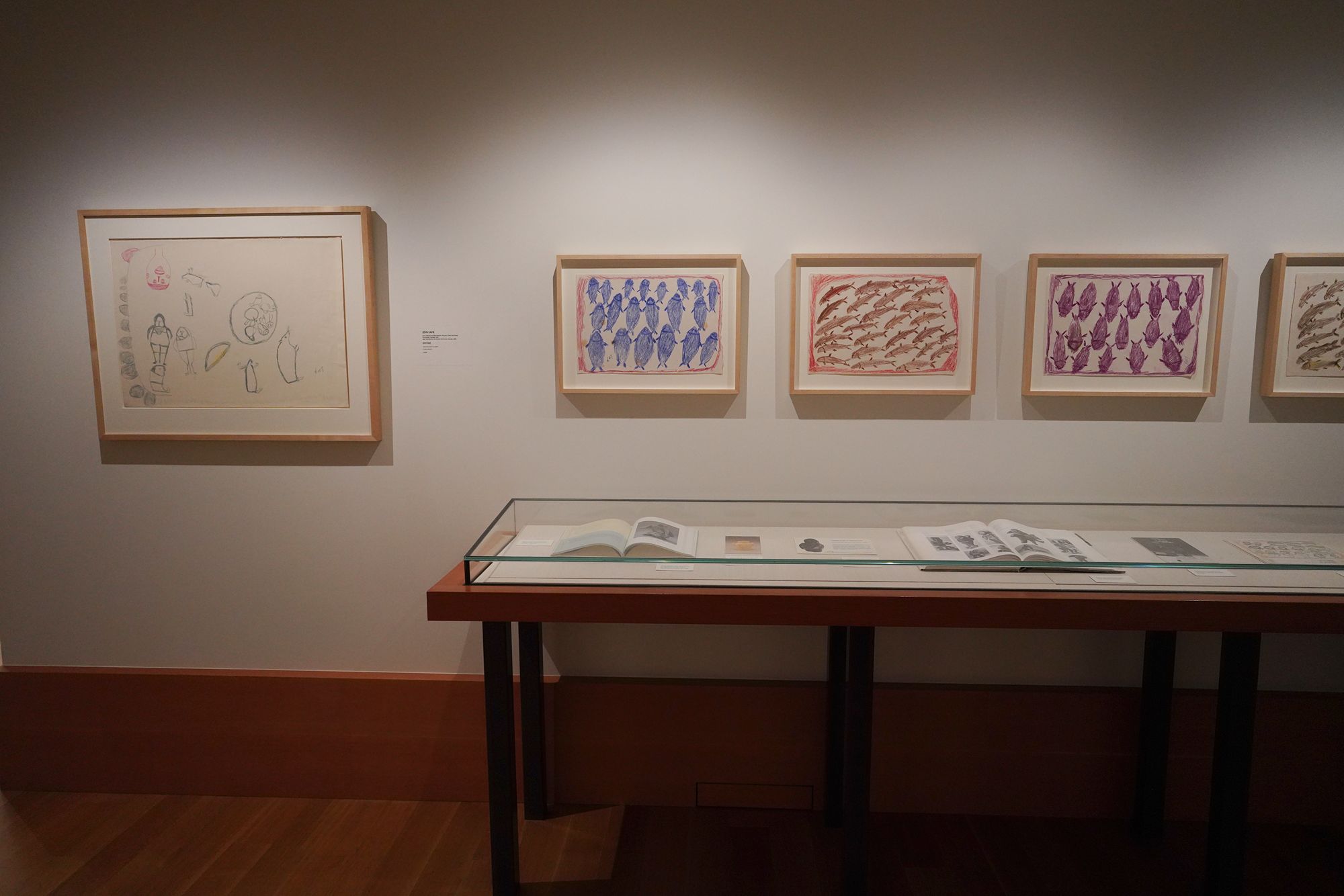
John Kavik (1923–1993) was an Inuit sculptor from Pelly Bay (Kugaaruk), Nunavut. Working primarily in stone, his sculptures are known for strong, compact forms and lively depictions of Arctic animals and Inuit life, emphasizing movement, humor, and vitality.
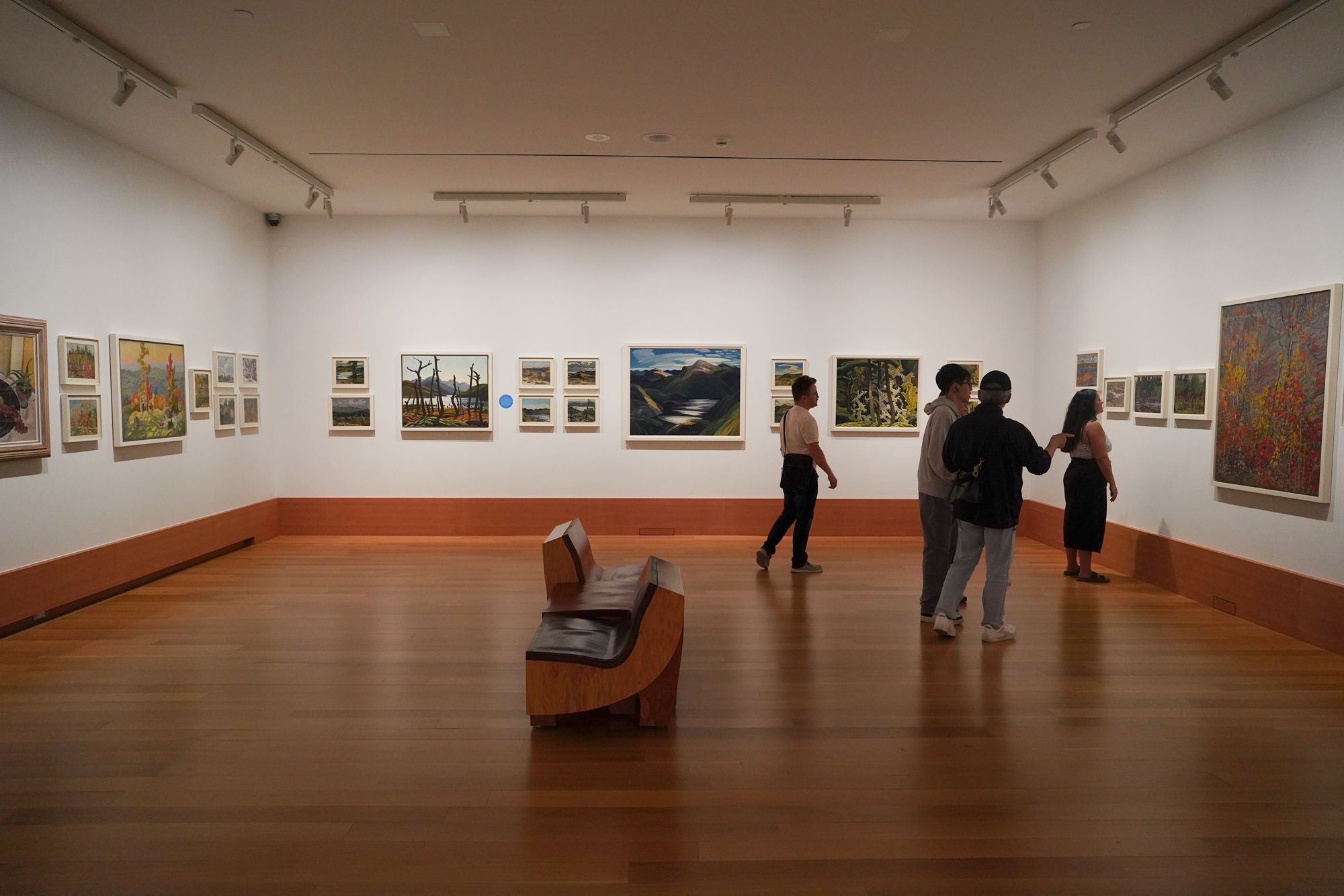
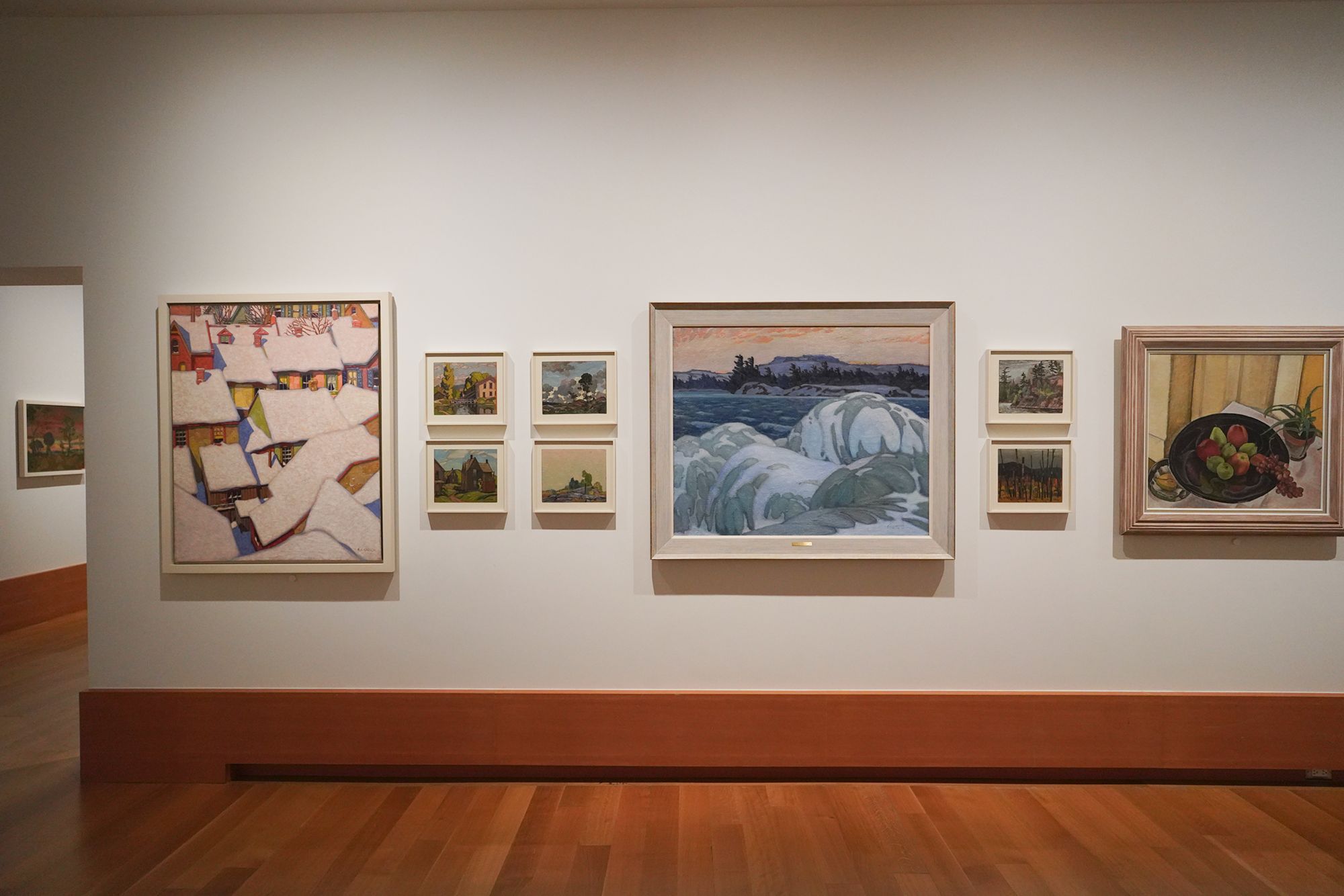
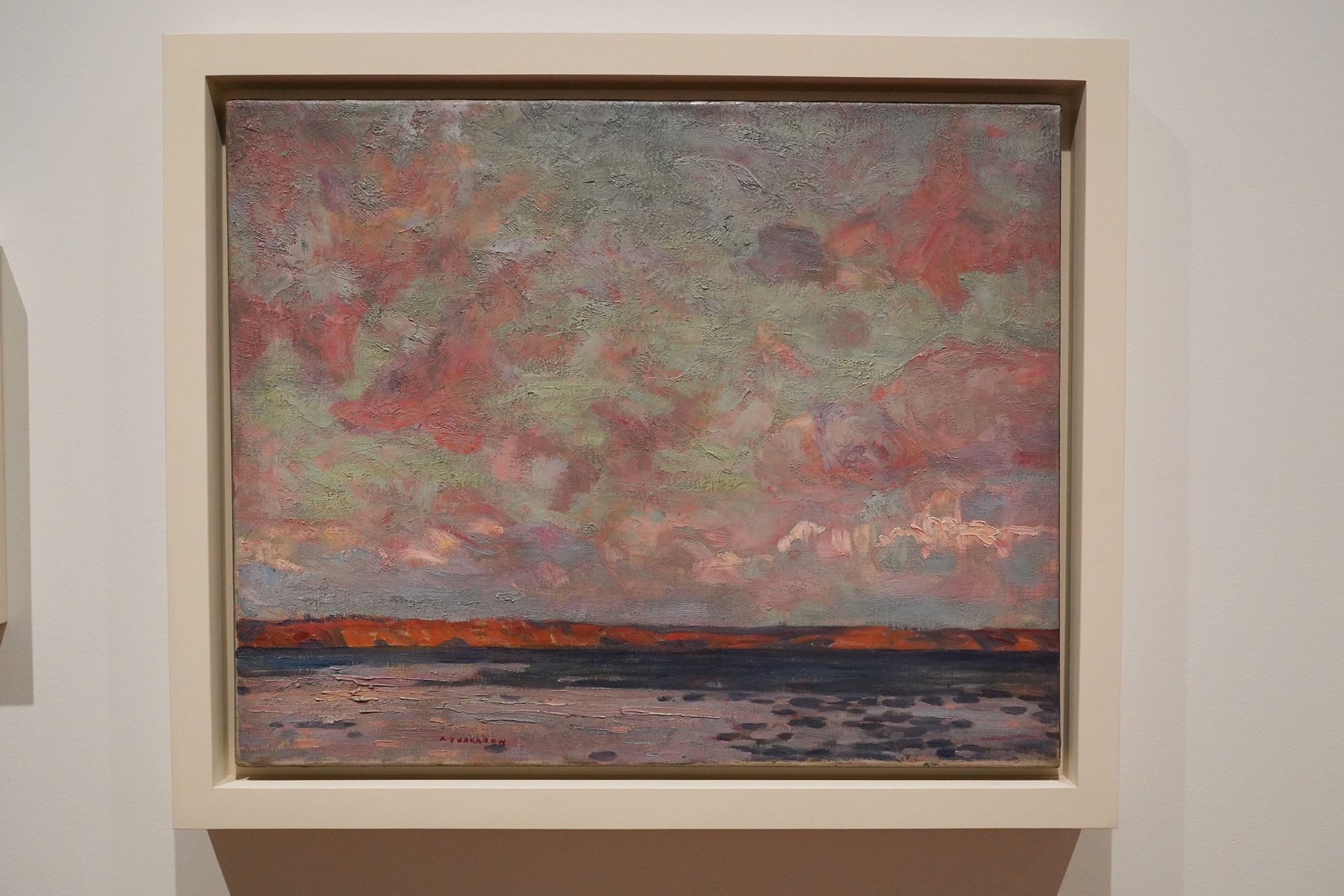
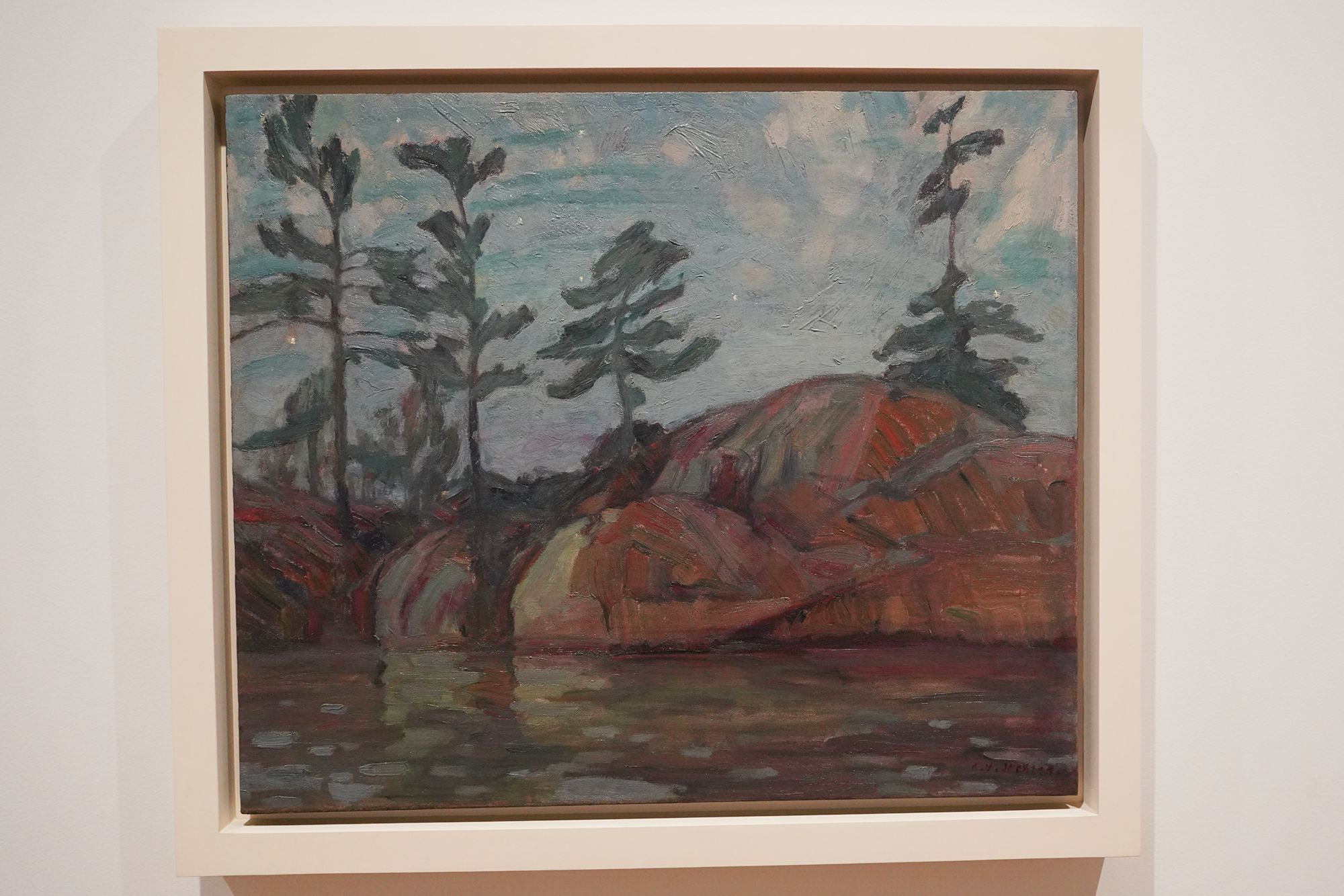
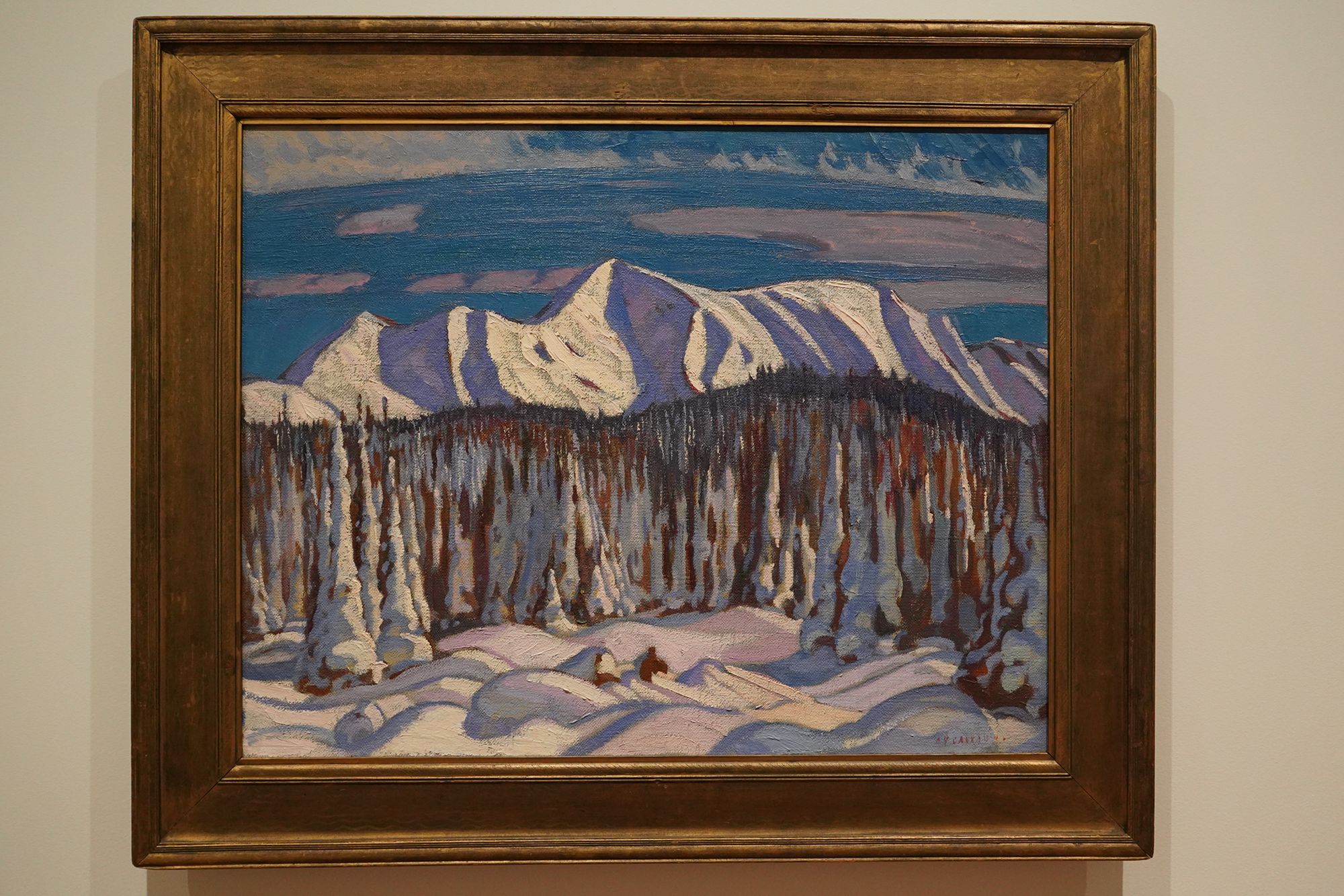
The Group of Seven was a collective of Canadian landscape painters active mainly from 1920 to 1933, dedicated to creating a distinctly Canadian art rooted in the country’s natural environment. Founding members included Lawren Harris, A.Y. Jackson, J.E.H. MacDonald, Arthur Lismer, Frederick Varley, Franklin Carmichael, and Frank Johnston (who later left). Tom Thomson, who died in 1917, was never an official member but is considered a crucial spiritual precursor.
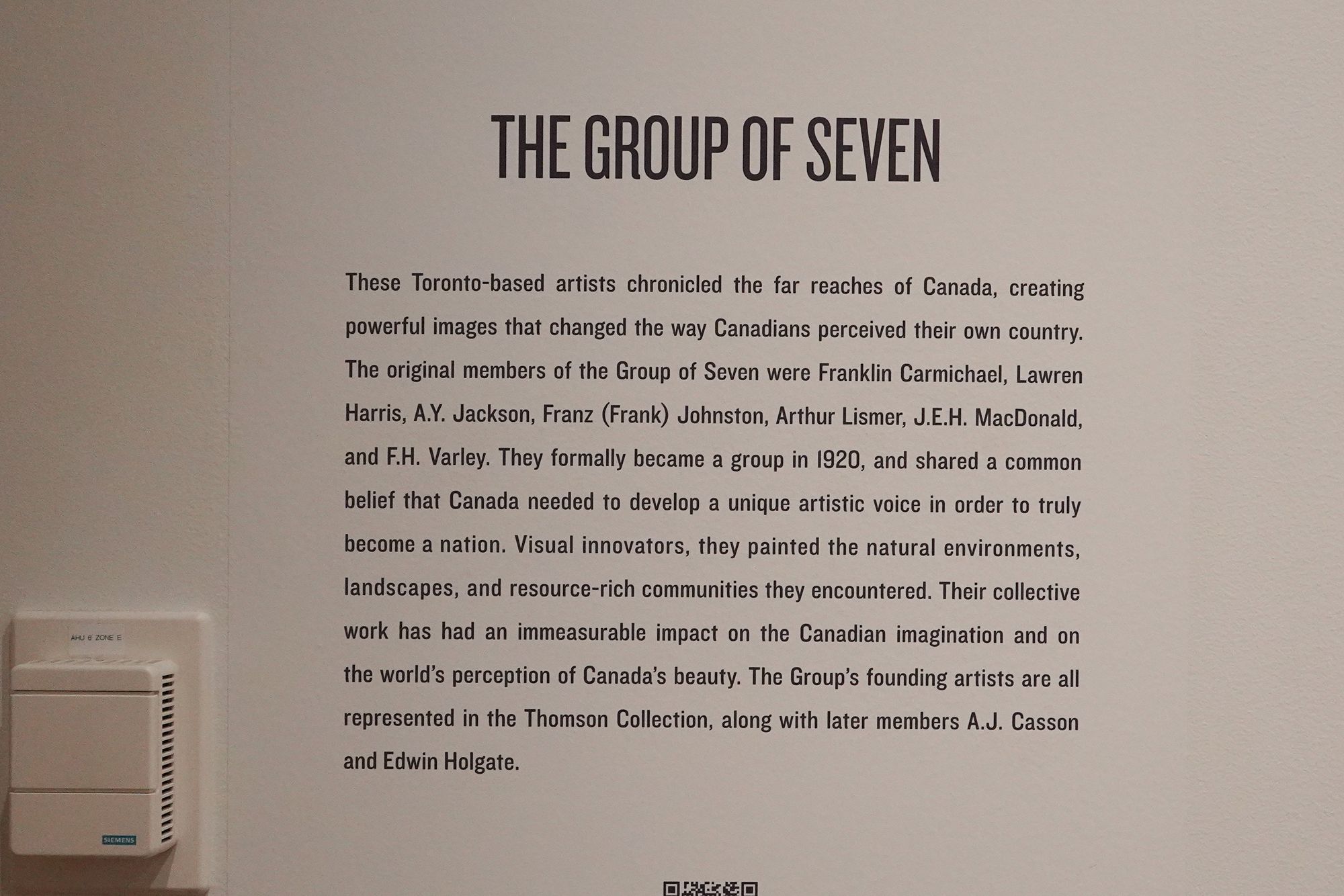
Their work focused on wilderness landscapes—the Canadian Shield, Algoma region, Georgian Bay, northern Ontario, the Rockies, and later the Arctic. Rather than realistic depiction, they emphasized bold color, expressive brushwork, simplified forms, and rhythmic compositions, influenced by Post-Impressionism and Scandinavian modernism.
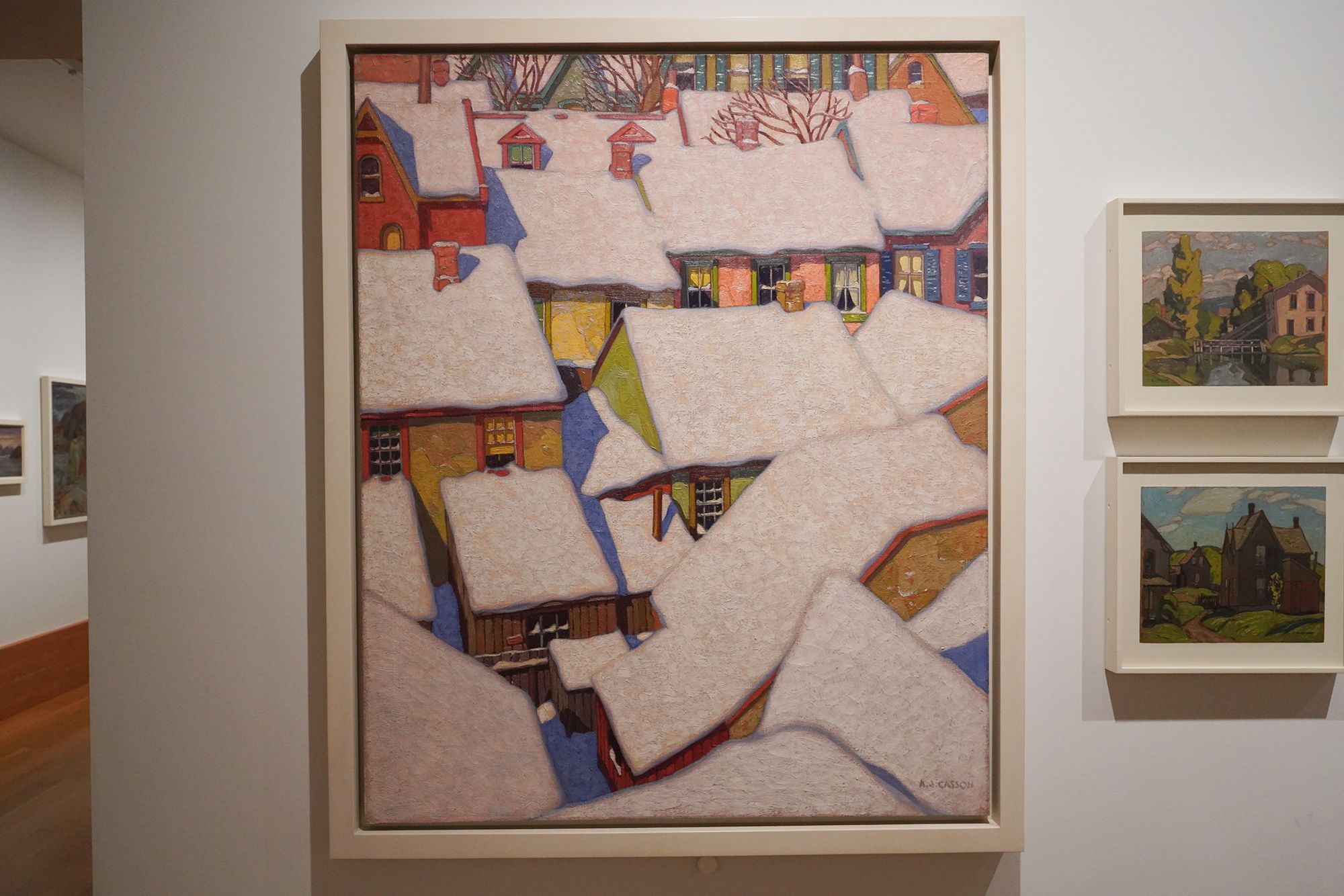
Philosophically, the Group believed that Canada’s identity should be expressed through its land, not European traditions. This nationalist vision was controversial at first; critics found their work crude and unrefined. Over time, however, their approach reshaped Canadian art and public taste.
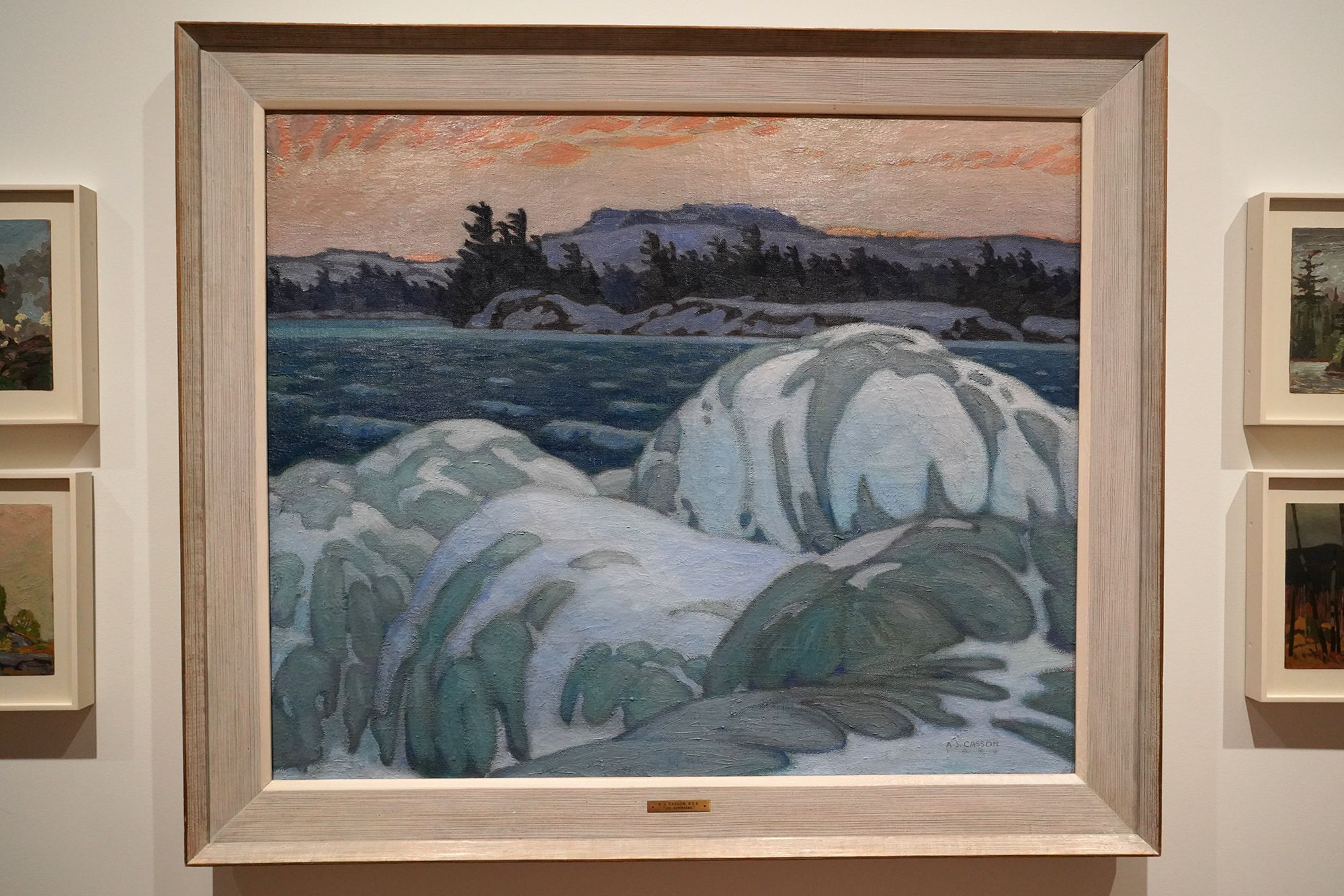
Later artists such as A.J. Casson, Edwin Holgate, and L.L. FitzGerald were associated with the group, and its legacy continued through the Canadian Group of Painters. Today, the Group of Seven is central to Canada’s cultural identity and heavily represented in major museums like the Art Gallery of Ontario.
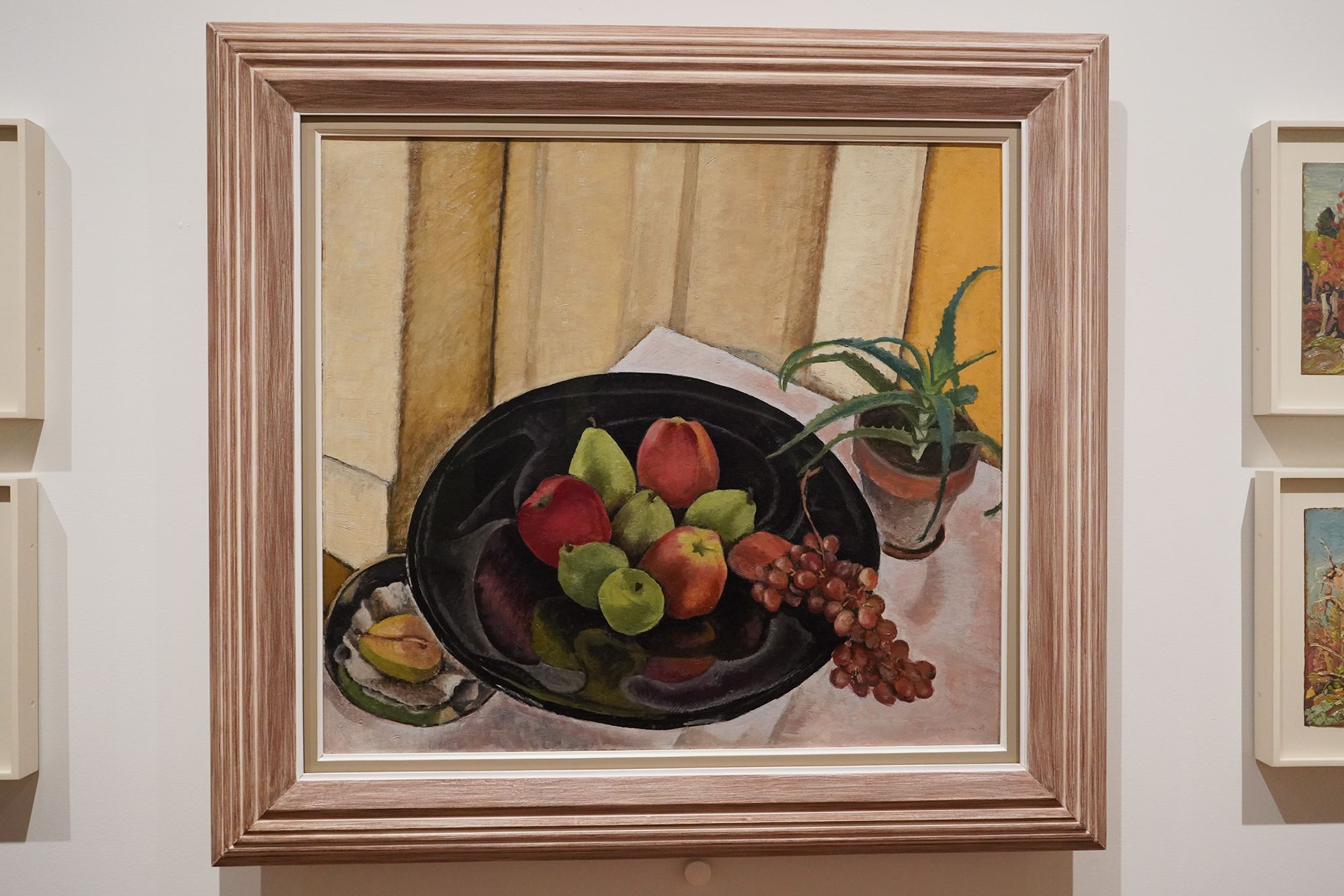
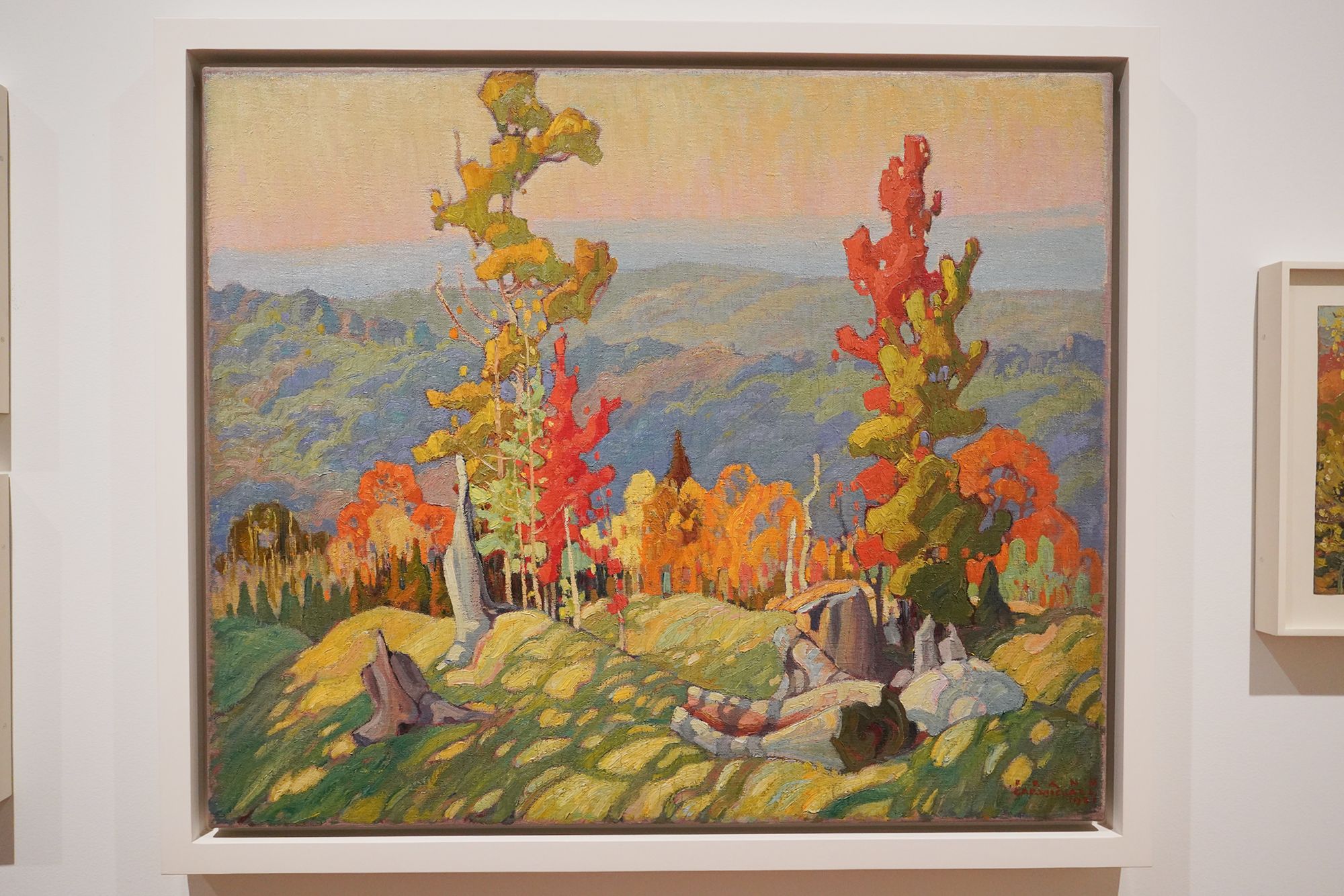
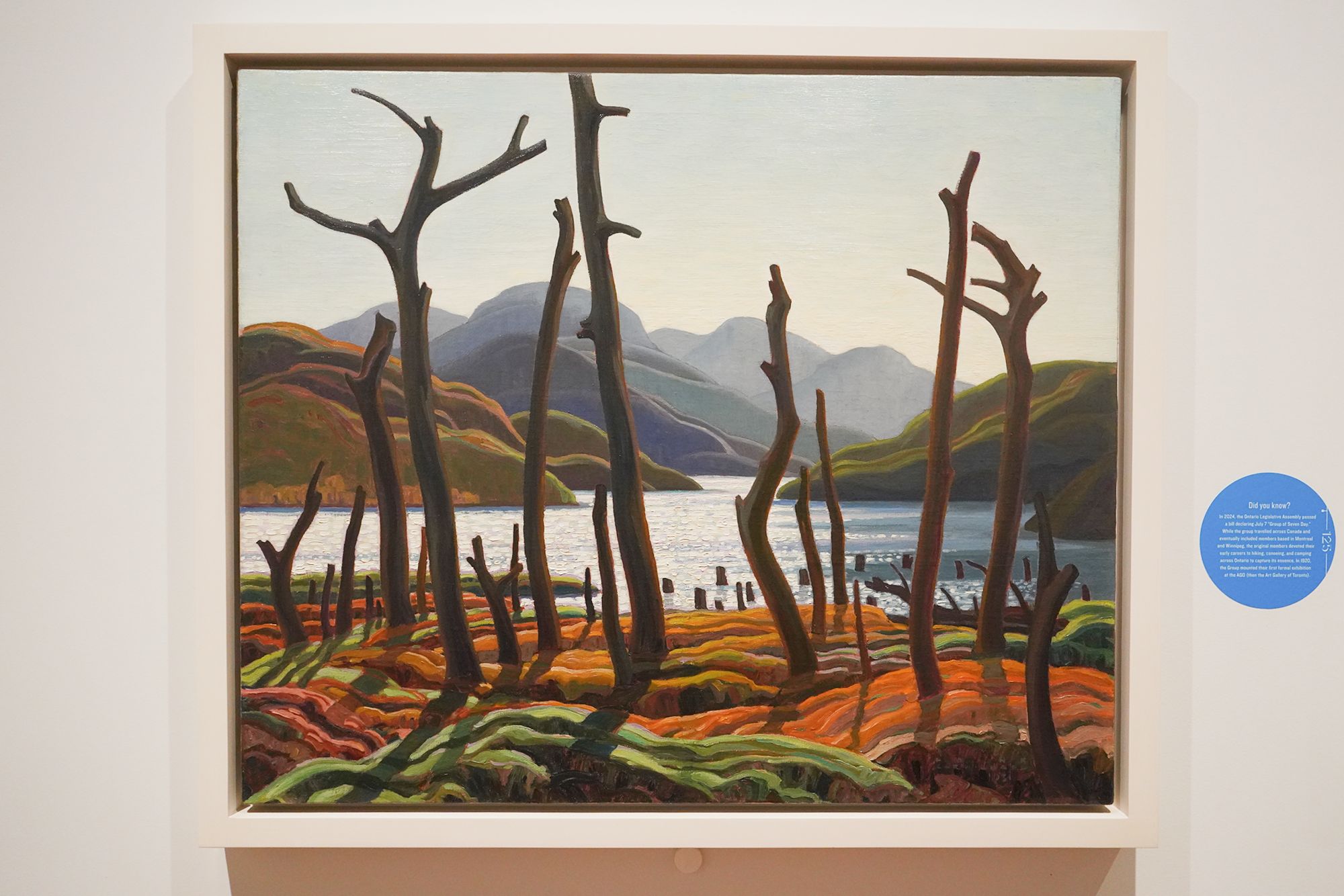
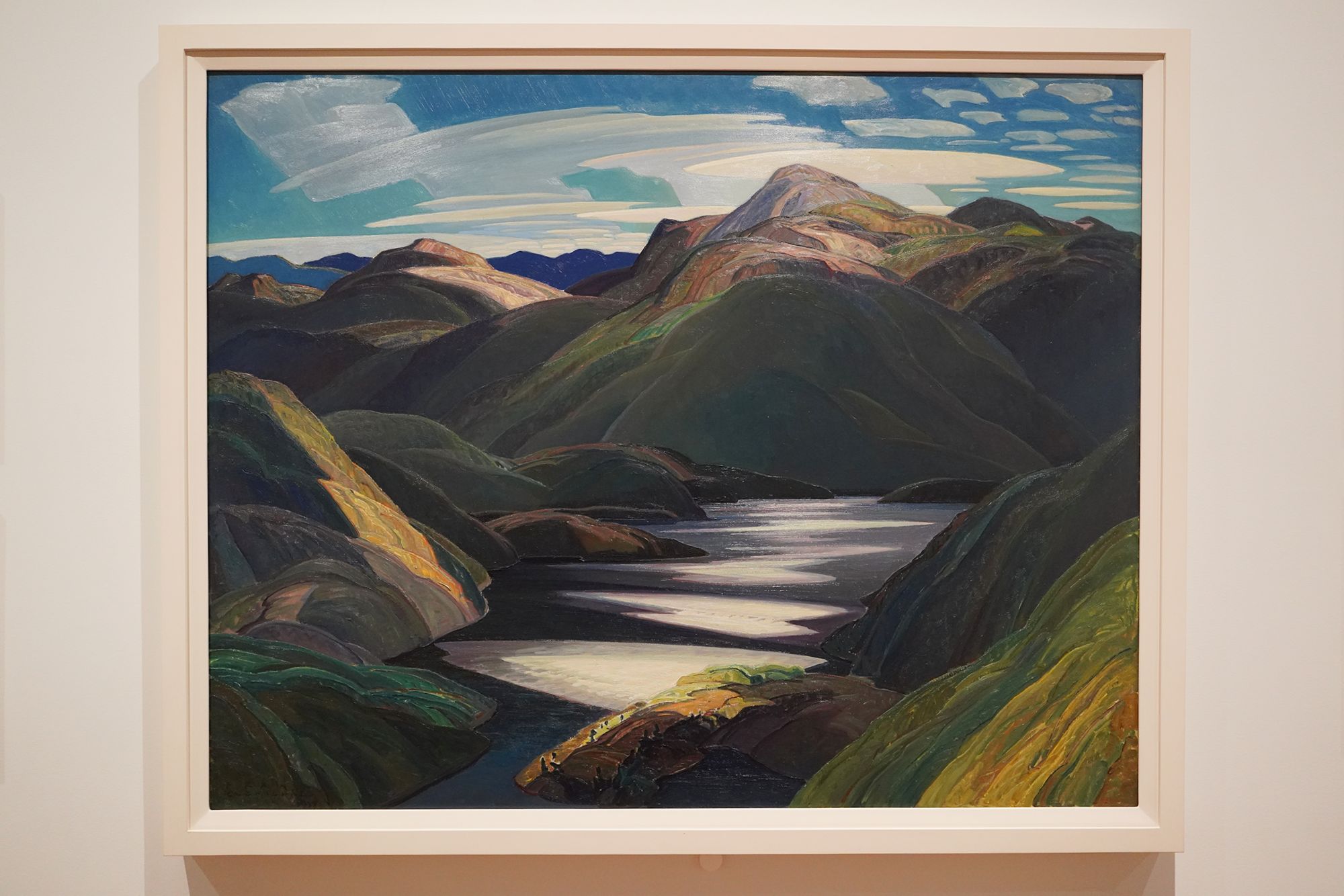
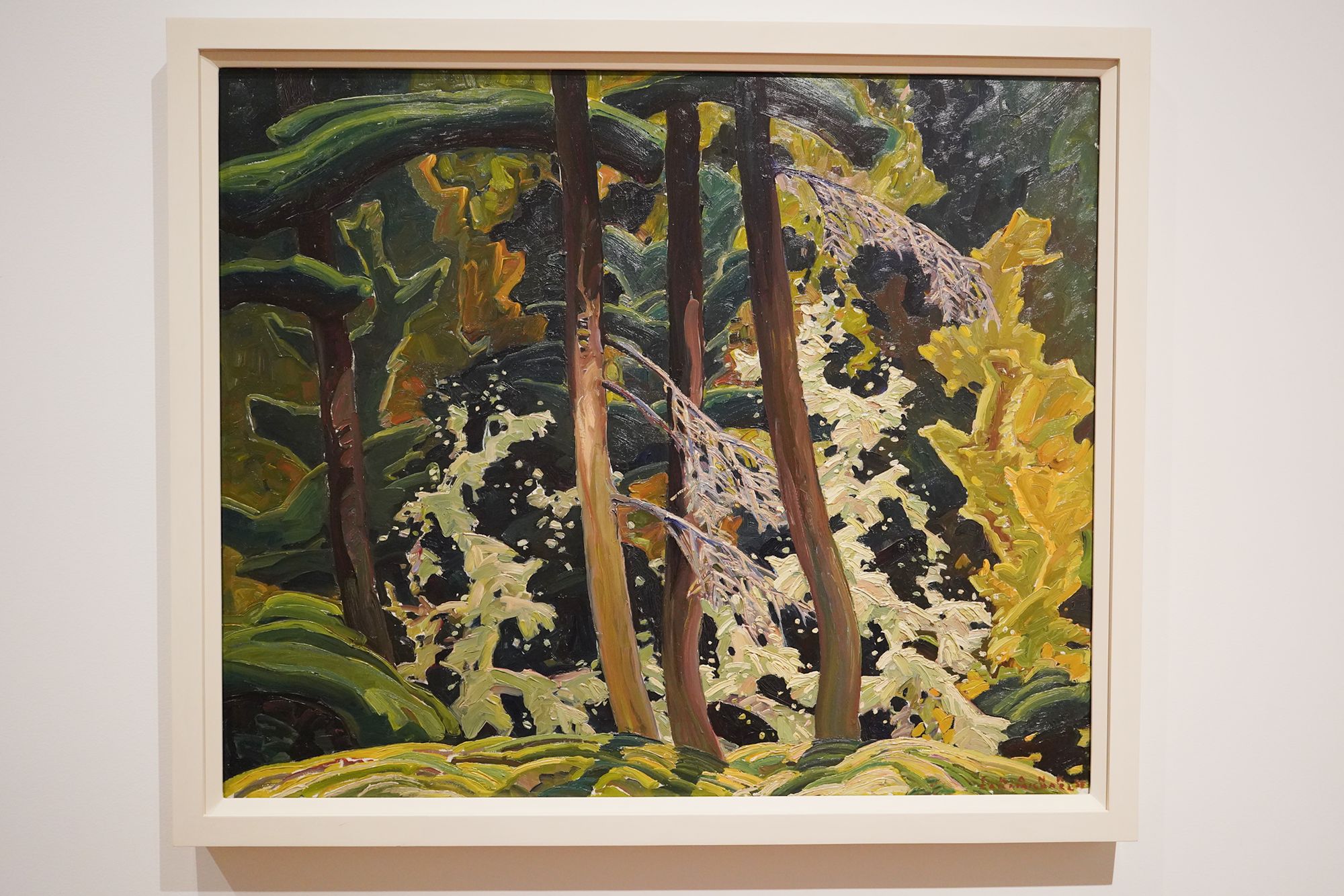
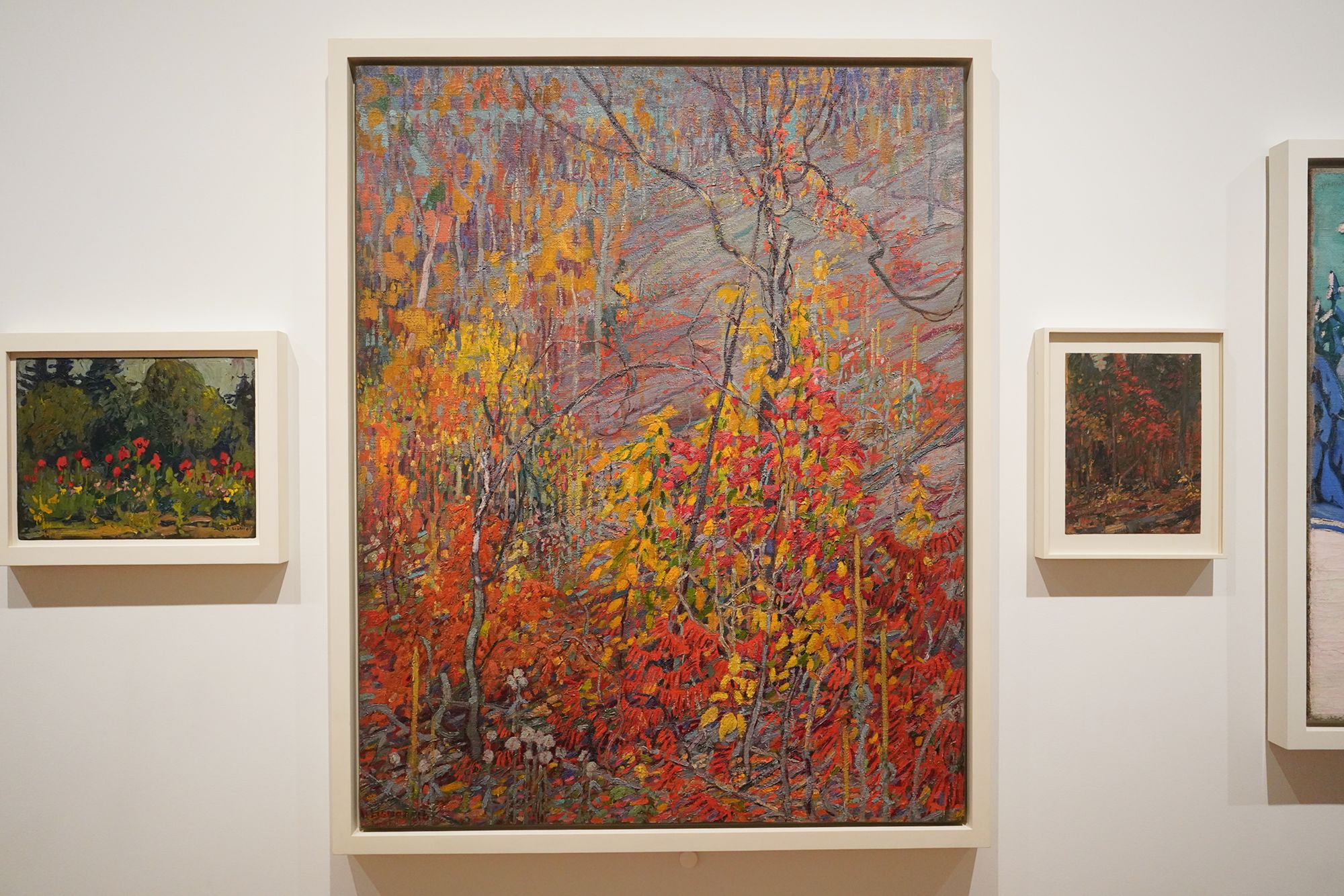
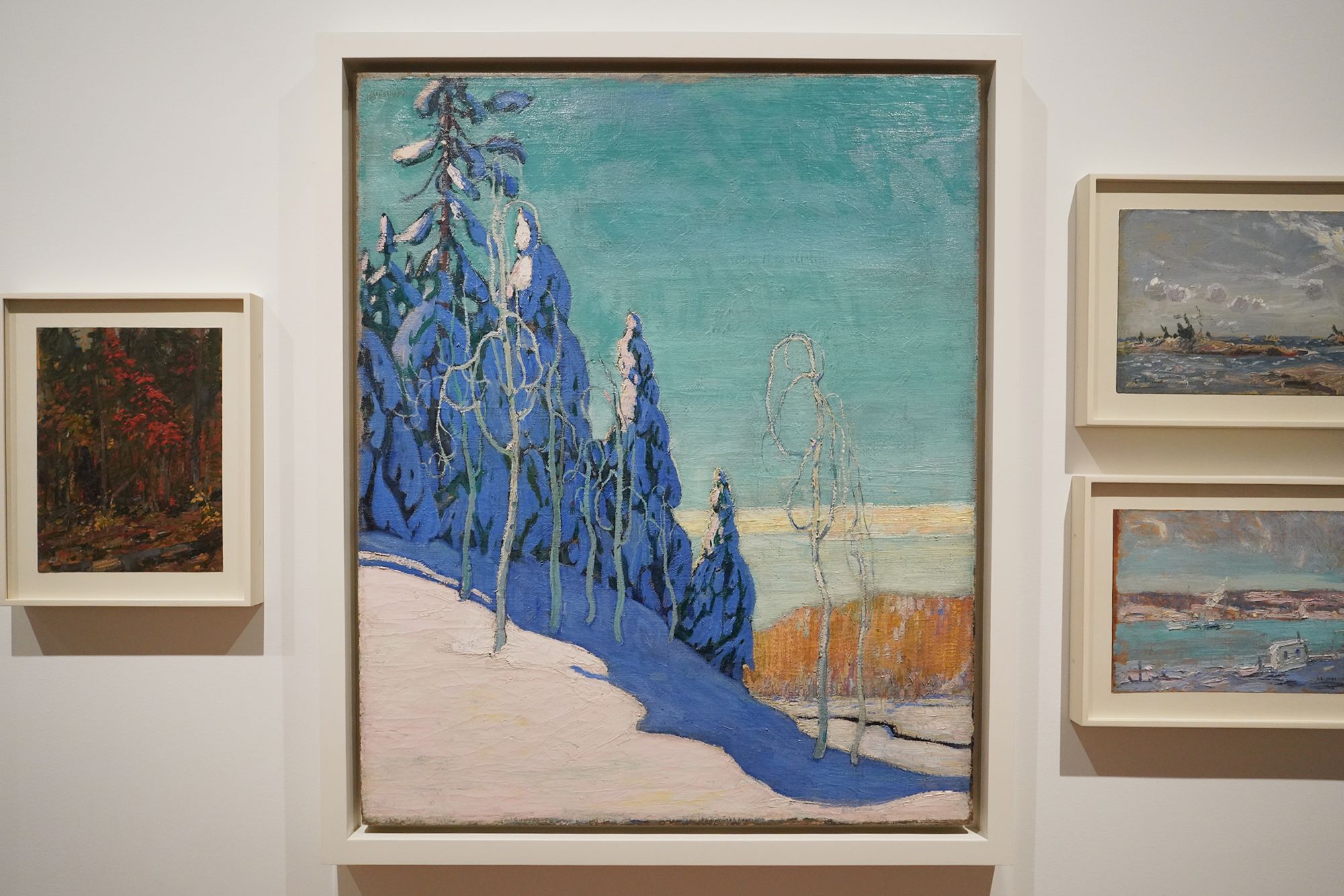
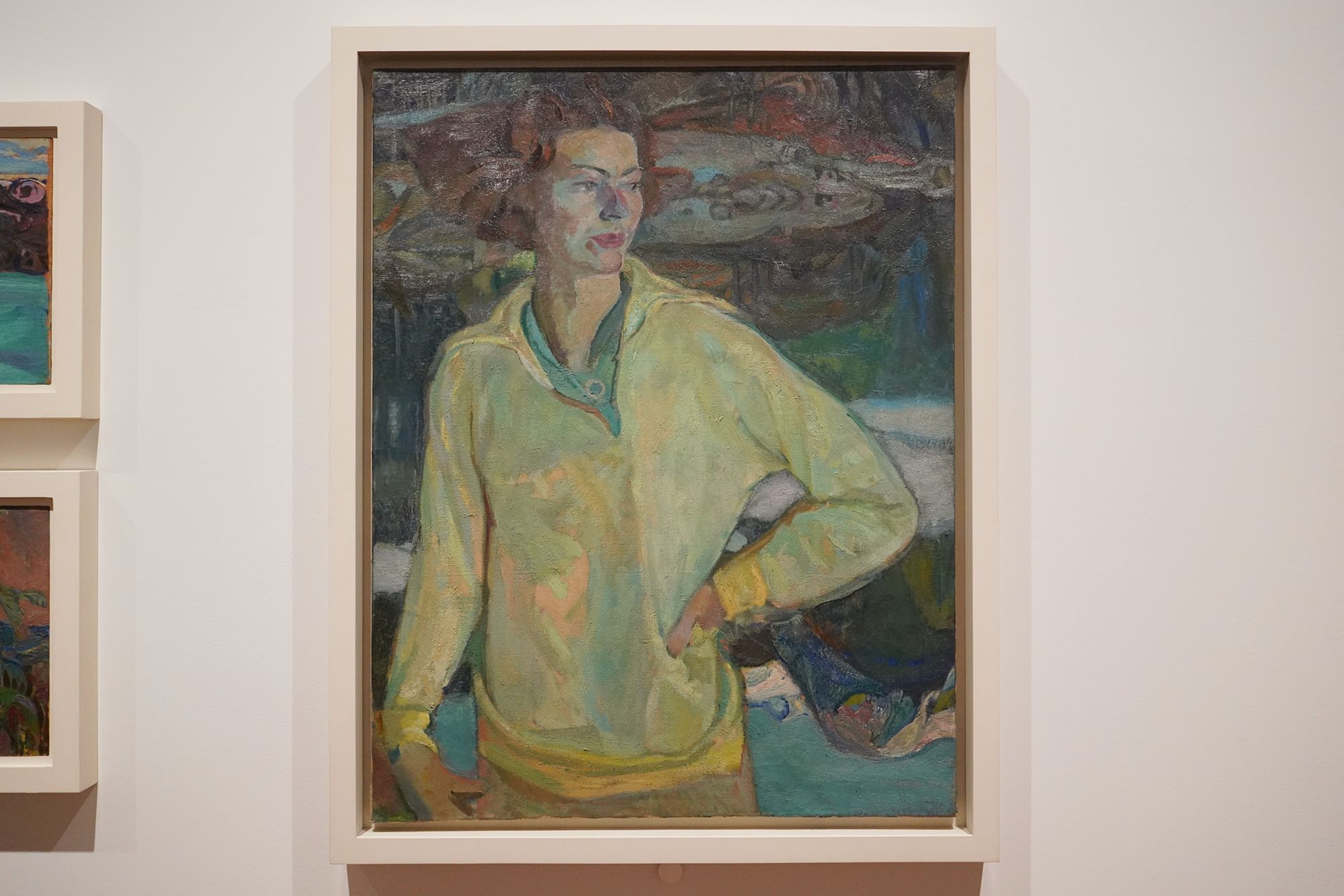
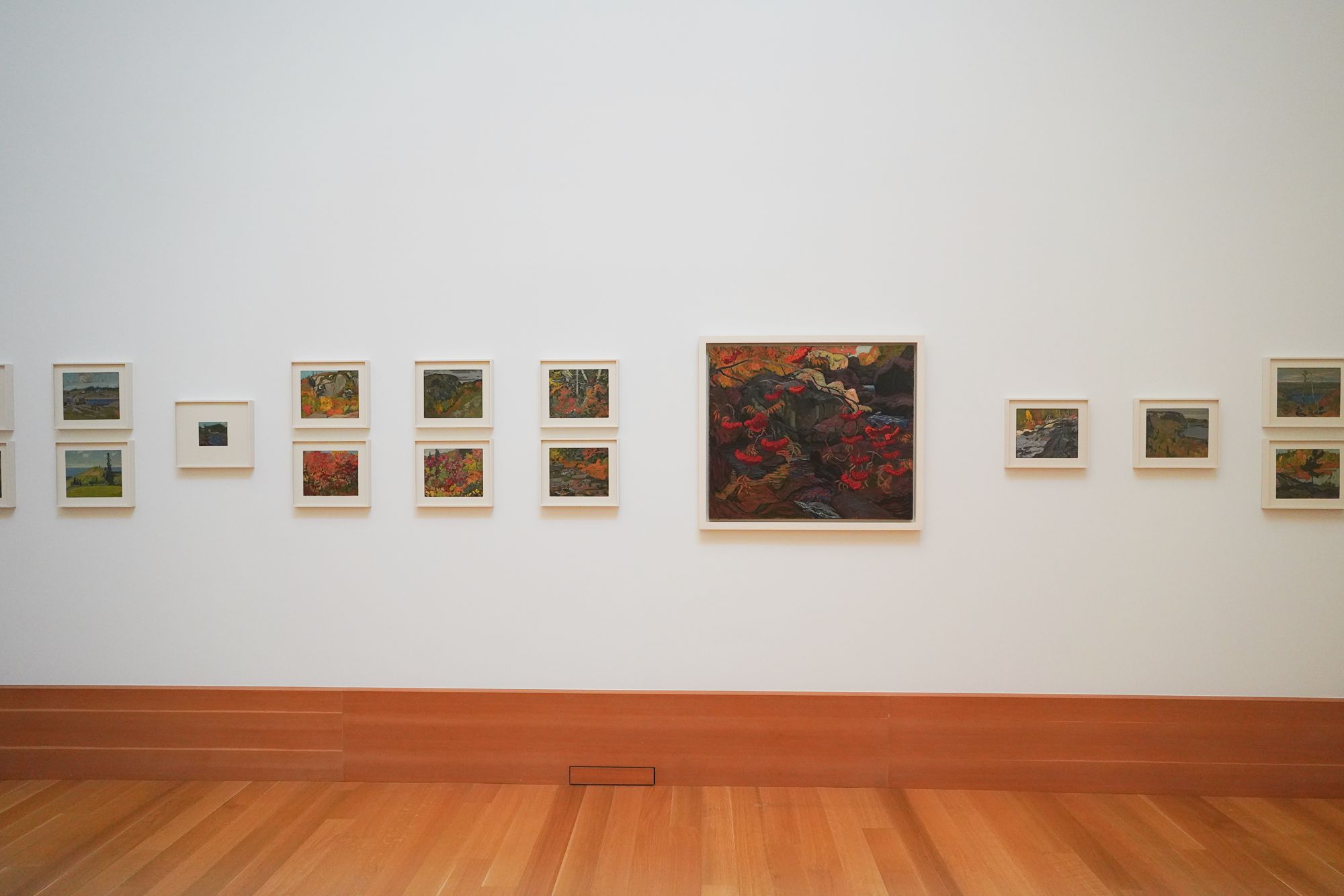
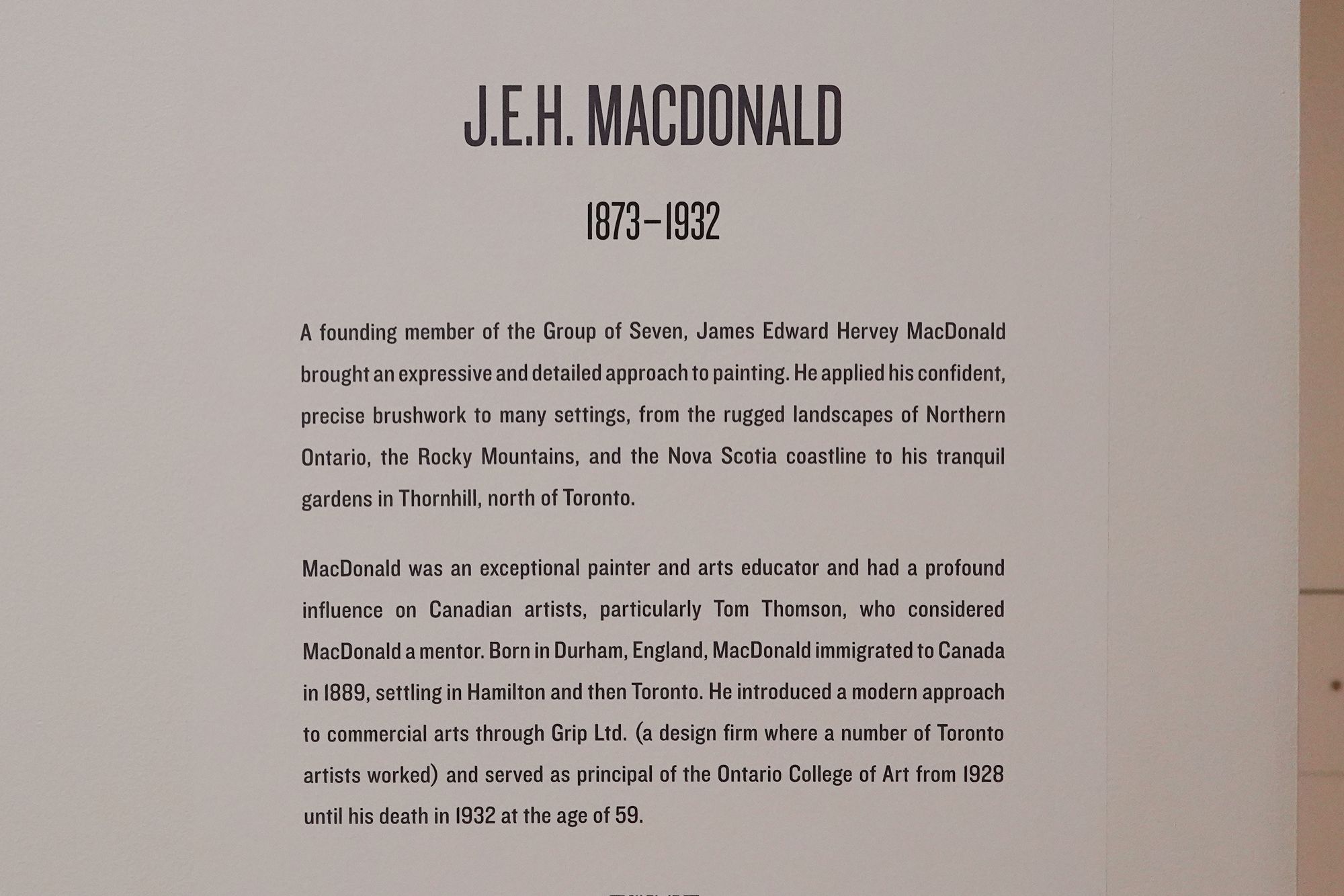
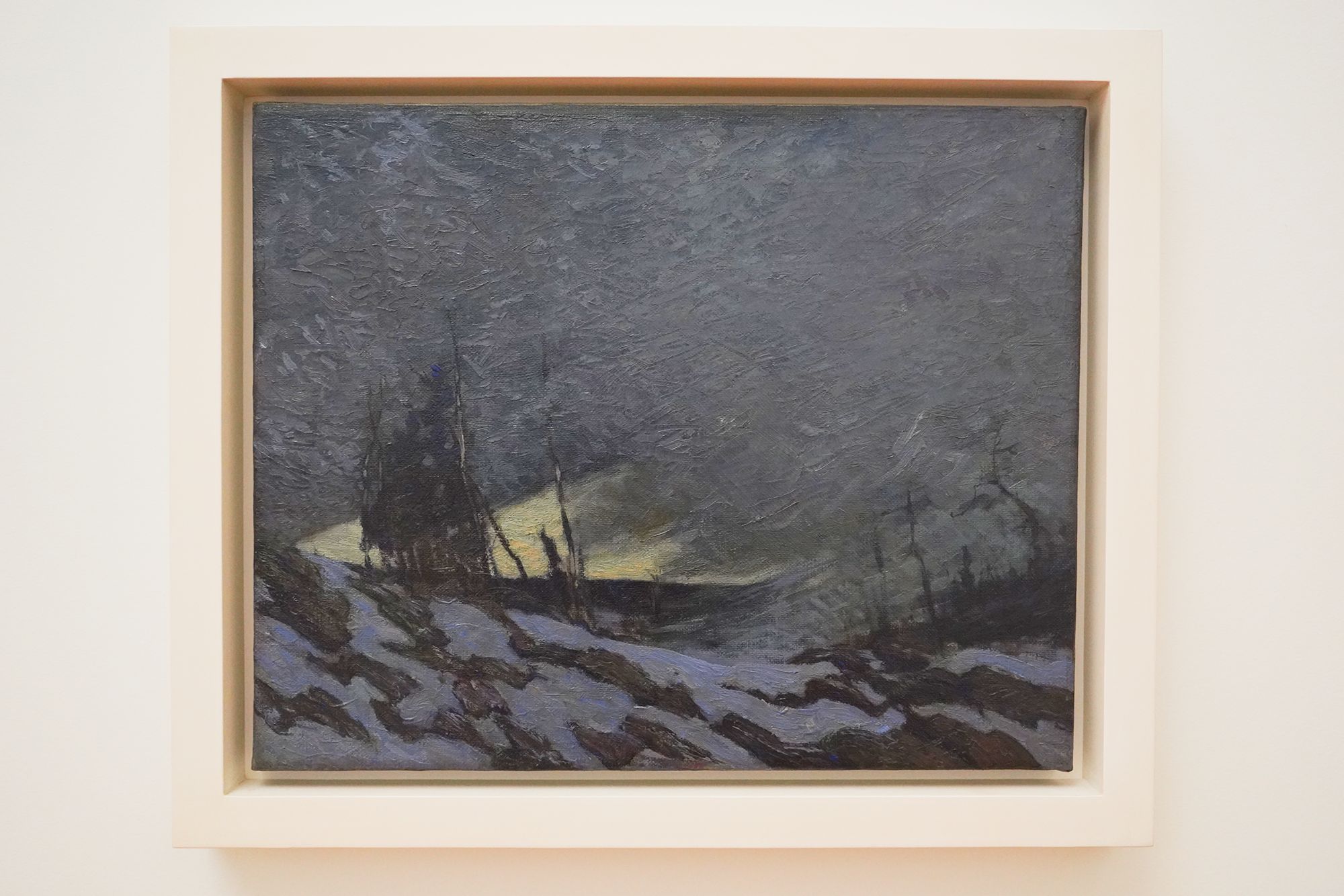
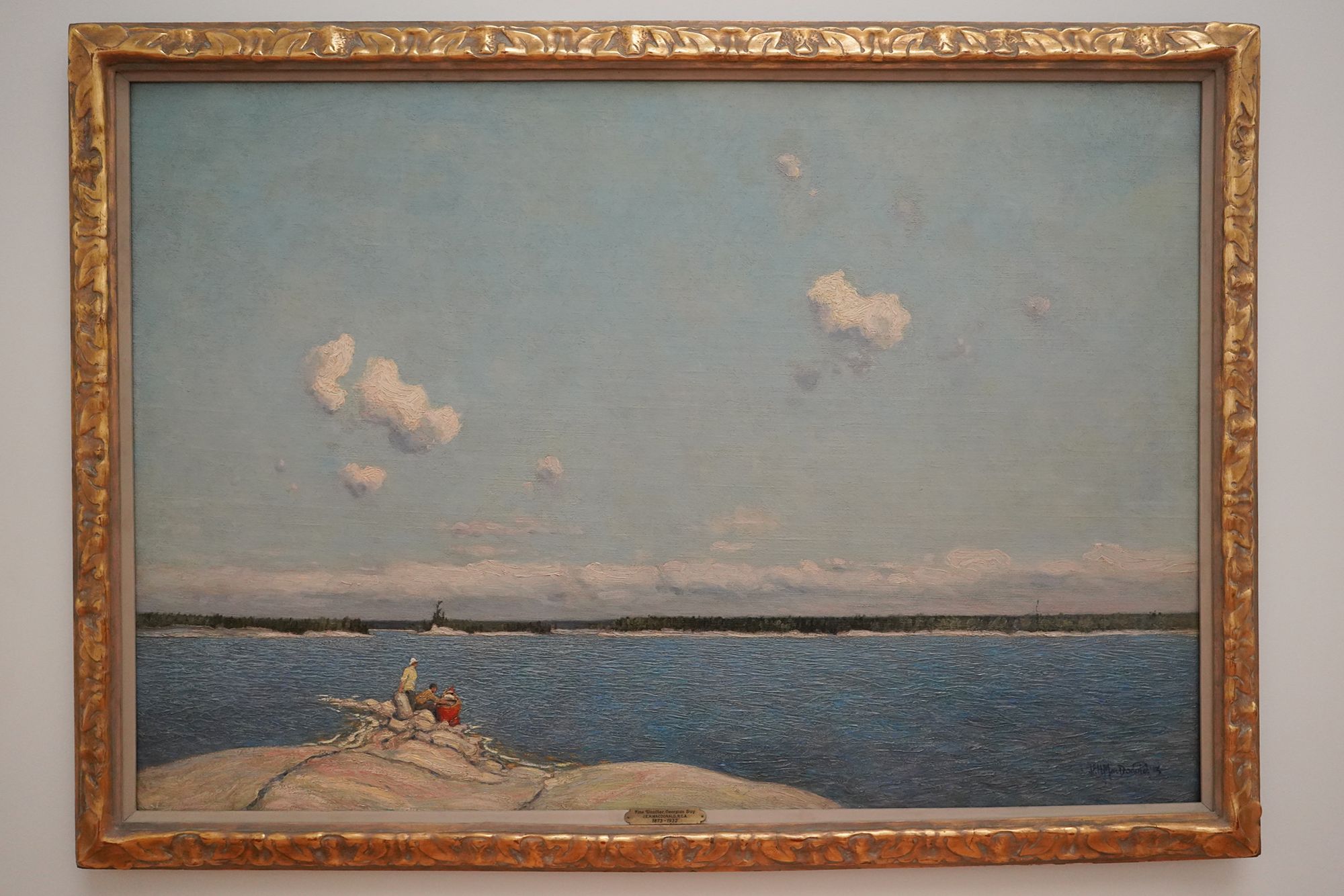
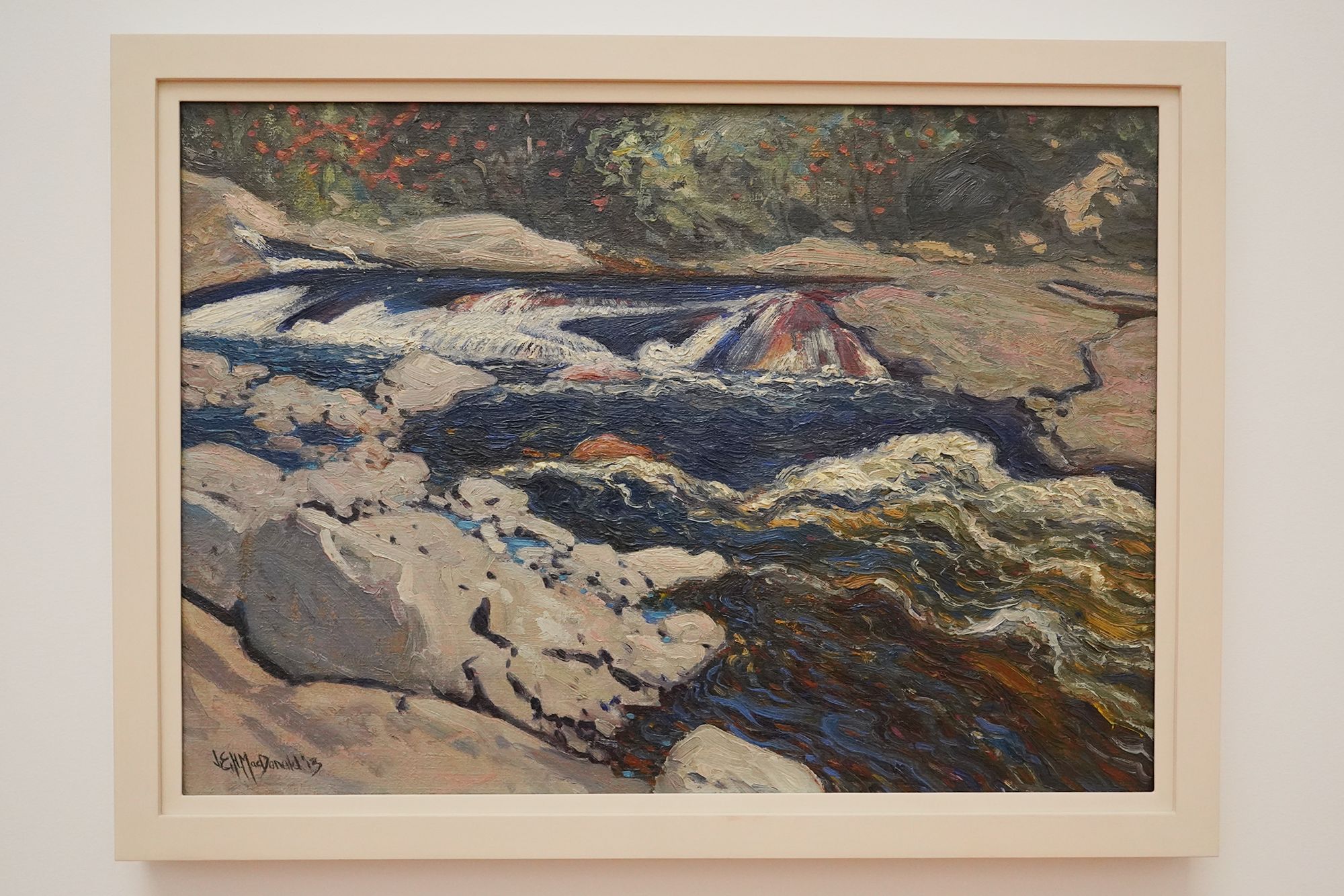
J.E.H. MacDonald (1873–1932) was a founding member of the Group of Seven and a key figure in Canadian modernism. Known for expressive landscapes, rhythmic compositions, and rich color, he also worked in graphic design and poetry, shaping the group’s artistic vision.
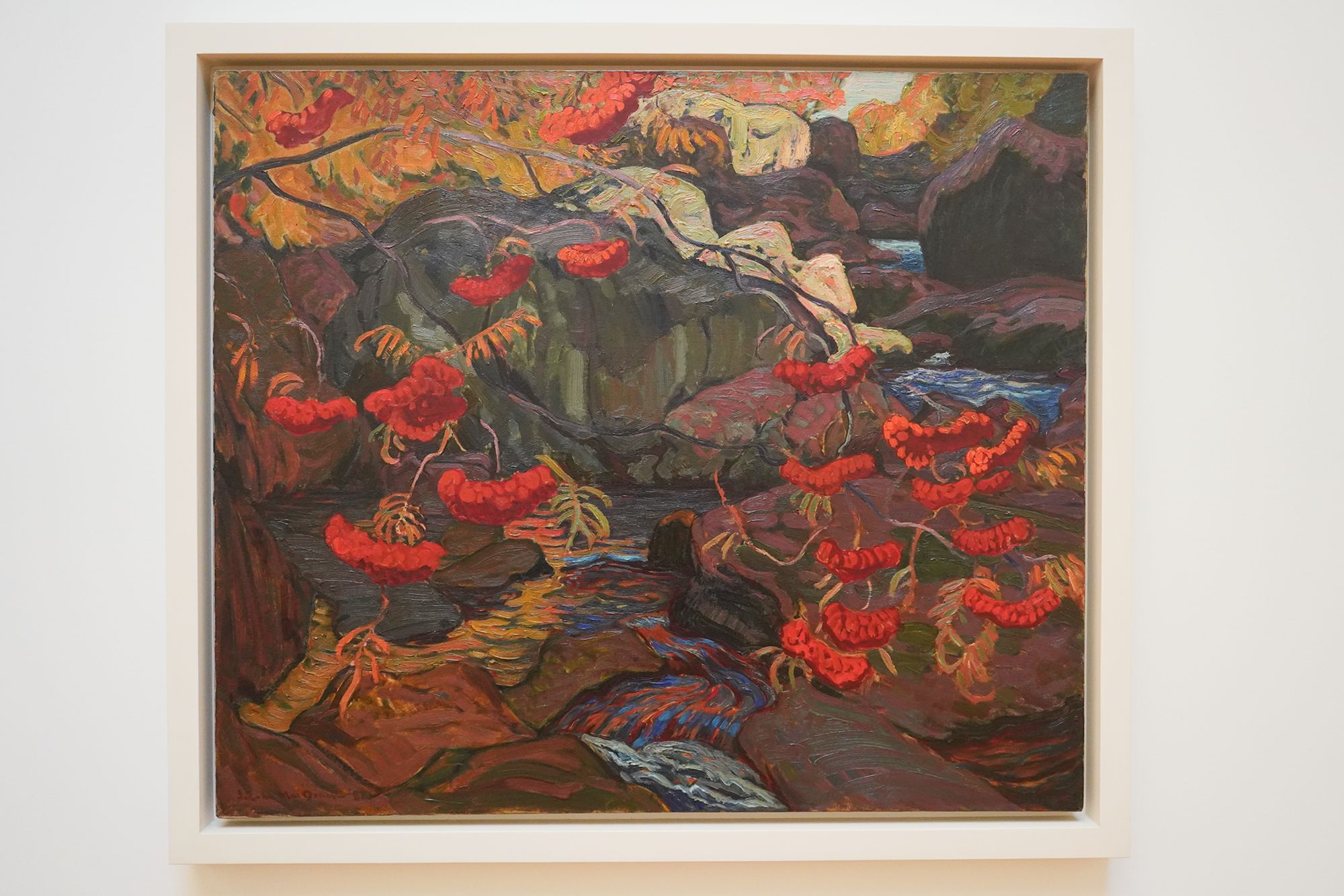
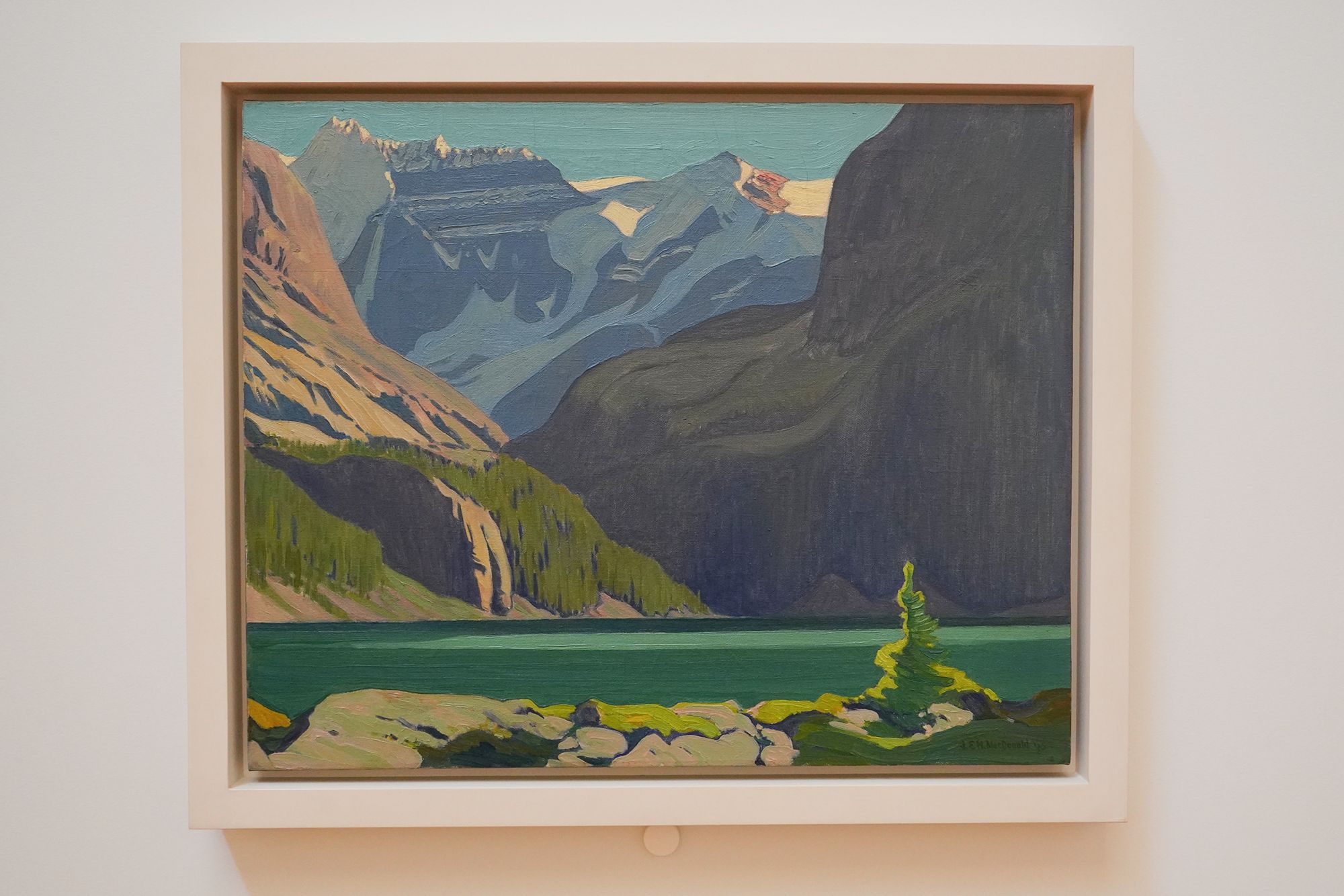
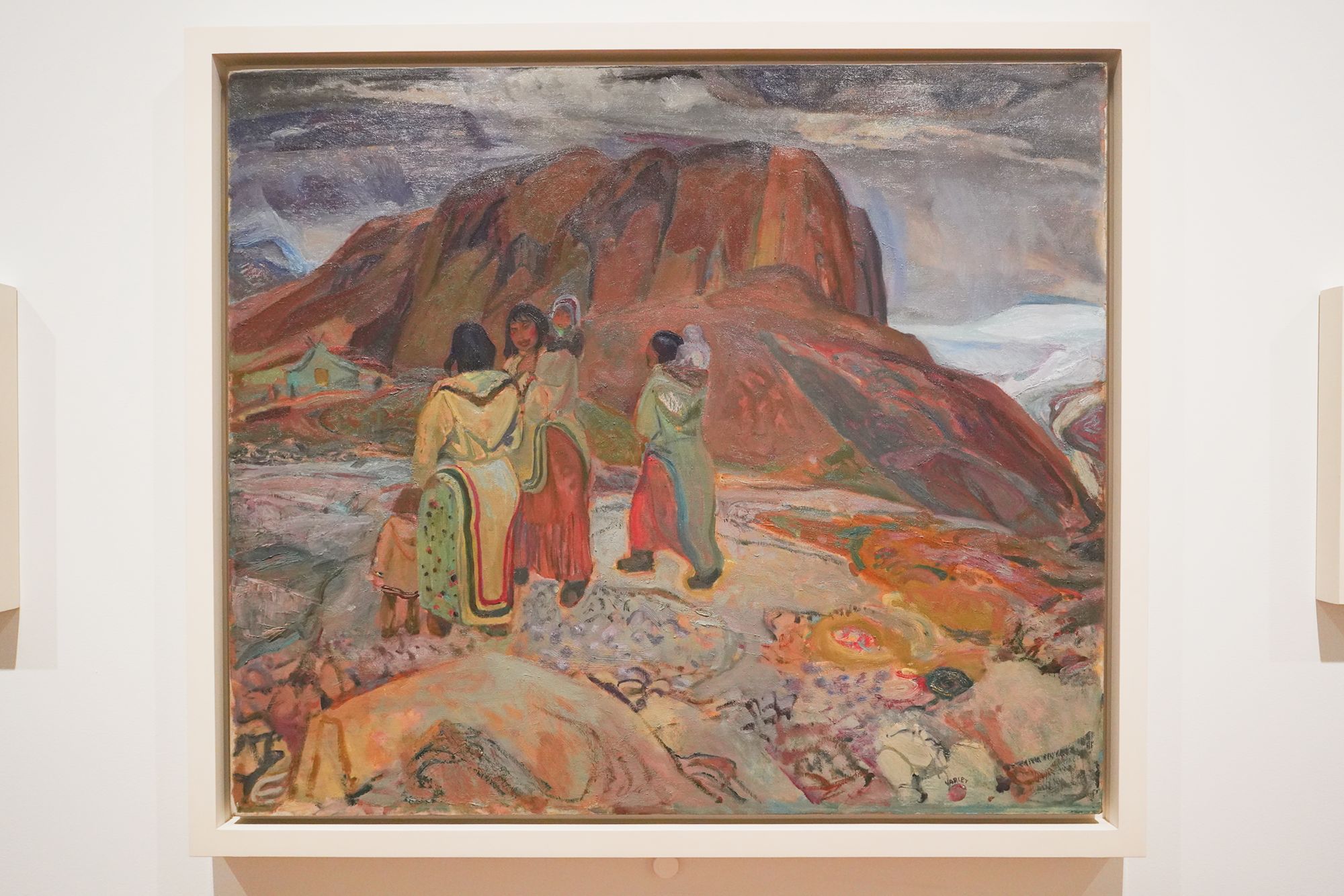
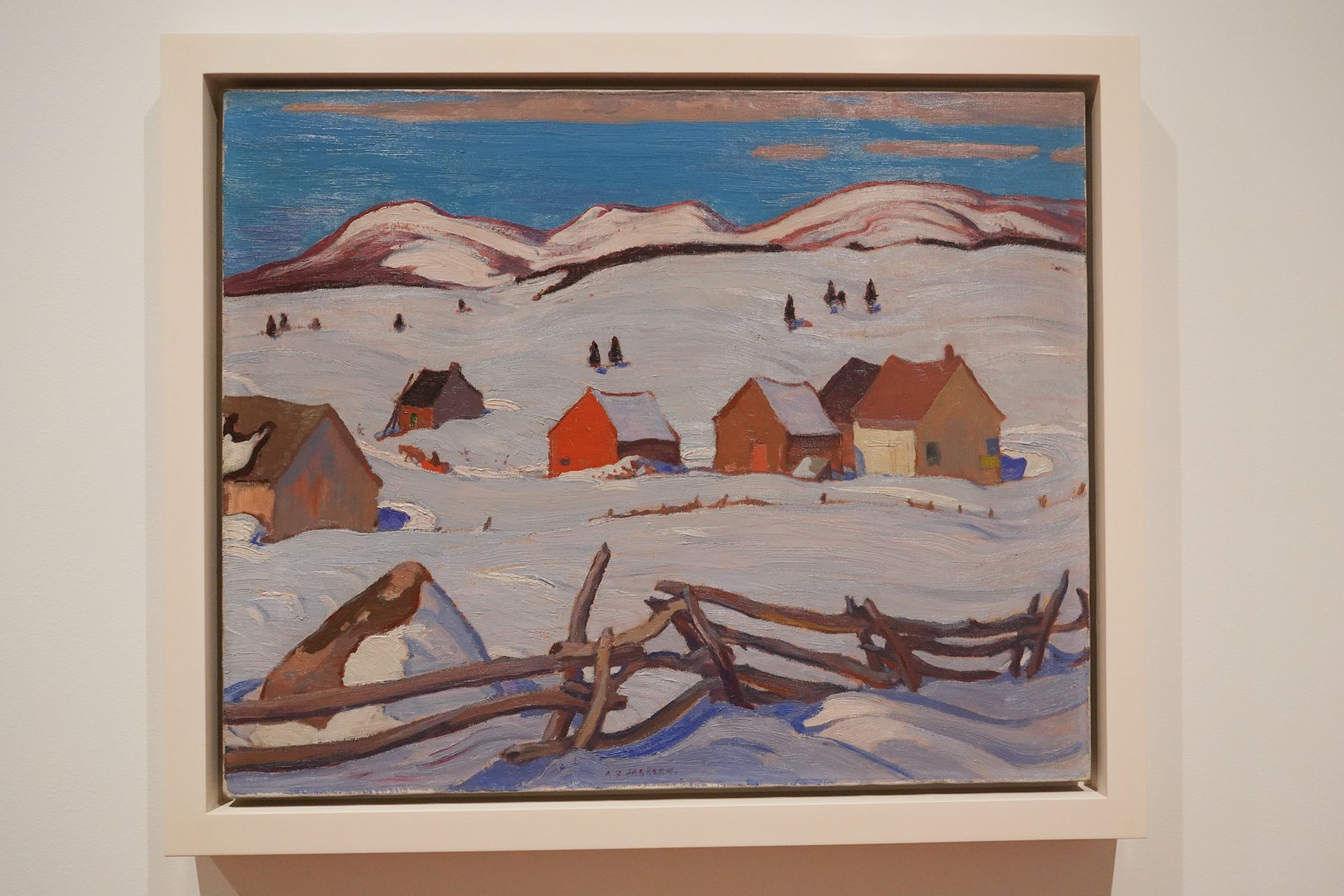
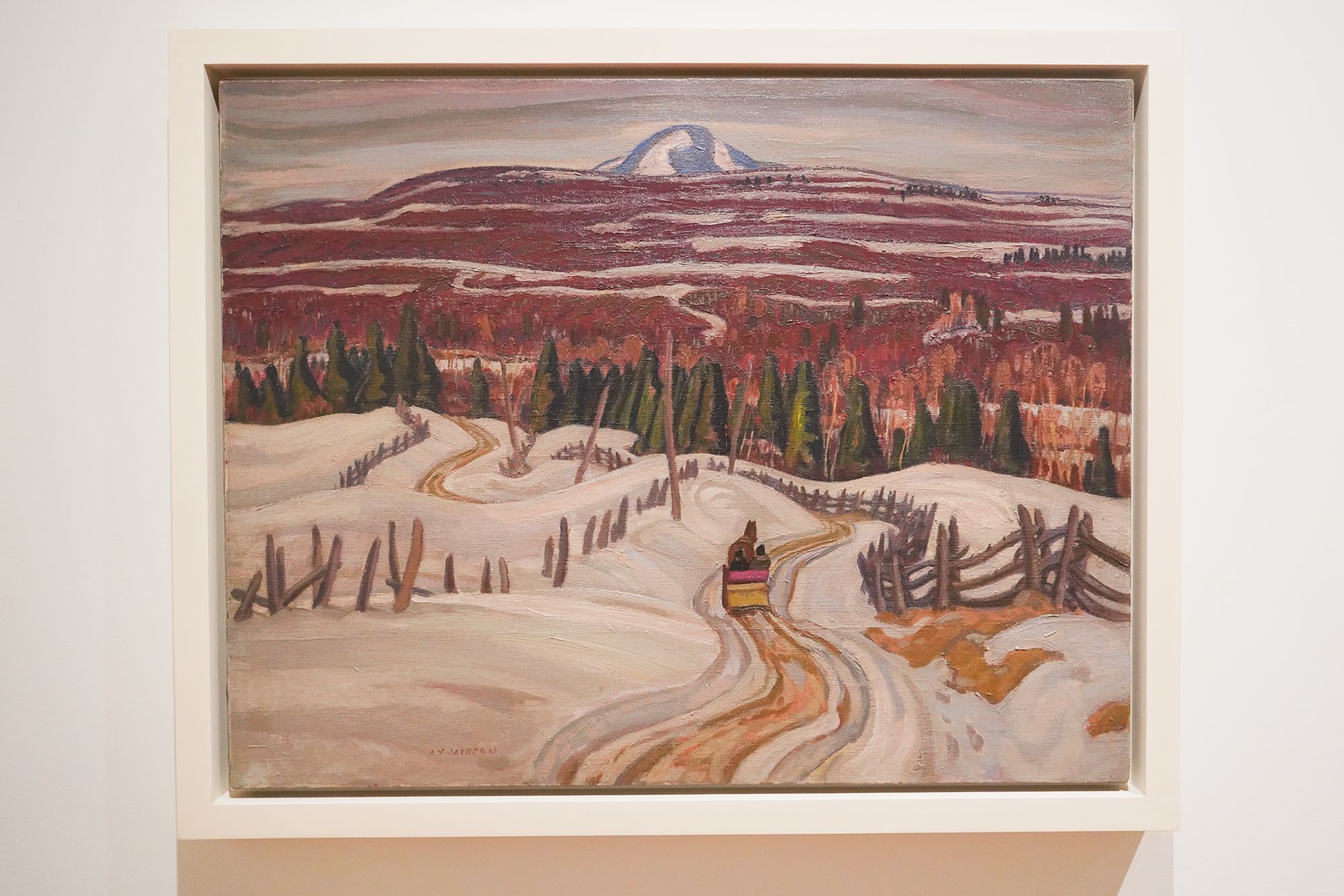
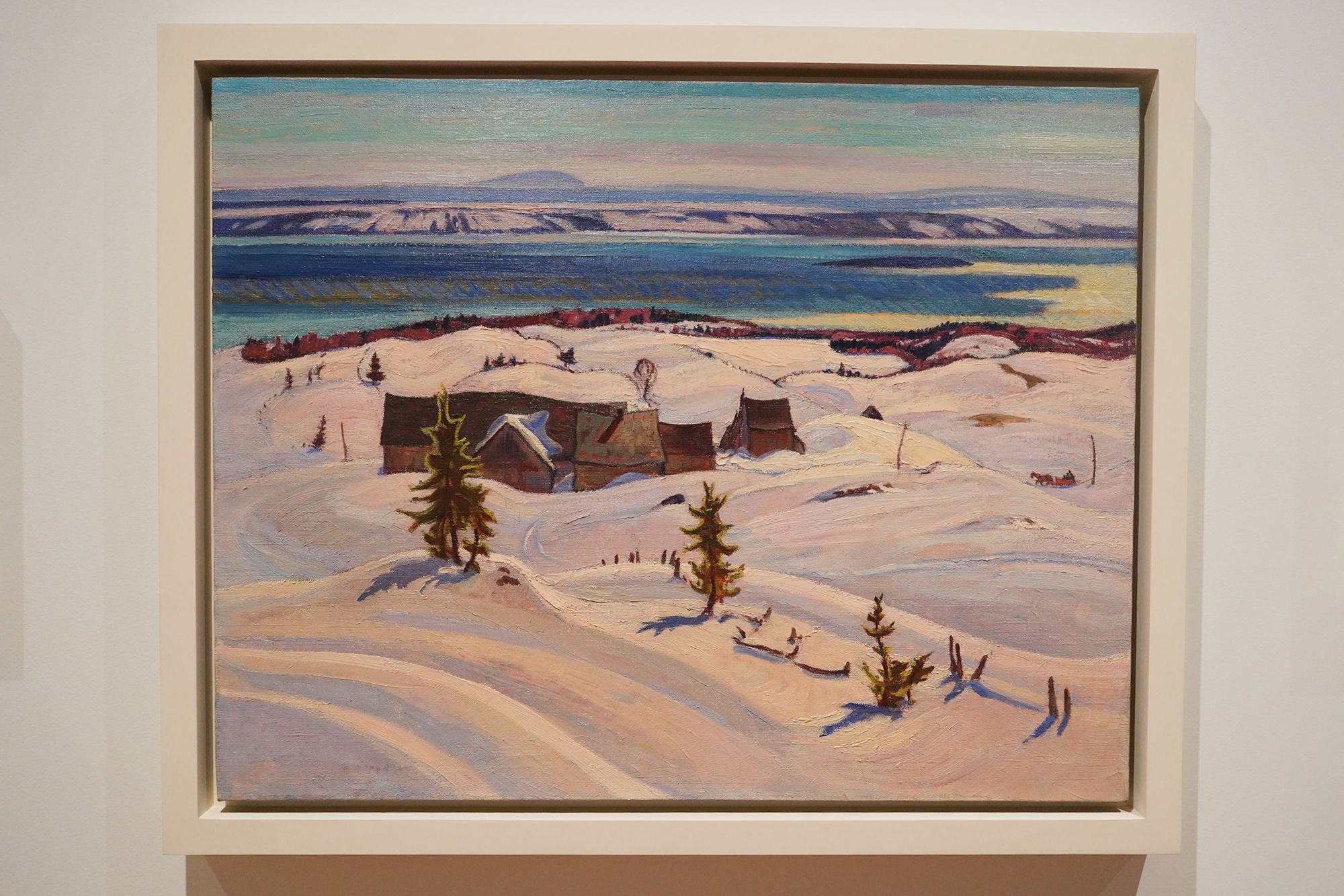
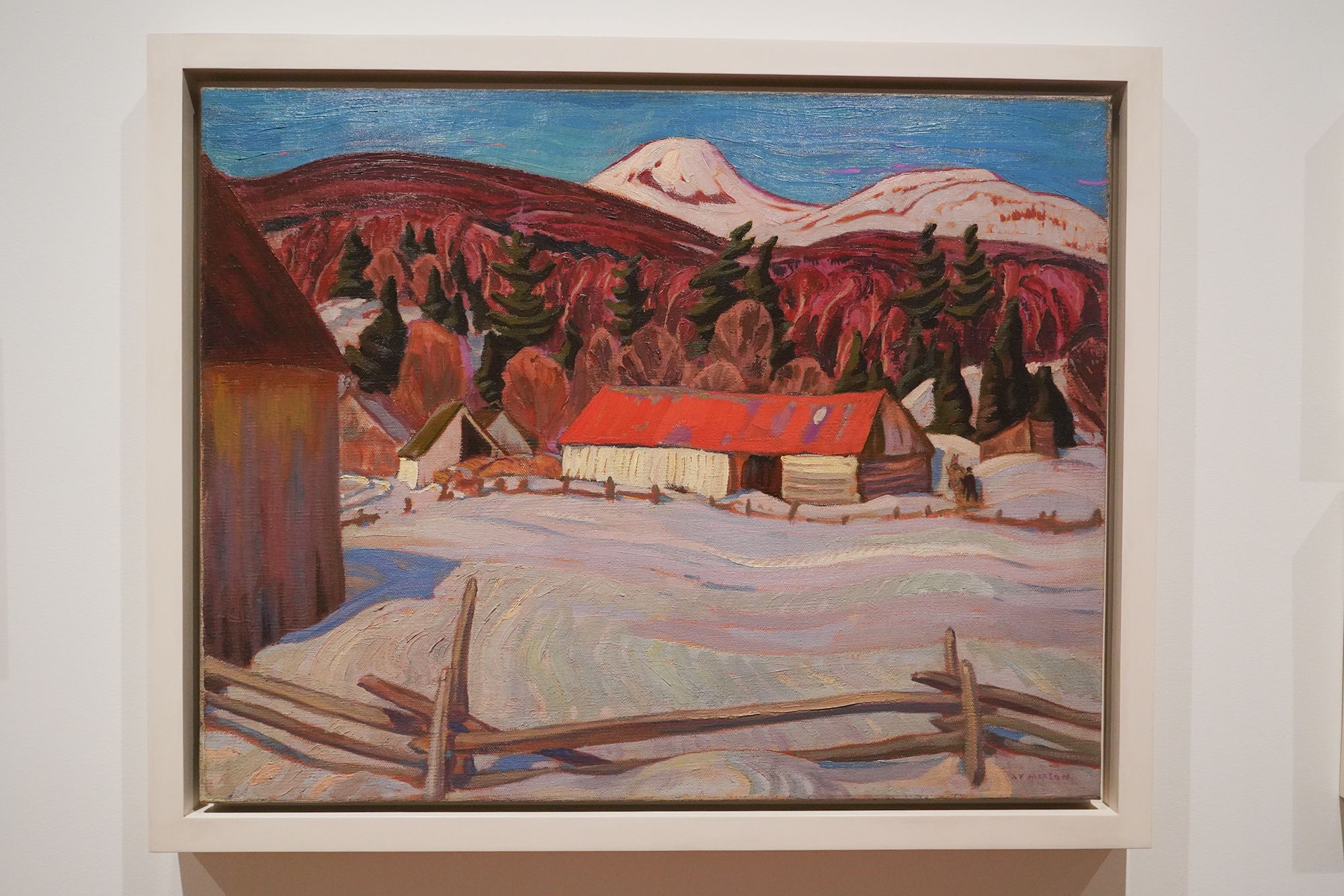
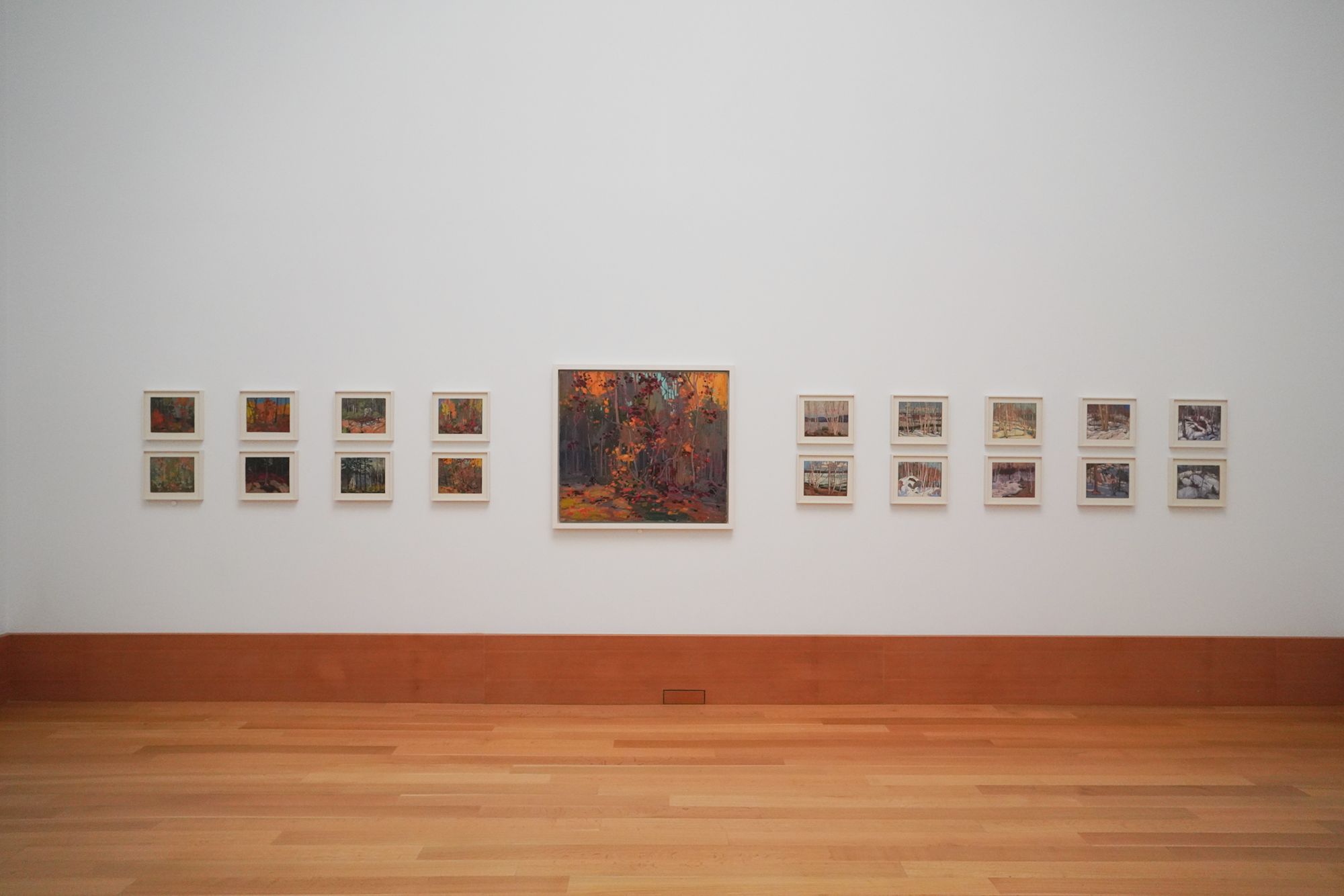
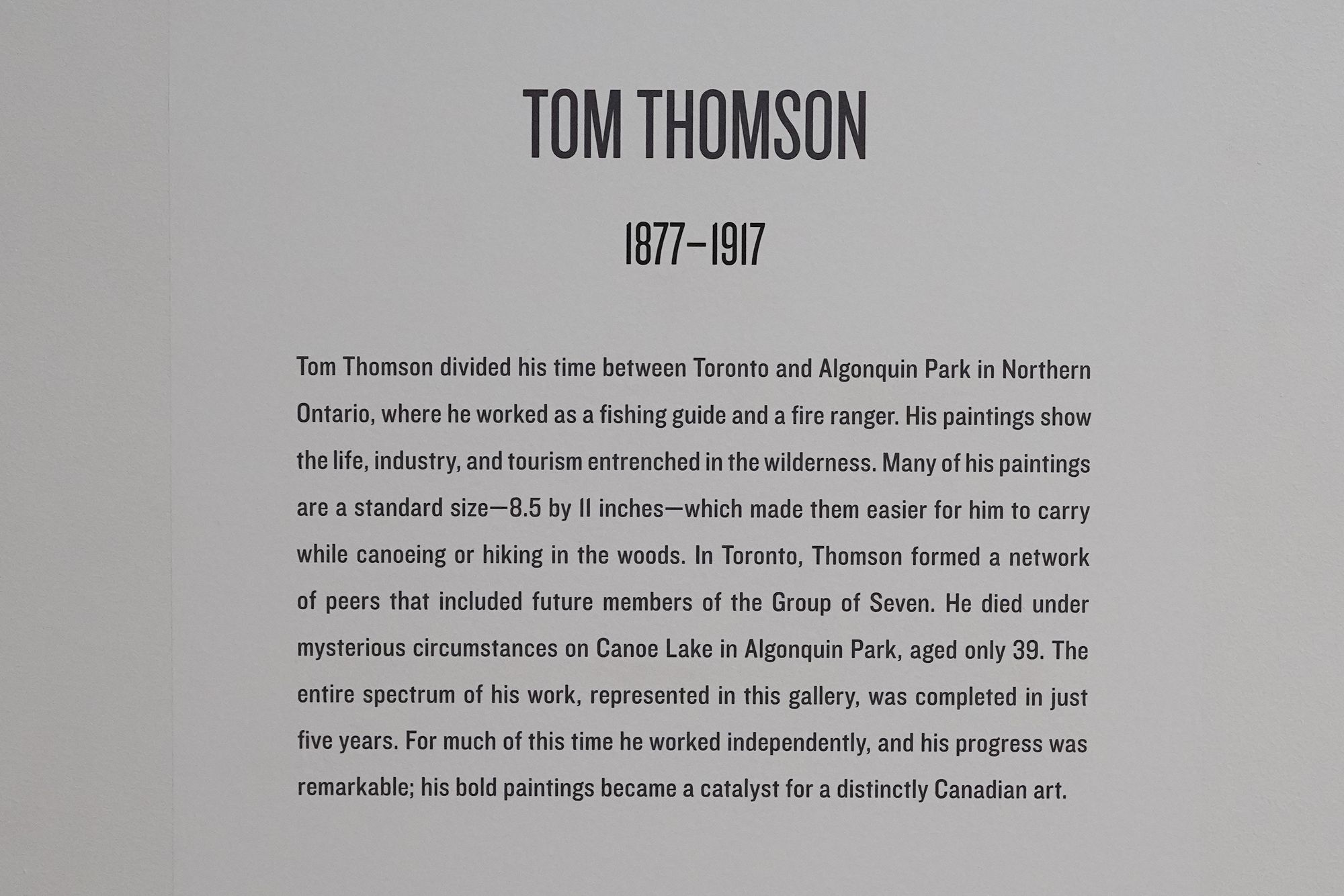
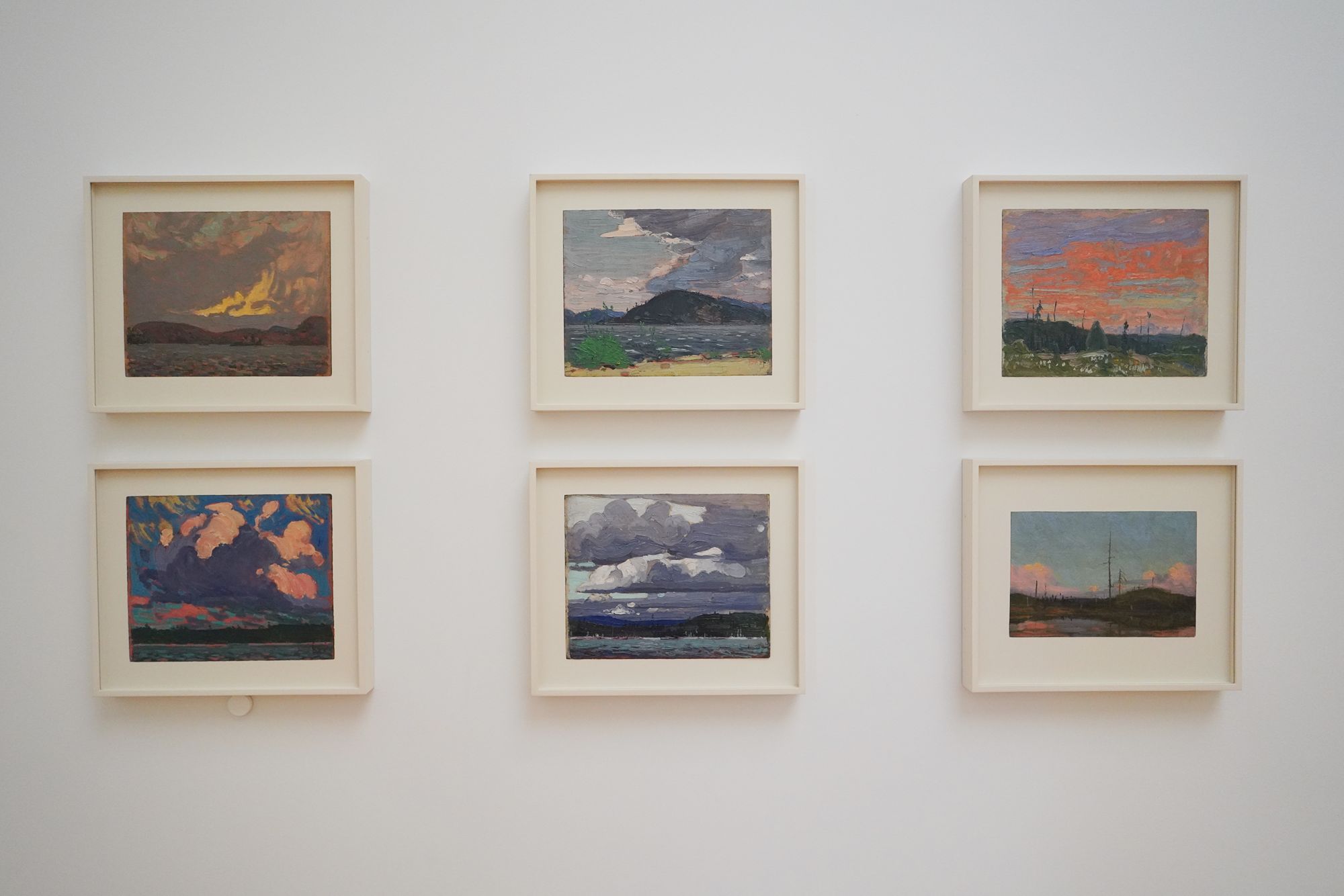
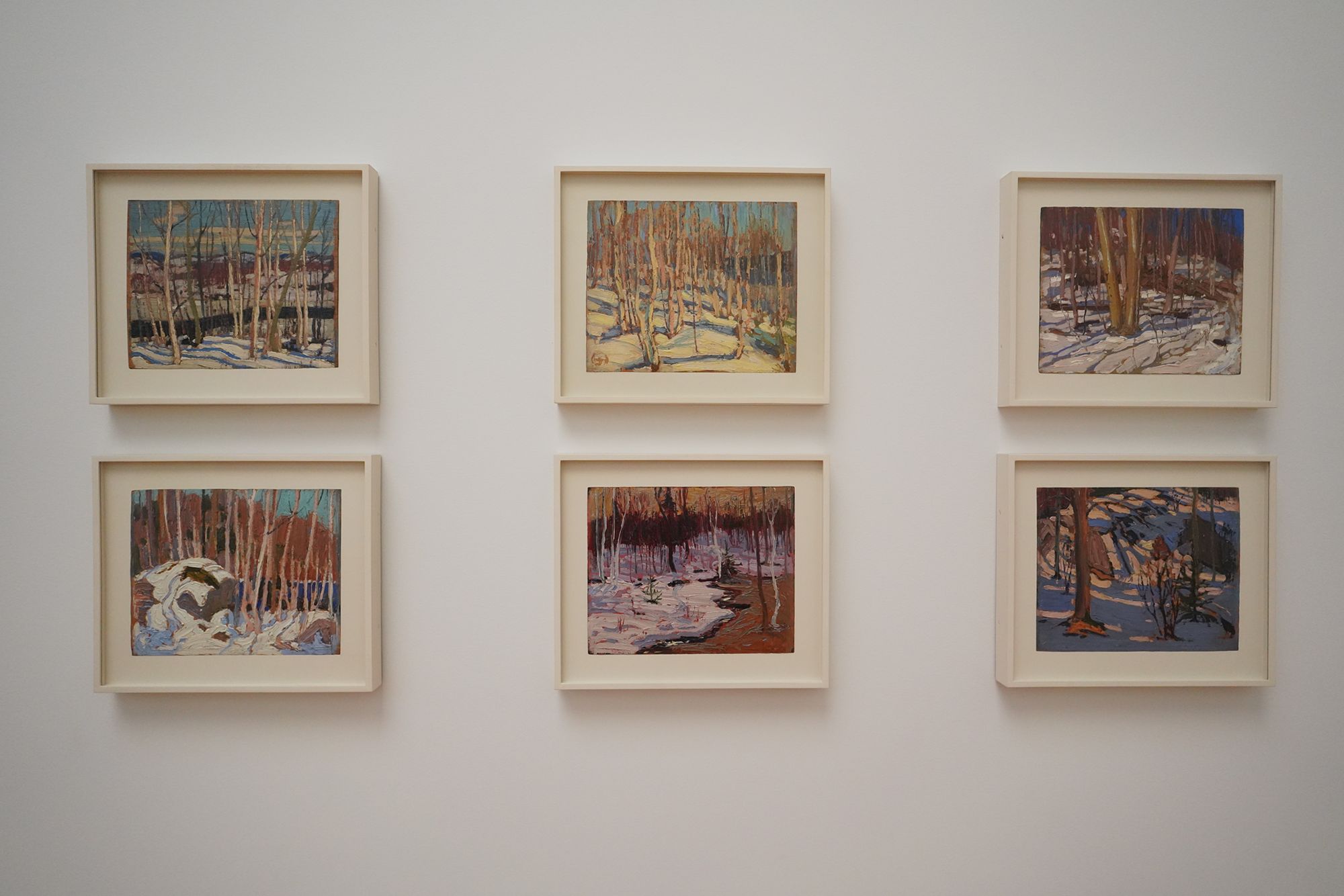
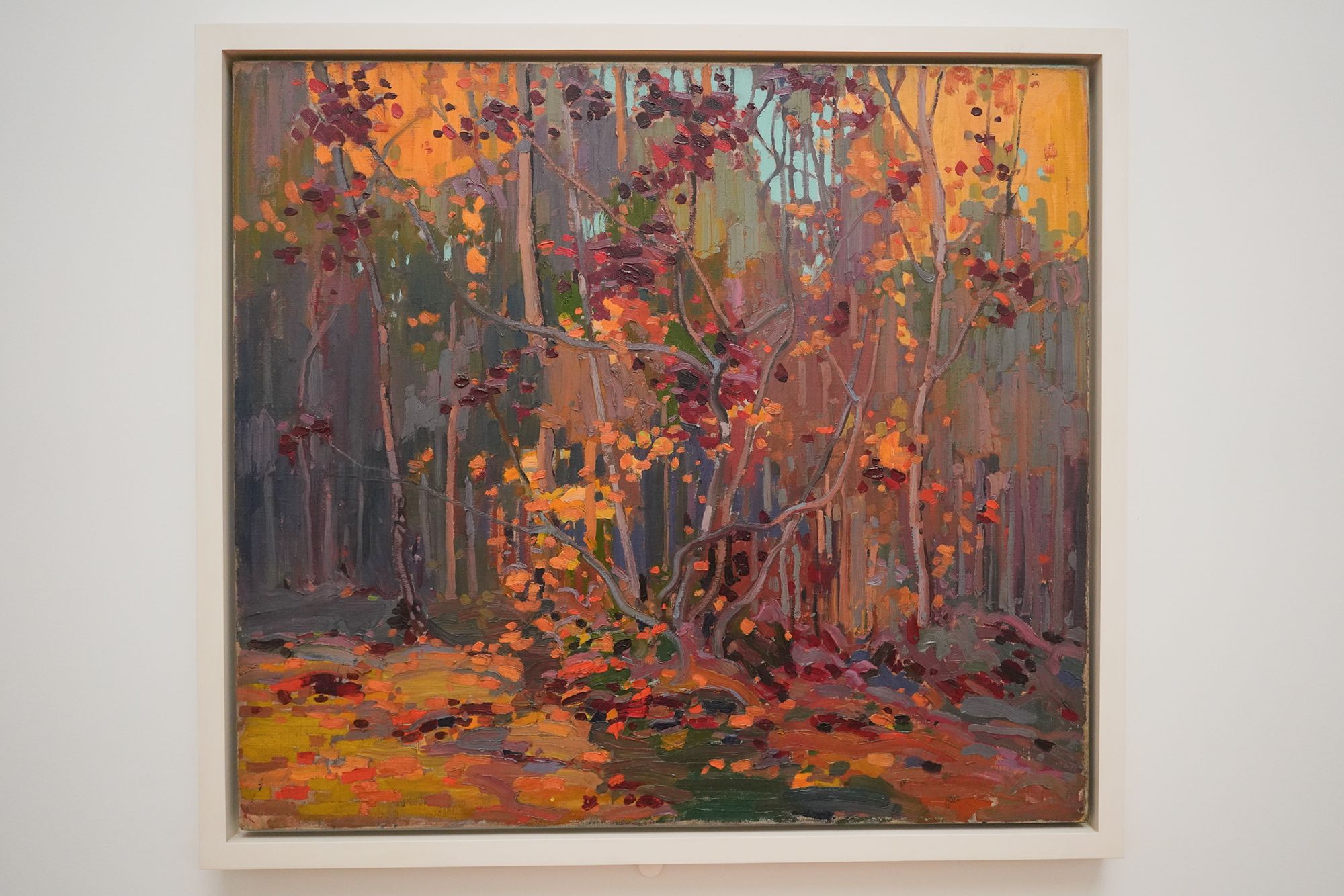
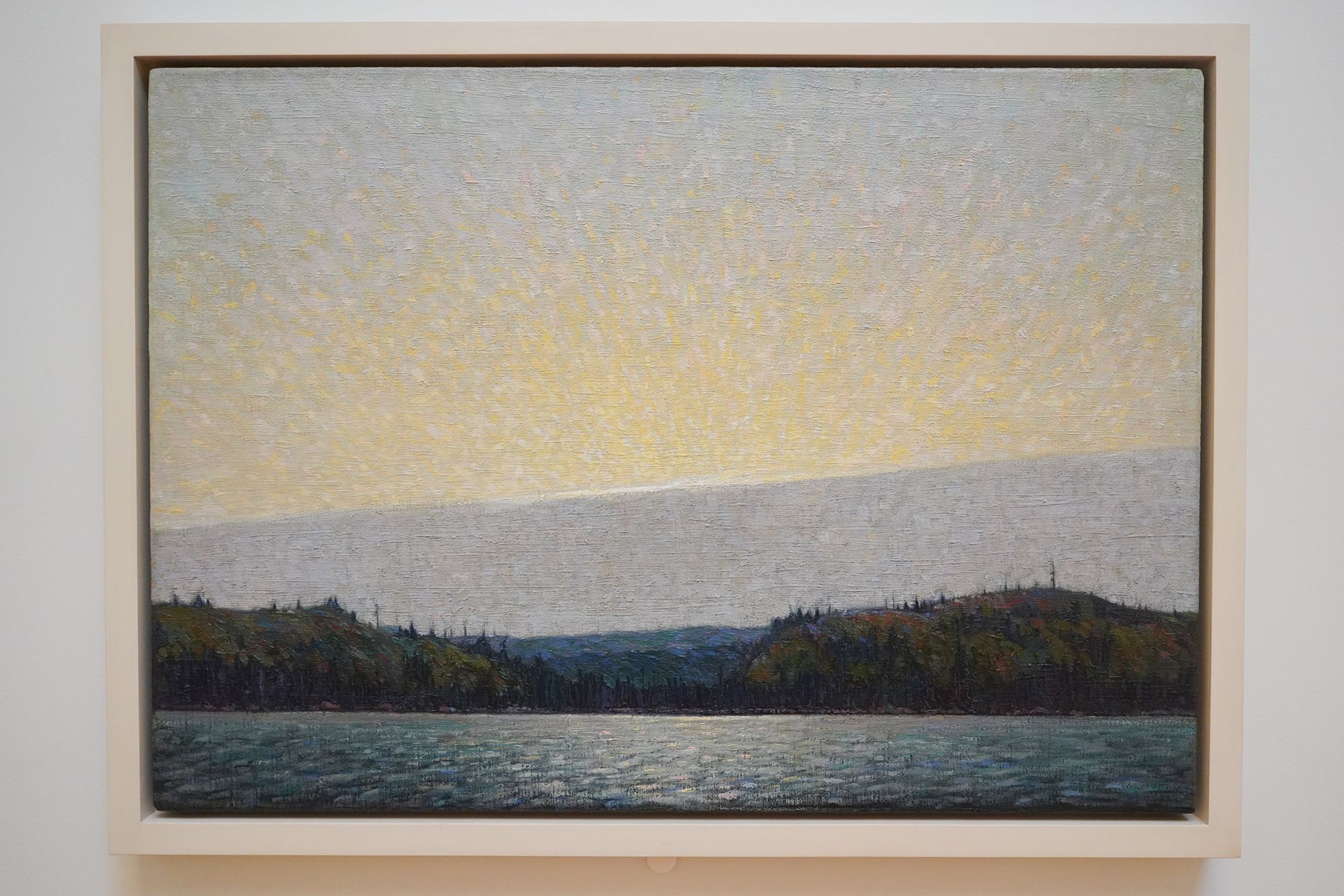
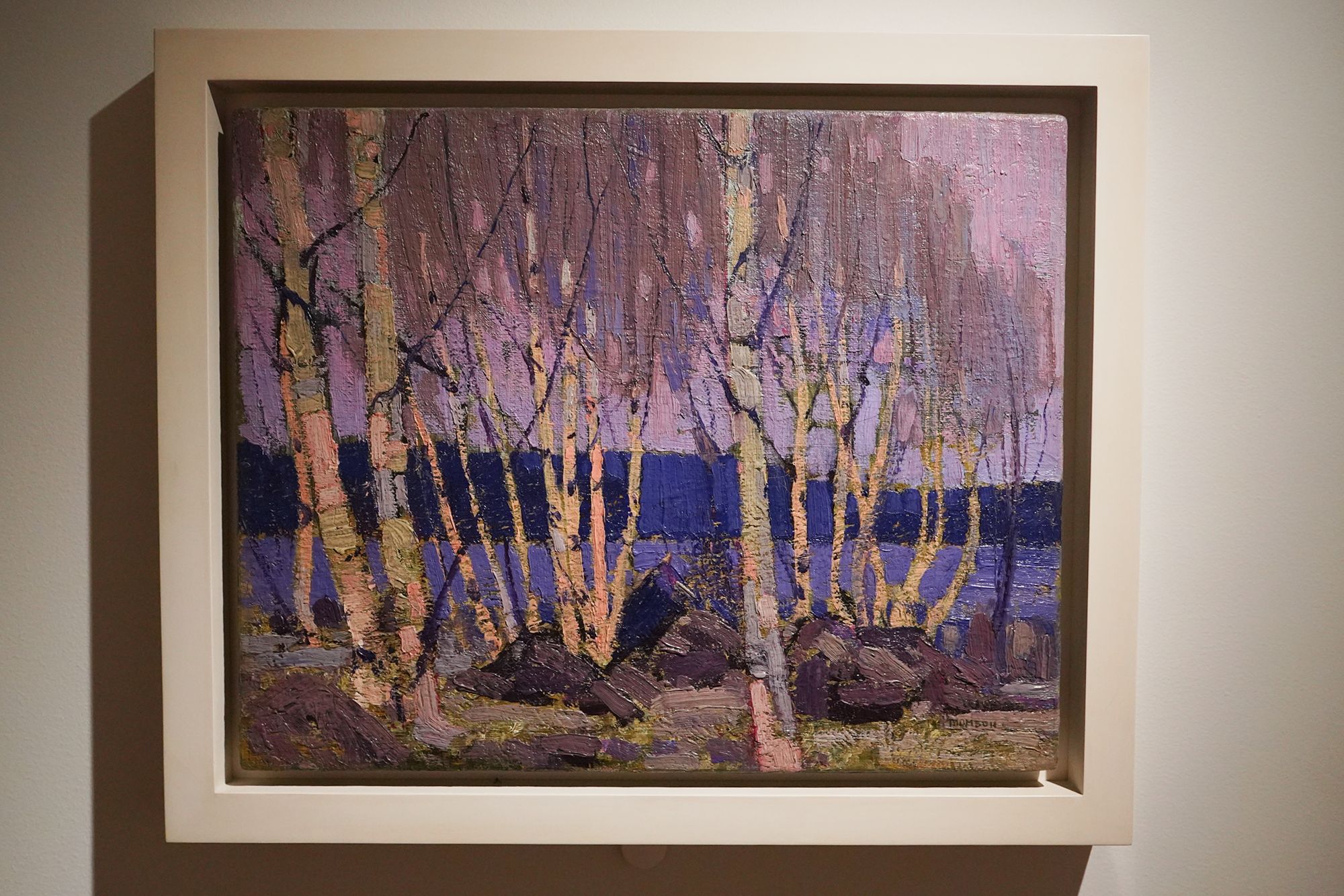
Tom Thomson (1877–1917) was a Canadian painter whose bold, expressive landscapes helped shape modern Canadian art. Closely associated with the Group of Seven, he is best known for vivid depictions of Algonquin Park, painted with strong color, dynamic brushwork, and simplified forms.
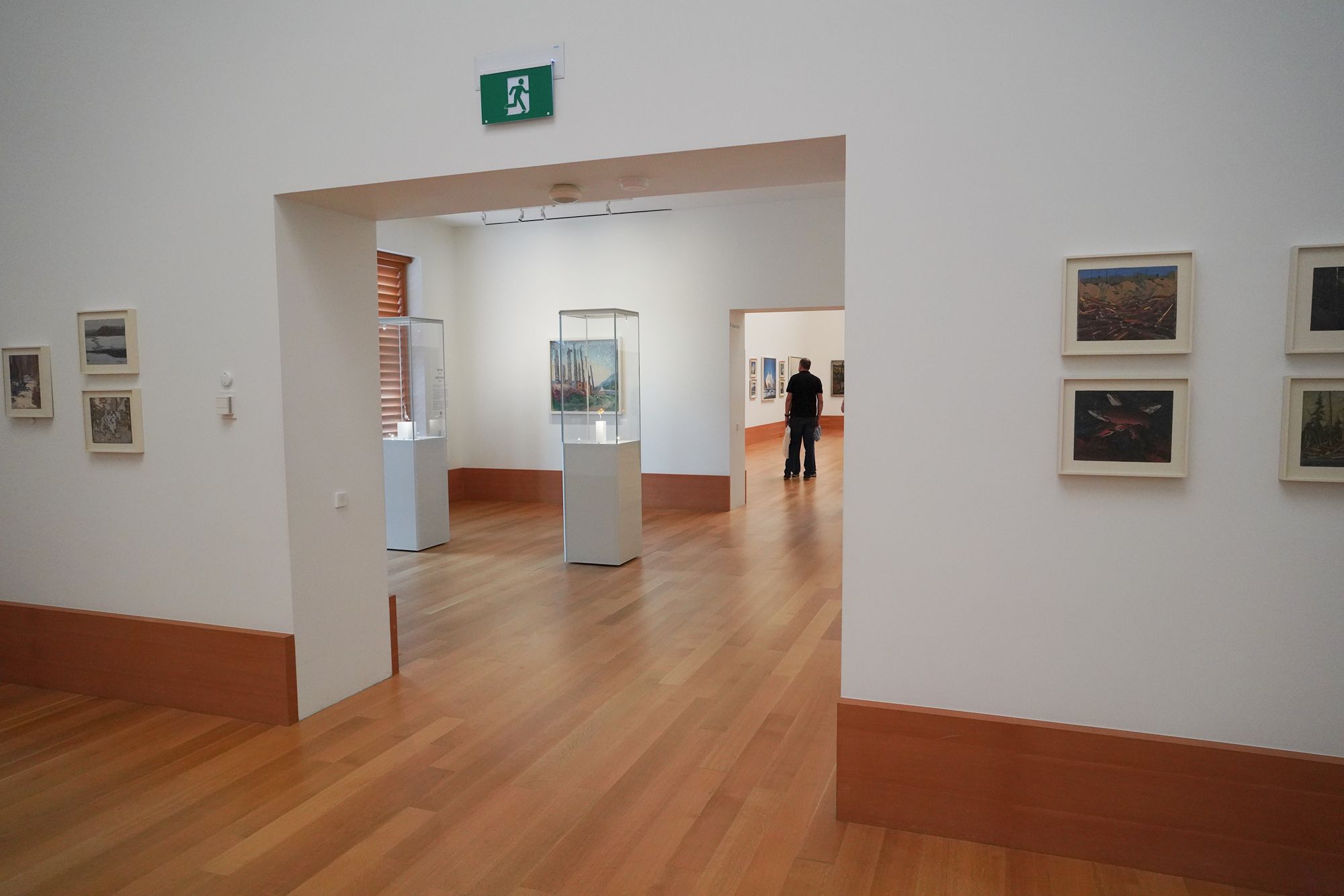
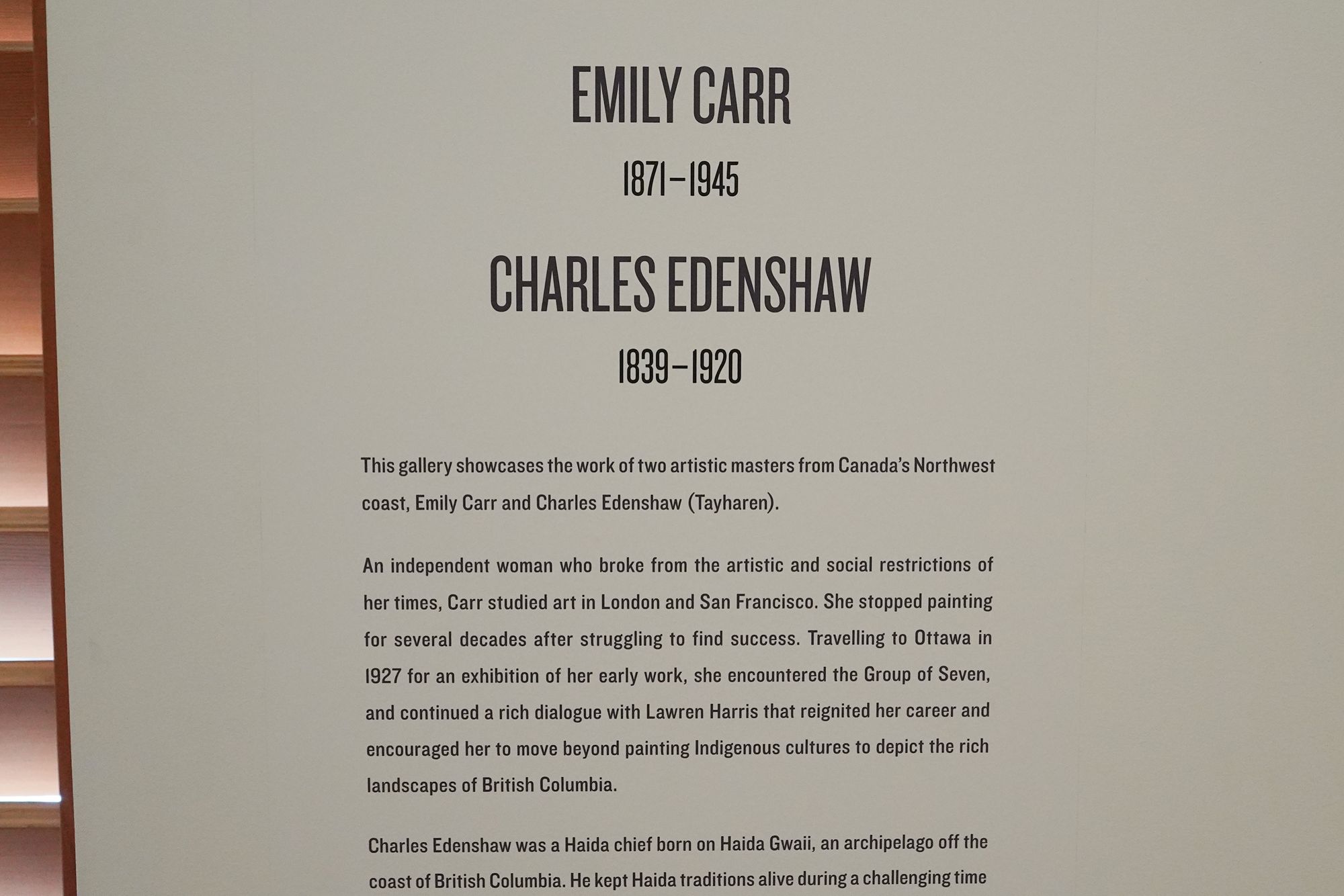
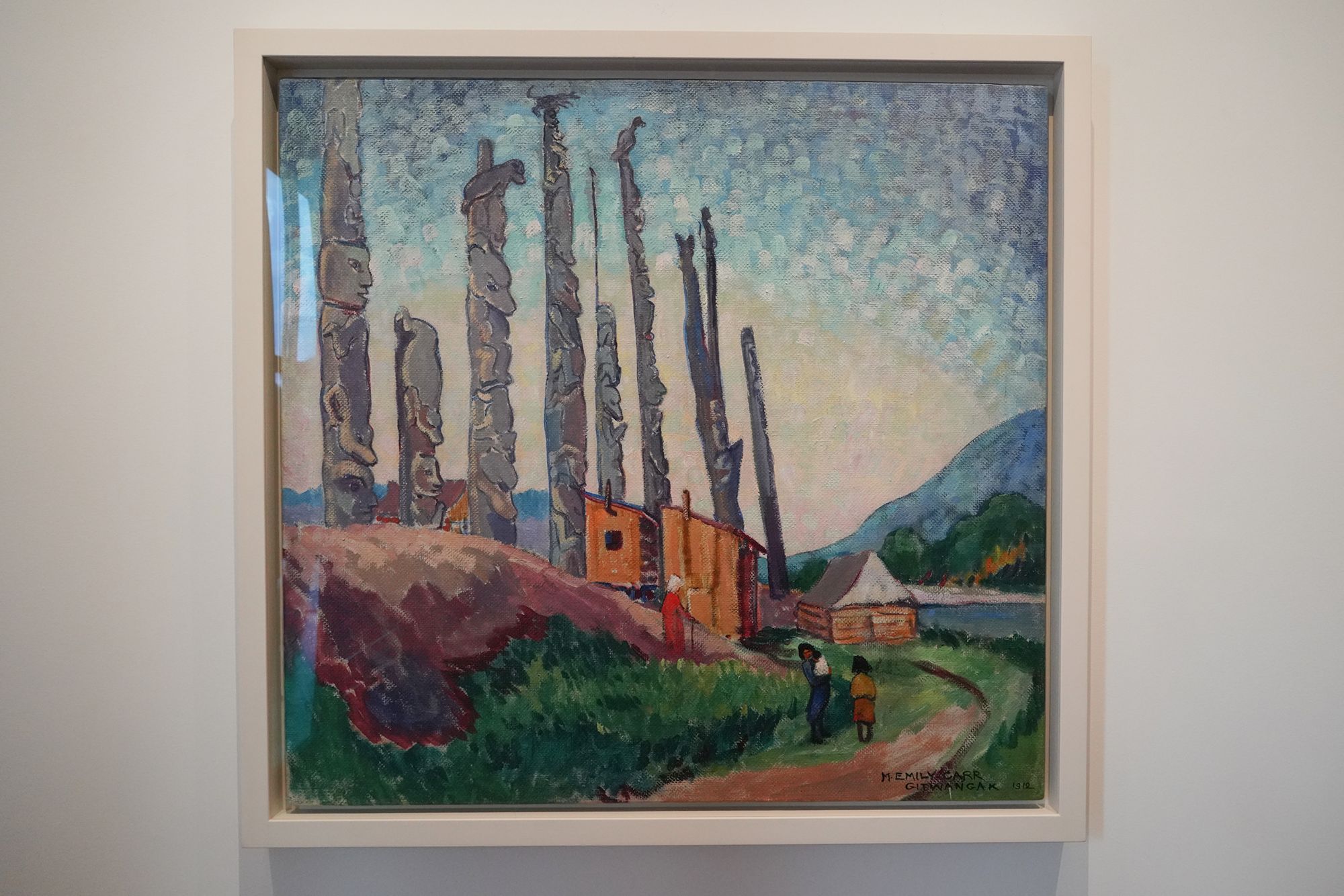
Emily Carr (1871–1945) was a pioneering Canadian modernist painter and writer. Best known for expressive landscapes and Indigenous village imagery of the Pacific Northwest, her work uses bold color and sweeping brushwork to convey spirituality, nature, and cultural presence.
Charles Edenshaw (c. 1839–1920) was a Haida master artist from Haida Gwaii, renowned for his exceptional work in carving, silver and gold jewelry, and design. His refined formline style set enduring standards for Northwest Coast Indigenous art.
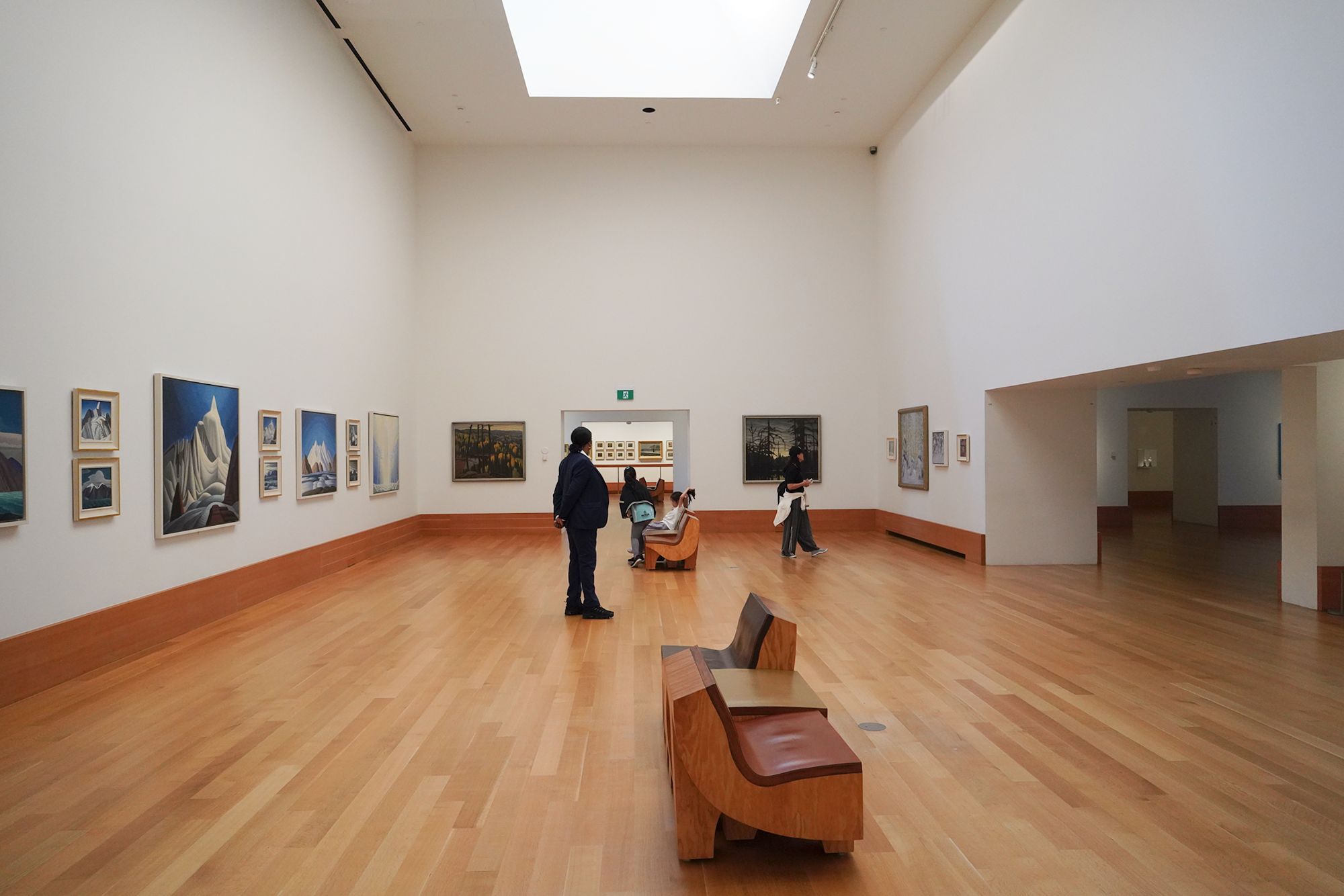
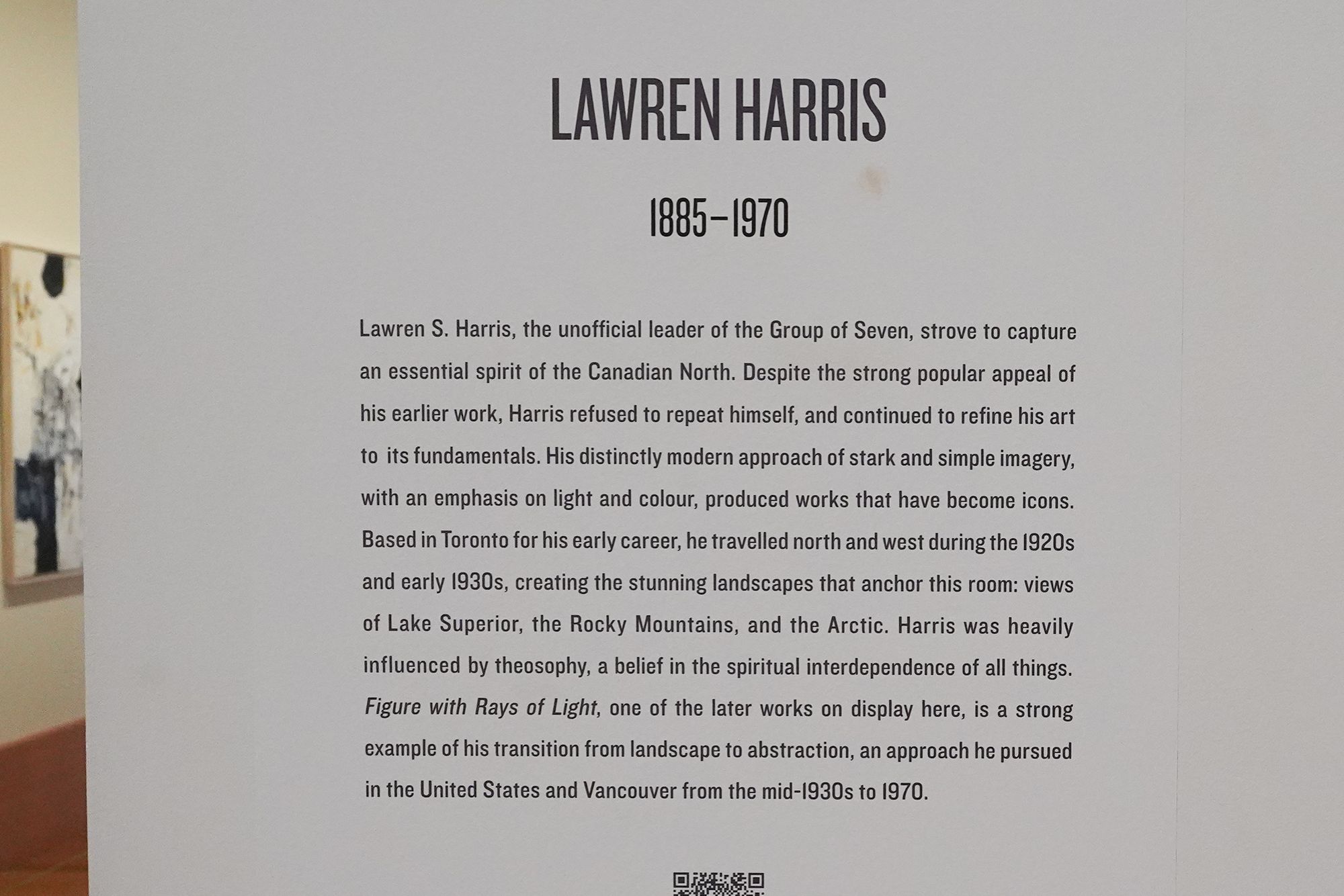
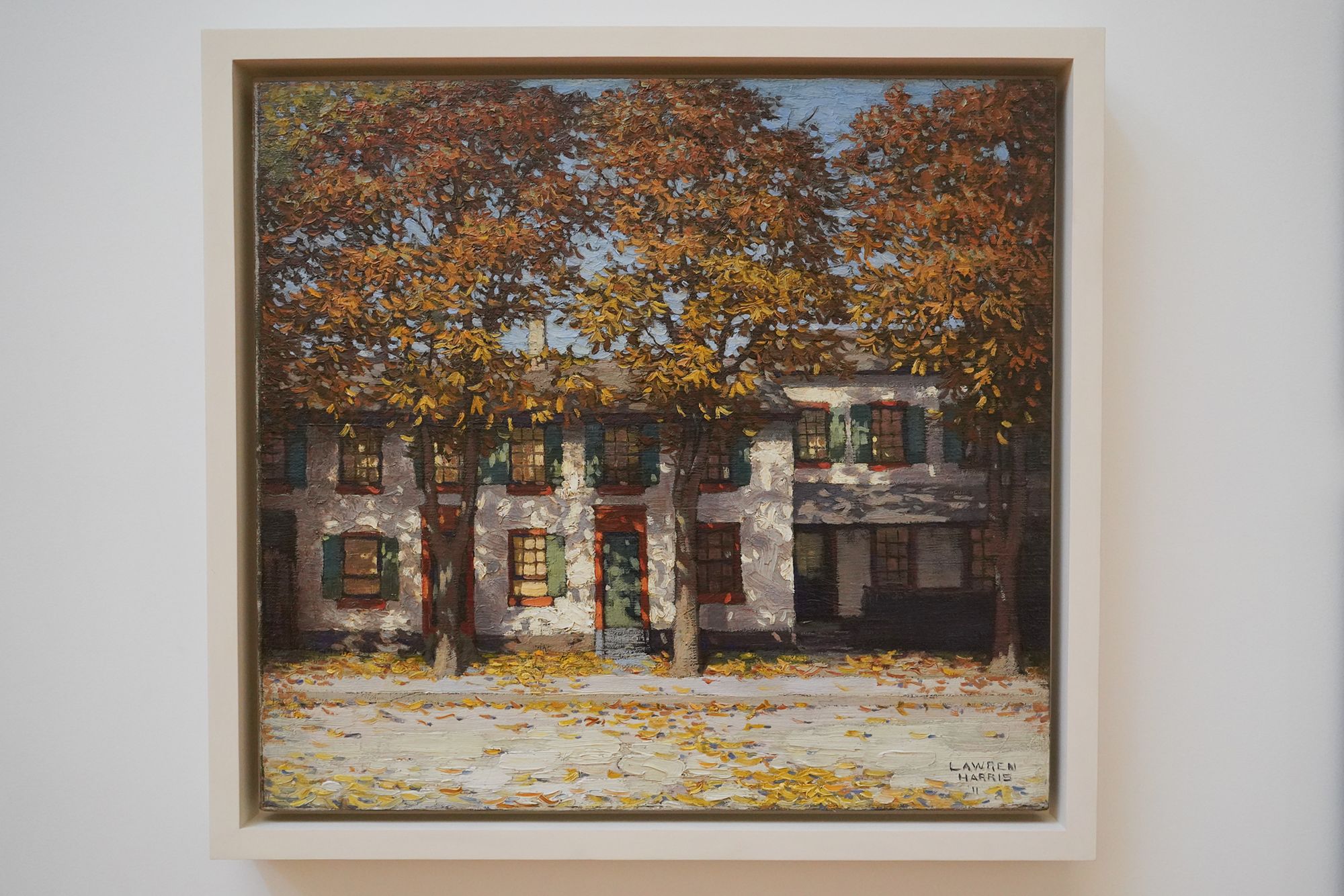
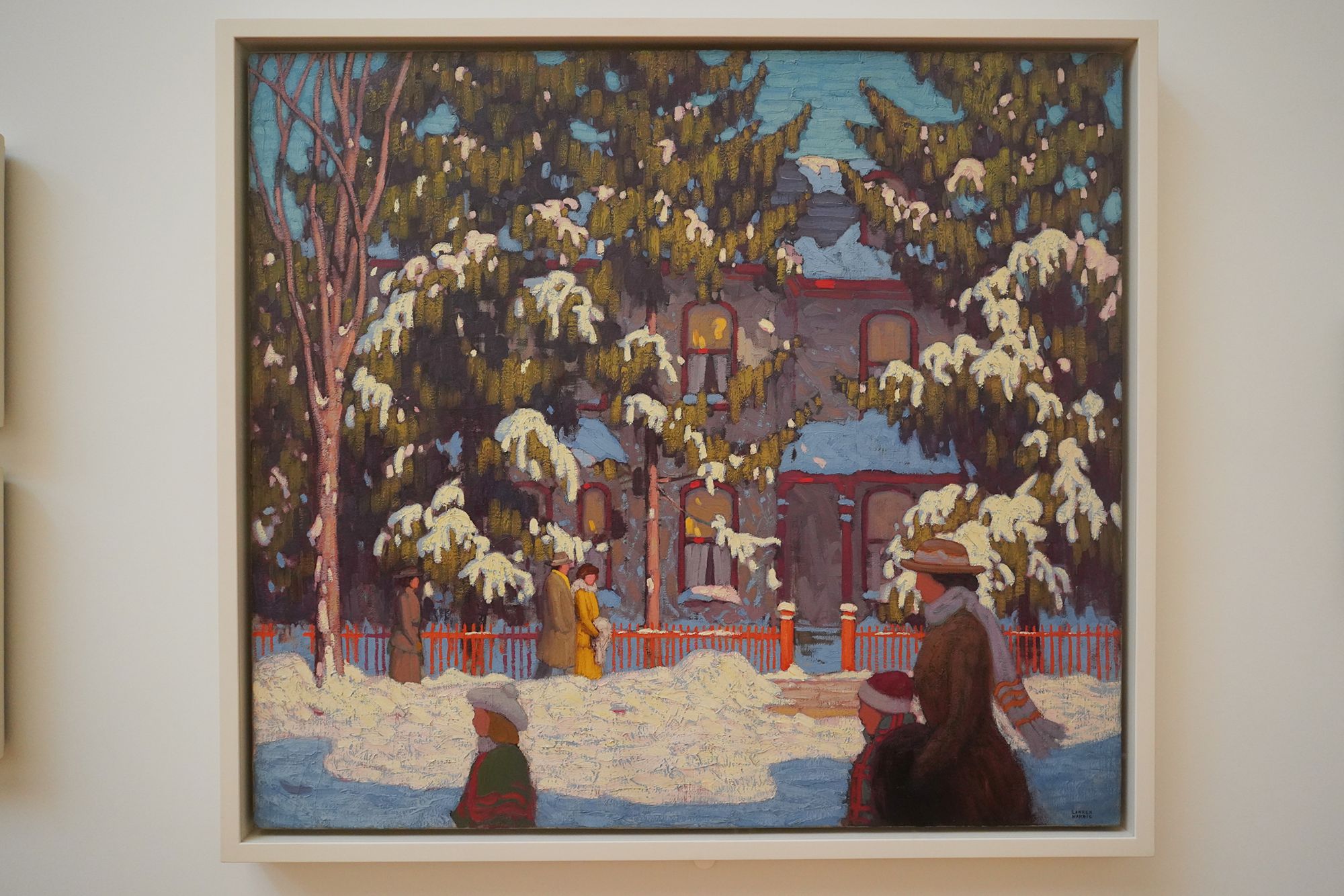
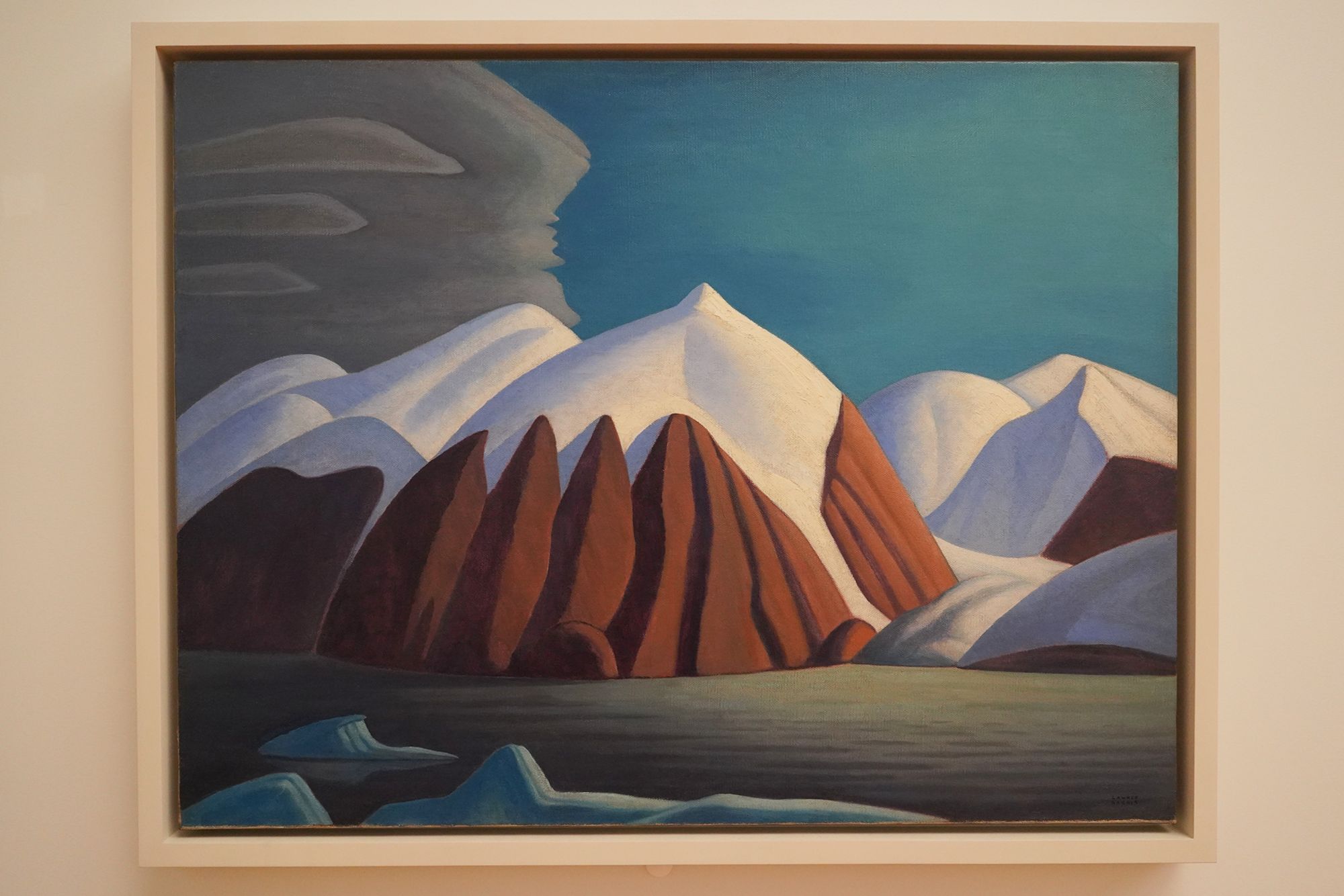
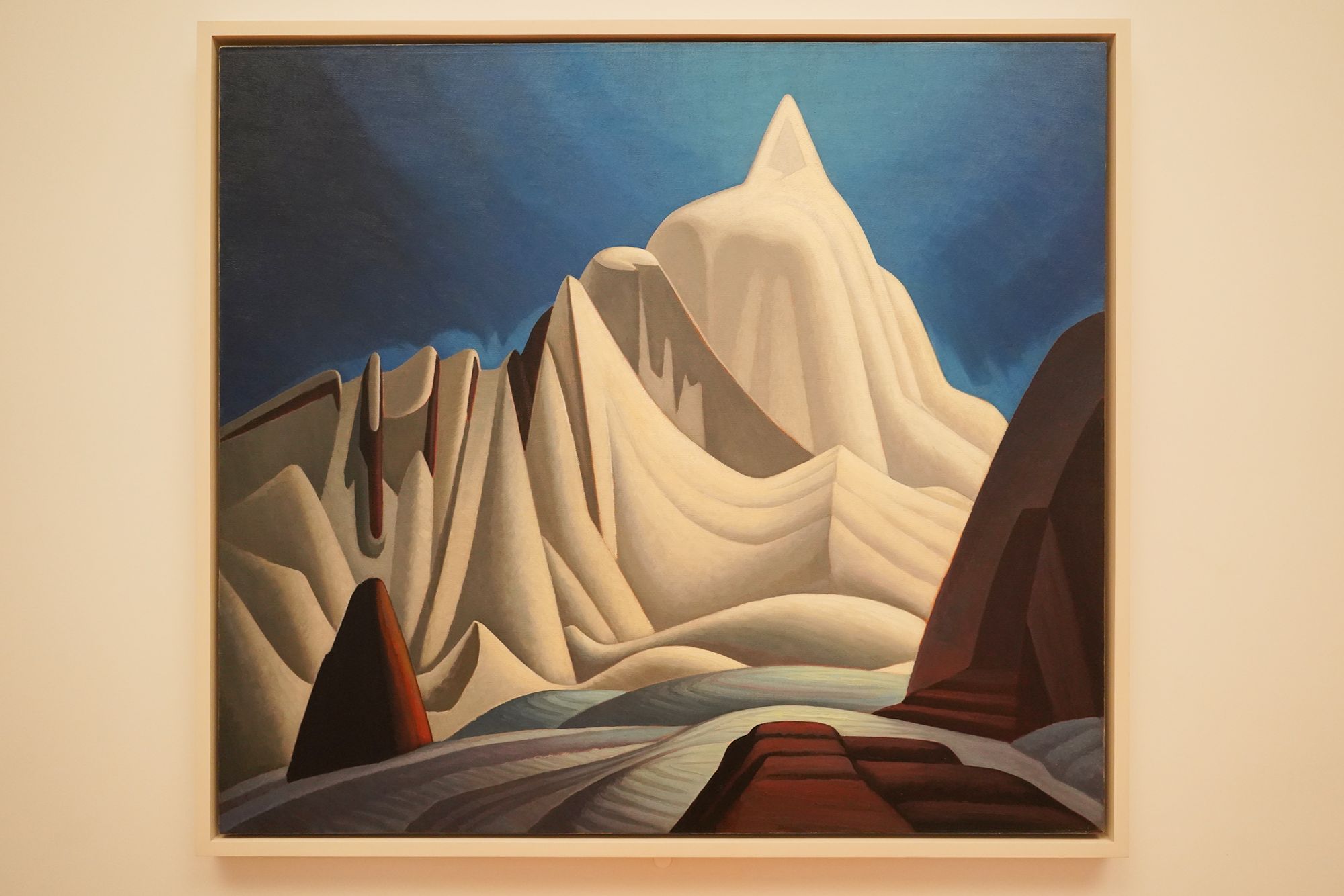
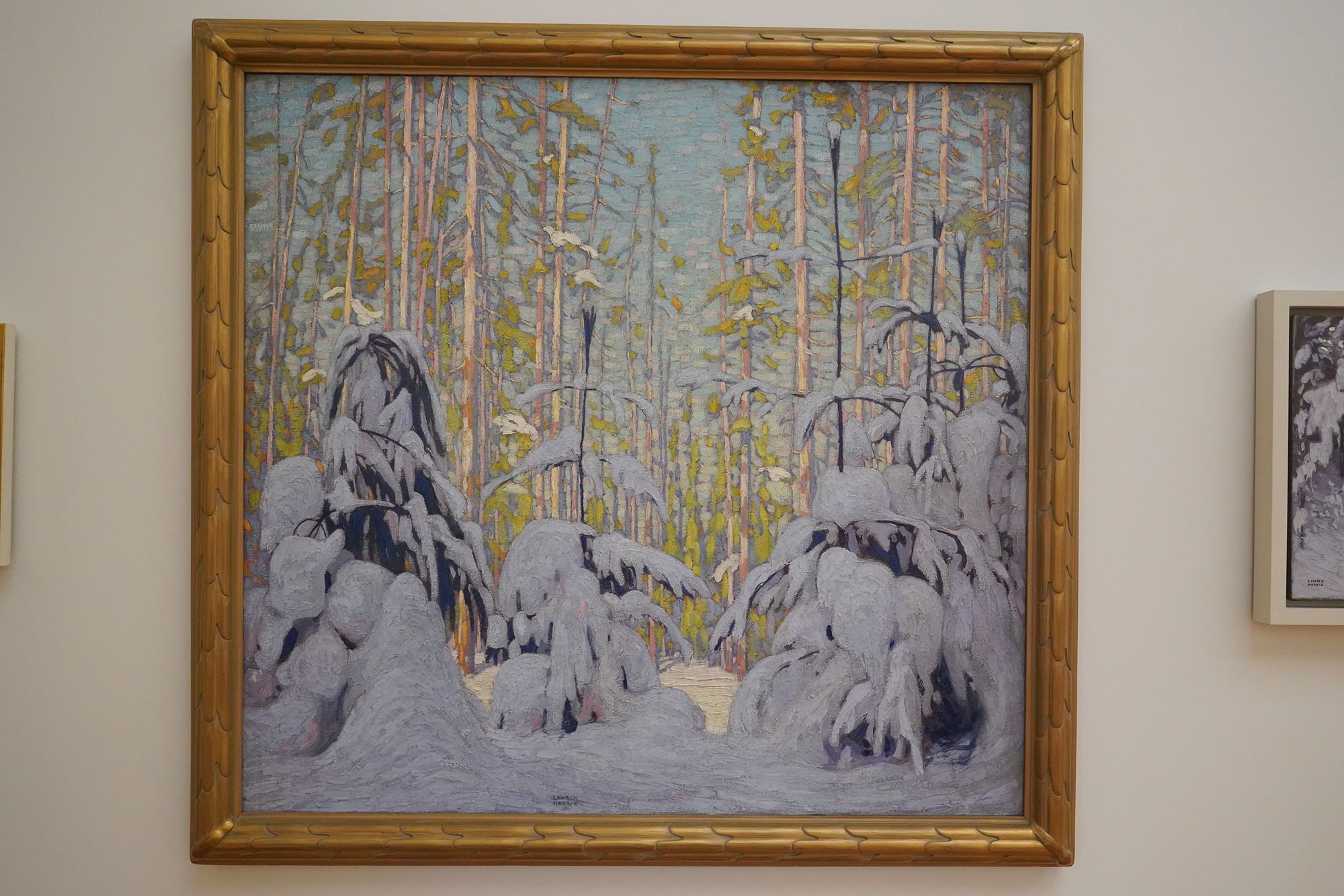
Lawren Harris (1885–1970) was a founding member of the Group of Seven and a leading figure in Canadian modernism. Known for simplified, spiritual landscapes of northern Canada, his work emphasizes geometric forms, clarity, and transcendence.
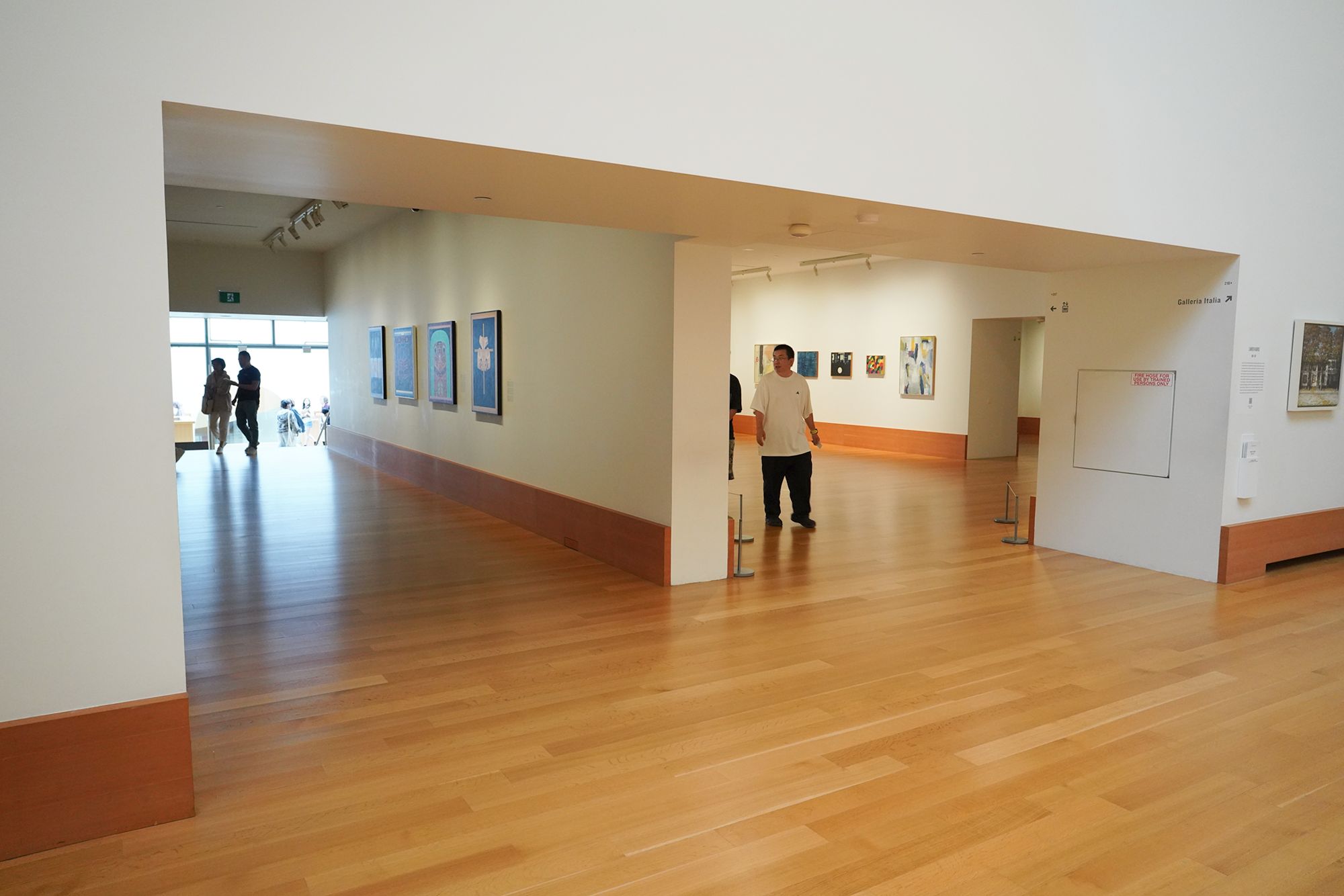
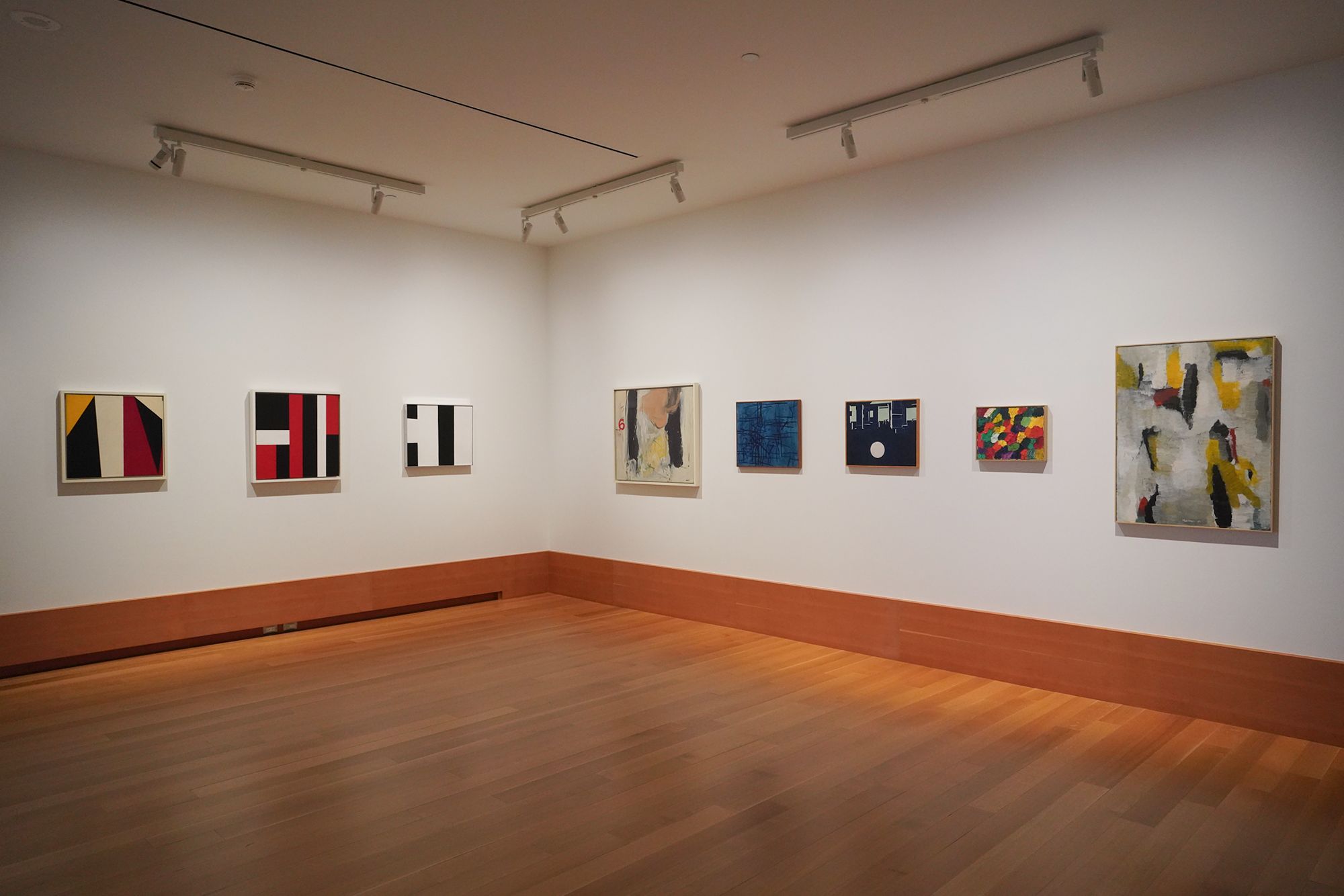
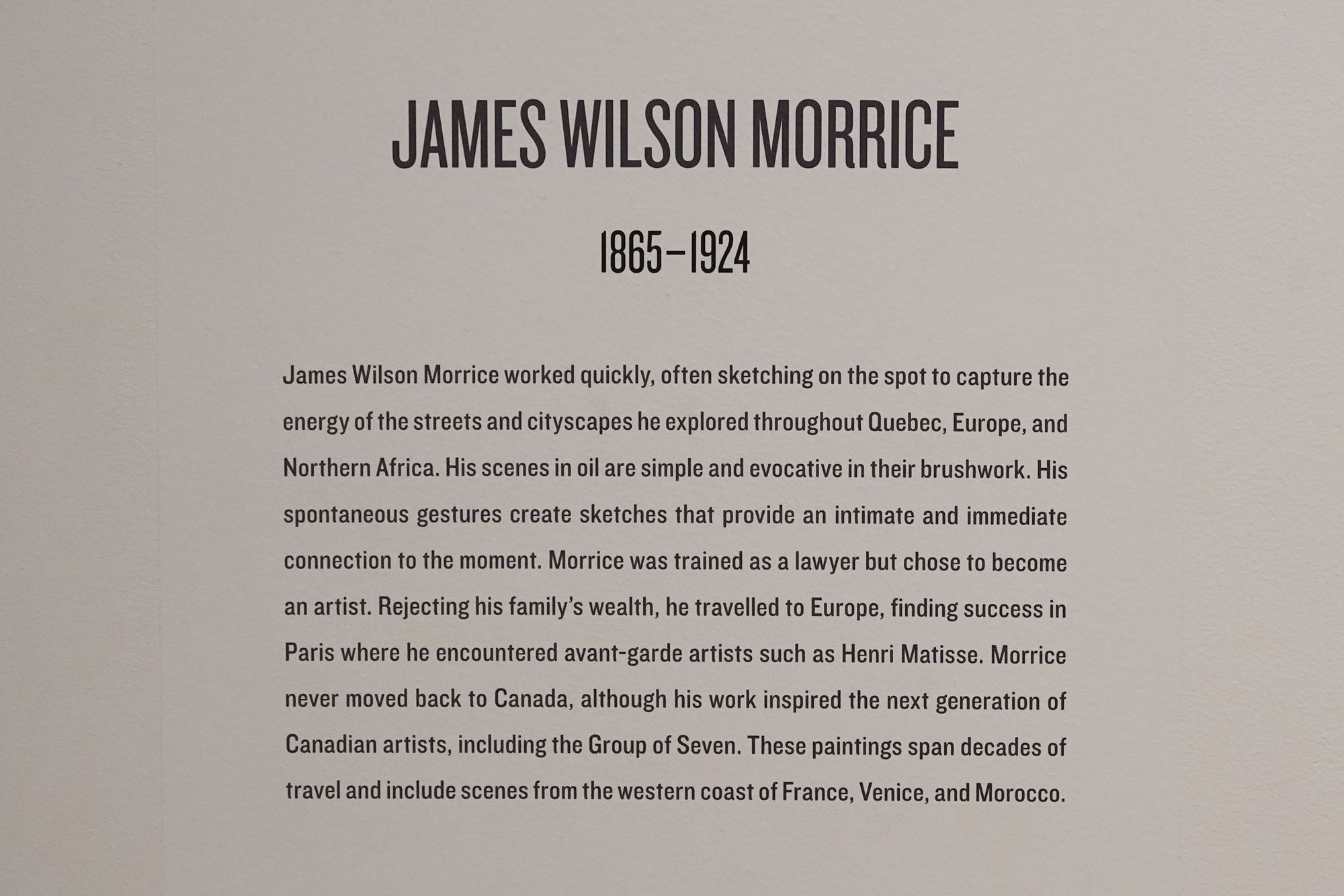
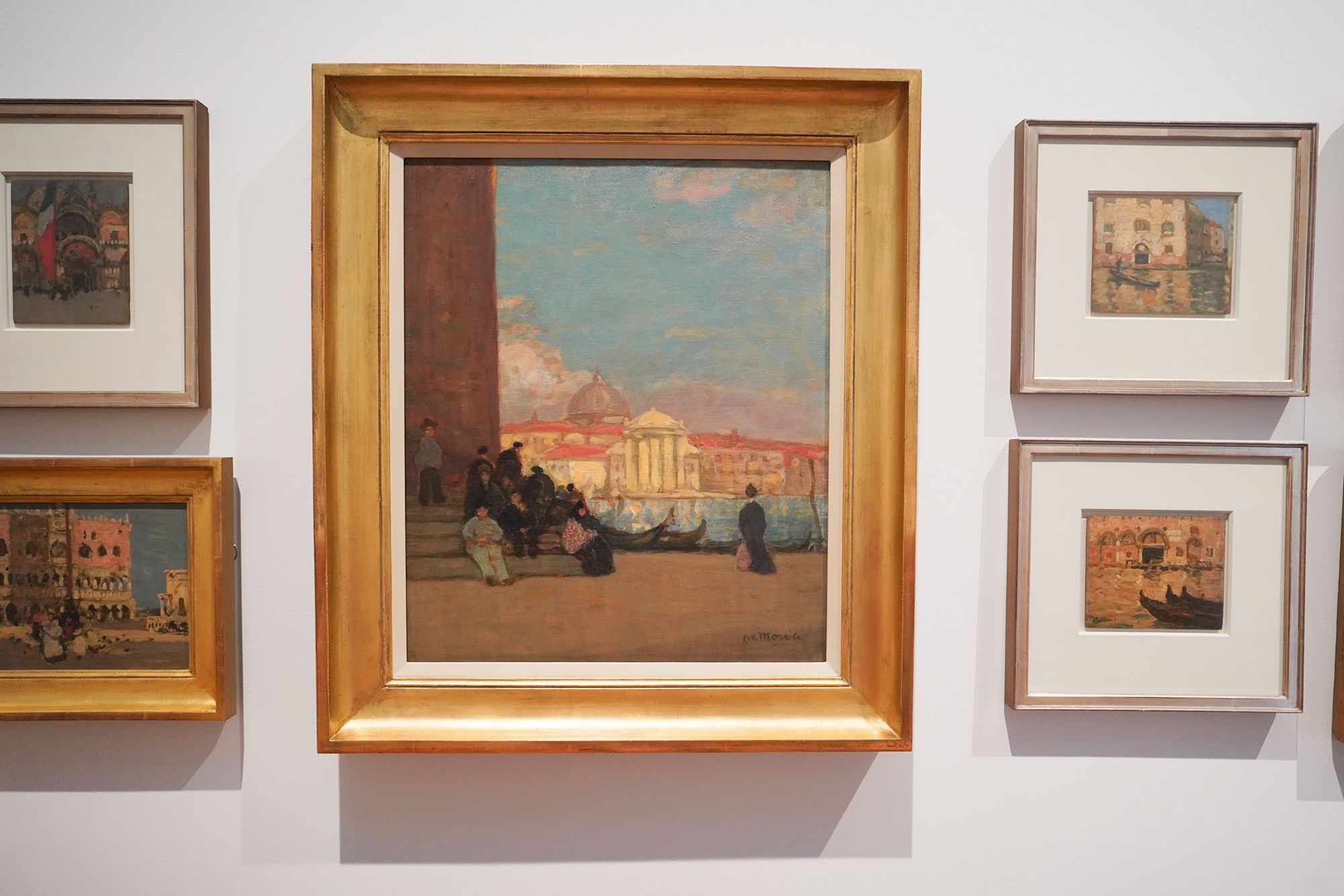
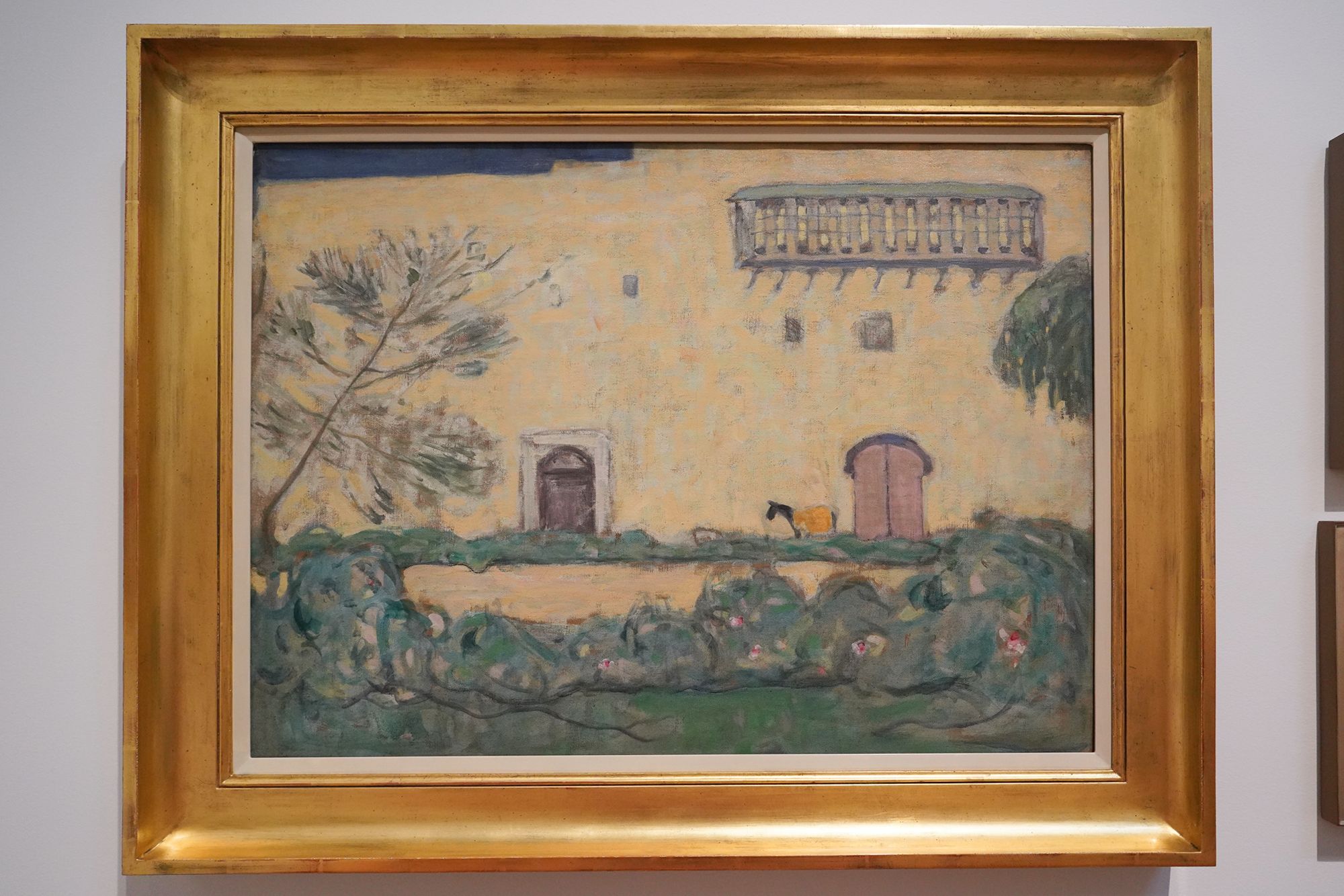
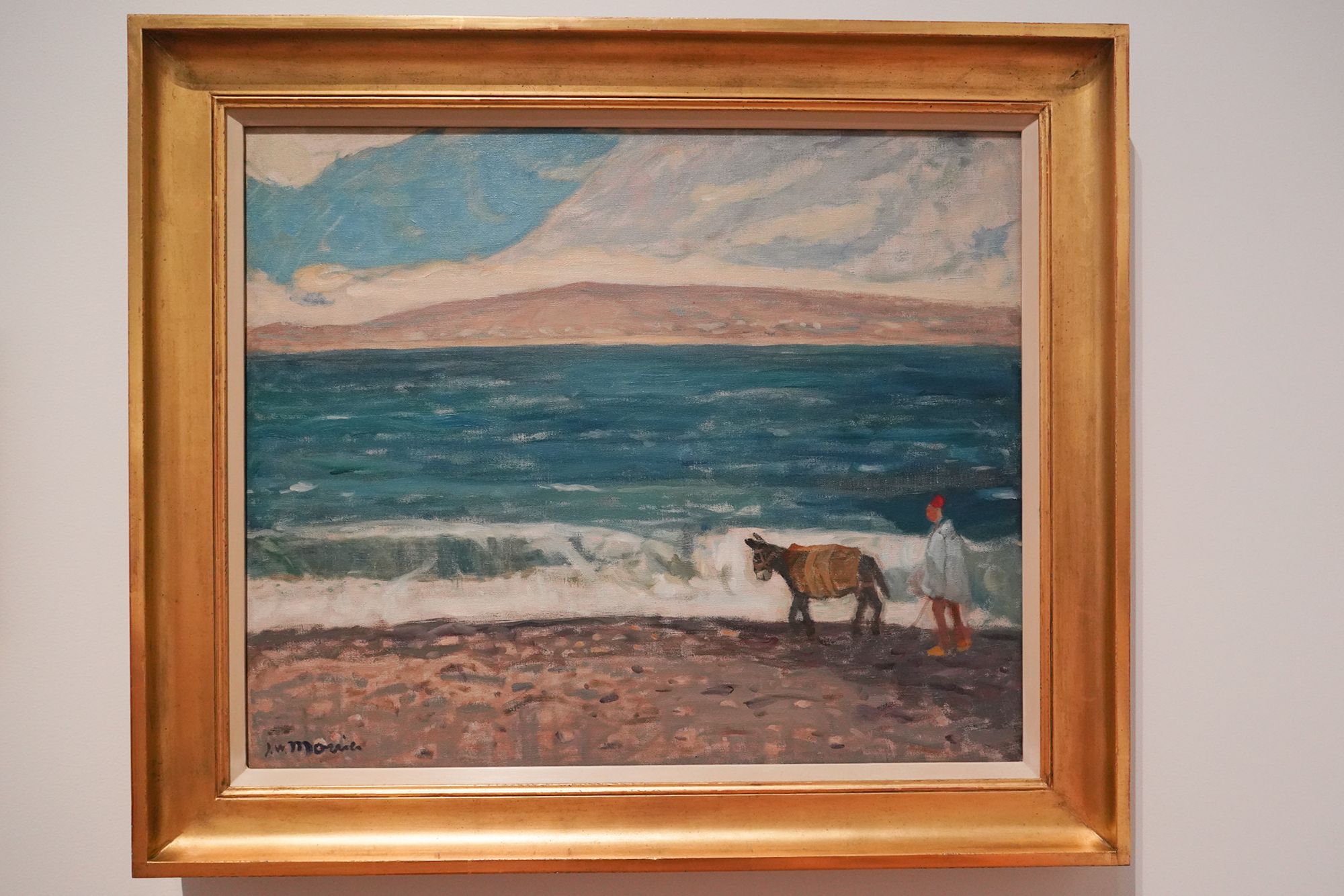
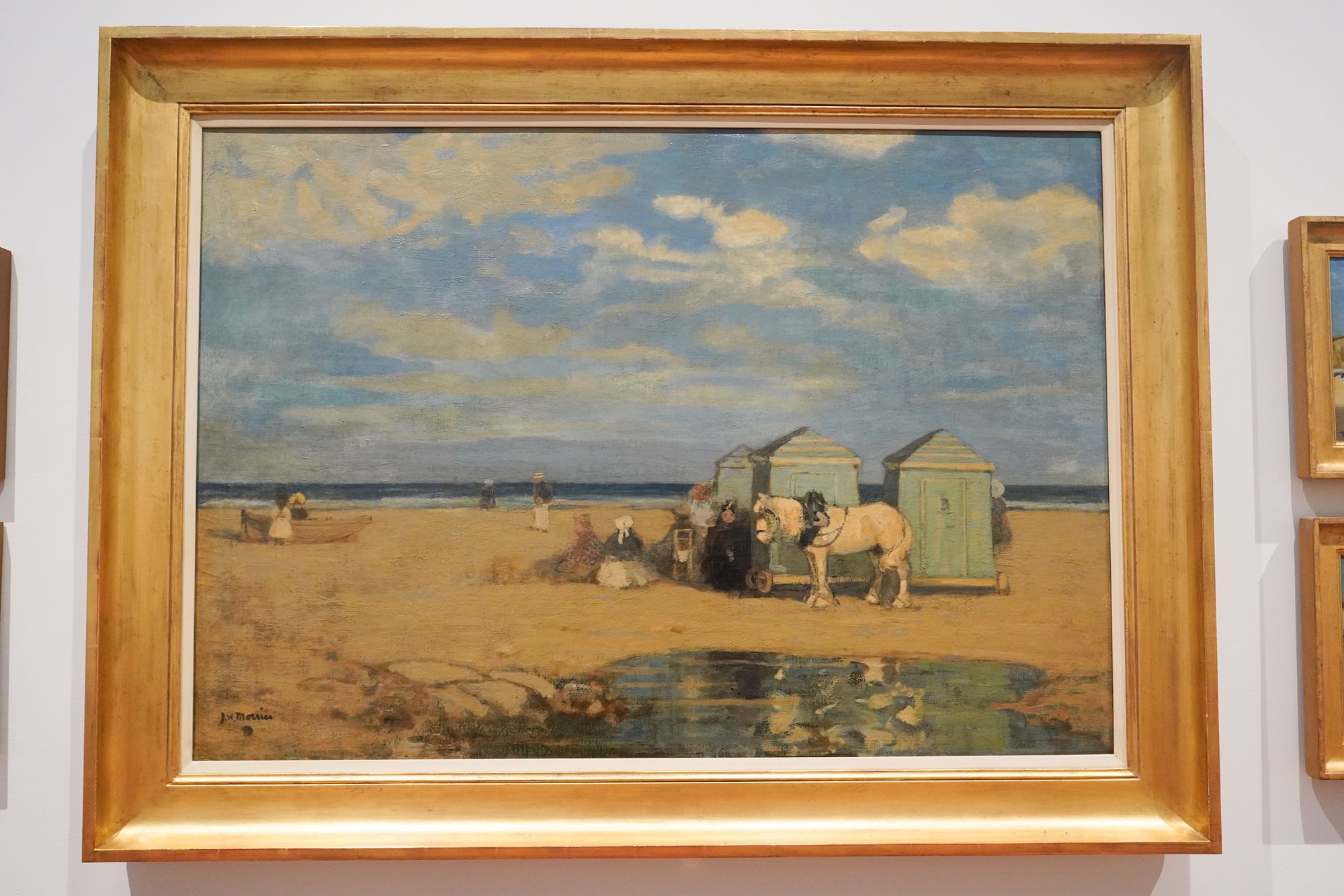
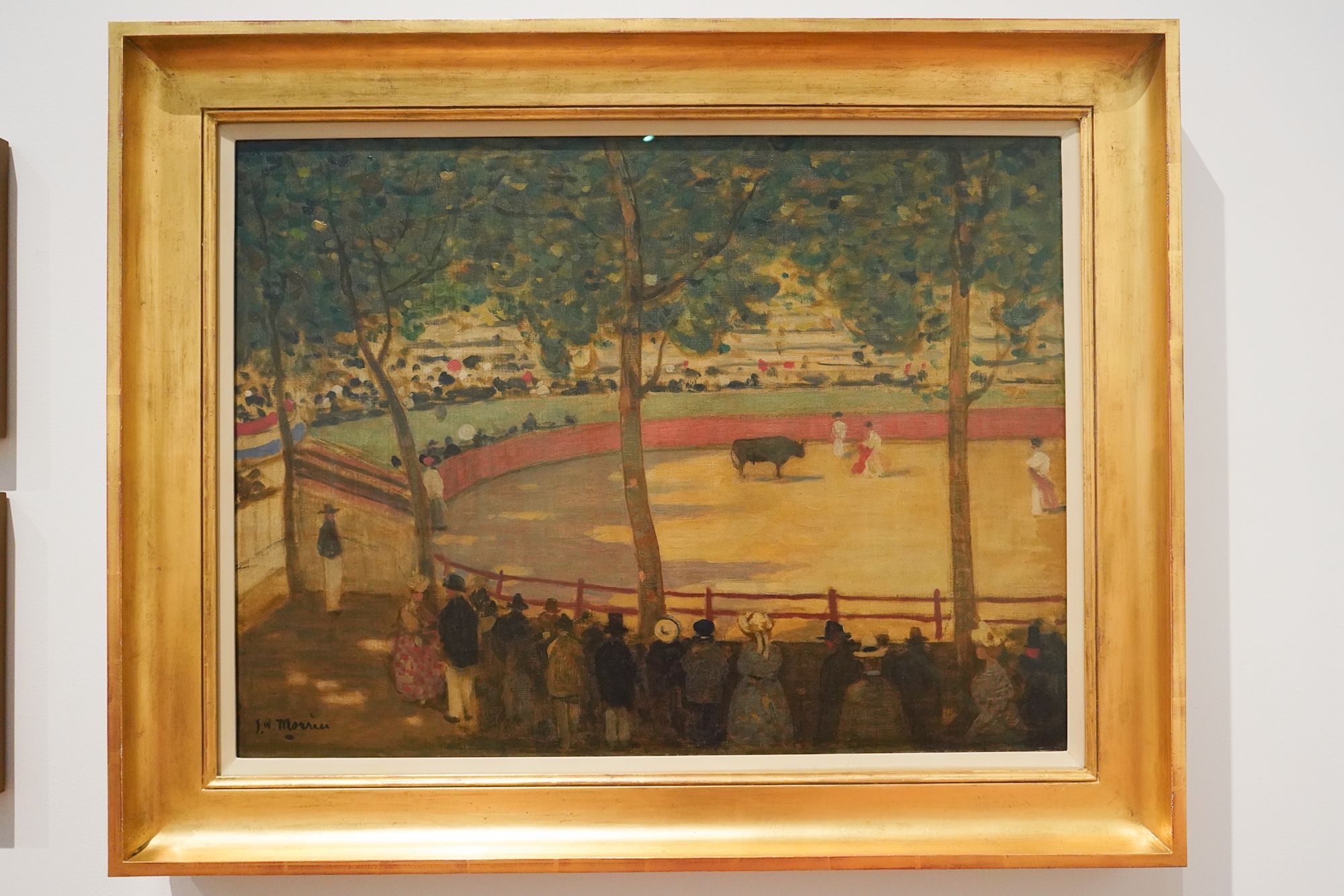
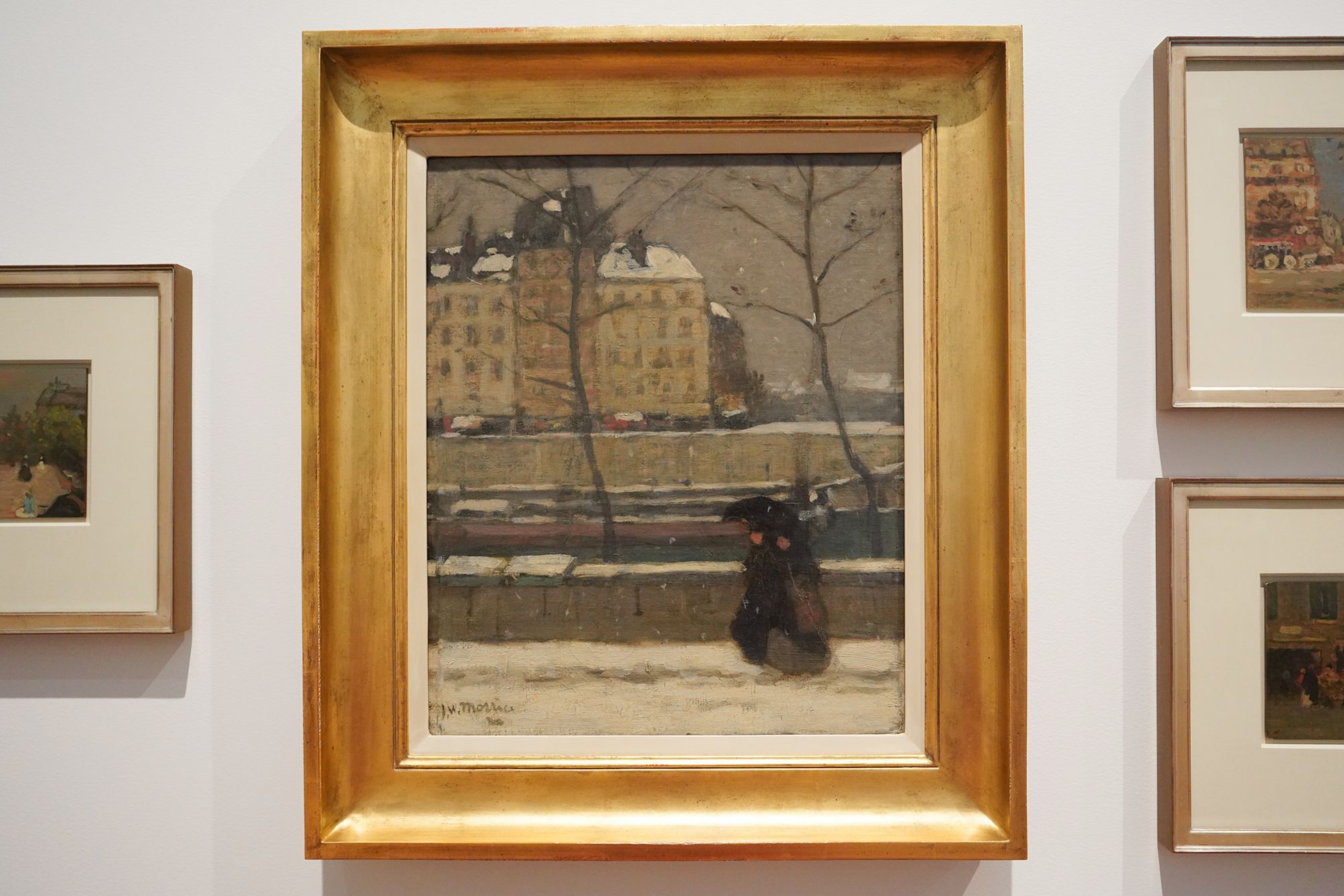
James Wilson Morrice (1865–1924) was a Canadian painter known for atmospheric landscapes and city scenes influenced by Impressionism and Post-Impressionism. Working largely in Europe, he used soft color, loose brushwork, and subtle mood, bridging Canadian art and international modernism.
Maurice Cullen (1866–1934) was a Canadian painter associated with Impressionism. Best known for luminous winter landscapes, he captured snow, light, and atmosphere with loose brushwork and subtle color, helping introduce modern European painting styles to Canadian art.
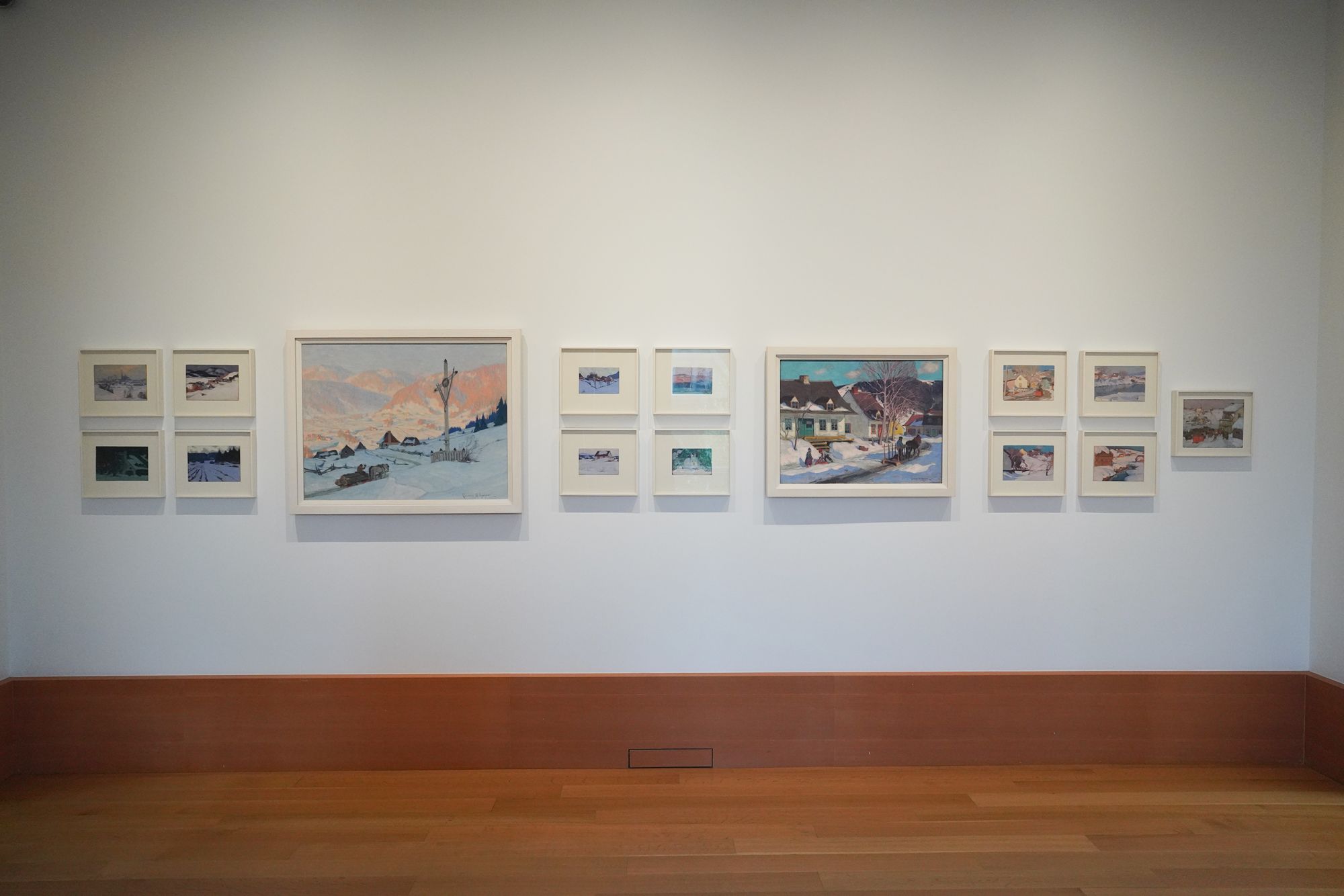
Clarence Gagnon (1881–1942) was a Canadian painter celebrated for richly colored winter landscapes of rural Quebec. Influenced by Impressionism and Post-Impressionism, his detailed scenes capture village life, snow-covered architecture, and a nostalgic vision of French-Canadian culture.
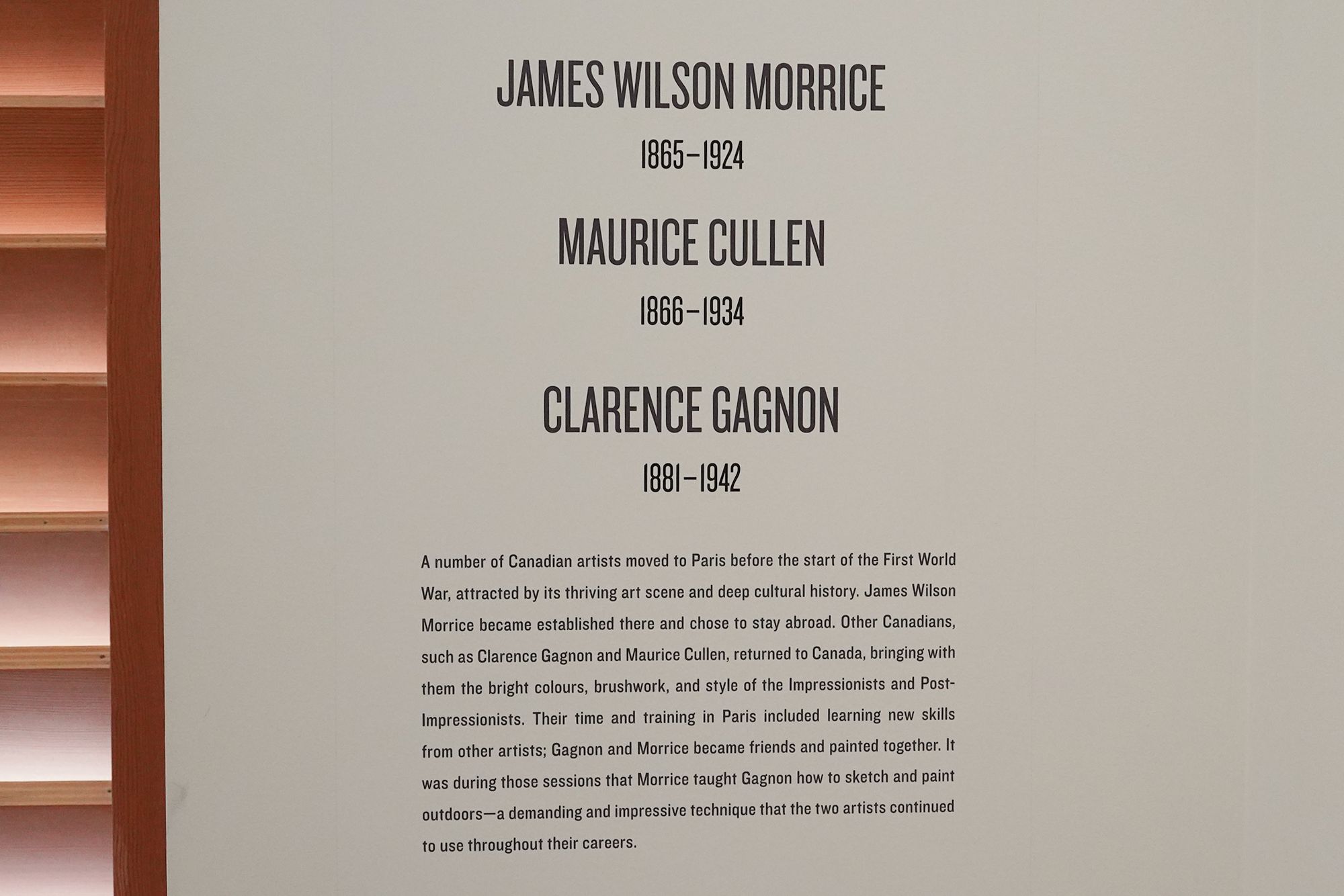
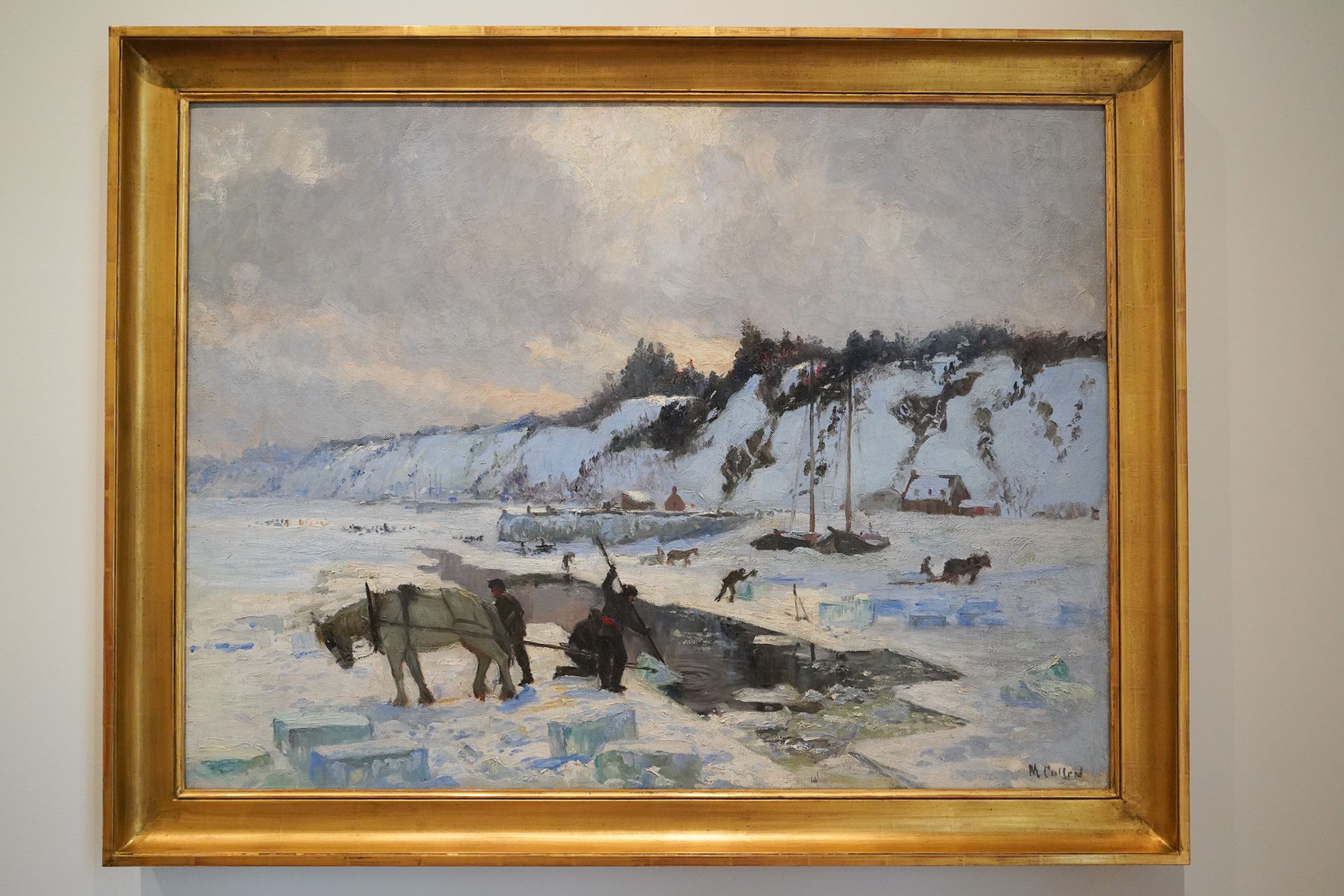
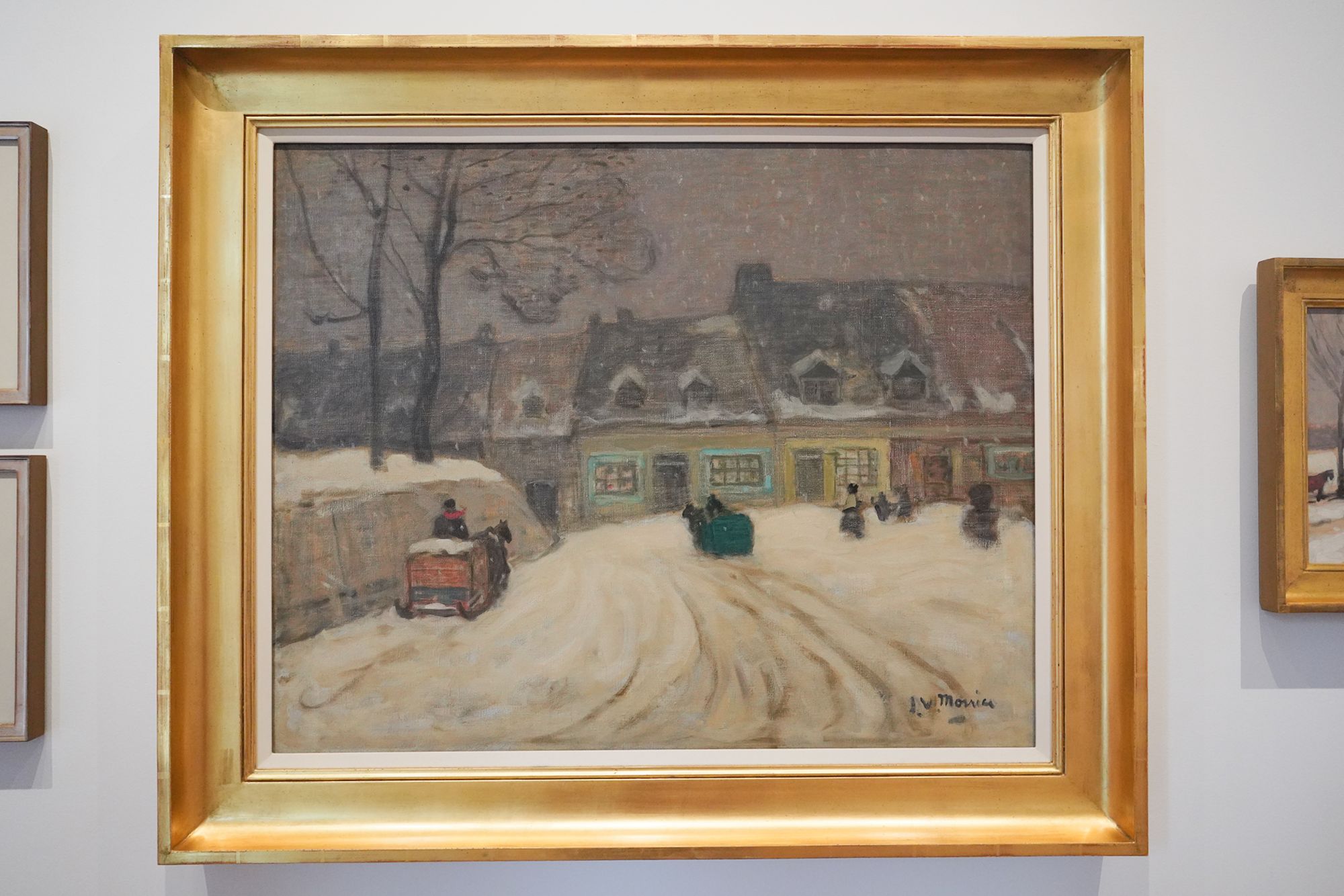
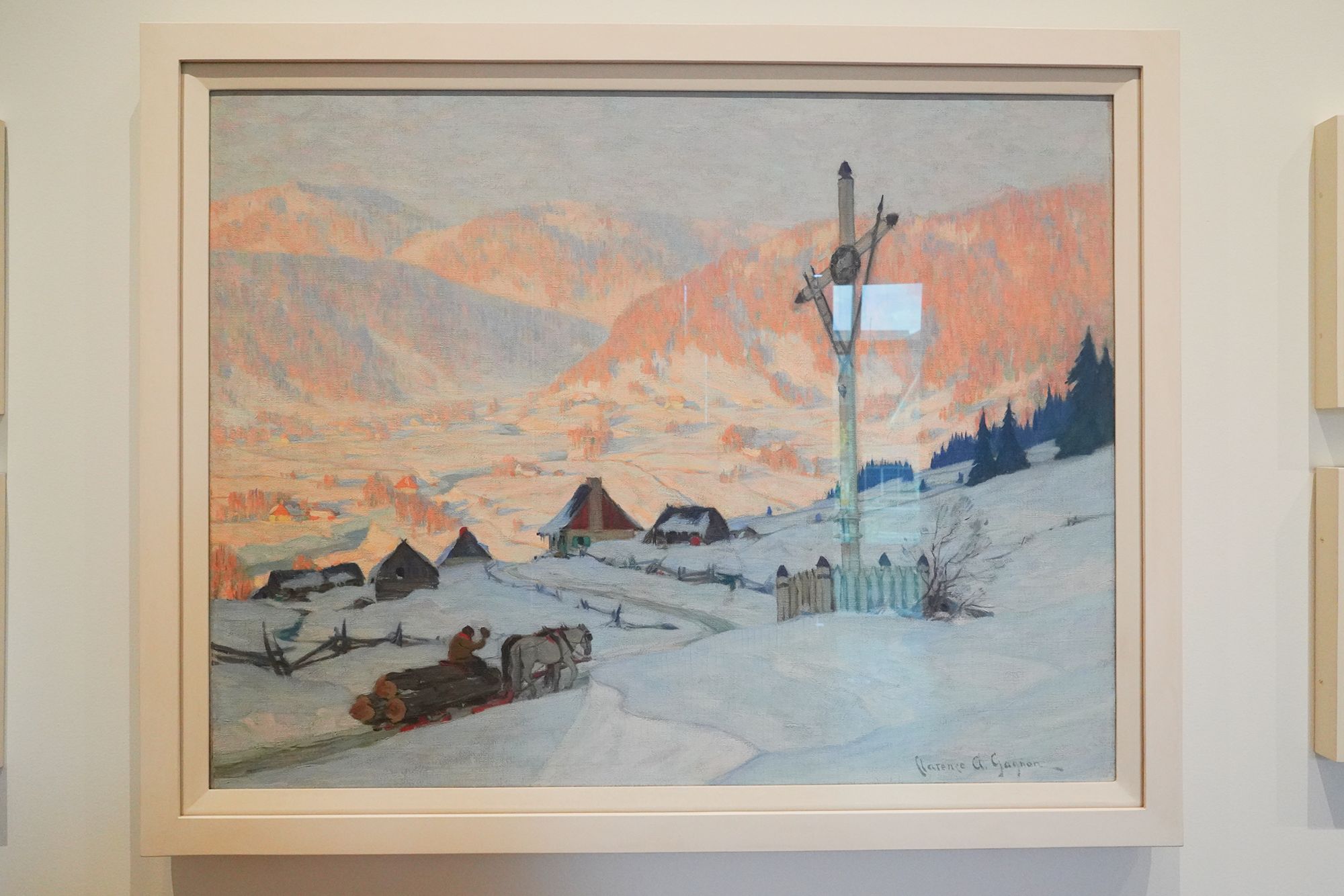
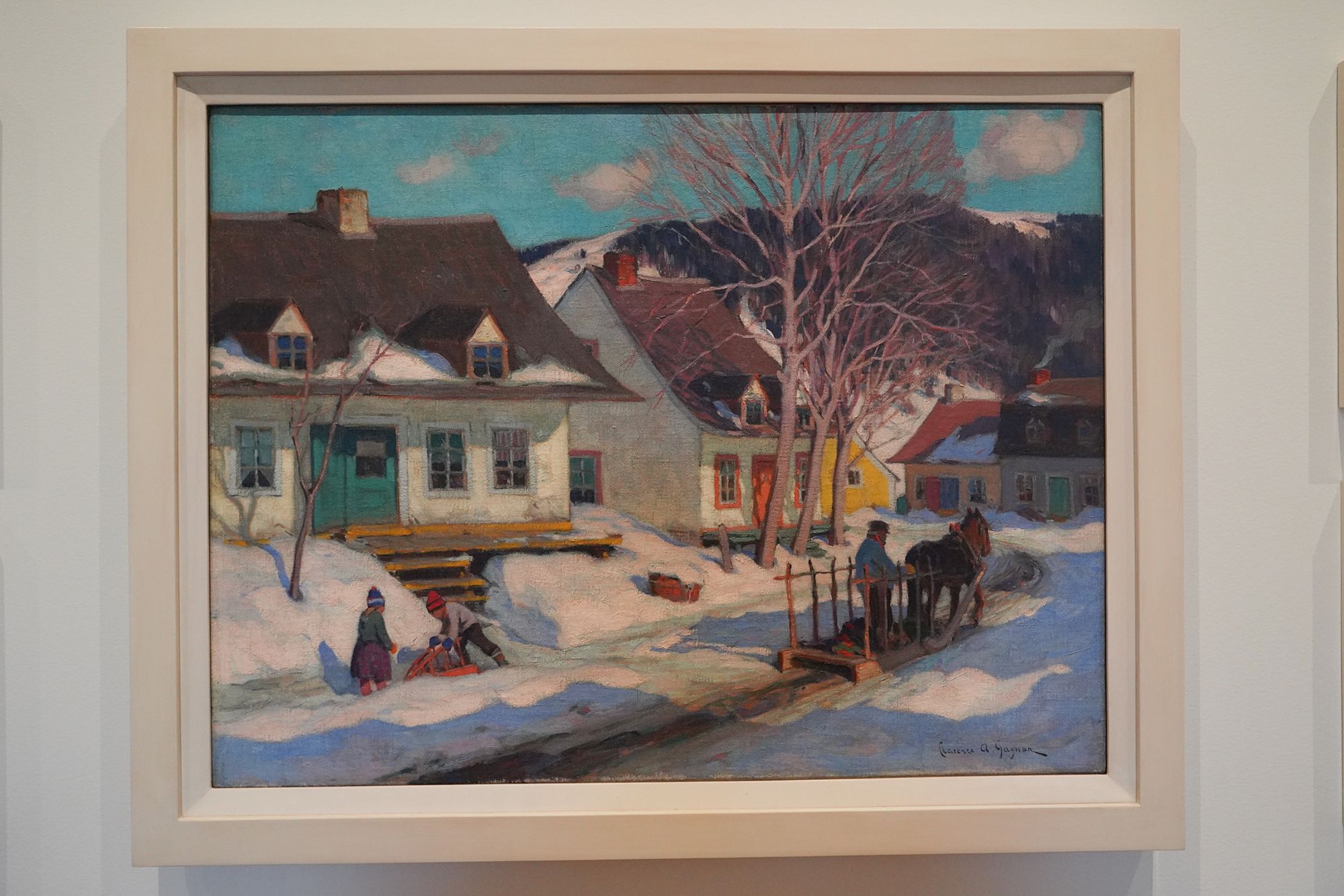
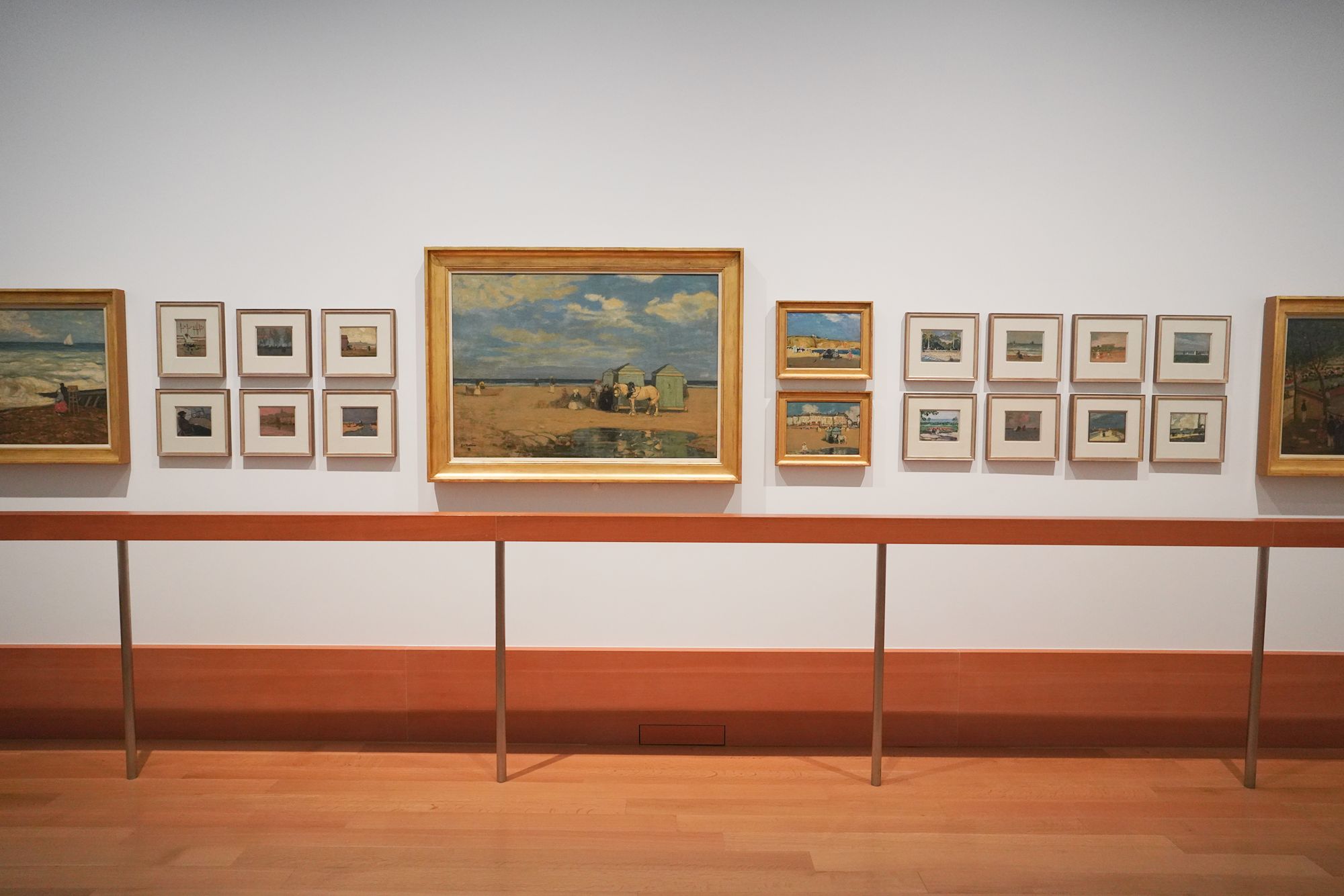
James Wilson Morrice (1865–1924) was a Canadian painter known for atmospheric landscapes and city scenes influenced by Impressionism and Post-Impressionism. Working largely in Europe, he used soft color, loose brushwork, and subtle mood, bridging Canadian art and international modernism.
William Kurelek (1927–1977) was a Canadian painter known for highly detailed, narrative scenes depicting prairie life, immigrant hardship, childhood memory, and moral or religious themes. His work combines precise realism with symbolism and strong emotional intensity, often reflecting his Ukrainian heritage and Christian faith.
Postwar Painting in Canada
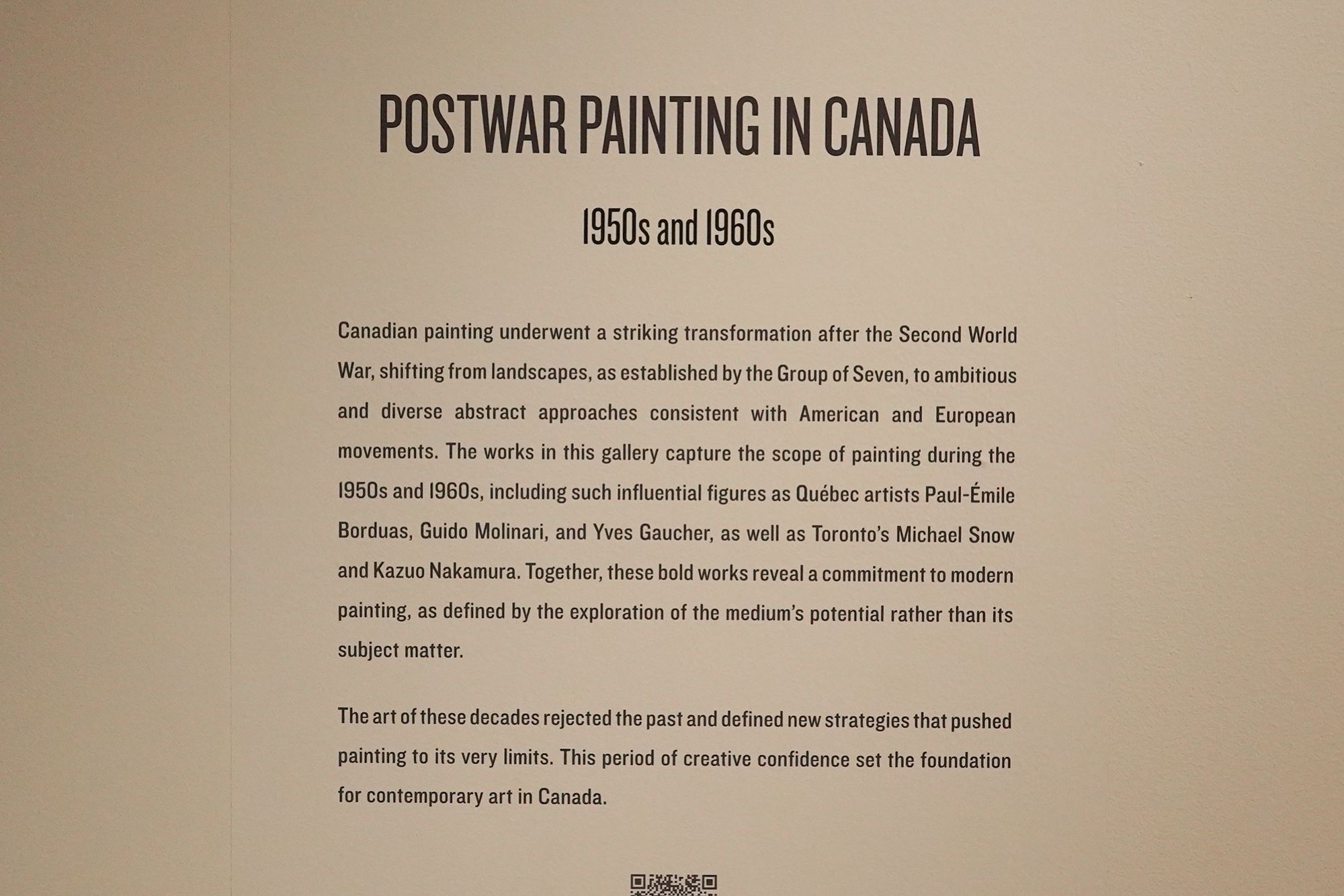
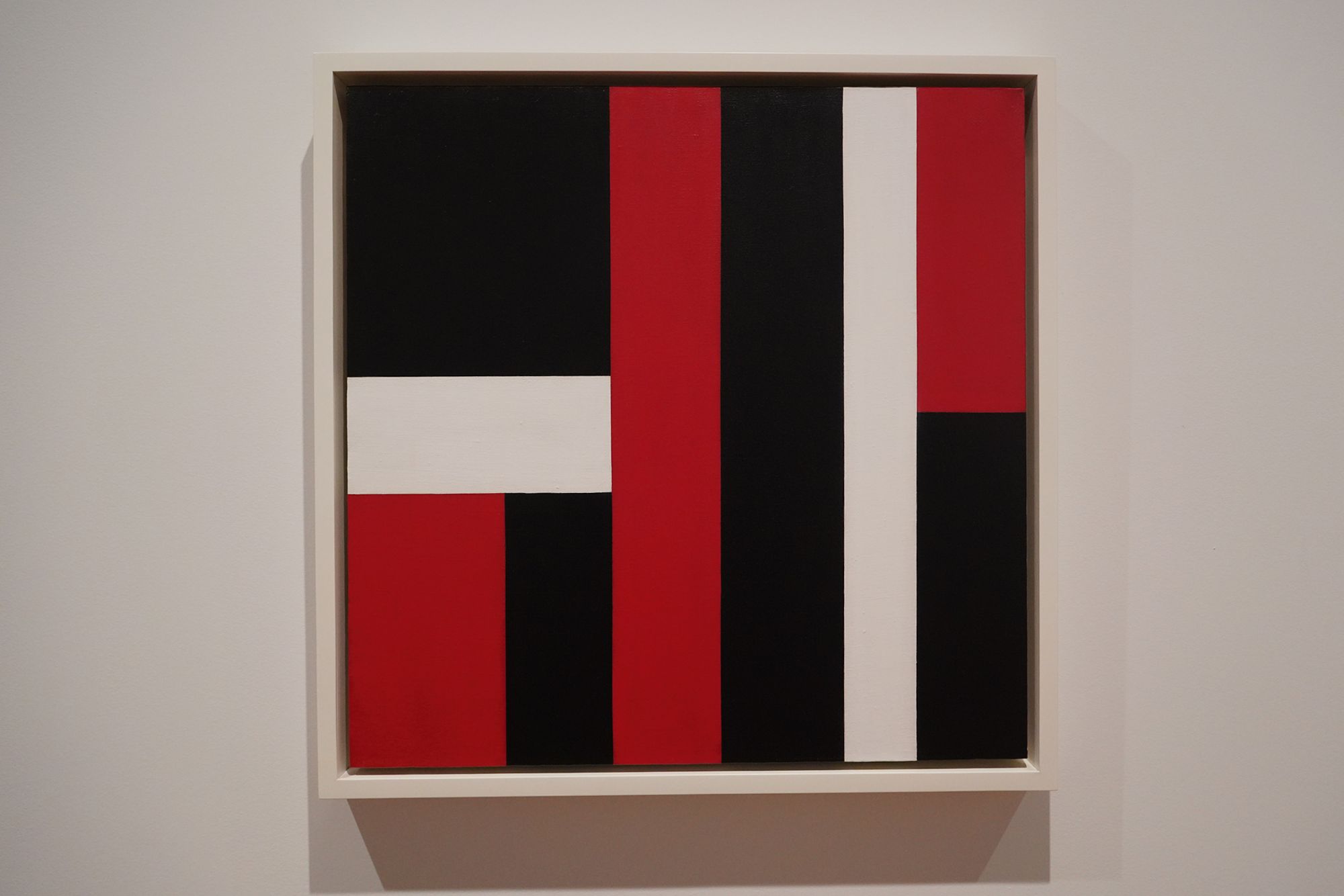
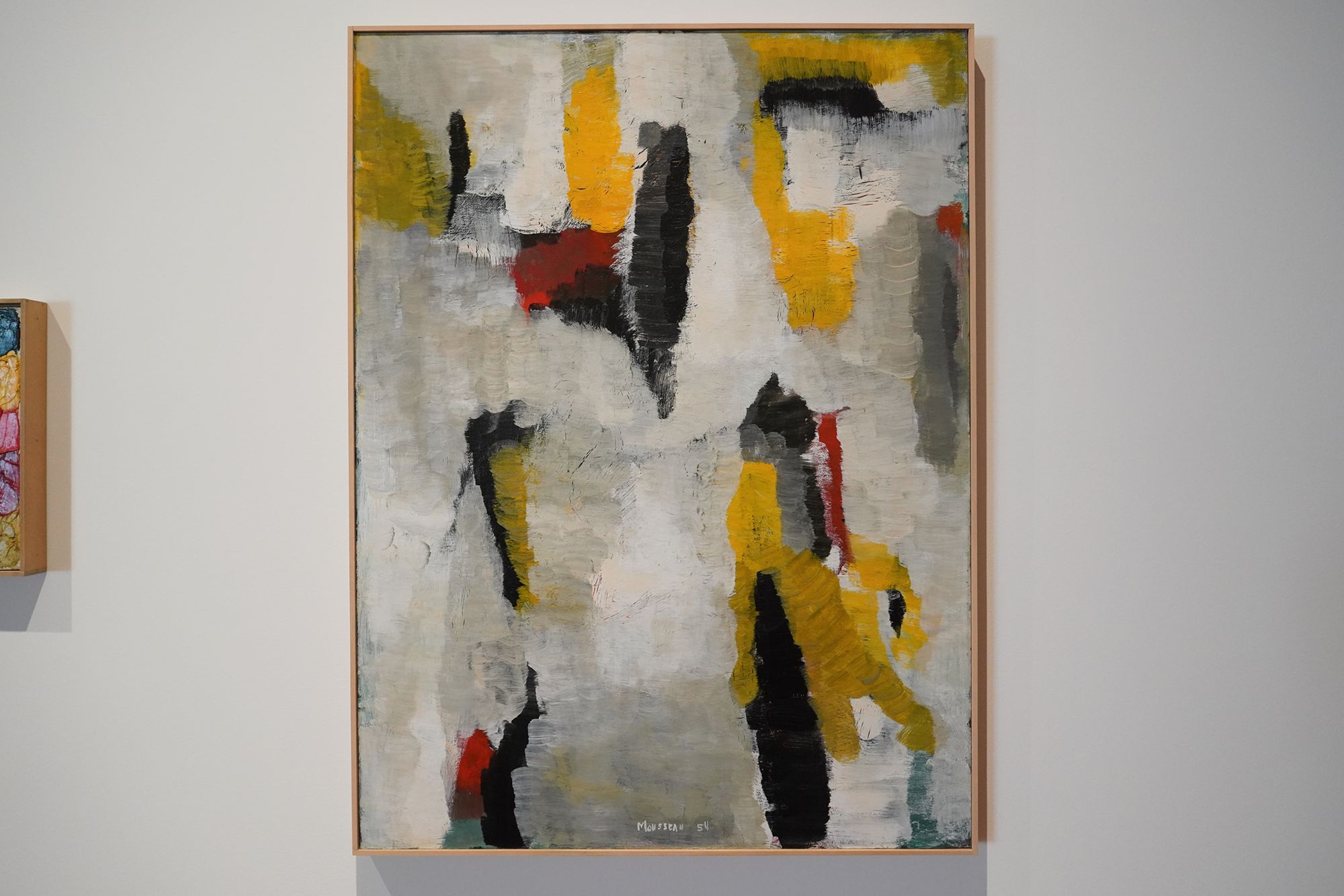
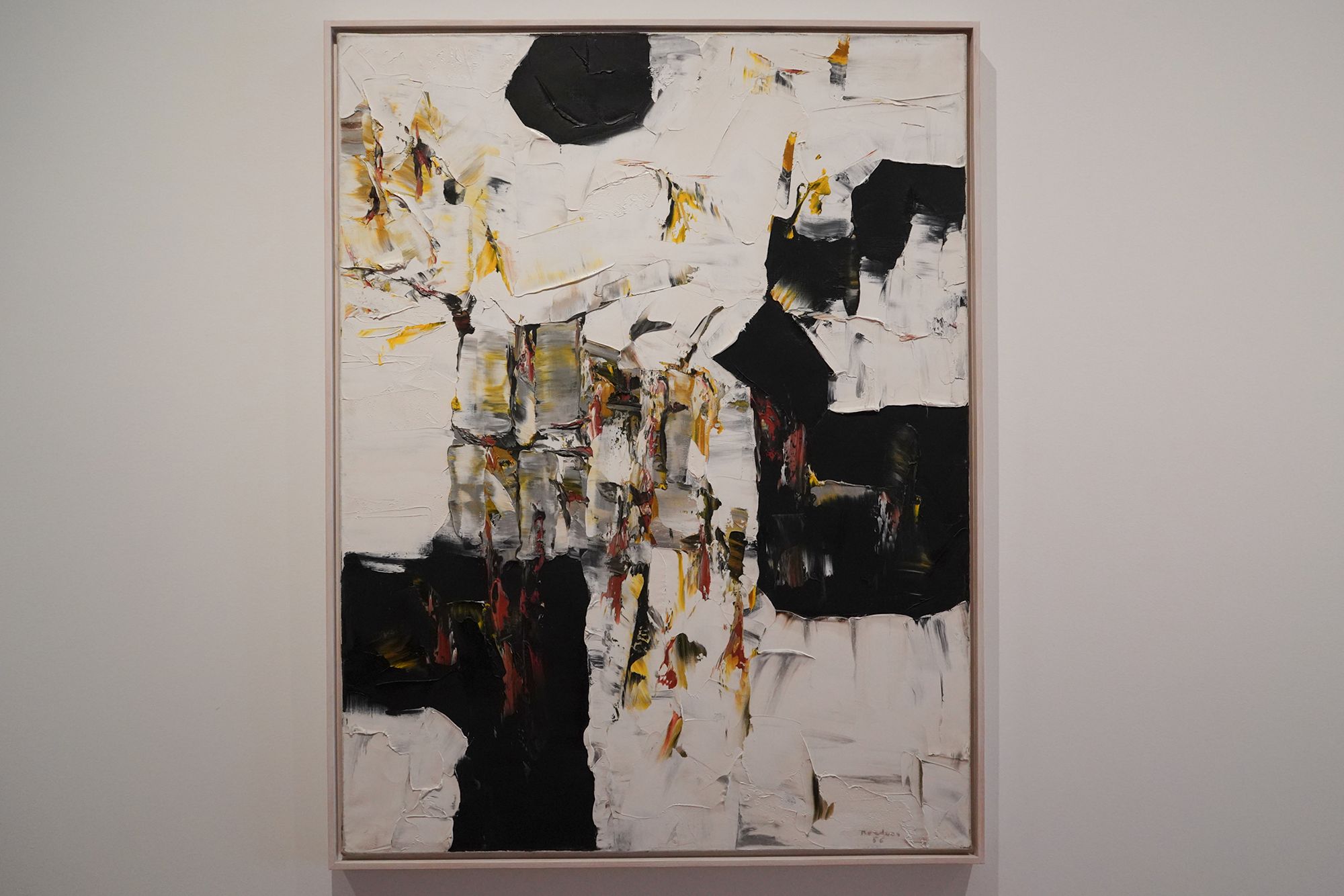
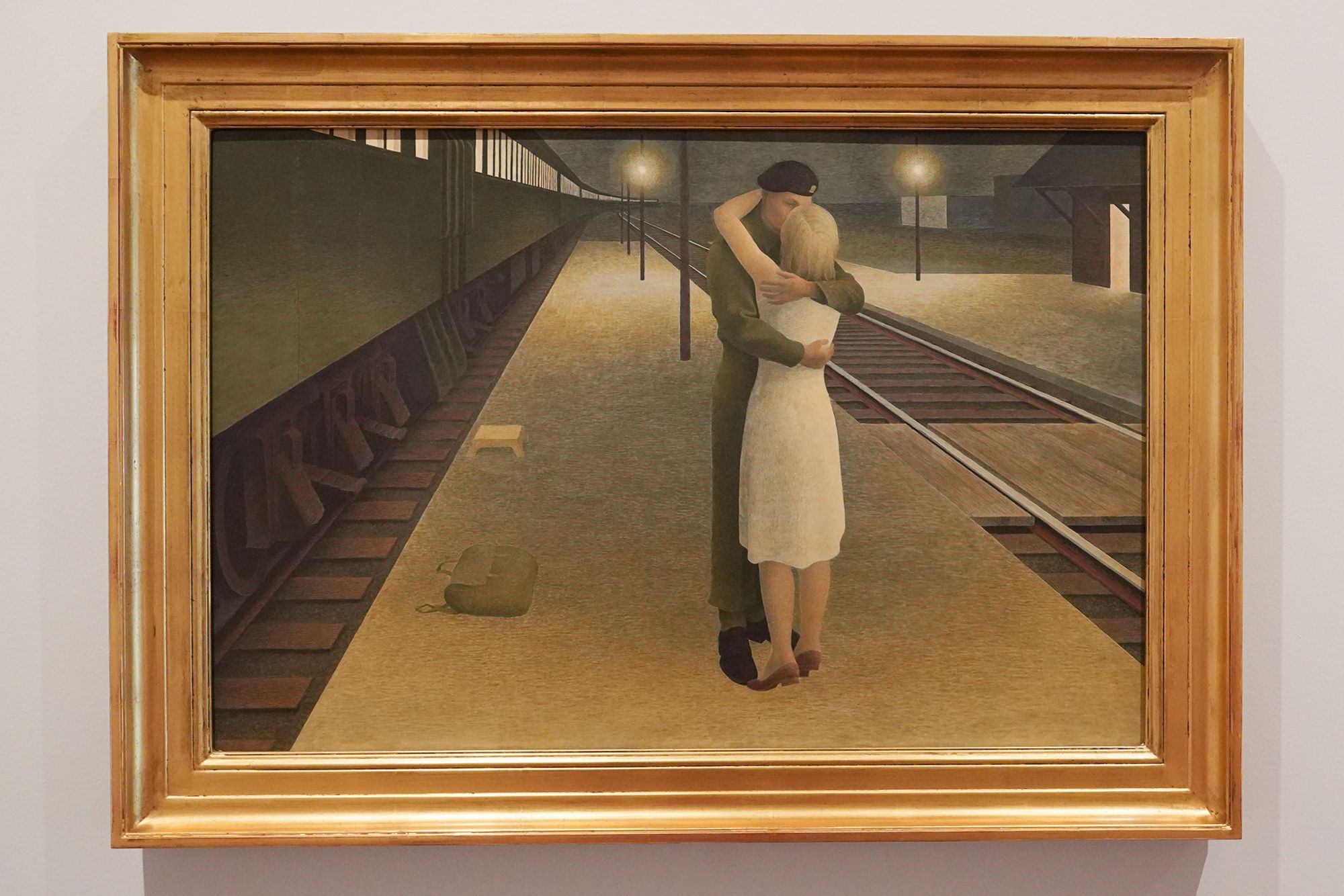
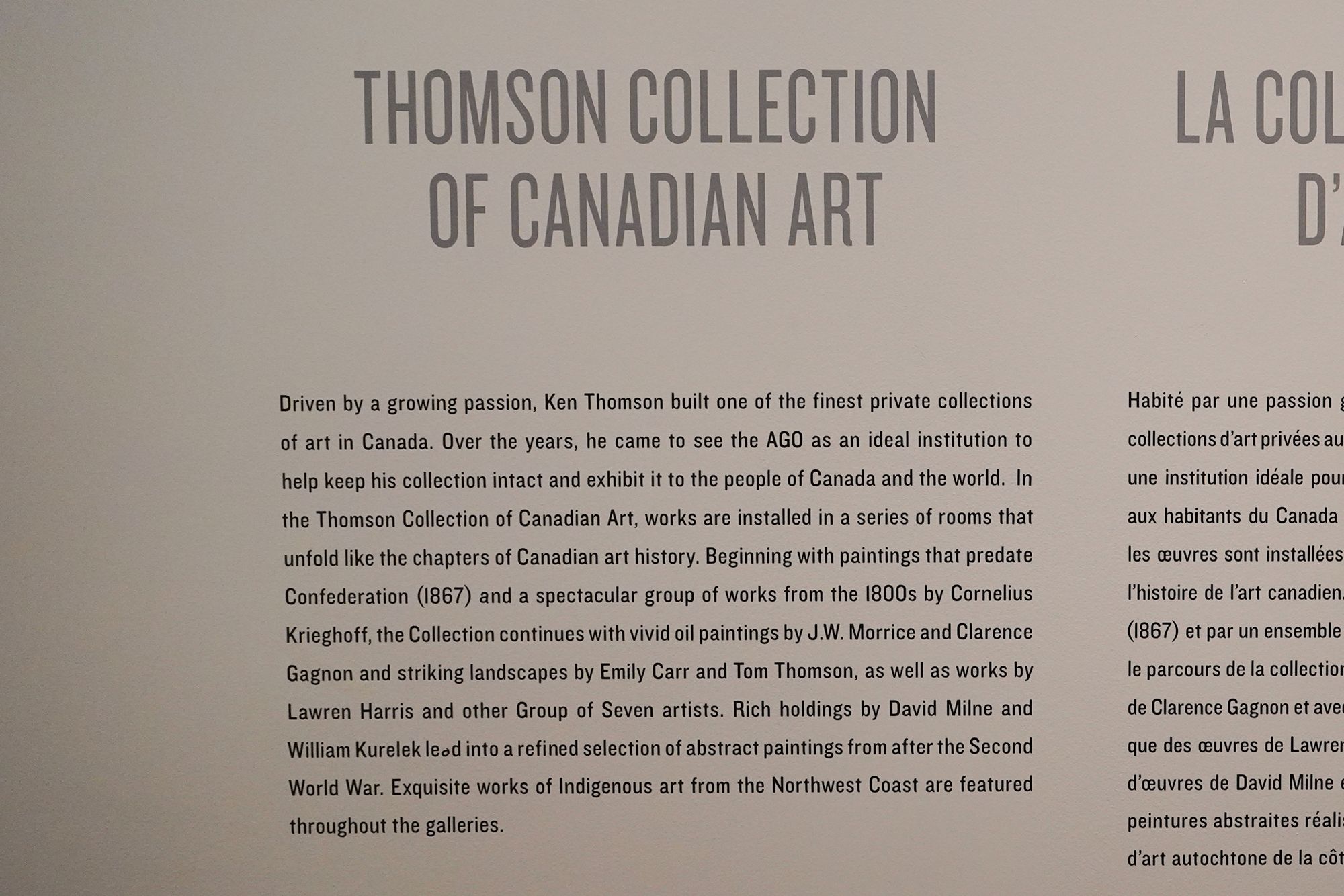
Thomson Collection of Canadian Art
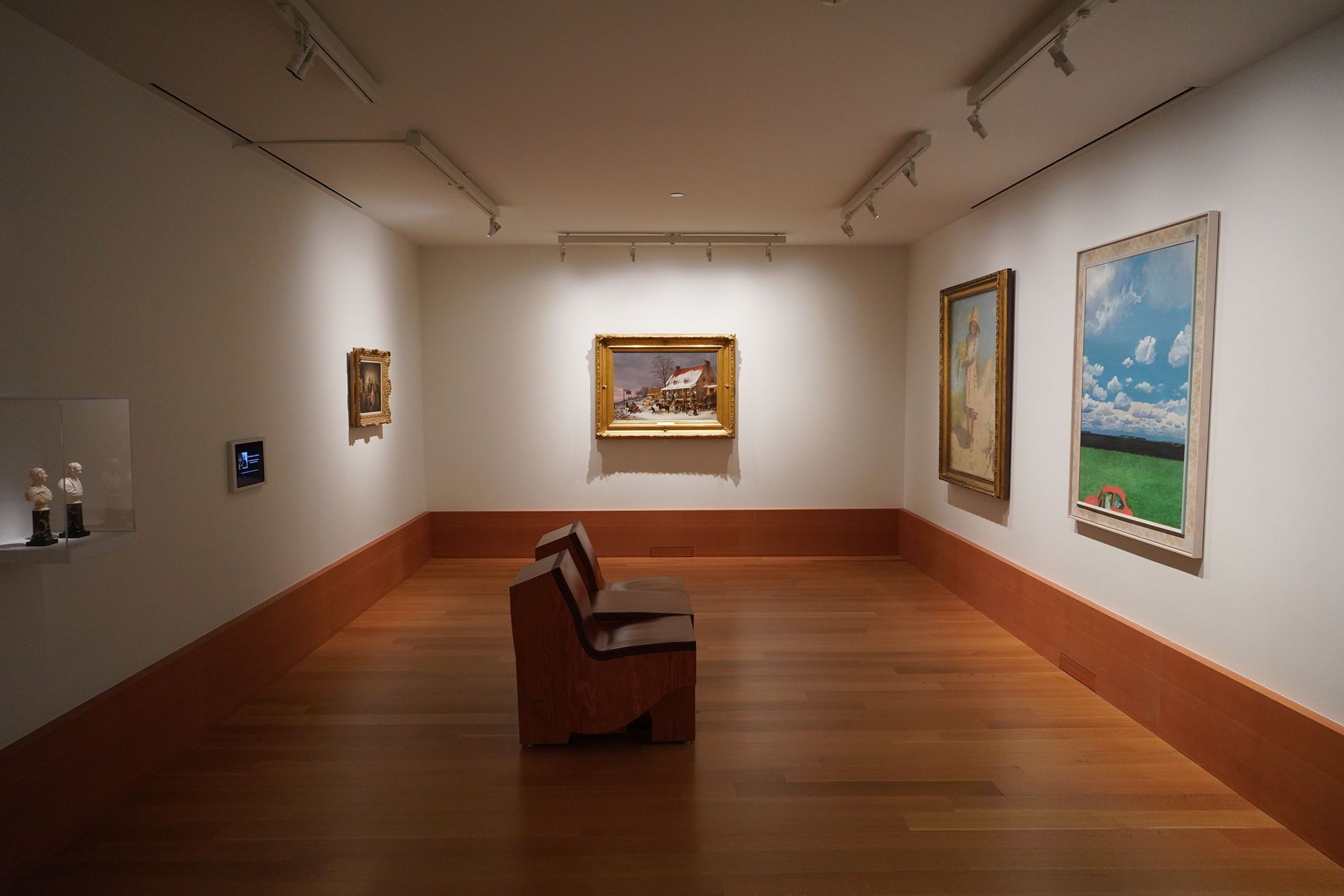
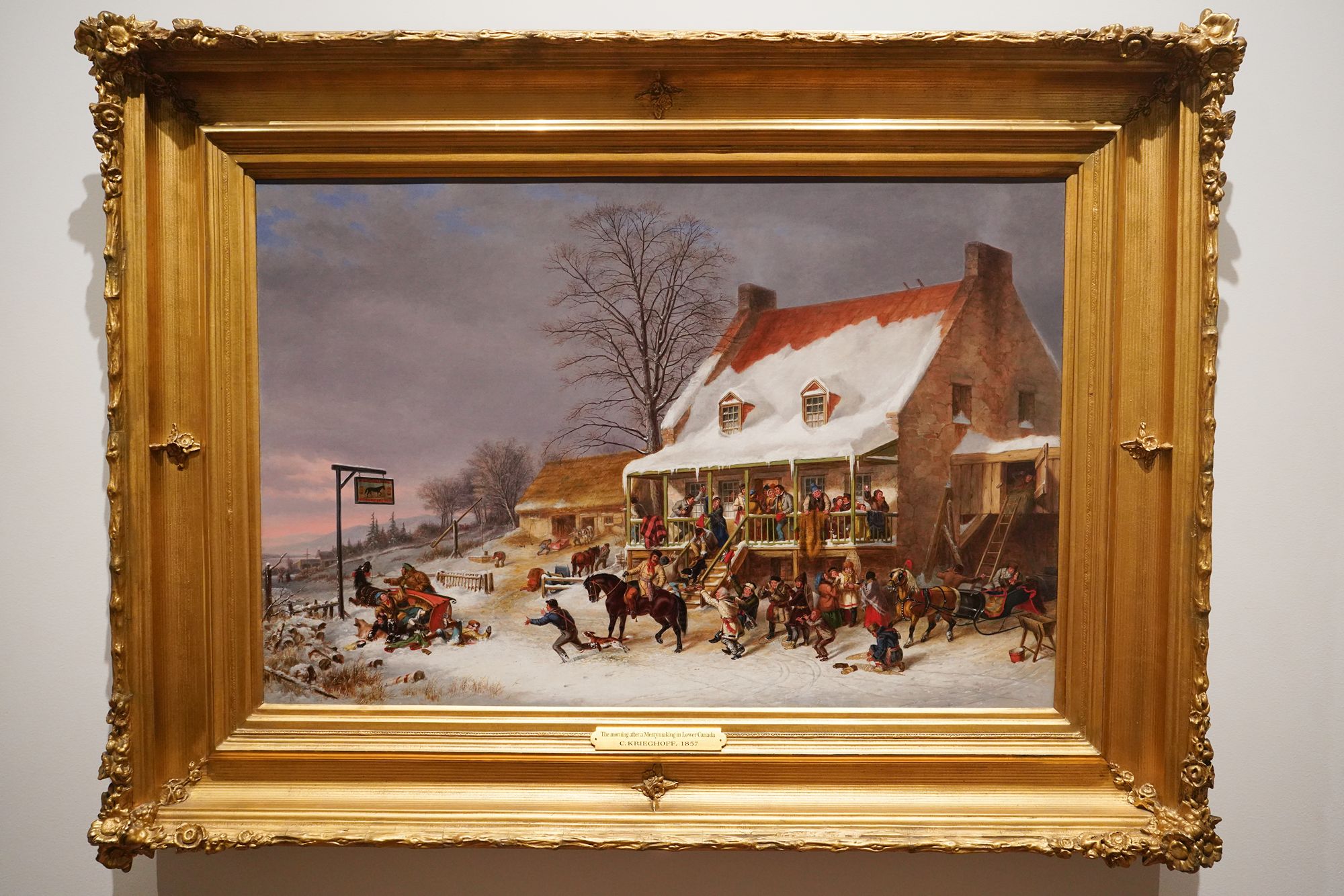
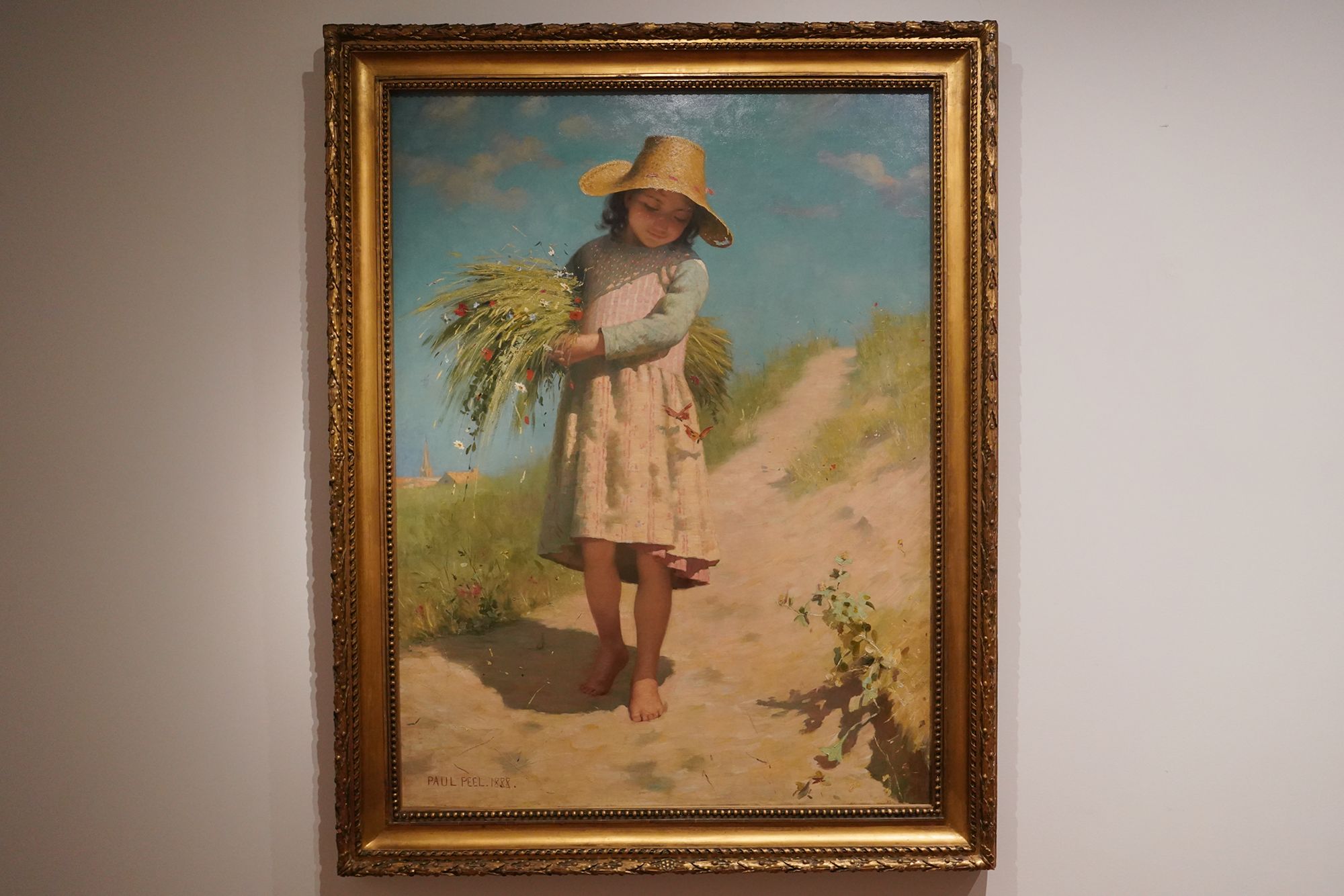
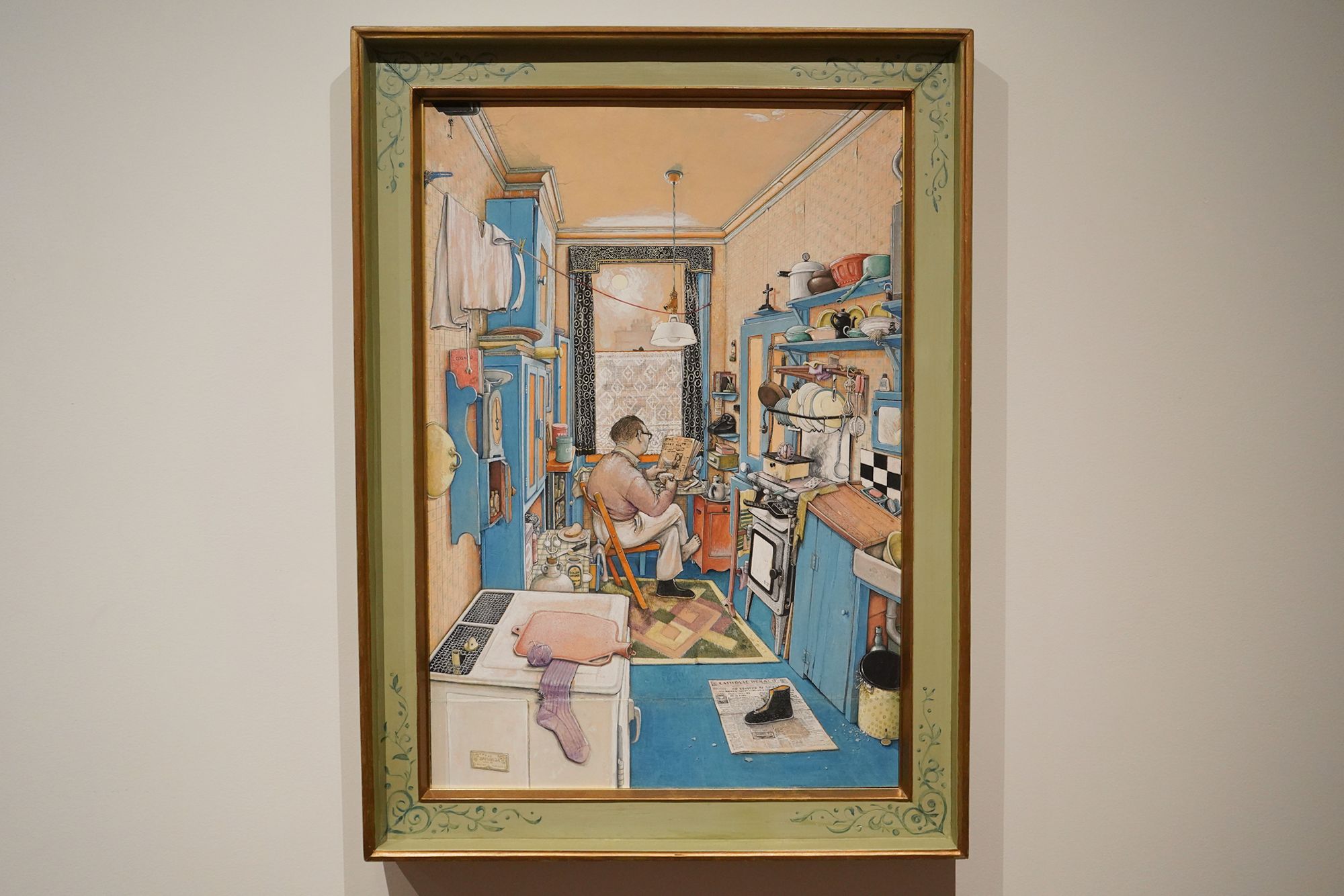
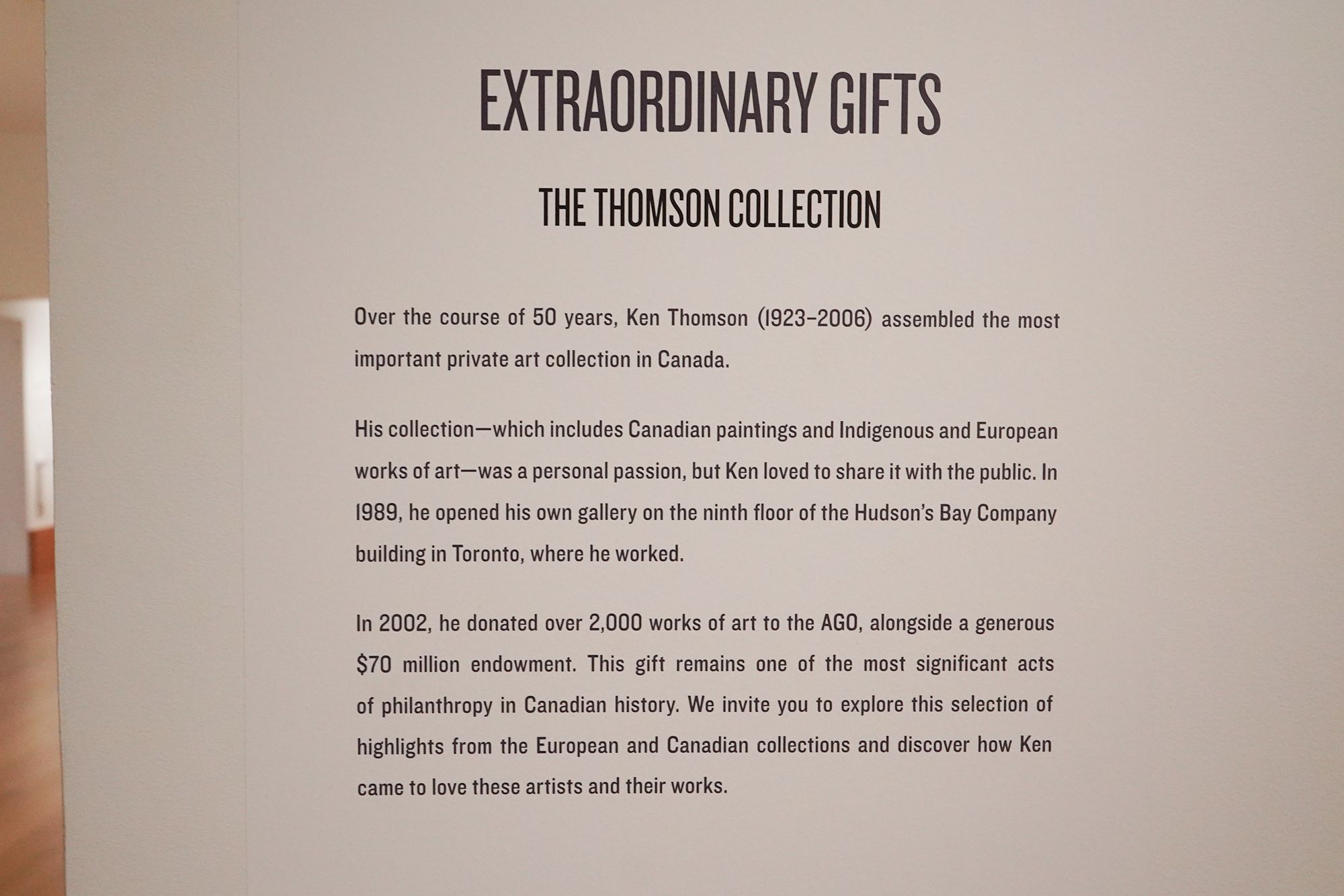
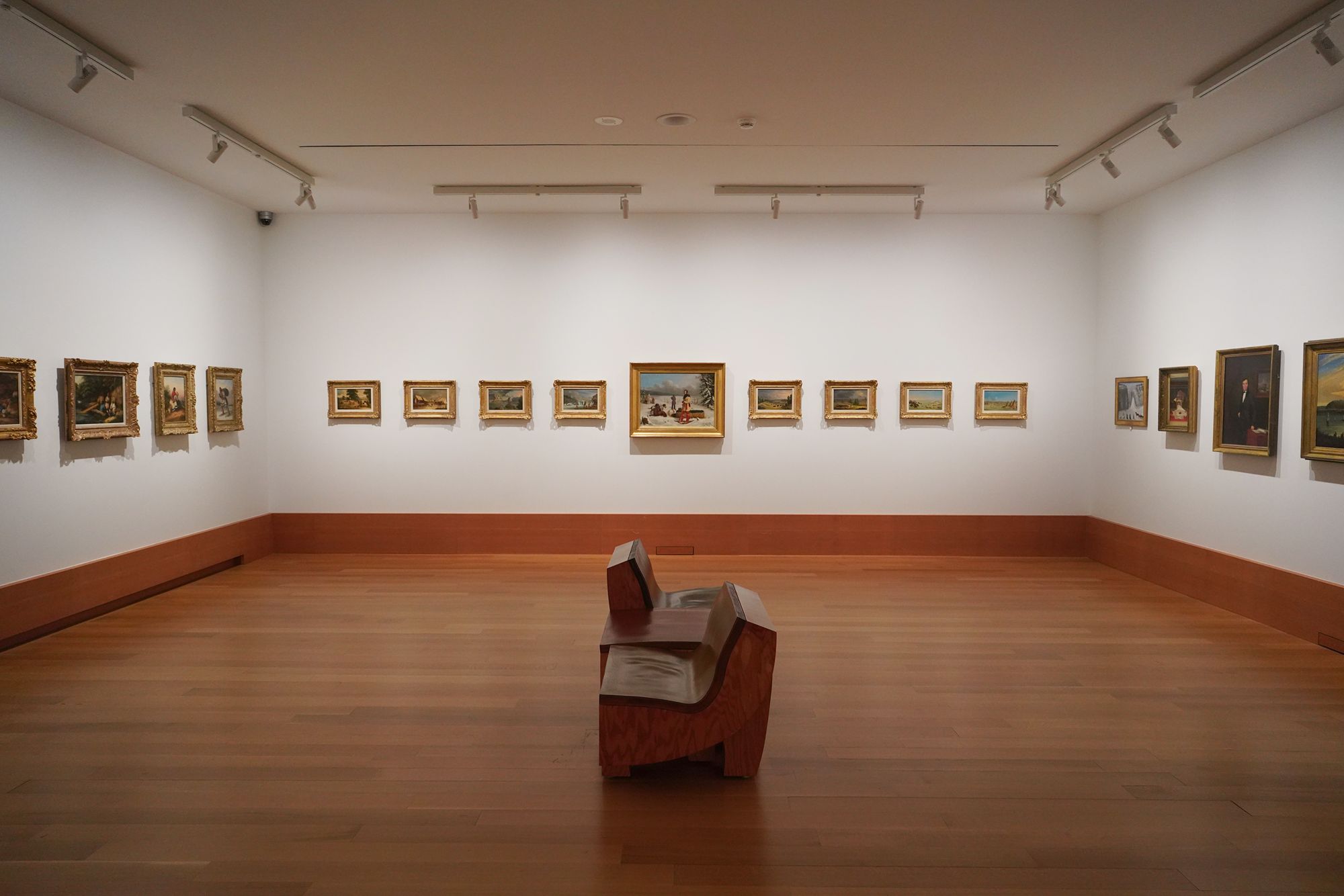
Early Canadian Gallery
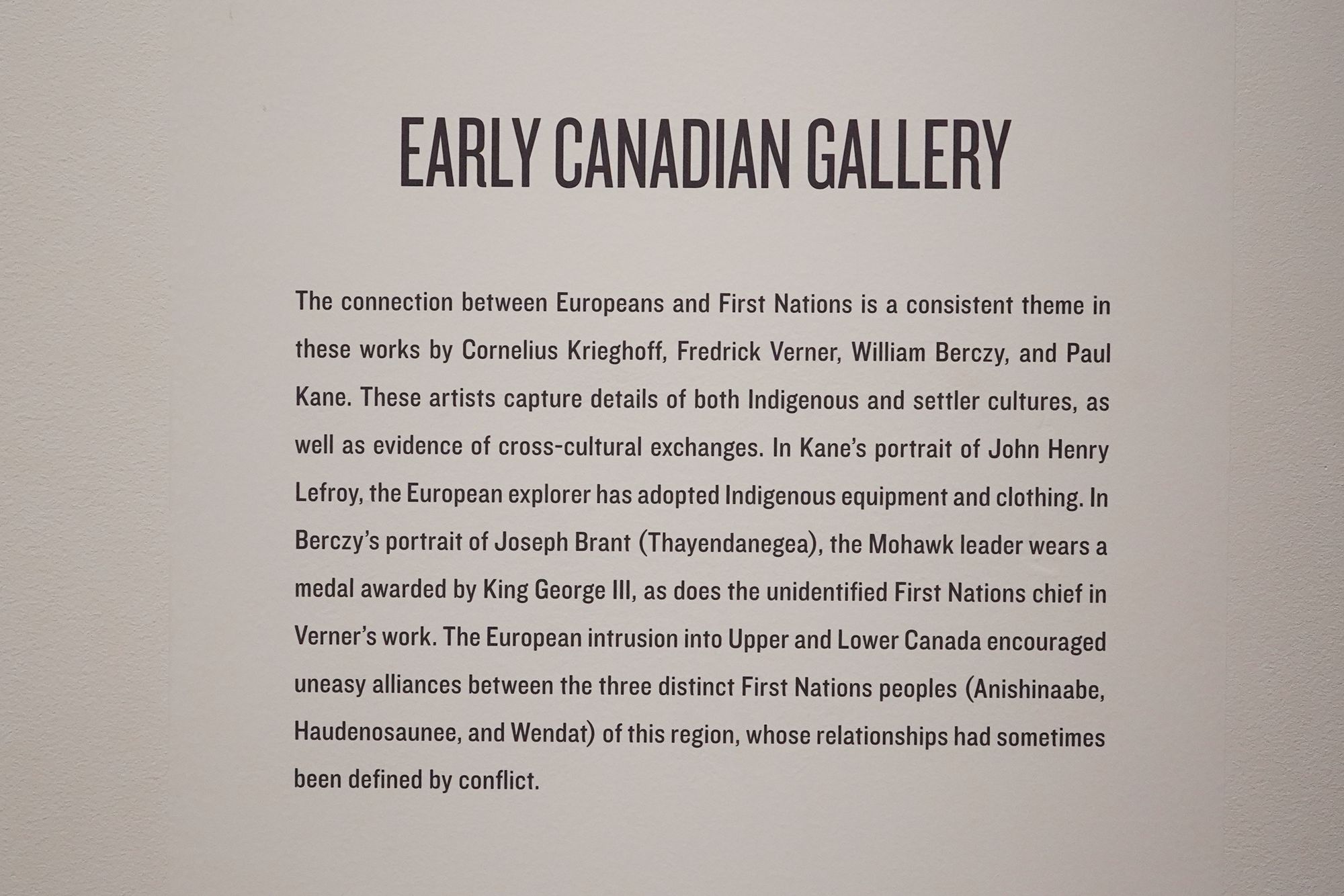
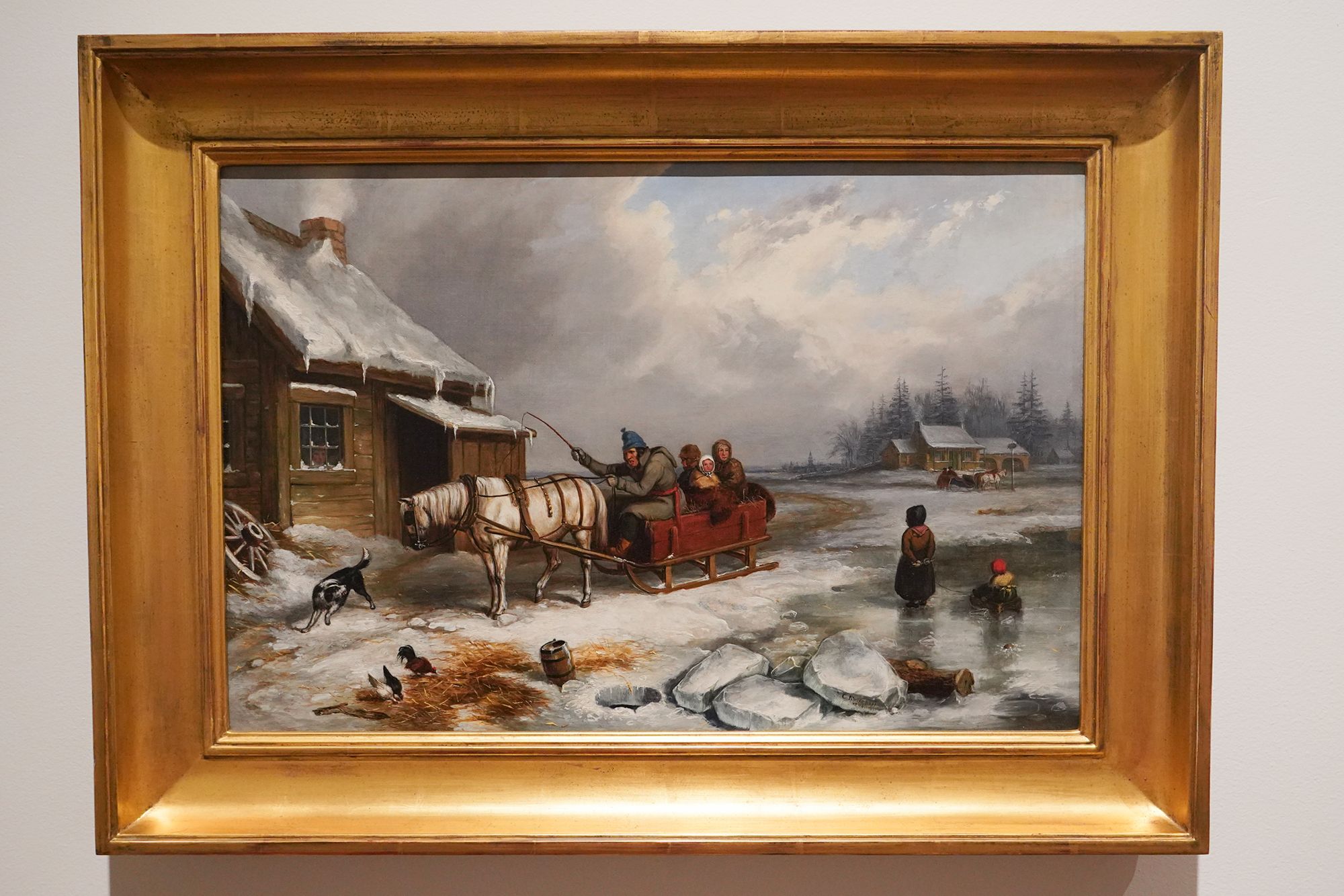
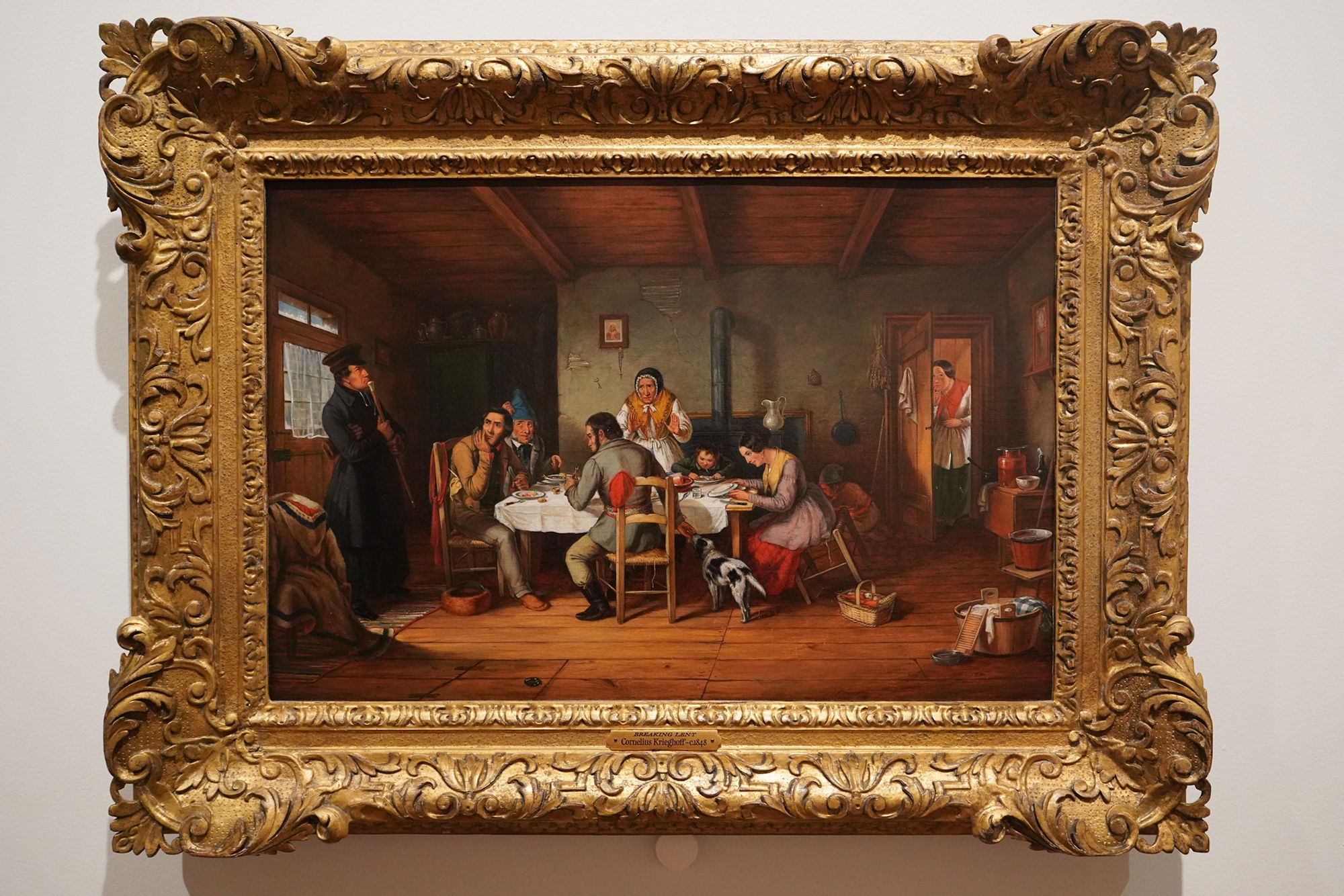
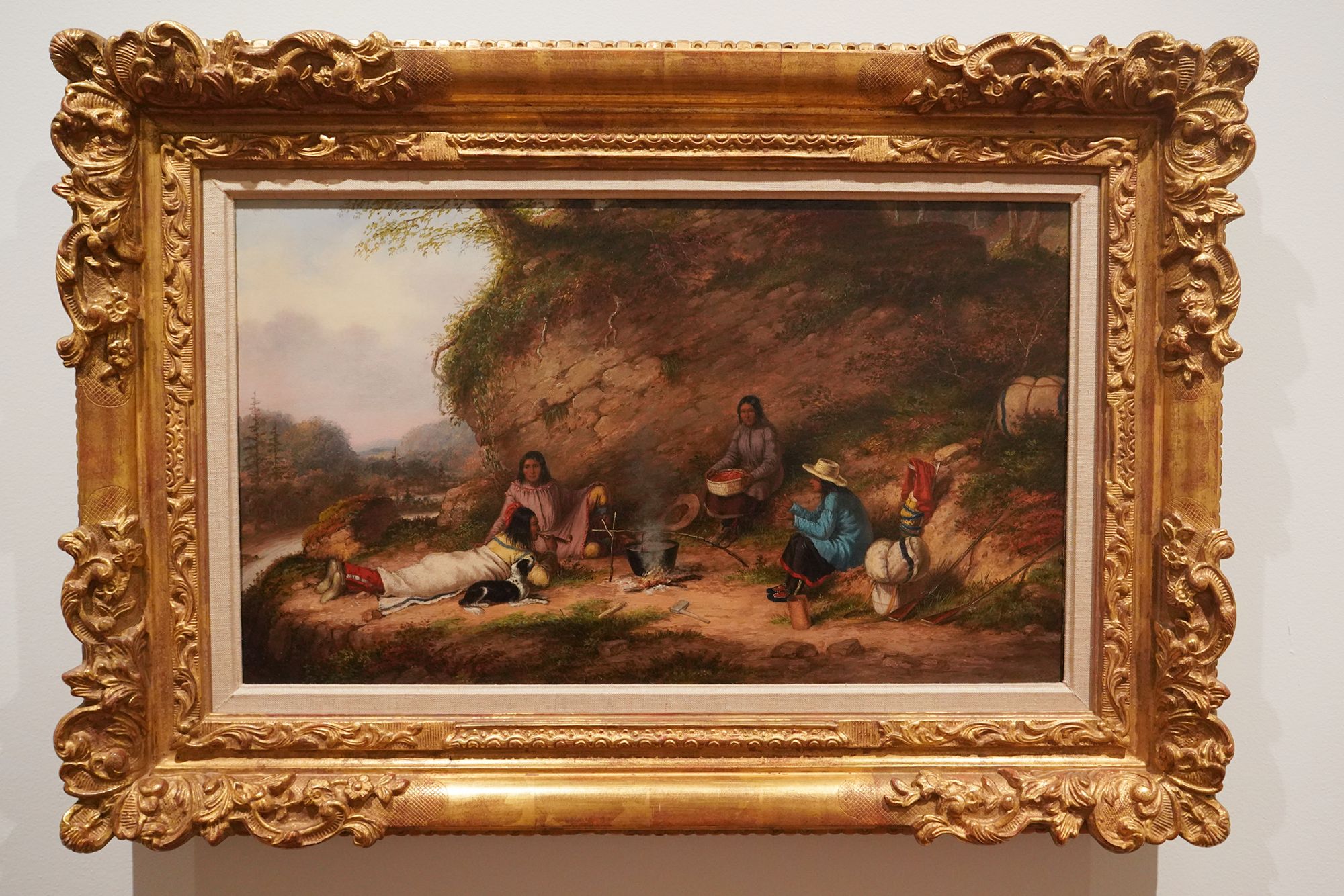
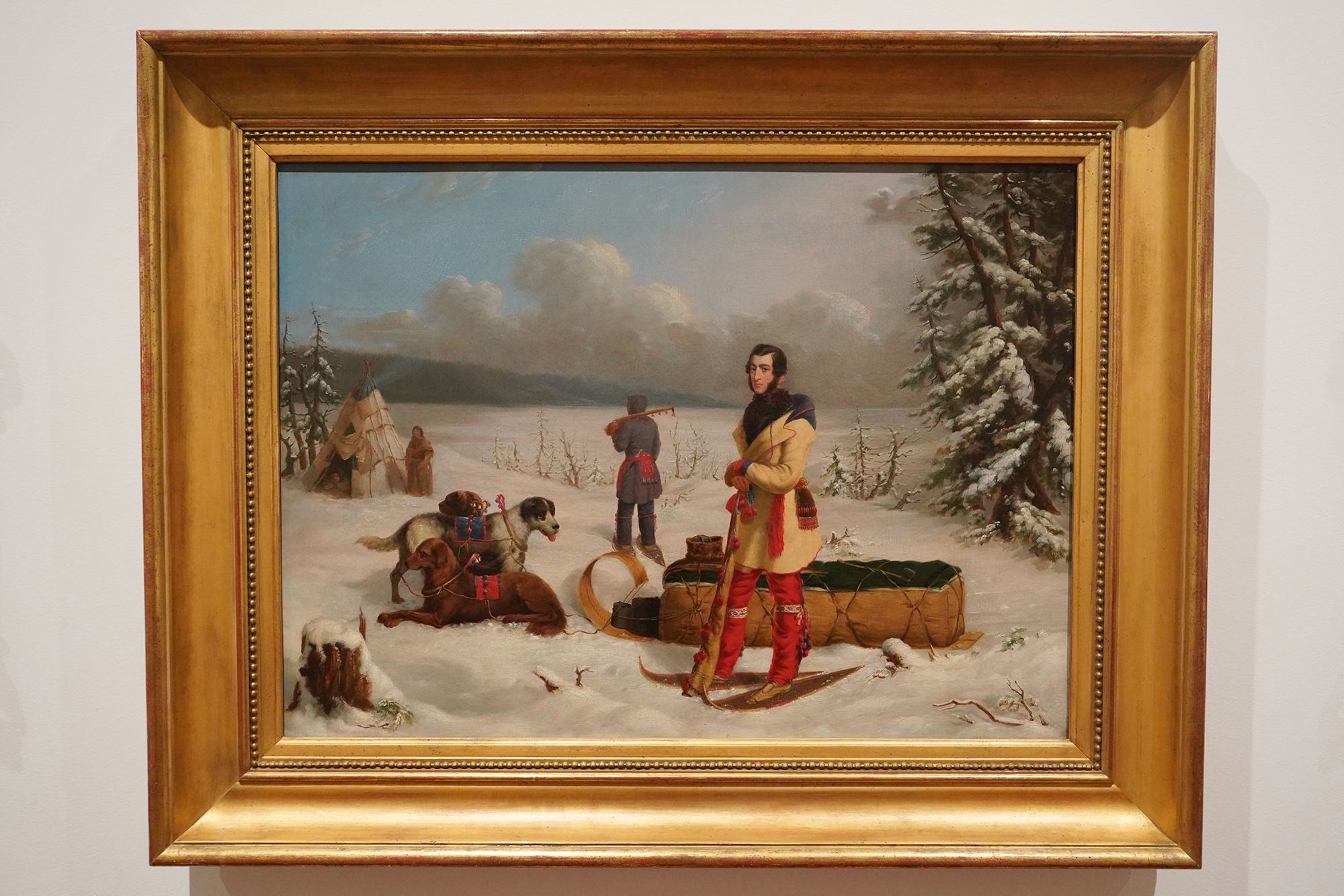
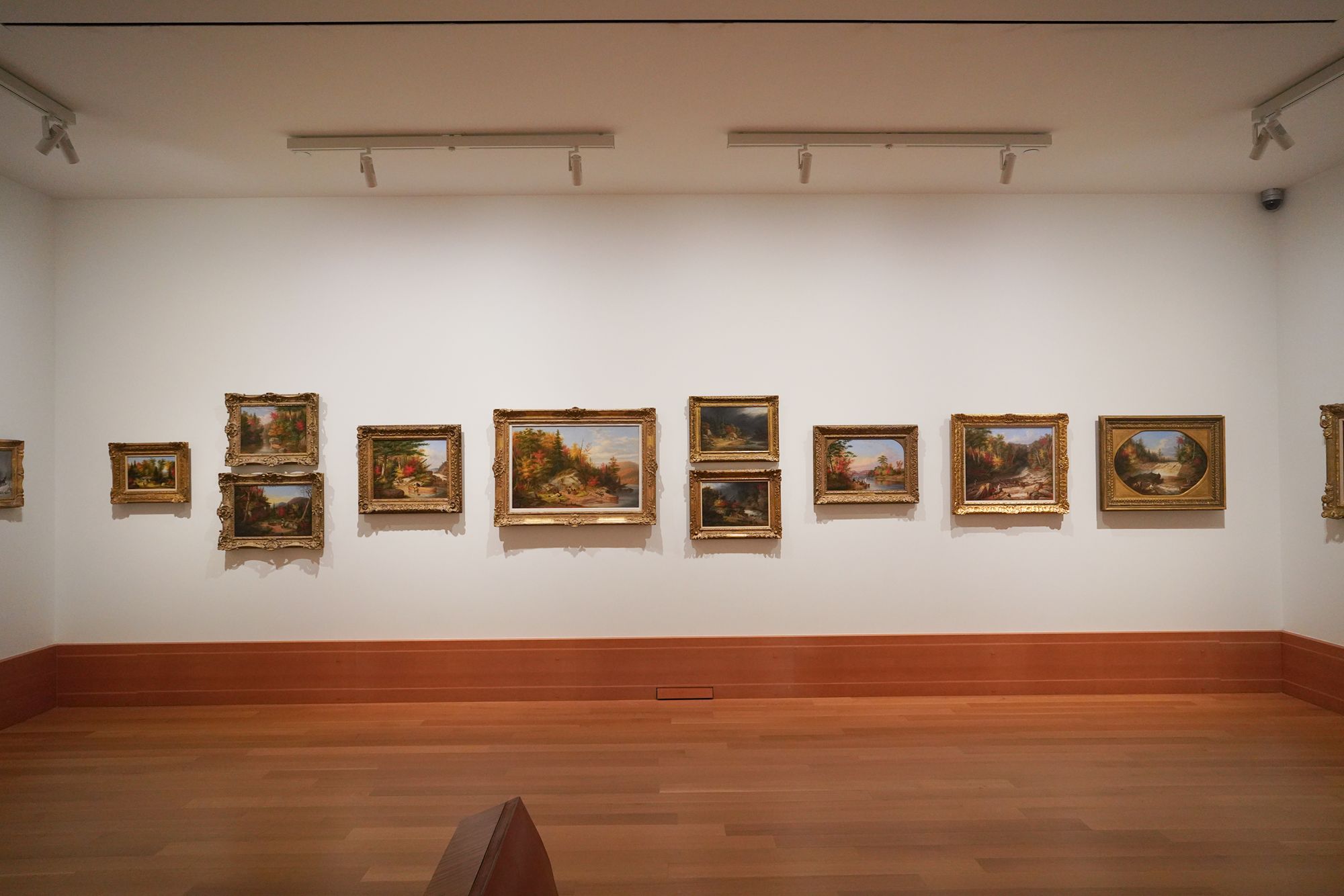
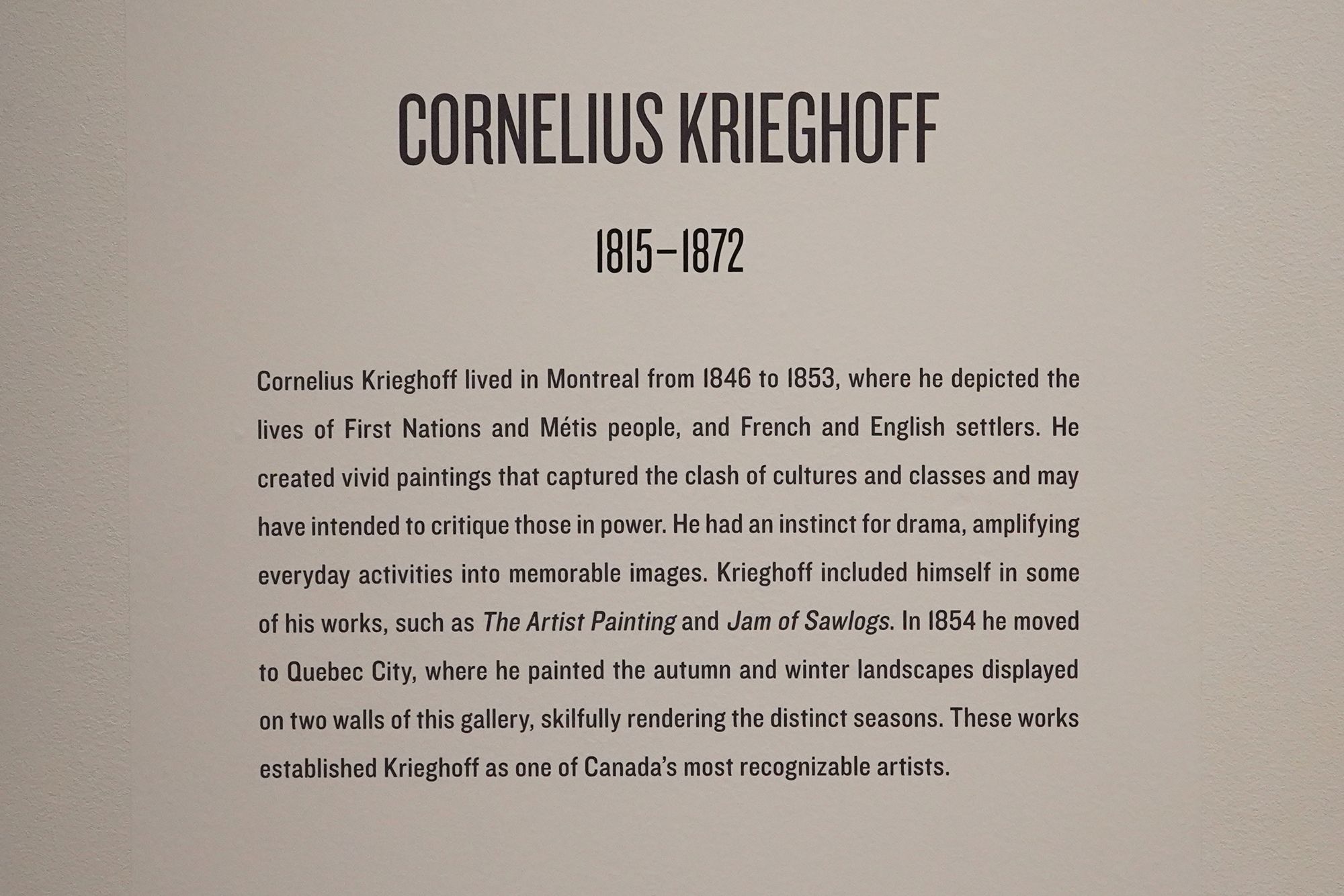
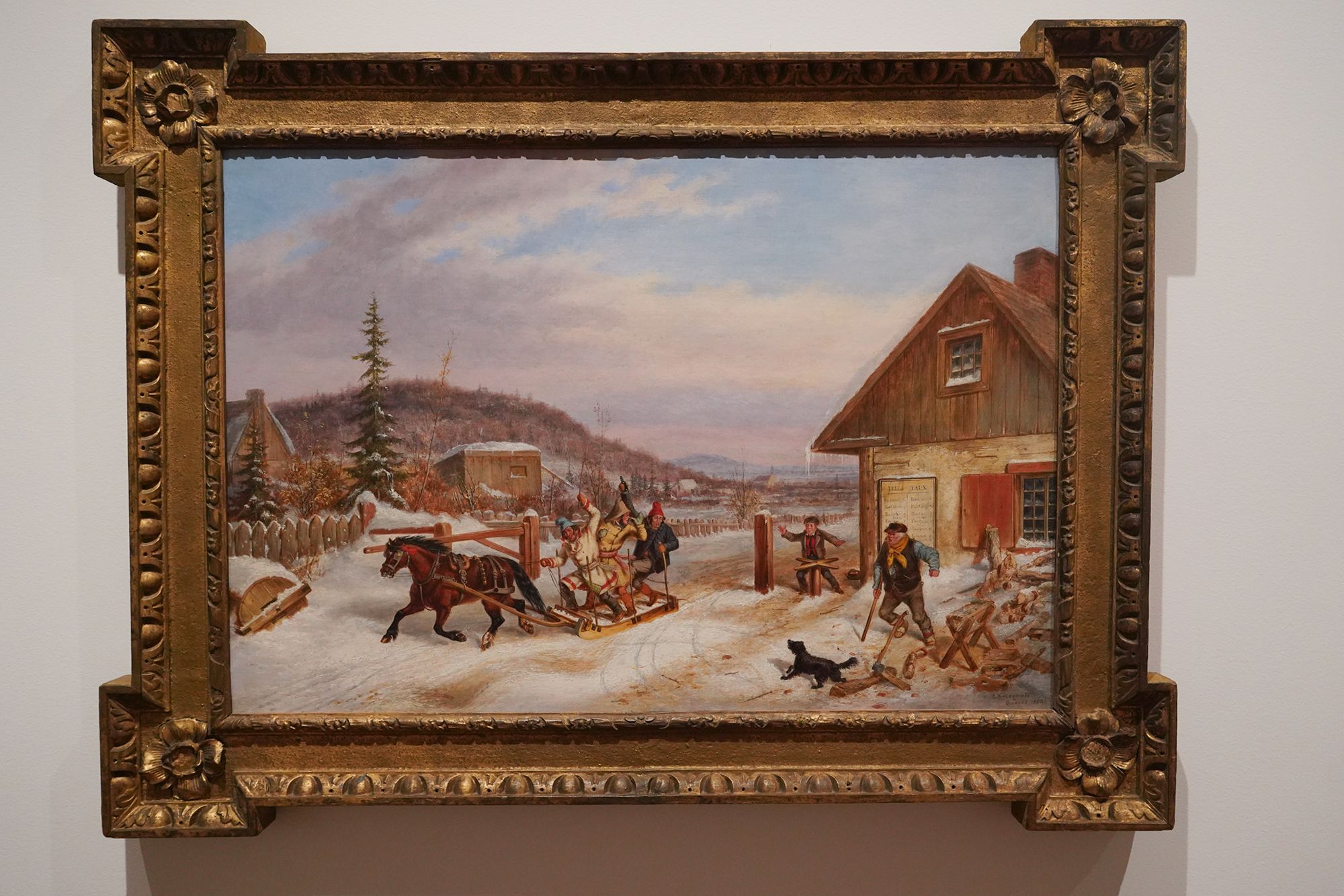
Cornelius Krieghoff (1815–1872) was a Dutch-born Canadian painter best known for vivid genre scenes and landscapes of 19th-century Canadian life. His work depicts winter settings, rural Quebec, Indigenous peoples, and habitant life with narrative detail and popular appeal.
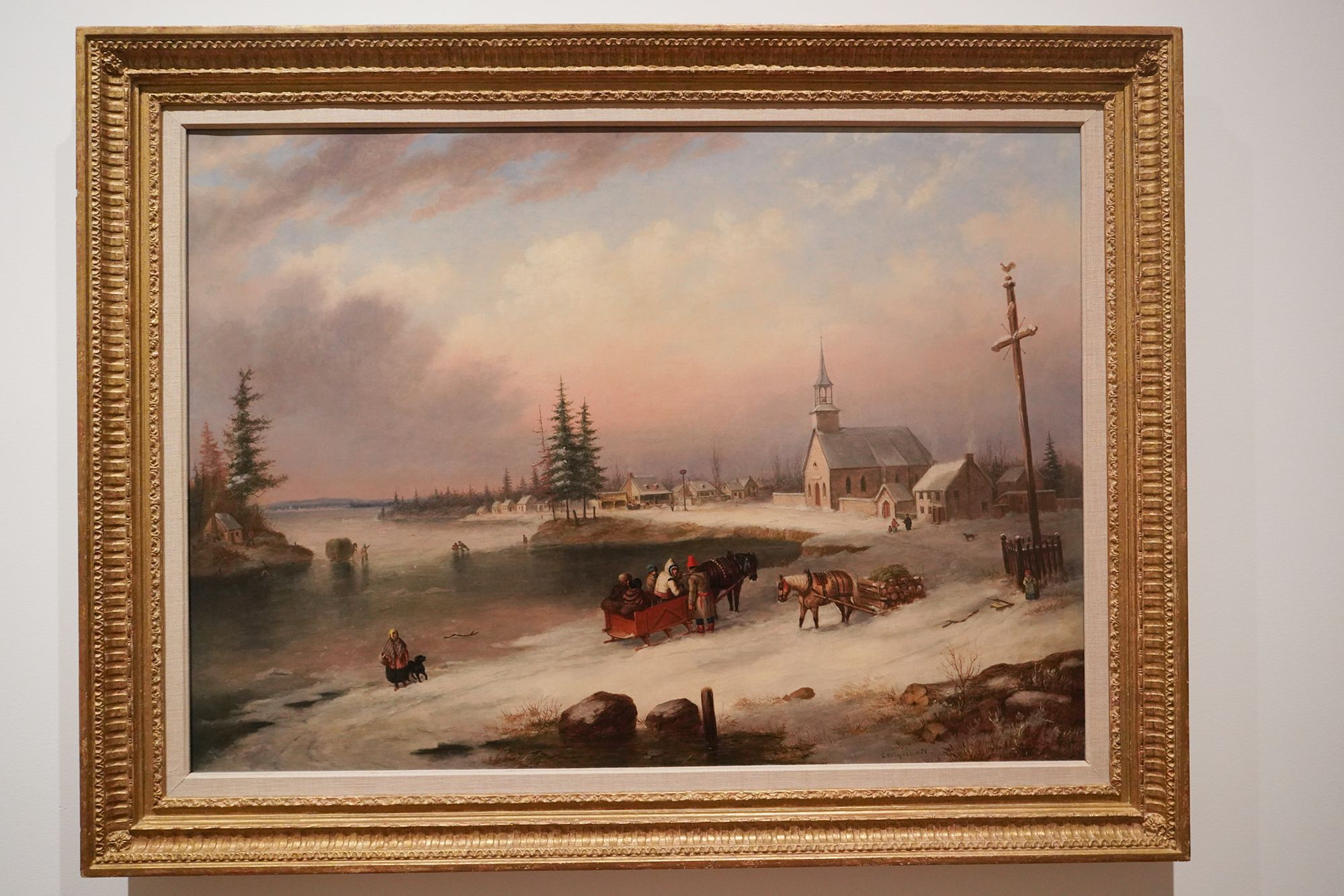
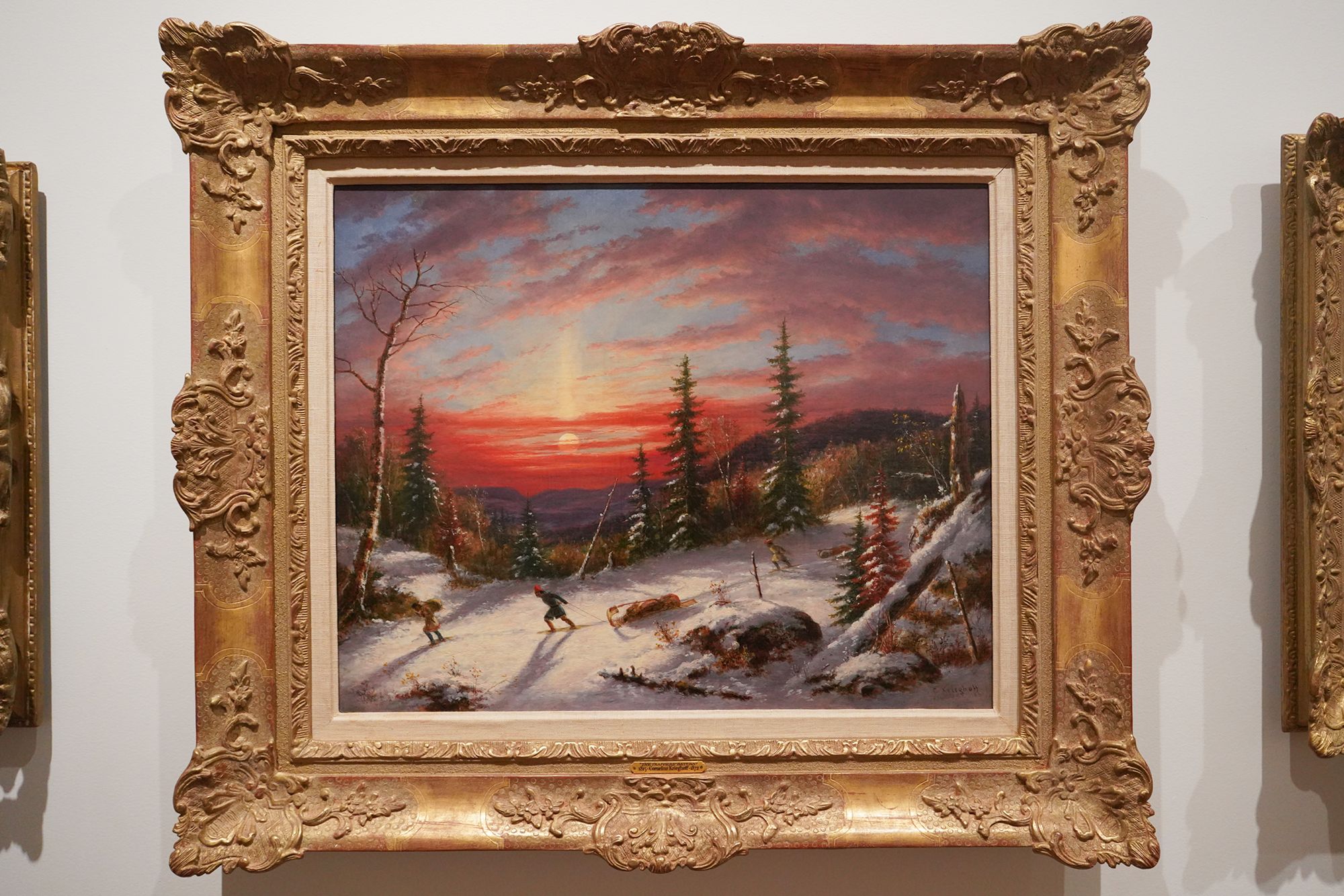
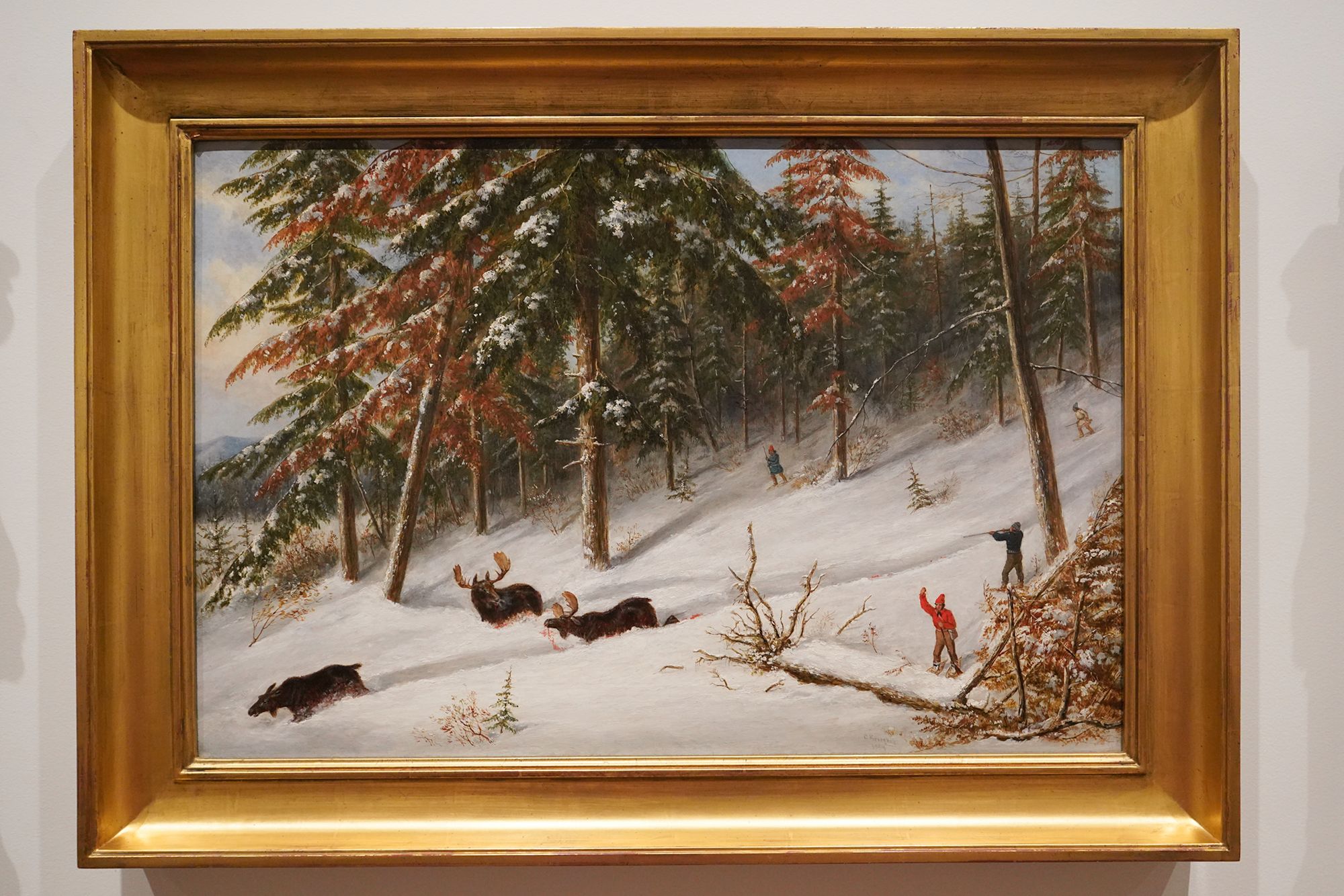
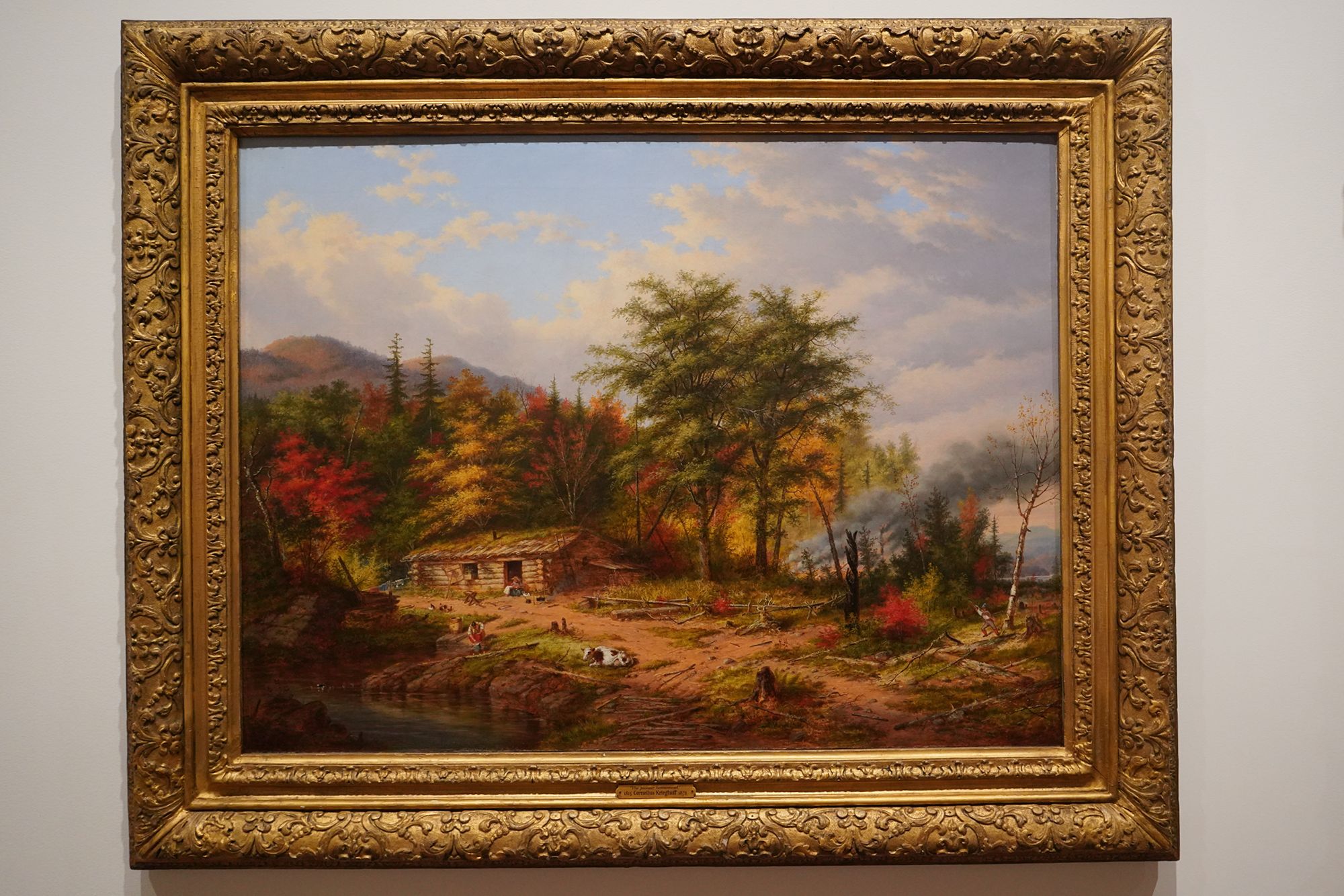
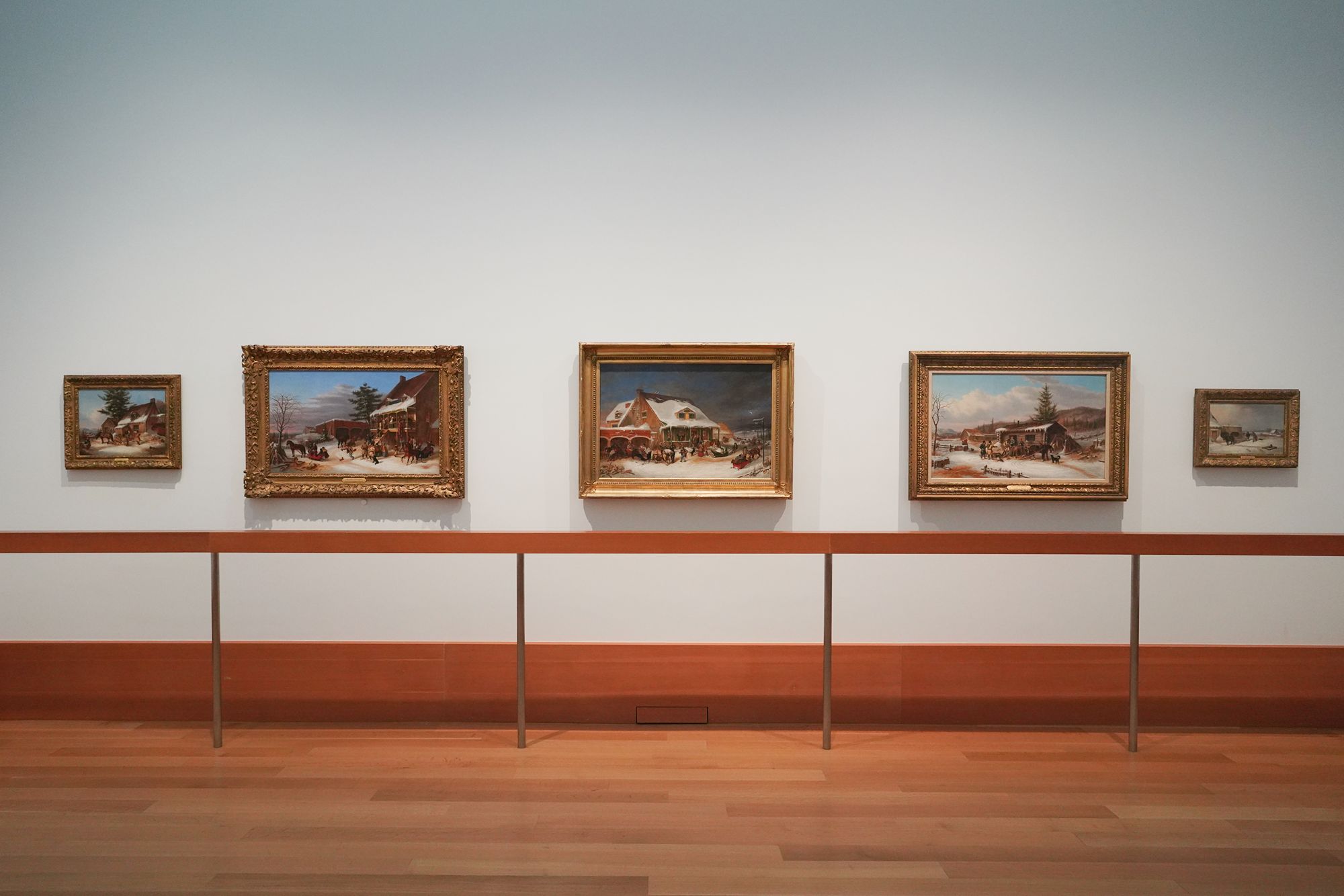
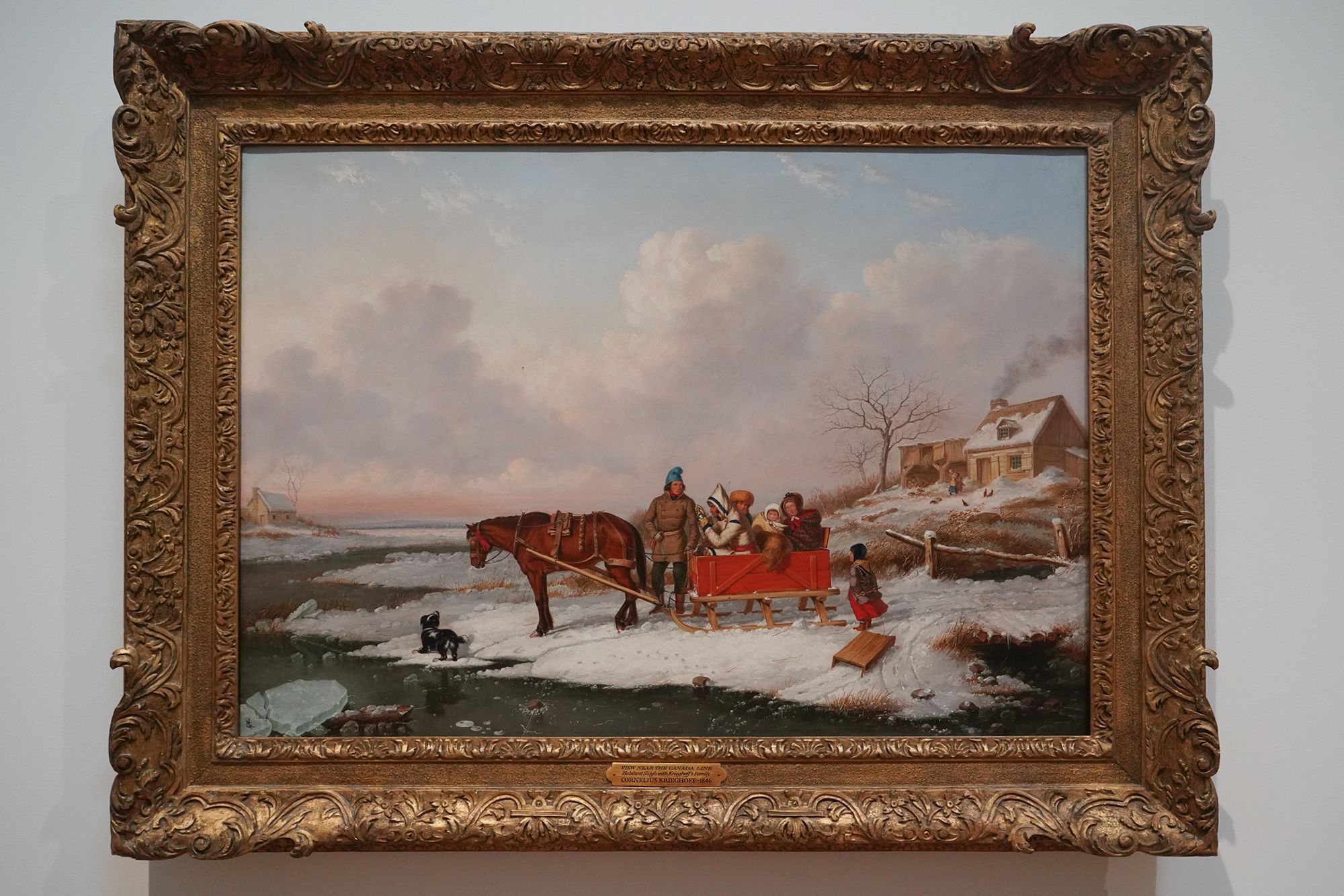
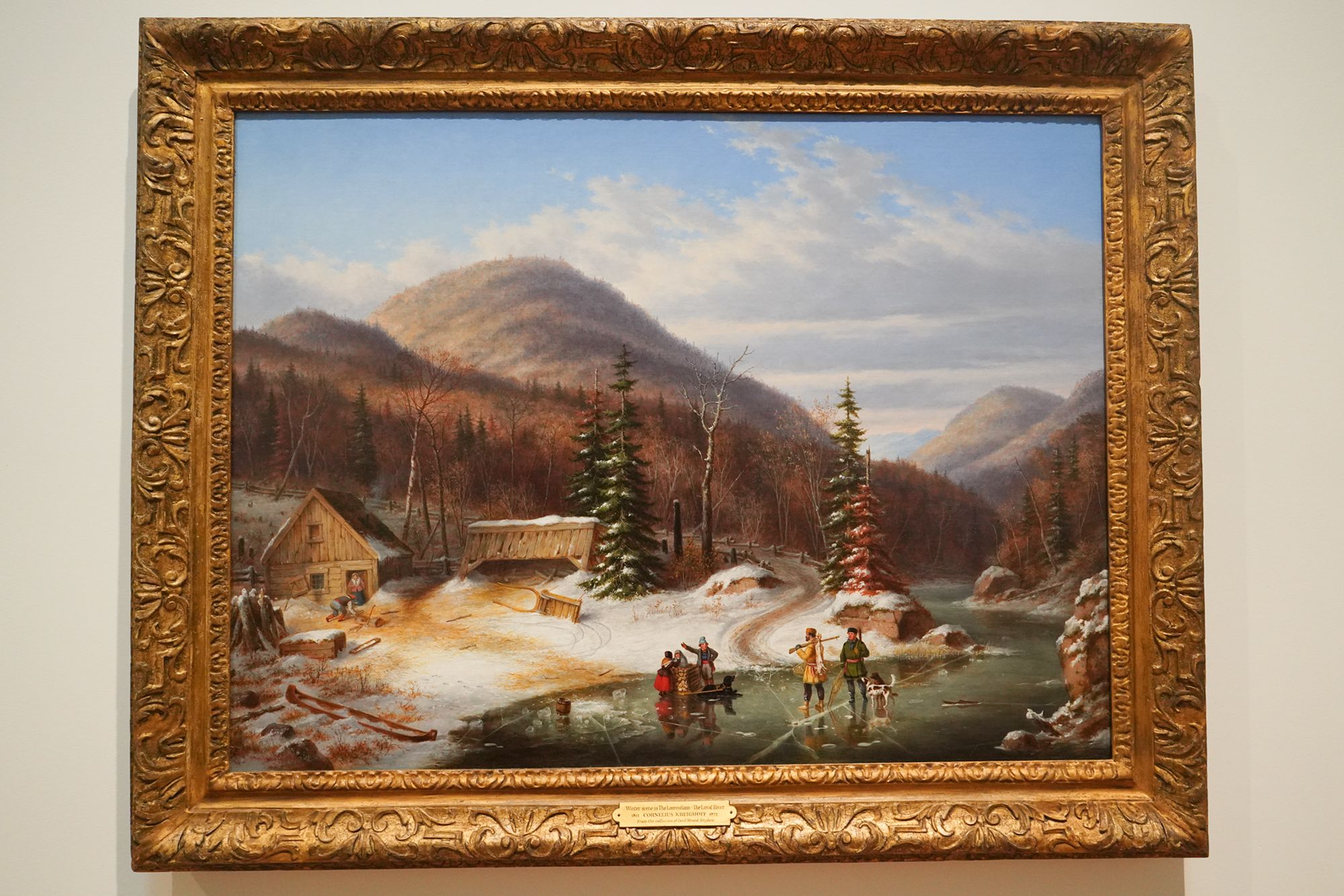
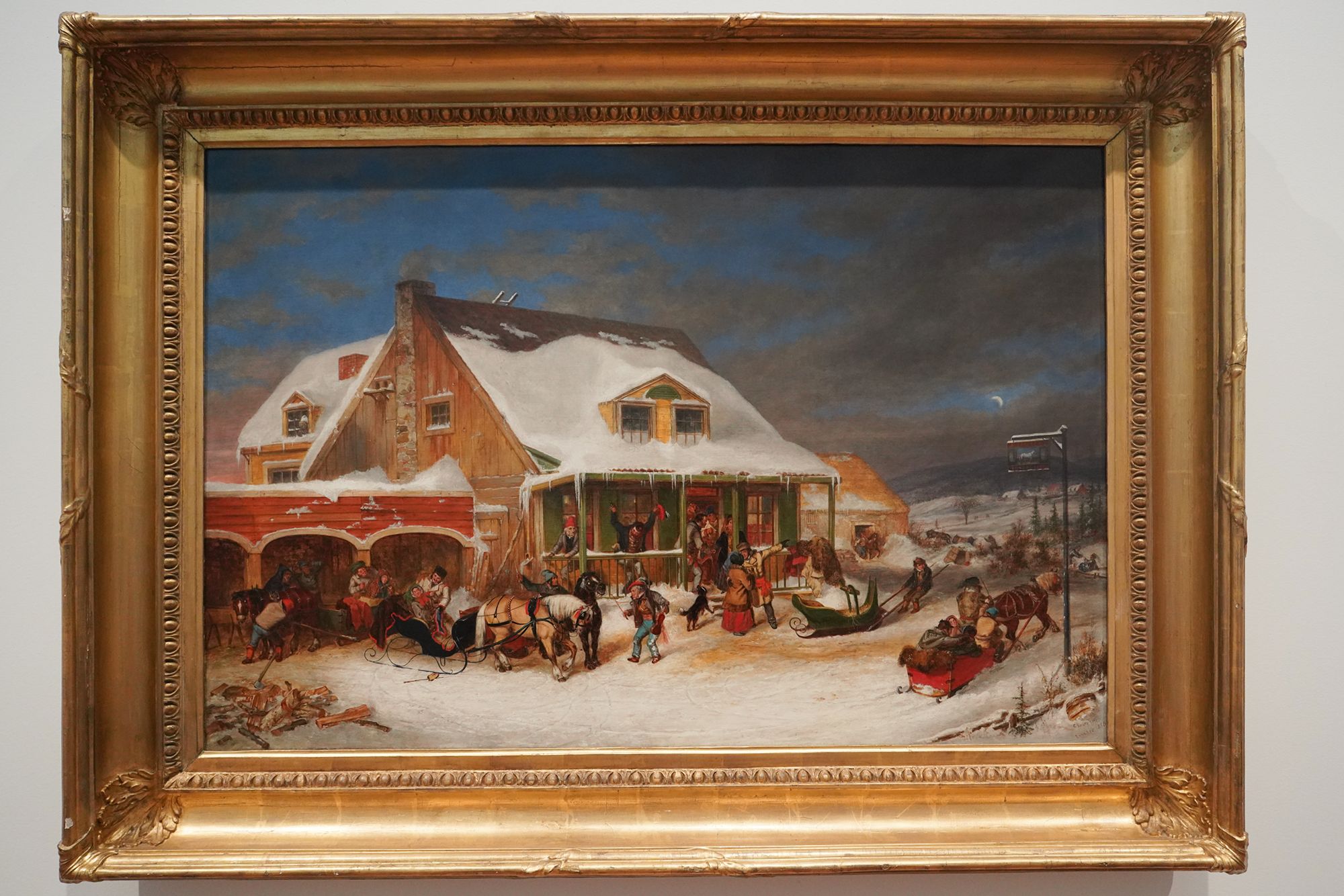
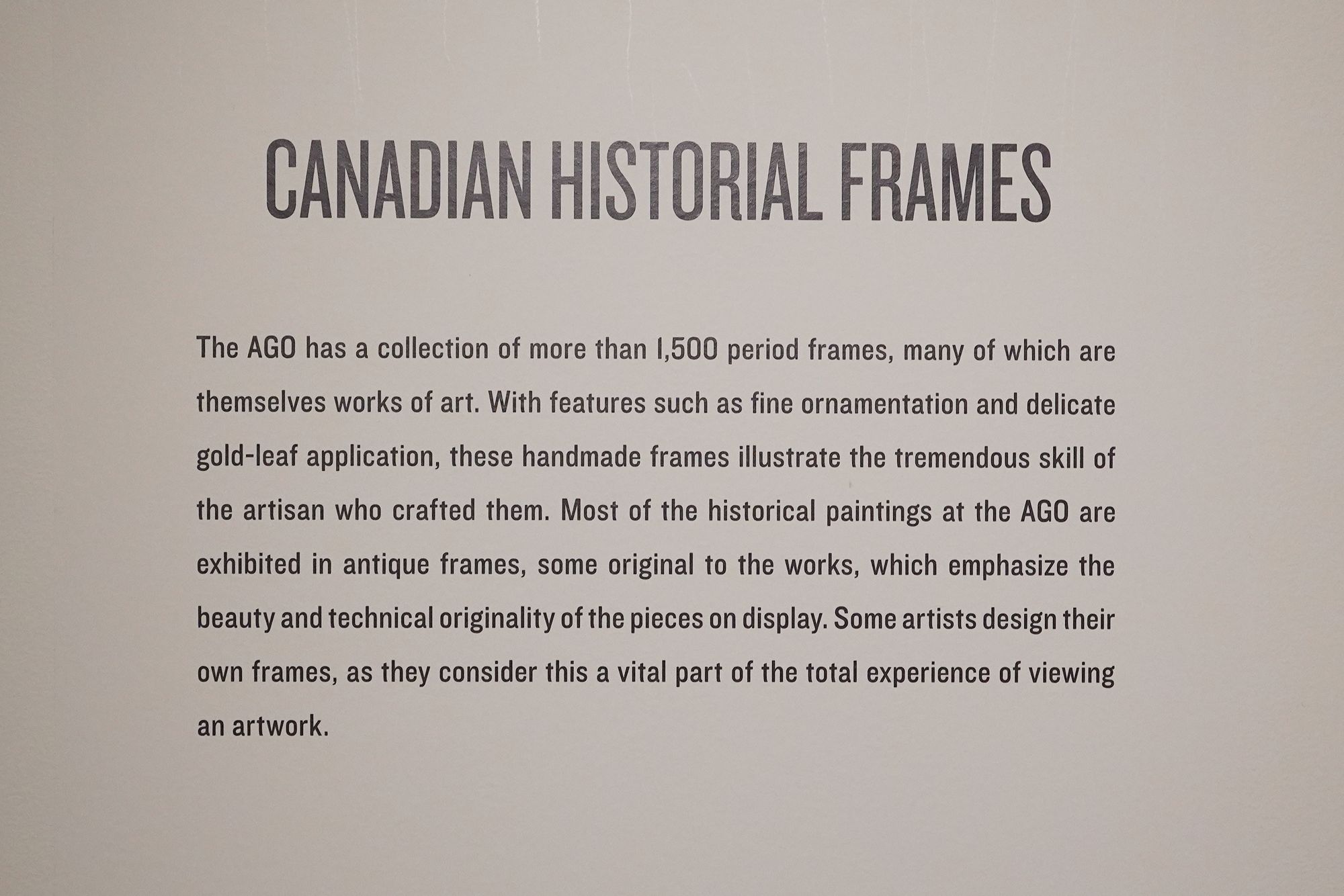
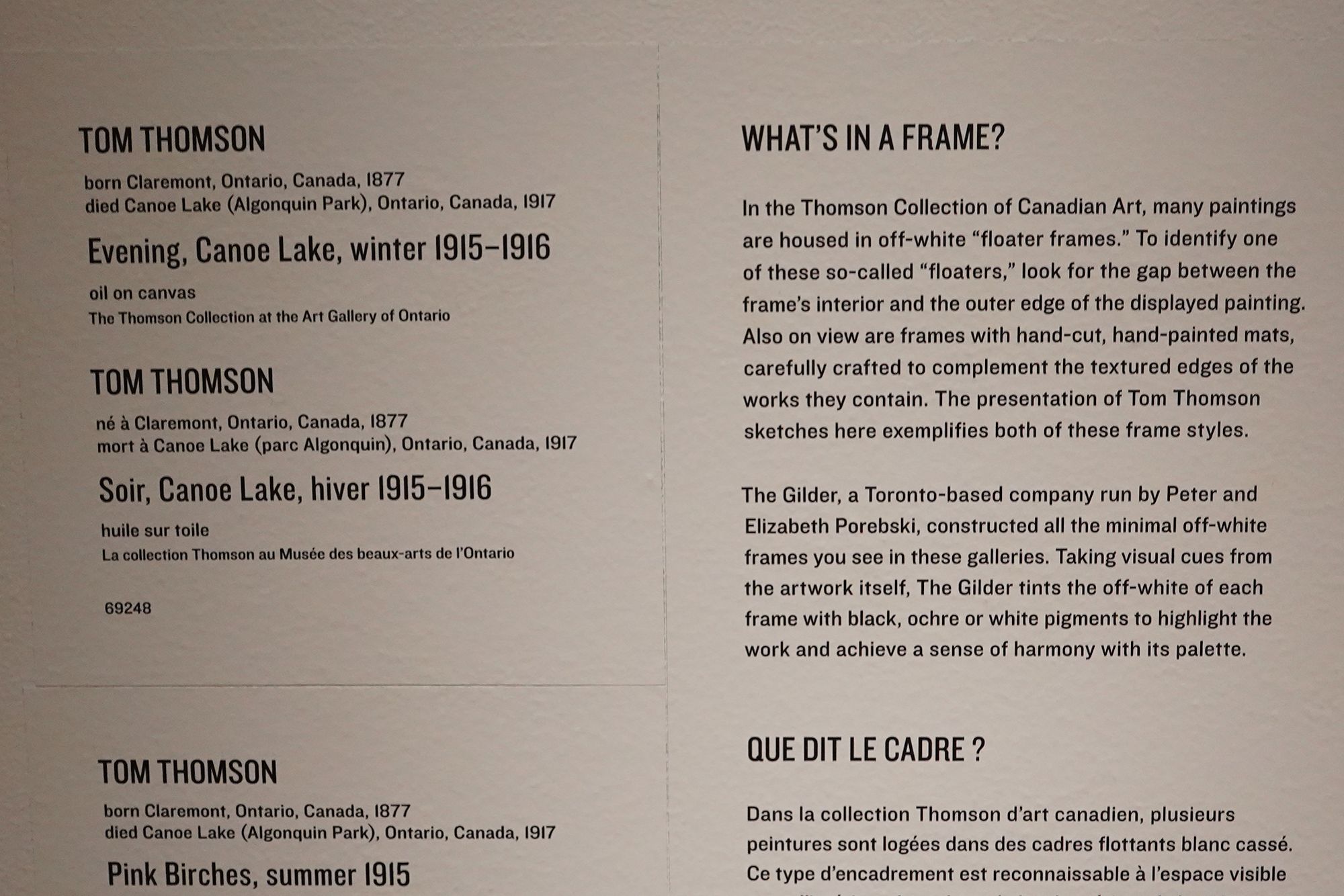
Canadian Historial Frames
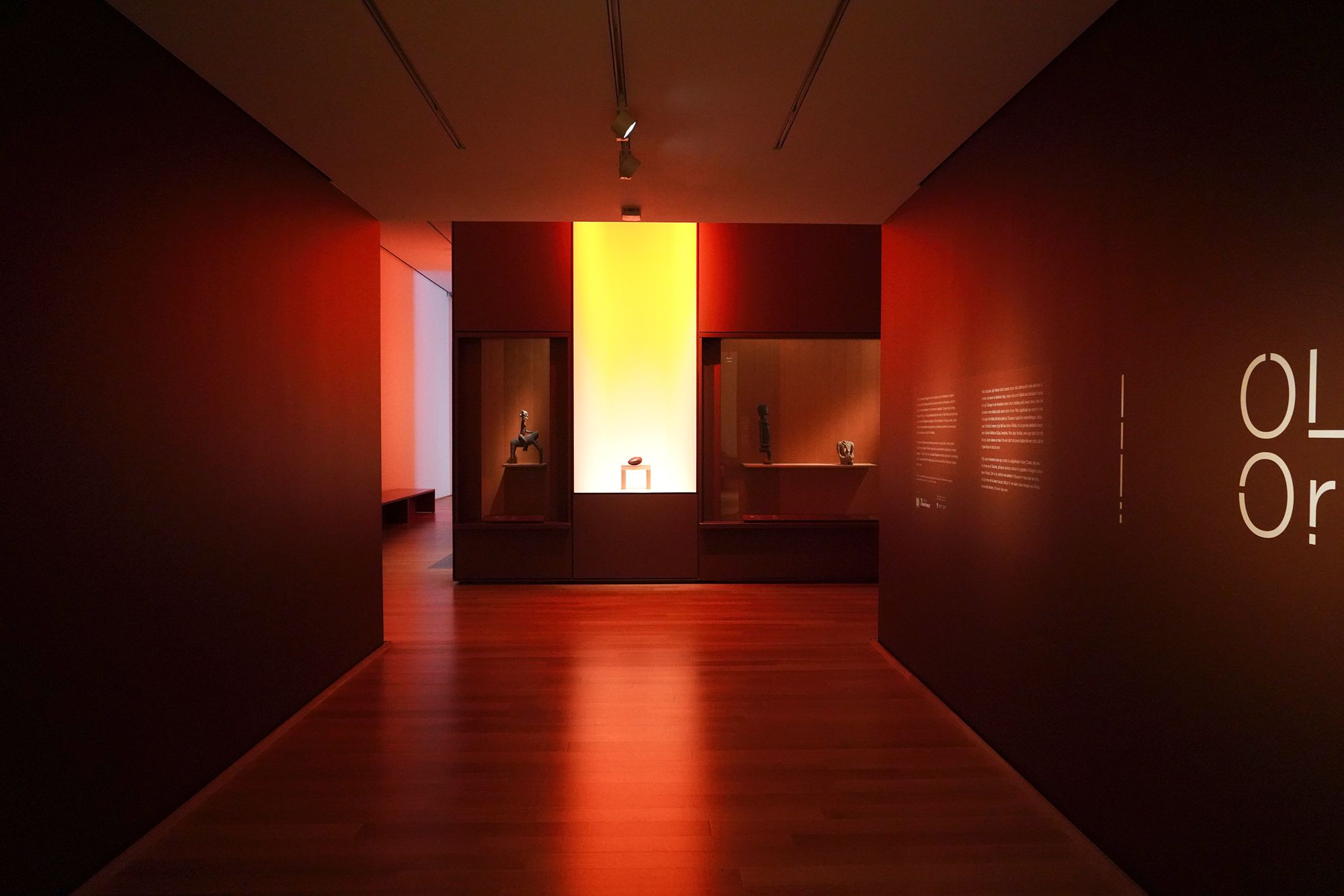
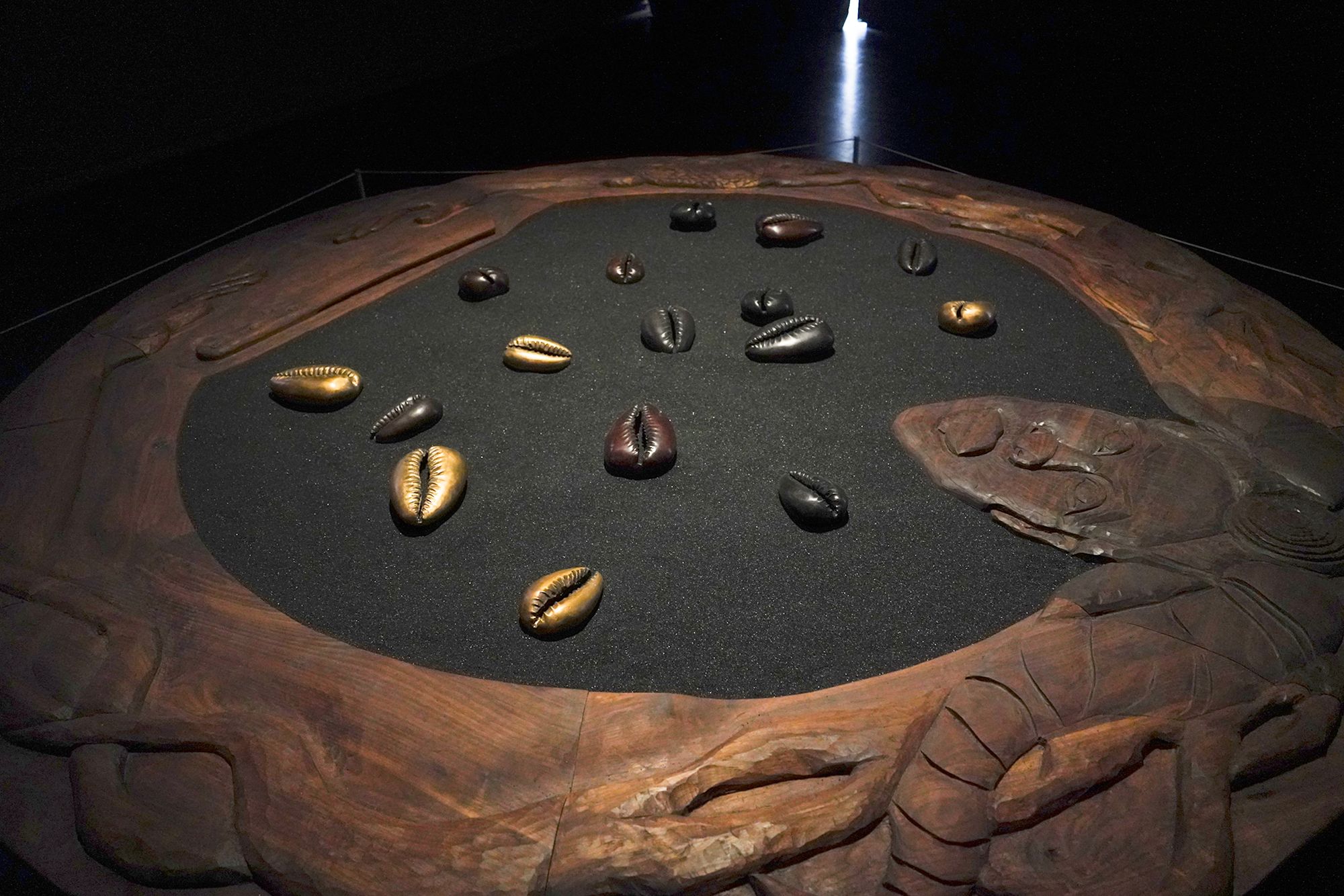
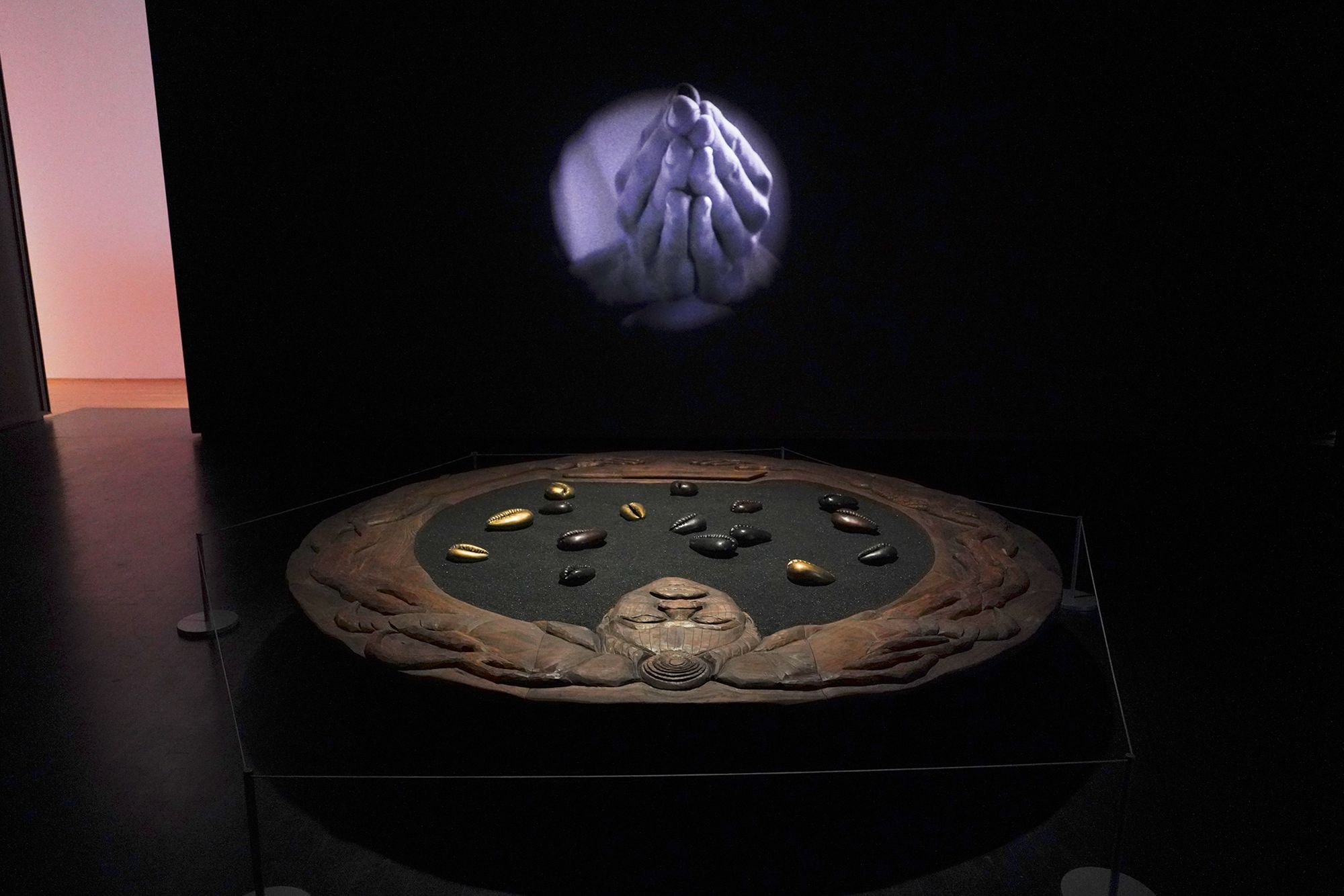
Oluseye: Orí mi pé is a solo installation by Nigerian-Canadian artist Oluseye on view at the Art Gallery of Ontario in Toronto through summer 2026. The exhibition explores spiritual, mythological, and biographical themes rooted in Yoruba divination rituals and the artist’s cultural heritage.
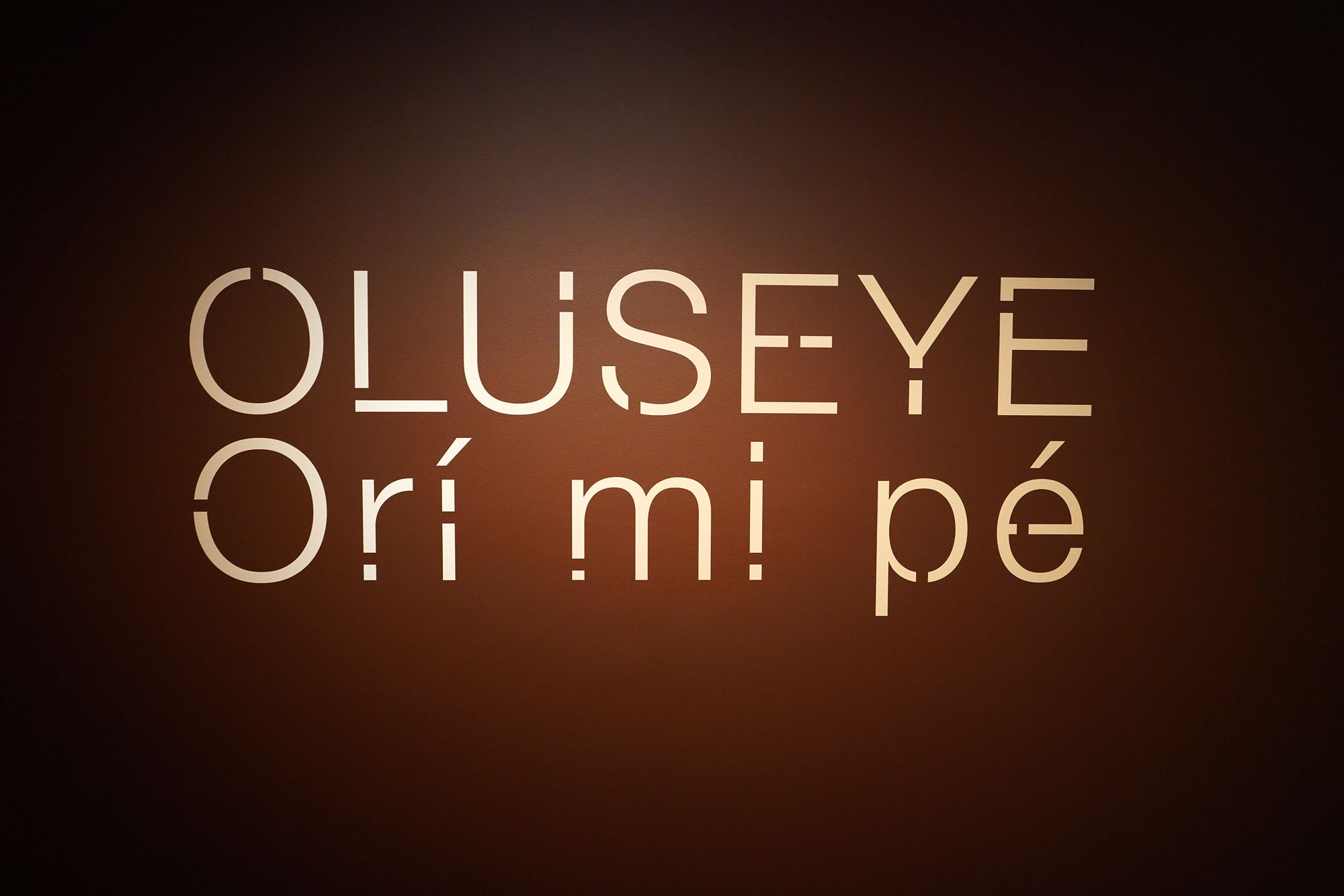
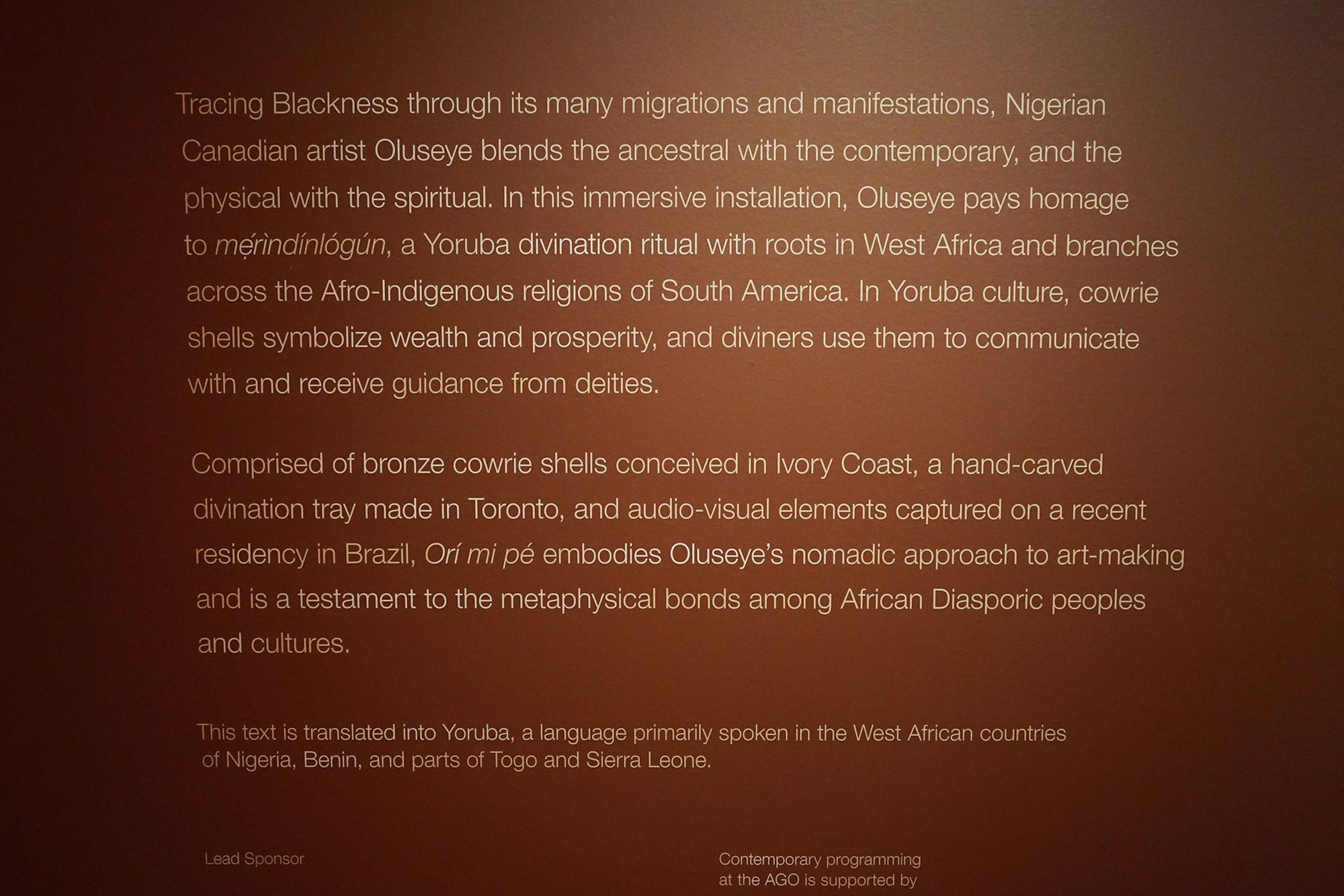
Central works include 16 large bronze cowrie shells arranged on a hand-carved wooden divination tray, along with video elements reflecting Oluseye’s artistic journey and ancestral narratives. The installation blends ancestral tradition with contemporary art, celebrating the complexity and continuity of Black diasporic identity.
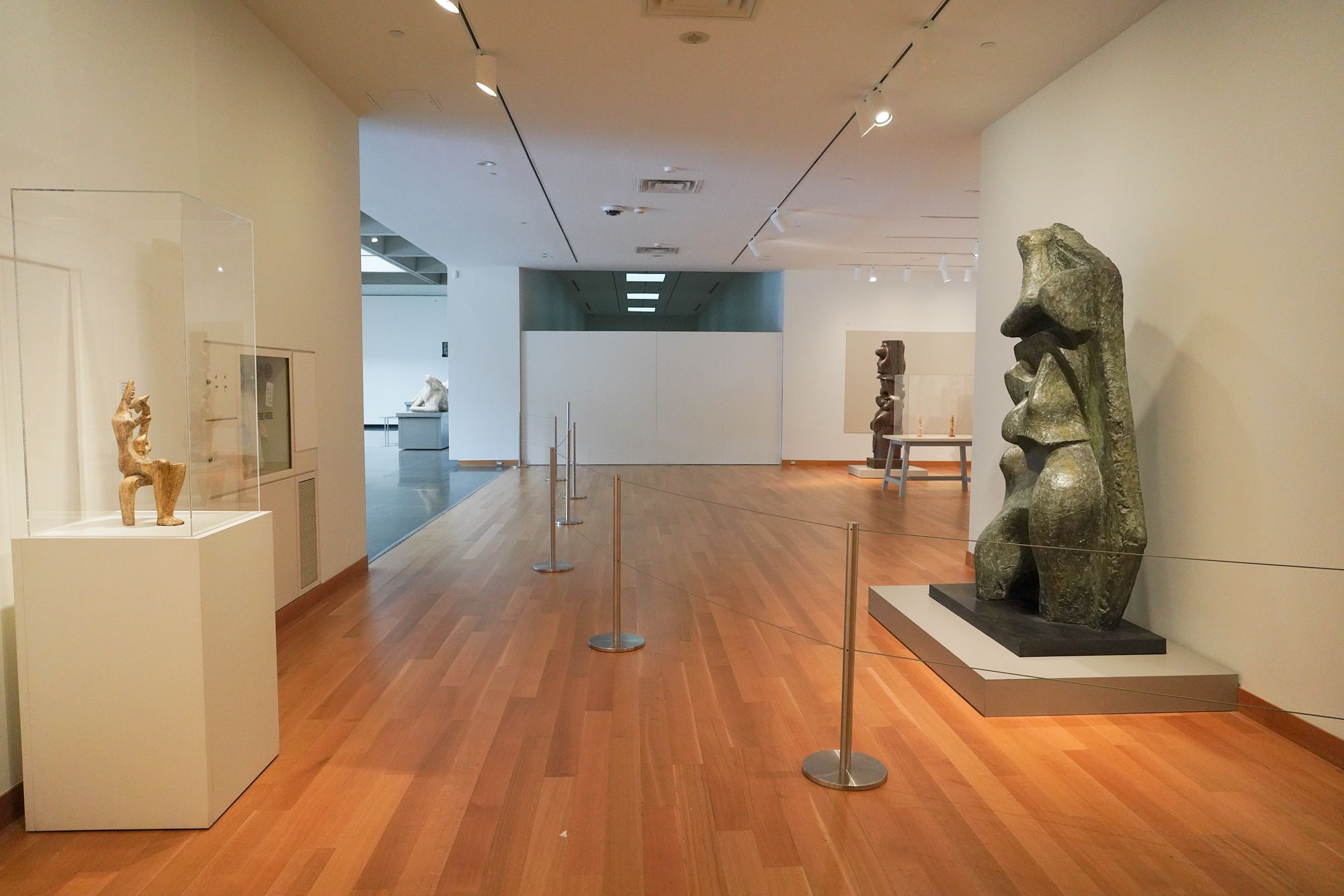
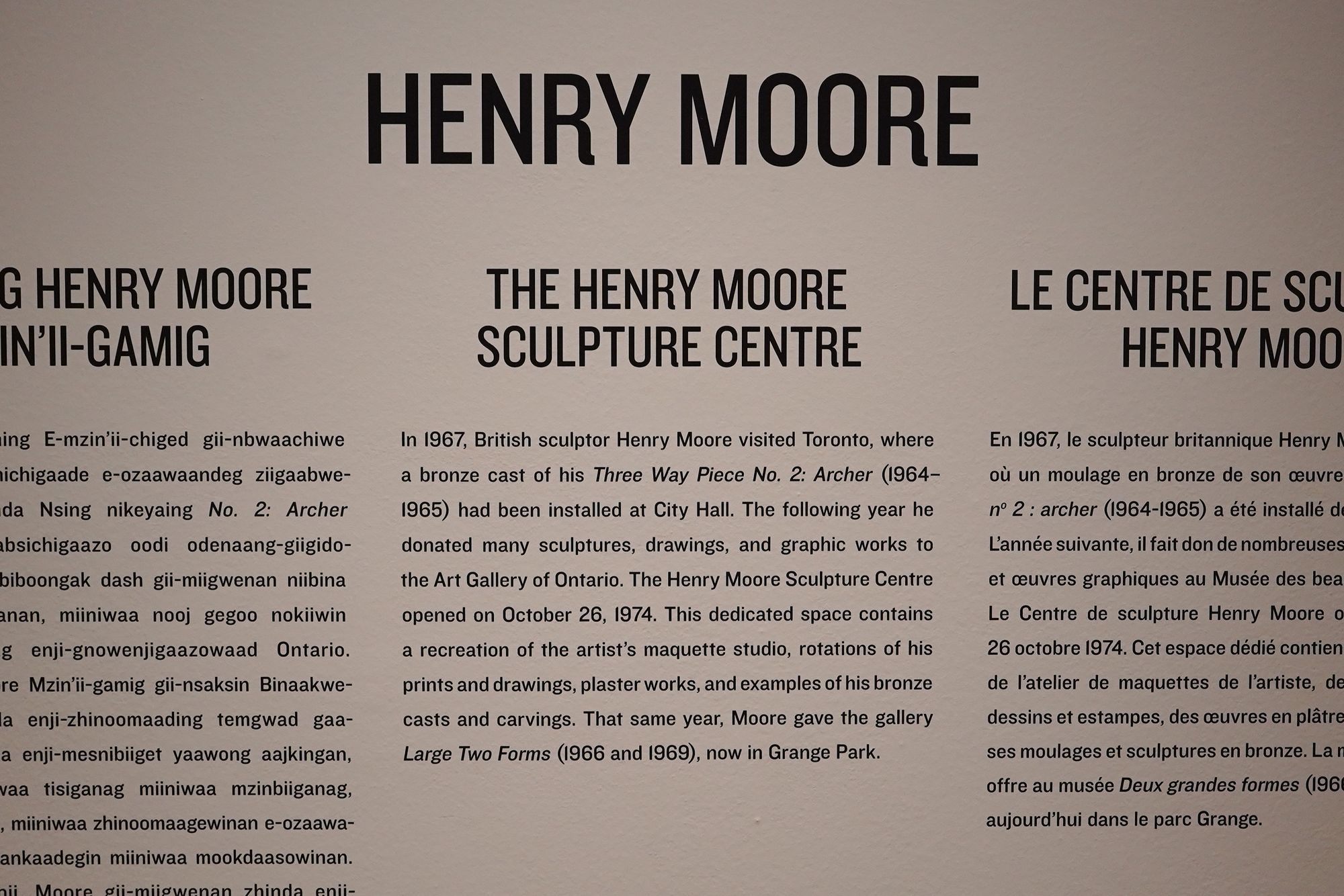
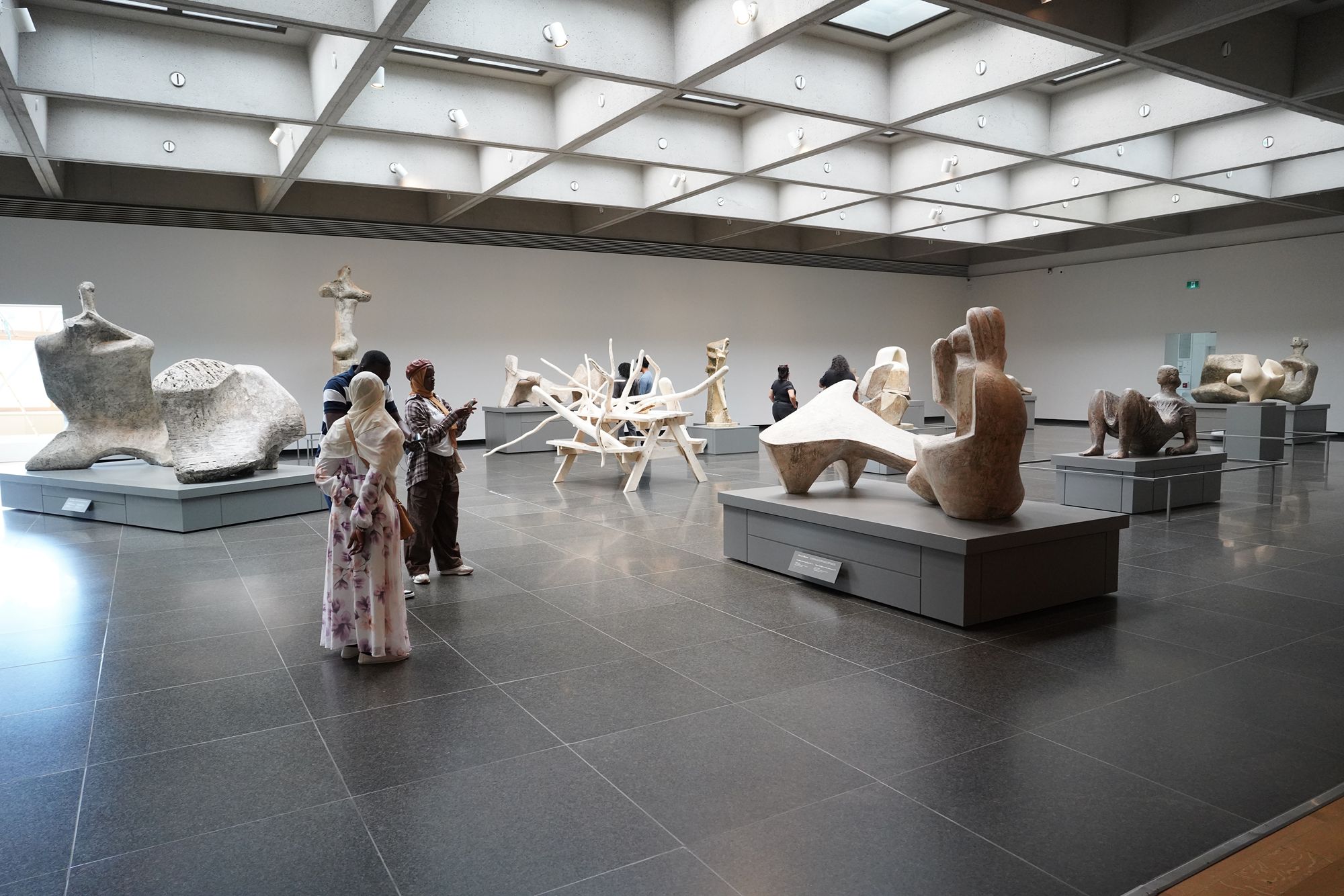
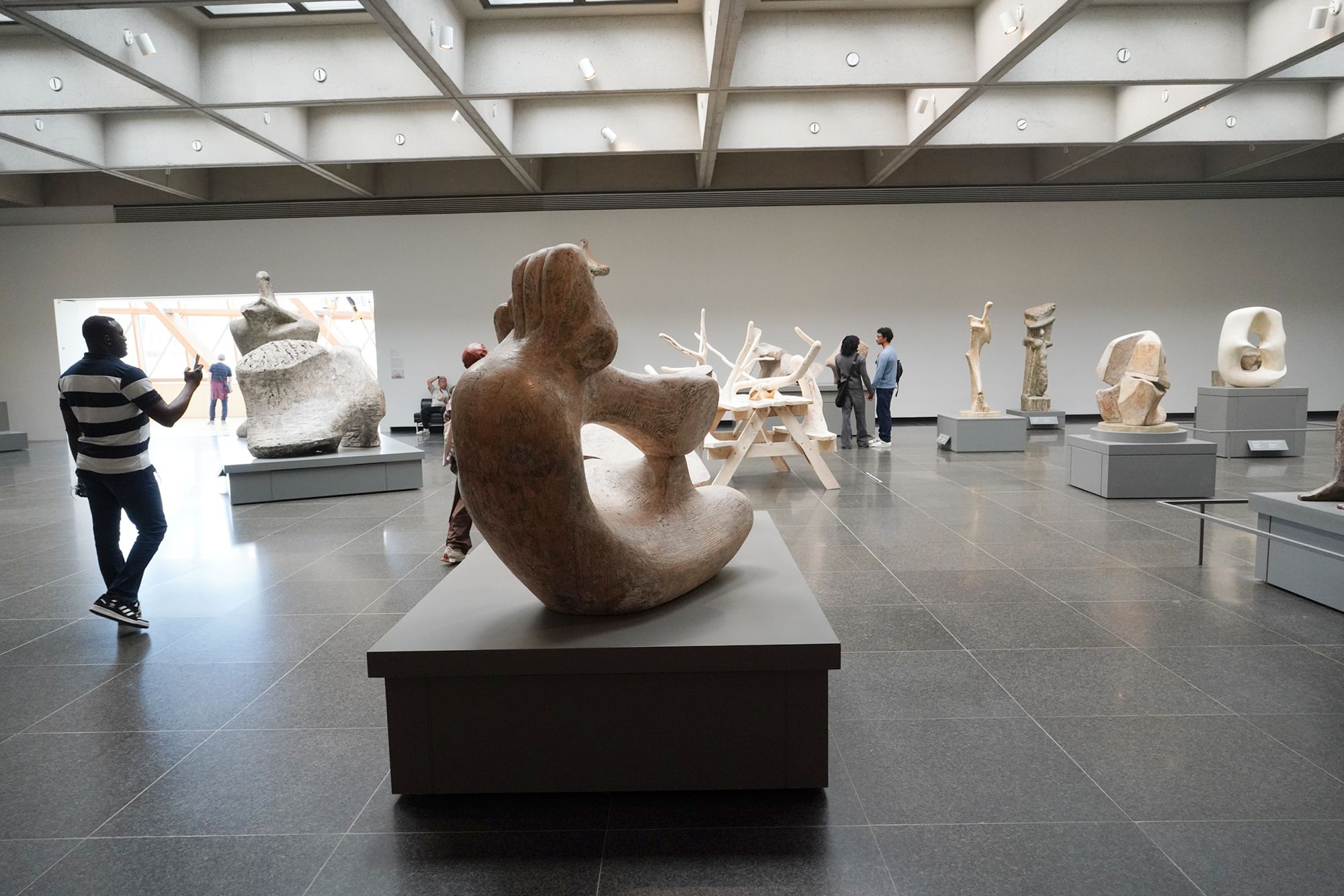
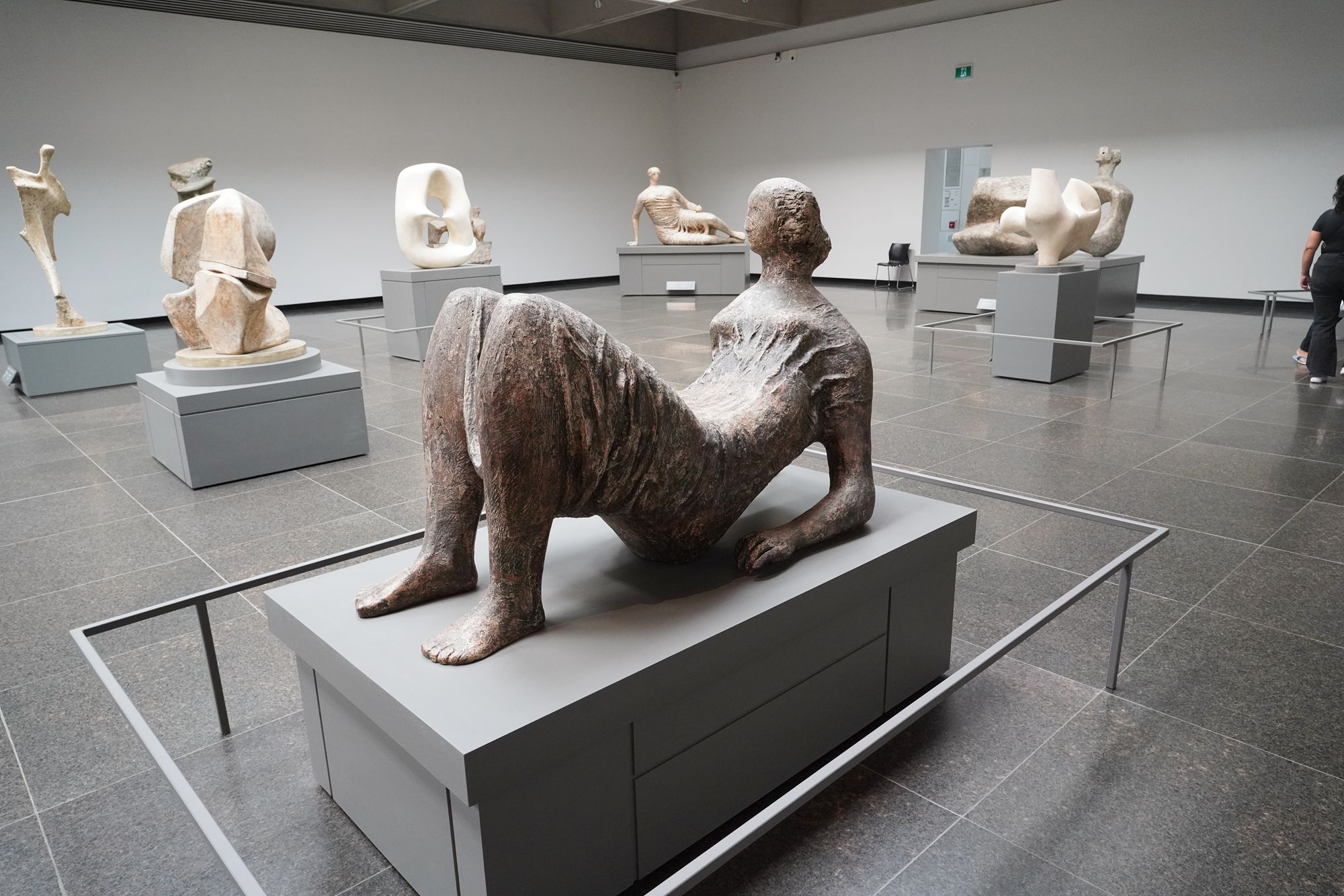
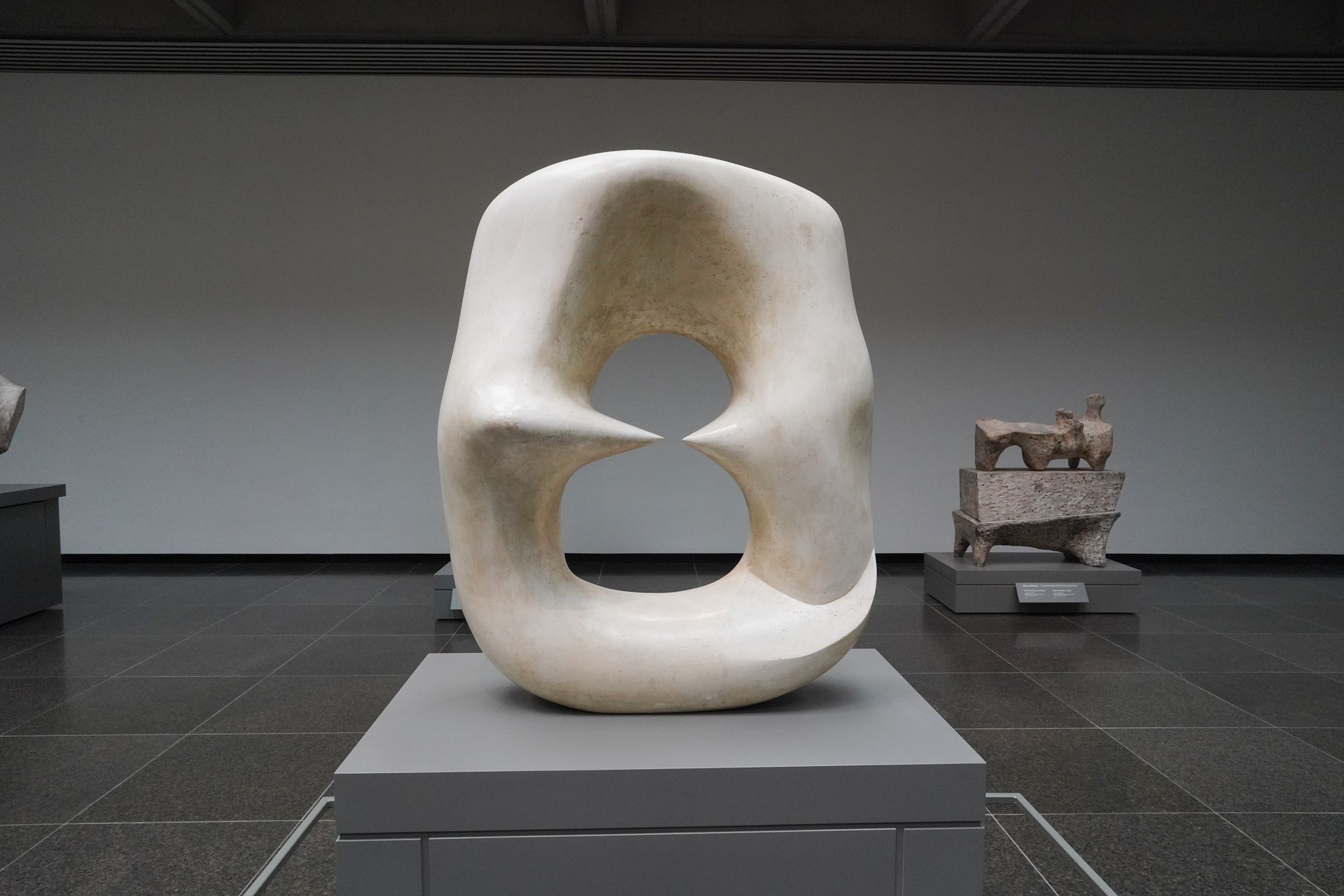
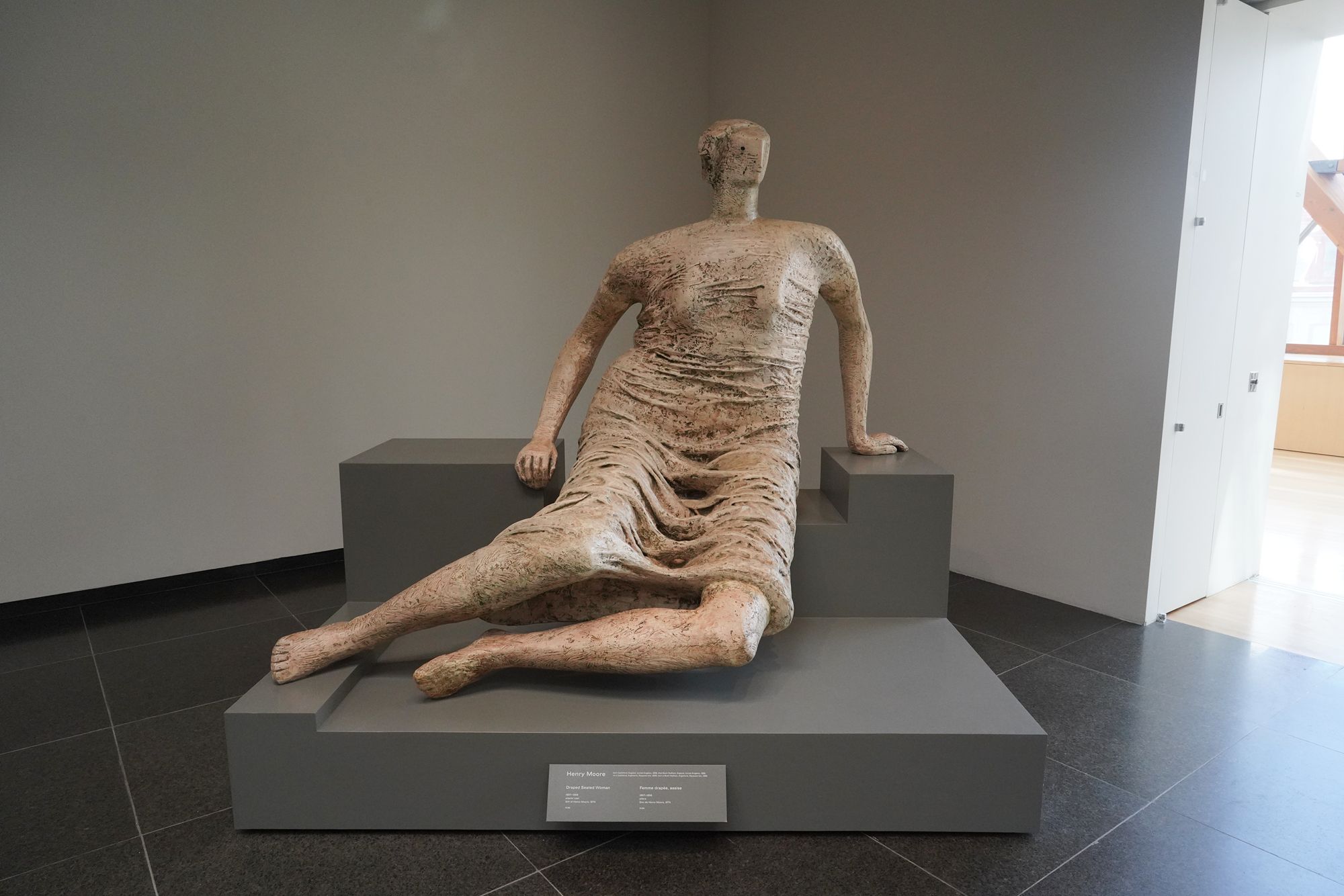
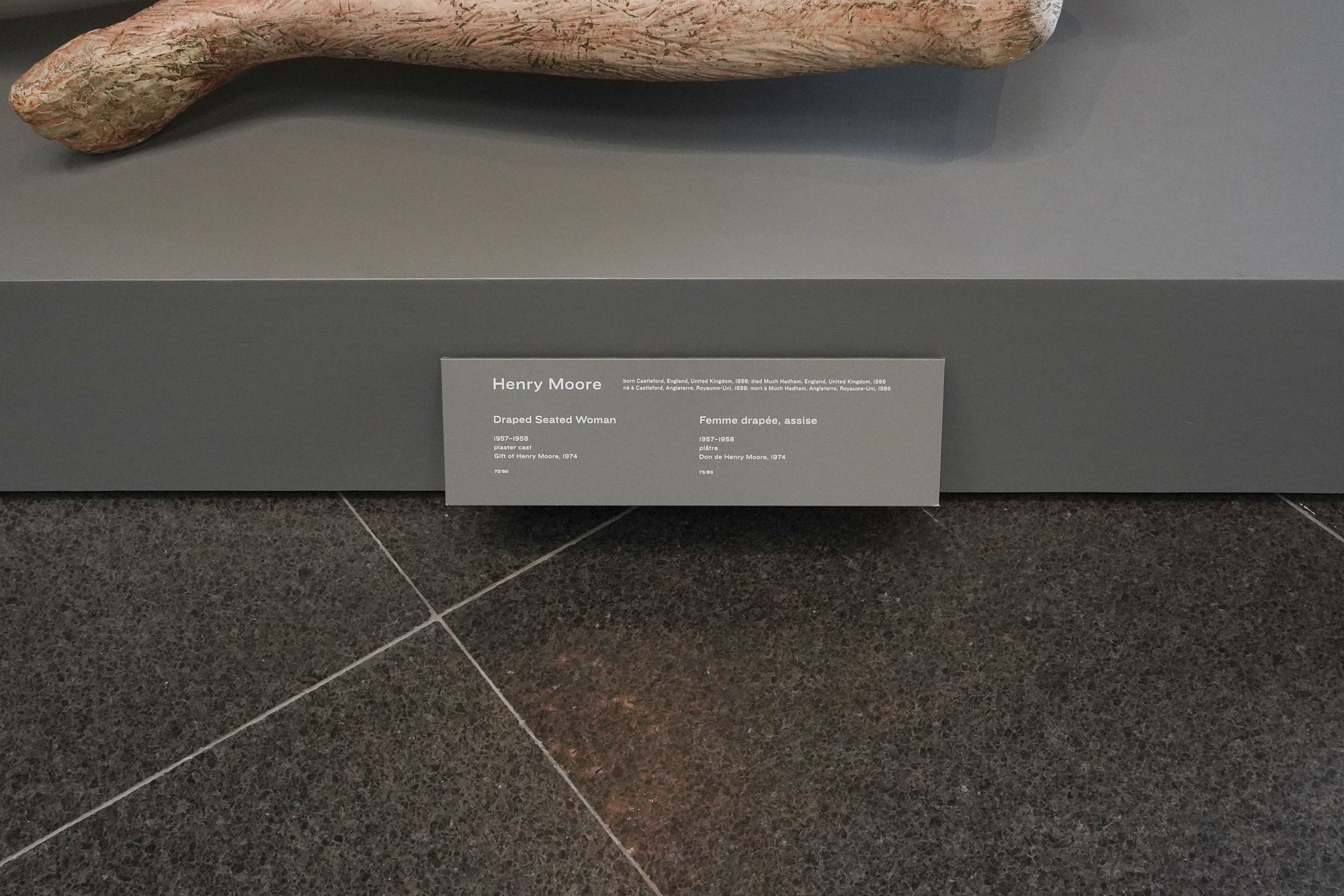
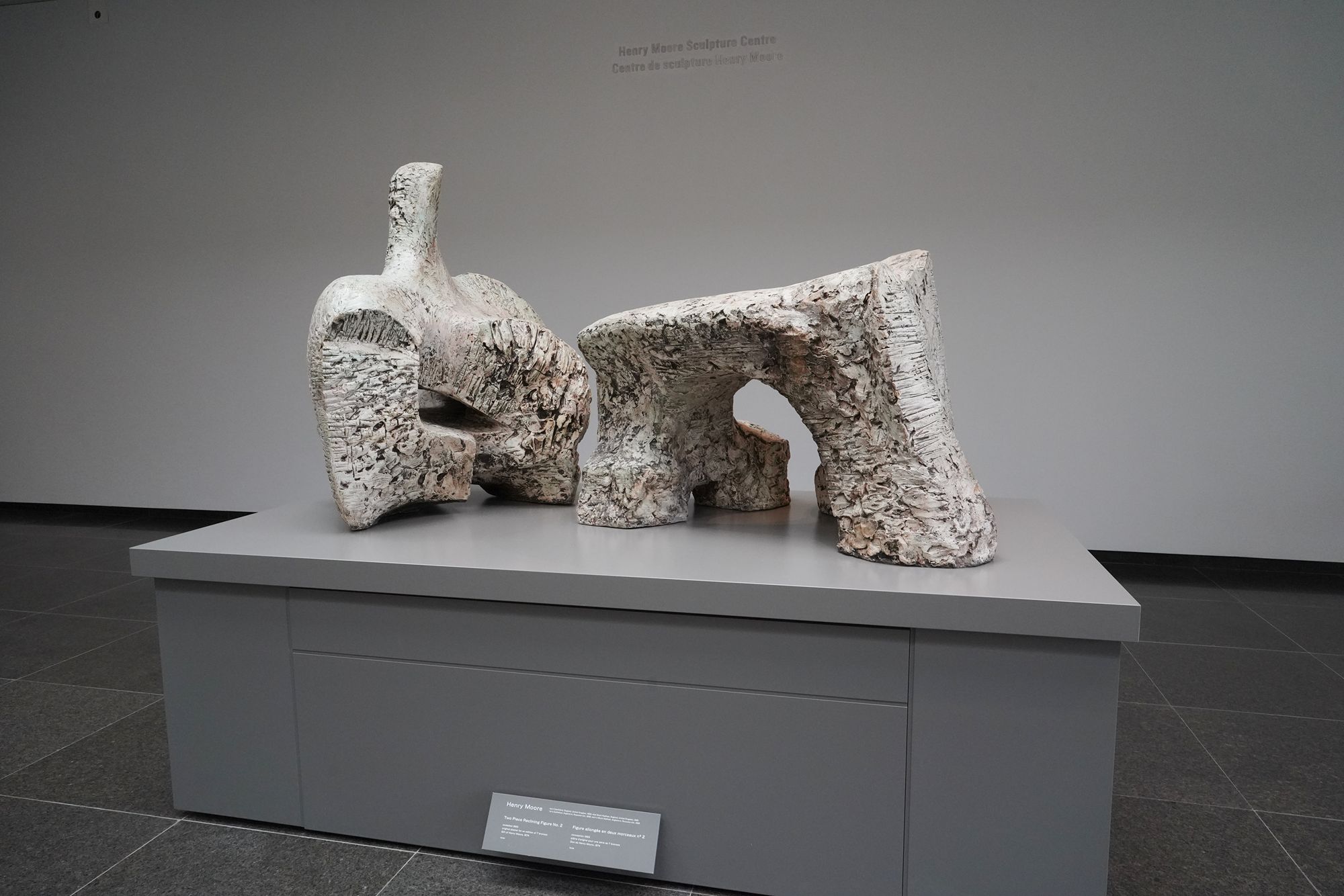
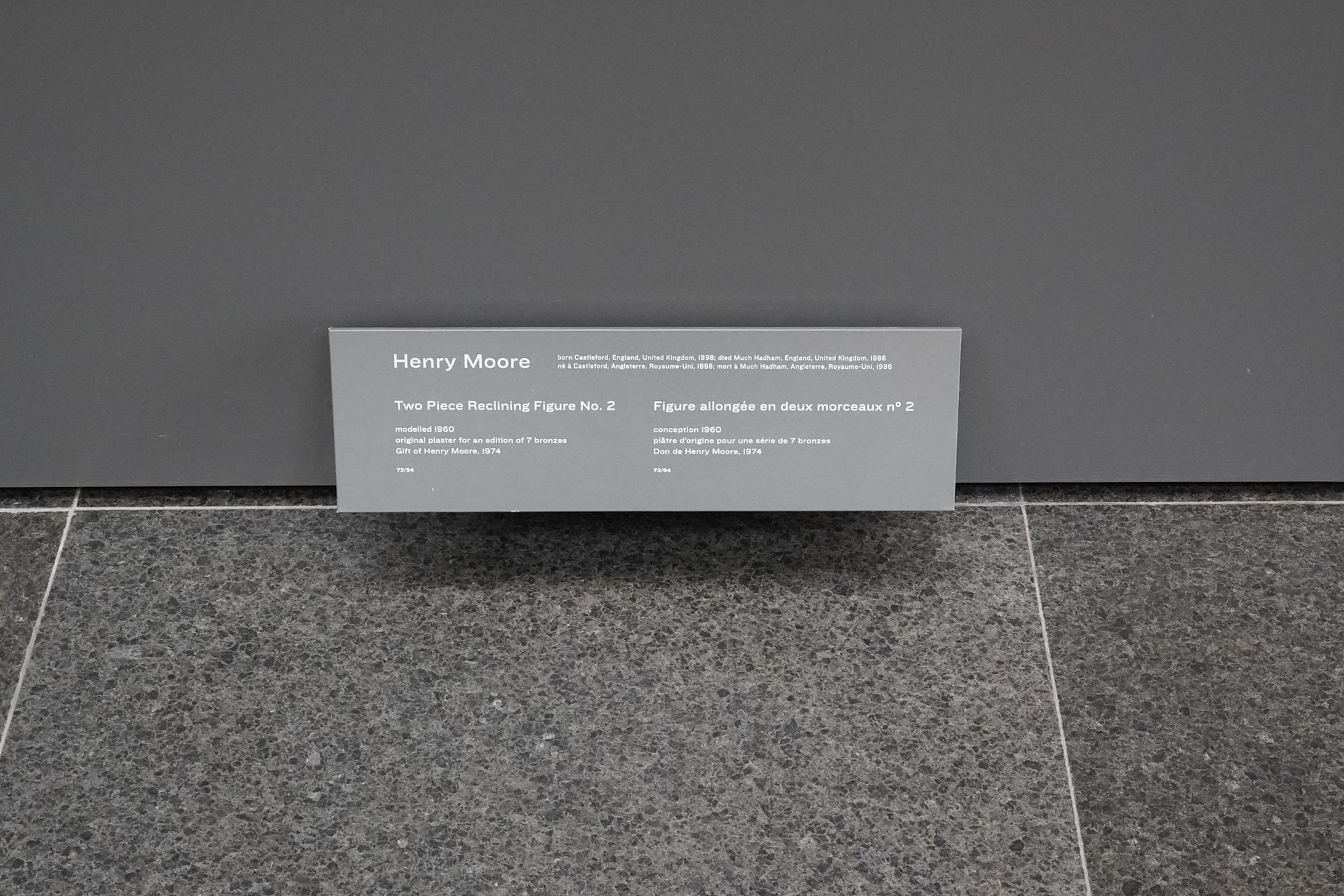
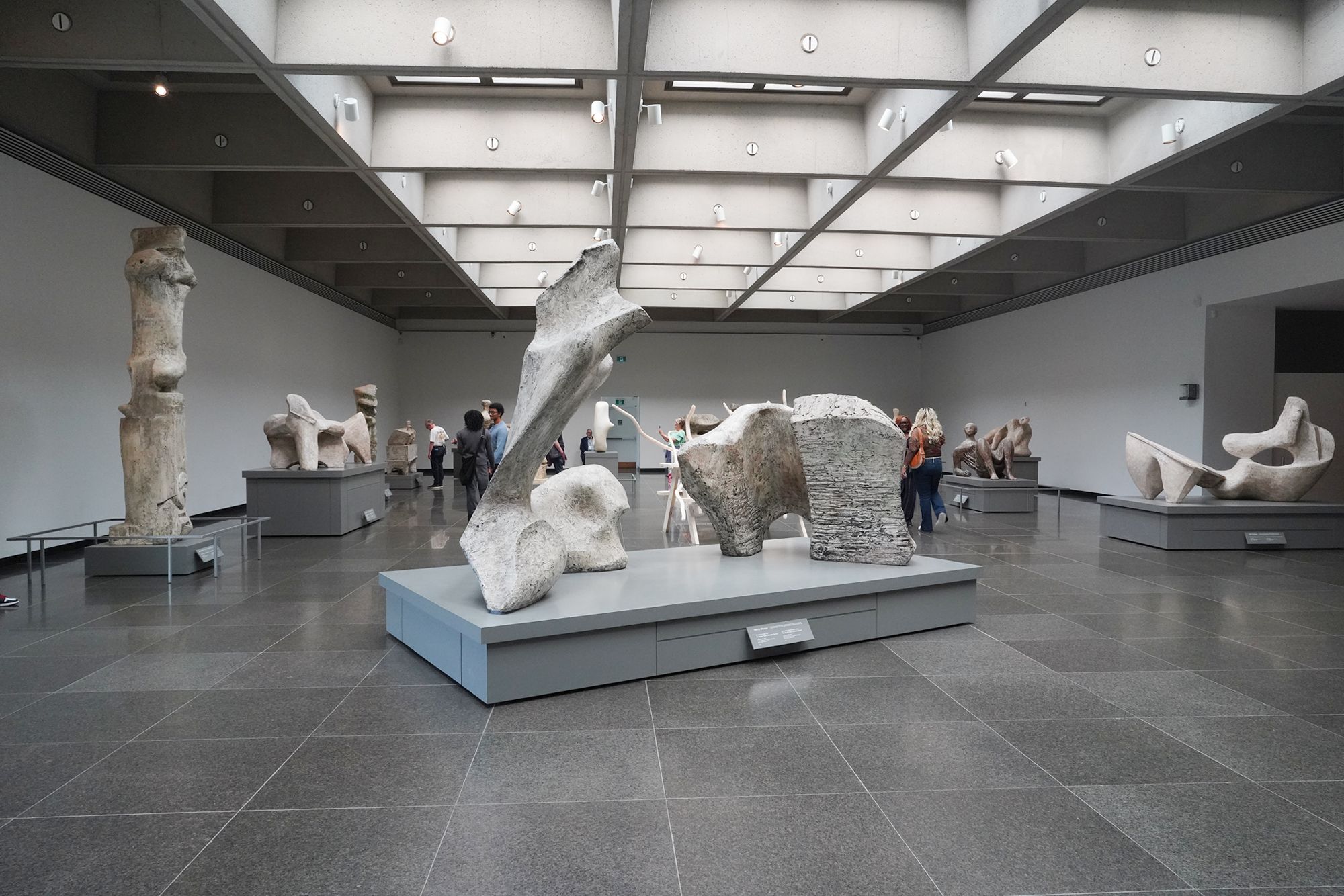
Henry Moore (1898–1986) was a British modernist sculptor best known for monumental abstracted human figures, especially reclining forms. His work emphasizes organic shapes, voids, and natural rhythms, profoundly influencing modern sculpture and widely collected by major museums worldwide.