Royal Ontario Museum – European Art, Toronto, Ontario, Canada
Royal Ontario Museum: 100 Queens Park, Toronto, ON M5S 2C6, Canada
Date Picture Taken: August, 2025
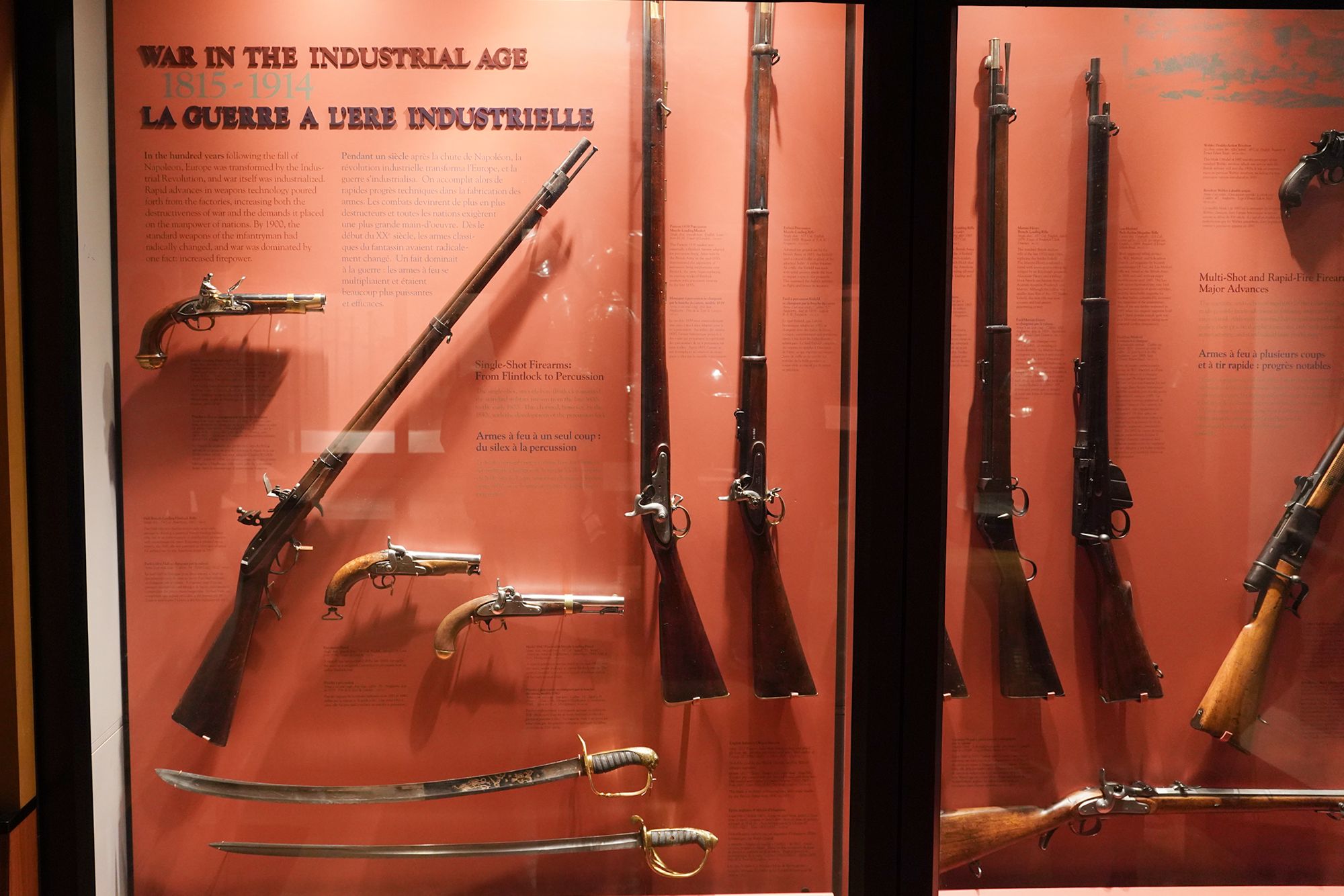
The Royal Ontario Museum’s European art collection spans paintings, sculpture, decorative arts, and religious objects from the medieval period through the 19th century. Because my time in the museum was limited, this blog presents only a partial selection of its European art.
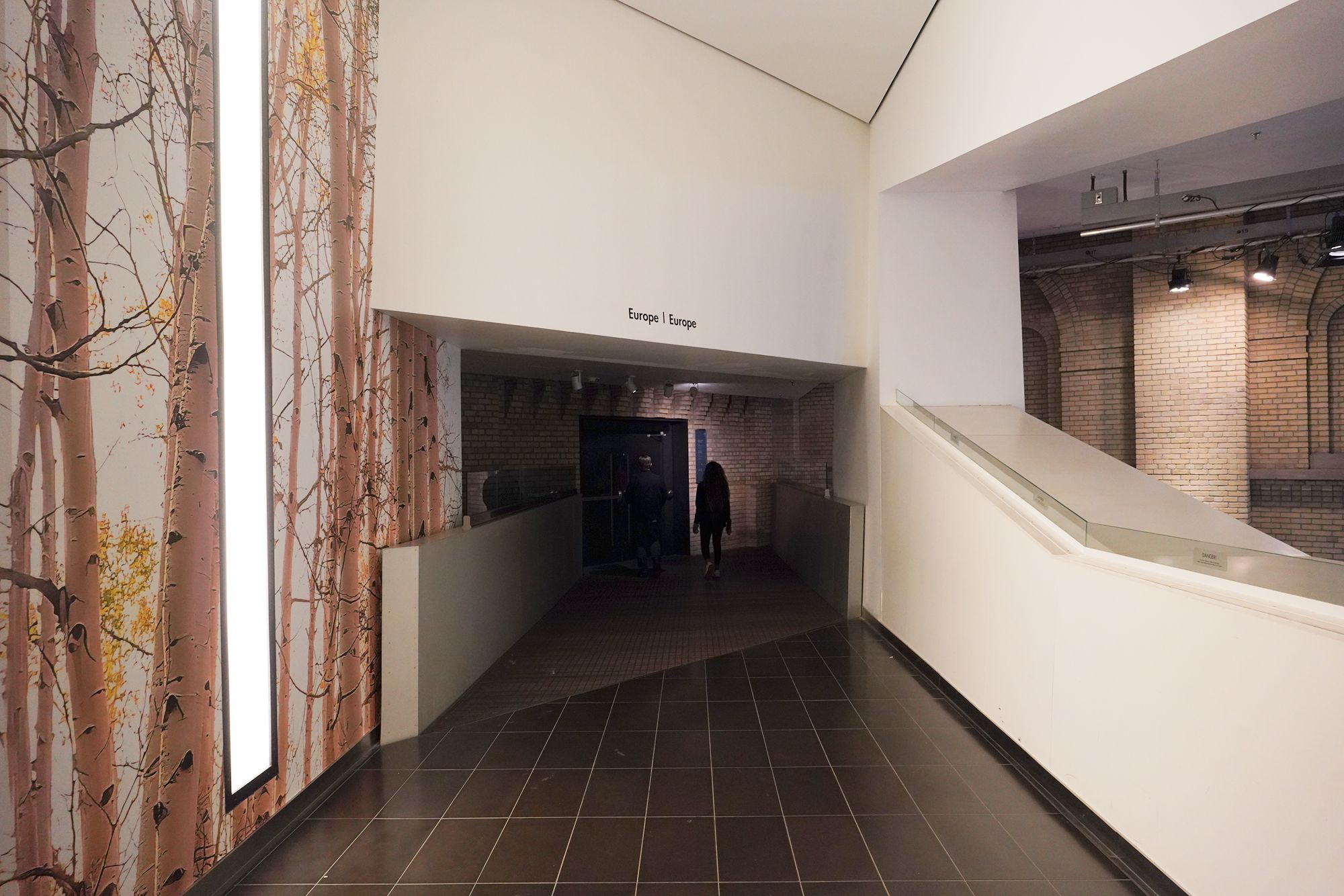
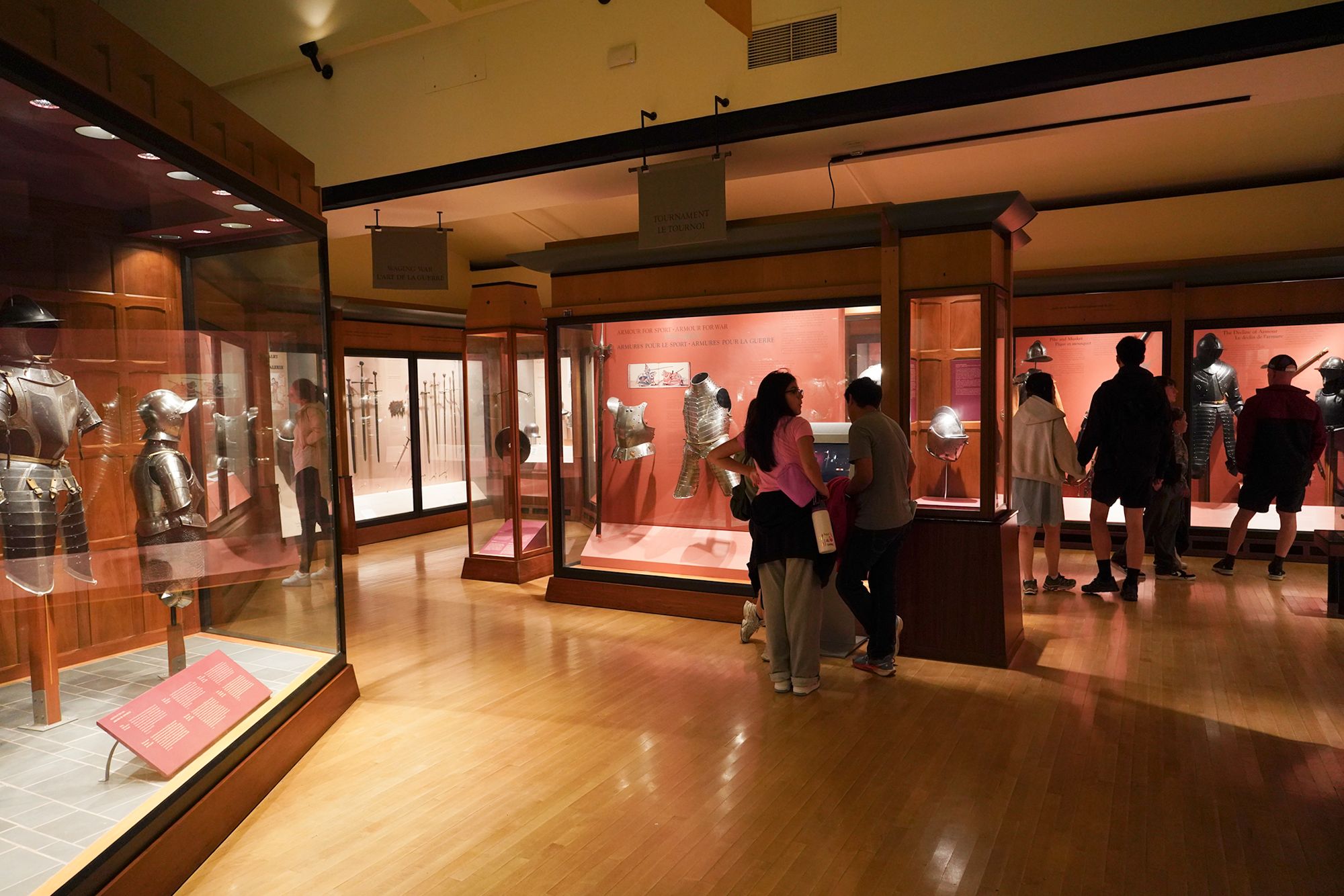
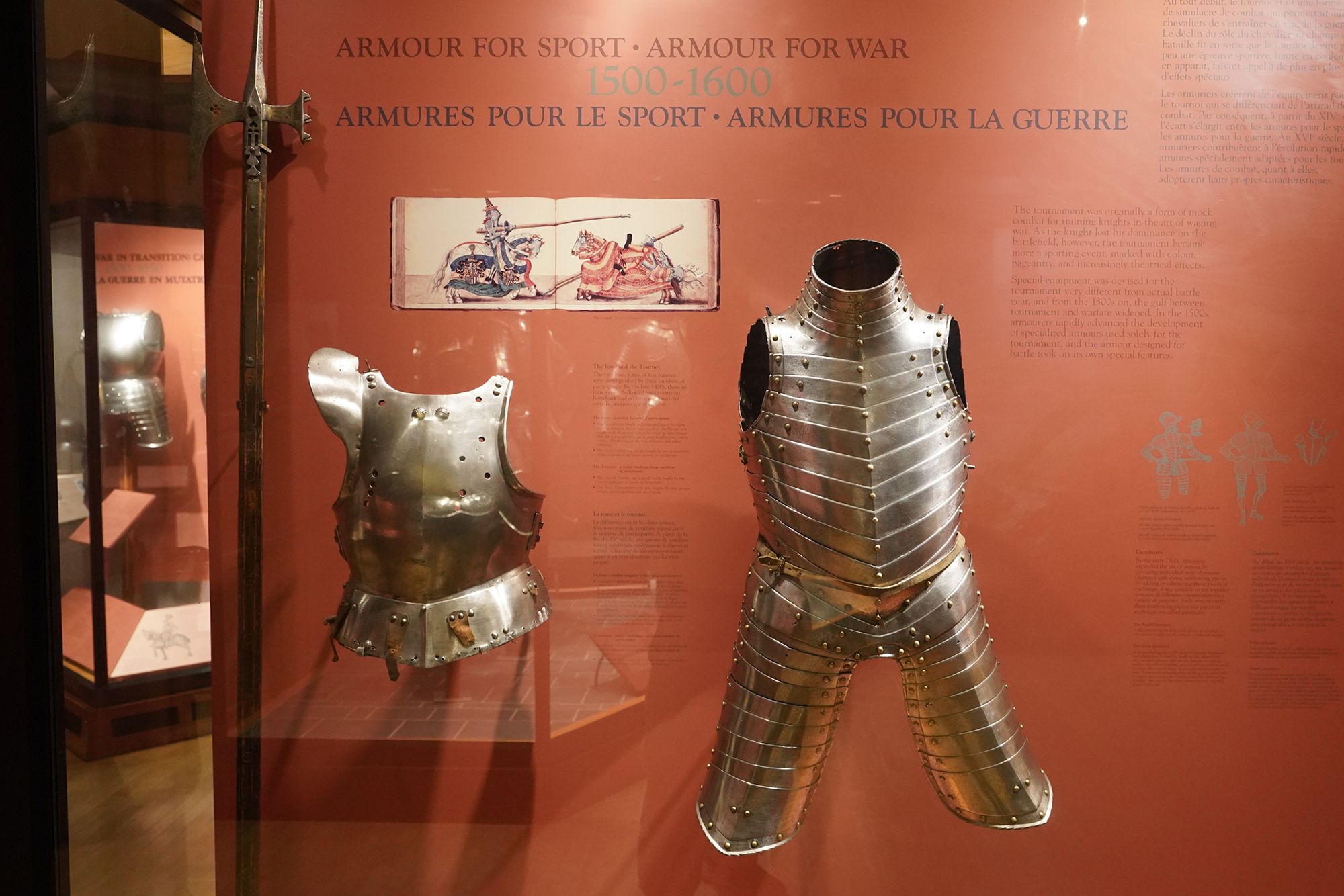
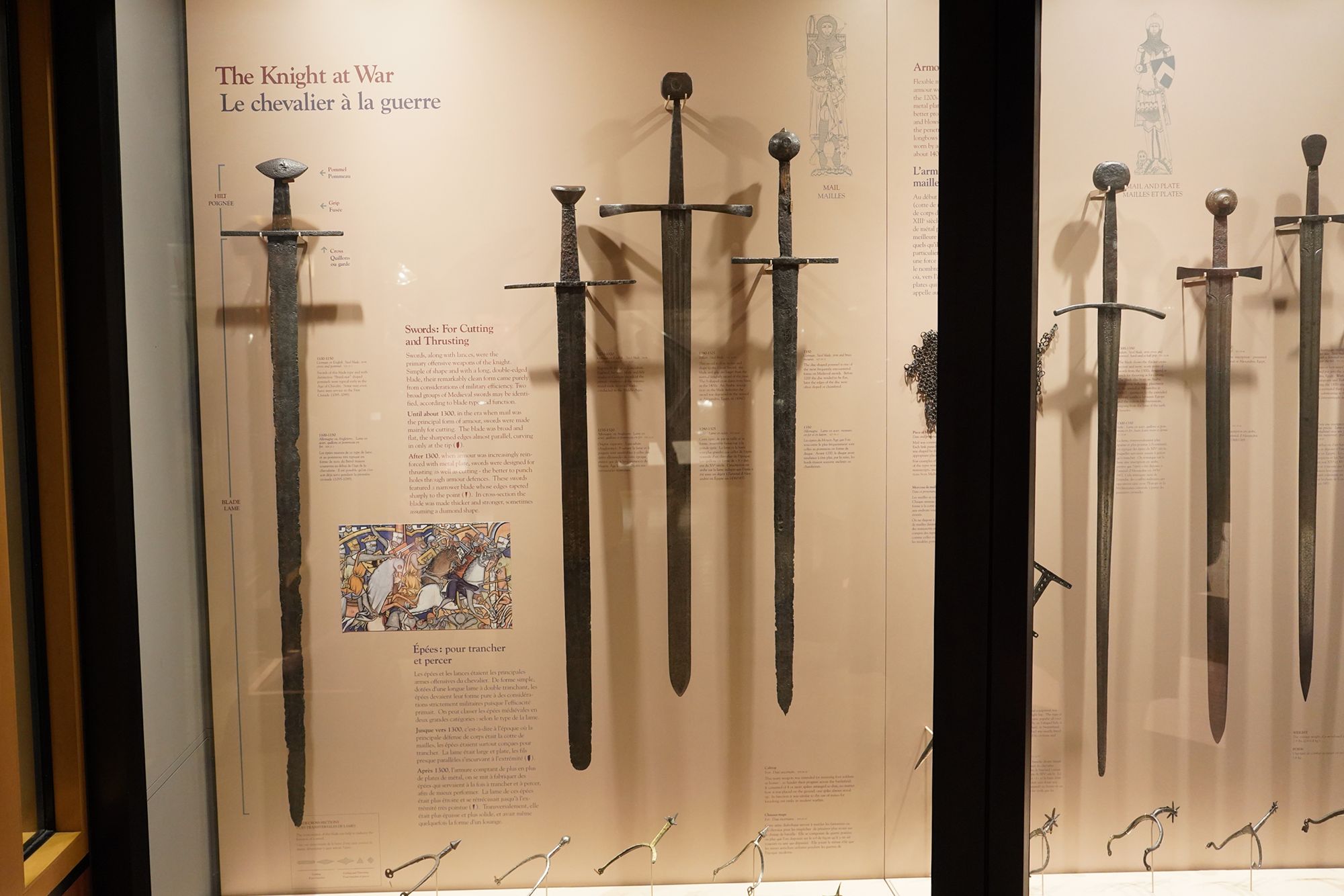
European Armour, the 1500s-1600s
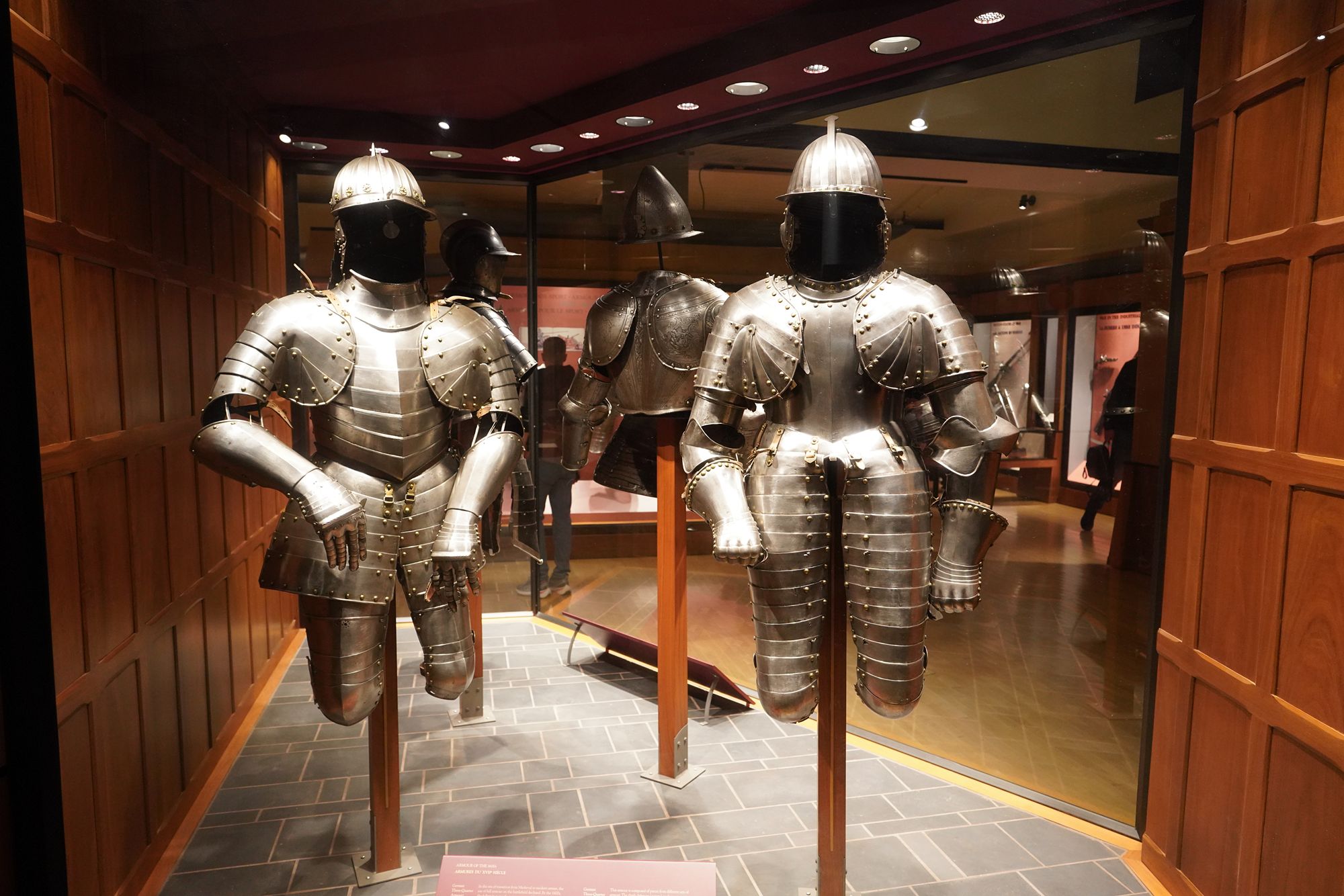
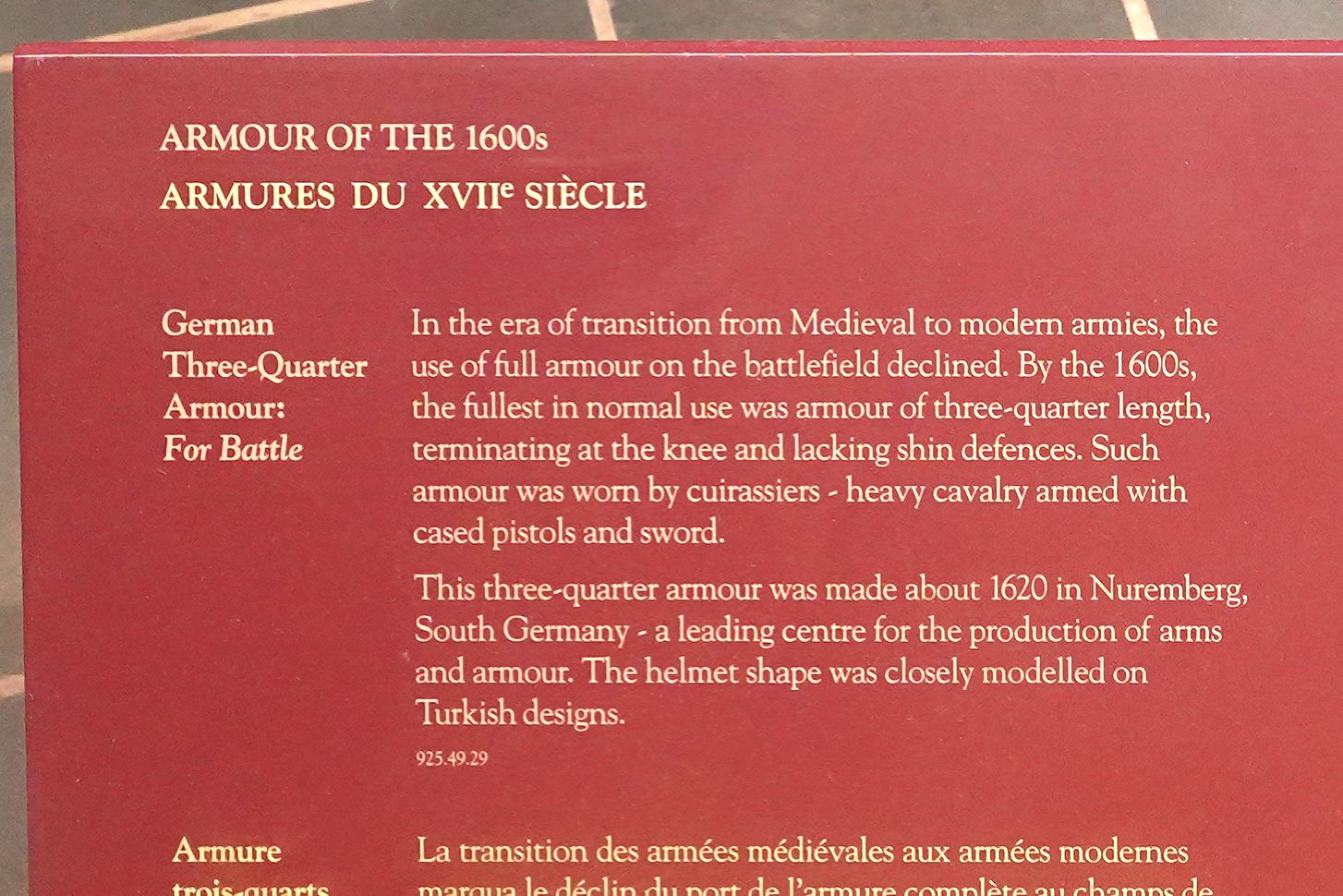
Armour of the 1600s
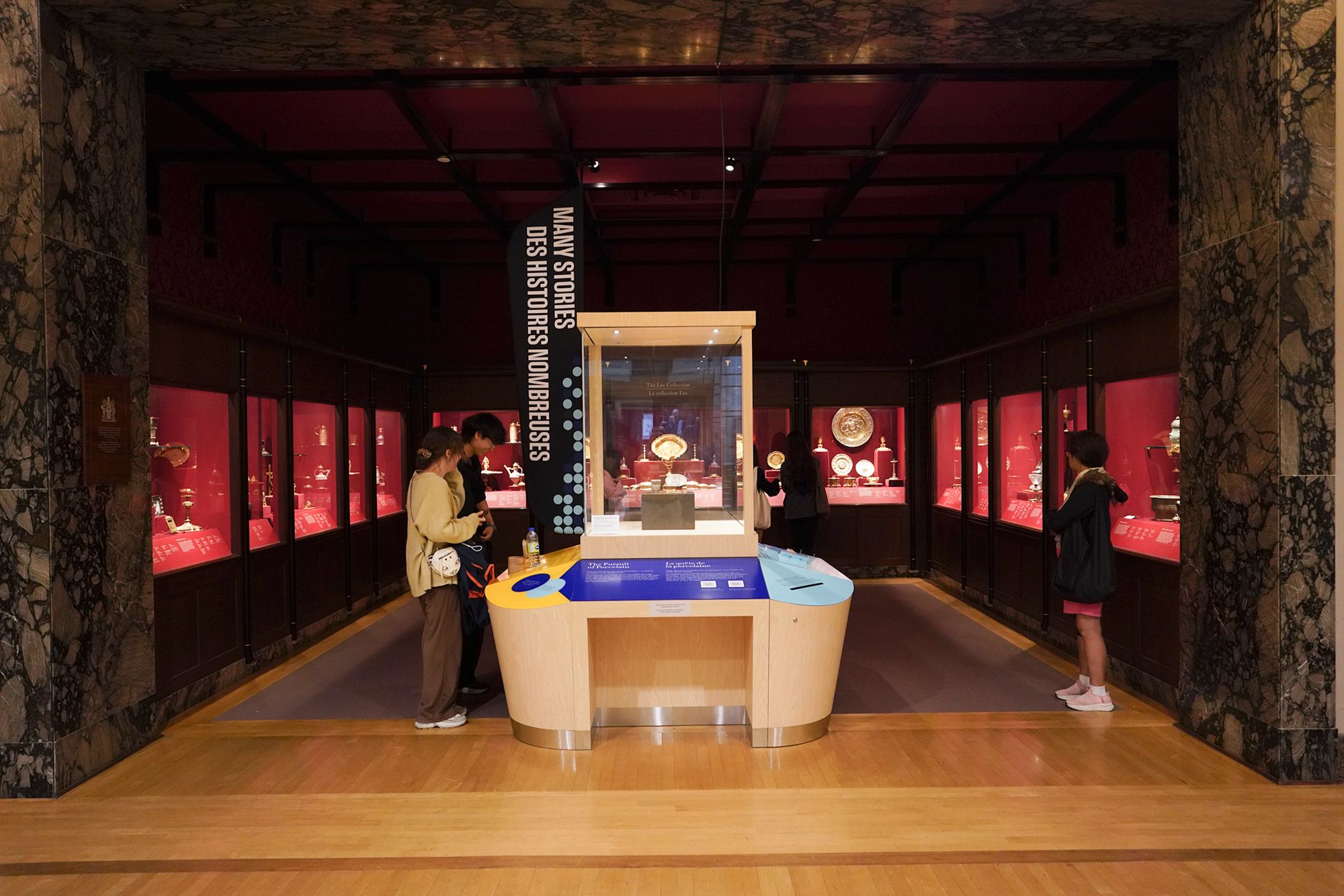
Gold wares, the 1600s to the early 1800s
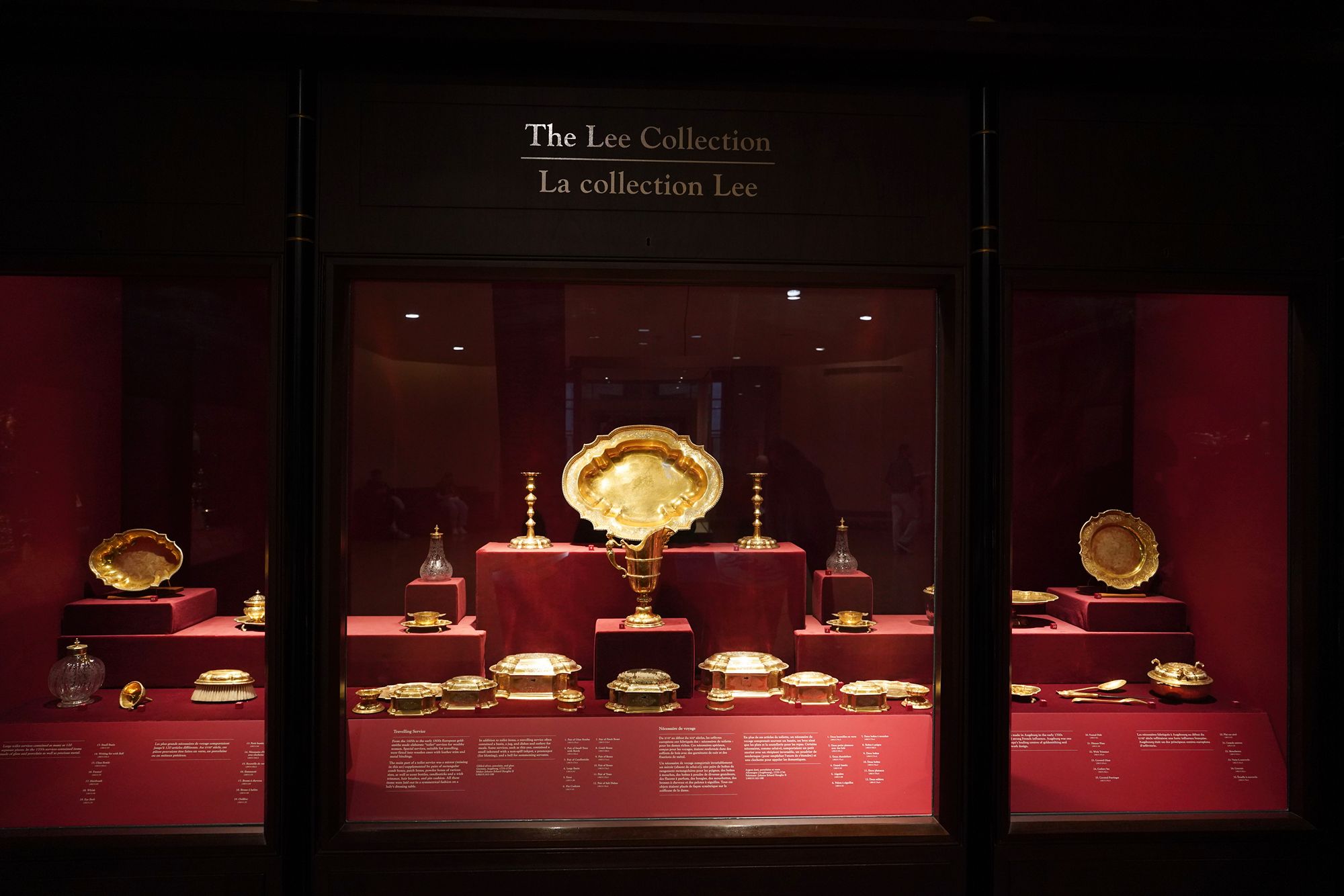
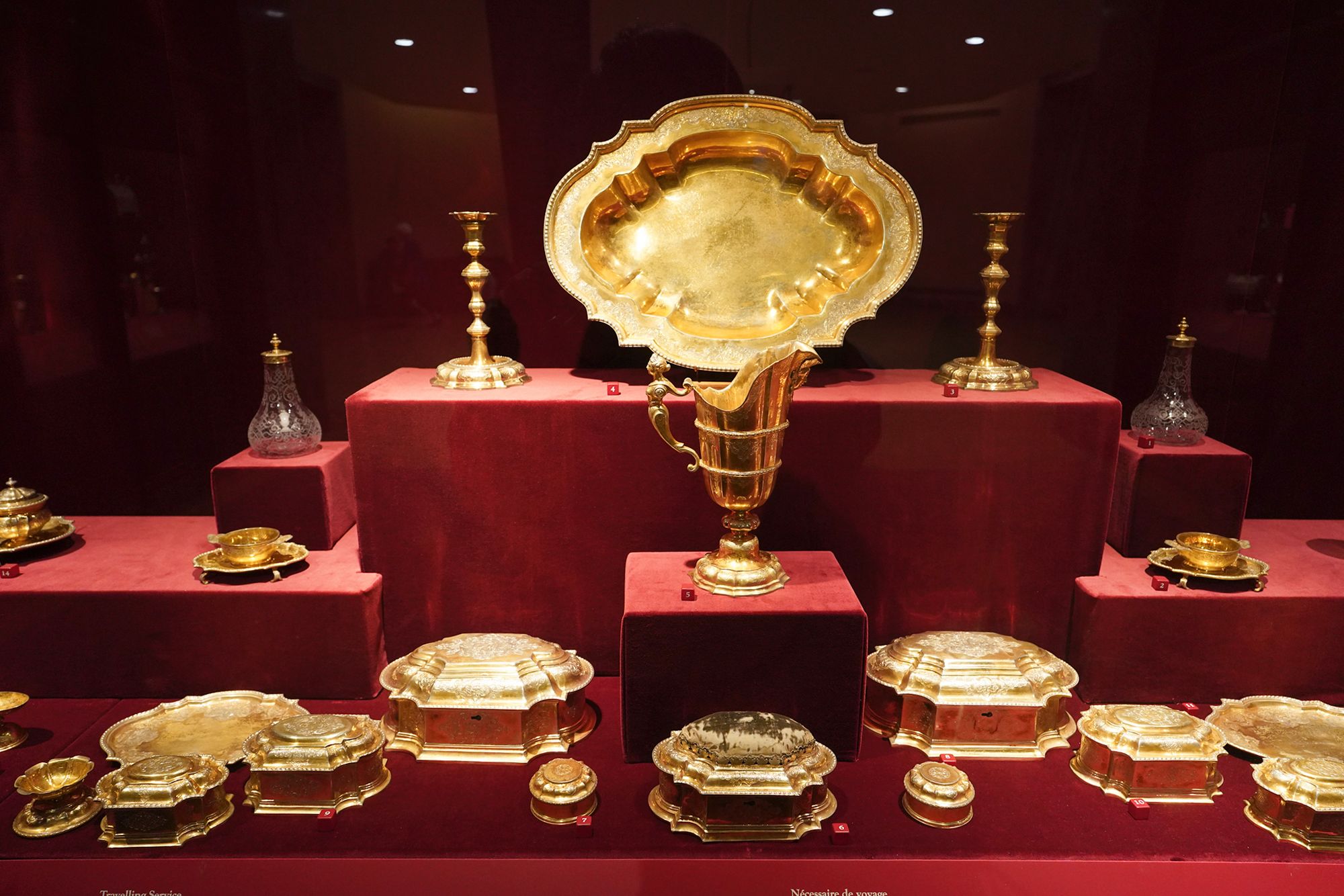
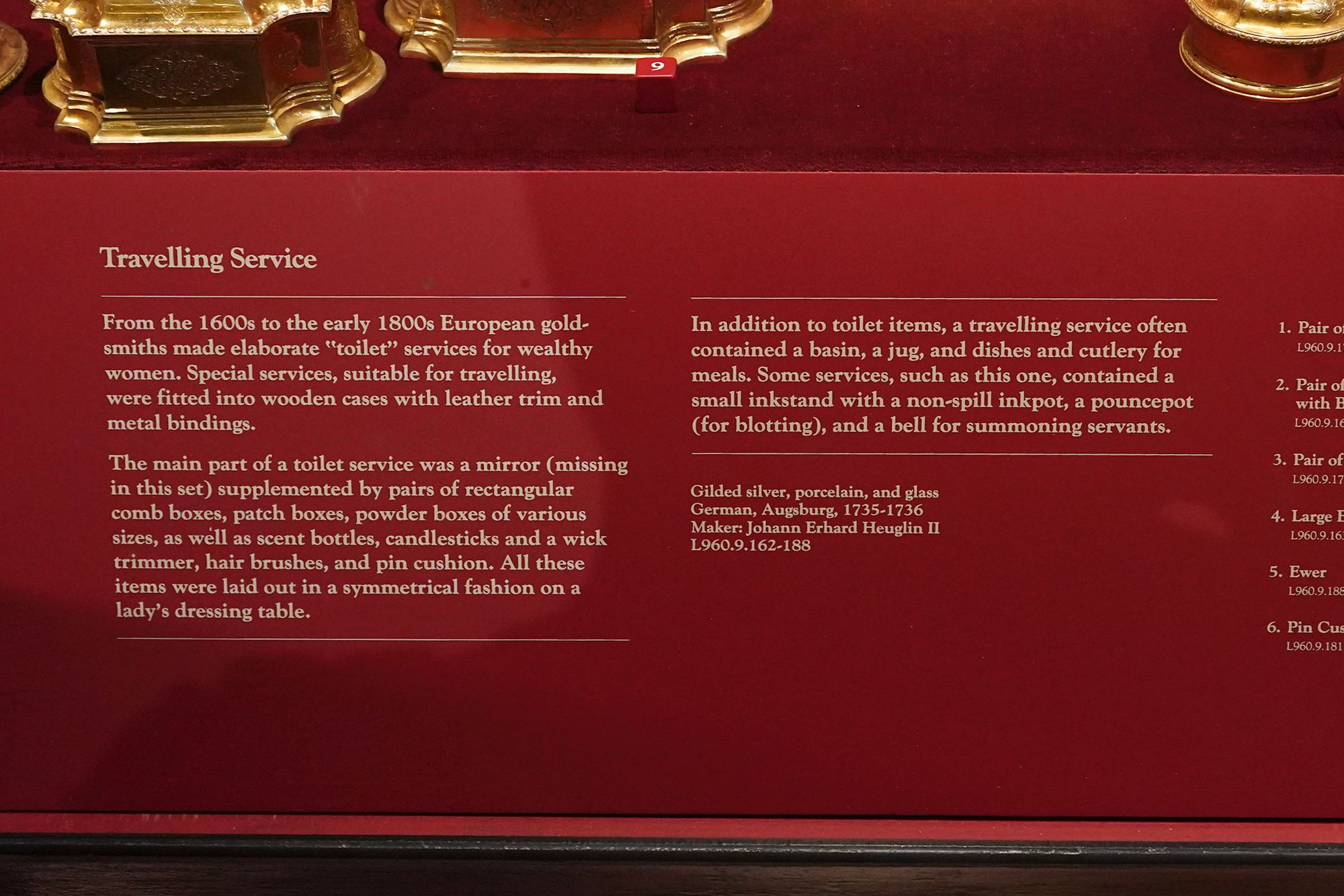
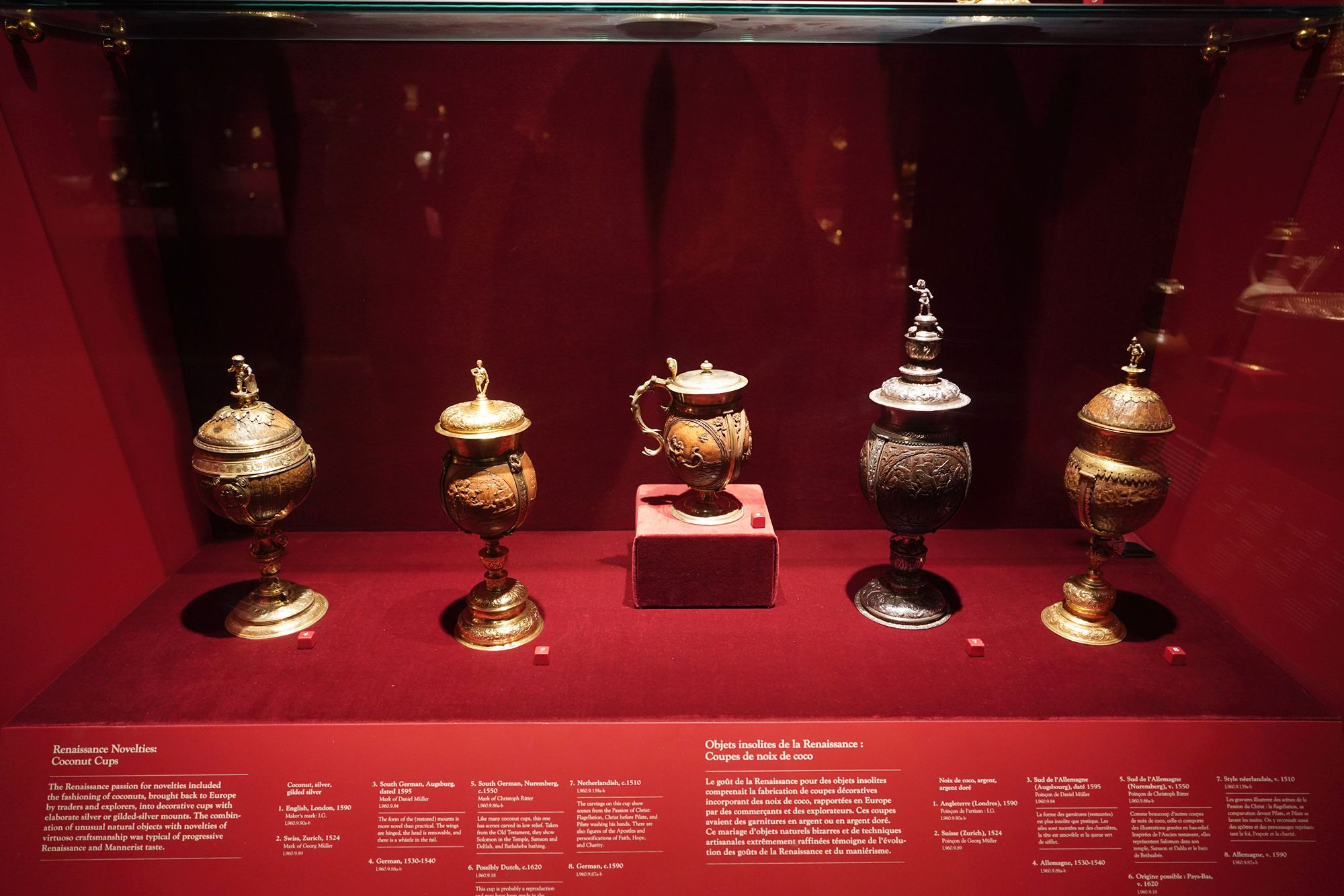
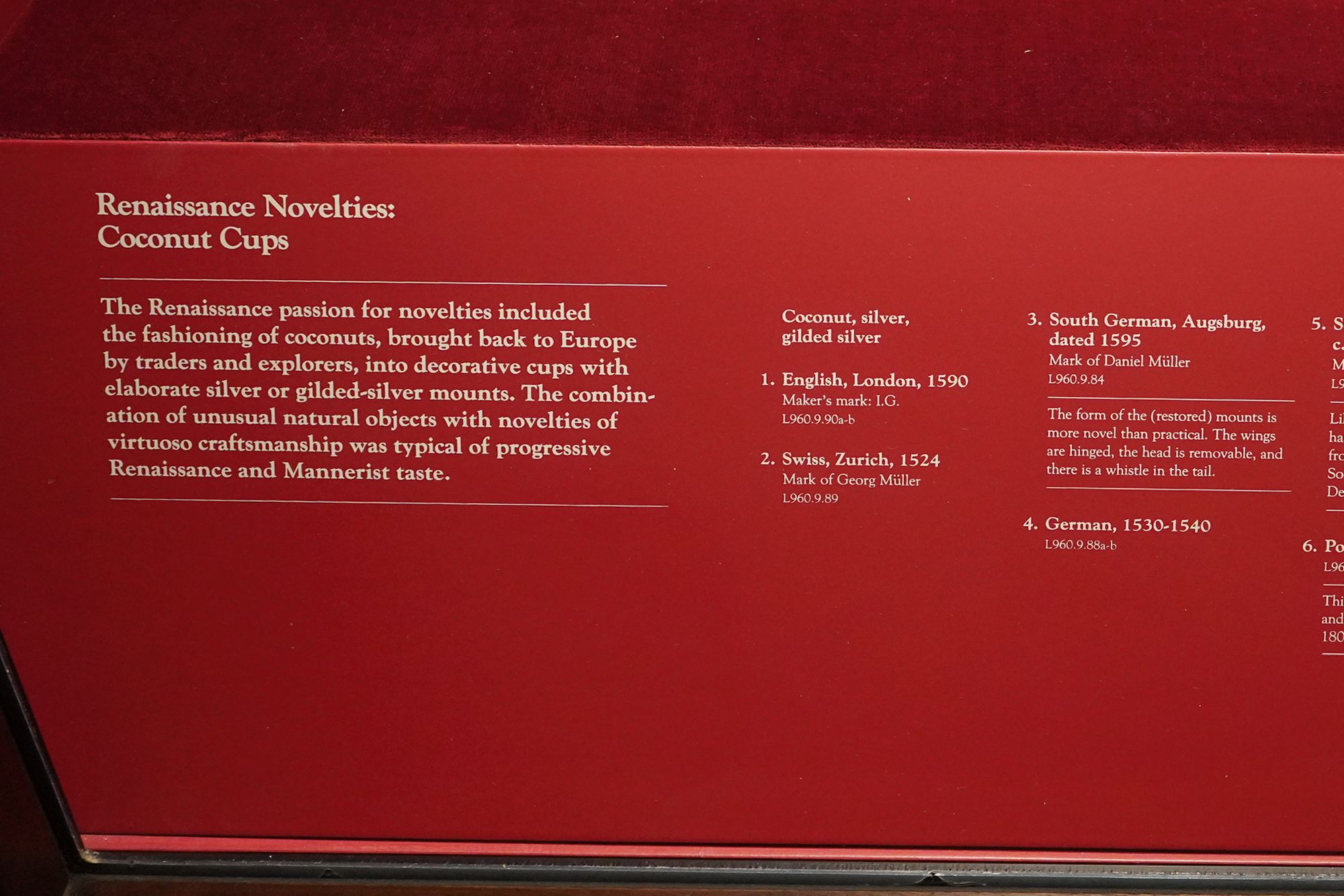
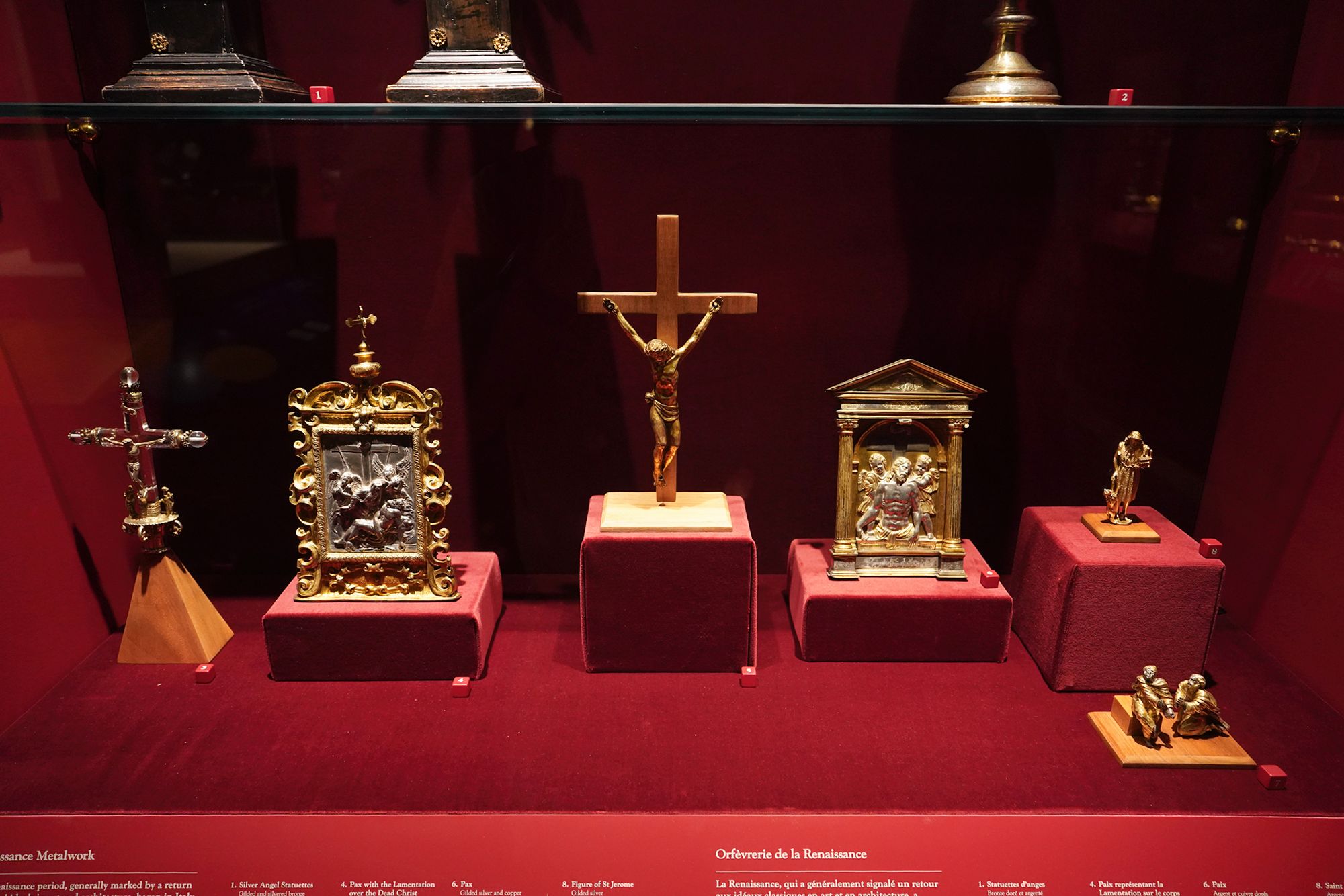
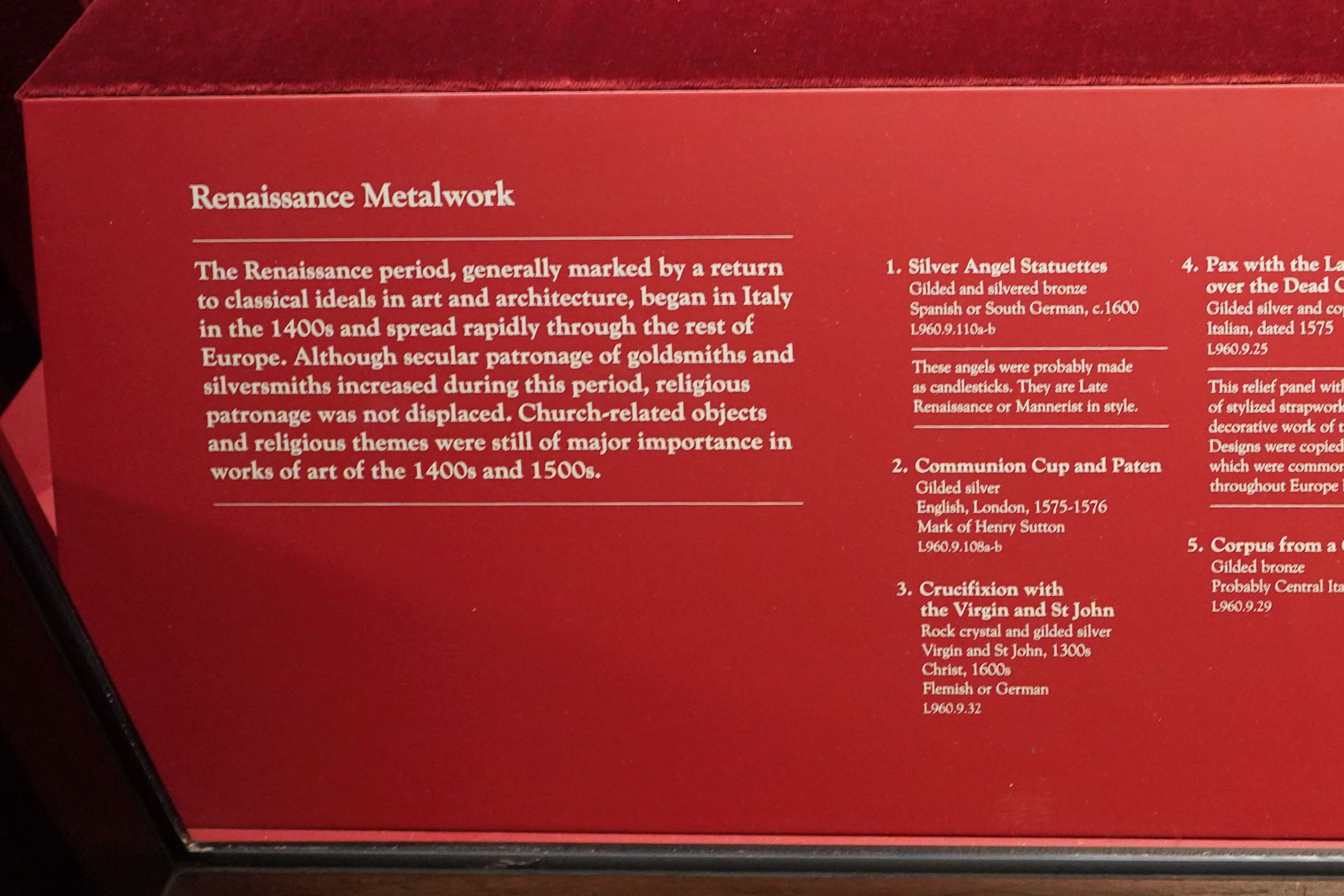
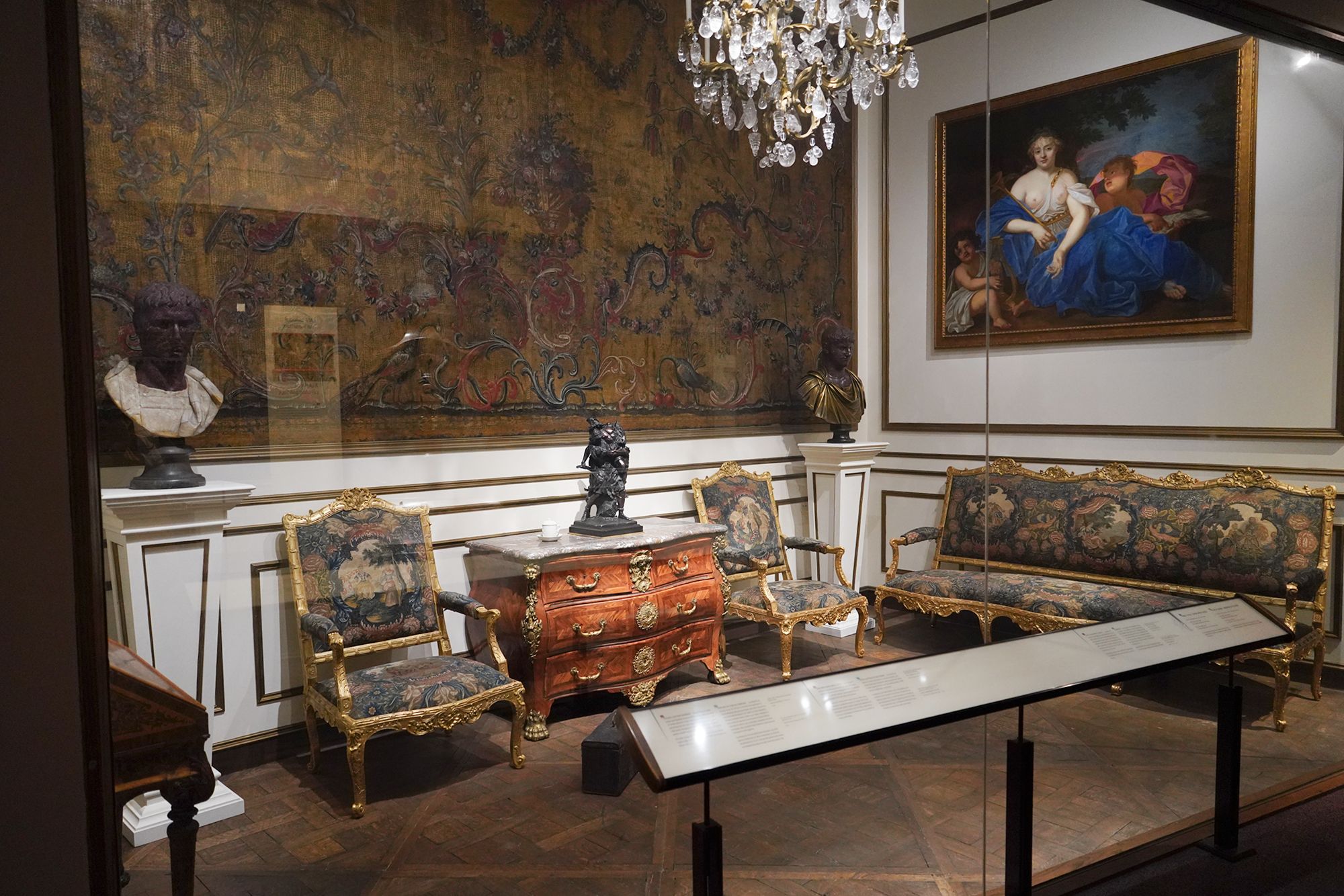
At the Royal Ontario Museum, The Evolution of Style refers to a curatorial approach rather than a single, standalone exhibition. In the European galleries, objects are arranged to show how artistic styles gradually changed over time—from medieval religious forms to Renaissance balance and later decorative refinement—using selected paintings, sculpture, furniture, and liturgical objects.
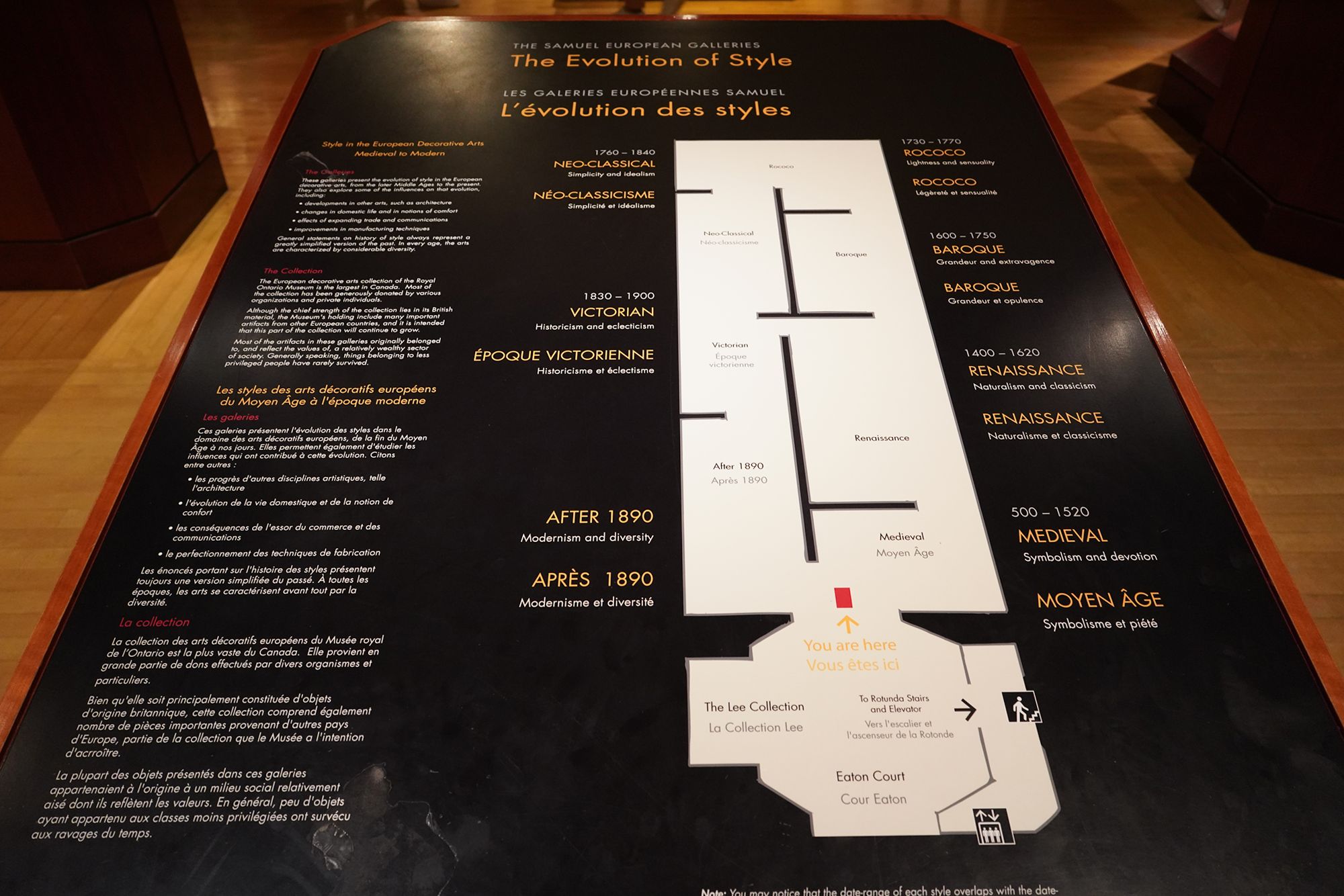
At the Royal Ontario Museum, the progression of styles is shown through representative works from each major period, emphasizing visual change rather than a complete timeline:
-
Medieval (c. 1000–1400) – Symbolic, religious imagery with stylized figures and limited spatial depth.
-
Renaissance (c. 1400–1600) – Naturalism, proportion, perspective, and renewed interest in classical antiquity.
-
Baroque (c. 1600–1700) – Dramatic movement, strong contrasts, emotional intensity, and ornate detail.
-
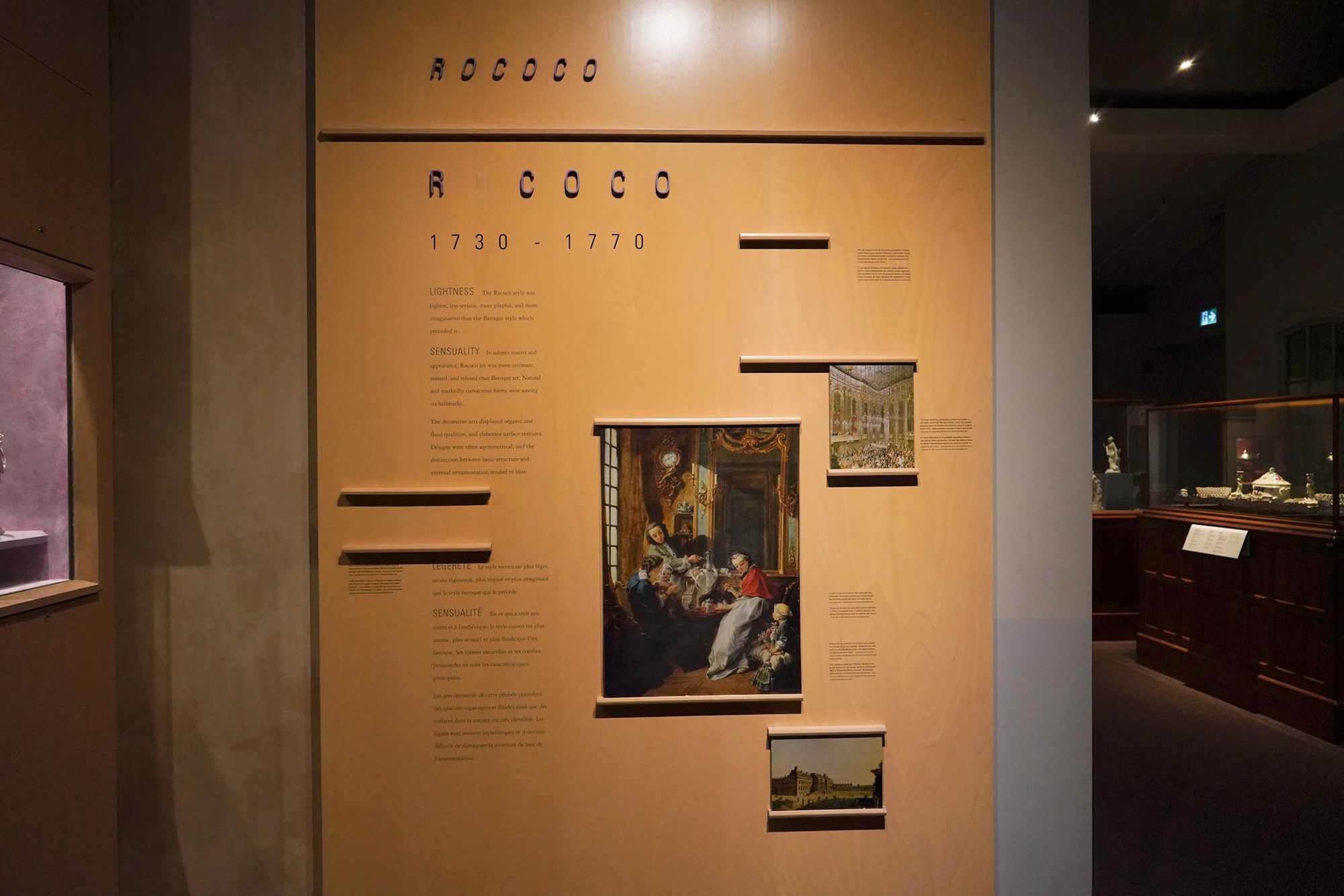
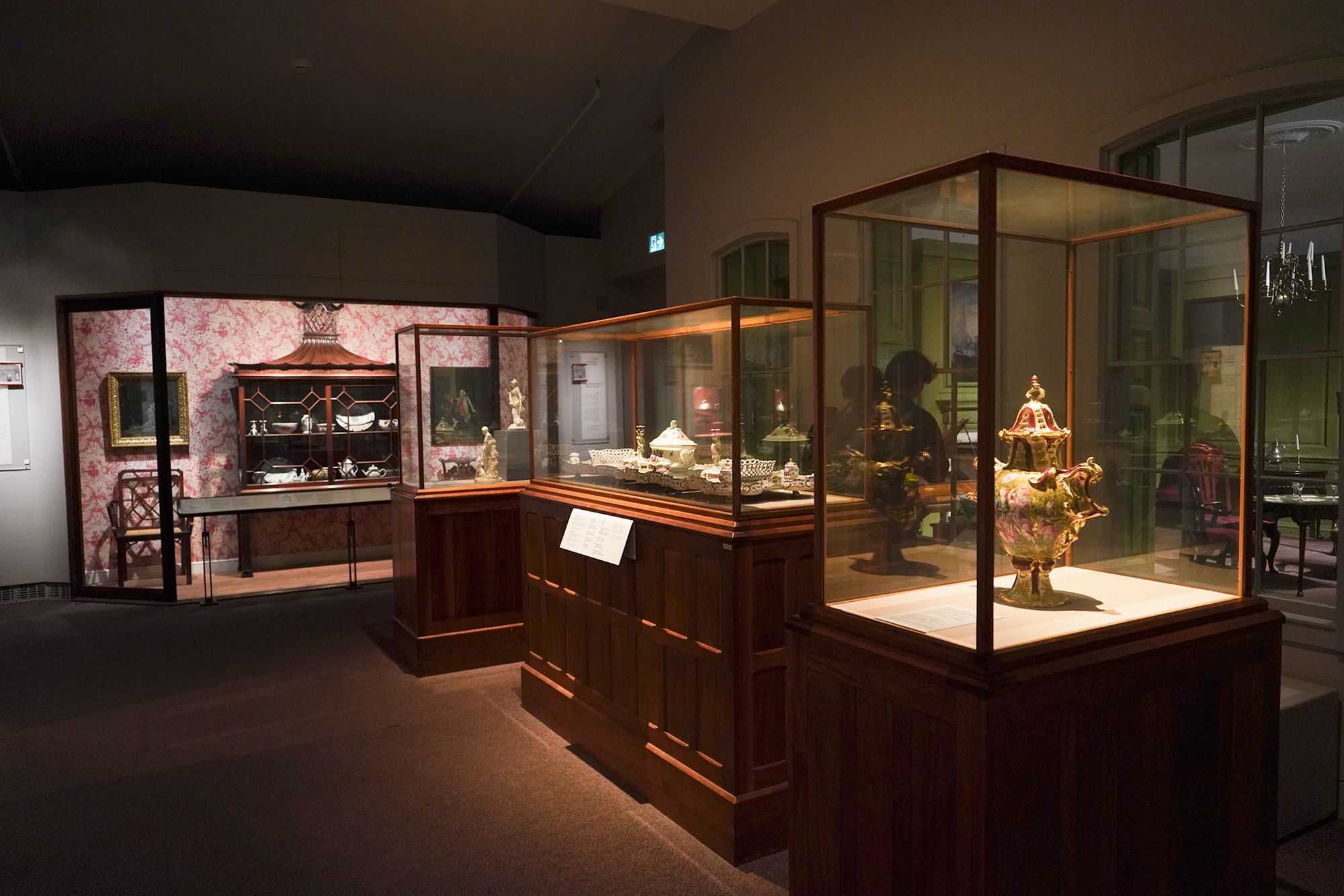
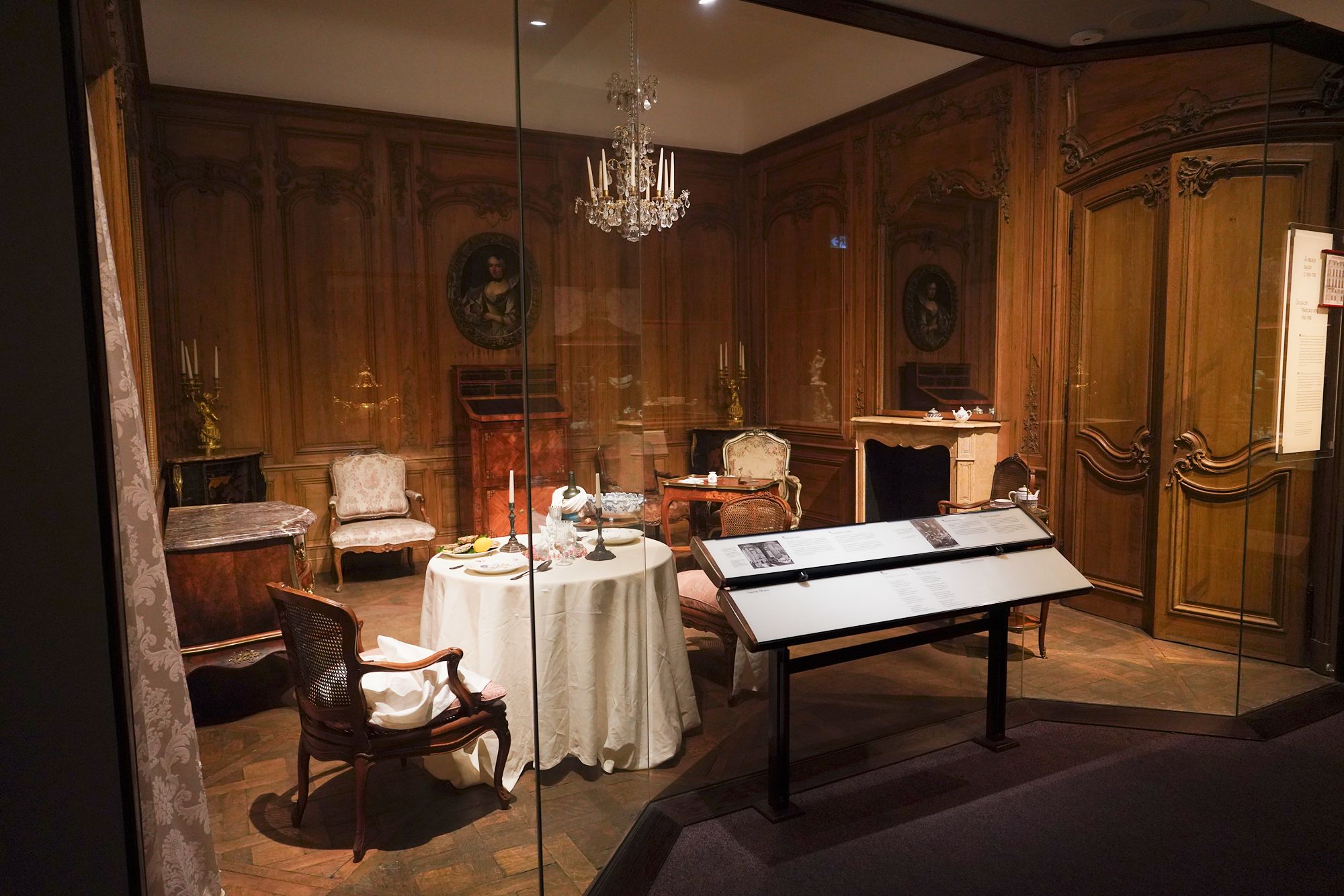
Rococo (c. 1700–1750) – Light, elegant, and decorative forms with playful ornamentation.
-
Neoclassical (c. 1750–1800) – Order, restraint, and classical simplicity inspired by ancient Greece and Rome.
-
Victorian (c. 1837–1901) – Eclectic styles, rich decoration, industrial materials, and moral or narrative themes.
-
19th Century (late) – Expanding realism and stylistic diversity, reflecting social change and experimentation.
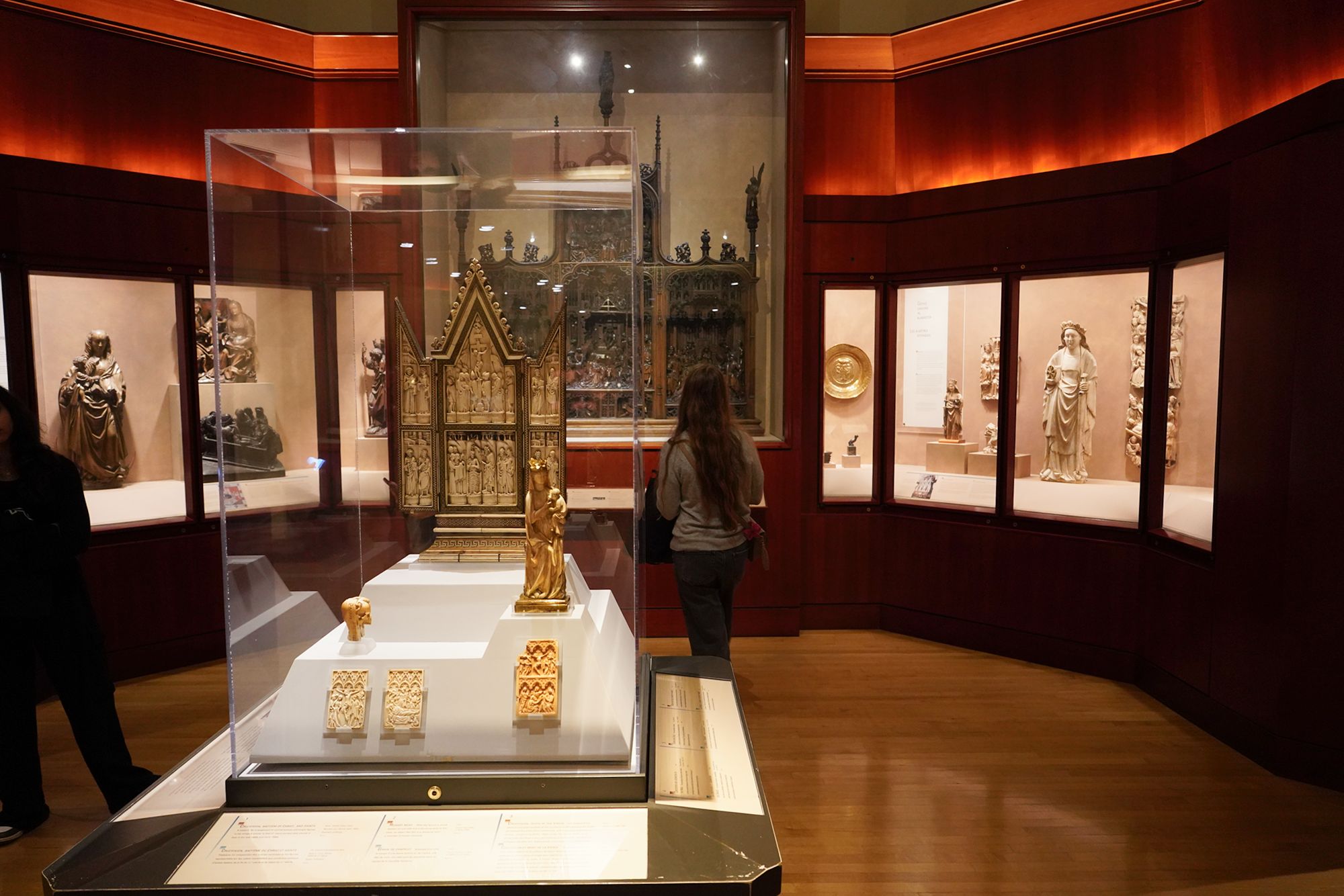
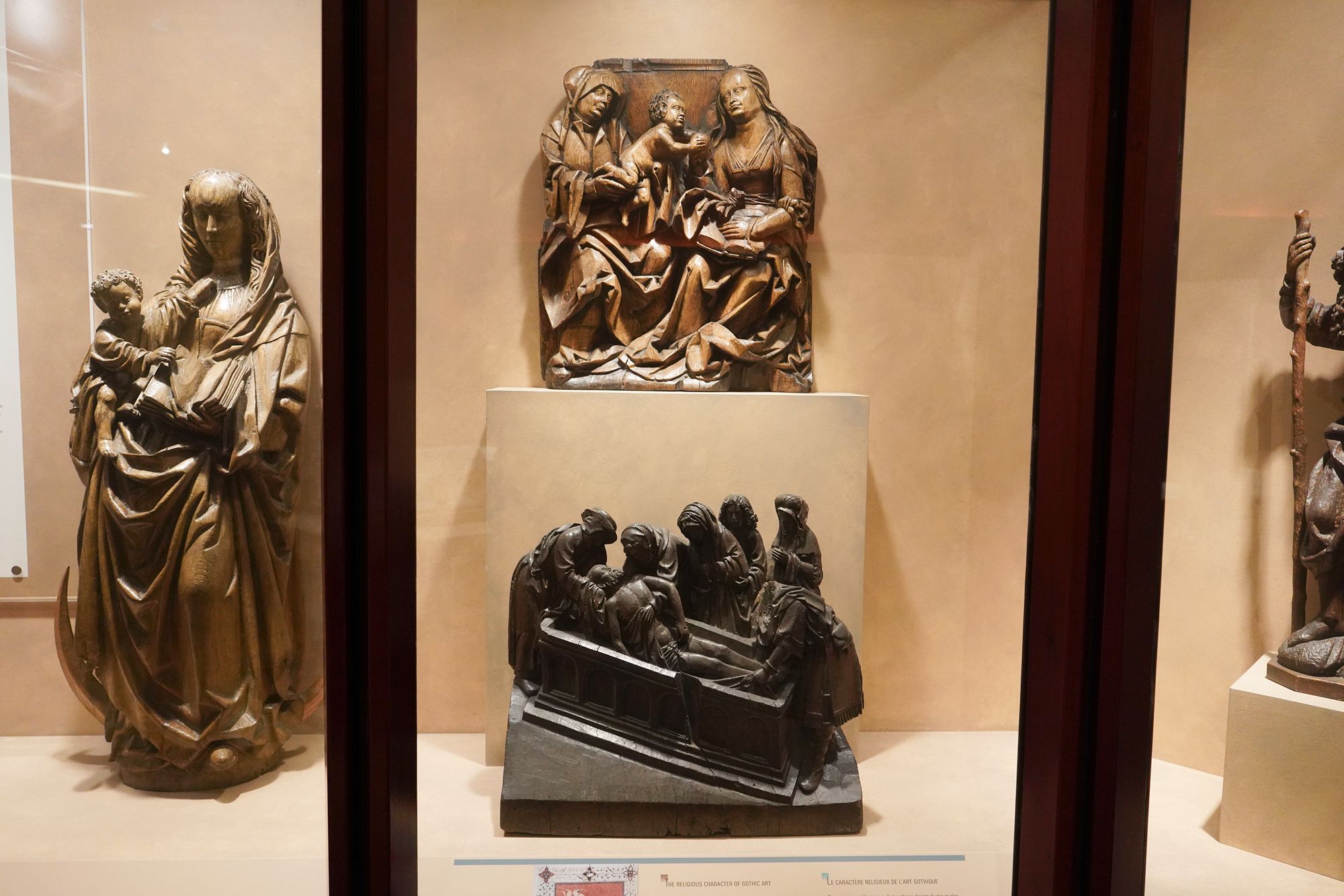
The first is the Medieval style. The medieval period (also called the Middle Ages) generally spans from about AD 500 to 1500 in European history.
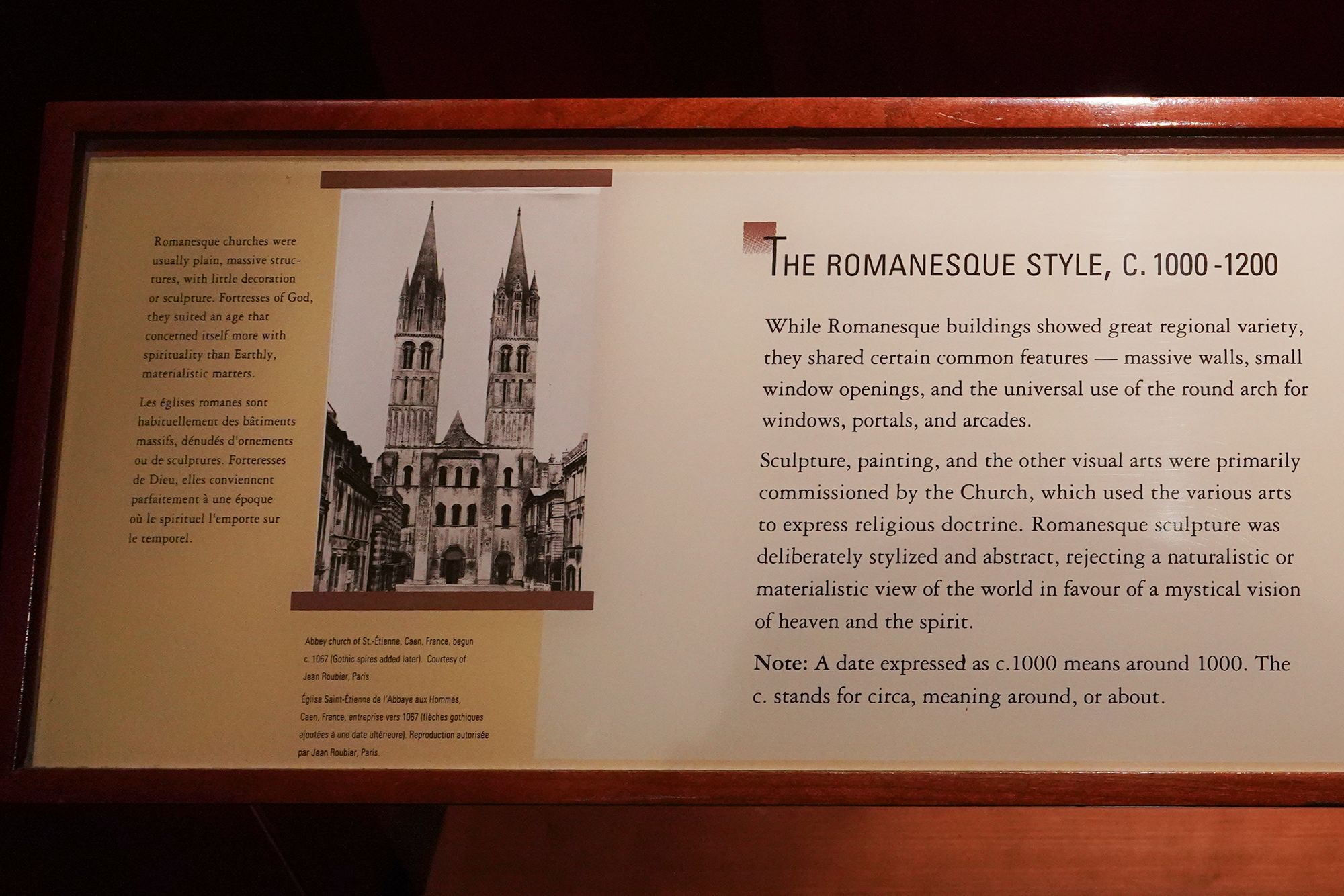
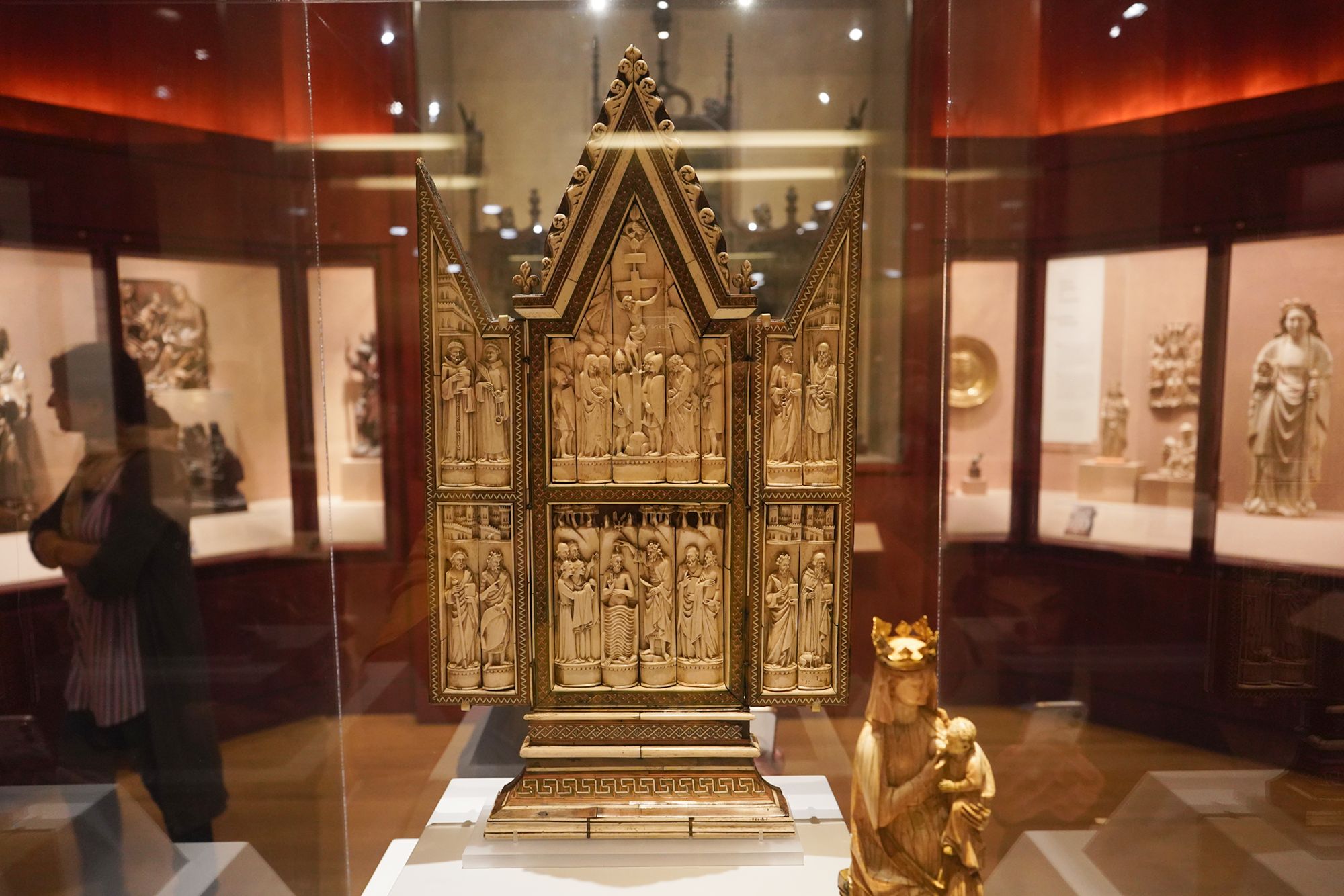
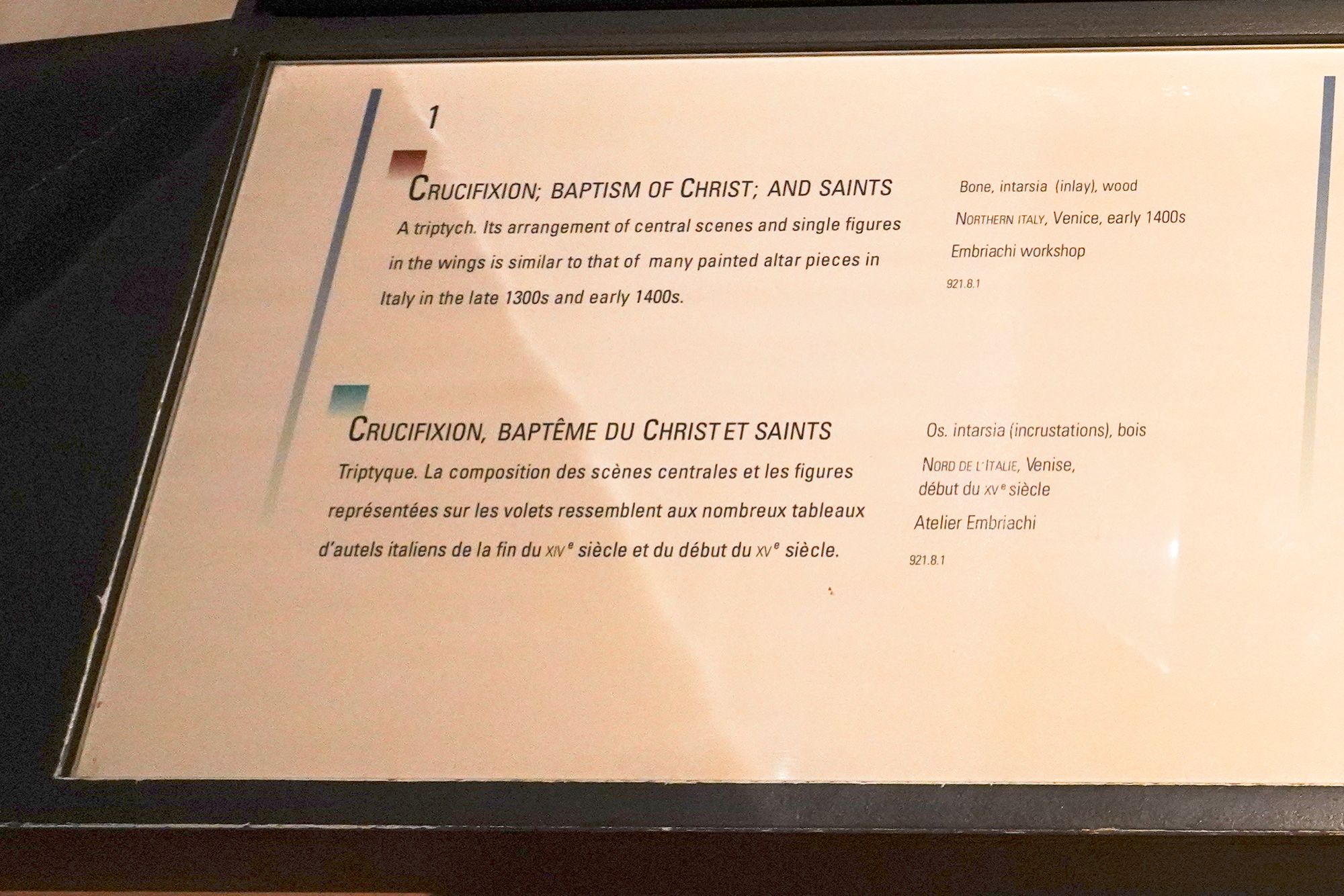
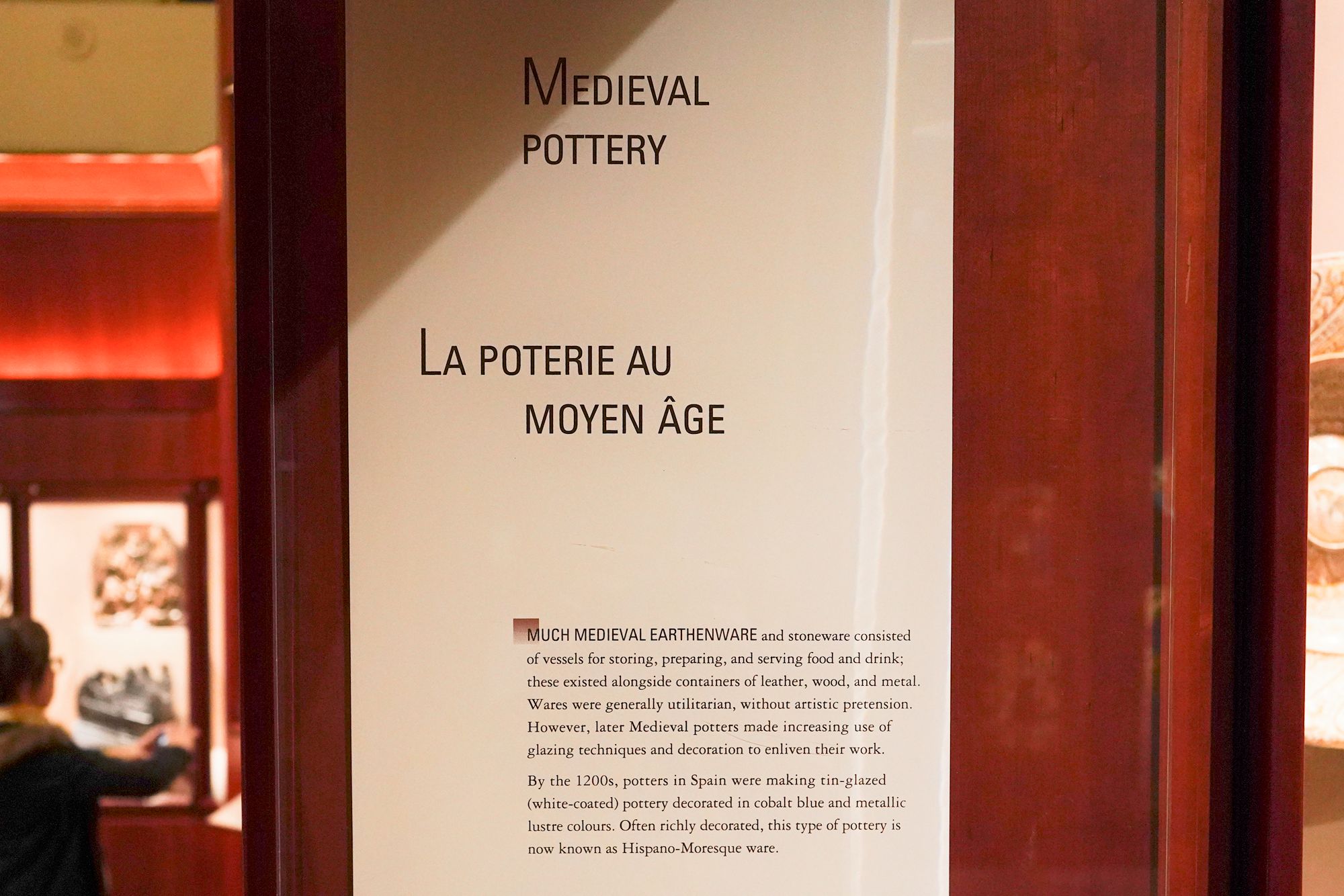
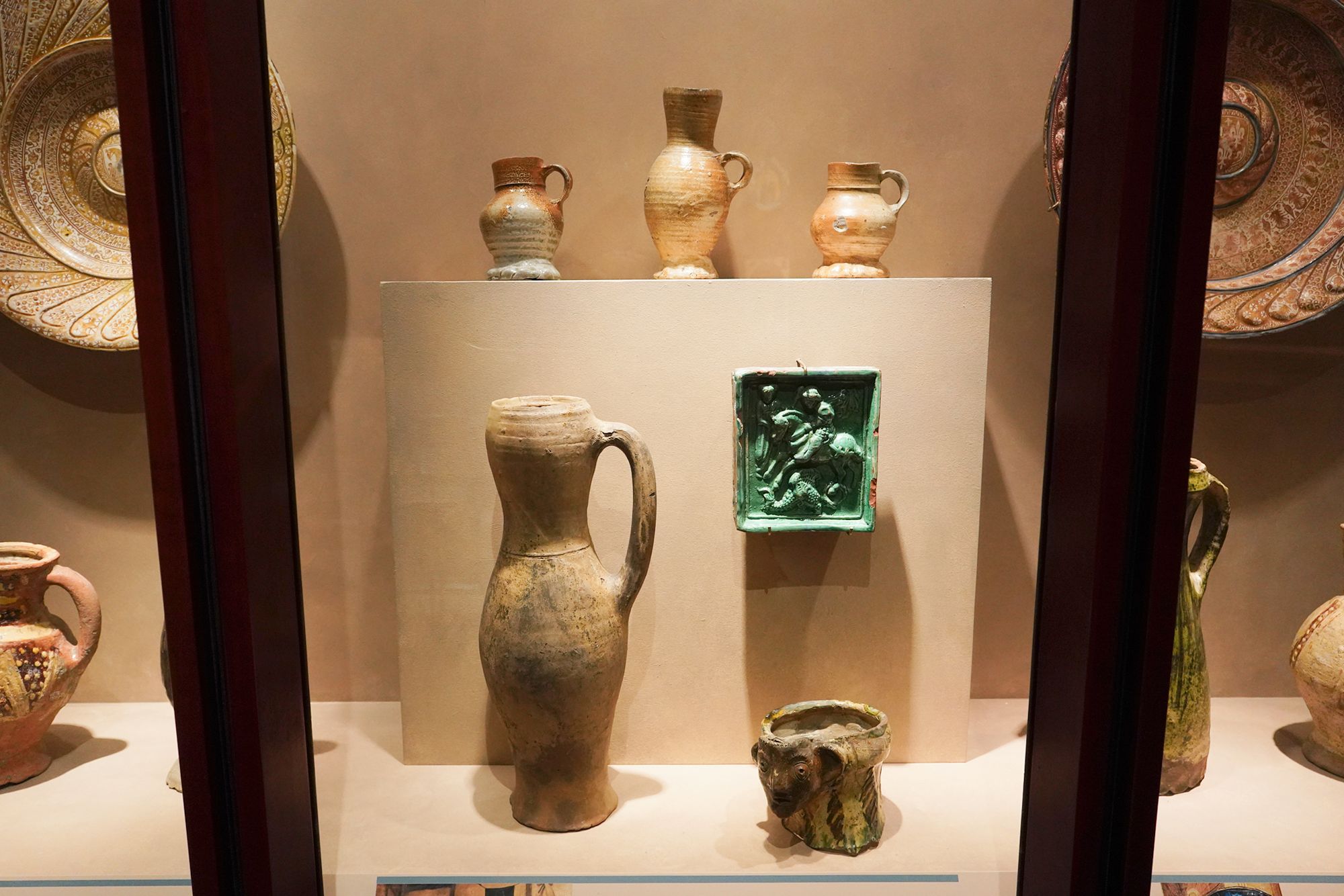
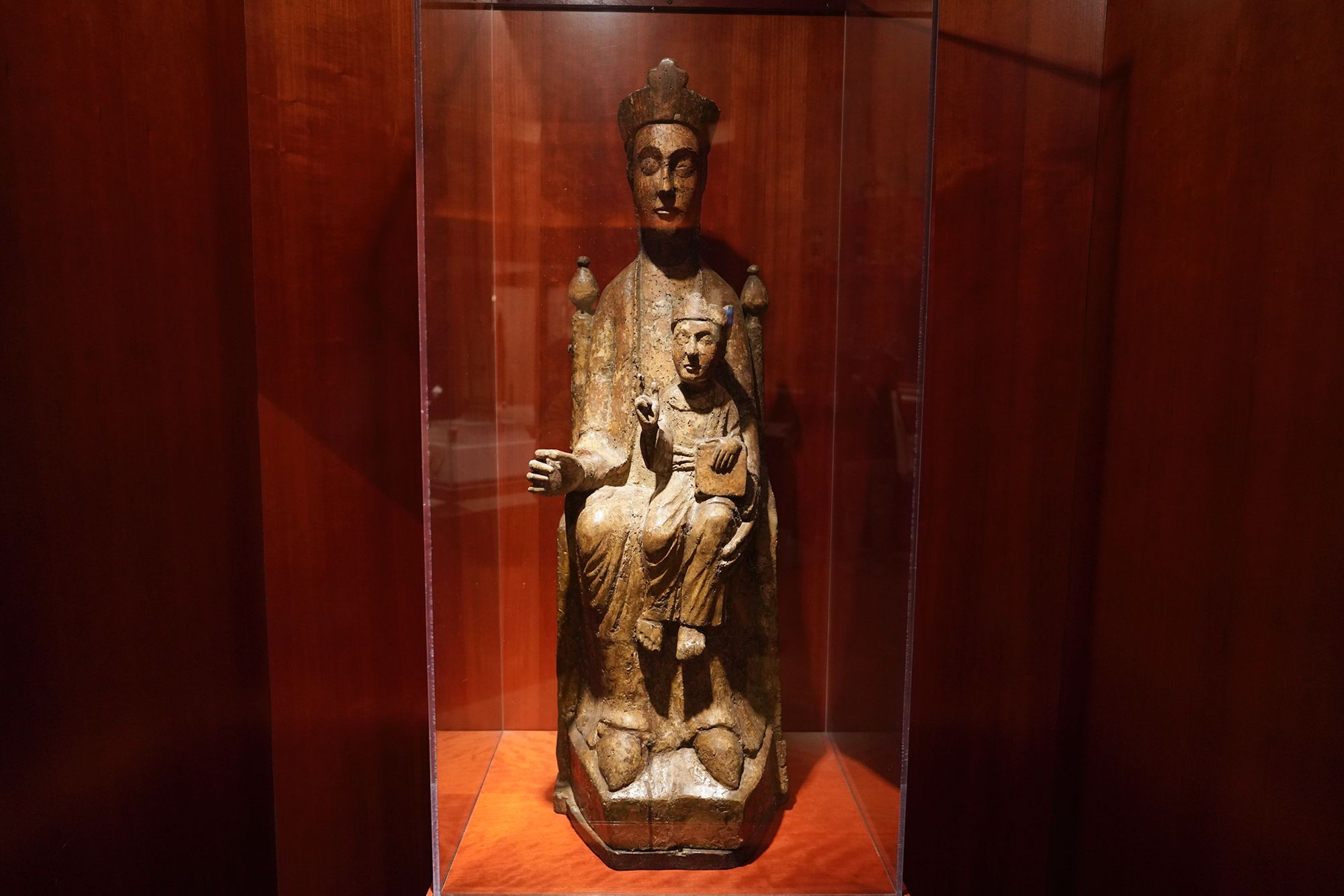
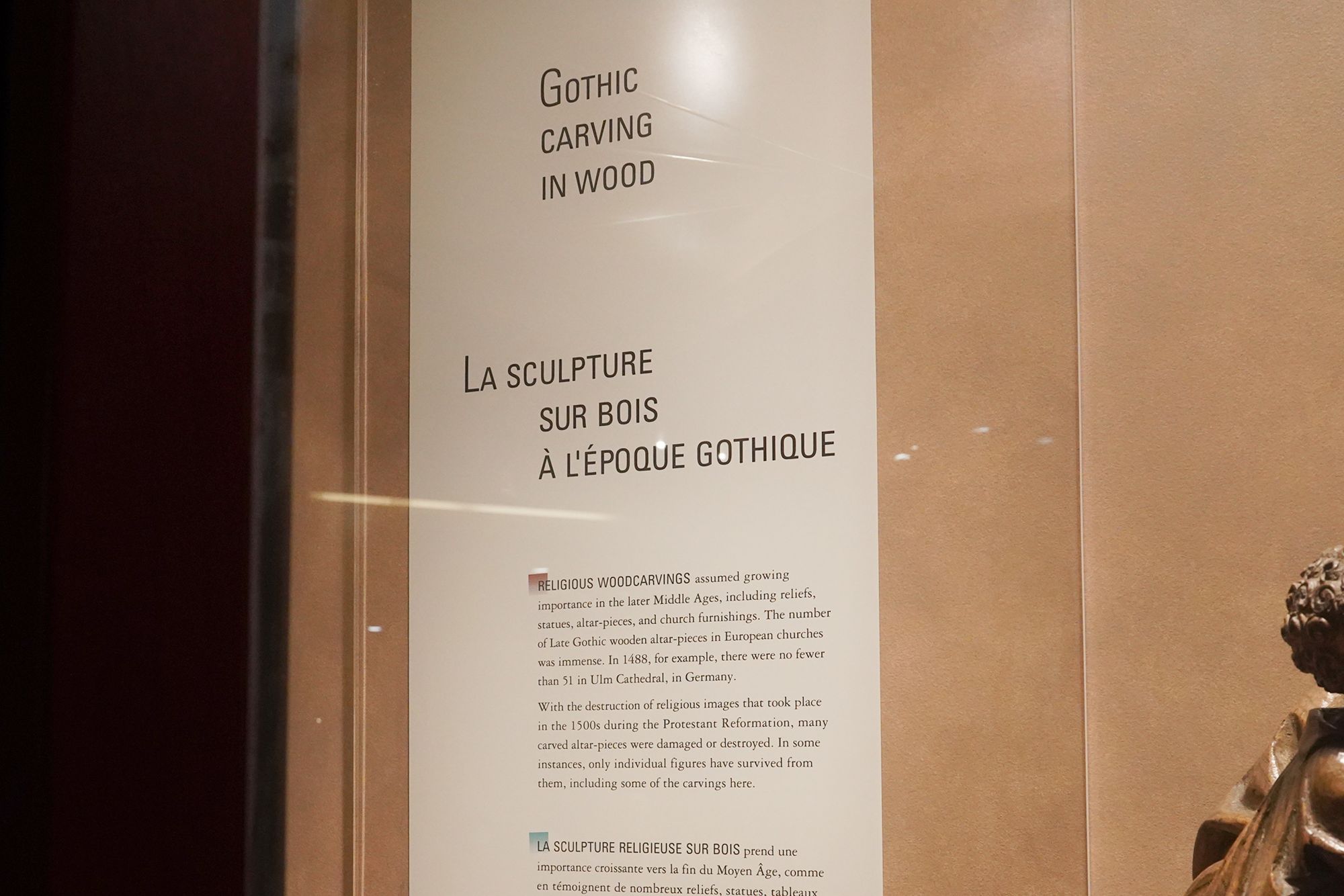
The Gothic period dates roughly from c. 1140 to 1500 in Europe.
In art and architecture:
-
It emerged in the mid-12th century in France
-
It flourished during the High and Late Medieval periods
-
It overlaps with the late medieval period and gradually transitions into the Renaissance in the 15th century
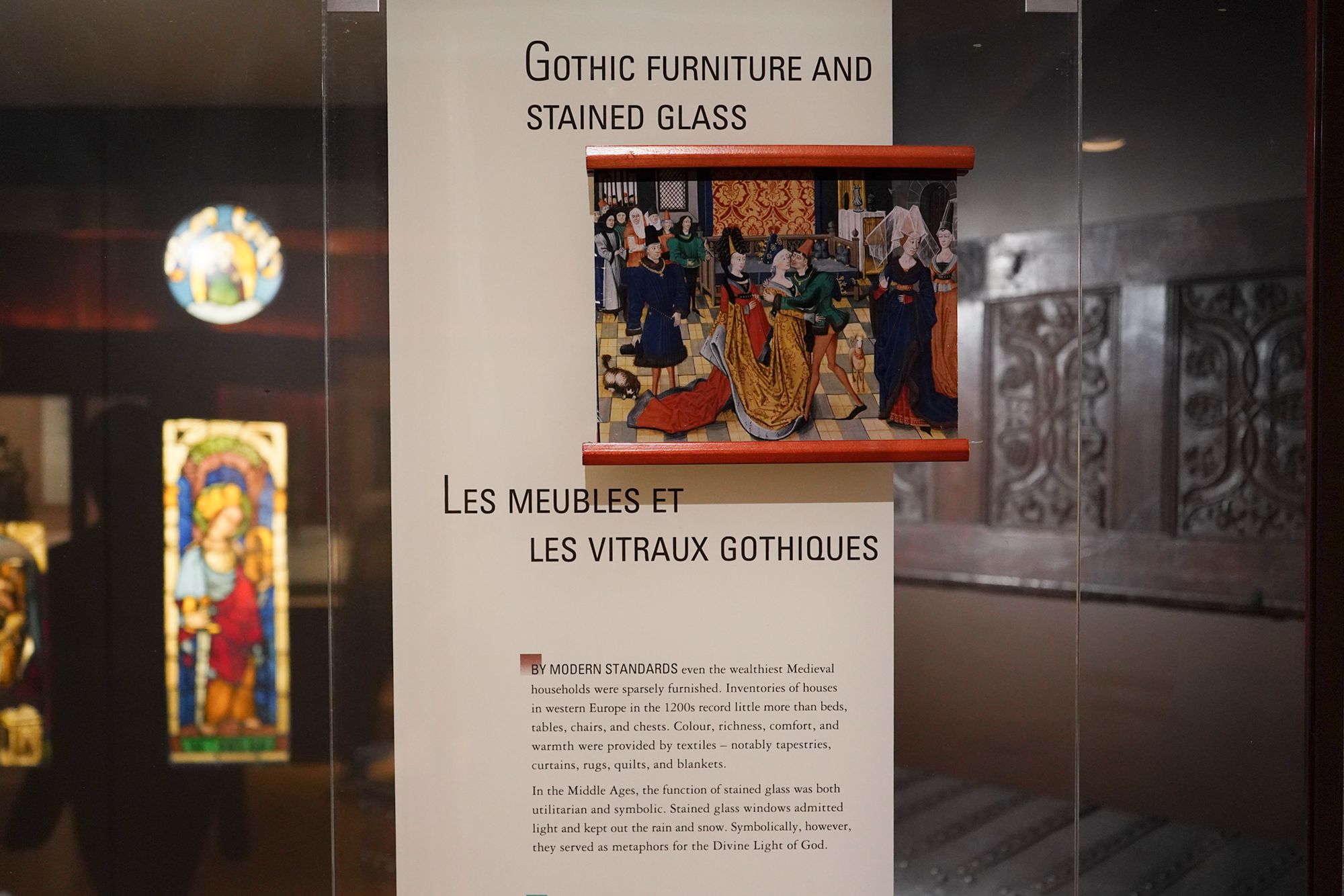
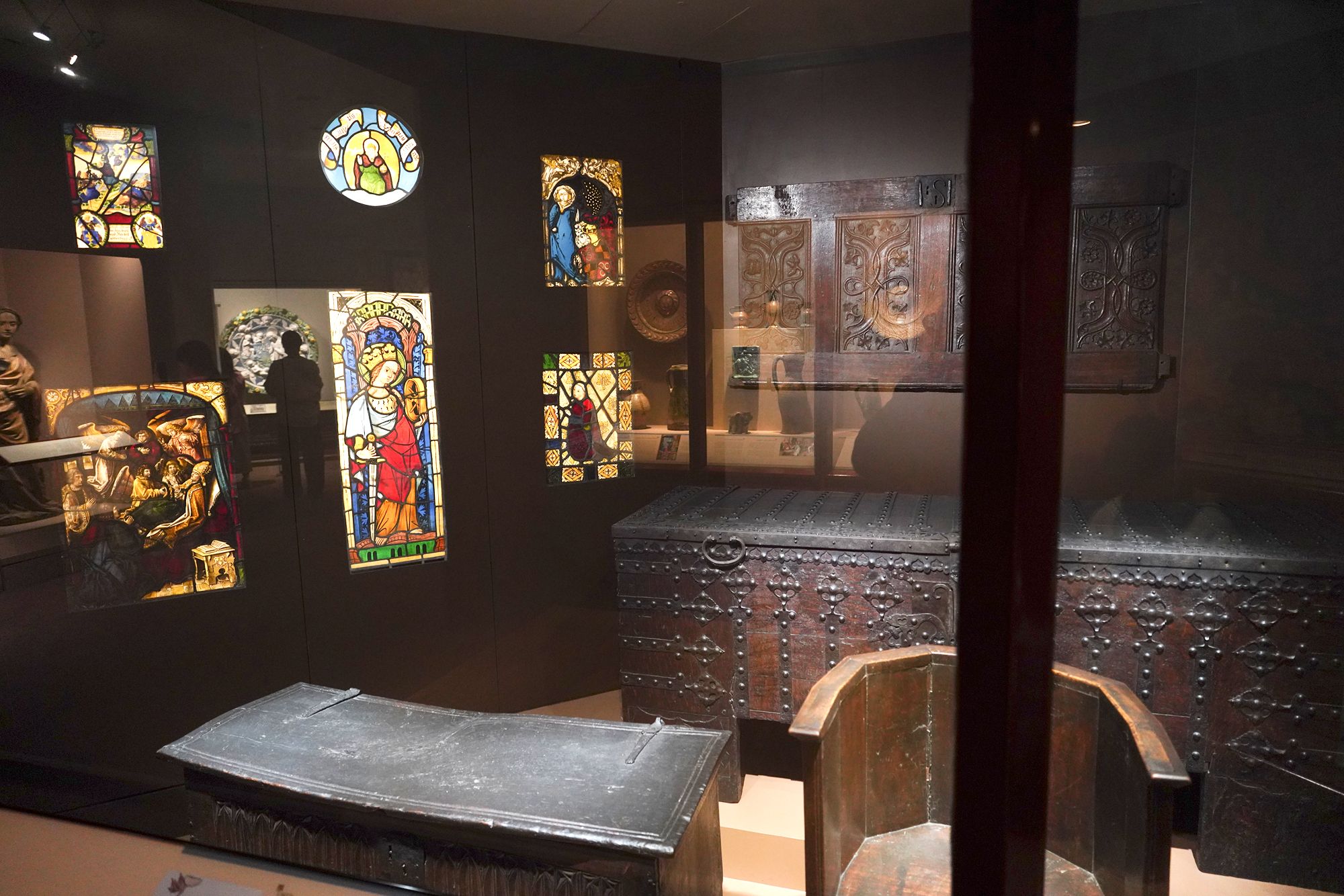
Gothic style is marked by pointed arches, ribbed vaults, flying buttresses, vertical emphasis, and stained glass, especially in cathedrals.
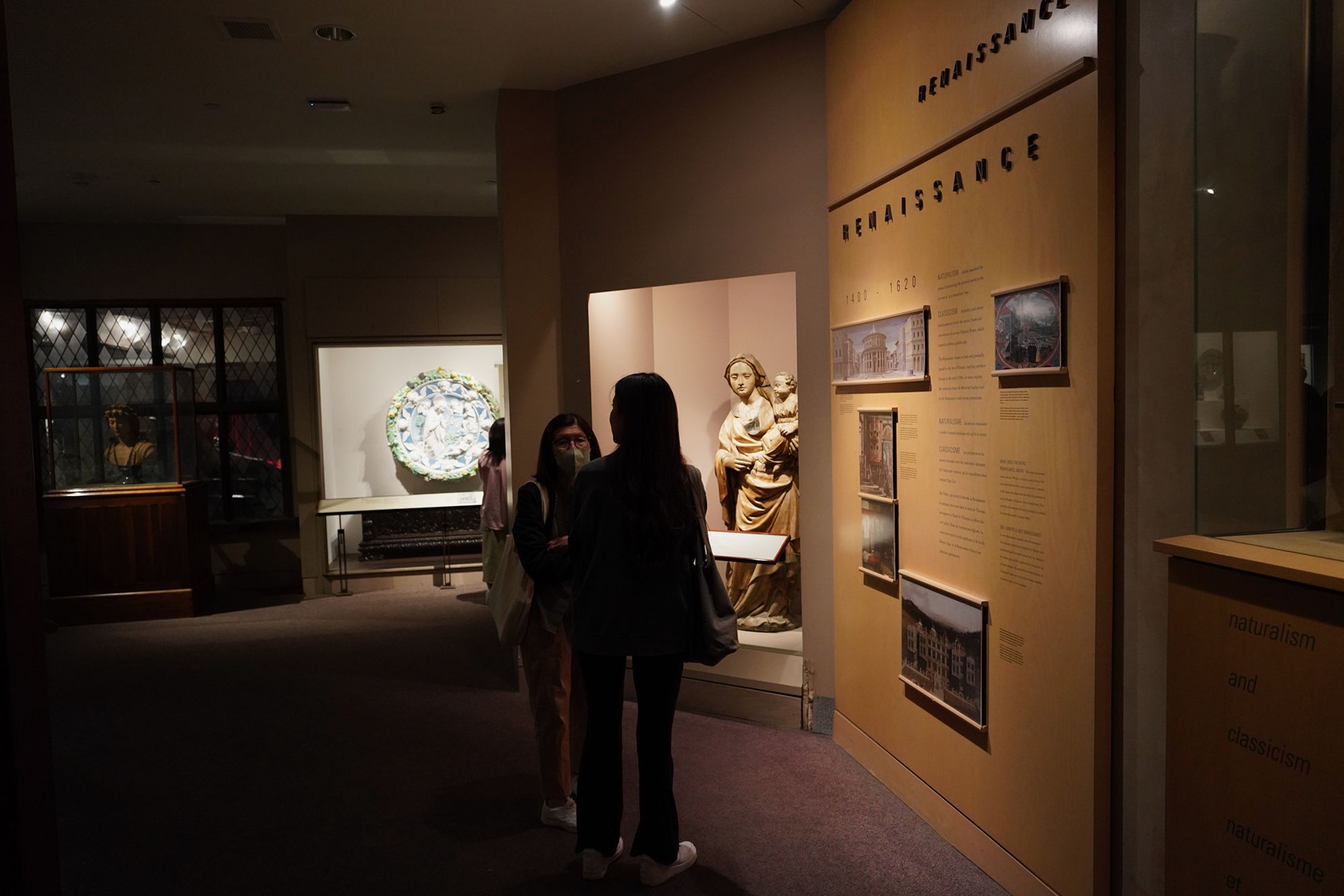
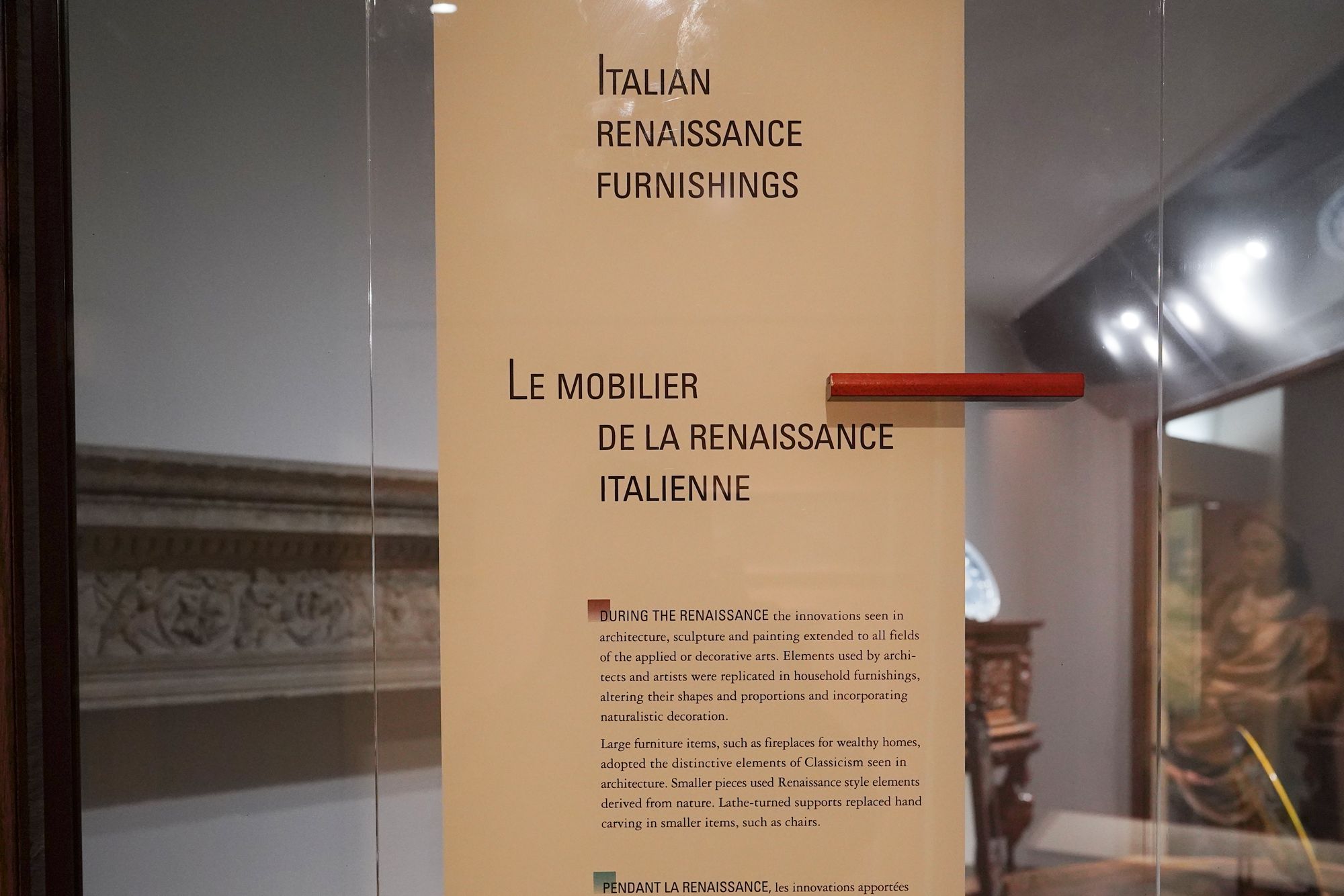
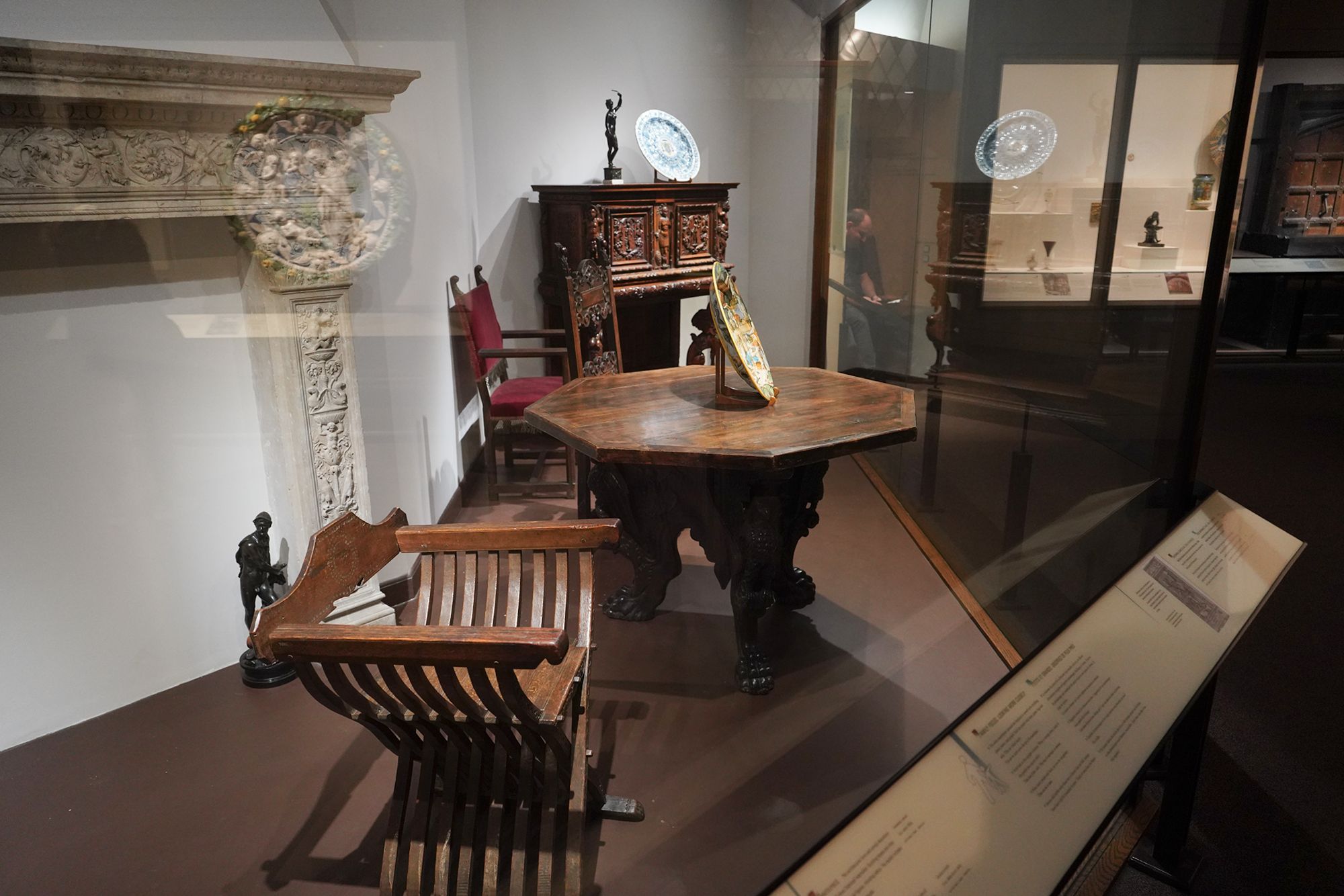
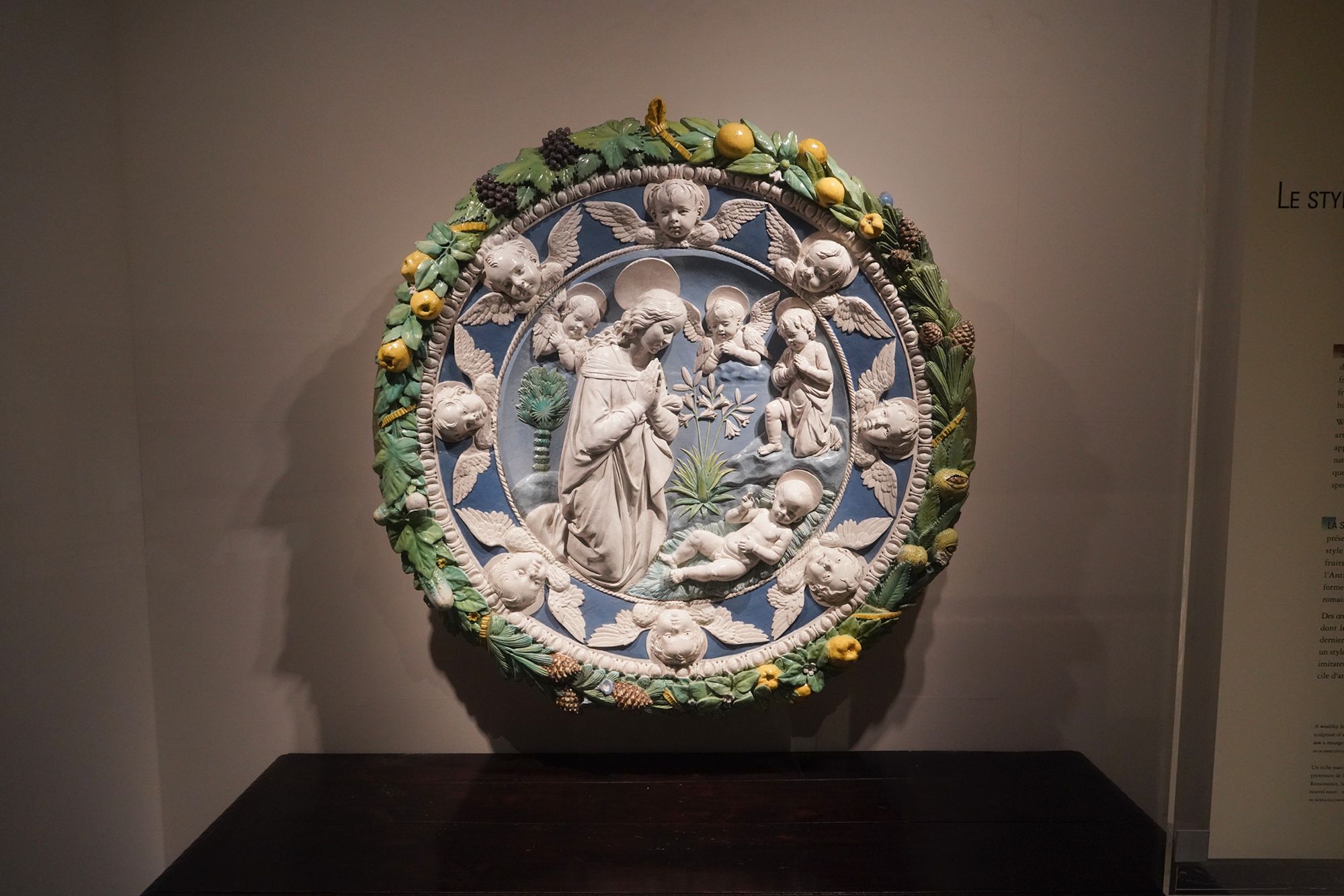
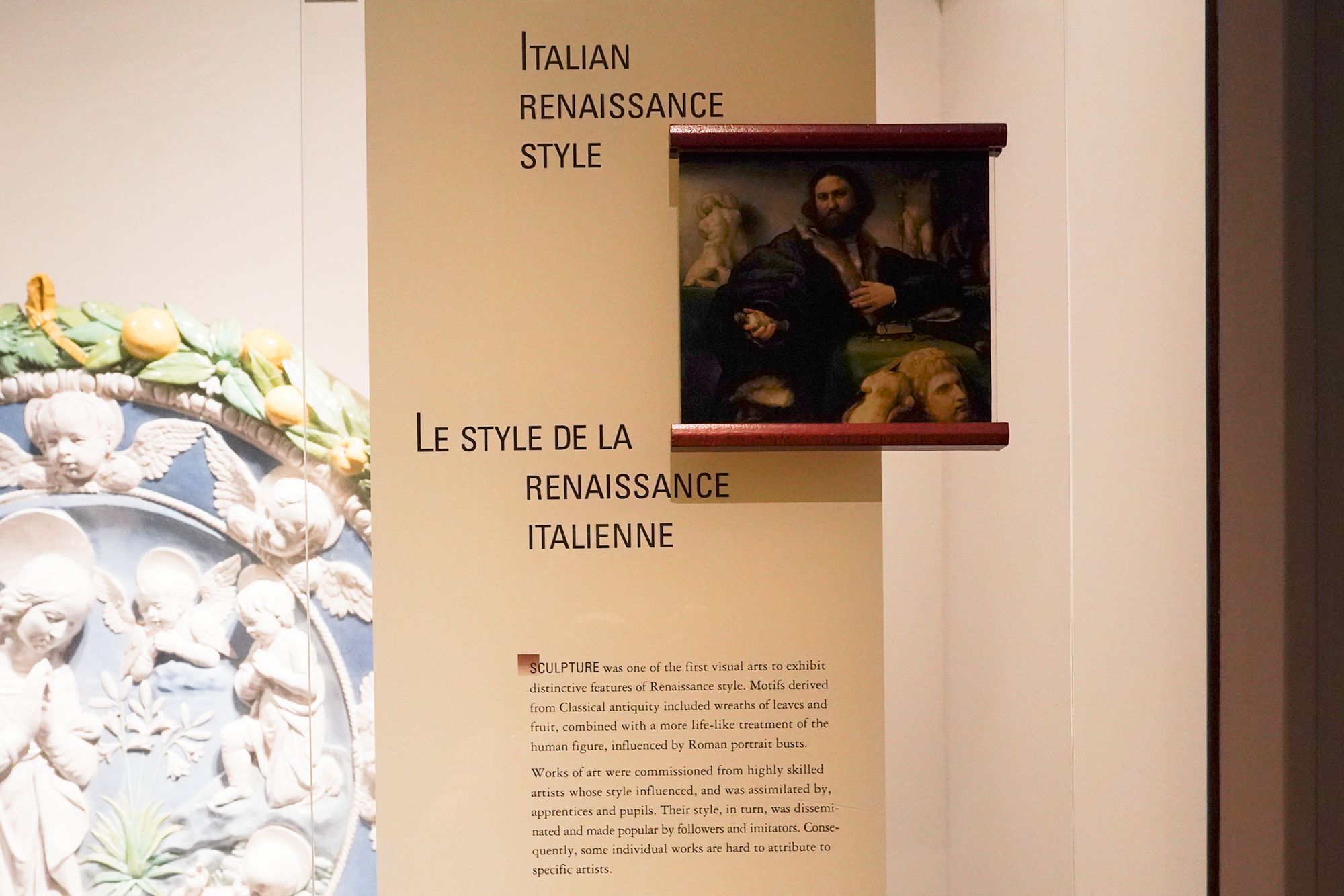
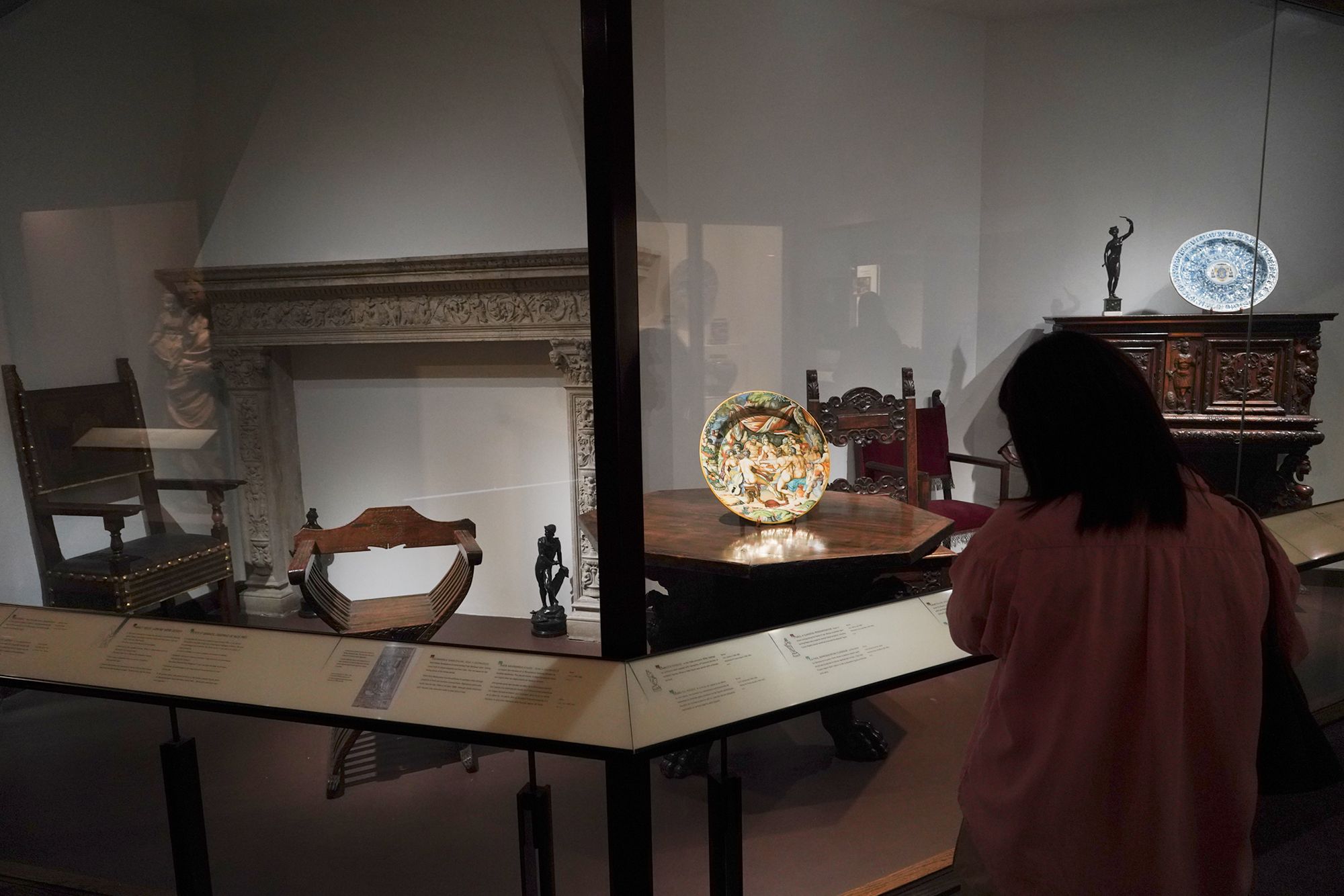
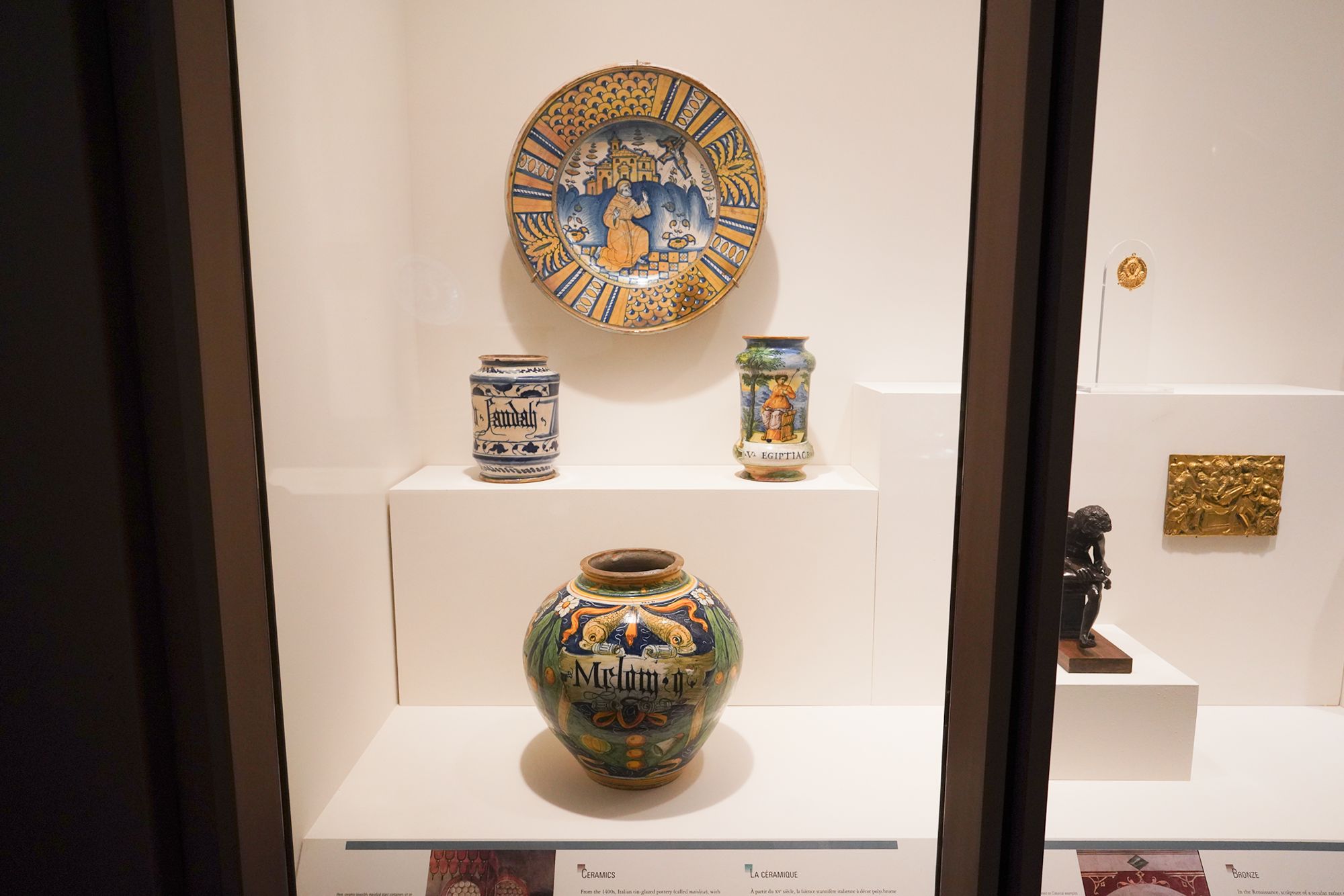
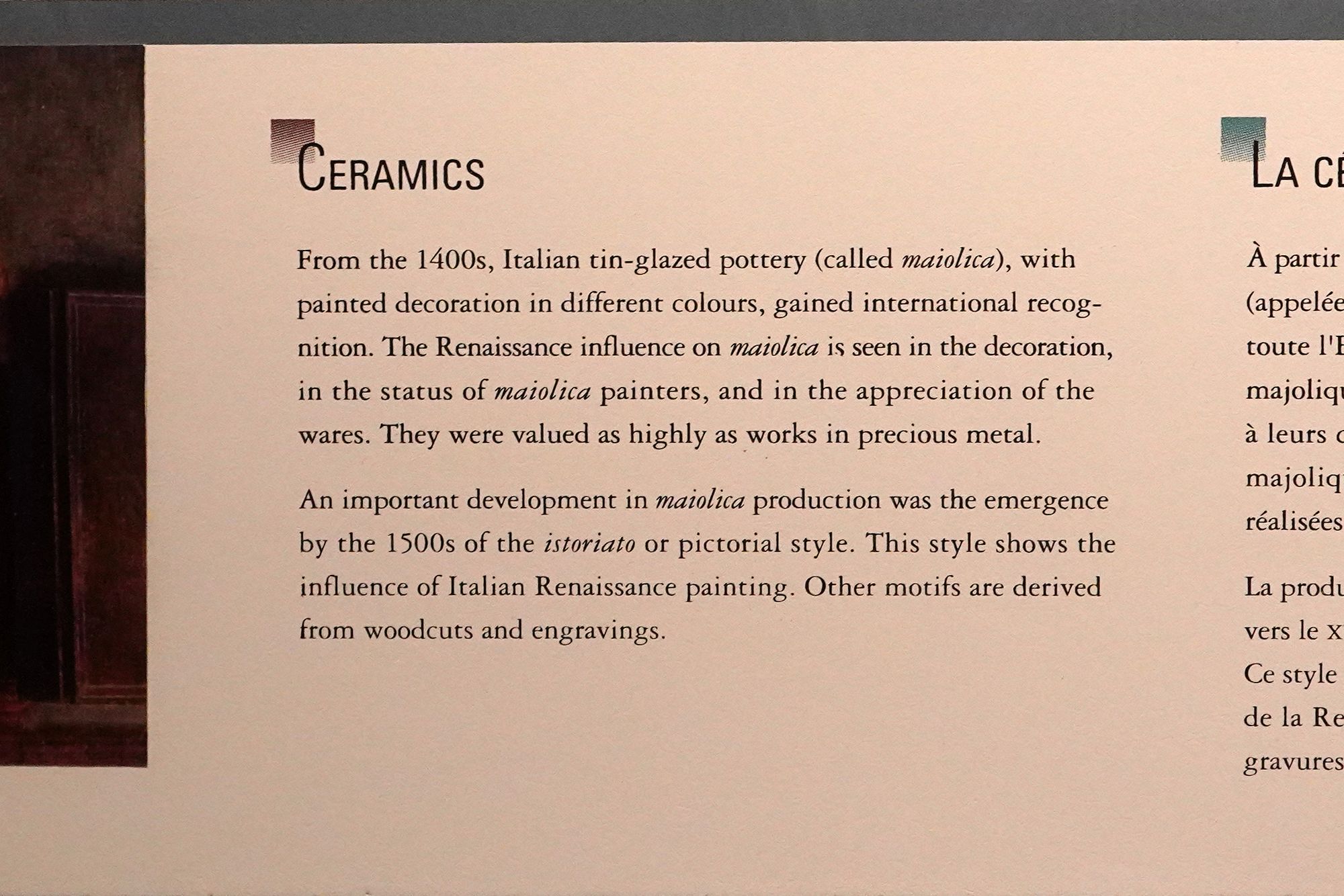
The Renaissance period generally spans c. 1400 to 1600 in Europe.
It is often divided into:
-
Early Renaissance: c. 1400–1490
-
High Renaissance: c. 1490–1527
-
Late Renaissance / Mannerism: c. 1527–1600
The Renaissance marks the transition from the medieval/Gothic world to a renewed focus on classical antiquity, realism, proportion, and humanism.
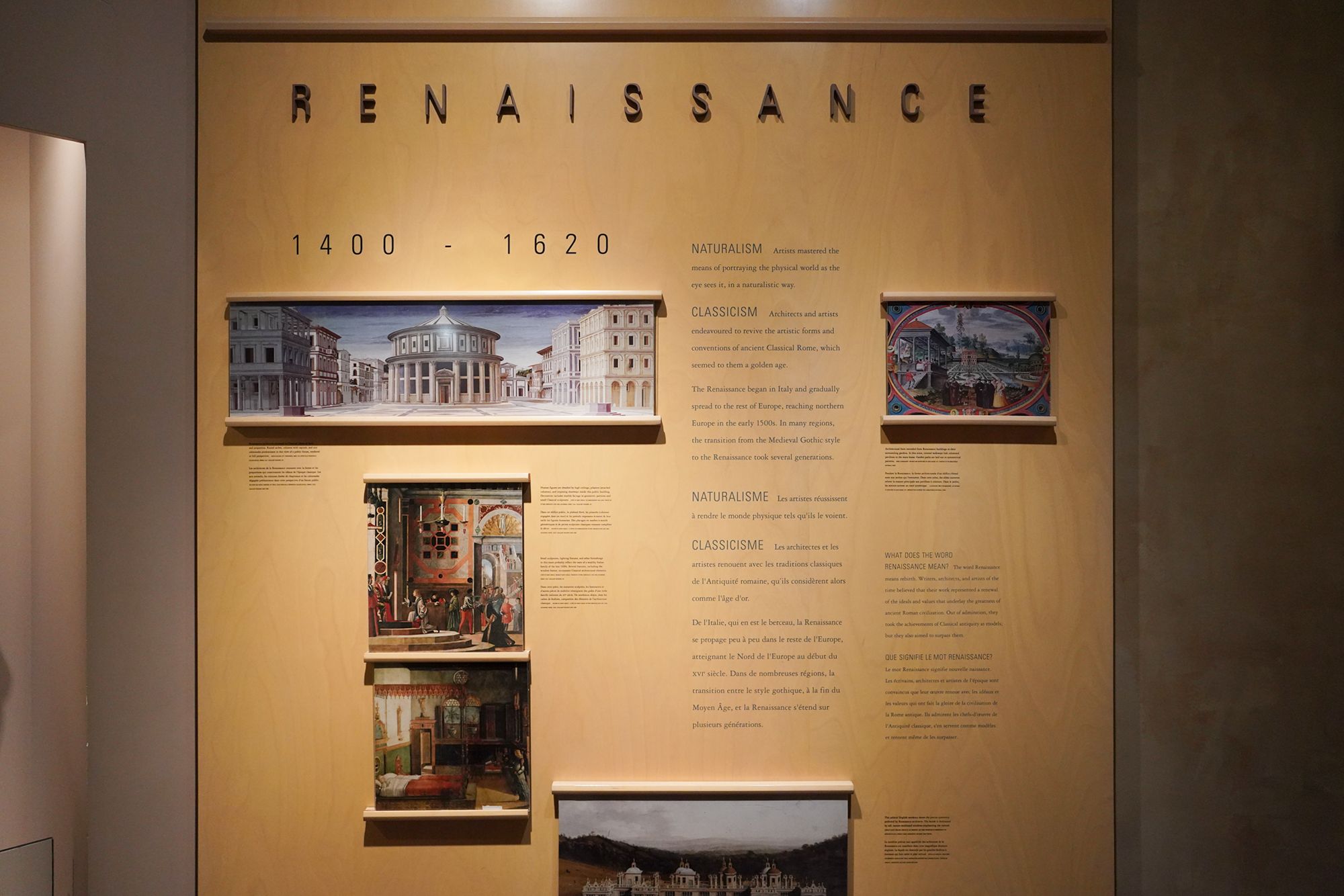
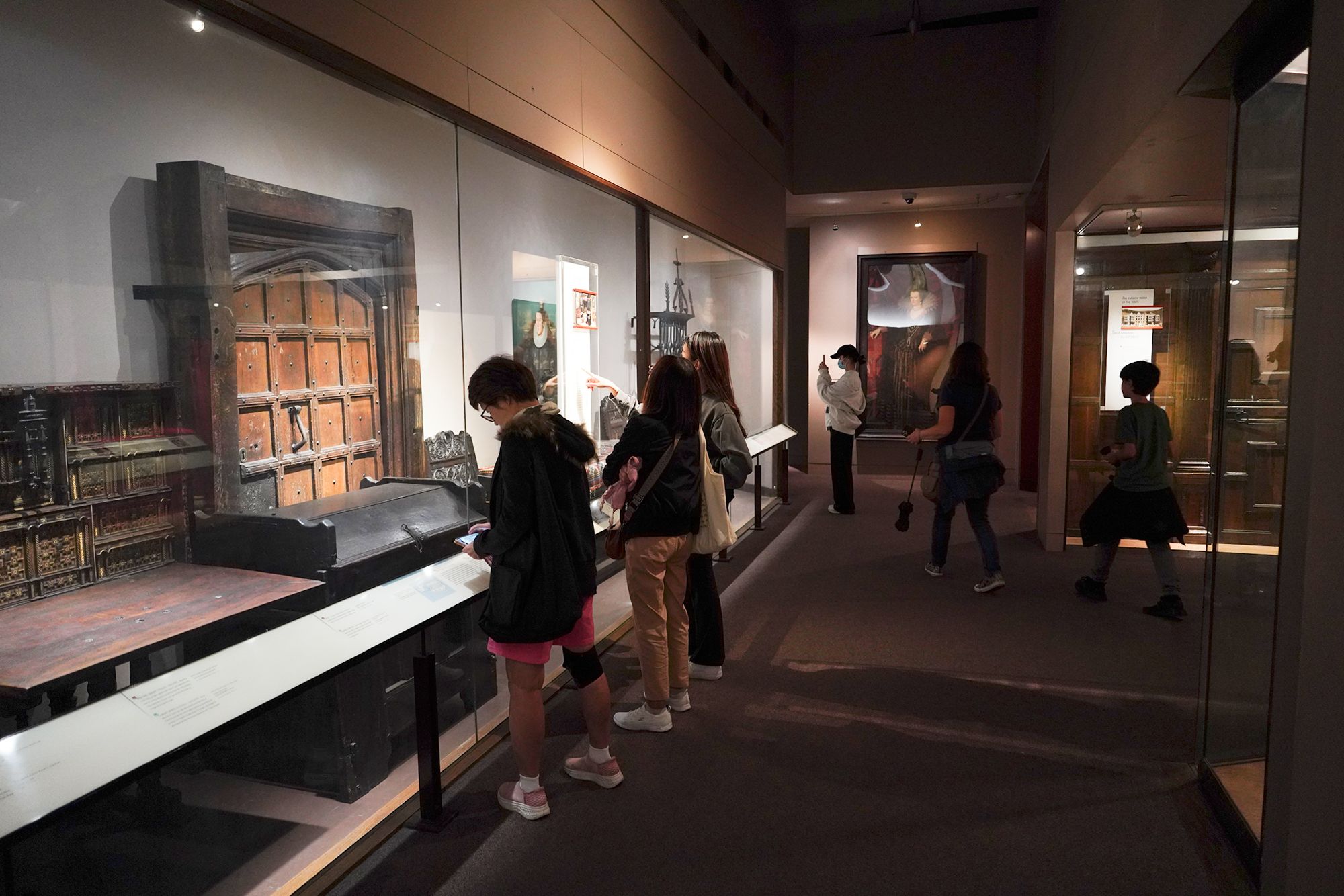
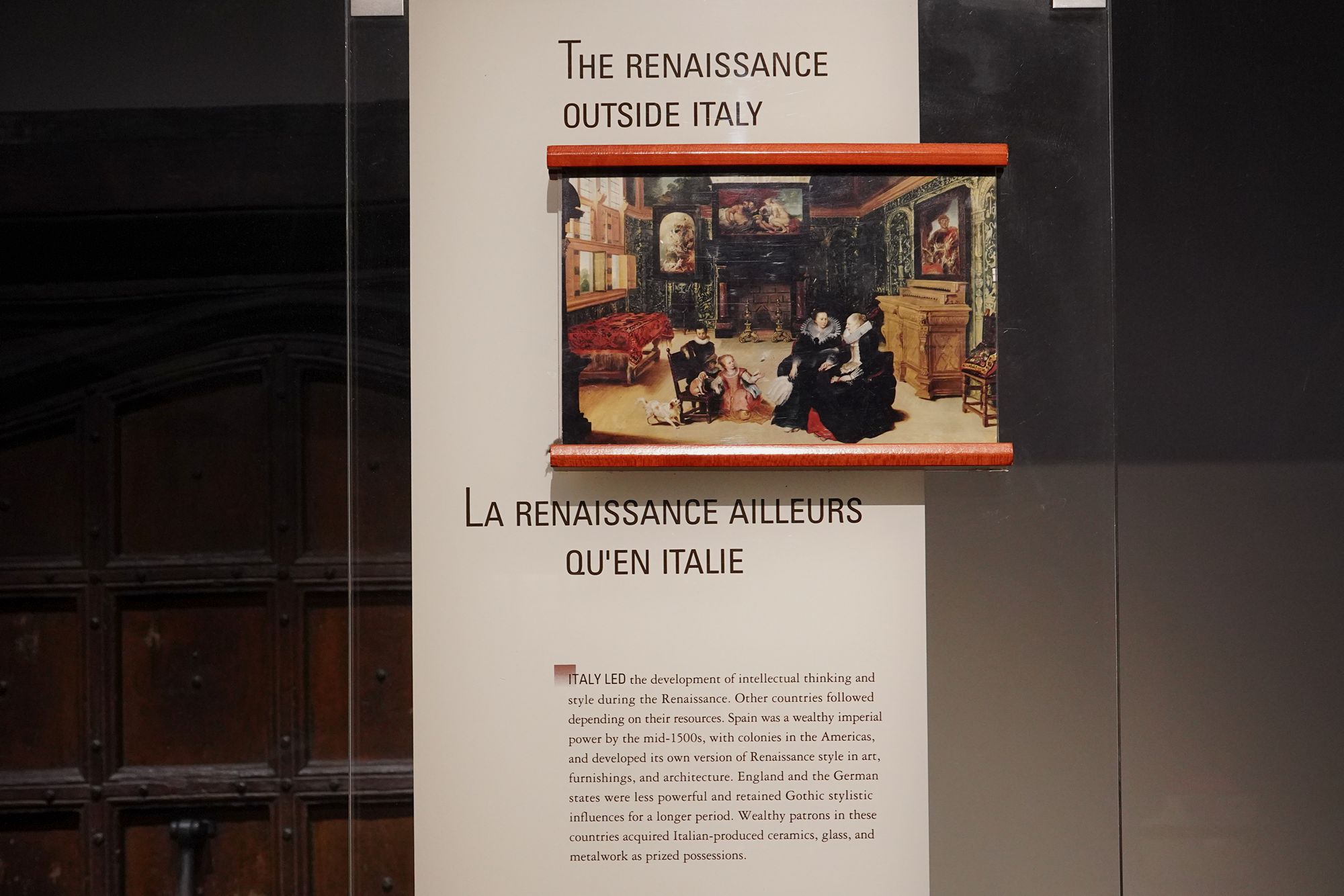
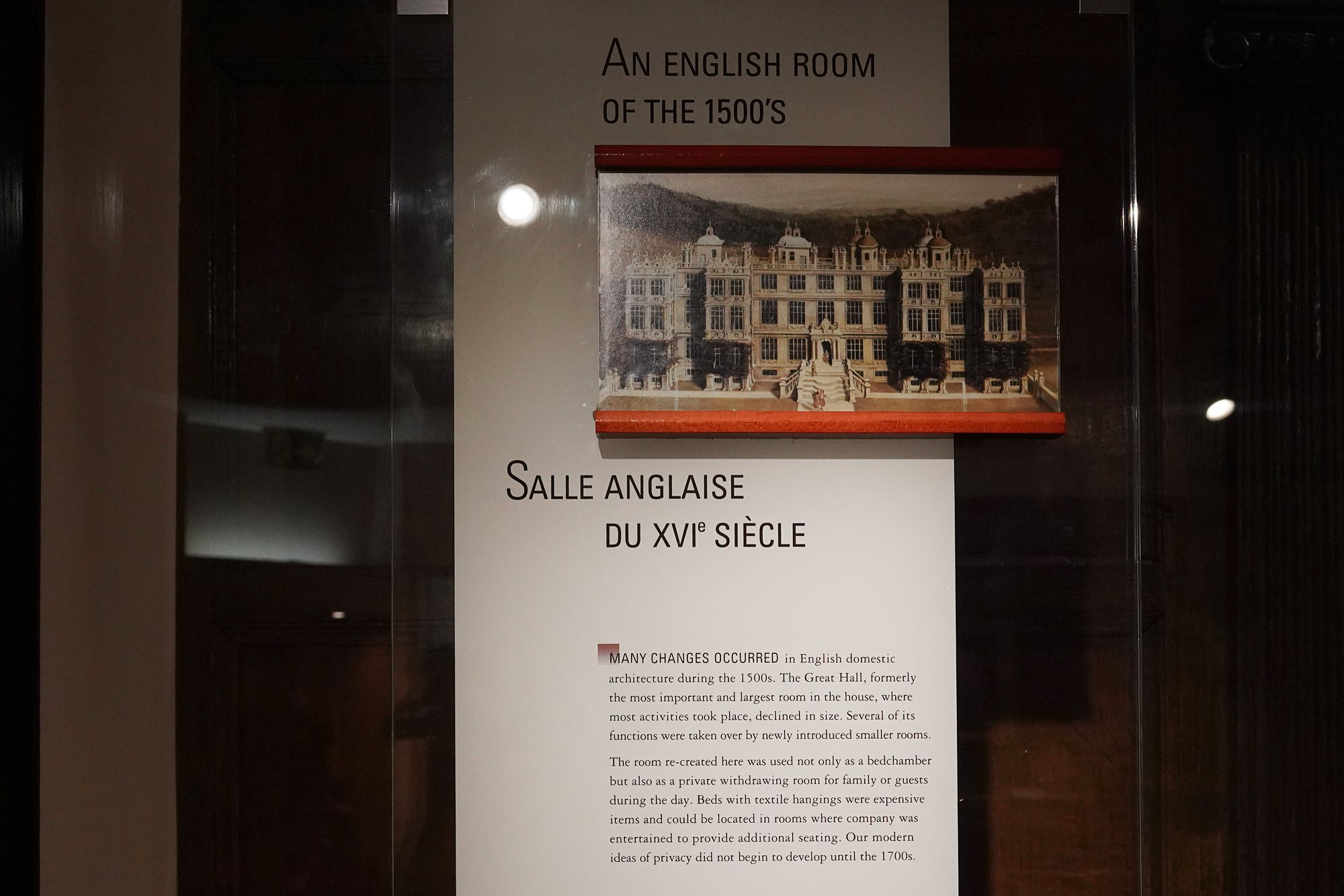
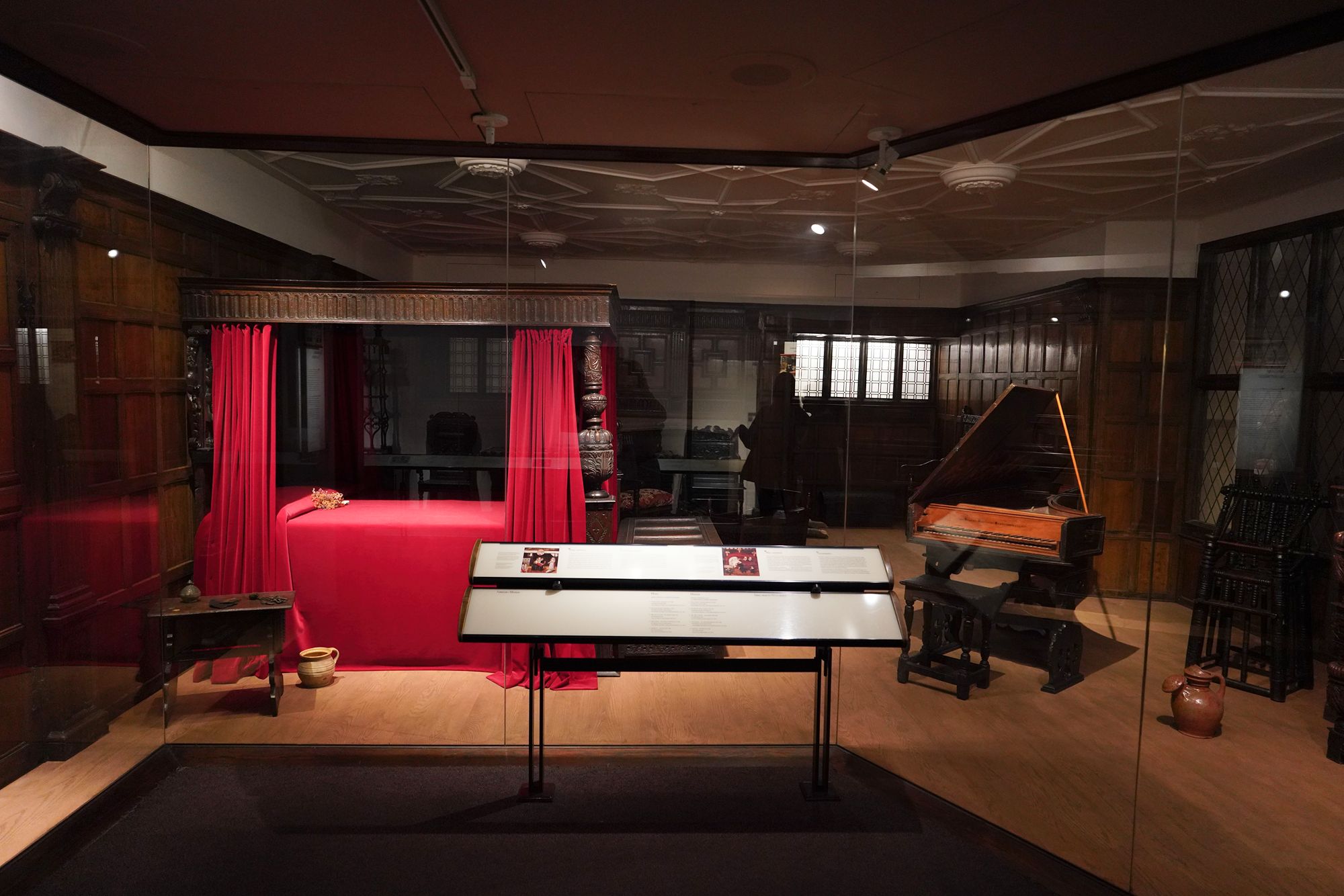
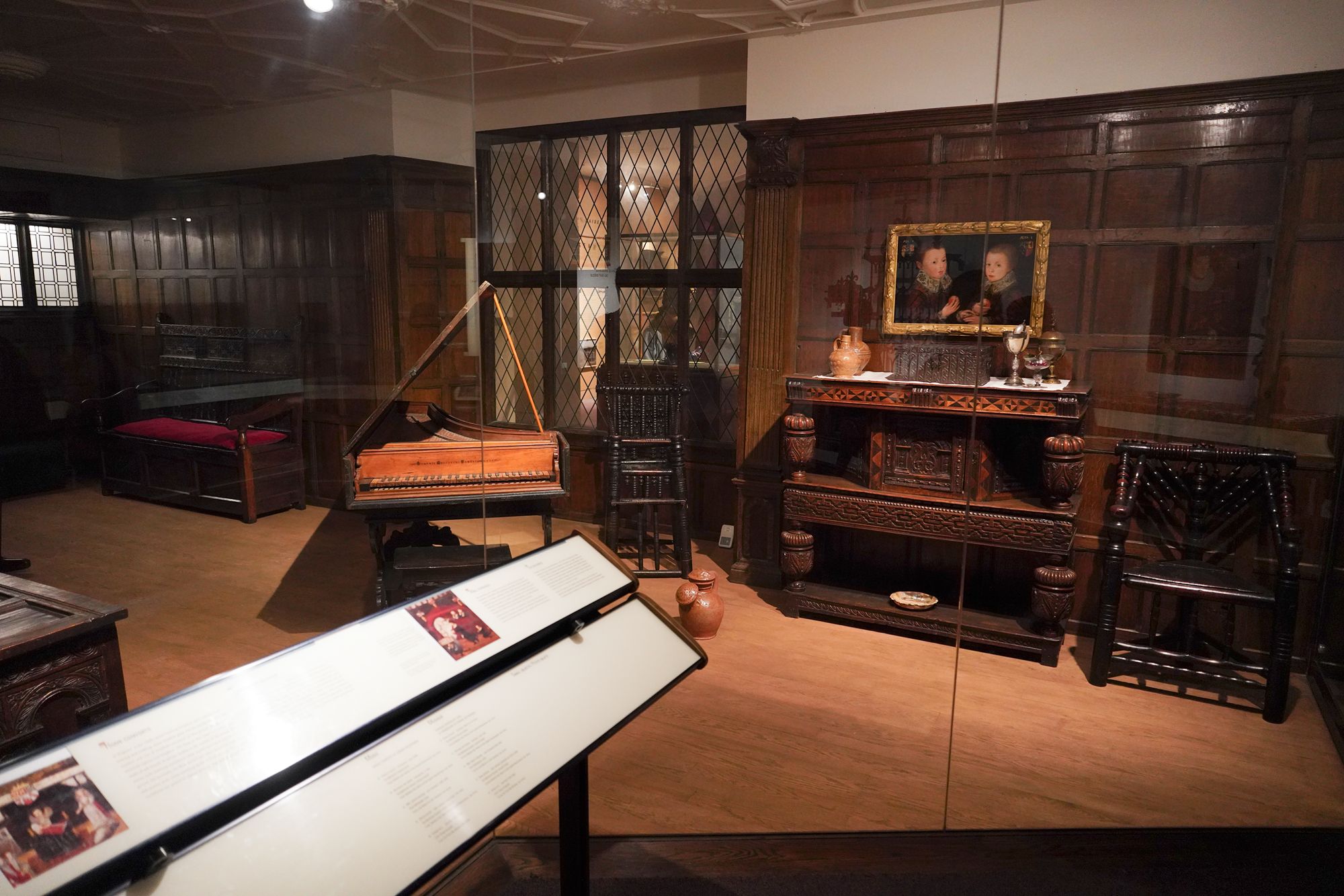
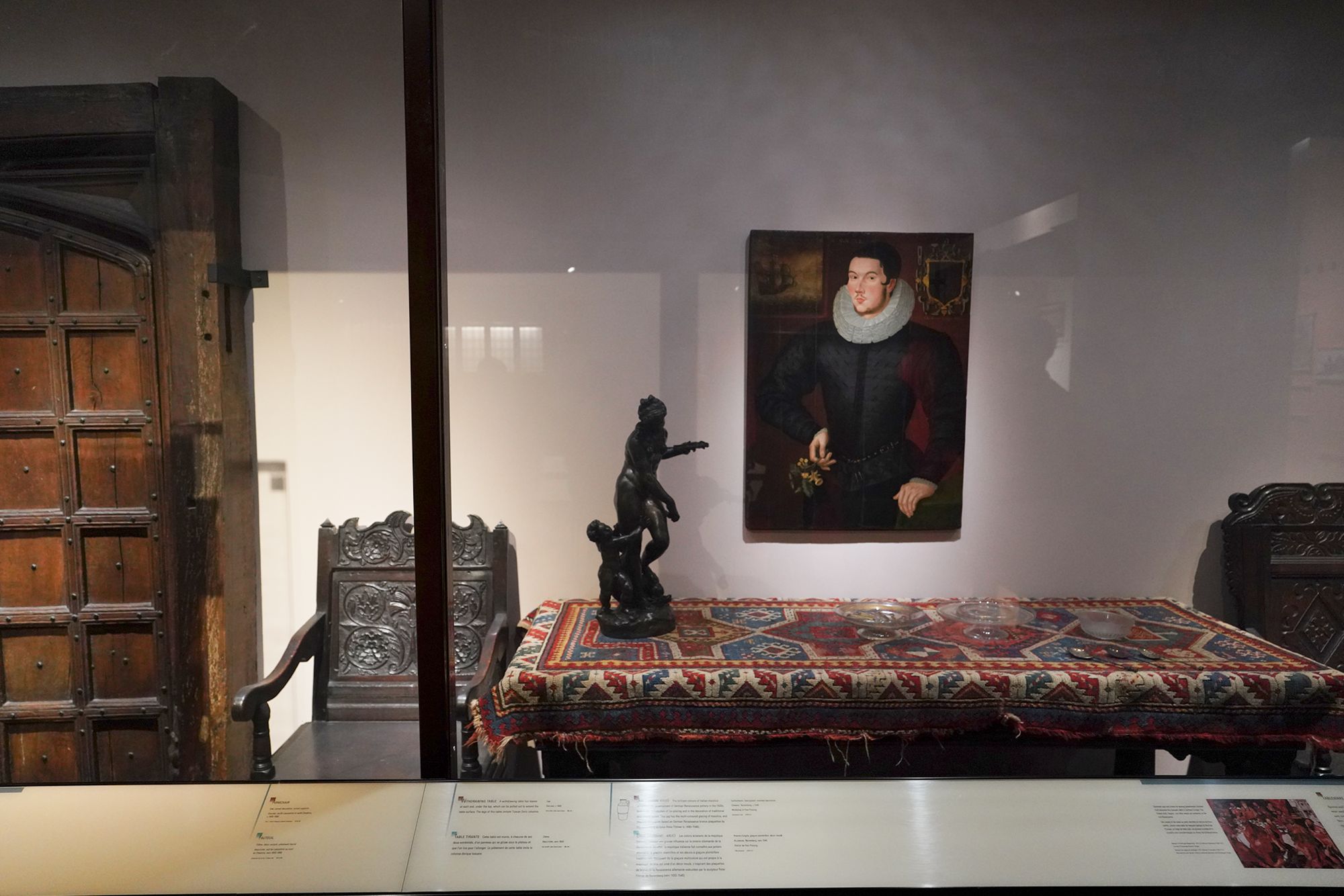
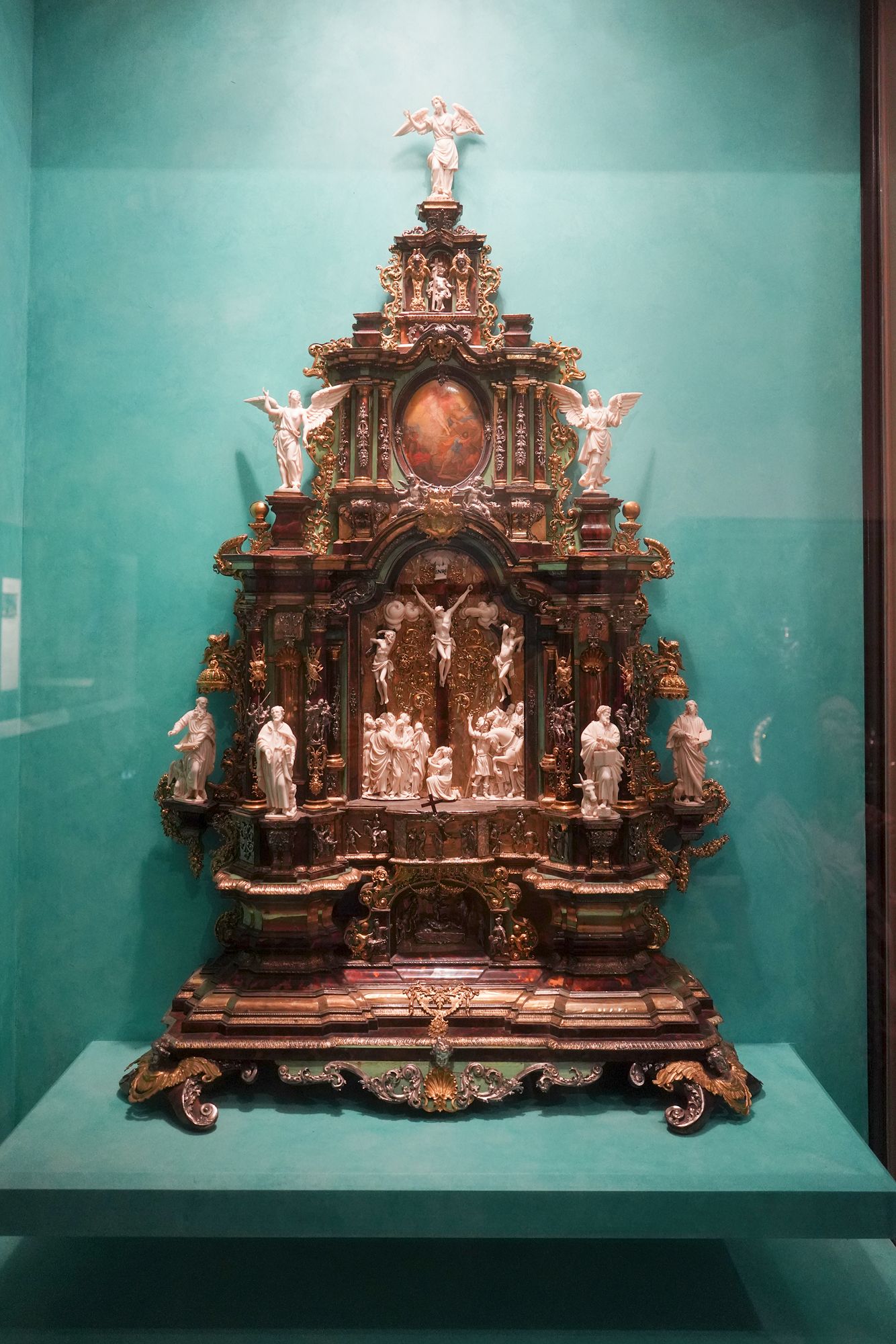
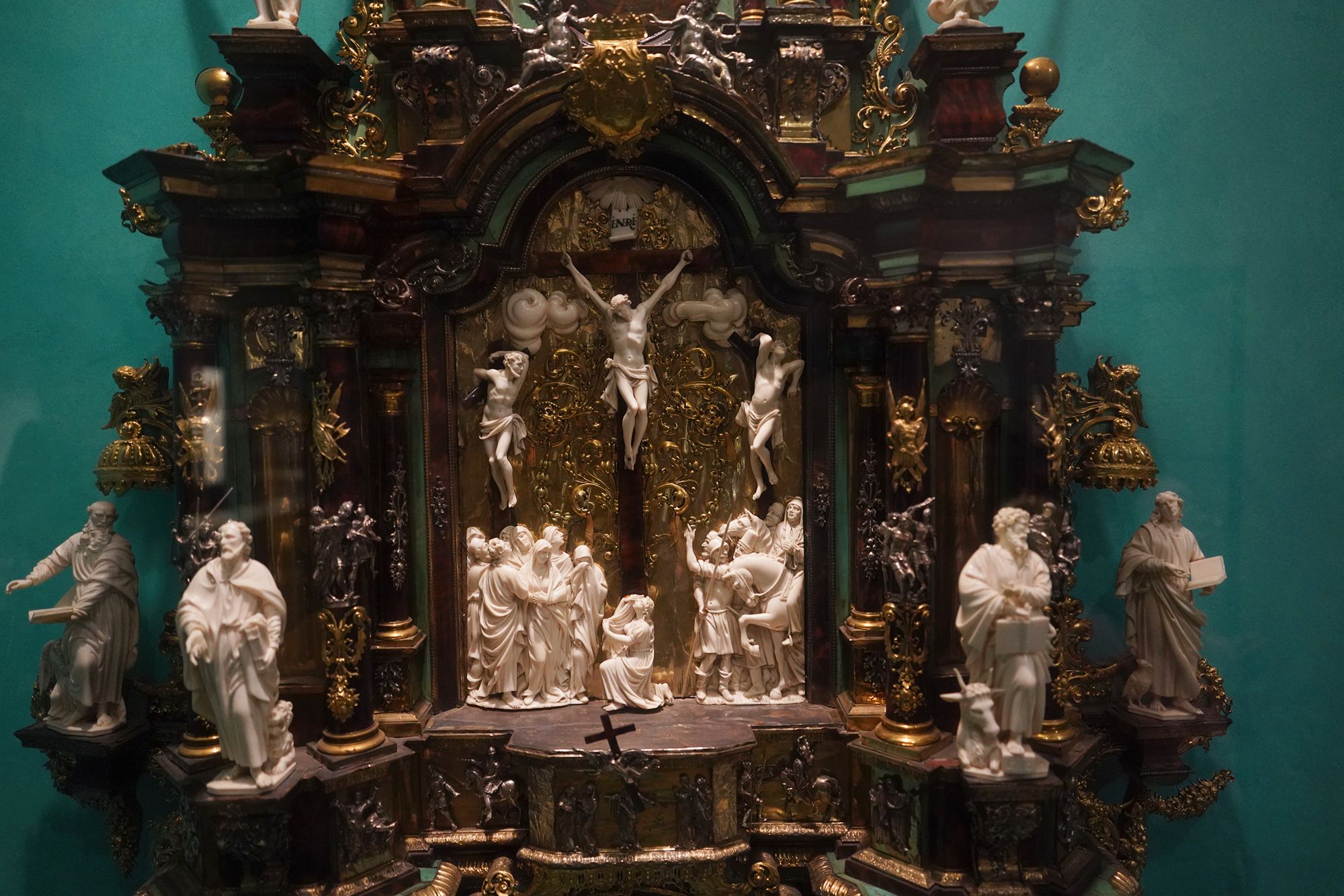
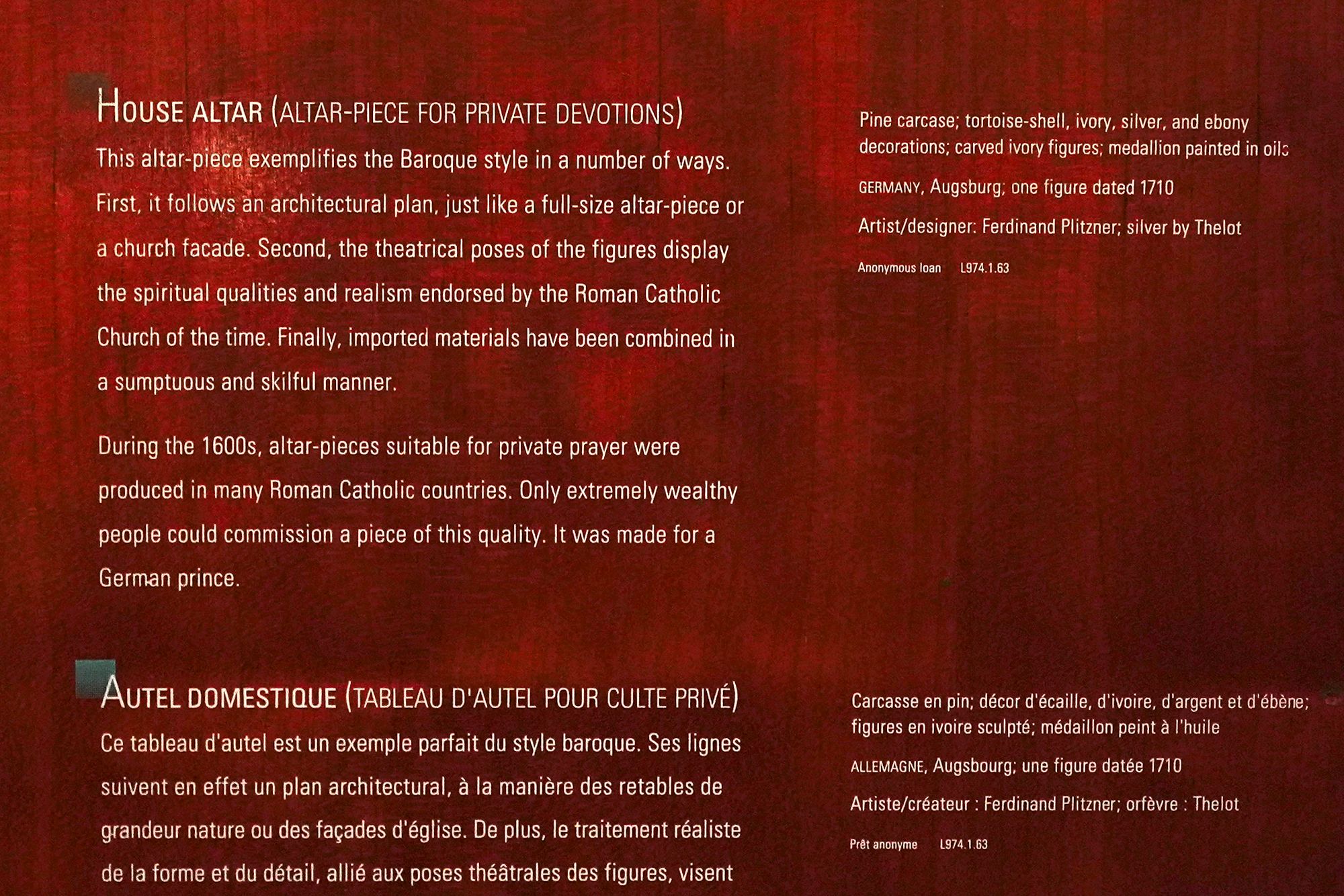
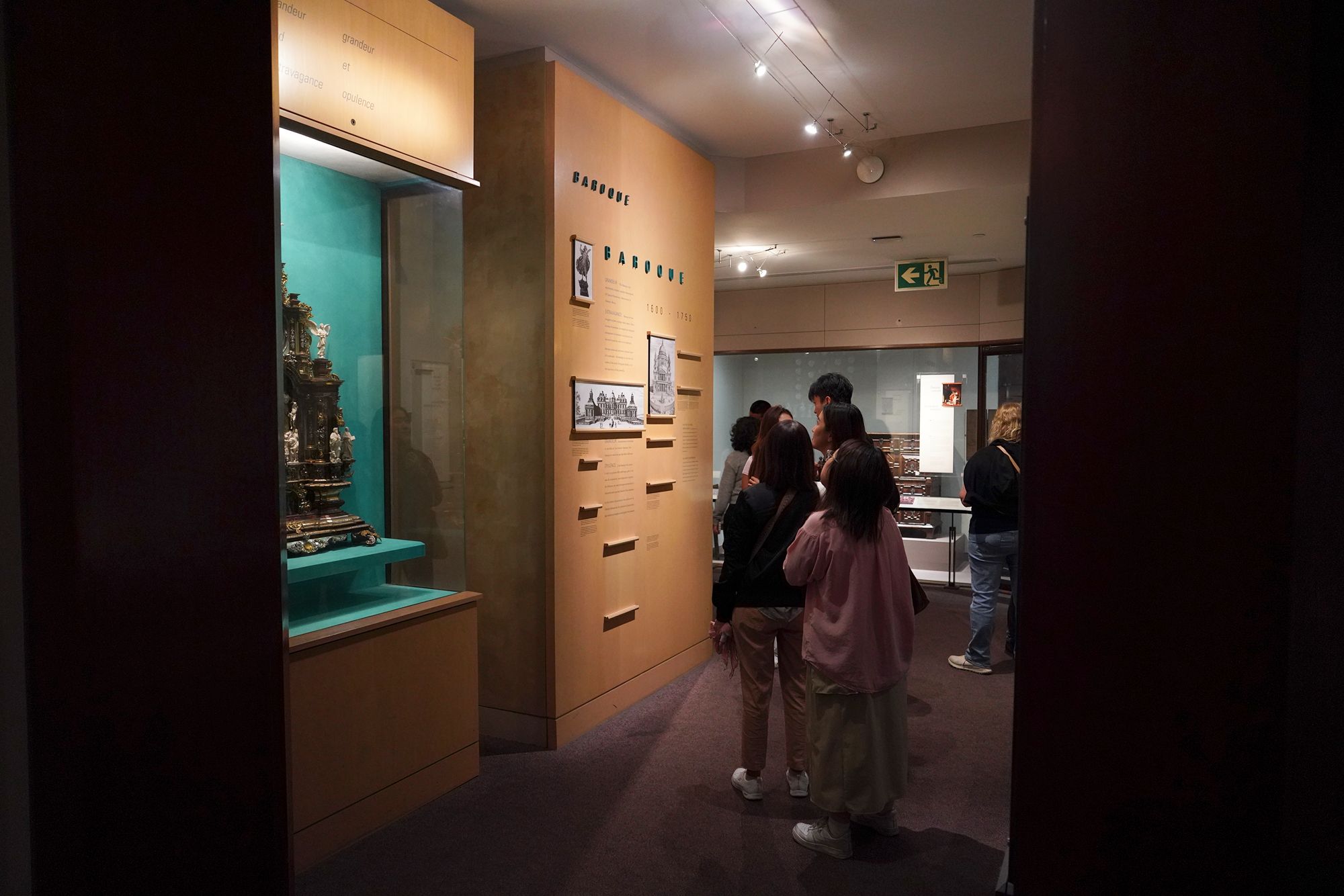
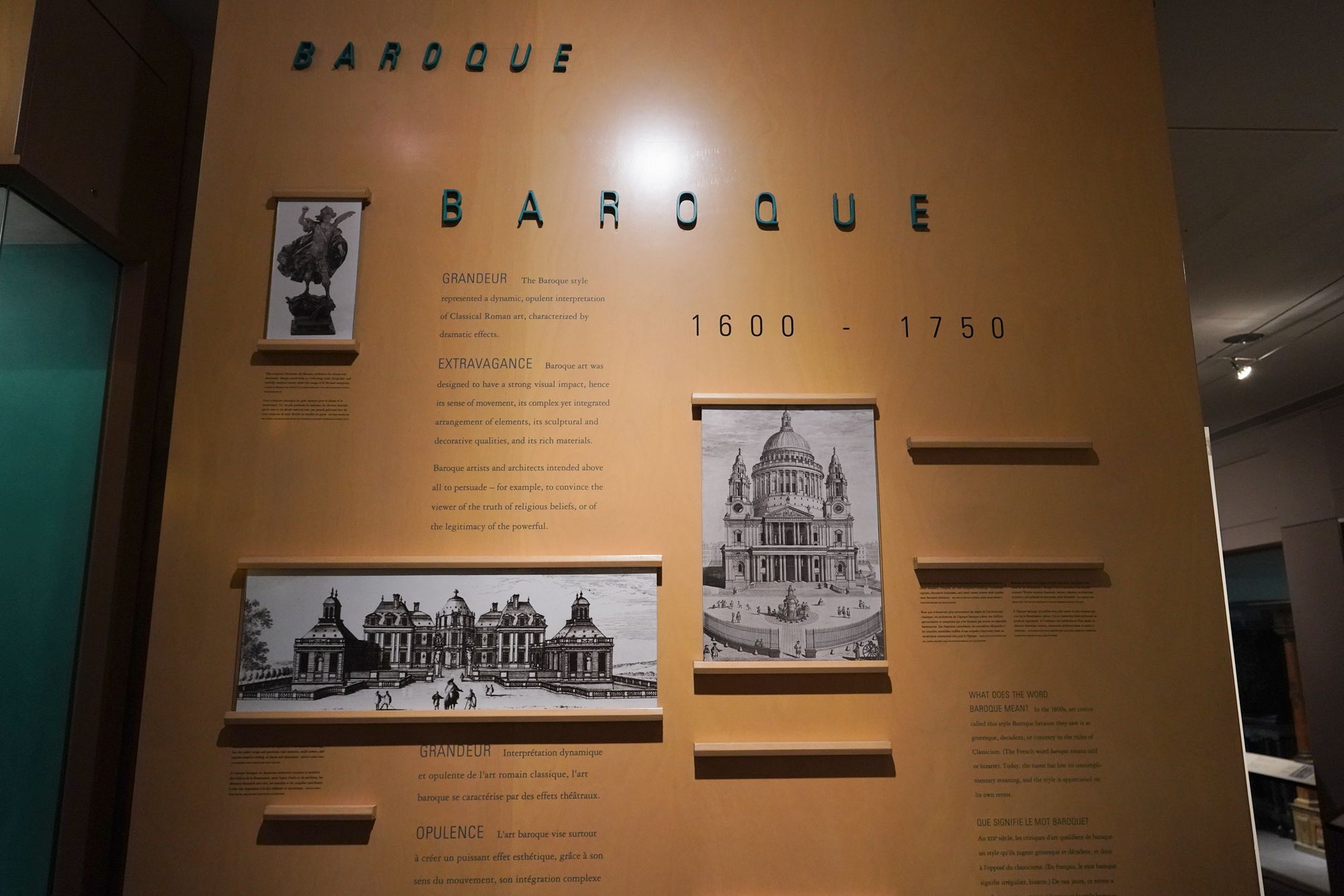
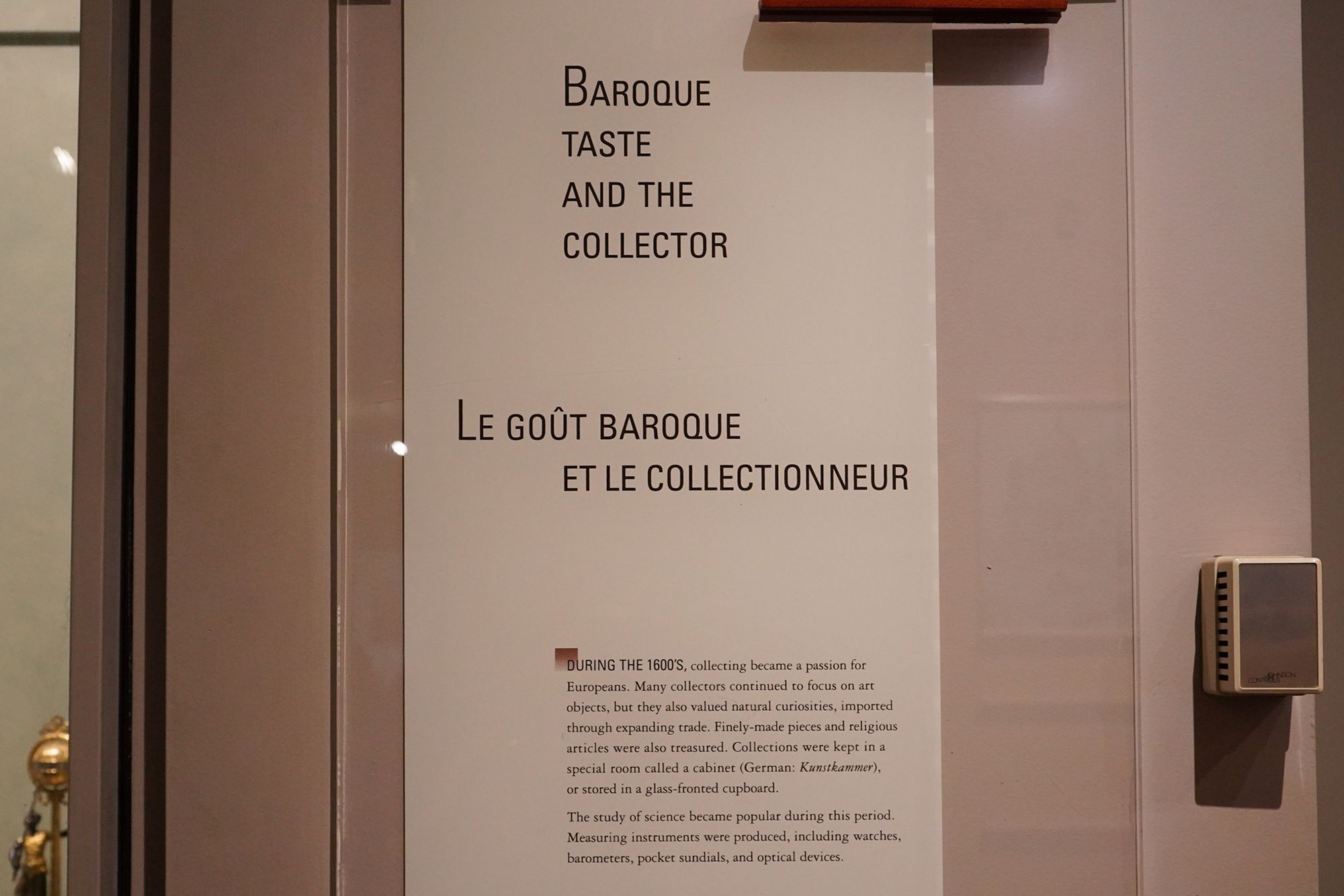
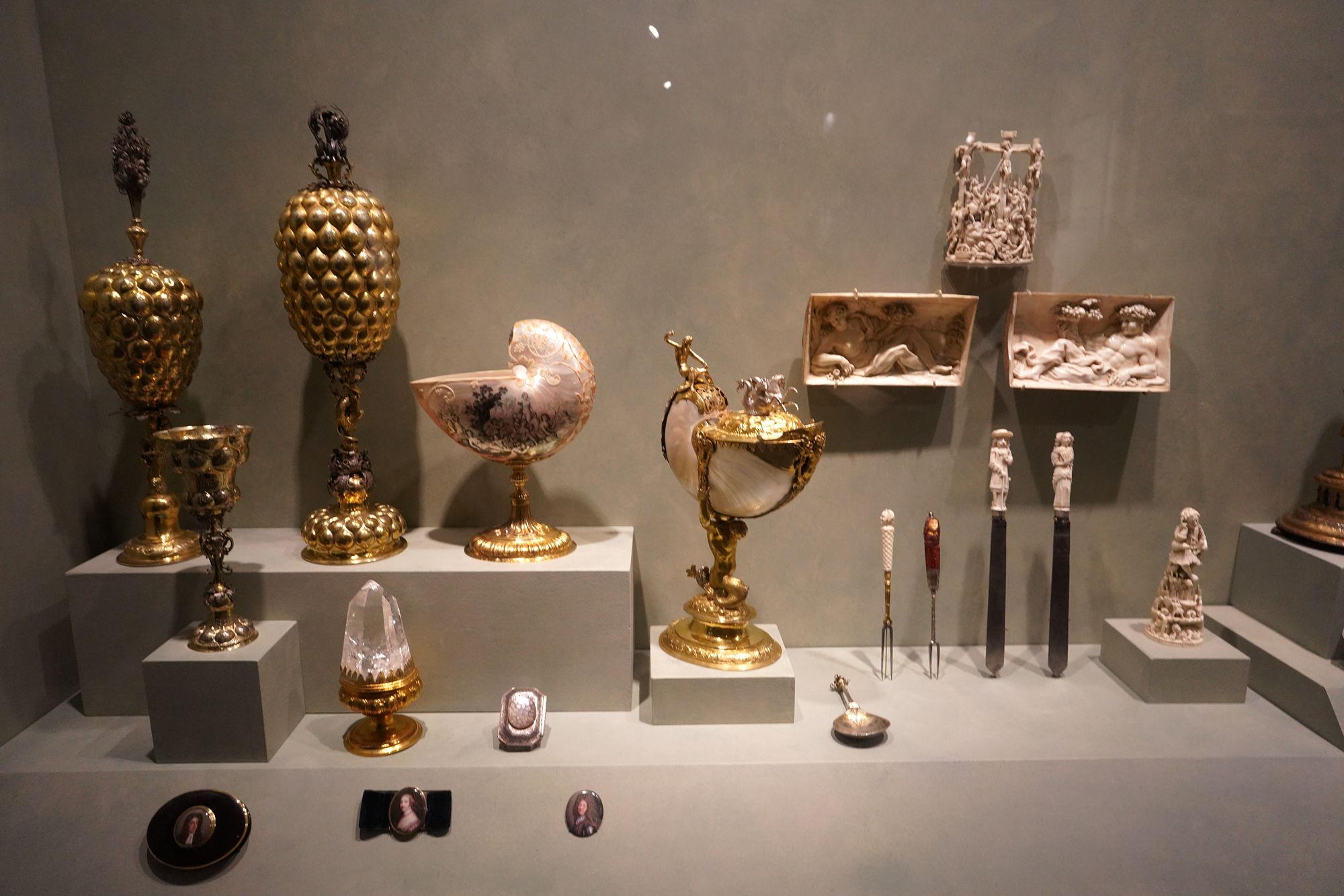
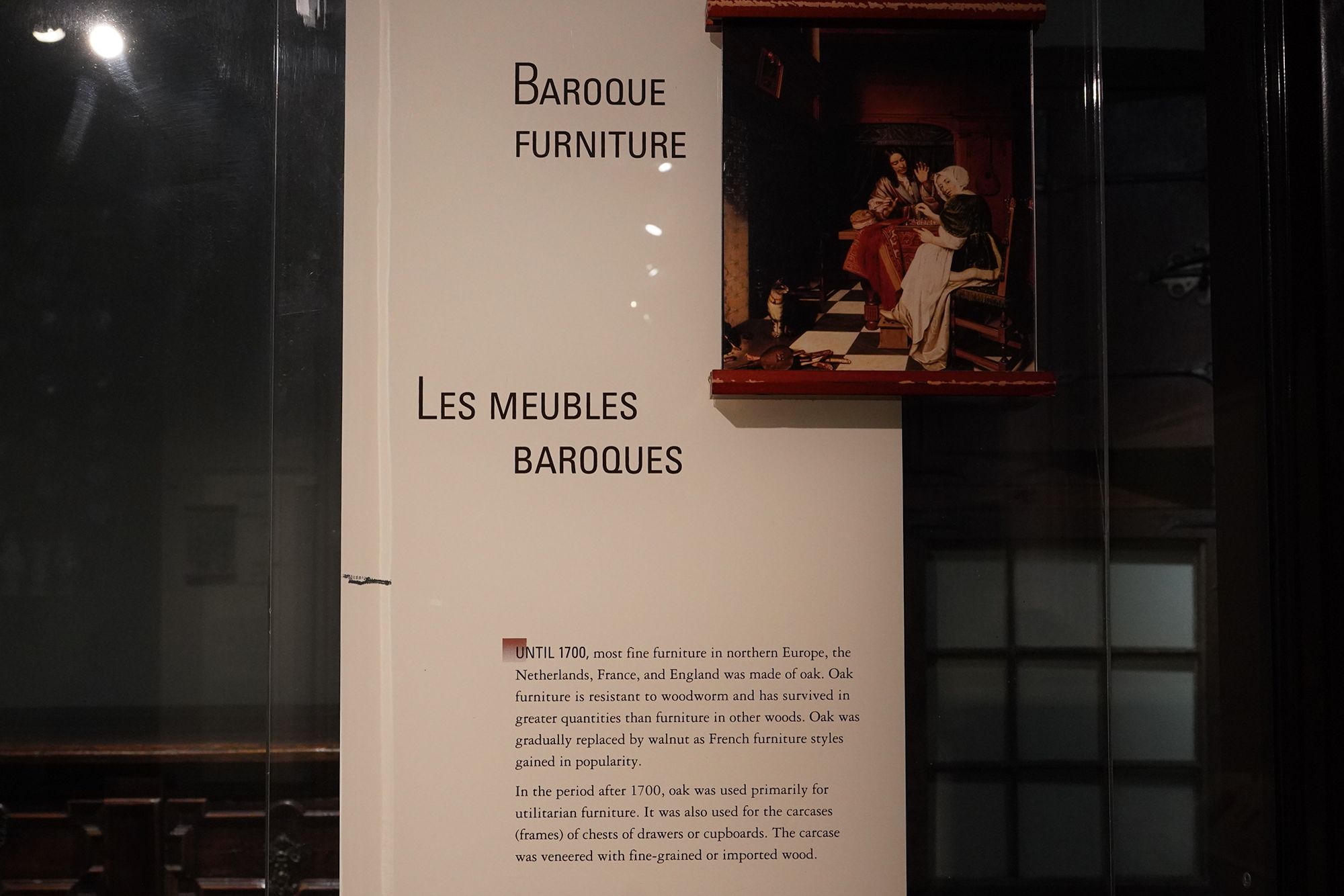
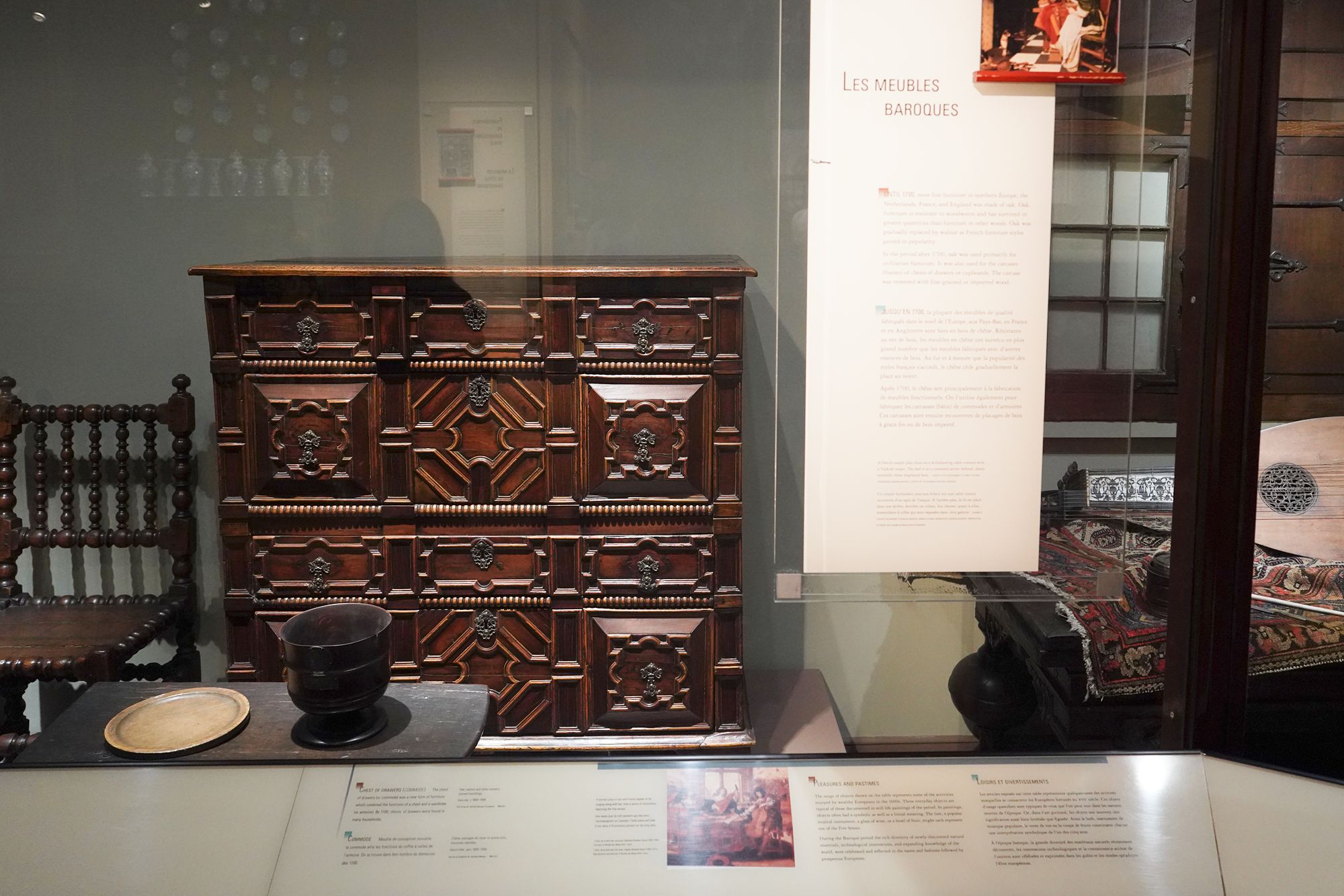
The Baroque period generally spans c. 1600 to 1750 in European art and architecture.
It is characterized by:
-
Dramatic movement and emotional intensity
-
Strong contrasts of light and shadow
-
Rich decoration and grandeur
-
Art used to inspire awe, especially in religious and royal settings
Baroque developed after the Renaissance and gradually gave way to Rococo in the early 18th century.
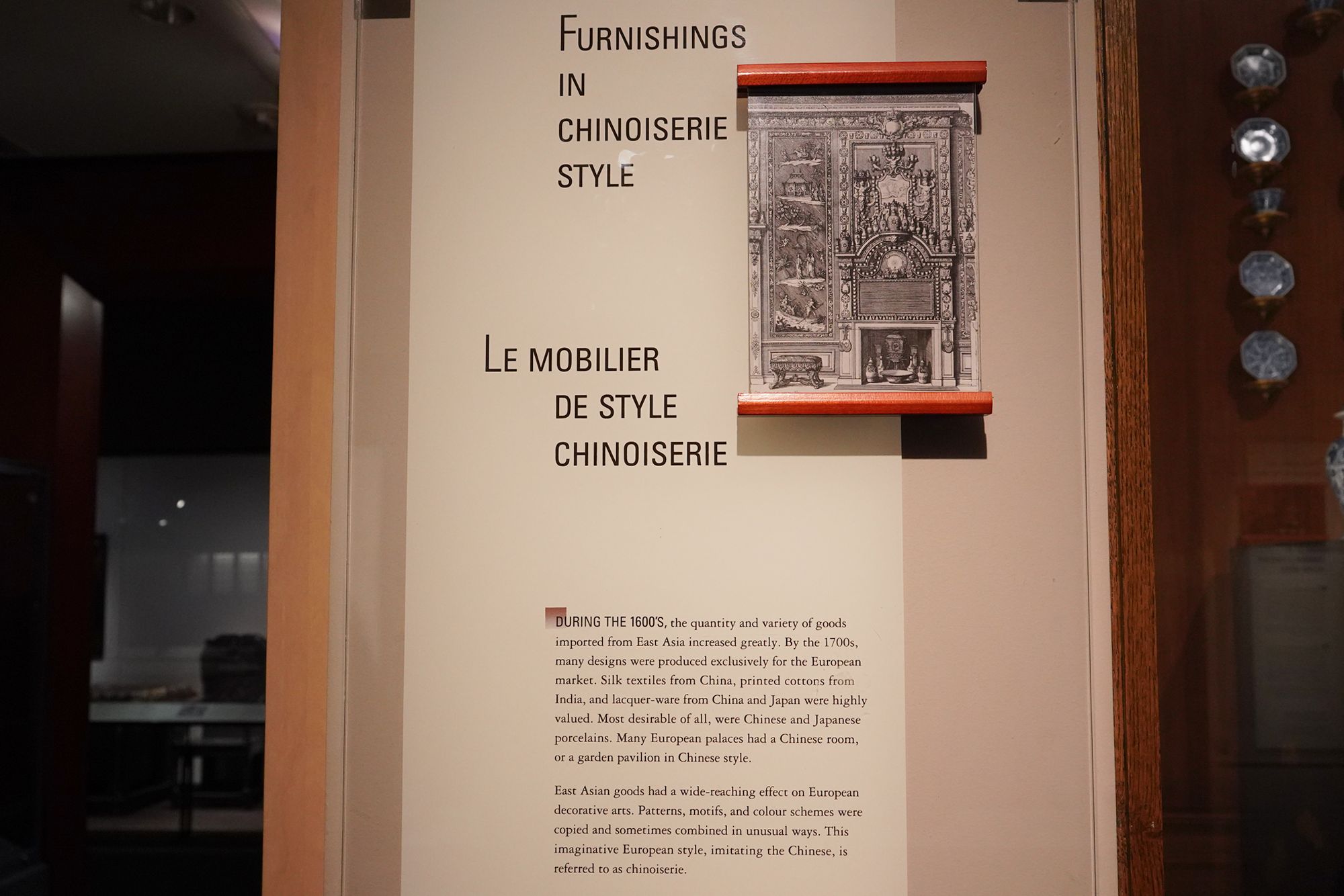
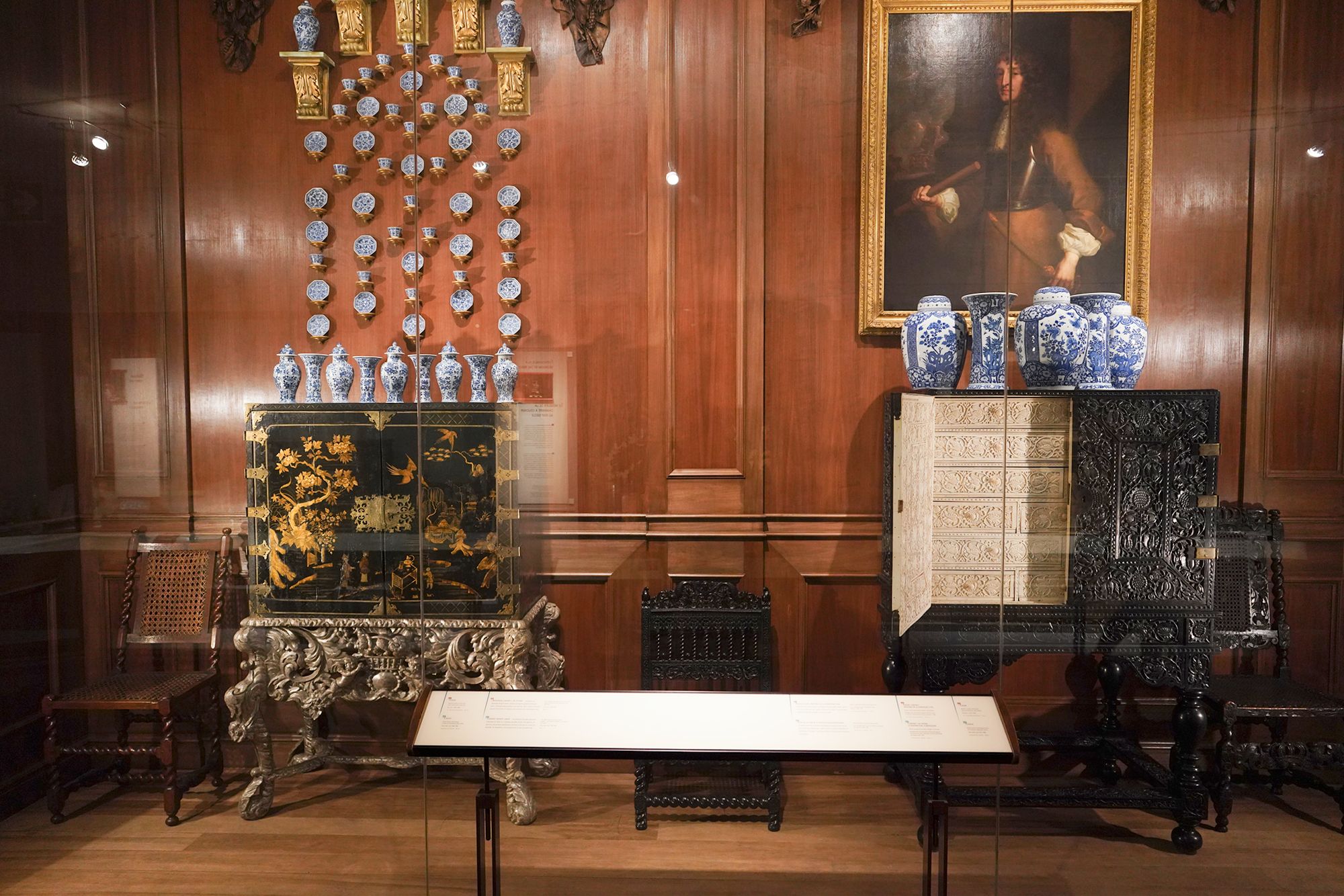
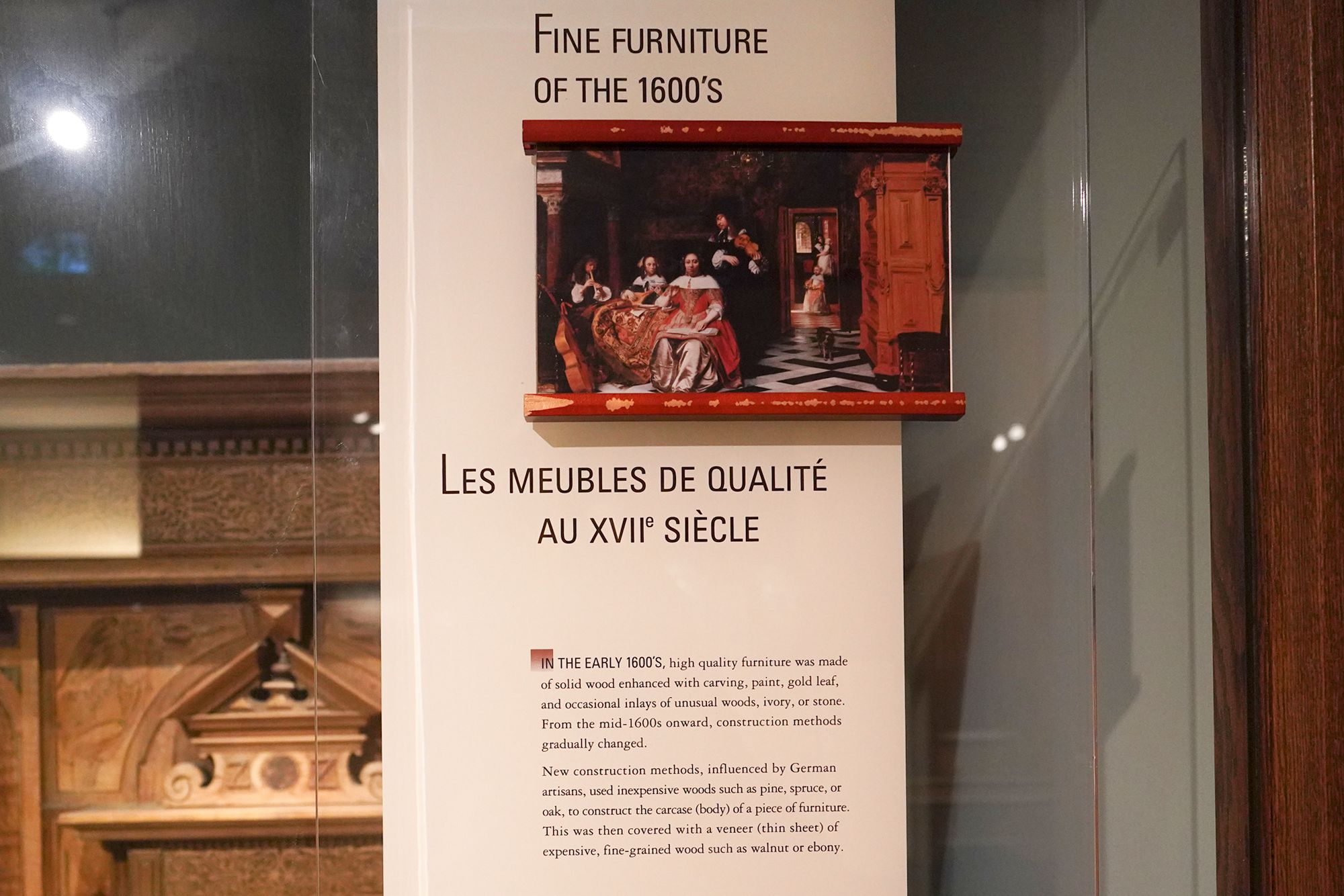
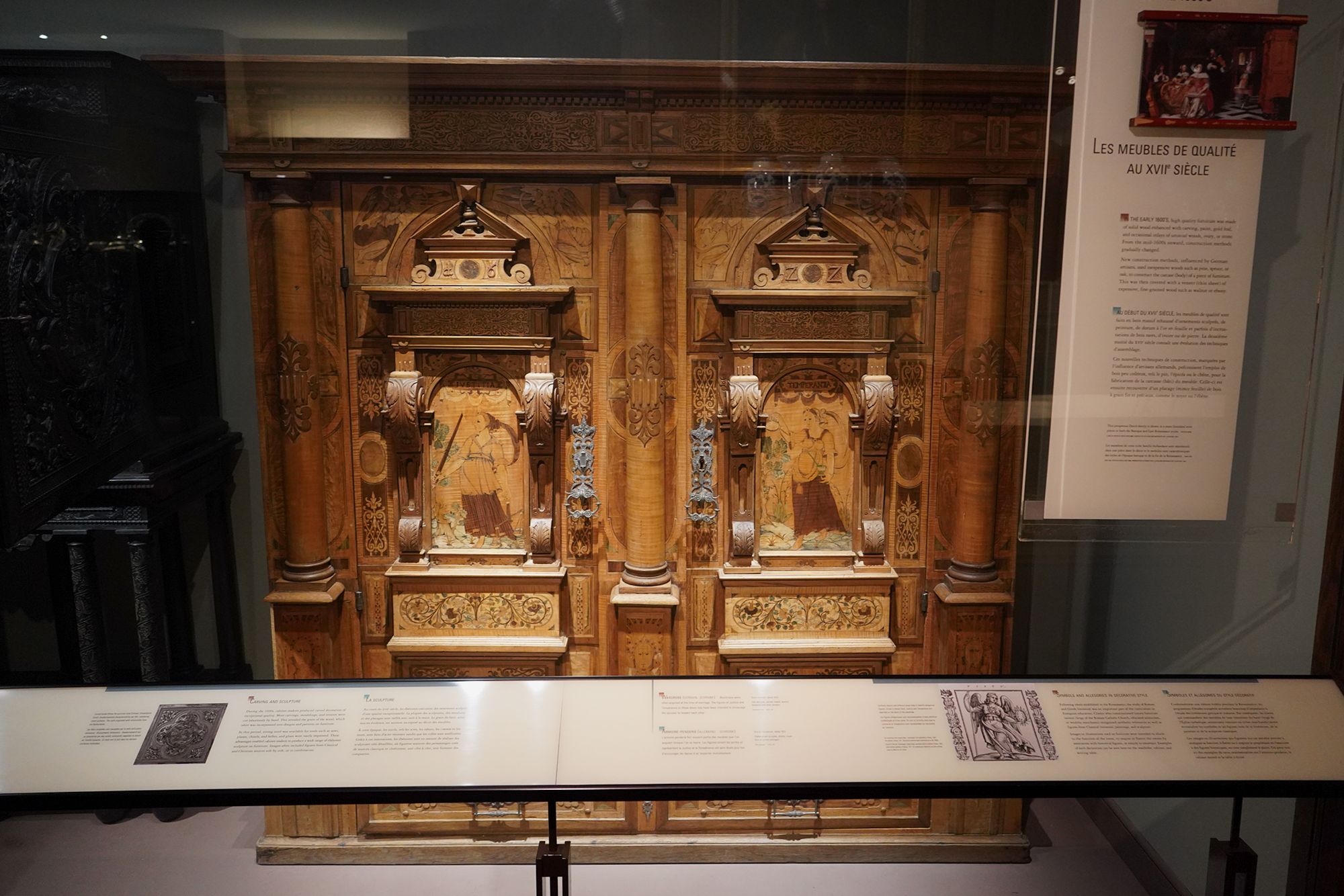
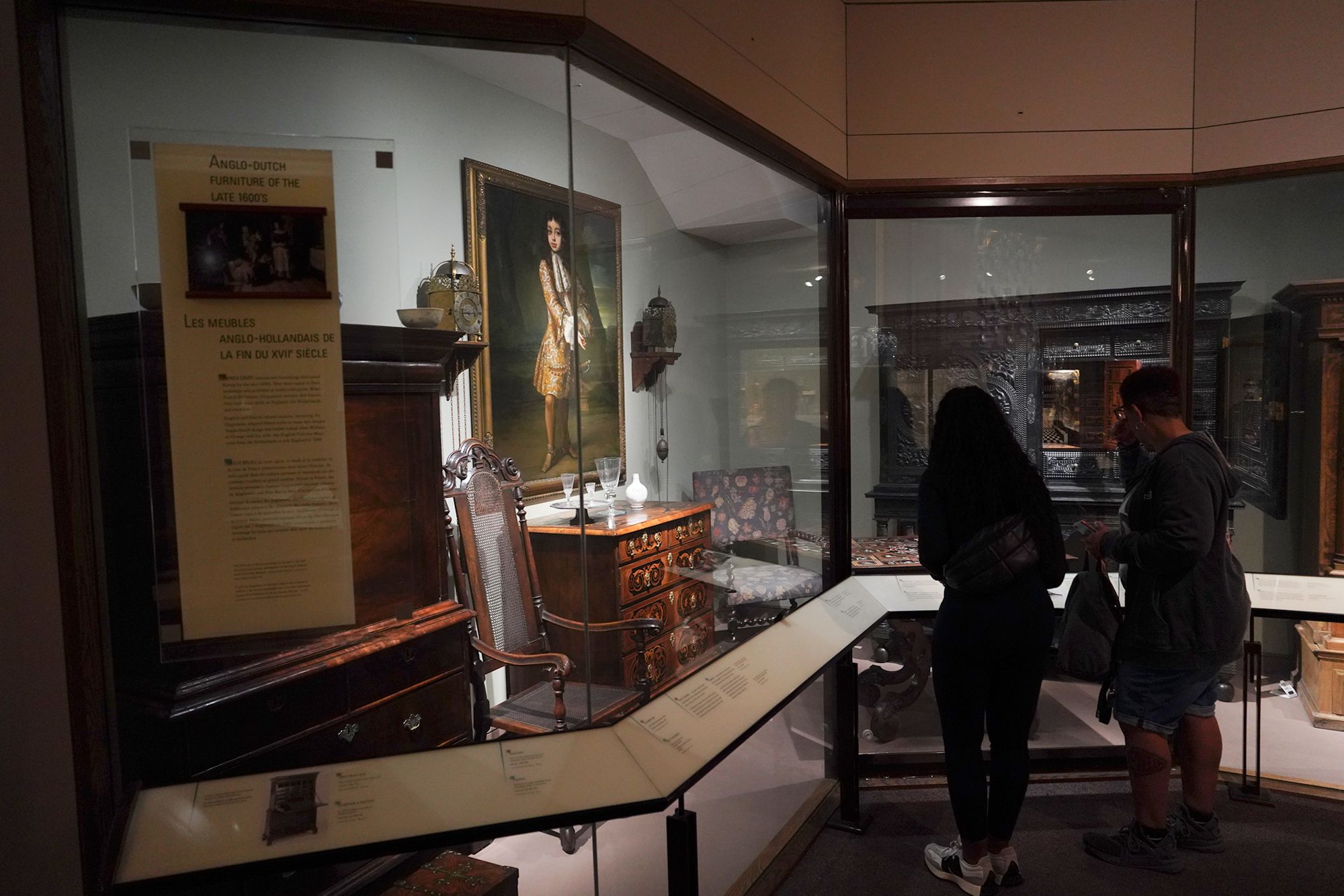
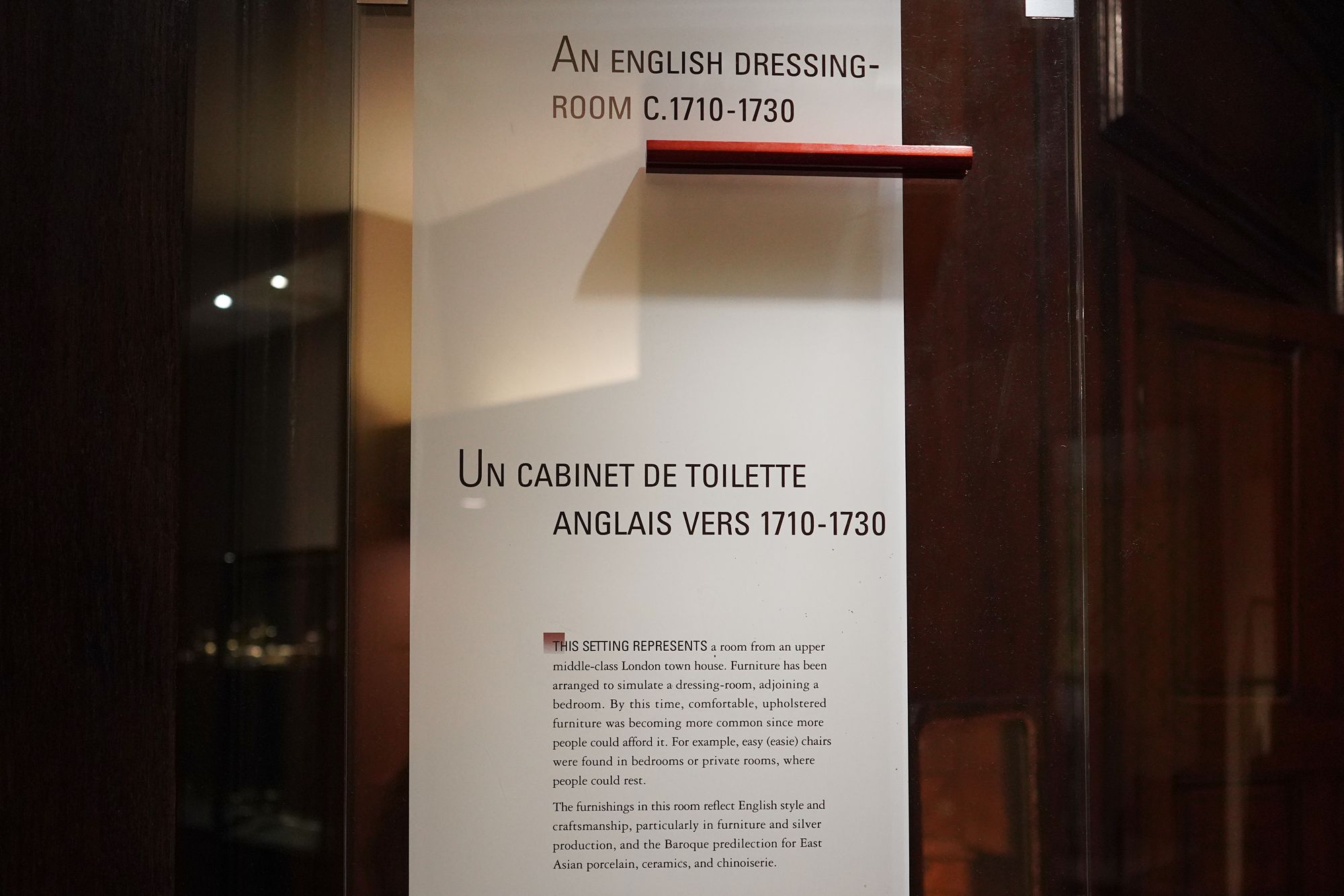
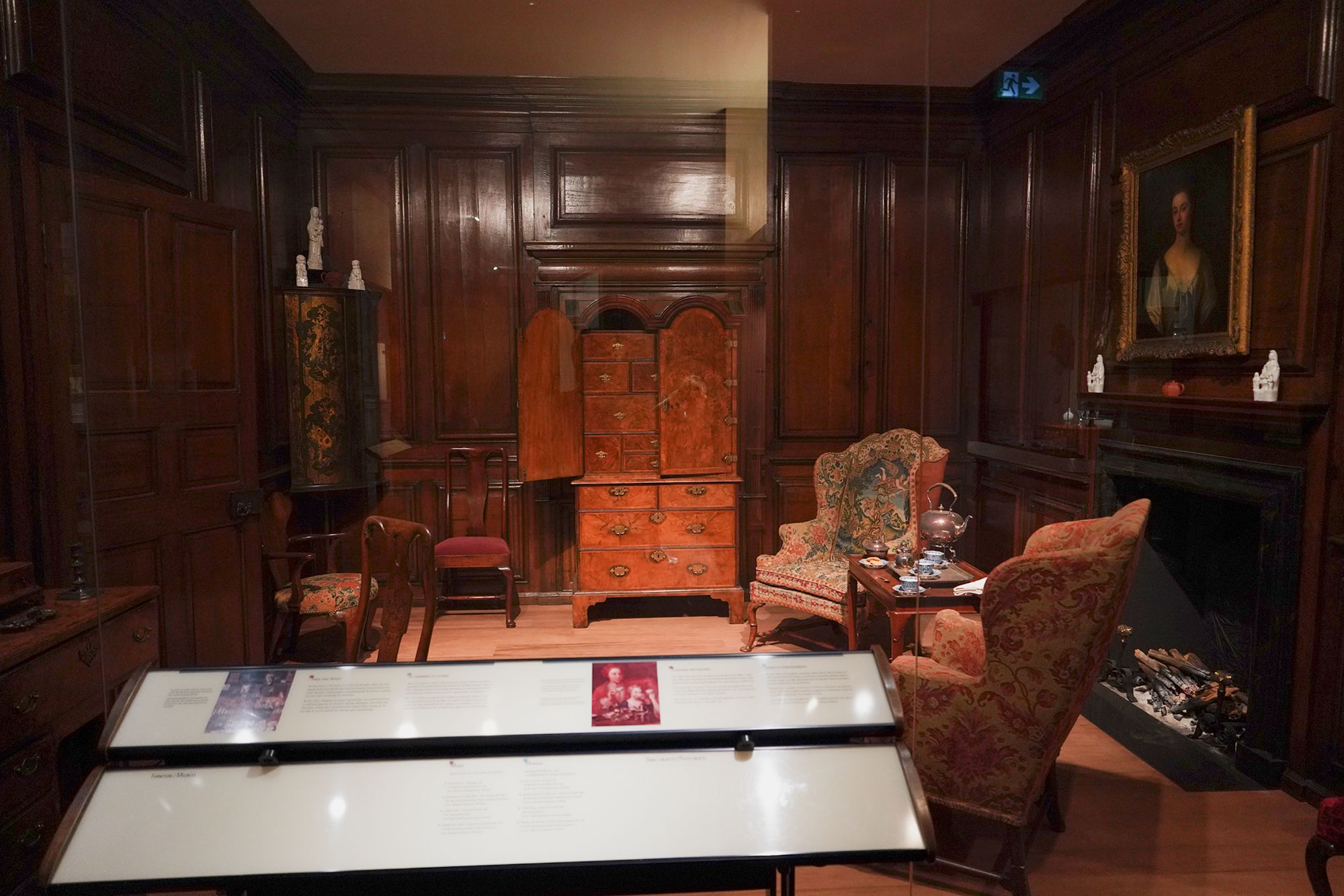
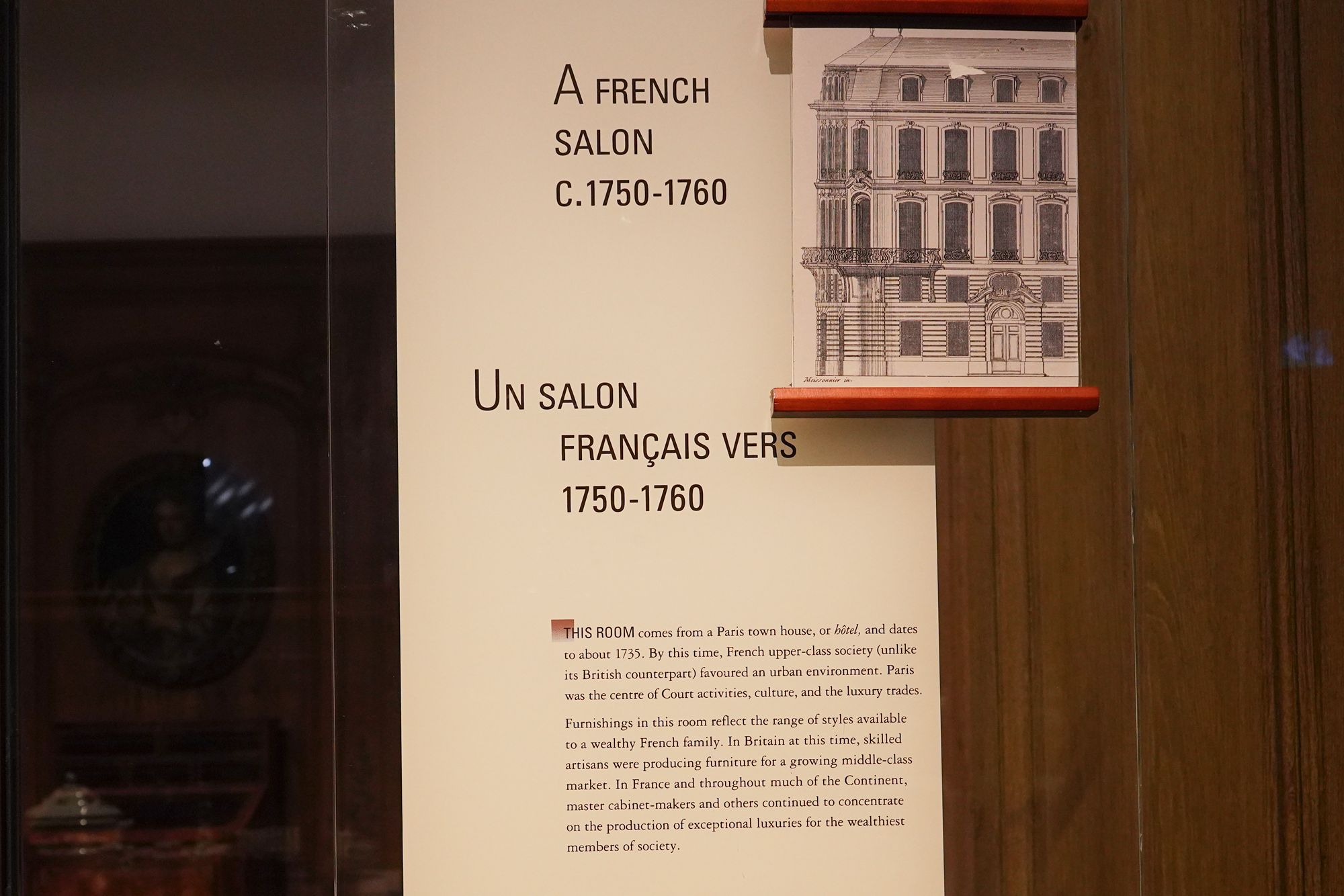
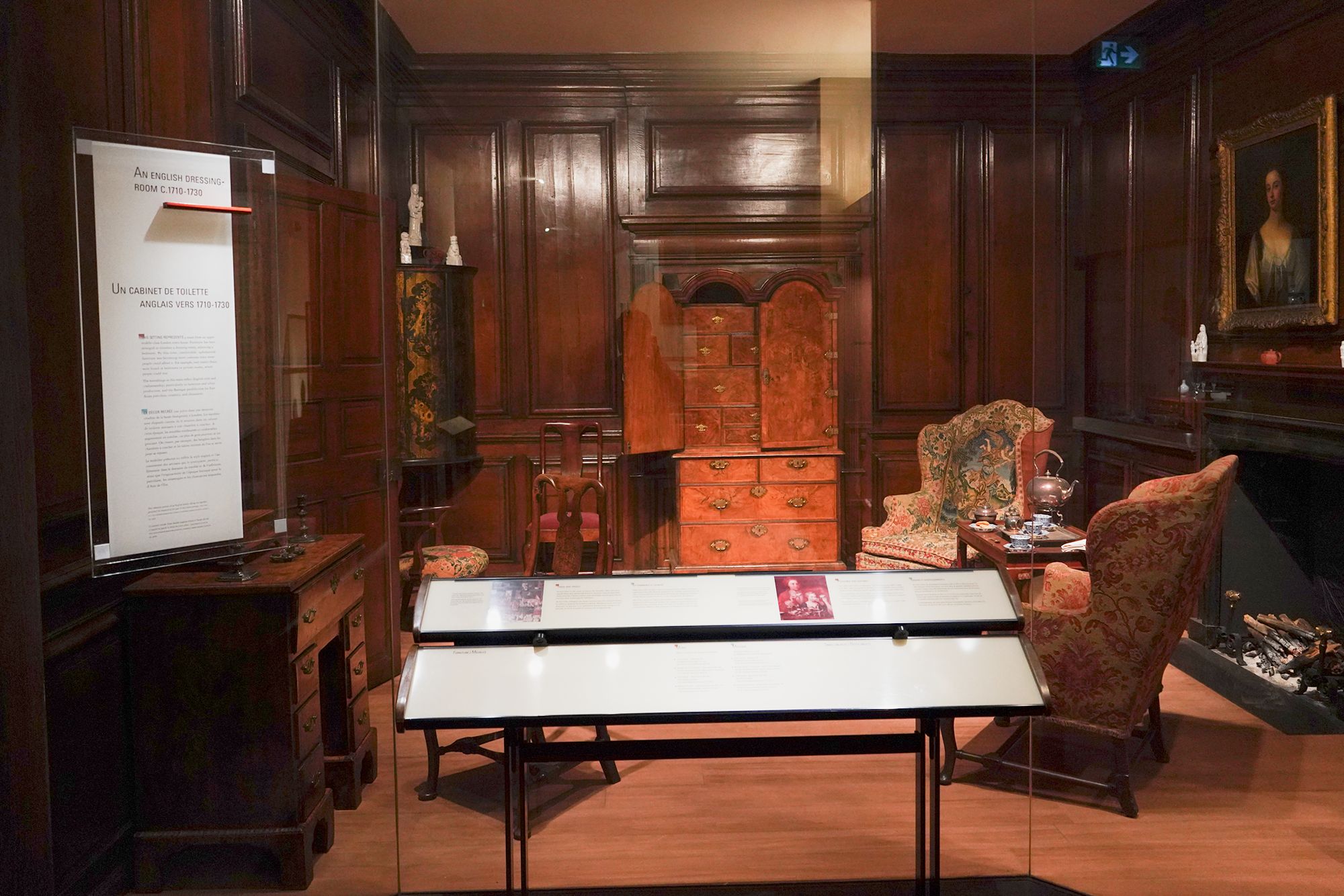
The Rococo period dates roughly from c. 1700 to 1750 in Europe.
It is characterized by:
-
Lightness, elegance, and playful themes
-
Delicate colors and asymmetrical forms
-
Elaborate ornament, curves, and floral motifs
-
Emphasis on aristocratic leisure and decorative arts
Rococo developed from the Baroque style and later gave way to Neoclassicism.
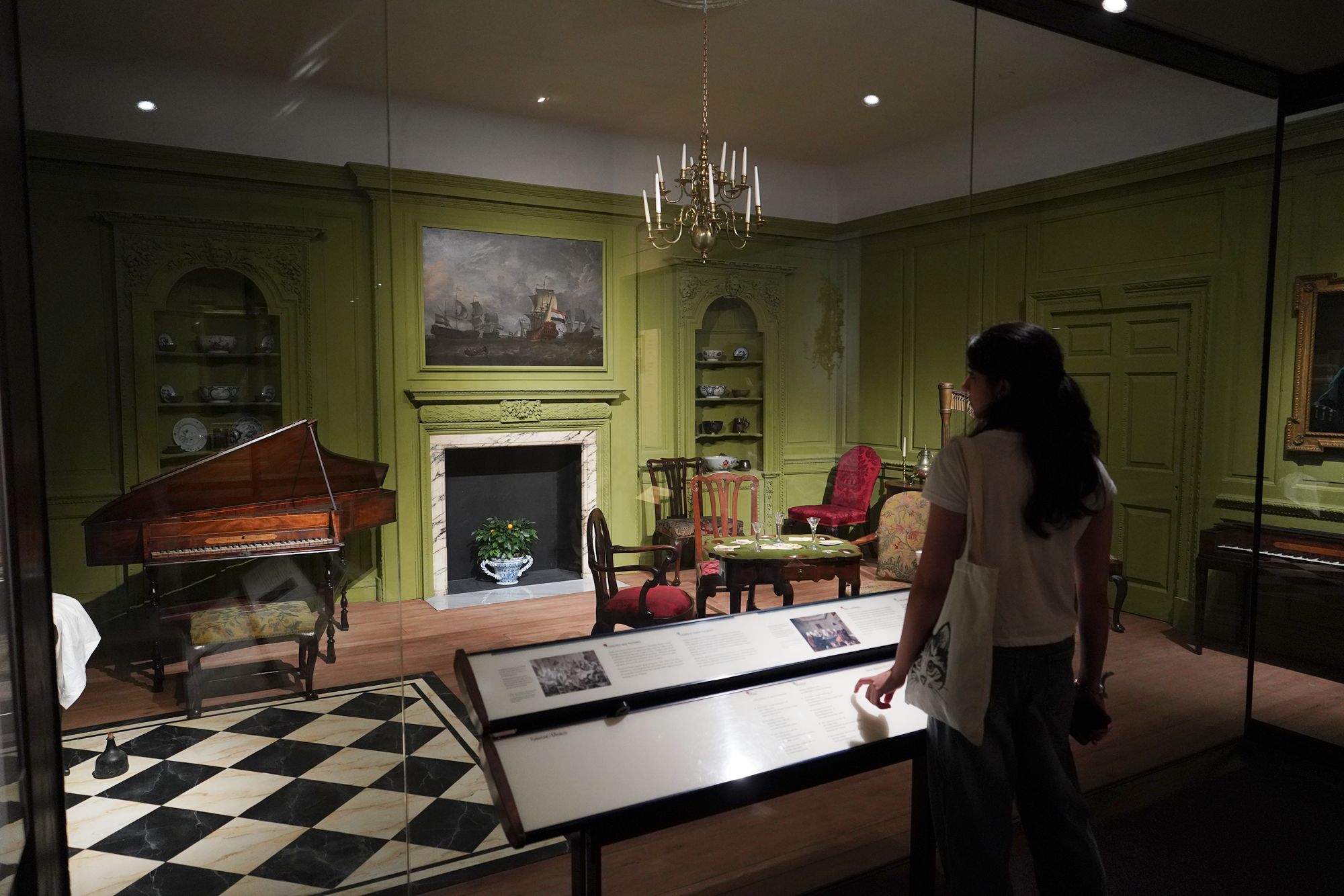
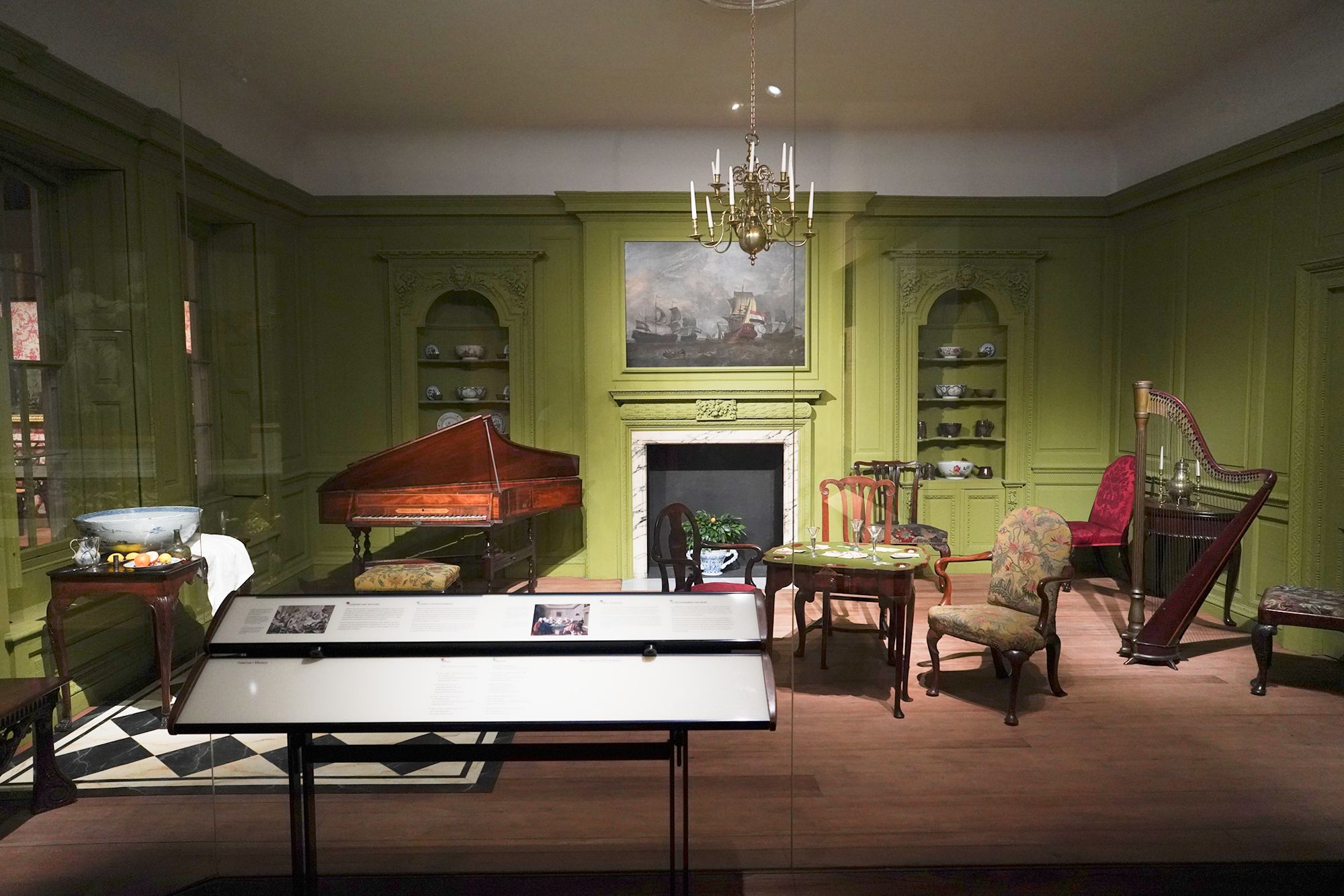
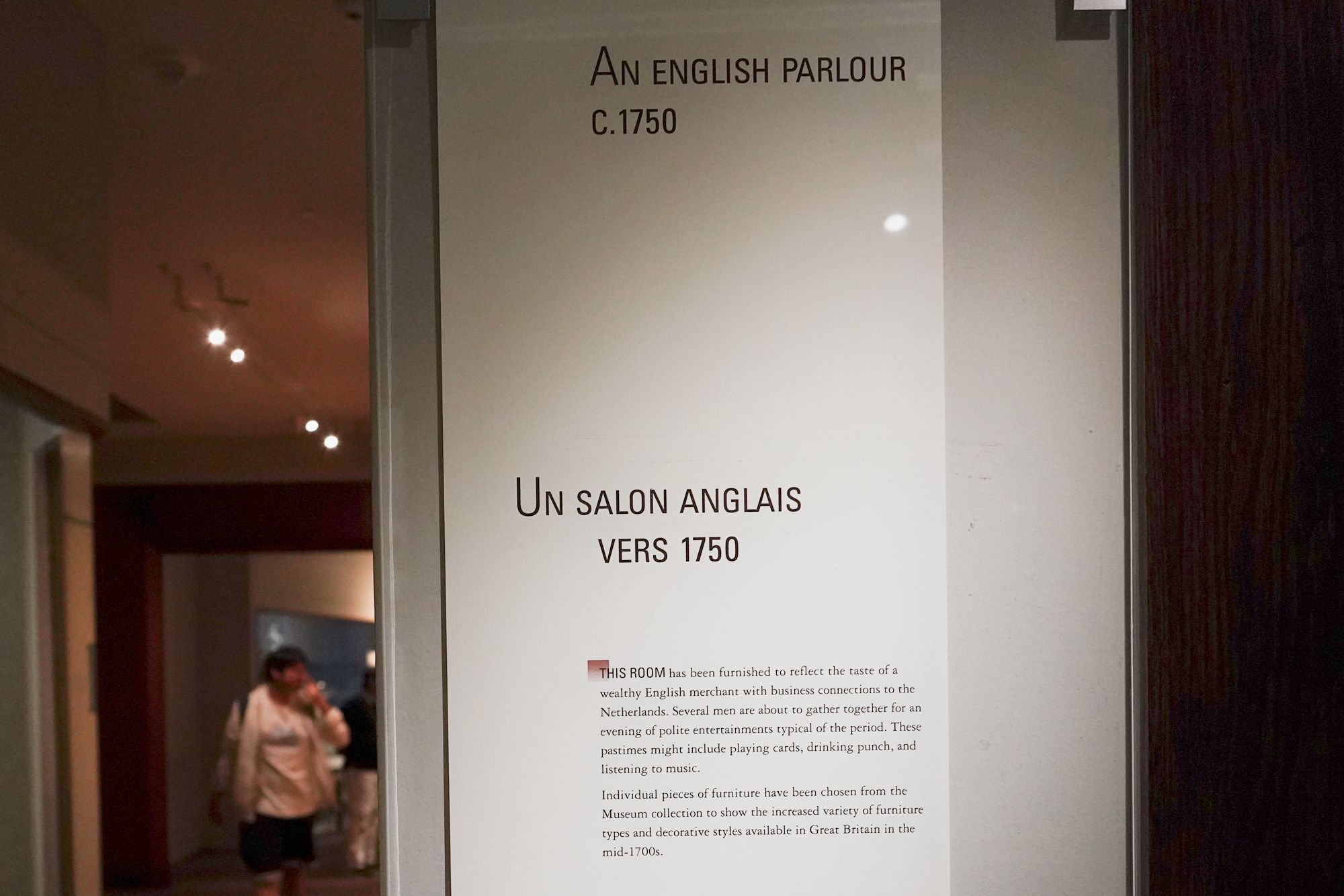
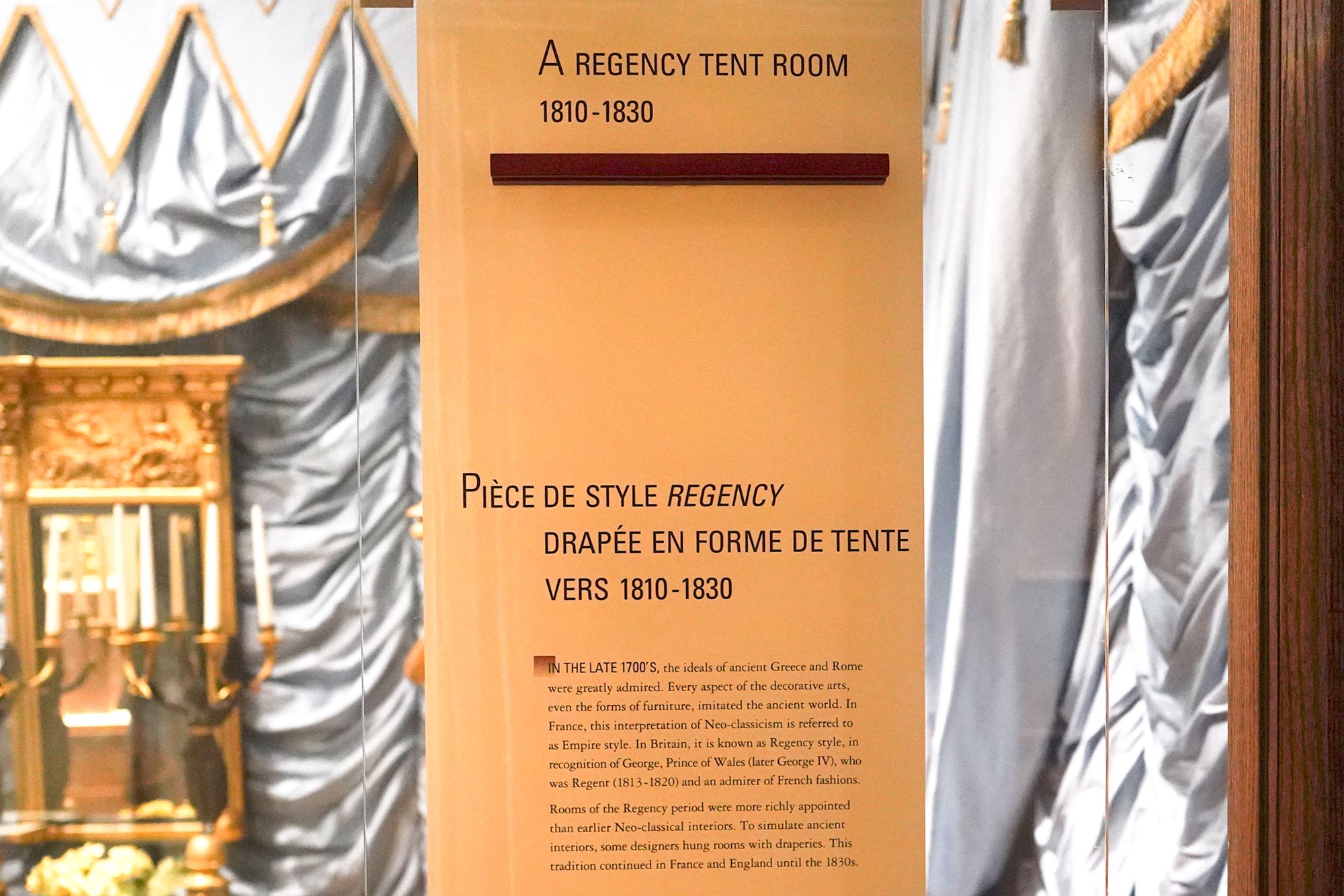
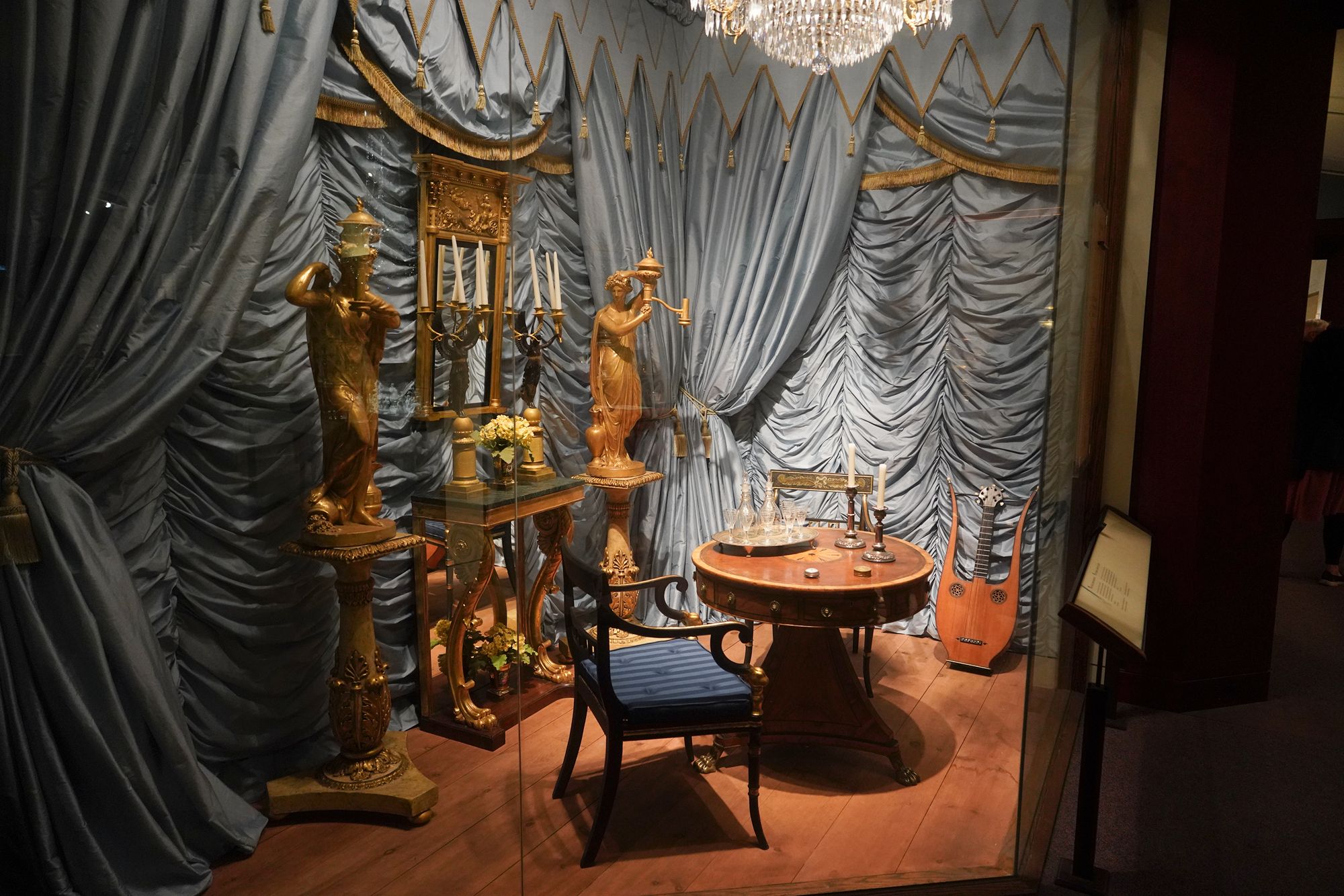
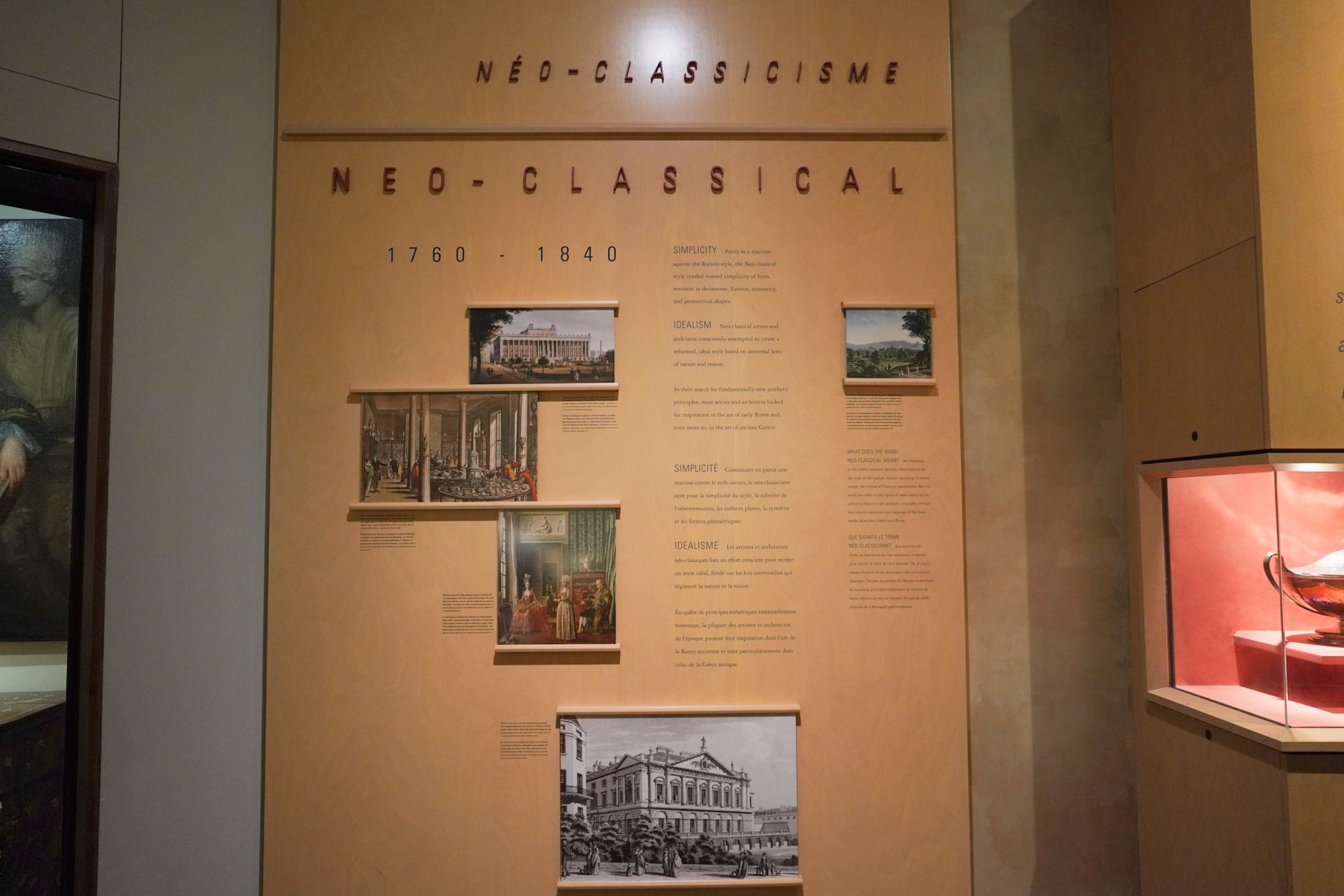
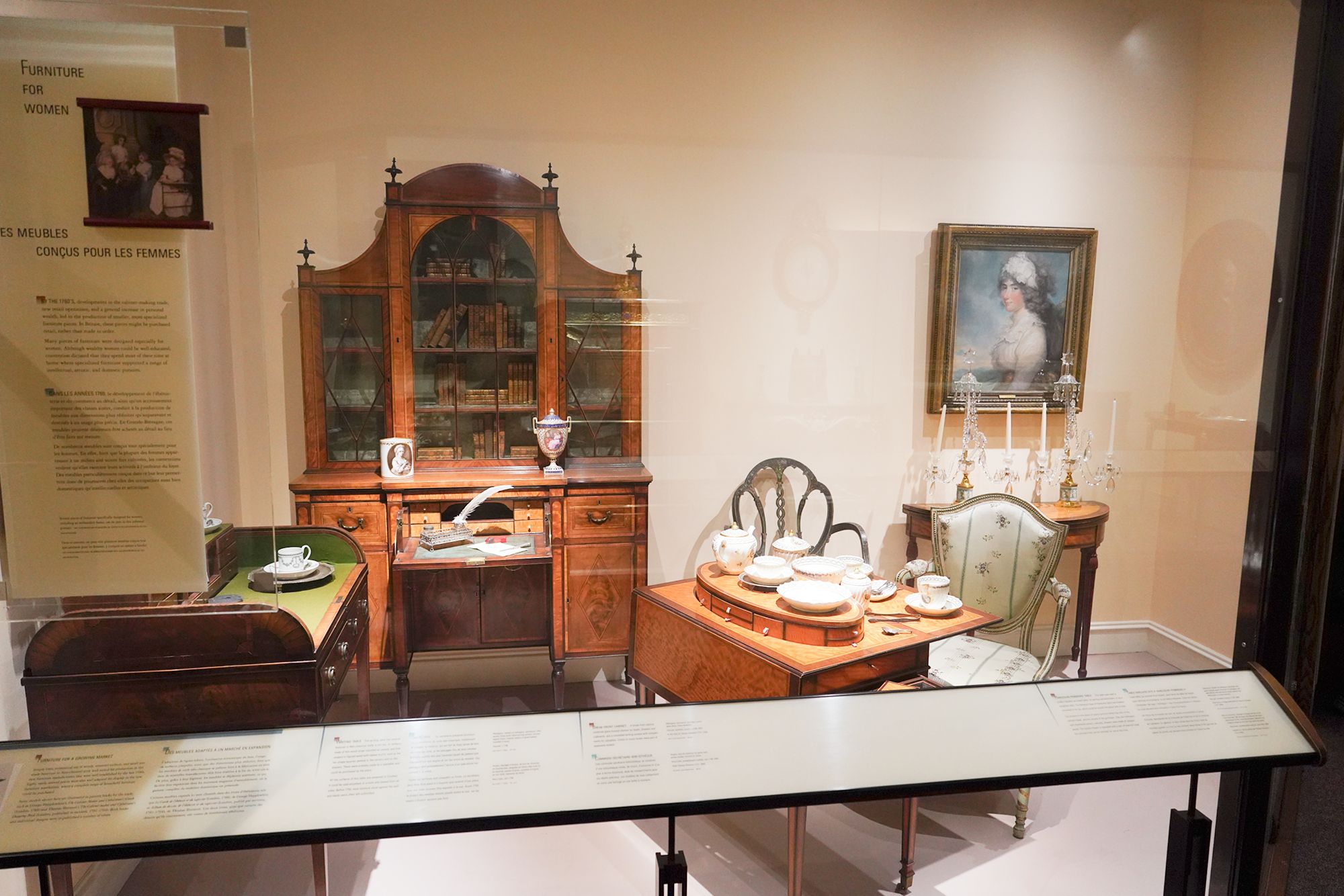
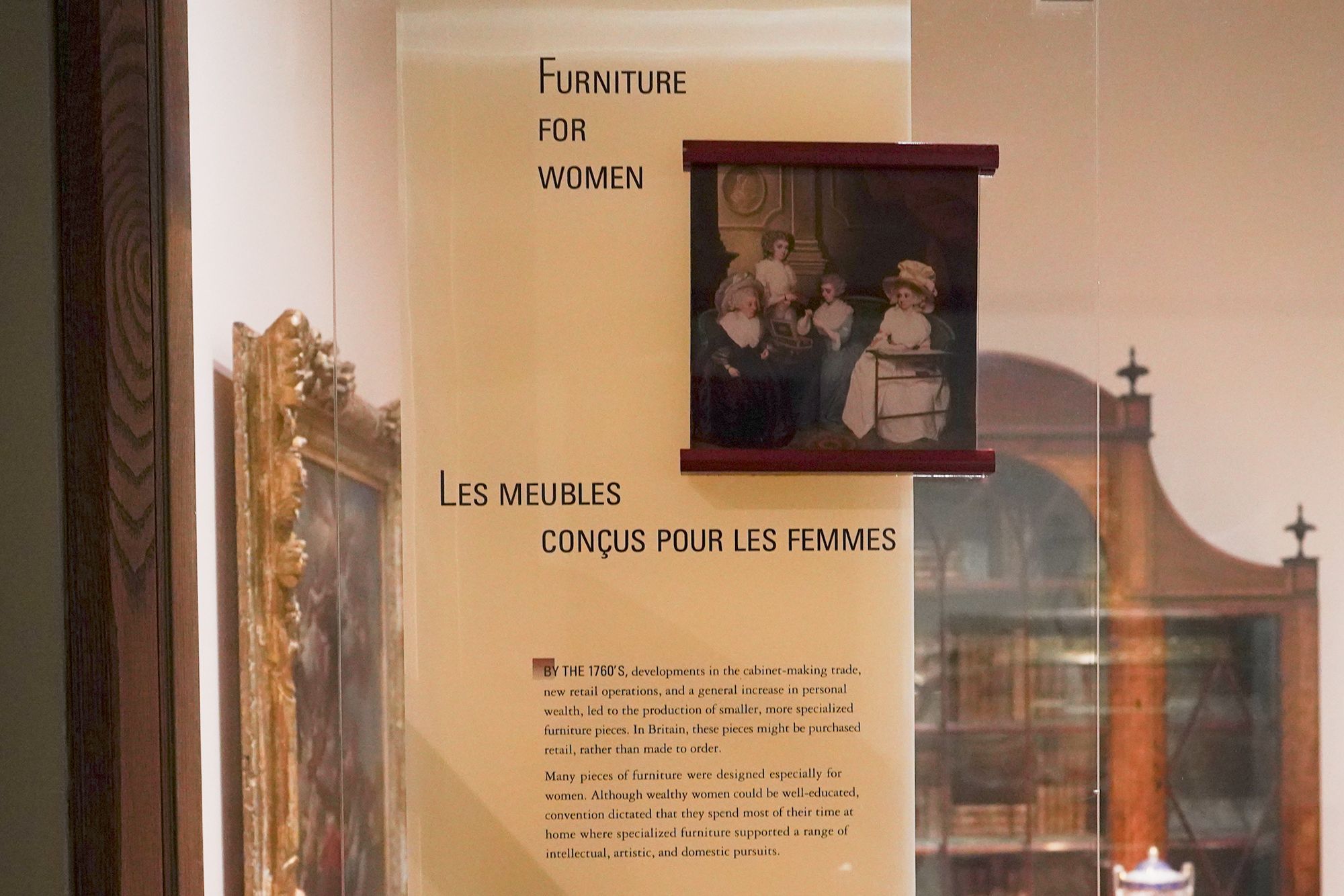
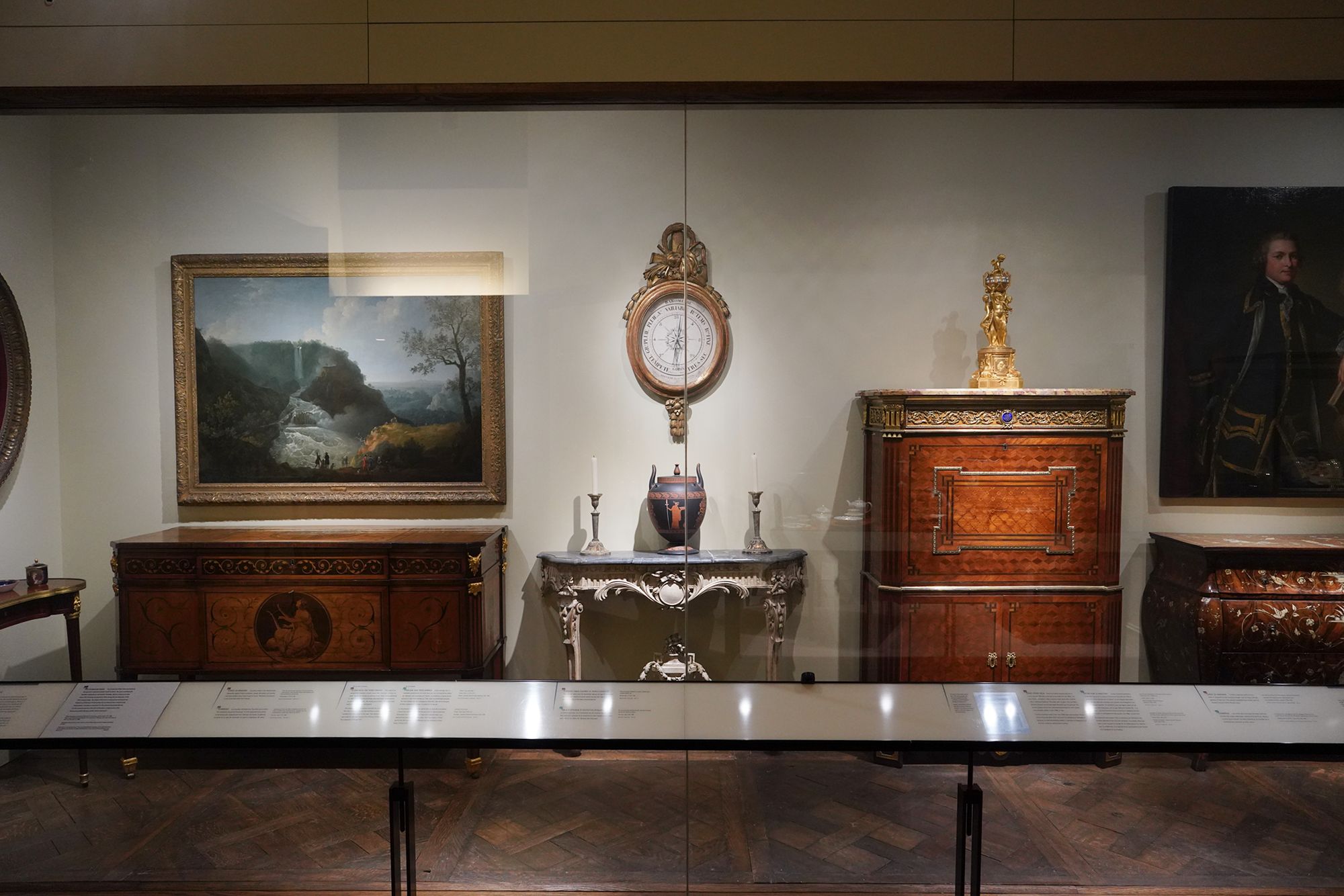
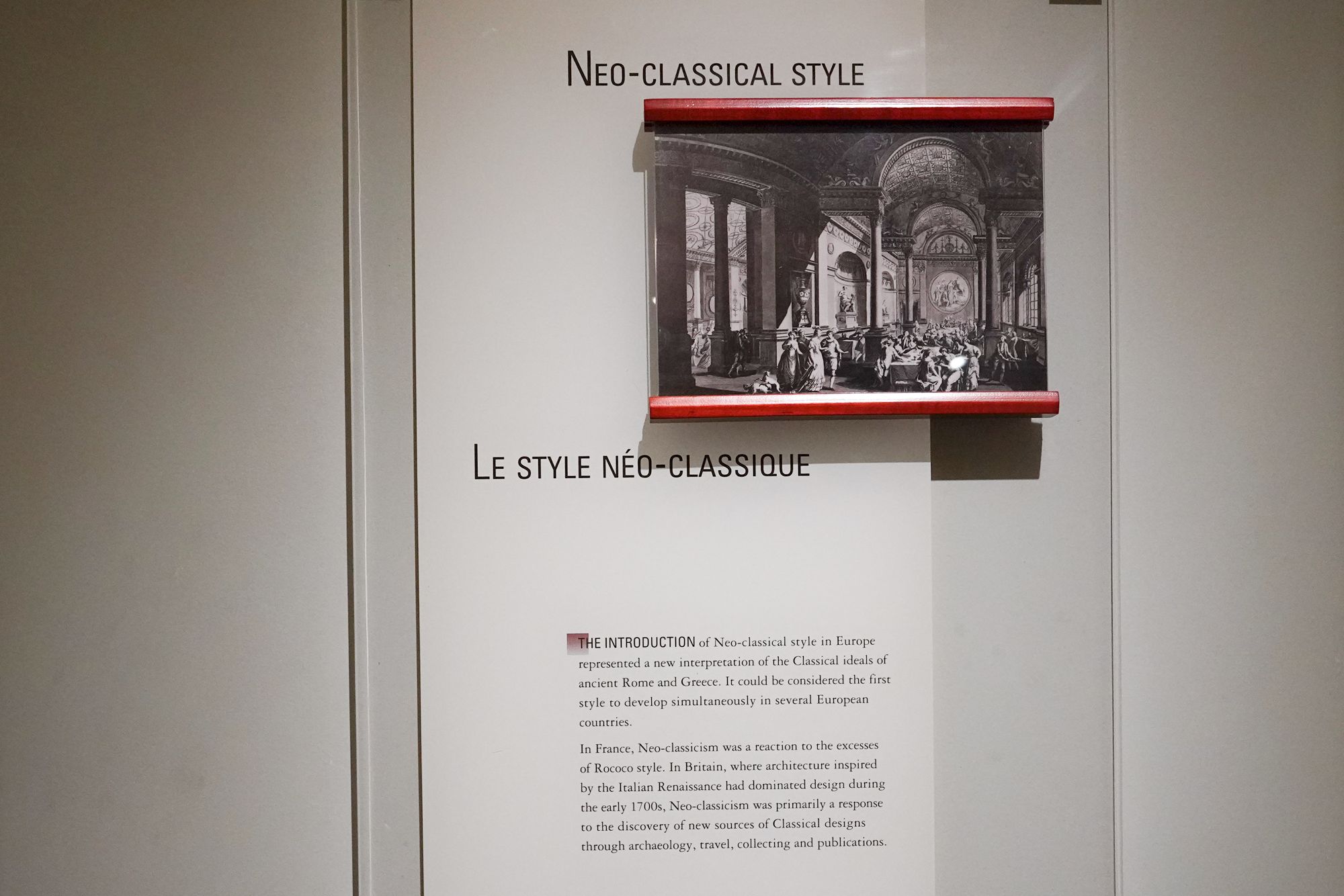
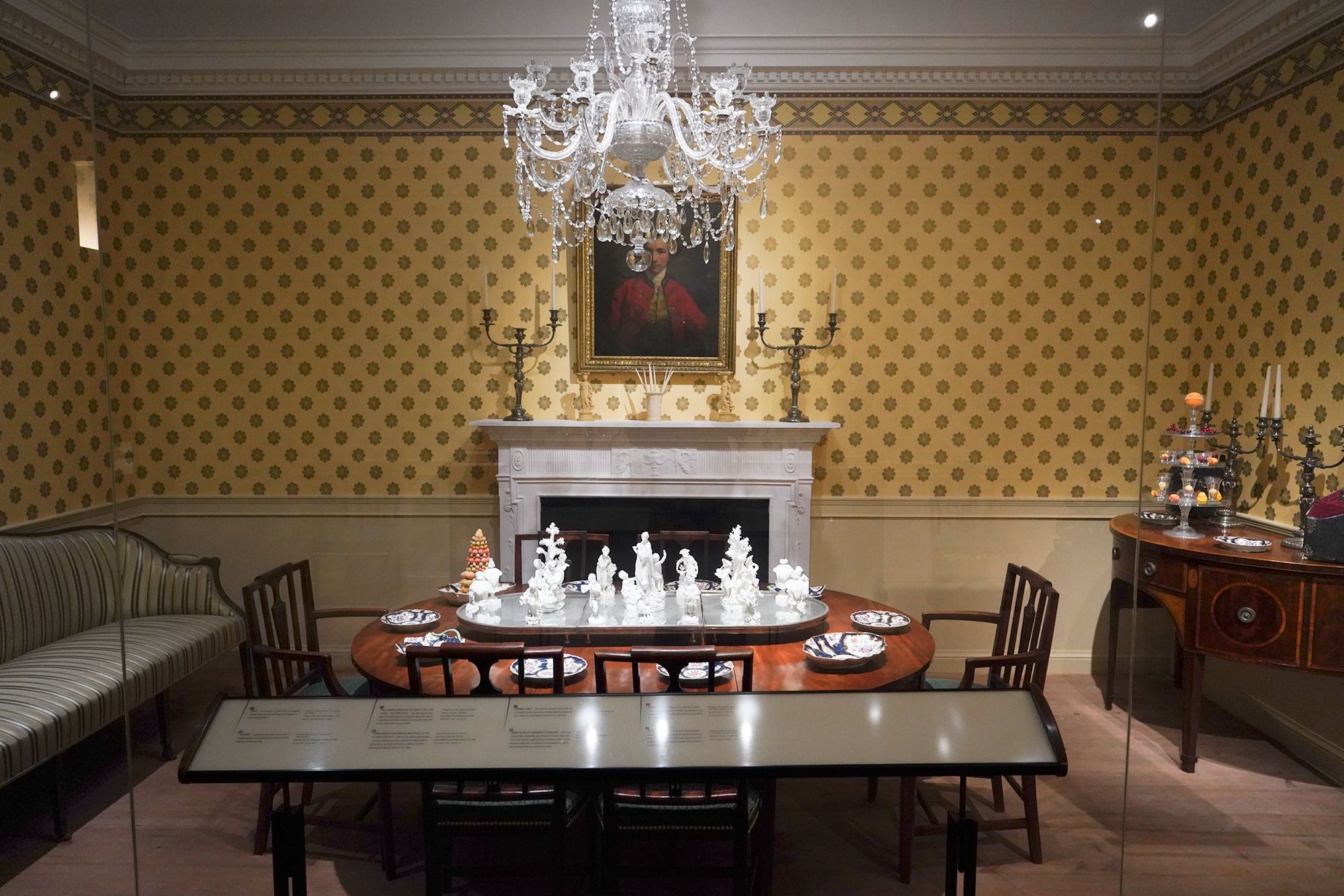
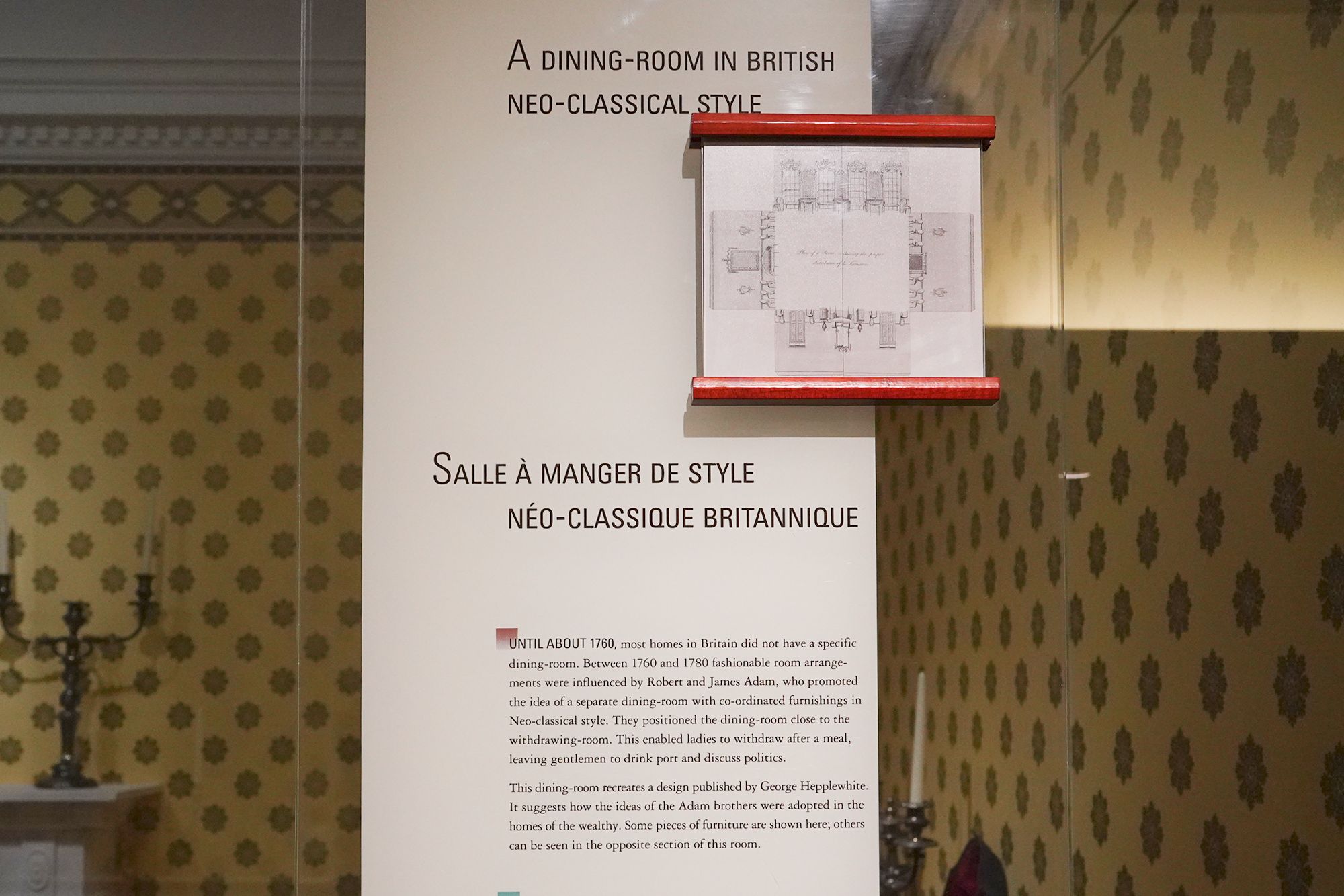
Neoclassicism dates roughly from c. 1750 to 1800 (extending into the early 19th century).
It is characterized by:
-
Inspiration from ancient Greek and Roman art
-
Emphasis on symmetry, order, and clarity
-
Restrained decoration and clean lines
-
Moral seriousness and historical themes
Neoclassicism emerged as a reaction against Rococo and preceded Romanticism.
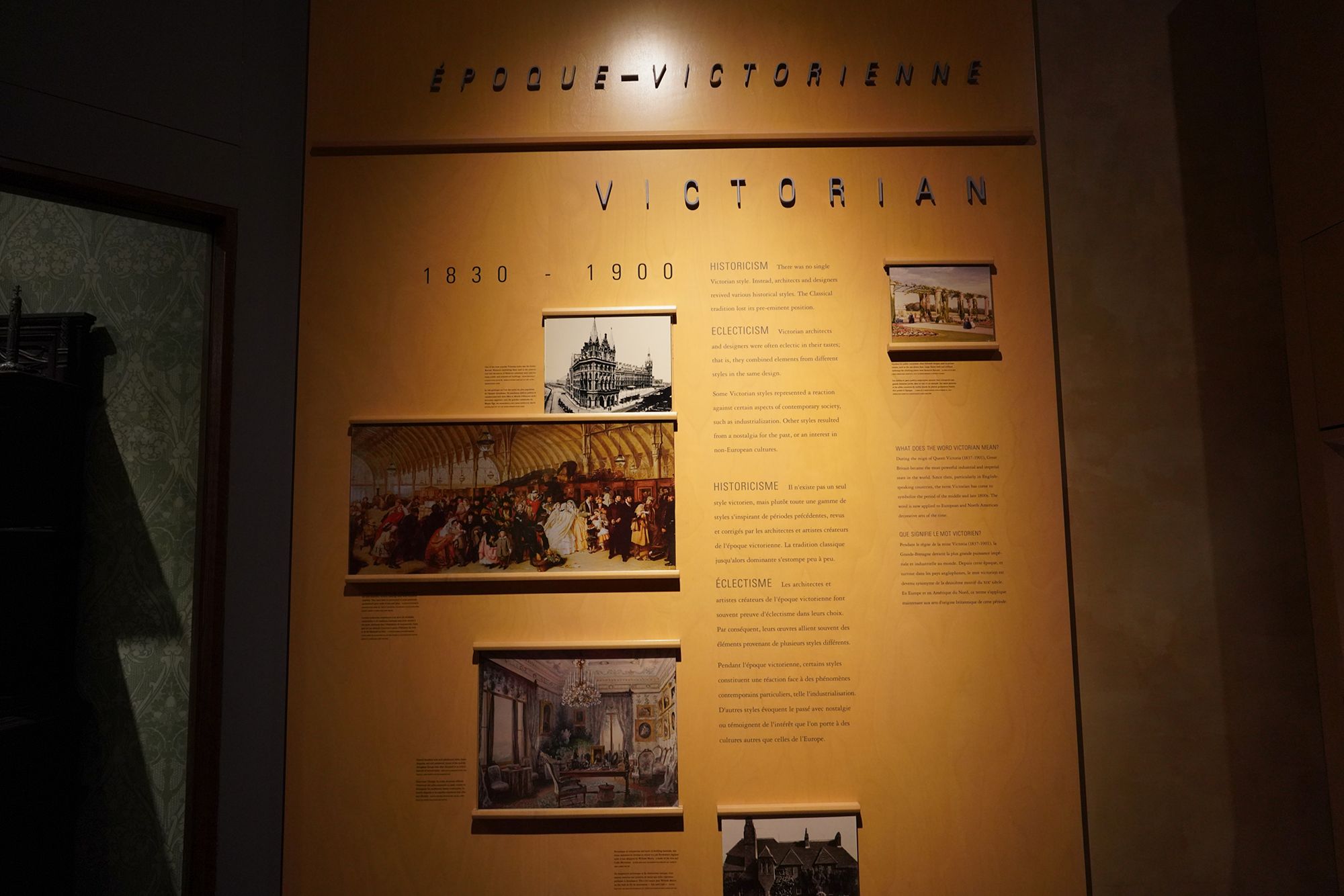
The Victorian period spans 1837 to 1901, during the reign of Queen Victoria in Britain.
In art and design, it is characterized by:
-
Eclectic revival styles (Gothic, Renaissance, Classical)
-
Rich ornamentation and detailed decoration
-
Industrial materials and mass production
-
Moral, historical, and narrative themes
Victorian style strongly influenced 19th-century European art and decorative arts.
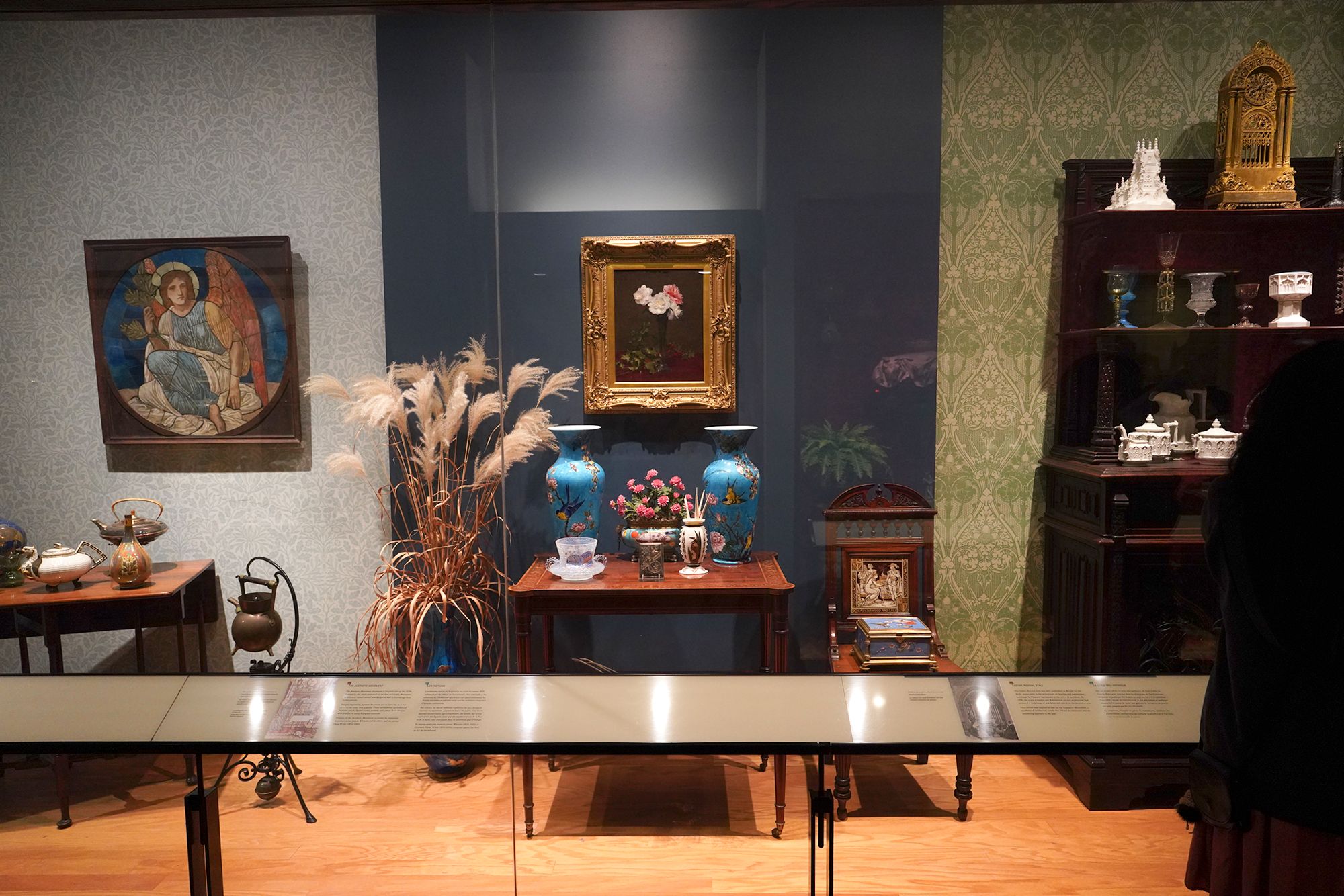
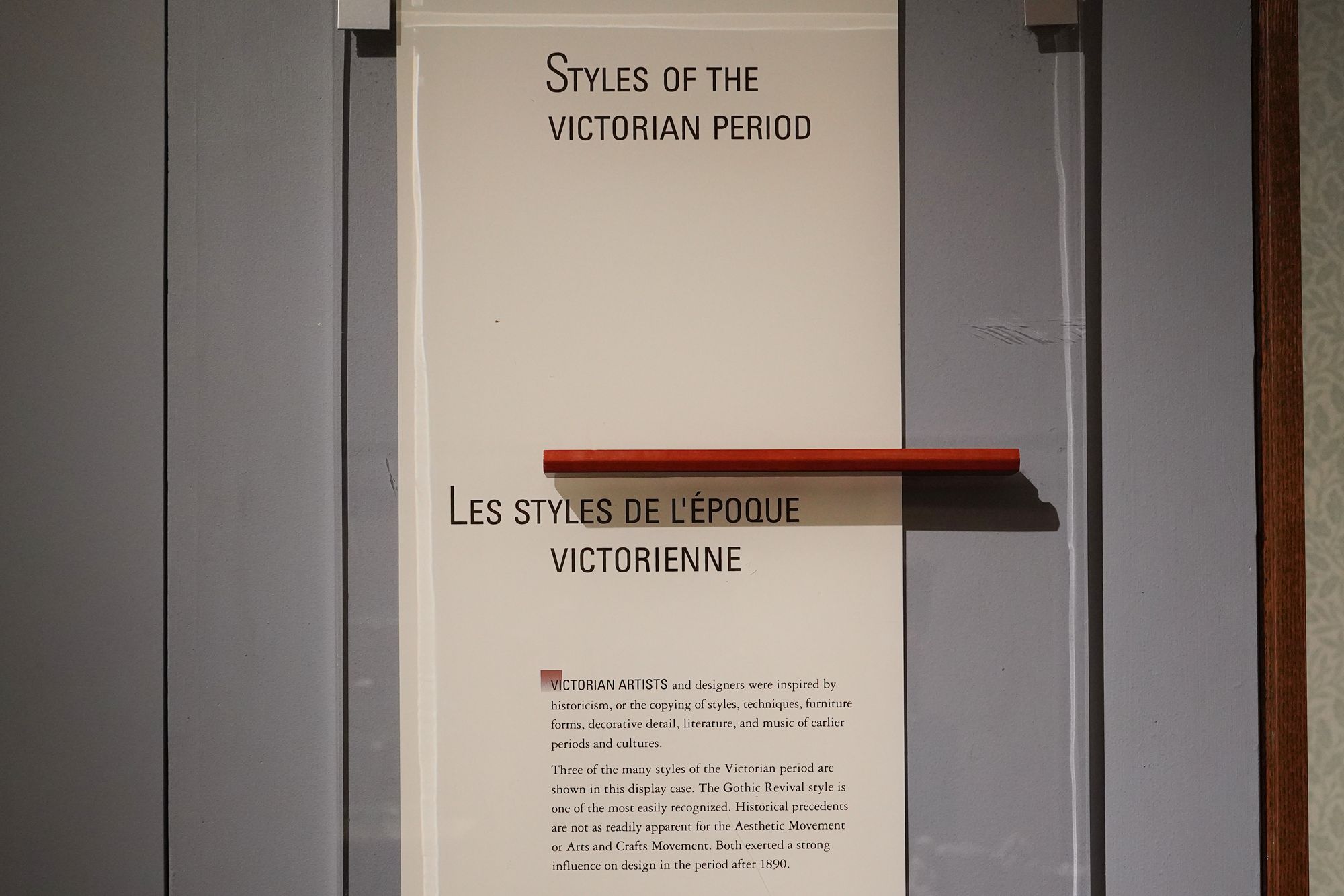
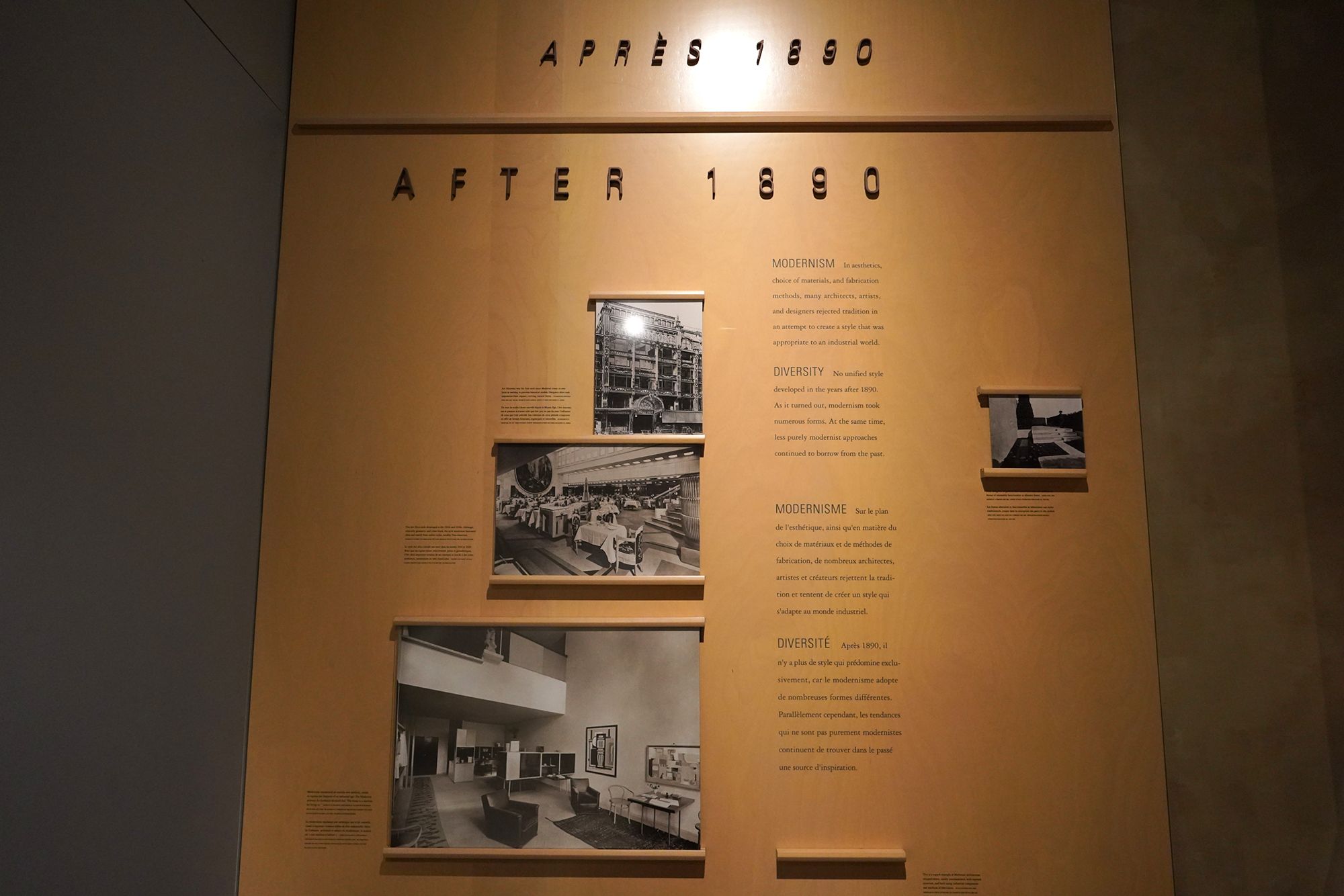
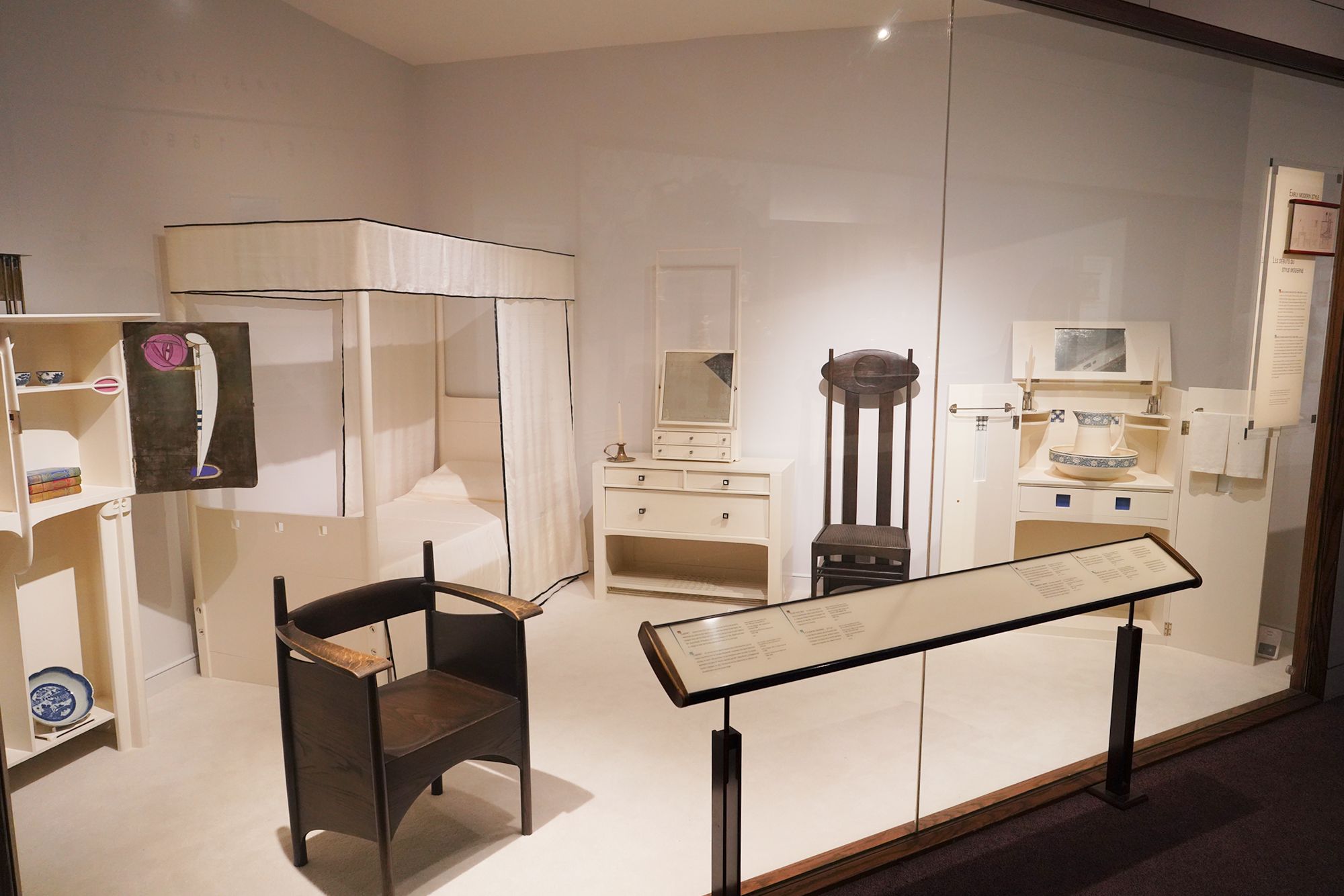
After 1890, European art moves into a period of modern transition, with several overlapping styles:
-
Late Victorian / Fin de Siècle (c. 1890–1900) – Decorative richness, symbolism, and growing artistic experimentation.
-
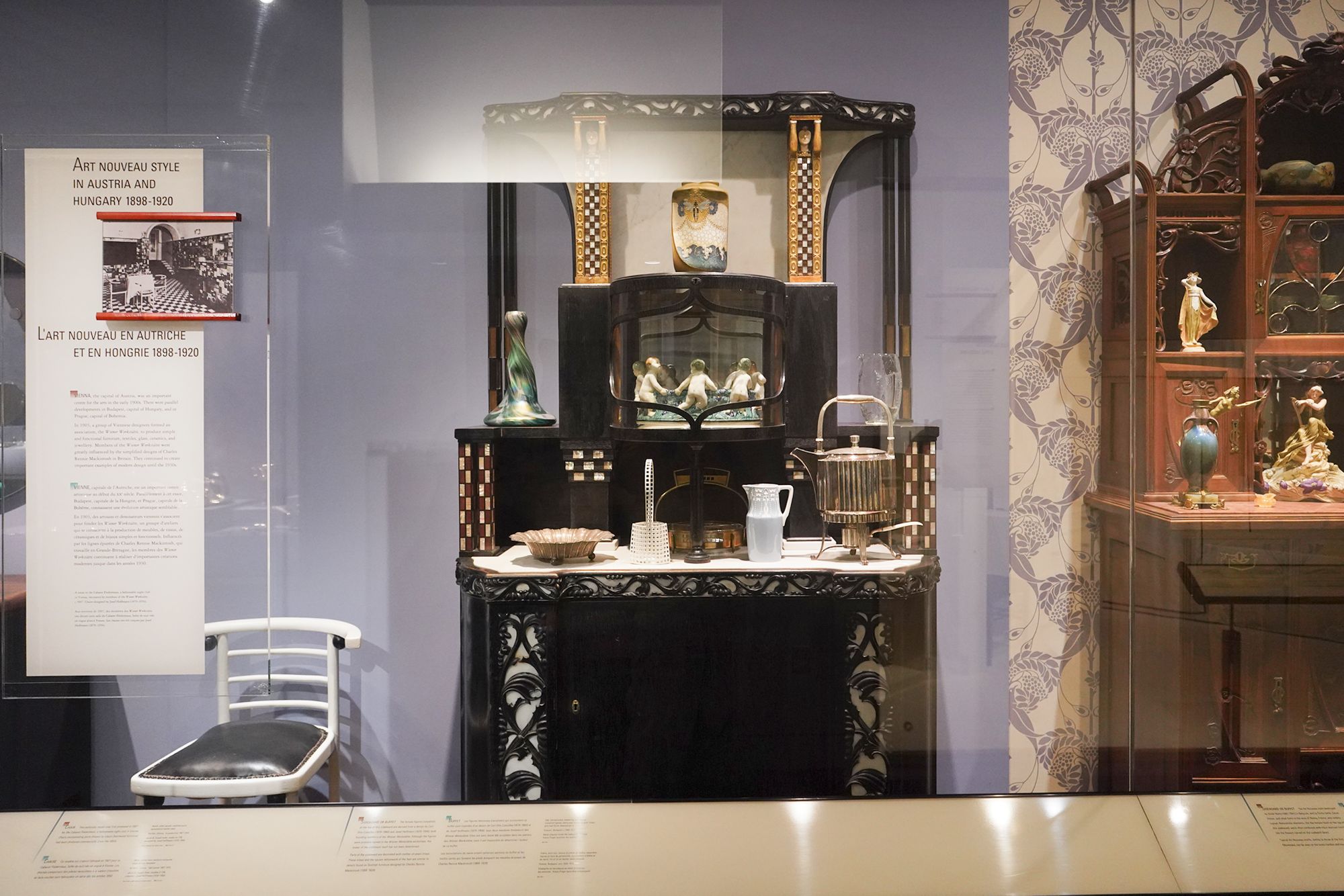
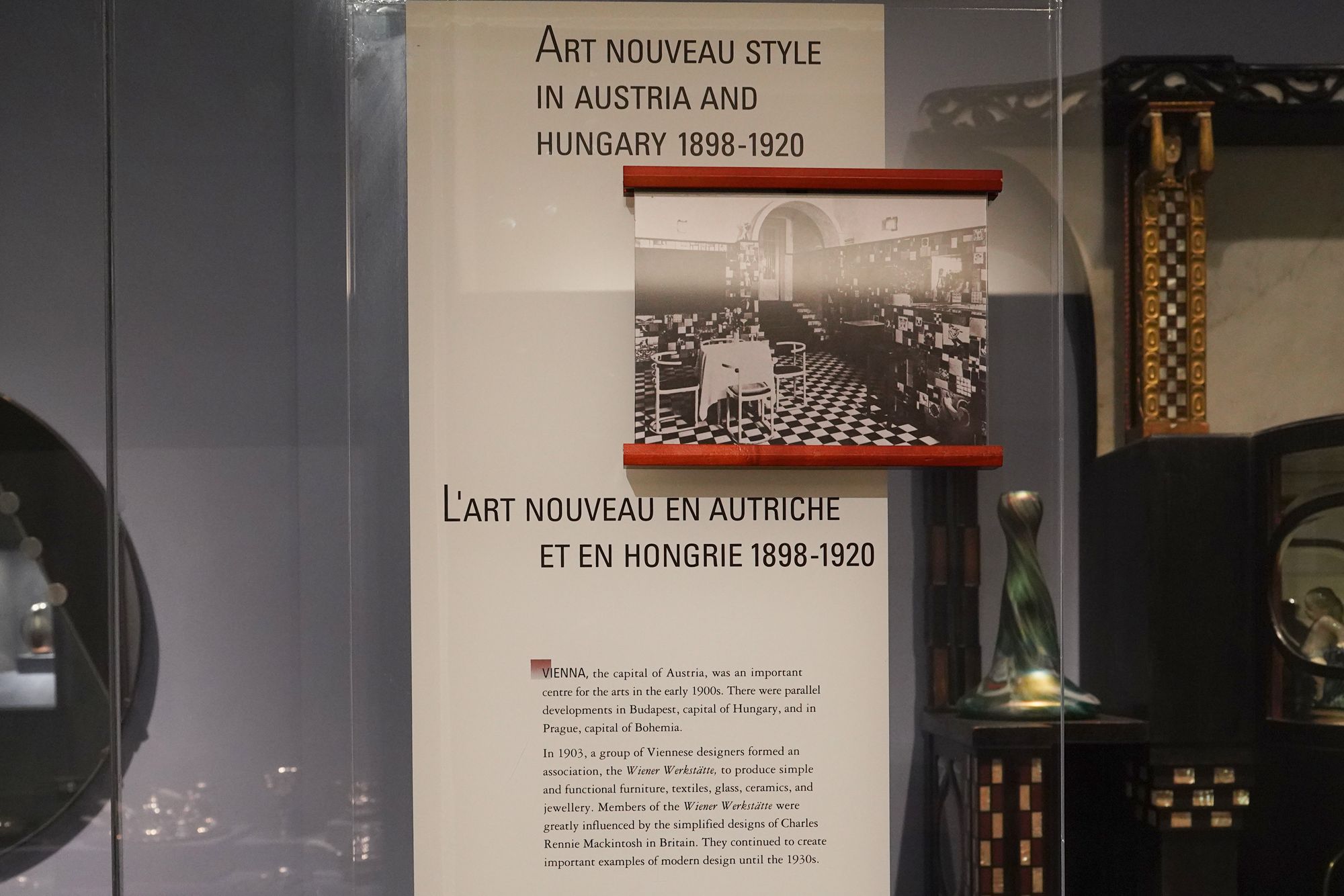
Art Nouveau (c. 1890–1910) – Flowing lines, organic forms, and integration of art with design and architecture.
-
Post-Impressionism (c. 1890–1910) – Emphasis on structure, color, and personal expression (e.g., Van Gogh, Cézanne).
-
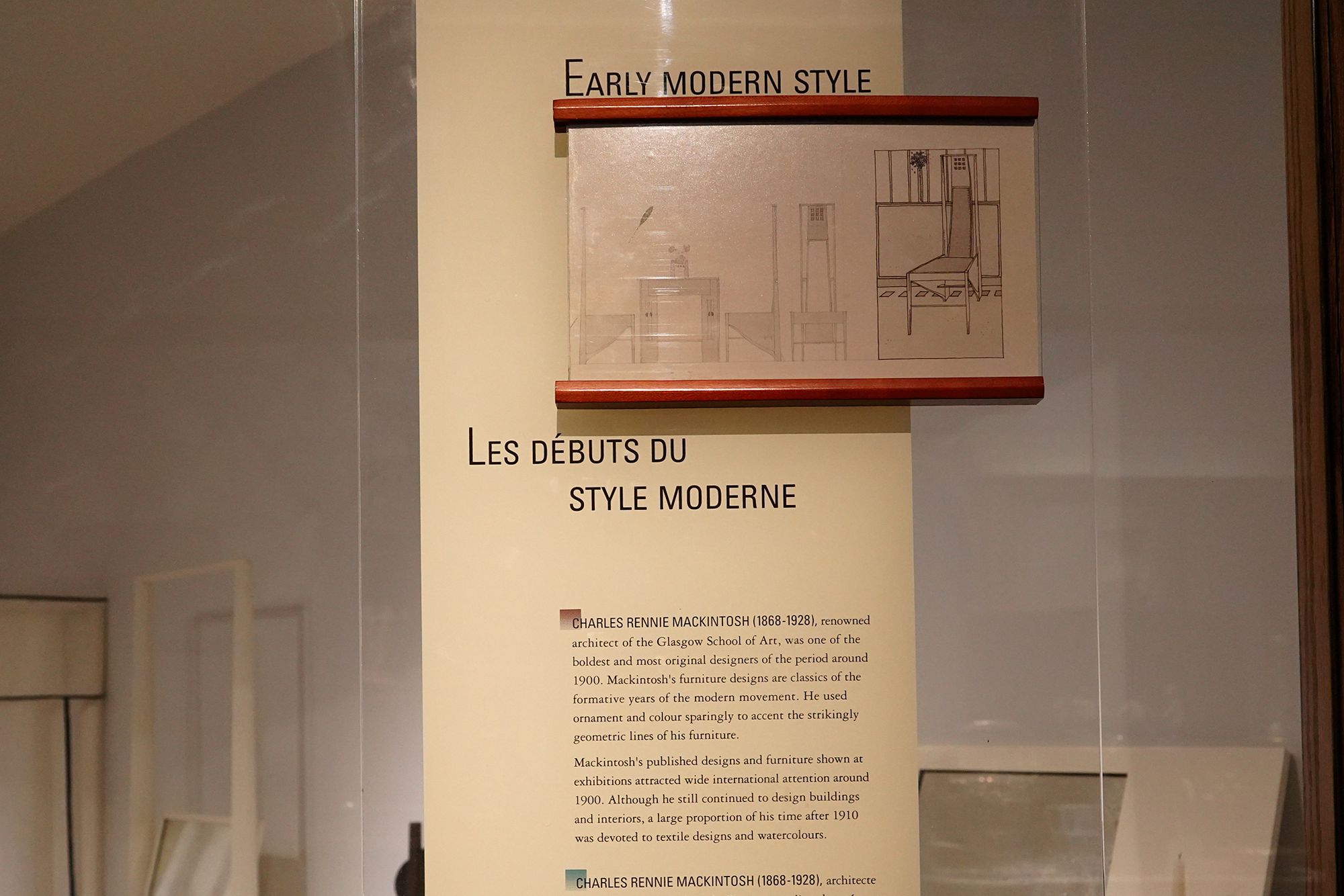
Early Modernism (c. 1900–1914) – Breaking from tradition, abstraction, and new visual languages.
This era marks the shift from 19th-century traditions to modern art.
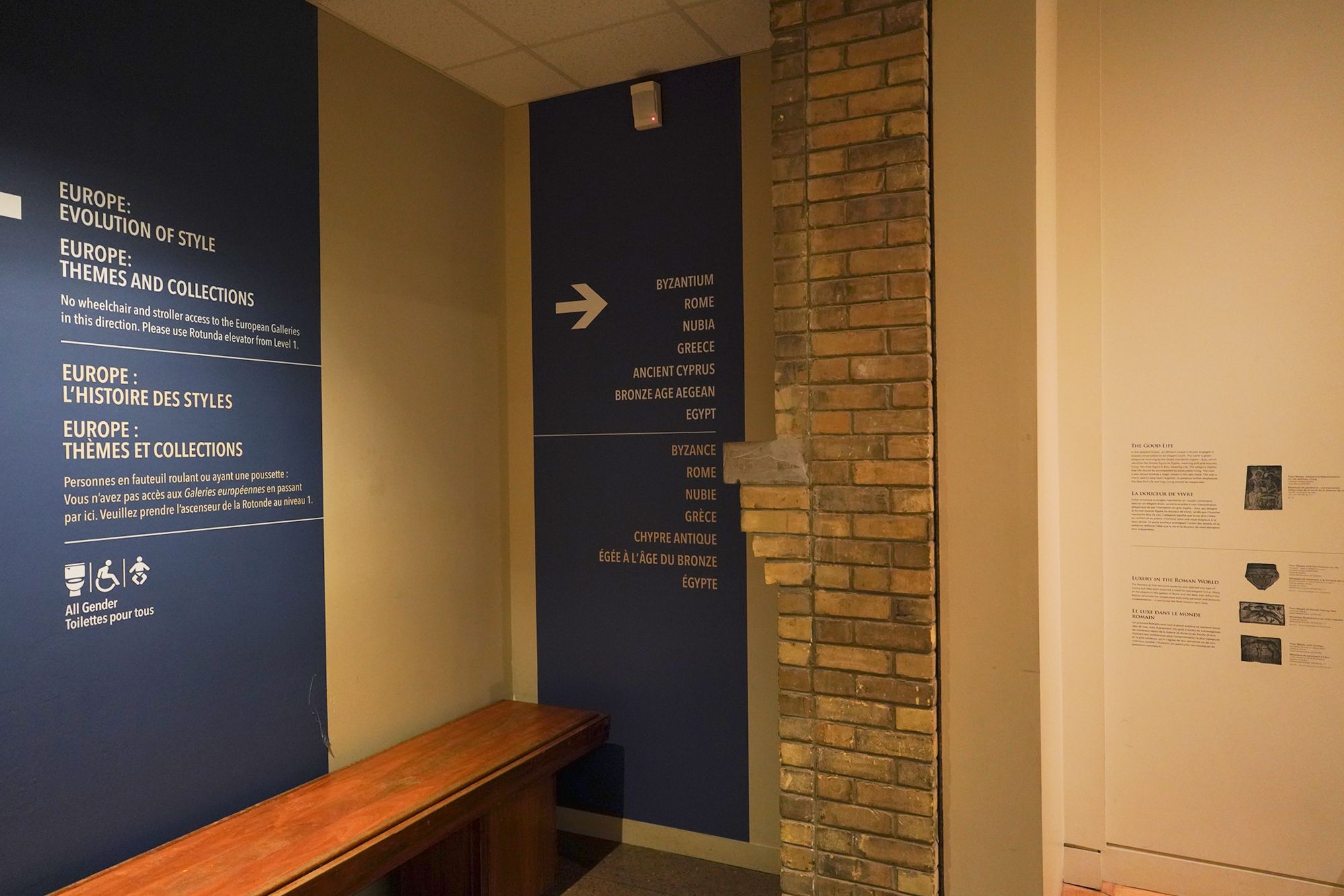
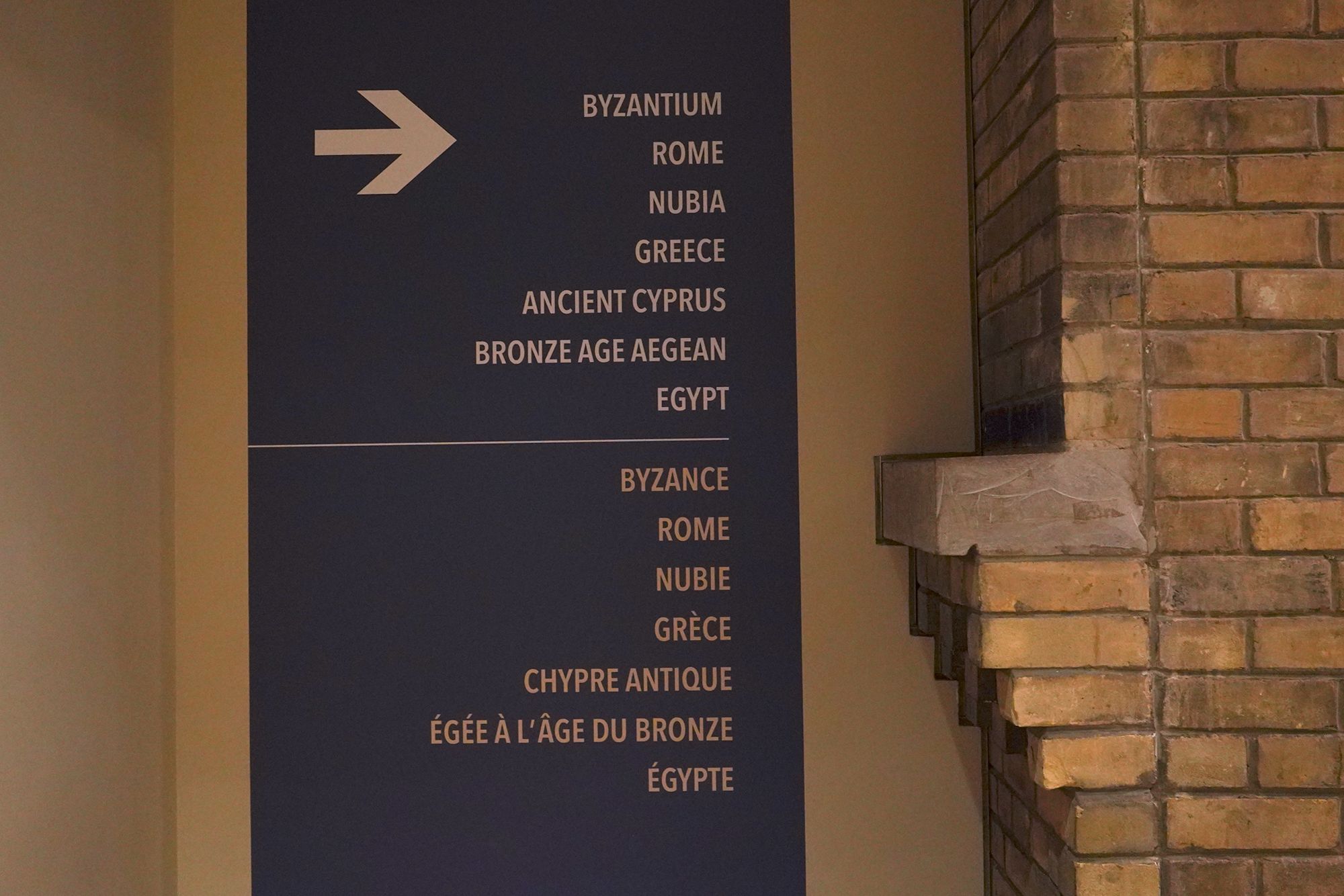
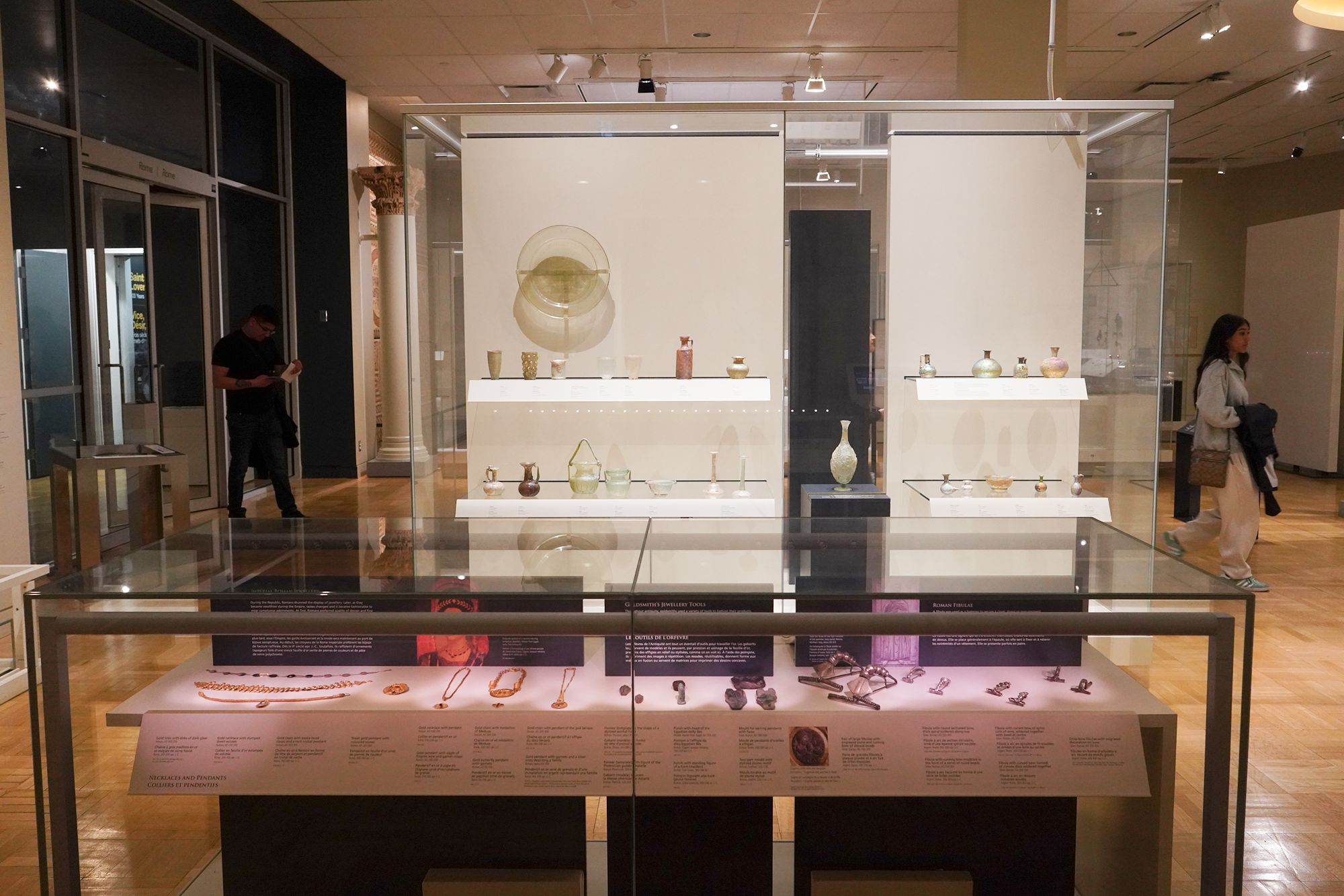
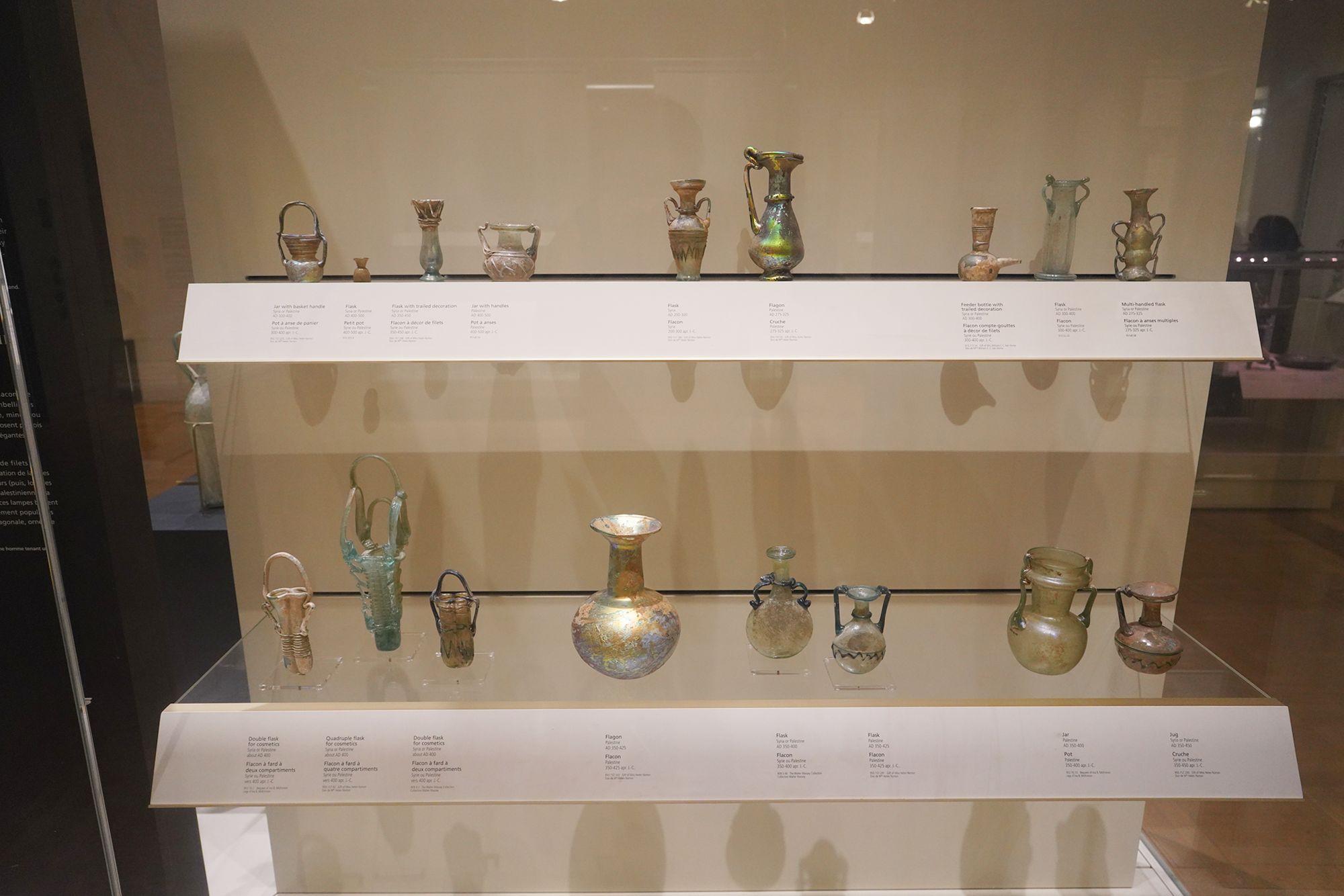
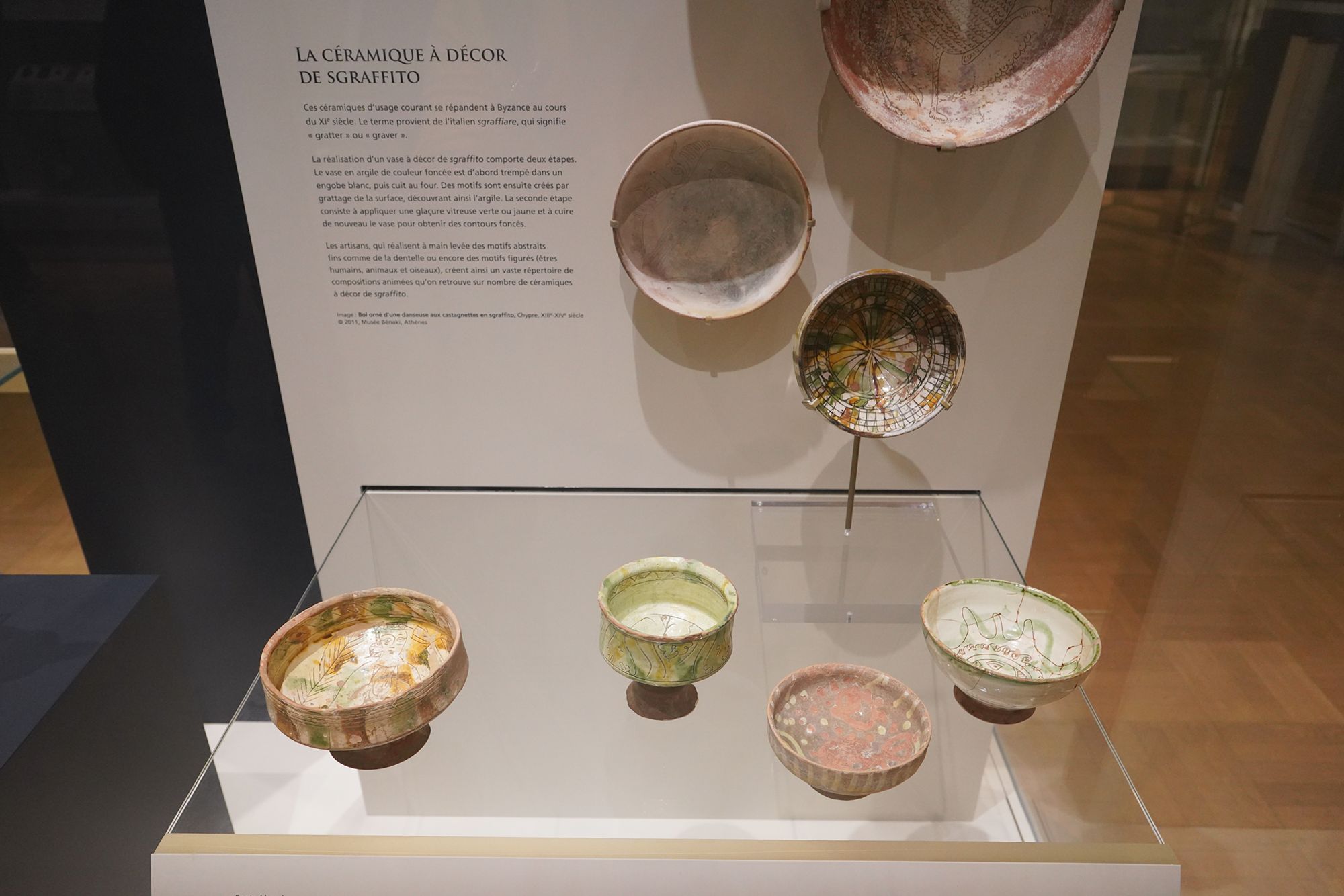
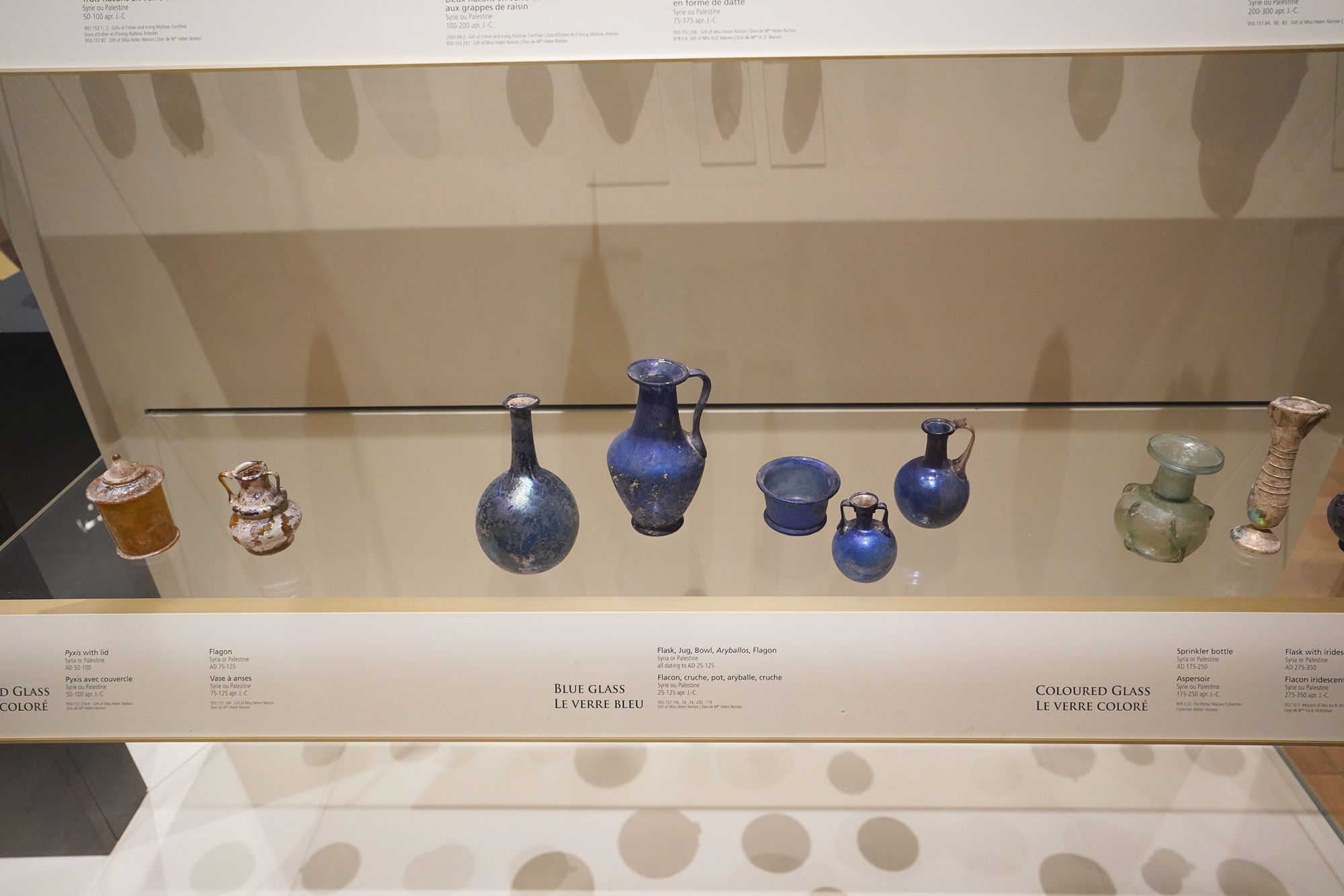
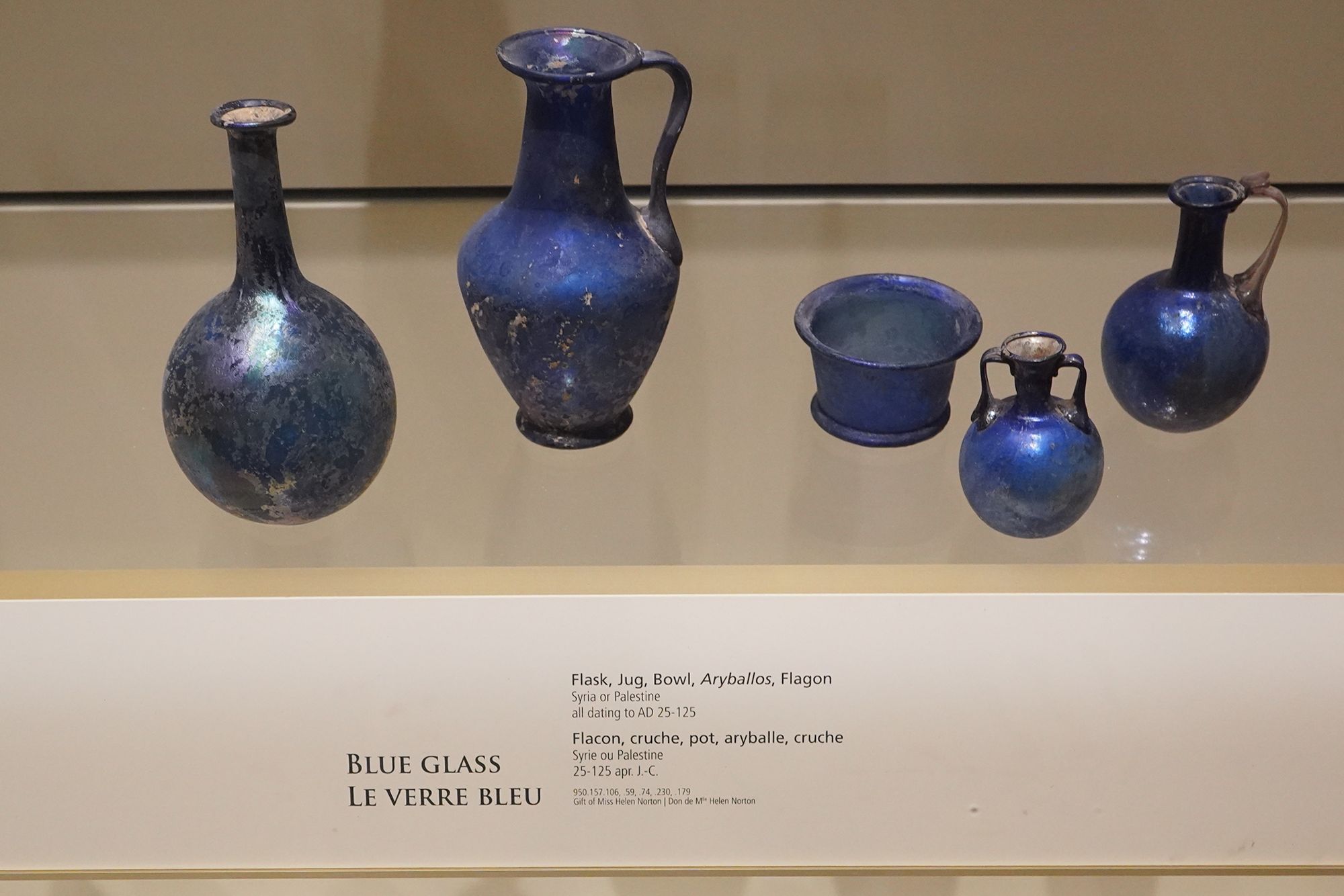
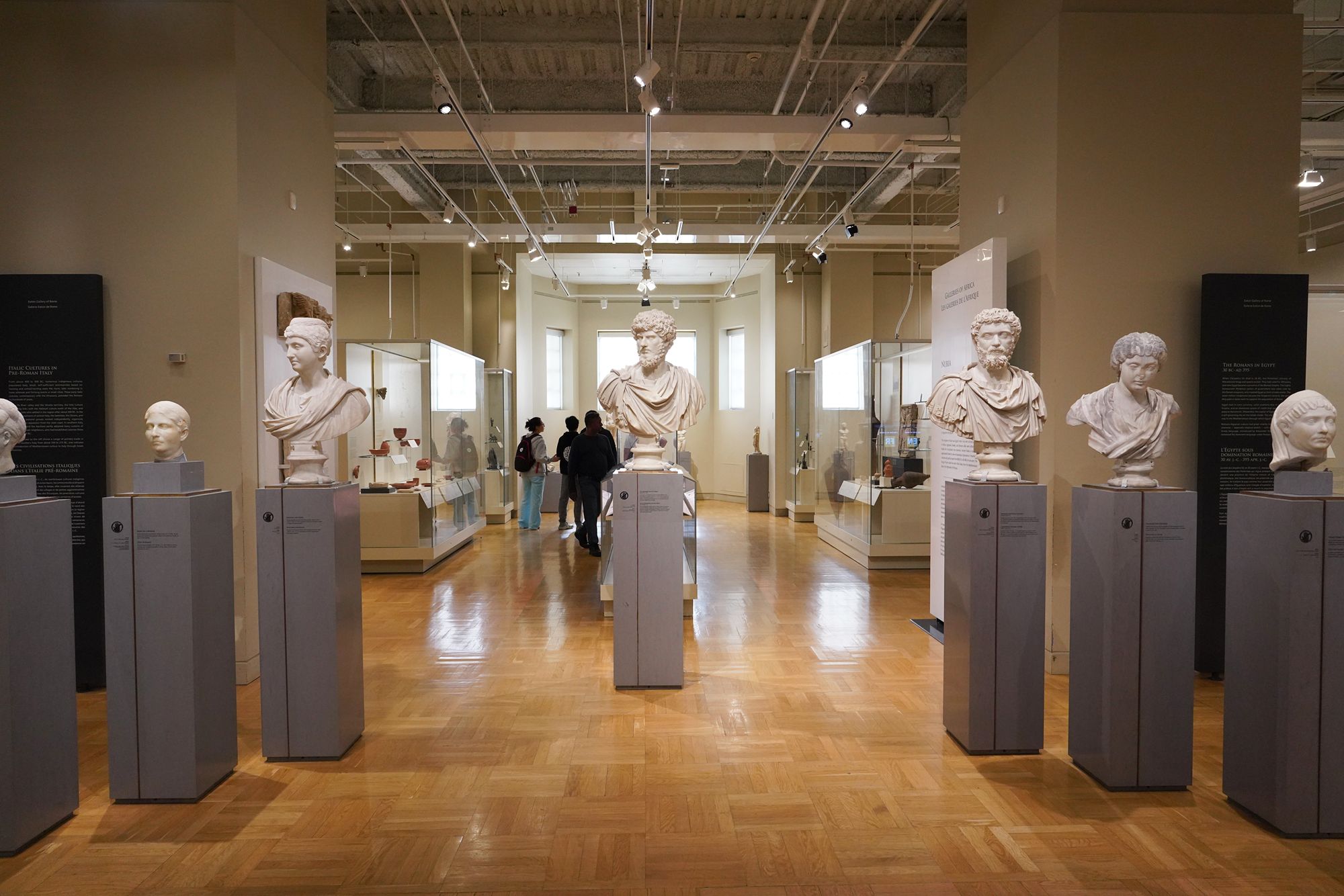
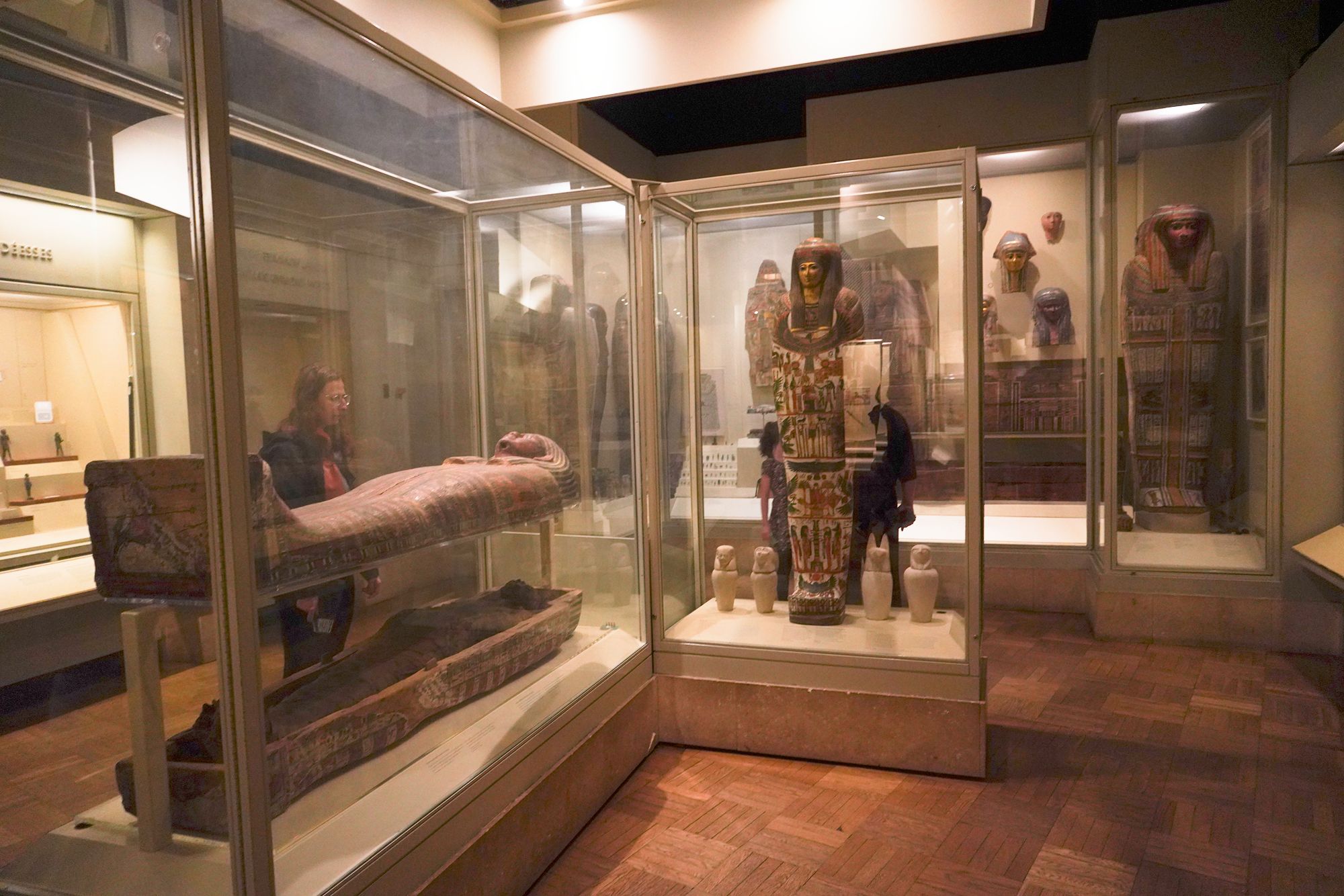
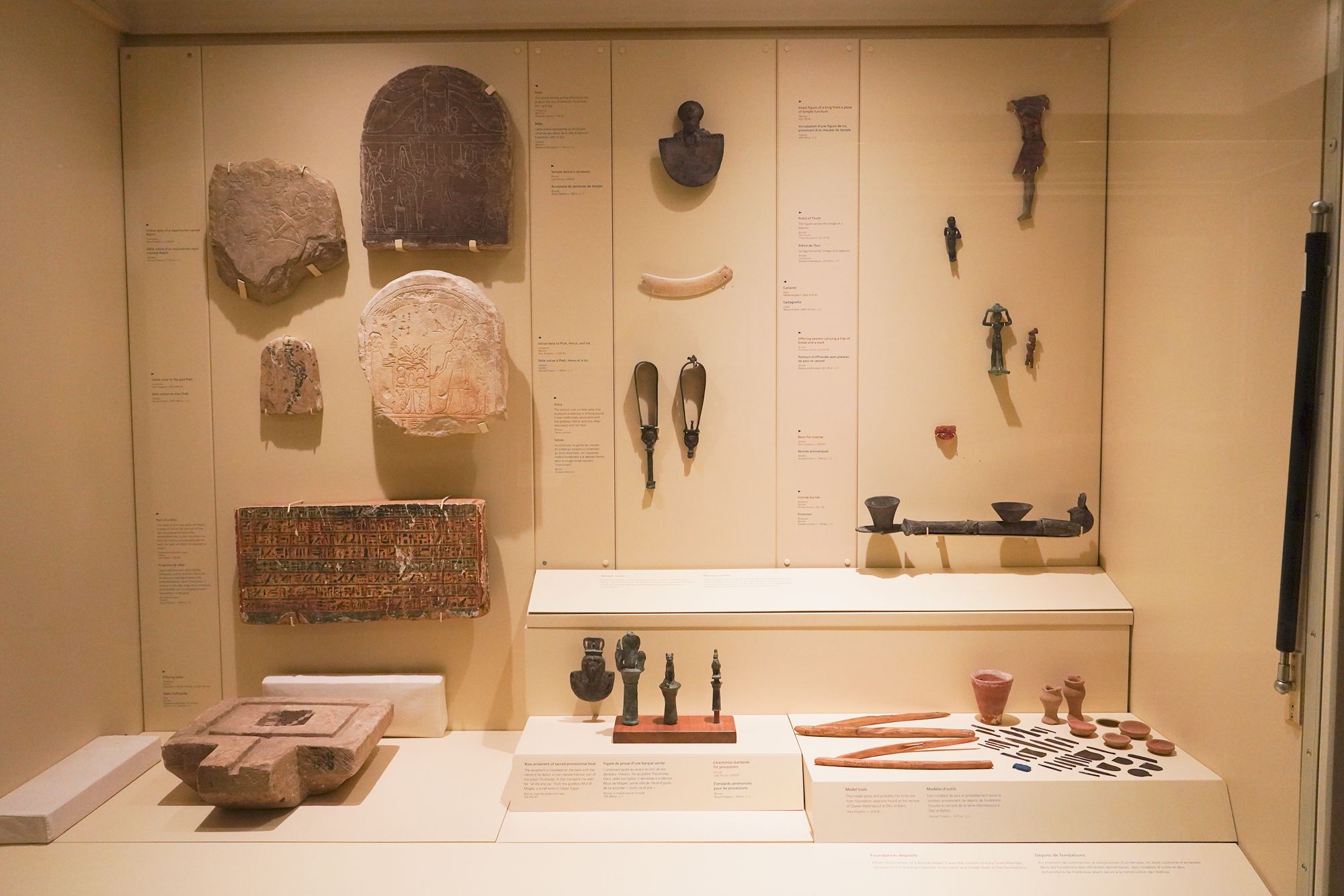
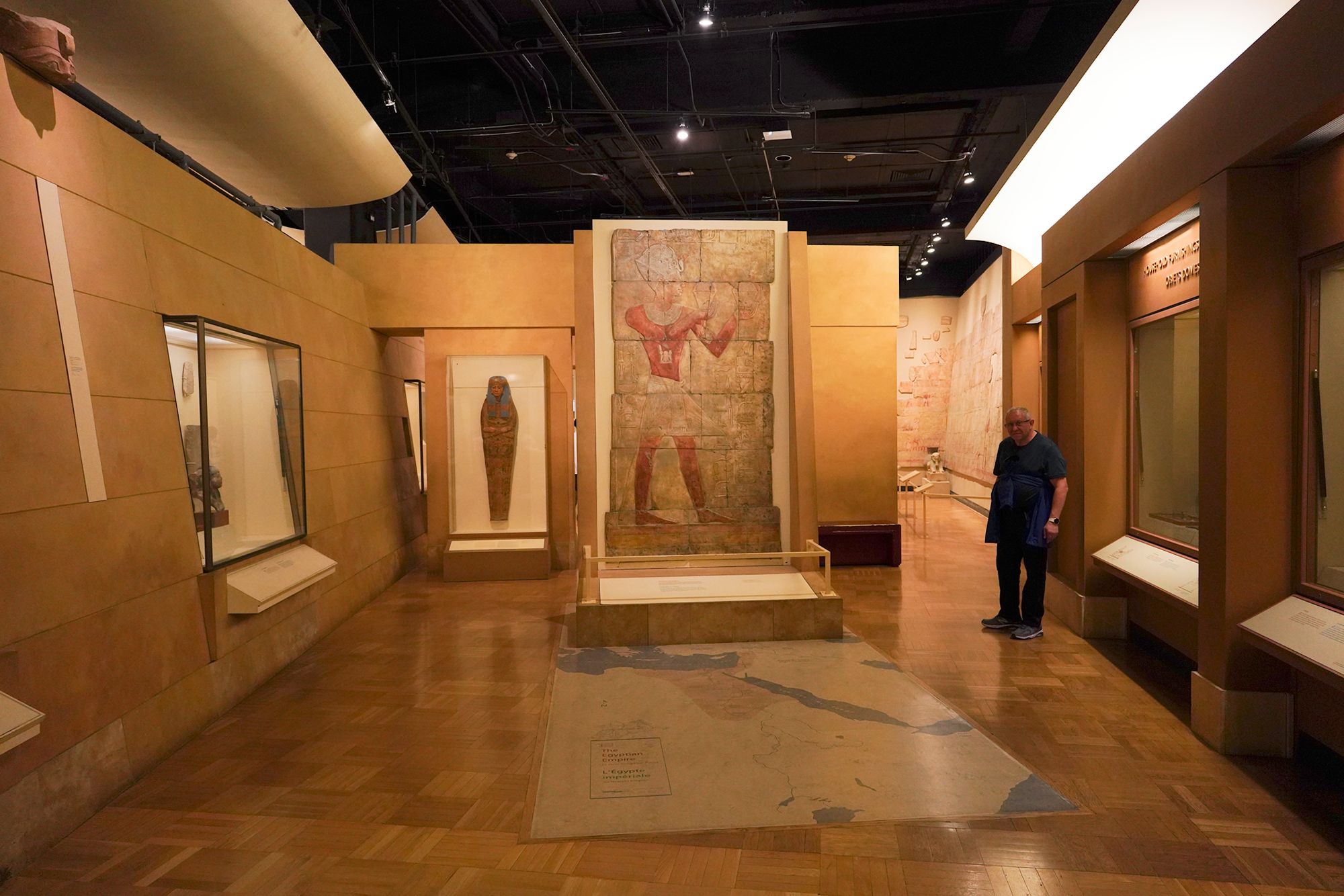
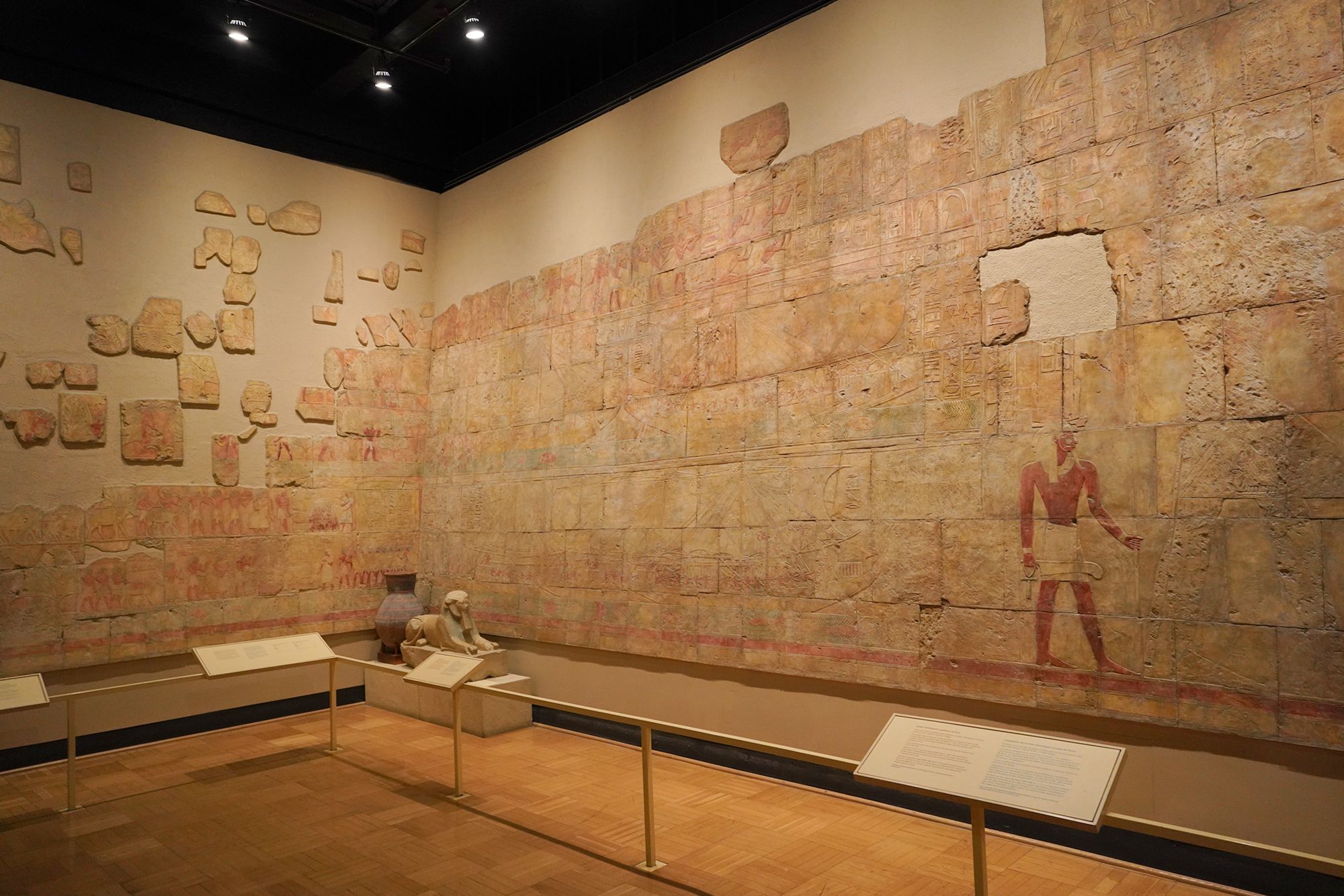
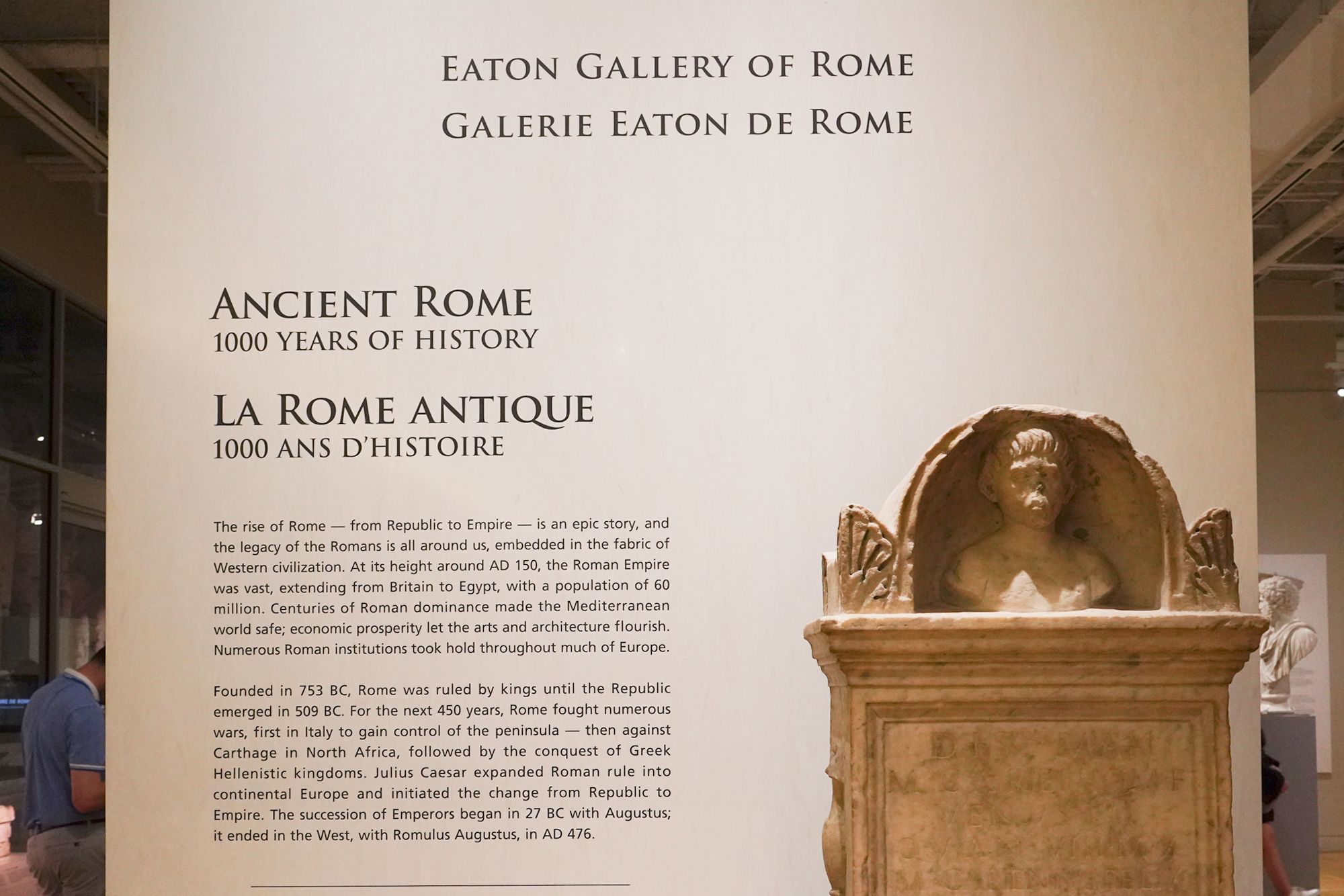
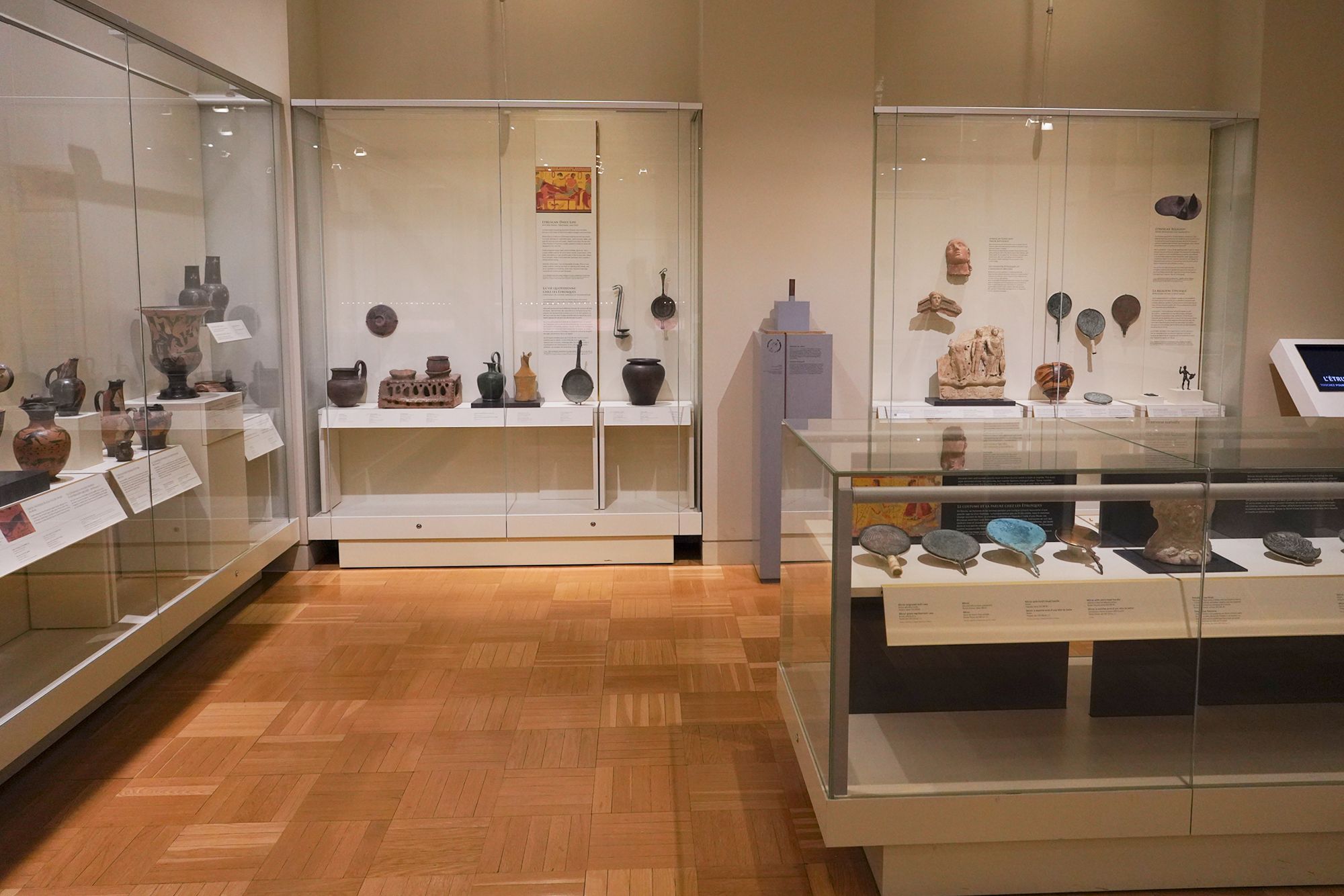
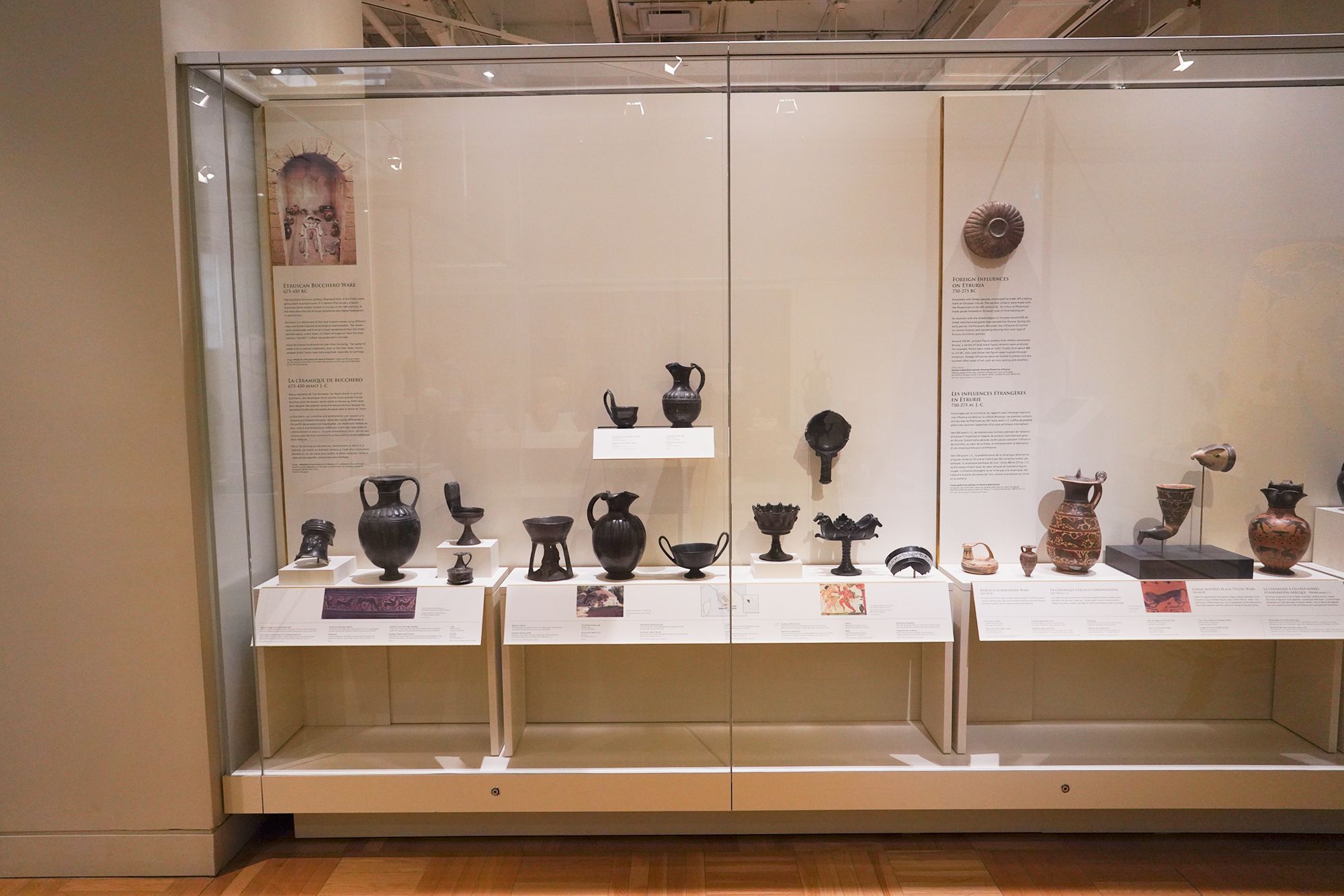
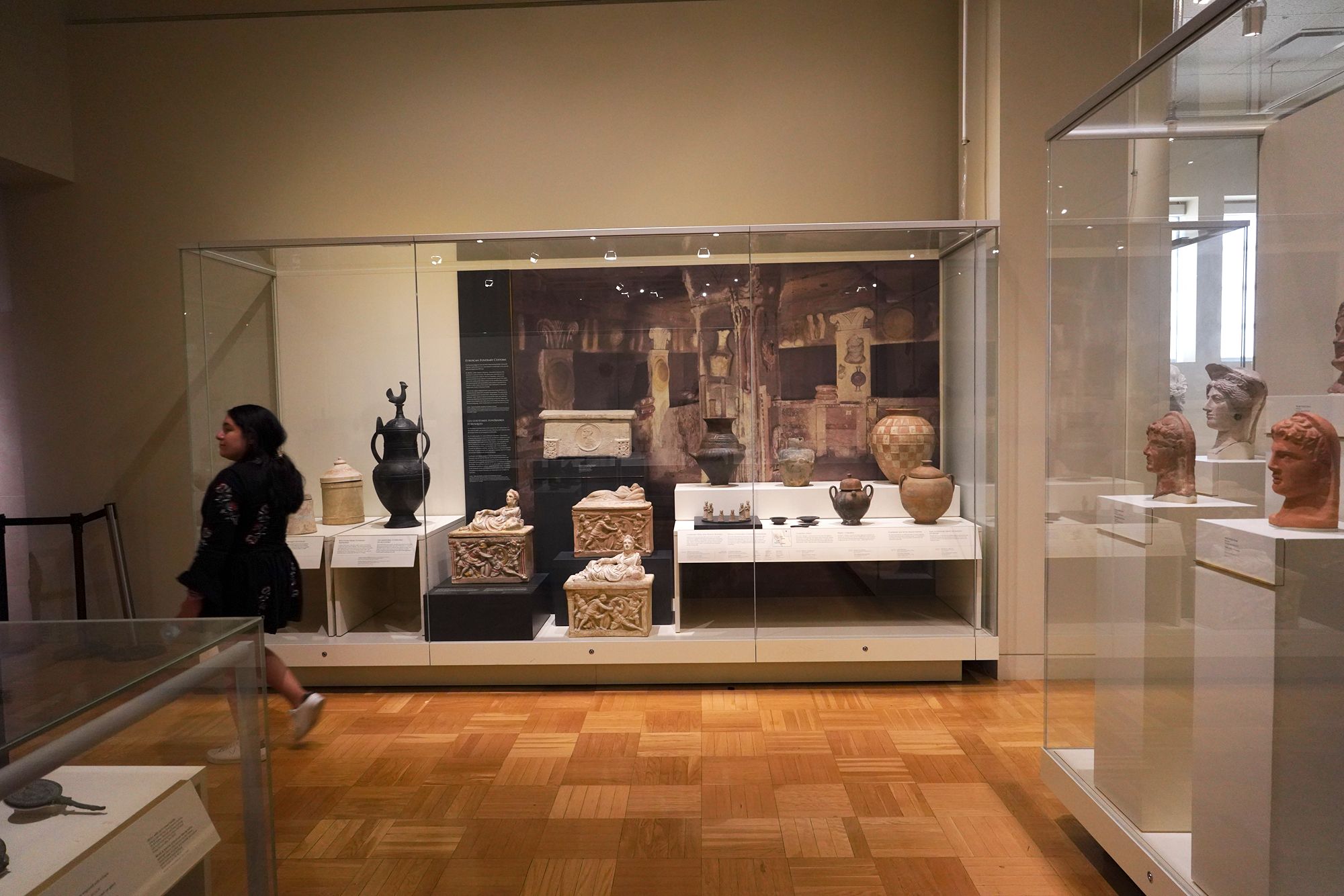
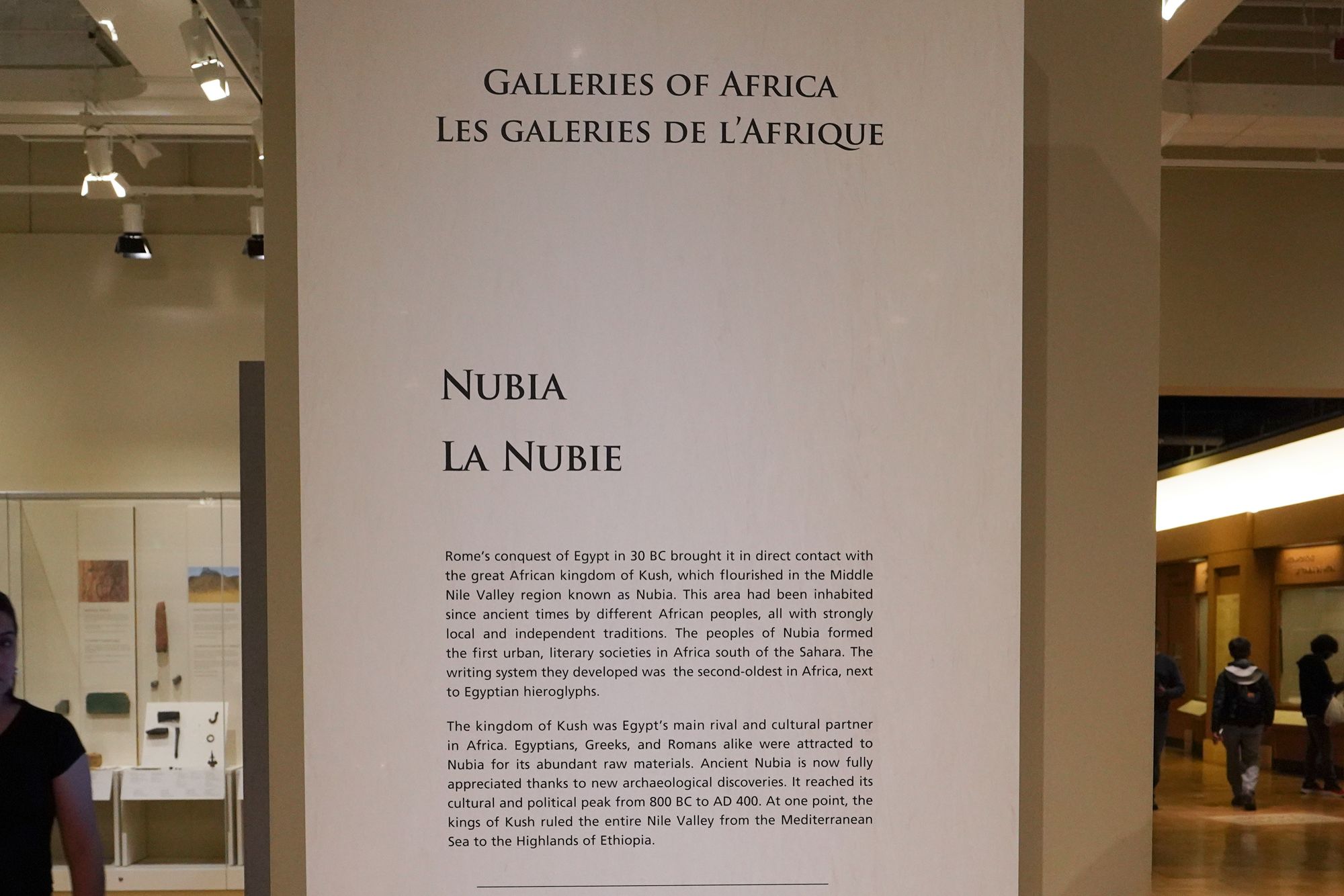
Europe: Byzantium, Rome, Nubia, Greece, Ancient Cyprus, Bronze Age Aegean and Egypt.
Unfortunately, I ran out of time at the museum and wasn’t able to see this section in its entirety.