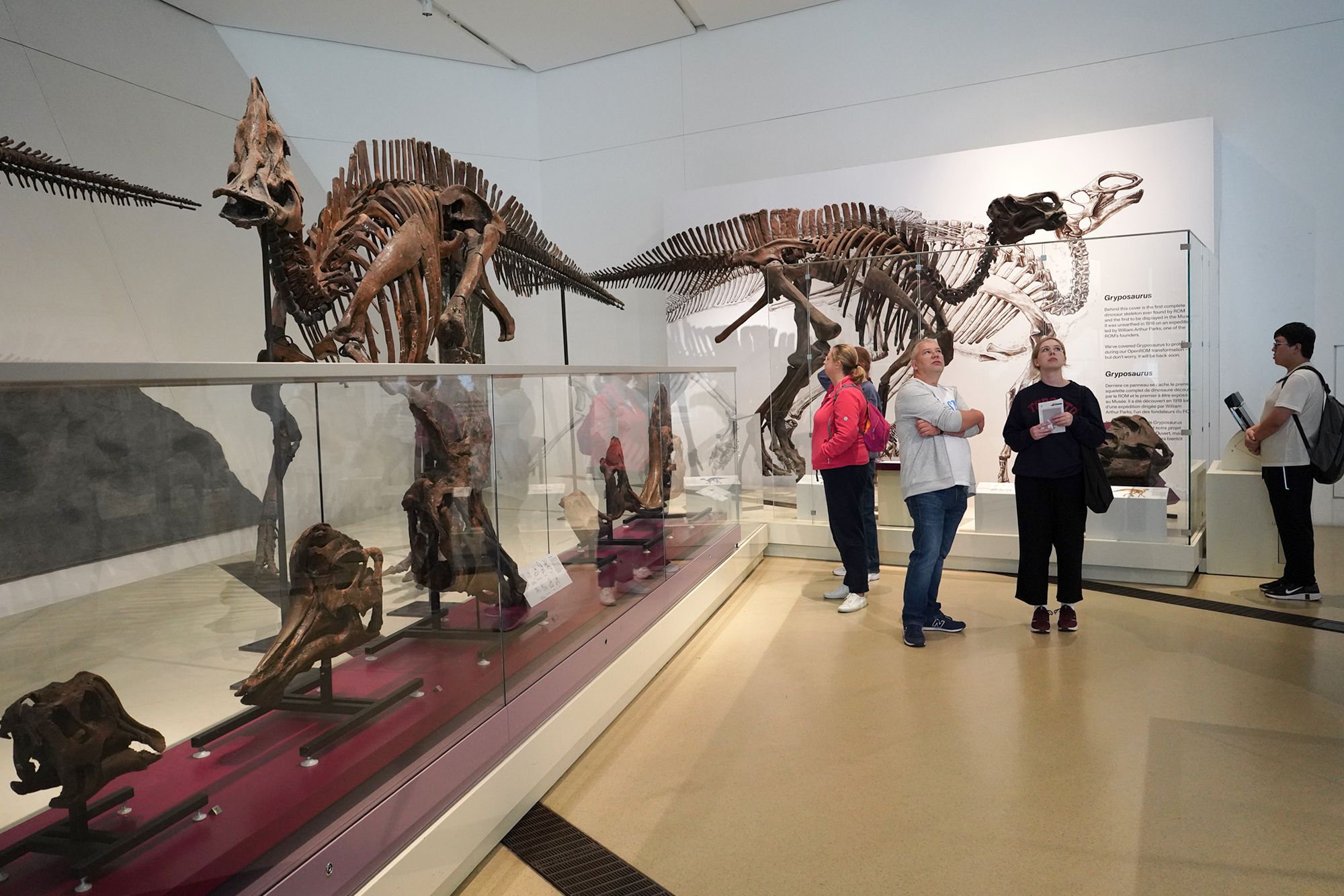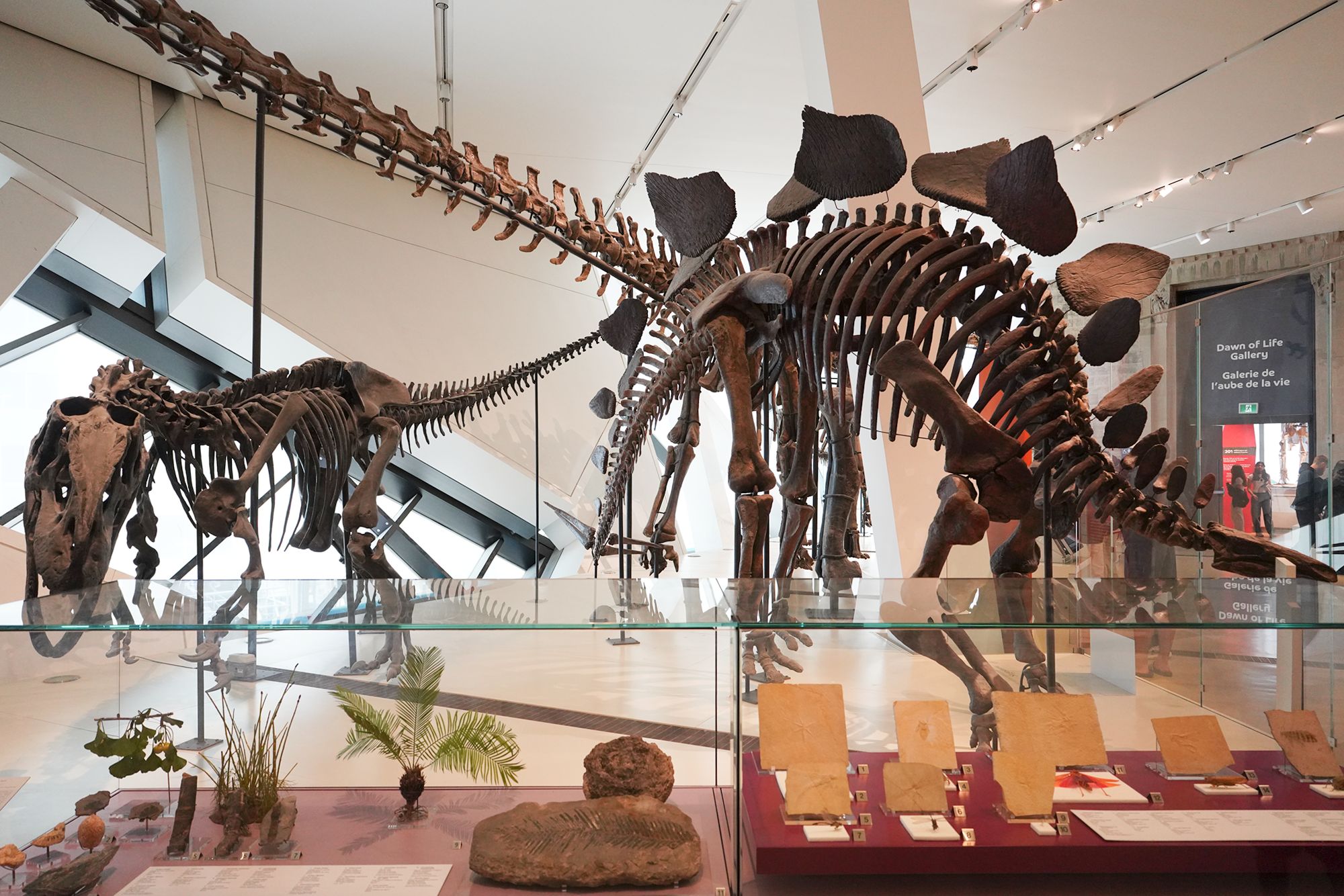
Royal Ontario Museum – Evolution of Life on Earth, Toronto, Ontario, Canada
The Evolution of Life exhibit traces Earth’s biological history from early microbes to complex life. 1191
Royal Ontario Museum: 100 Queens Park, Toronto, ON M5S 2C6, Canada
Date Picture Taken: August 2025
At the Royal Ontario Museum, the Evolution of Life exhibit explores the development of life on Earth over billions of years, using fossils, models, and interactive displays to illustrate key evolutionary milestones, mass extinctions, and the rise of complex organisms.
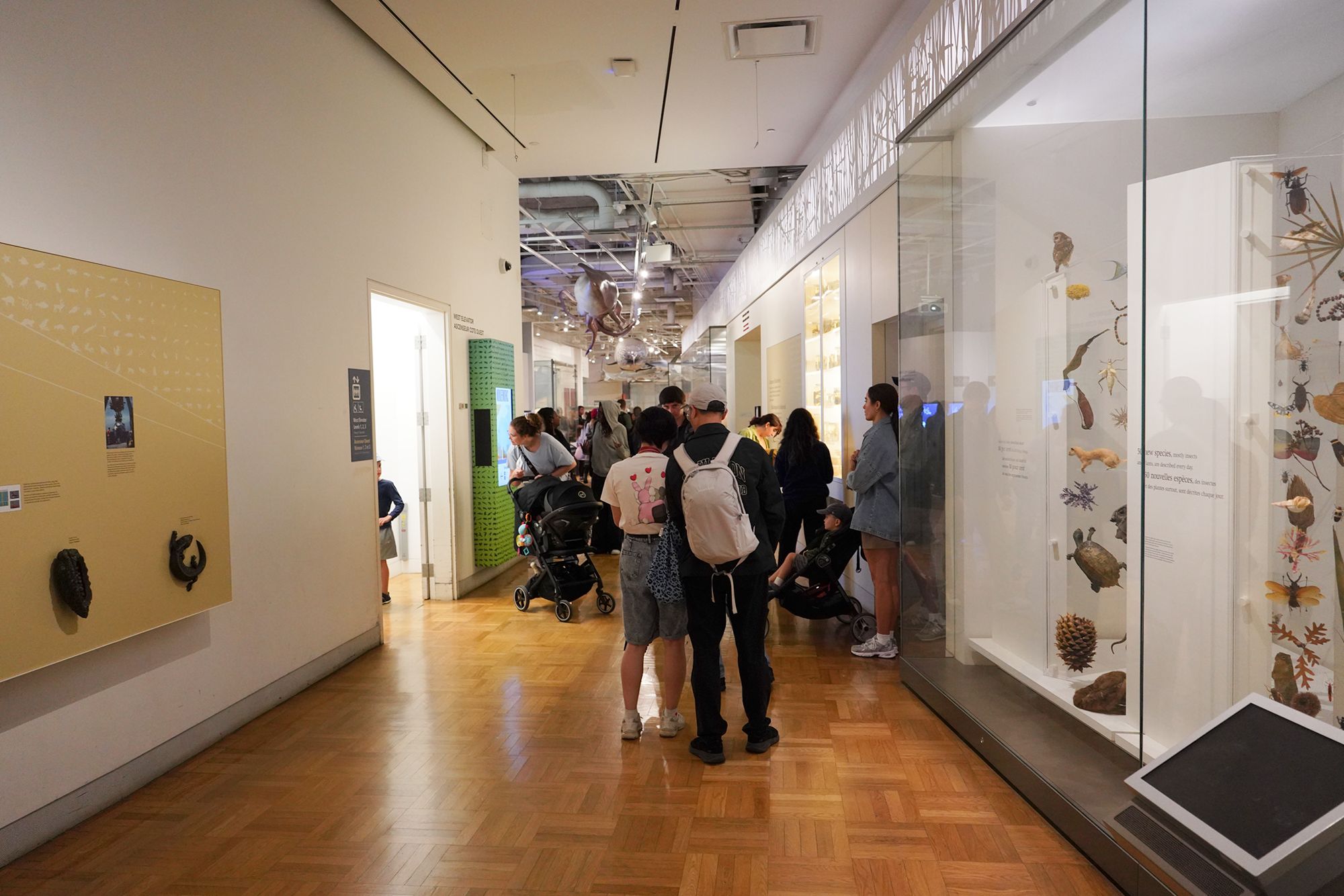
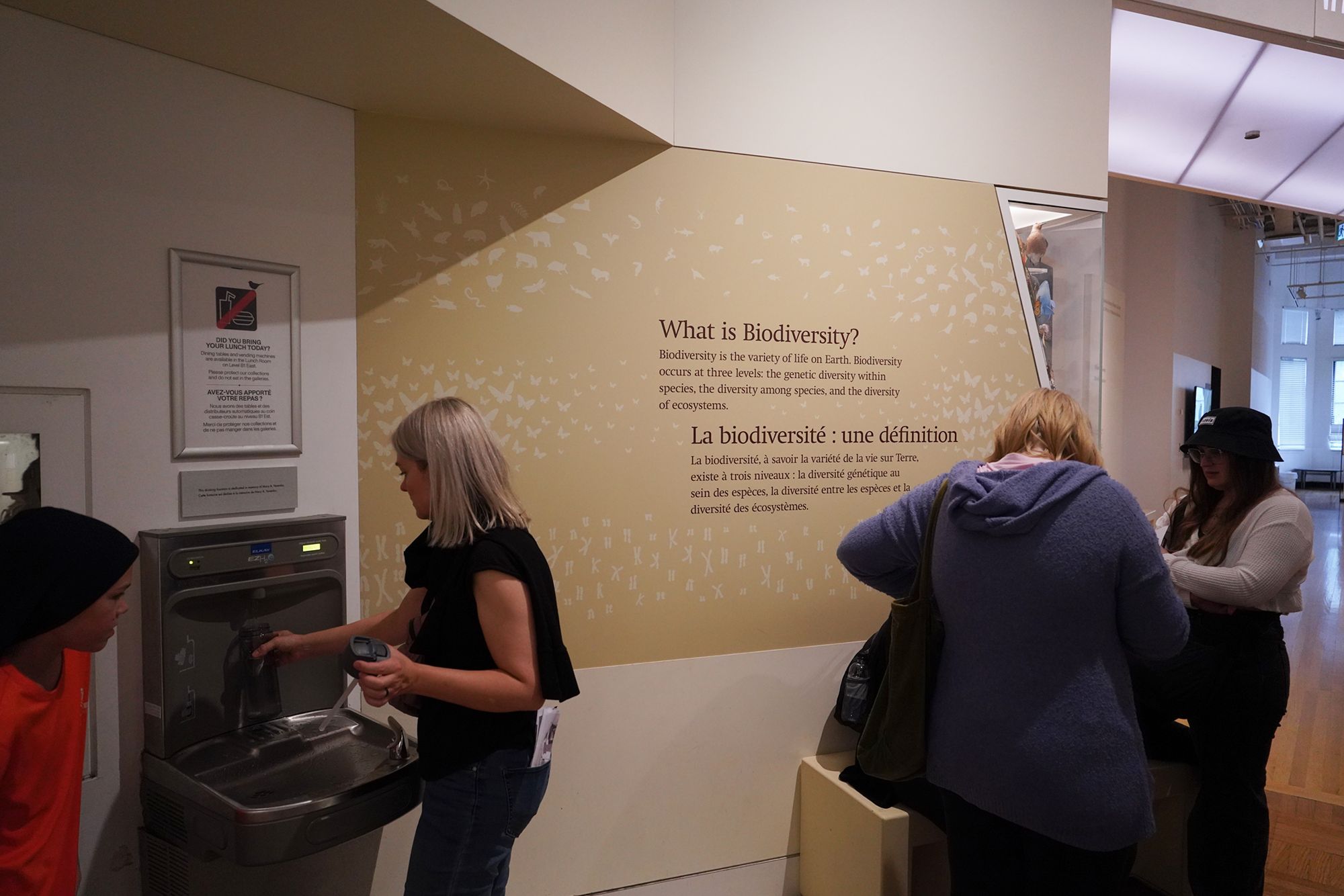
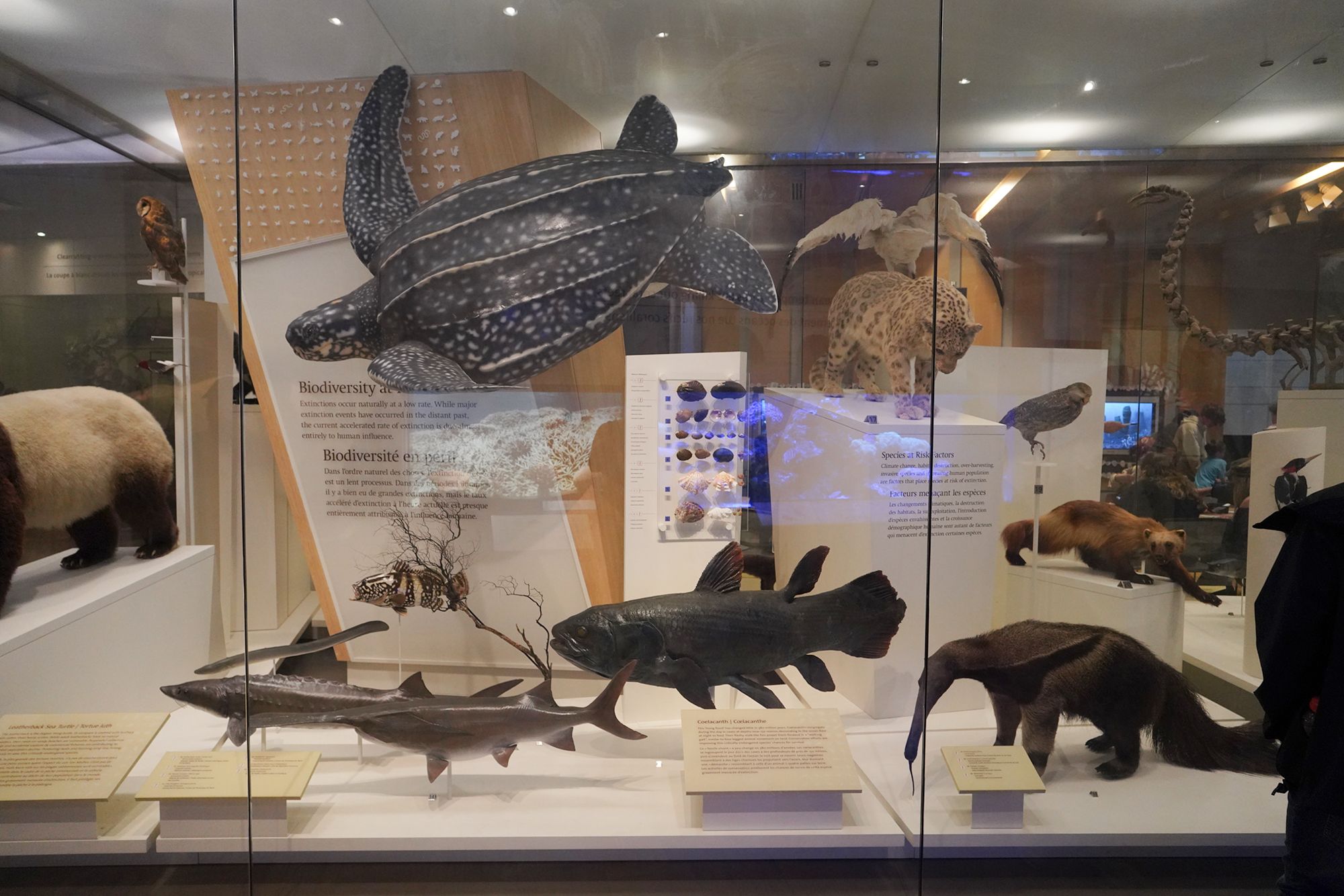
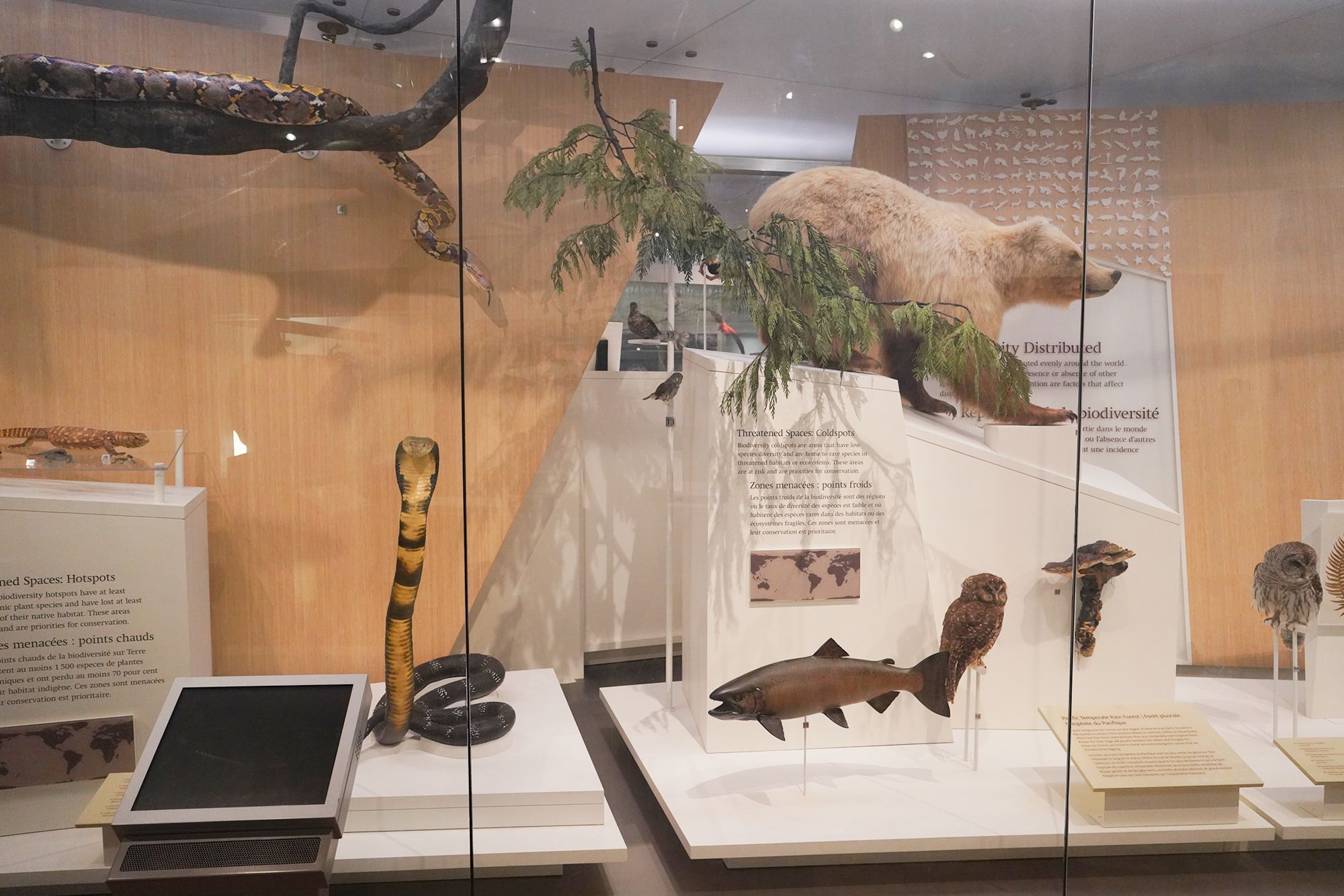
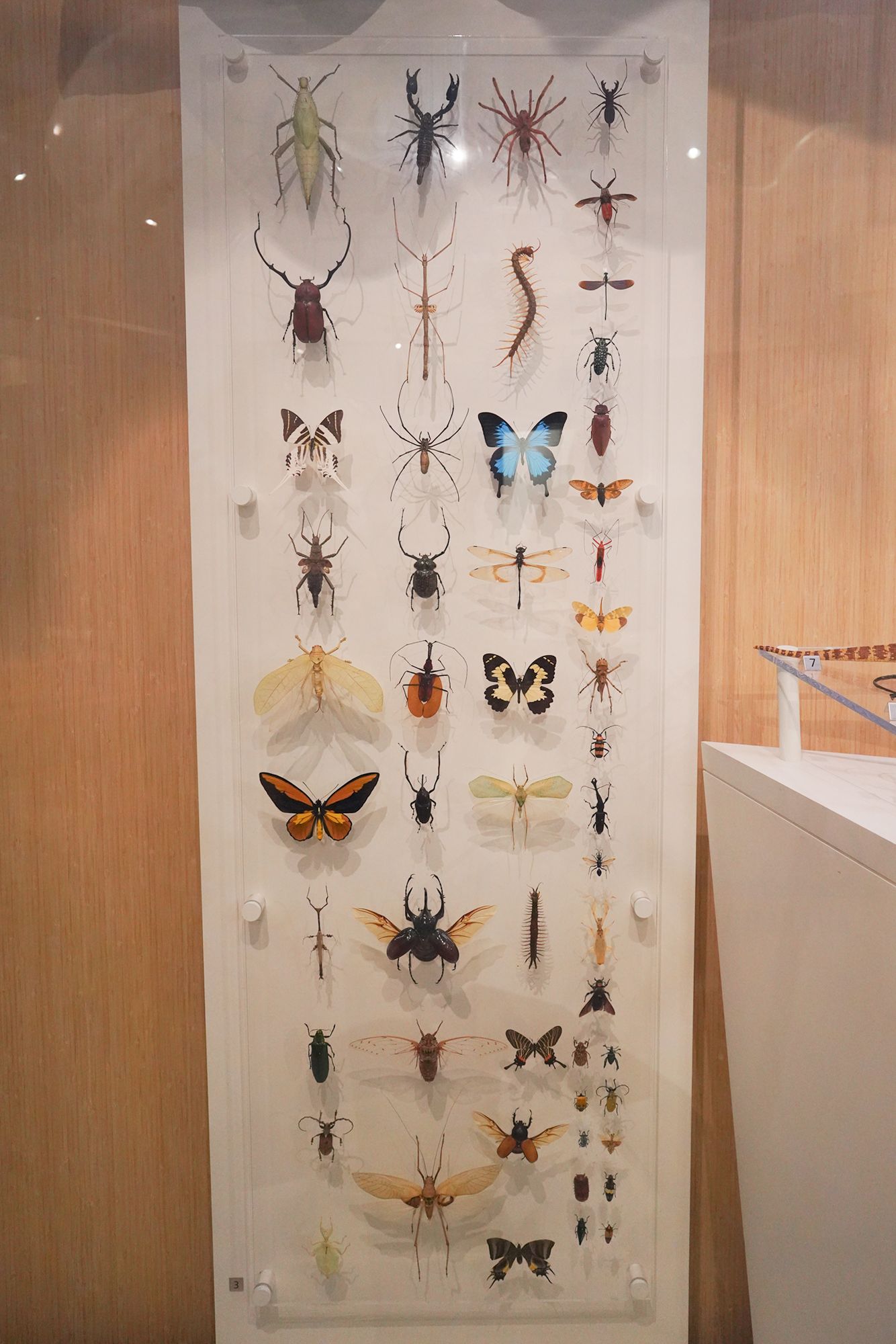
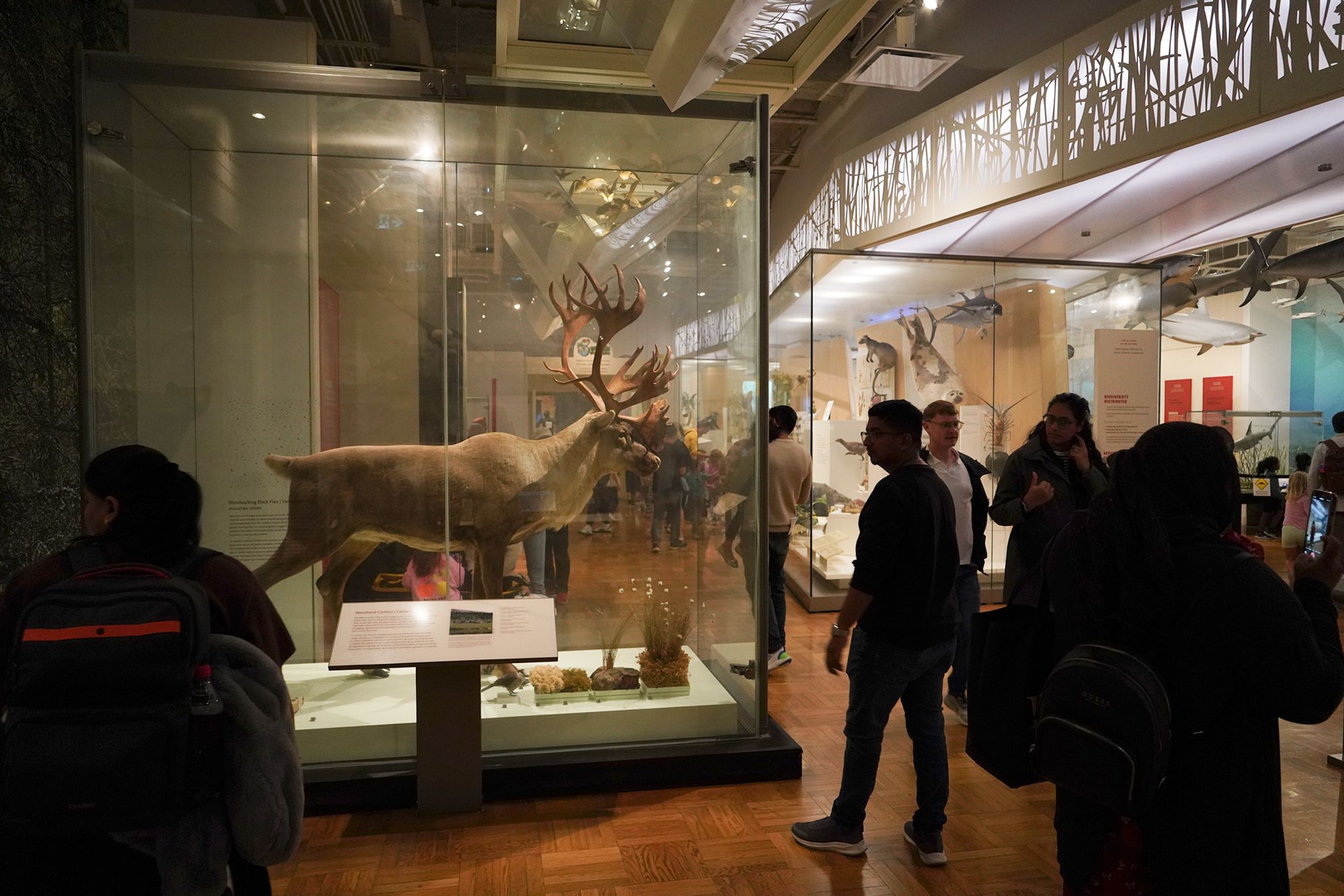
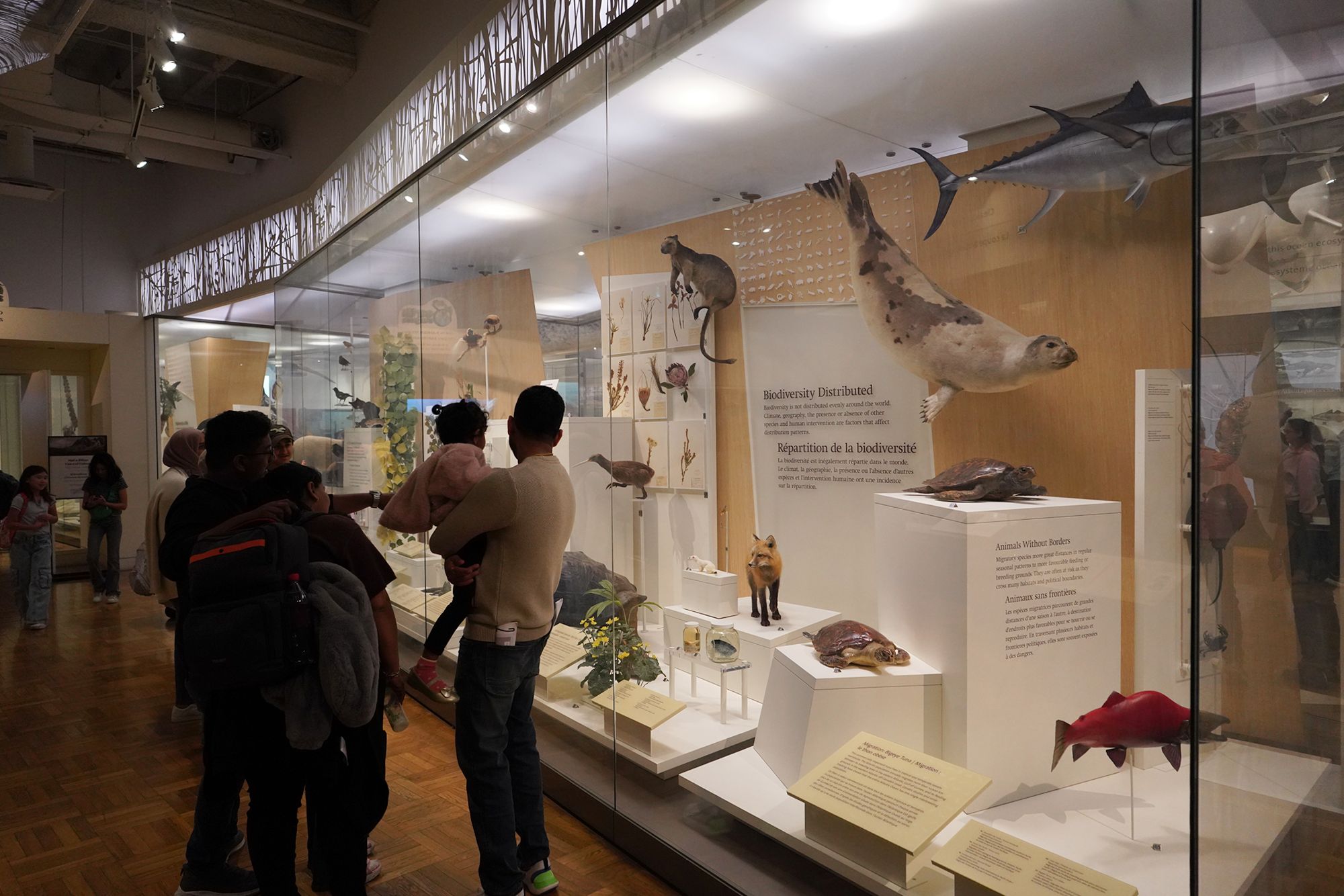
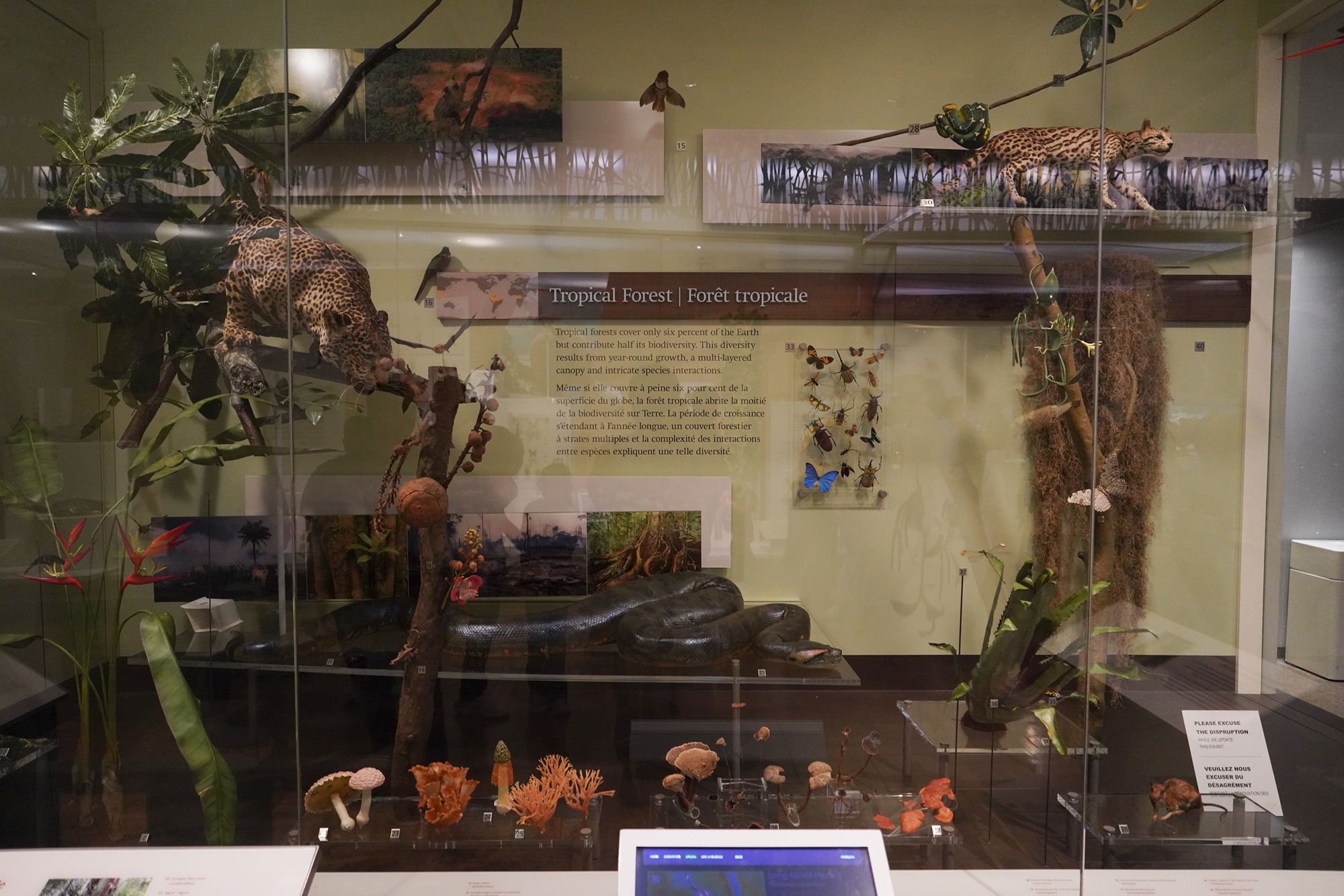
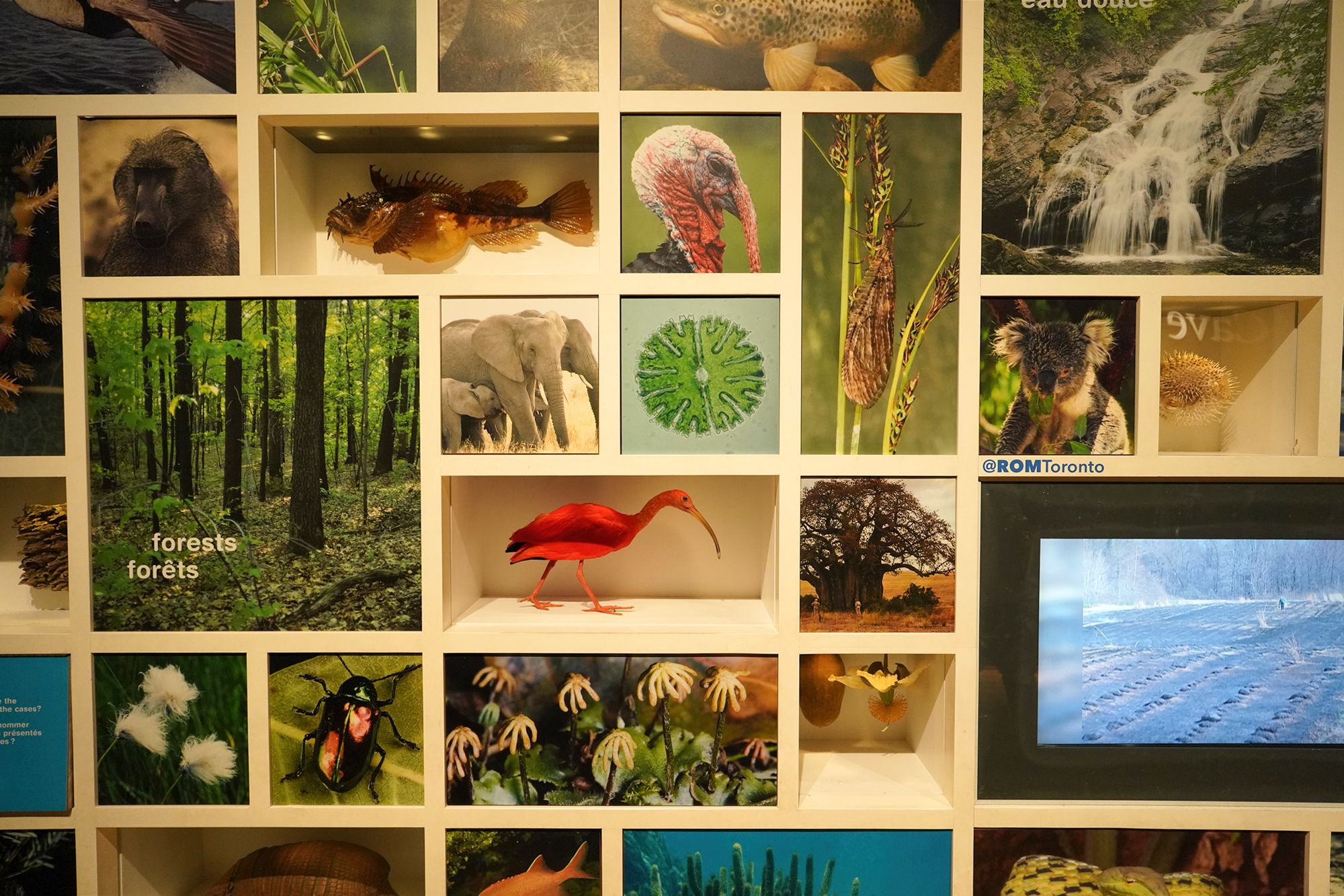
Biodiversity refers to the rich variety of life on Earth, including genetic diversity, species diversity, and ecosystems. It highlights how plants, animals, and microorganisms interact, adapt, and sustain ecological balance, forming the foundation of healthy environments and human survival.
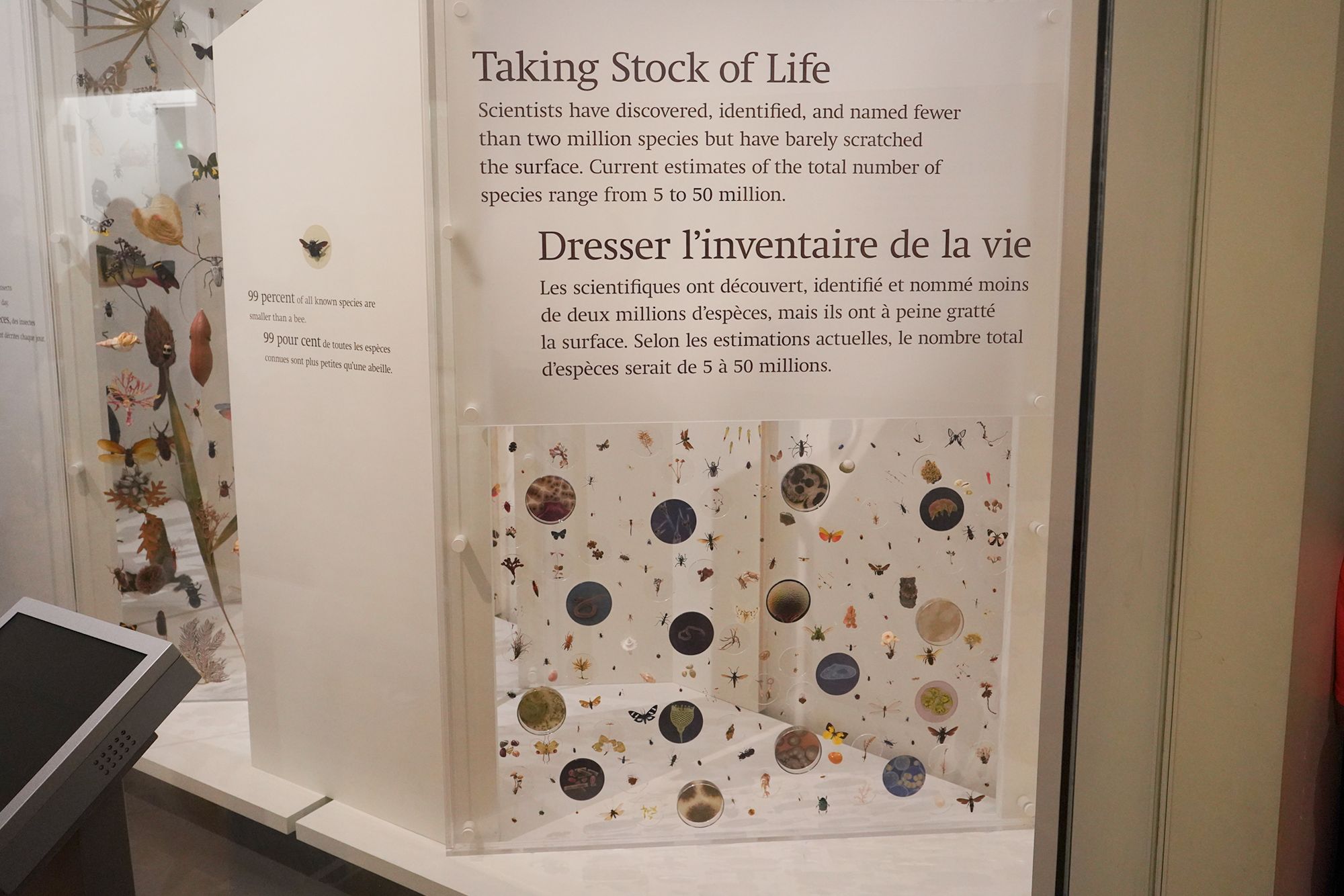
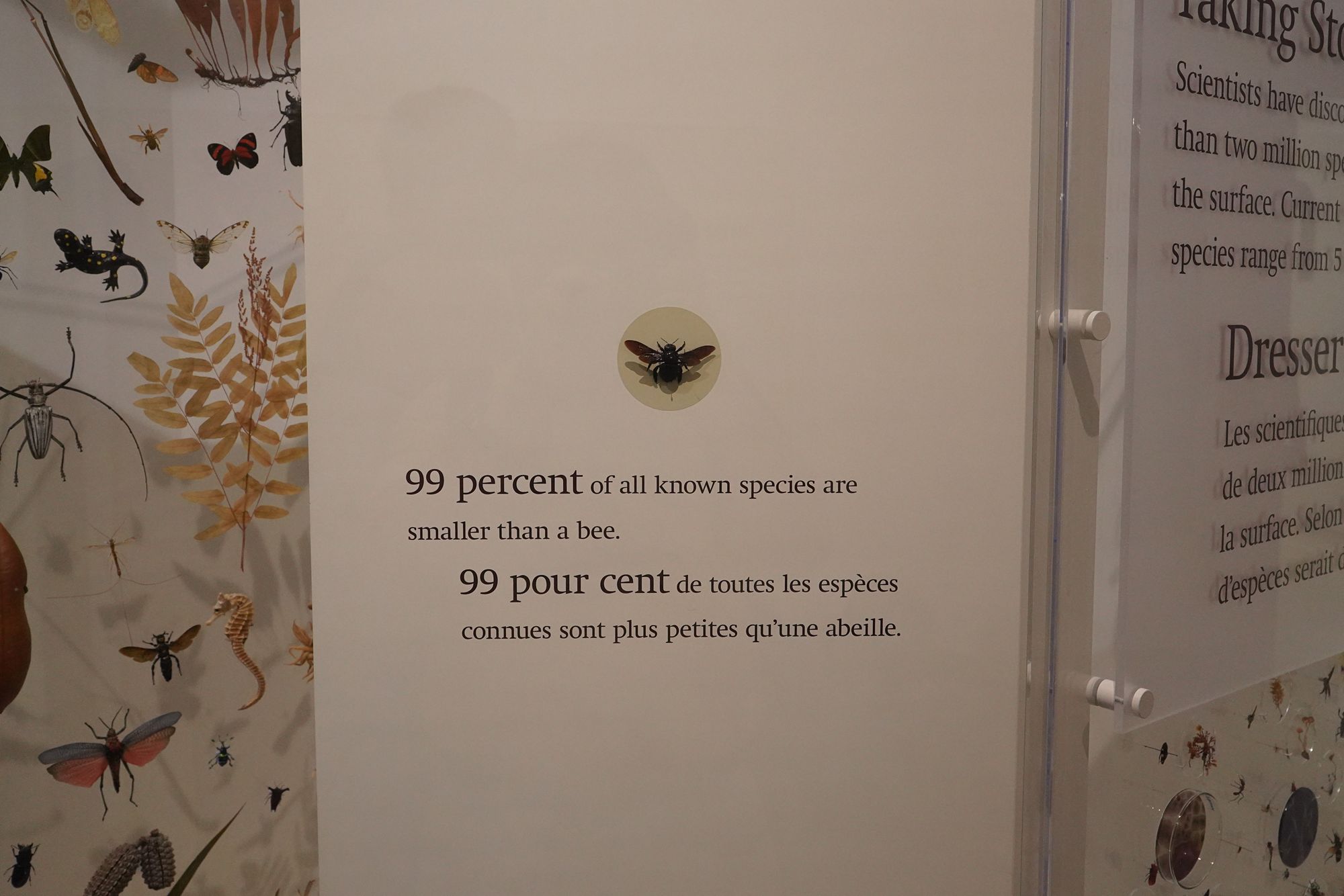
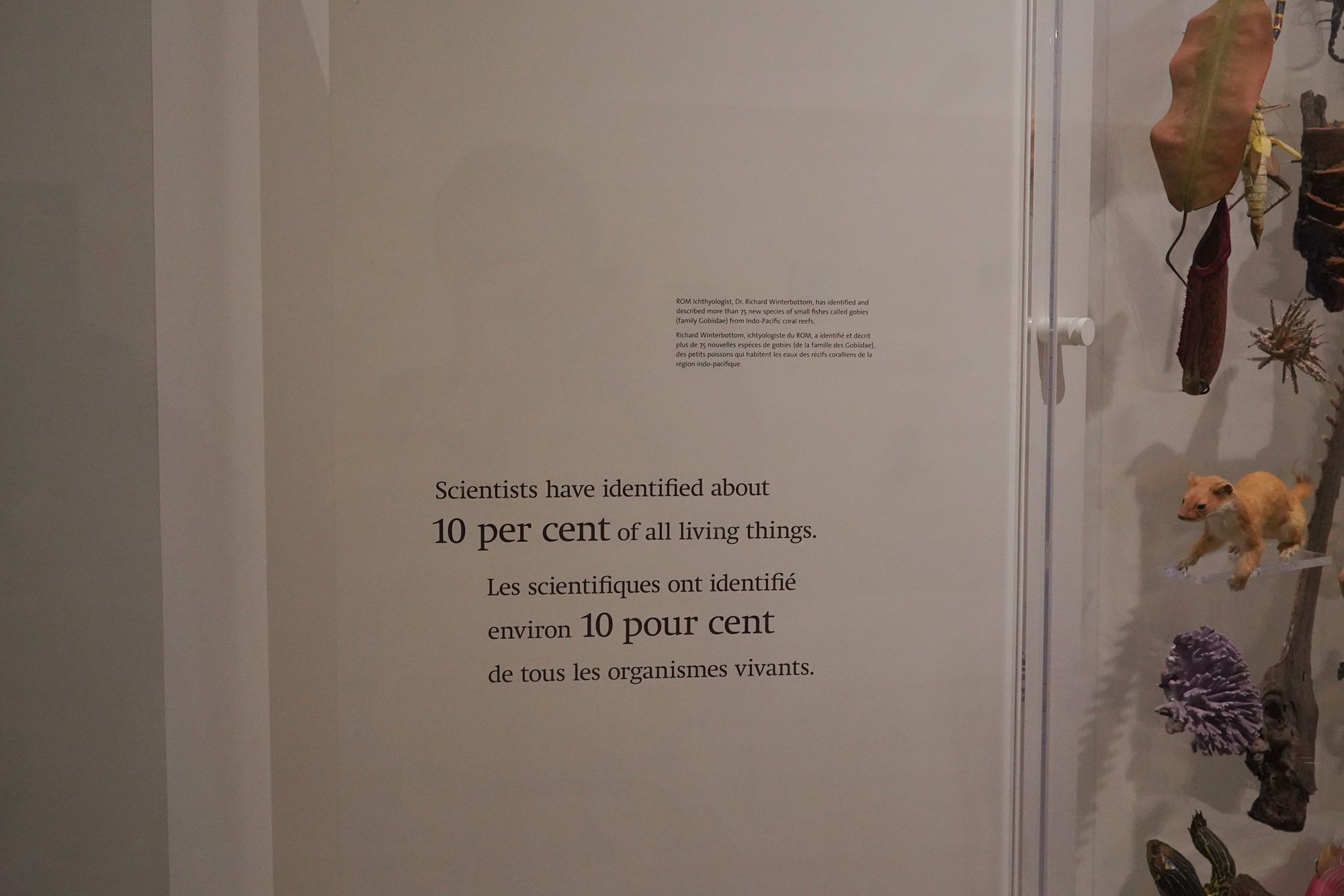
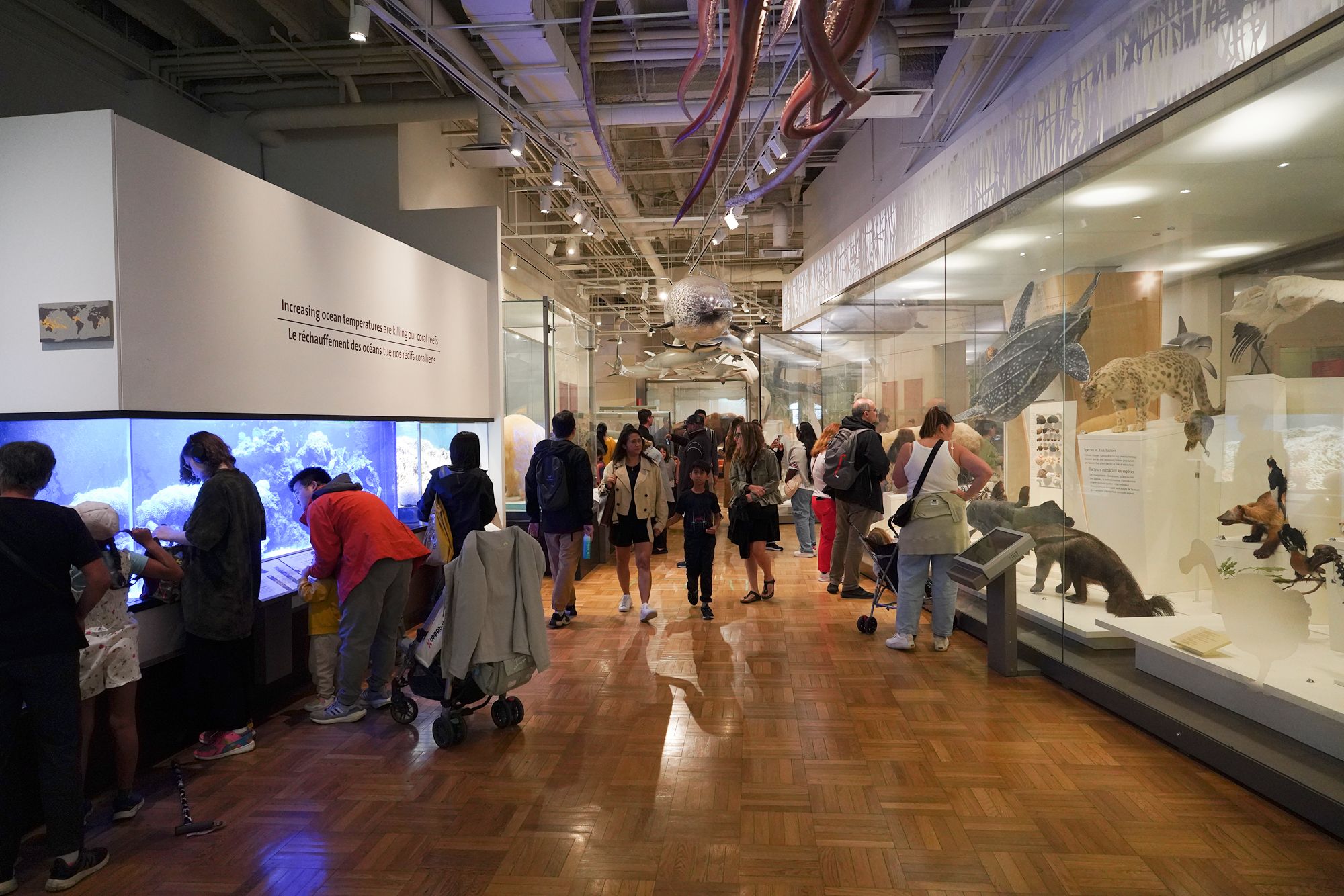
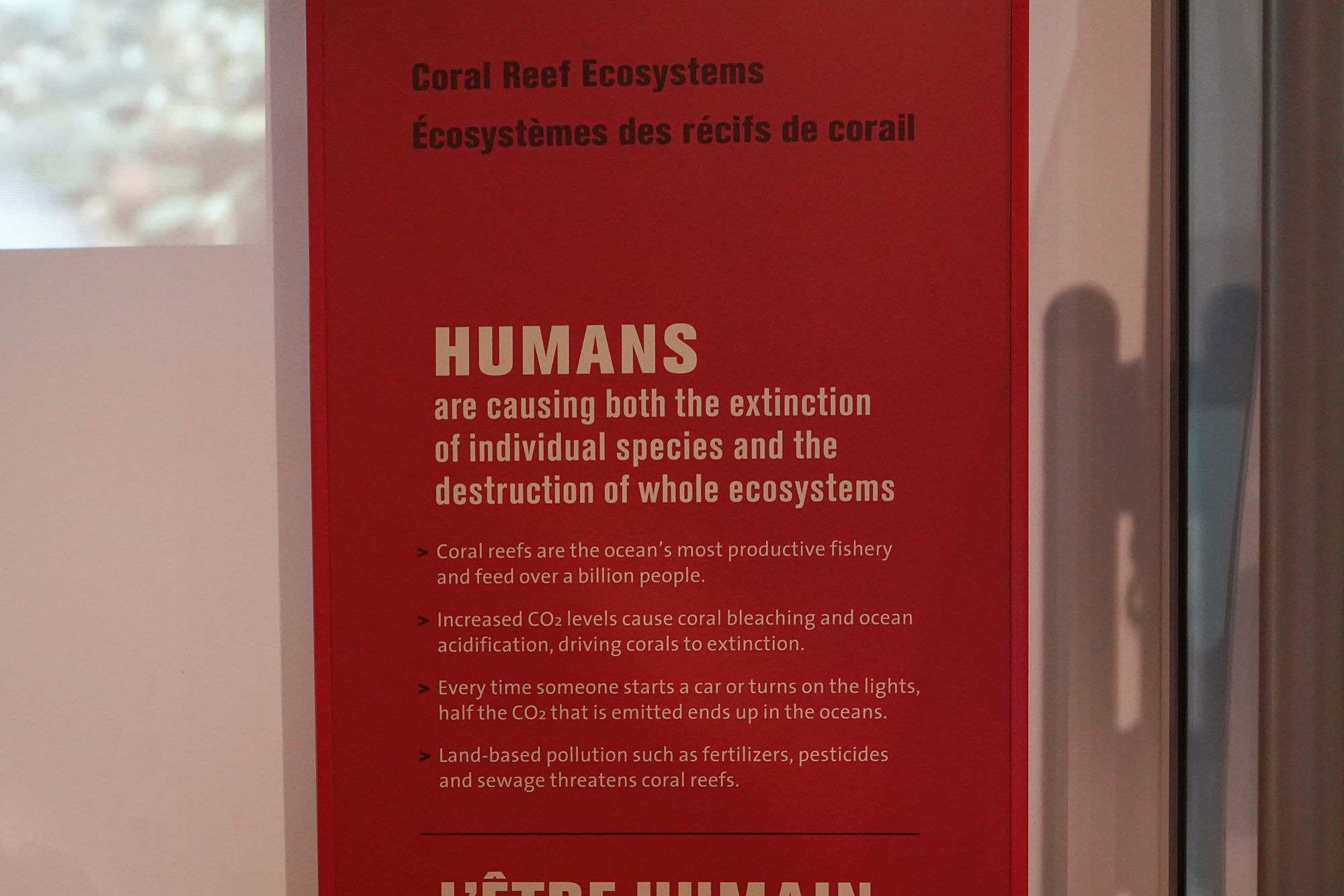
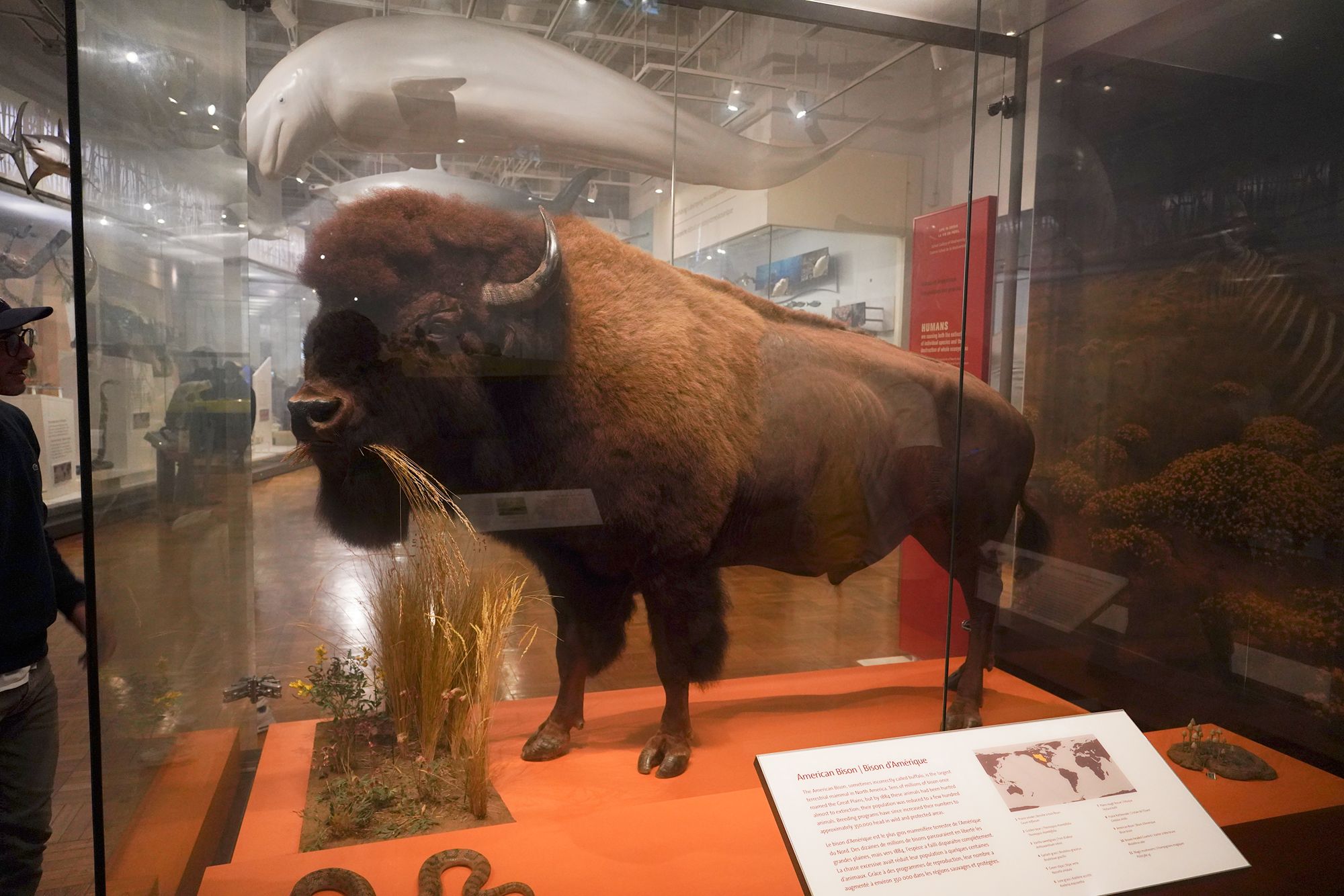
Humans are causing both the extinction of individual species and the destruction of whole ecosystems
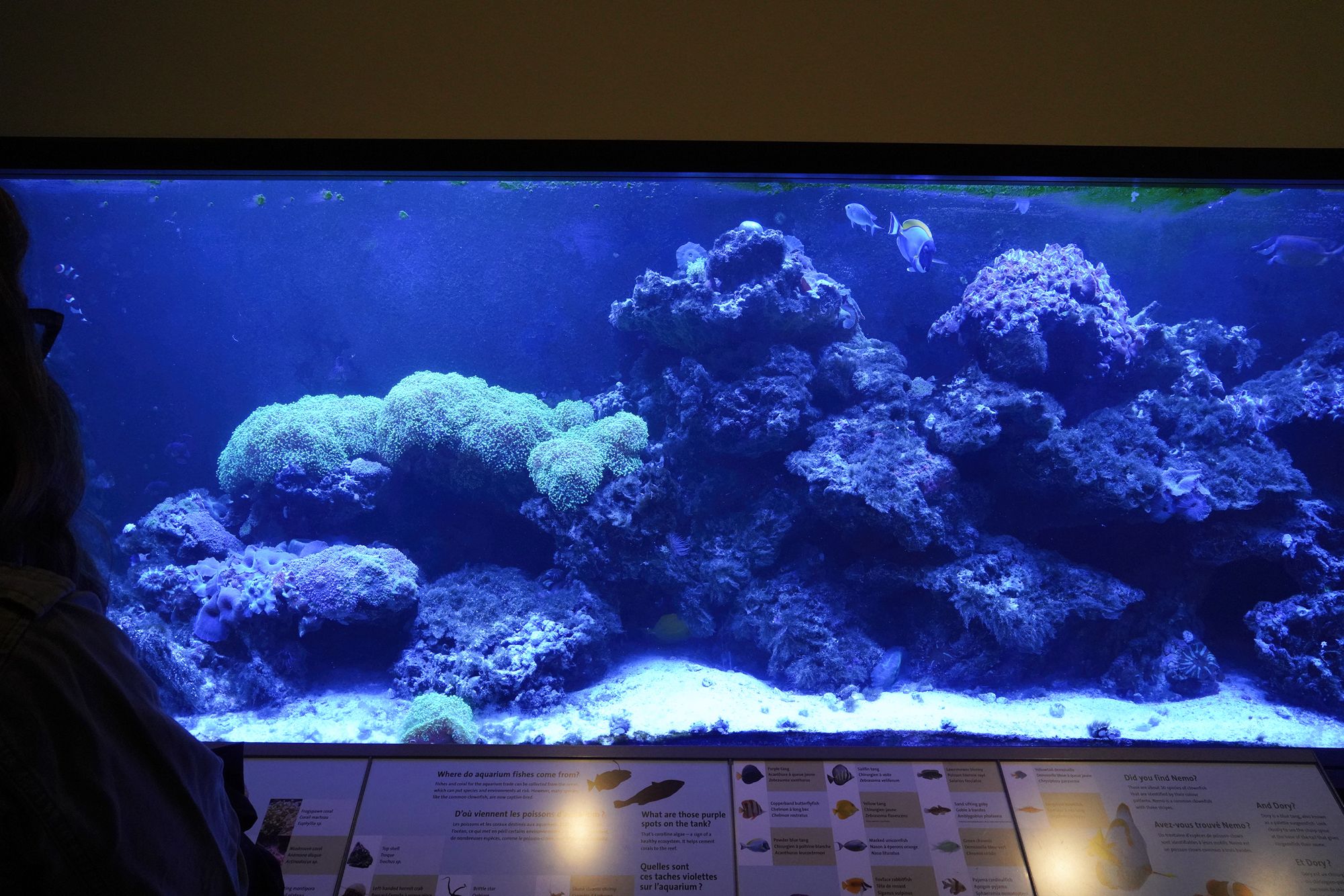
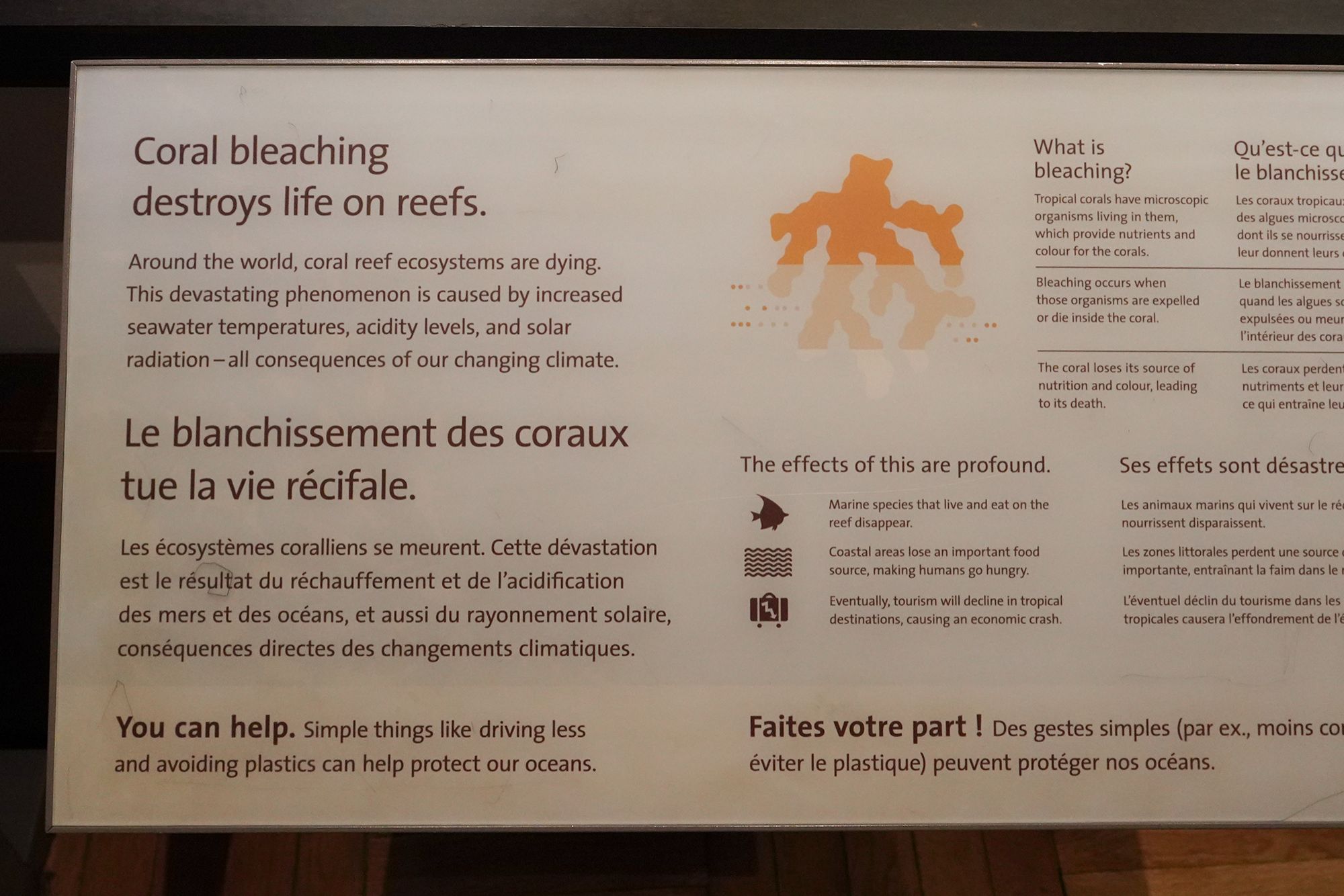
Live Corals
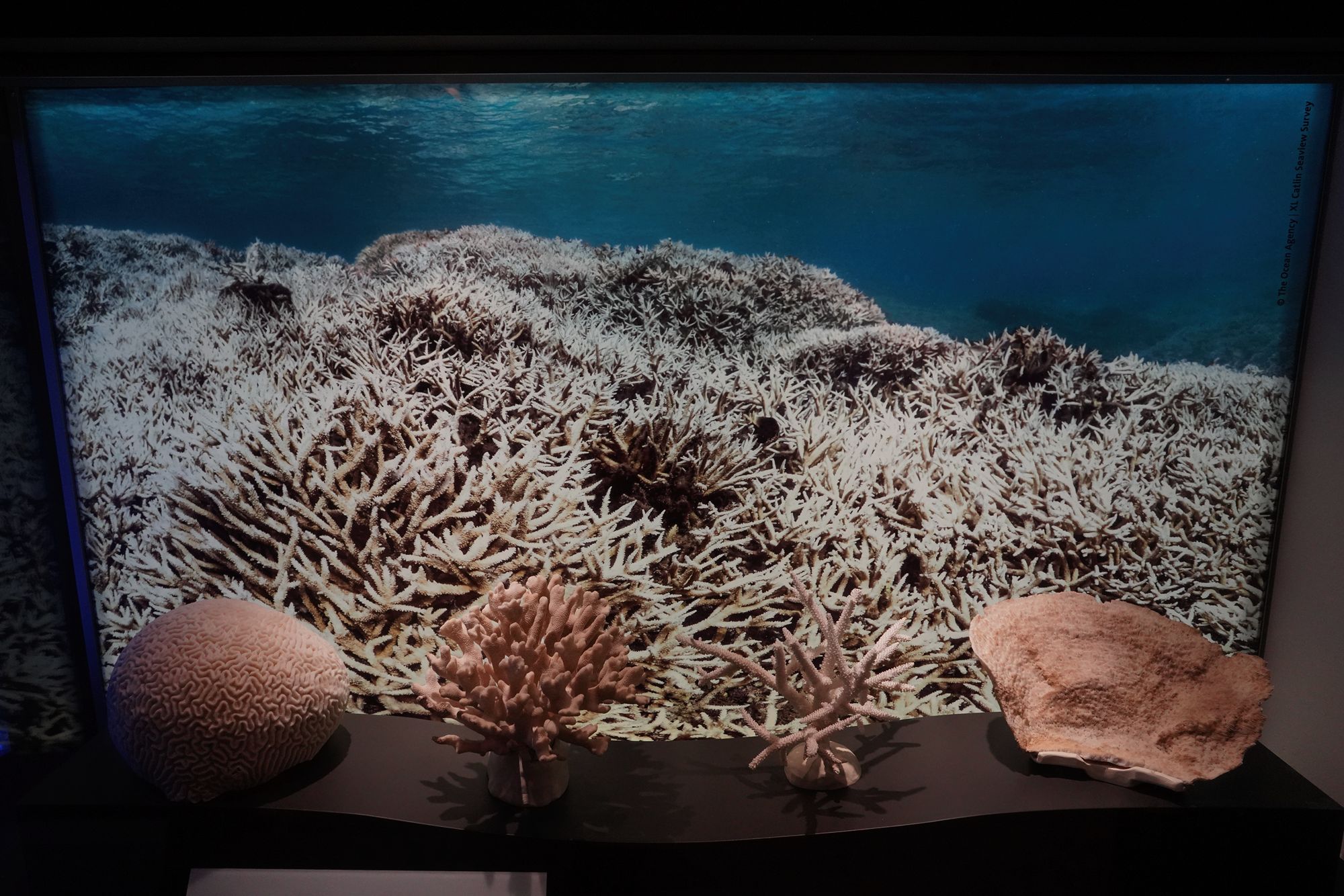
Dead Corals
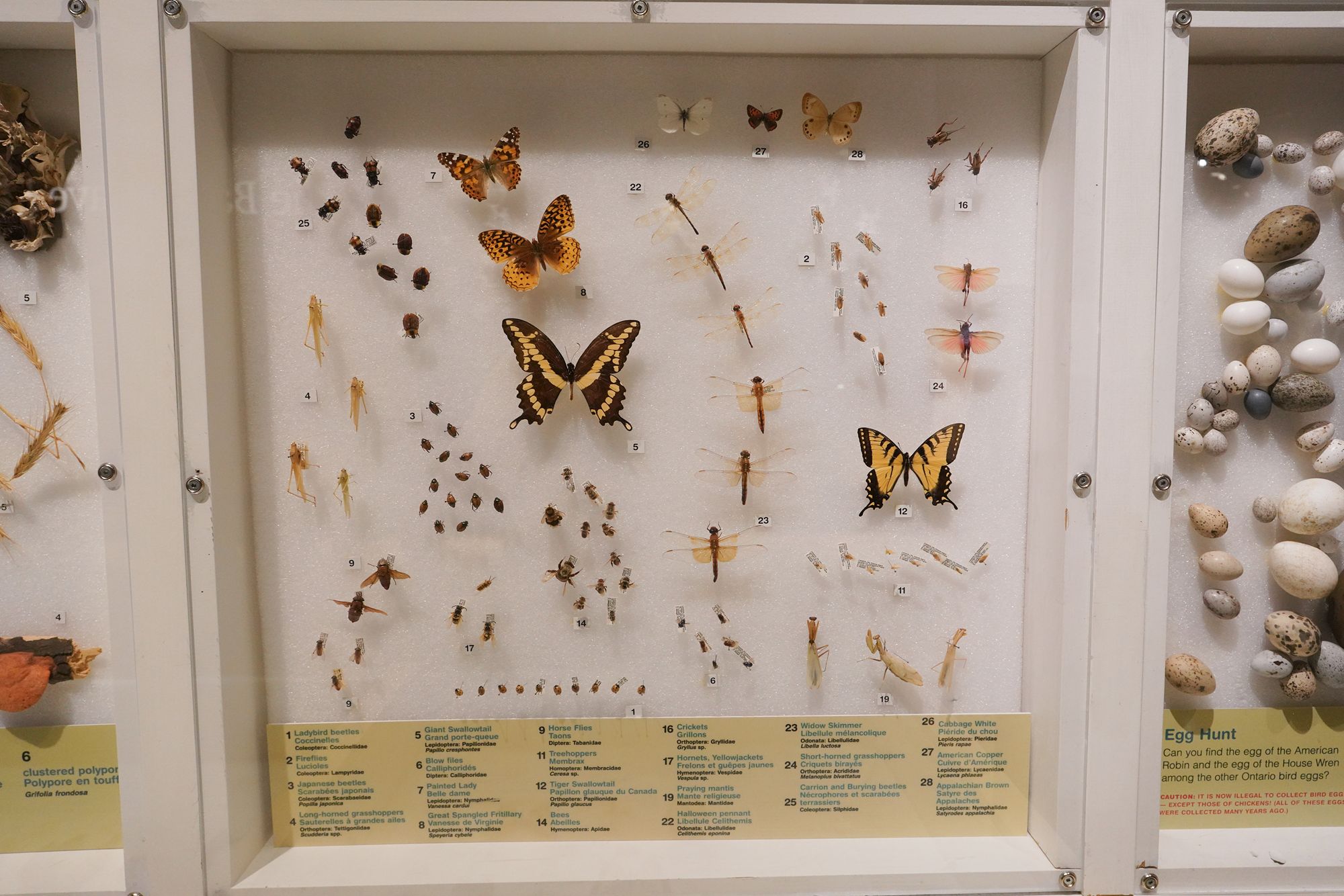
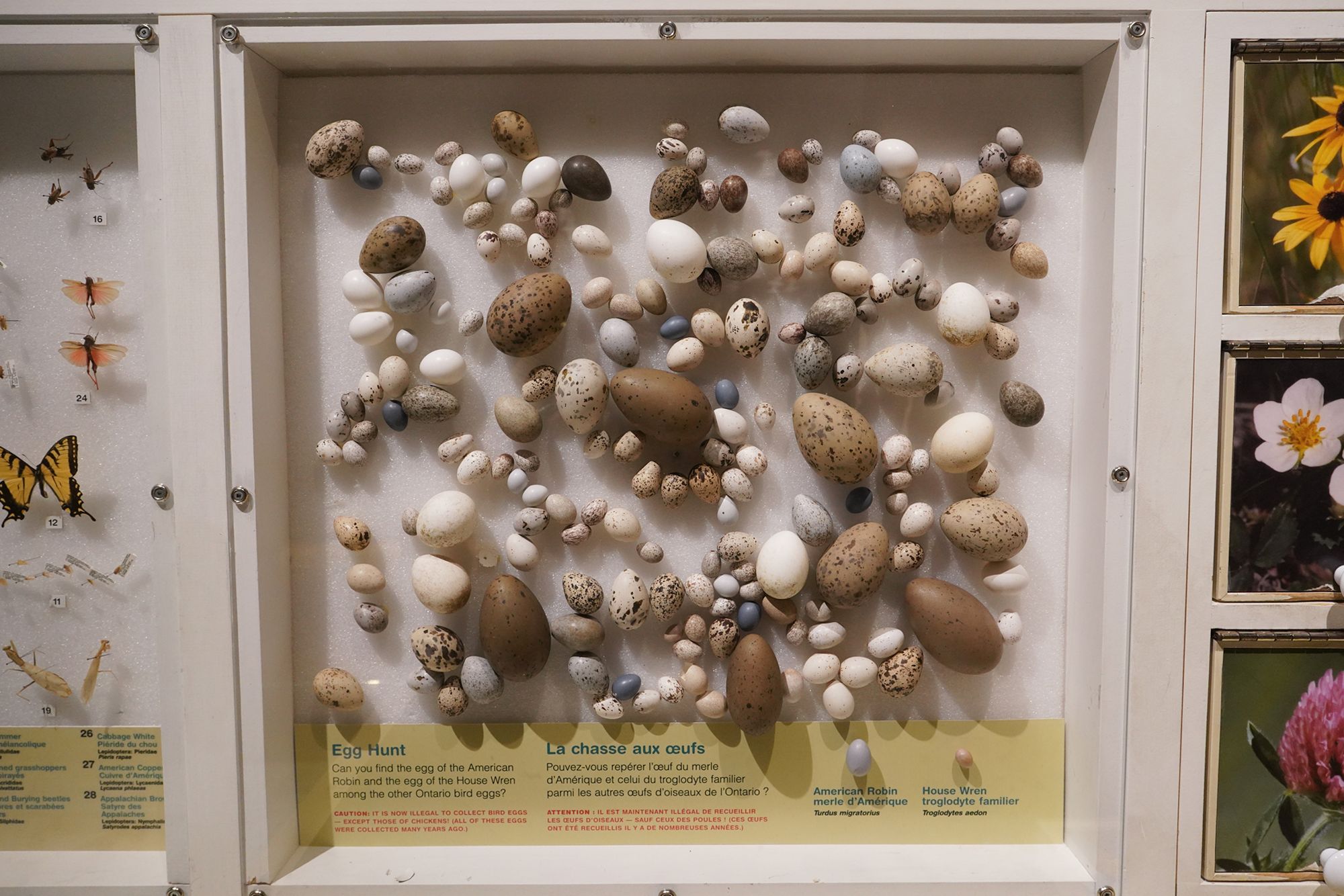
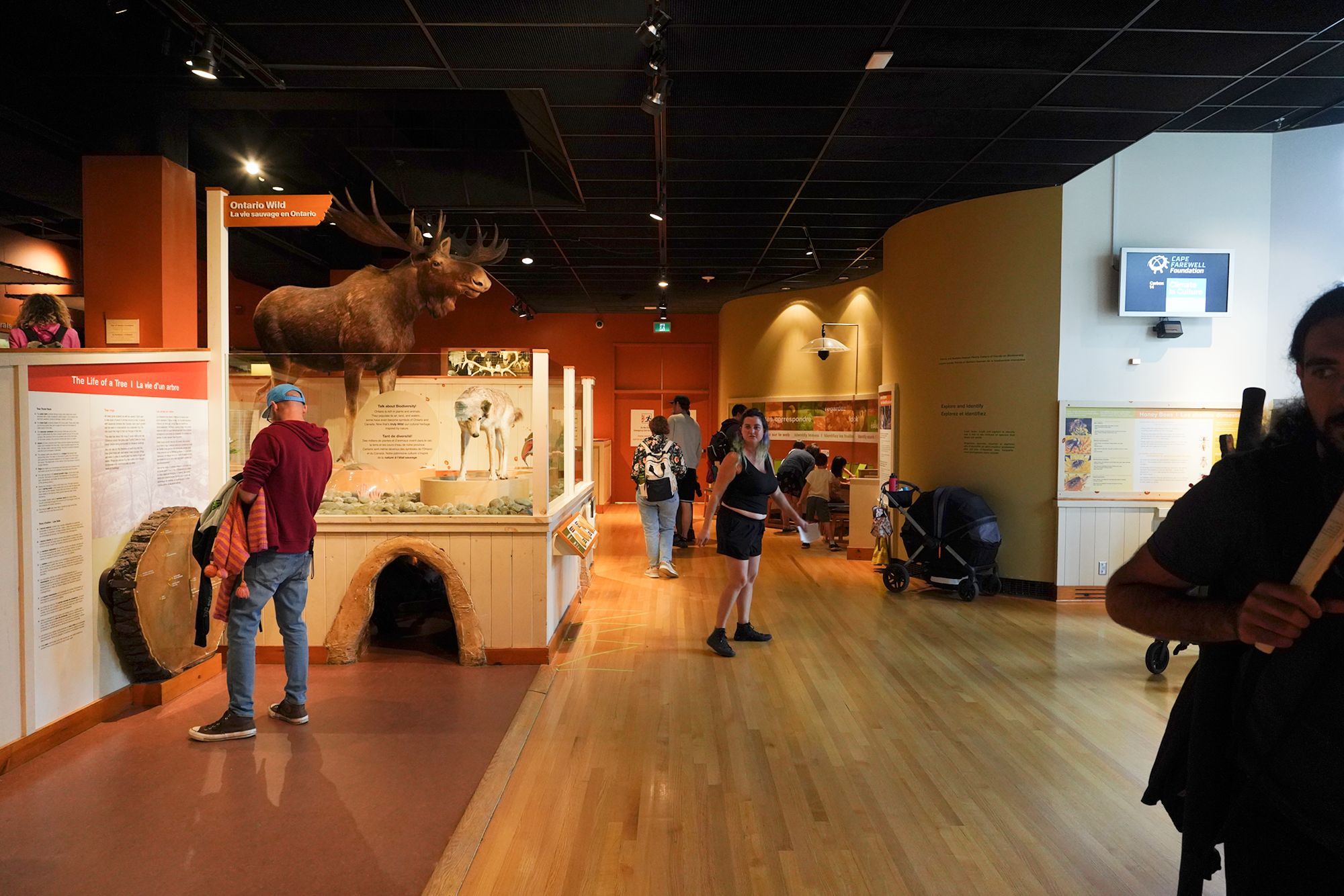
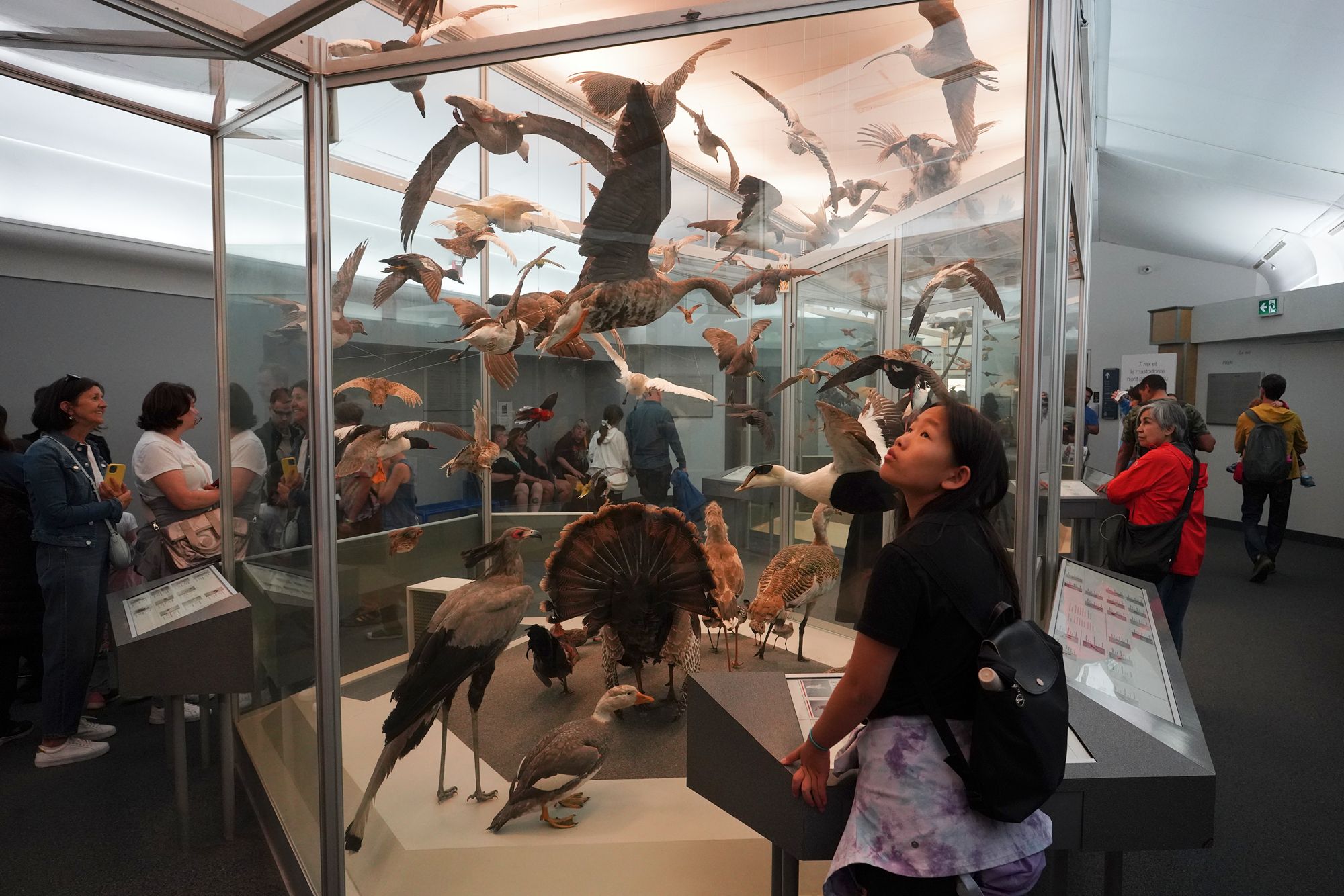
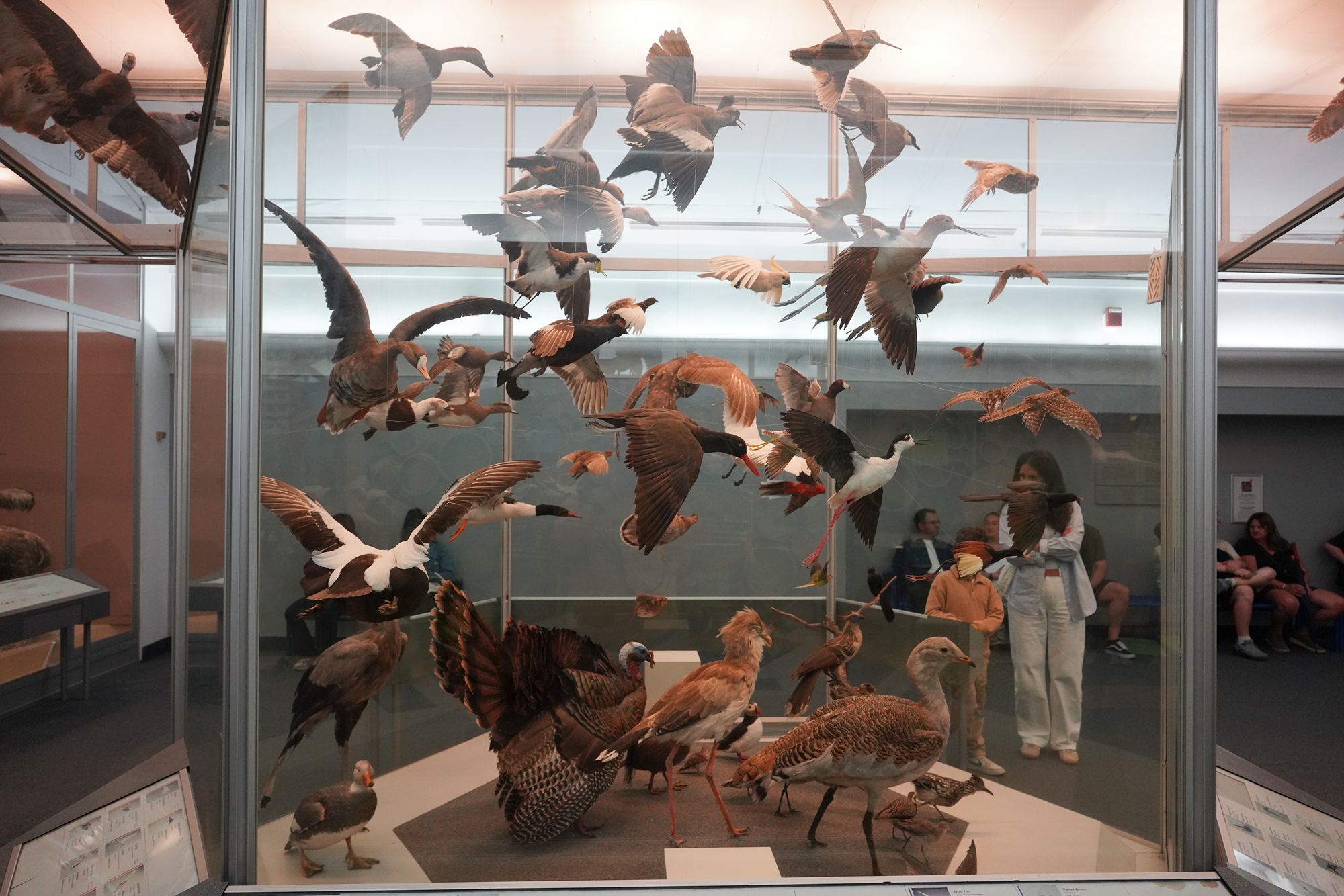
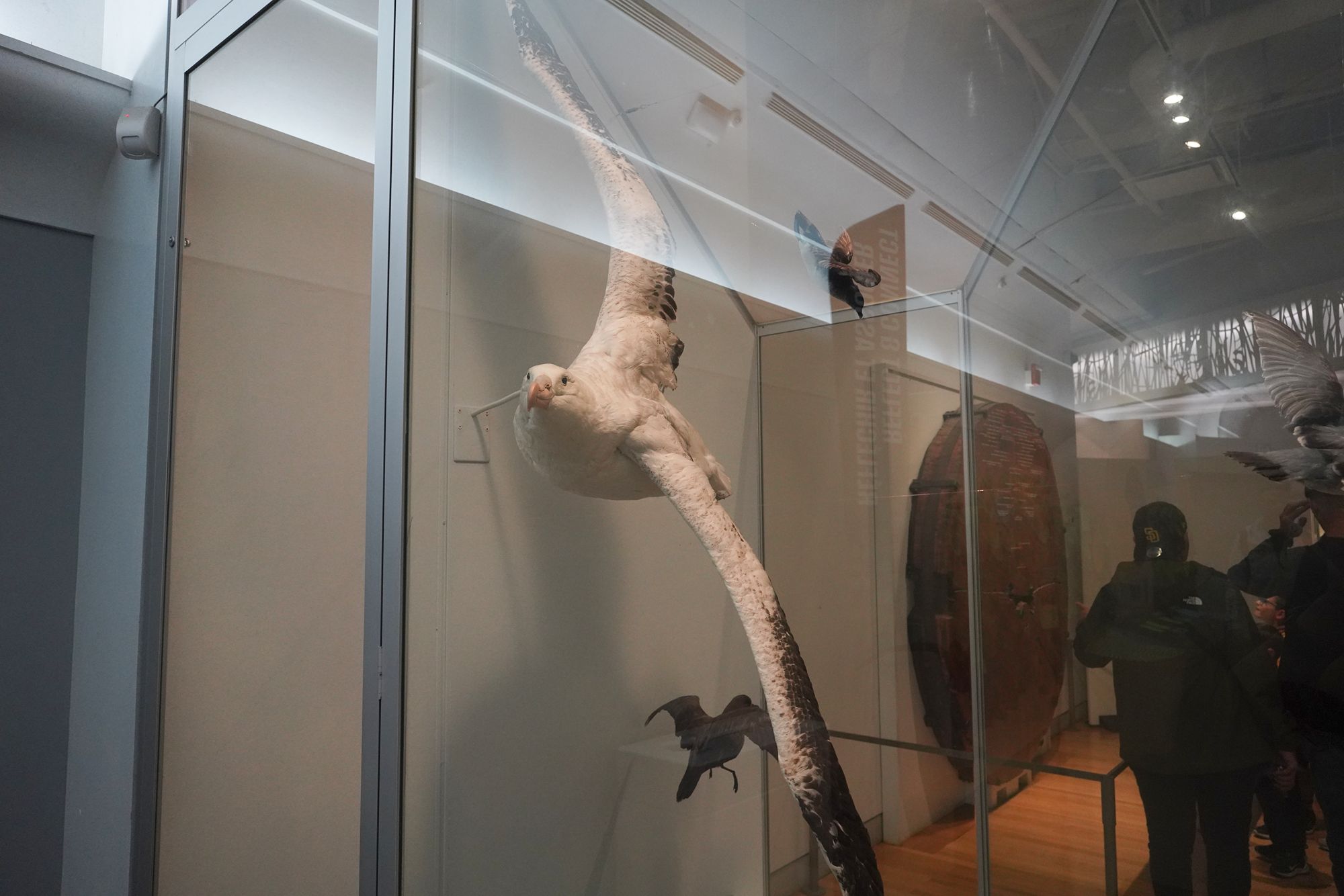
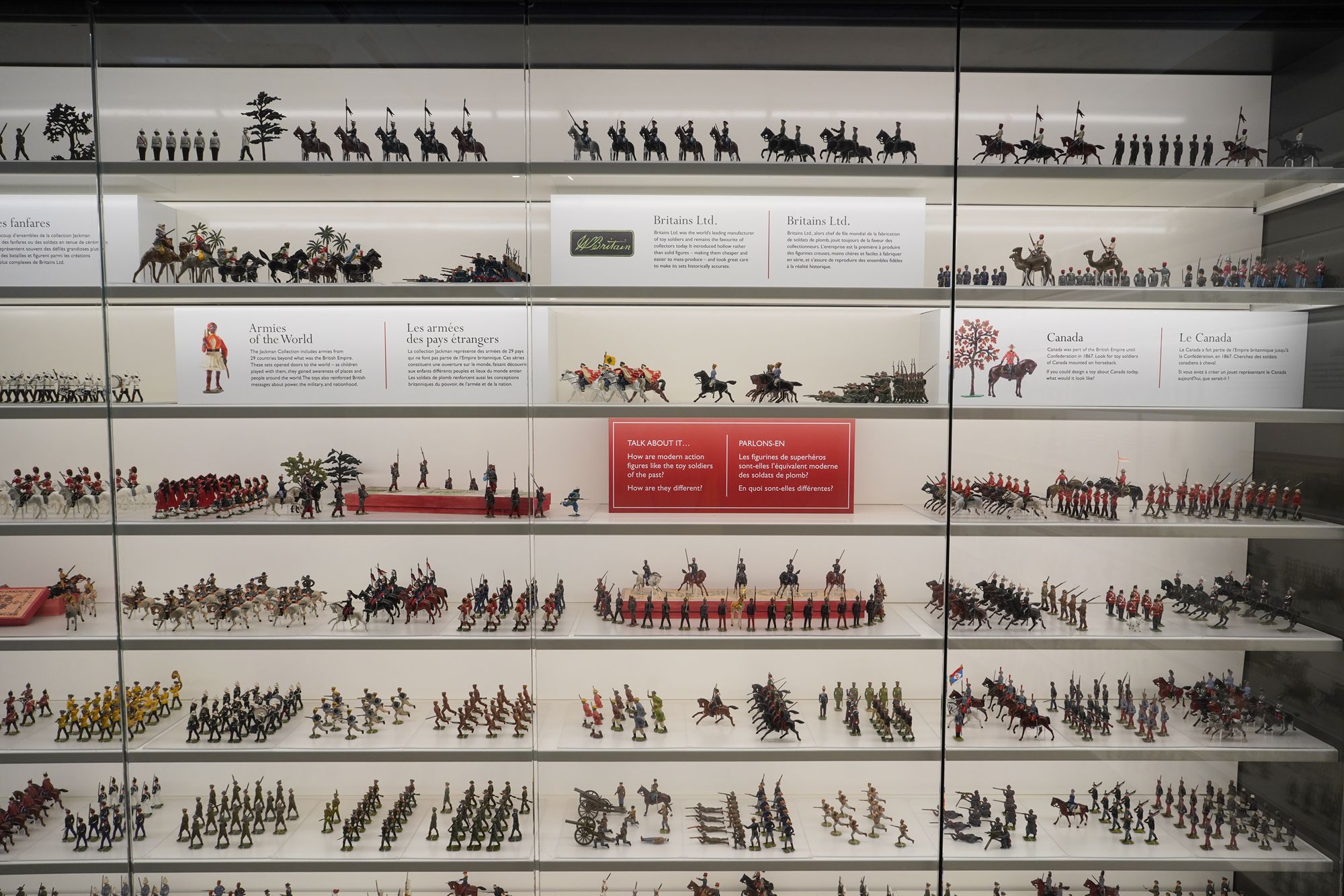
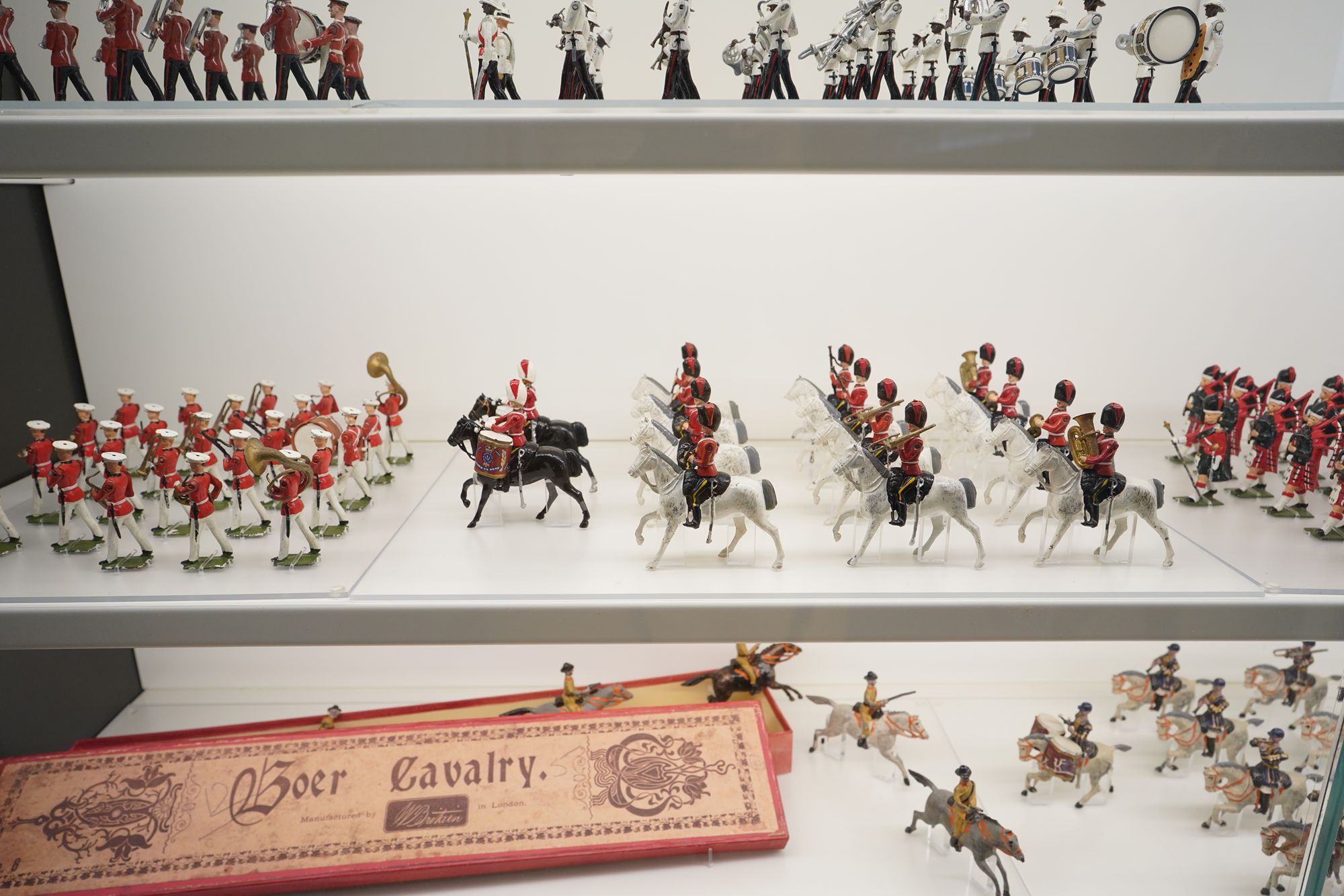
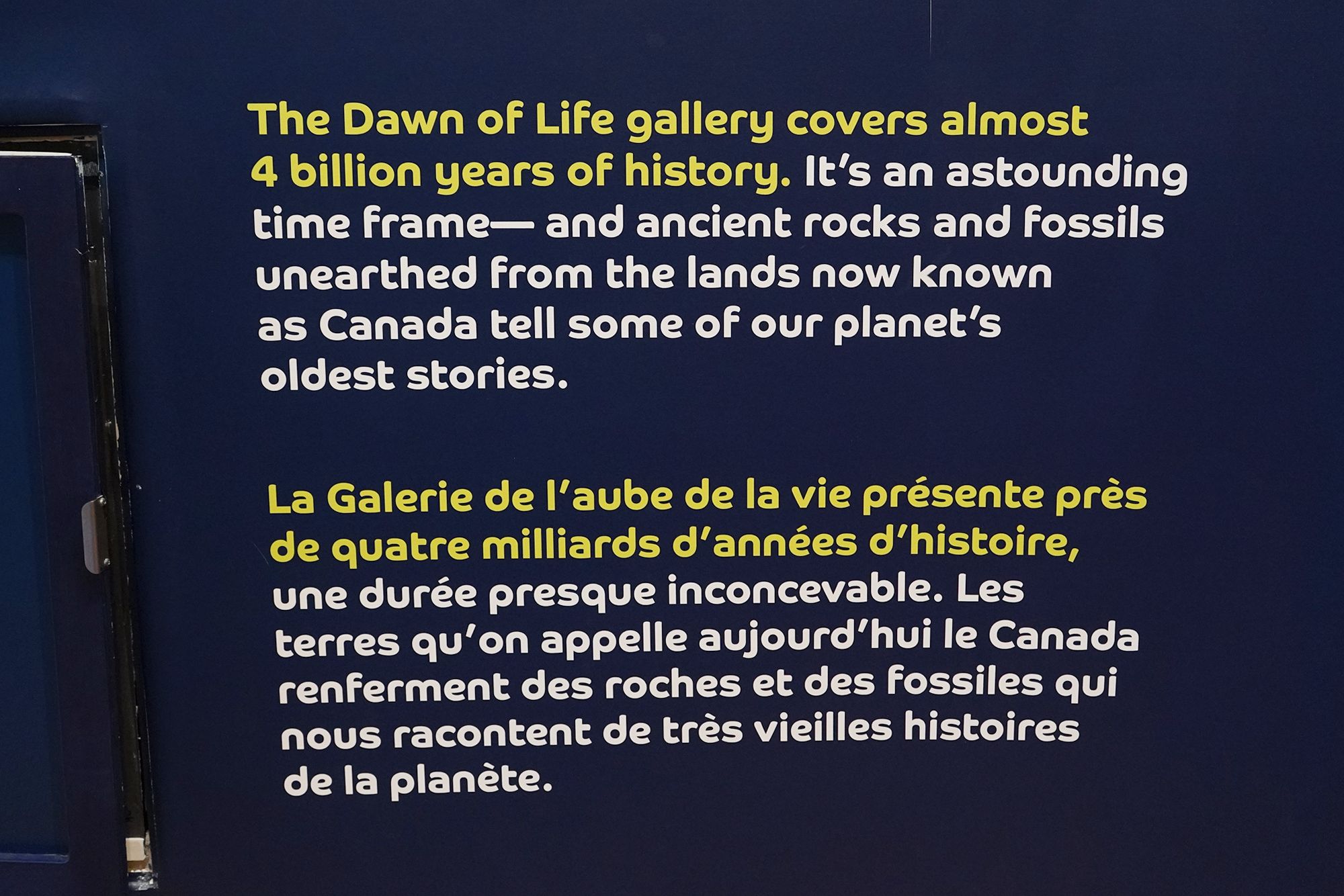
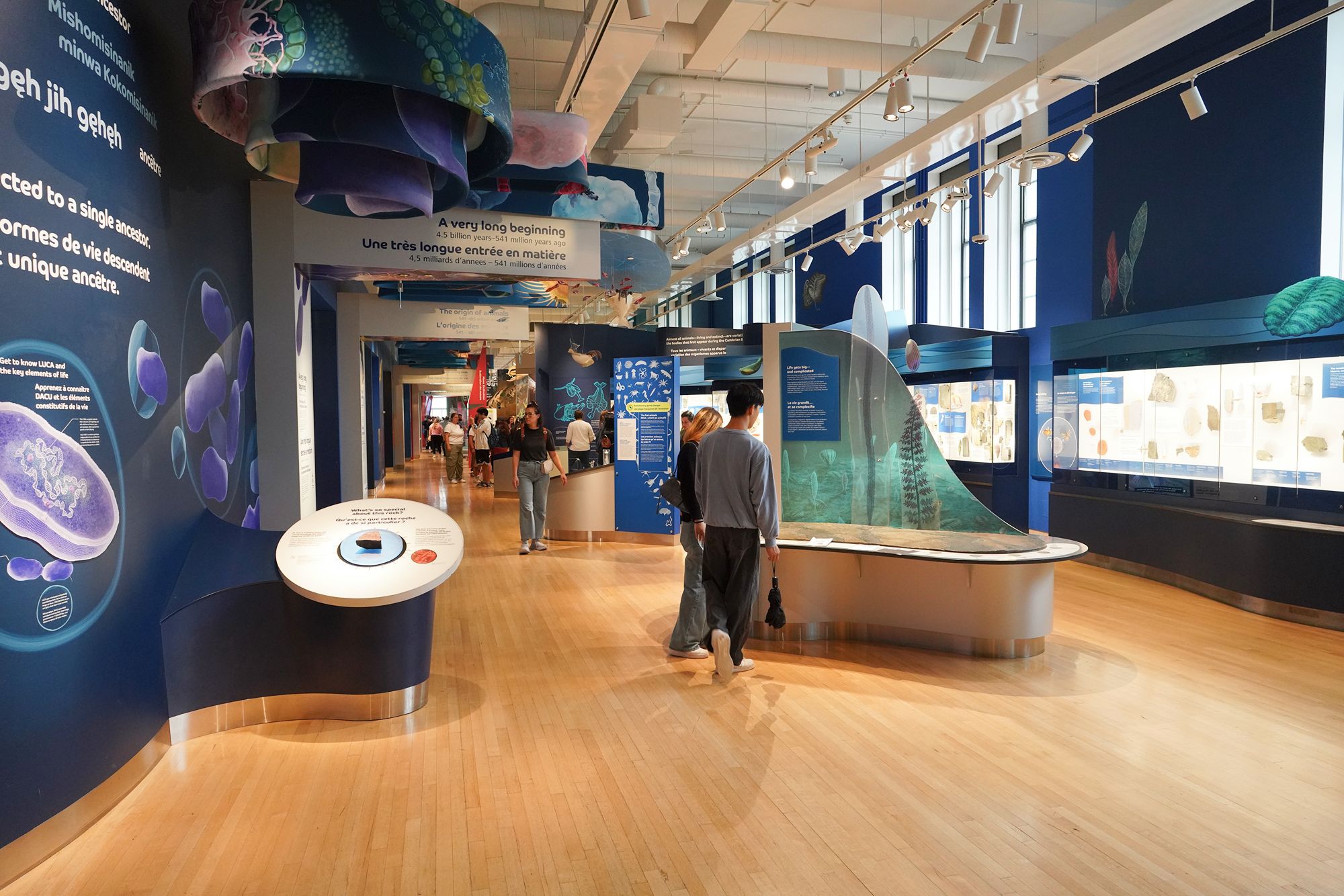
At the Royal Ontario Museum, the “Evolution of Life” presentation is featured in the Dawn of Life gallery, a major natural history exhibit that traces the story of life on Earth from its earliest beginnings to the rise of complex organisms.
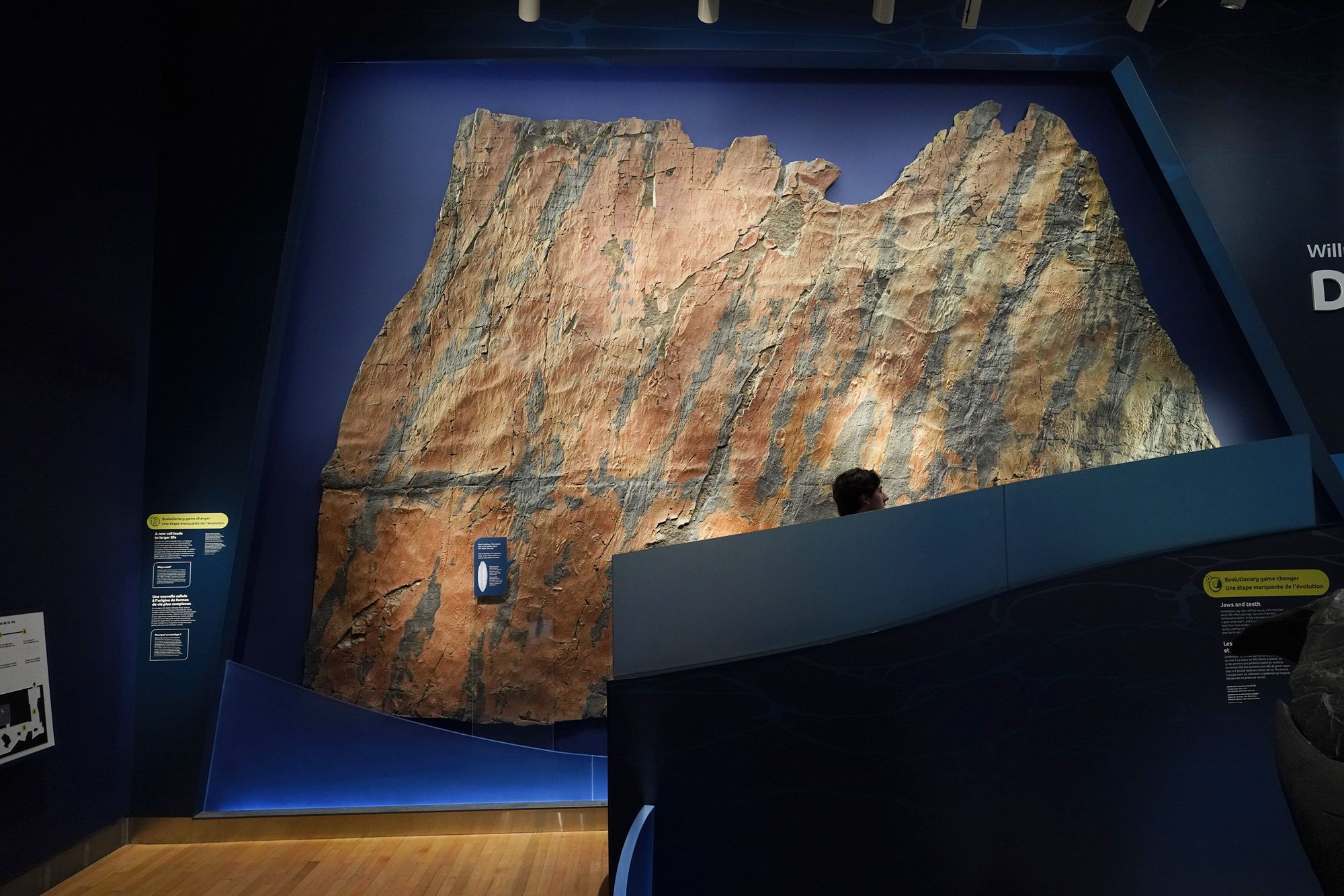
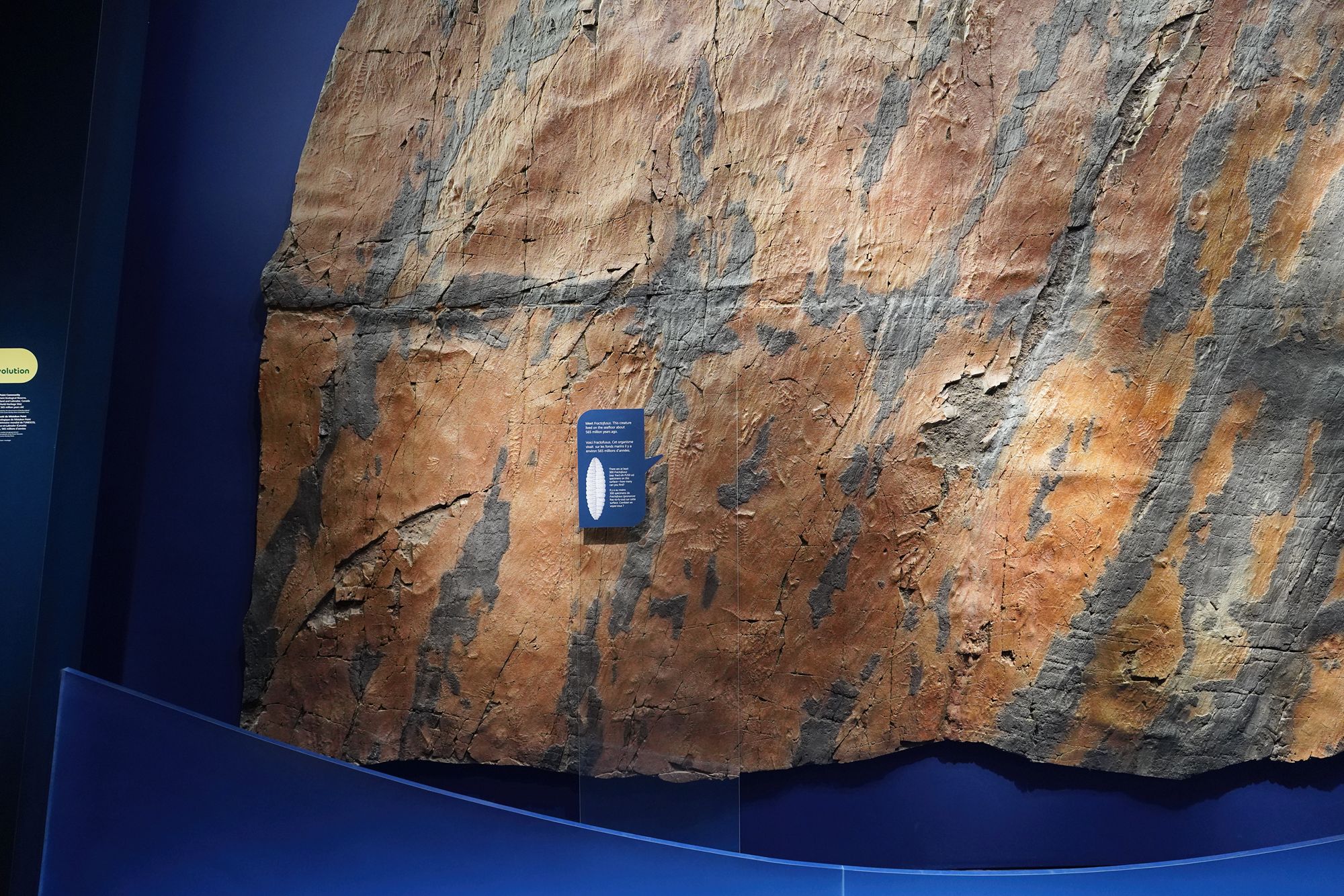
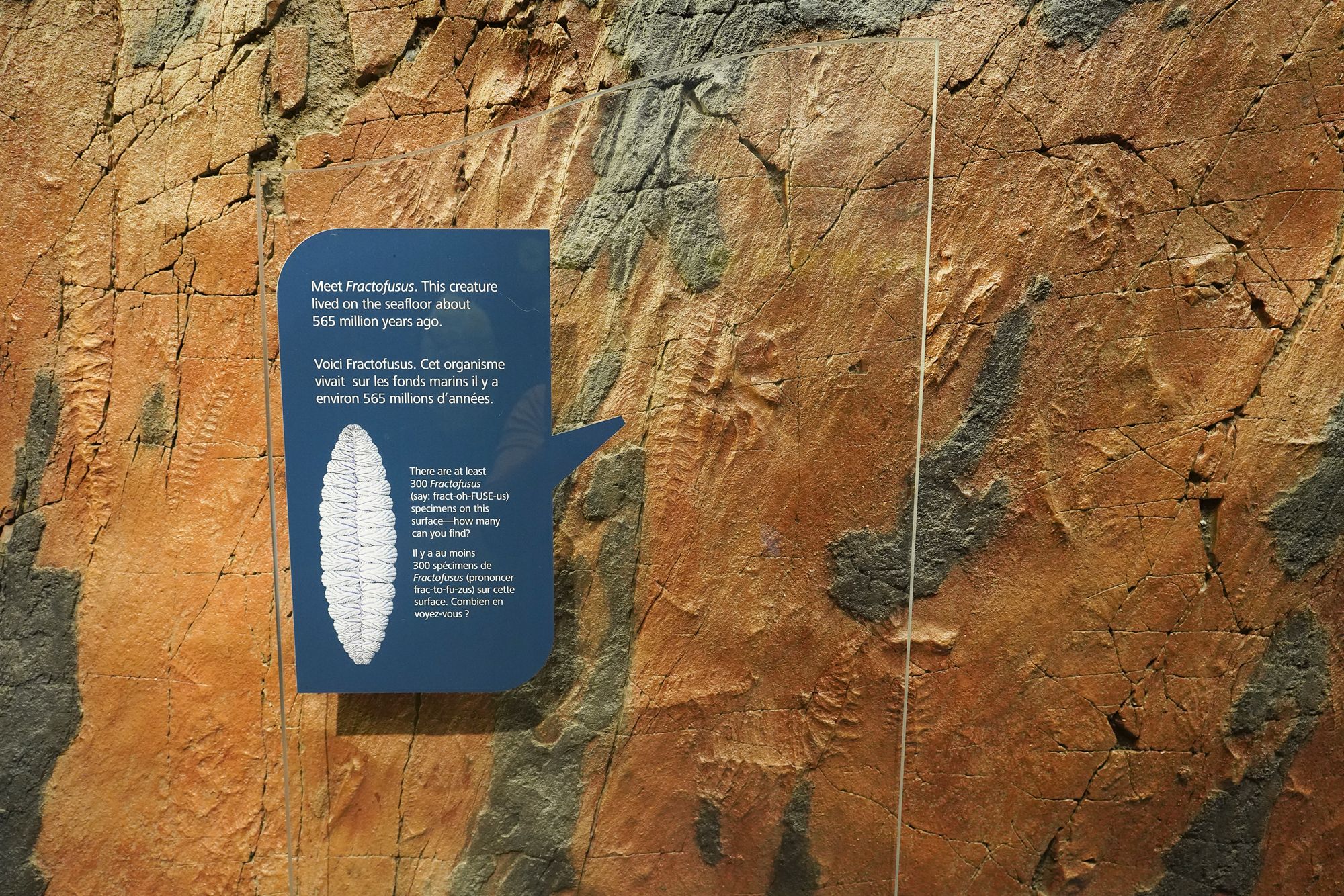
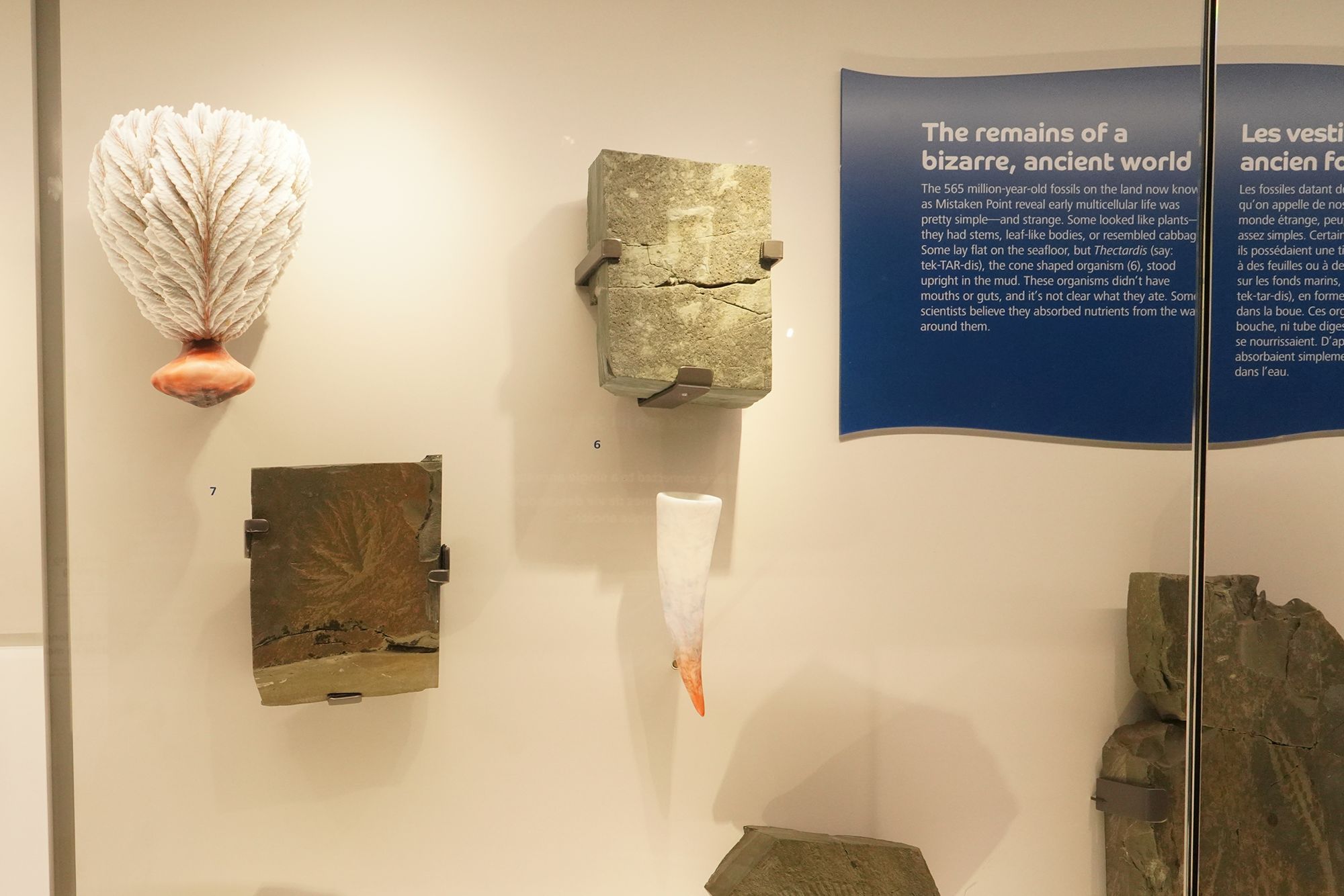
Meet Fractofusus. This creature lived on the seafloor about 565 million years ago.
"From so simple beginning endless forms evolved" - Charles Darwin
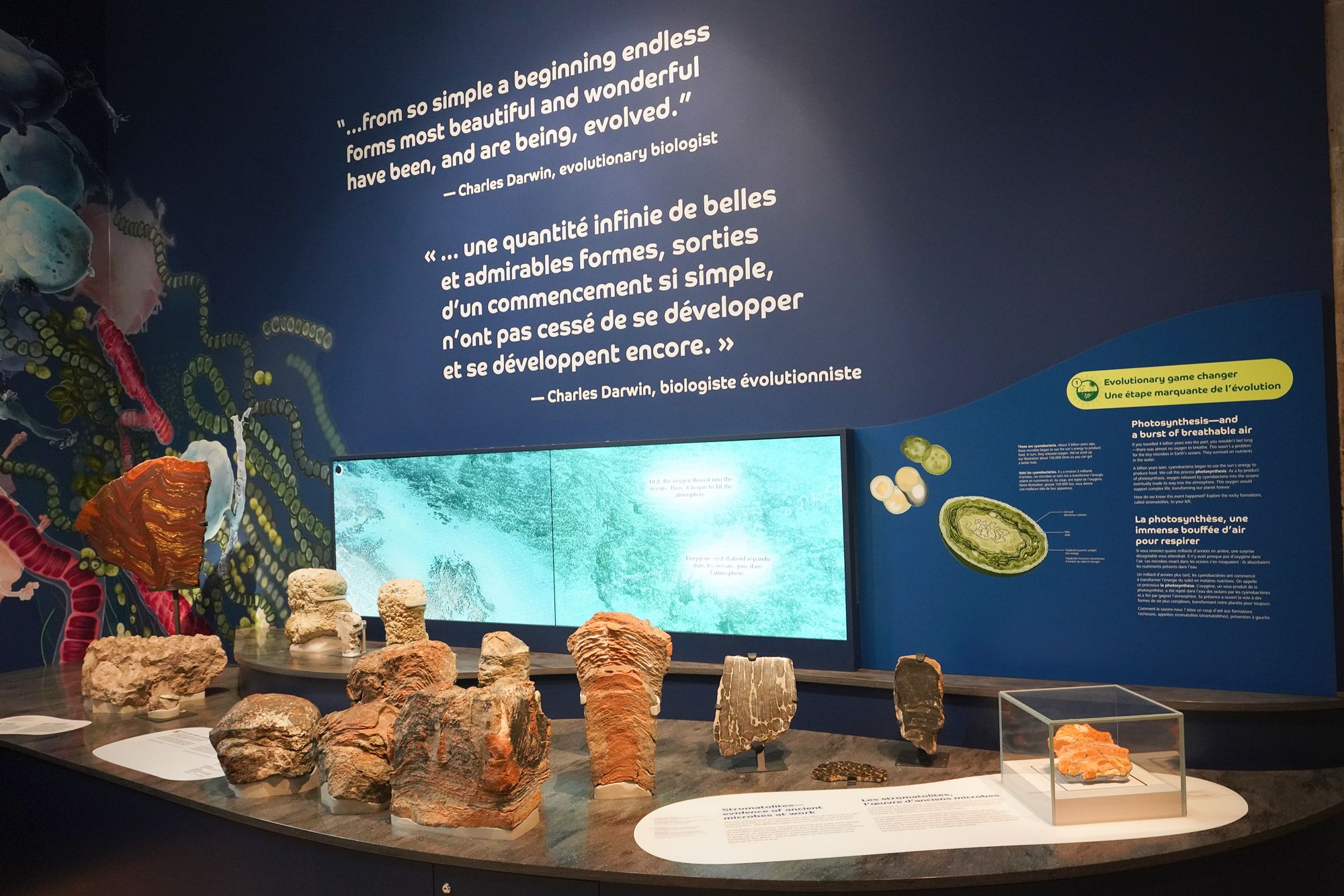
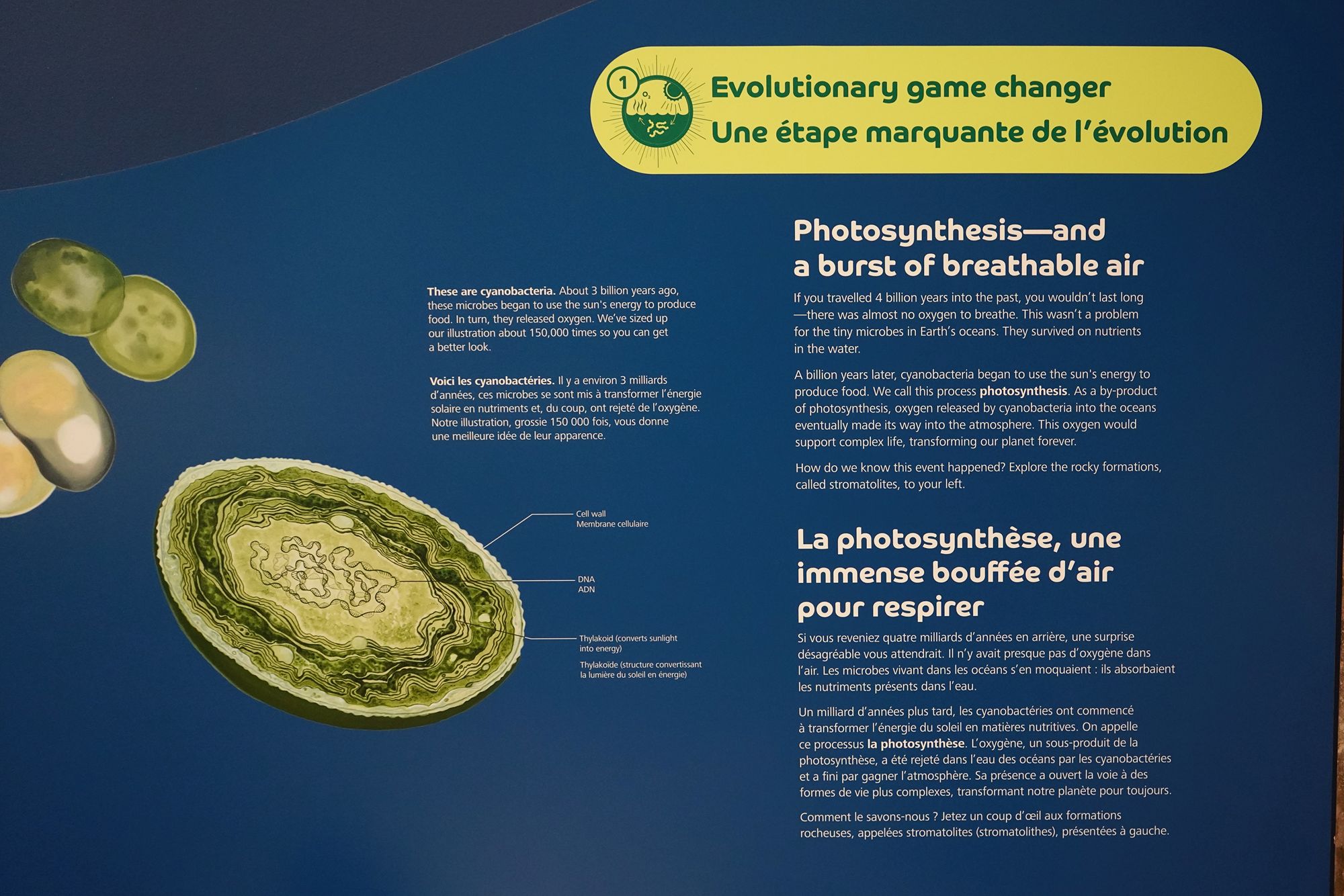
Photosynthesis - The cyanobacteria, about 3 billion years ago, it used the sun's energy to produce food.
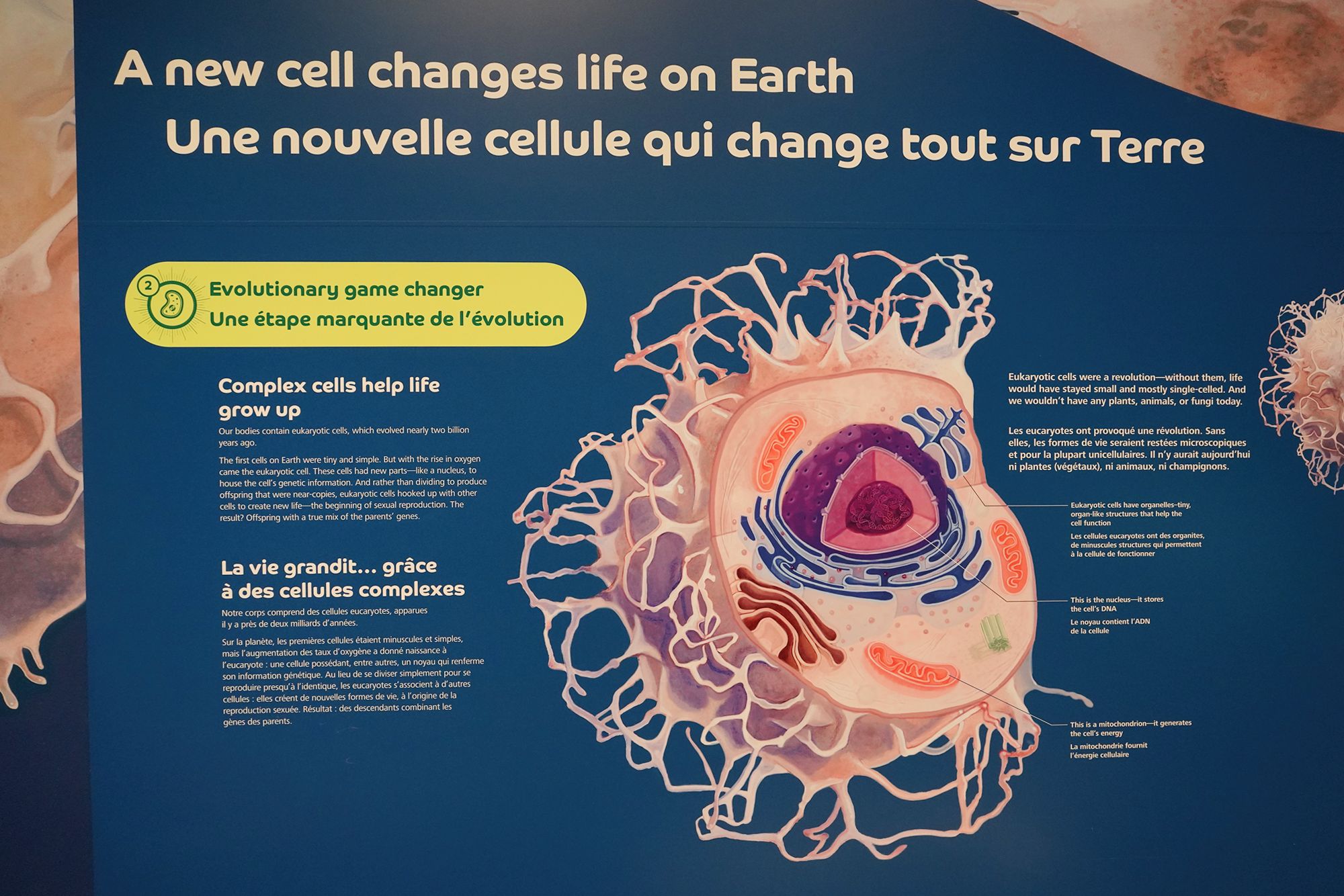
Eukaryotic cells are cells that have a nucleus and membrane-bound organelles (such as mitochondria and the endoplasmic reticulum).
They are found in animals, plants, fungi, and protists, and are generally larger and more complex than prokaryotic cells (bacteria and archaea).
Eukaryotic cells first appeared about 1.8 to 2.1 billion years ago.
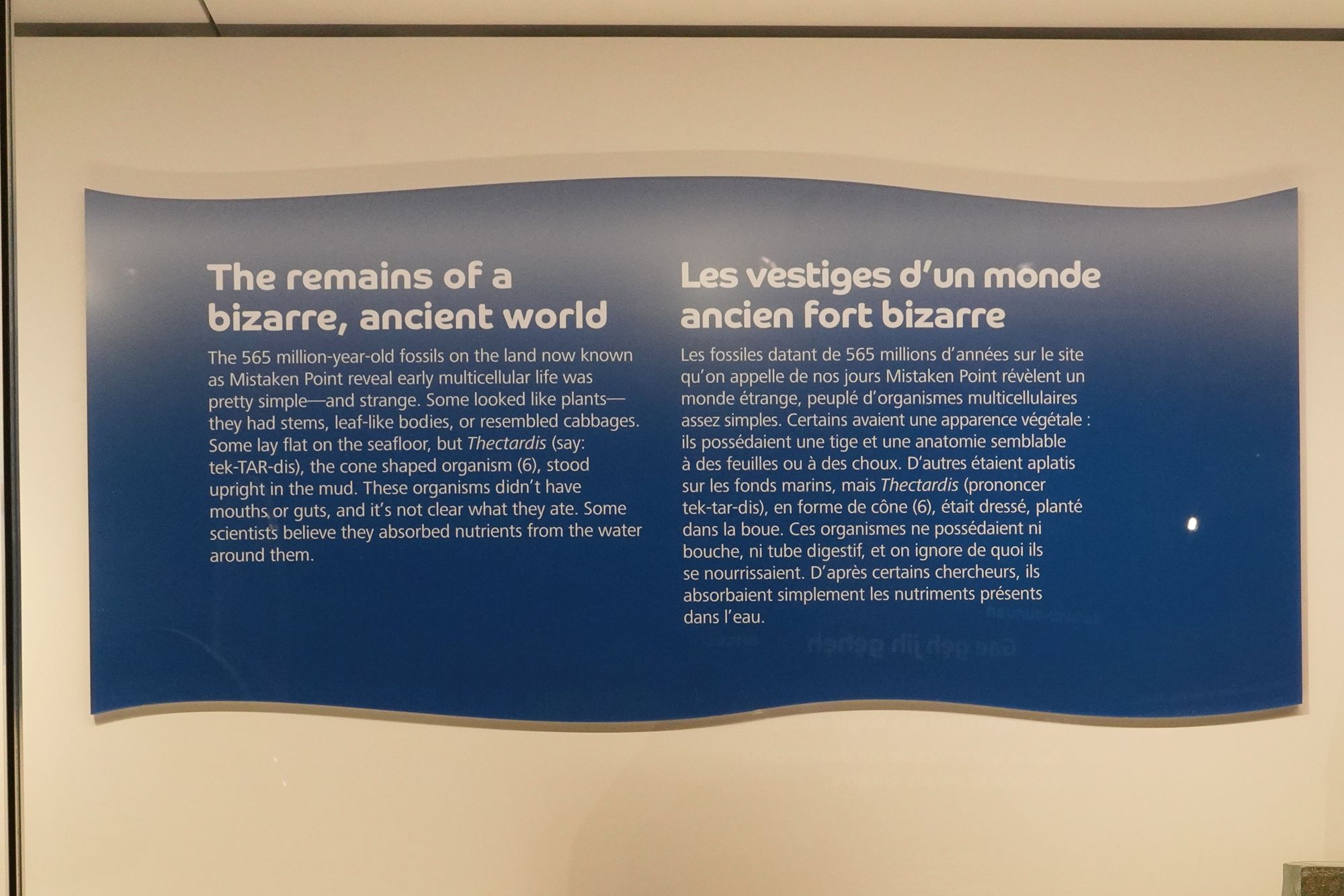
Multicellular life in 565 million old fossils
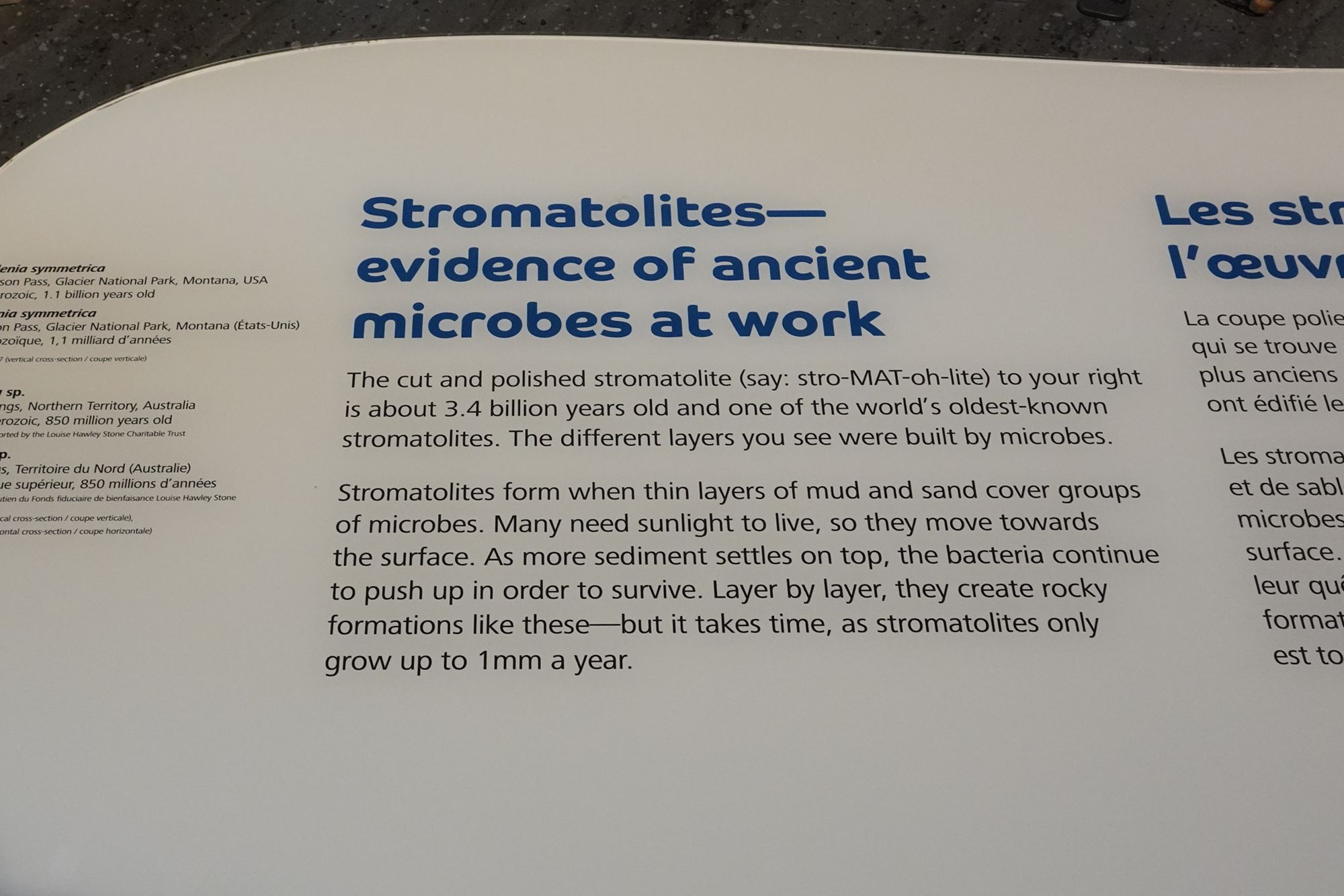
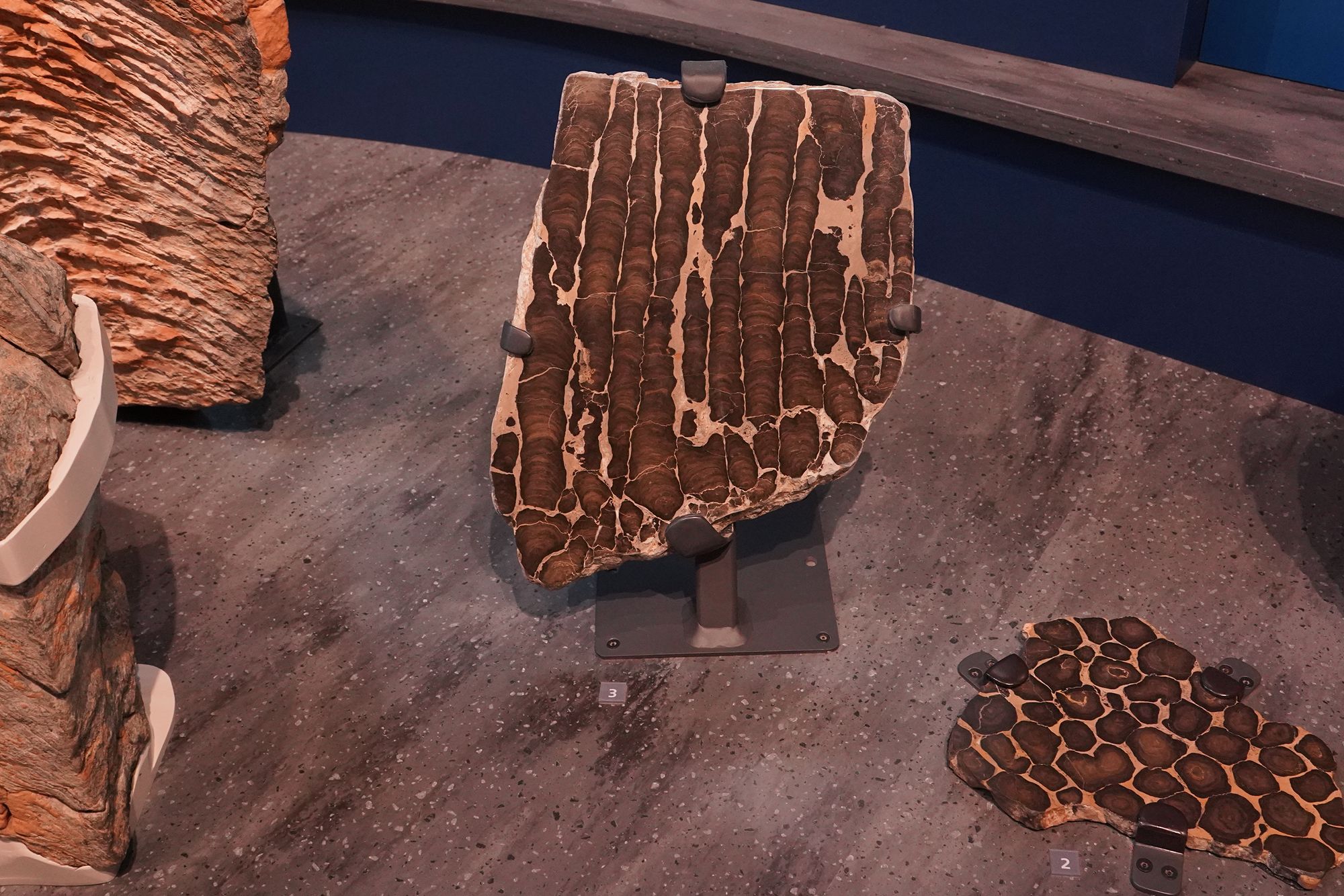
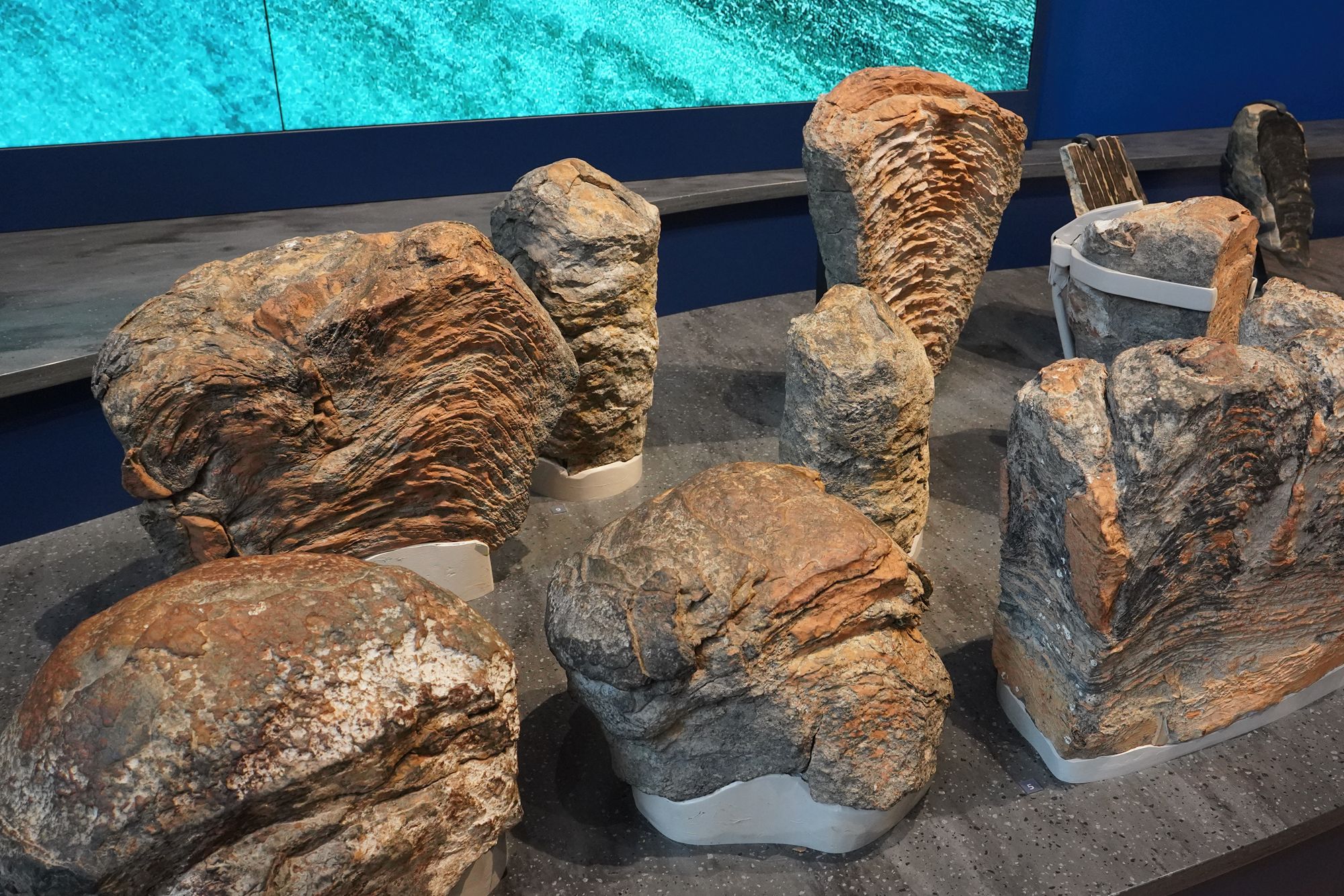
What's so special about this rock?
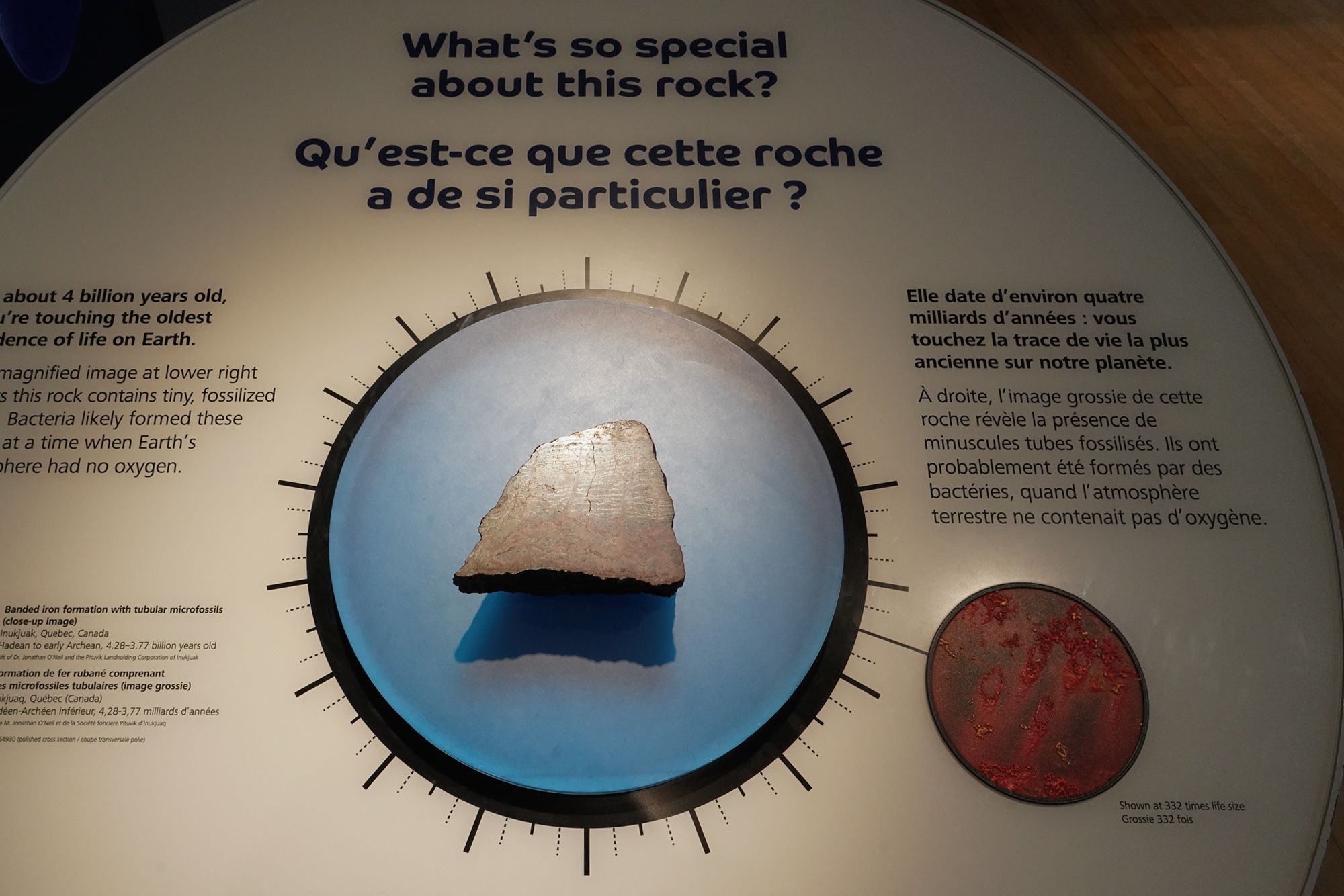
The rock shows fossilized tubes. Bacteria likely formed these tubes about 4 billion years ago.
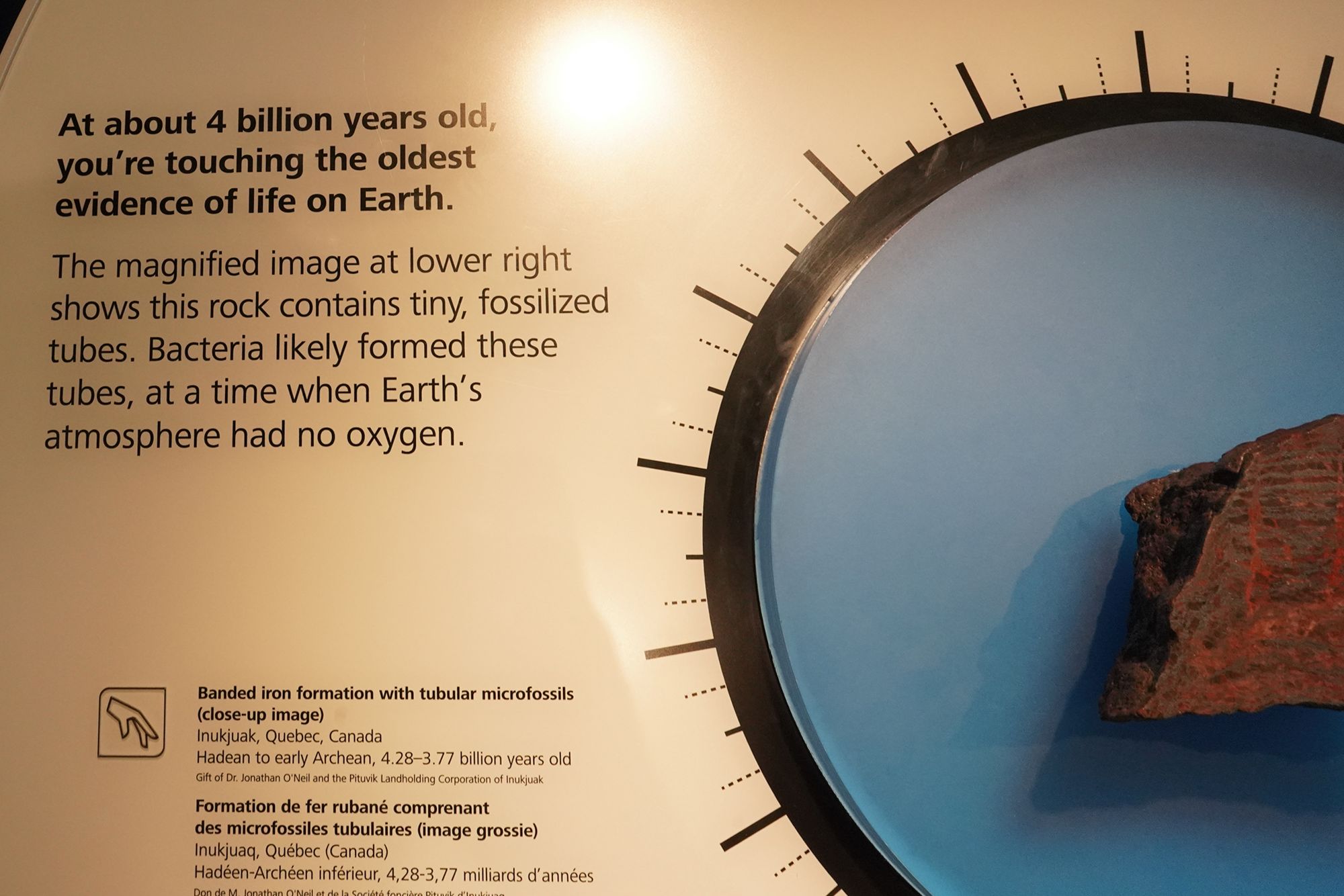
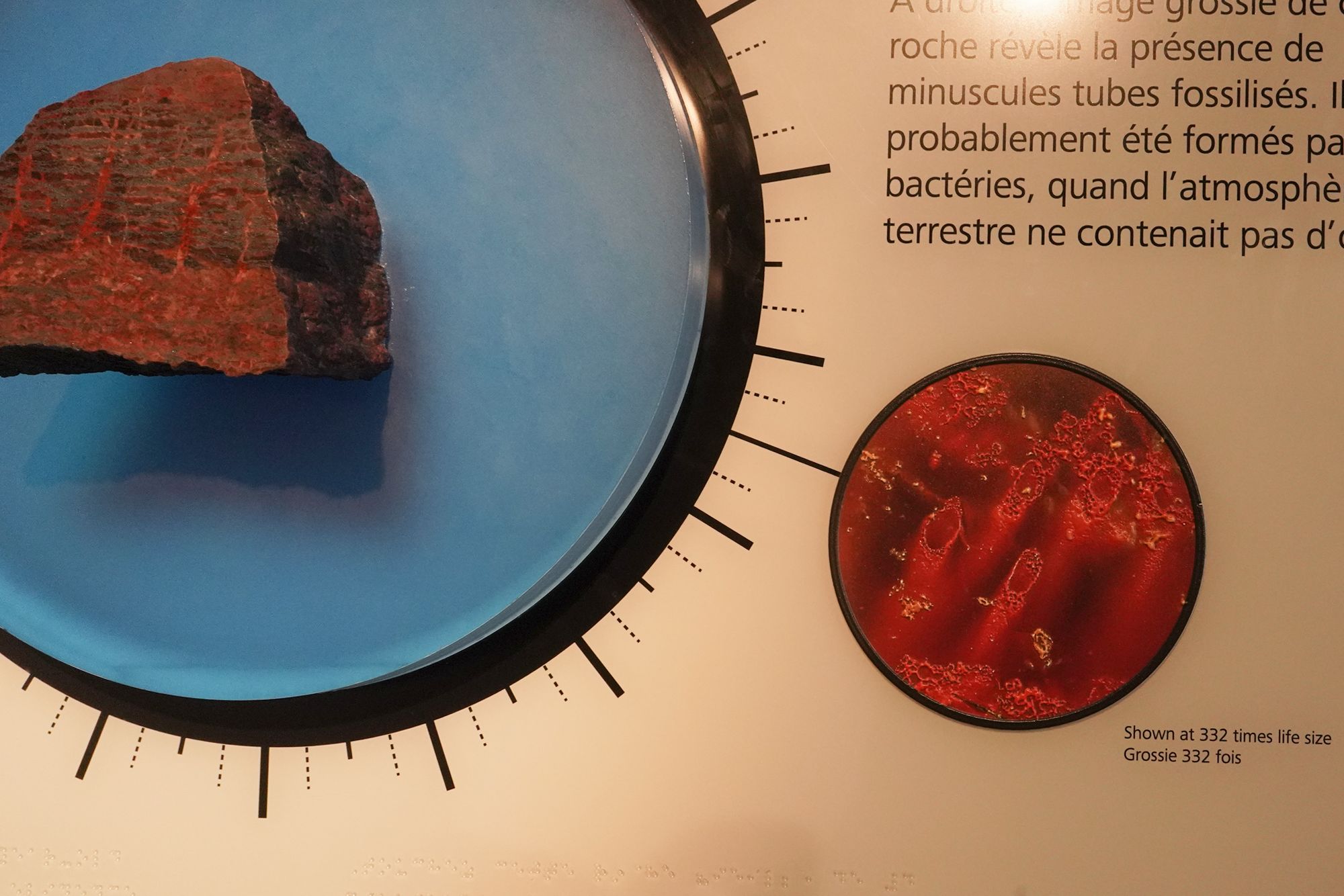
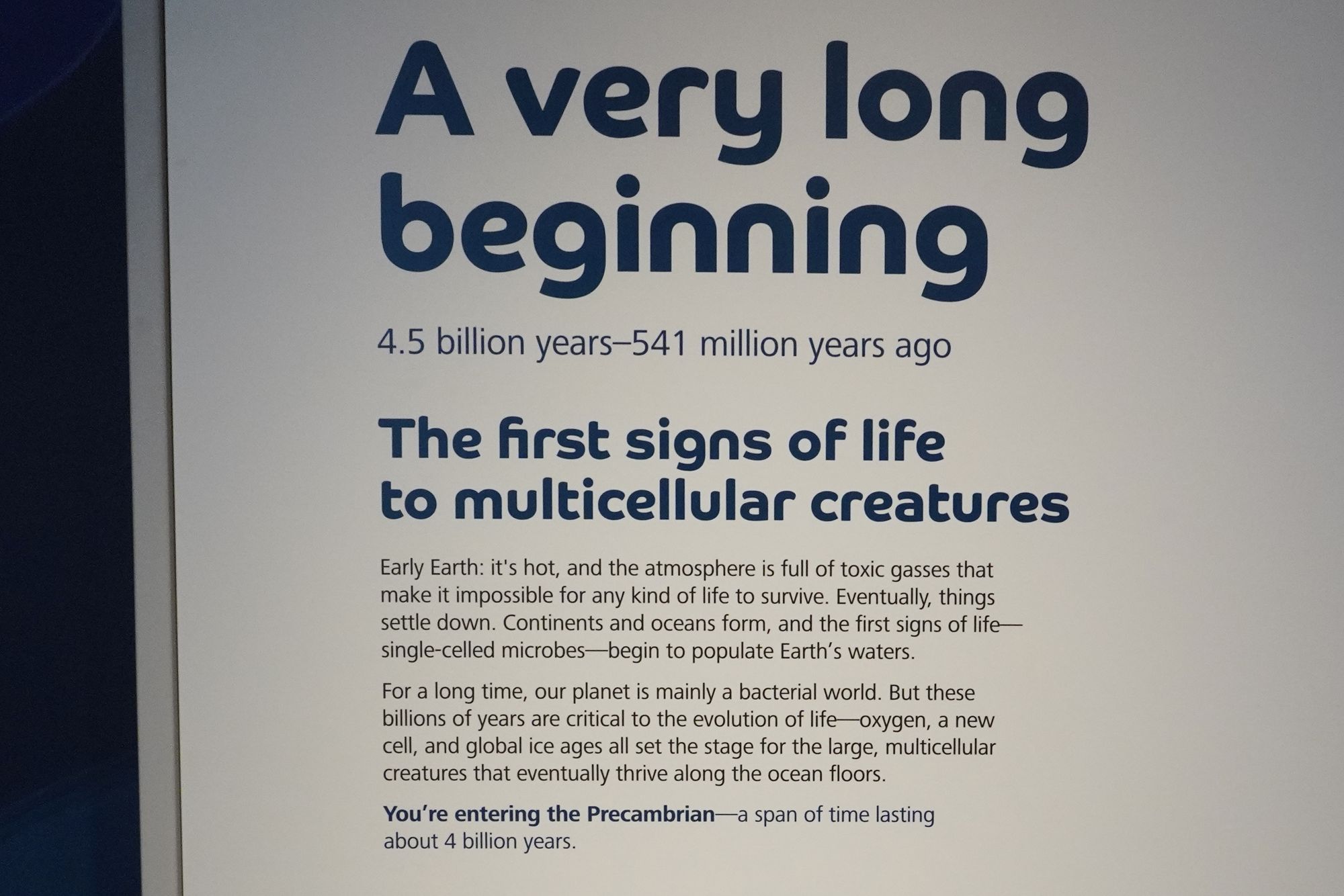
From bacteria to single-cell life took 4 billion years on Earth.
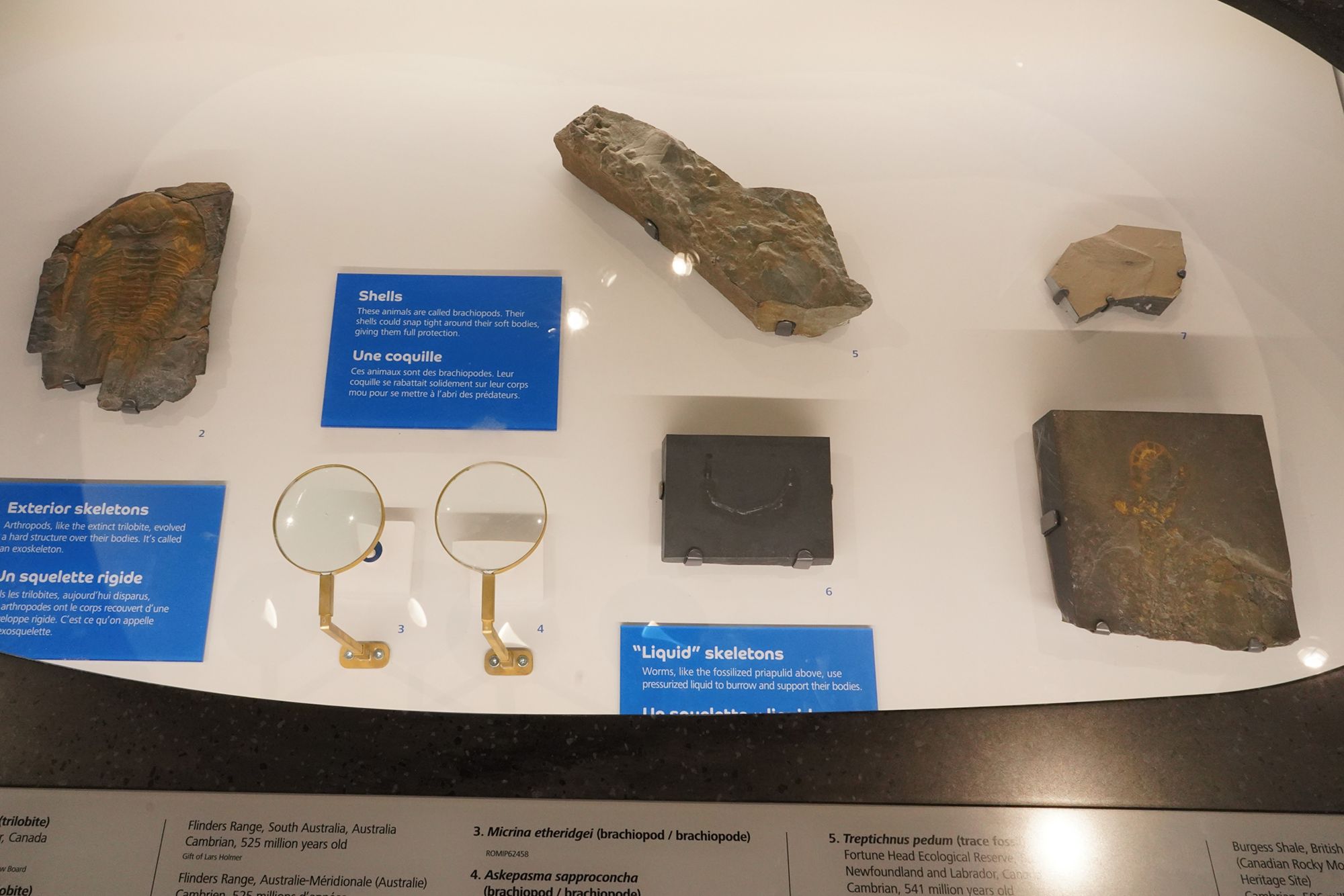
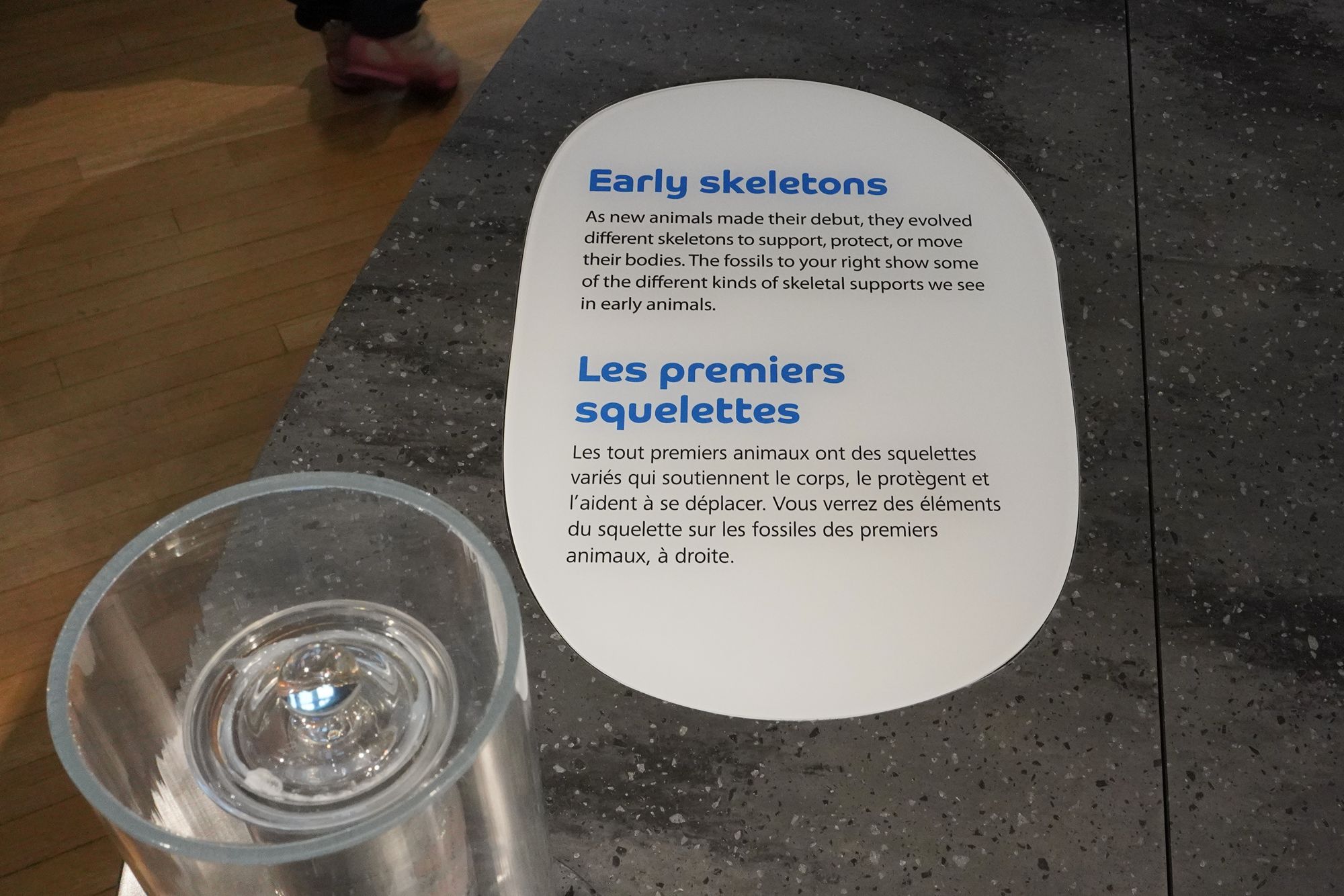
Early skeltons
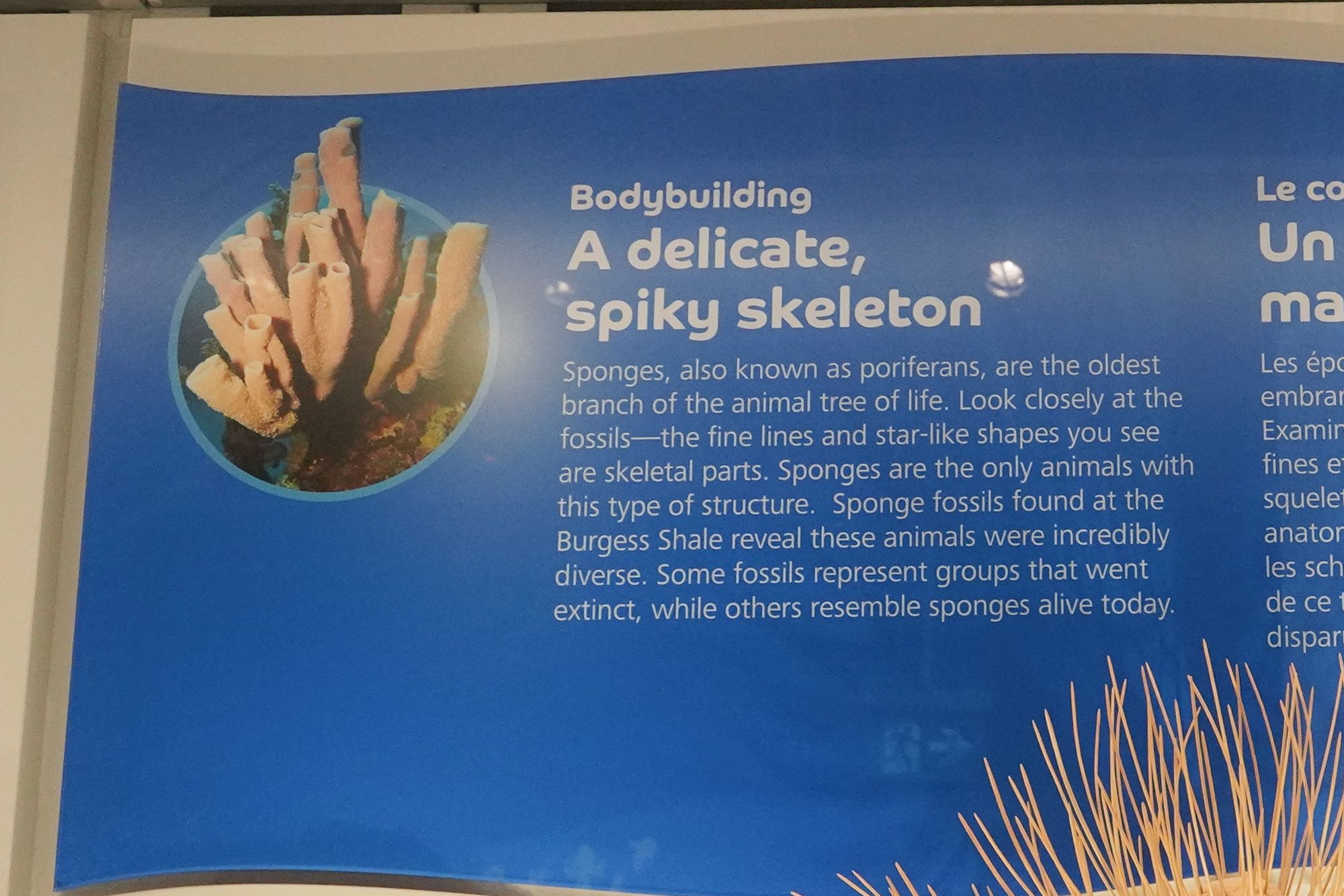
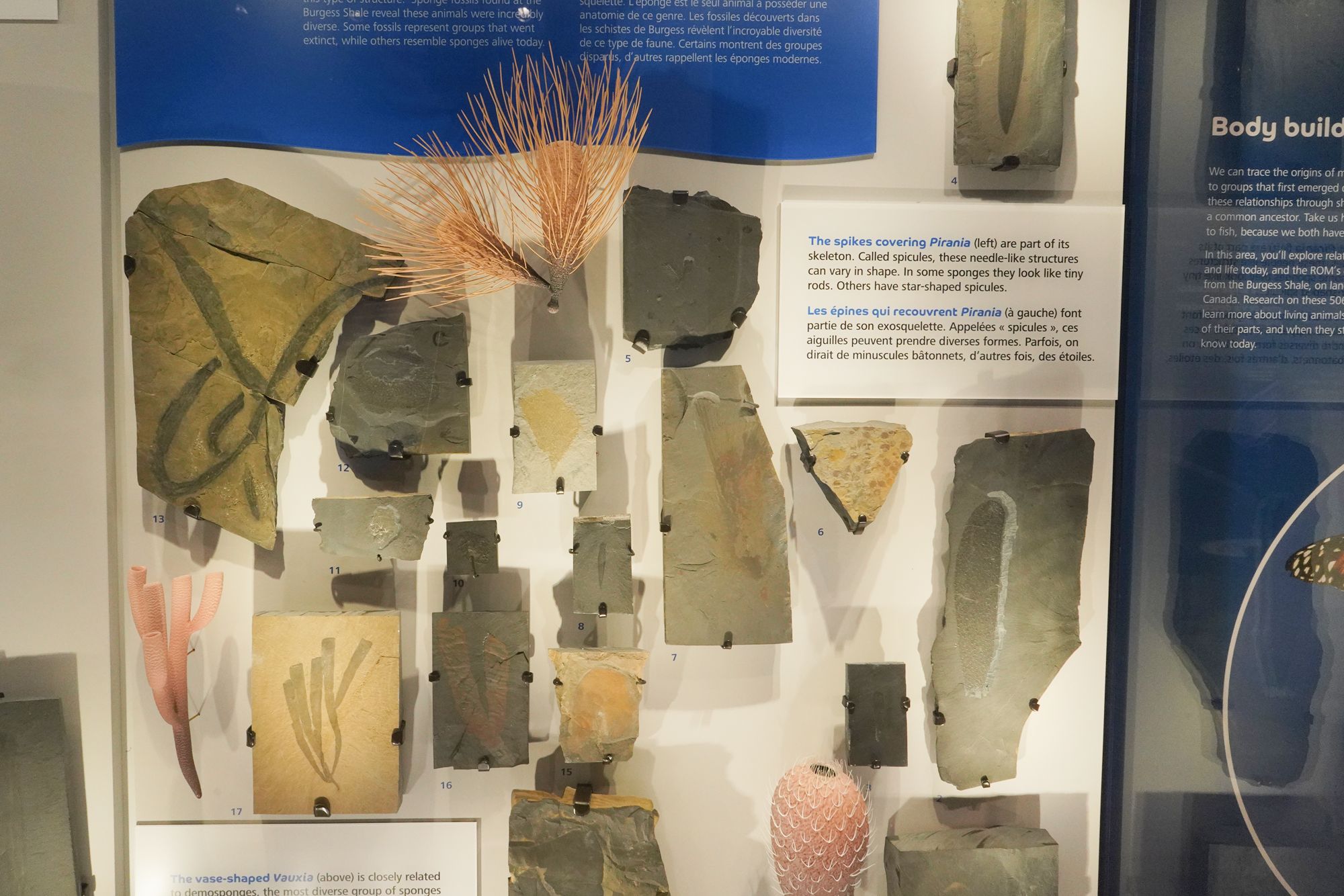
Sponges are the oldest branch of the animal tree of life
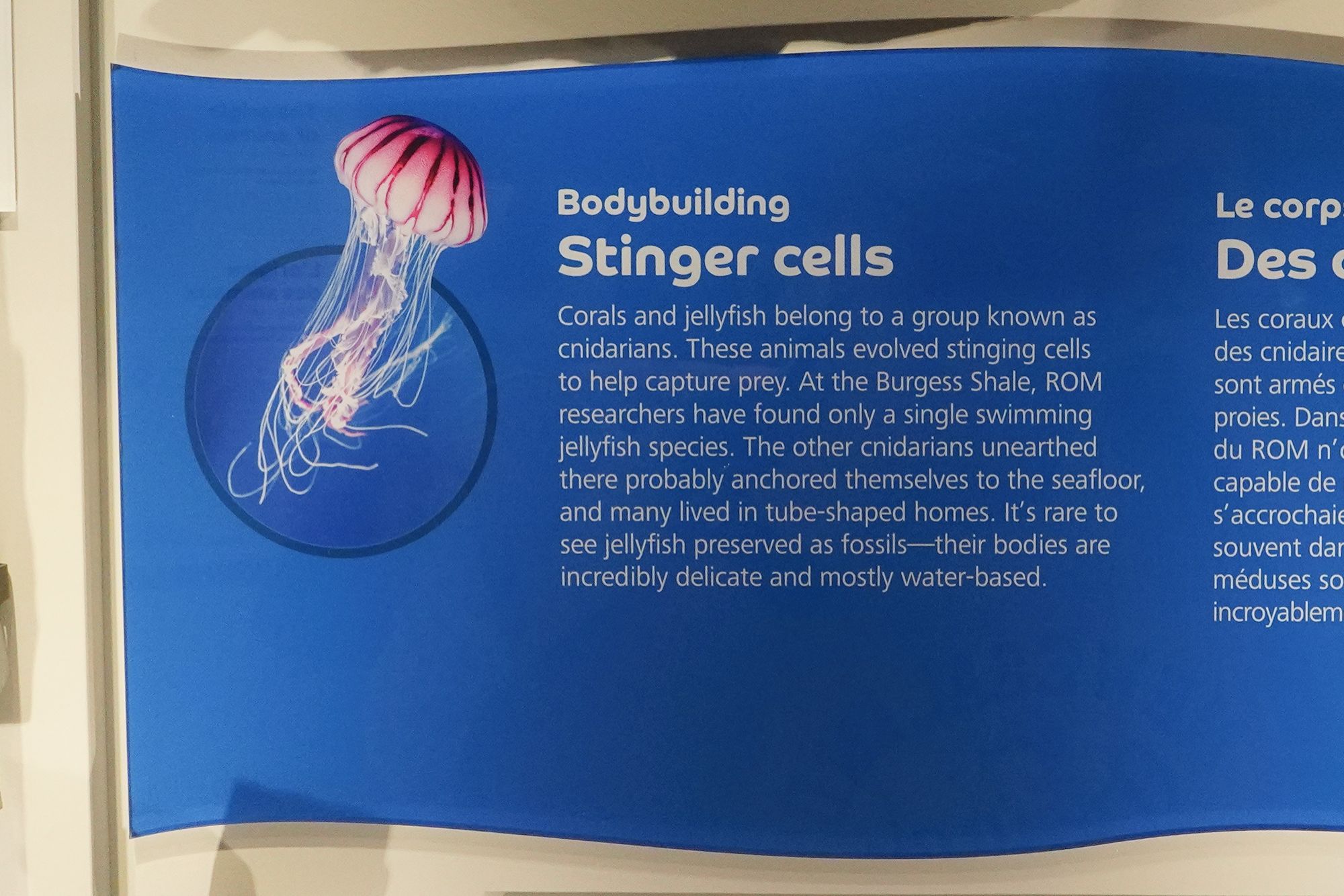
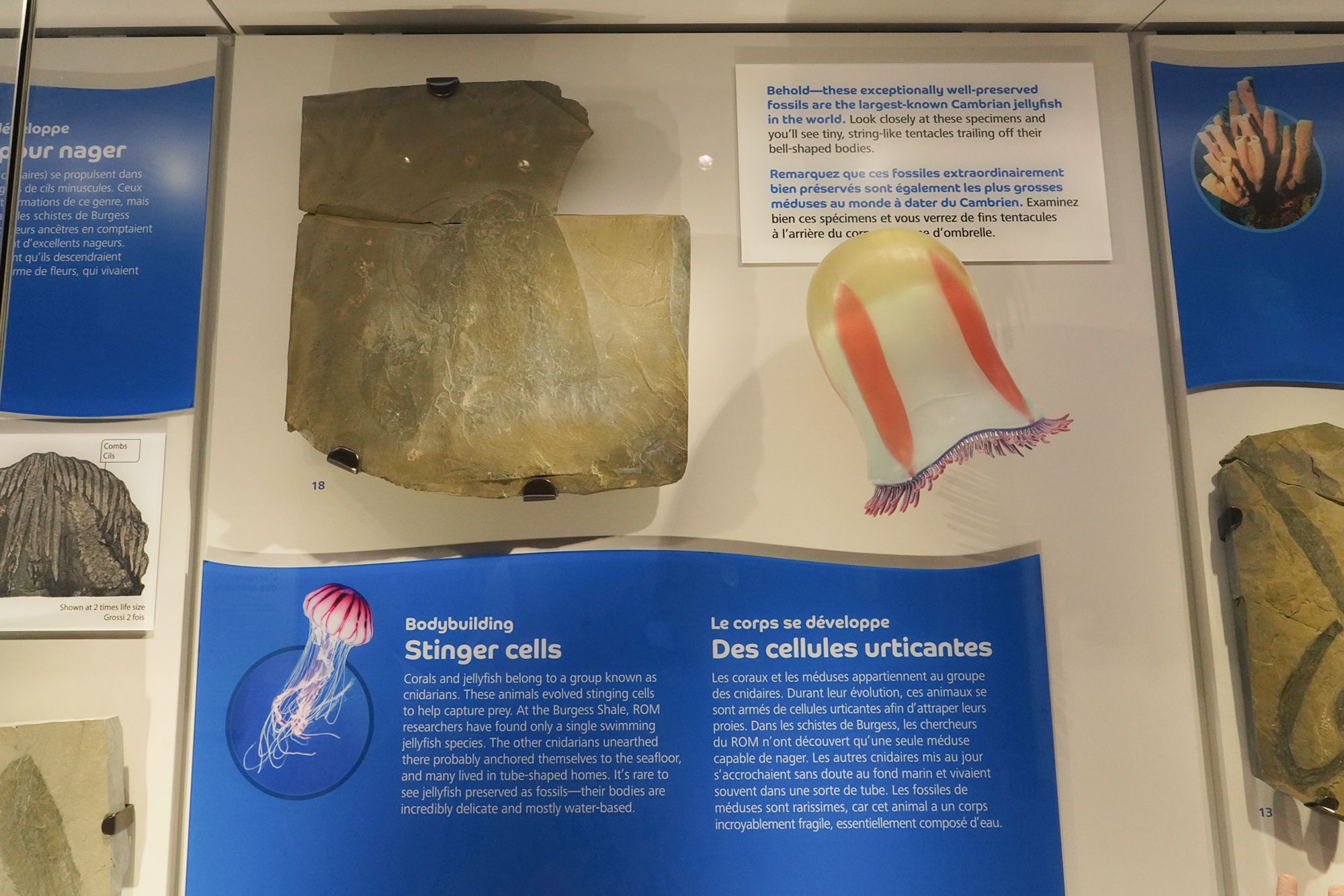
Corals and jellyfish evolved stinging cells. They contain a tiny harpoon-like structure (nematocyst) that injects venom to capture prey or defend against predators.
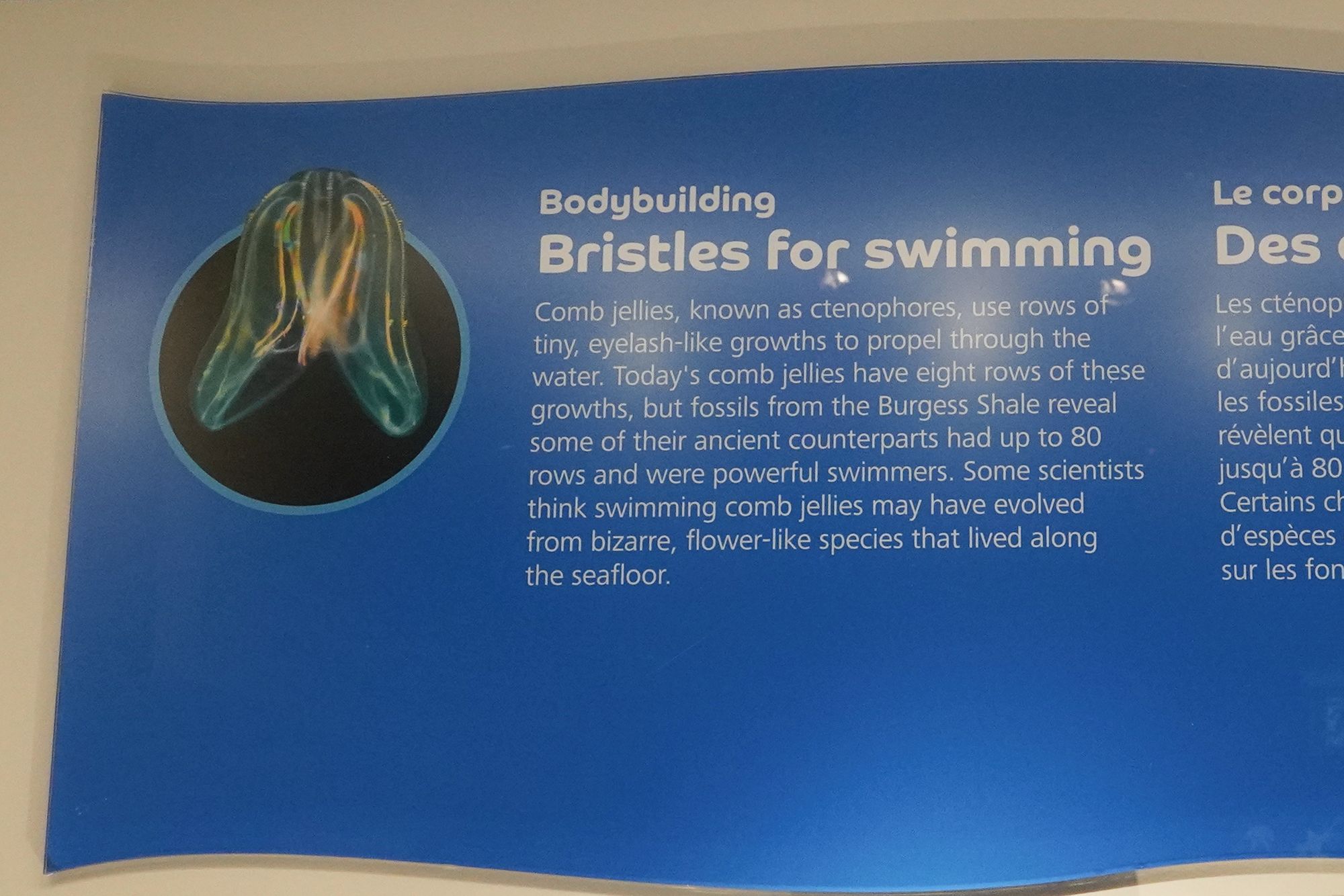
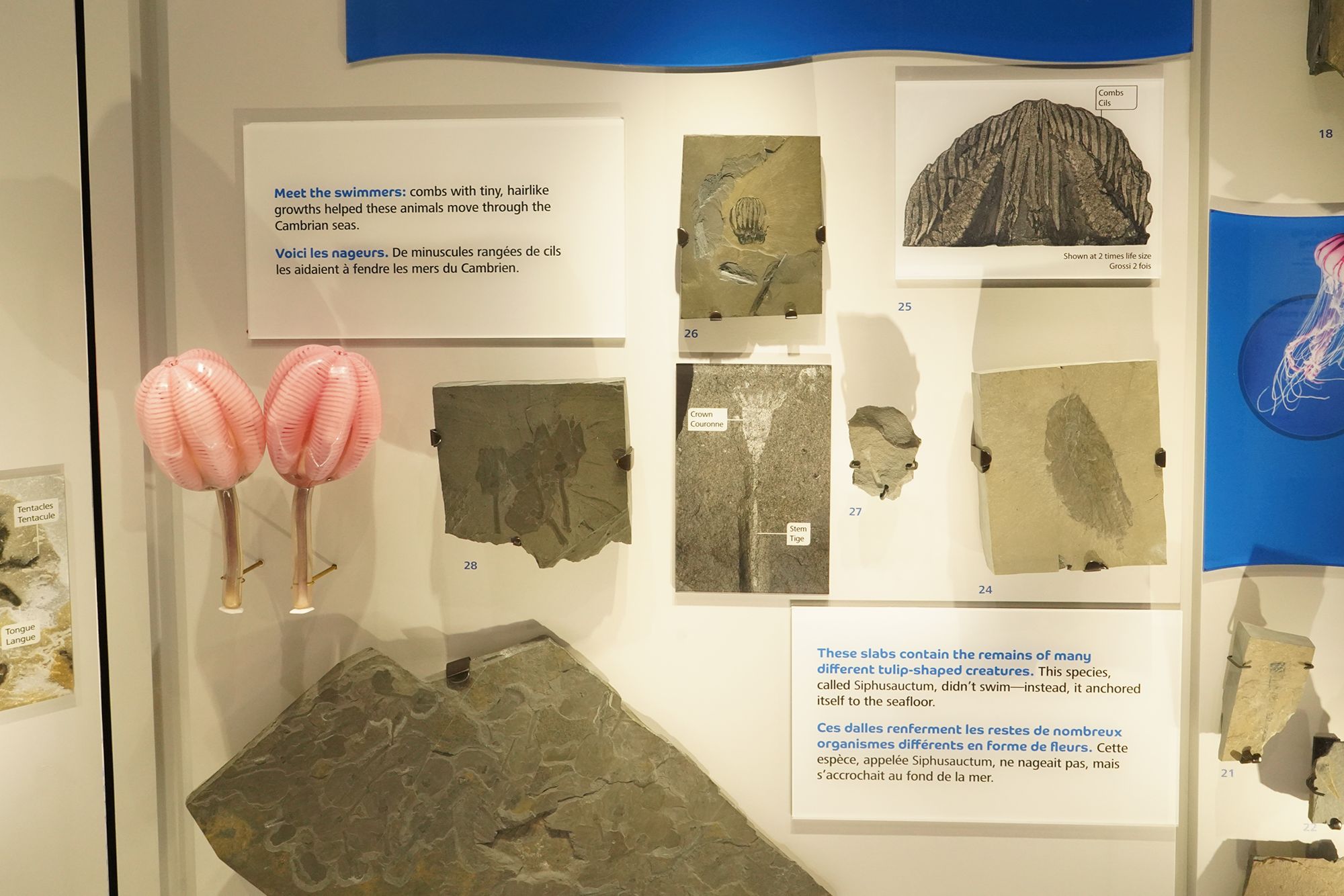
Comb jellies use rows of tiny, eyelash-like growths to propel through the water.
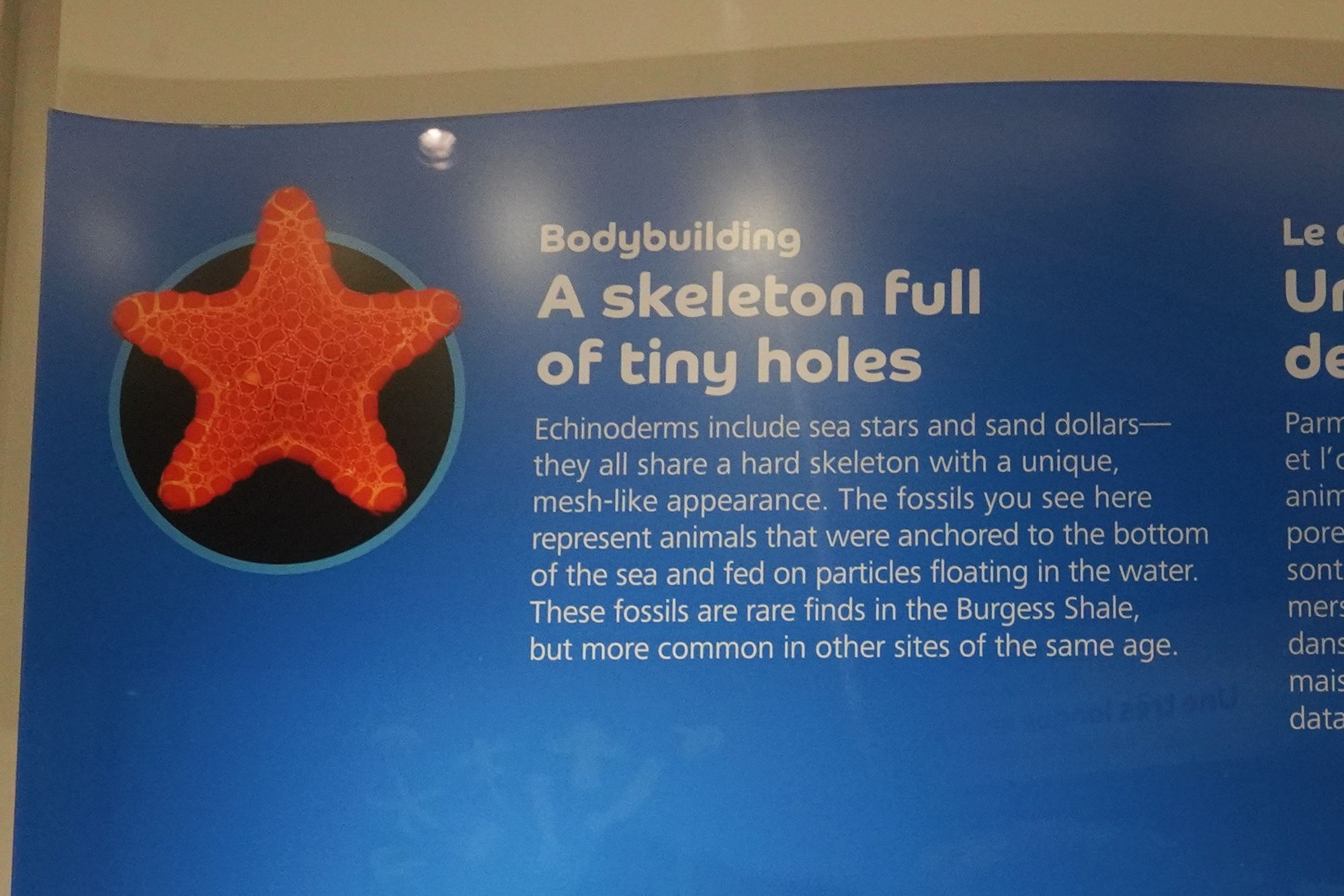
Sea stars have a hard skeleton with a mesh-like appearance.
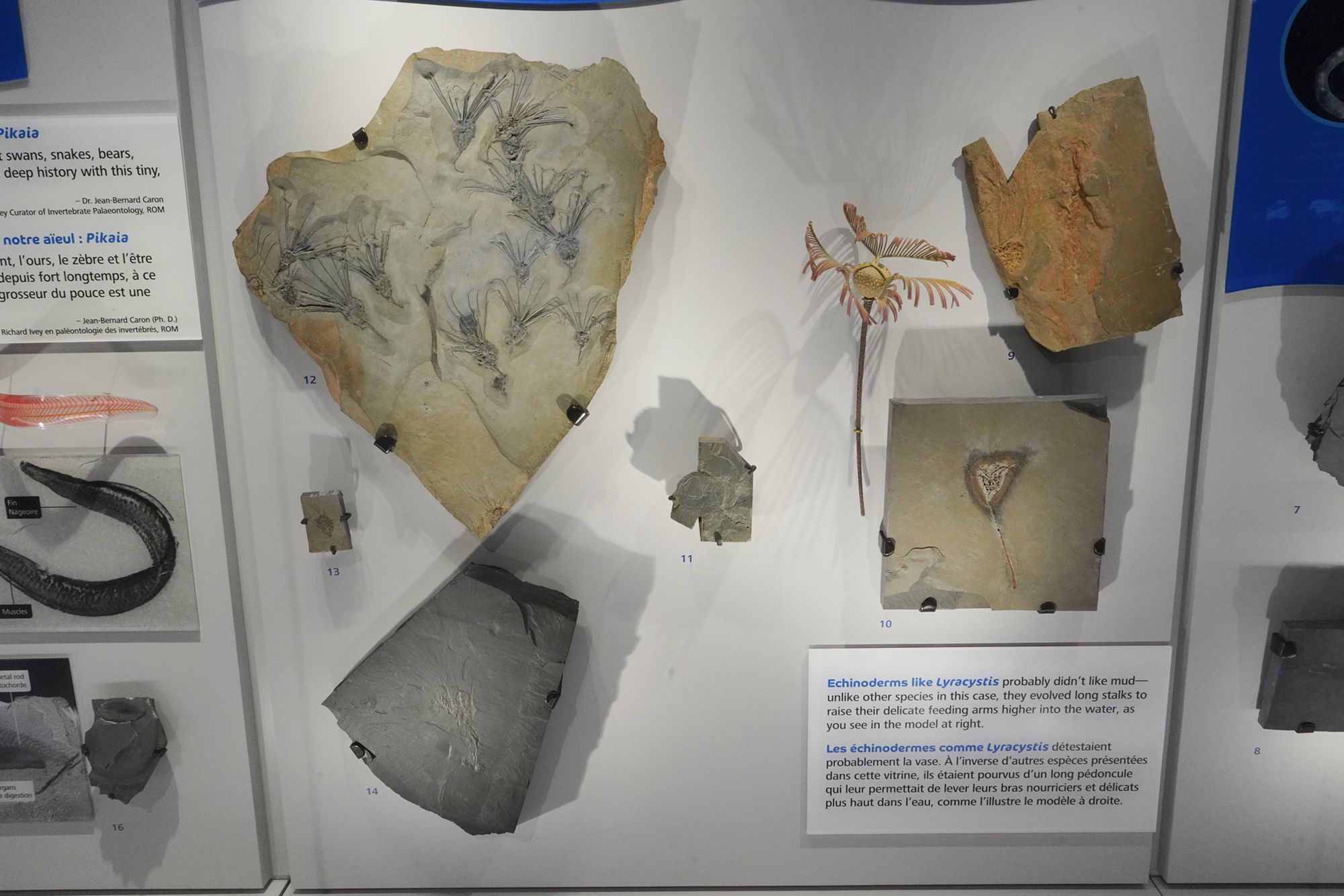
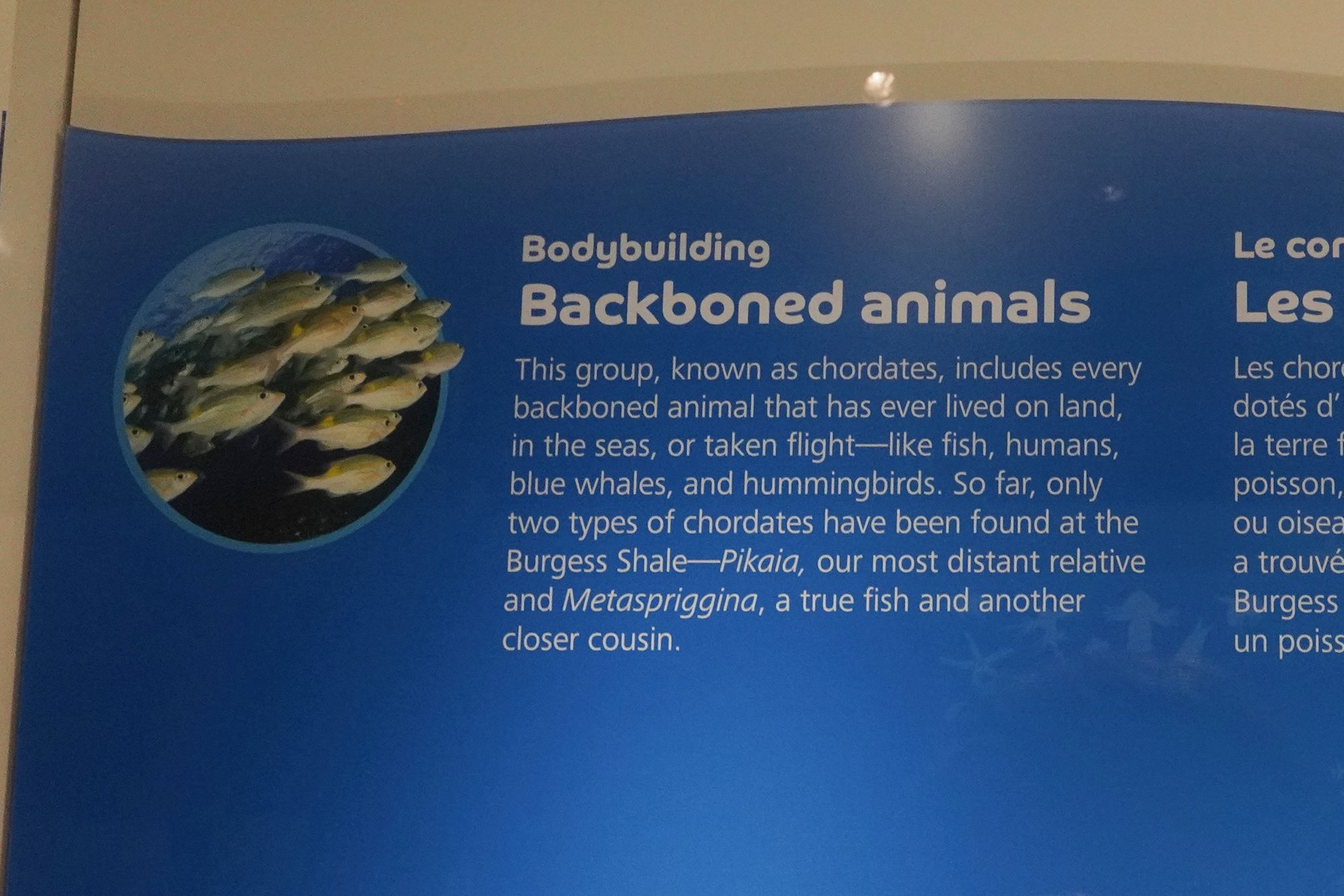
Appearance of backboned animals
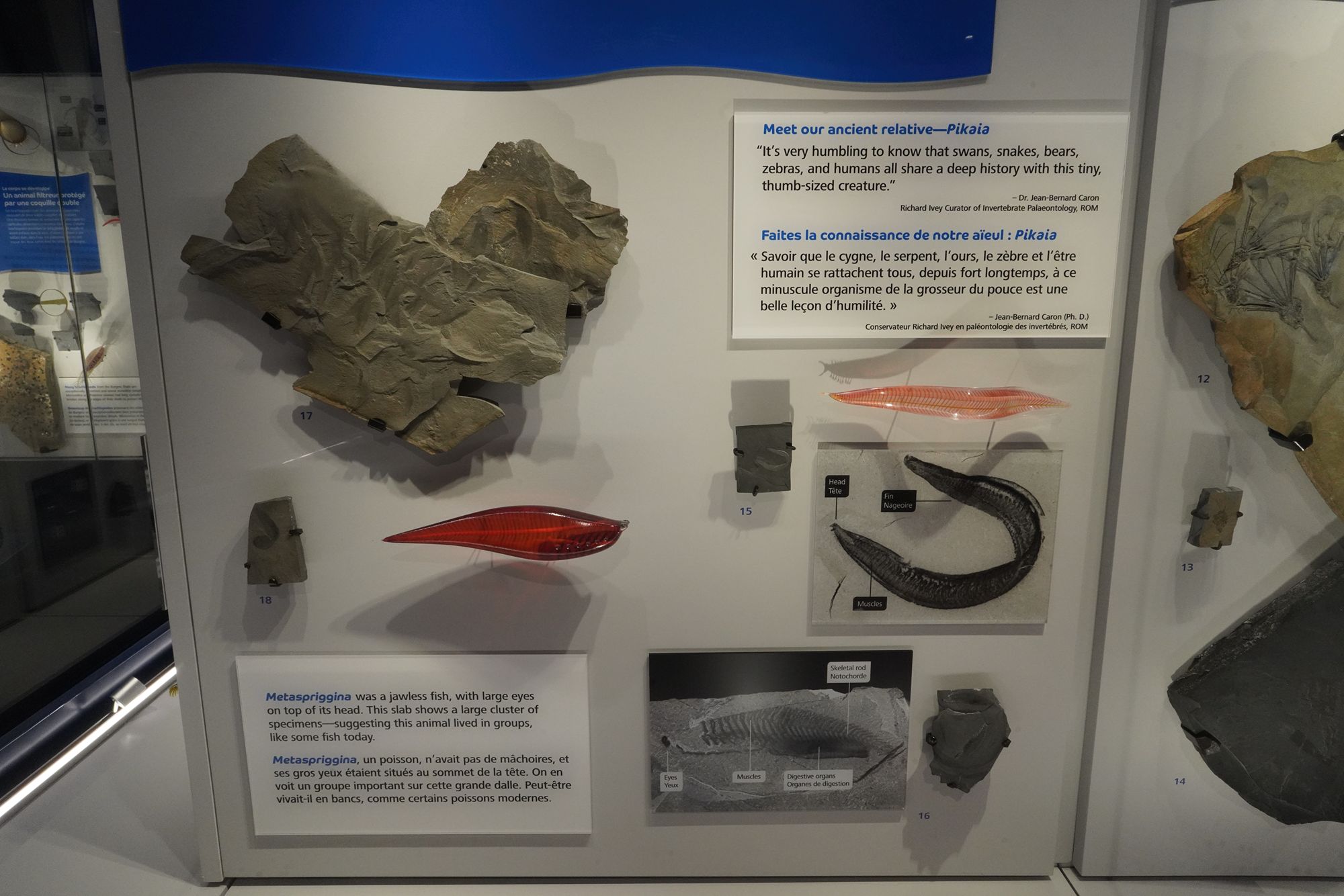
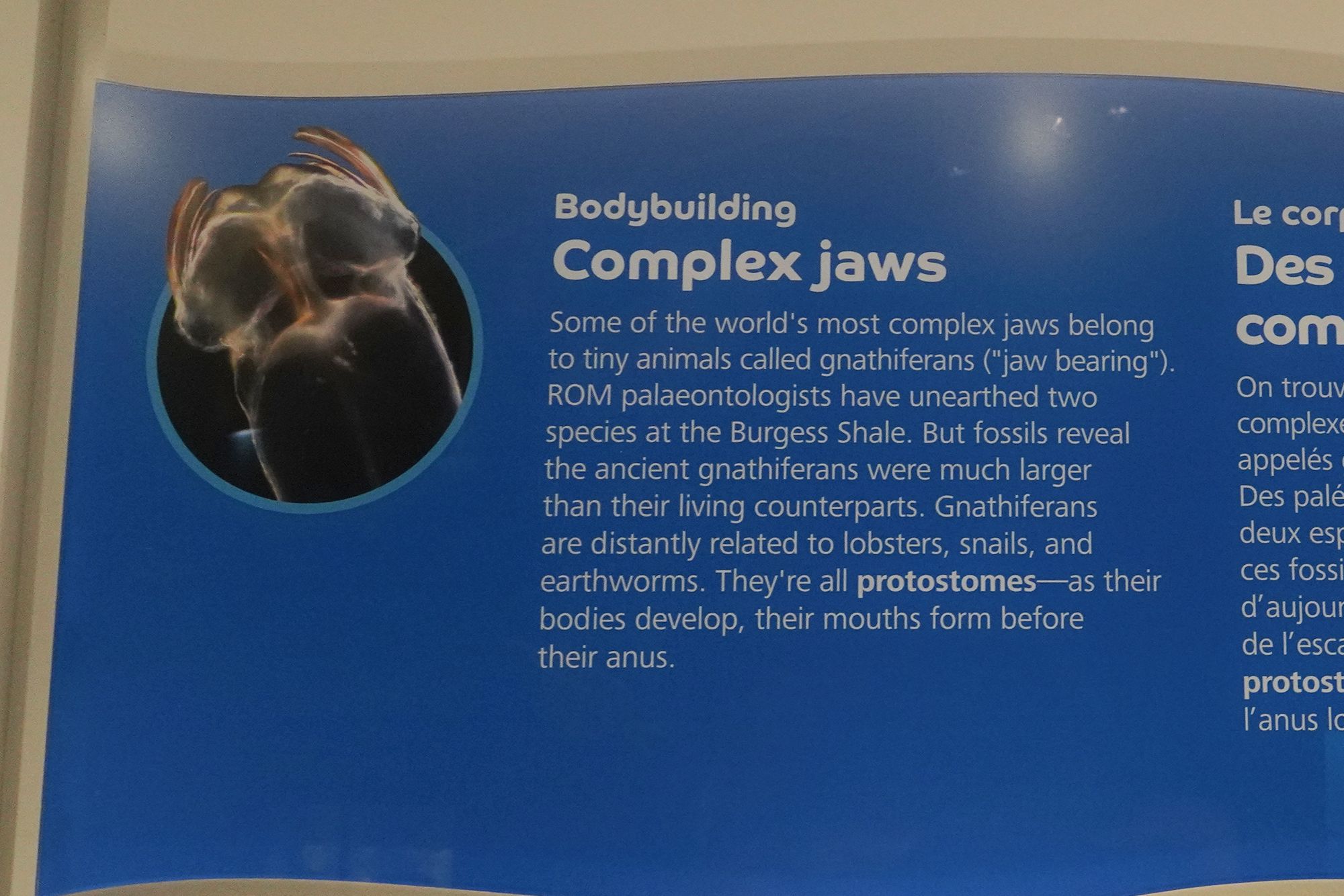
Animals with complex jaws appeared
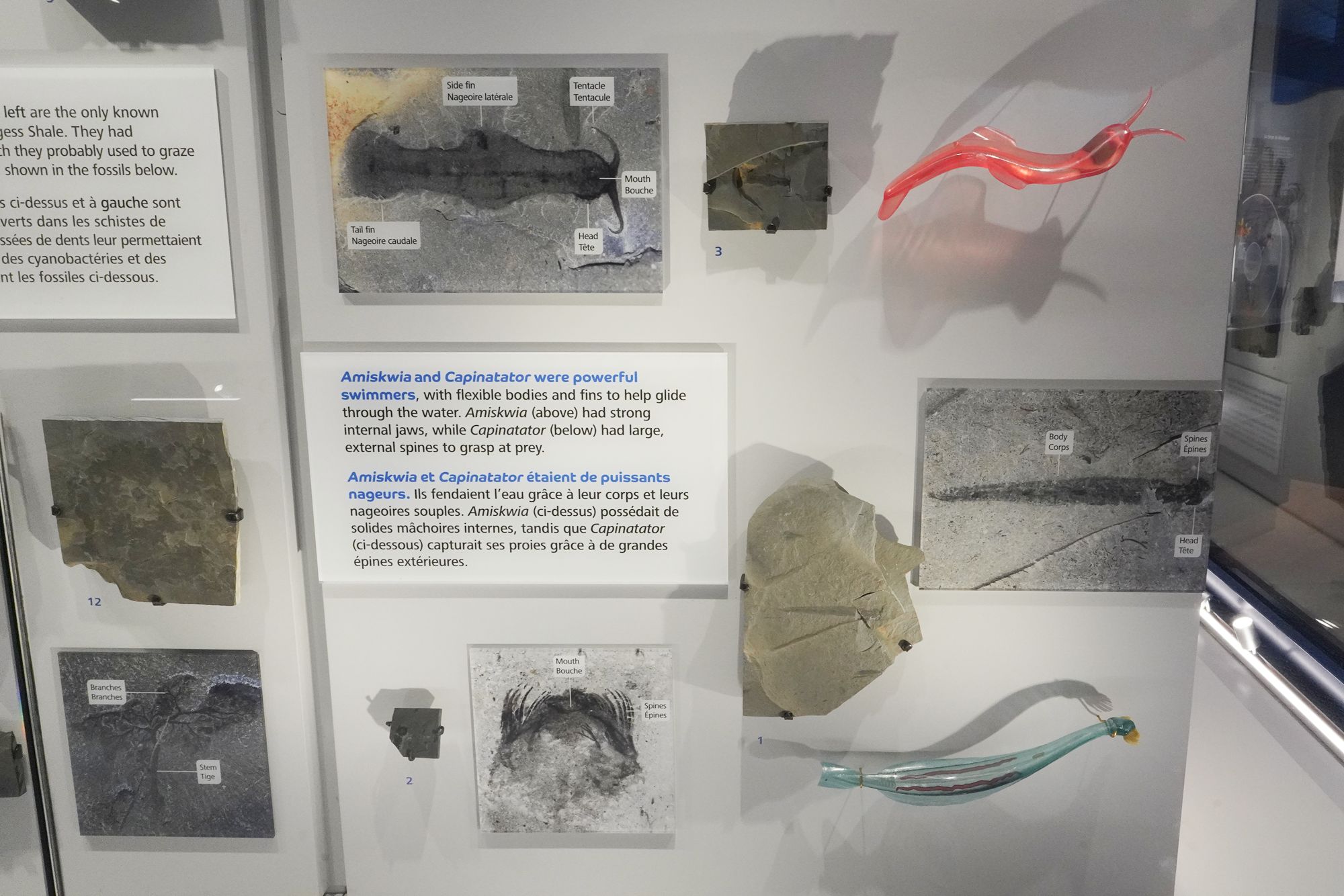
Animals with toothy tongue appeared
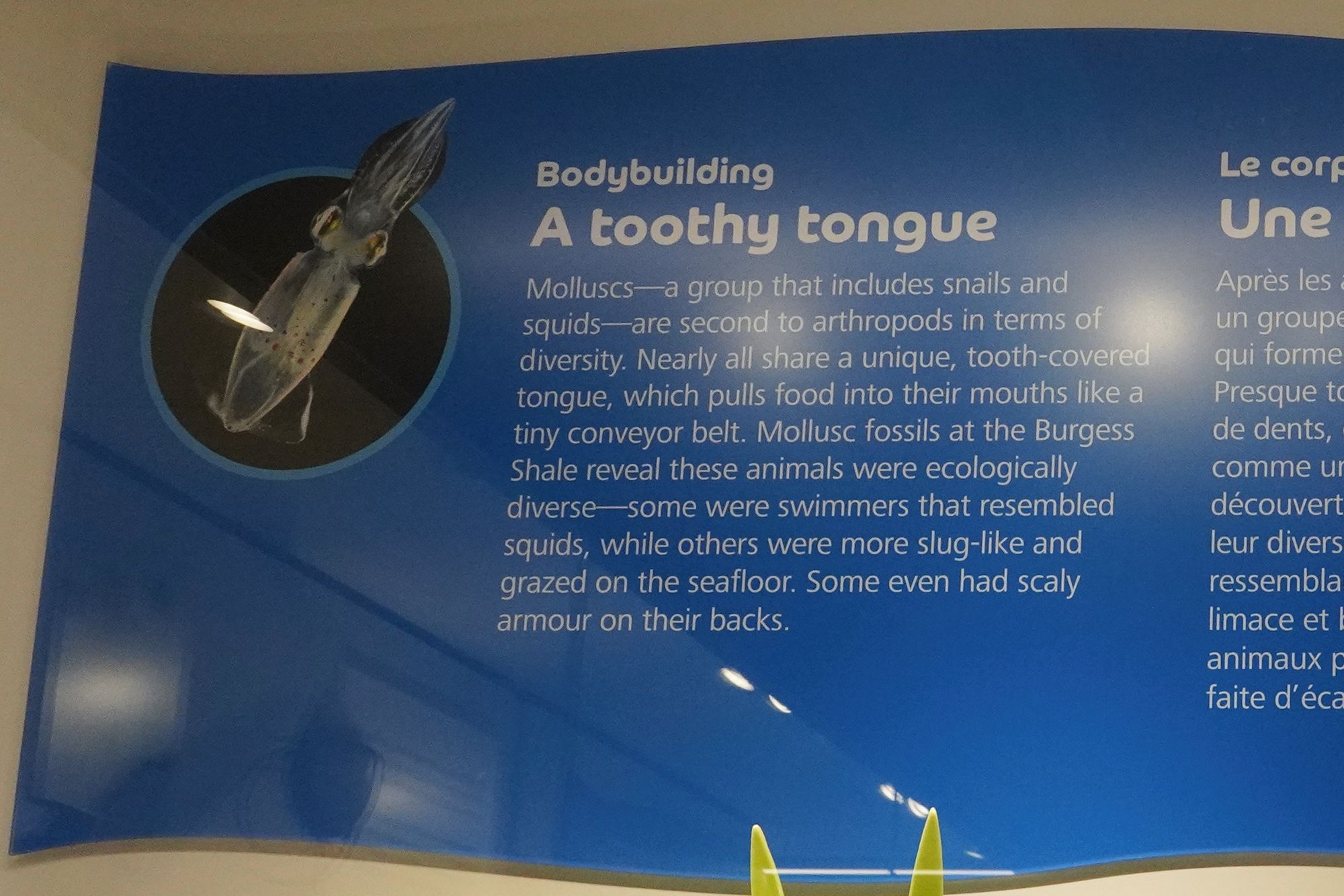
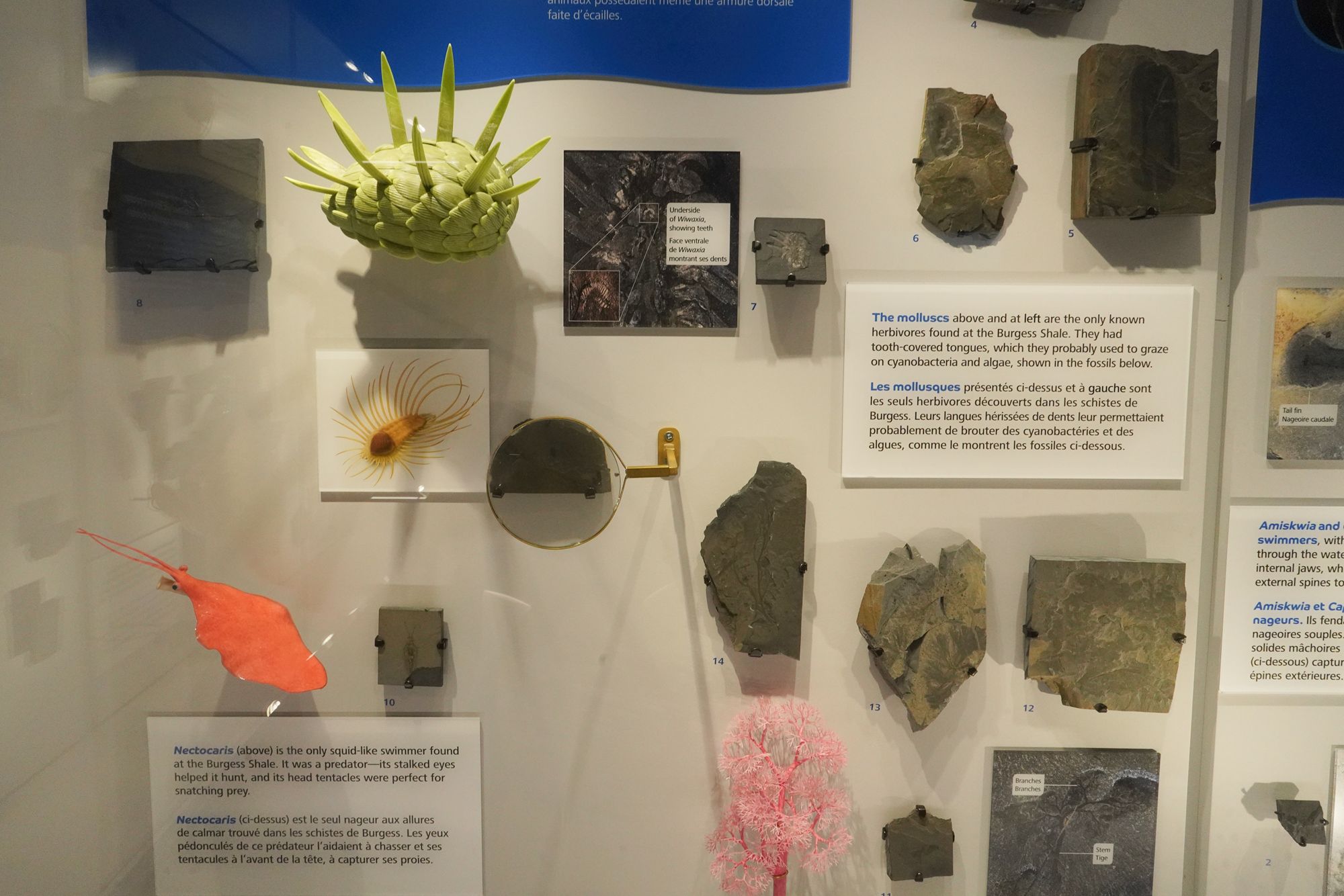
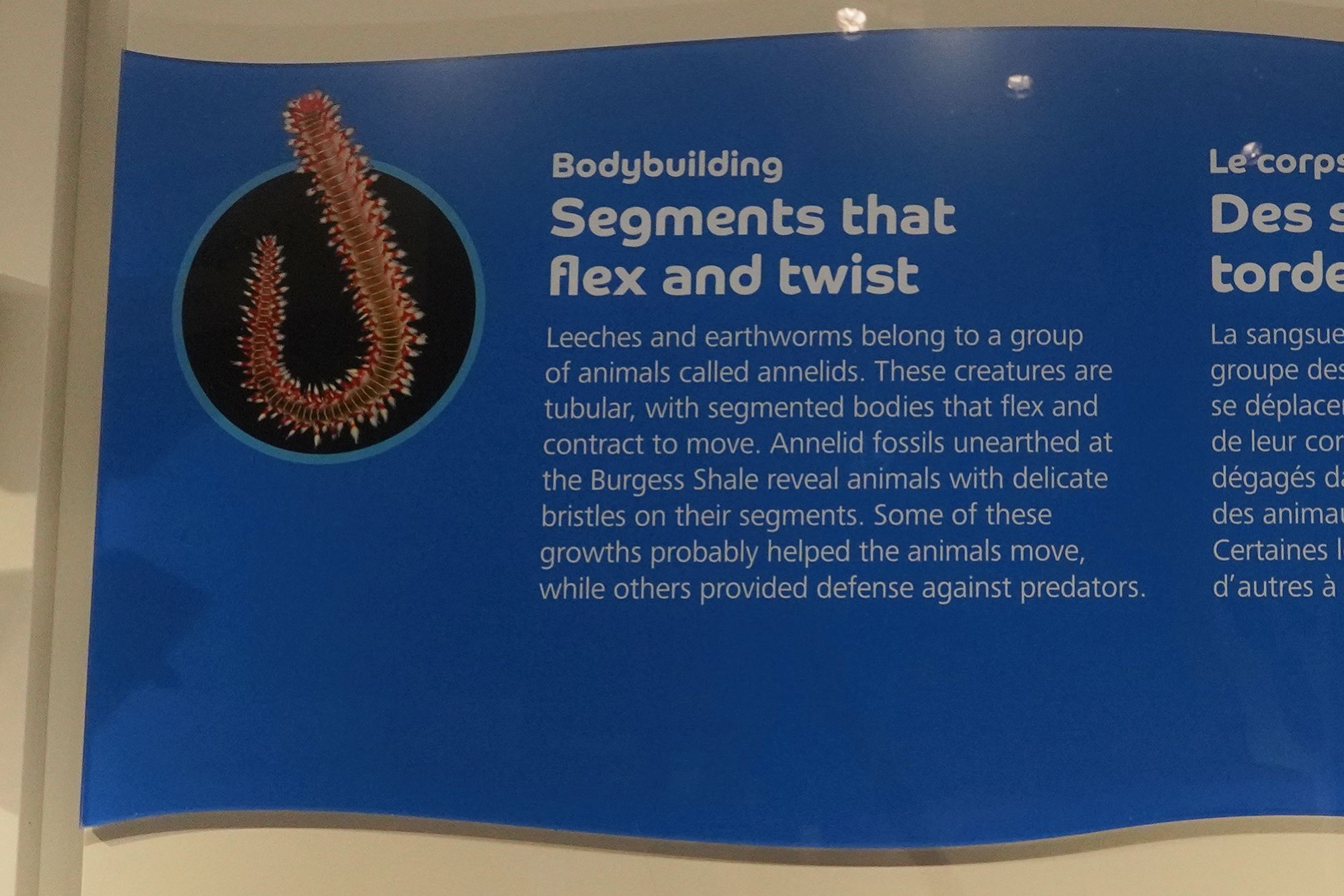
Animals with segmented bodies
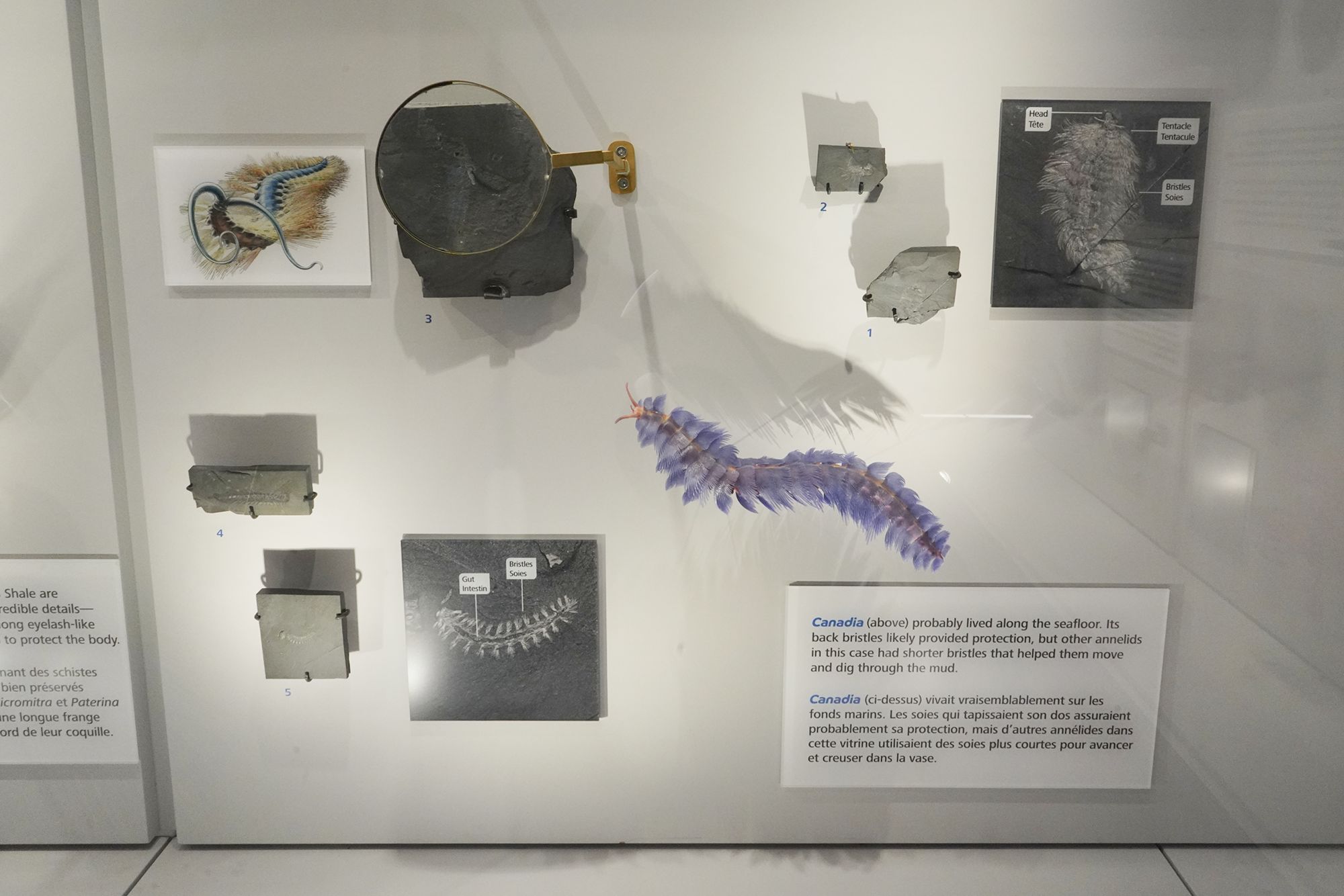
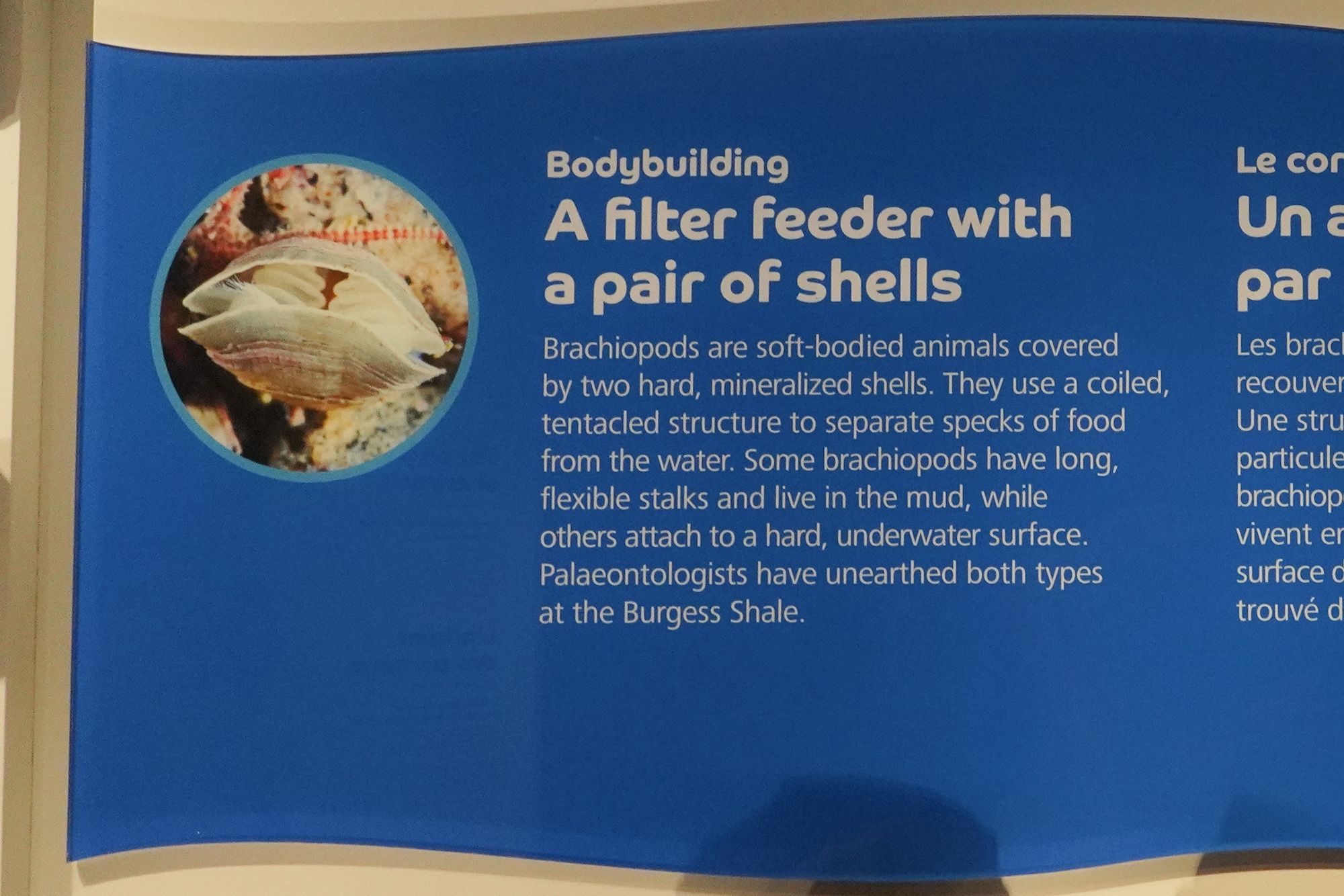
Soft-bodied animals covered by two hard, mineralized shells.
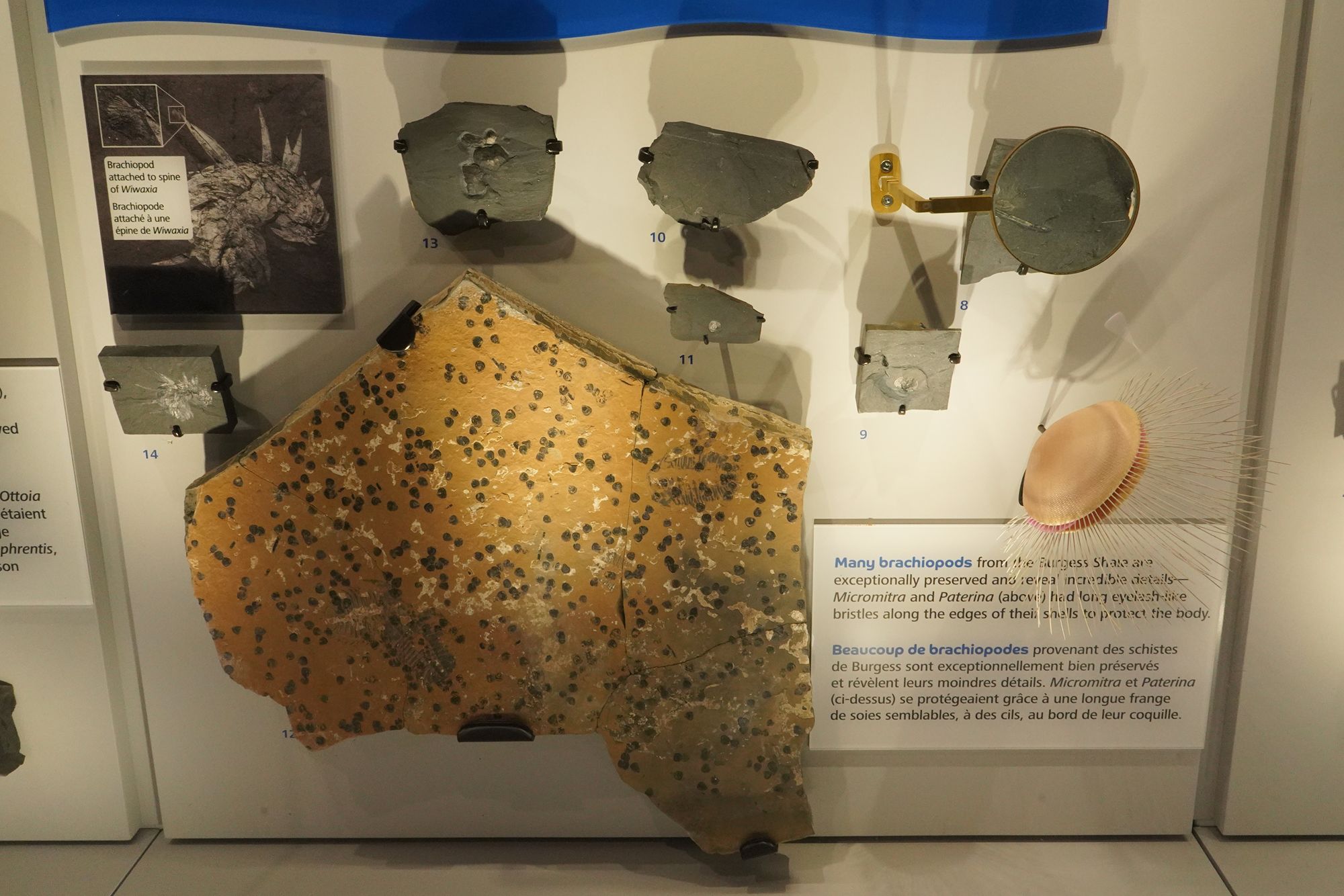
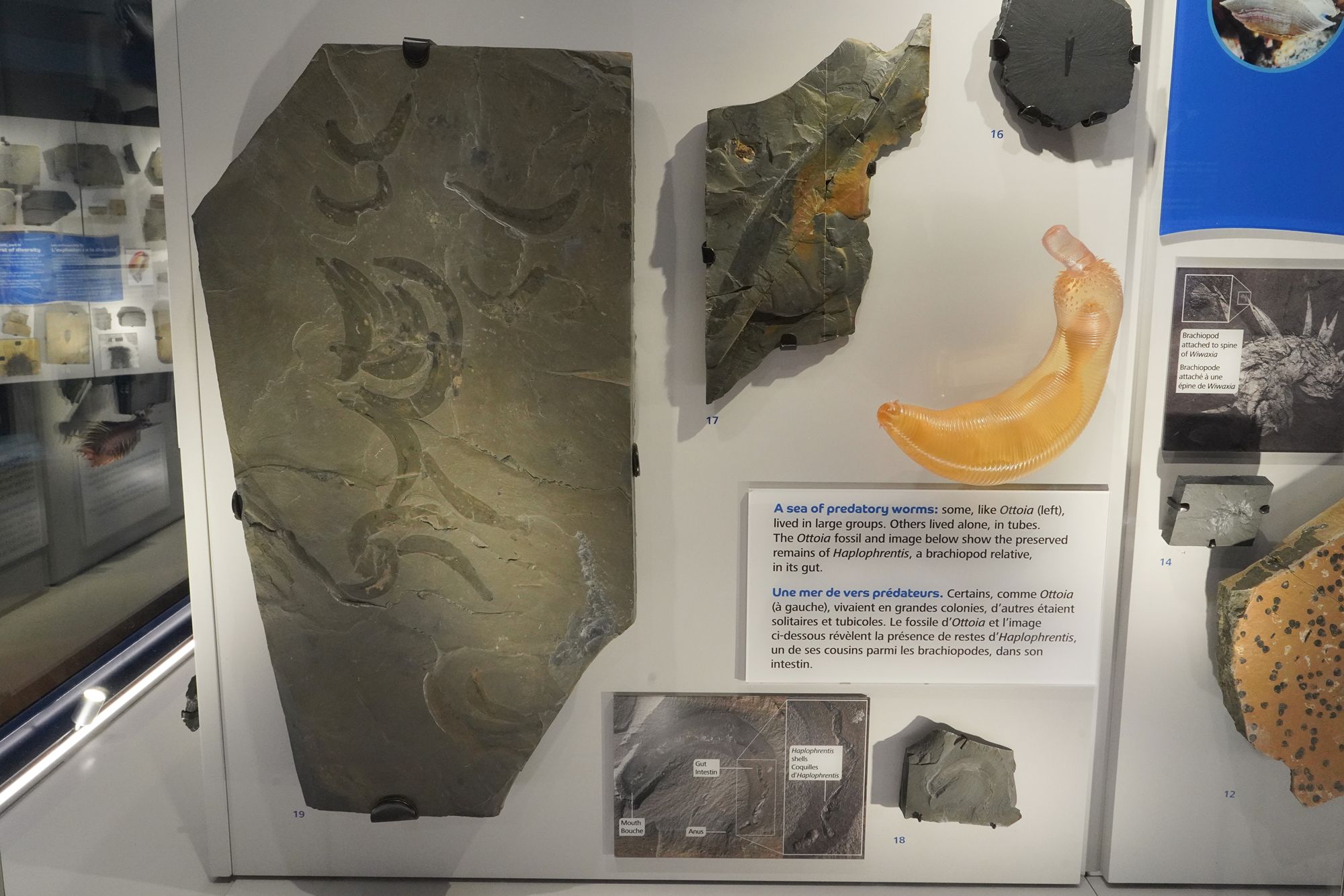
Worms with powerful teeth
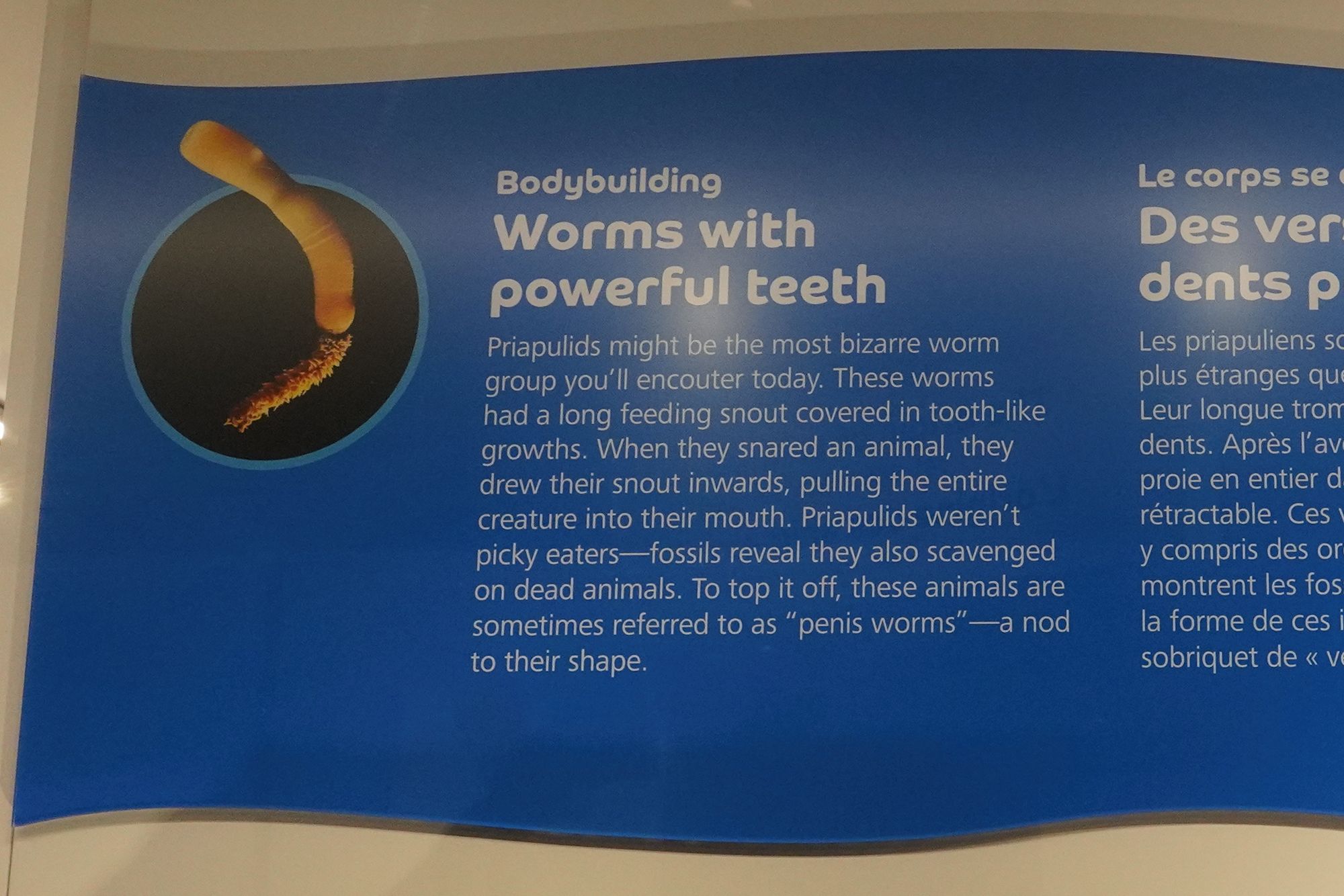
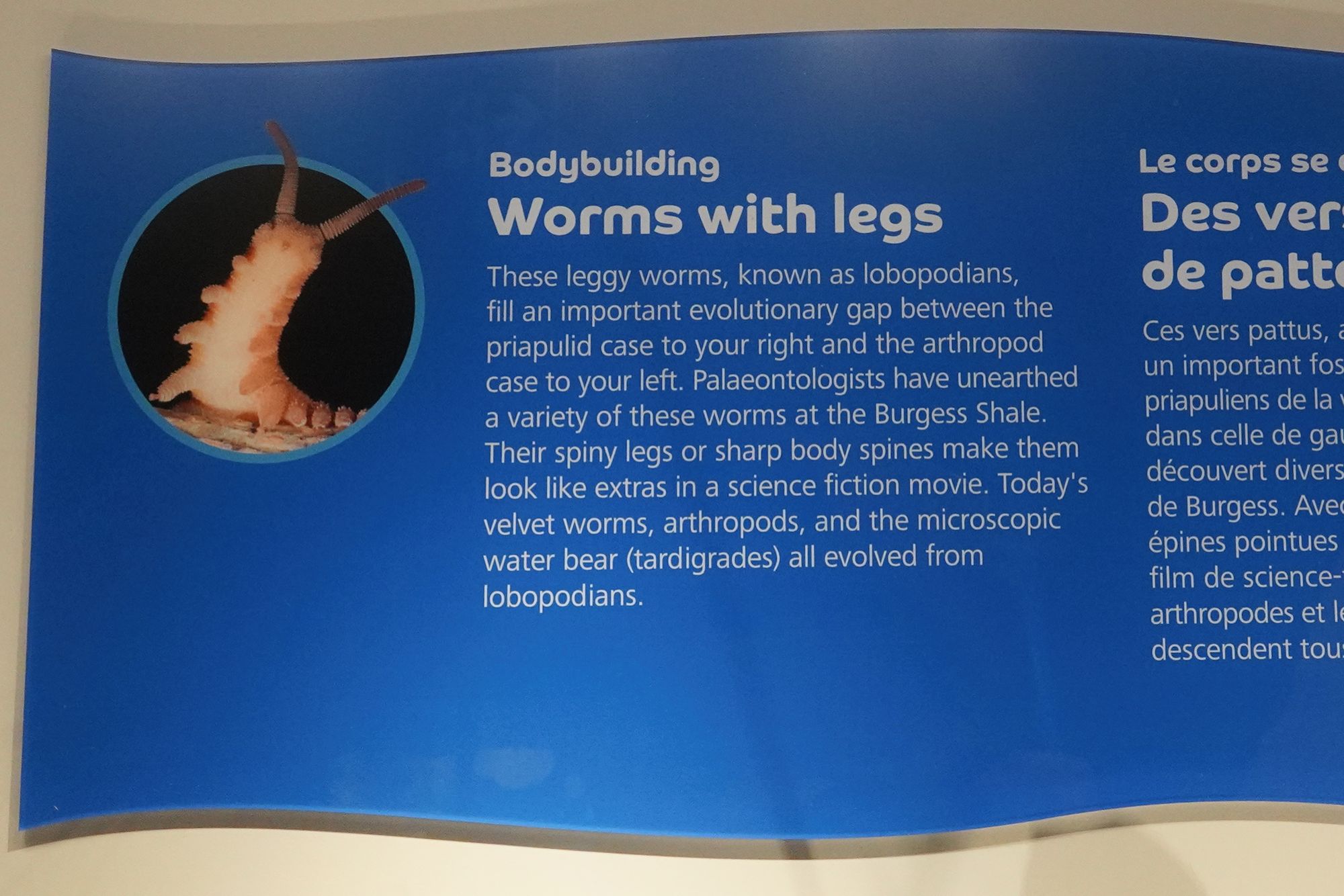
Worms with legs
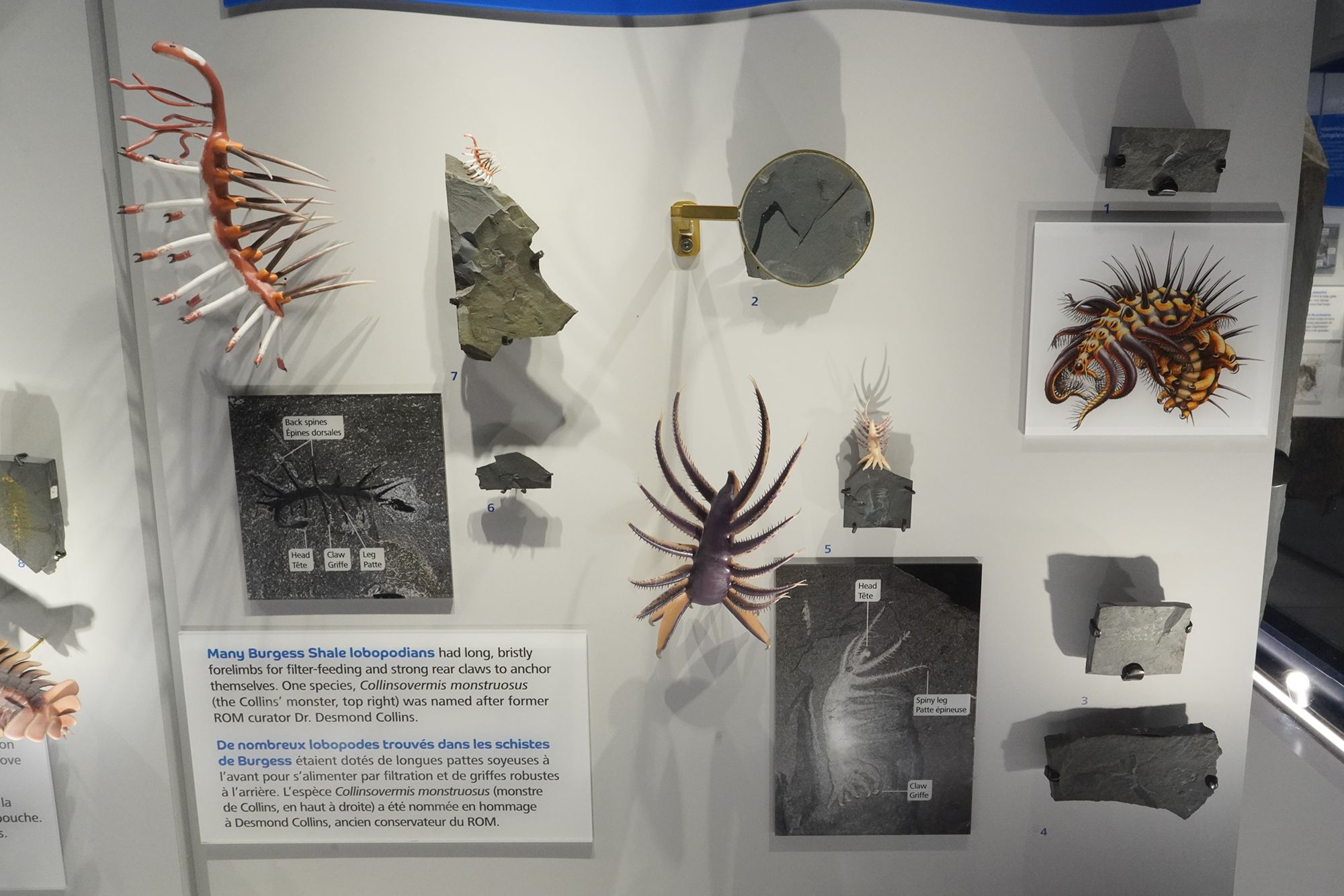
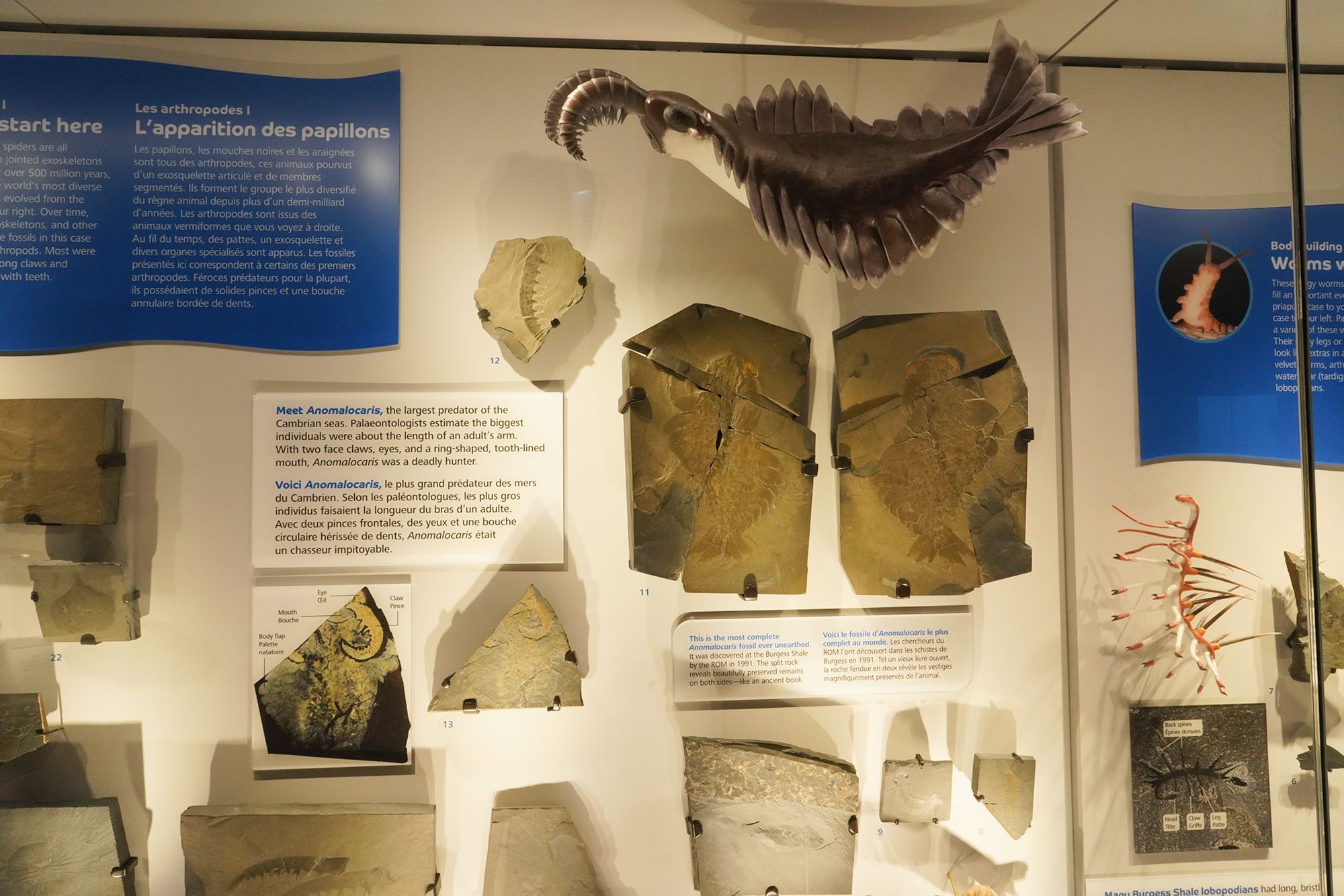
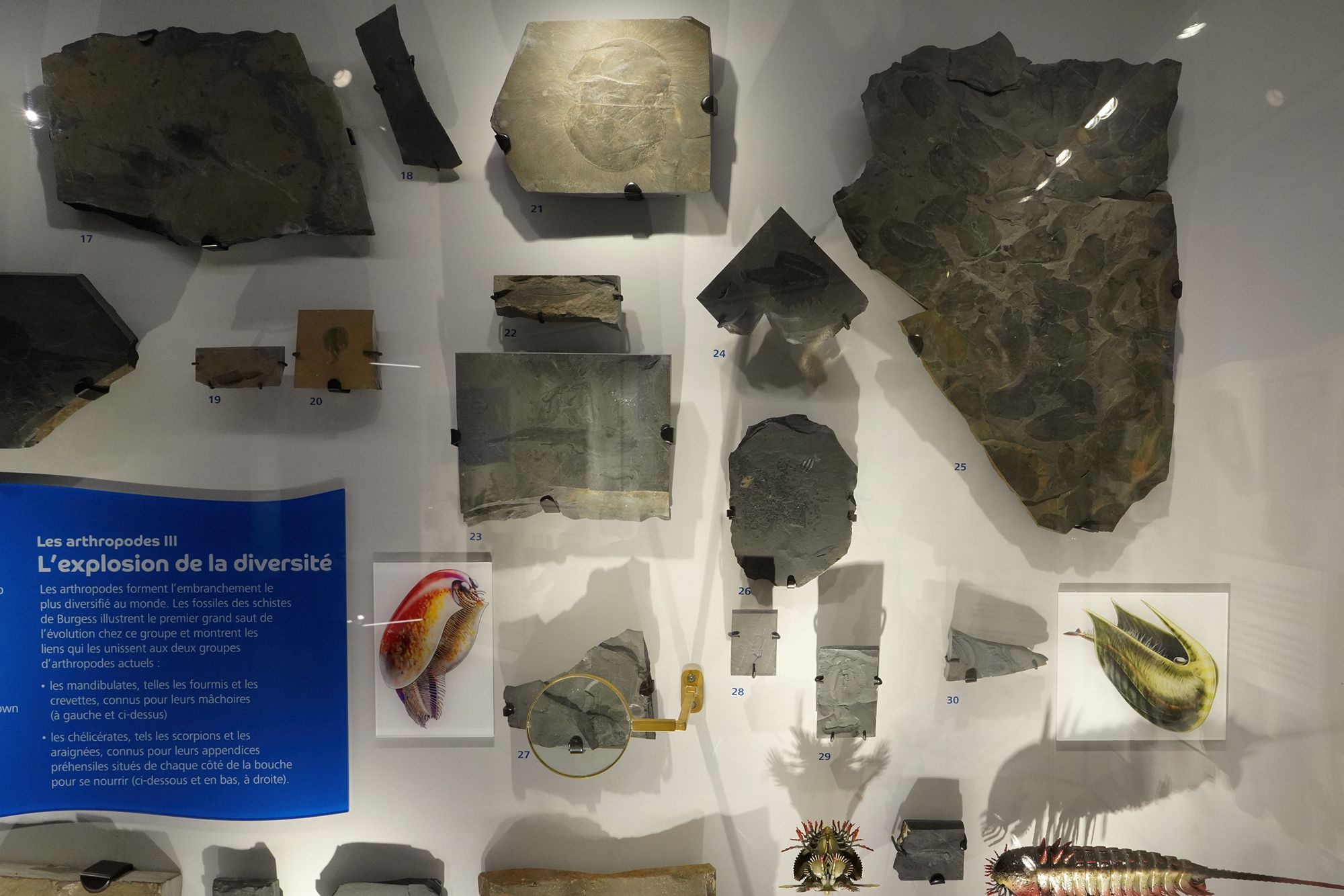
Arthropods evolved from worm-like creatures. Over time, they developed limbs, exoskeletons, and other specialized body parts.
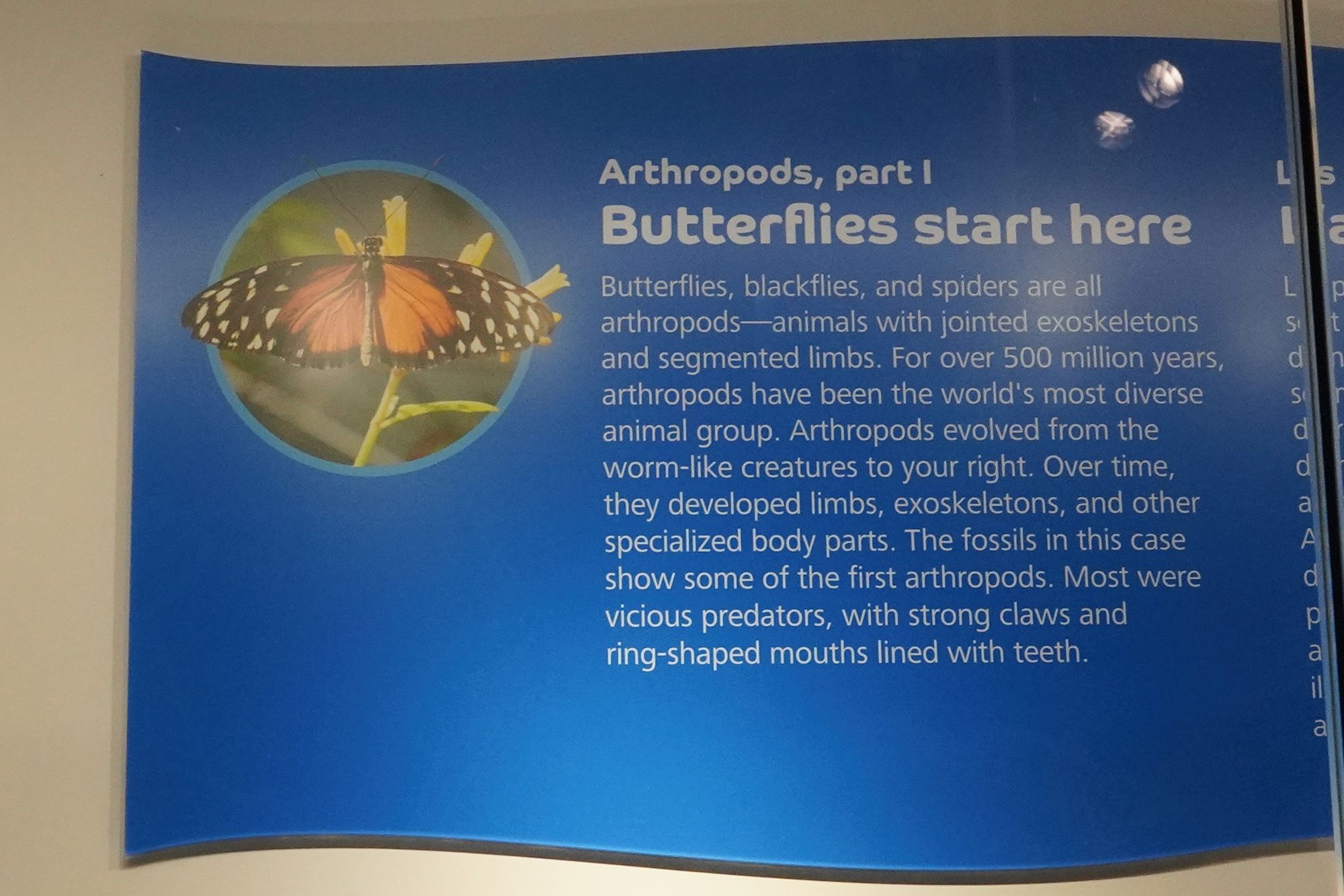
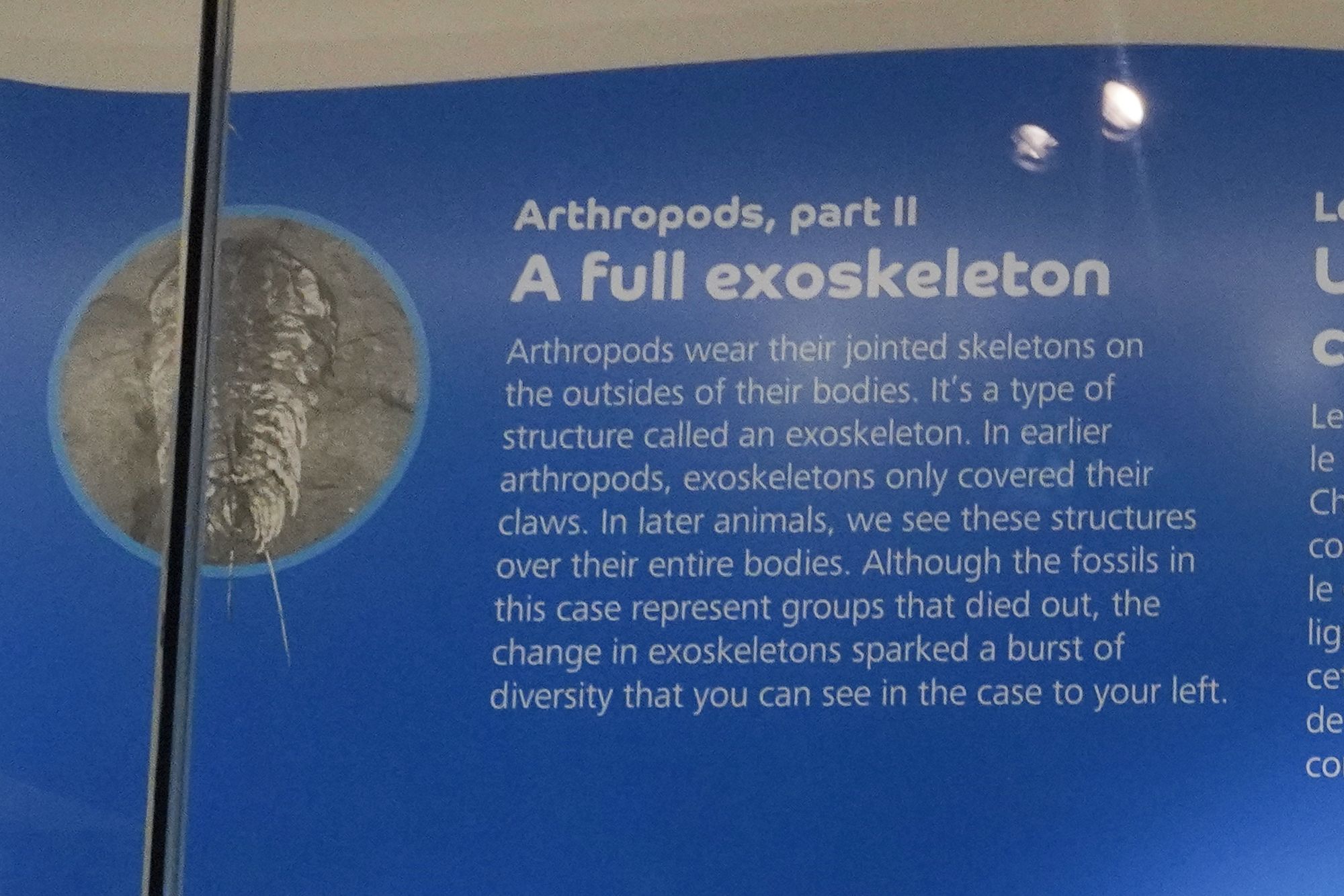
Arthropods wear their jointed skeletons on the outsides of their bodies
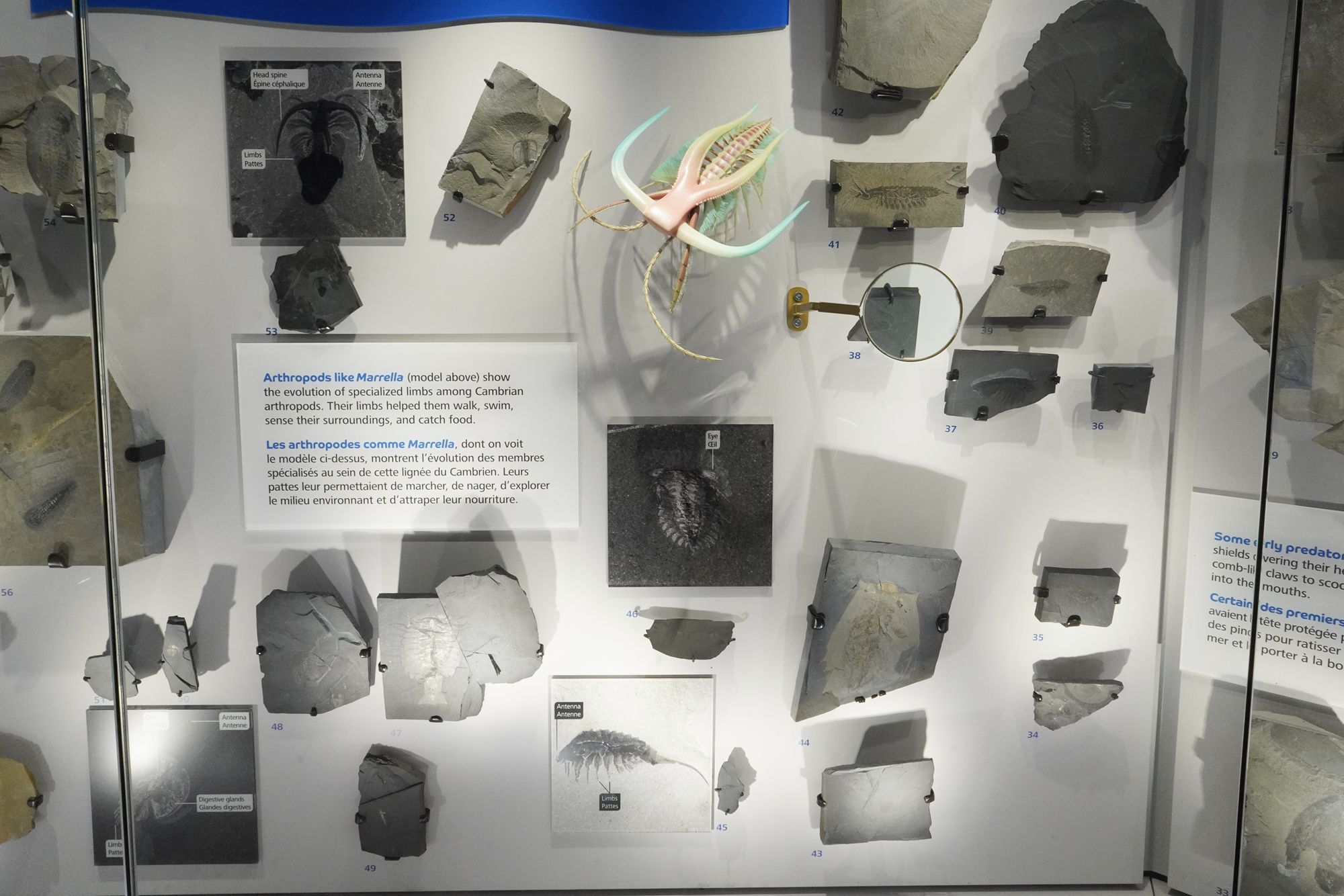
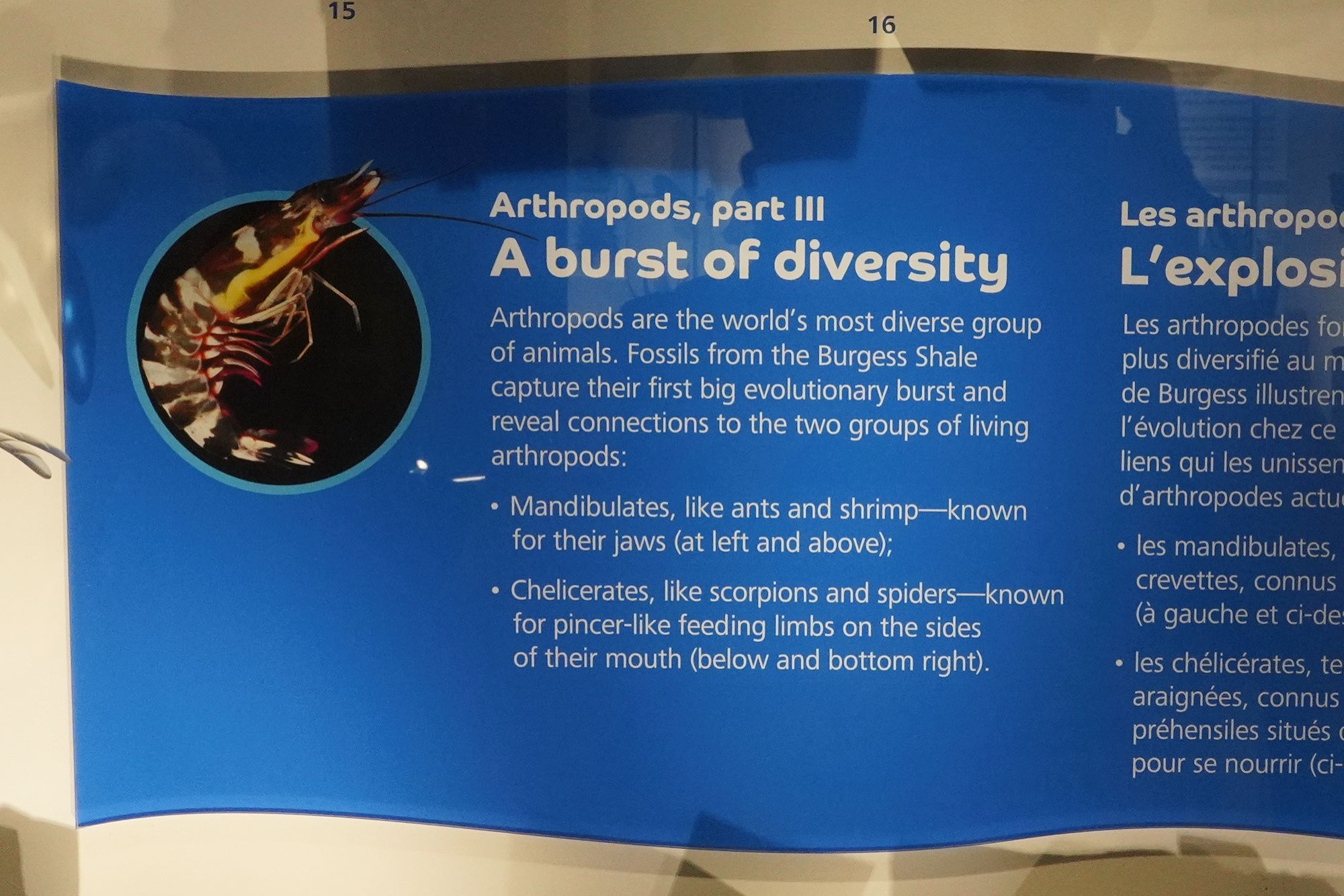
A burst of diversity - Arthropods are the world's most diverse group of animals.
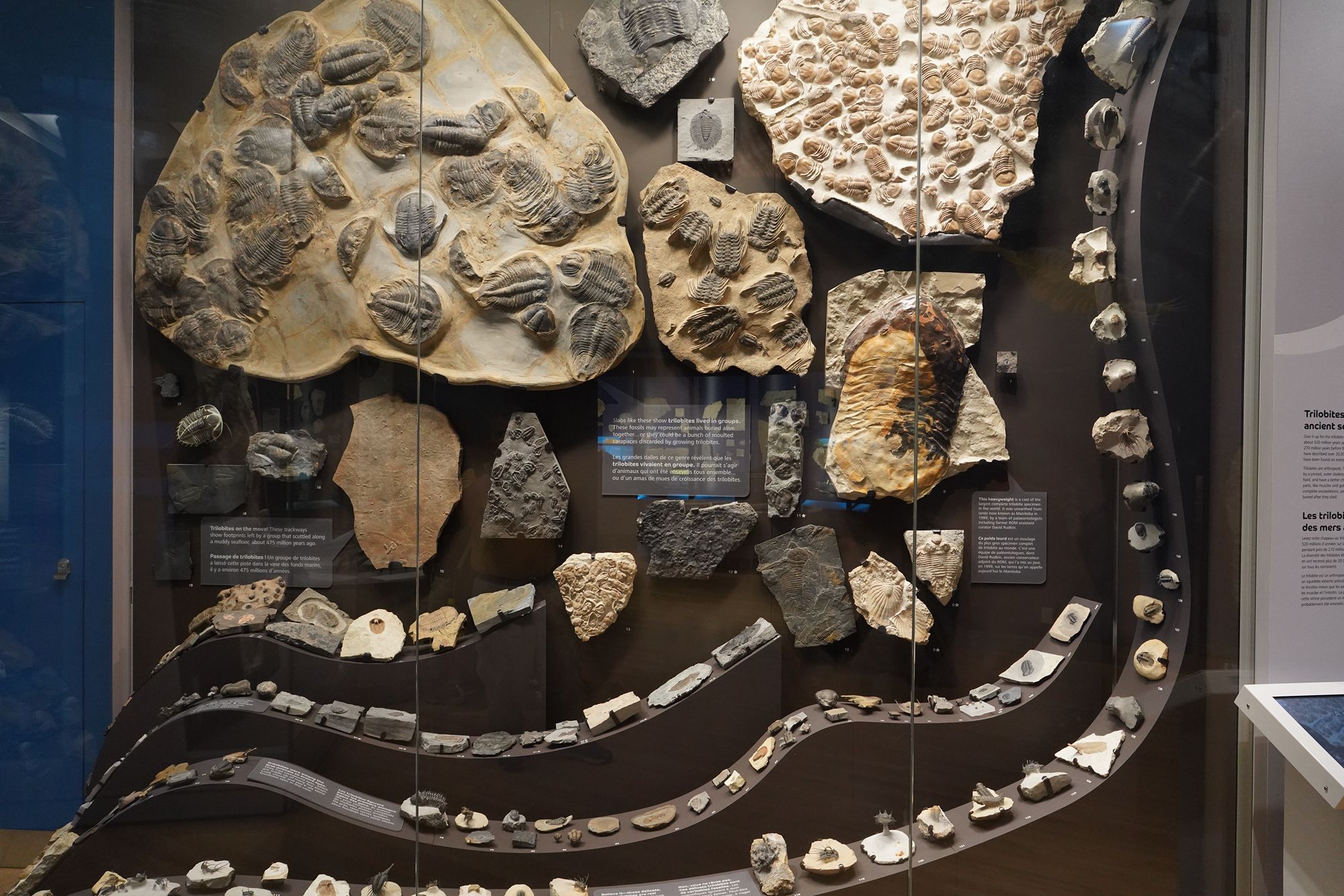
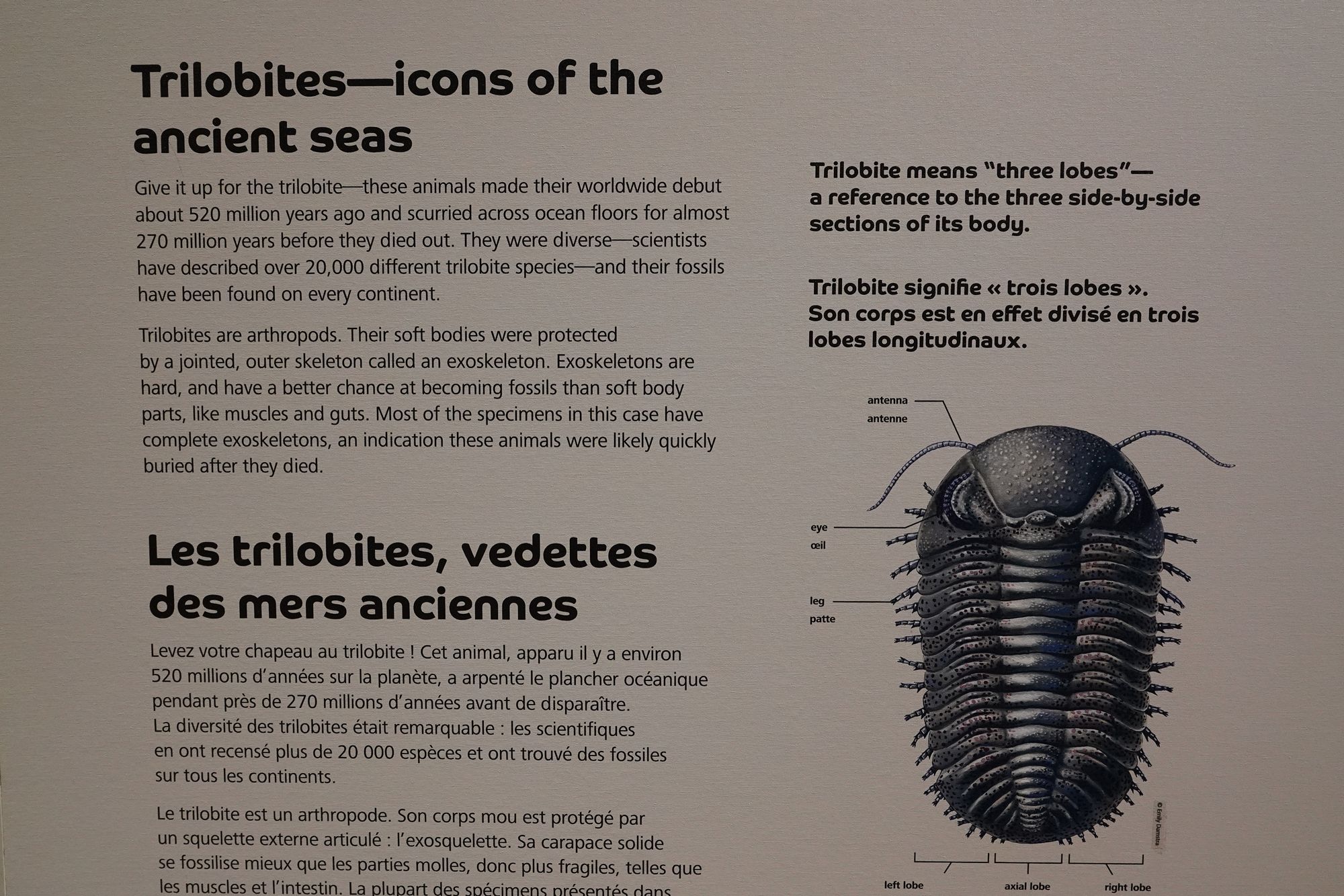
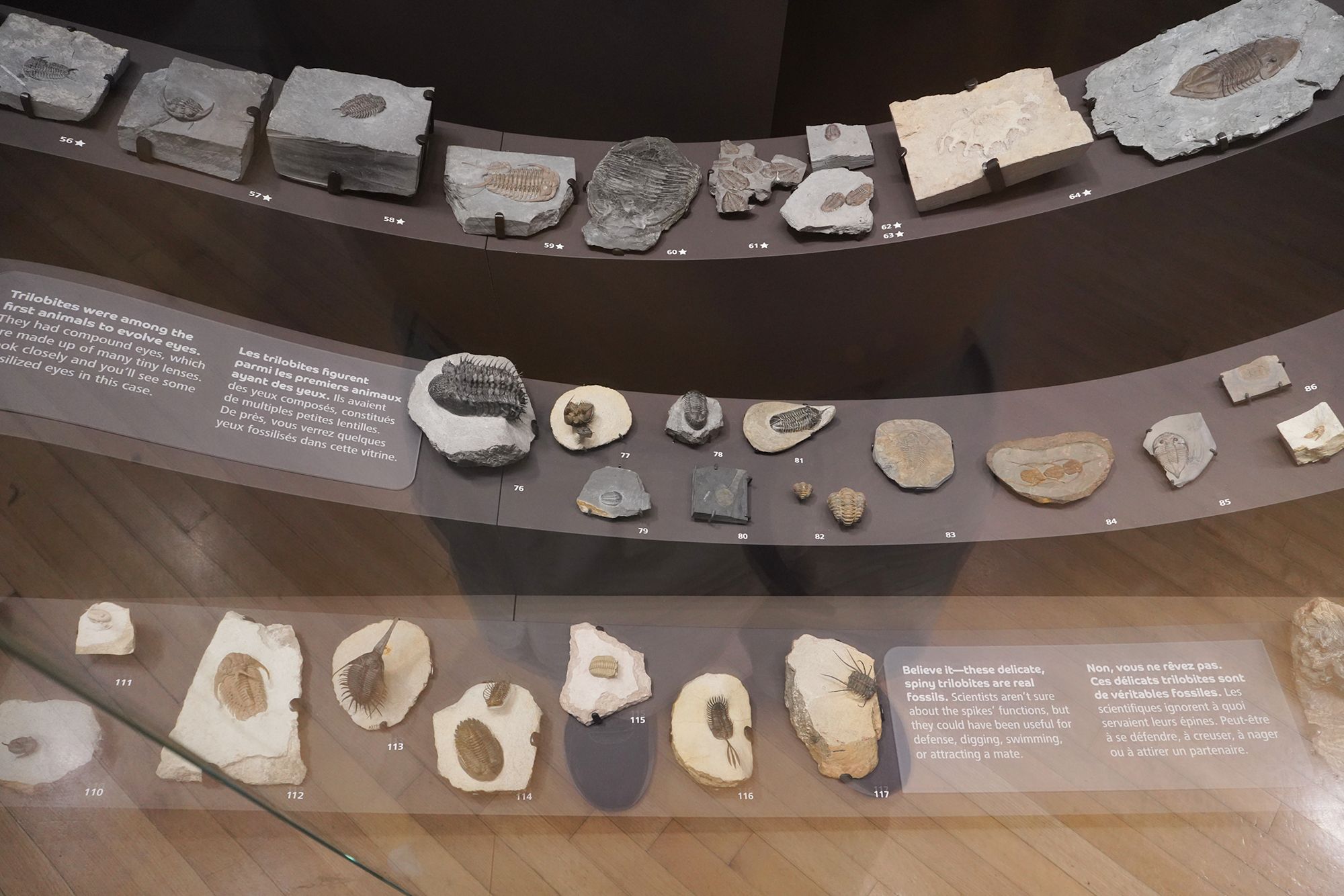
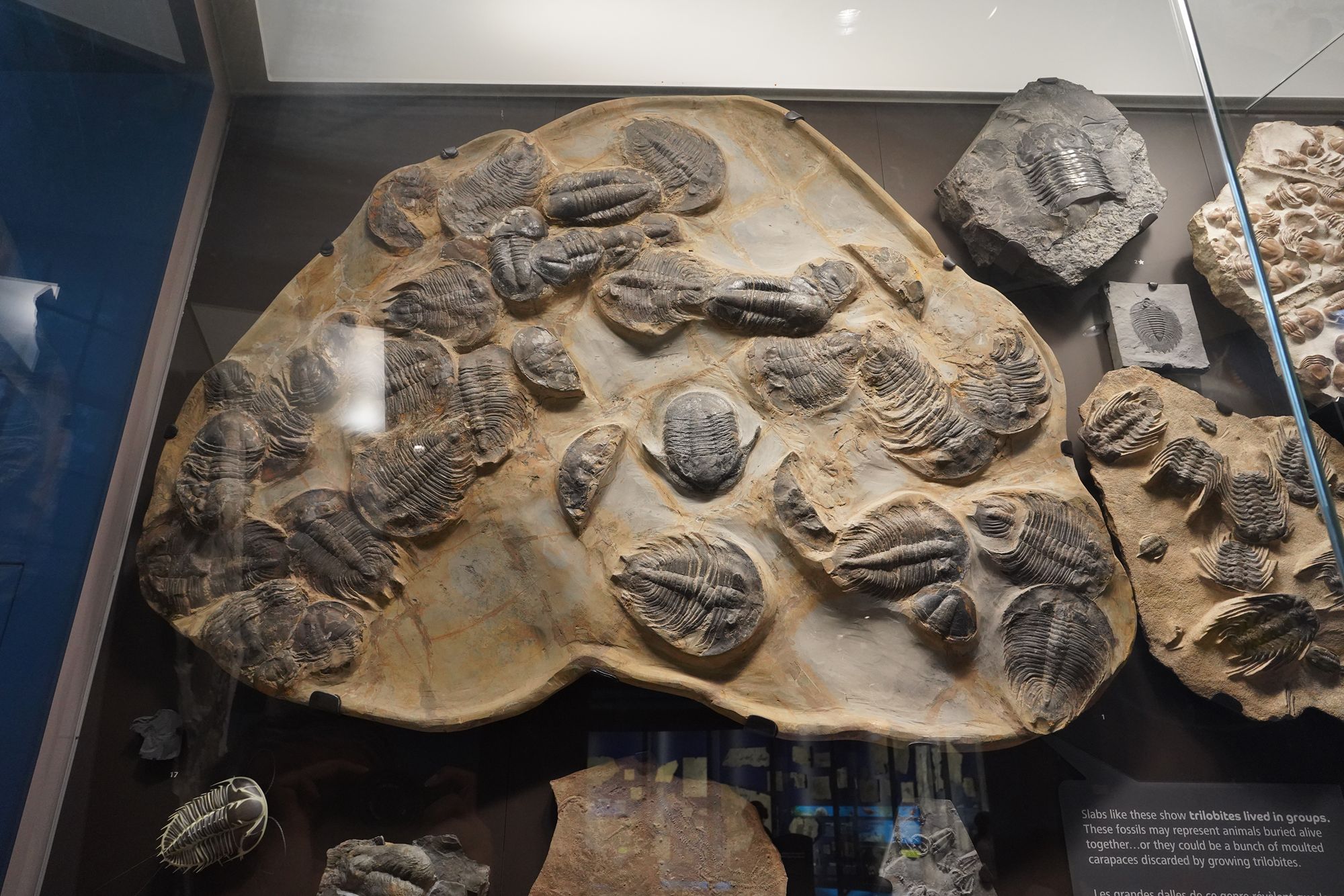
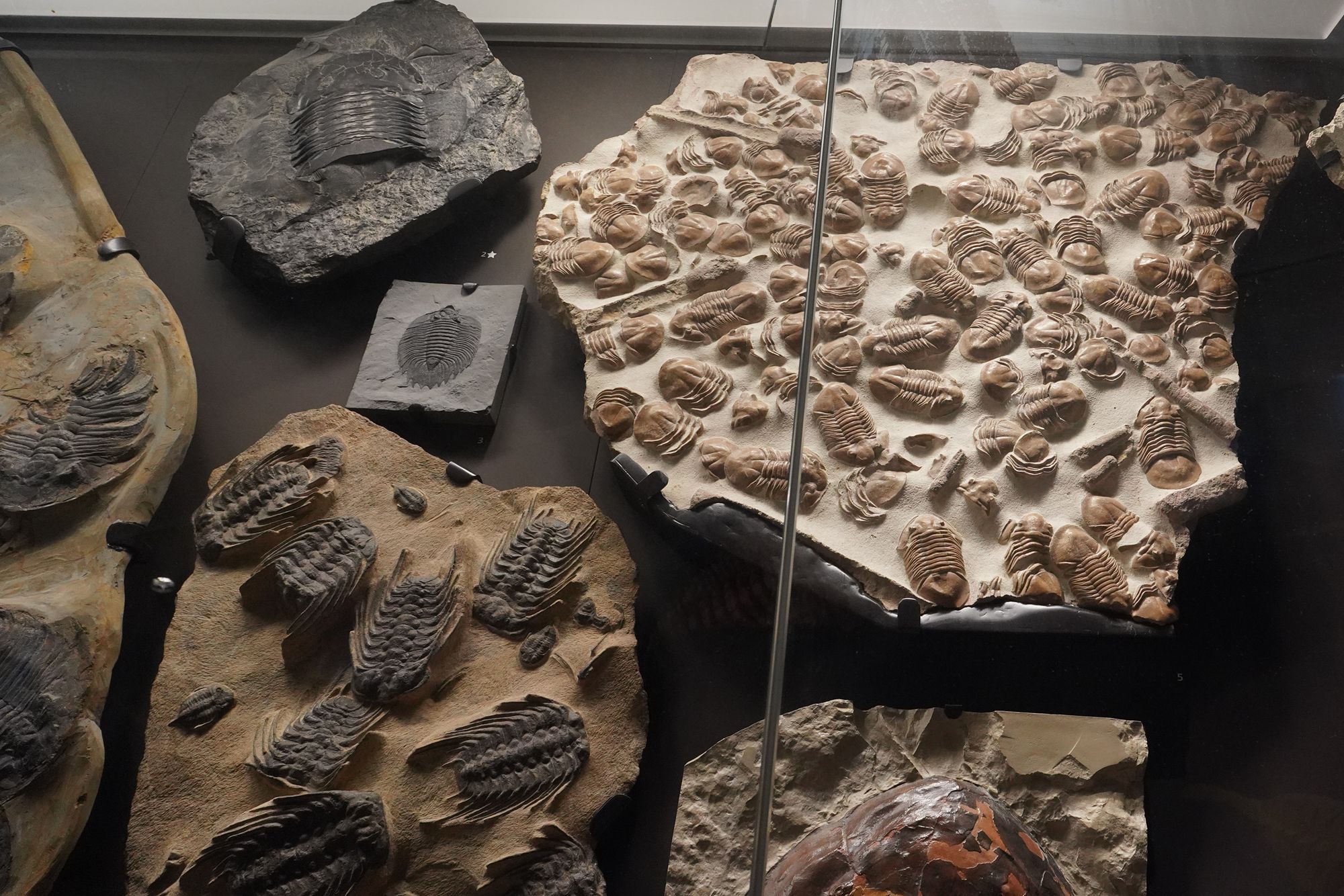
Trilobites were extinct marine arthropods that lived from about 521 to 252 million years ago.
They had hard, segmented exoskeletons divided into three lobes, lived on ancient sea floors, and are among the most common and important fossils for studying early animal evolution.
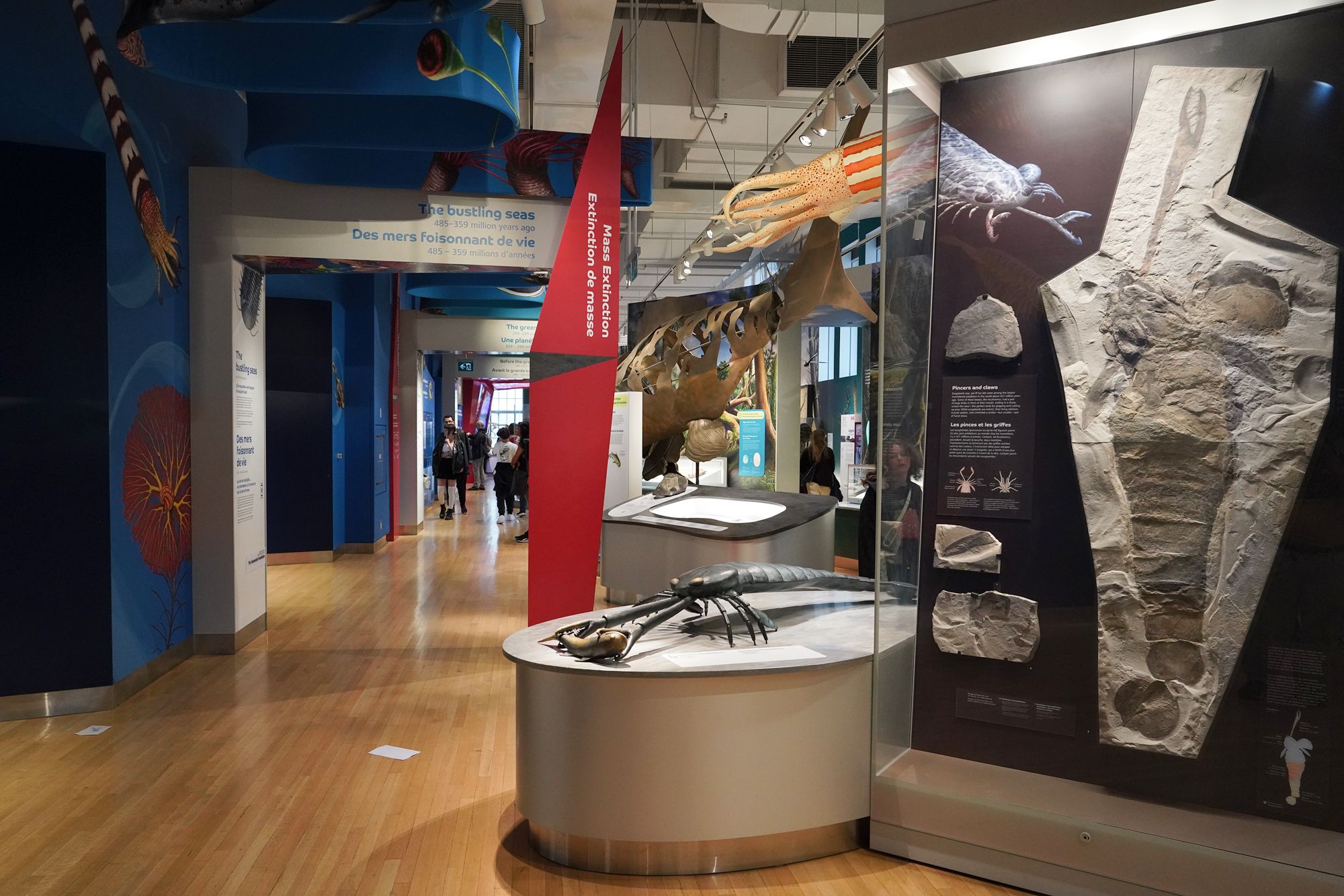
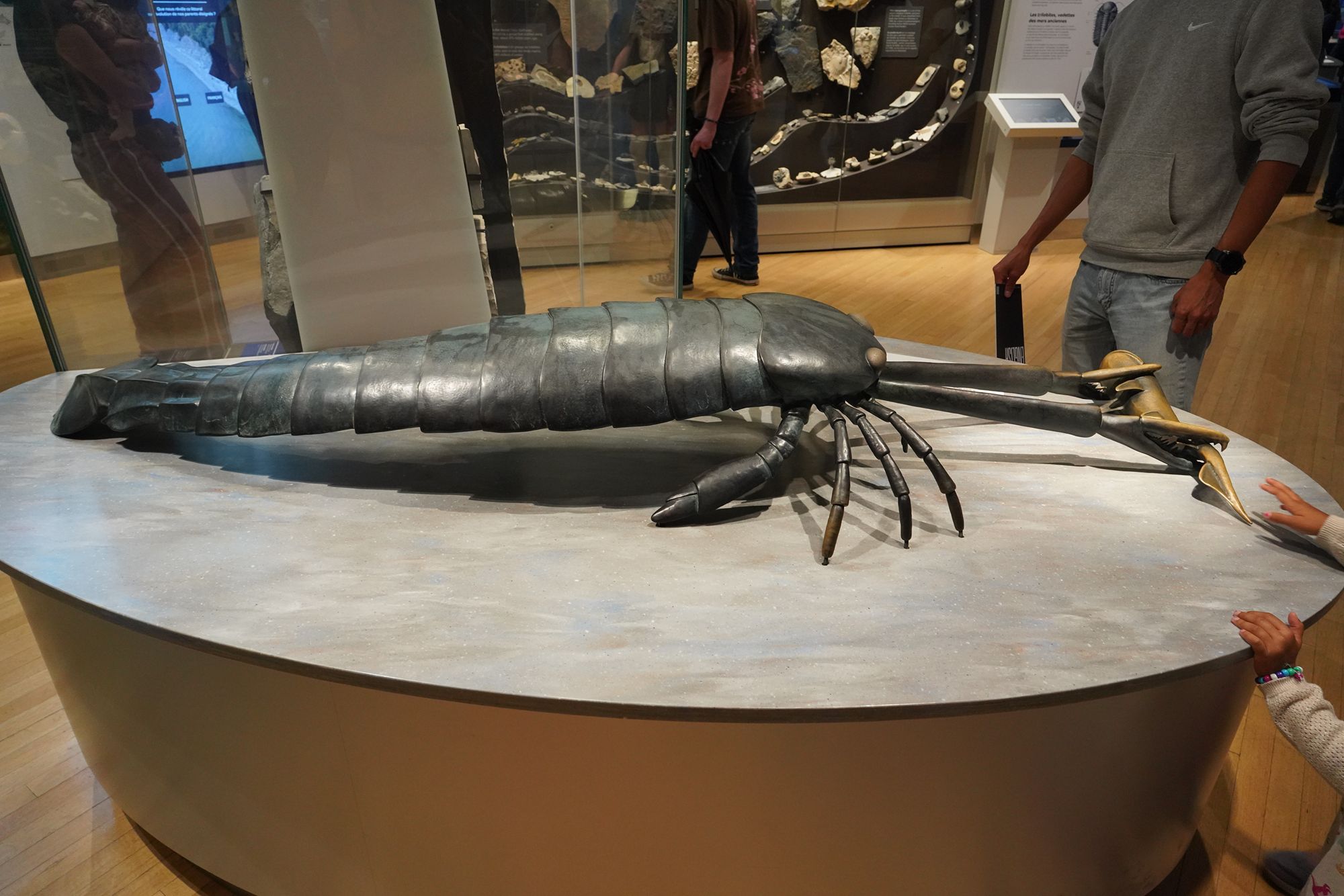
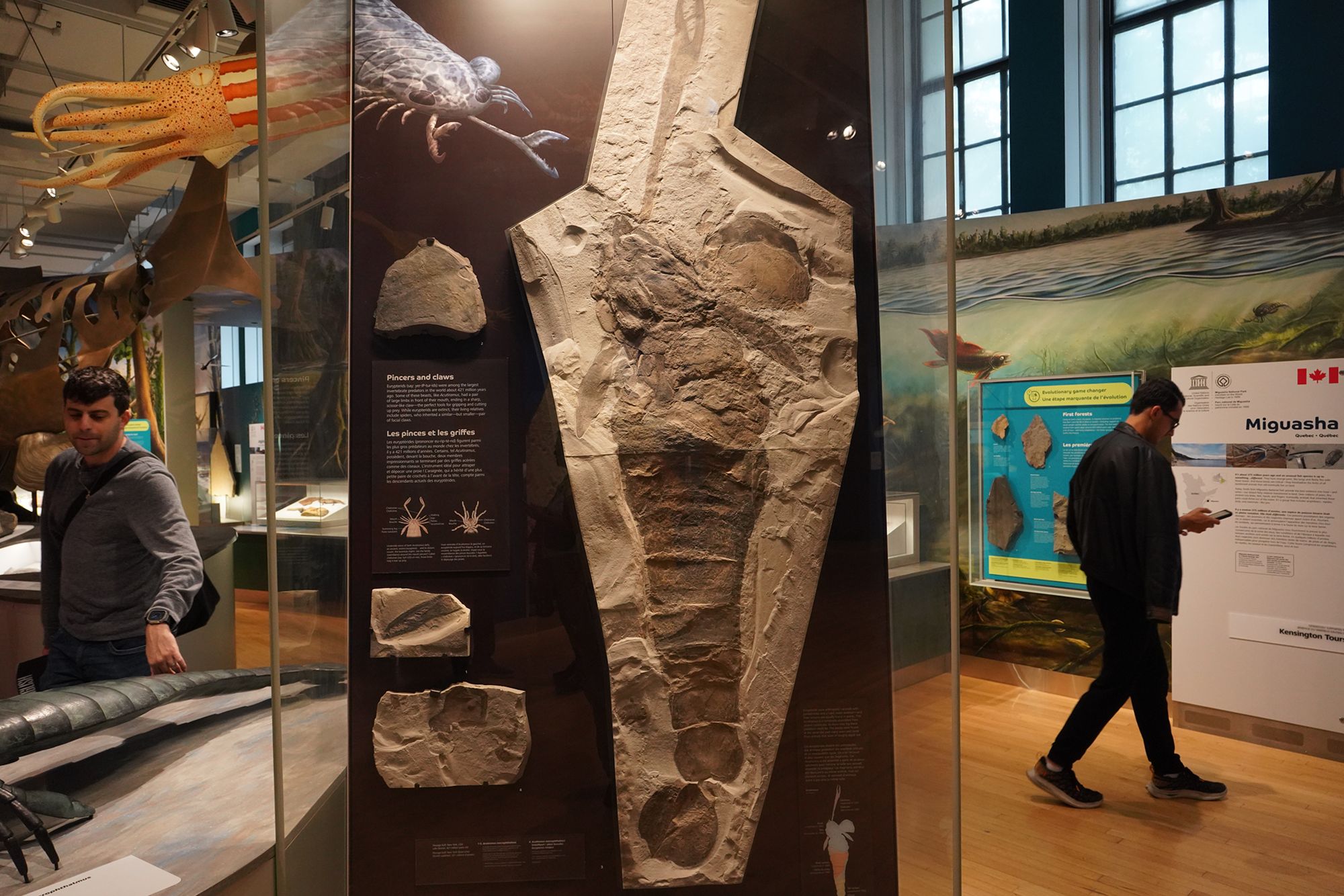
Model of a huge arthropods
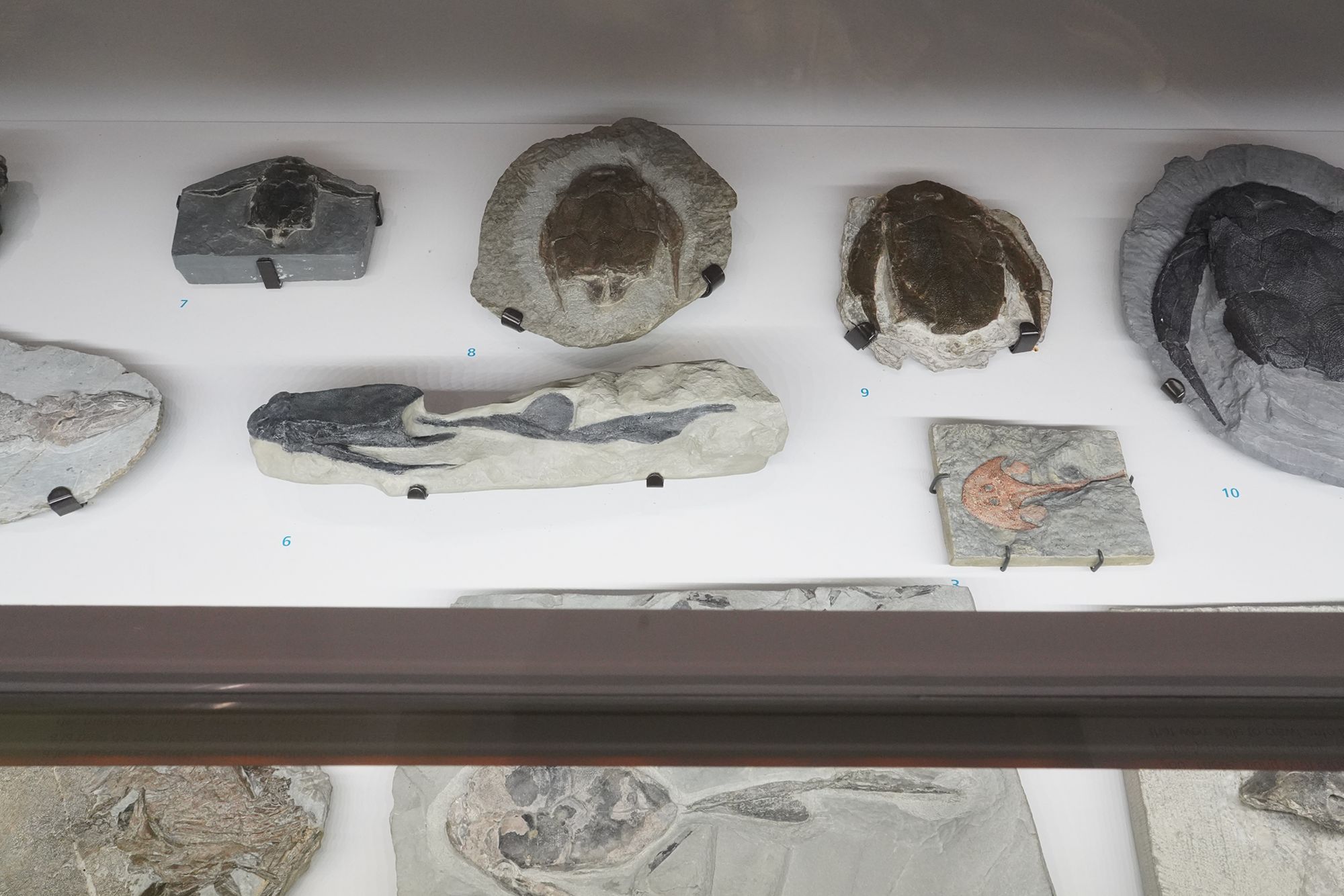
The fossils of the huge arthropods
First forests - leaves
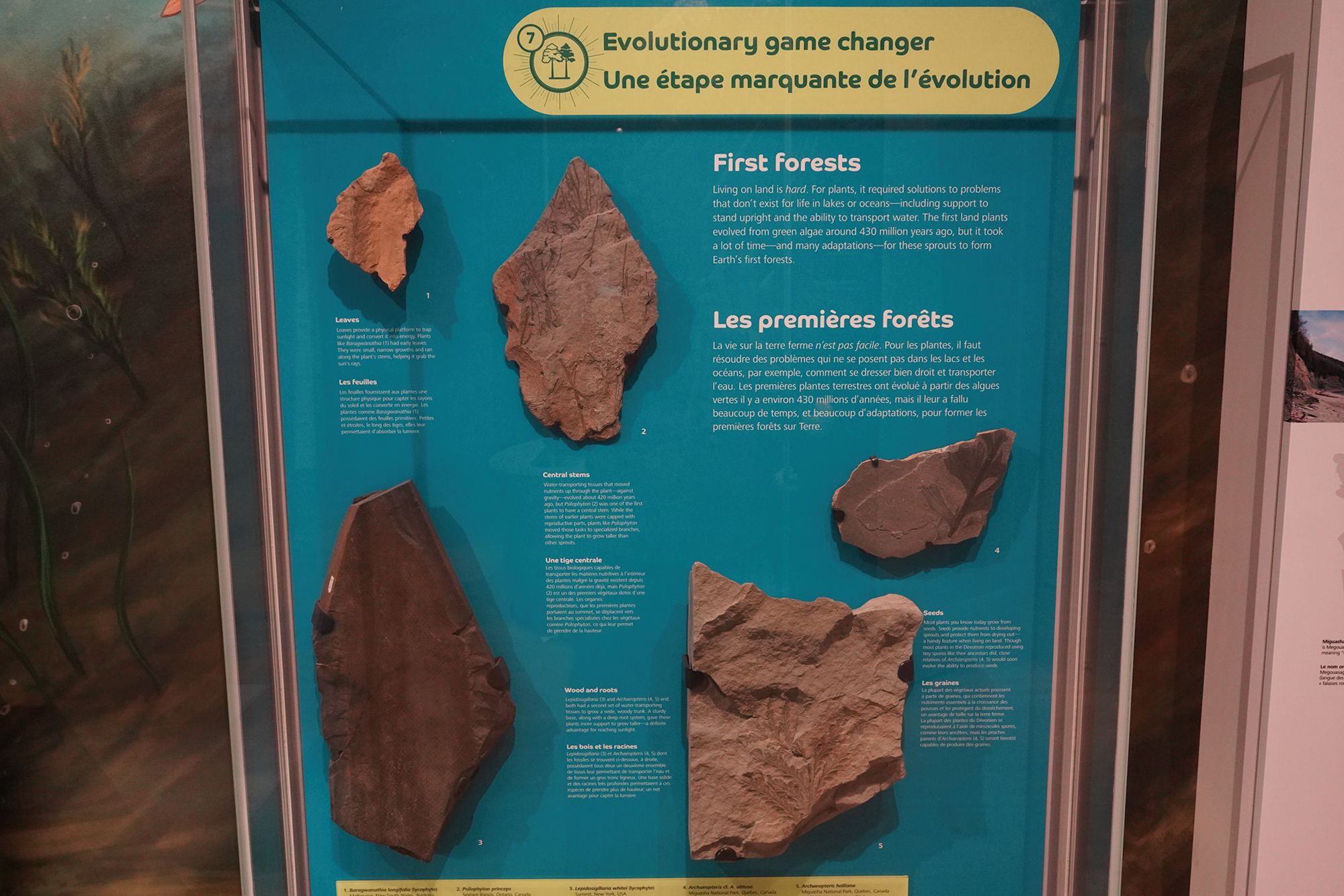
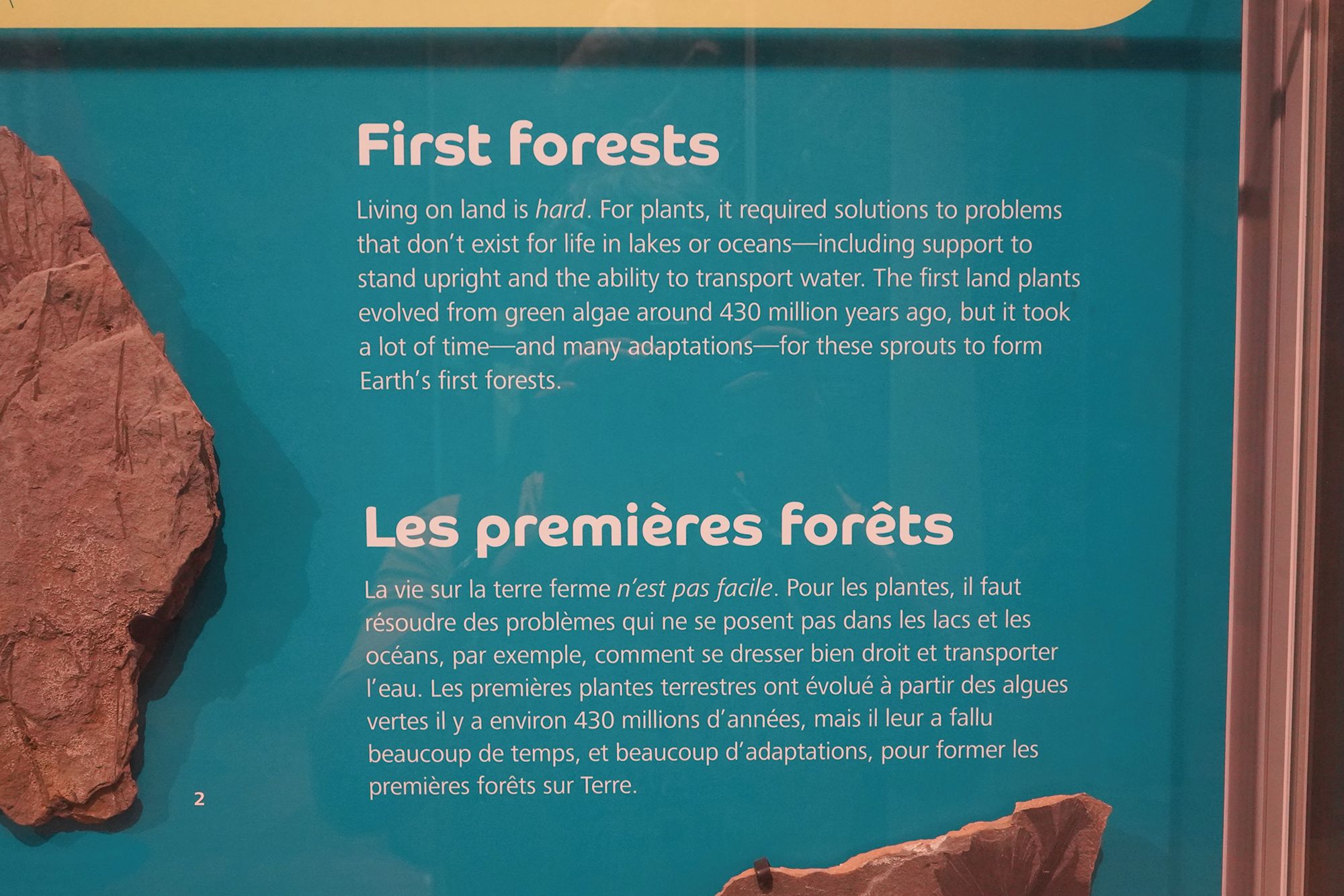
The first land plants evolved from green algae around 430 million years ago
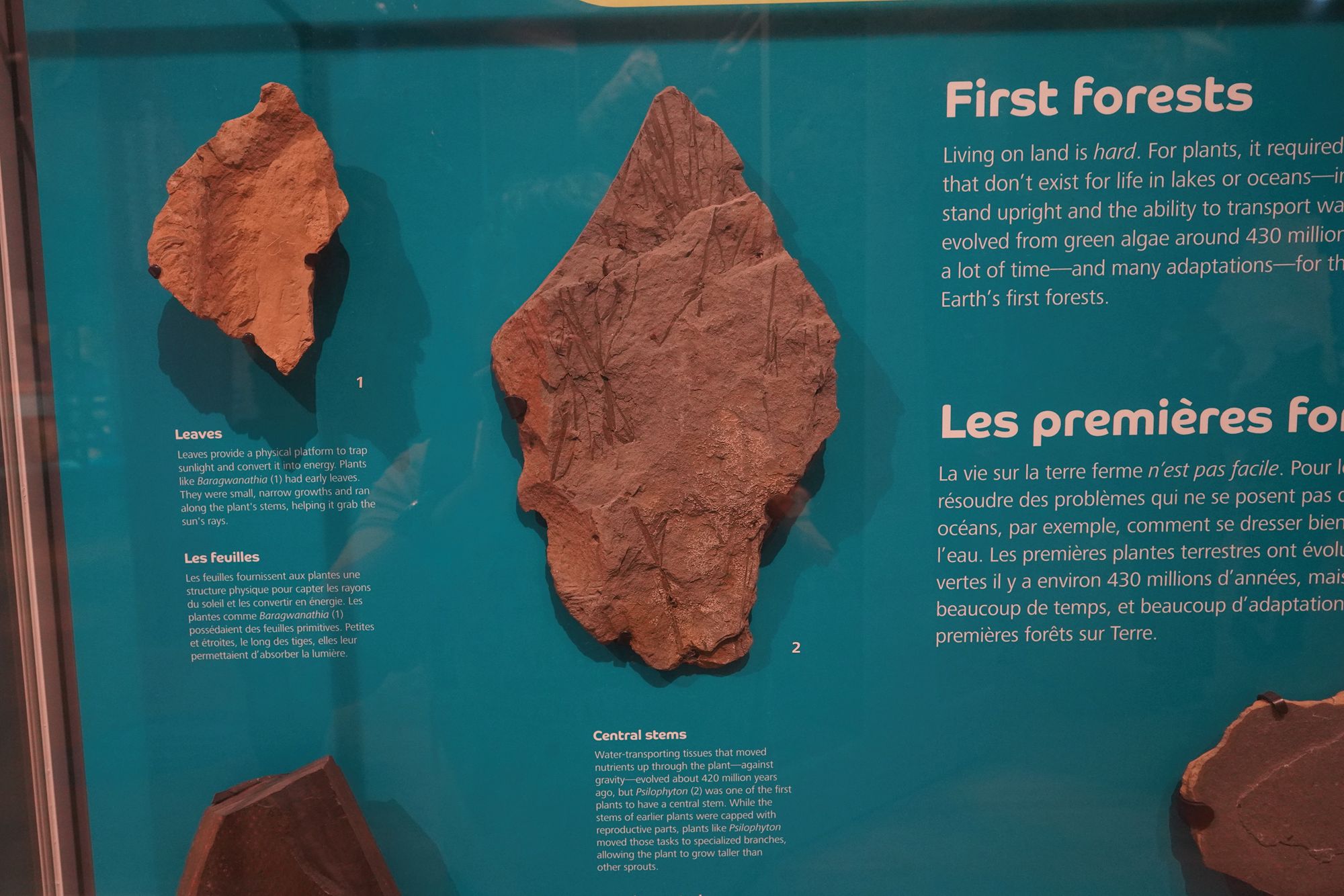
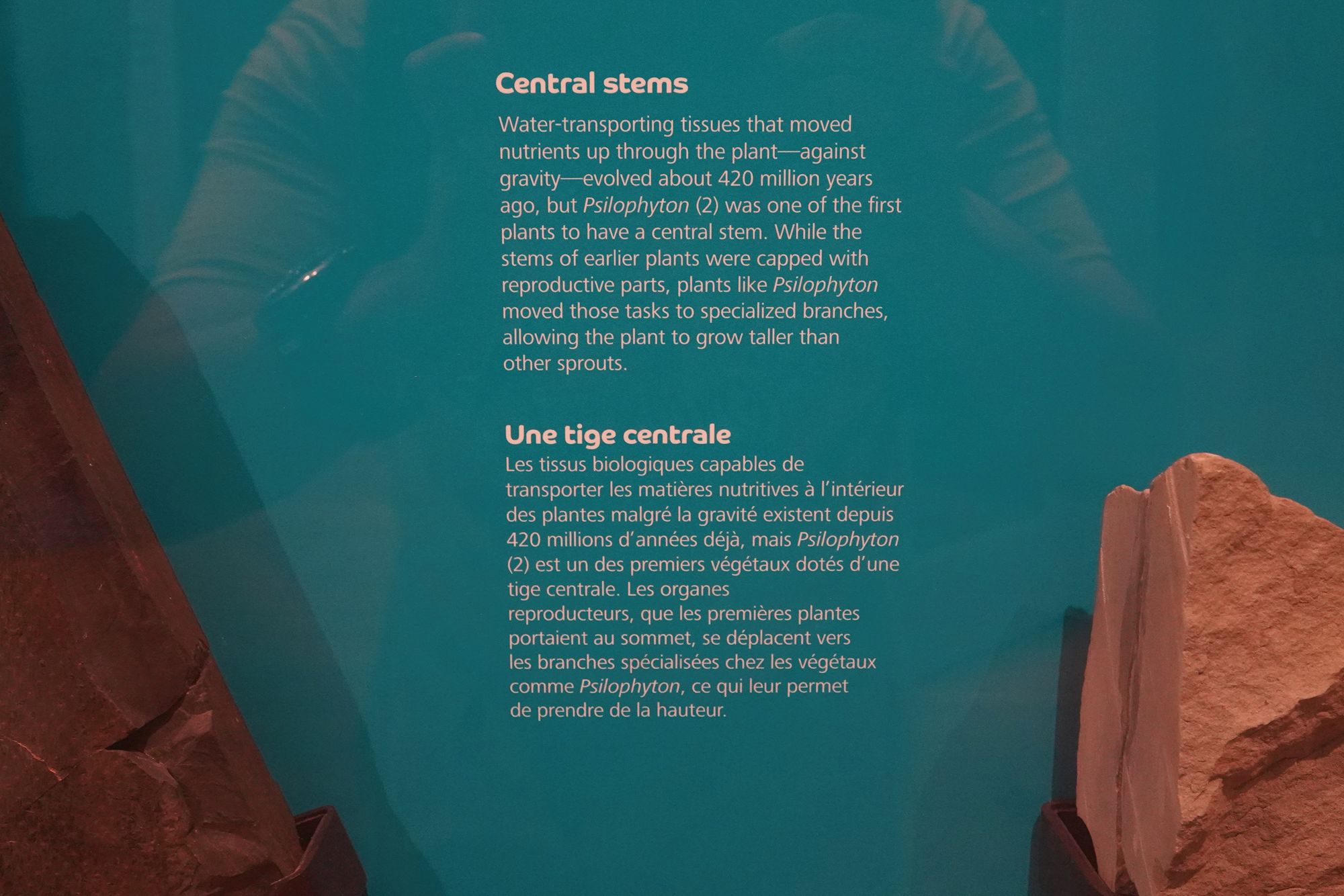
Central stems - Water-transporting tissues that moved nutrients up through the plant - against gravity-evolved about 420 million years ago.
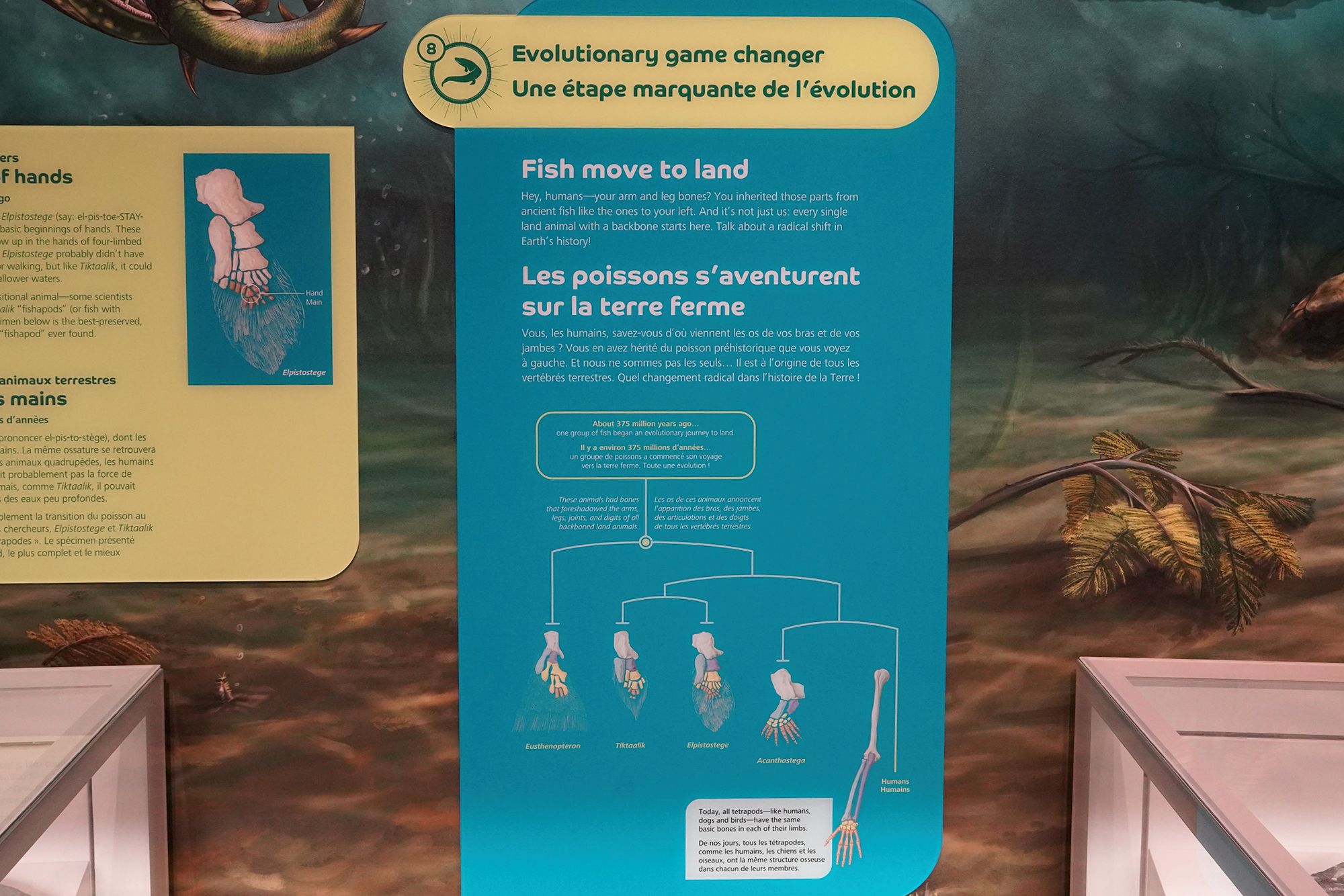
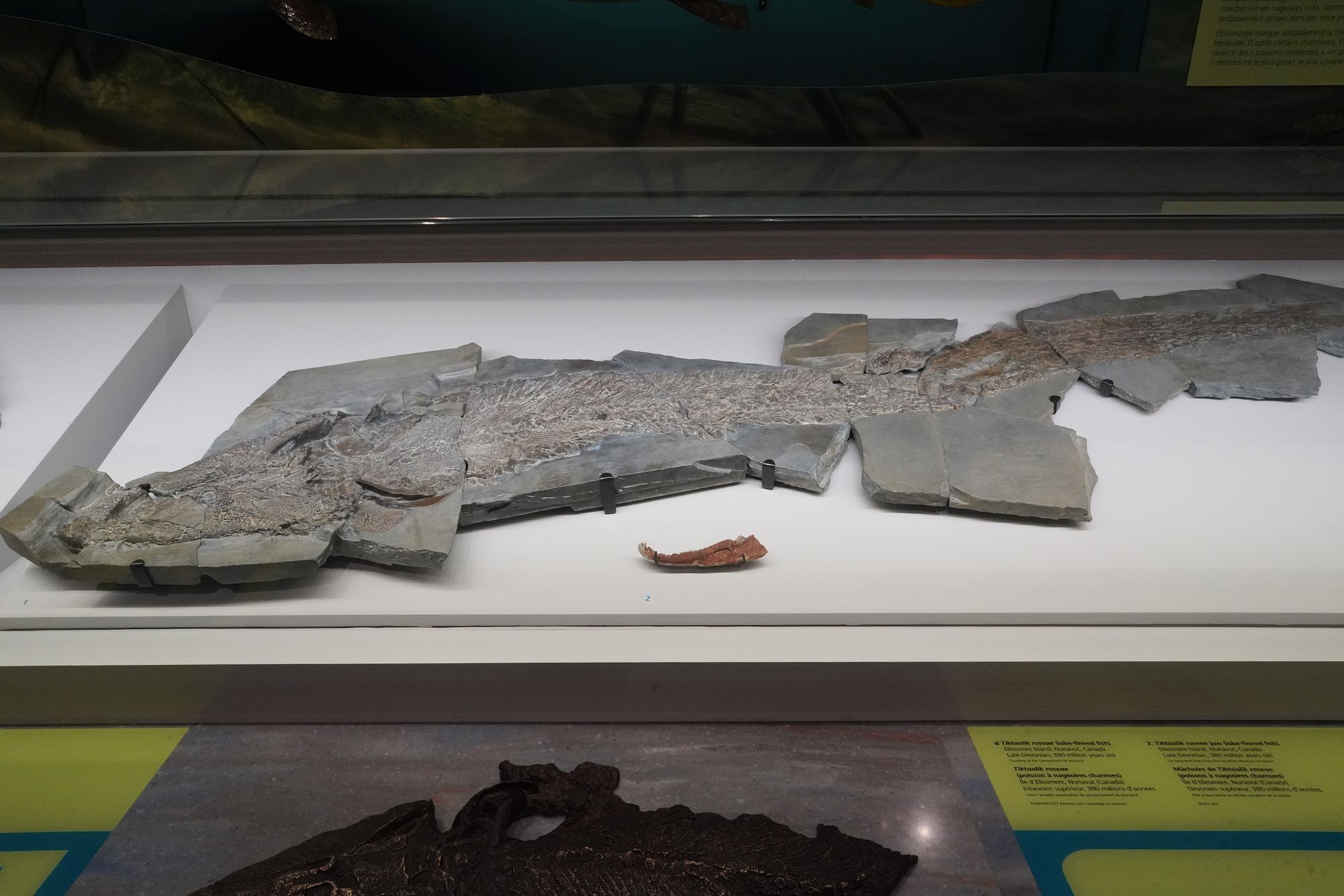
Fish move to land
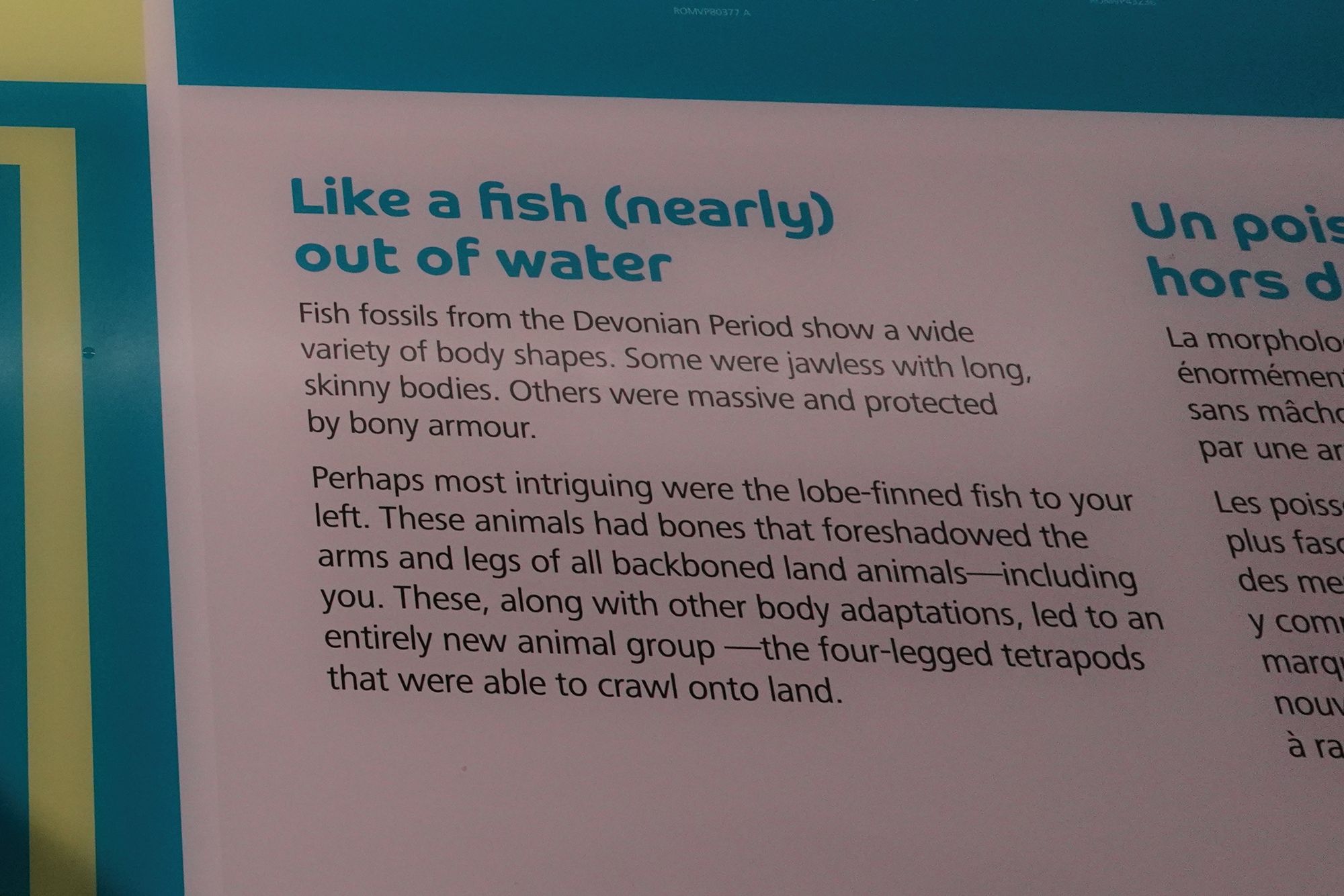
The beginnings of arm and leg bones
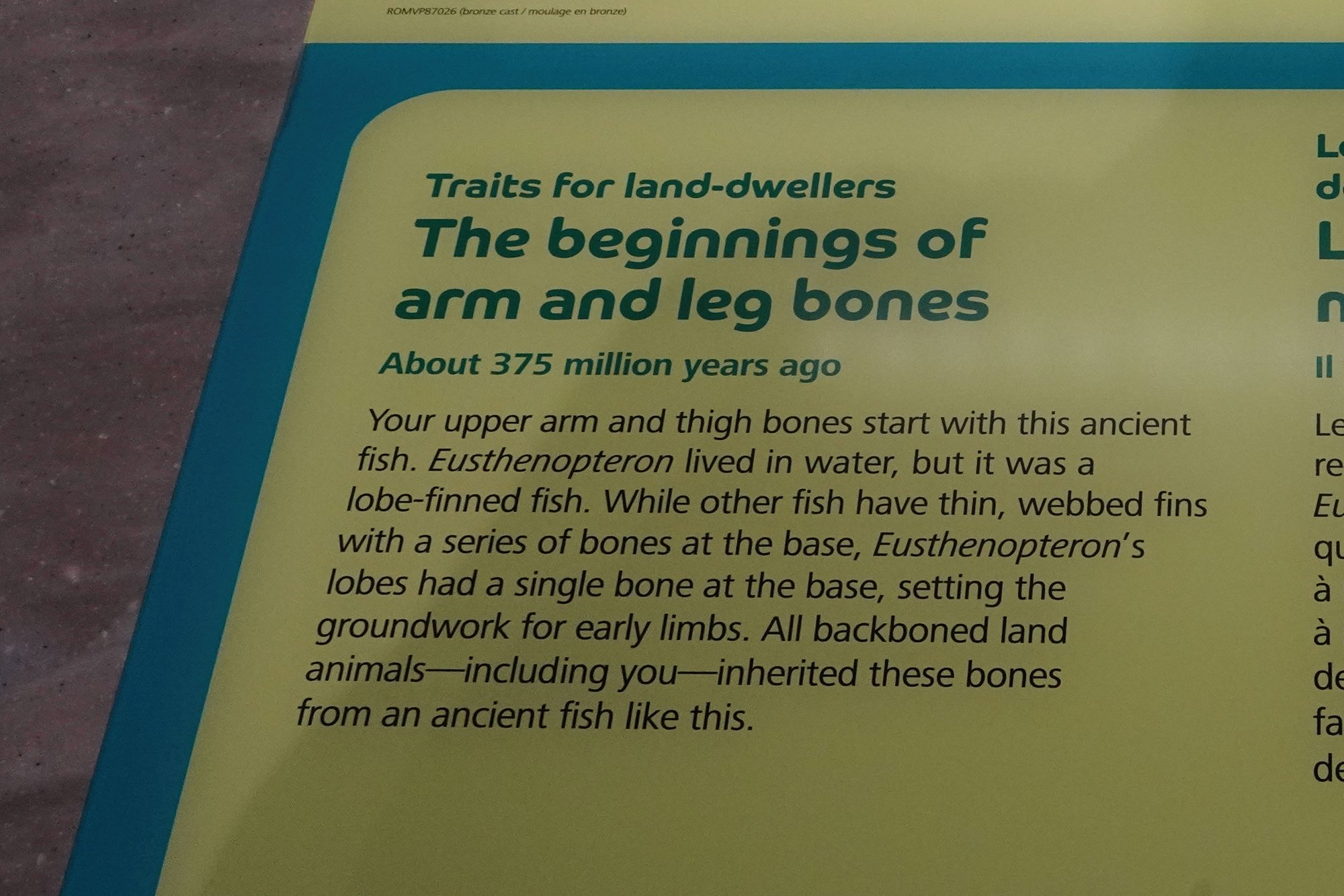
Like a fish out of water, these animals had bones that foreshadowed the arms and legs of all backboned land animals.
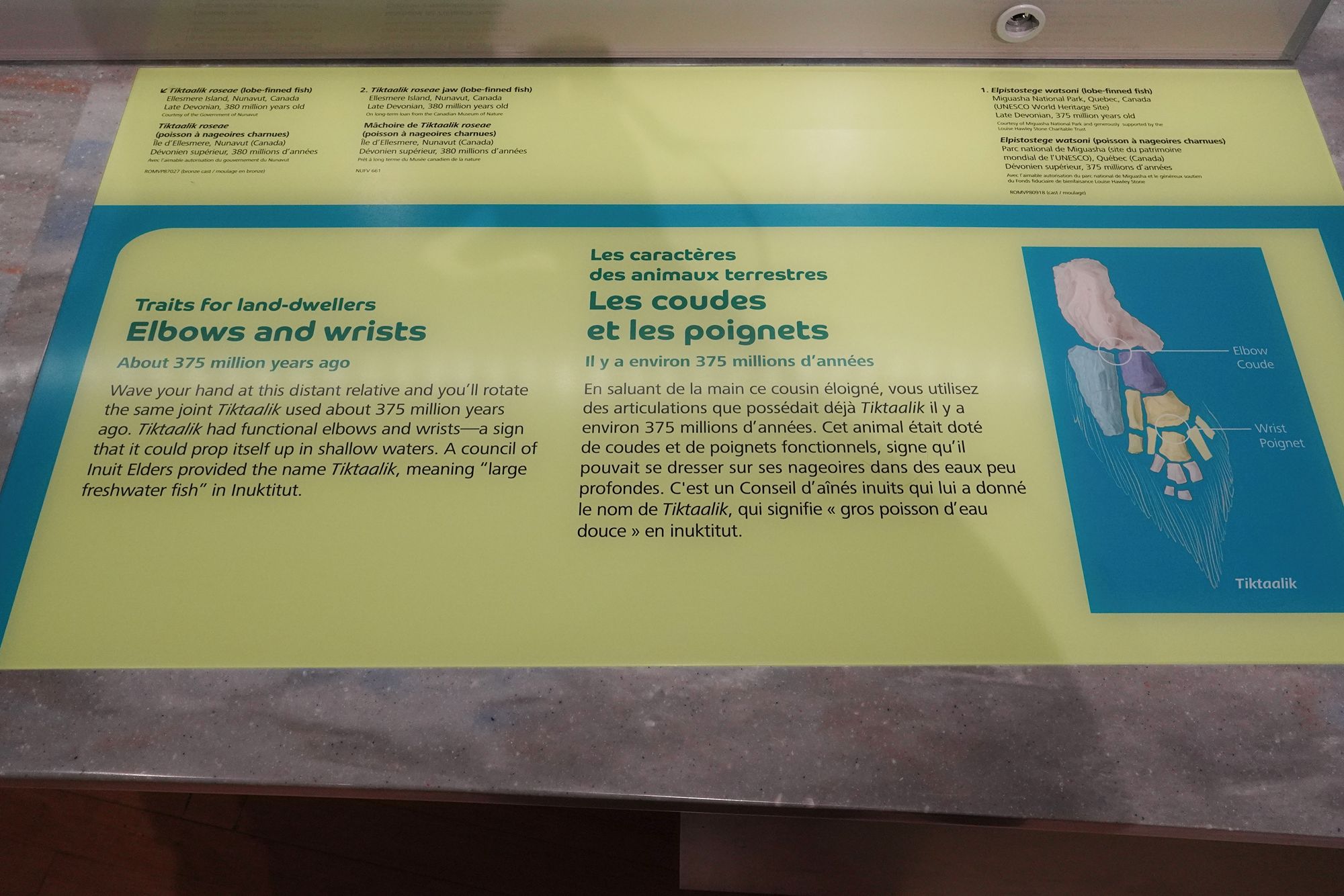
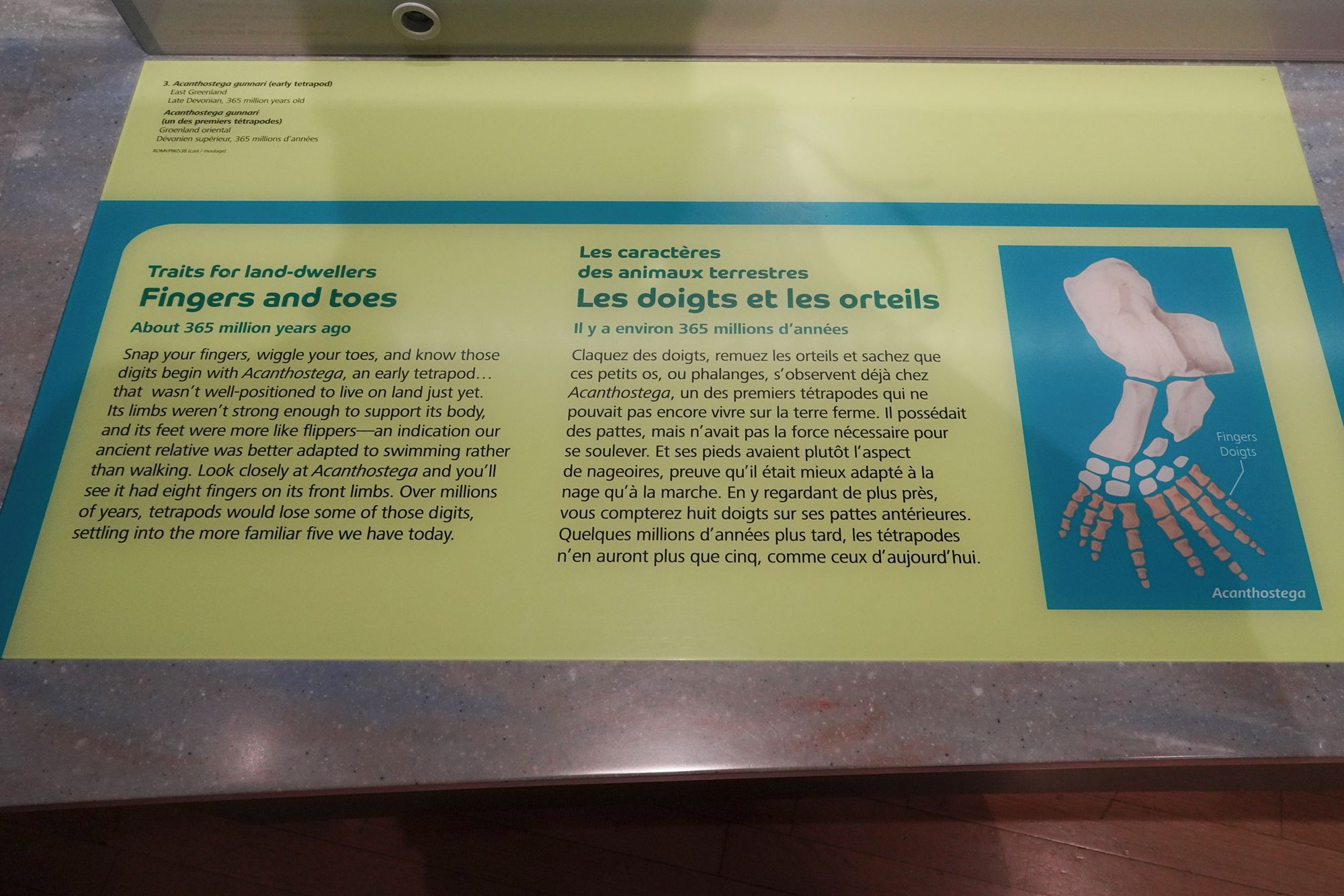
The origins of hands - about 375 million years ago
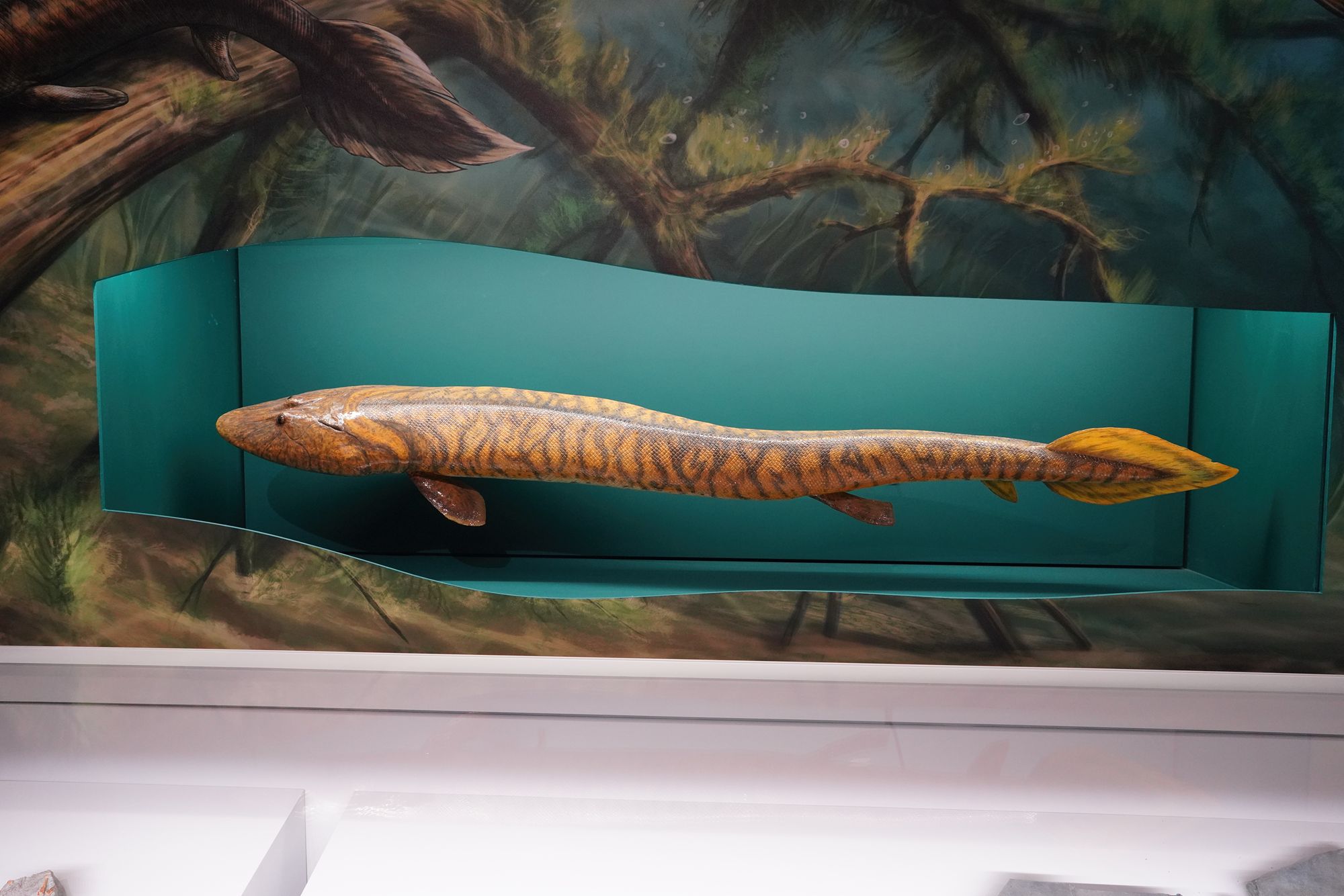
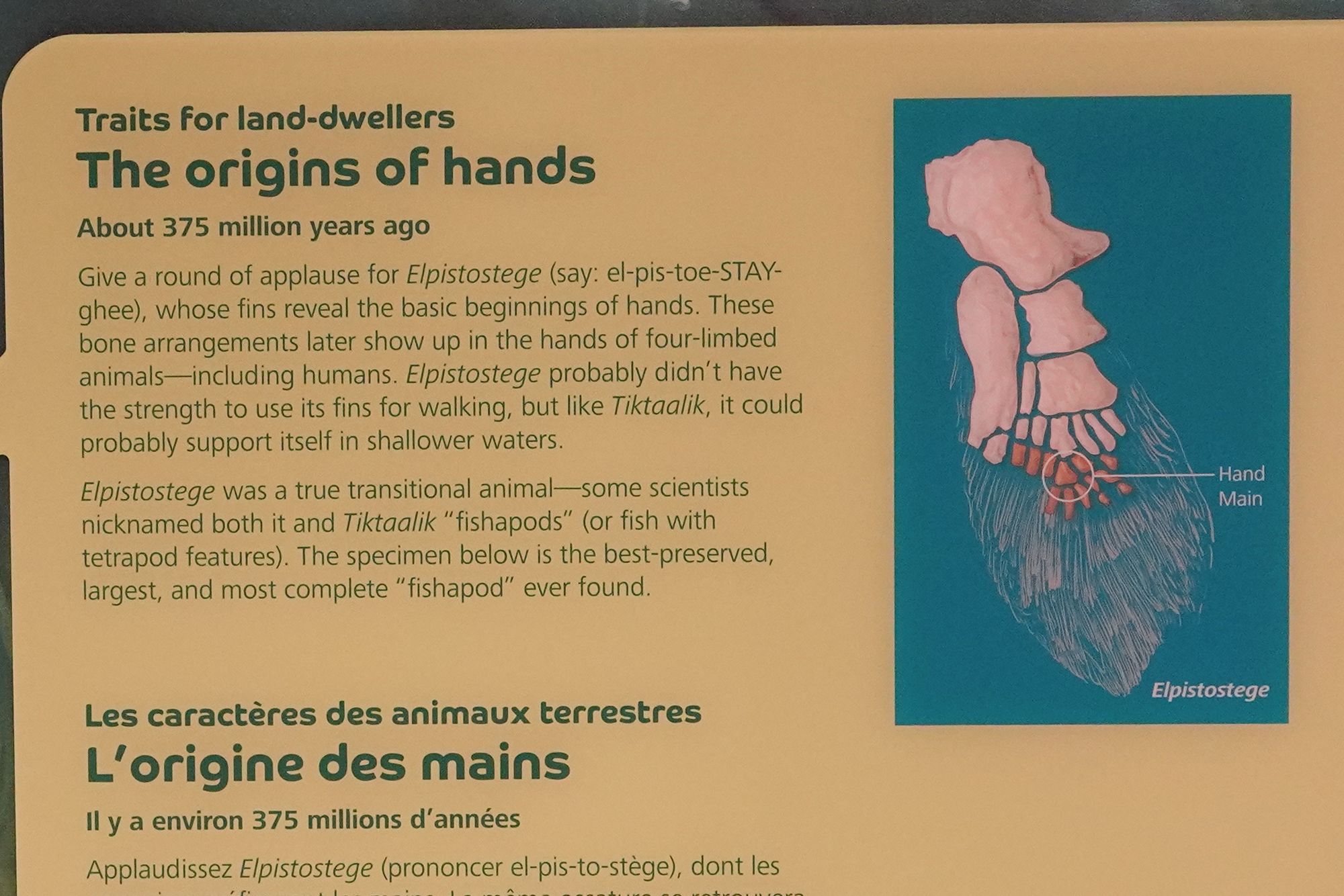
Elbows and wrists
Fingers and toes
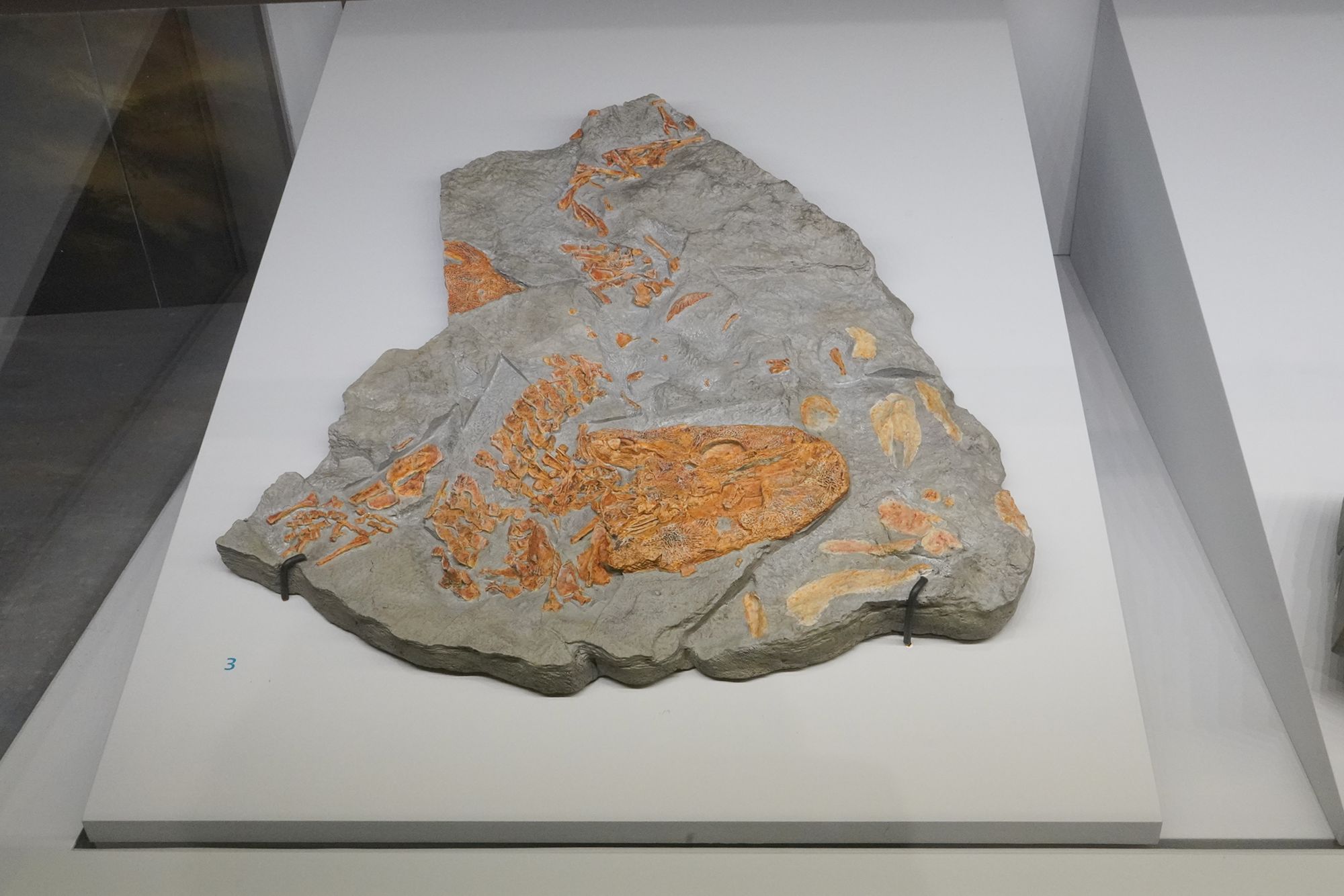
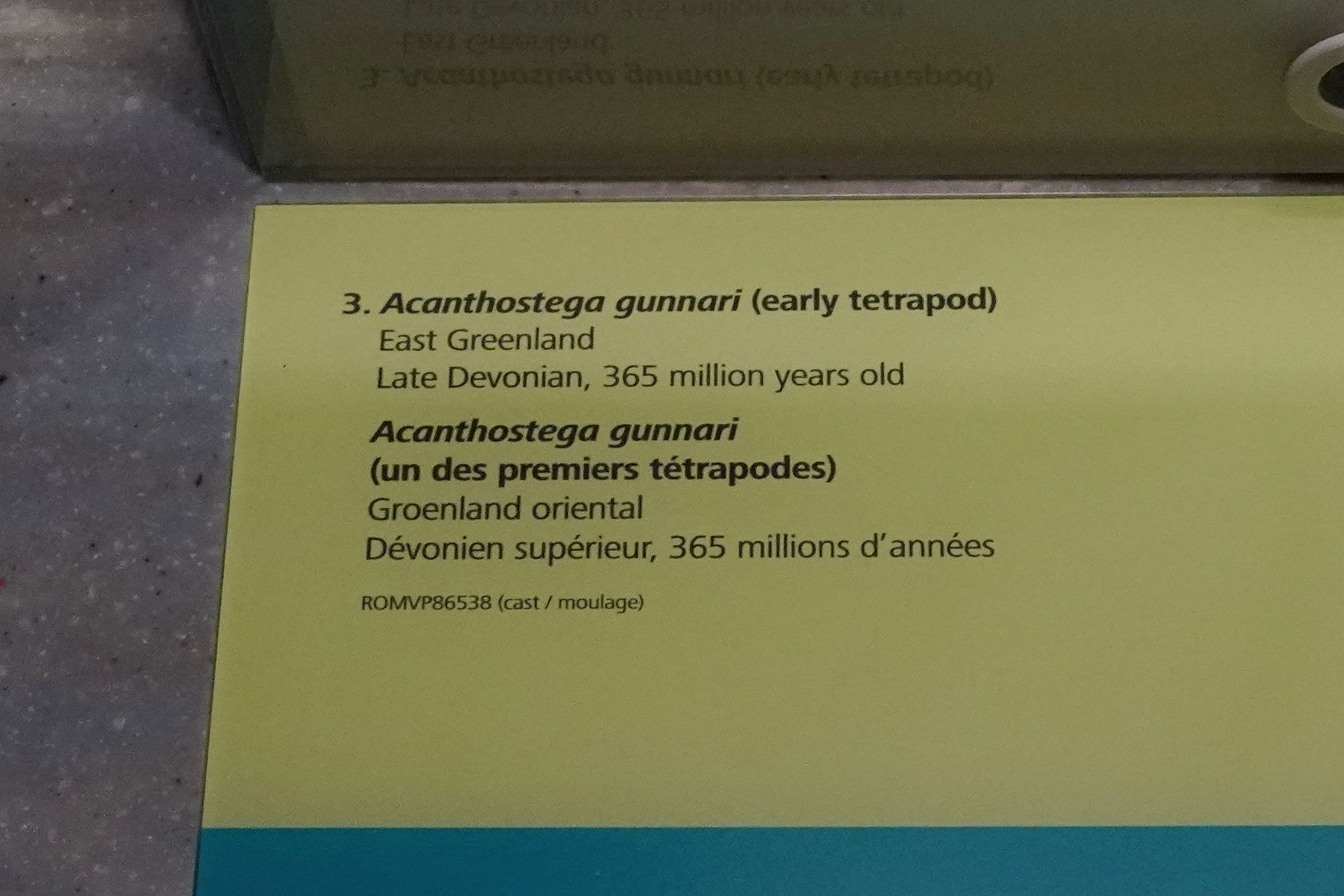
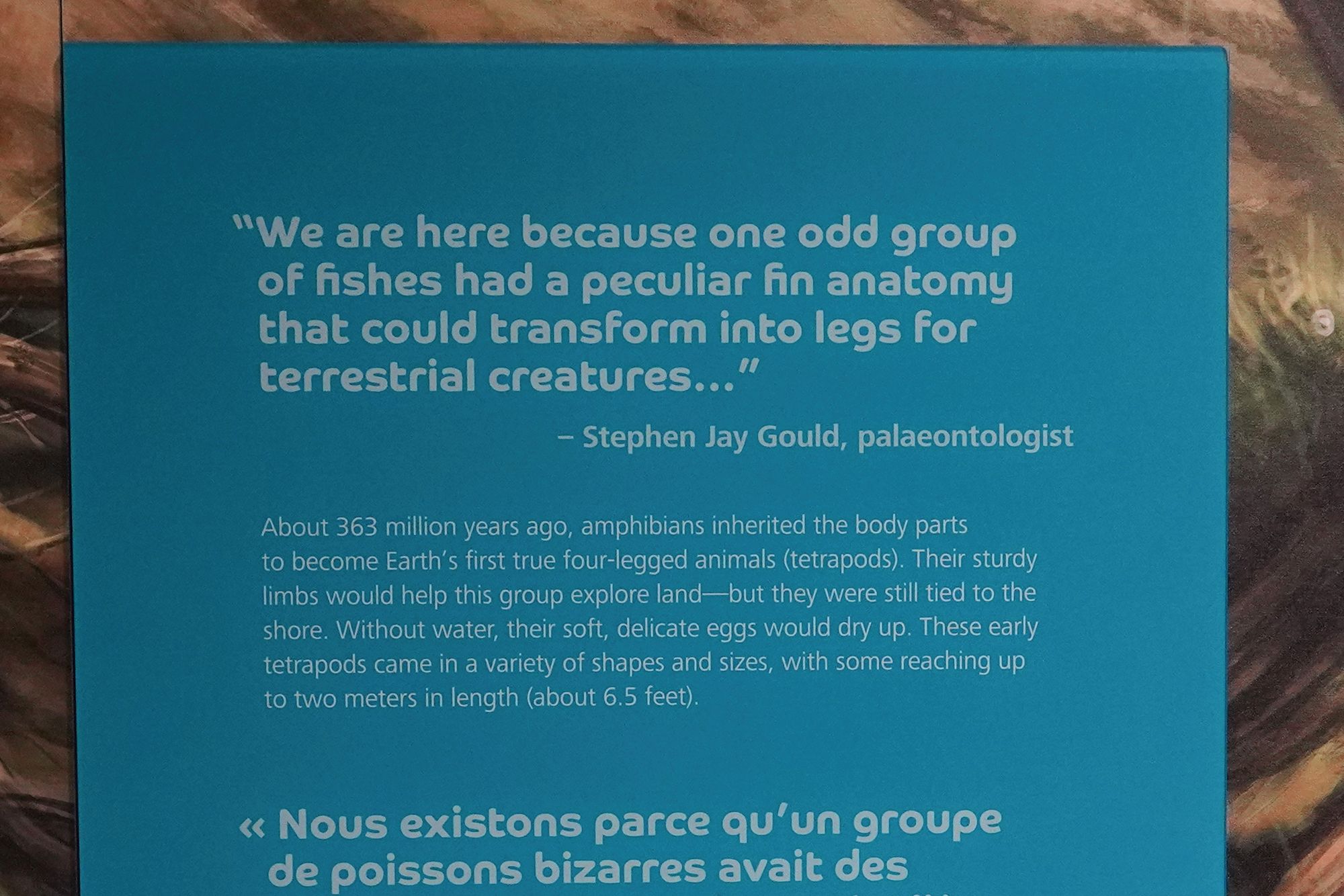
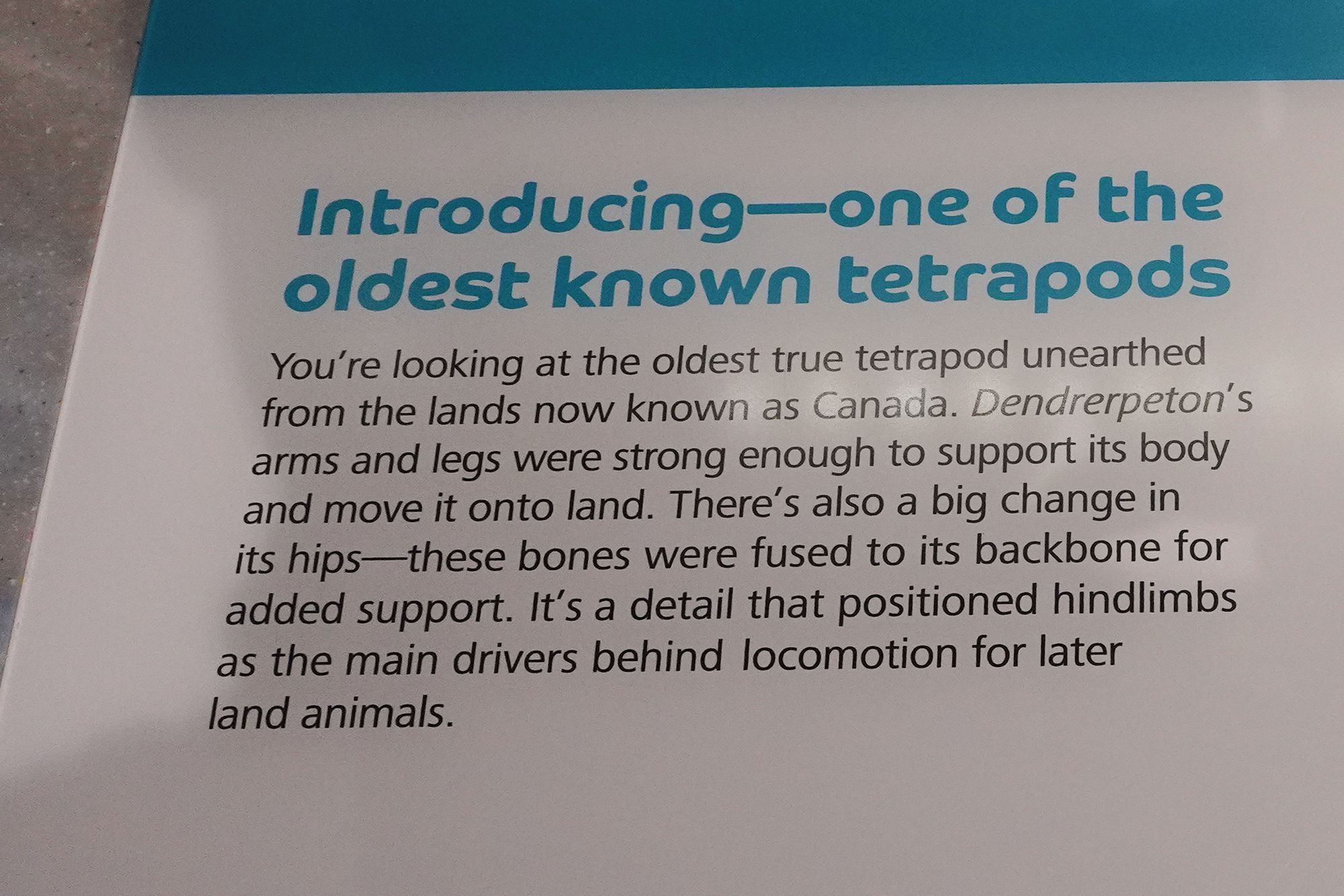
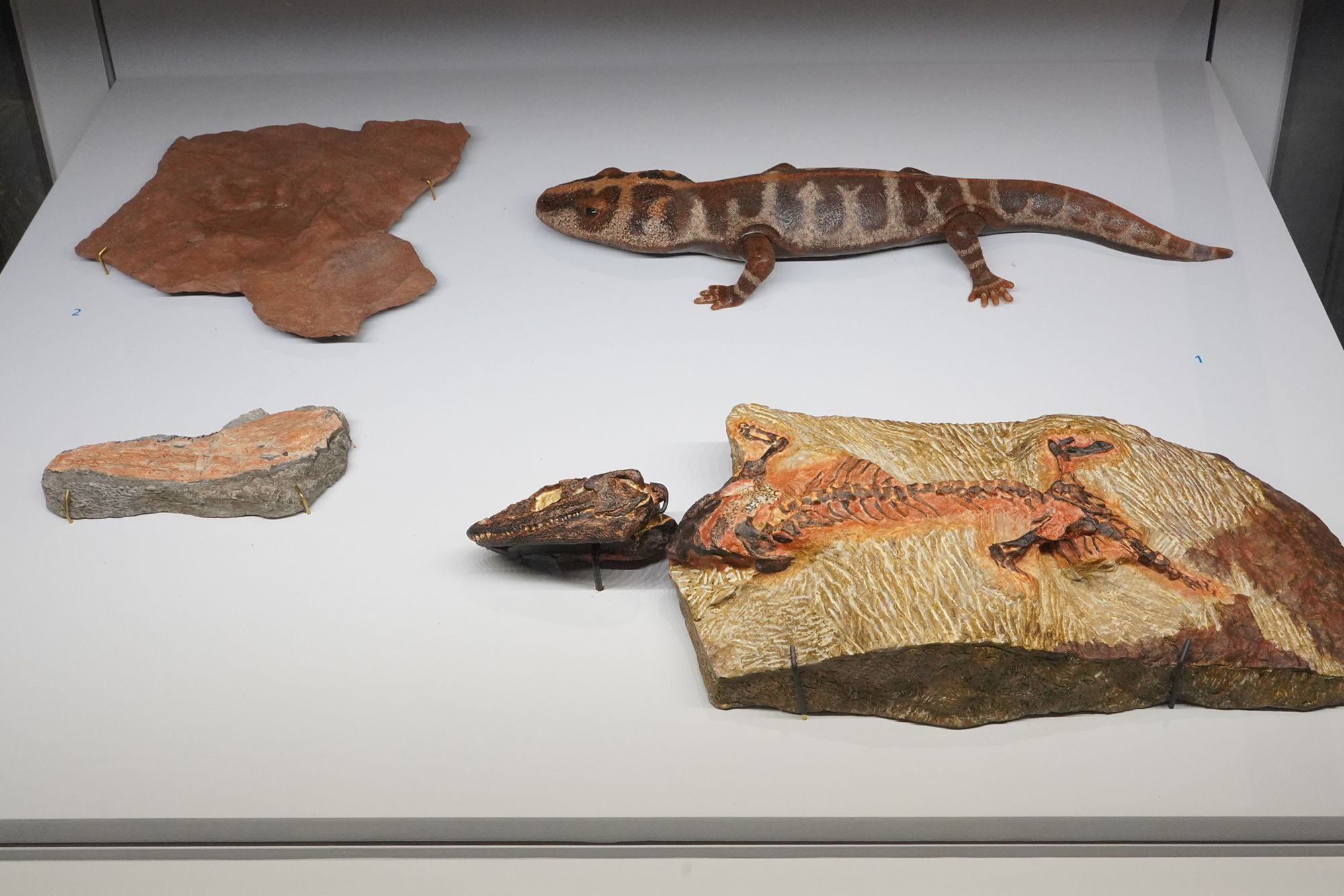
One of the oldest known tetrapods
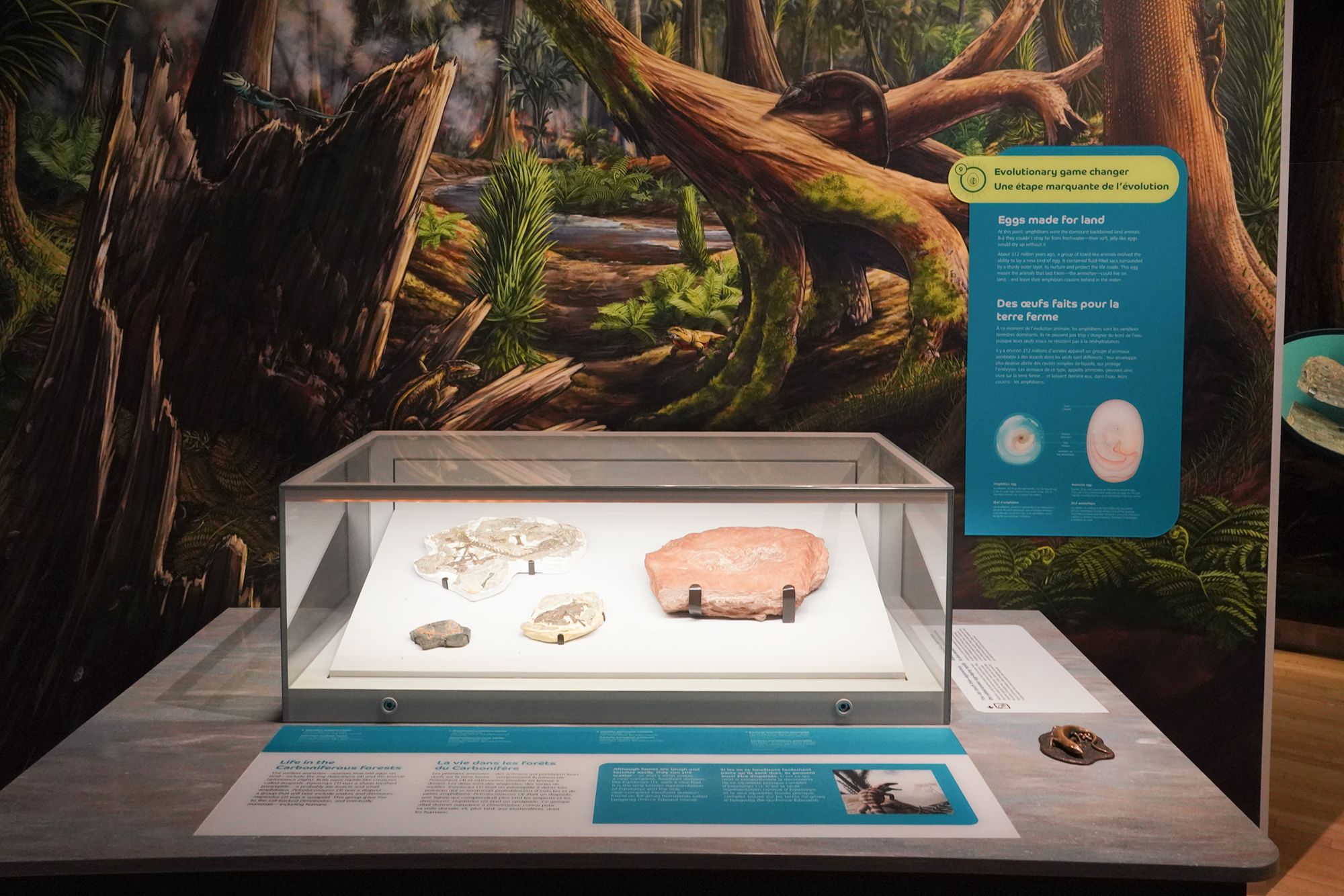
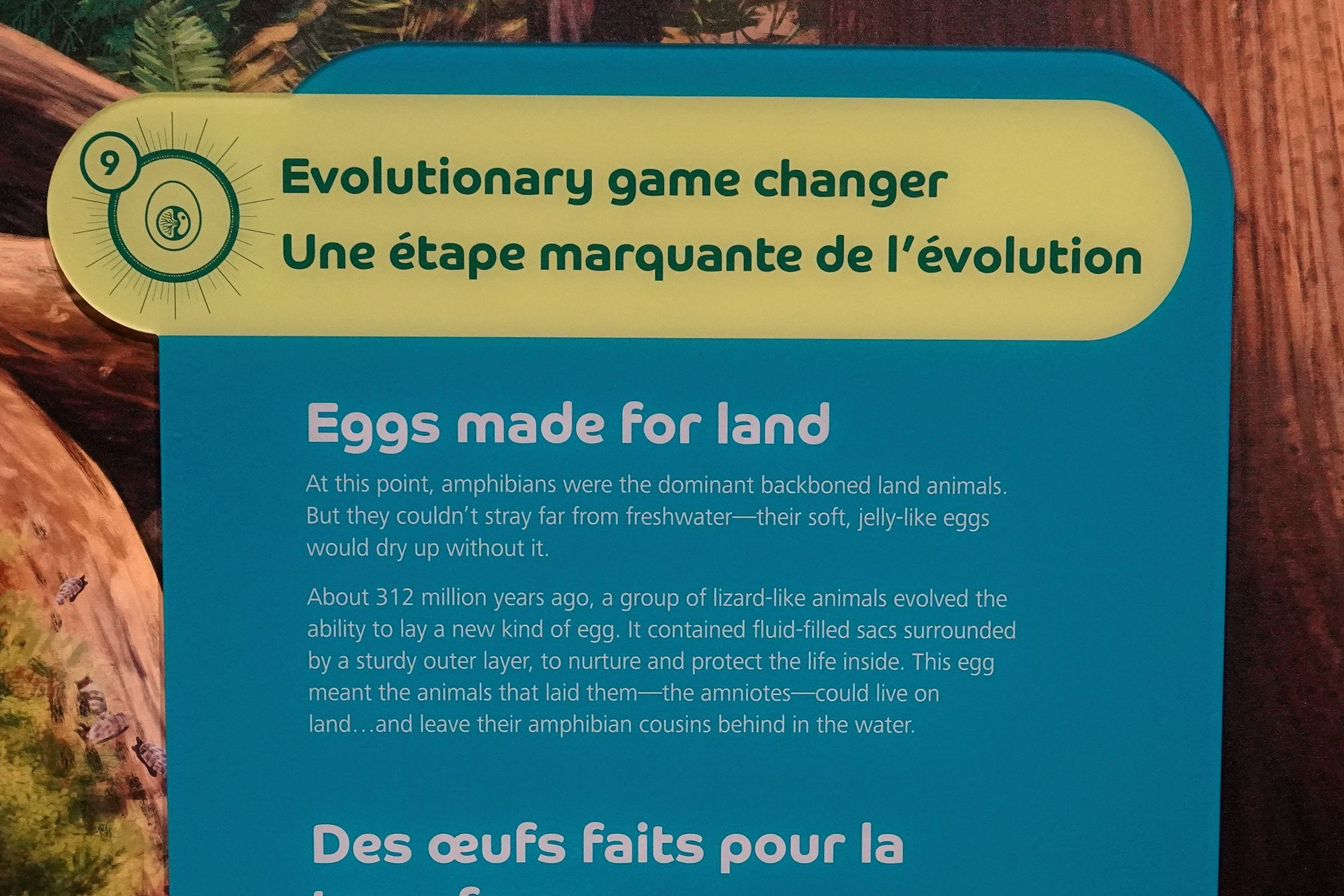
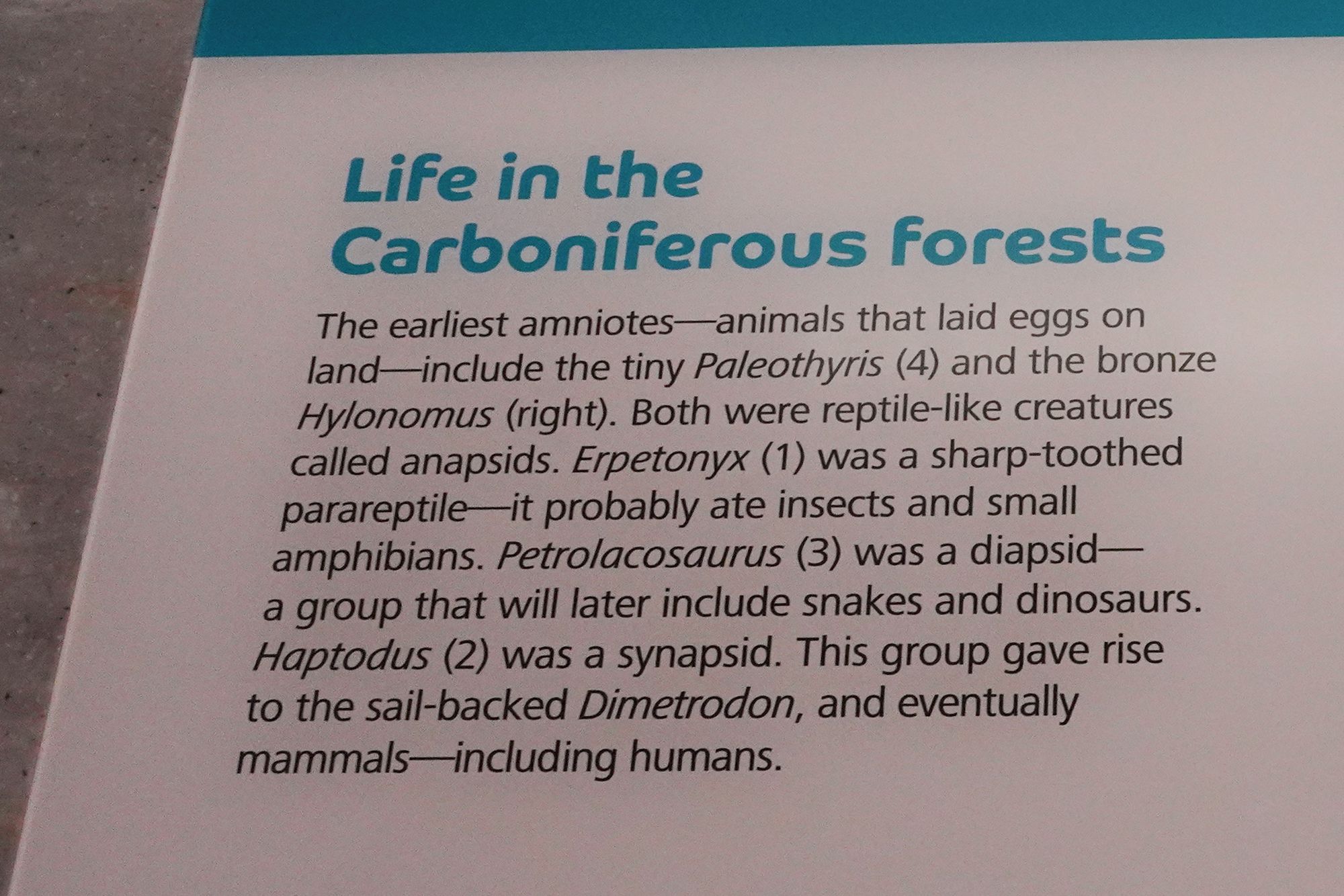
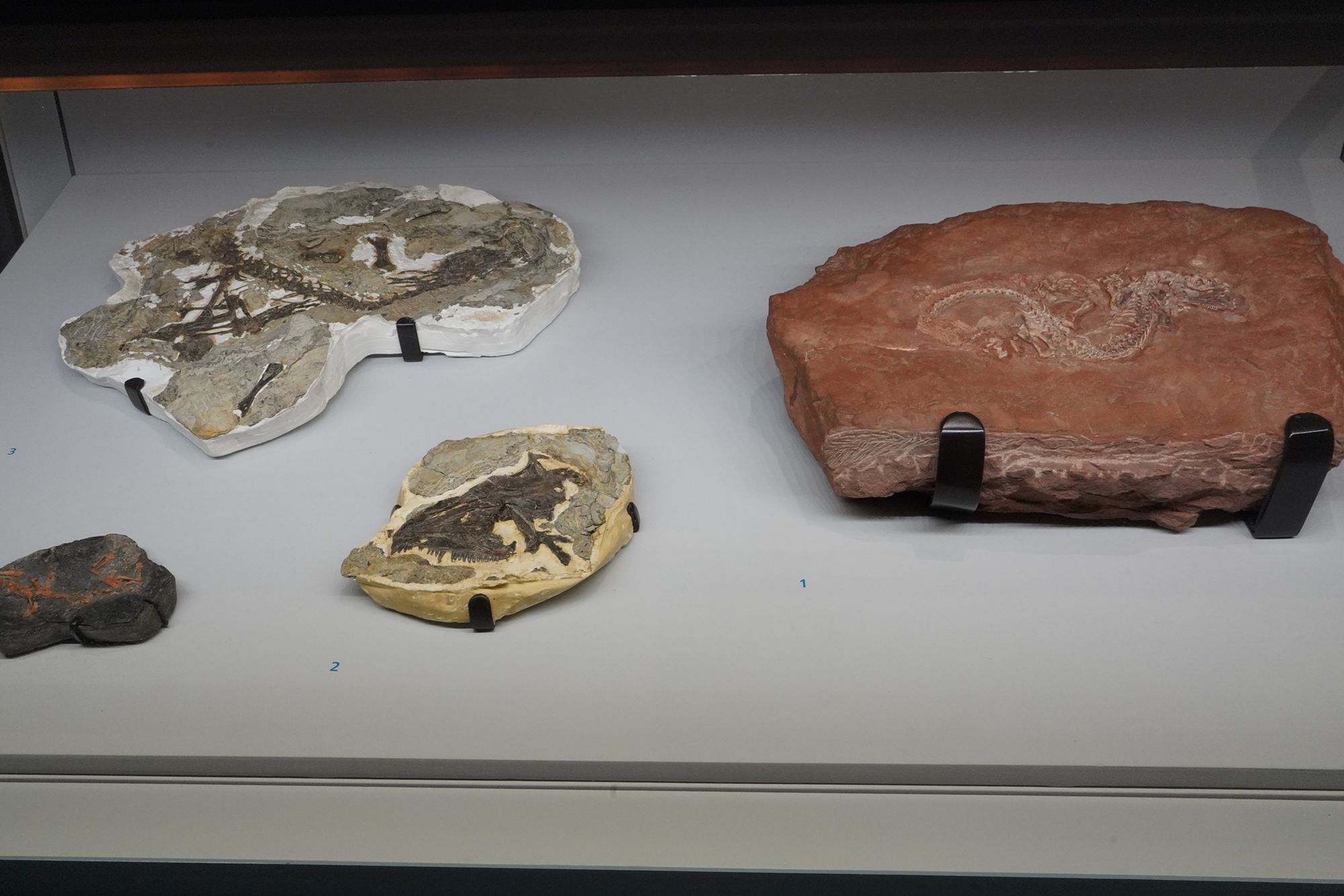
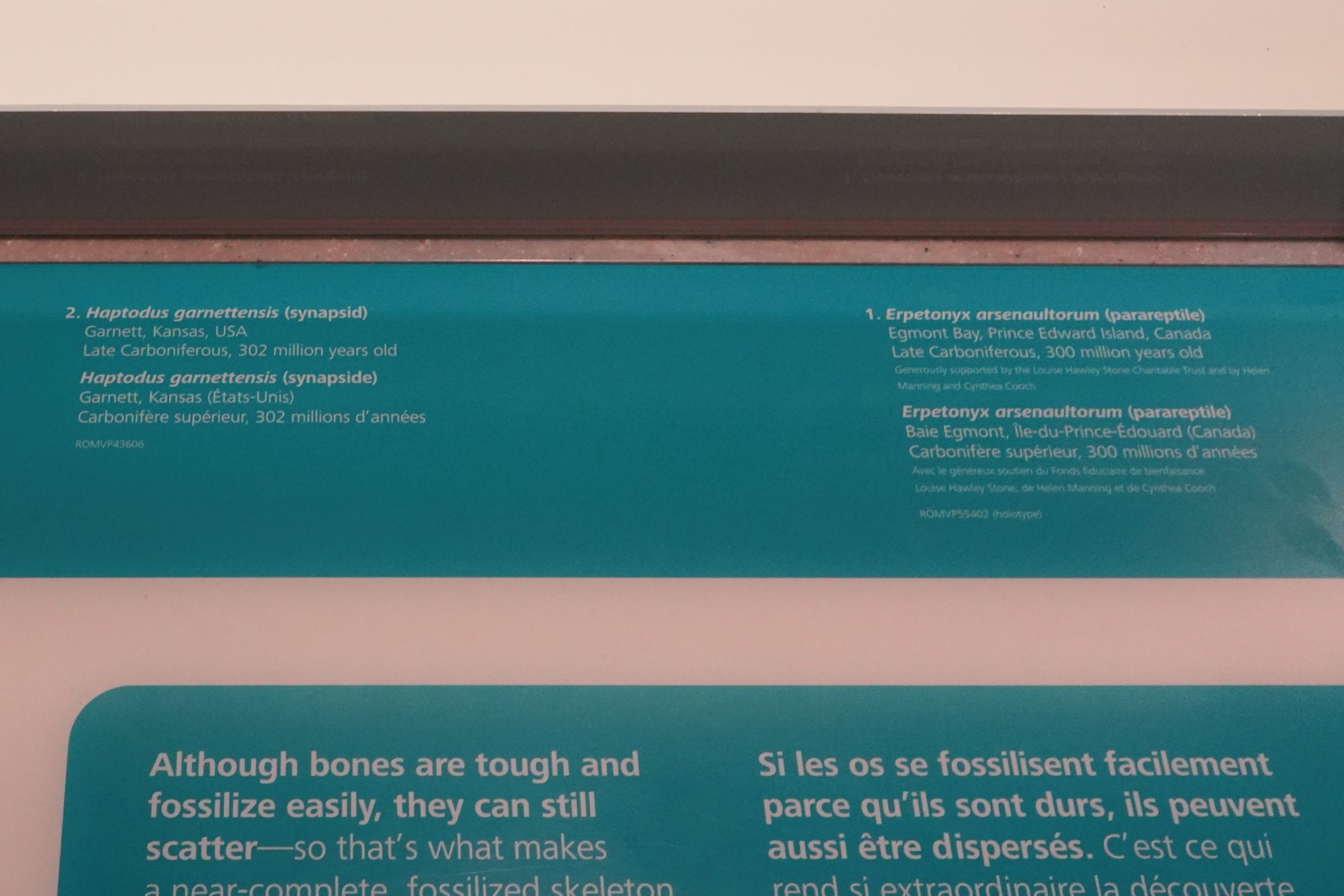
Eggs made for land - 312 million years ago
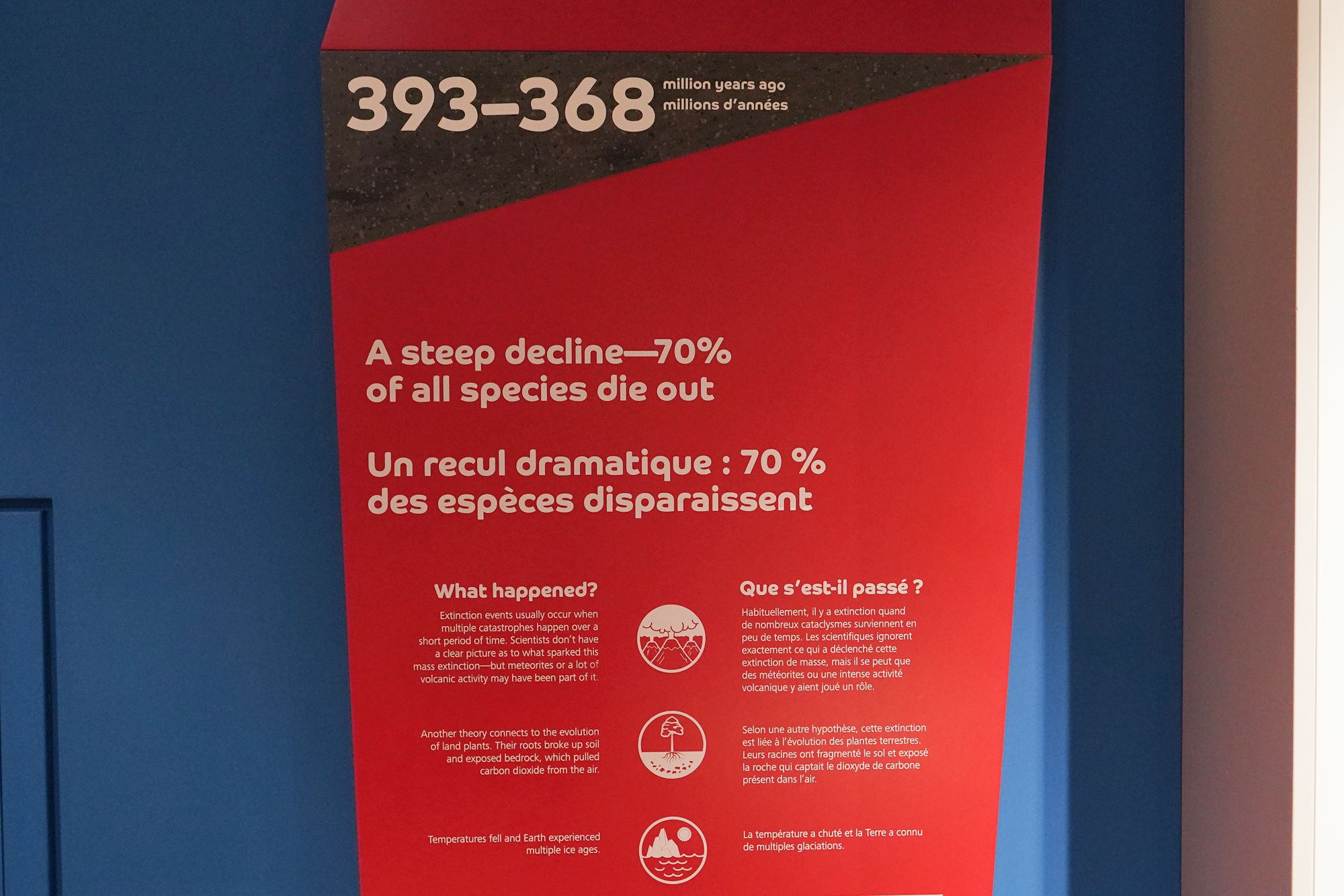
Around 393-368 million years ago, 70% of all species die out
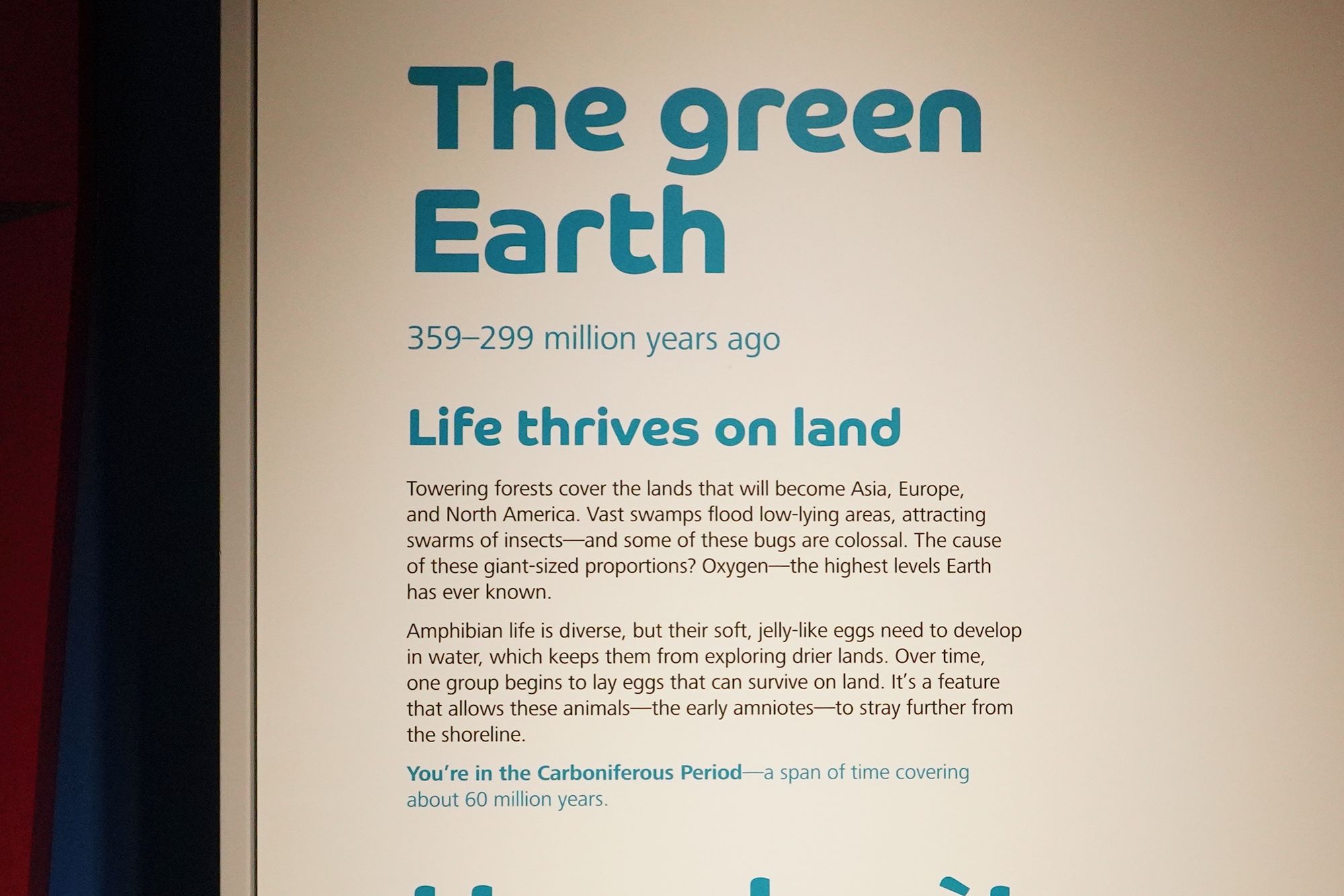
But many life forms on Earth arose and diversified between 359 and 299 million years ago.
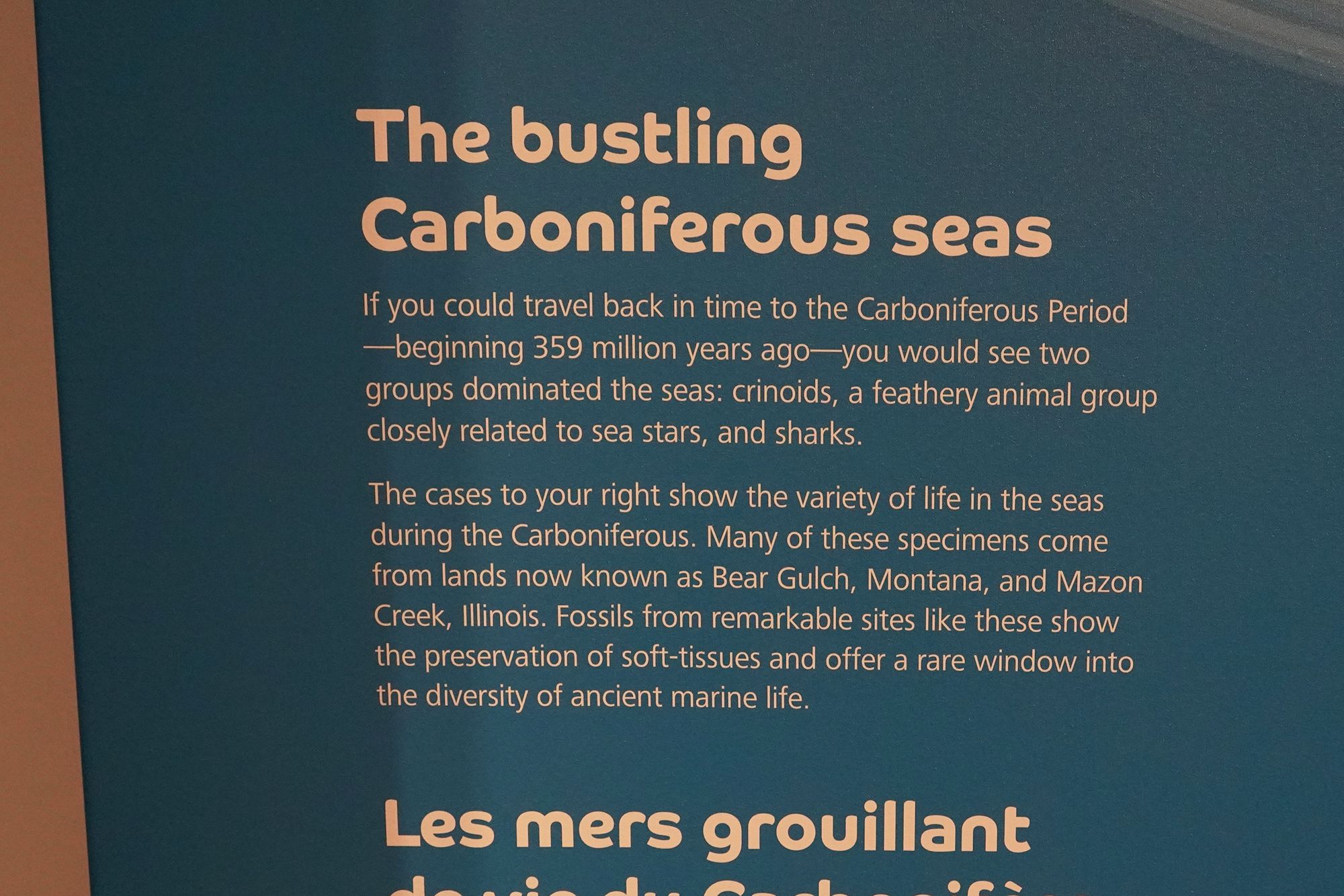
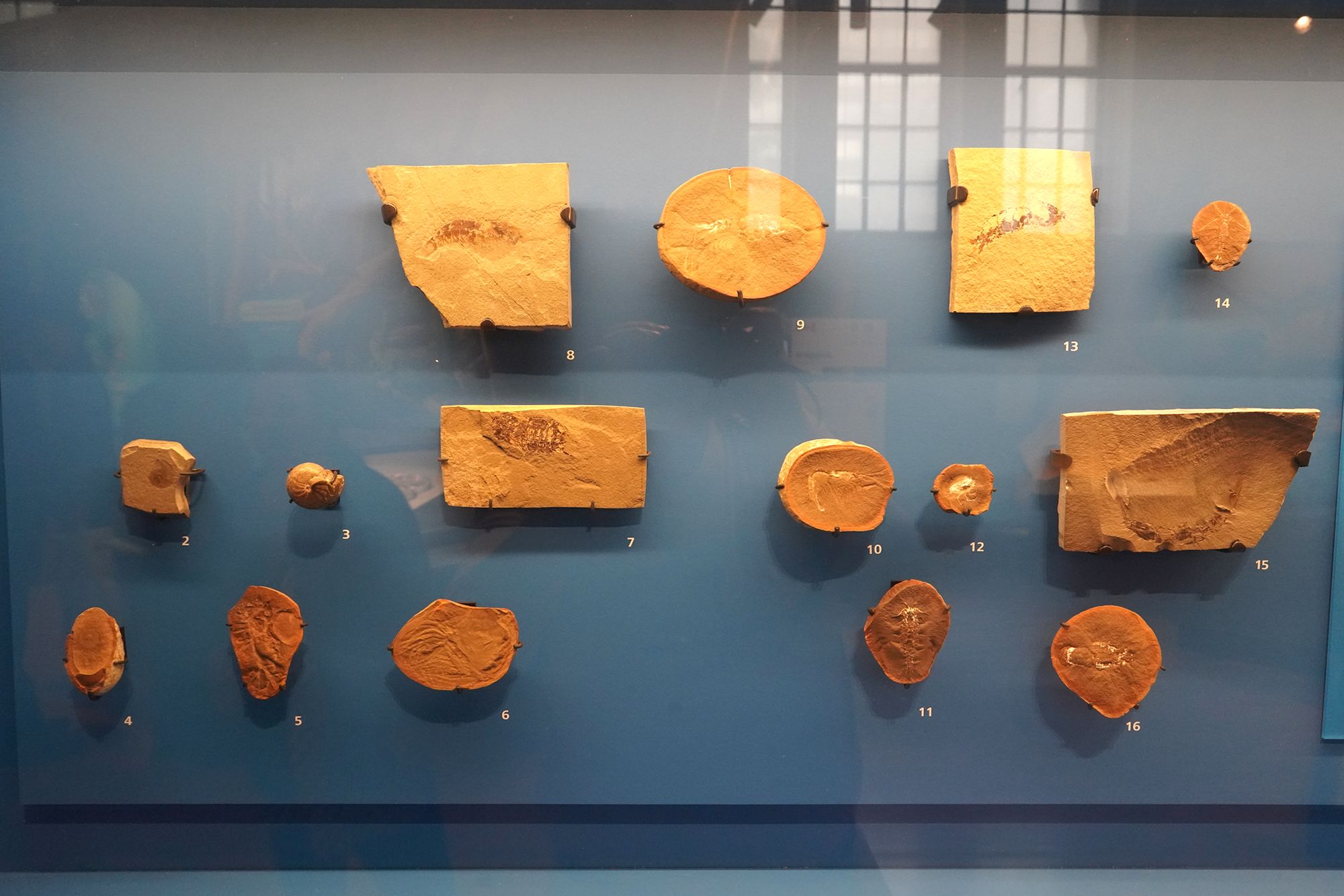
And many living creatures were in the seas
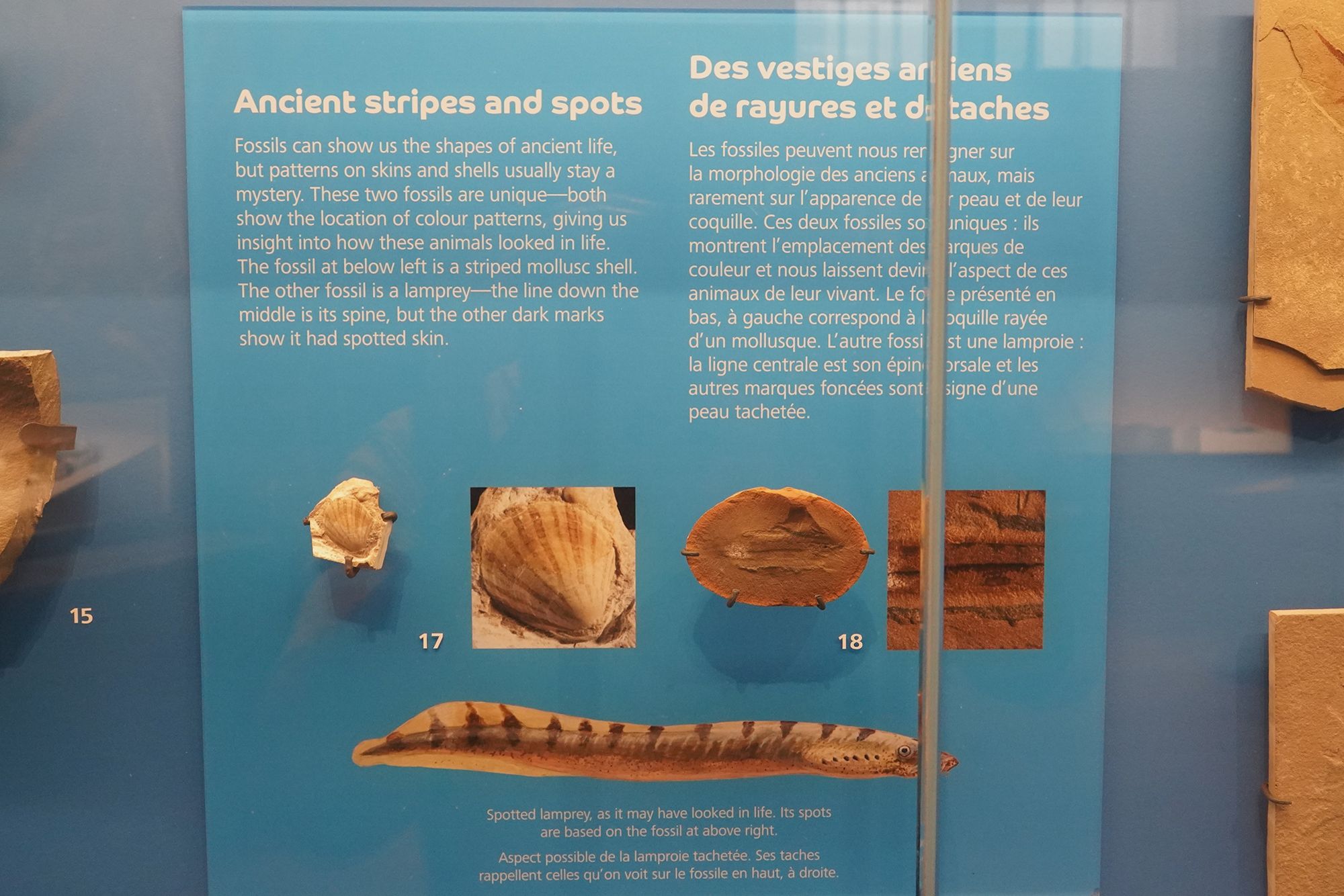
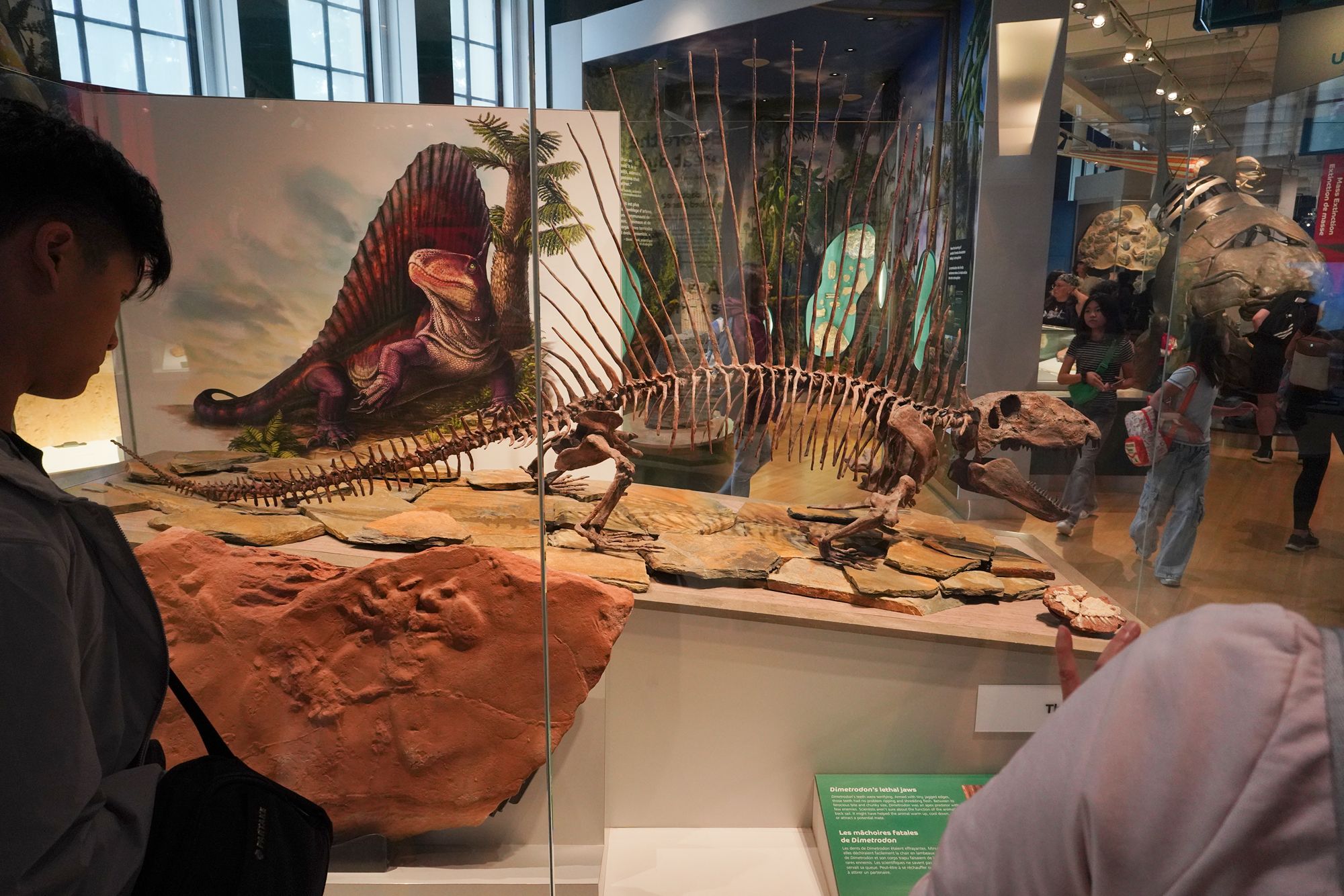
Reptiles and synapsids flourished on land
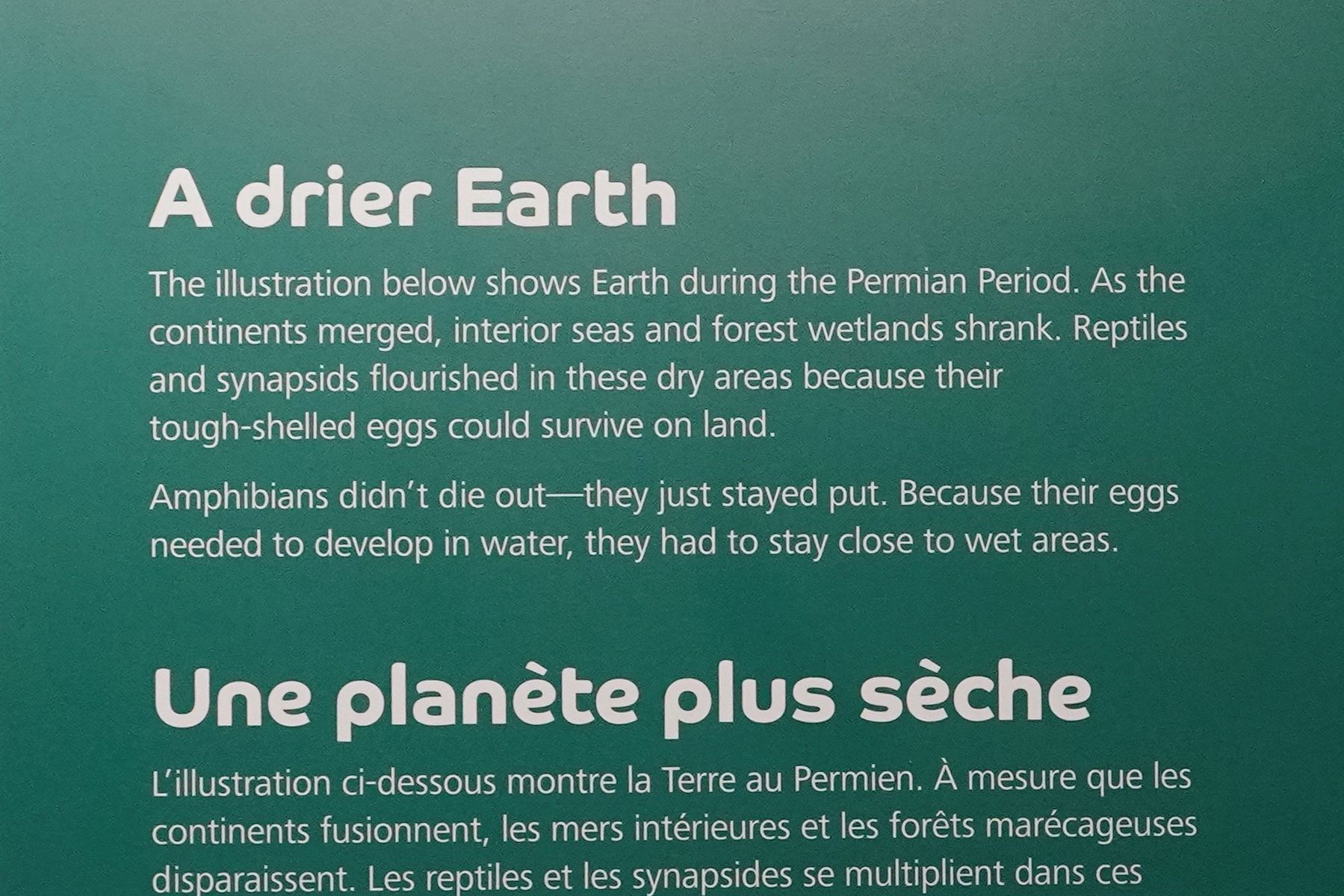
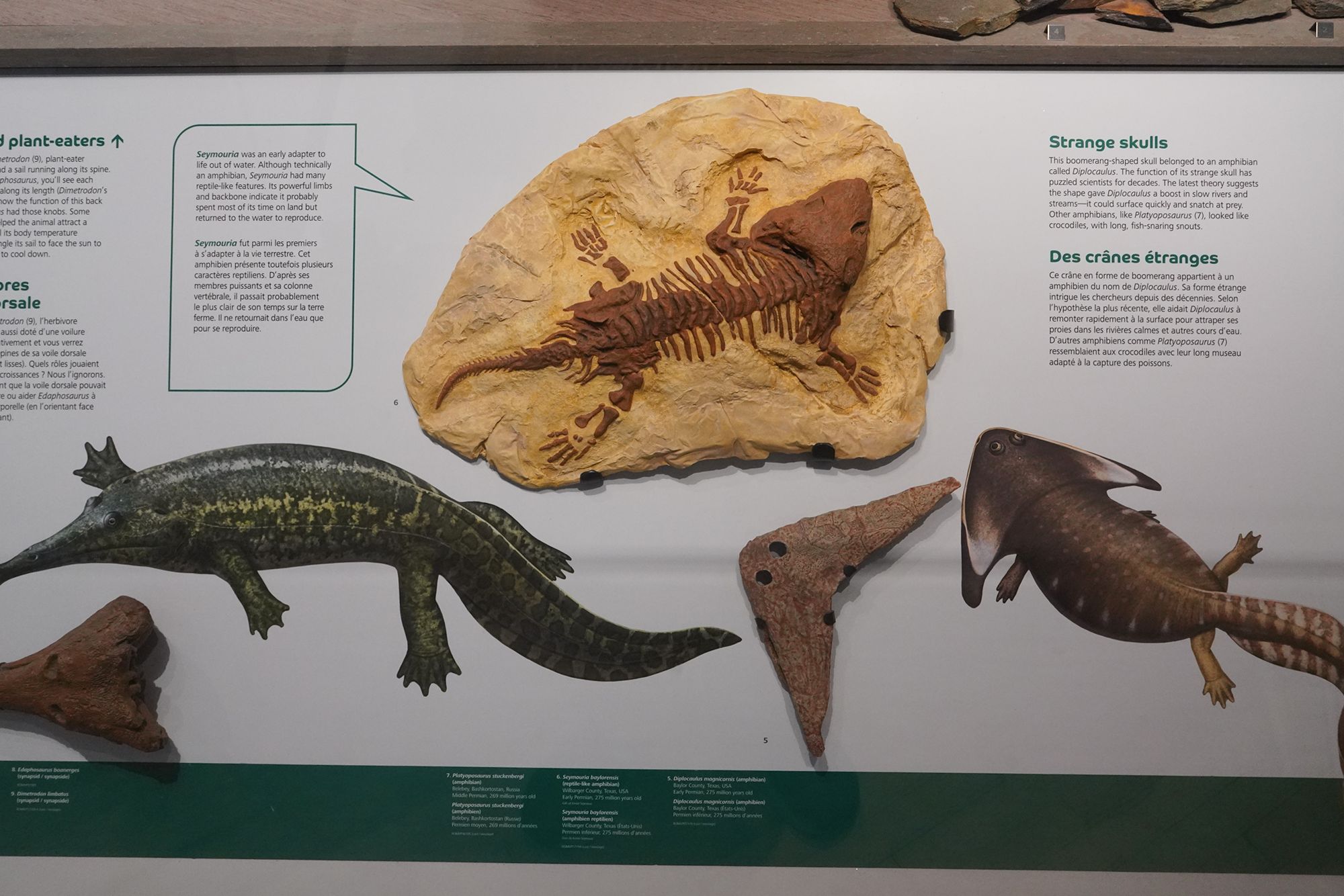
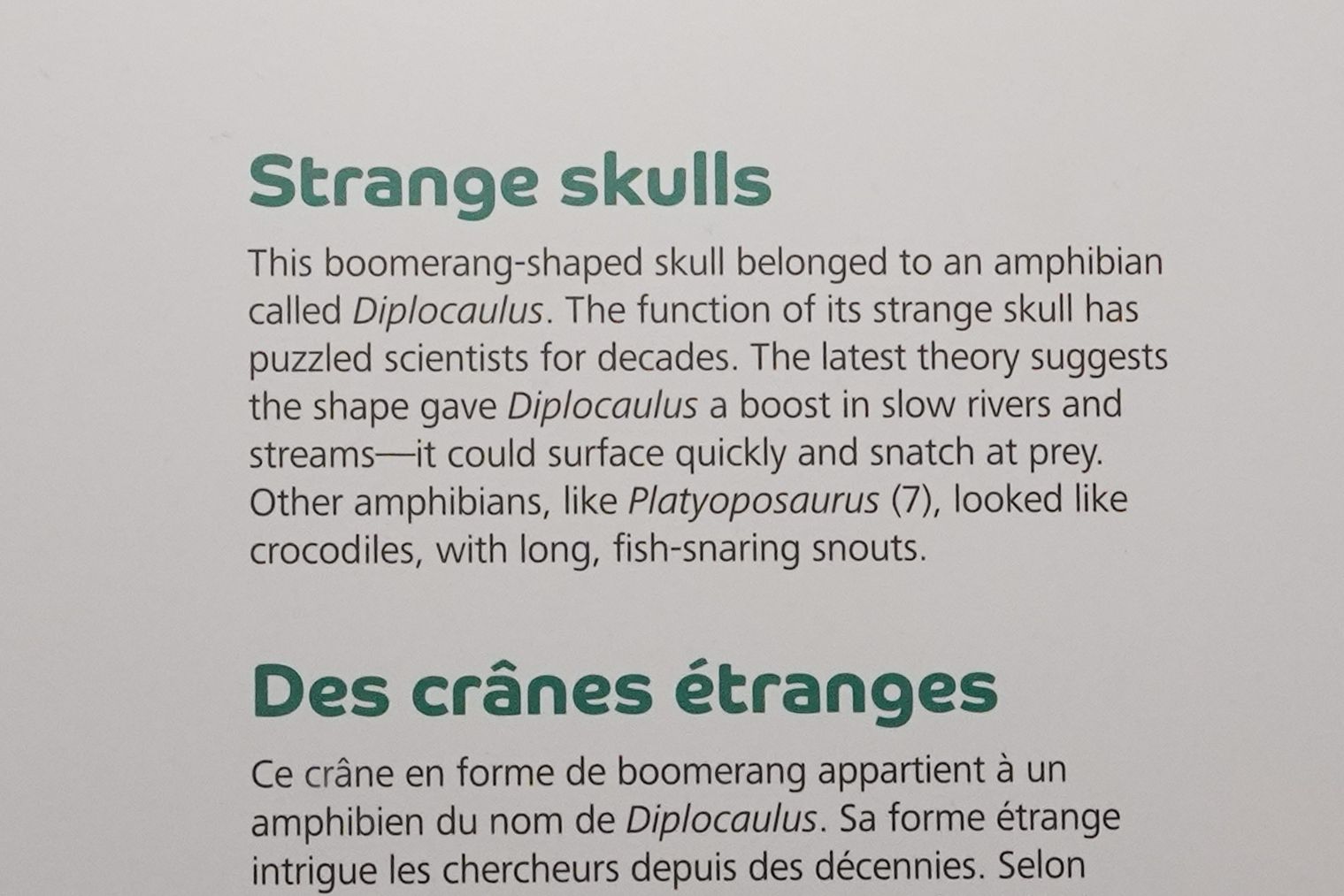
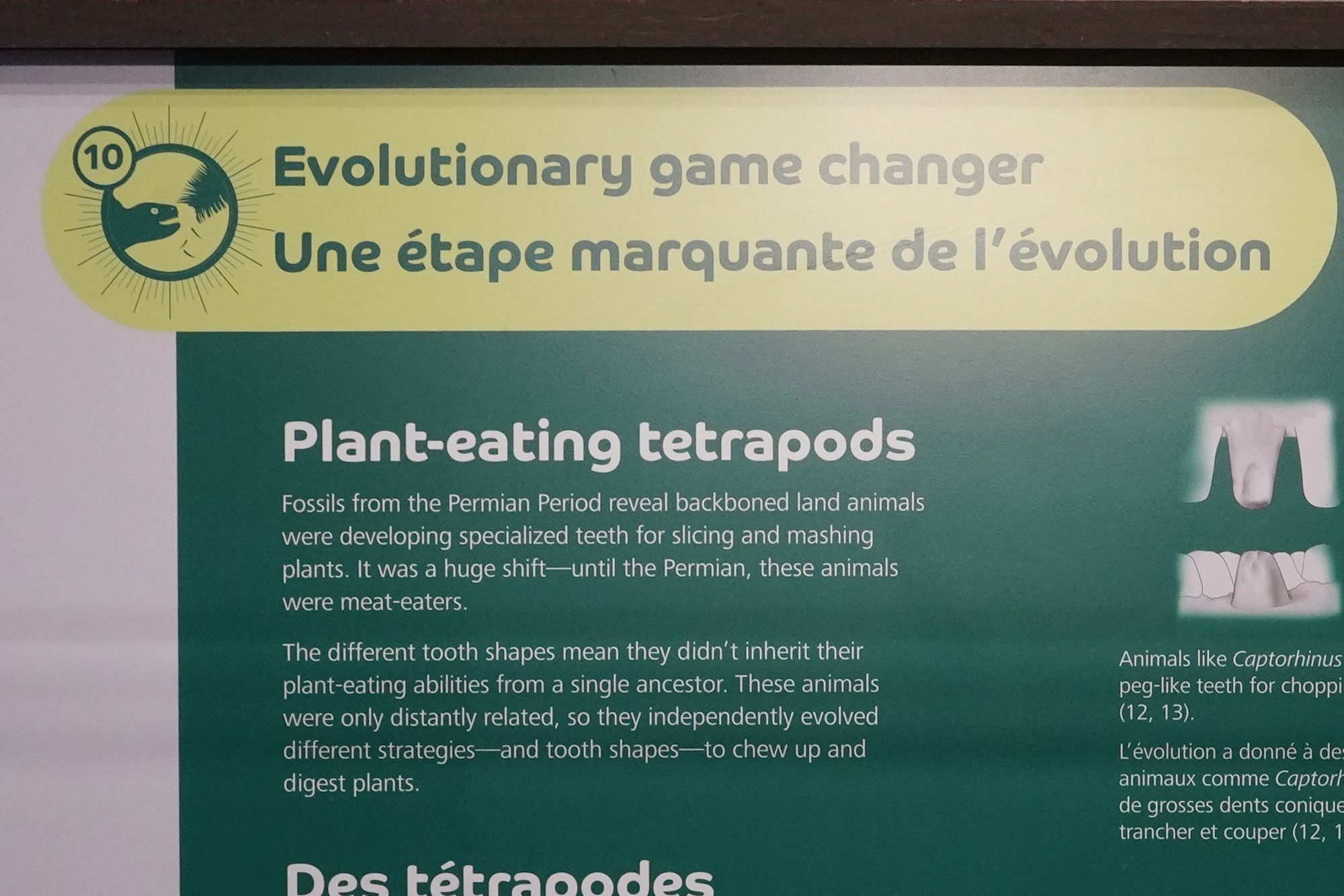
Plant-eating animals appeared
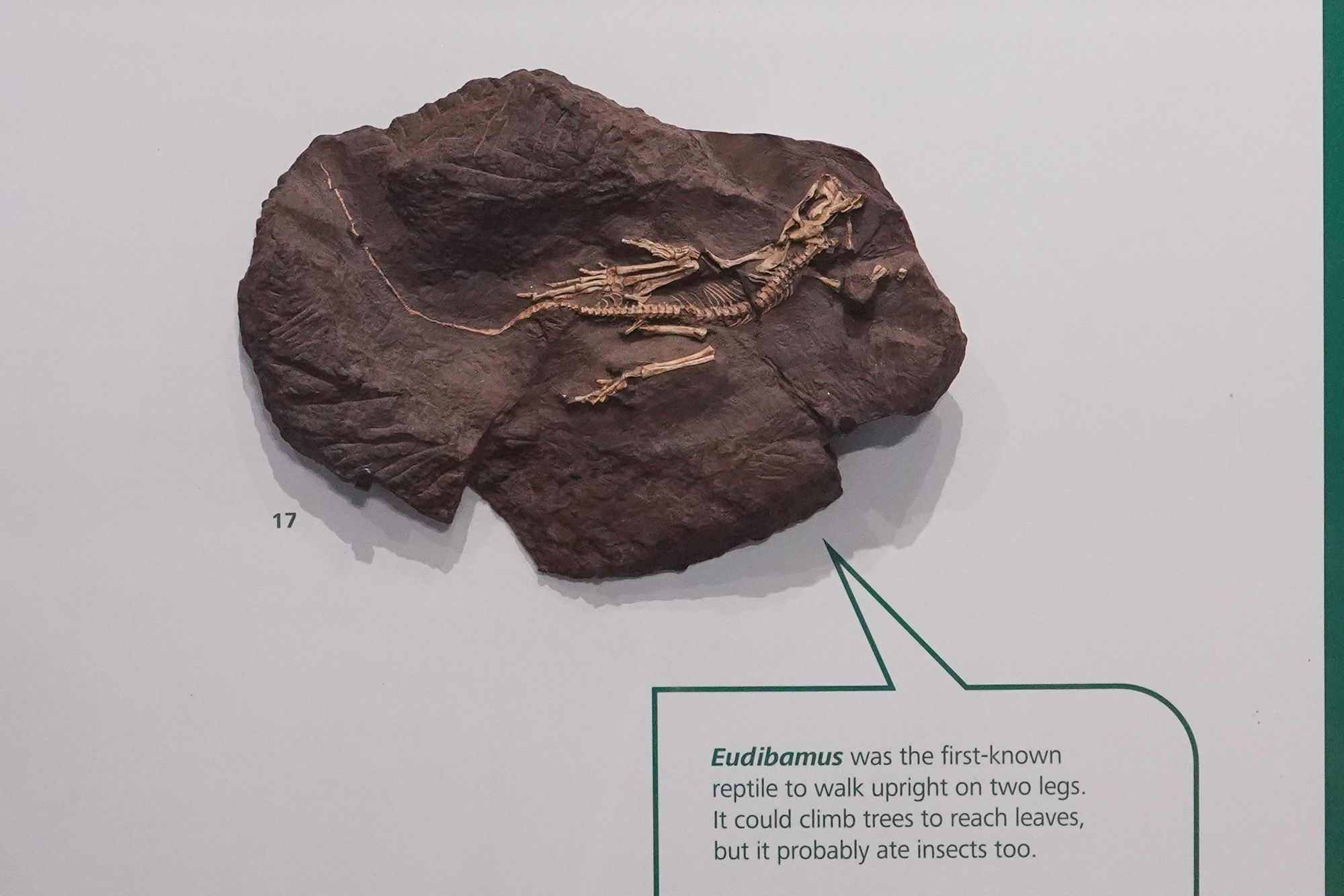
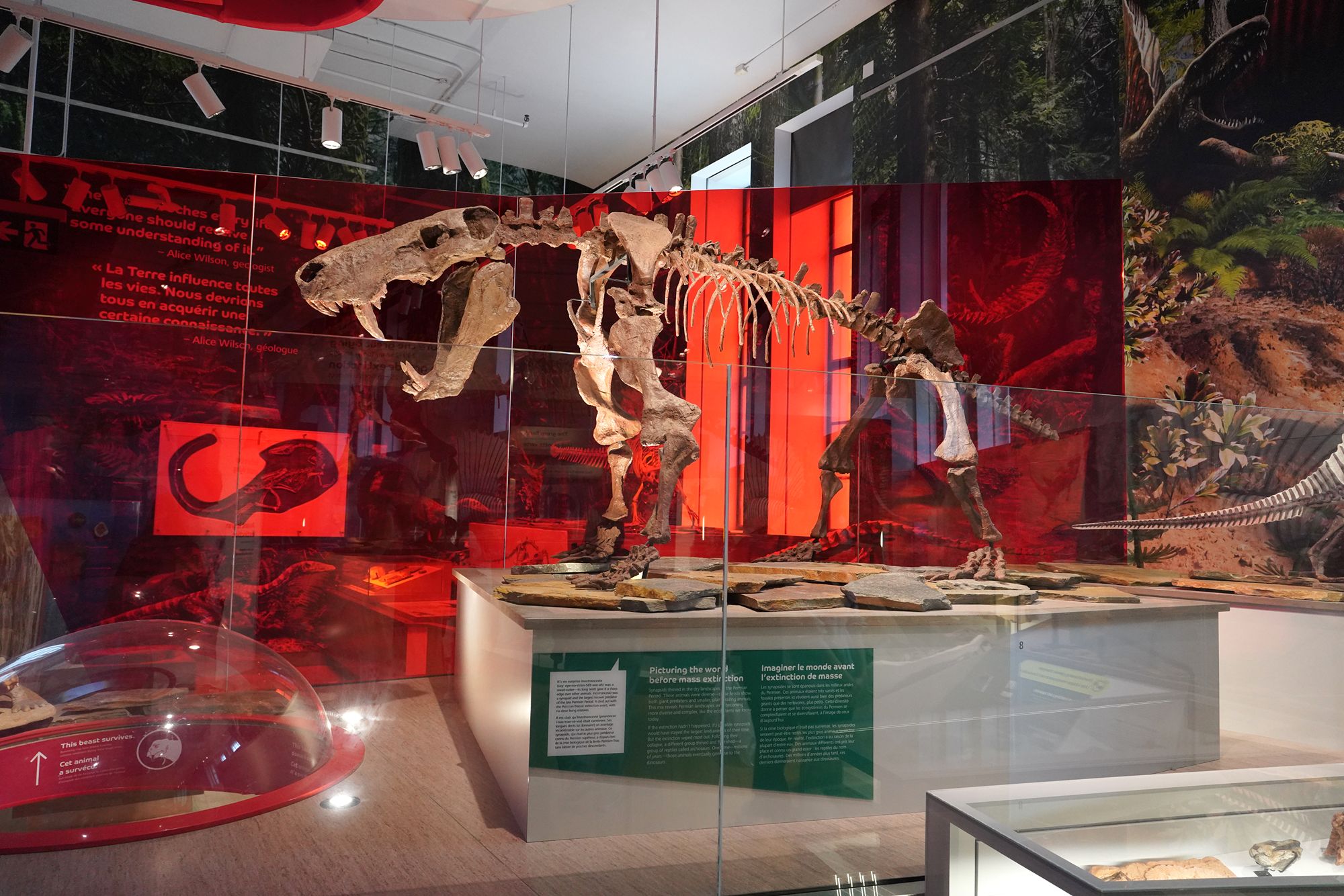
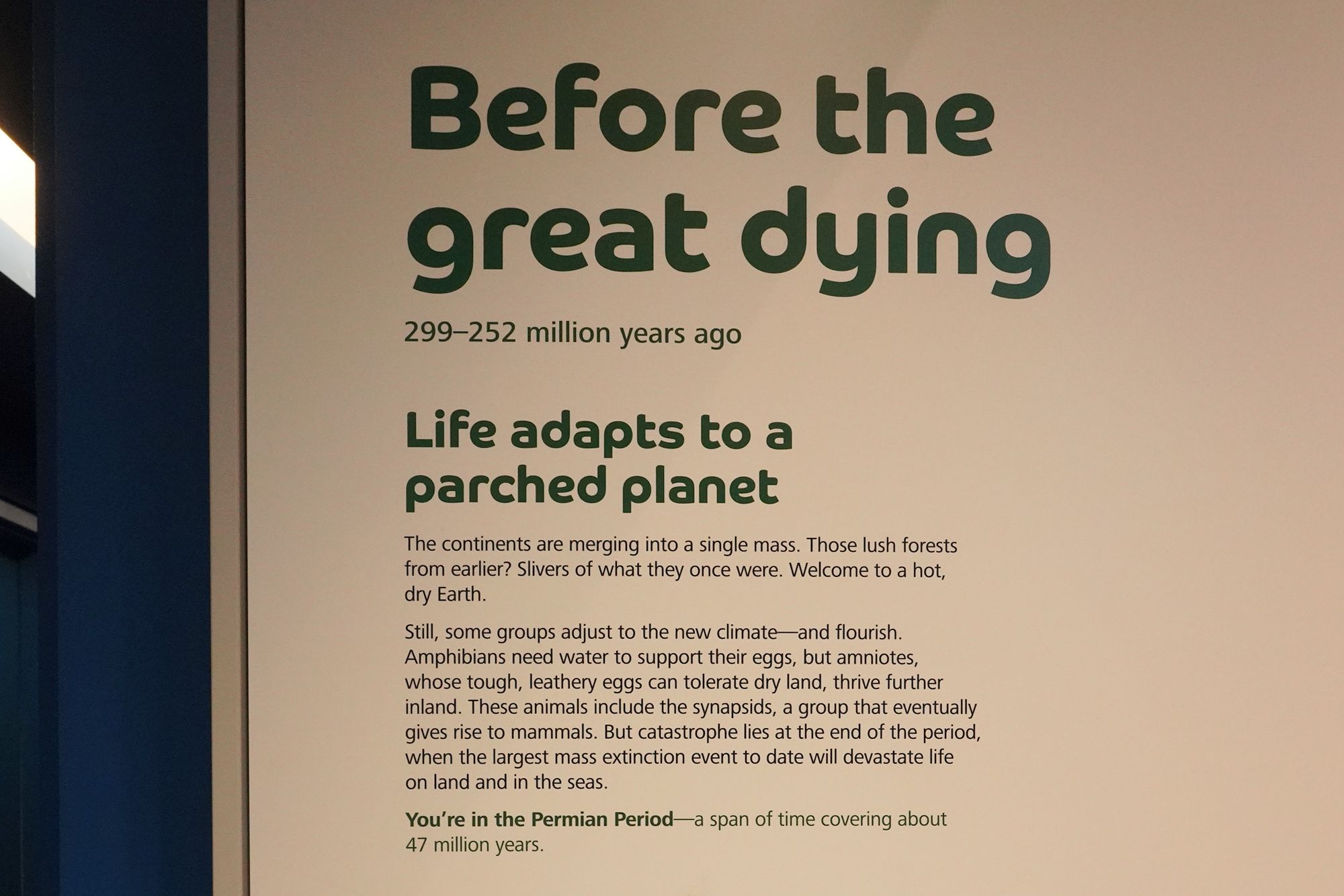
Before the great dying (another great extinction was coming again)
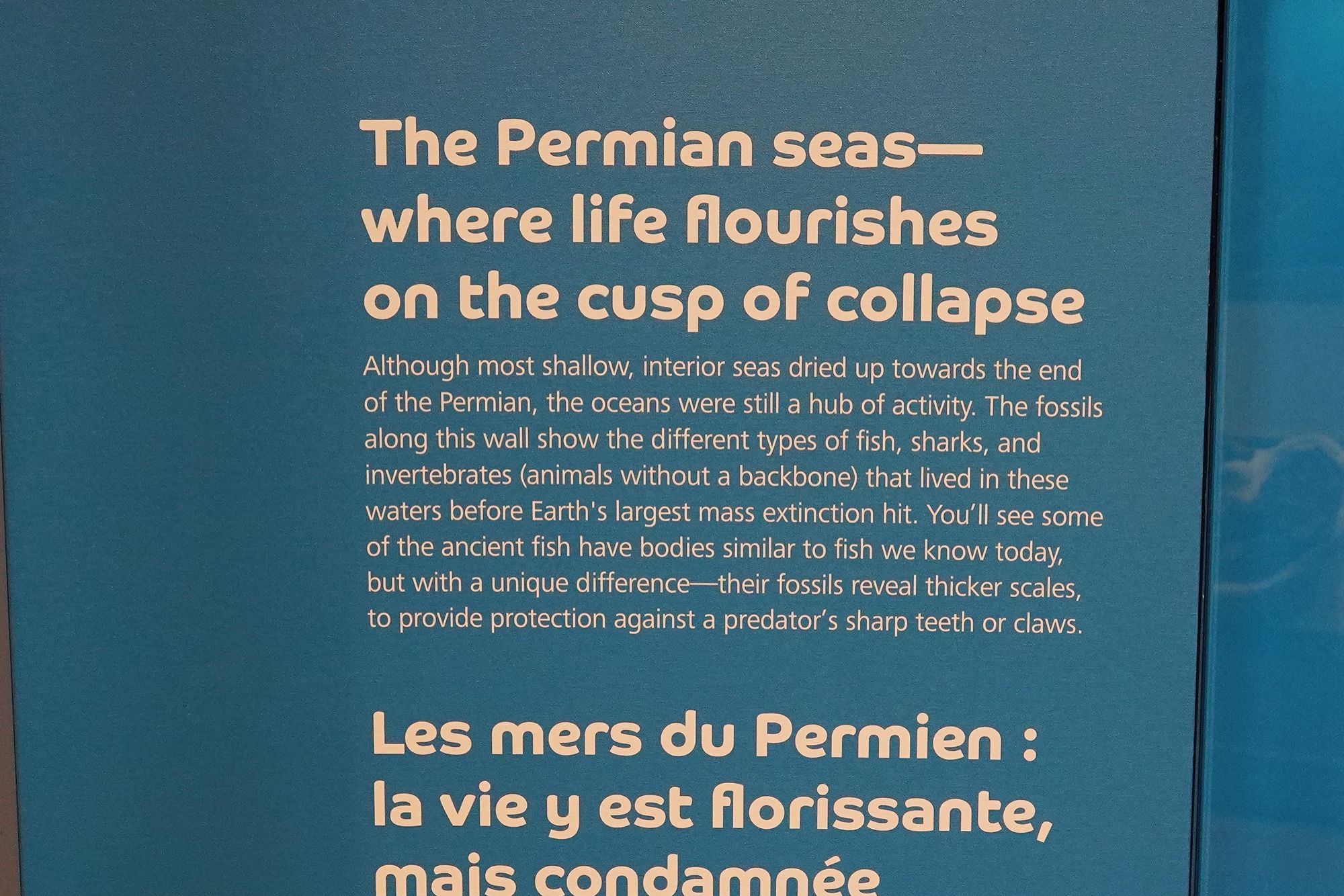
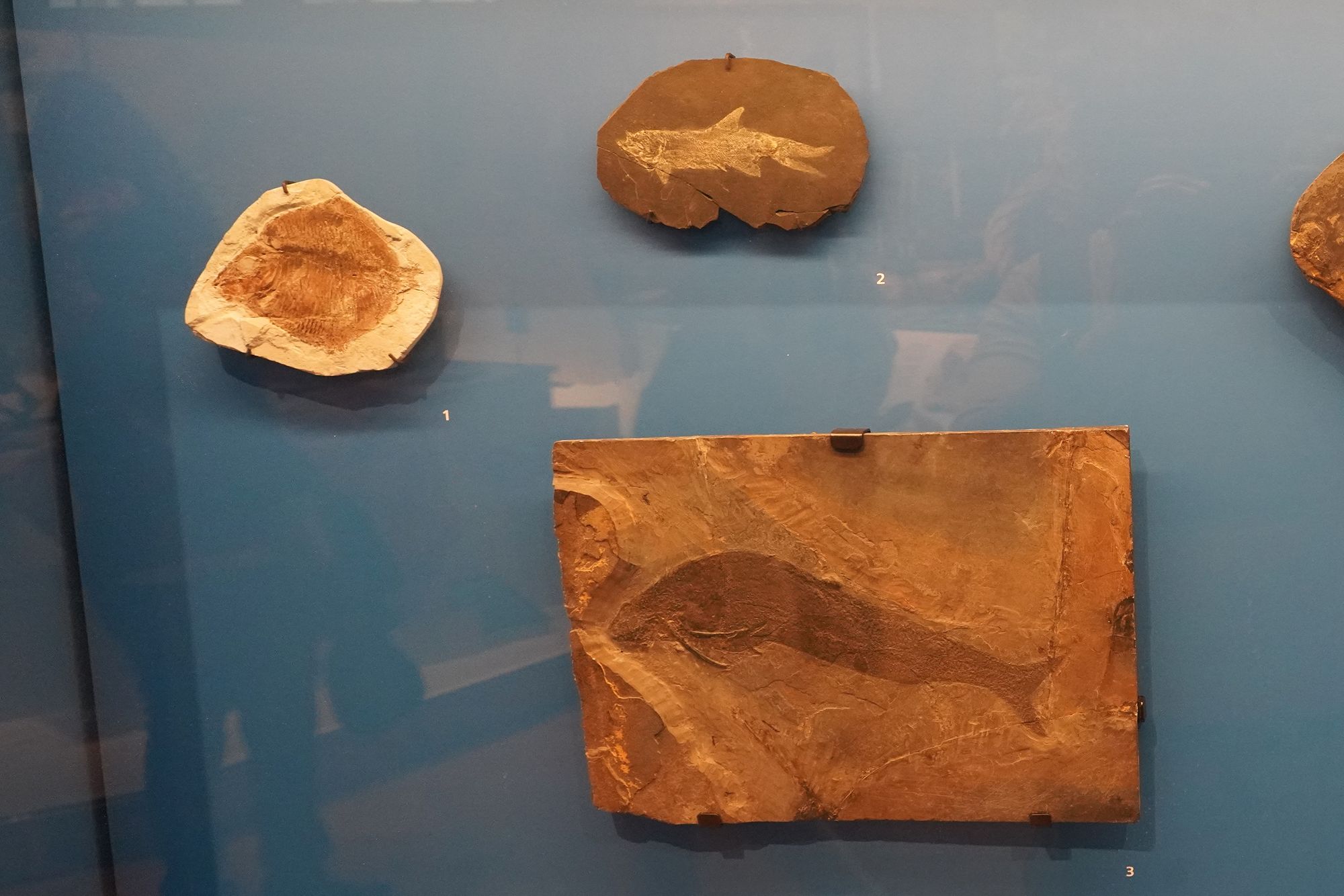
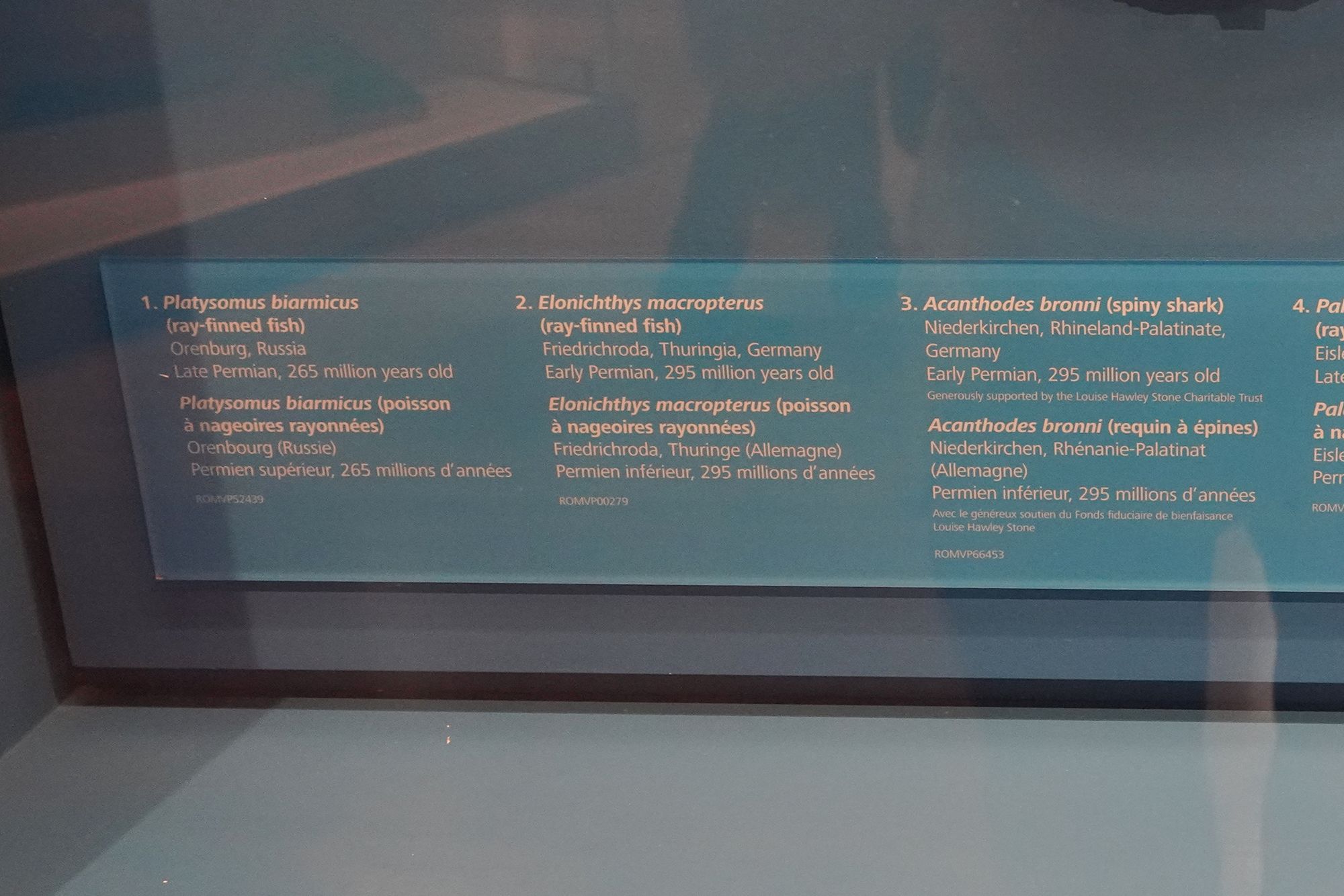
Many sea creatures existed in the Permian seas.
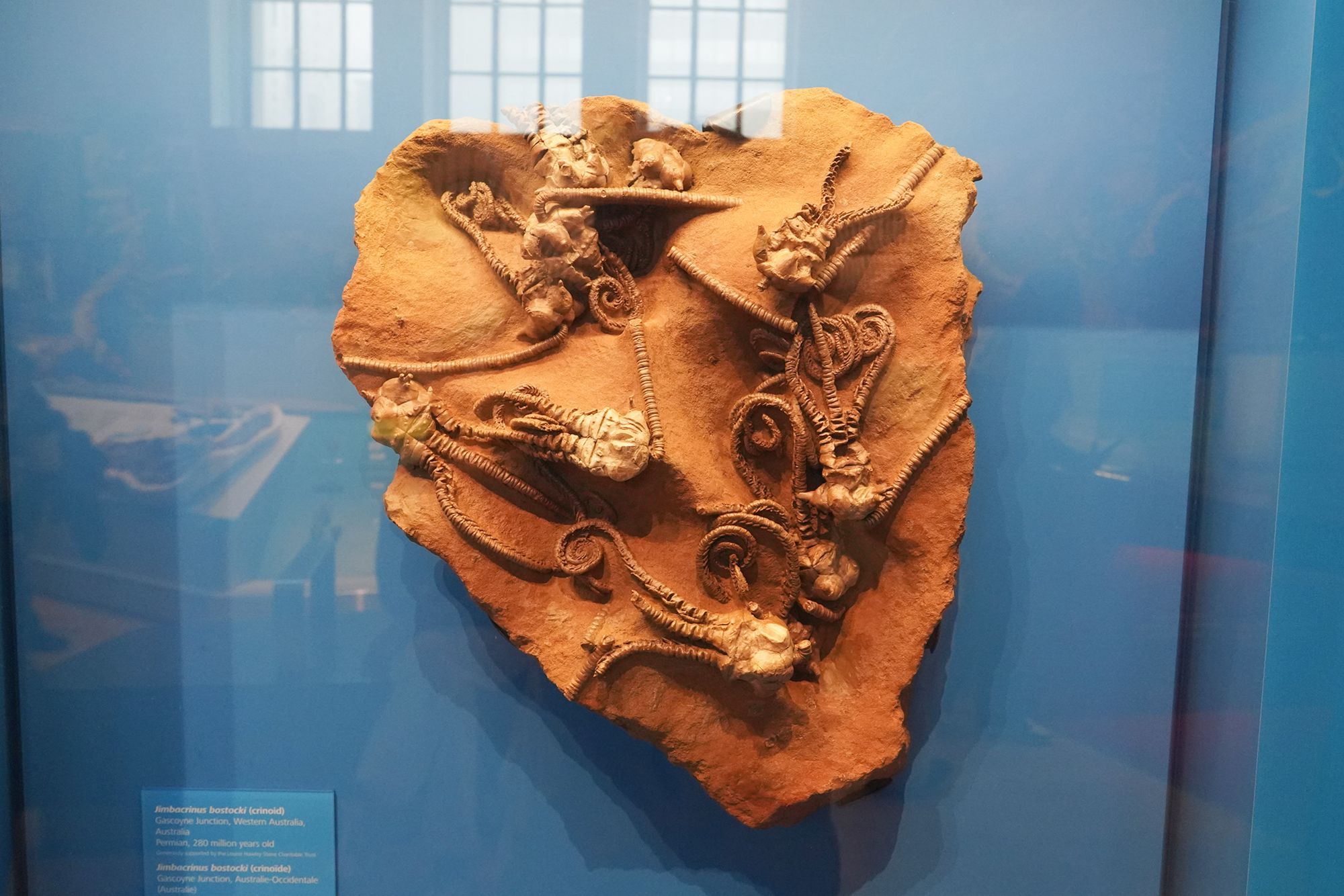
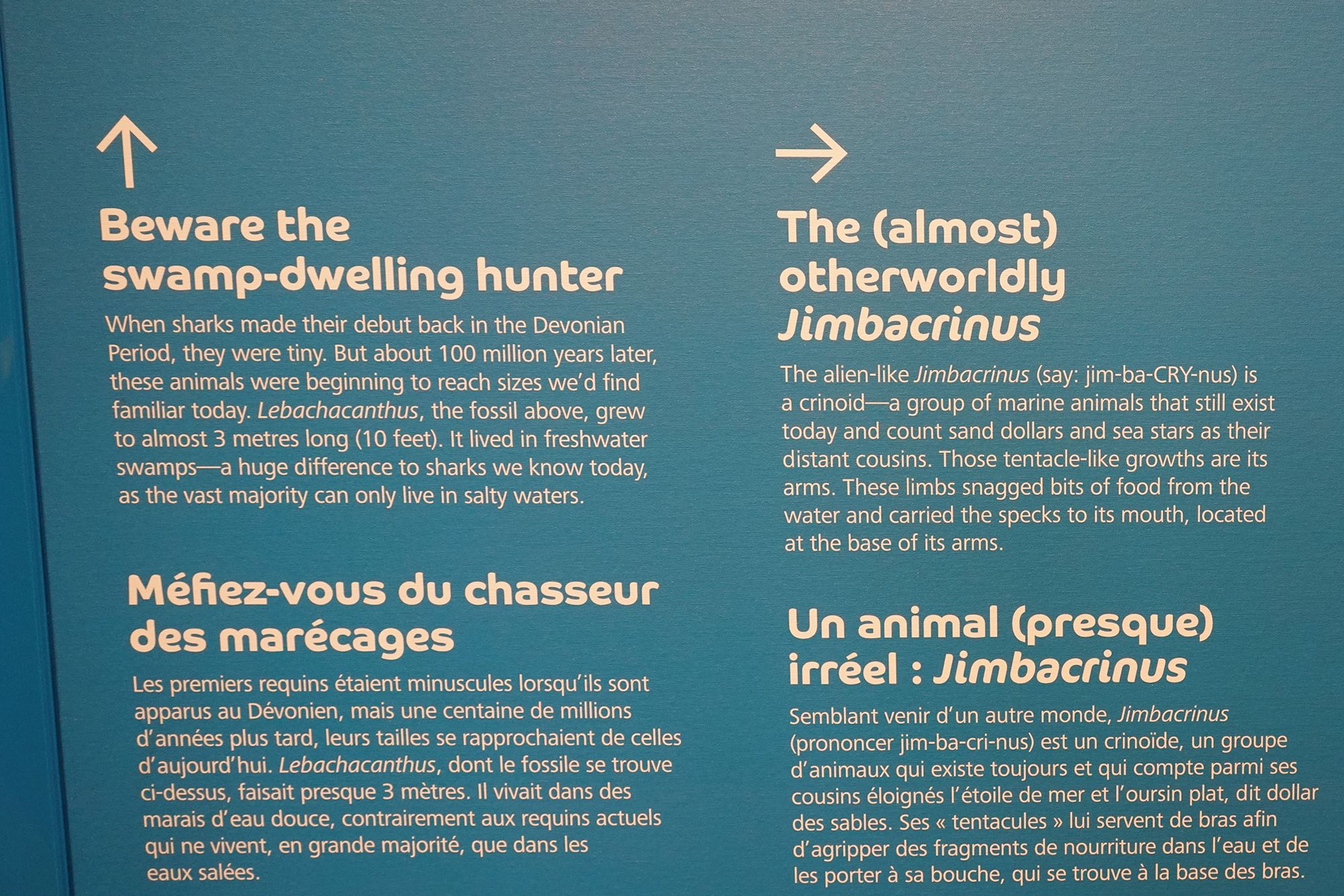
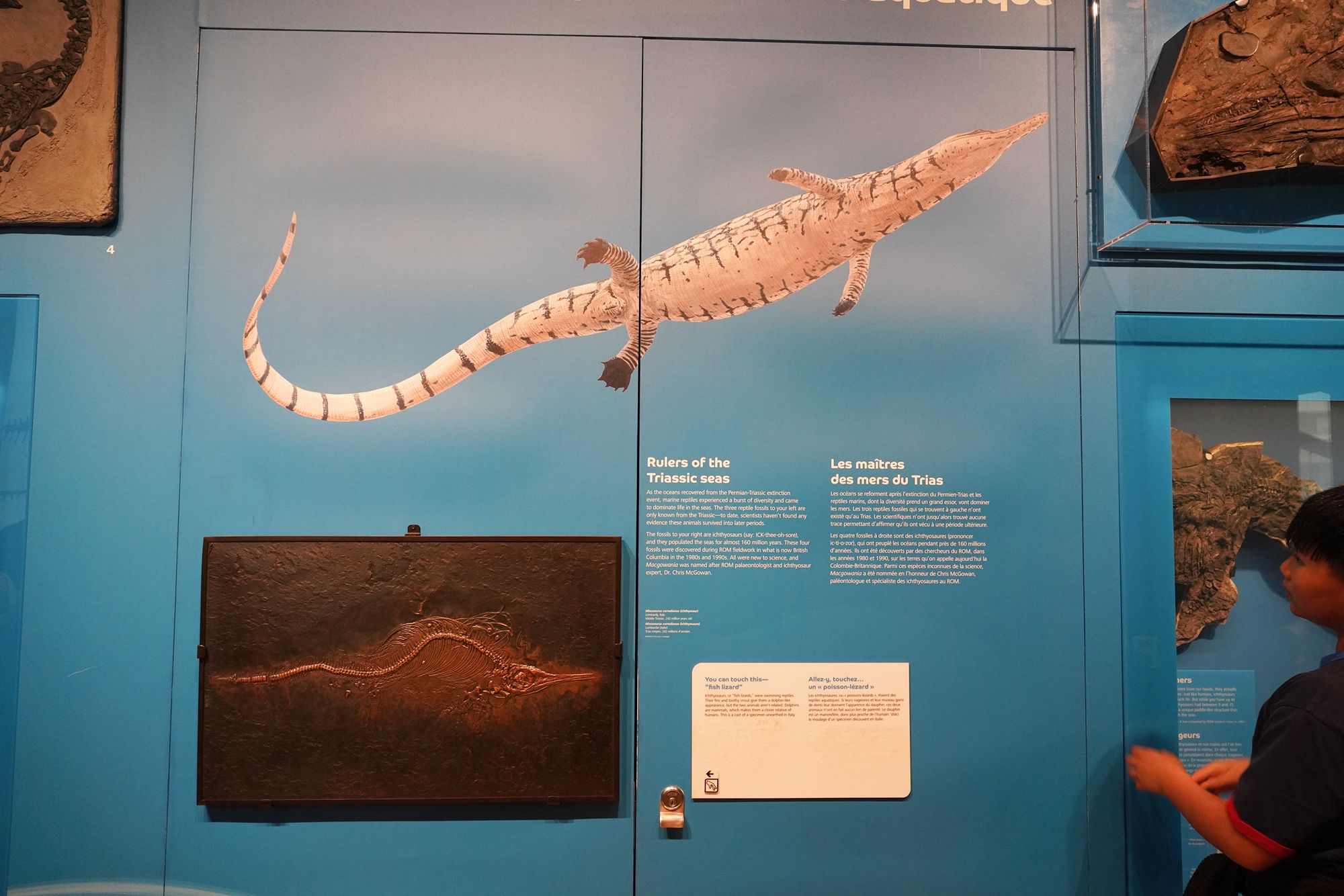
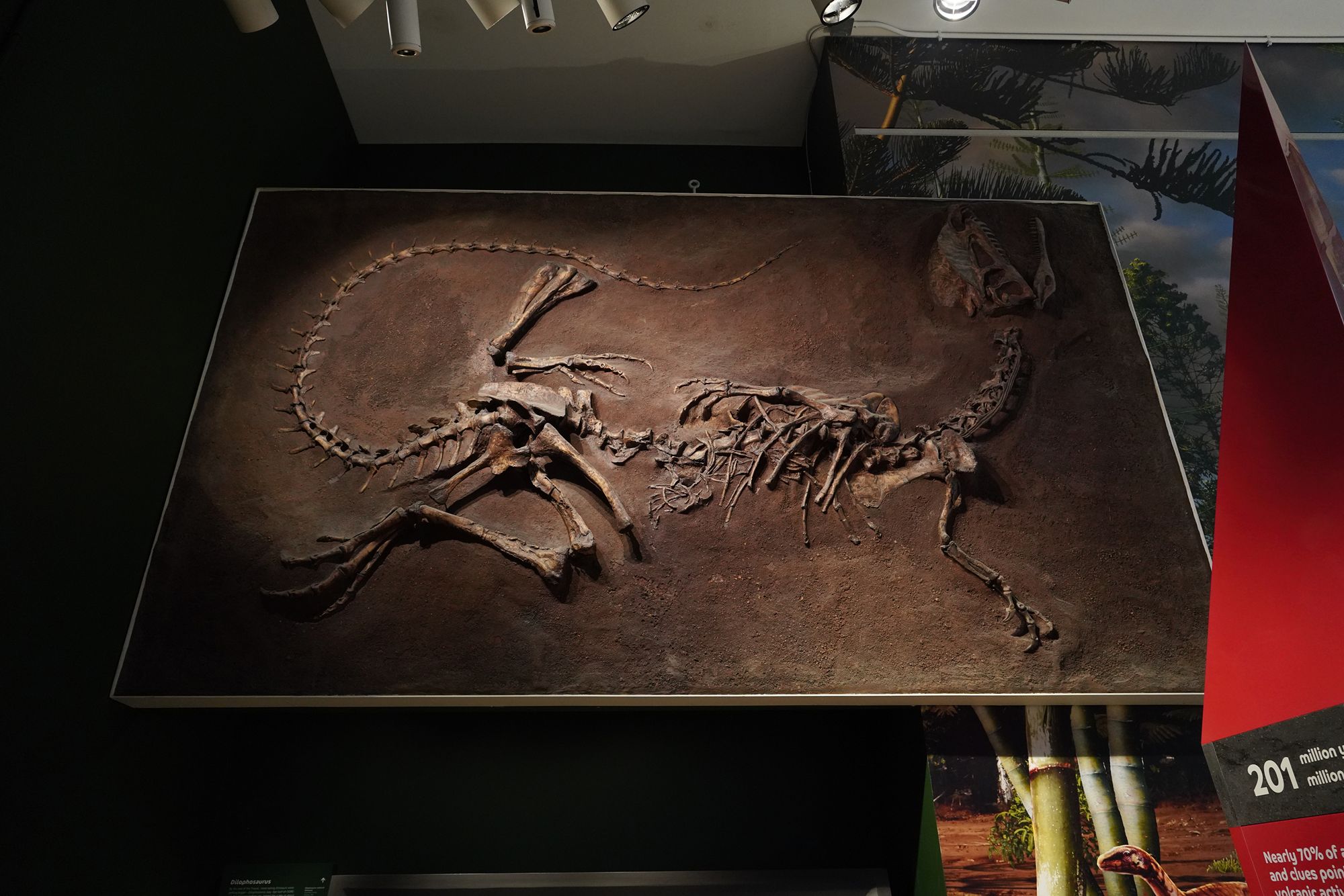
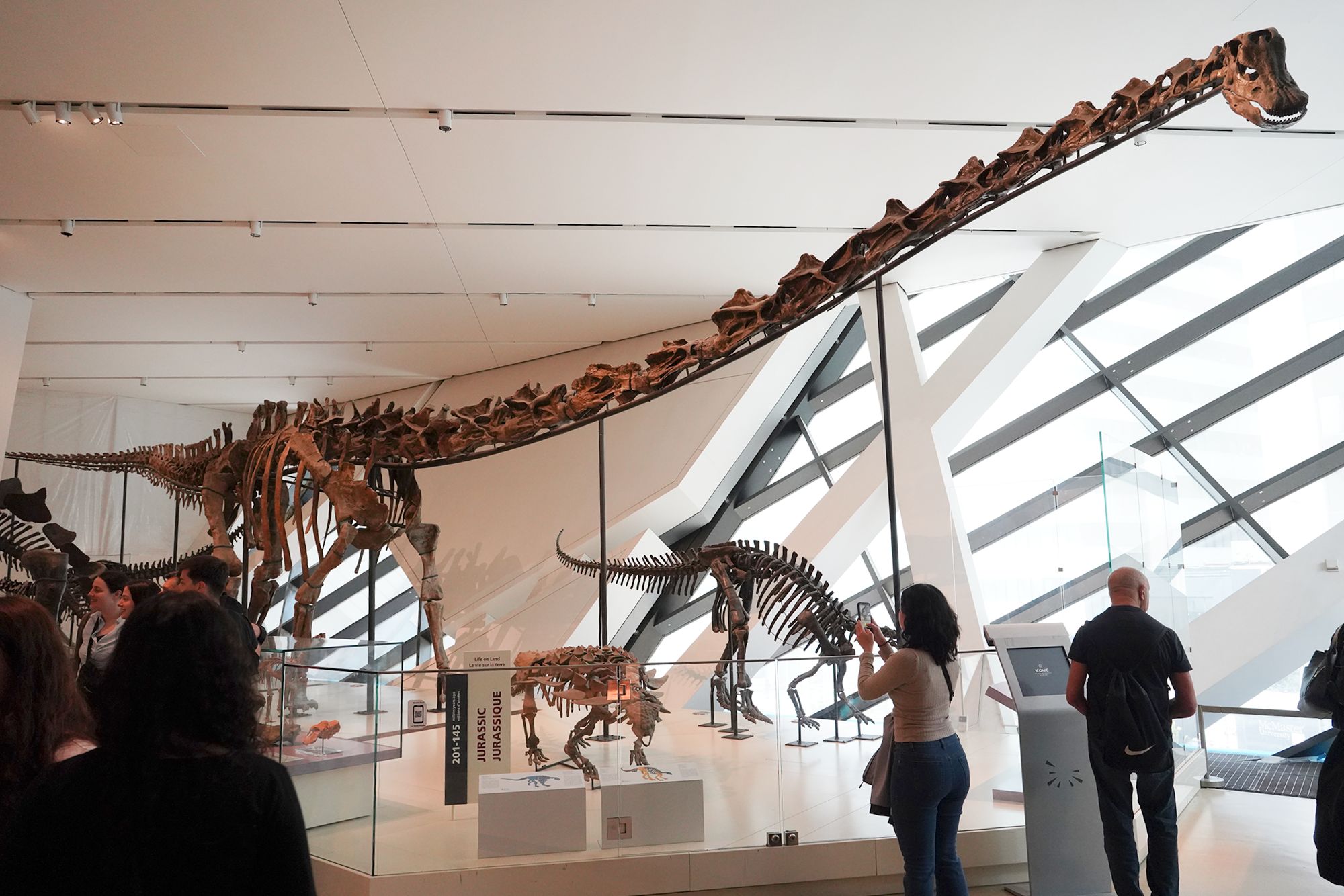
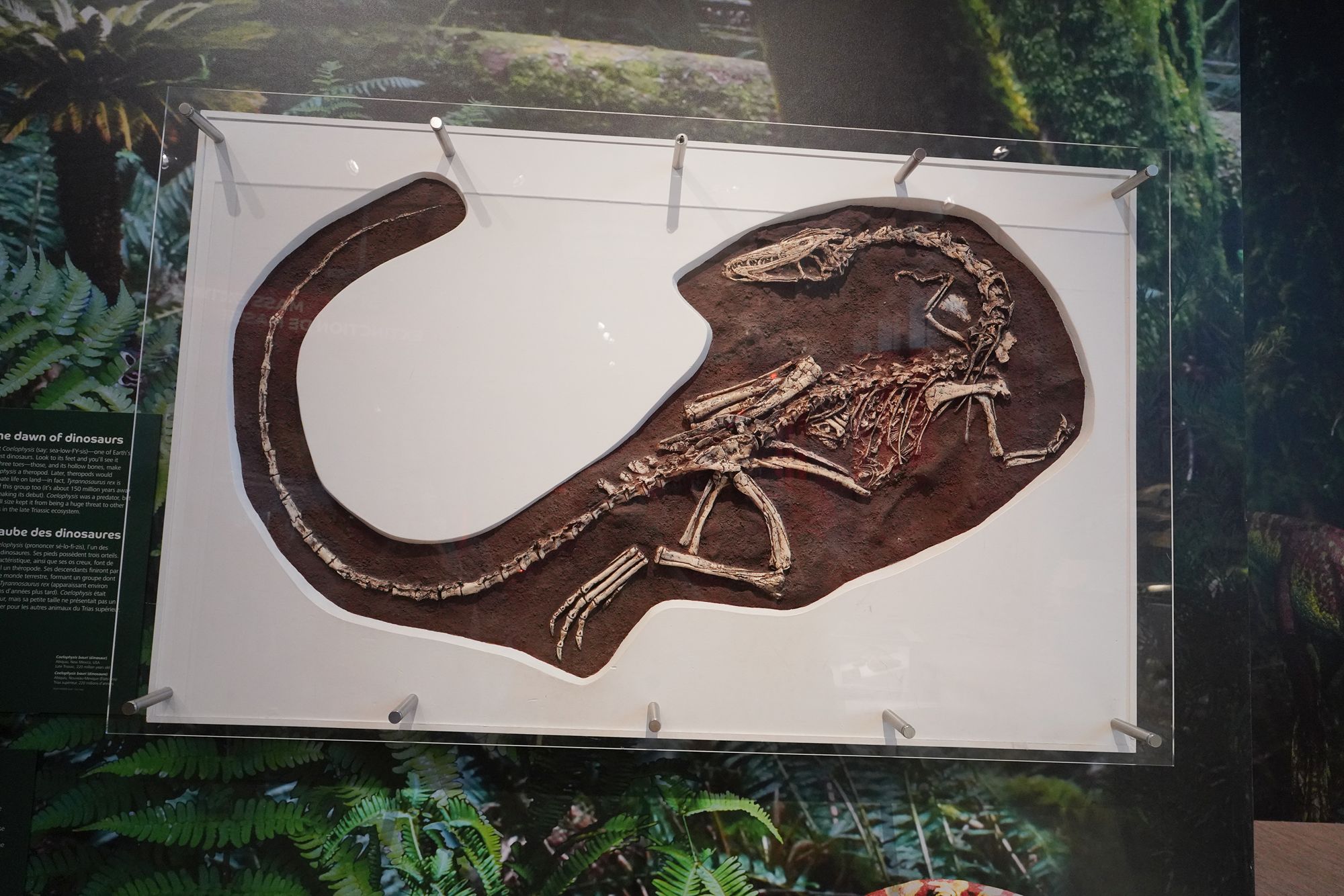
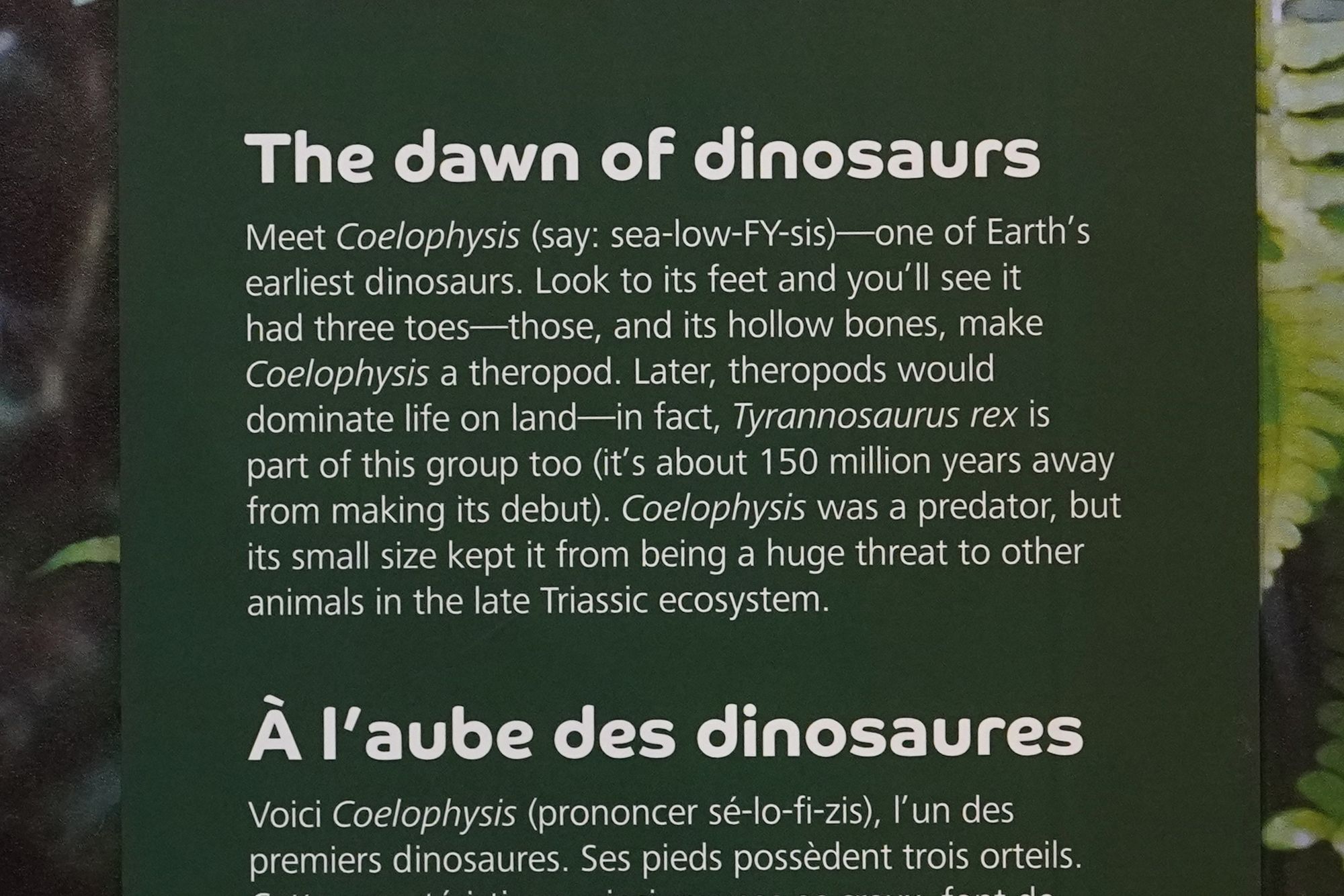
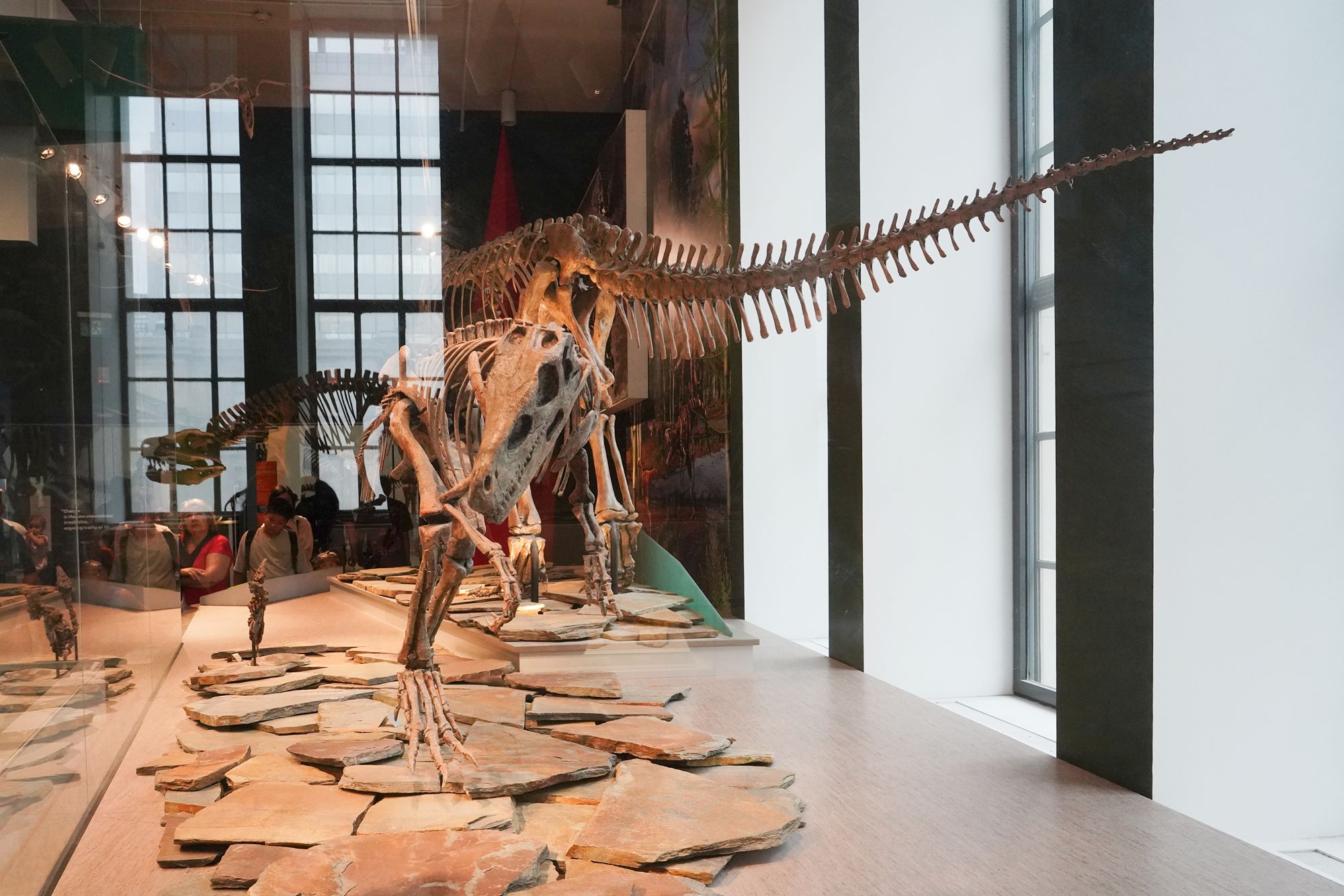
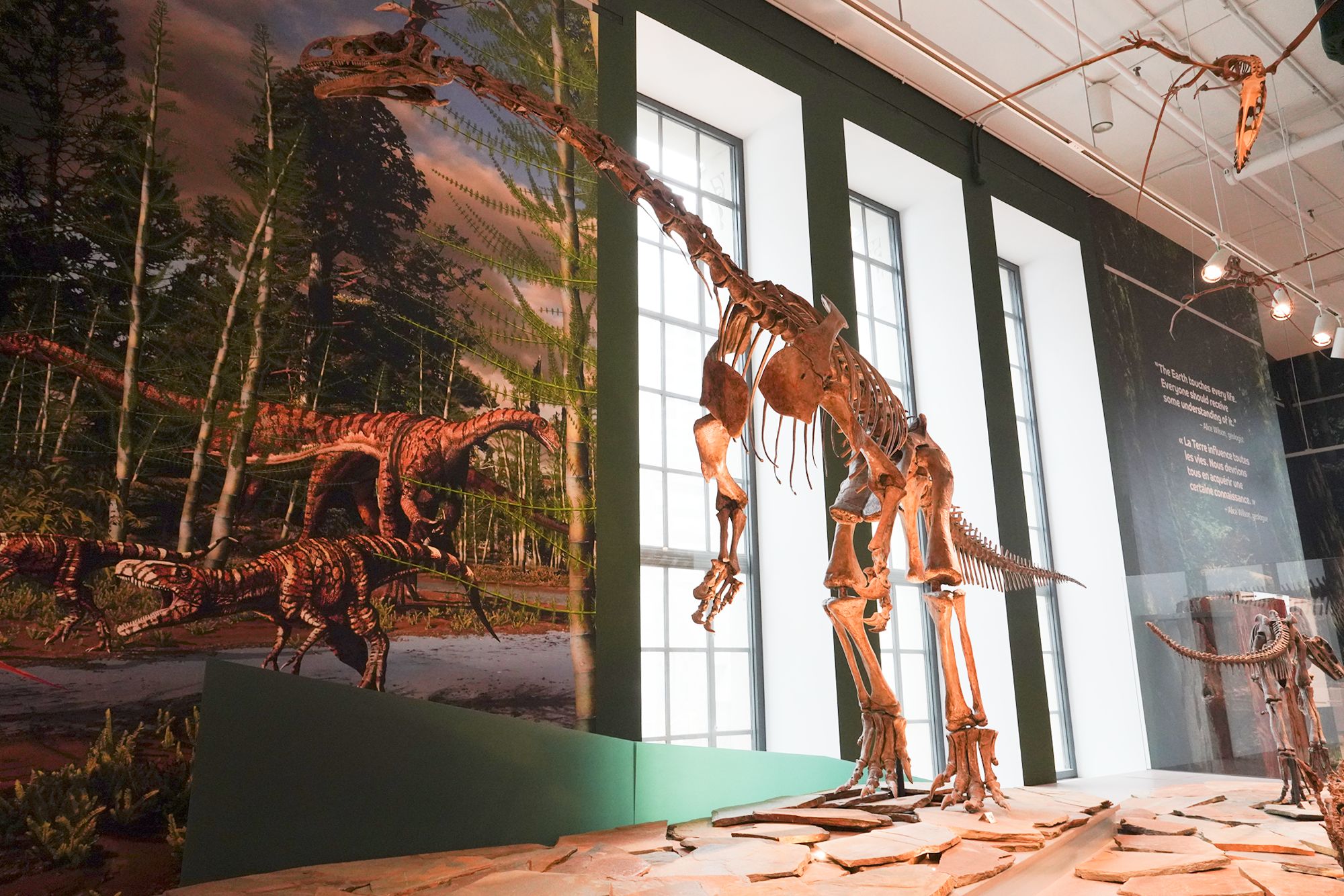
Life on land after Permian-Triassic extinction - the dawn of dinosaurs
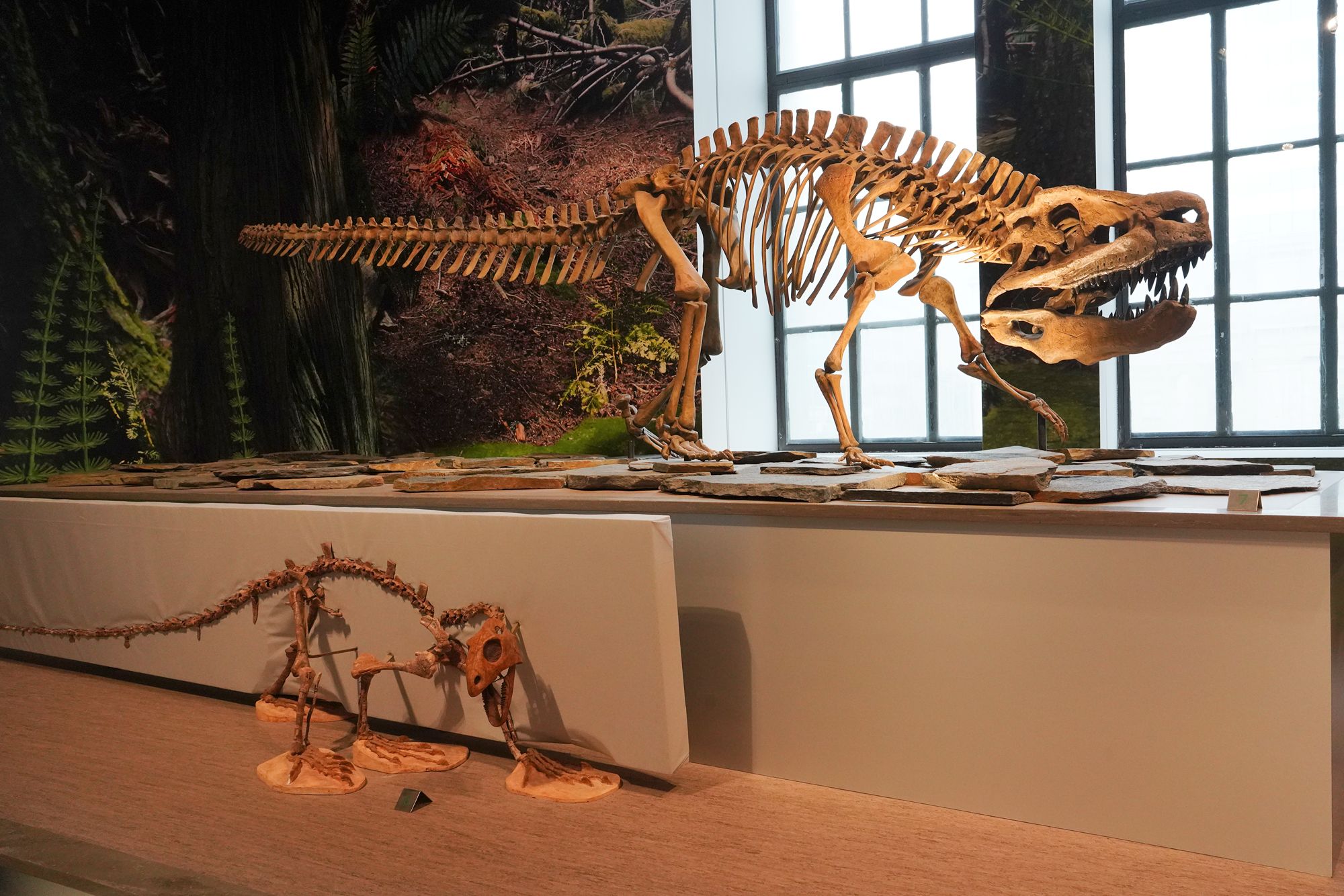
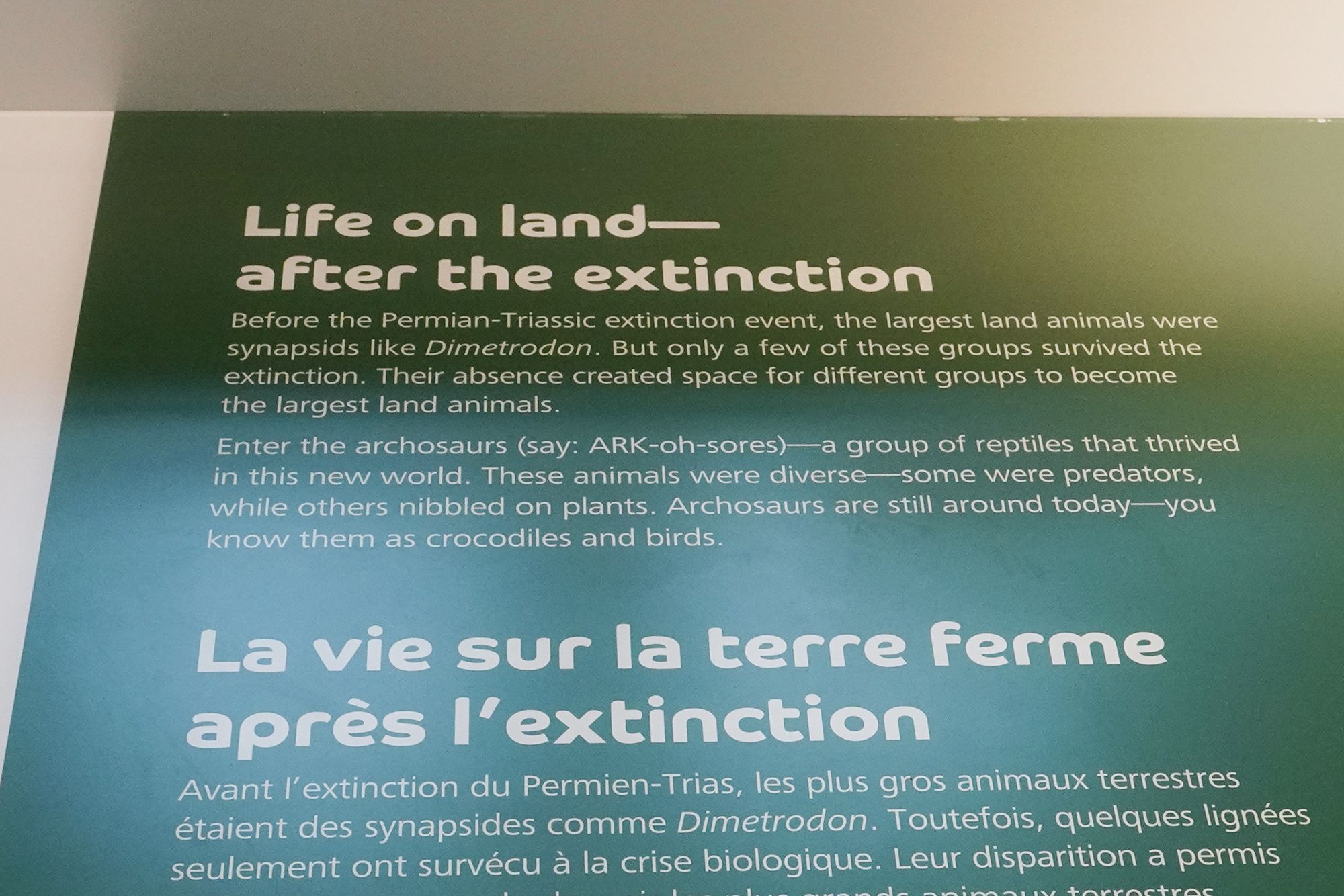
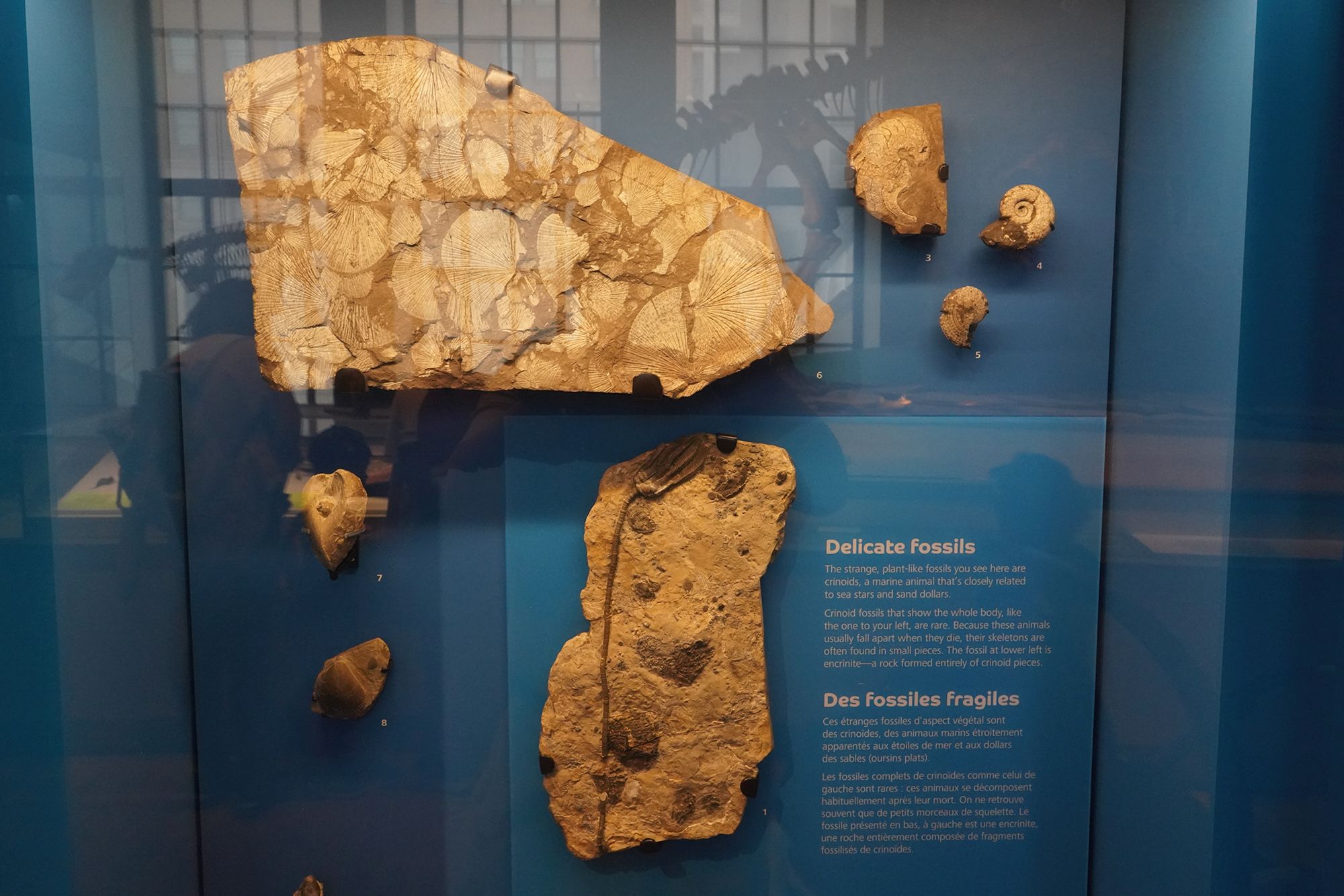
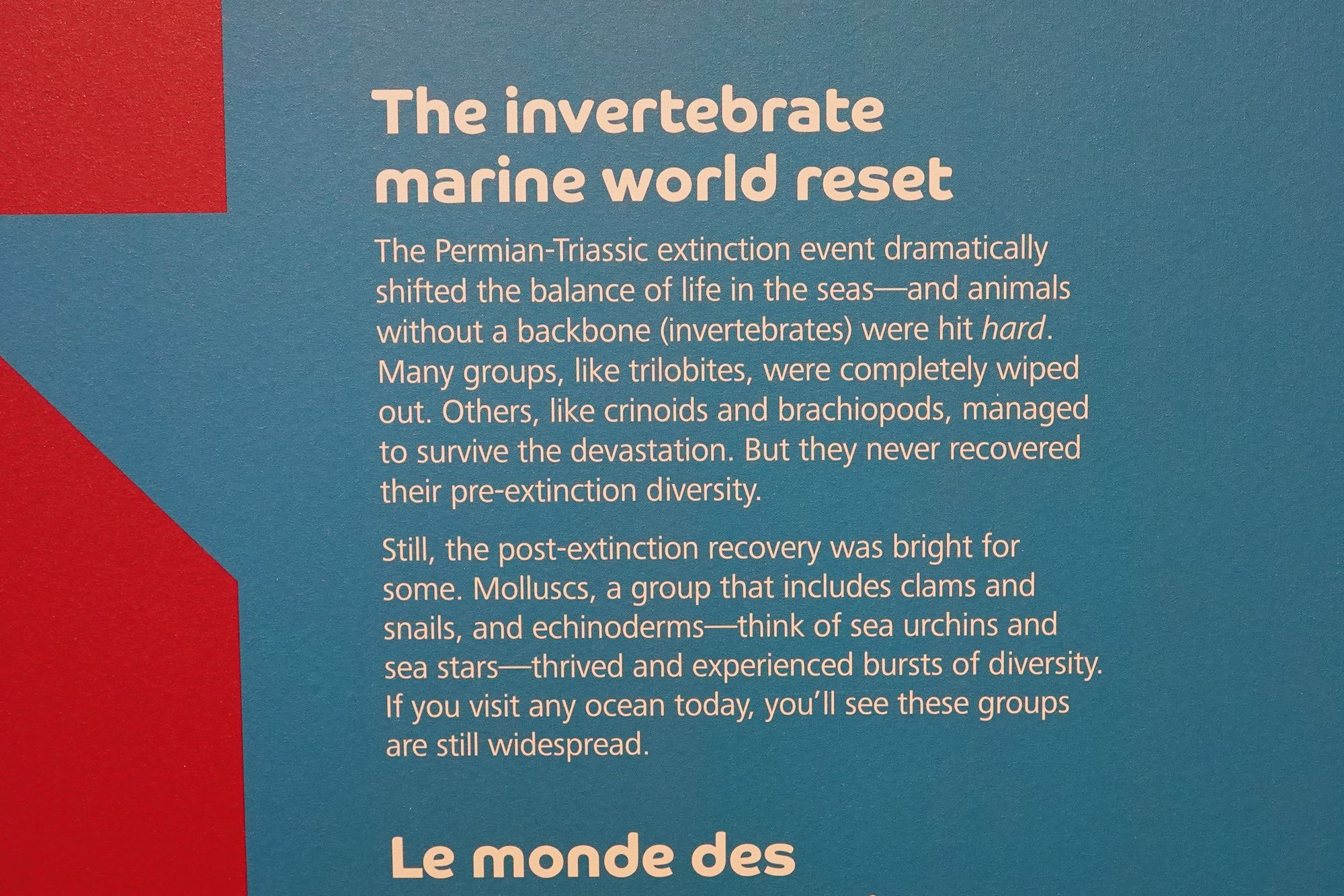
During the Permian-Triassic extinction event, animals without a backbone were hit hard.
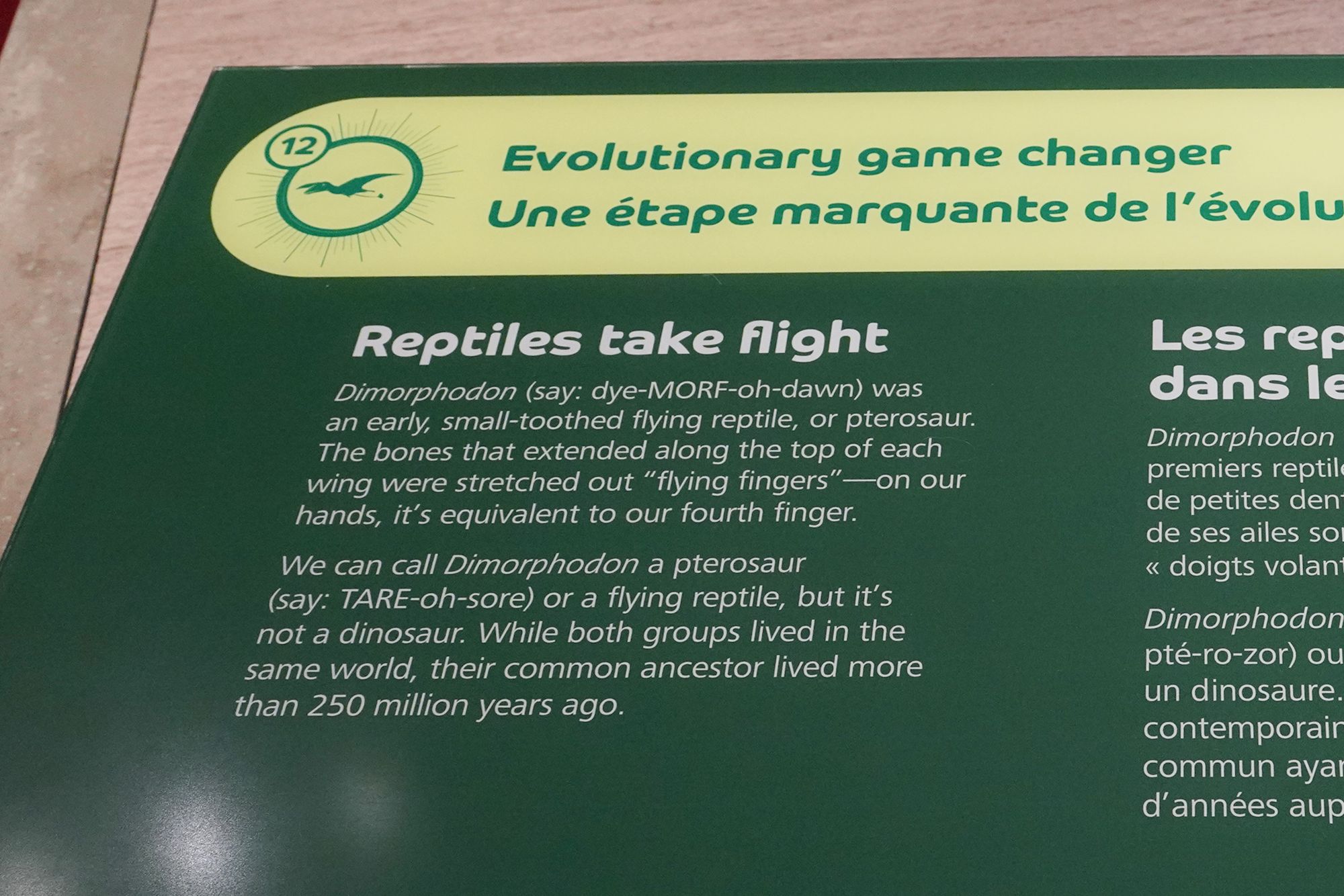
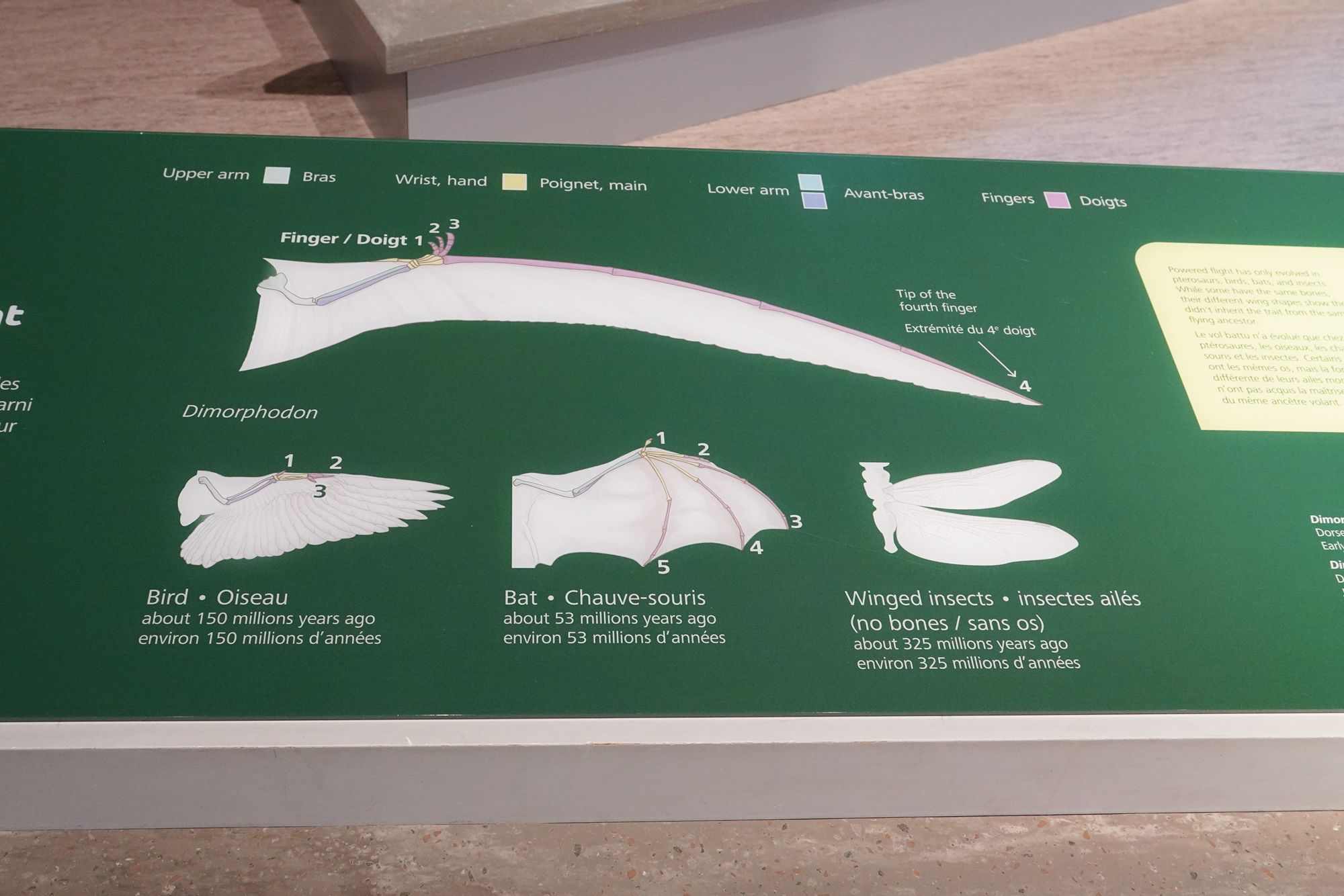
Reptiles take flight - beginning of birds