Cleaveland Downtown, Ohio, USA
Downtown Cleveland feels compact and walkable, mixing historic buildings, sports arenas, theaters, and a revitalized lakefront. 1194
The Terminal Tower Residences: 50 Public Square, Cleveland, OH 44113
Playhouse Square: 1501 Euclid Ave #200, Cleveland, OH 44115
Date Picture Taken: September 2025
Downtown Cleveland is easy to explore on foot, where historic architecture stands beside modern offices and stadiums. Public Square, Playhouse Square, and the lakefront shape the experience, giving the city a grounded, practical character with steady signs of urban renewal.
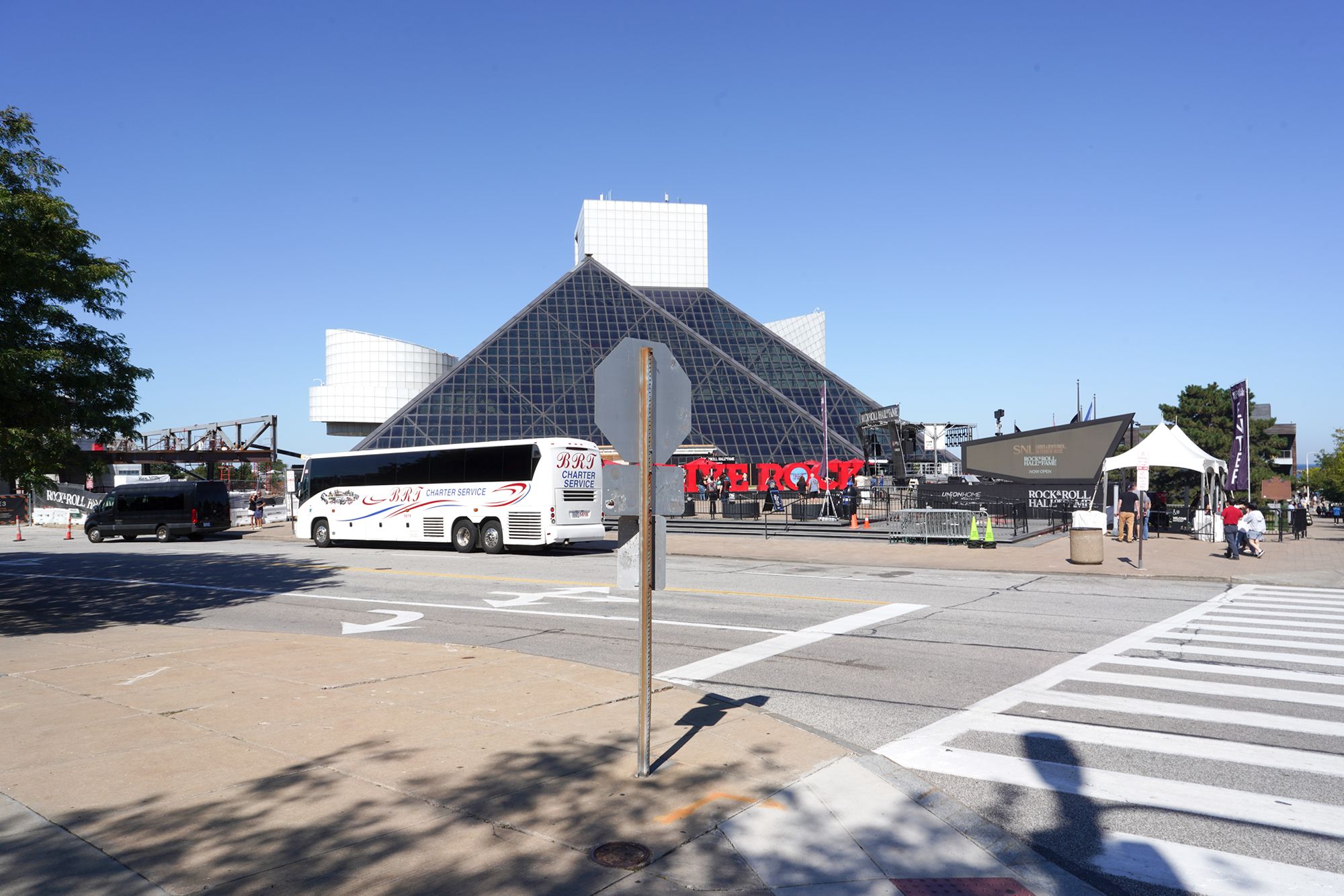
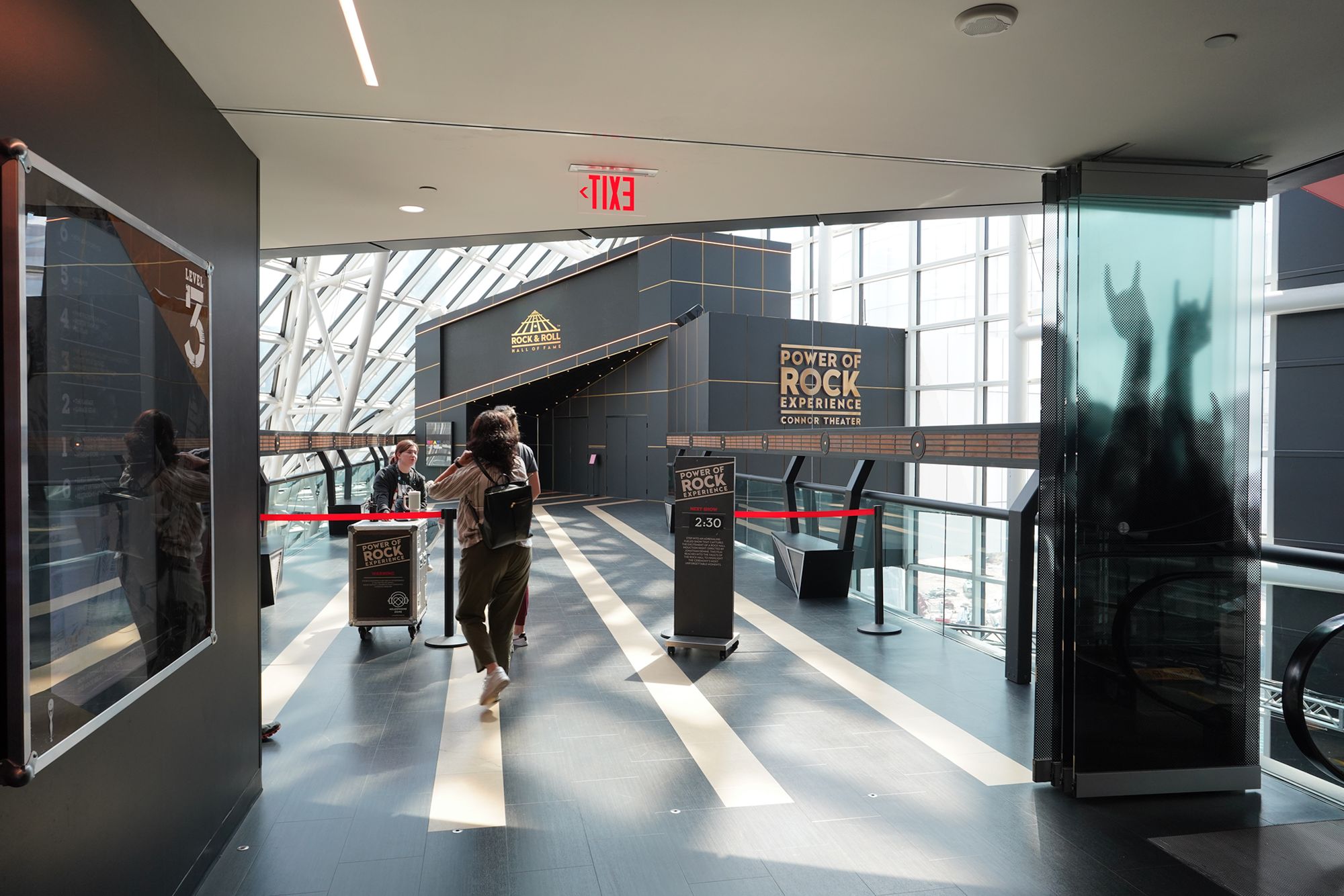
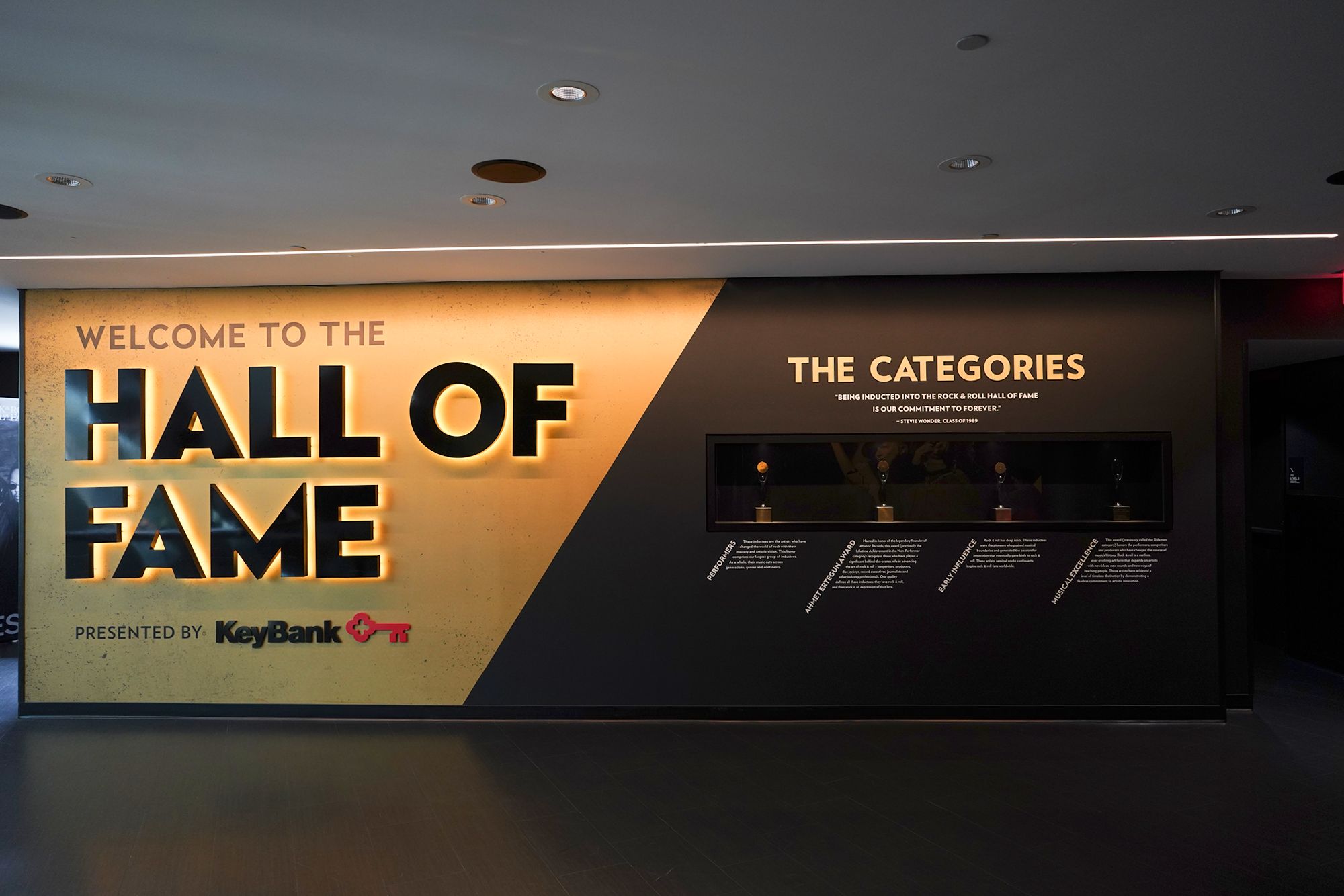
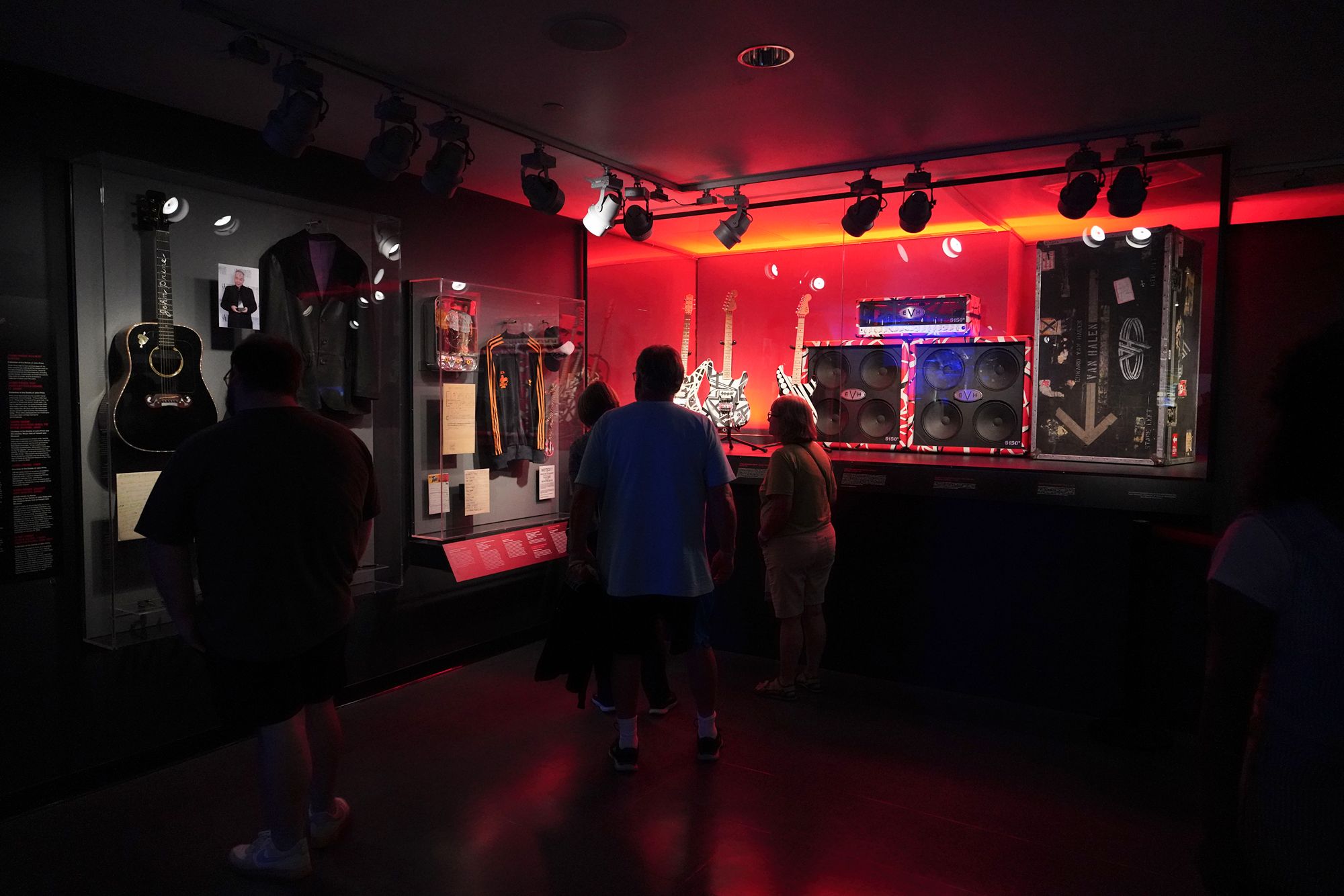
Rock & Roll Hall of Fame
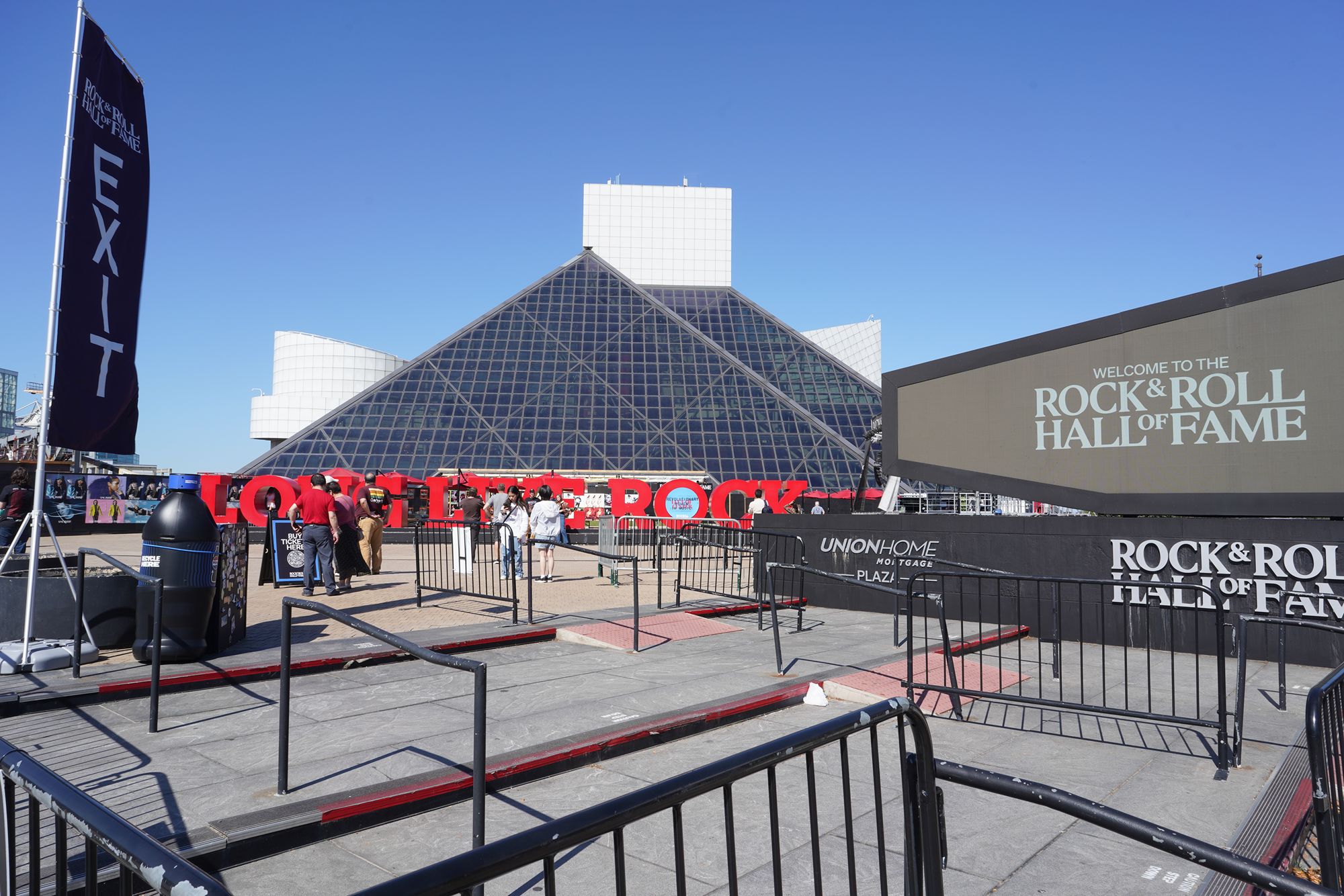
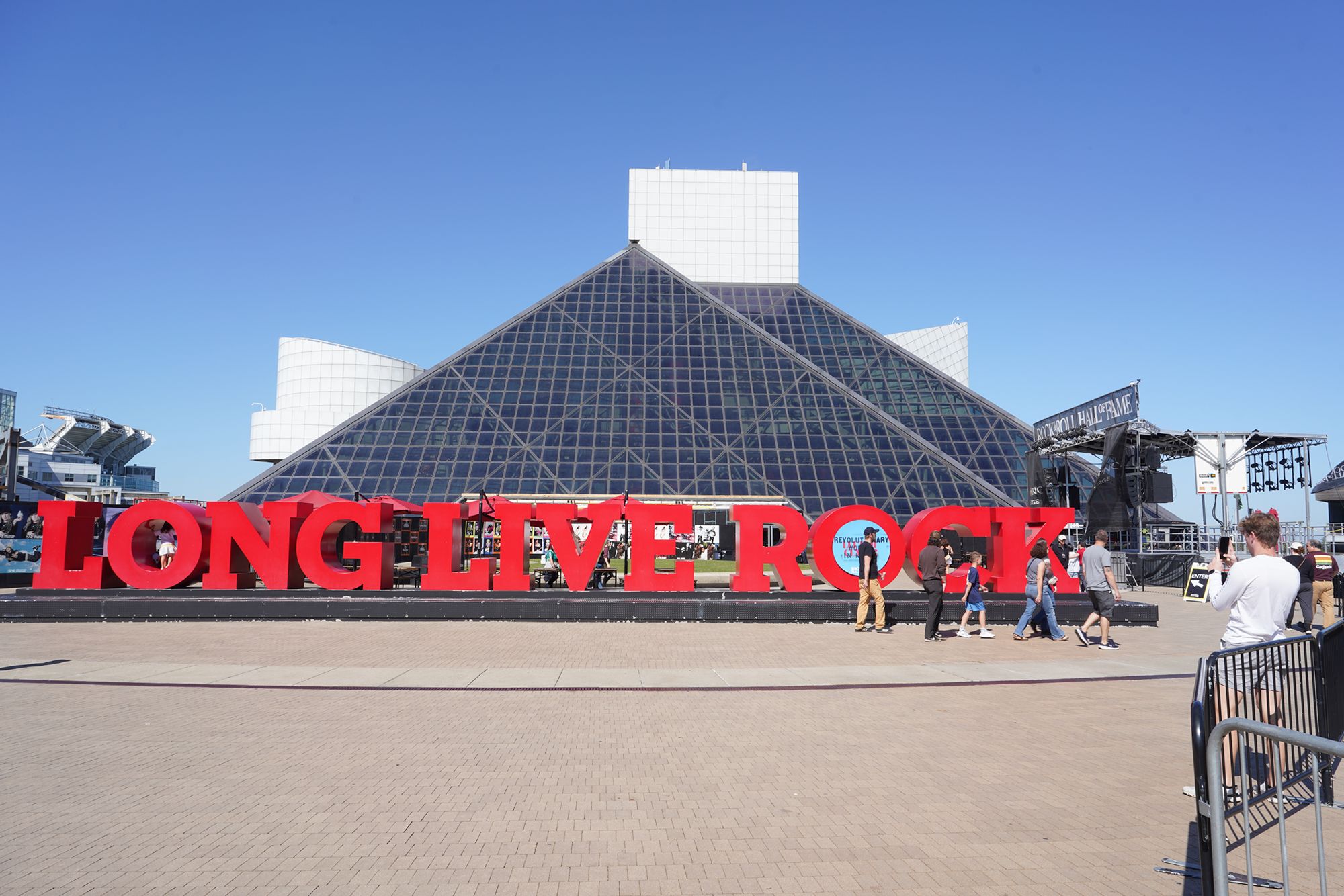
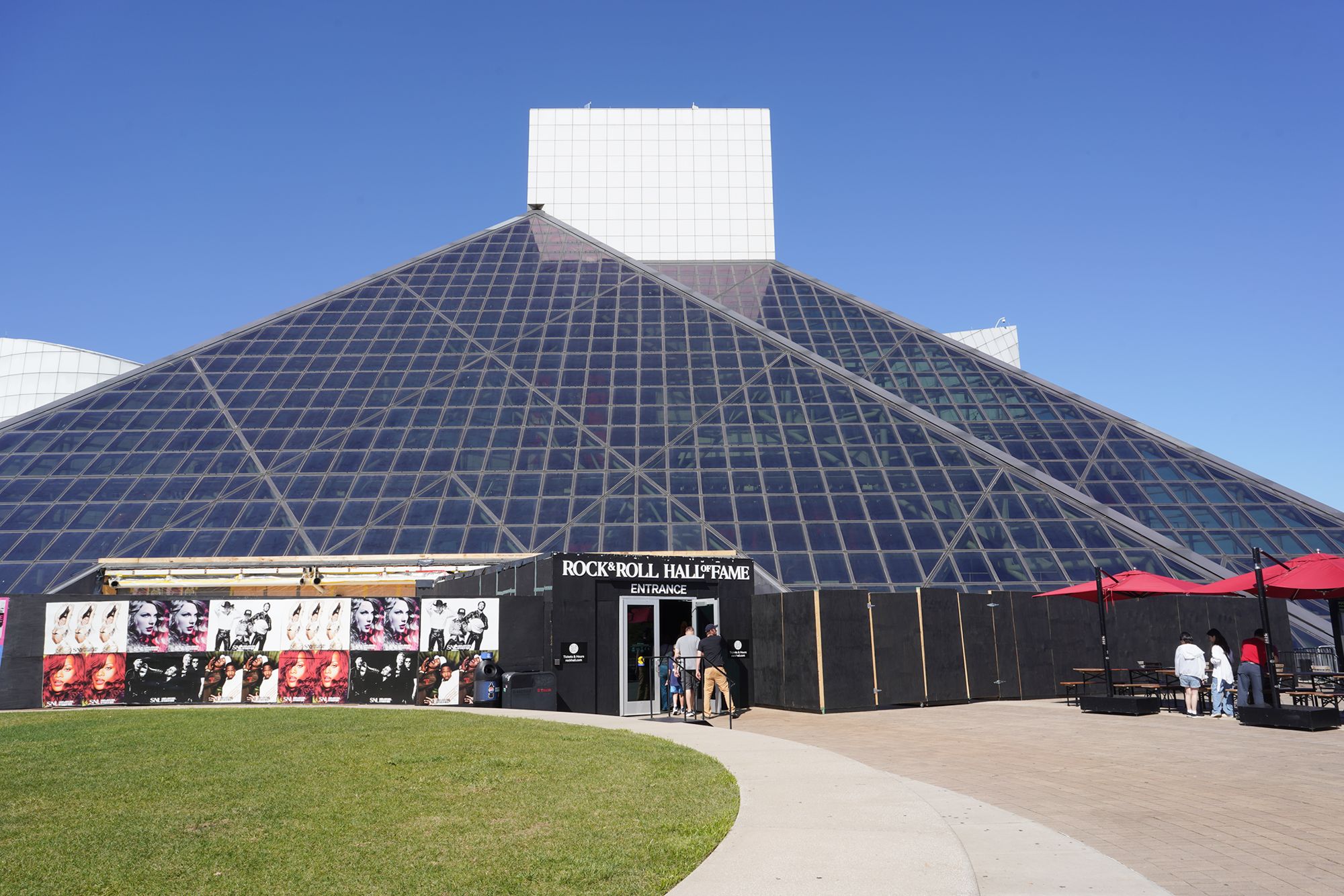
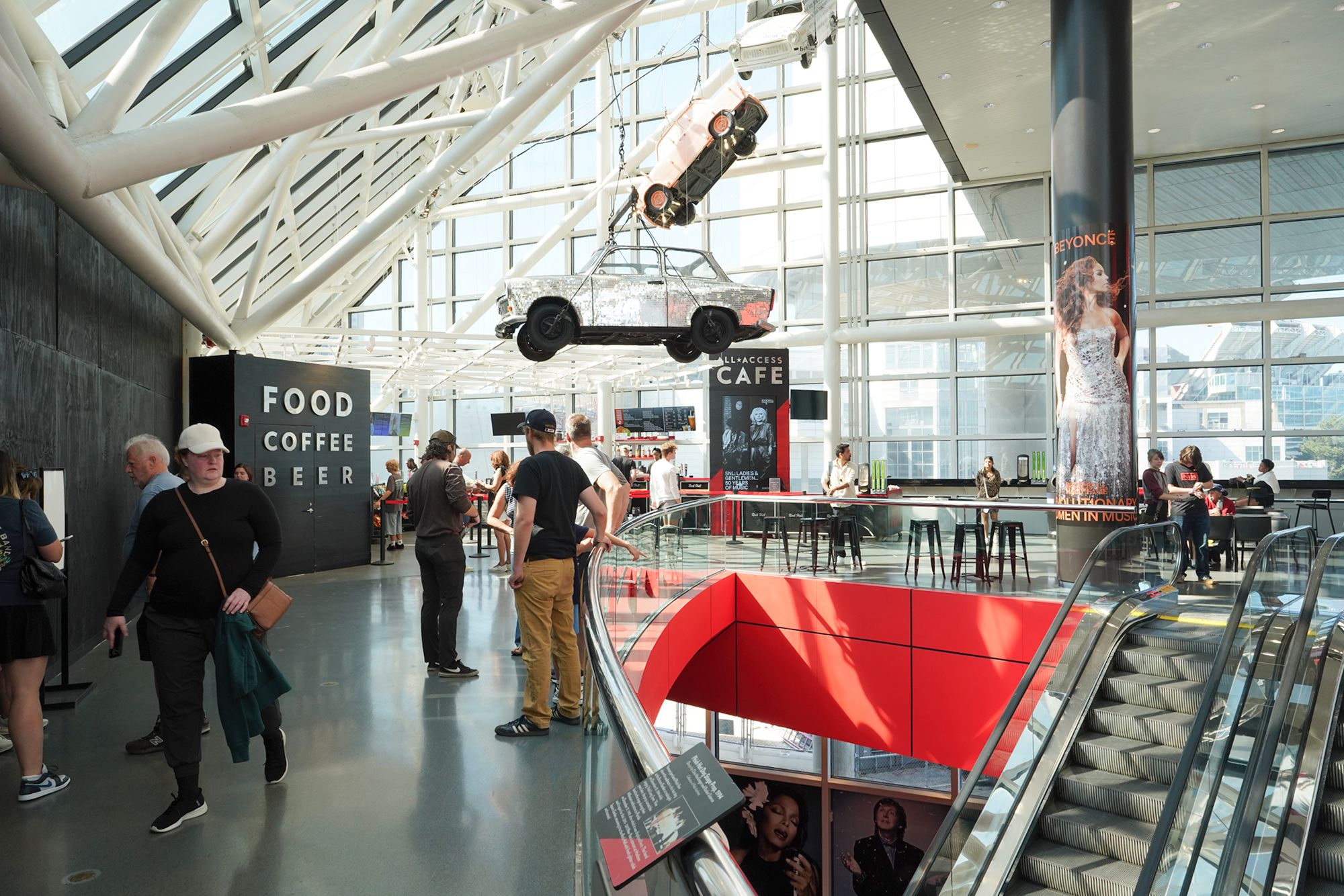
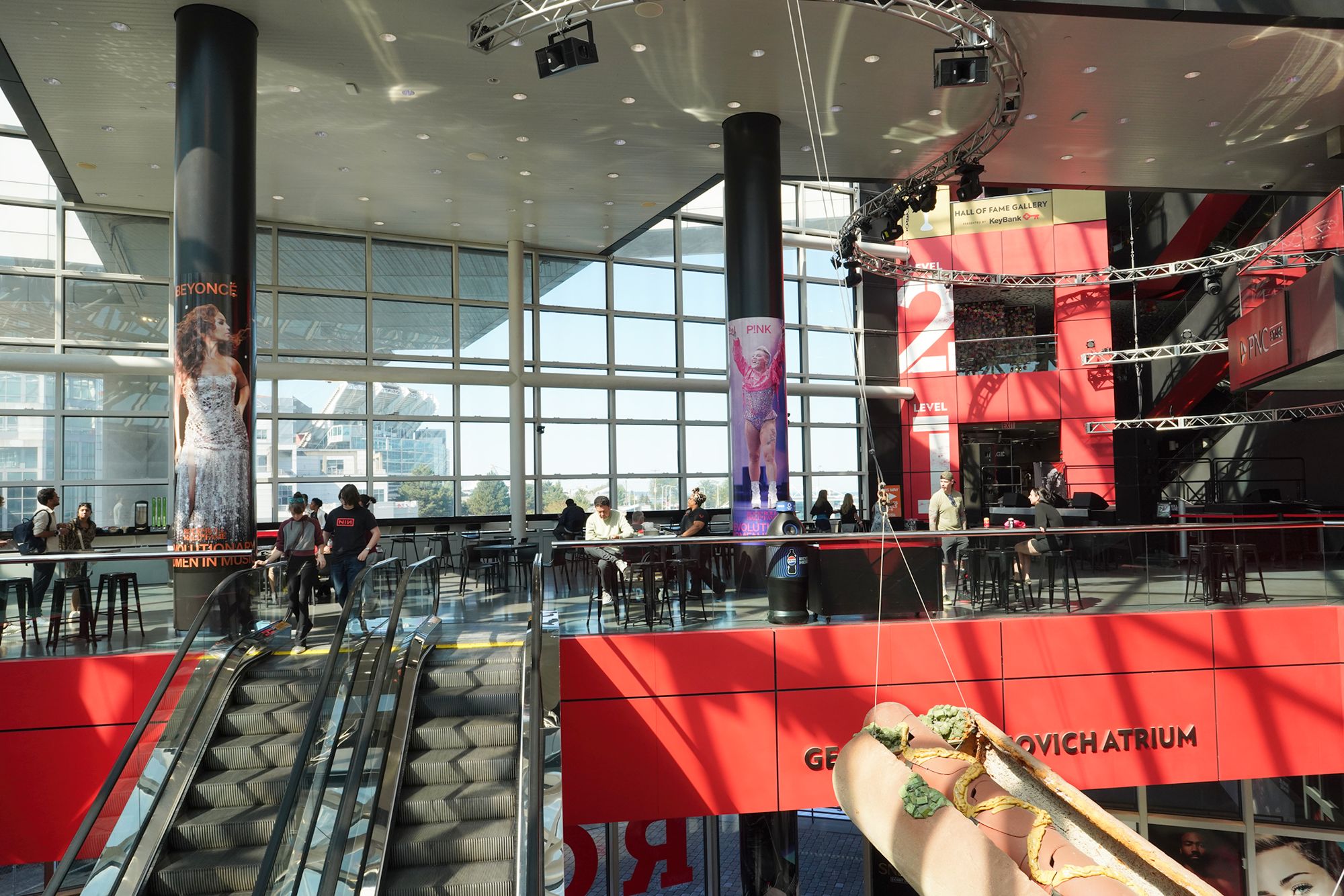
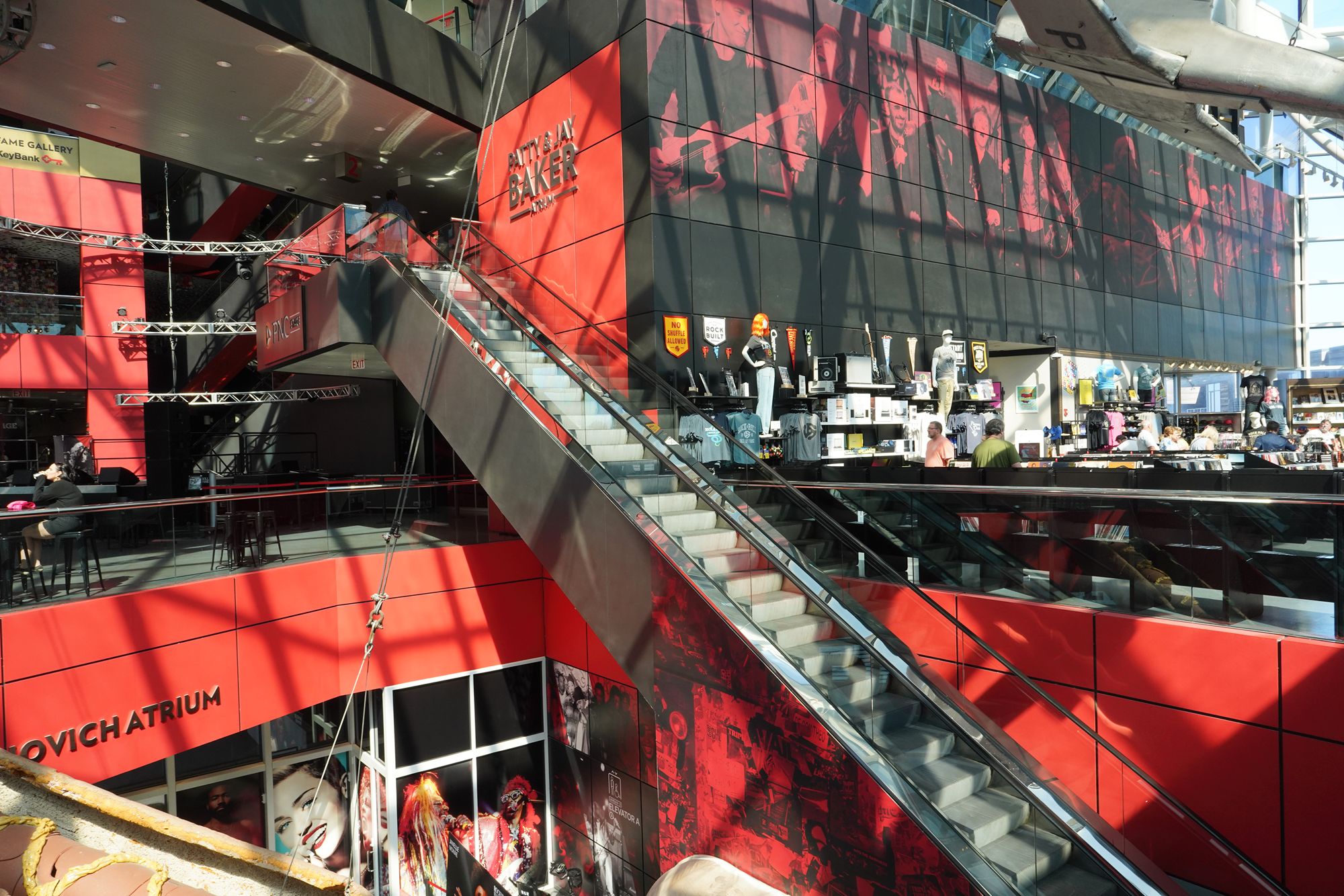
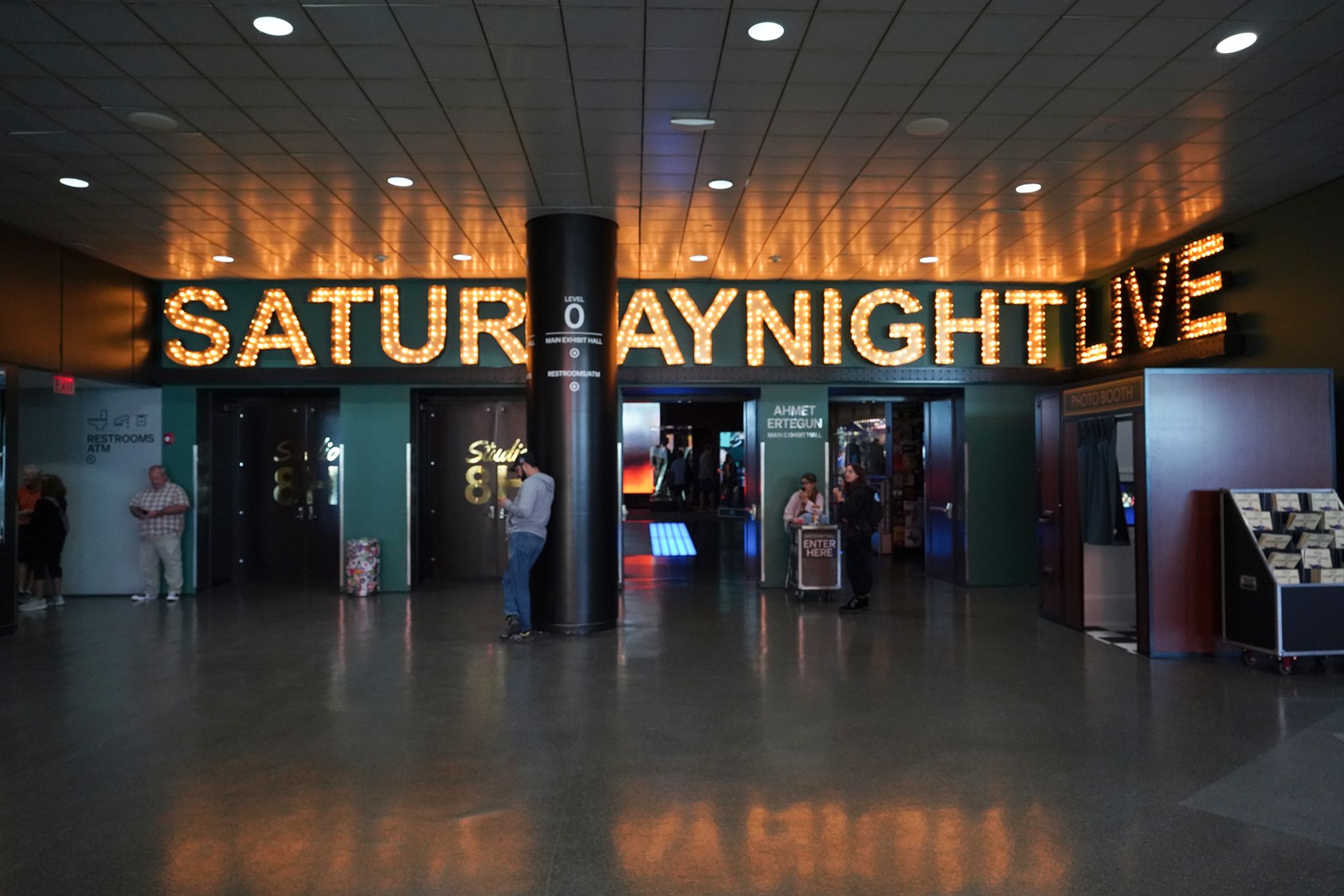
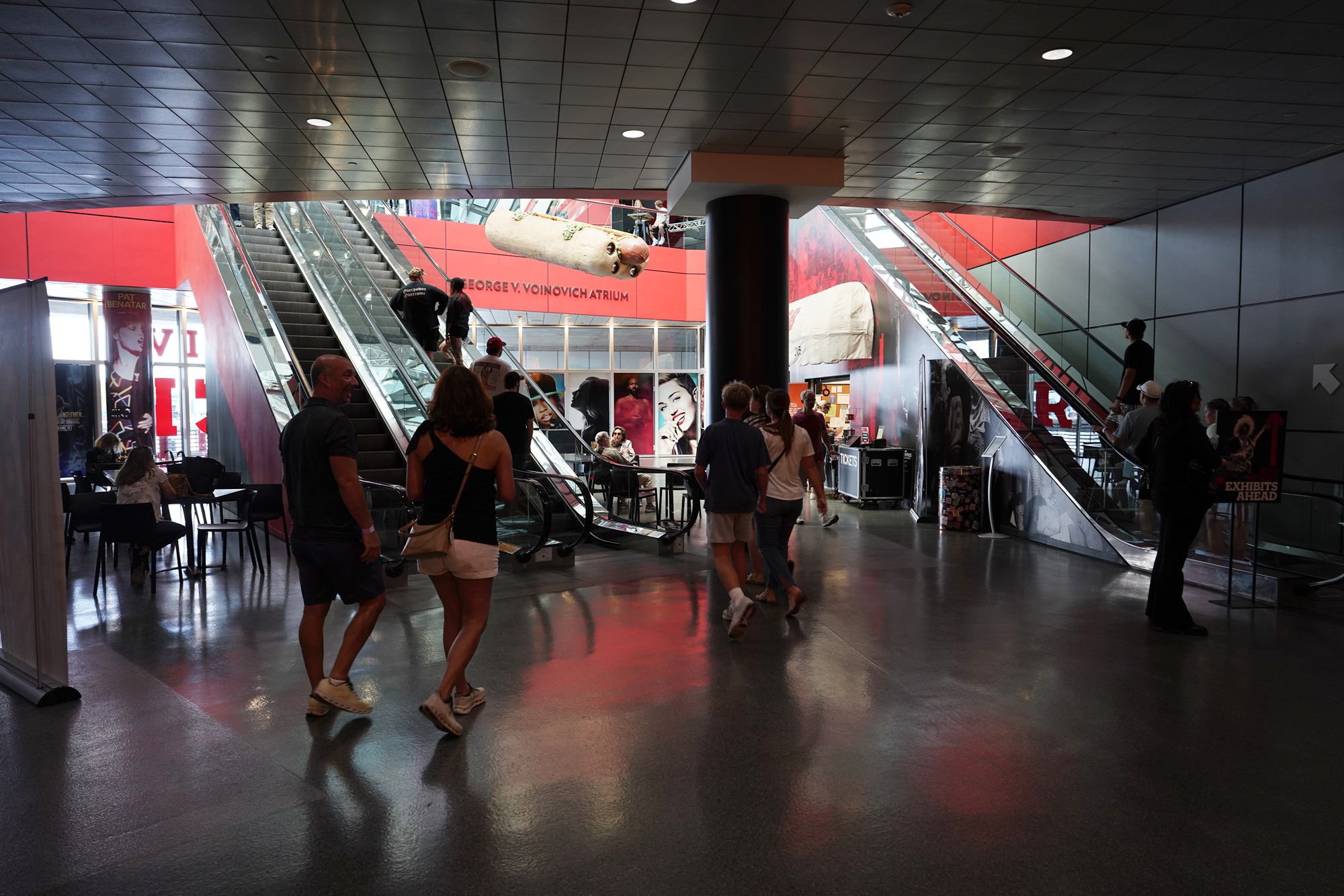
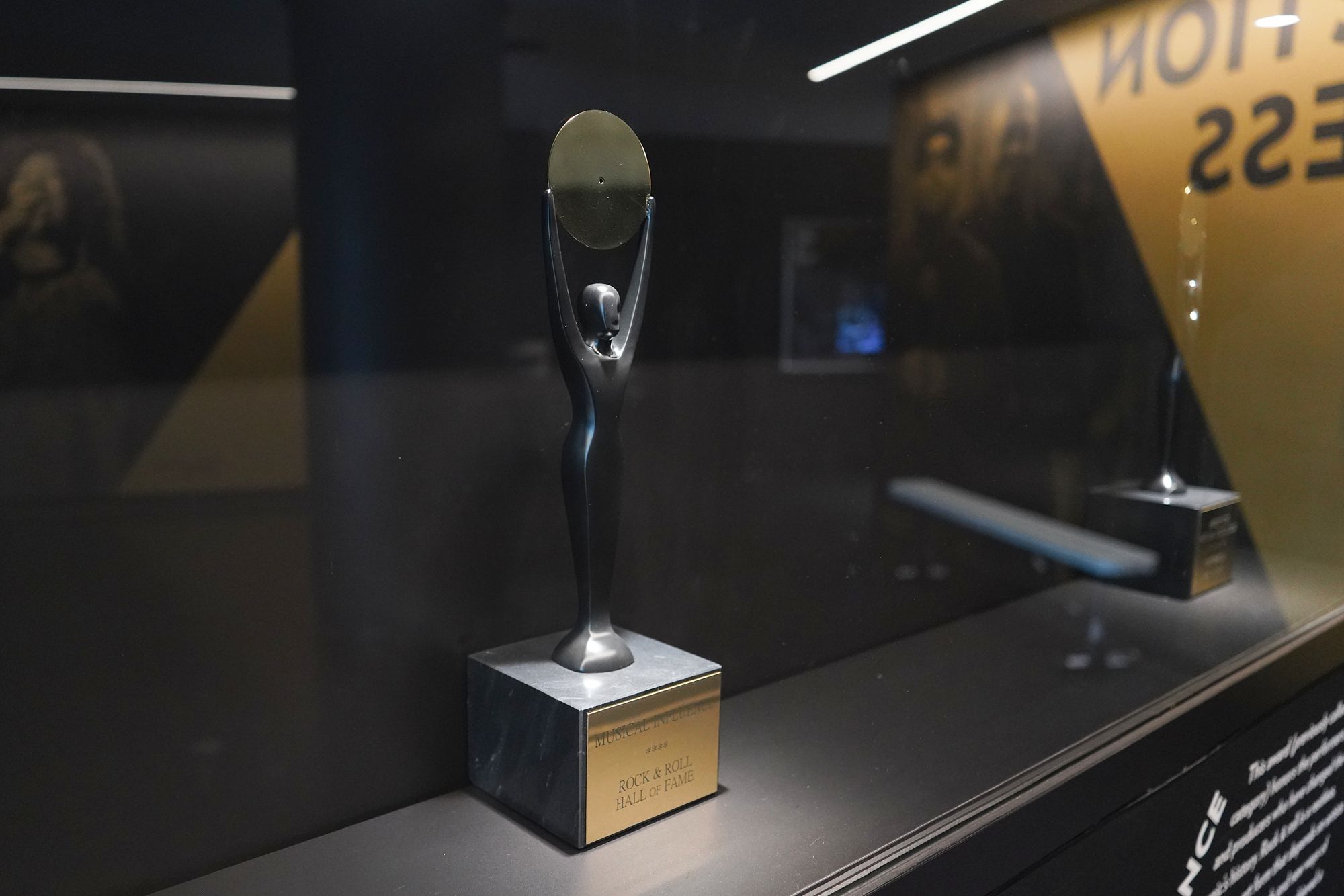
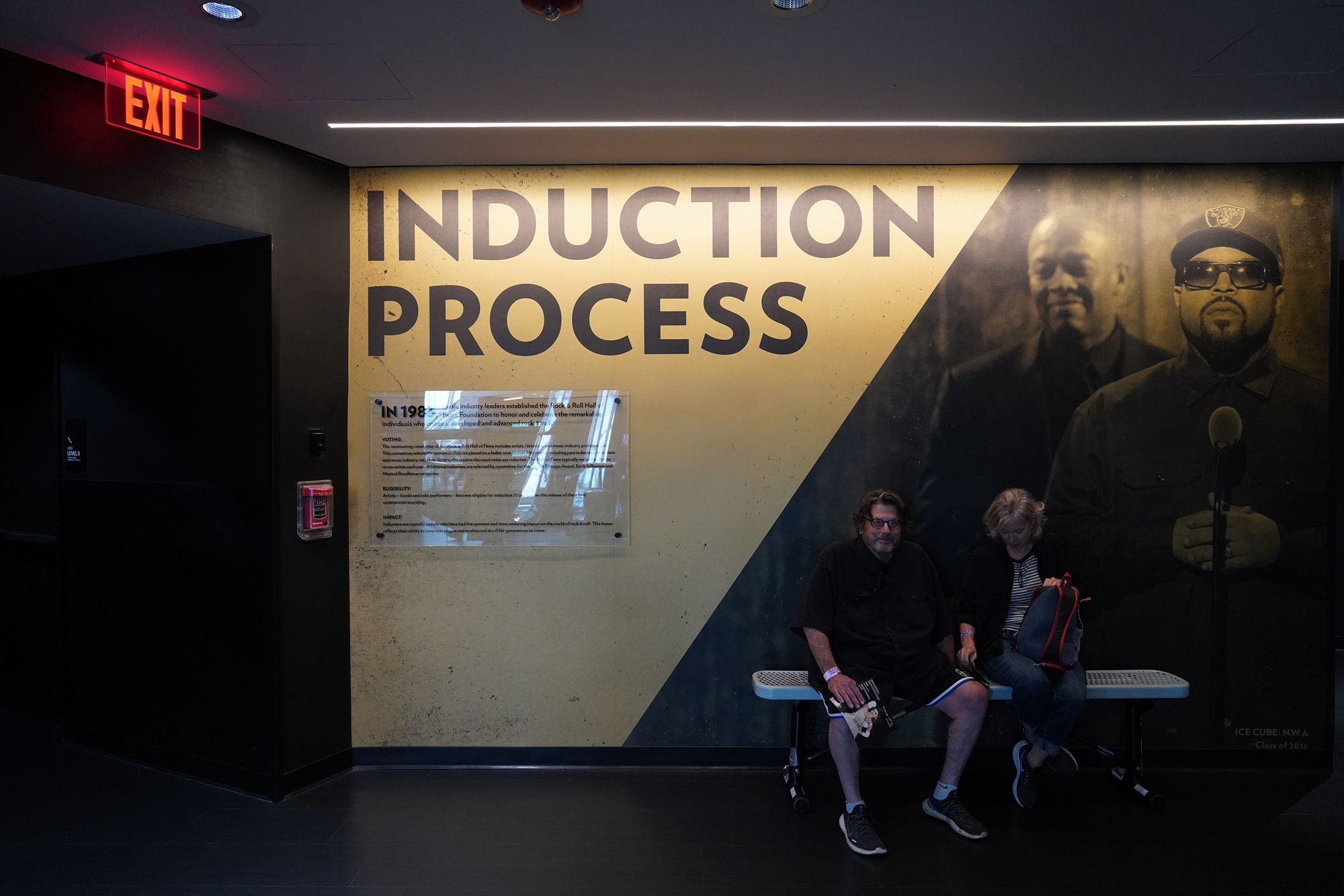
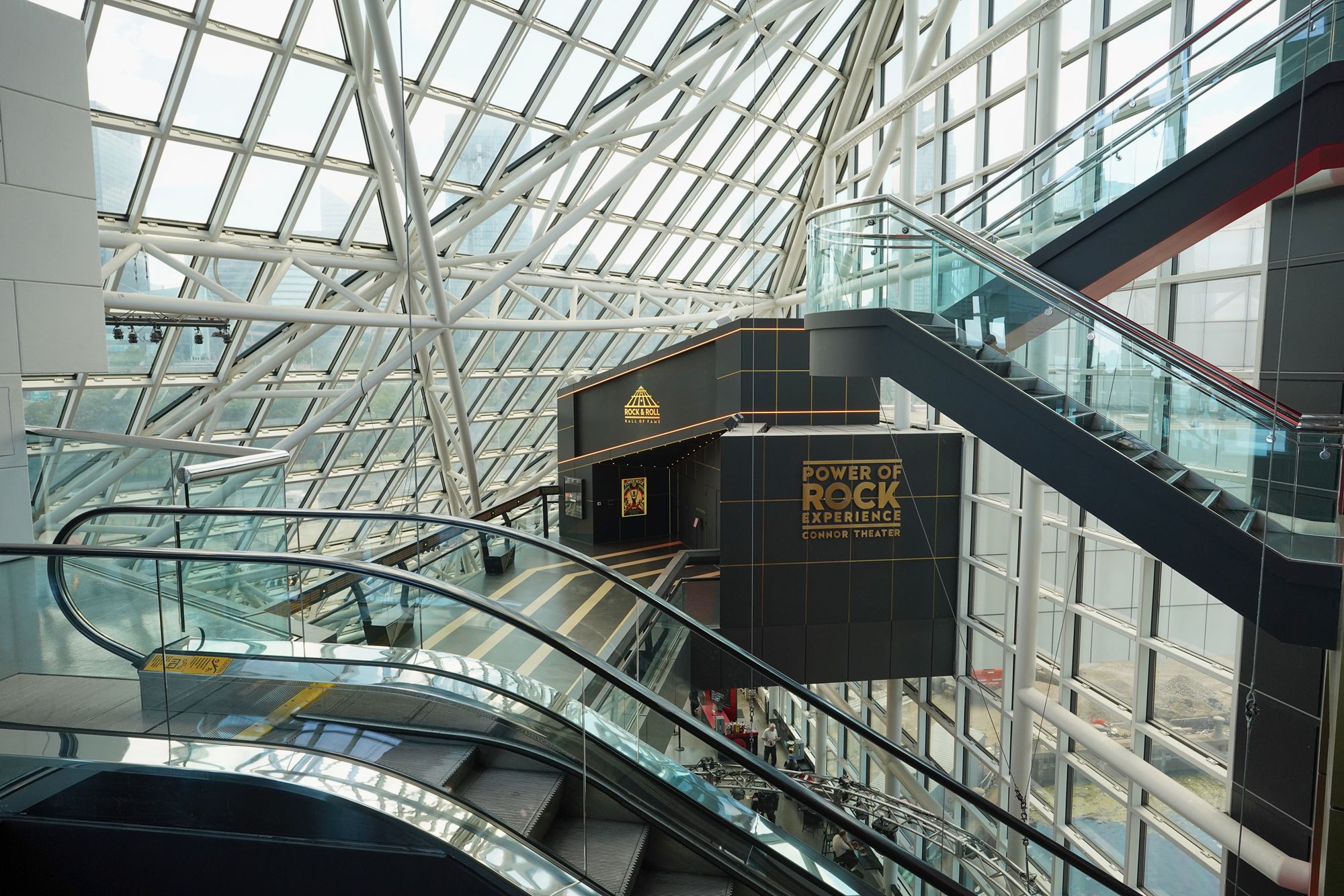
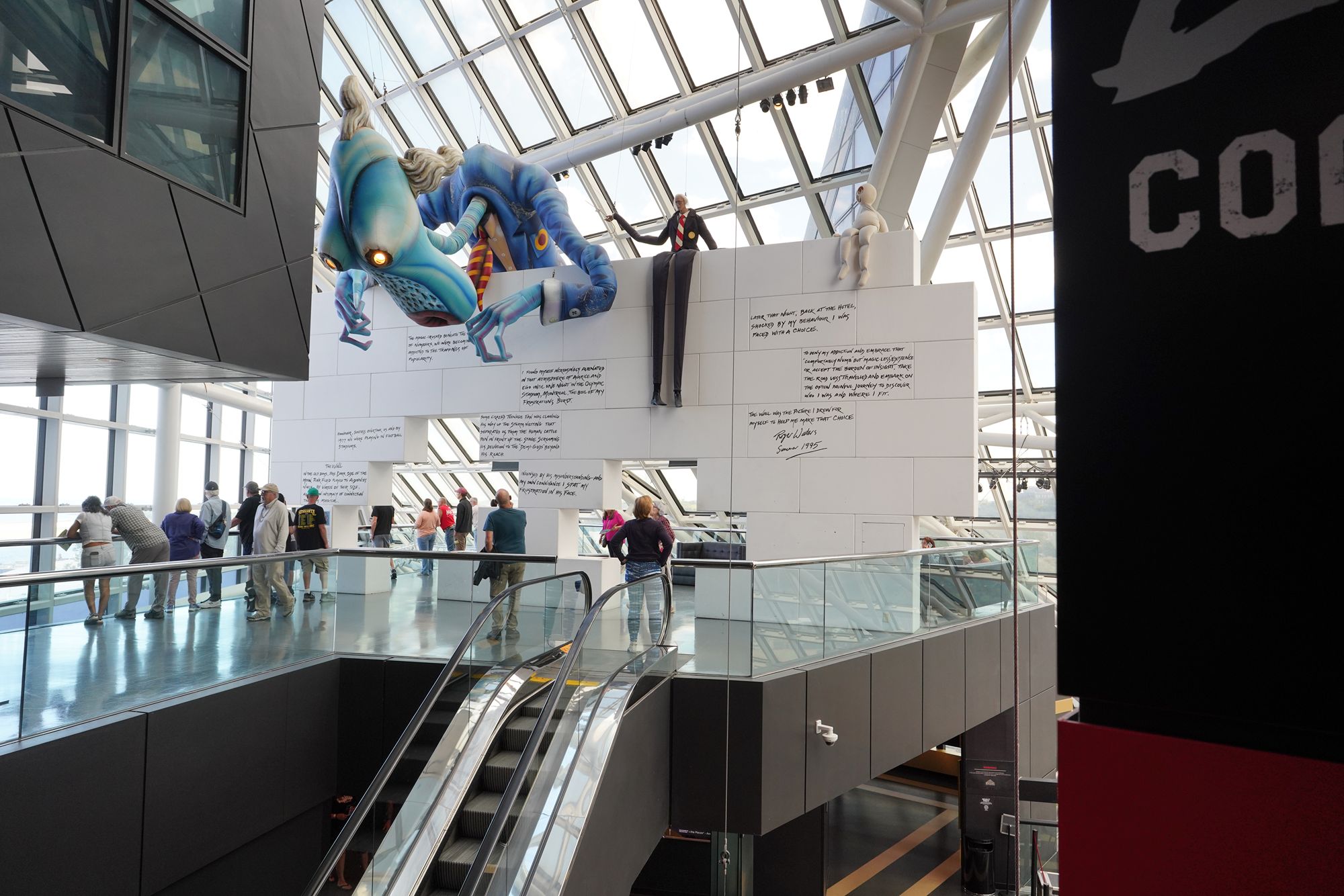
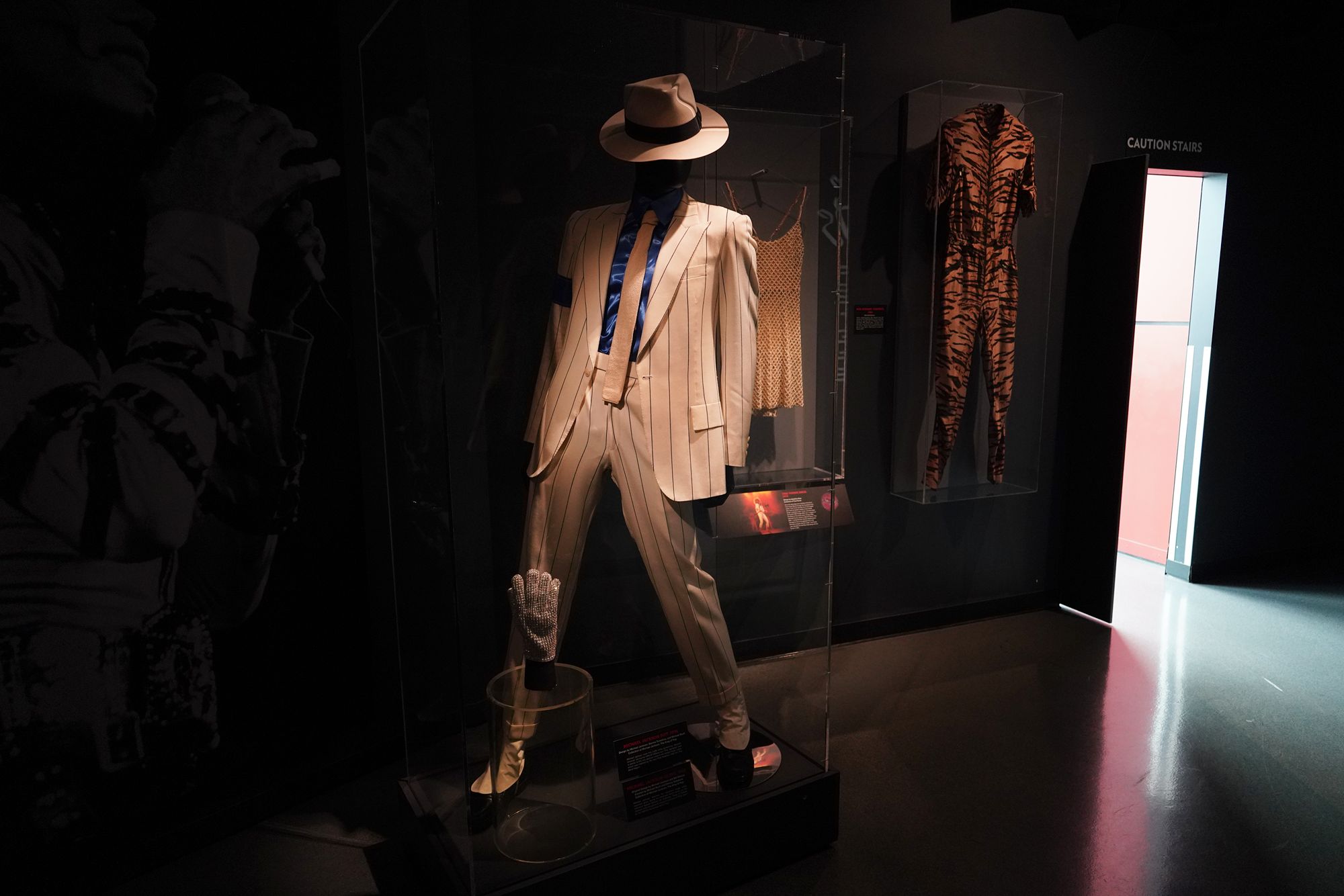
The Rock and Roll Hall of Fame is a highlight of Cleveland’s waterfront, blending bold architecture with music history. Inside, original instruments, costumes, and multimedia exhibits trace rock’s evolution, honoring artists who shaped generations and changed popular culture worldwide.
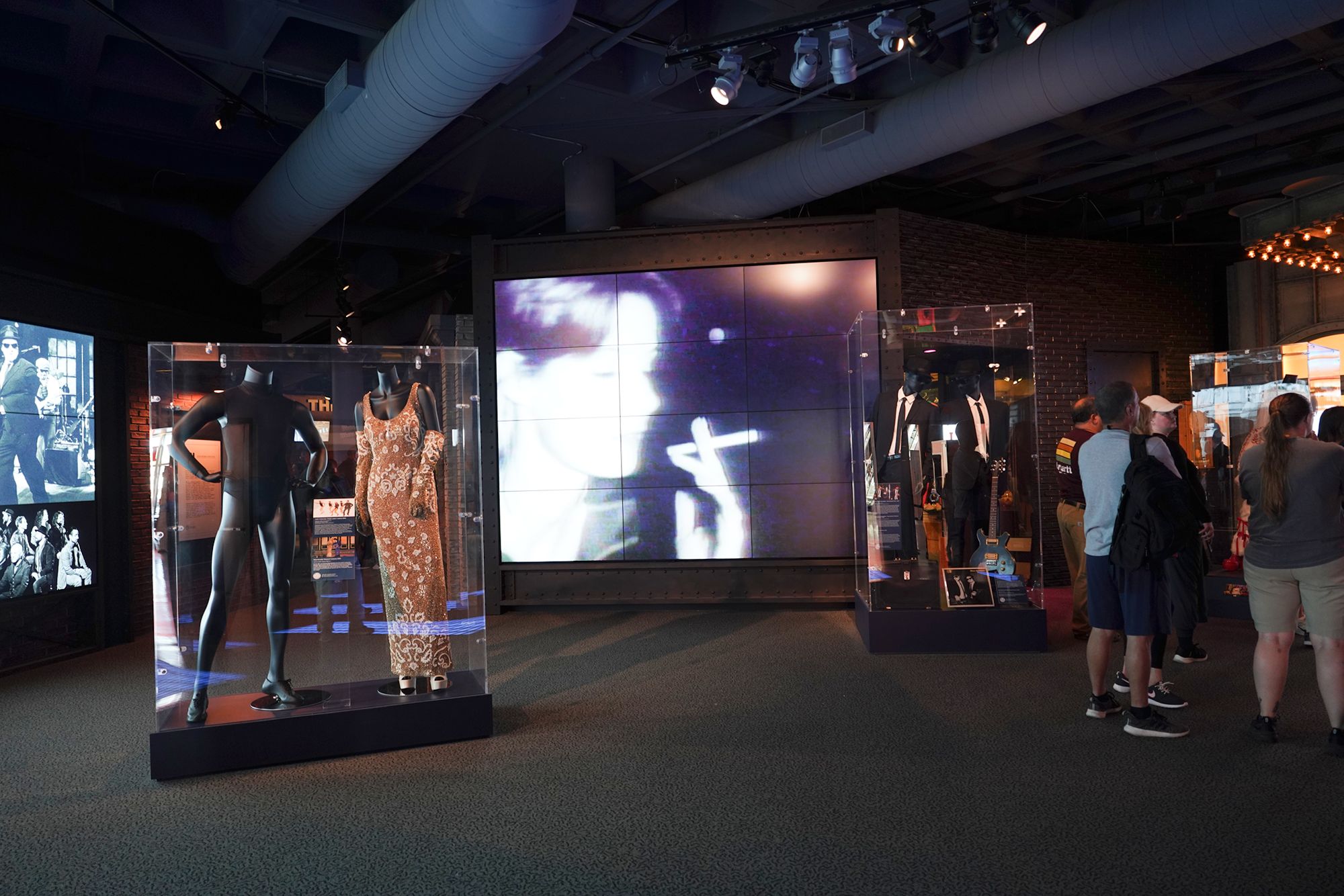
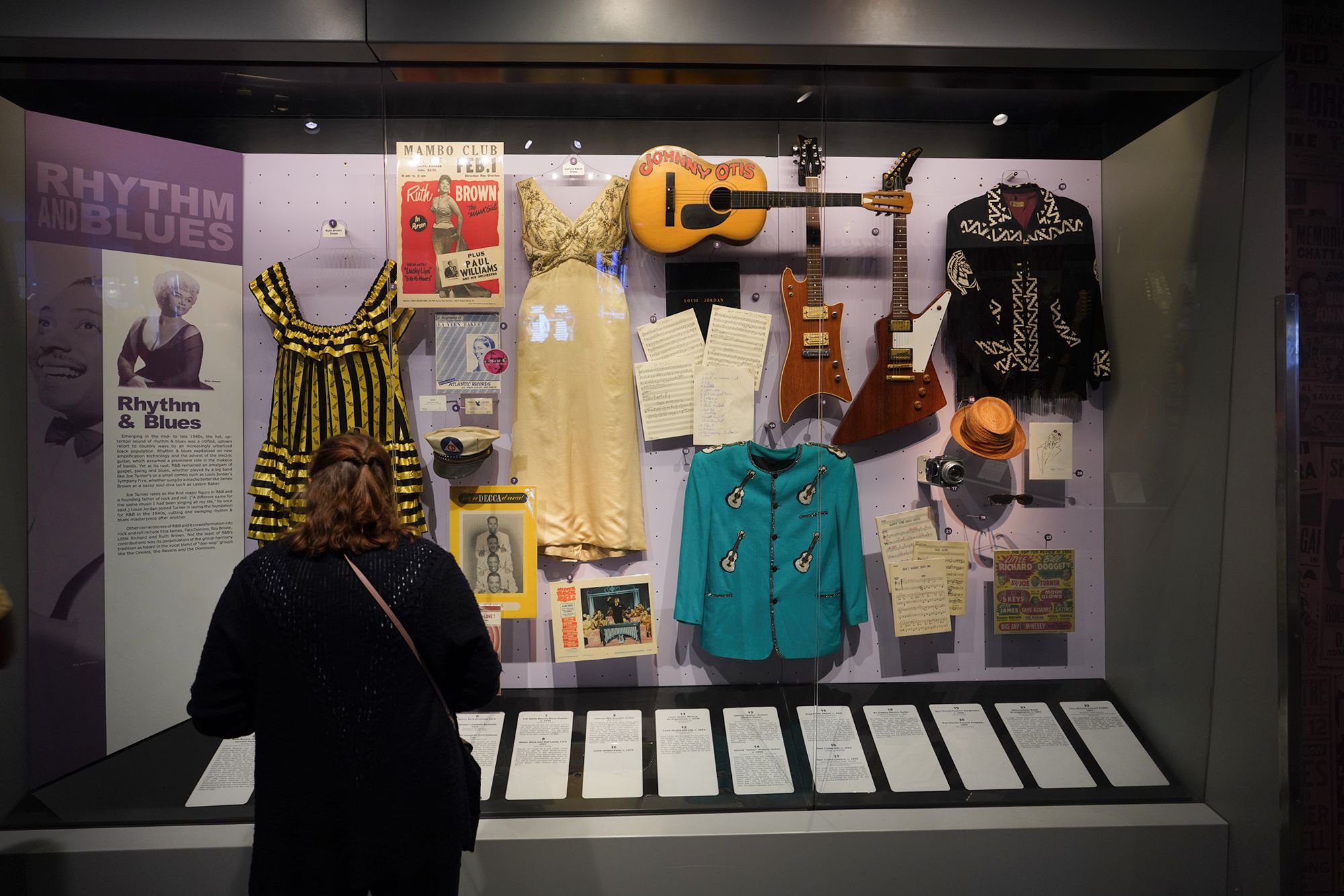
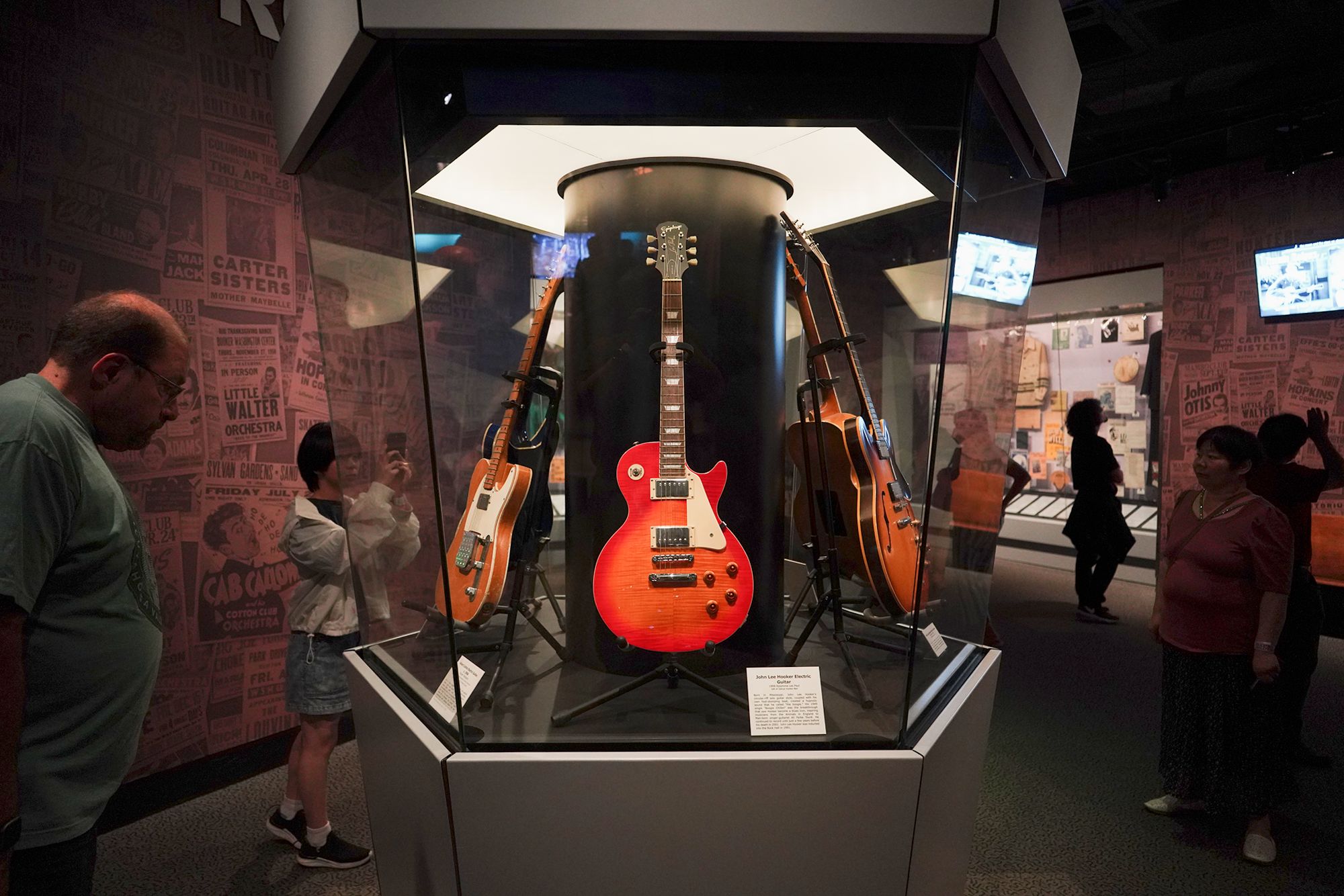
Rhythm and Blues
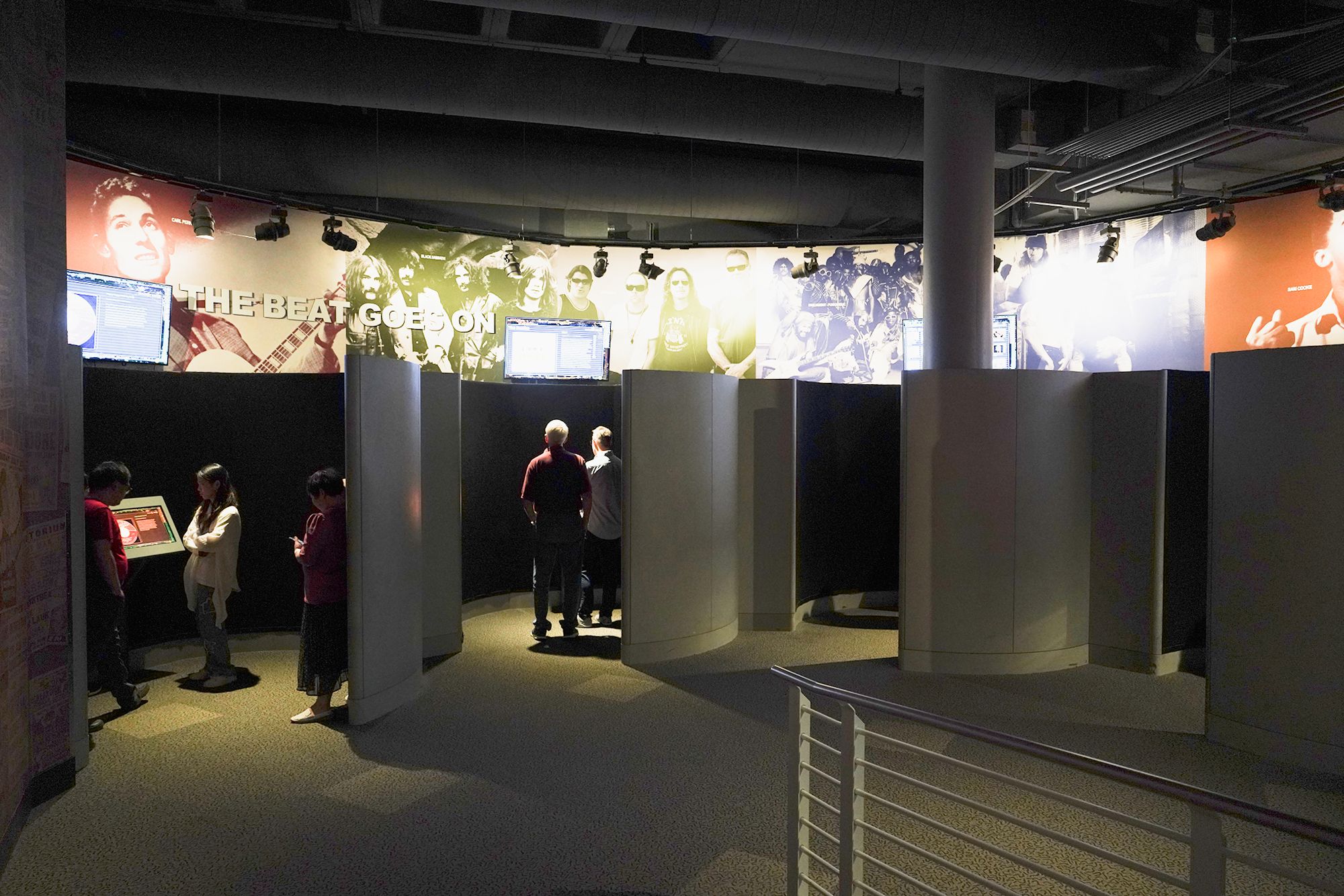
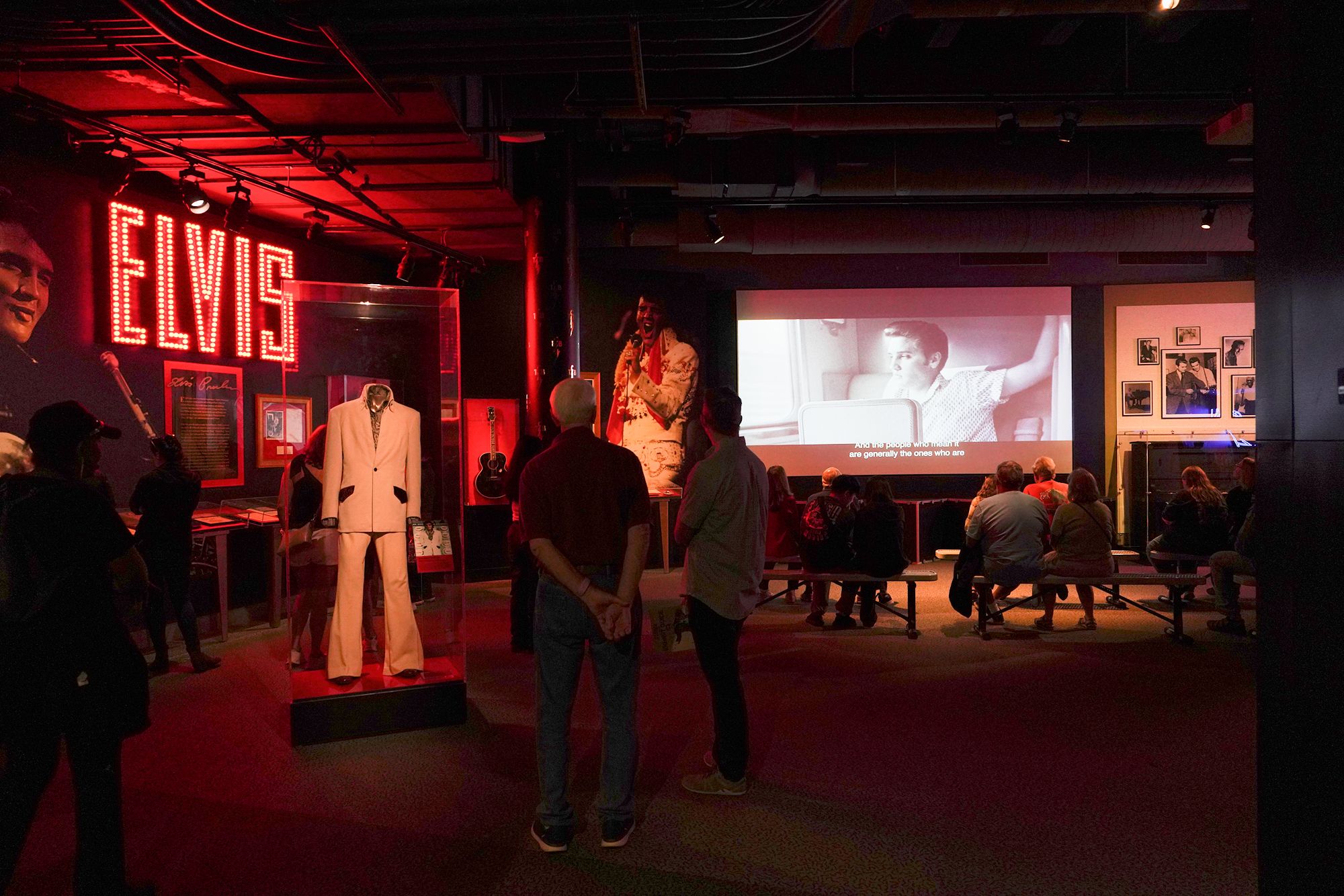
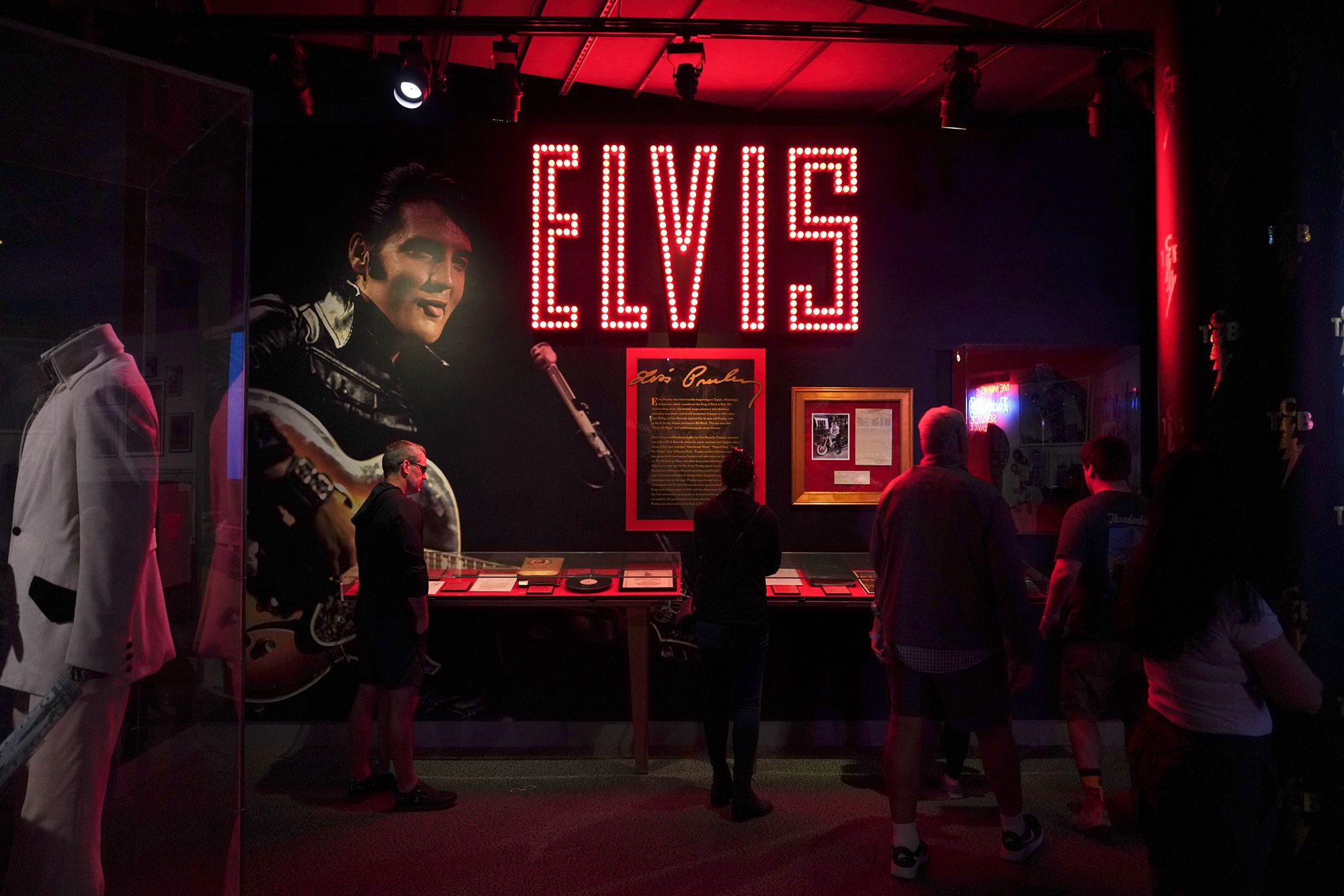
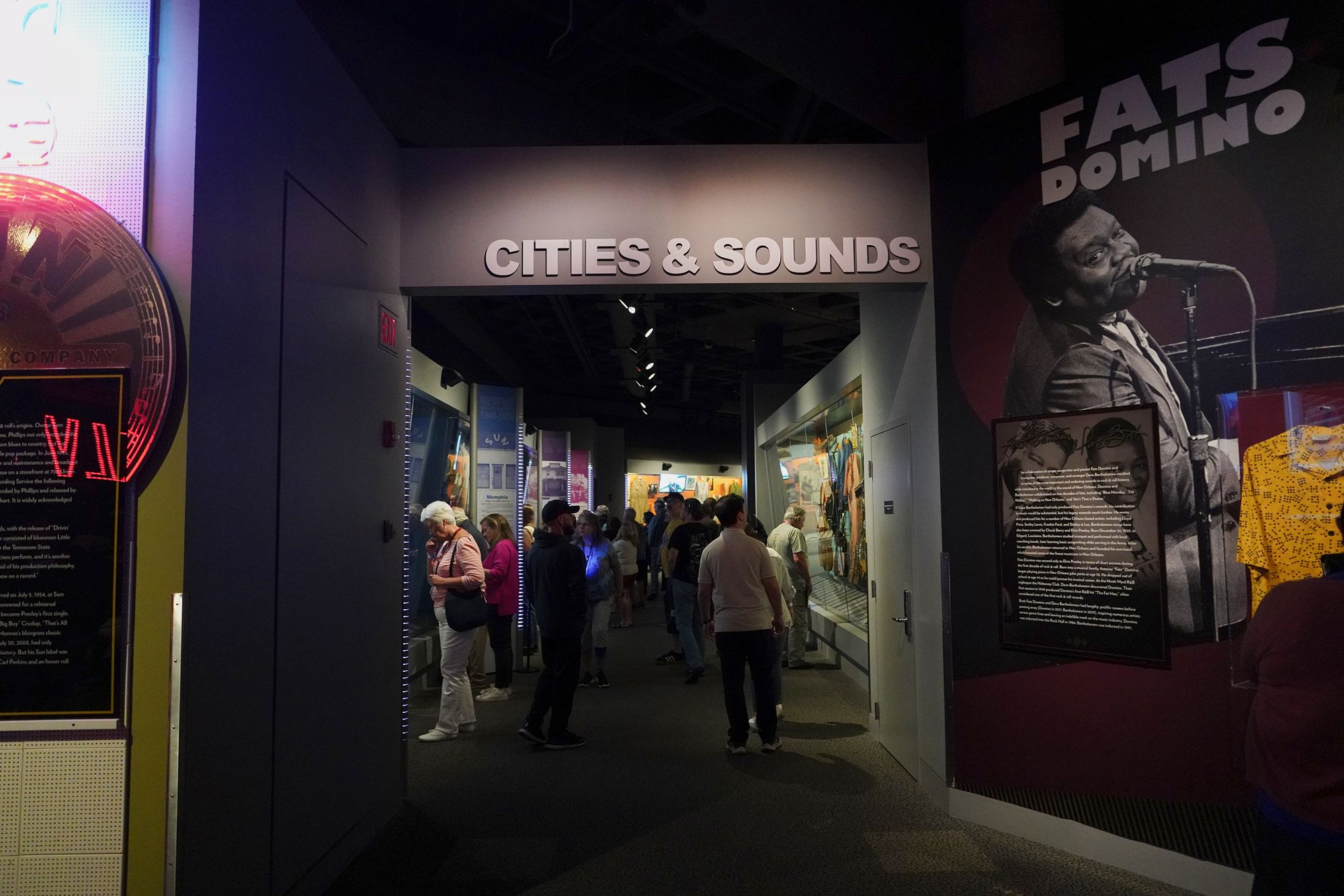
Elvis Presley transformed popular music by bringing Black rhythm and blues into the mainstream, blending it with country and gospel. His voice, stage presence, and cultural impact broke racial and social barriers, helping rock and roll become a dominant force in global popular culture.
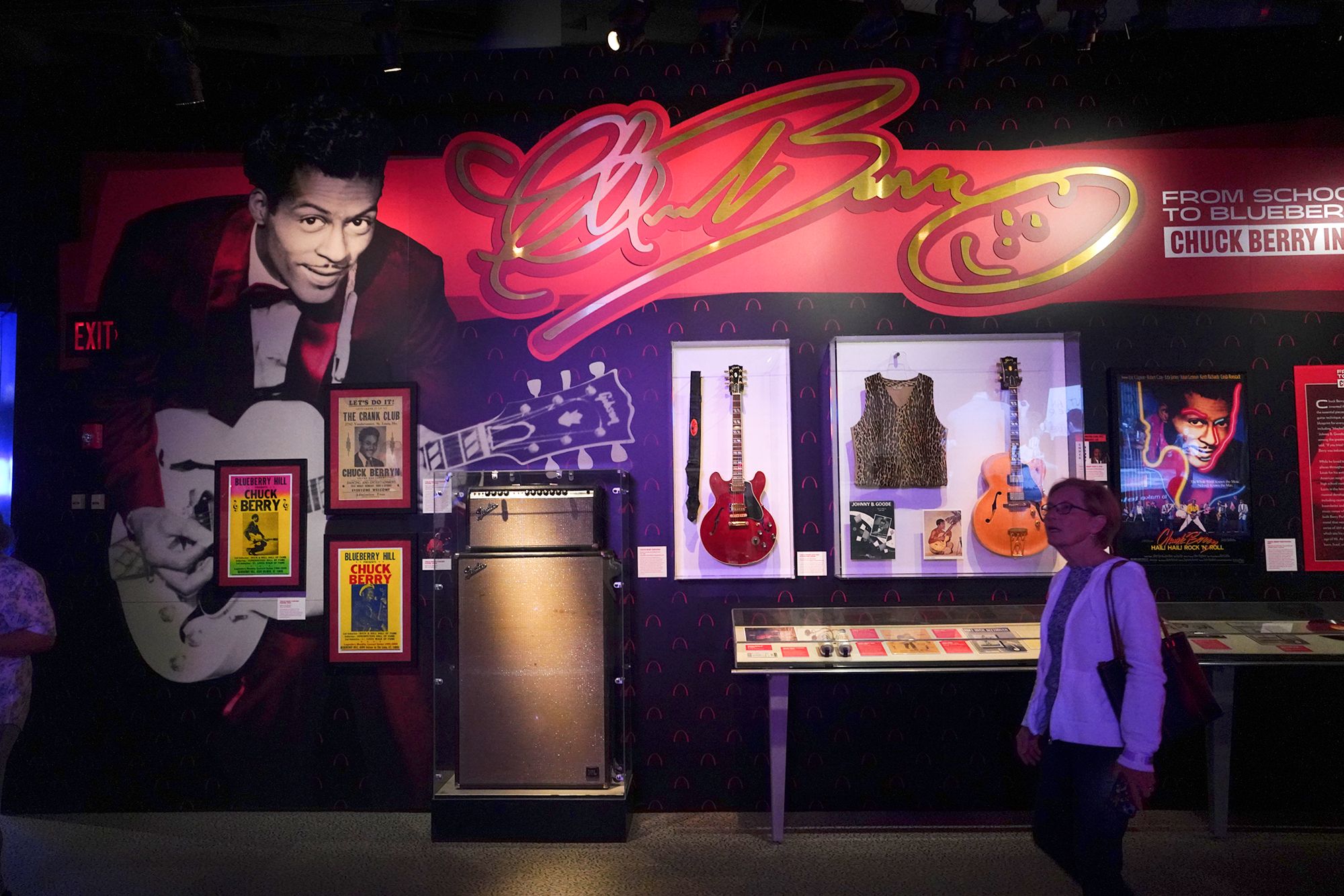
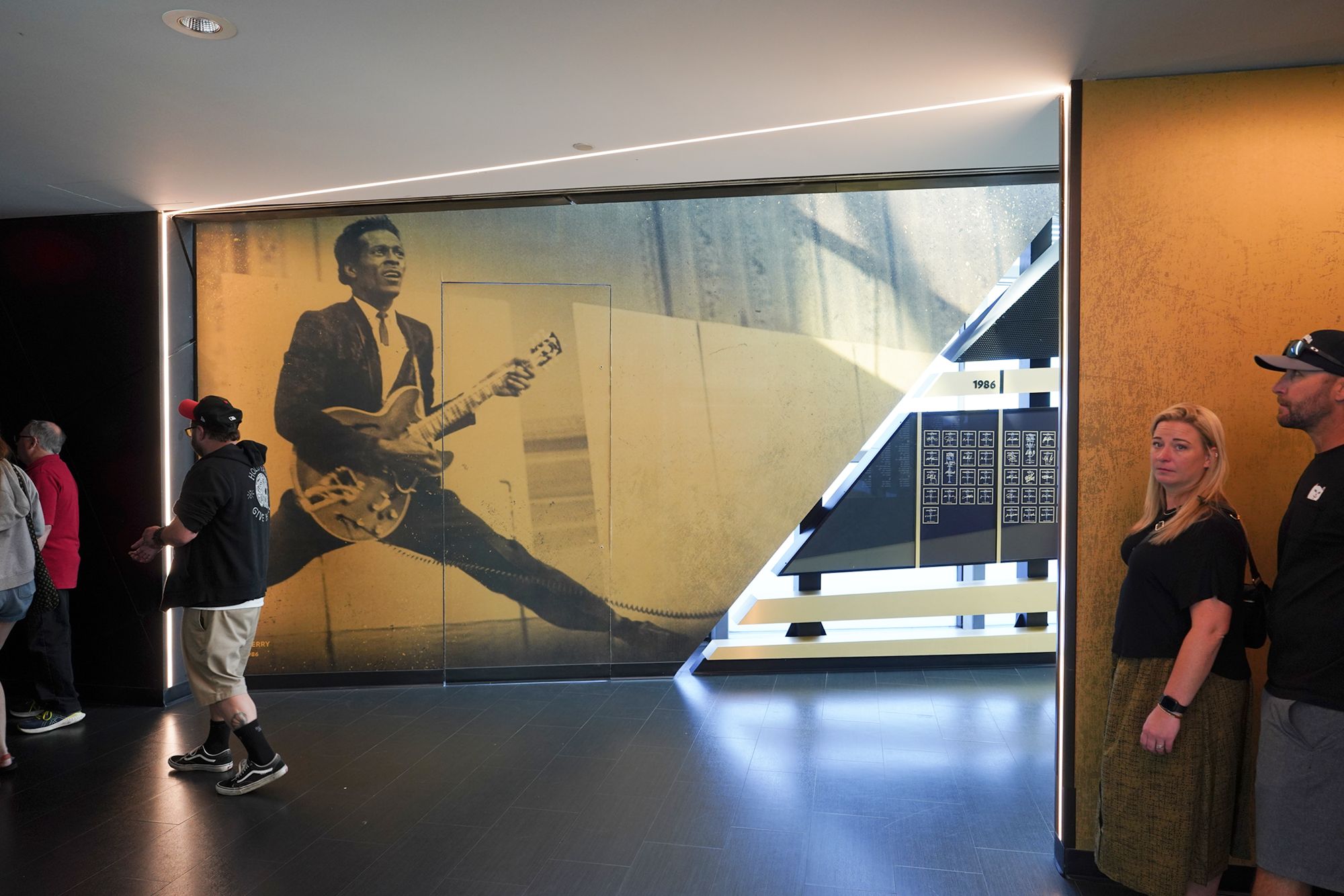
Chuck Berry is often called the architect of rock and roll—and for good reason.
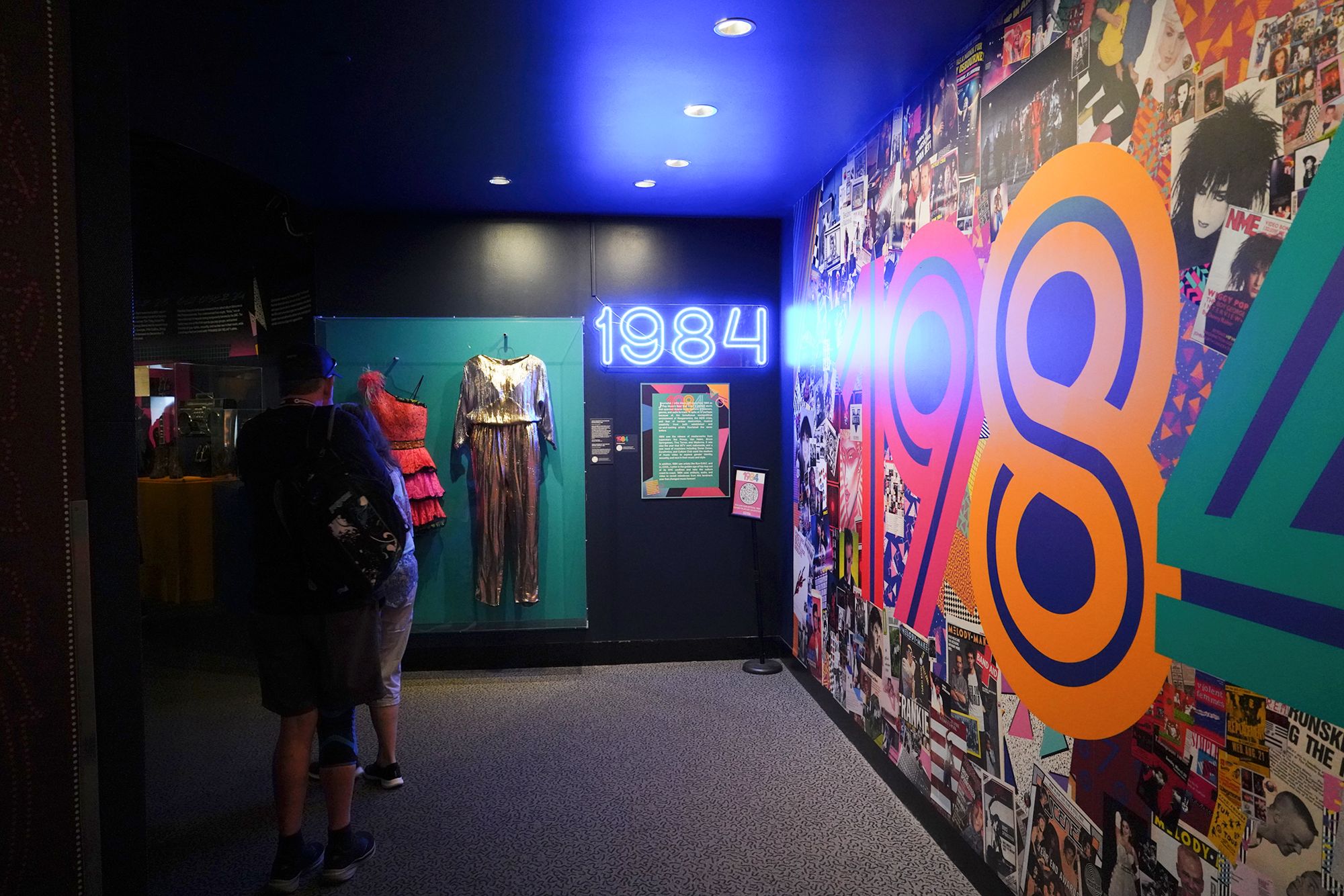
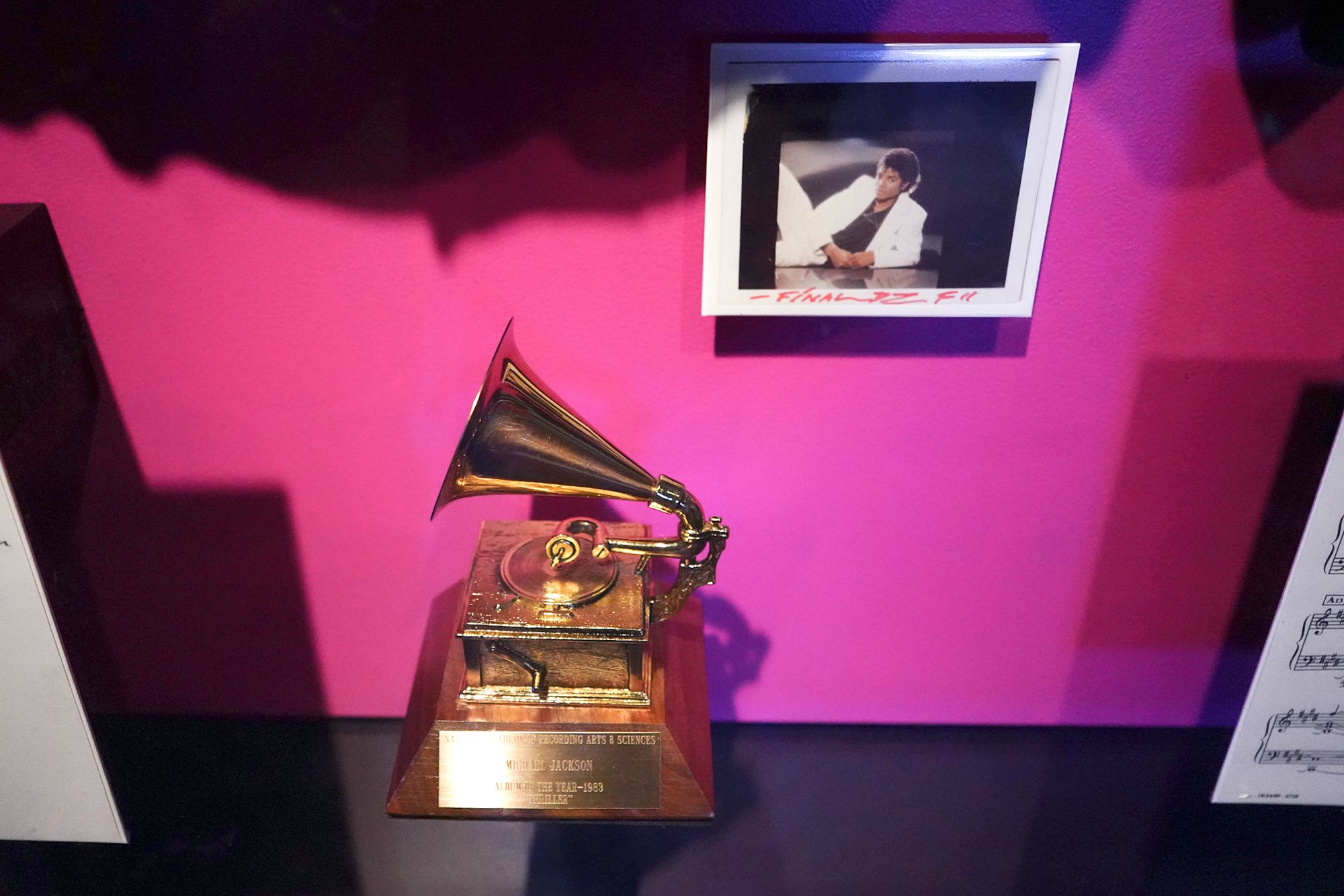
The year 1984 was the peak year for Rock and Roll.
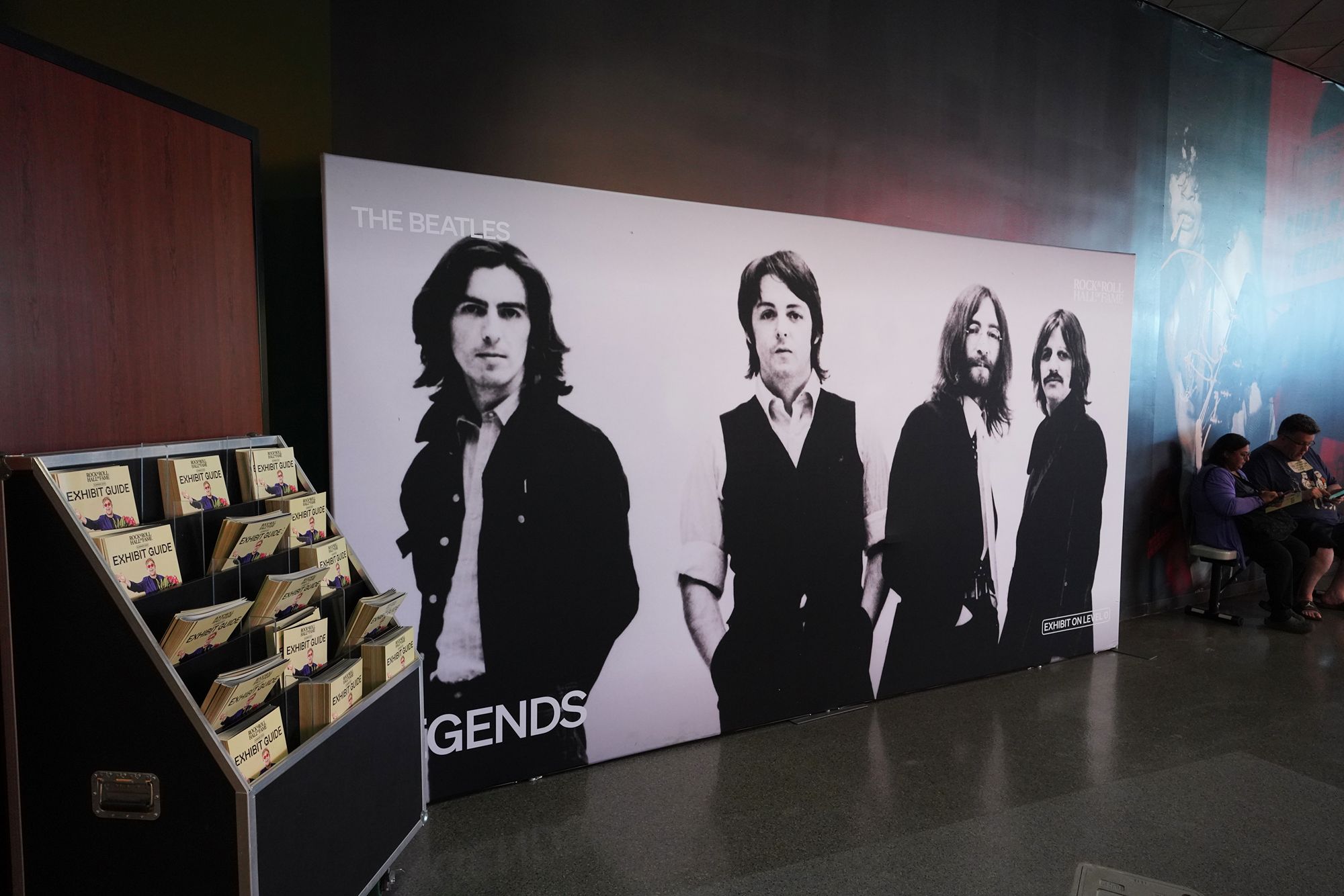
The Beatles
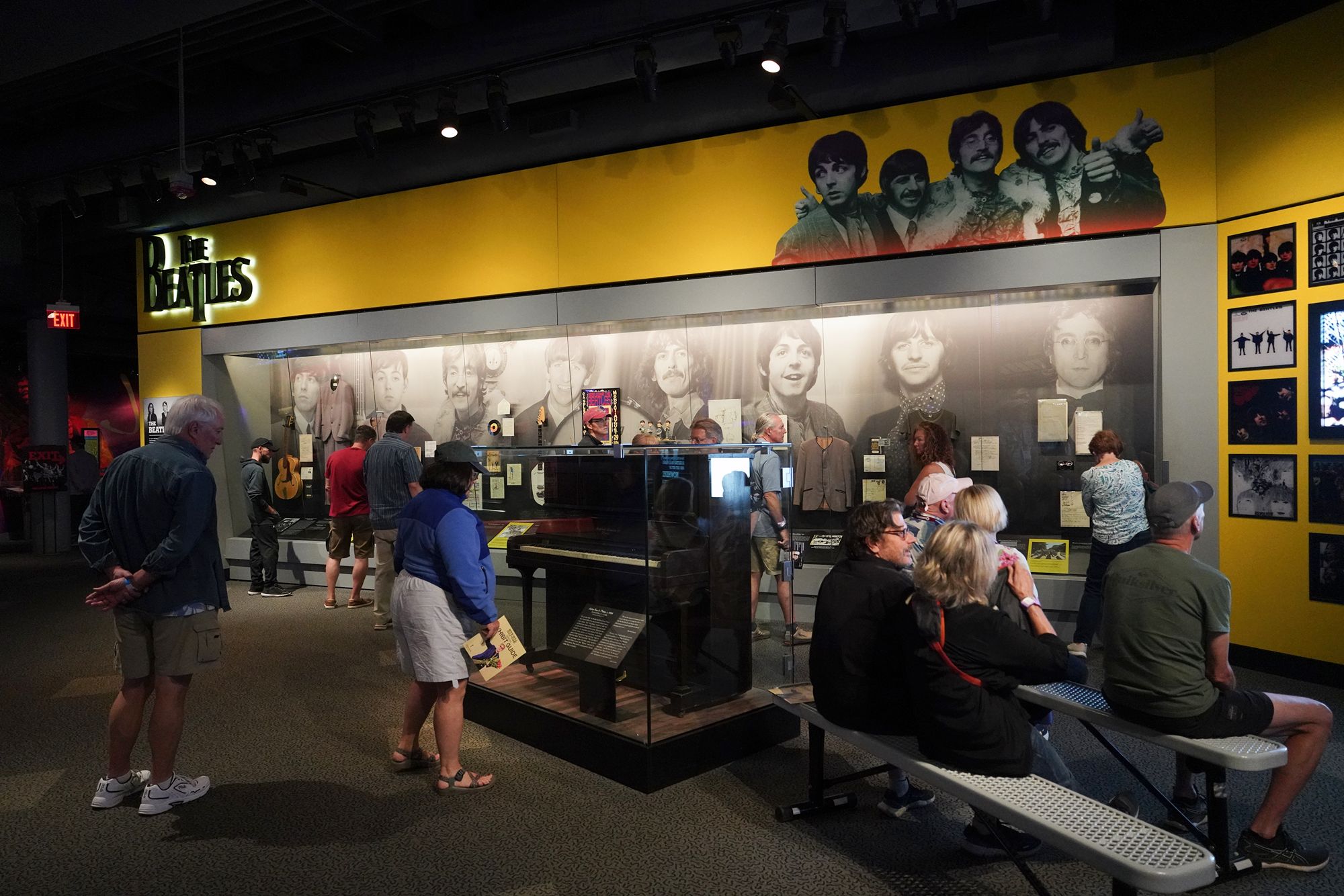
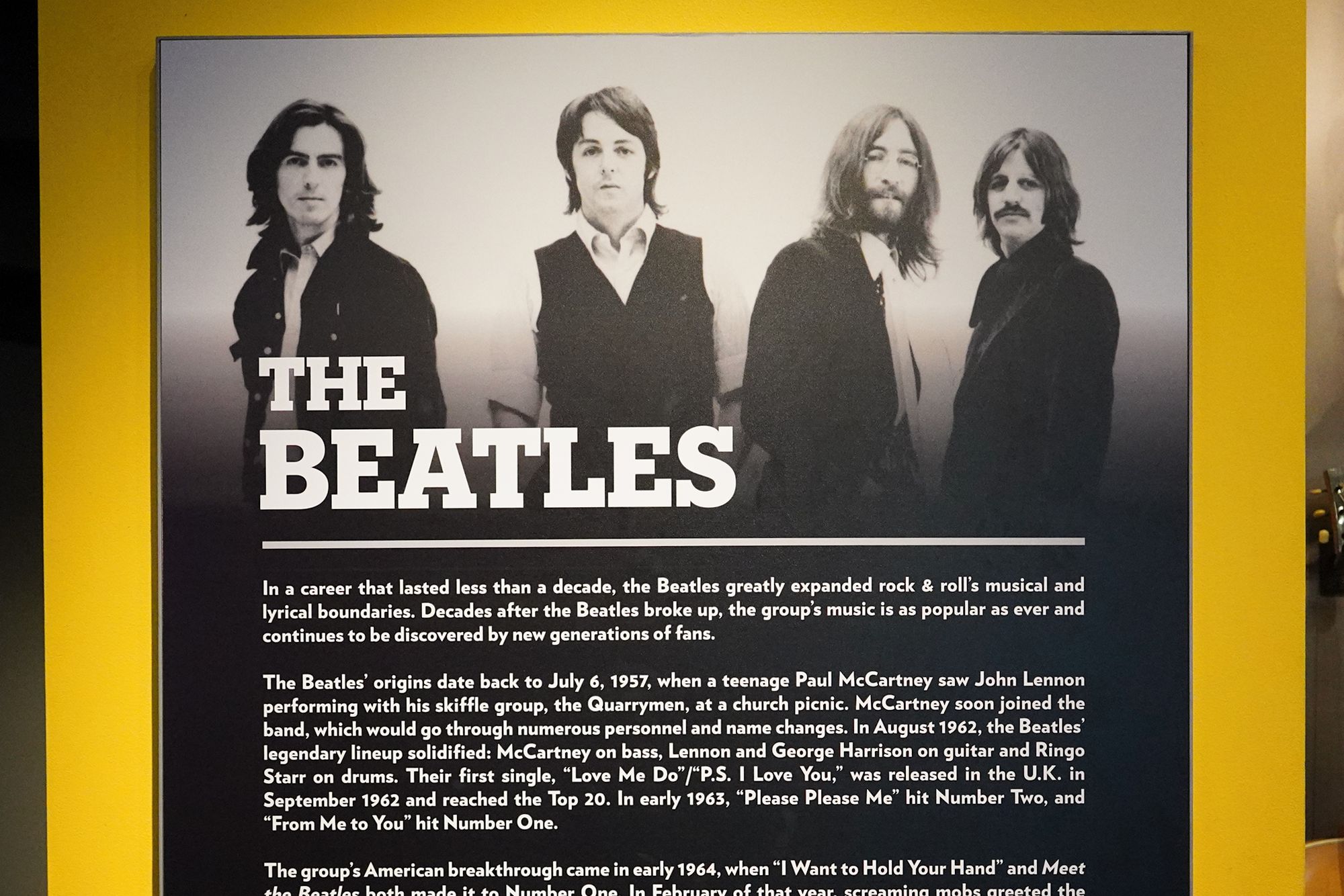
The Rolling Stones
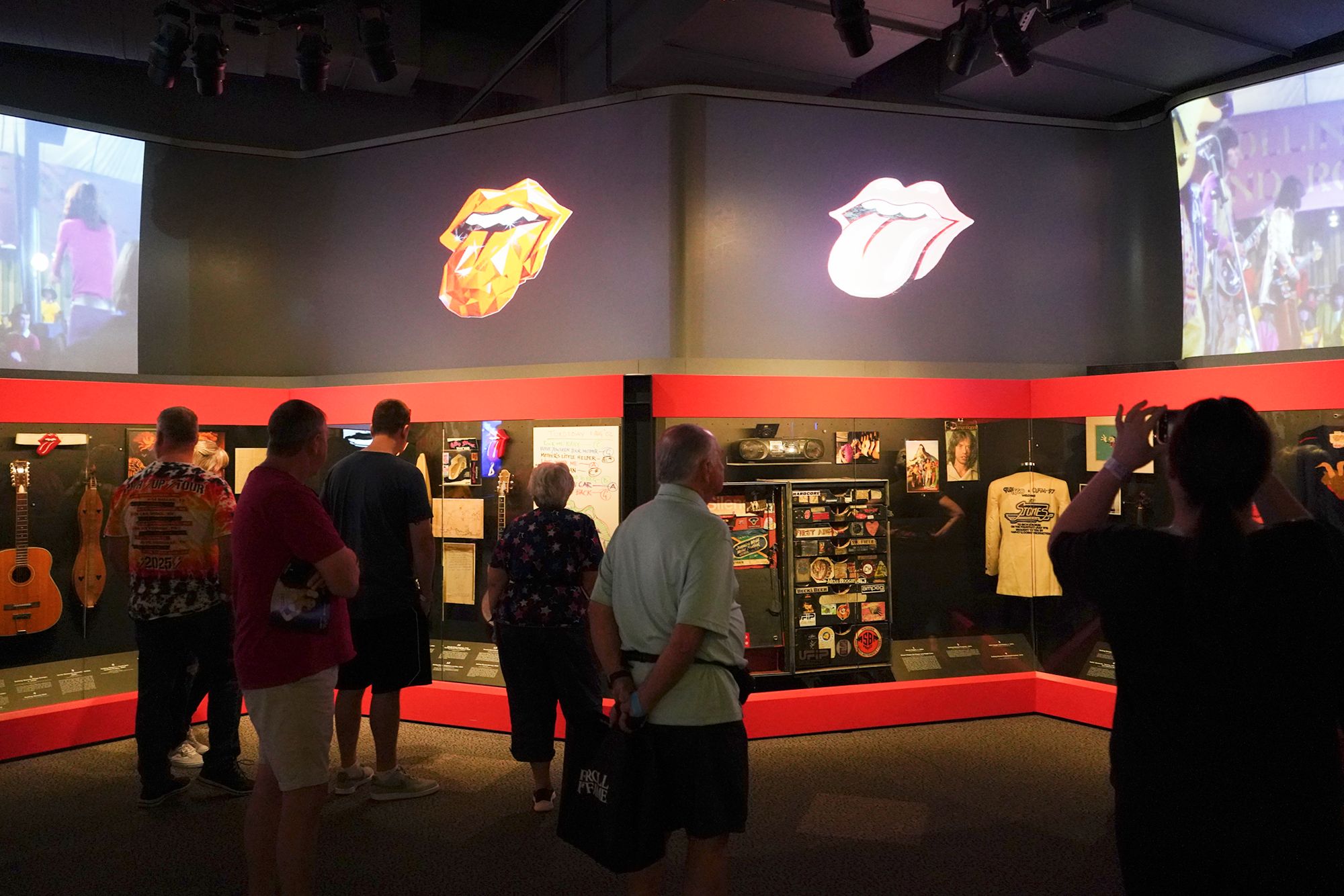
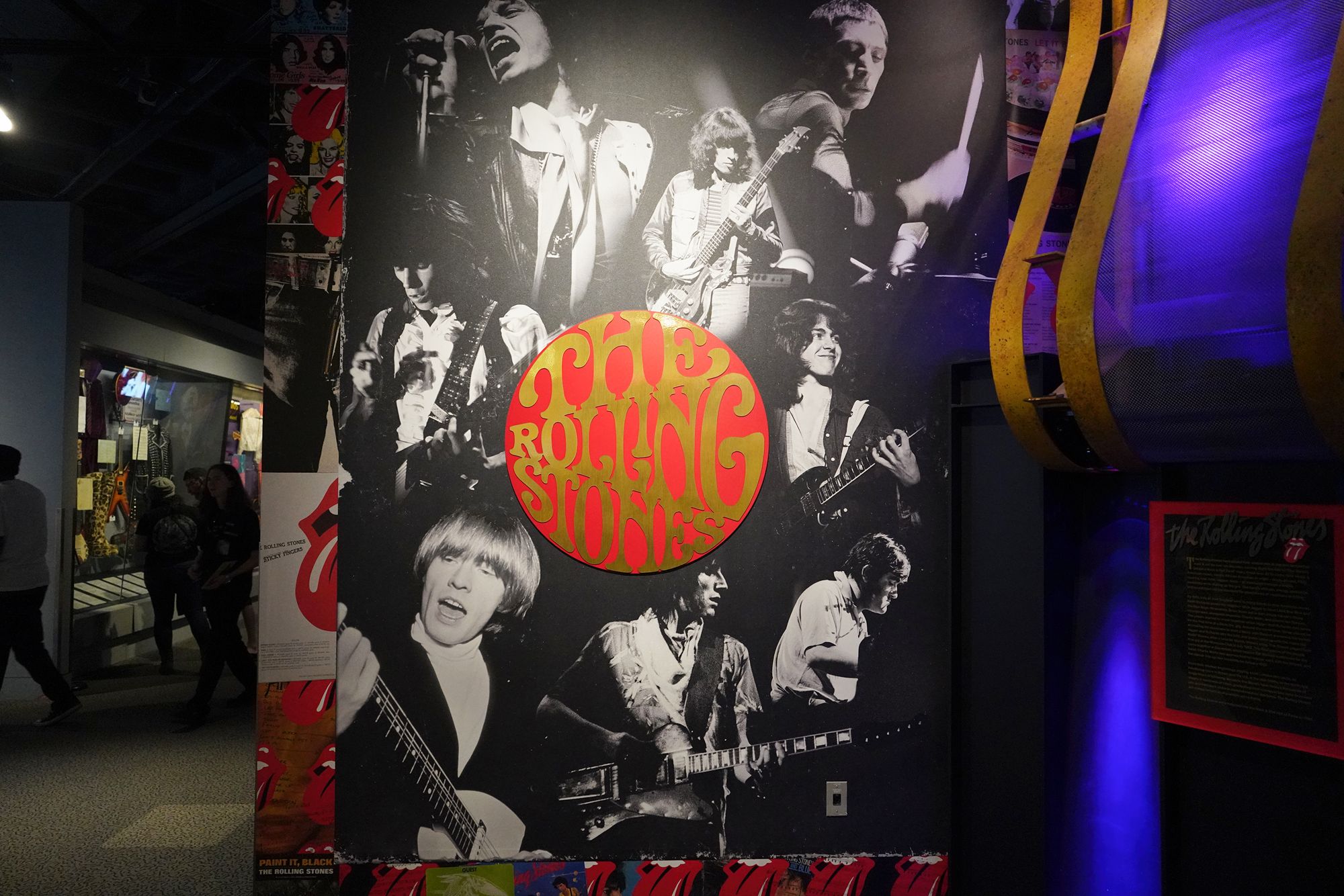
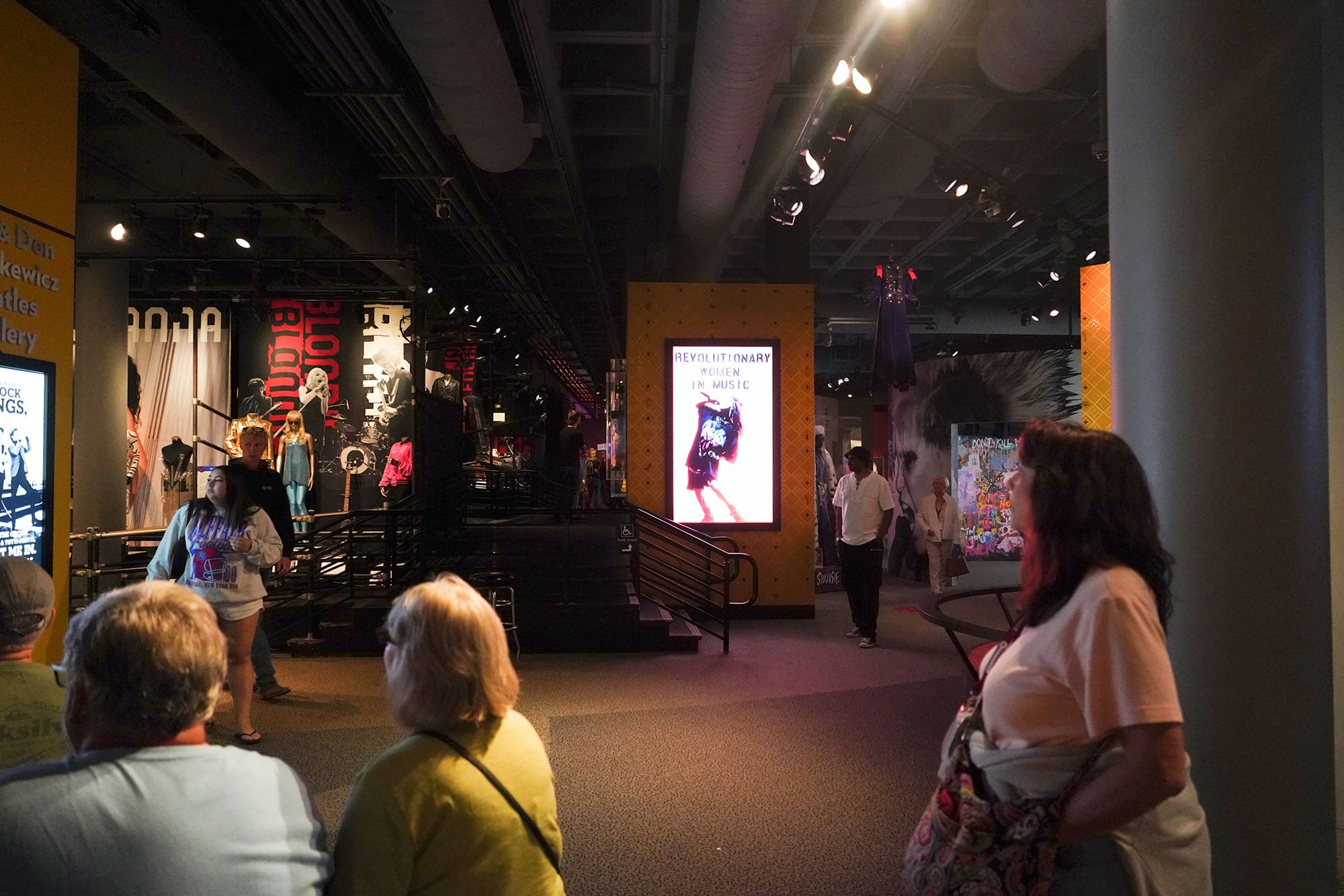
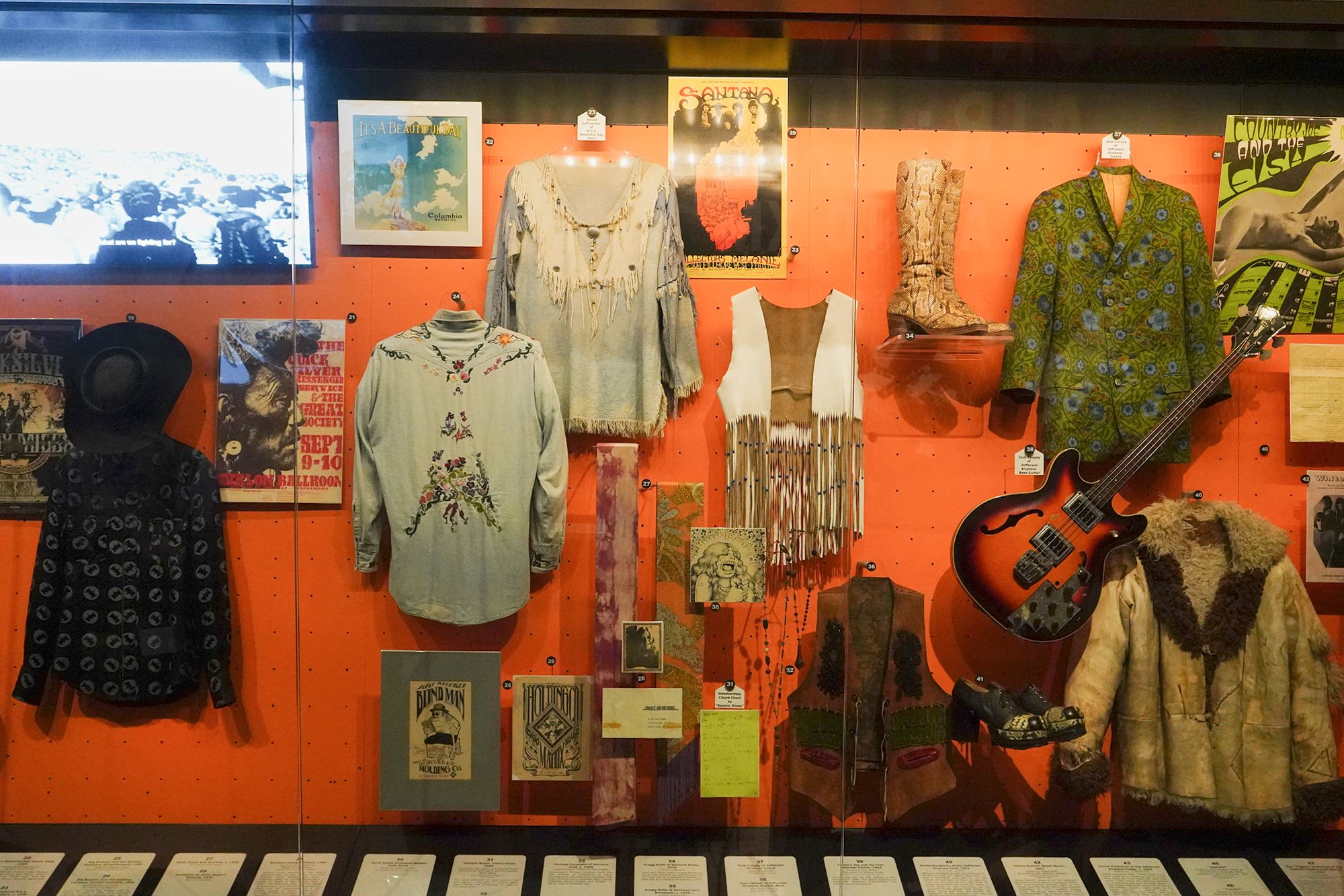
Many other musicians also played vital roles in shaping the sound and spirit of rock and roll.
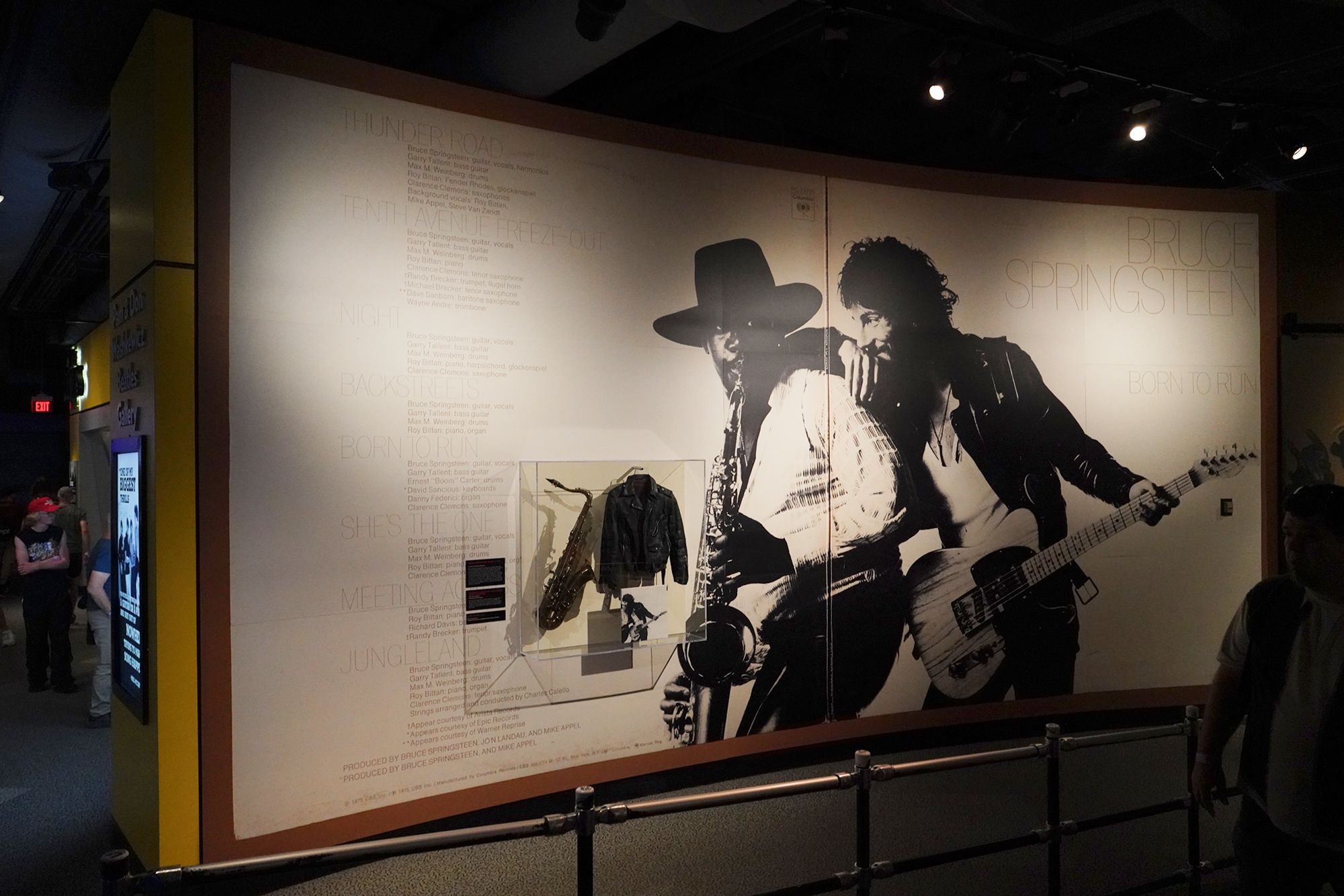
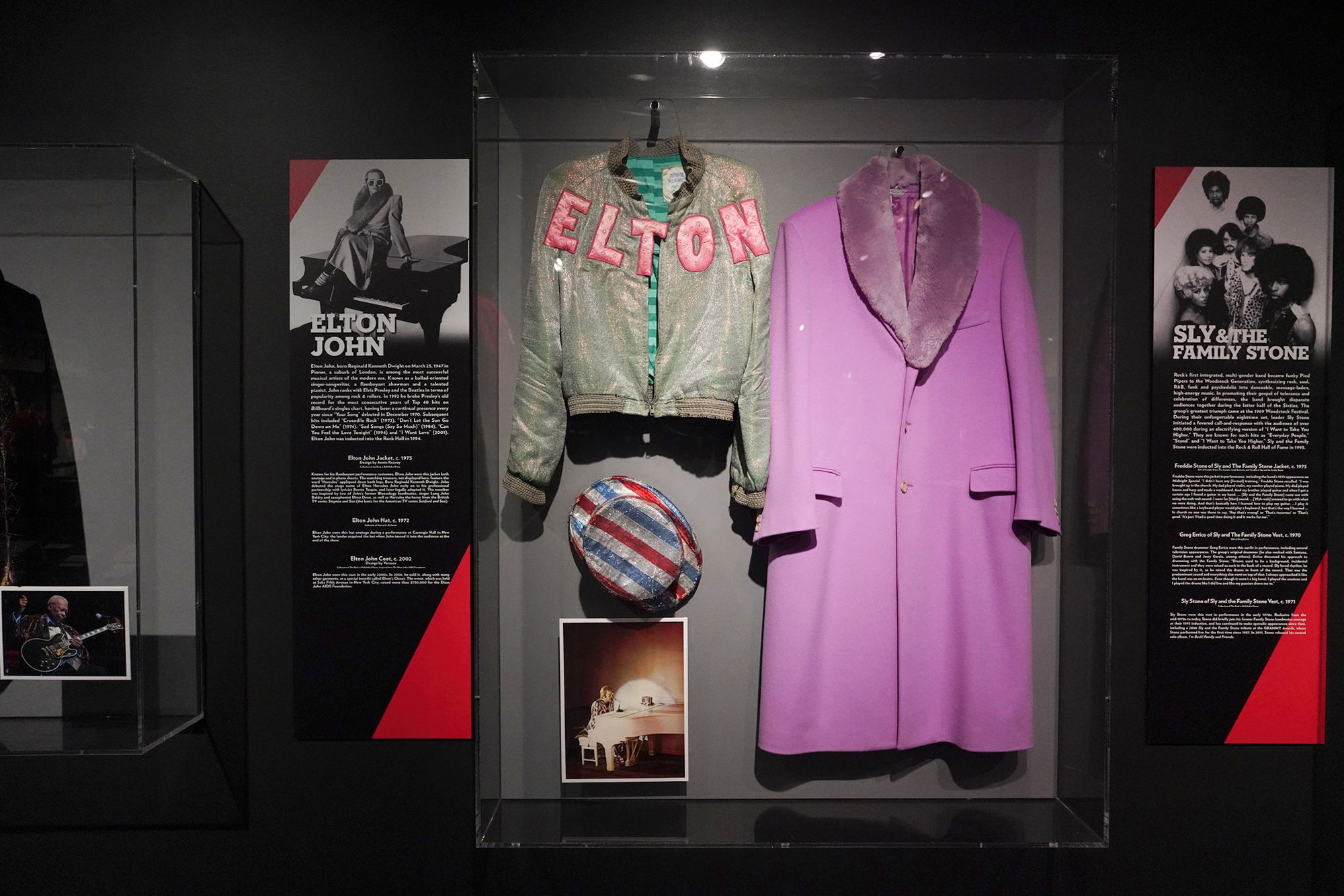
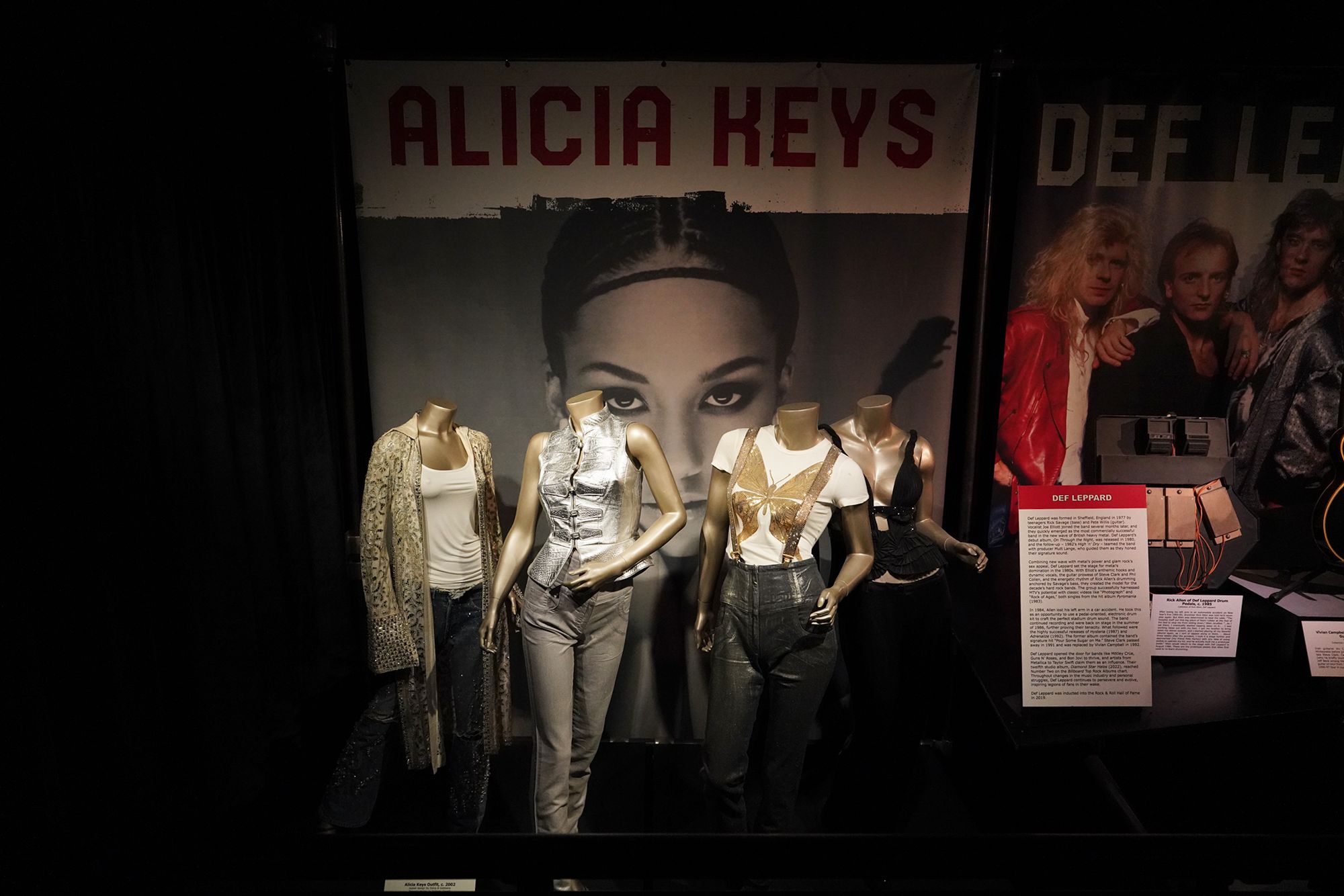
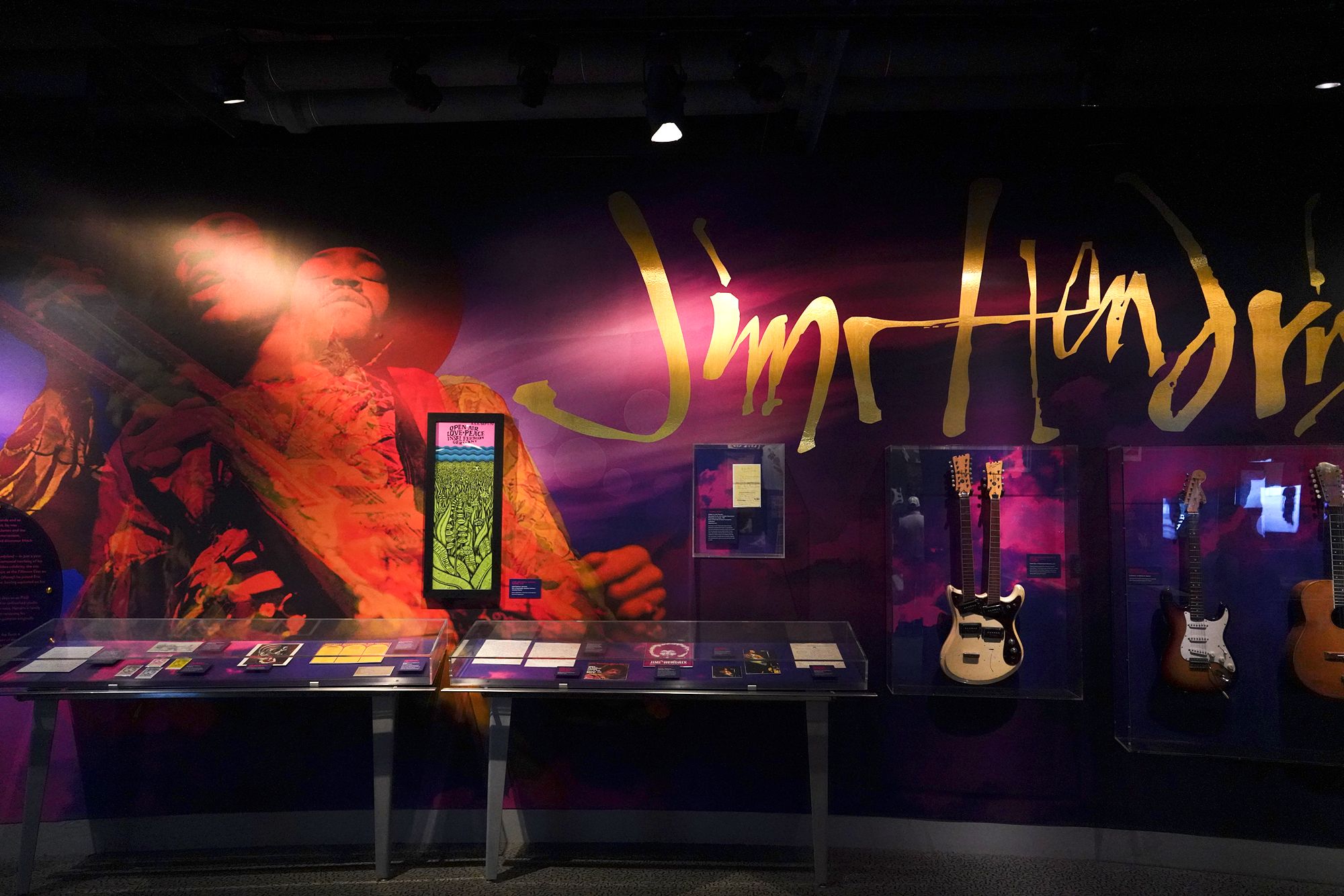
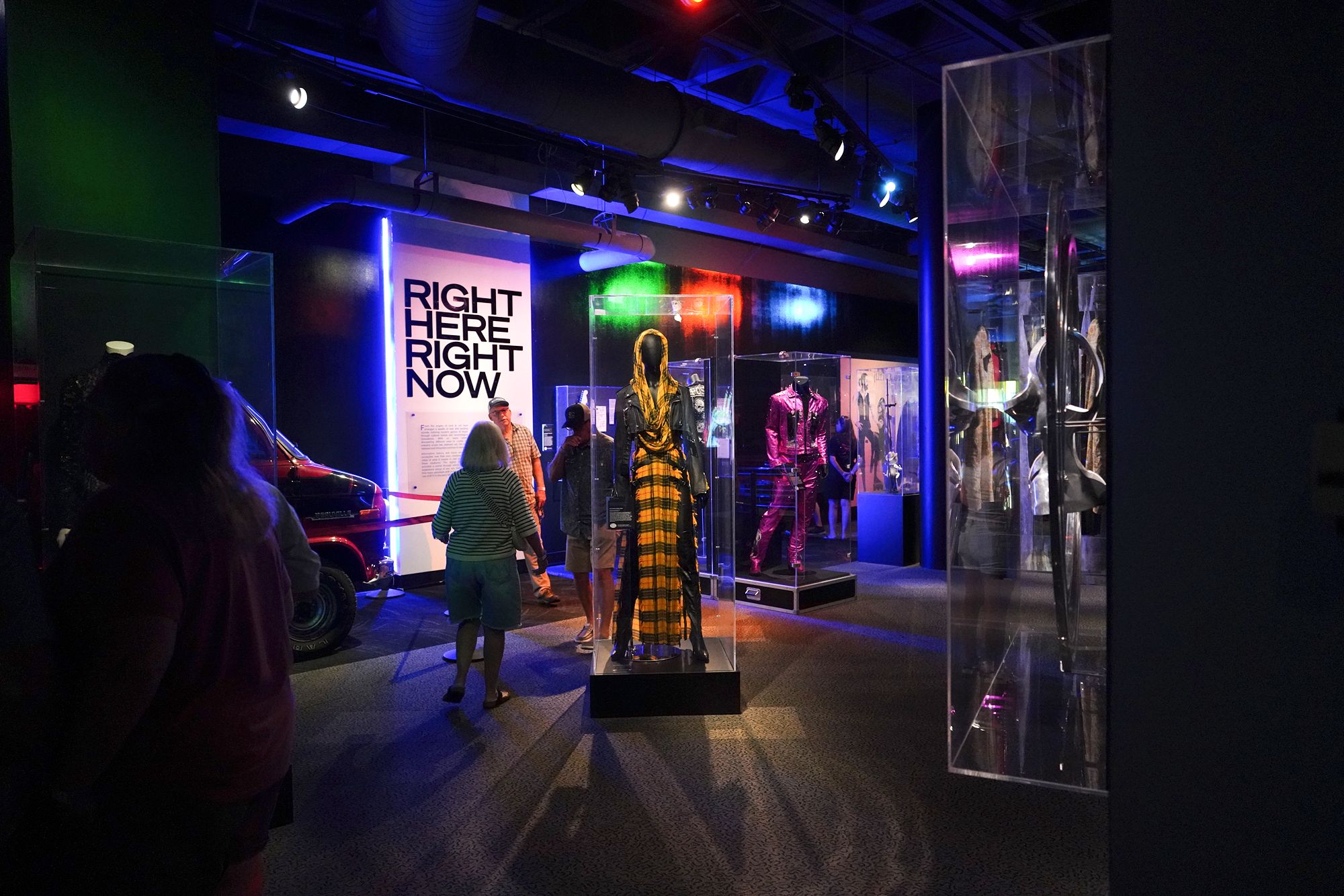
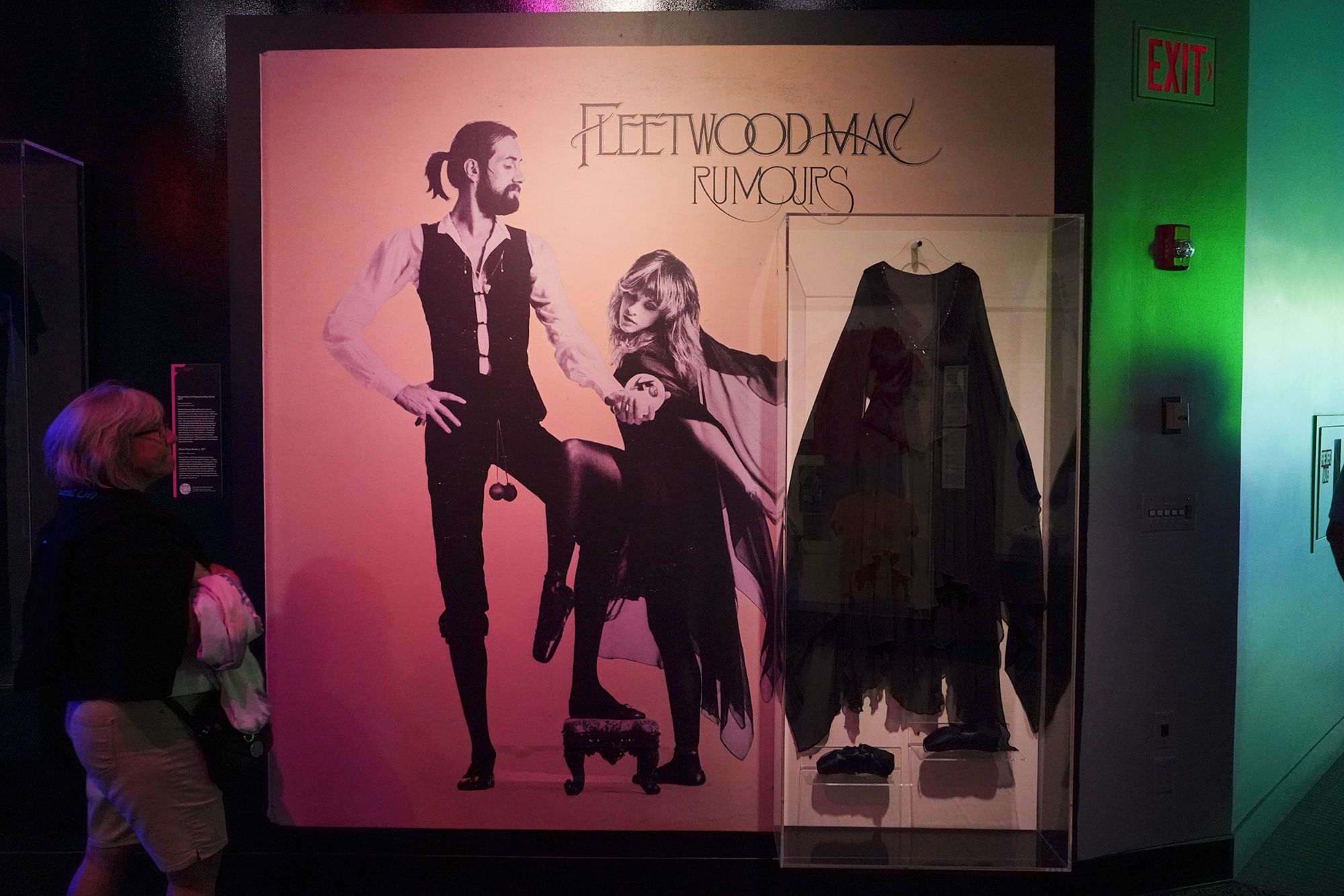
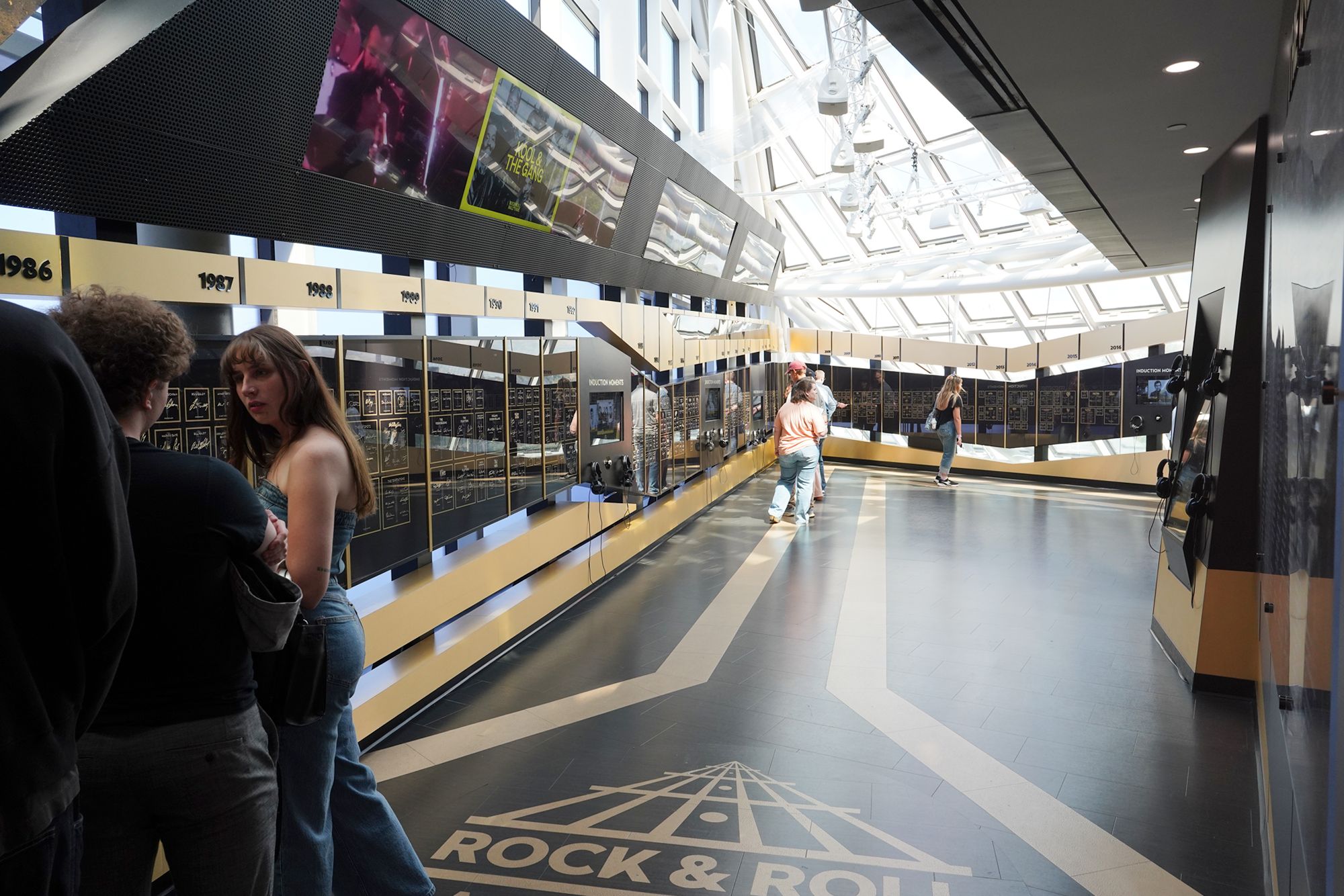
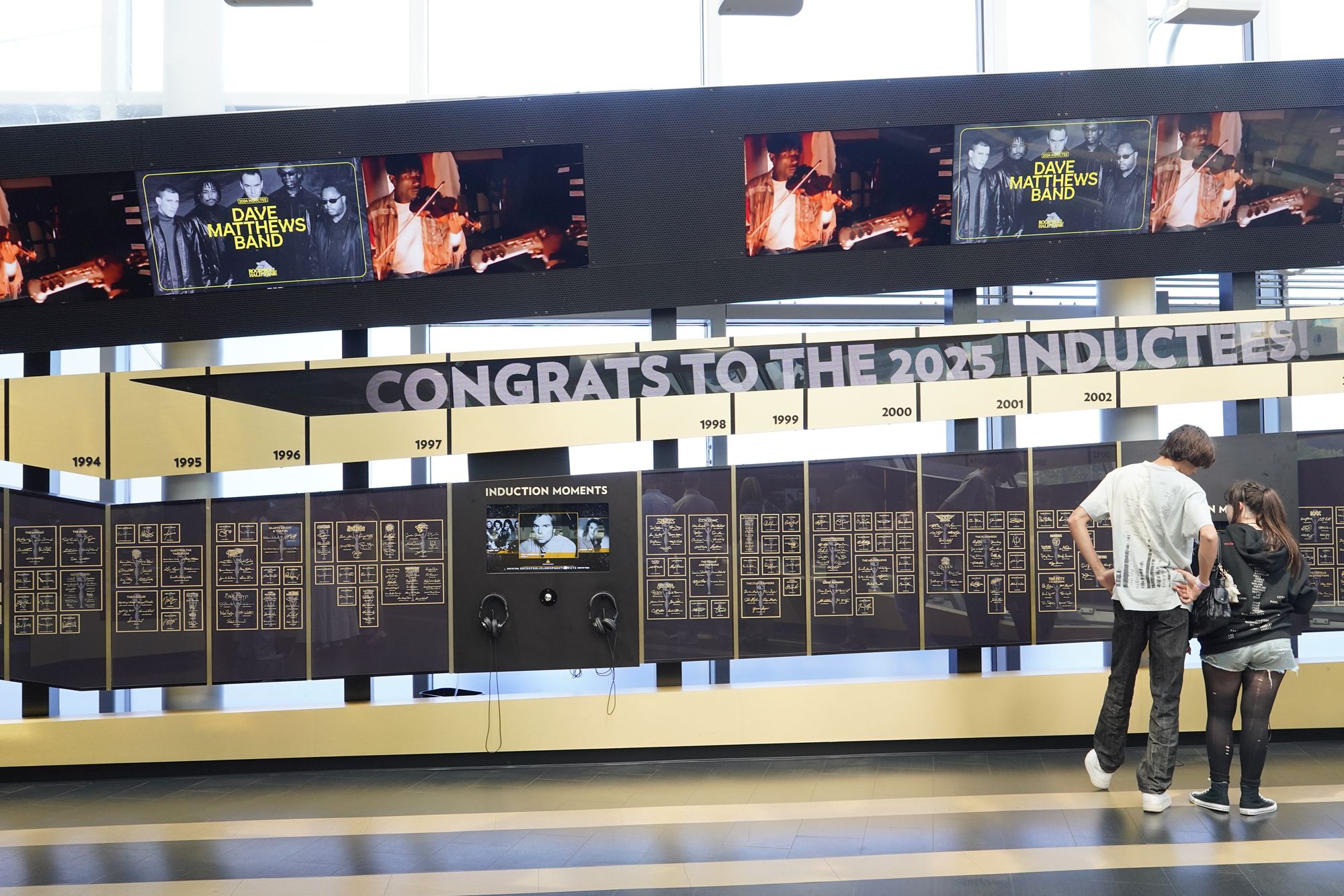
The names of artists inducted into the Rock and Roll Hall of Fame each year.
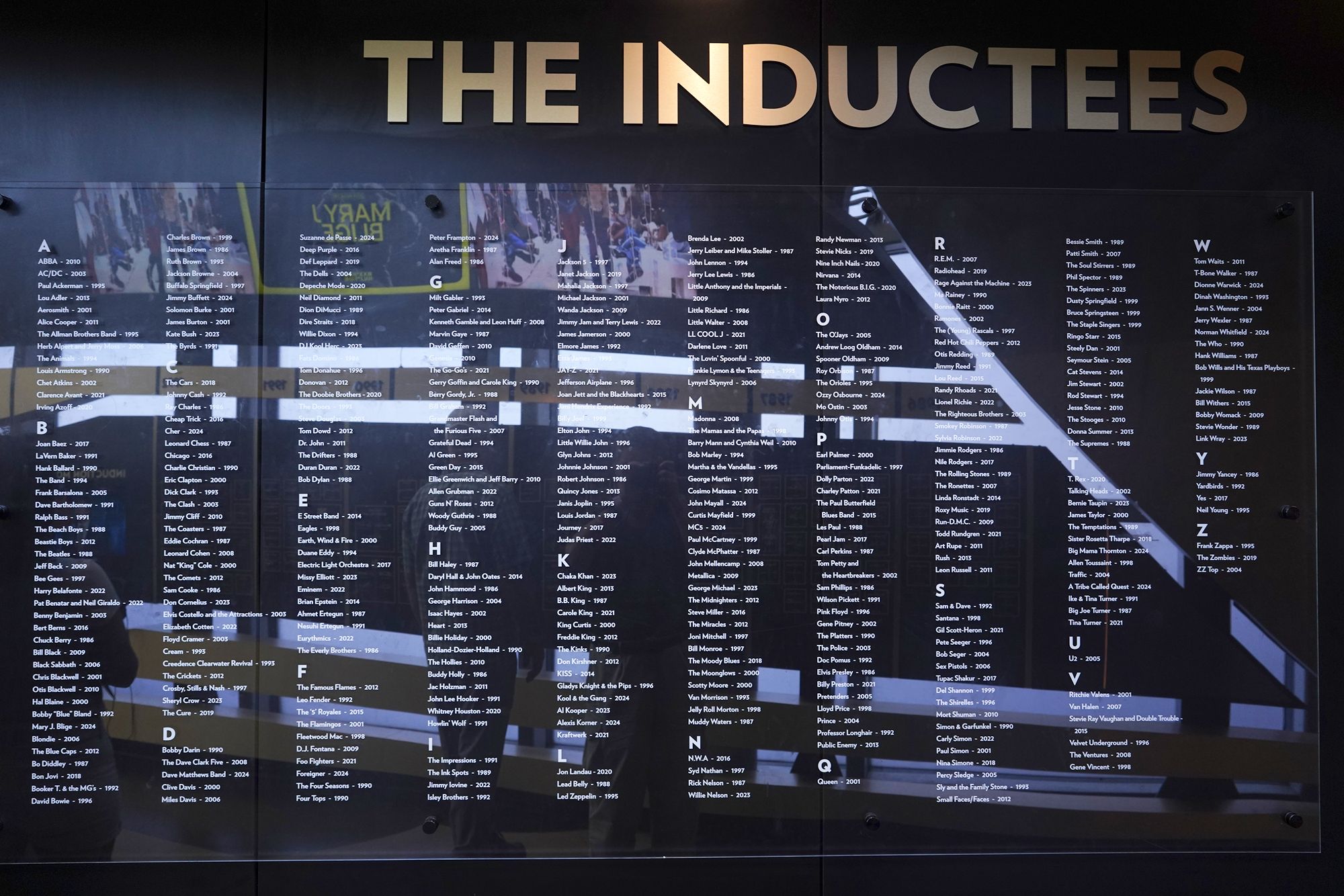
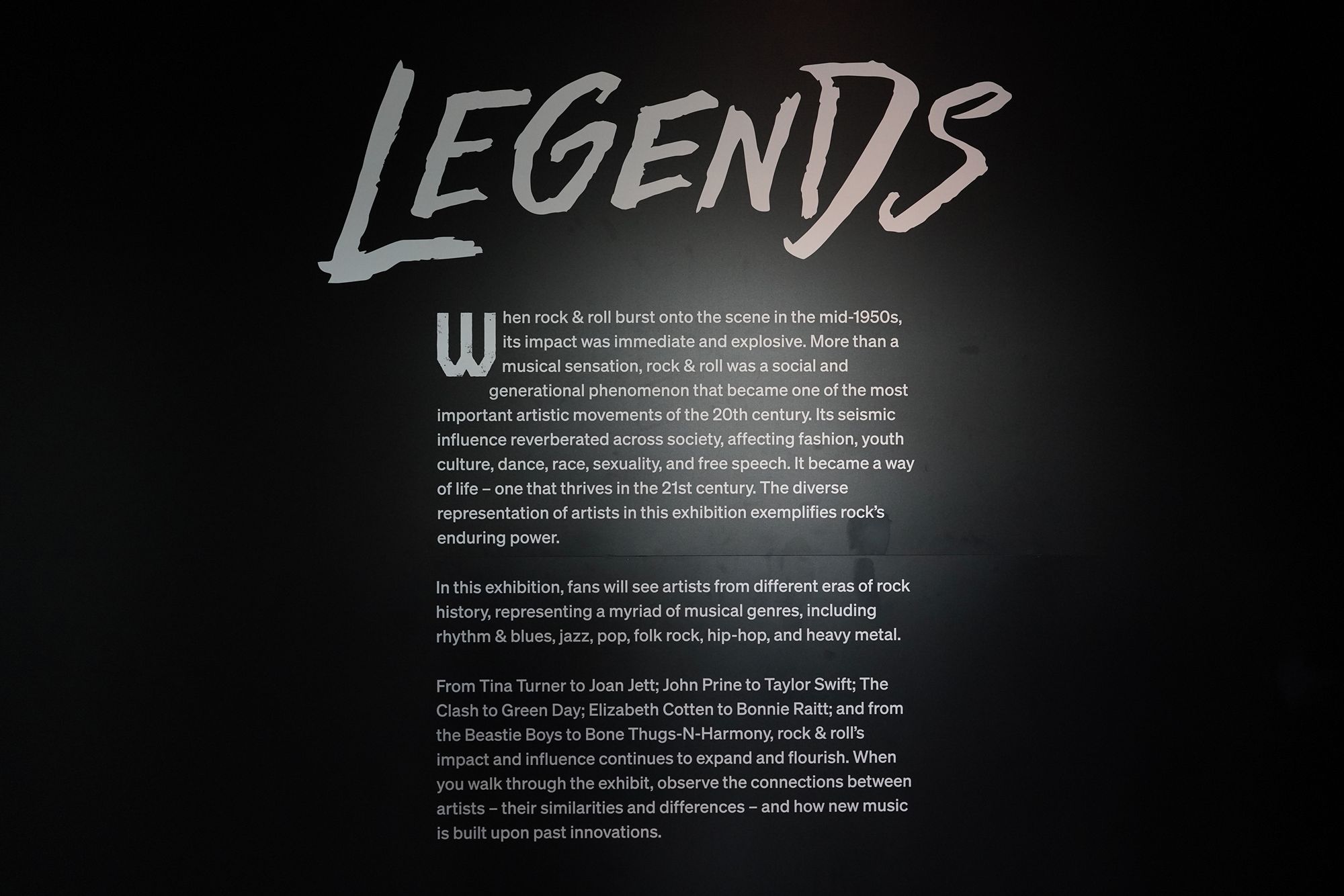
Legends
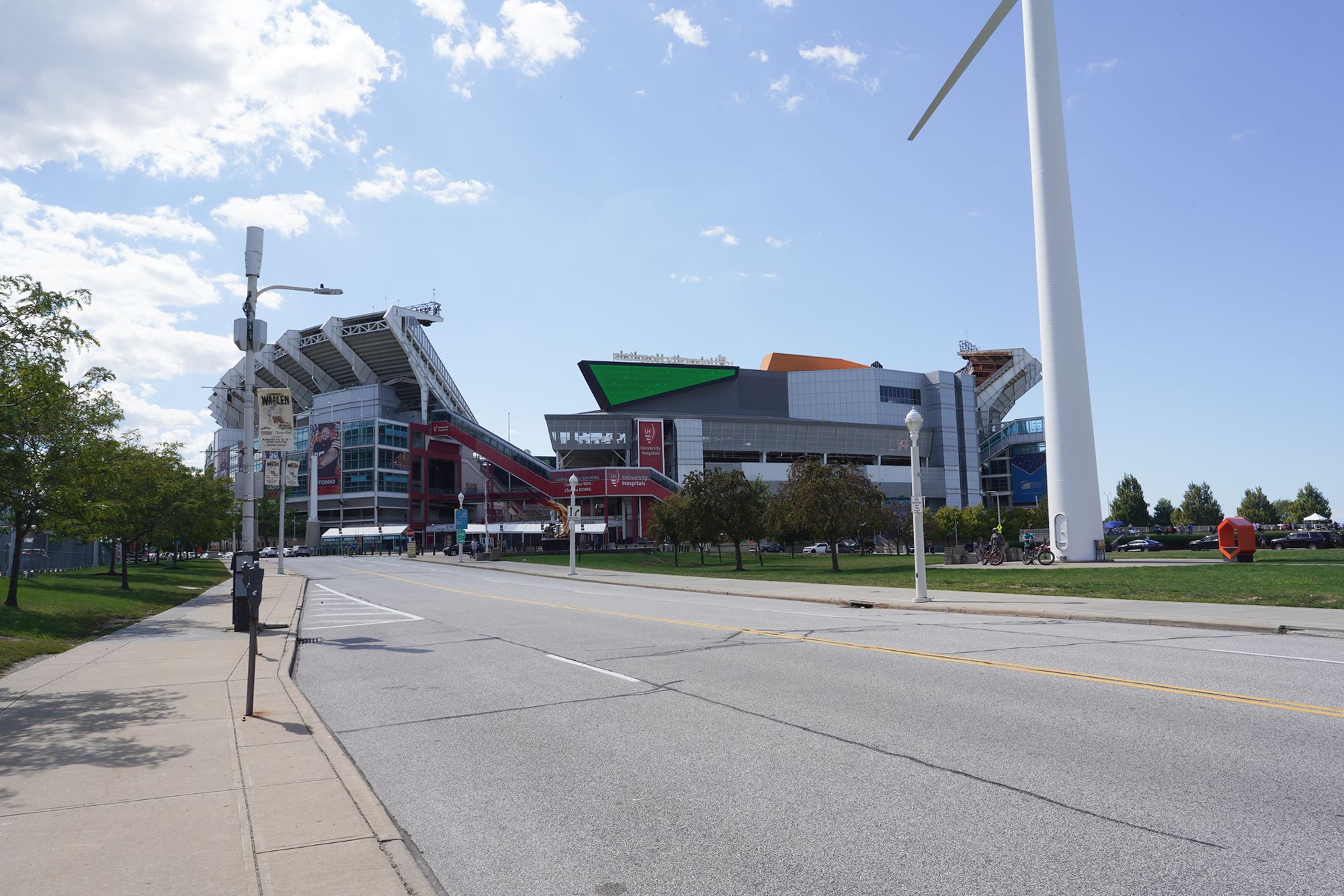
Huntington Bank Field - The Football Stadium
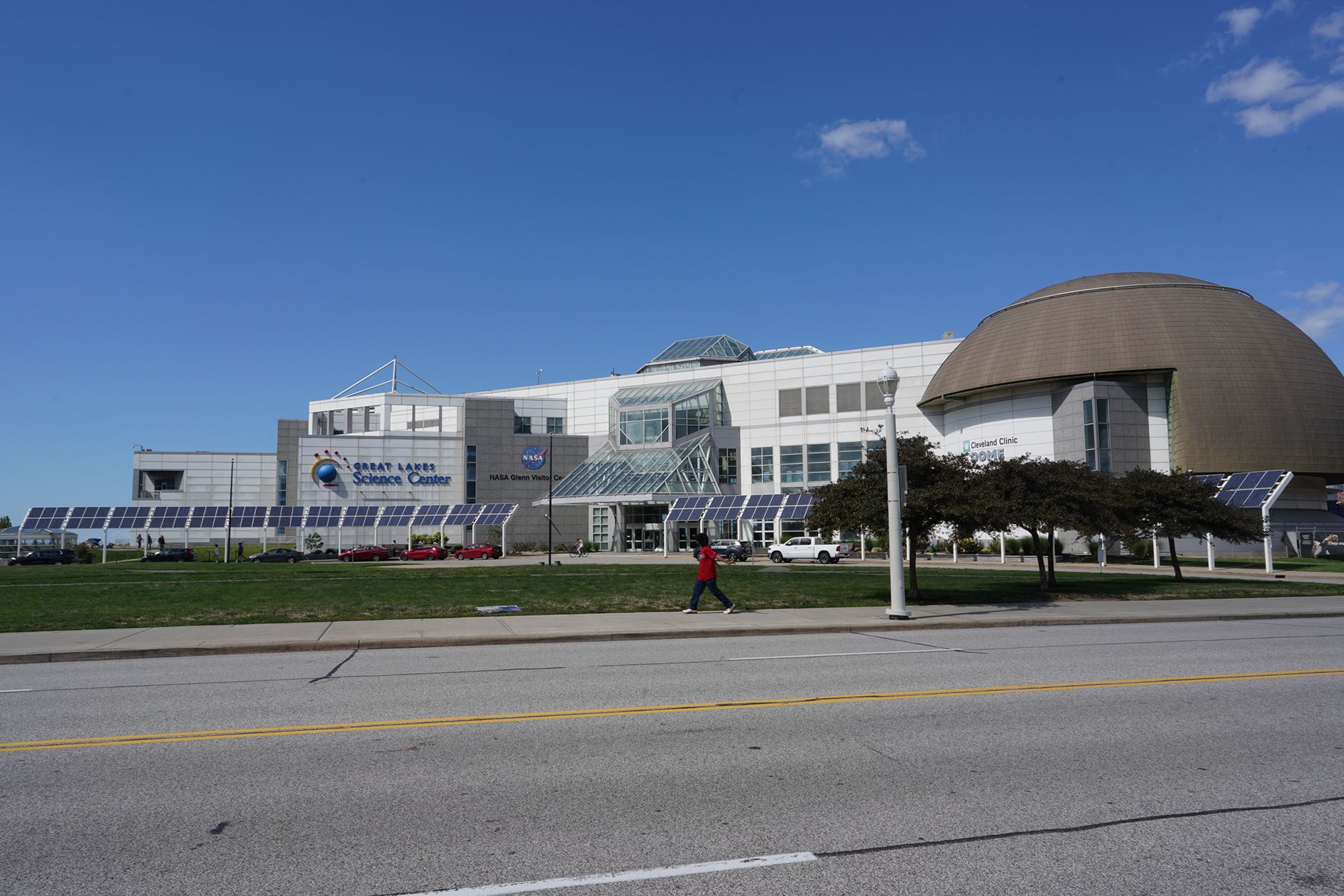
Great Lakes Science Center
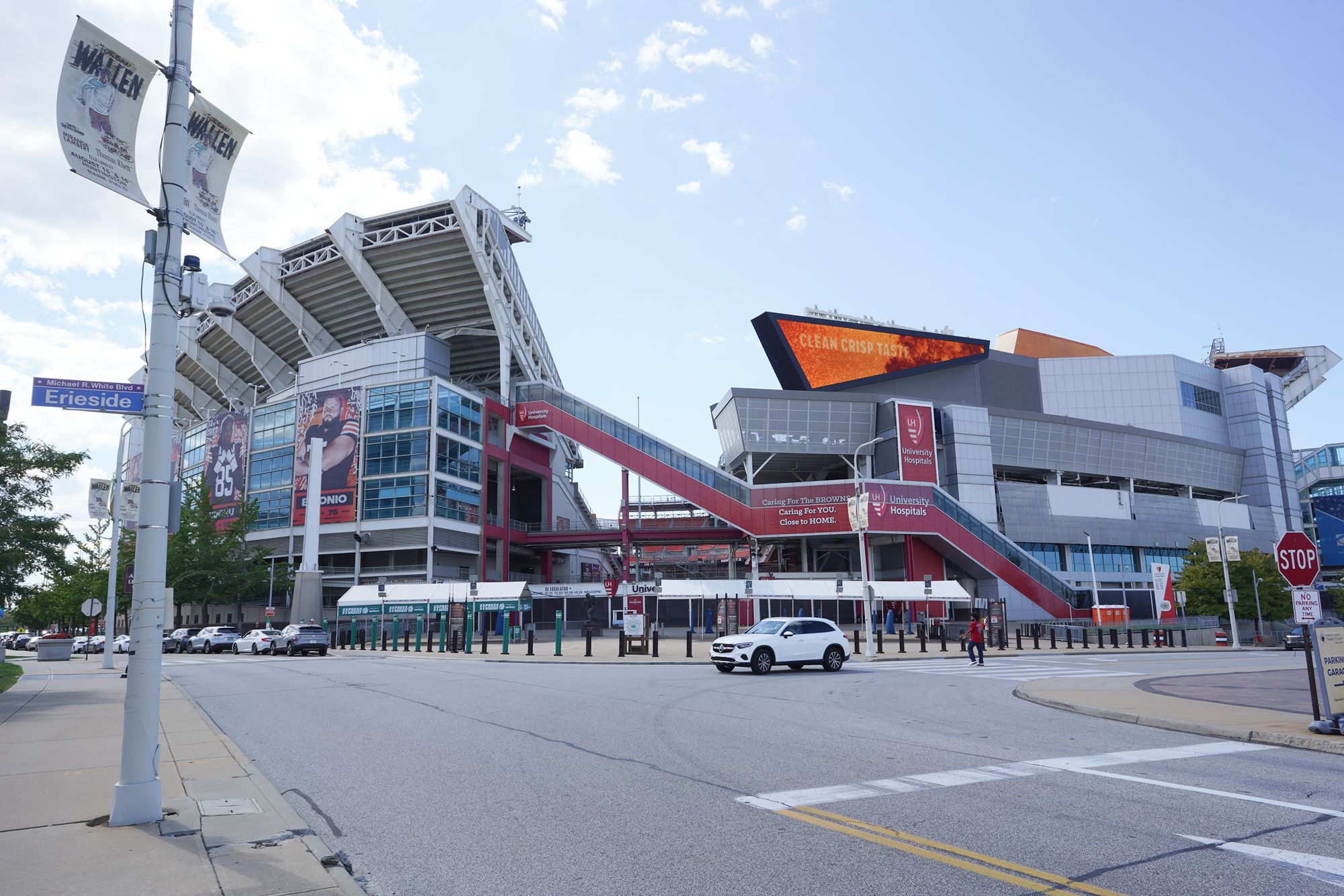
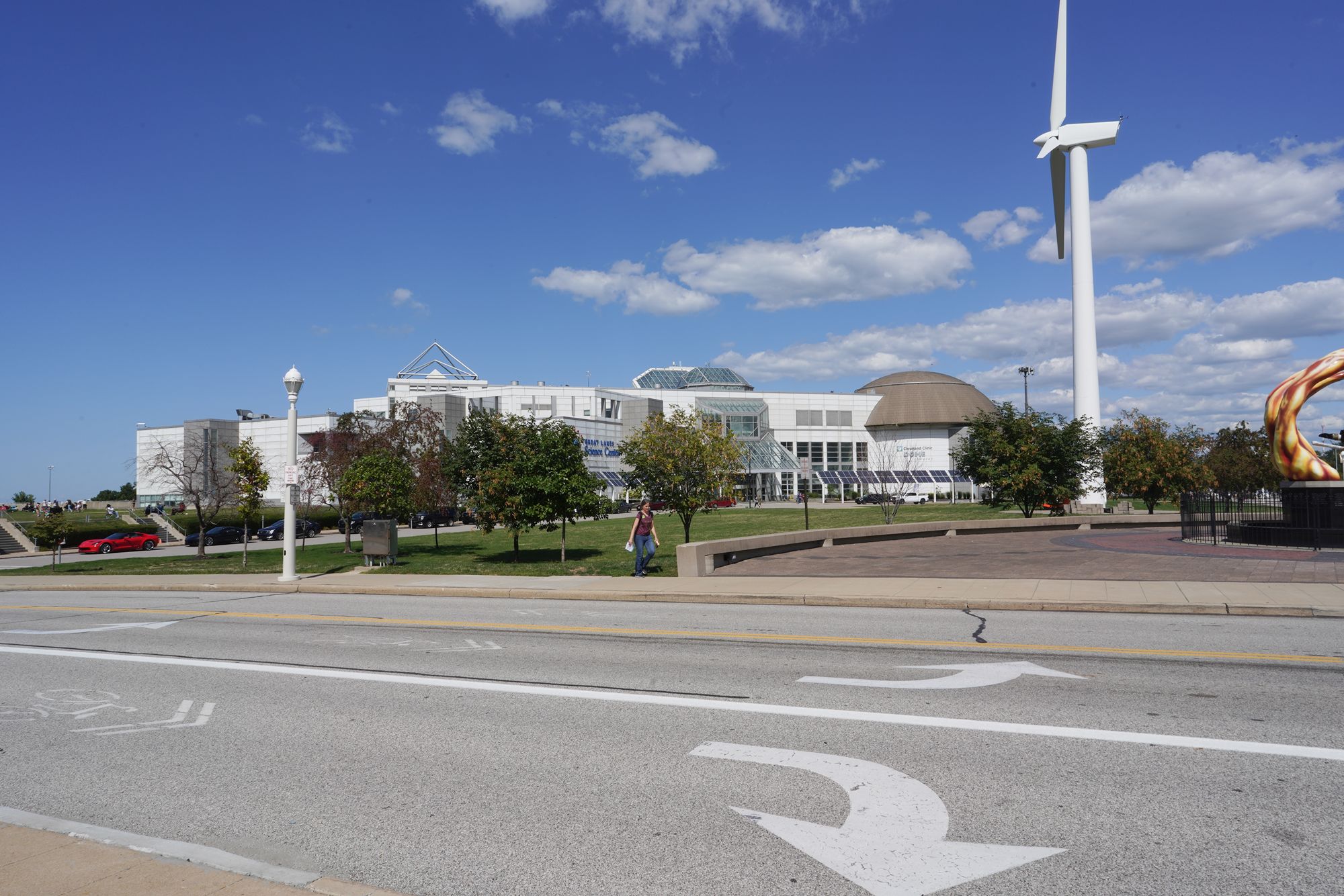
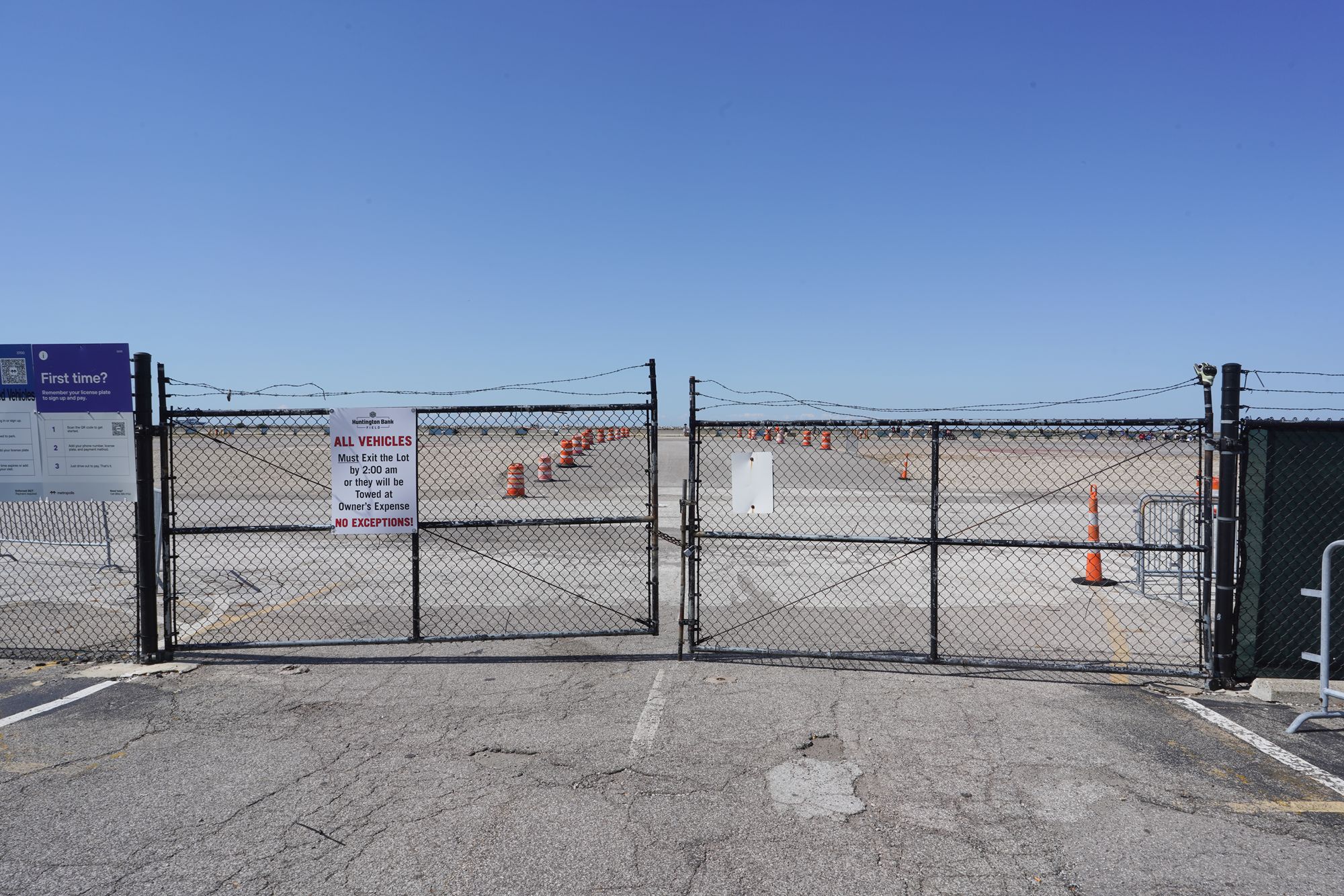
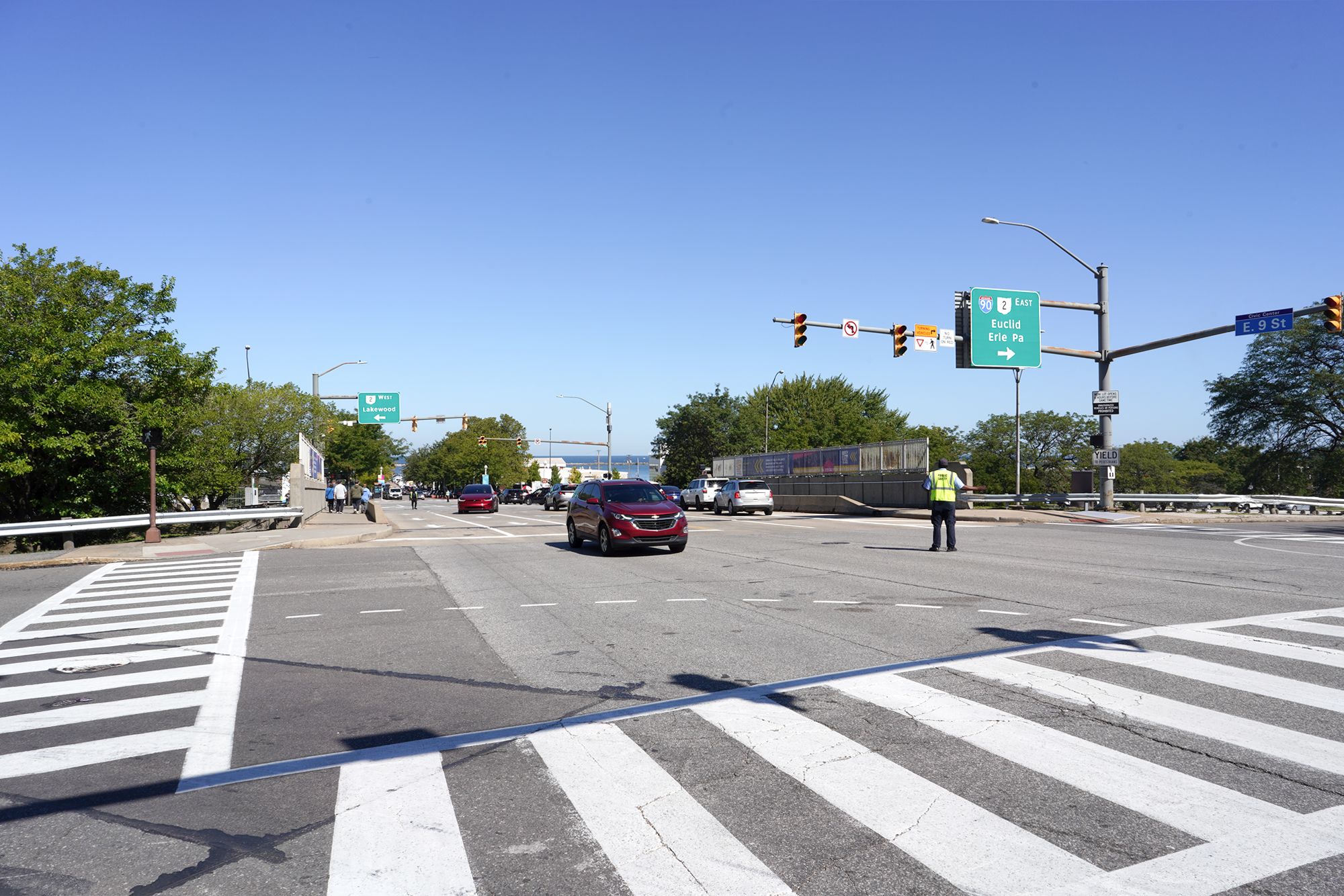
A road to the Great Lake is blocked
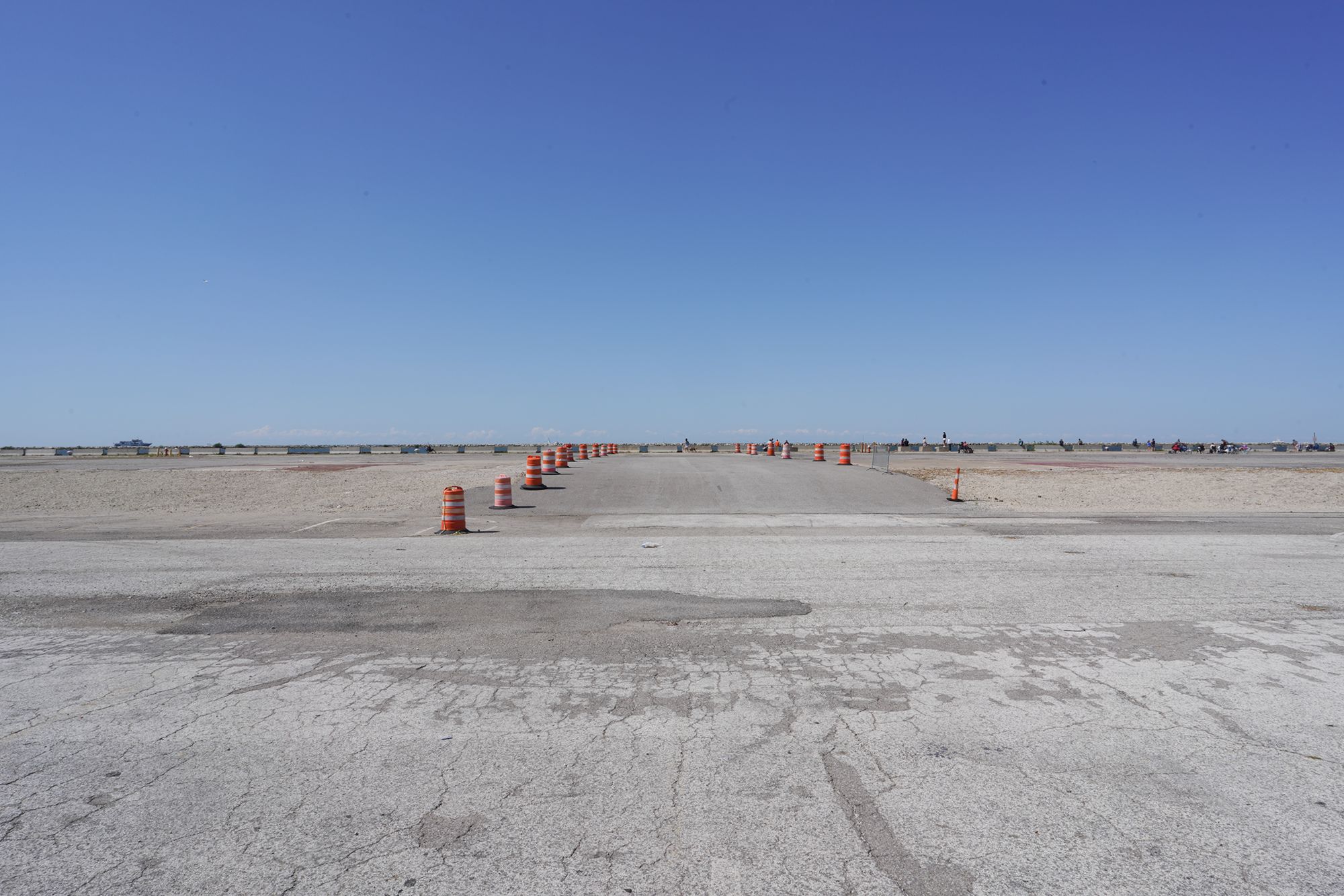
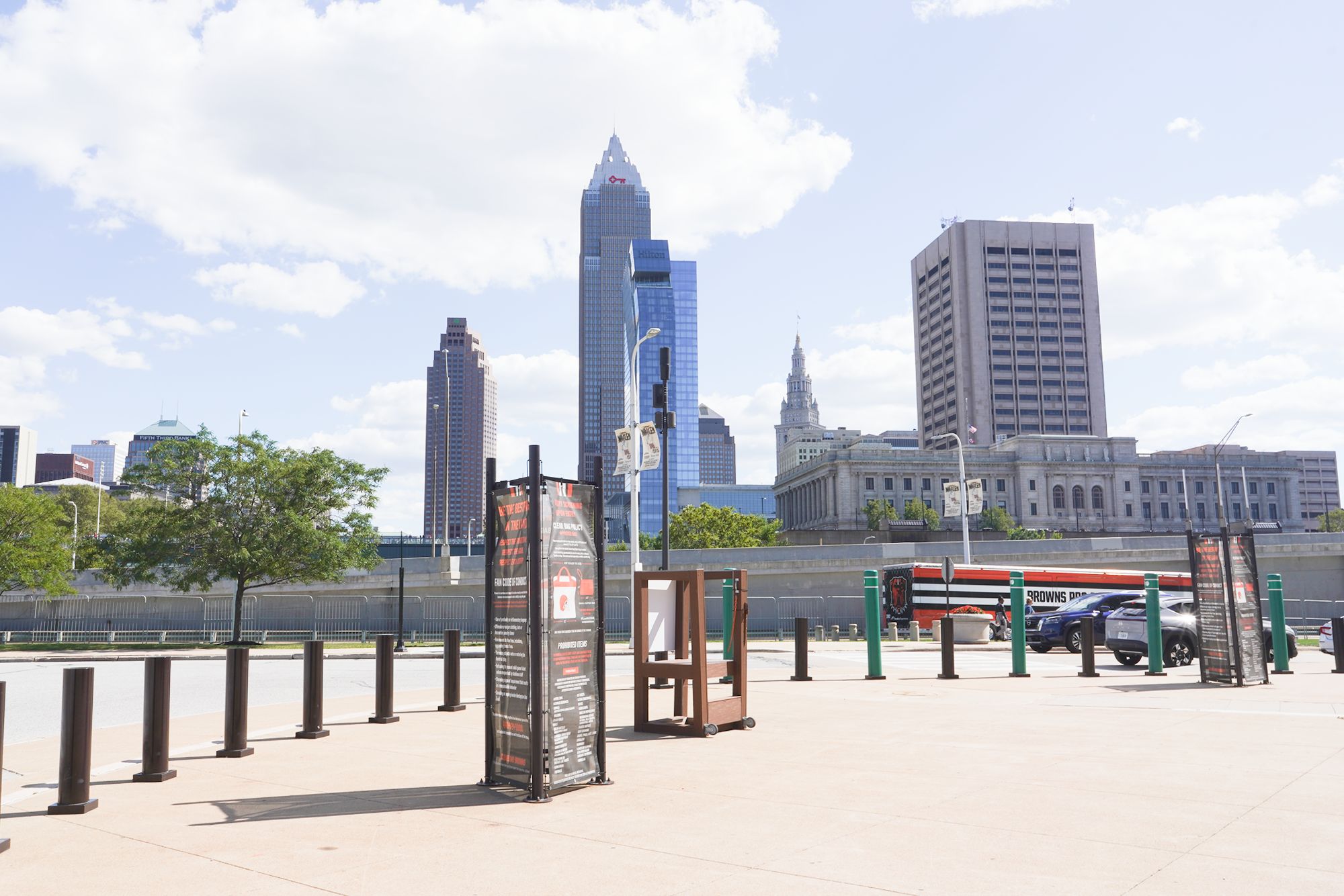
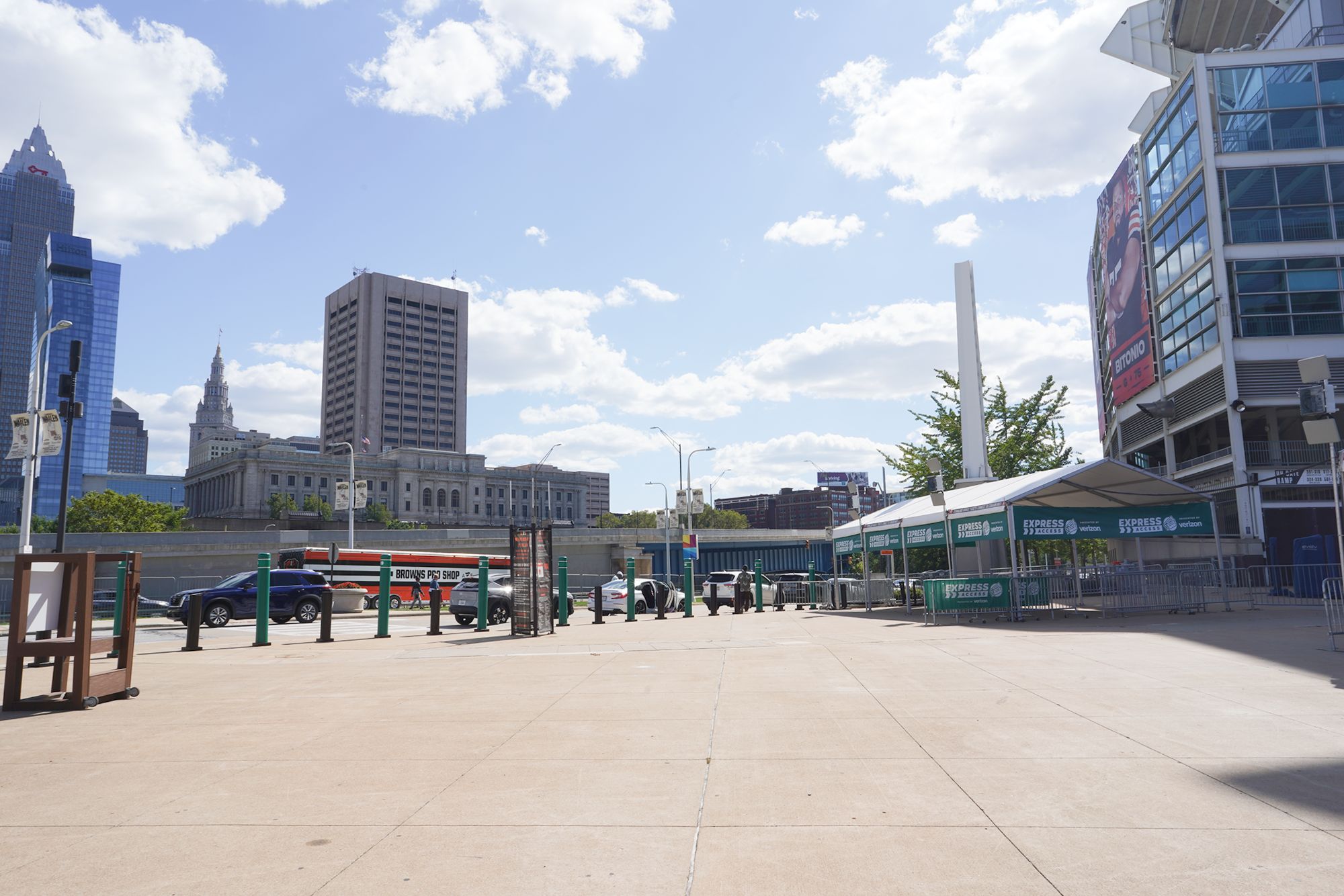
From the lakefront, I walked toward downtown Cleveland.
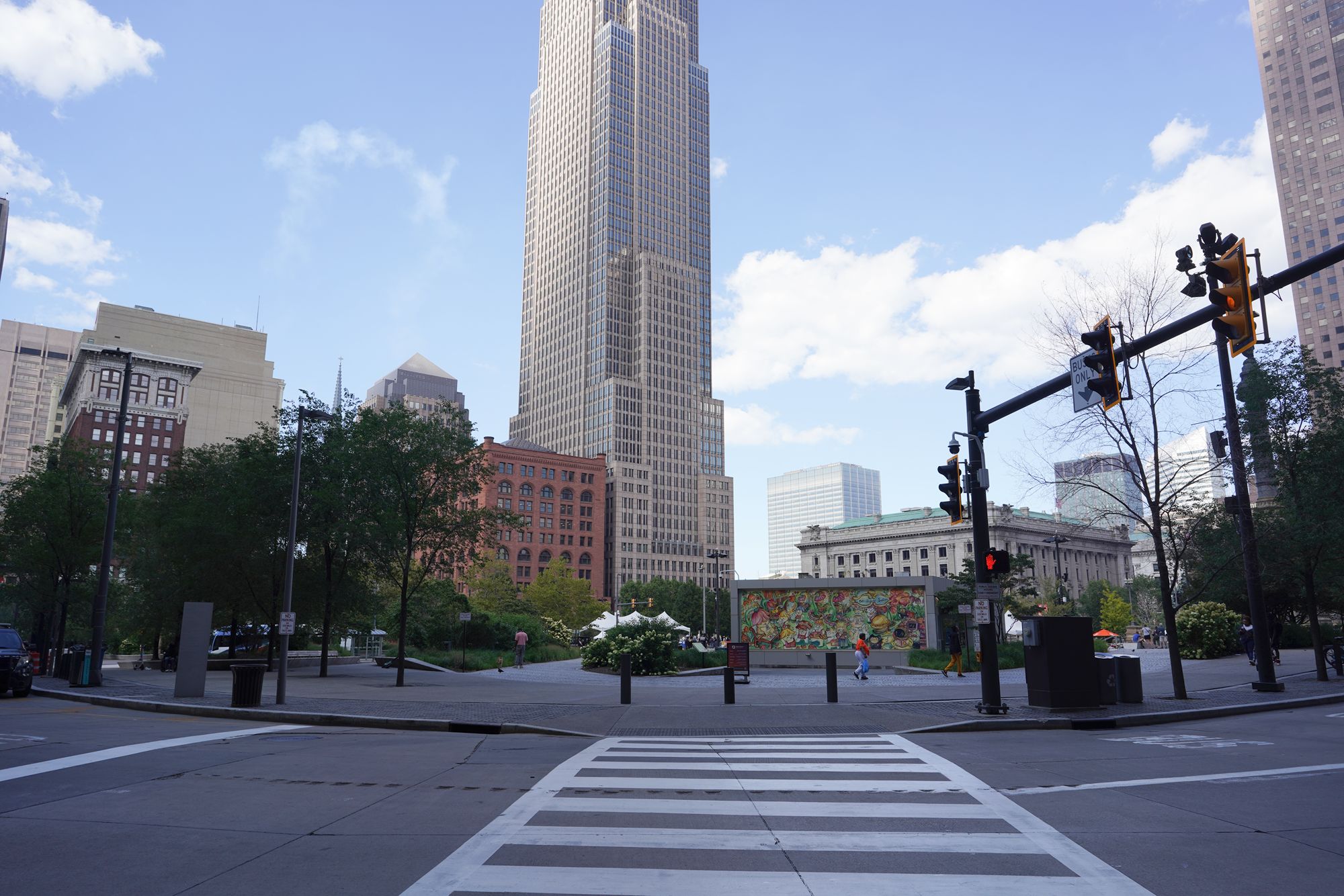
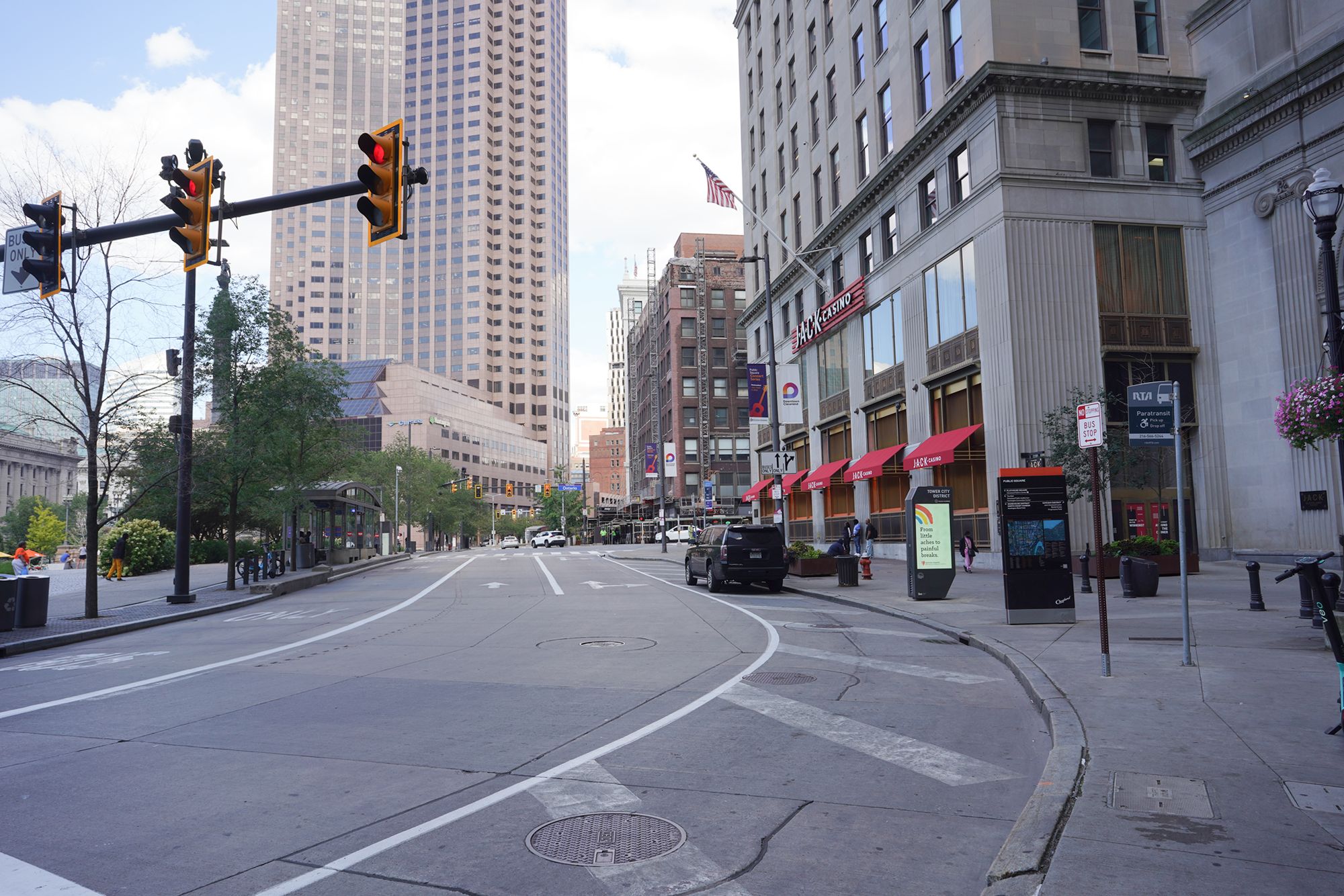
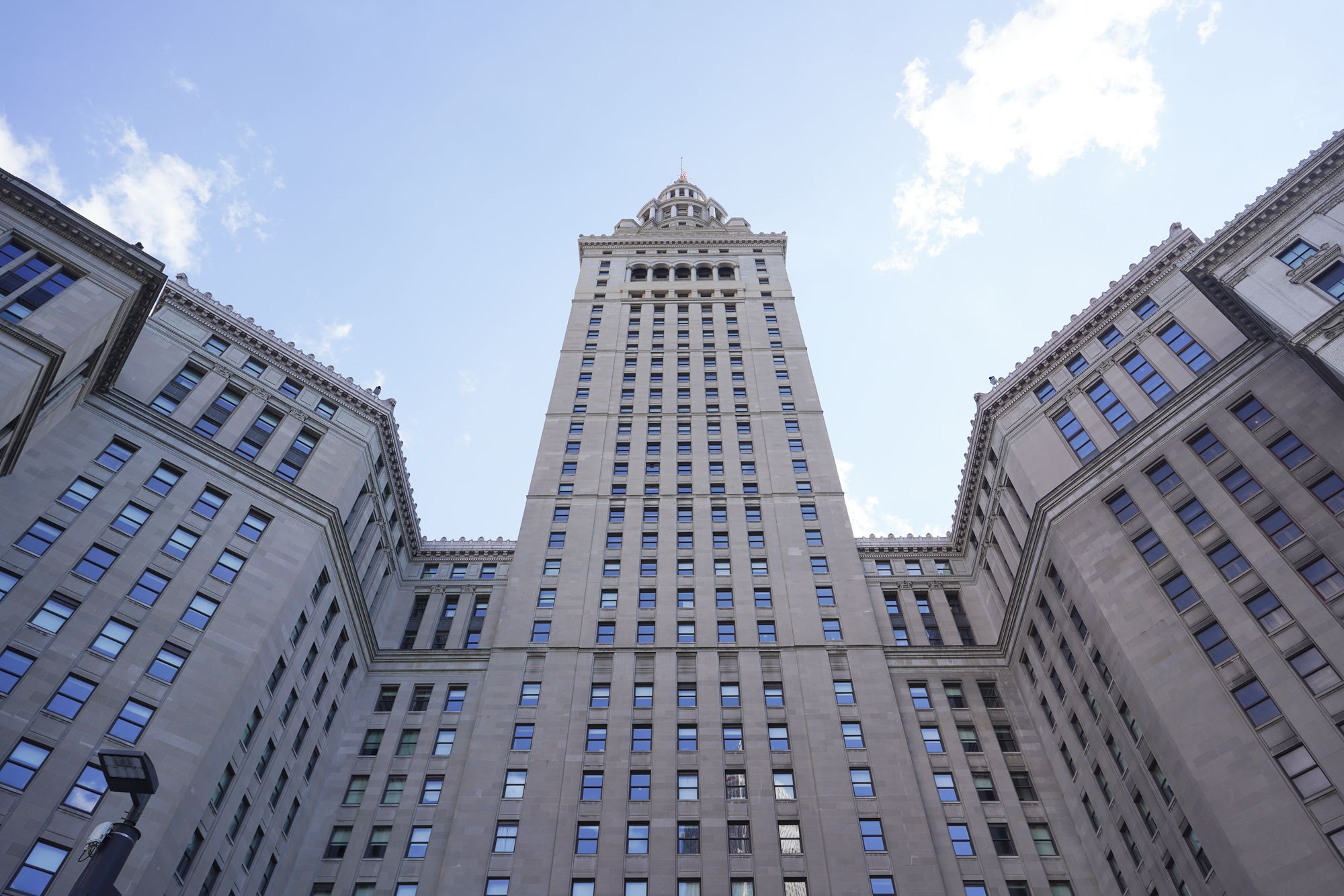
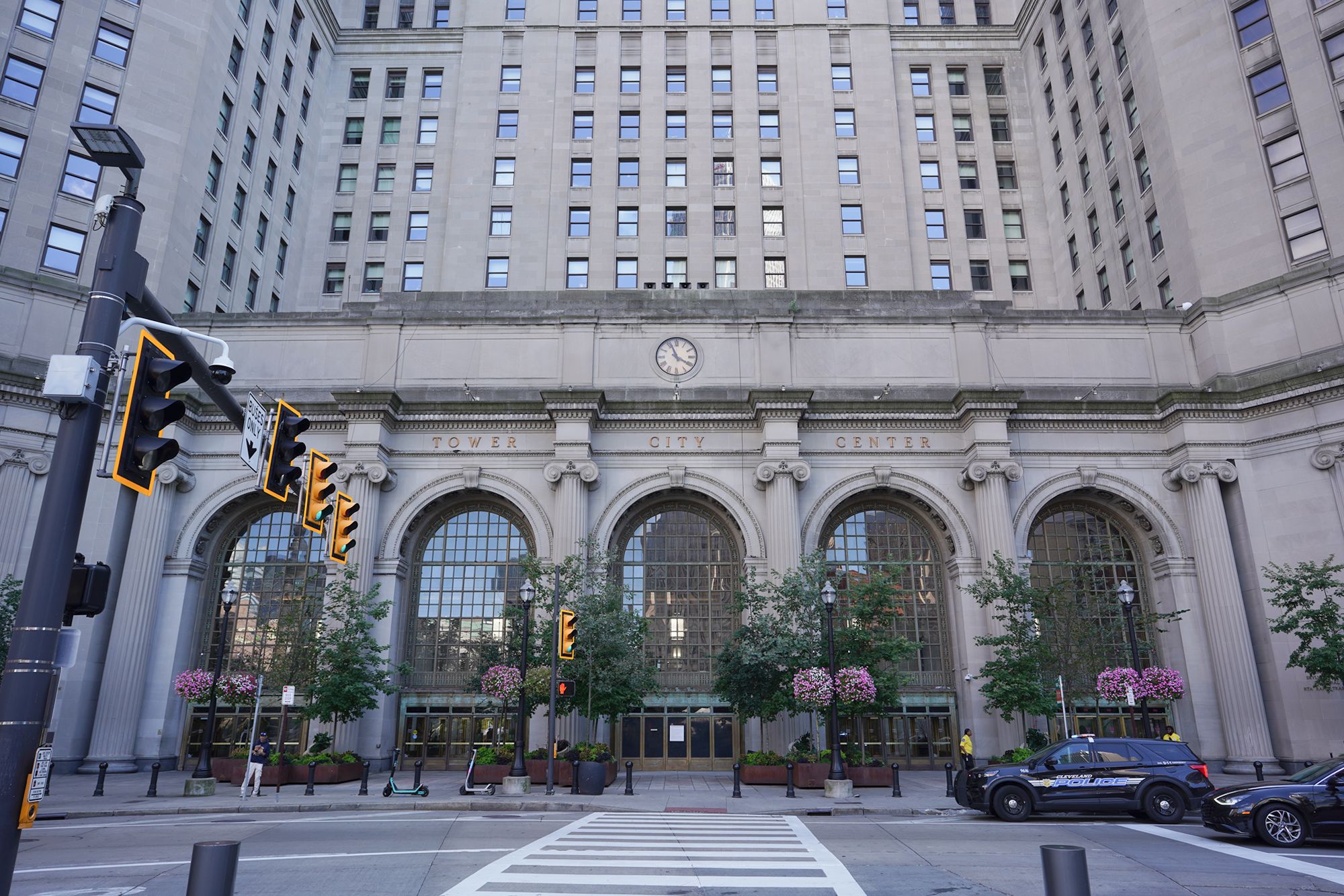
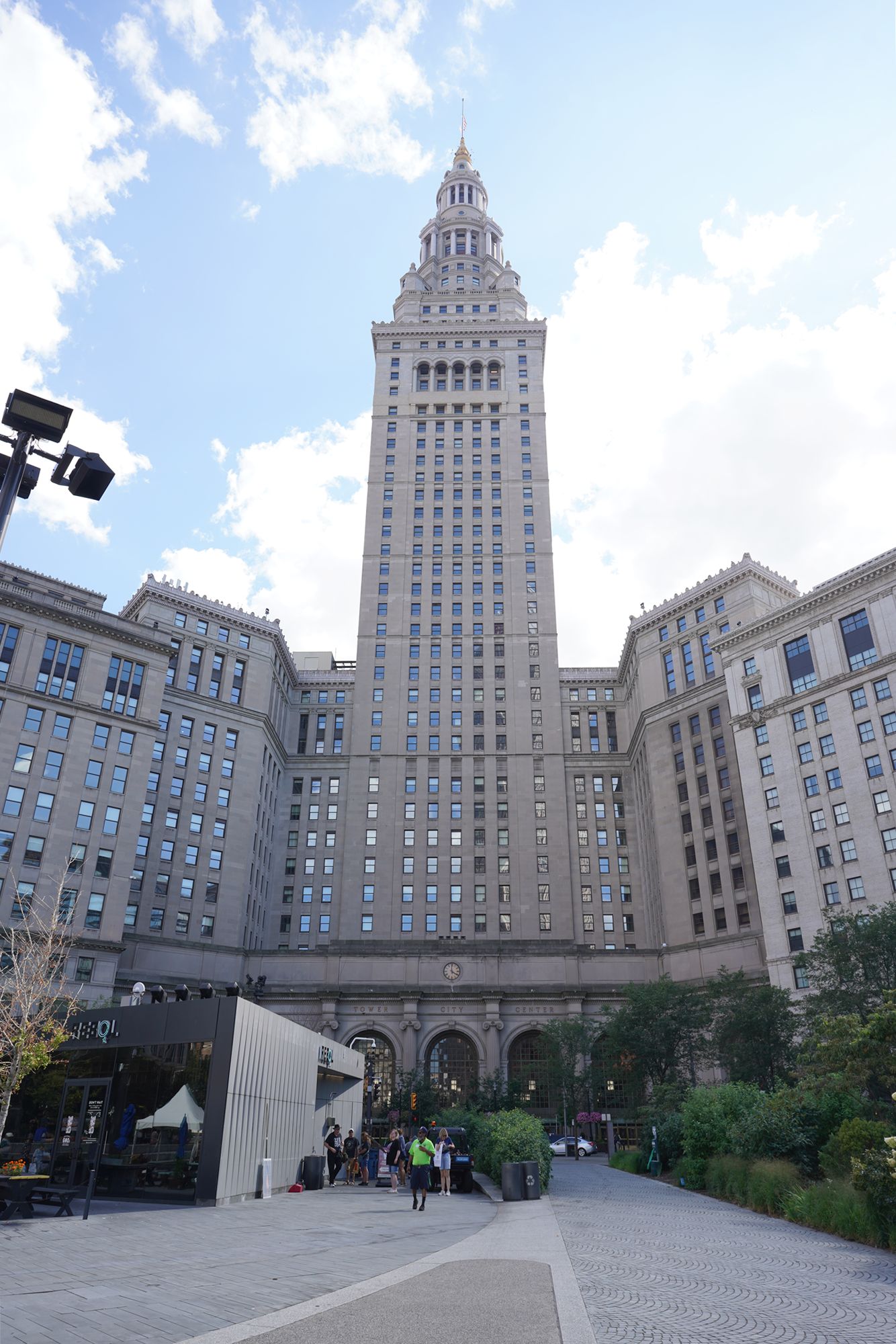
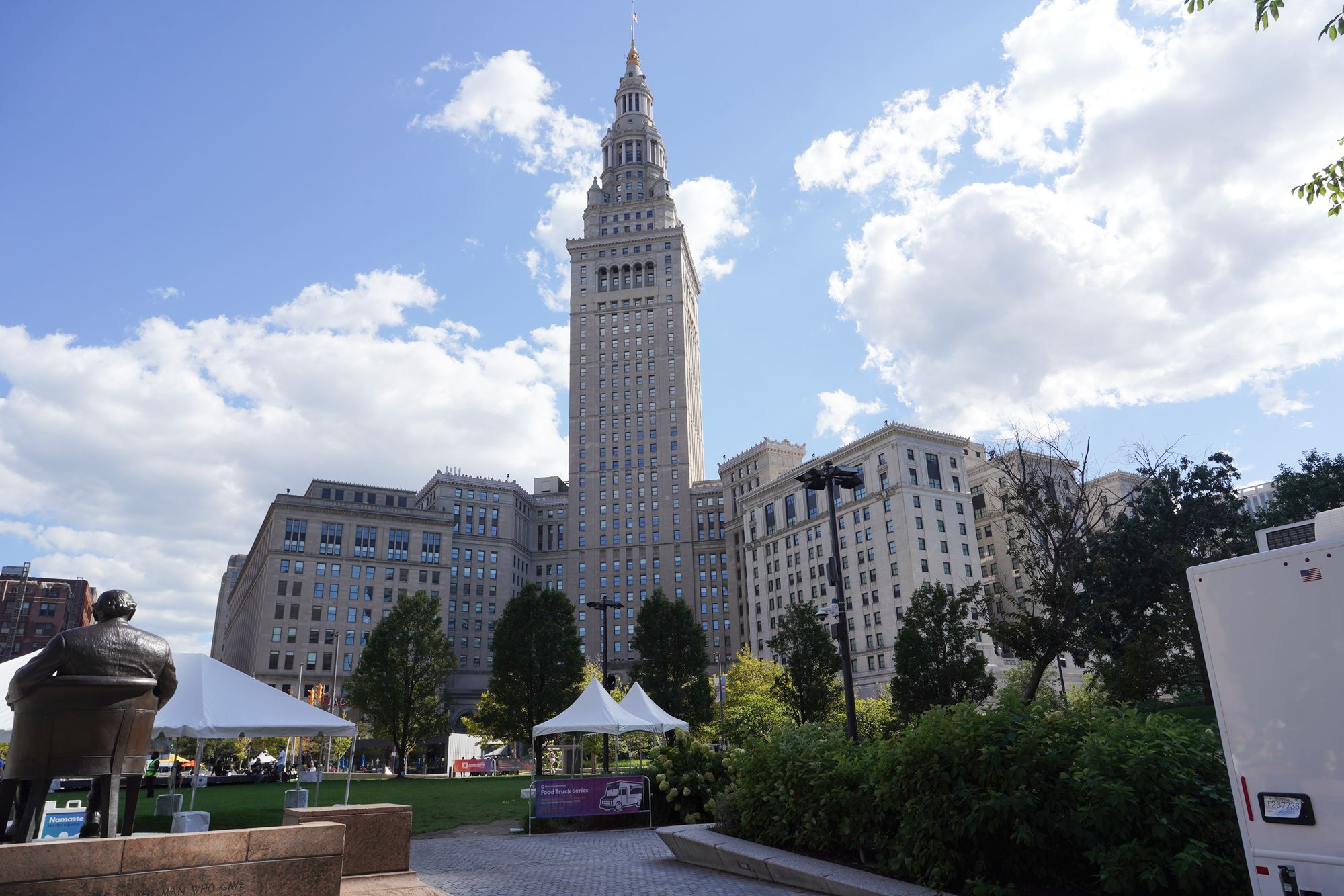
Tower City Center is one of downtown Cleveland’s historic landmarks.
Housed inside the former Terminal Tower complex, Tower City Center blends early-20th-century architecture with shops, dining, and transit connections. It once symbolized Cleveland’s economic power and still stands as a gateway between the city’s past, its skyline, and everyday urban life.
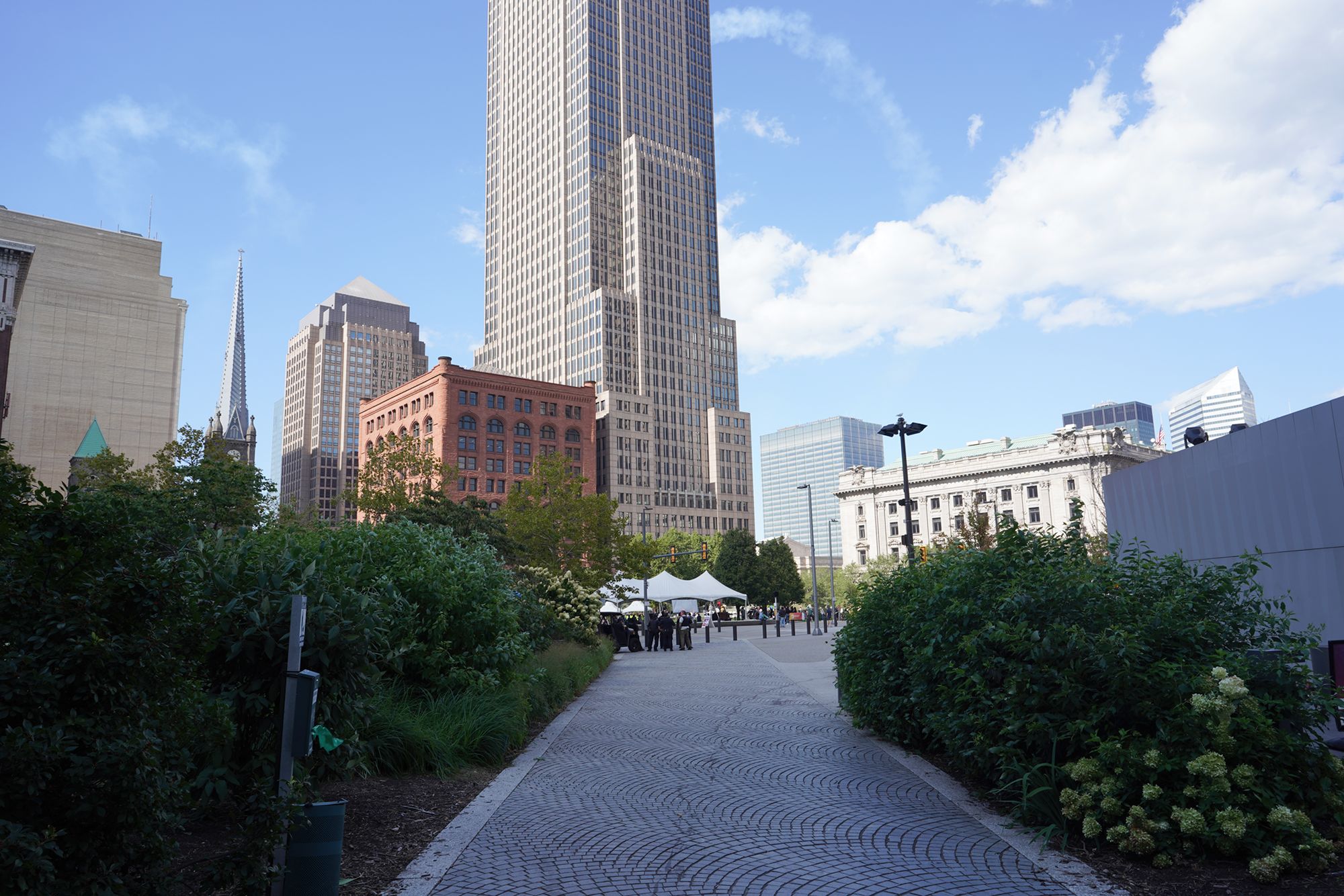
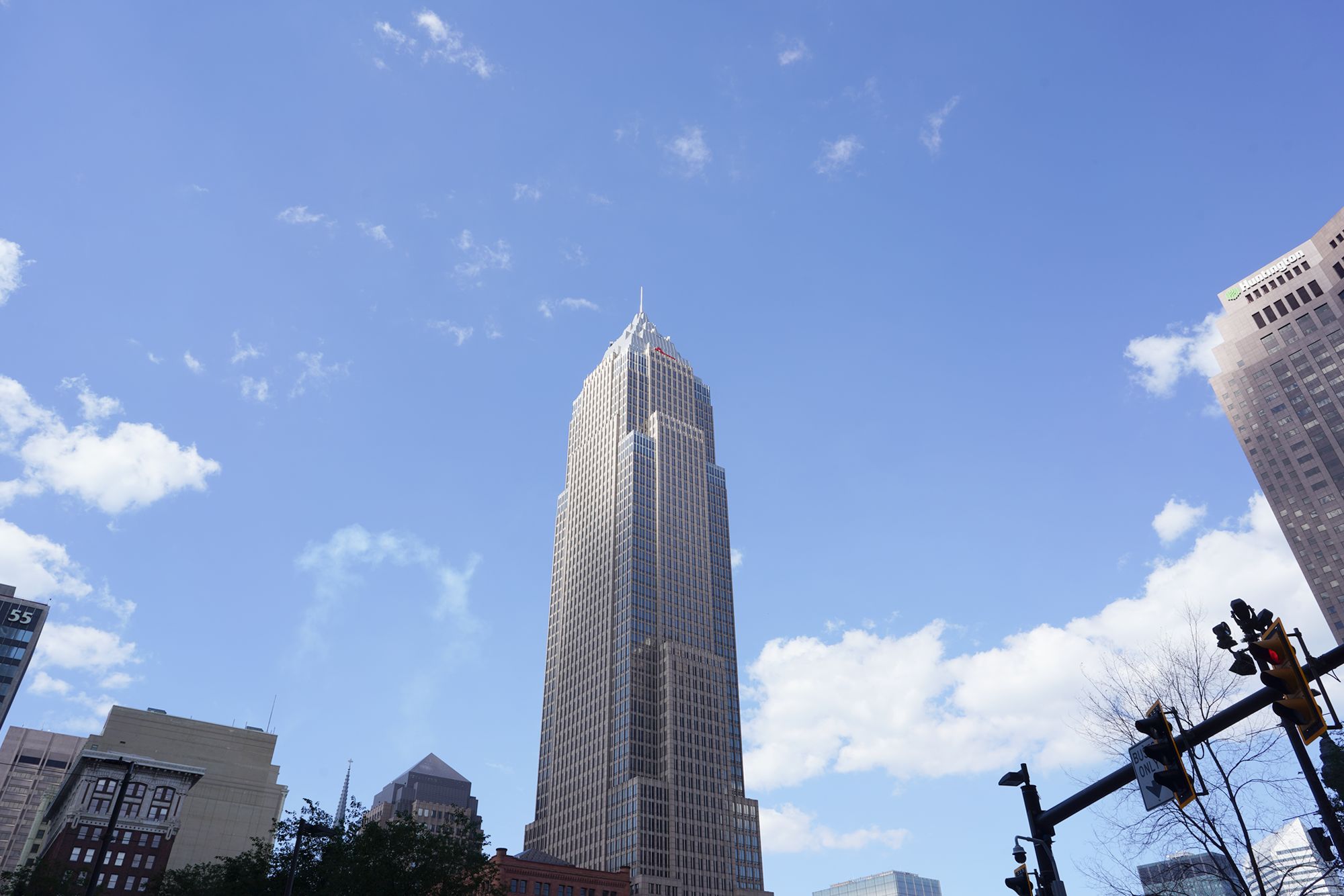
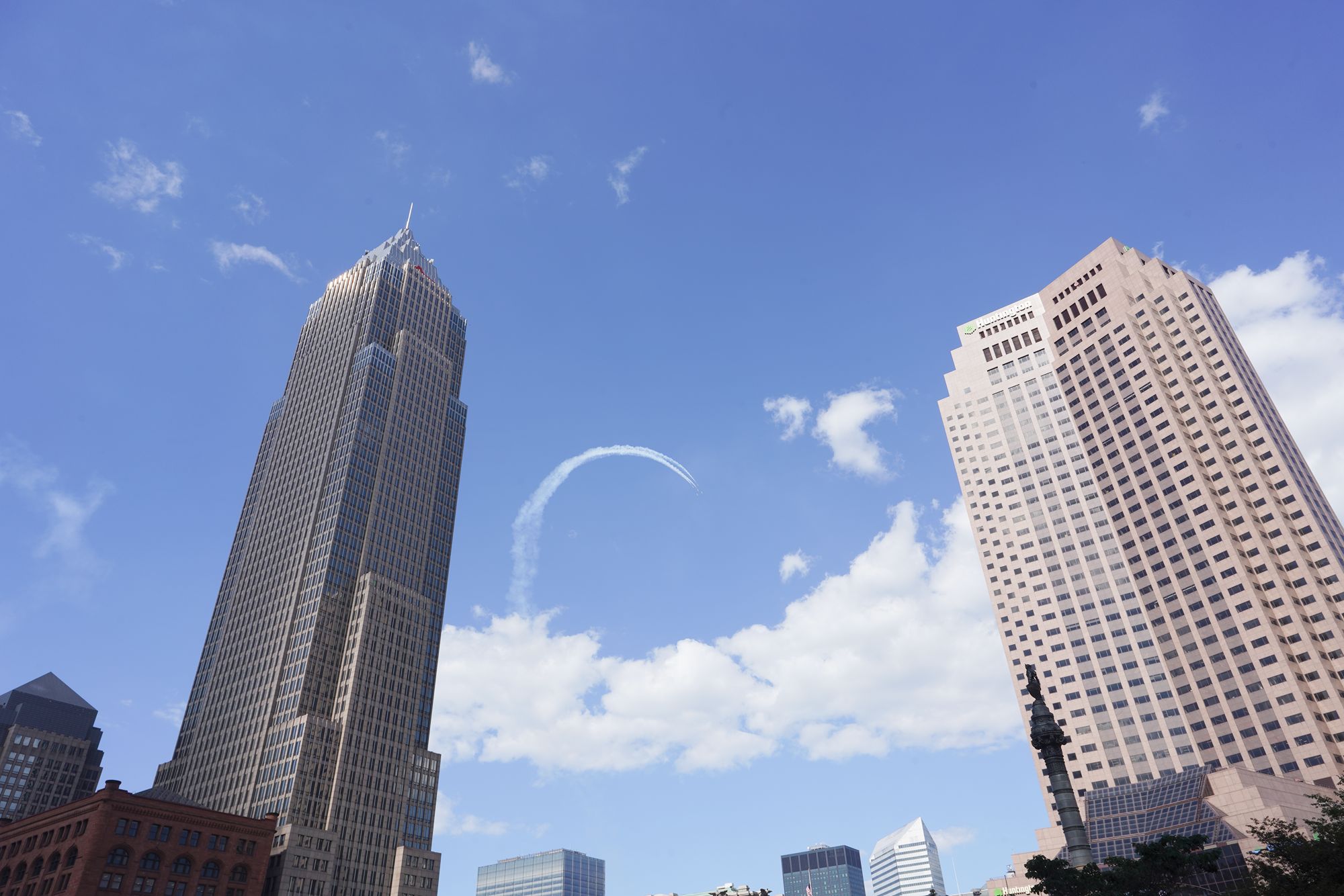
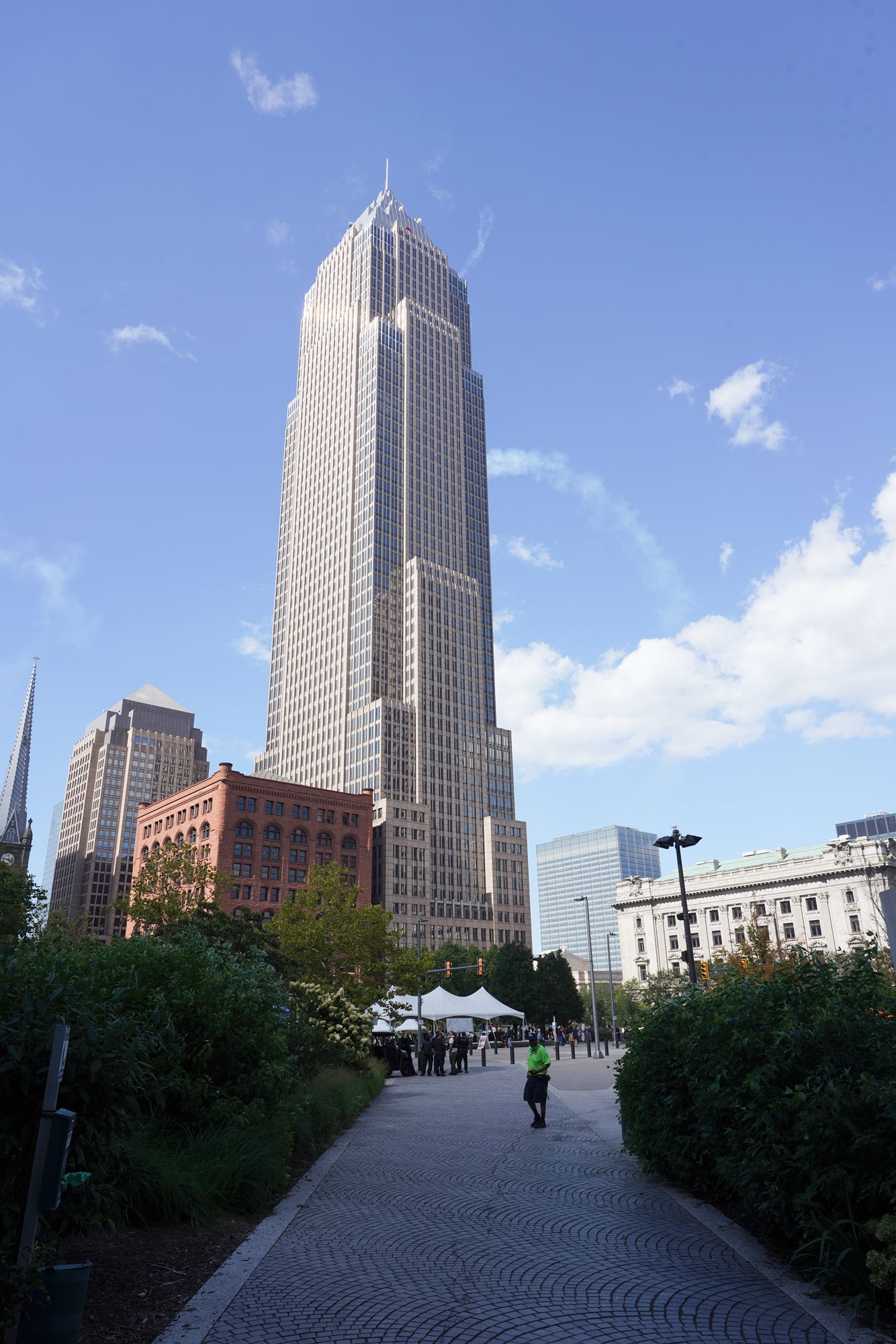
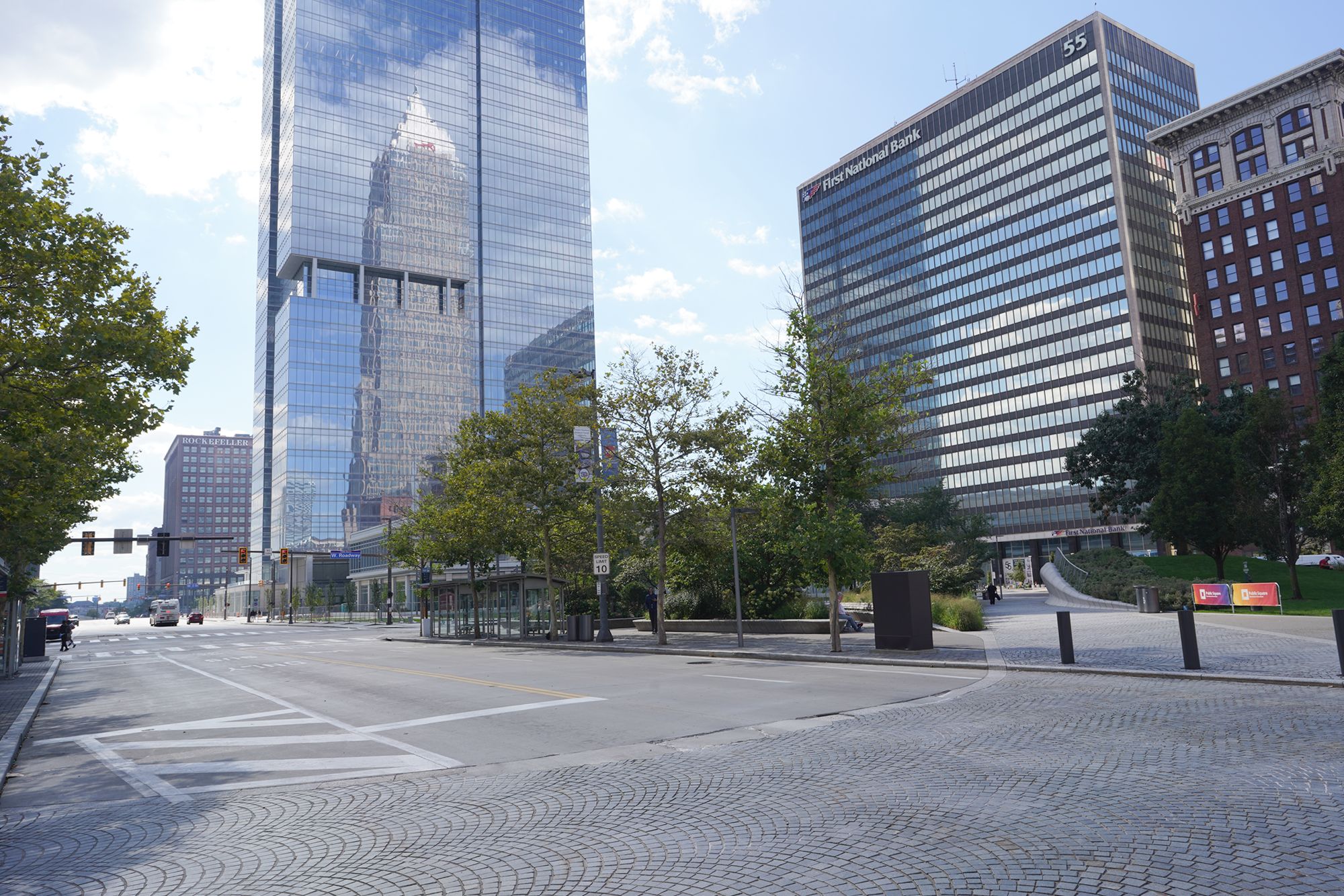
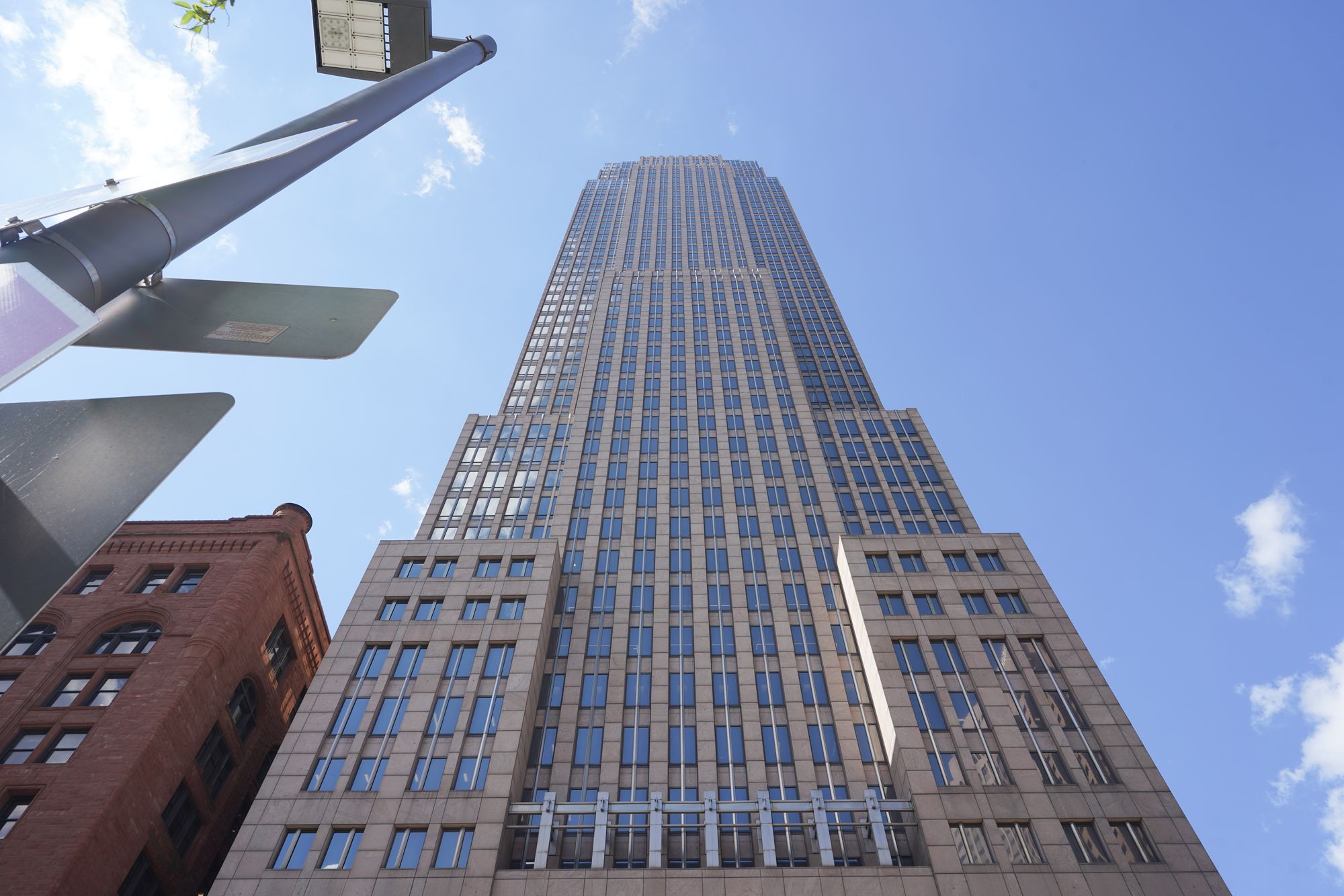
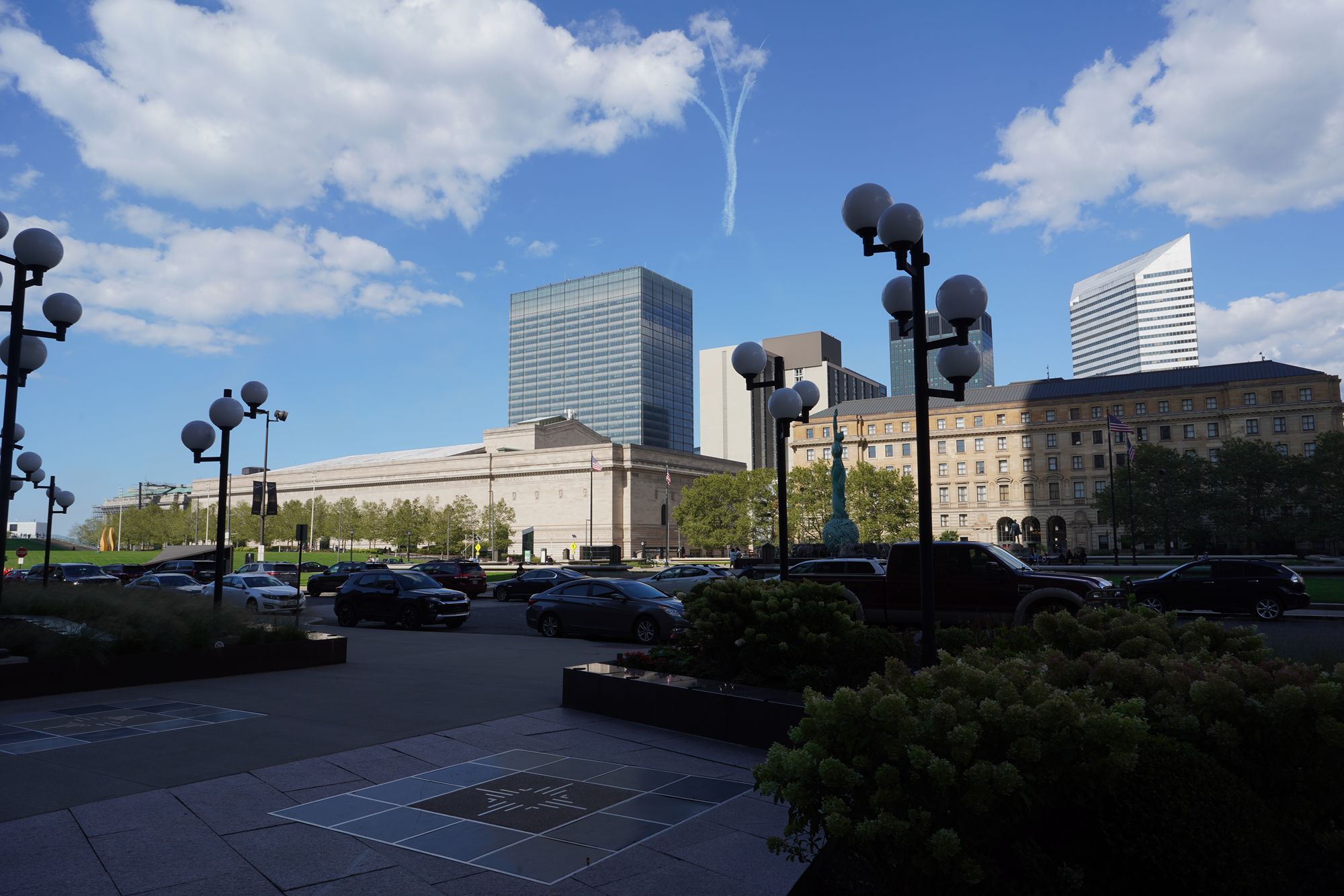
Key Tower is the tallest building in Ohio and a defining feature of Cleveland’s skyline.
Rising above downtown, the postmodern skyscraper reflects the city’s late-20th-century ambitions. Designed by César Pelli, it anchors the financial district and signals Cleveland’s role as a regional business center, visible from the lake and across the city.
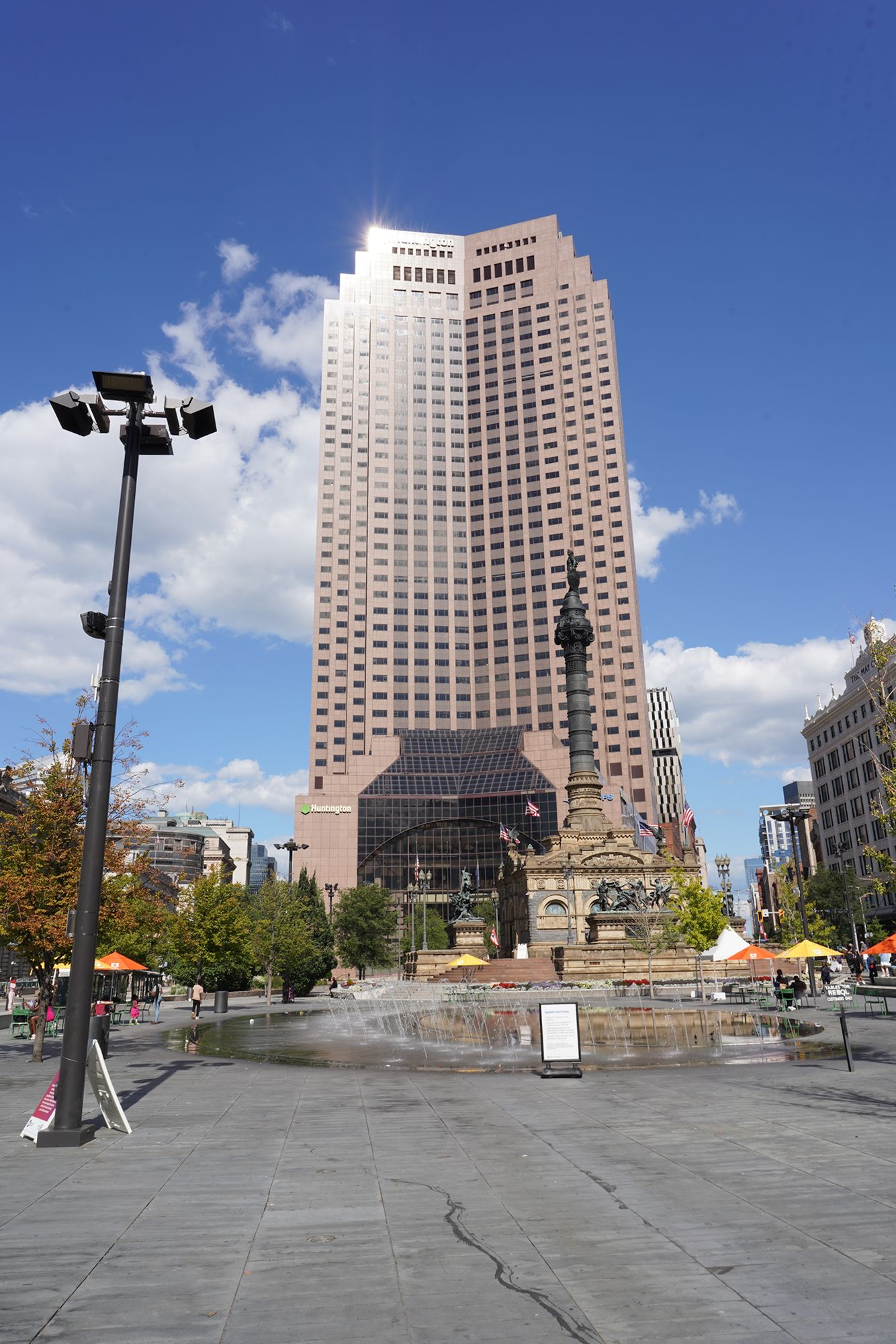
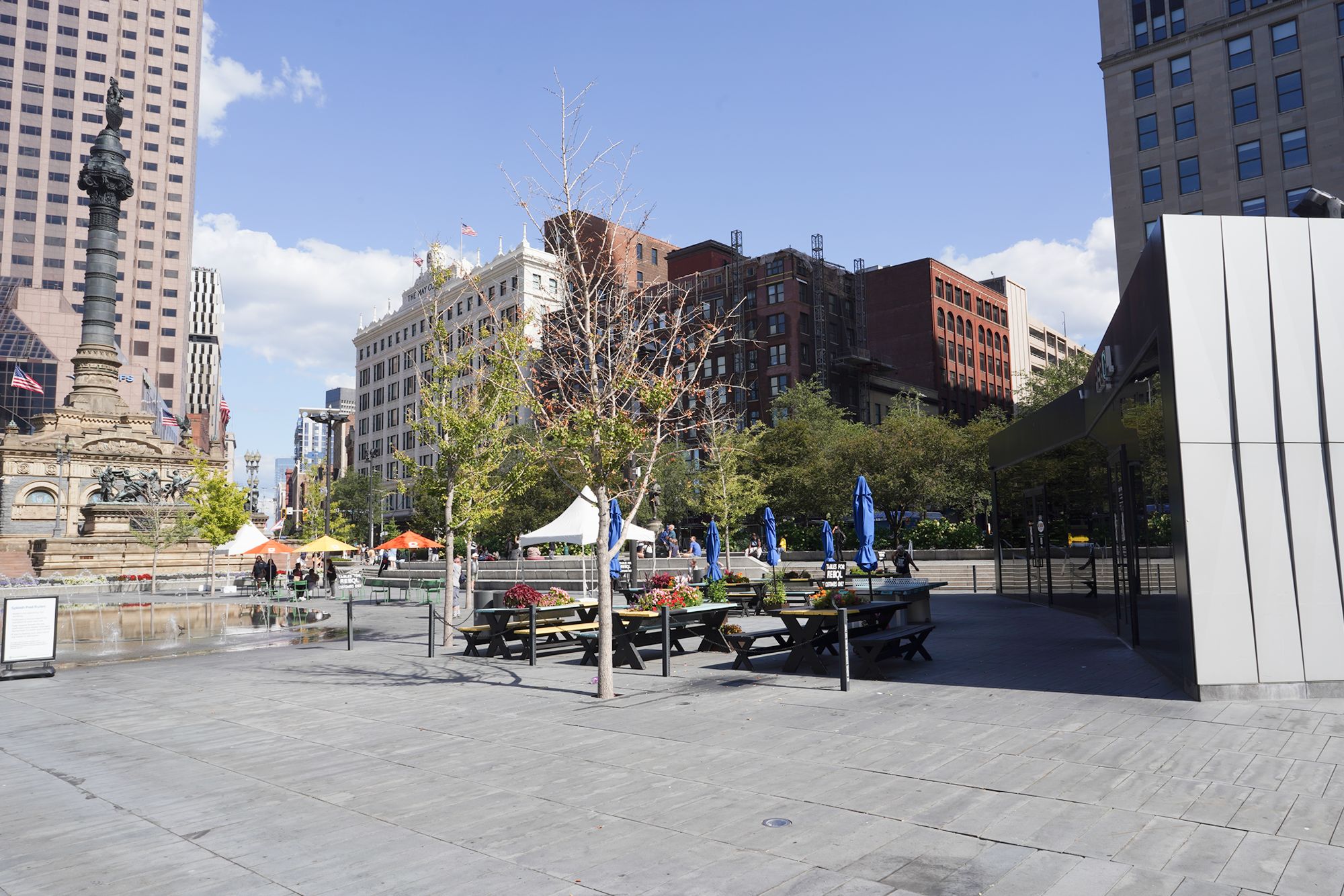
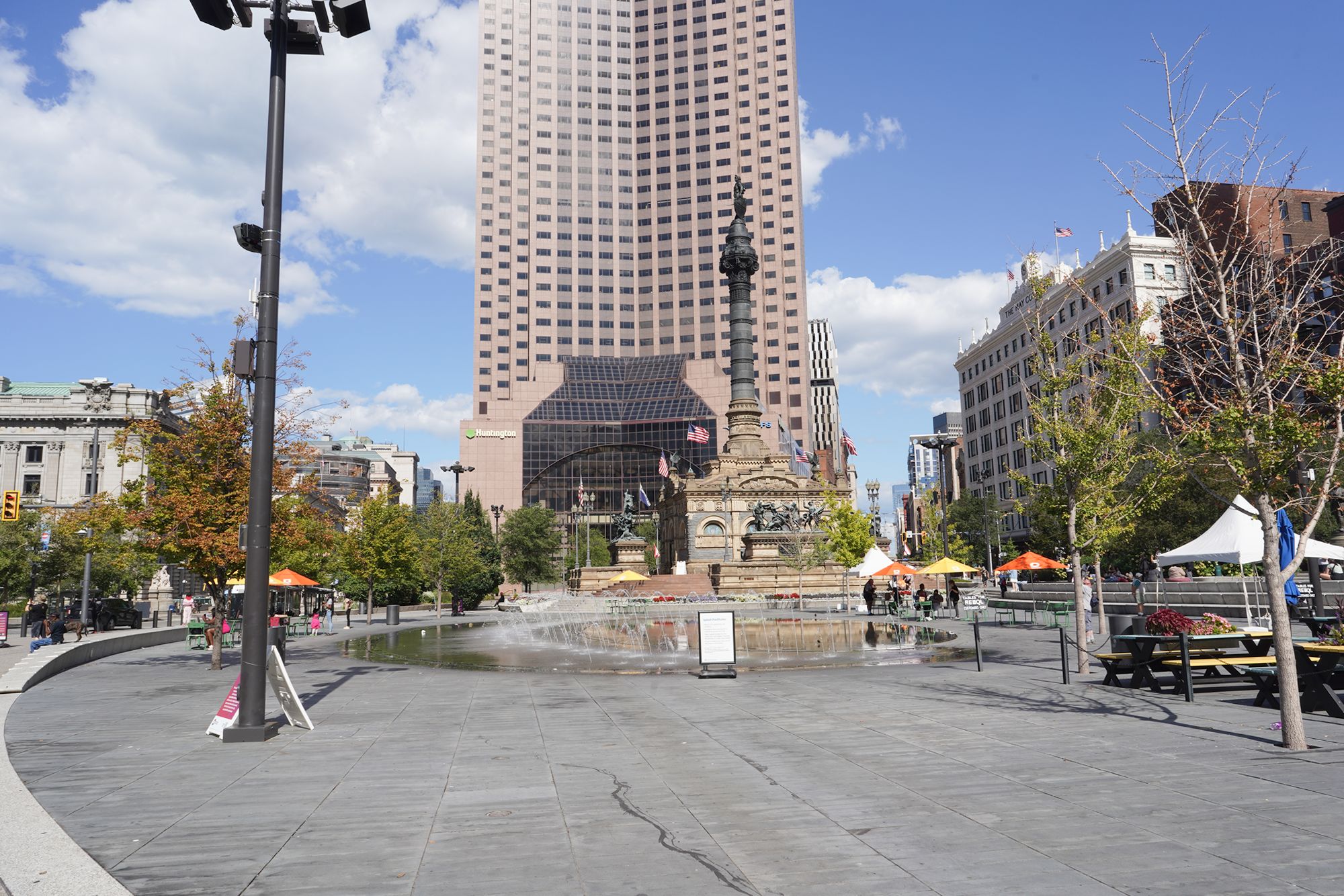
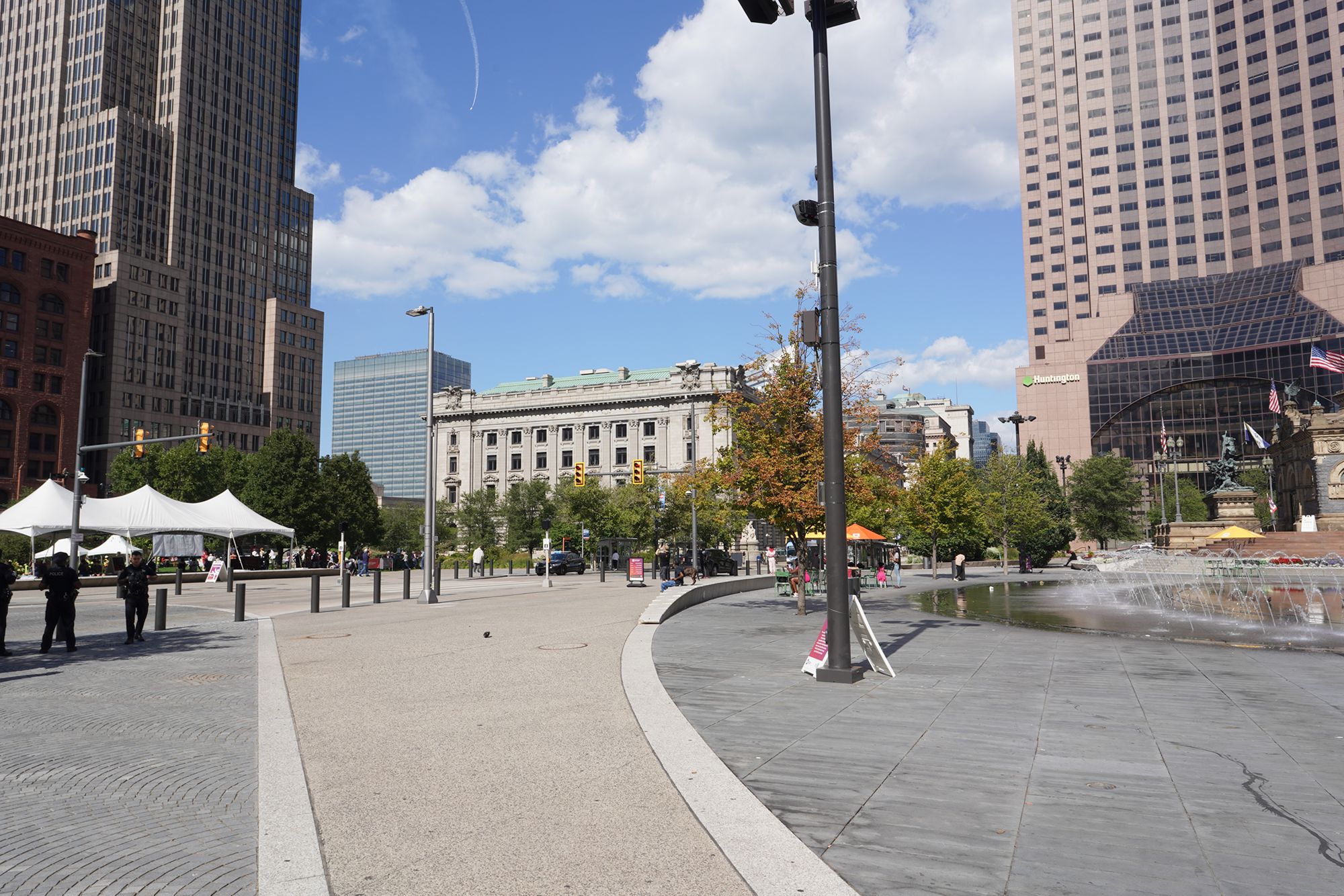
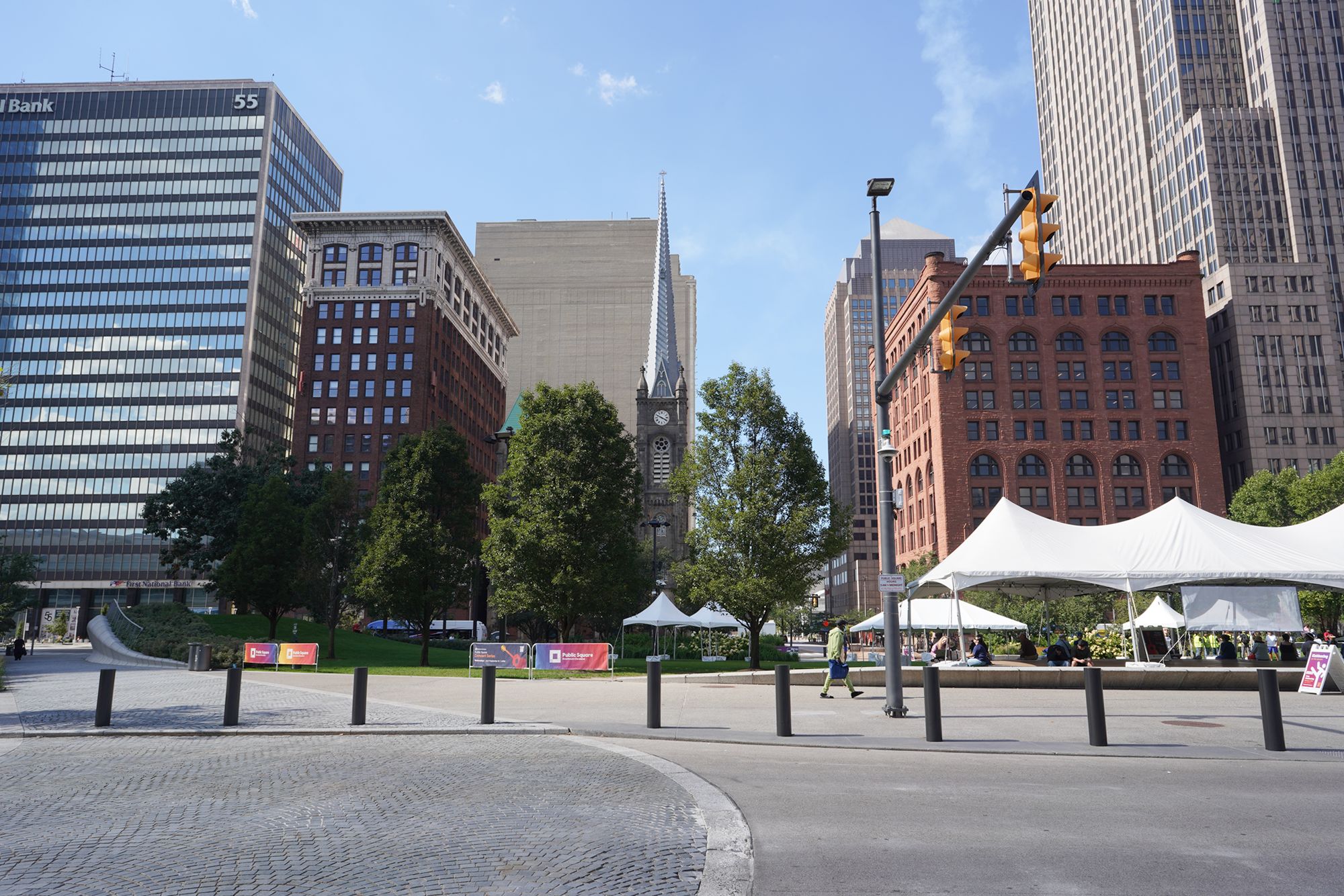
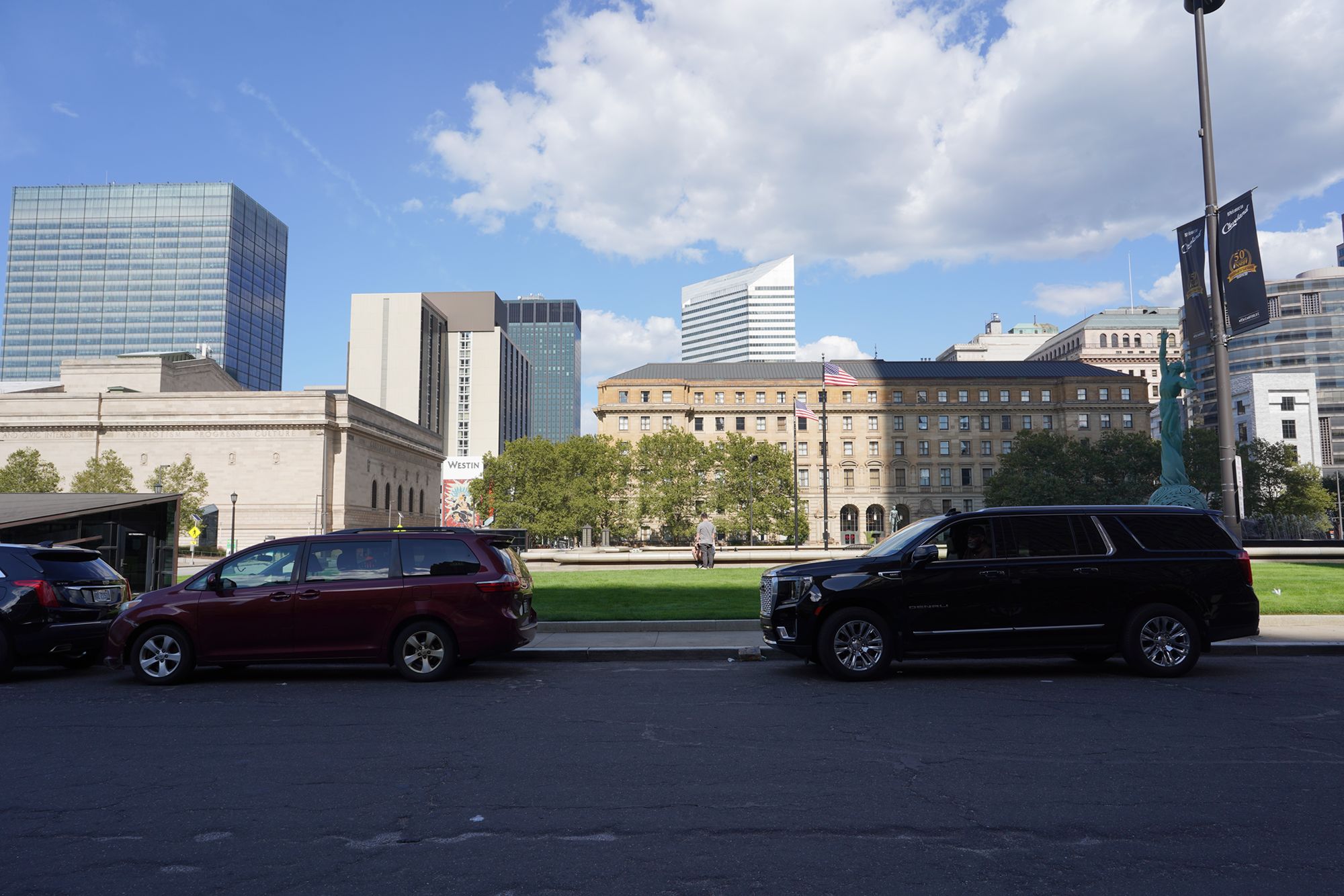
Cleveland Public Square is the historic heart of the city.
Laid out in the 1790s, the square anchors downtown Cleveland between major streets and landmarks. Today it serves as a civic gathering space, blending green lawns, monuments, and skyline views, linking the city’s early planning ideals with modern urban life.
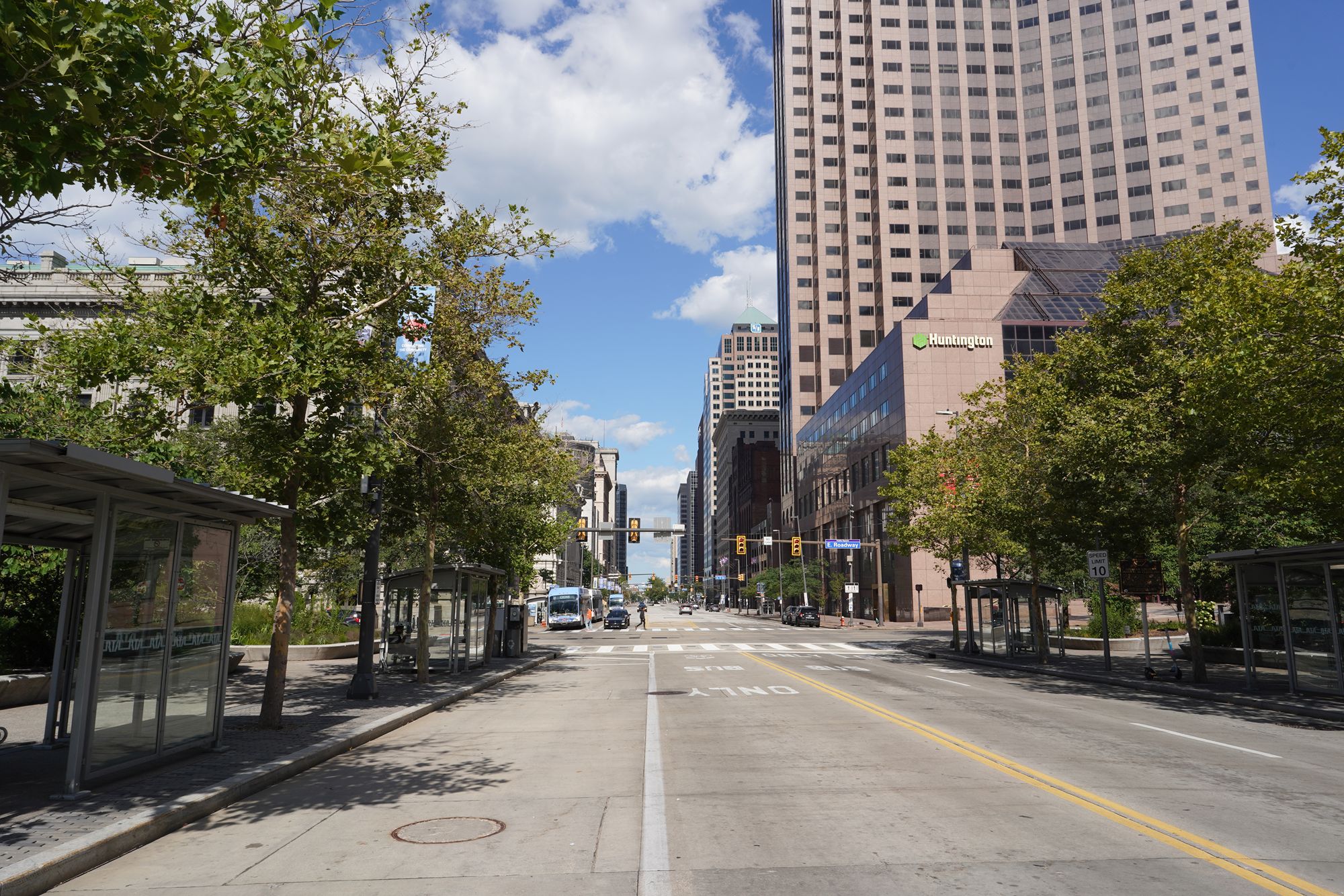
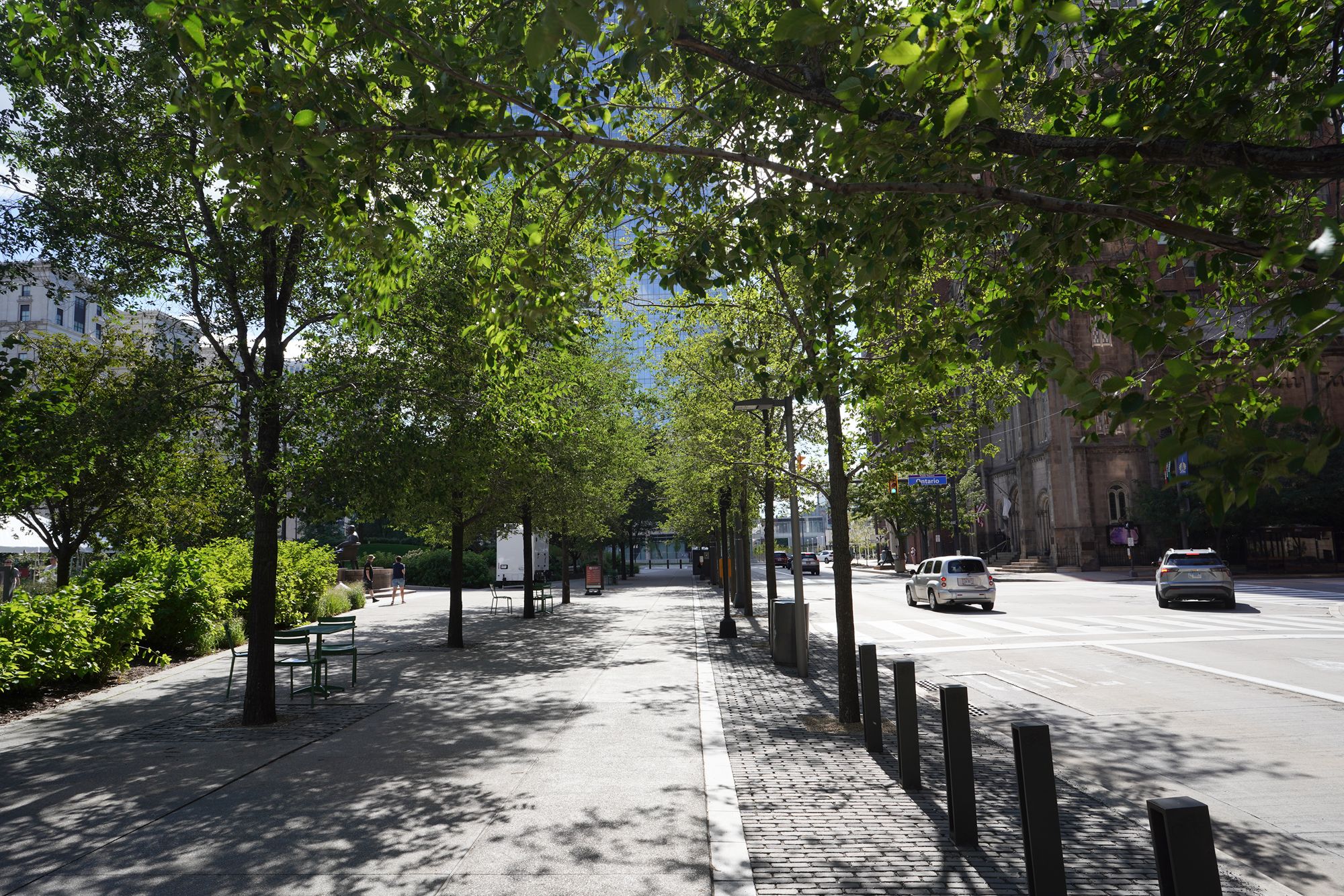
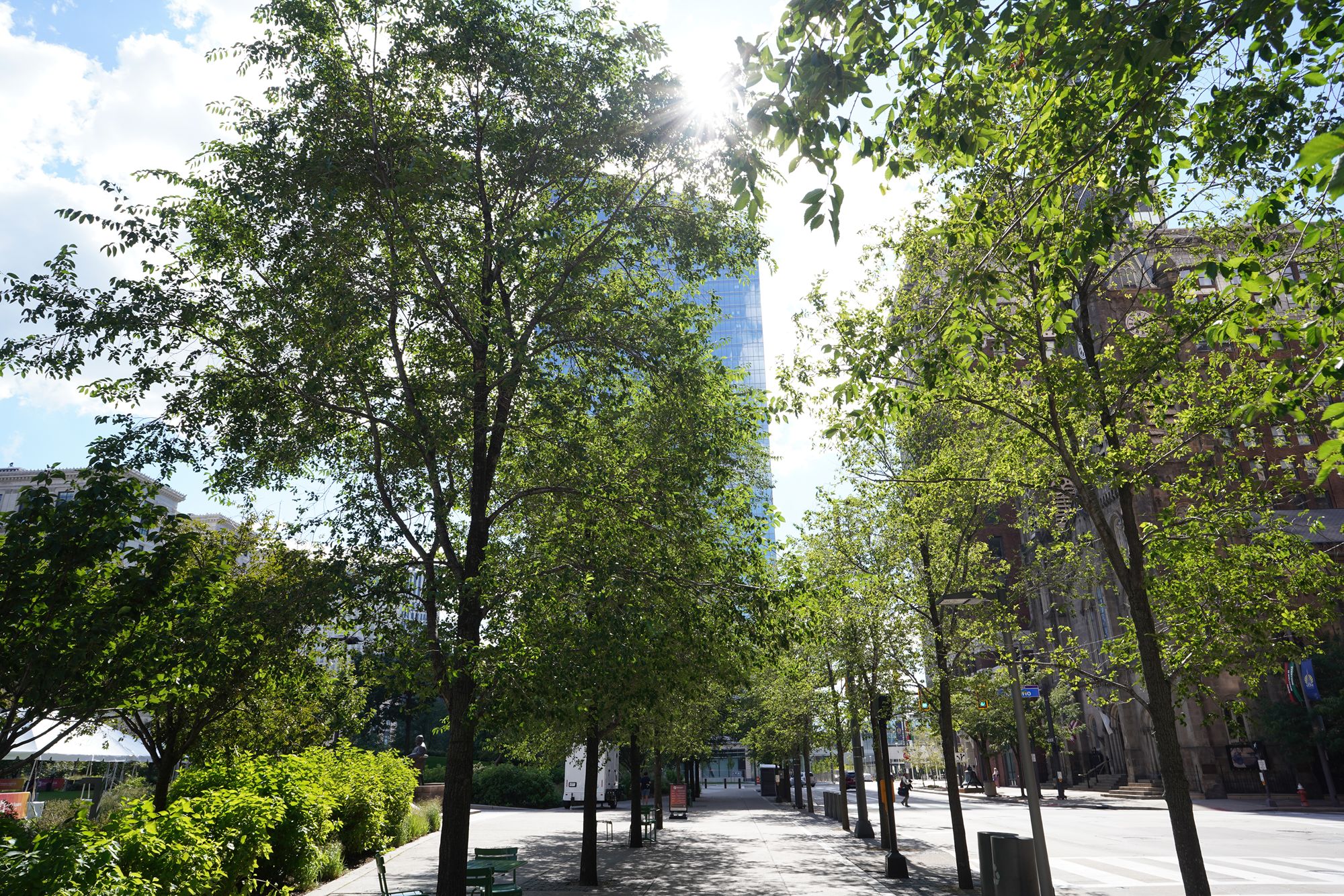
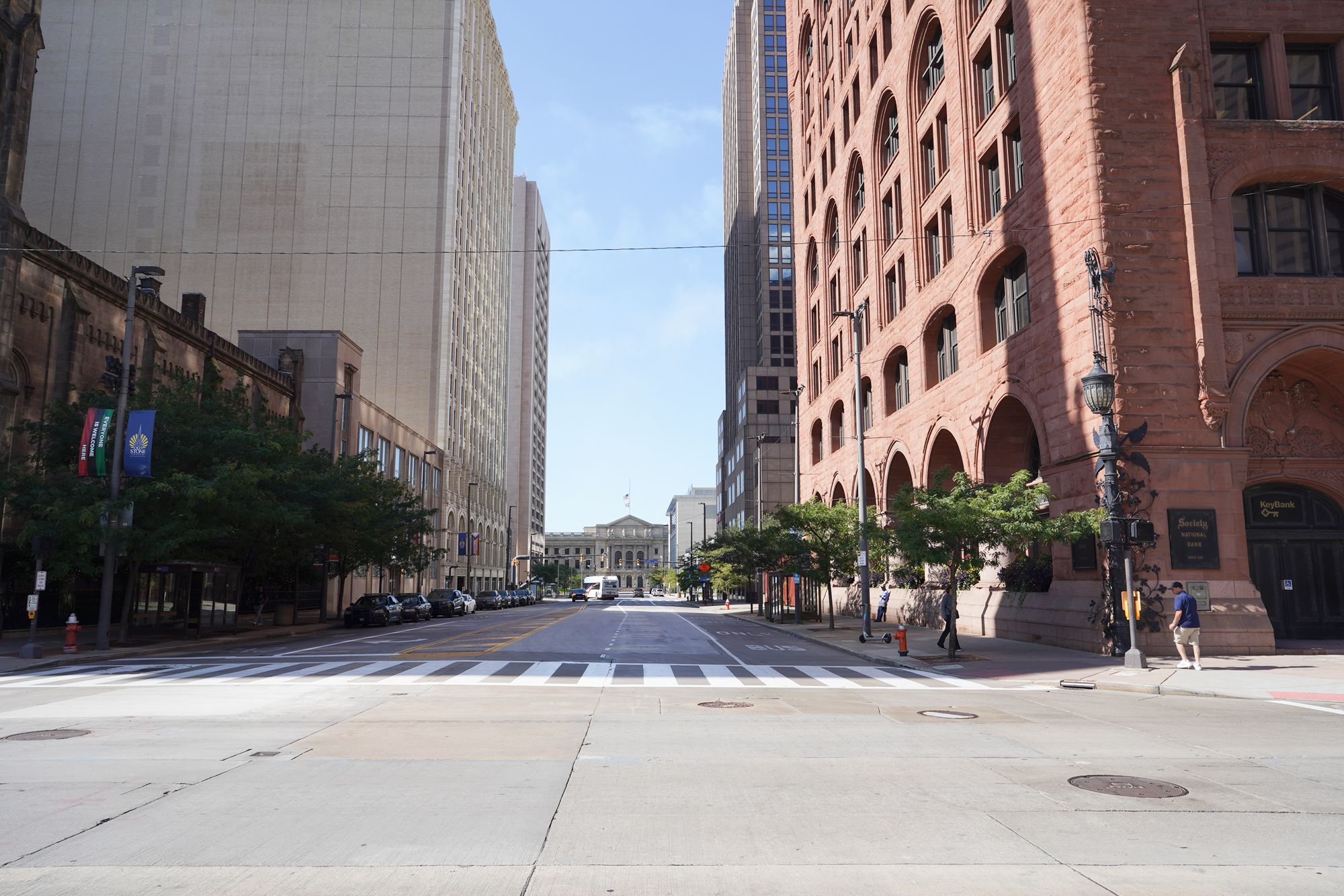
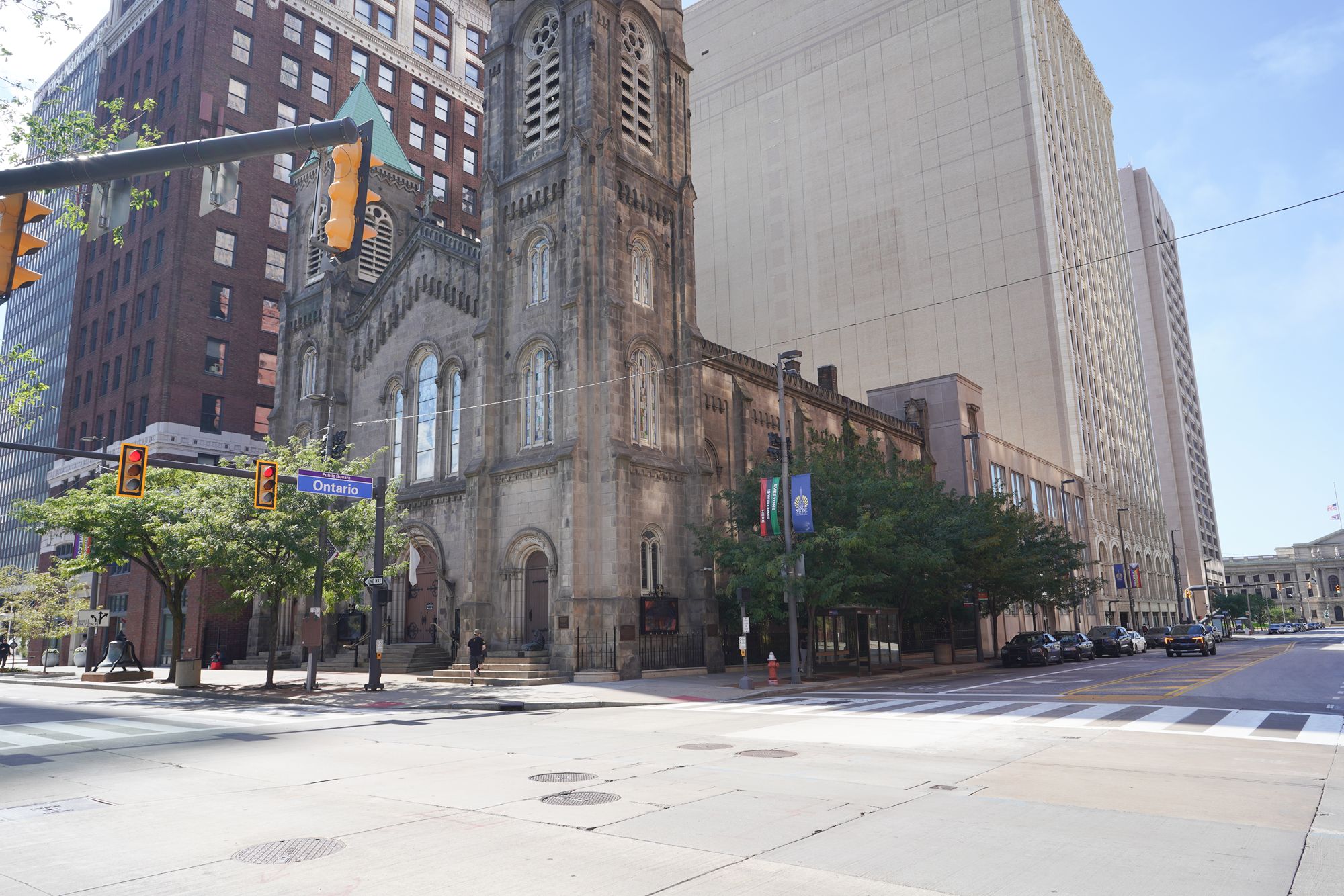
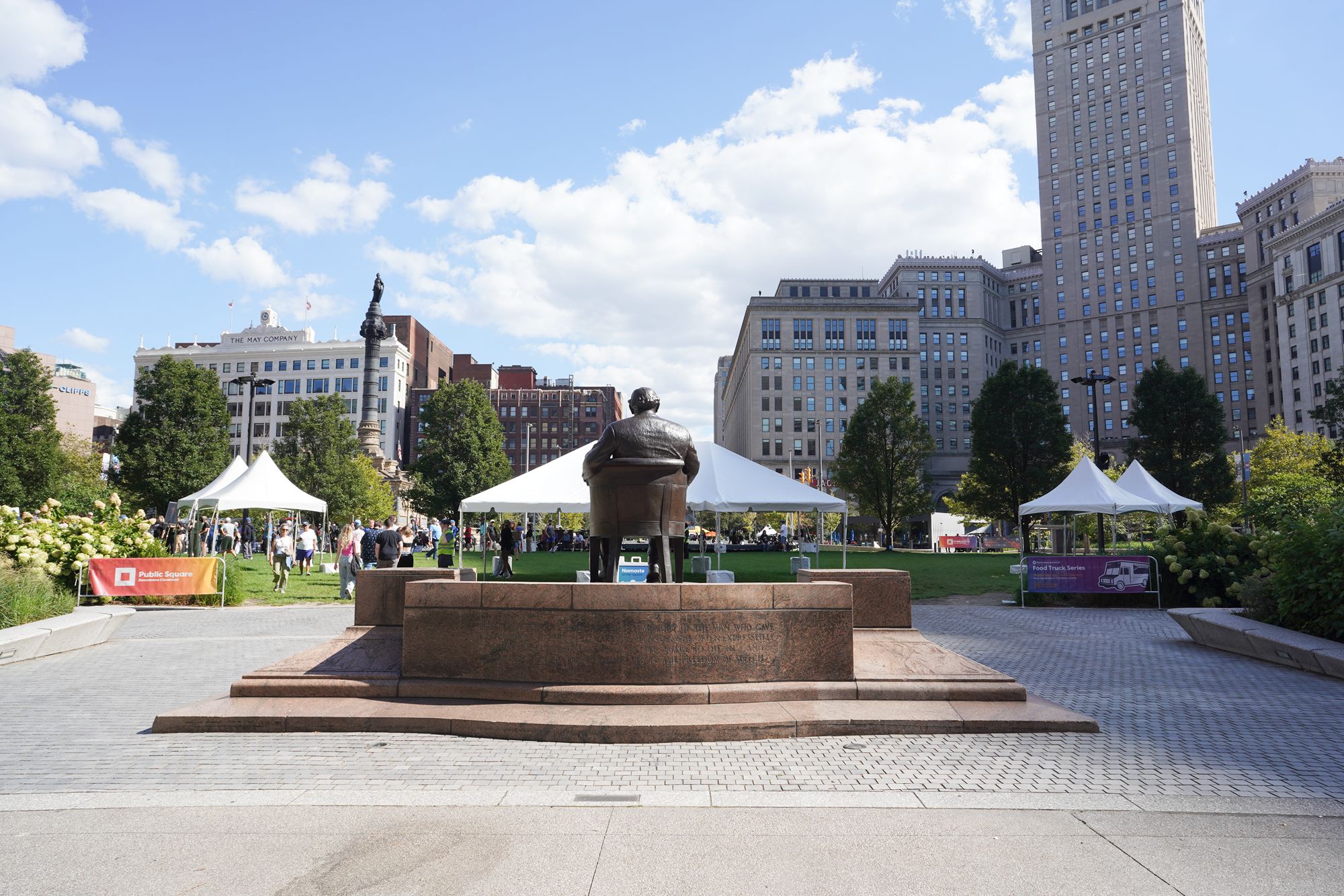
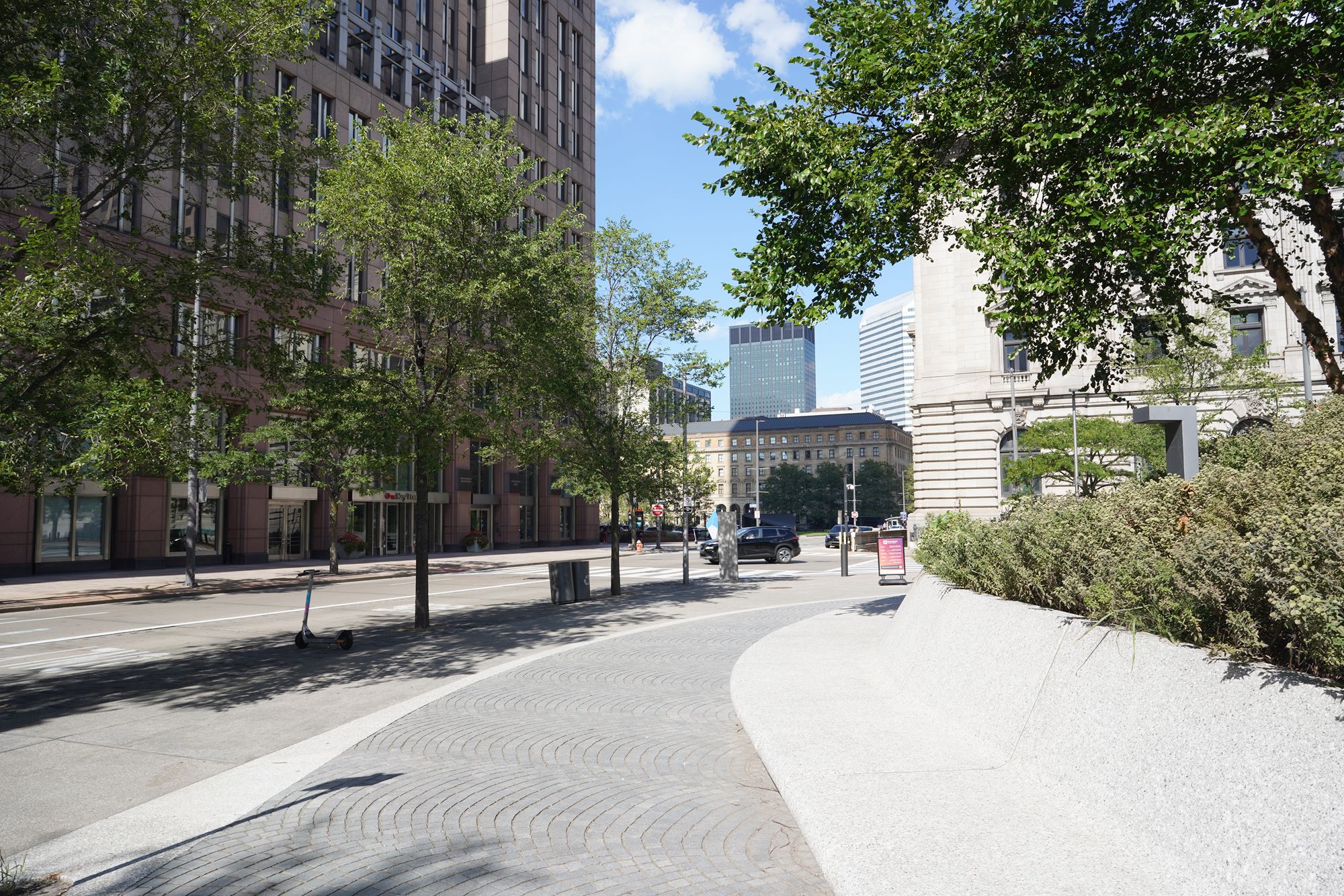
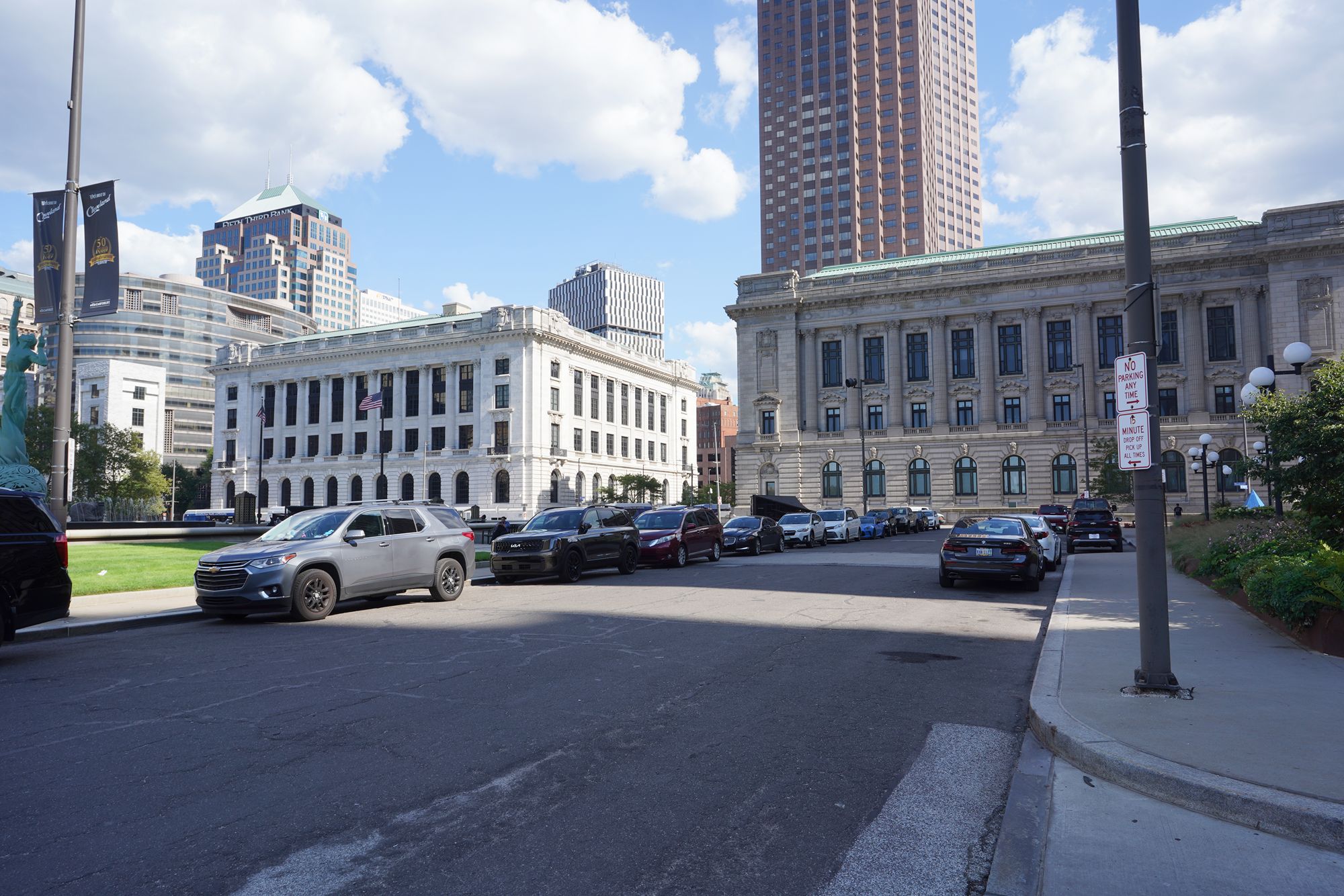
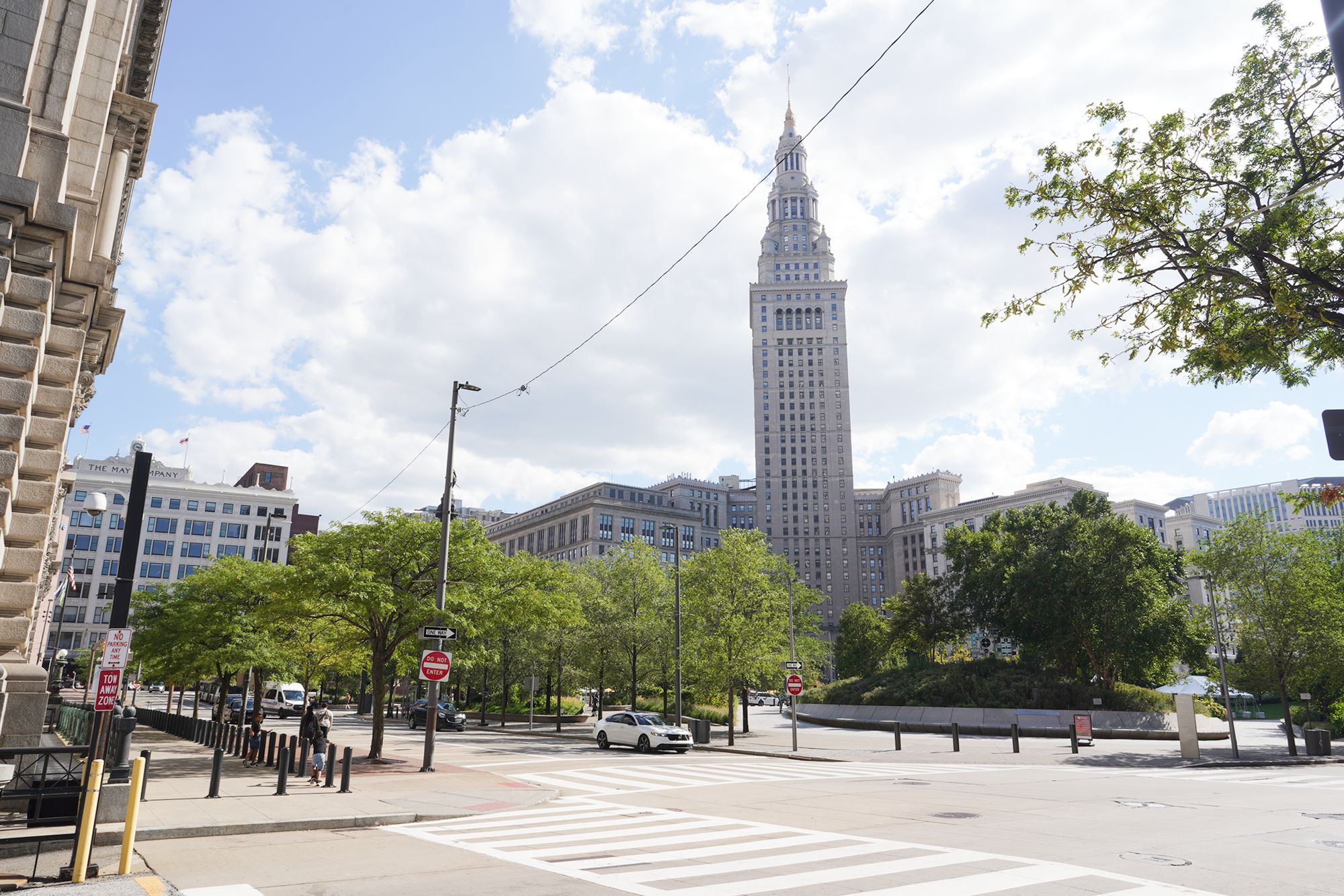
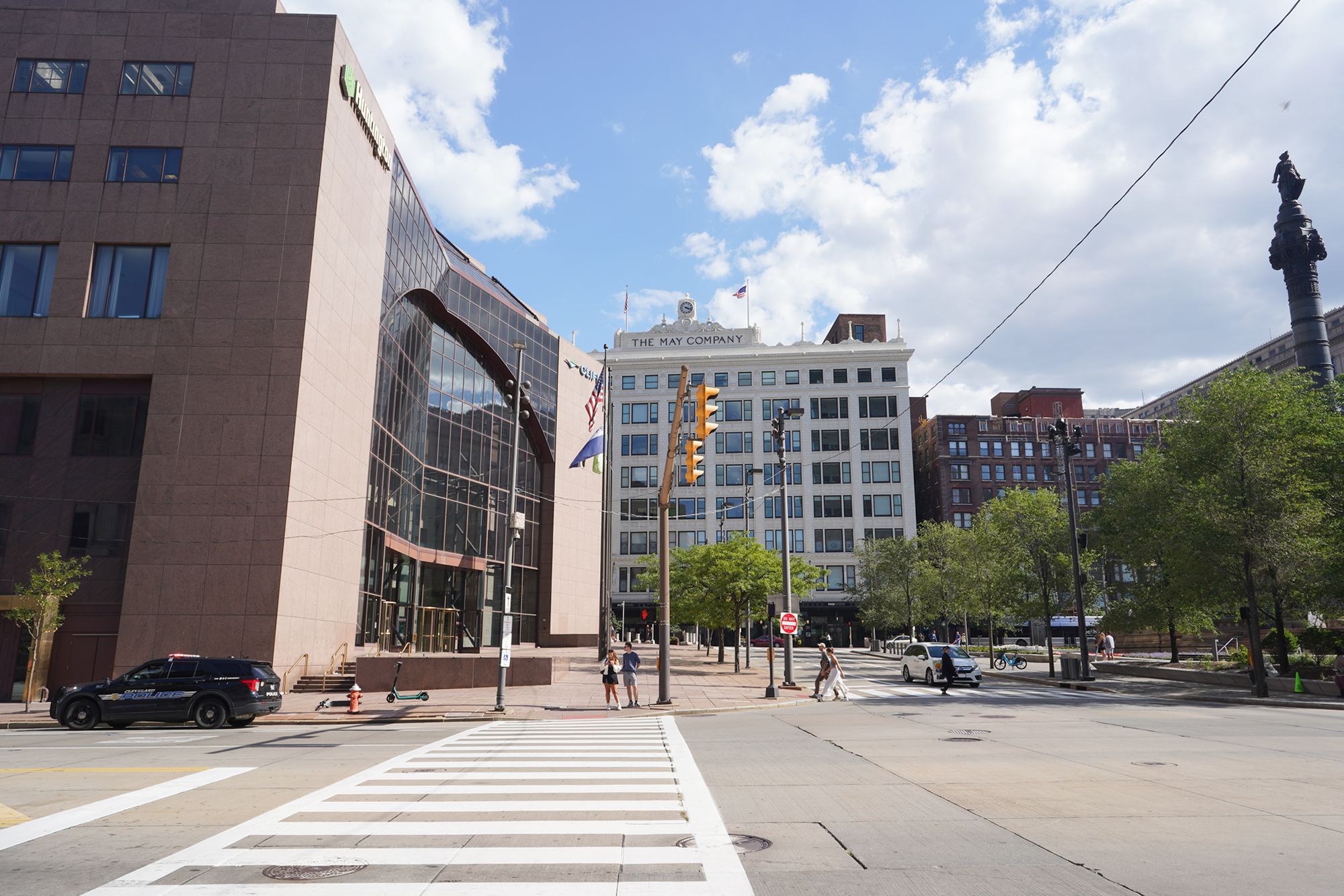
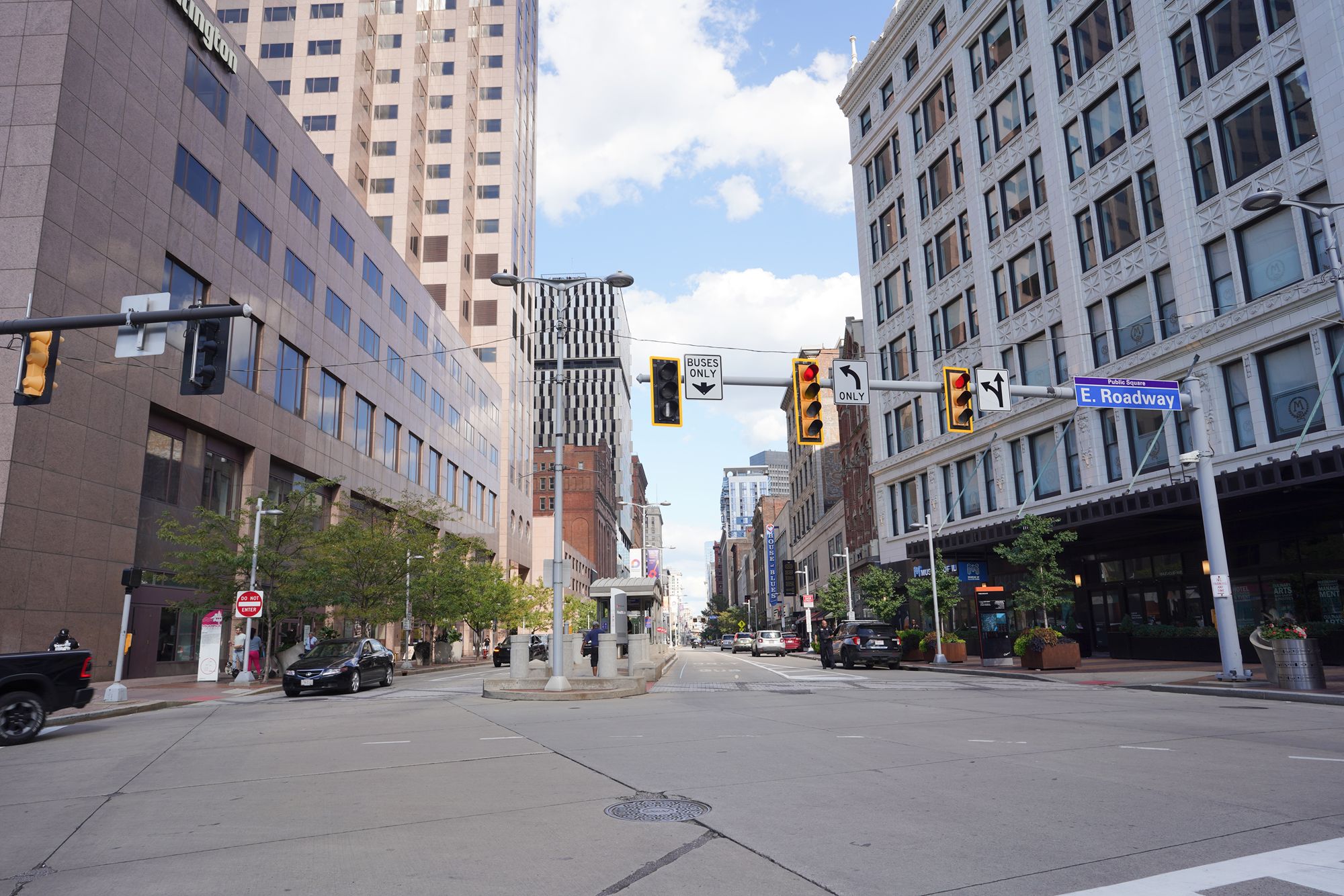
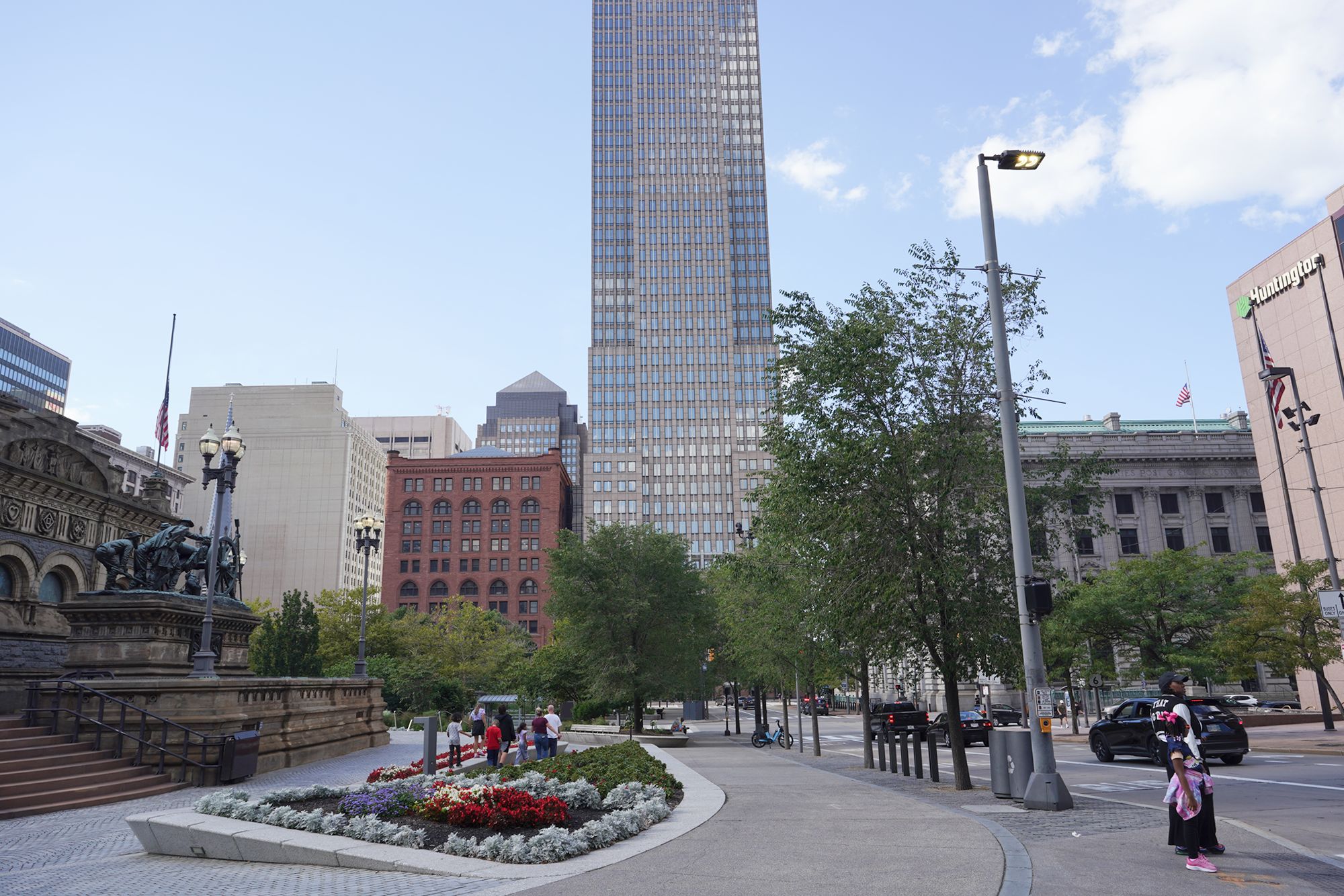
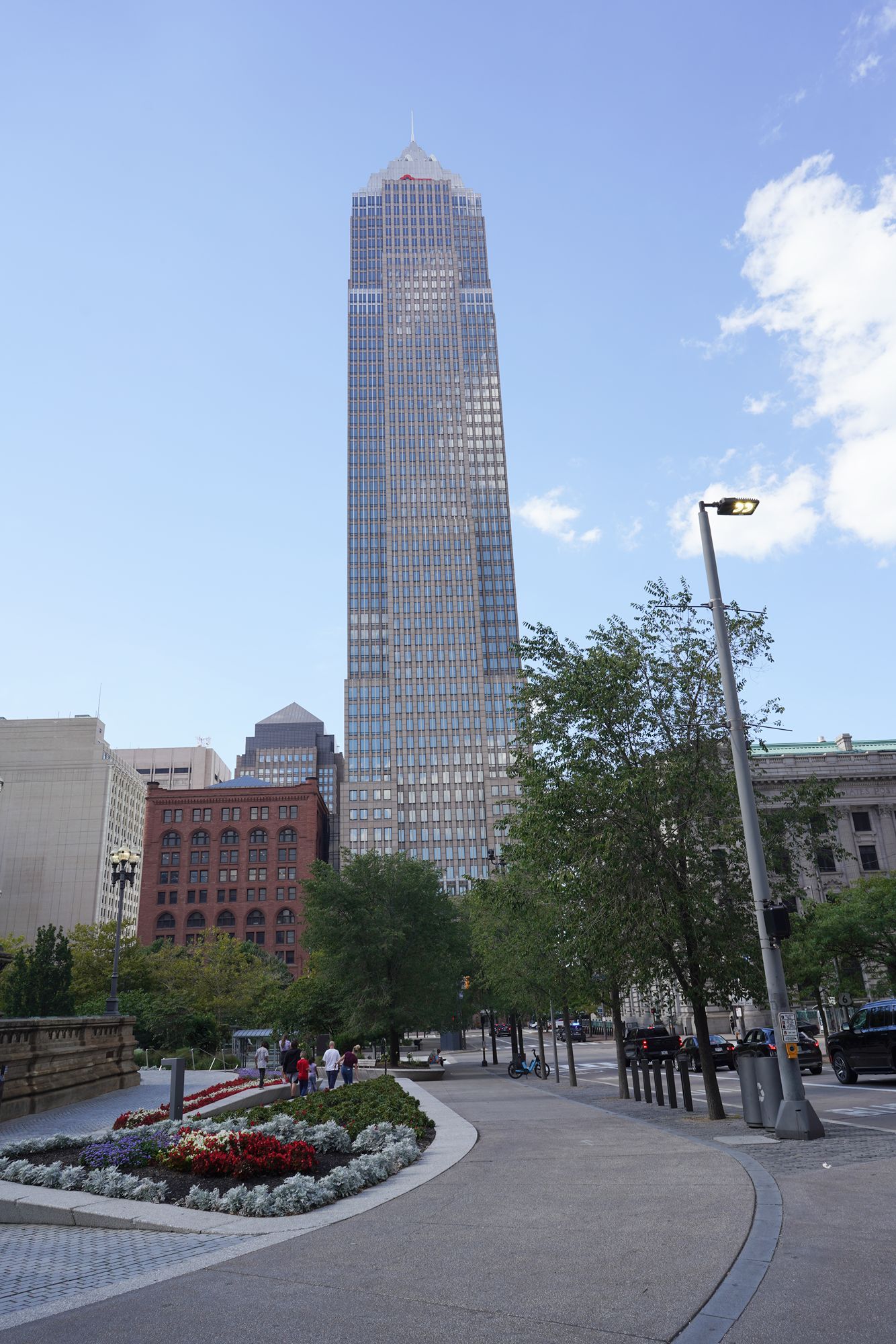
I’m on Euclid Avenue, heading toward Playhouse Square.
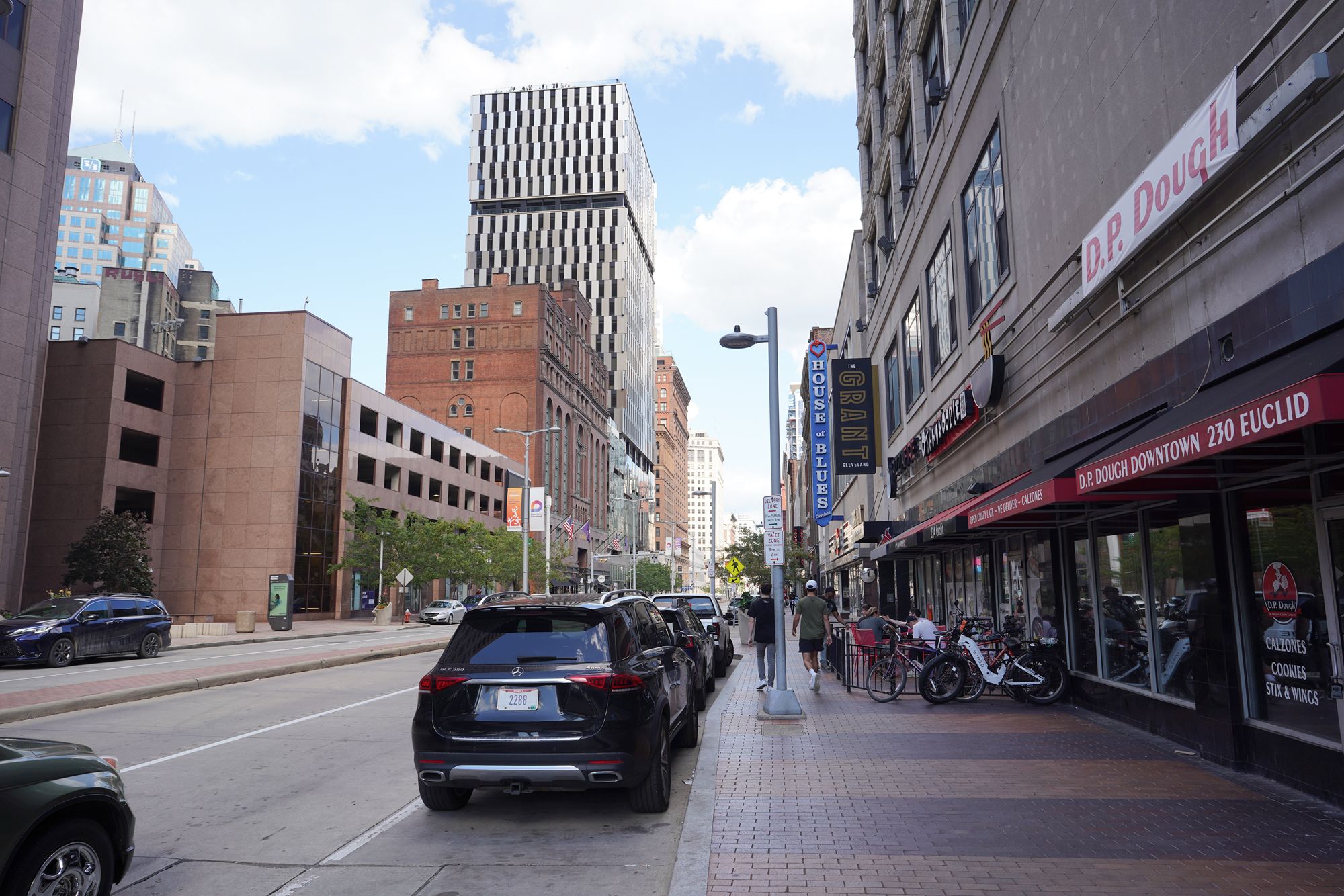
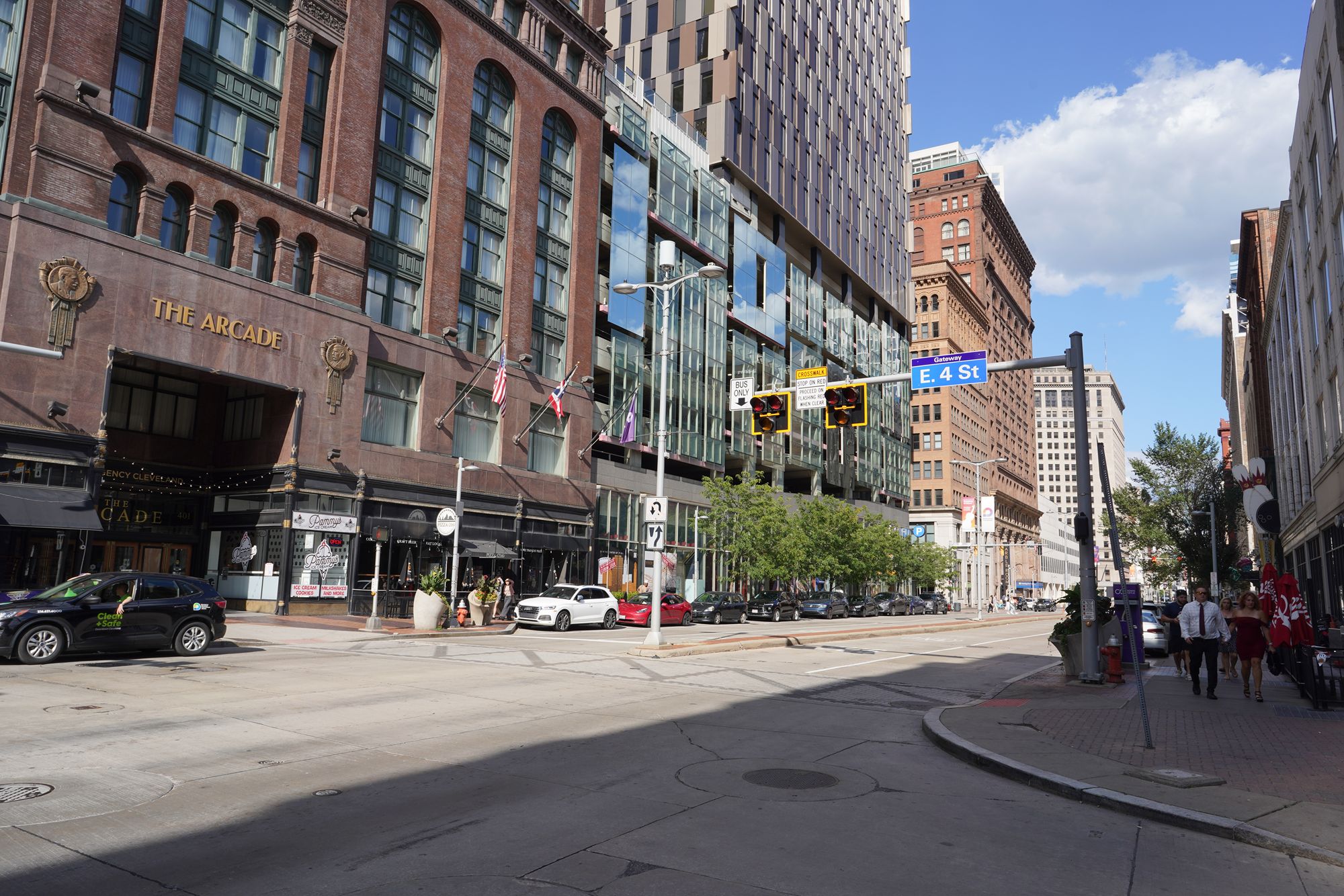
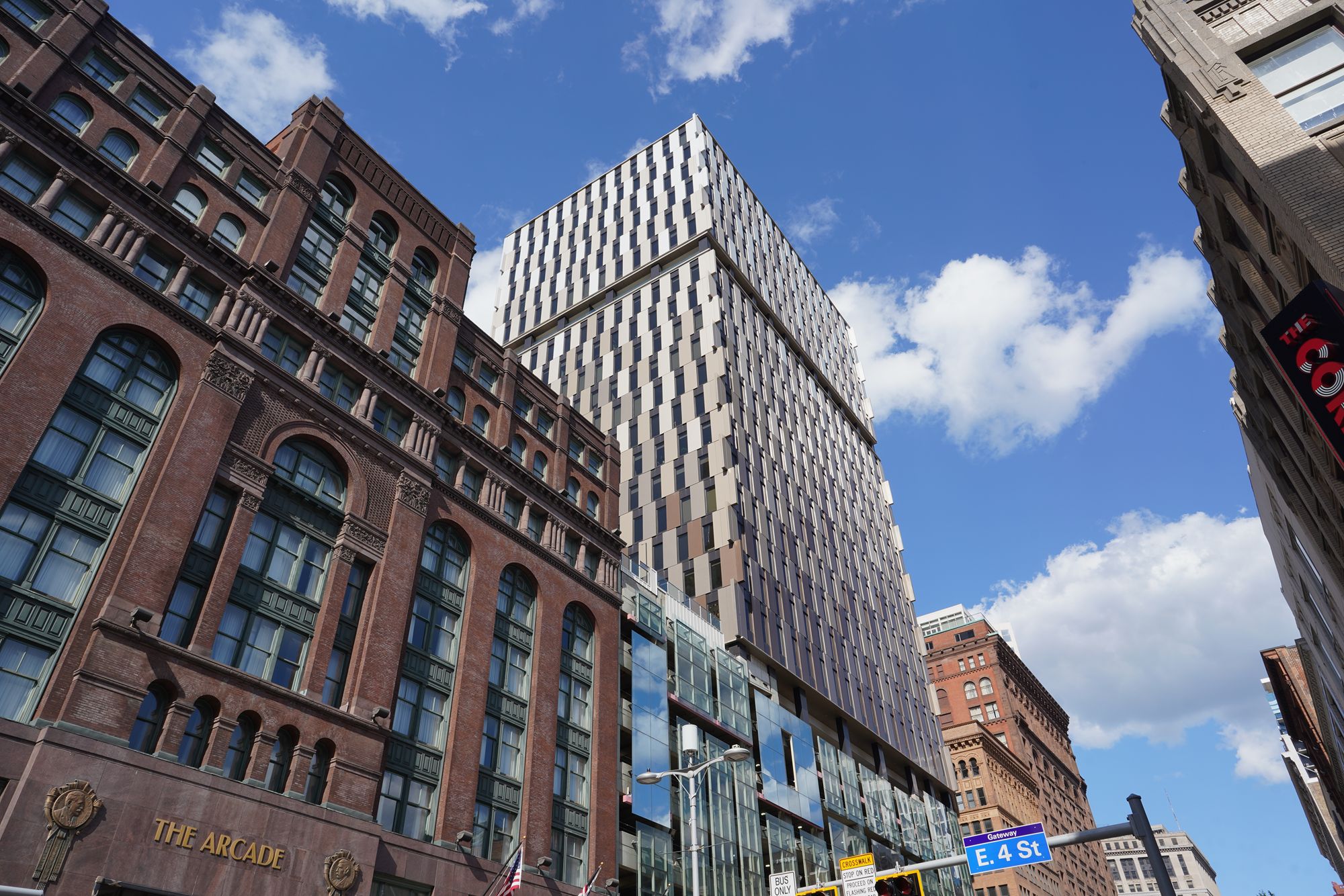
I turned right onto East 4th Street, a lively stretch filled with outdoor dining that immediately caught my eye..
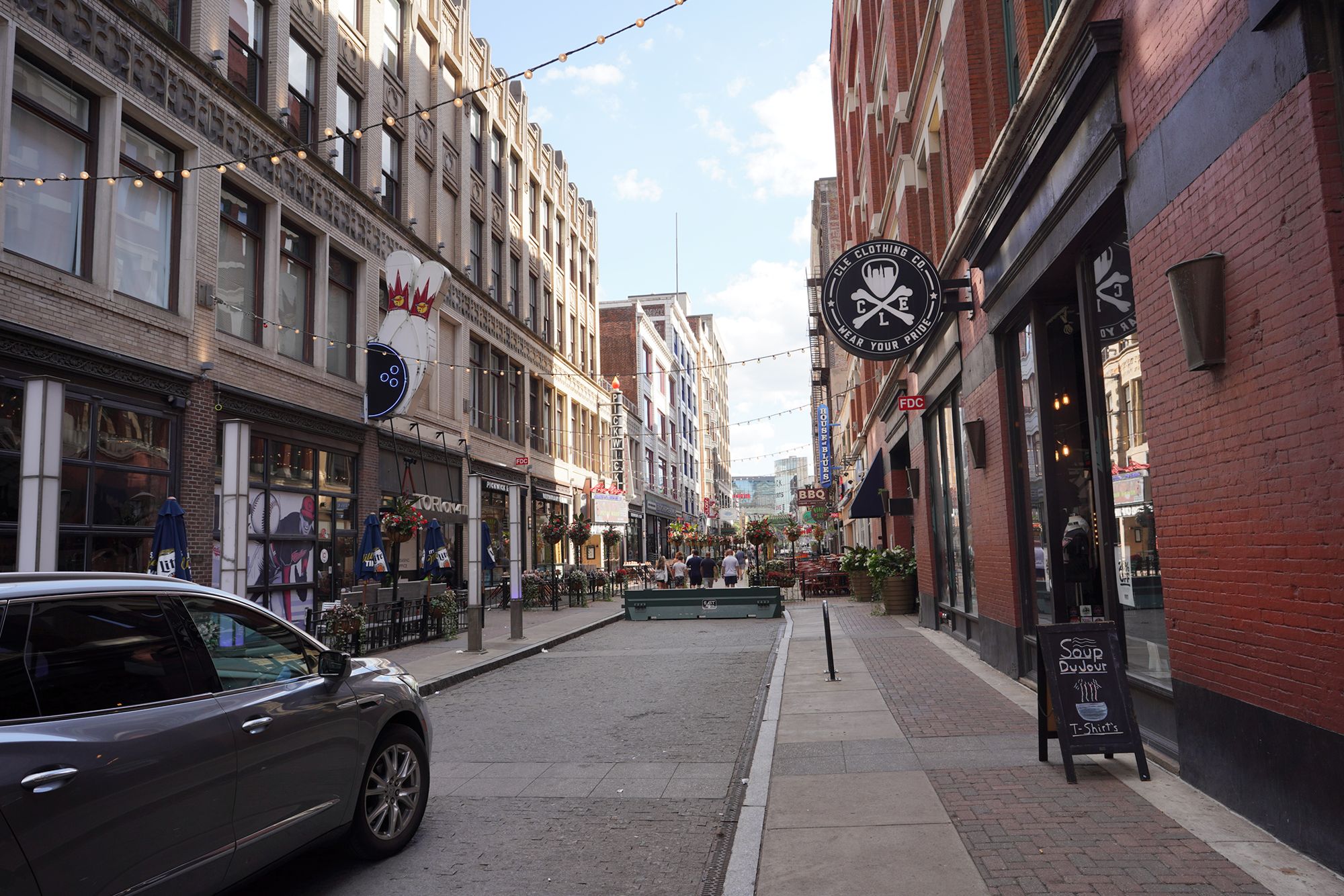
My back side
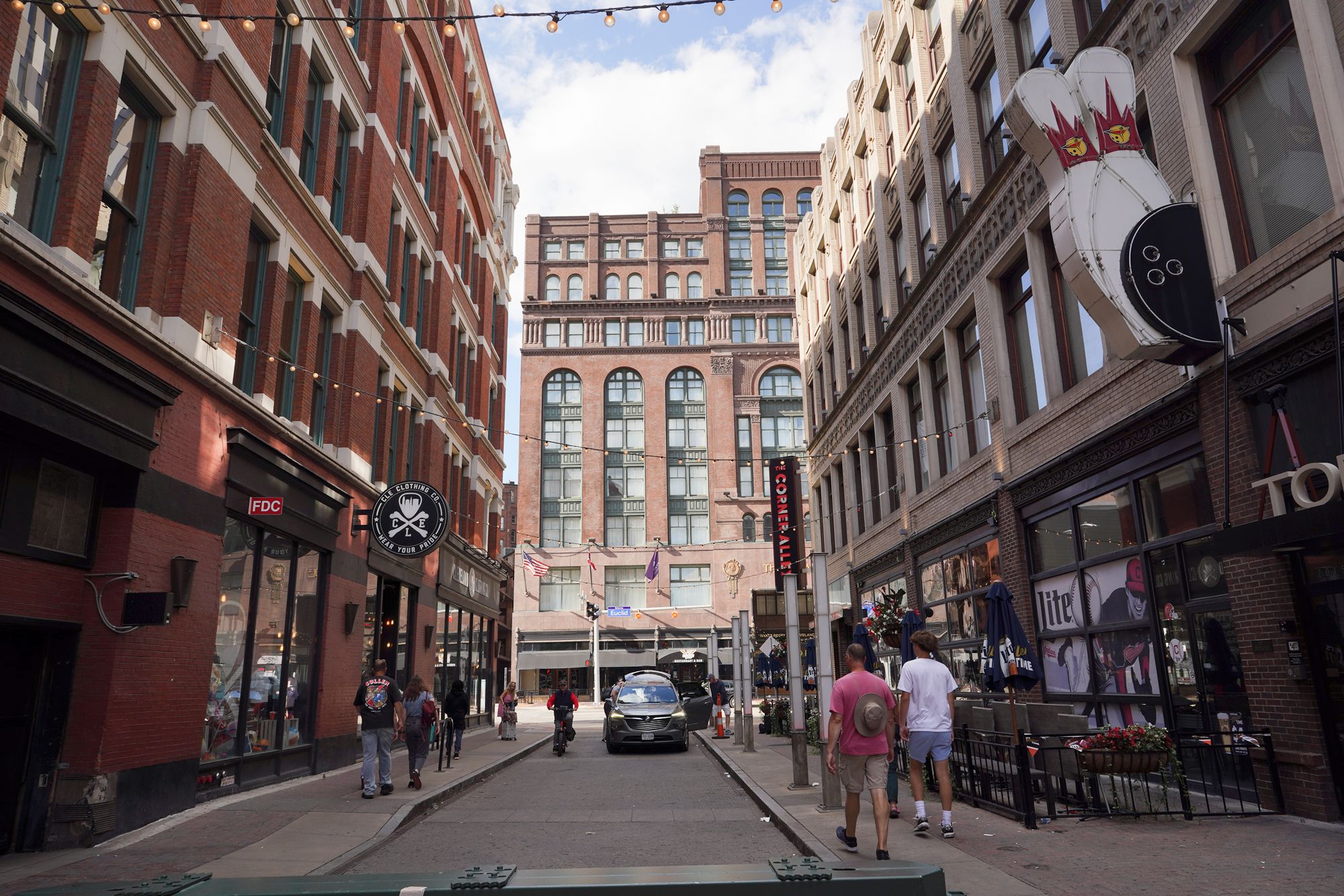
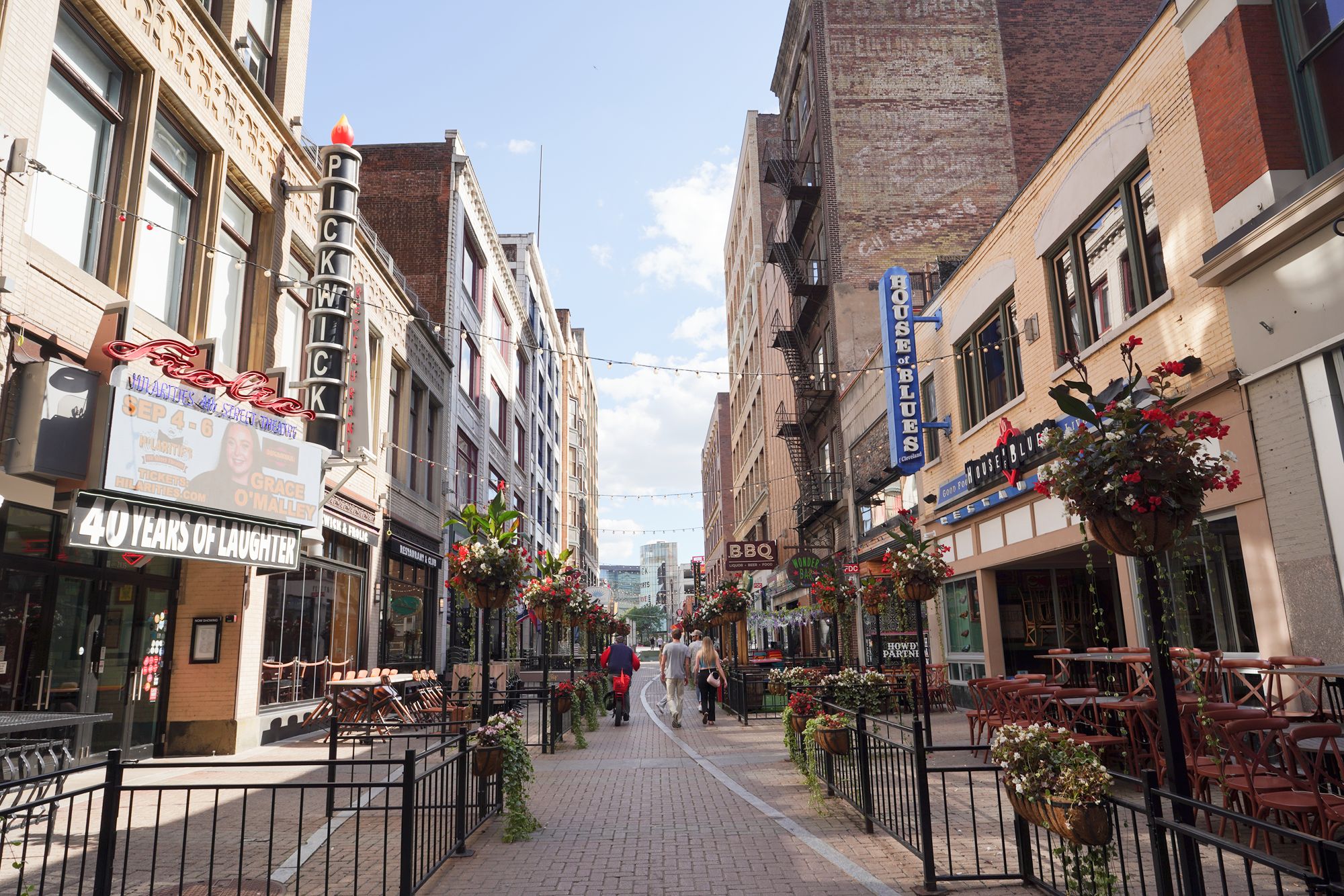
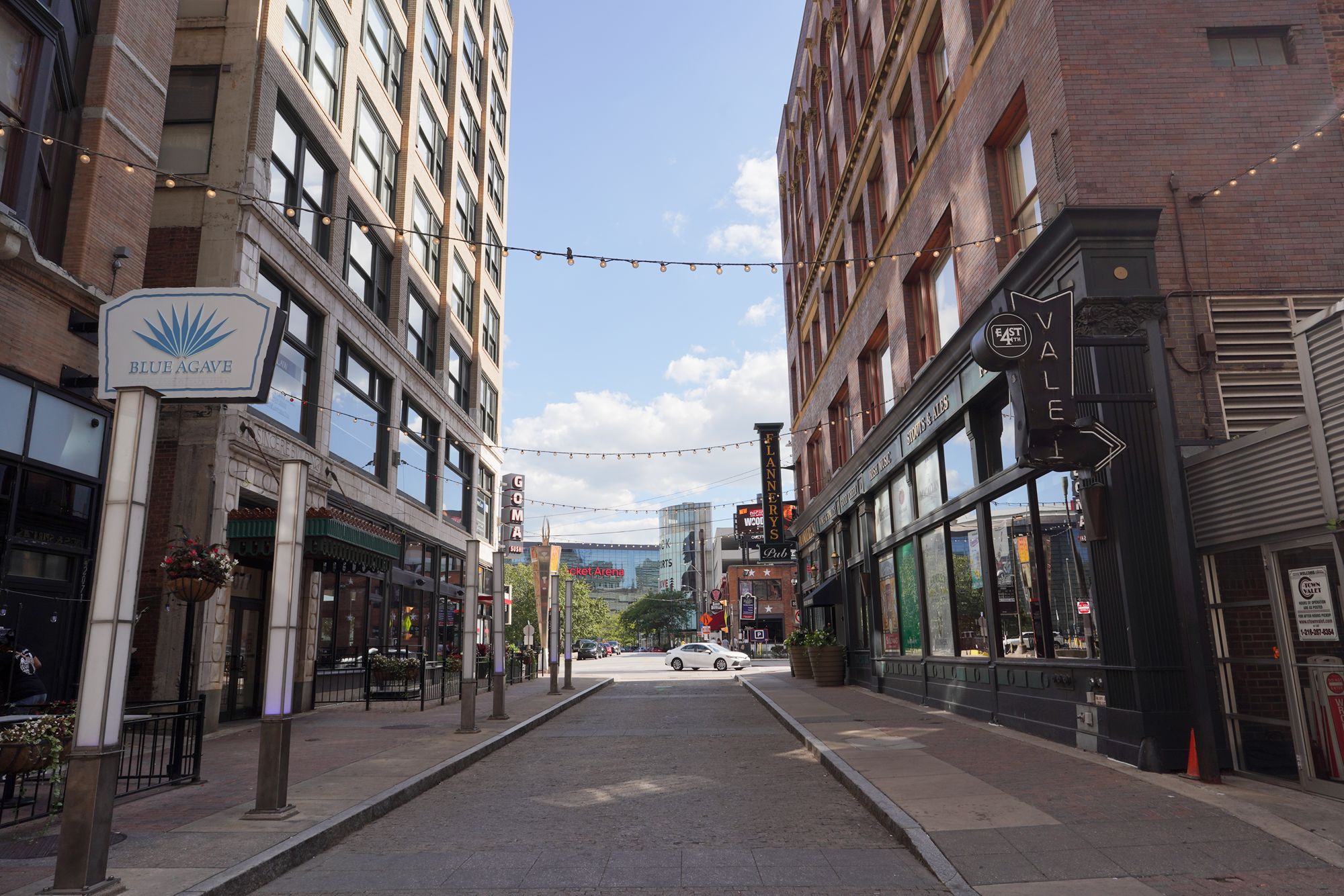
My back side
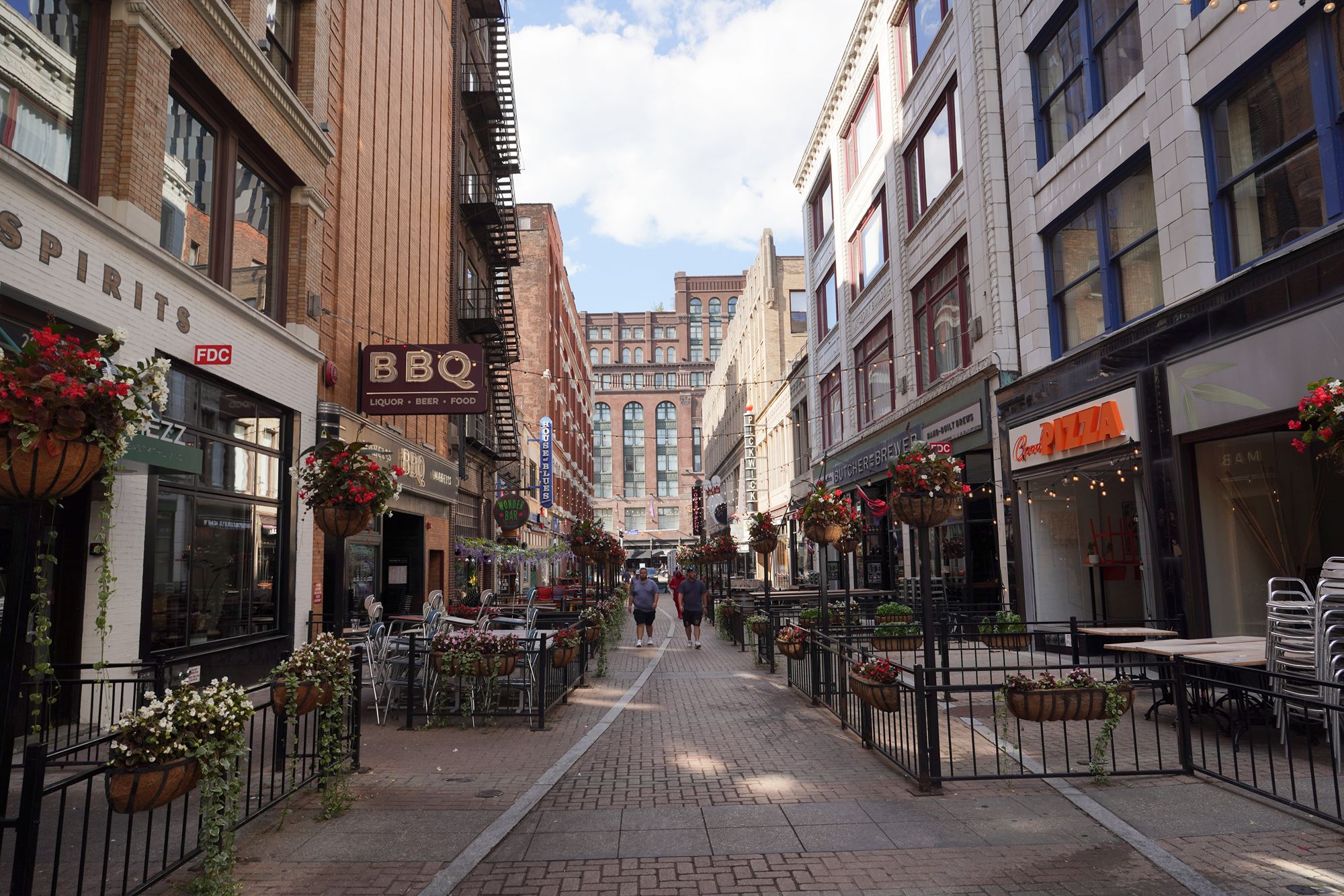
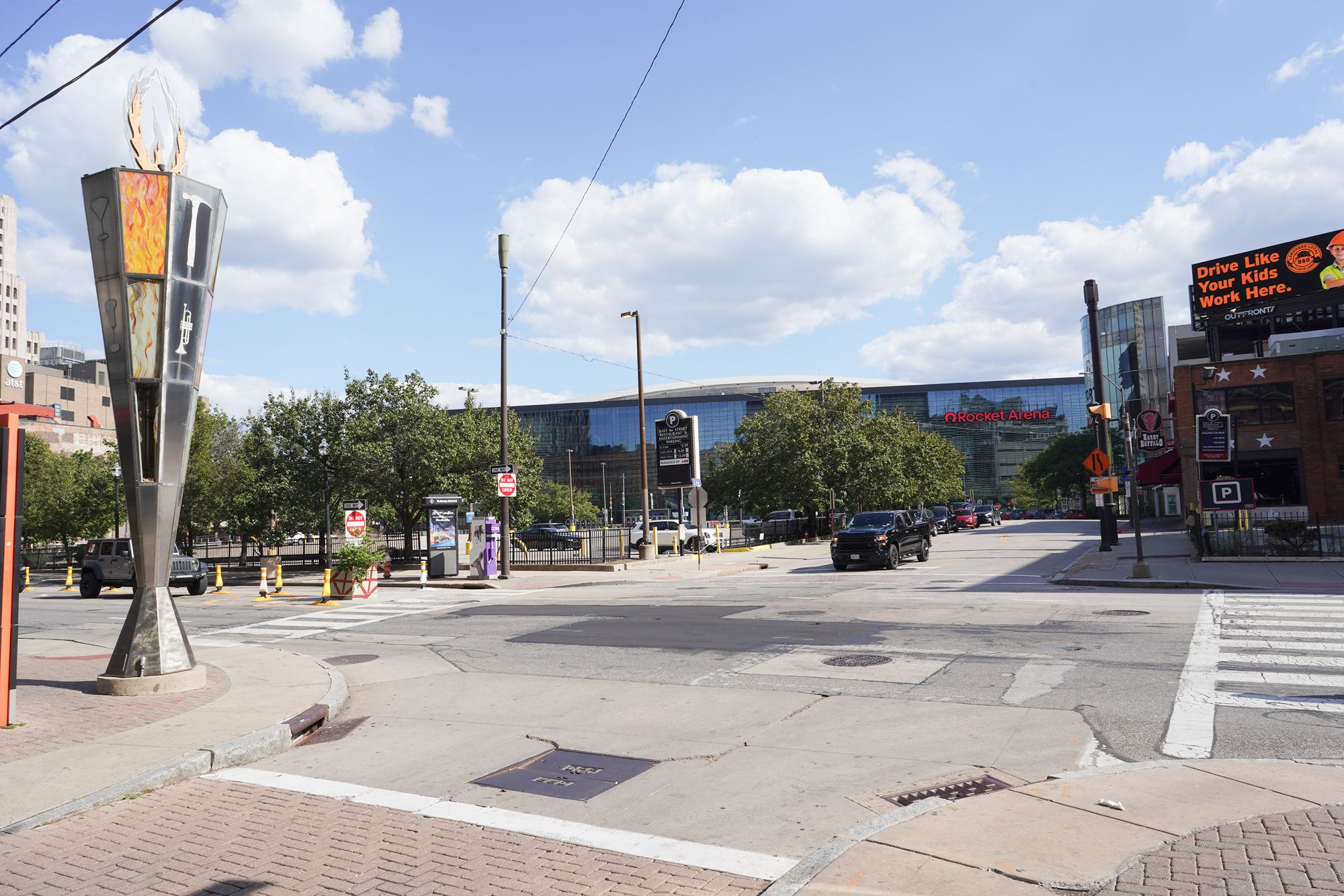
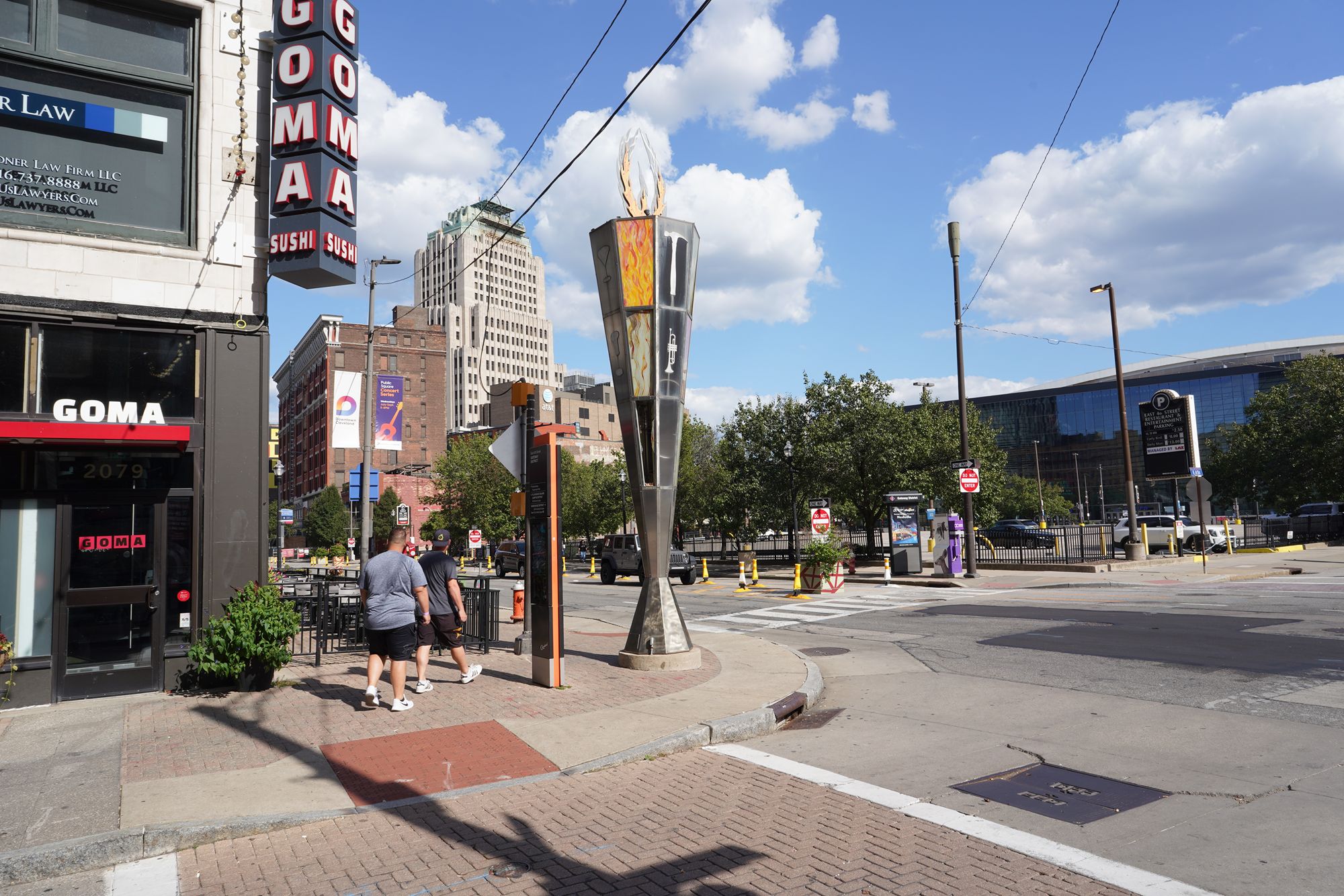
I turned left onto Prospect Avenue and continued my walk.
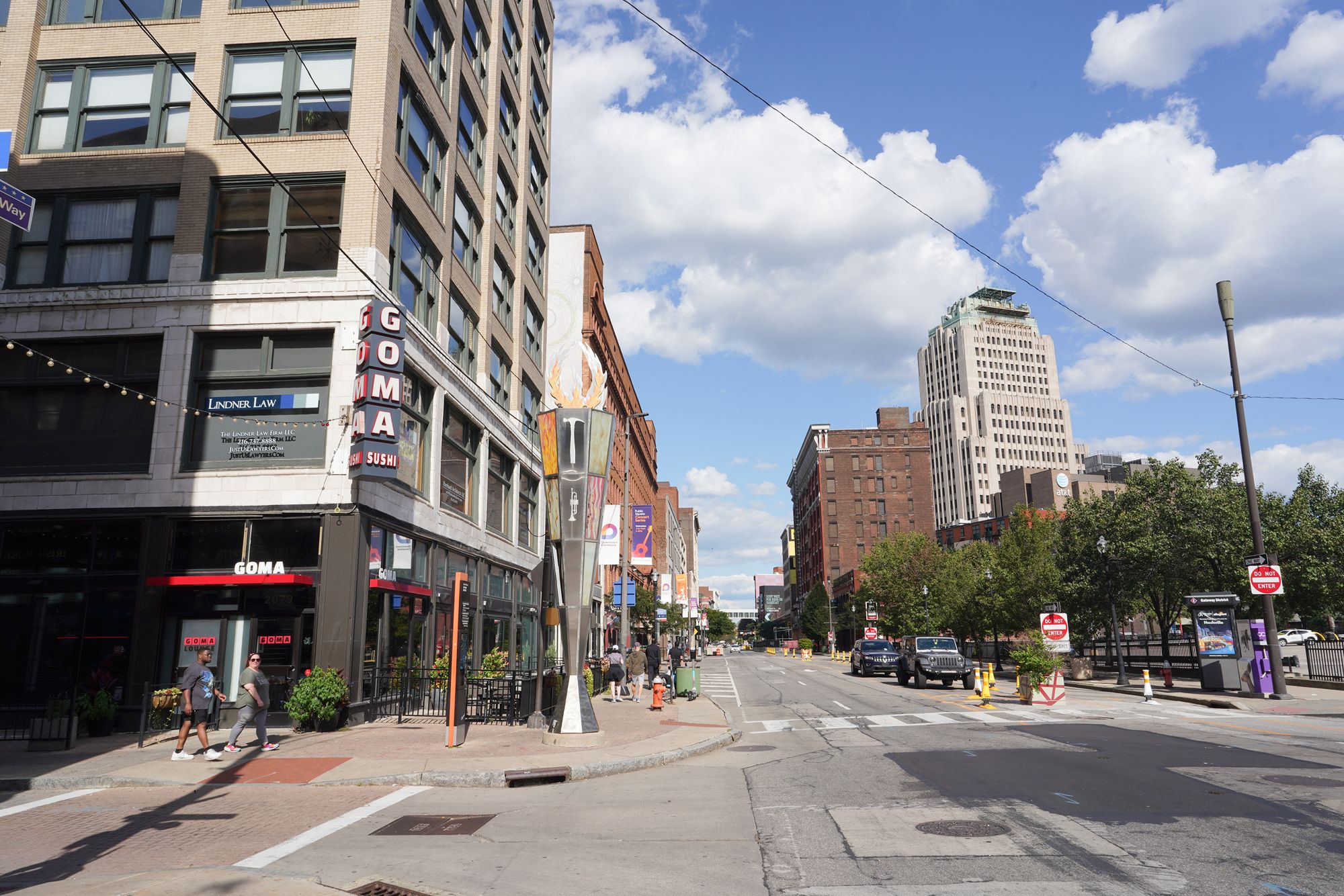
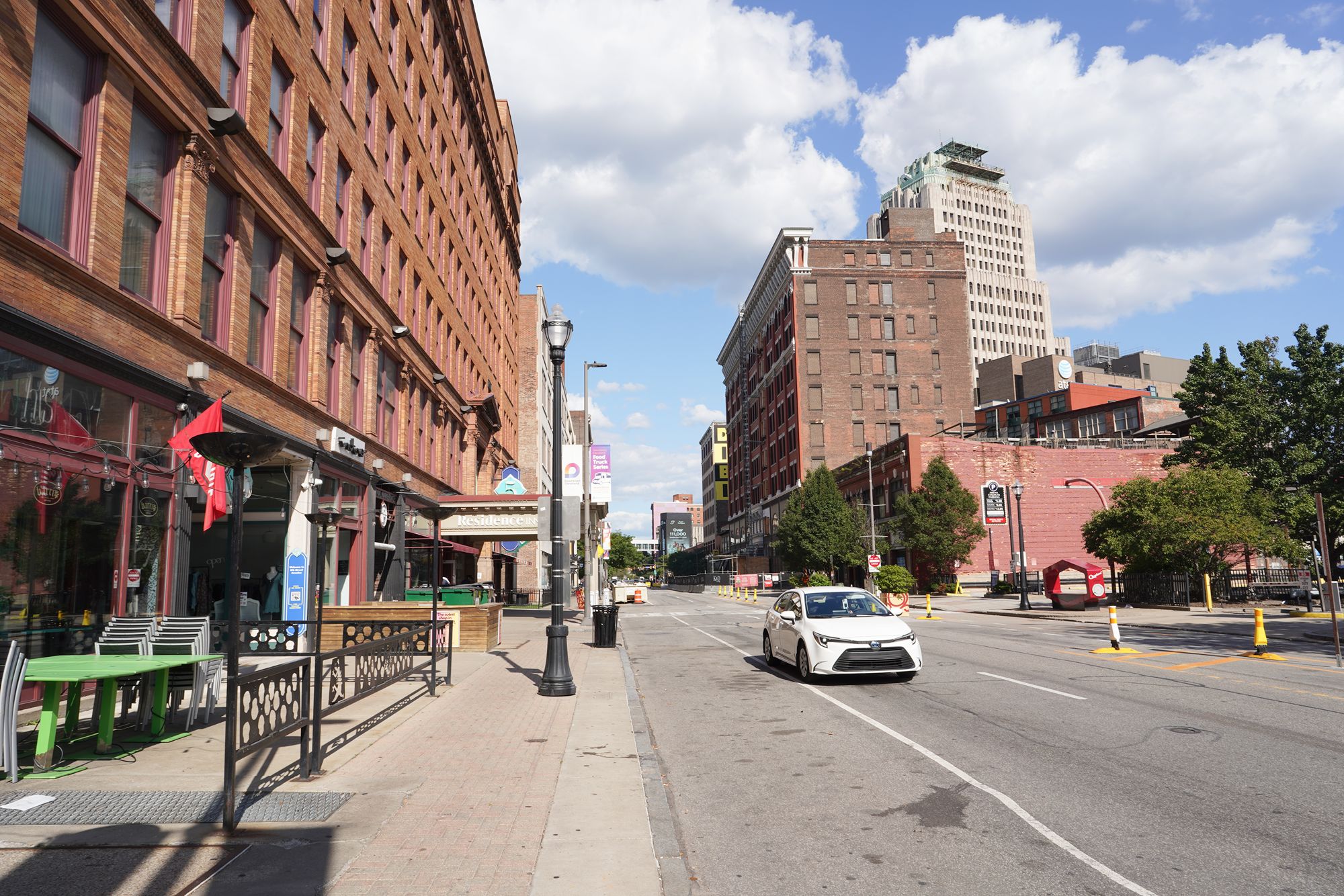
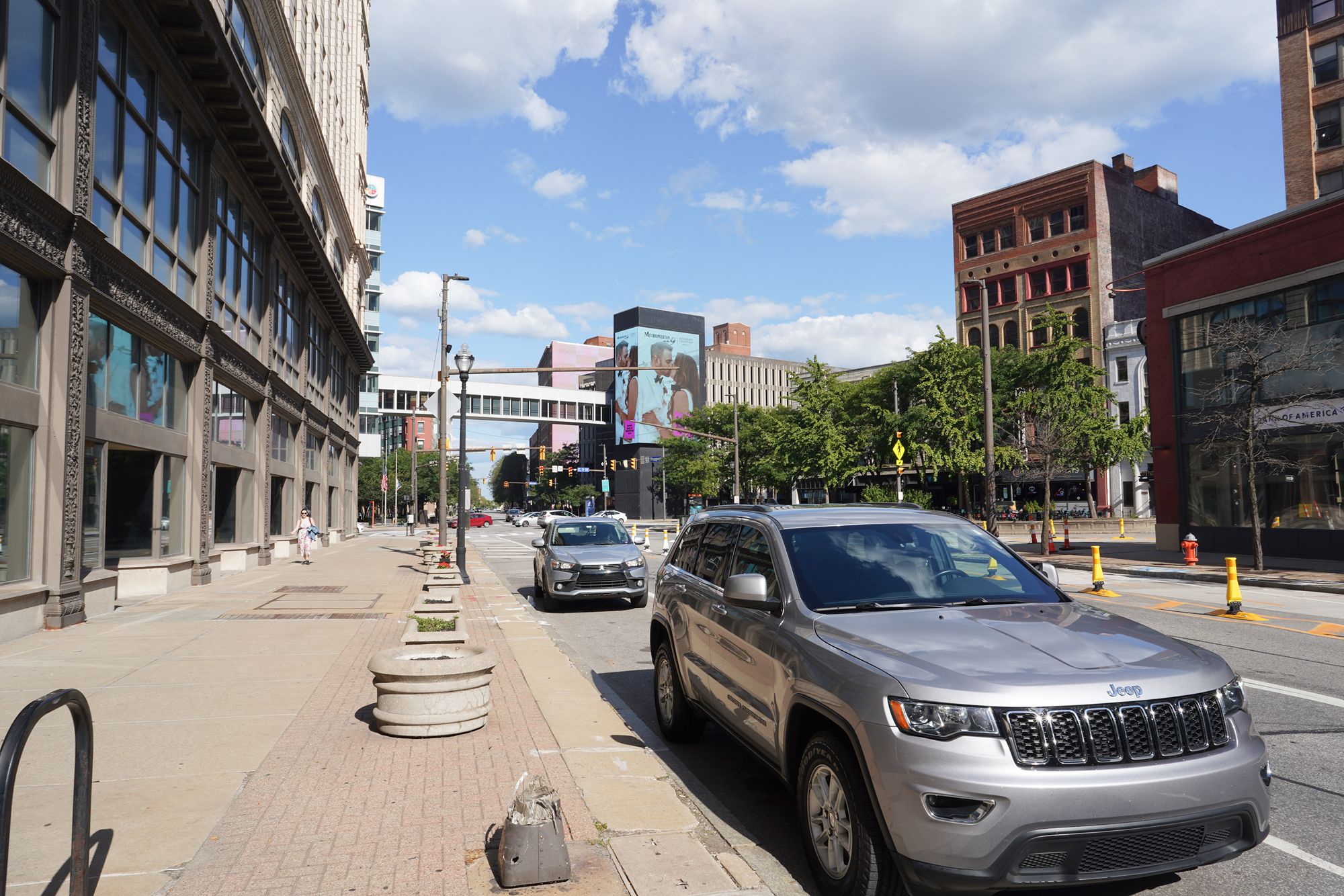
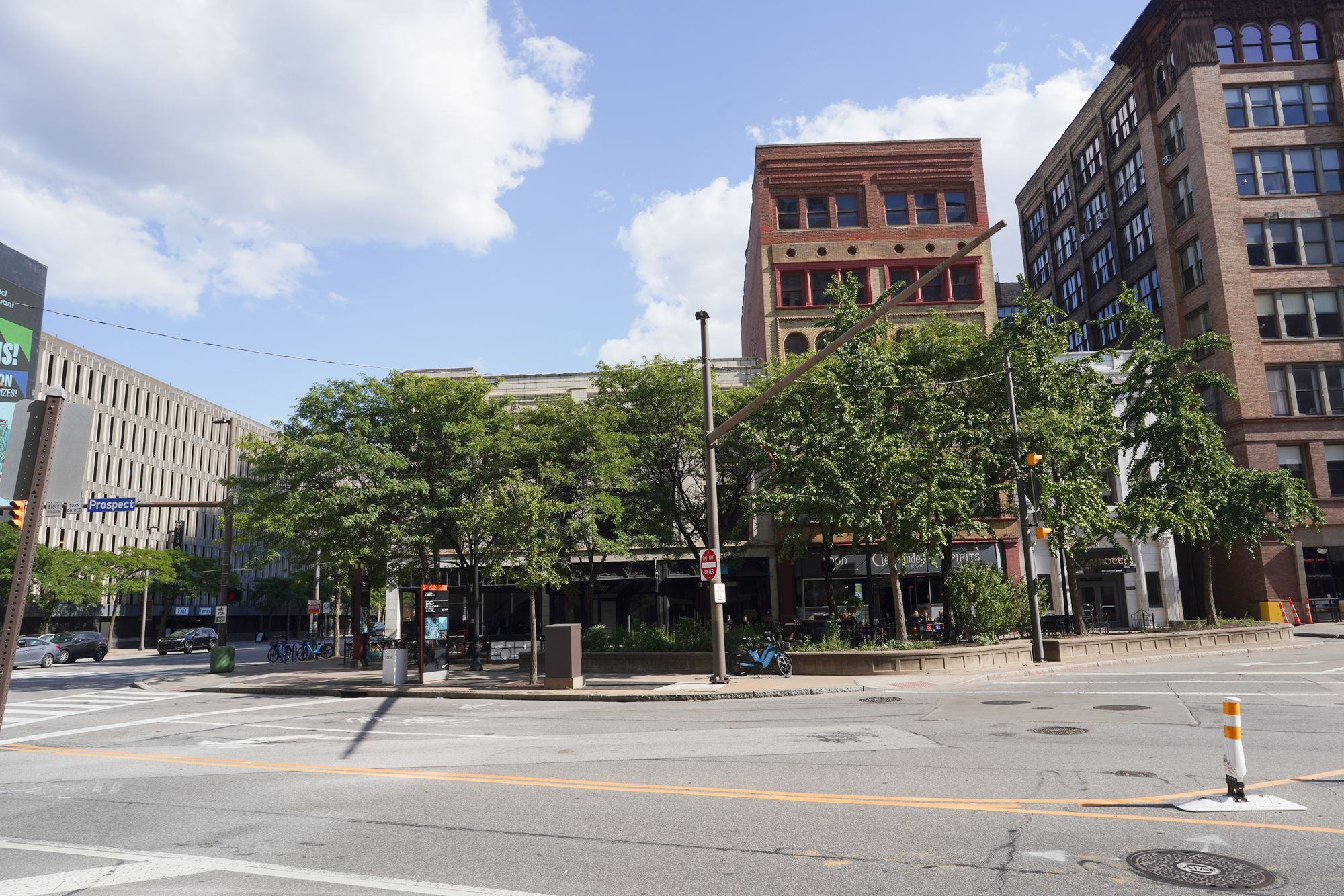
Then I turned left again at East 9th Street to return to Euclid Avenue.
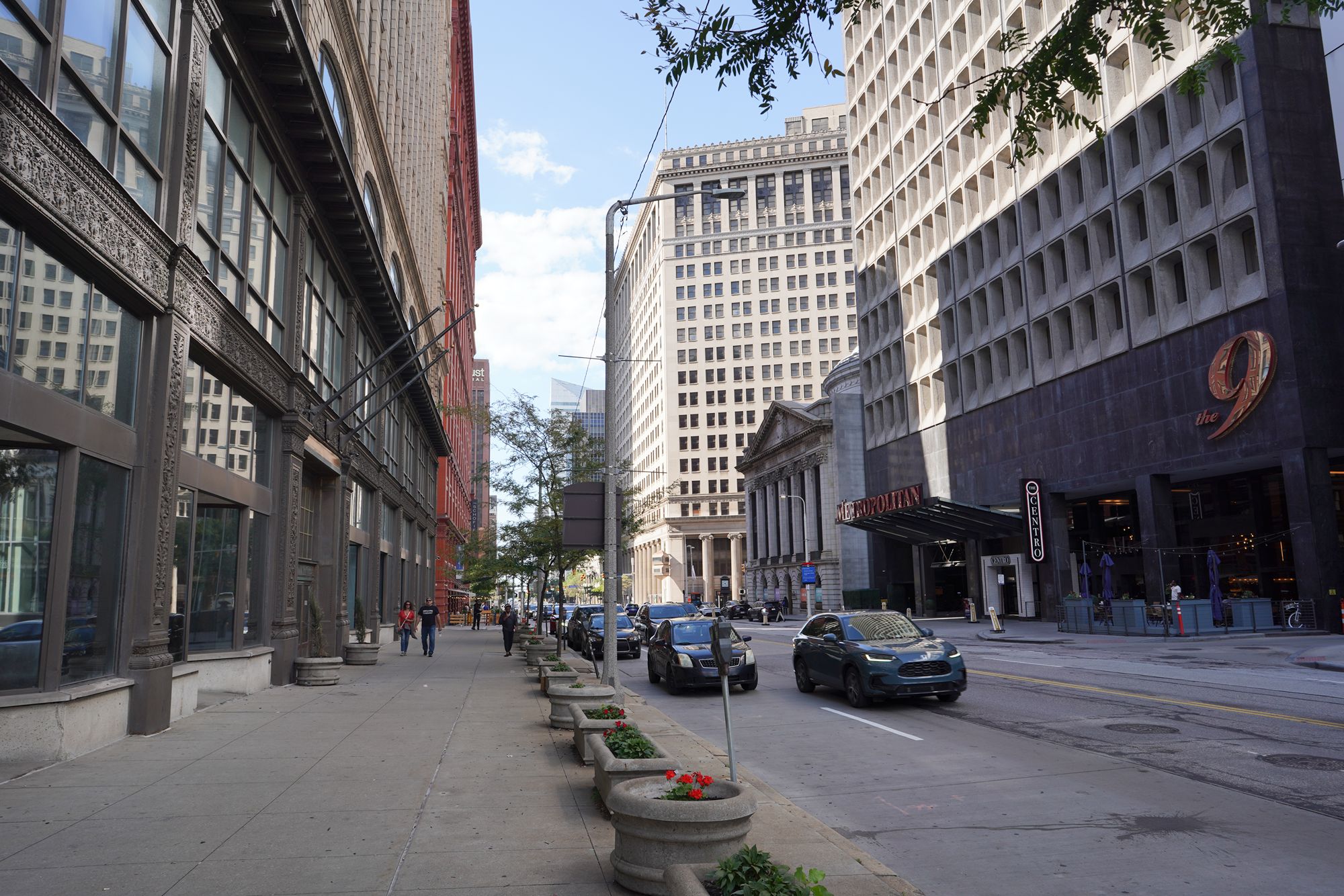
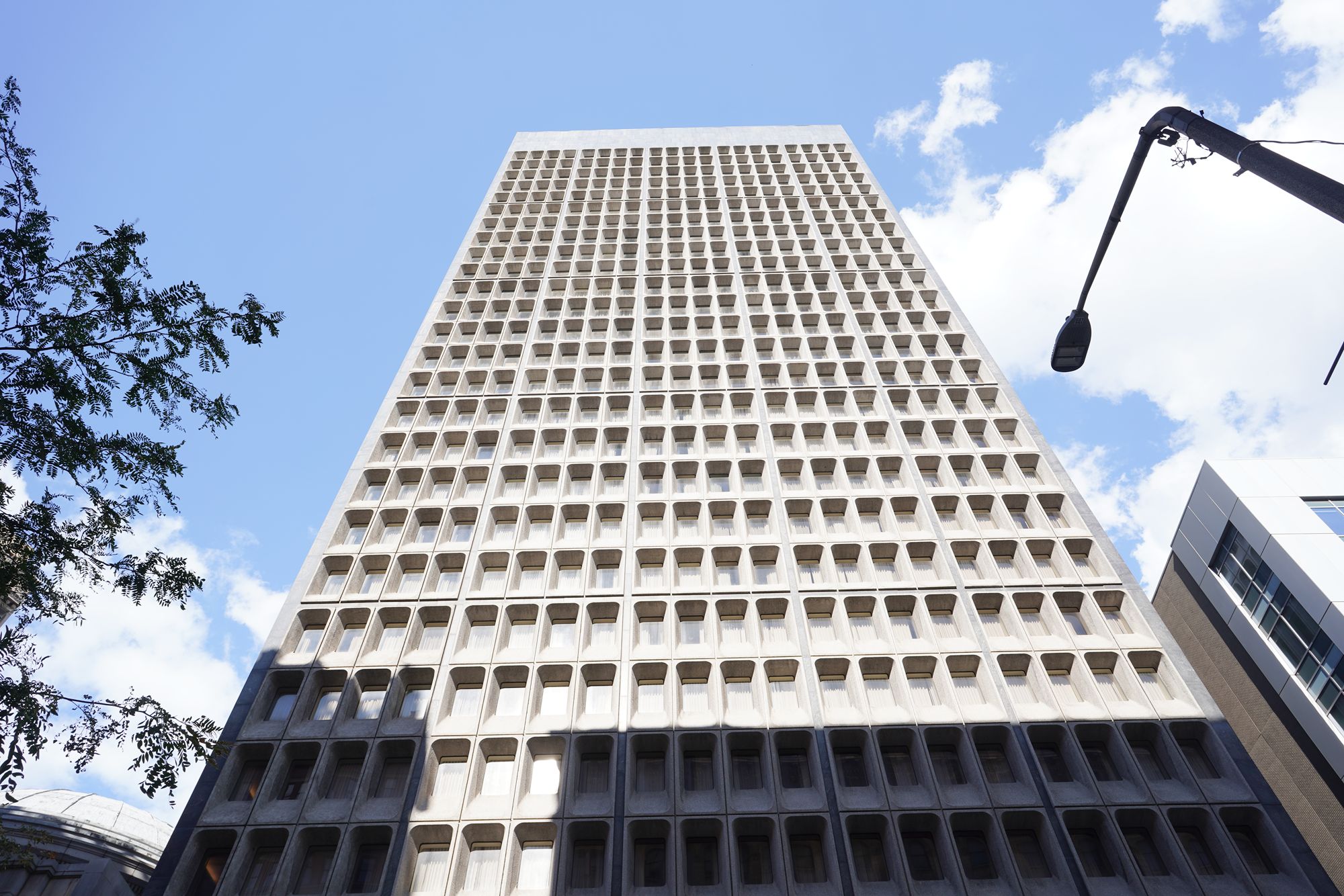
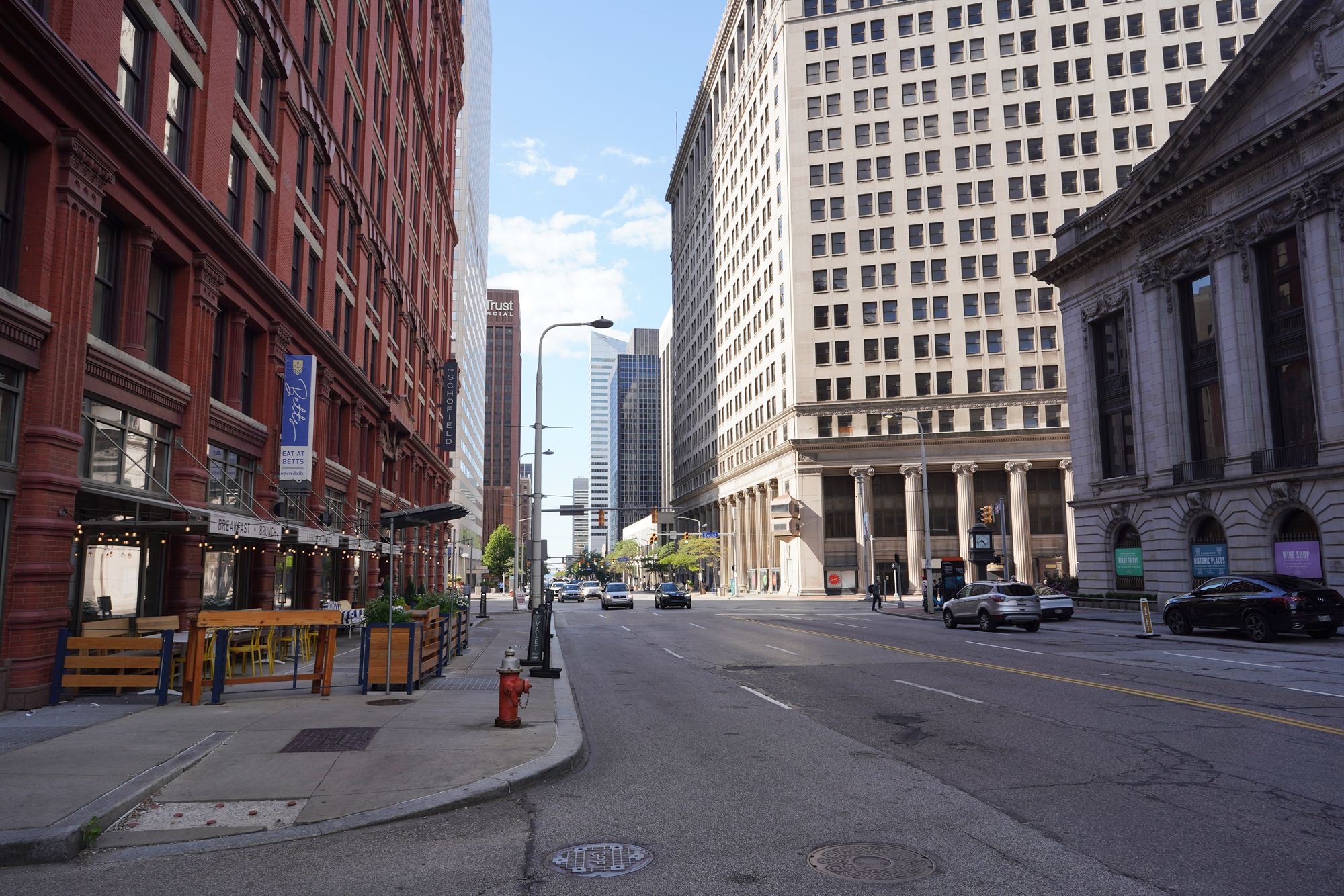
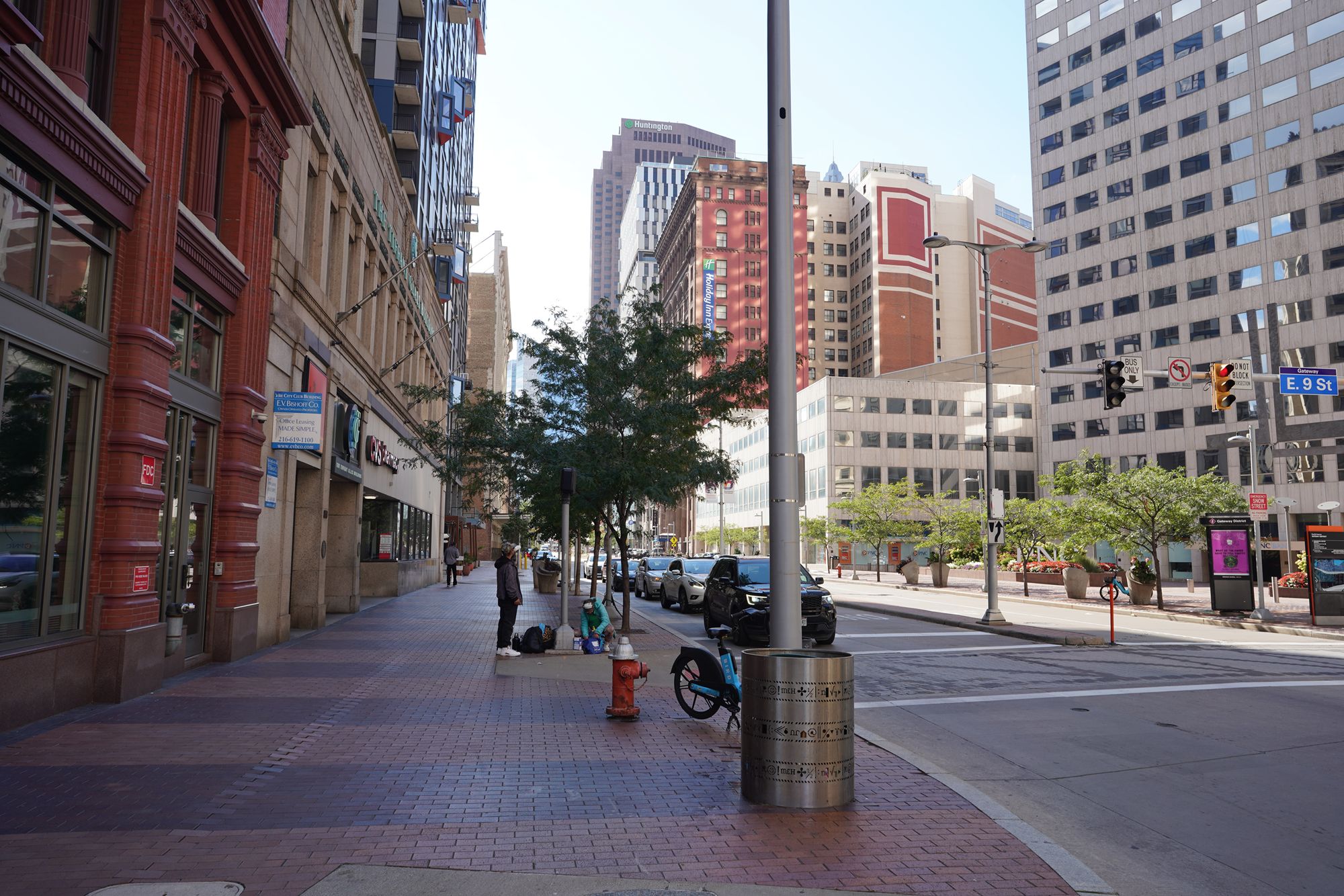
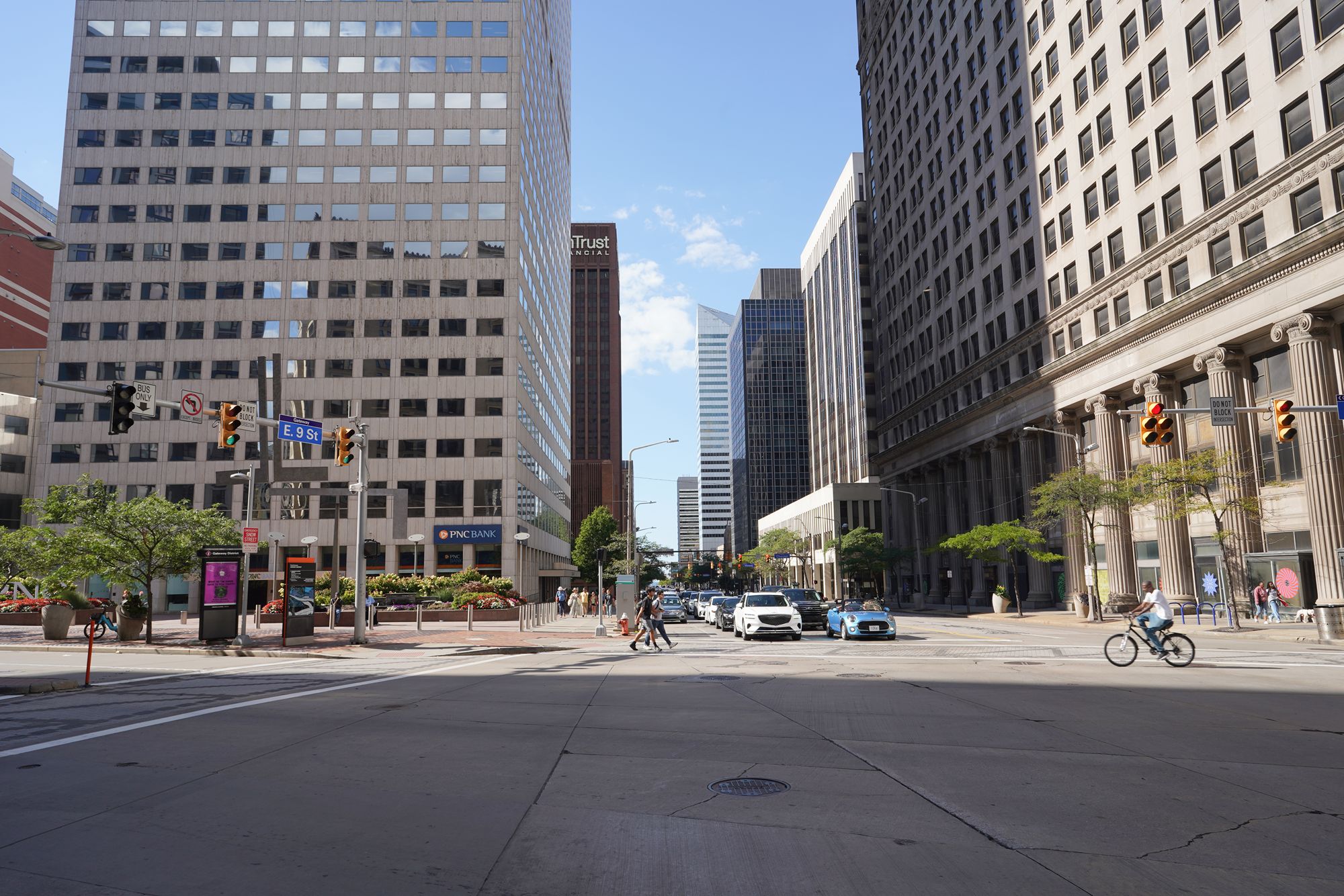
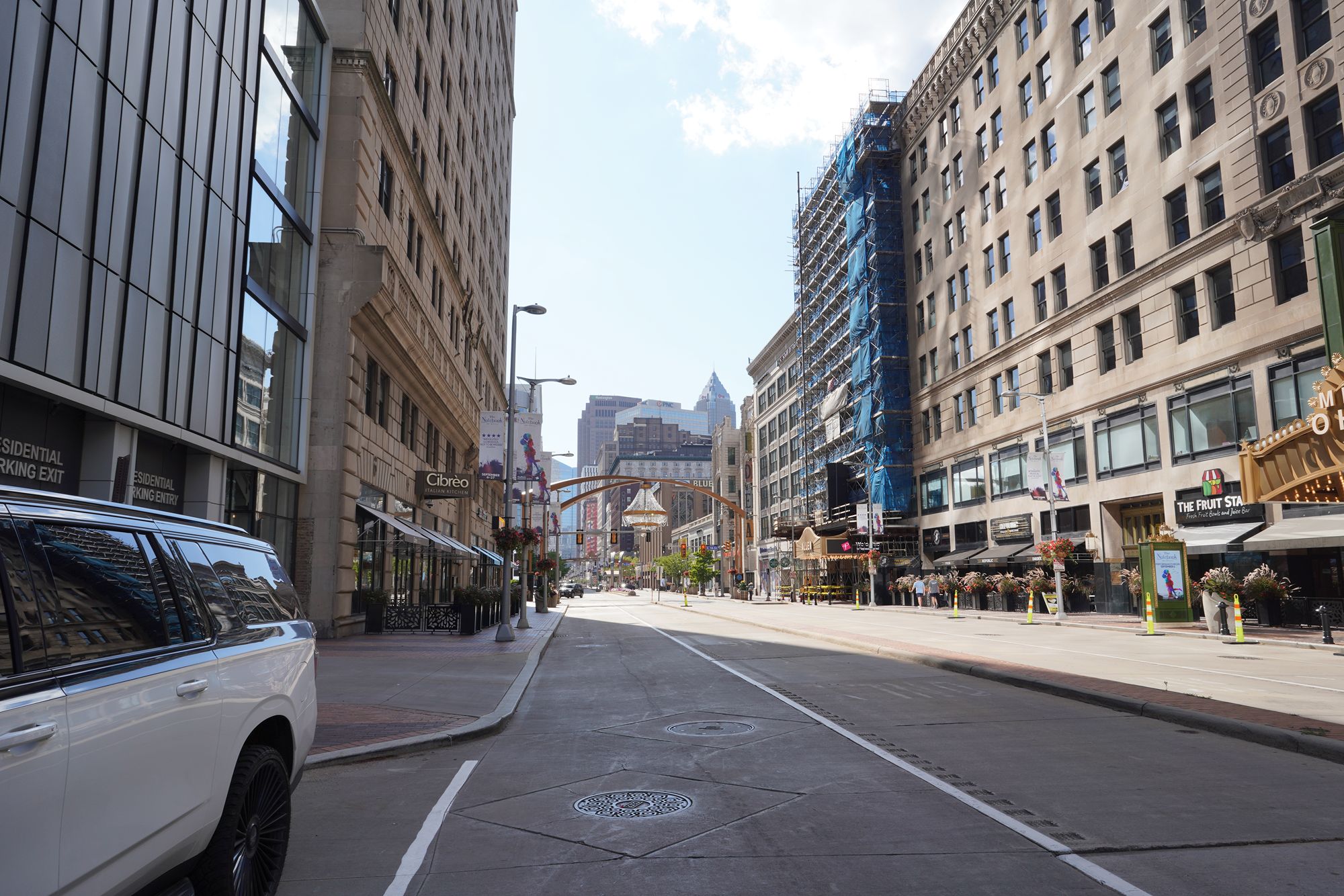
I’m back on Euclid Avenue, walking toward Playhouse Square.
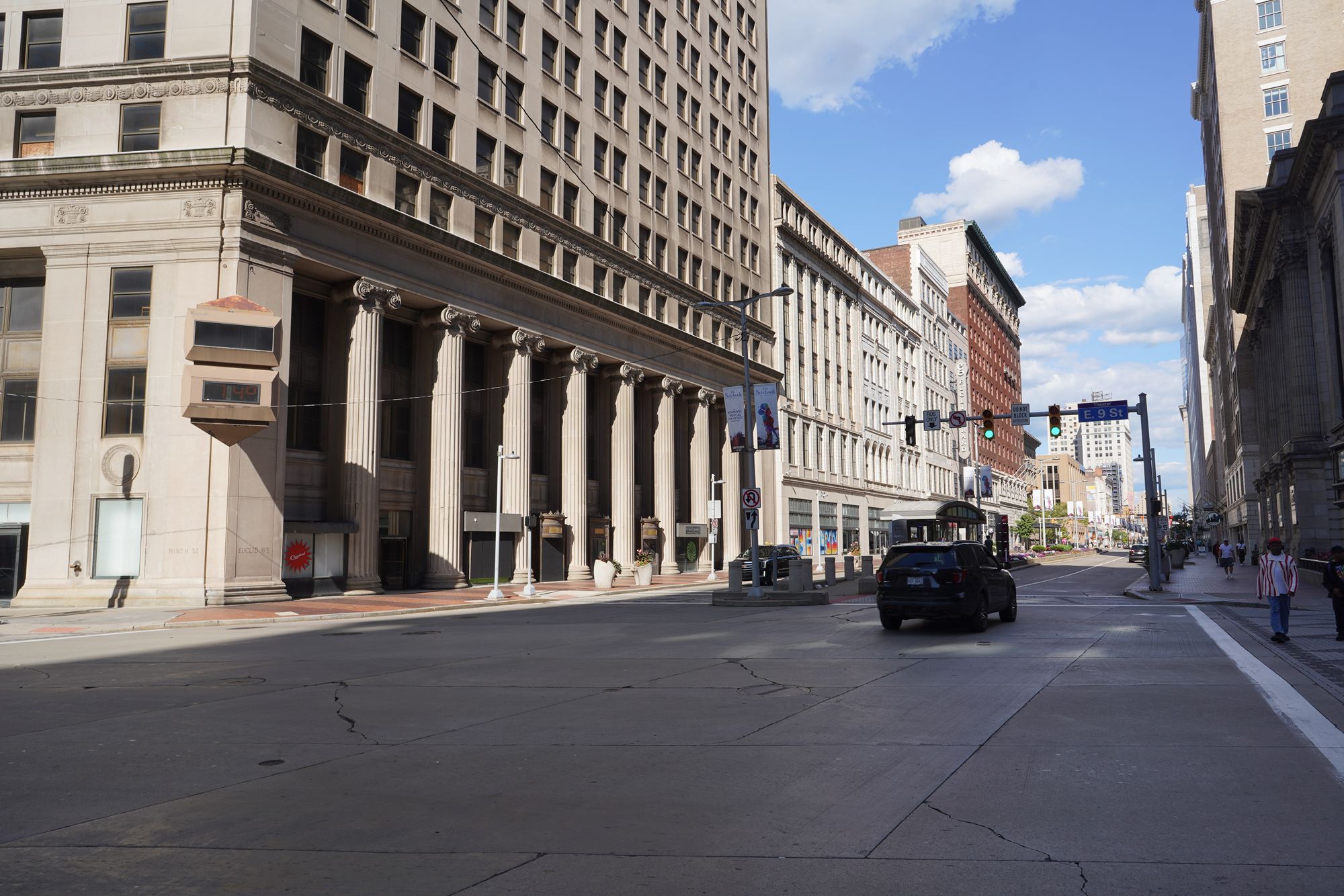
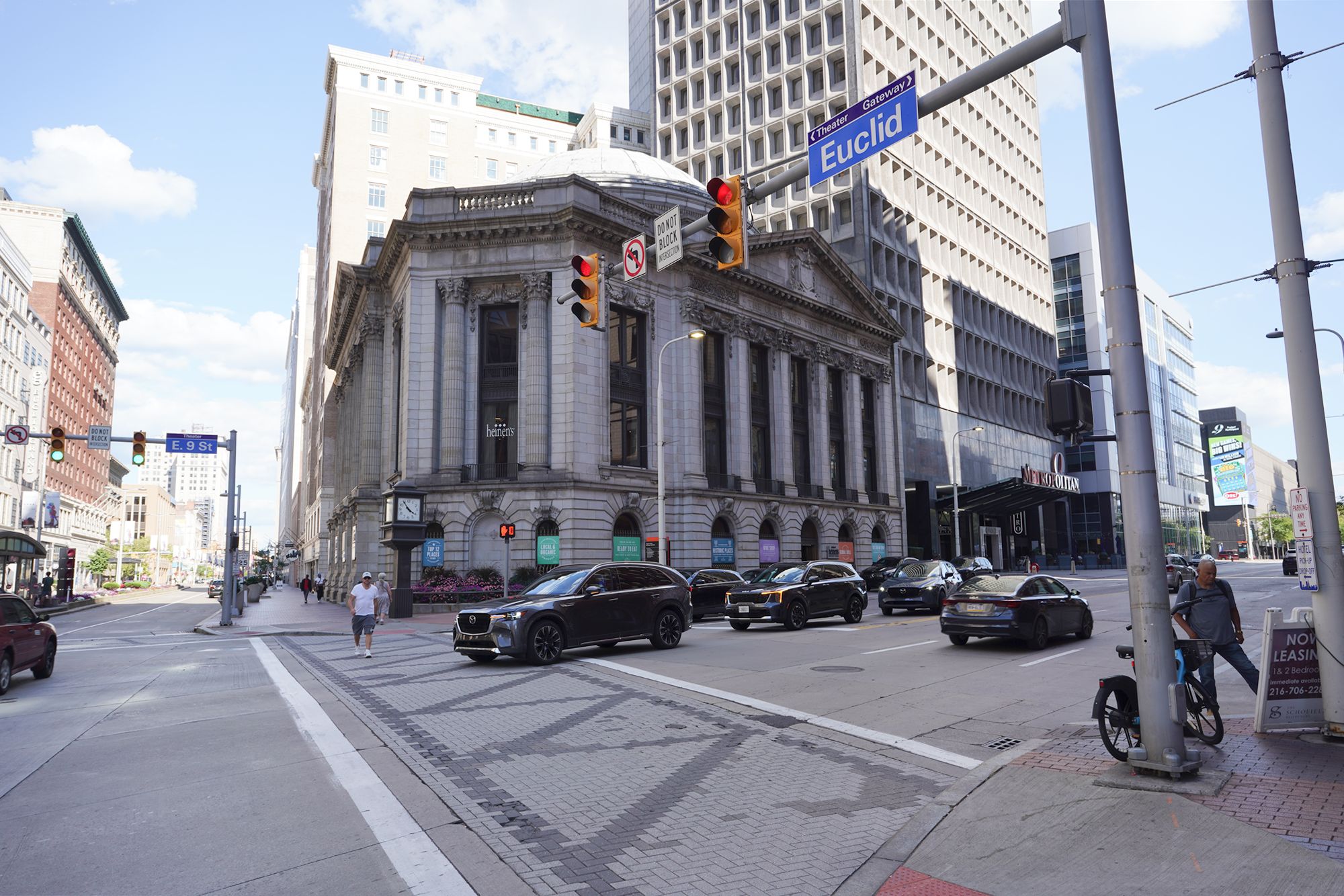
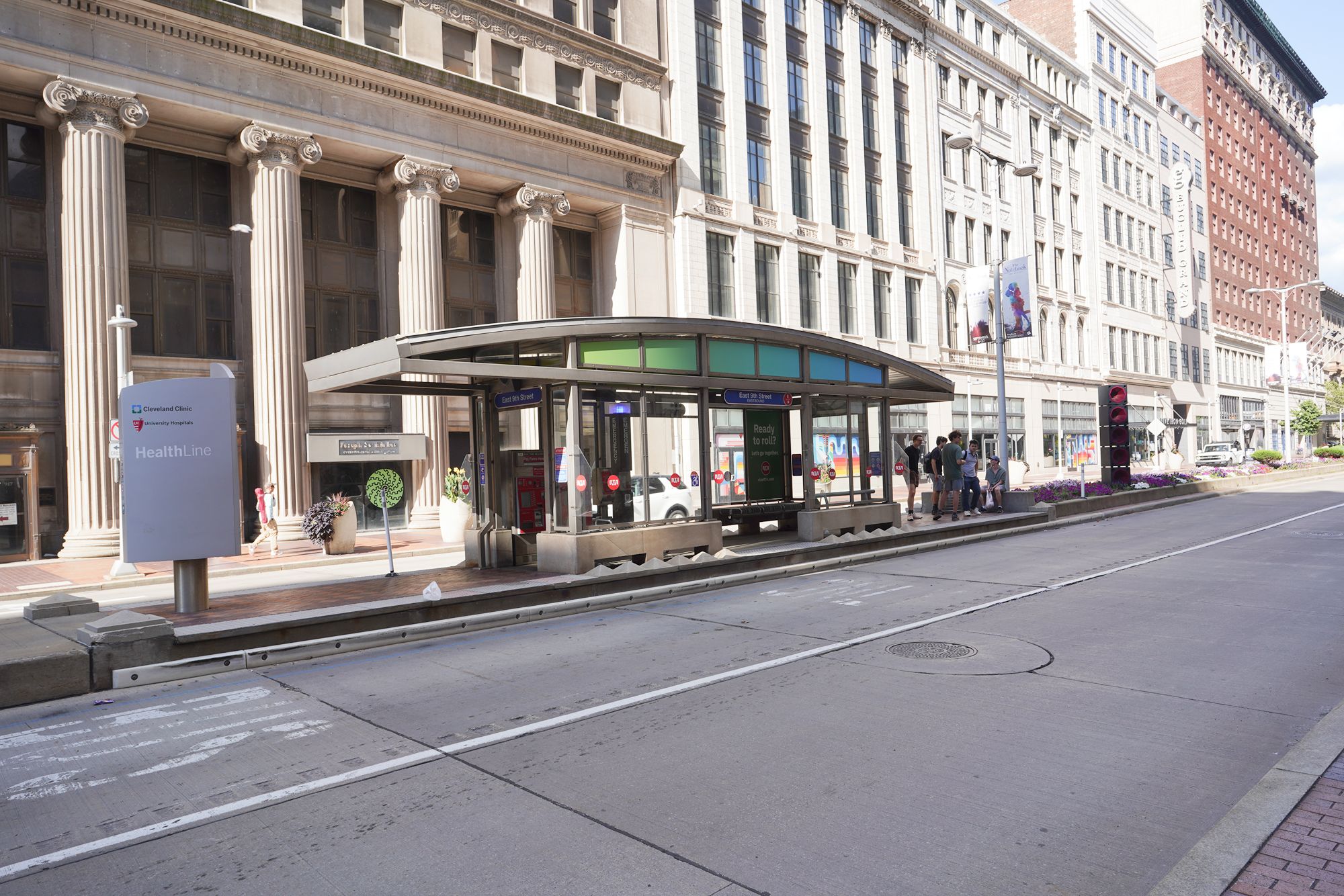
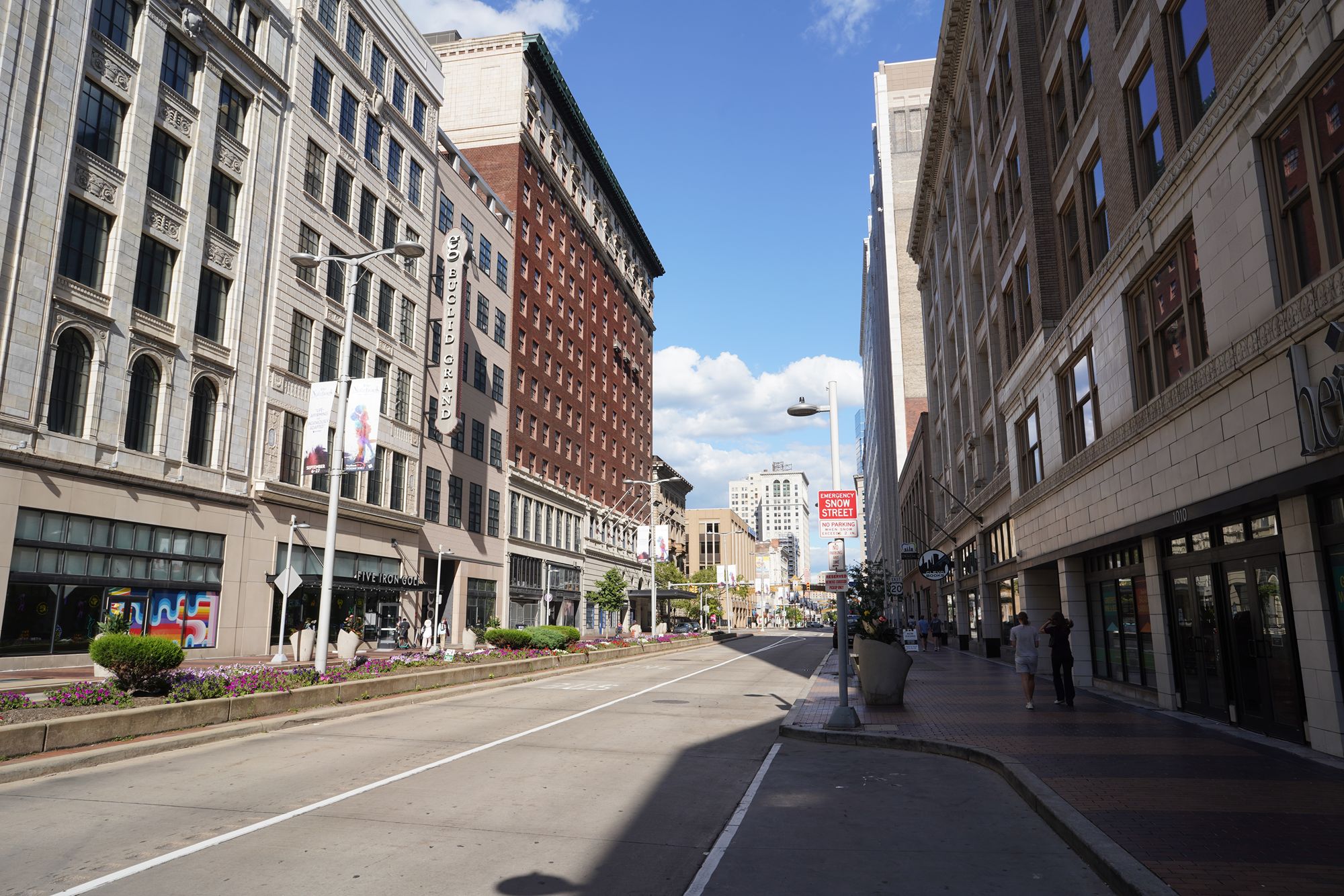
My back side
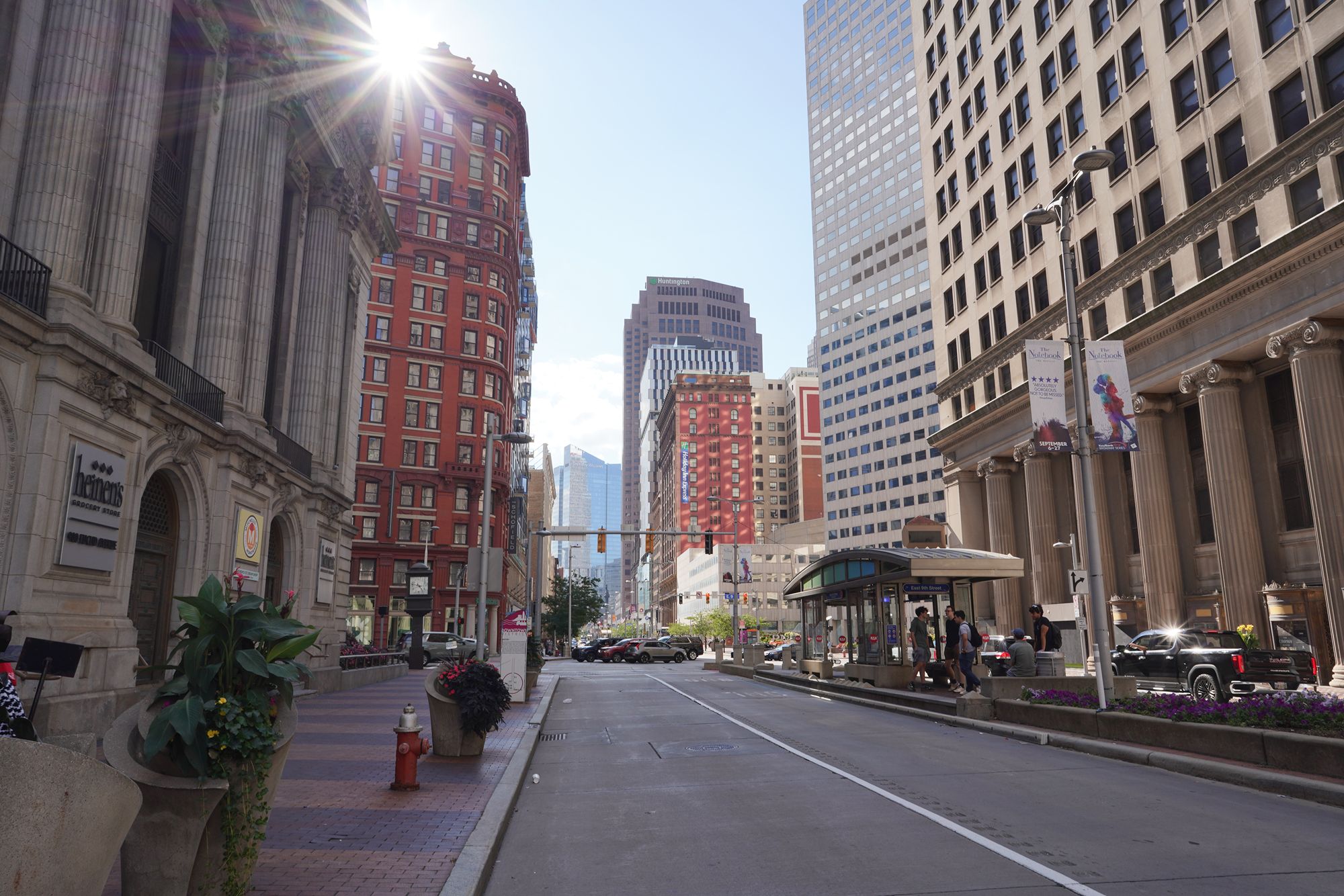
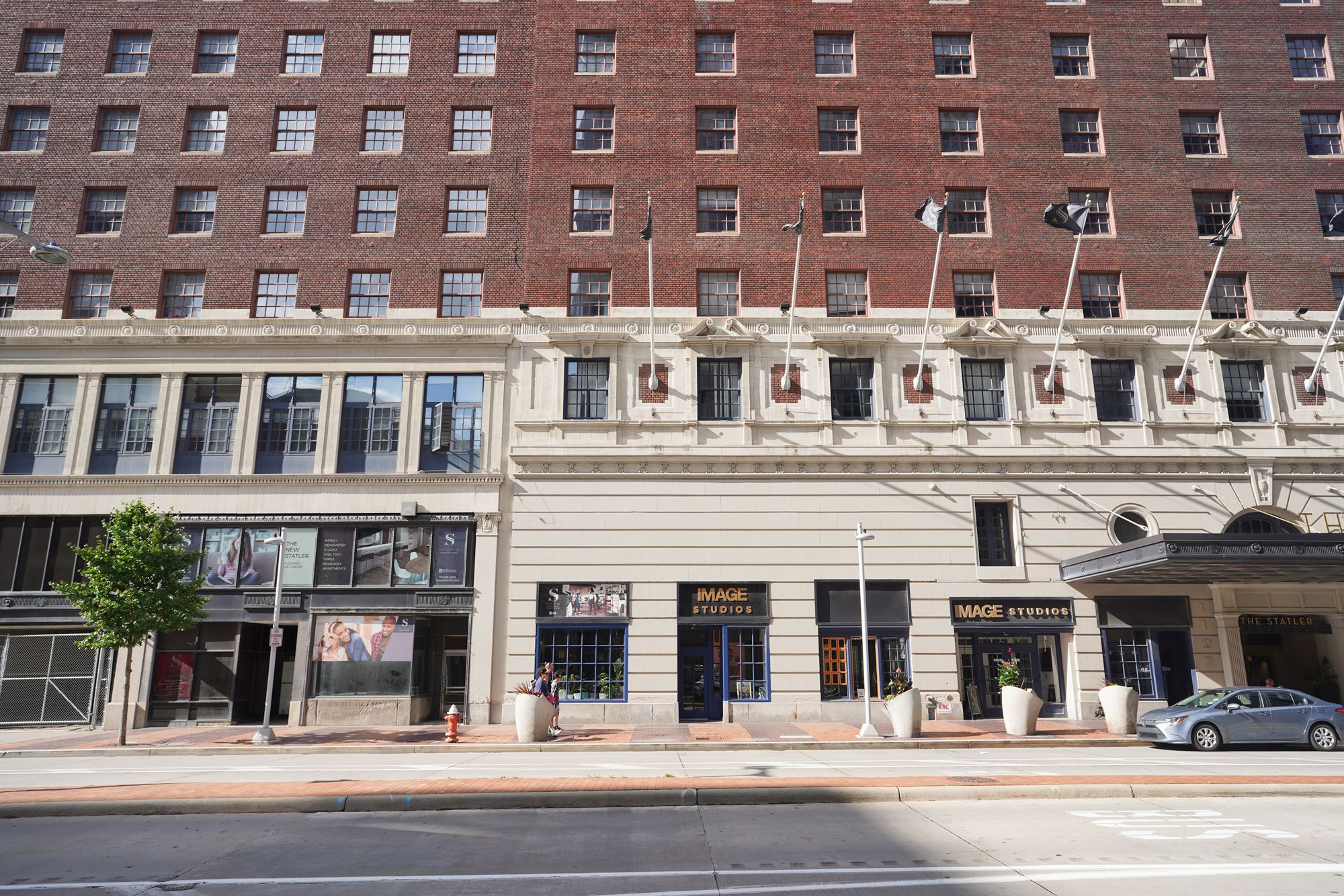
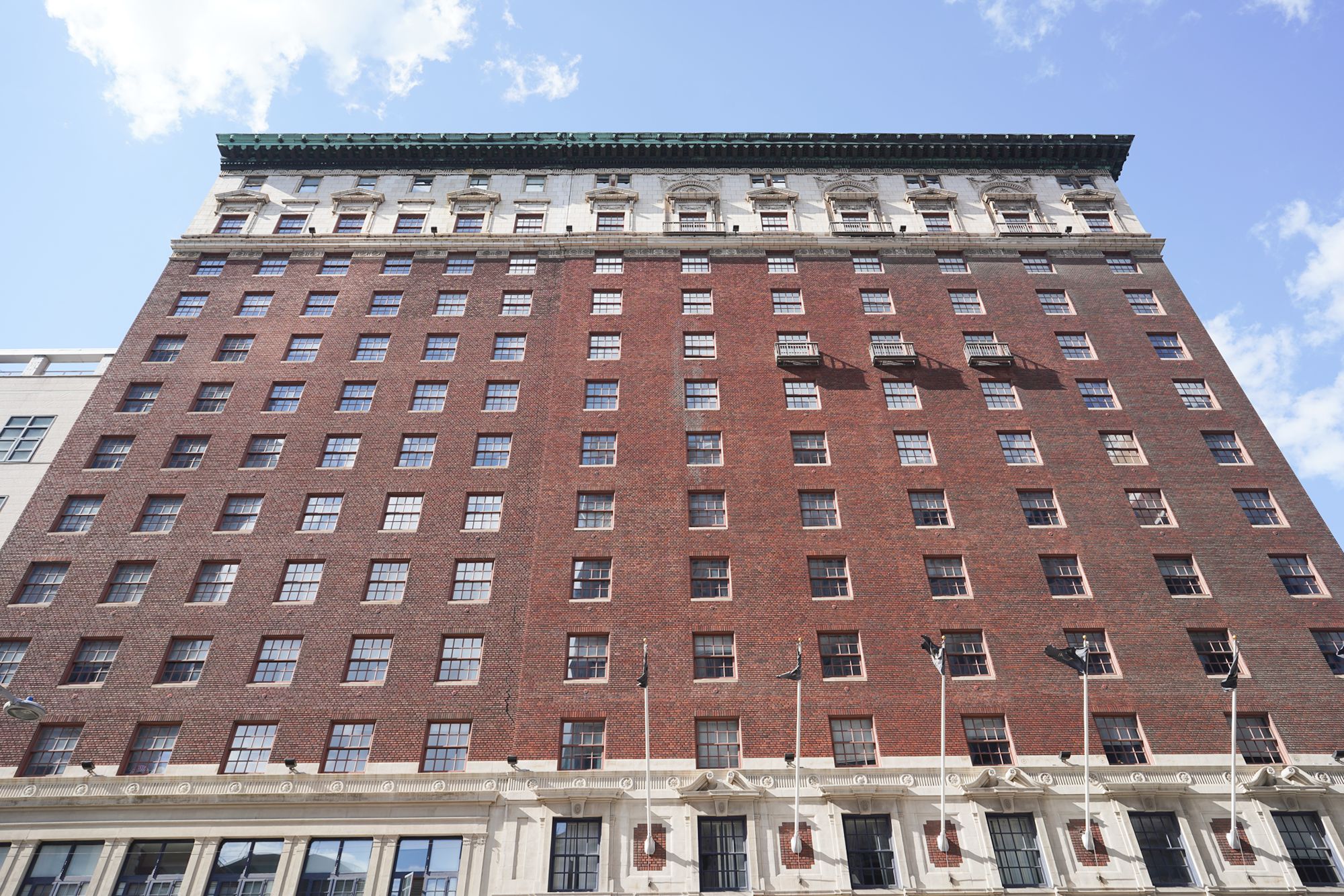
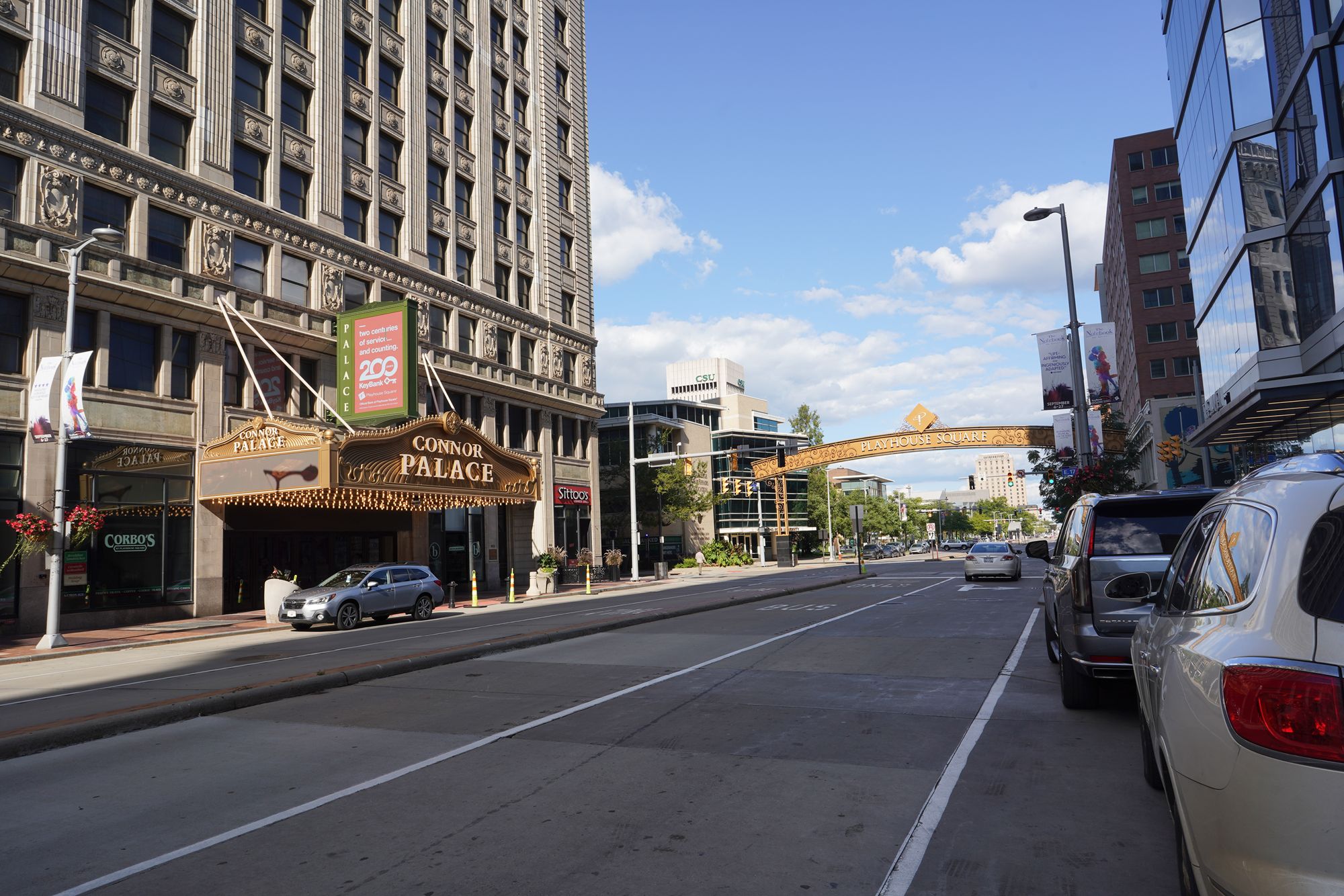
Playhouse Square is Cleveland’s premier theater district and one of the largest performing arts centers in the United States.
Centered along Euclid Avenue, the area is defined by its beautifully restored historic theaters, glowing marquees, and lively evening atmosphere. It reflects Cleveland’s commitment to preserving cultural heritage while keeping downtown vibrant through music, theater, and live performance.
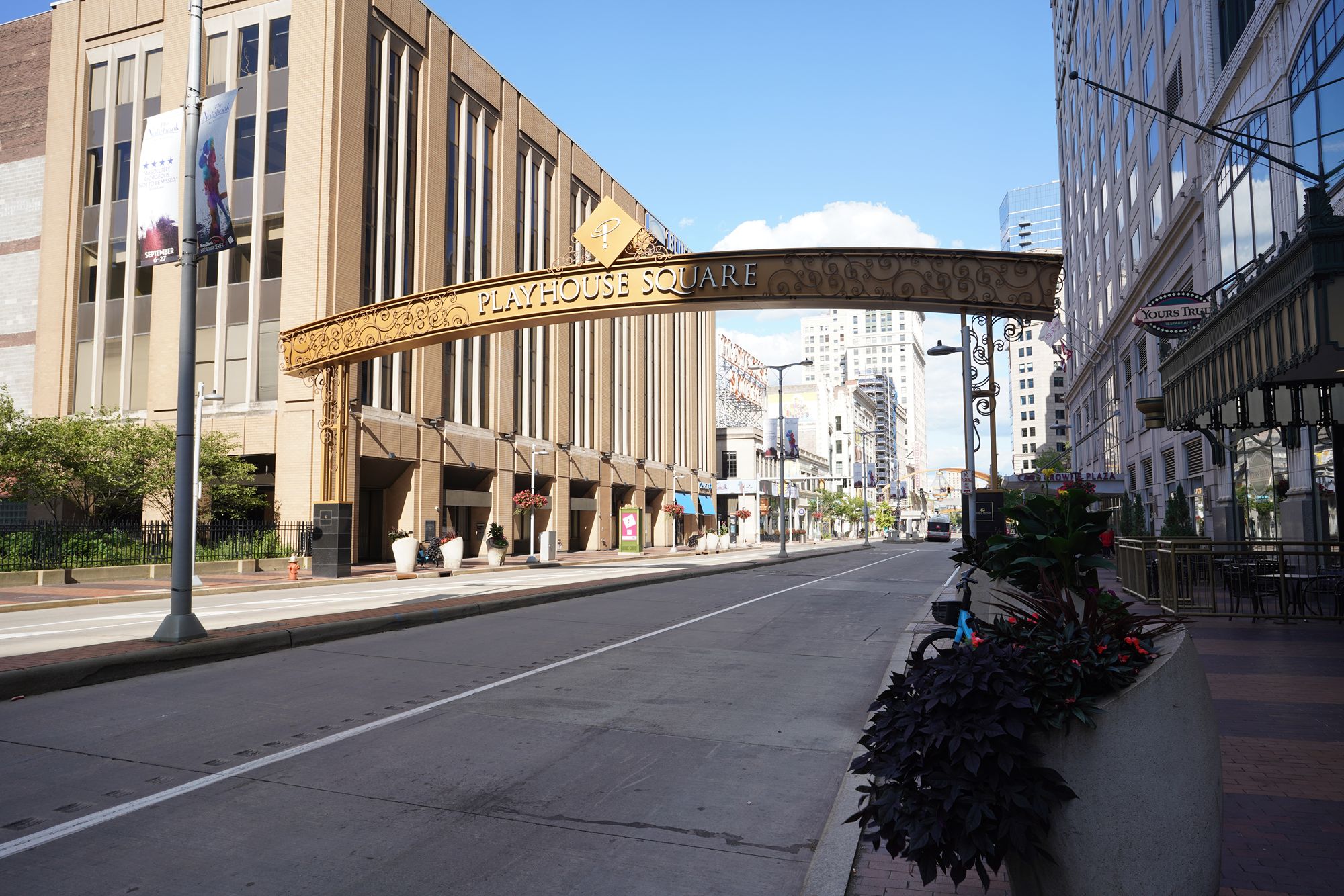
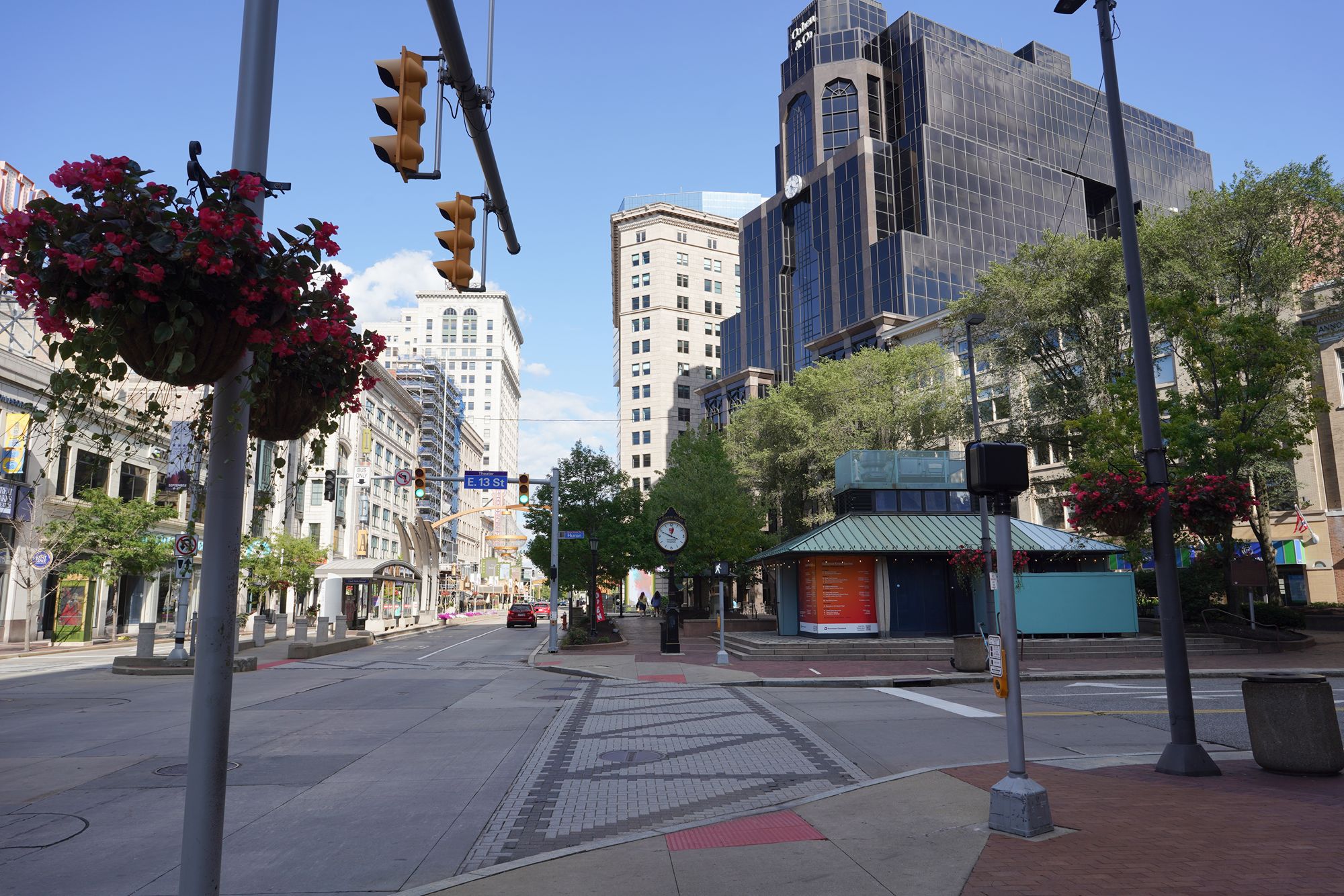
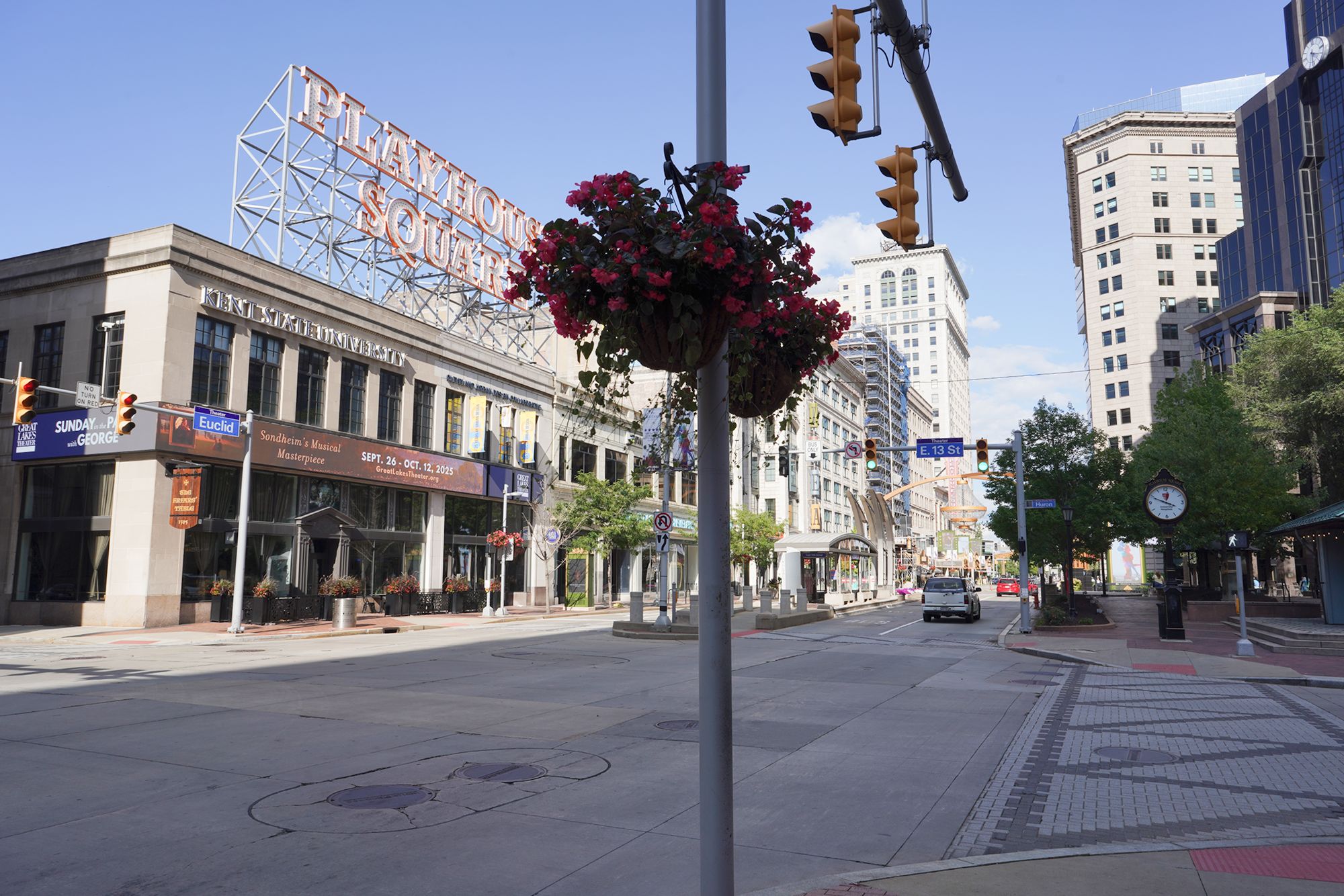
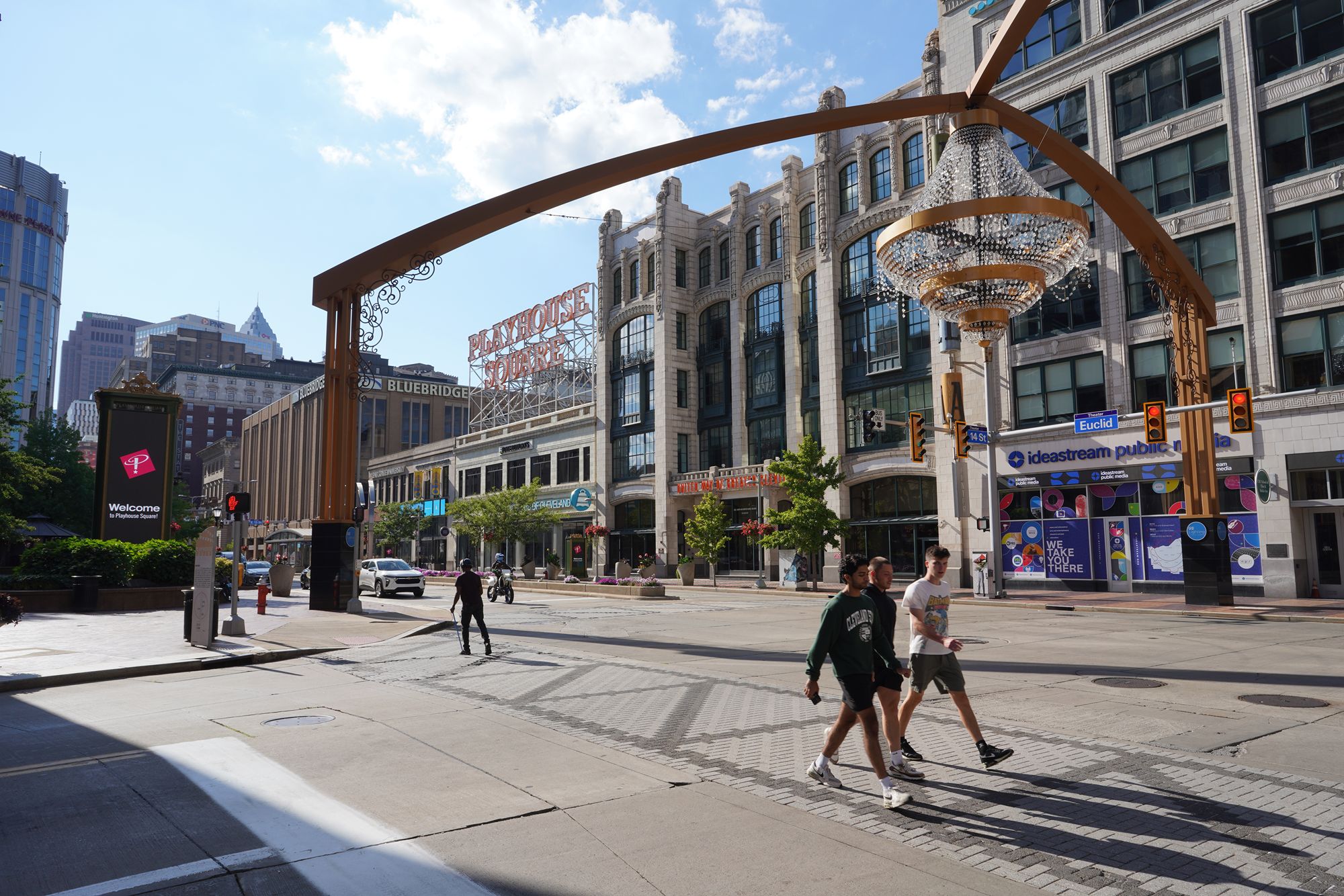
The GE Chandelier is one of Playhouse Square’s most recognizable landmarks.
Suspended above Euclid Avenue, this massive outdoor chandelier marks the entrance to the theater district. Inspired by classic crystal designs and illuminated with modern lighting, it symbolizes Cleveland’s revival of its historic theaters and adds a dramatic focal point to the street, day and night.
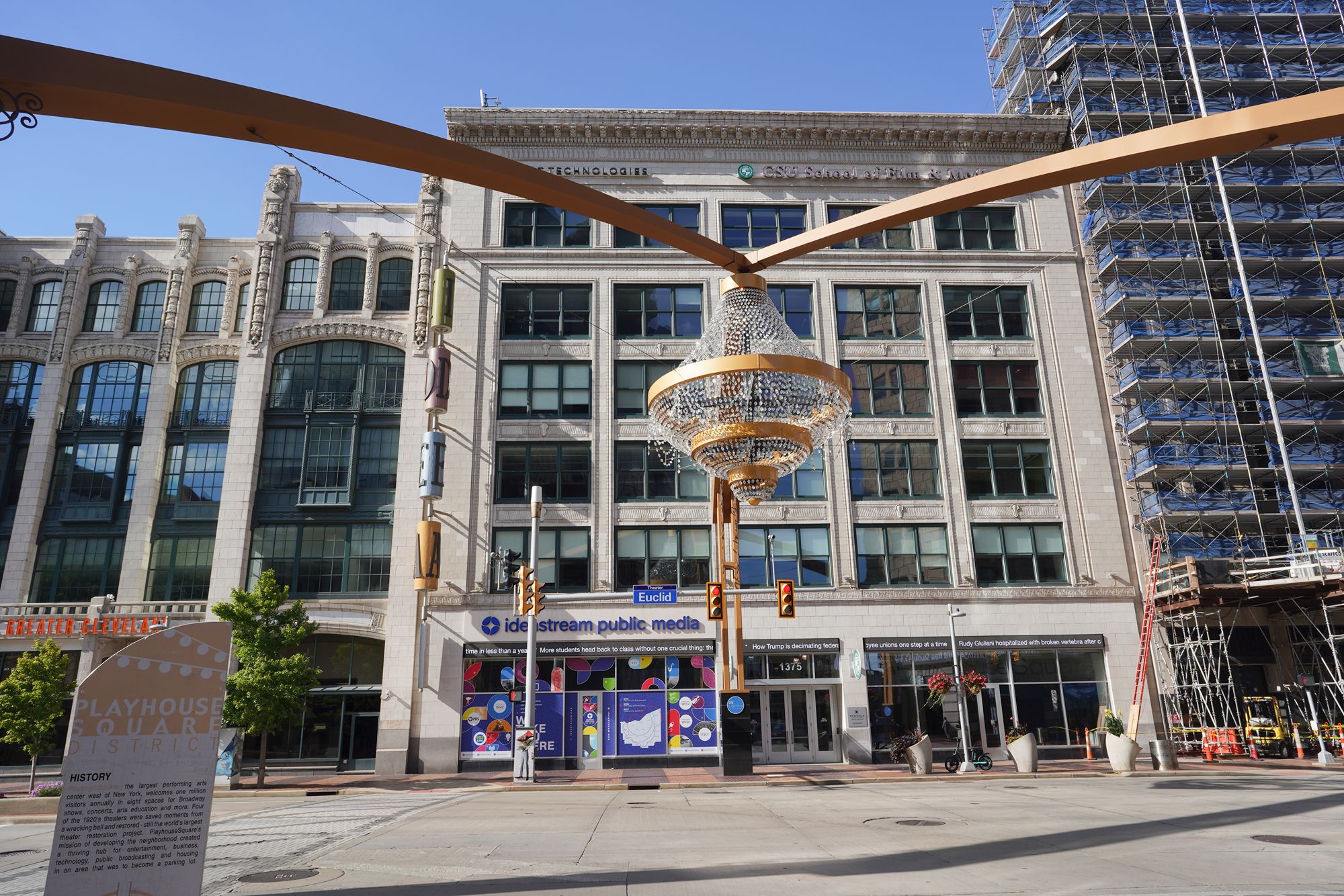
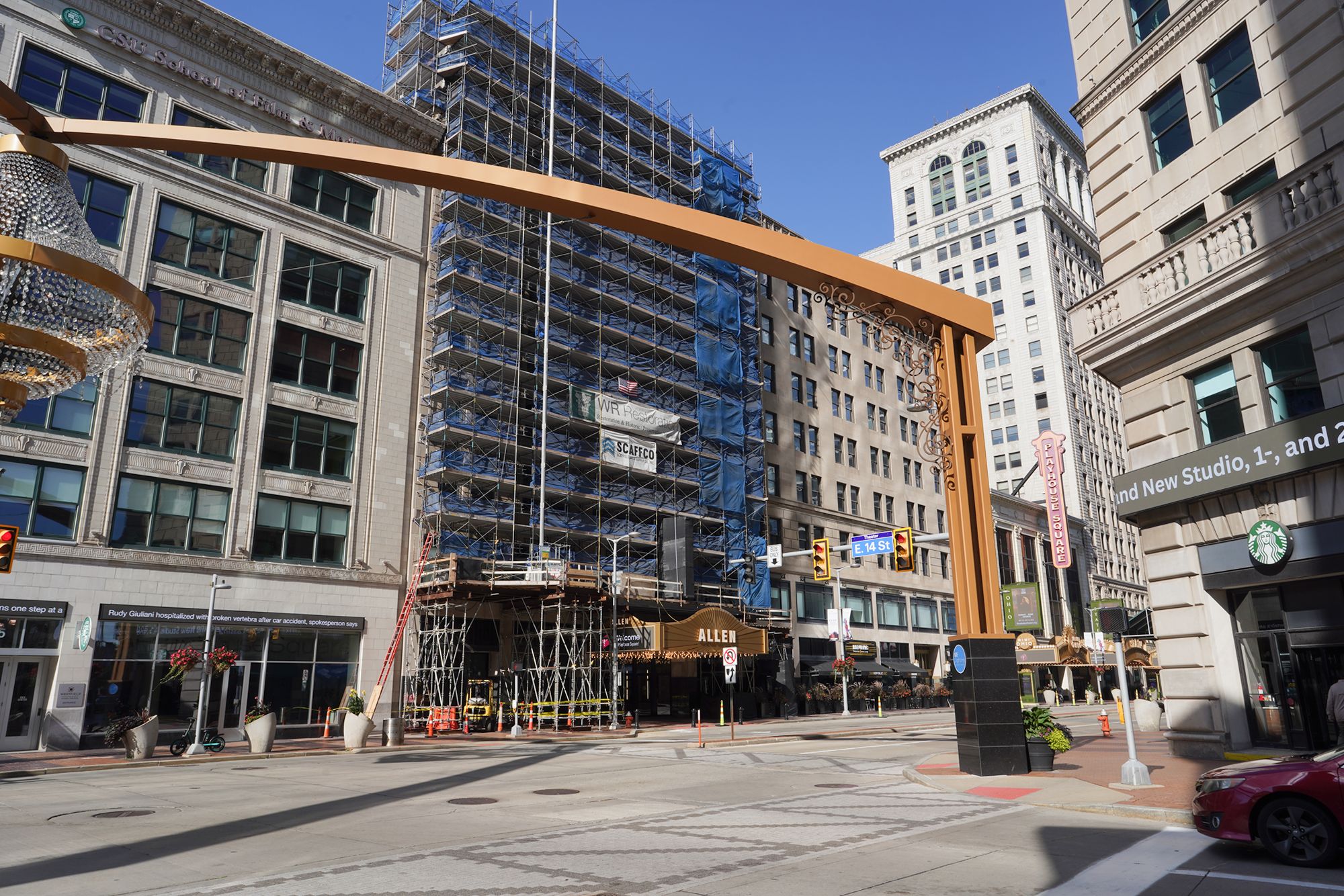
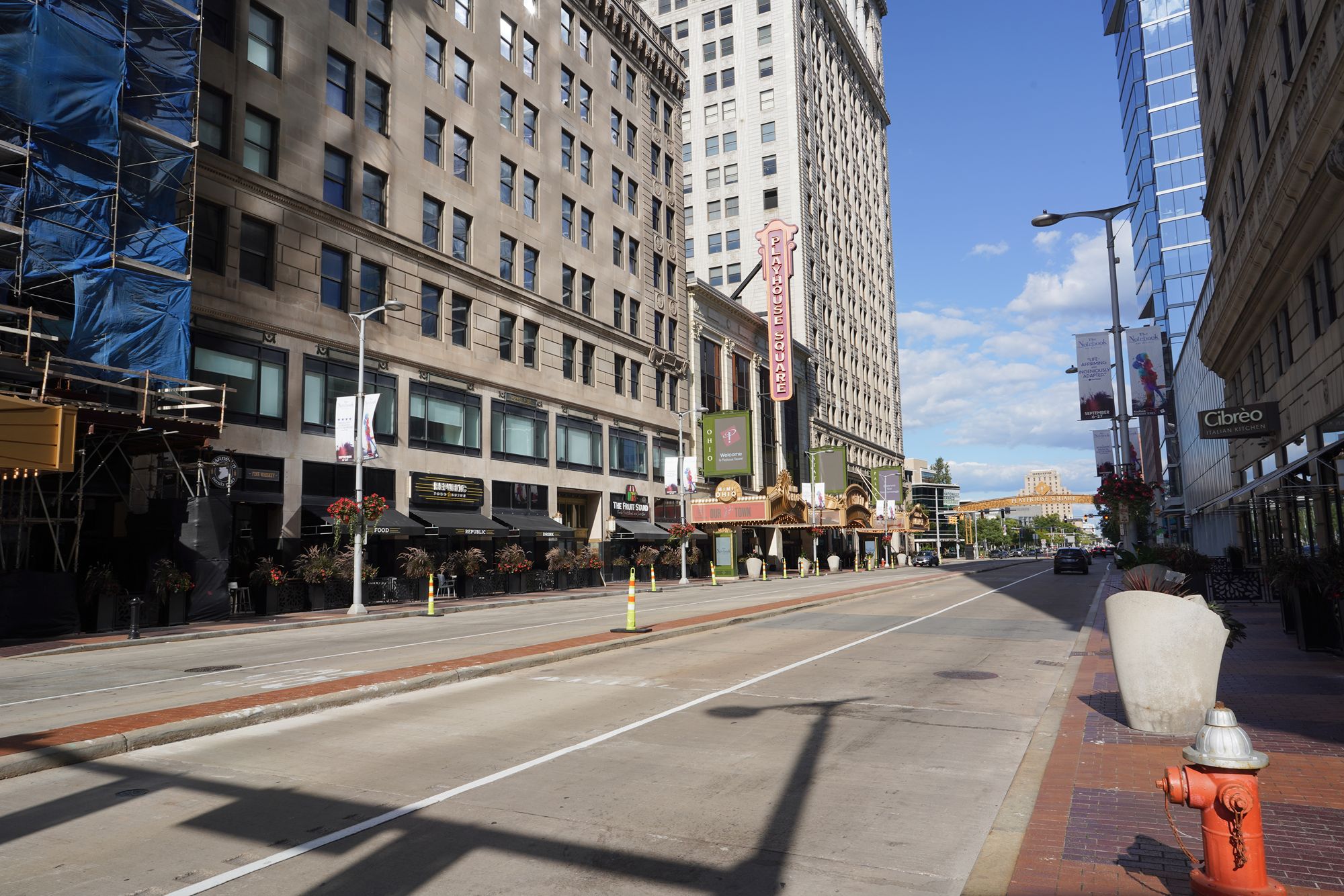
Lining Euclid Avenue, the district features a remarkable collection of early-20th-century theaters, including the State, Ohio, Palace, Allen, and Hanna Theatres. Once facing decline, these buildings were rescued through a major preservation effort, transforming them into beautifully restored venues with ornate interiors, grand lobbies, and glowing marquees.
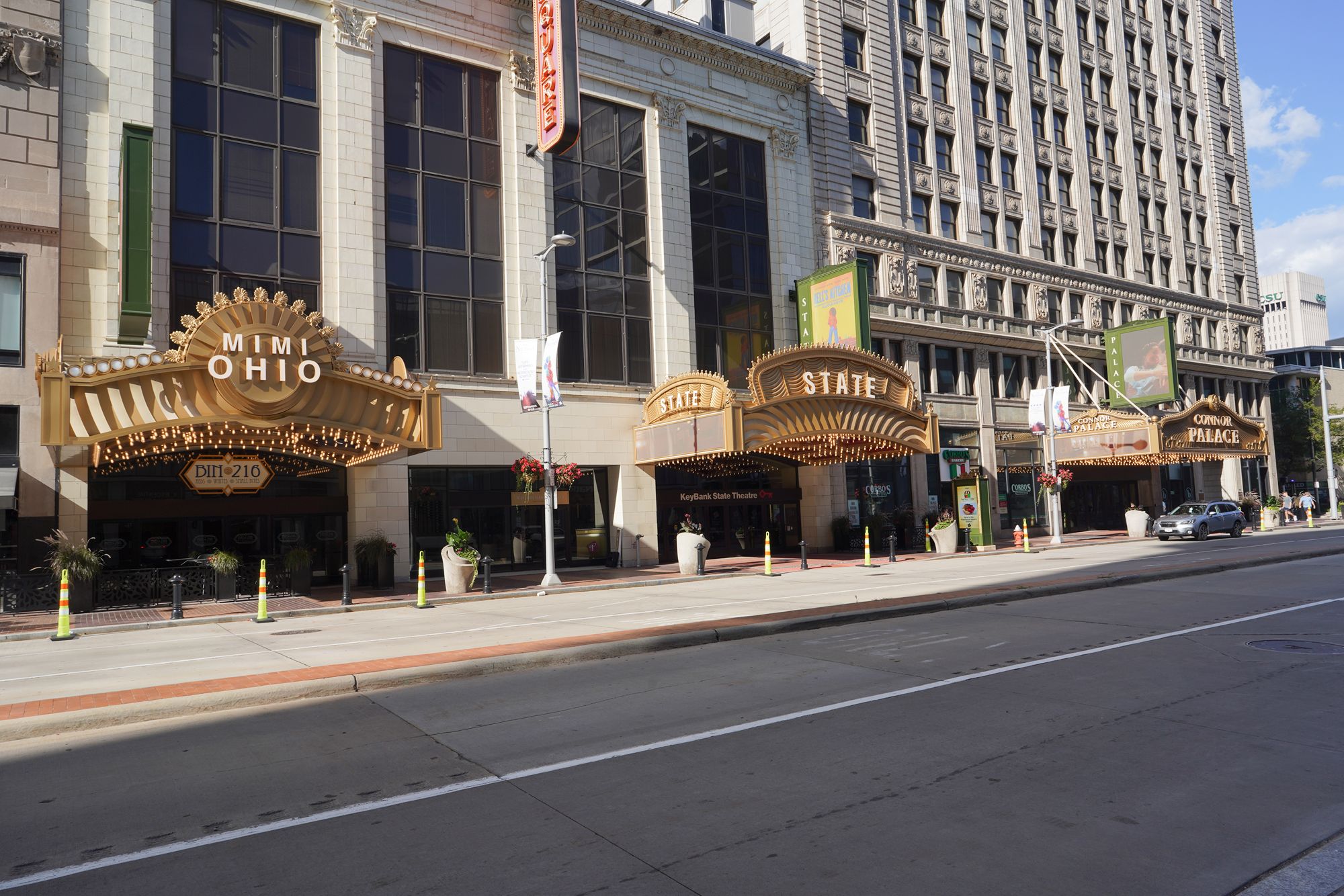
Today, Playhouse Square hosts Broadway tours, concerts, comedy, ballet, and opera, drawing audiences year-round. The district comes alive in the evening, with theater lights, the iconic GE Chandelier overhead, and nearby restaurants and bars filling the streets. It stands as a successful example of how historic architecture, arts, and urban revitalization can work together to shape a city’s identity.