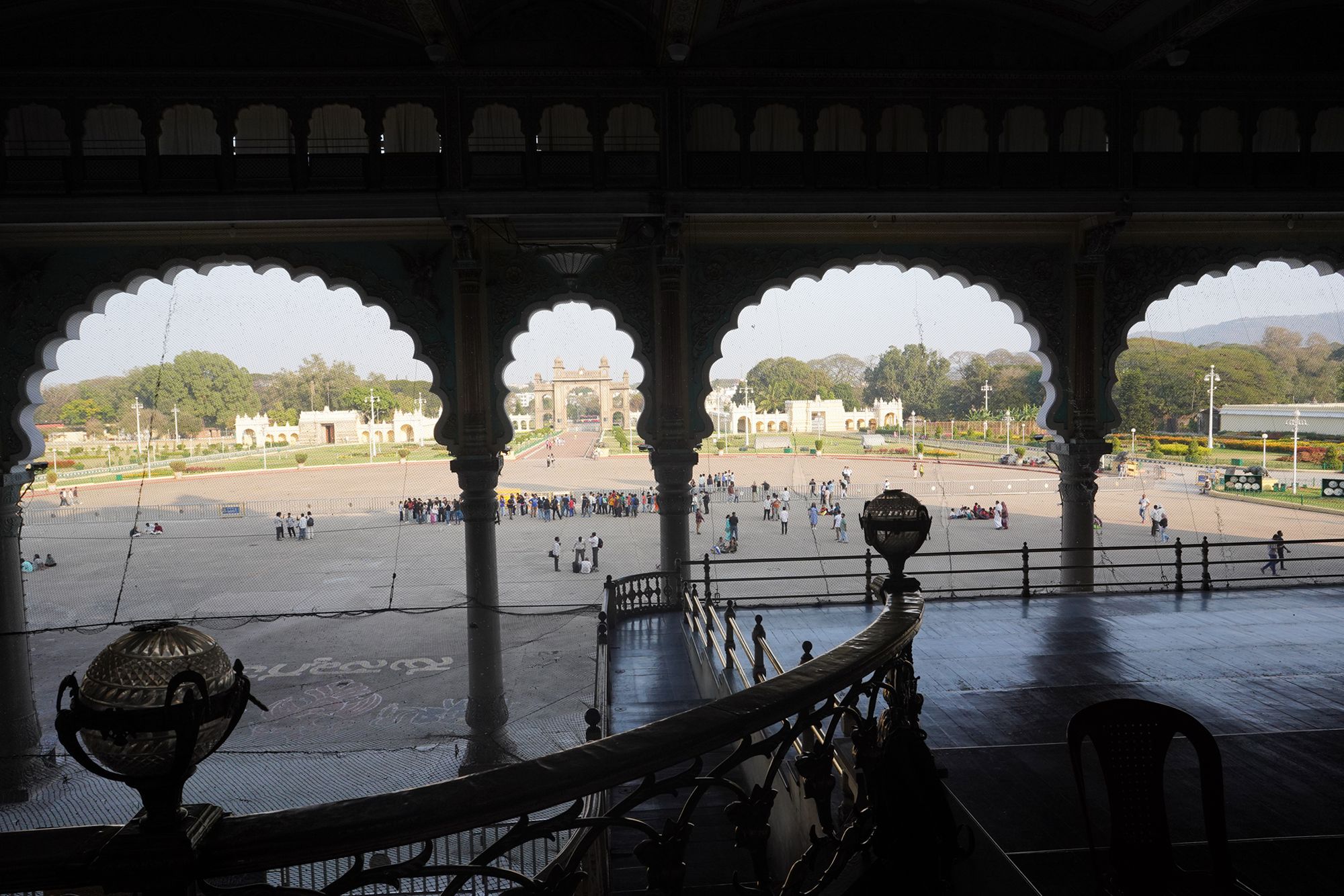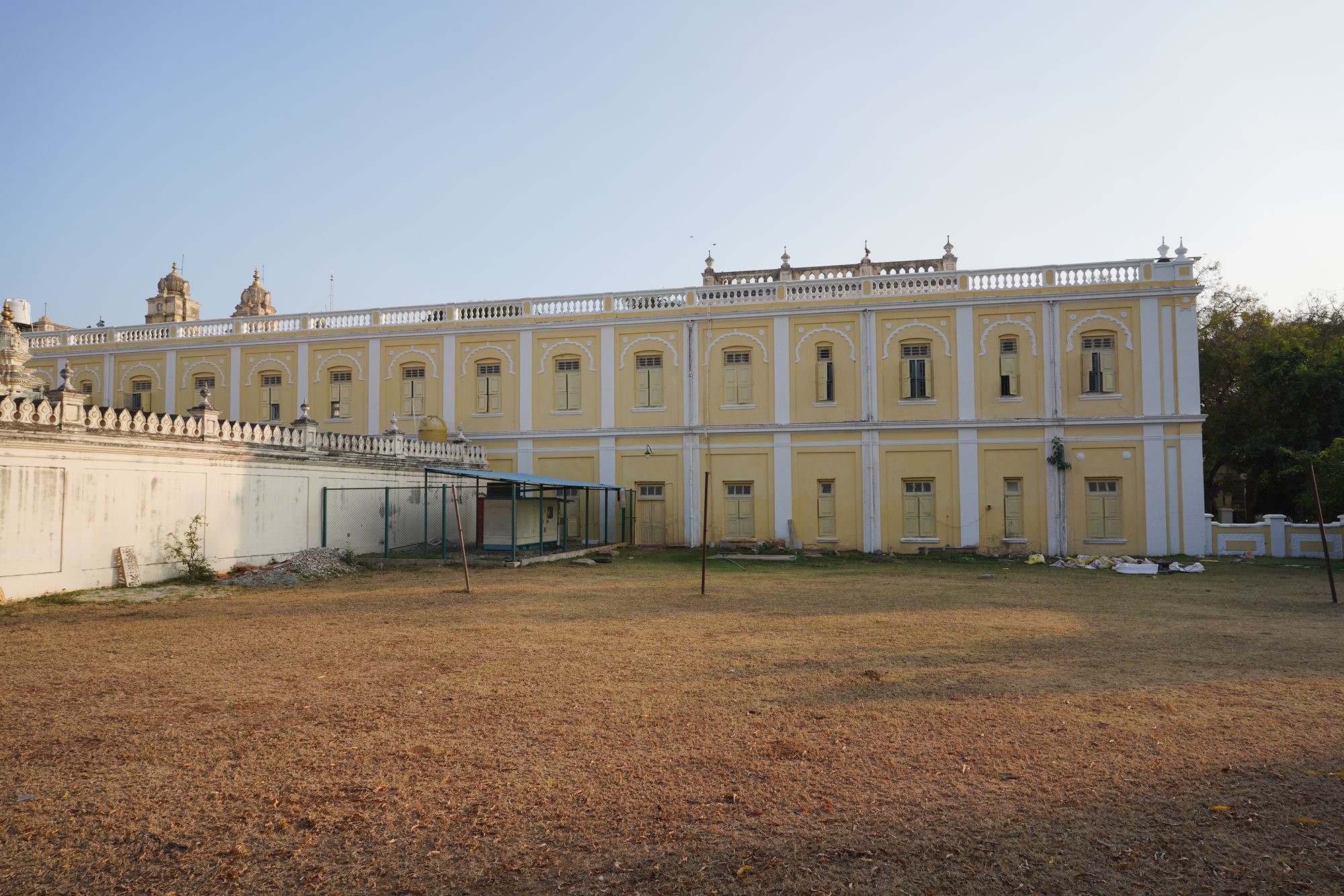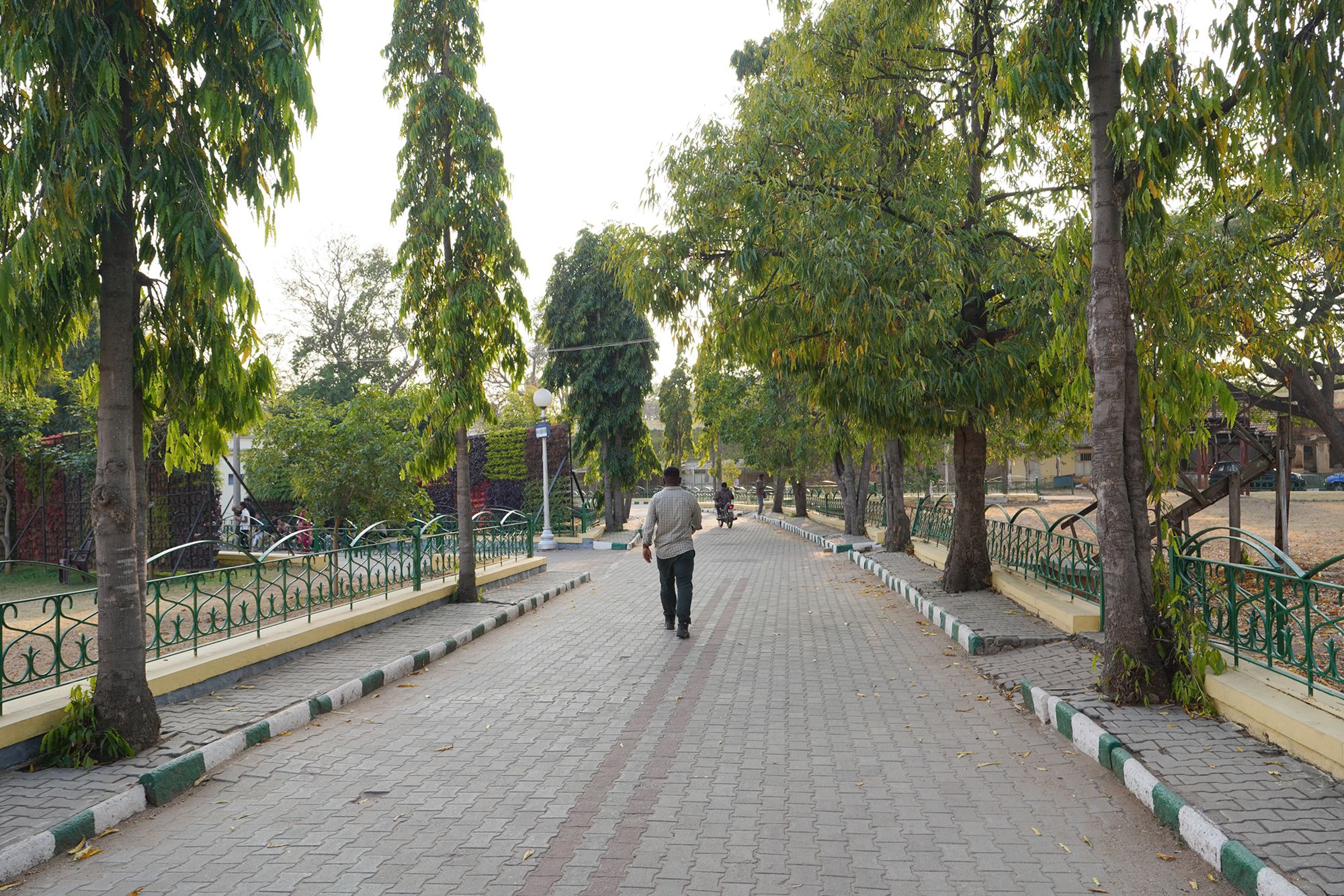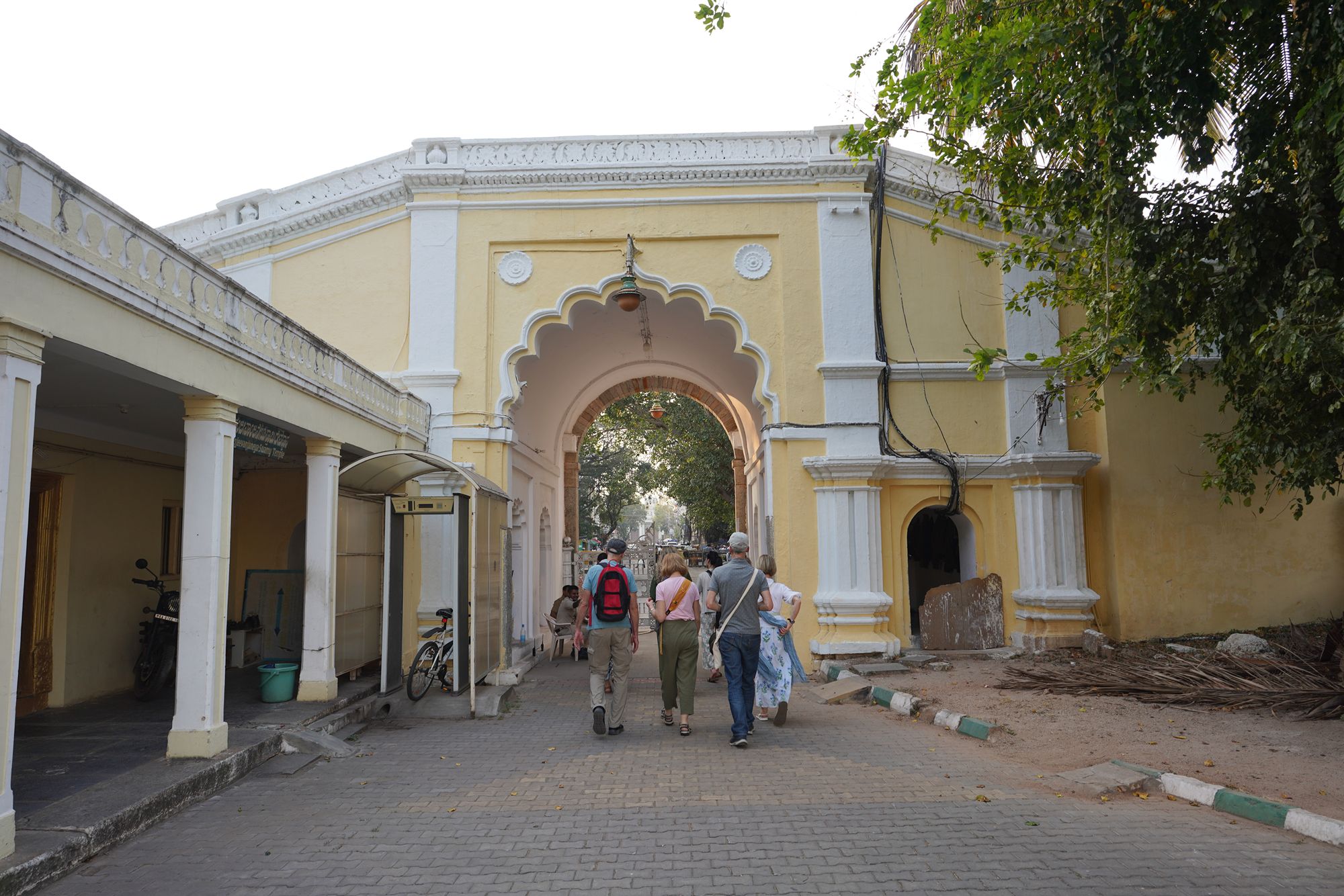
Mysore Palace, Karnataka, India
Mysore Palace is a magnificent royal palace in Mysuru, known for its grand architecture, ornate interiors, and rich history. 1231
Mysore Palace: Agrahara, Chamrajpura, Mysuru, Karnataka 570001, India
Date Picture Taken: Jan, 2026
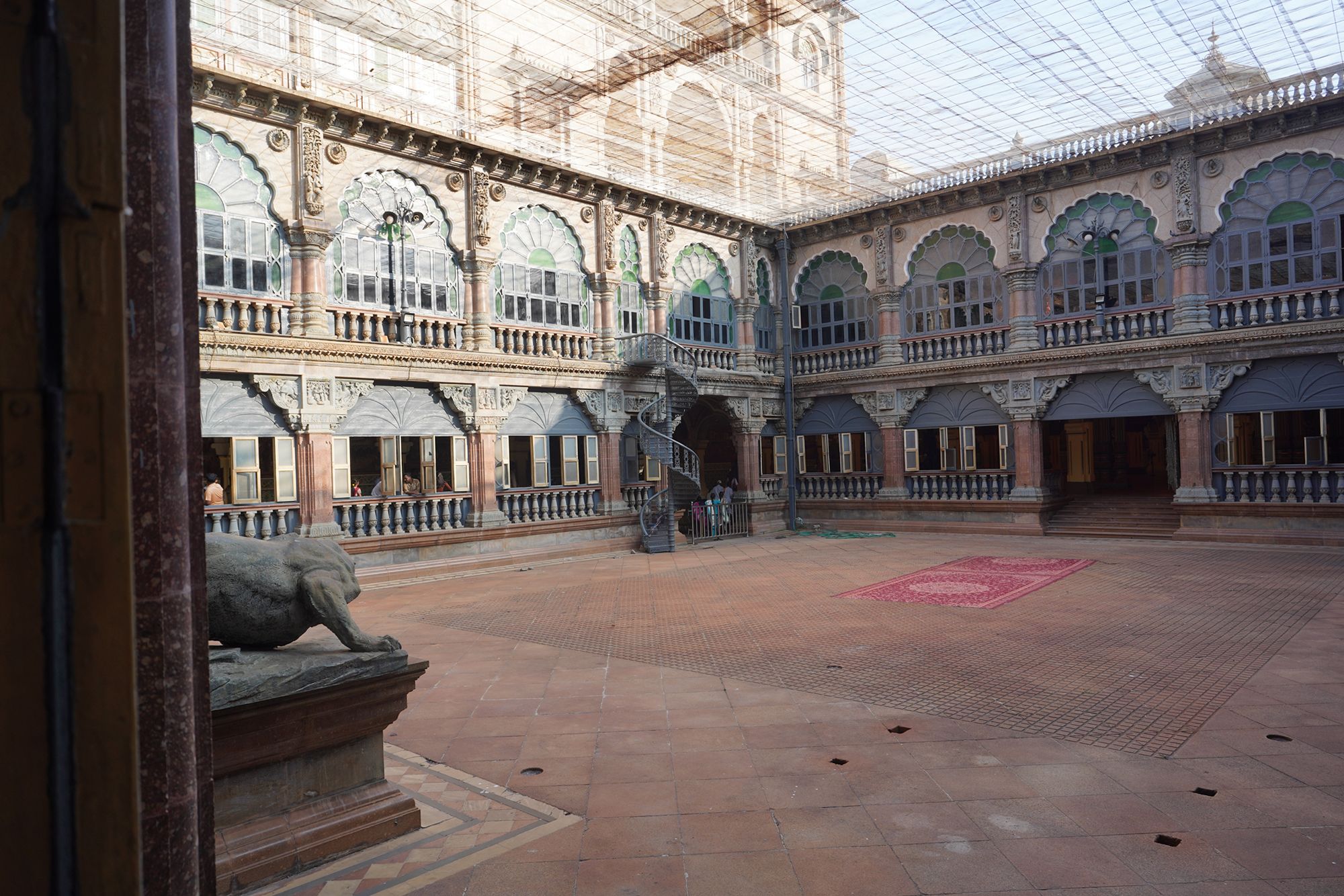
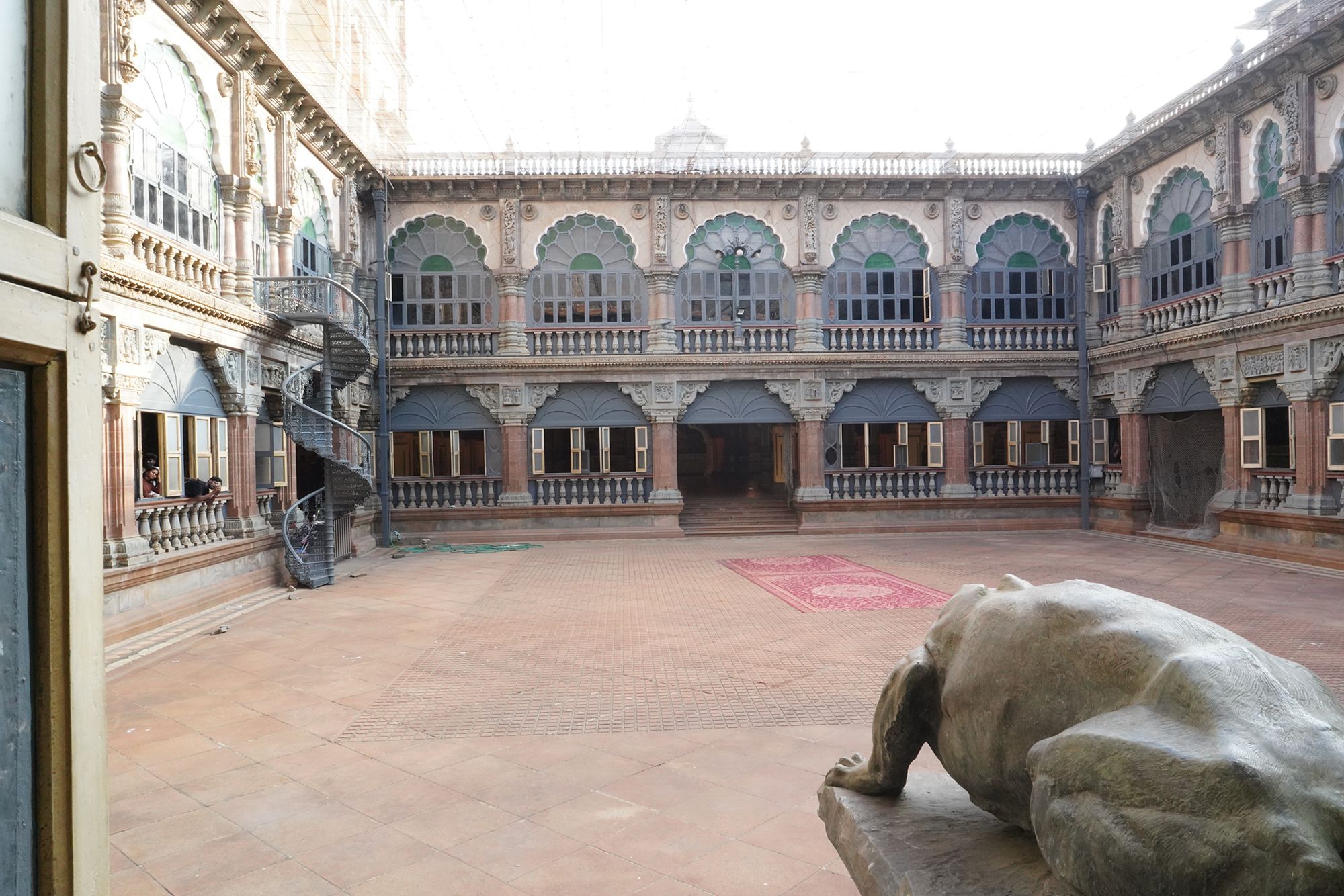
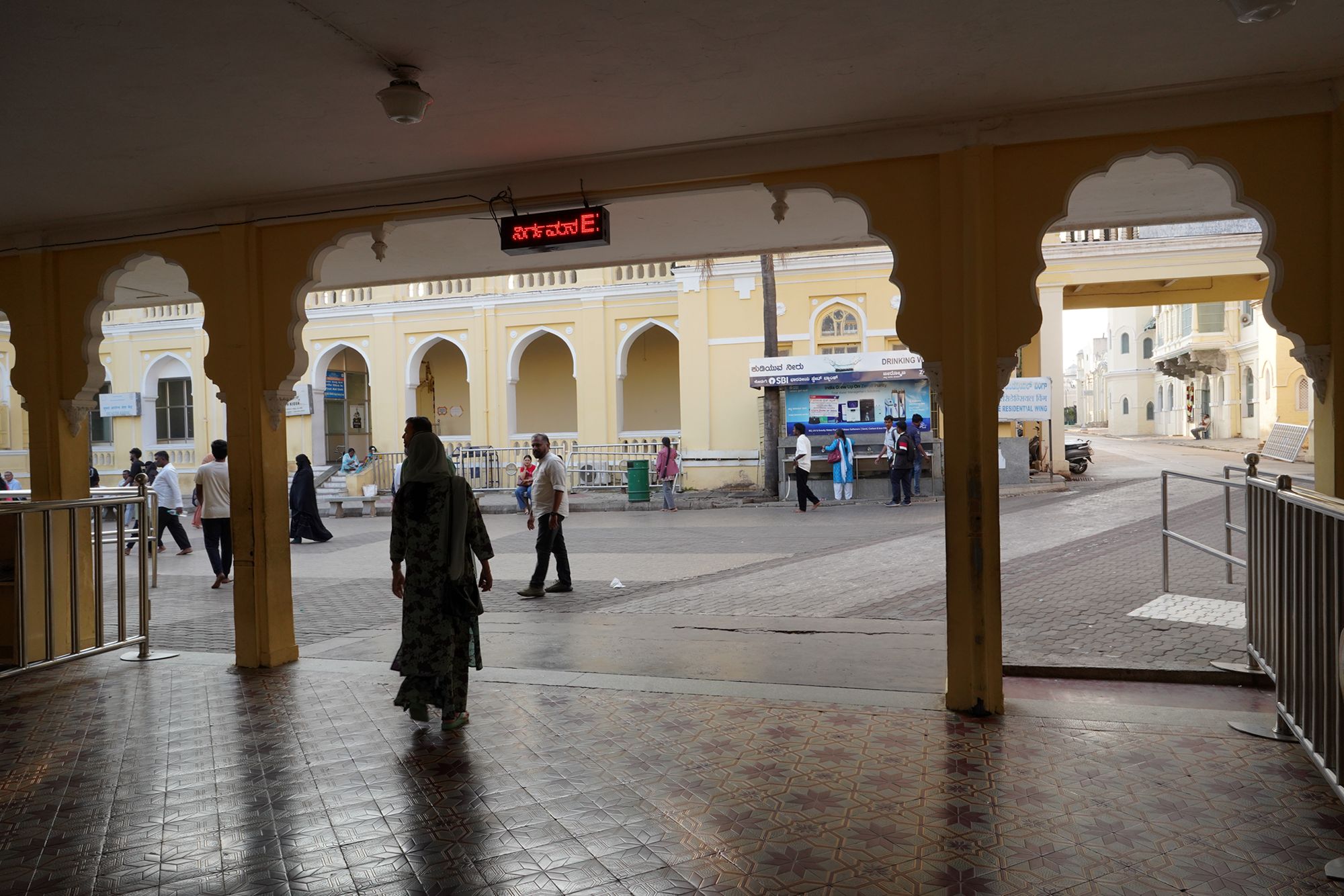
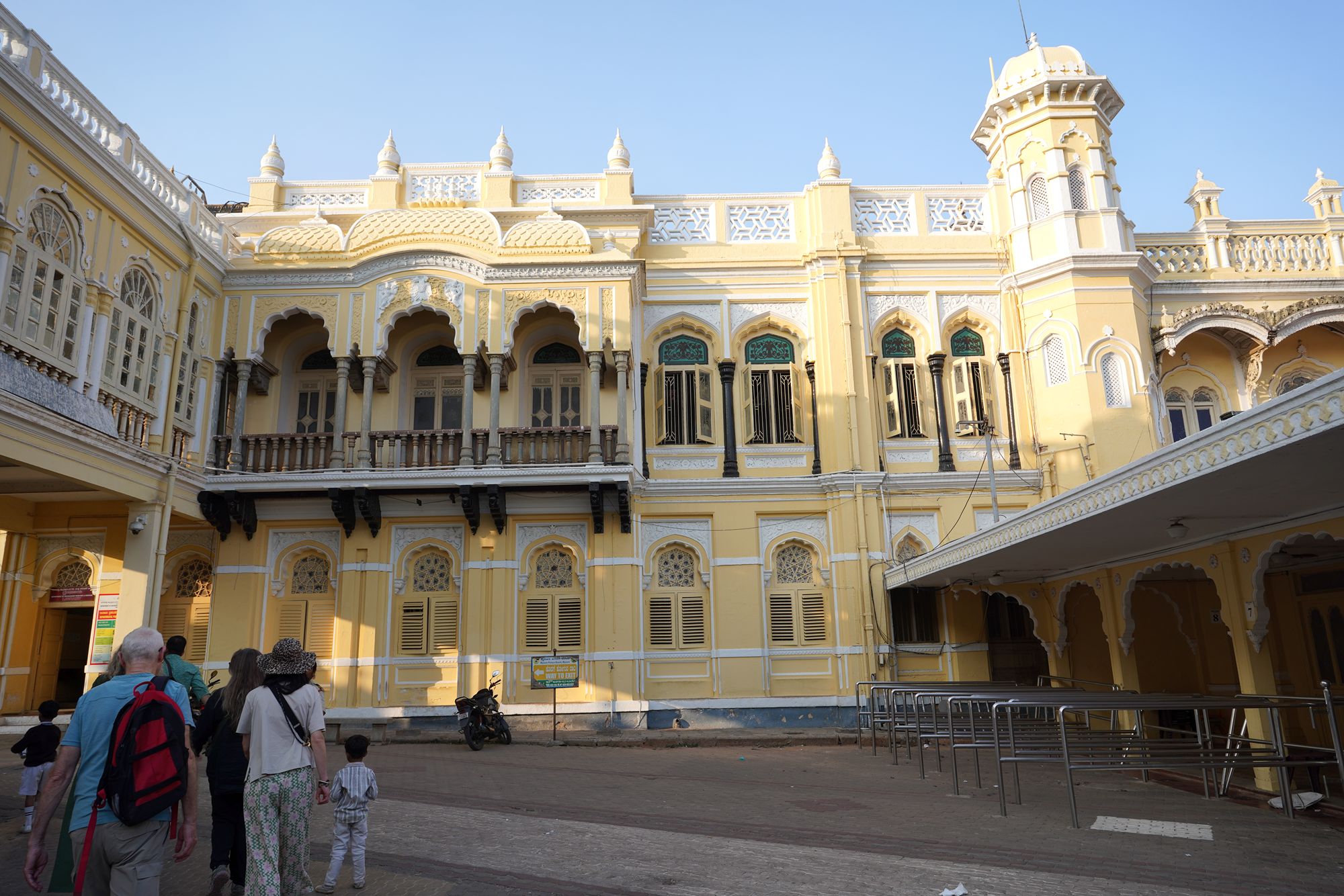
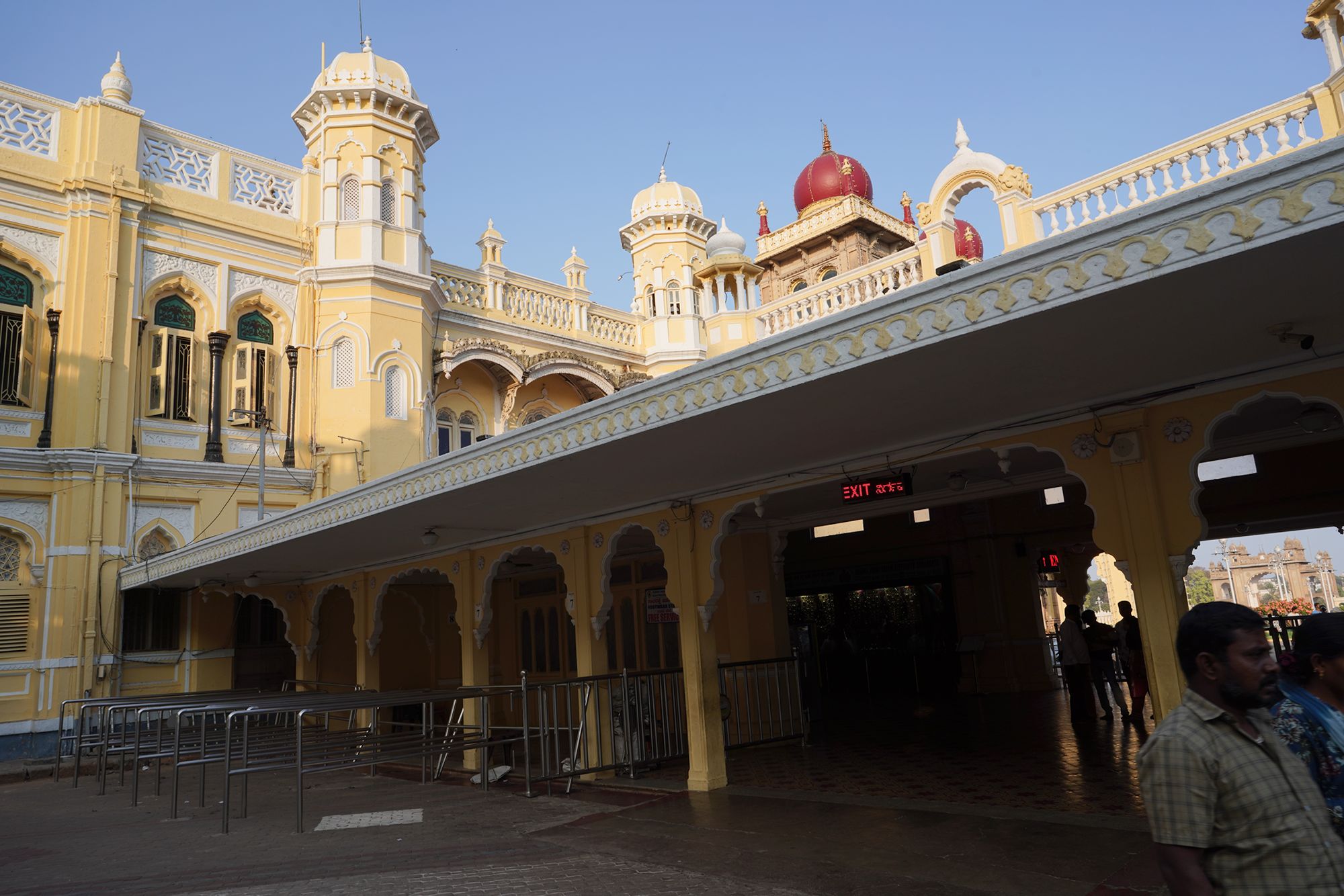
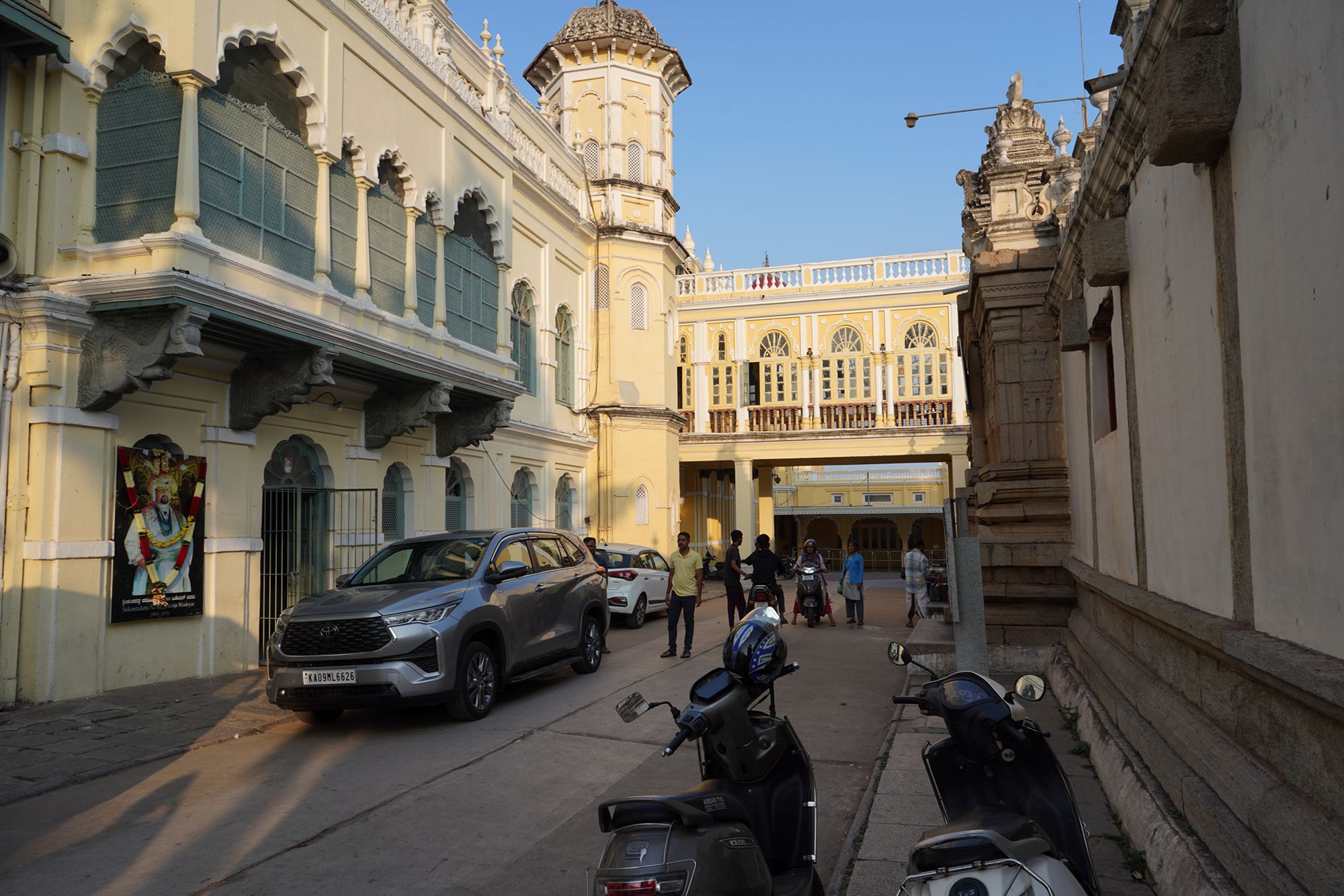
Mysore Palace is a magnificent royal residence in Mysuru, famous for its grand Indo-Saracenic architecture, richly decorated interiors, elaborate halls, and colorful artwork. Once the official residence of the Wadiyar royal family, it remains one of the most impressive and popular landmarks in southern India.
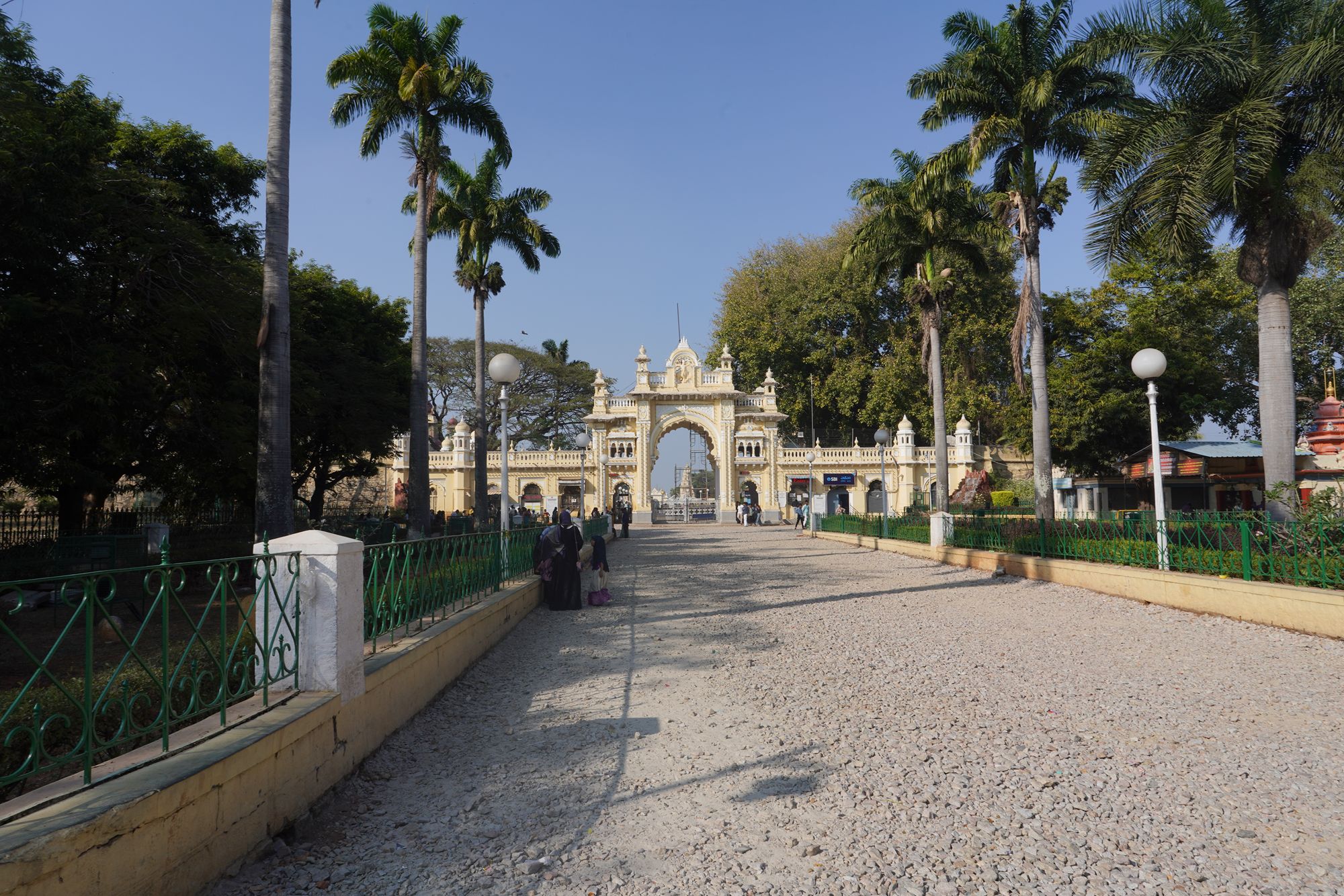
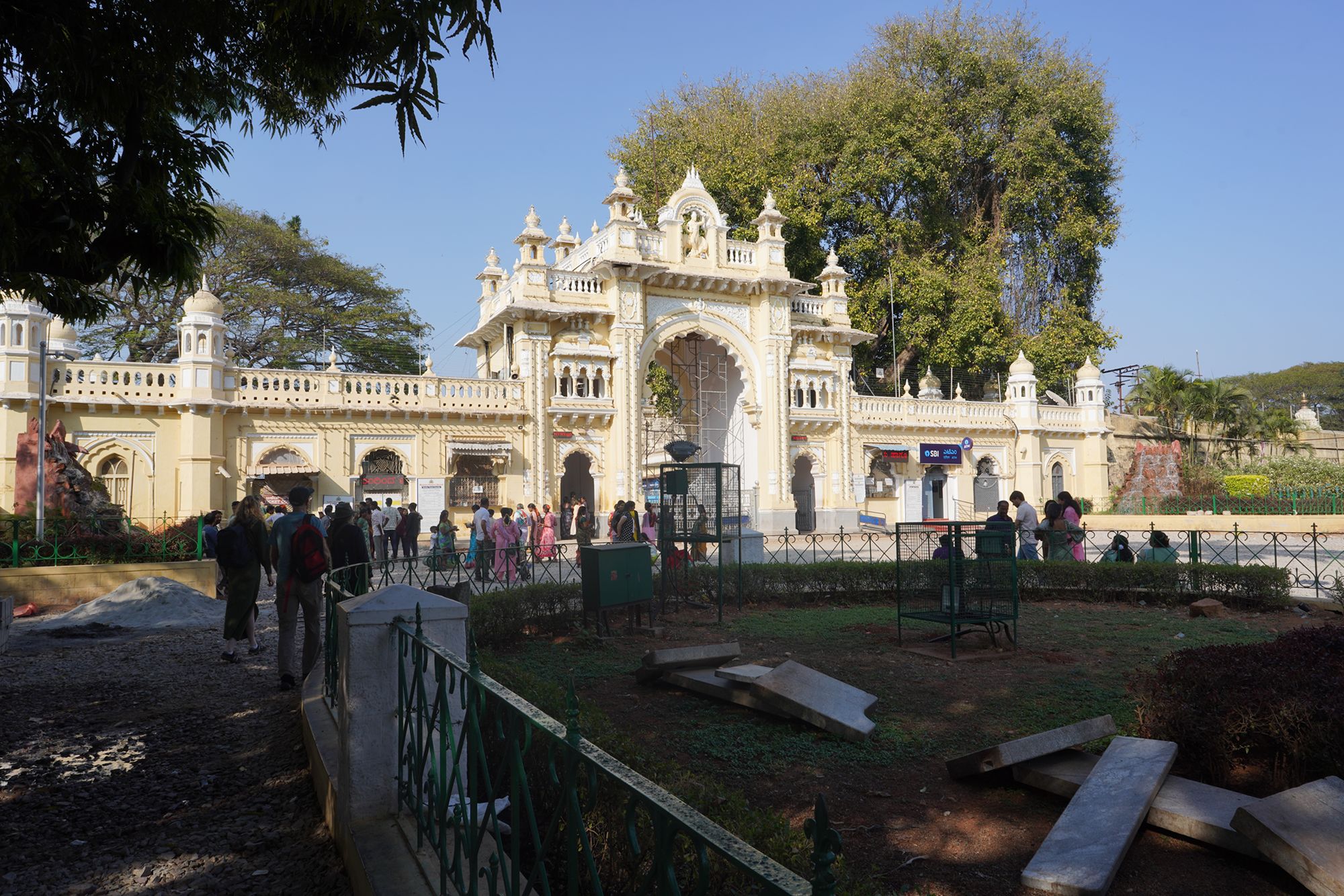
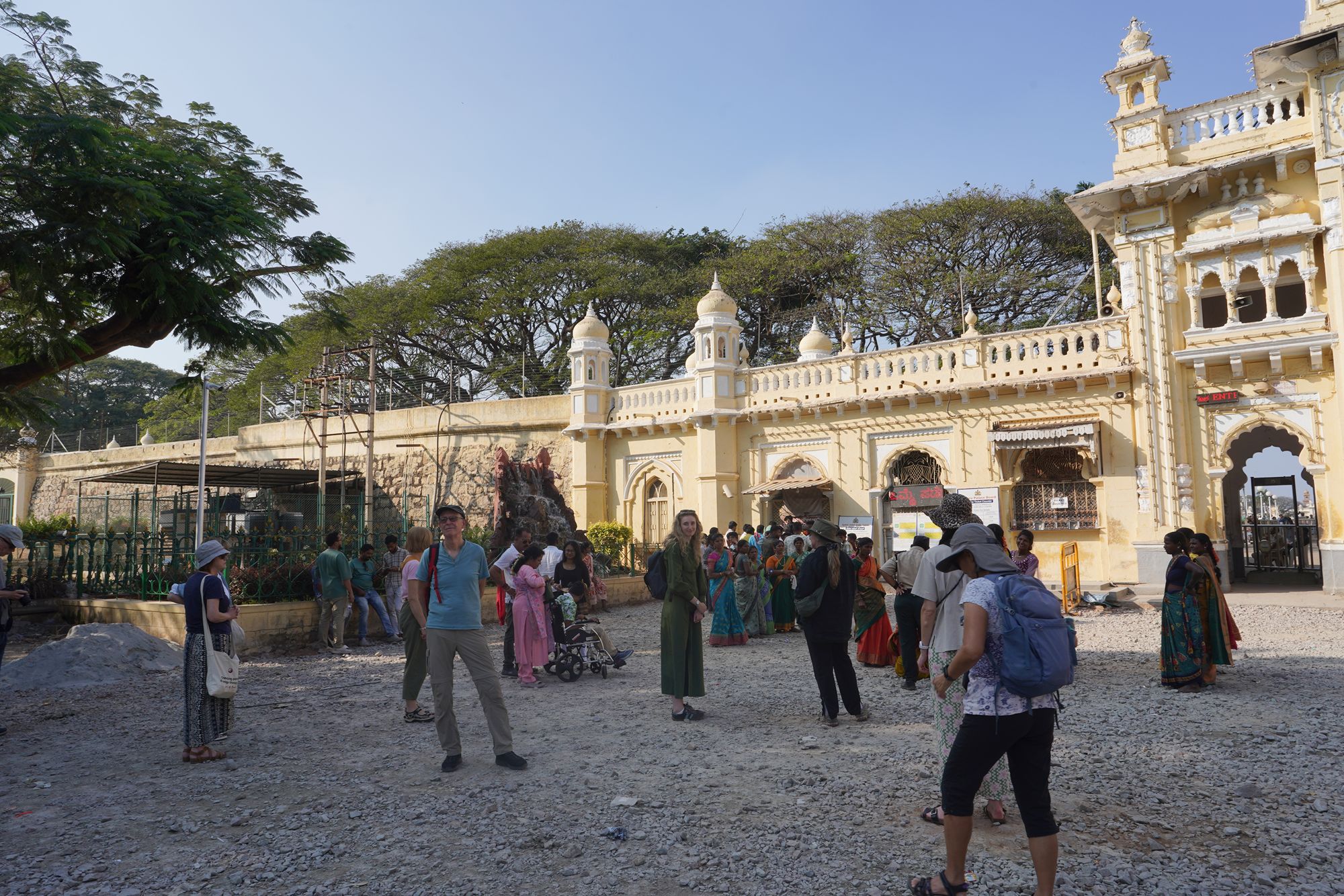
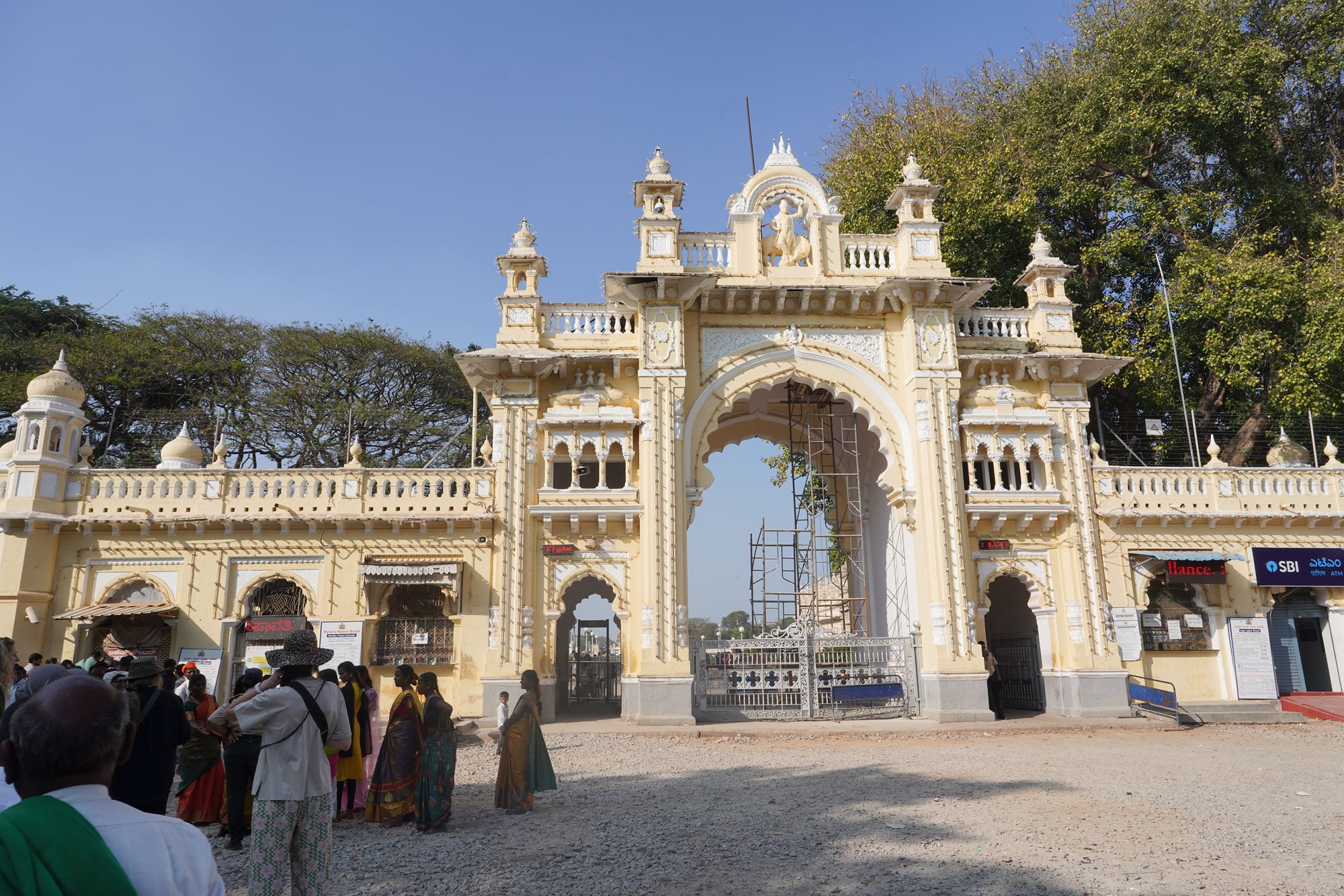
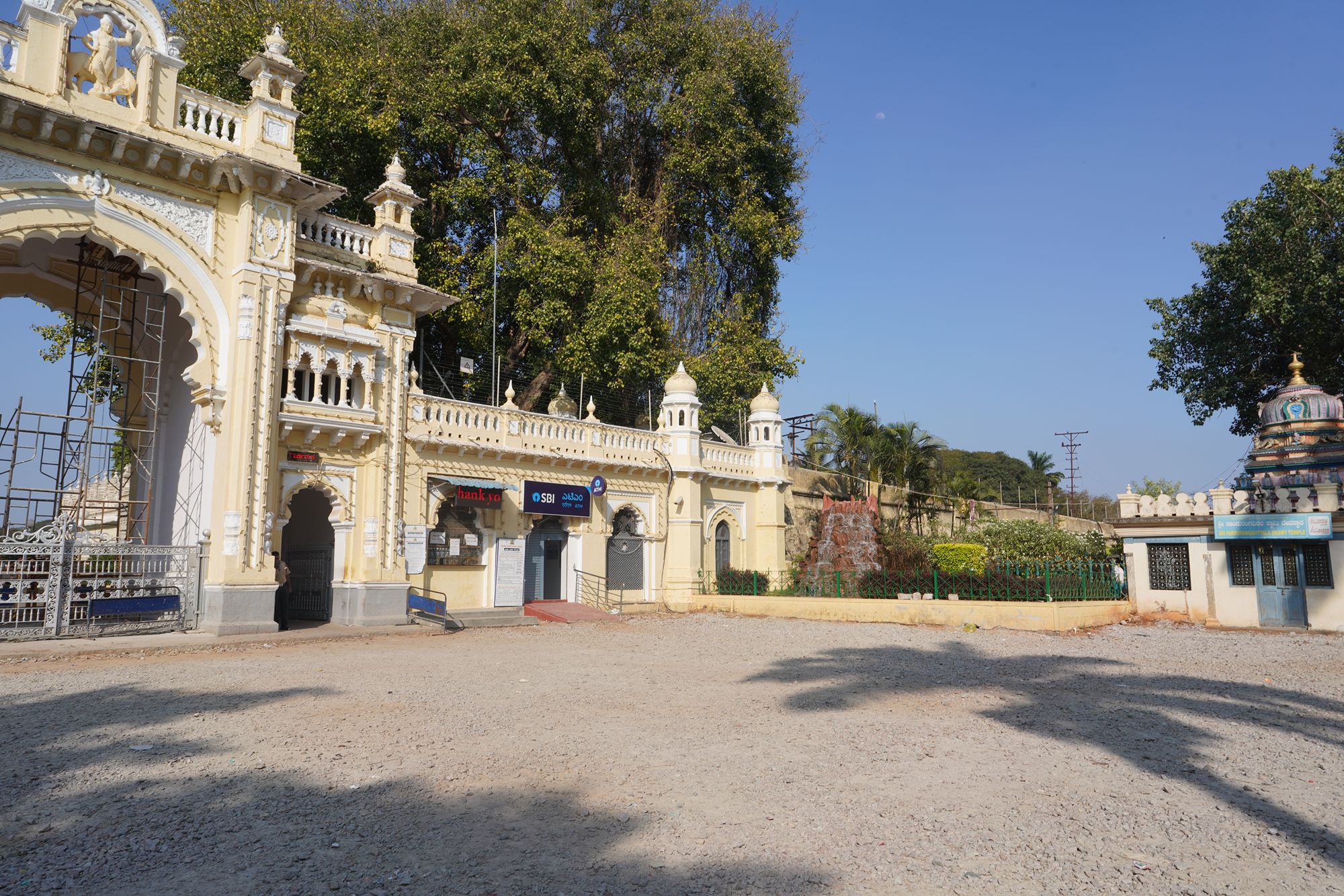
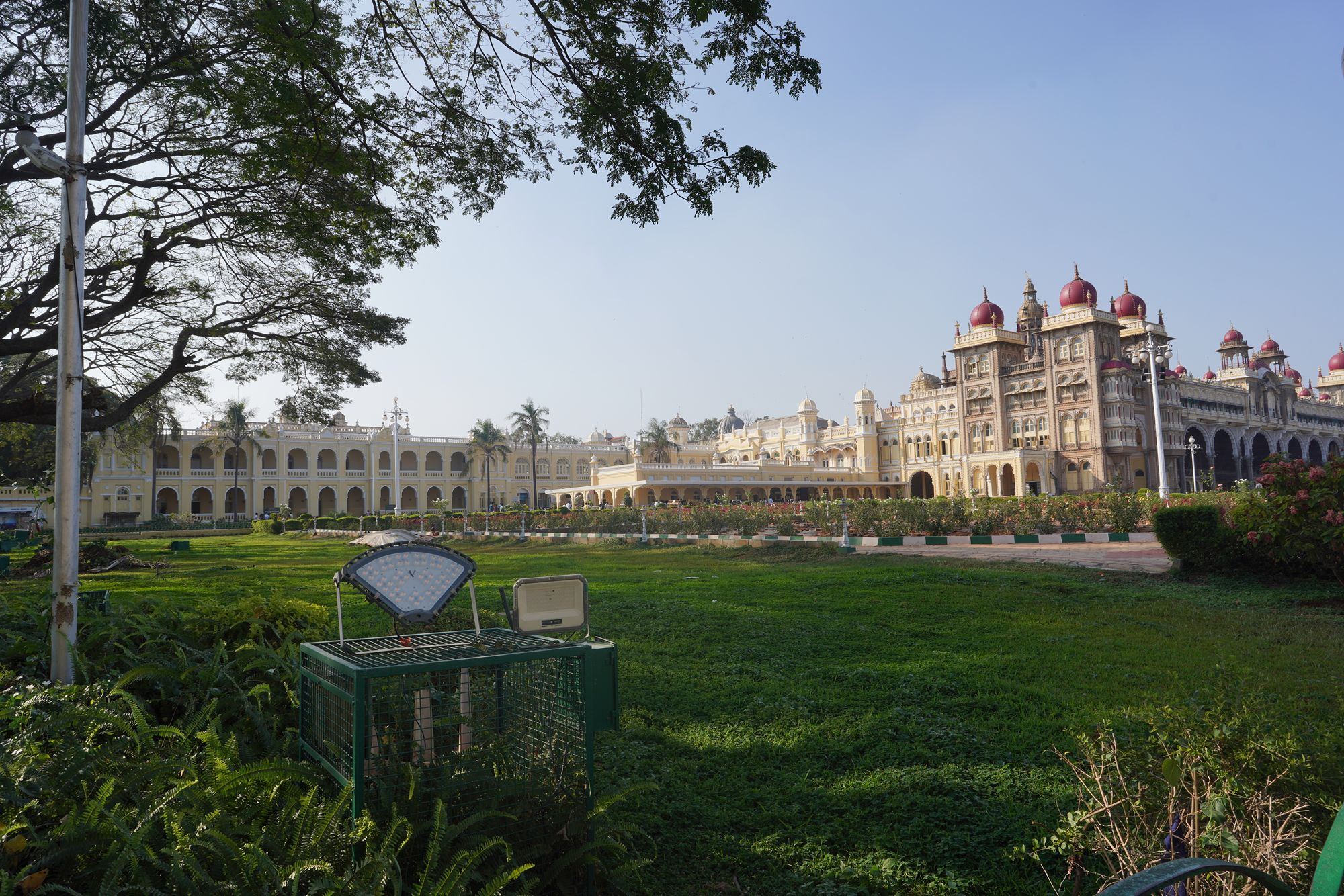
Mysore Palace, also known as Amba Vilas Palace, was the royal residence of the Wadiyar dynasty, which ruled the Kingdom of Mysore for several centuries. The present palace replaced an earlier wooden structure that was destroyed by fire in 1897.
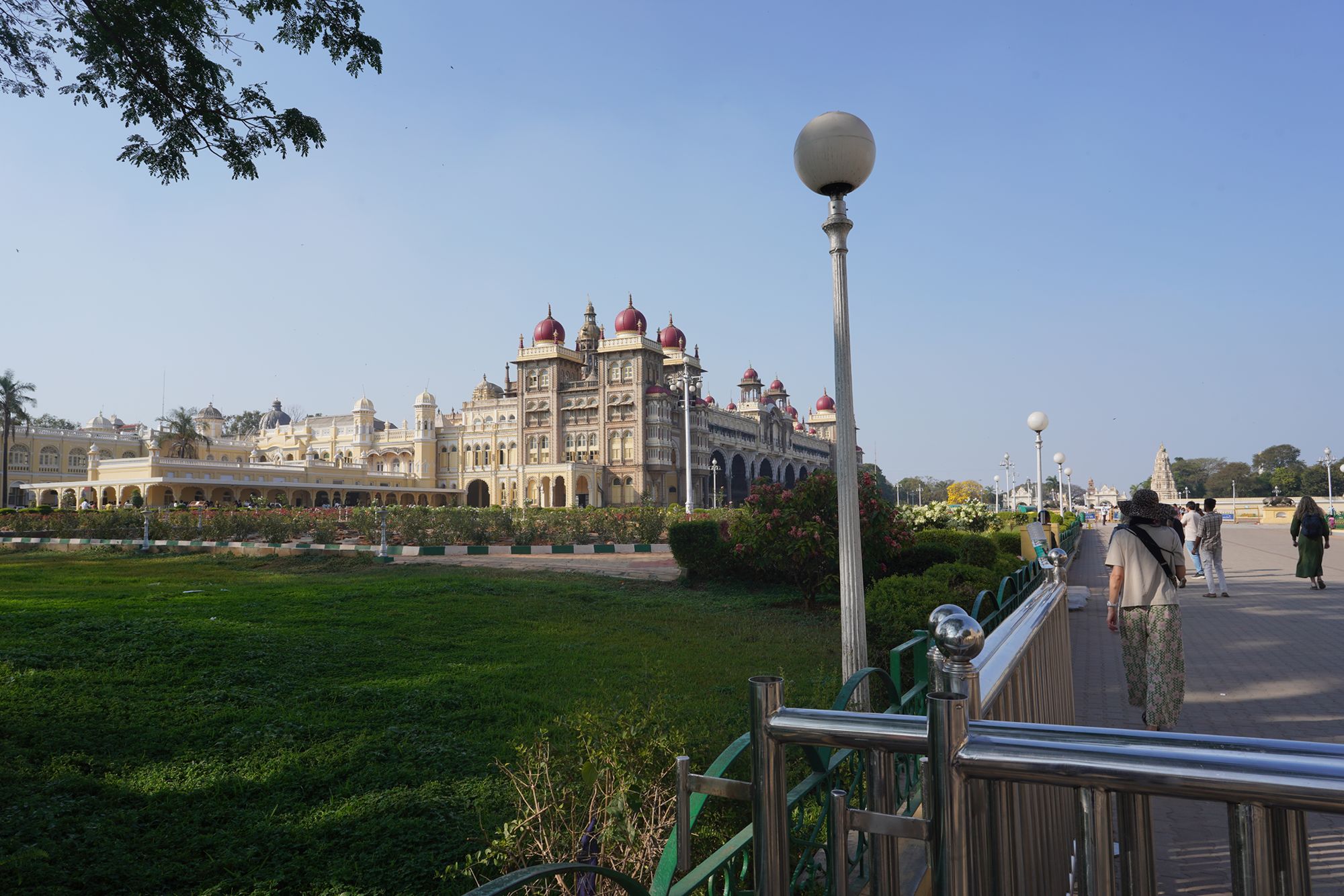
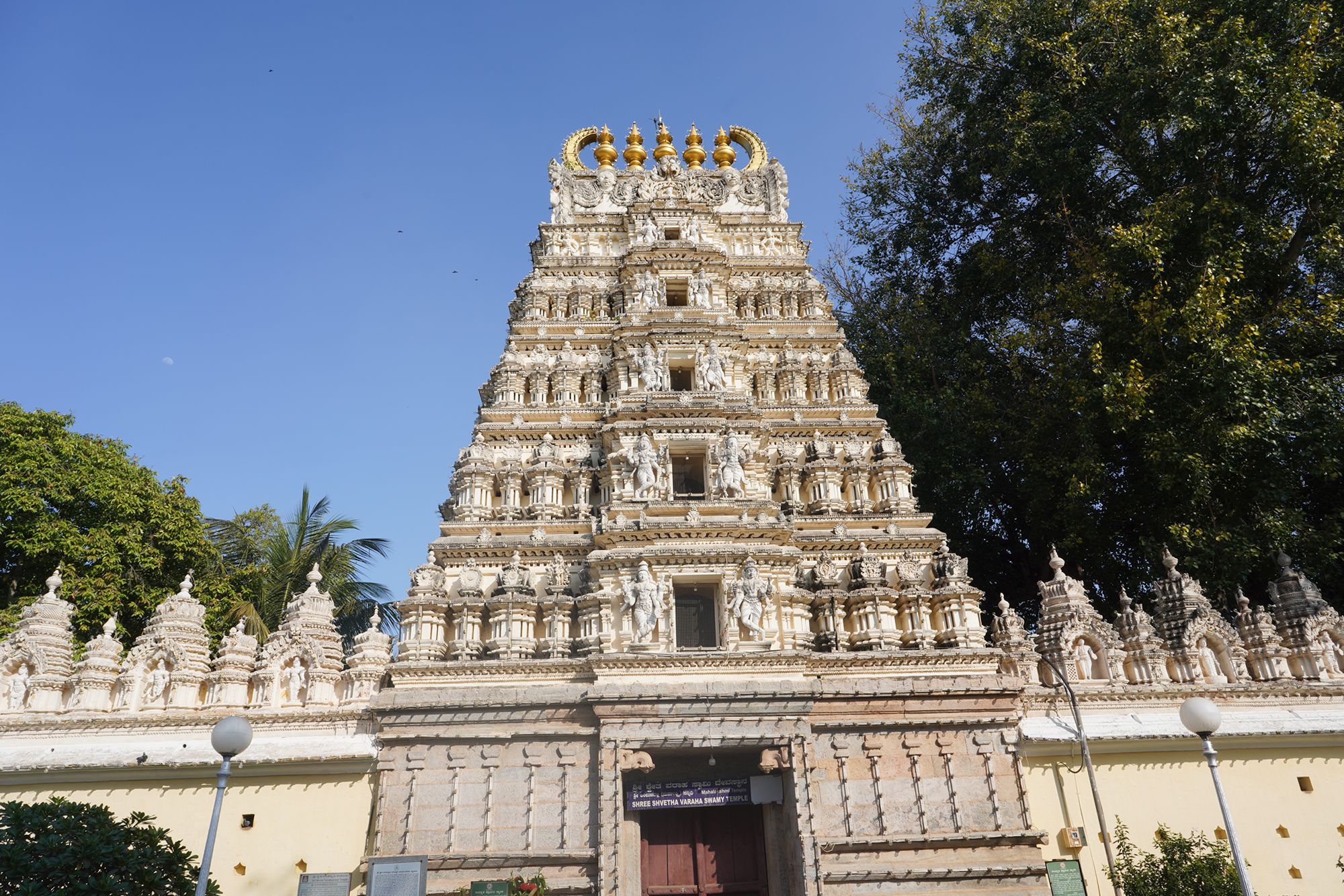
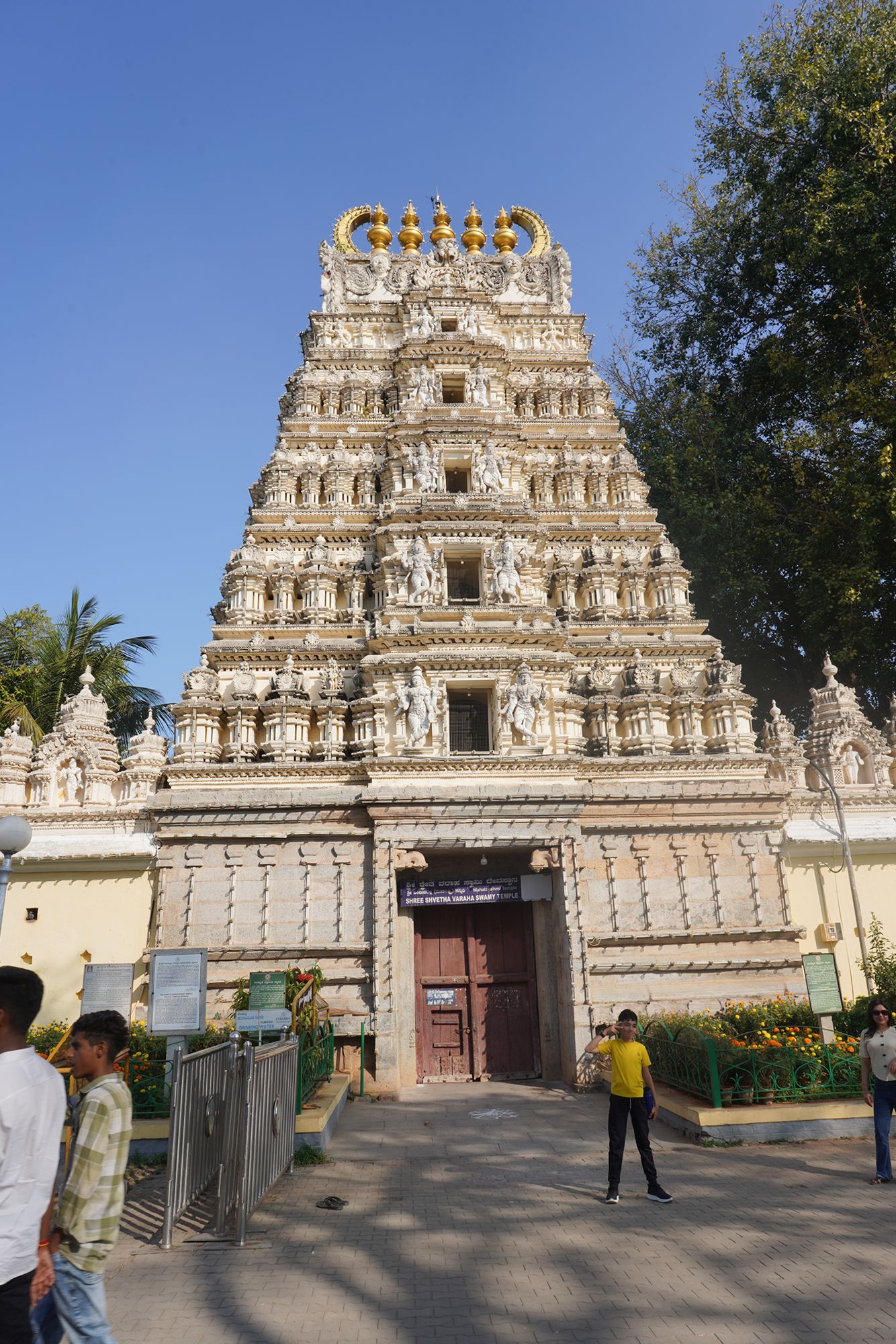
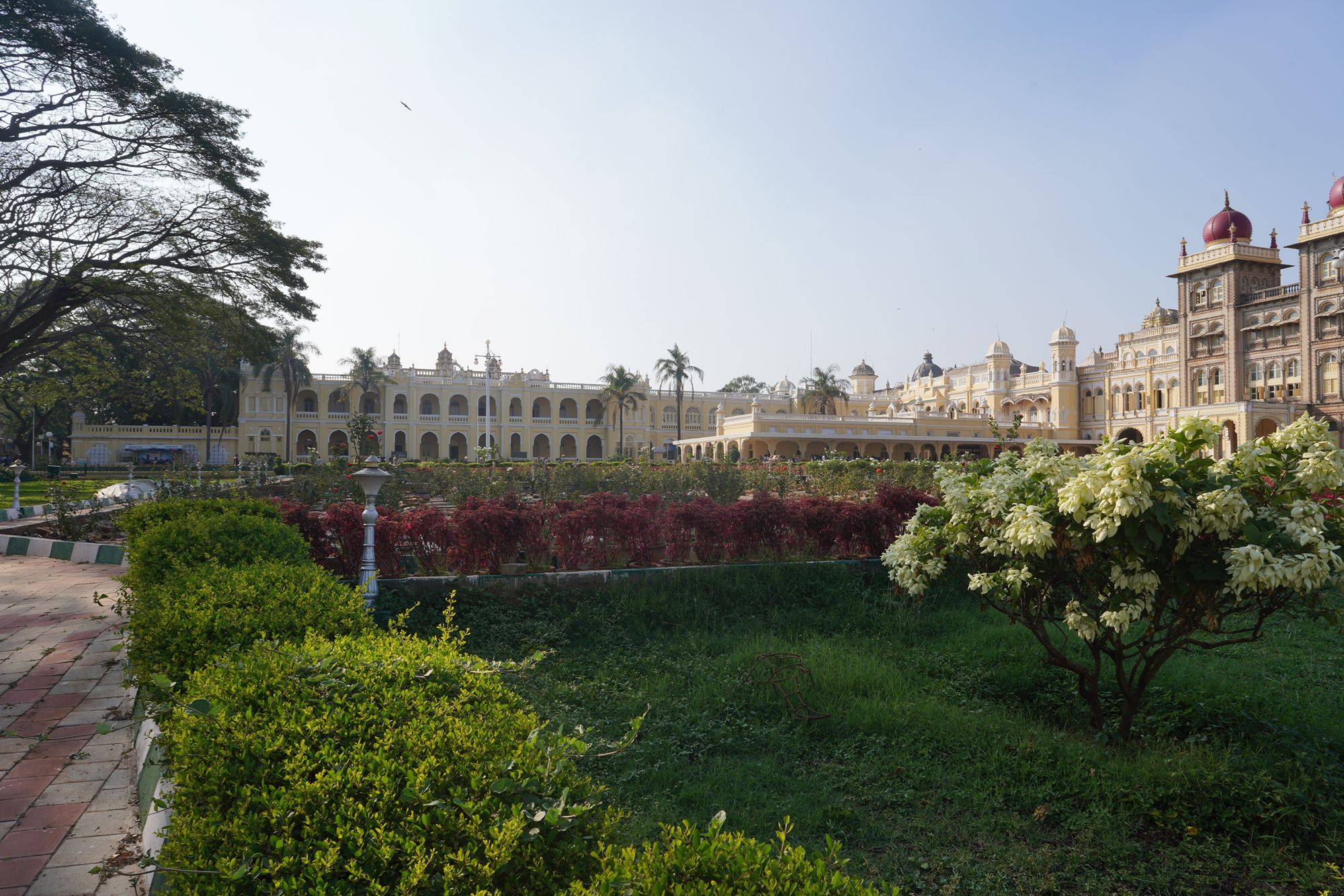
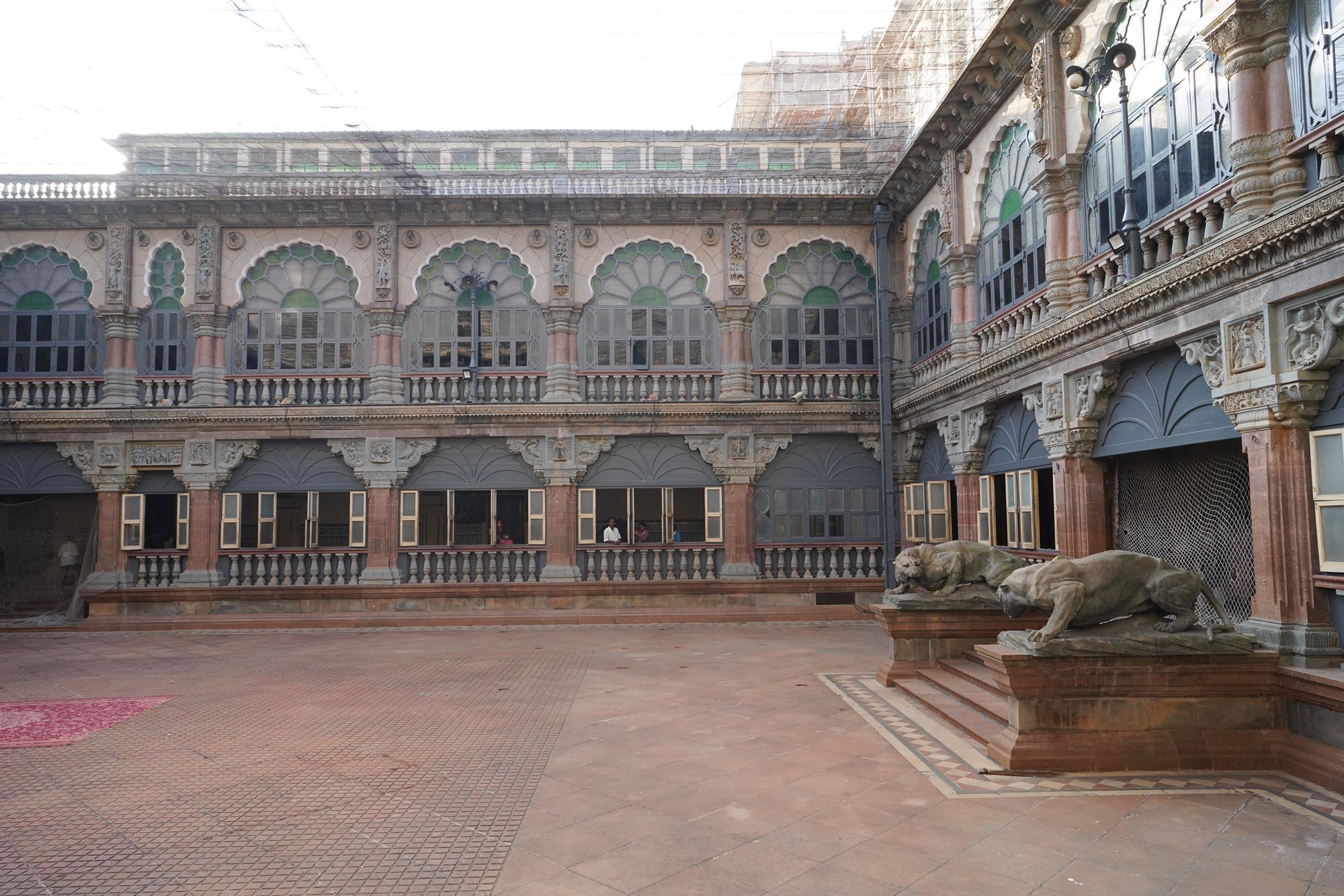
Construction of the current palace began in 1897 and was completed in 1912, under the design of British architect Henry Irwin. Its impressive Indo-Saracenic architecture combines Hindu, Islamic, Rajput, and European influences, with grand domes, arches, courtyards, and richly decorated halls.
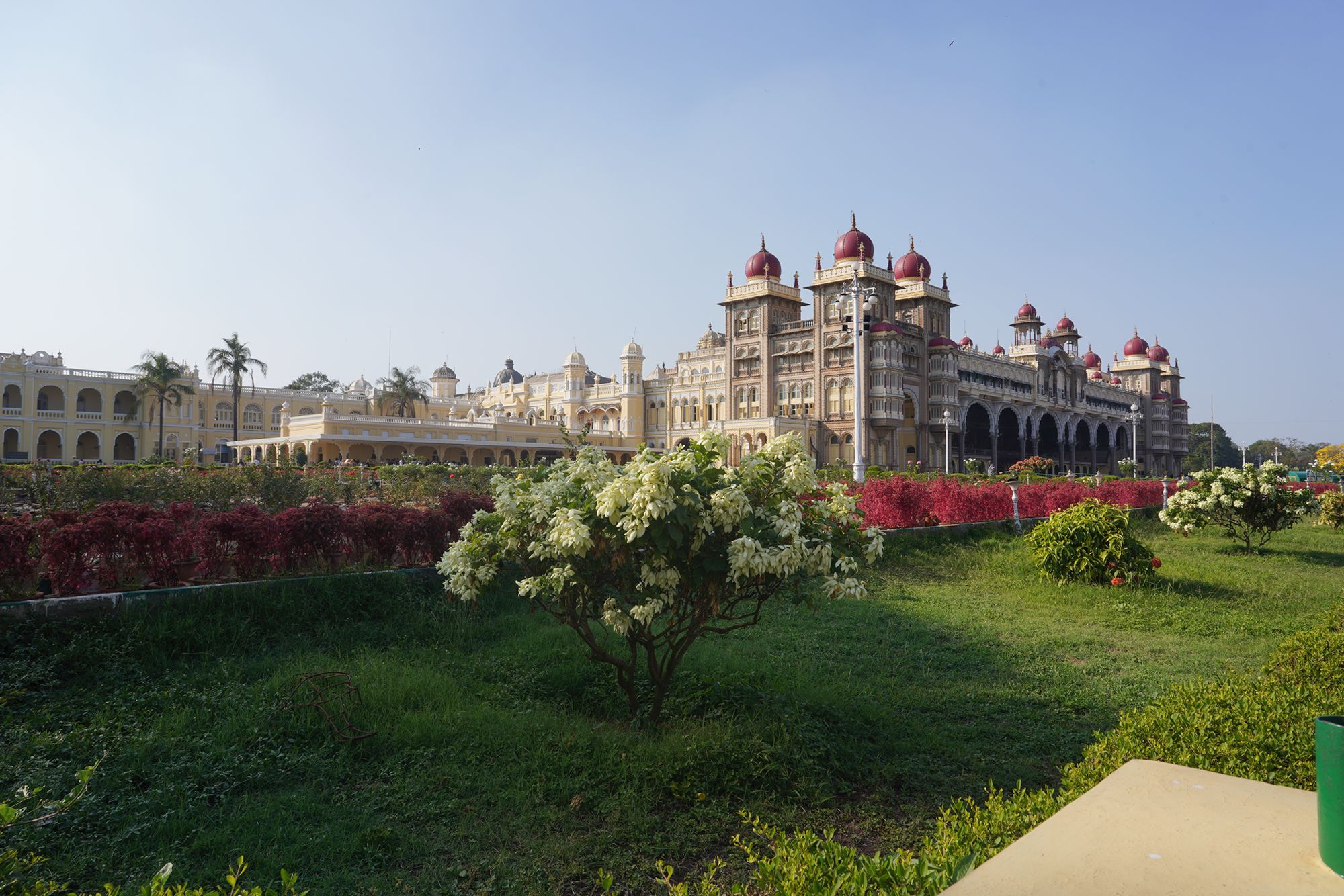
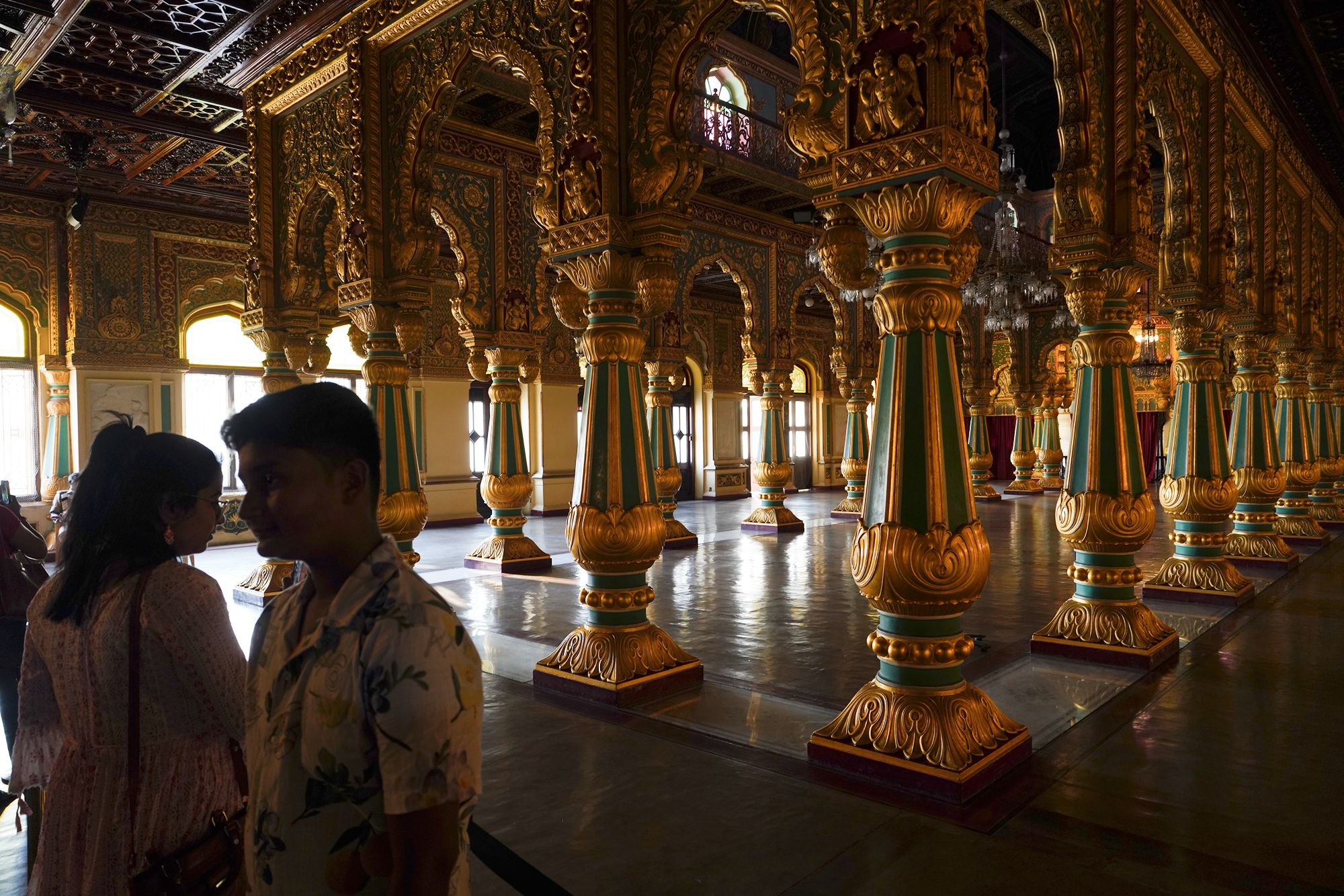
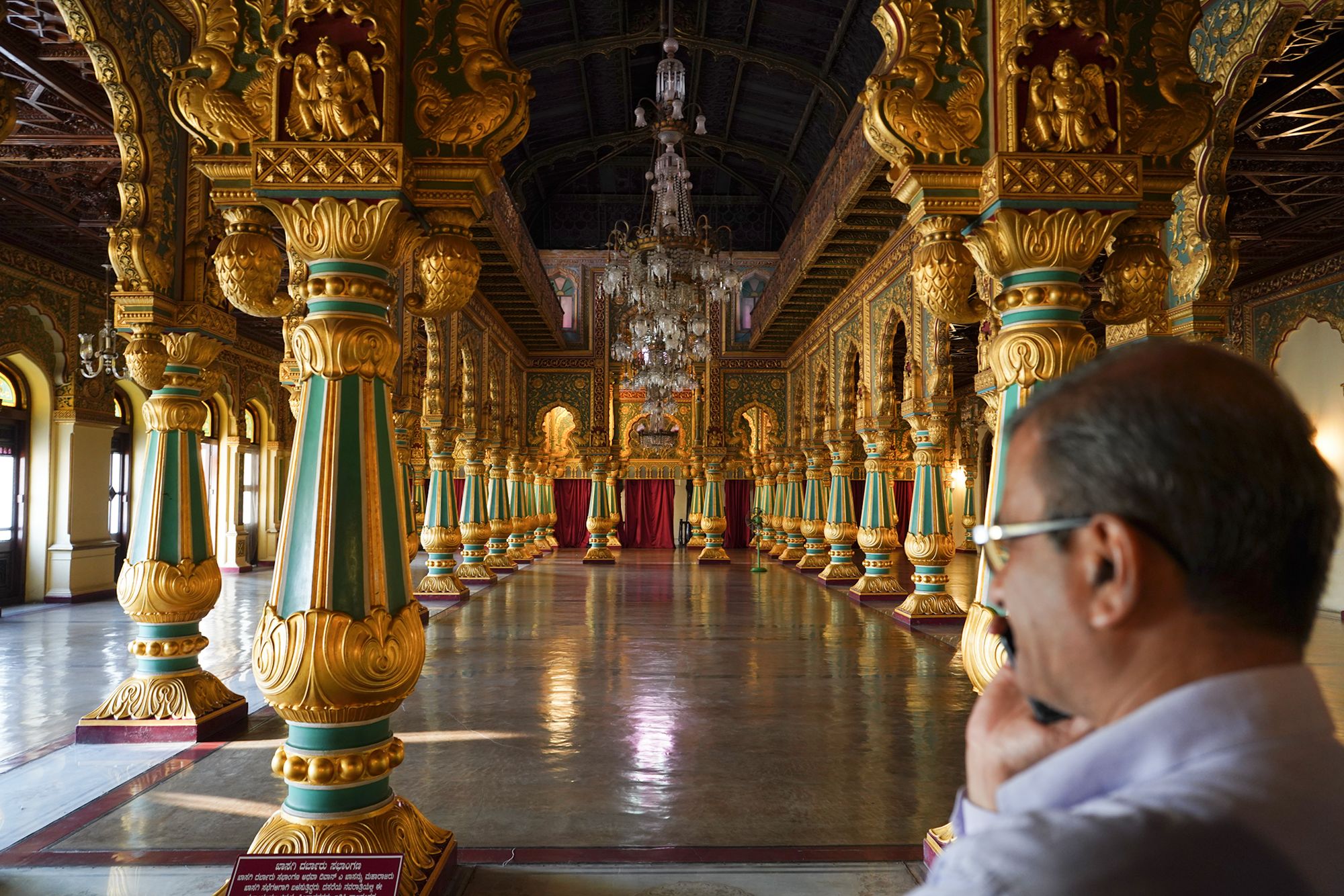
The palace served as both a royal residence and an important center for ceremonies and government. Its elaborate interiors, including the Durbar Hall and Kalyana Mantapa, reflect the wealth and artistic traditions of the Wadiyar rulers.
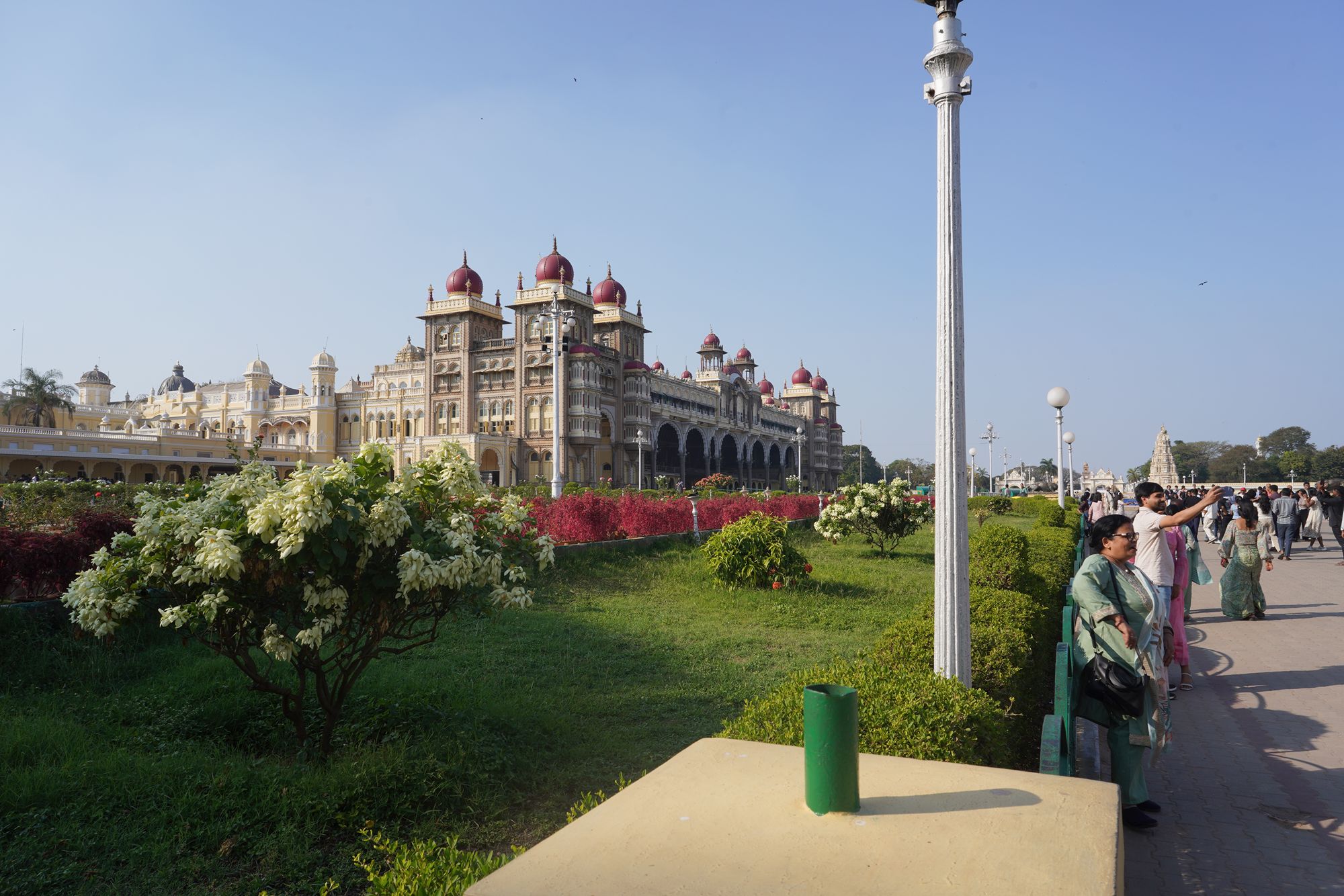
Today, Mysore Palace is one of the most famous landmarks in southern India and remains closely associated with Mysuru's annual Dasara festival, when the palace and surrounding city become the center of elaborate celebrations.
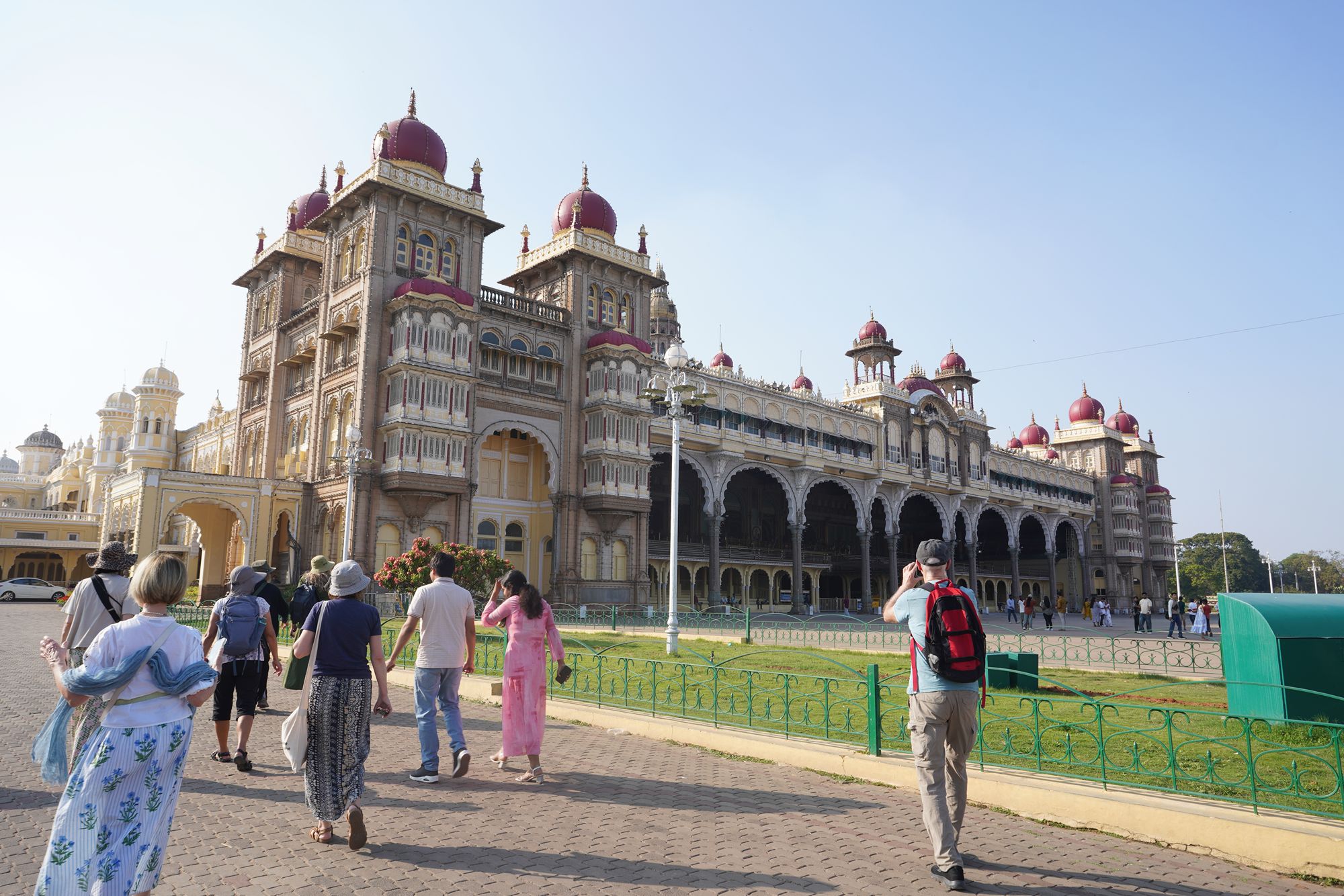
The Mysore Palace is still associated with the Wadiyar (Wodeyar) royal family. Karnataka Tourism continues to describe it as the official residence of the Wadiyar dynasty, although the family no longer rules Mysore politically.
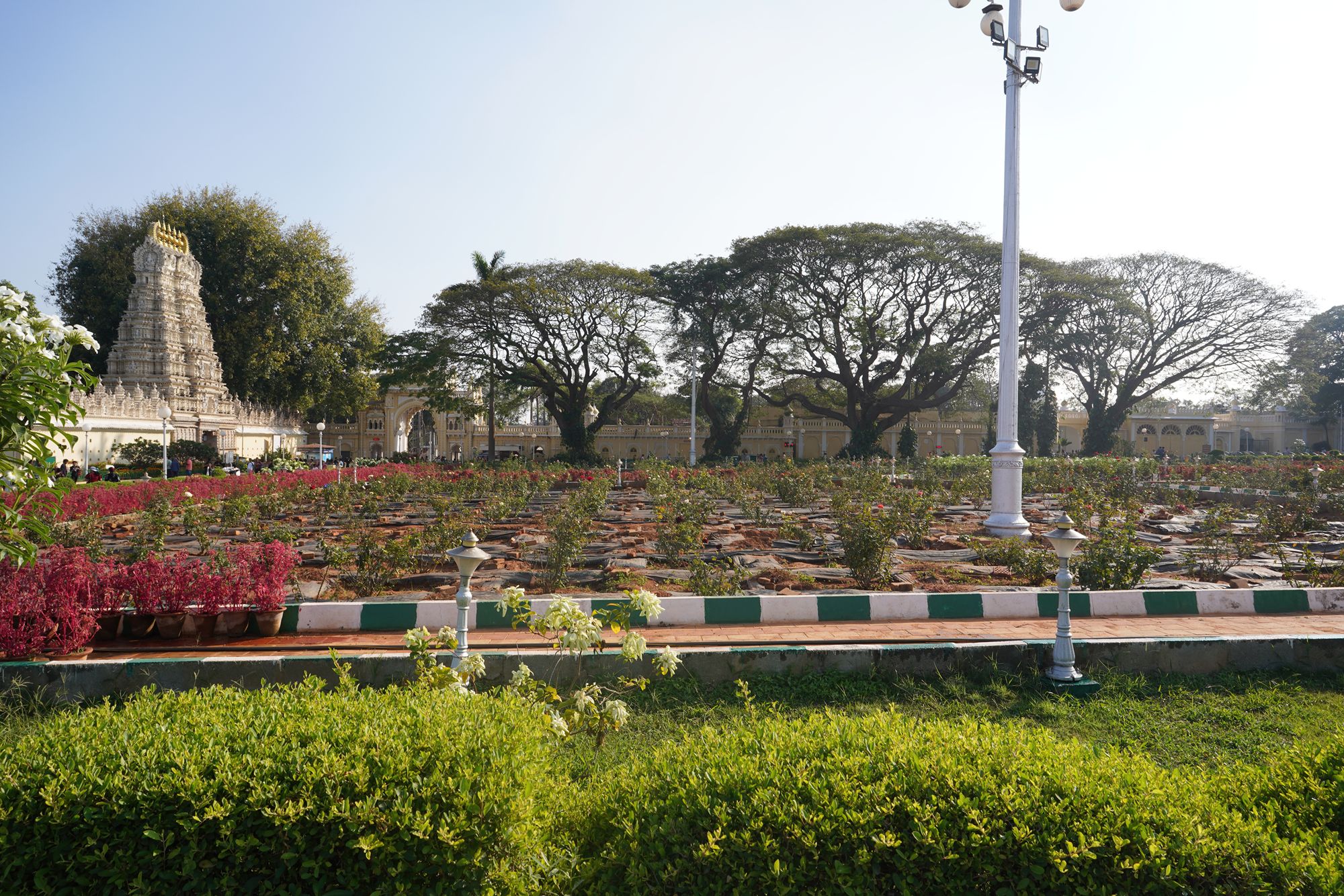
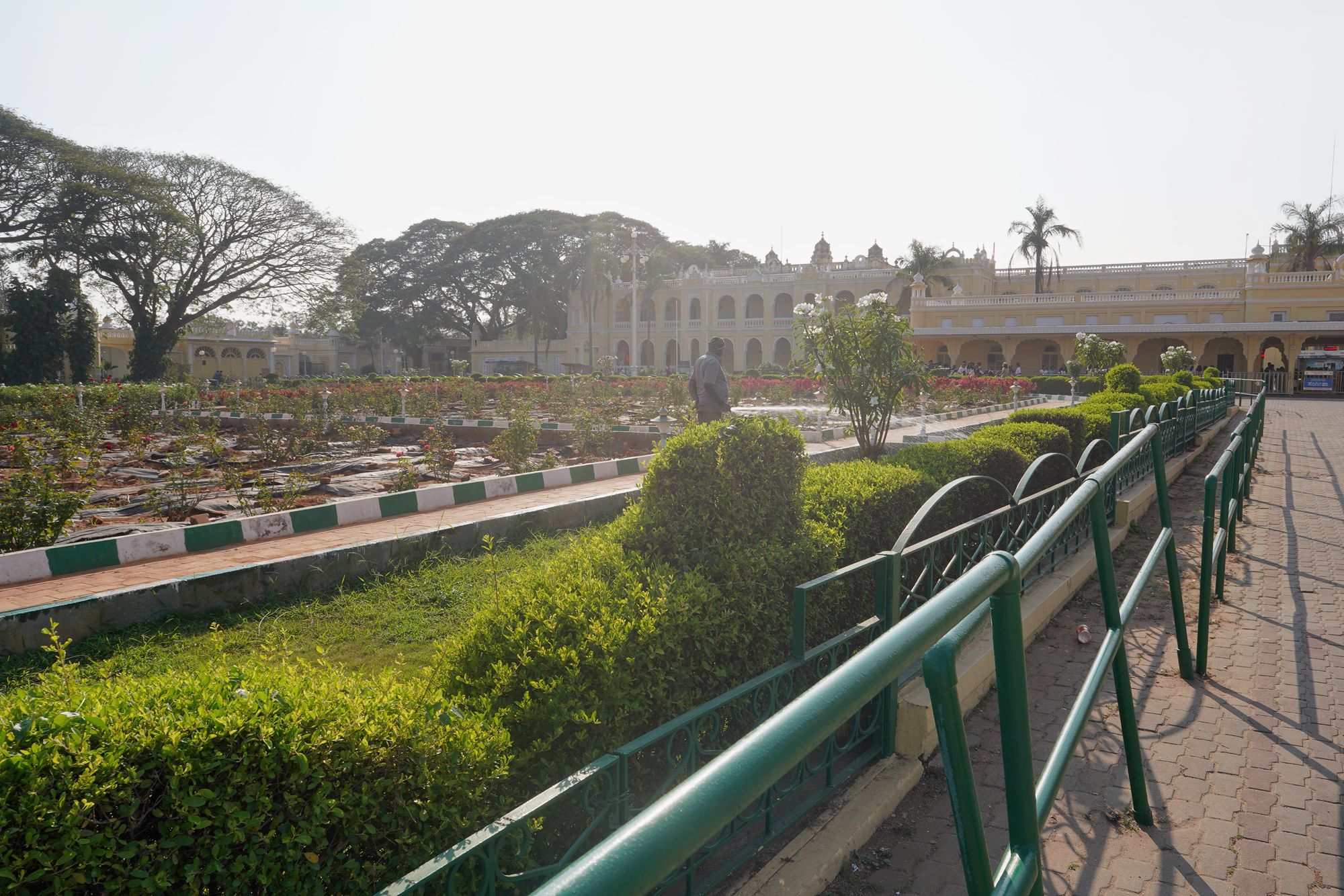
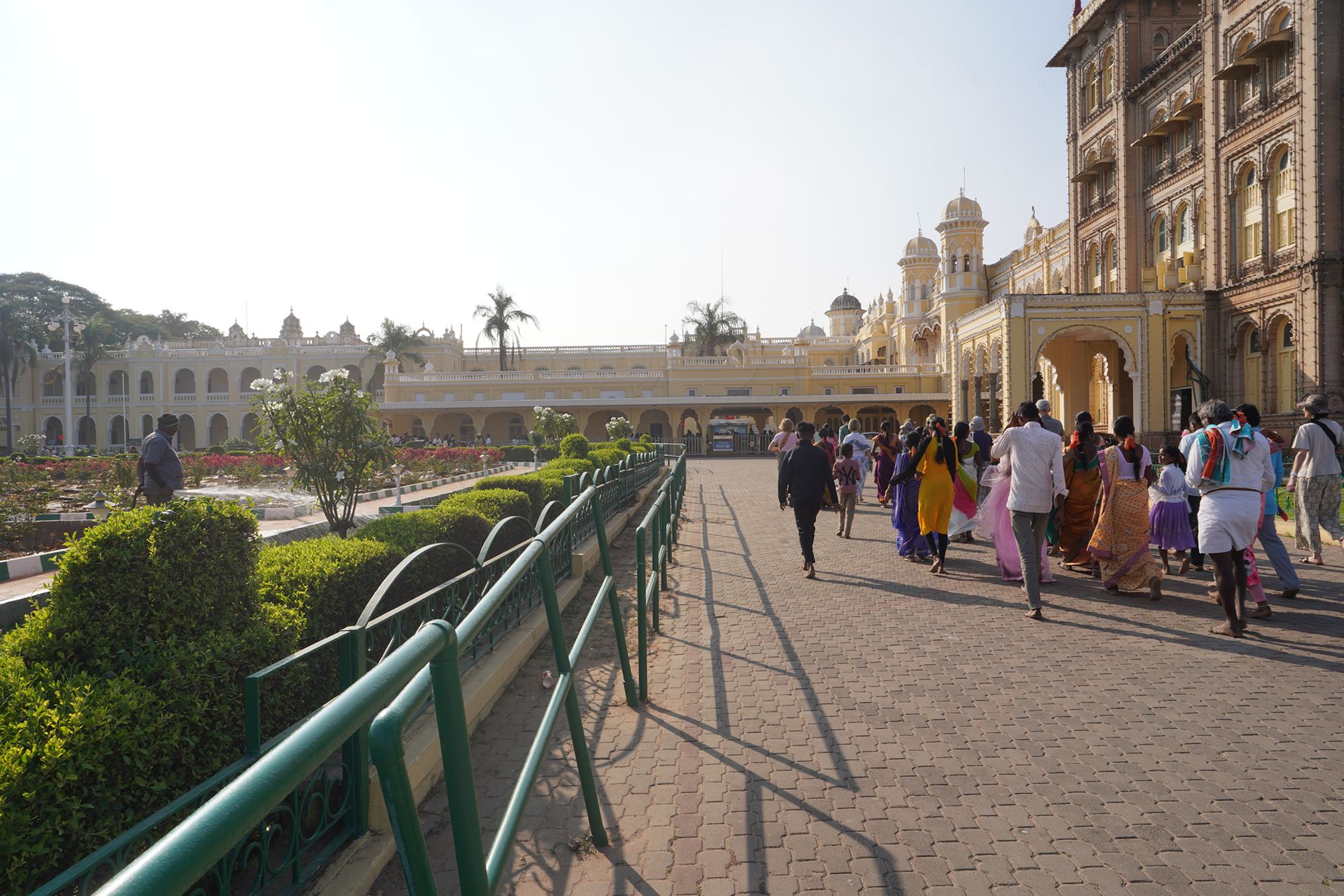
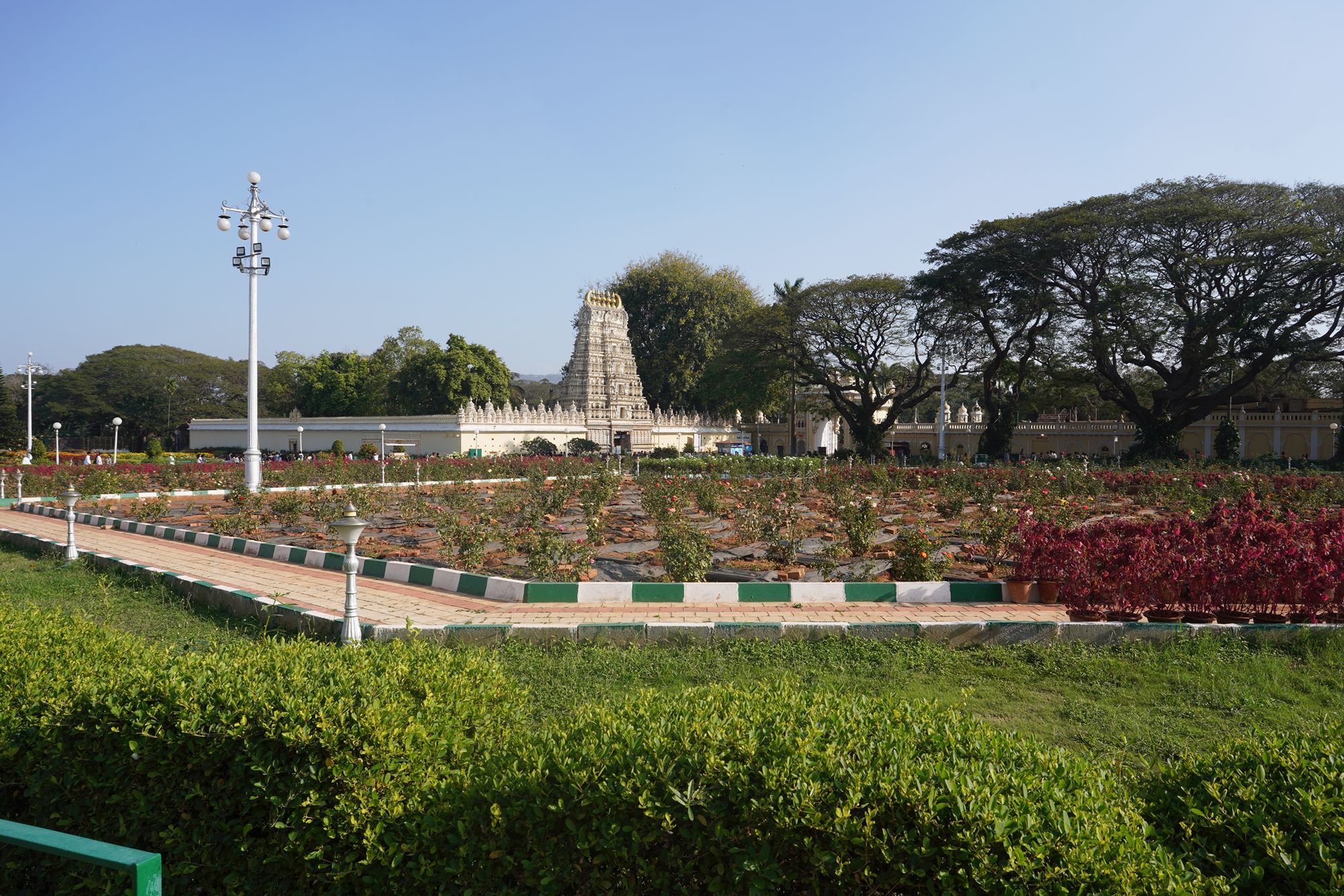
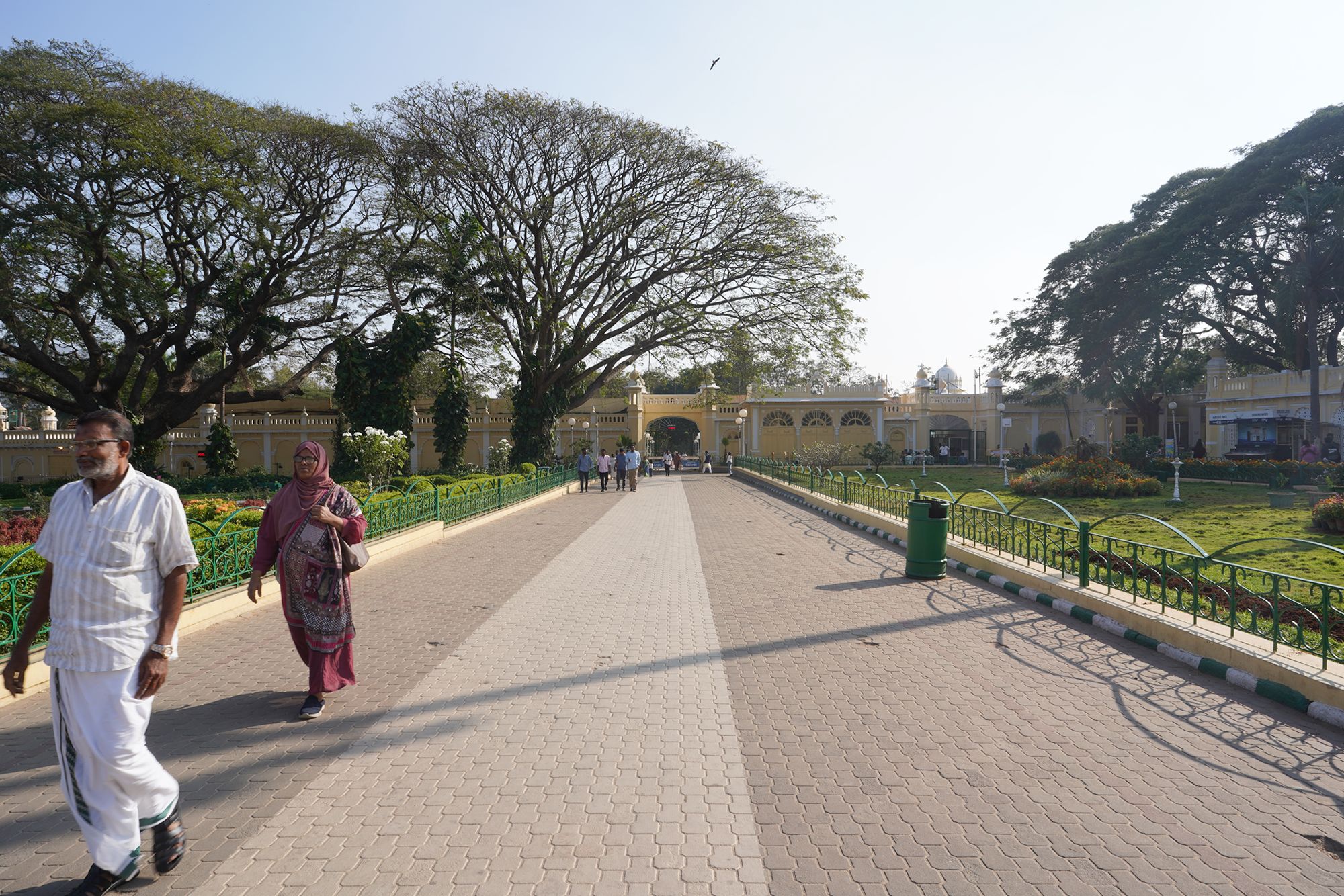
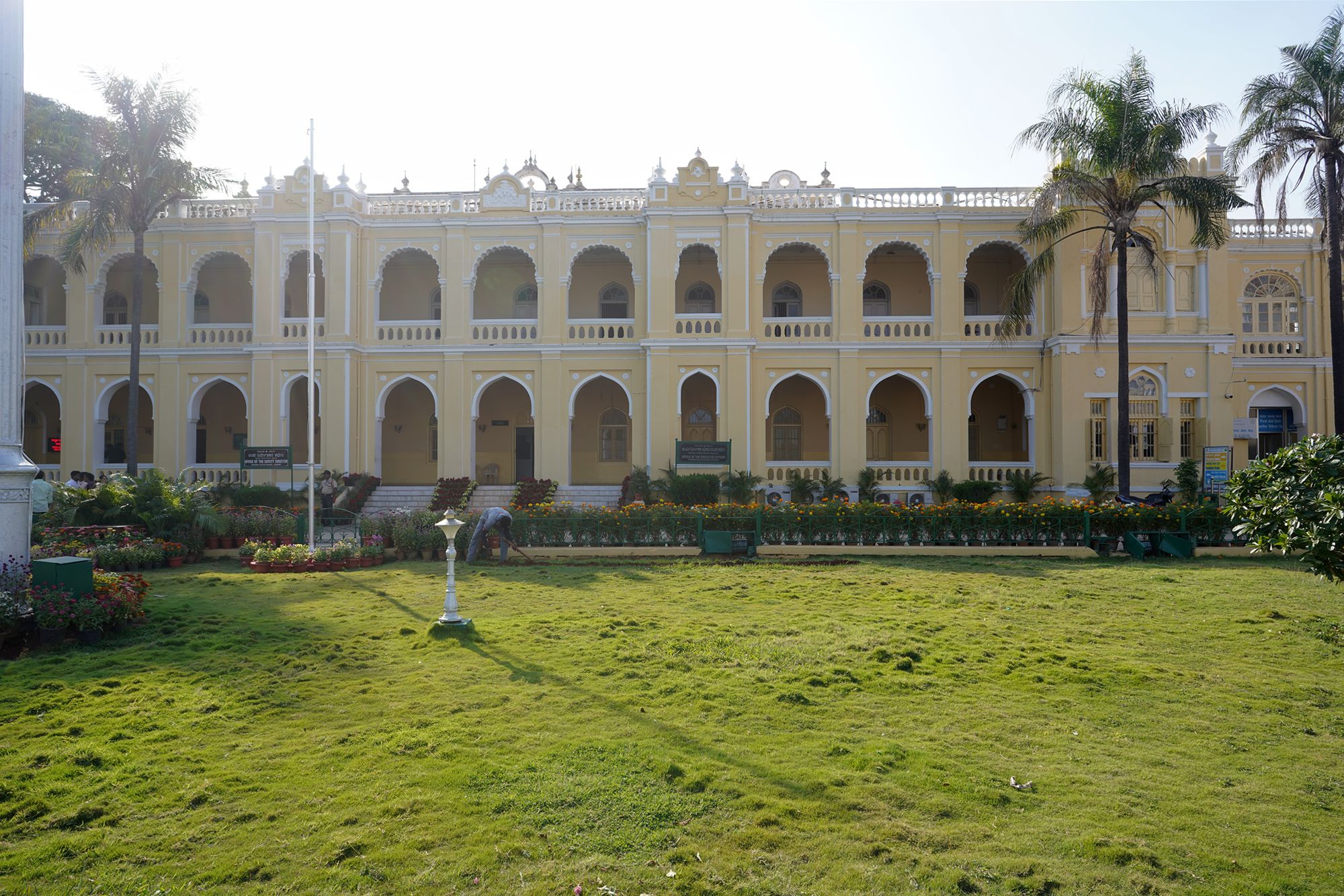
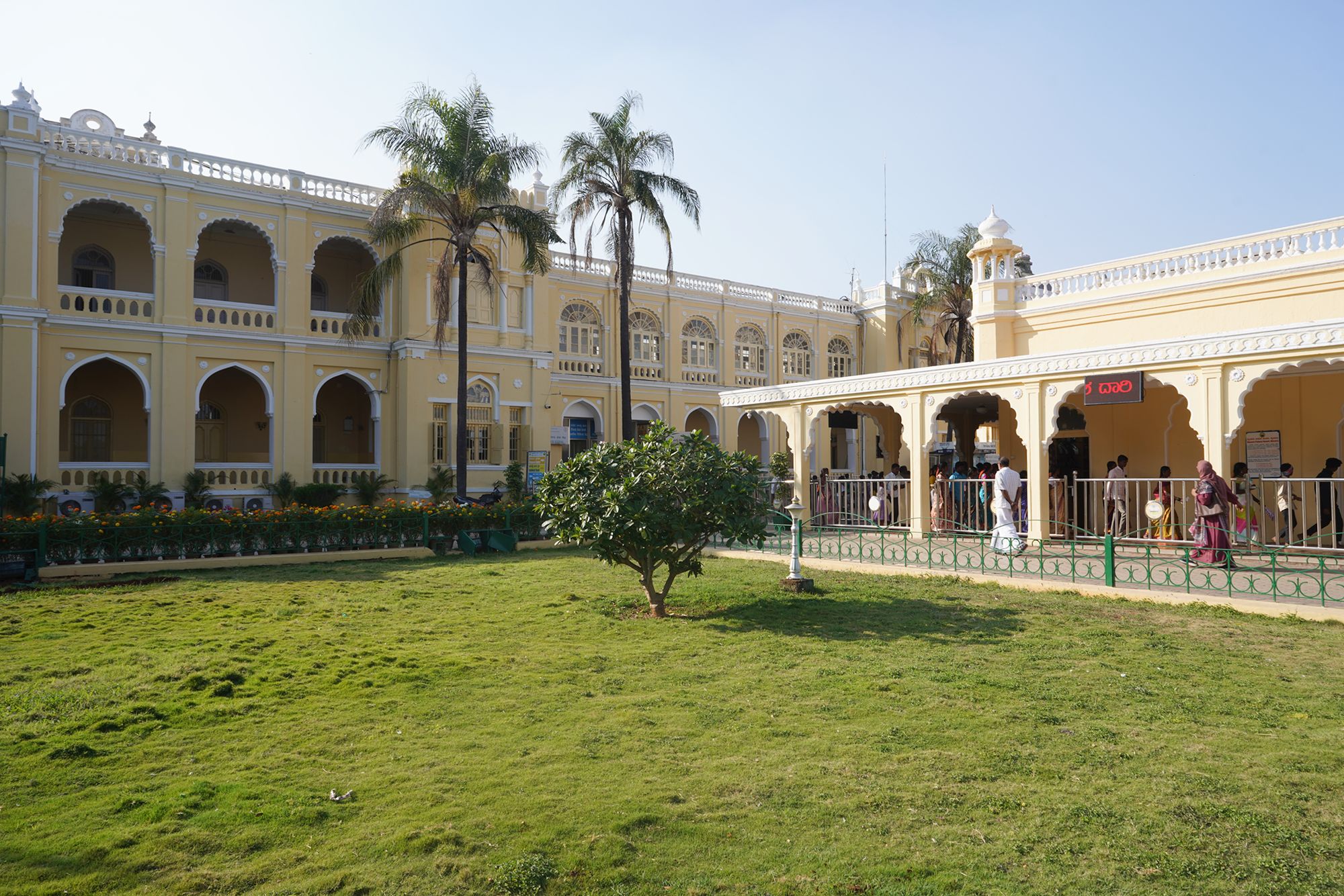
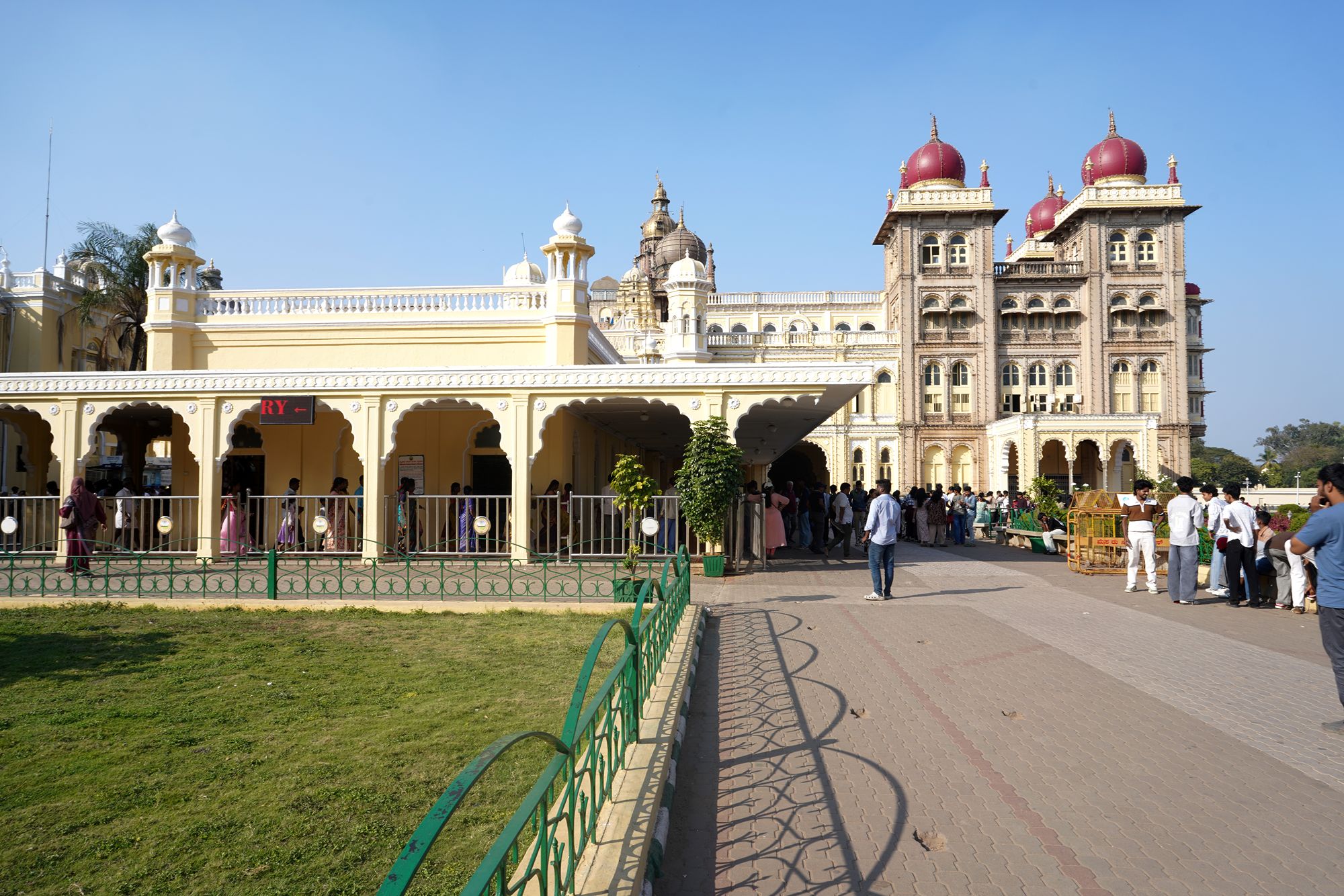
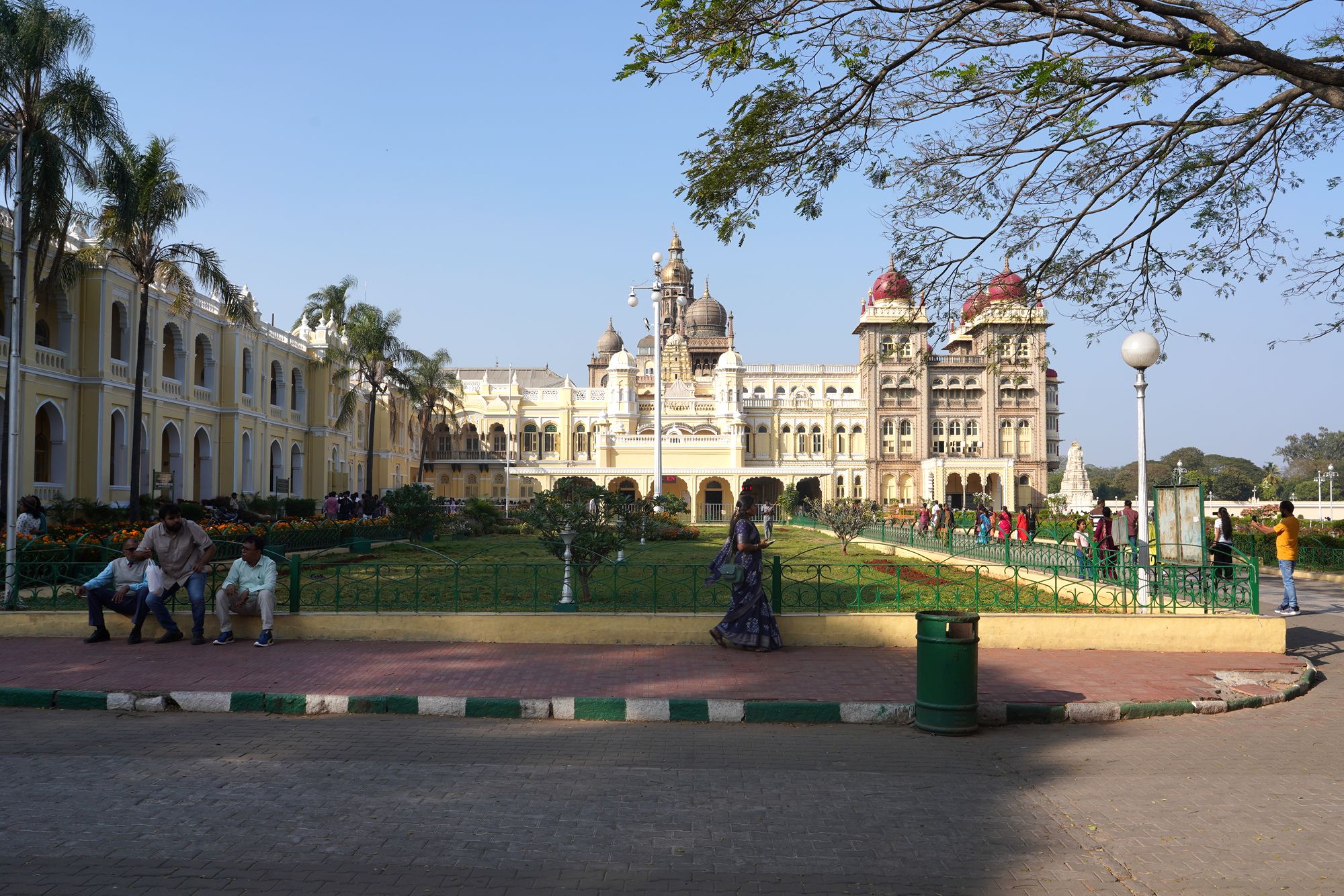
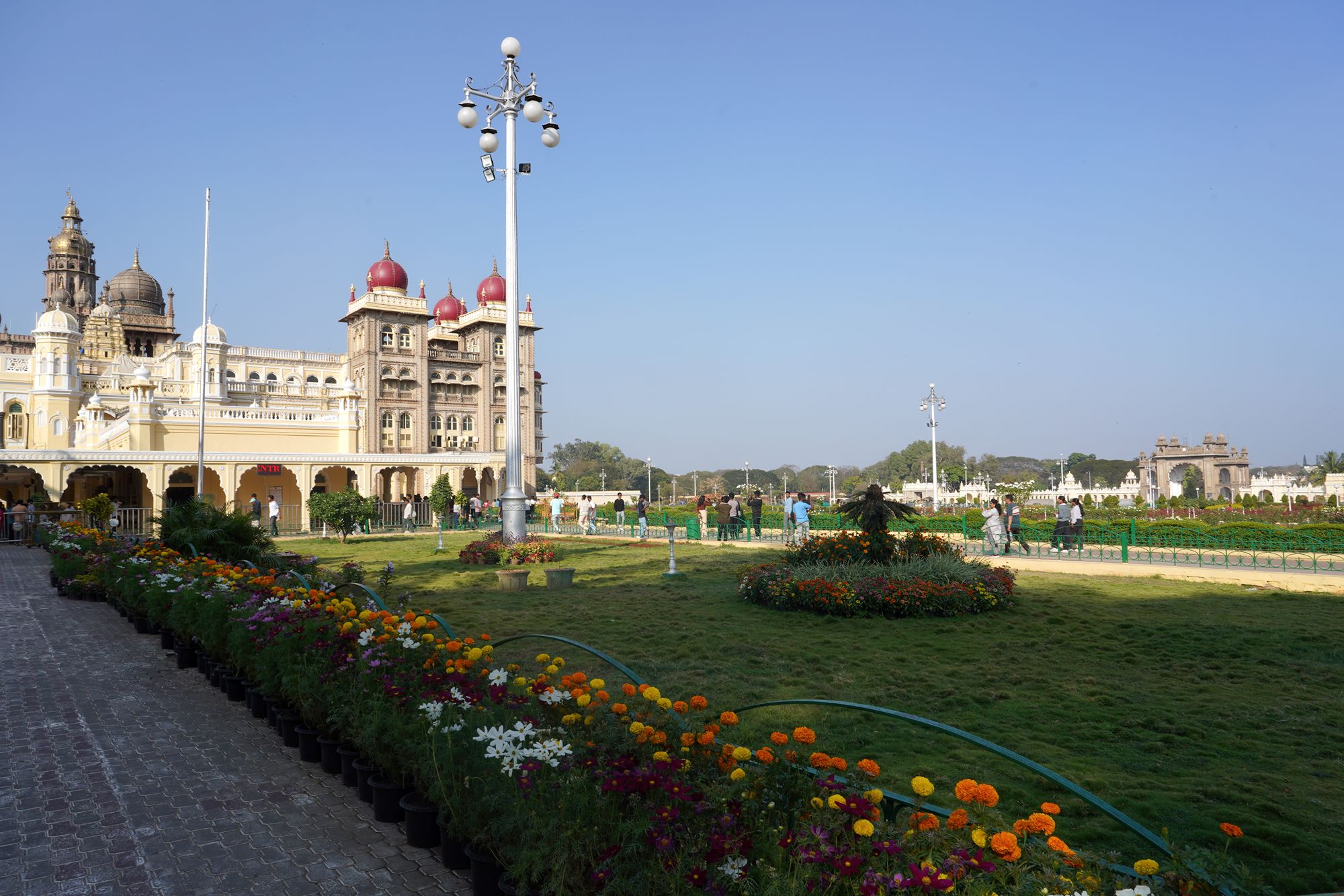
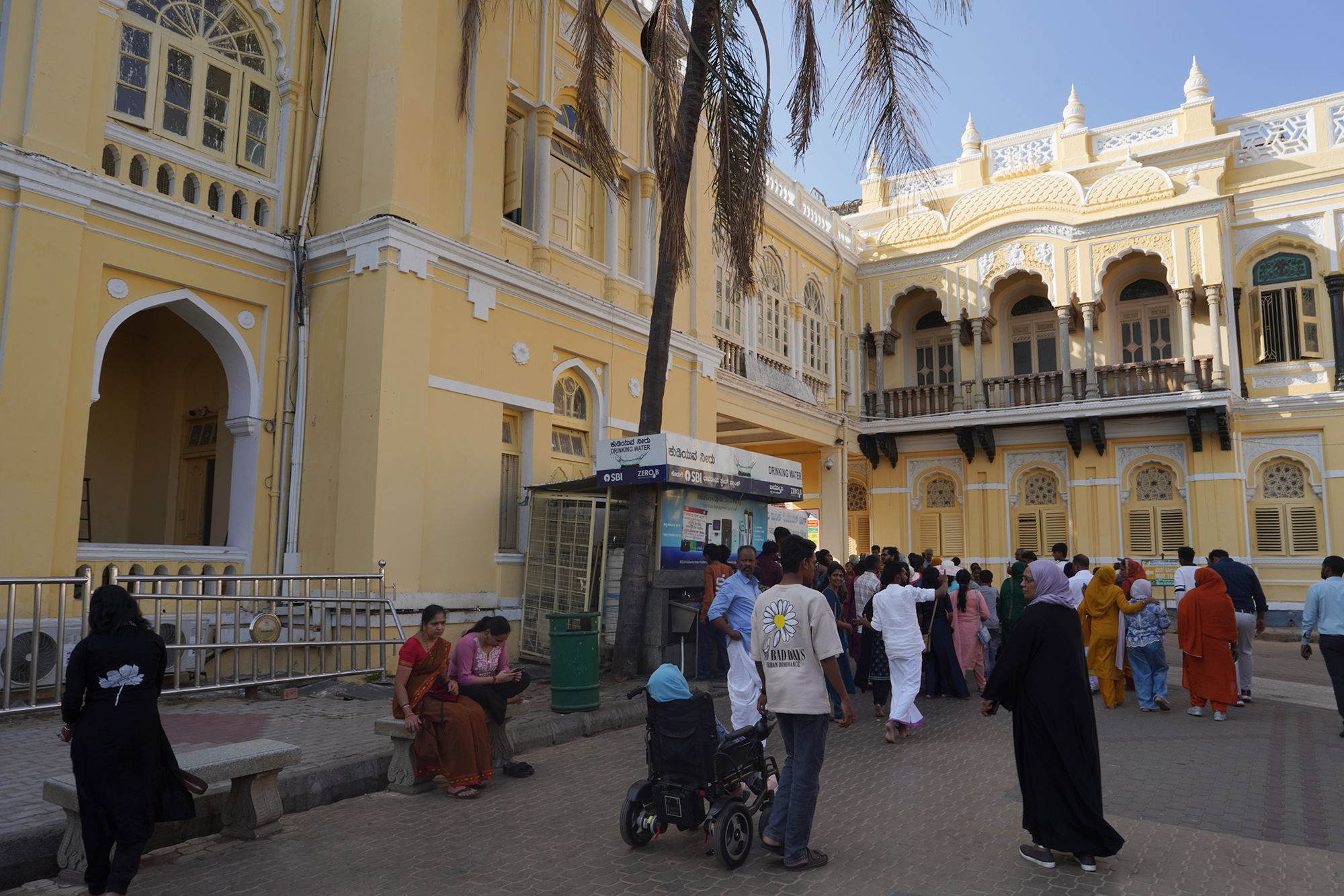
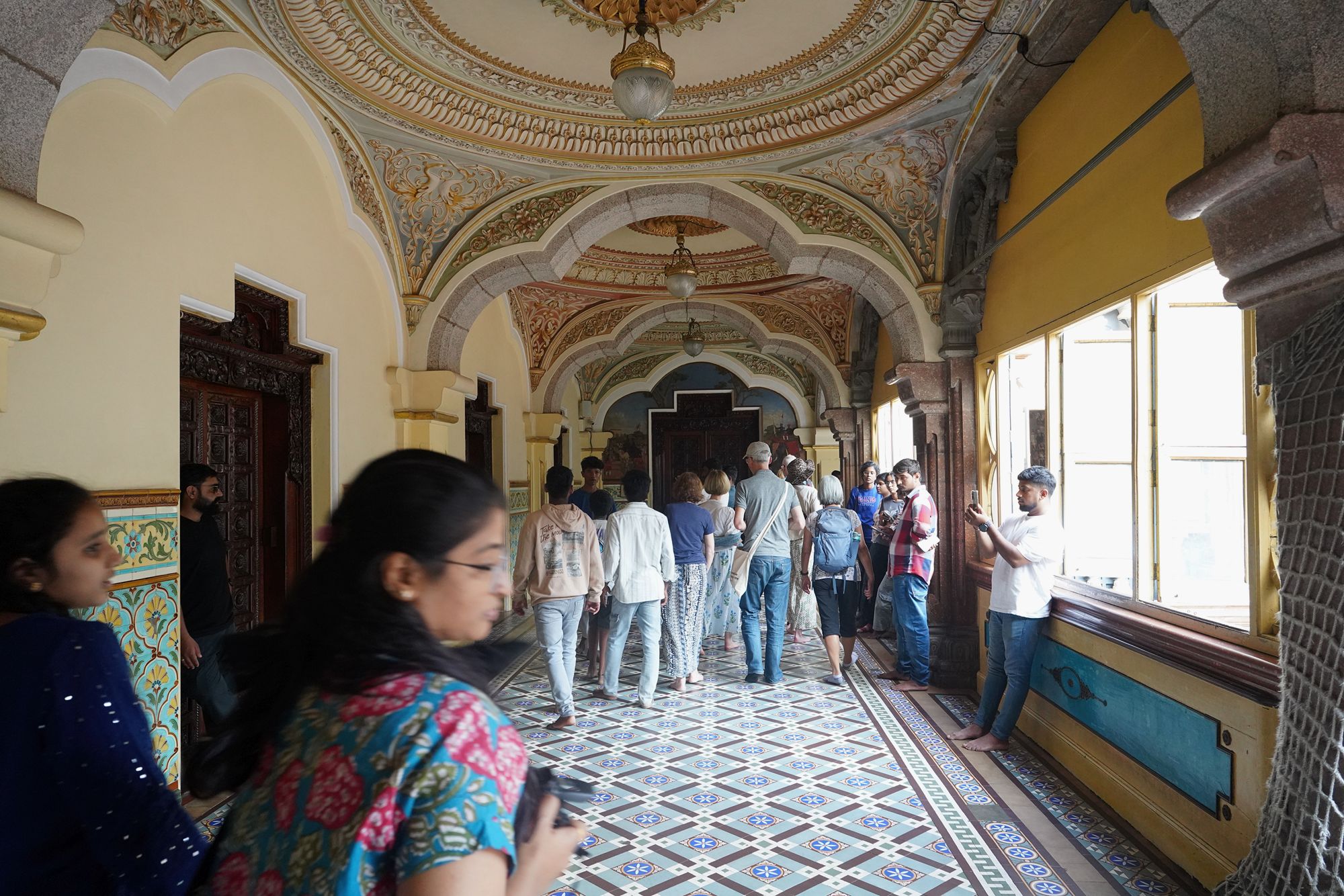
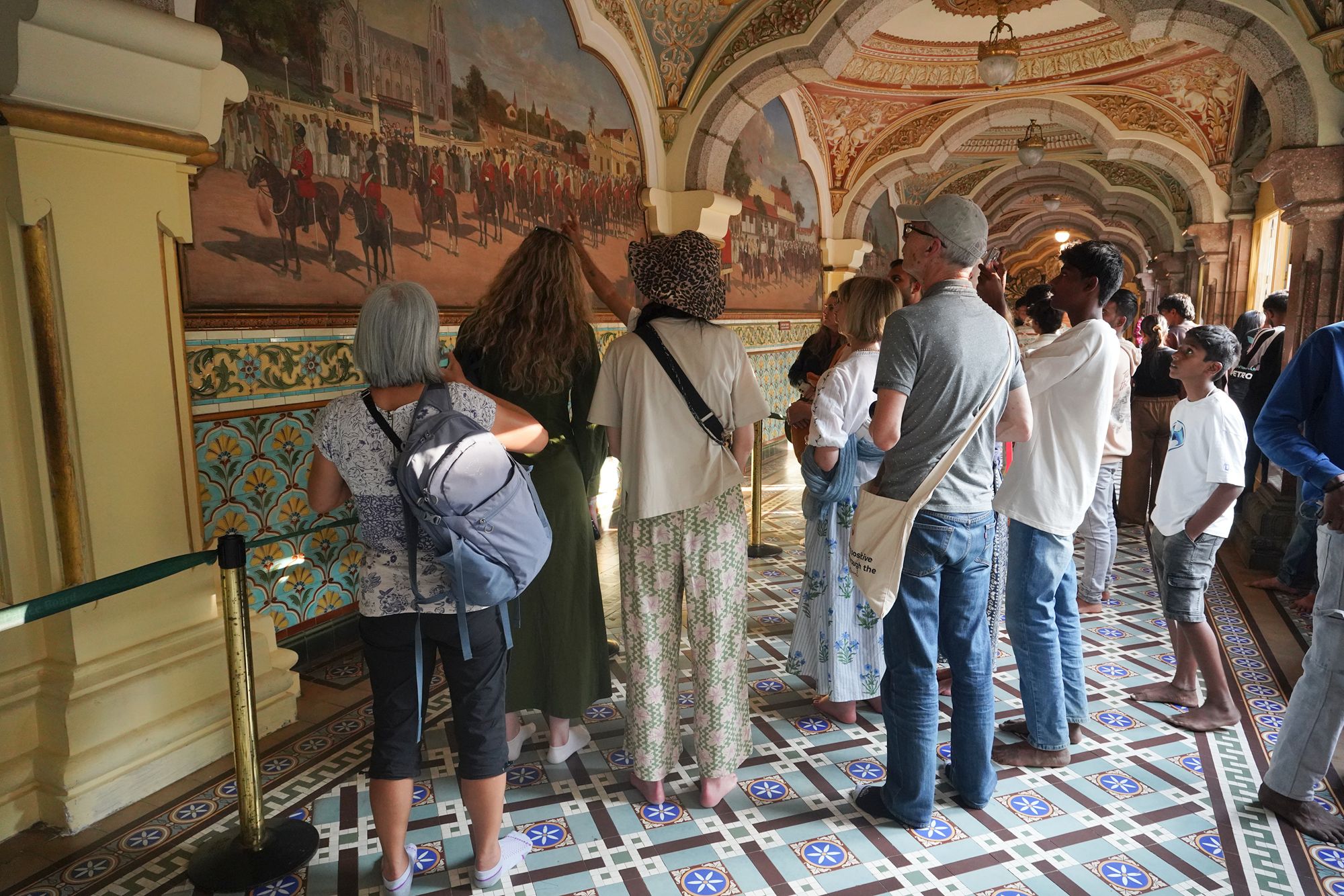
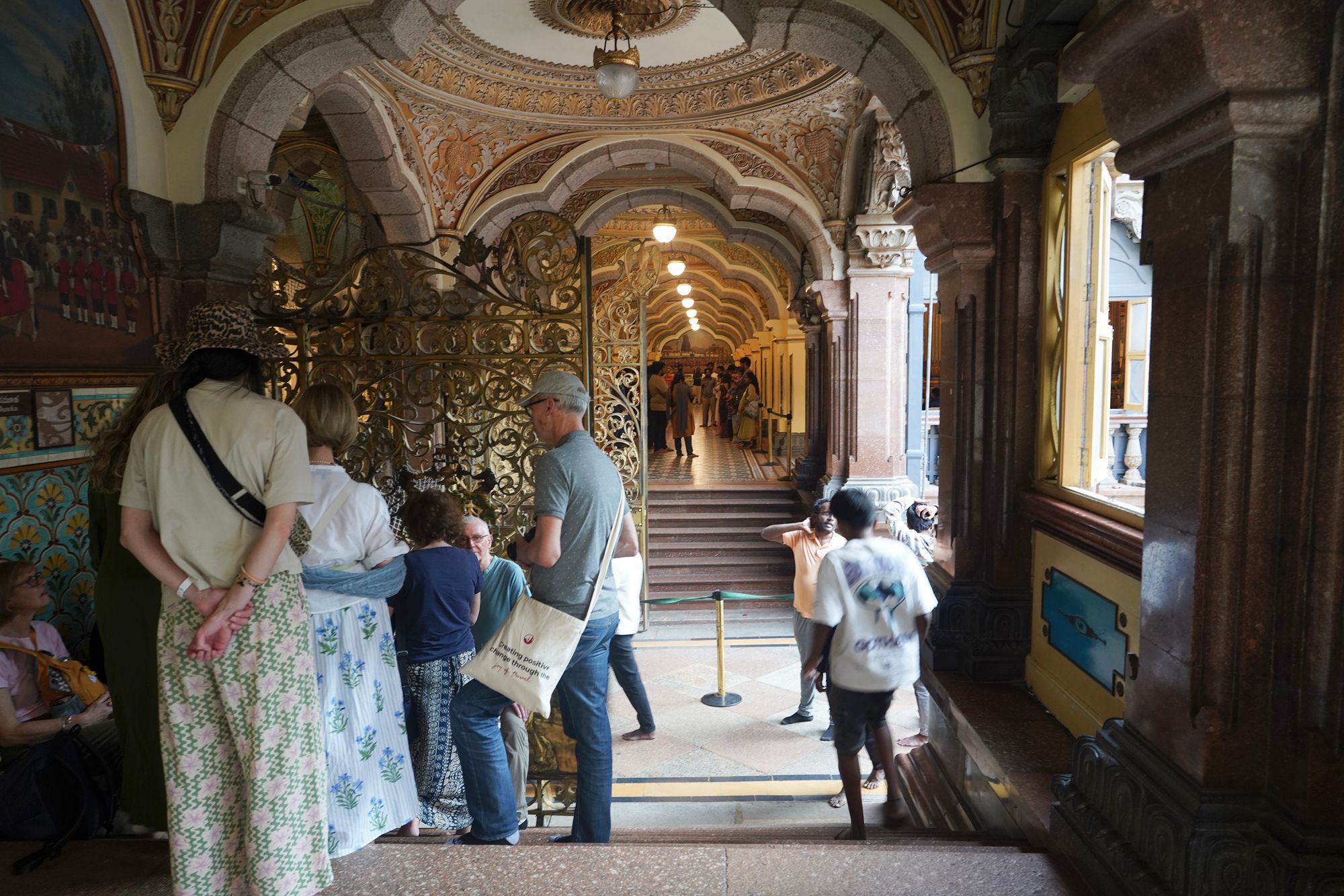
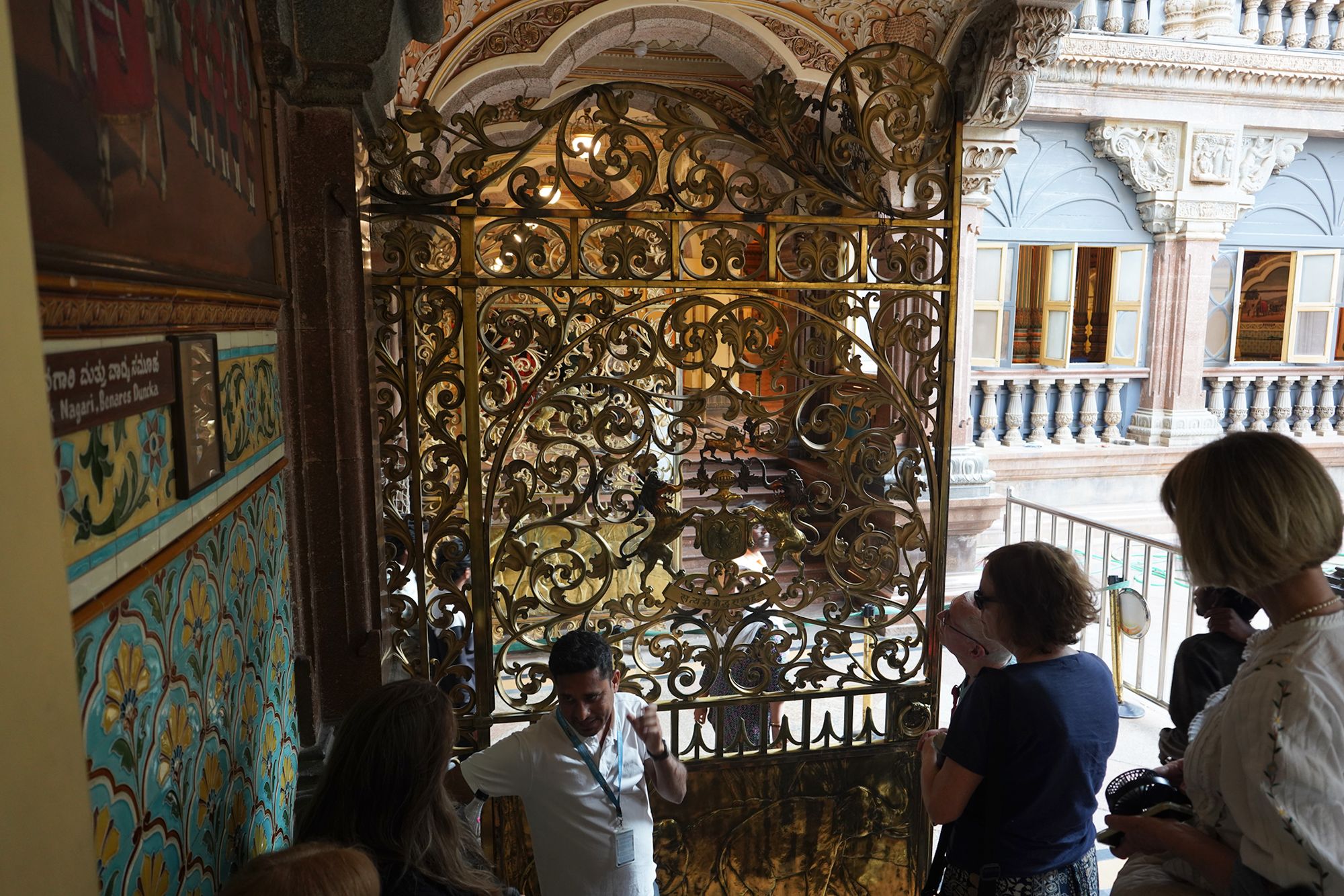
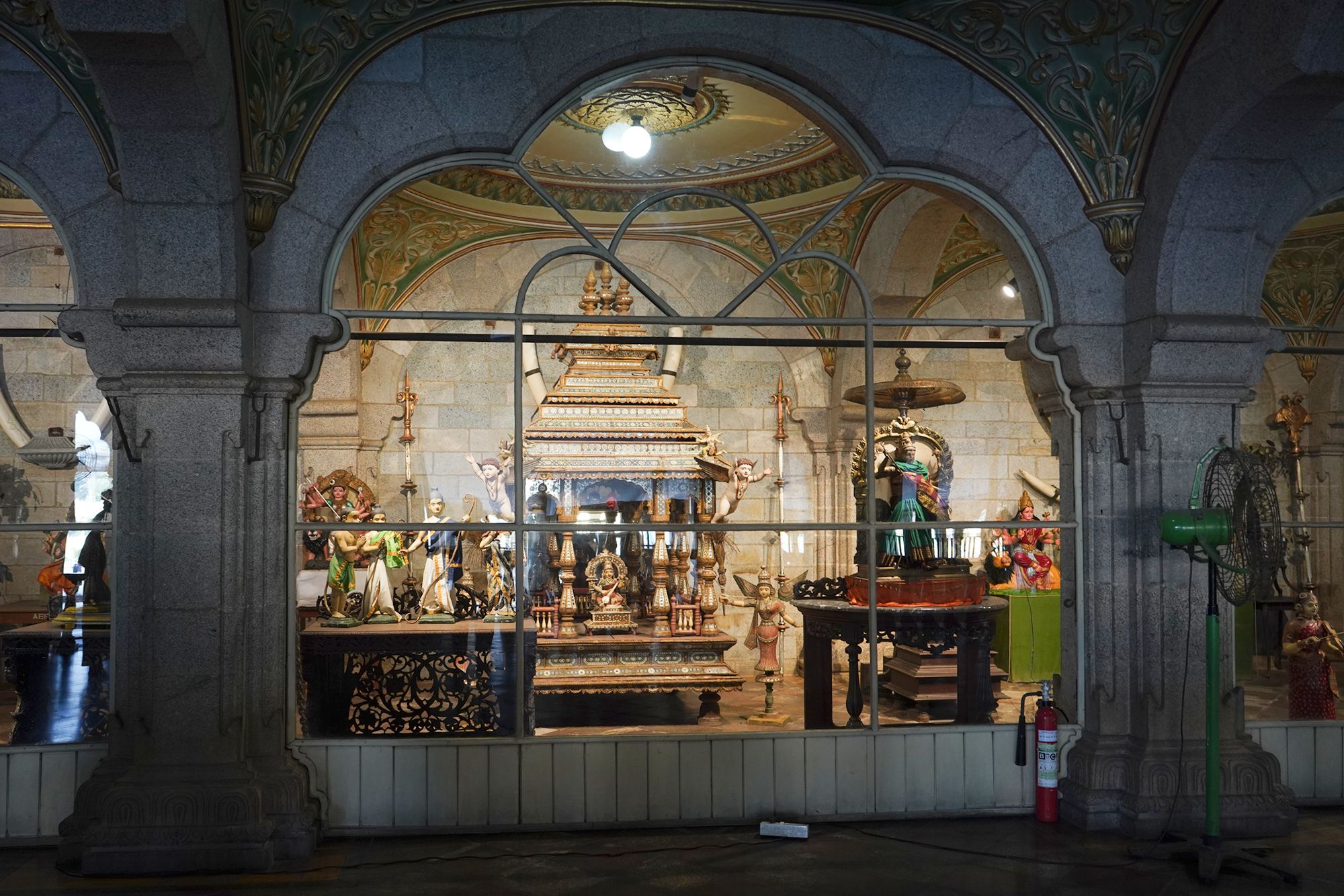
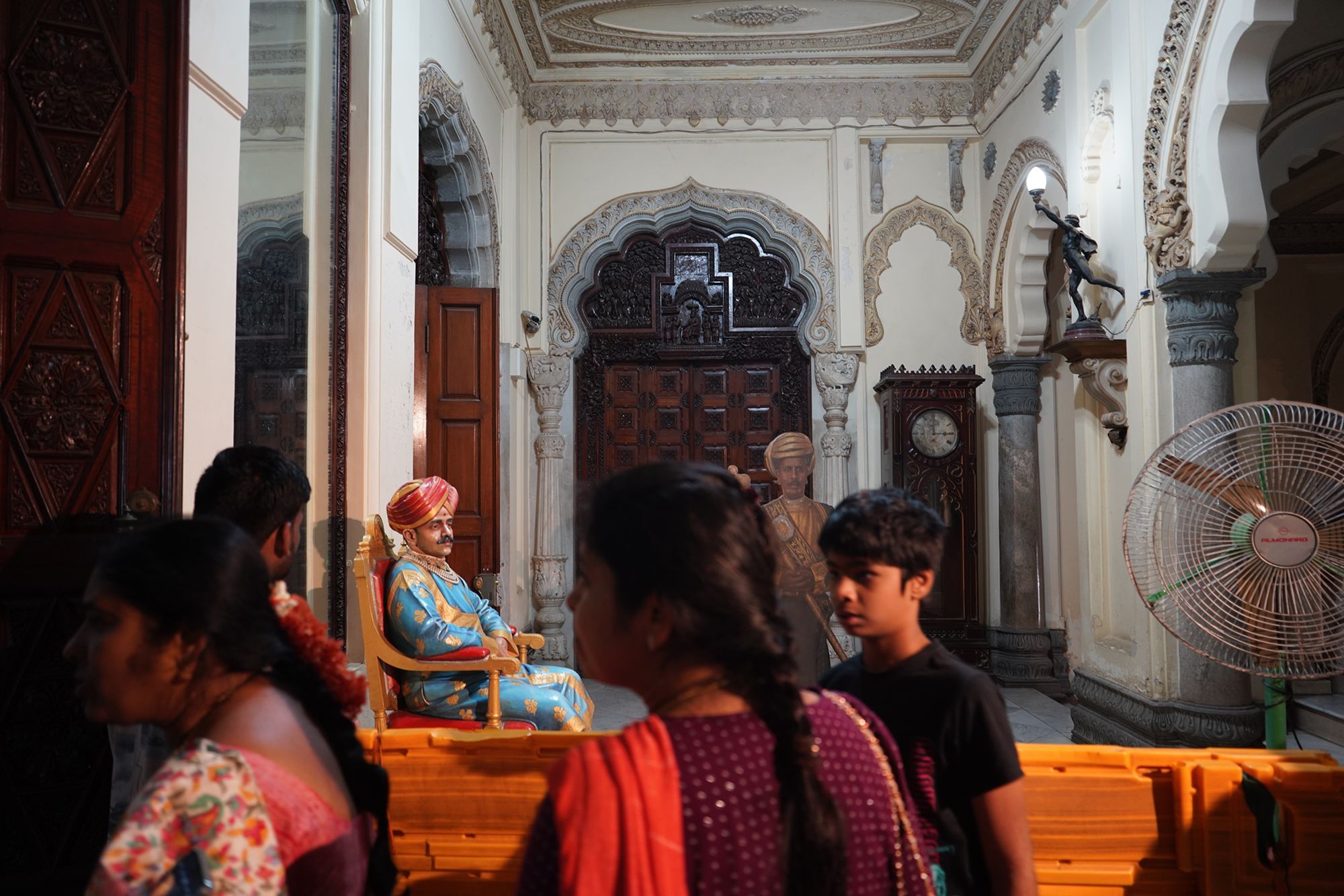
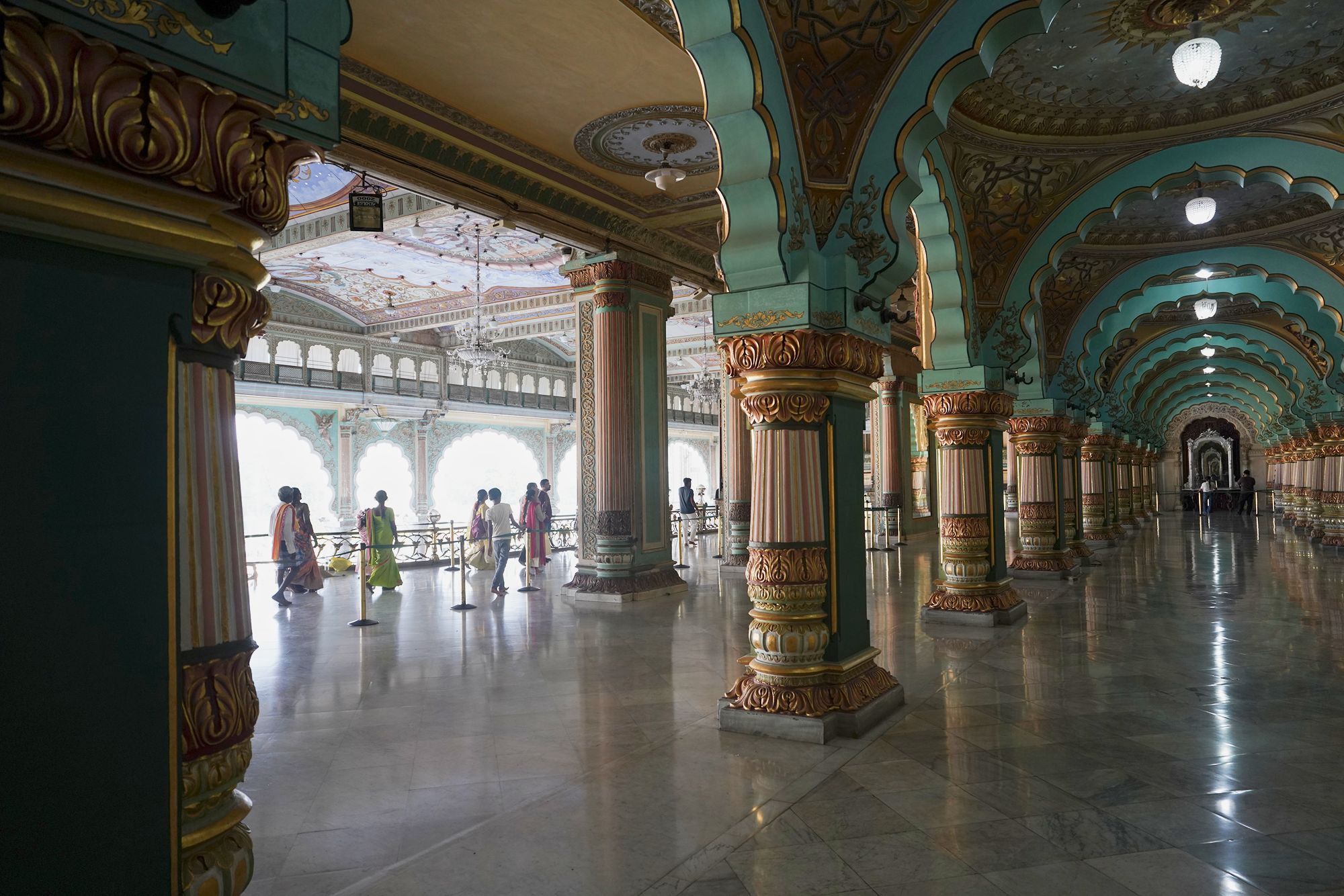
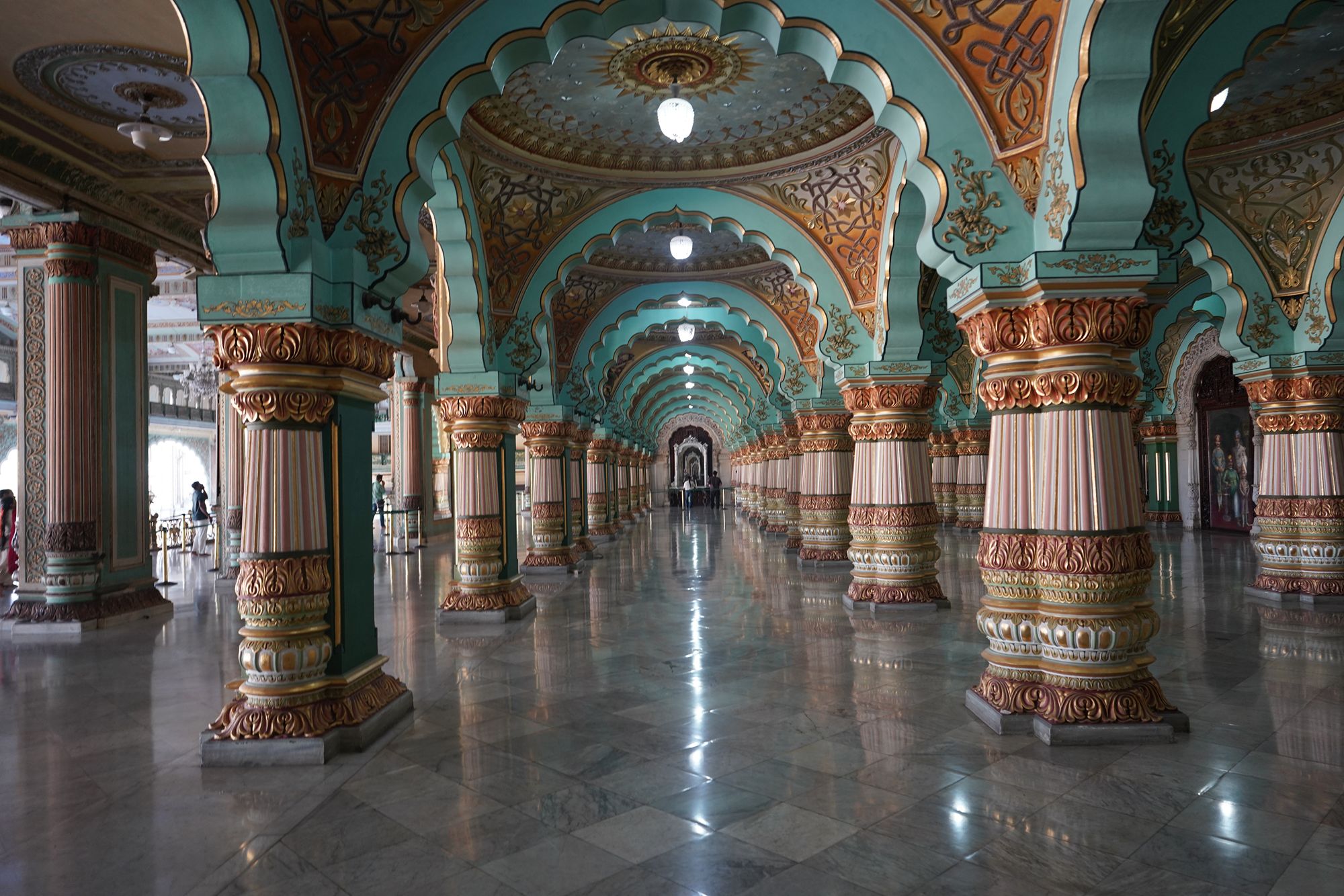
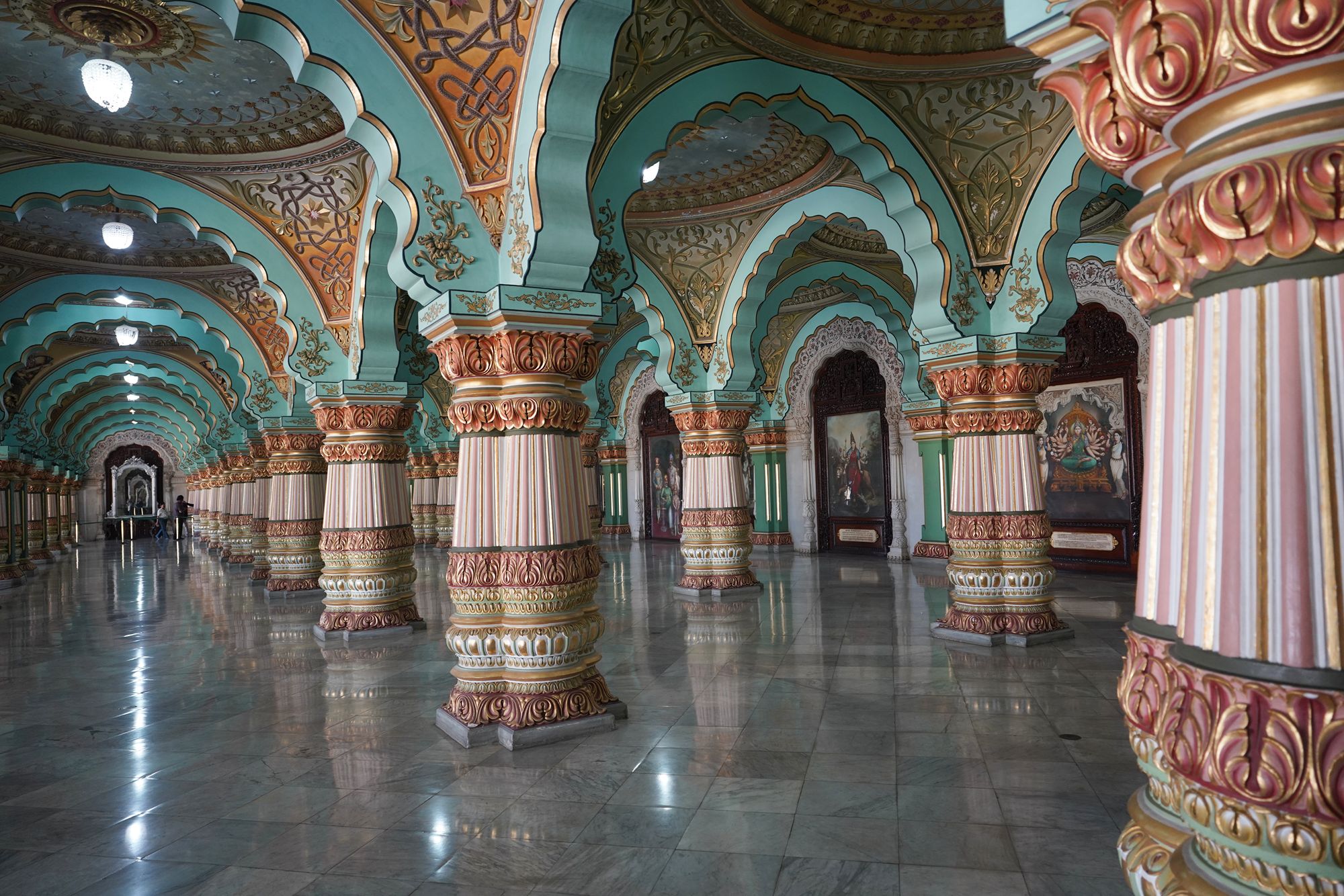
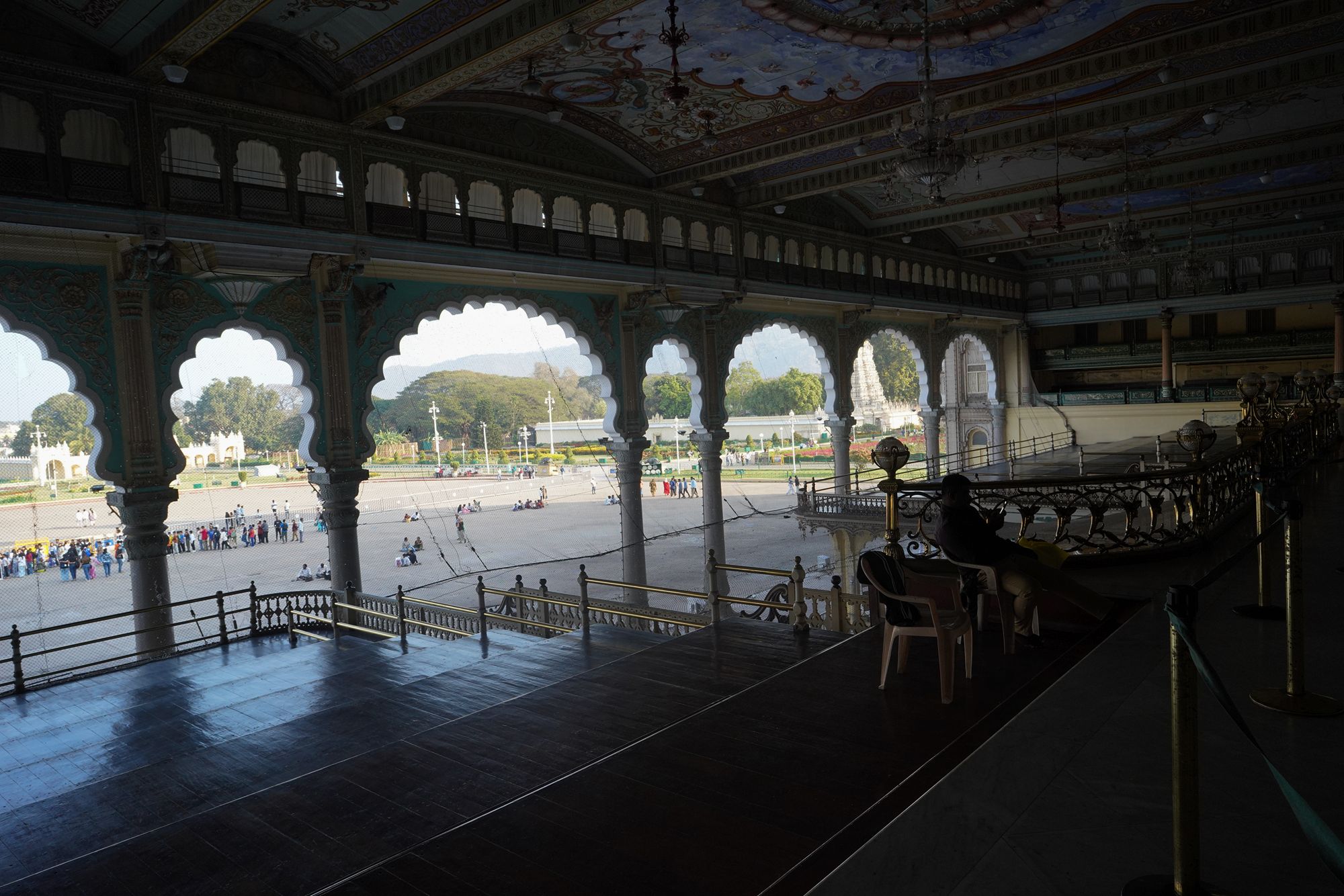
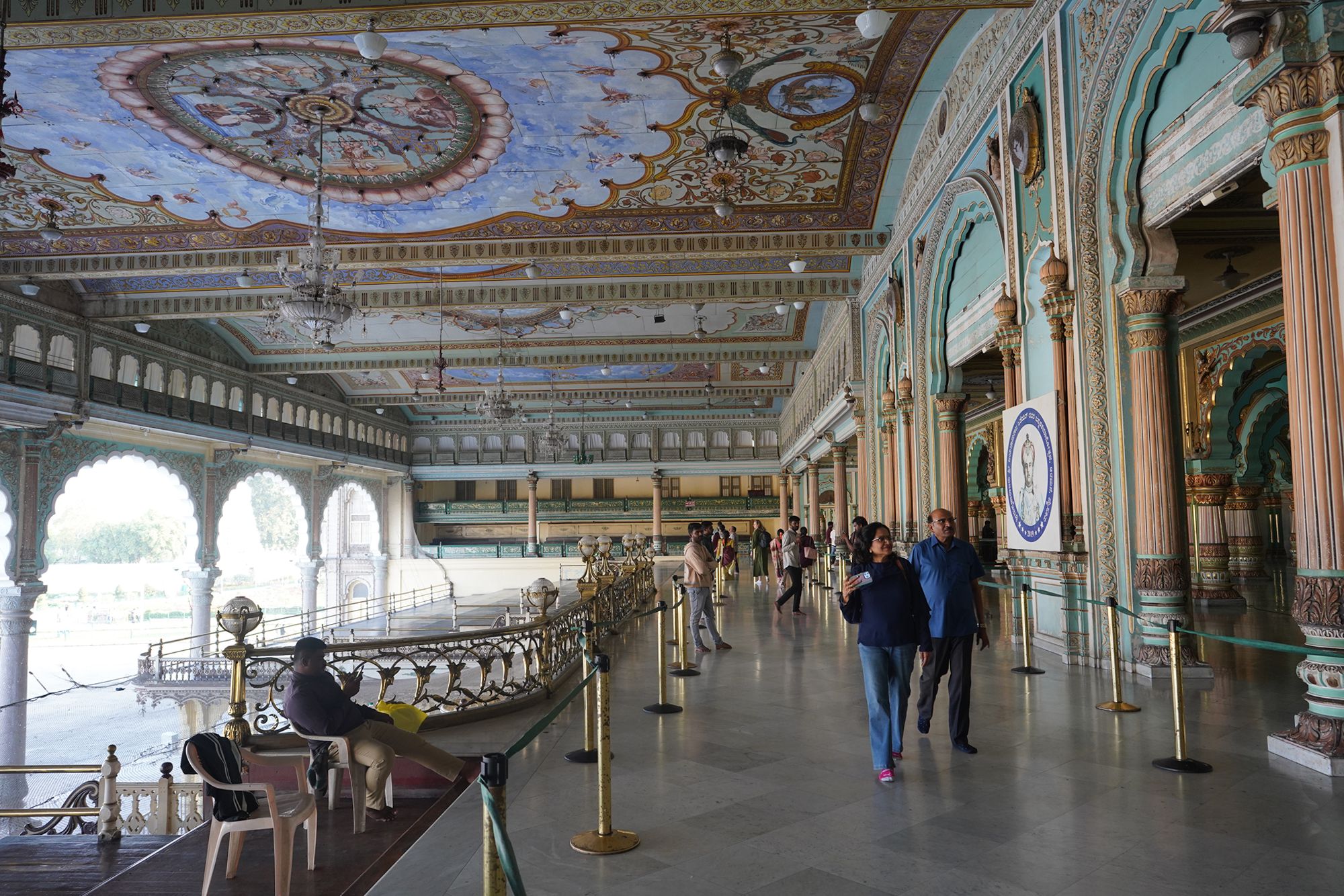
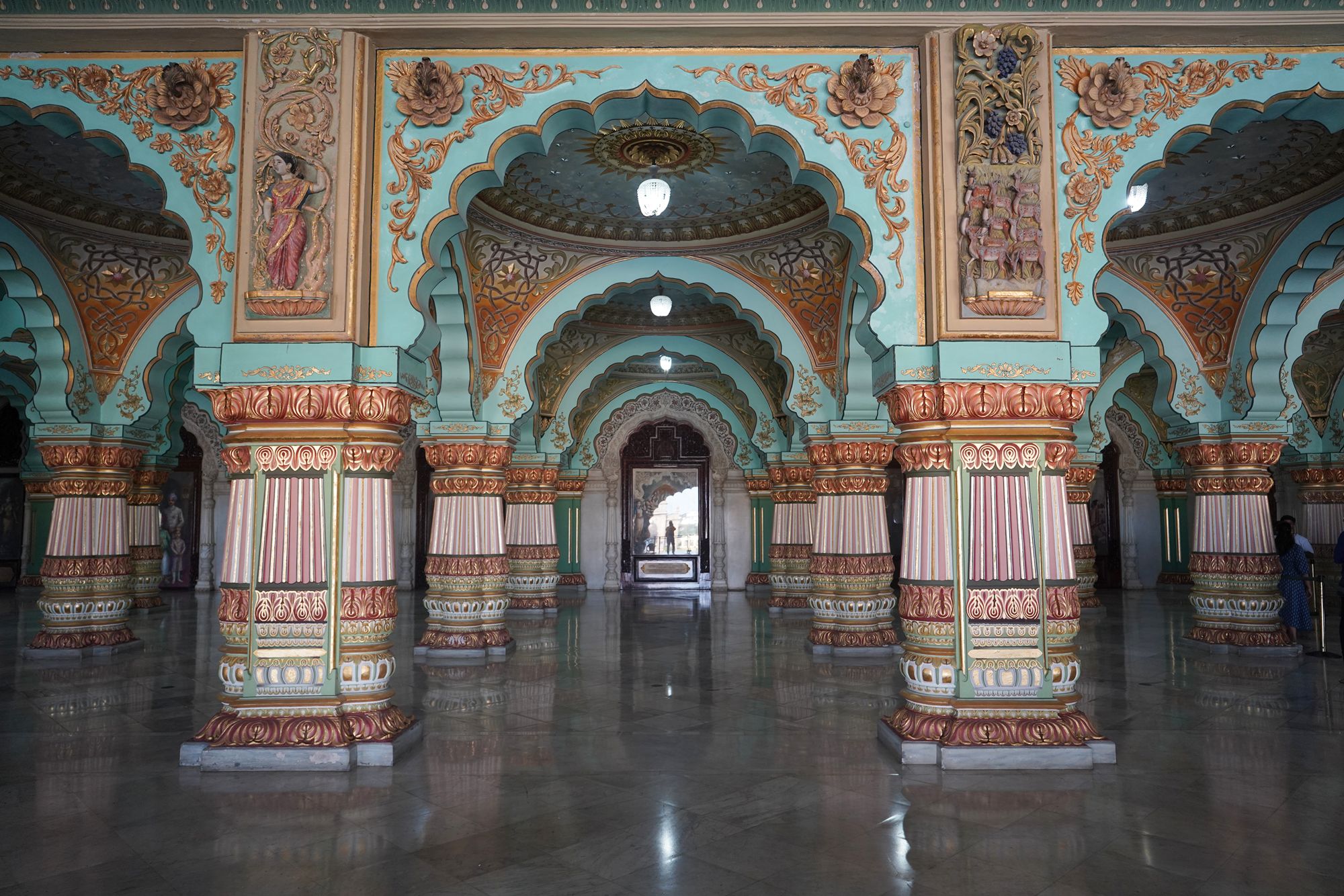
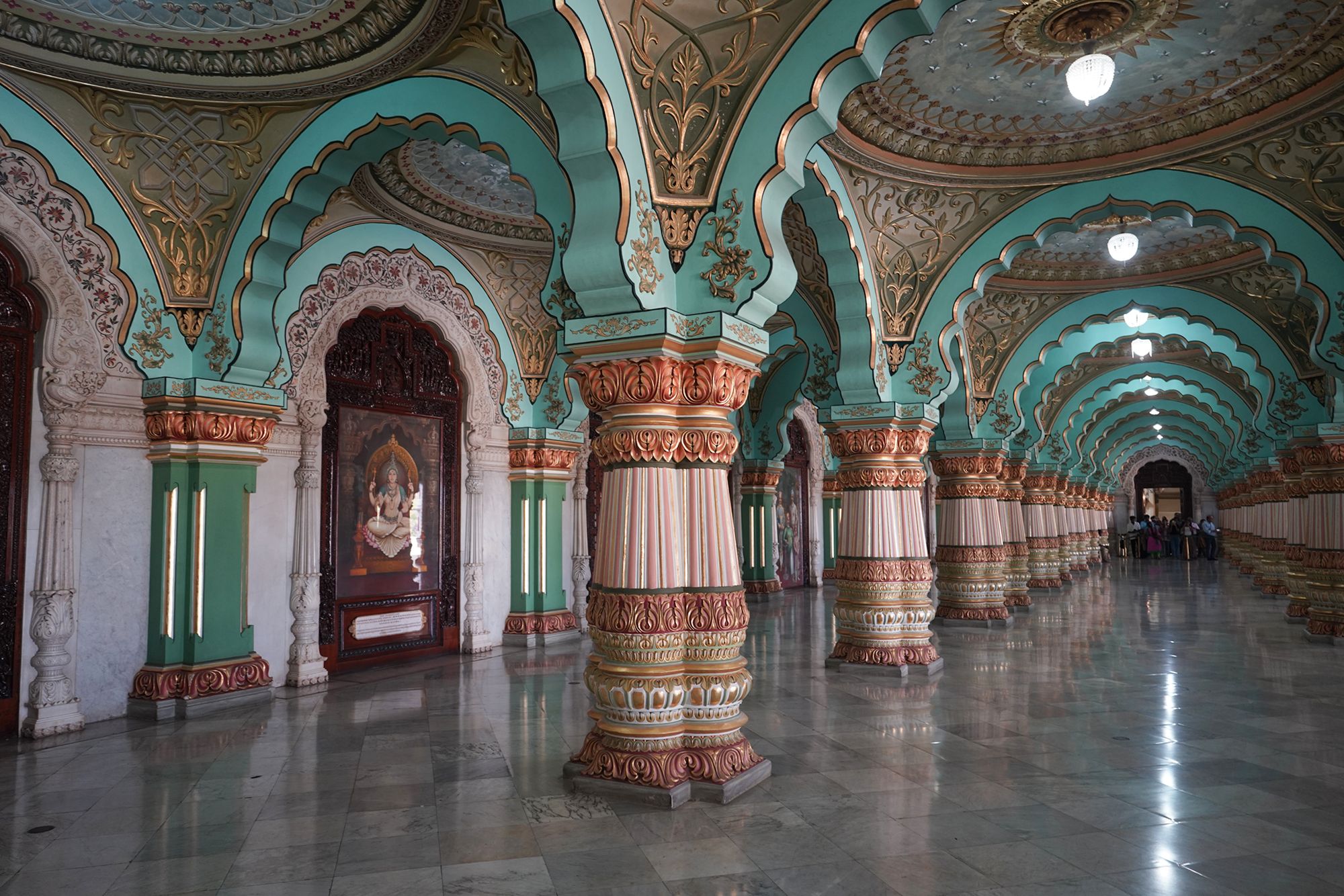
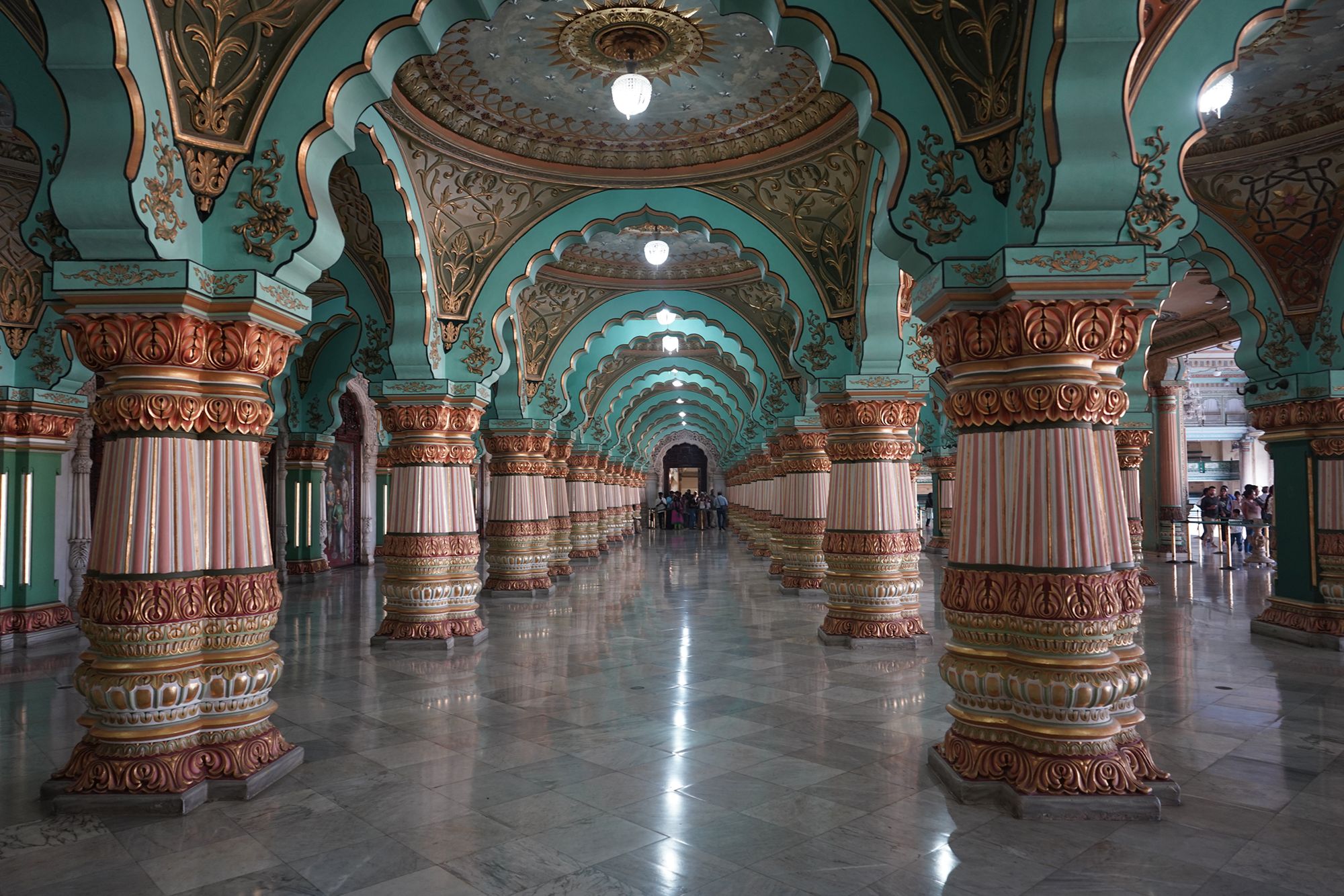
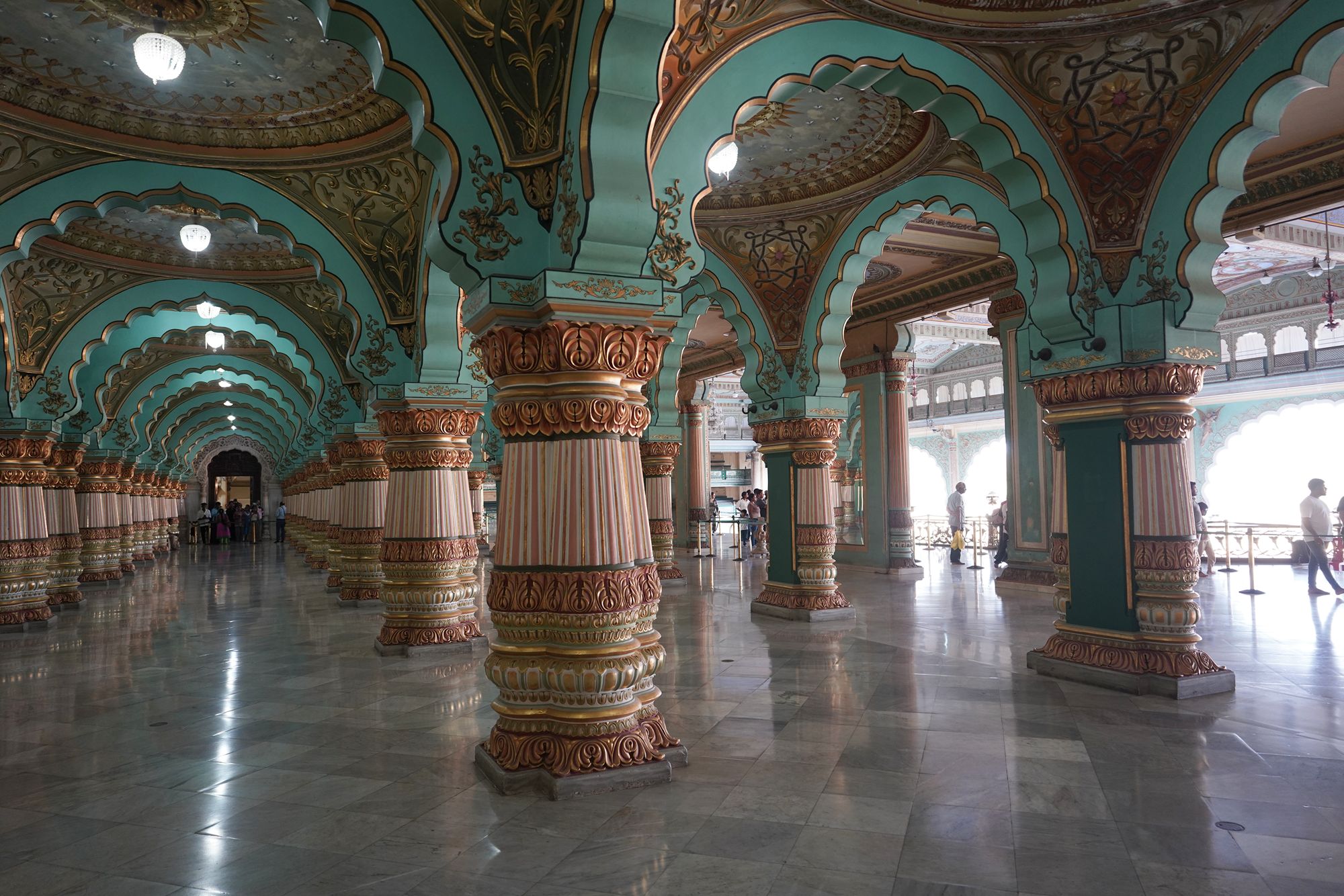
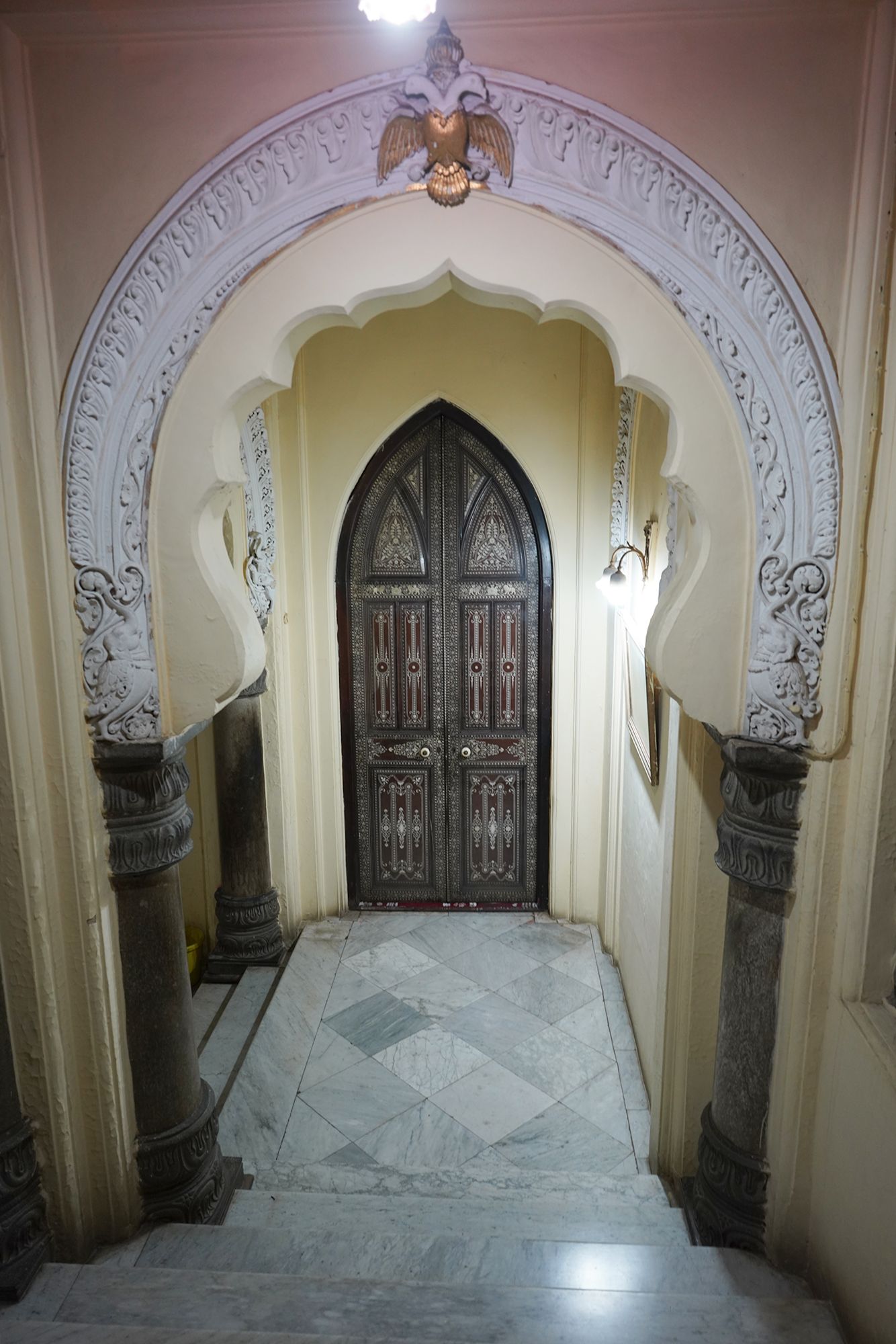
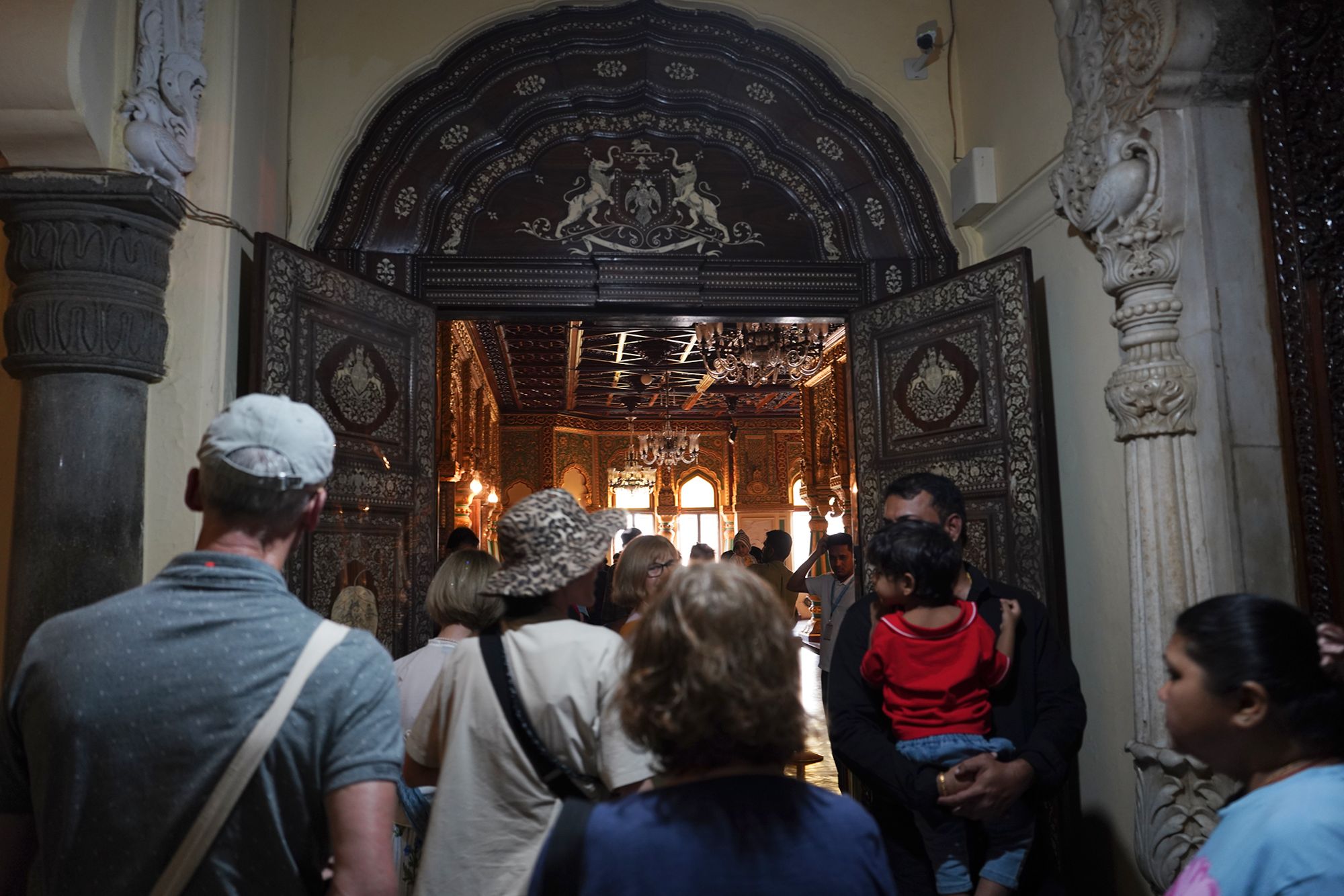
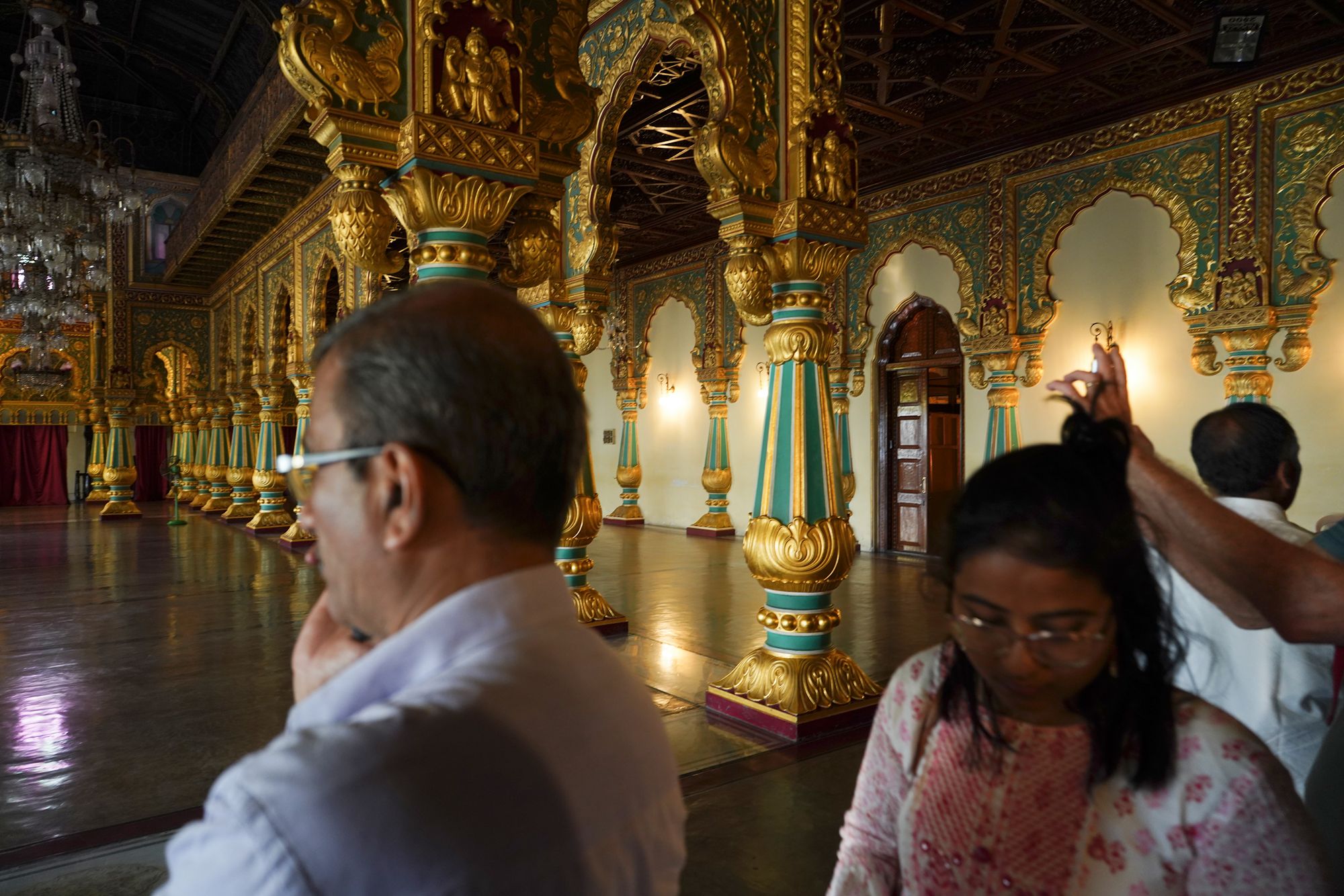
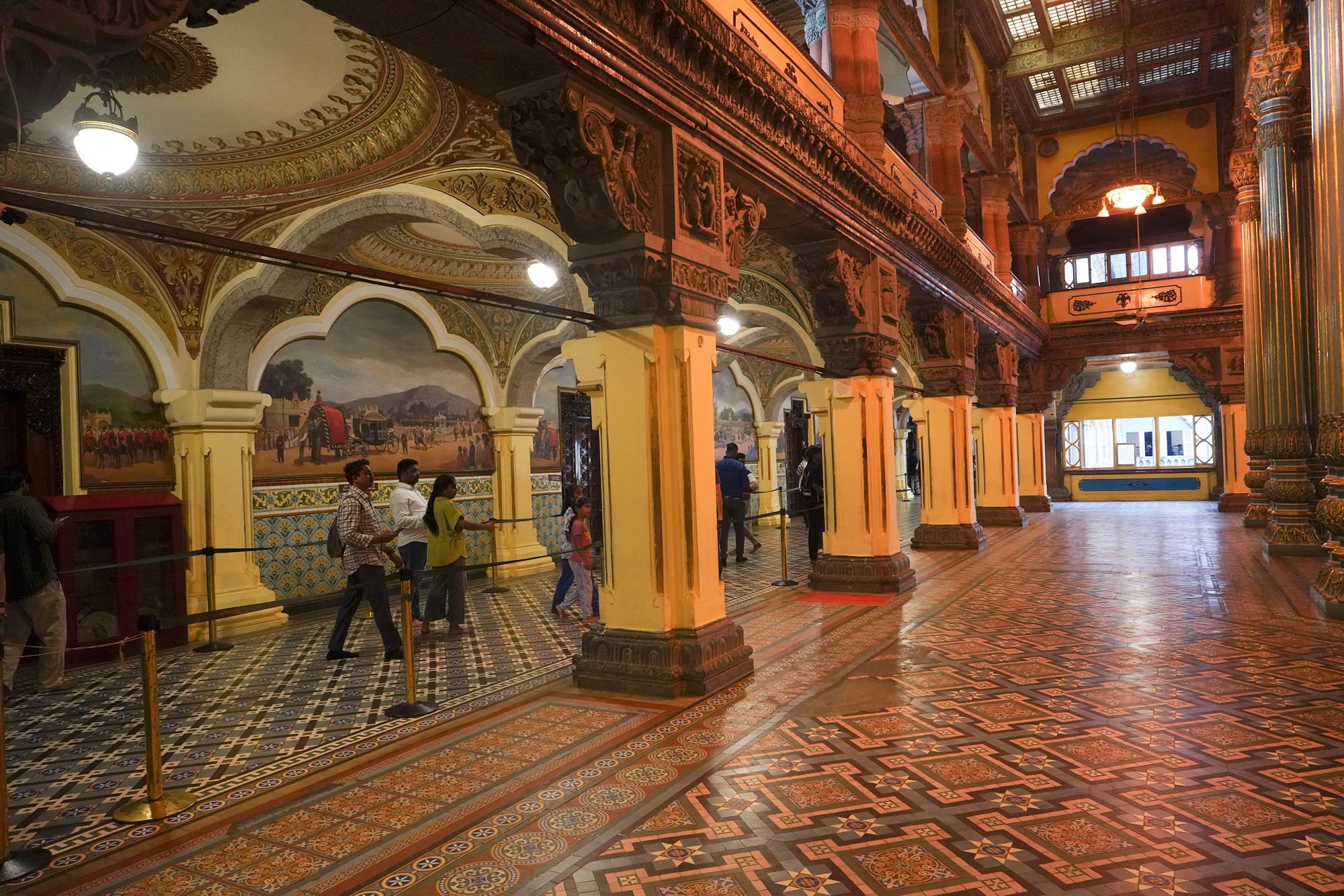
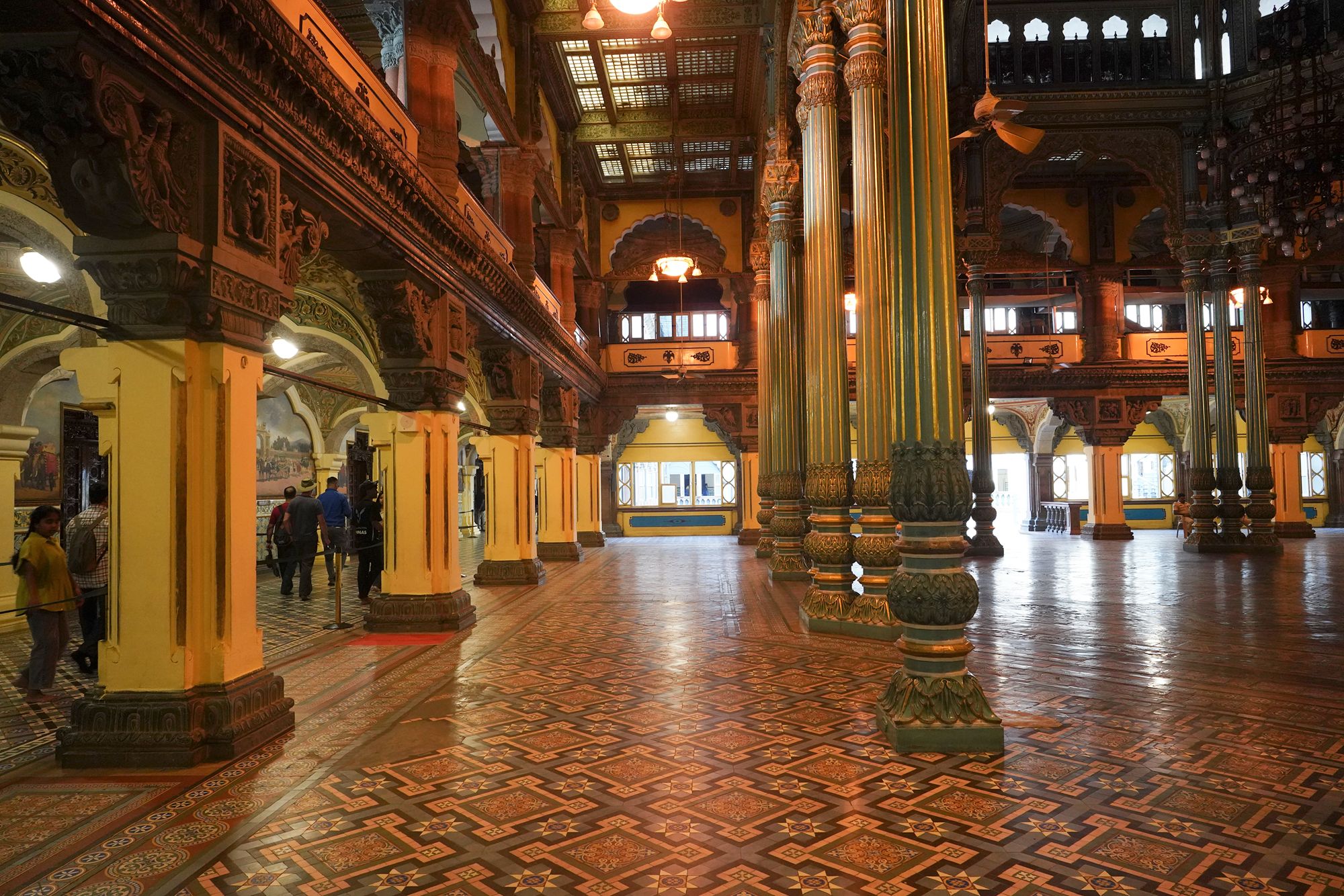
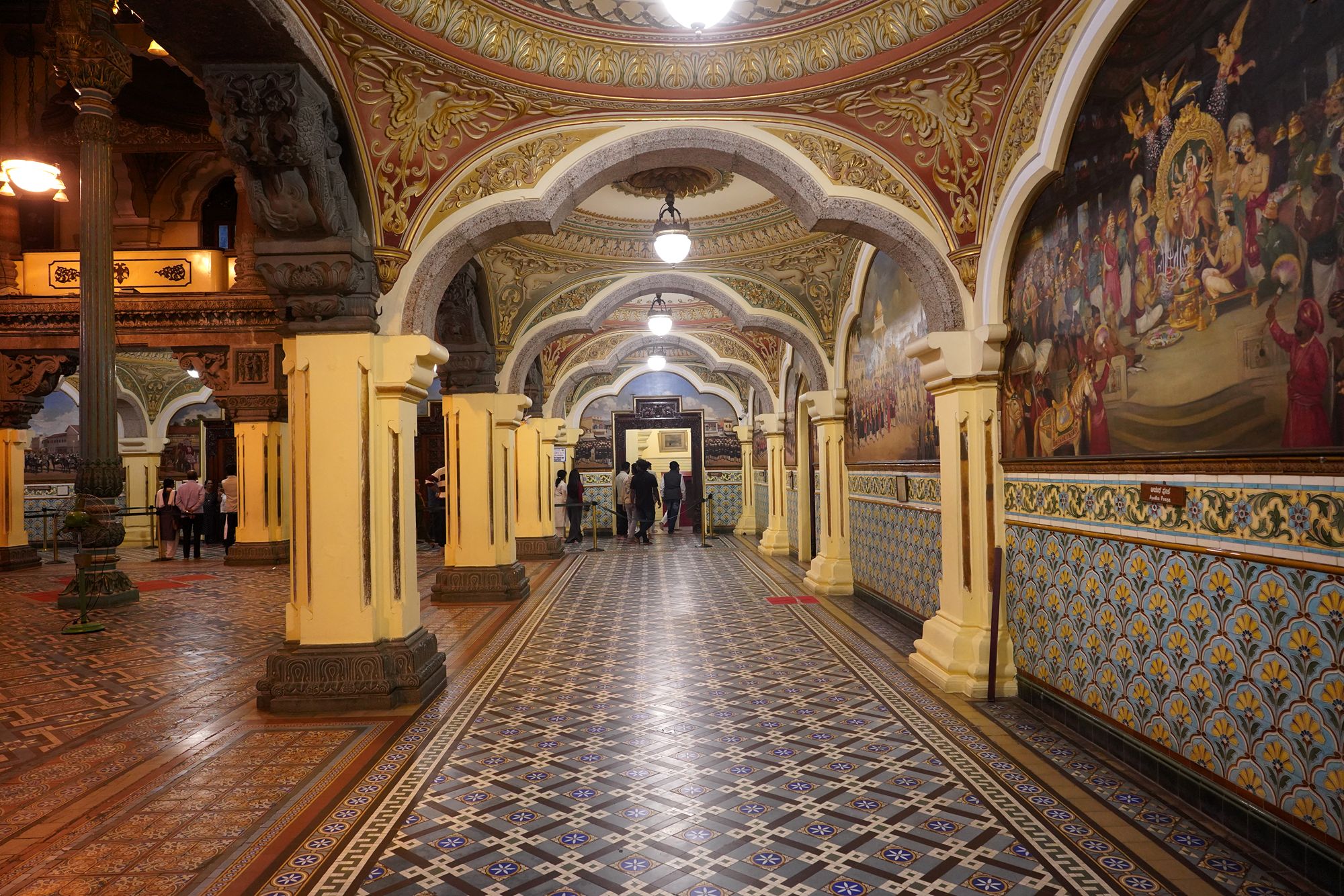
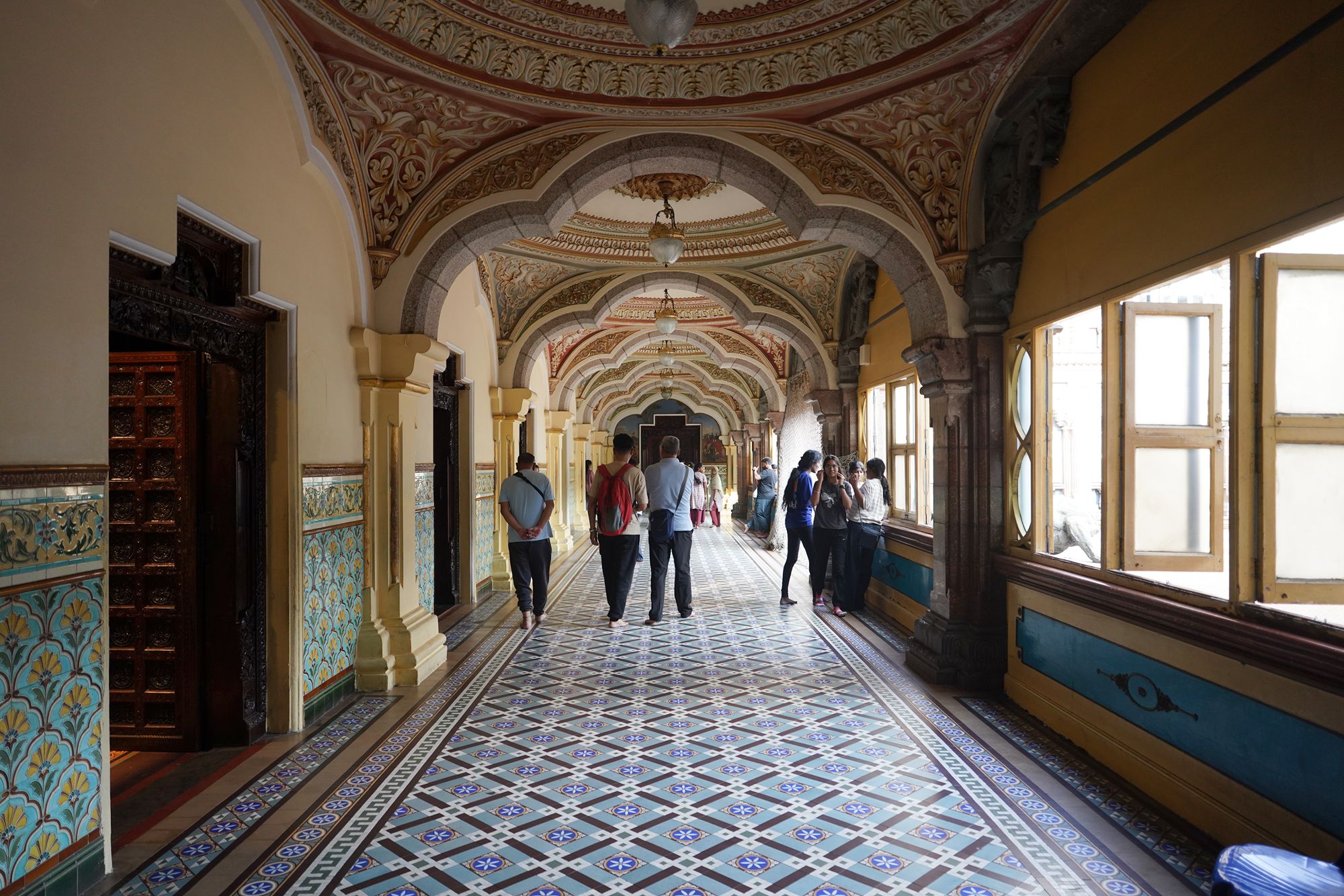
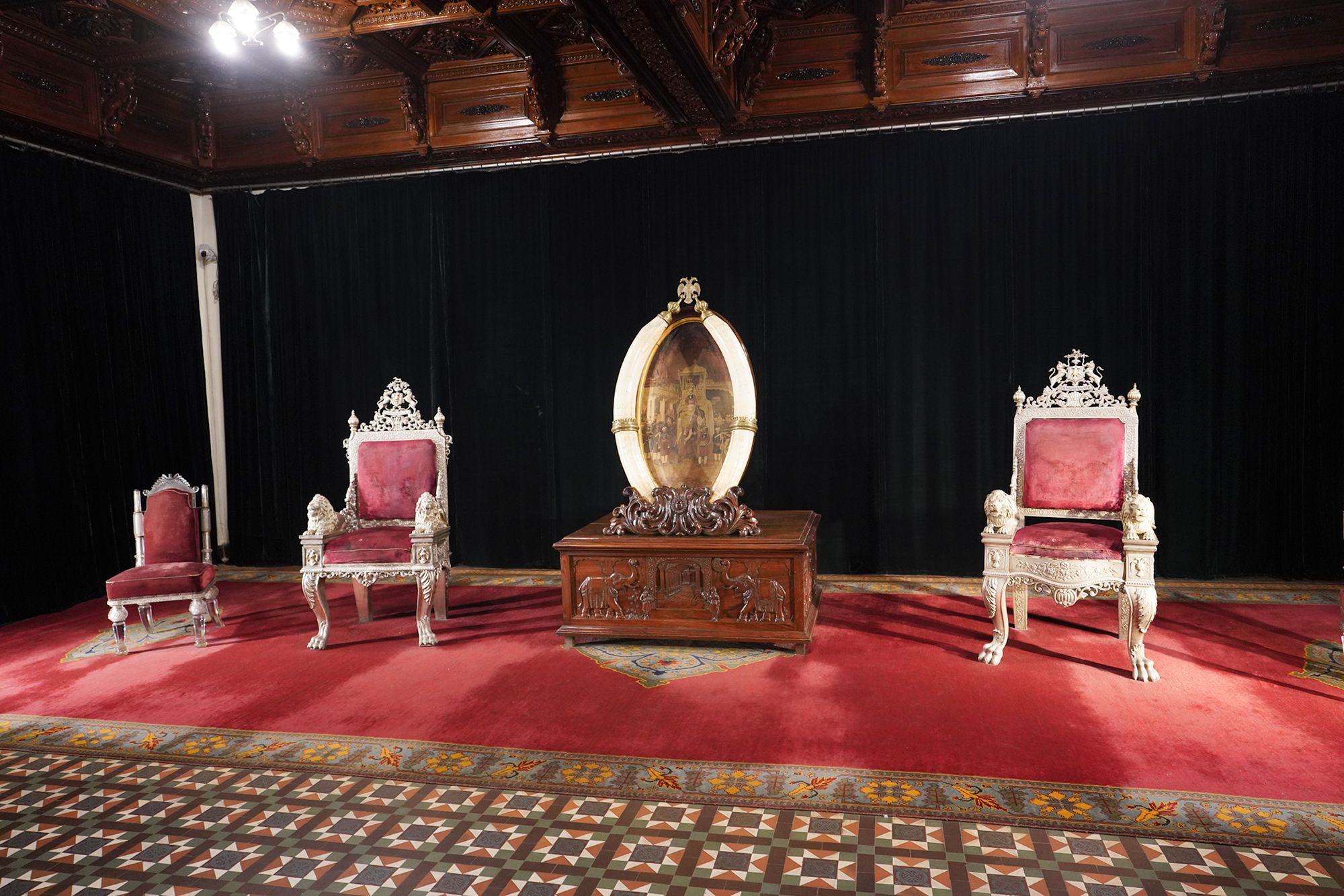
Inside Mysore Palace, visitors can see richly decorated royal rooms and ceremonial halls filled with artwork and elaborate architectural details.
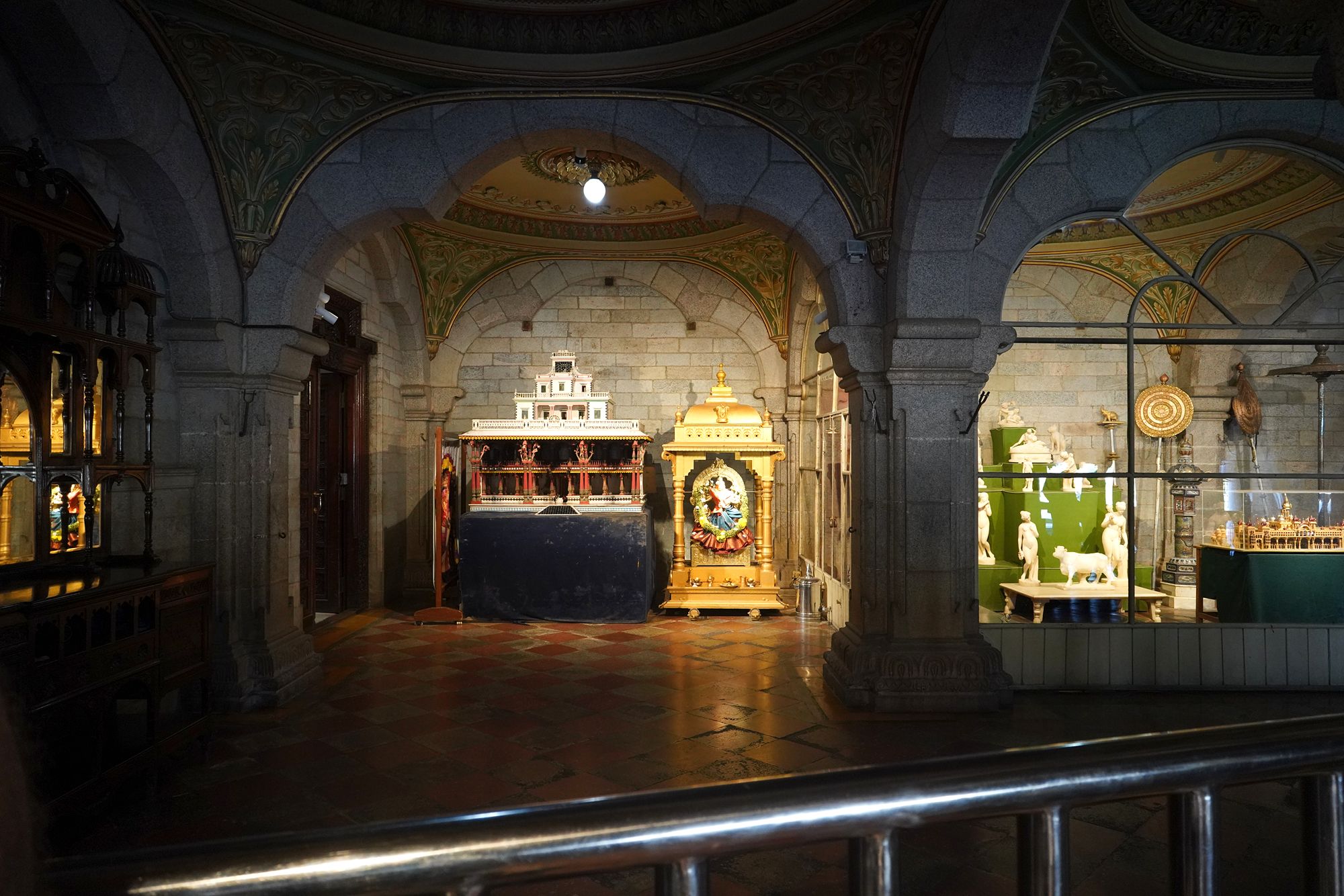
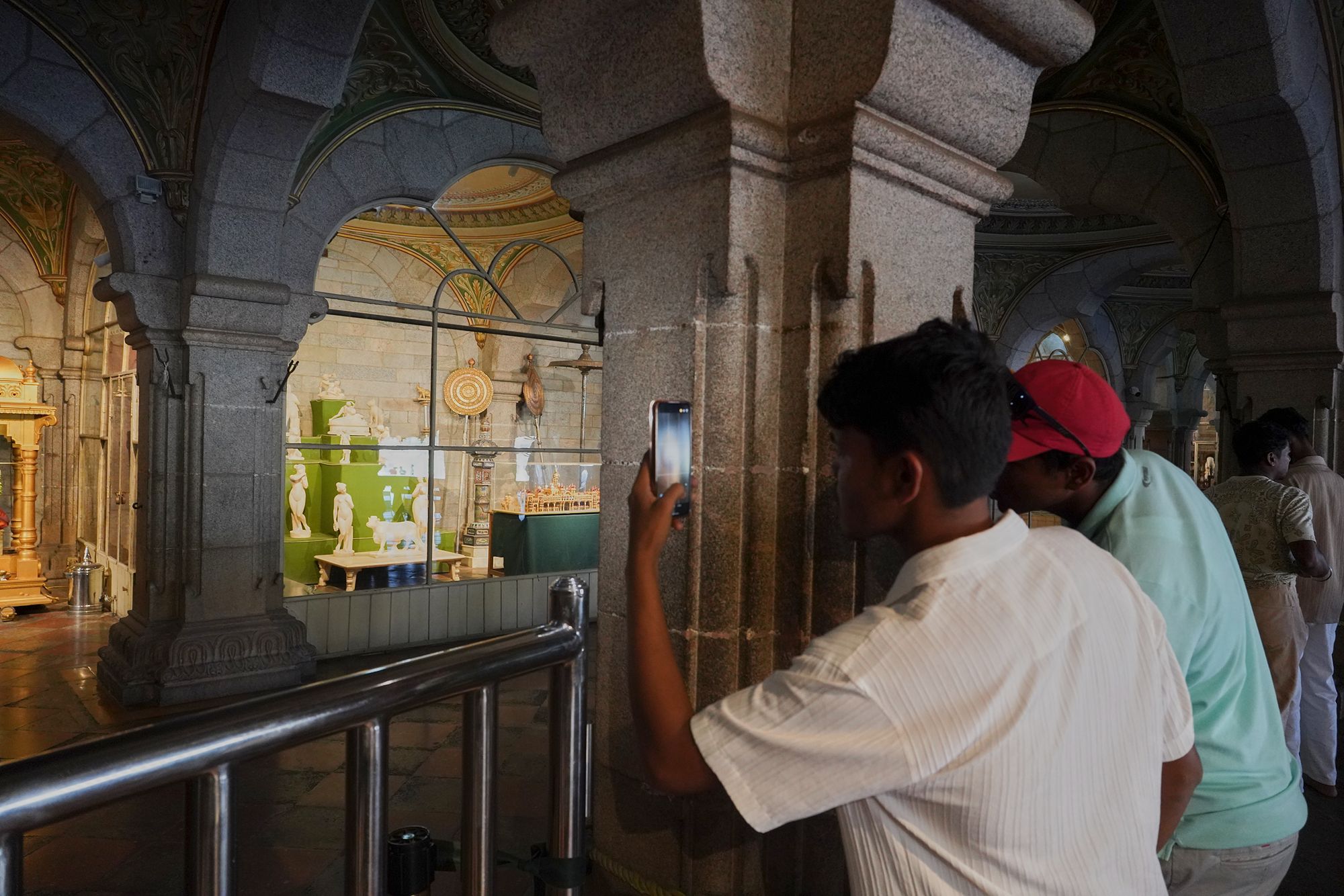
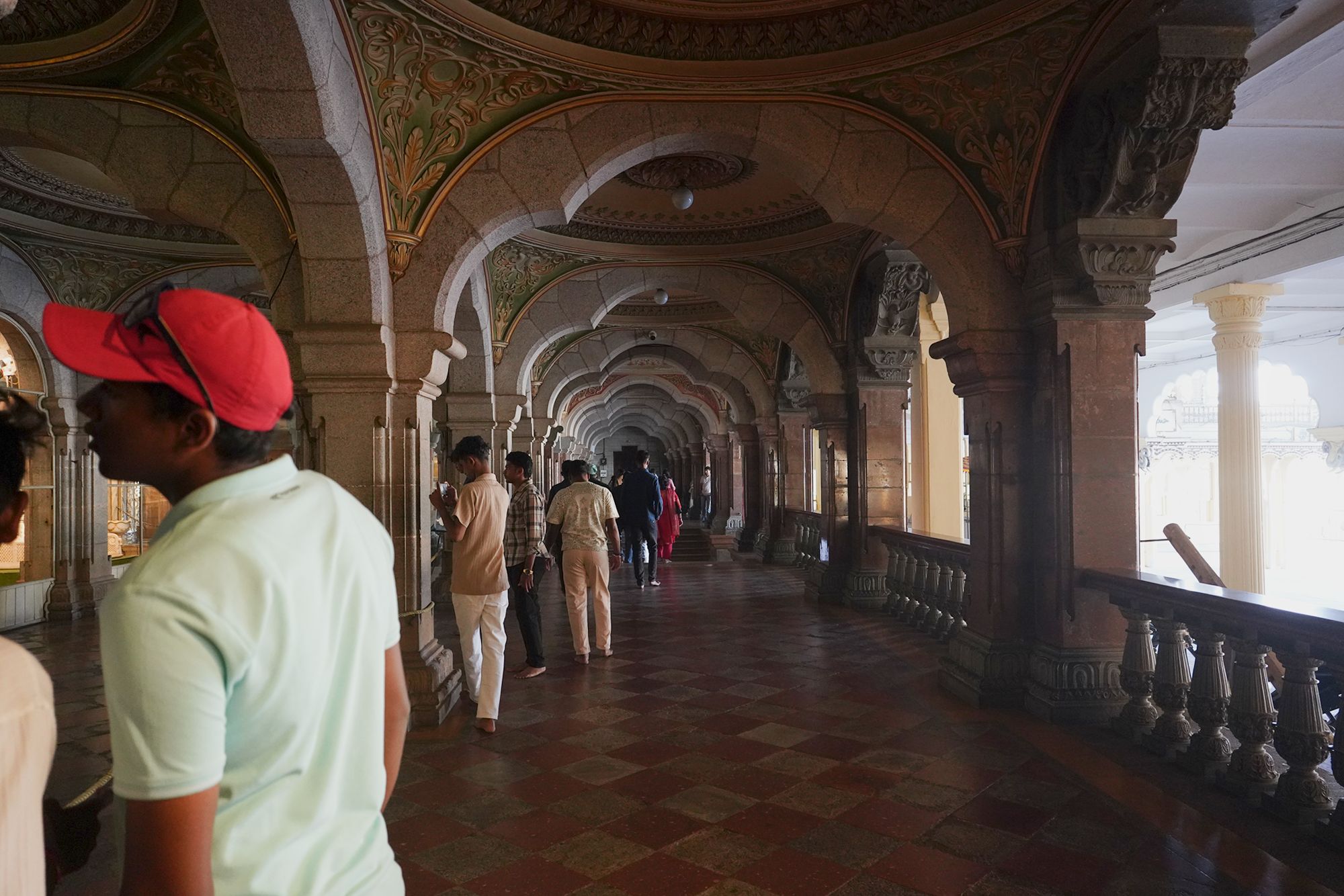
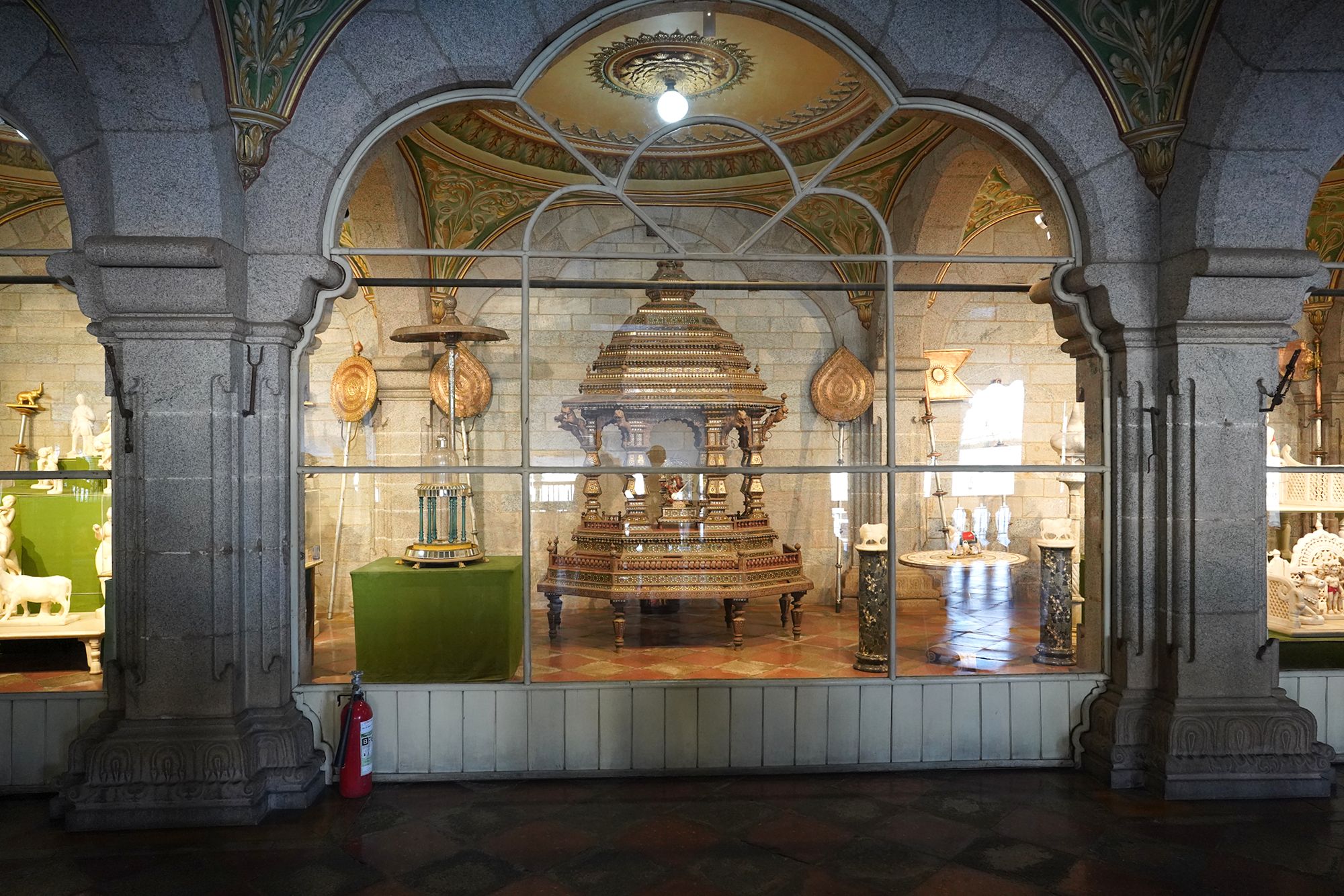
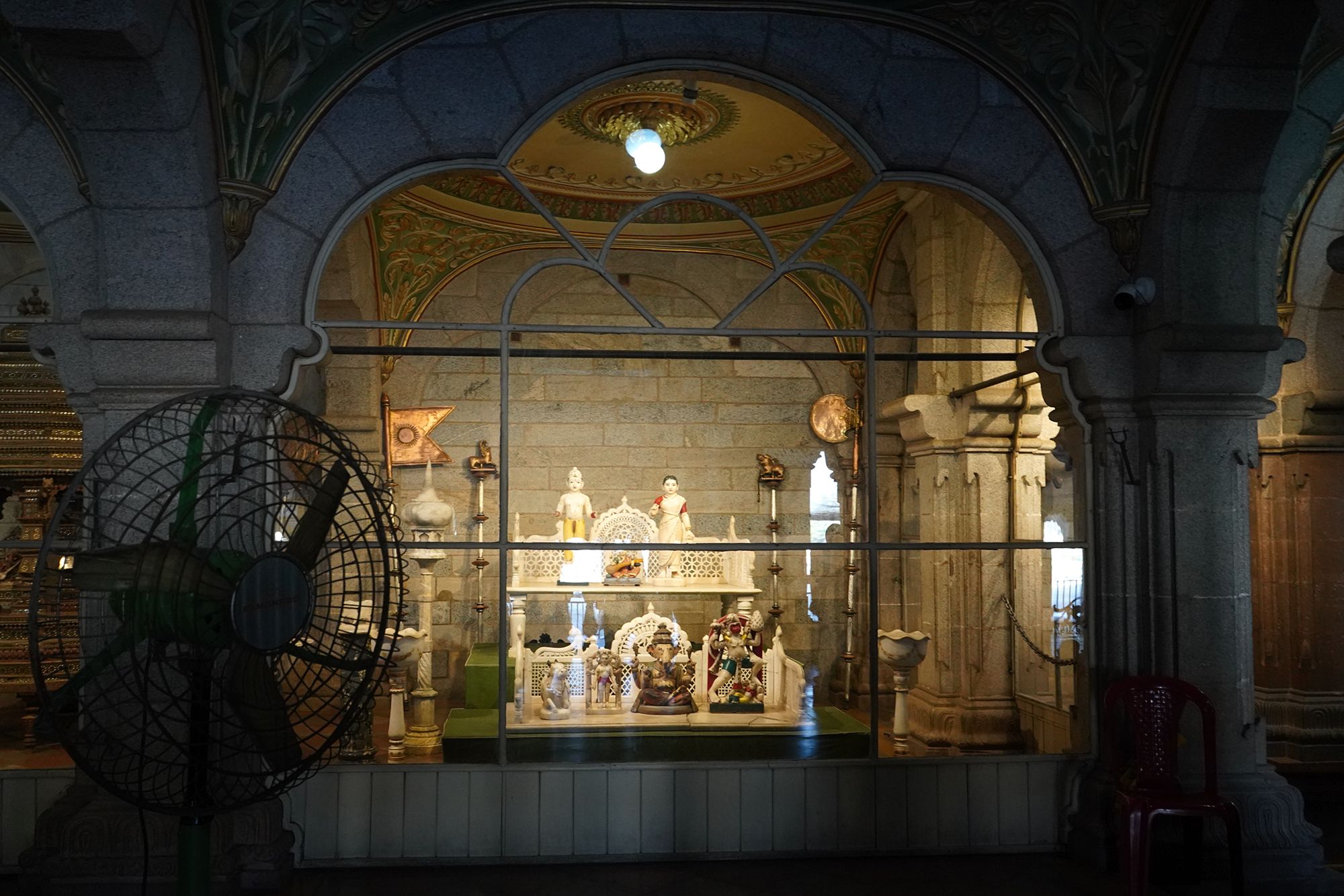
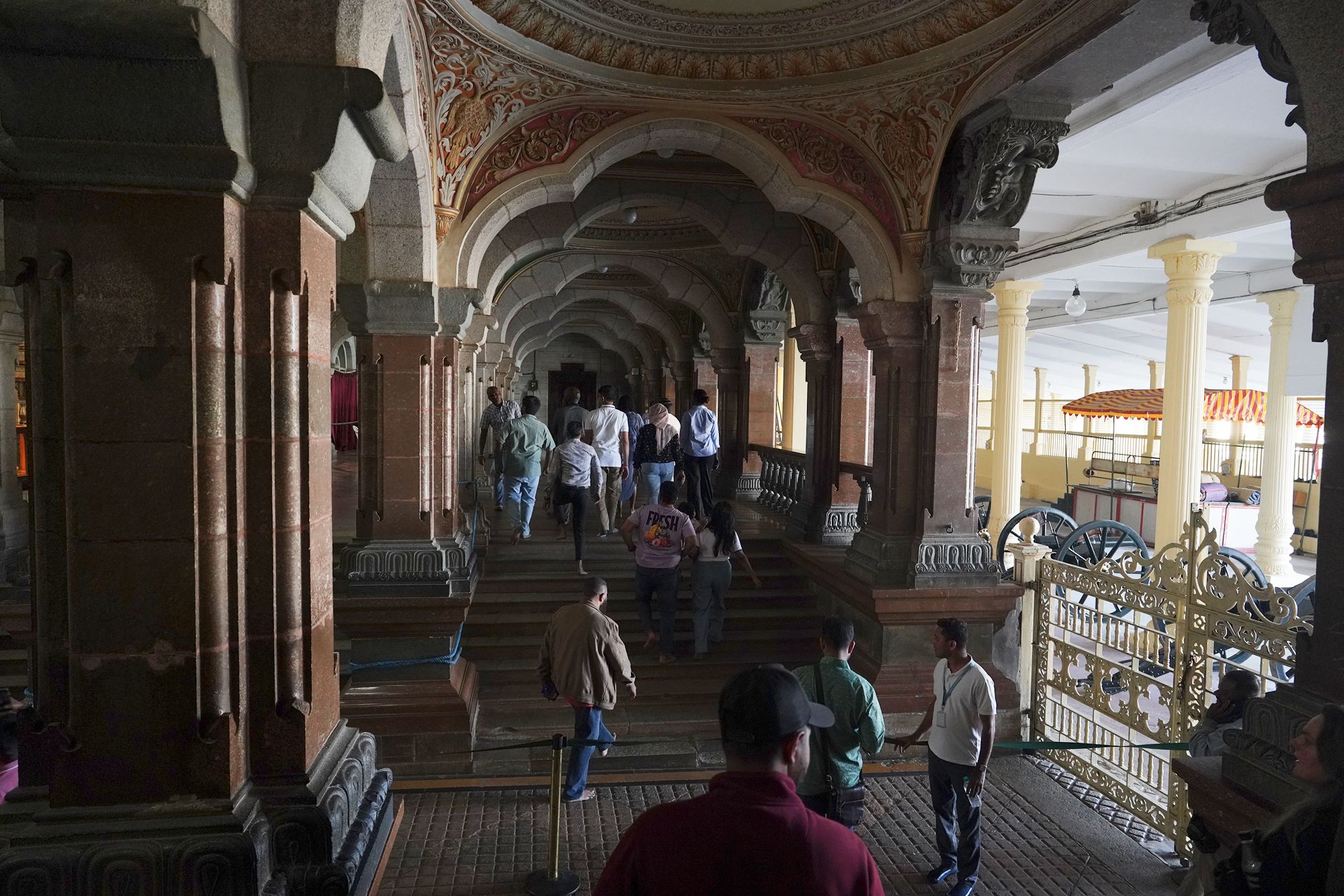
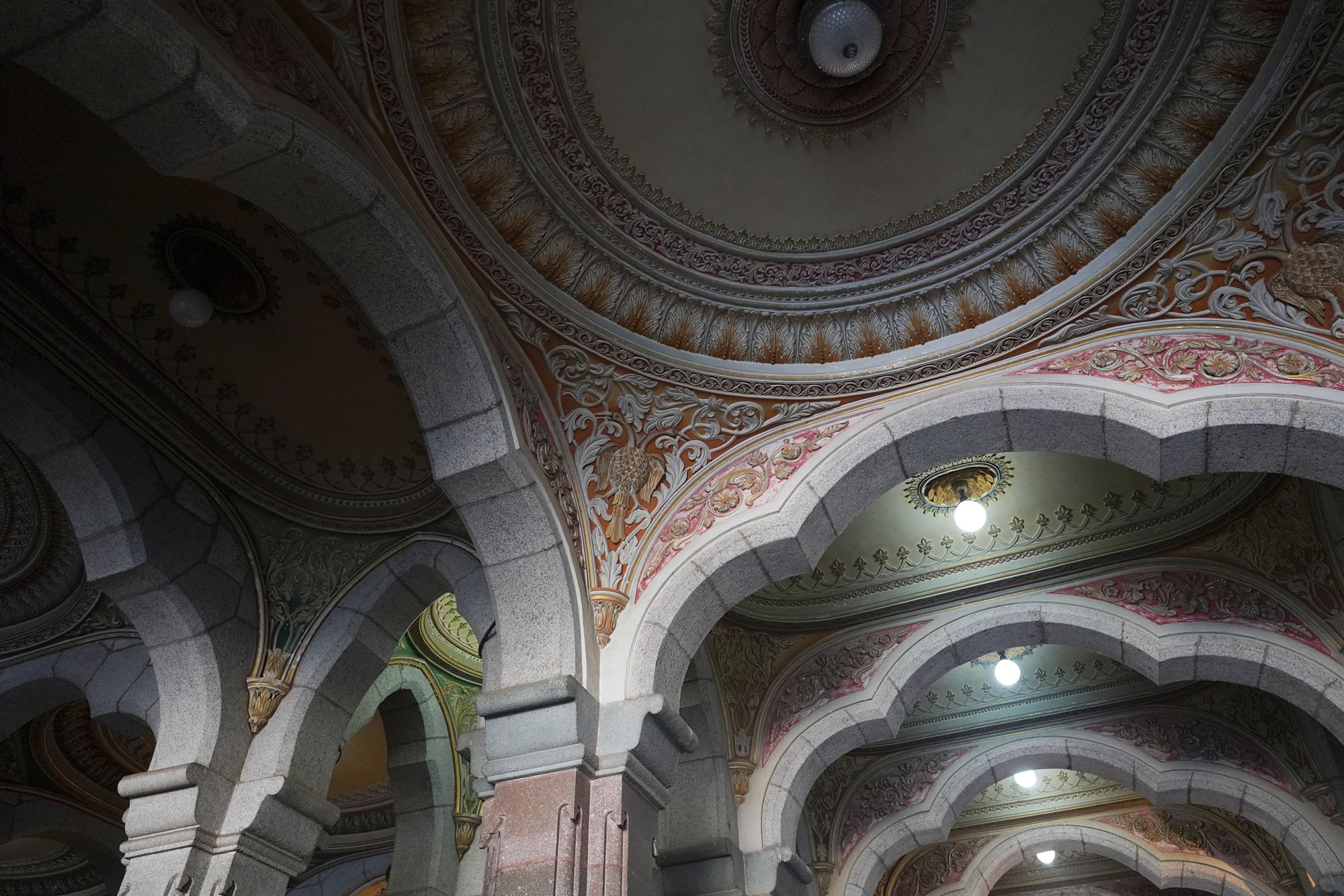
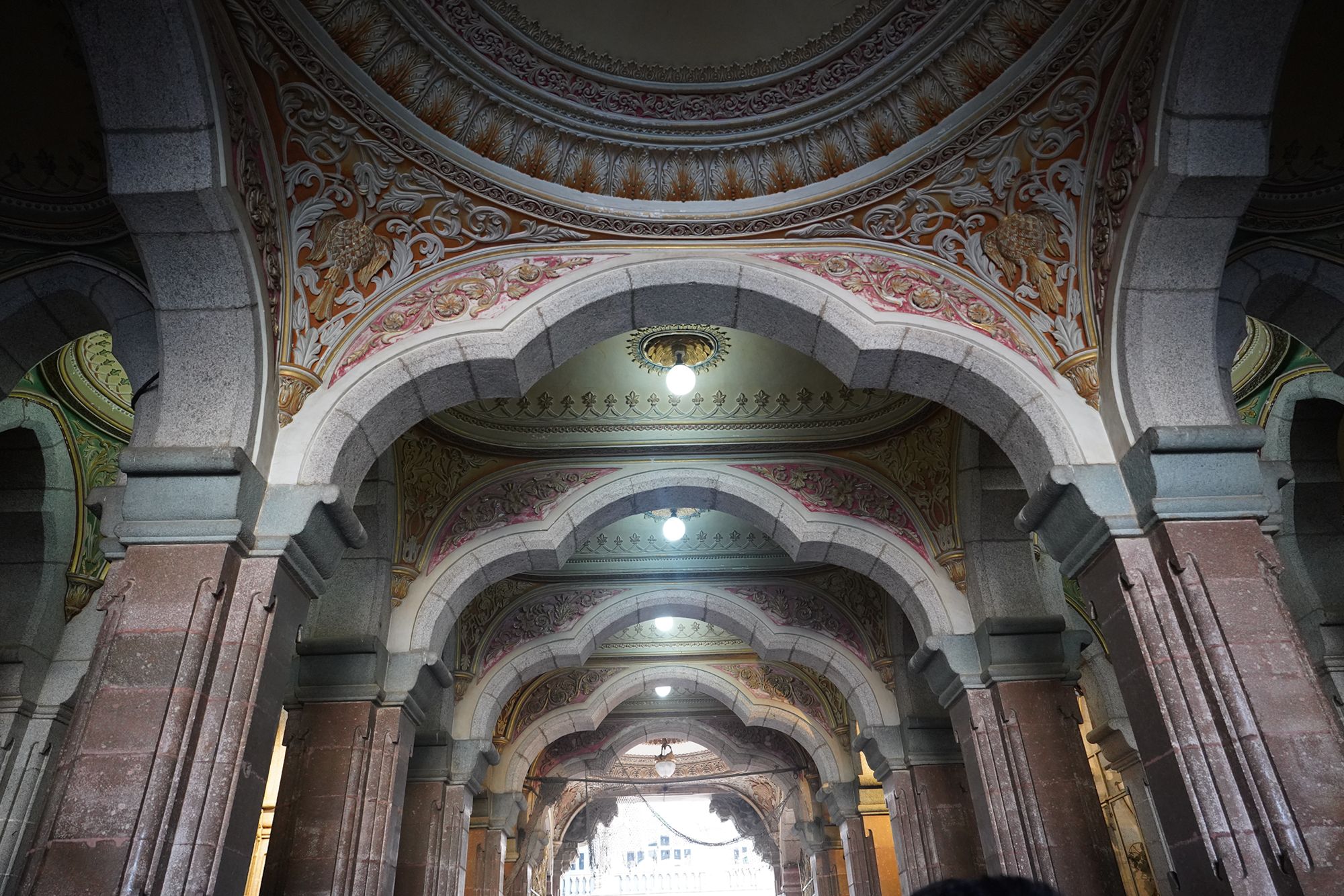
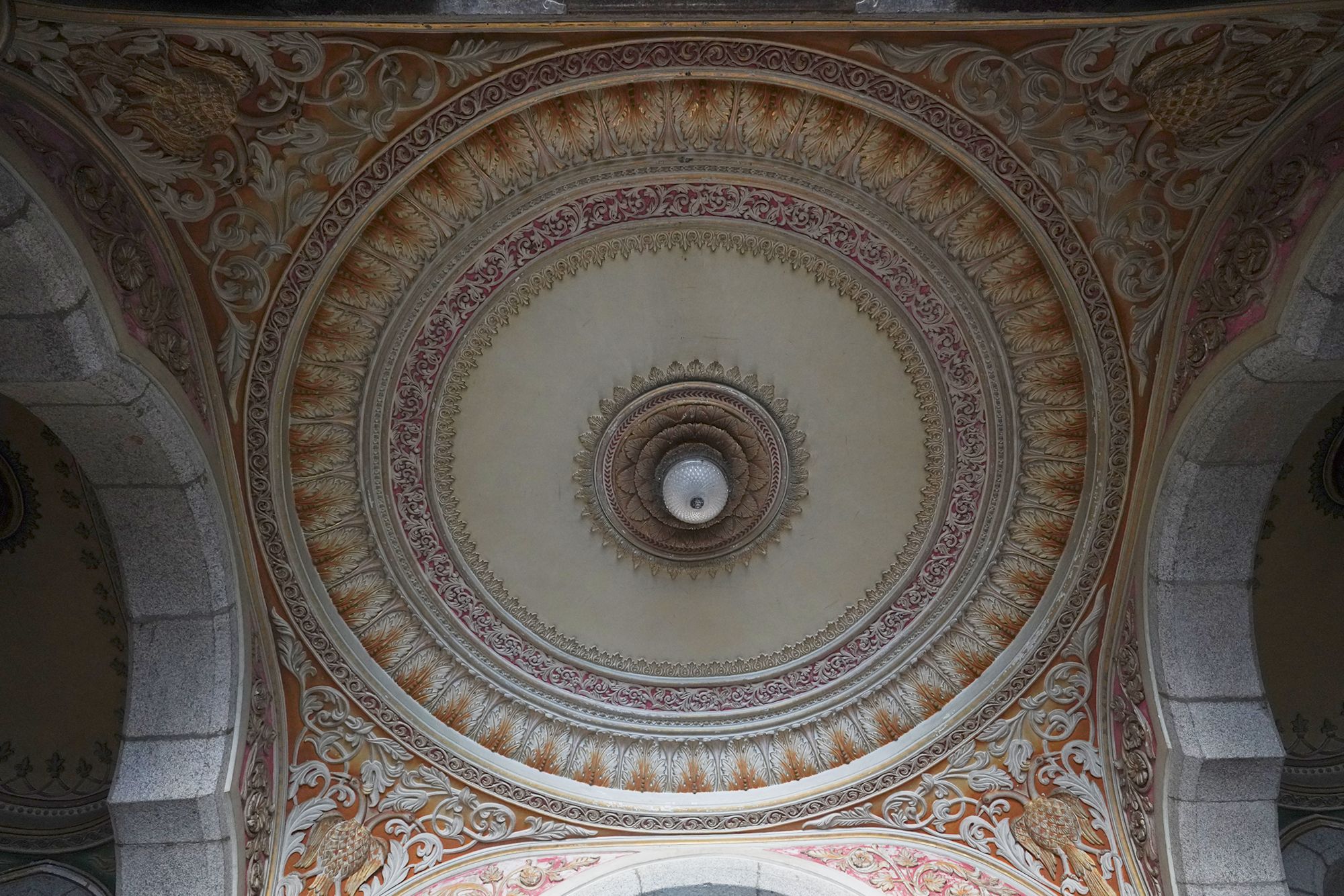
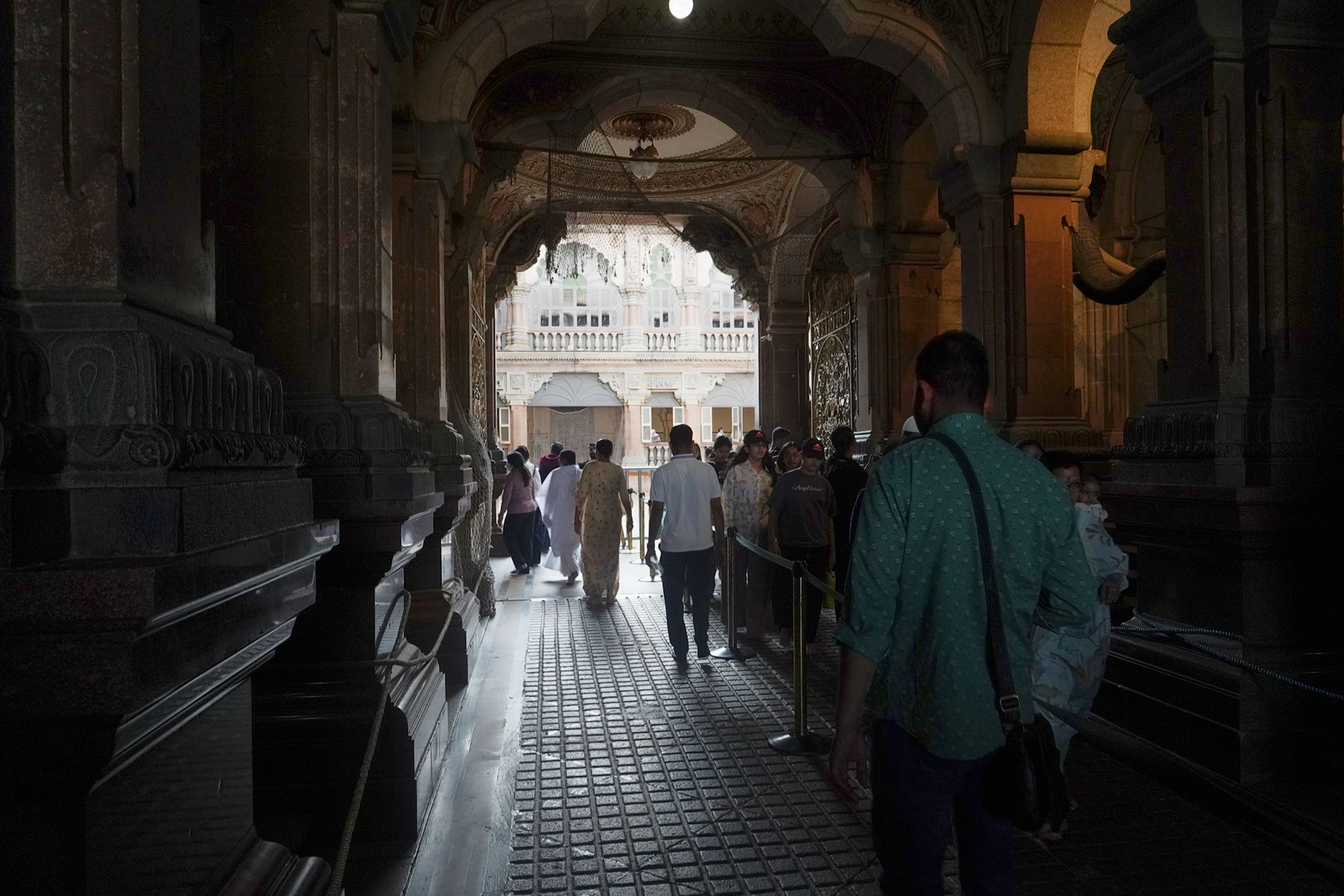
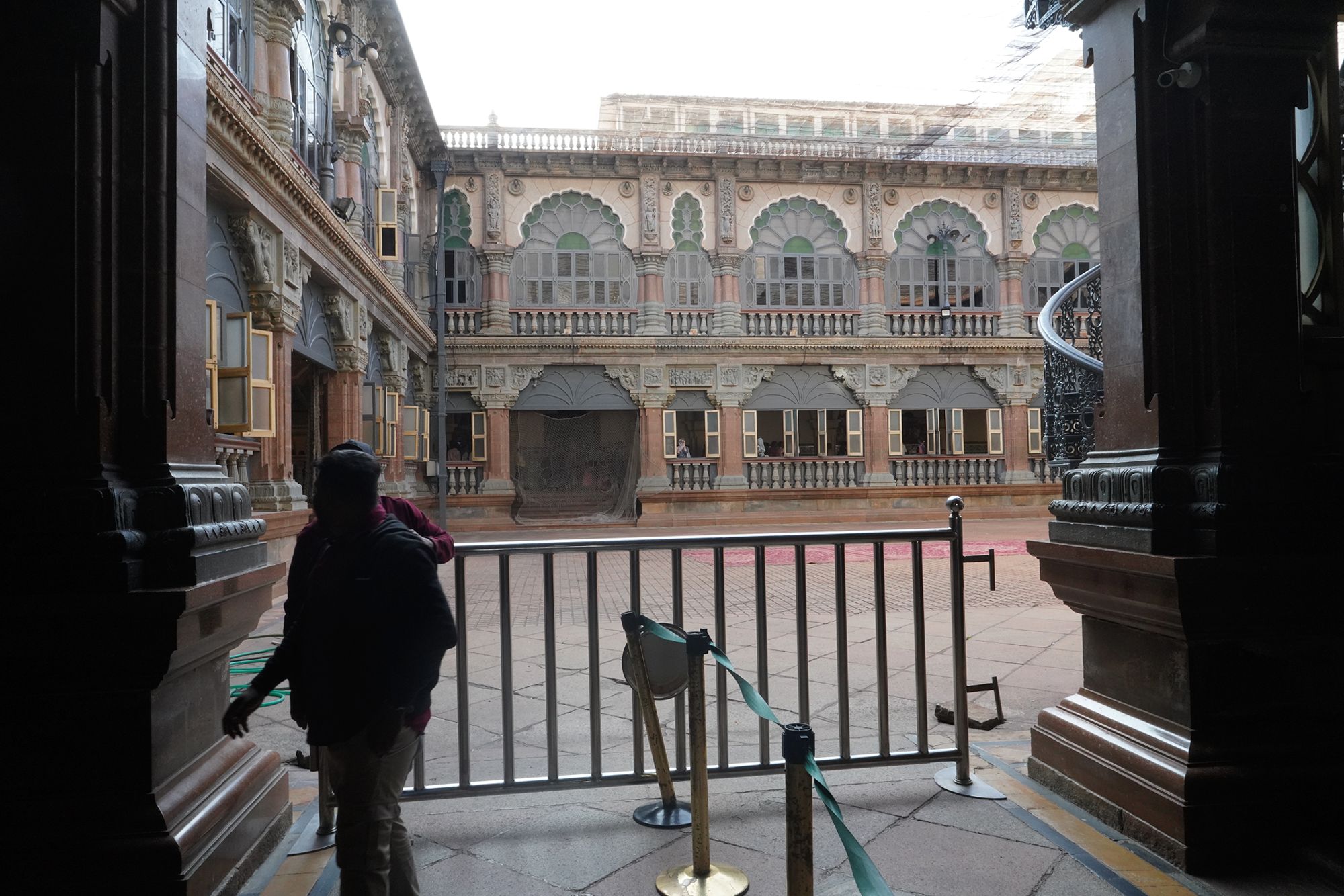
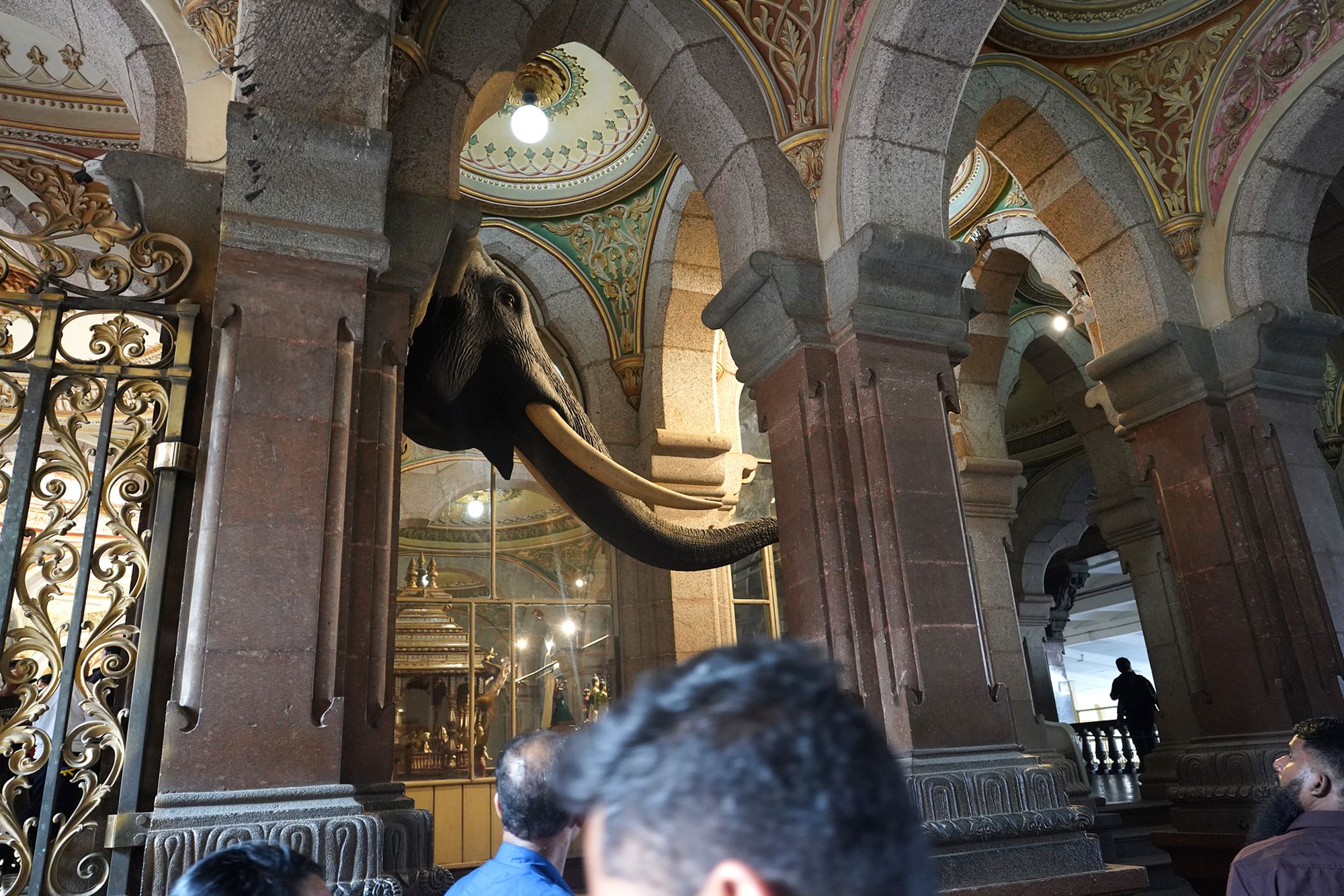
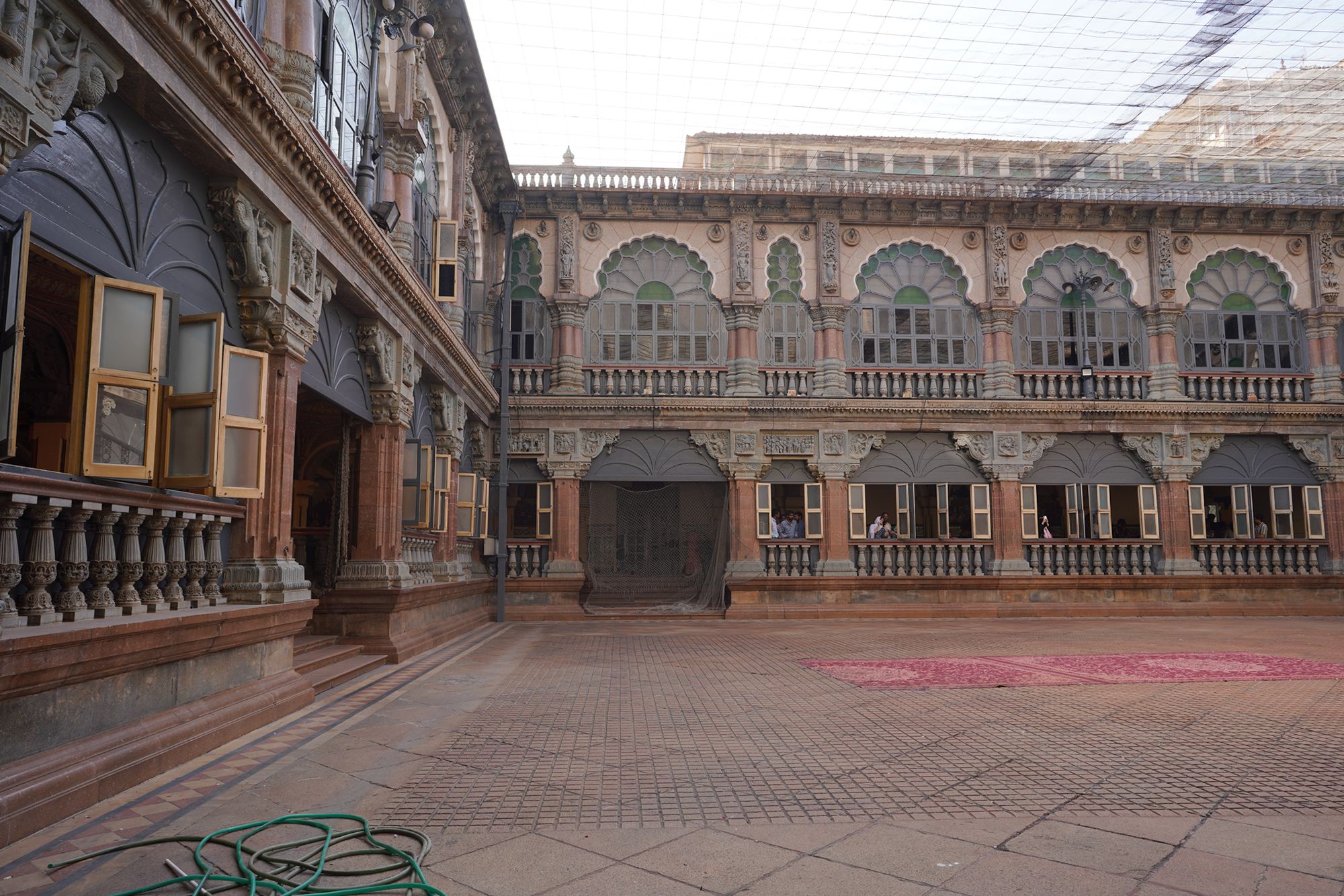
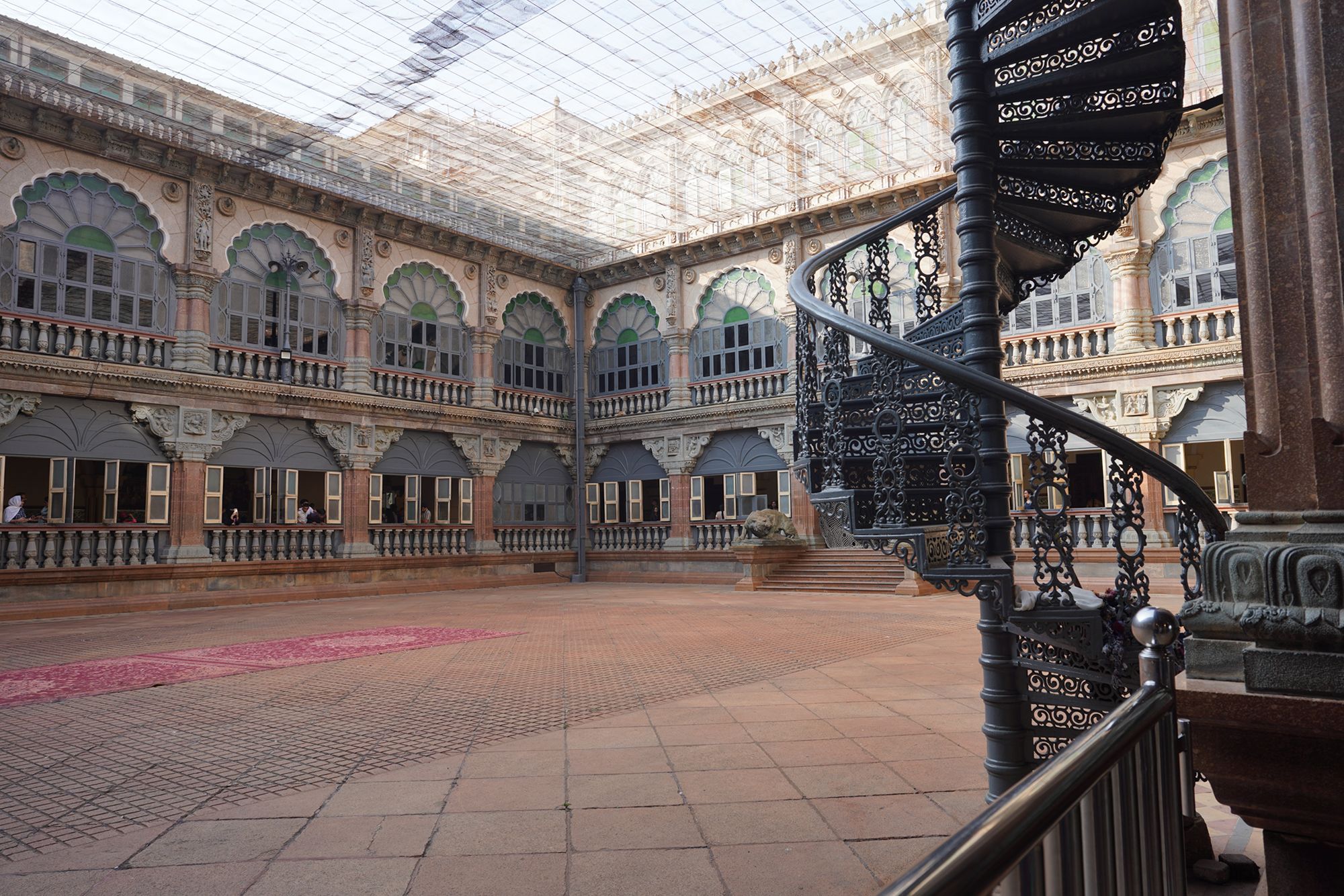
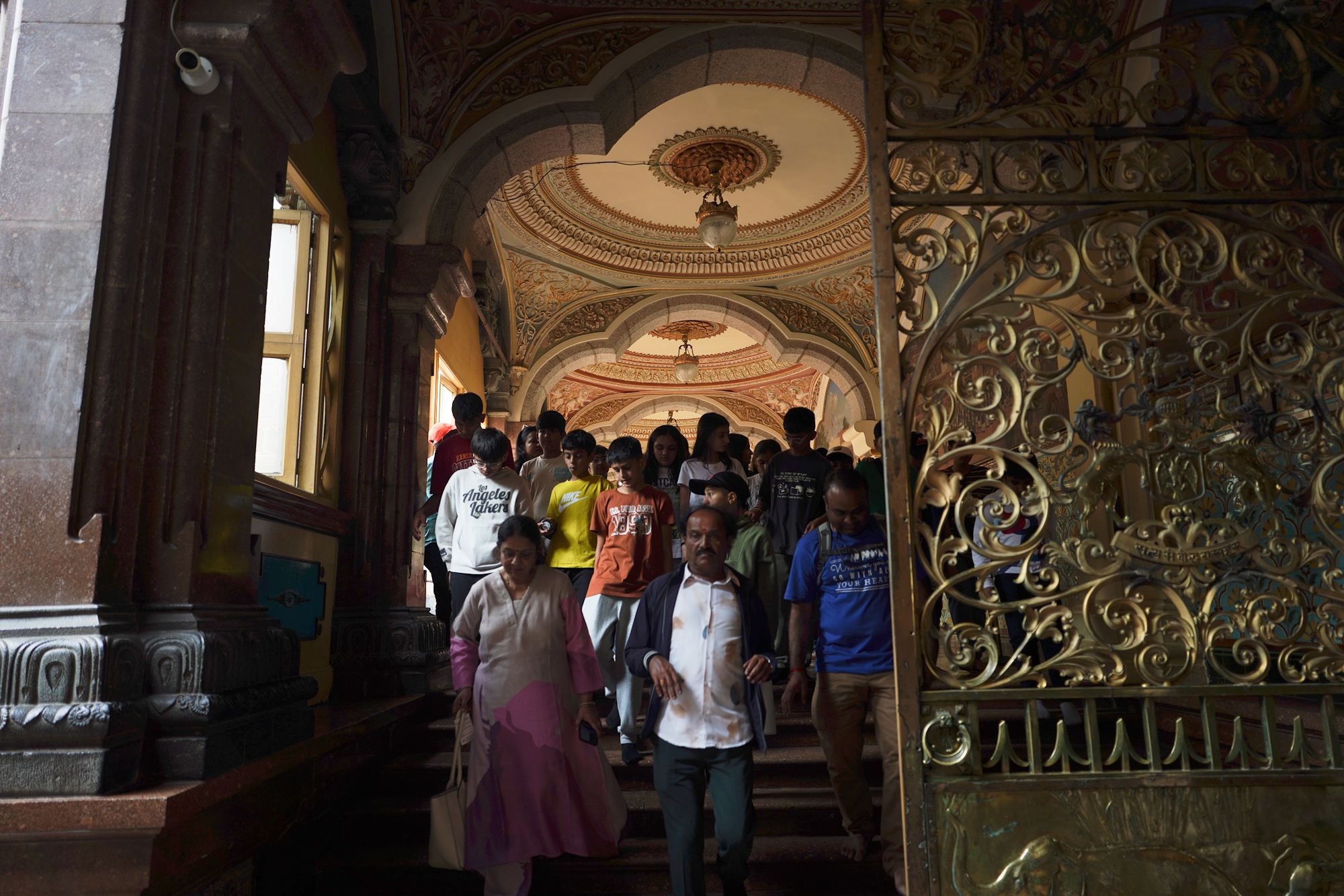
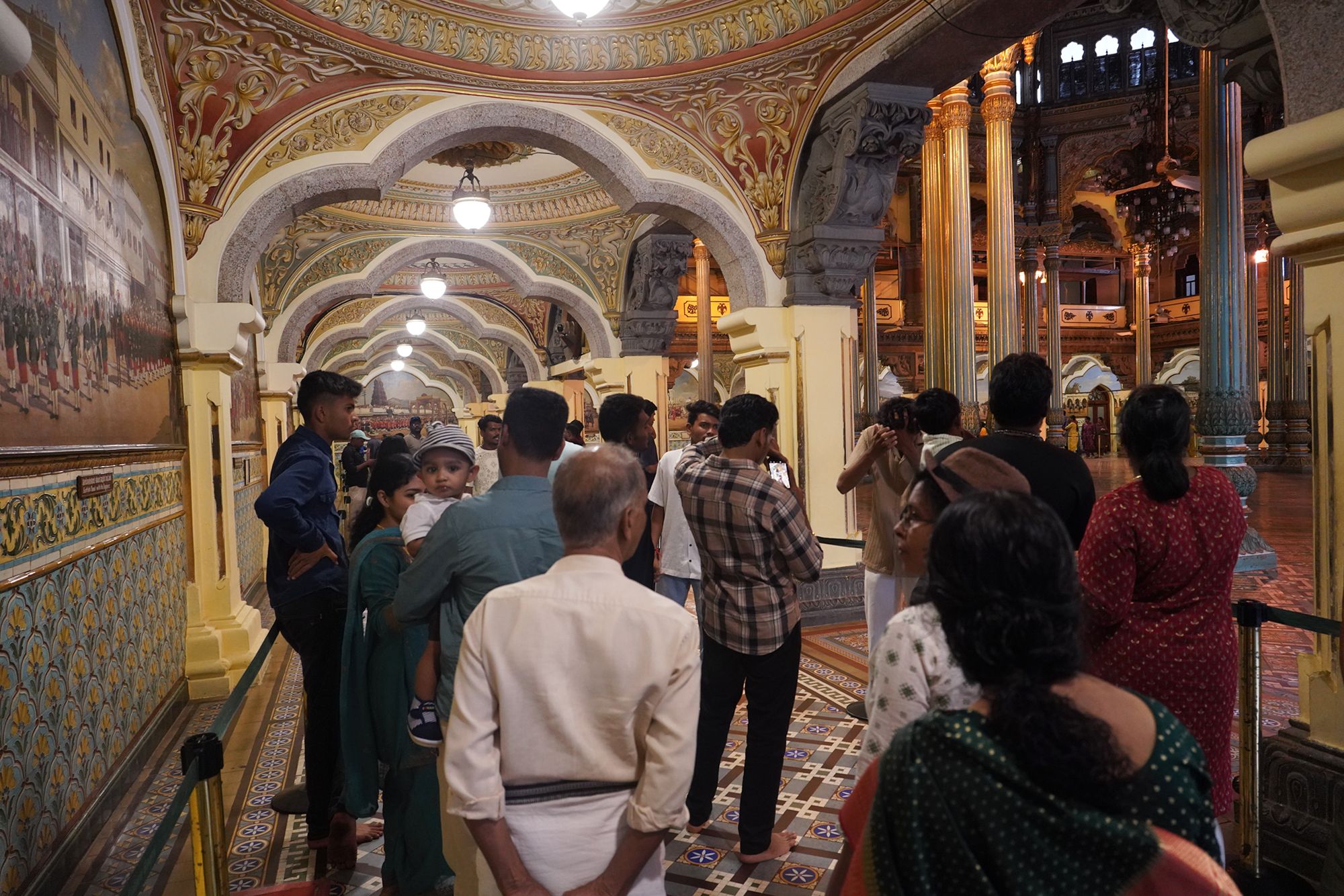
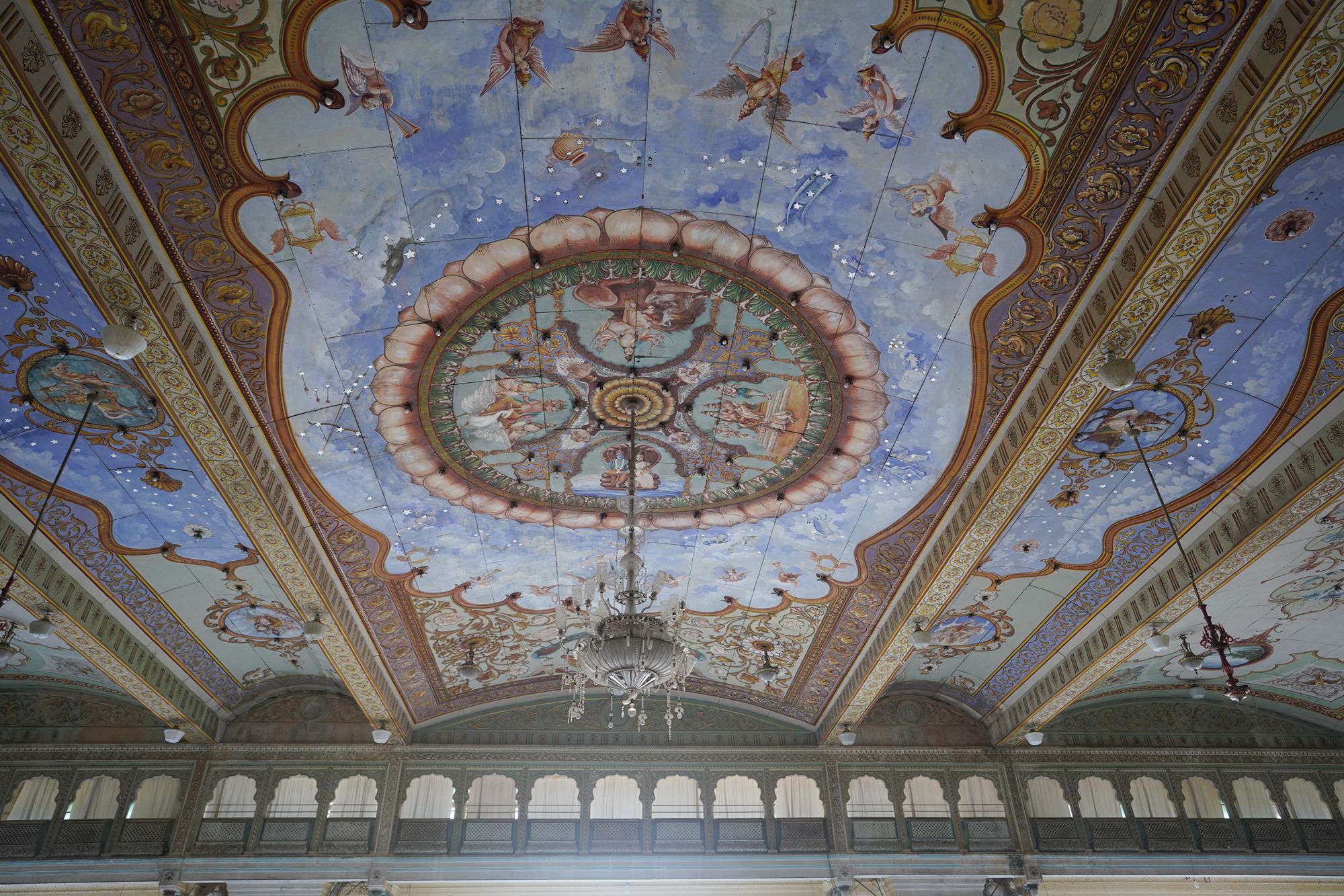
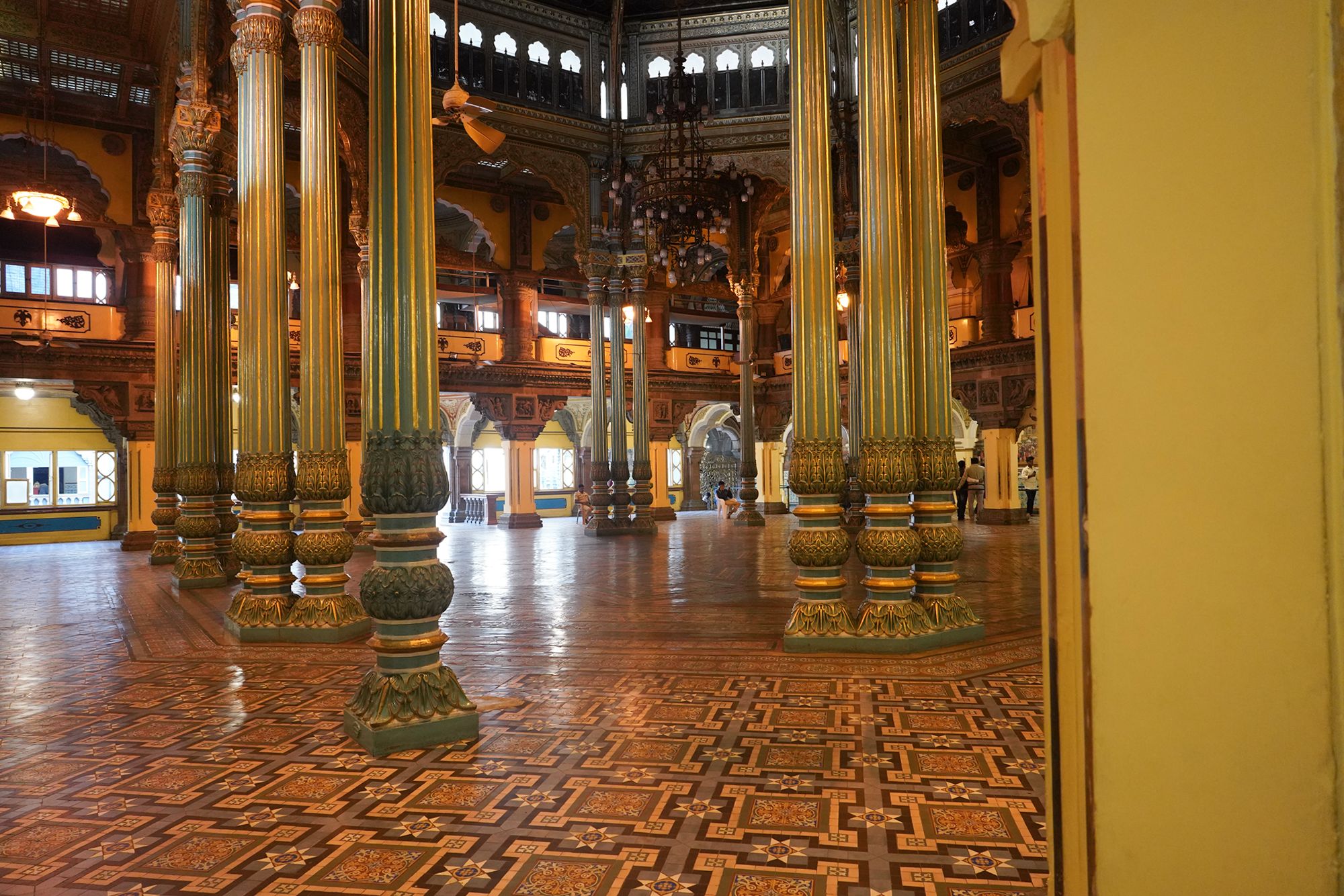
Some of the highlights include the Durbar Hall, where the maharaja held formal gatherings, and the Kalyana Mantapa, a magnificent marriage hall with stained-glass ceilings and colorful tiled floors.
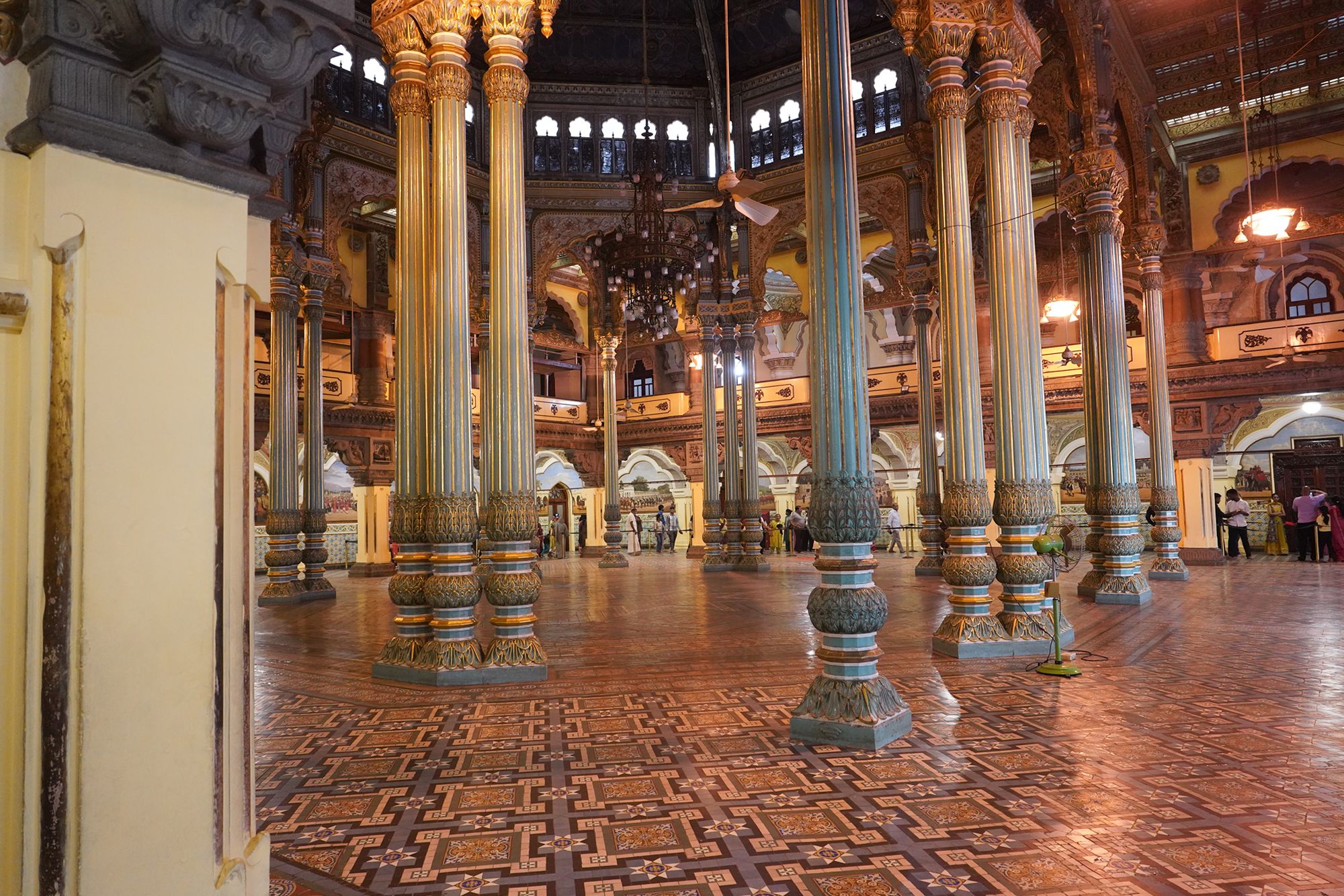
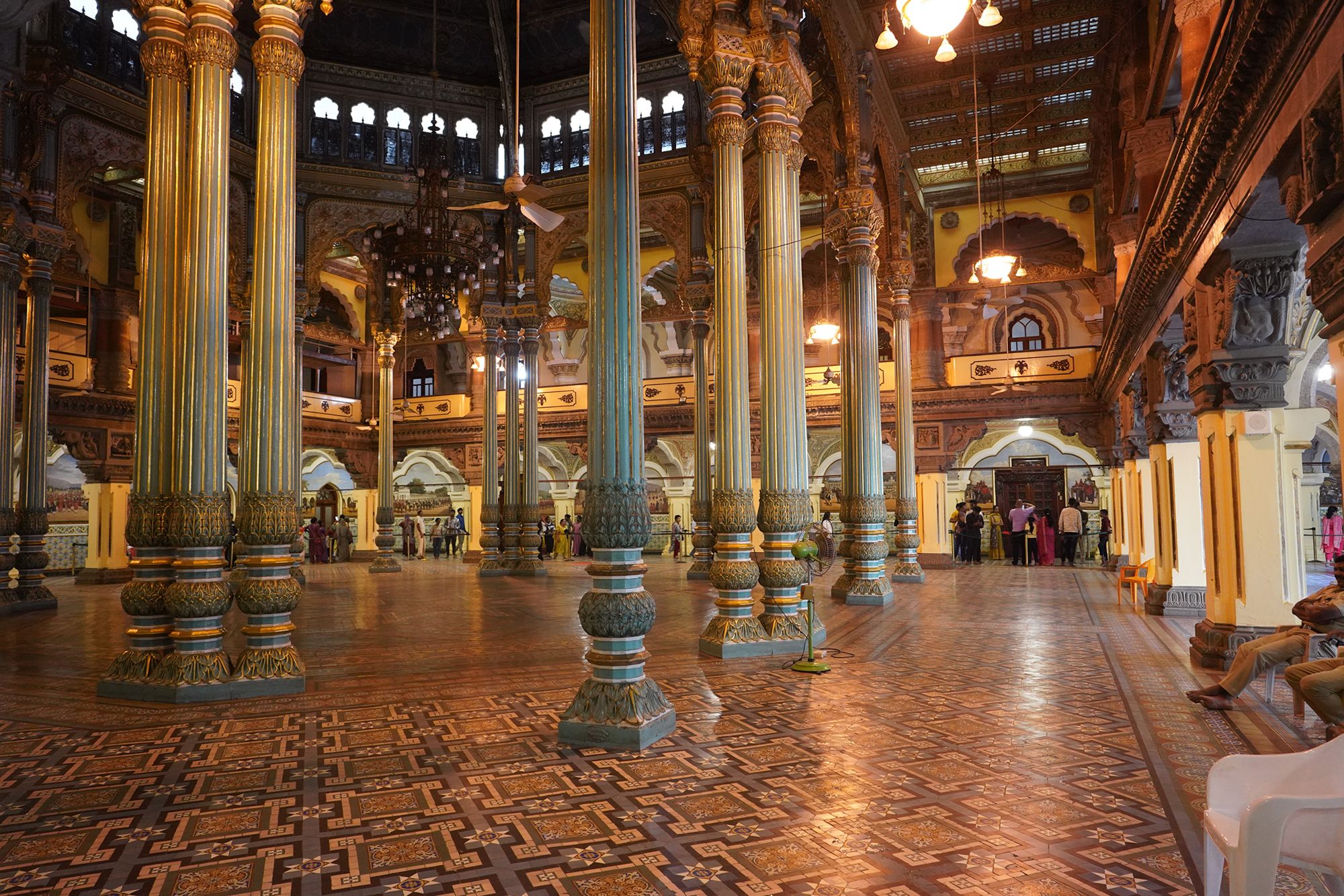
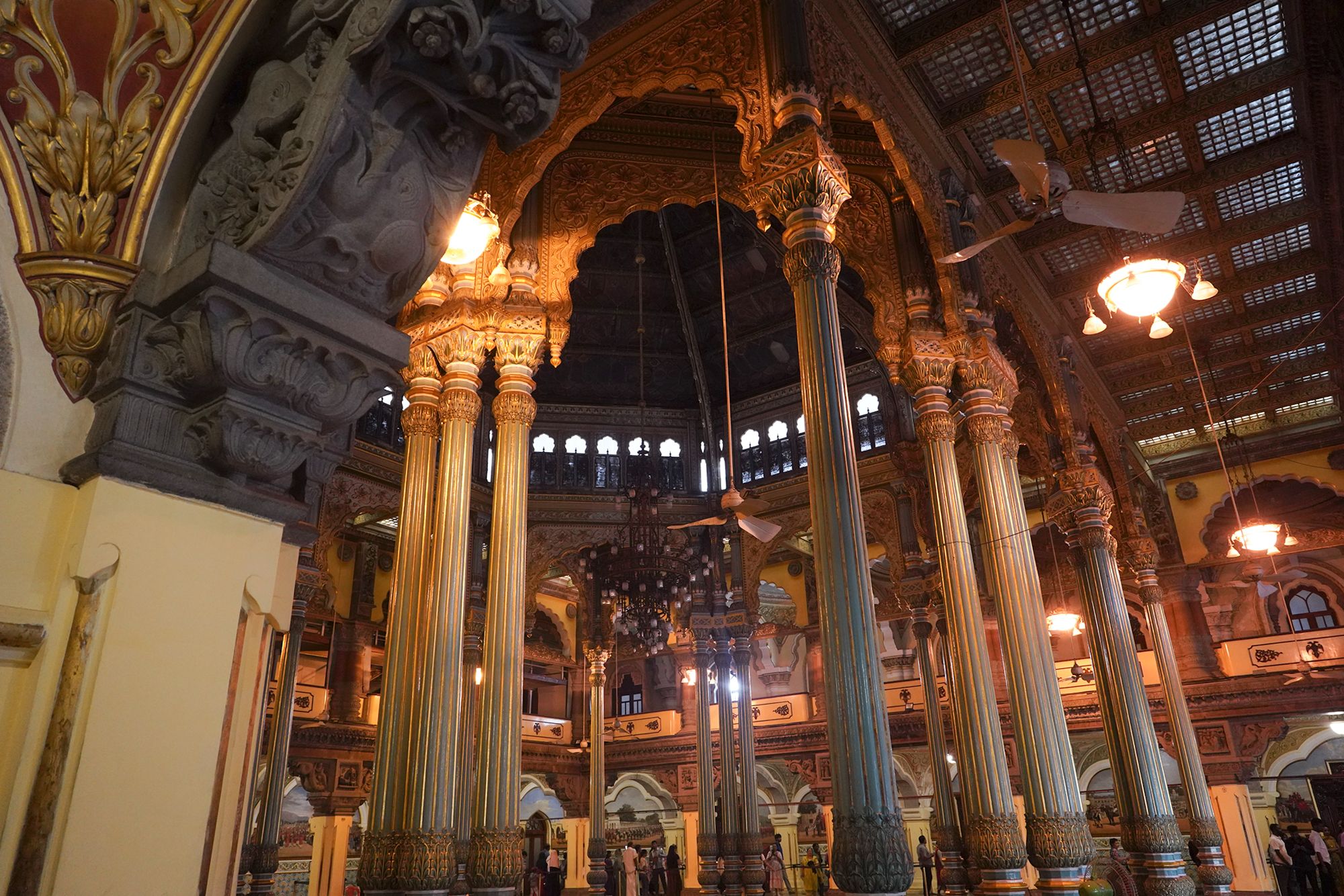
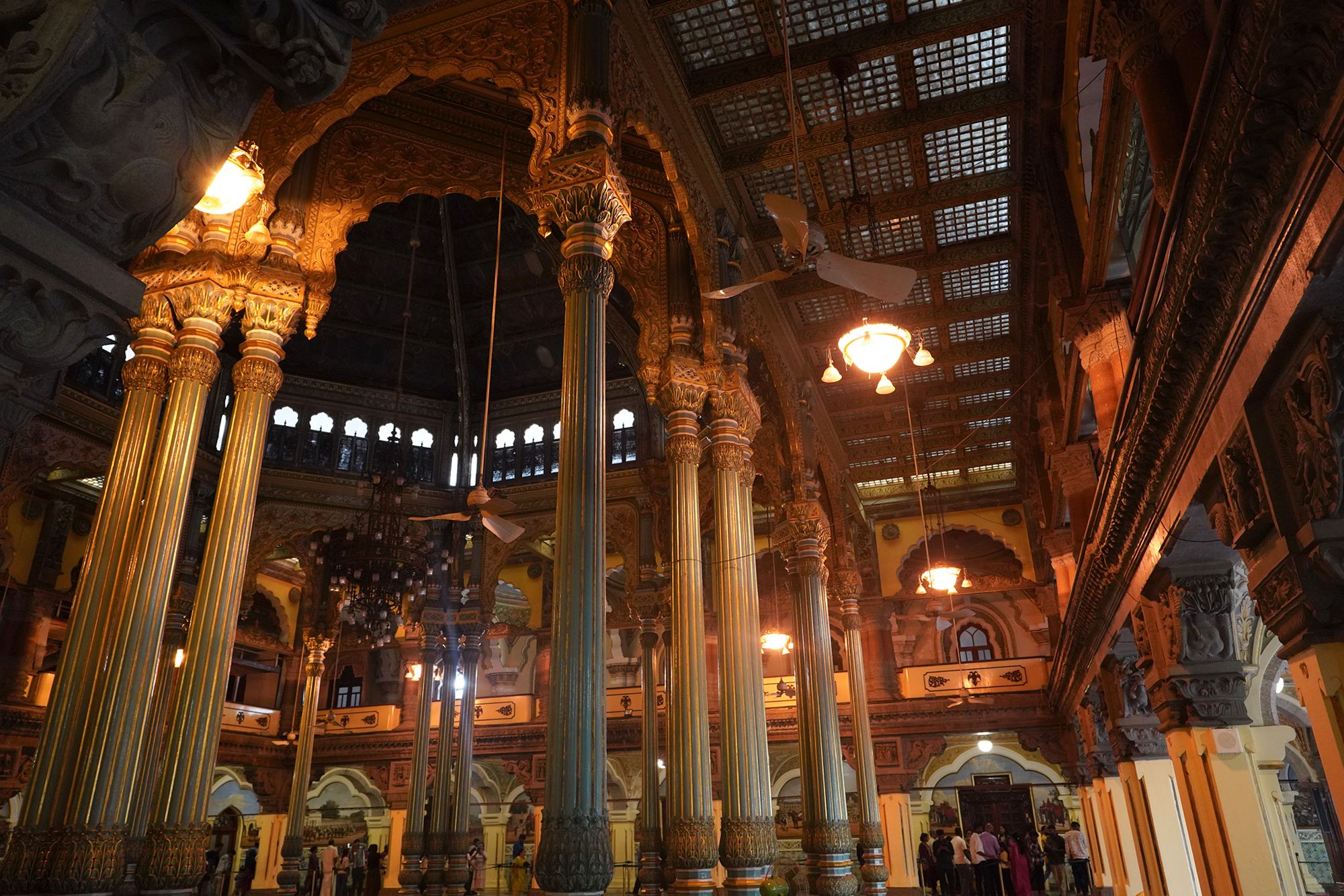
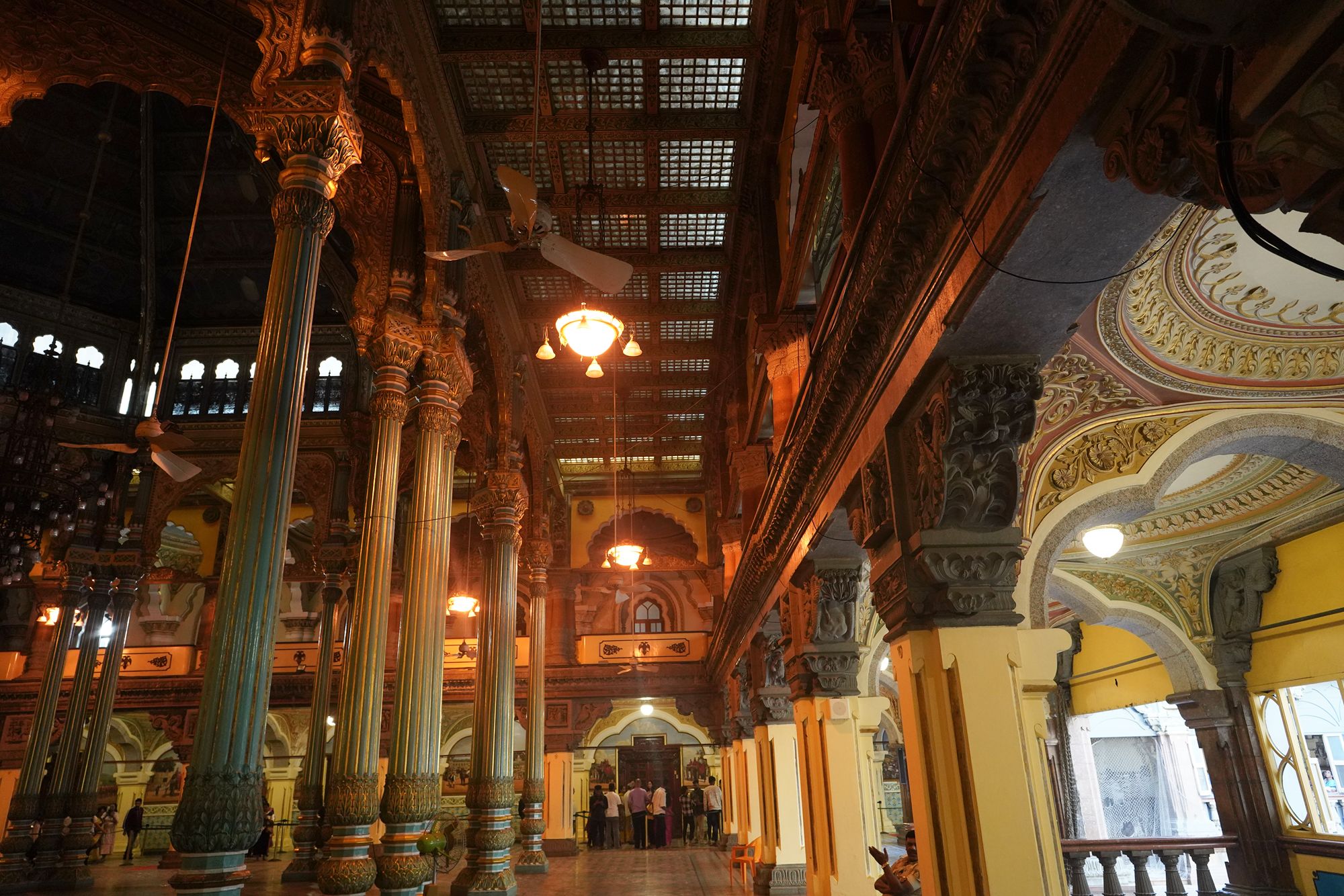
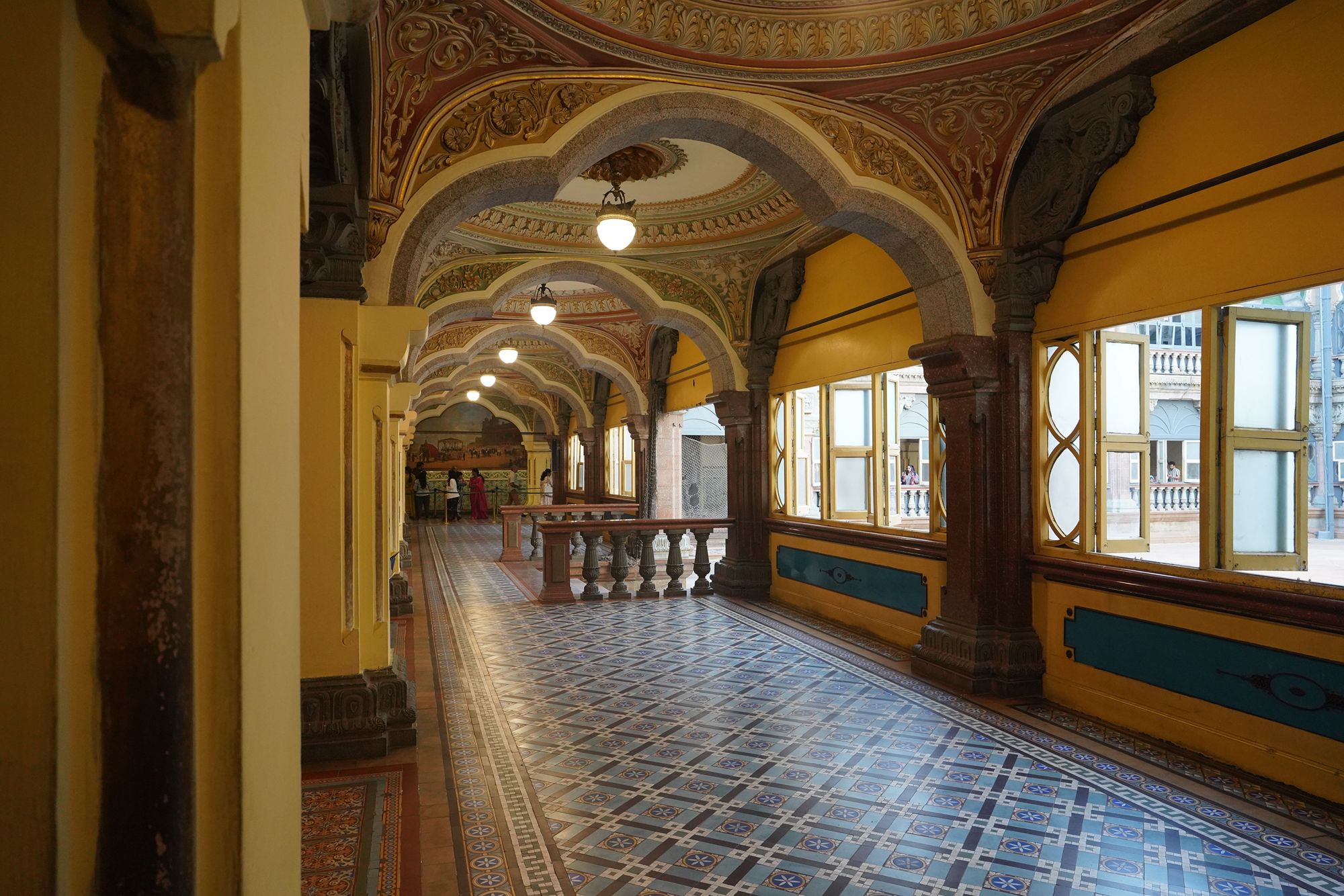
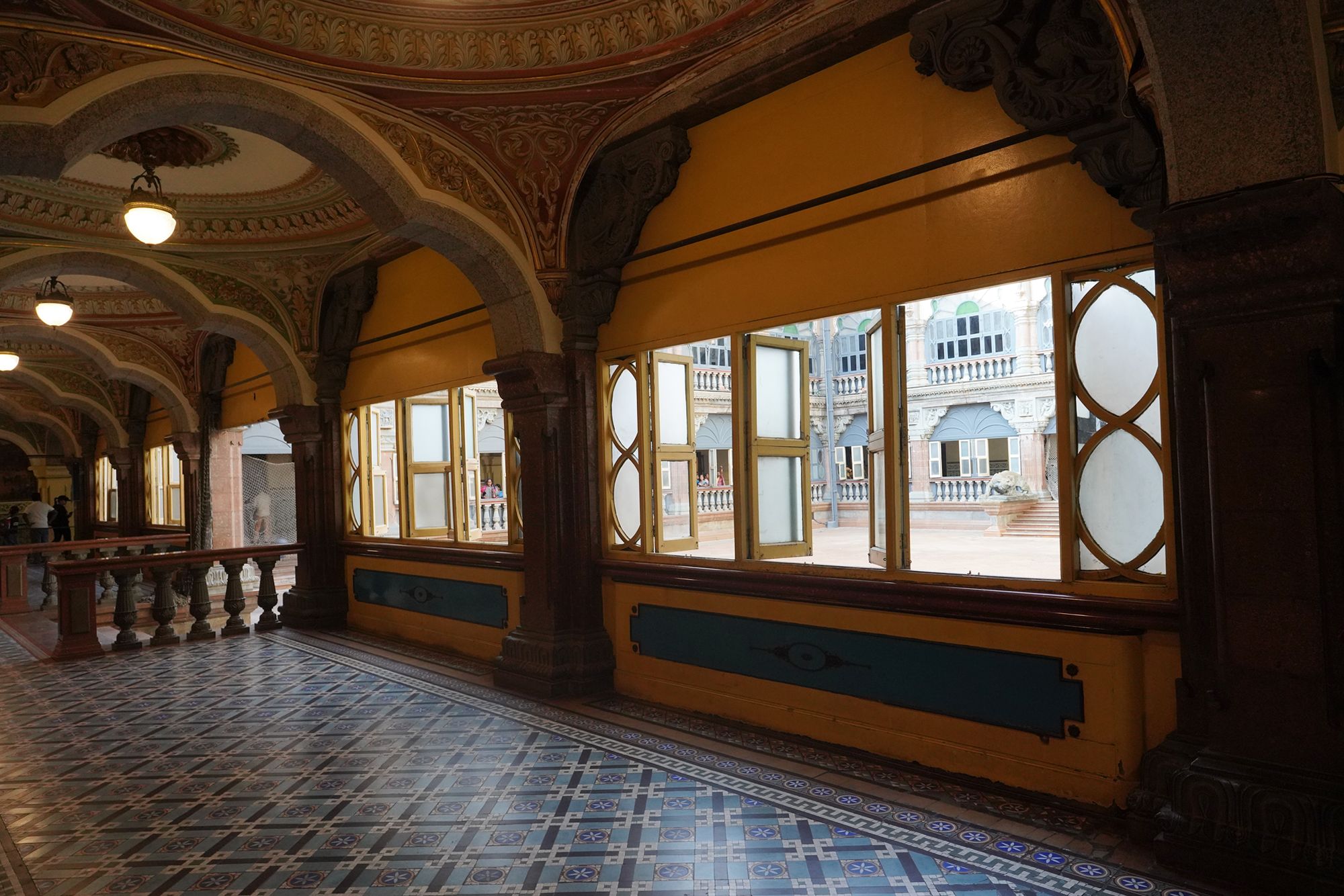
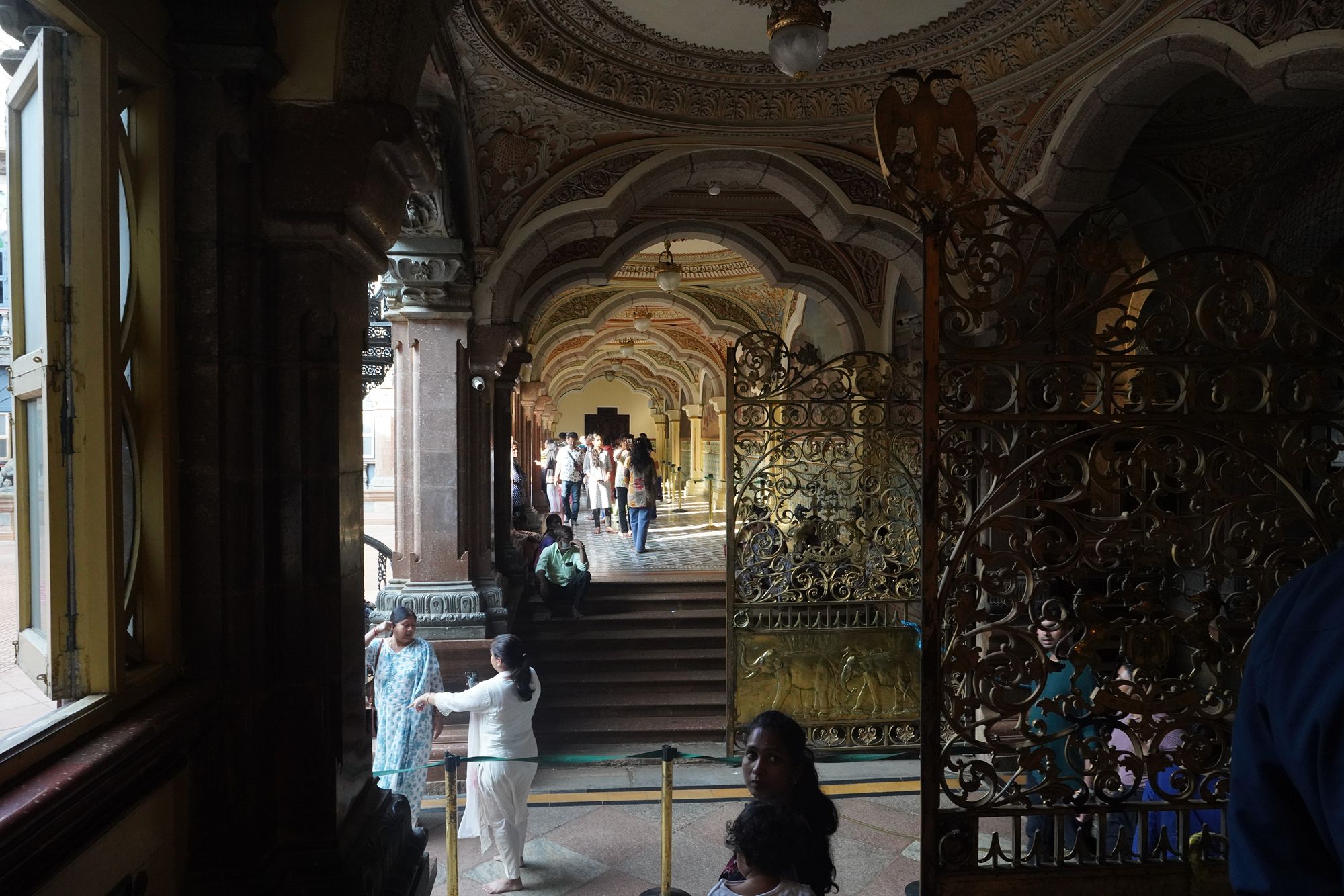
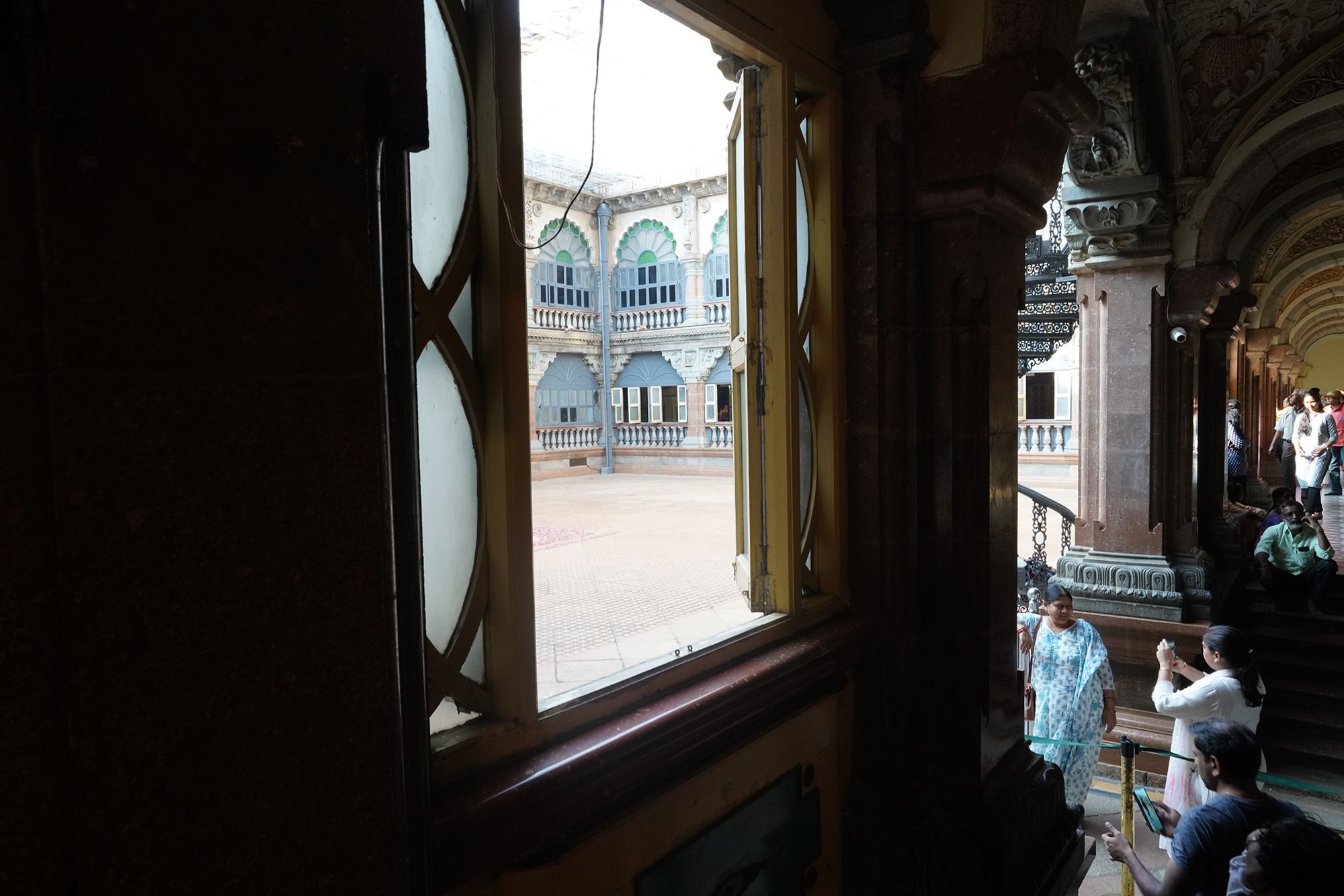
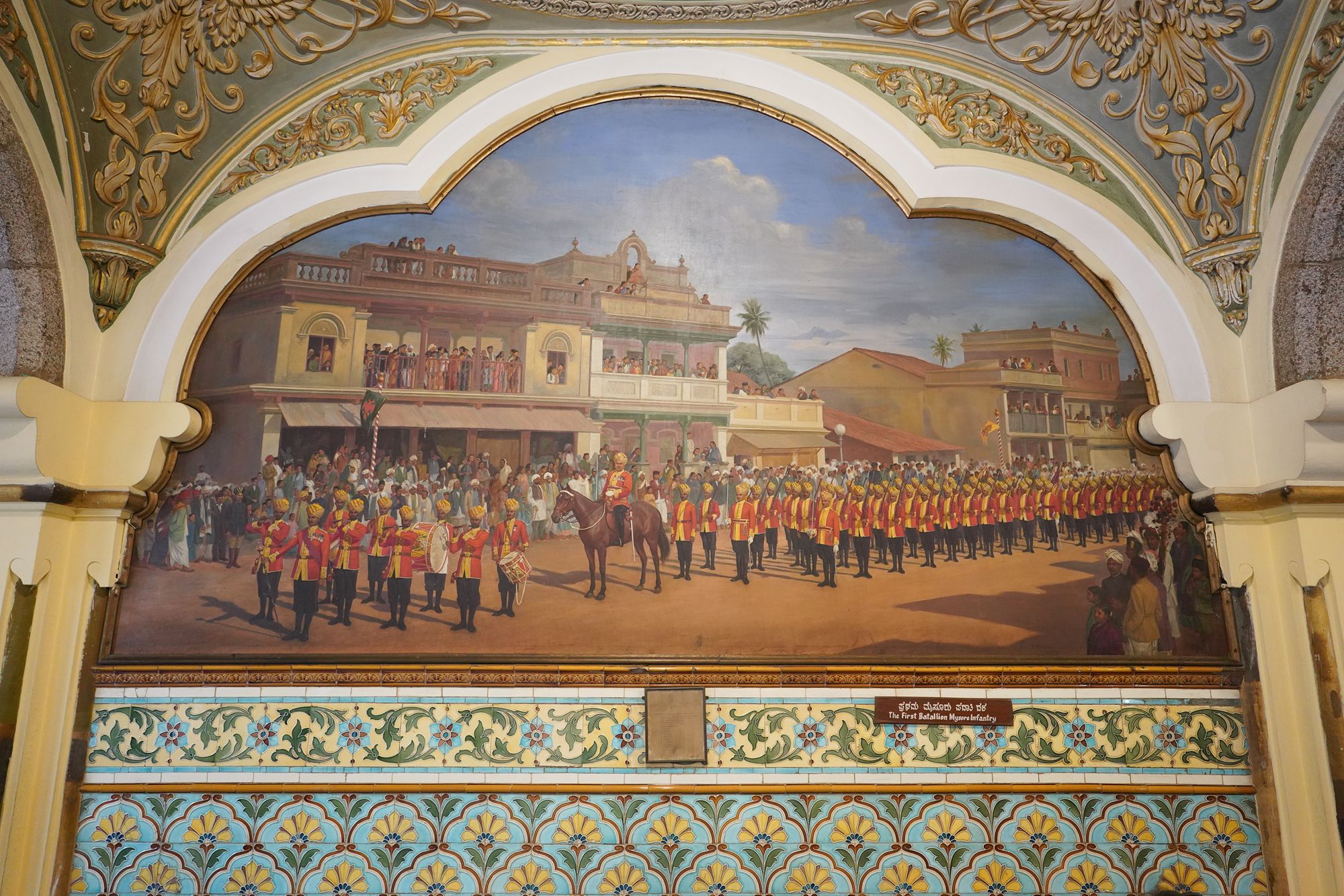
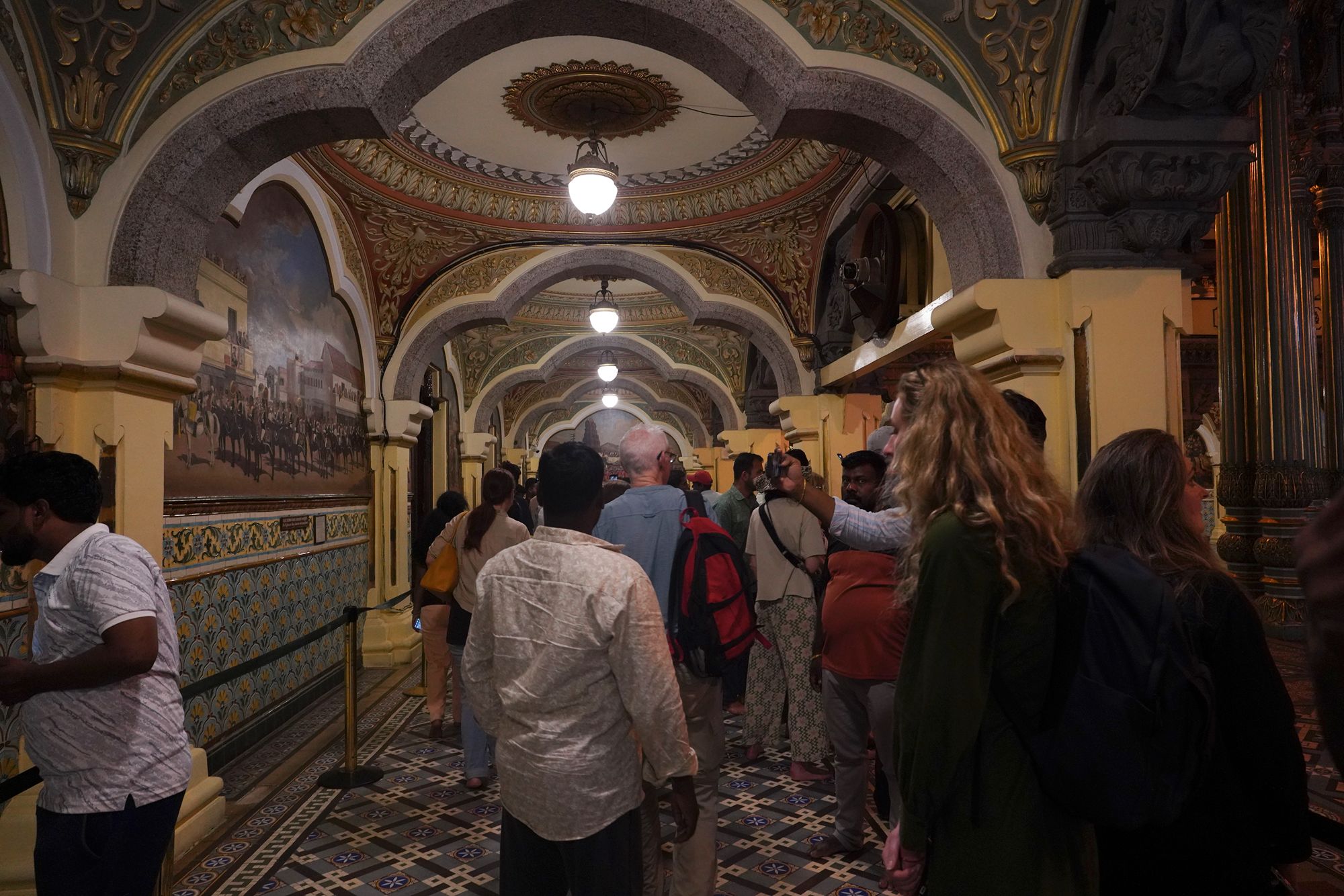
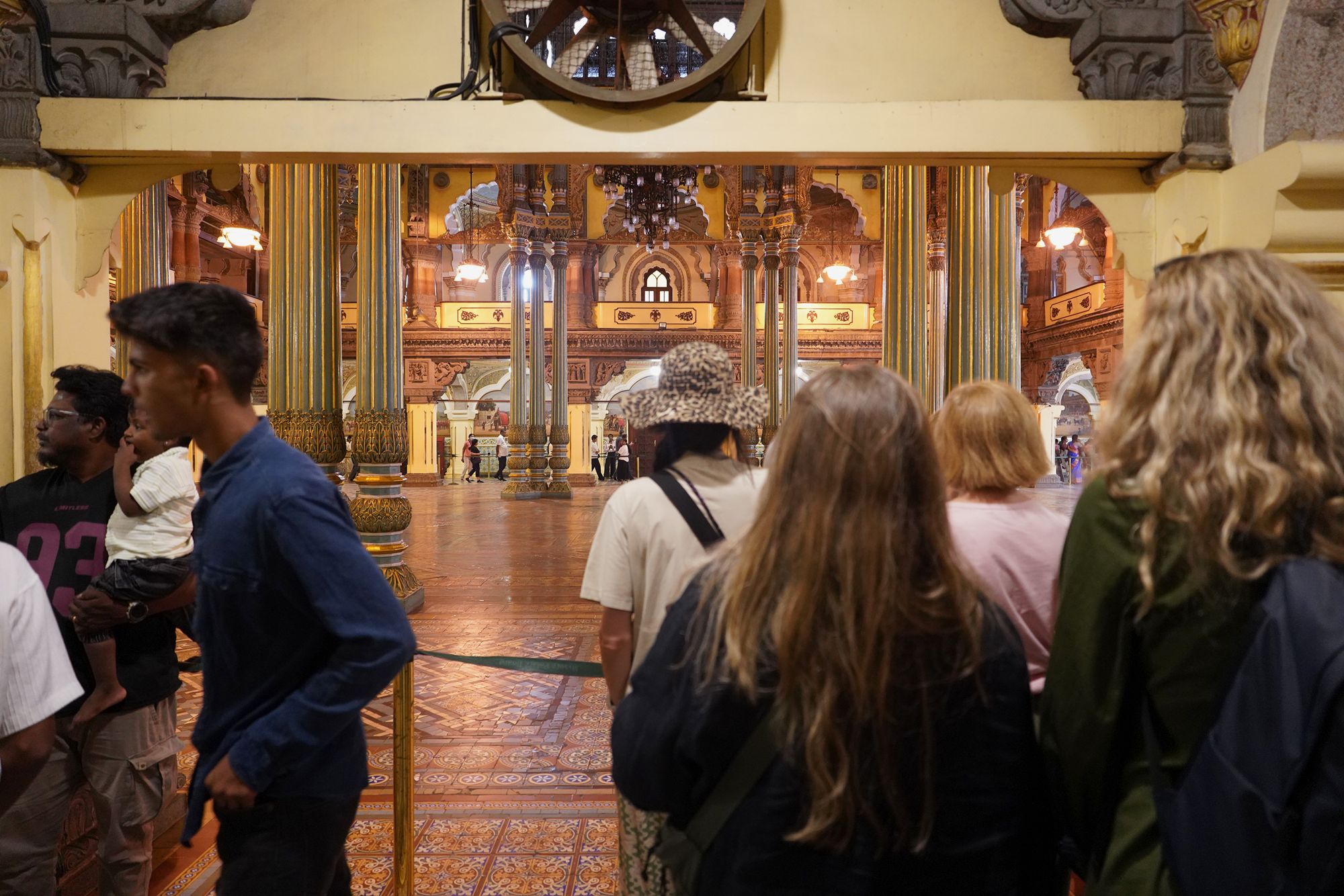
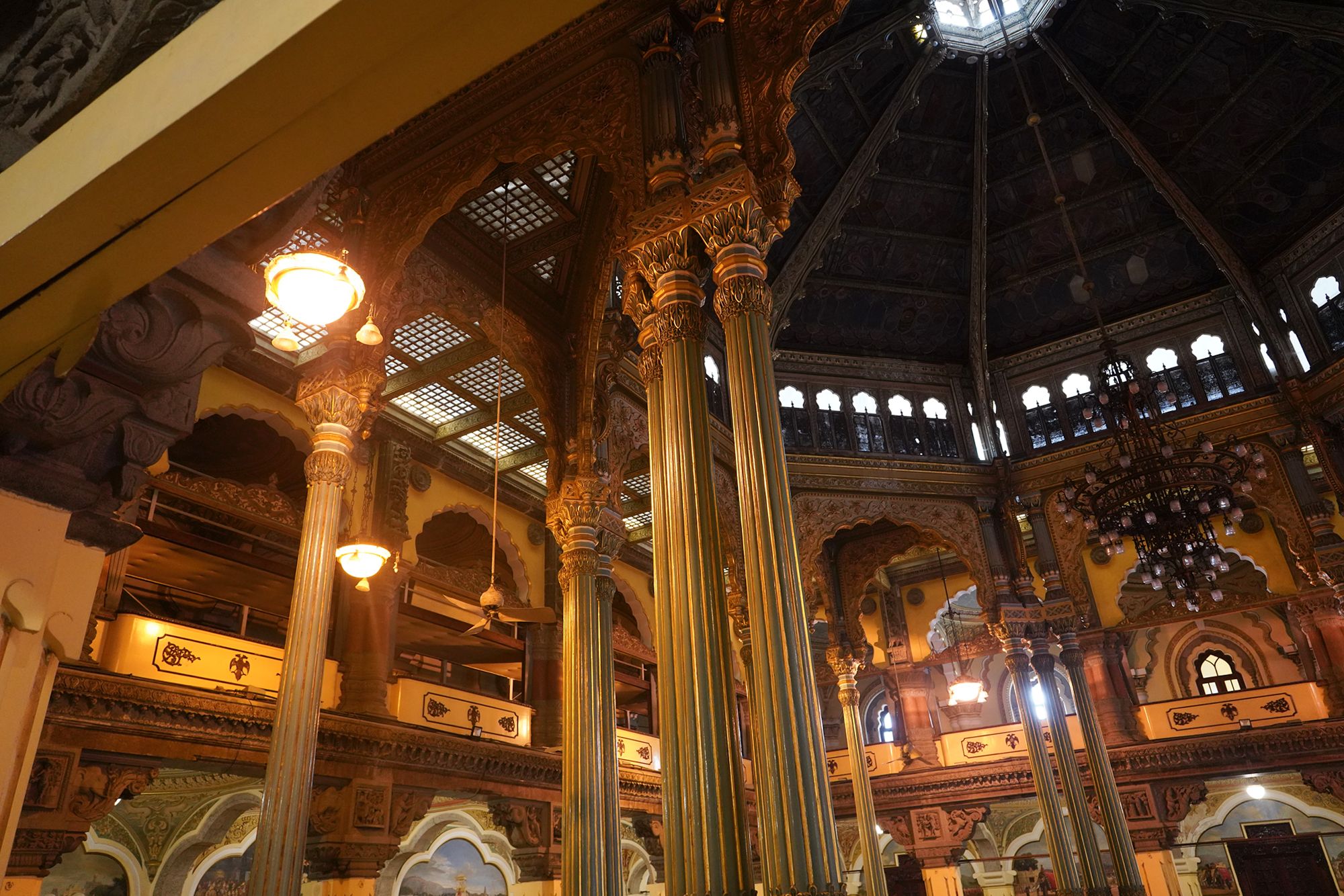
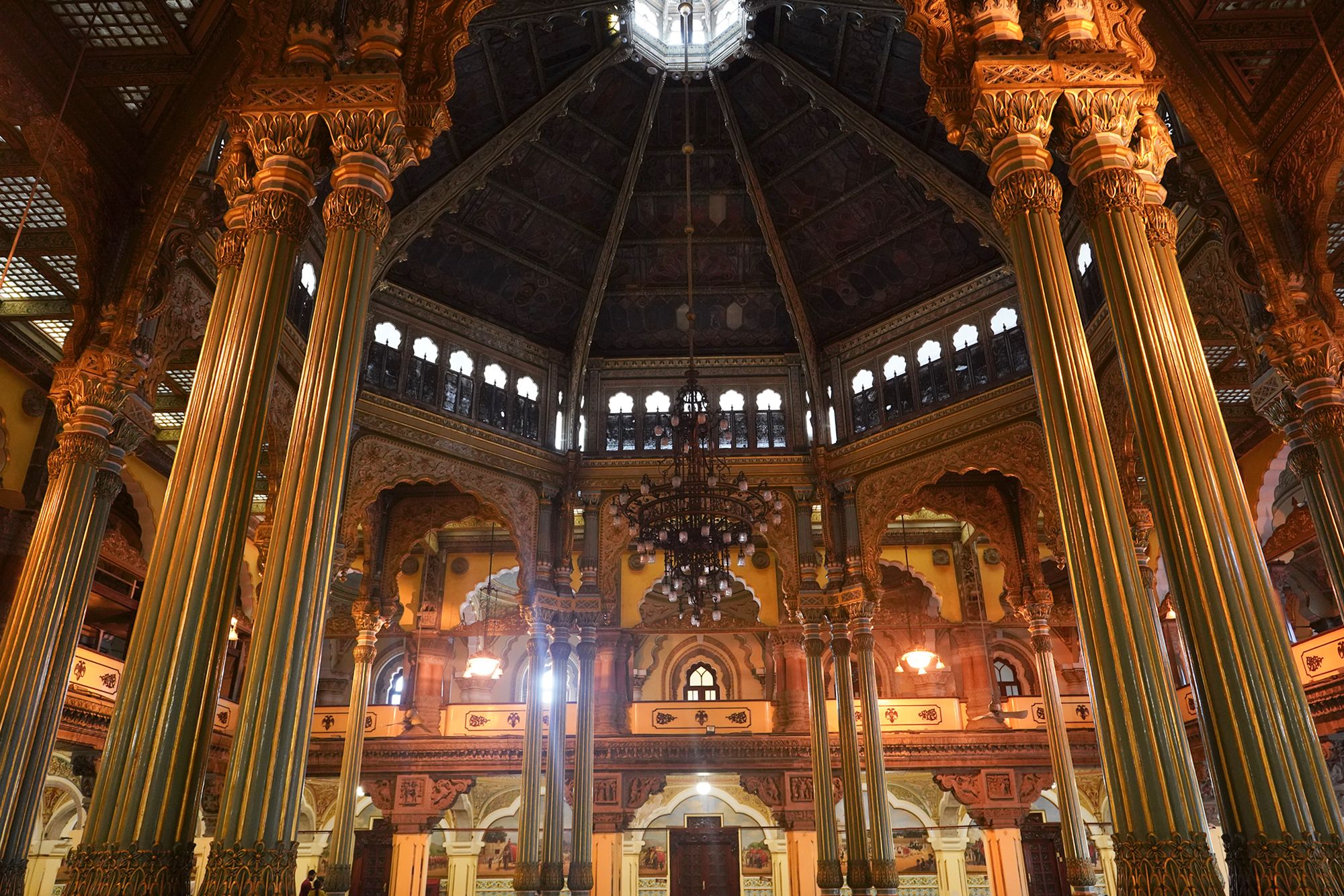
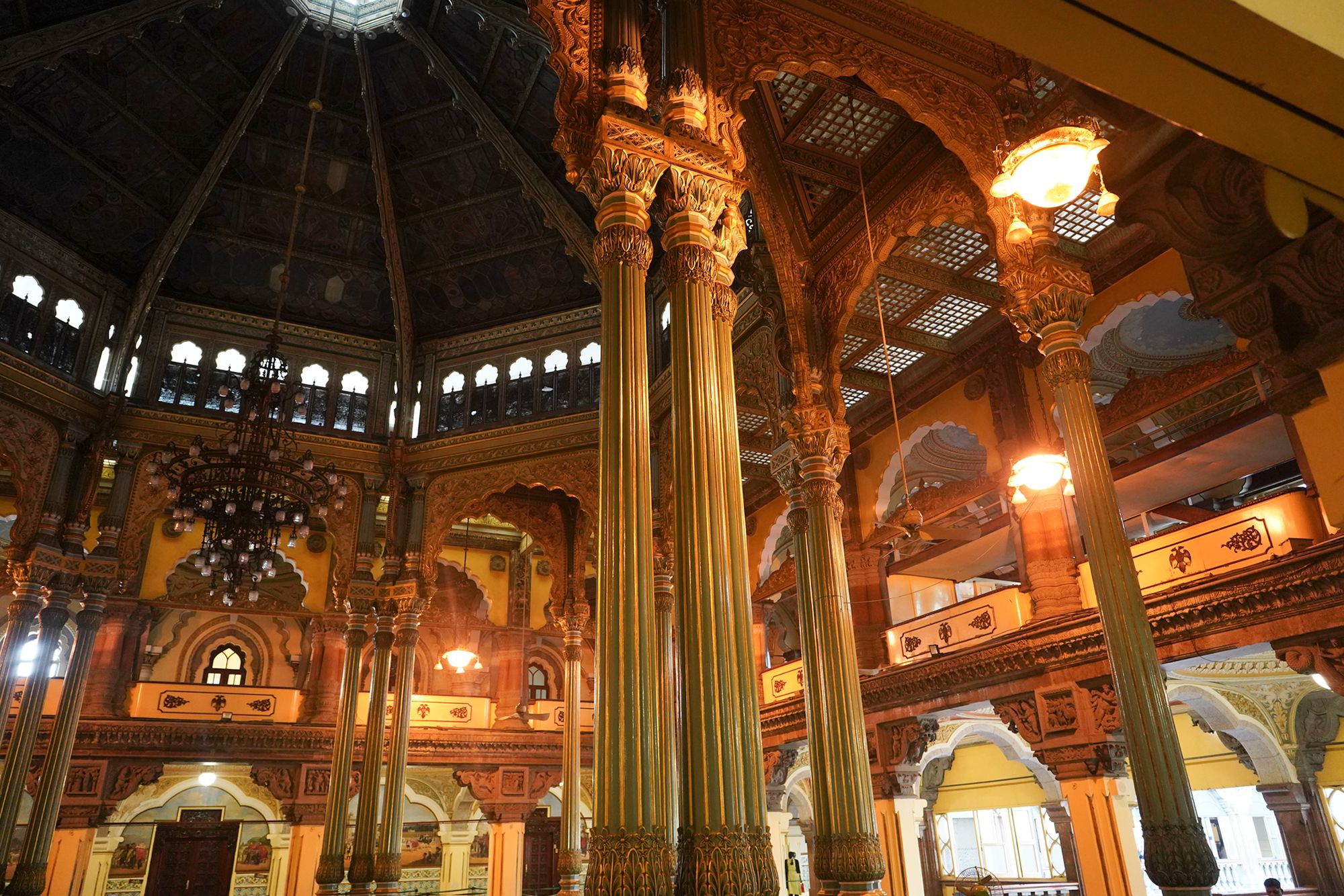
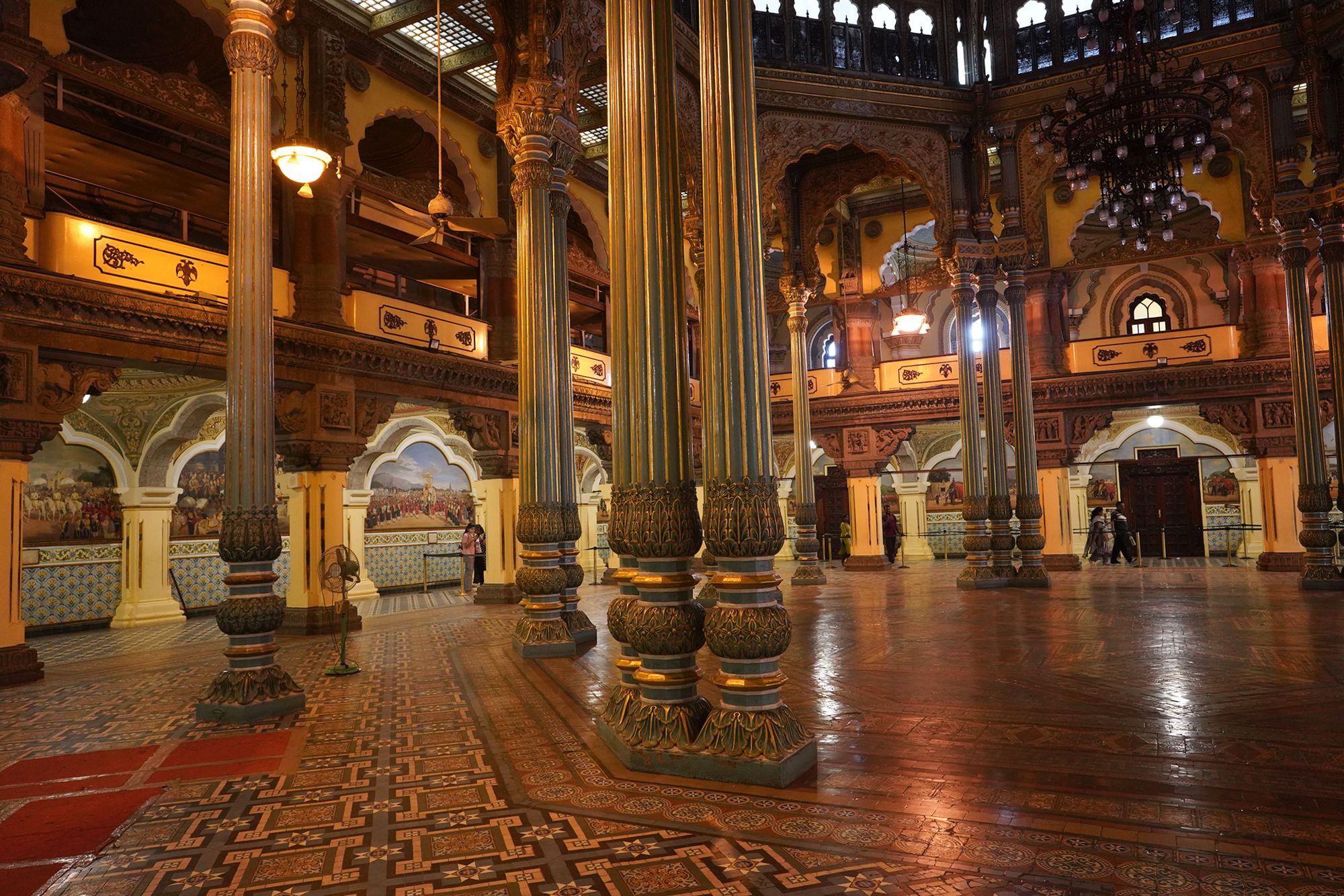
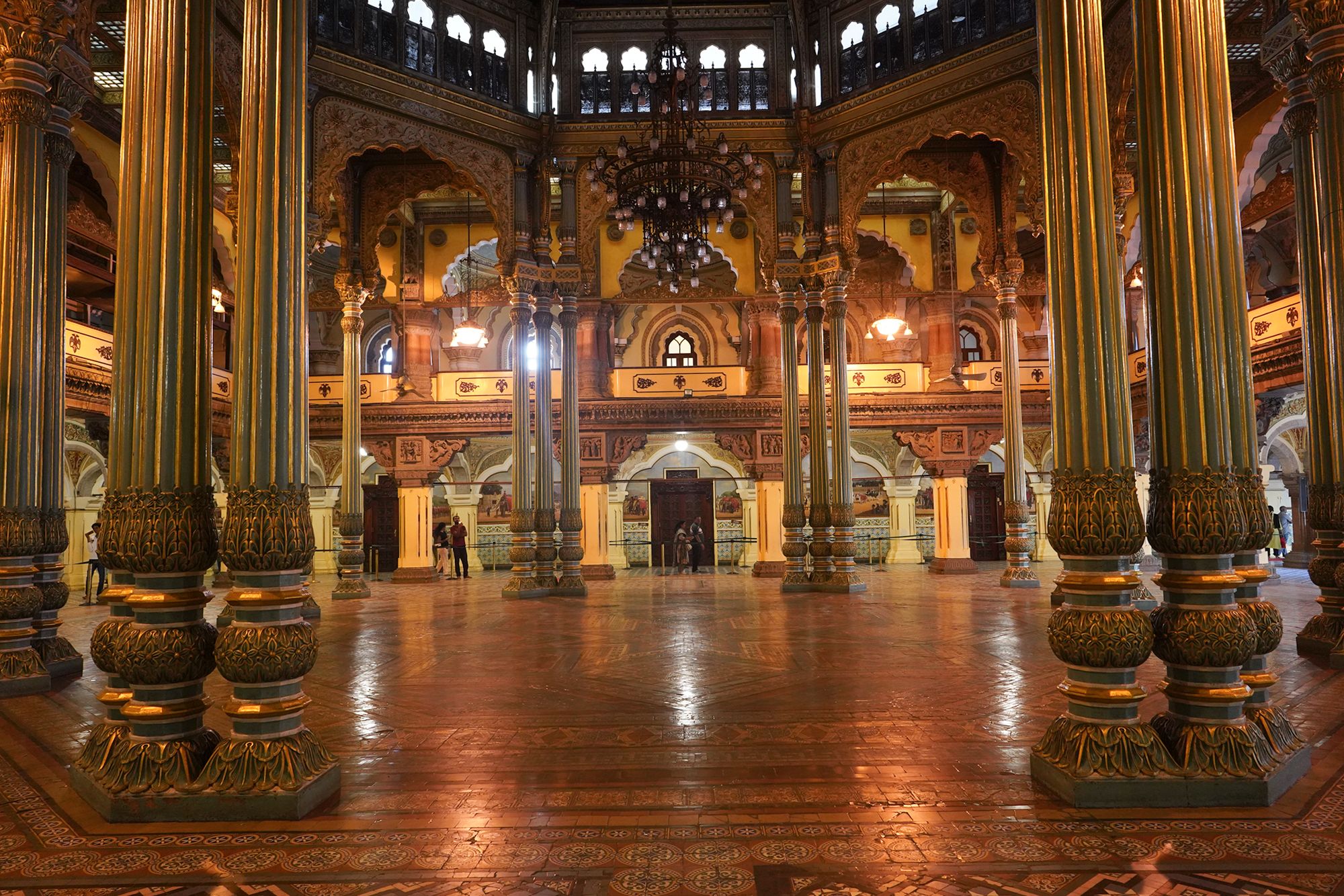
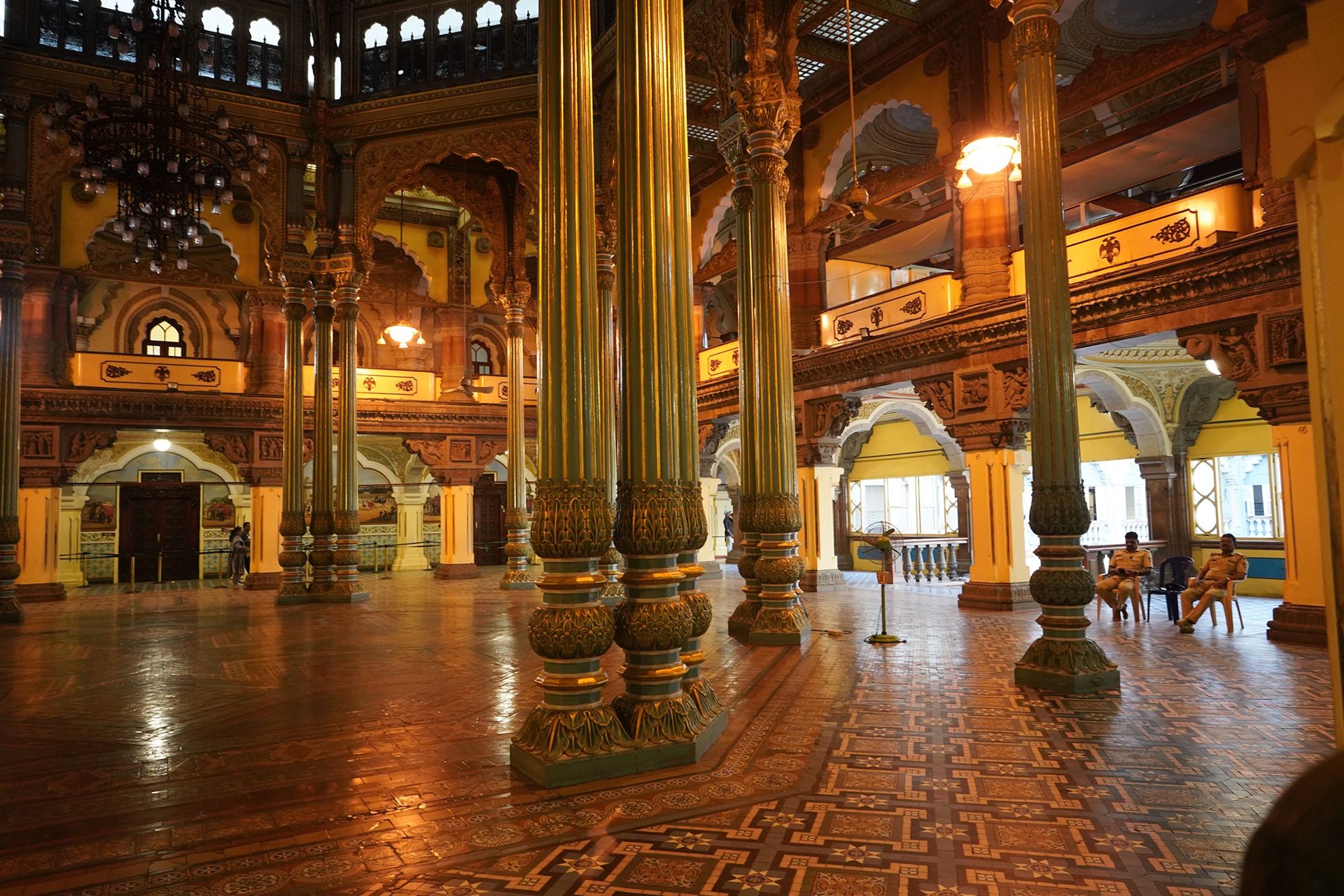
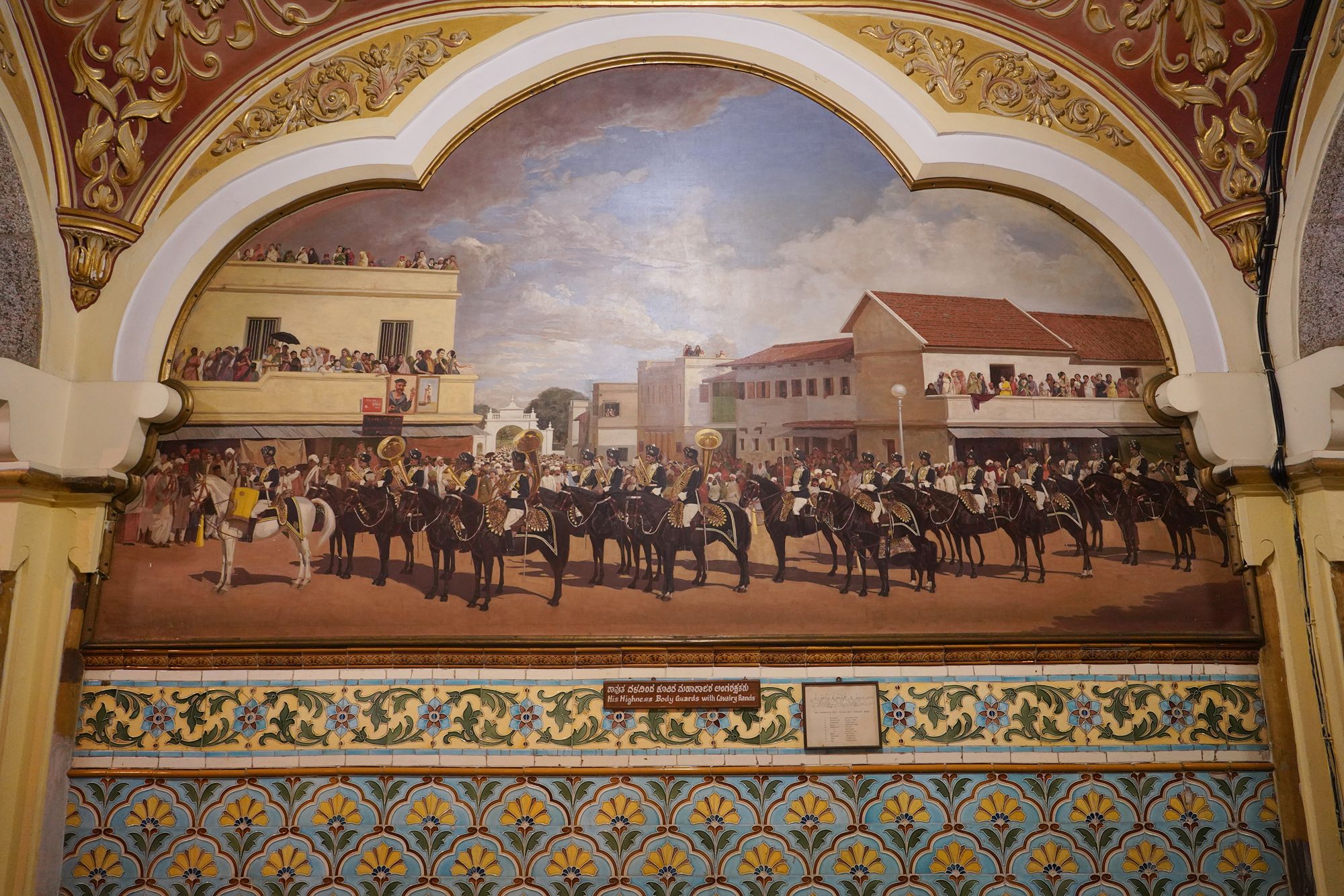
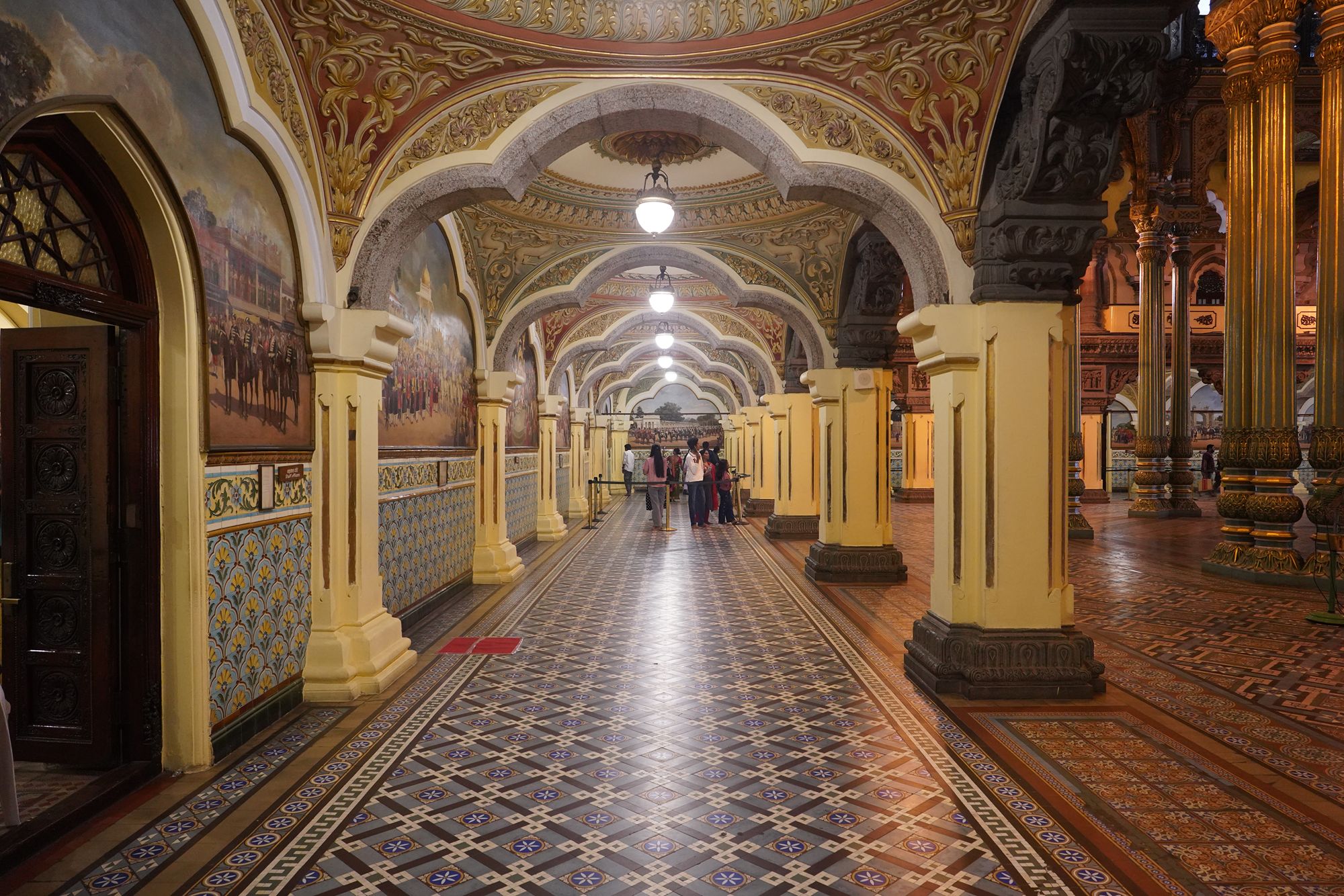
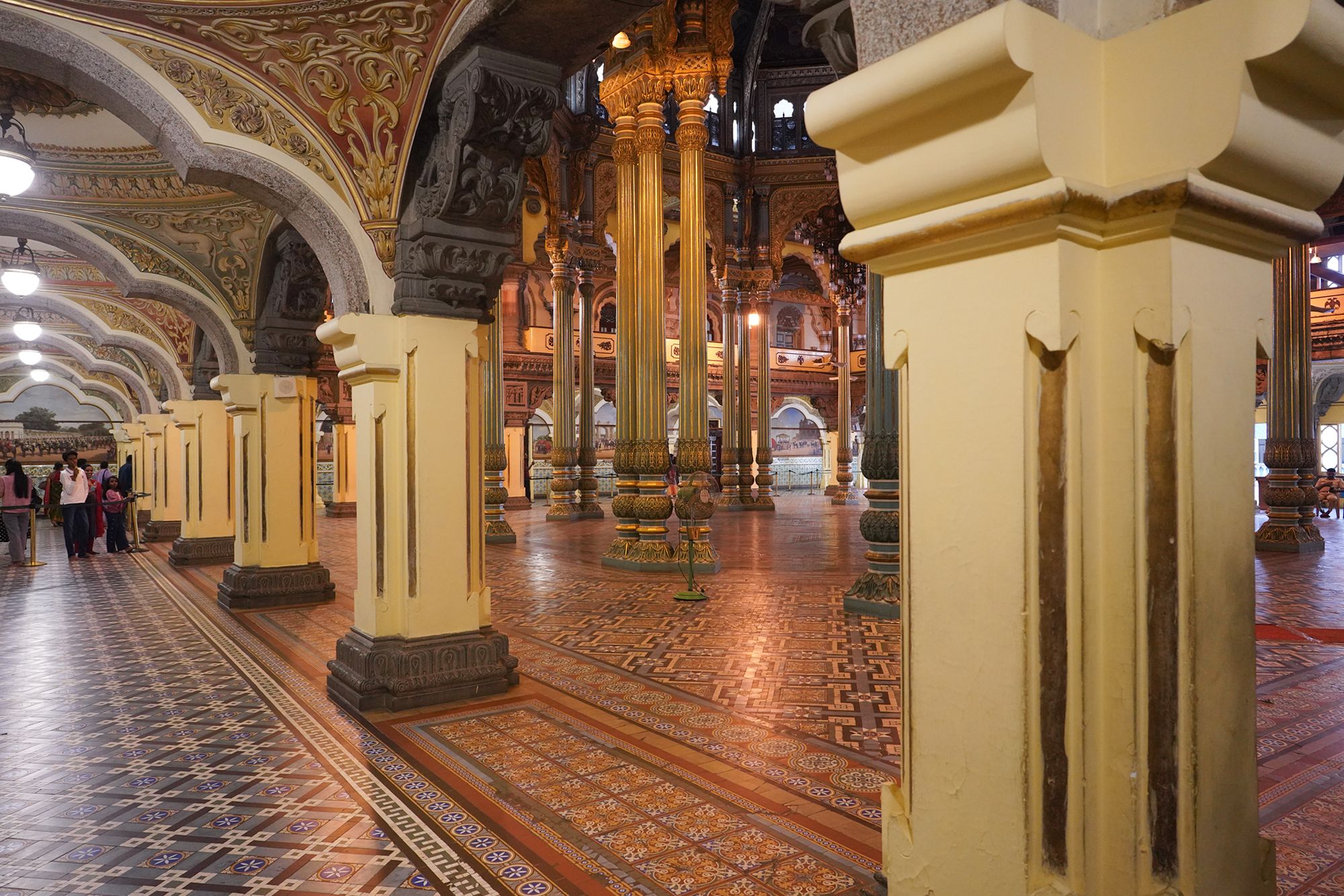
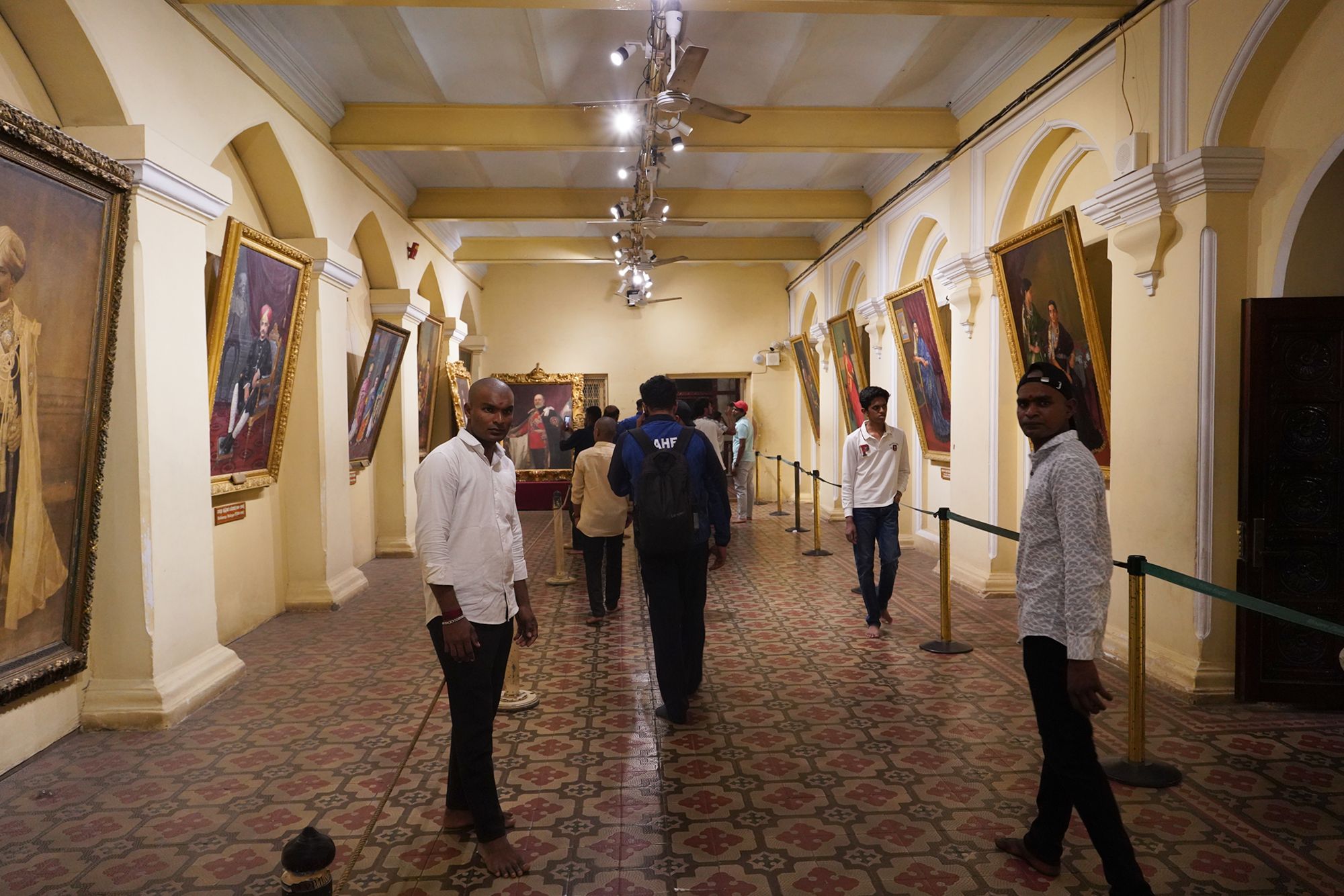
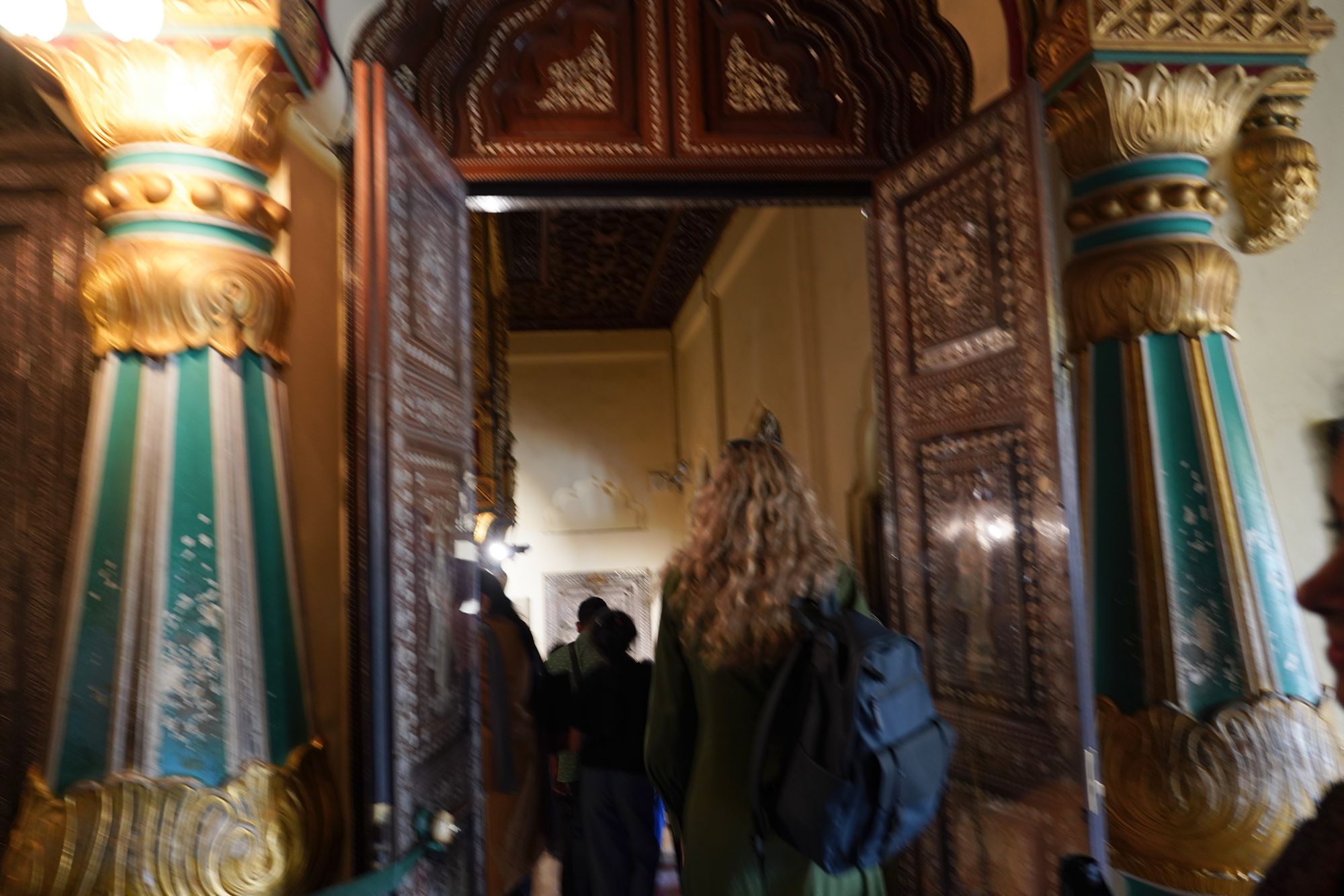
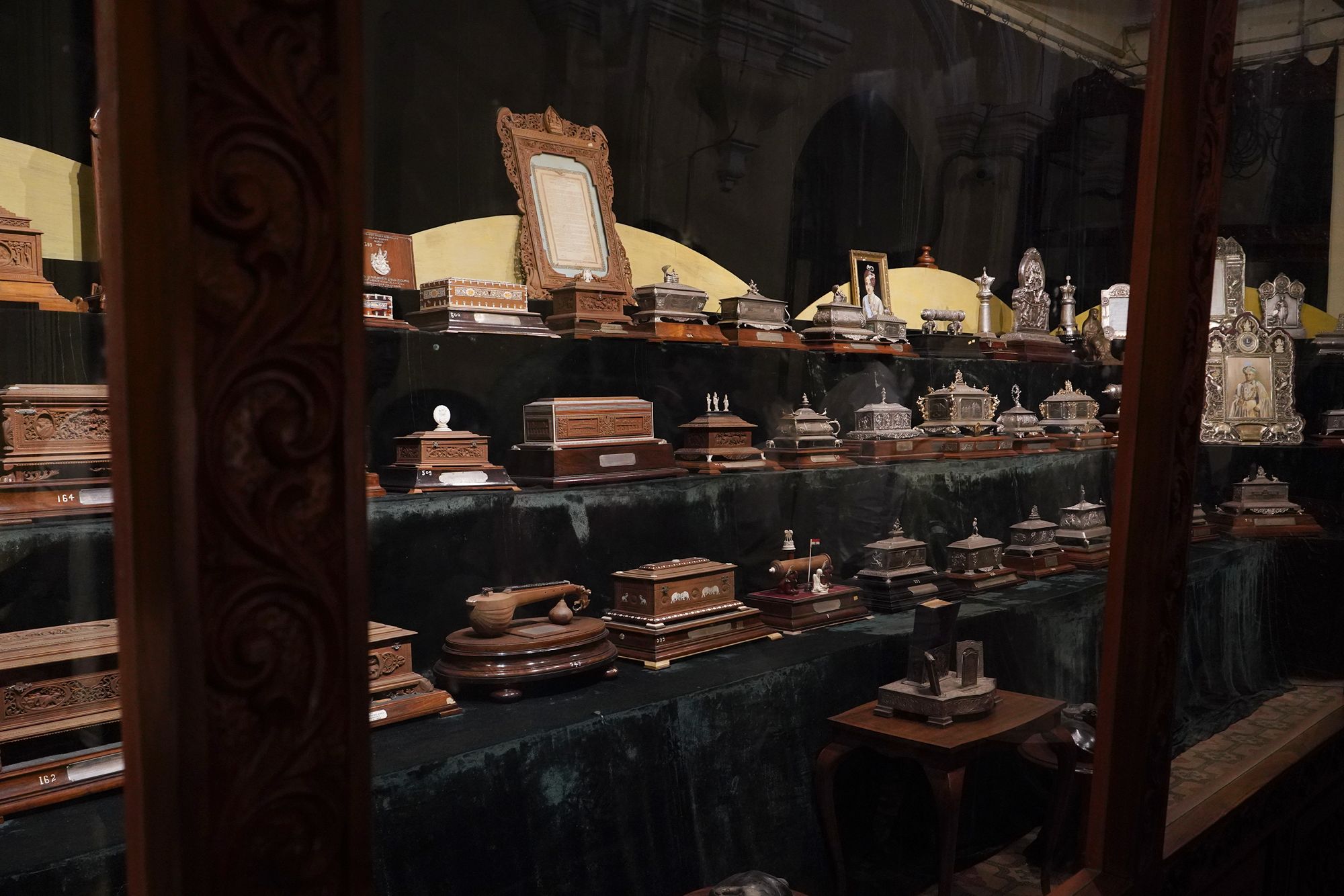
he palace also contains royal portraits, paintings, carved wooden doors, ornate furniture, chandeliers, sculptures, and other objects associated with the Wadiyar royal family.
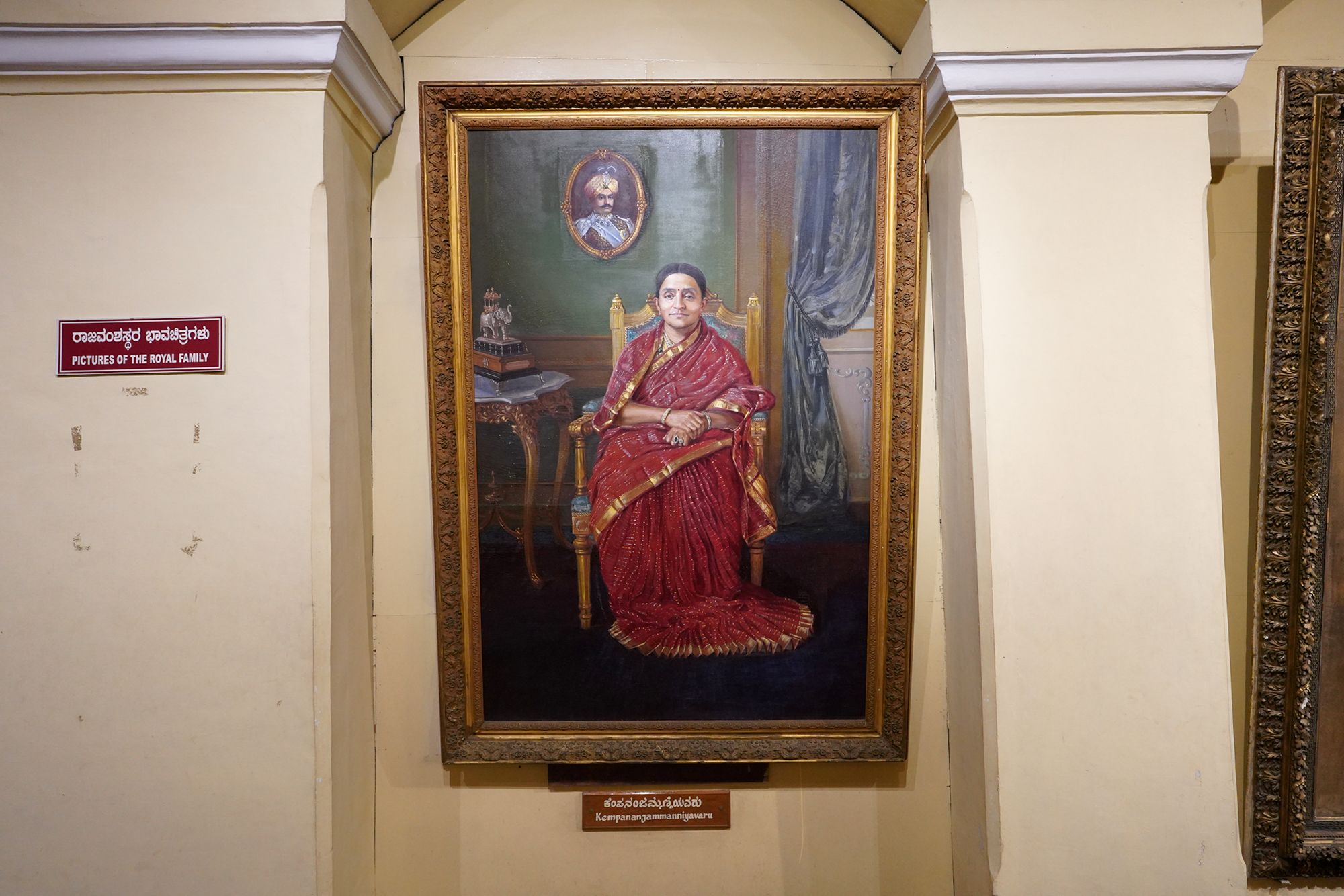
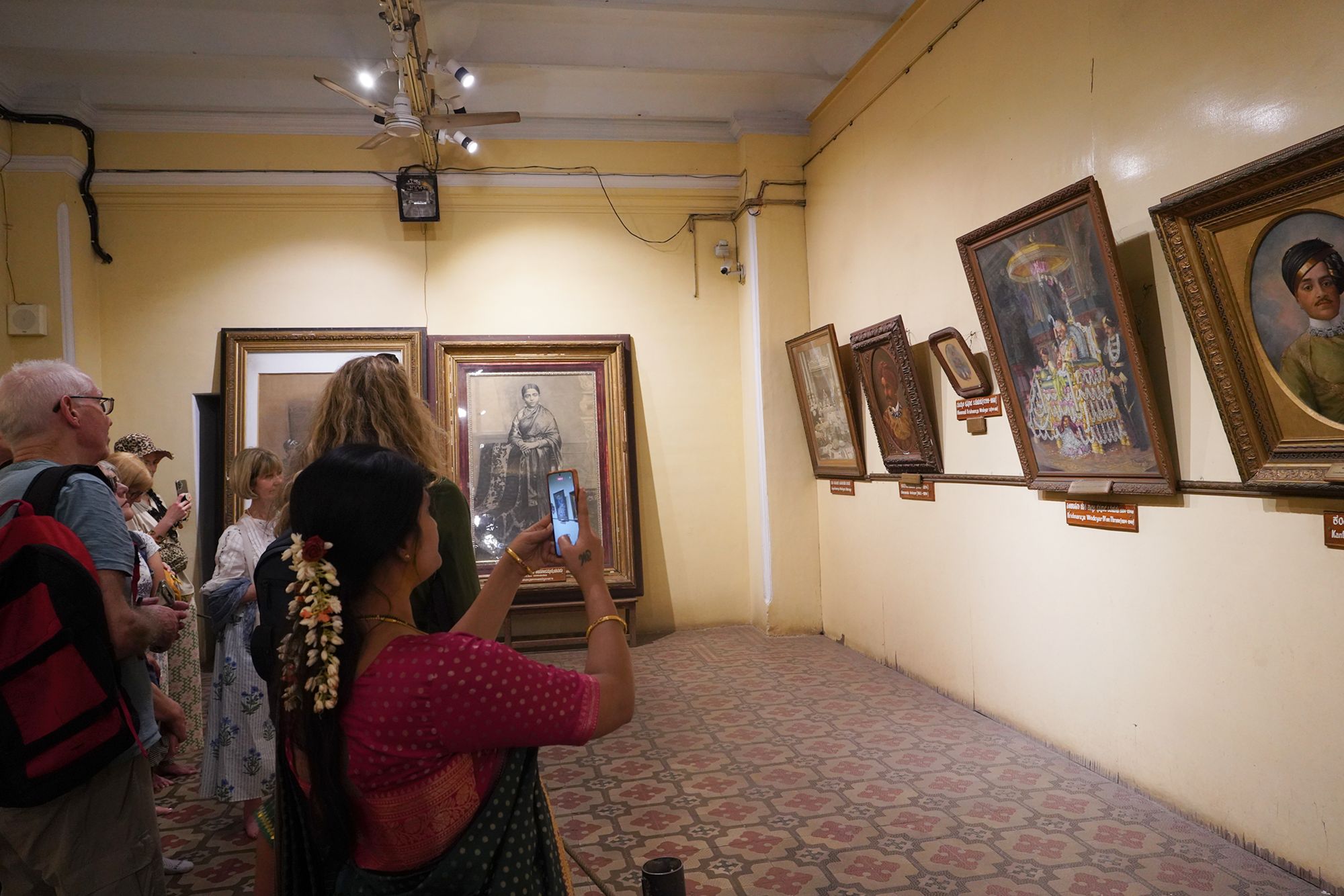
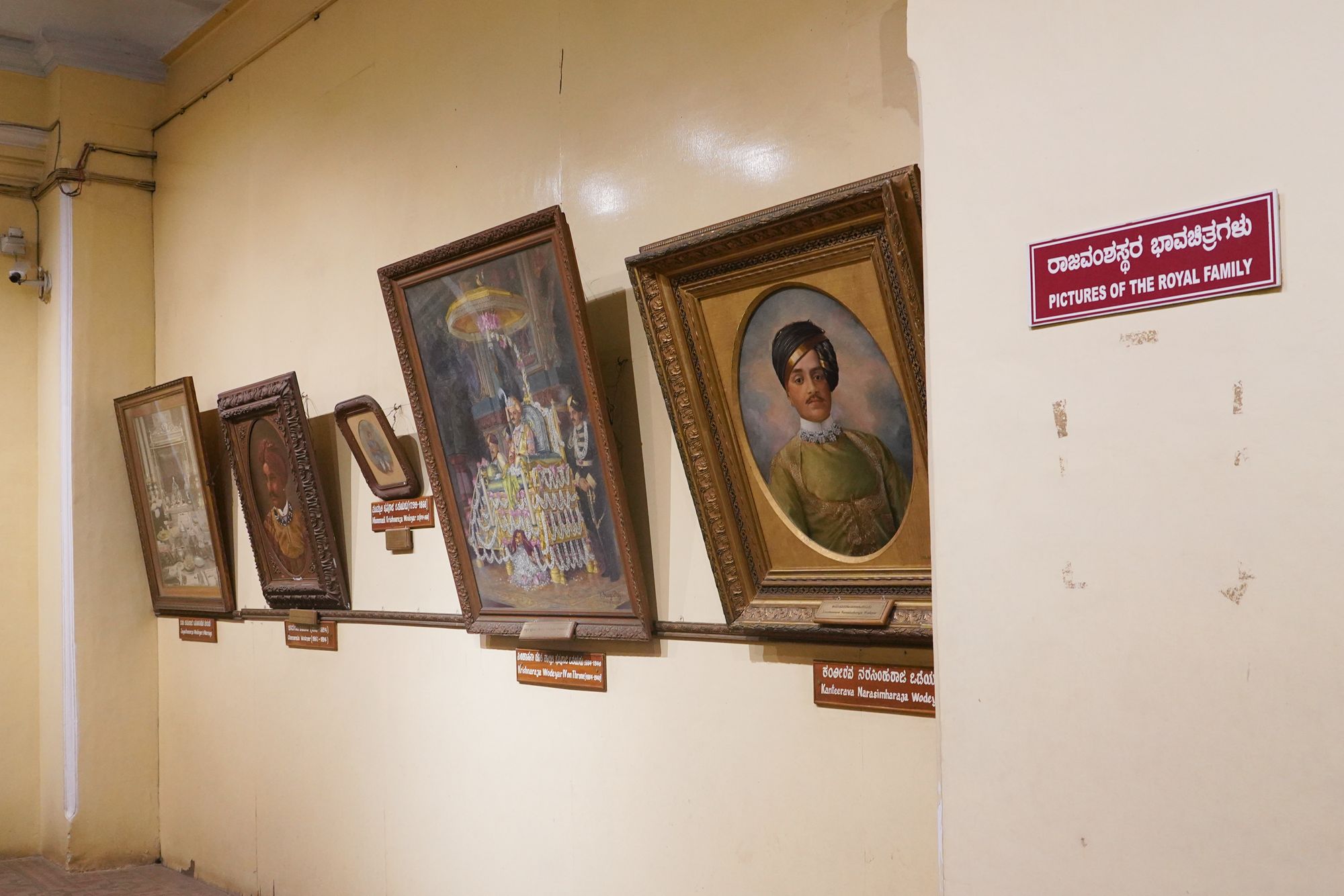
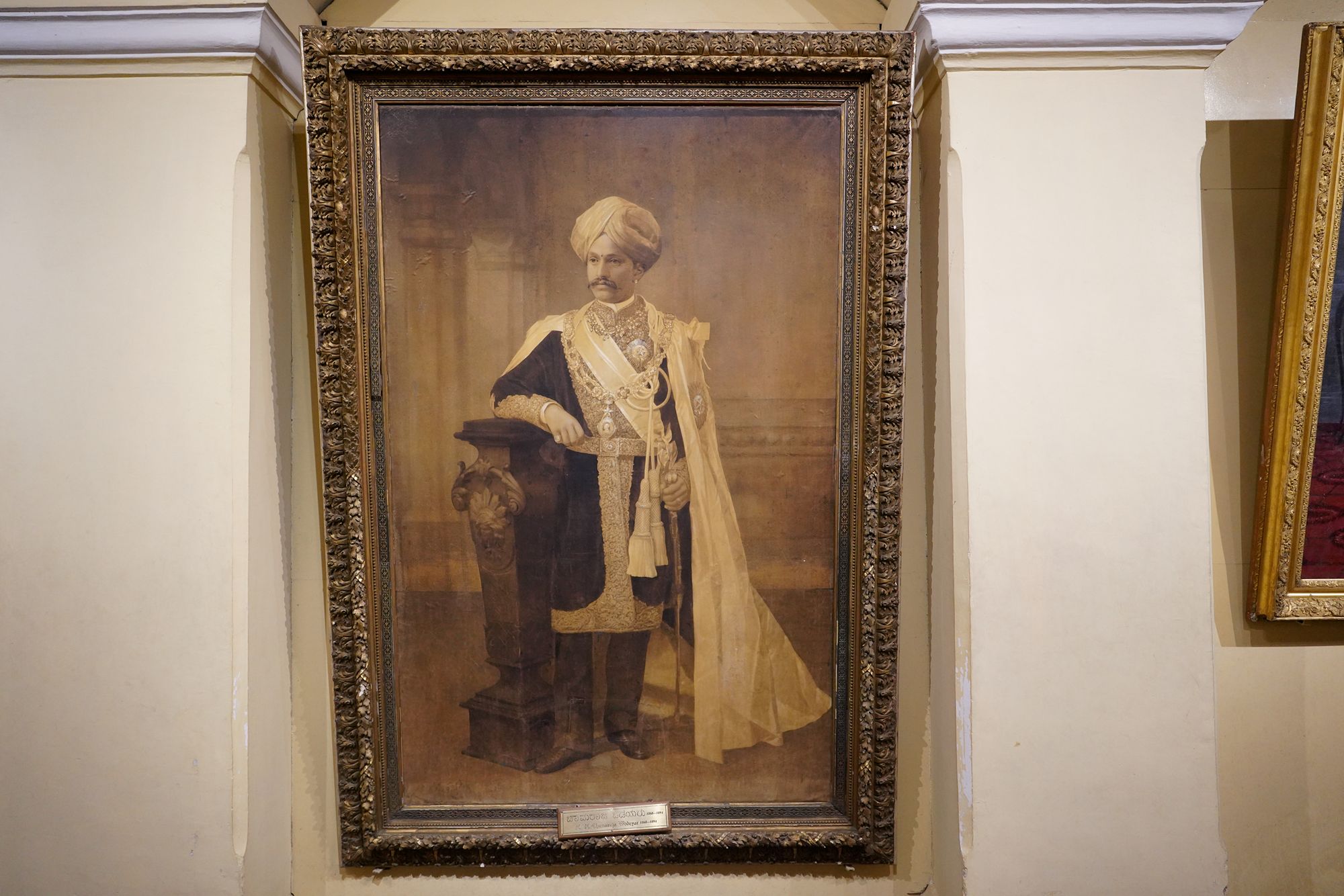
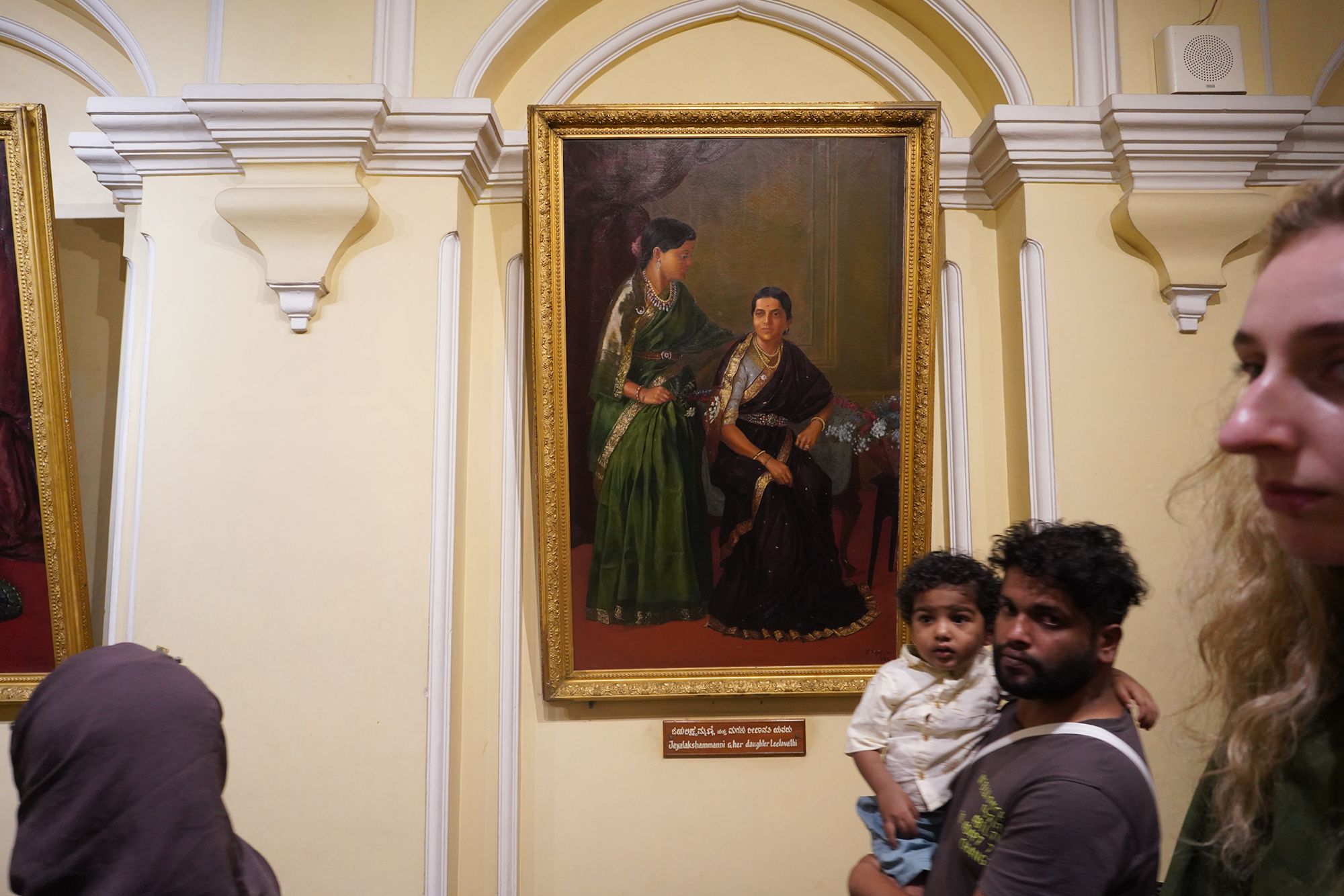
The Wadiyar (Wodeyar) dynasty ruled the Kingdom of Mysore for more than five centuries, beginning in 1399. The dynasty established Mysore as its capital and gradually expanded its influence across southern India.
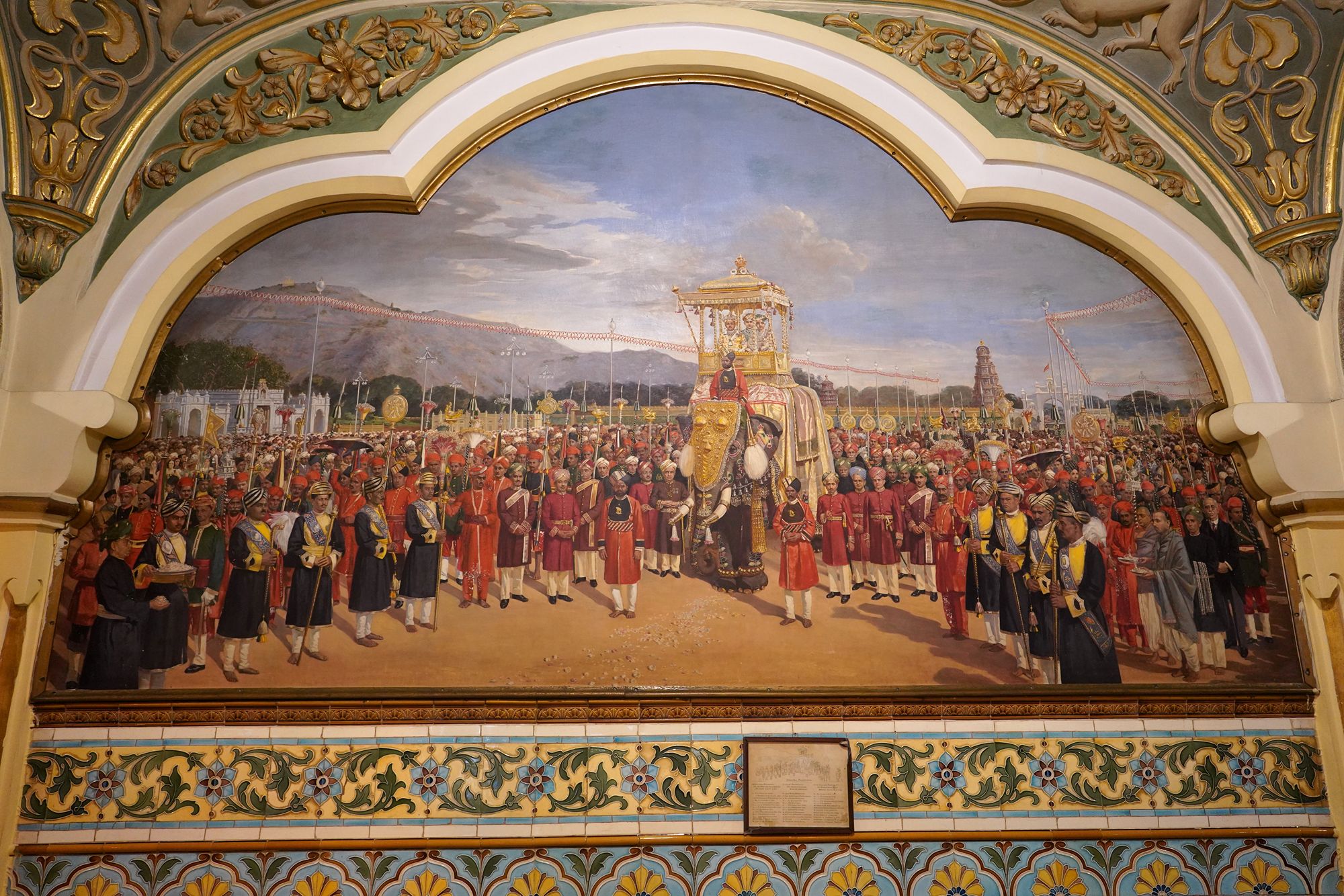
During the 18th century, the Wadiyars temporarily lost effective control of the kingdom when Hyder Ali and his son Tipu Sultan rose to power. After Tipu Sultan was defeated and killed by the British in 1799, the Wadiyar family was restored to the throne, although Mysore came under strong British influence.
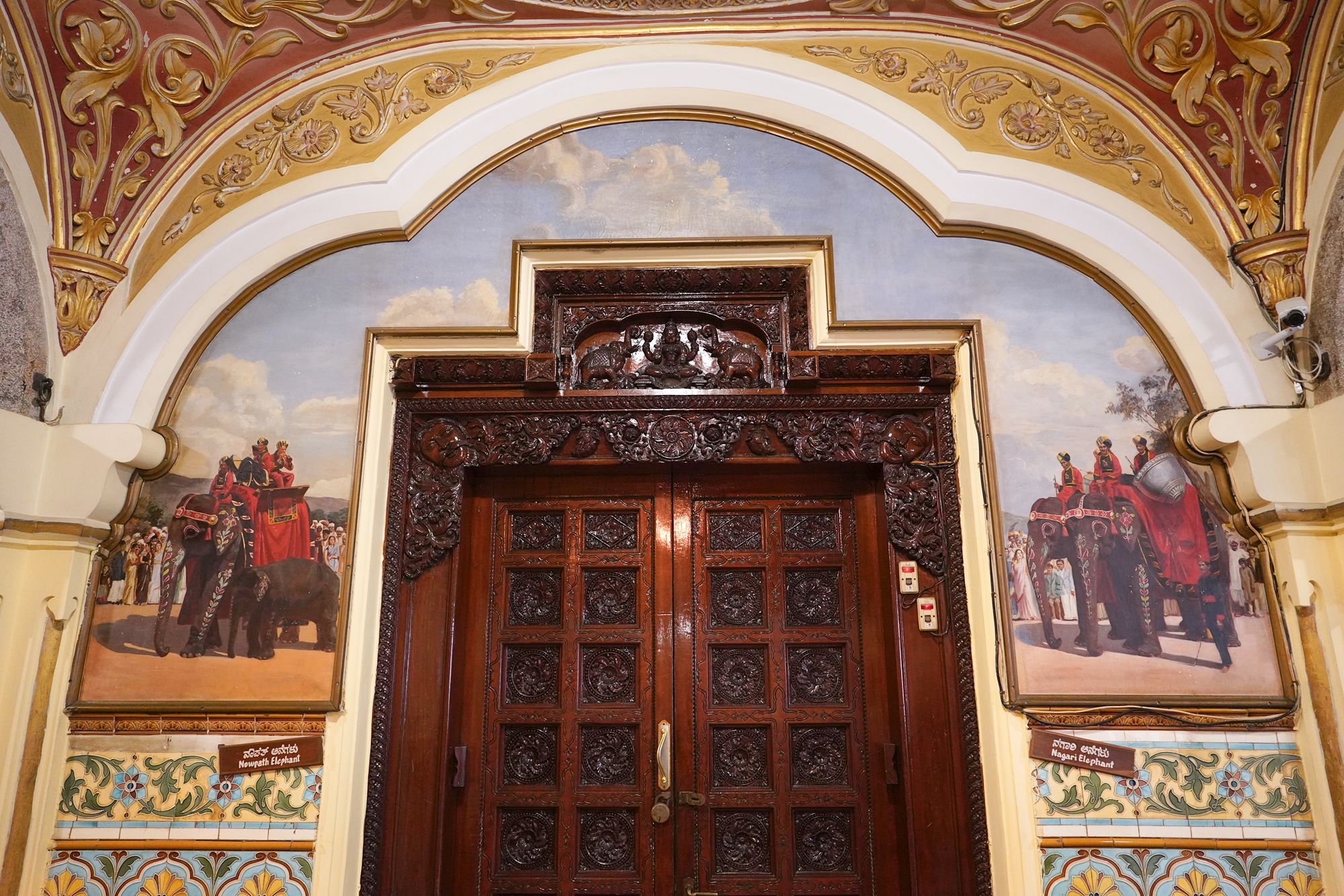
Under later Wadiyar rulers, Mysore became known for its modern administration, education, public works, and support for art and culture. Their rule continued until India became independent in 1947. Although the family no longer has political power, the Wadiyars remain an important part of Mysuru's cultural and royal traditions.
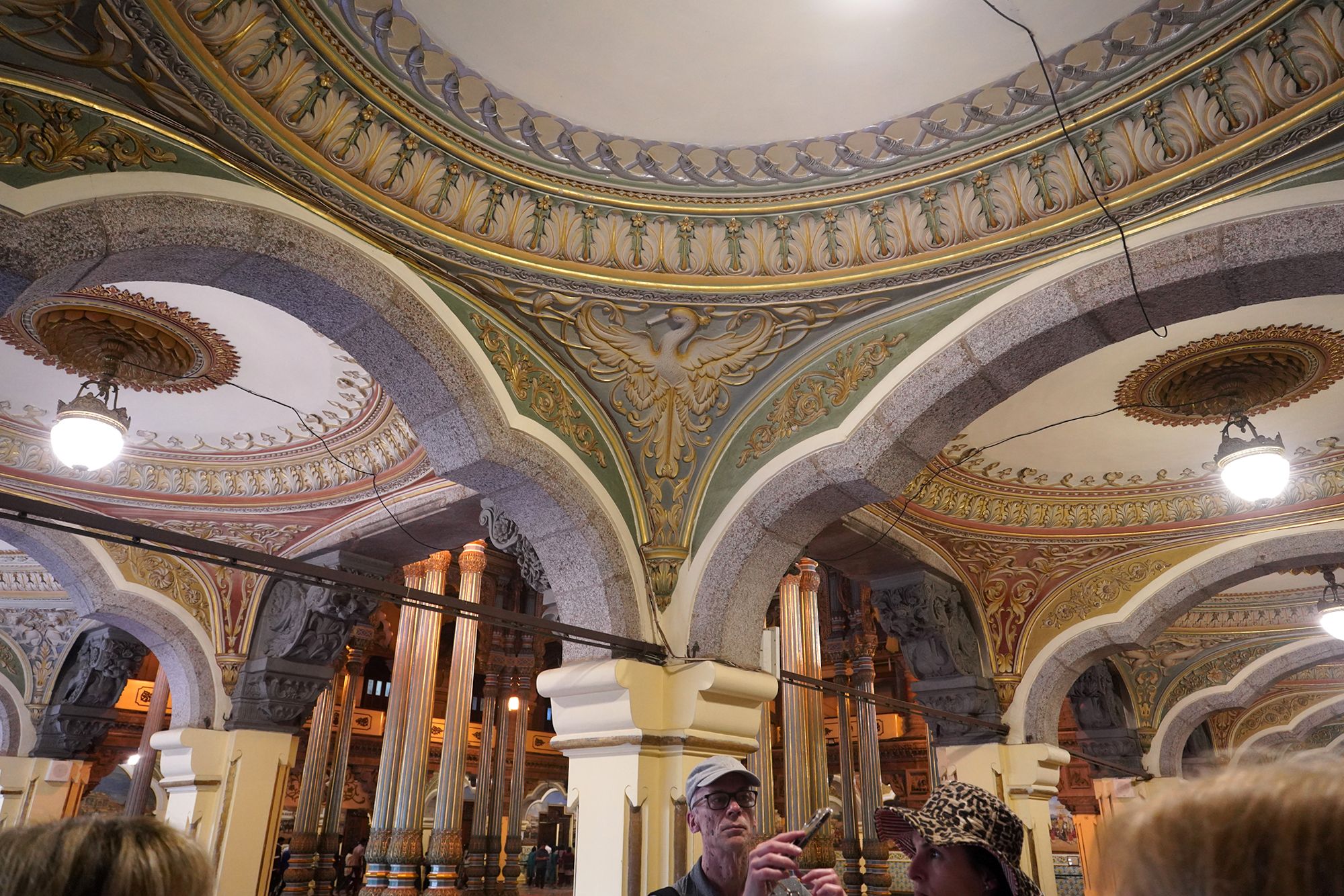
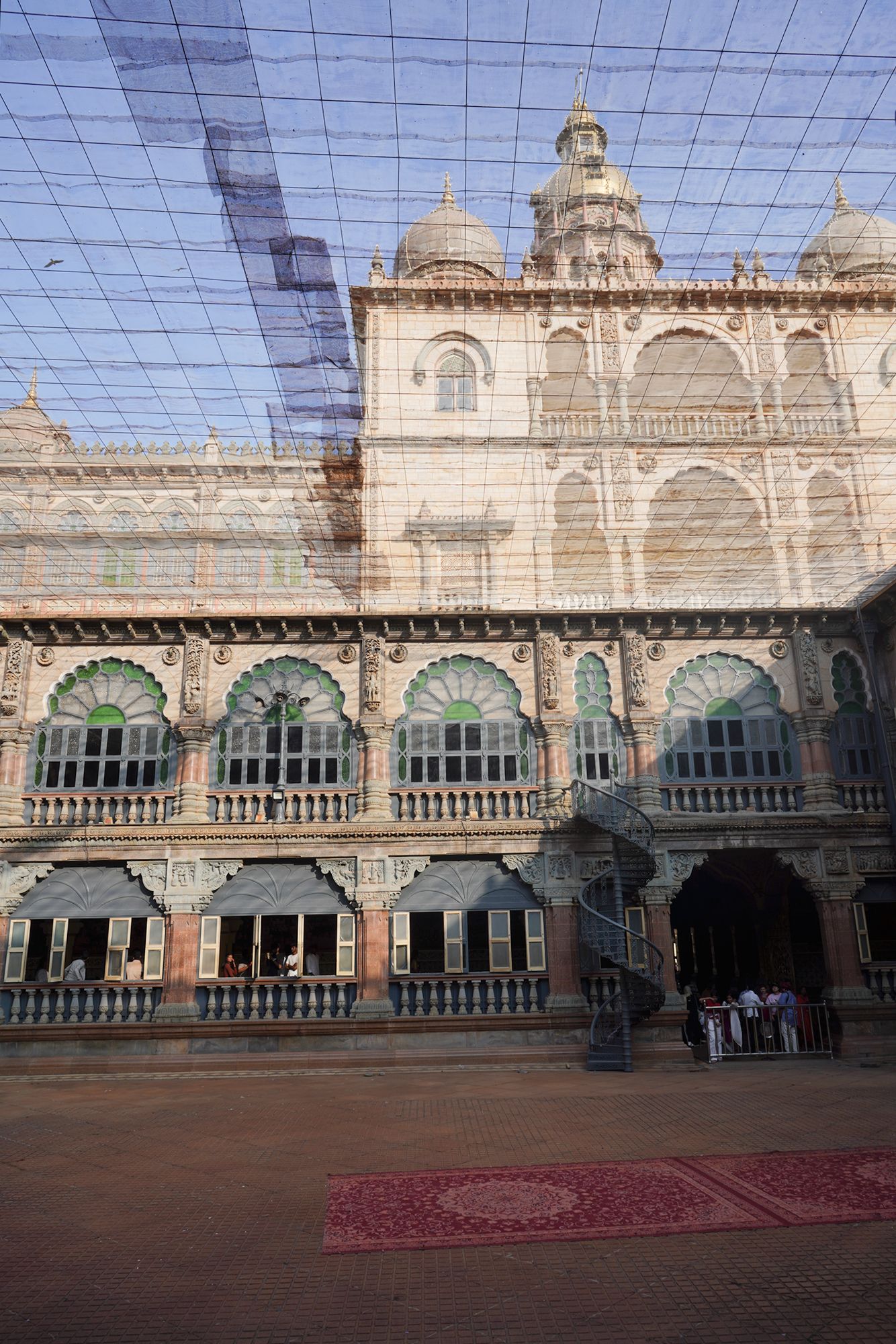
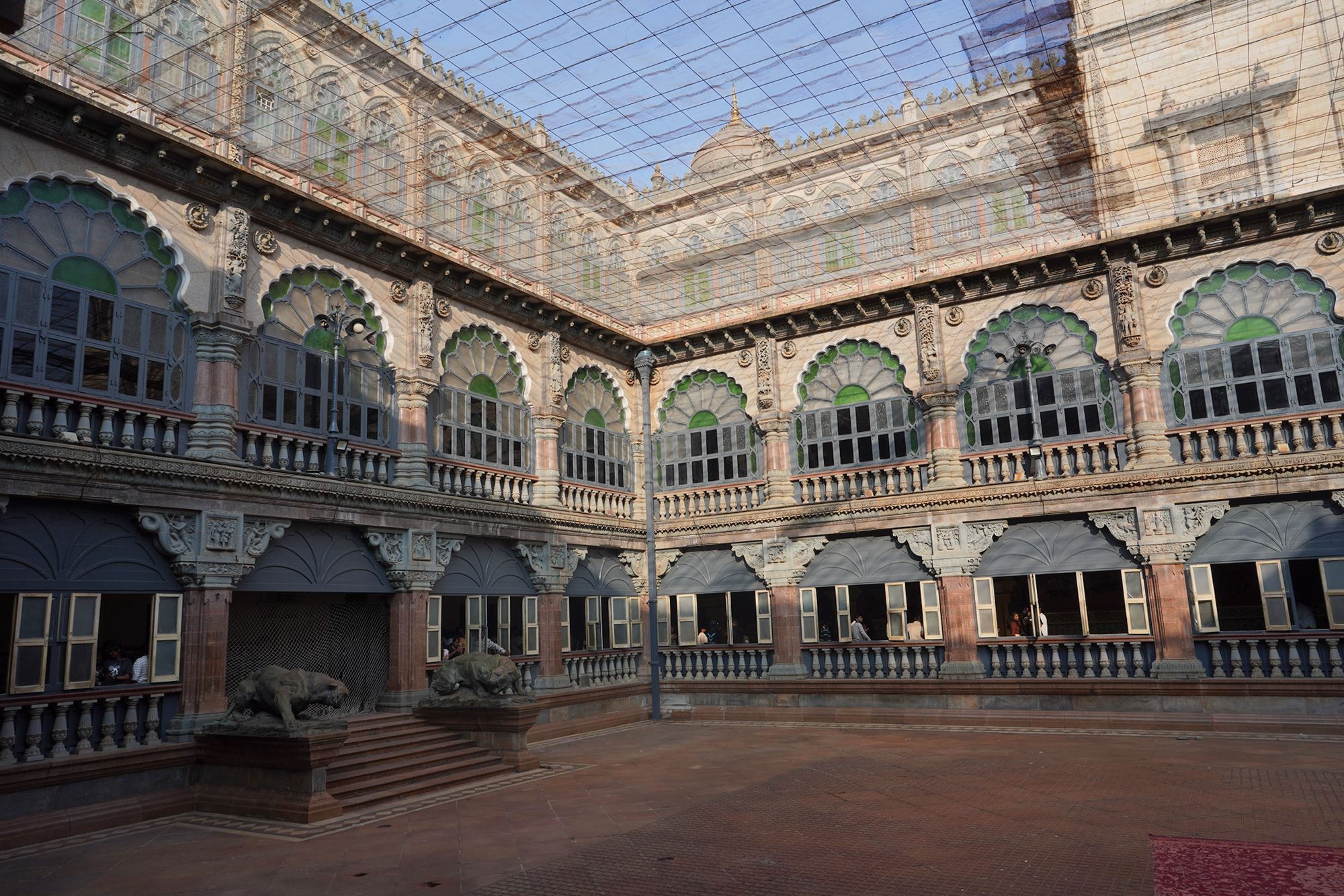
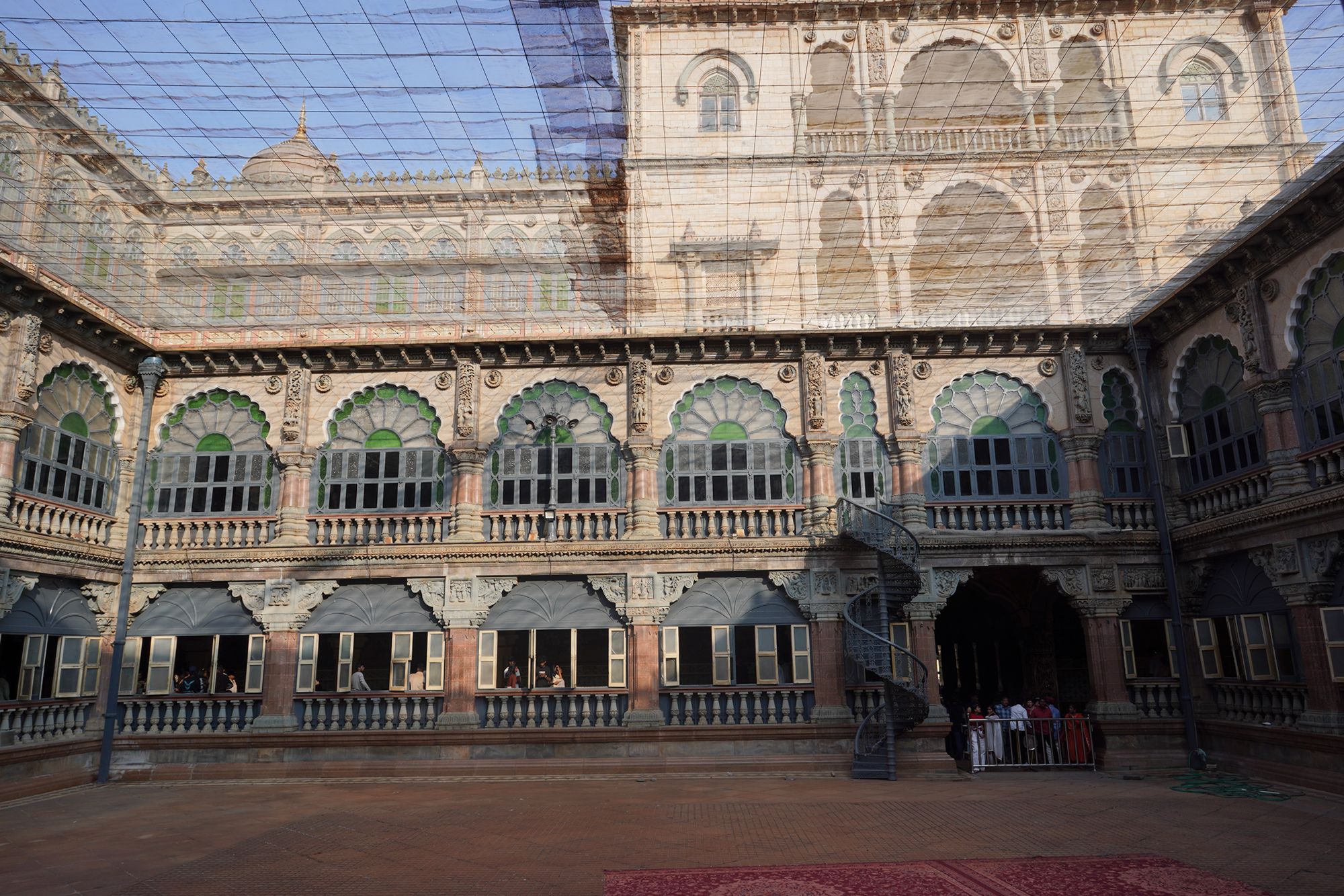
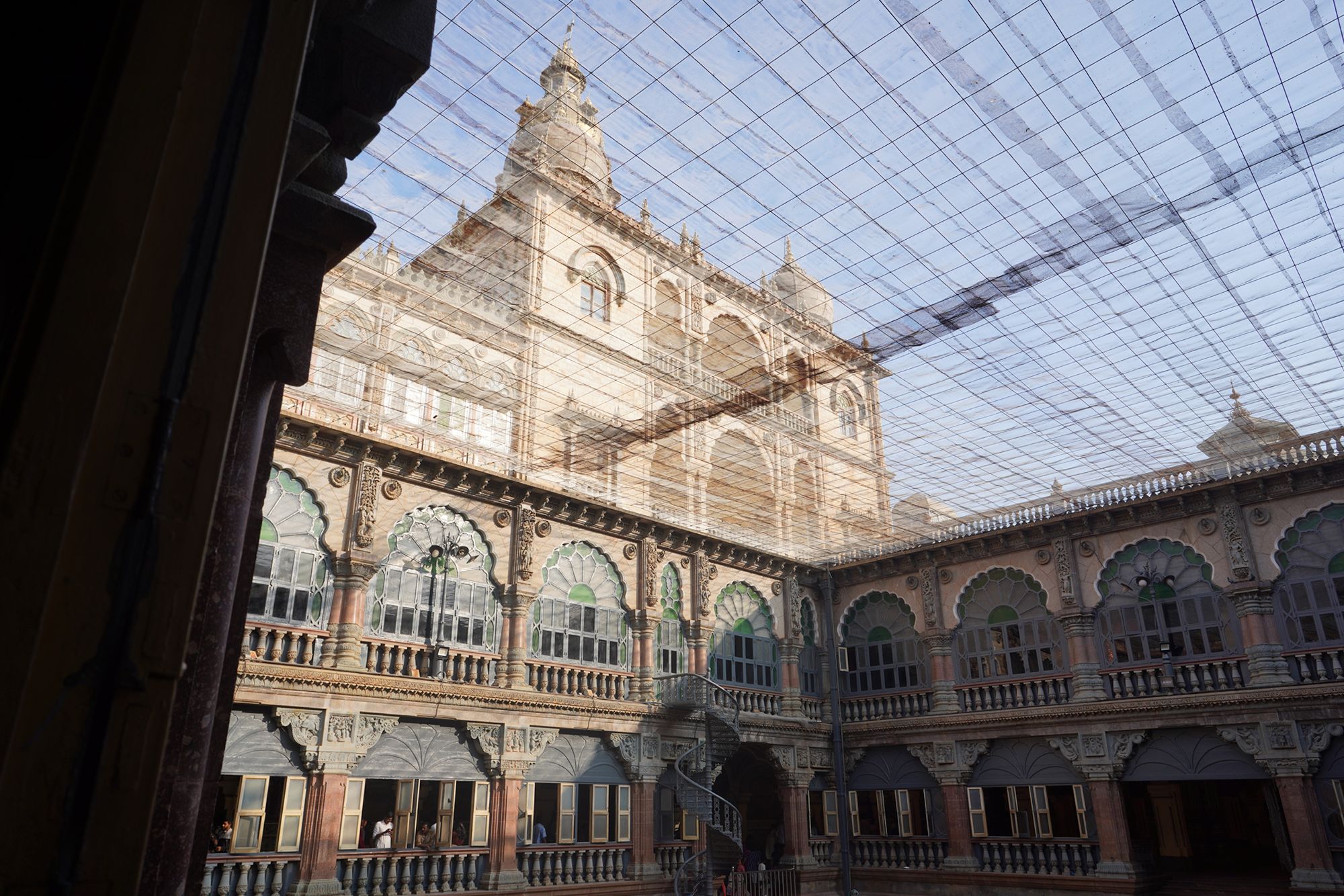
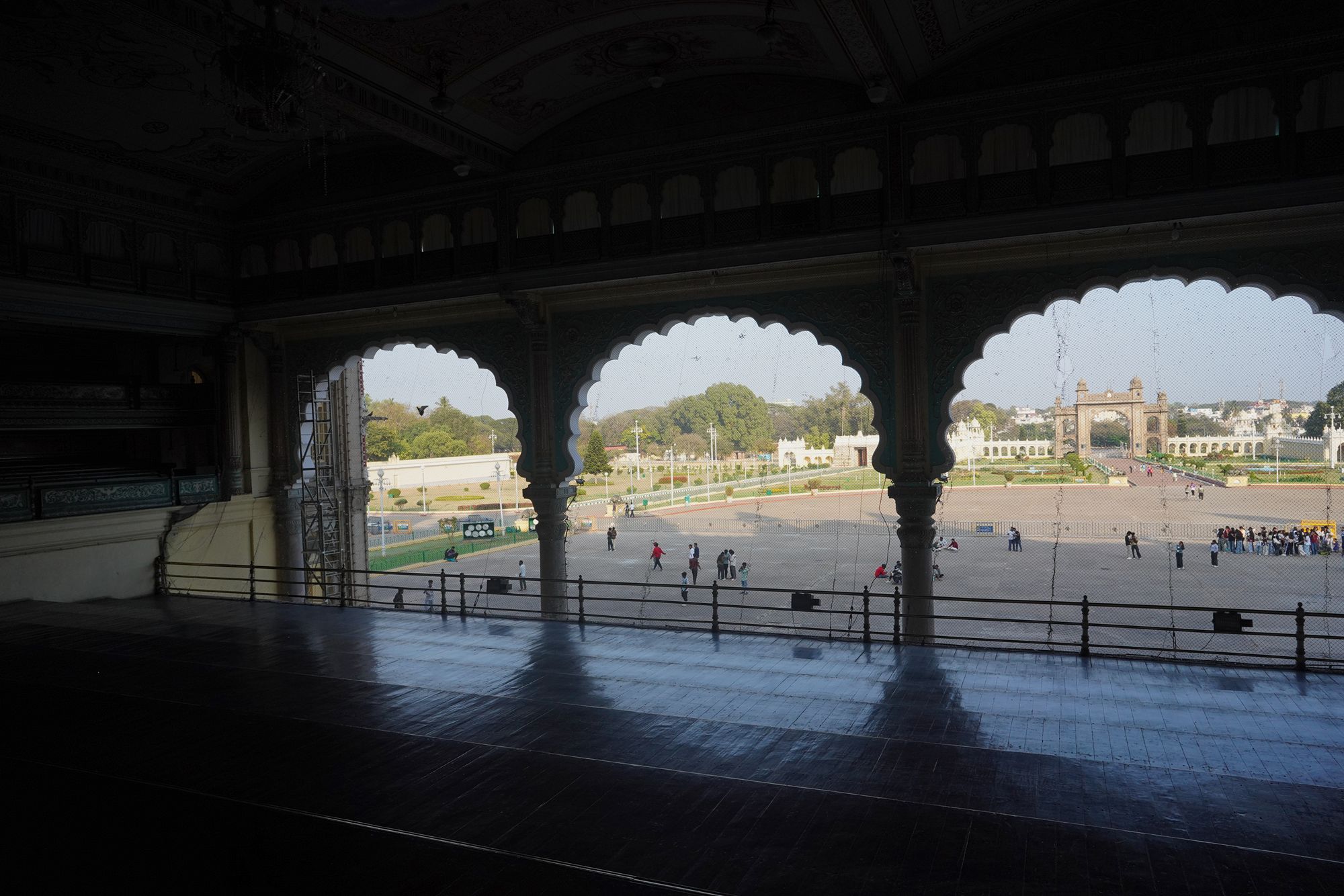
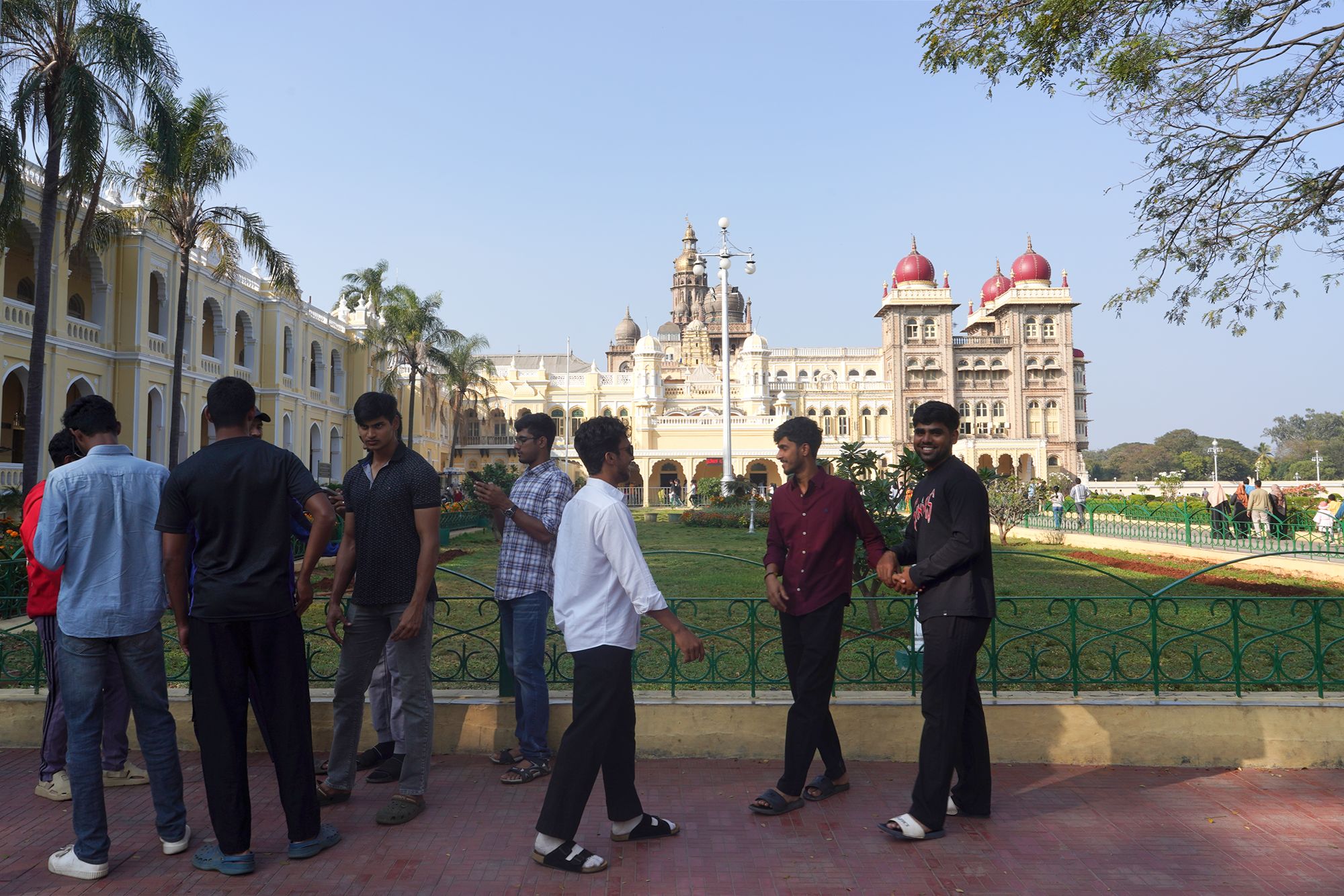
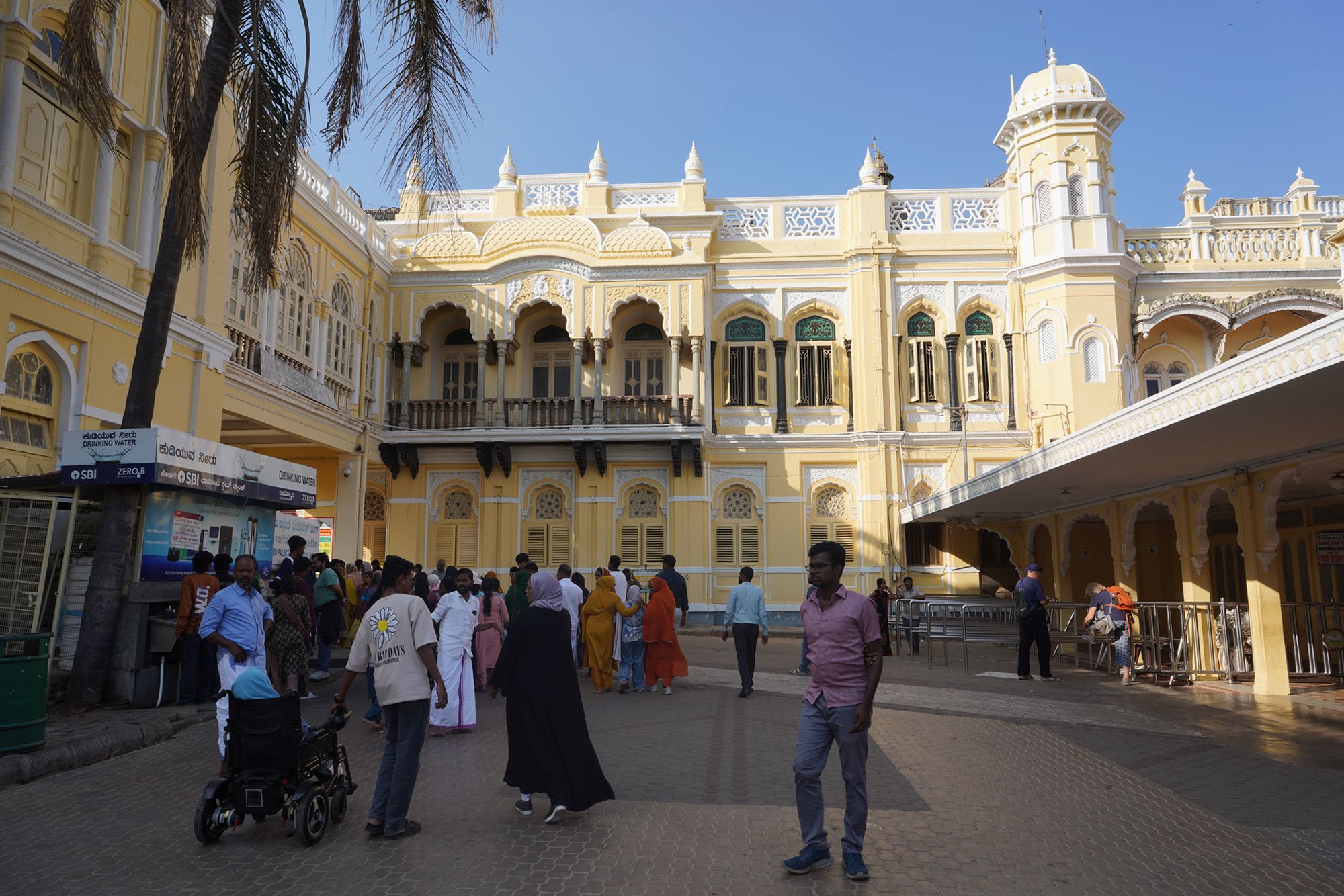
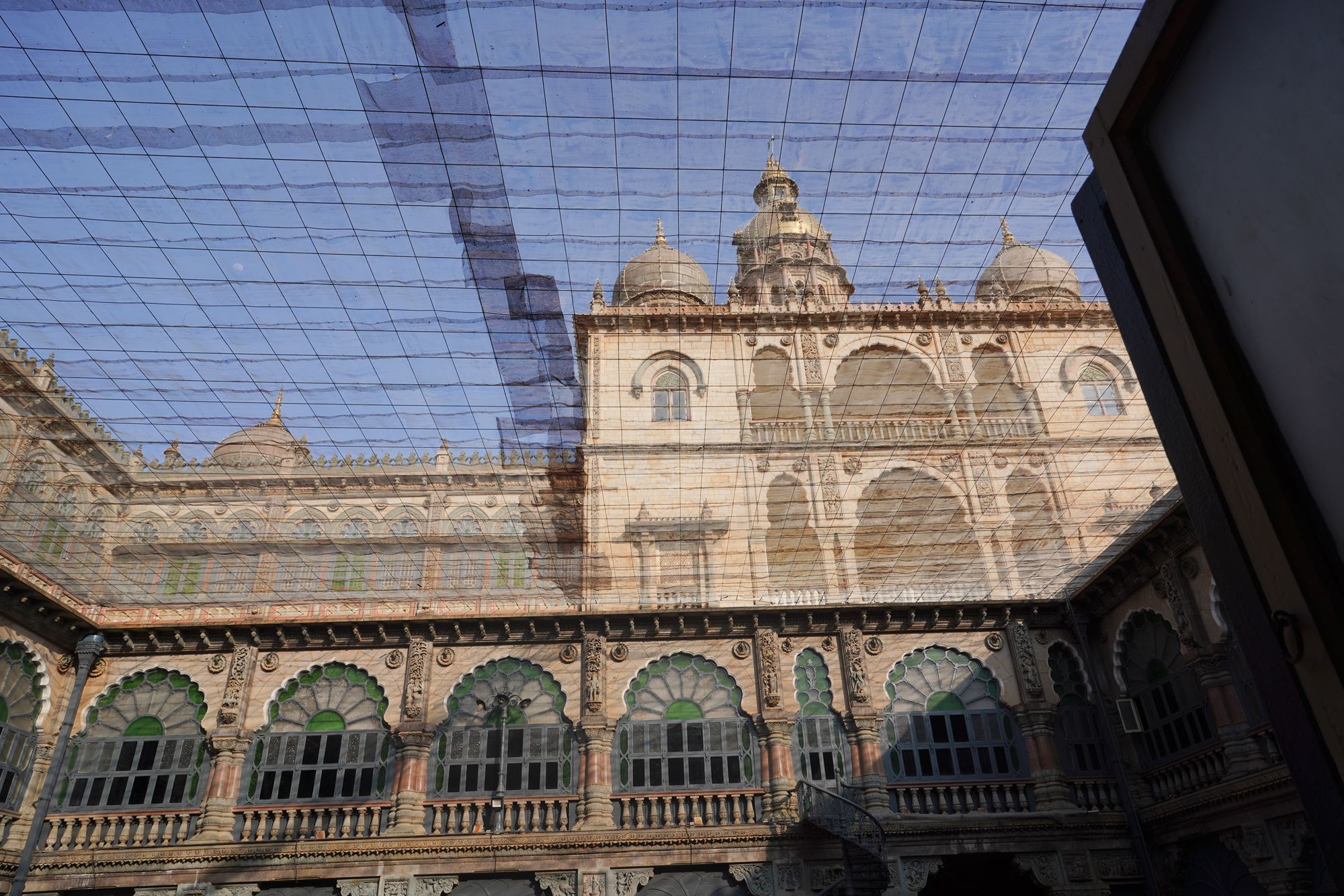
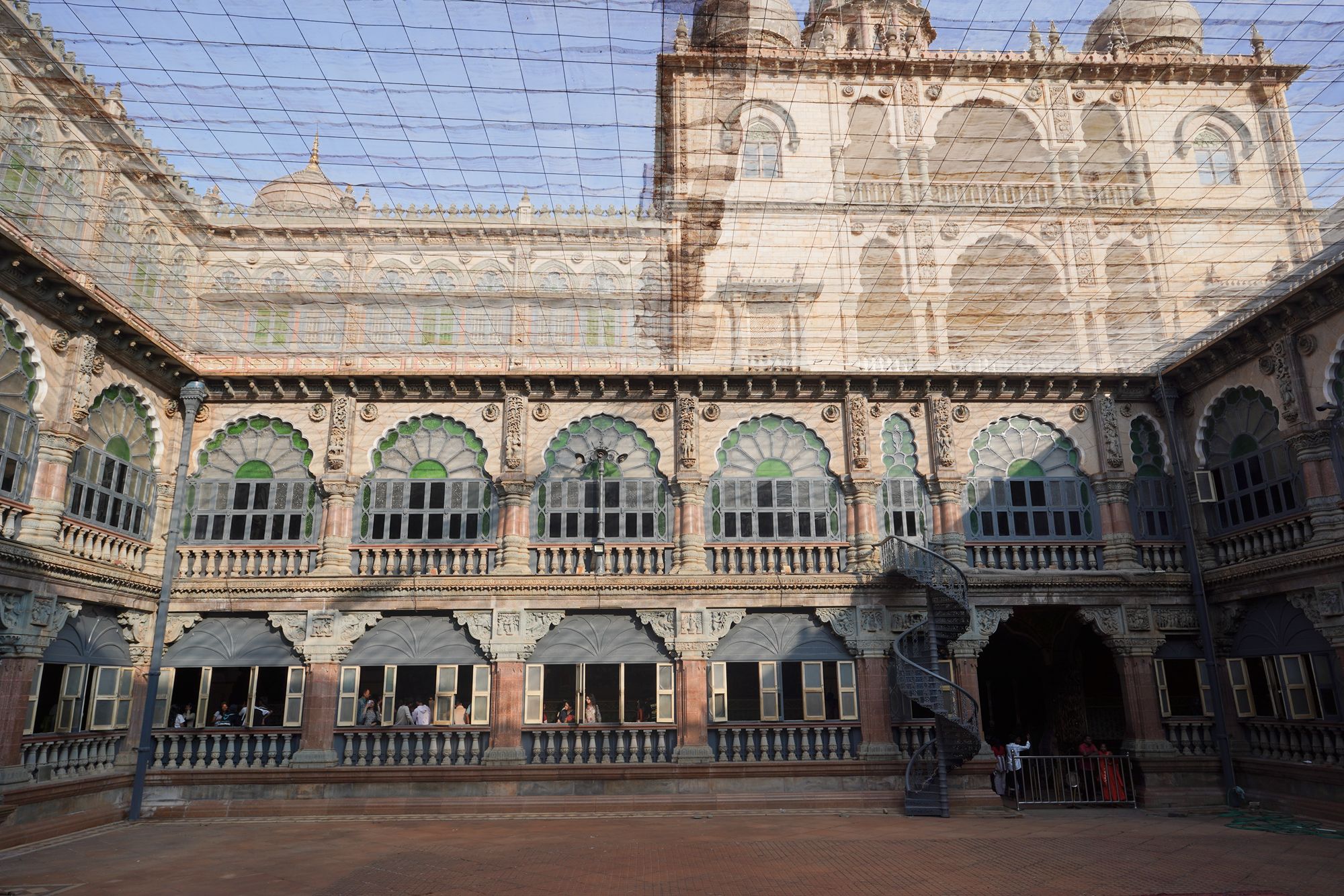
The same view, but with the camera pointed a little higher.
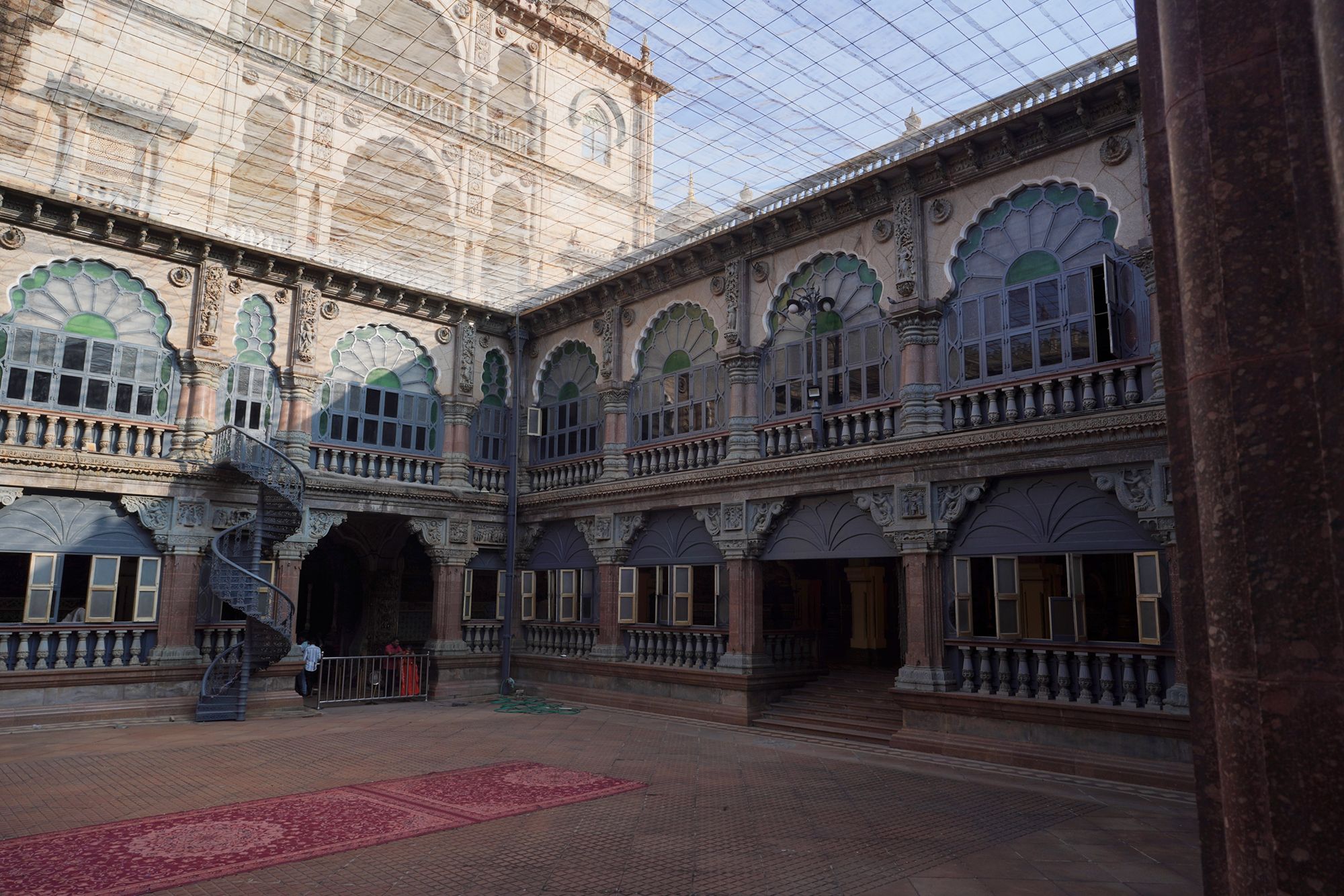
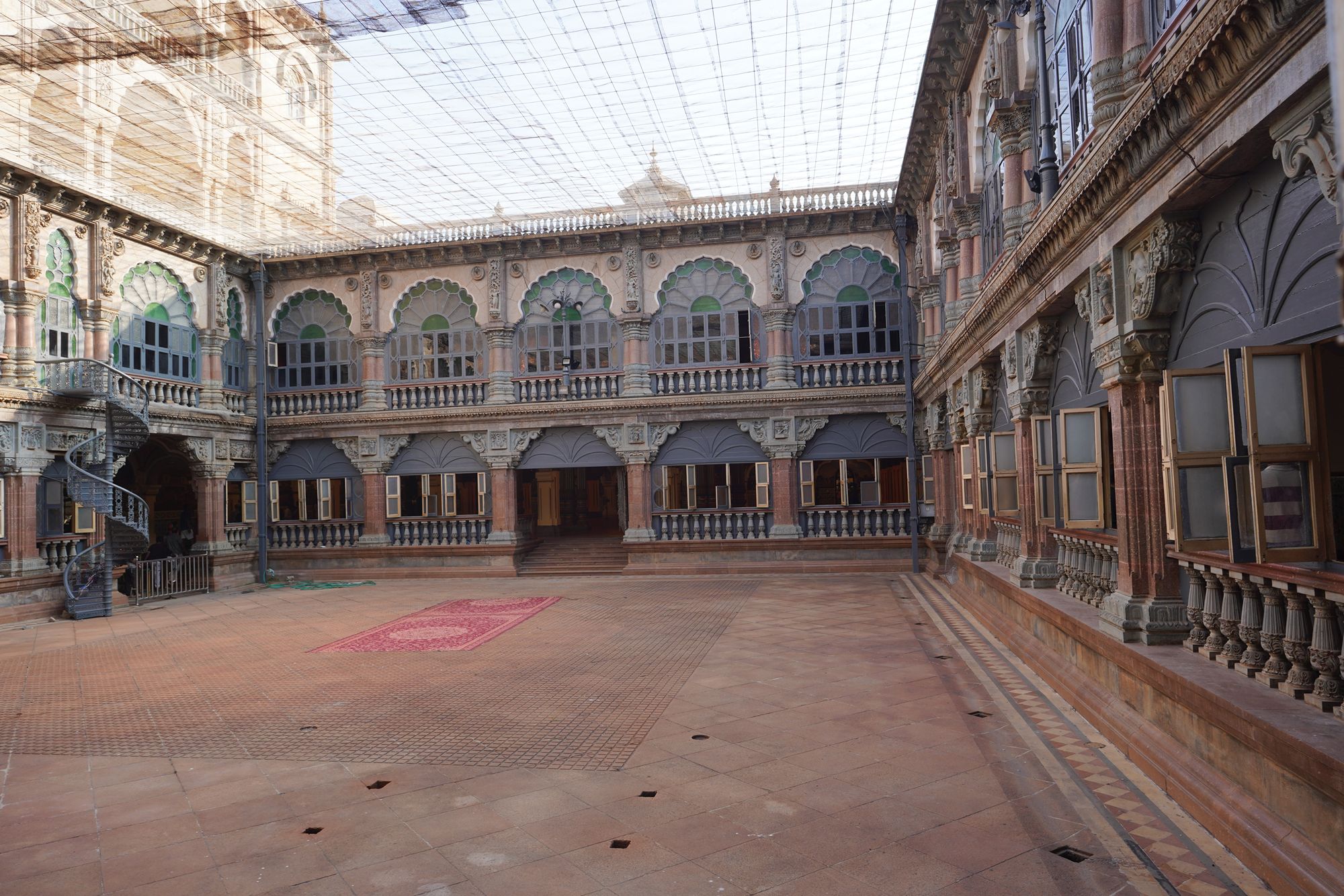
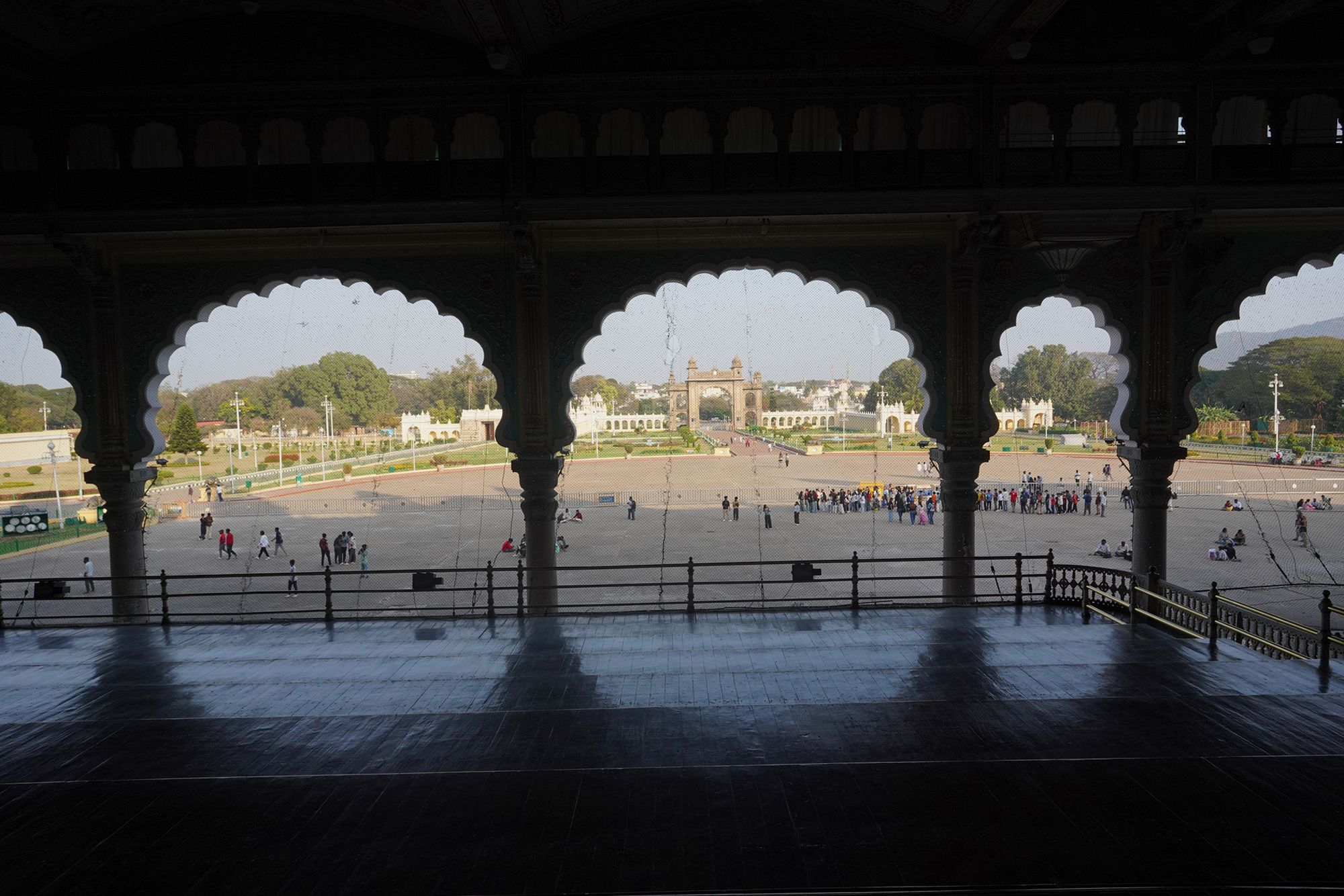
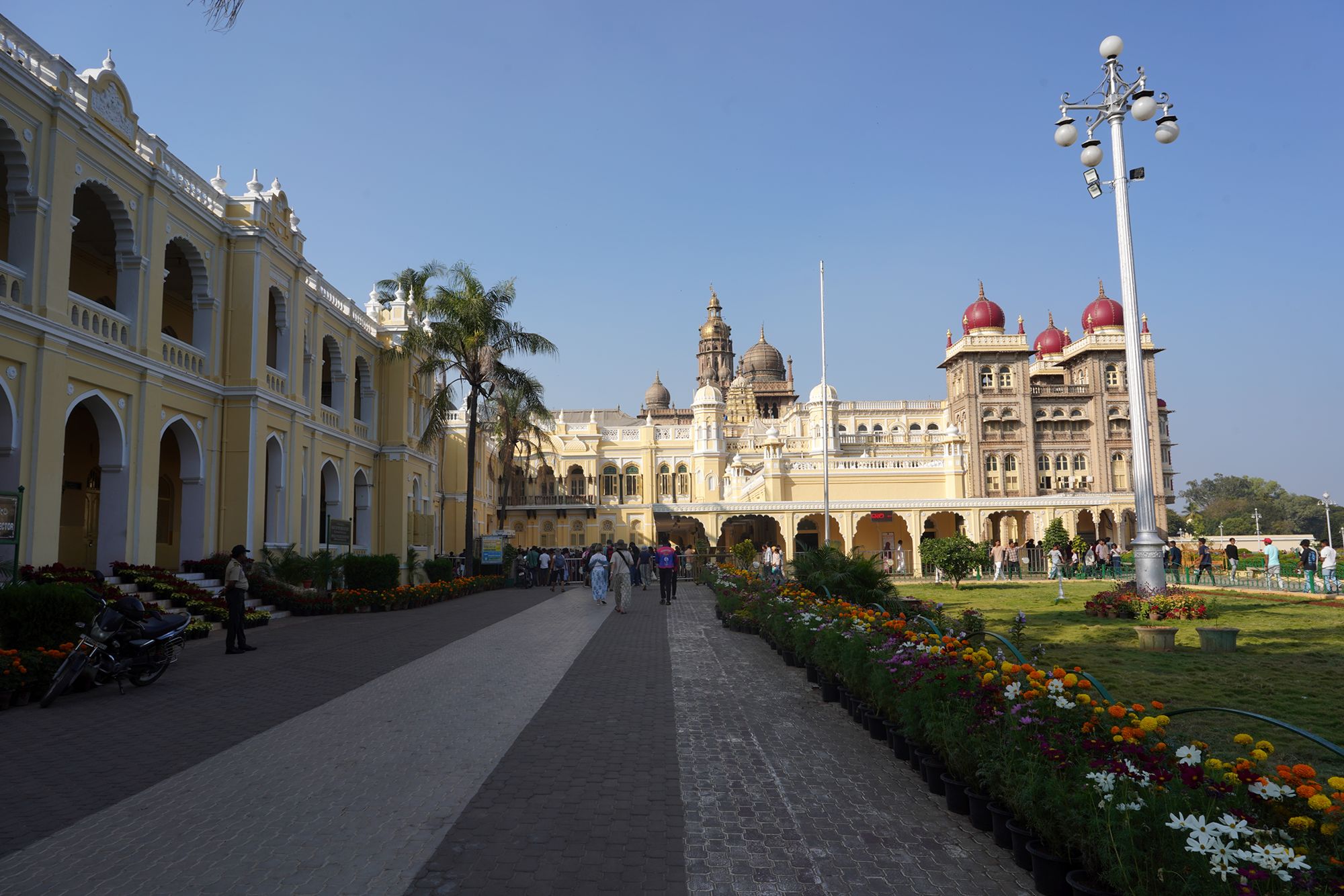
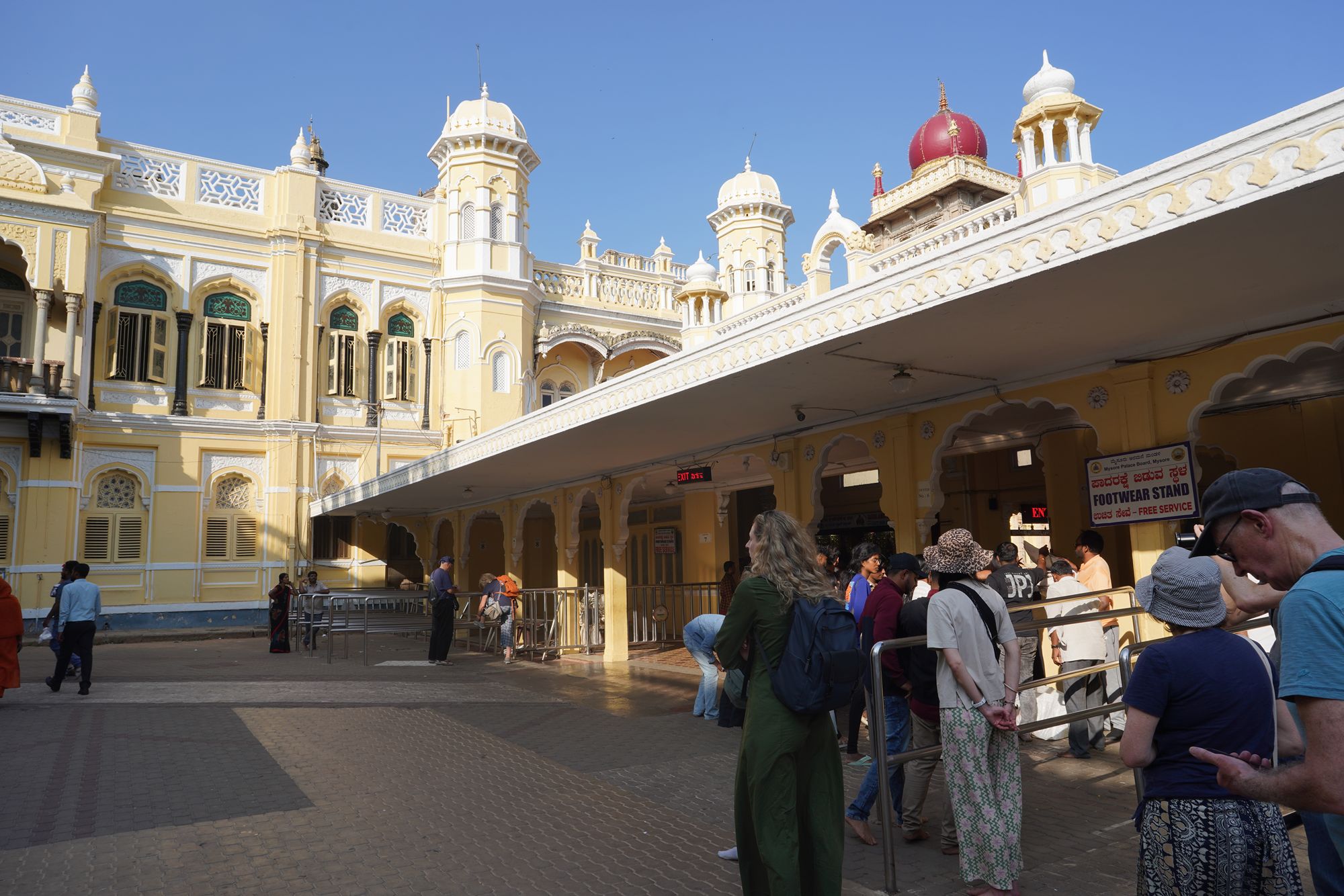
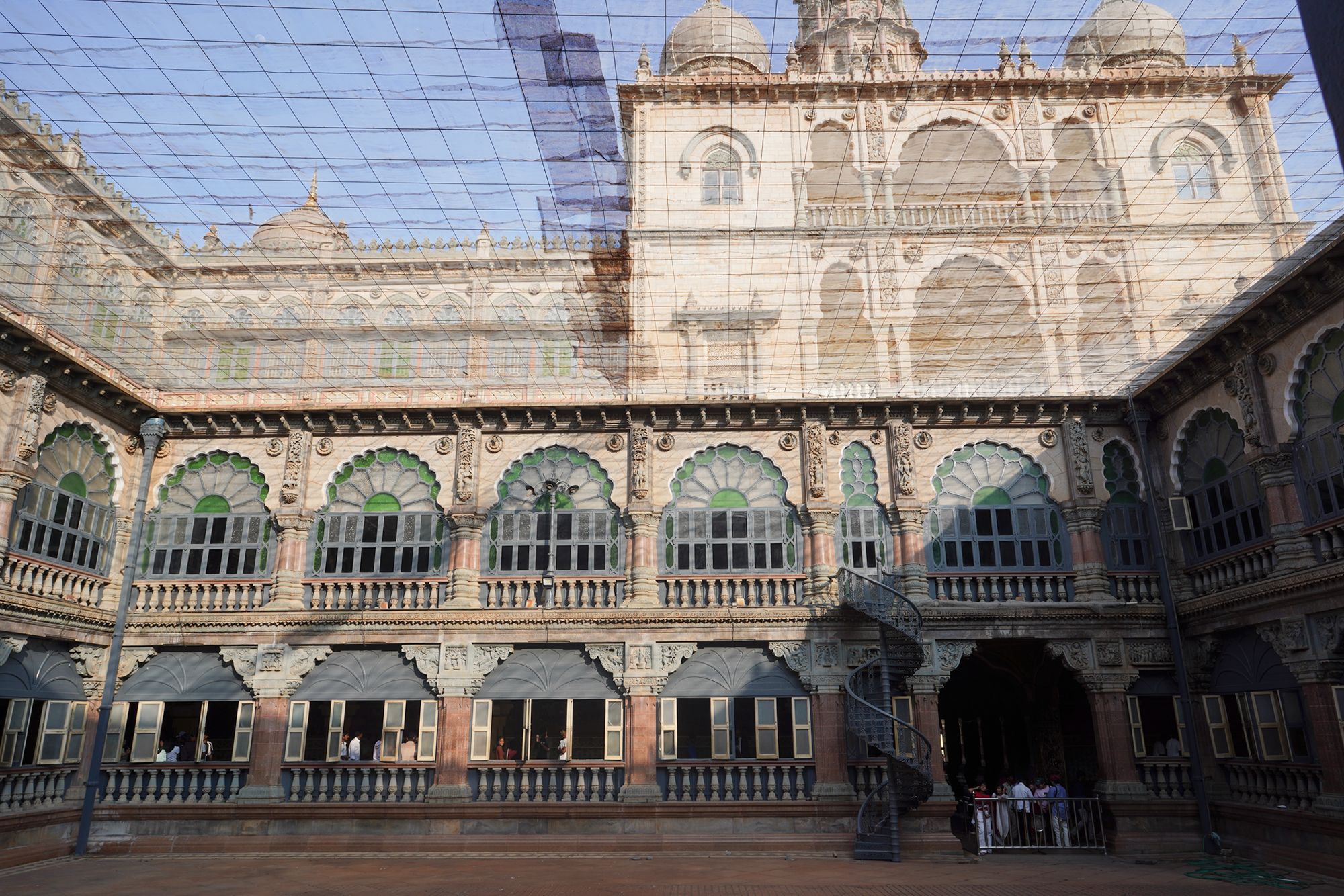
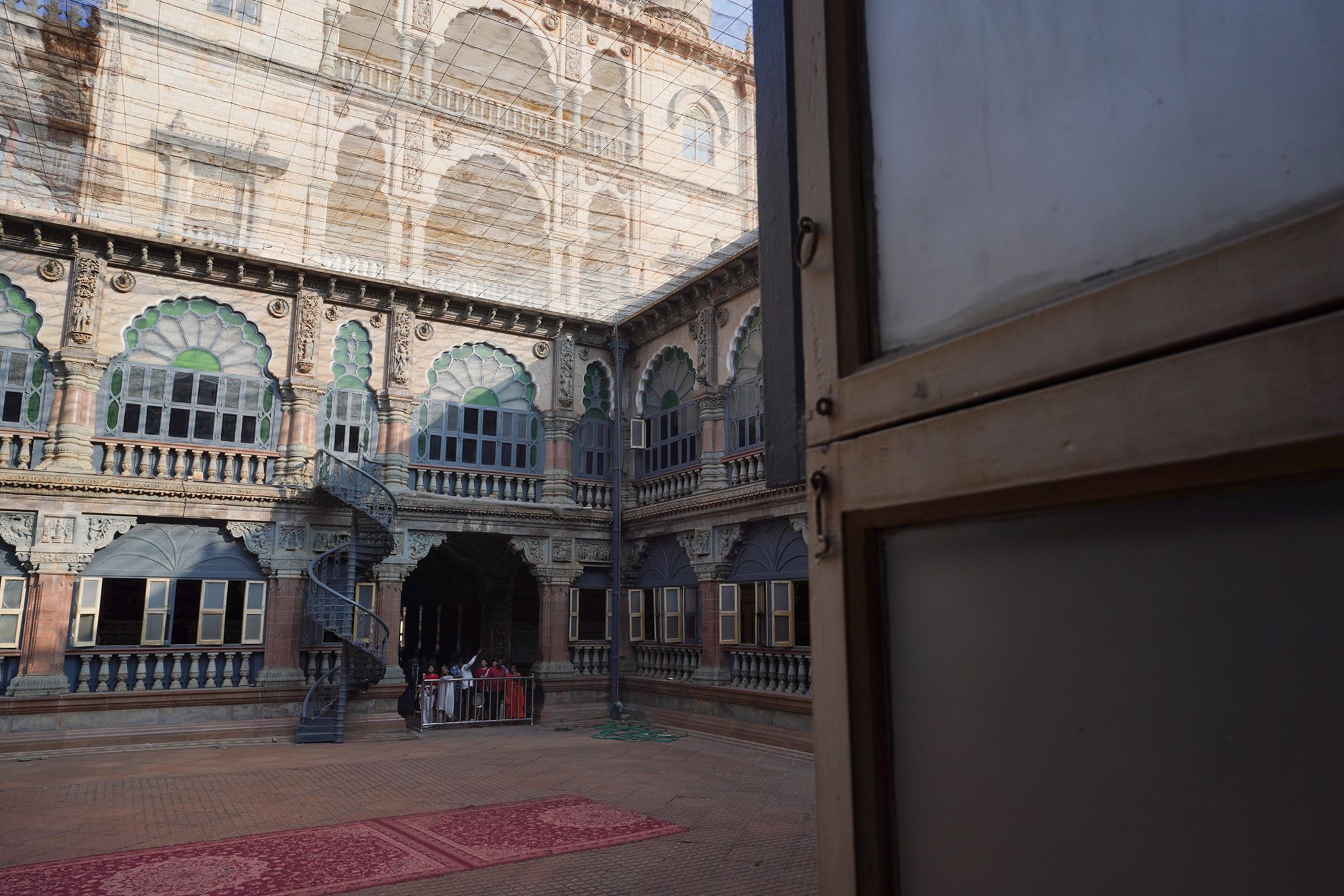
A view of the same central part of the building from a different direction.