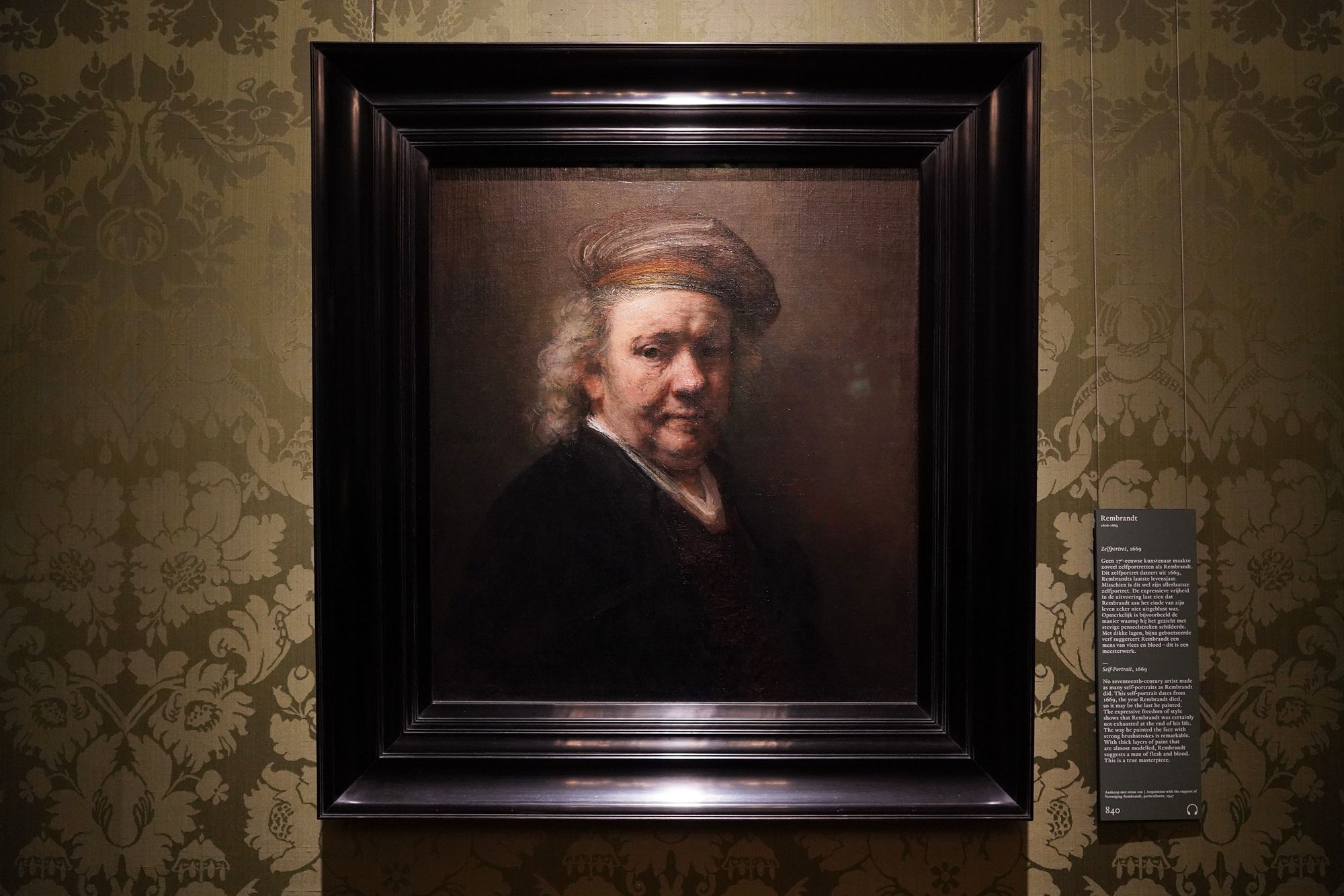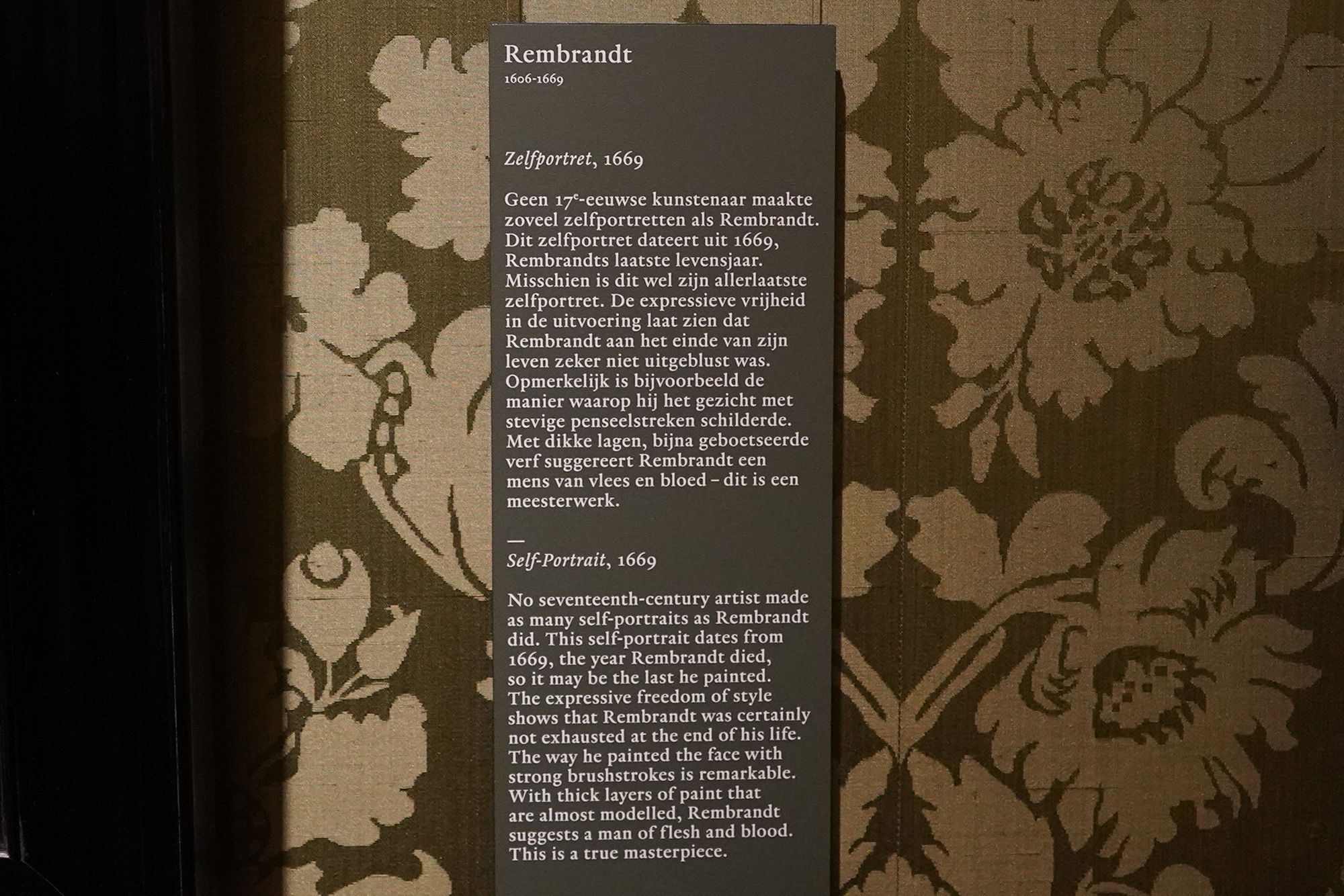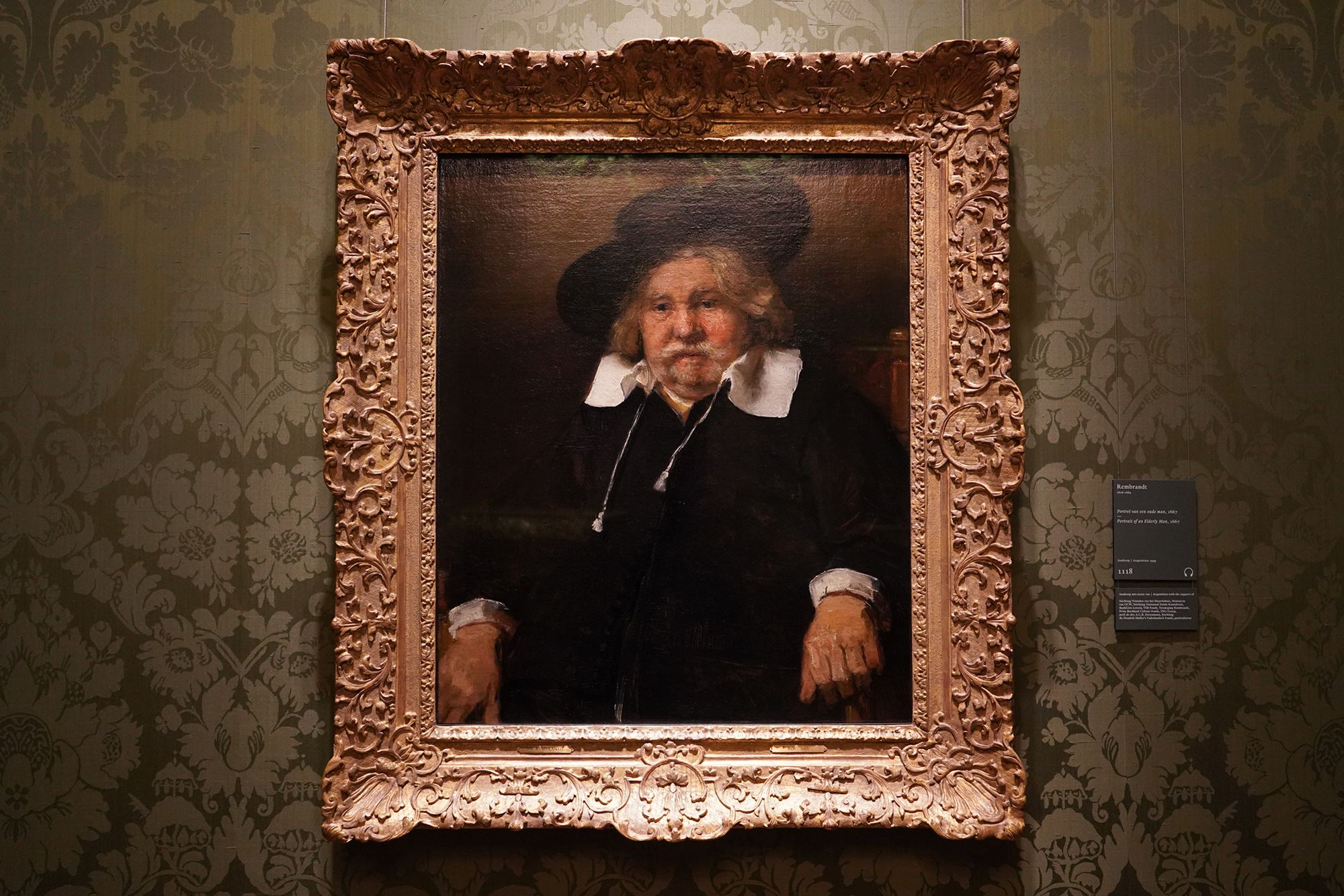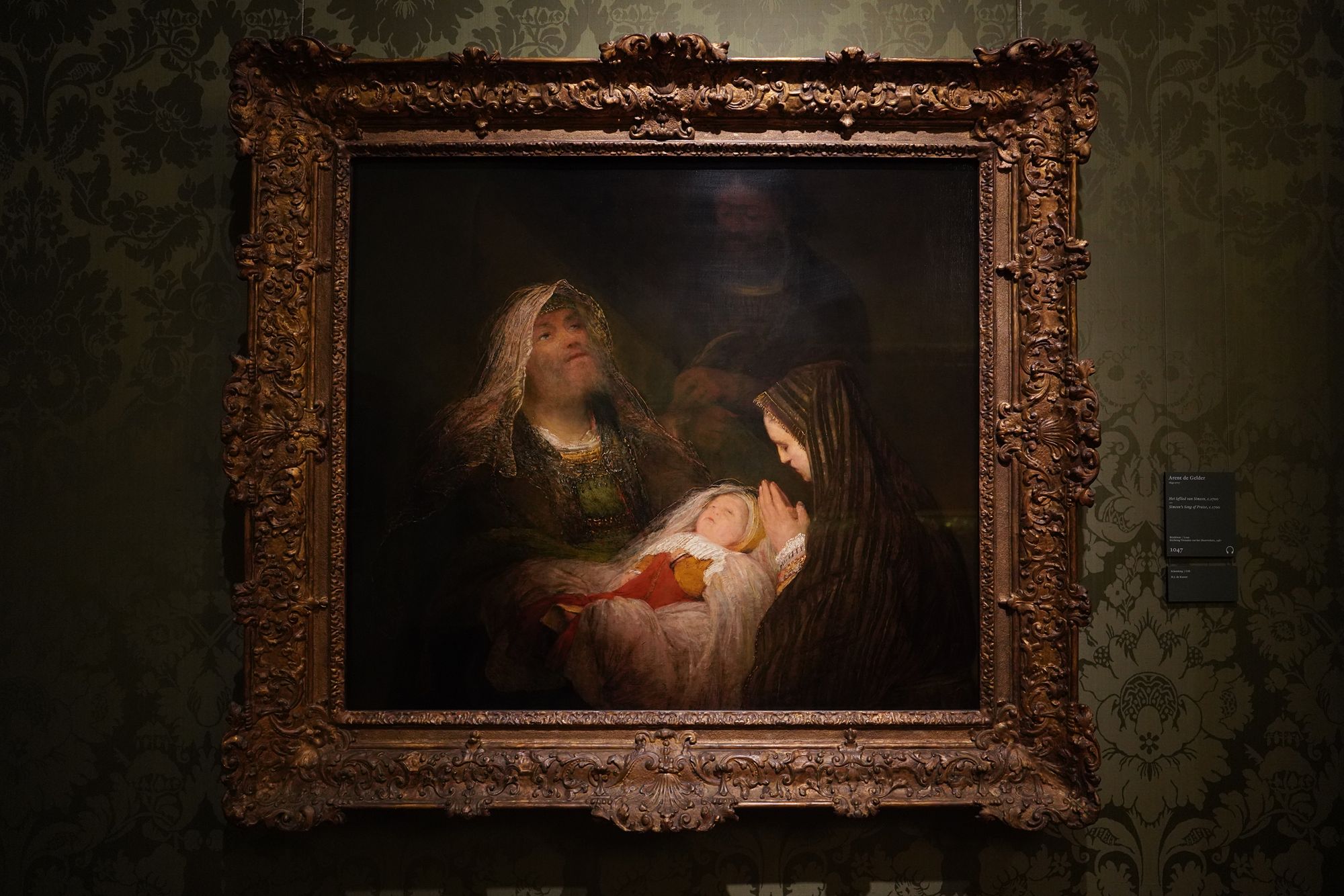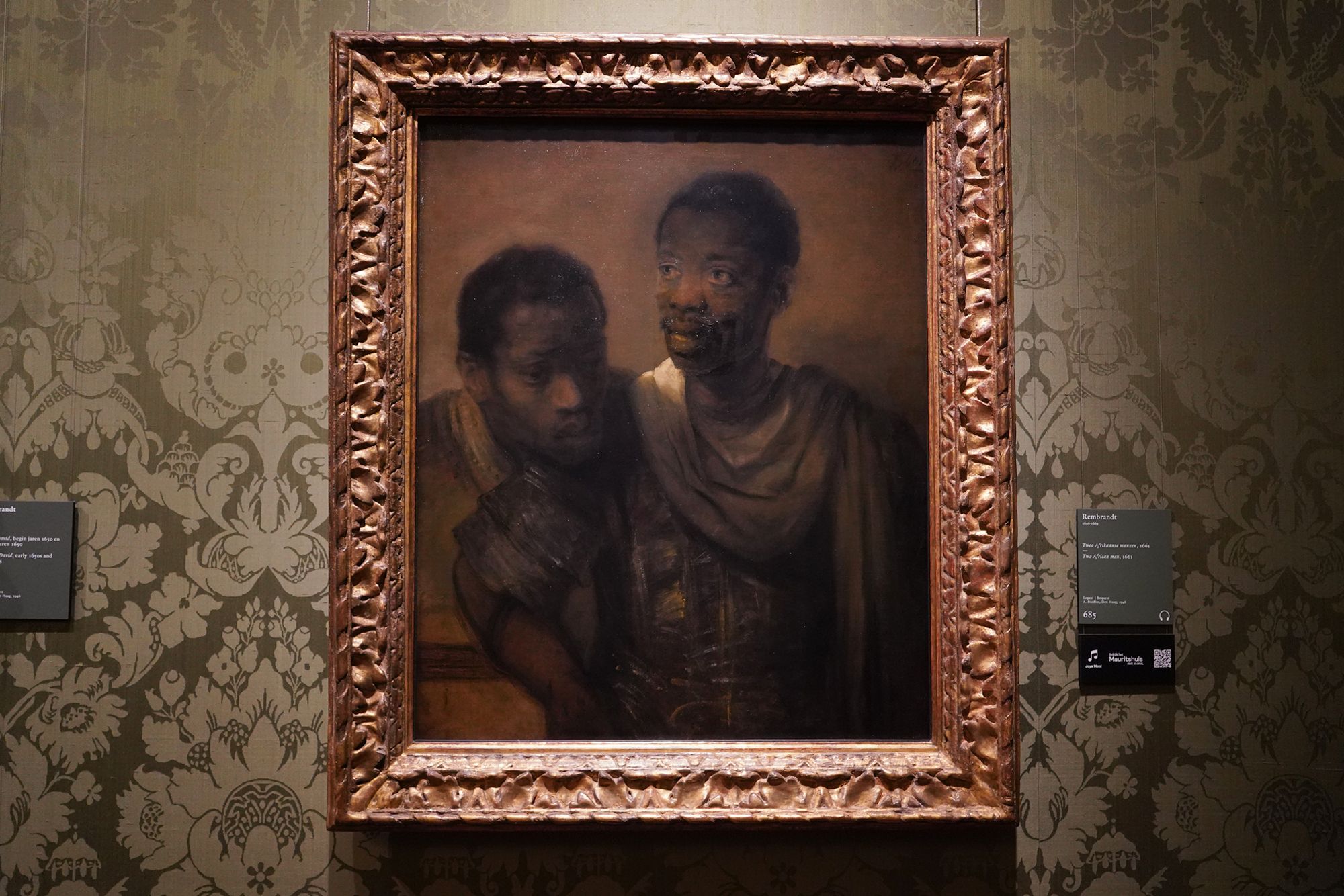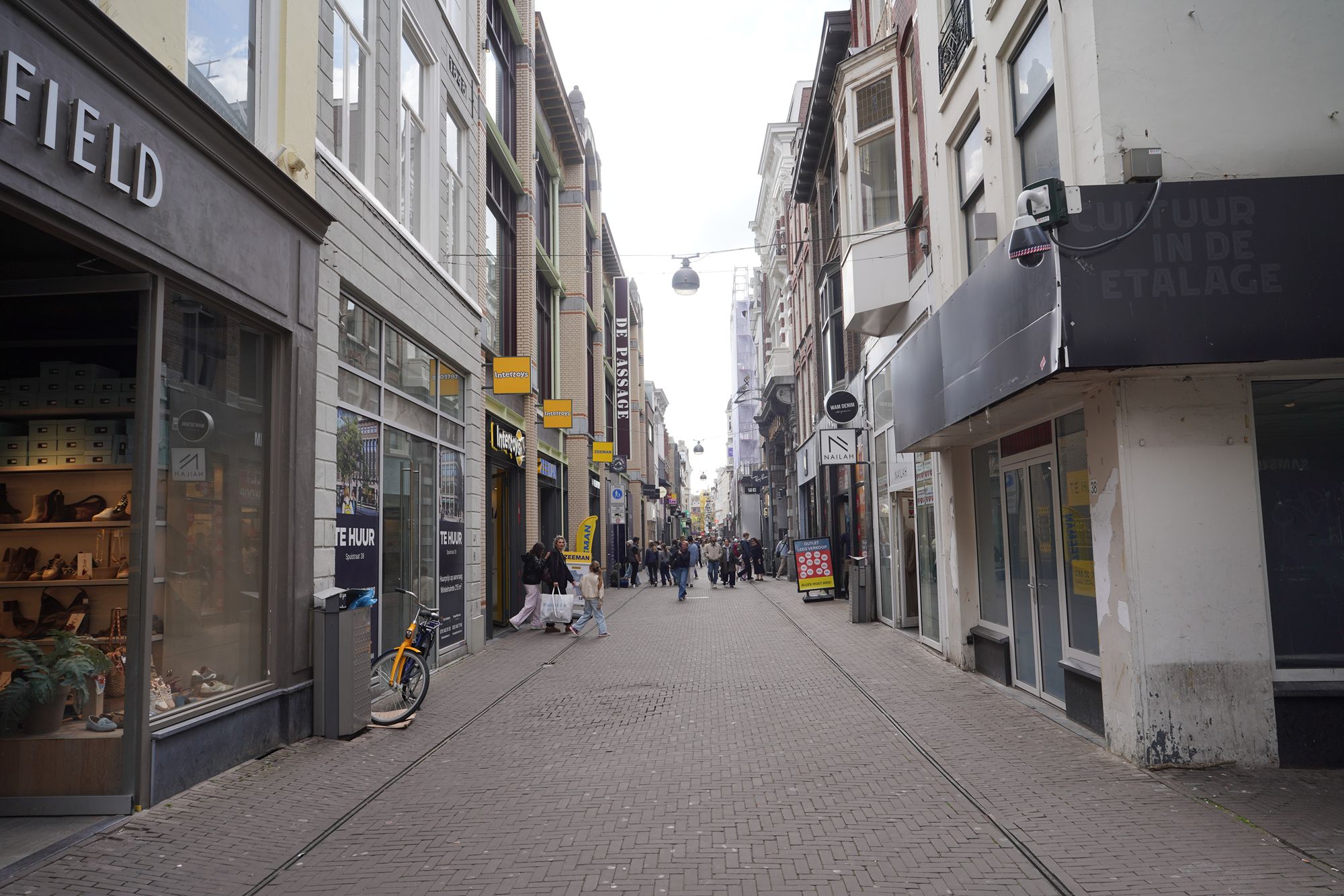
Hague and Mauritshuis Museum, Hague, Netherland
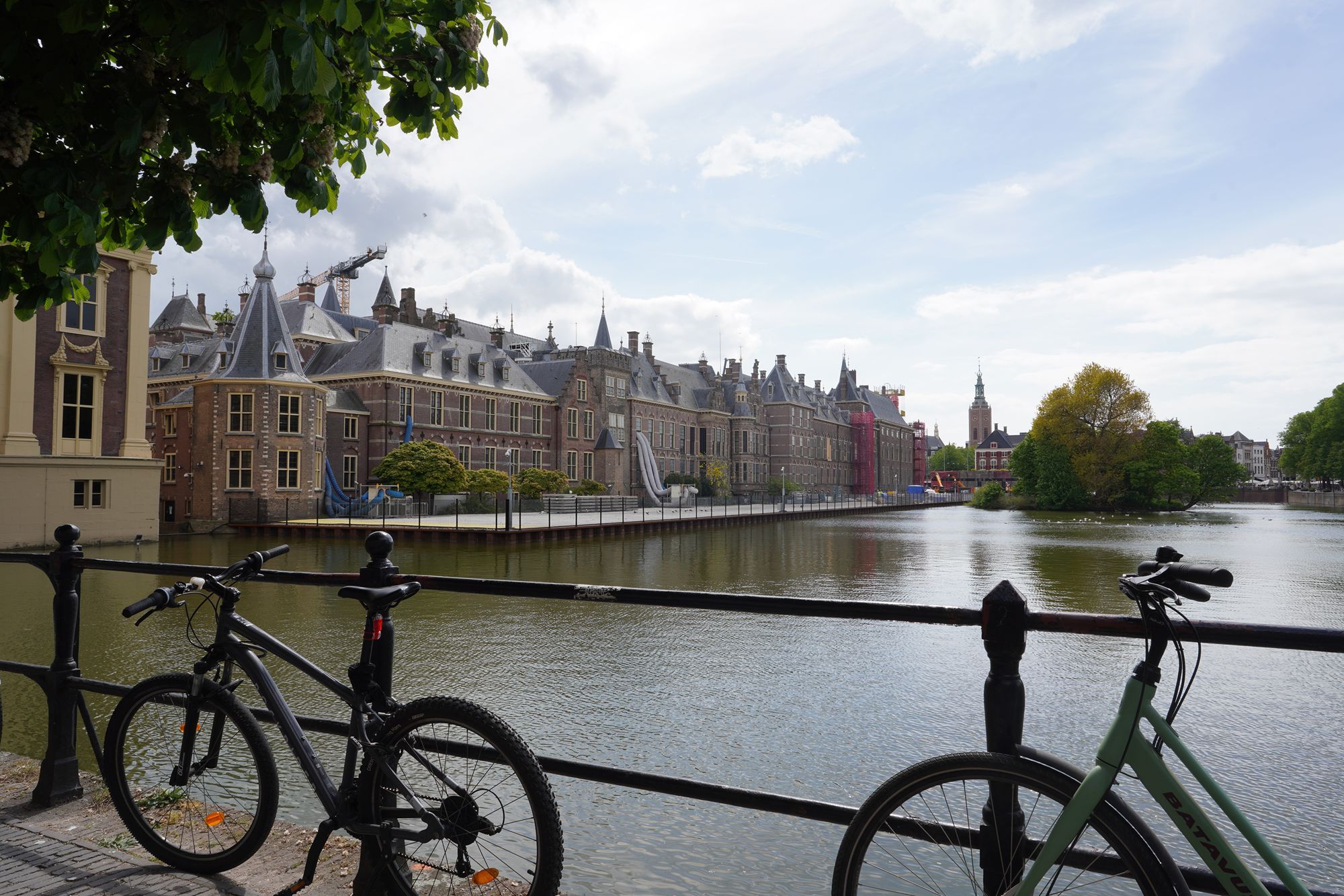
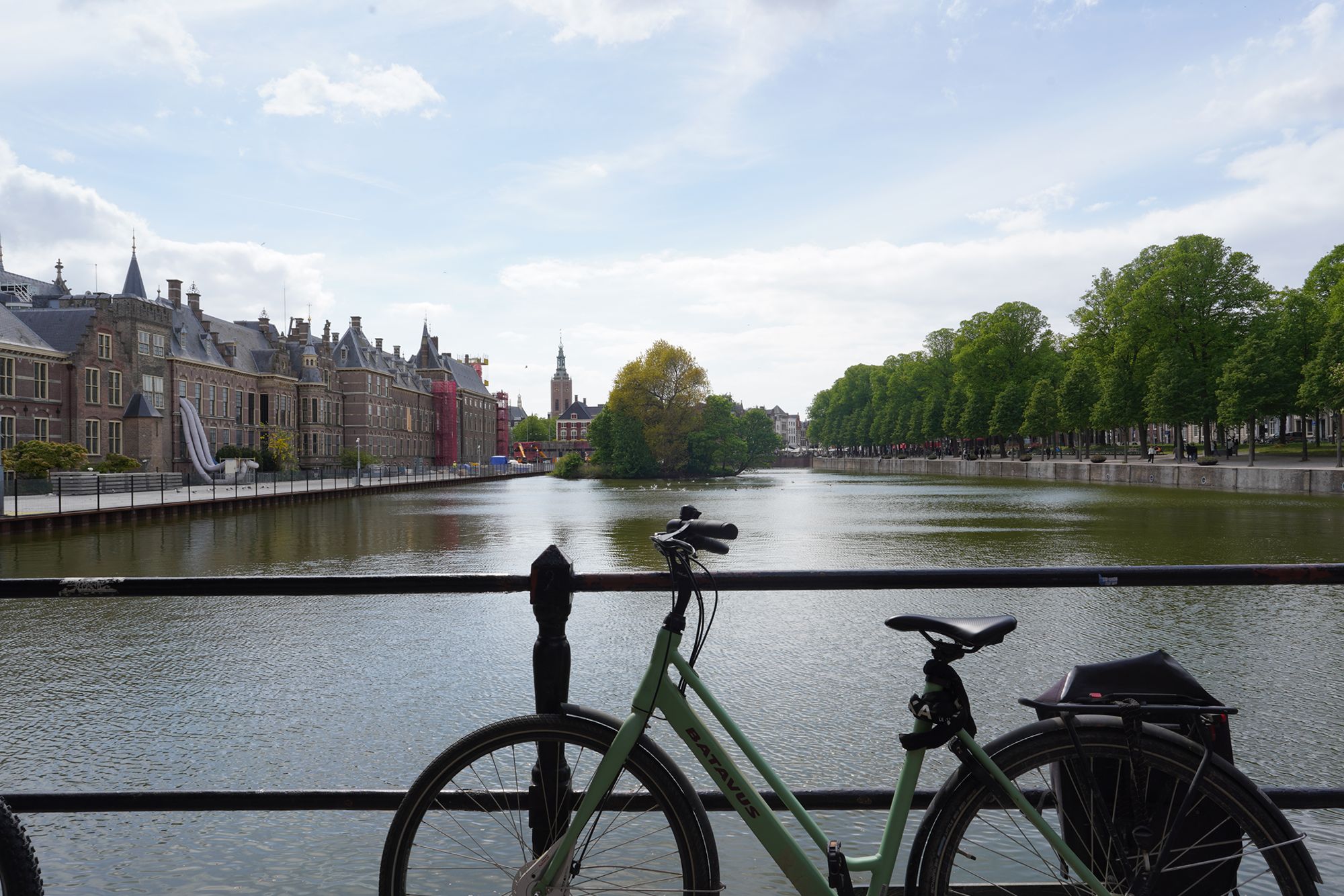
The Hague is the Netherlands’ seat of government and home to the Mauritshuis, famous for masterpieces by Vermeer and Rembrandt. 1301
Mauritshuis Museum: Plein 29, 2511 CS Den Haag, Netherlands
Date Picture Taken: May, 2026
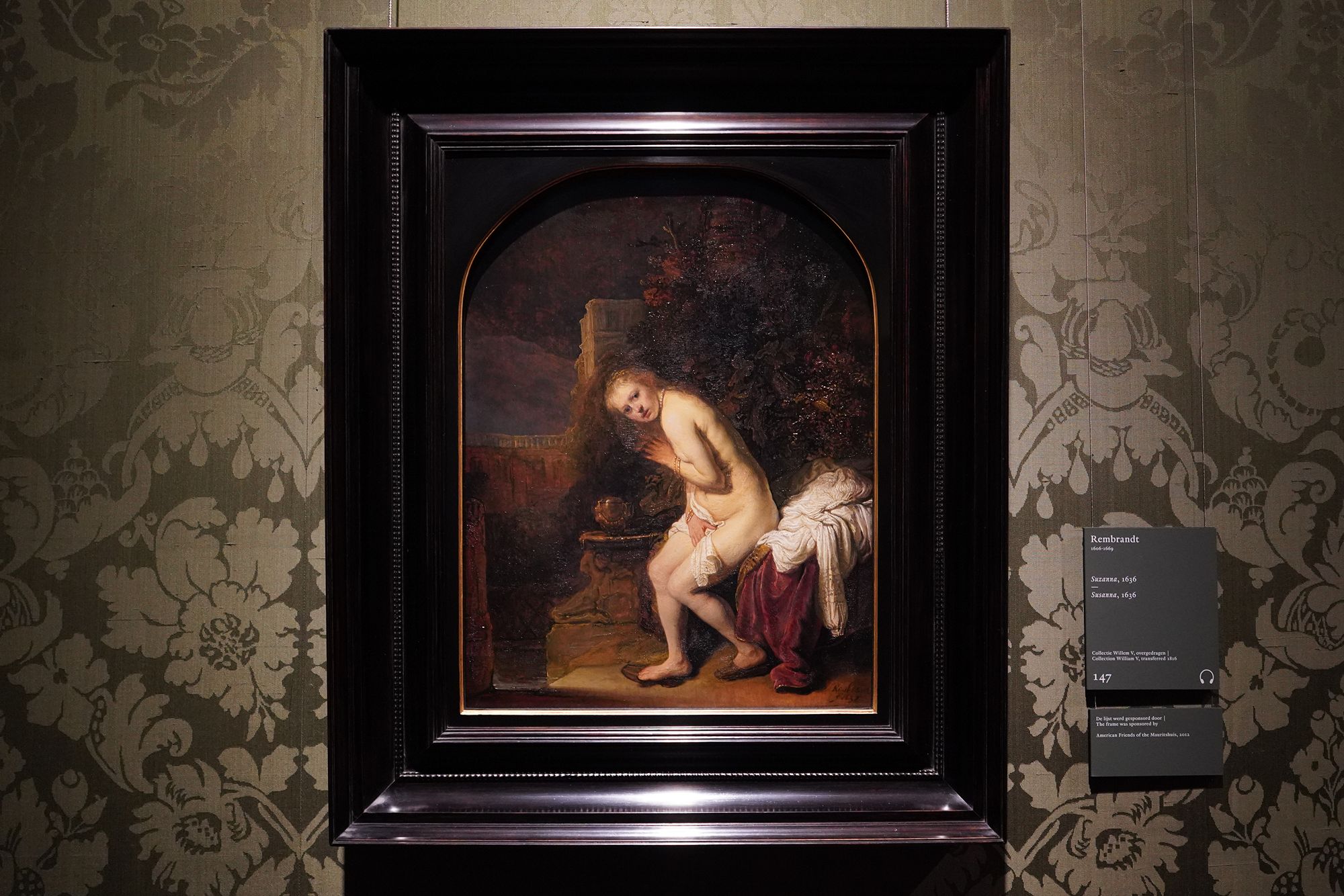
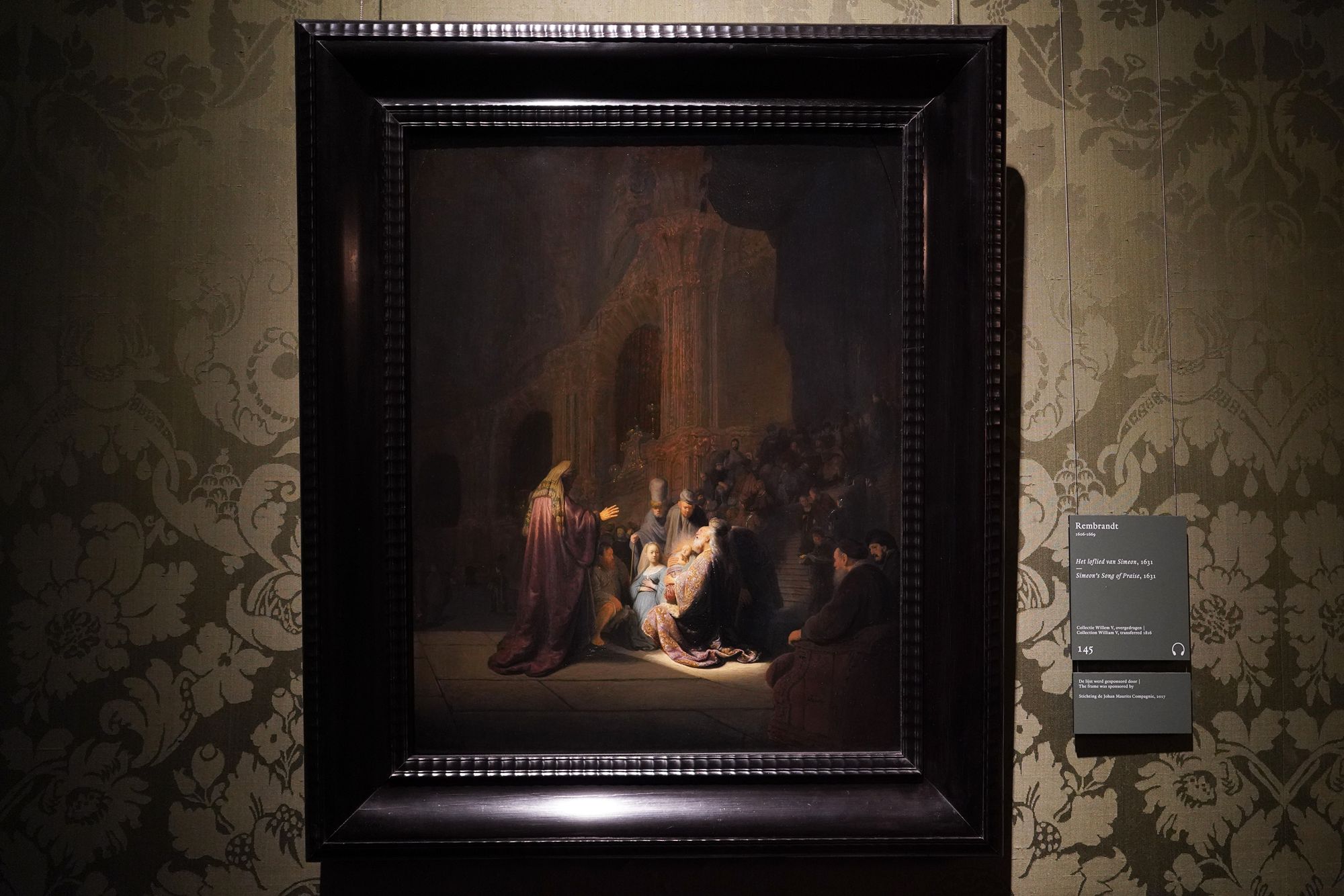
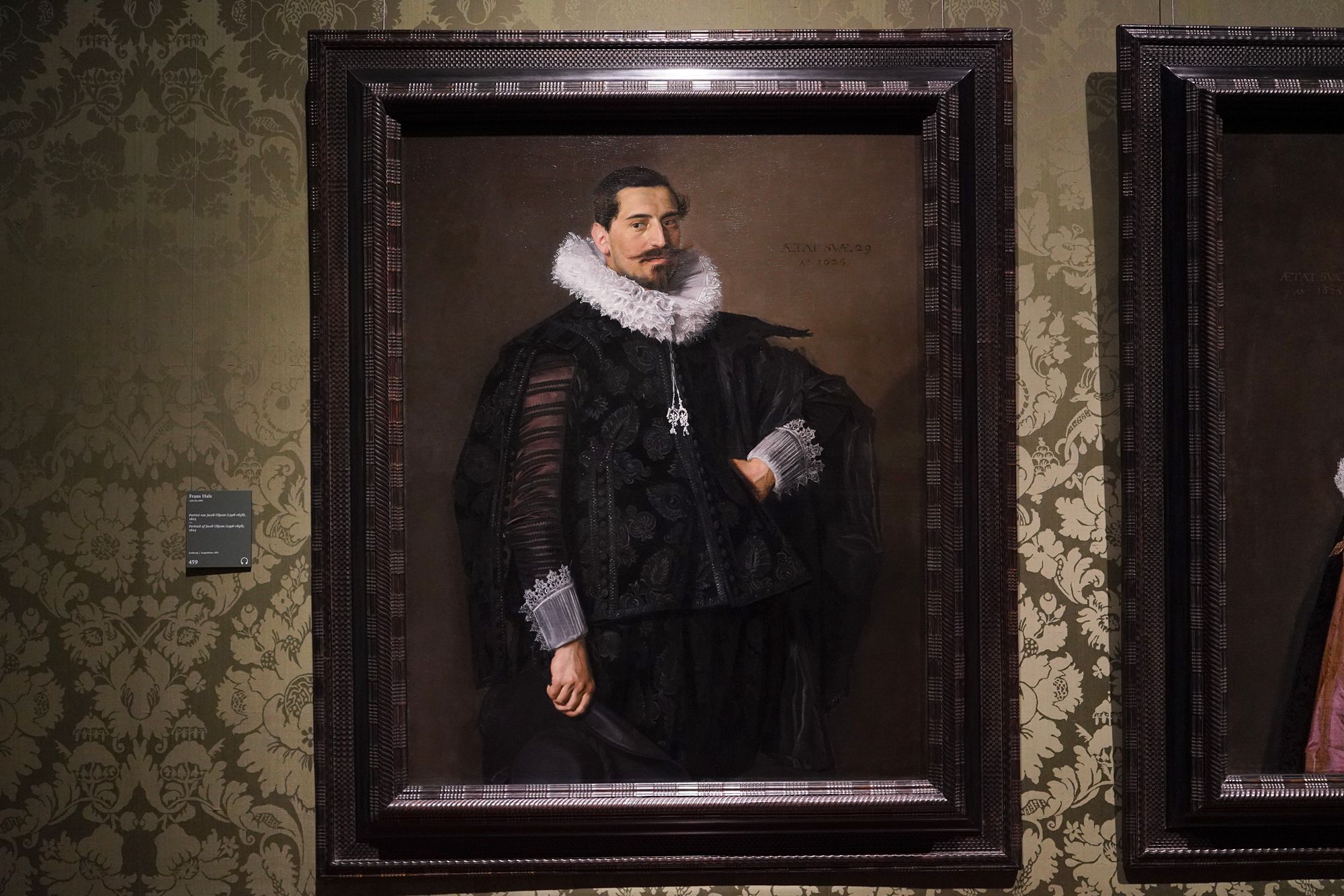
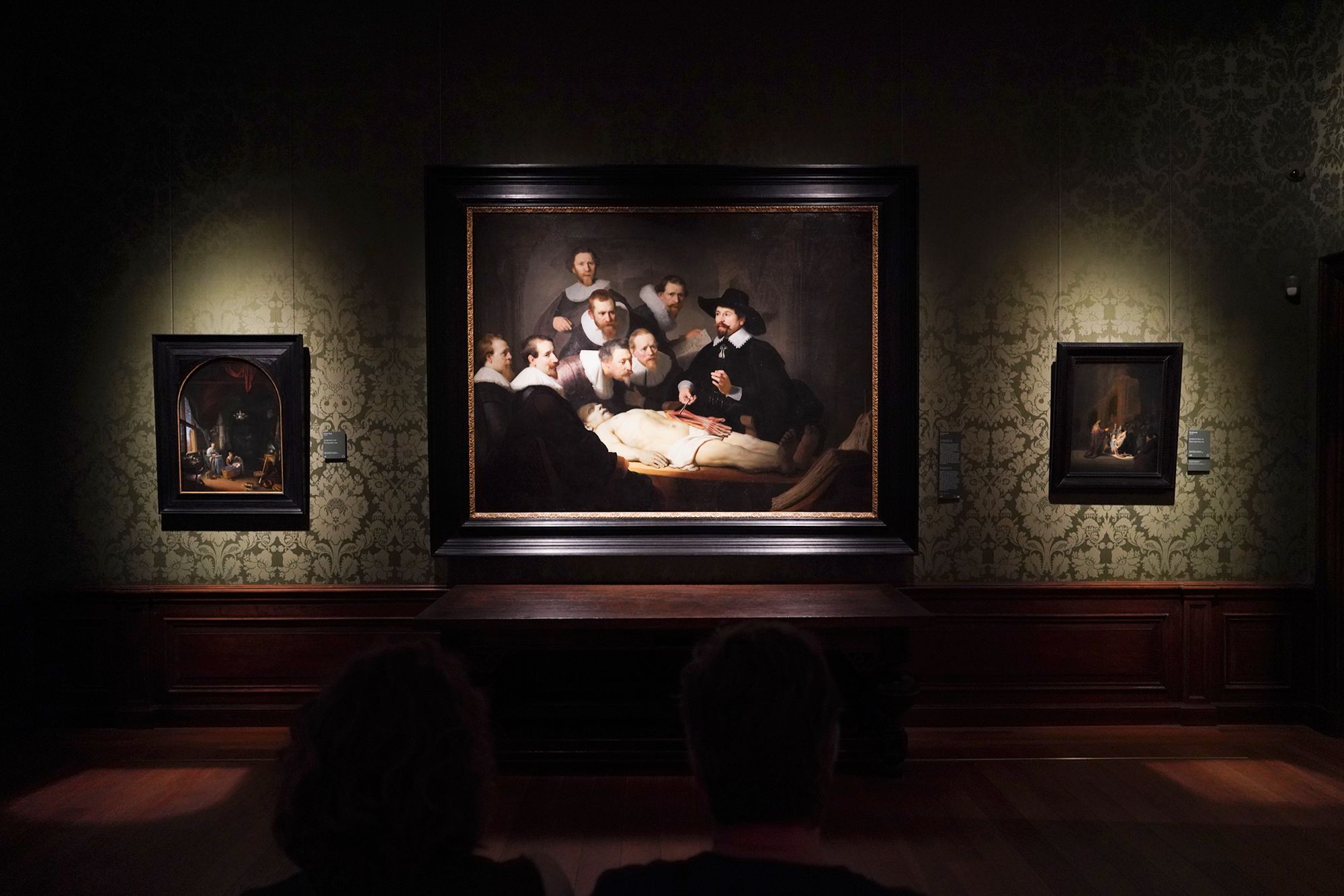
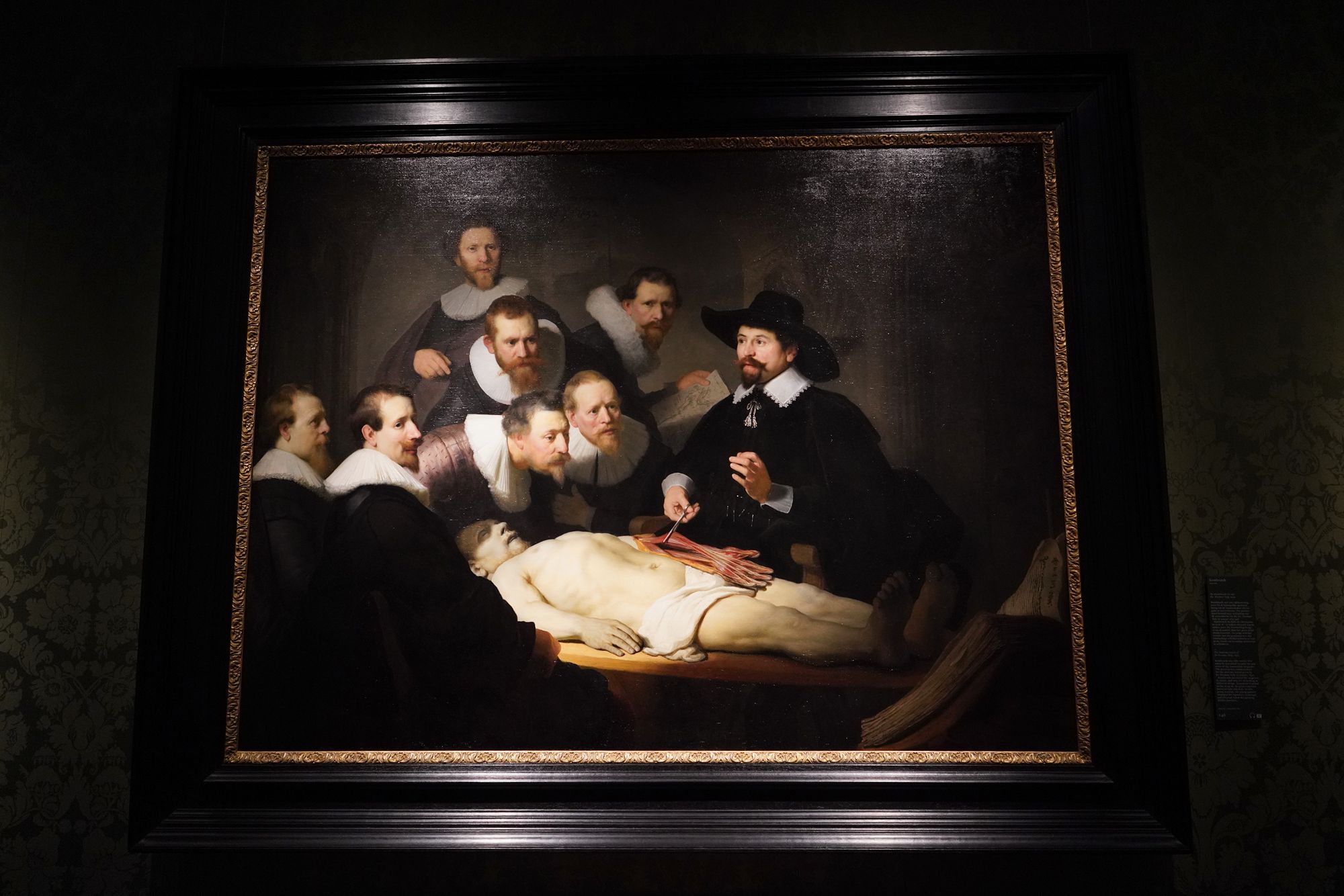
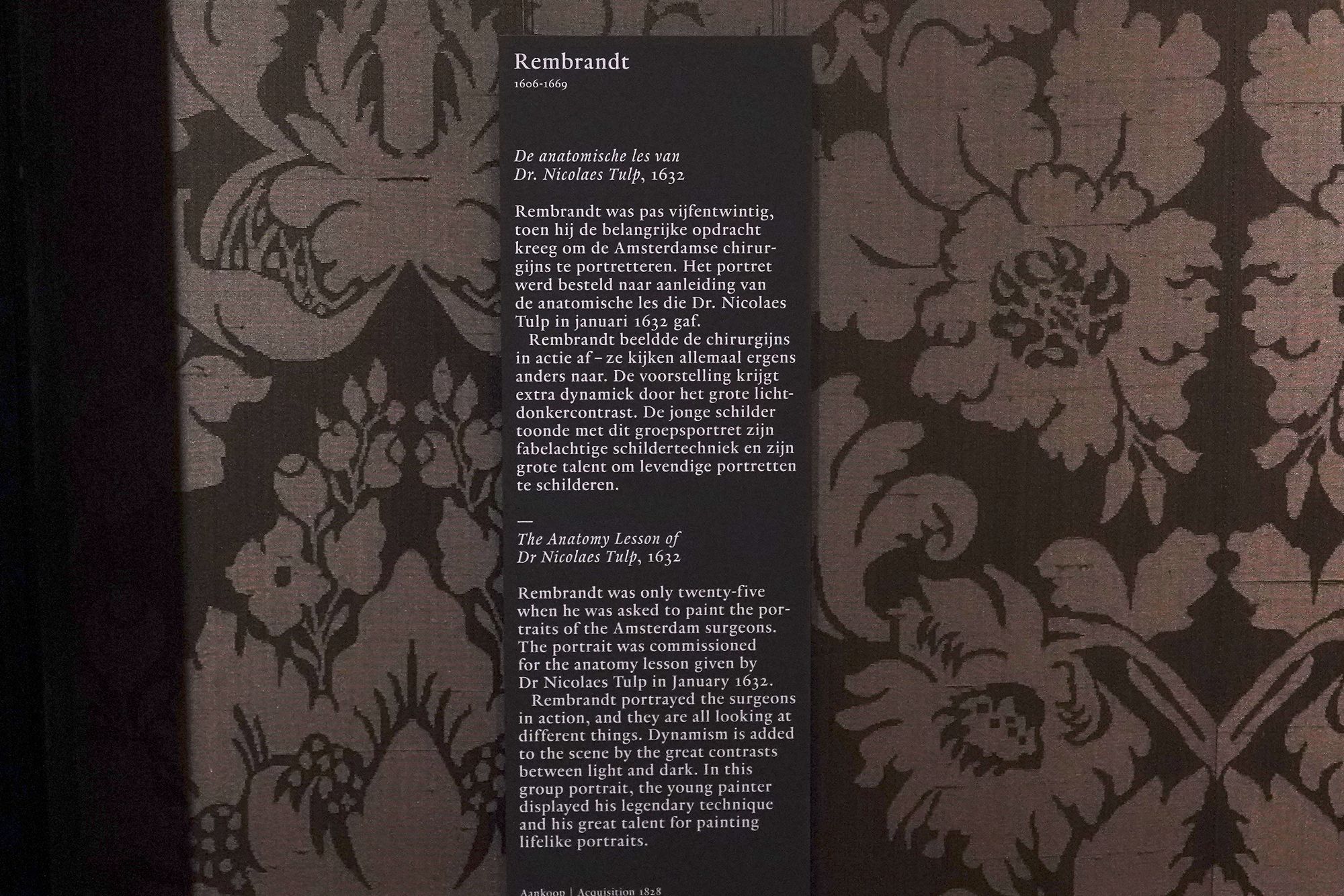
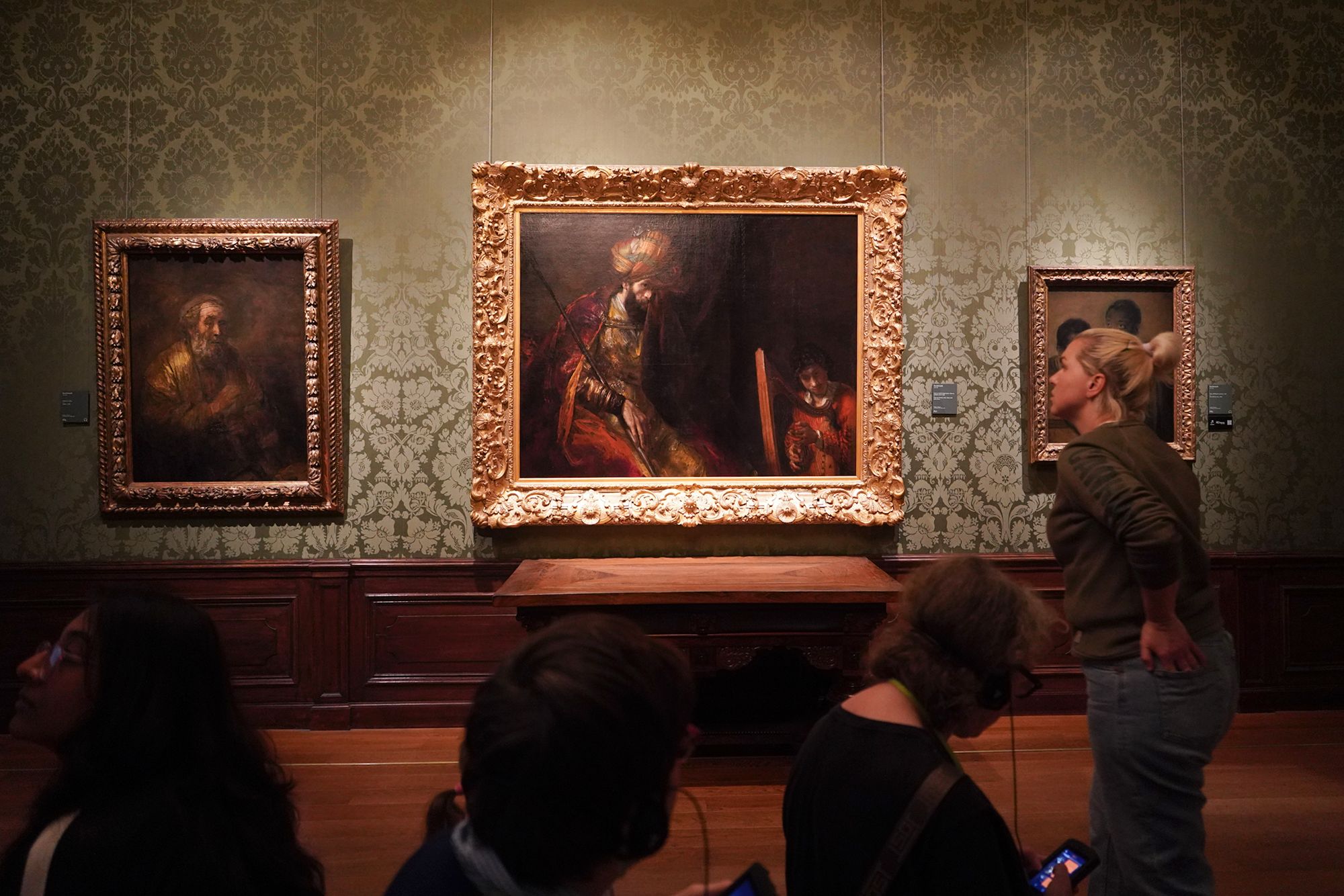
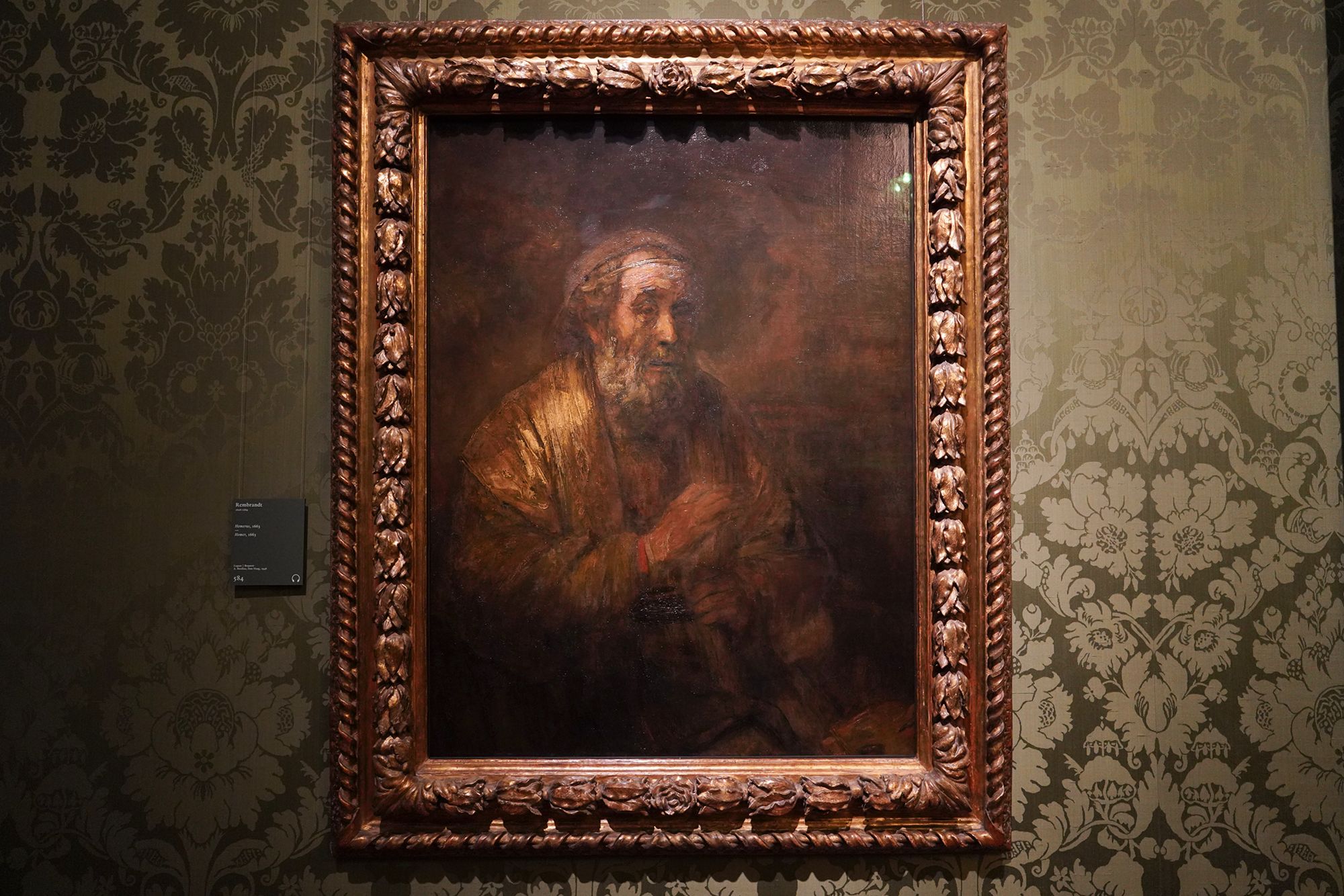
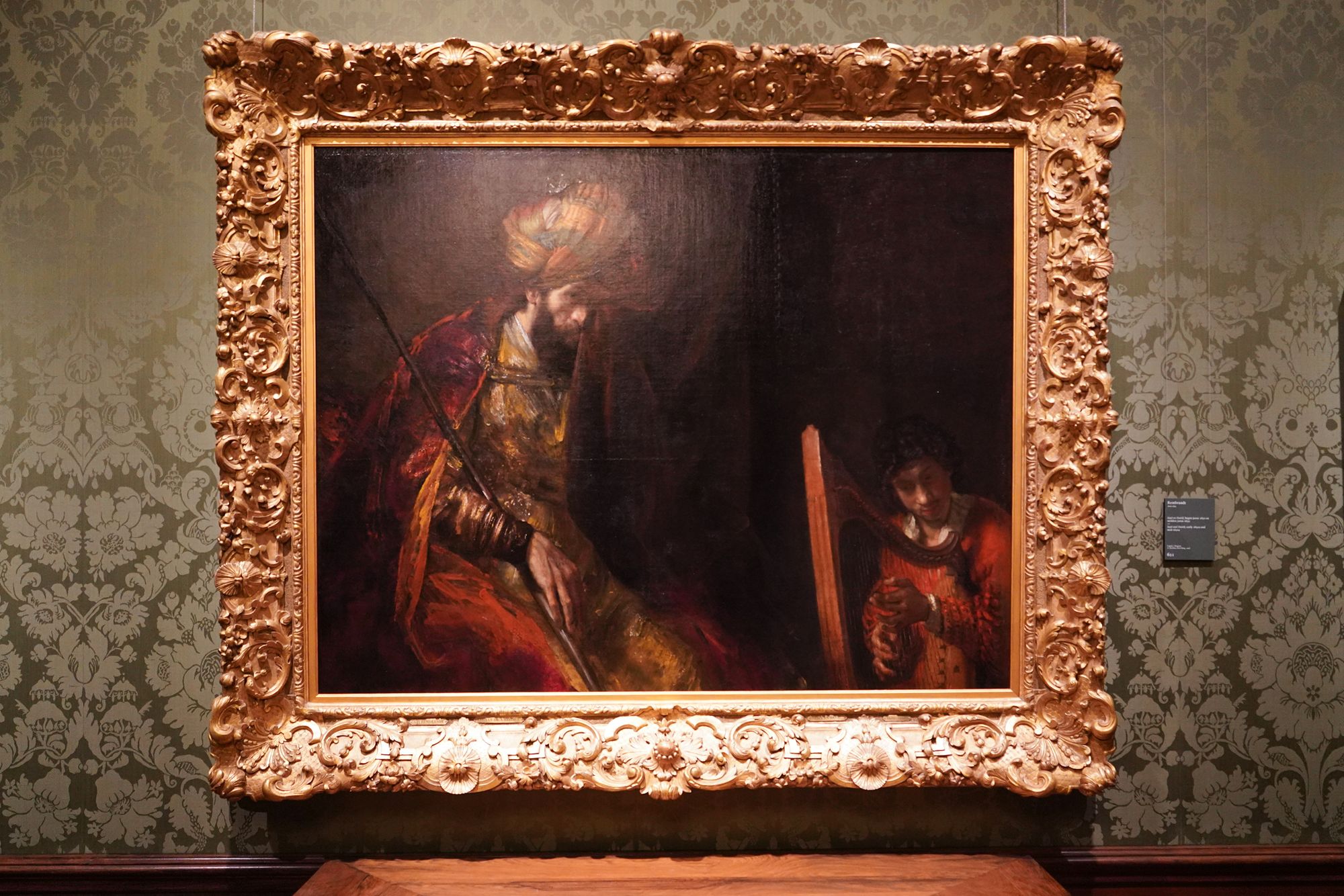
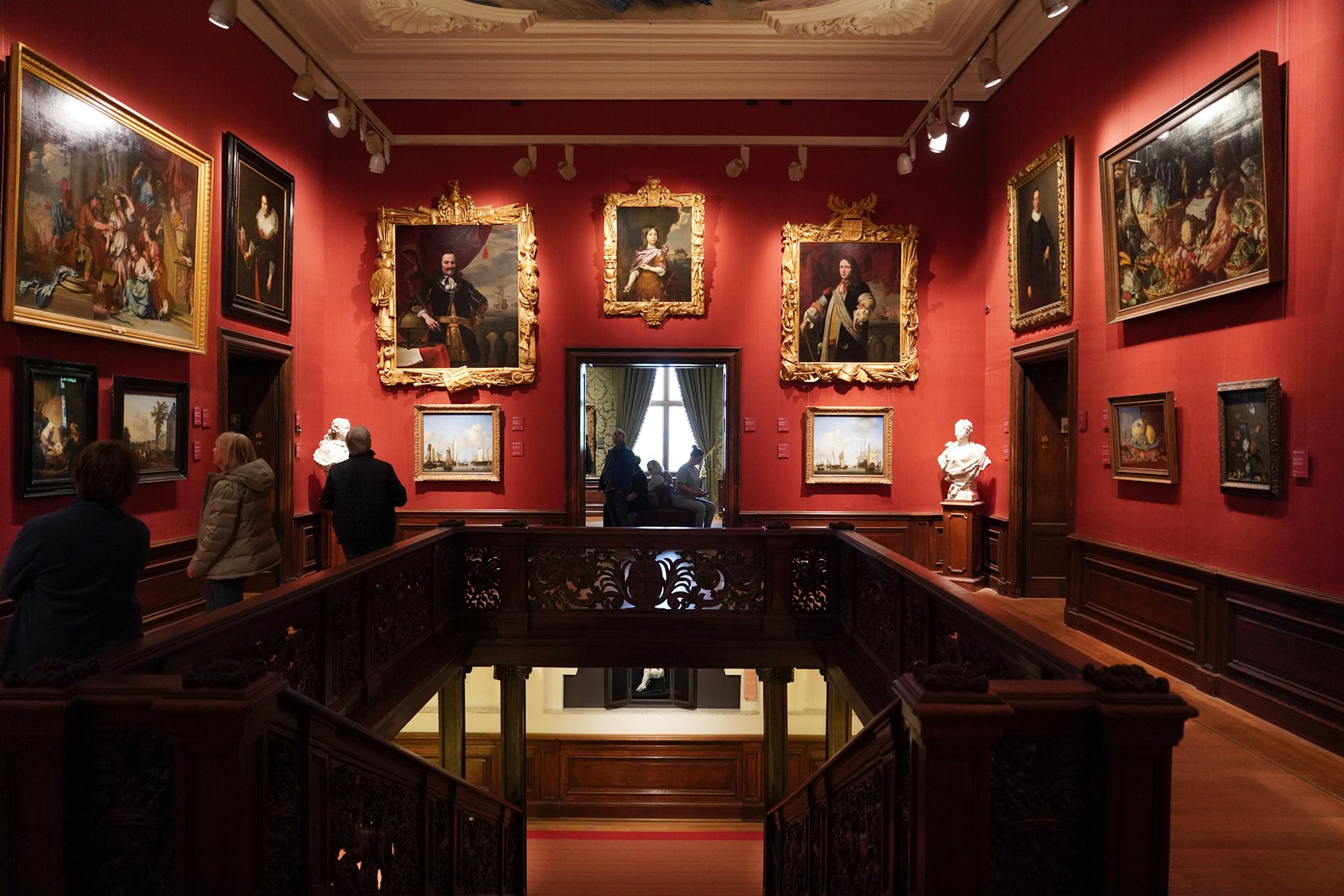
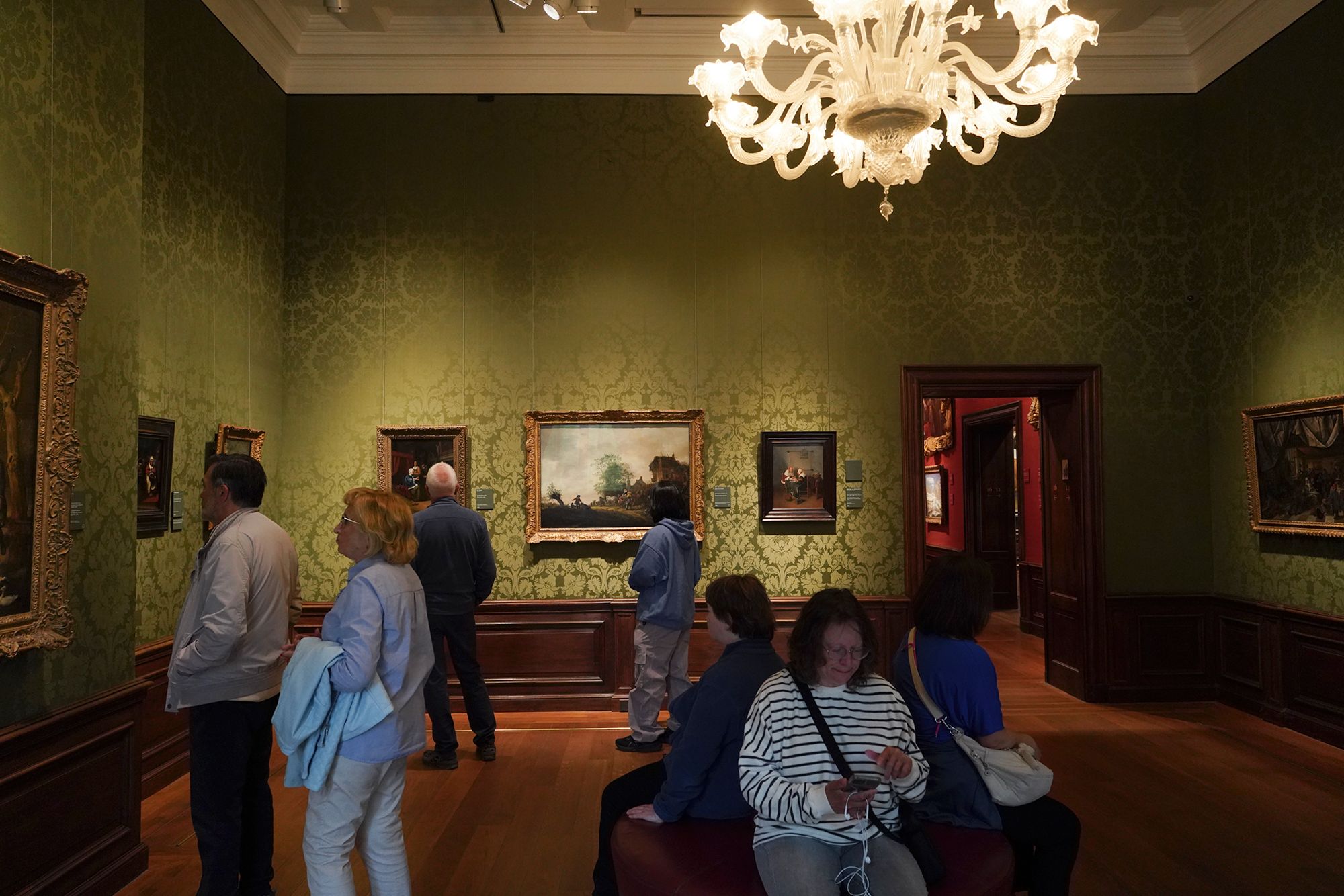
The Hague is the Netherlands’ seat of government and a city filled with history, elegant architecture, and museums. I visited the Mauritshuis, a beautiful historic museum best known for its collection of Dutch Golden Age masterpieces, including works by Vermeer, Rembrandt, and Frans Hals.
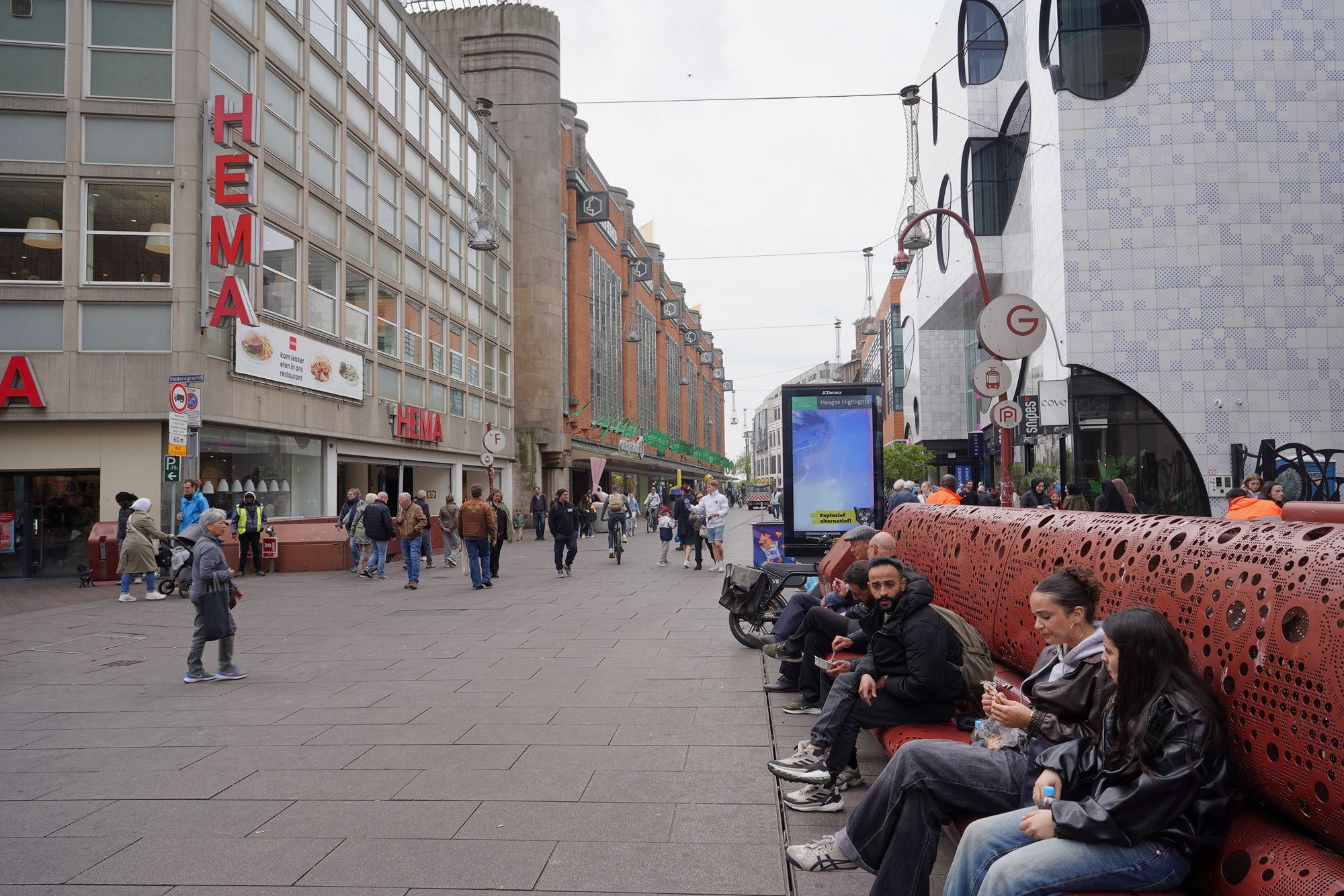
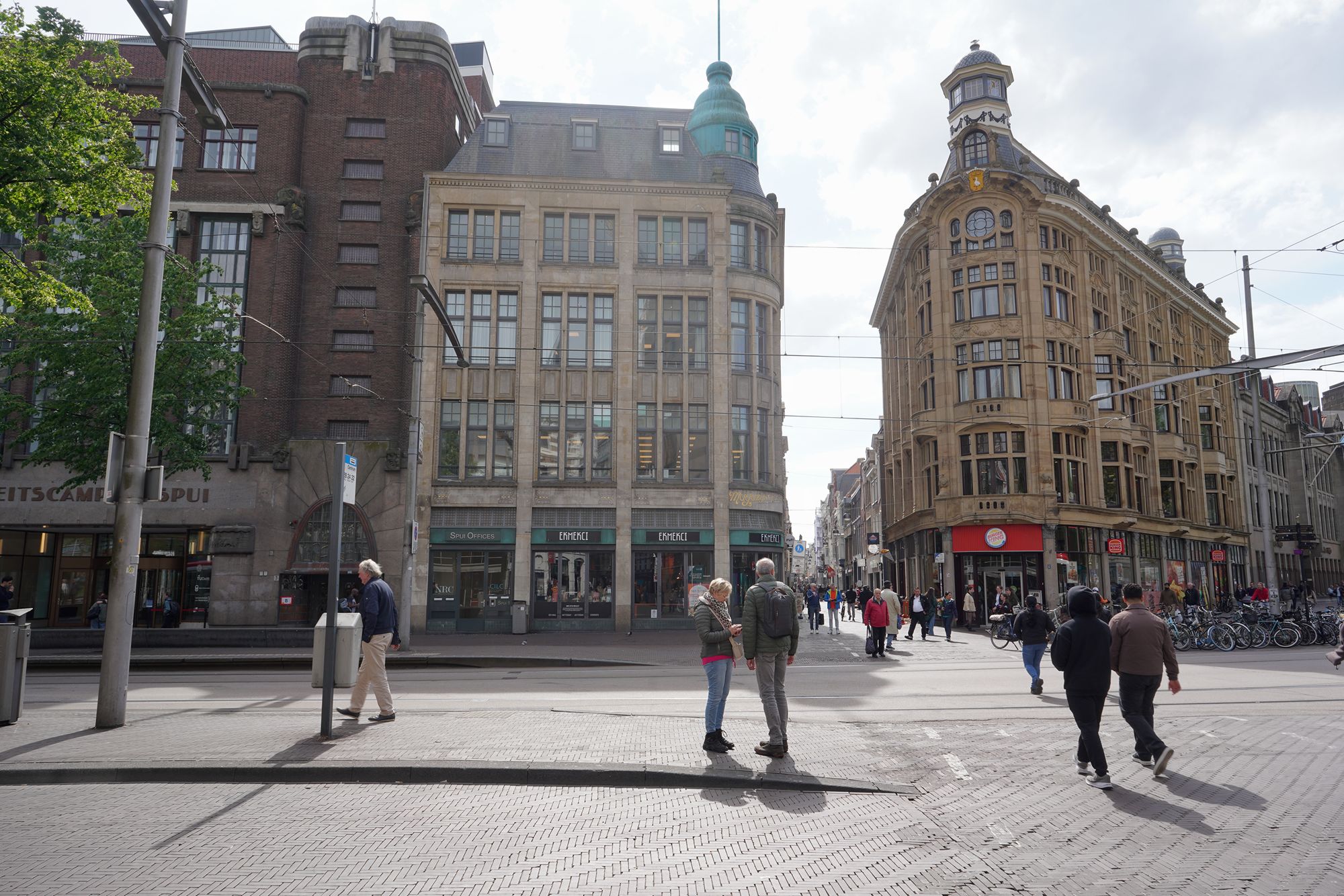
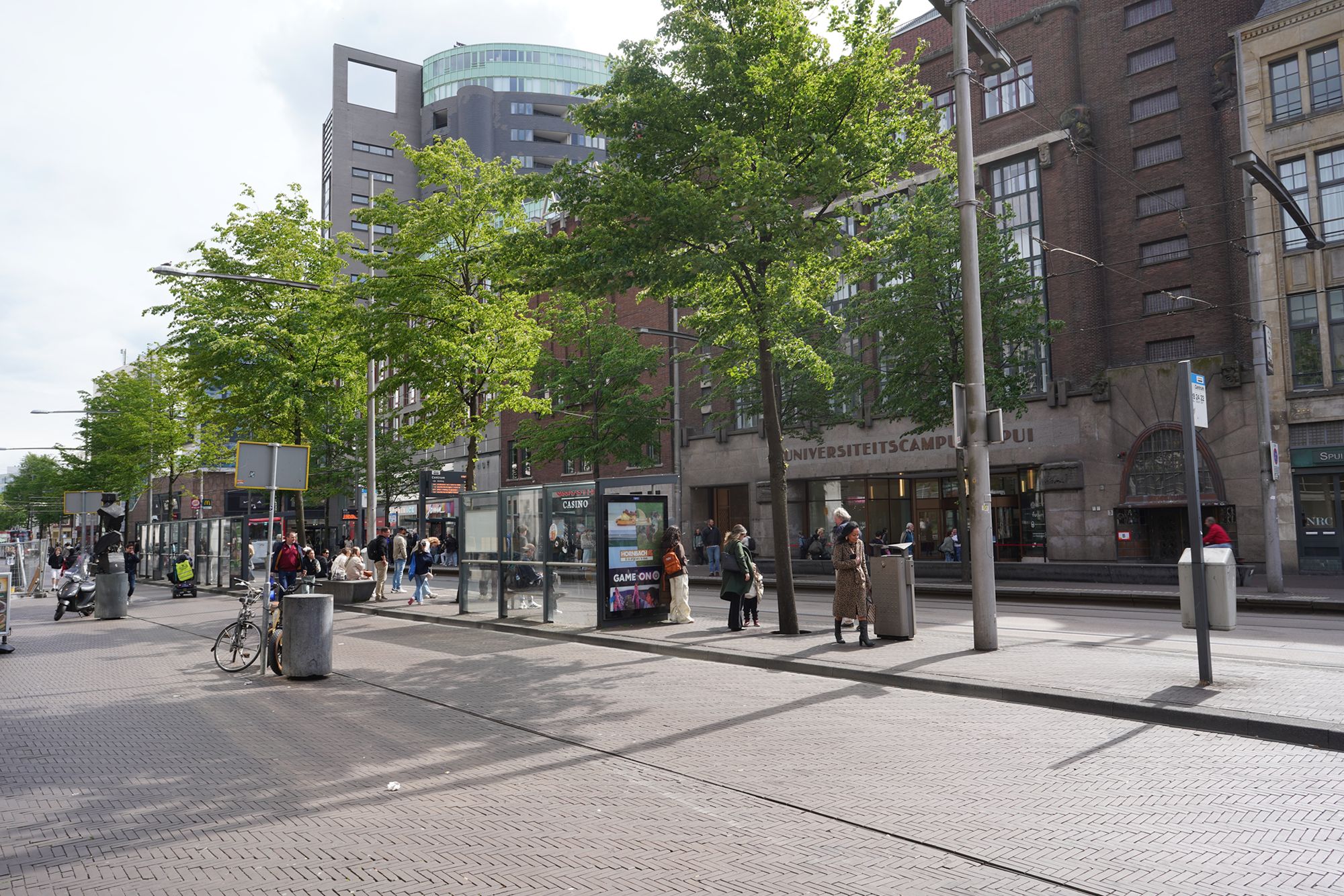
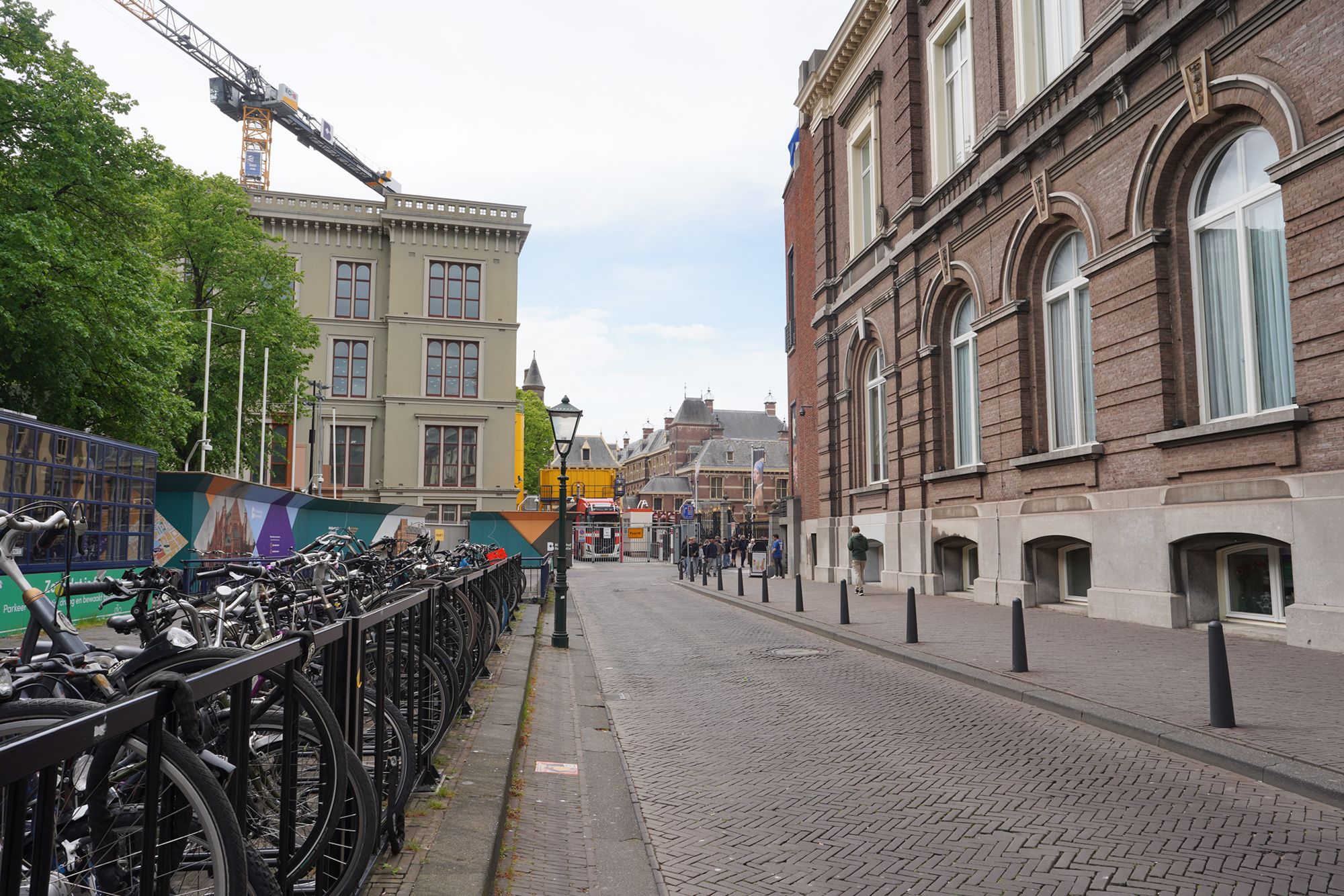
Near the train station, I began my walk through The Hague, passing modern buildings and busy streets as I headed toward the historic city center.
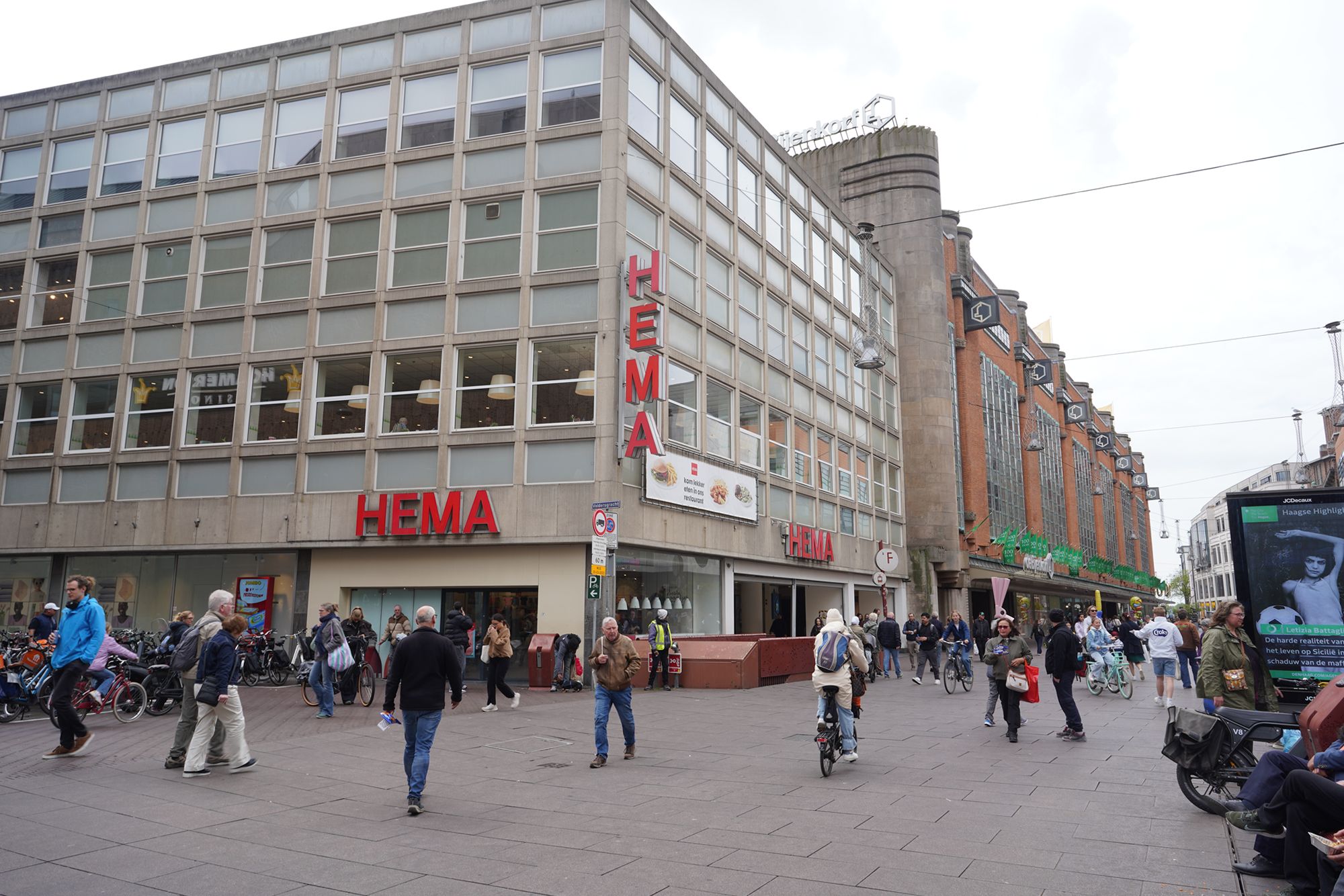
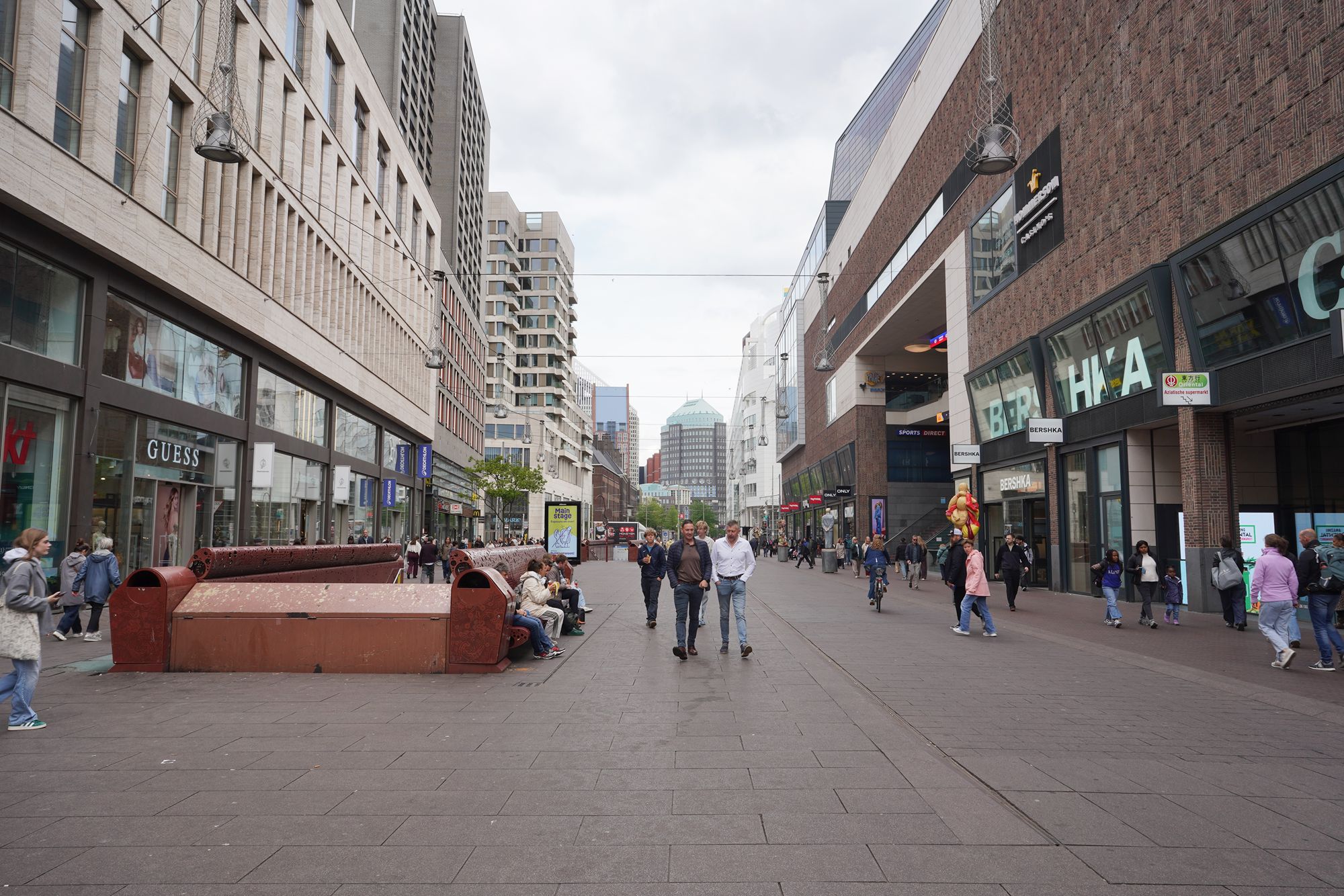
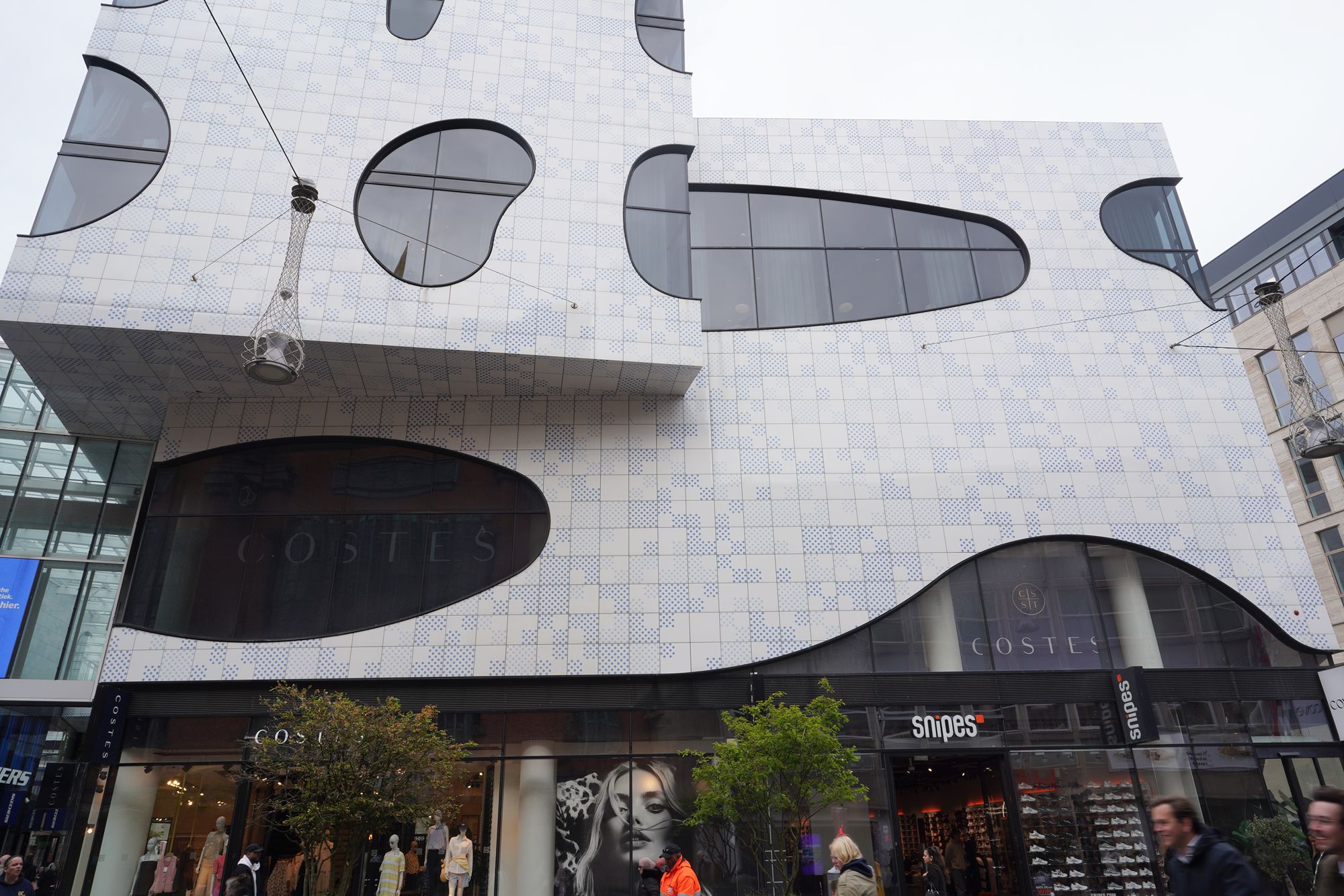
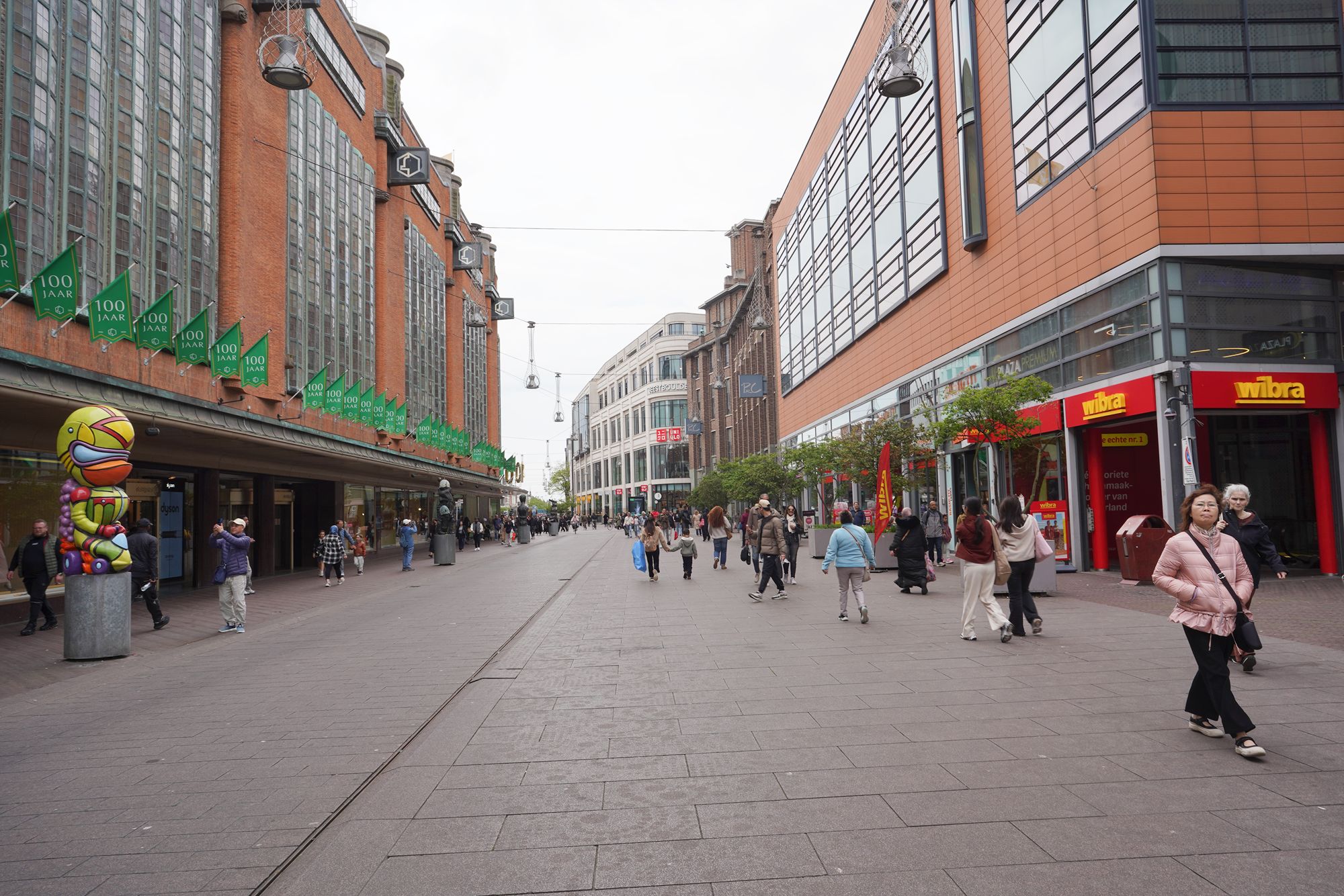
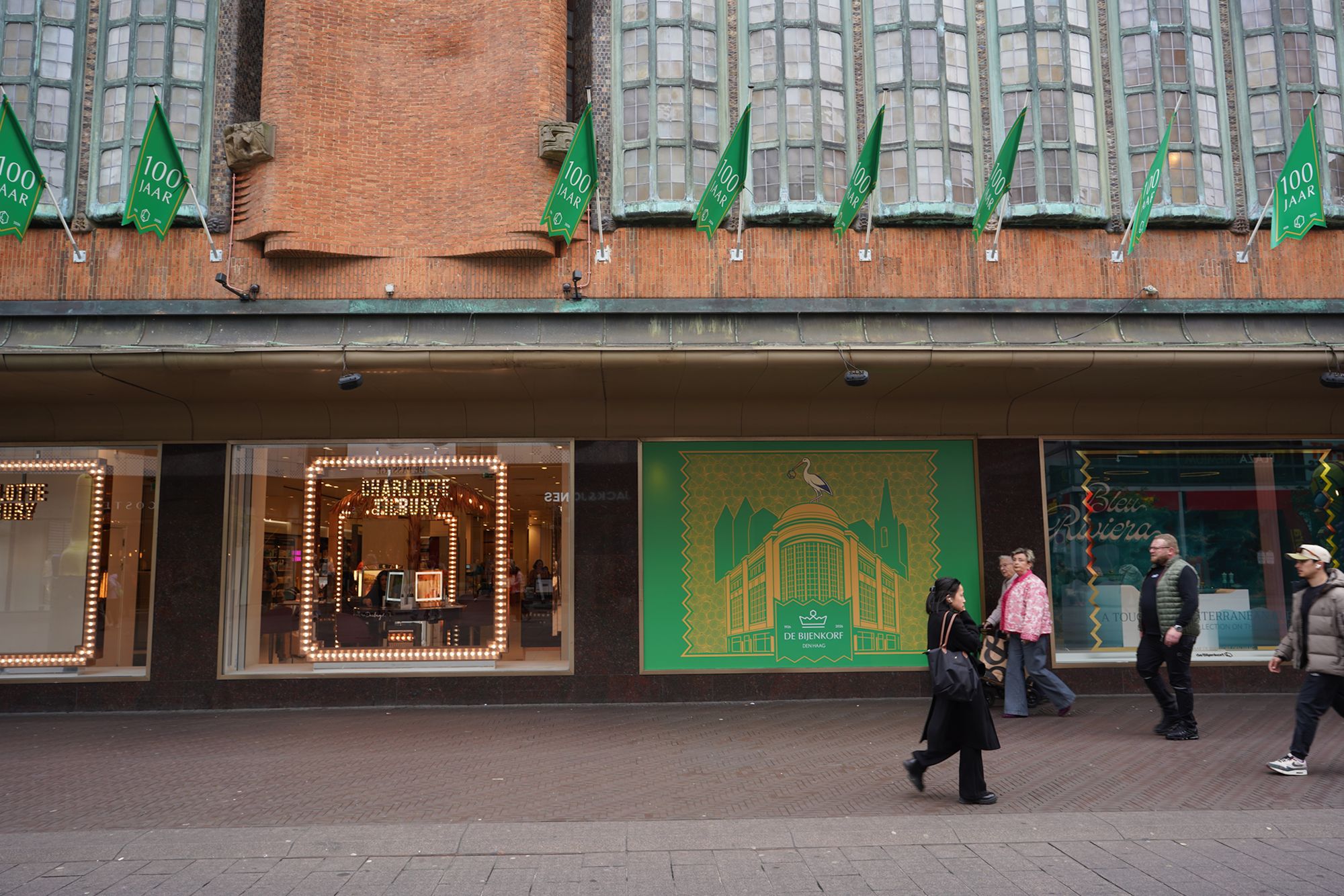
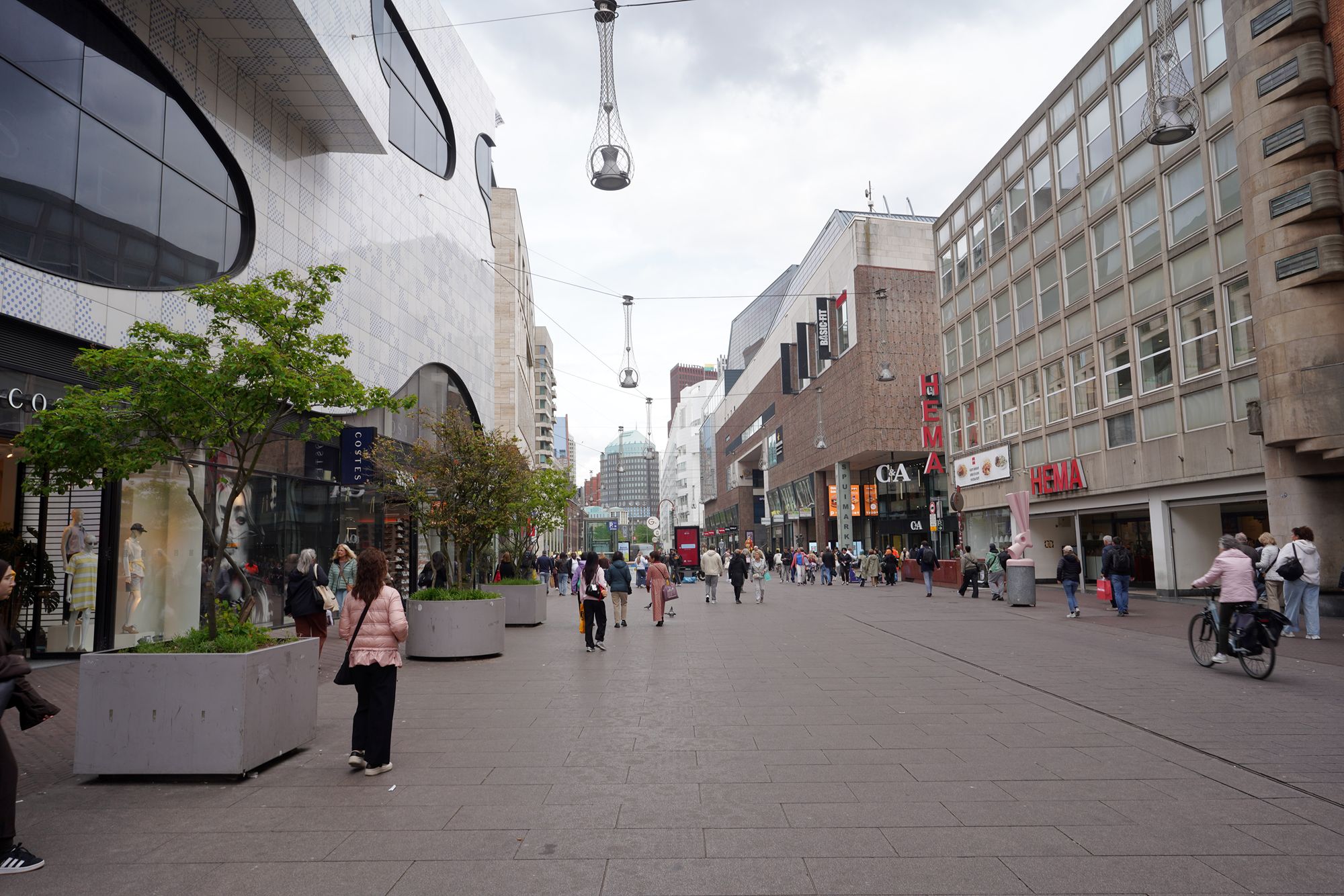
To reach the Mauritshuis from The Hague Central Station, I walked through a large shopping center on my way toward the historic city center and the museum.

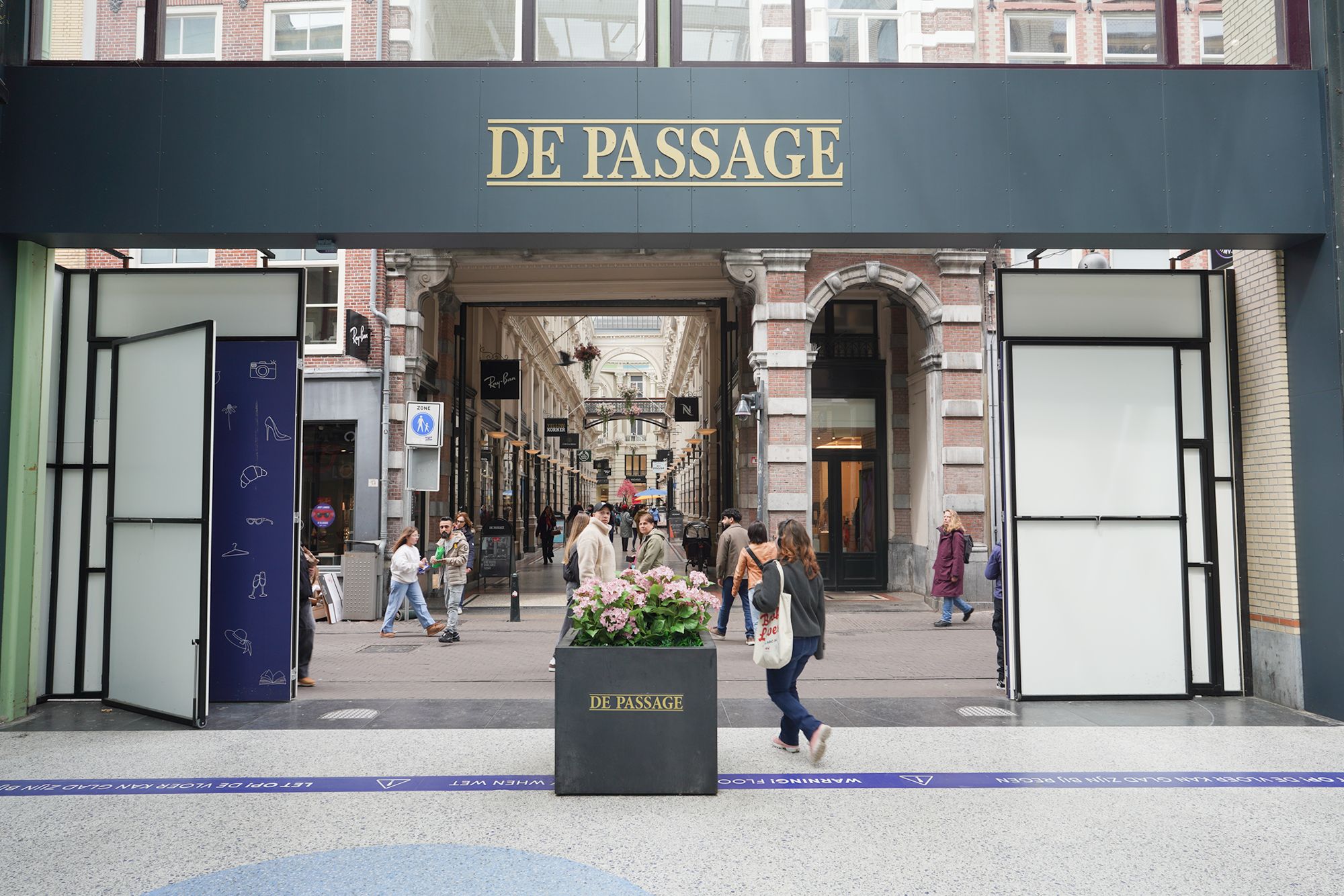
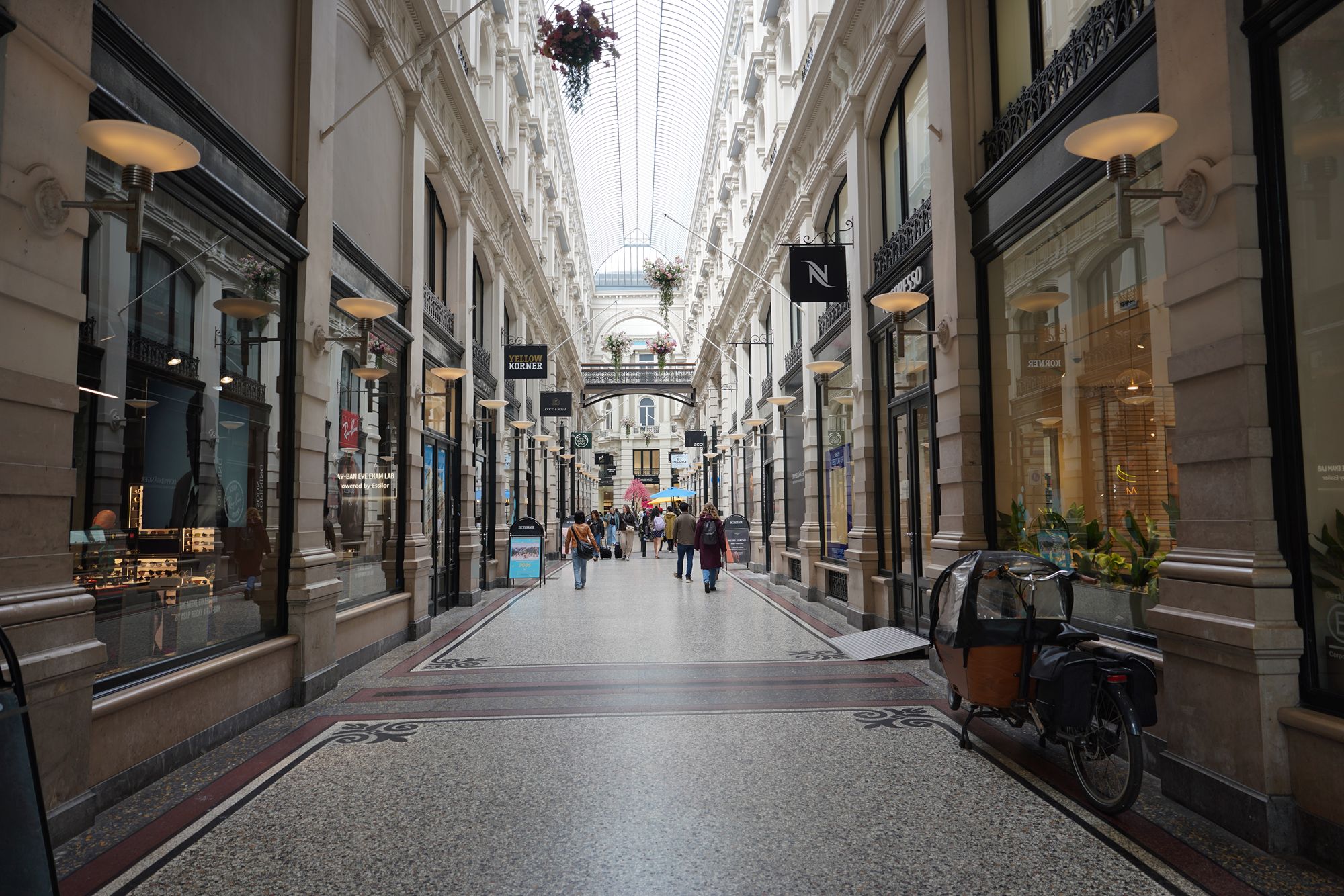
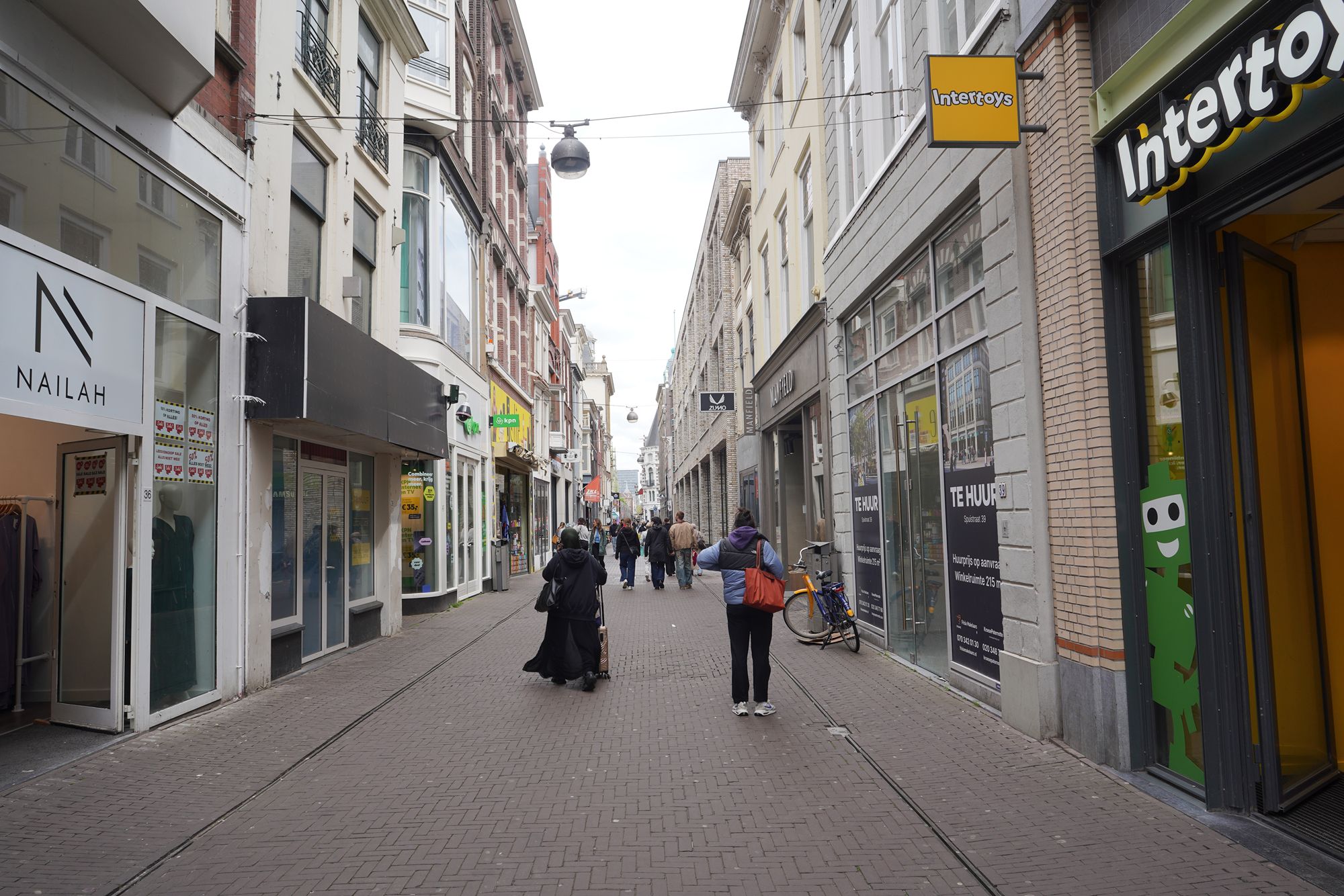
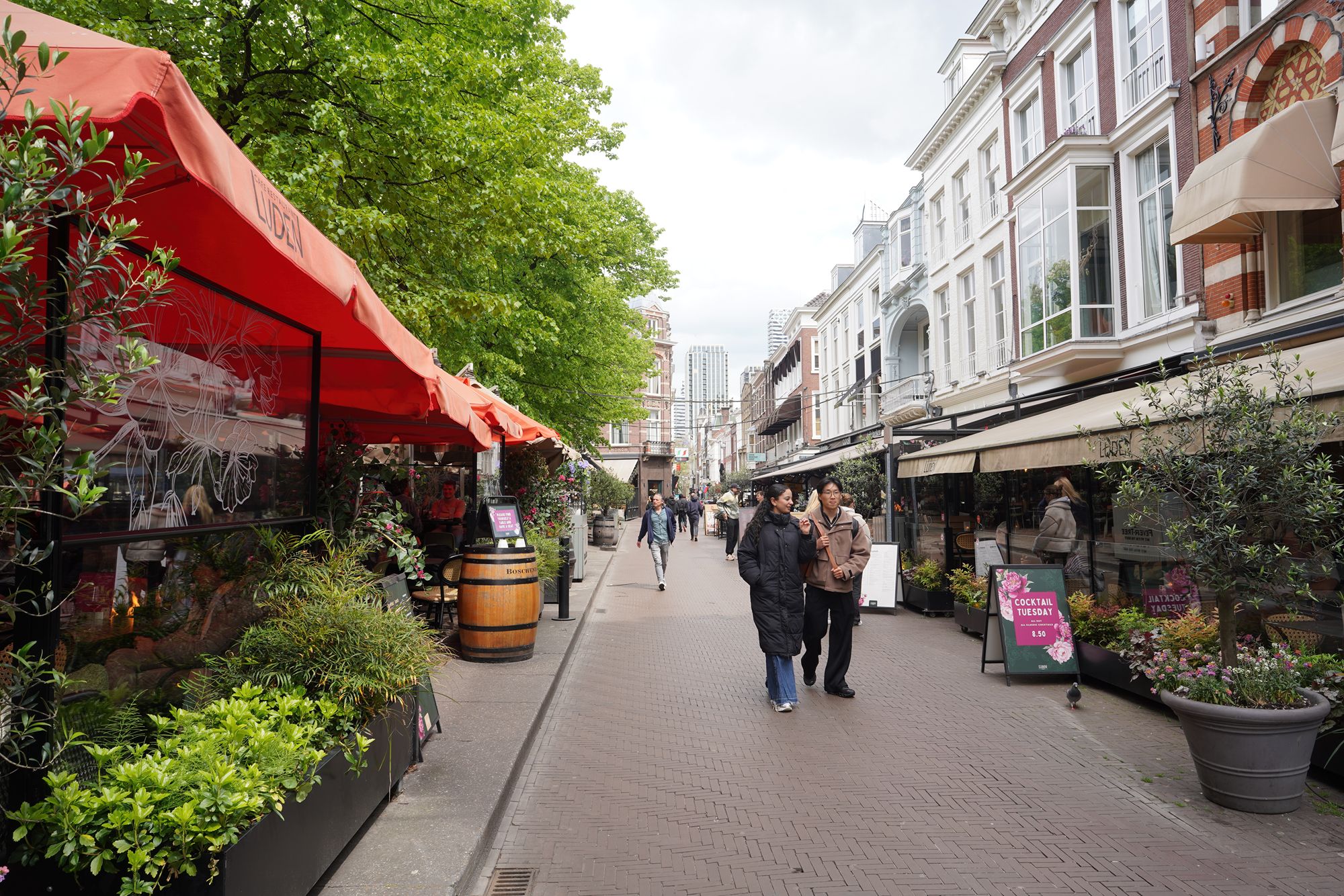
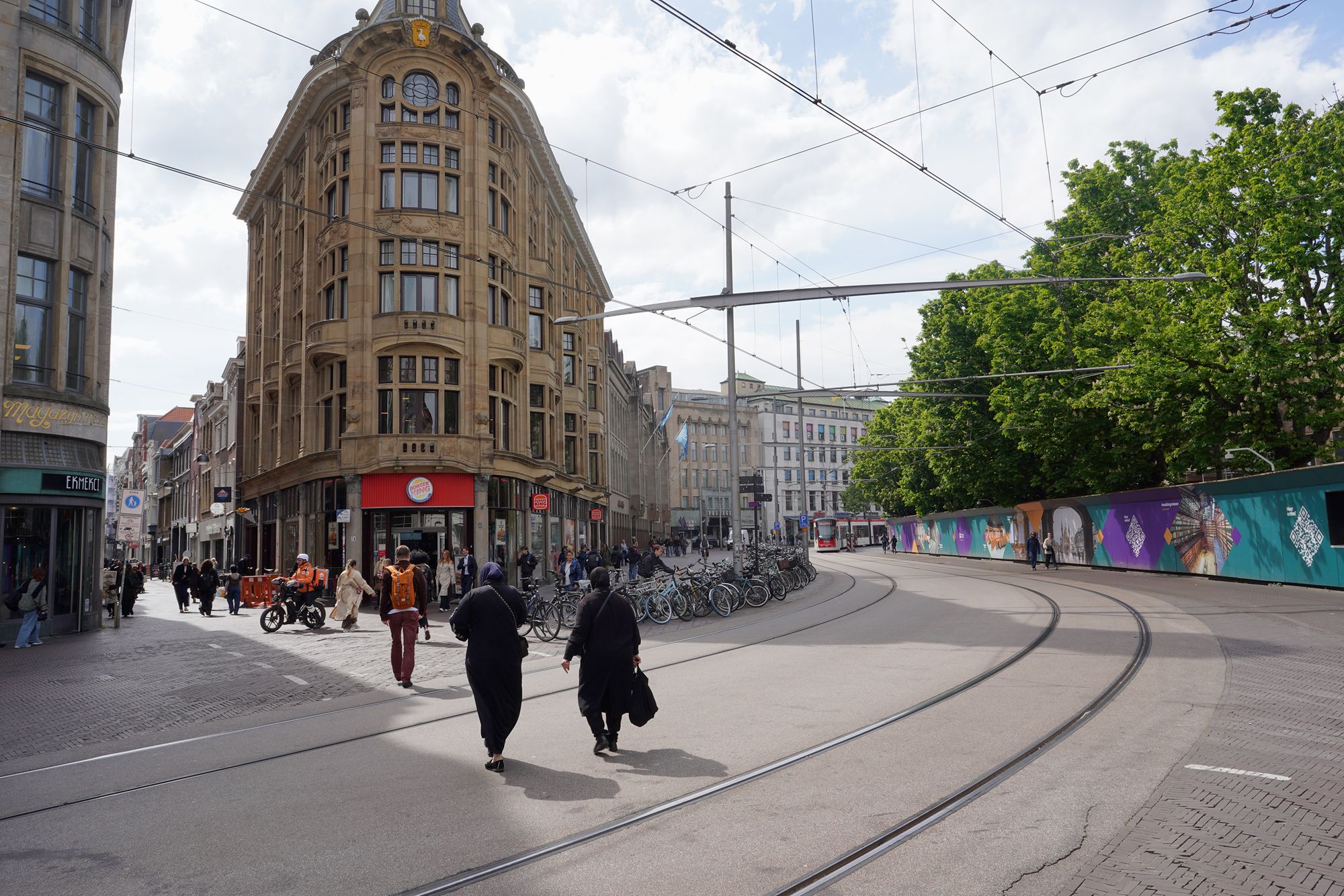
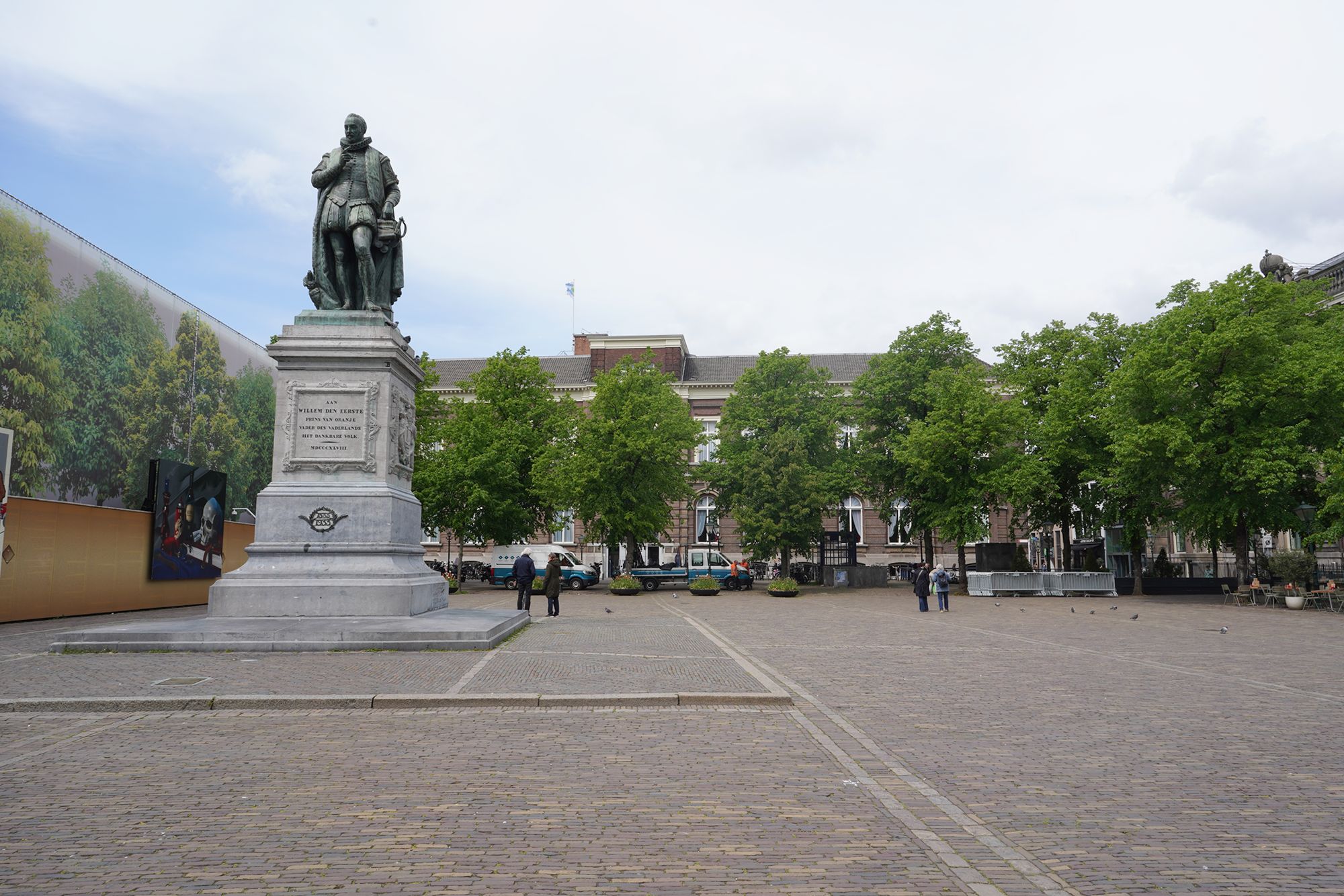
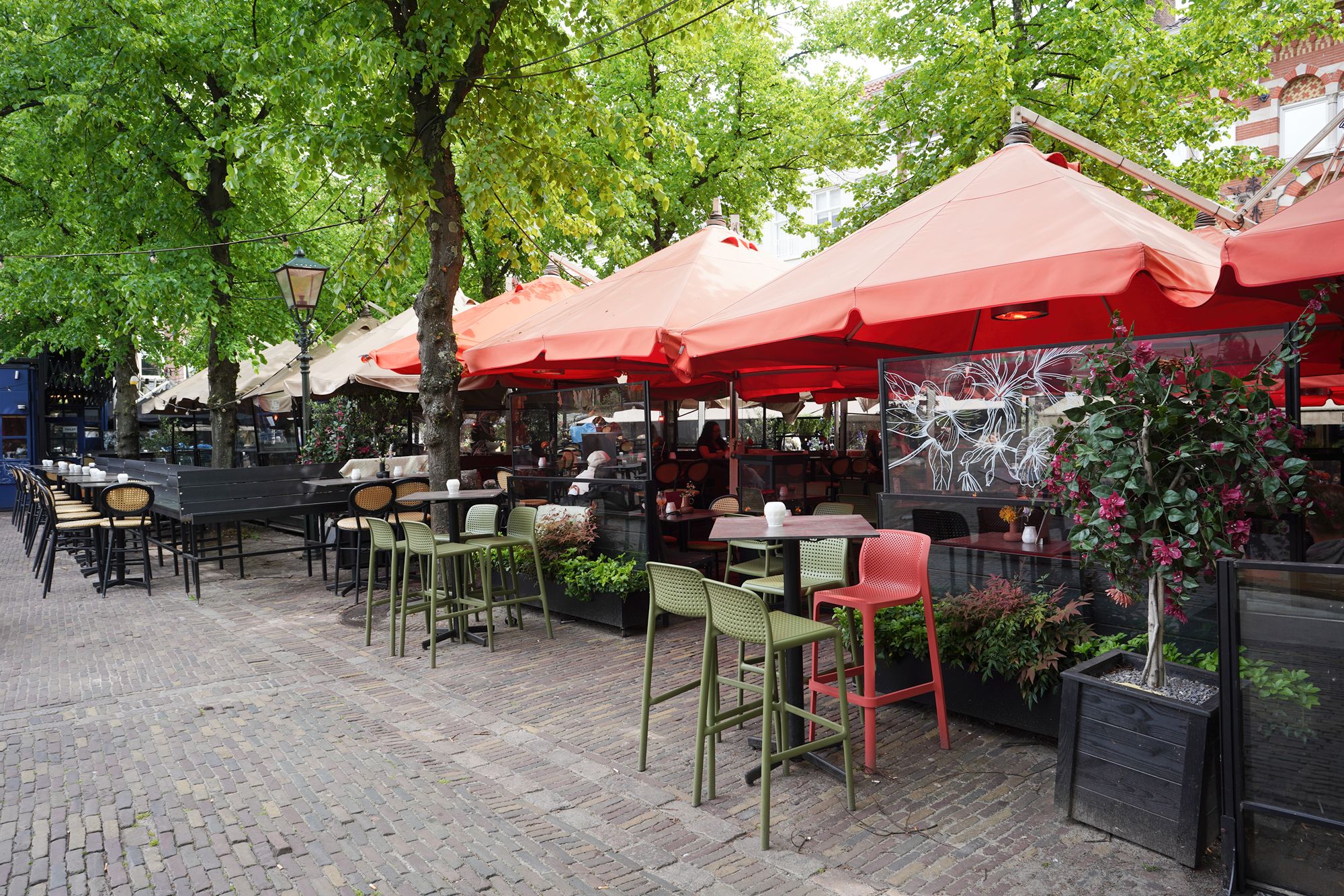
Het Plein is a historic square in the center of The Hague, surrounded by elegant buildings, cafés, and government offices near the Binnenhof and Mauritshuis.
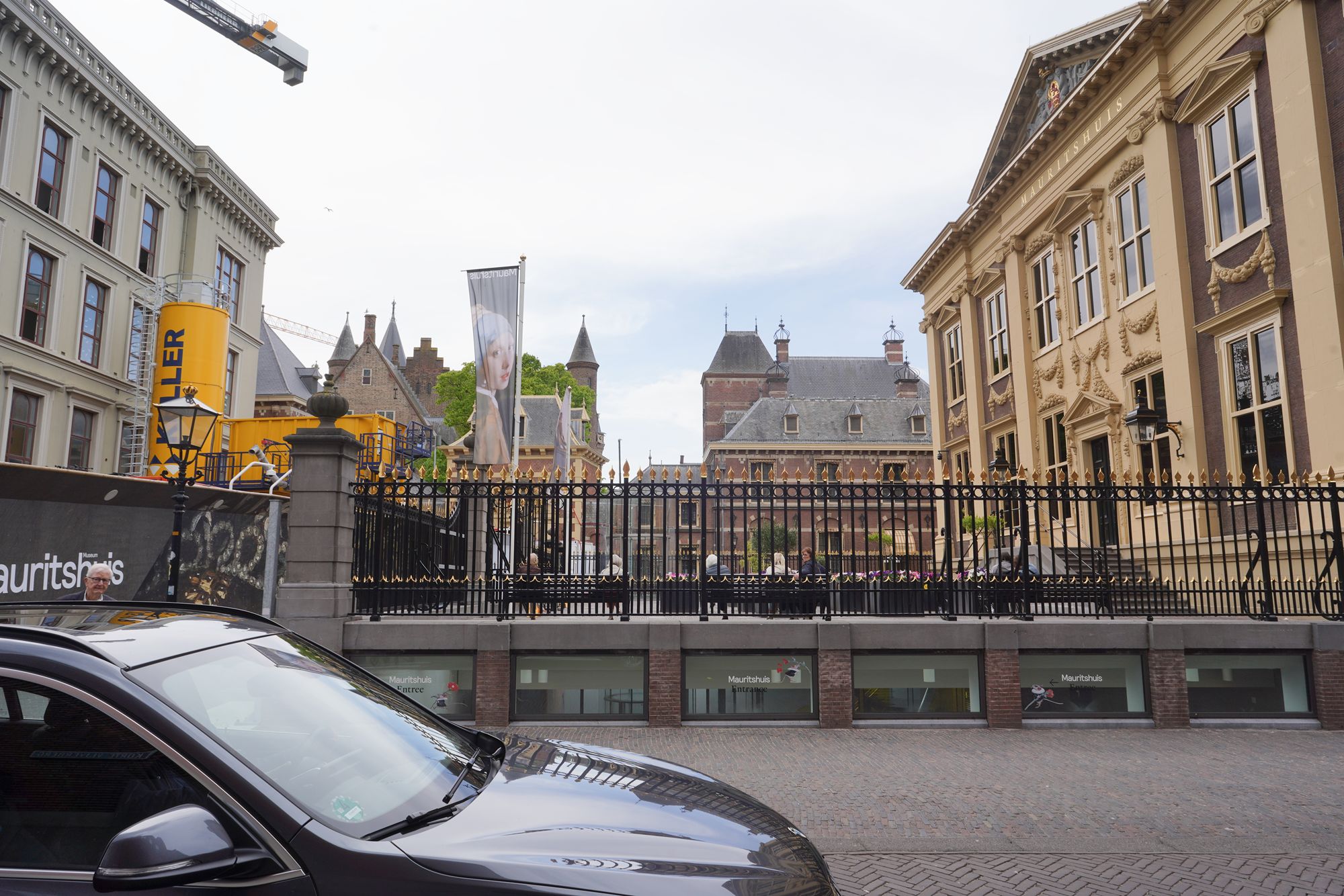
The Mauritshuis
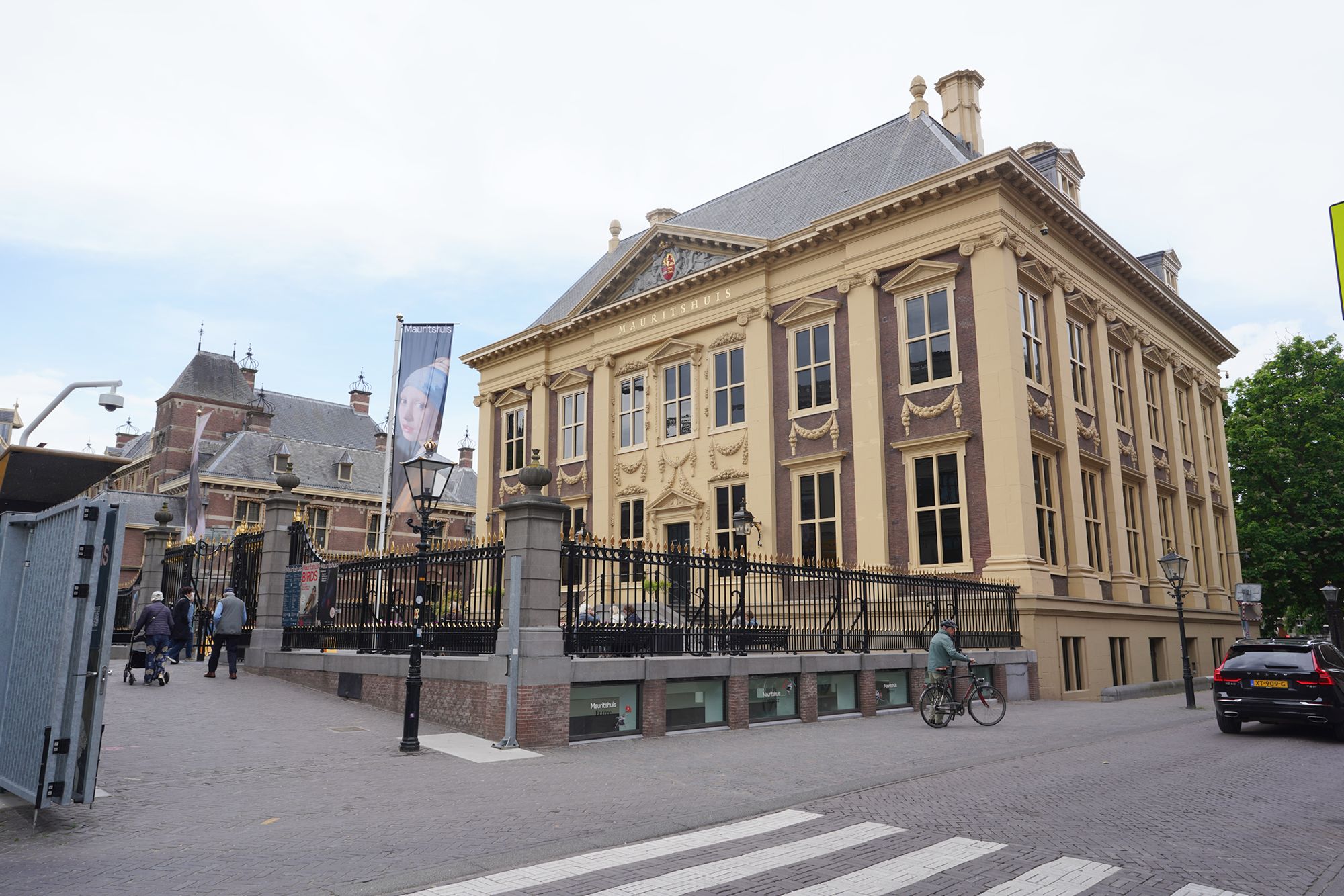
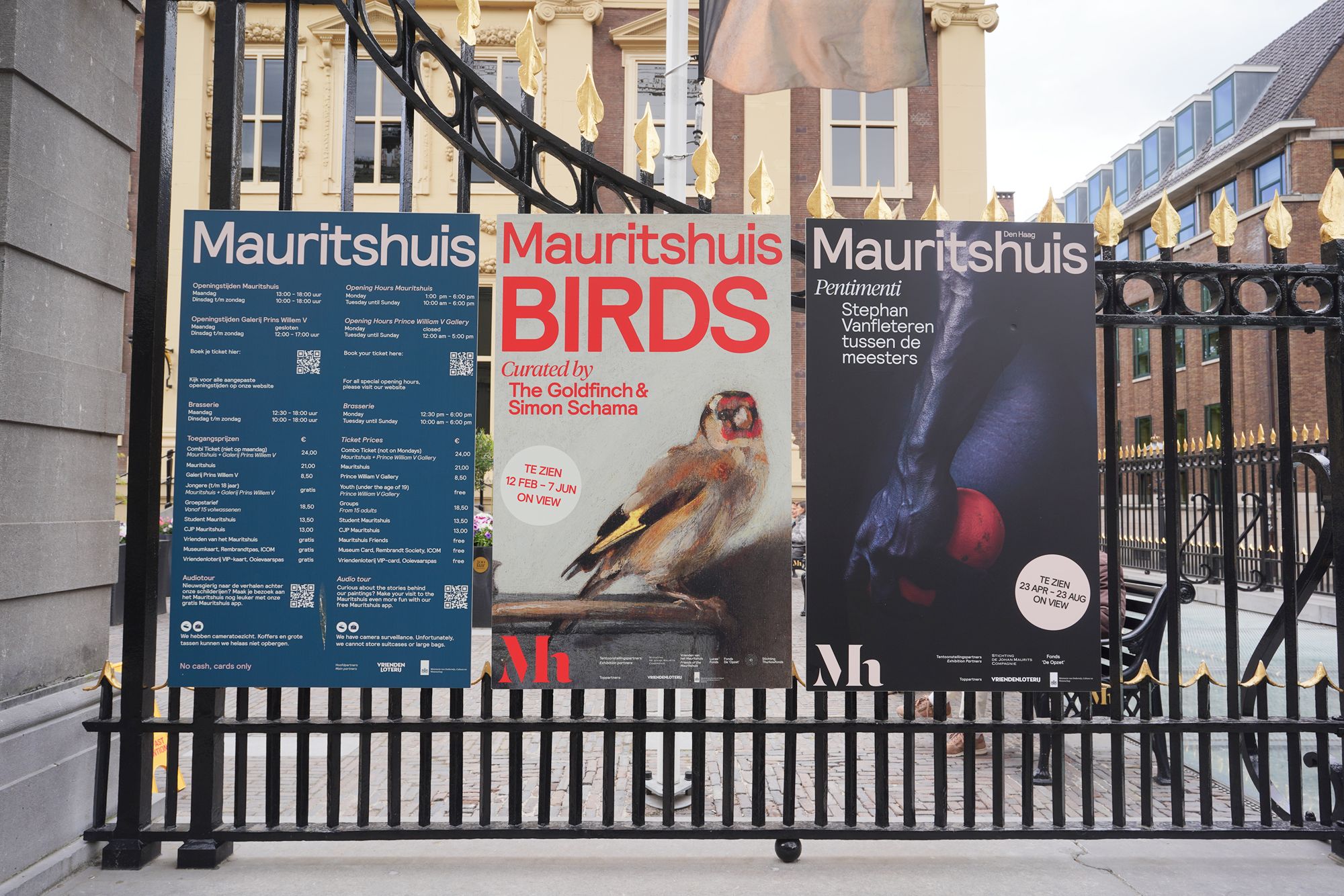
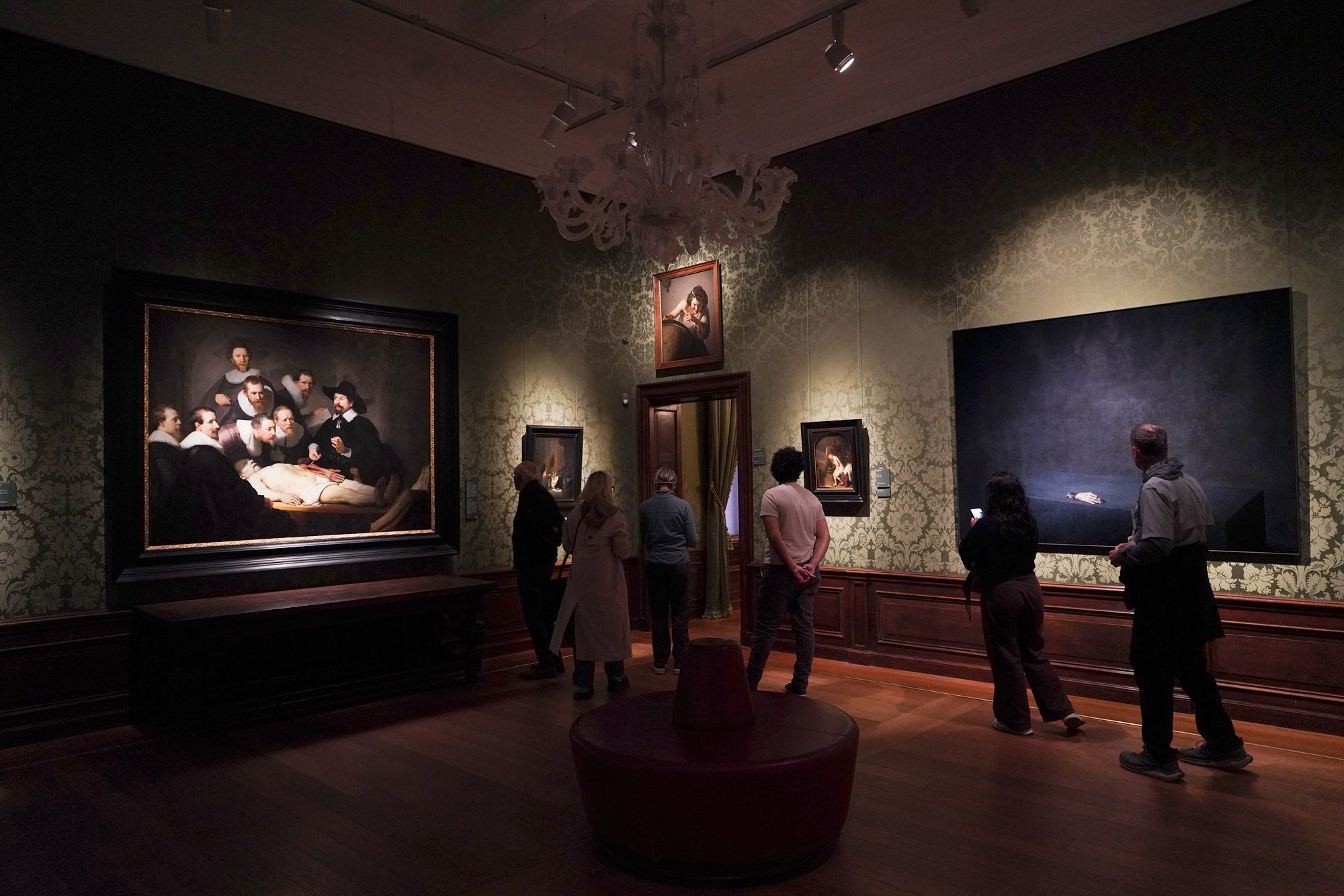
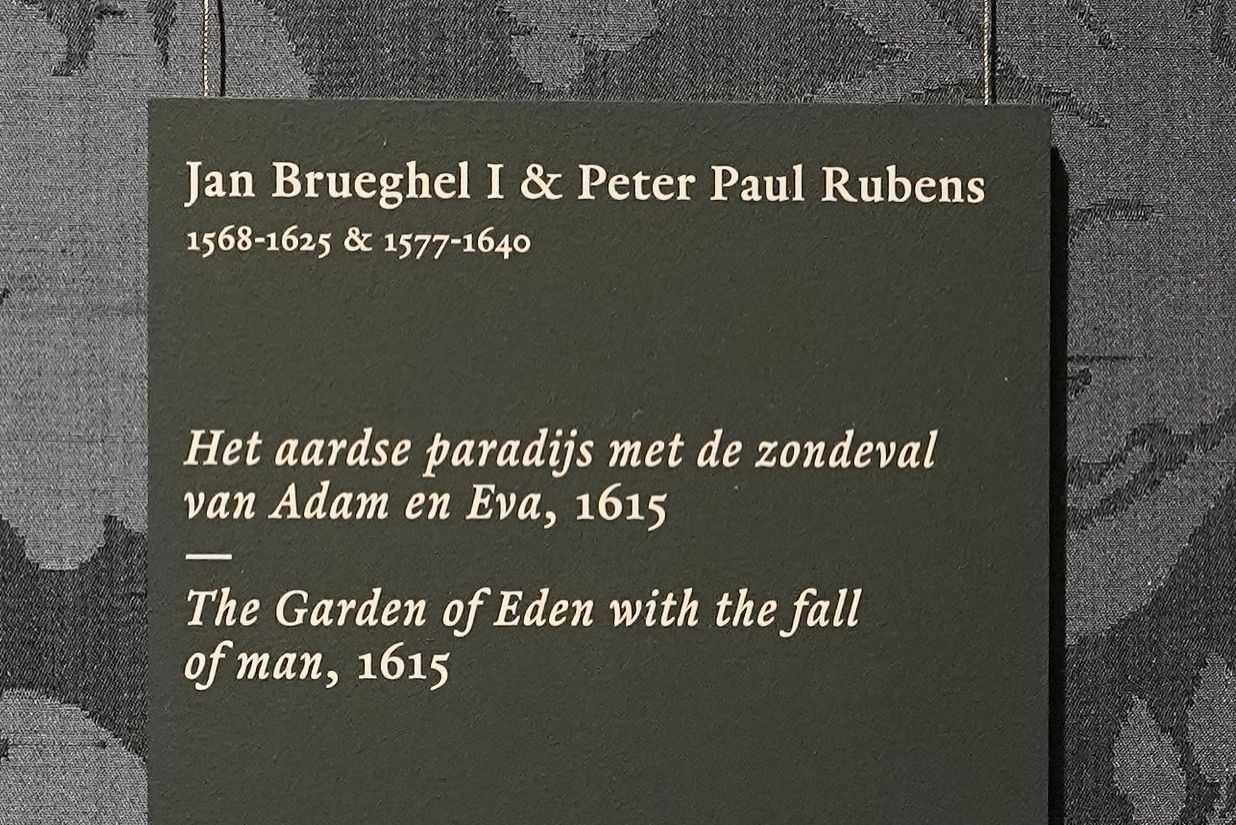
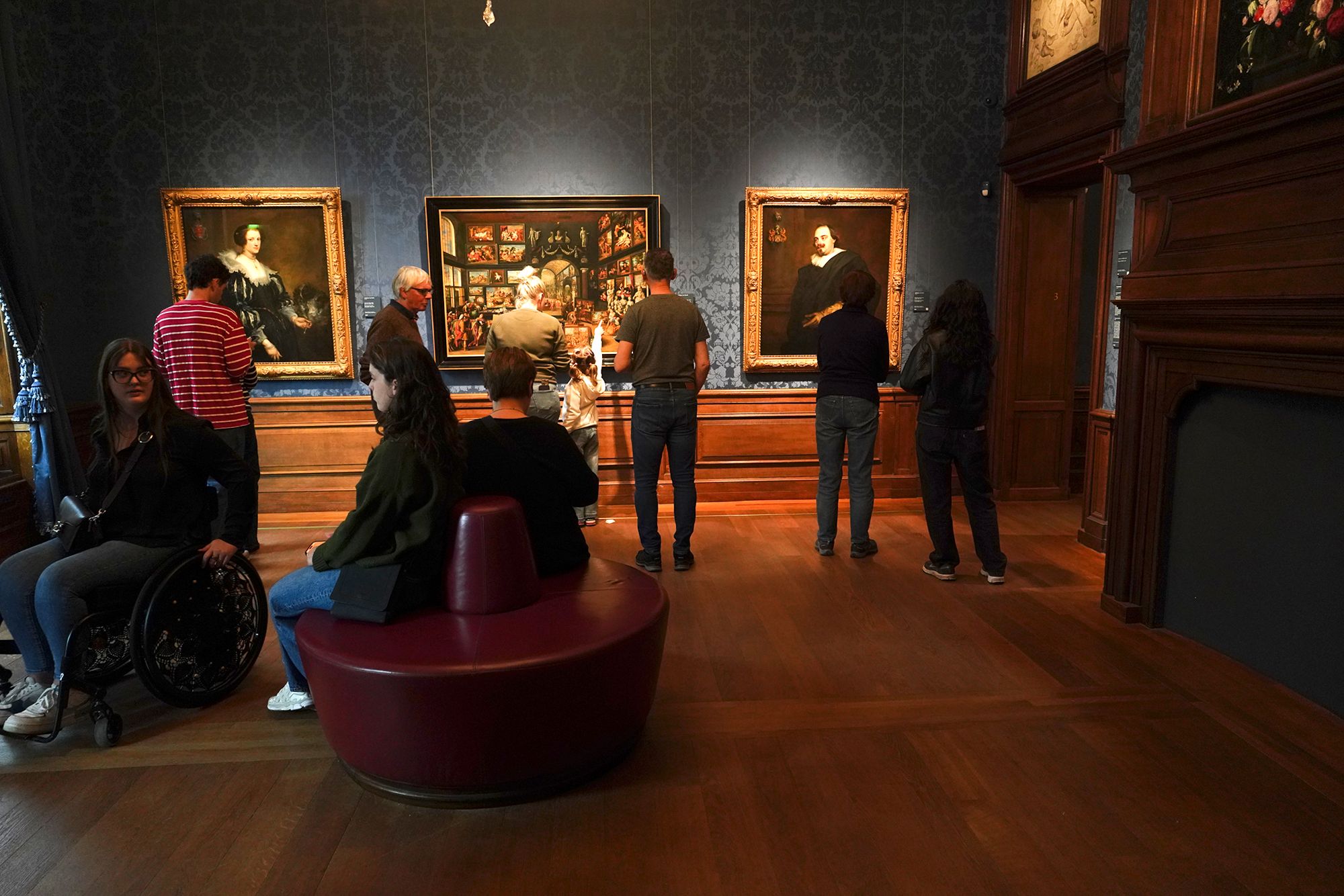
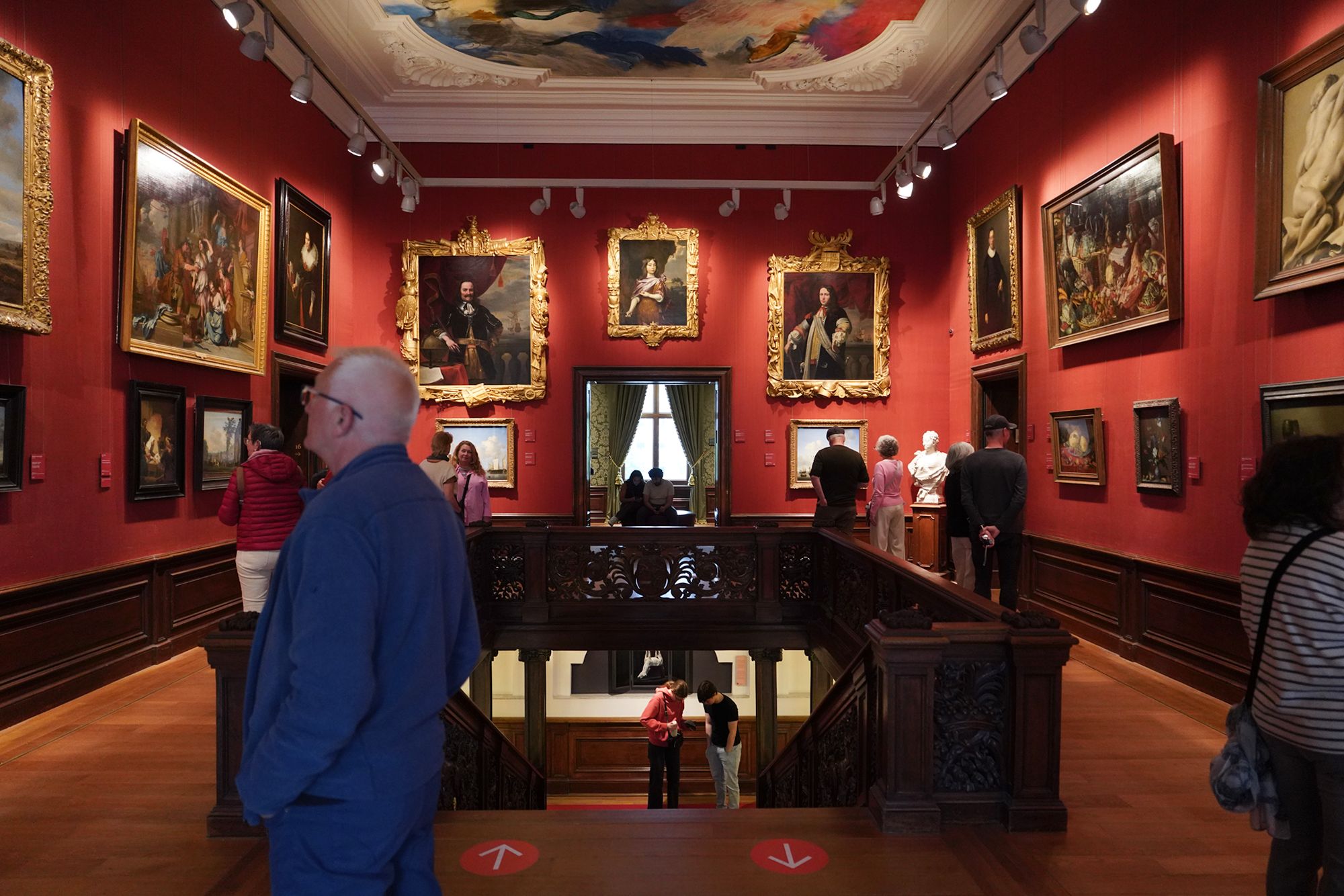
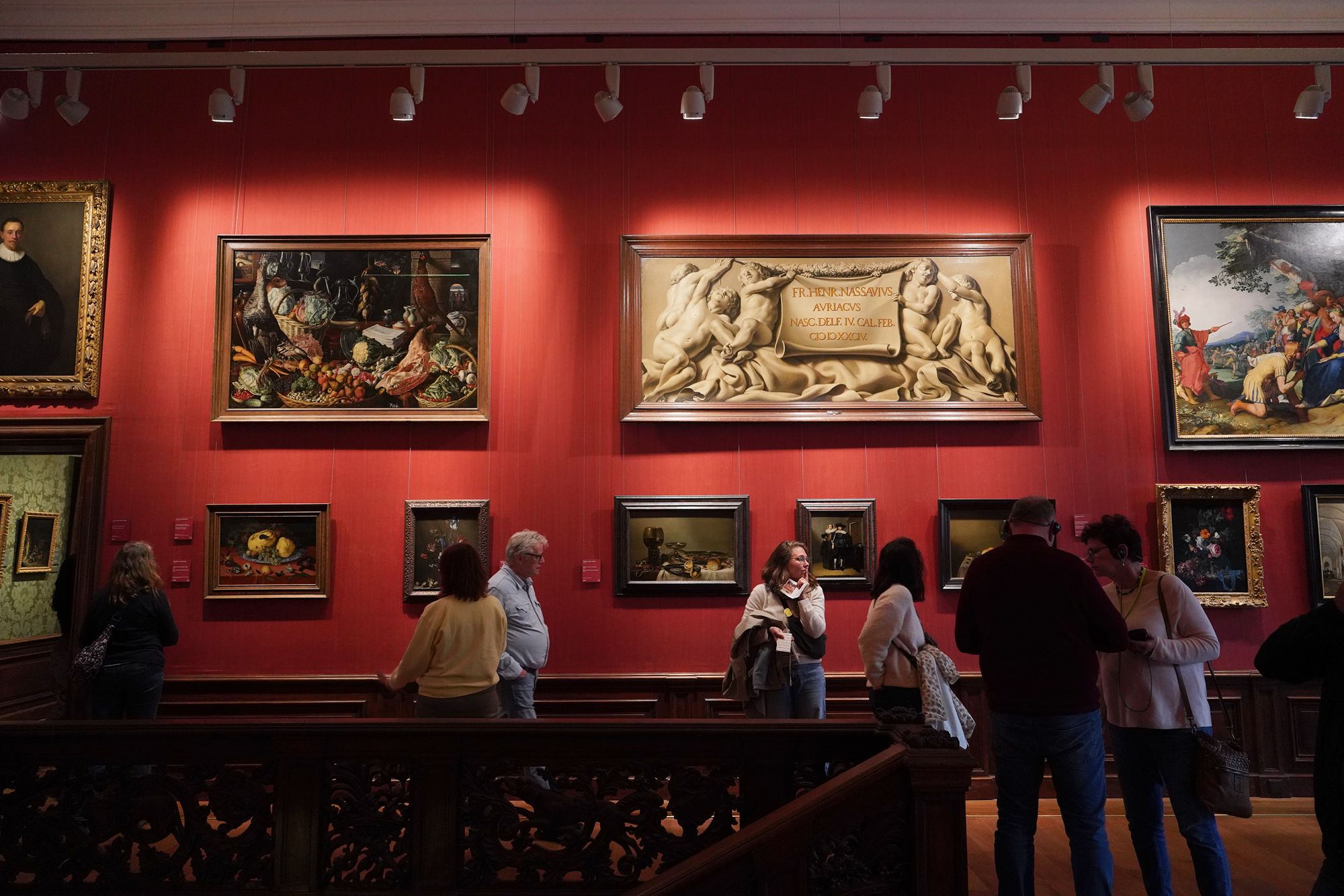
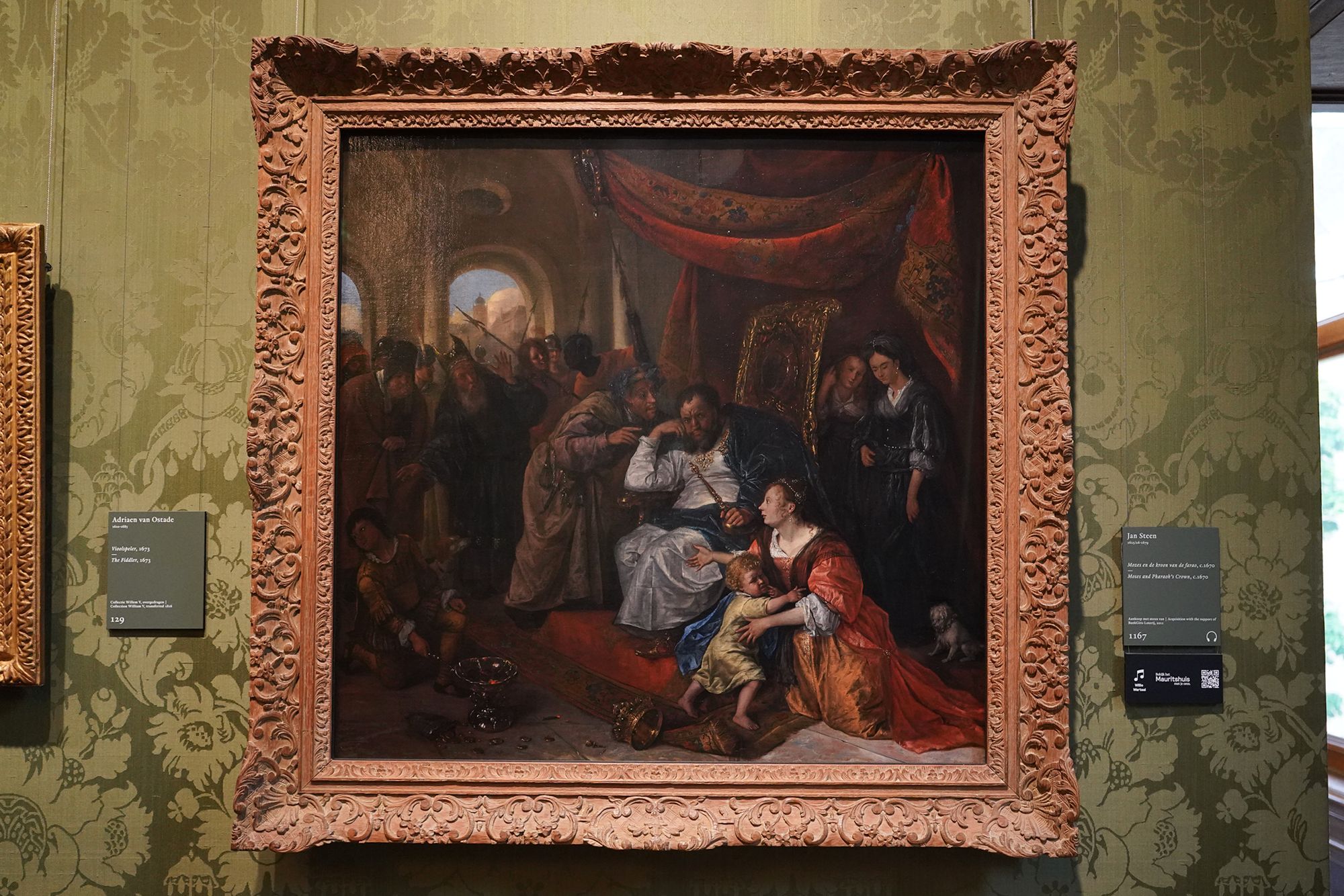
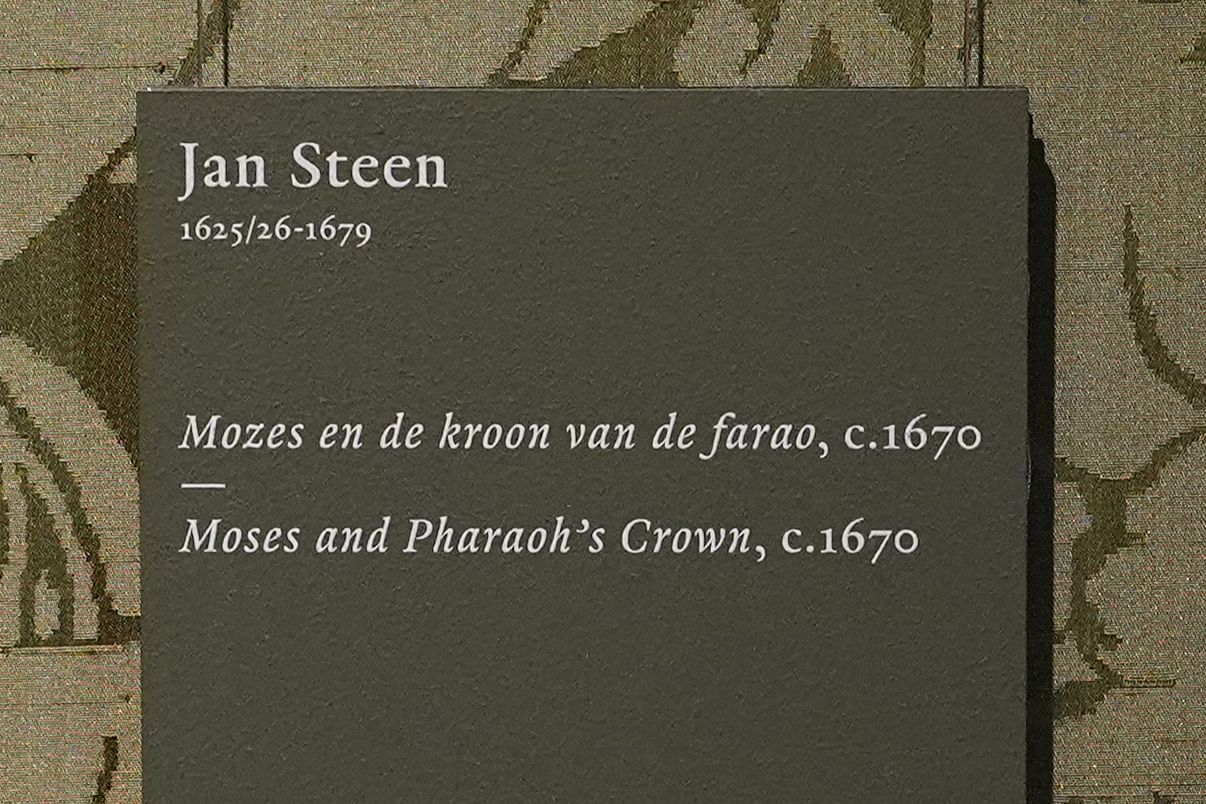
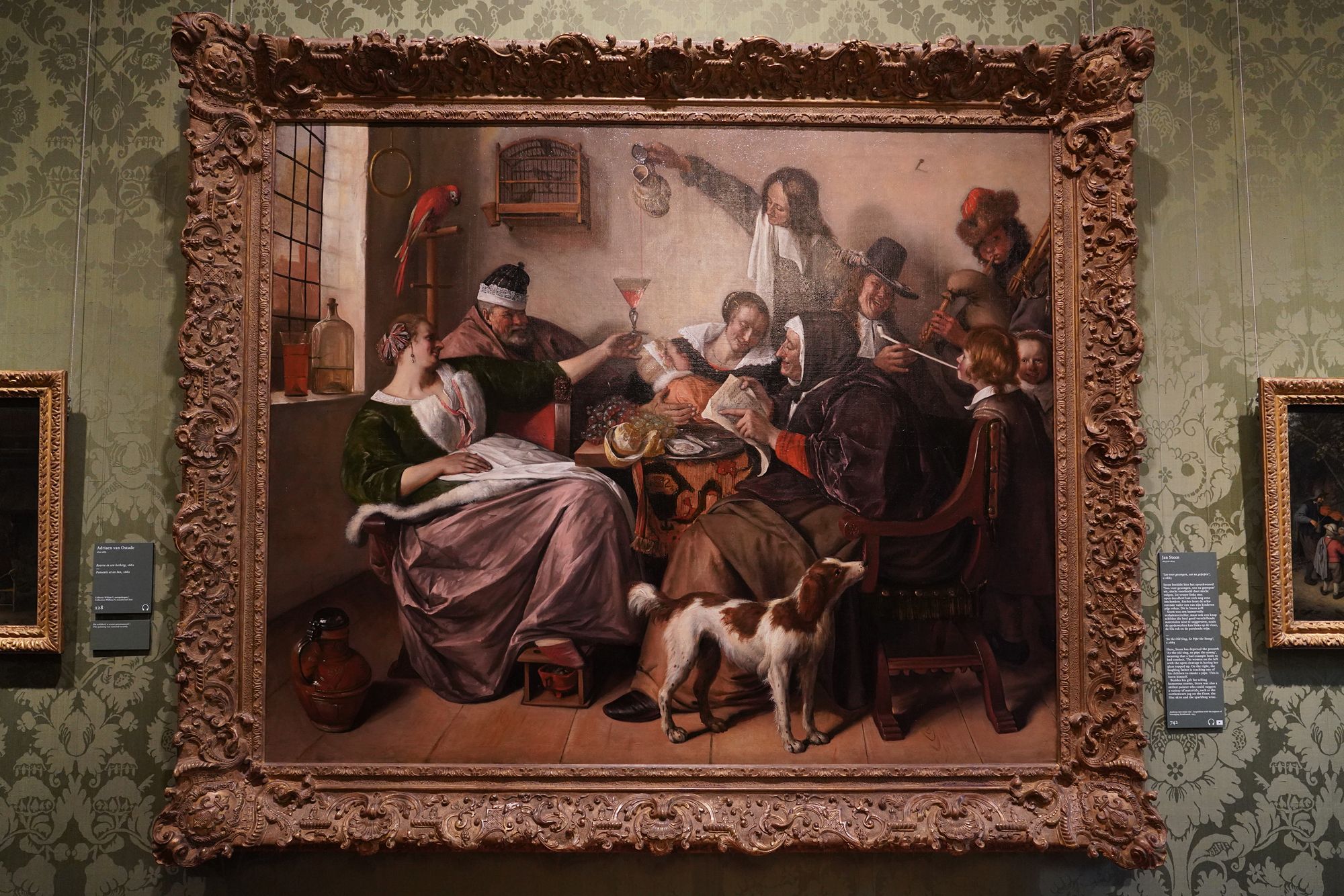
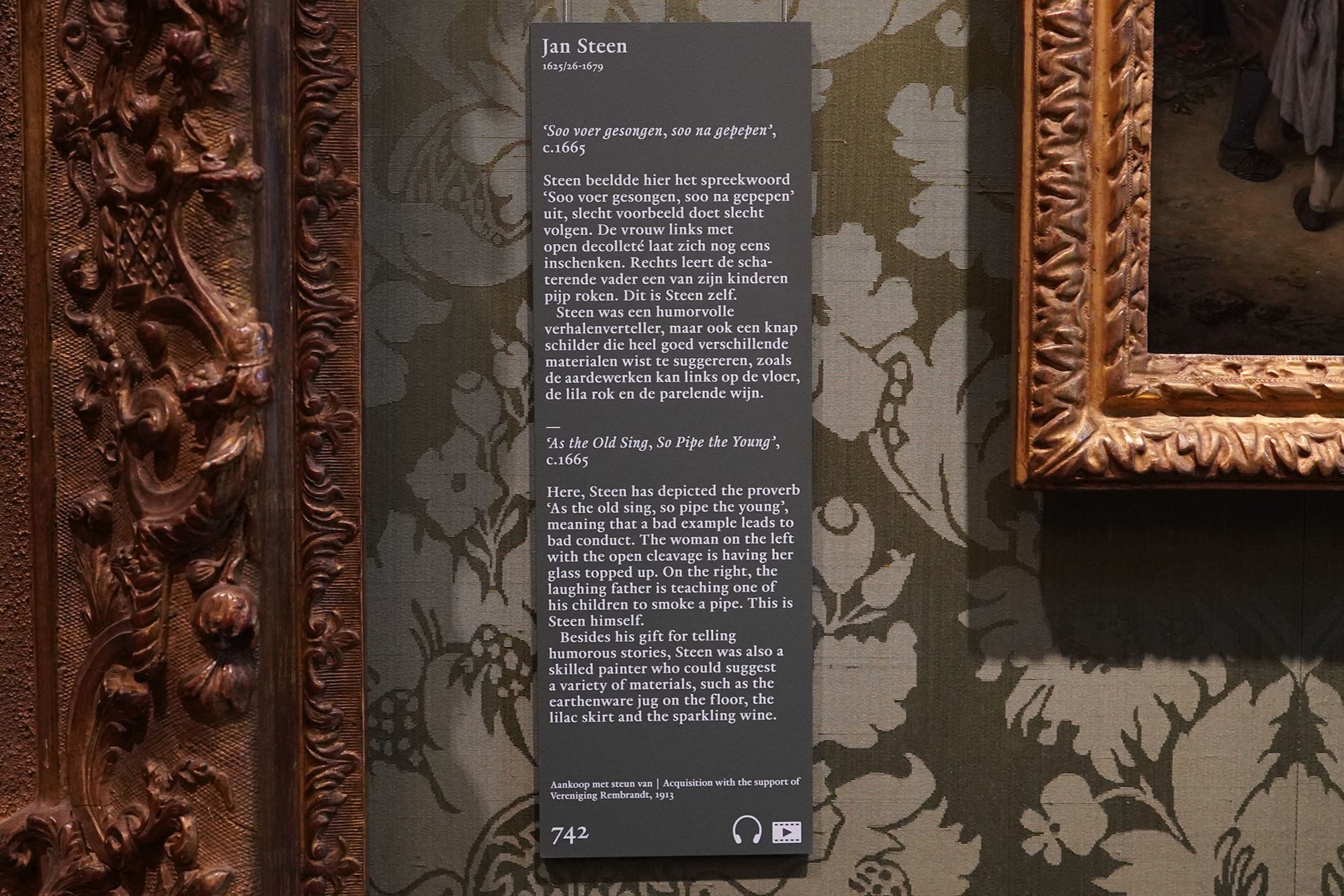
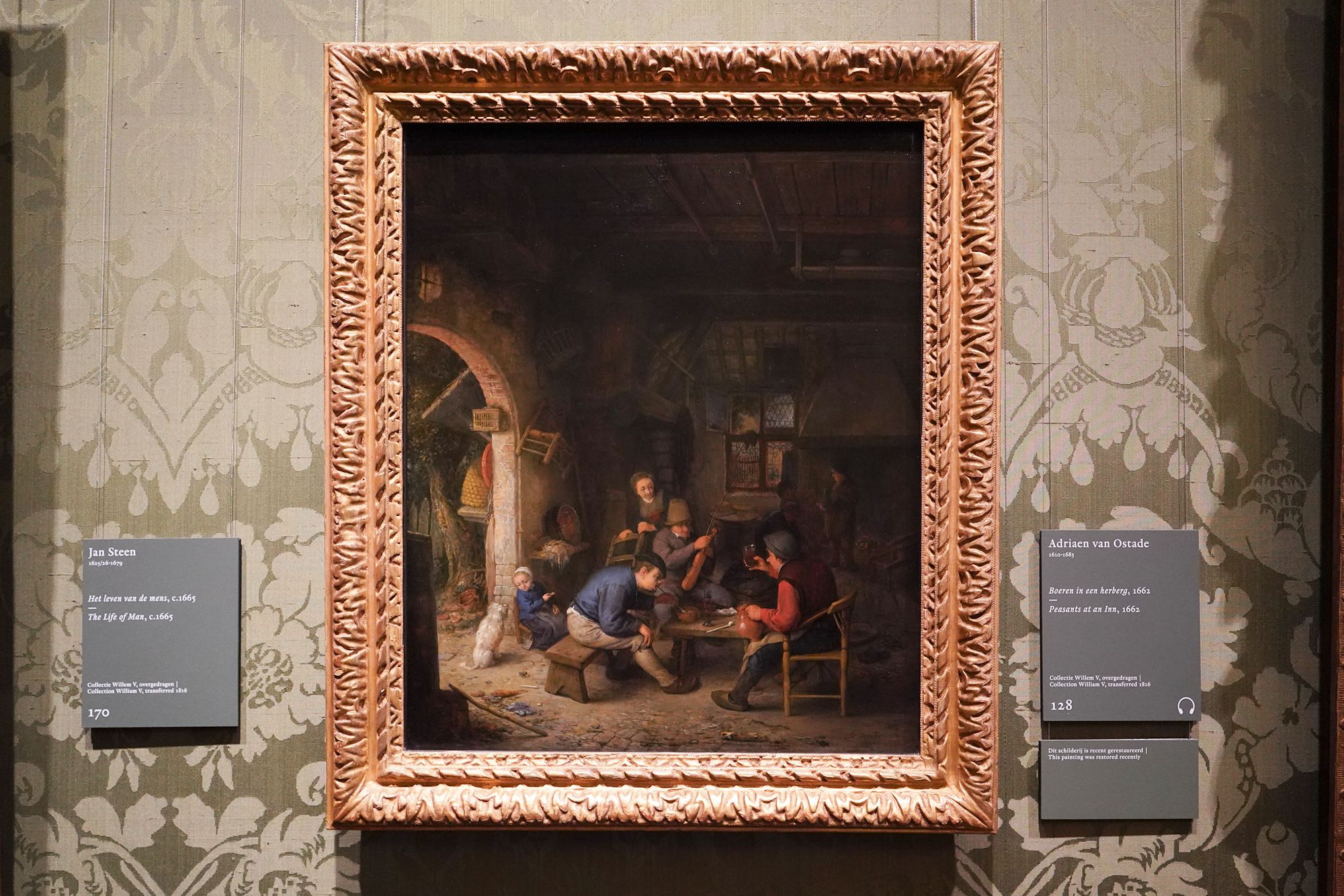
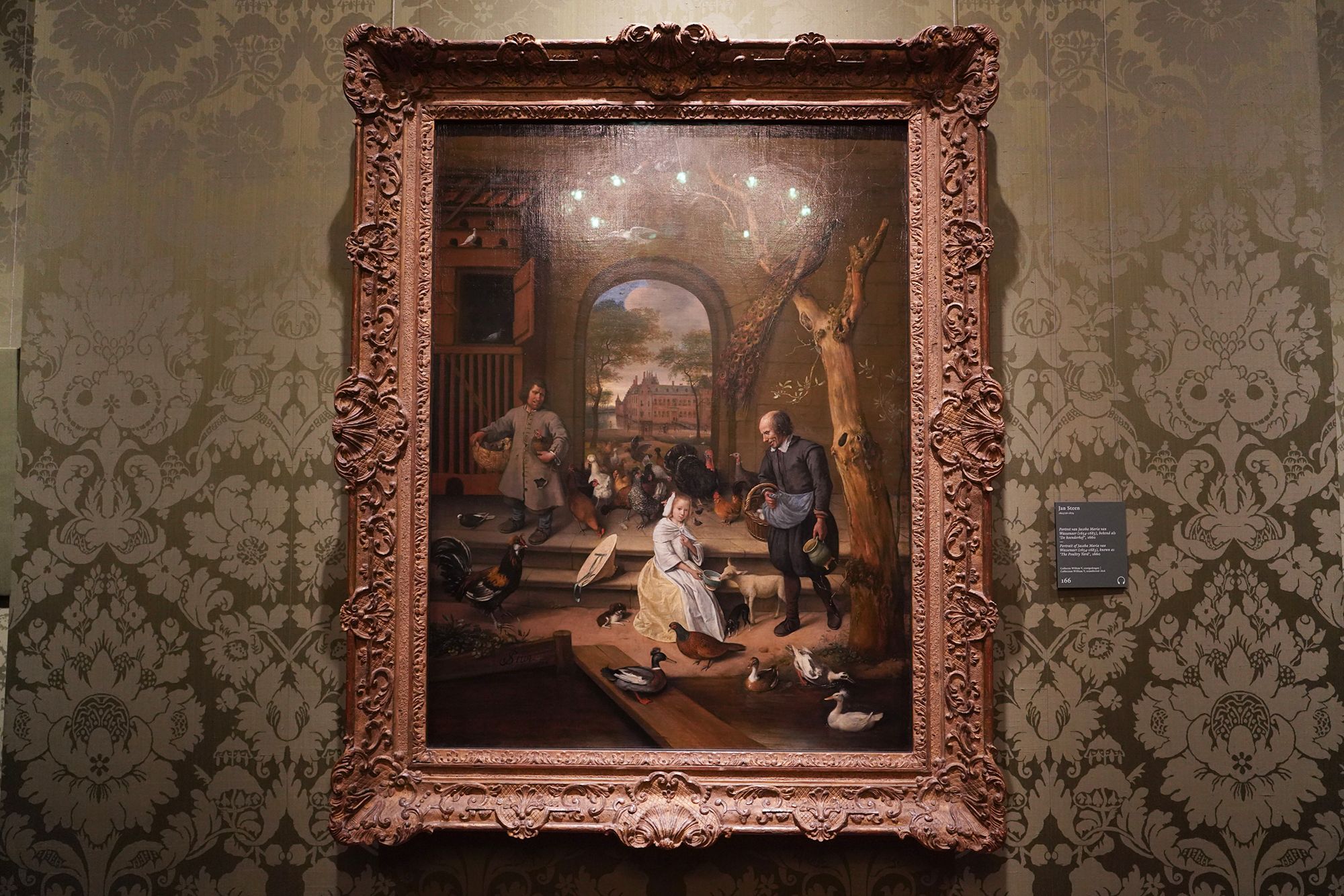
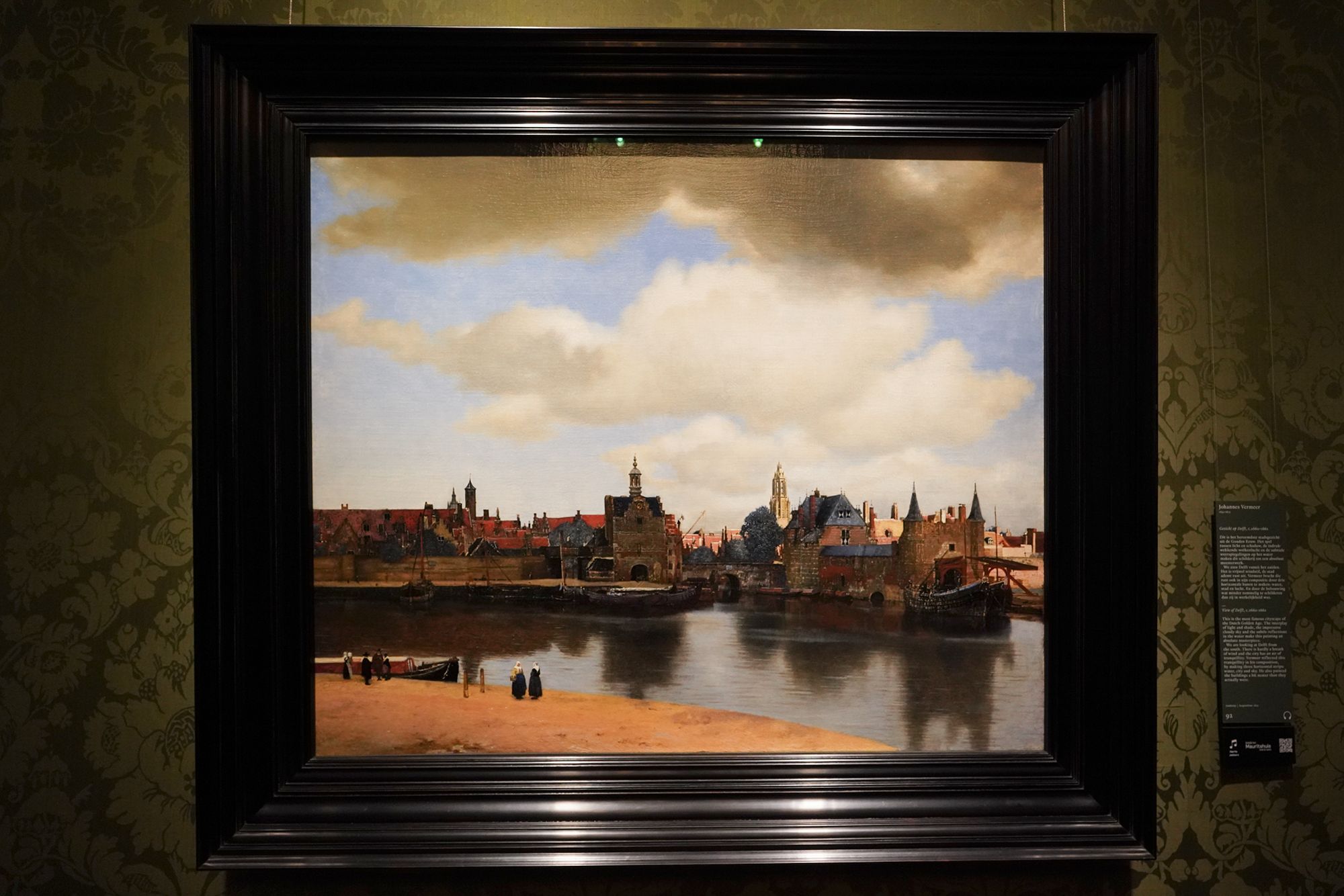
The Mauritshuis is a small but world-famous museum housed in a 17th-century palace in The Hague. Its collection focuses on Dutch and Flemish masterpieces, including Vermeer’s Girl with a Pearl Earring and View of Delft, as well as major works by Rembrandt, Frans Hals, and Jan Steen.
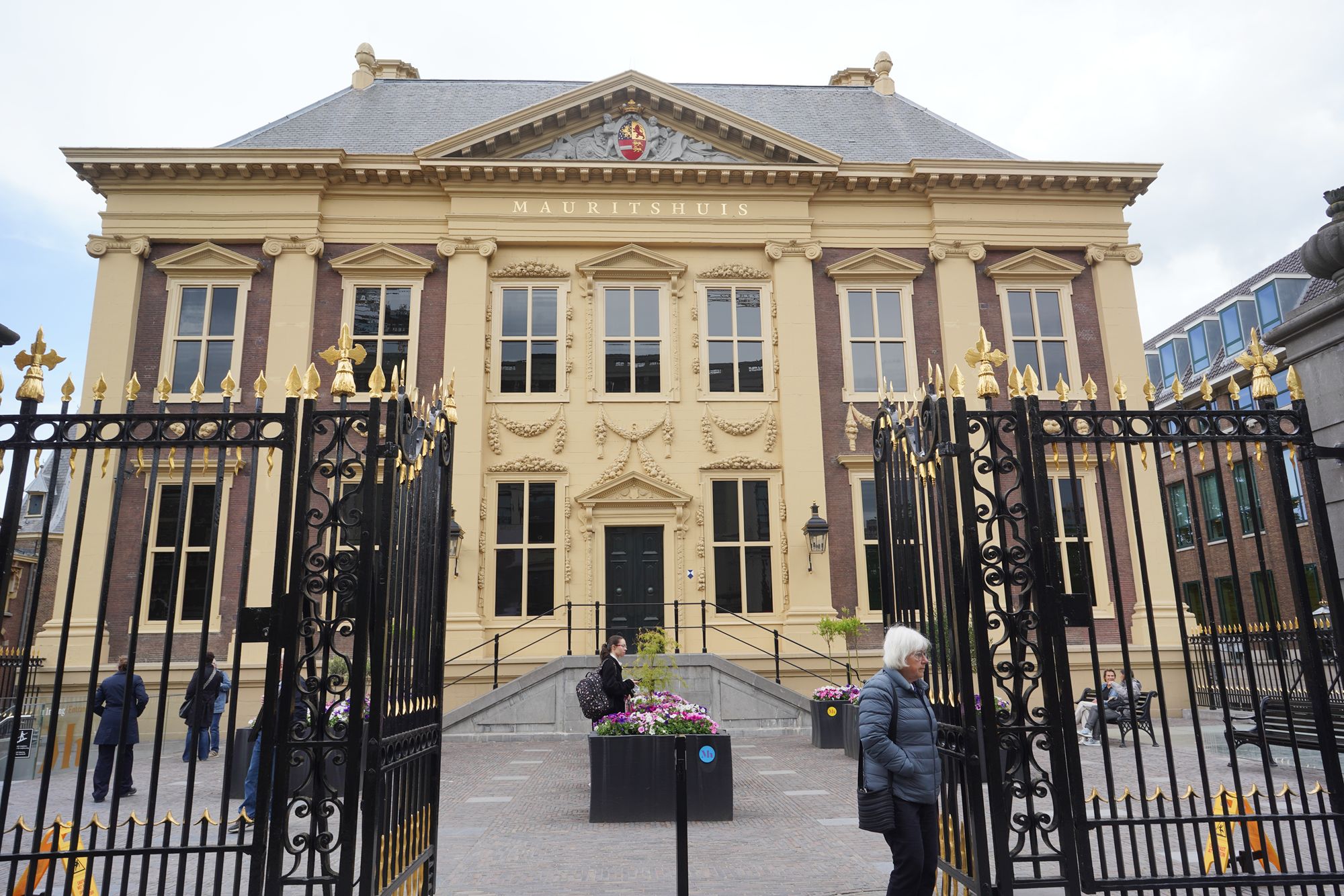
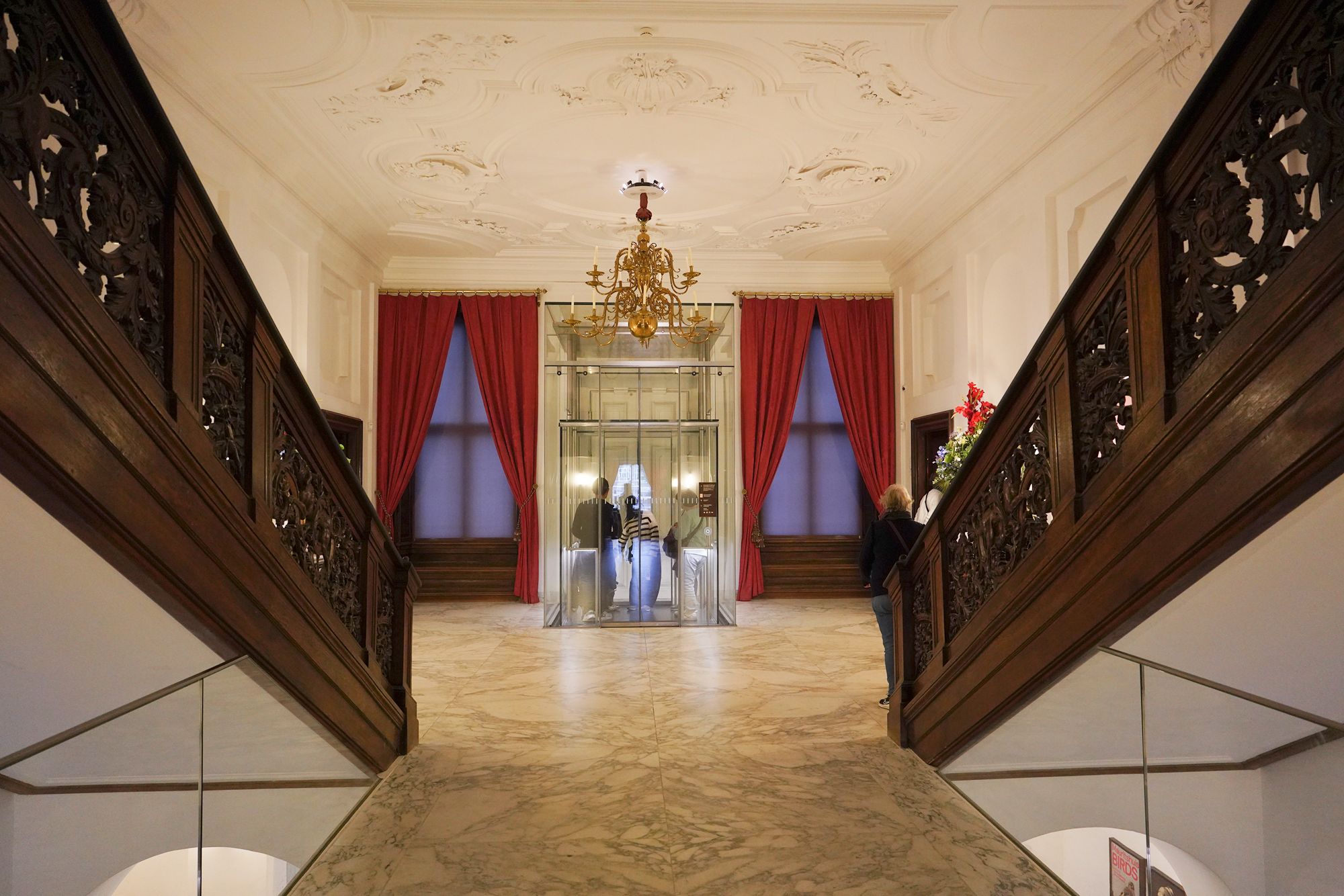
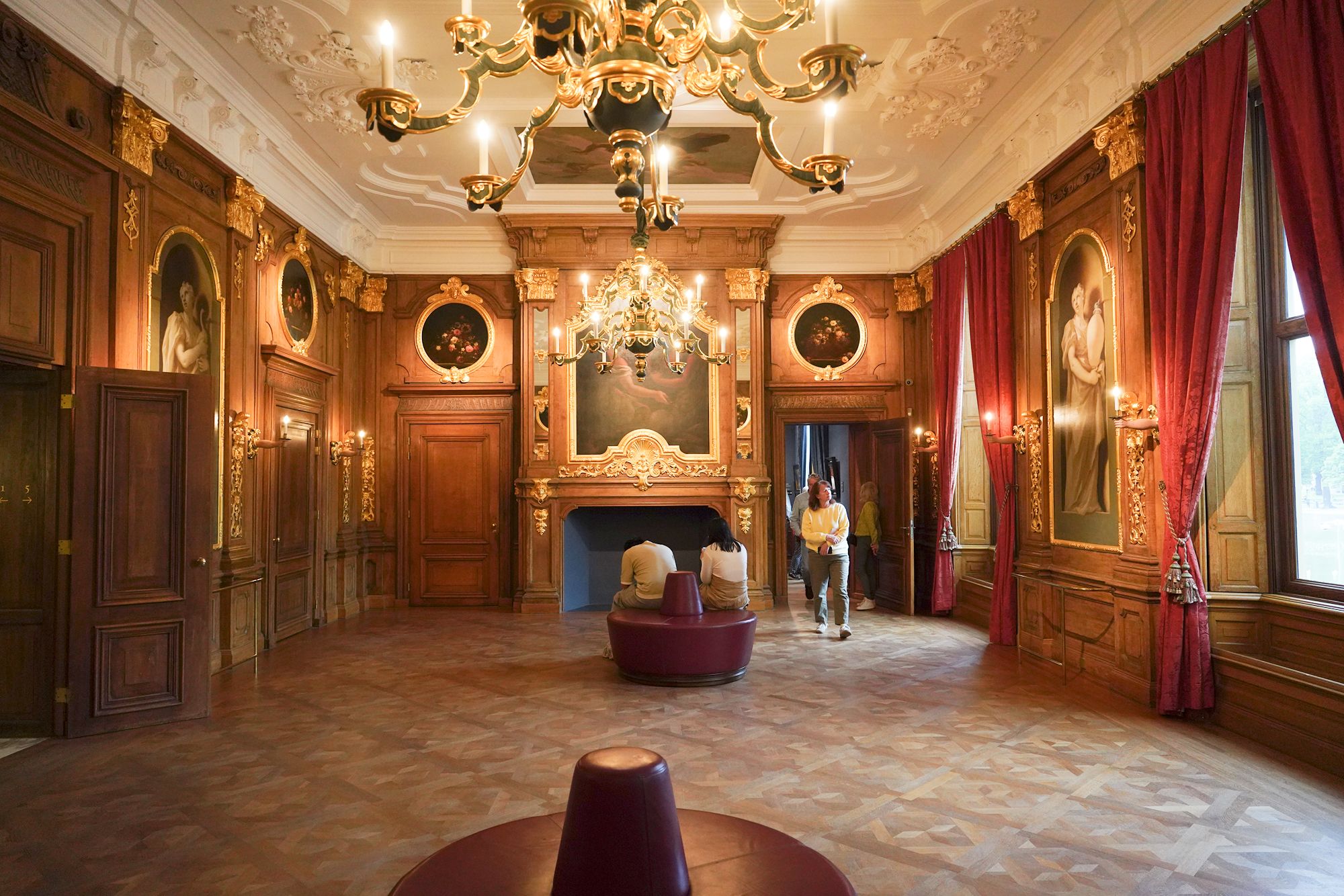
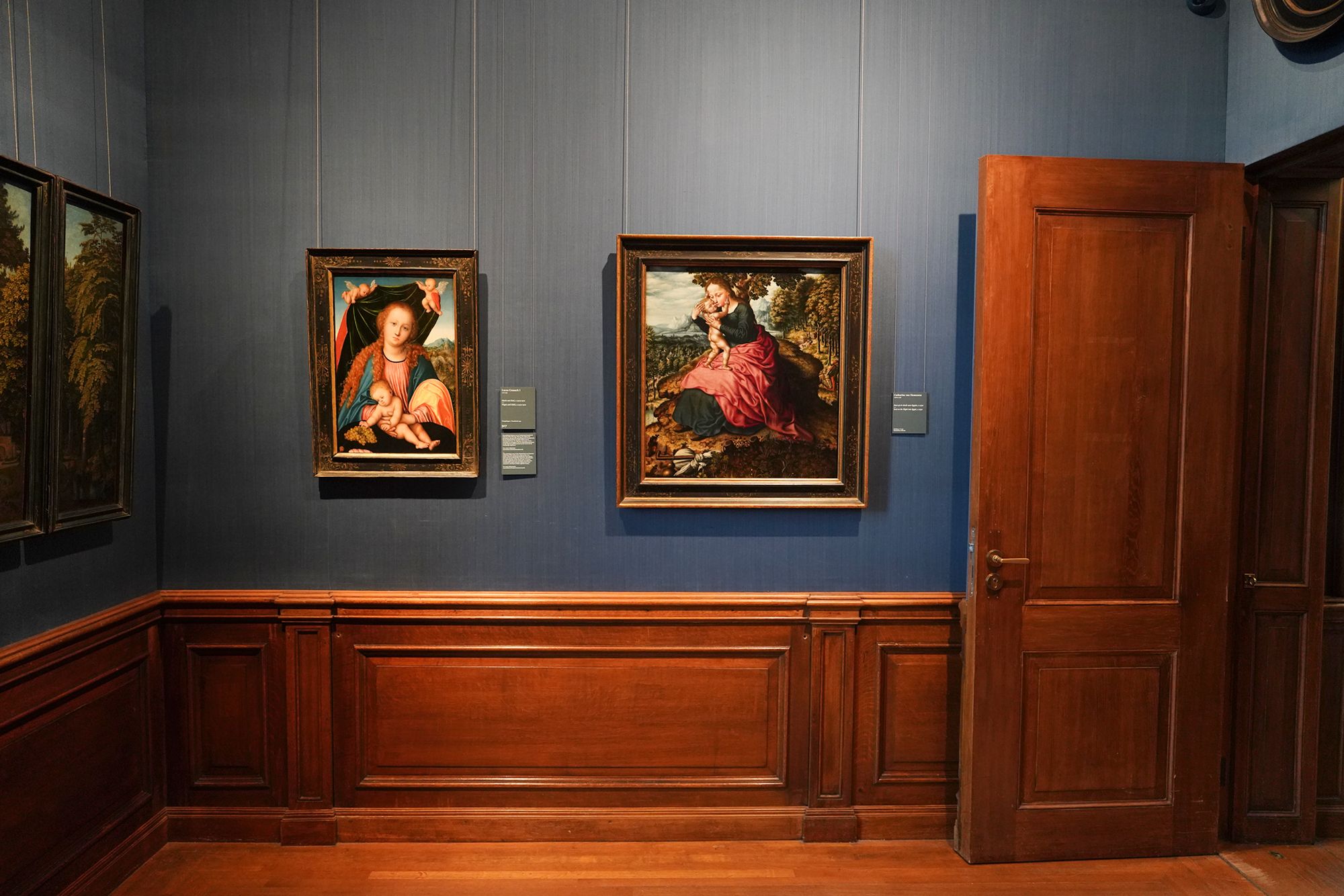
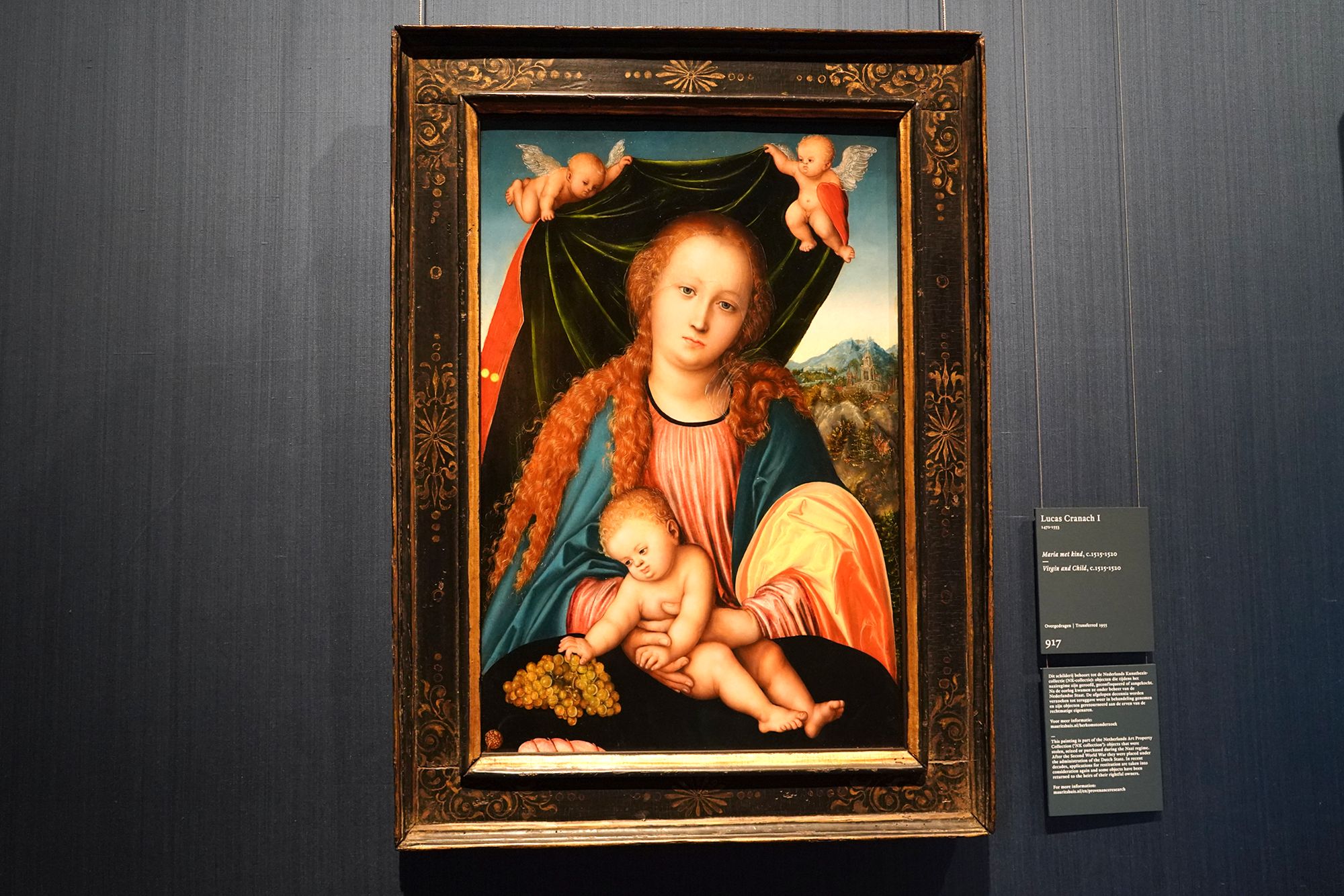
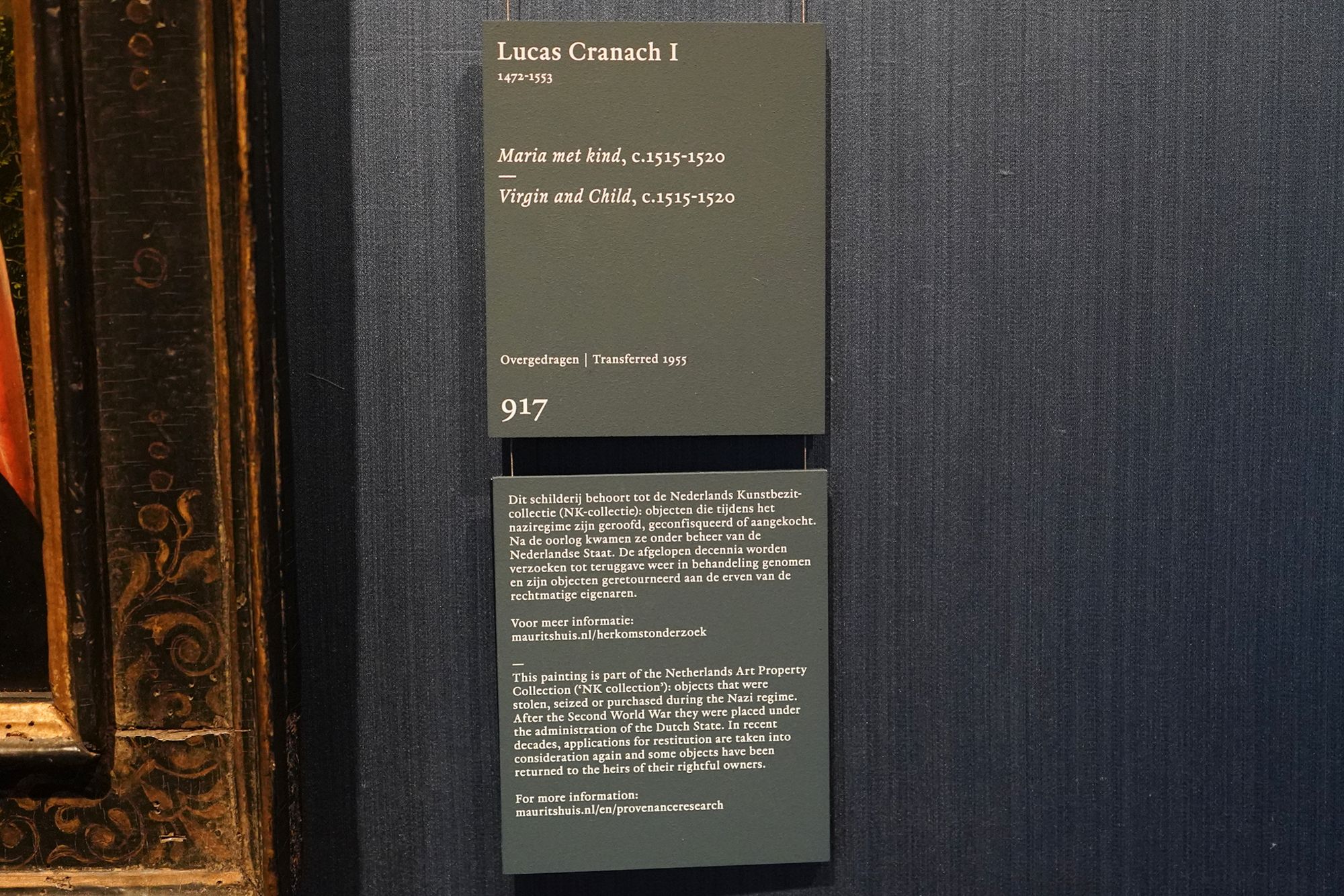
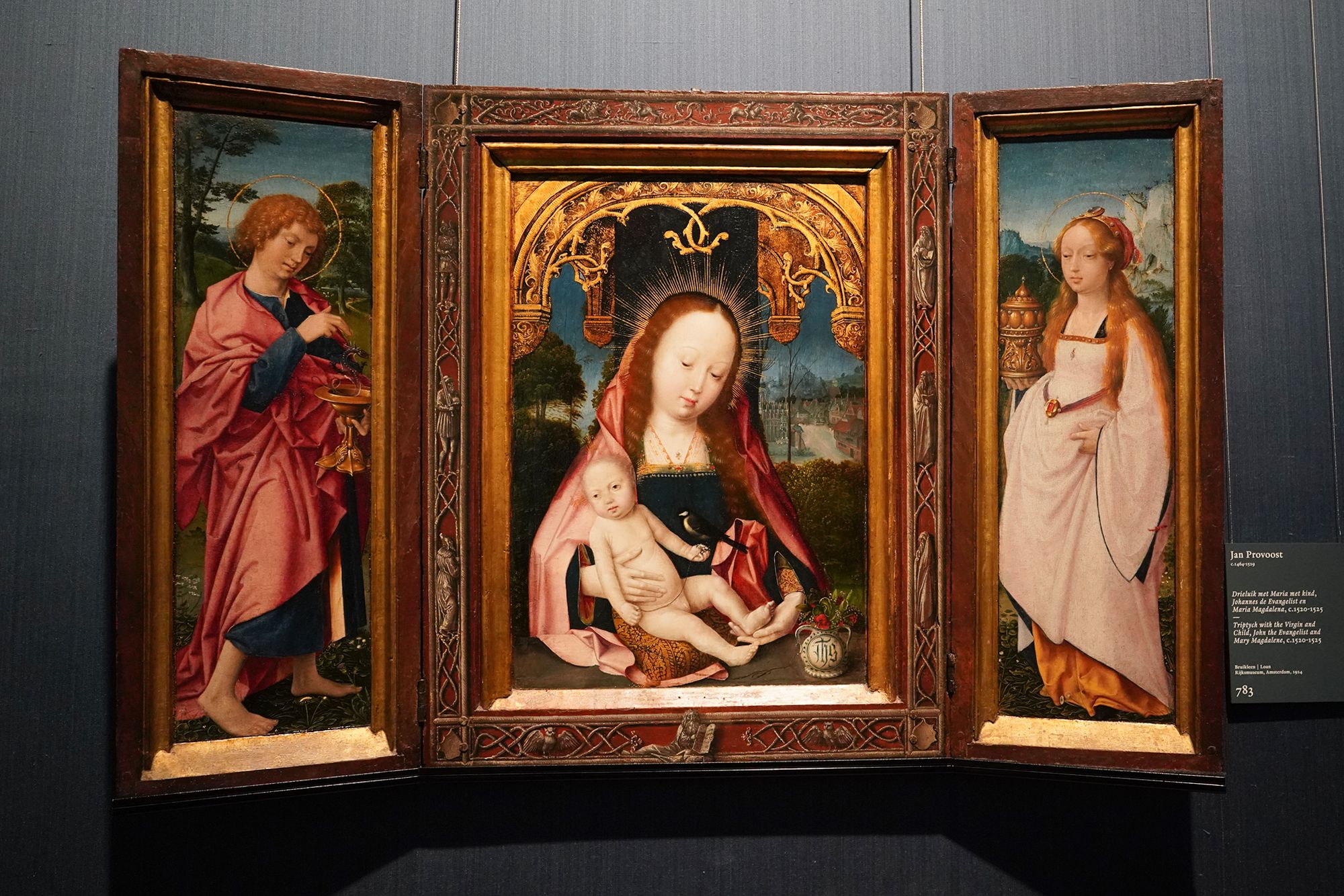
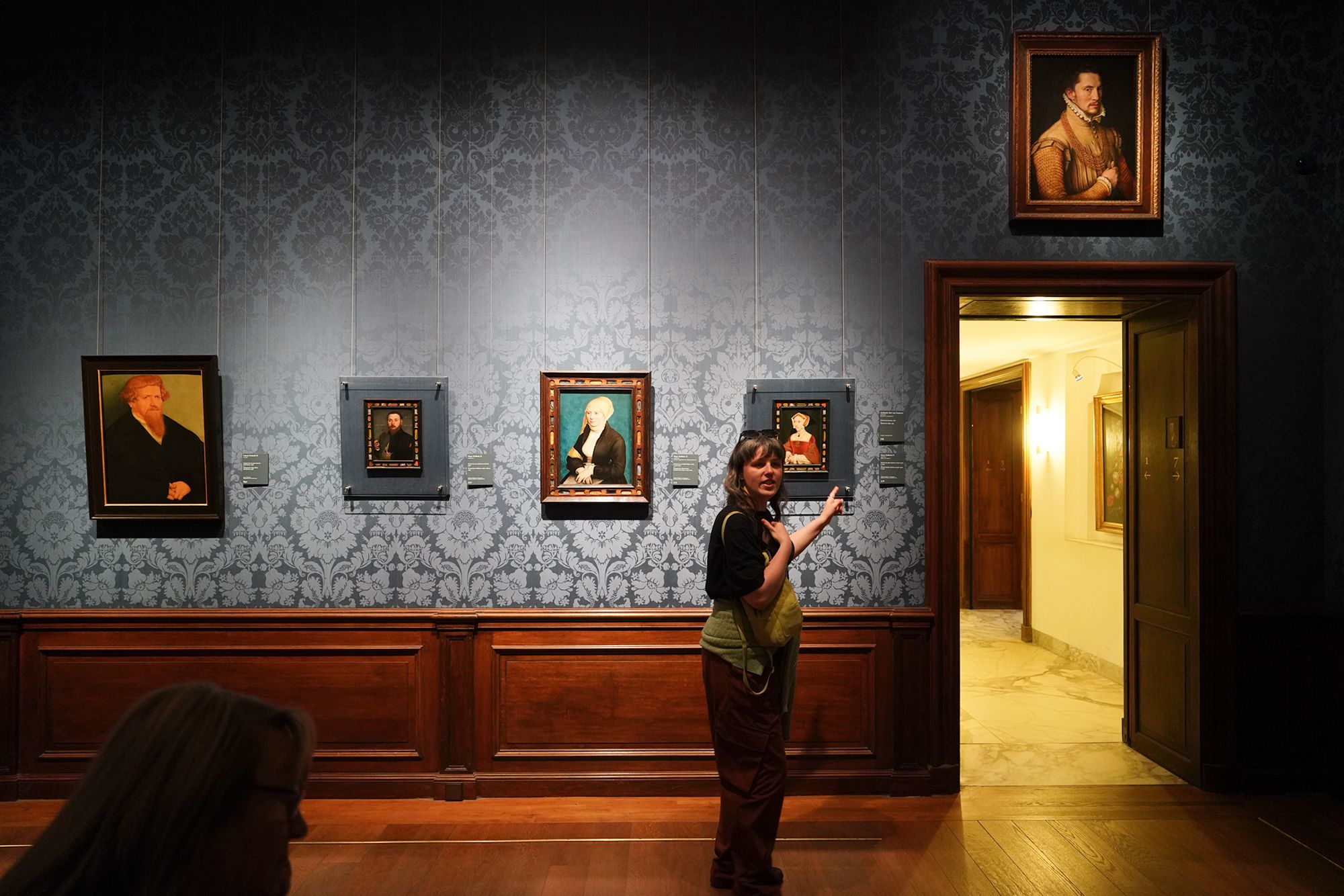
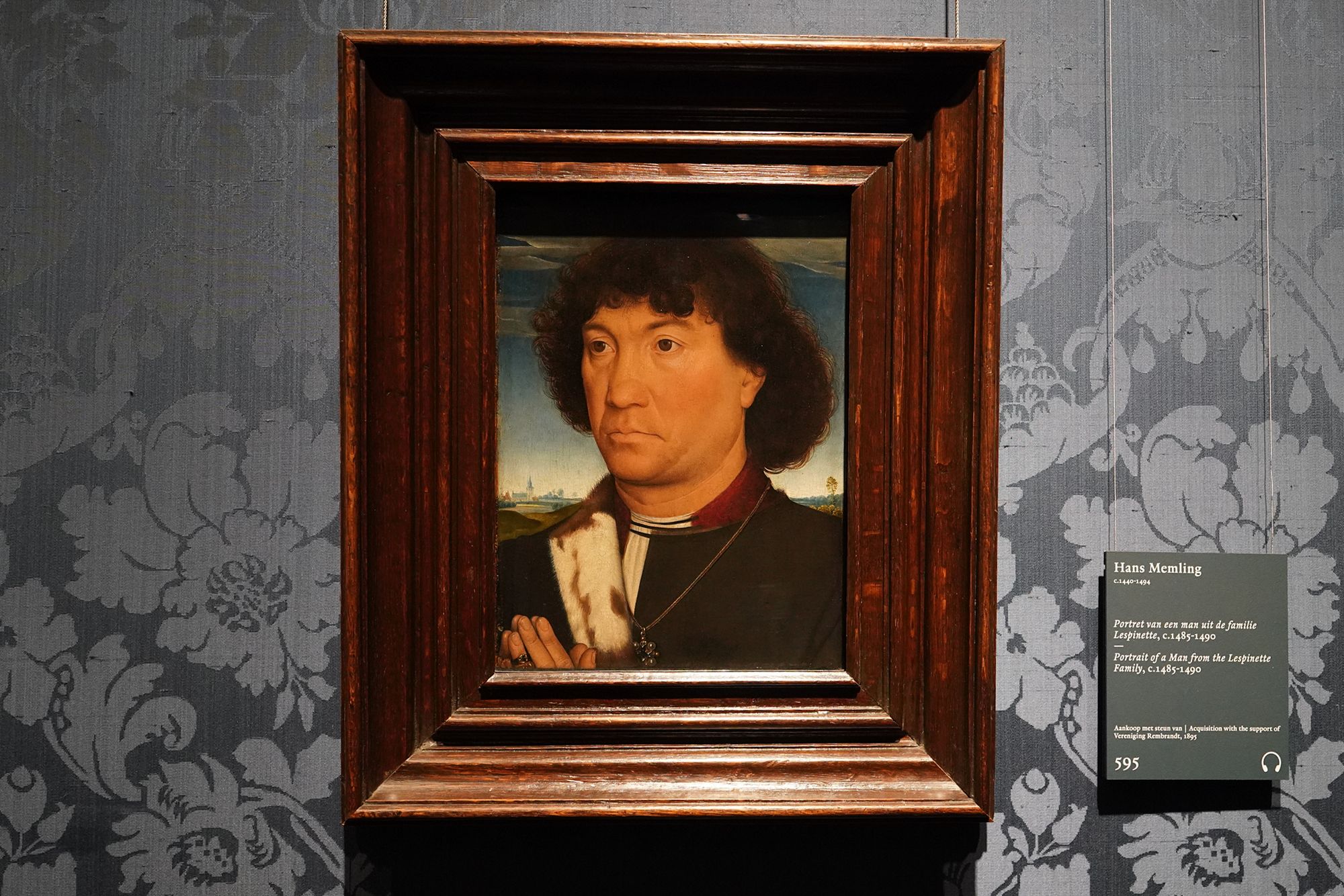
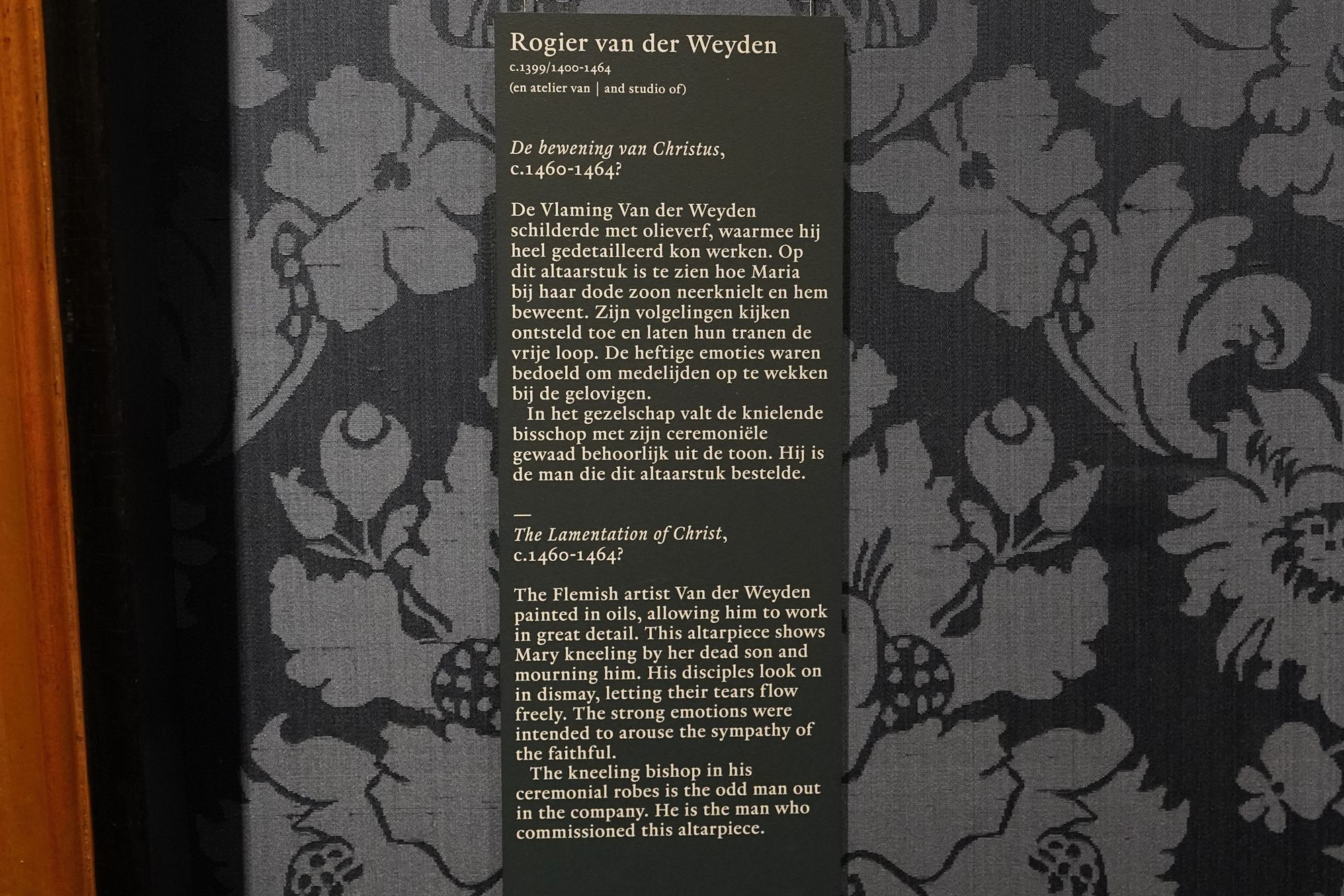
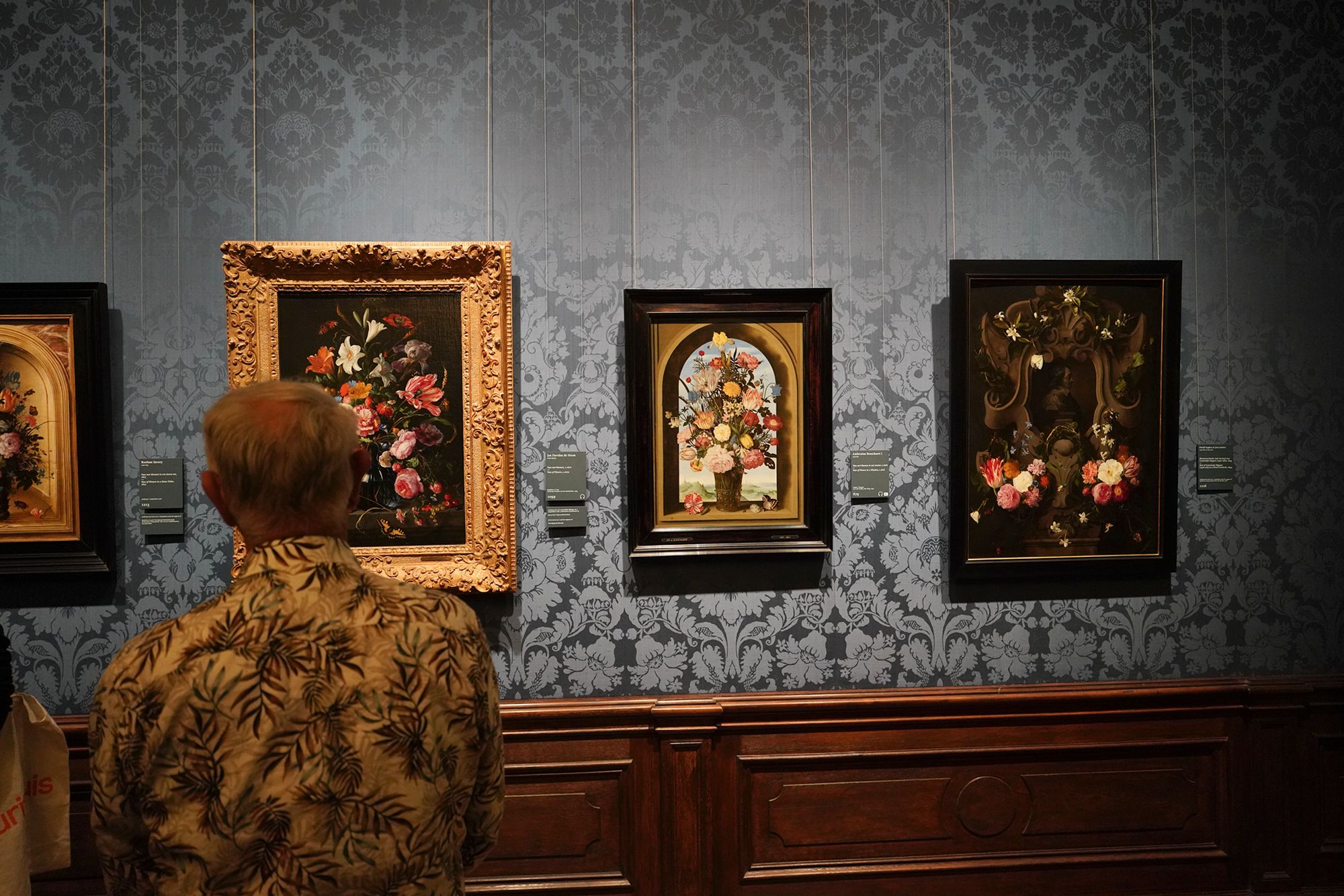
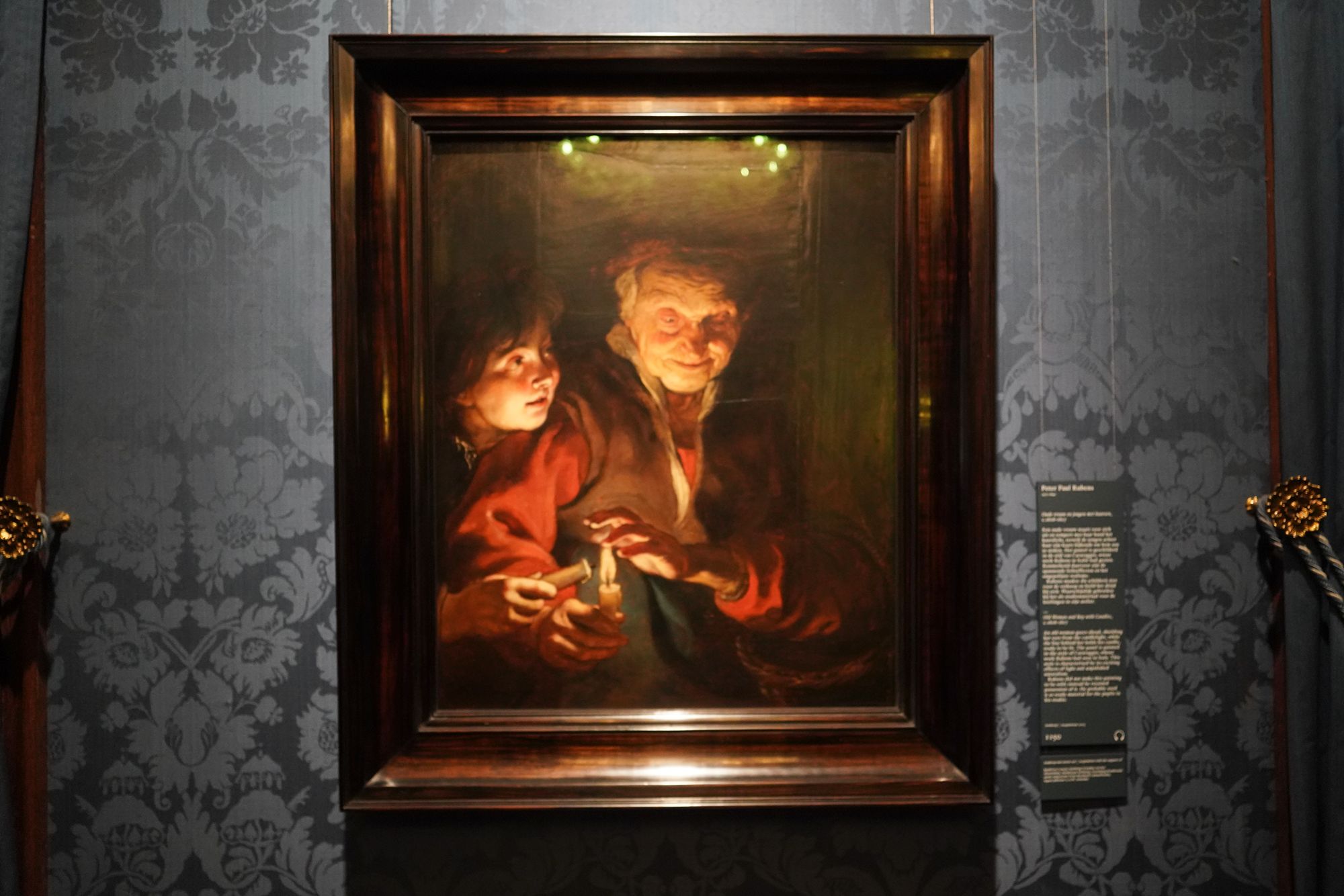
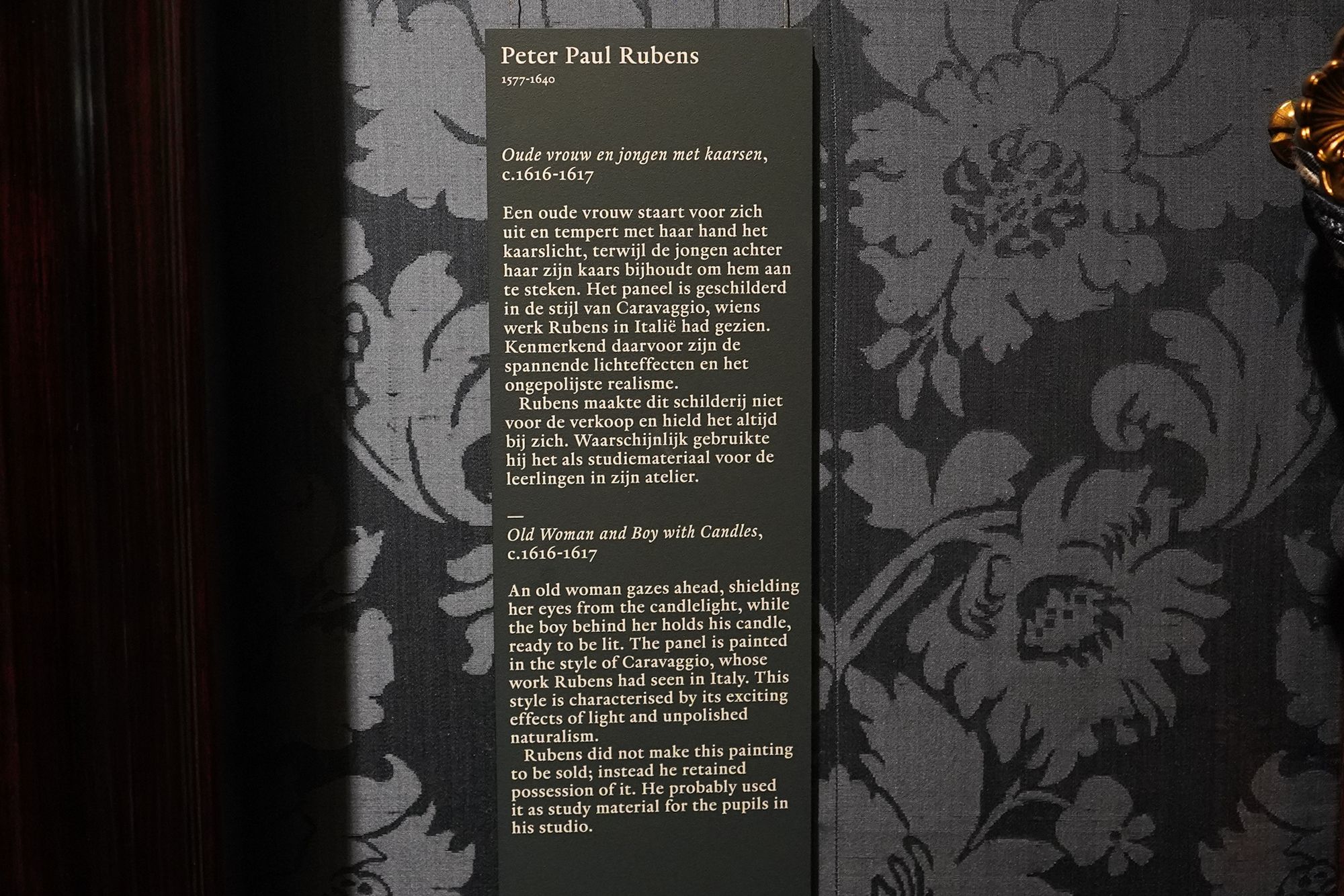
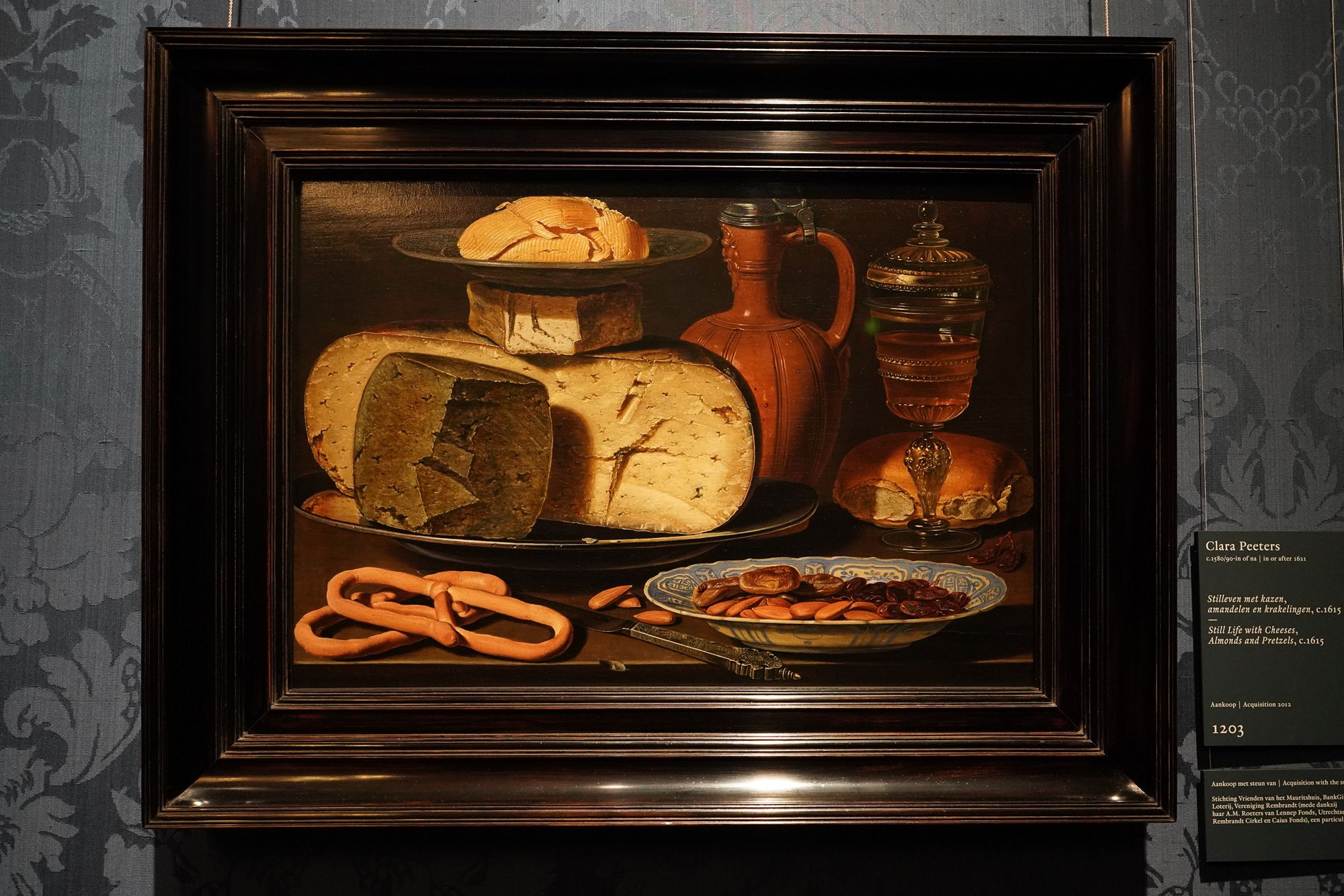
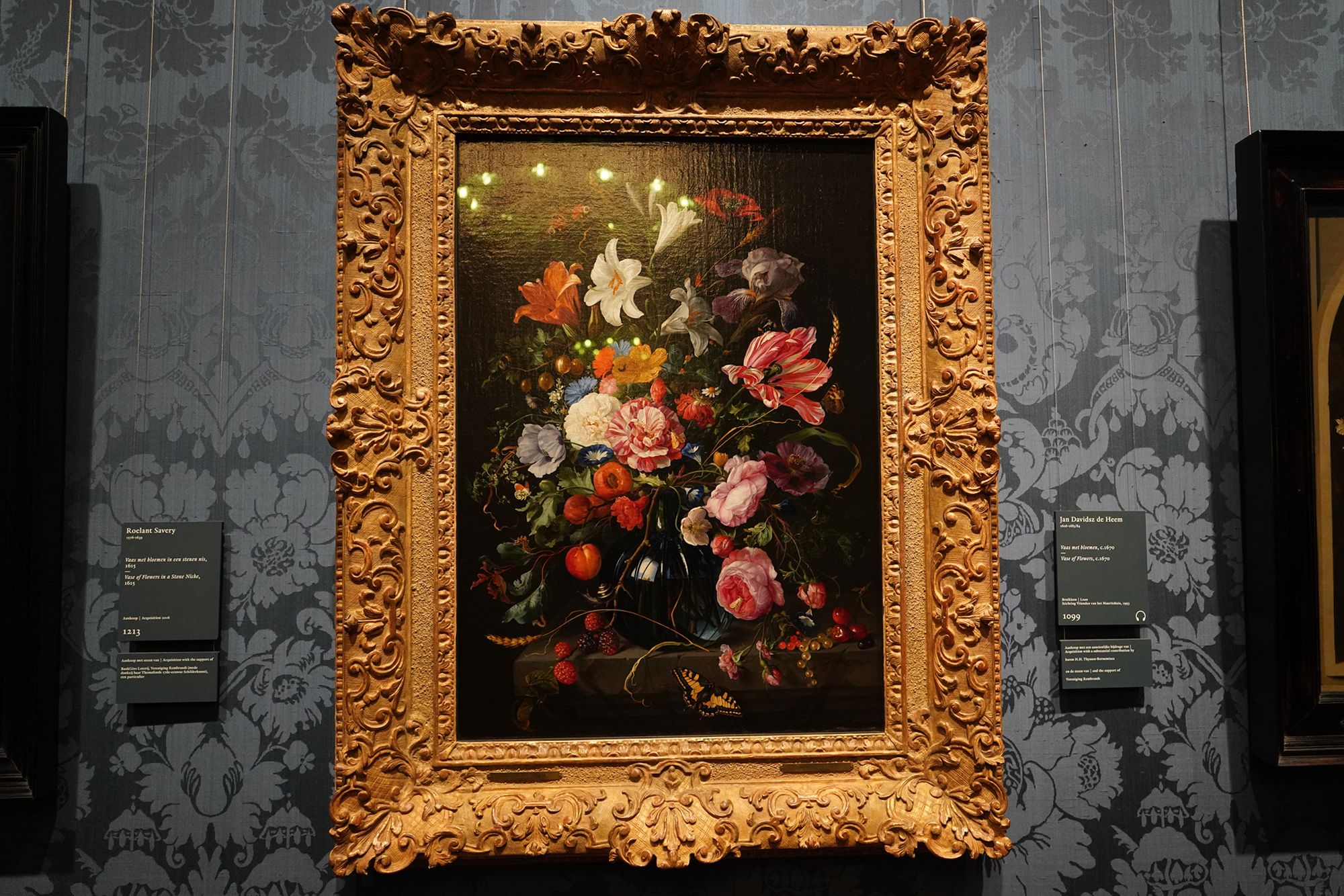
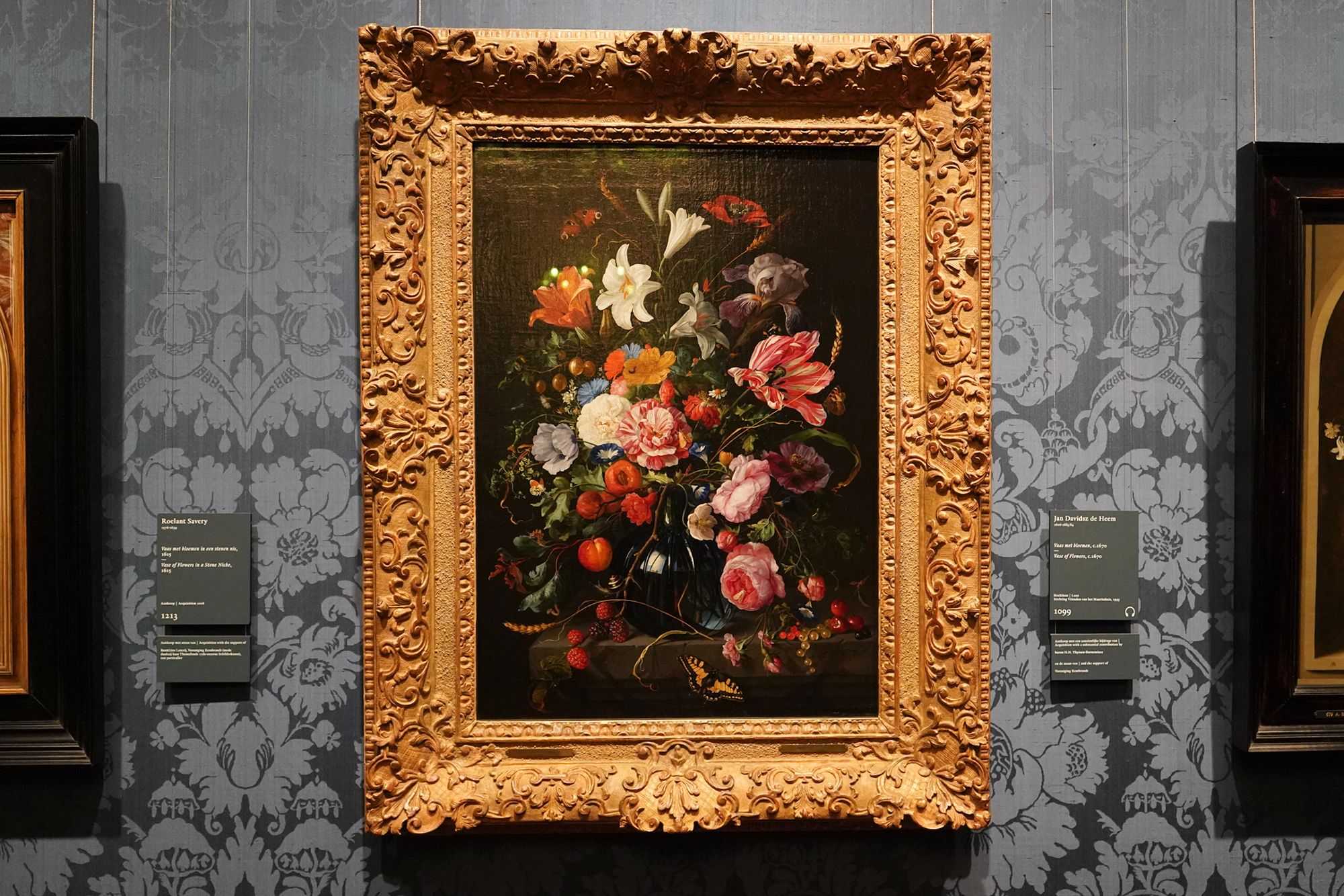
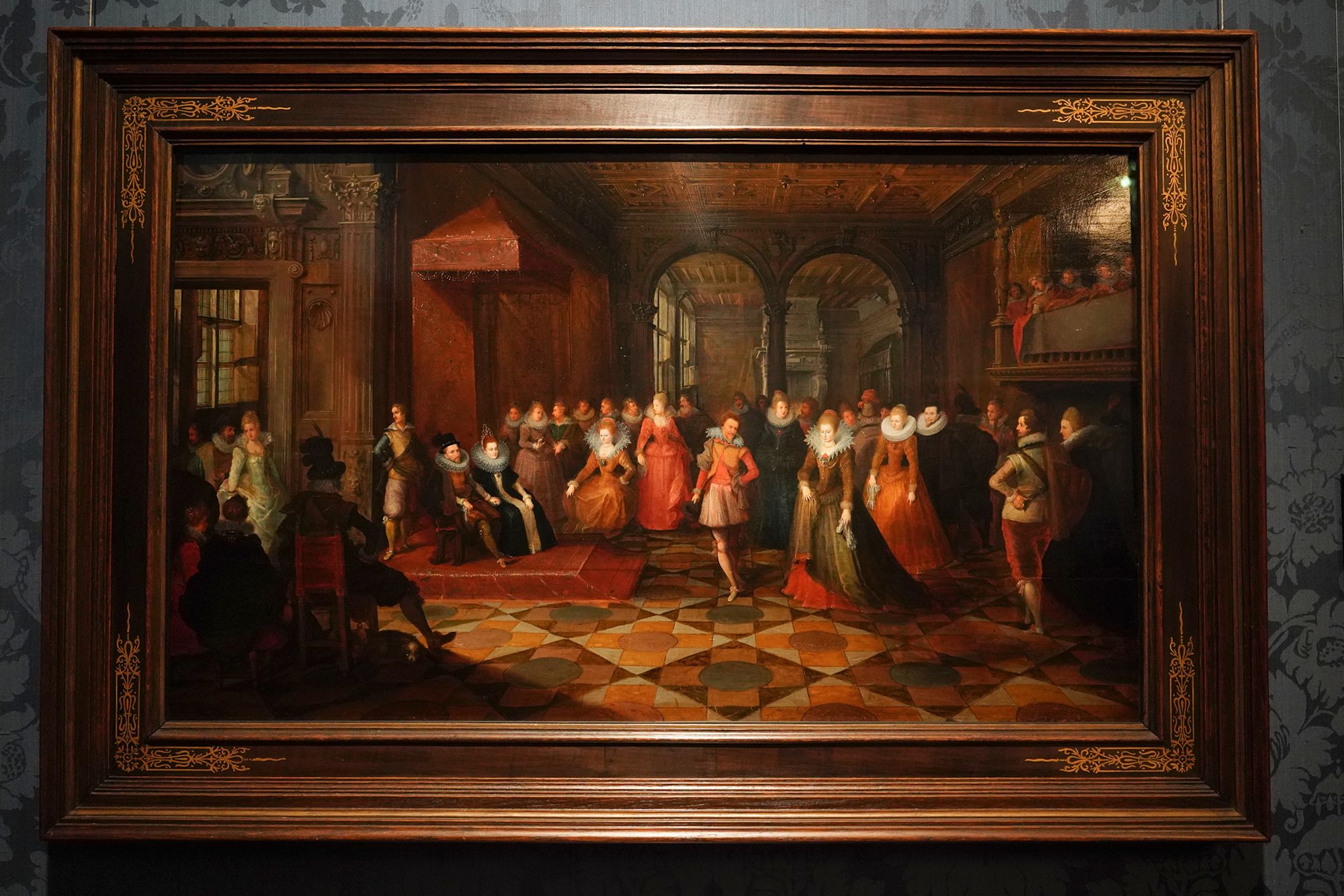
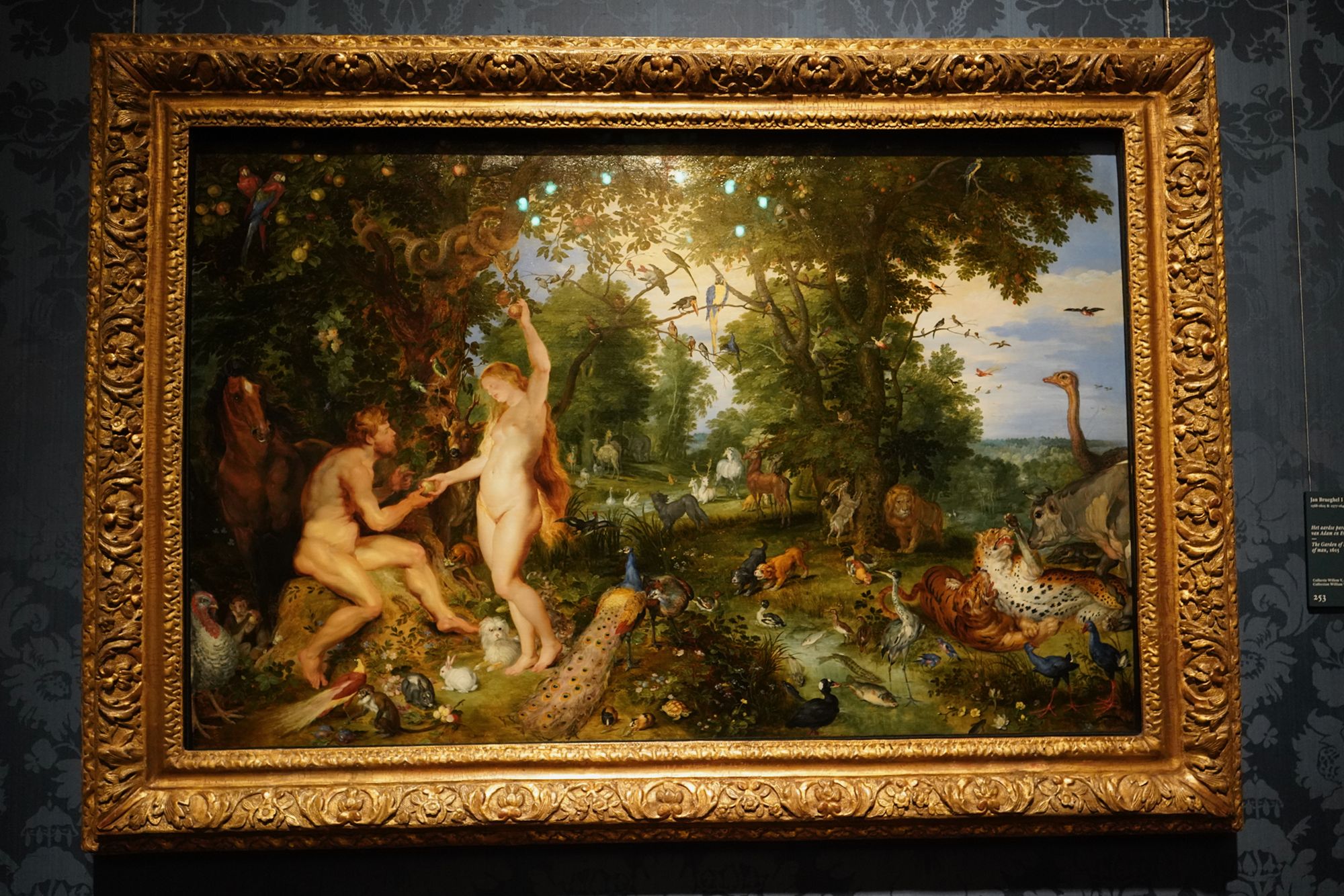
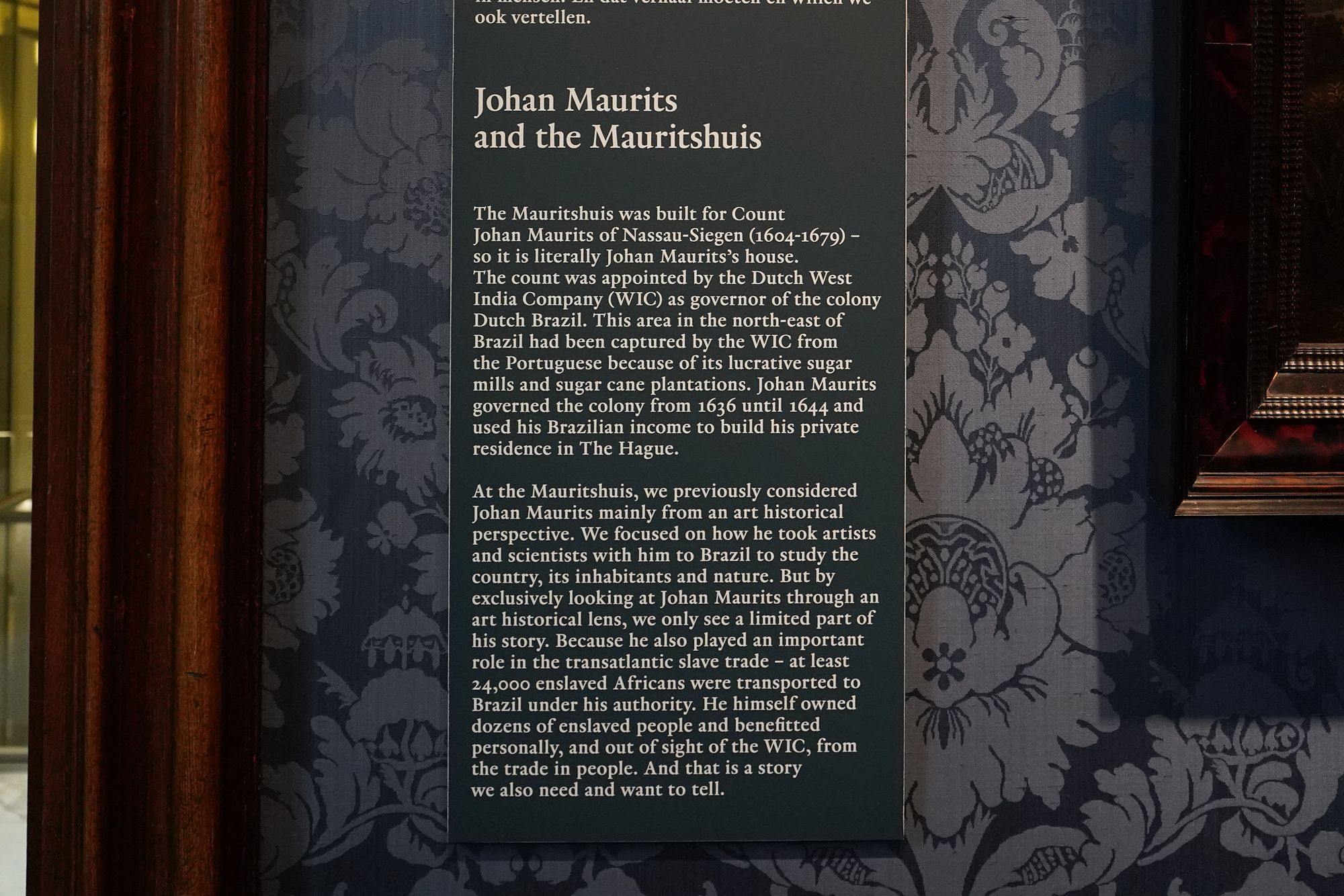
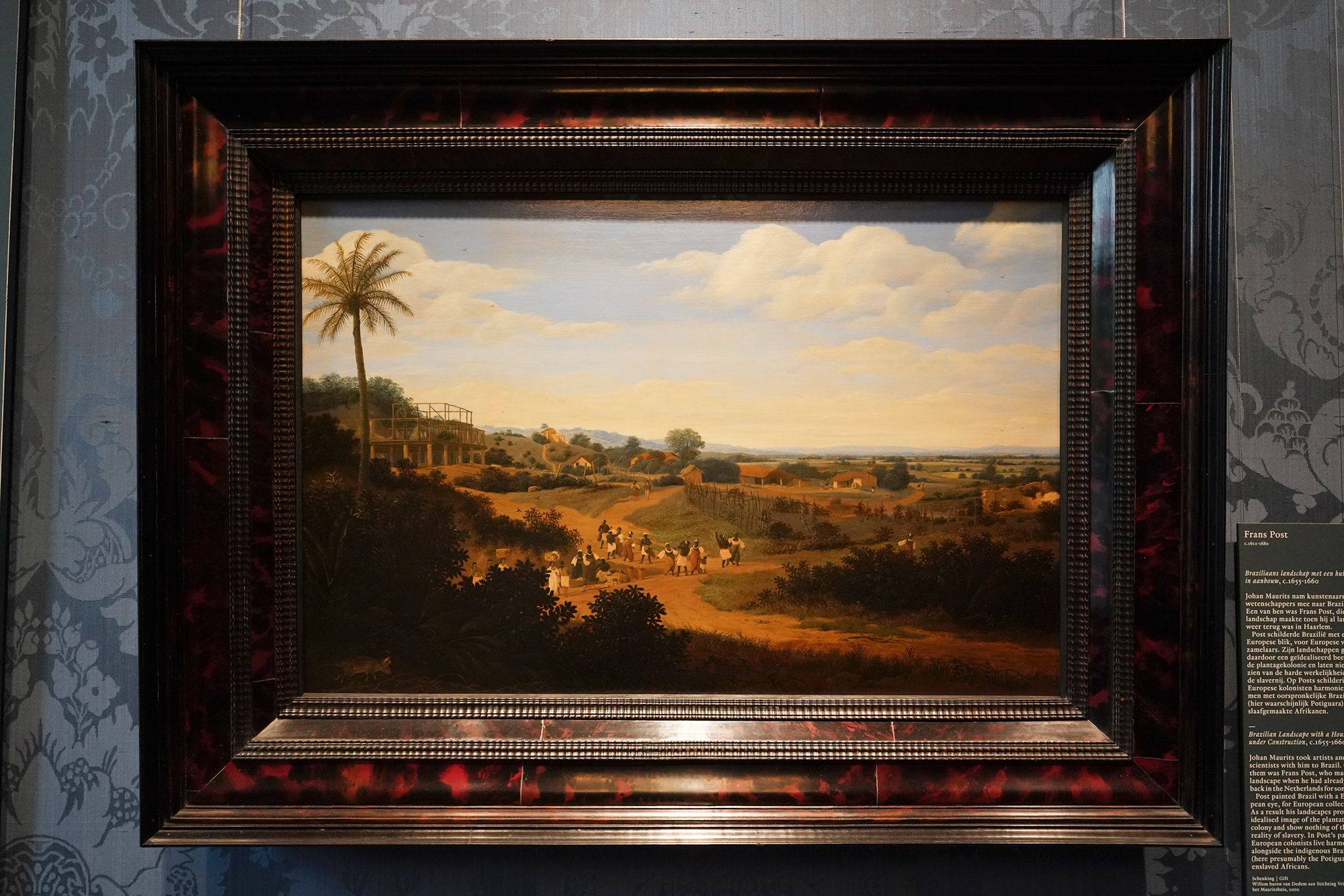
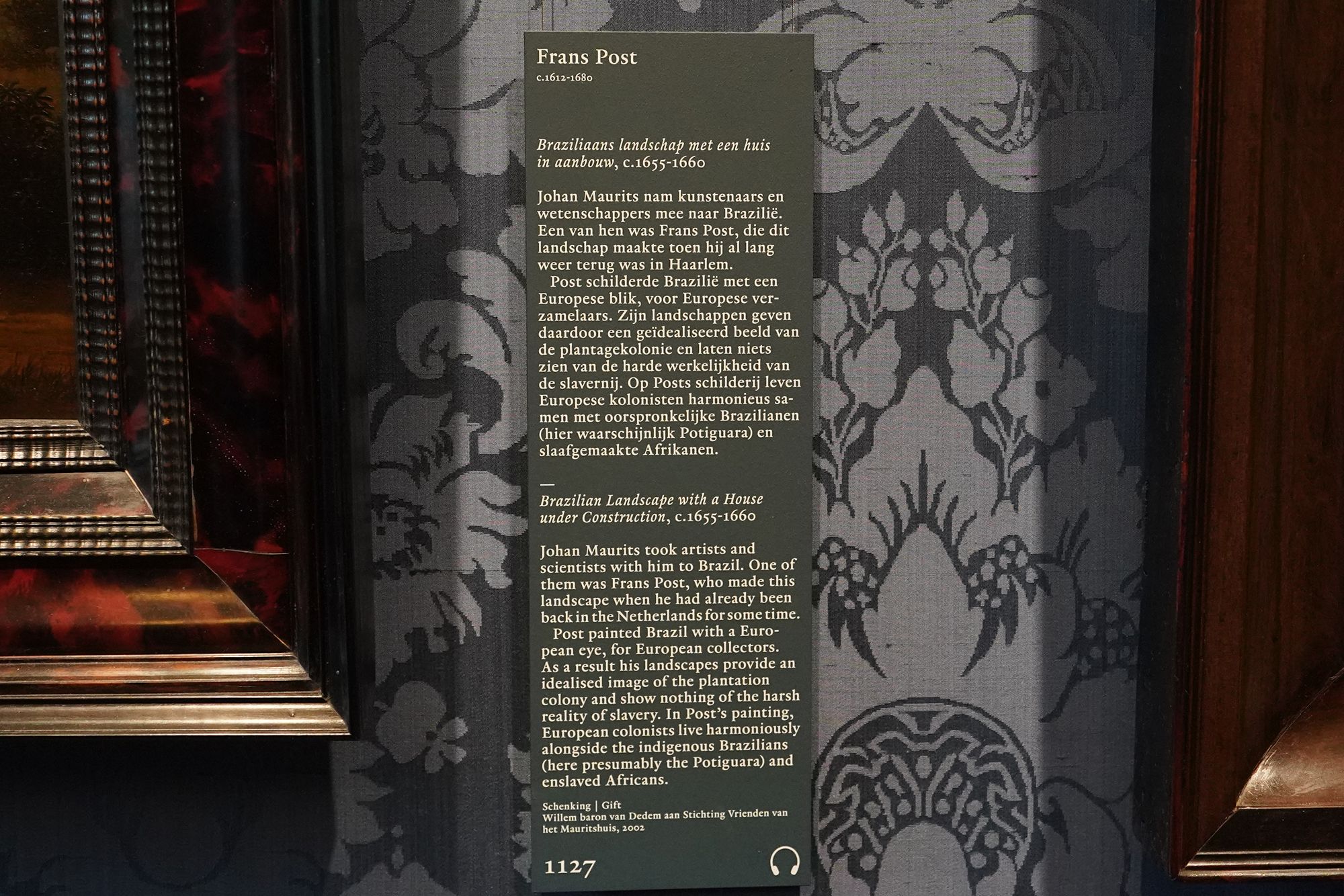
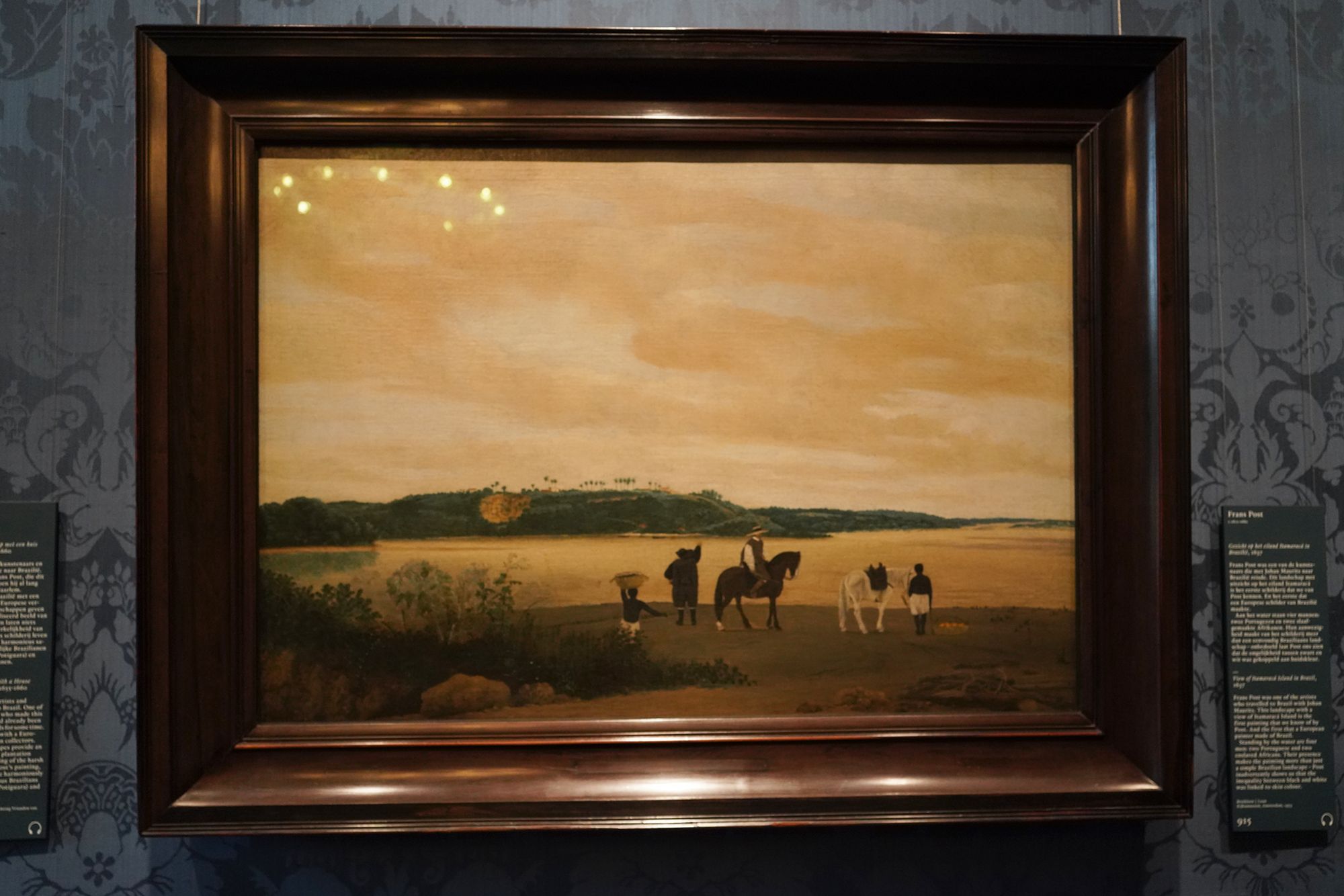
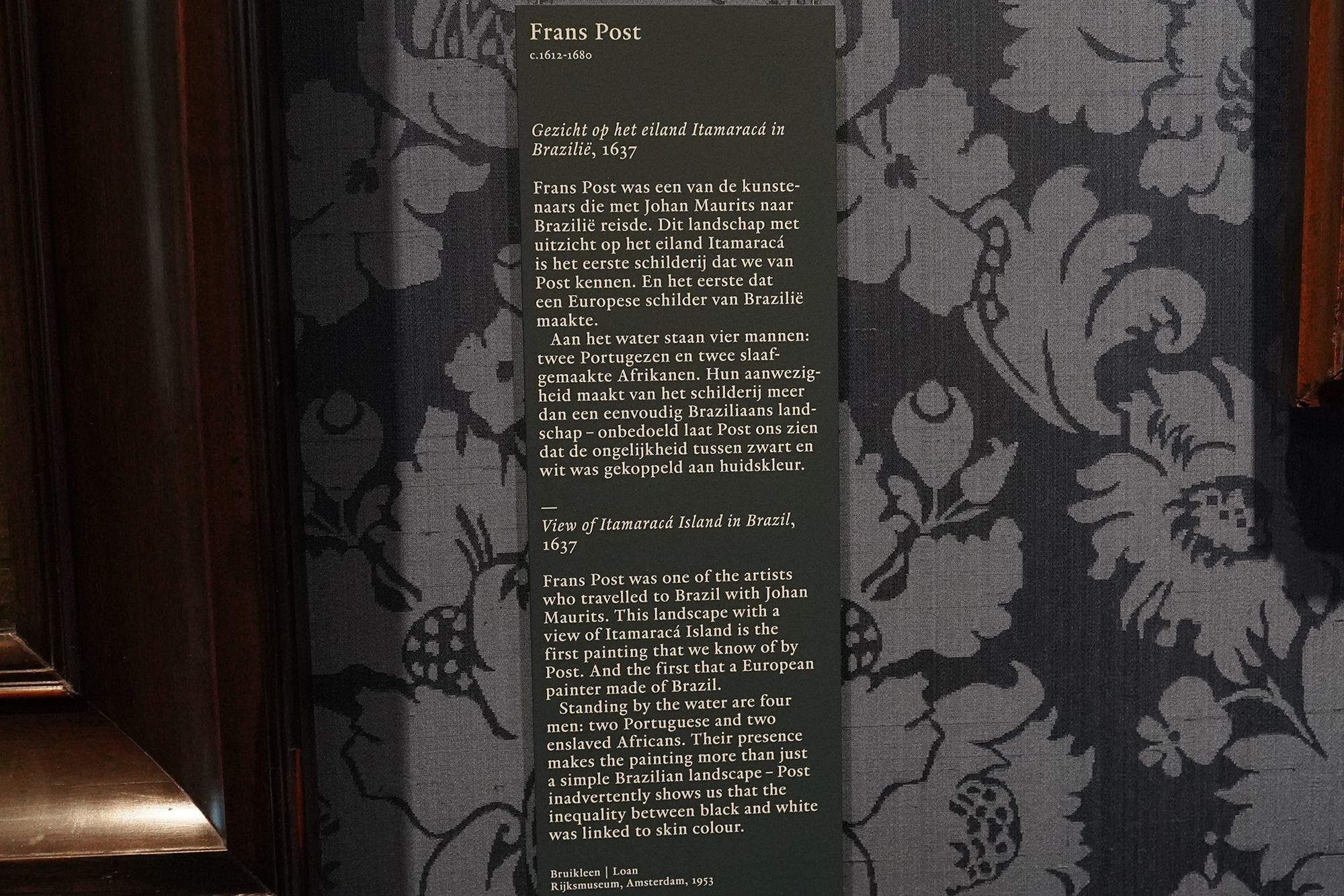
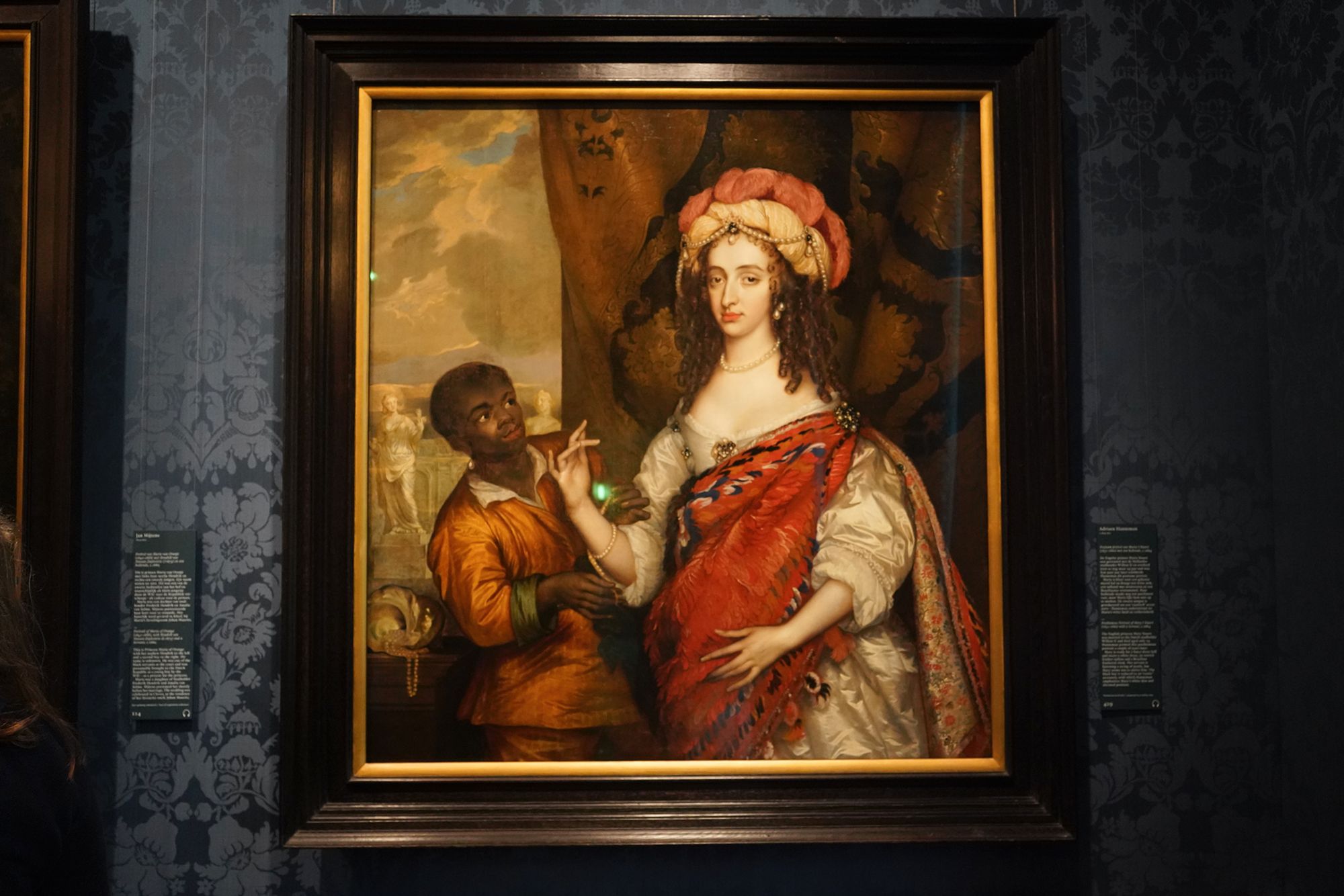
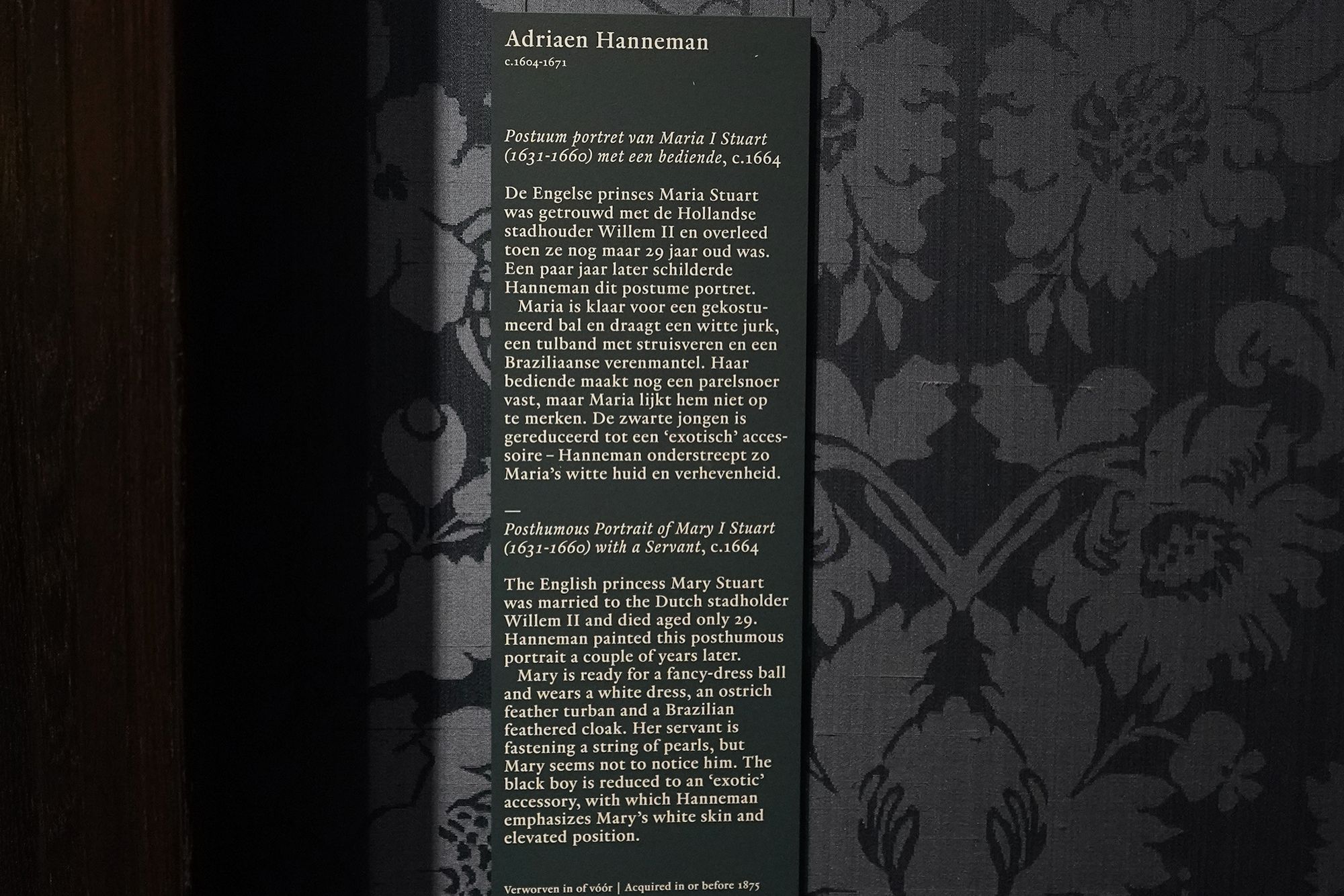
The Mauritshuis was originally built as the private residence of Johan Maurits of Nassau-Siegen, who served as governor of the Dutch colony in Brazil from 1636 to 1644. His wealth from Brazil helped finance the house, but his history is also closely connected to Dutch colonialism and the transatlantic slave trade, from which he personally benefited.
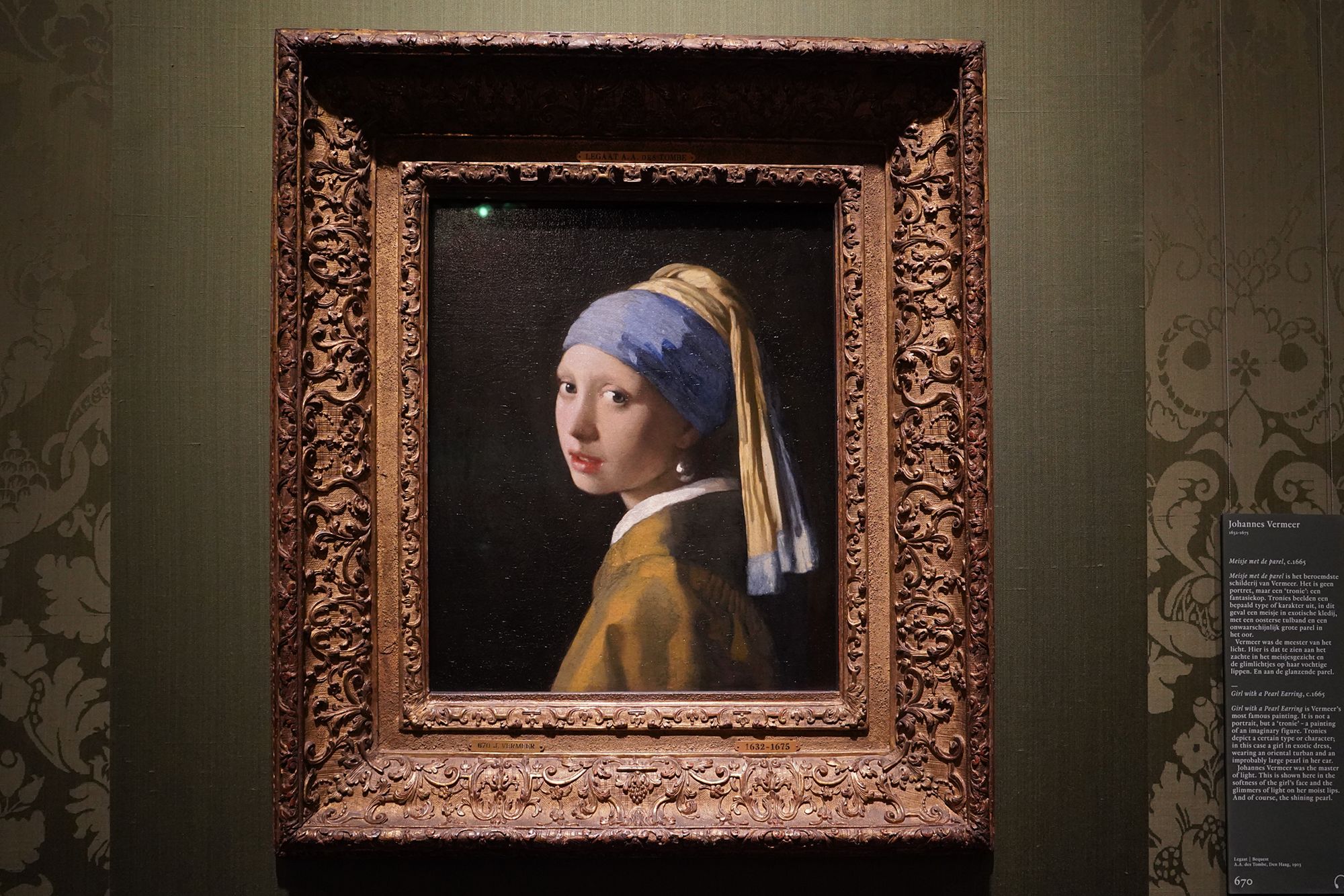
The Girl with a Pearl Earring
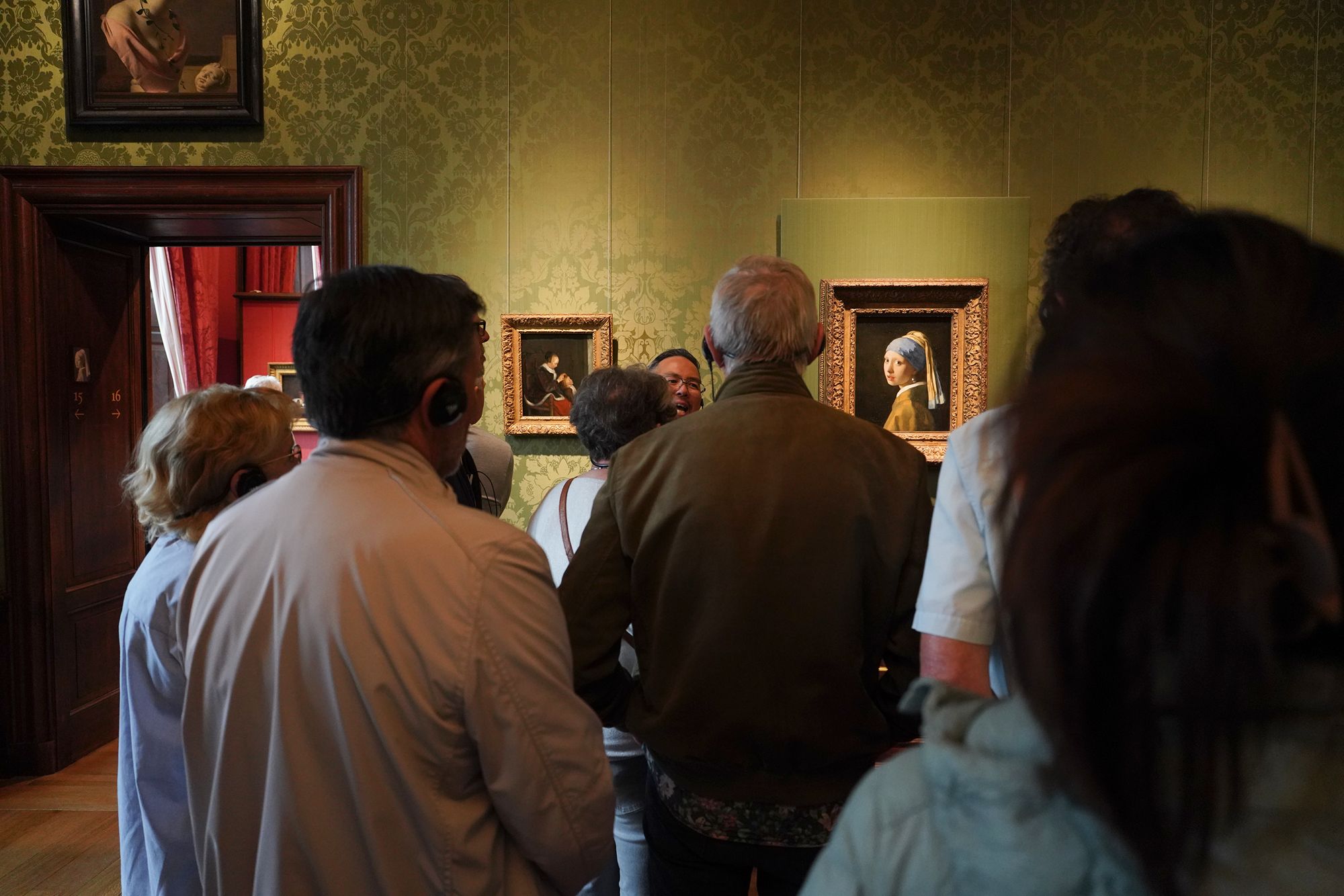
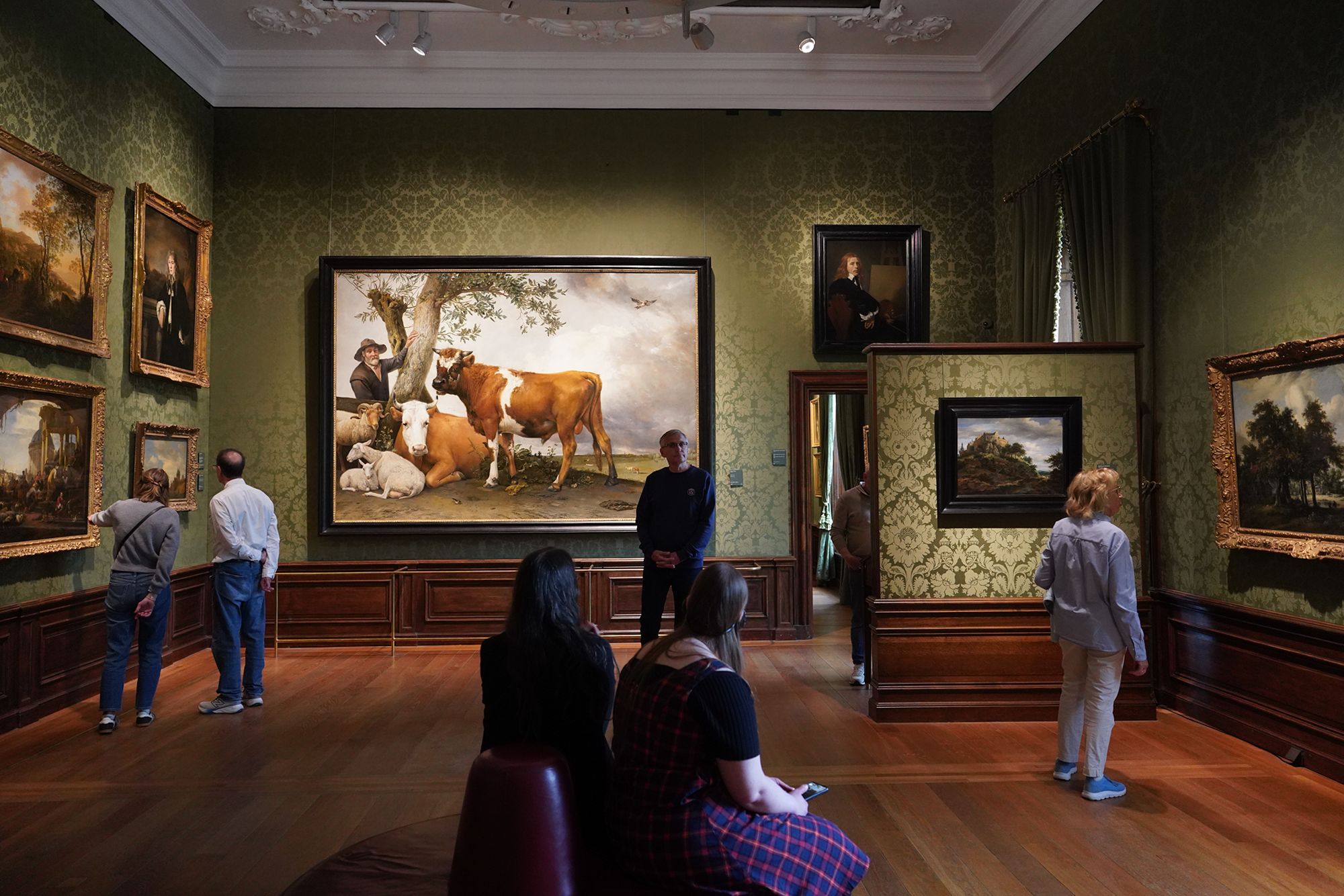
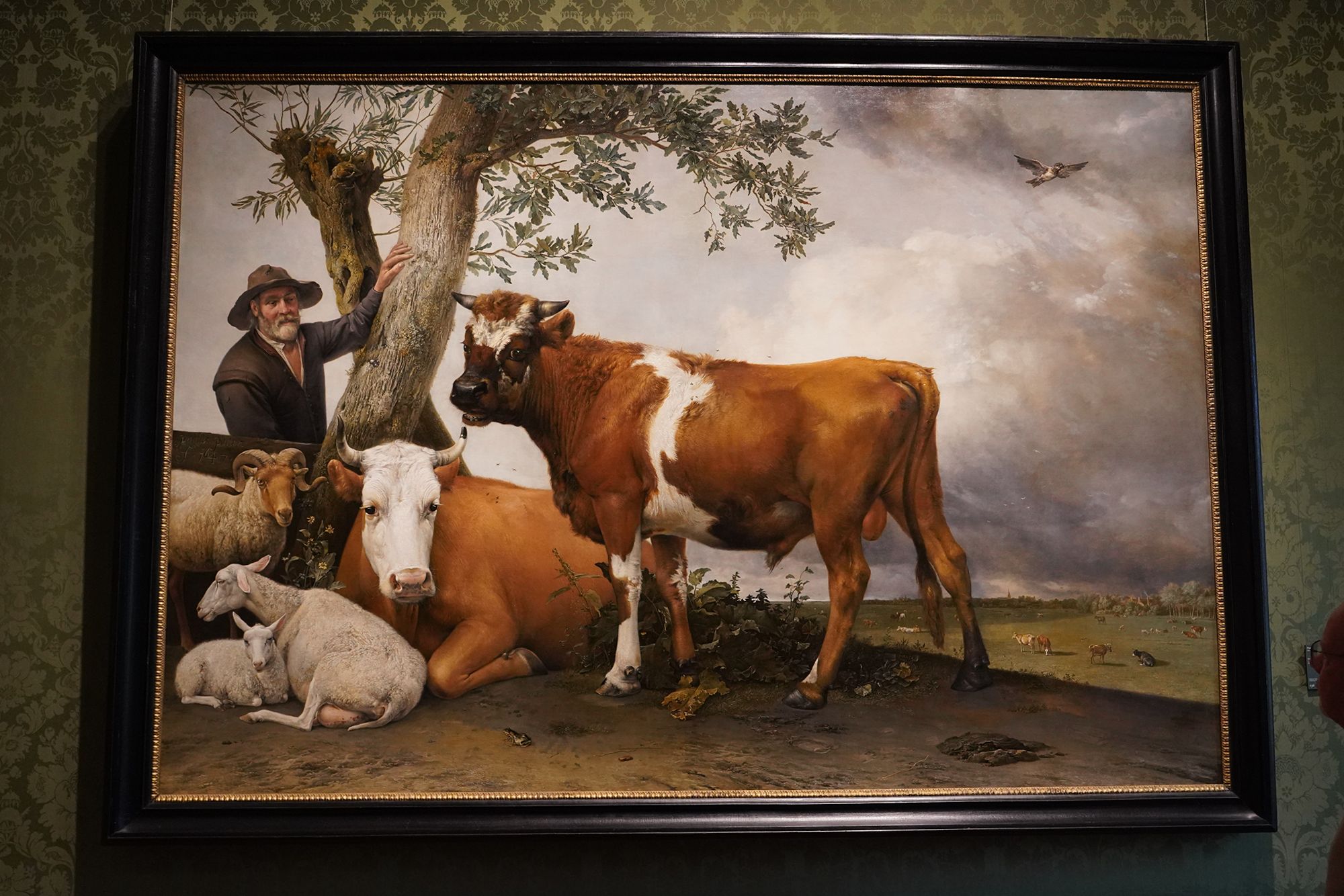
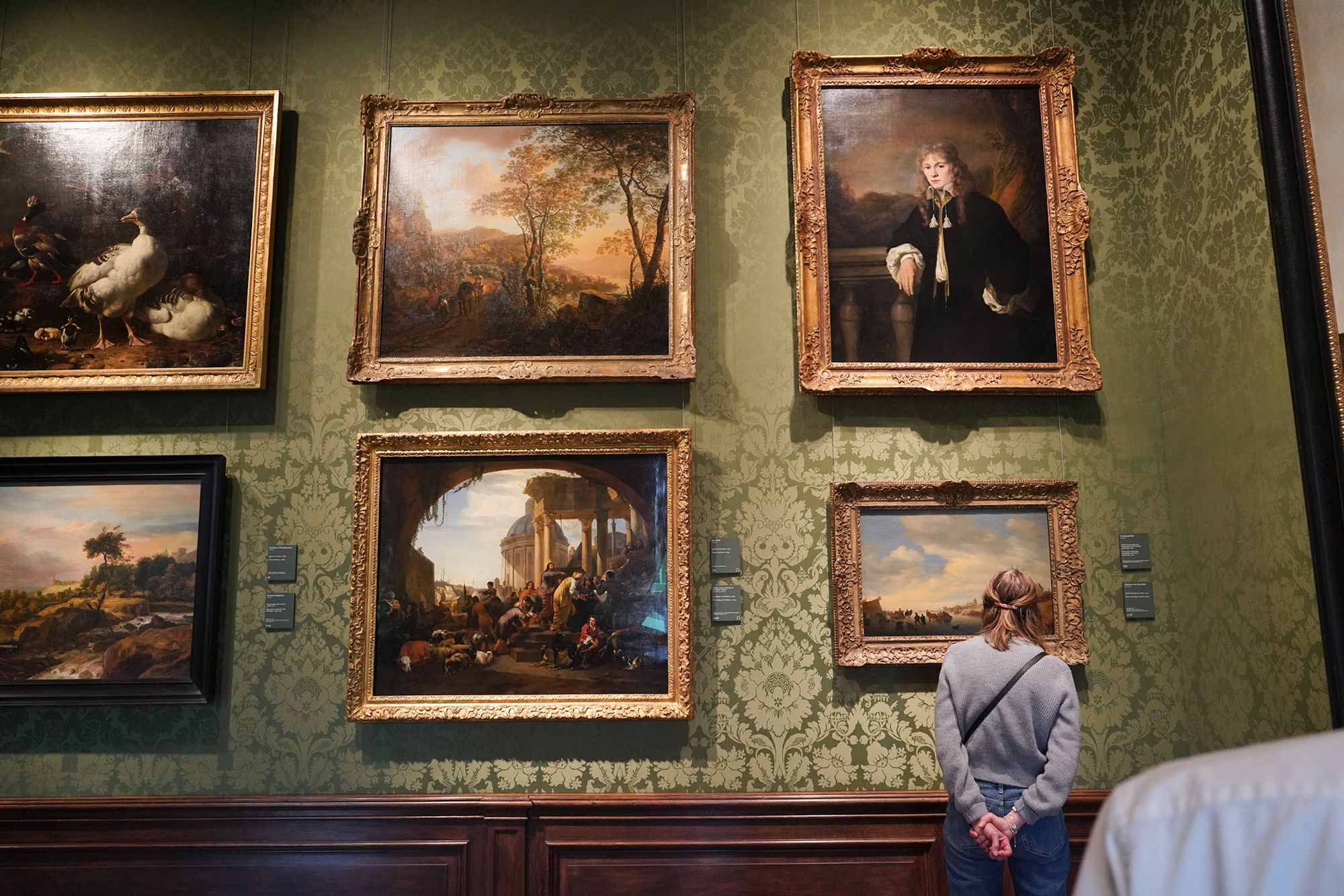
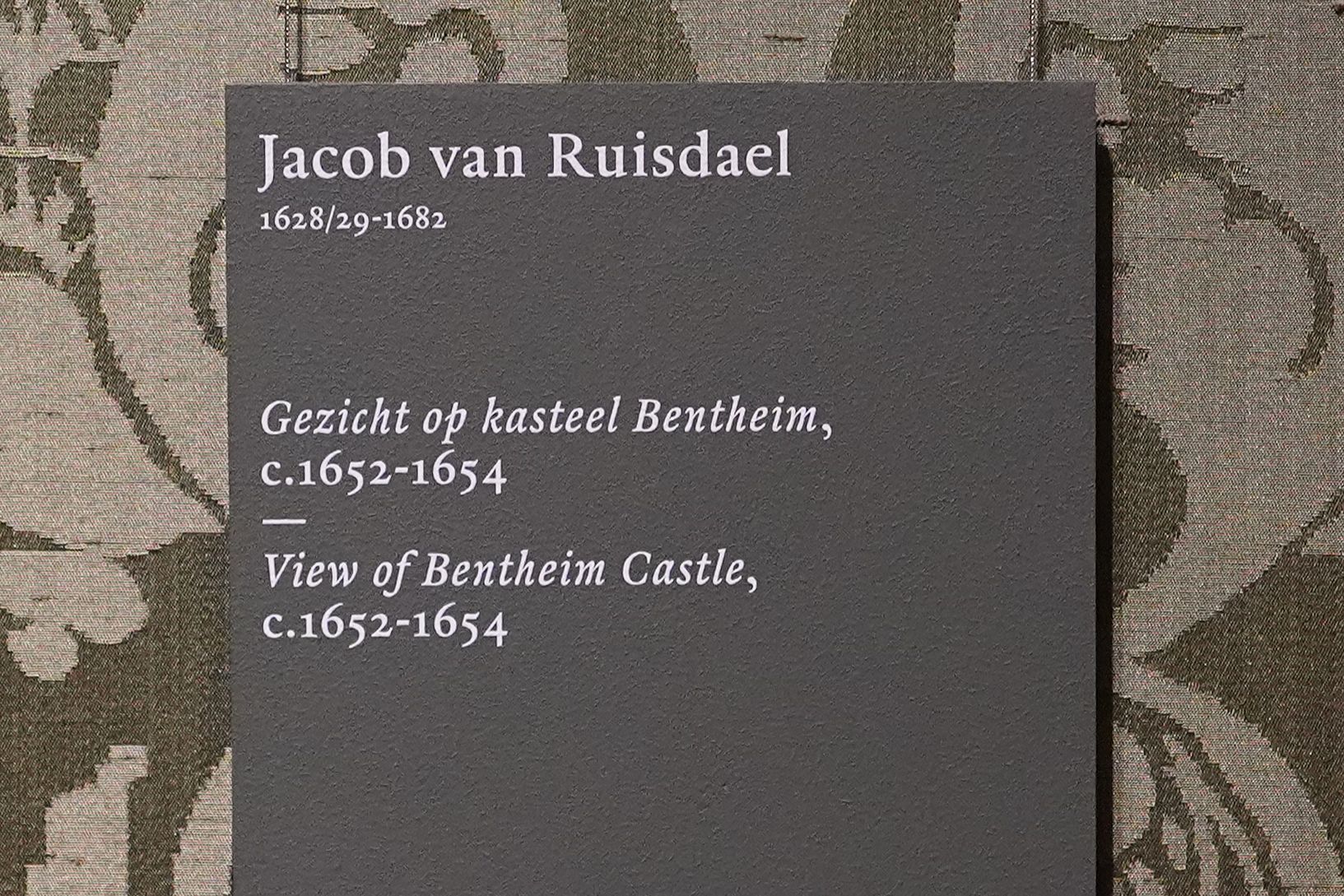
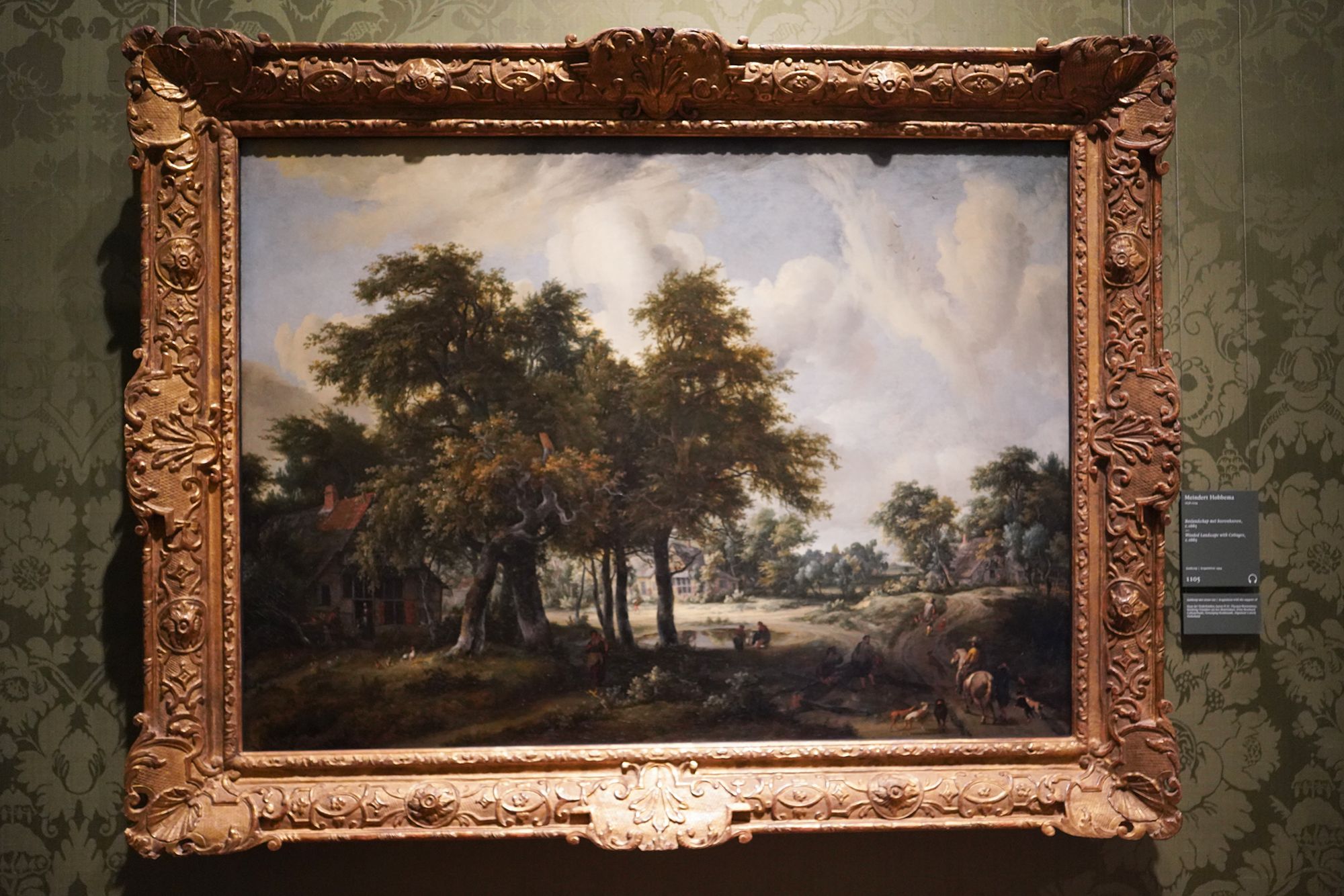
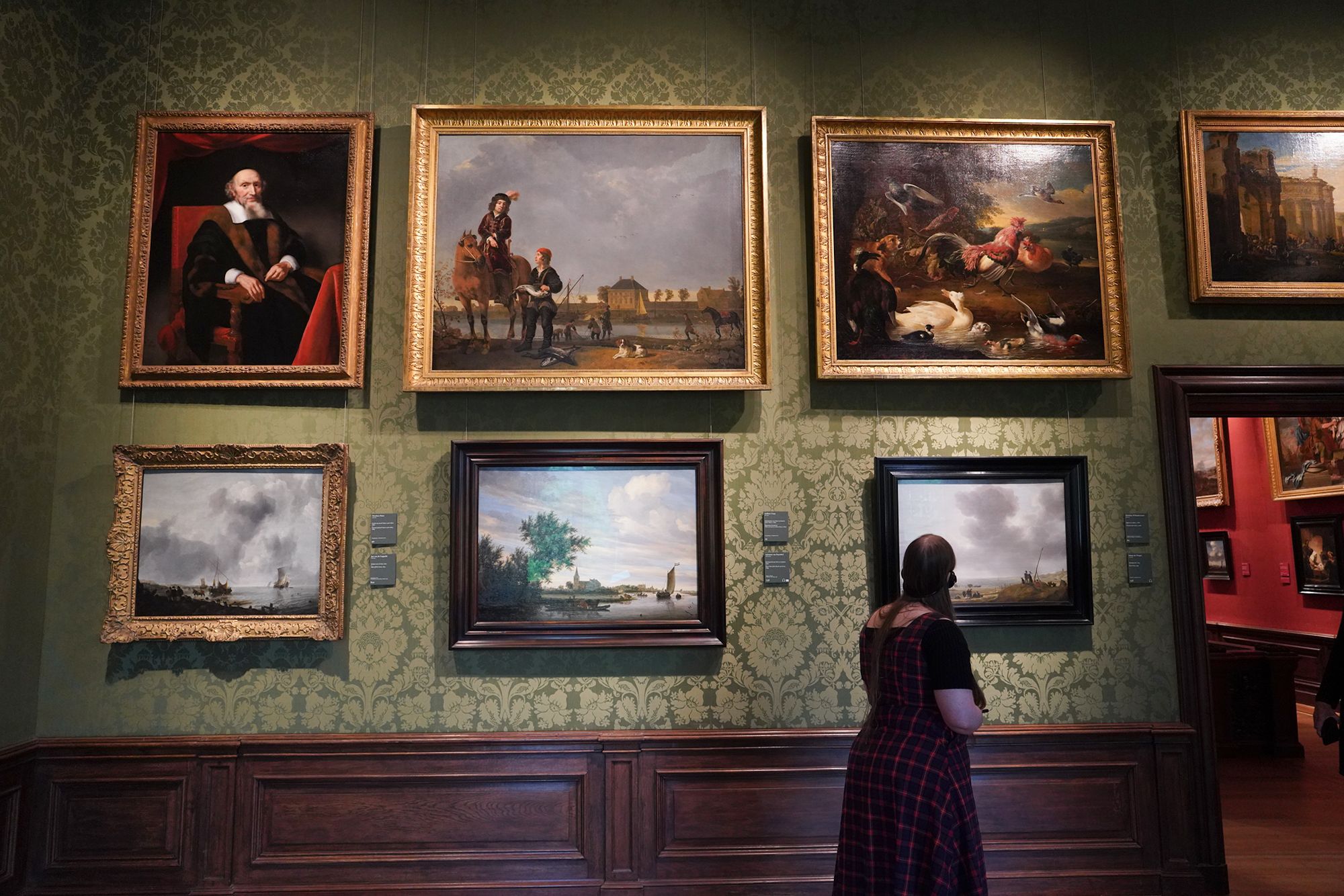
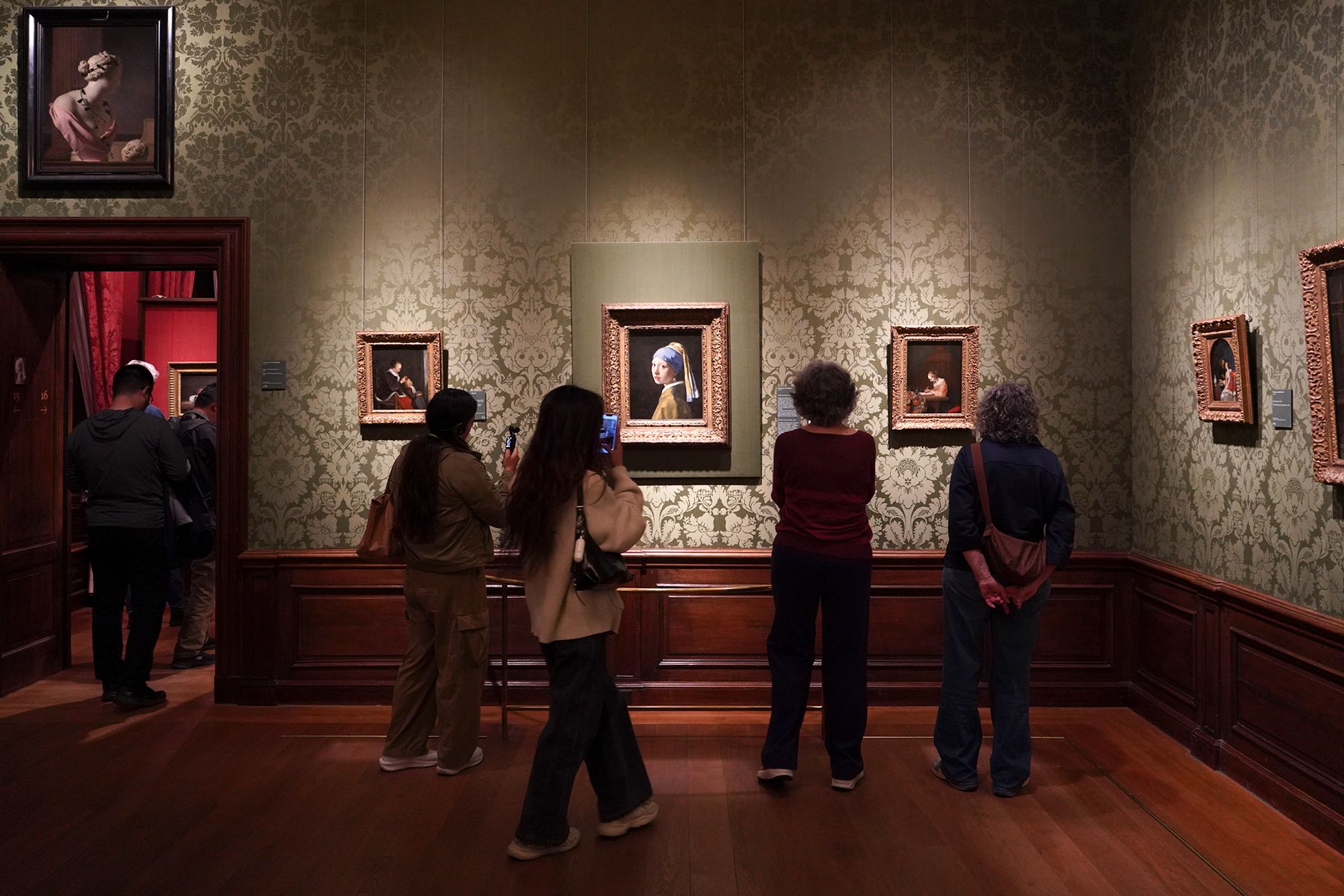
Girl with a Pearl Earring, painted by Johannes Vermeer around 1665, is the most famous painting in the Mauritshuis. Rather than a conventional portrait of a specific person, it is a “tronie”—a study of an imagined character, expression, and costume. The young woman turns toward the viewer with her lips slightly parted, wearing an exotic blue-and-yellow headscarf and a large pearl earring.
Vermeer’s soft light against the nearly black background gives her face and the pearl an extraordinary sense of intimacy and luminosity. The identity of the model is unknown, which adds to the painting’s enduring mystery.
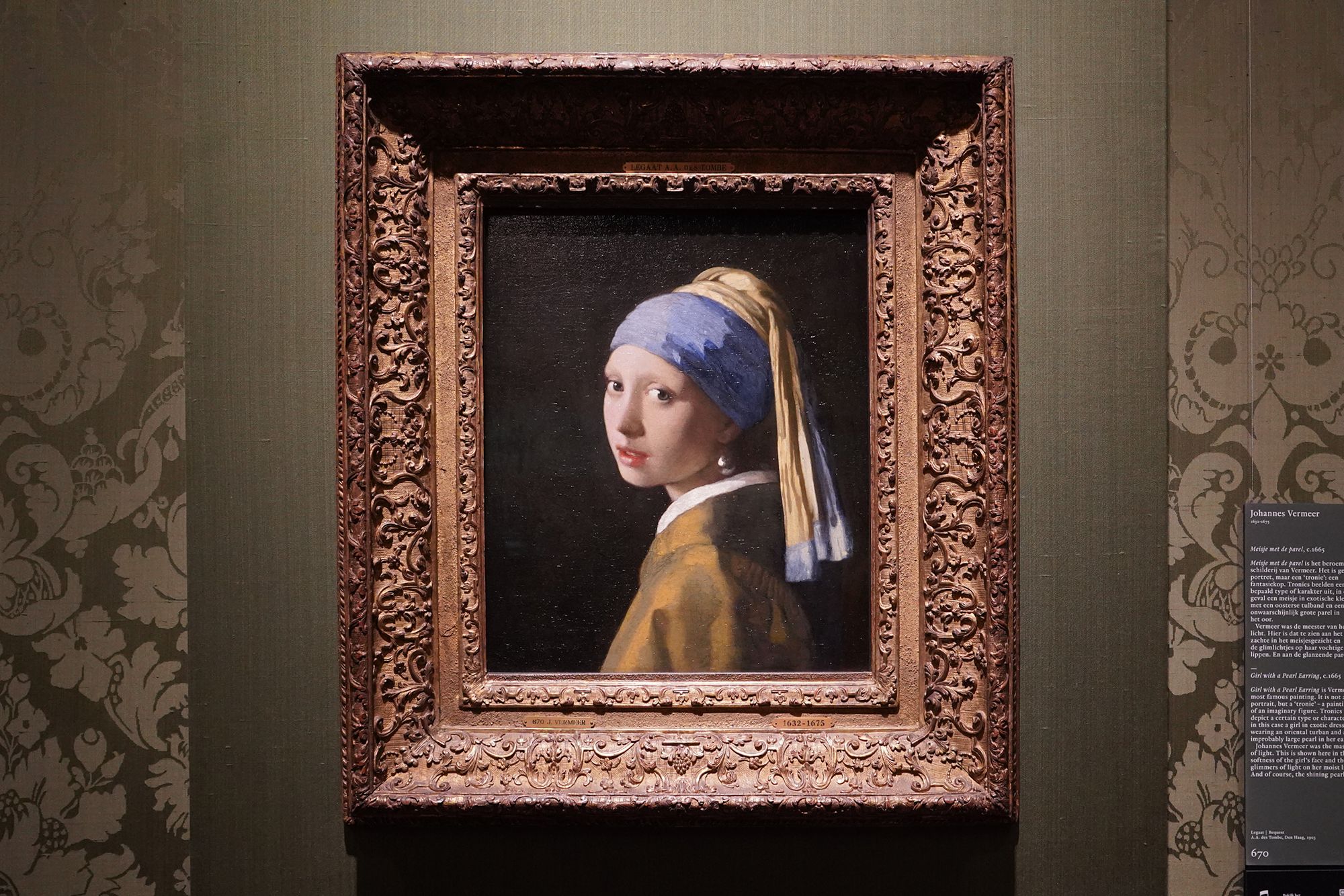
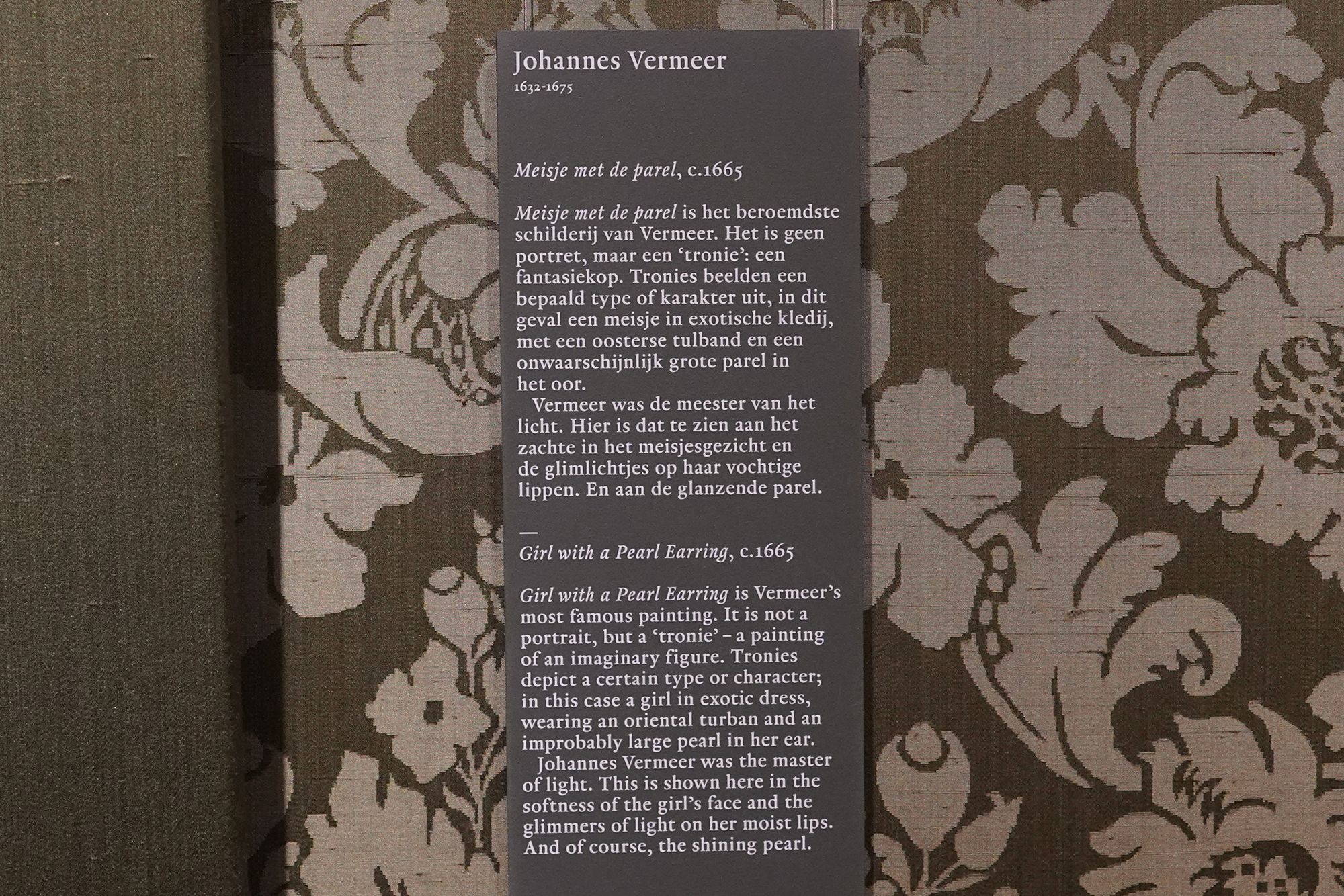
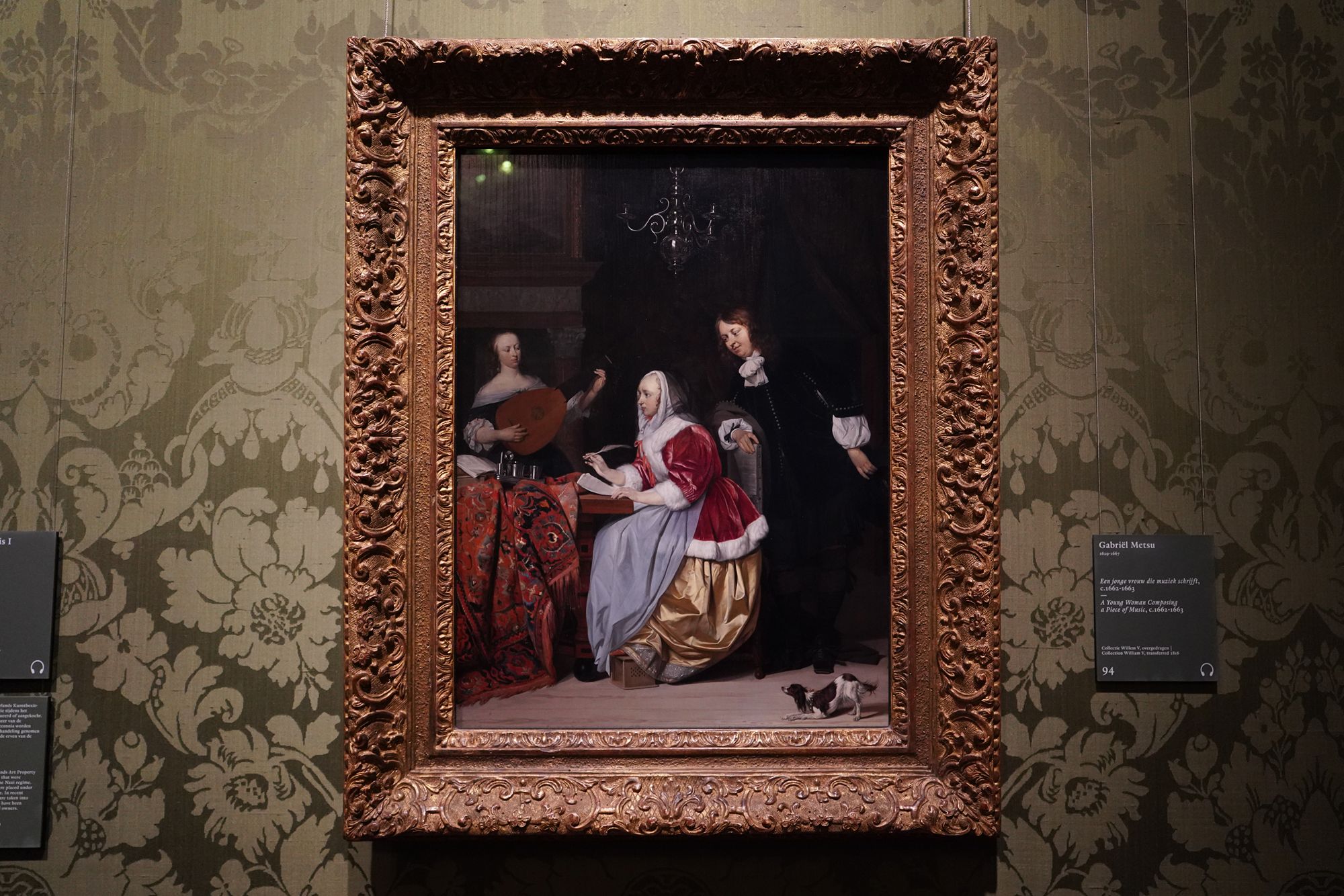
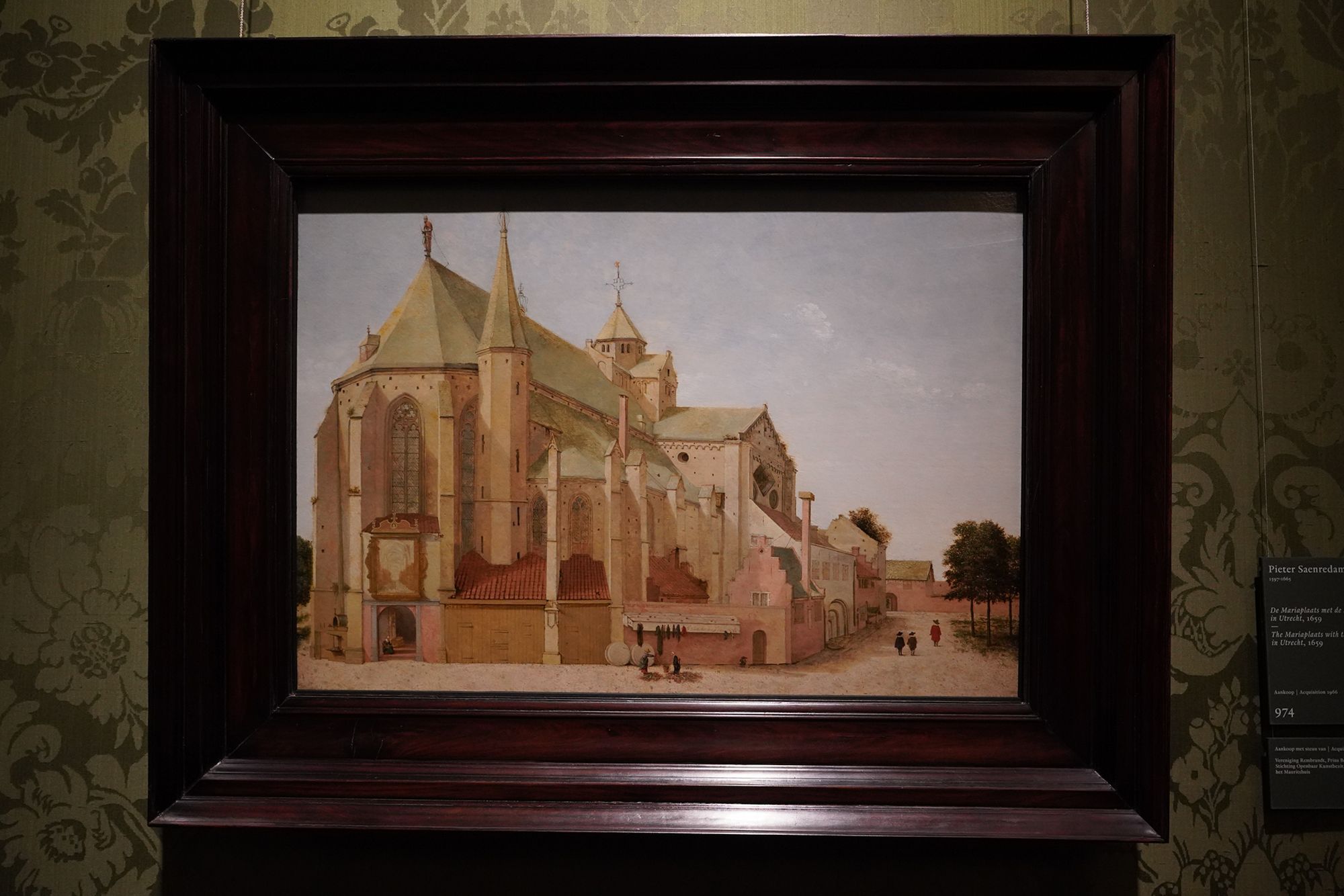
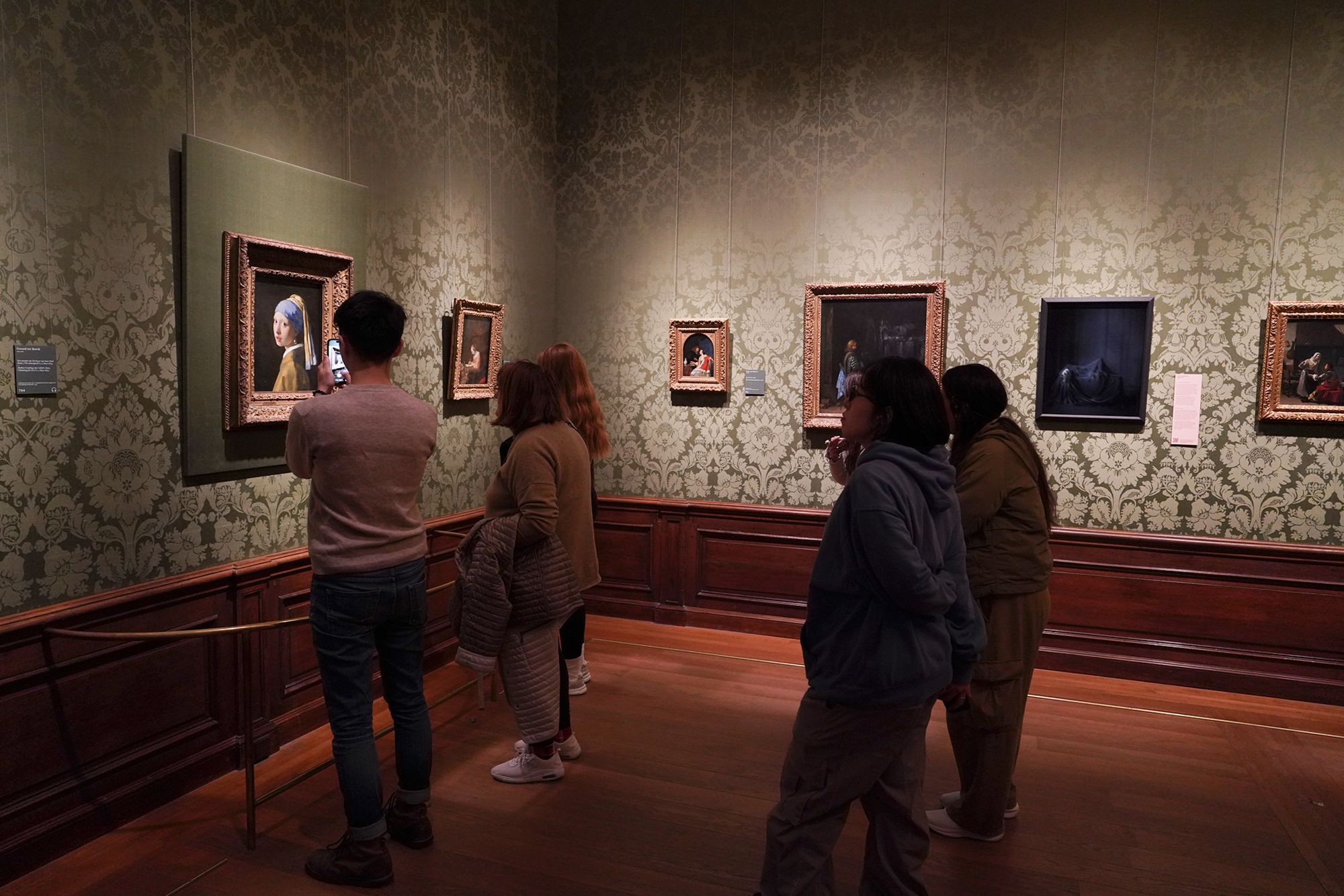
It became famous because of its remarkable simplicity and intimacy. The girl turns toward us as if we have just caught her attention, her lips slightly open, while the dark background isolates her face. Vermeer used light beautifully on her eyes, lips, and especially the large pearl, making the image seem unusually lifelike.
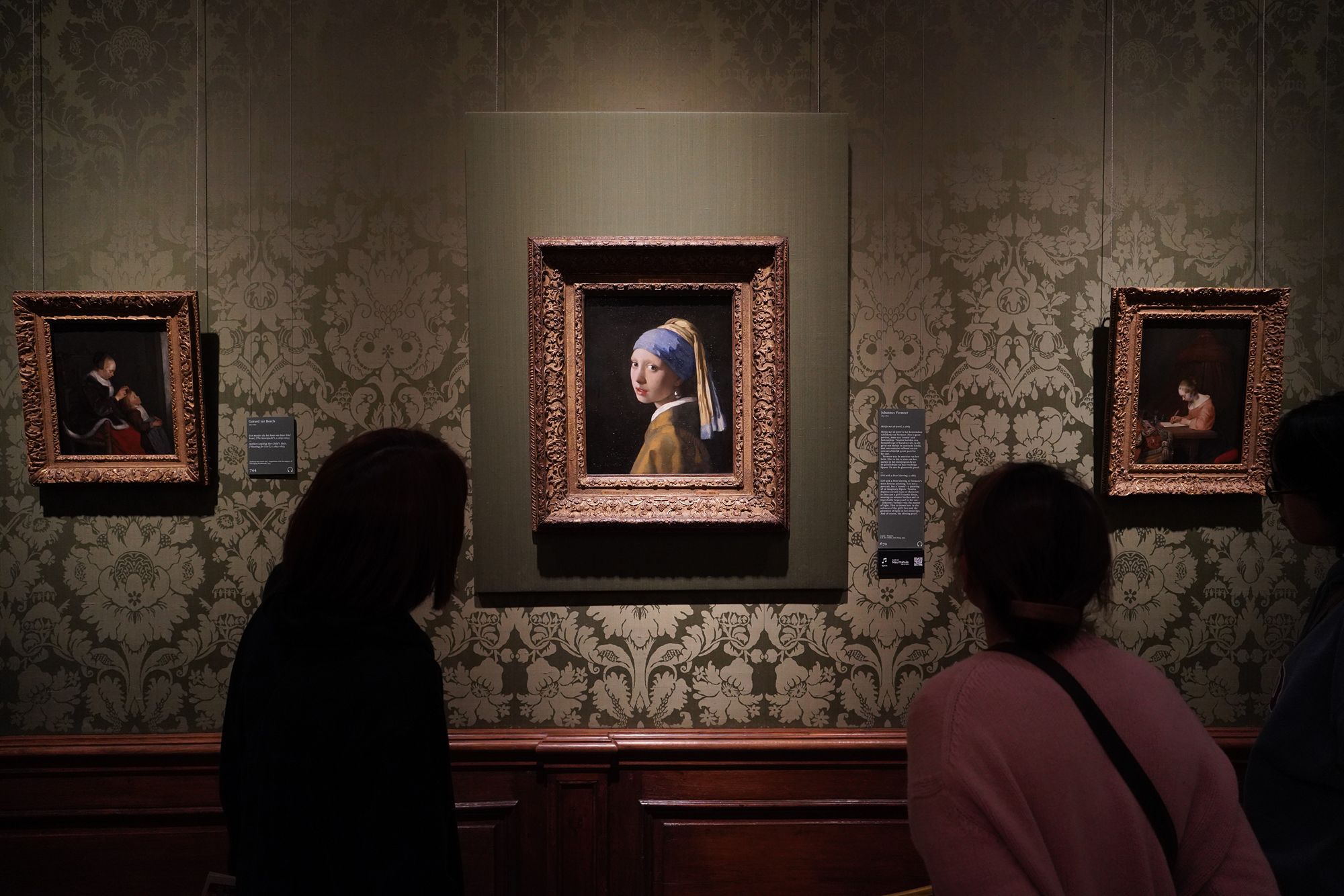
The mystery also contributes to its appeal. We do not know who the girl was, what she was thinking, or even whether the “pearl” was intended to represent a real pearl. That sense of mystery, combined with Vermeer’s extraordinary handling of light, eventually made it one of the most recognizable paintings in the world—sometimes nicknamed the “Mona Lisa of the North.”