Red Light District Walk, Amsterdam, Netherland
Amsterdam’s Red Light District is a historic neighborhood of narrow streets, canals, old buildings, nightlife, cafés, and its famous window brothels. 1306
Condomerie: Warmoesstraat 141, 1012 JB Amsterdam, Netherlands
Oude Kerk: Oudekerksplein 23, 1012 GX Amsterdam, Netherlands
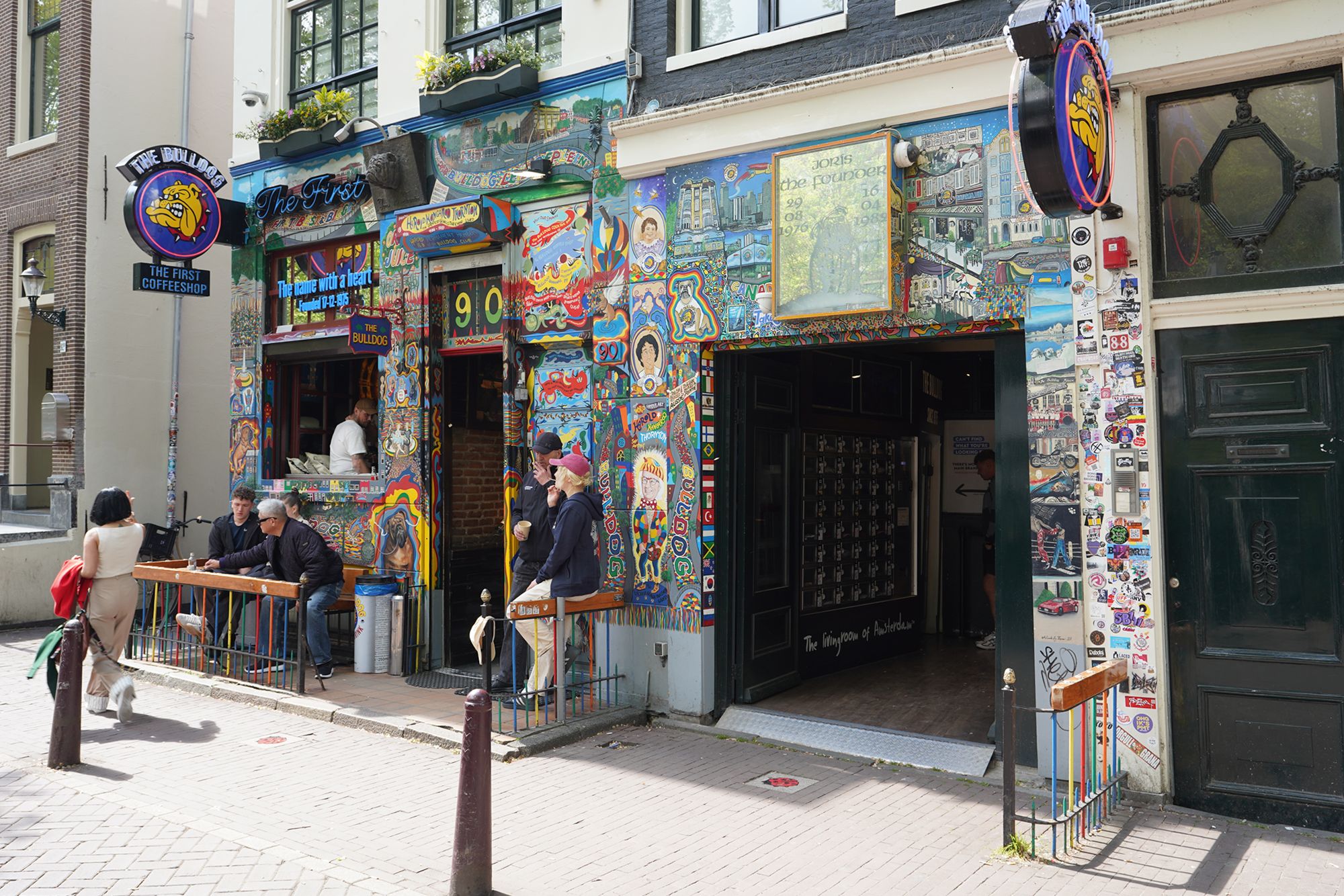
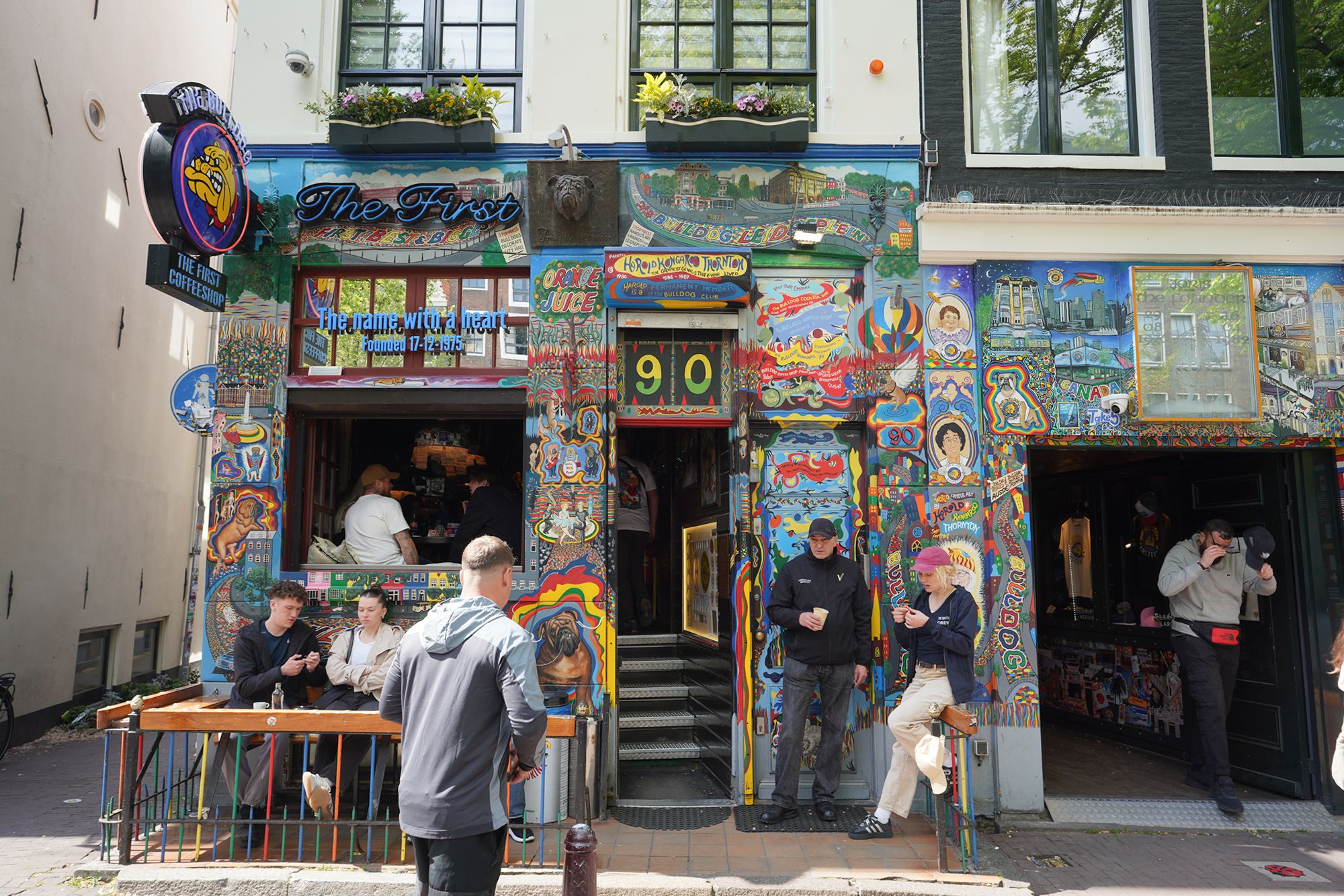
The Bulldog Coffee Shop: Oudezijds Voorburgwal 90, 1012 GG Amsterdam, Netherlands
Our Lord in the Attic Museum: Oudezijds Voorburgwal 40, 1012 GE Amsterdam, Netherlands
Moulin Rouge Amsterdam: Oudezijds Achterburgwal, 1012 DA Amsterdam, Netherlands
Date Picture Taken: May, 2026
Amsterdam’s Red Light District, known locally as De Wallen, is one of the city’s oldest and most distinctive neighborhoods. Centered around narrow canals and medieval streets near the Oude Kerk, the area combines historic architecture, cafés, bars, restaurants, and shops with its famous red-lit windows and adult entertainment.
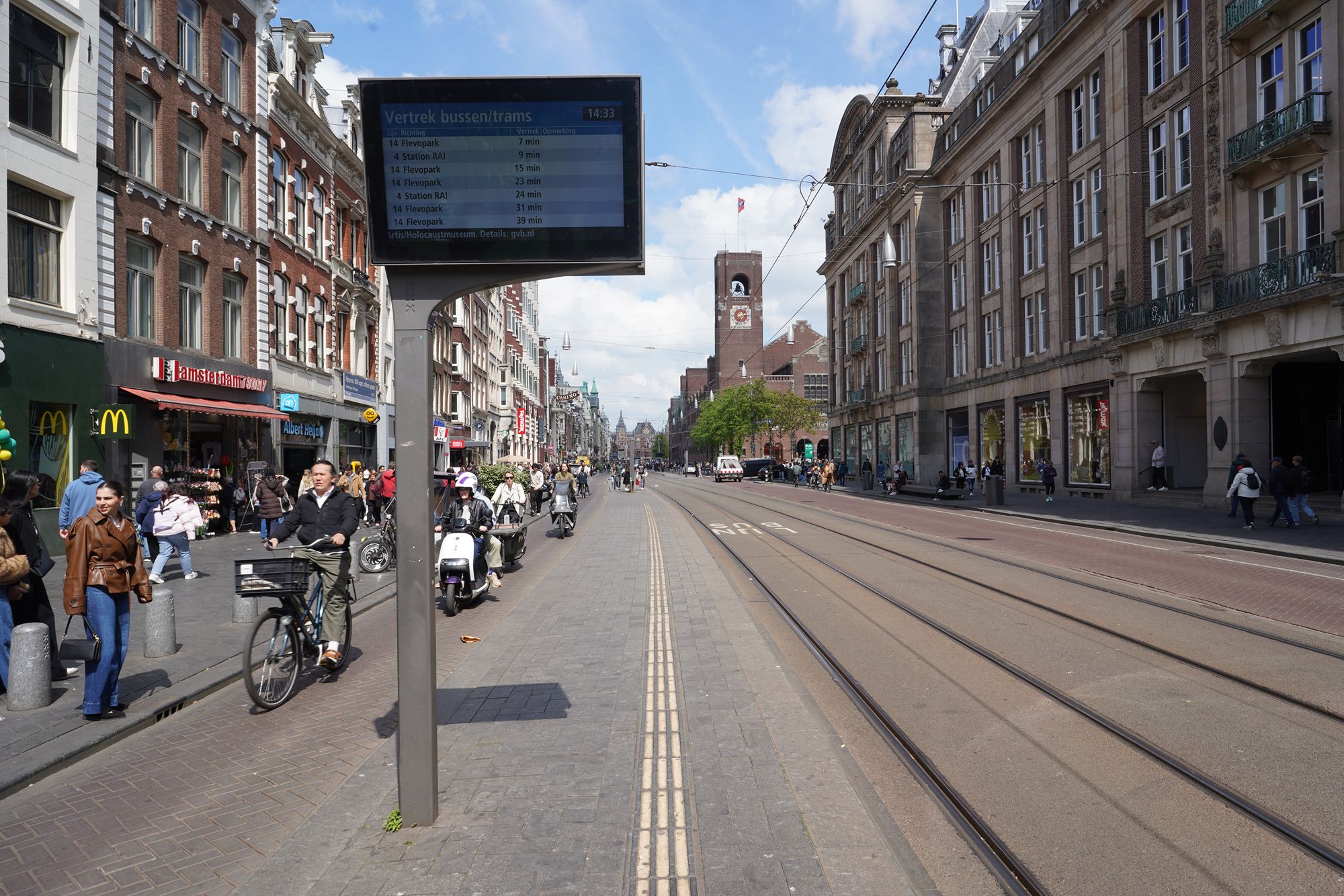
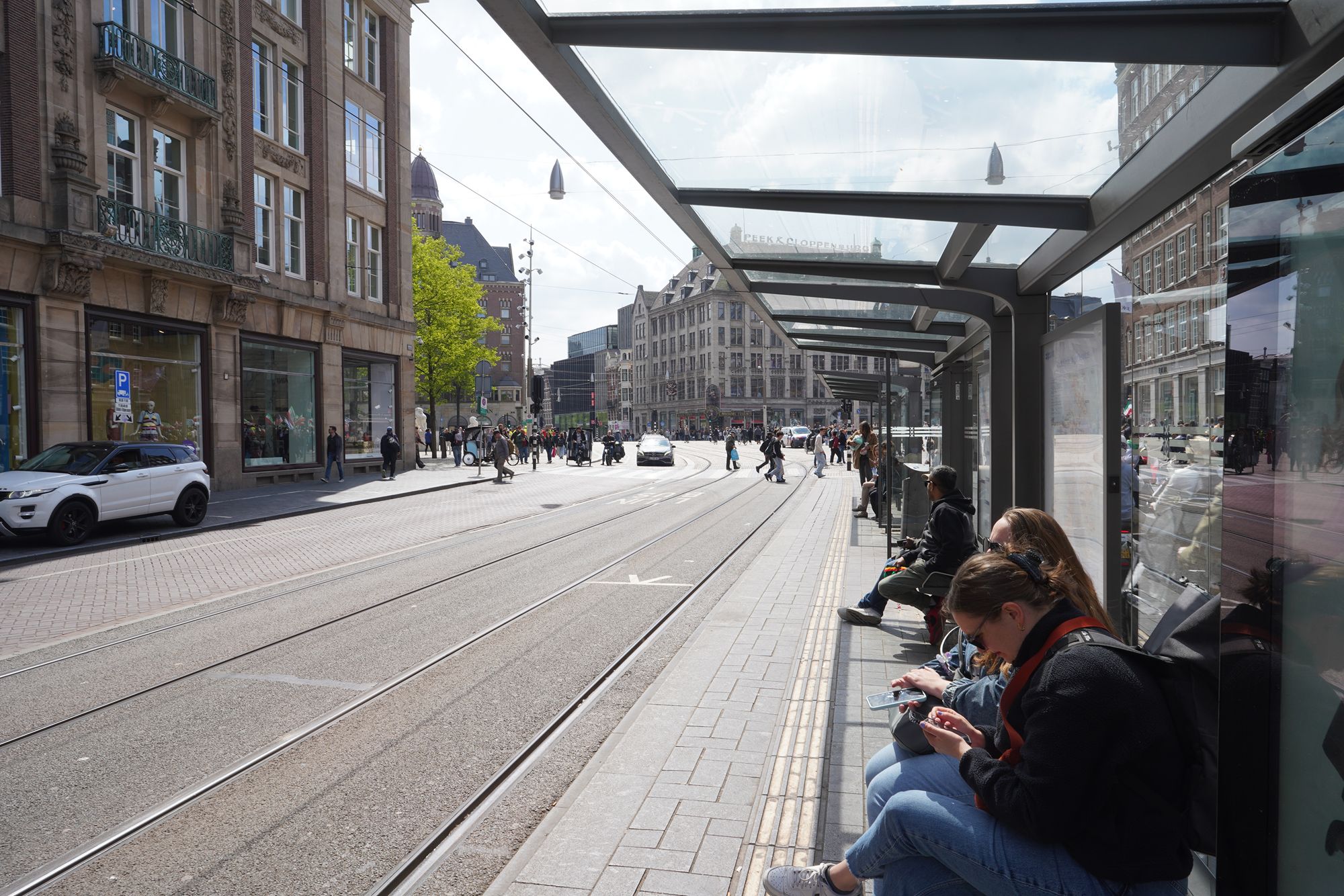
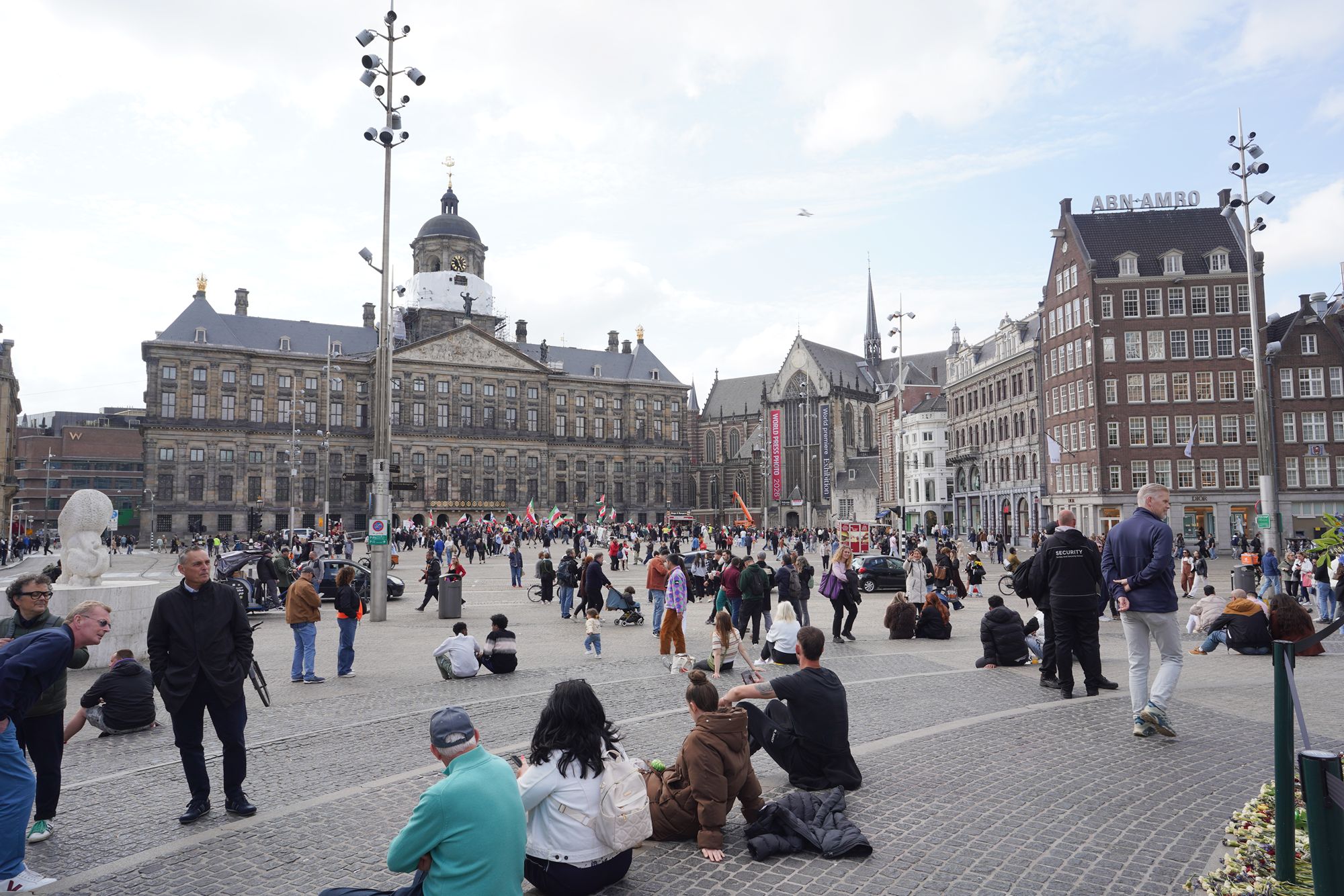
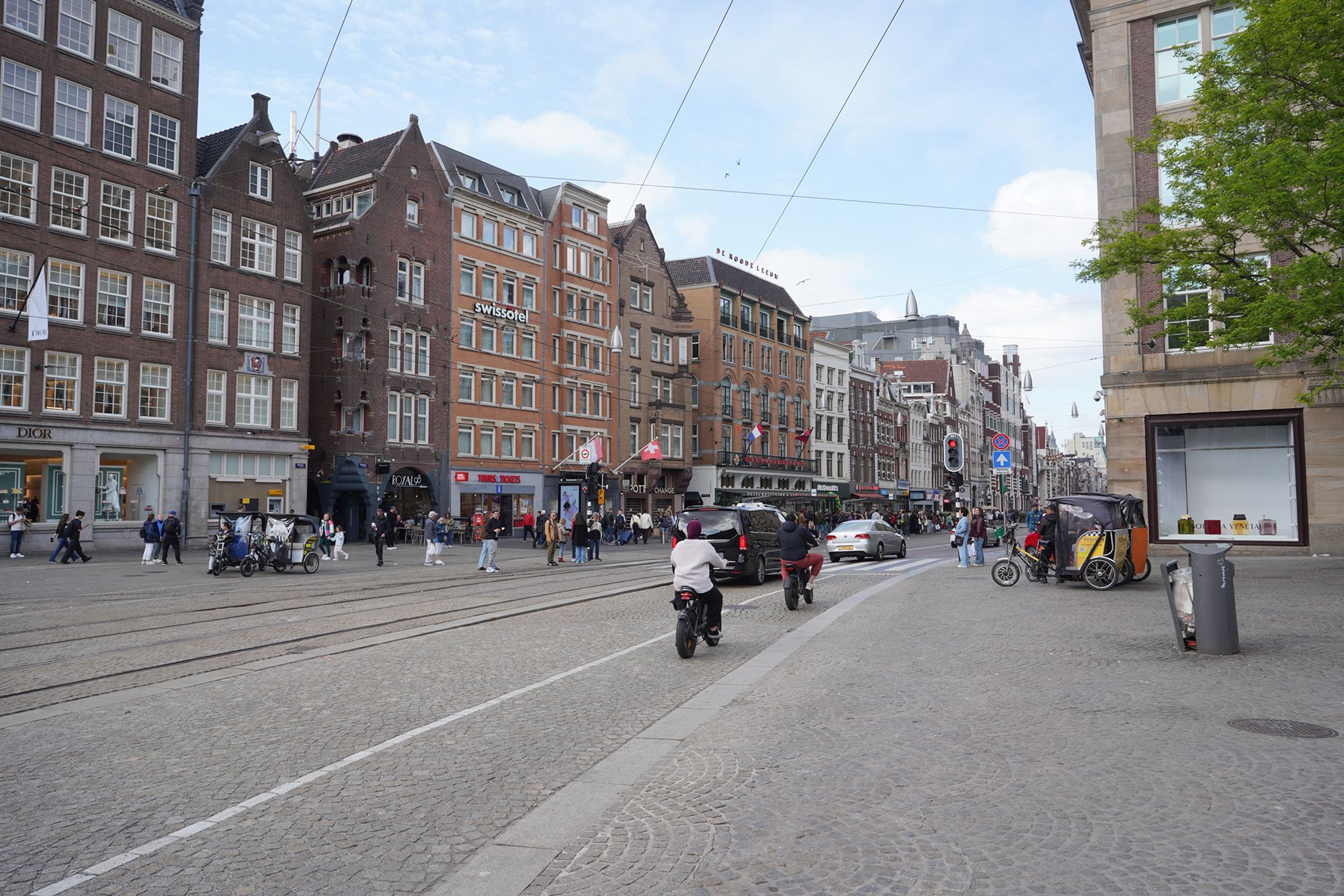
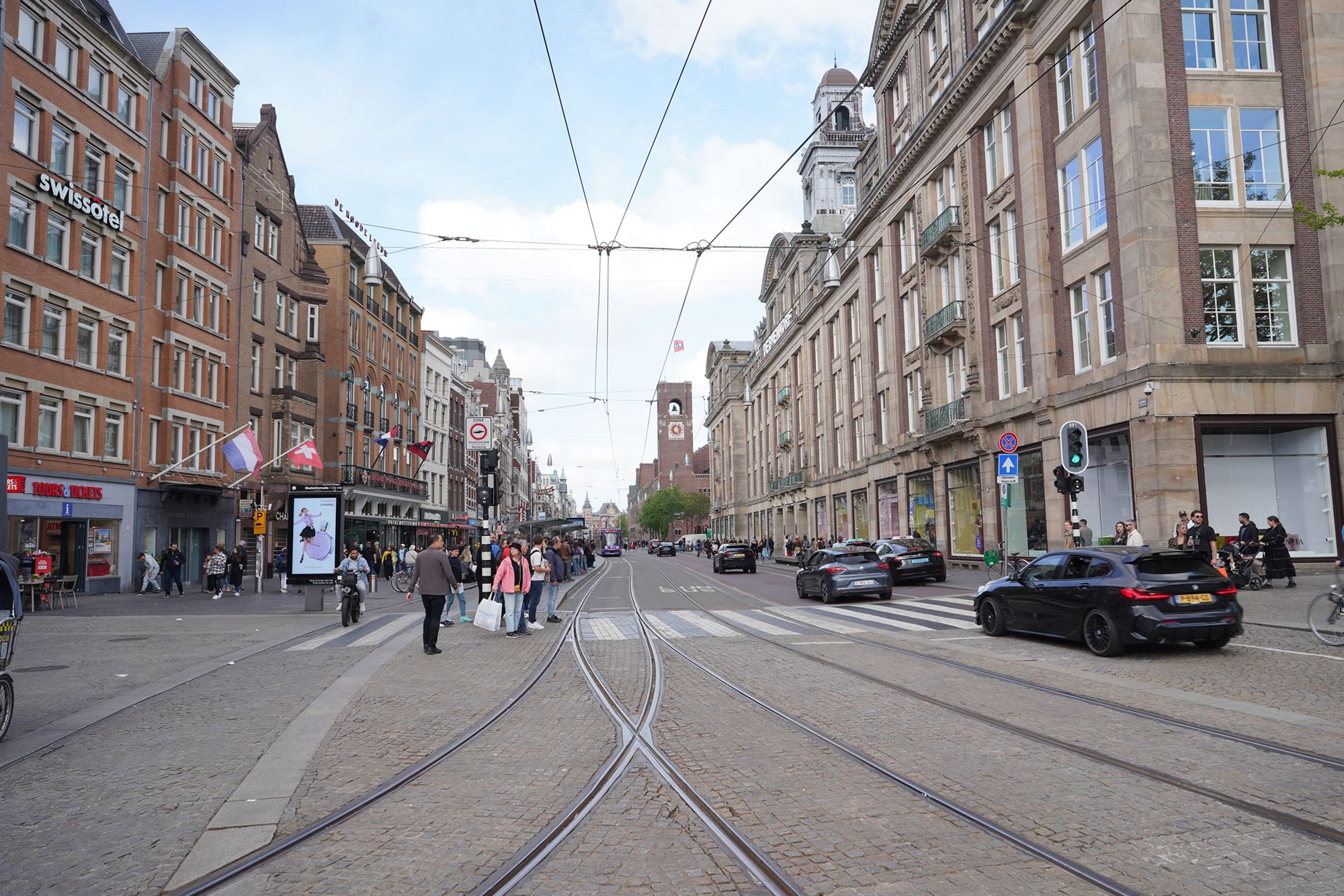
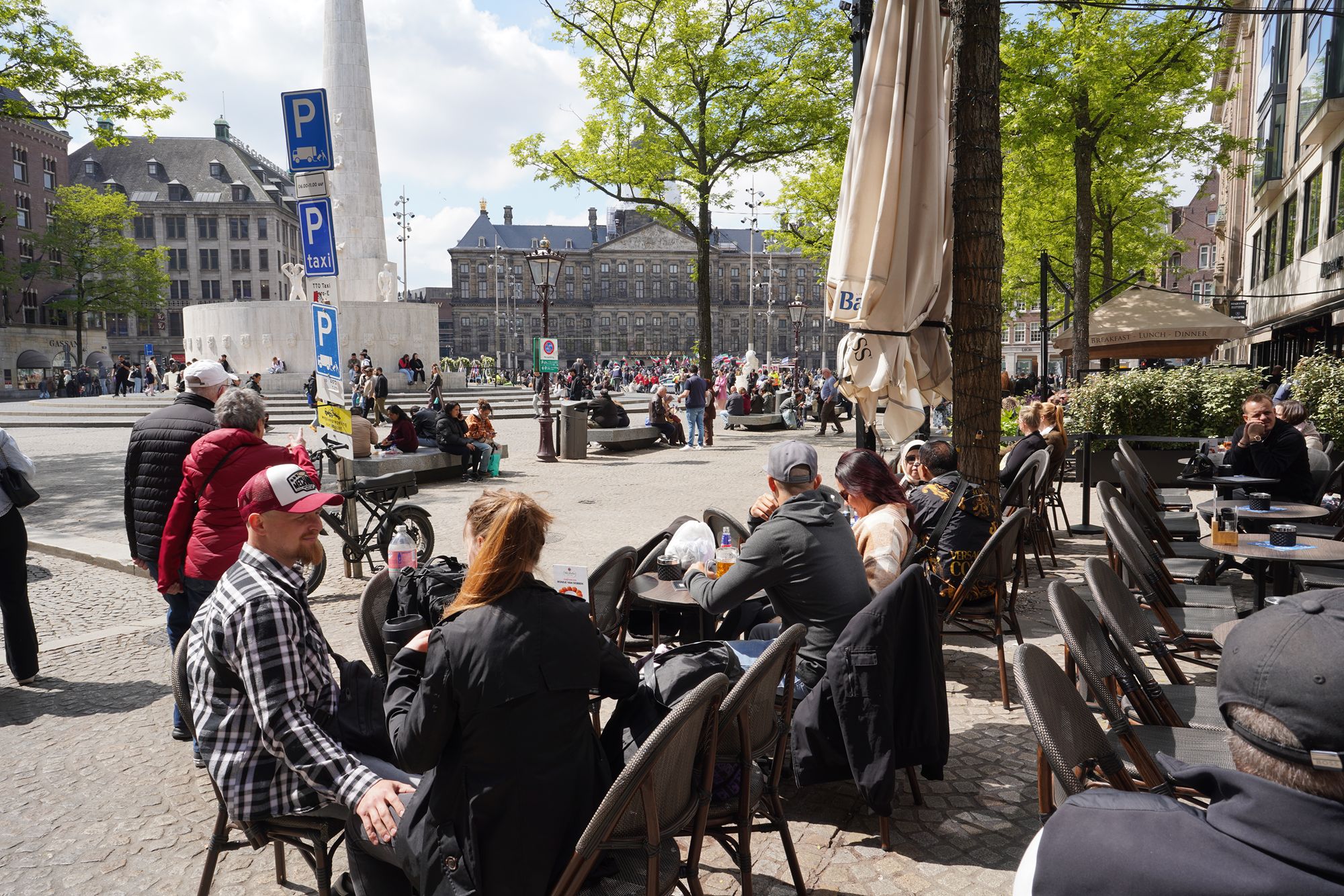
I started my walk from Dam Square and headed toward Amsterdam’s Red Light District, following the narrow streets into the historic heart of the city.
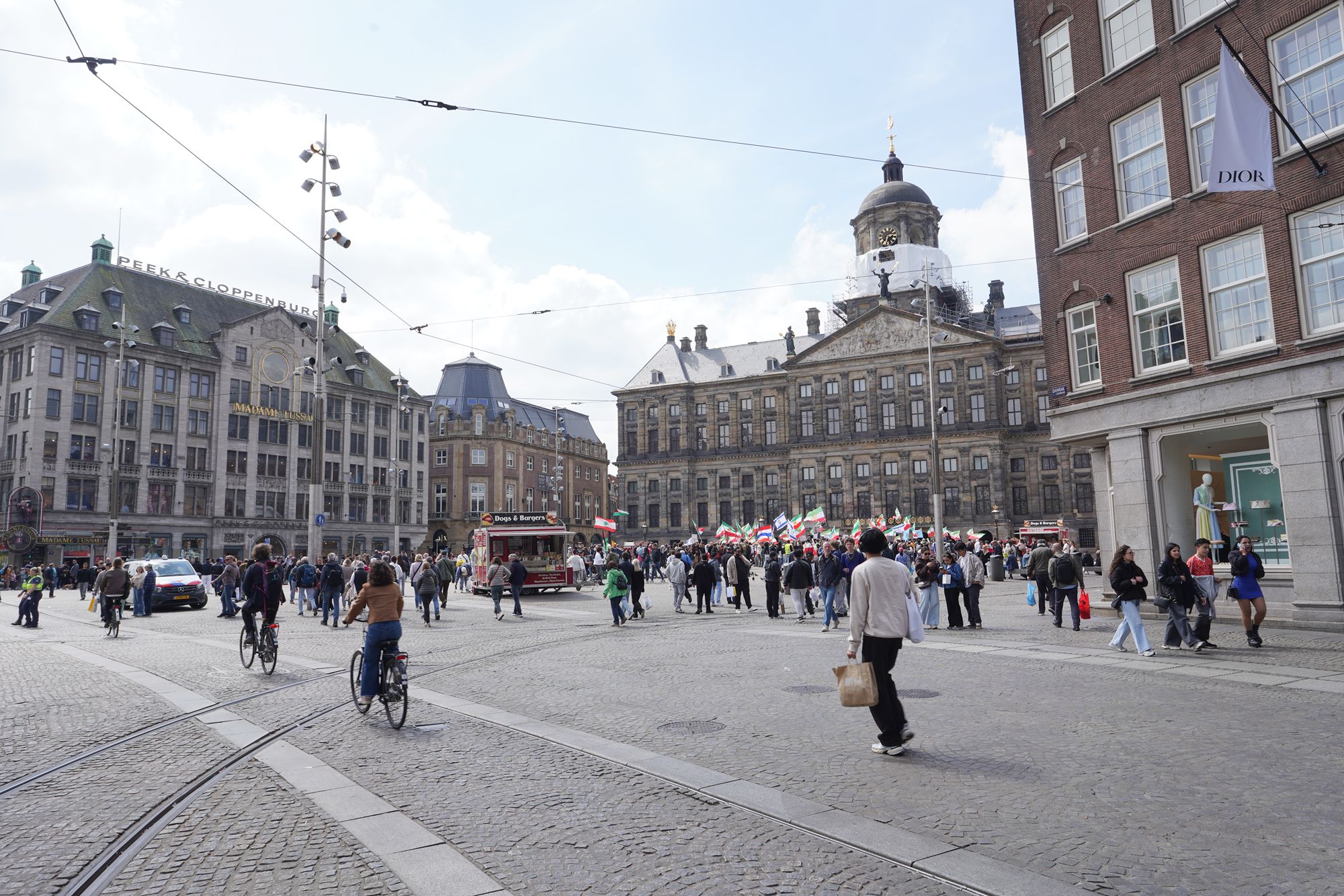
The National Monument on Dam Square was unveiled in 1956 to commemorate the victims of World War II.
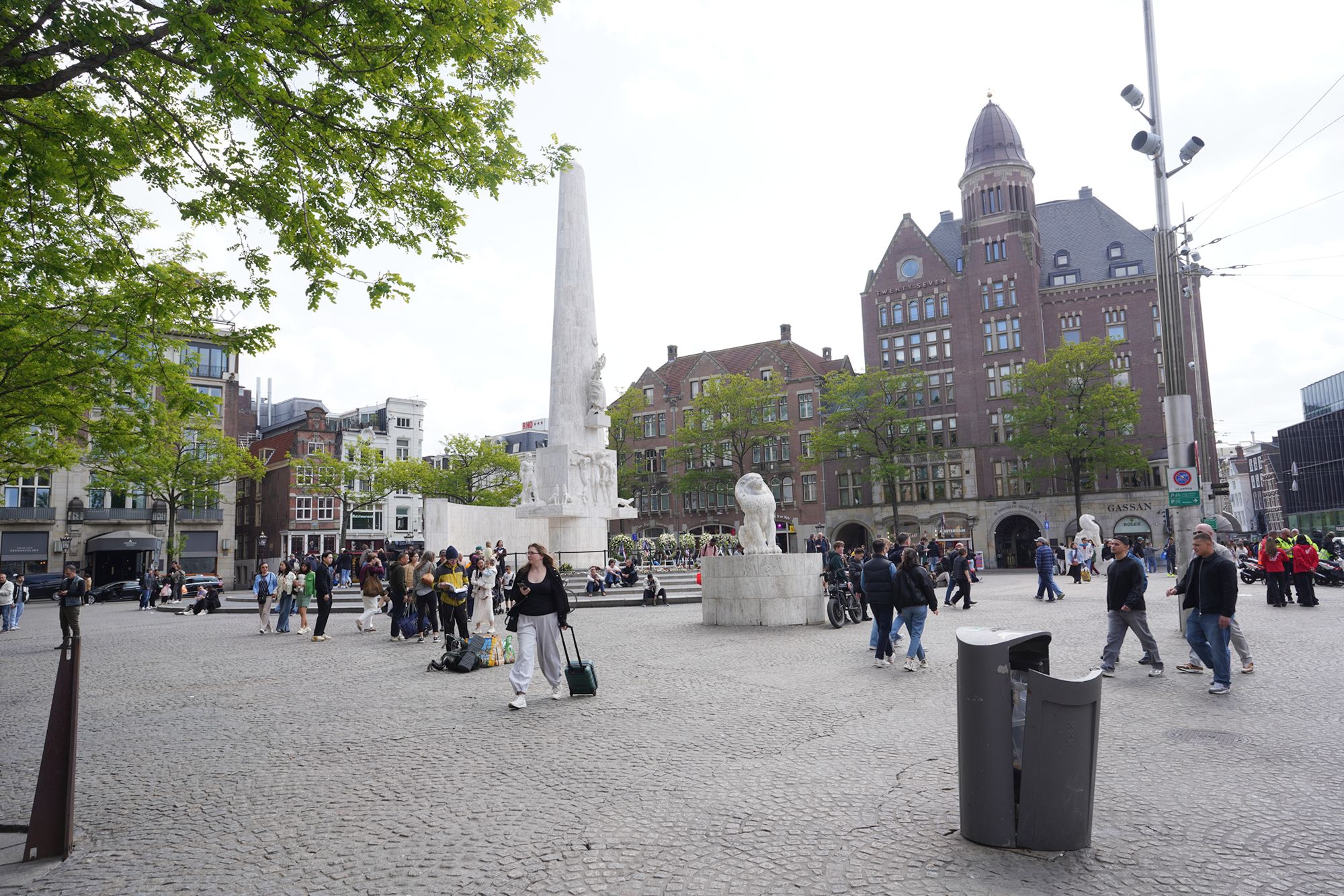
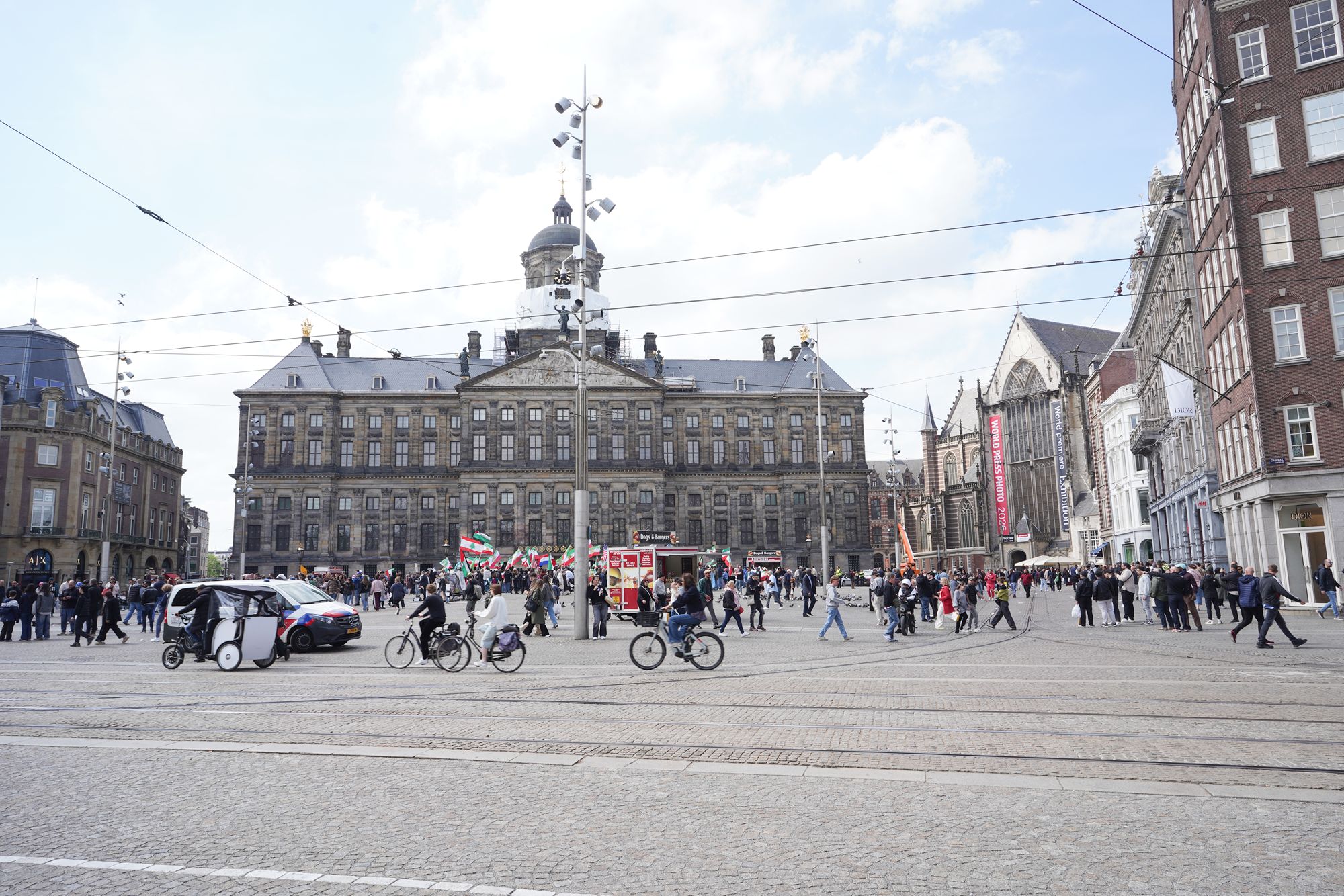
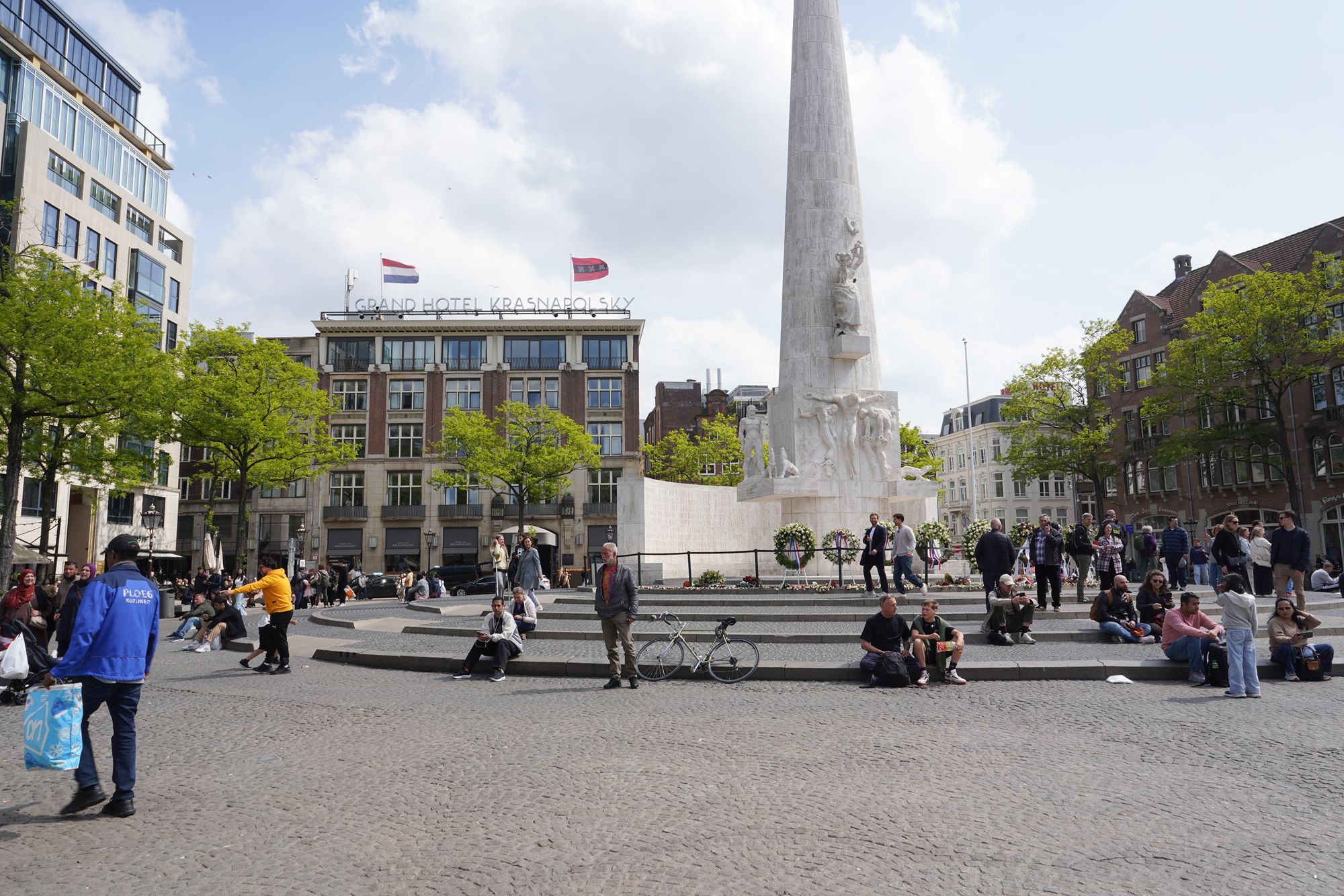
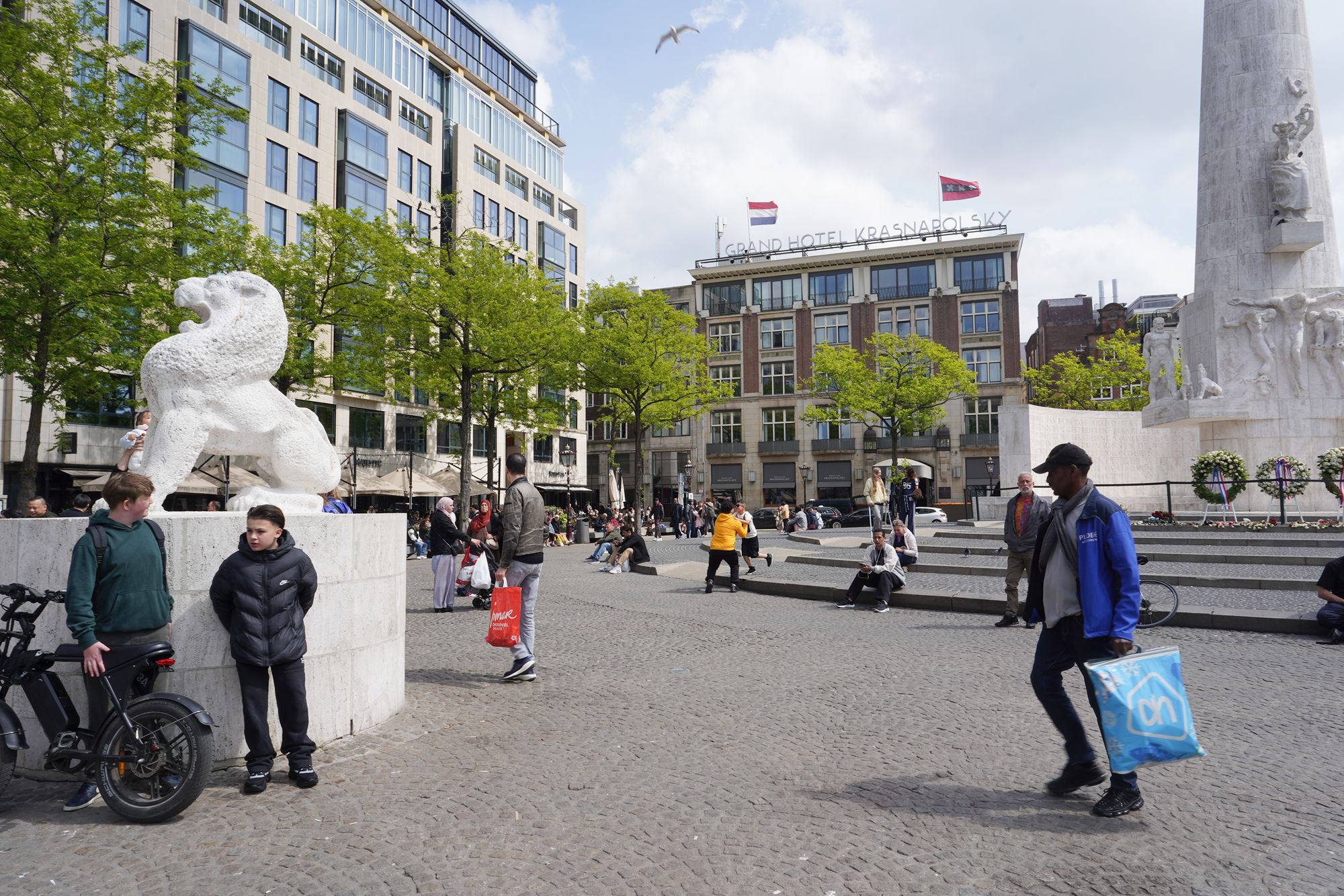
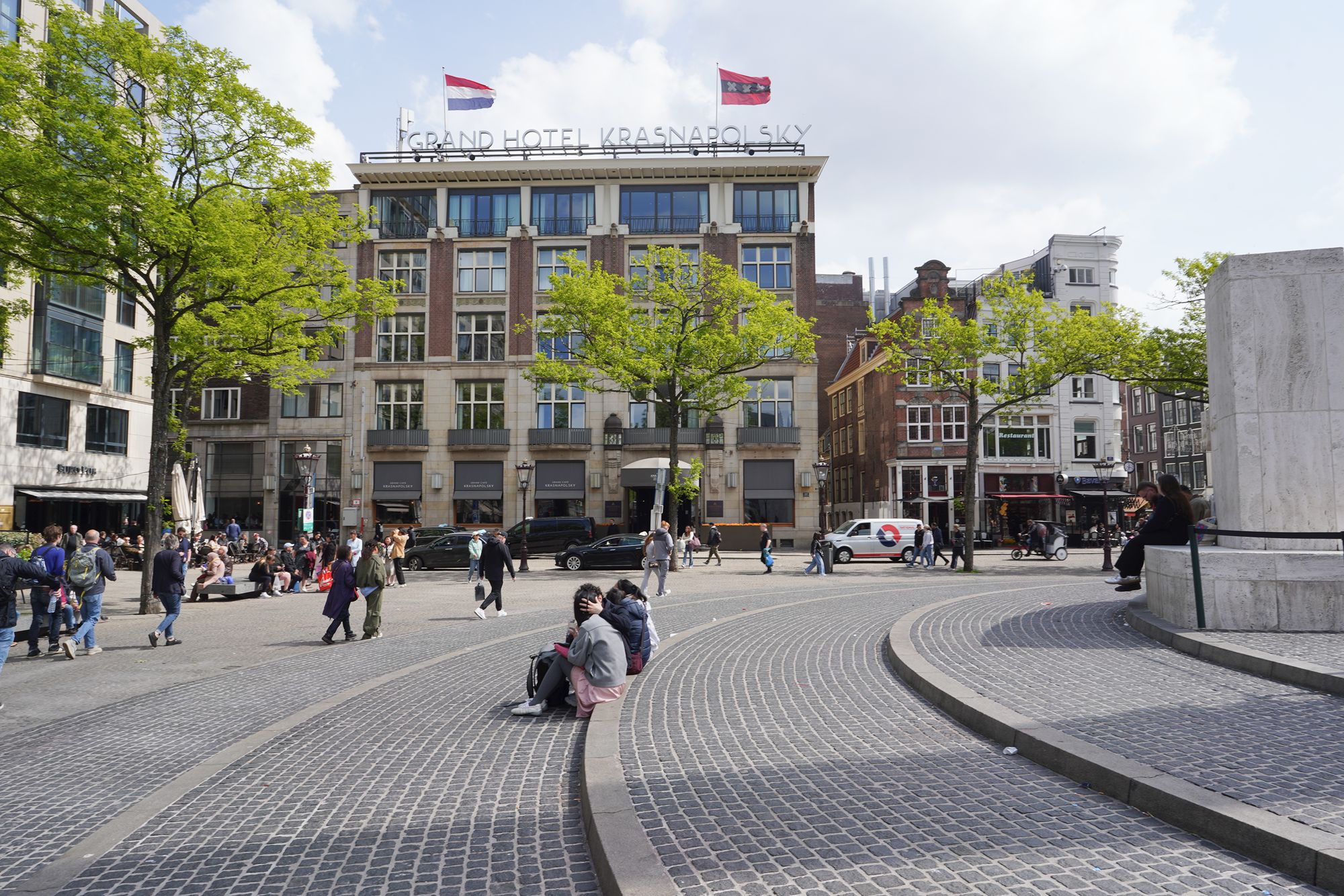
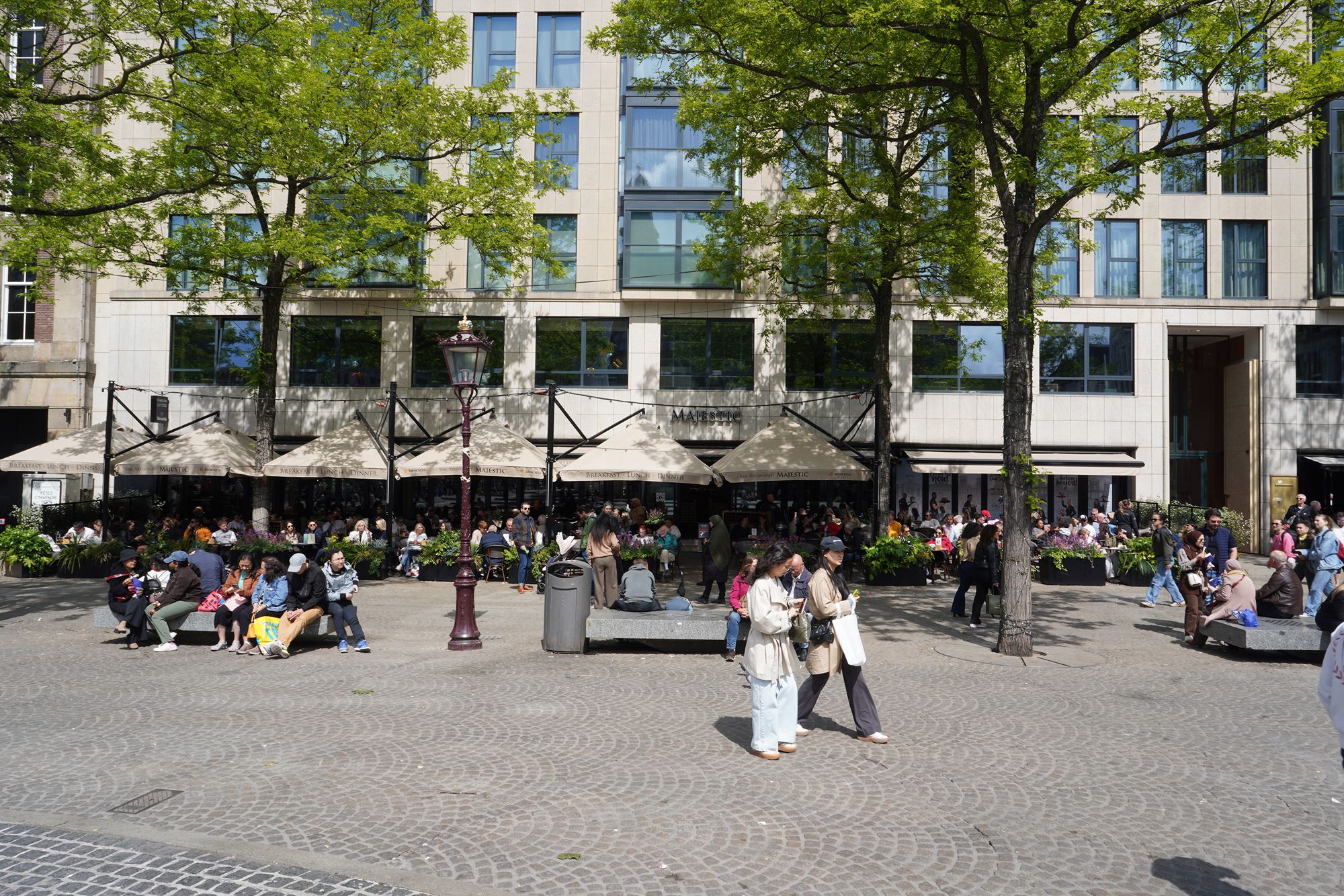
A view behind me
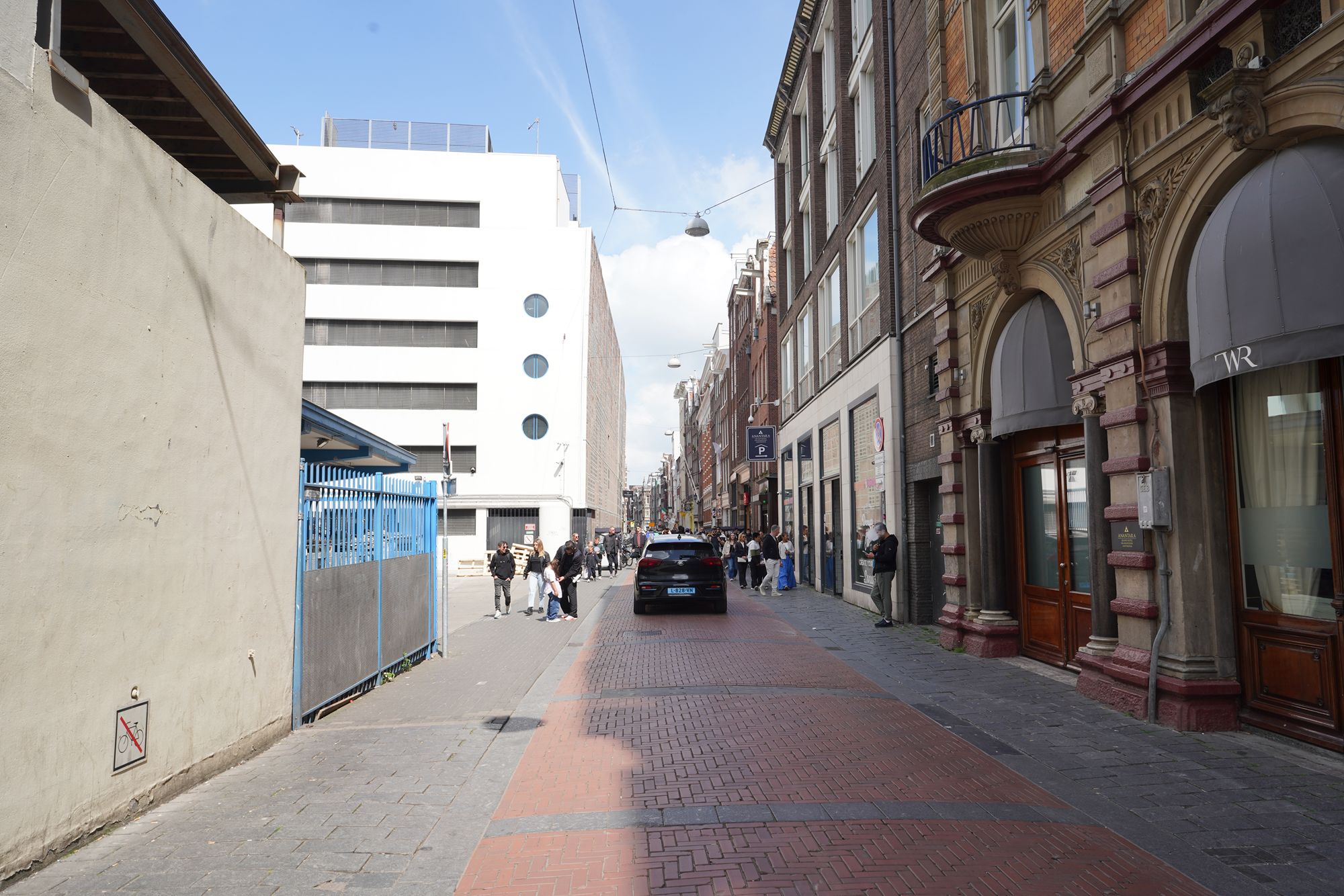
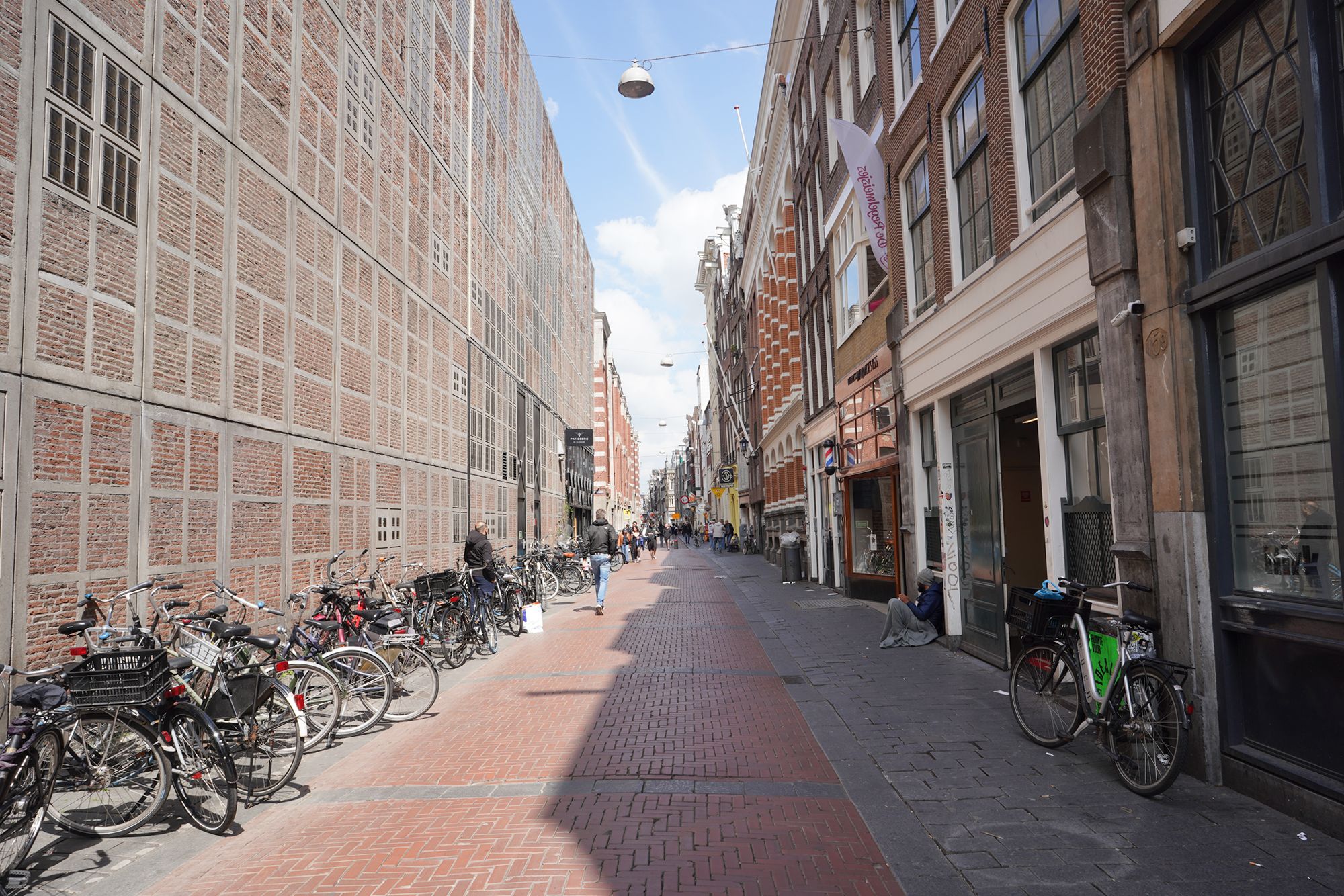
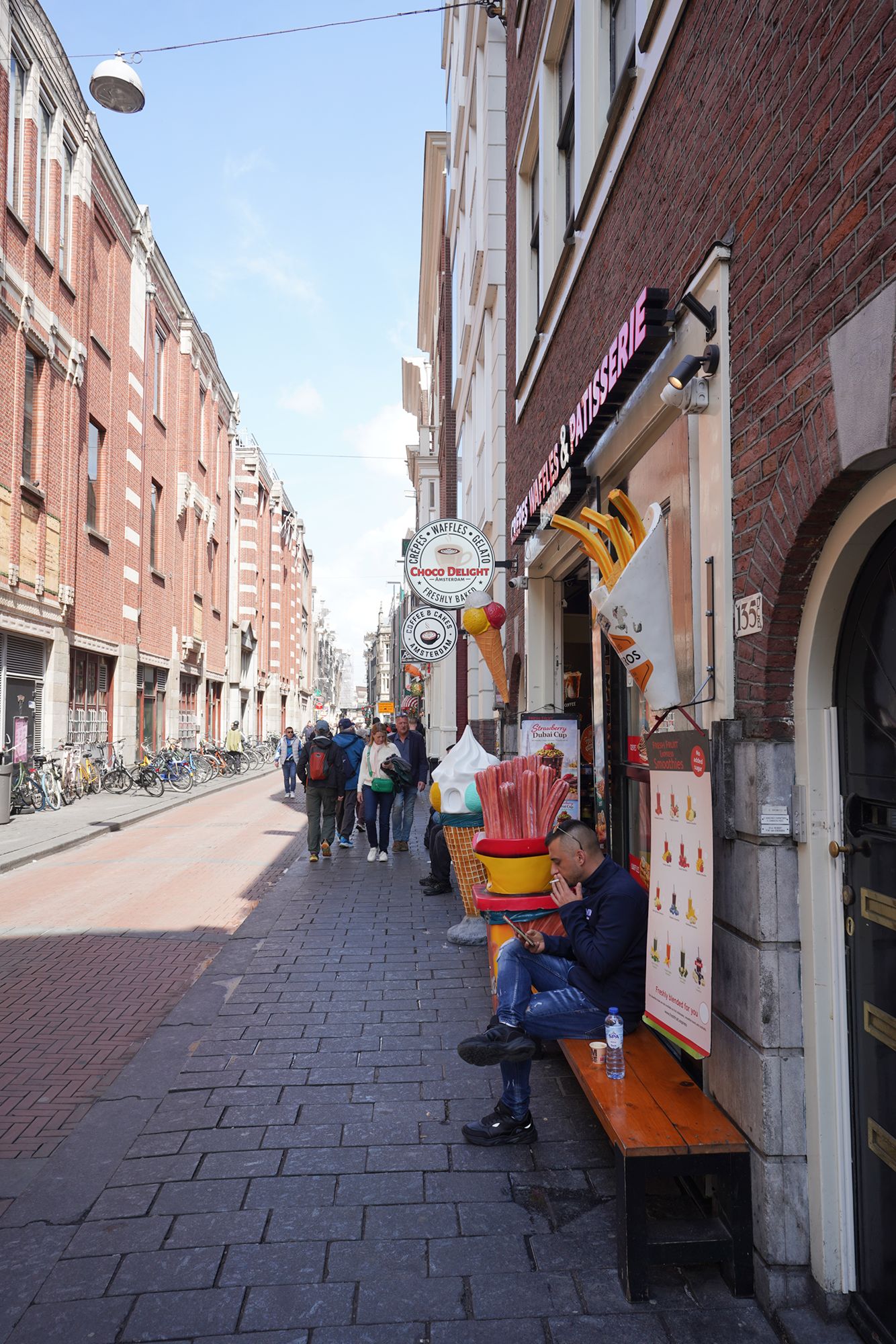
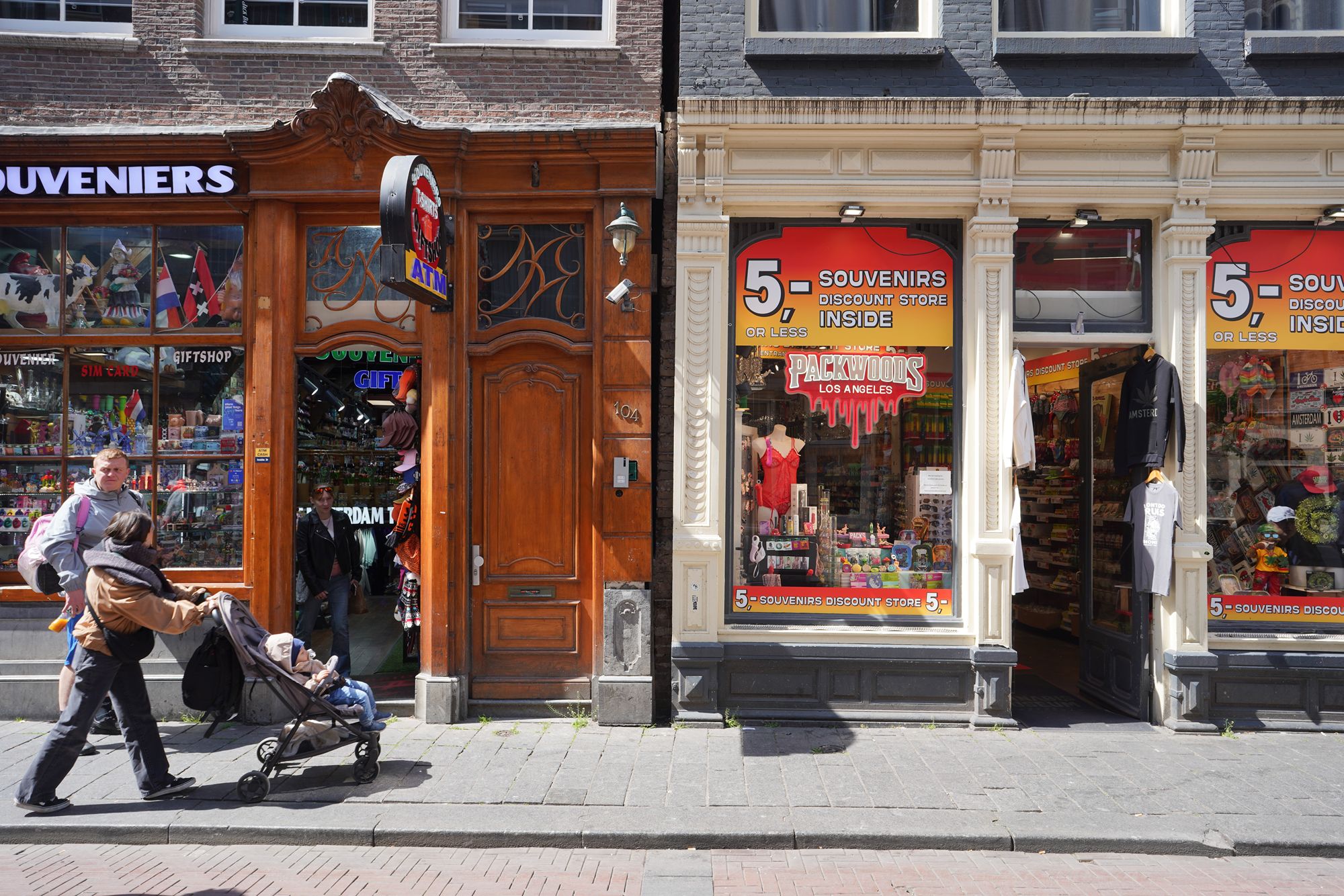
Warmoesstraat is one of Amsterdam’s oldest streets, running through the historic Red Light District near the Oude Kerk. Once an important commercial street in the medieval city, it is now lined with historic buildings, restaurants, bars, shops, and nightlife.
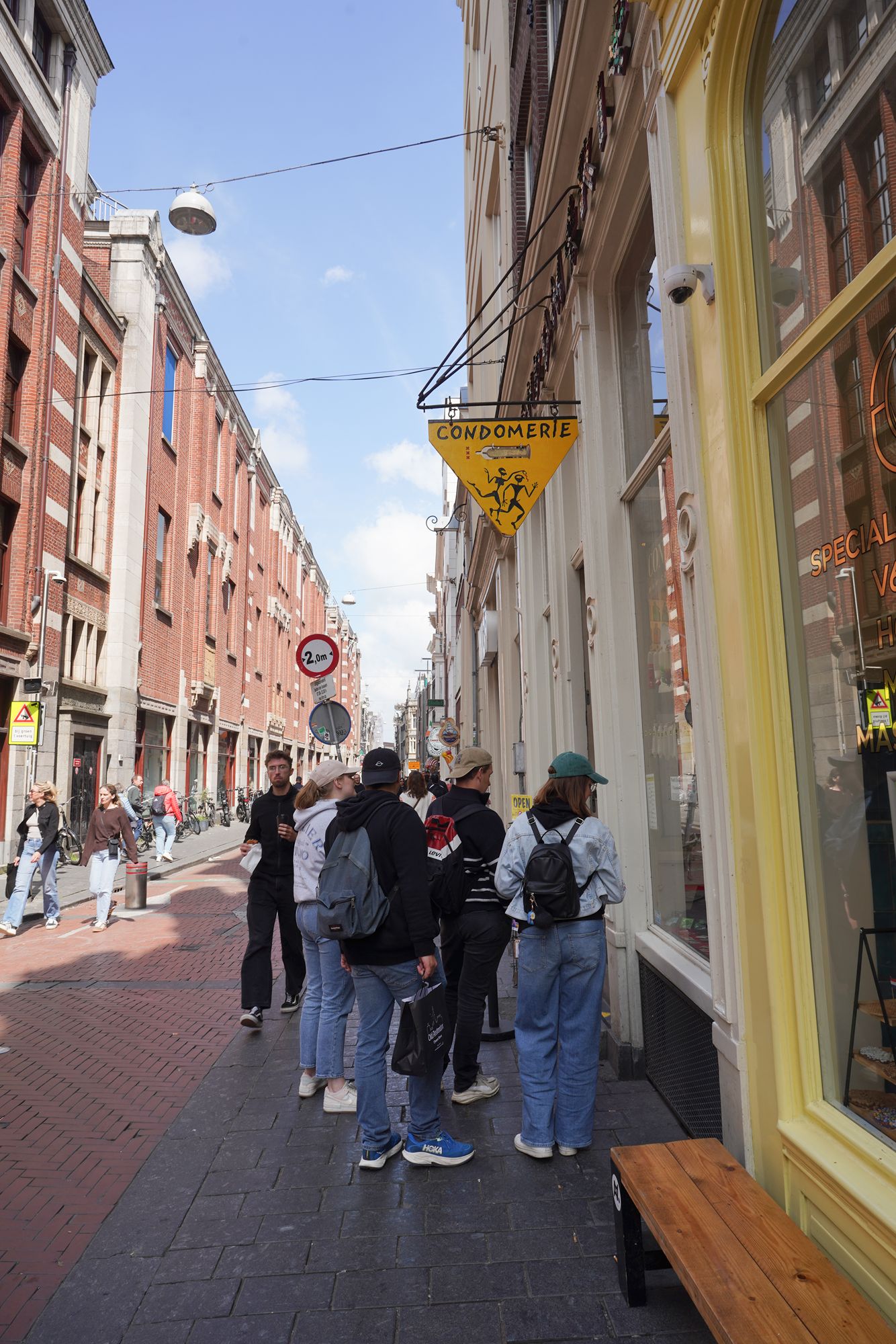
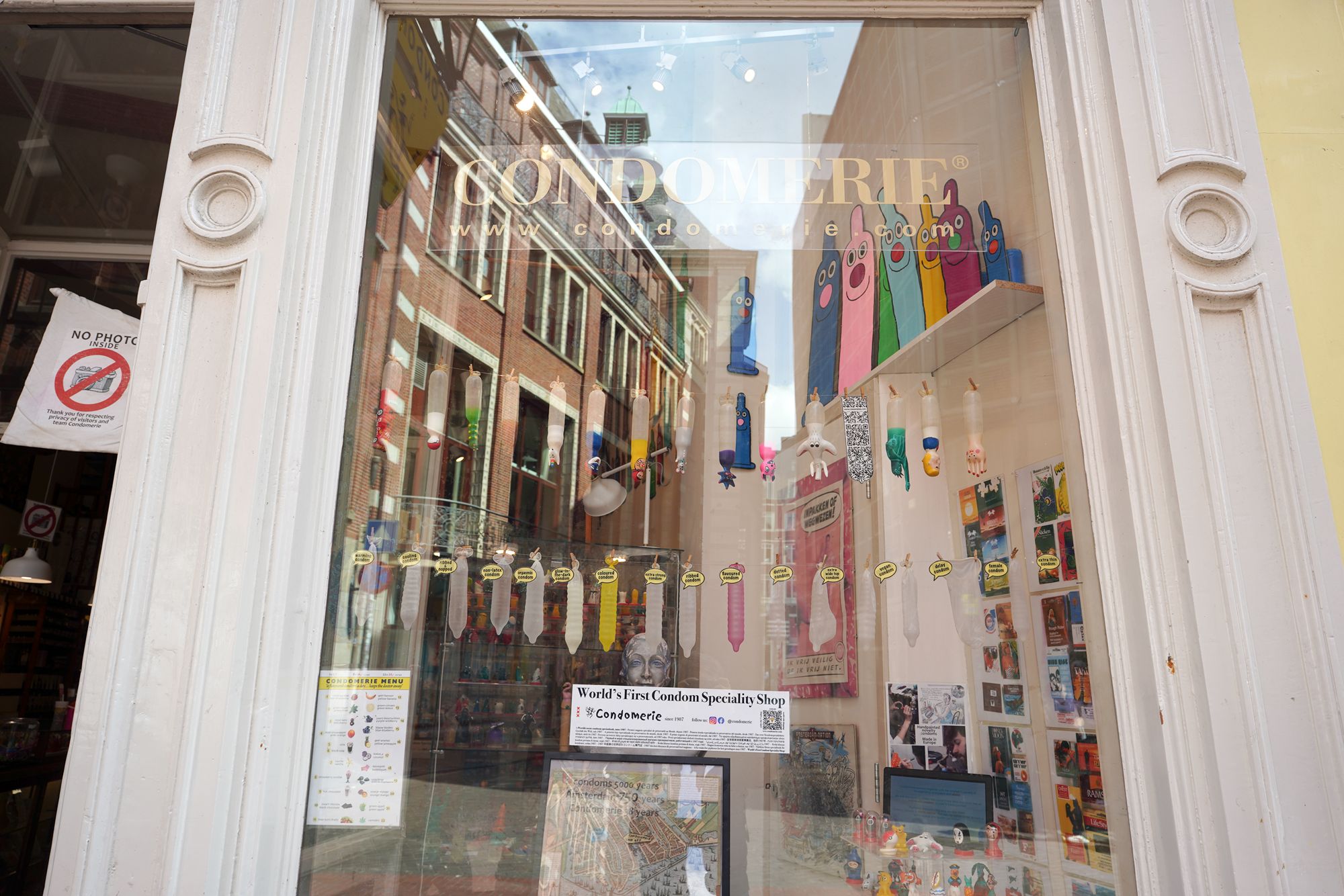
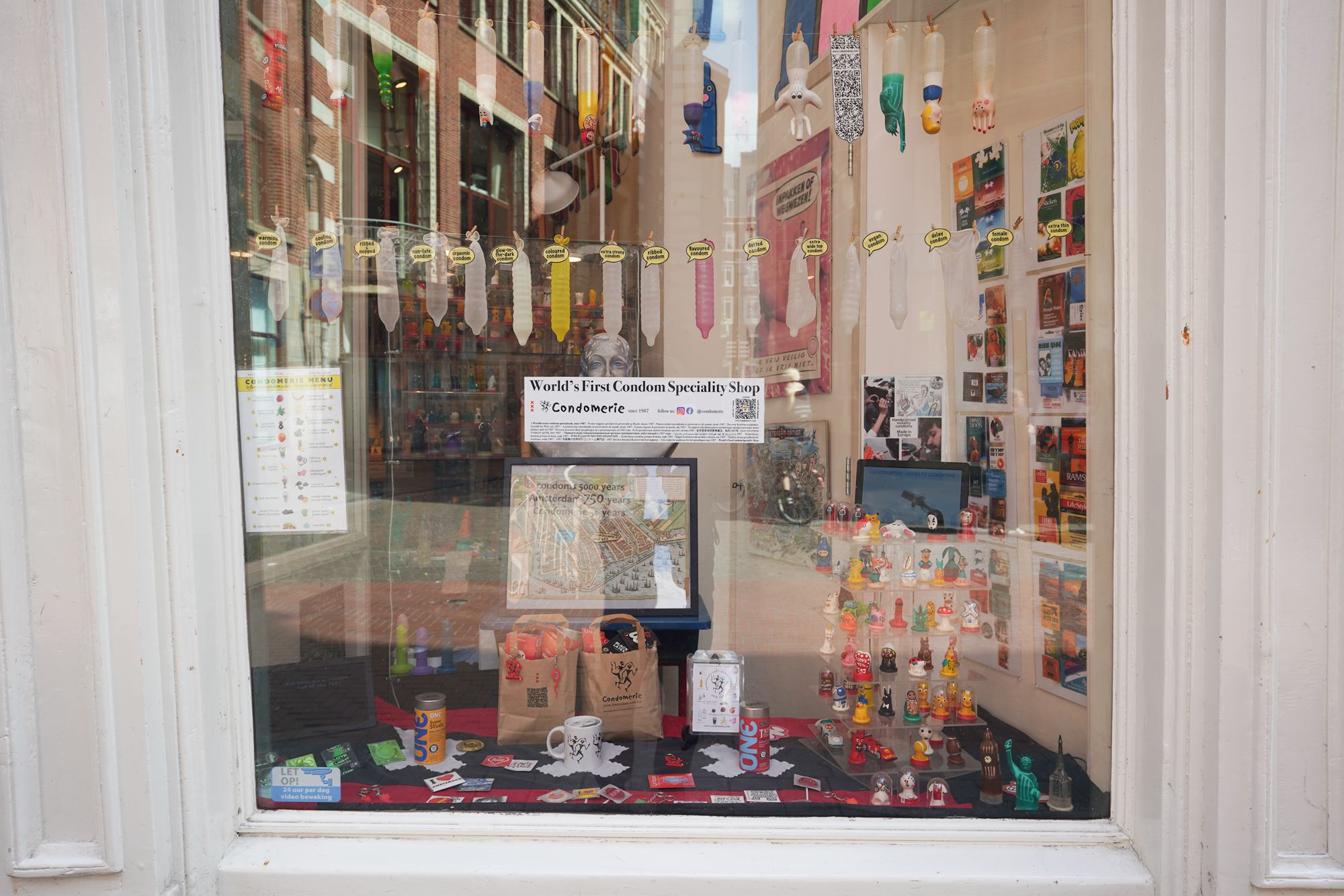
The Condomerie is a distinctive specialty shop in Amsterdam’s Red Light District, opened in 1987 and known for its colorful and unusually designed condoms displayed in the window.
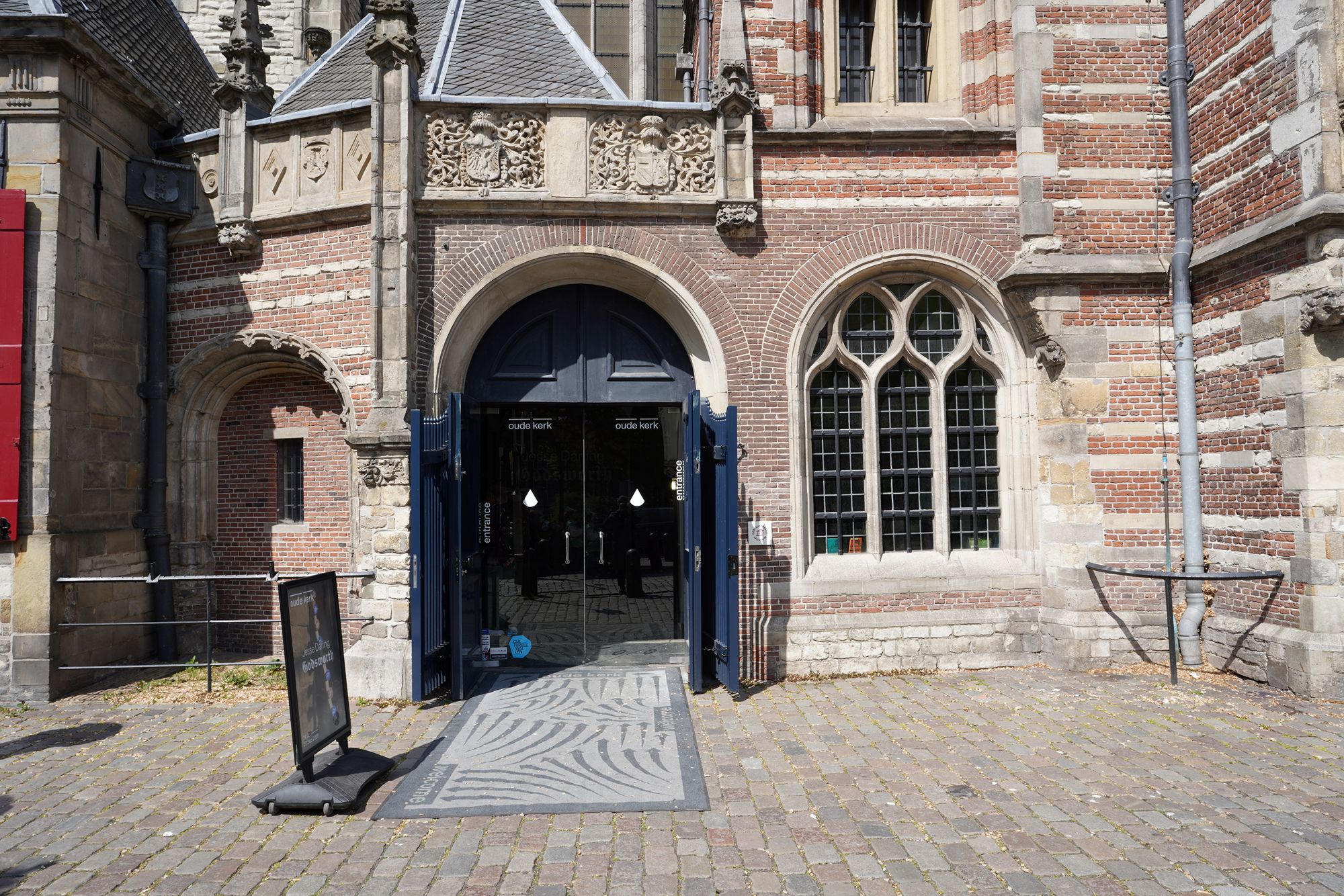
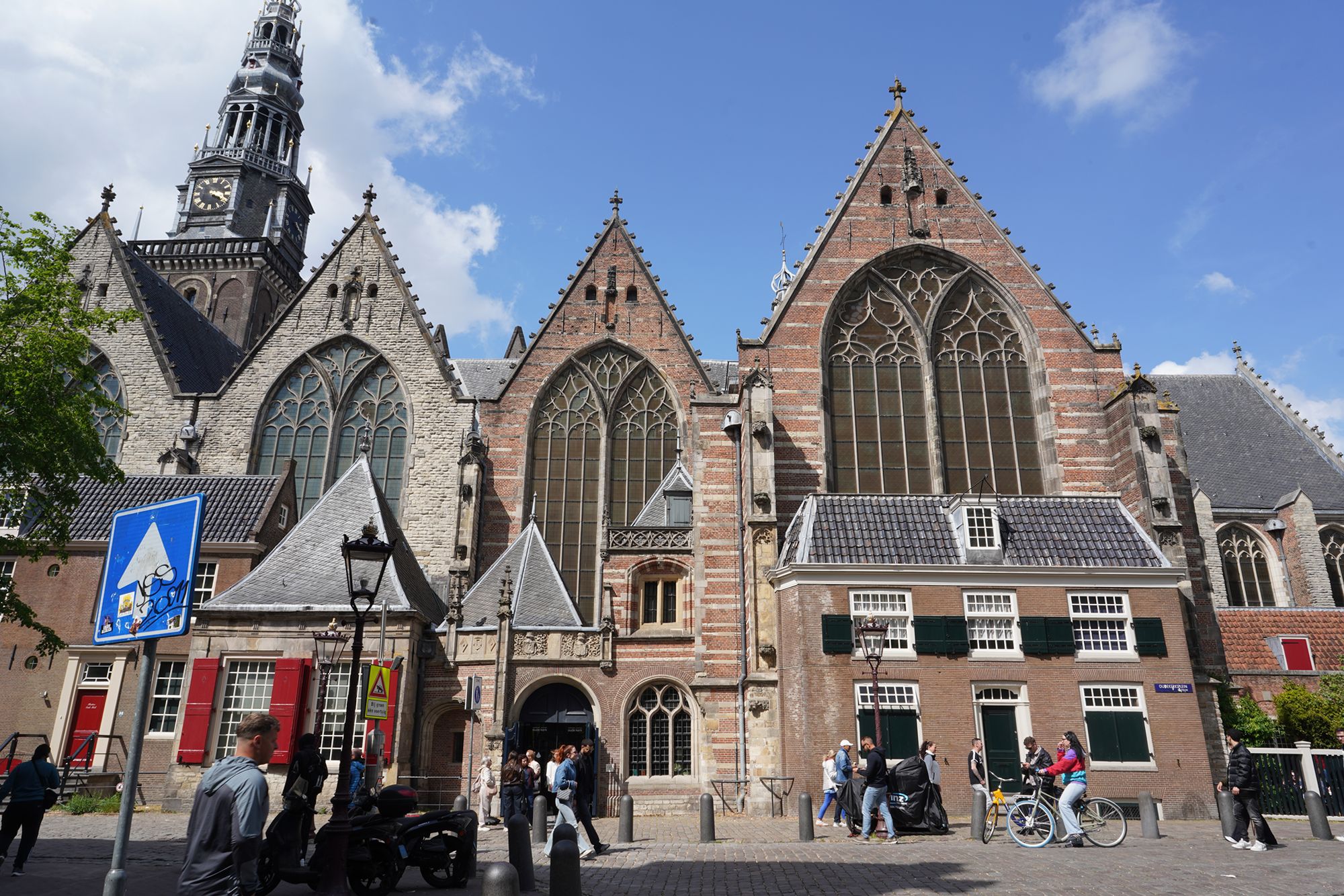
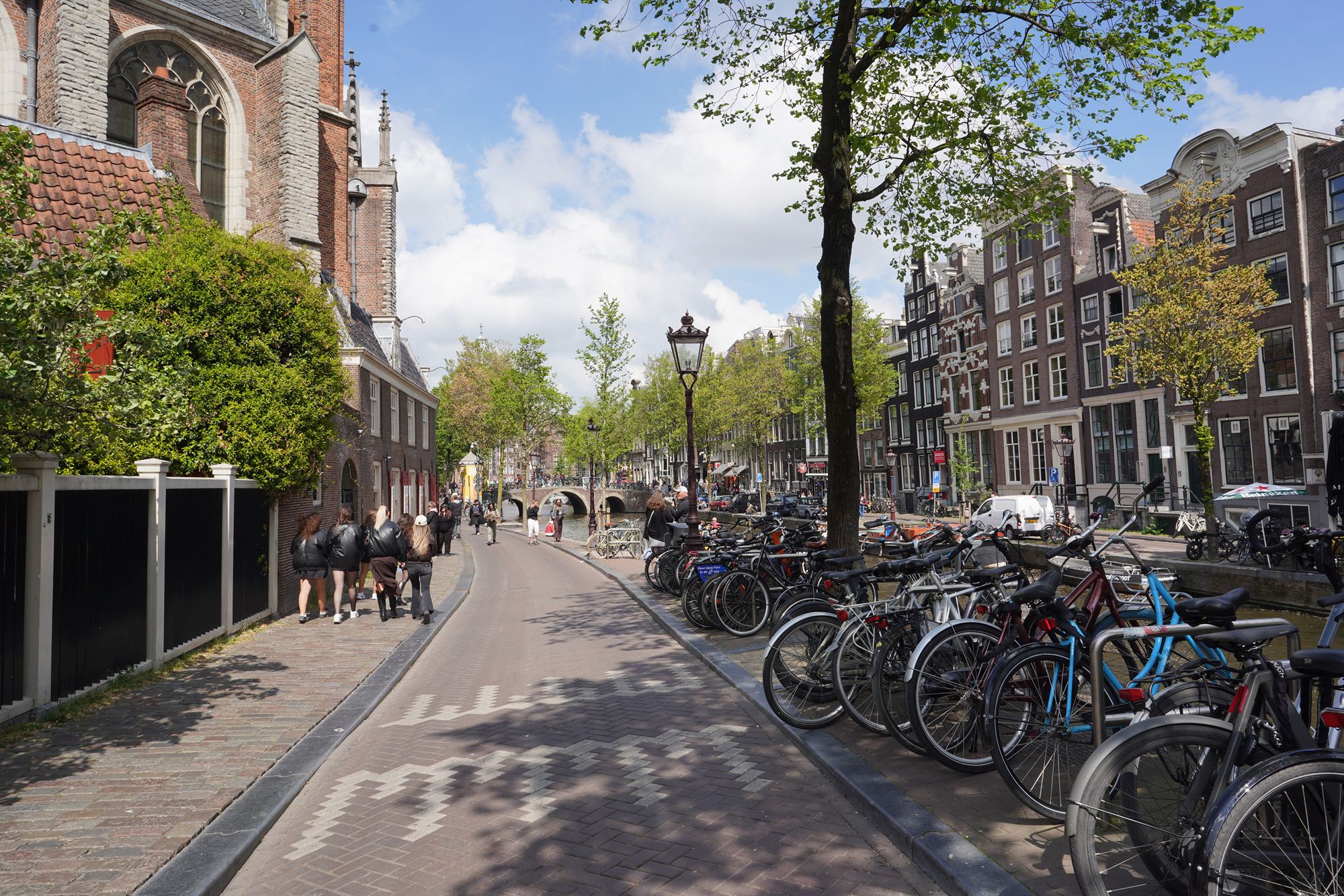
The Oude Kerk, or Old Church, is Amsterdam’s oldest surviving building, dating back to the early 13th century. Standing in the heart of the Red Light District, it reflects Amsterdam’s medieval origins and its growth from a small fishing settlement into an important trading city.
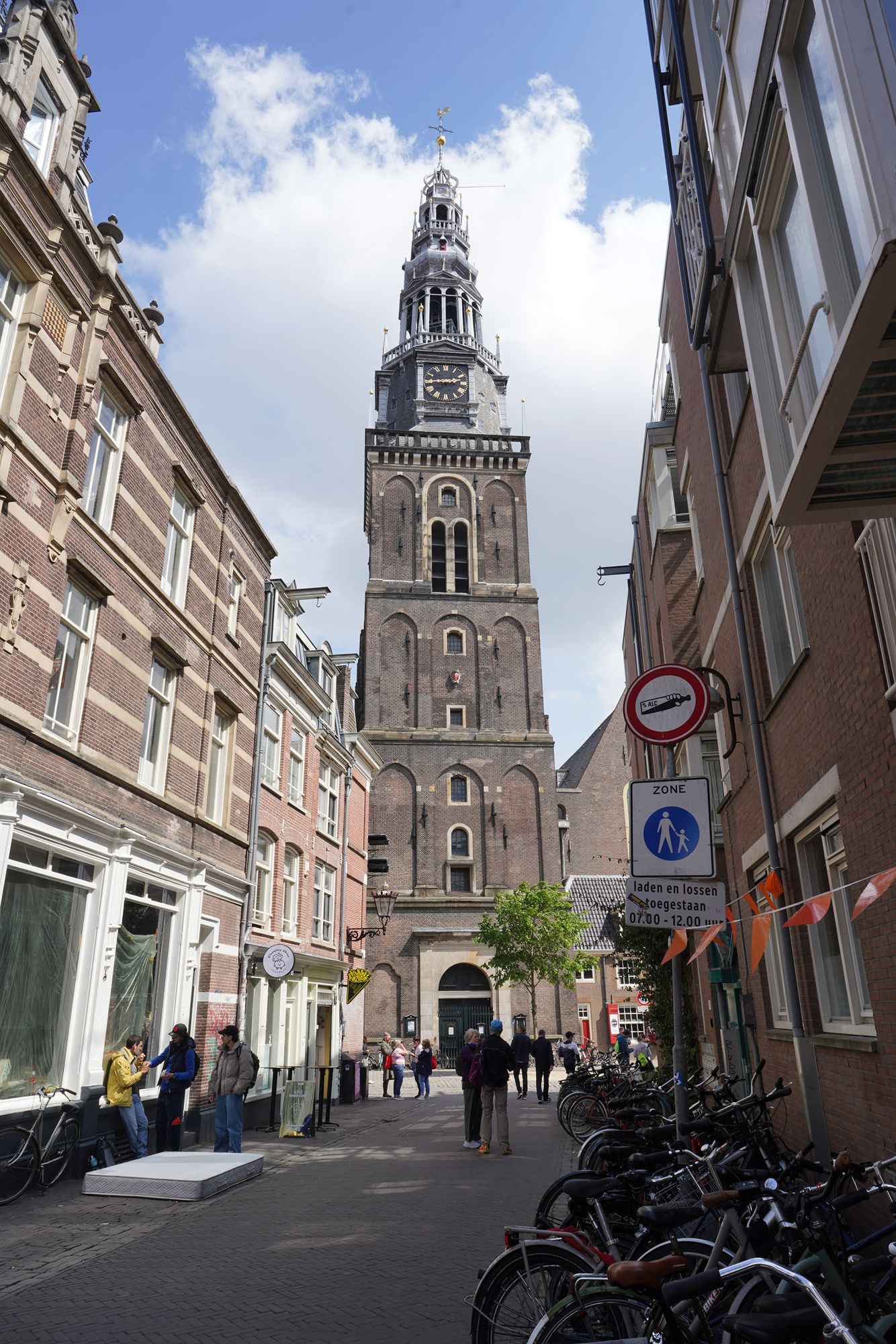
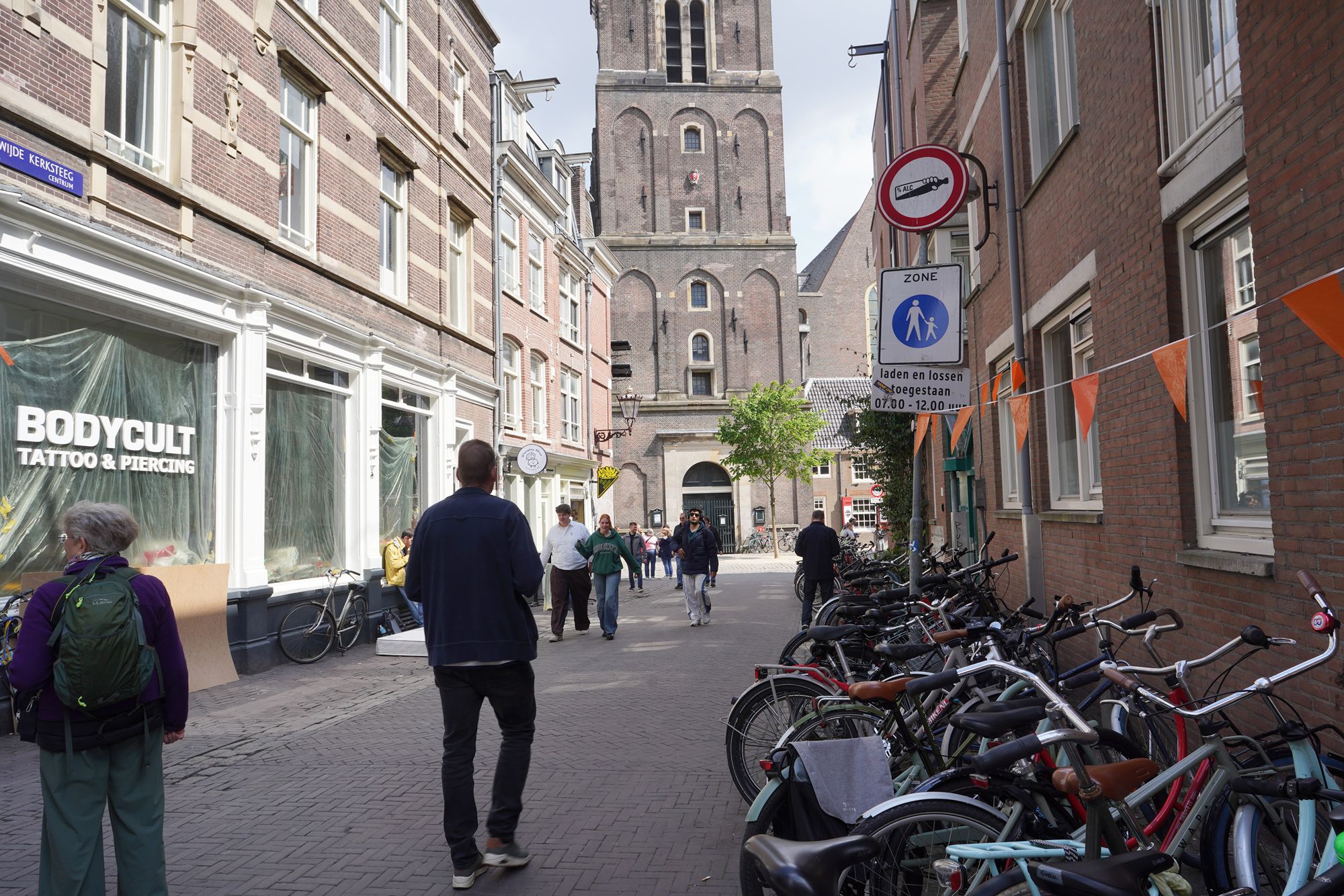
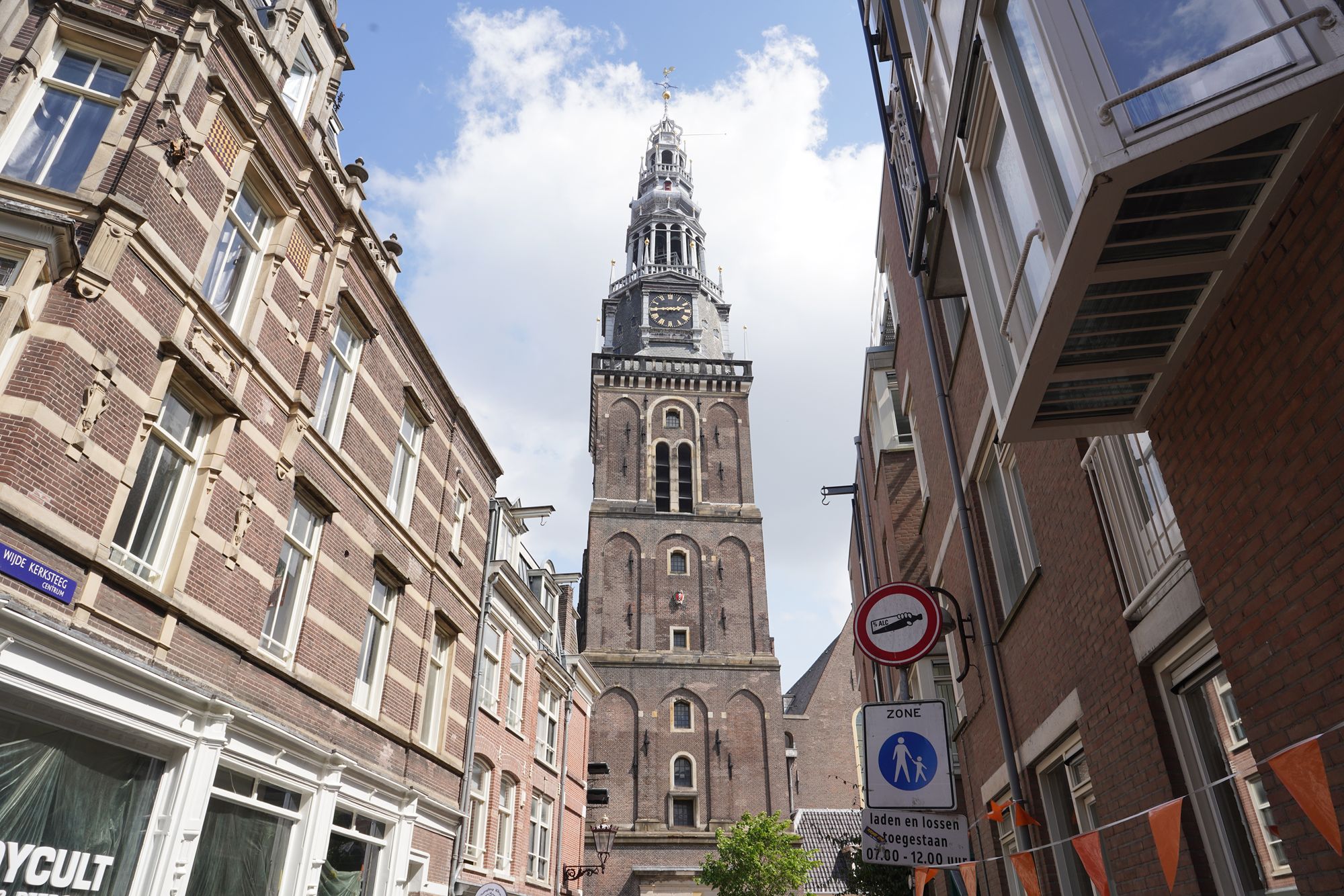
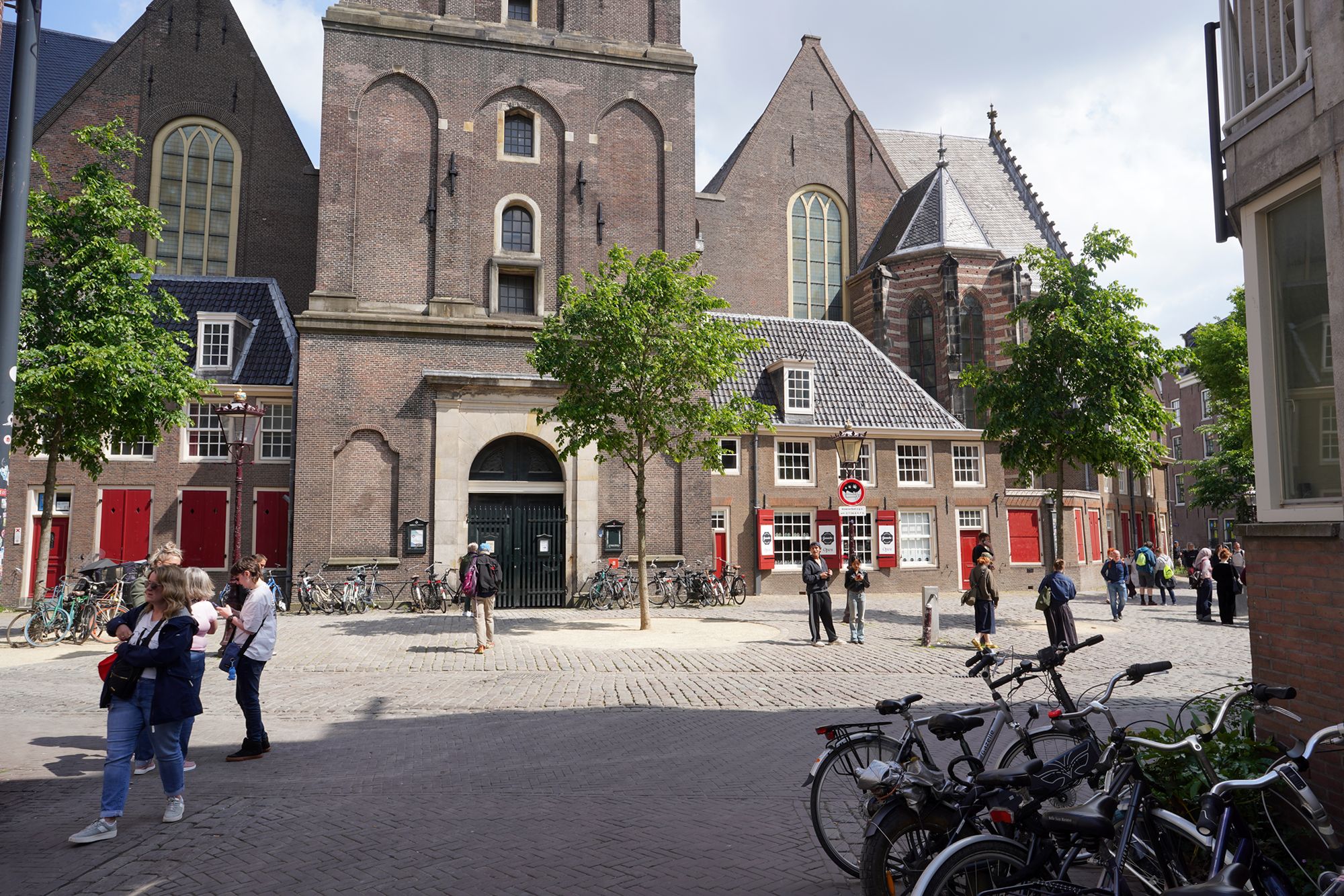
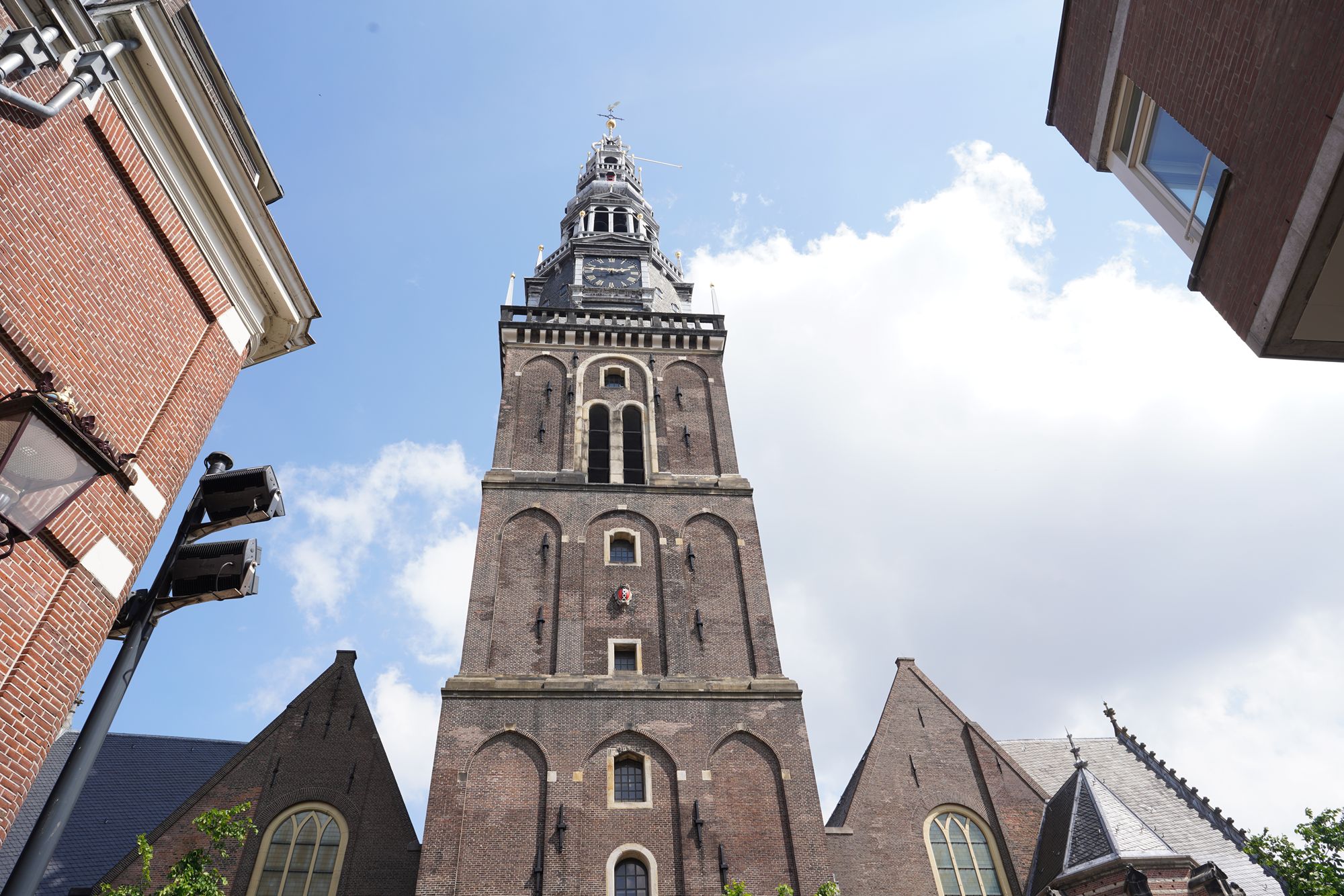
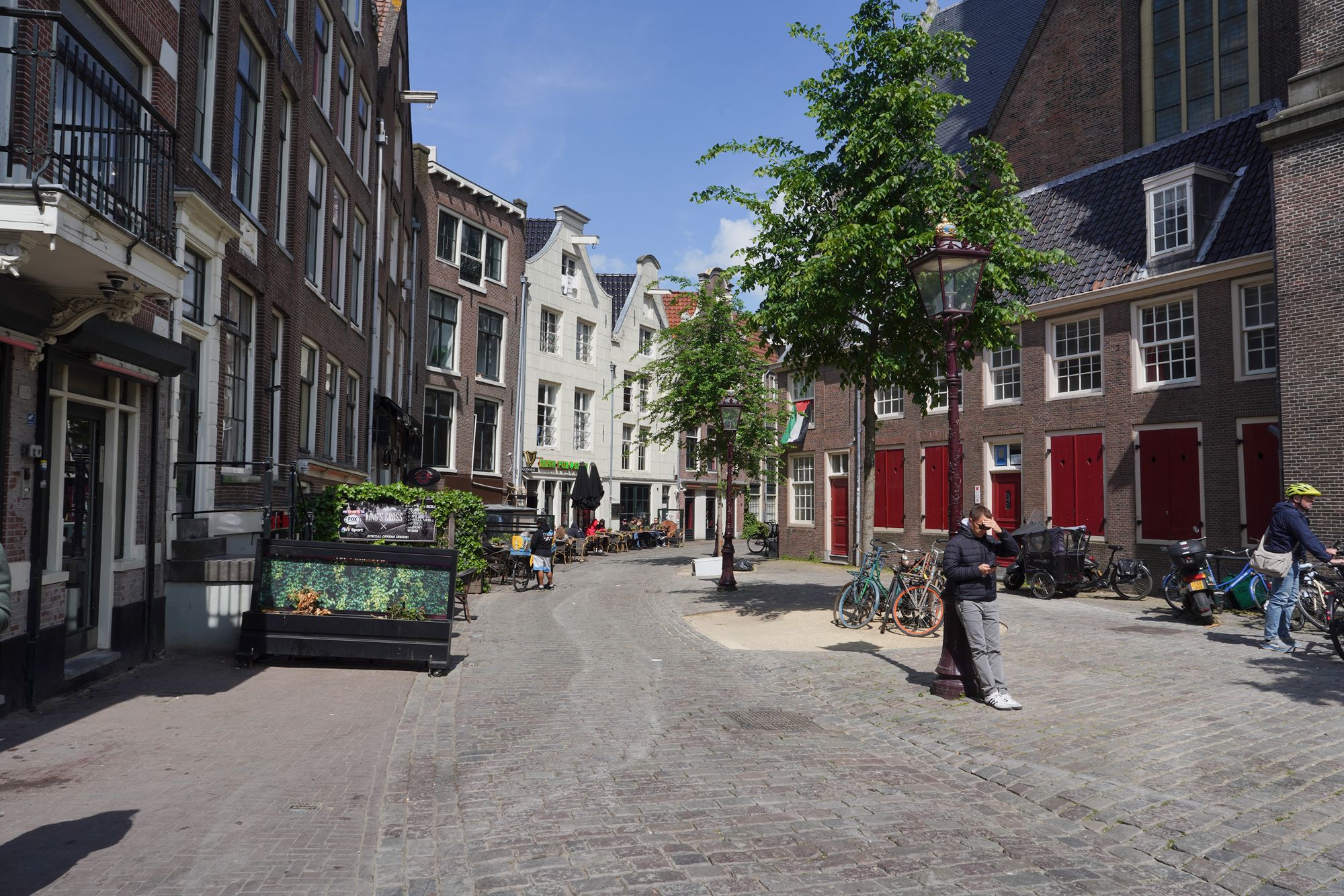
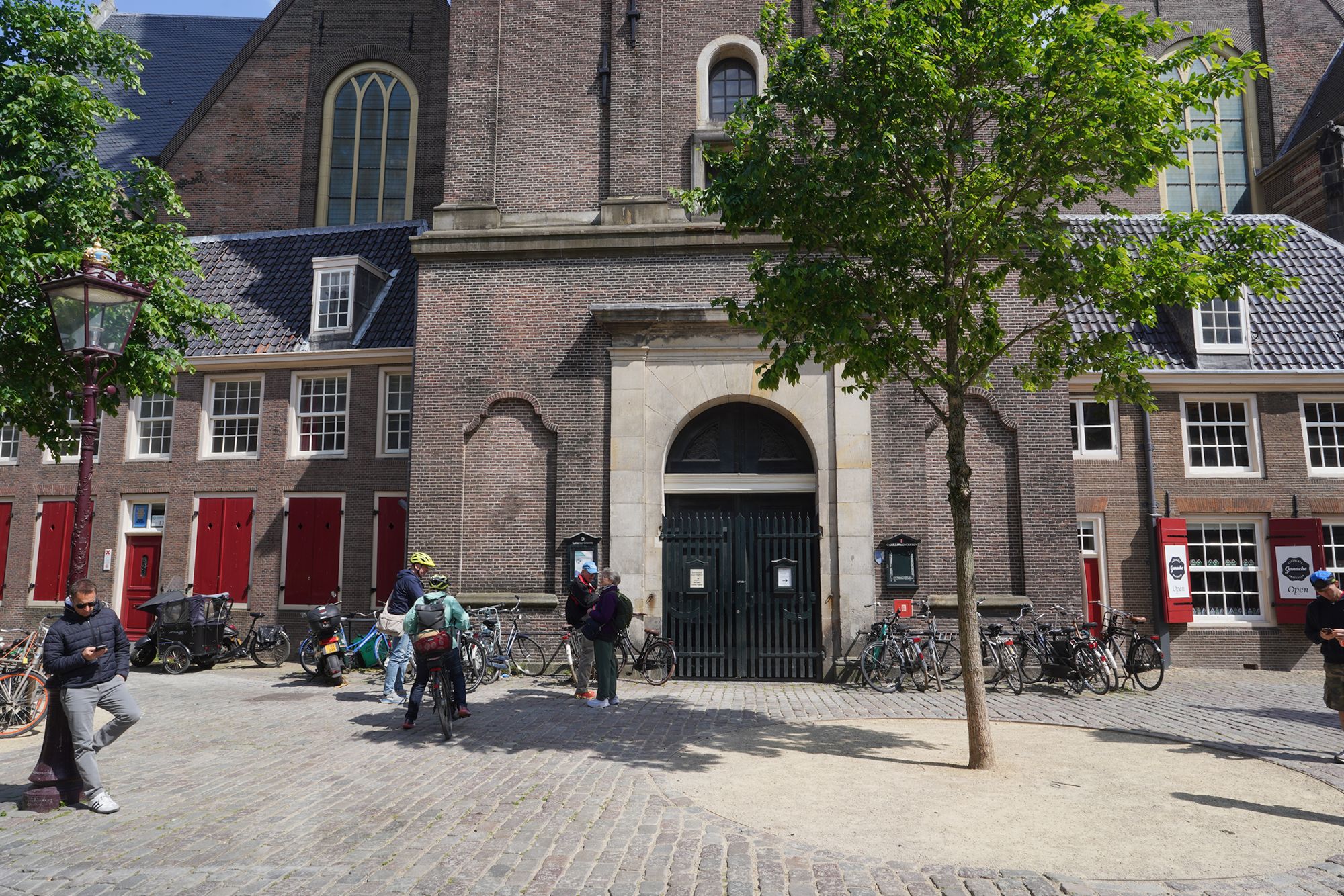
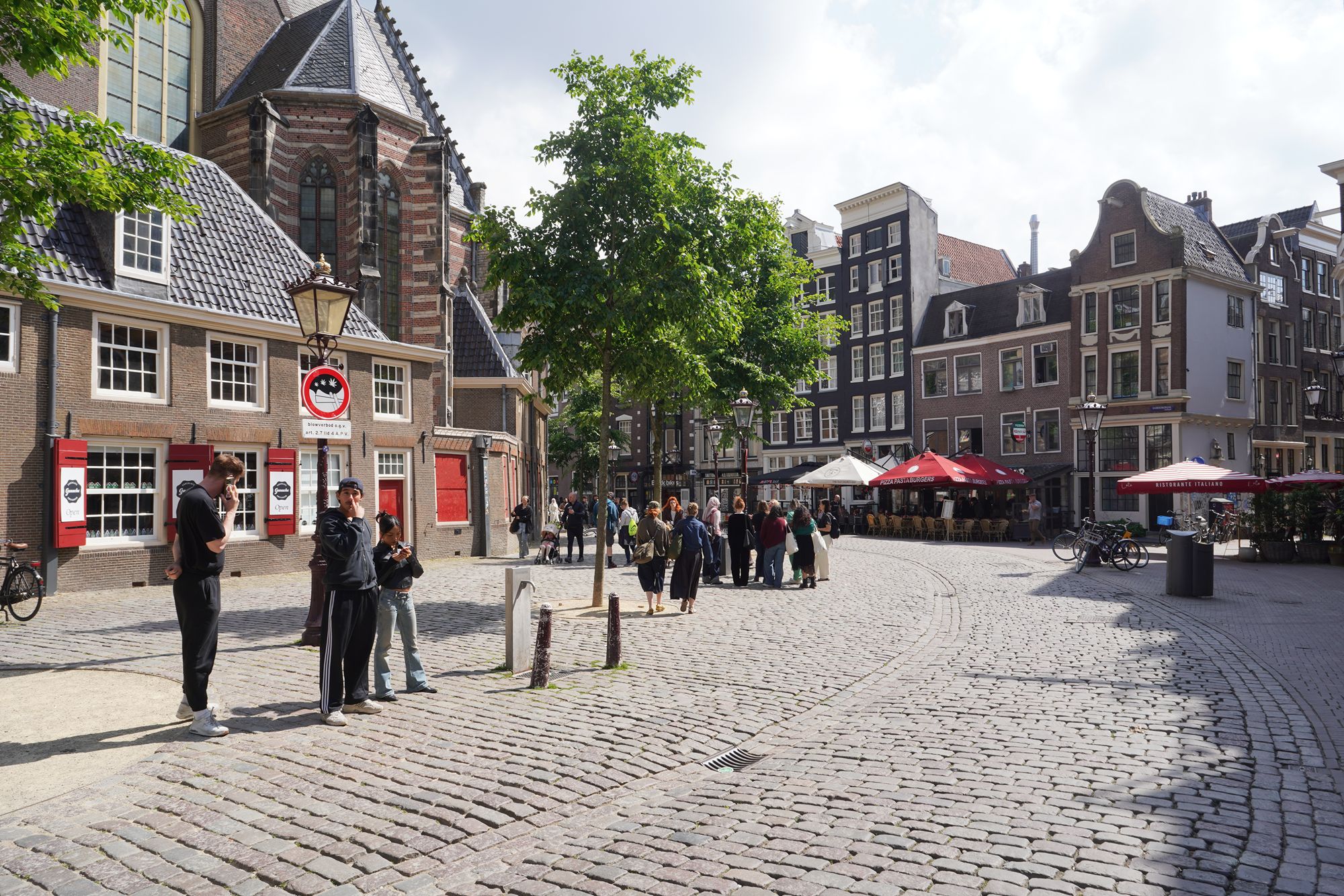
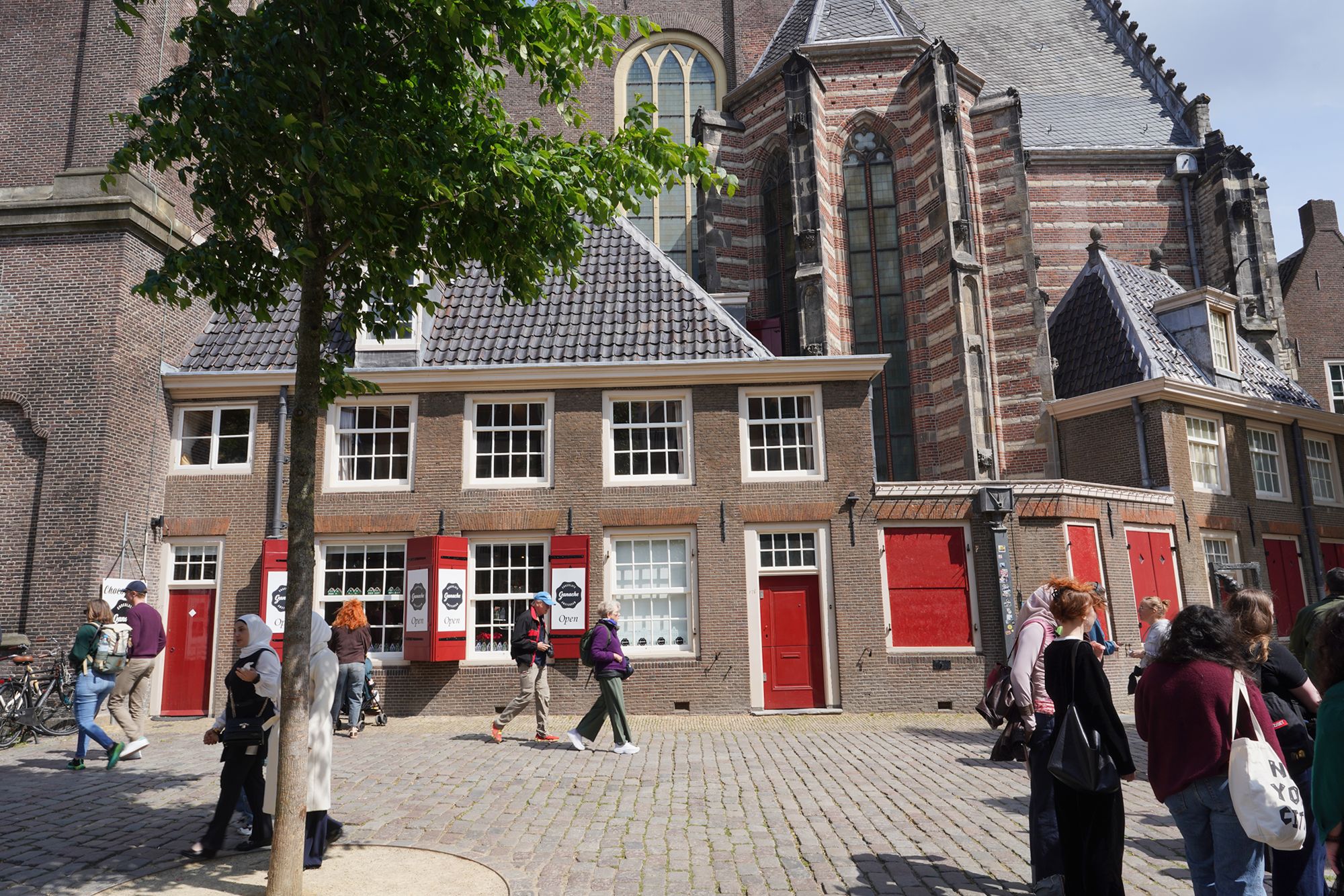
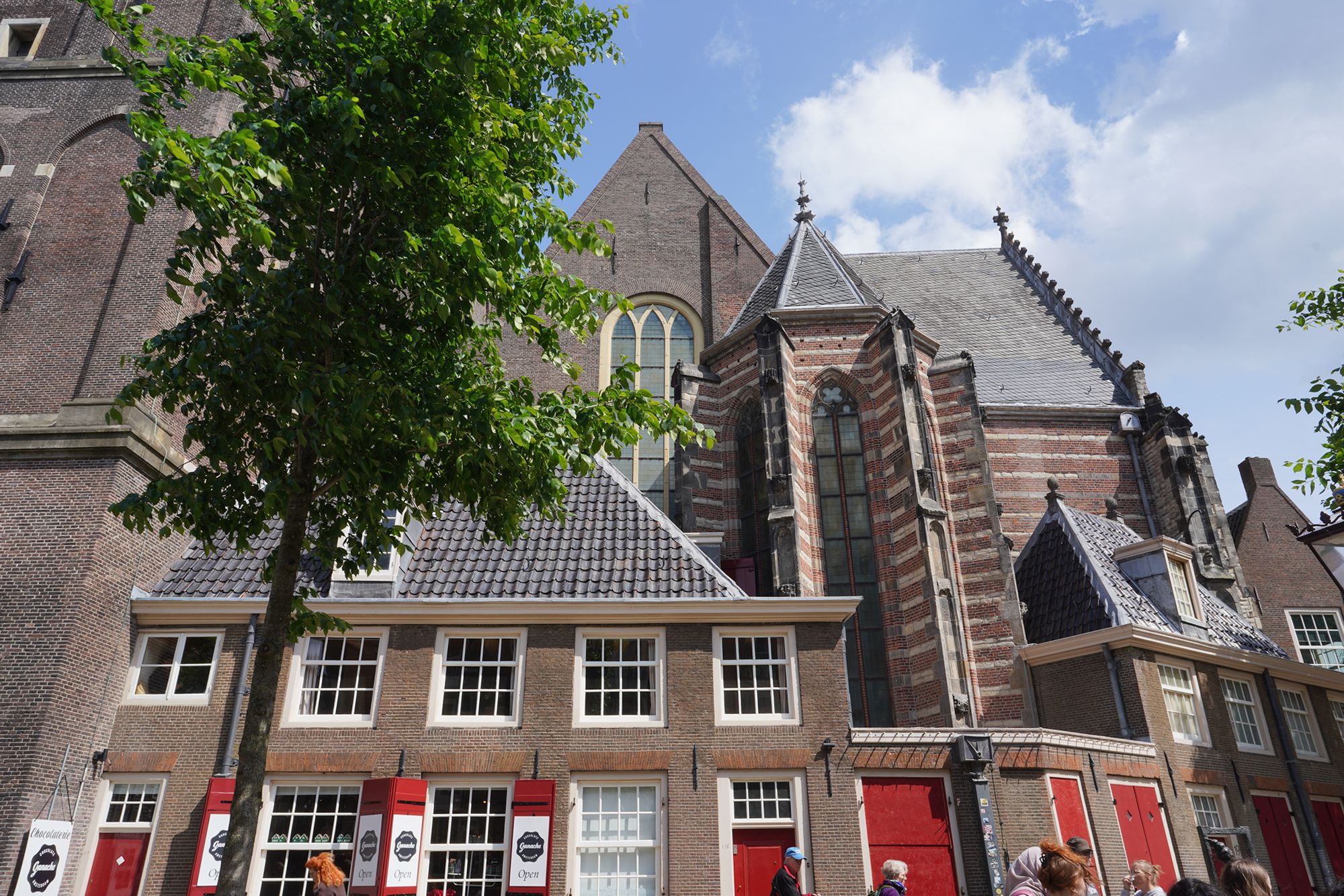
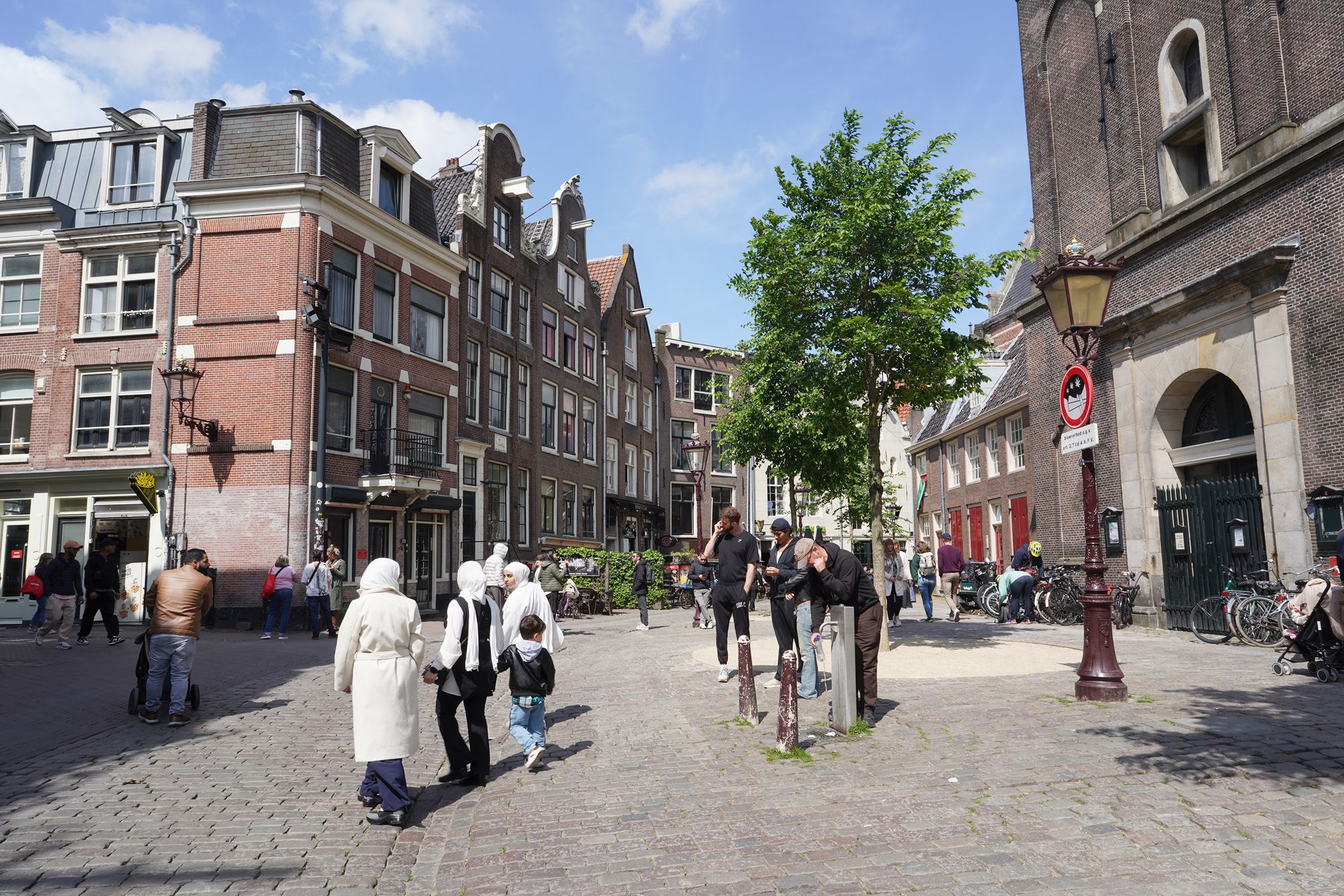
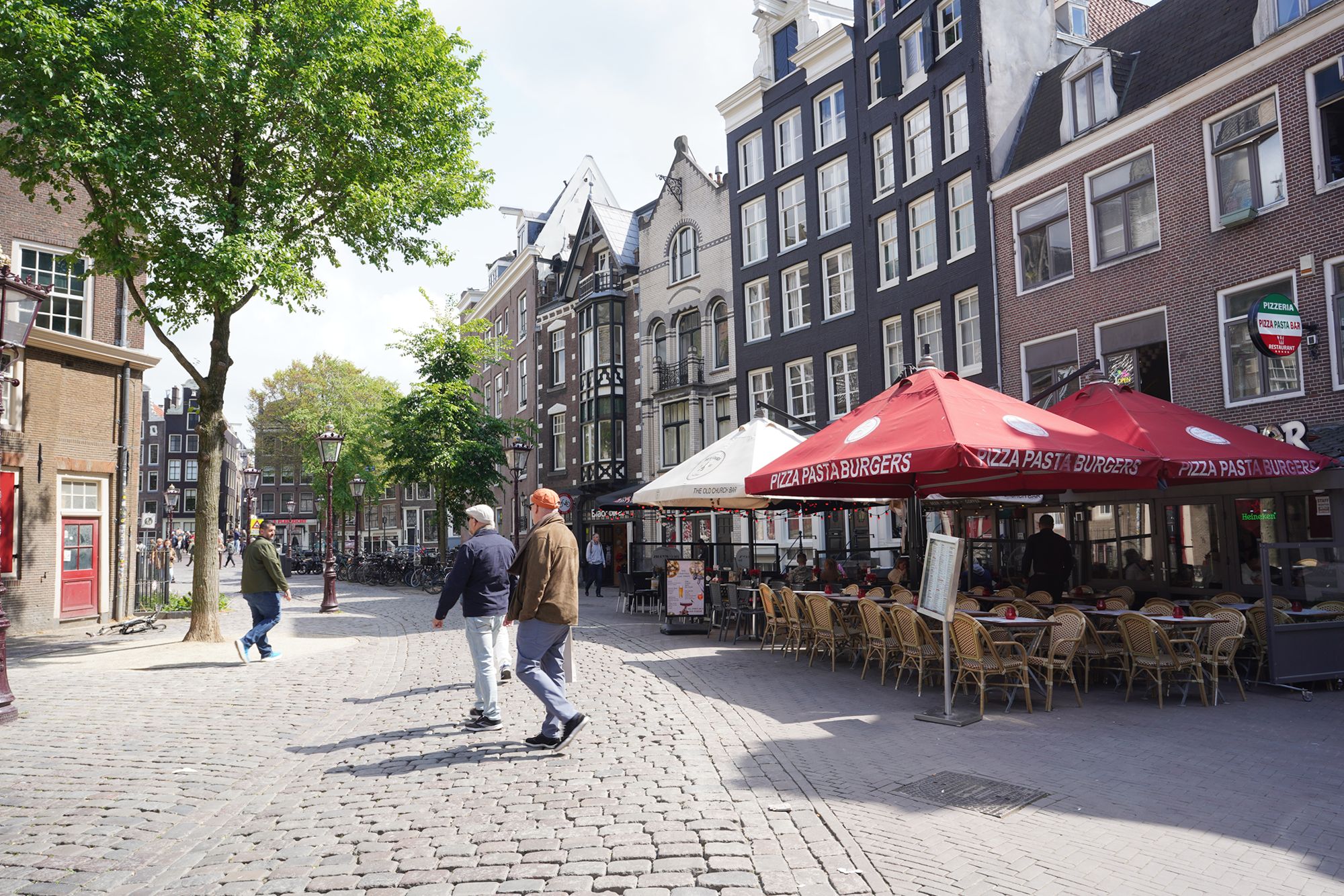
Today the Oude Kerk functions primarily as a historic monument and contemporary art venue/museum, rather than as a regular parish church. Visitors can explore the medieval interior, tombs, architecture, and temporary art exhibitions.
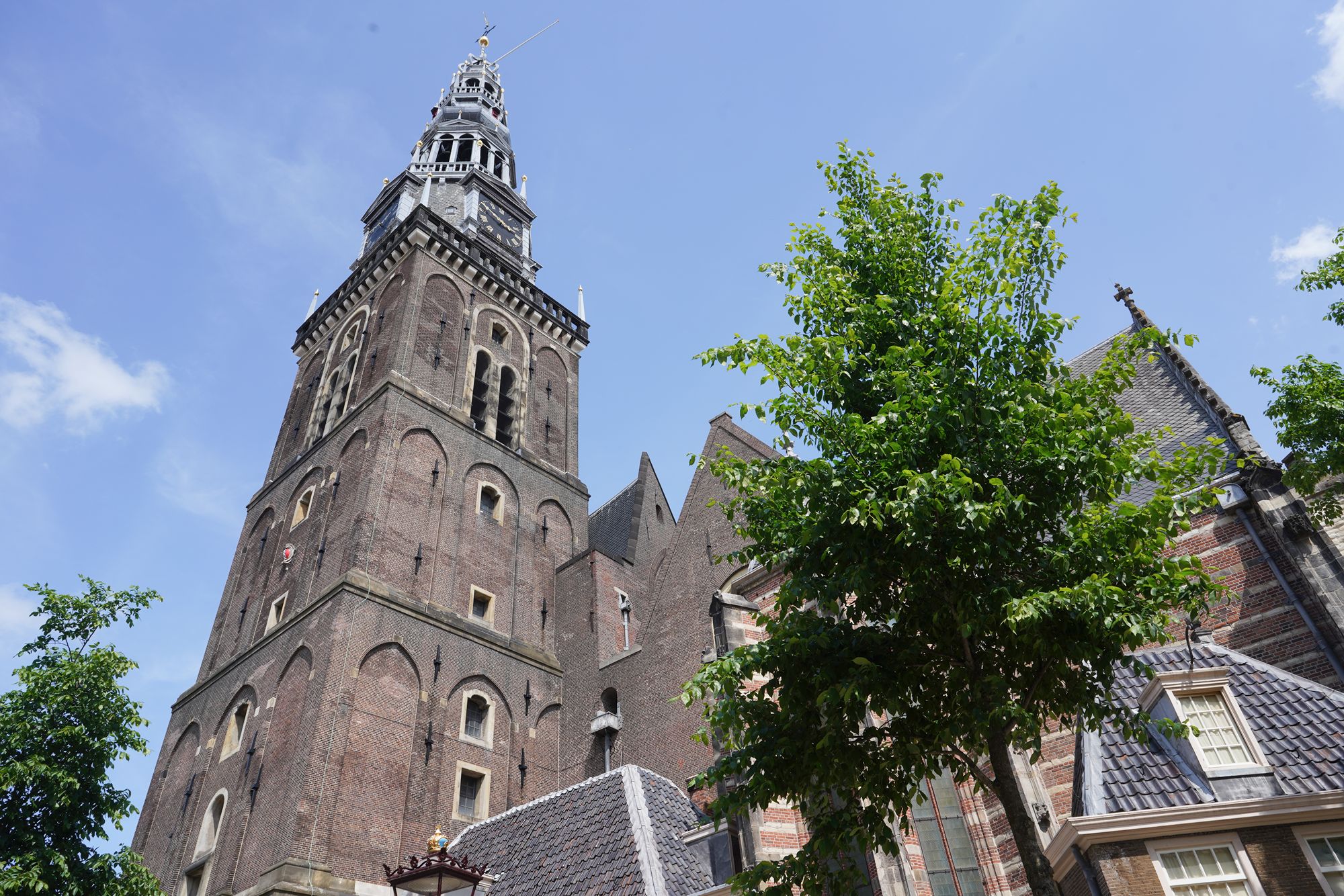
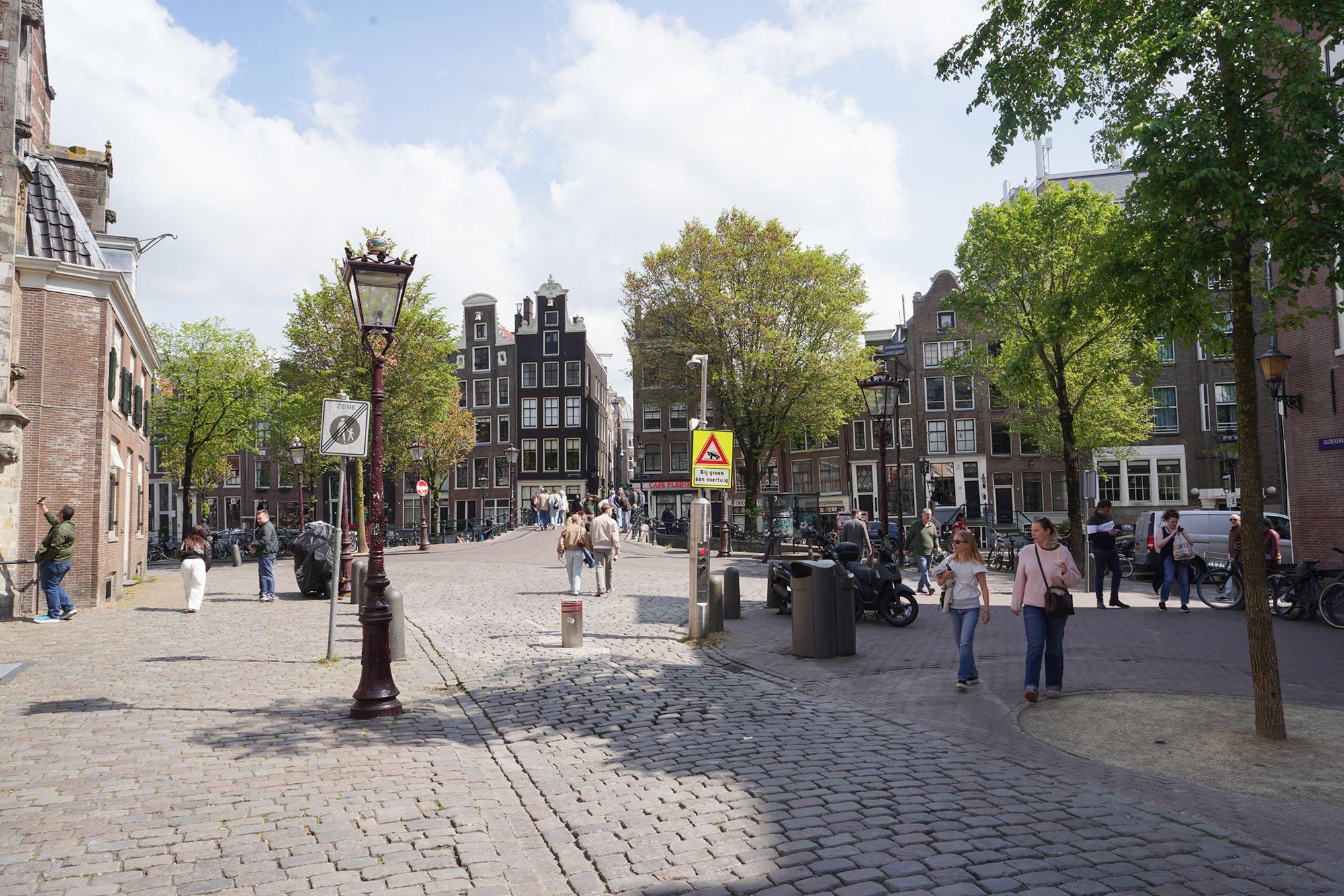
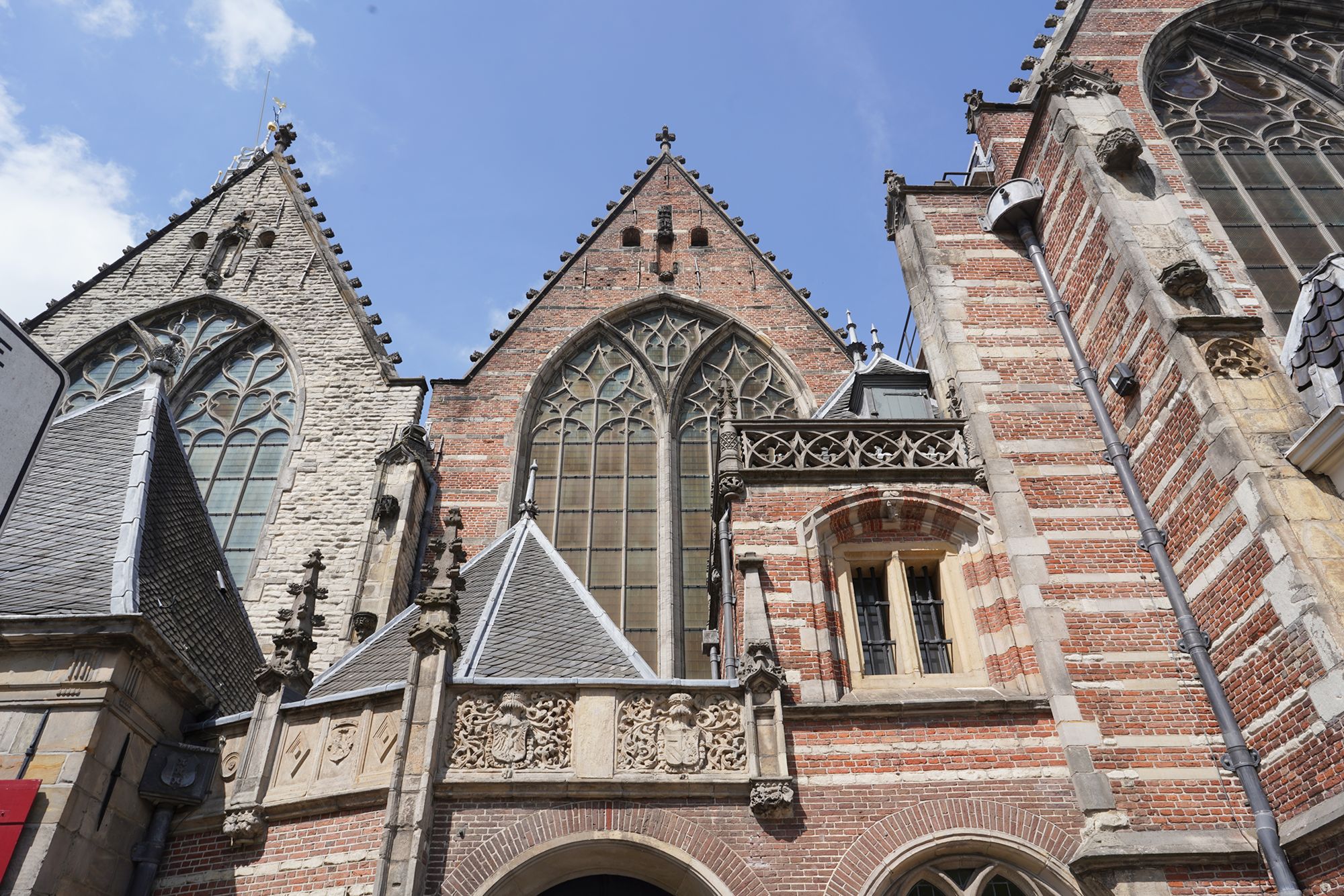
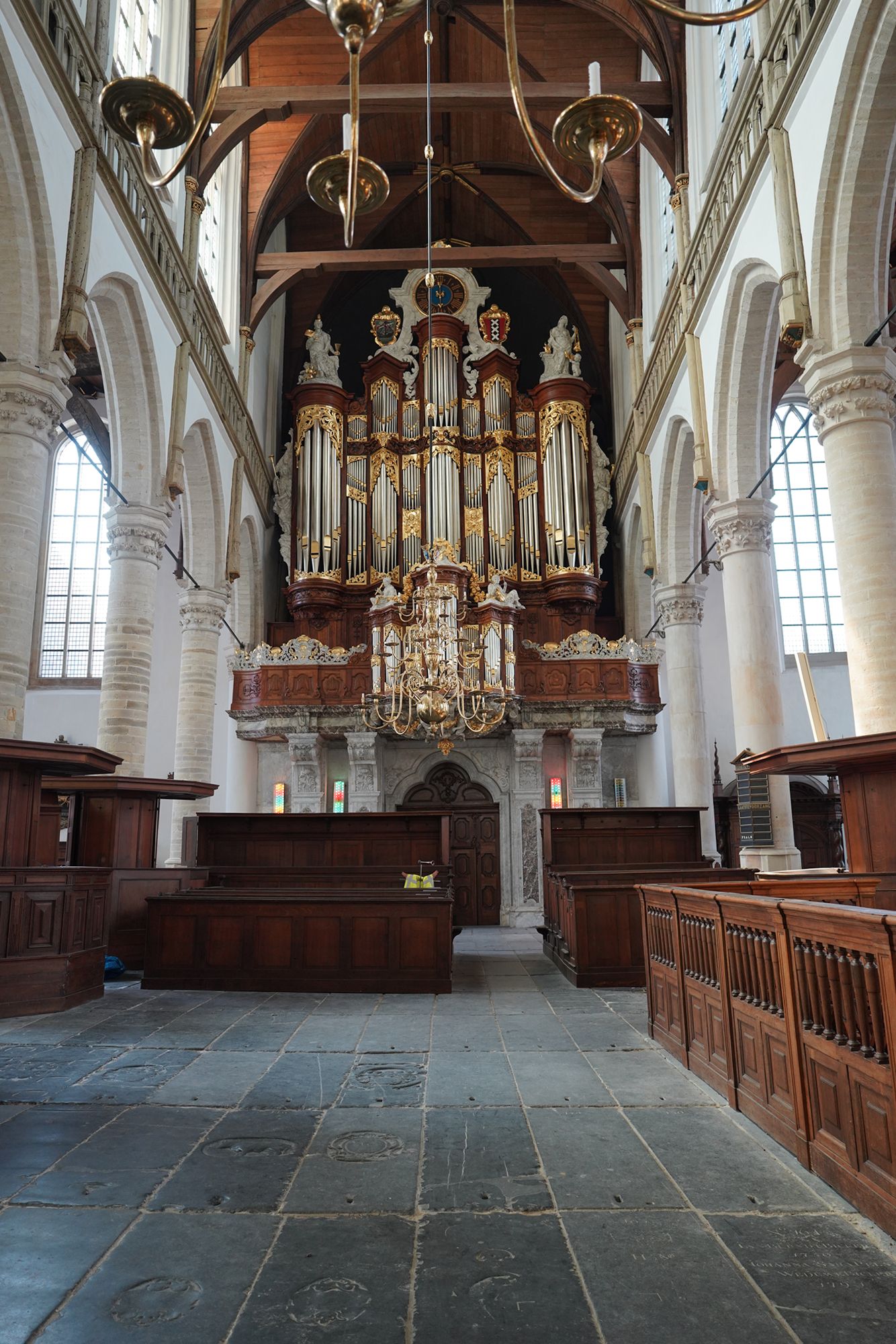
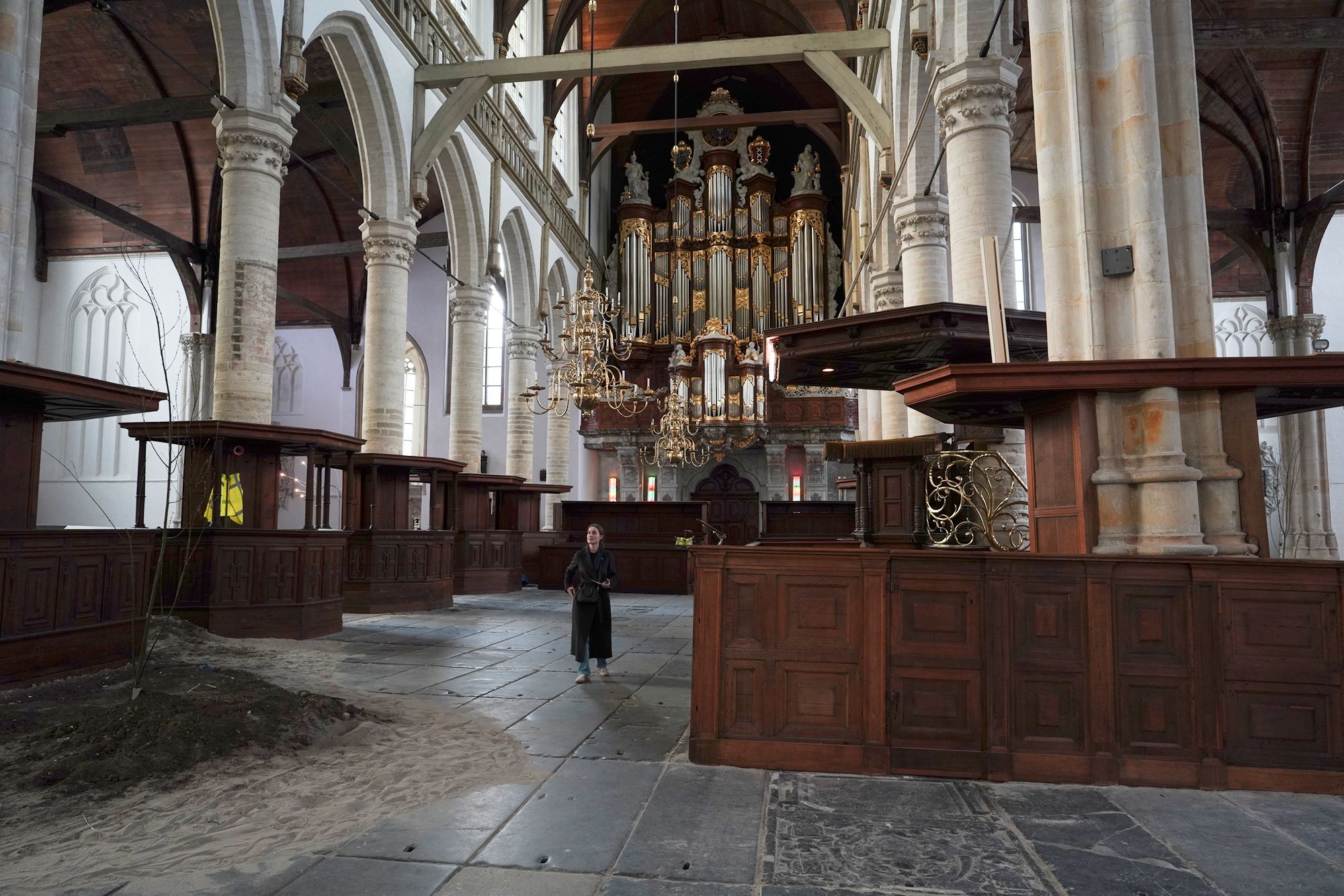
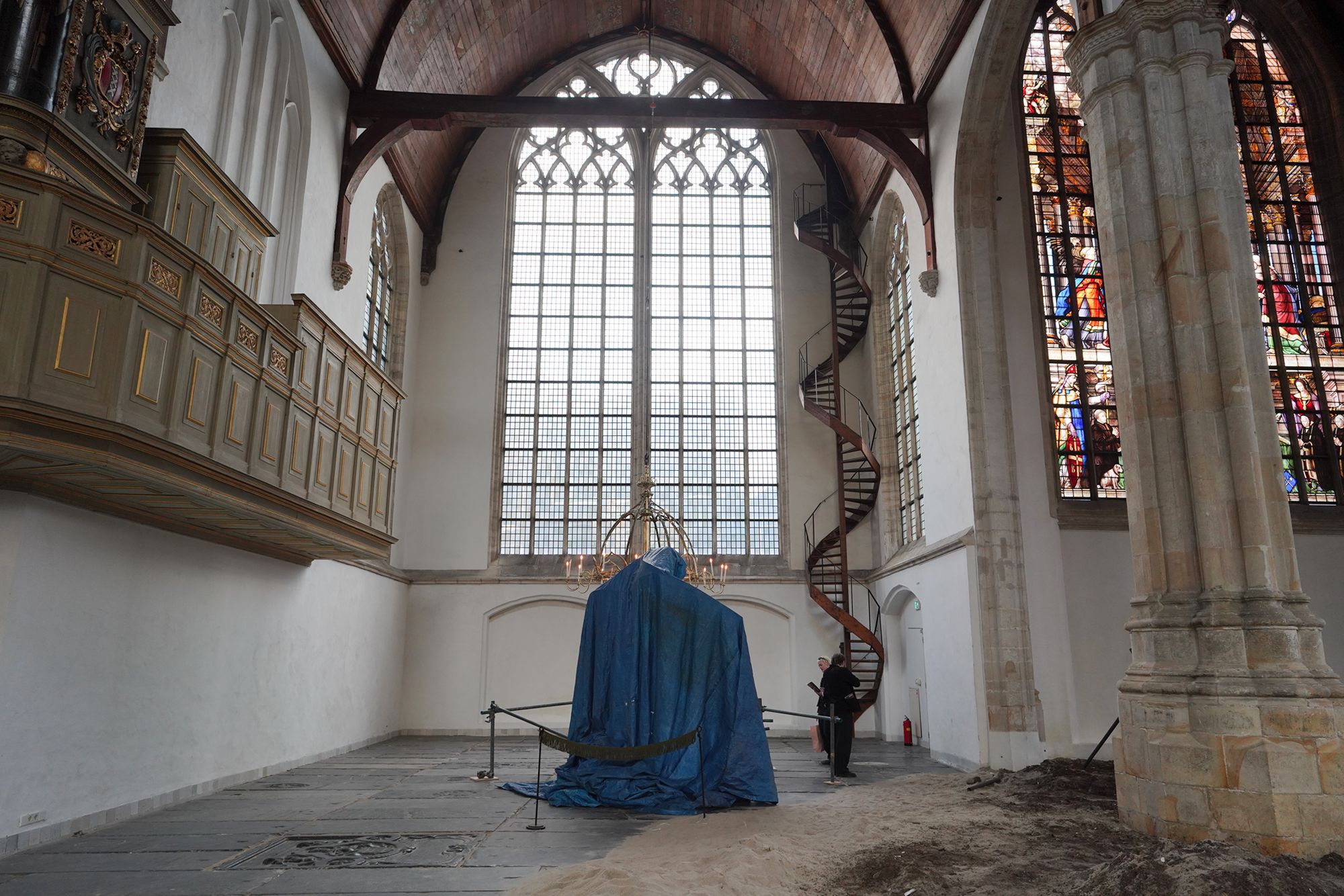
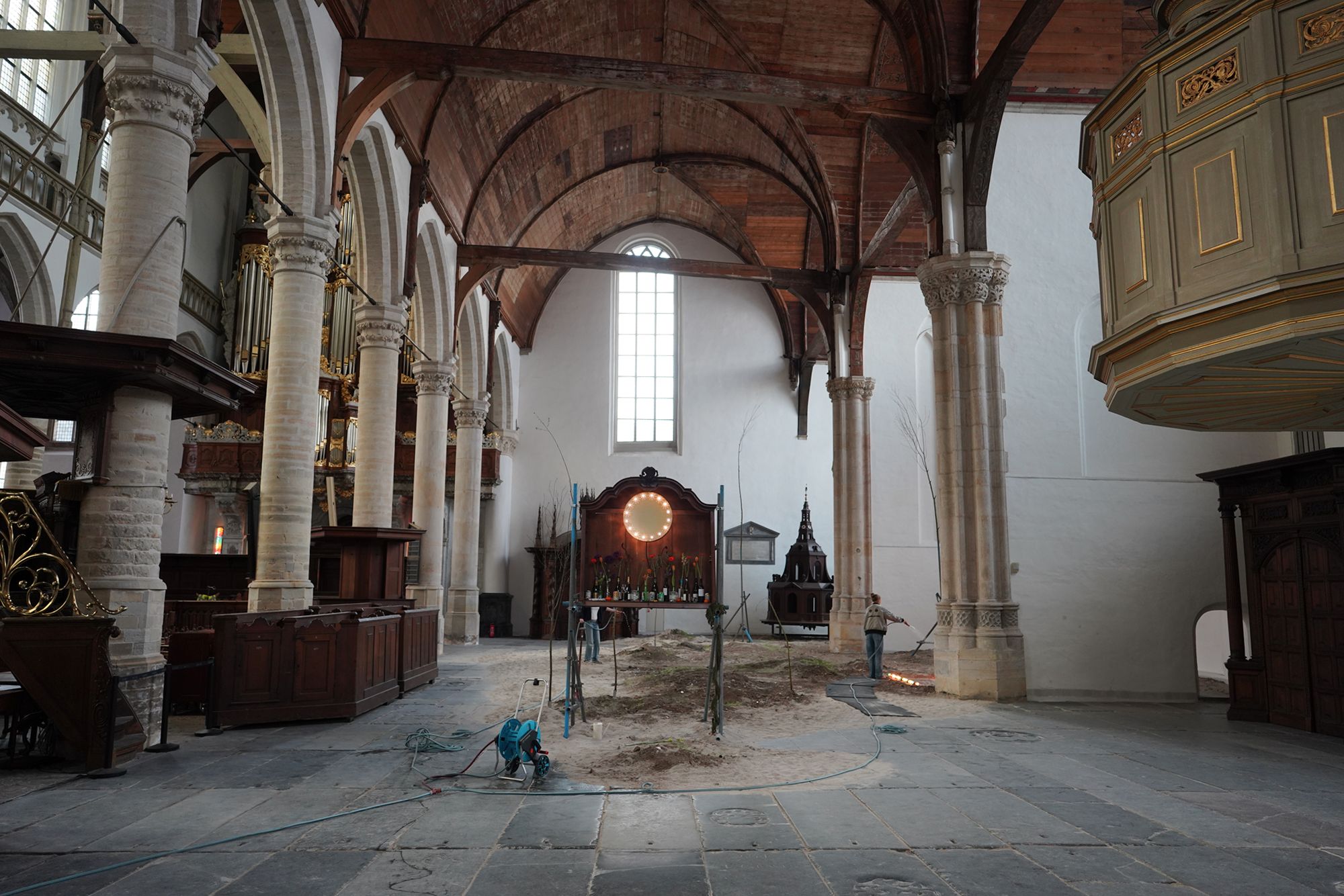
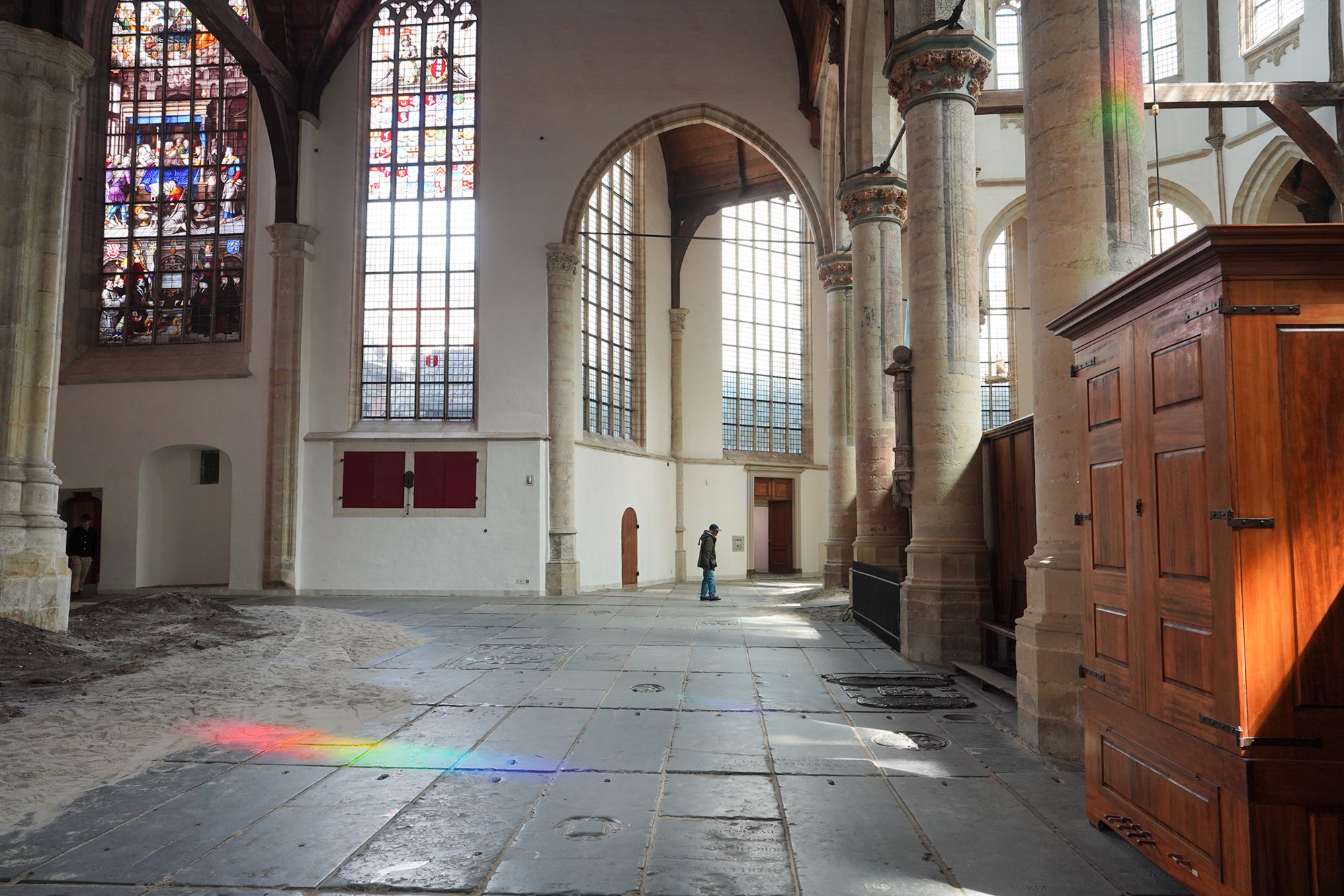
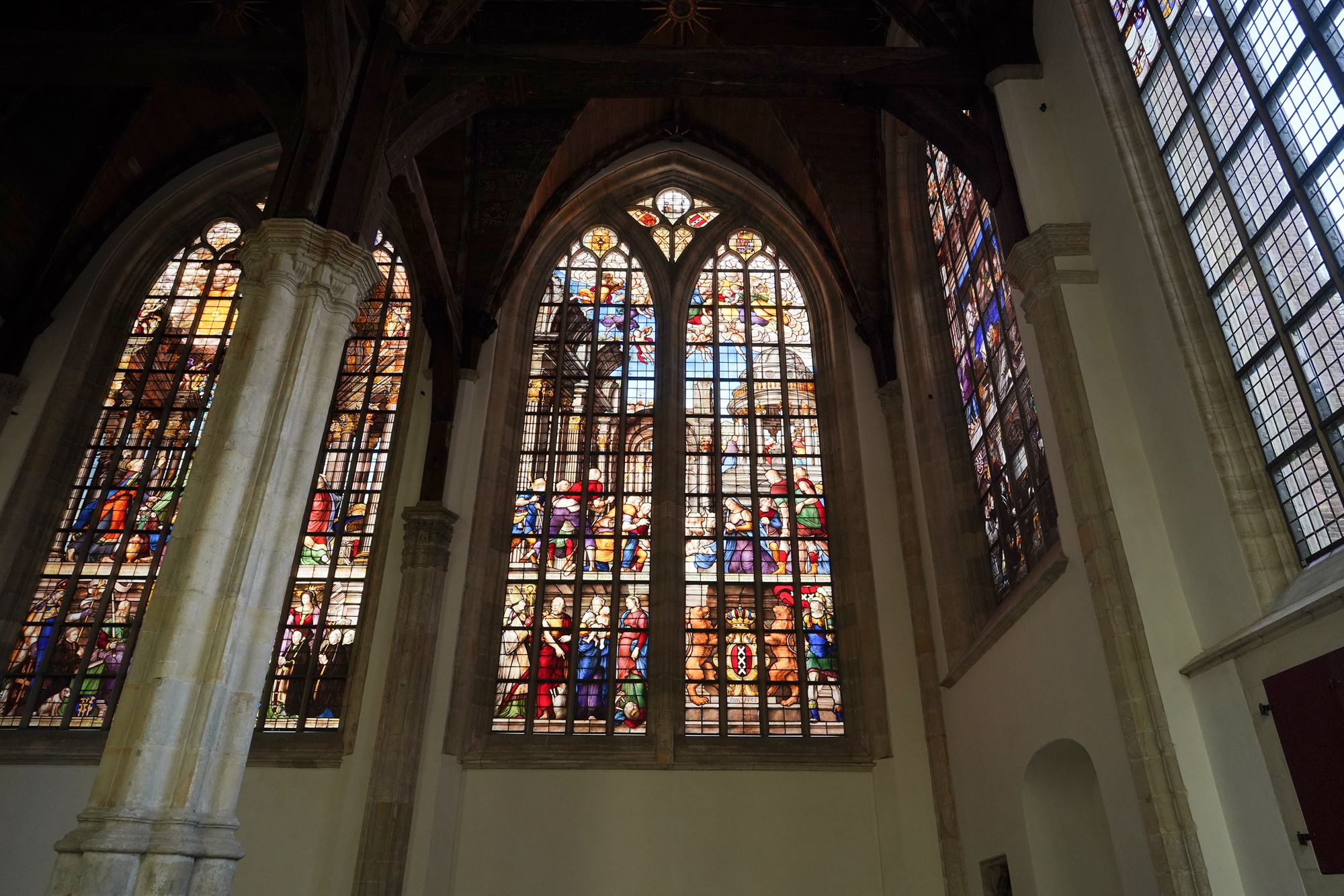
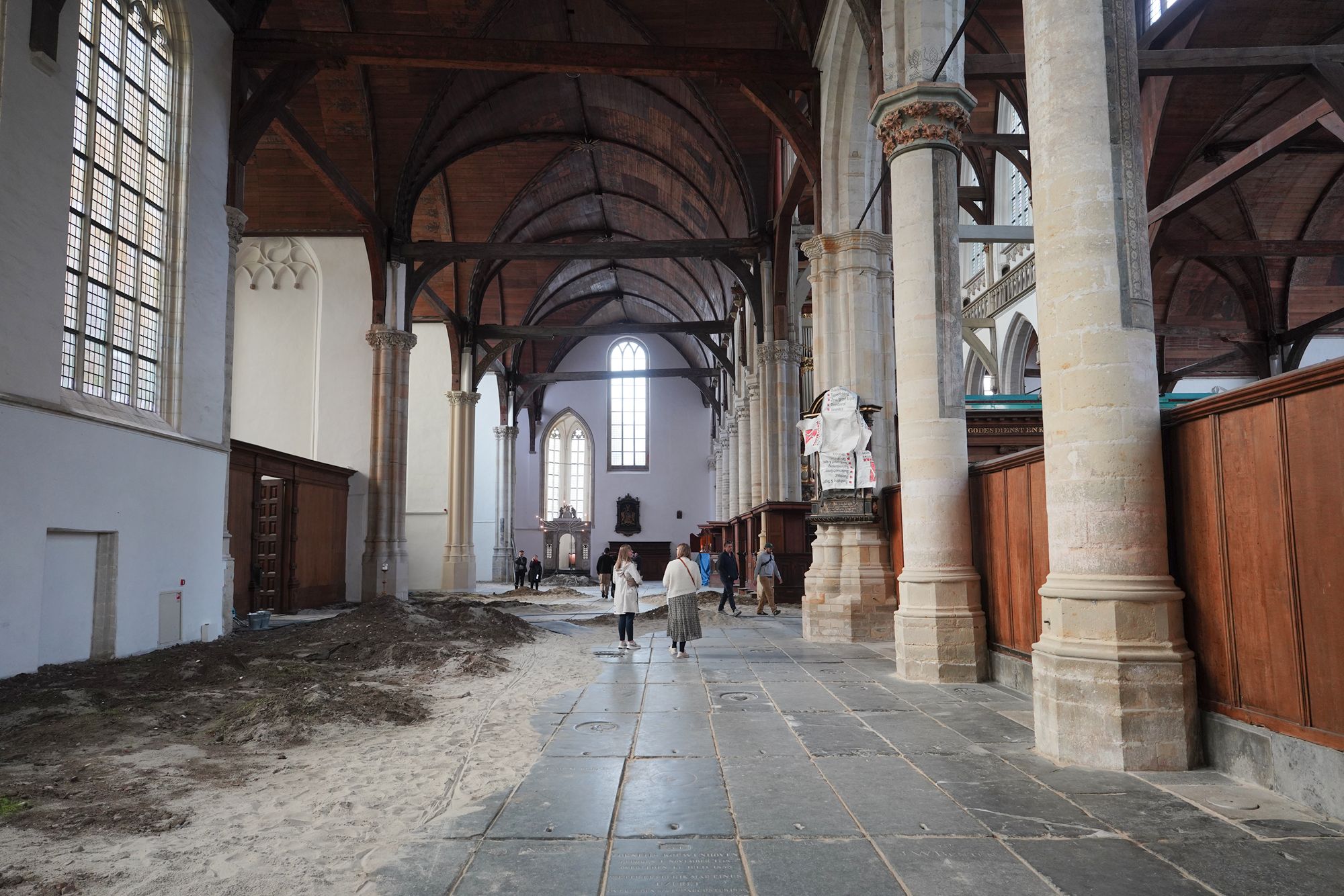
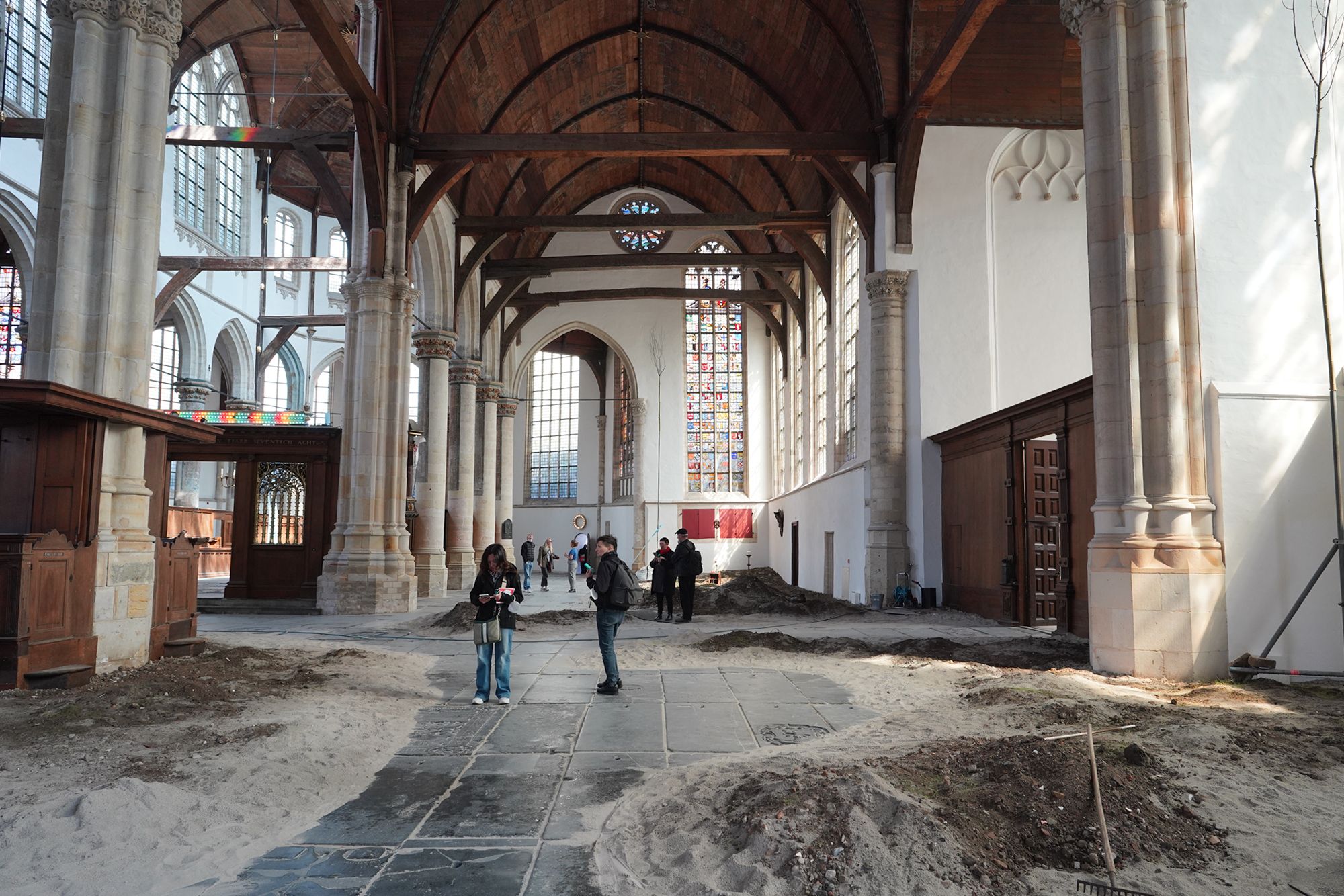
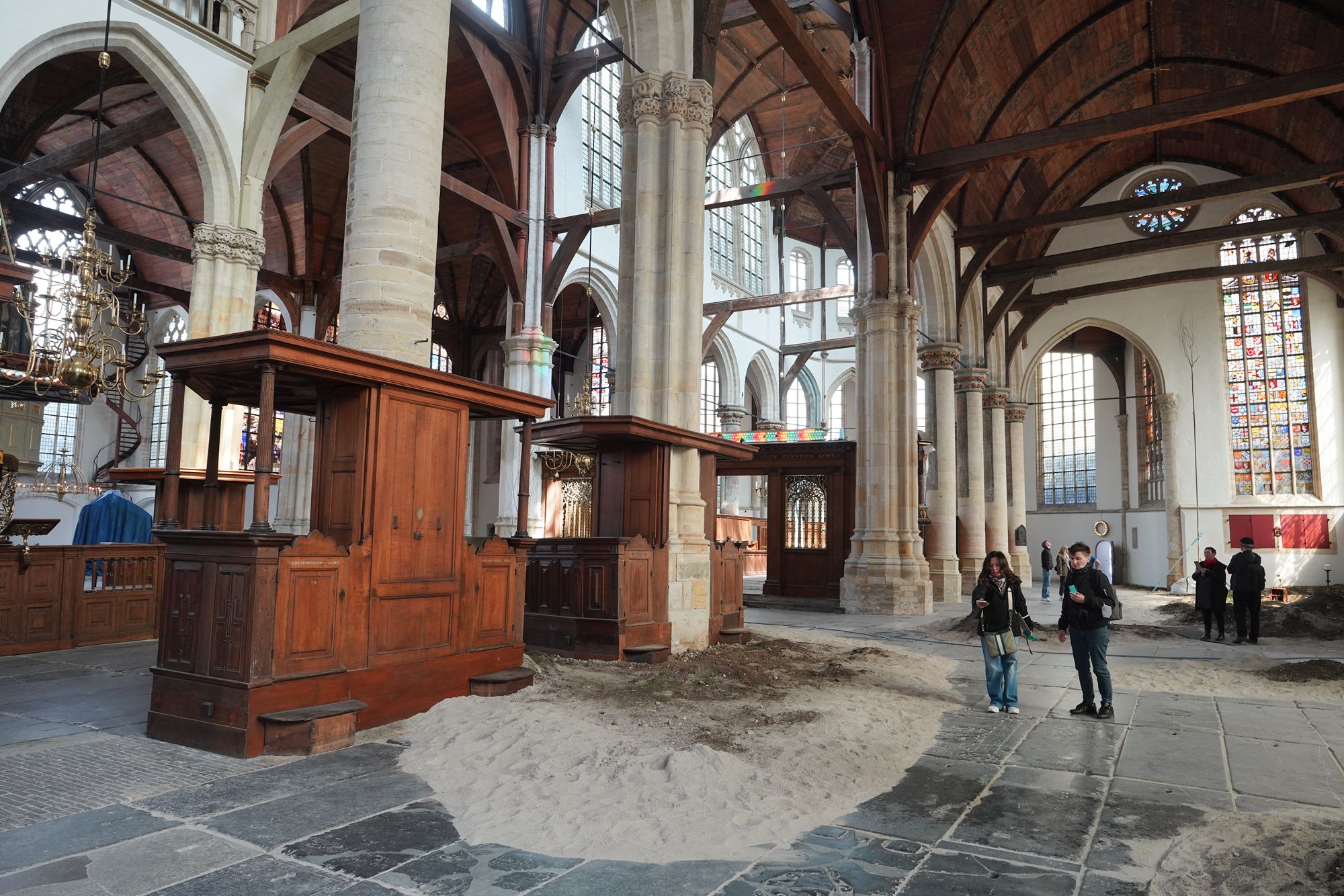
Inside the Oude Kerk, the soaring Gothic interior, wooden vaulted ceiling, stained-glass windows, and centuries-old tombstones reveal the church’s long history. Today, the historic space also serves as a museum and venue for contemporary art exhibitions.
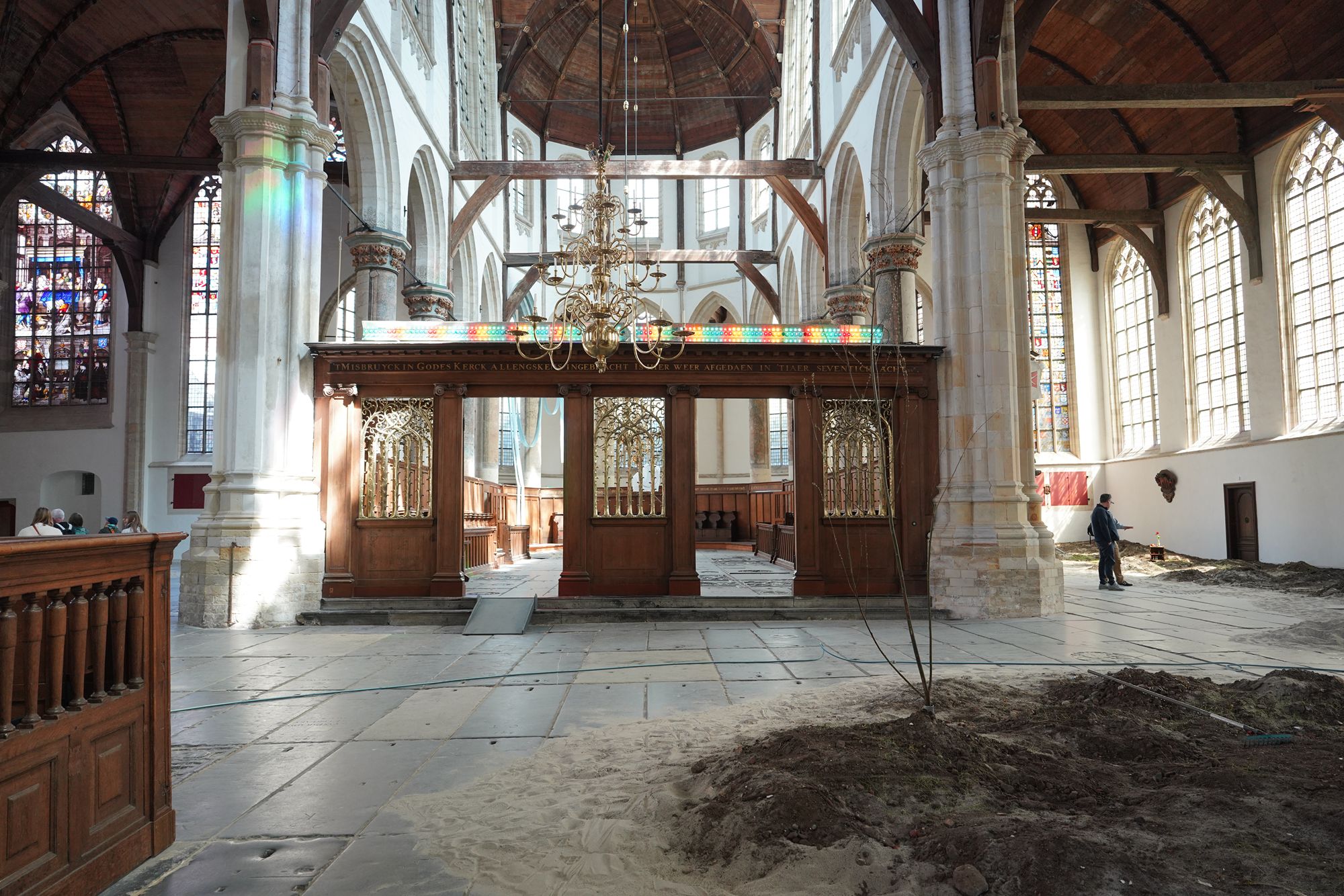
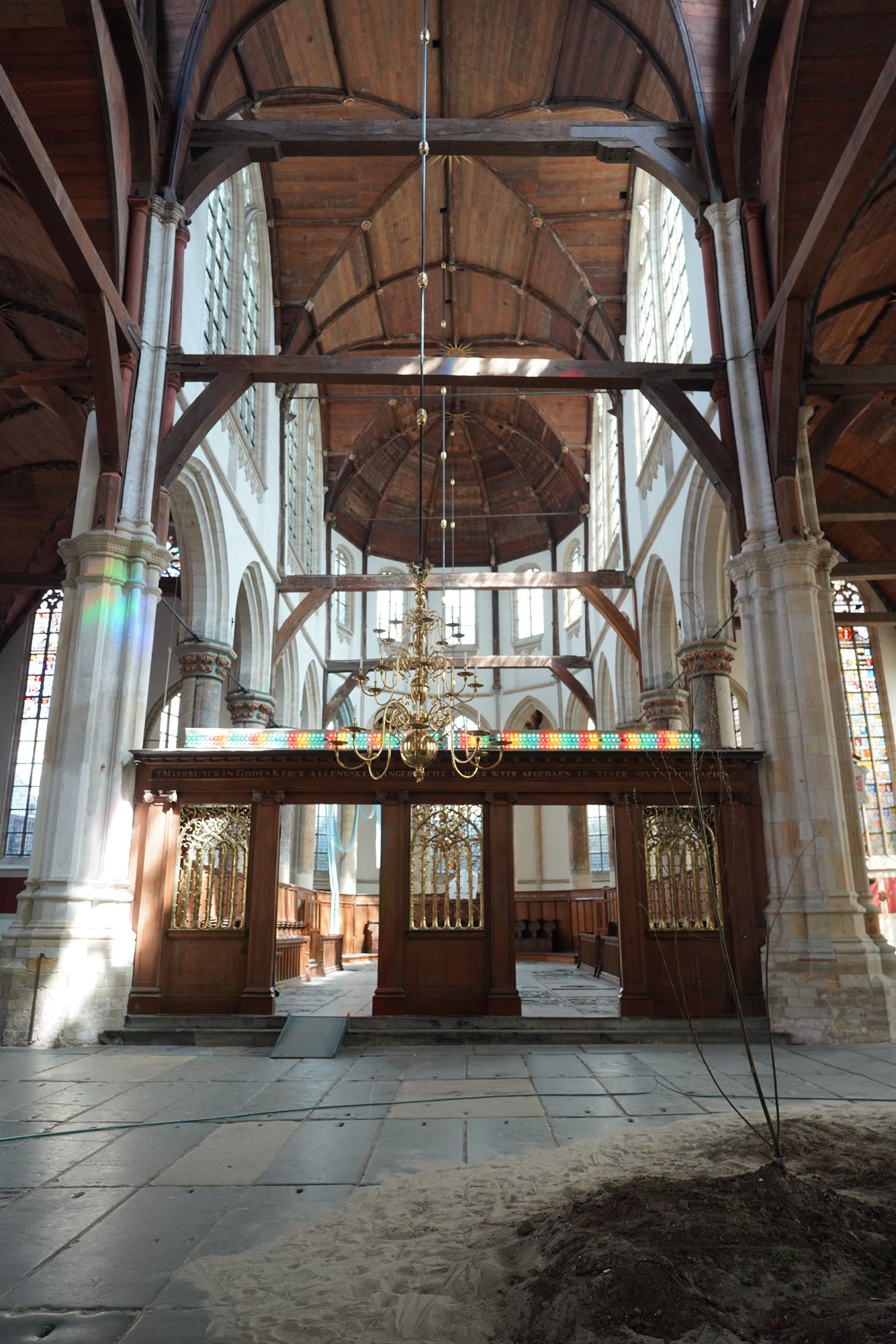
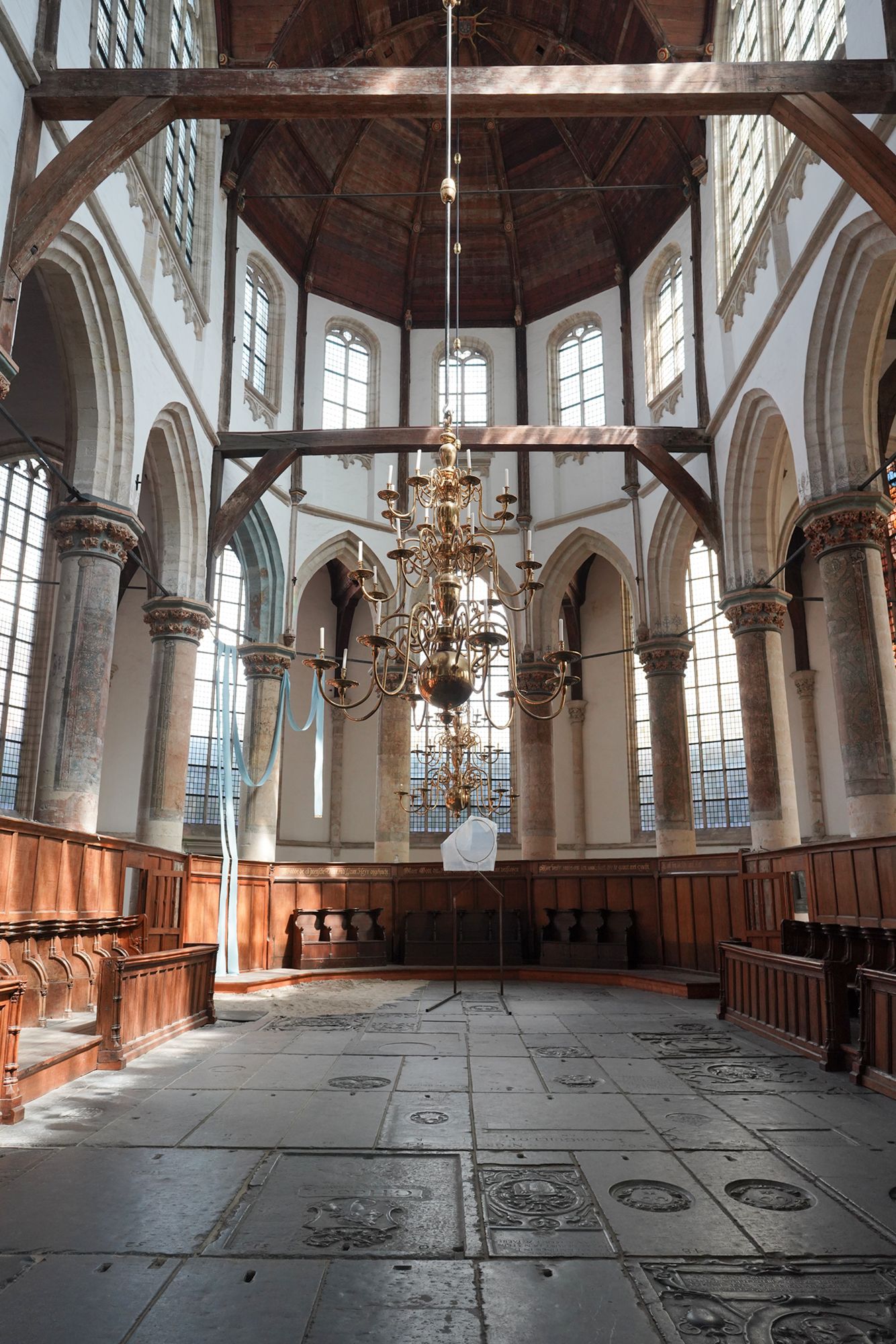
The sand and dirt covering parts of the floor were actually part of the contemporary art exhibition inside the Oude Kerk, creating a striking contrast with the centuries-old church interior.
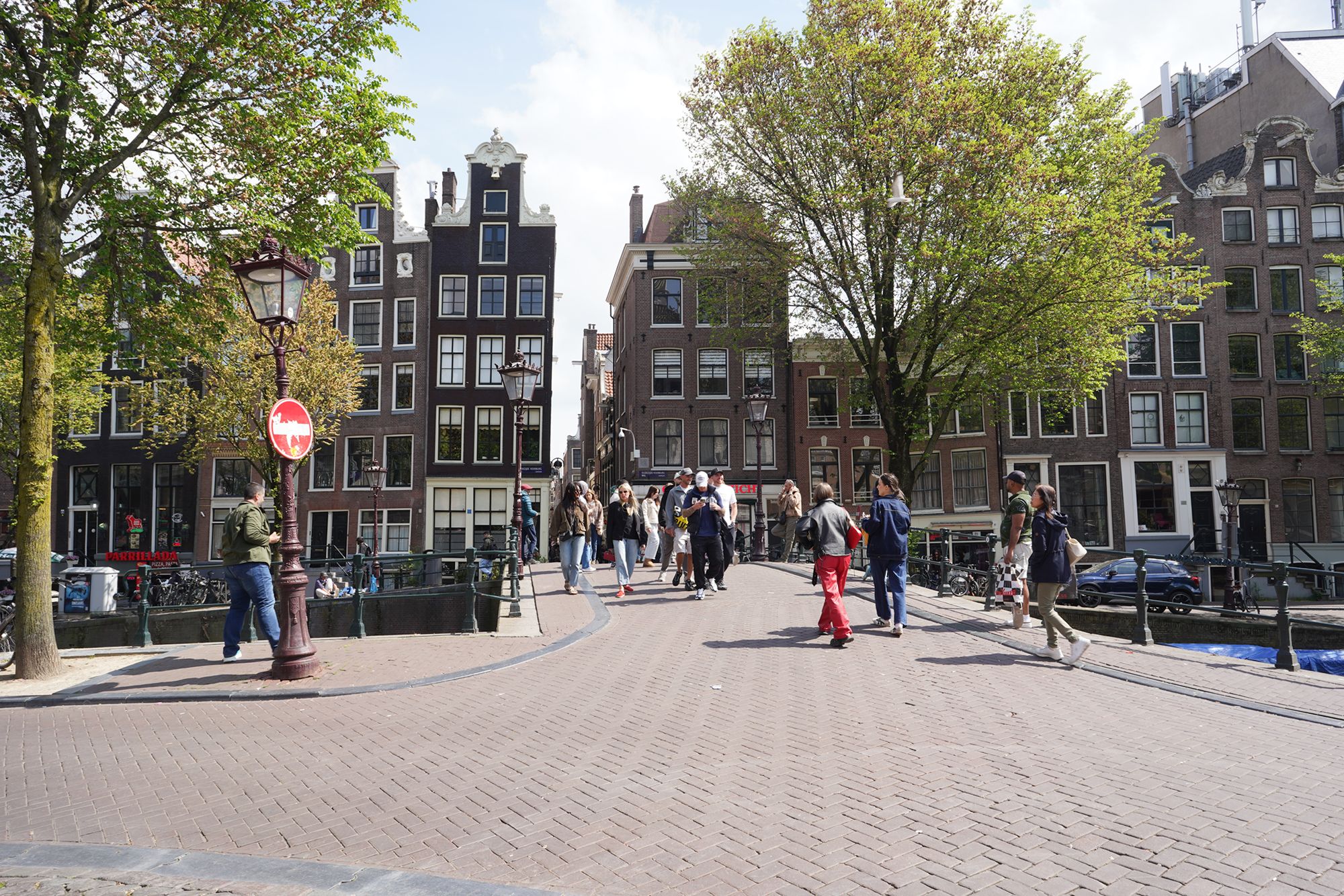
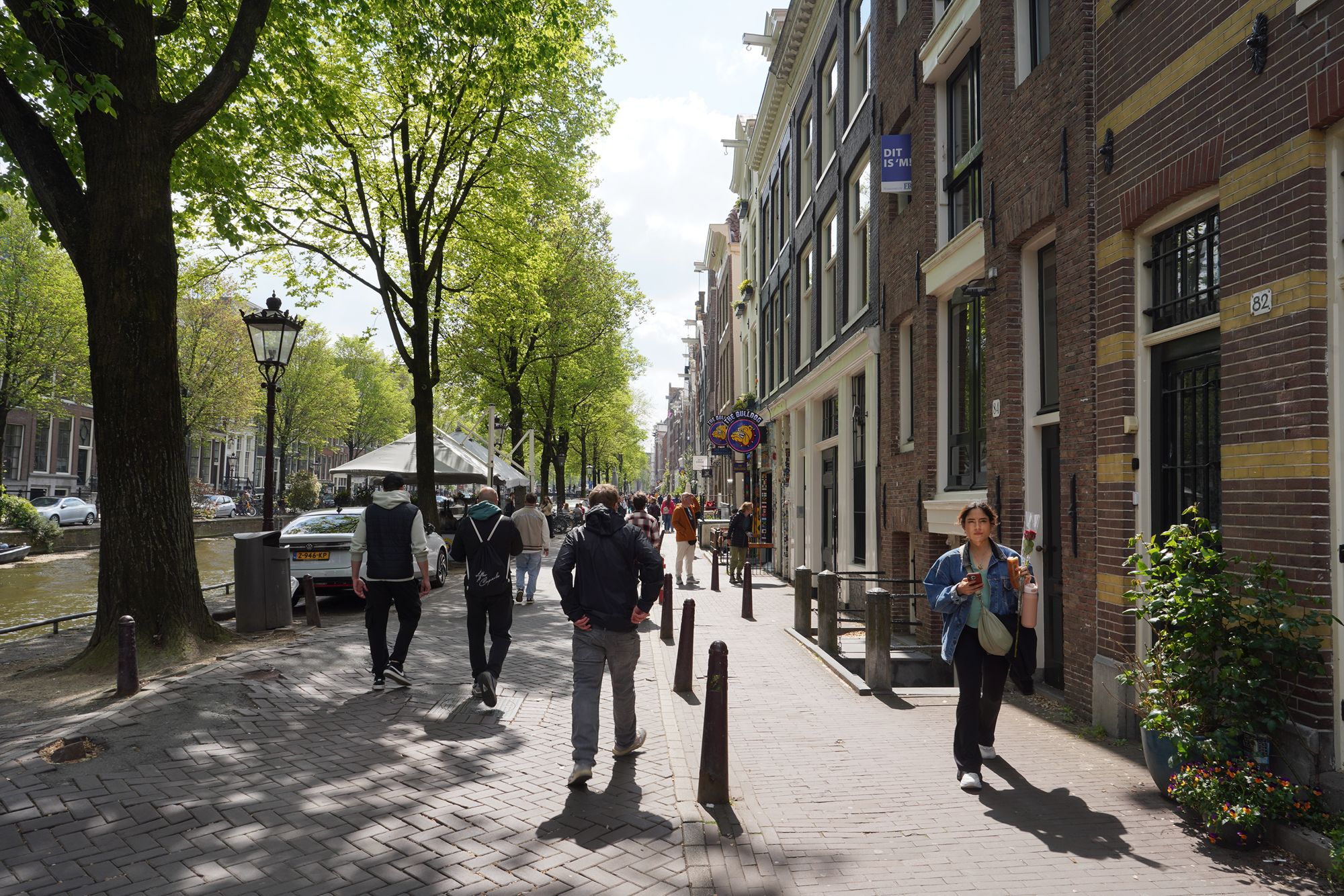
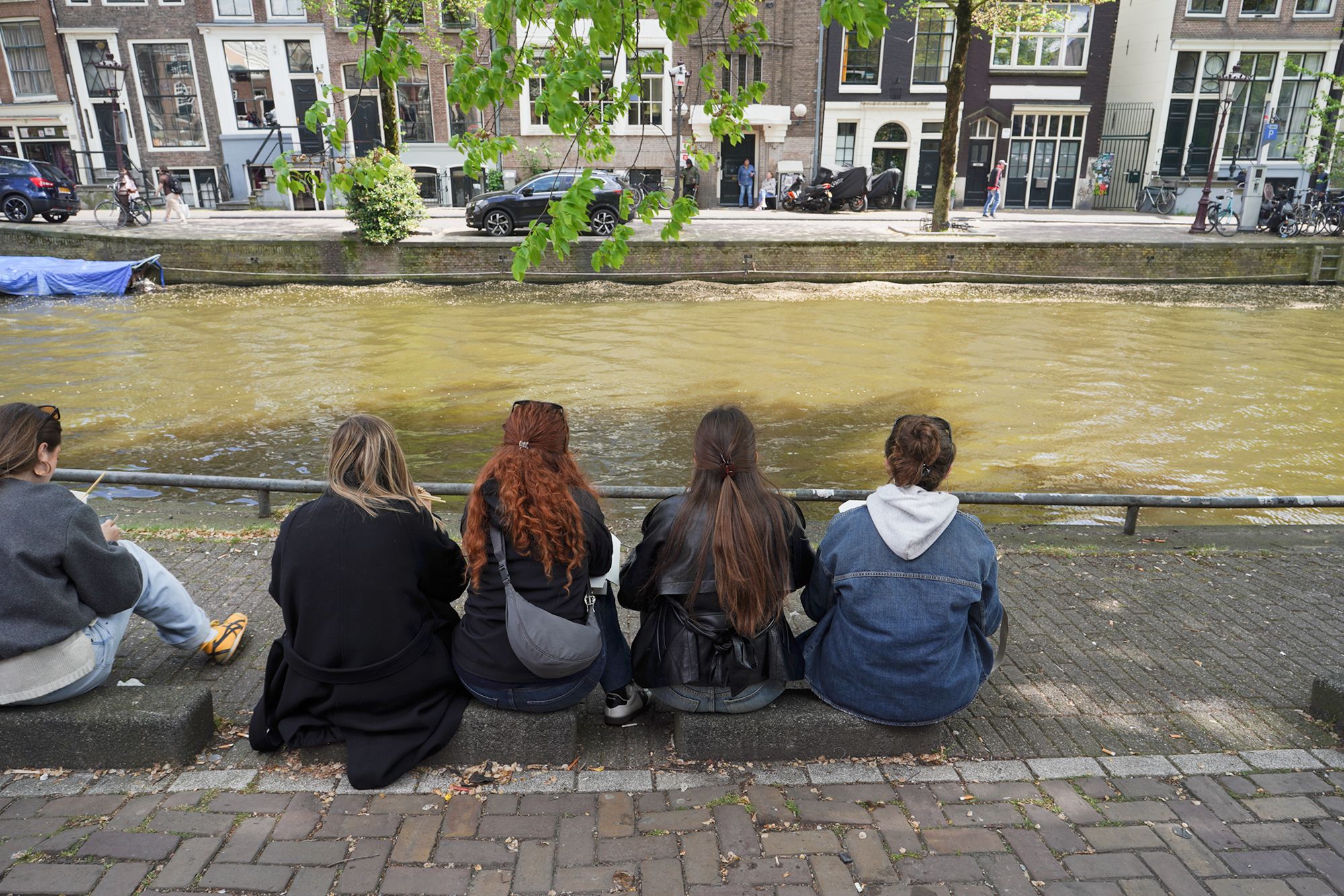
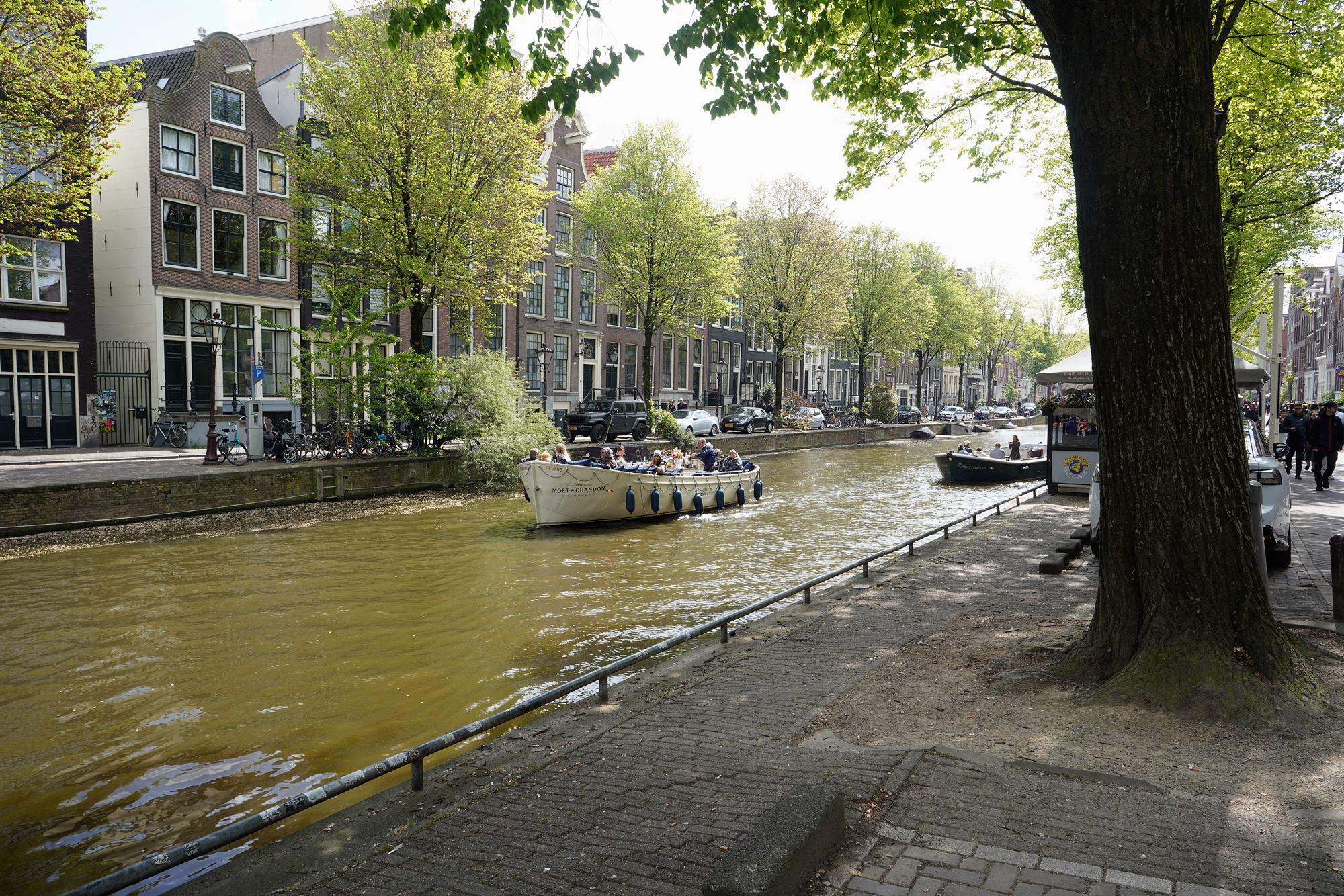
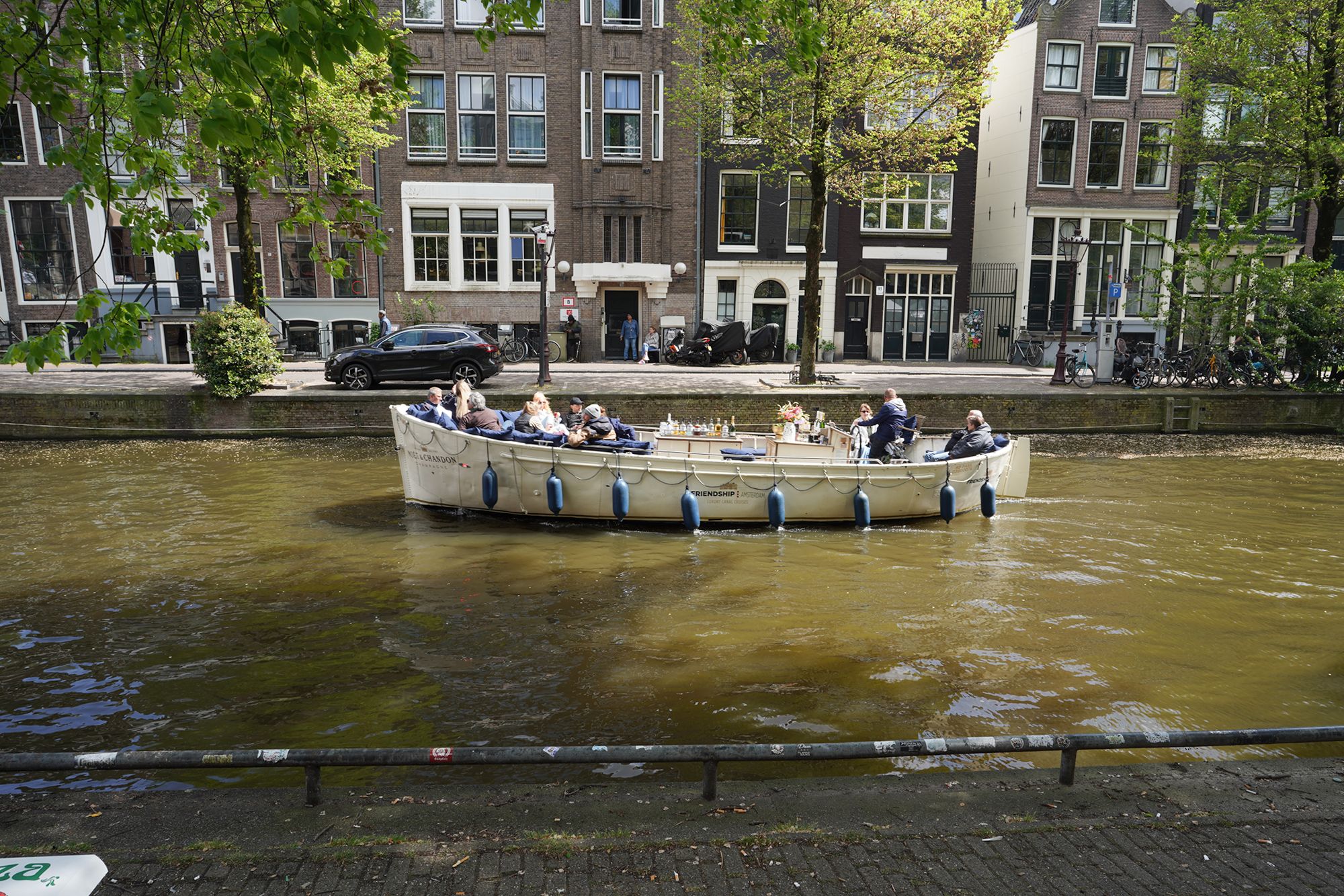
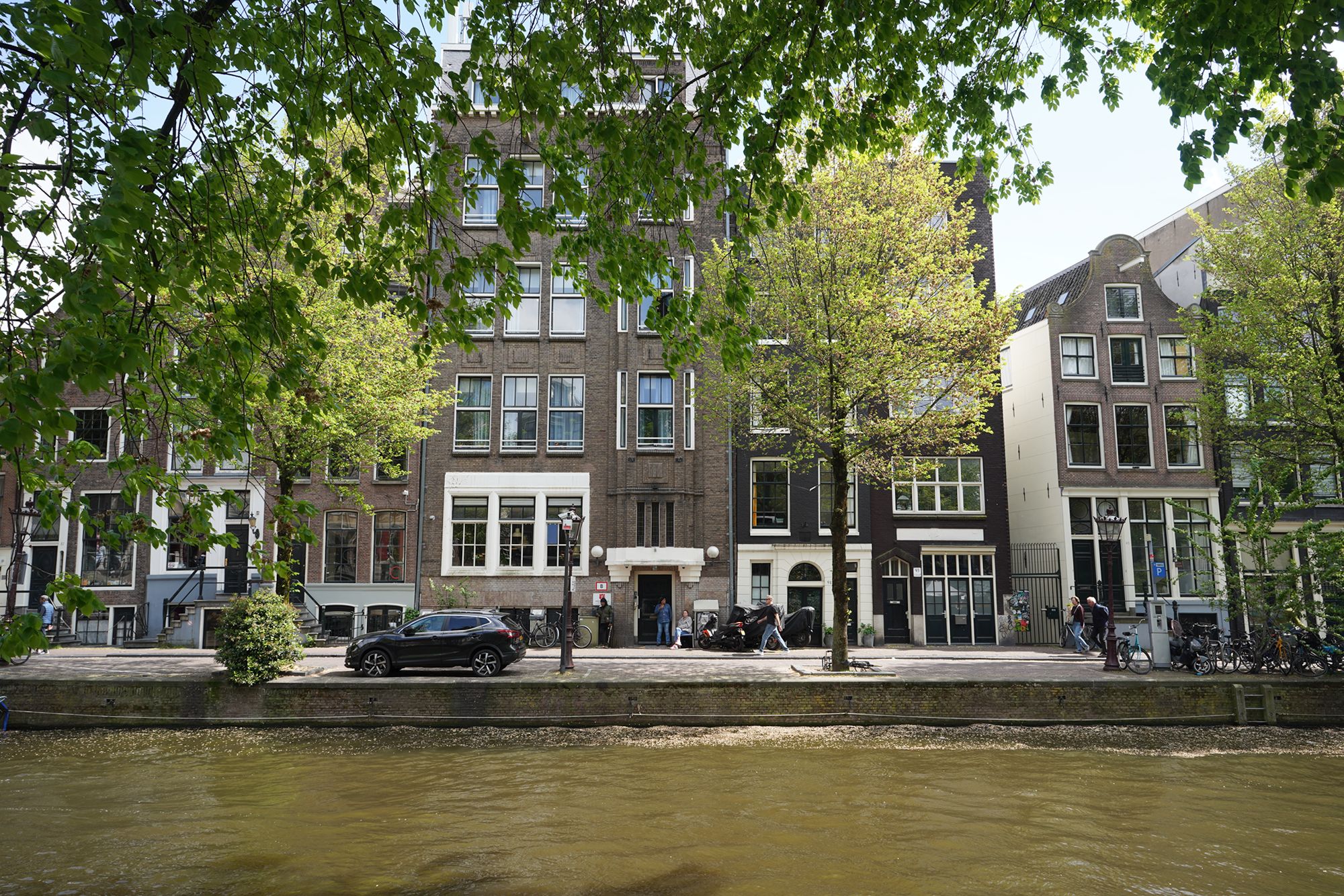
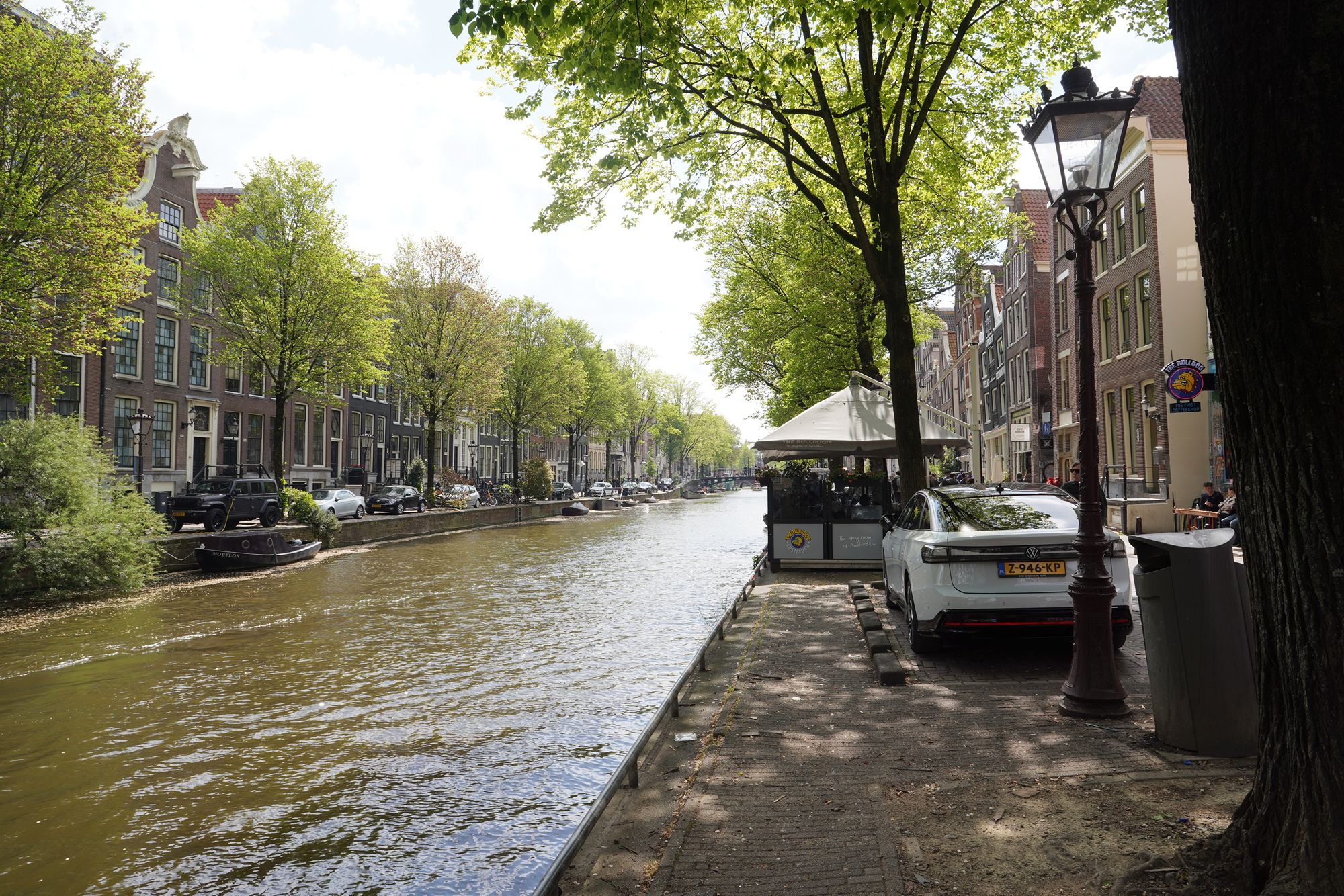
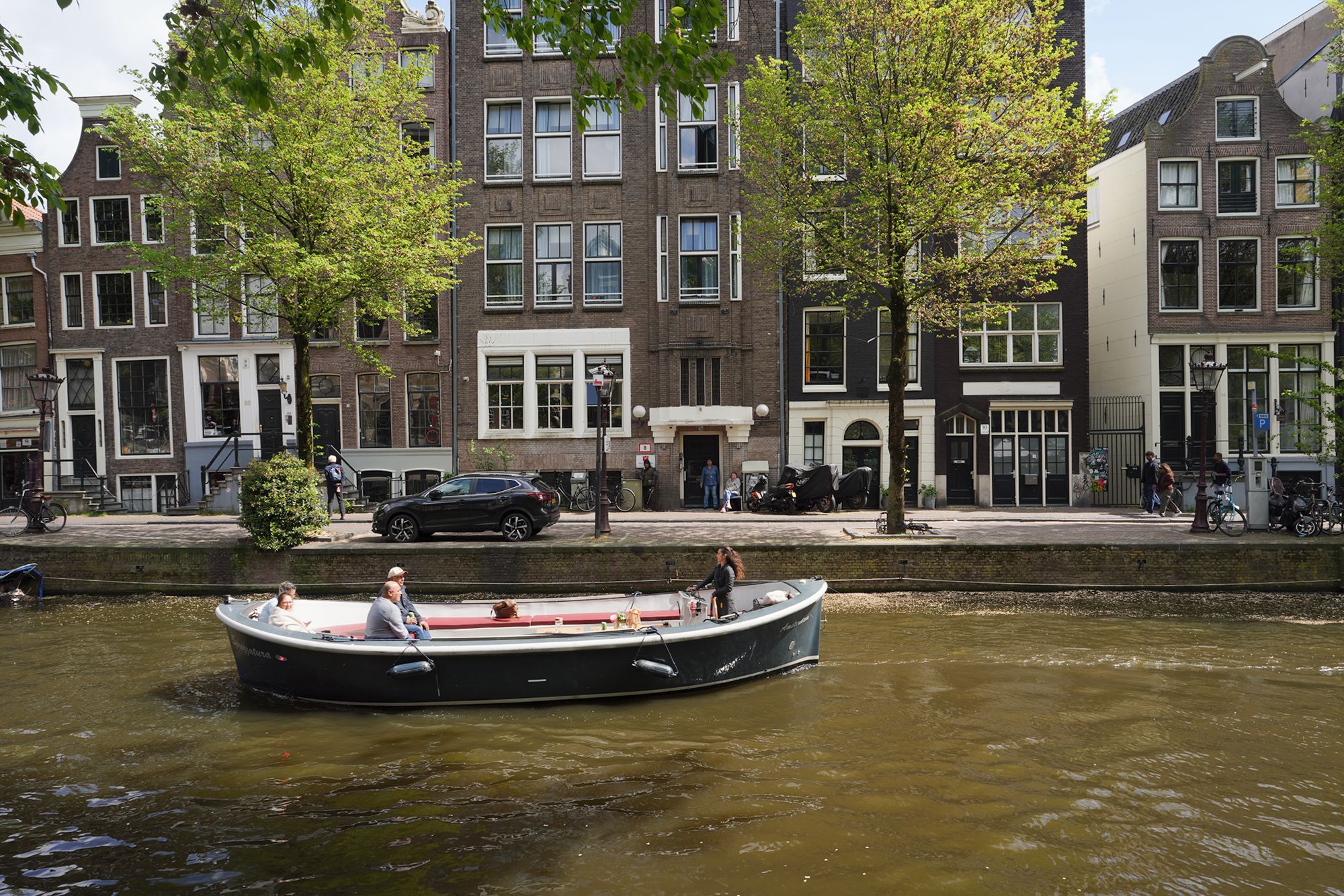
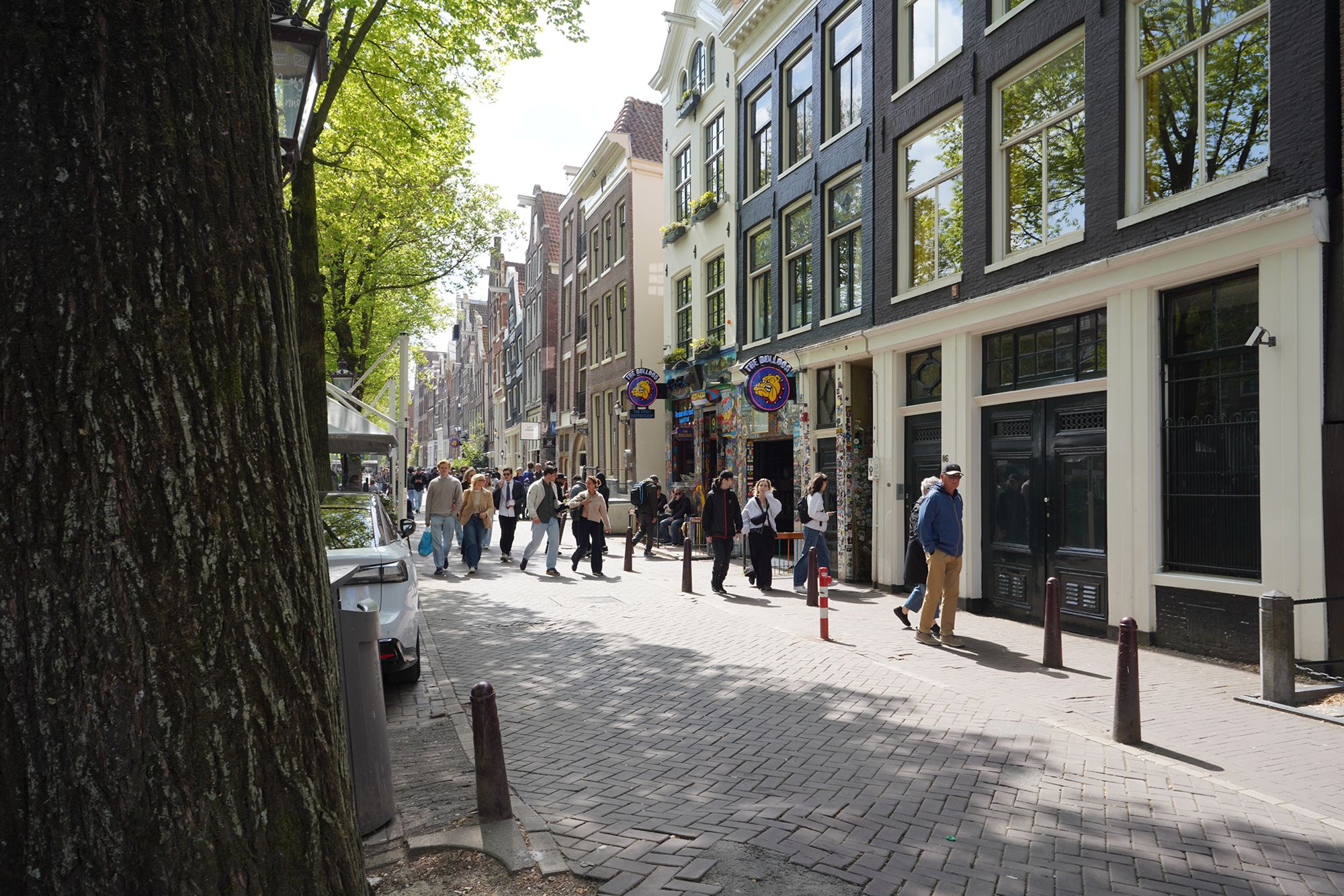
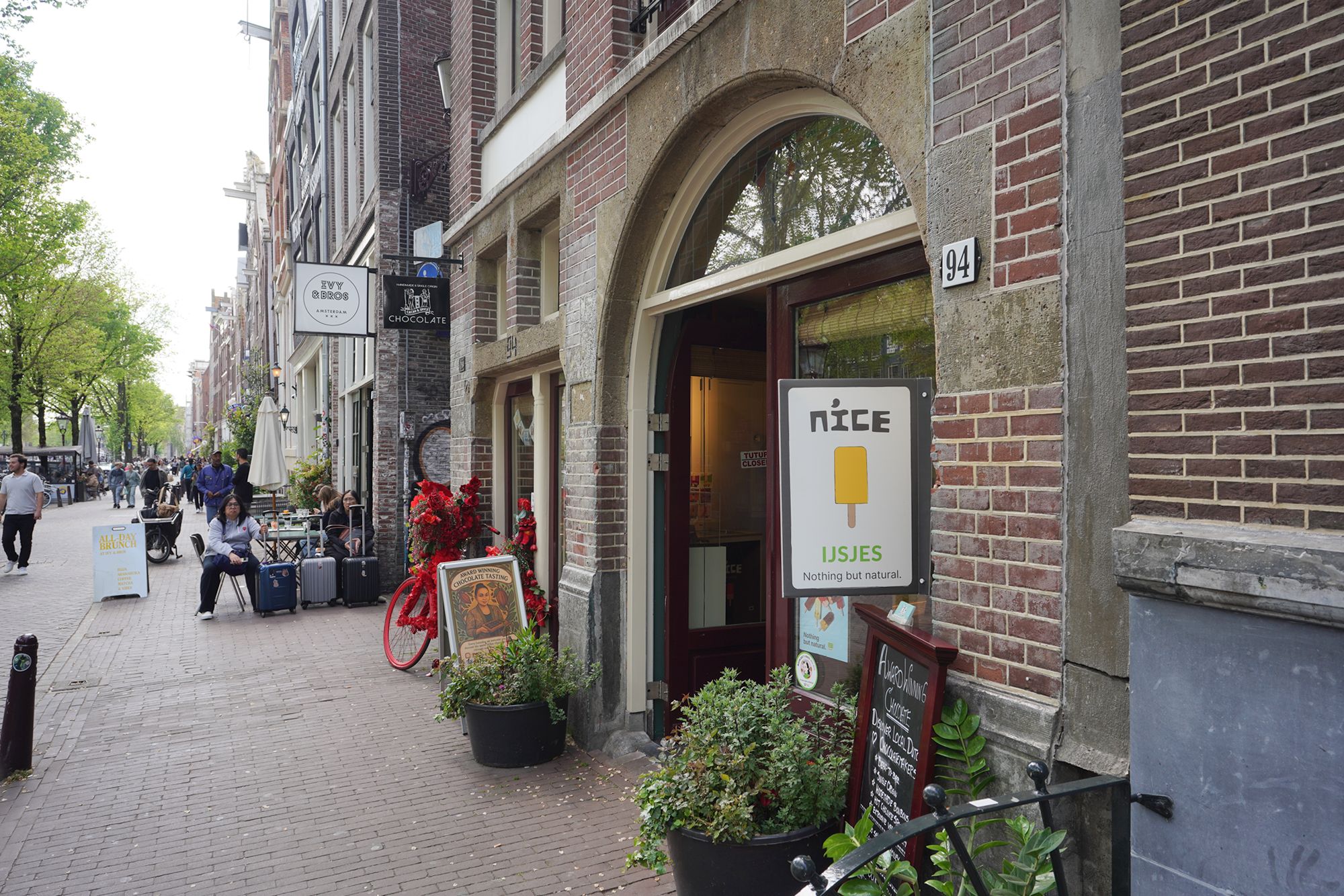
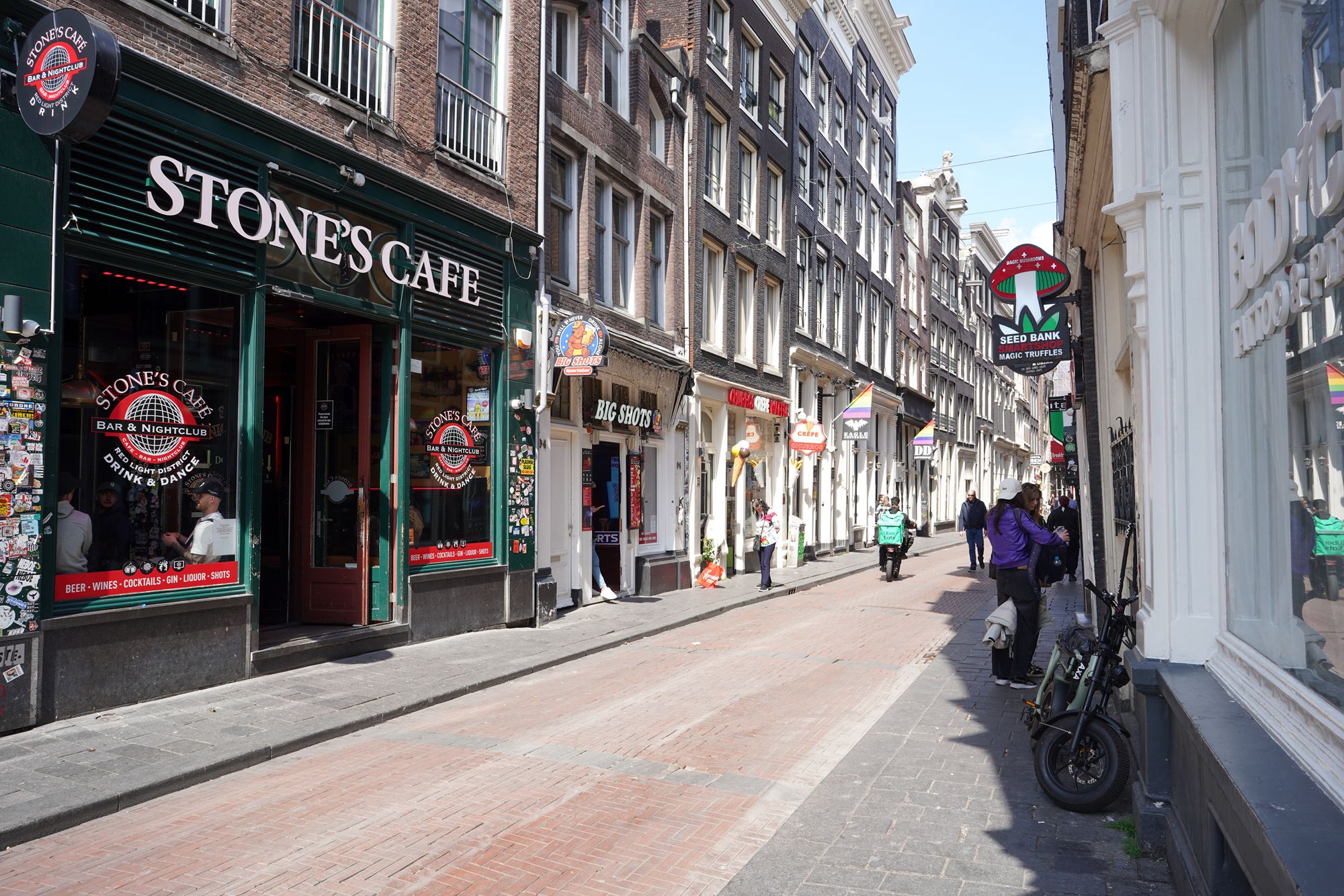
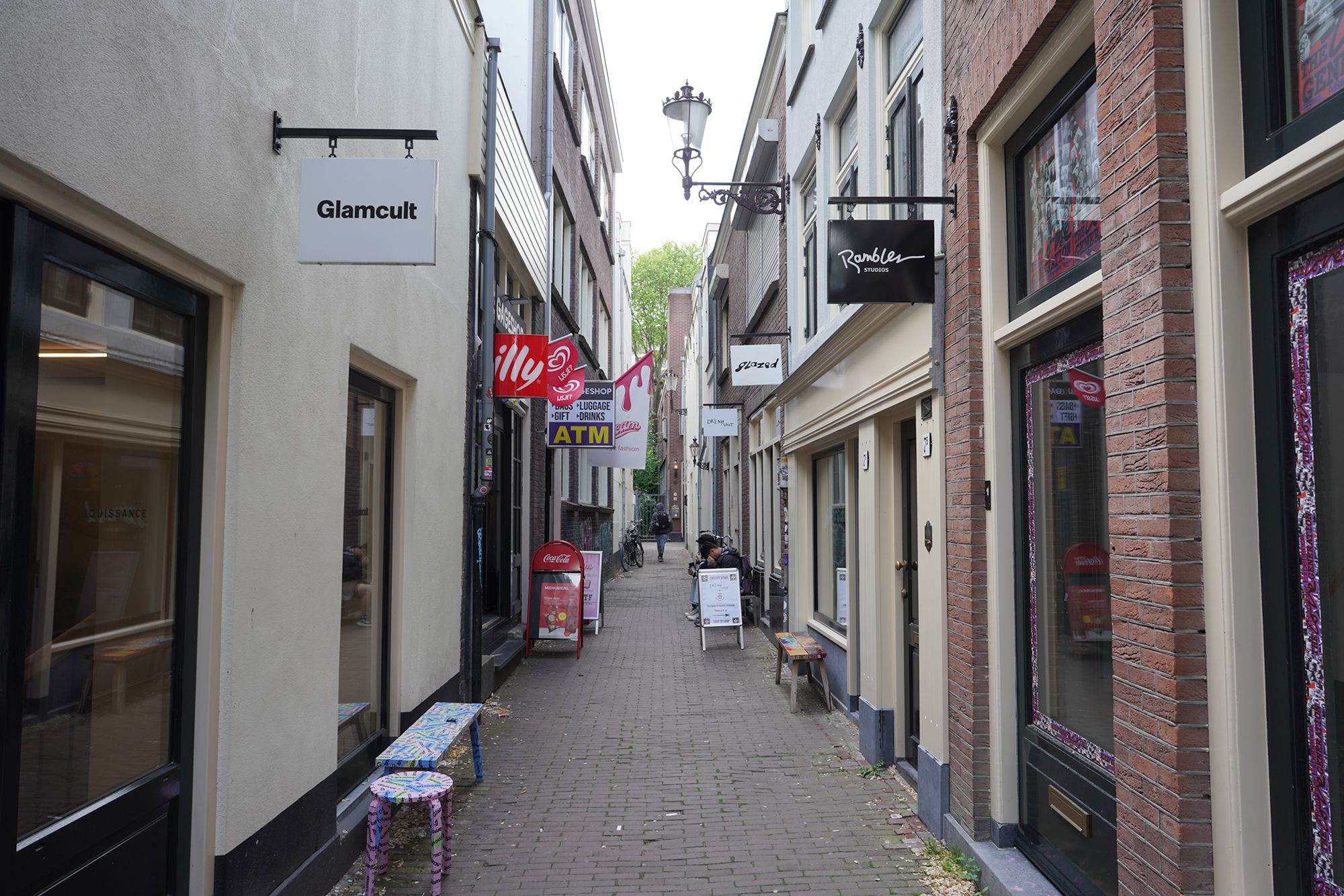
I believe this was one of the narrow alleys lined with the Red Light District’s famous glass windows, where sex workers normally stand behind red-lit windows. During my walk, however, I did not see anyone working in the windows.
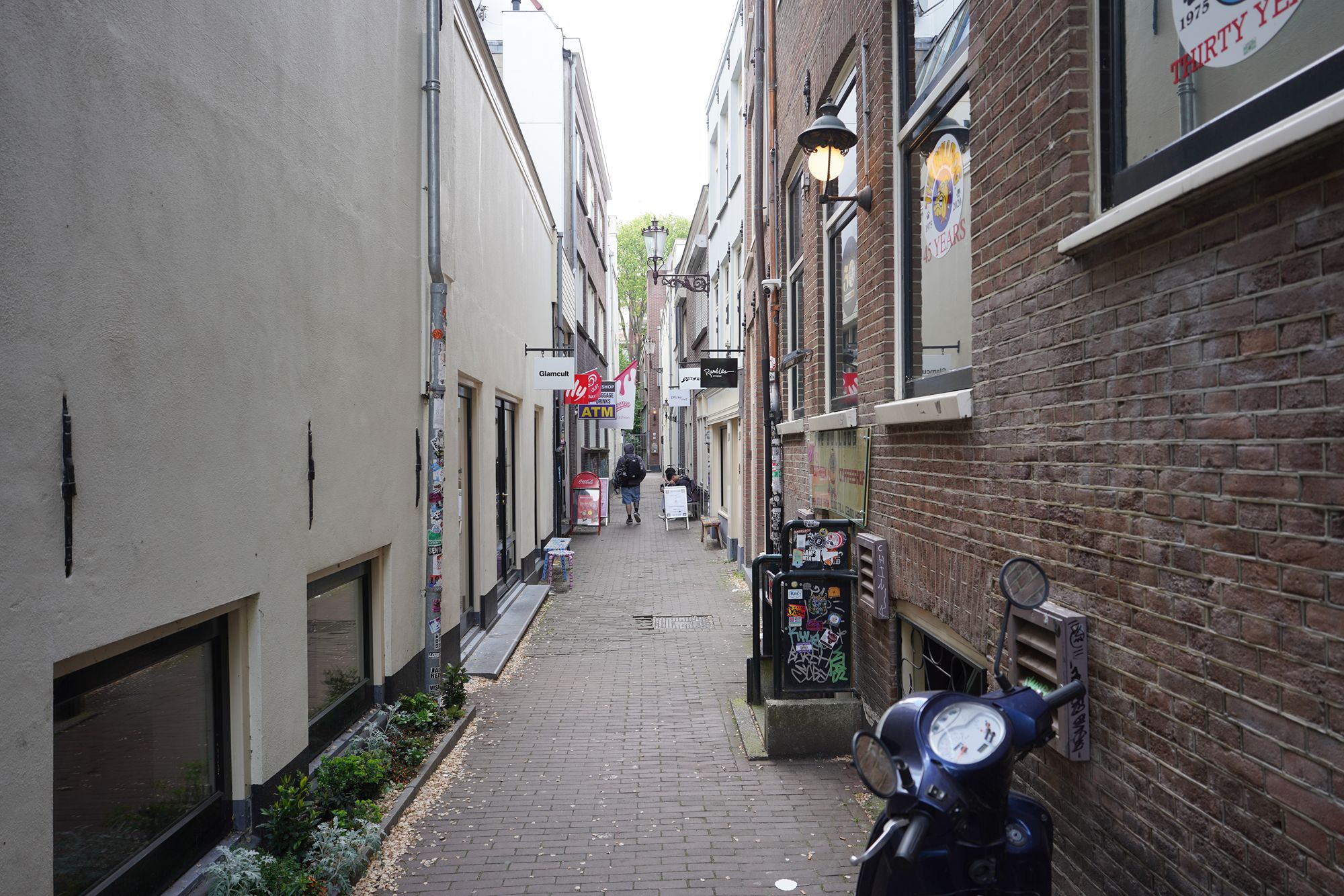
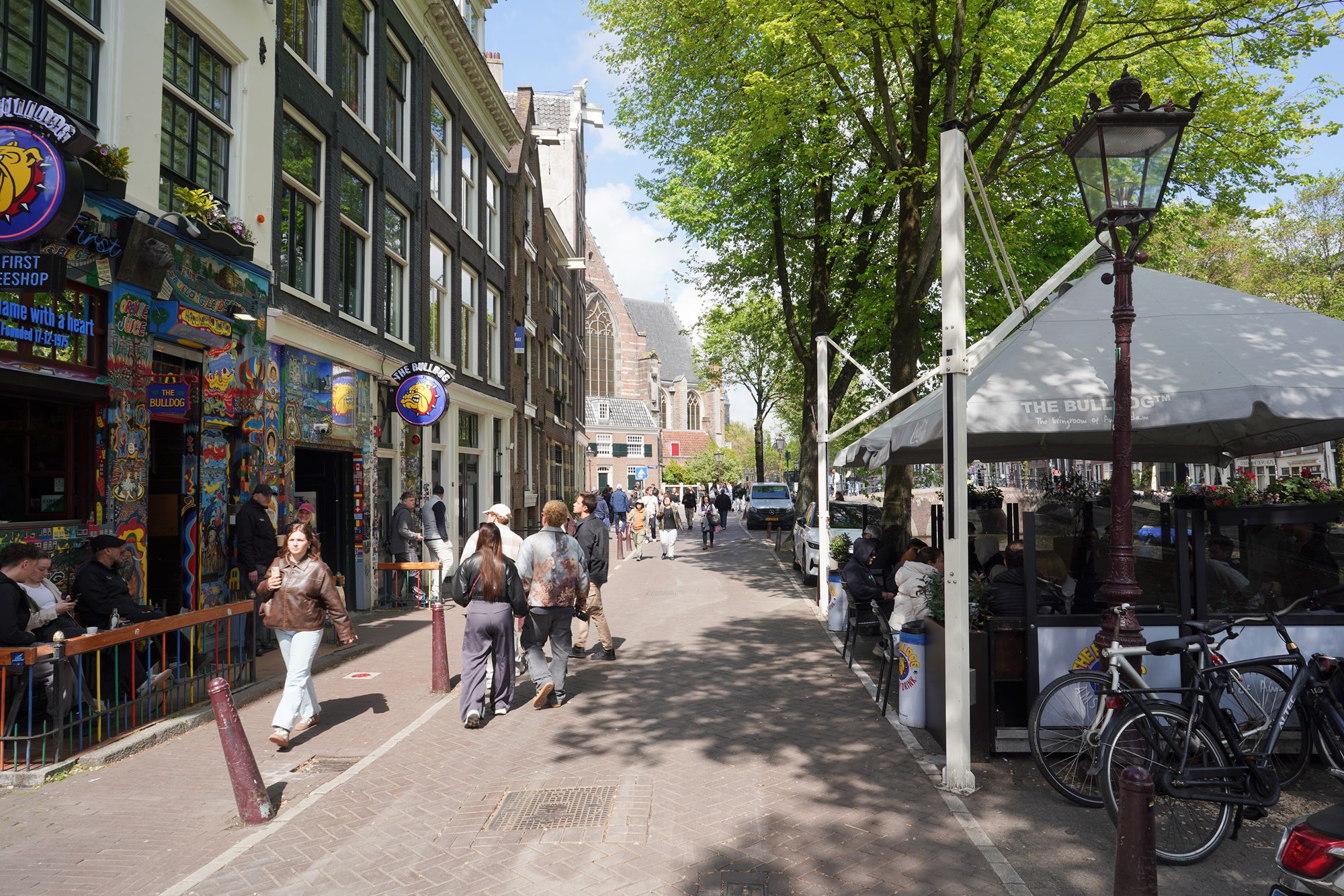
The Bulldog opened in Amsterdam in 1975 and is widely known as the city’s first coffeeshop. Its original location in the Red Light District helped establish Amsterdam’s famous cannabis-coffeeshop culture.
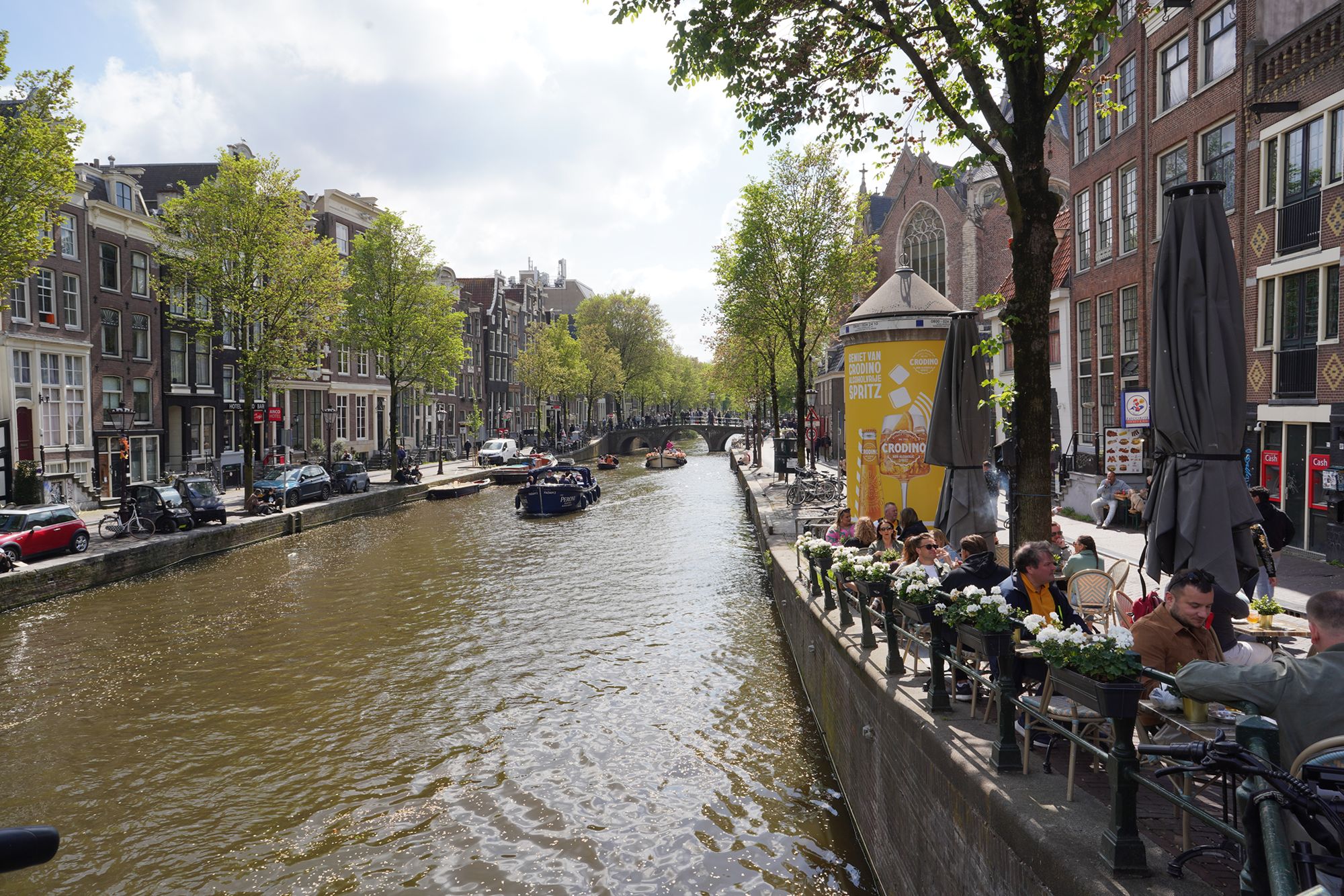
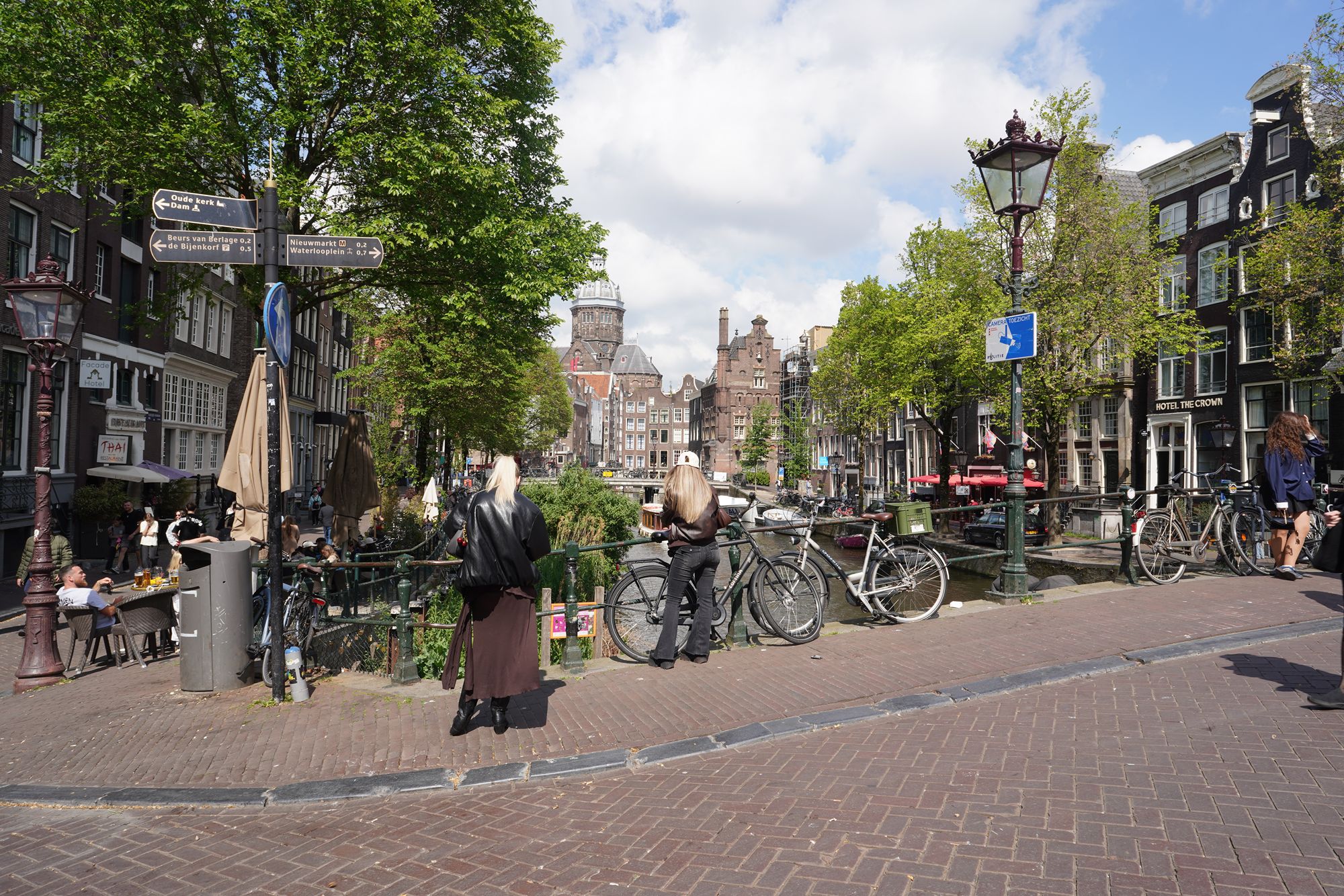
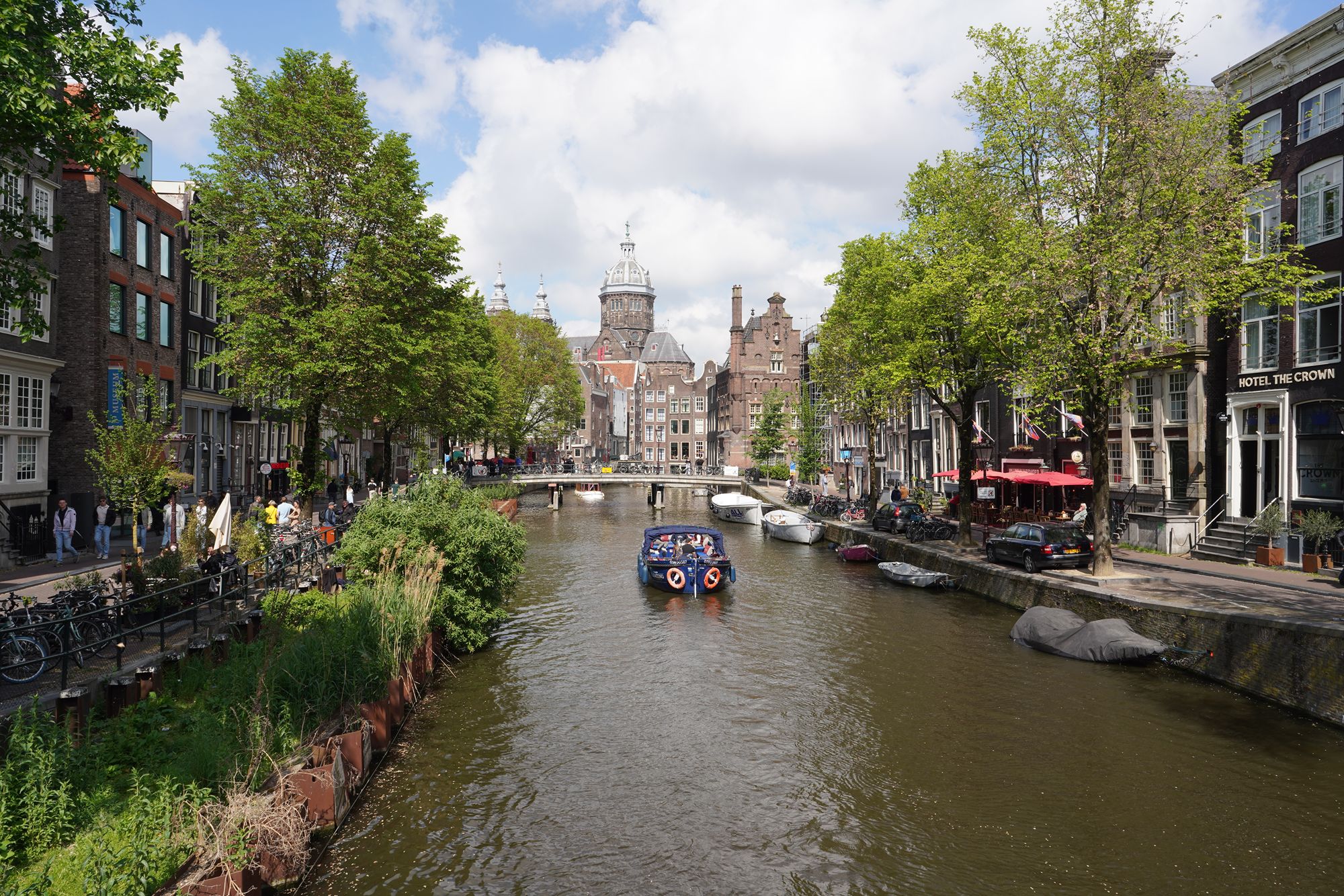
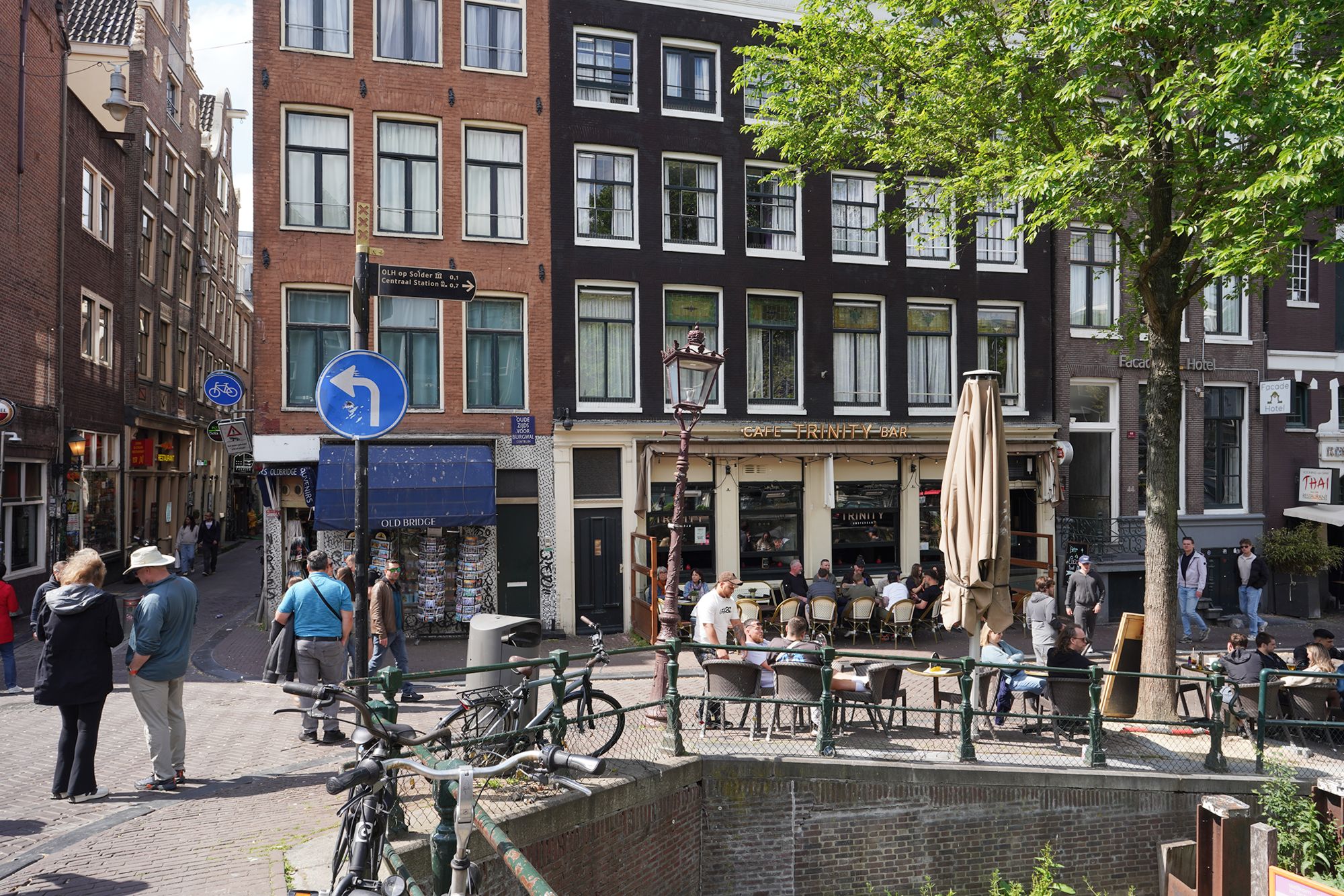
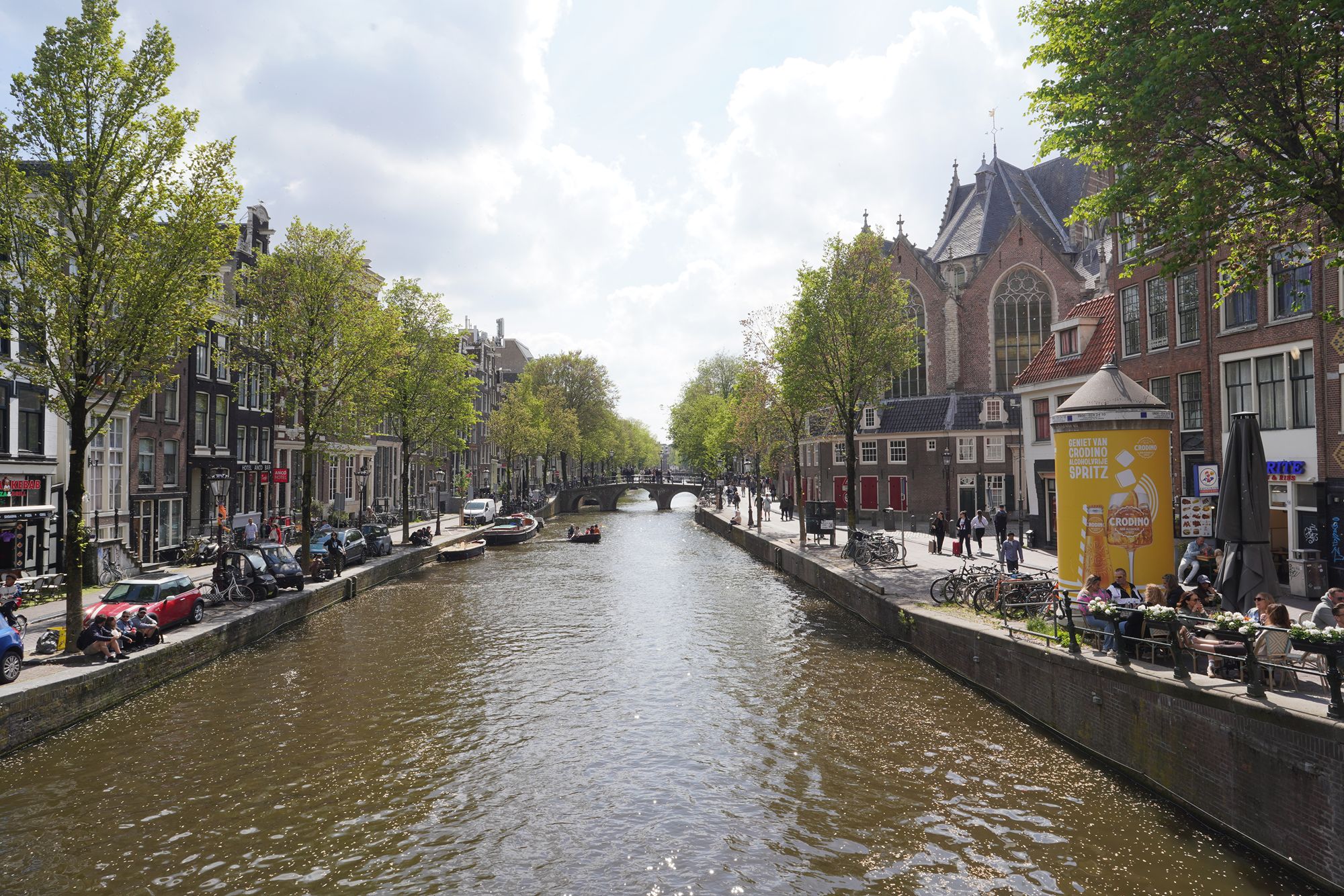
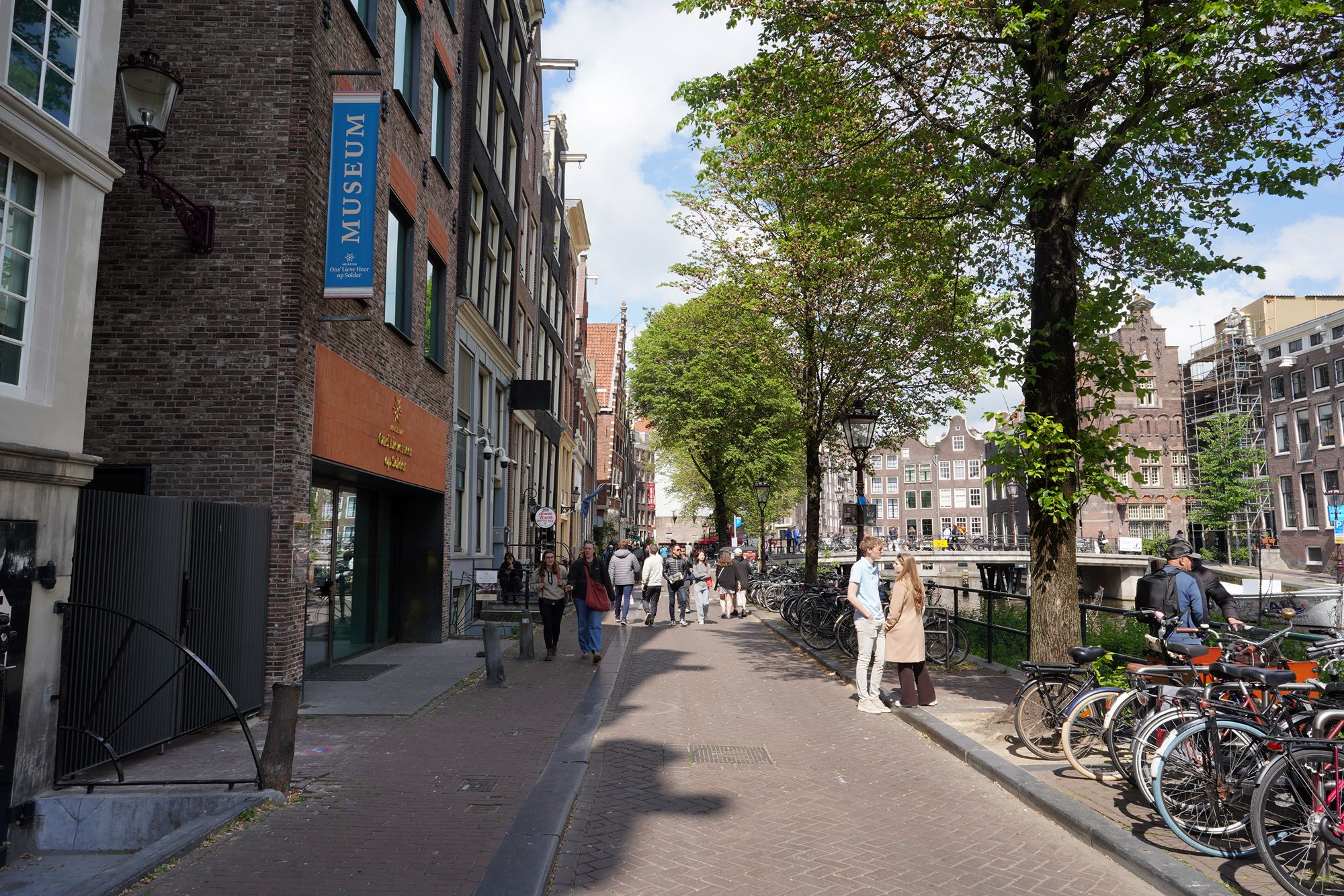
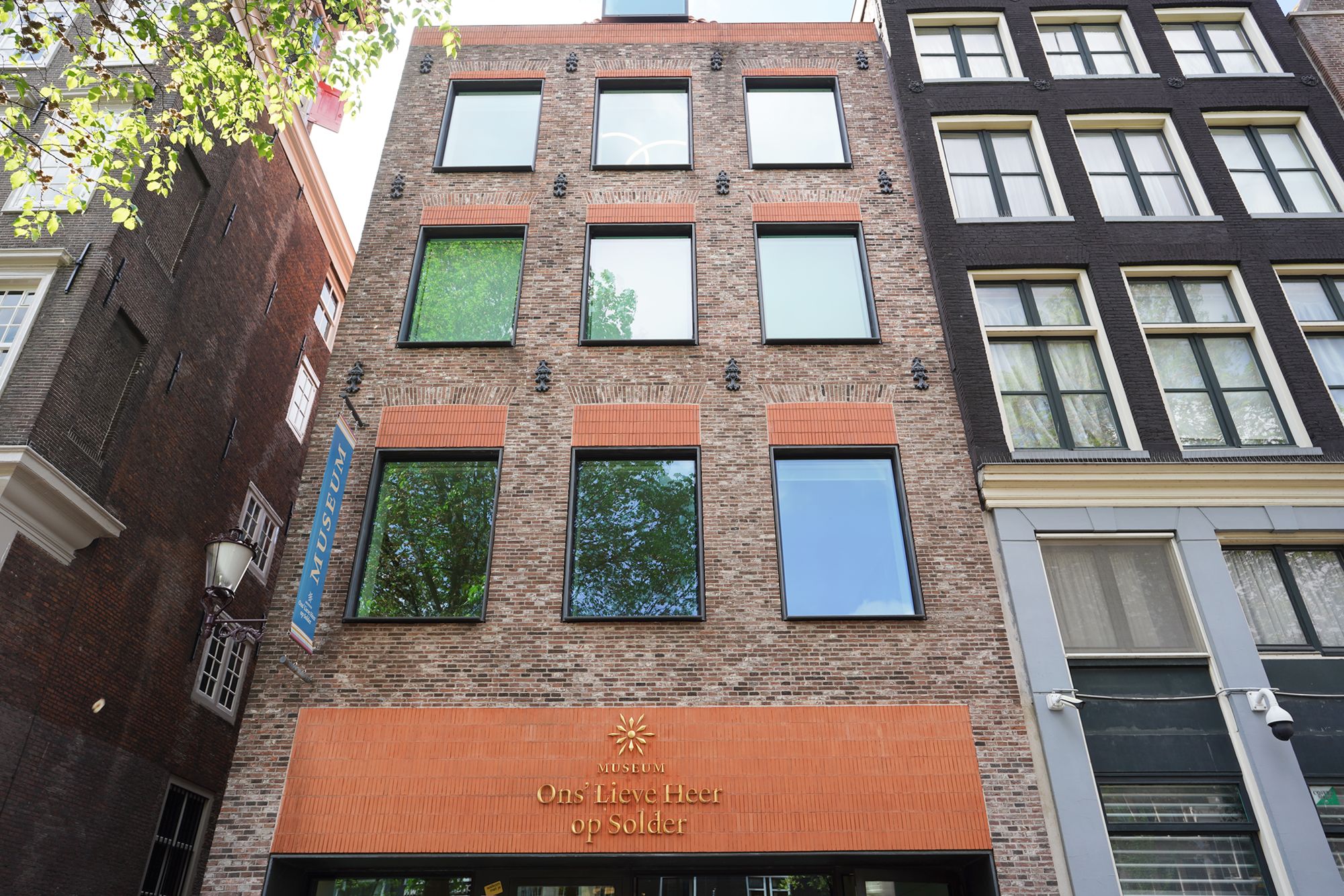
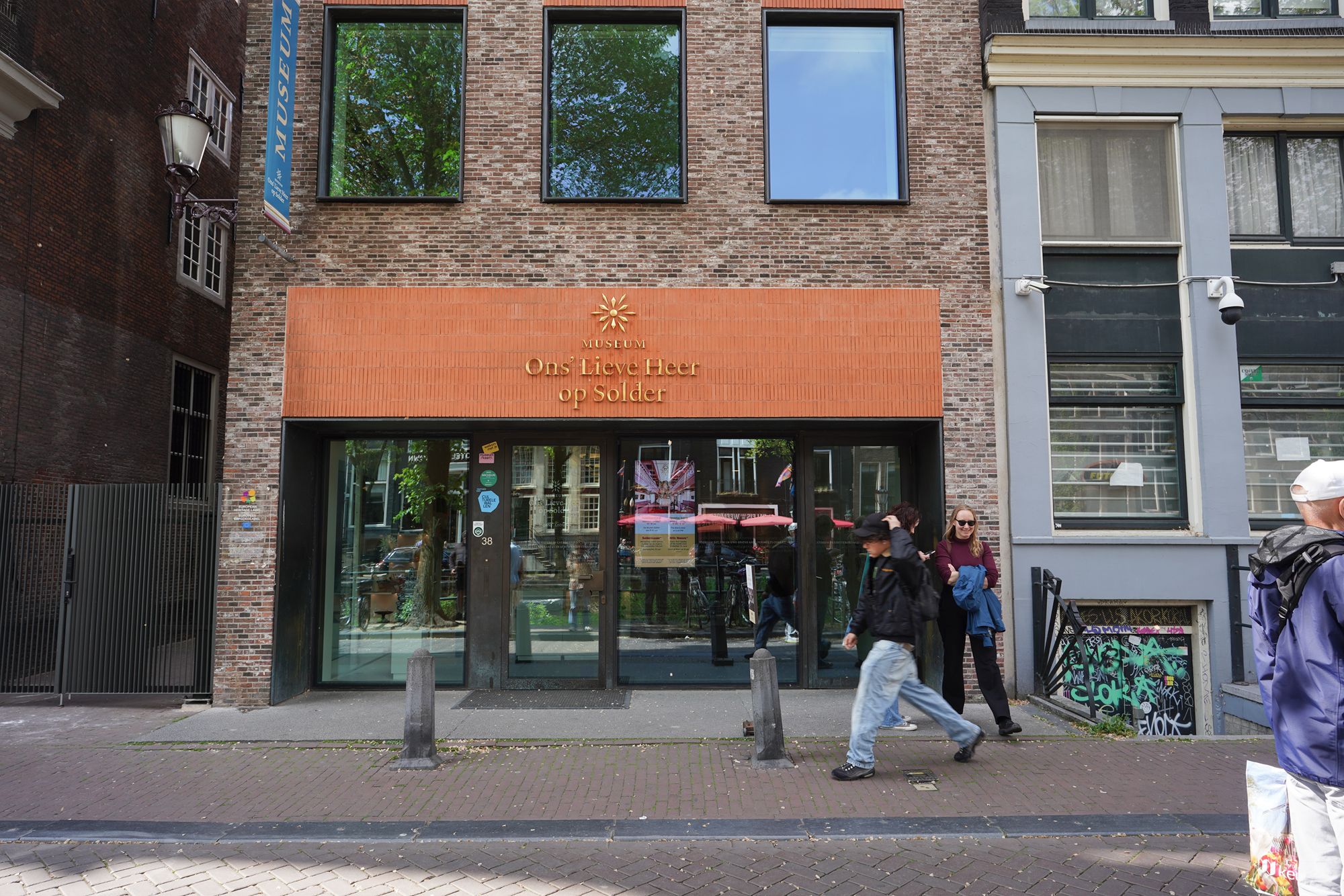
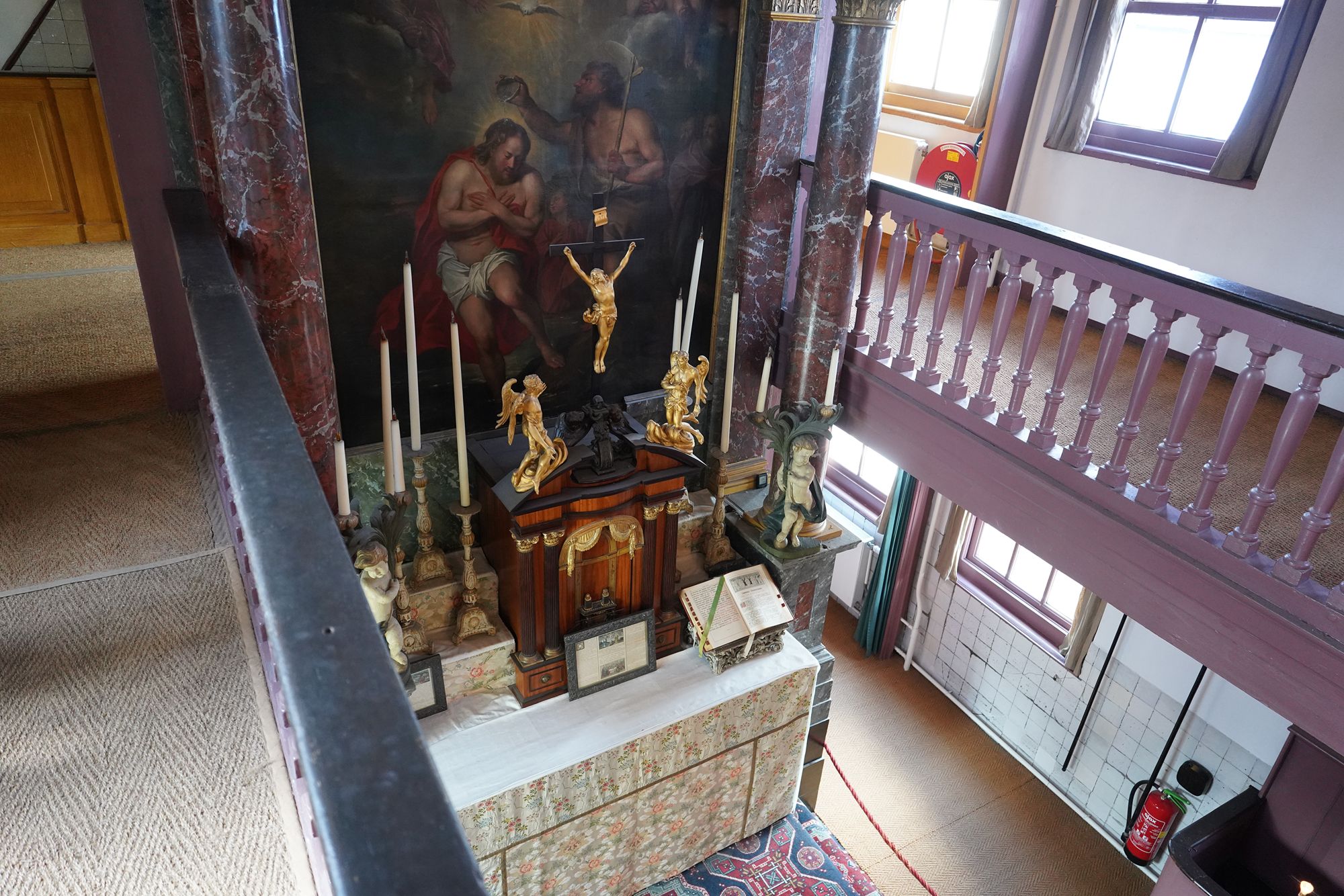
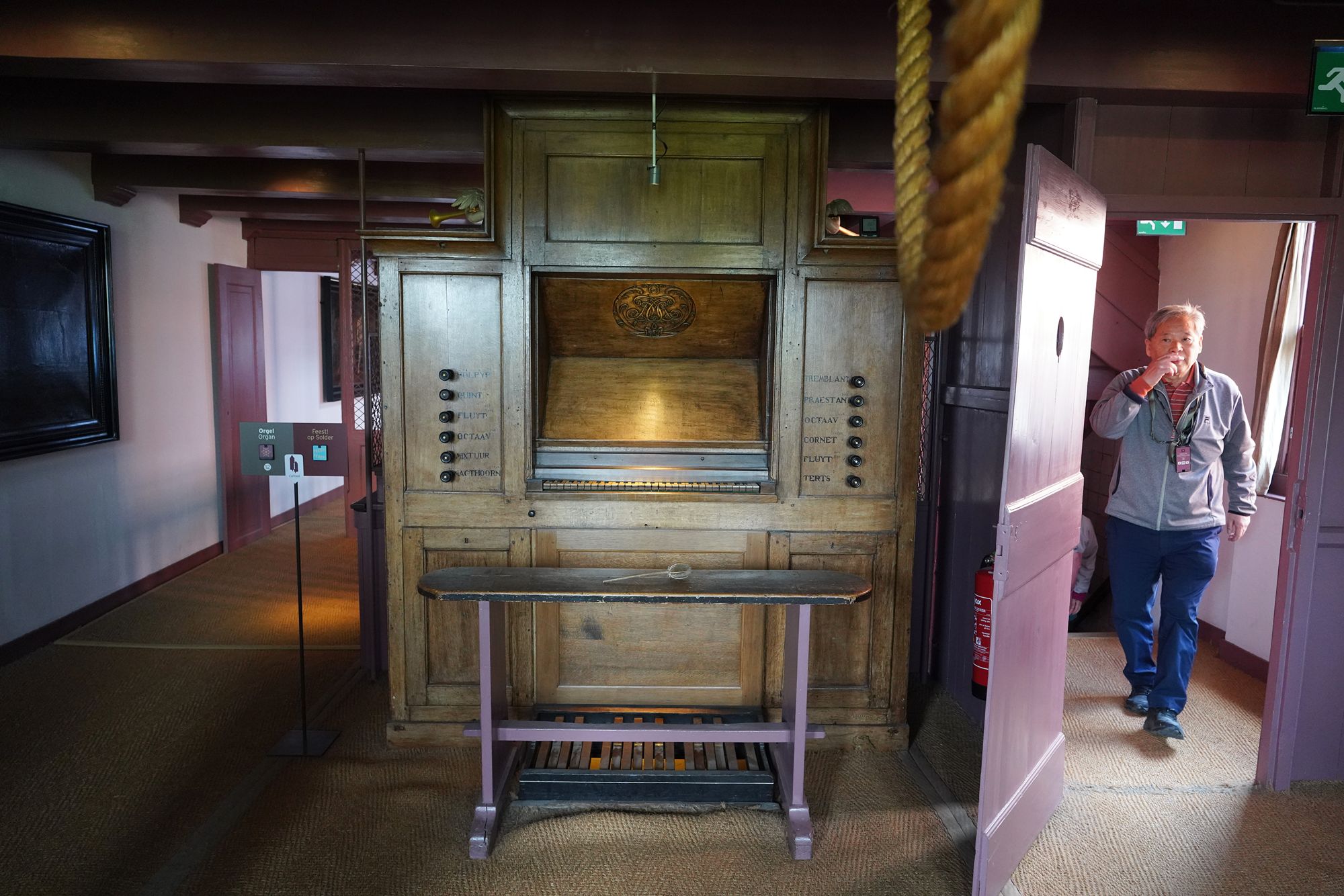
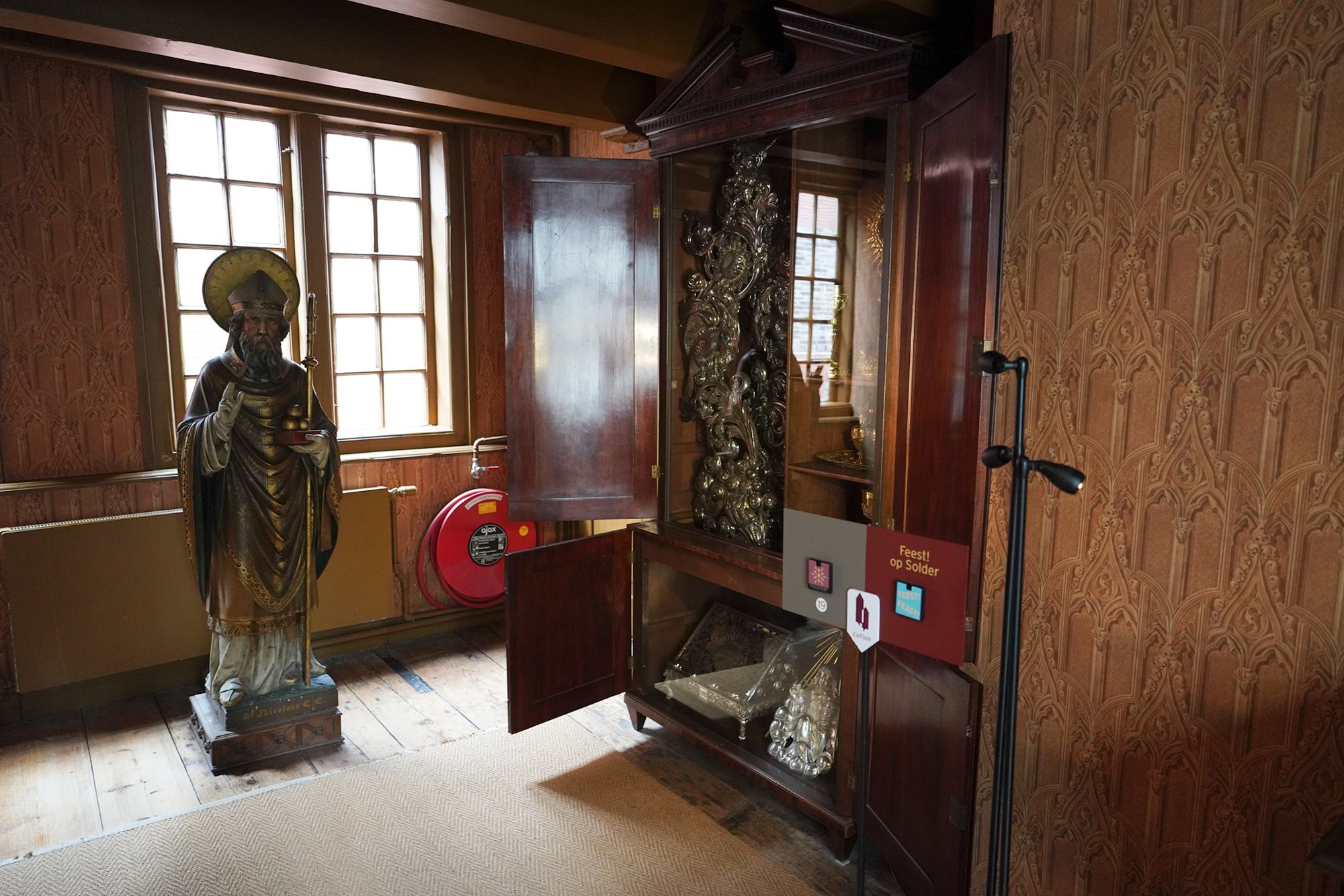
Our Lord in the Attic is a remarkably preserved 17th-century canal house hiding a secret Catholic church in its upper floors. After public Catholic worship was prohibited in Protestant Amsterdam, Catholics could still worship privately, and this hidden church was created in the 1660s. Today, the entire house and church form a museum.
This cutaway model shows how the hidden church occupied the upper floors of the canal houses. From the street, there was little indication that such a large Catholic church existed inside.
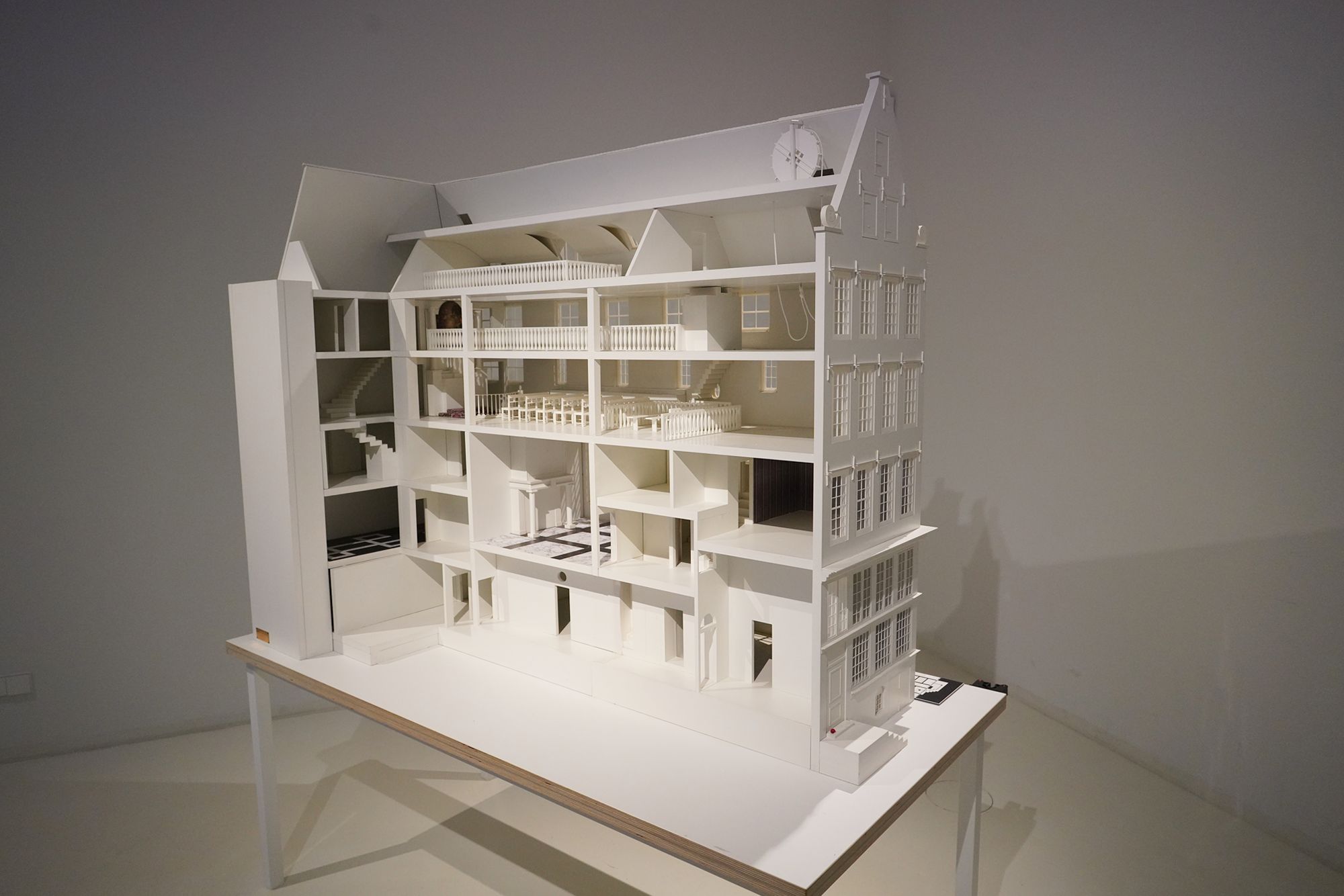
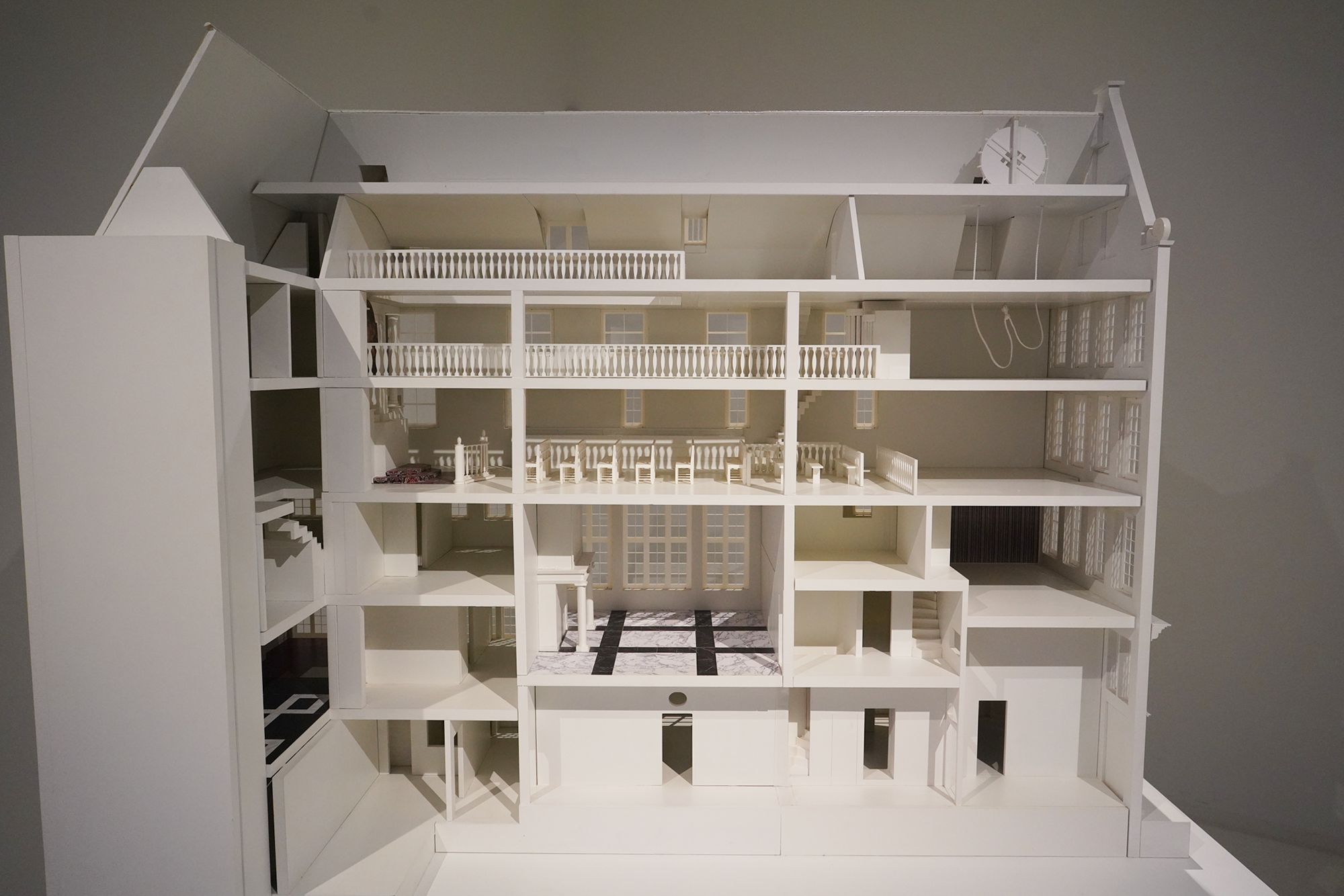
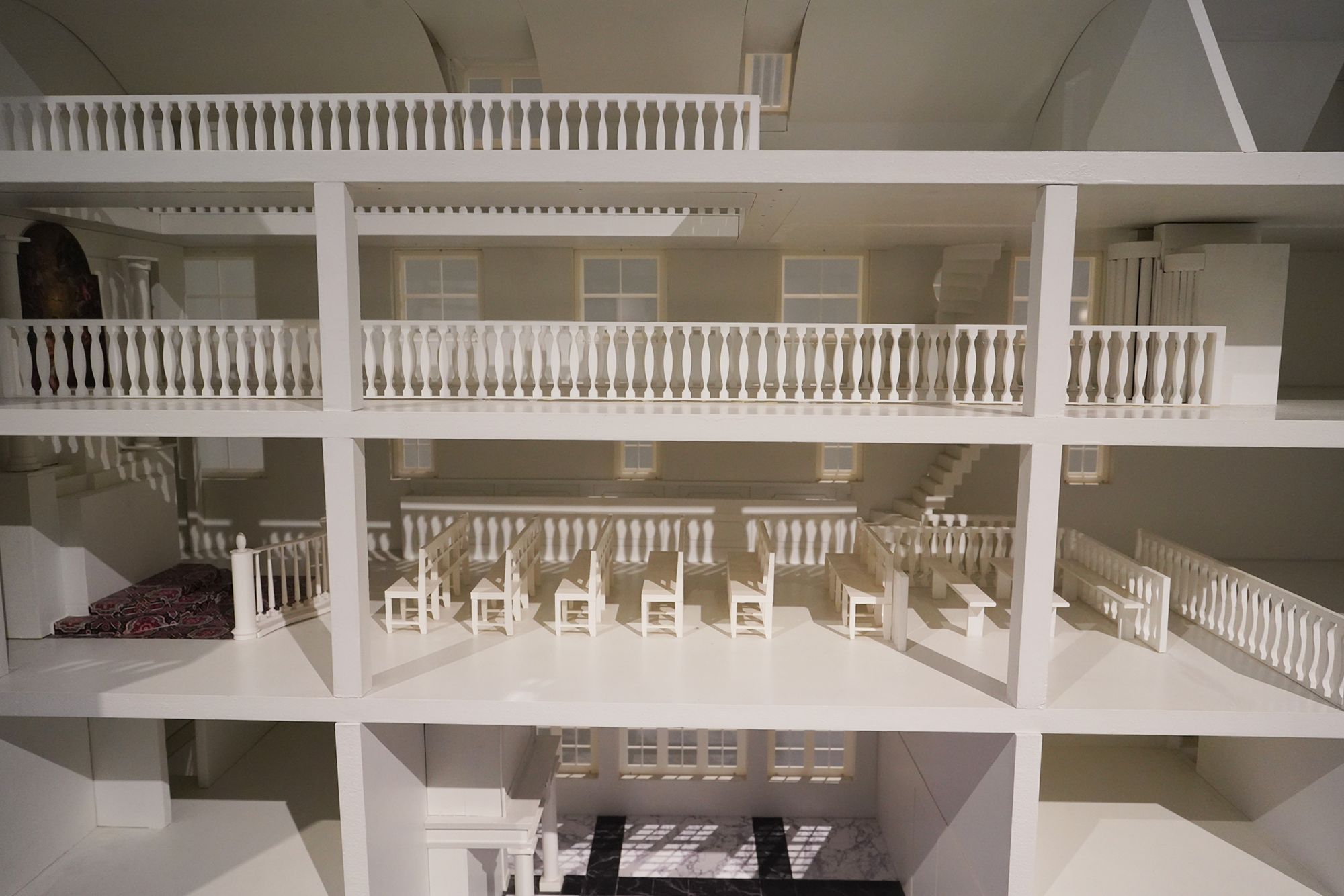
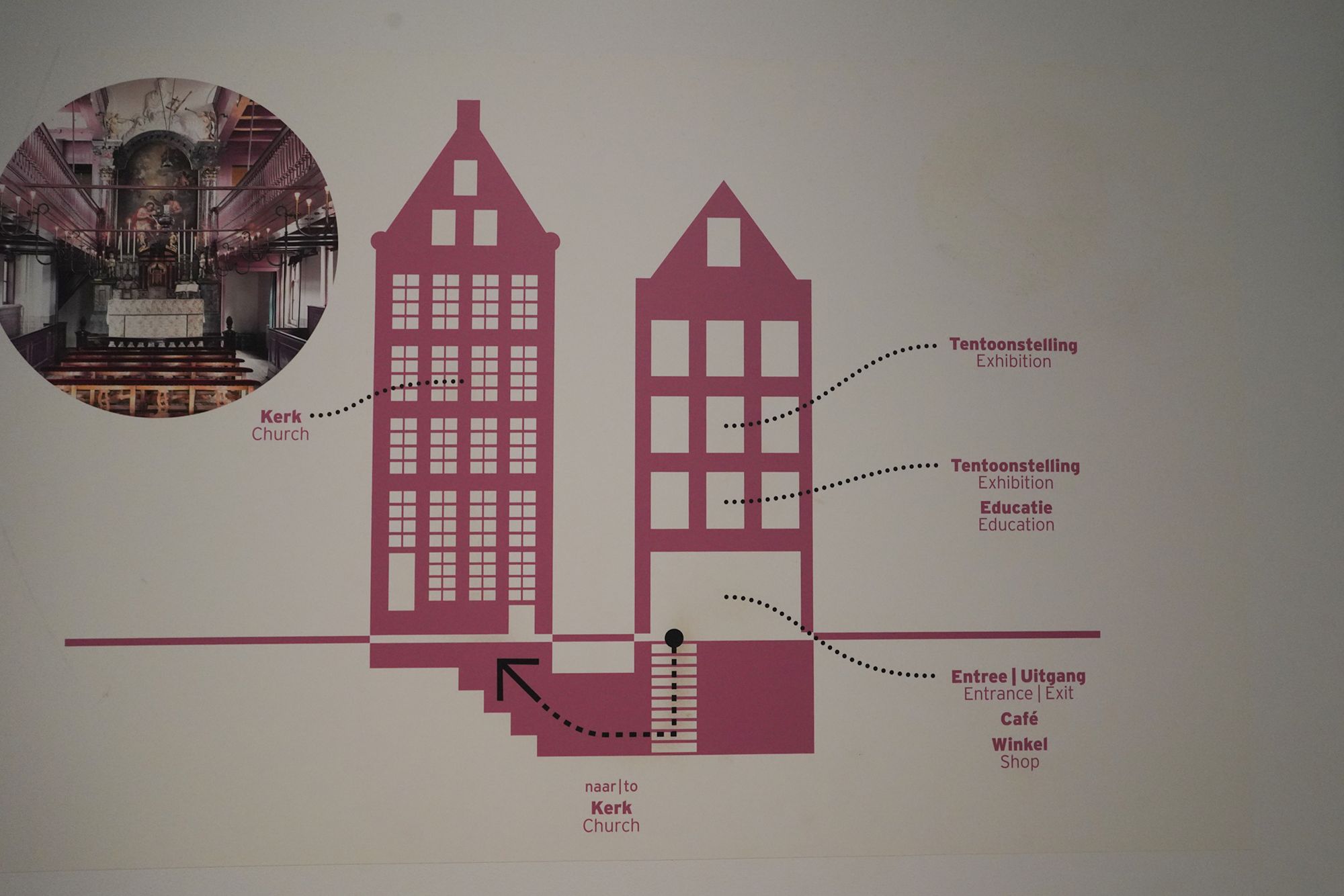
This diagram shows the museum complex, with the modern entrance and exhibition spaces connected underground to the historic canal house. Visitors then make their way through the old house and up to the hidden church on the upper floors.
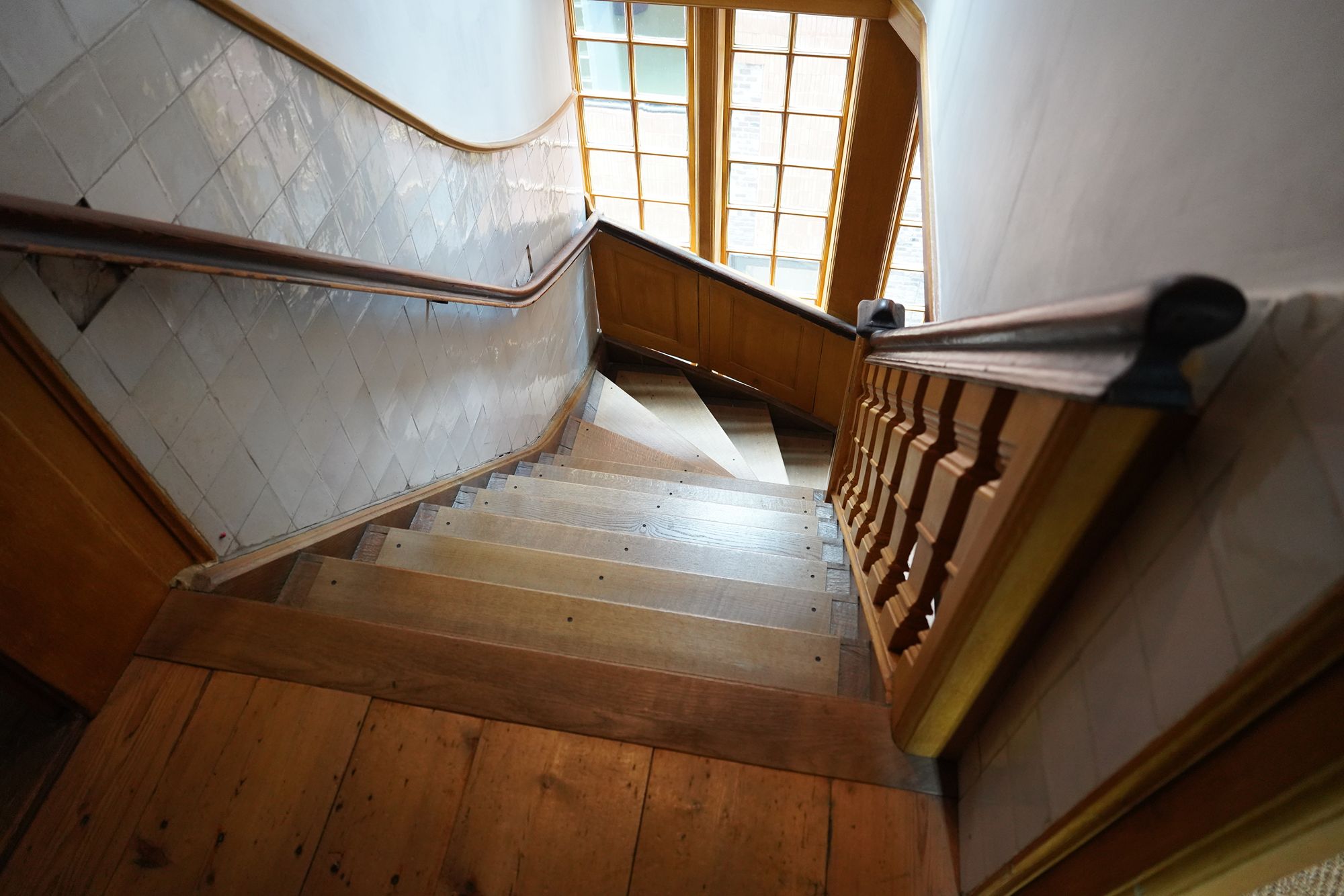
I walked up the narrow stairways through the old canal house, gradually making my way toward the hidden church on the upper floors.
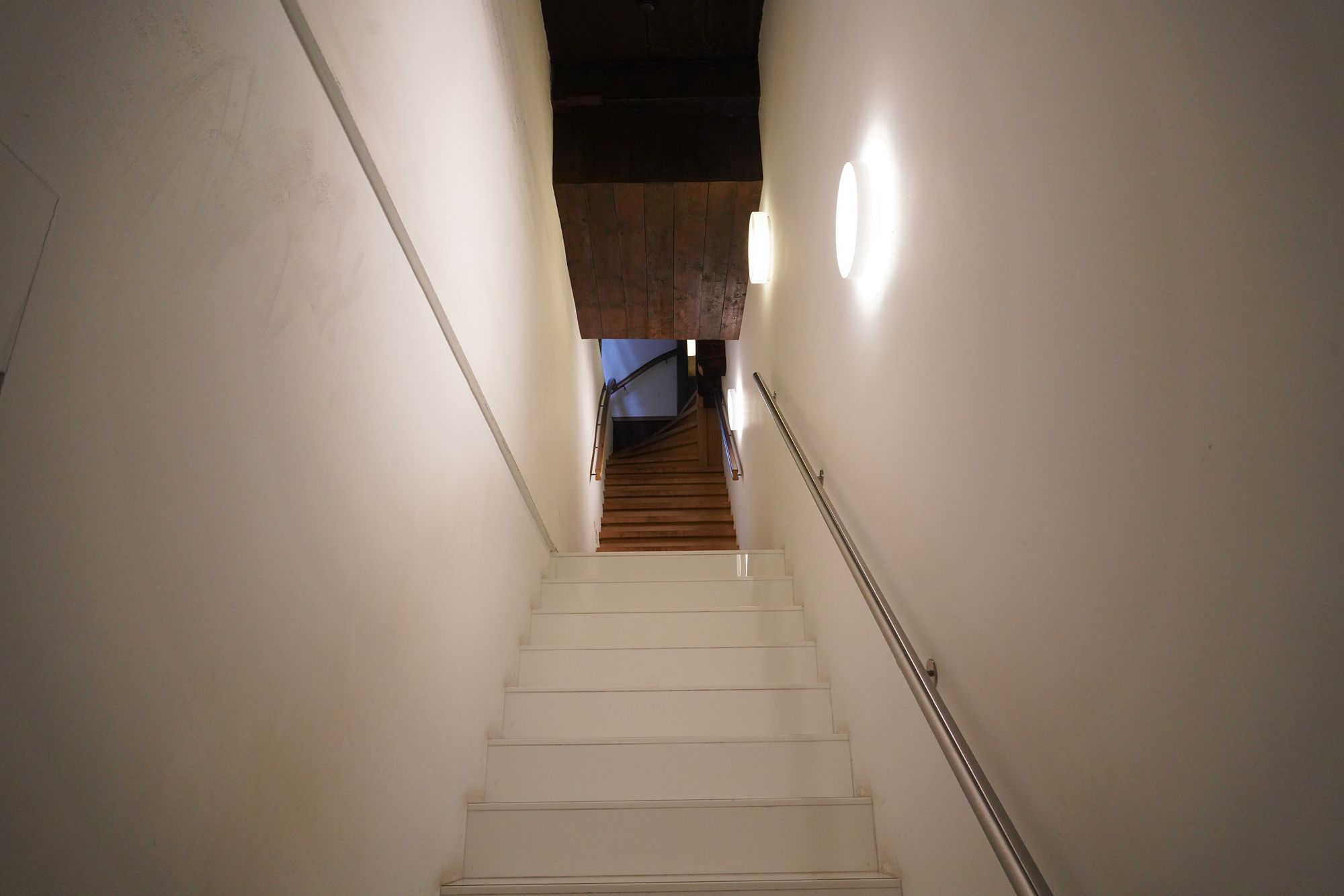
Inside the hidden church building
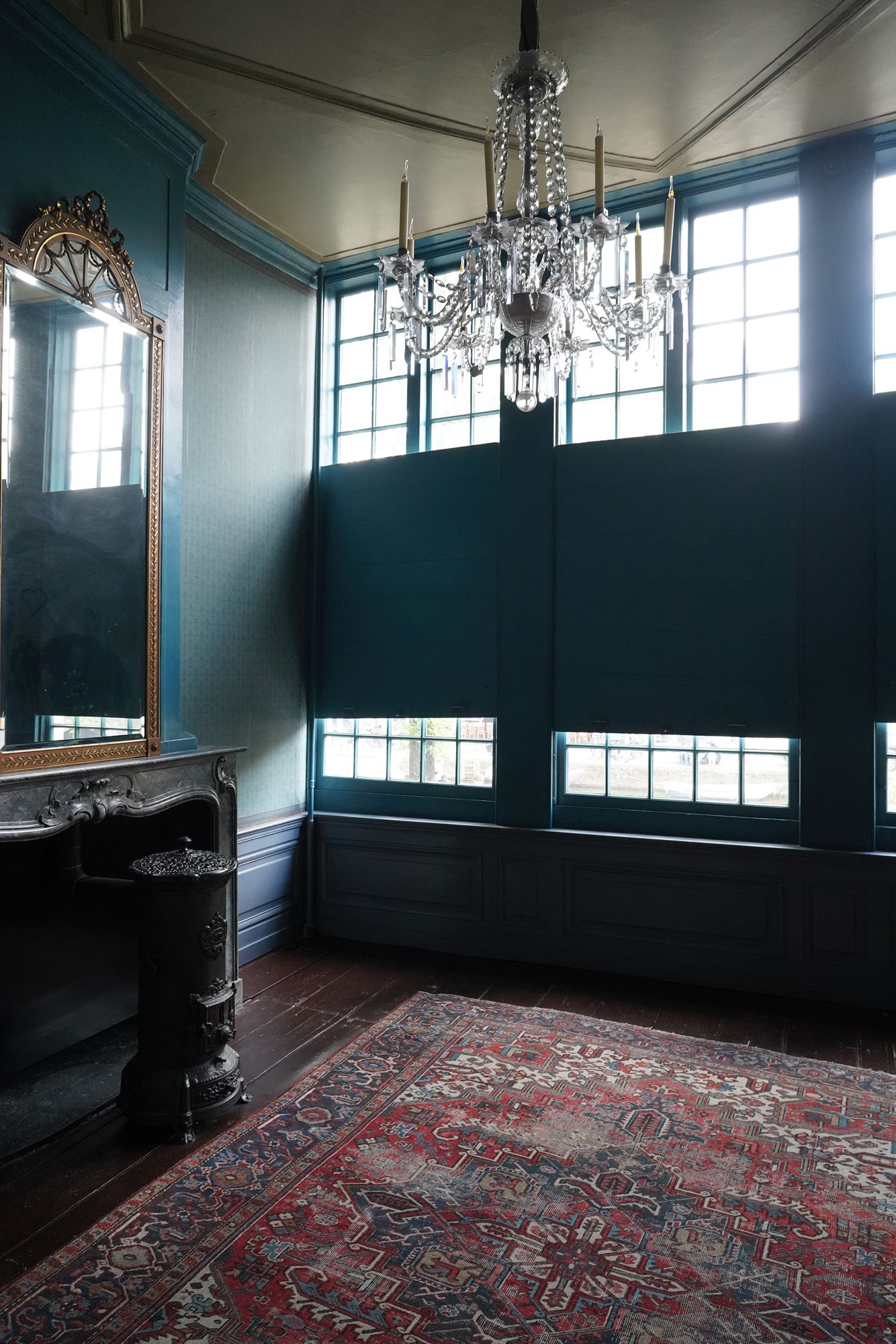
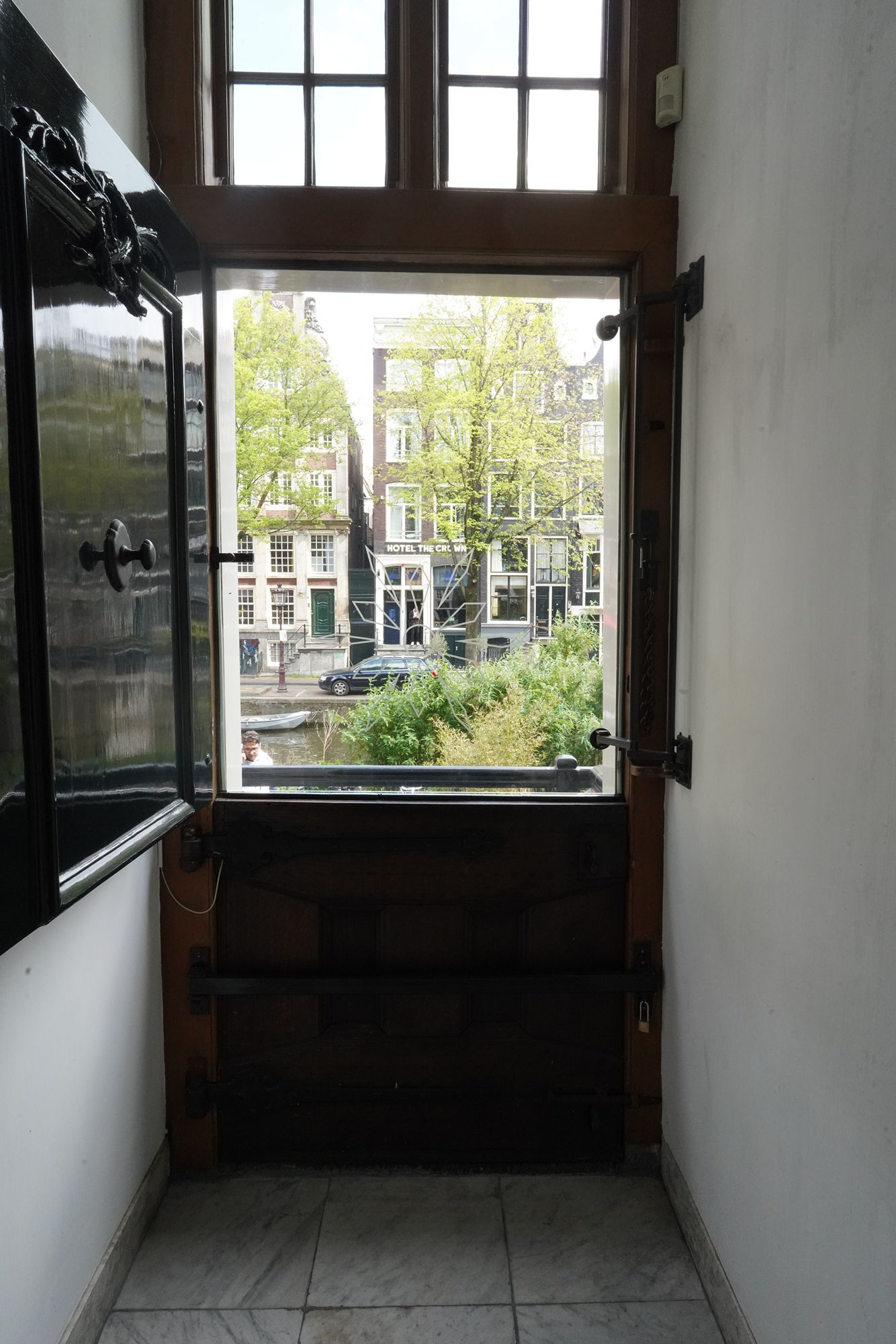
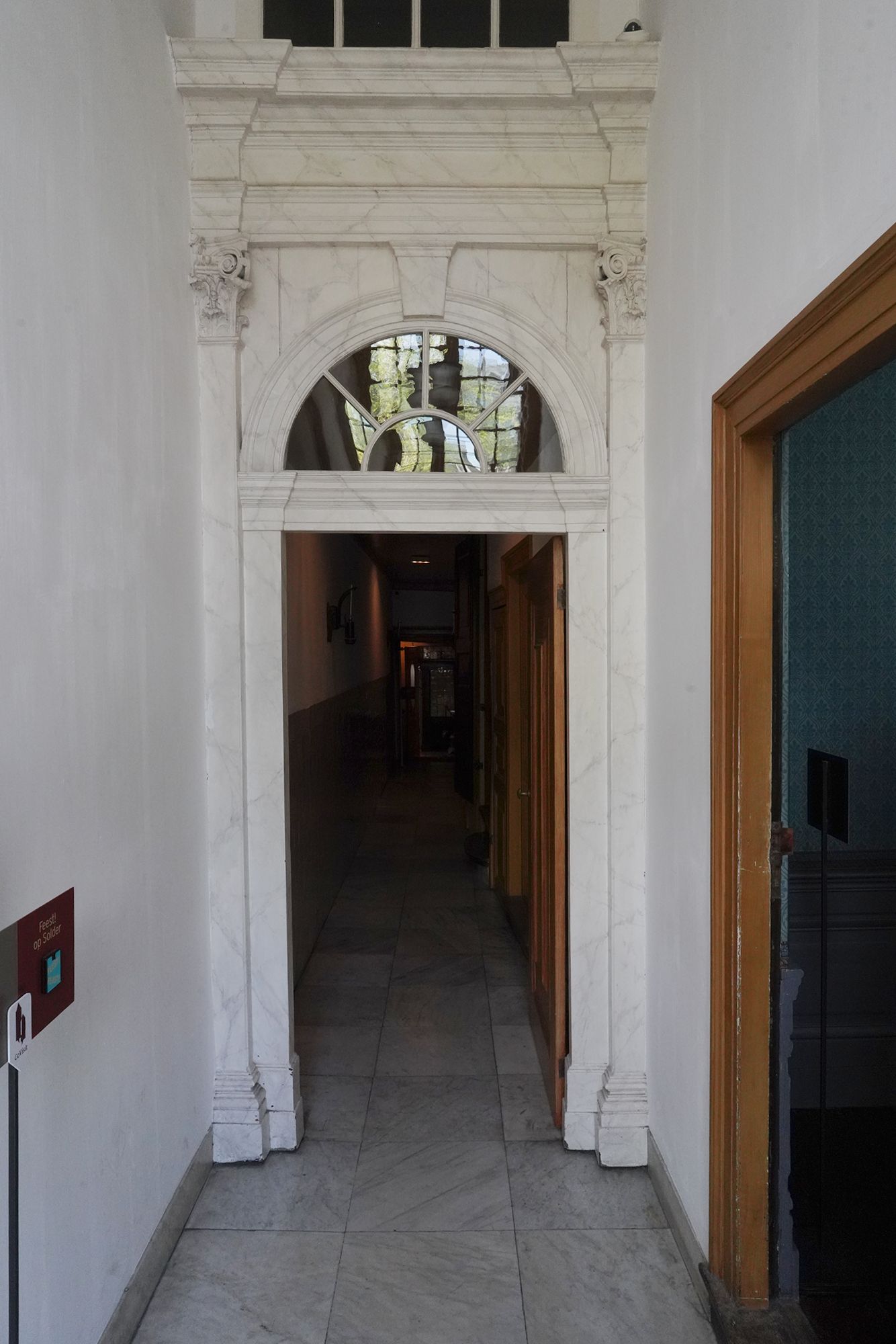
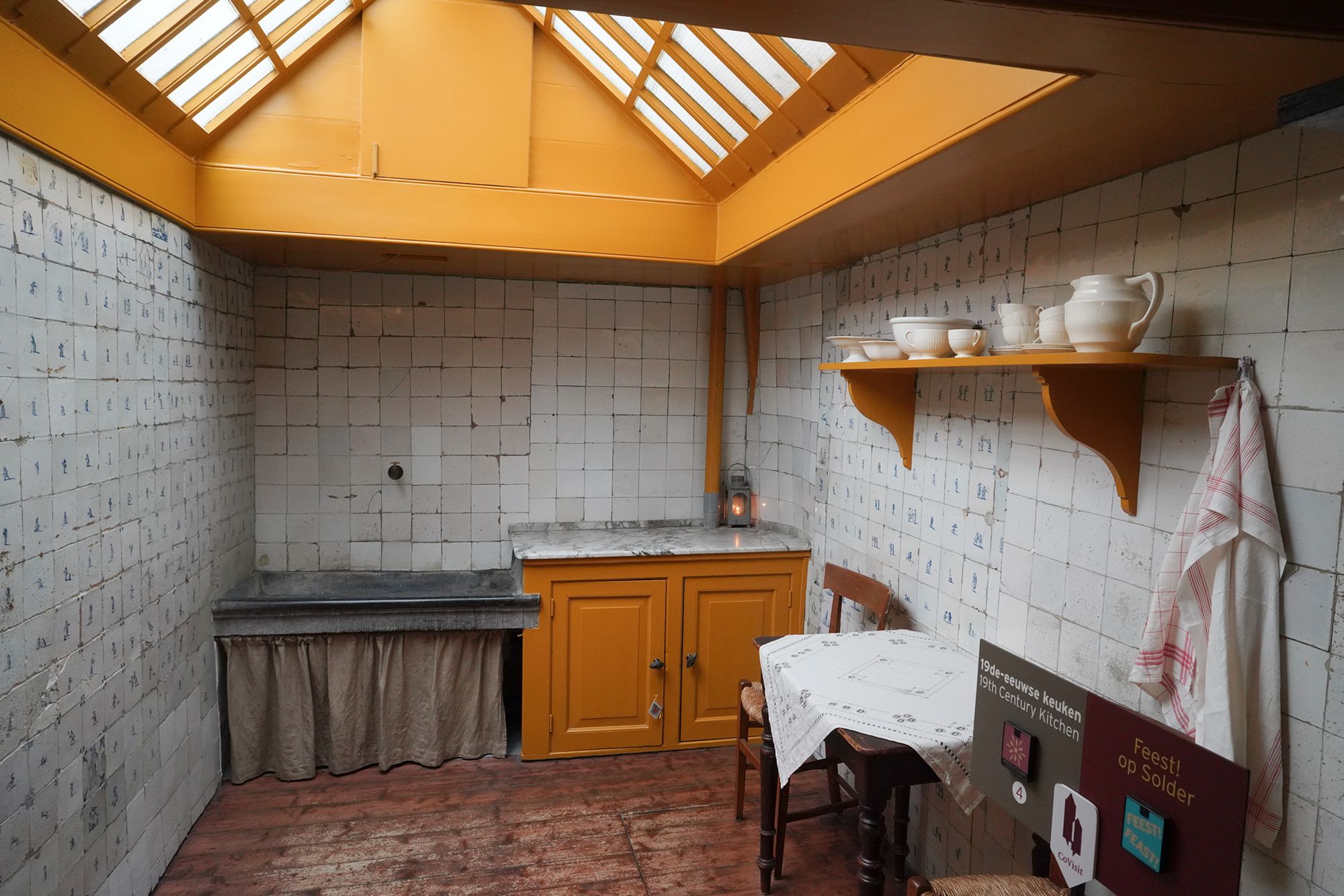
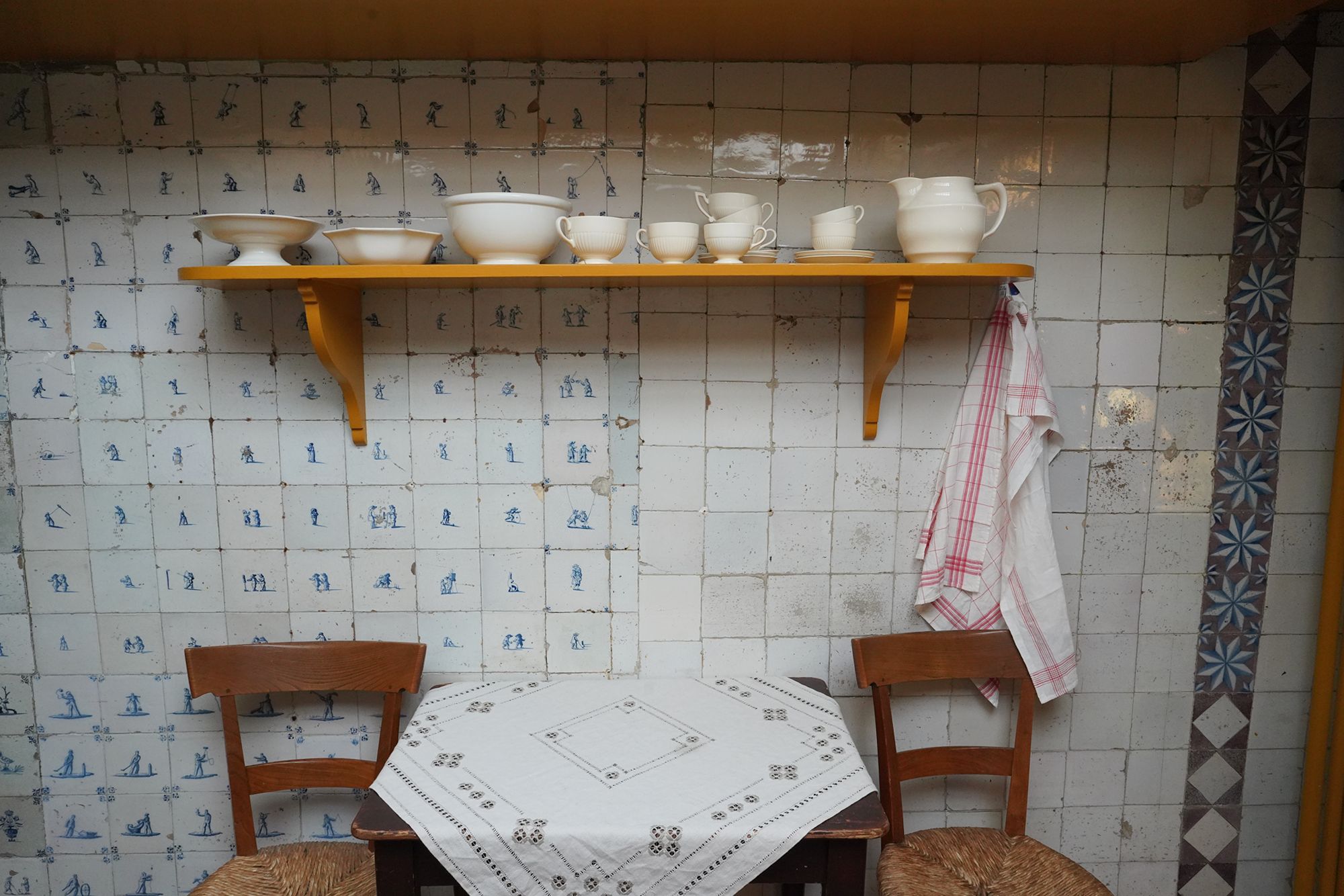
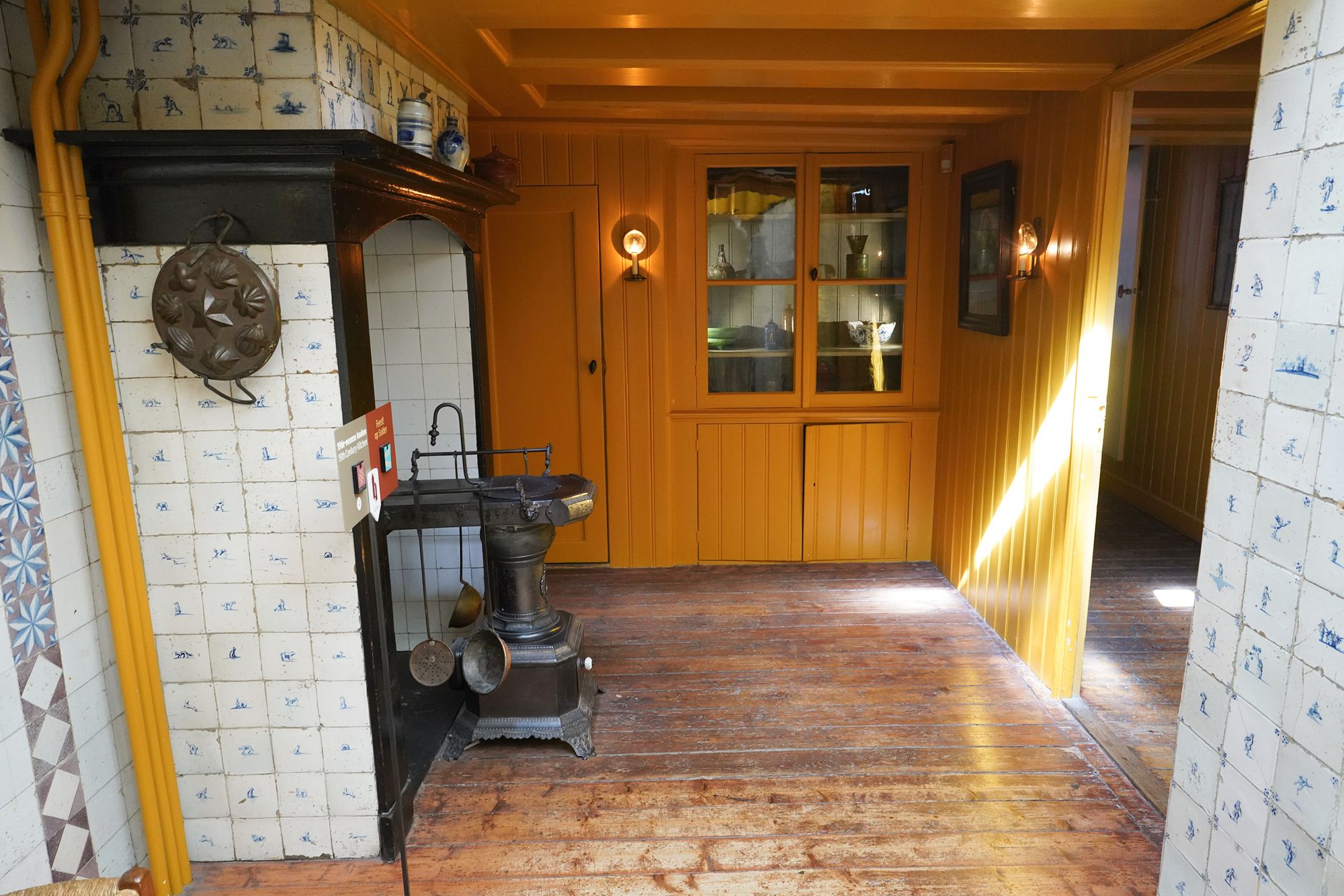
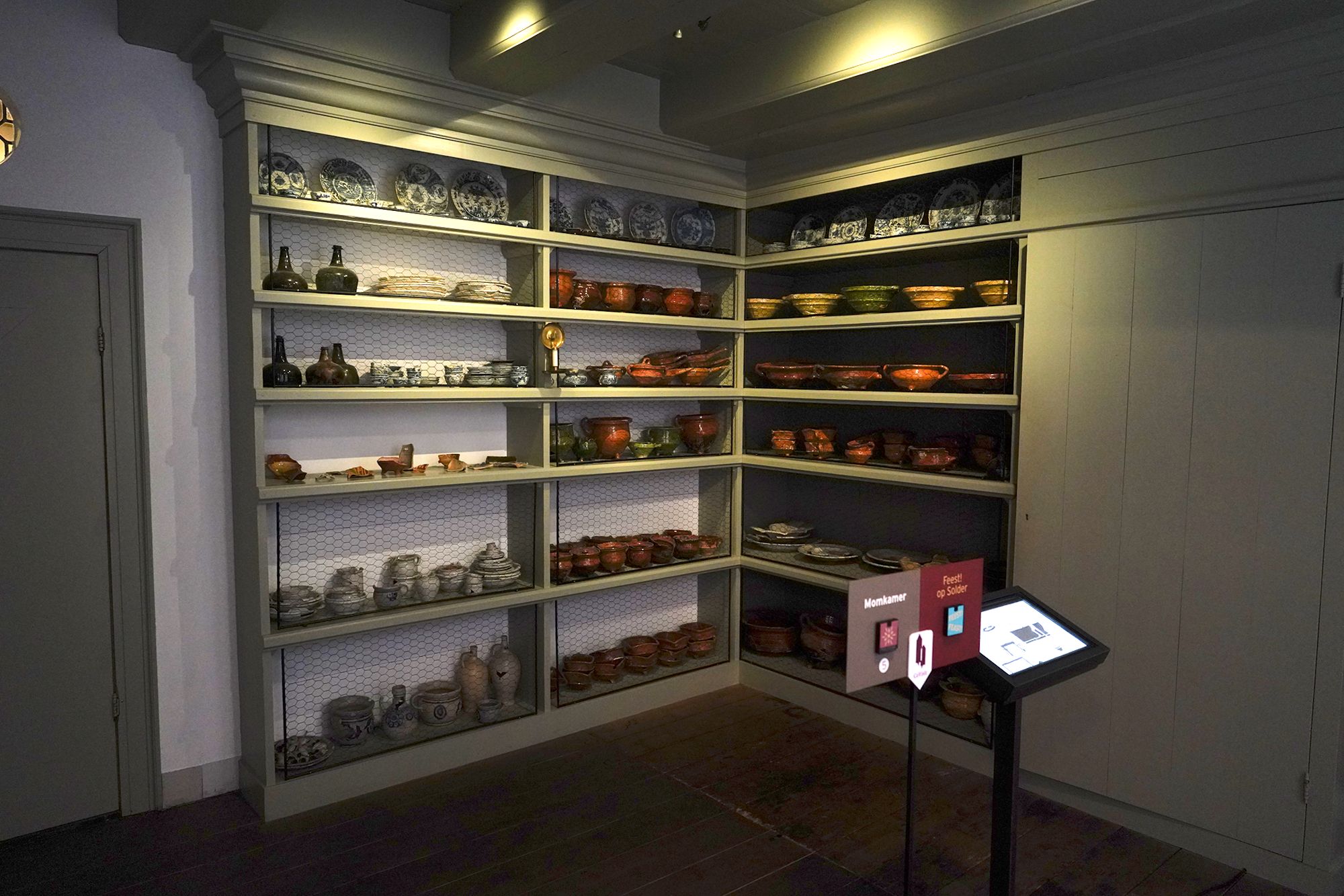
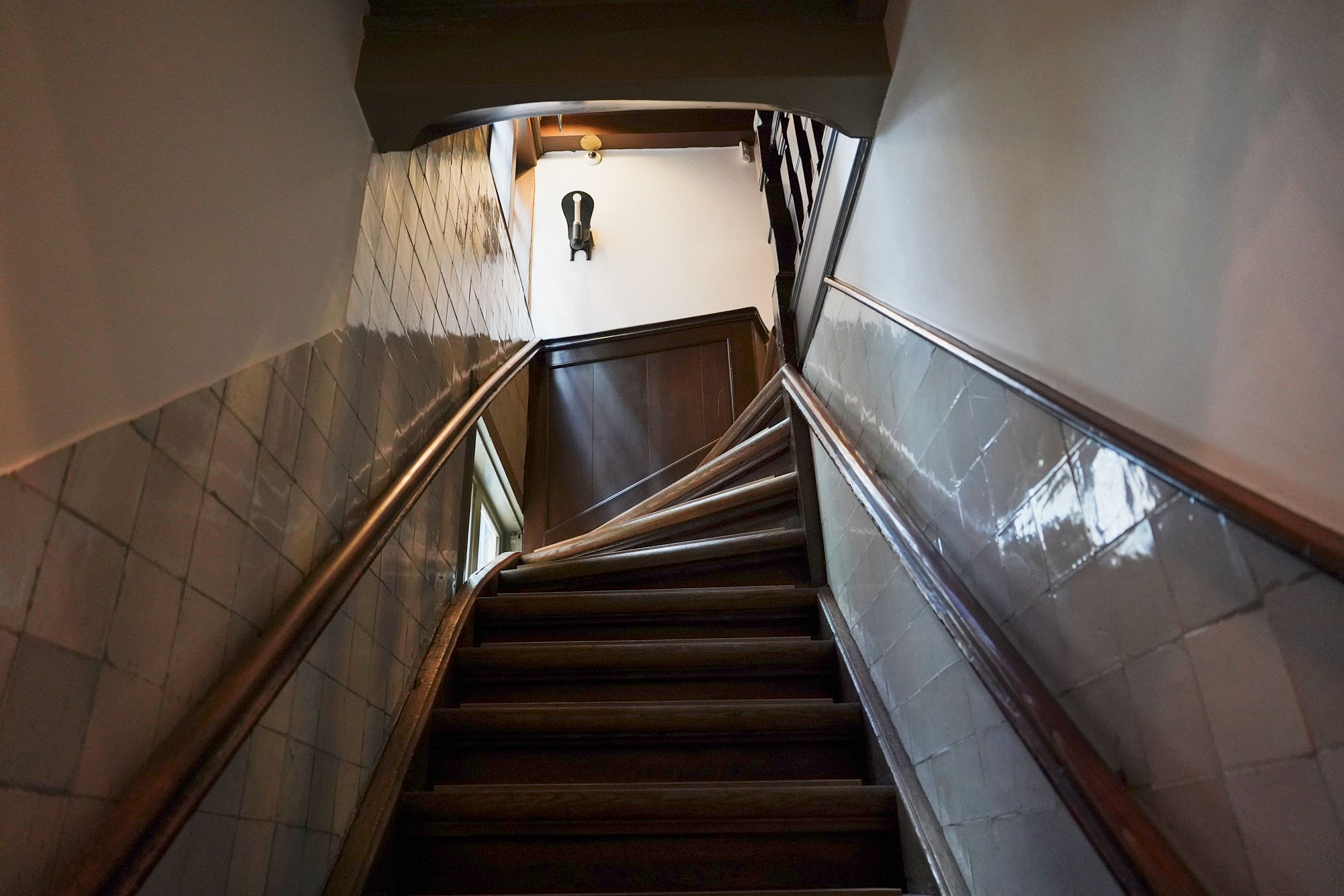
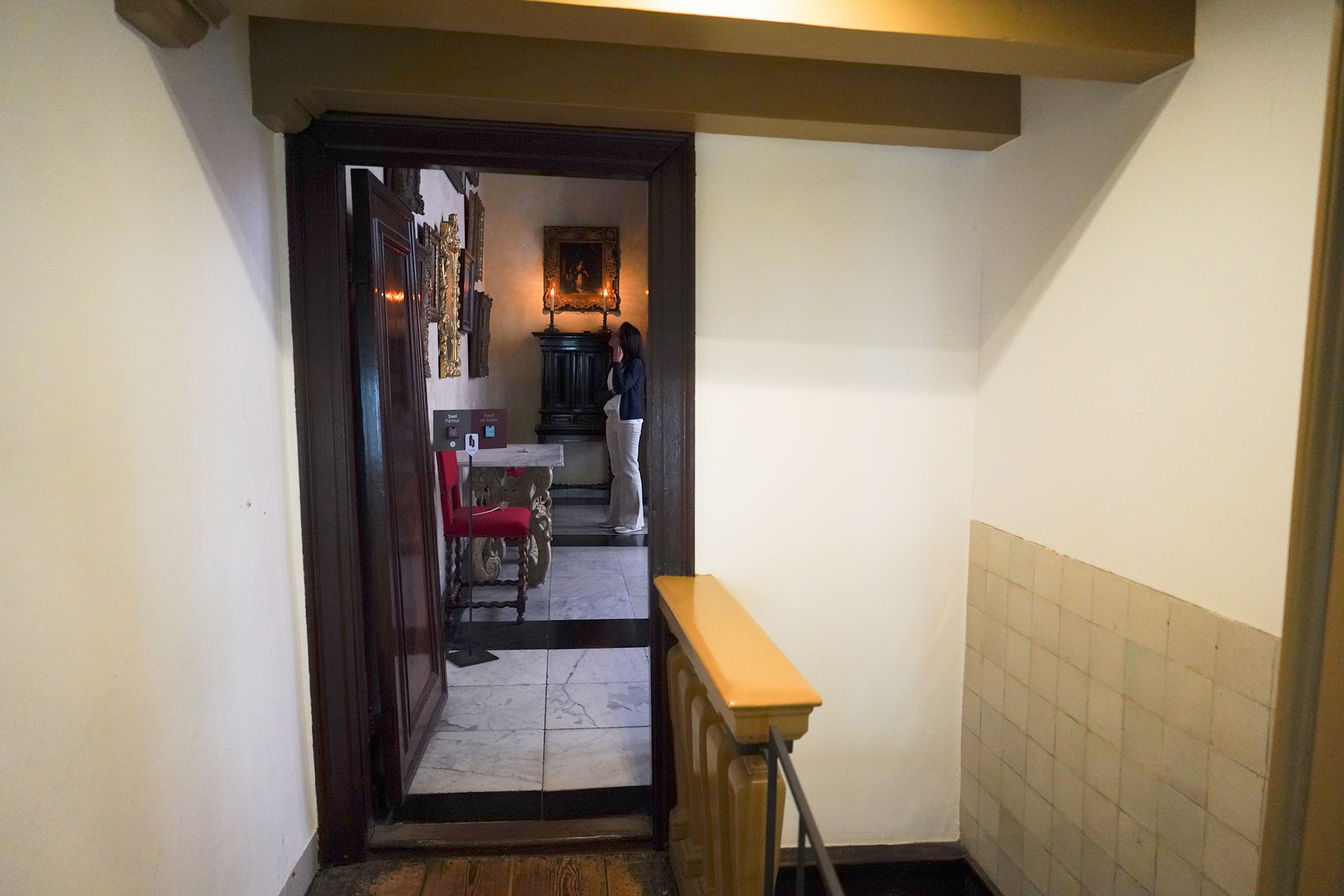
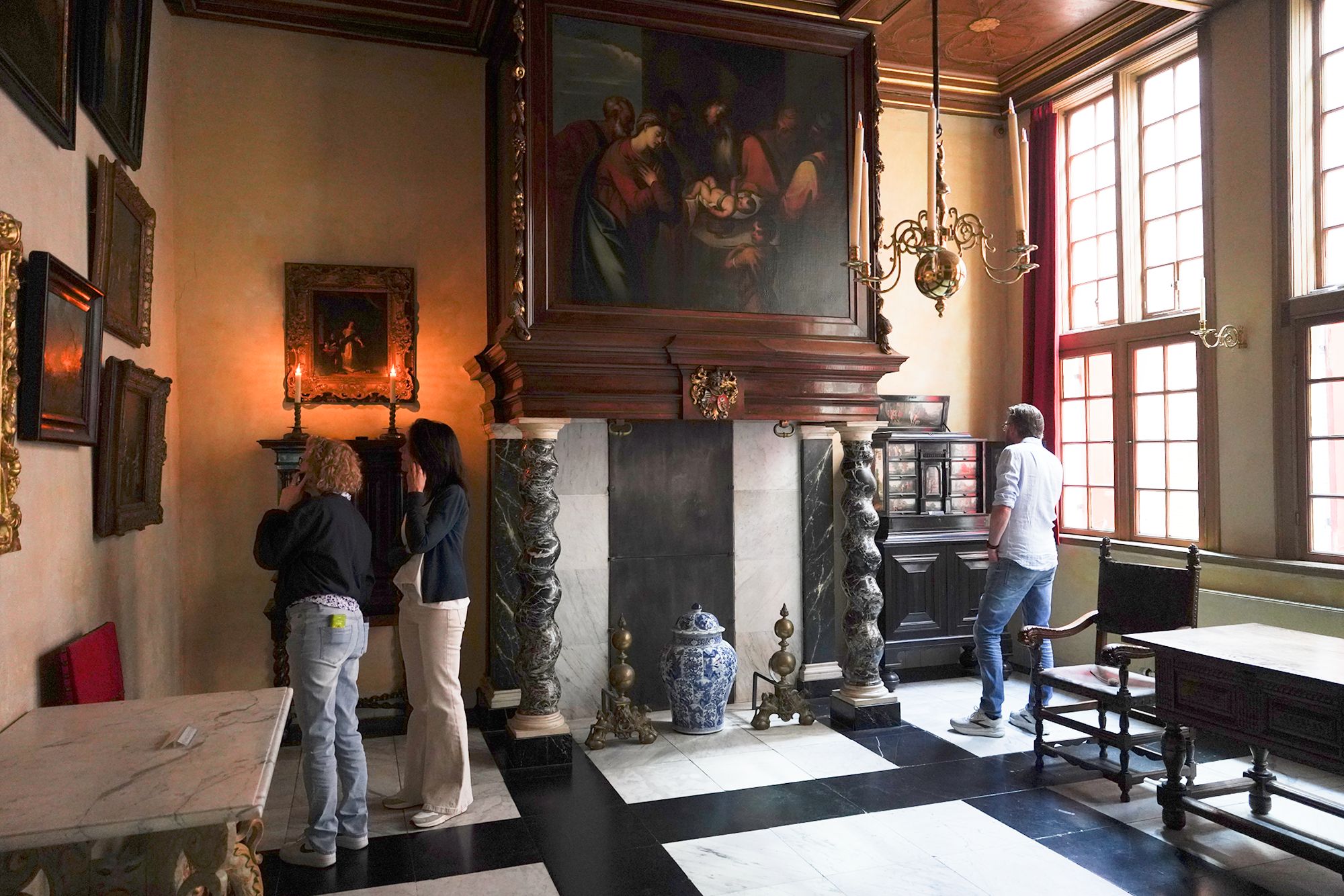
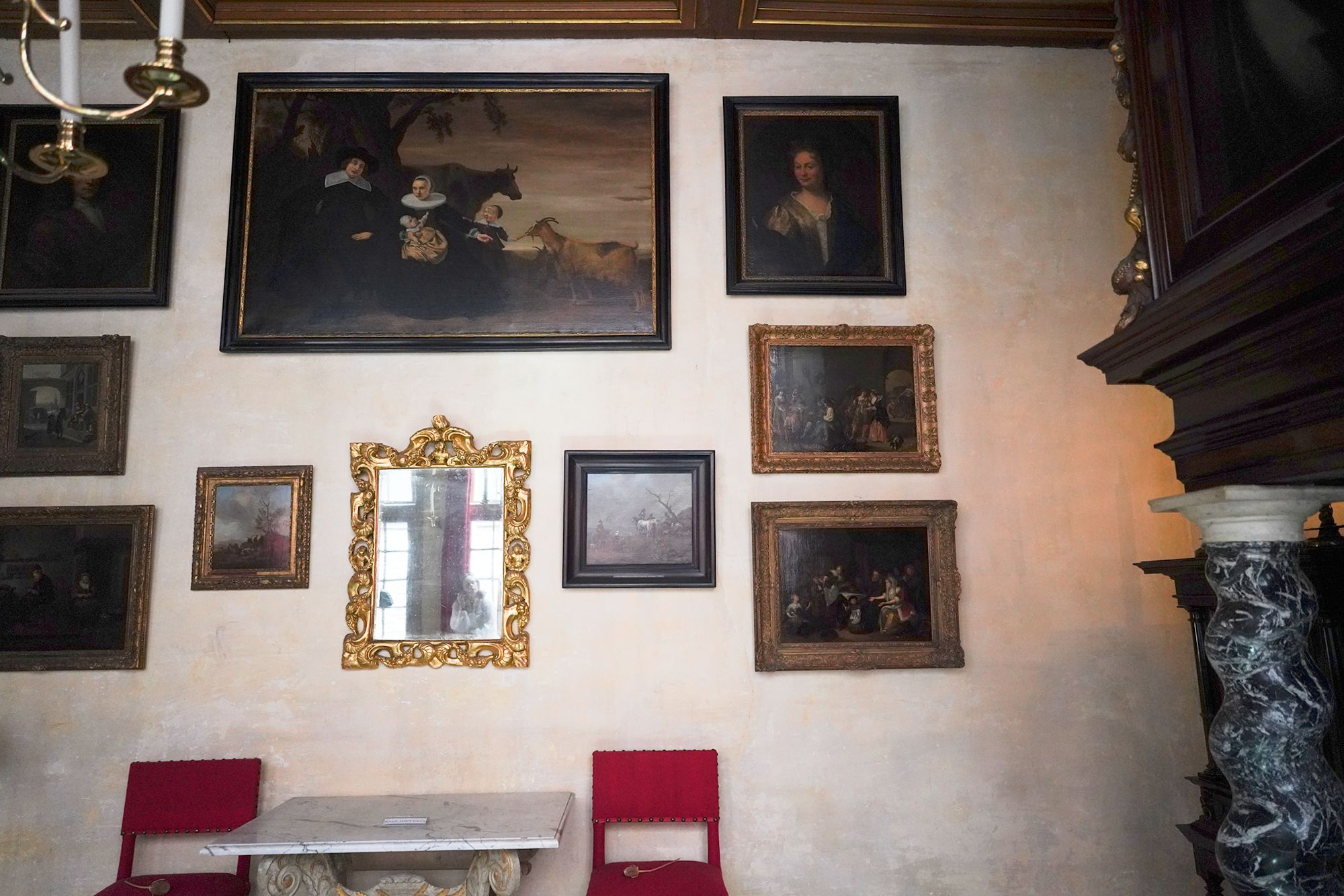
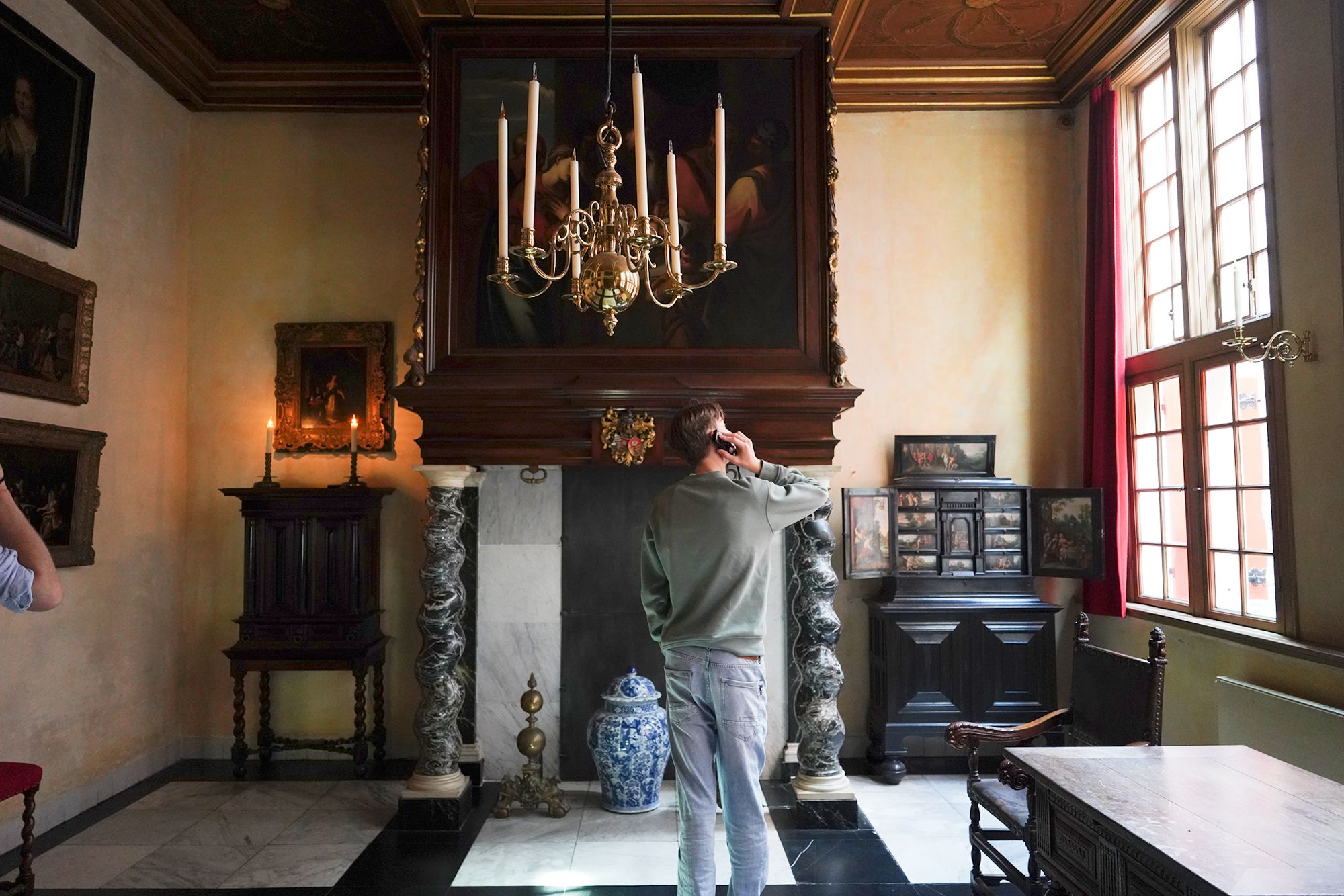
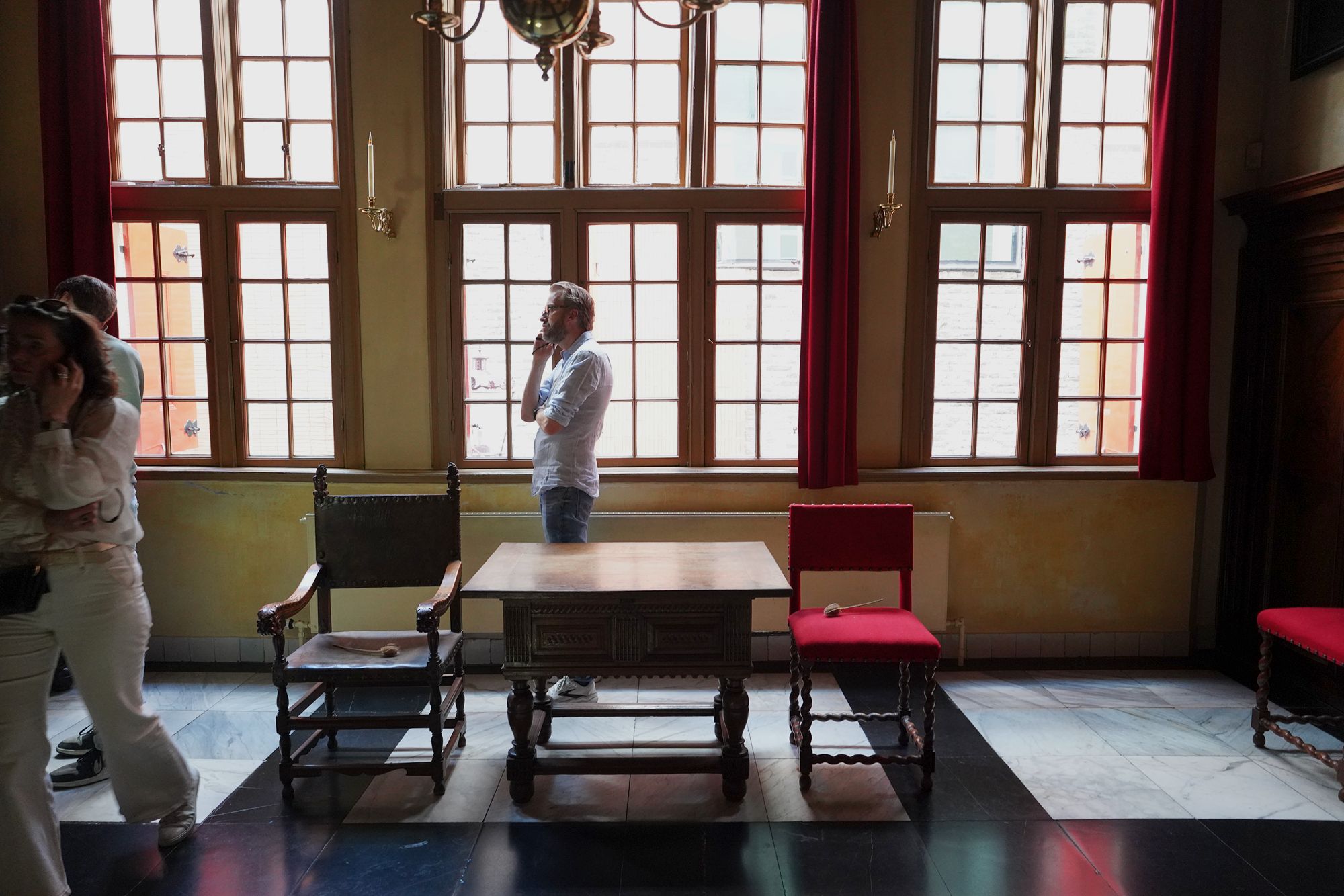
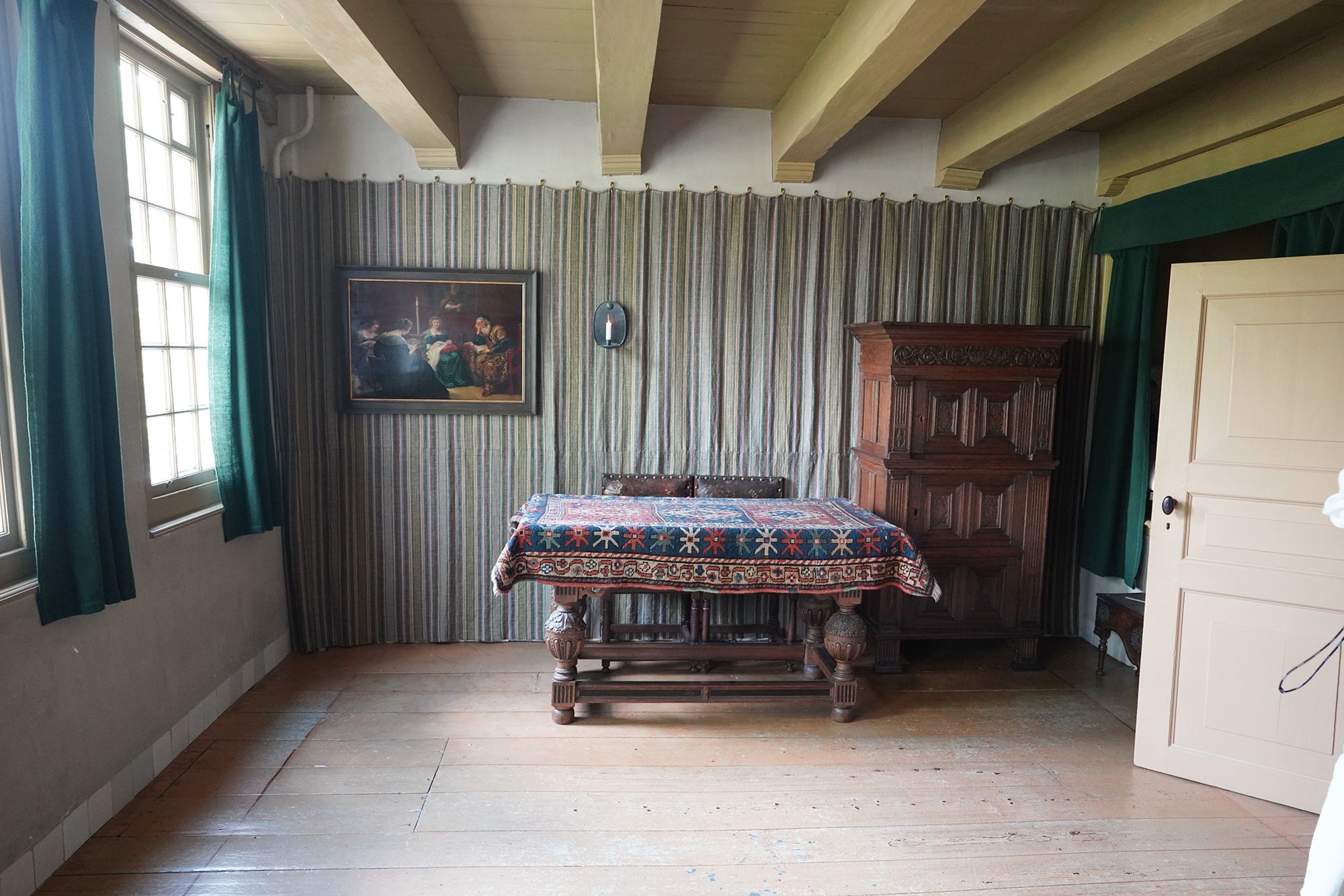
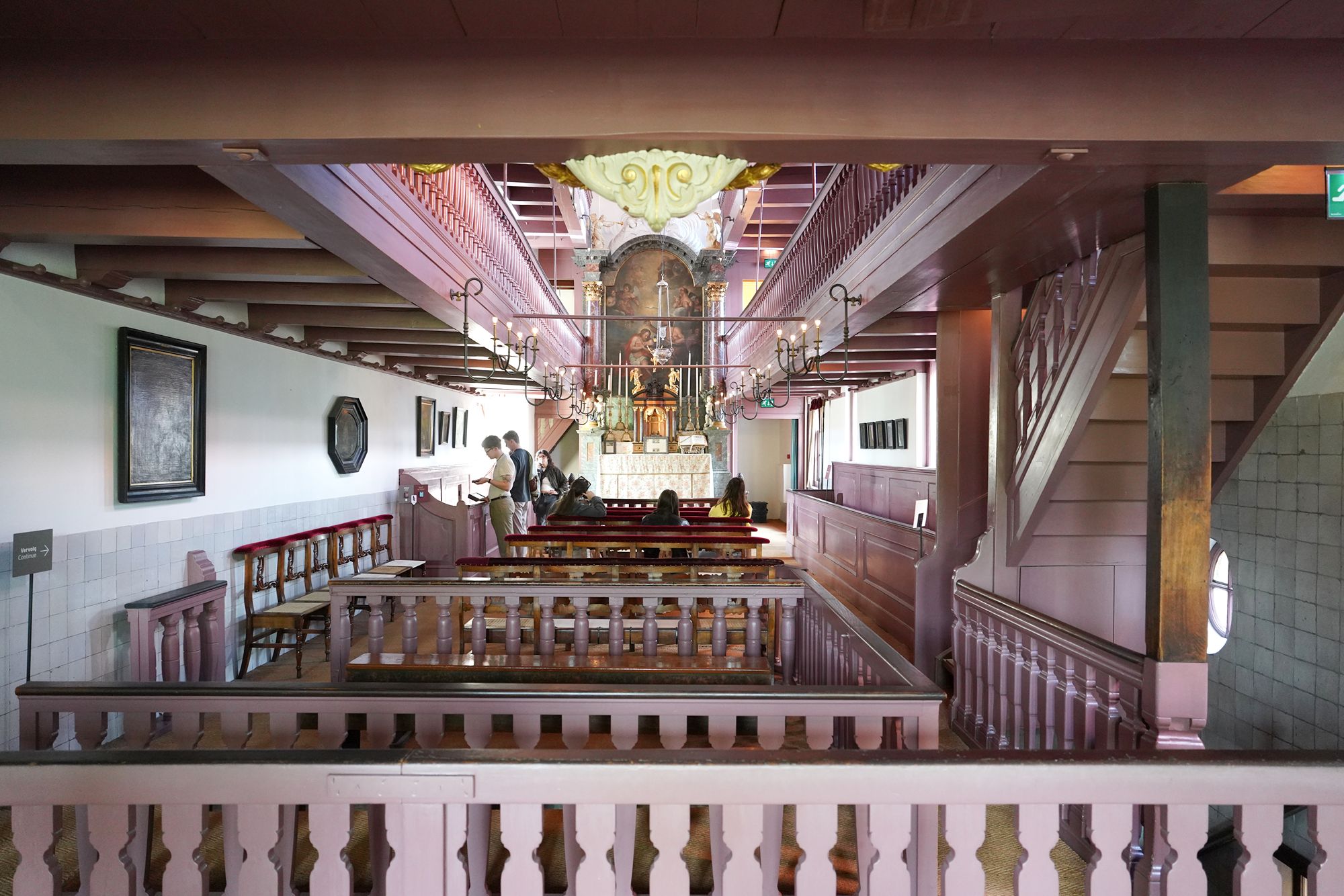
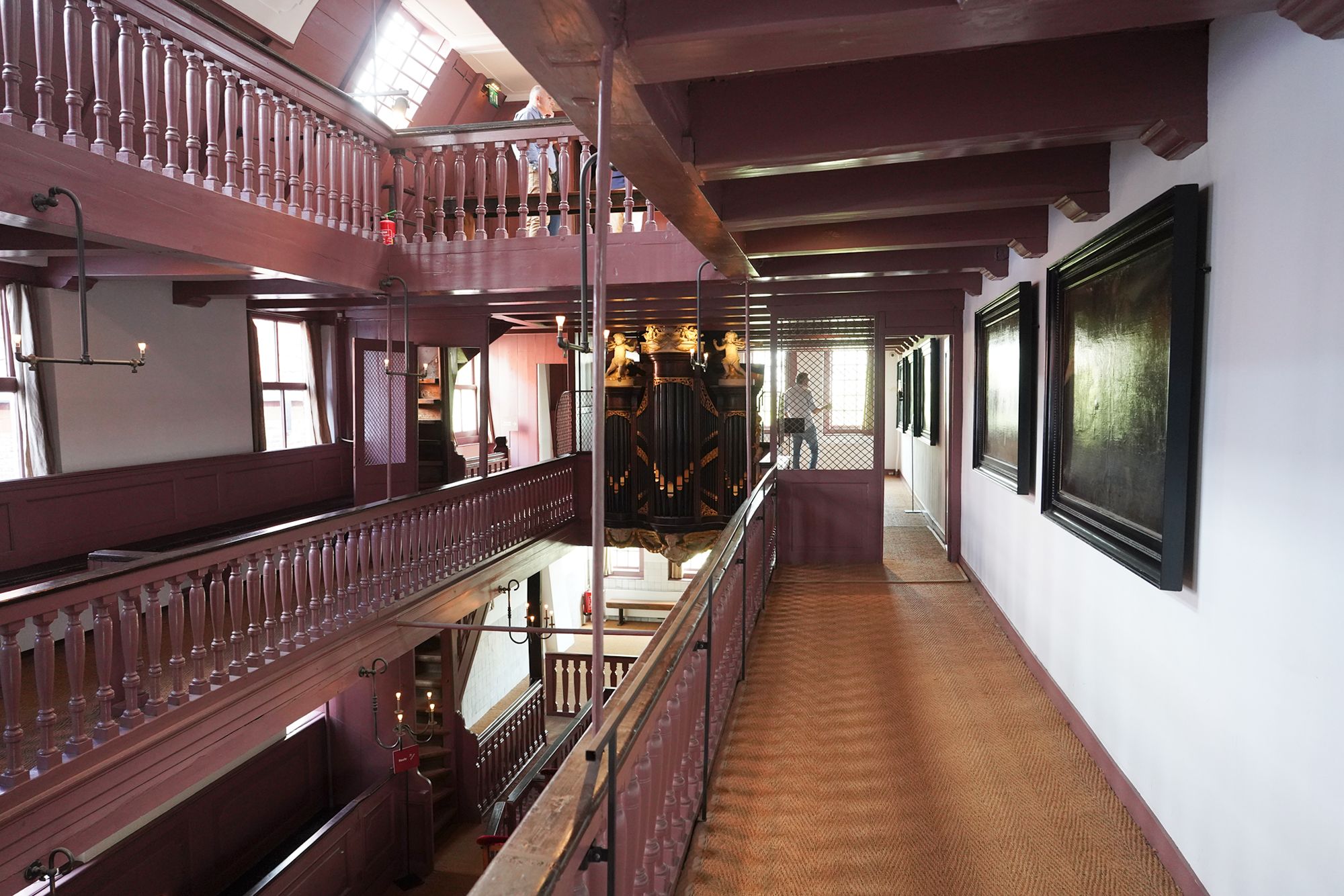
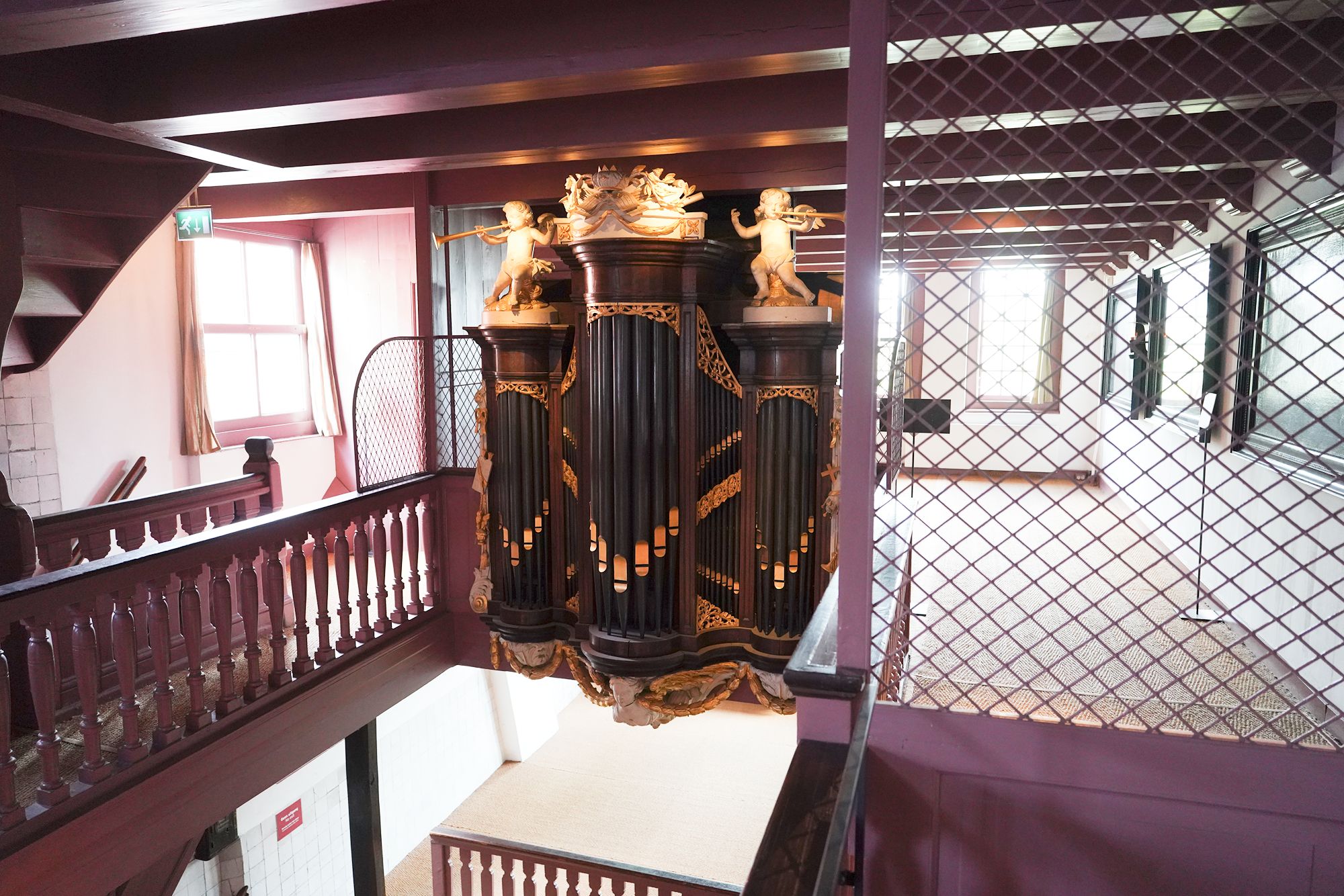
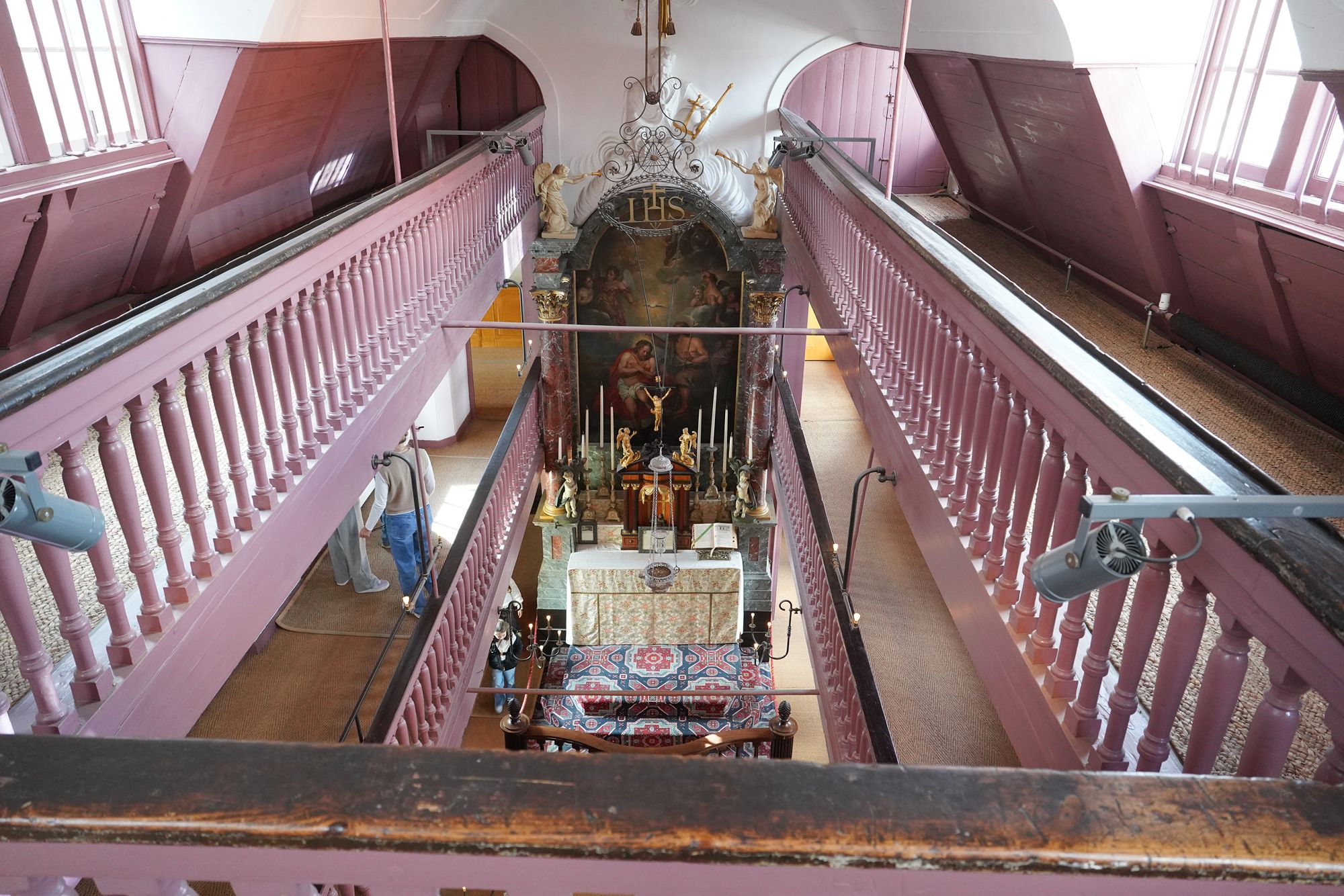
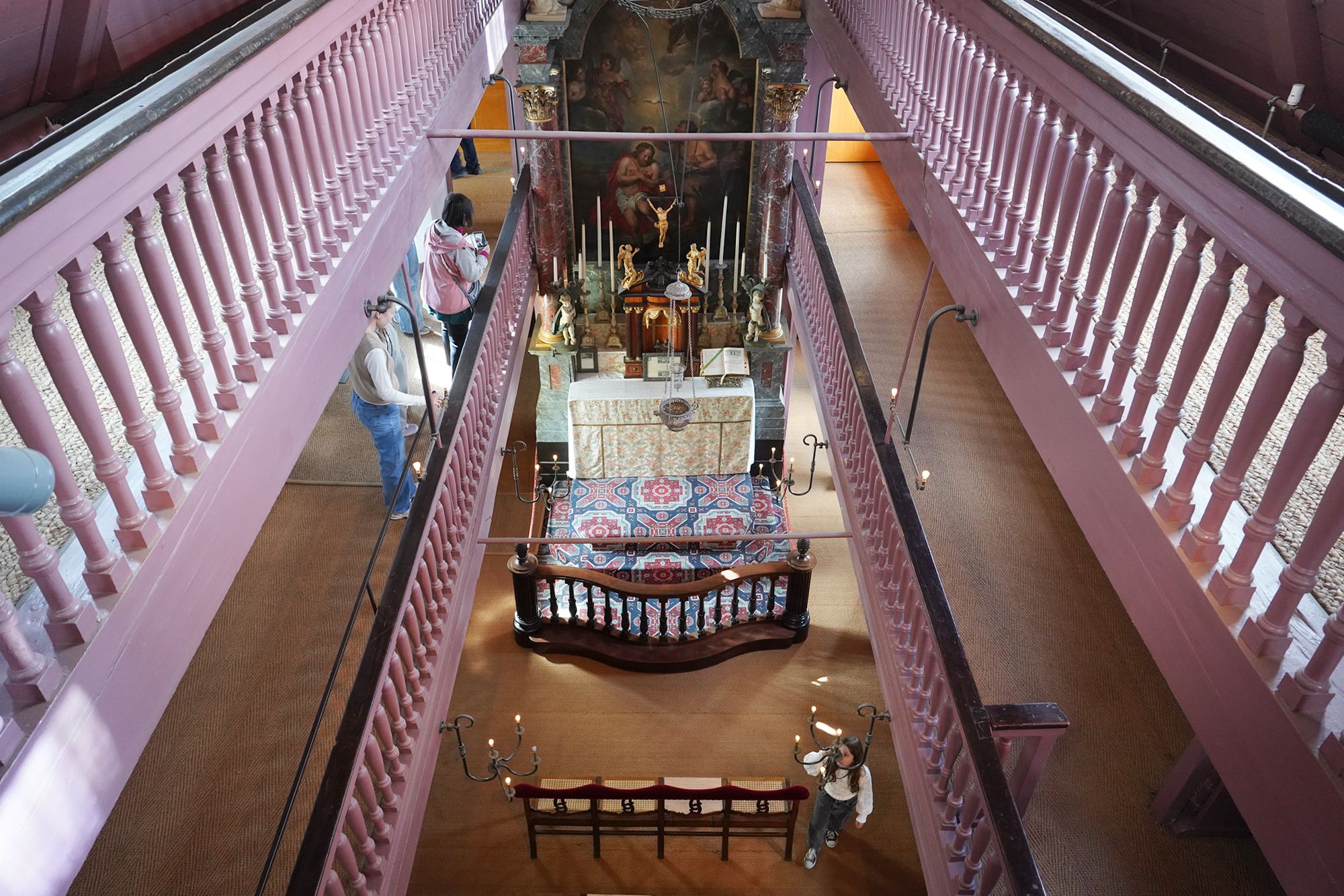
At the top of the house, I finally reached the hidden church. Its surprisingly large interior extends across several upper floors, with galleries overlooking the altar and seating below. It is remarkable that such an elaborate Catholic church could remain concealed behind the exterior of ordinary Amsterdam canal houses.
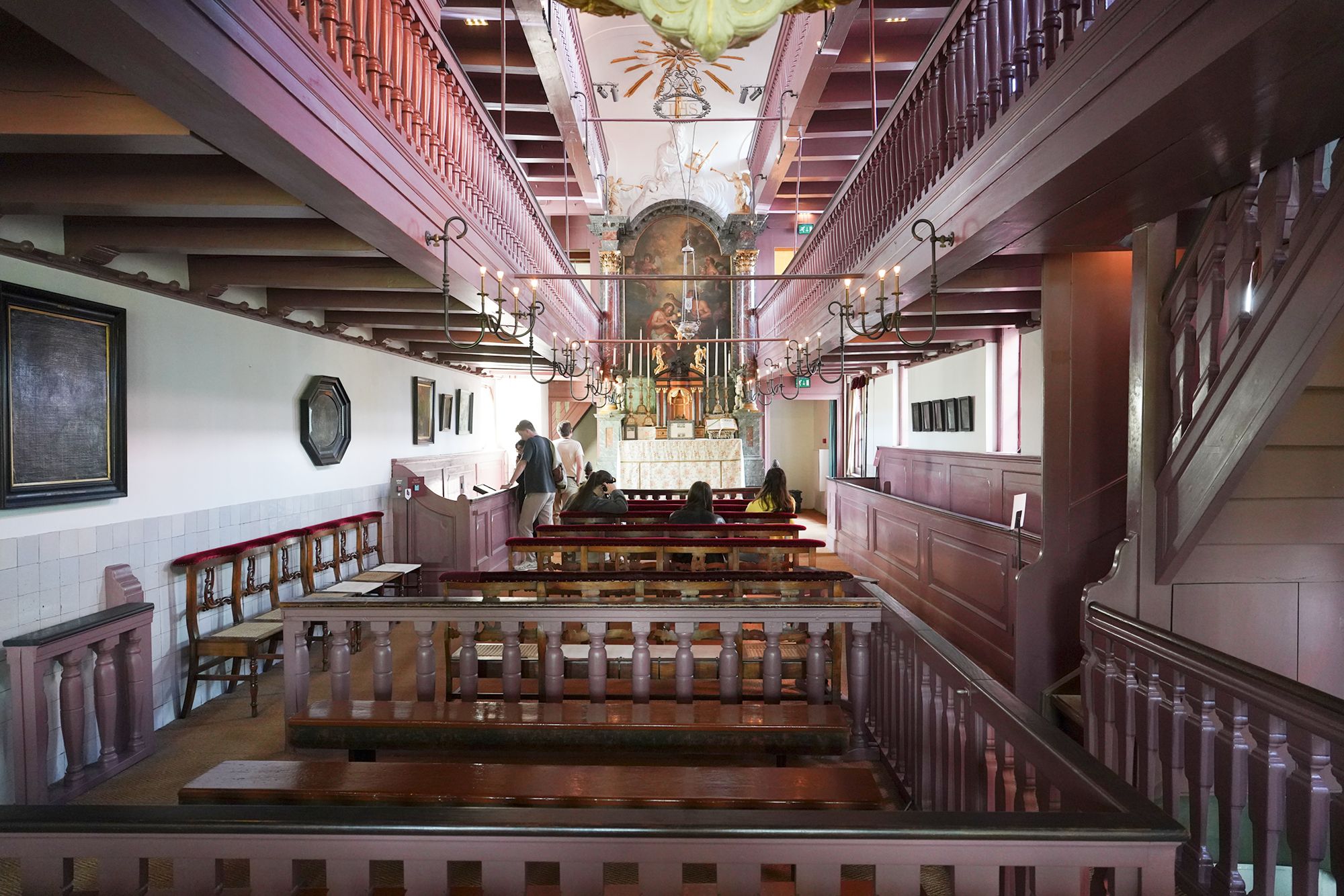
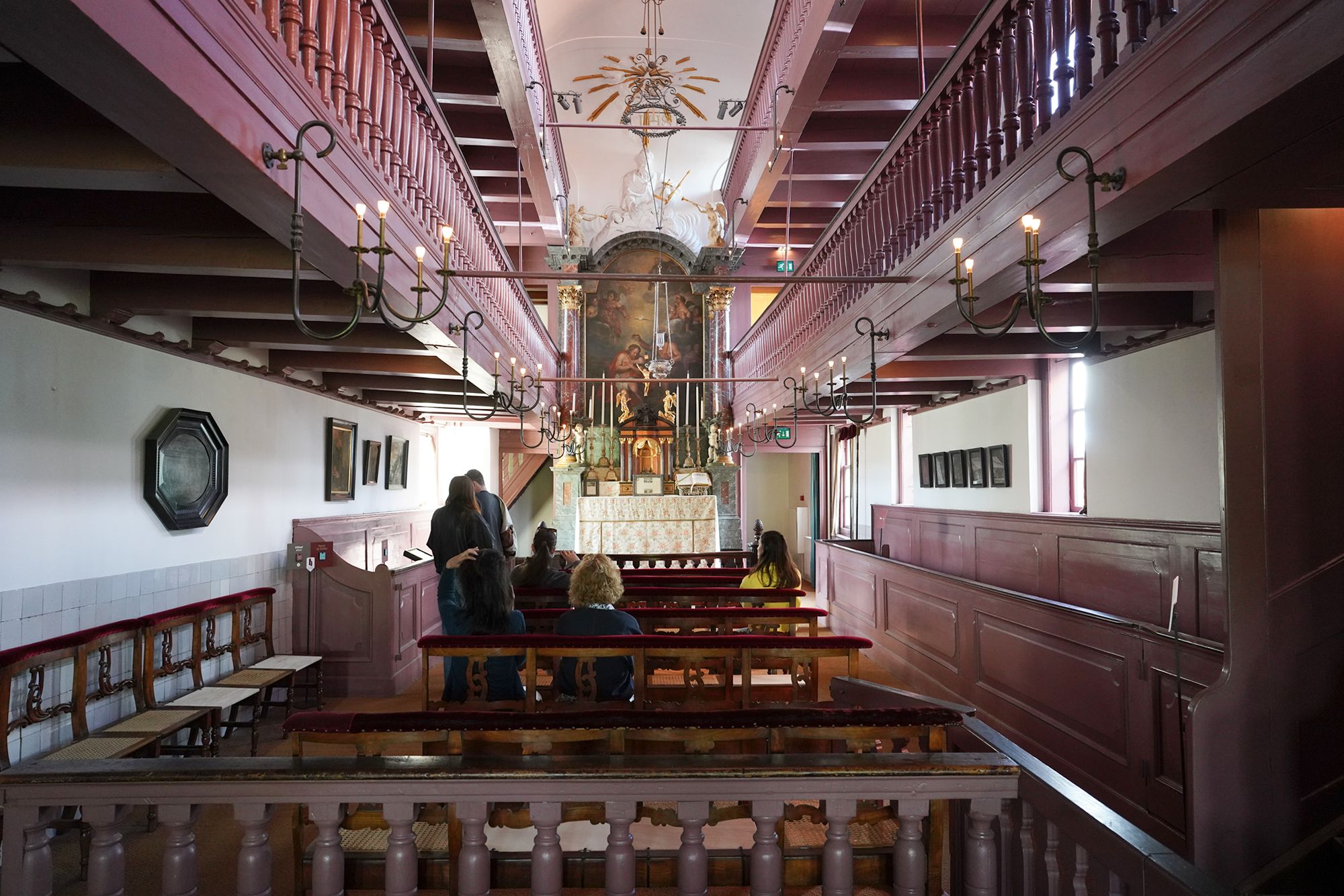
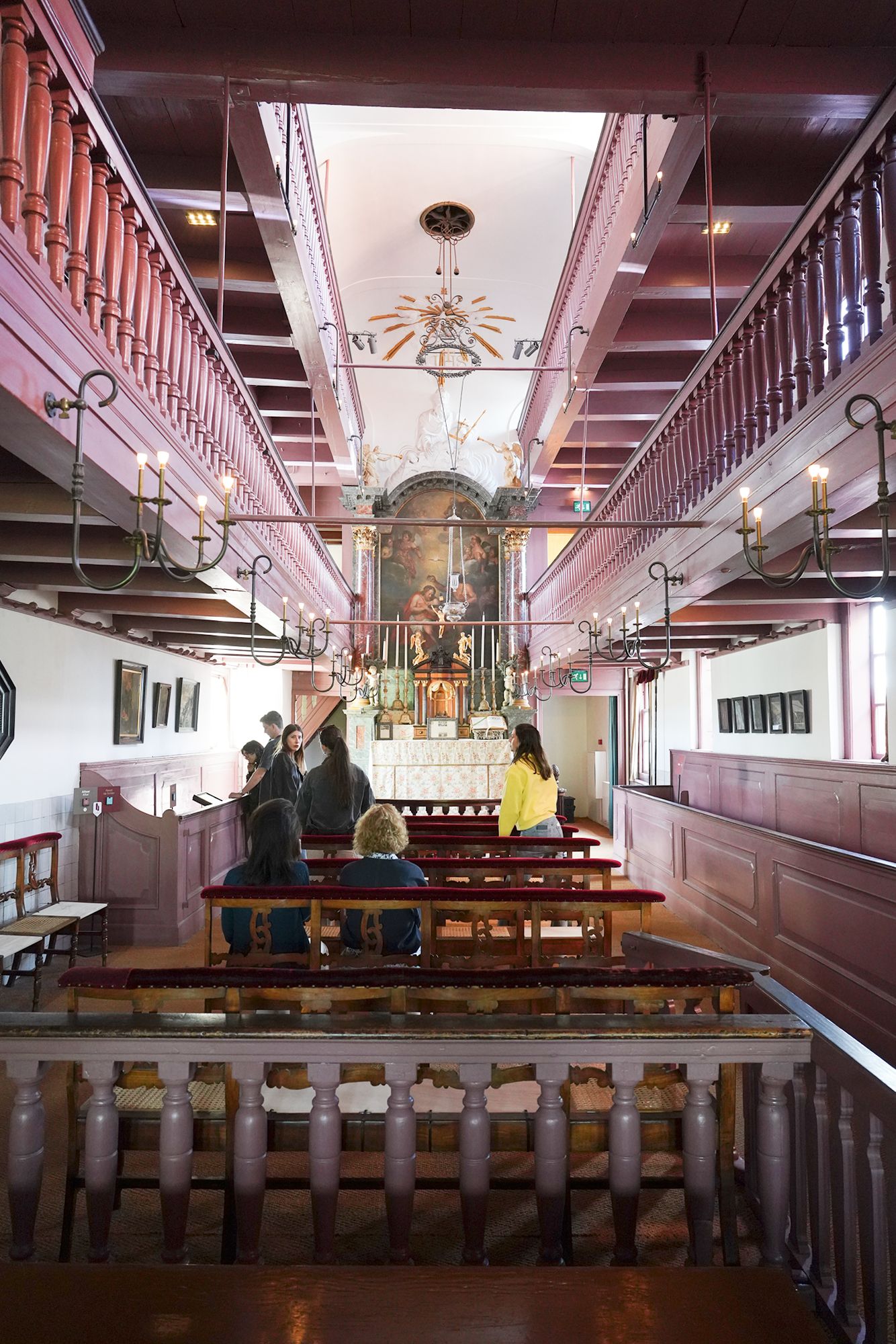
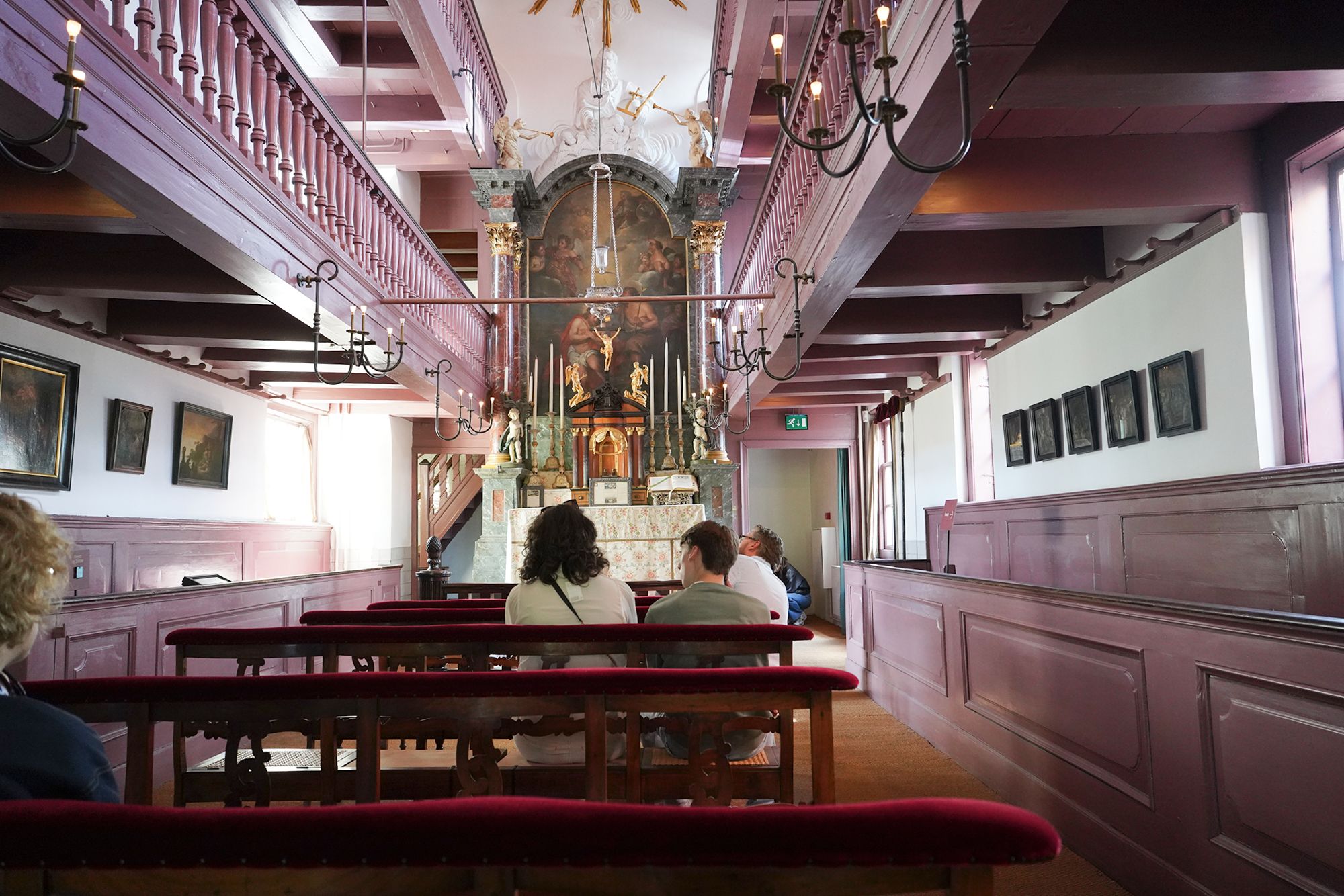
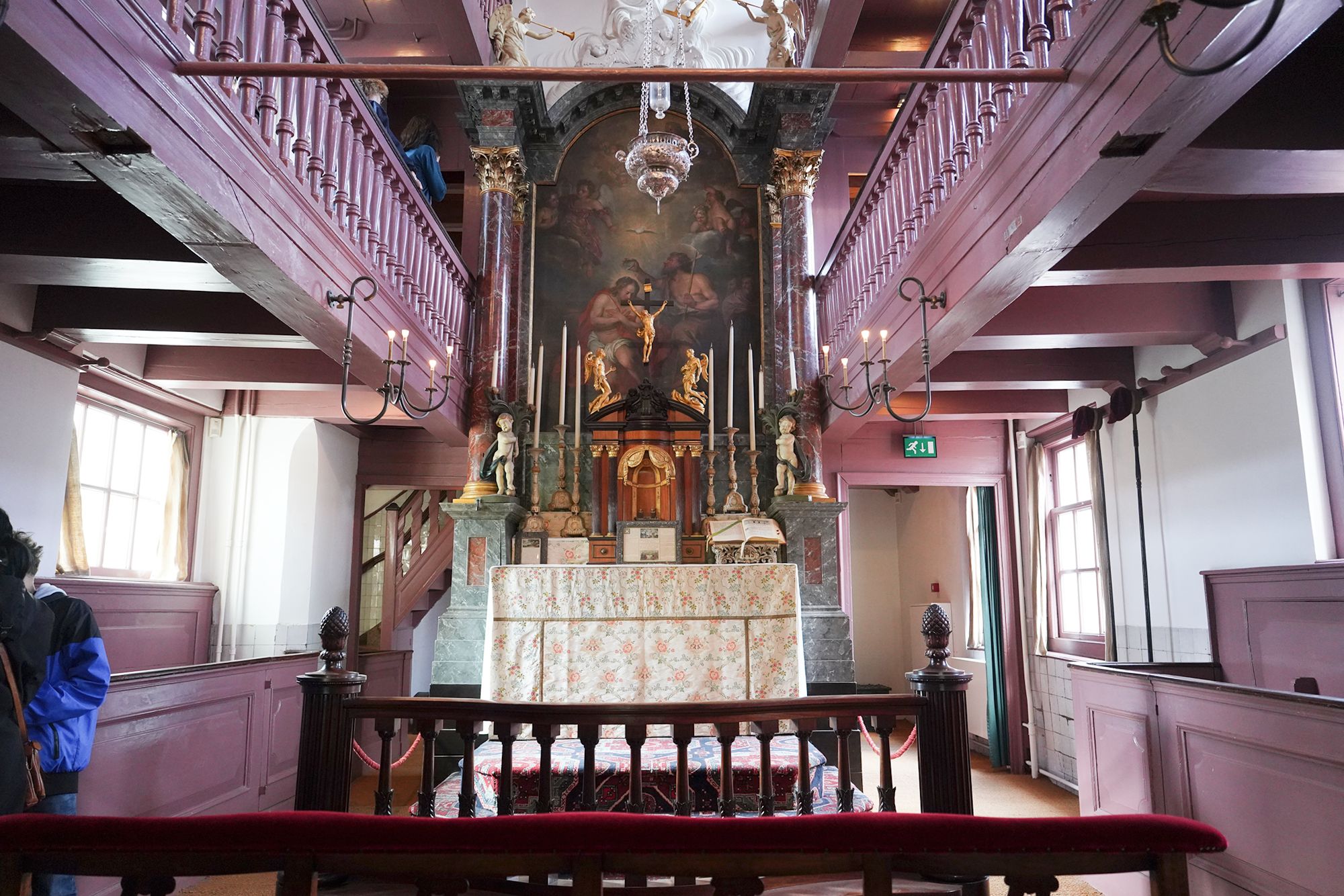
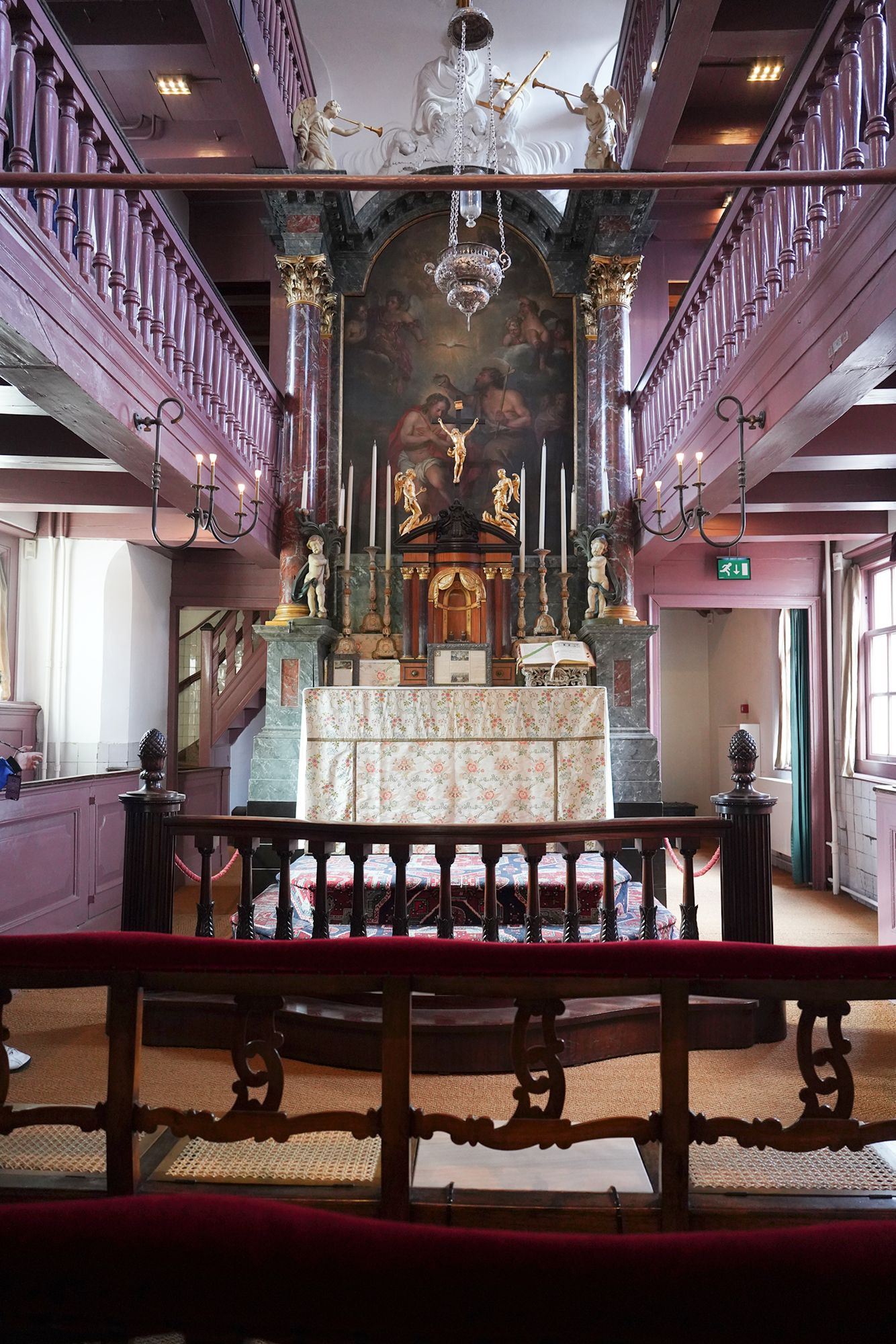
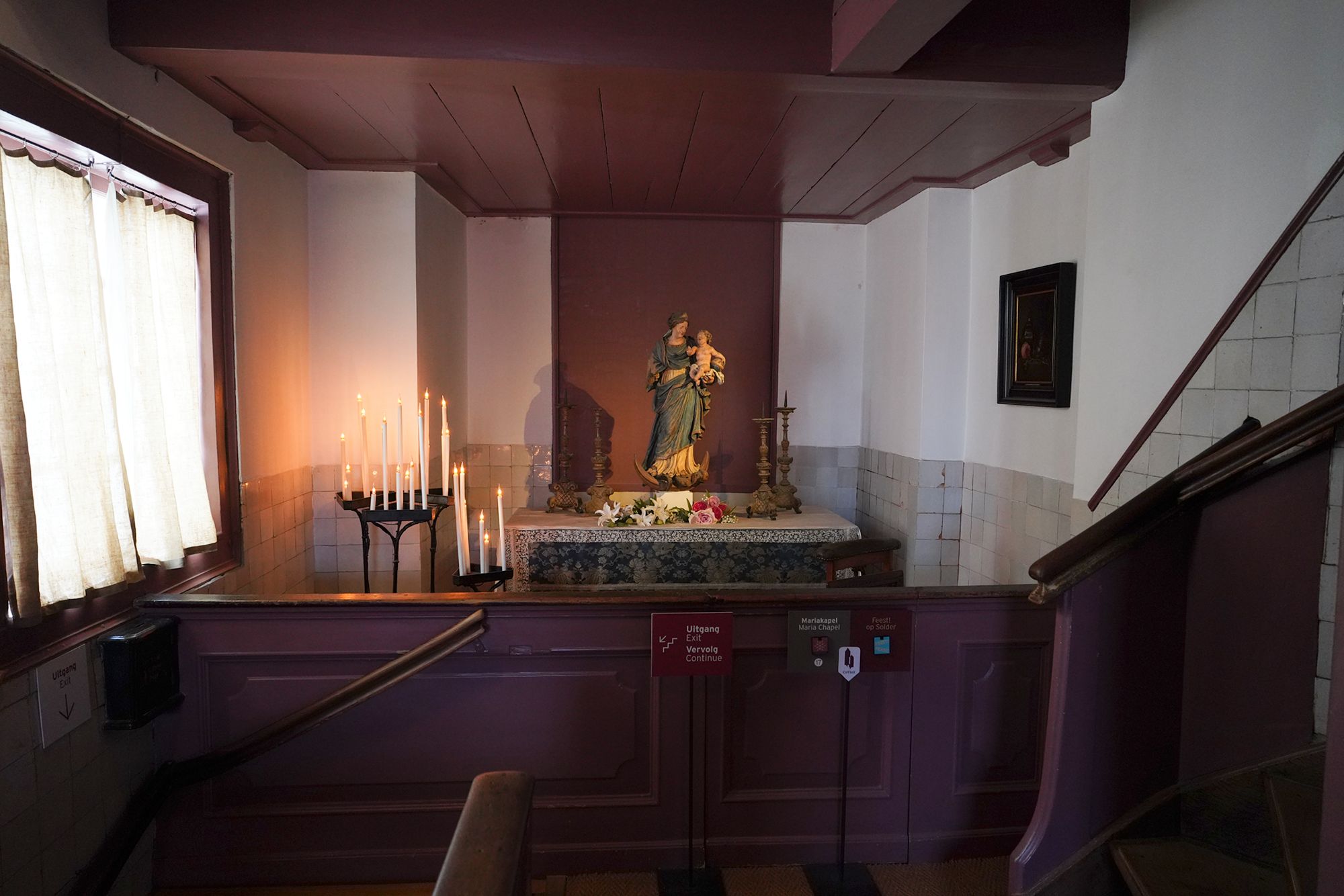
On the second level, I walked along the narrow gallery overlooking the church below. The additional galleries allowed more worshippers to attend Mass within the limited space of the canal houses.
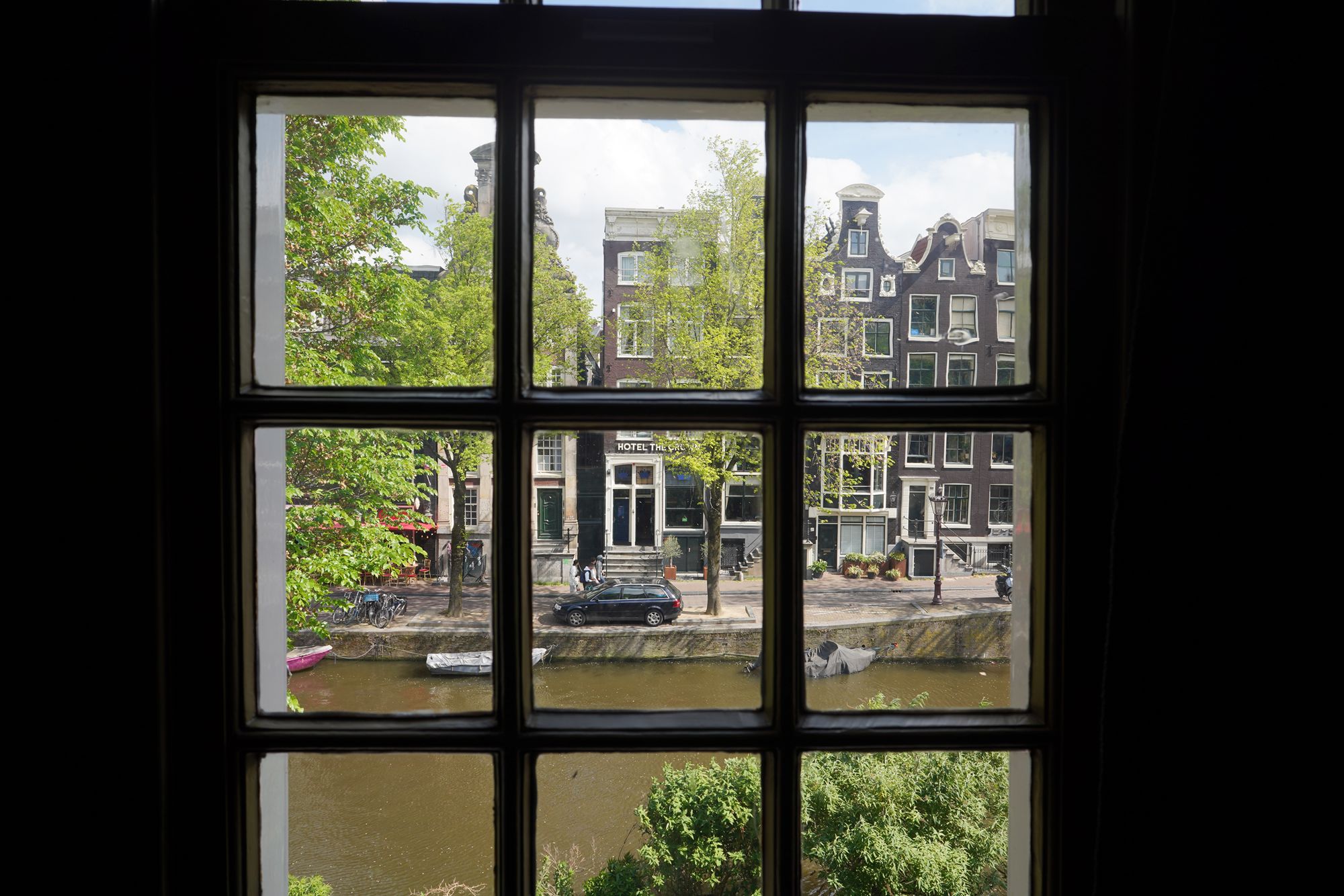
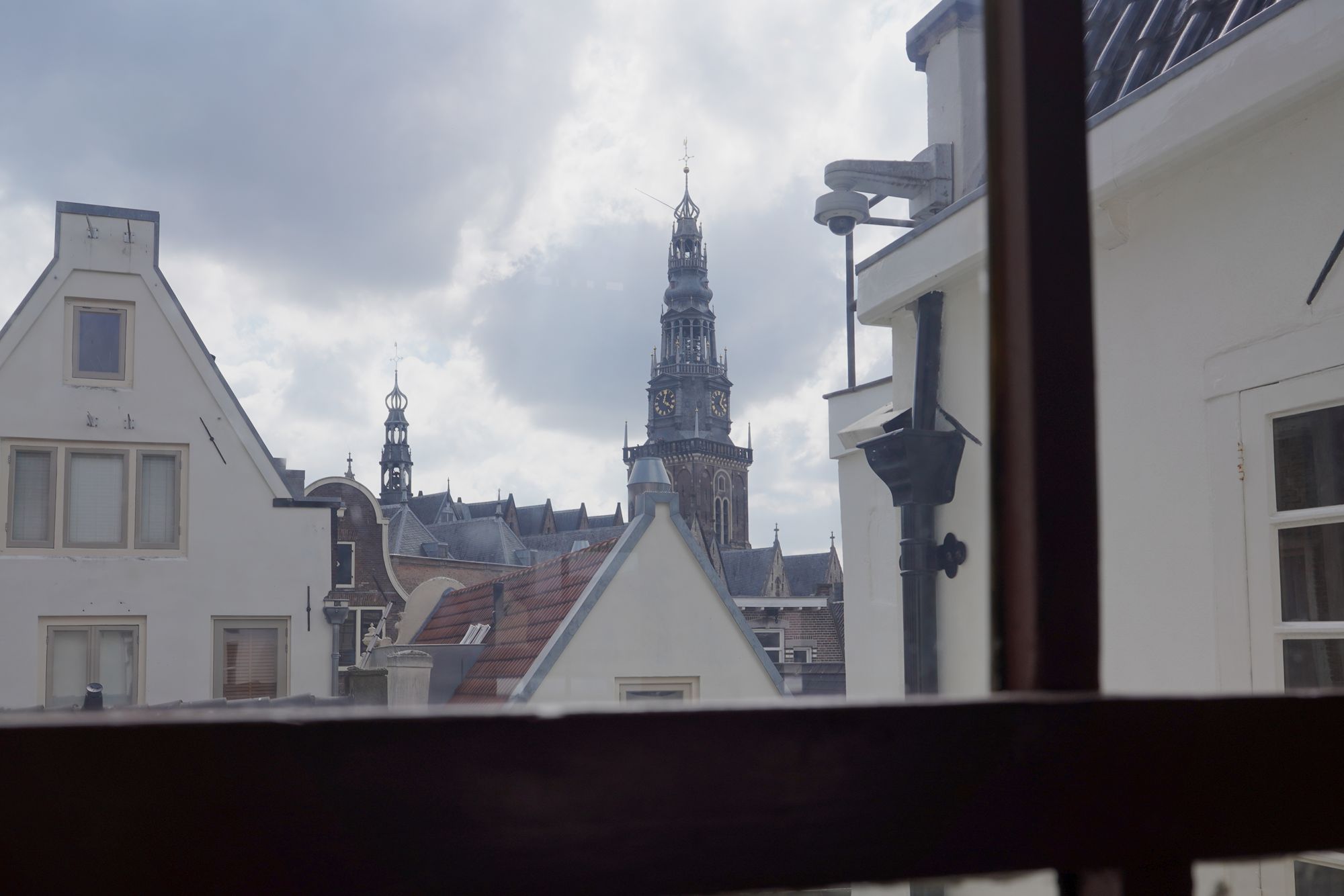
From the window of the hidden church, I could see the Basilica of Saint Nicholas. Built in the late 19th century after Catholics were once again free to worship publicly, it represents the return of Catholic churches to Amsterdam’s cityscape after centuries of restrictions.
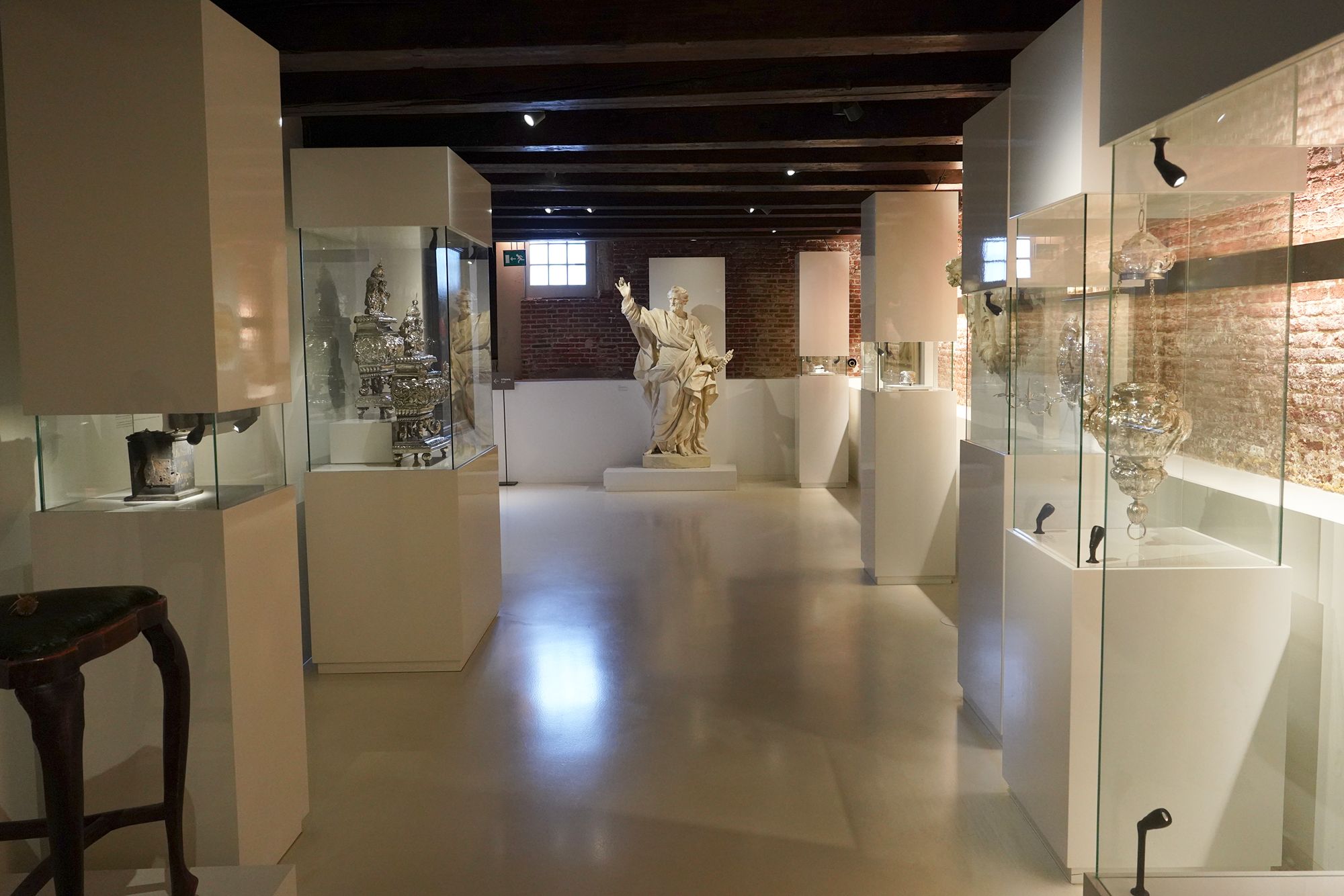
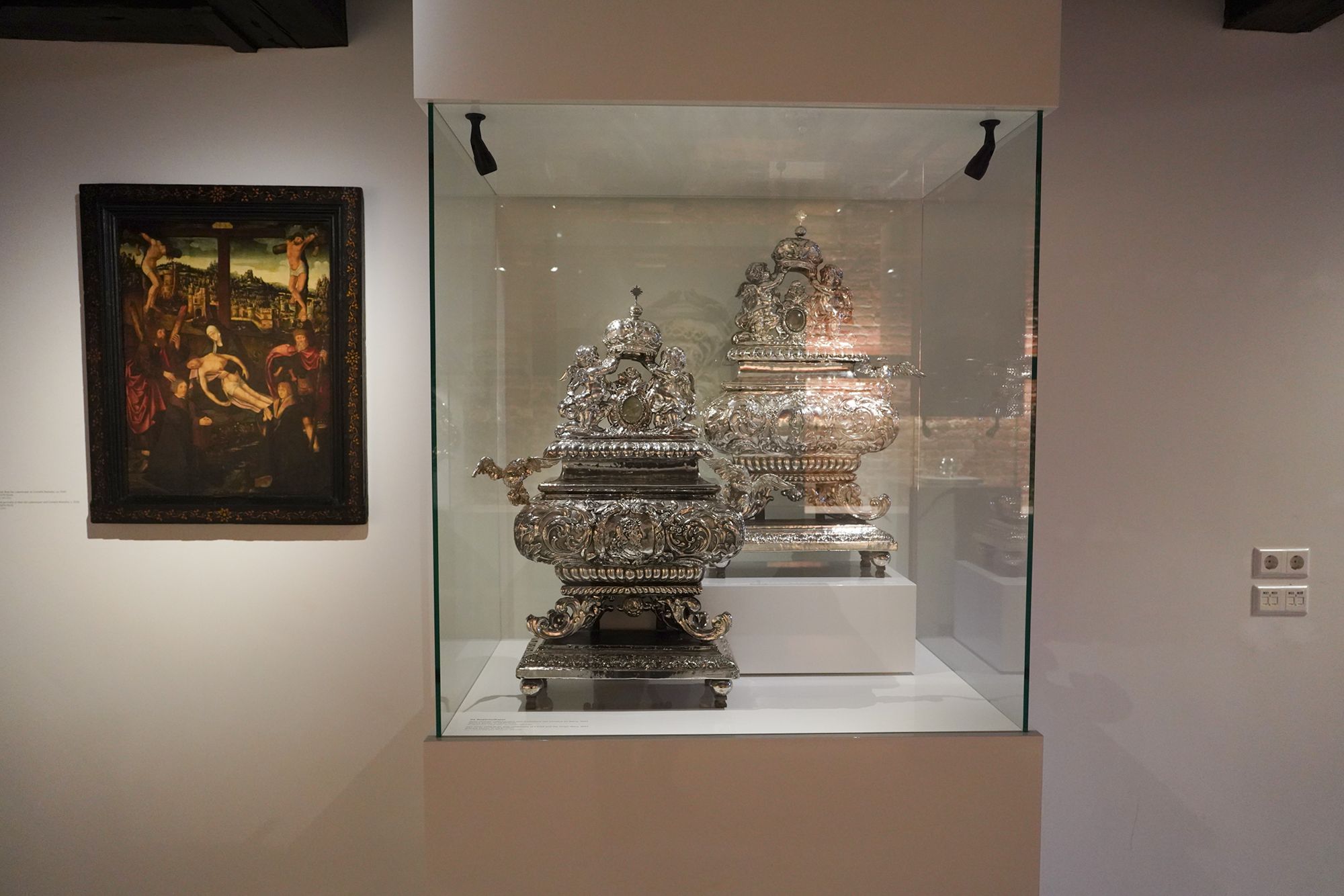
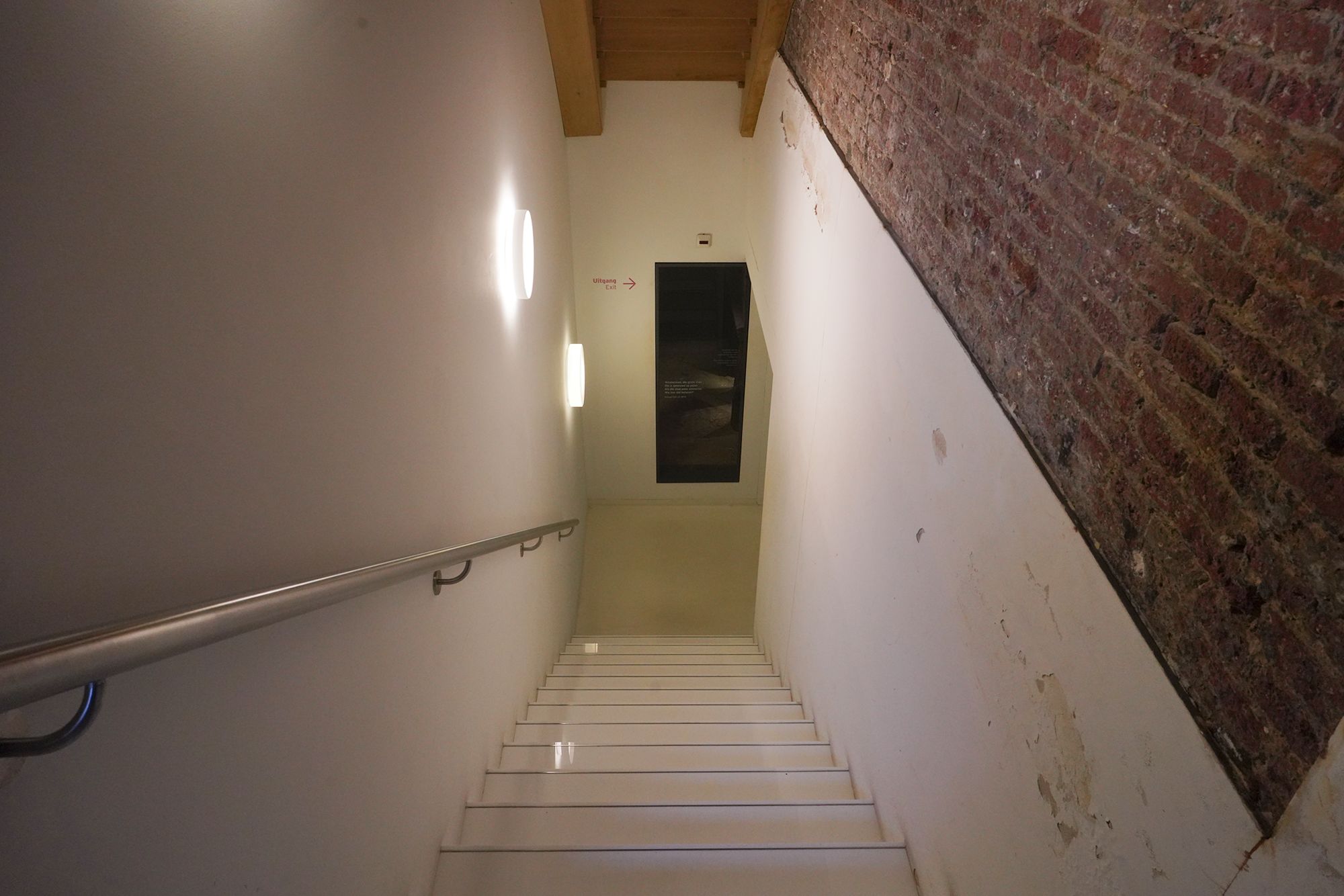
After visiting the hidden church, I returned to the busy streets of Amsterdam’s historic center and continued my walk through the Red Light District.
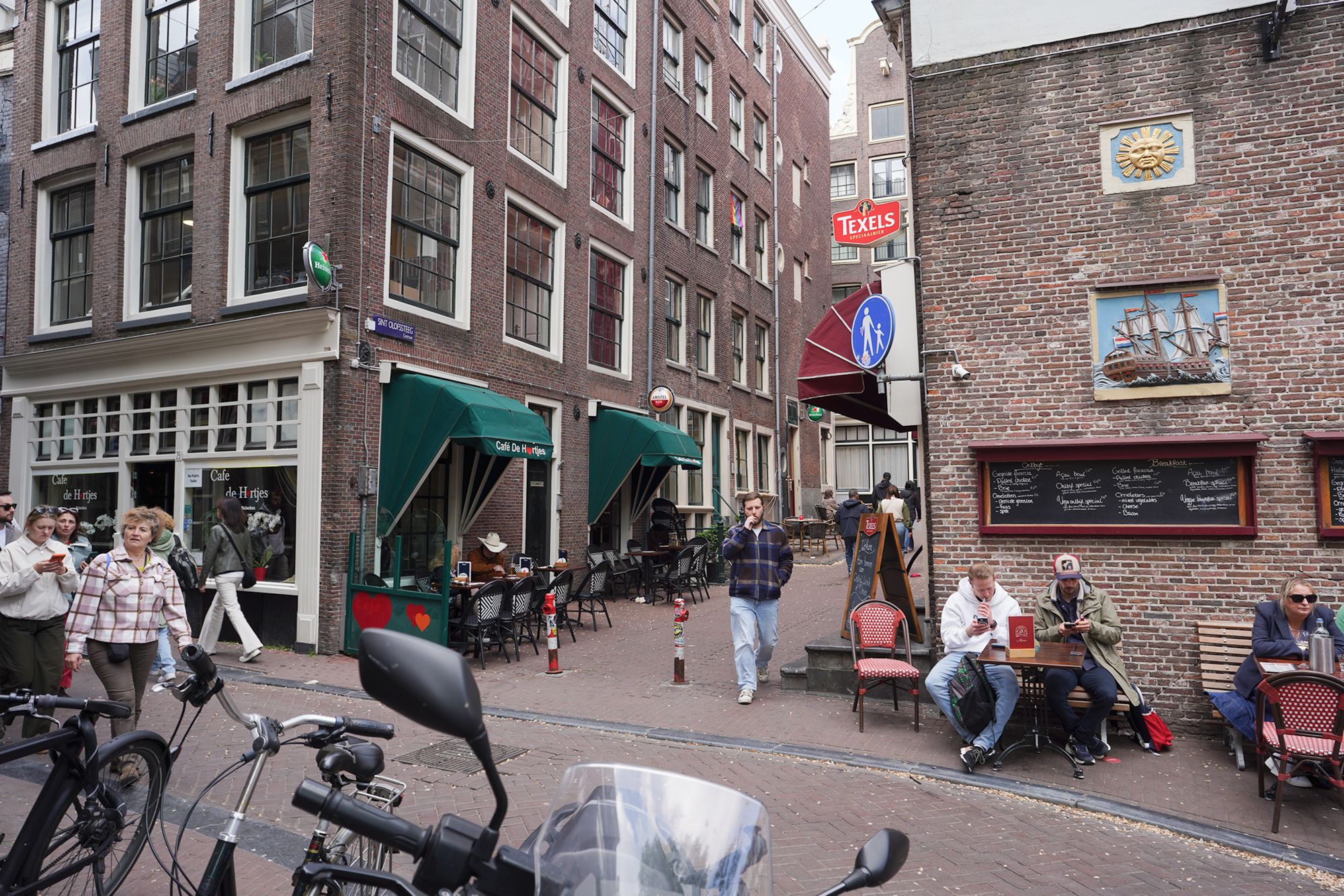
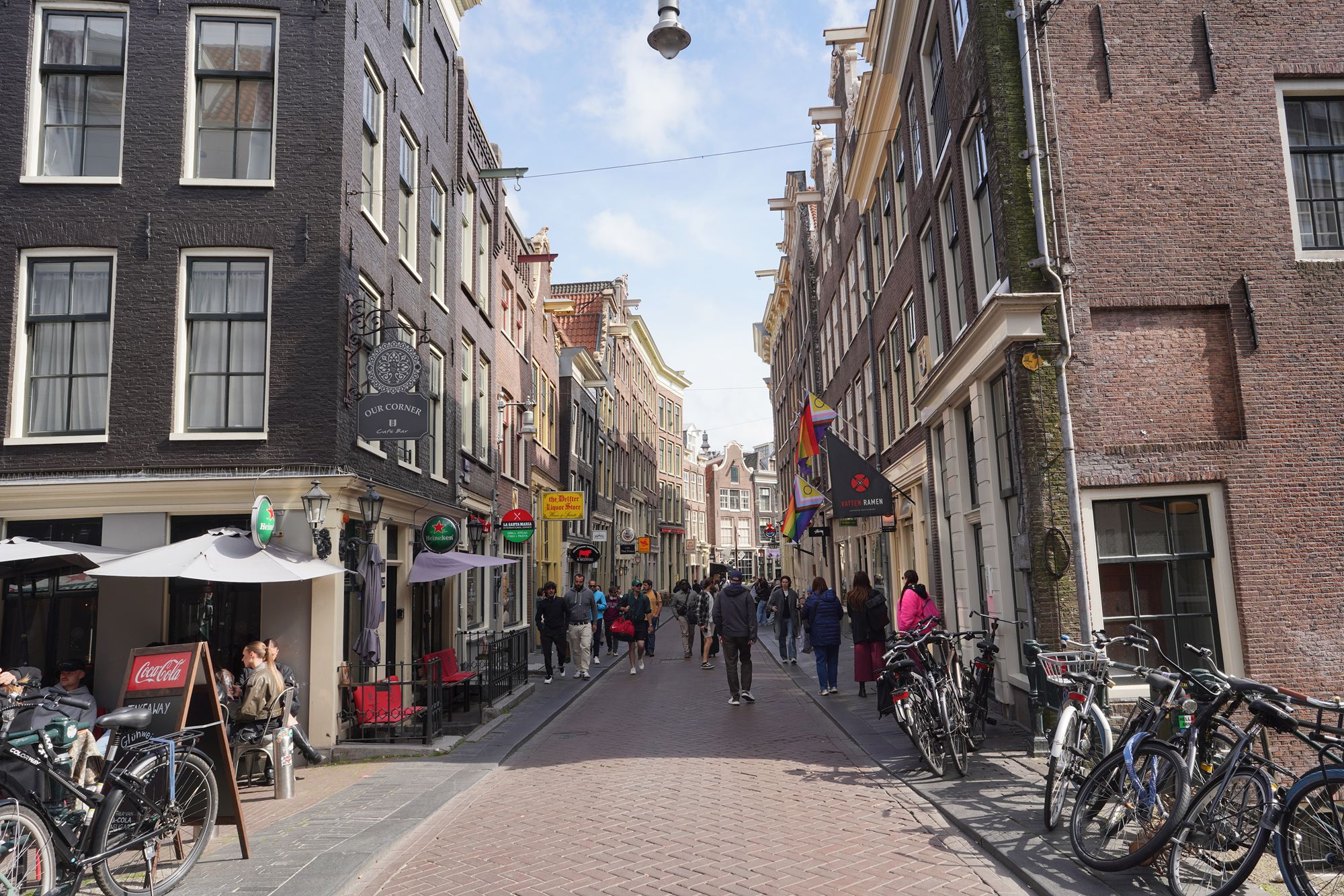
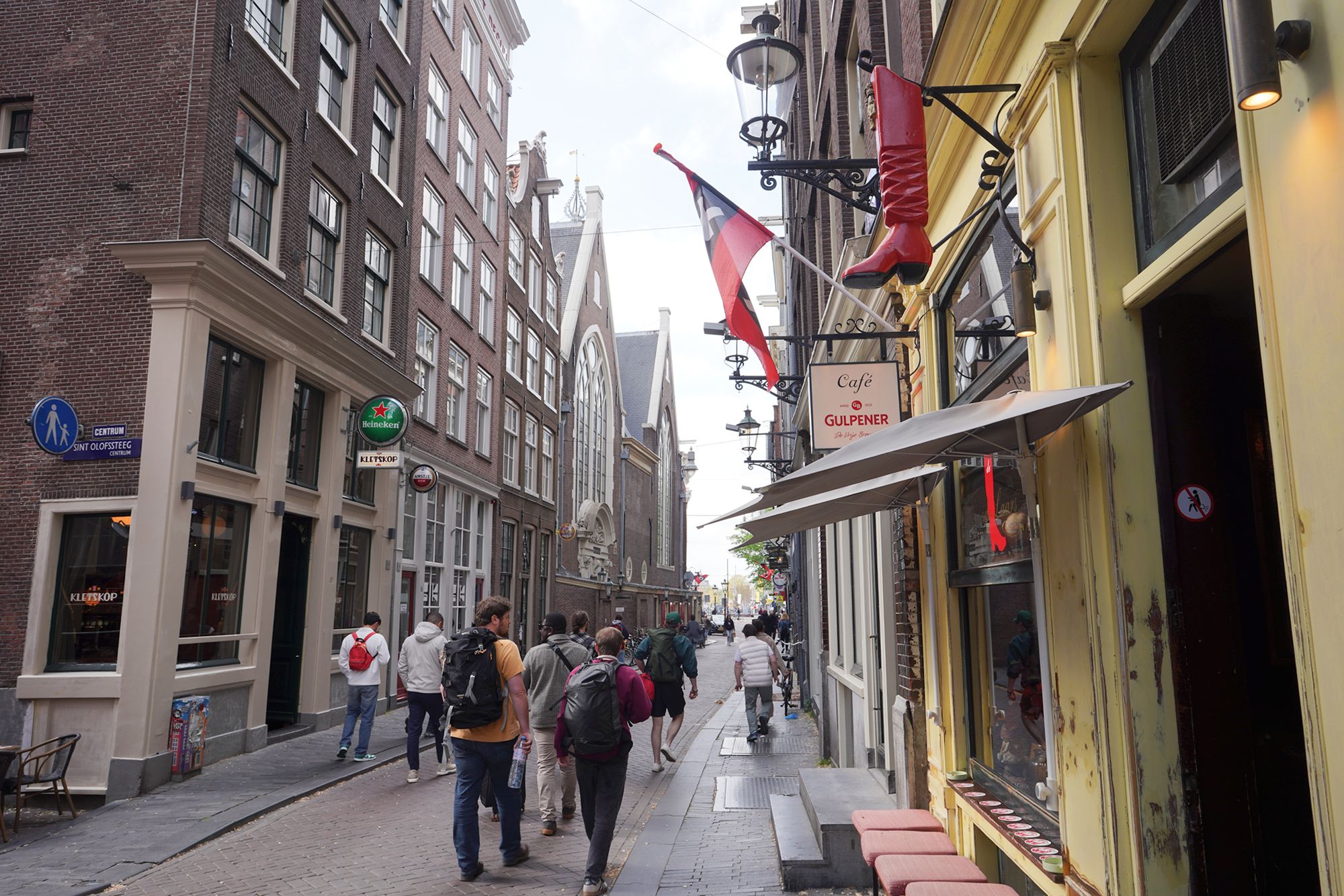
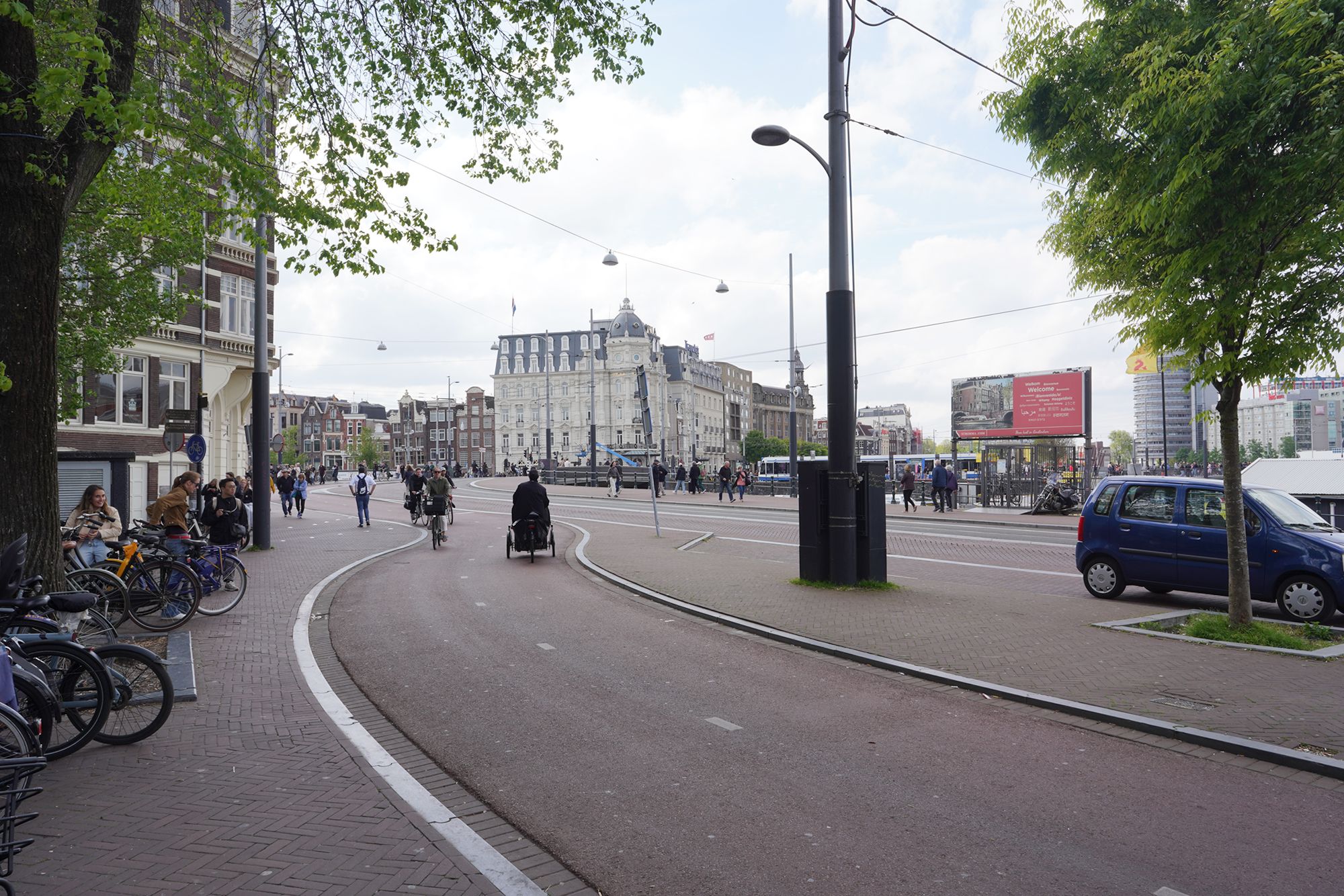
Continuing my walk, I came to Amsterdam Central Station, which I had already visited and explored on another day.
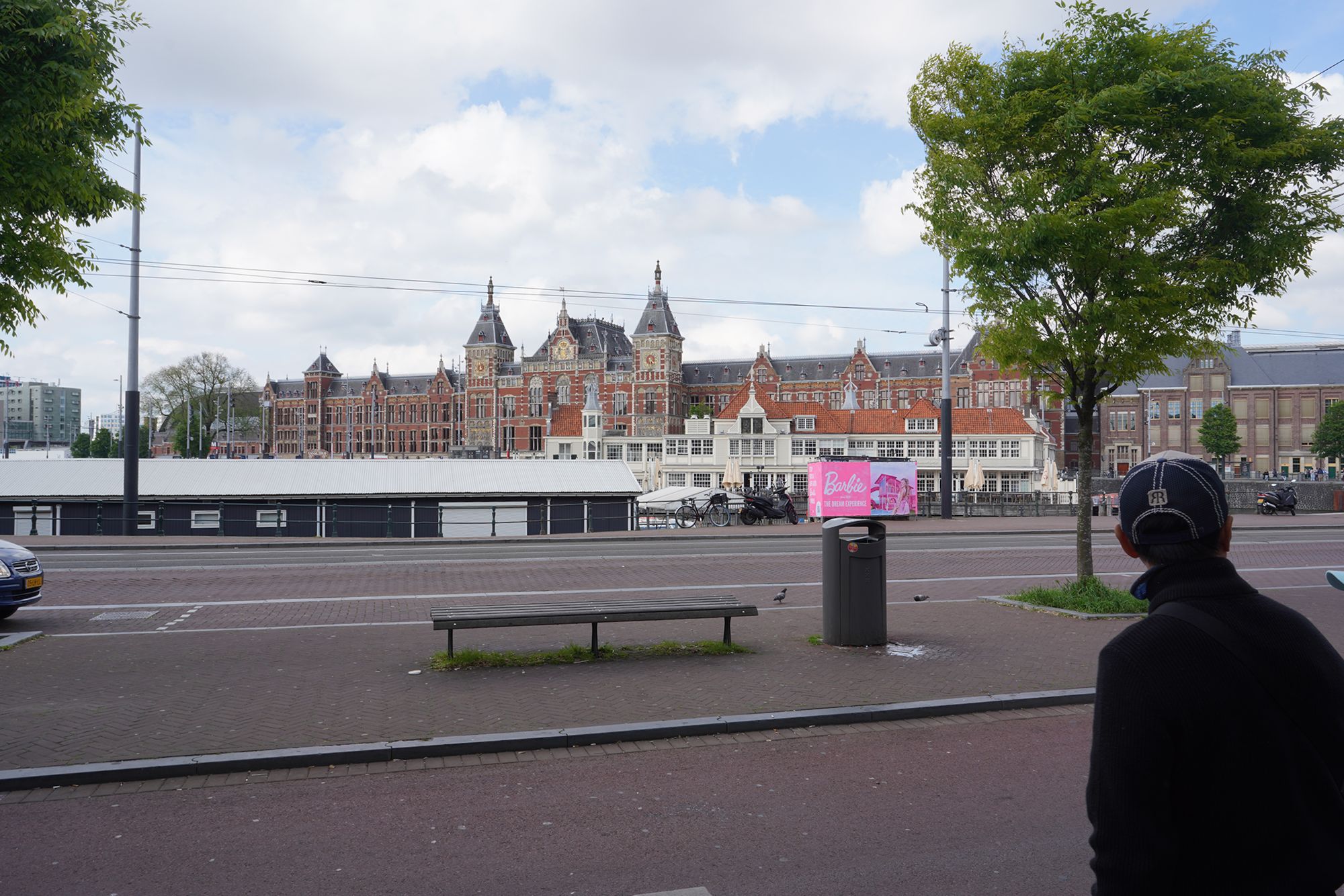
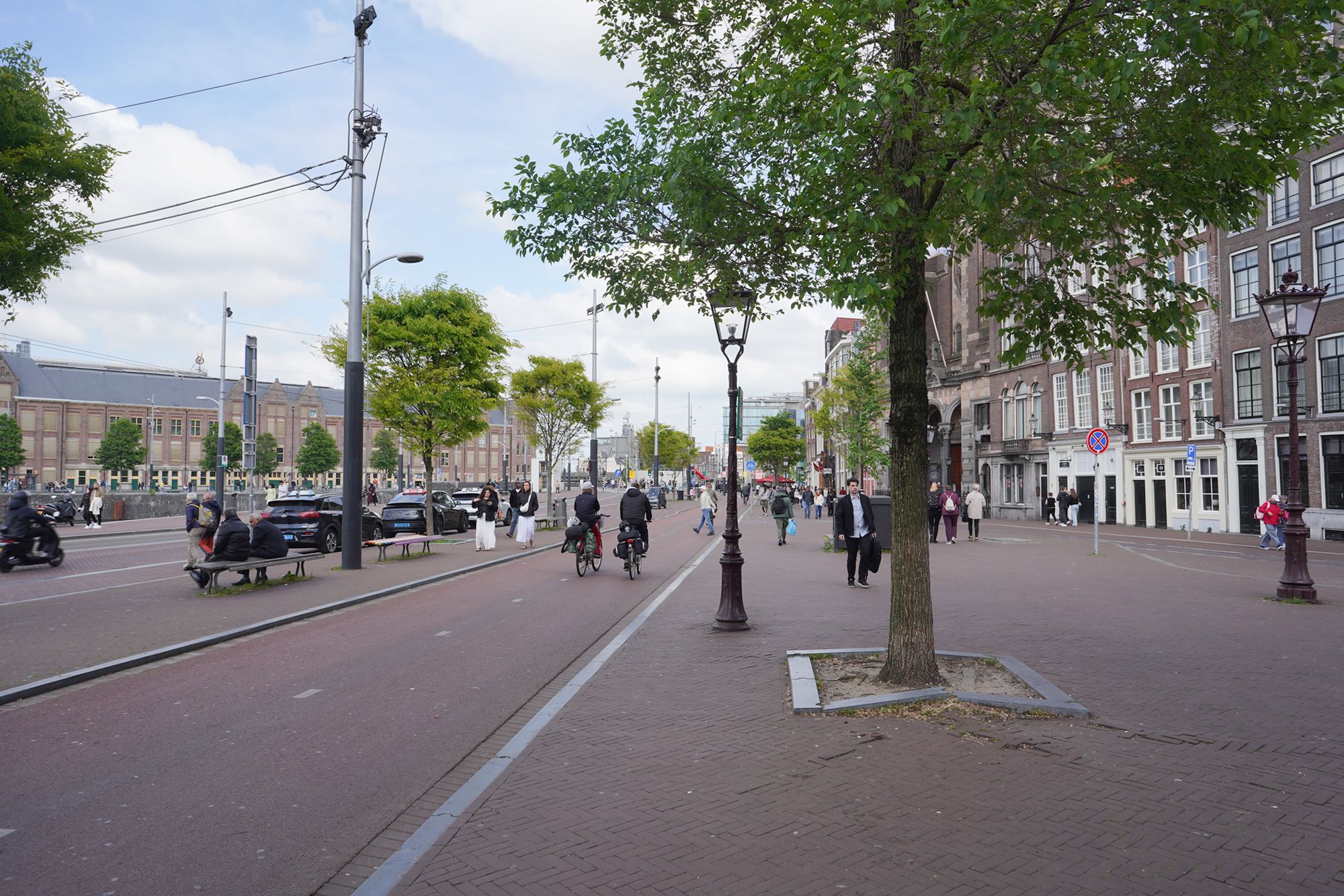
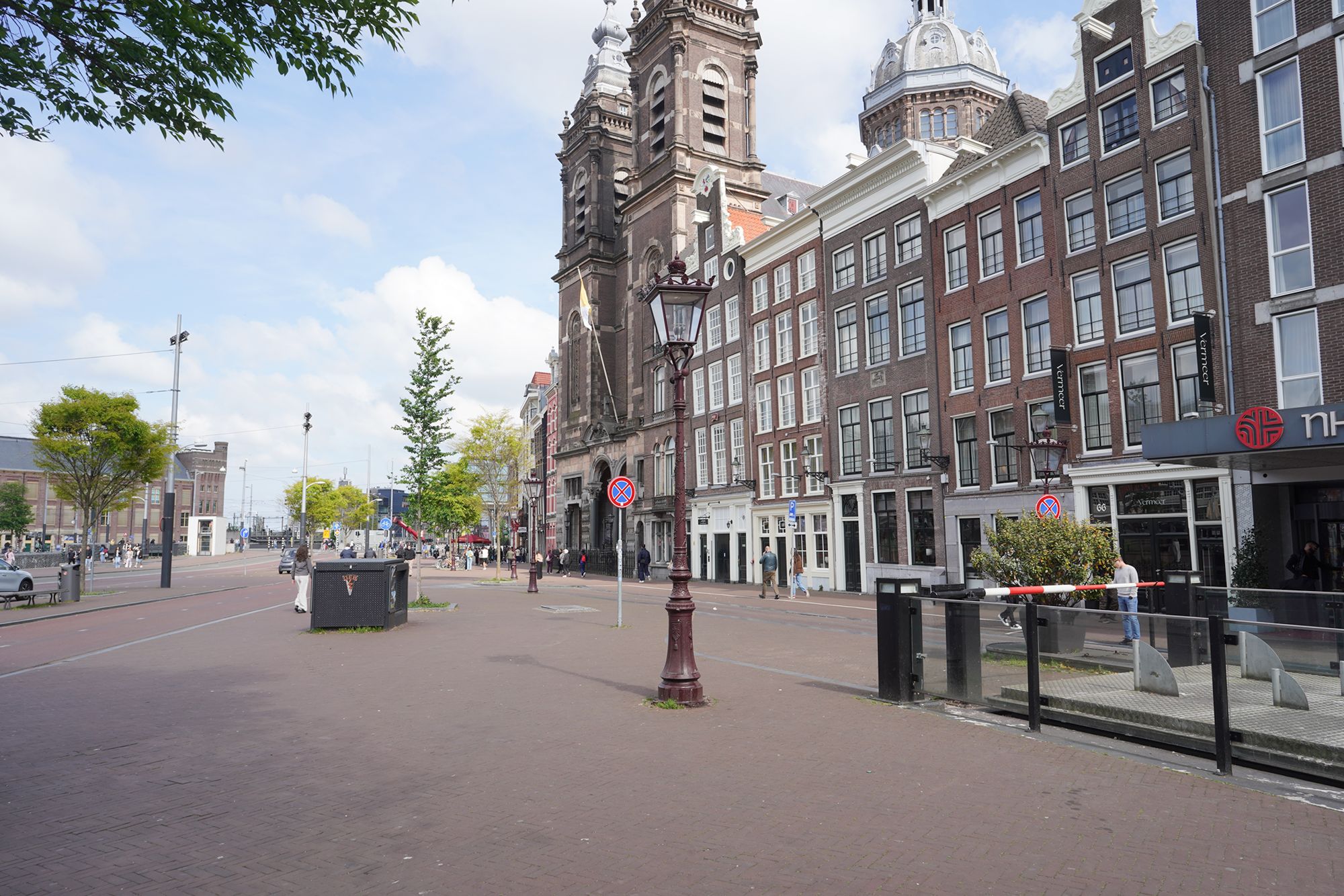
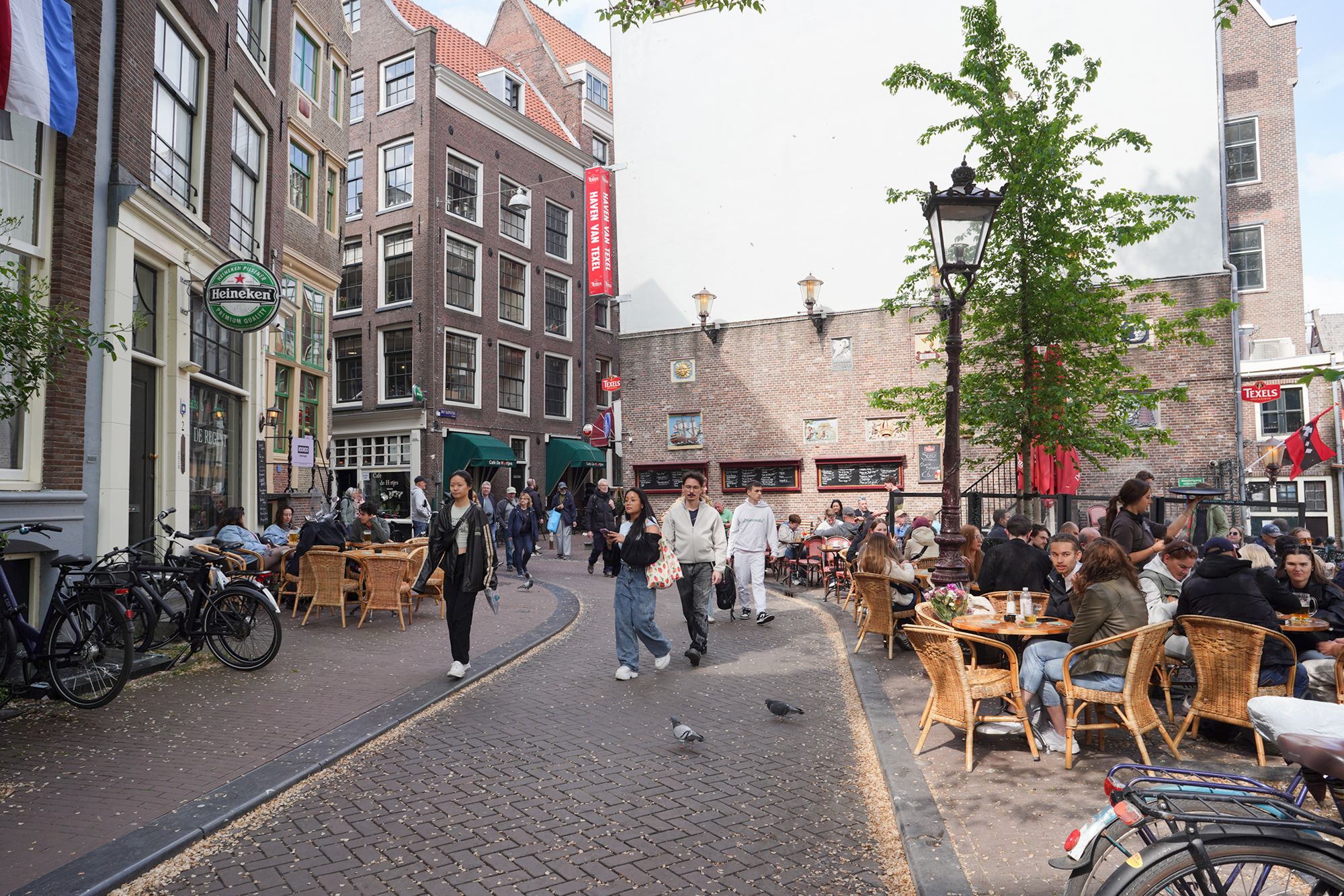
From Central Station, I turned back toward the Red Light District and once again wandered through its maze of narrow streets and alleys.
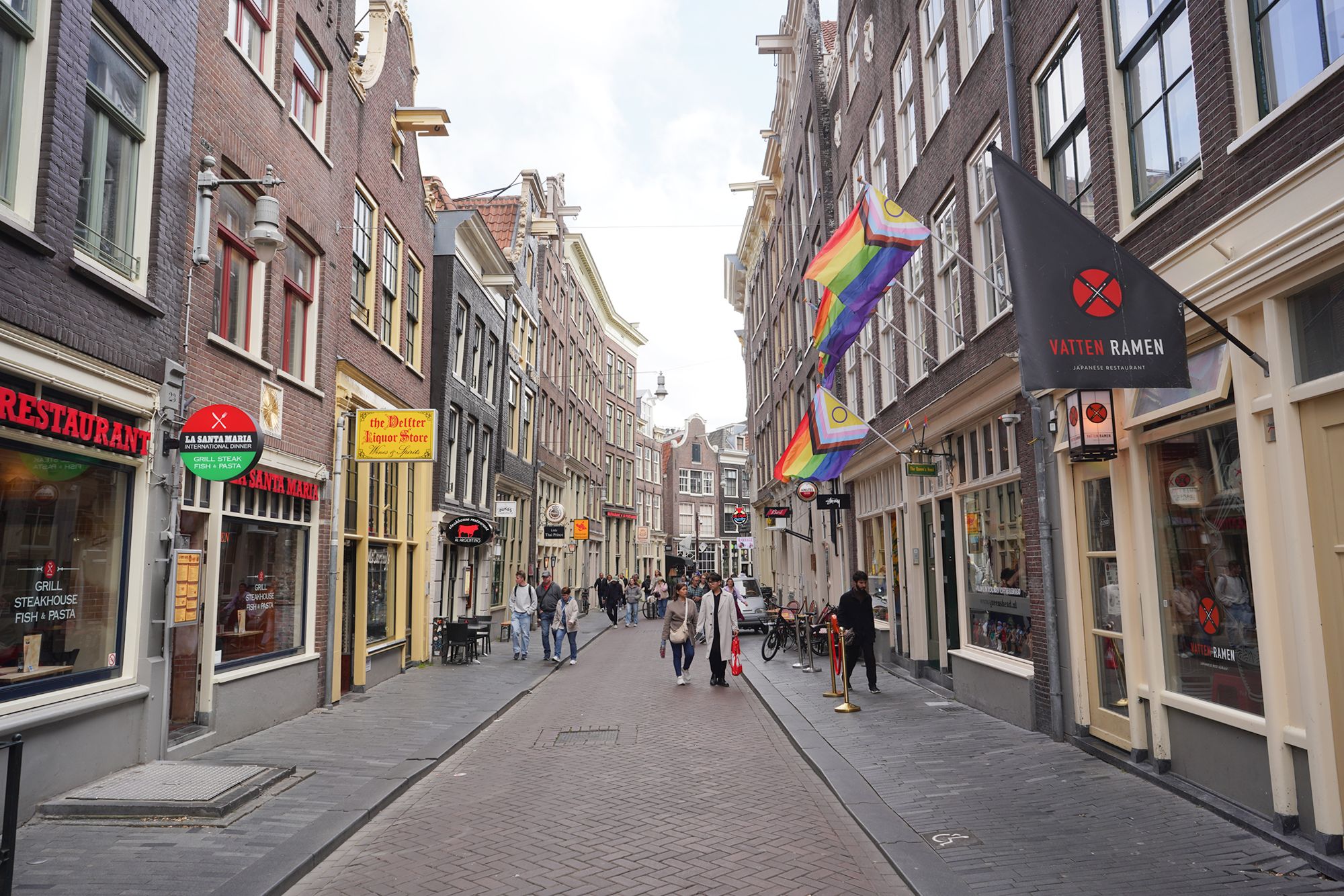
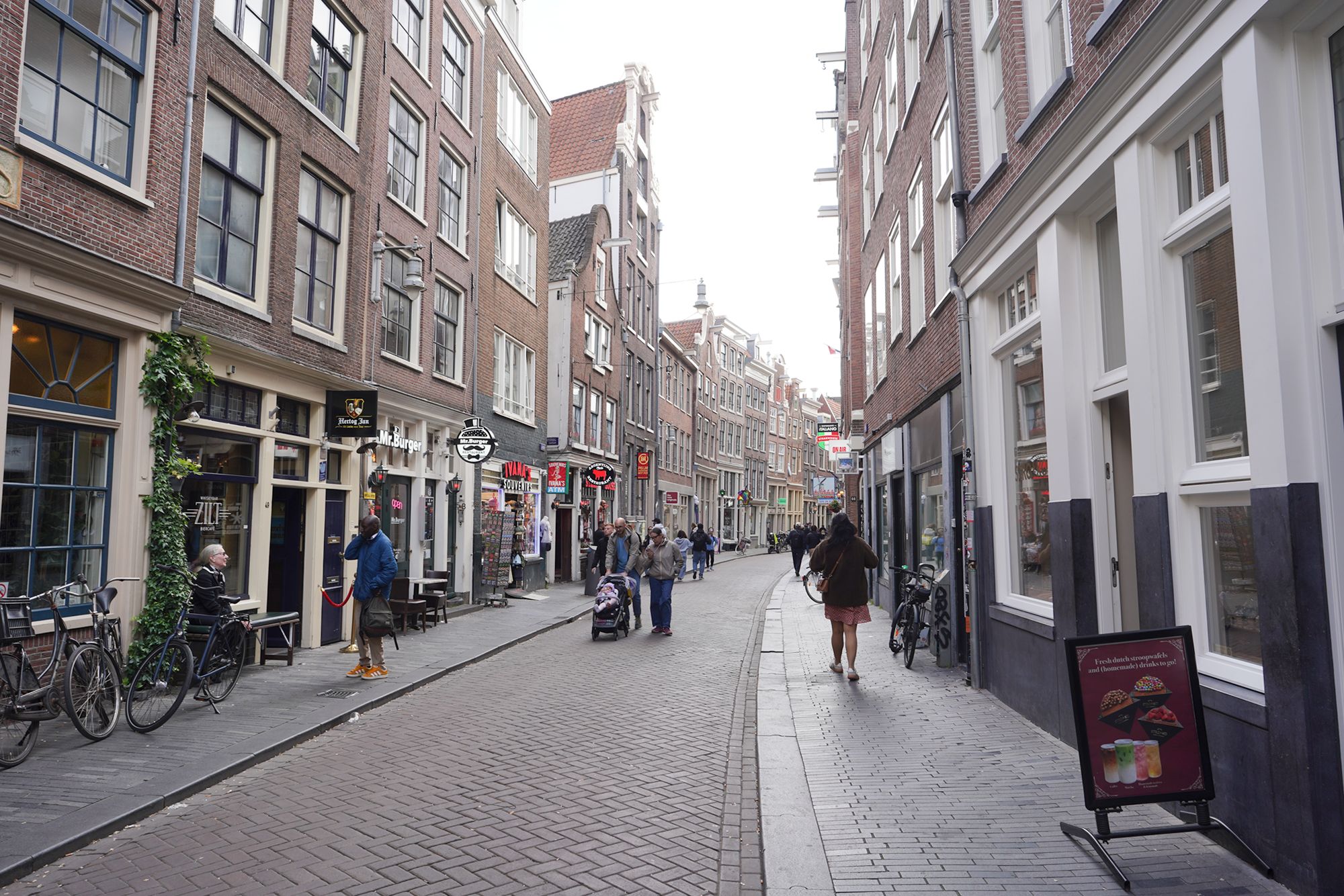
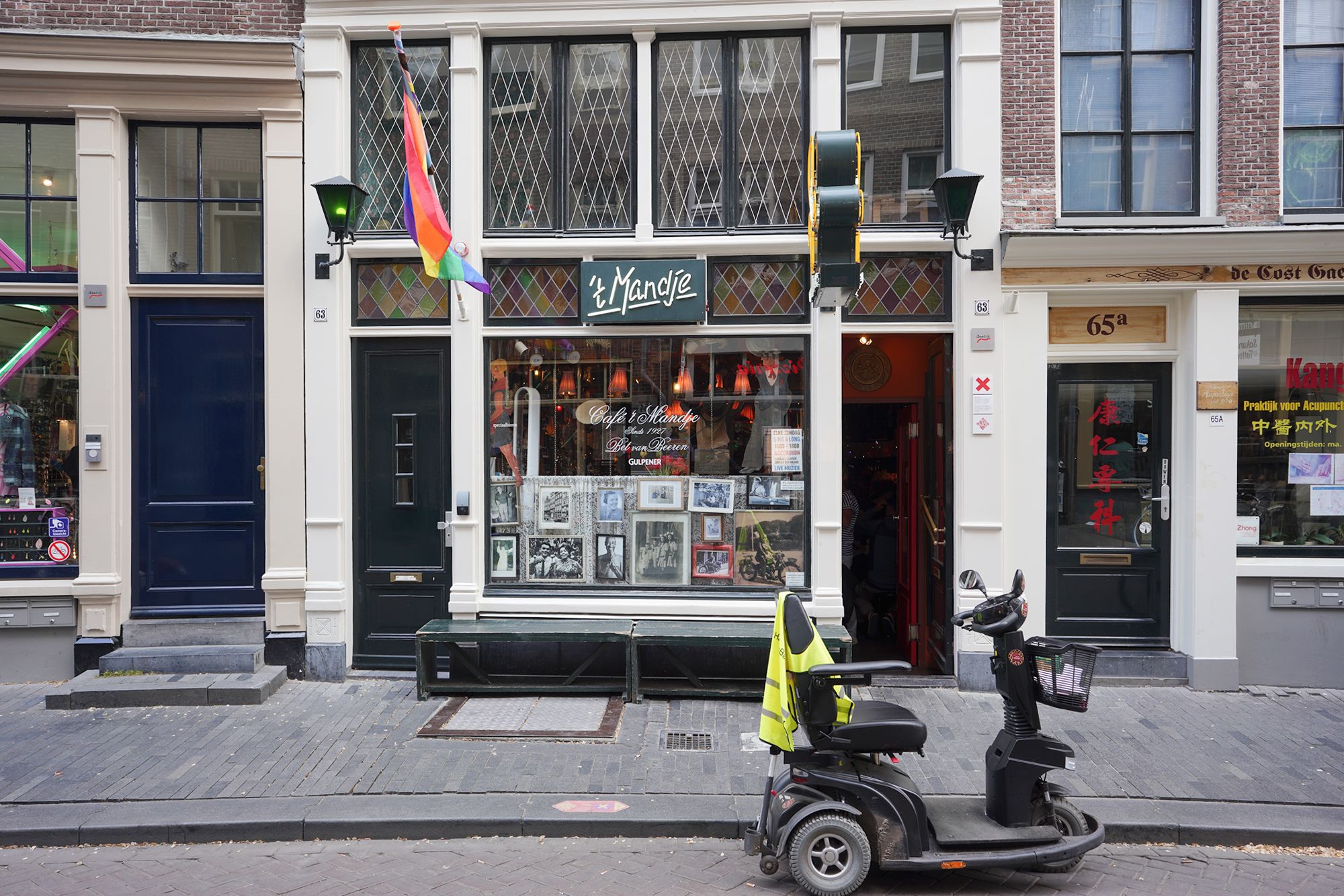
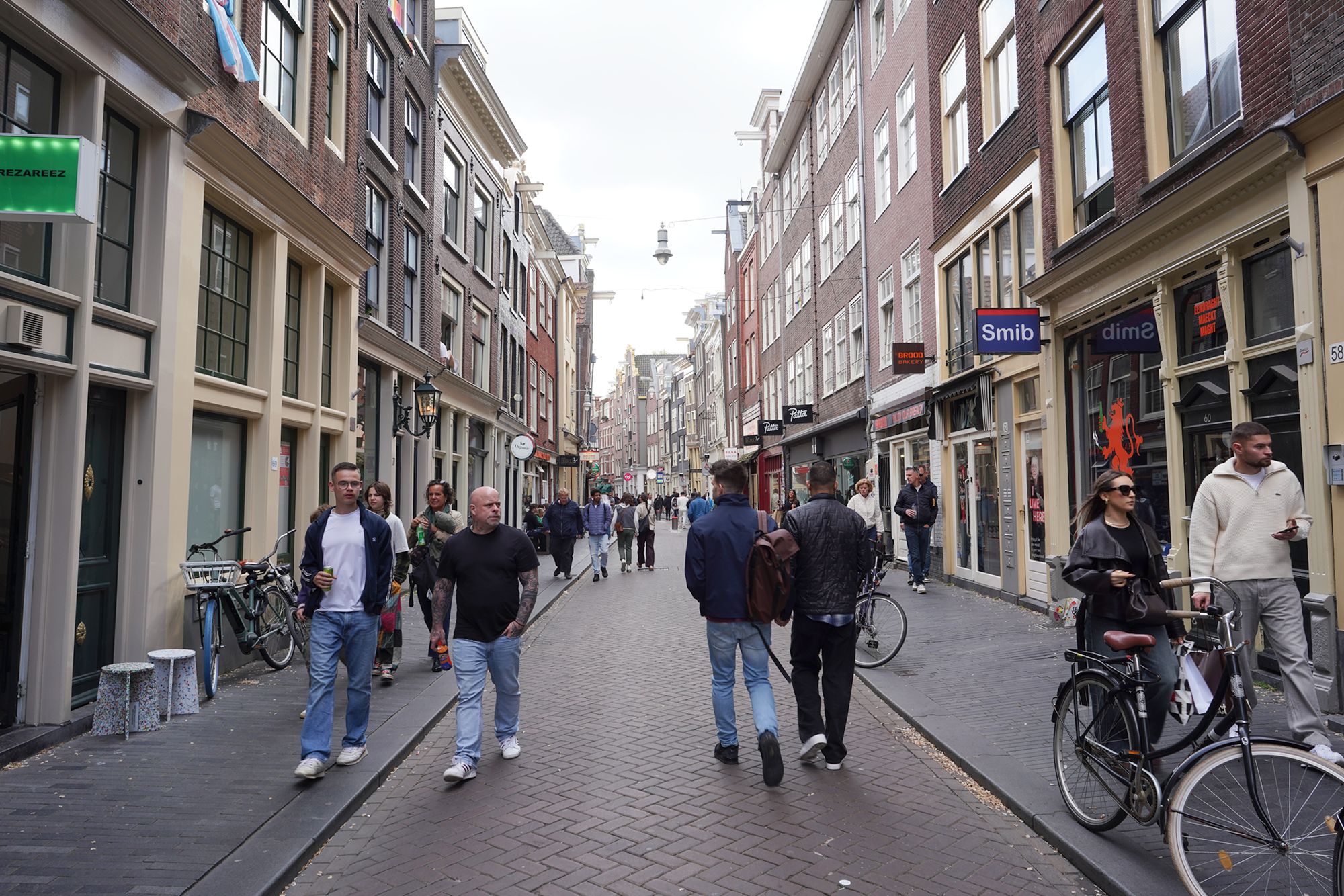
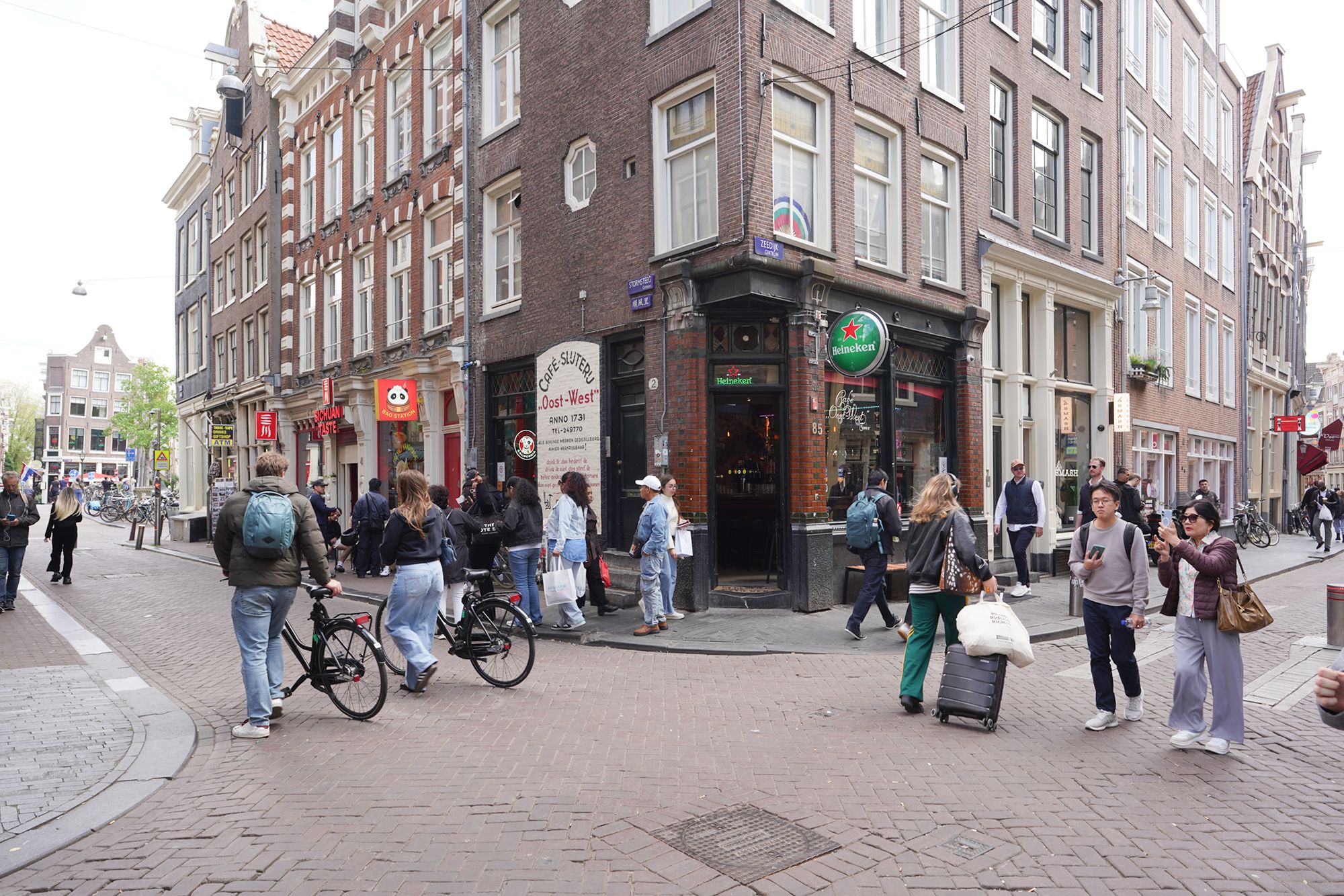
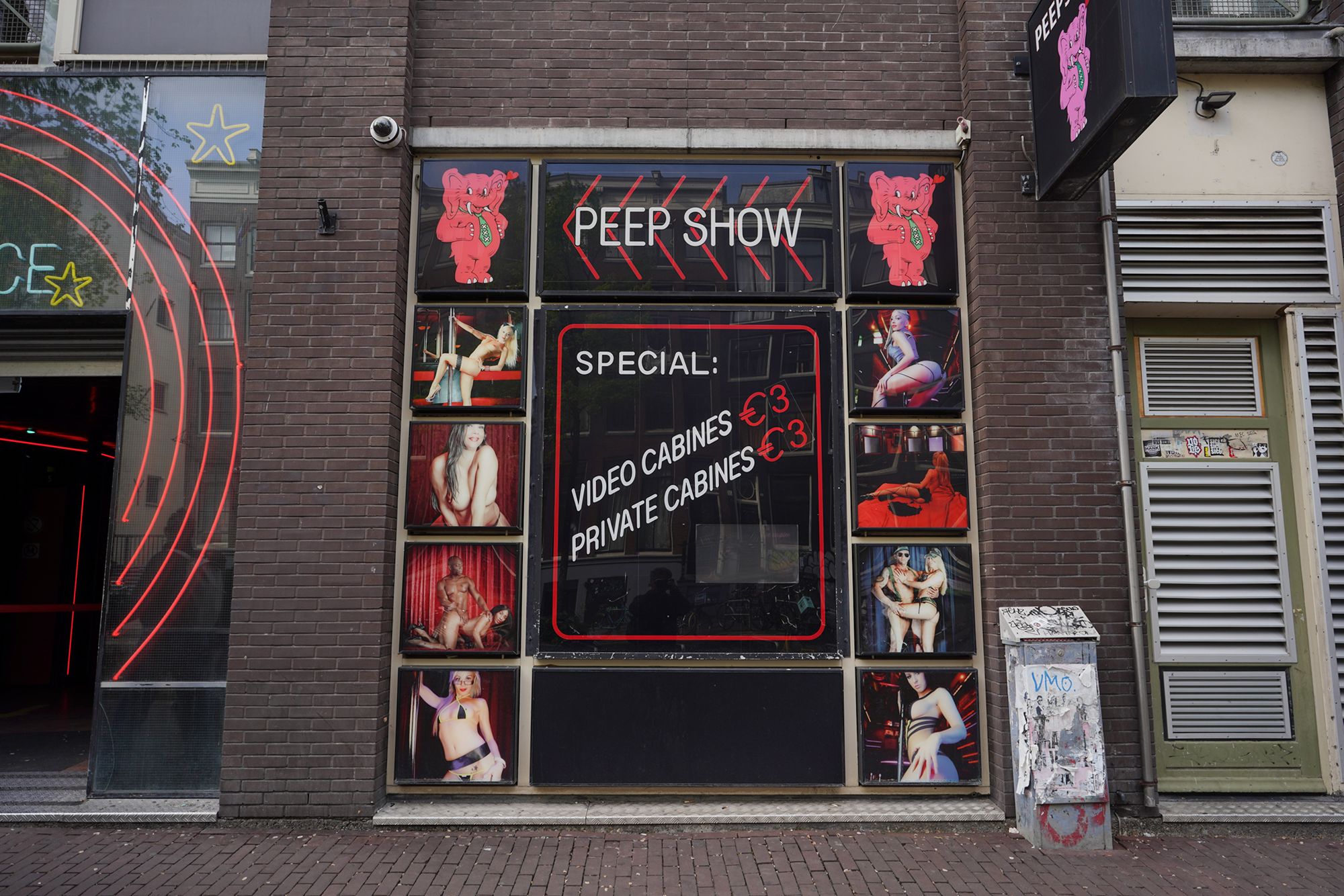
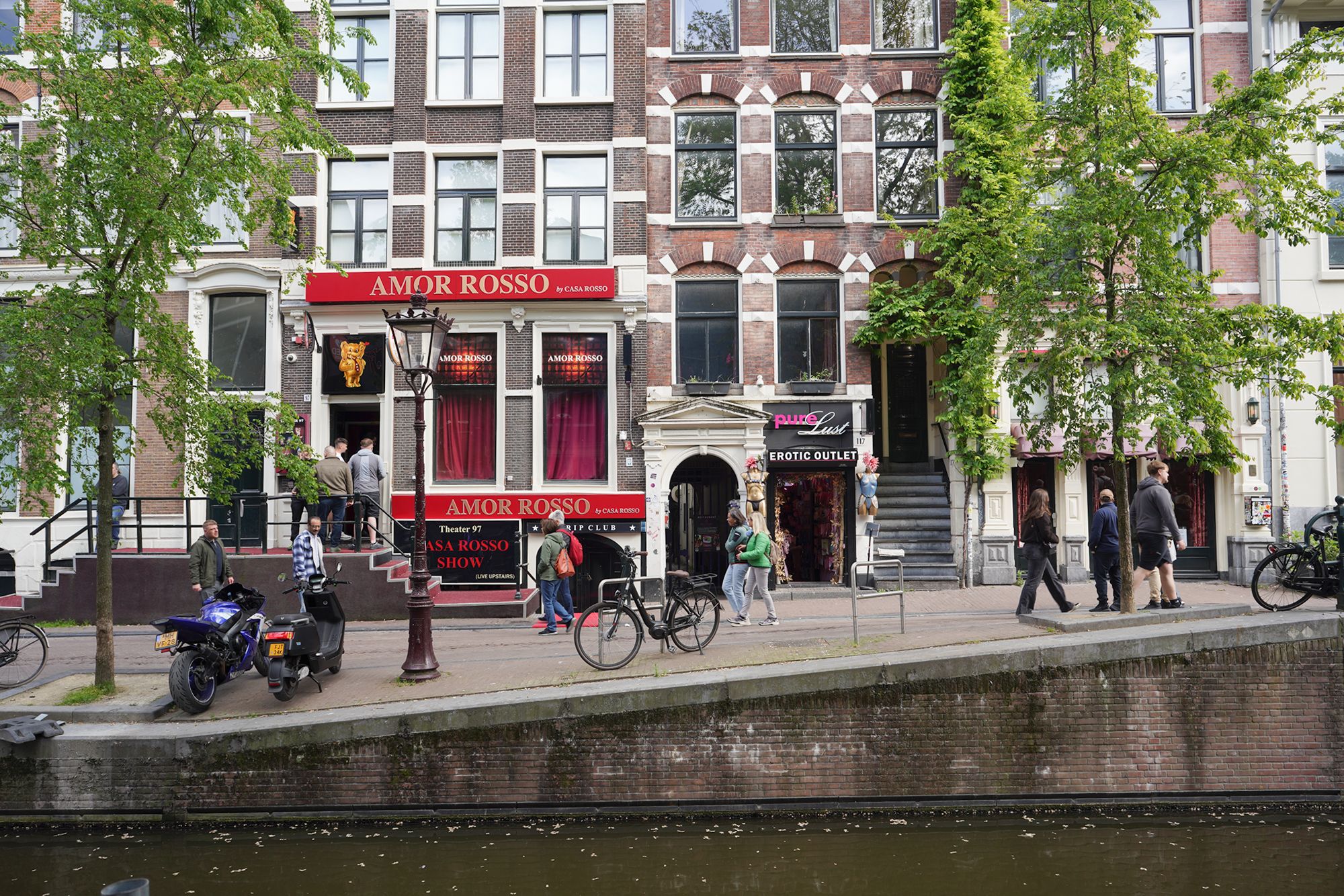
Back among the narrow streets, the character of Amsterdam’s Red Light District became much more obvious, with adult entertainment venues such as the Moulin Rouge mixed among the old canal houses.
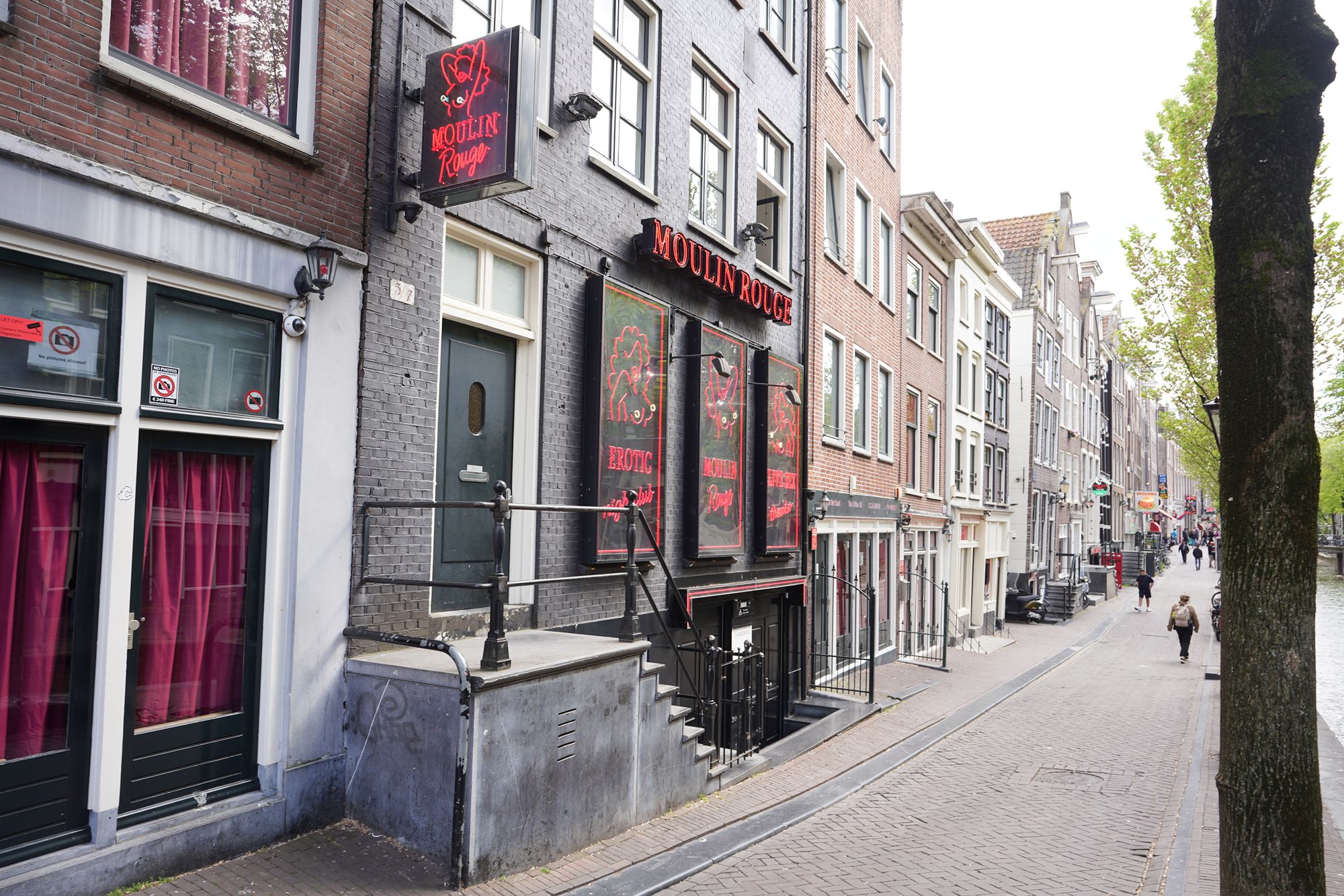
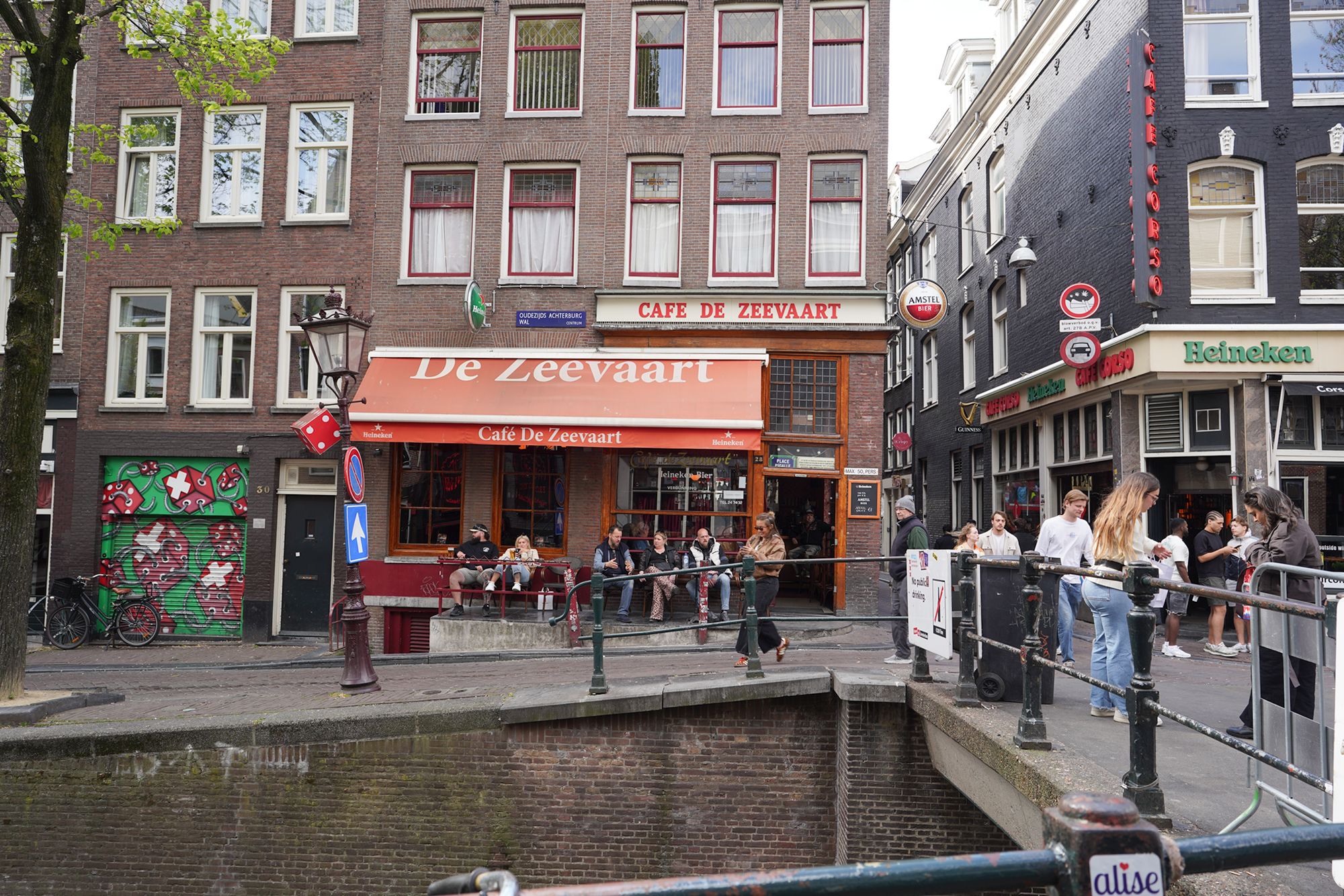
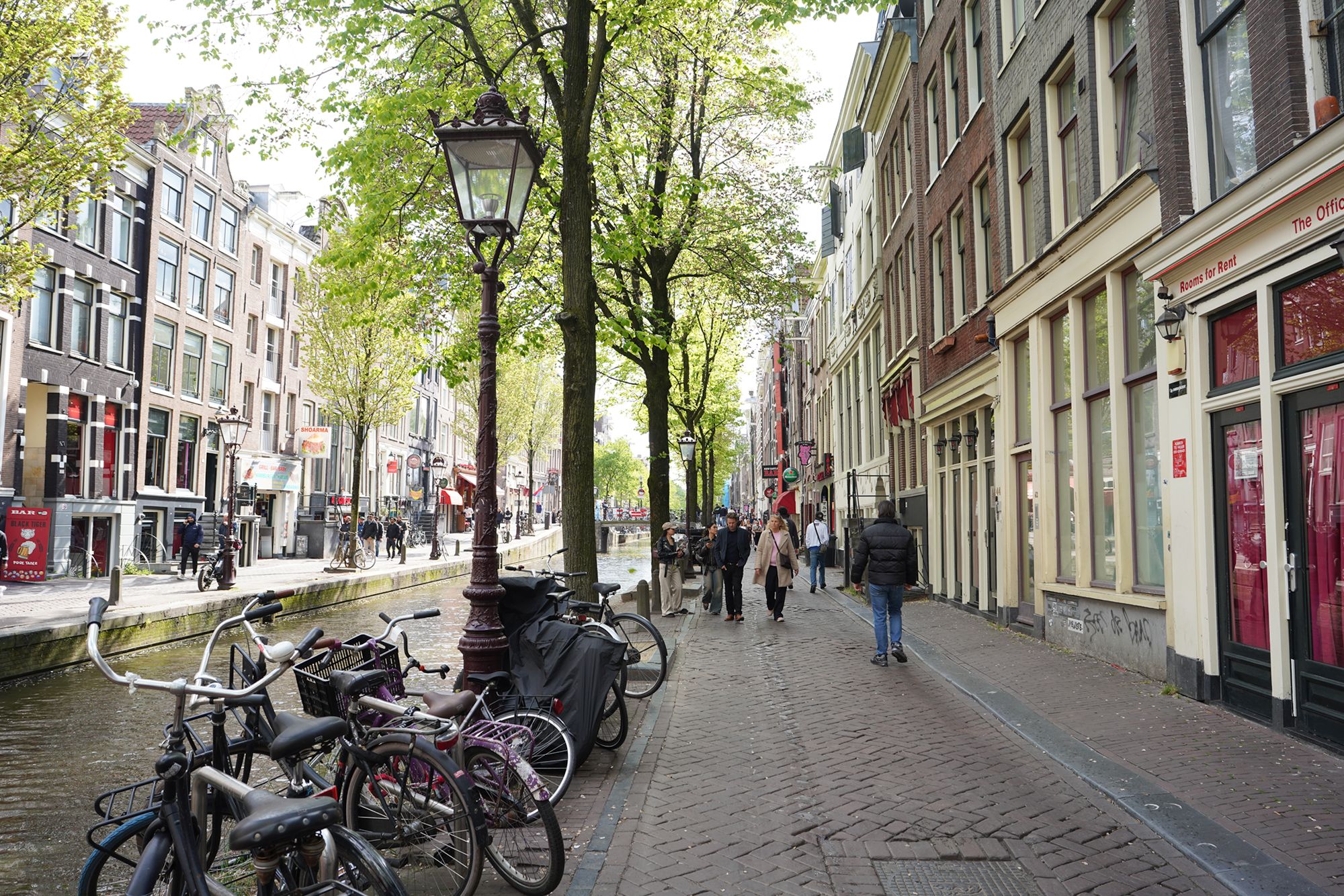
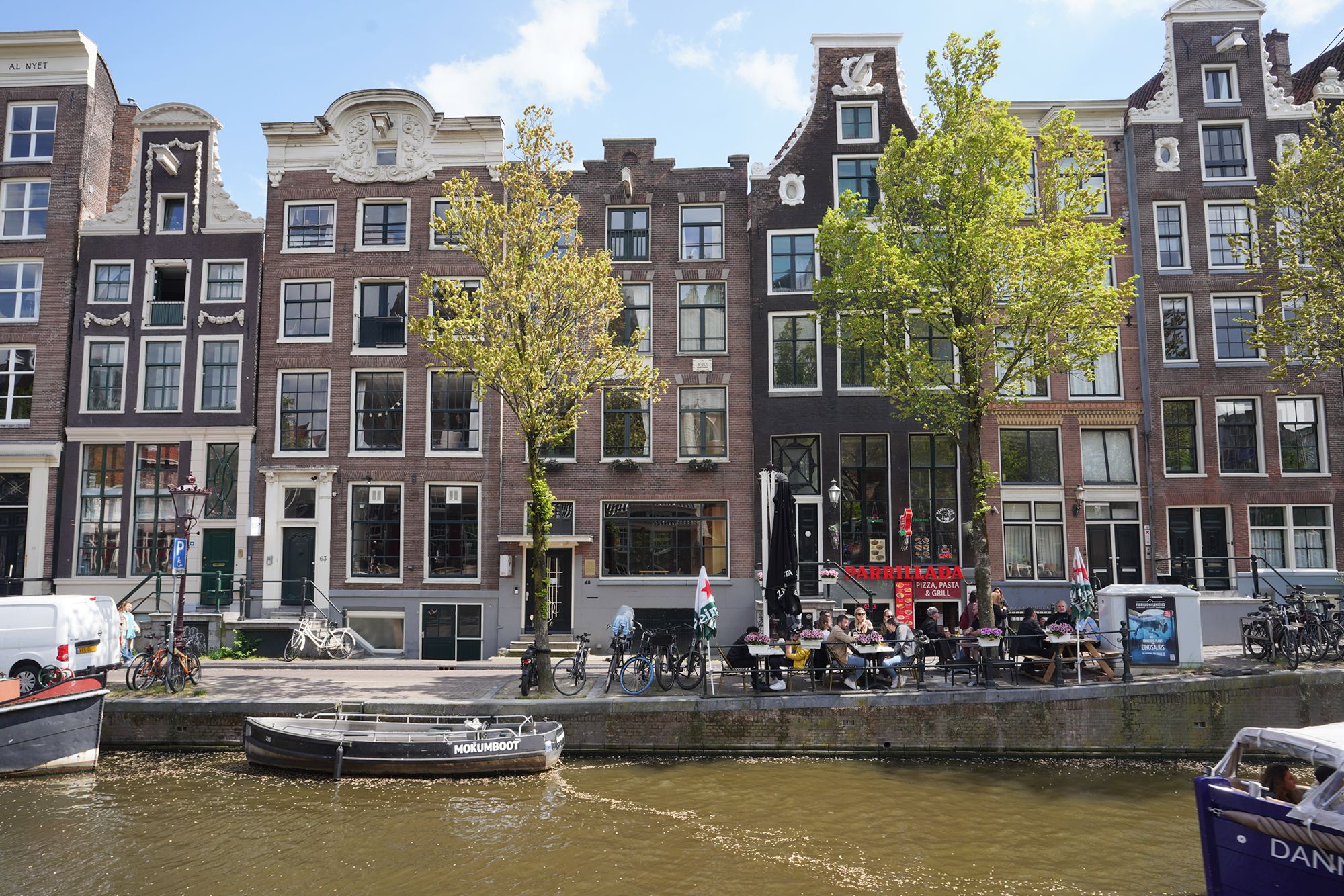
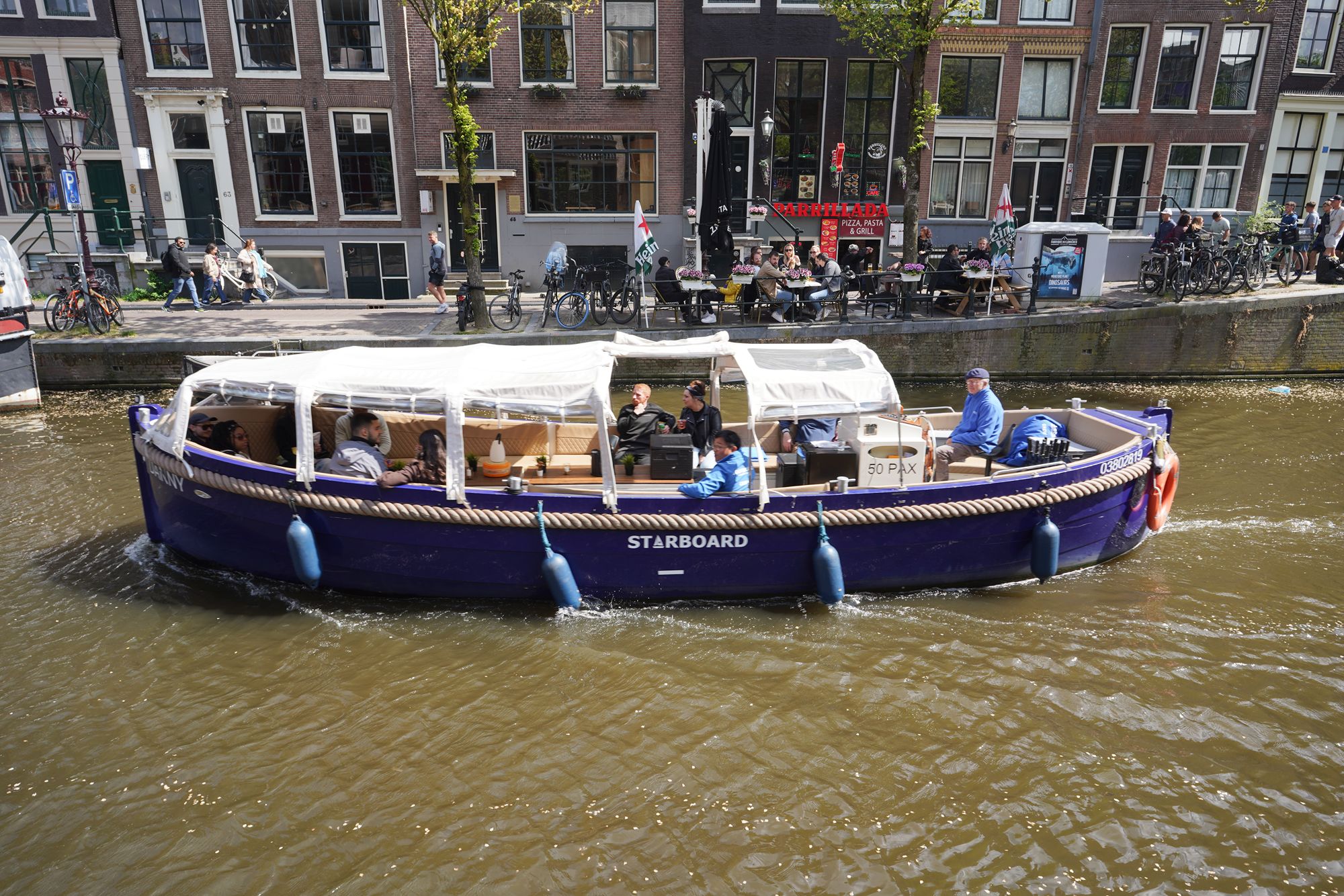
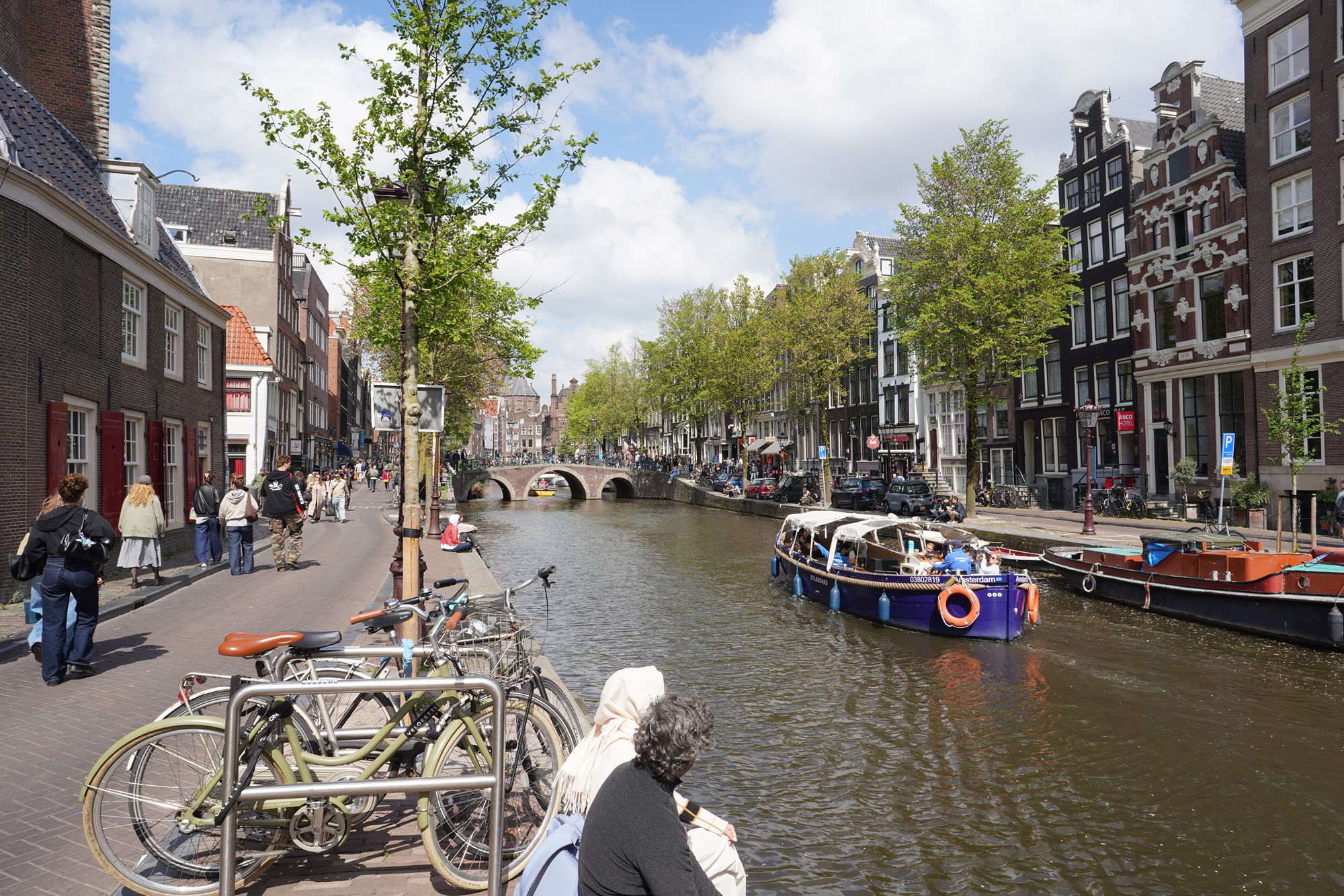
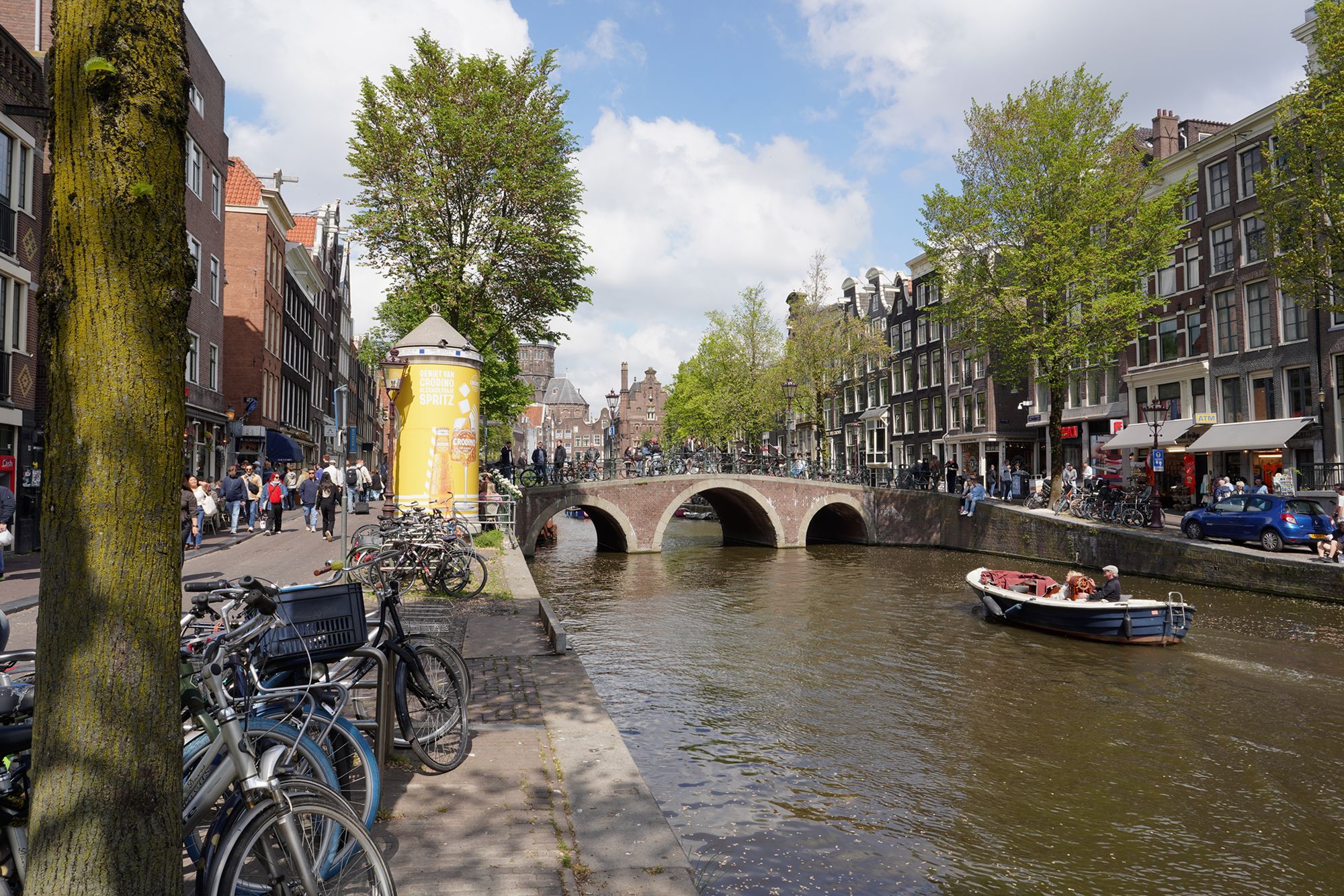
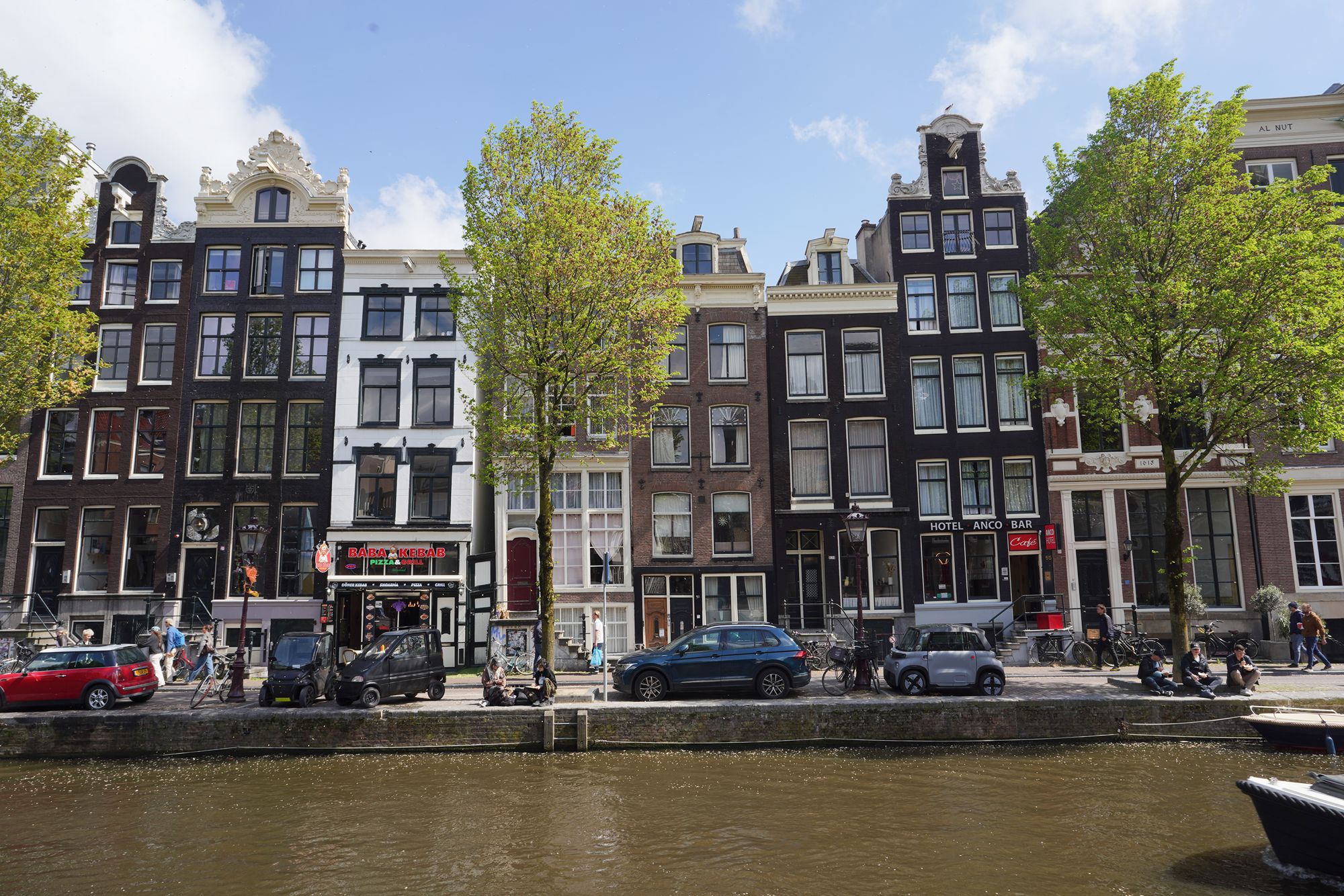
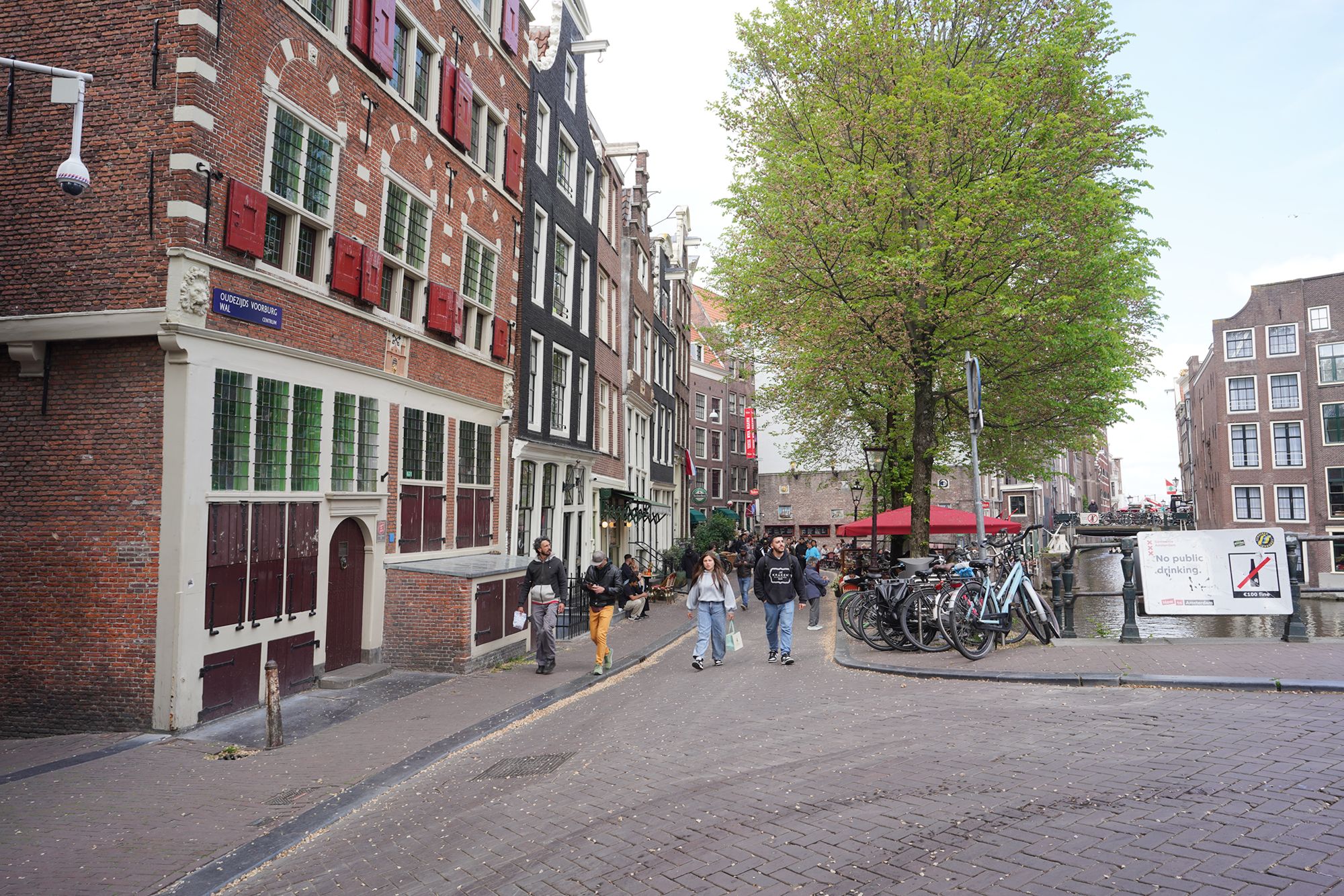
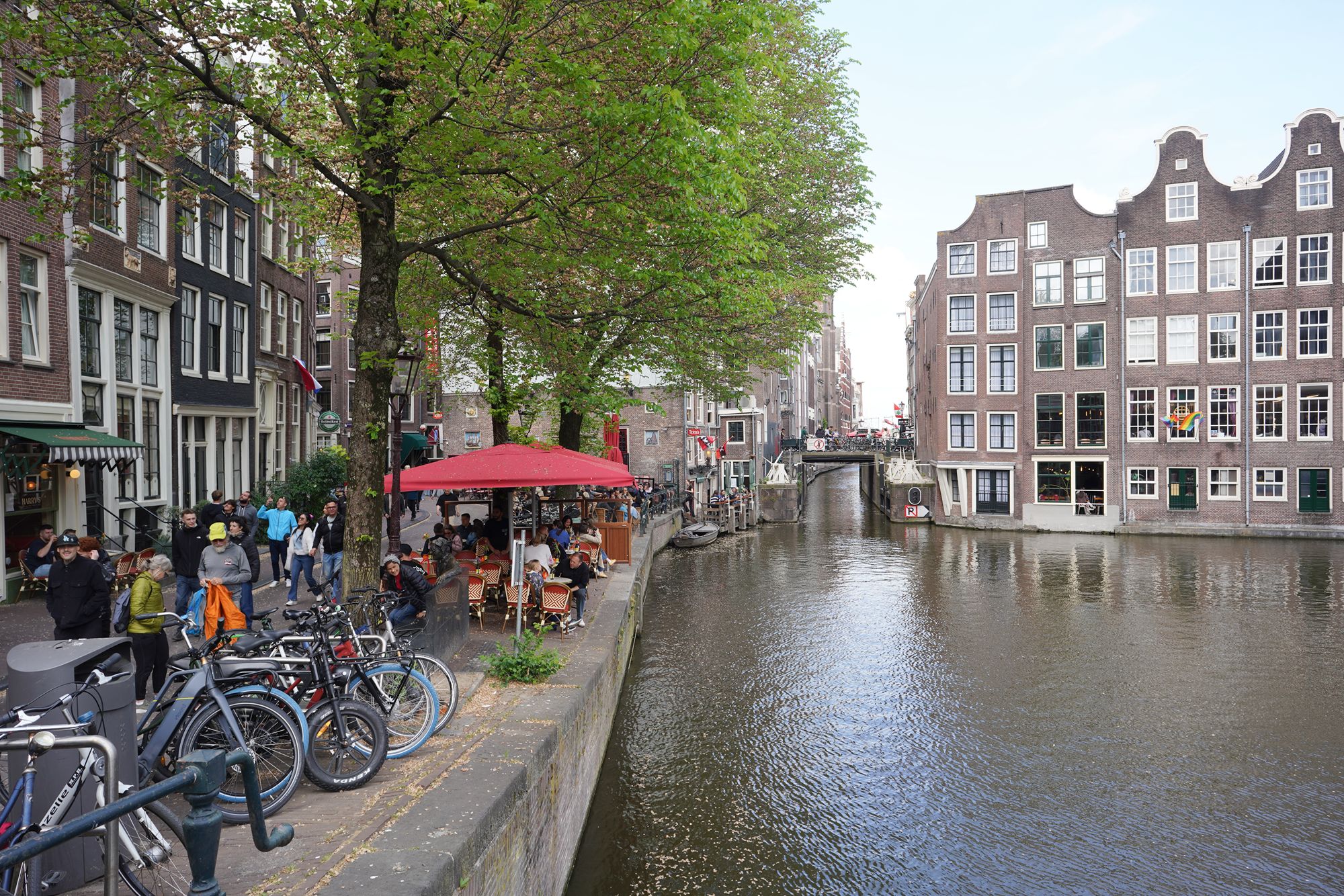
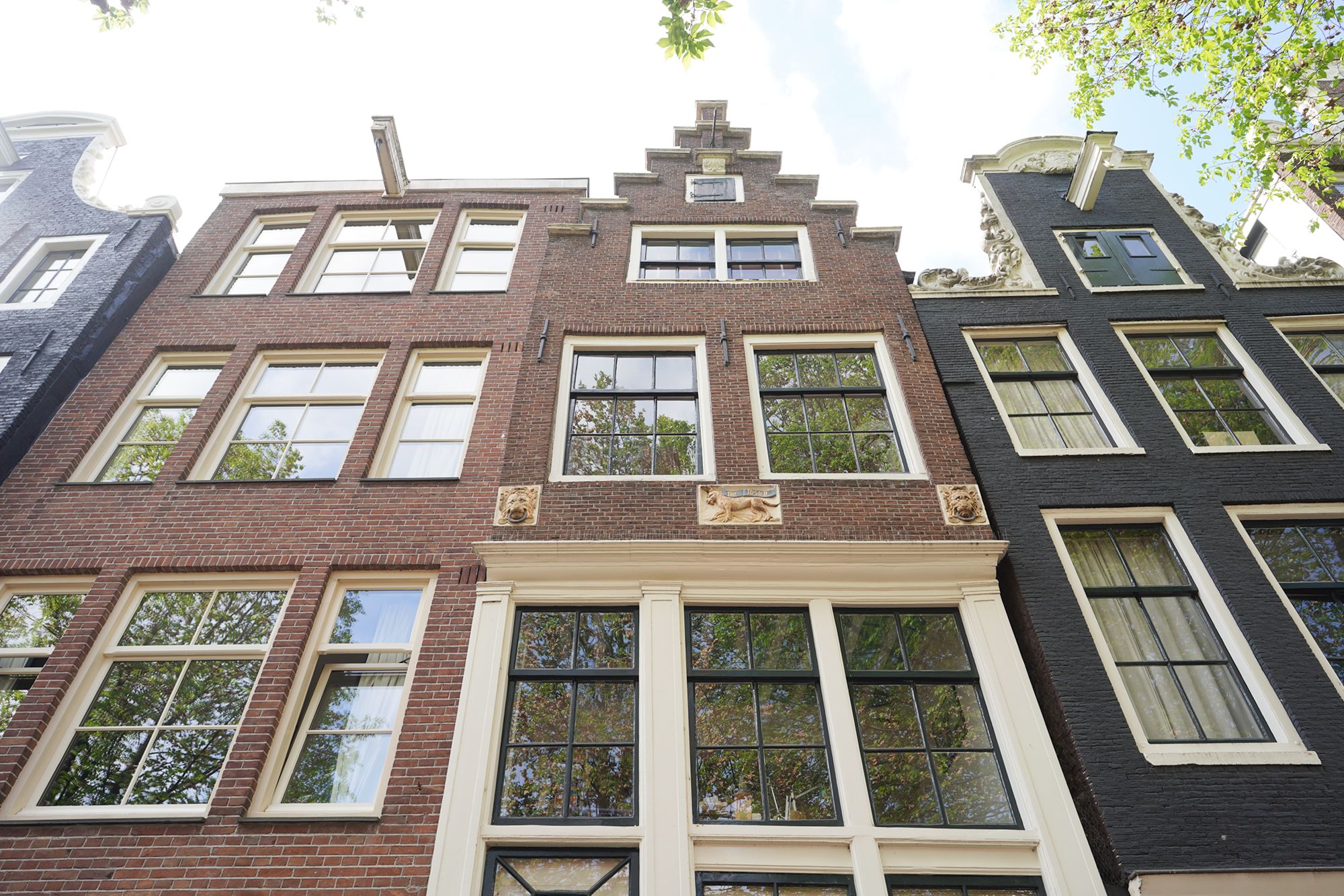
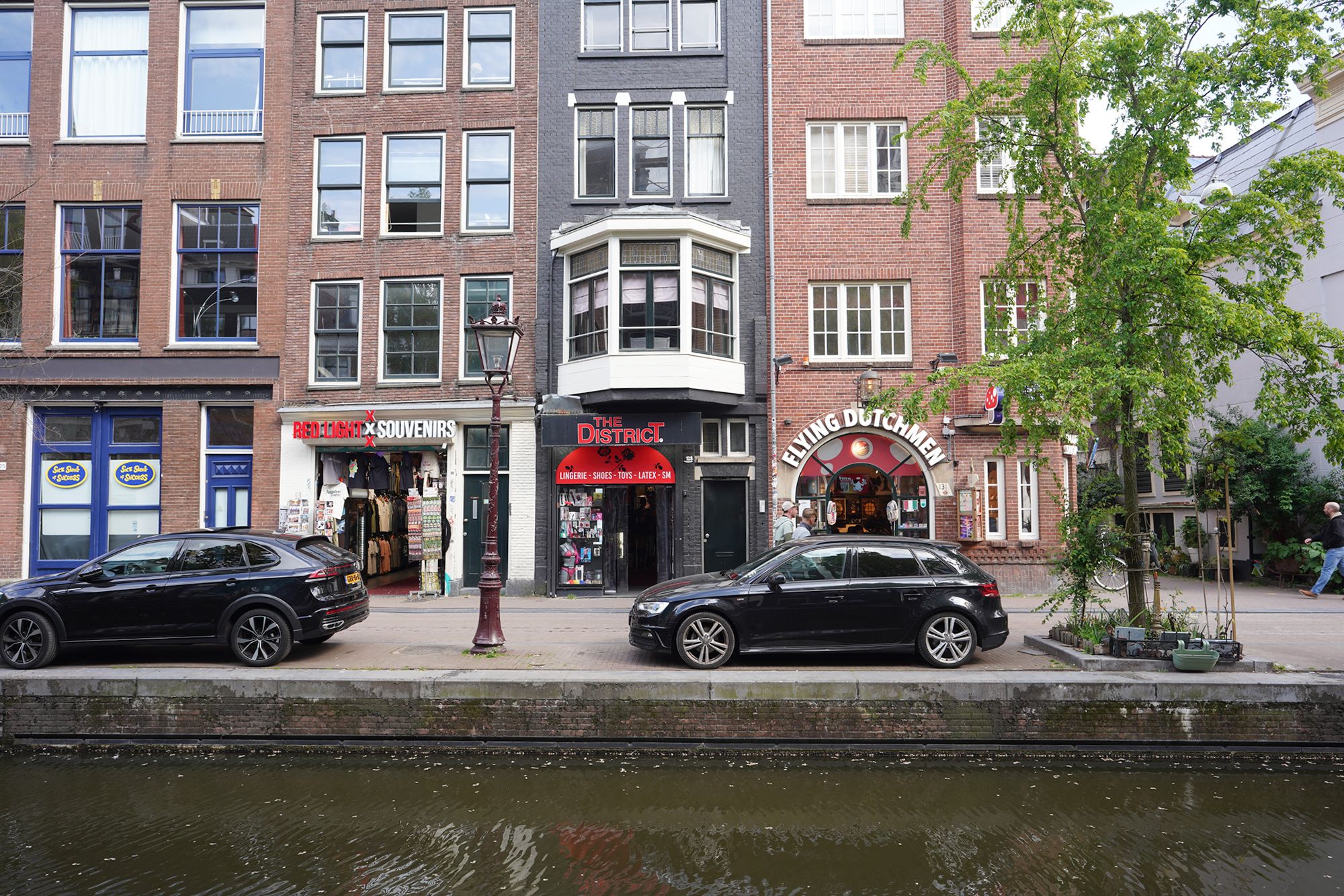
I continued along Oudezijds Voorburgwal, one of the main canals running through the heart of the Red Light District, lined with historic canal houses, narrow alleys, bars, and adult entertainment venues.
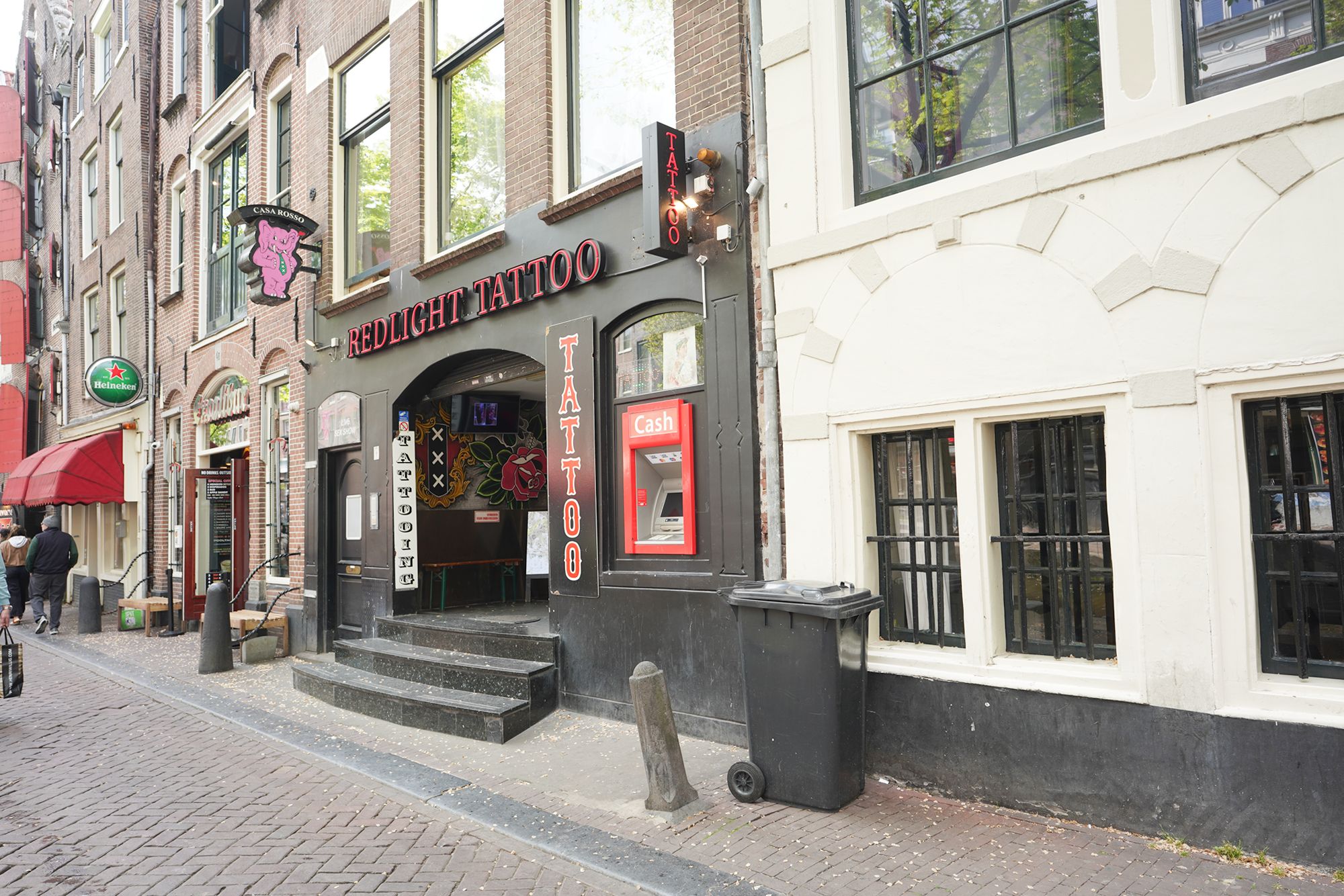
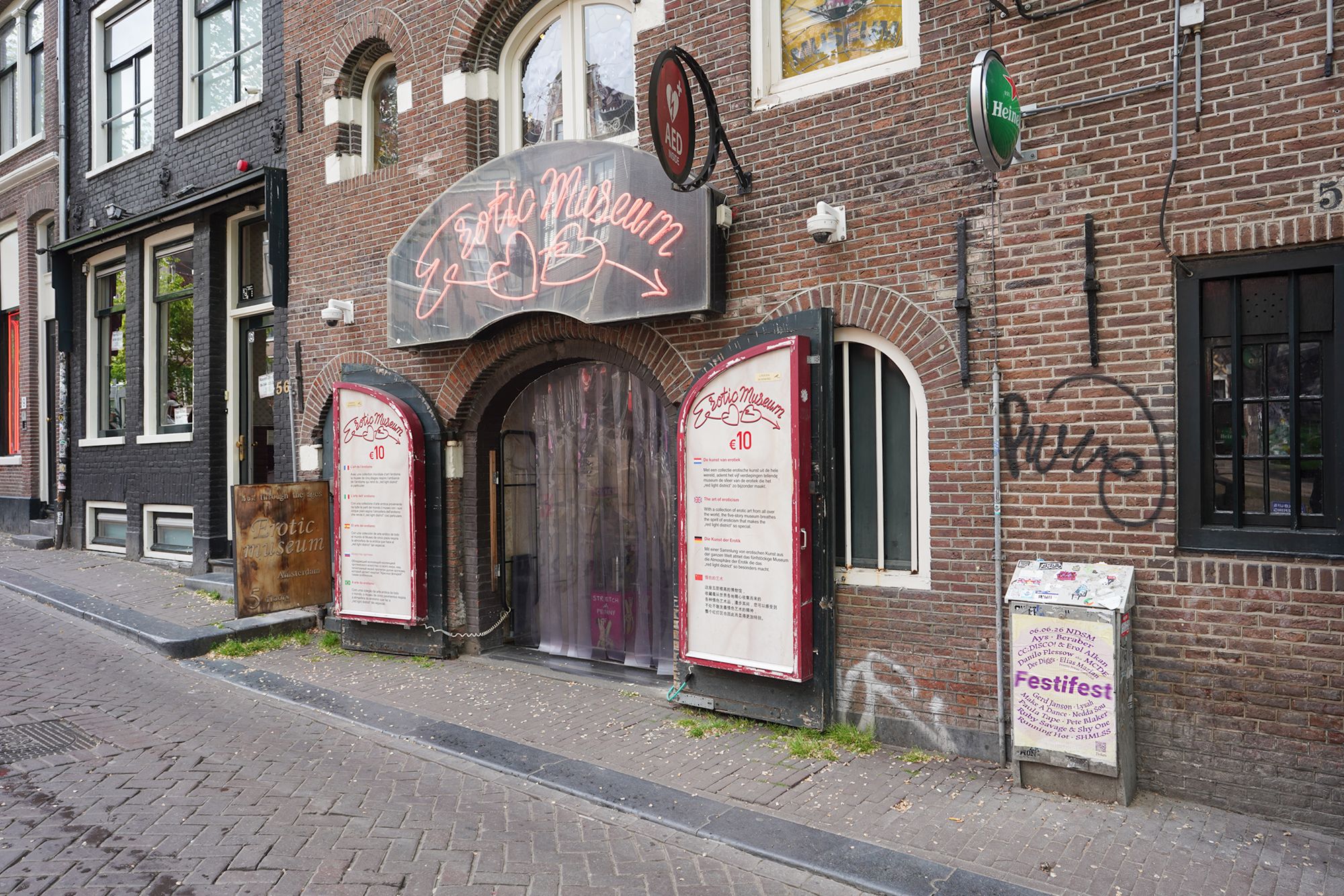
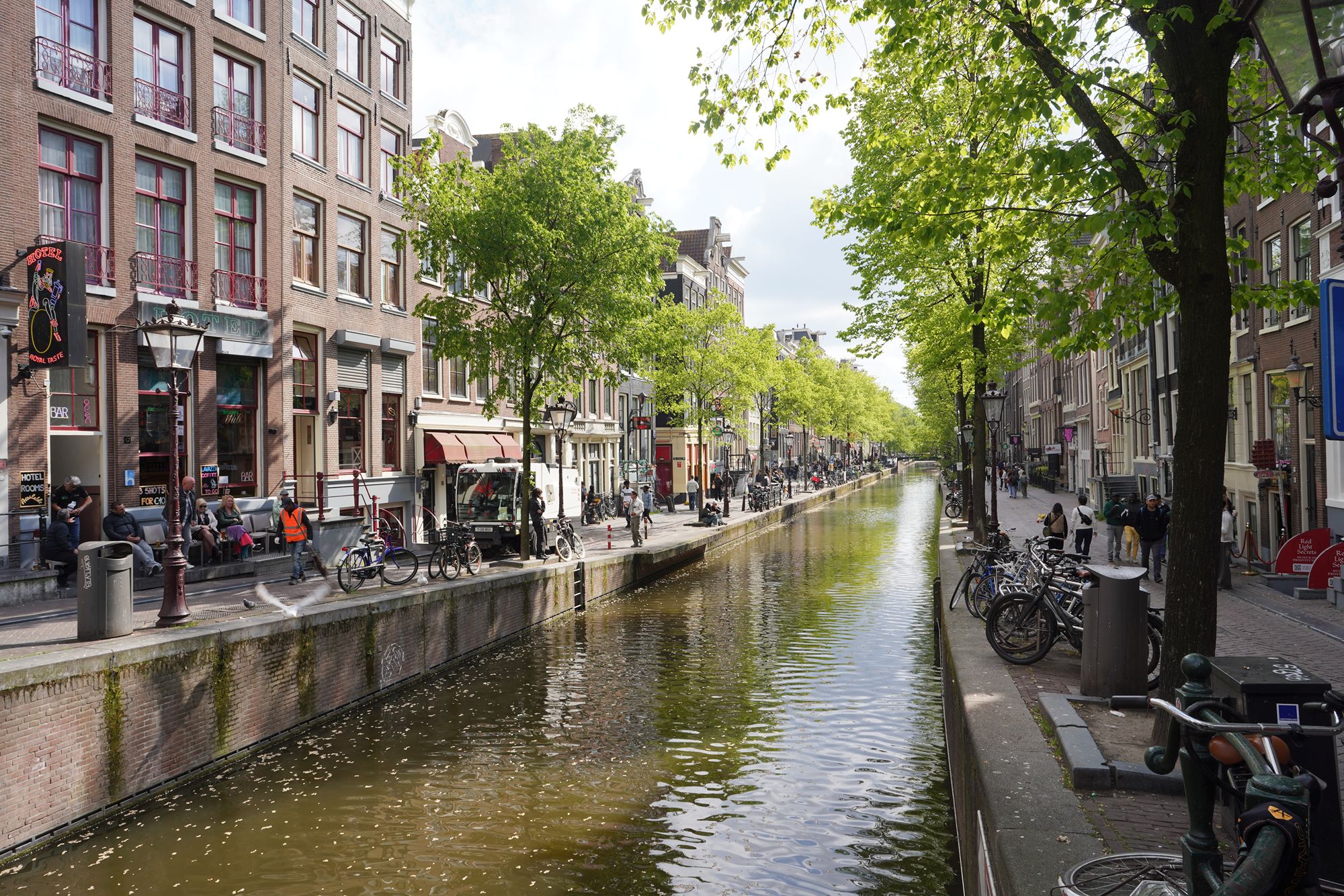
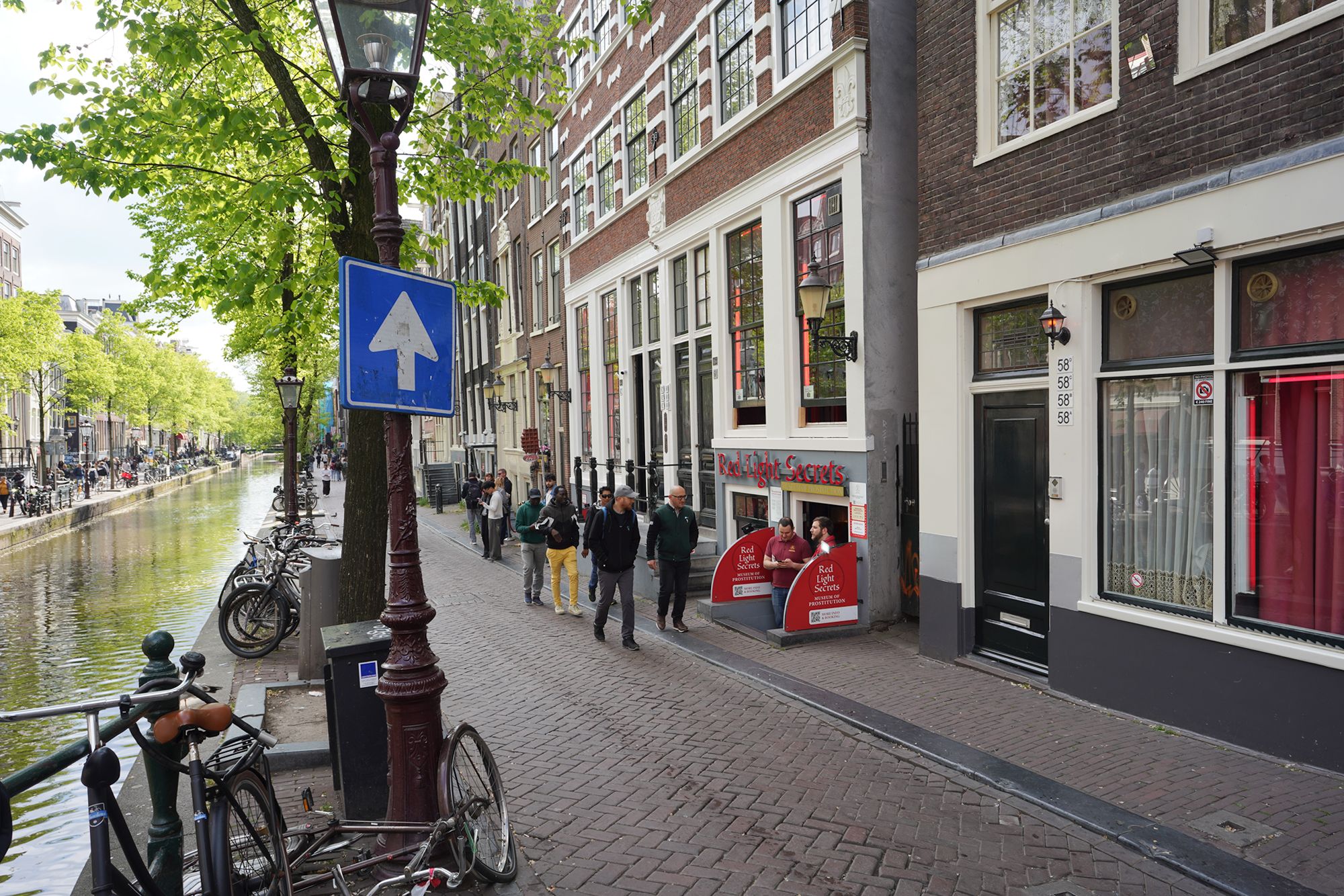
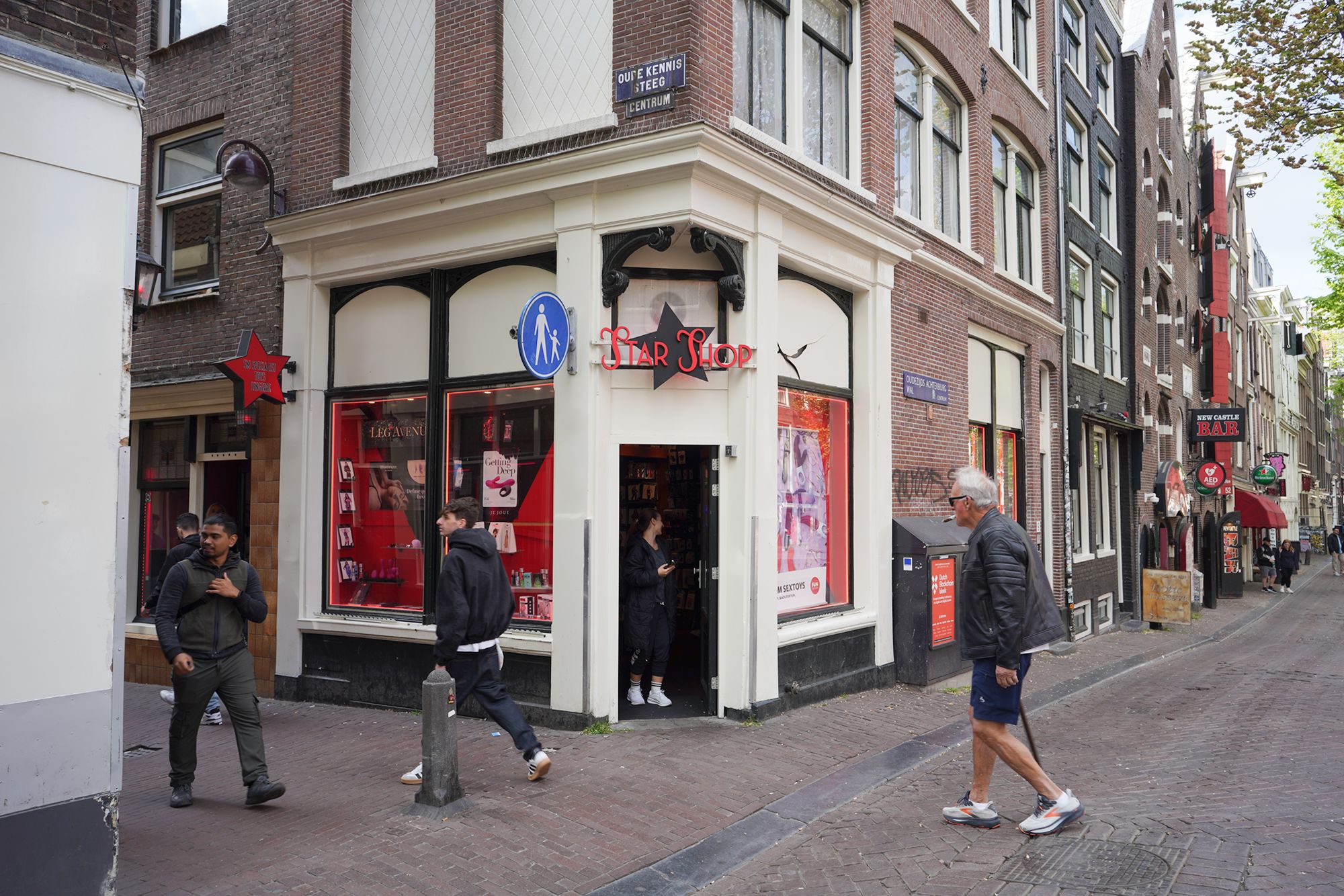
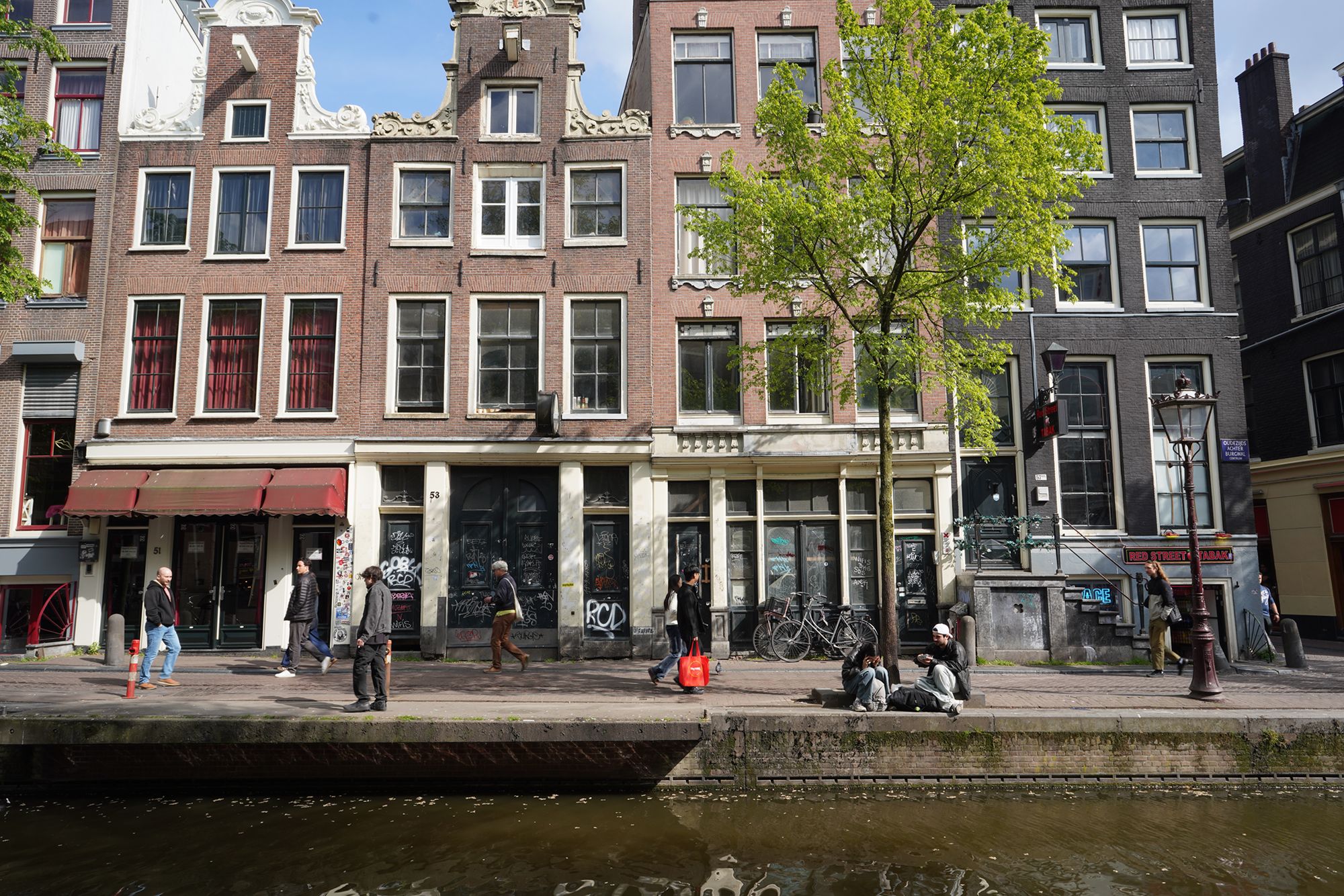
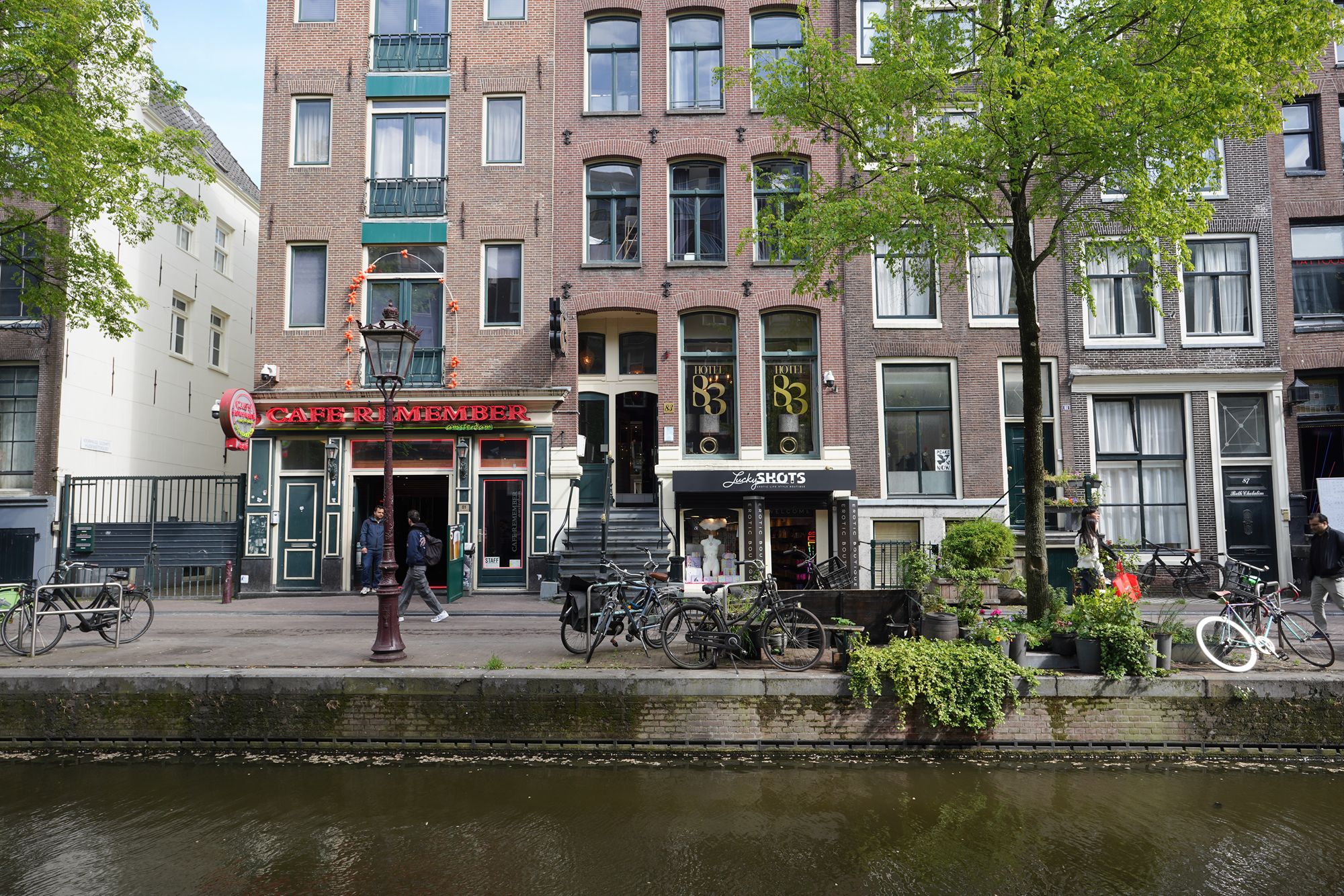
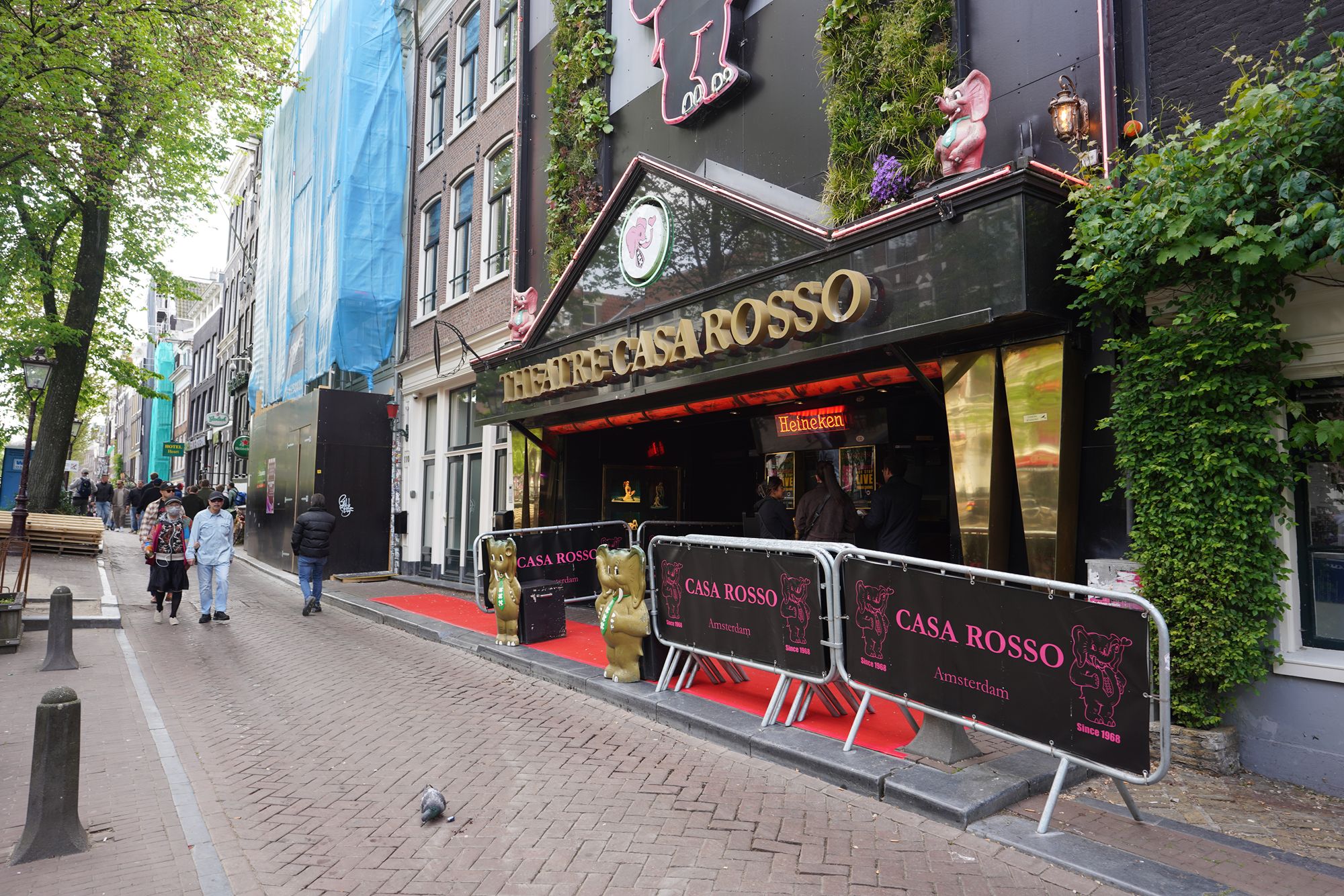
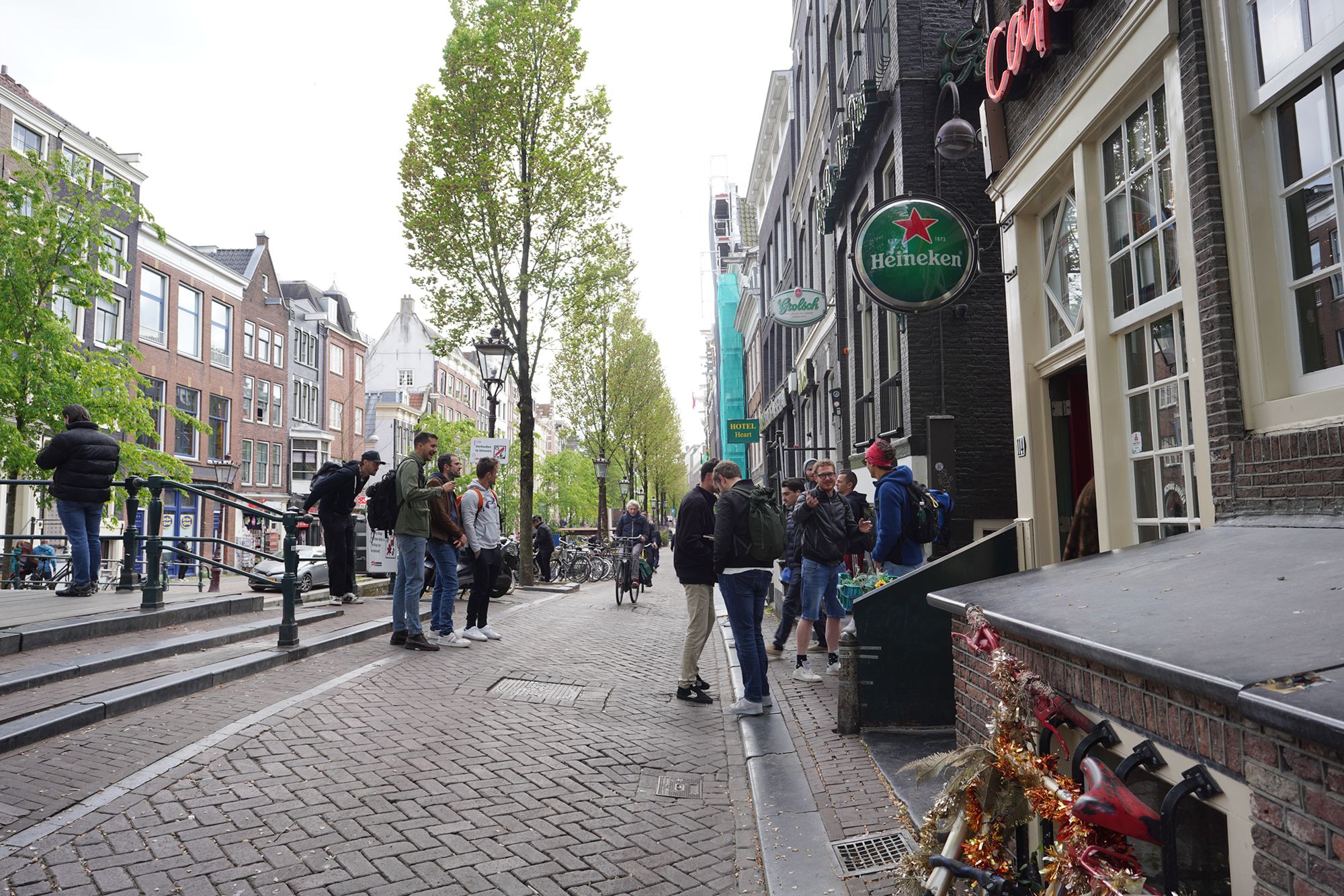
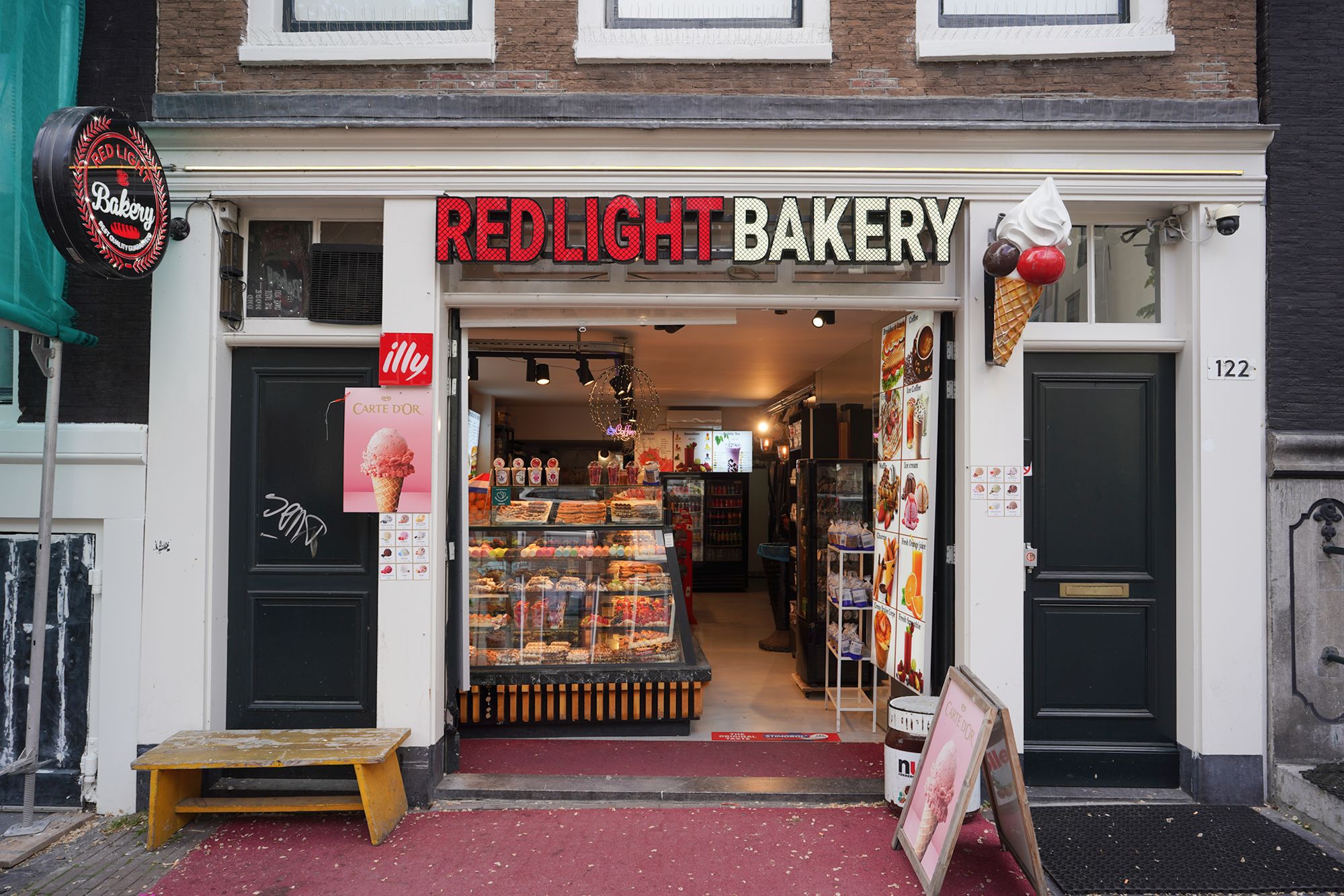
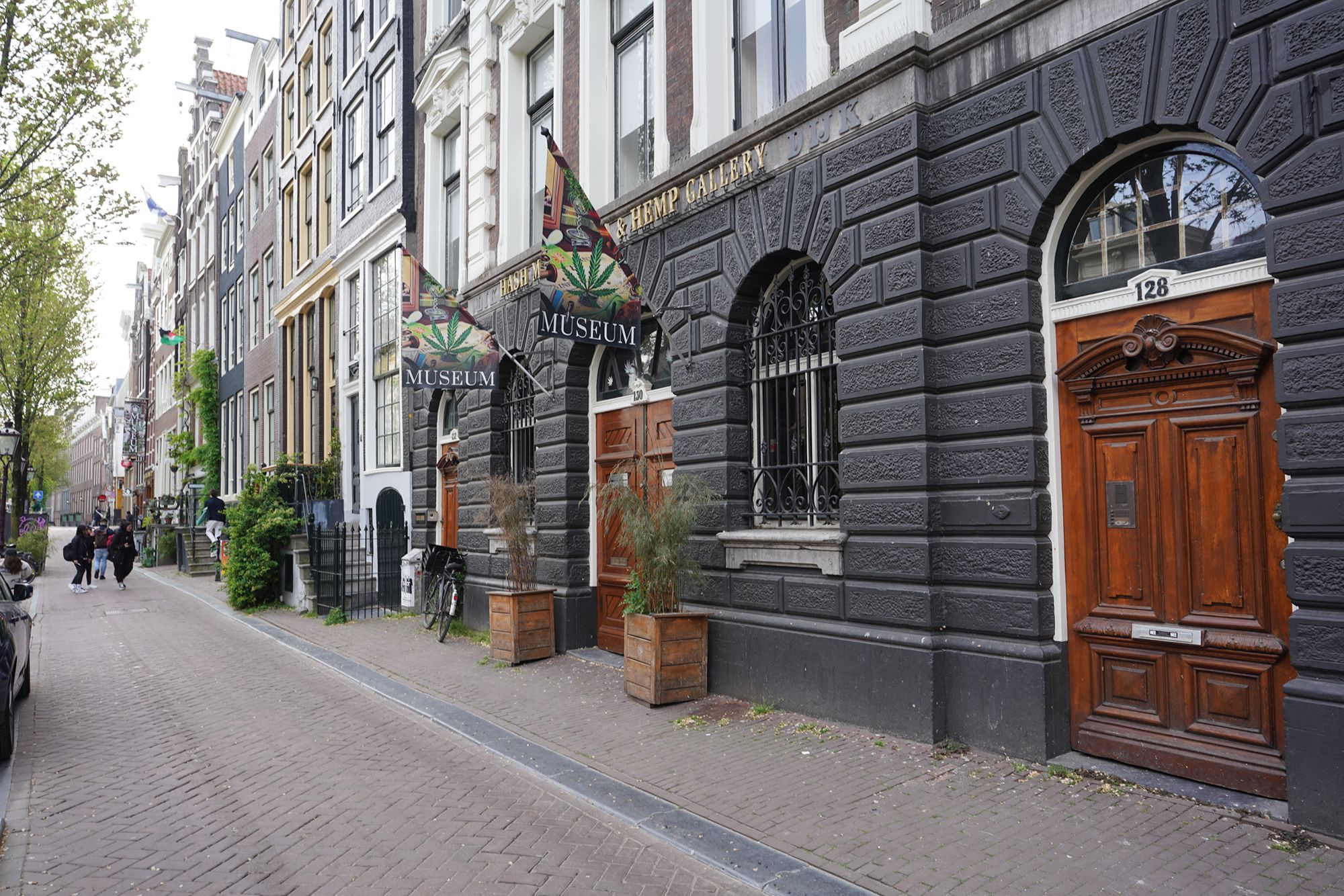
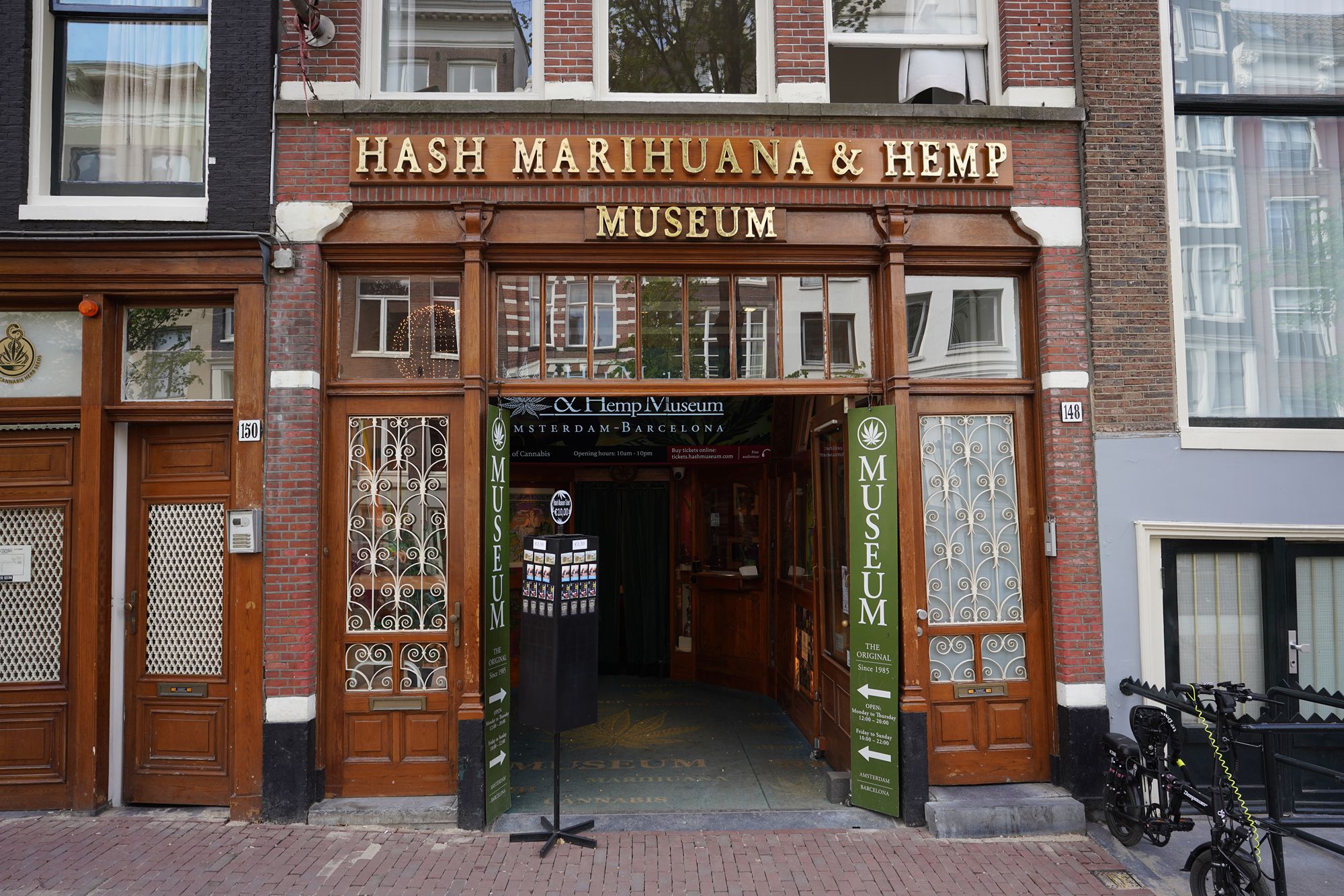
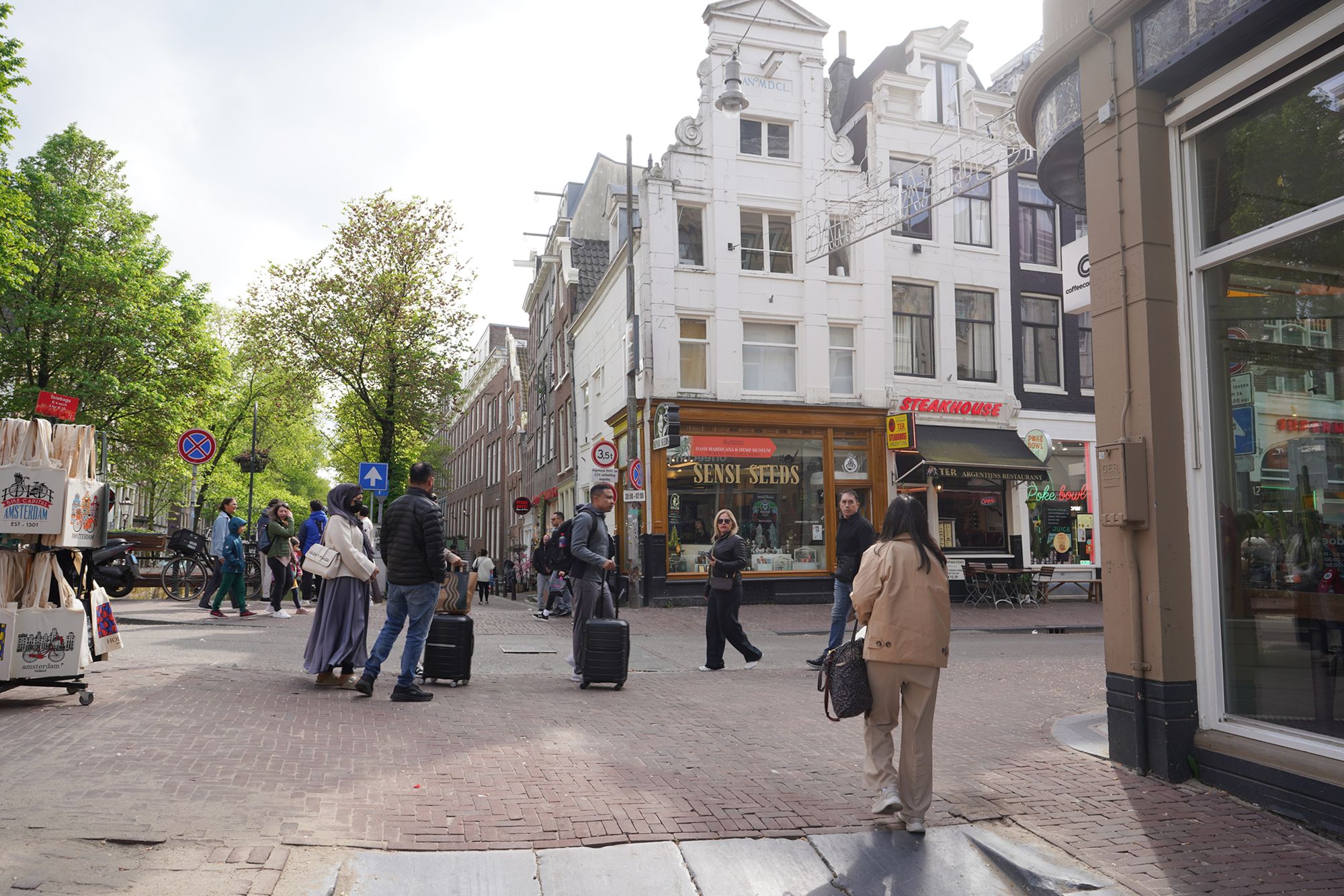
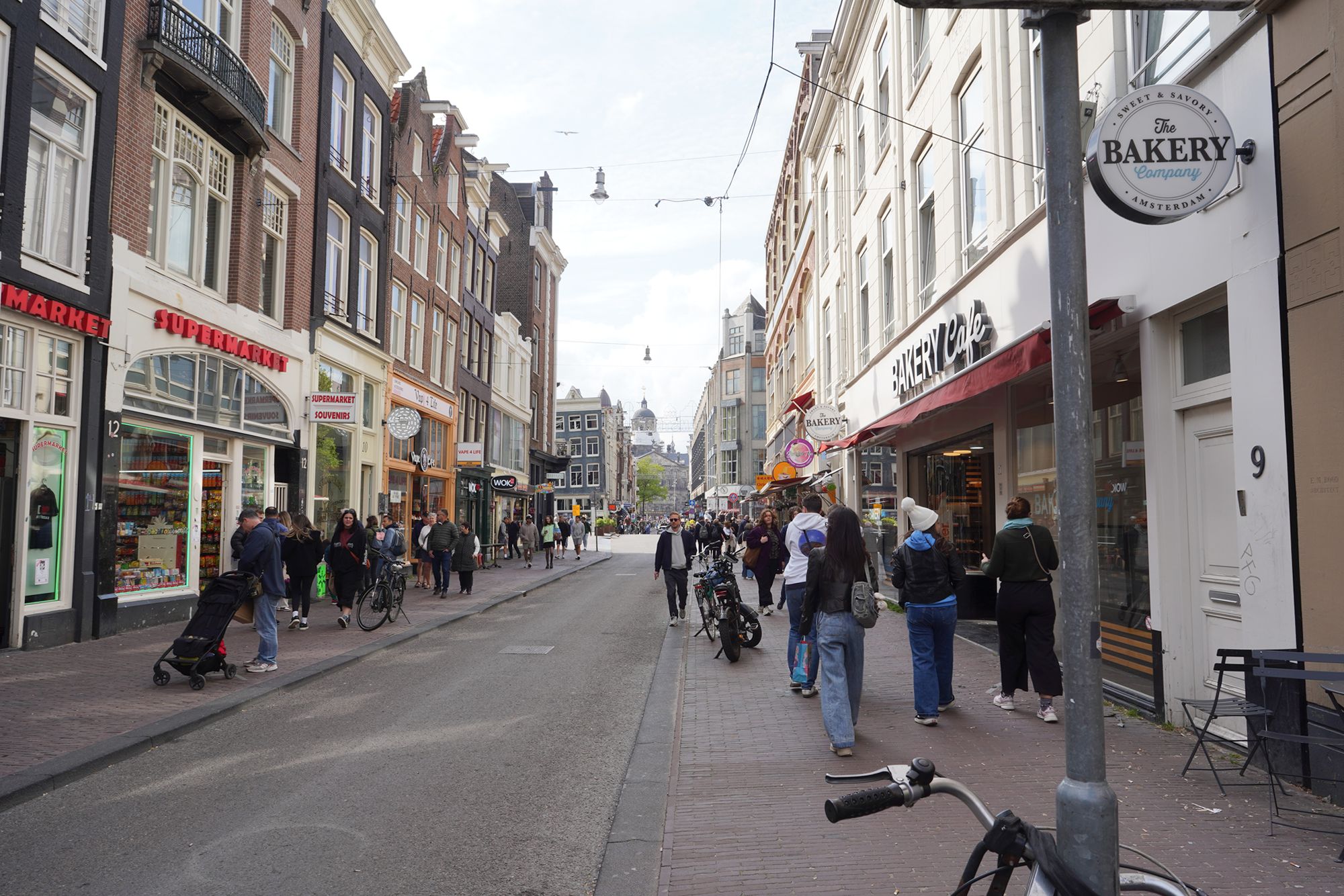
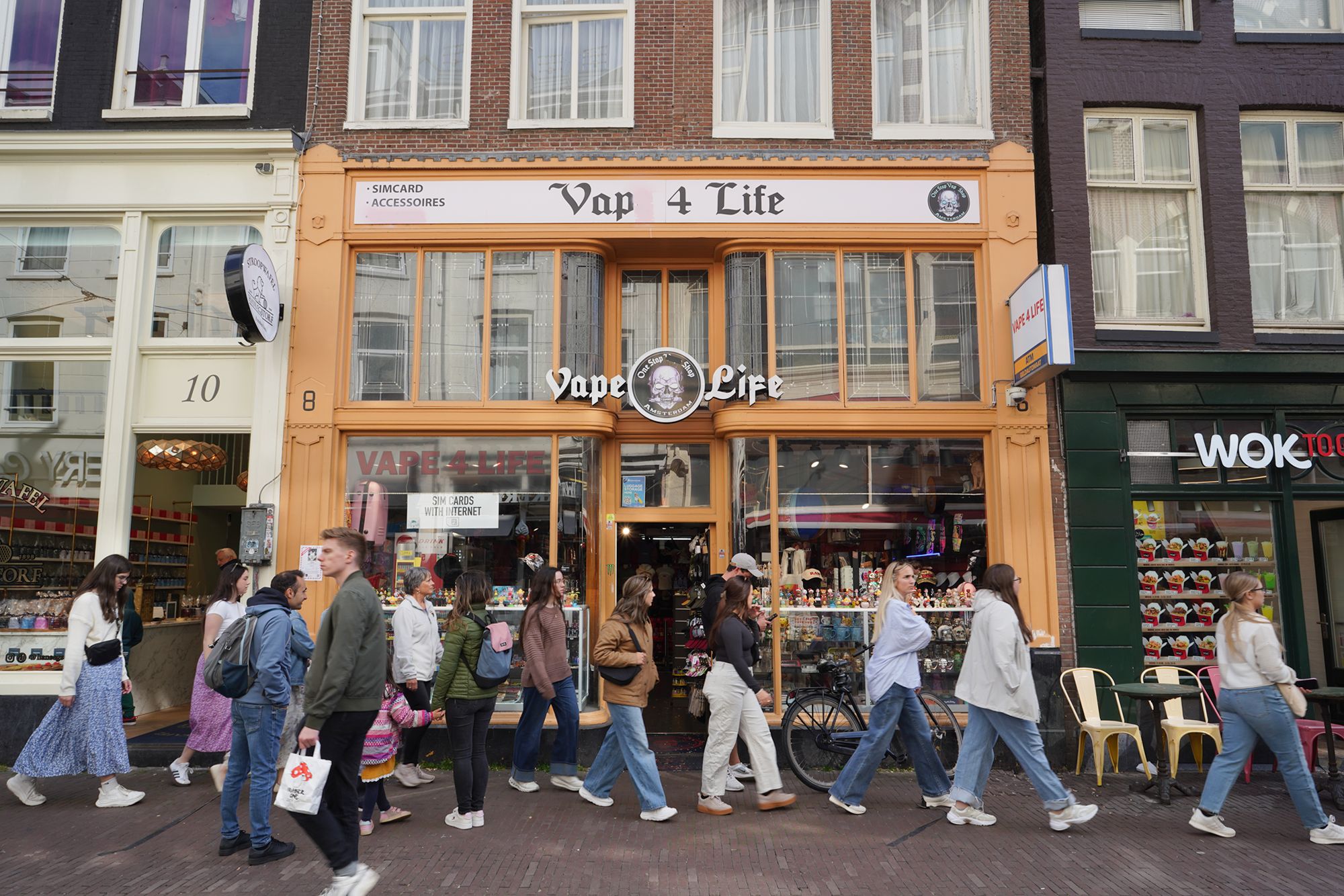
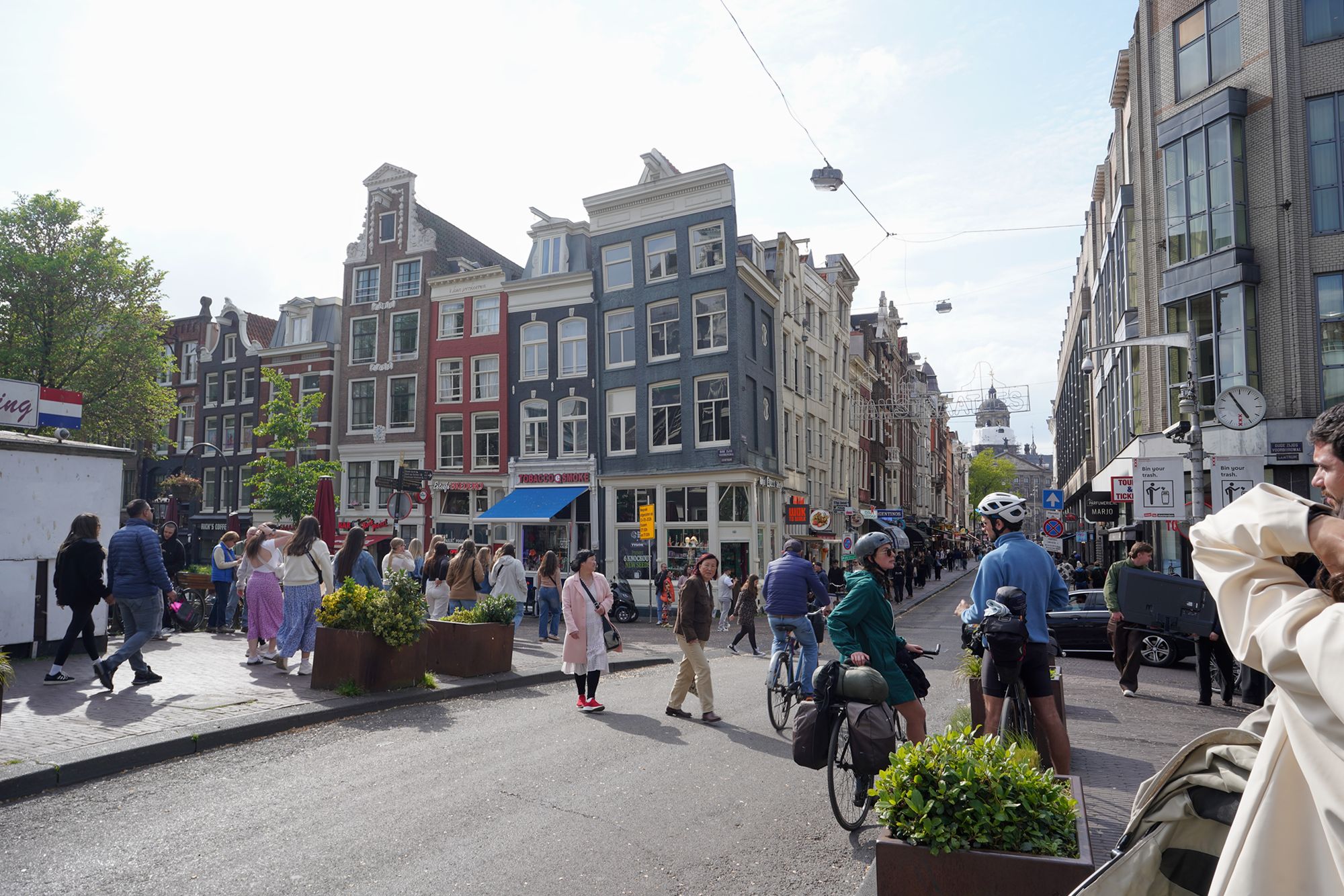
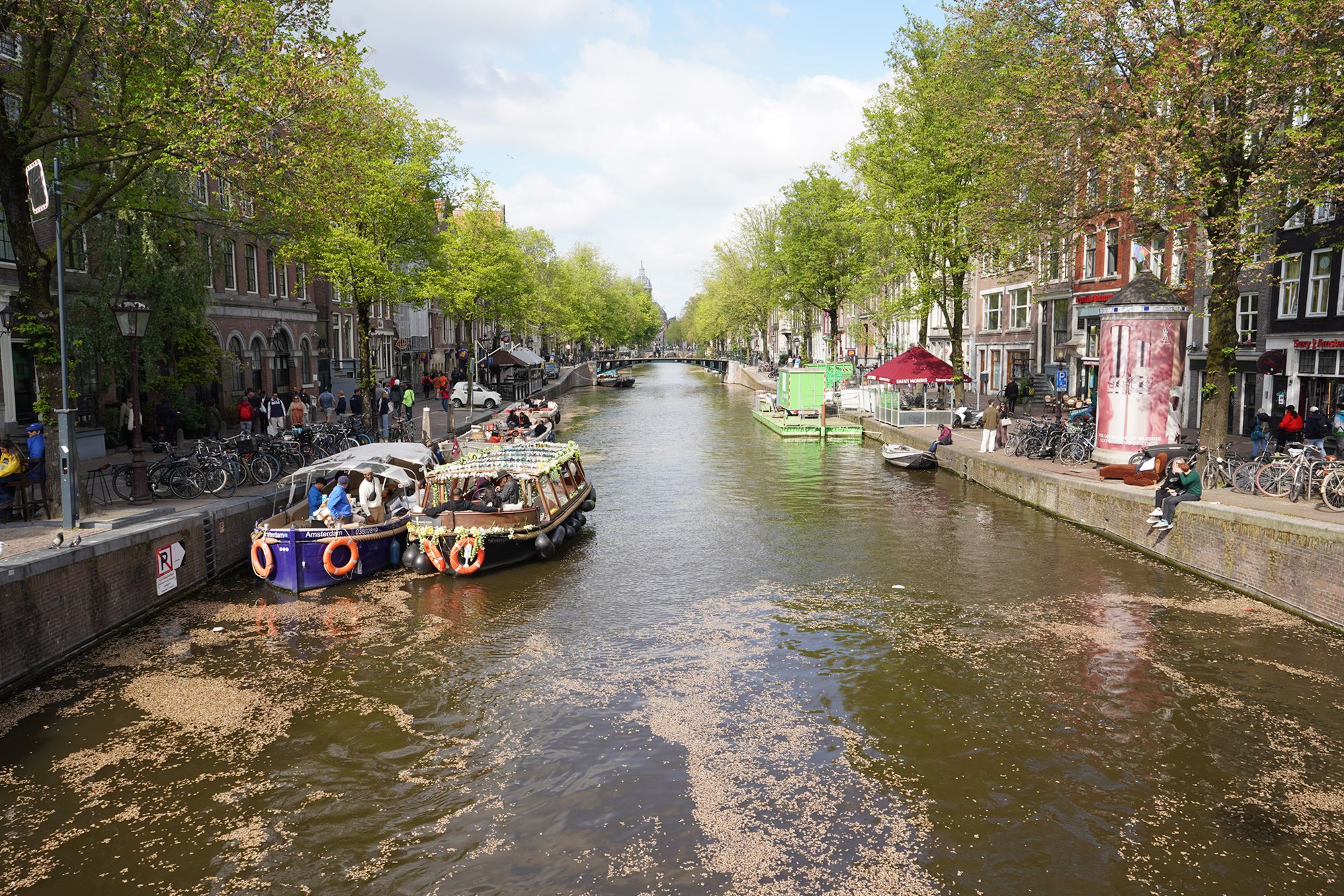
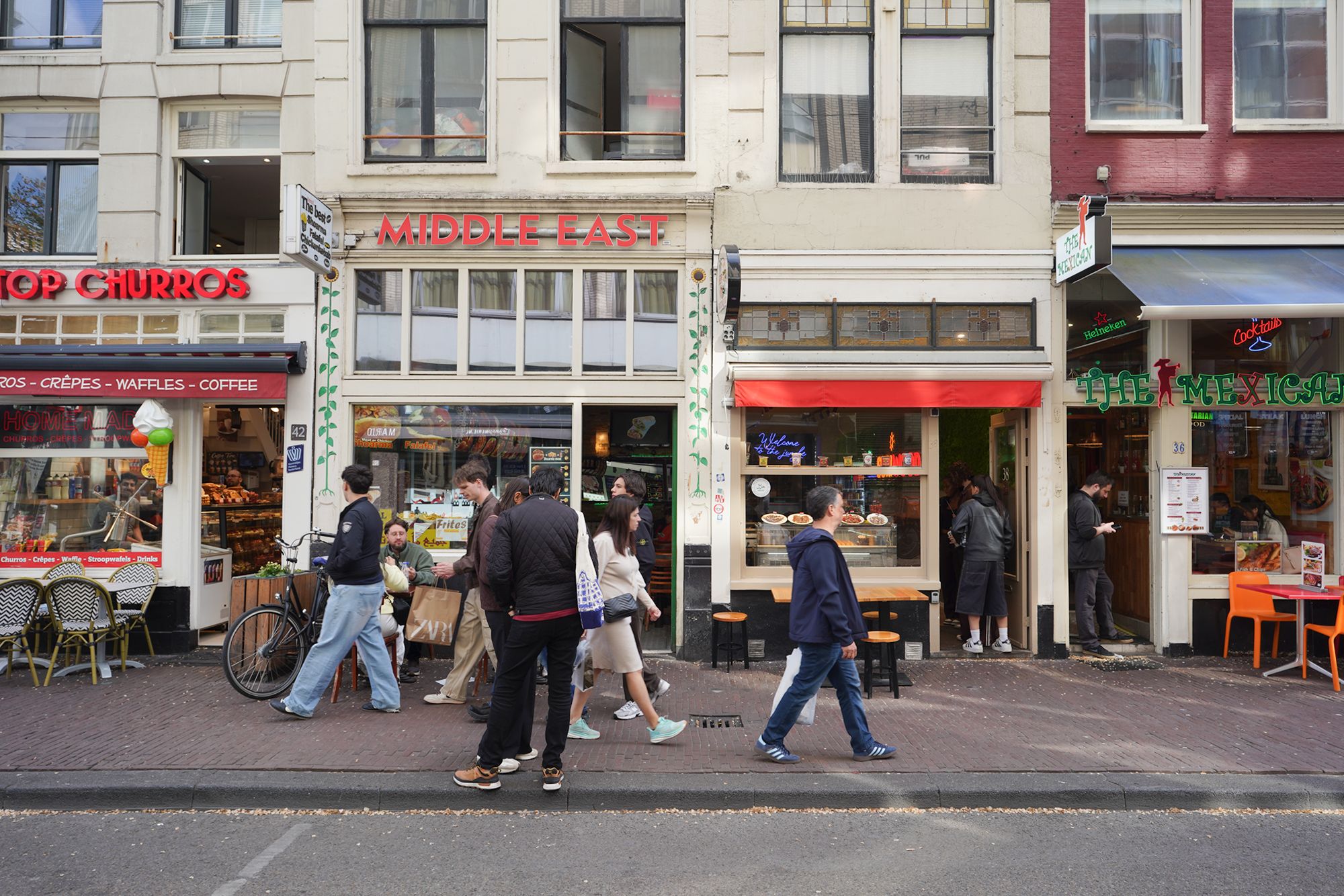
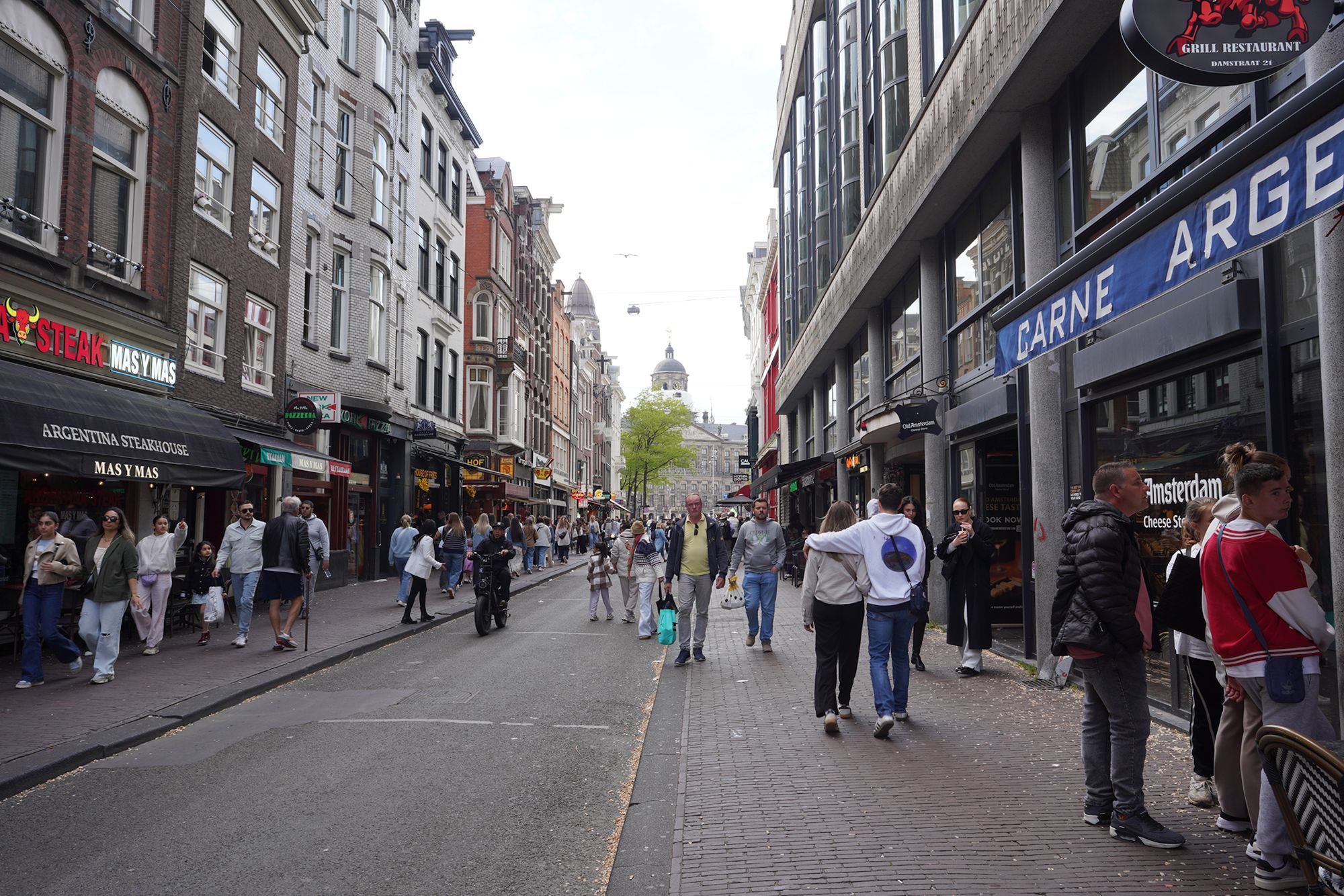
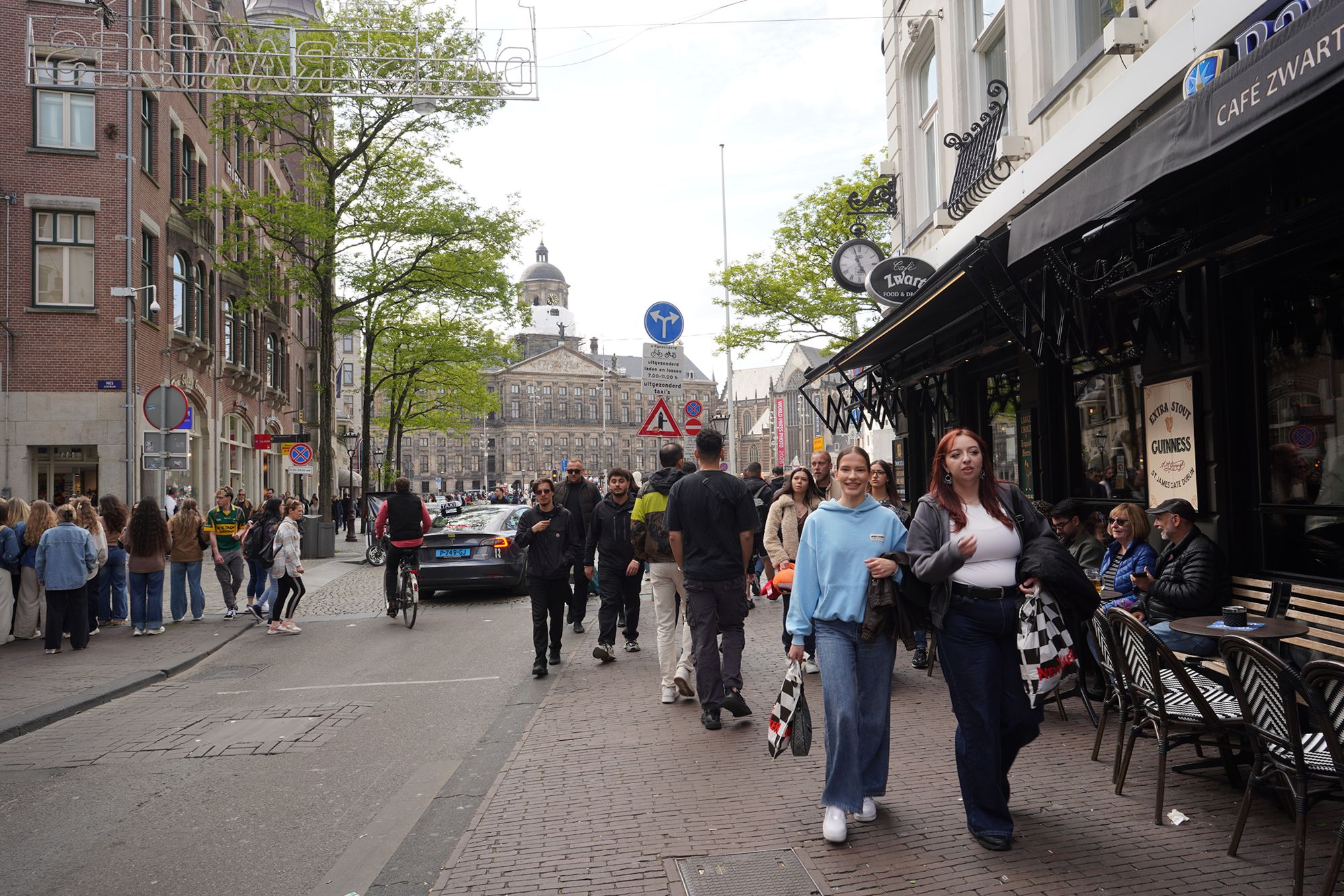
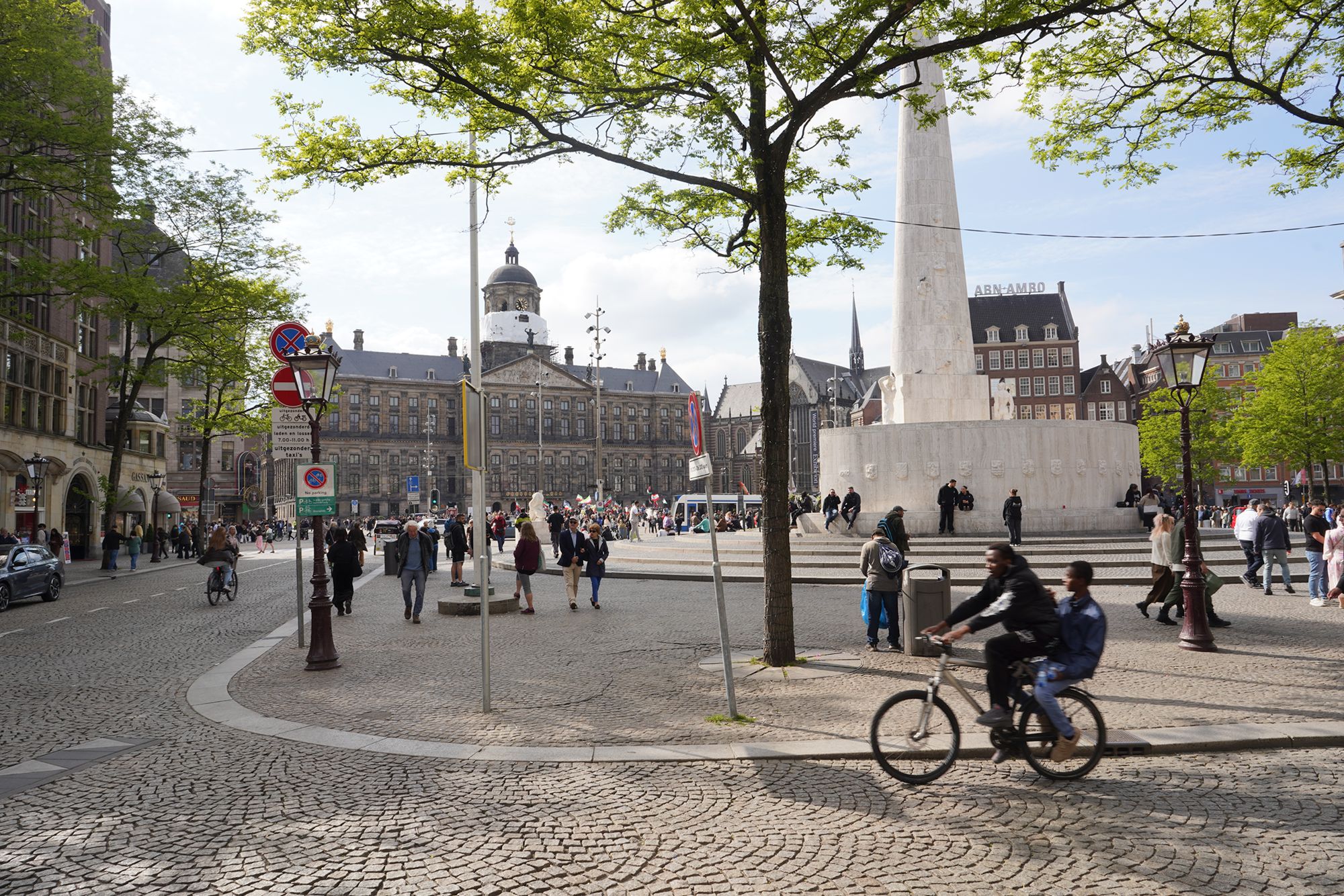
After wandering through the narrow streets and canals of the Red Light District, I eventually returned to Dam Square, where I had started my walk.