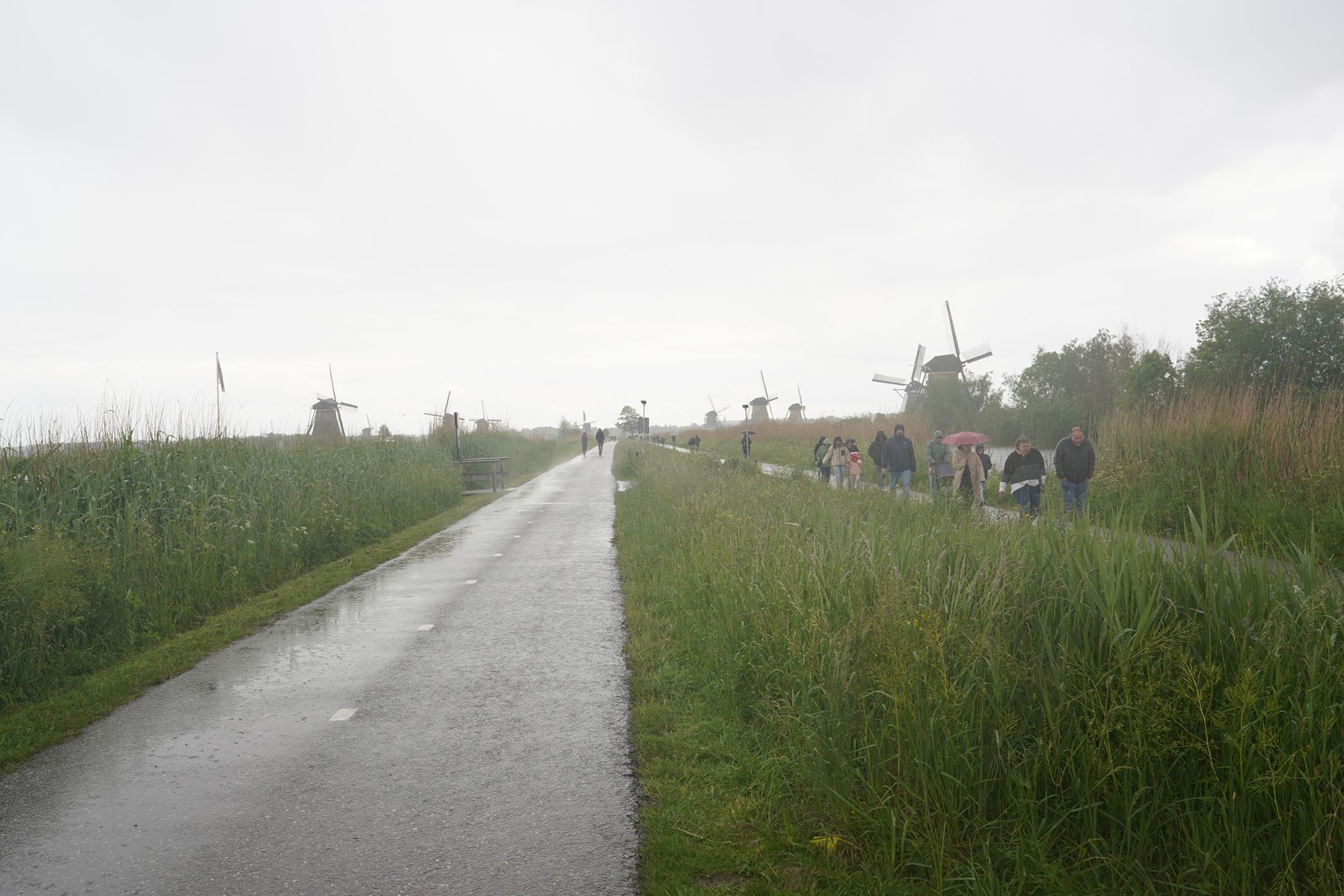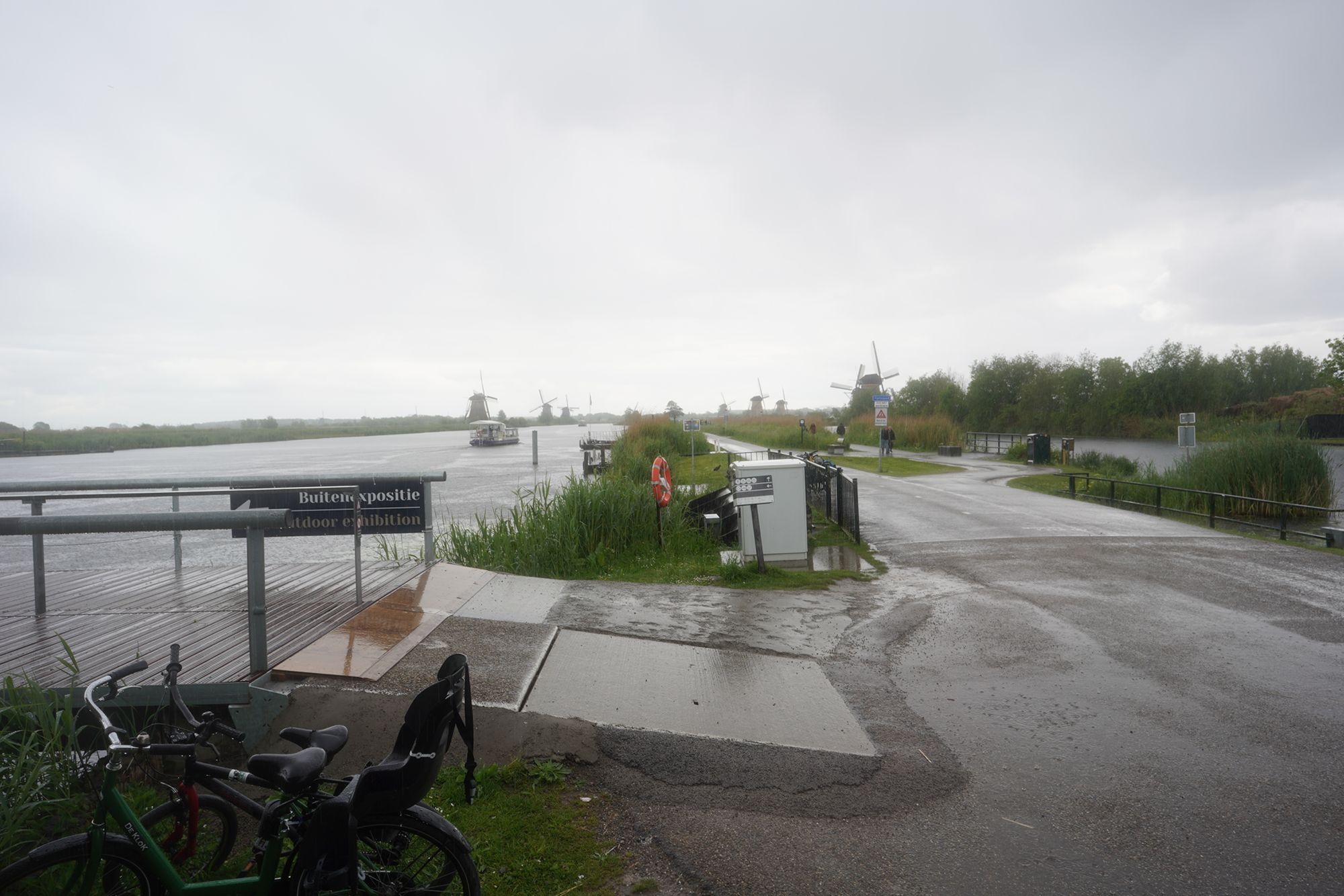
Werelderfgoed Kinderdijk, Kinderdijk, Netherland
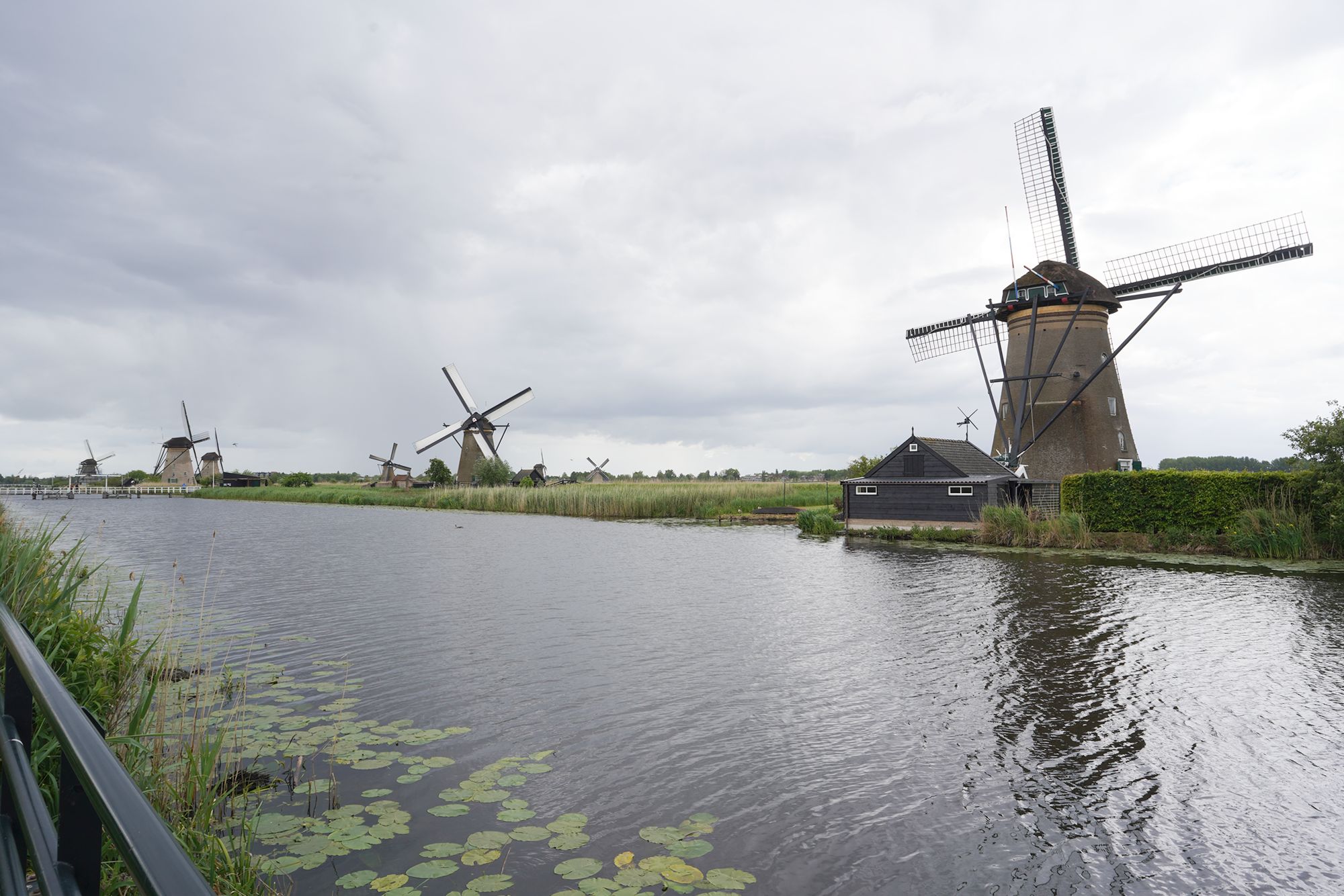
At Kinderdijk, 19 historic windmills line the canals, showcasing centuries of Dutch ingenuity in managing water and preventing floods. 1308
Werelderfgoed Kinderdijk: Nederwaard 1, 2961 AS Kinderdijk, Netherlands
Date Picture Taken: May, 2026
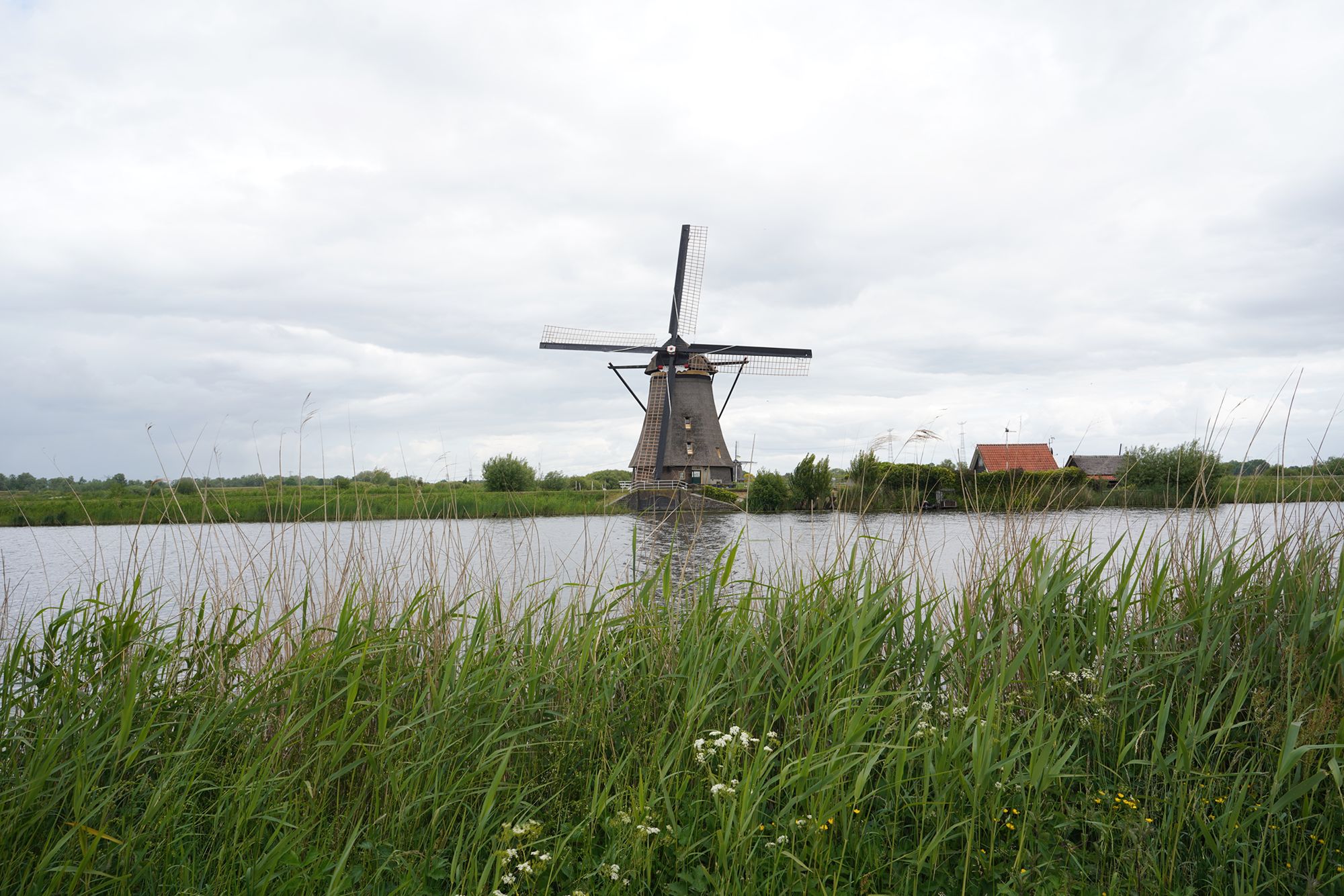
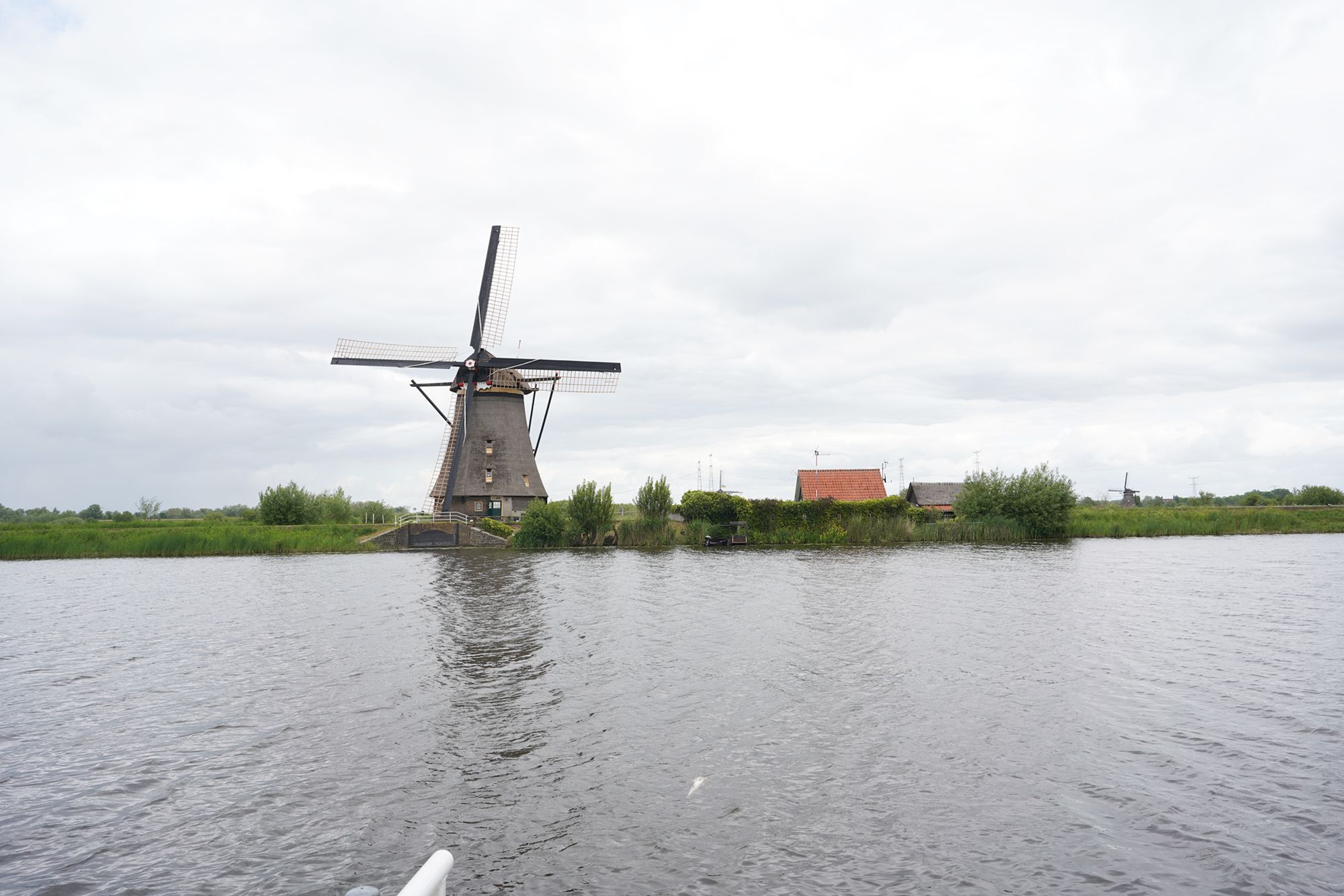
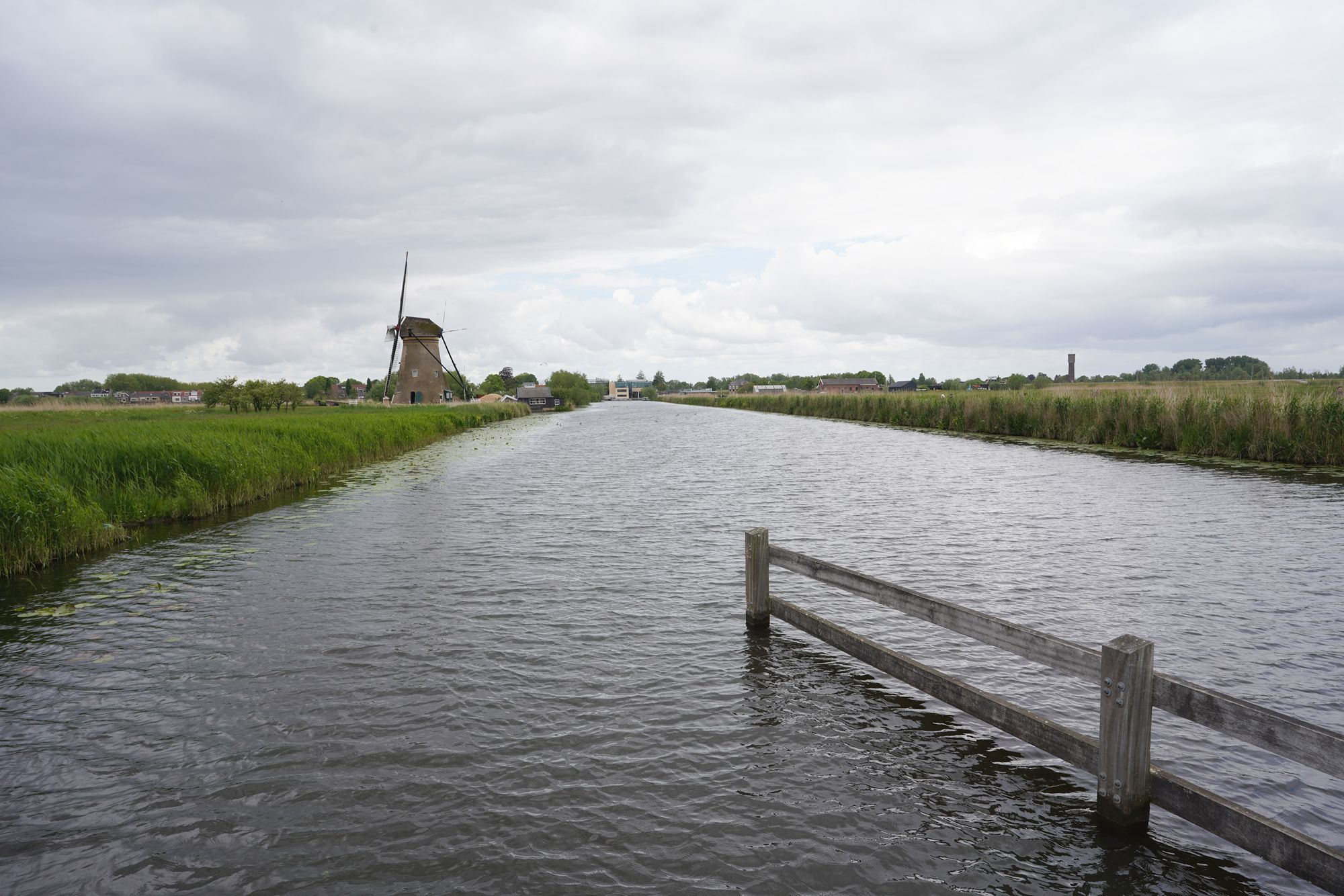
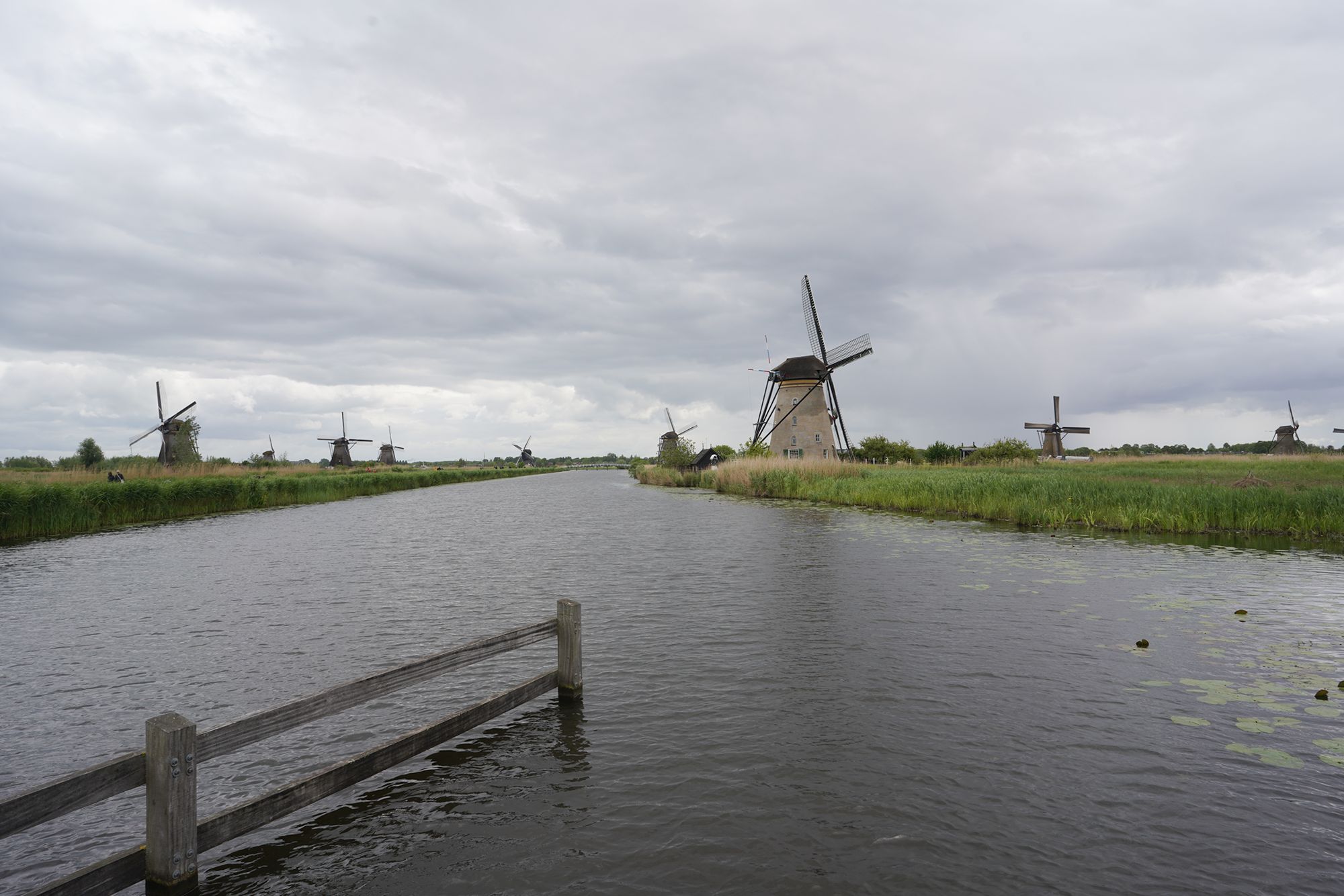
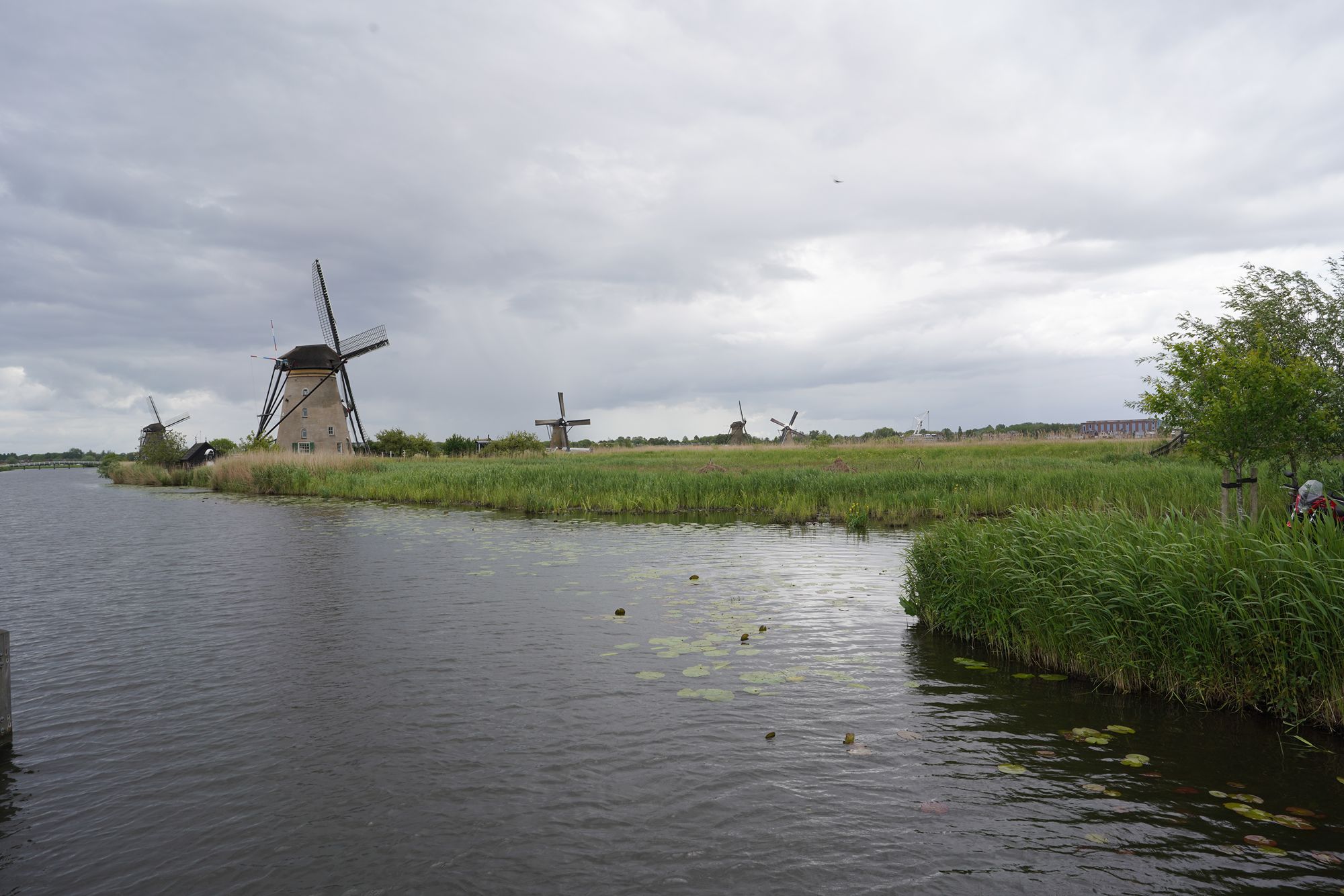
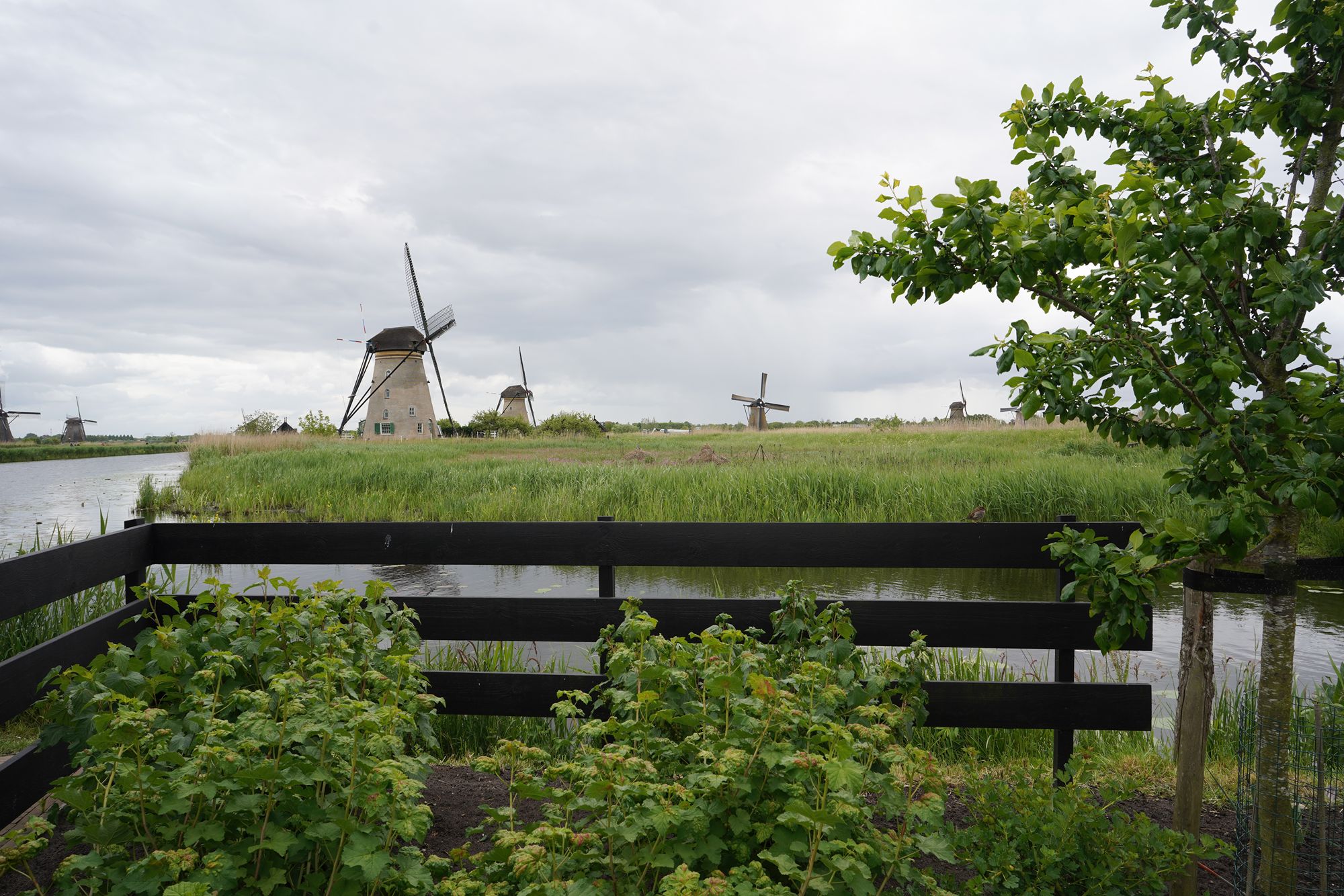
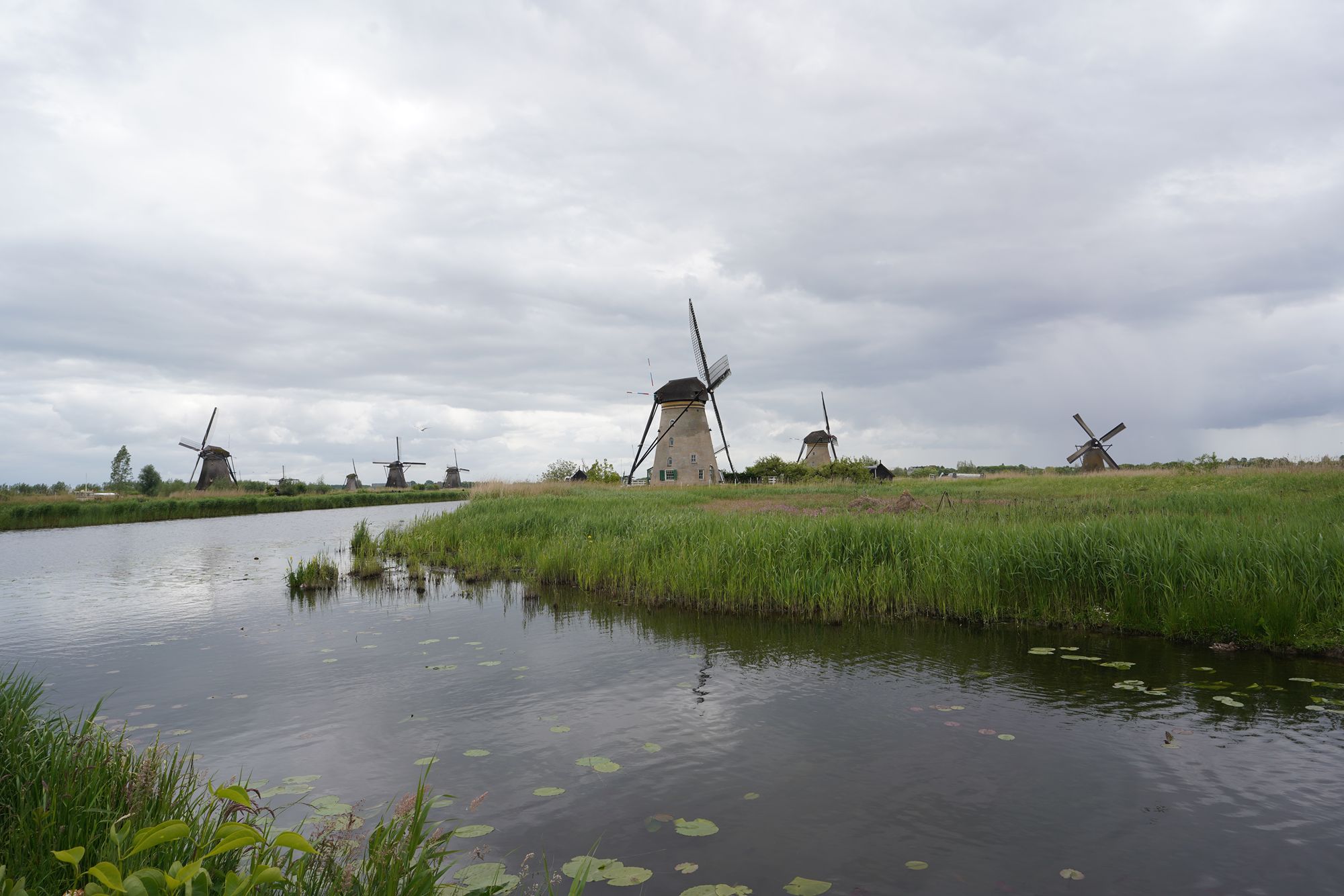
I visited Kinderdijk, where 19 historic windmills line the canals of the Dutch countryside. More than a picturesque landscape, Kinderdijk represents centuries of Dutch ingenuity in managing water and protecting low-lying land from flooding.
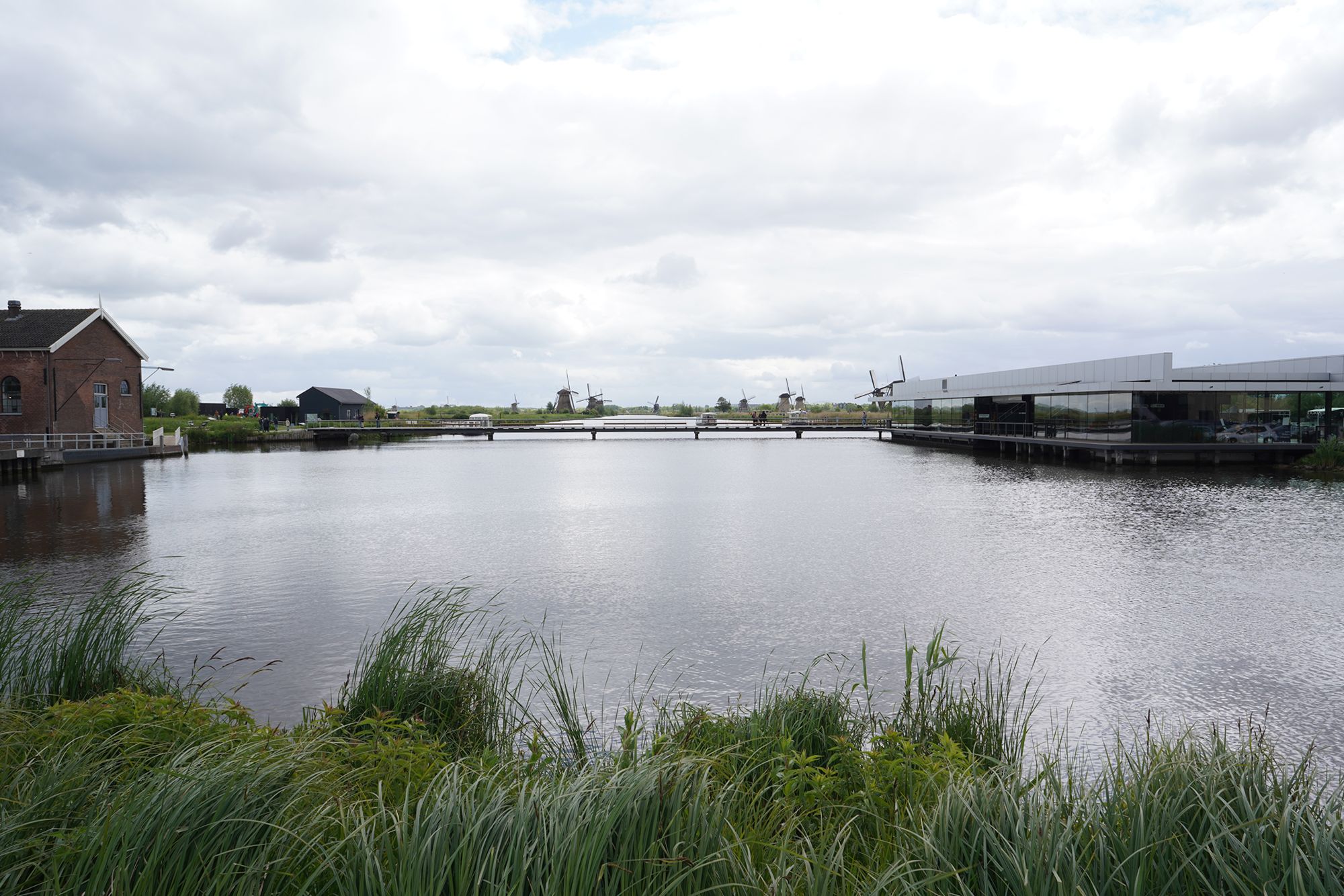
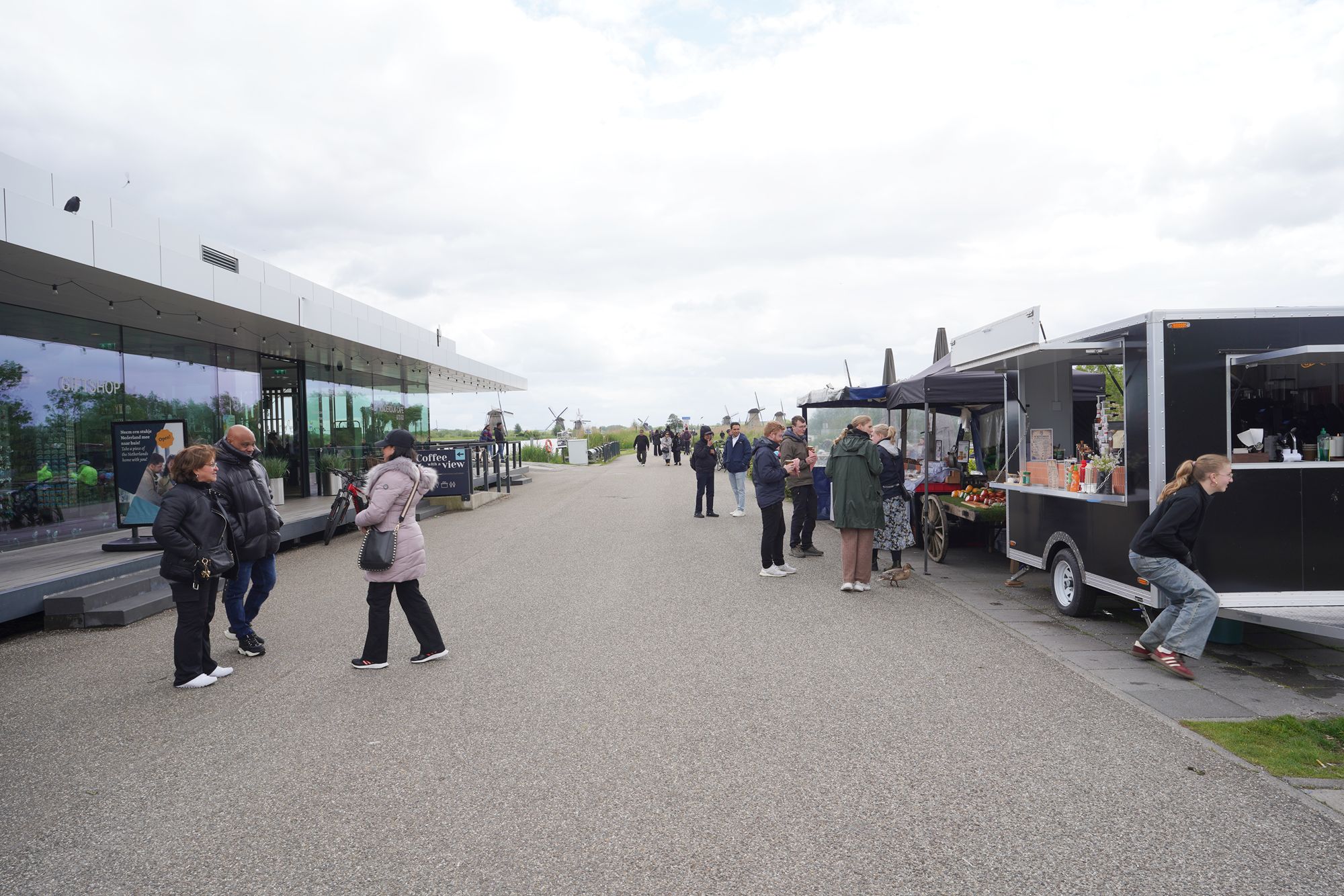
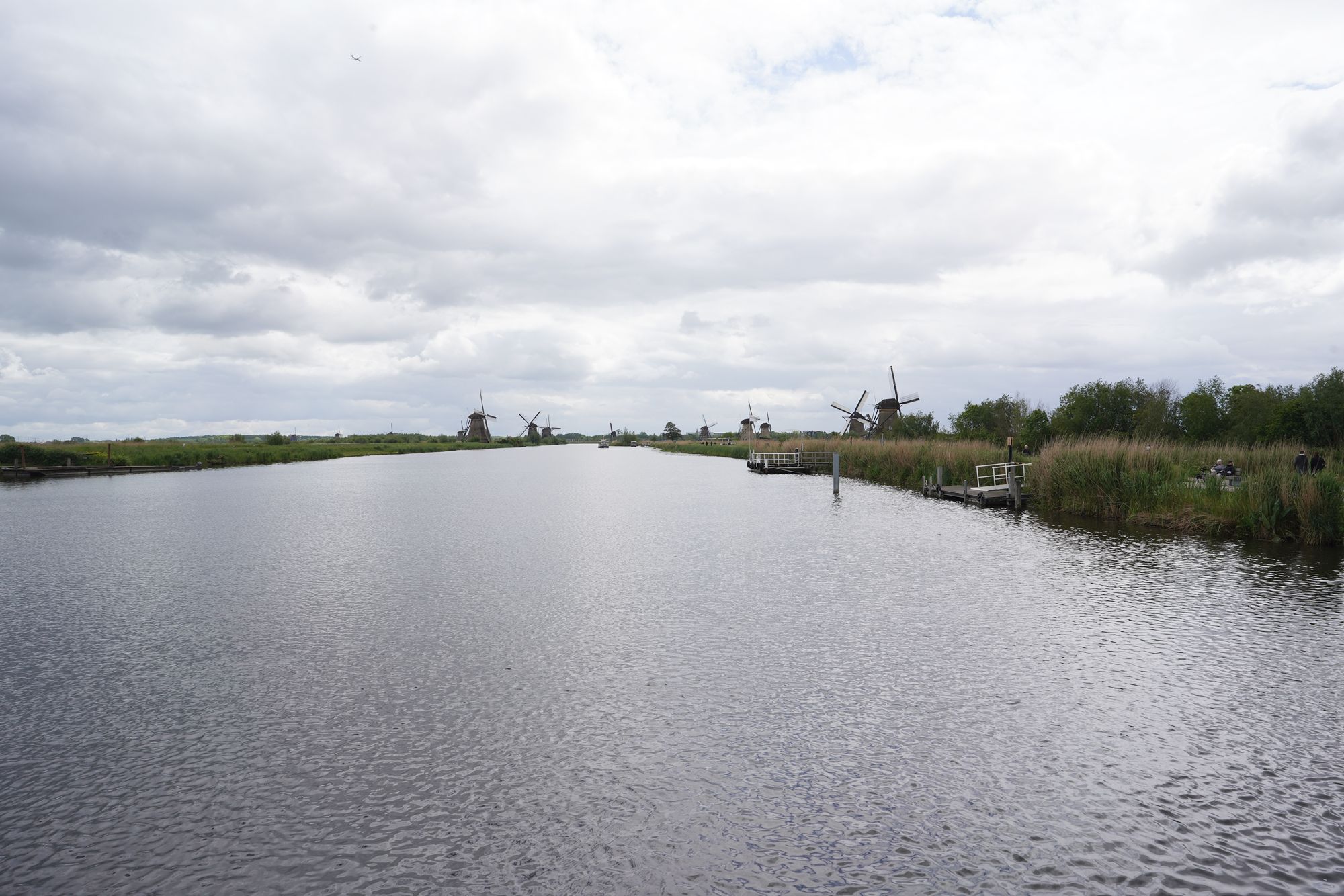
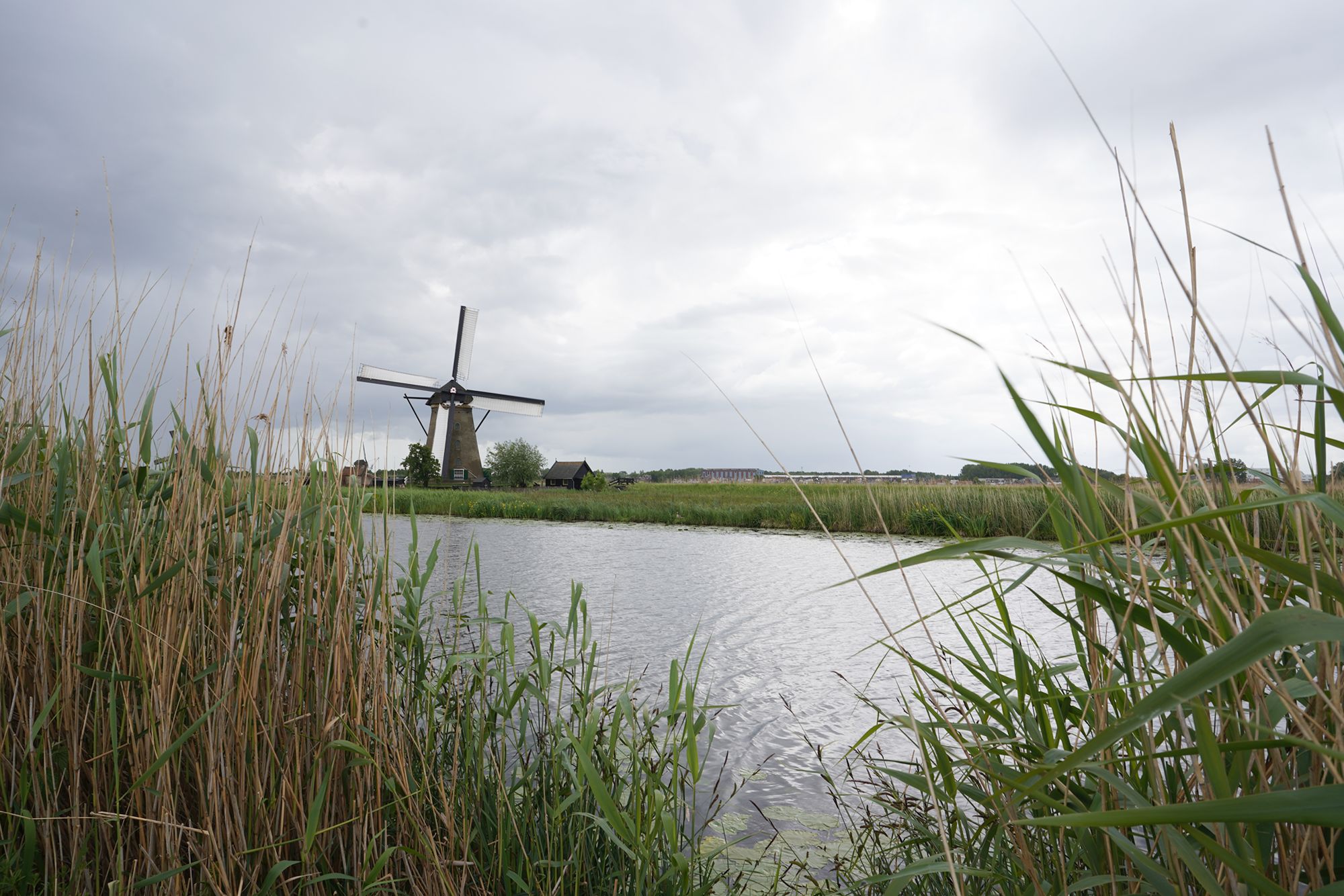
This was exactly how I had always imagined the Netherlands—a peaceful landscape of windmills, canals, and flat green countryside.
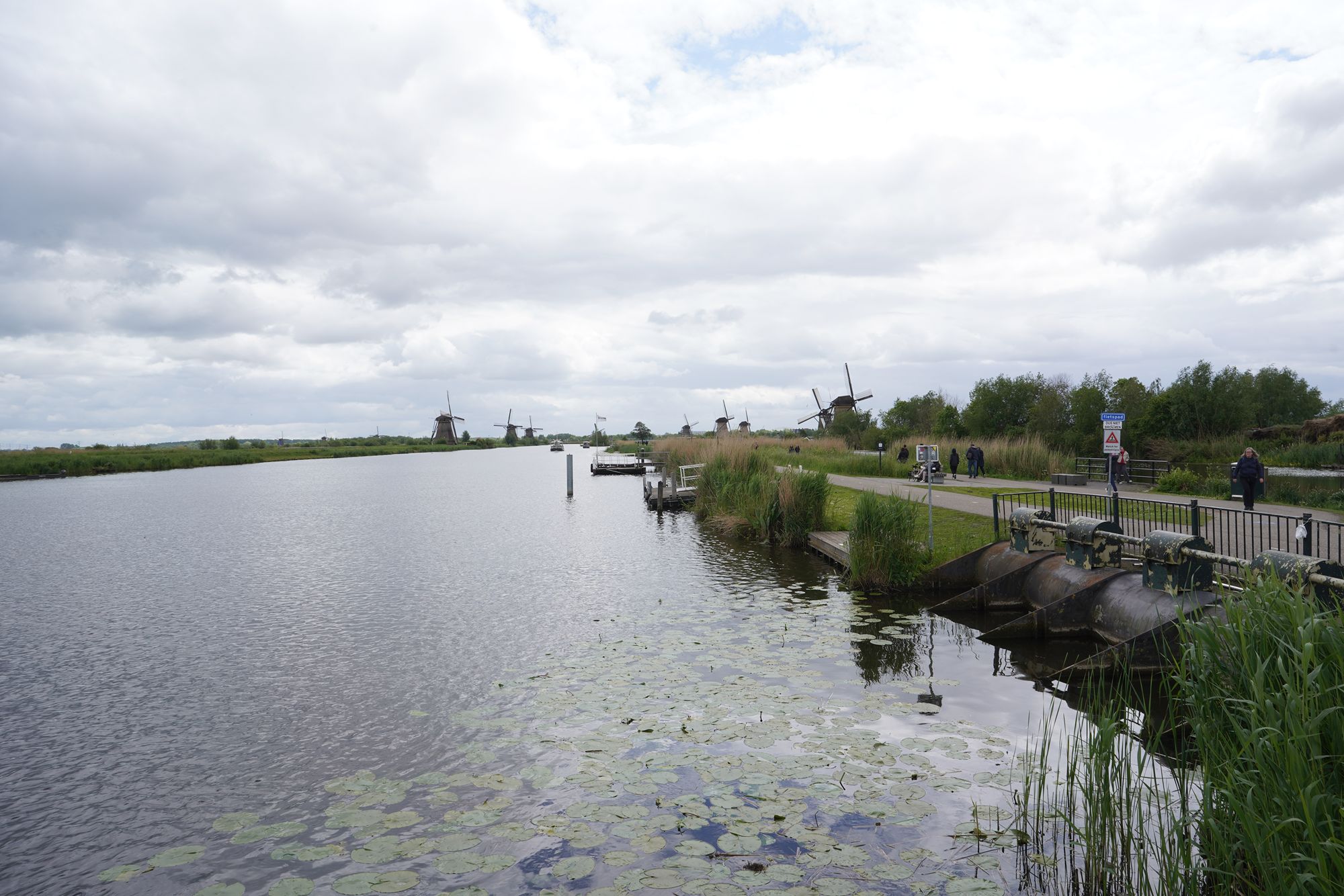
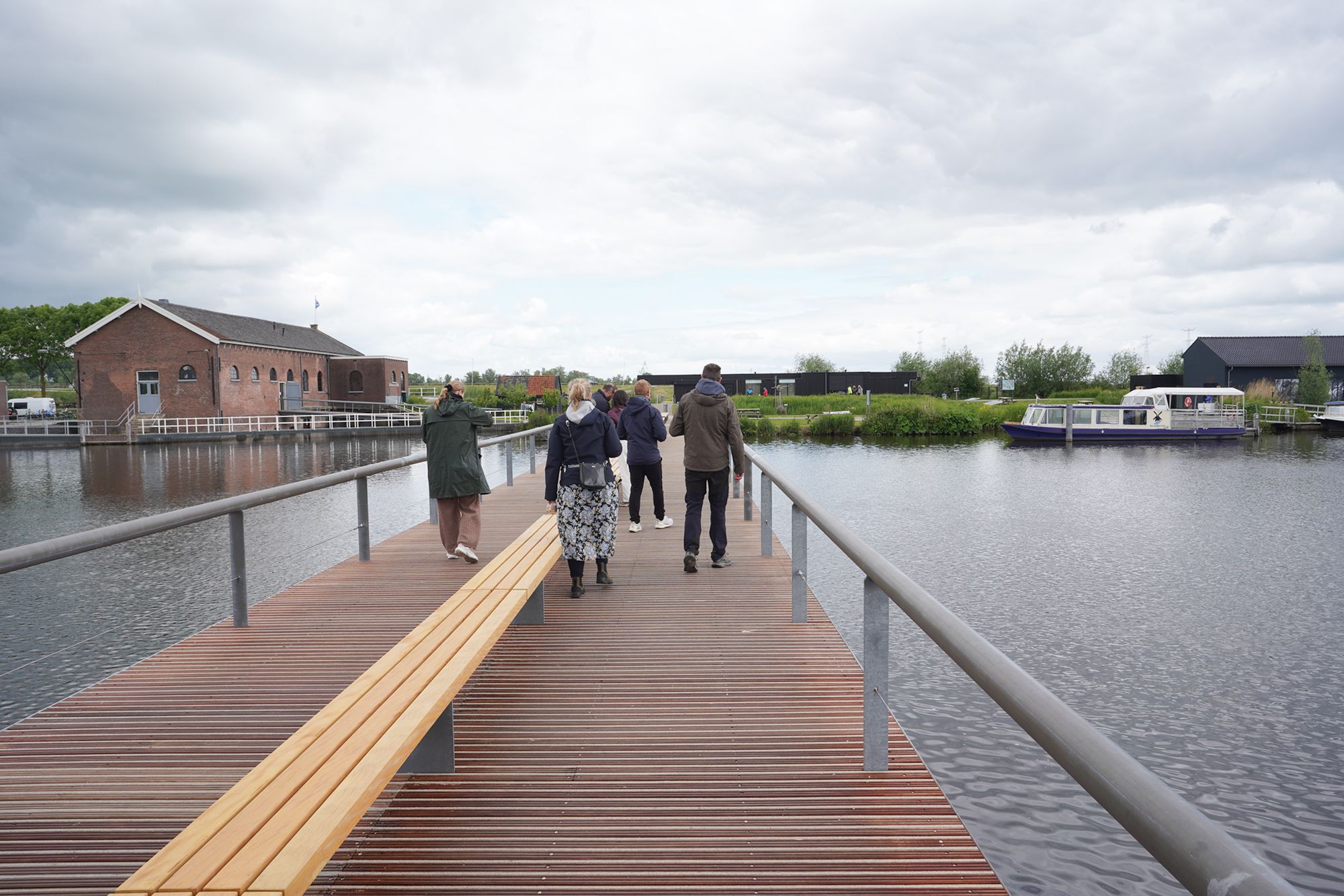
What amazed me about Kinderdijk was how ordinary the landscape seemed in person, yet somehow it looked absolutely spectacular in photographs.
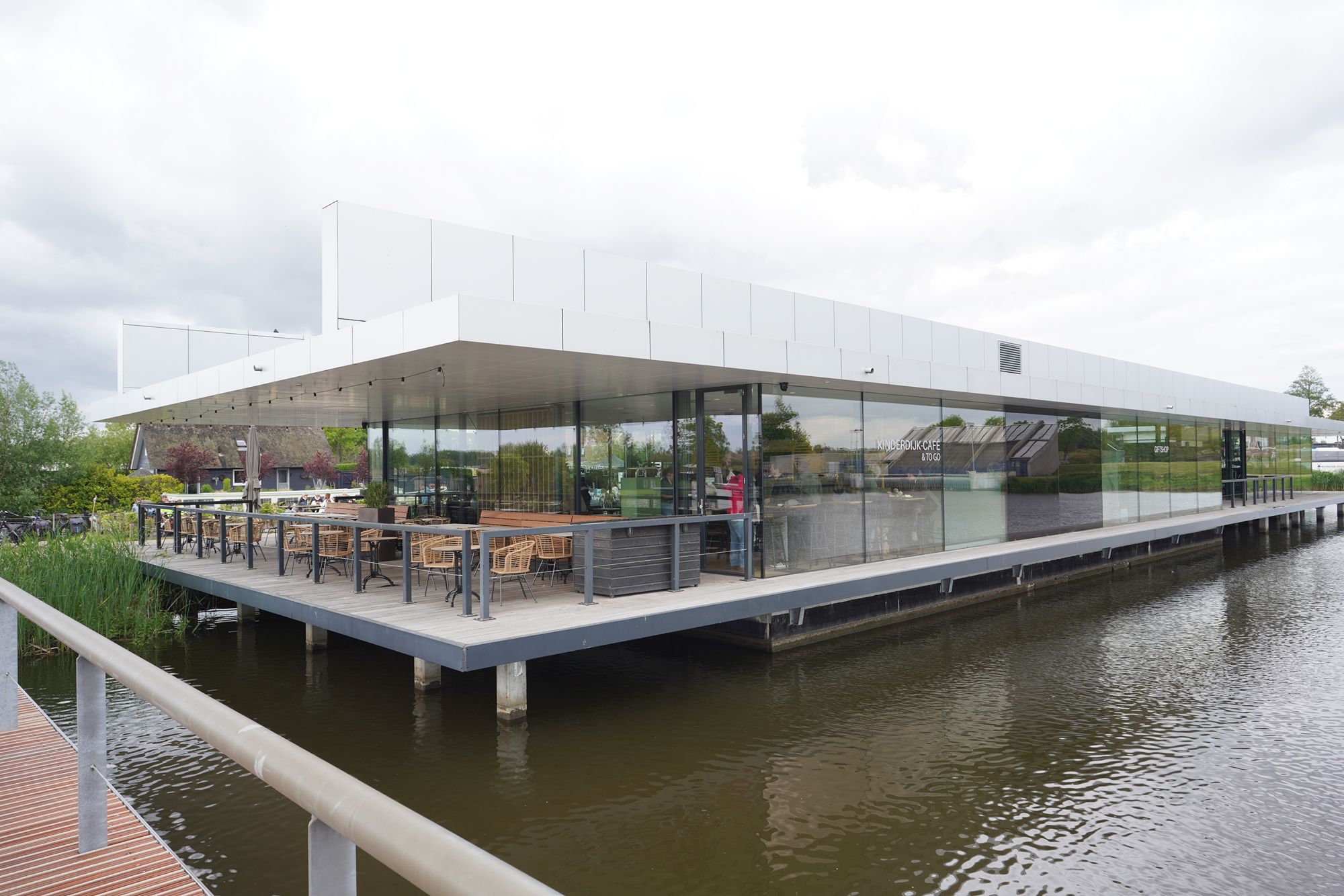
Nearby, there is also a restaurant for visitors to Kinderdijk, offering a convenient place to relax and enjoy a meal or drink.
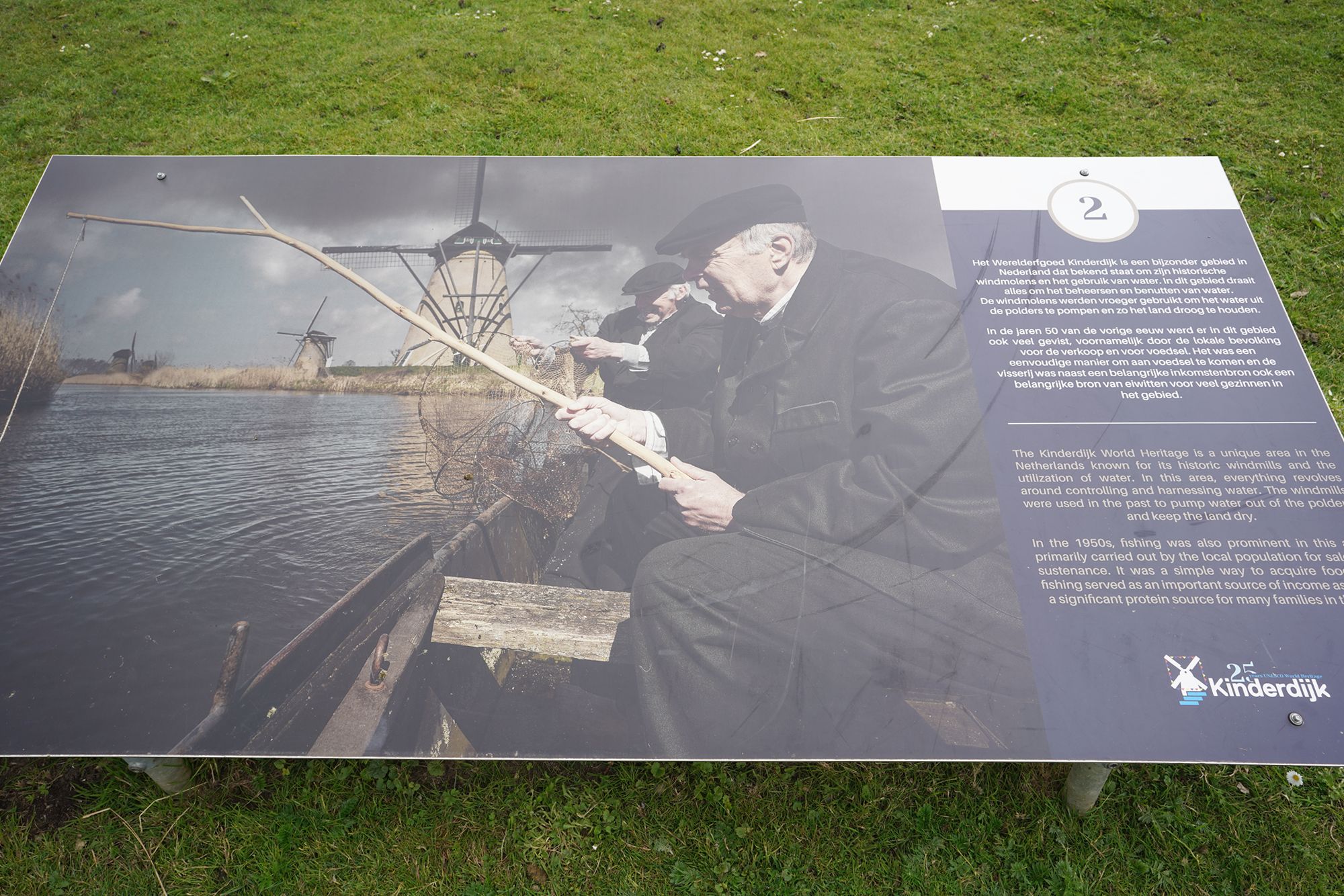
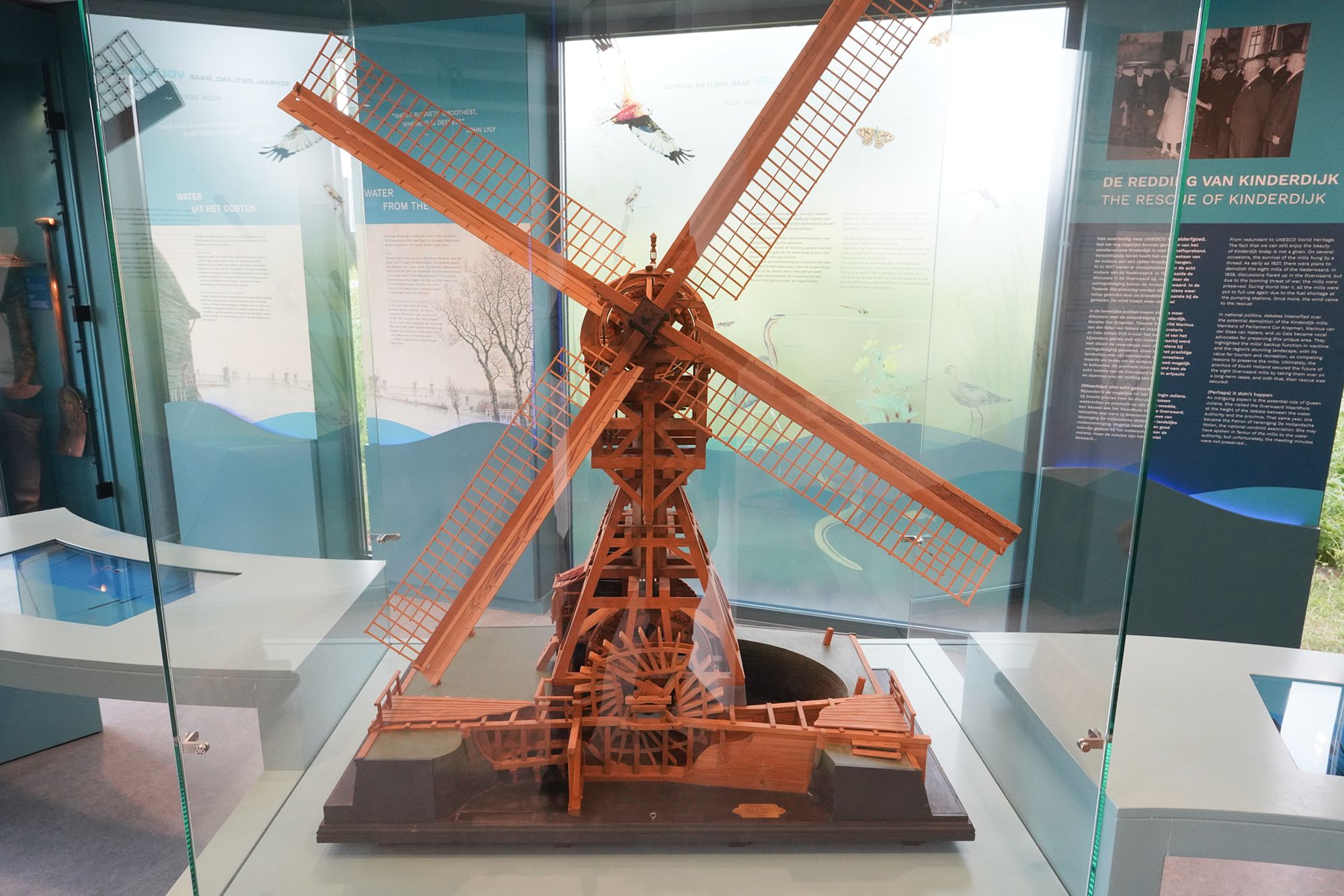
The Kinderdijk windmills were essentially water pumps. Their main purpose was not to grind grain, but to pump excess water out of the low-lying polders and move it into higher canals and reservoirs.
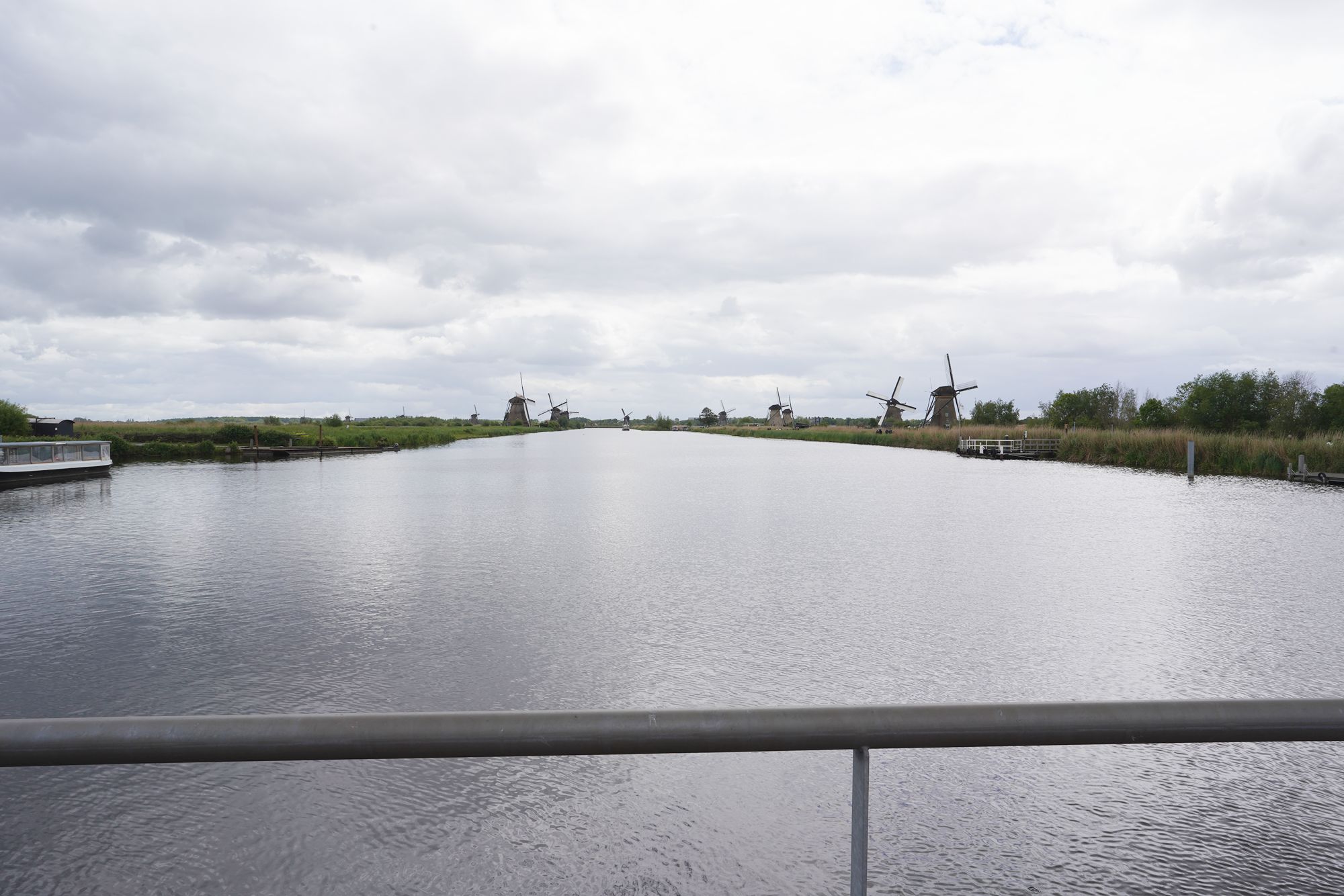
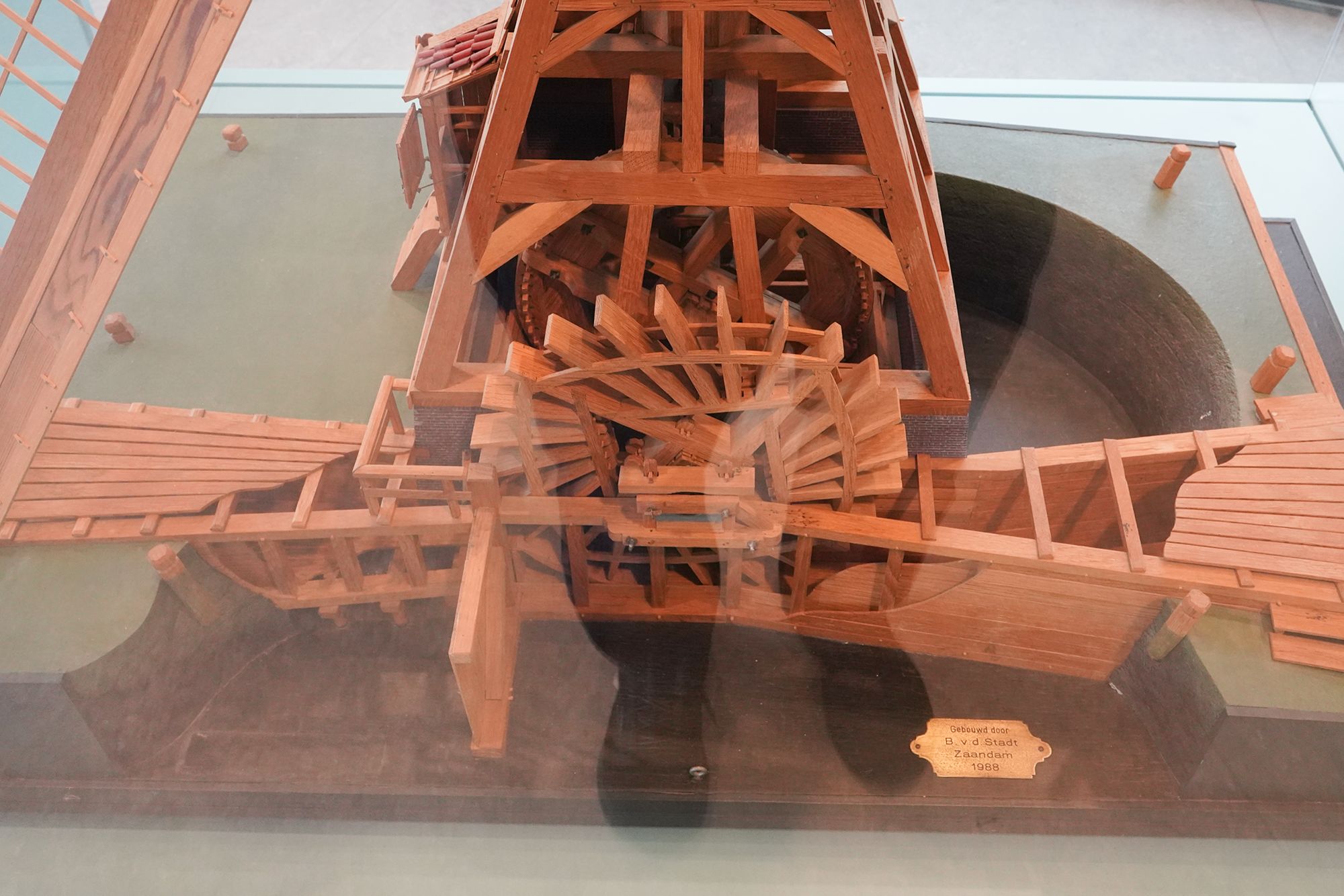
Wind turned the large sails, which powered machinery inside the mill to lift the water. Eventually, steam and later electric/diesel pumping stations took over much of this work.
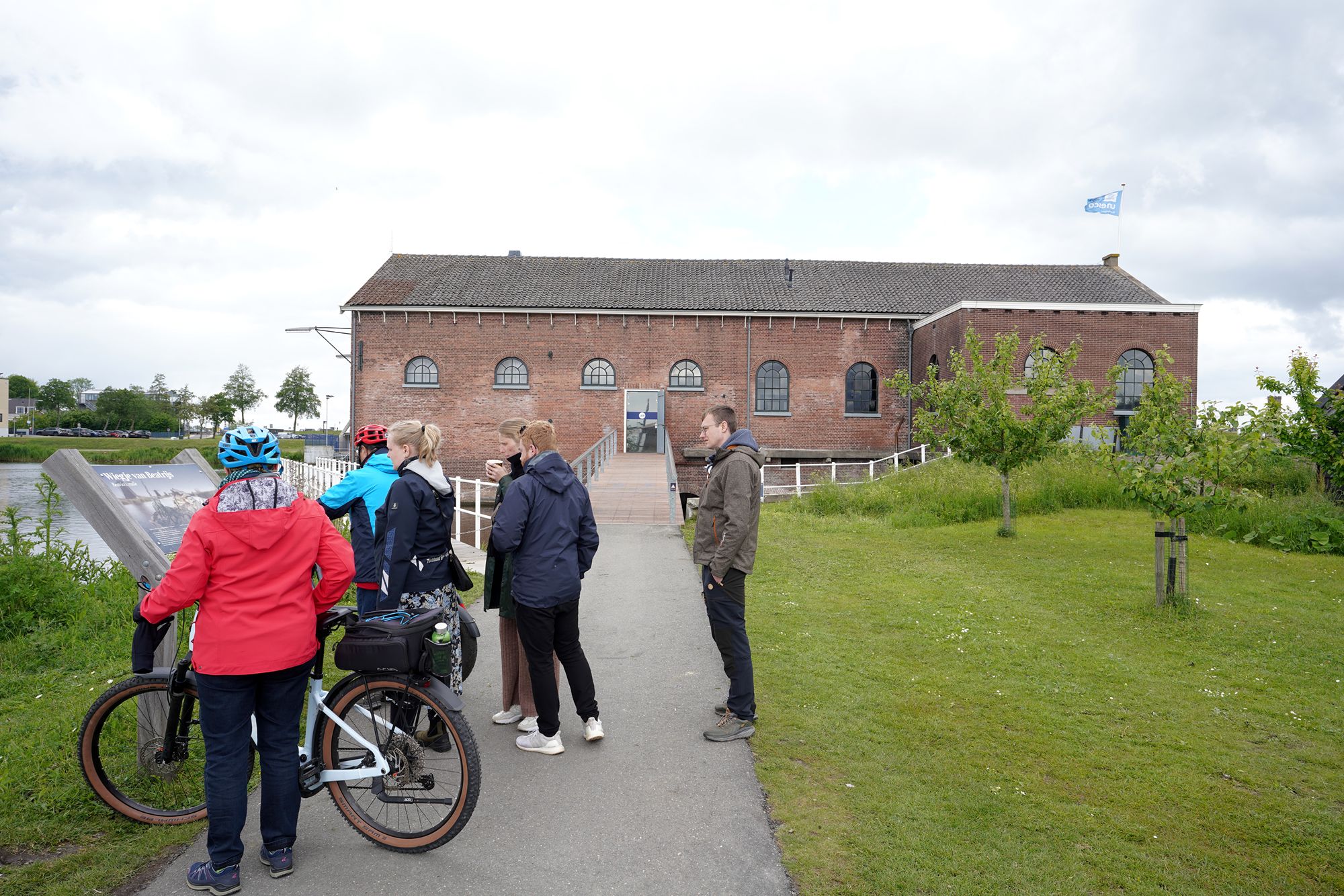
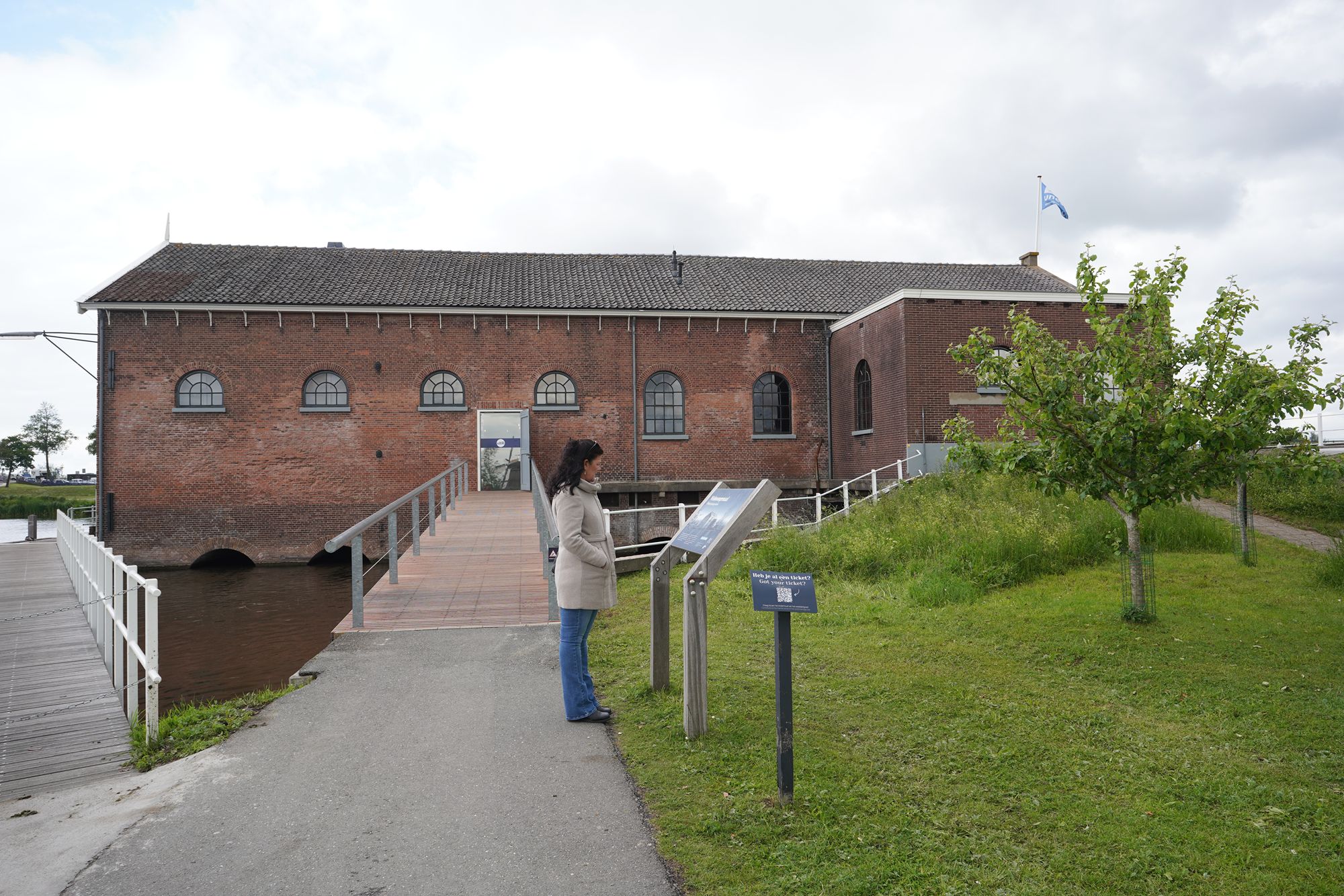
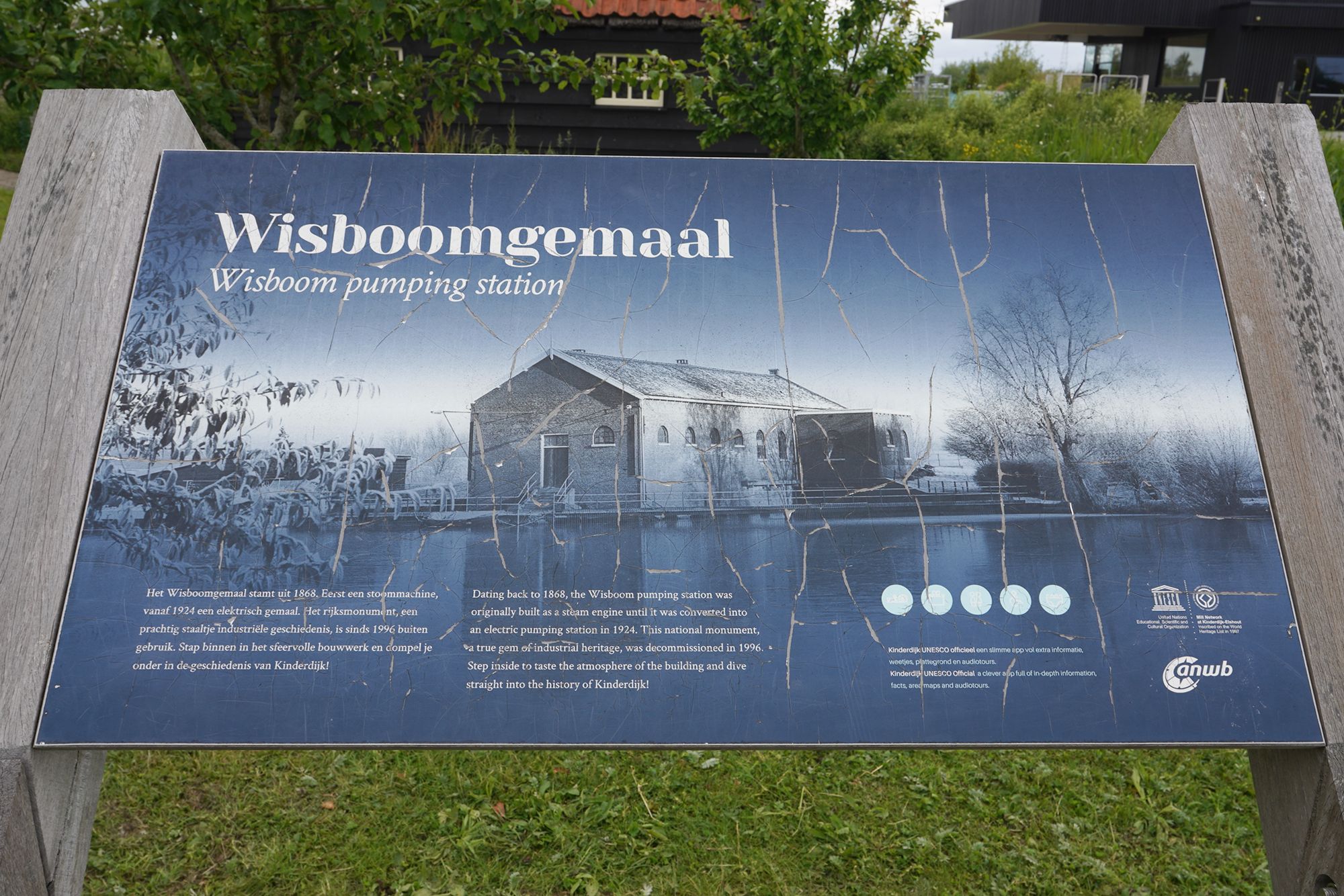
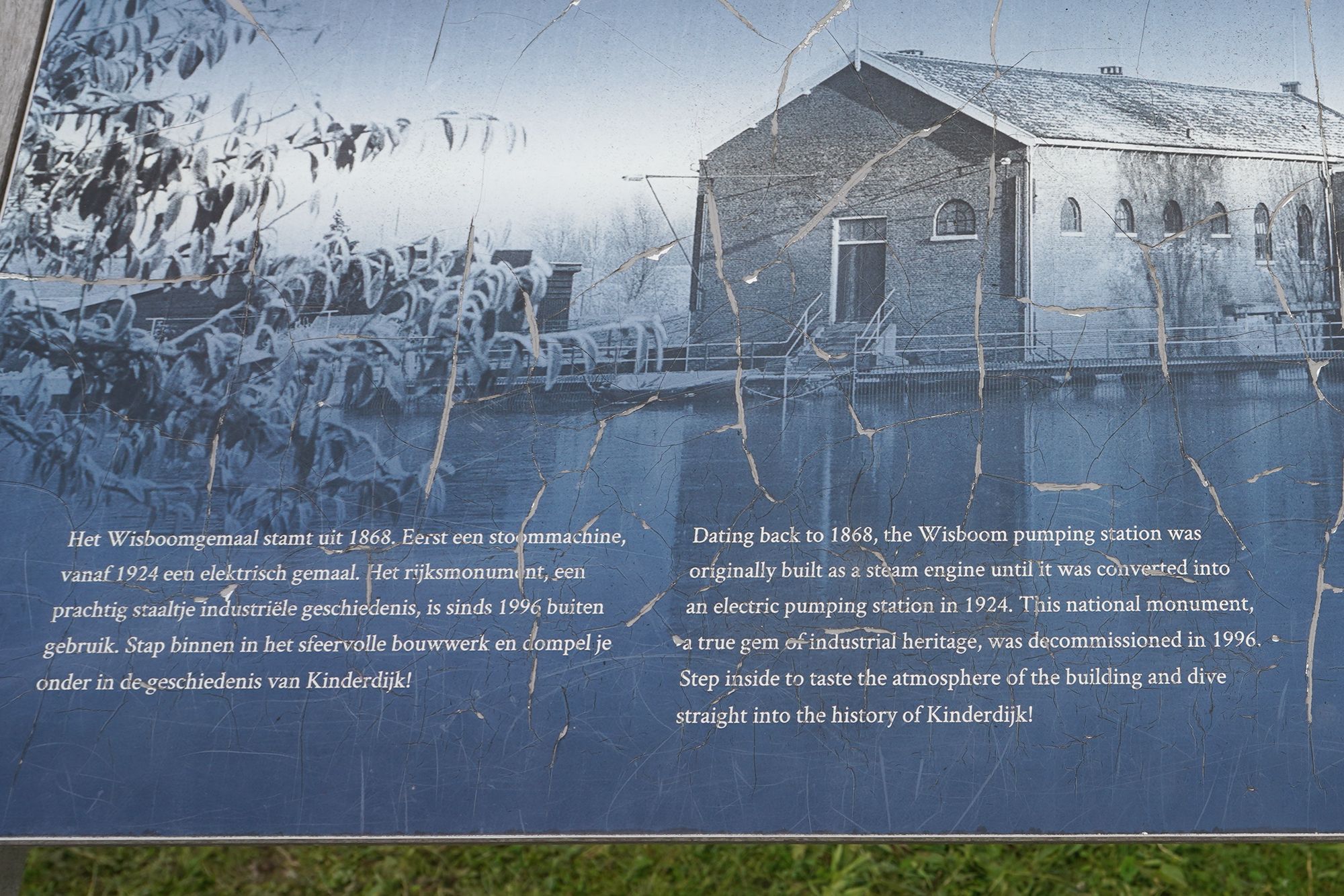
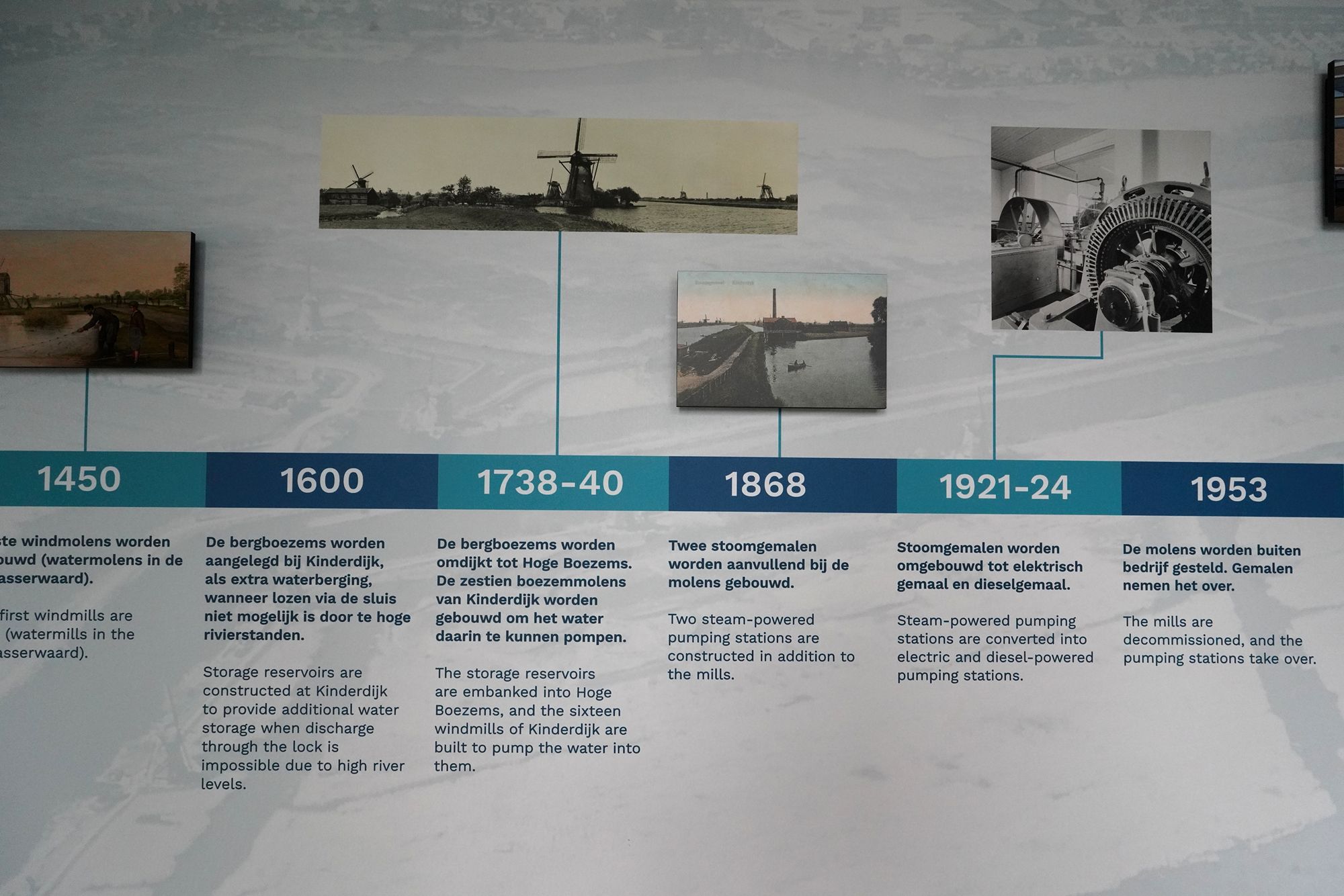
I came to the Wisboom Pumping Station, built in 1868 to help drain the Kinderdijk polders. Today, the historic pumping station serves as a visitor center, explaining how the Dutch have managed water here for centuries.
Because the windmills depended on wind. When there wasn’t enough wind, they couldn’t pump water effectively.
As technology improved, pumping stations were built to move much larger quantities of water more reliably, regardless of the weather. The Wisboom Pumping Station, built in 1868, originally used steam power and later electricity.
So the progression at Kinderdijk was essentially:
Windmills → steam-powered pumping stations → modern electric pumping stations.
The purpose stayed the same: move excess water out of the low-lying polders and keep the land dry.
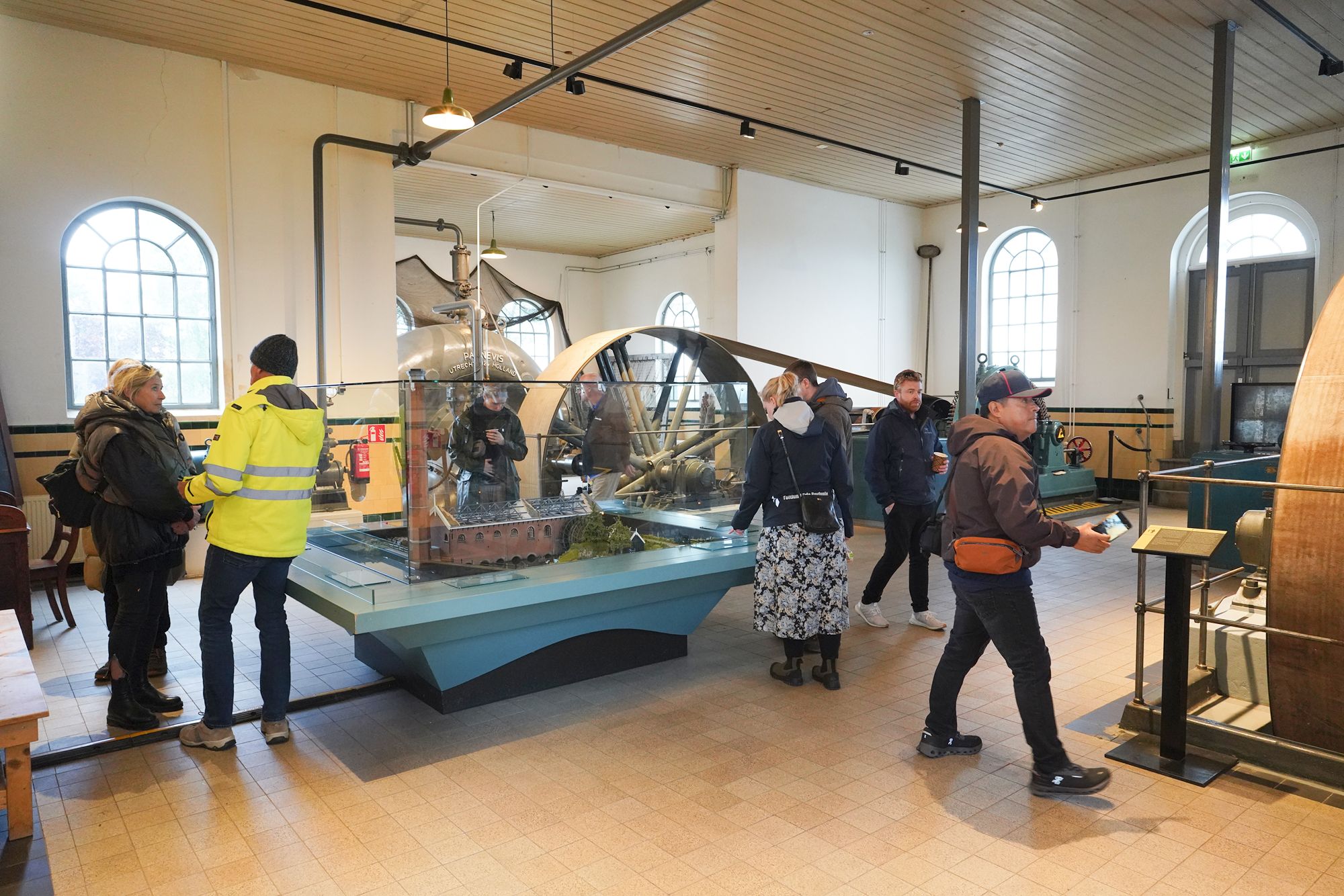
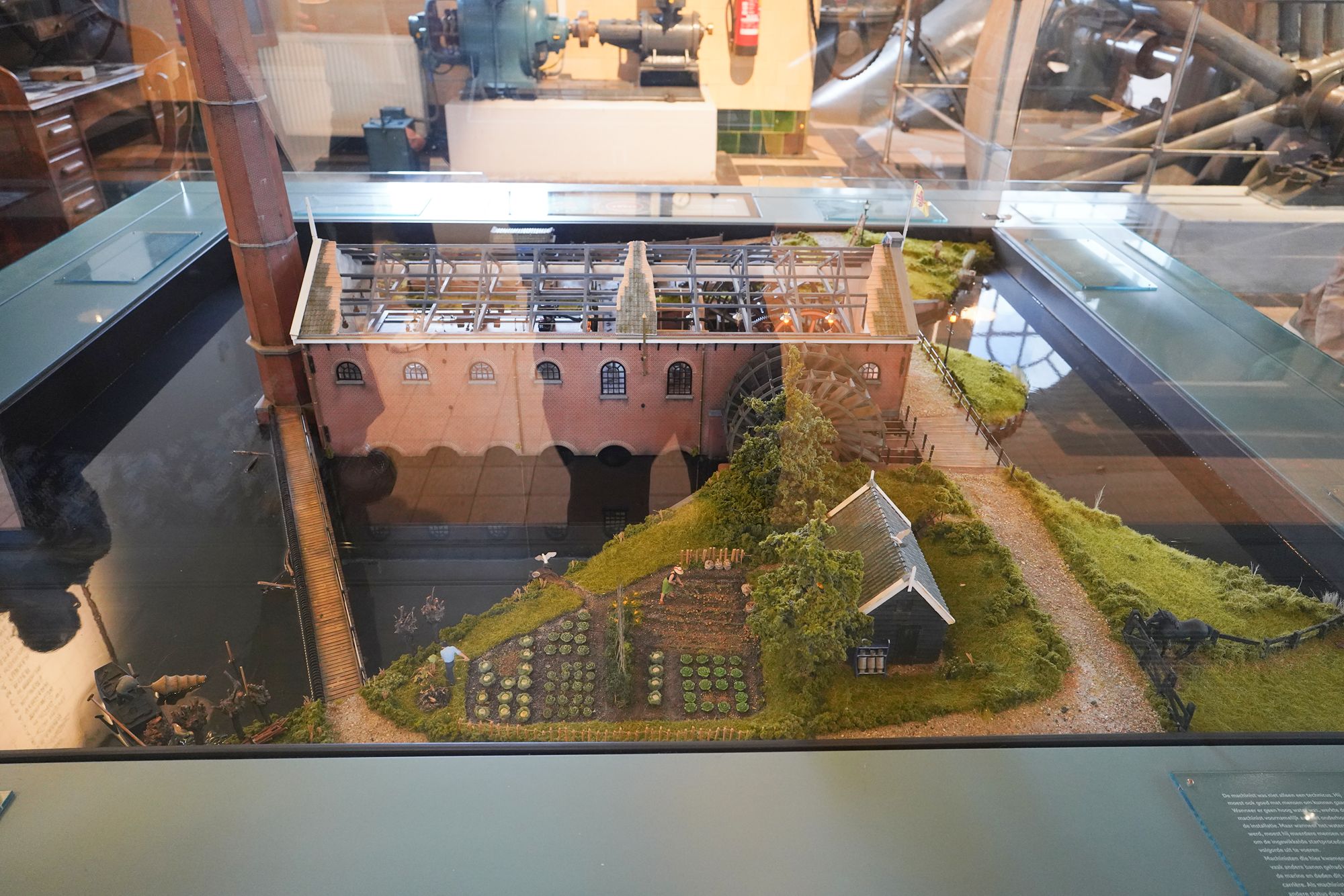
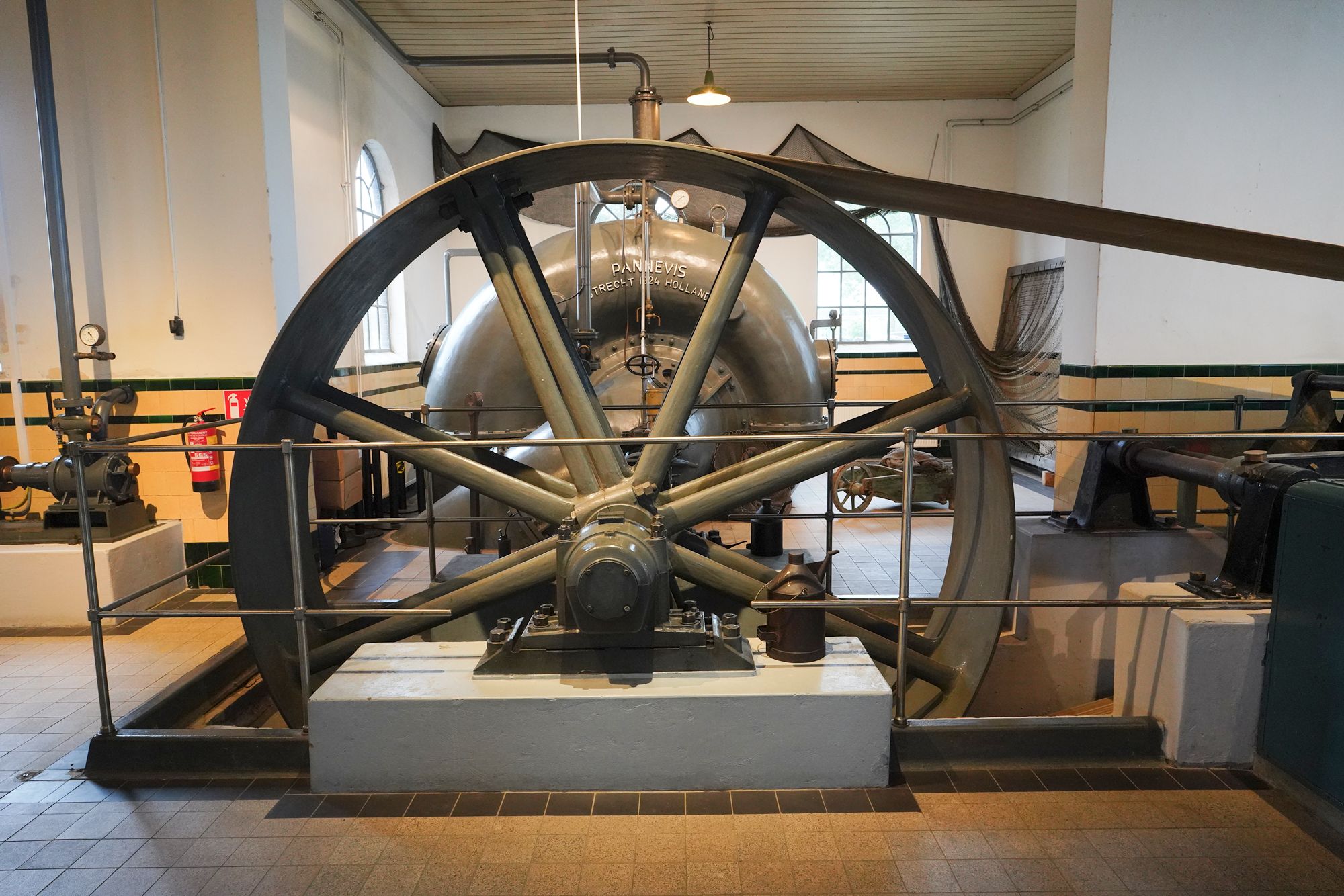
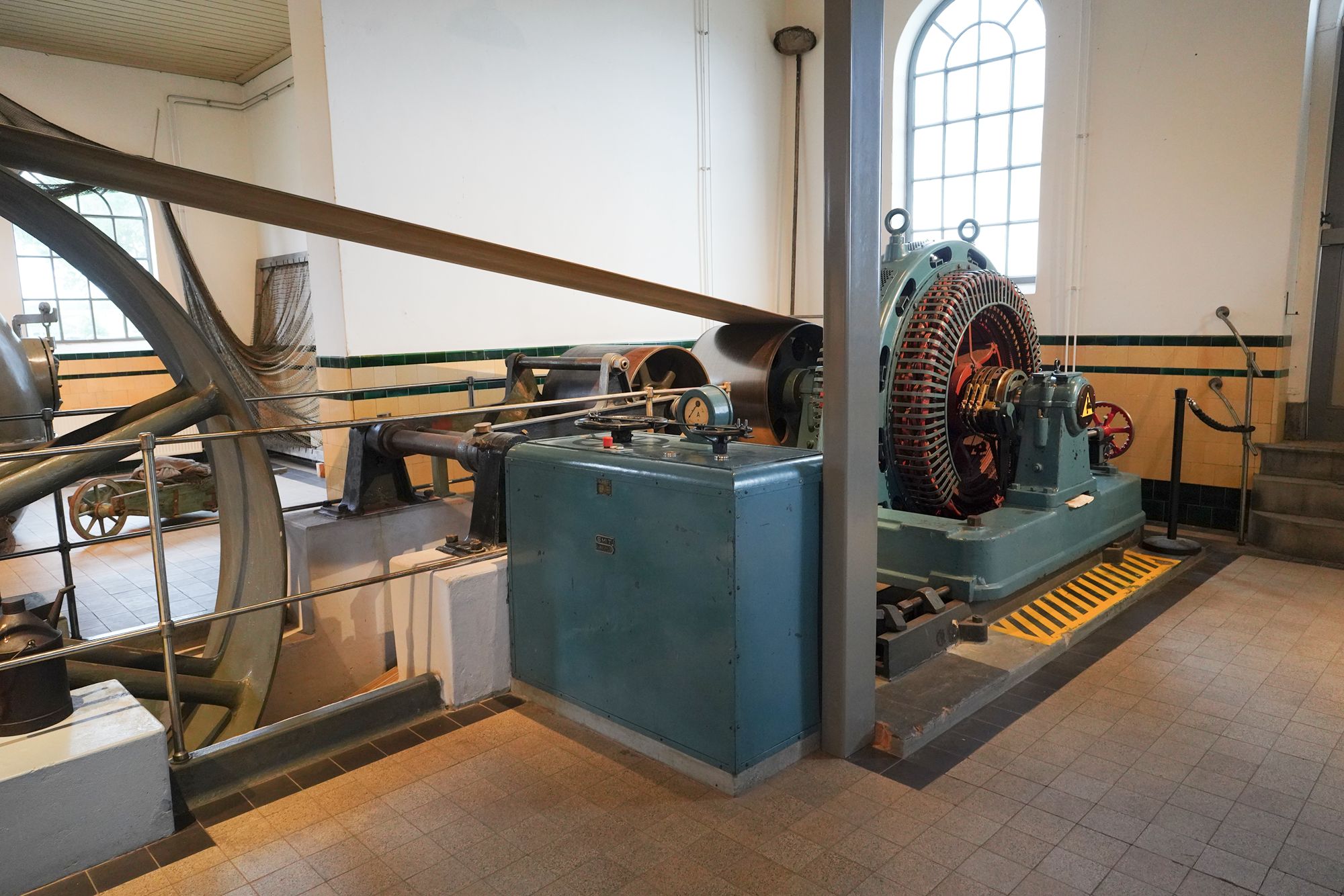
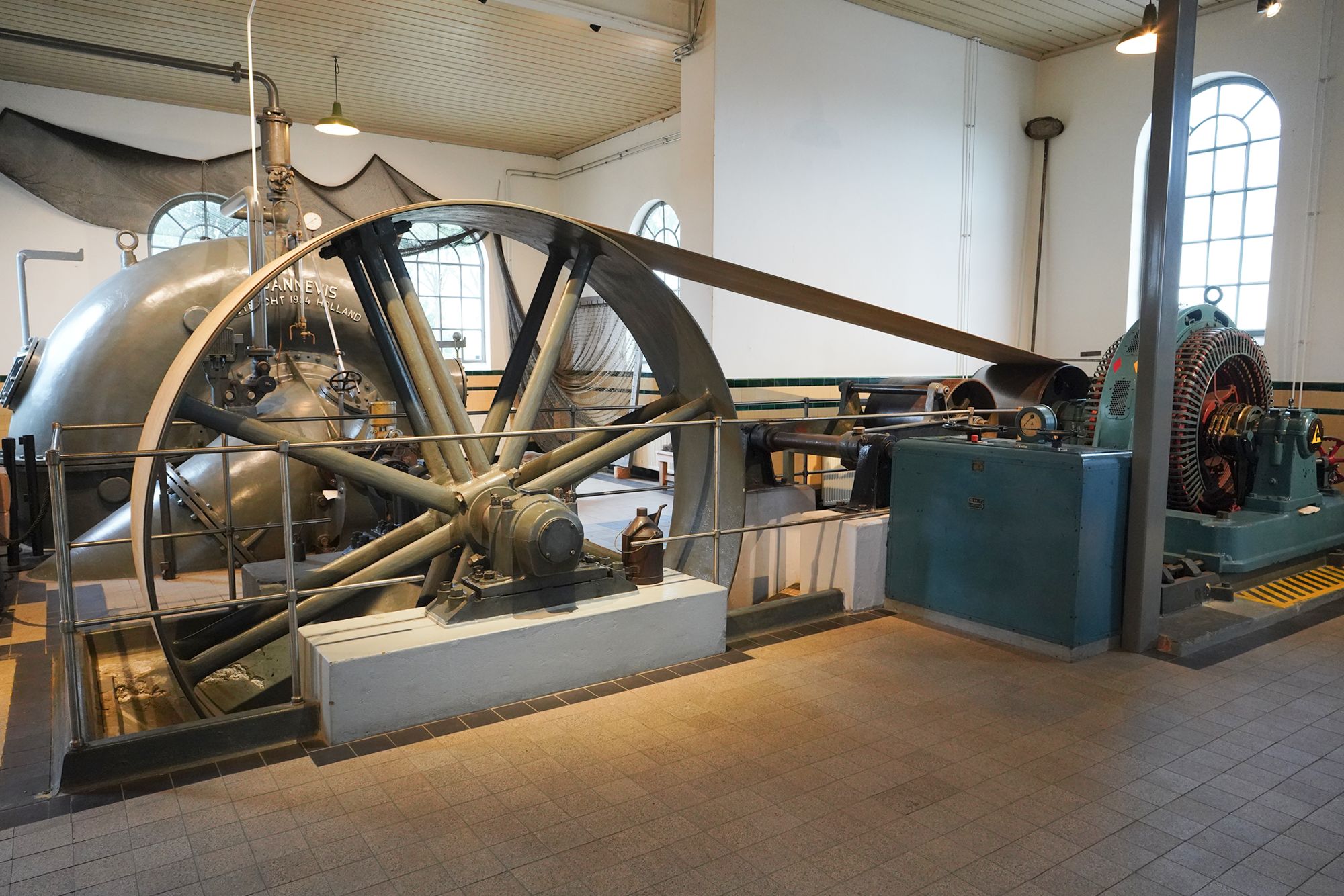
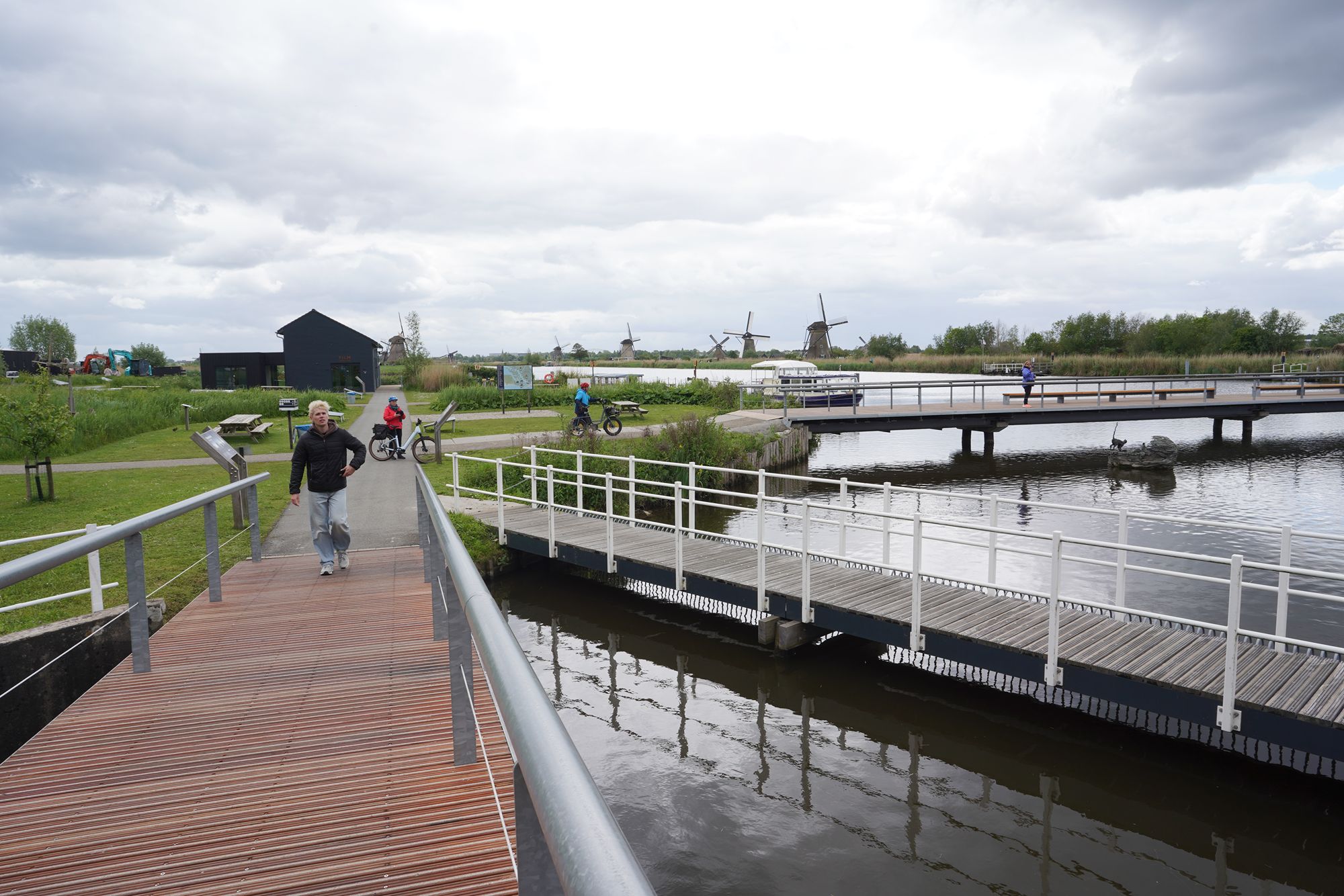
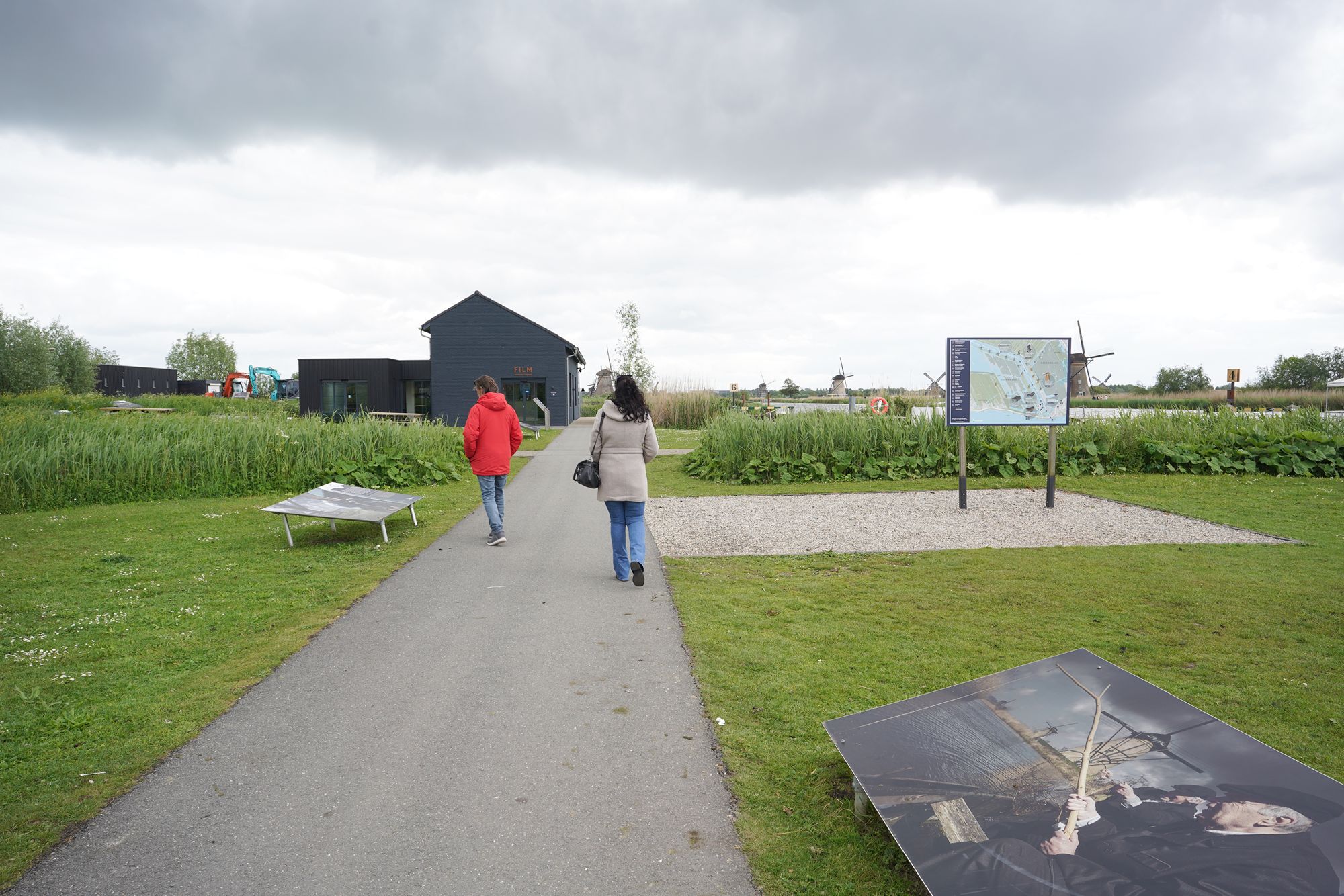
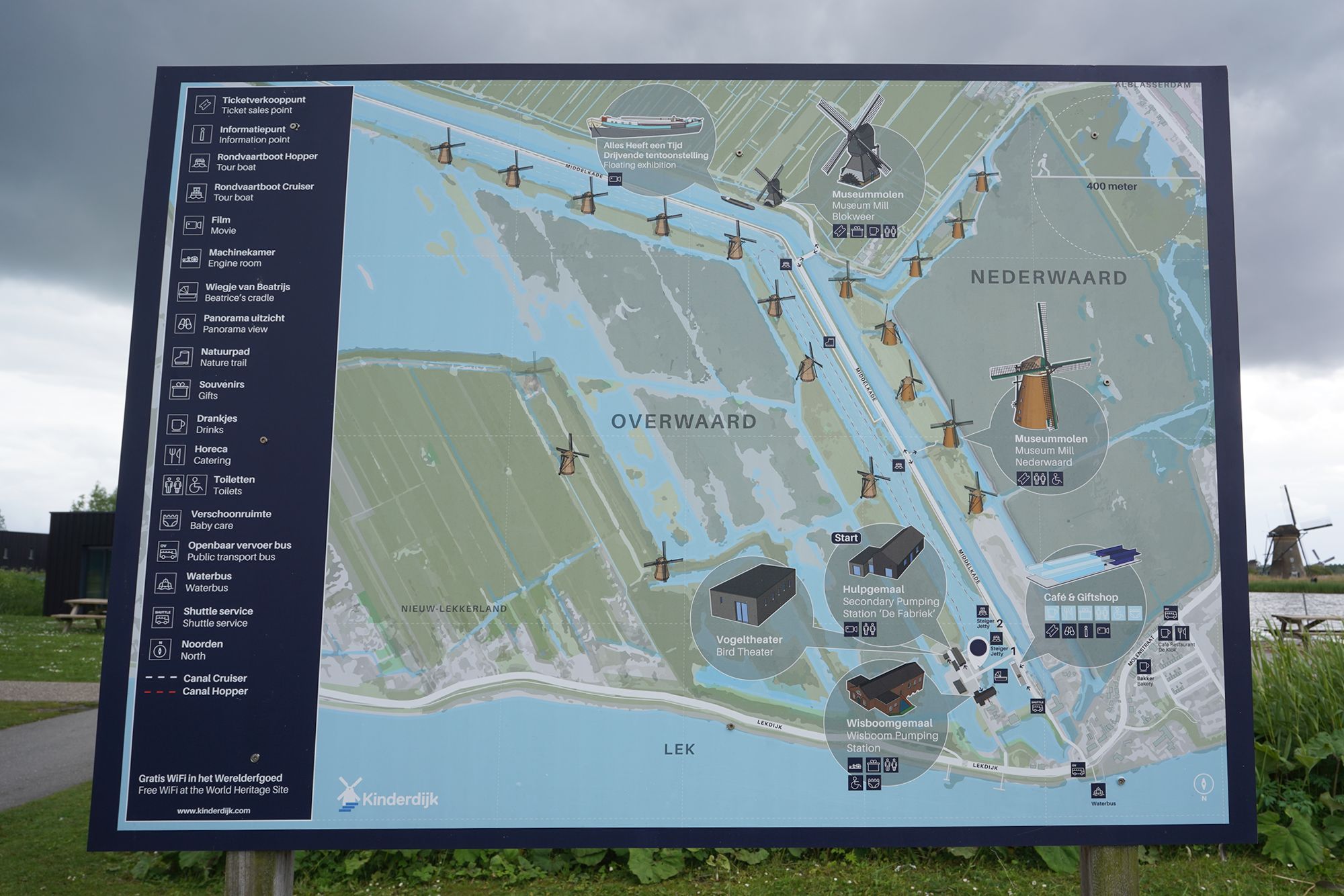
I came to Hulpgemaal De Fabriek, an auxiliary pumping station that helped the windmills remove excess water when additional pumping capacity was needed.
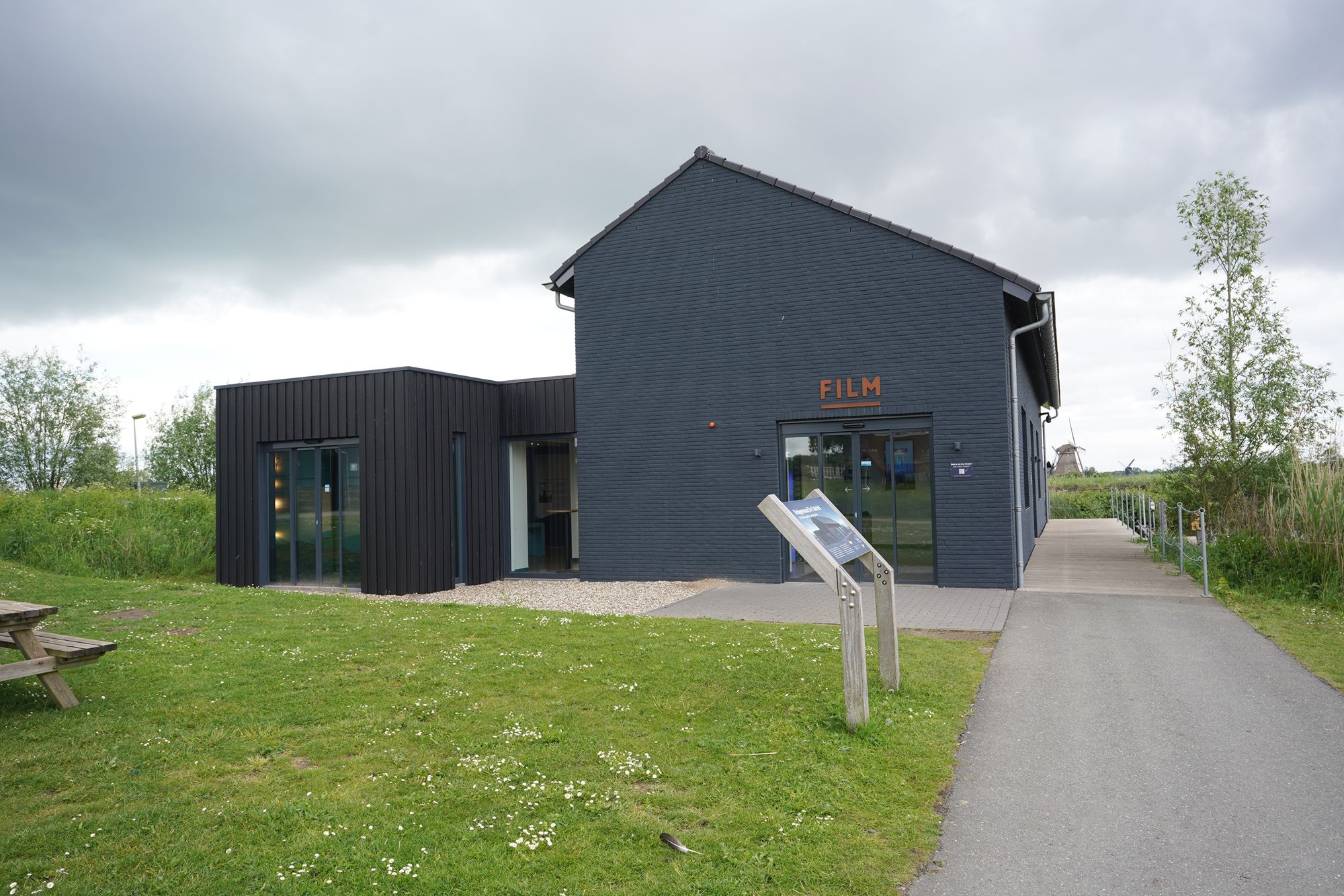
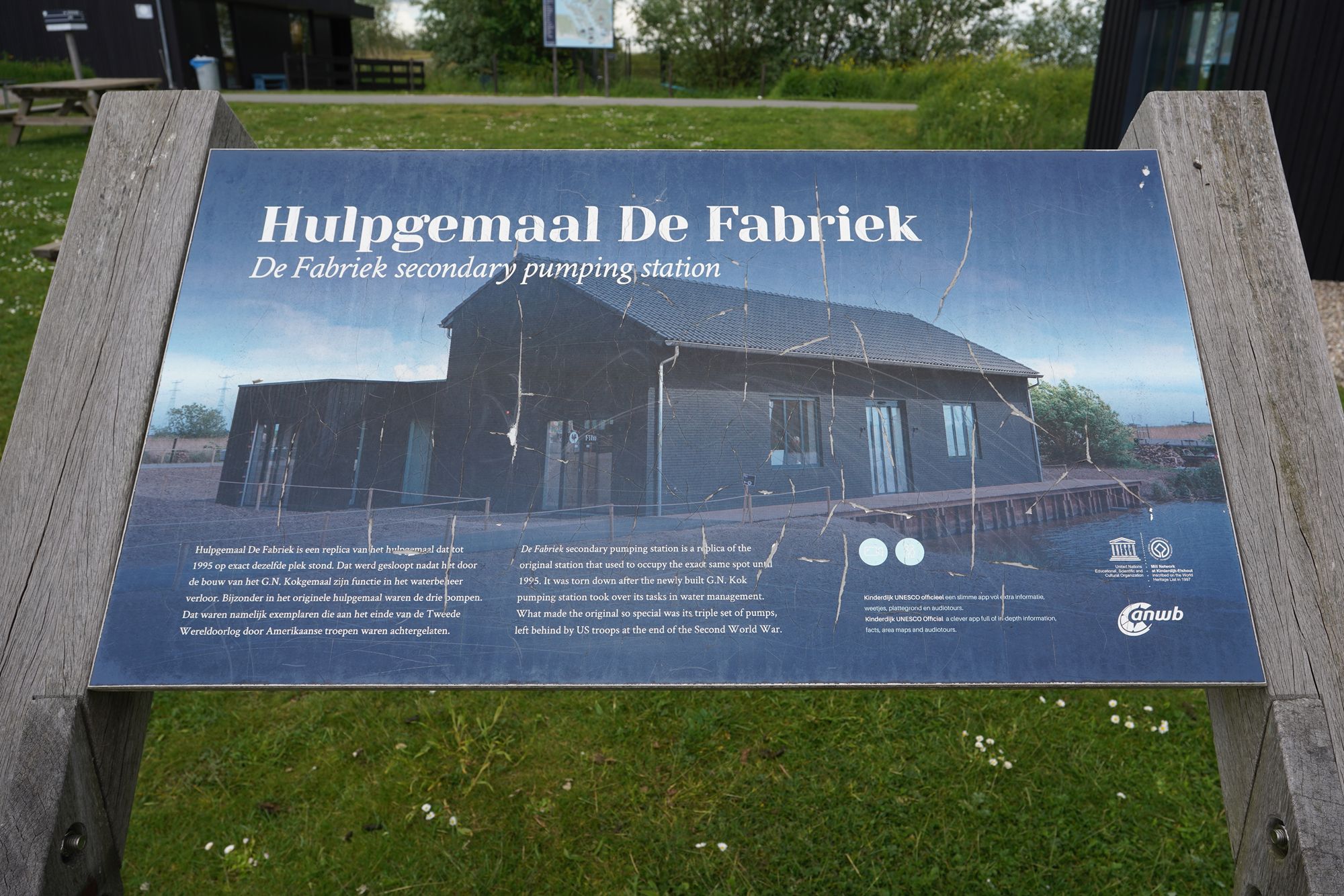
oday, Hulpgemaal De Fabriek has been converted into a museum, where visitors can learn about Kinderdijk’s historic pumping systems and the development of Dutch water management.
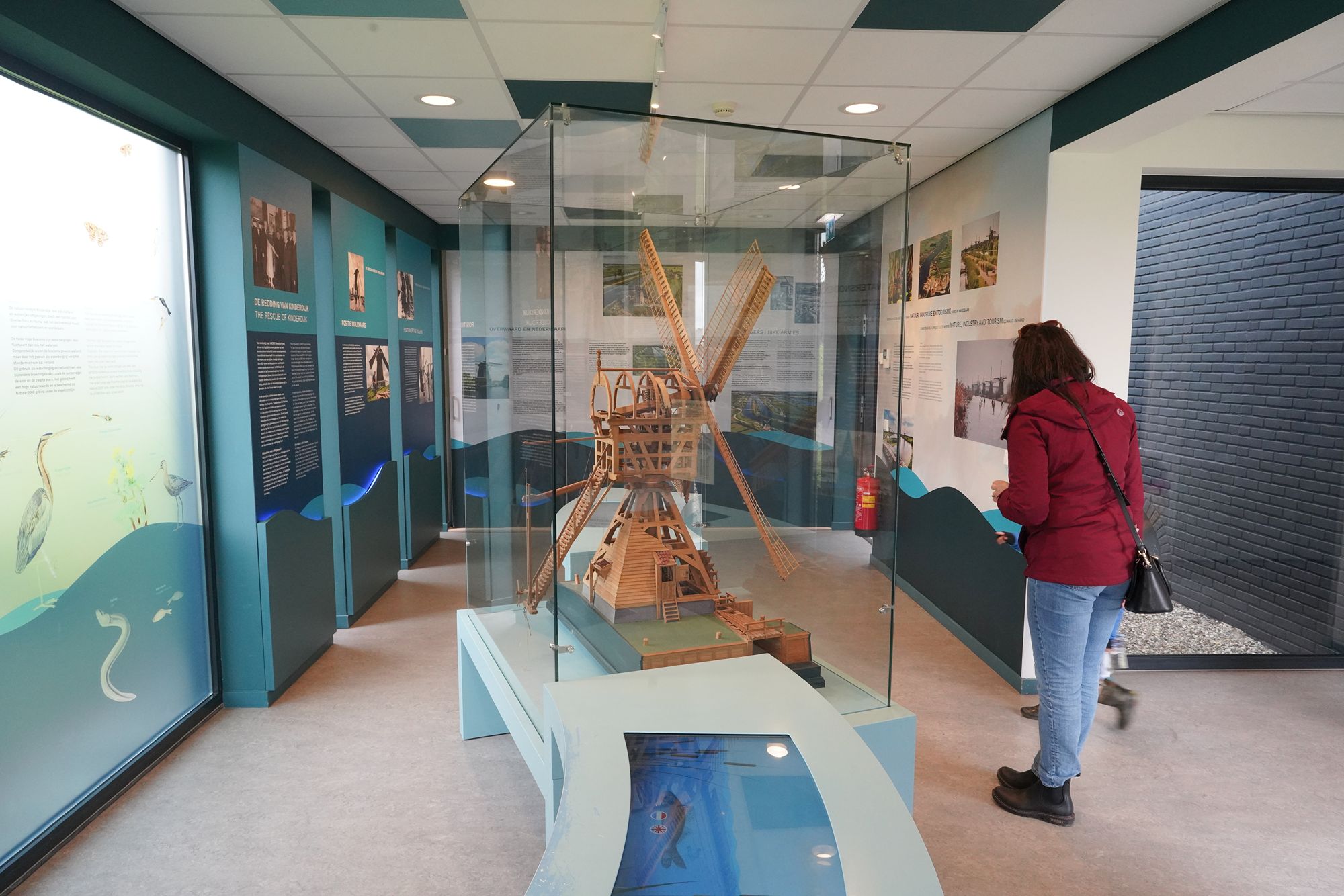
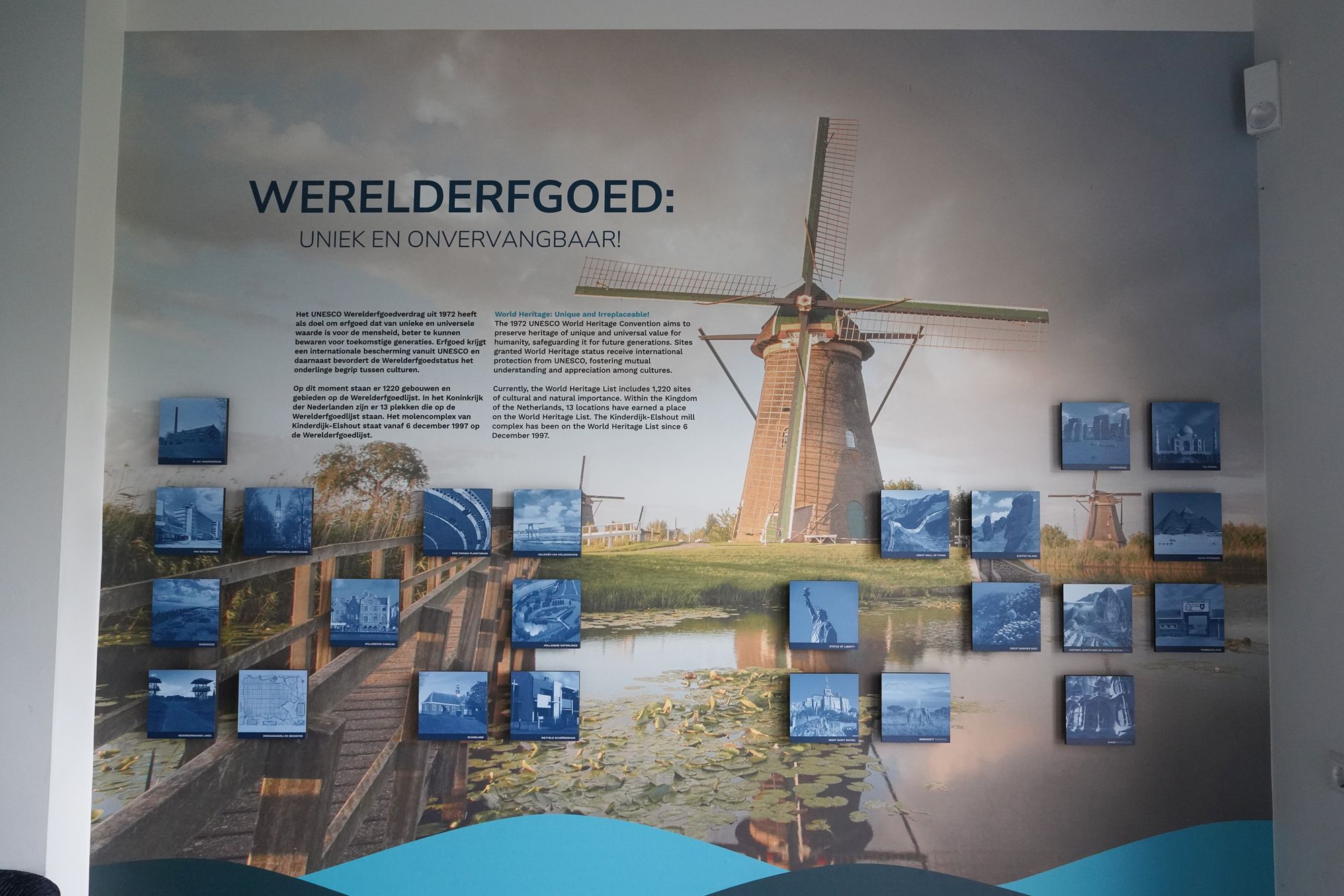
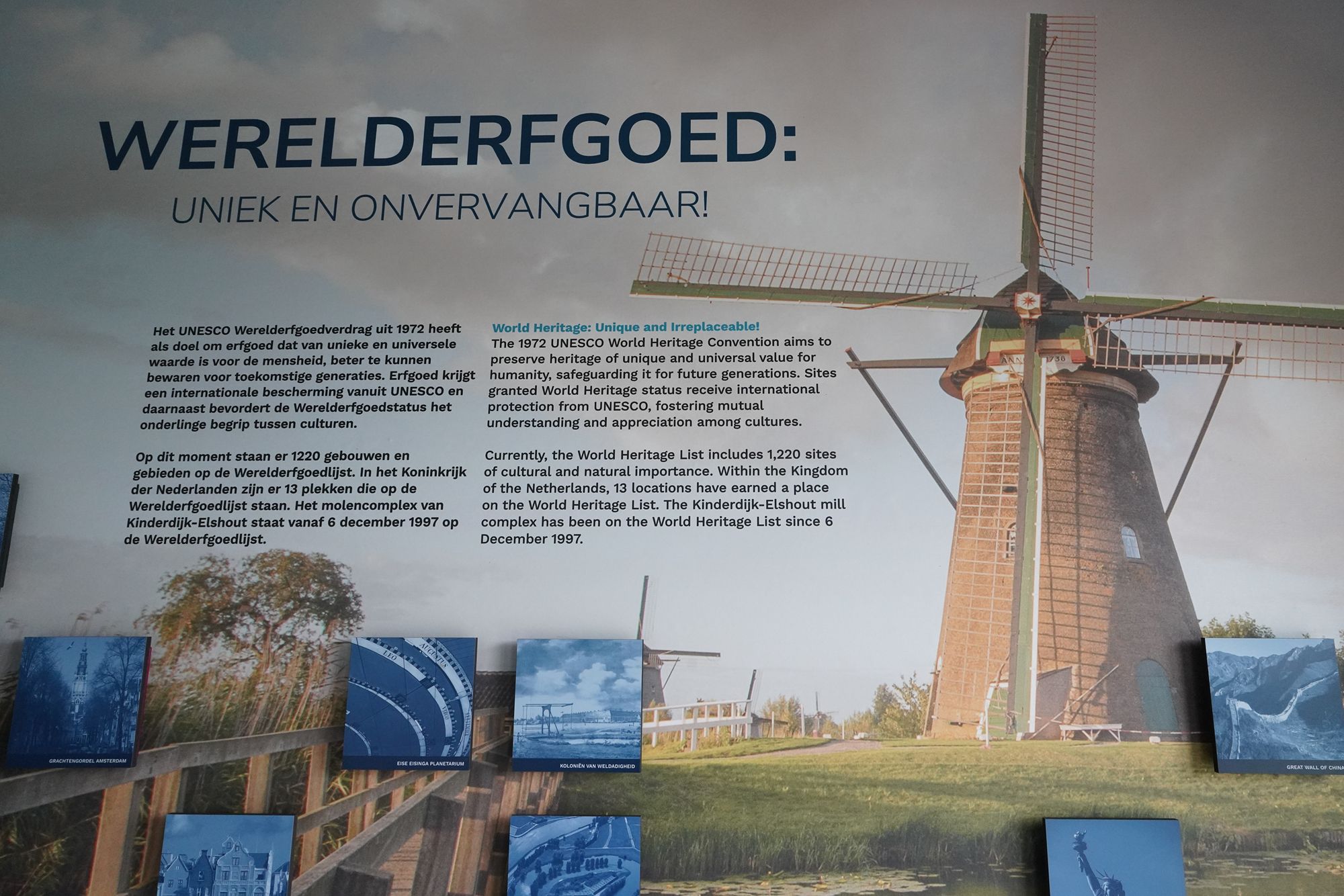
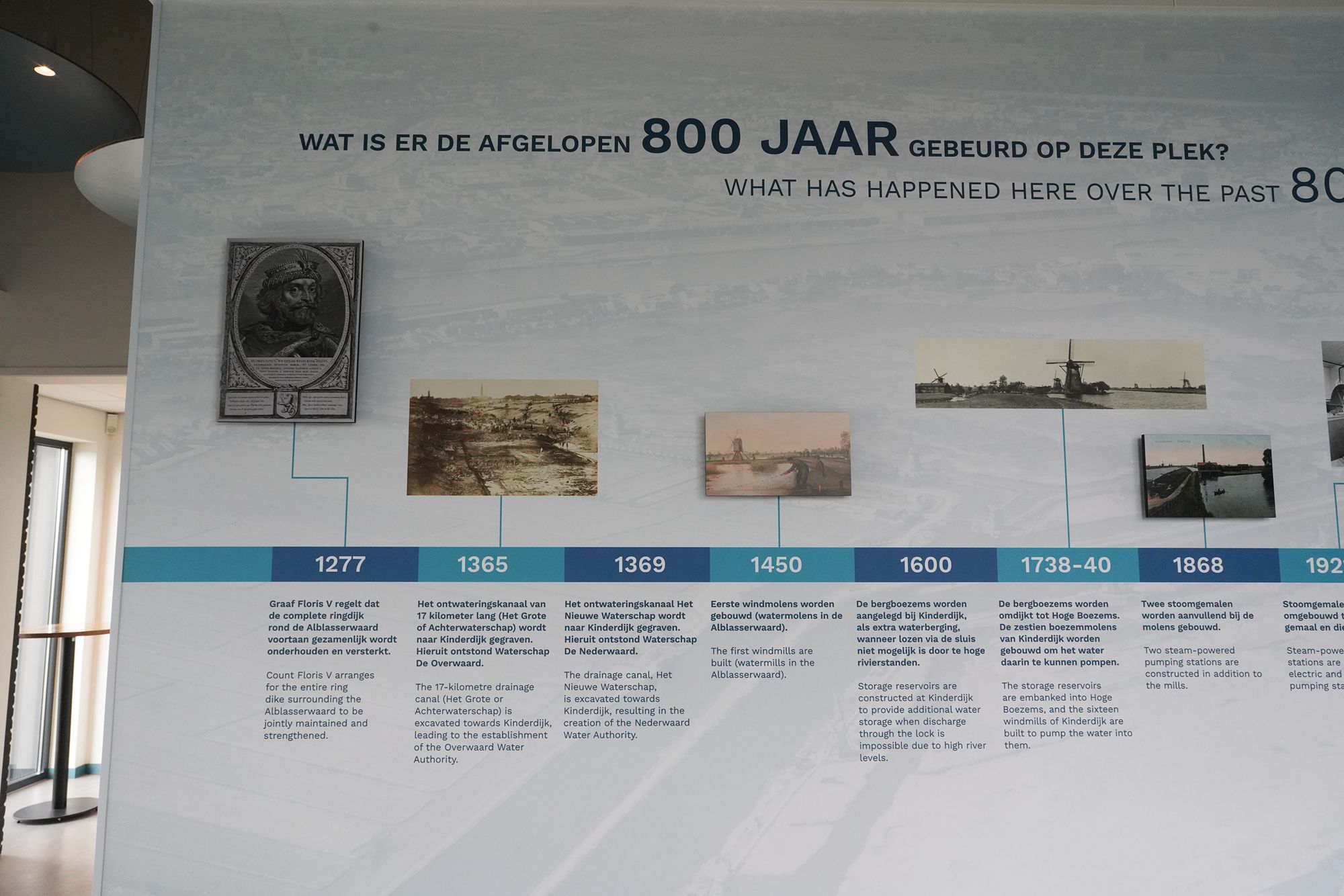
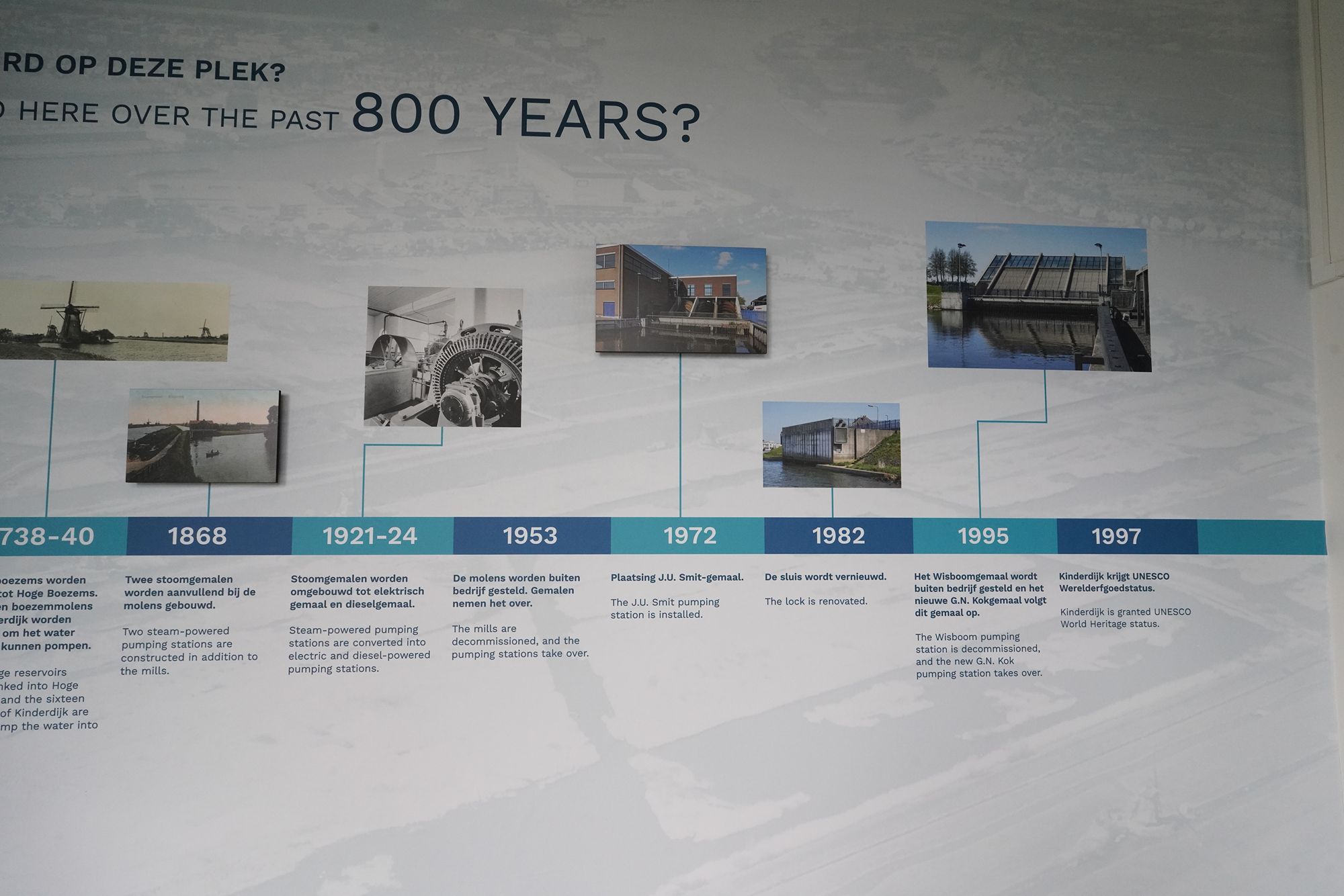
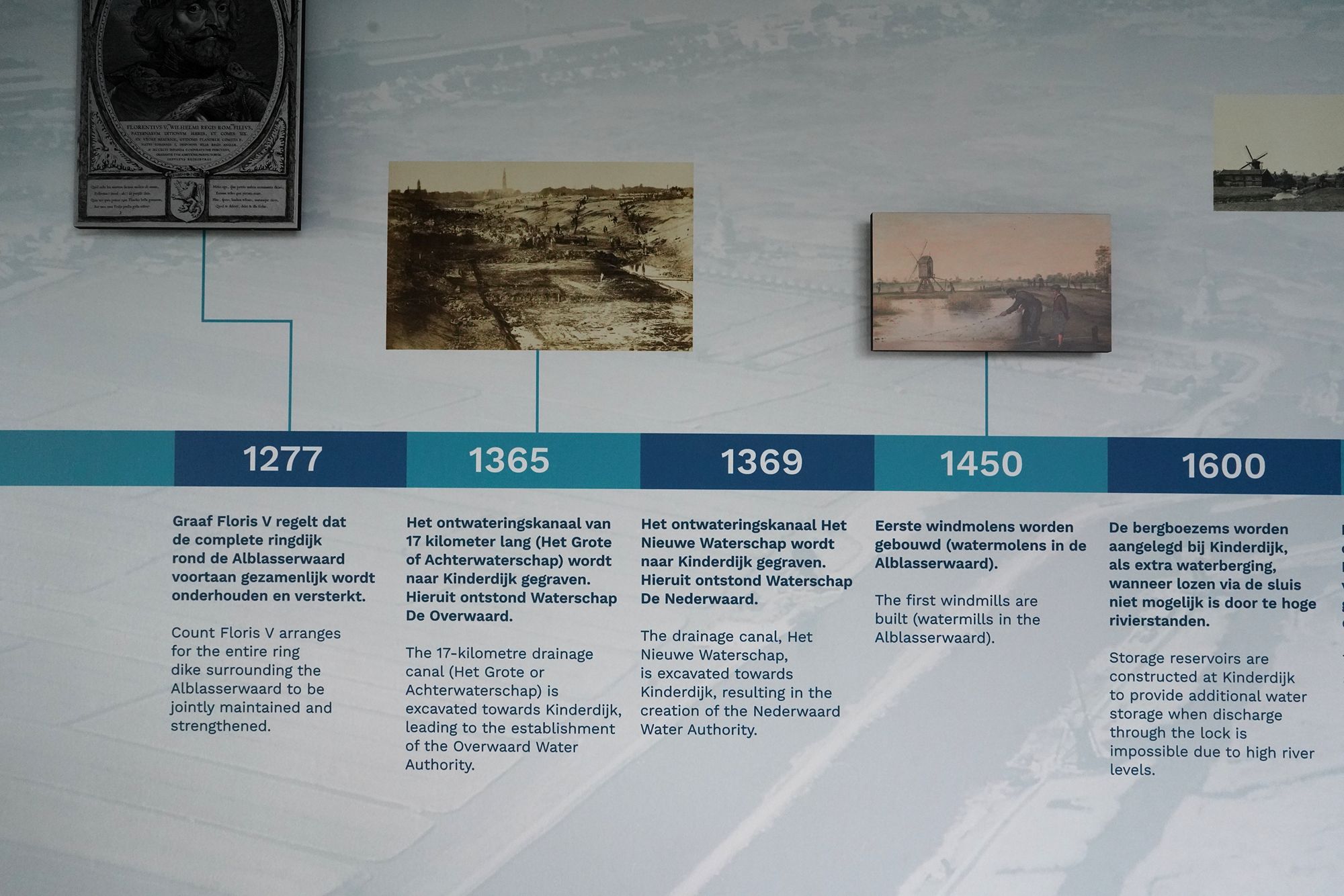
Because Kinderdijk is very low-lying land, much of it below the level of the surrounding rivers. Rainwater and groundwater naturally collect in the polders, and the water cannot simply flow away by gravity.
Without pumping, the fields and communities would gradually flood. The windmills lifted the water from the low polders into higher canals and reservoirs, from which it could eventually be discharged into the rivers.
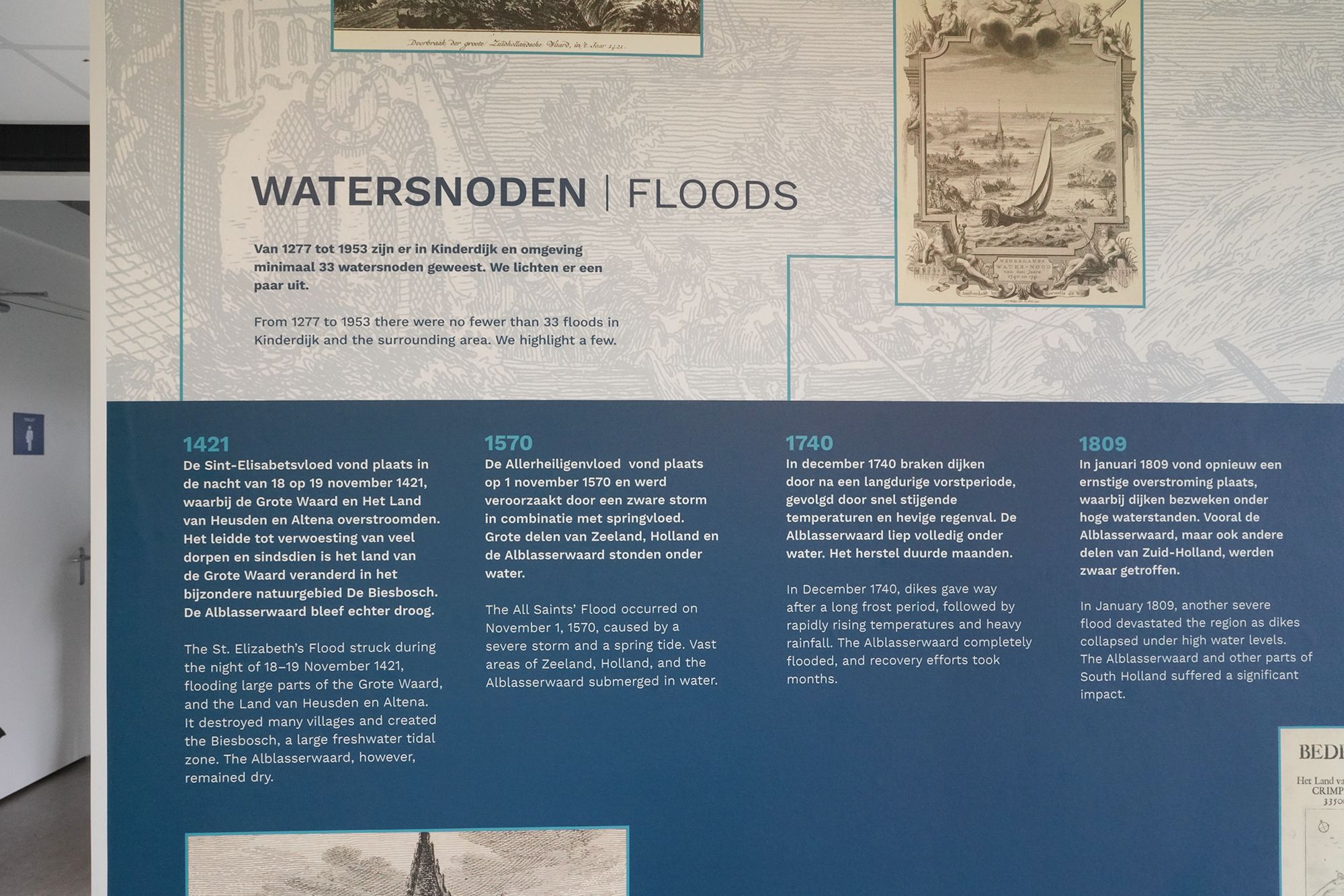
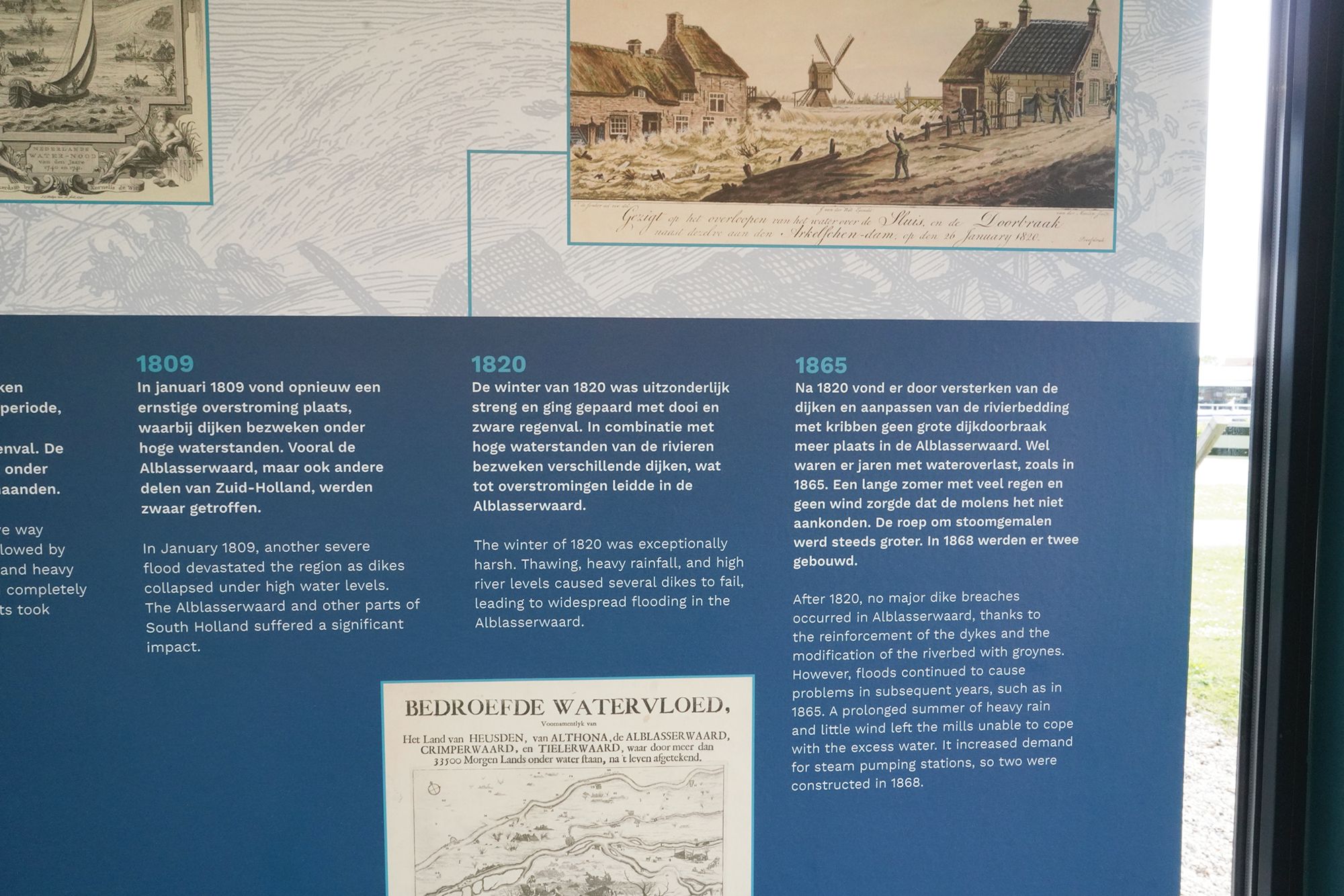
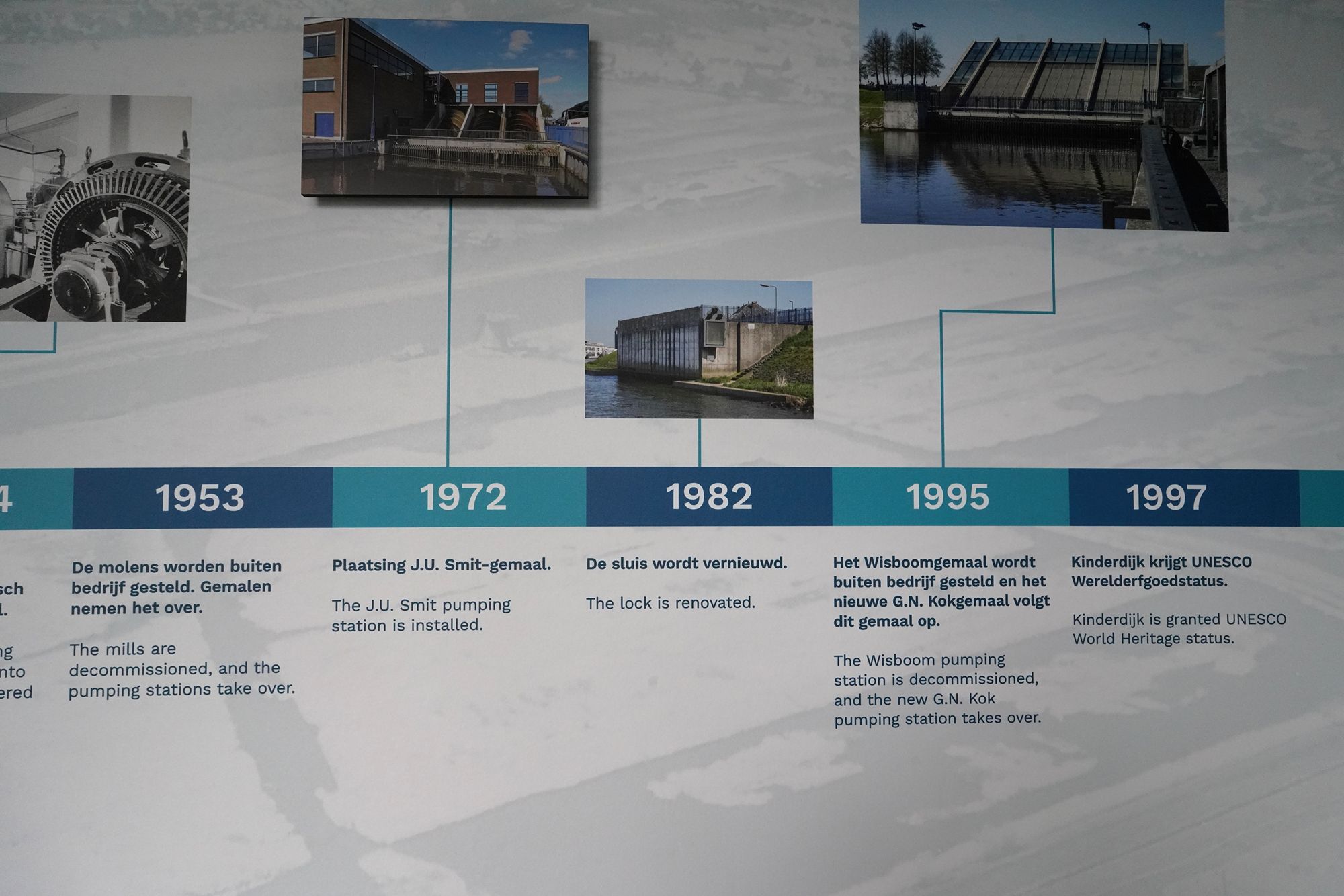
The Wisboom Pumping Station, built in 1868, originally used steam power to assist Kinderdijk’s eight Overwaard windmills. It was converted to electricity in 1924, and by 1953 modern pumping technology had made the historic windmills obsolete. Fortunately, instead of being demolished, the windmills were preserved as part of Kinderdijk’s remarkable heritage.
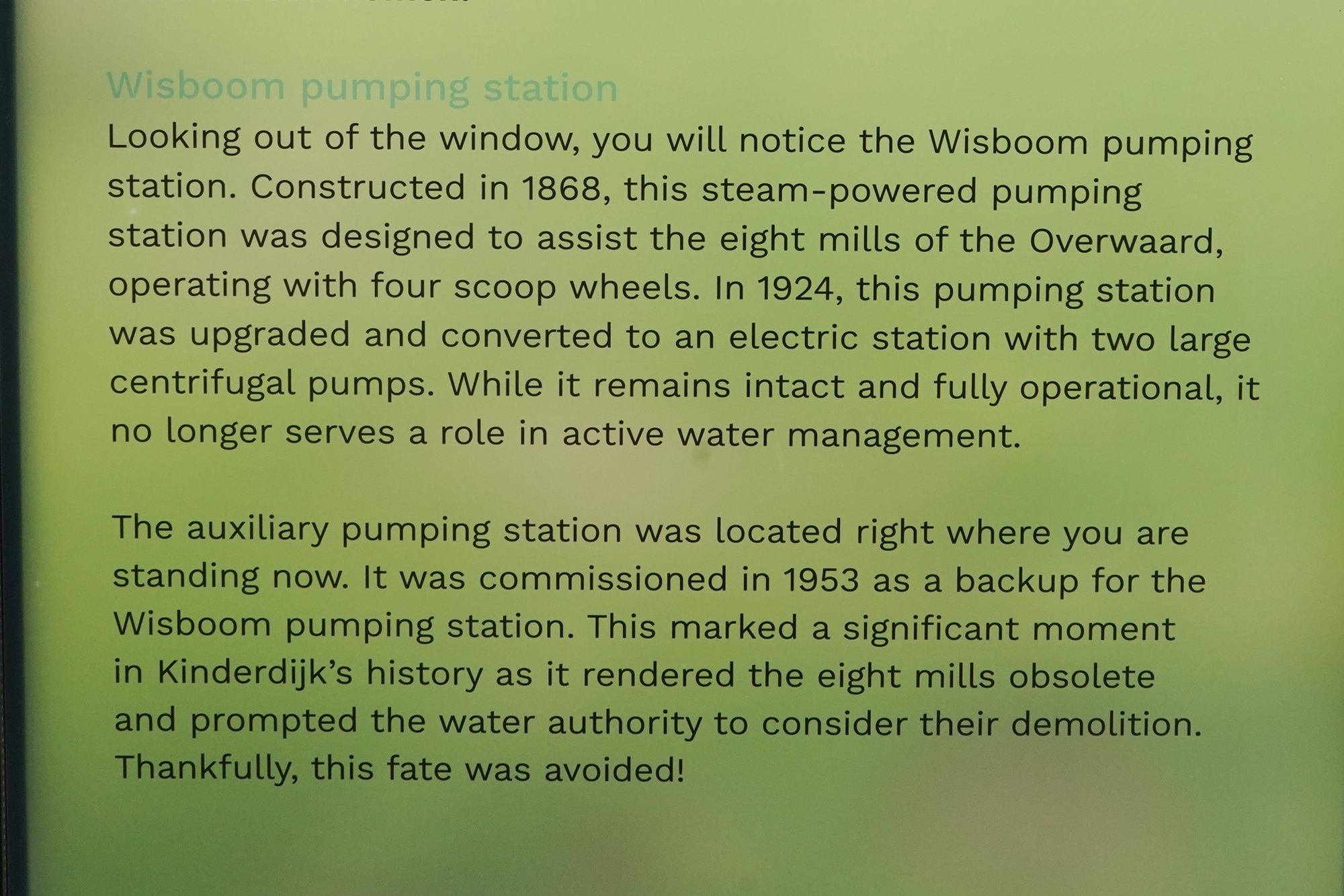
The pumping stations gradually replaced the windmills because they could move far more water and operate continuously, even without wind. Modern stations can pump many times more water than a traditional windmill, making Kinderdijk’s water-management system much more reliable.
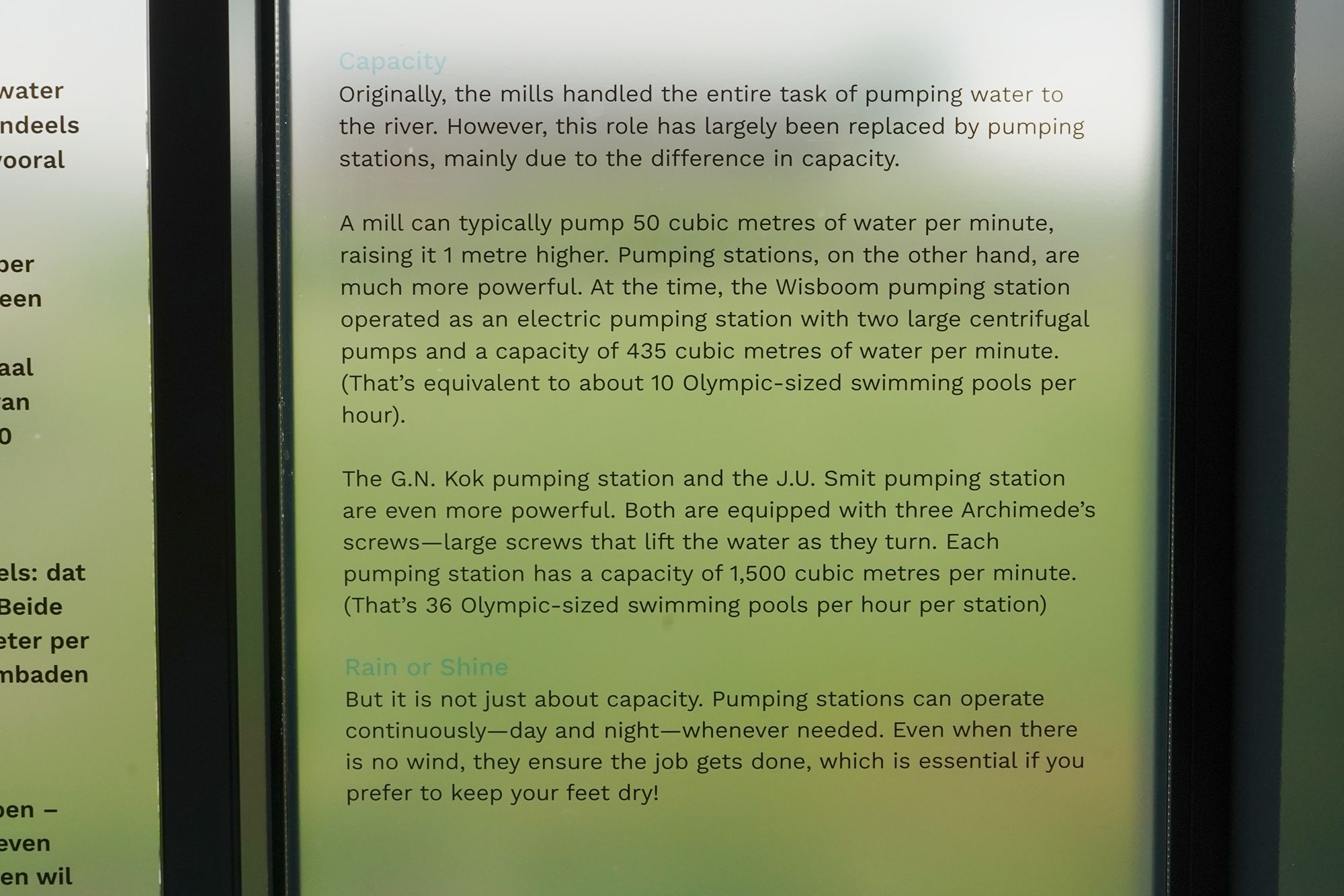
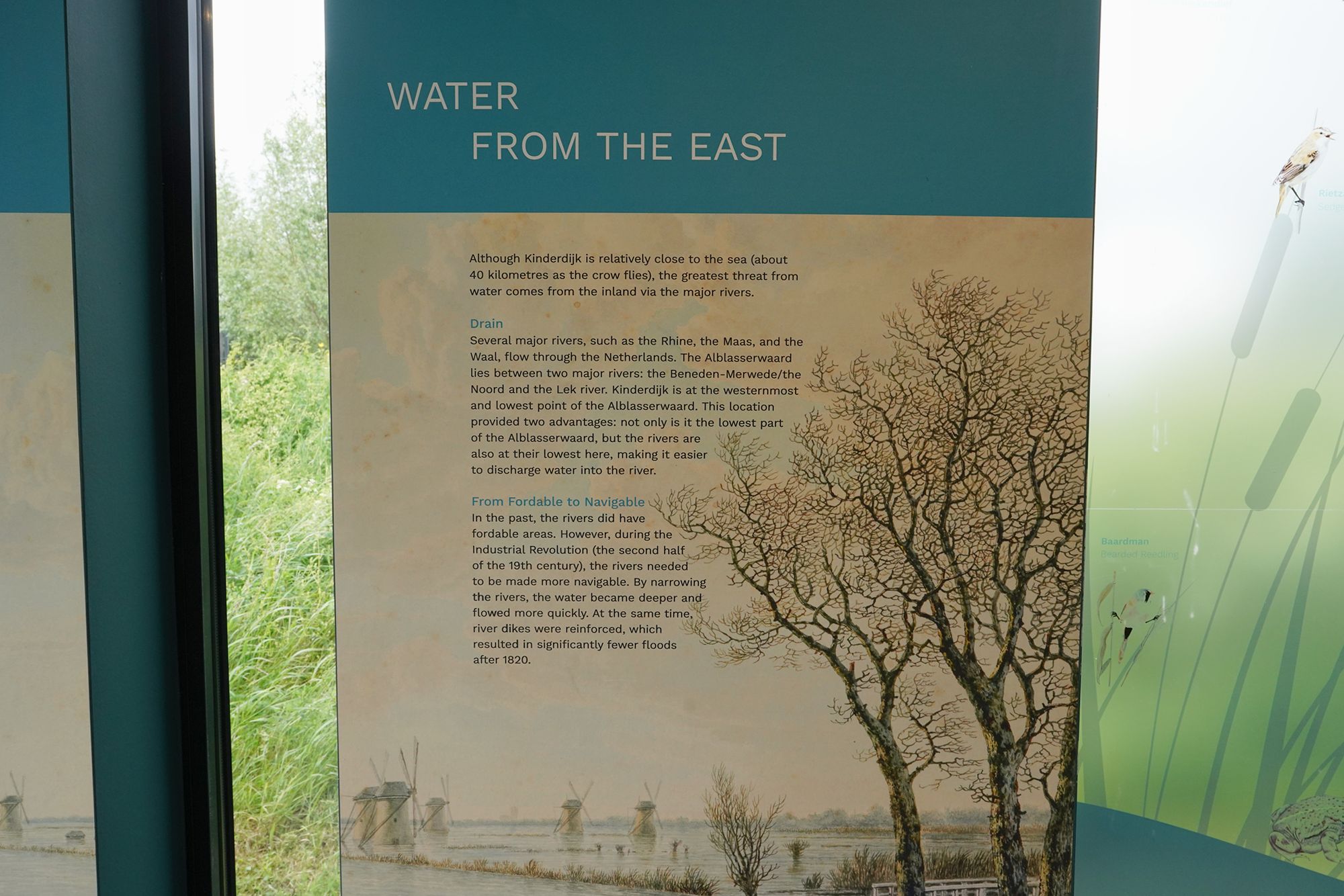
Kinderdijk lies at the lowest point of the Alblasserwaard, making it a natural place to collect and discharge excess water into the surrounding rivers. The windmills and later pumping stations were essential for keeping this low-lying landscape dry.
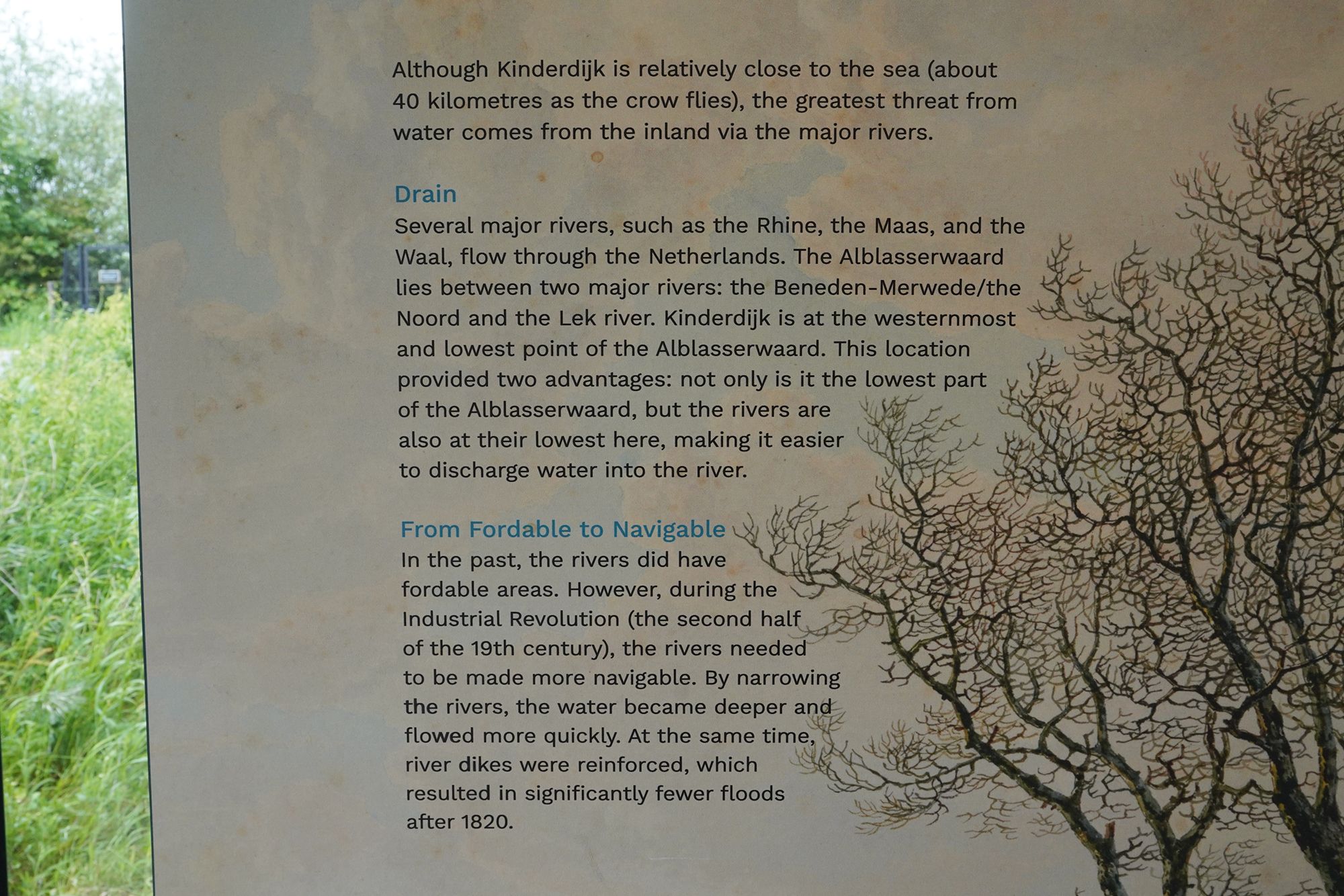
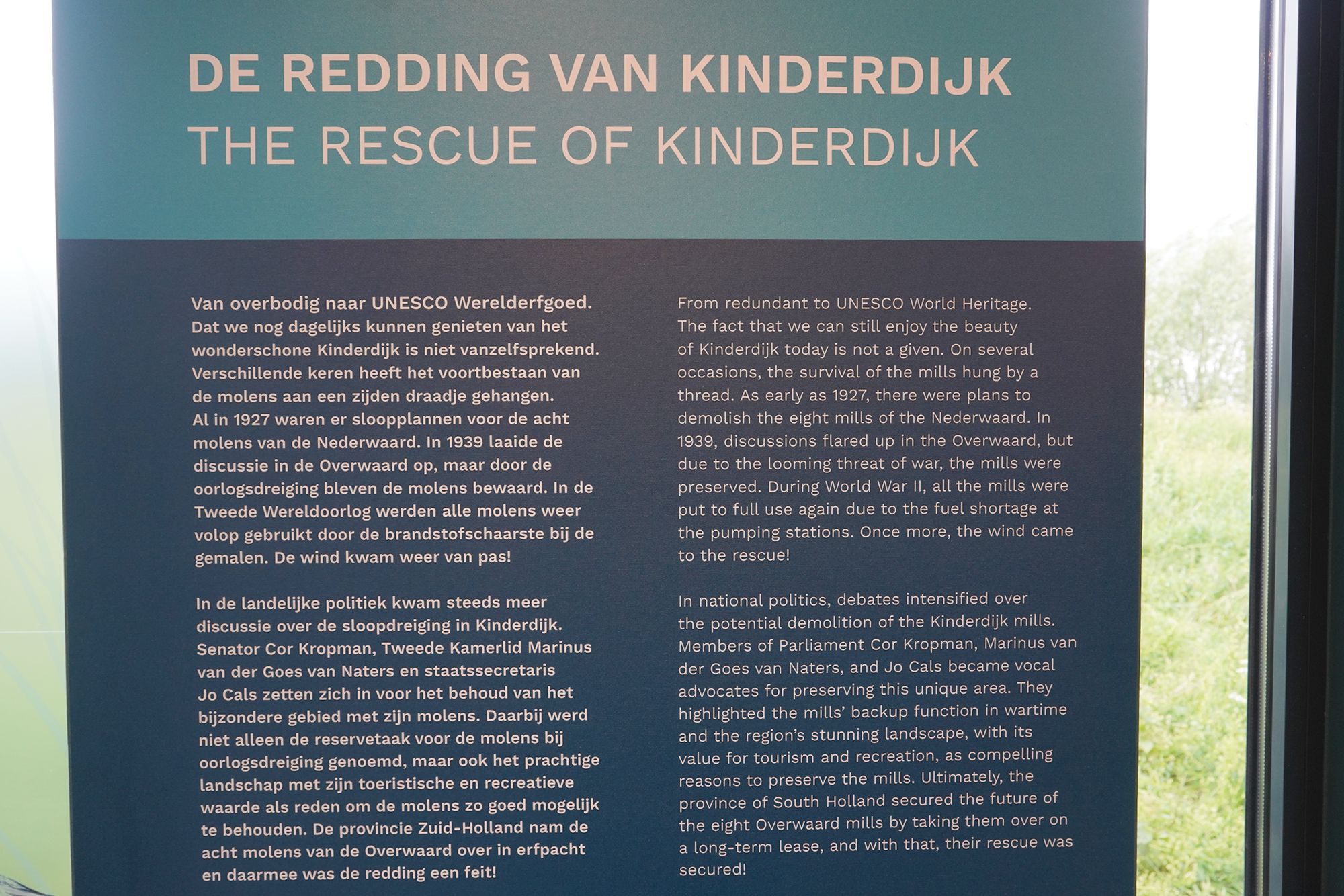
The Kinderdijk windmills nearly disappeared after modern pumping stations made them obsolete. During World War II, fuel shortages brought the windmills back into service, helping demonstrate their value. Preservation efforts eventually saved this unique landscape, which later became a UNESCO World Heritage Site.
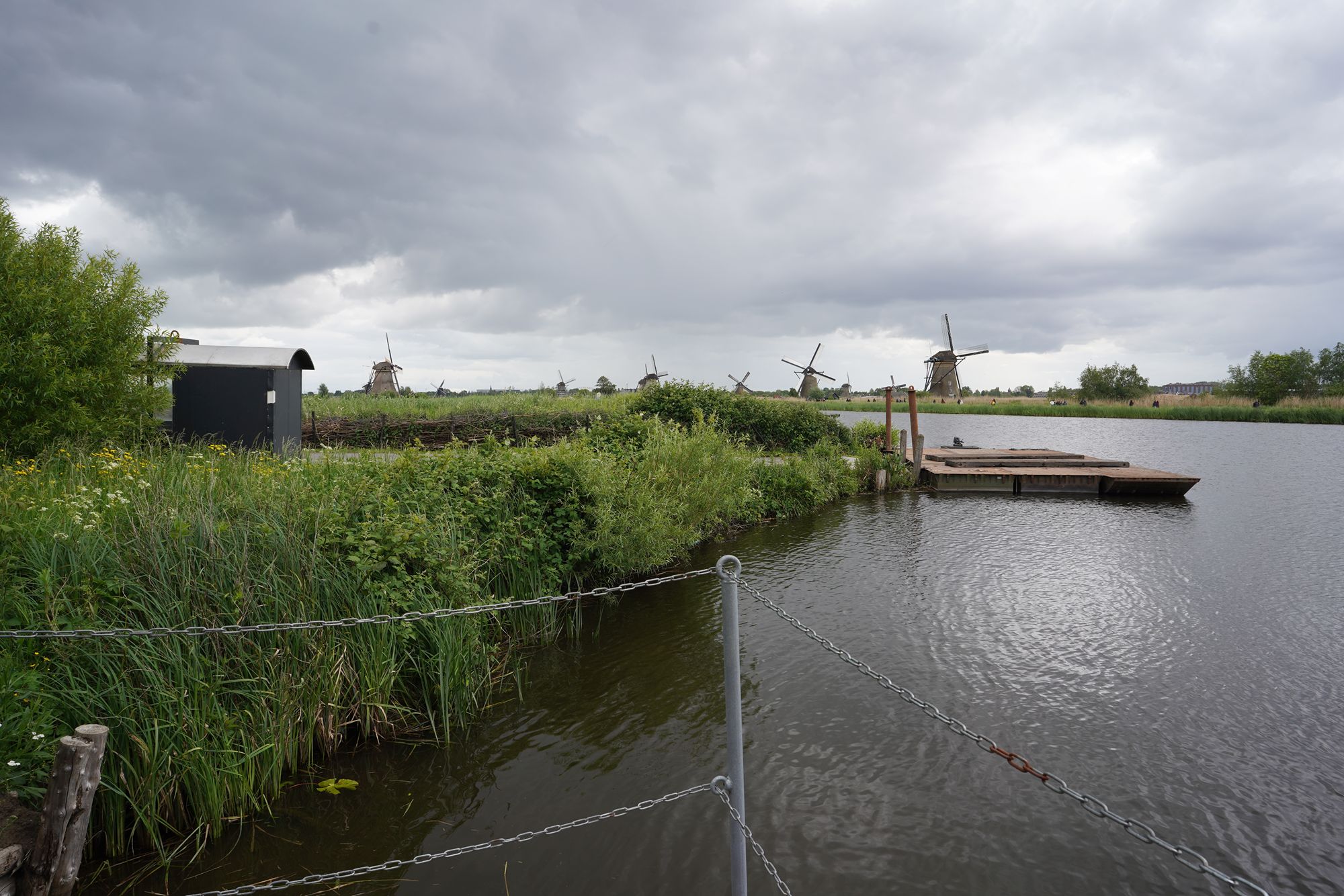
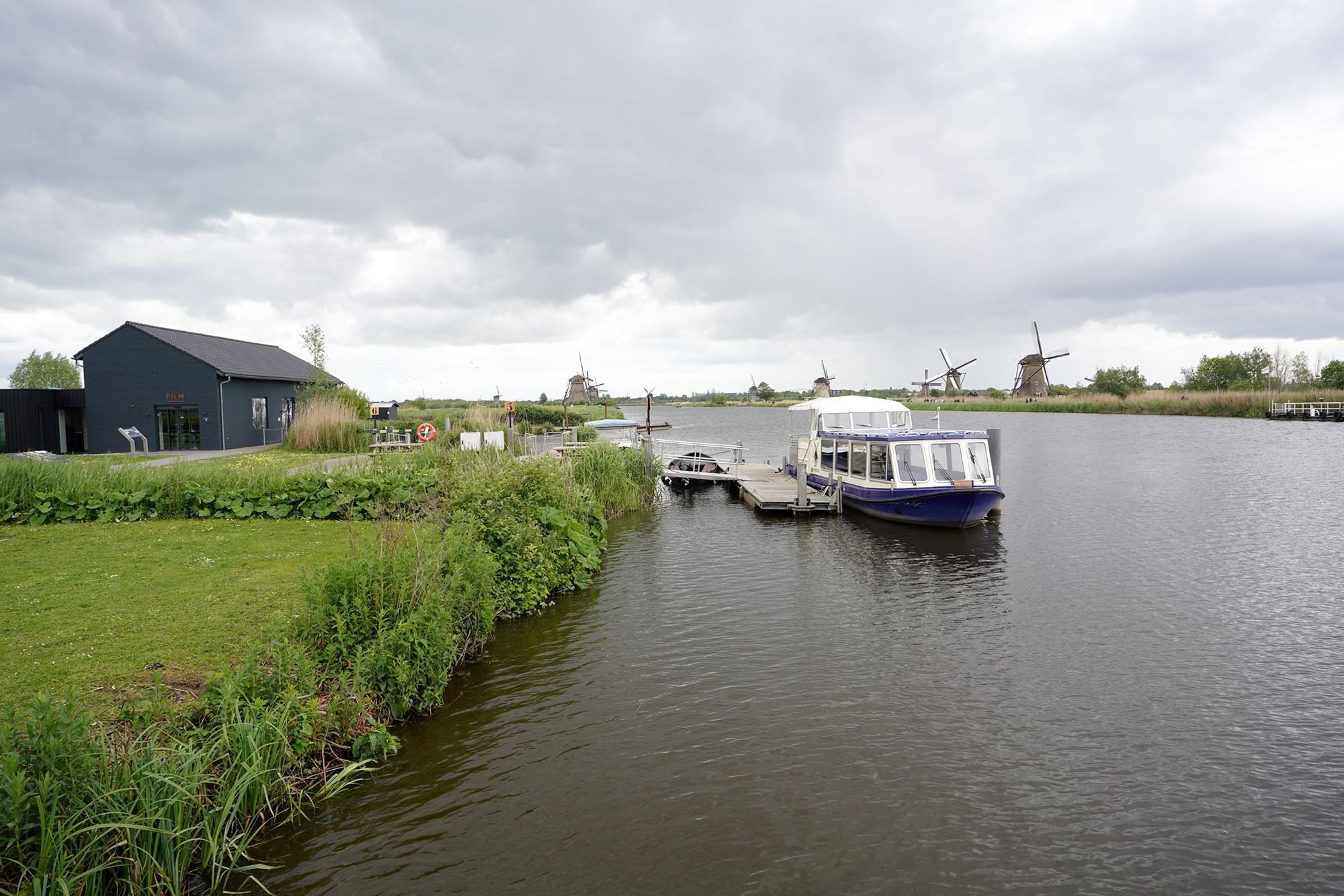
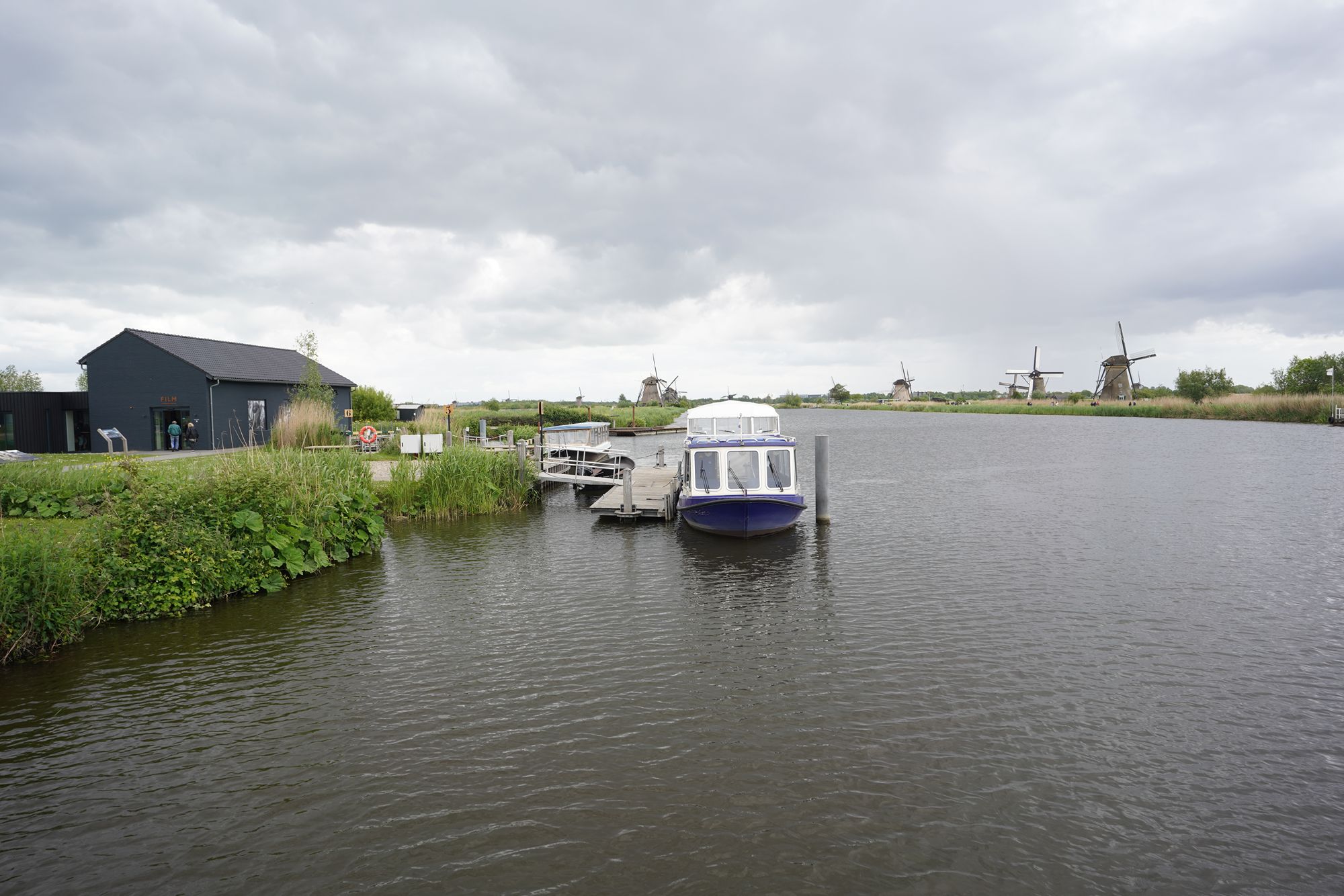
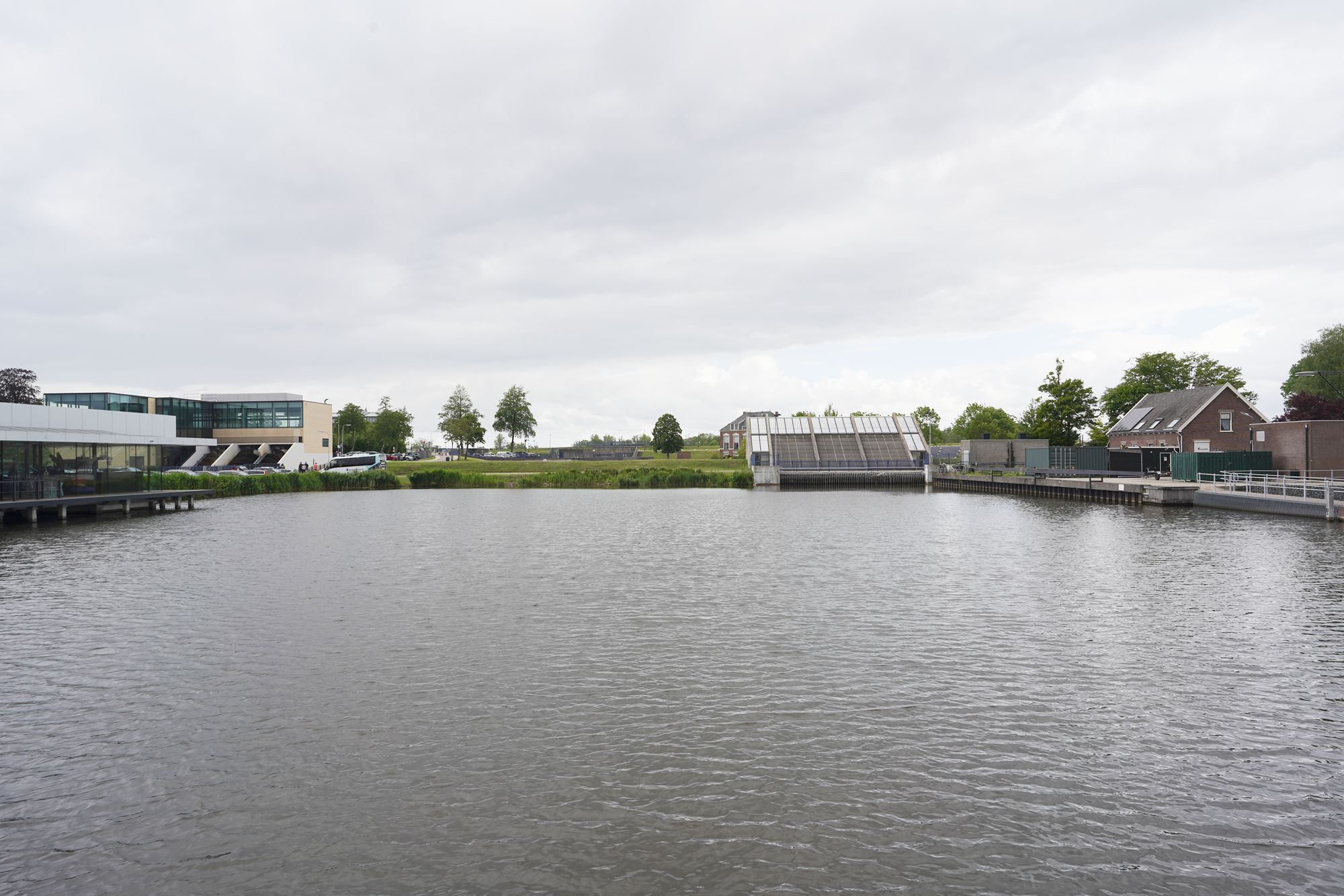
Looking across to the other side, I could see the modern pumping facility, which has taken over the water-management work once performed by the historic windmills.
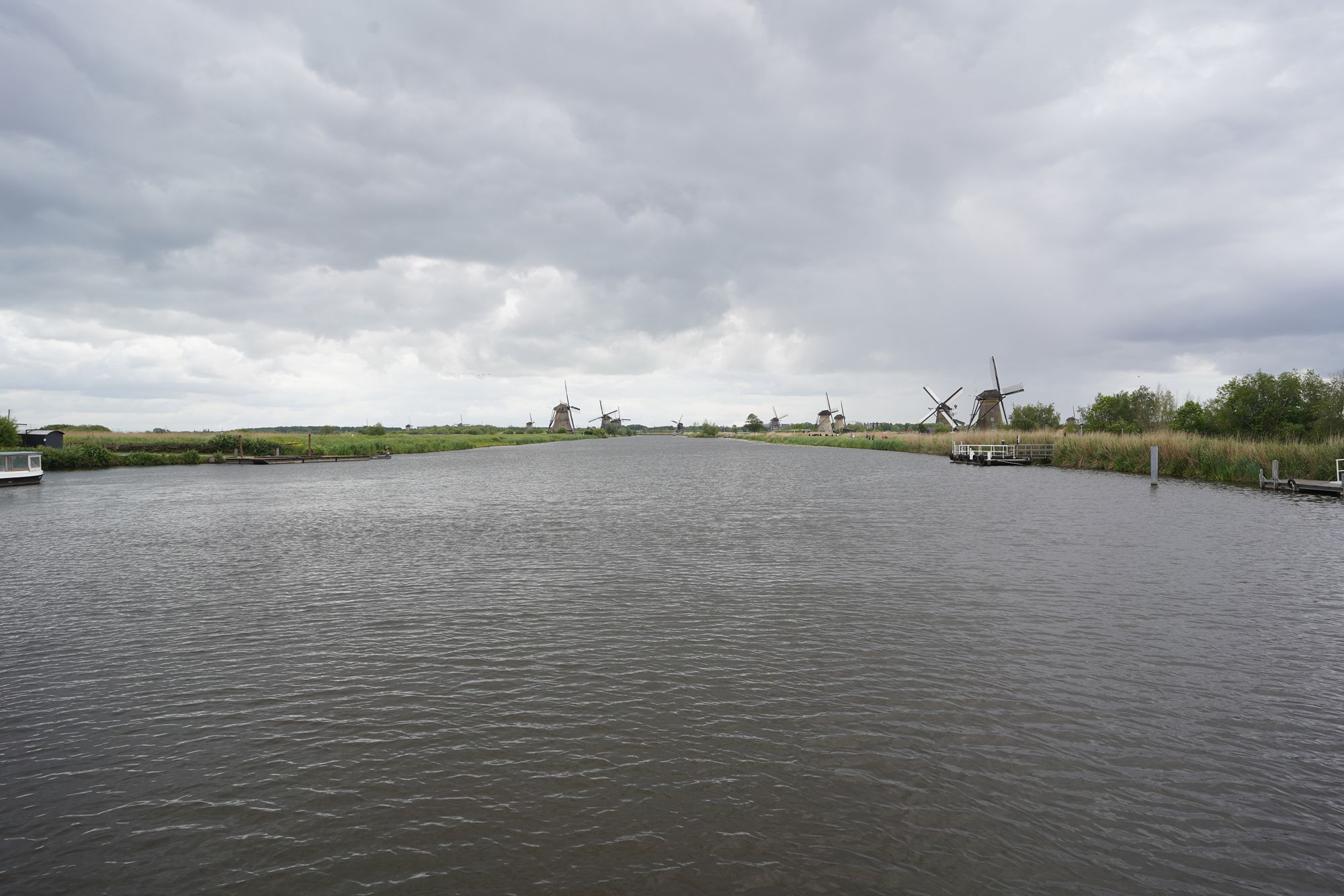
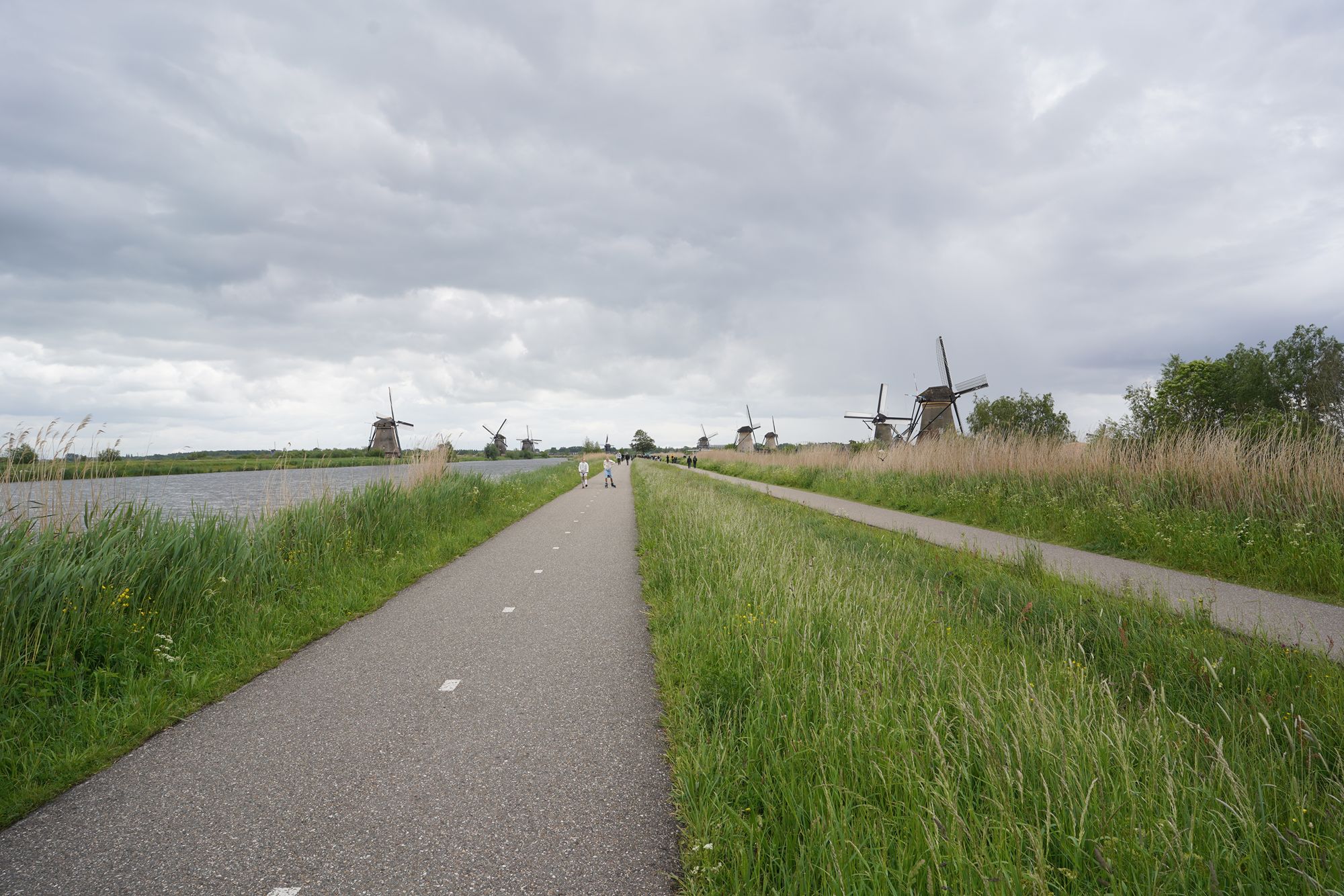
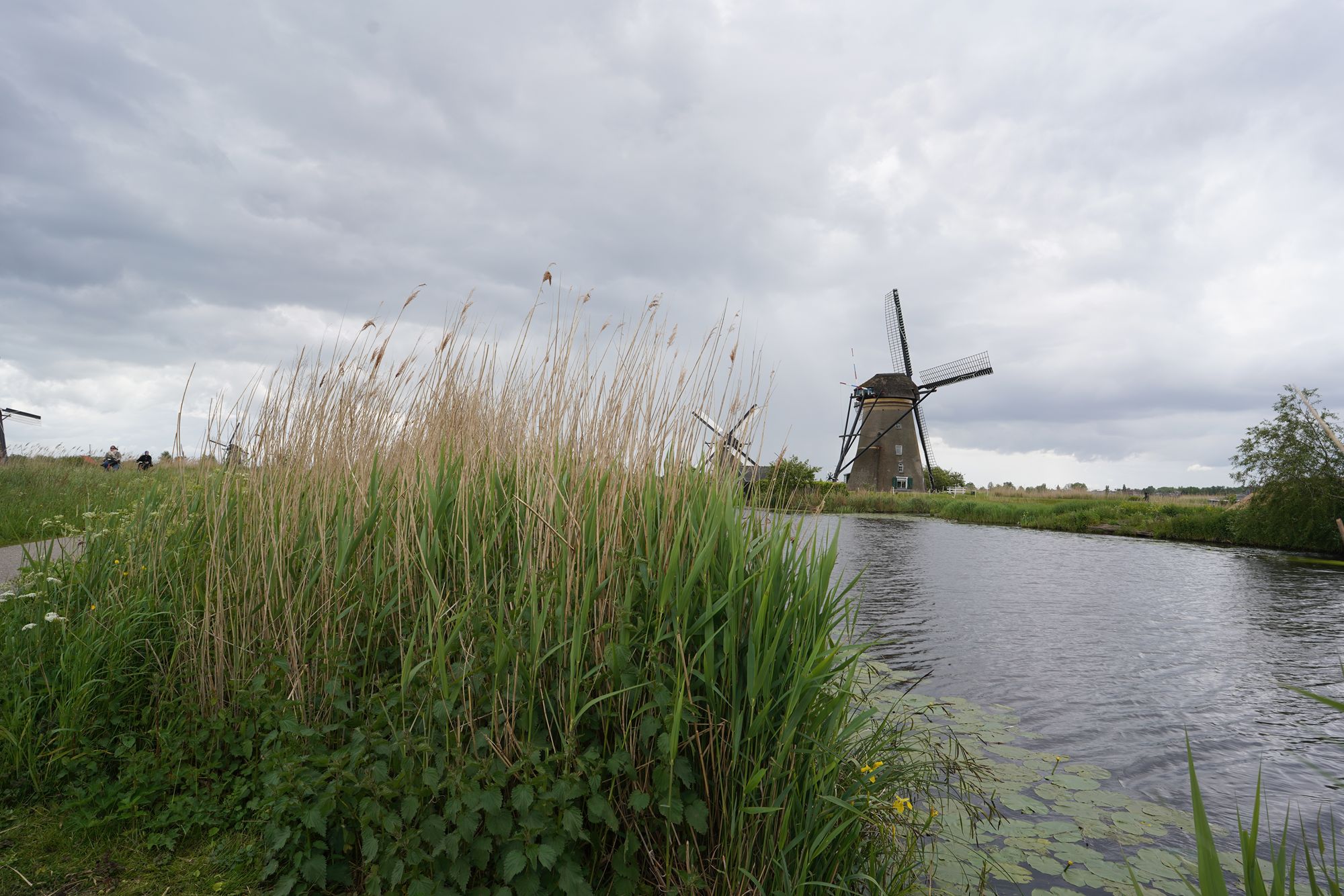
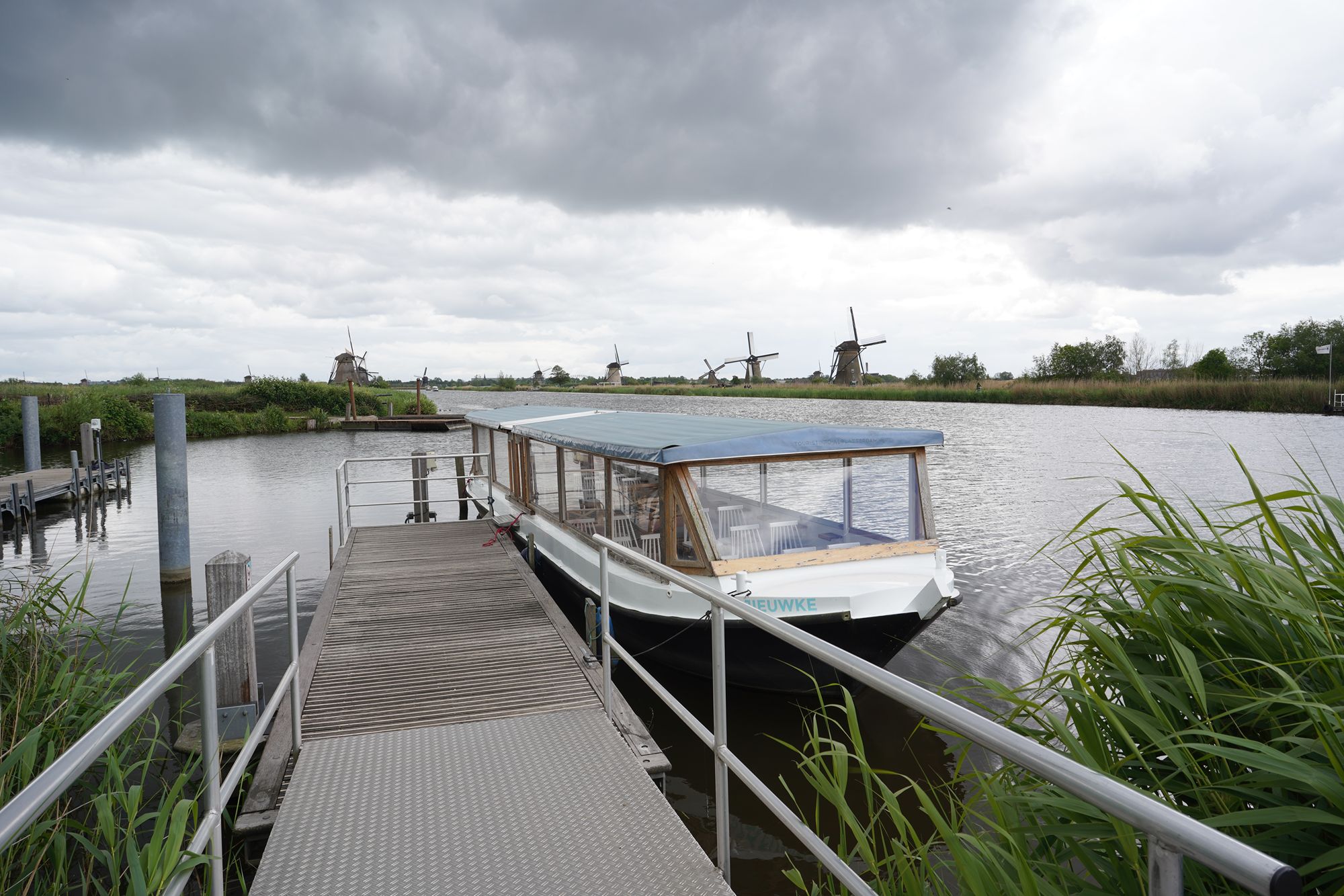
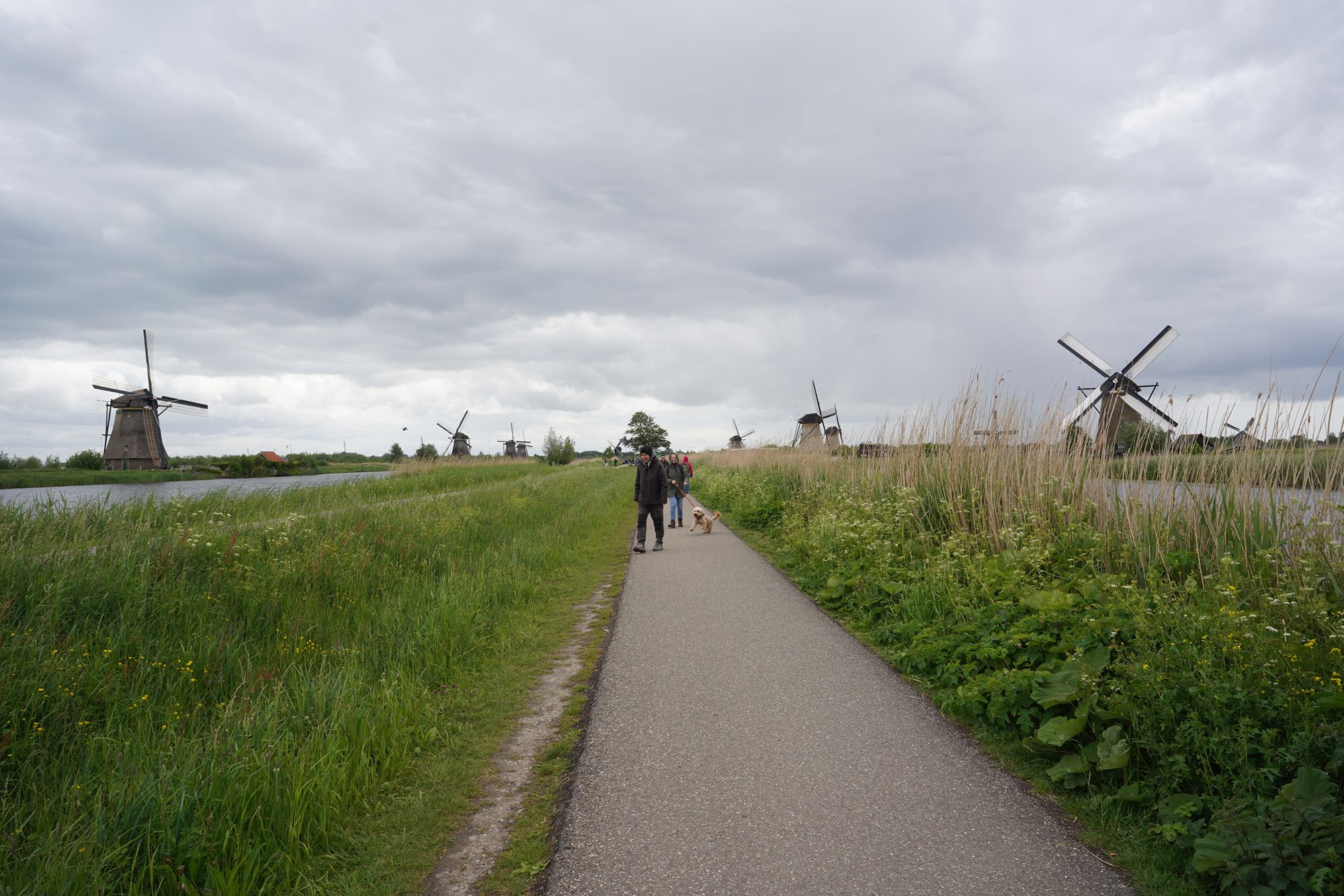
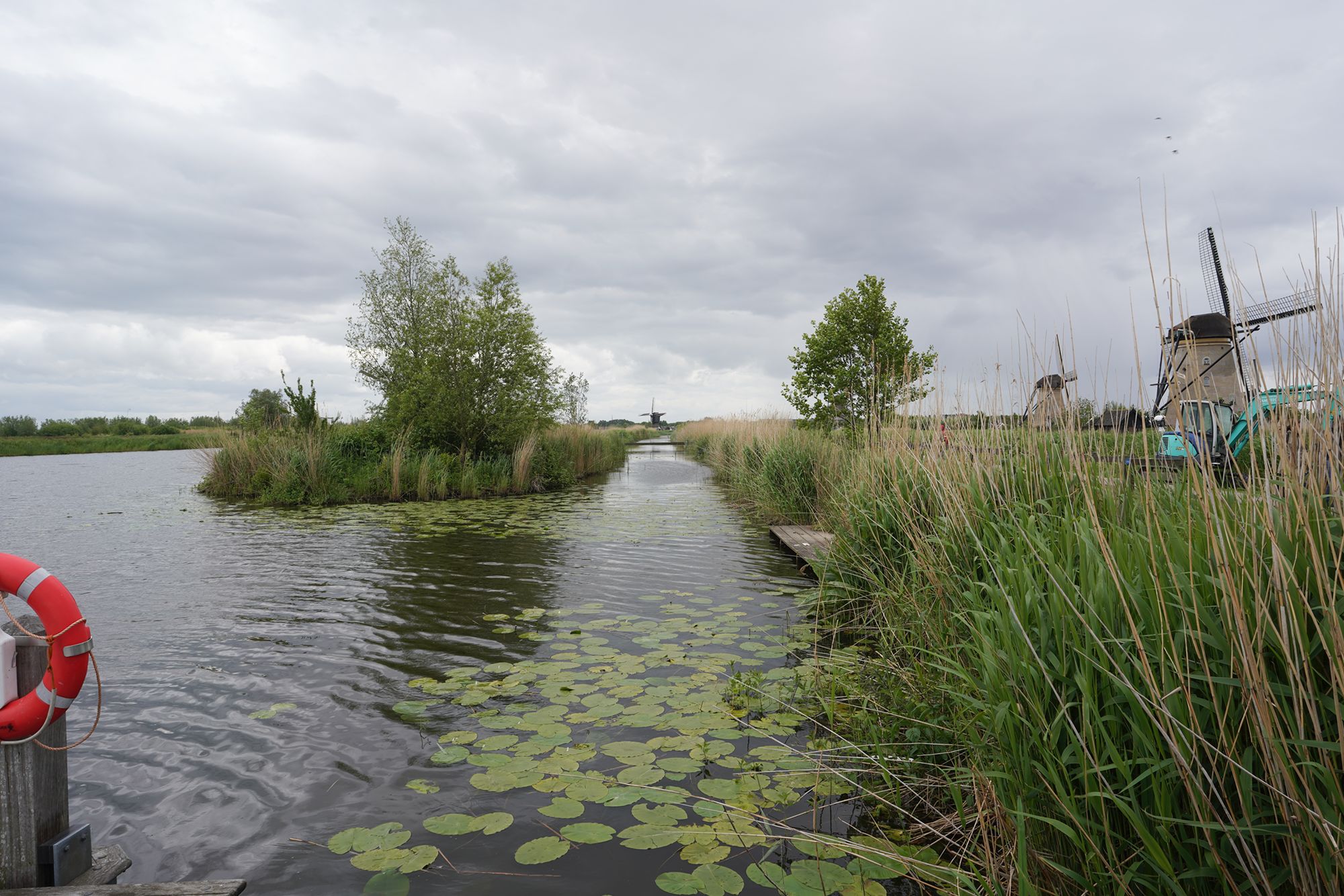
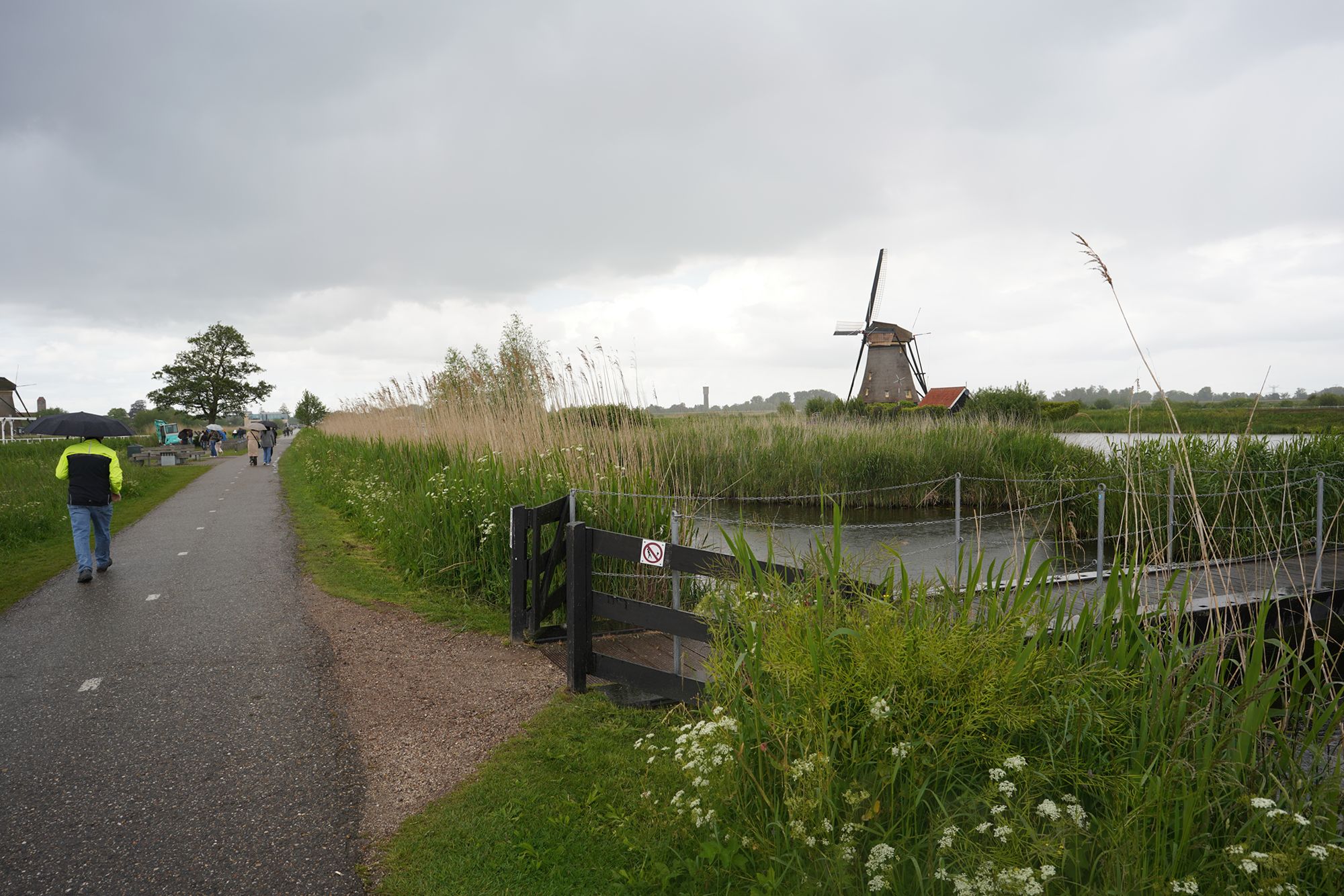
I followed the path along the canal to get a closer look at the historic windmills lining the water.
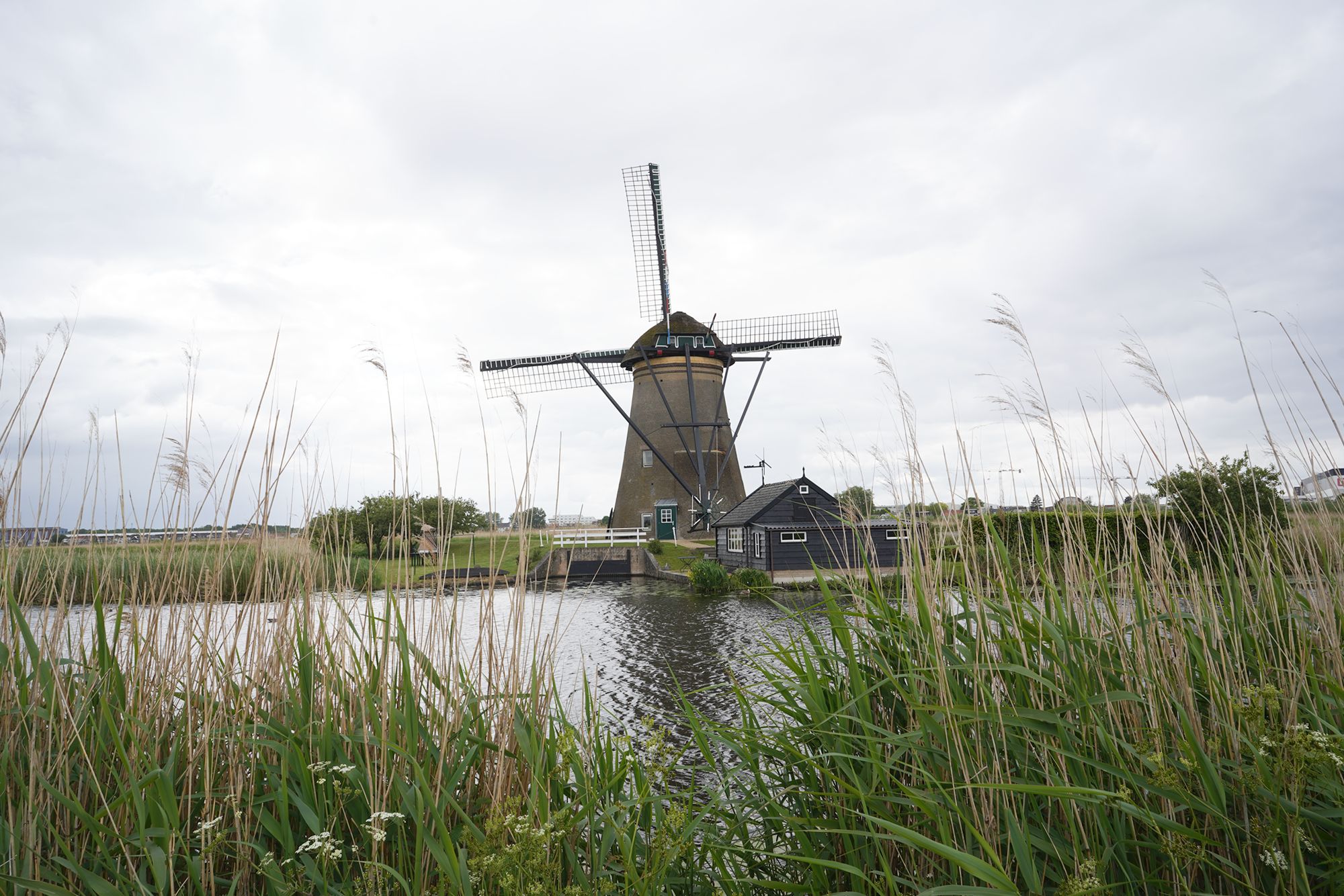
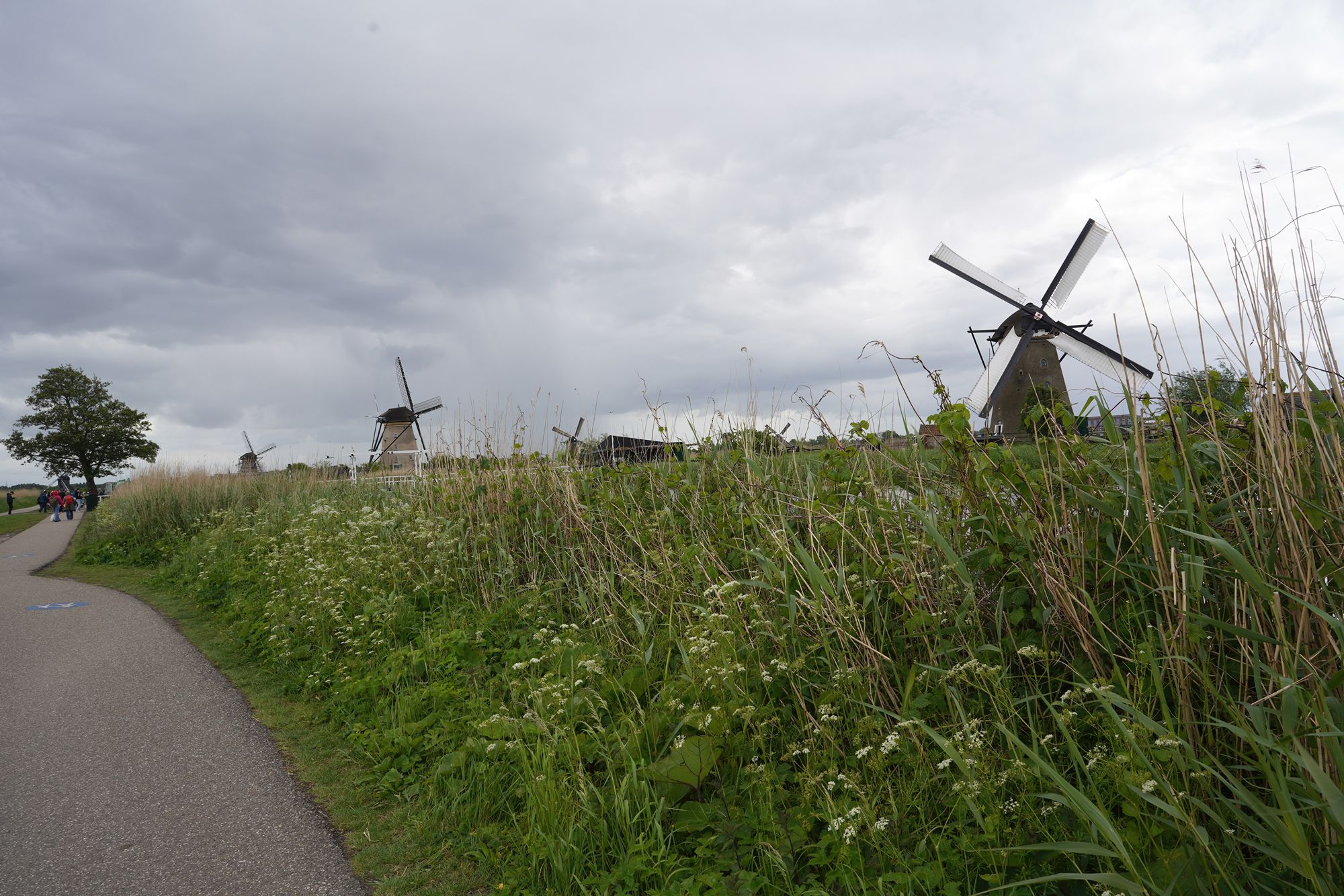
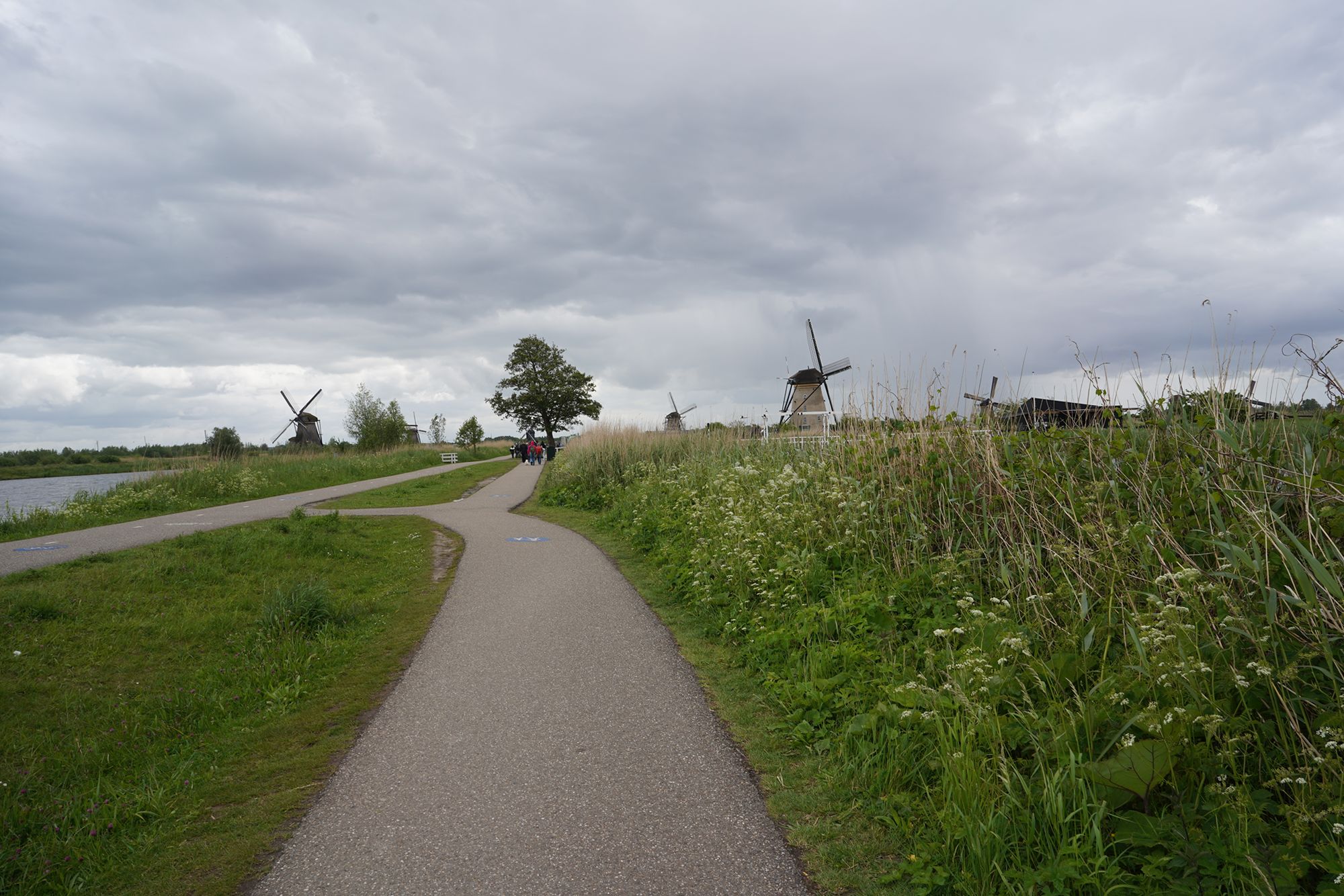
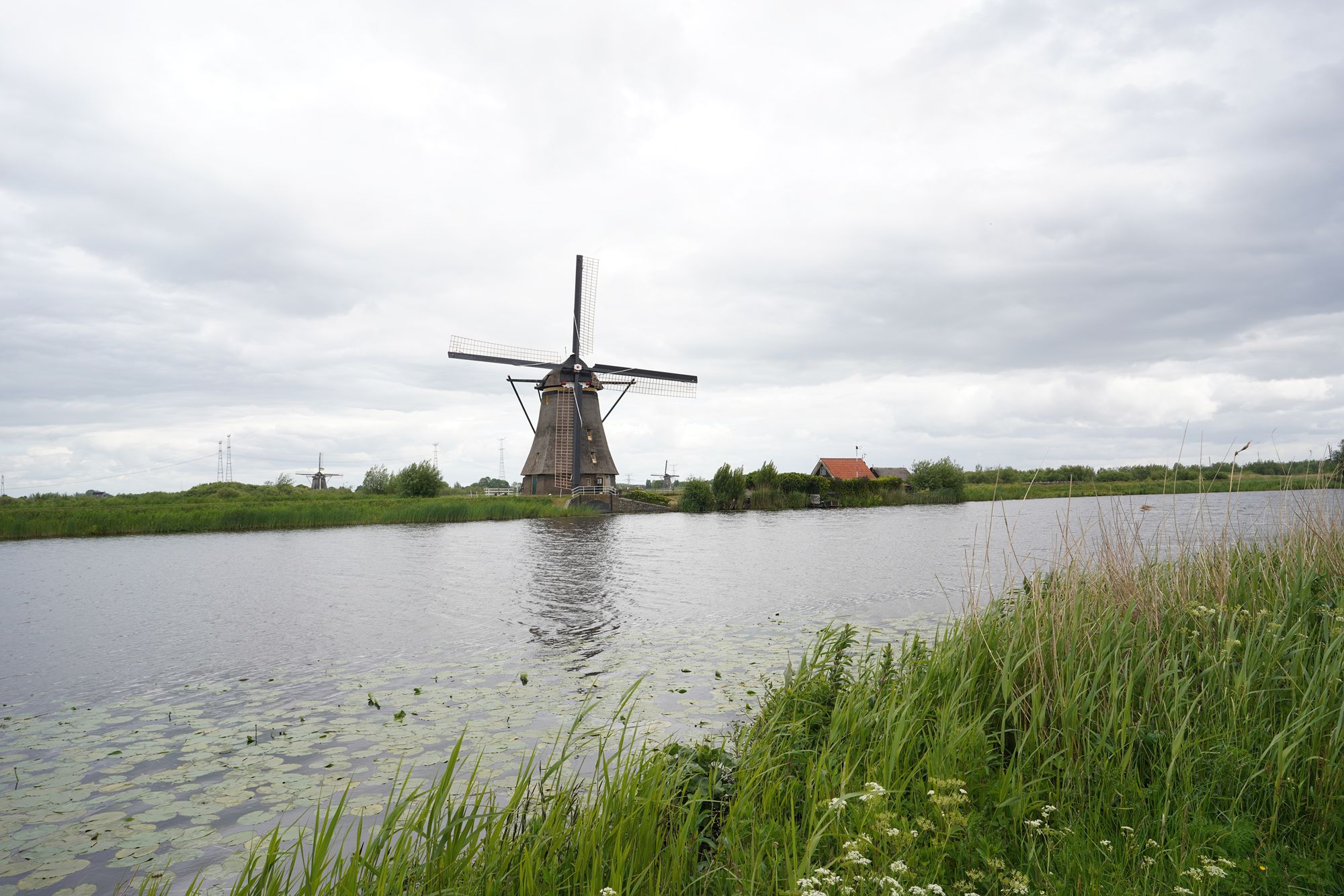
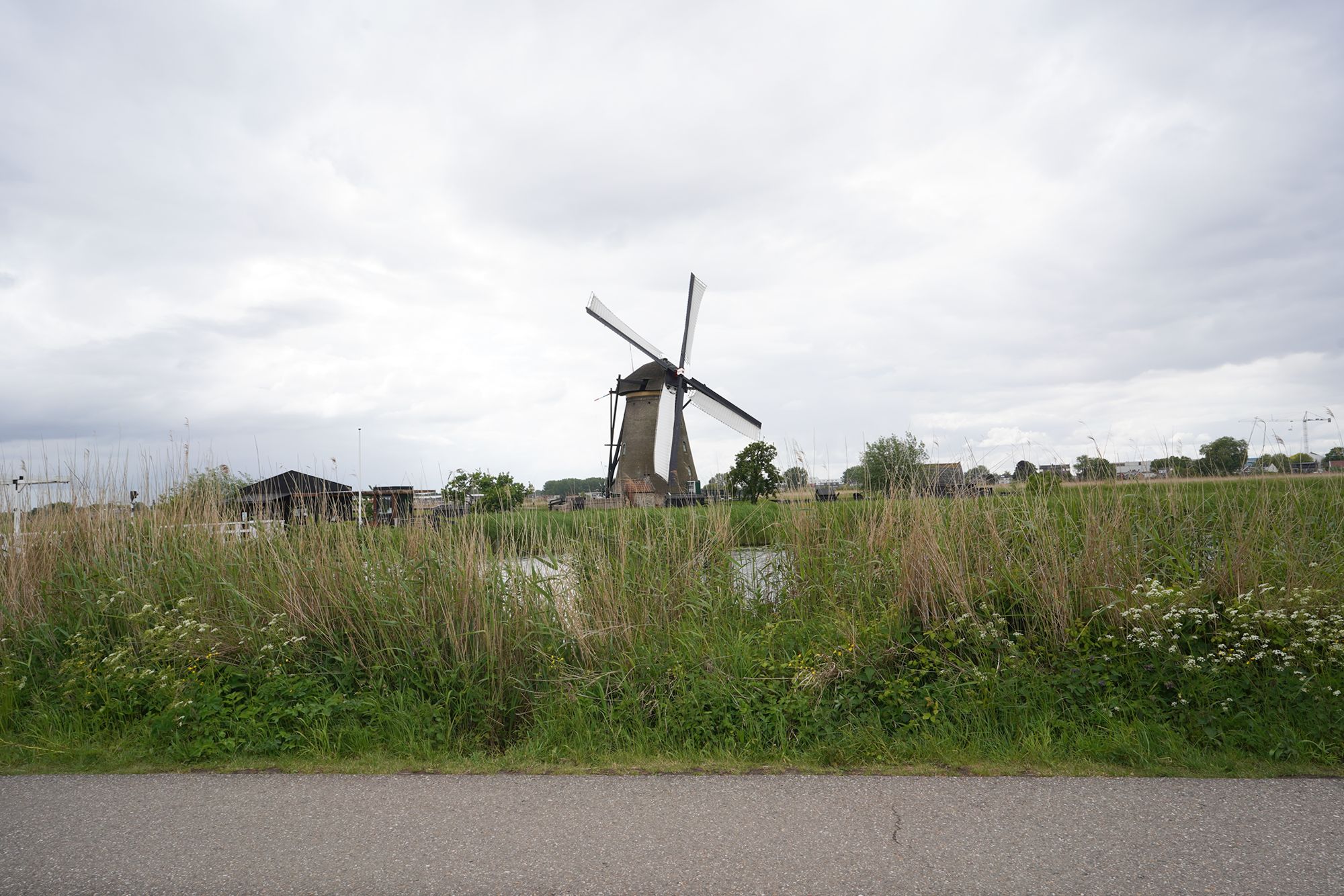
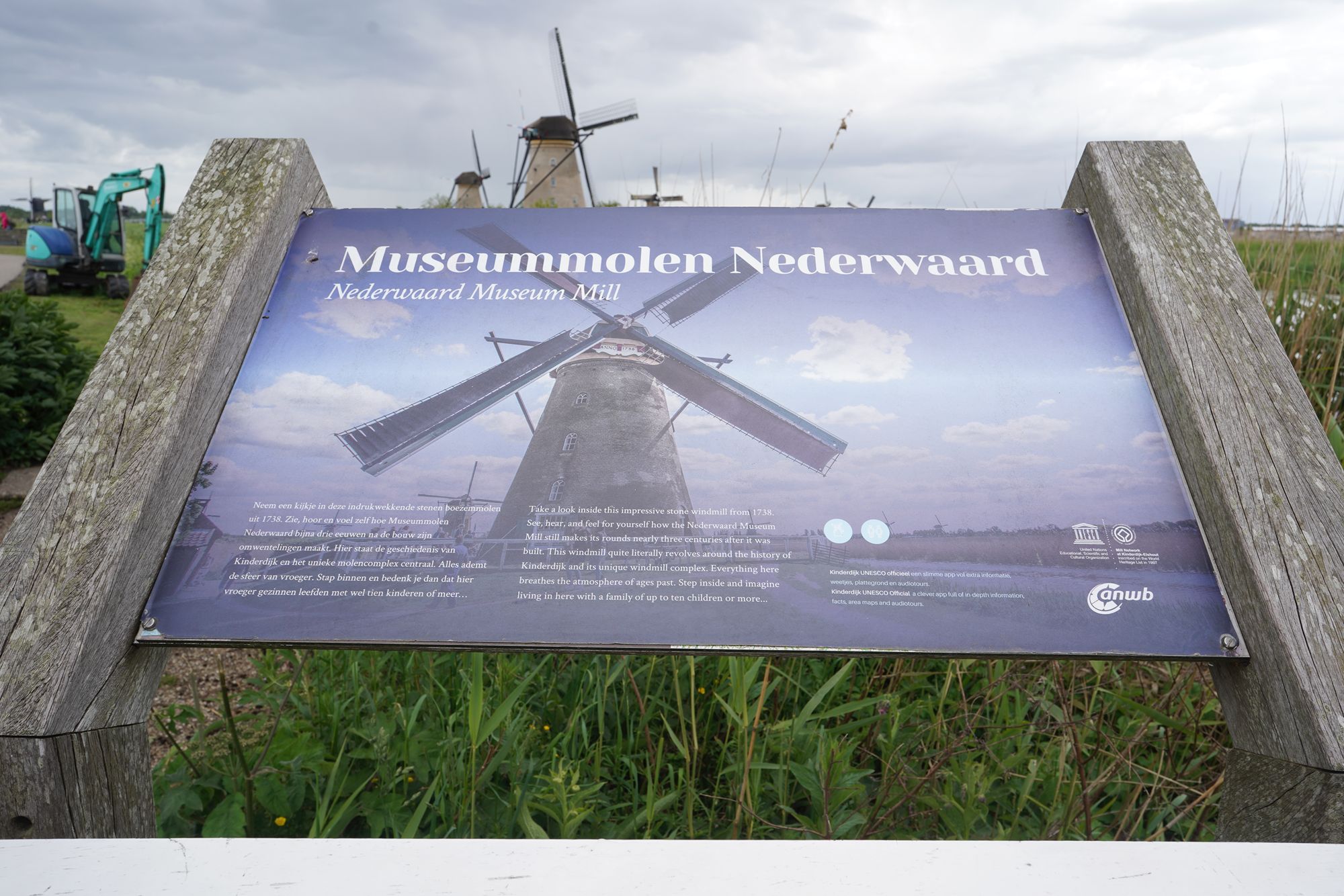
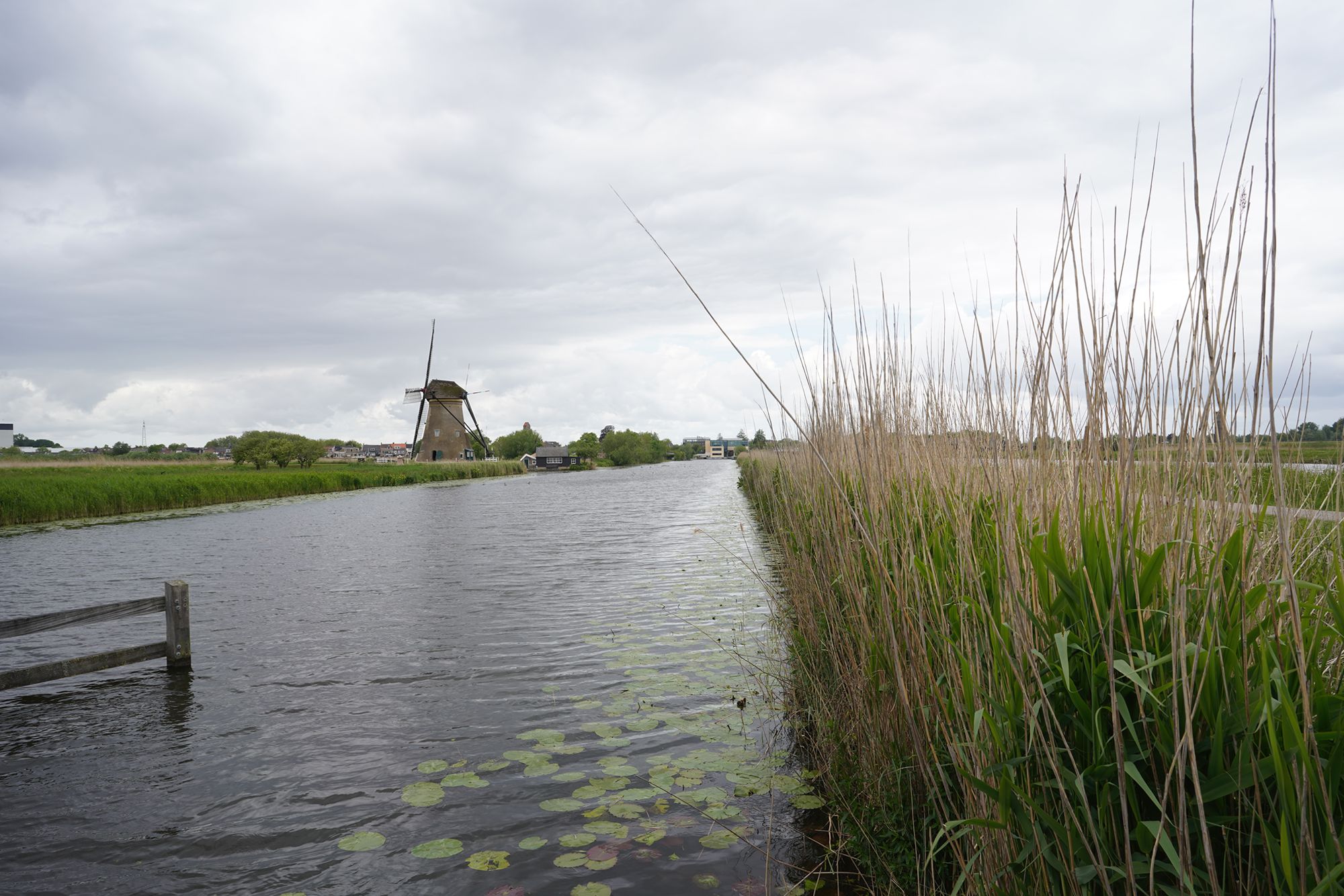
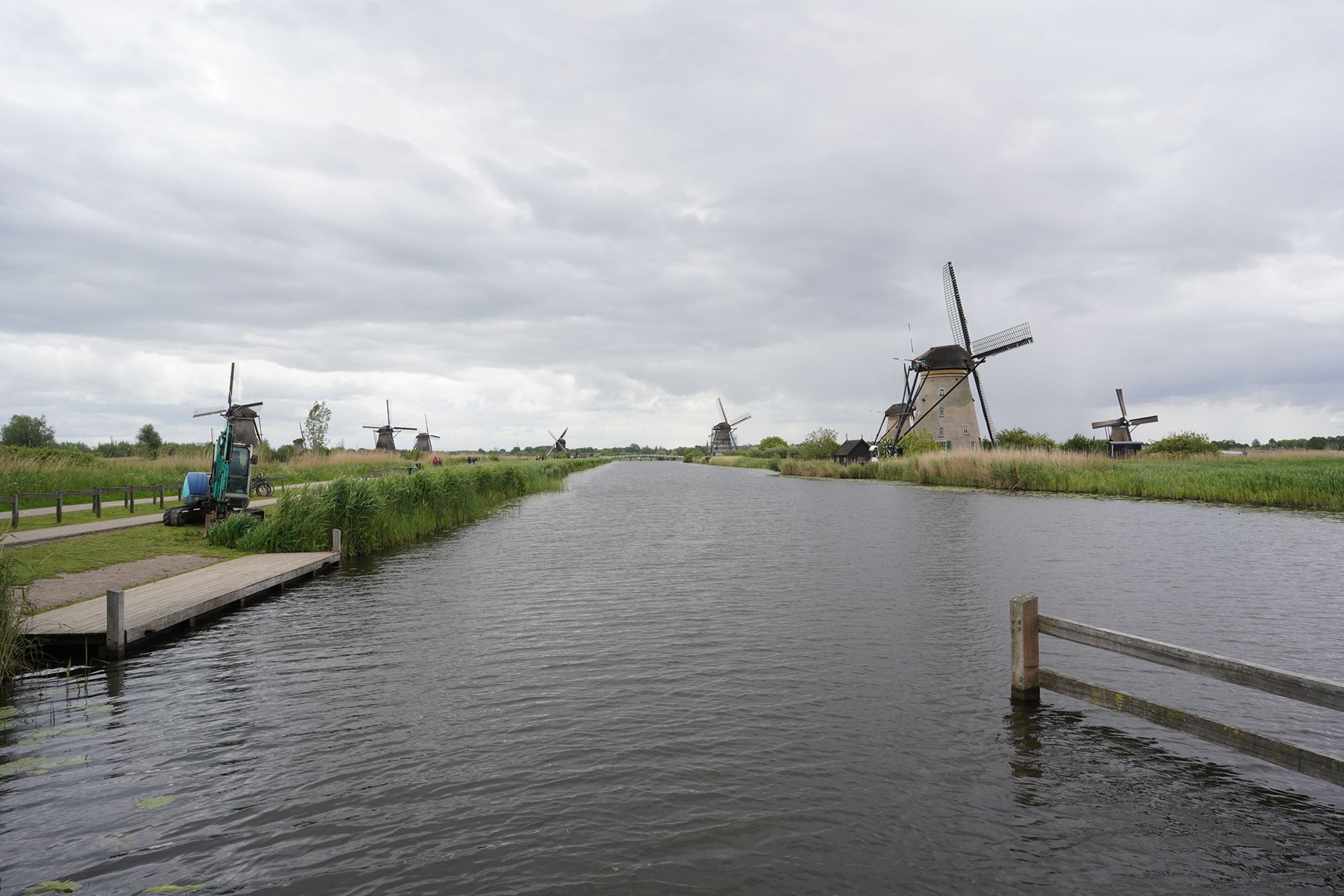
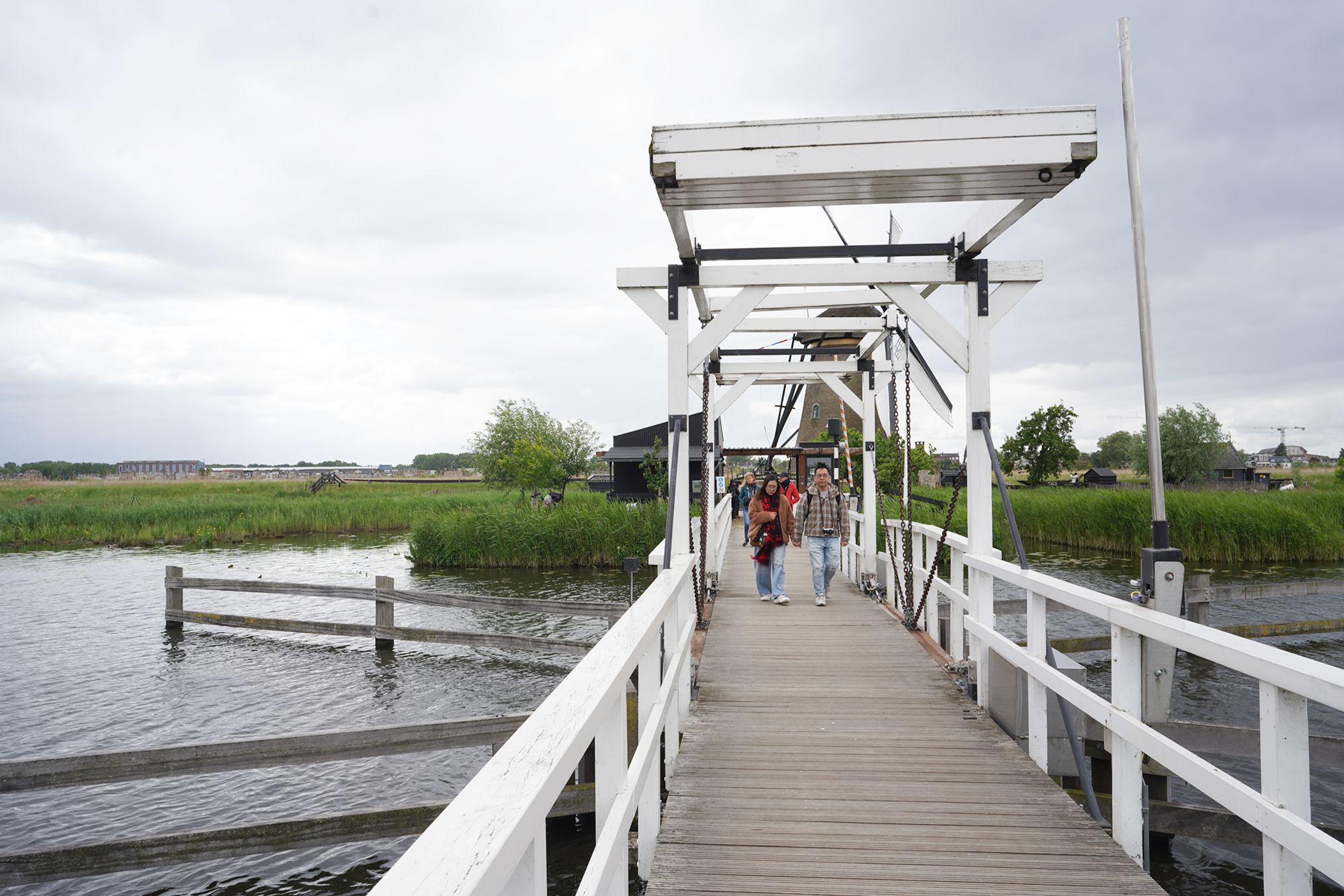
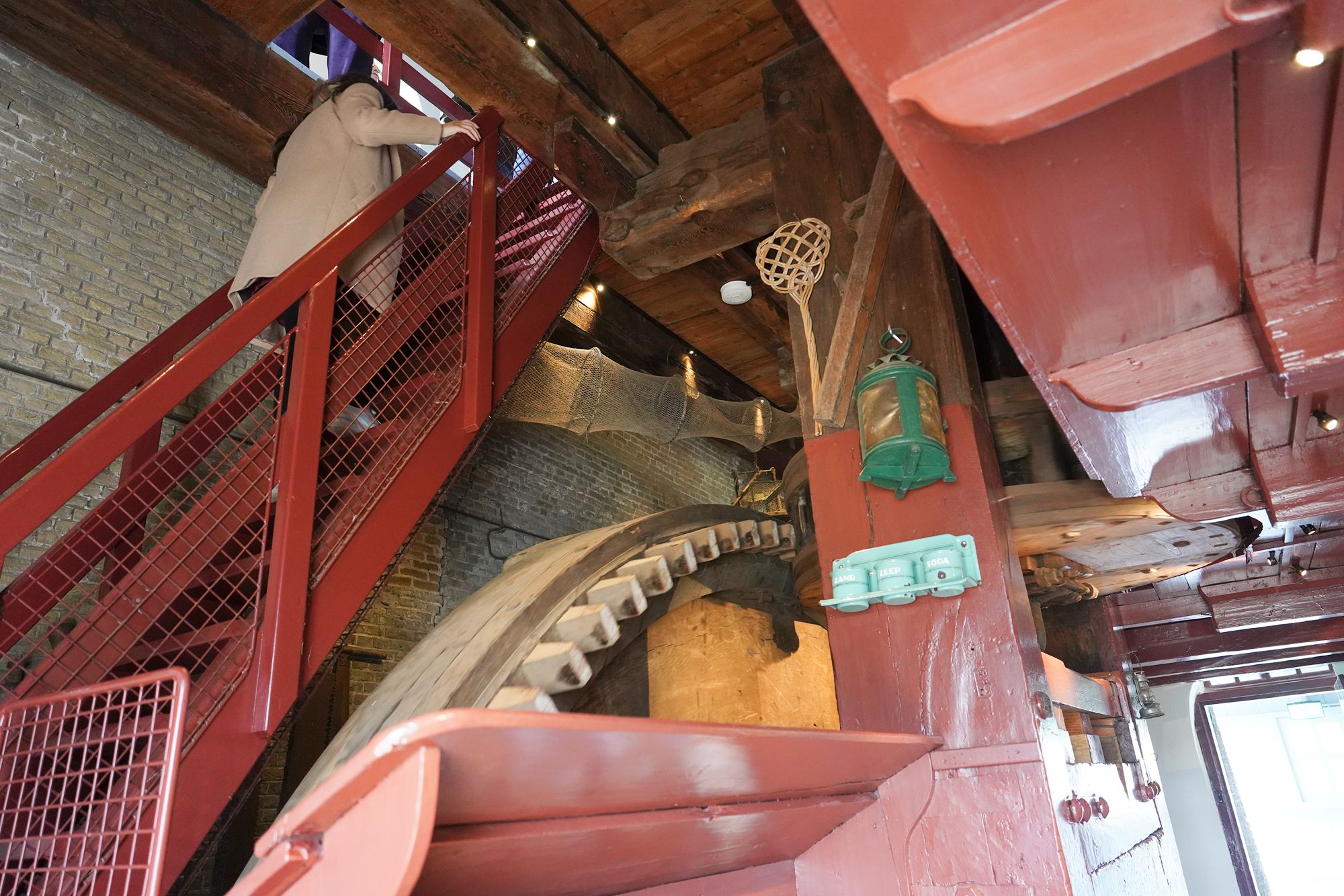
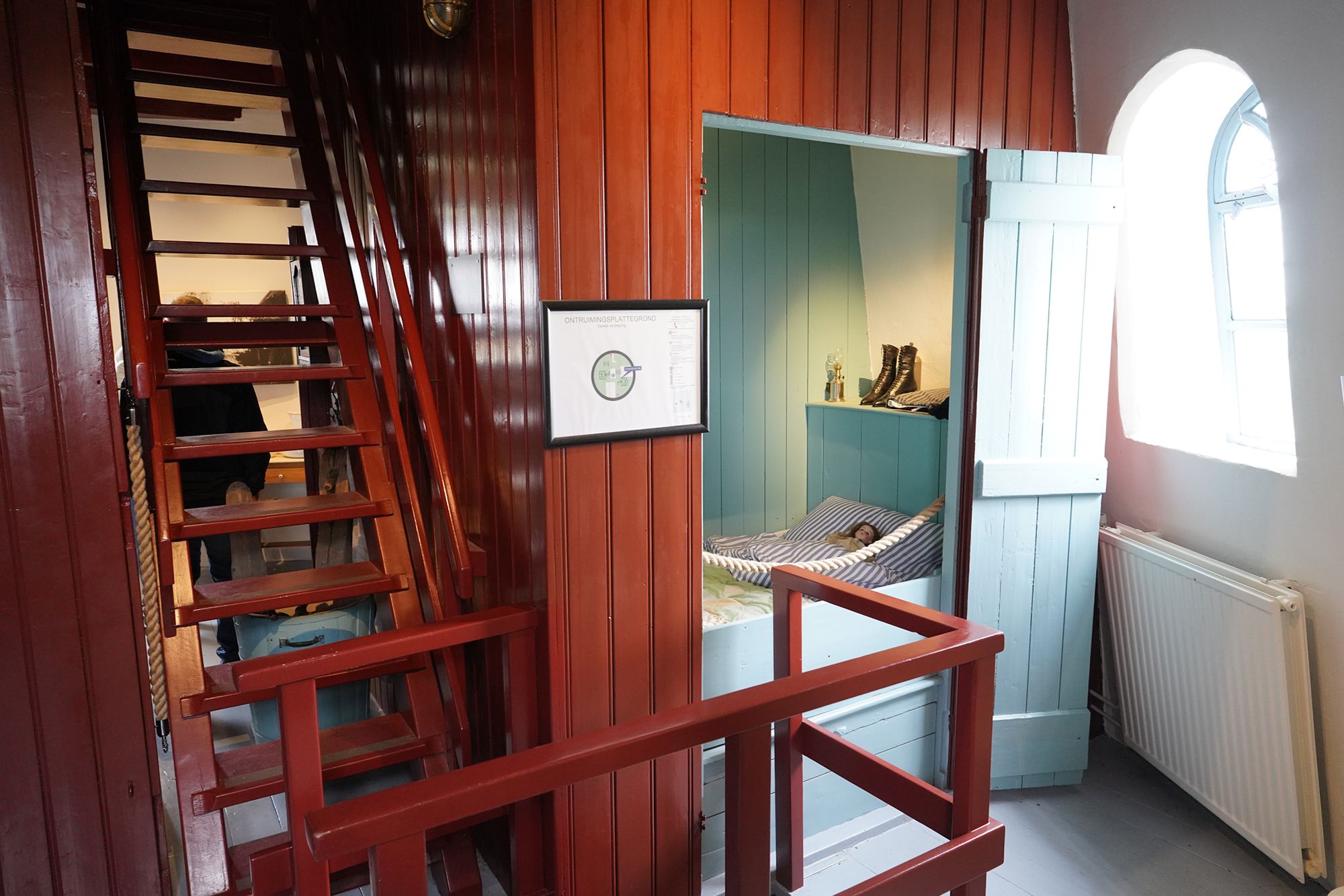
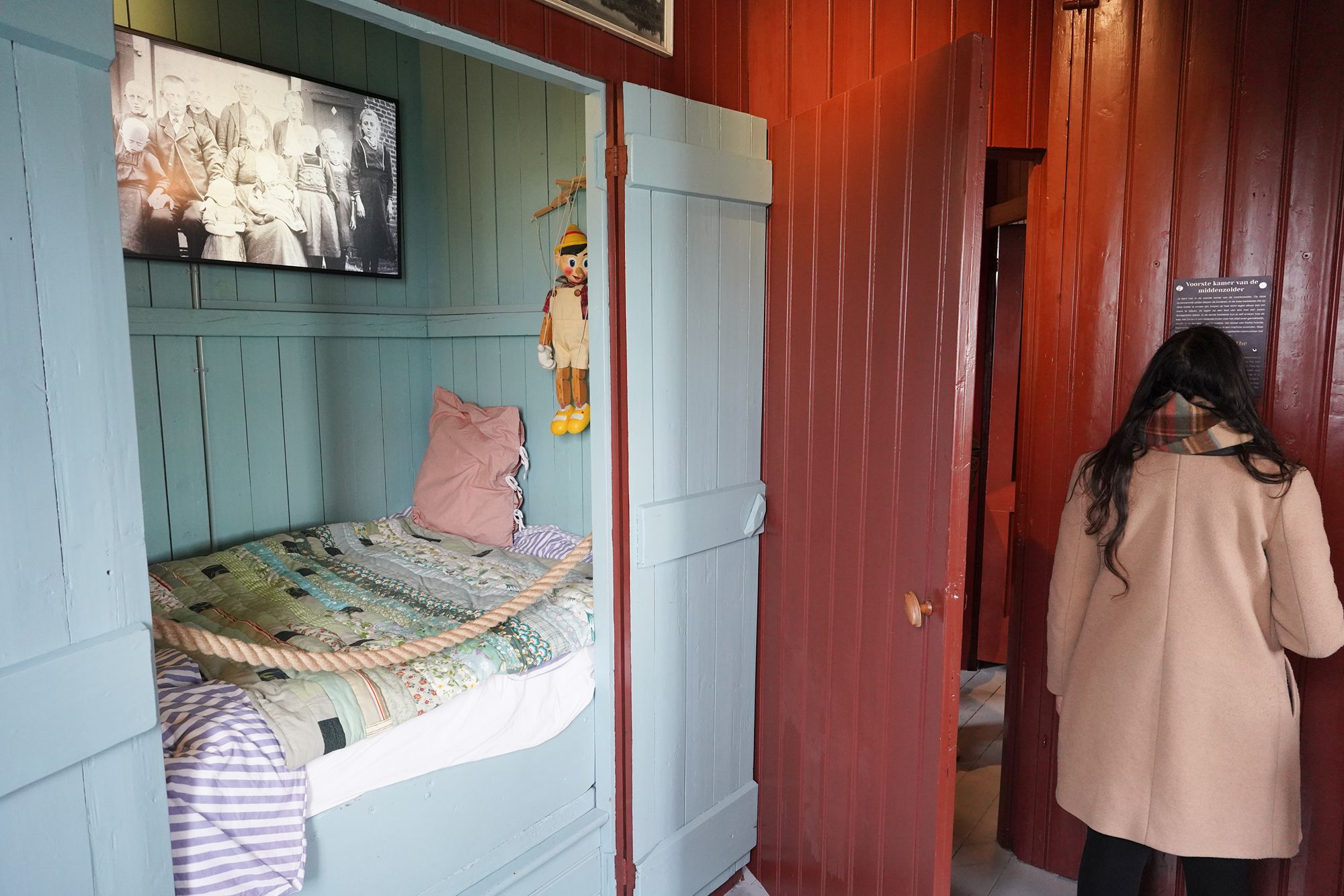
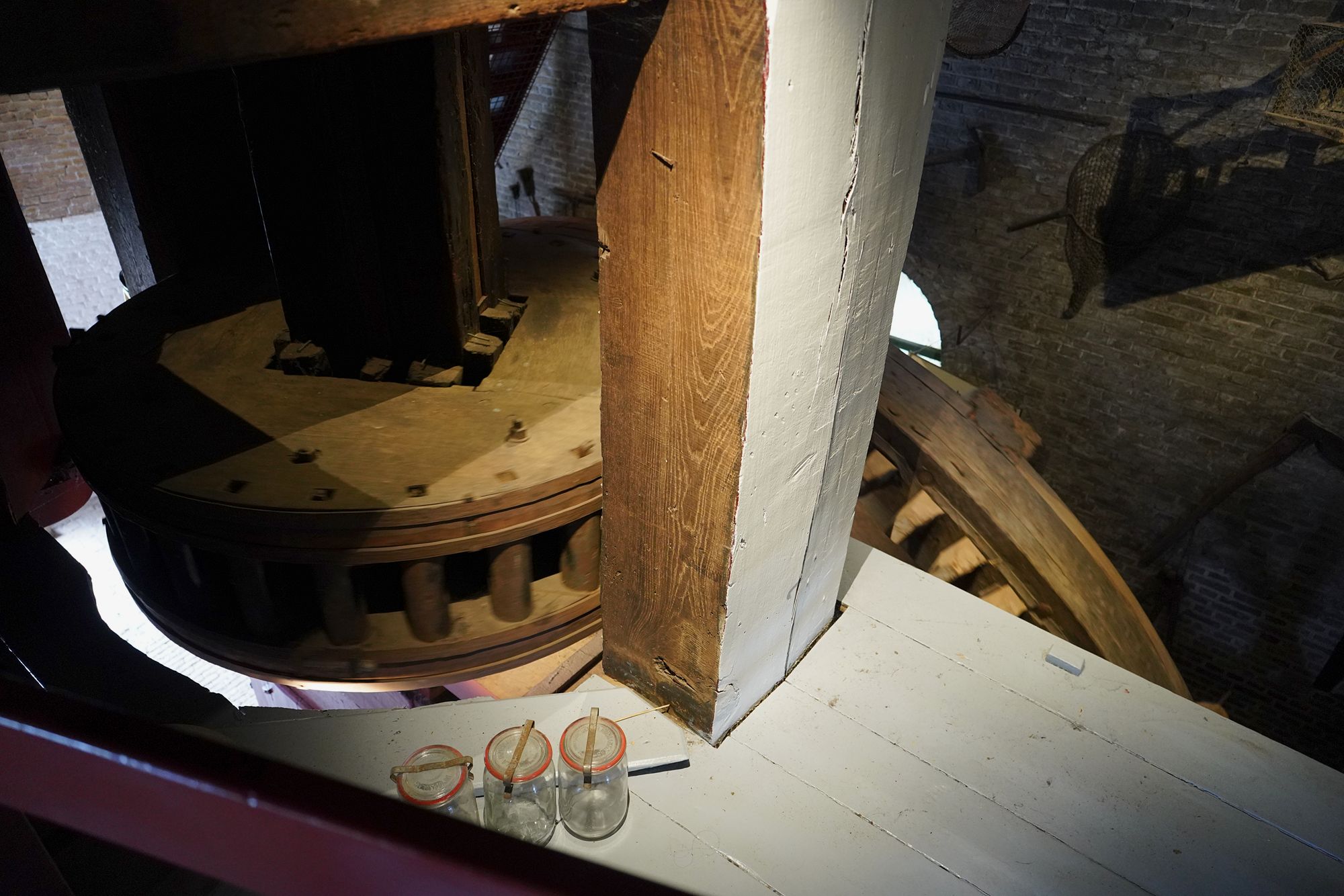
One of the historic windmills was open to visitors, giving me a chance to go inside and see how the millers once lived and how the windmill’s machinery worked.
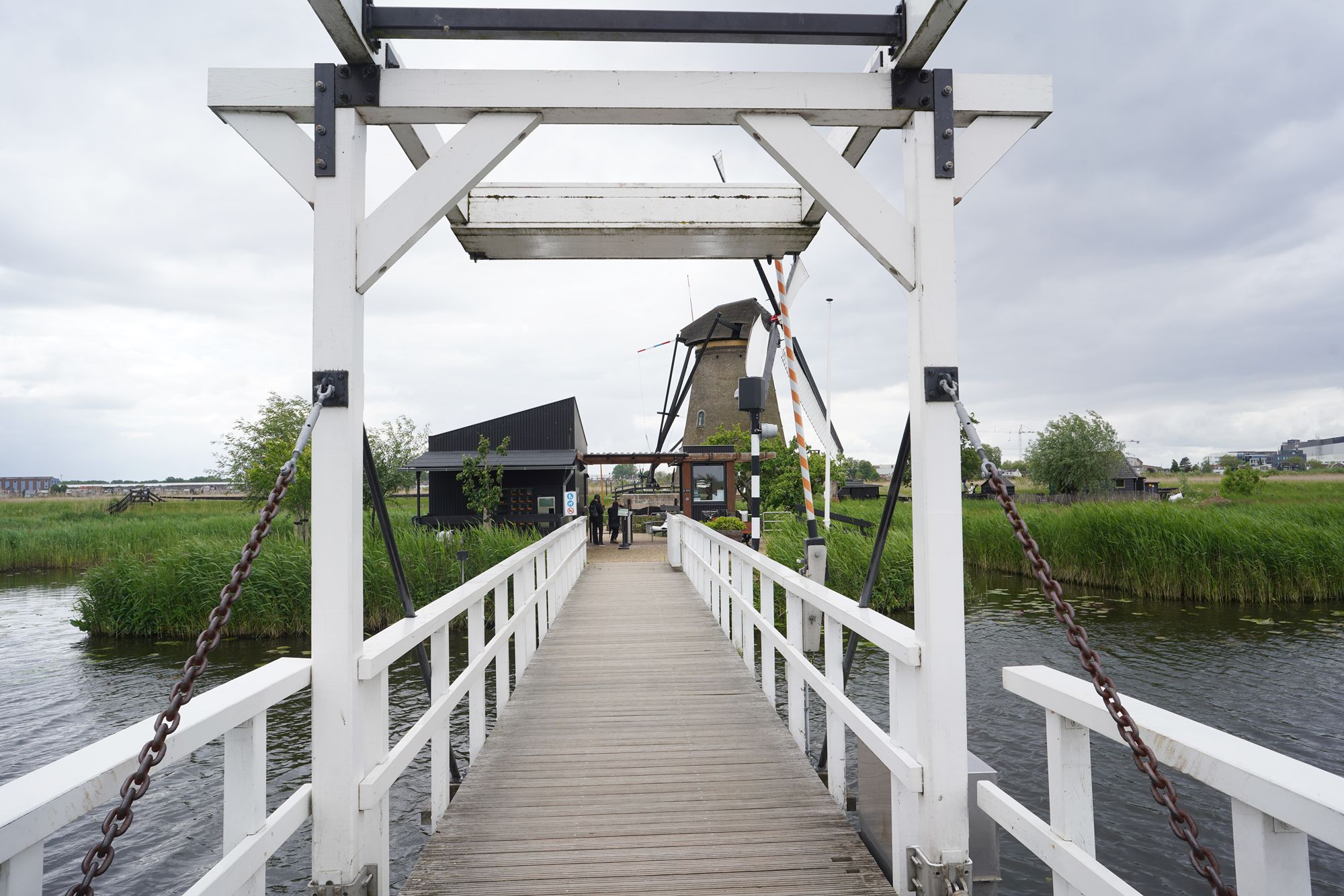
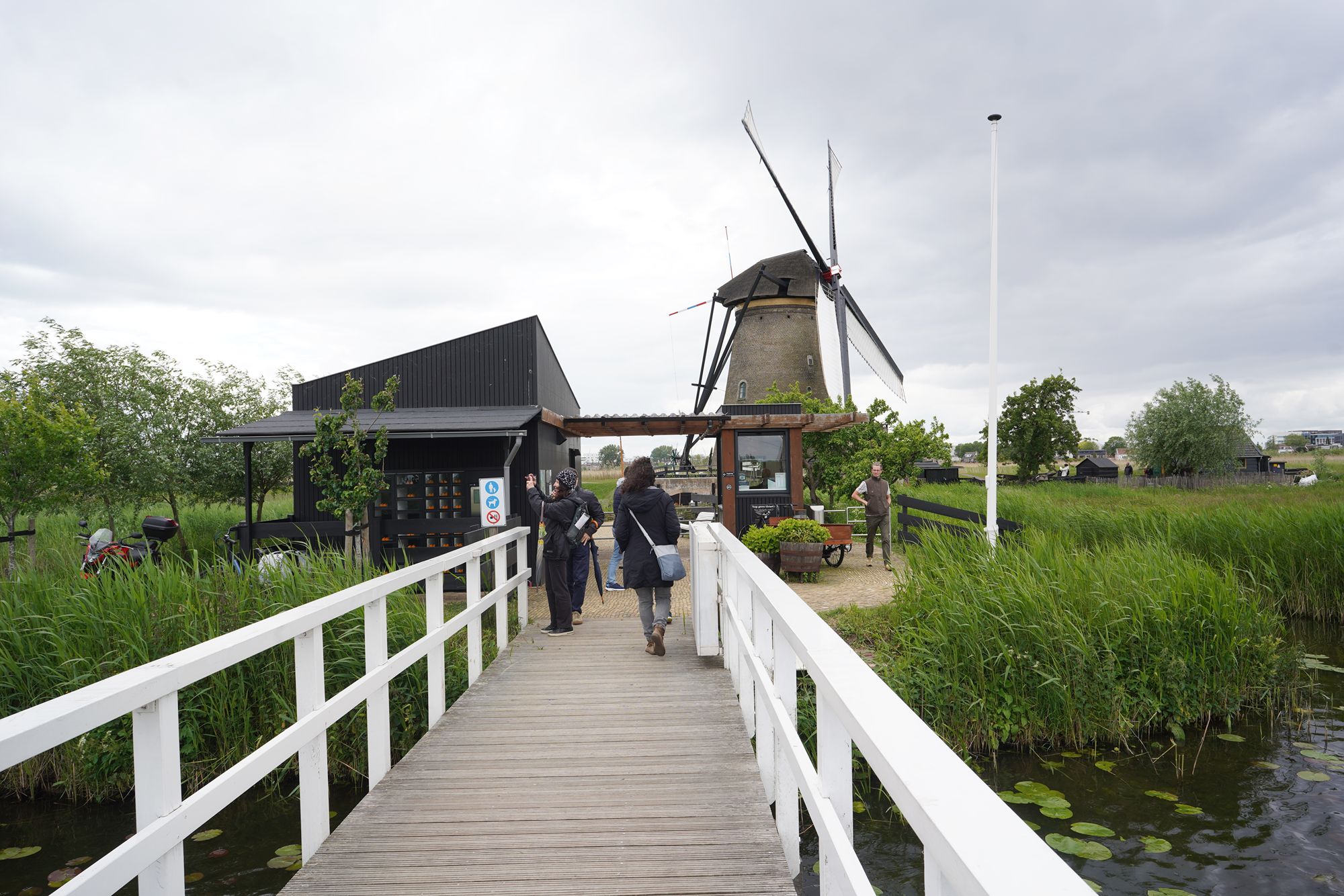
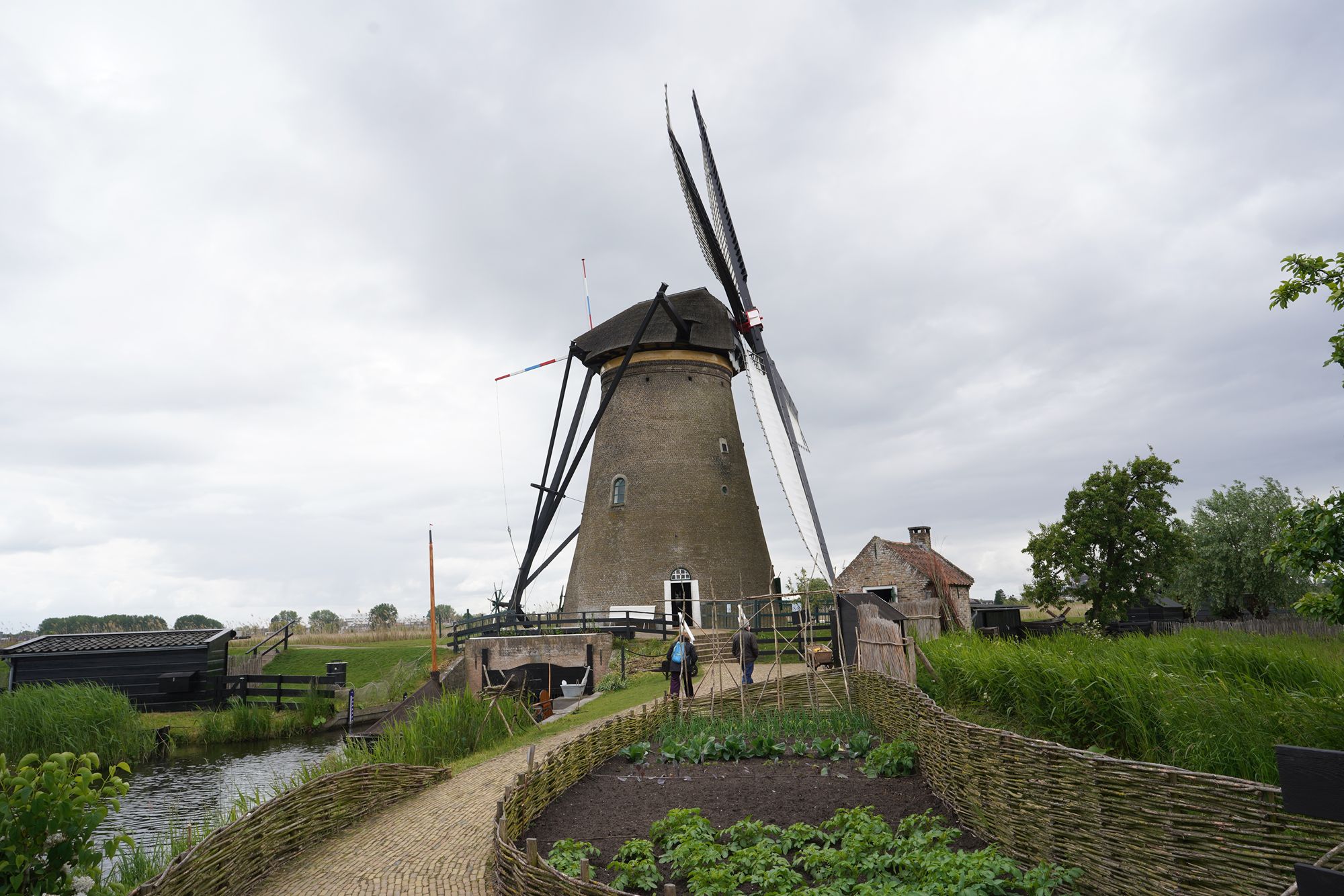
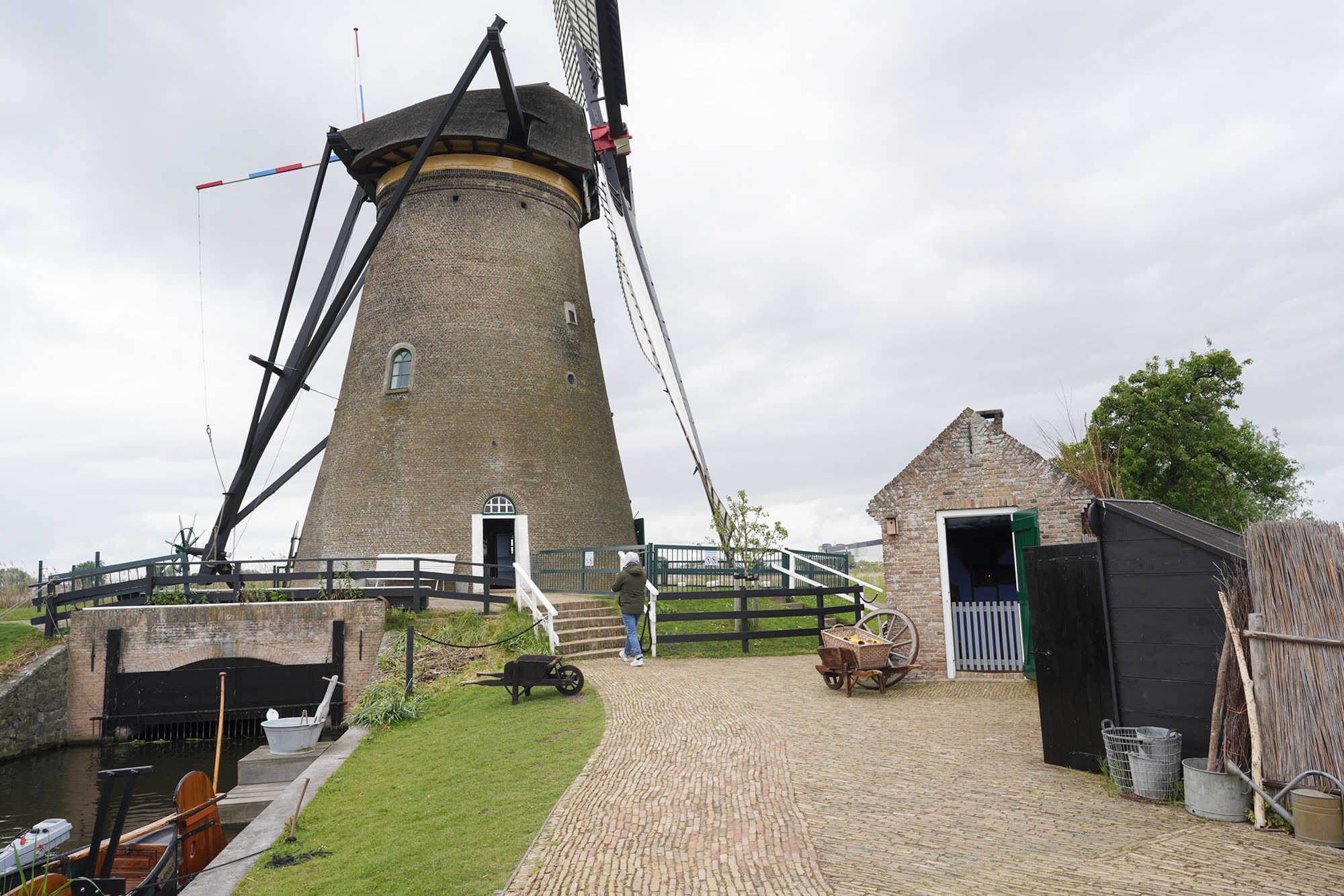
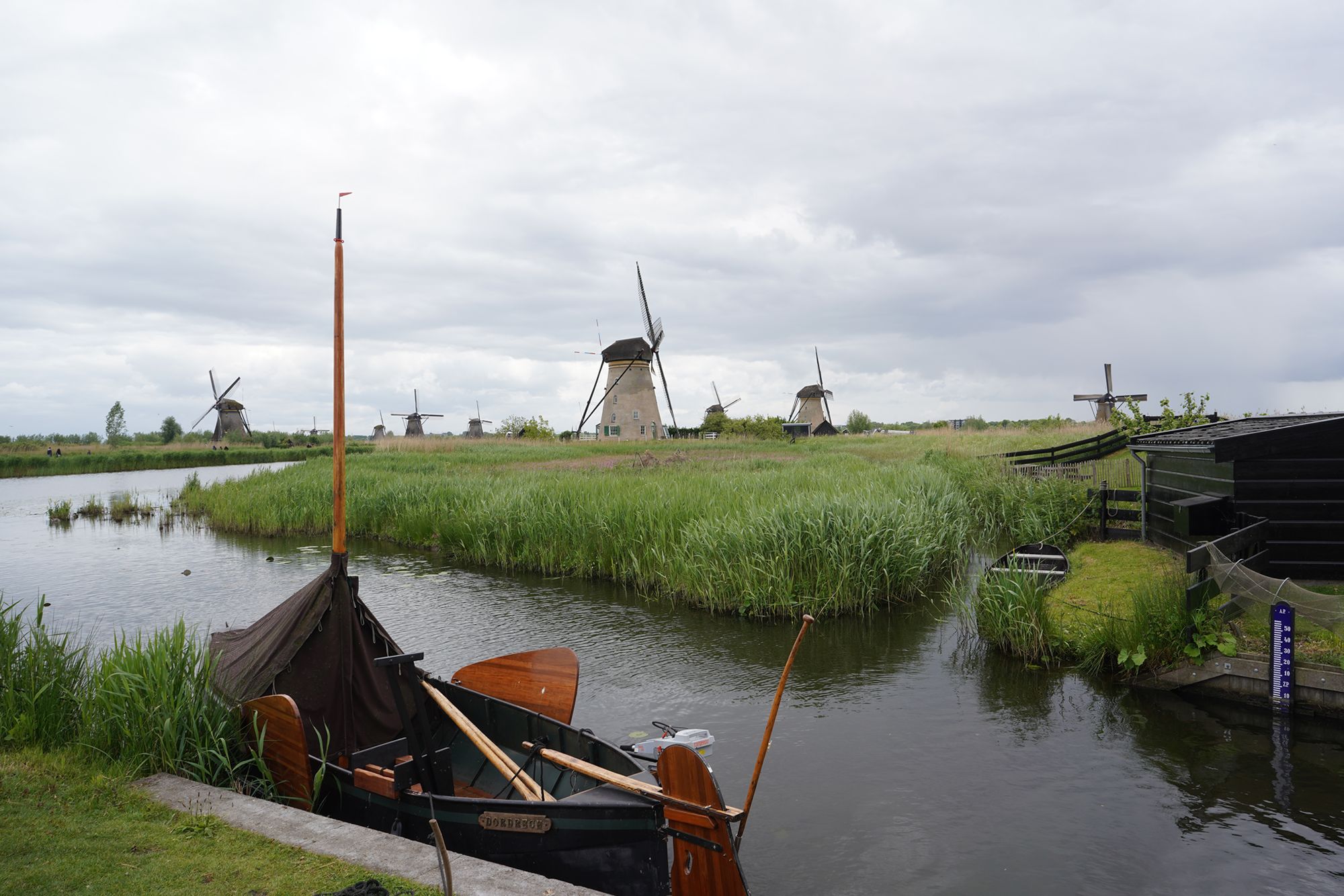
Inside the windmill, I could see the compact living quarters of the miller’s family, along with the machinery that transferred the turning motion of the sails to the water-pumping system.
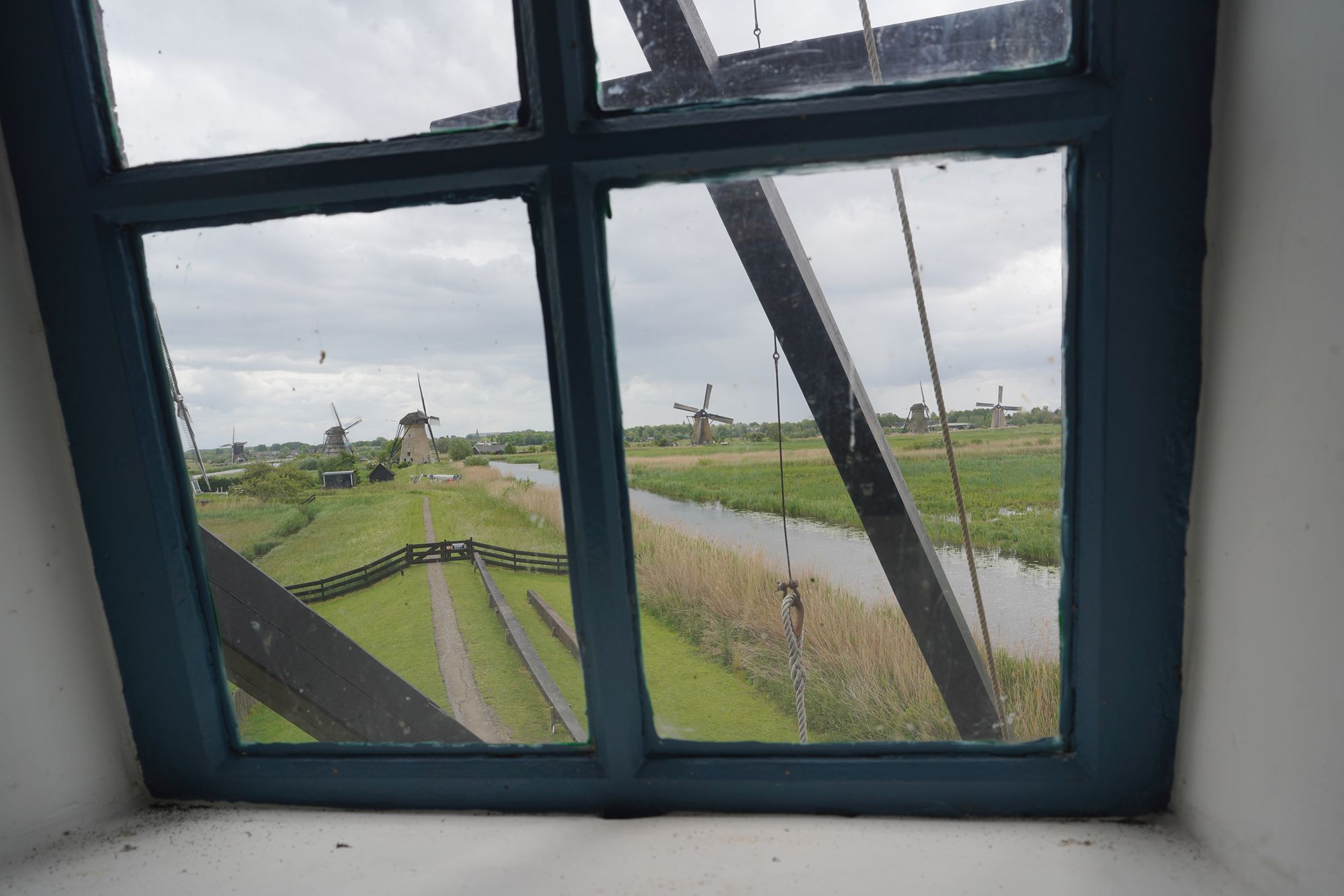
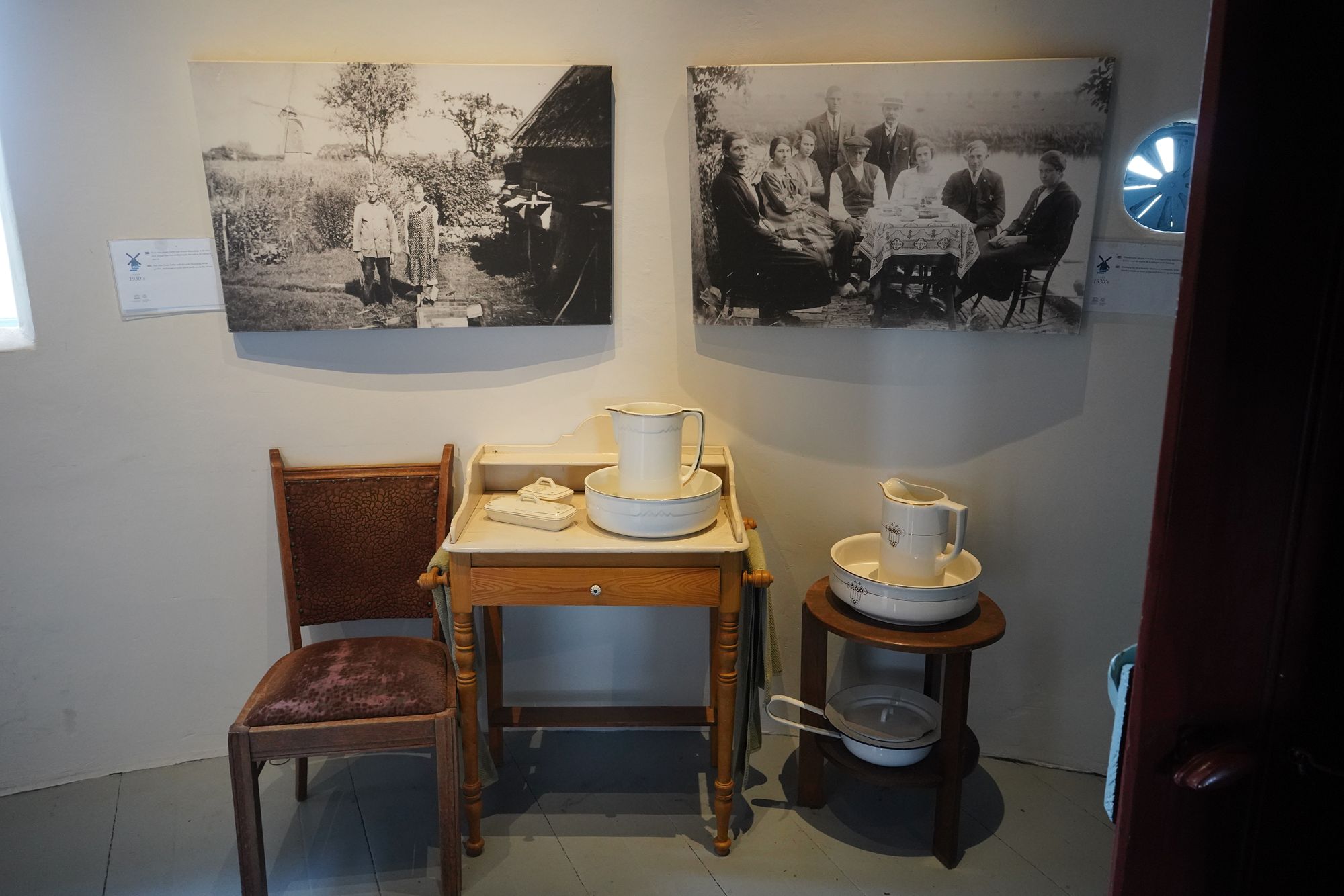
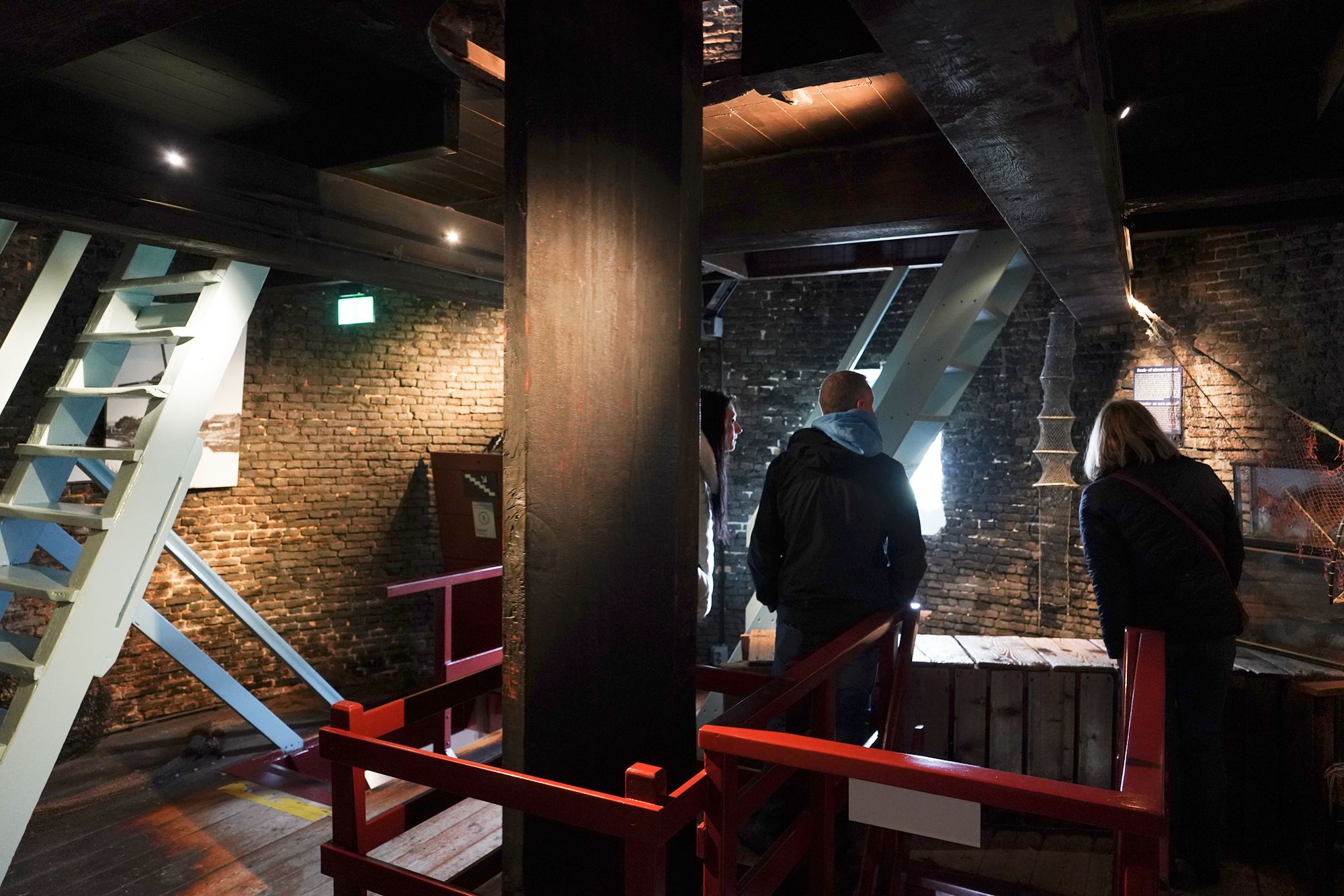
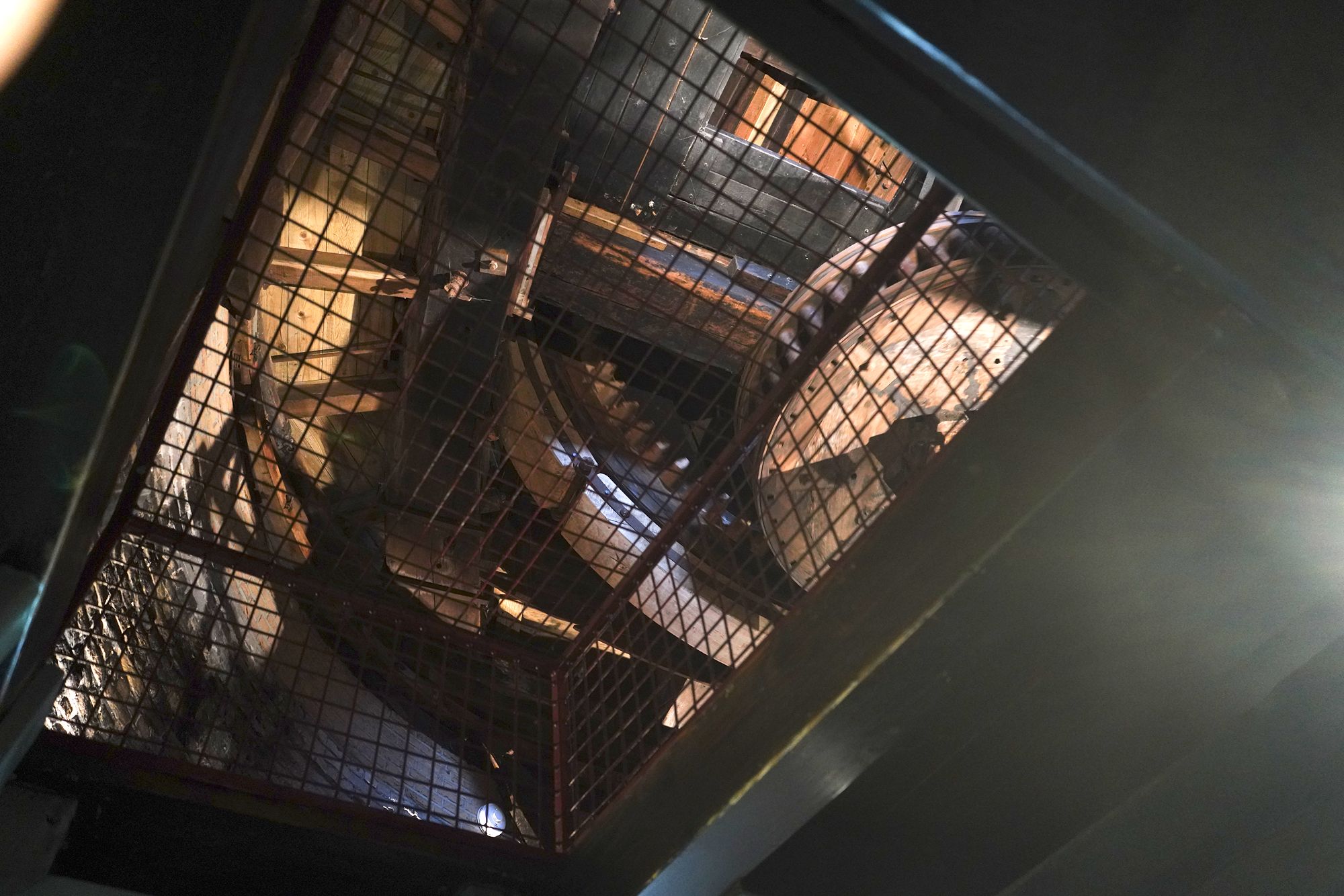
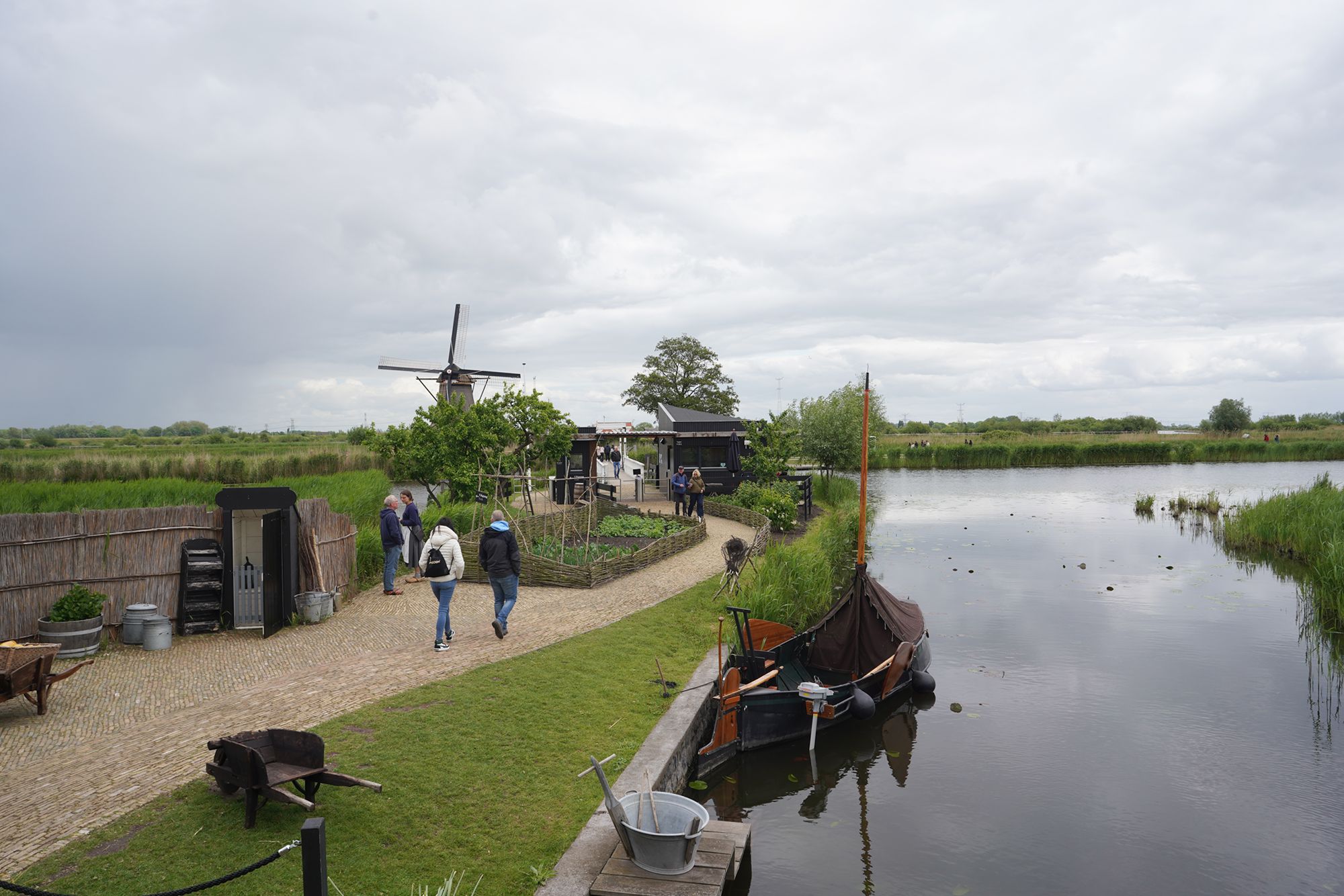
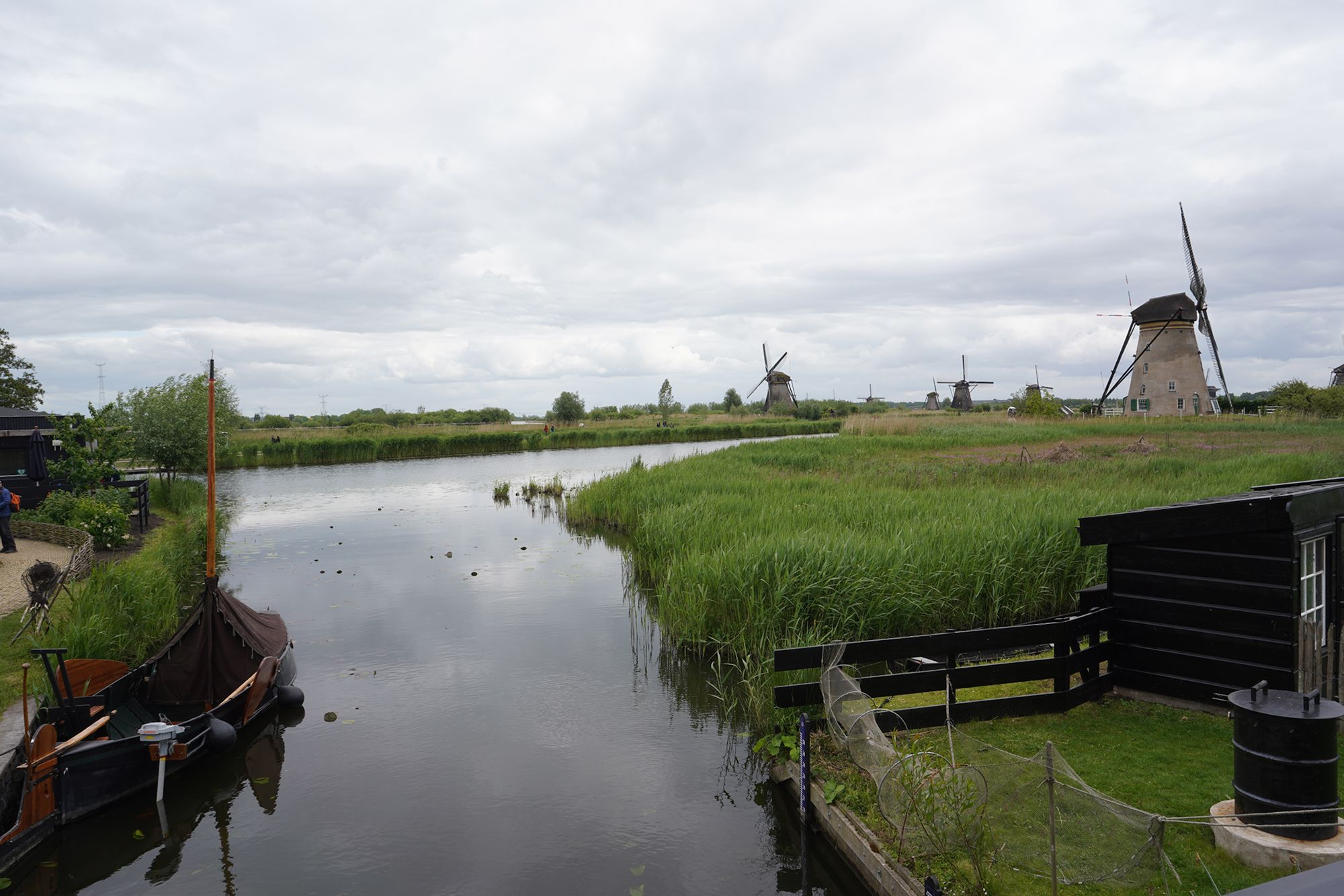
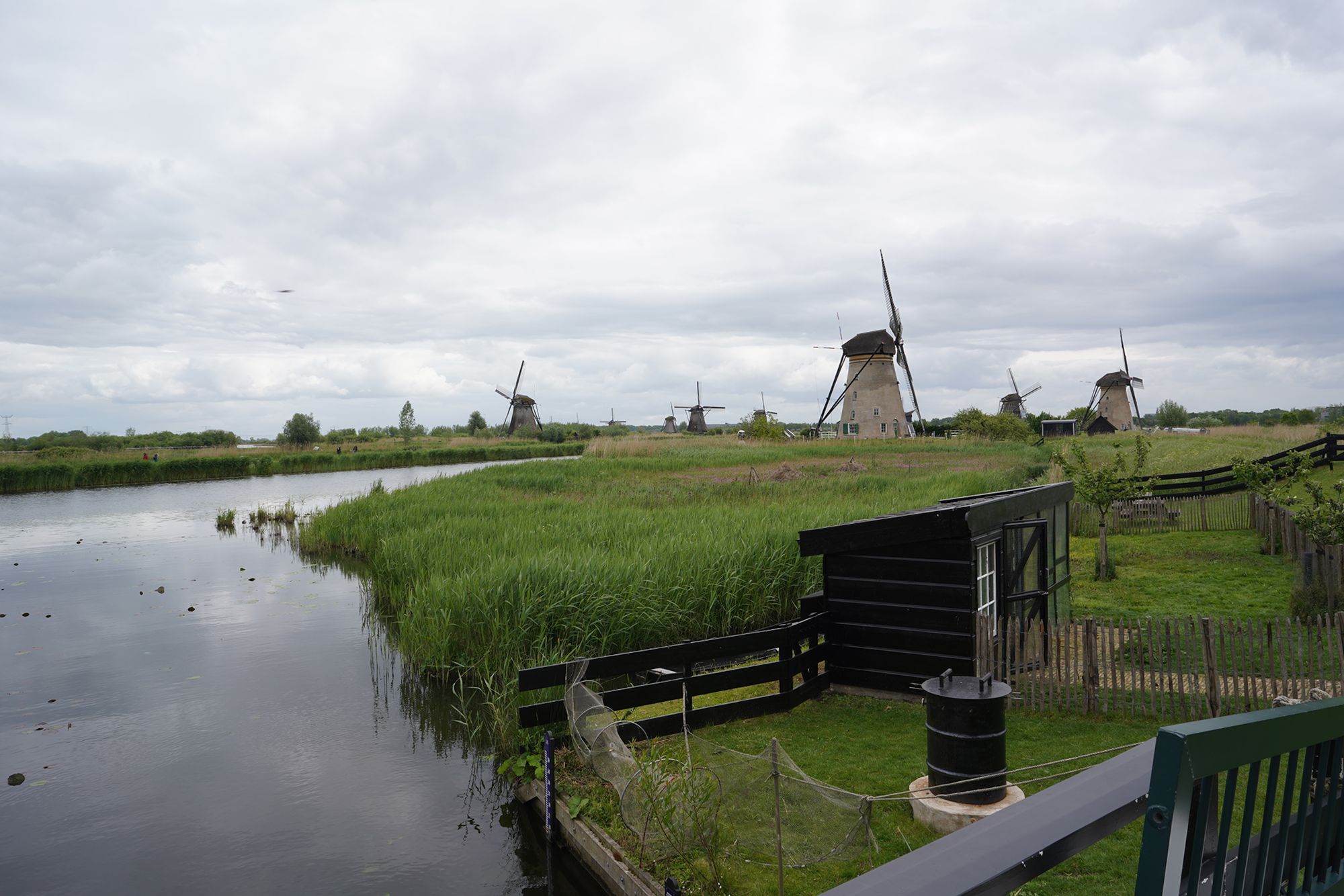
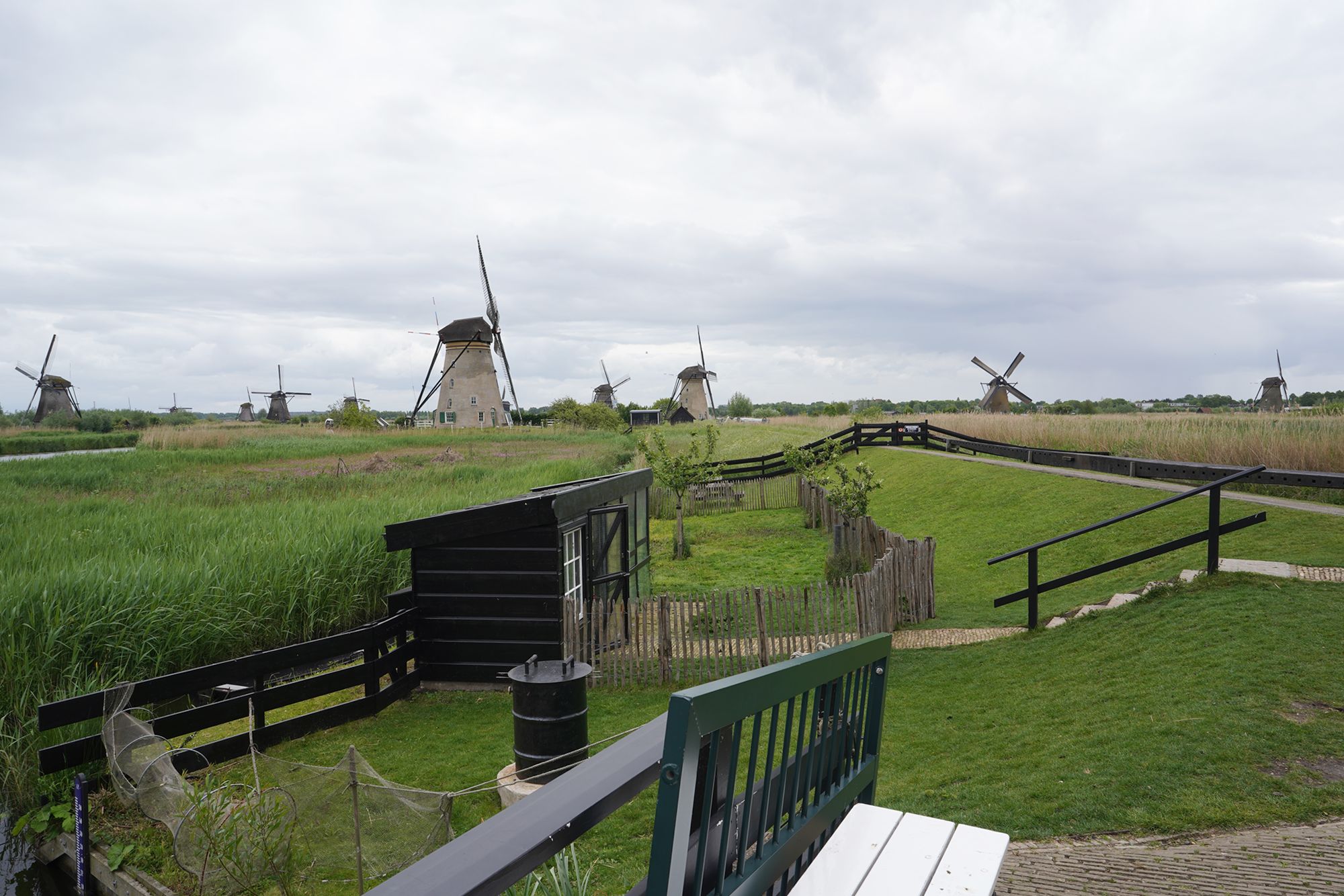
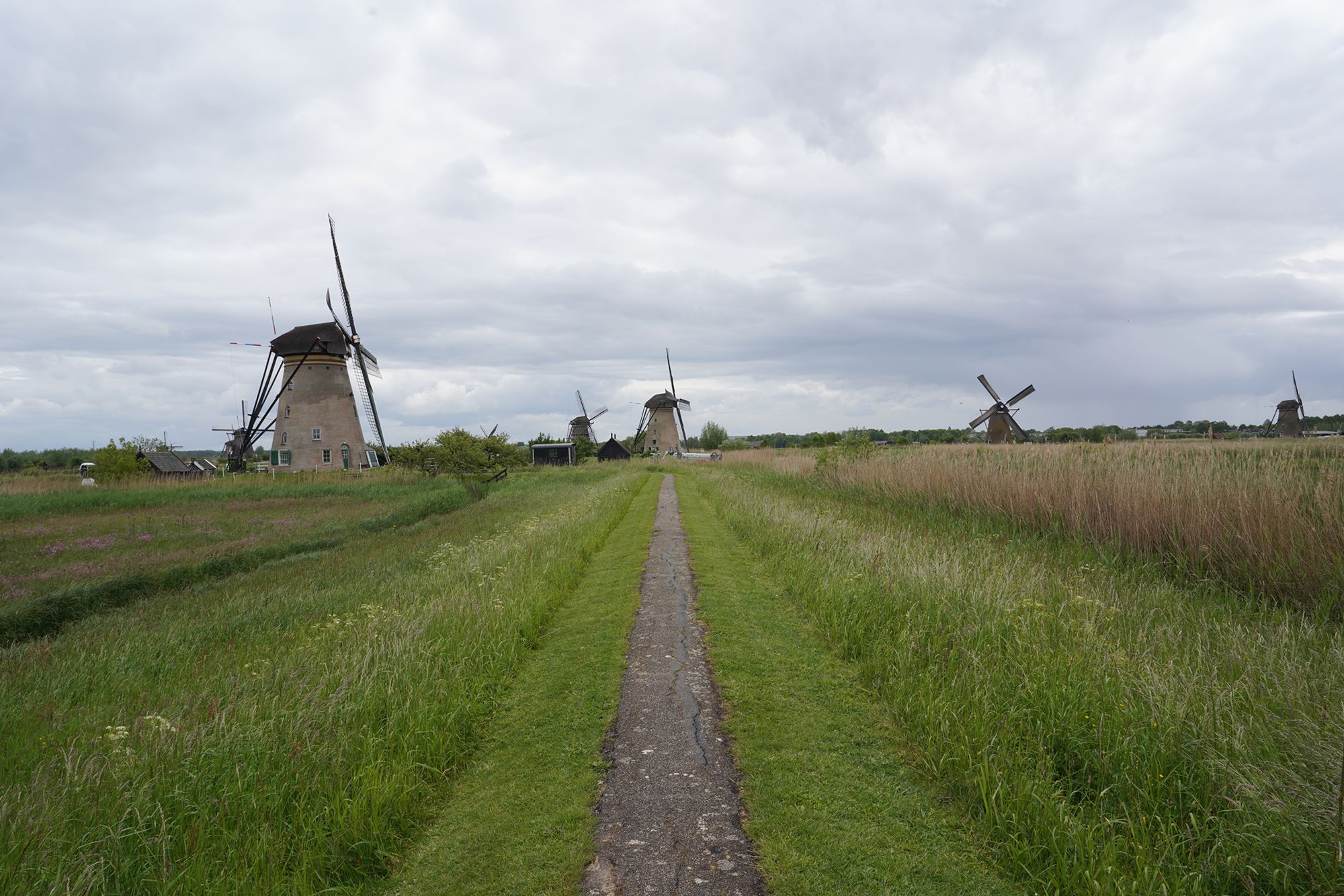
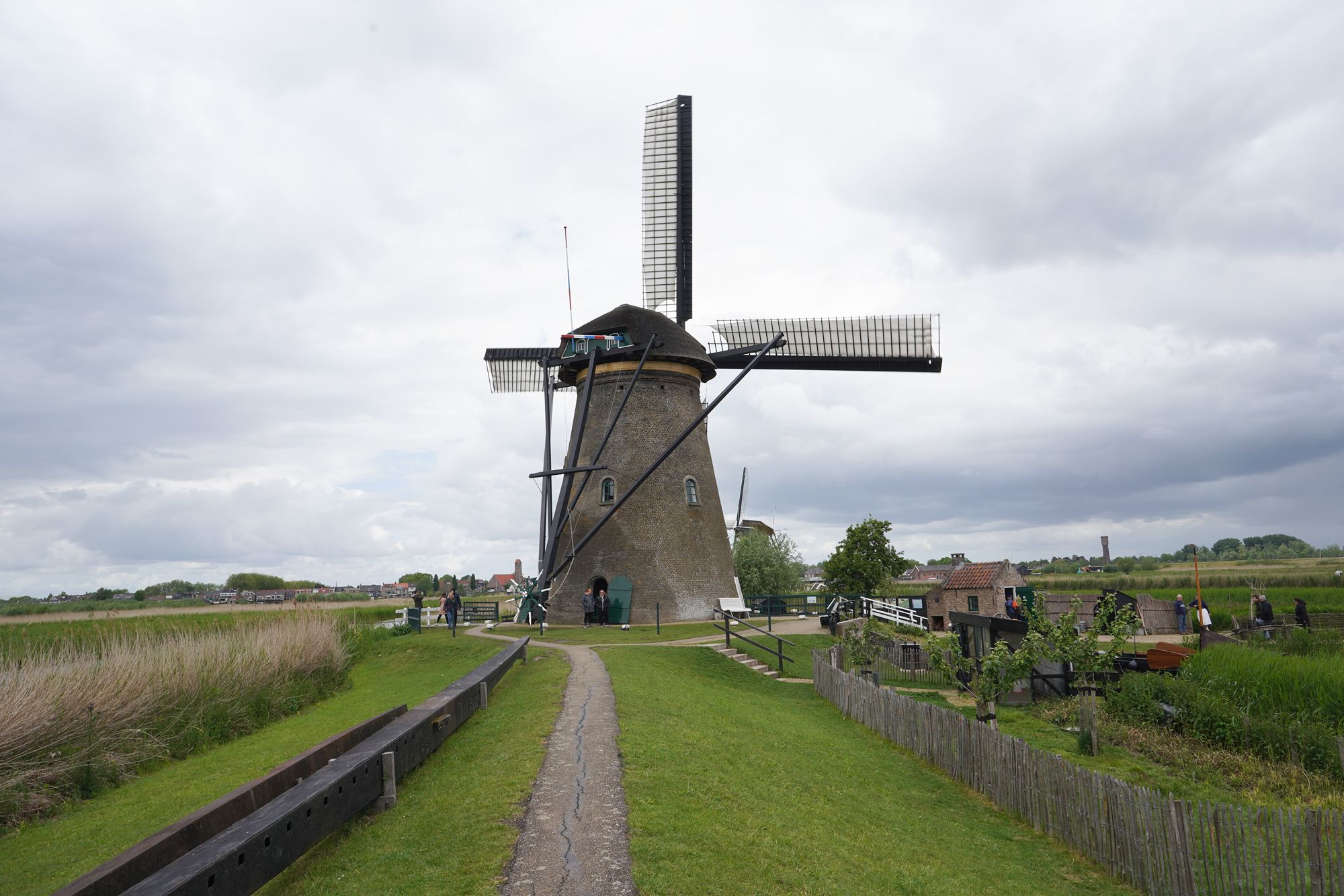
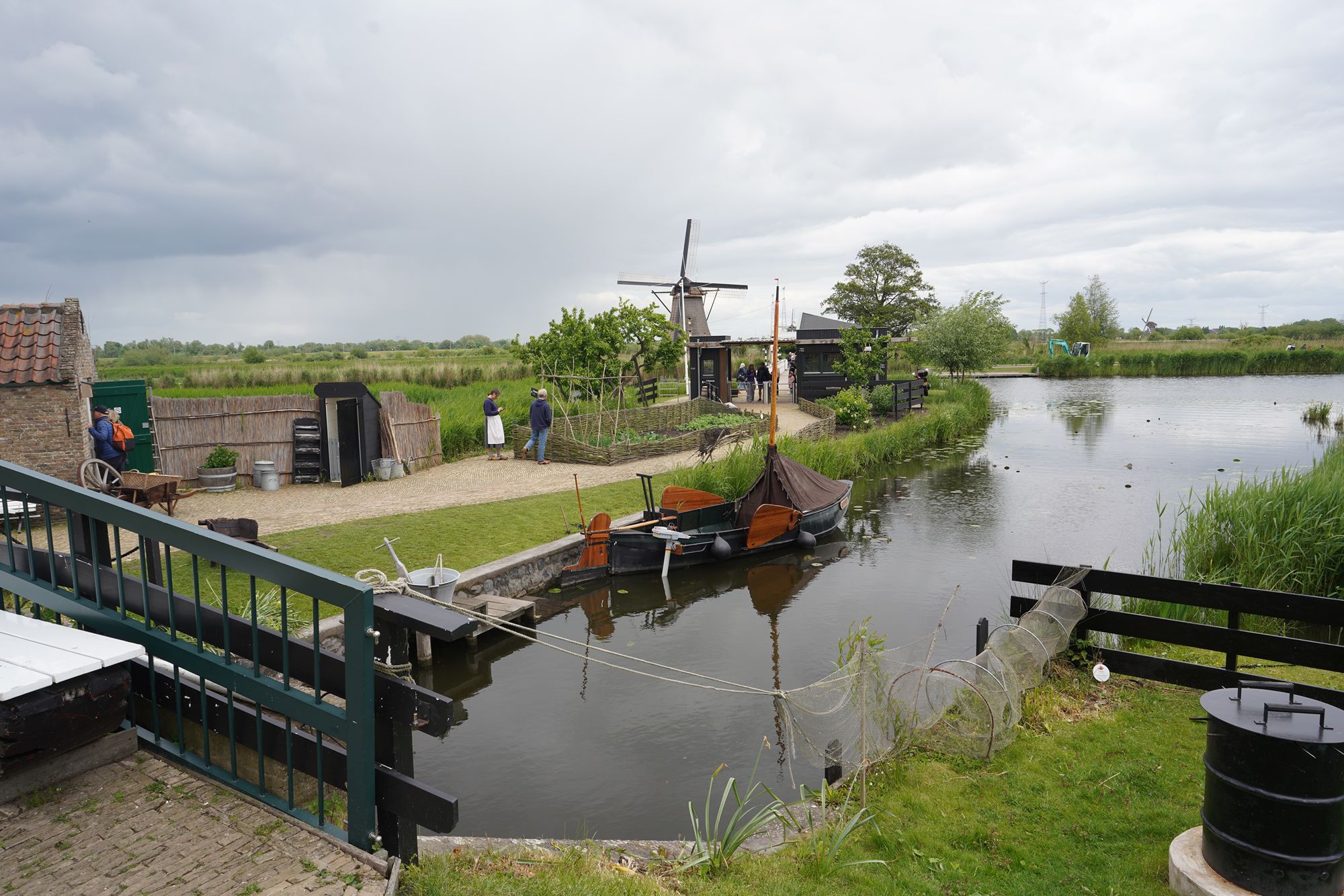
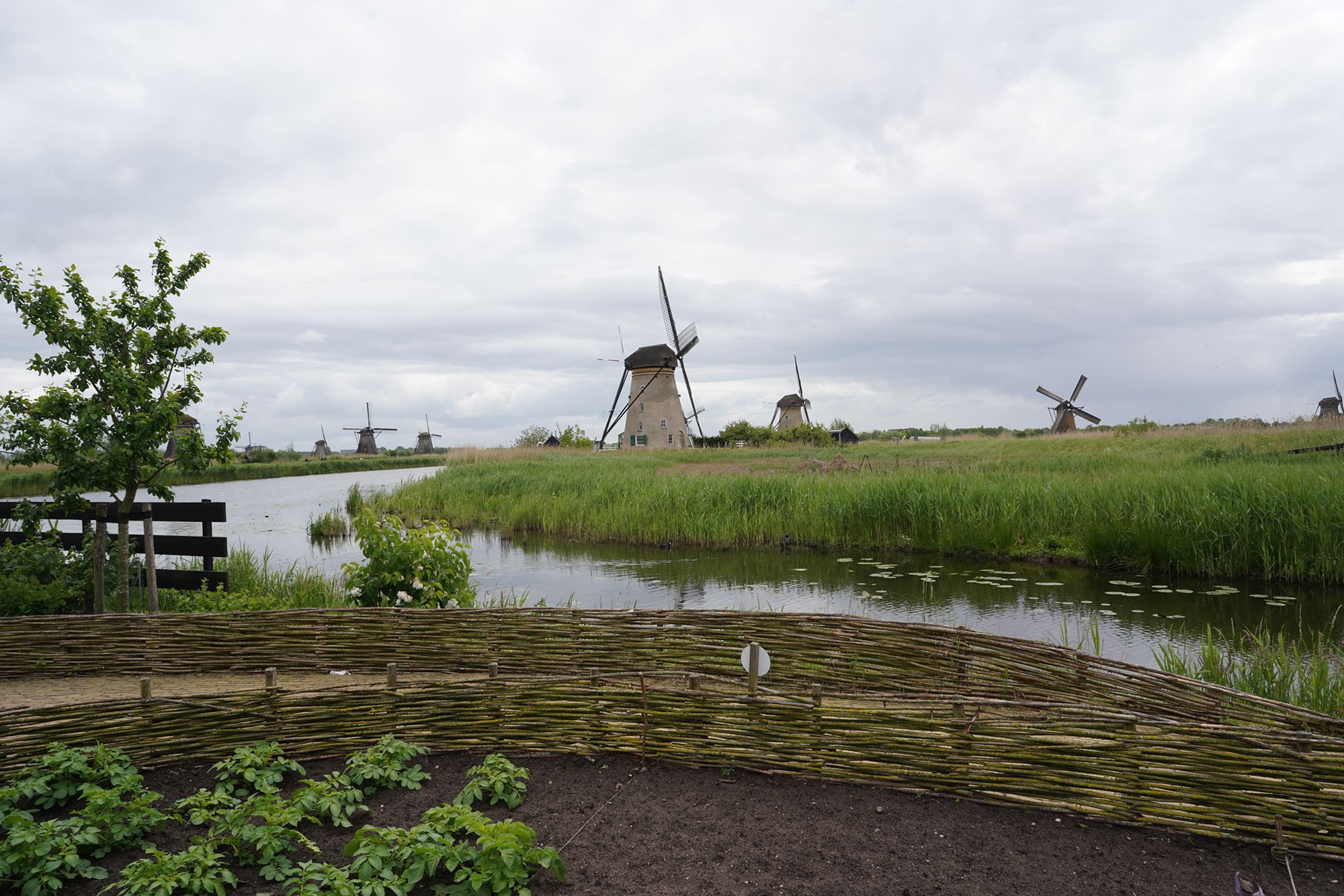
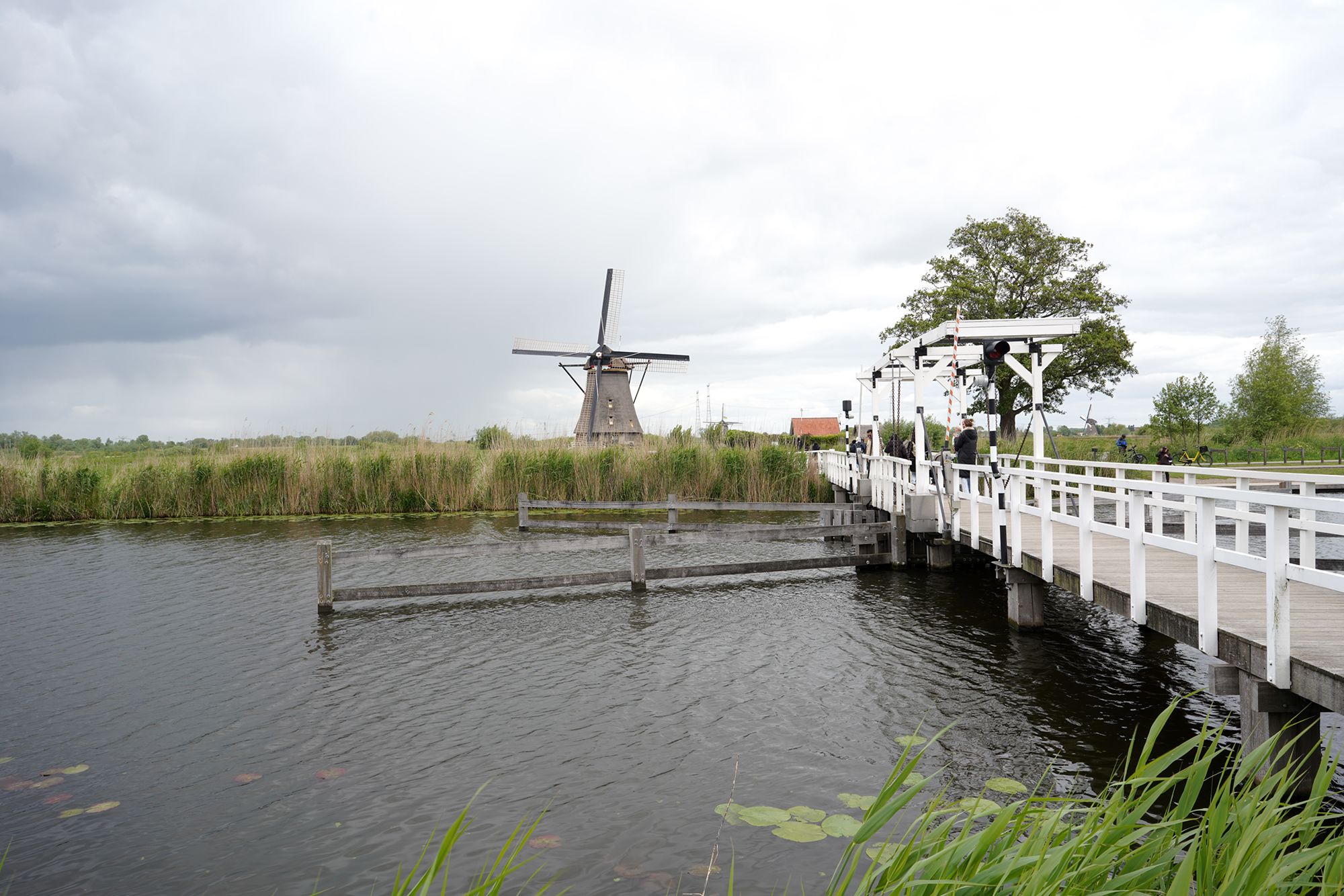
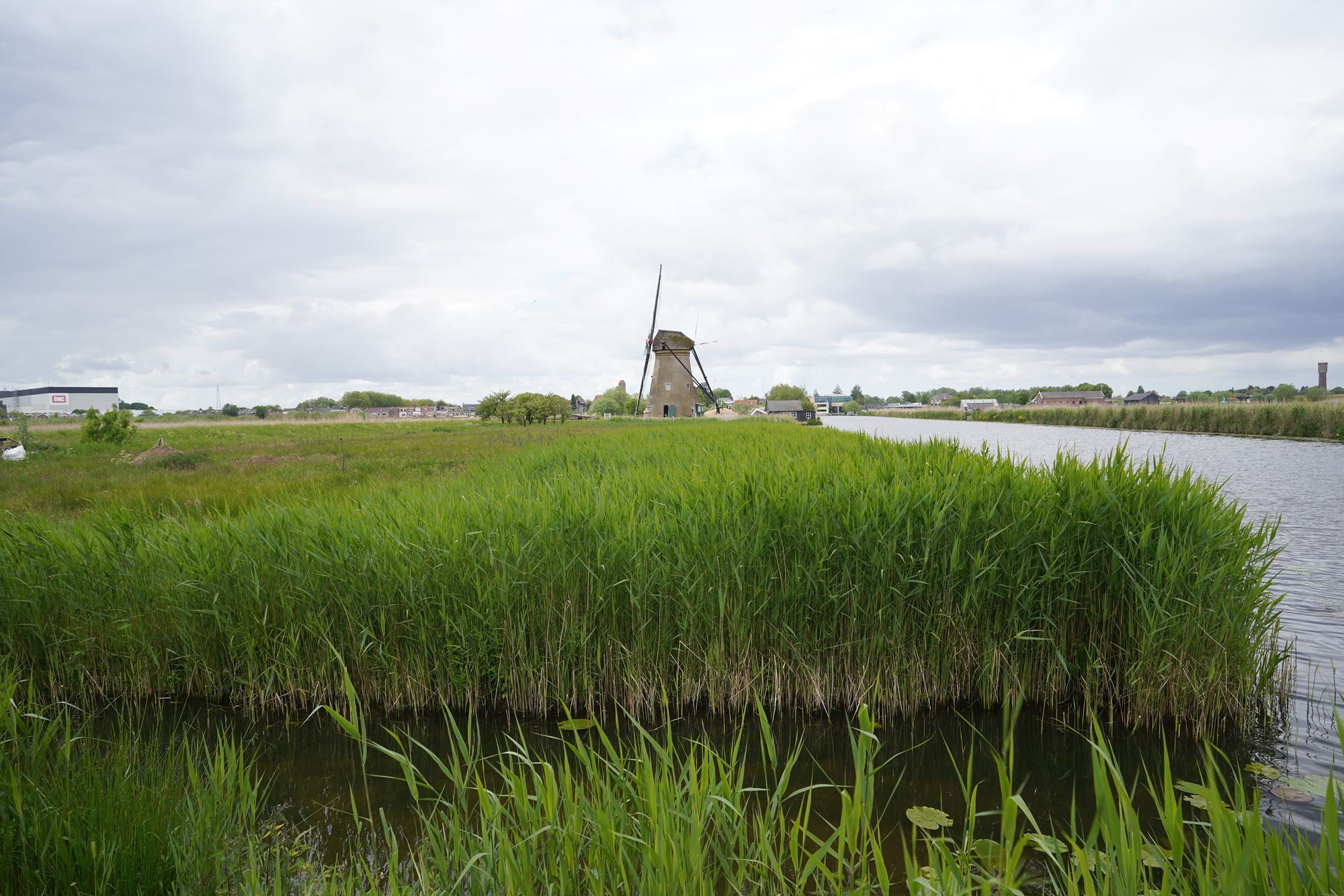
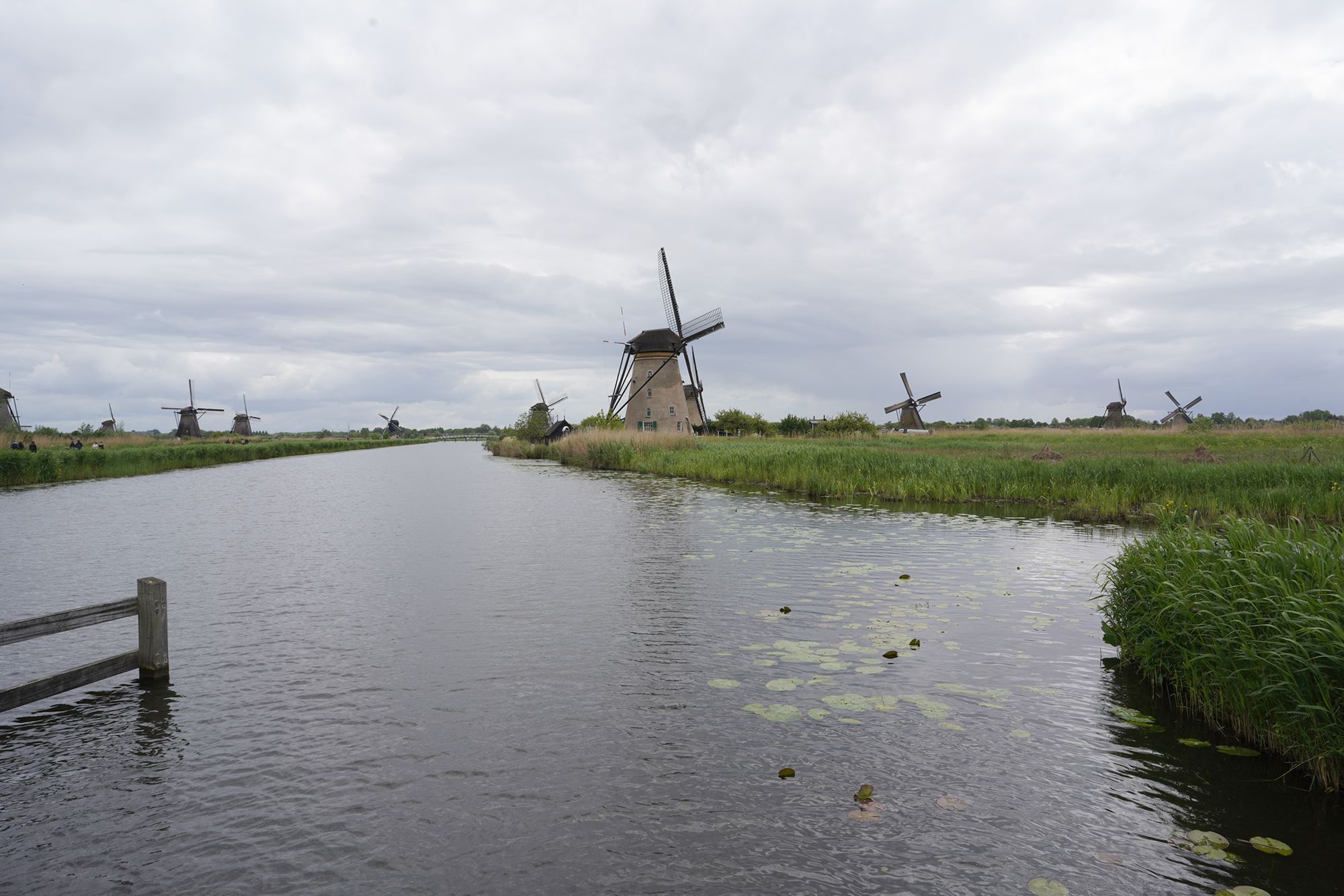
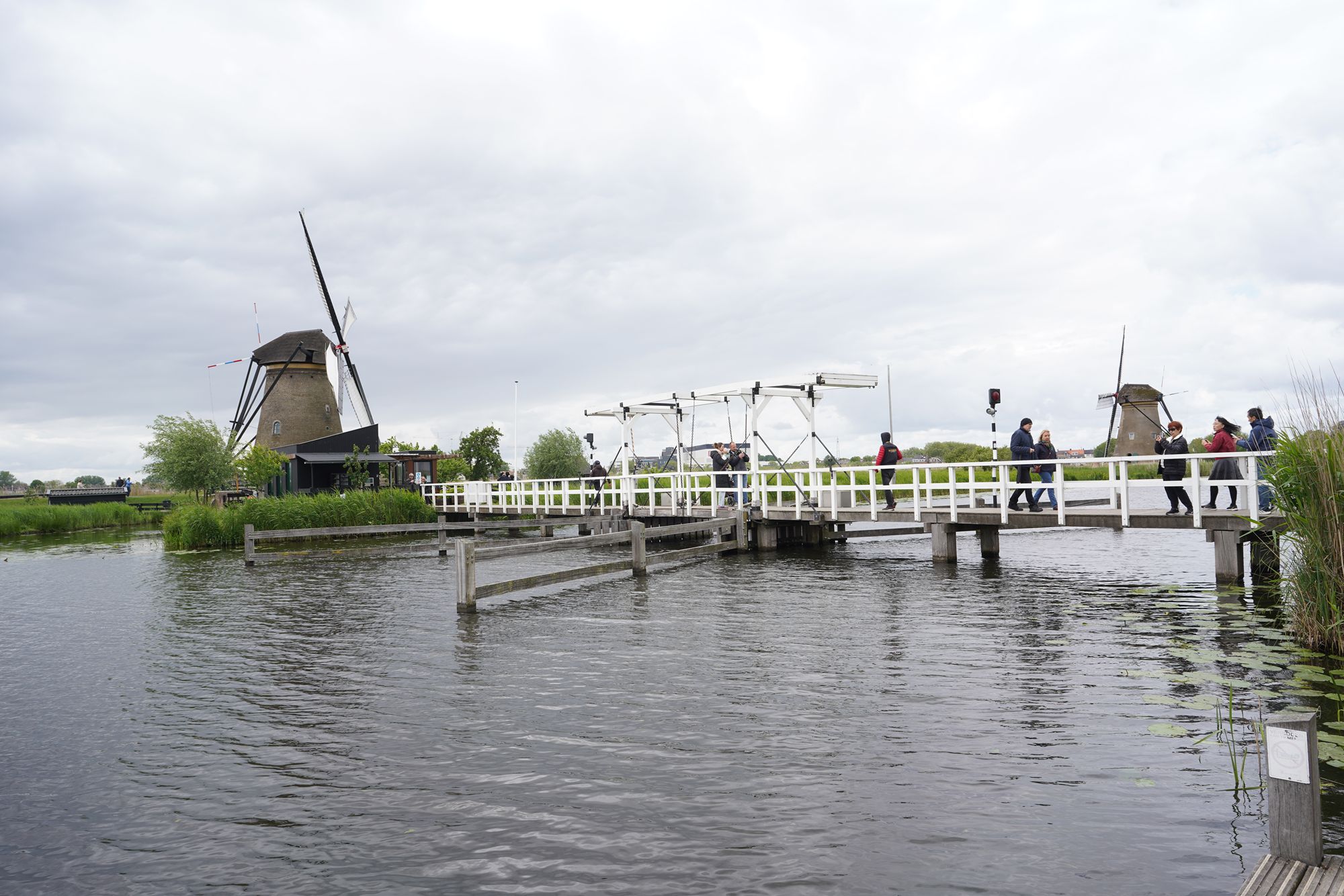
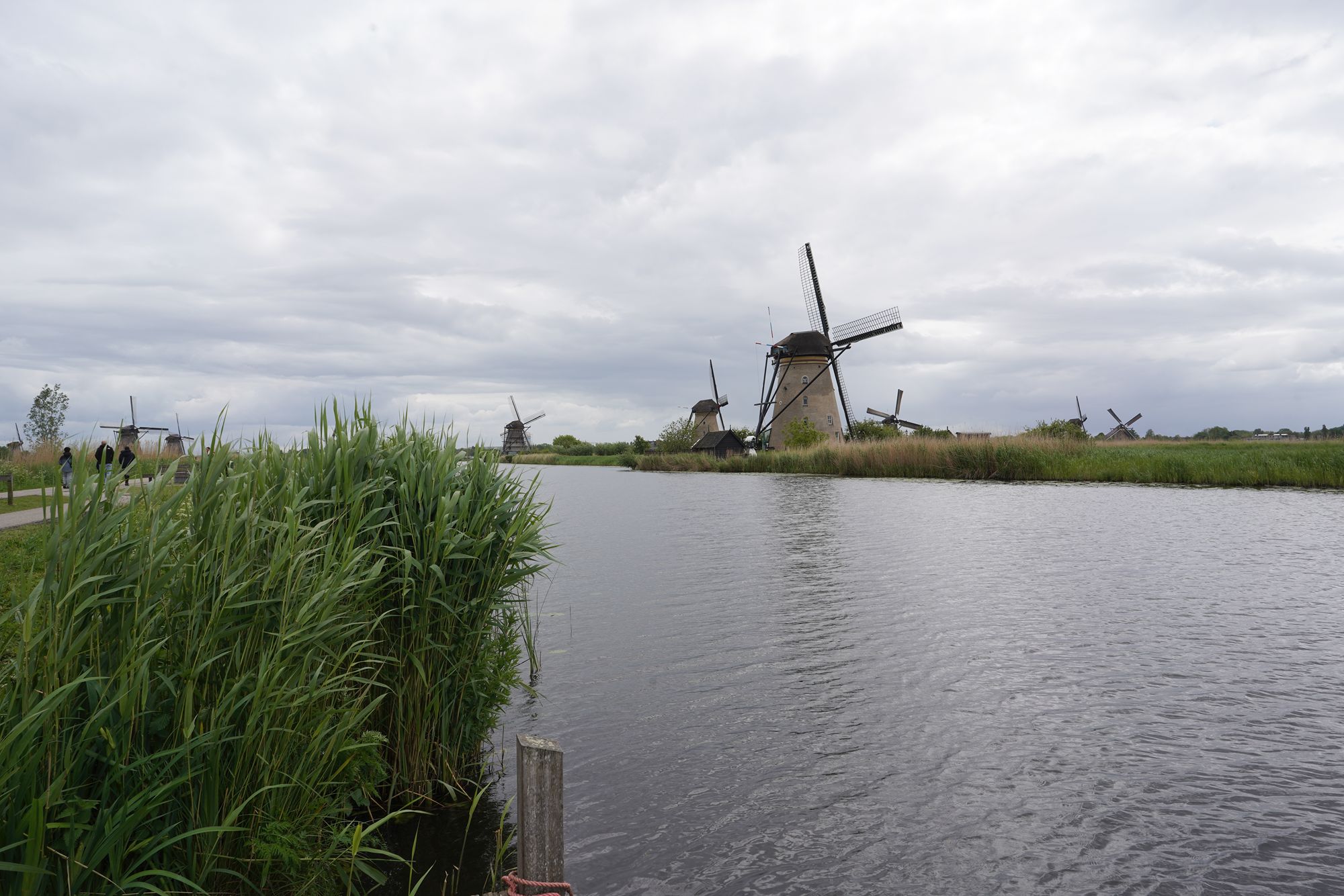
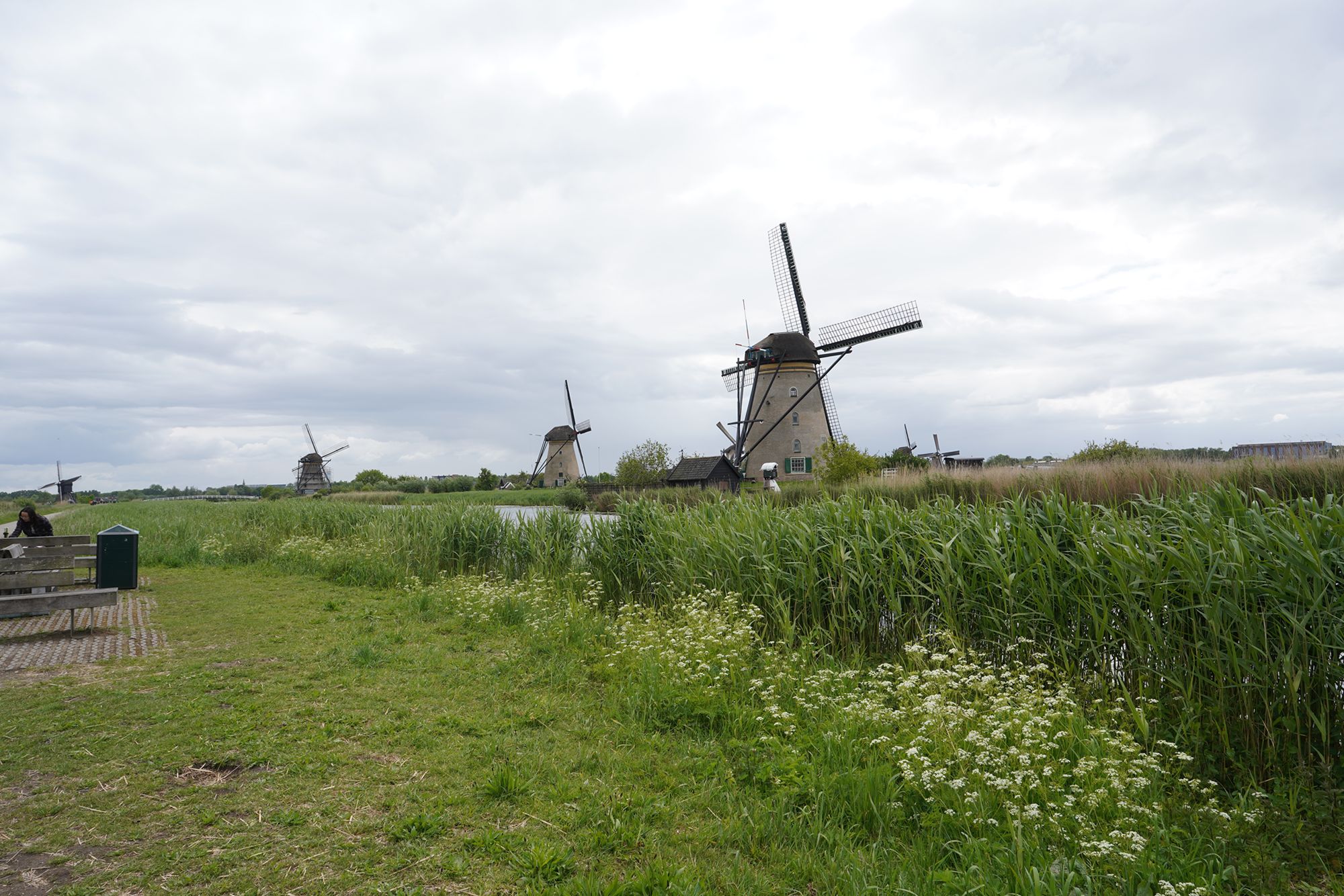
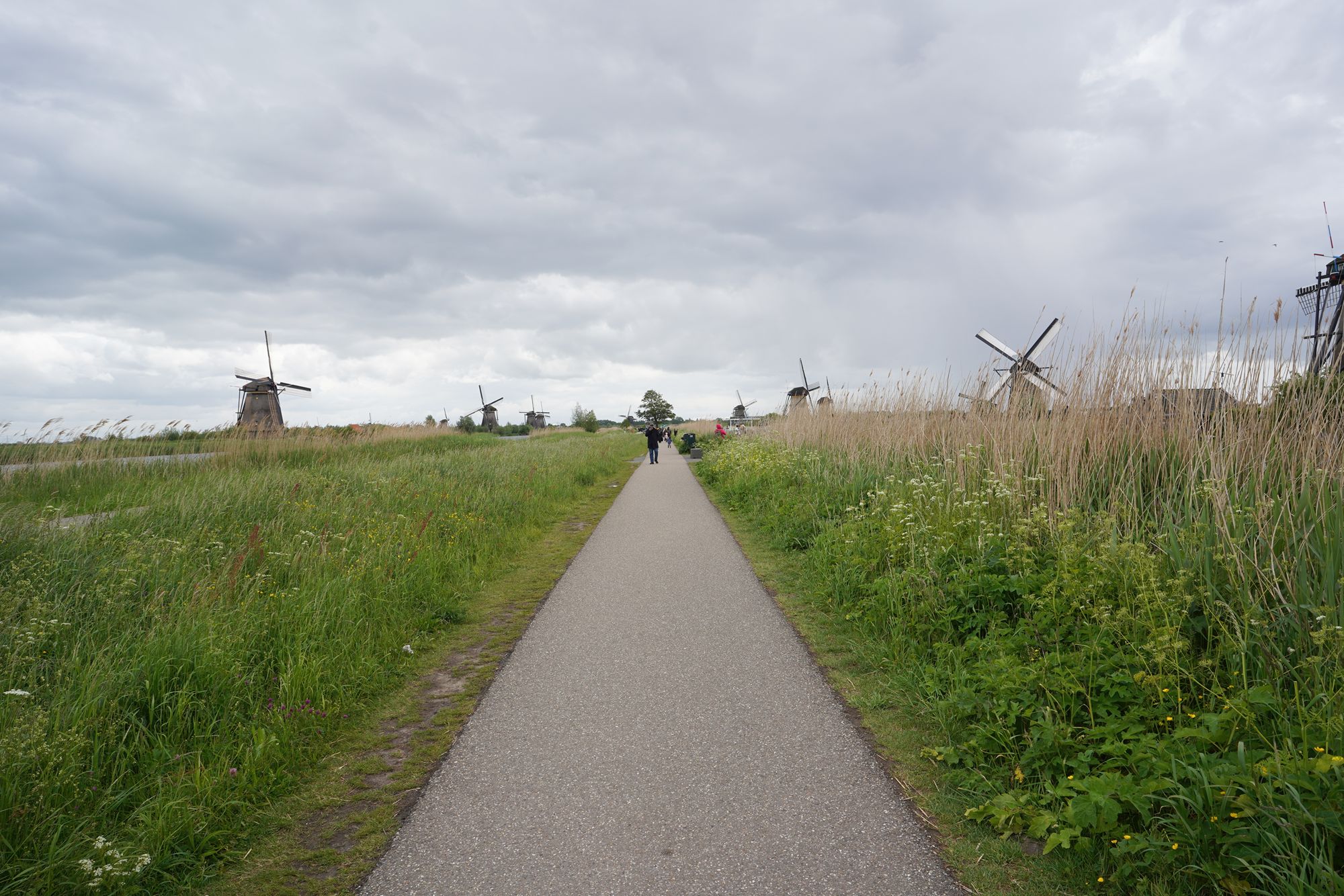
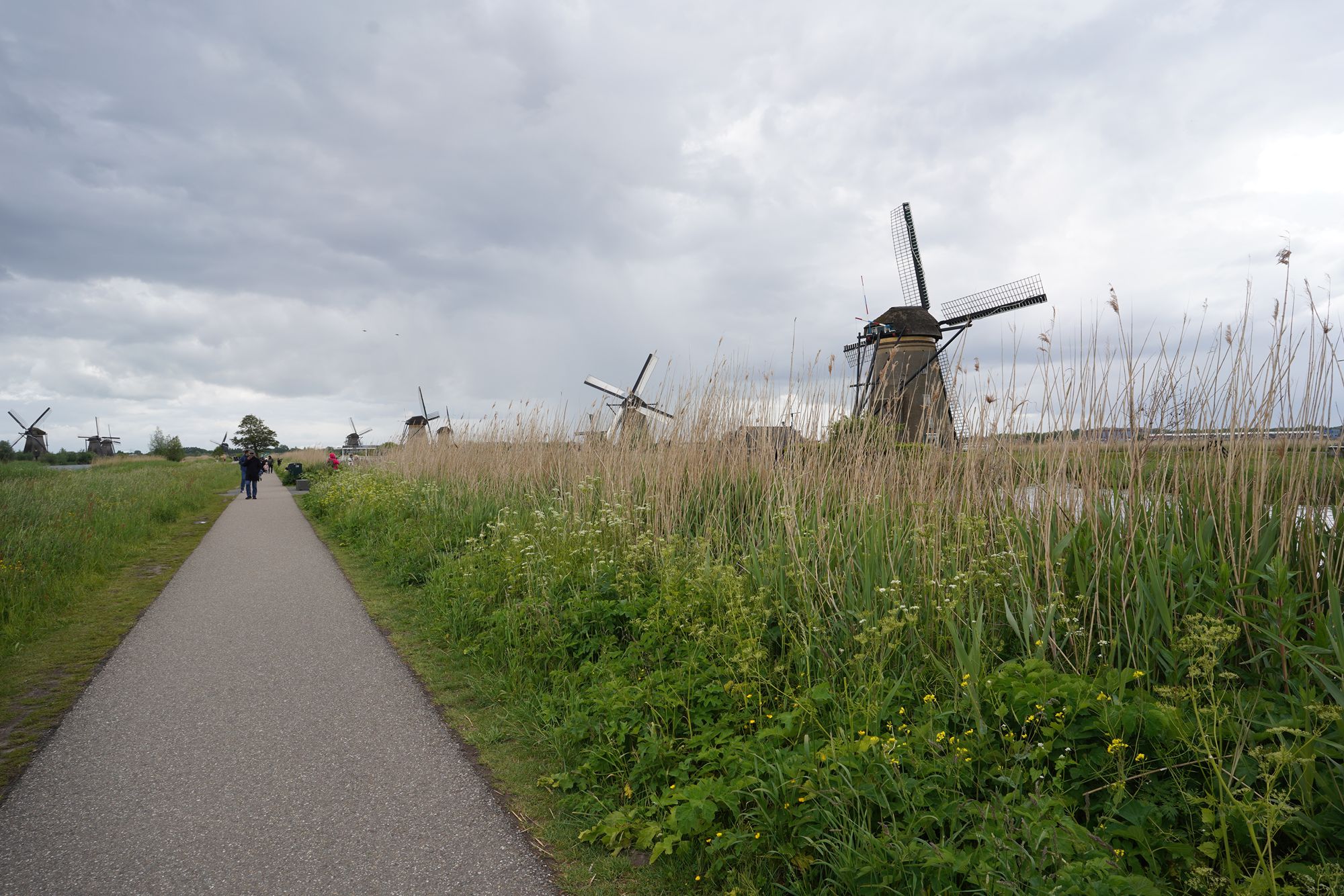
After visiting the windmill, I returned to the trail along the canal and continued my walk past the long row of historic windmills.
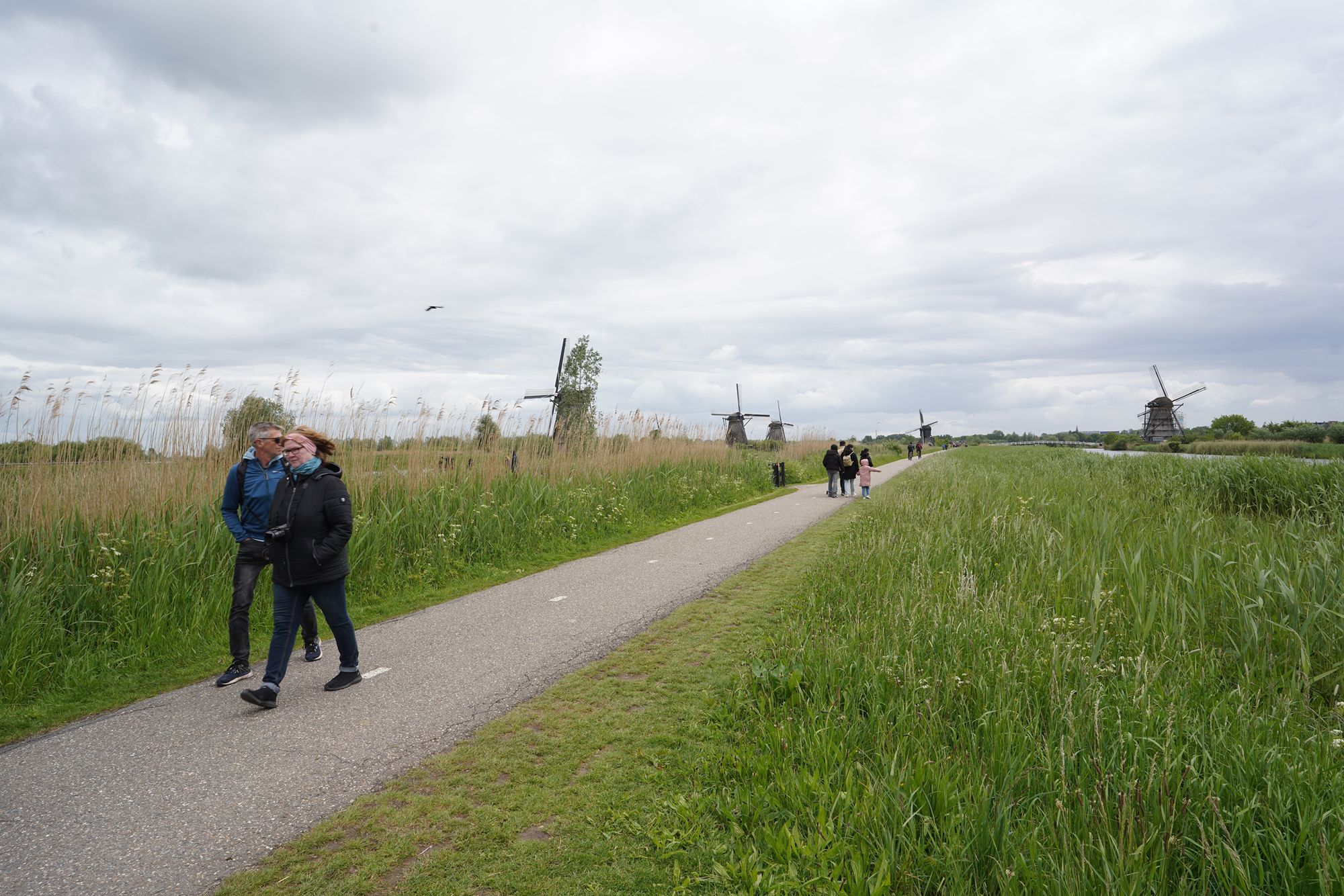
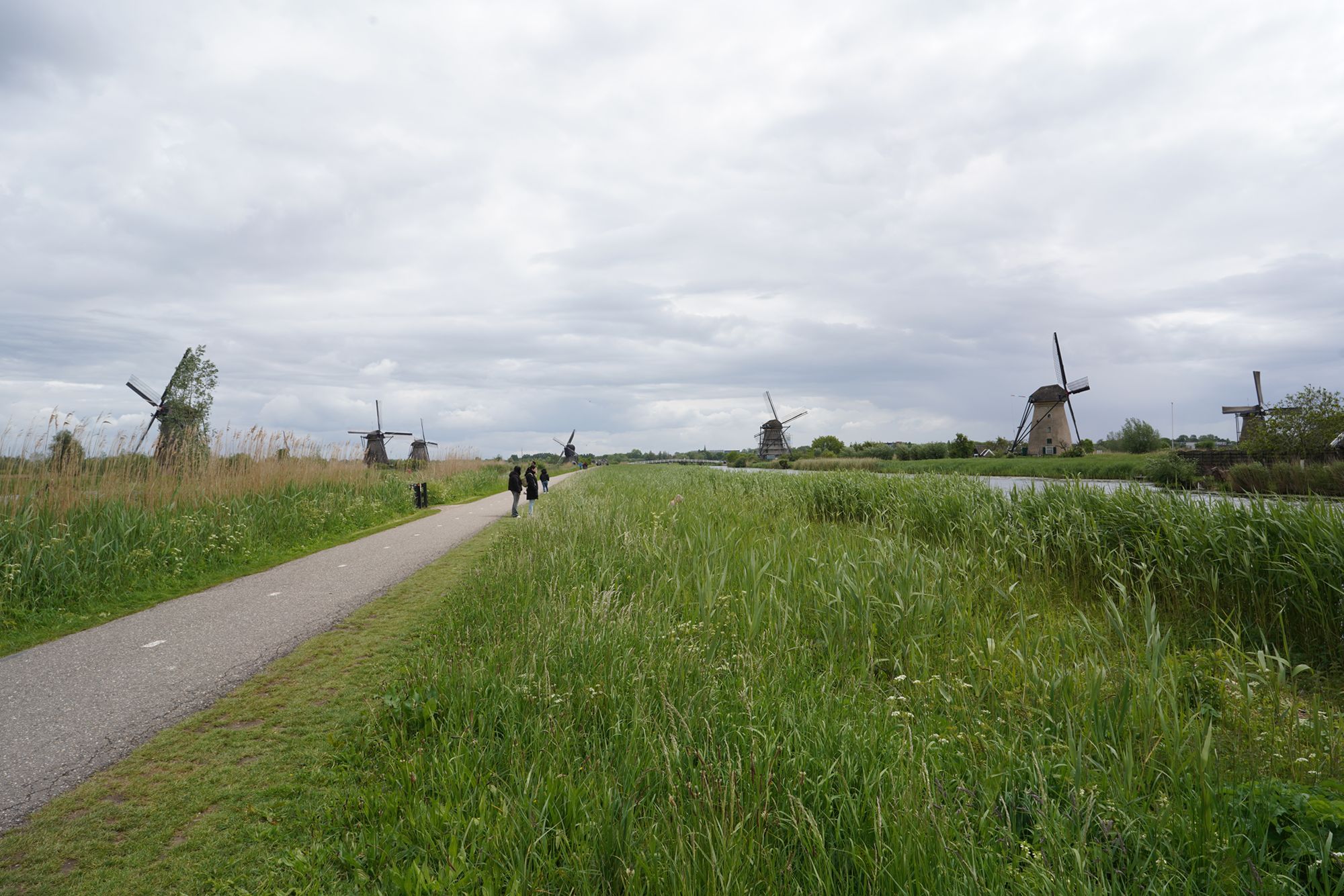
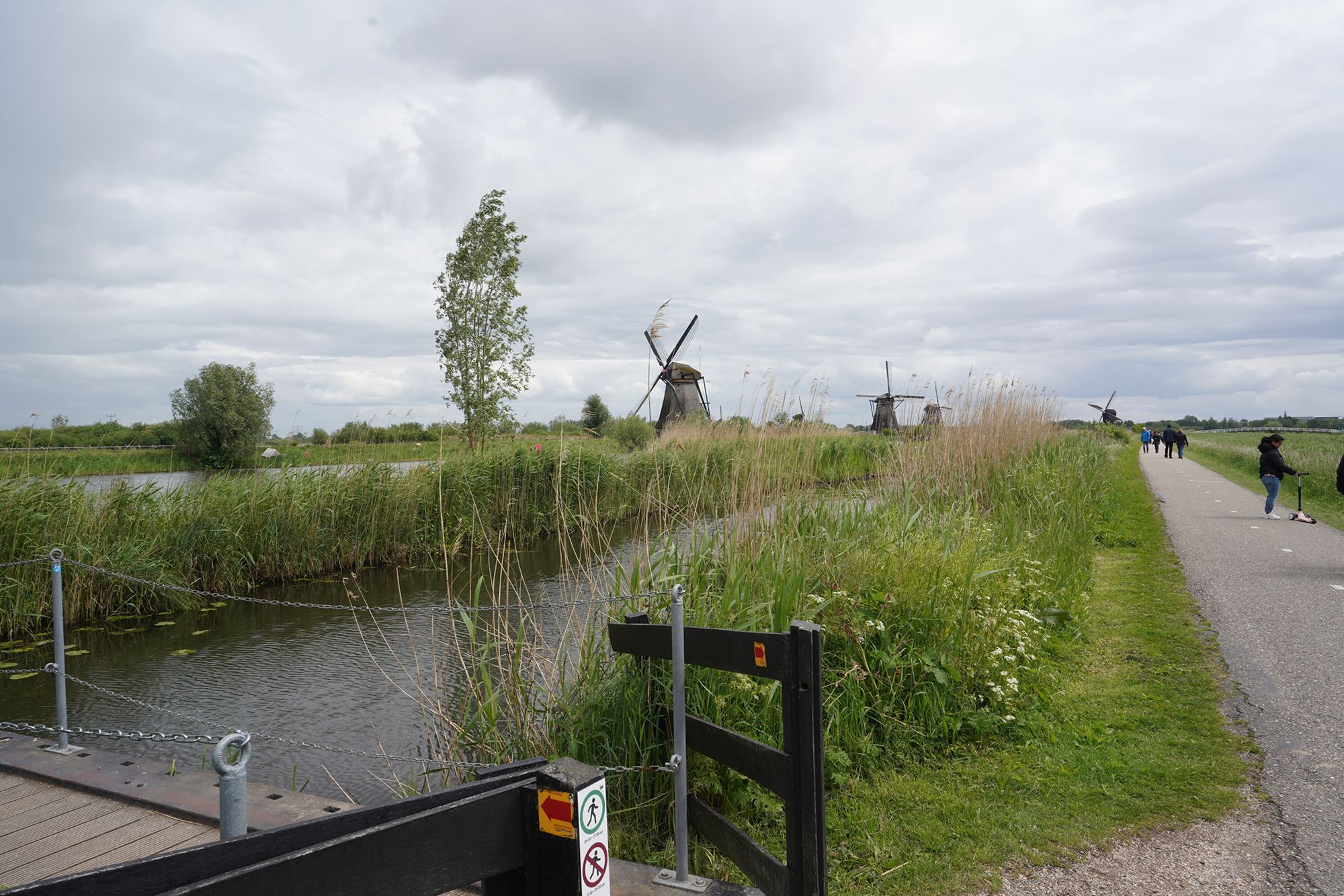
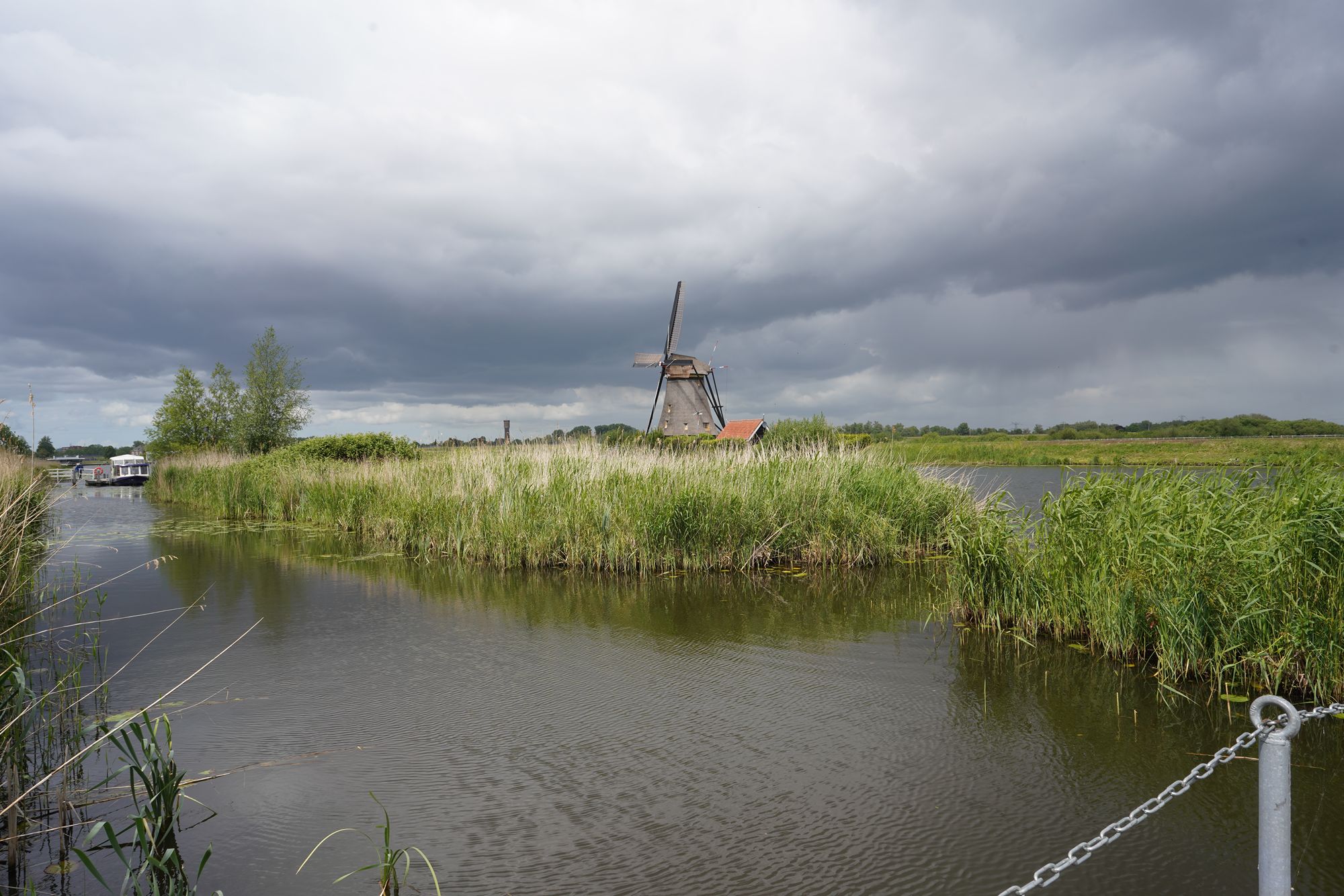
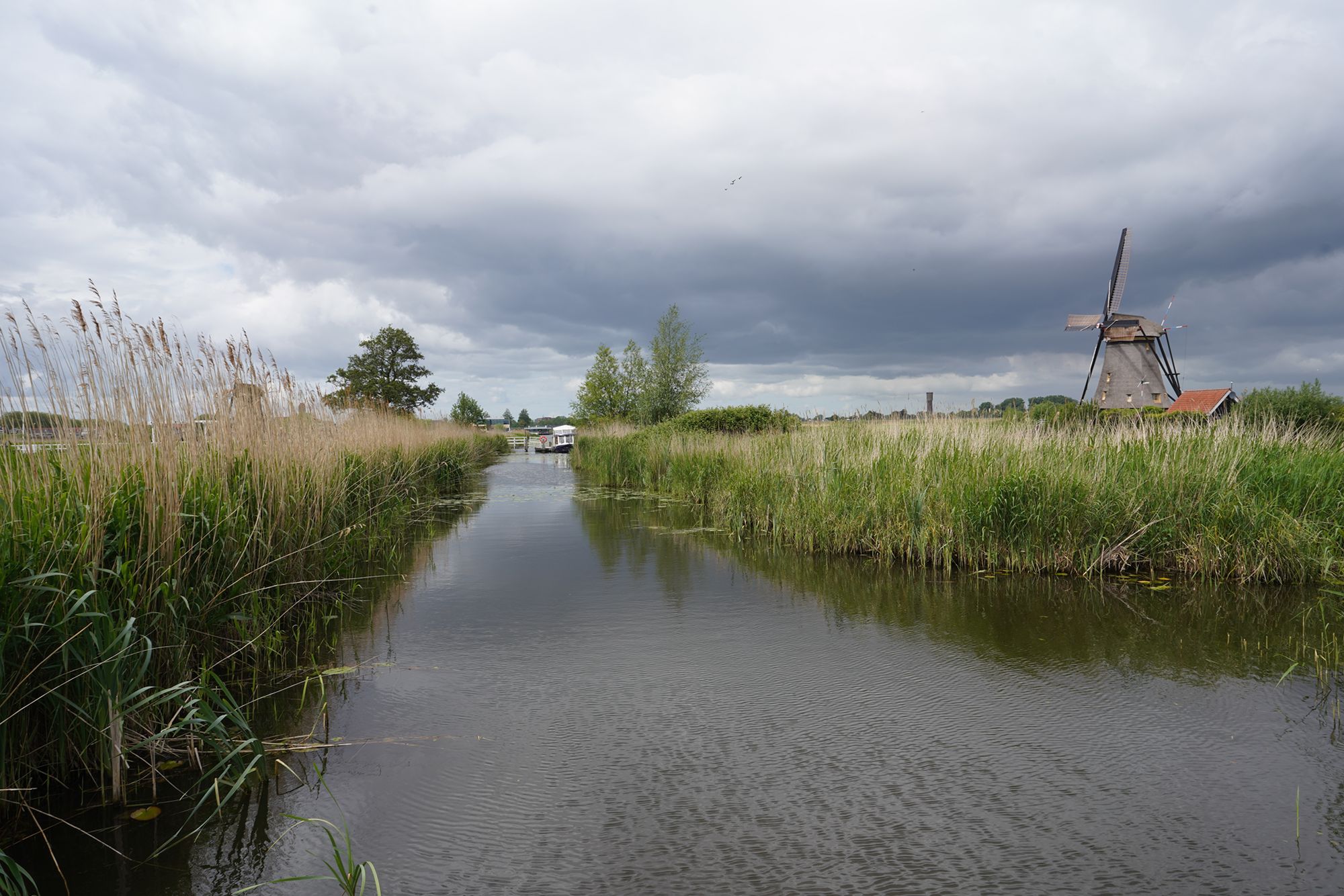
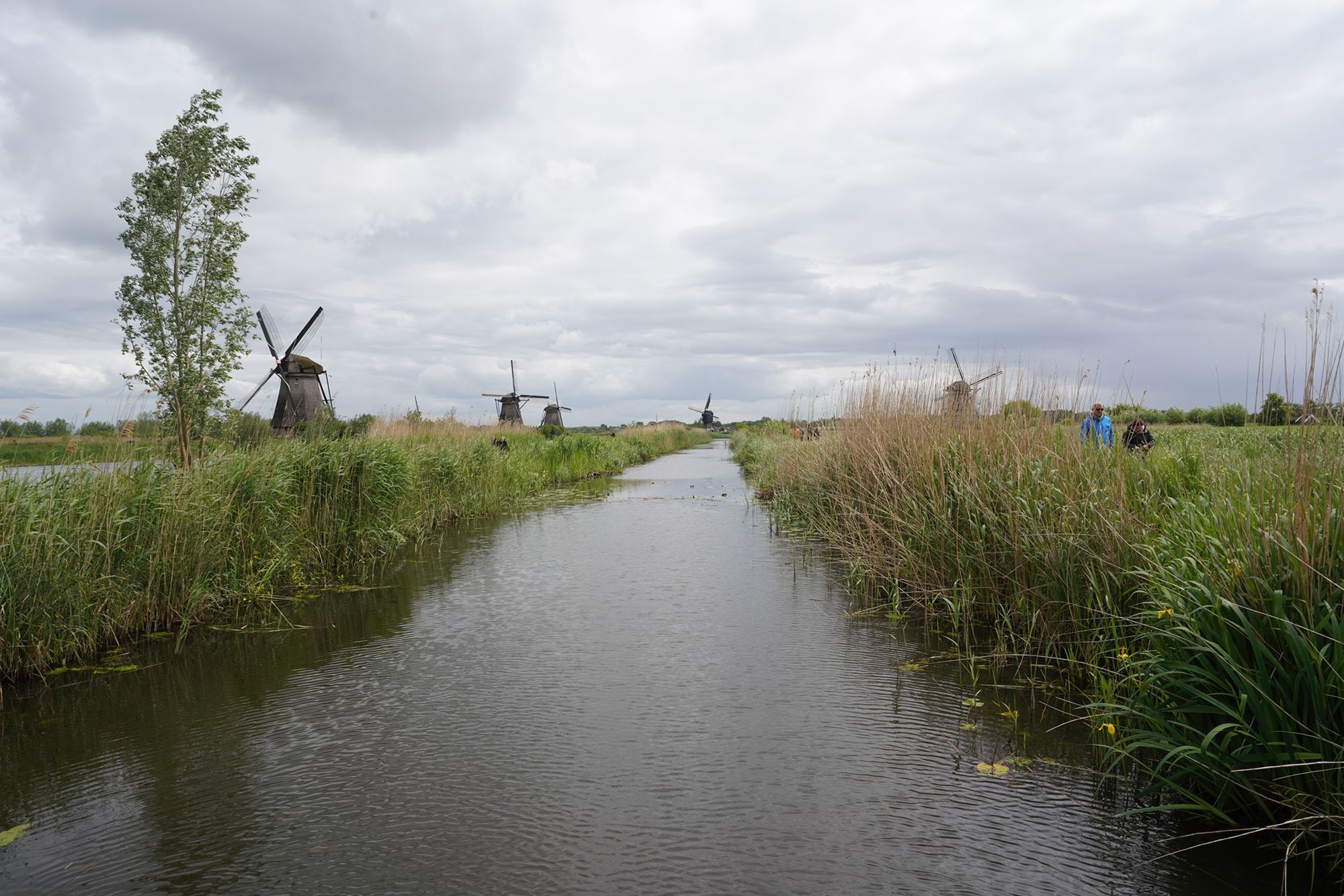
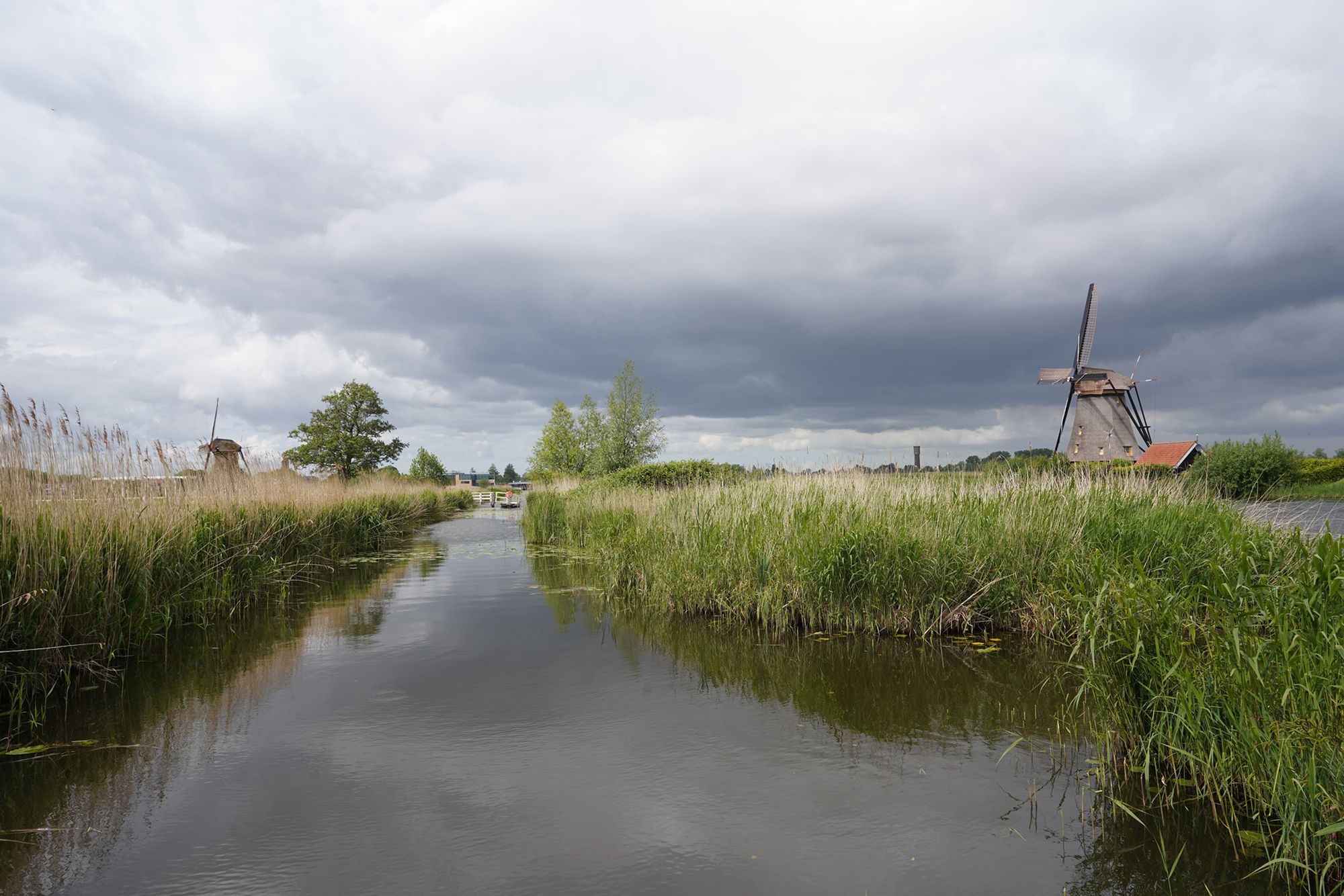
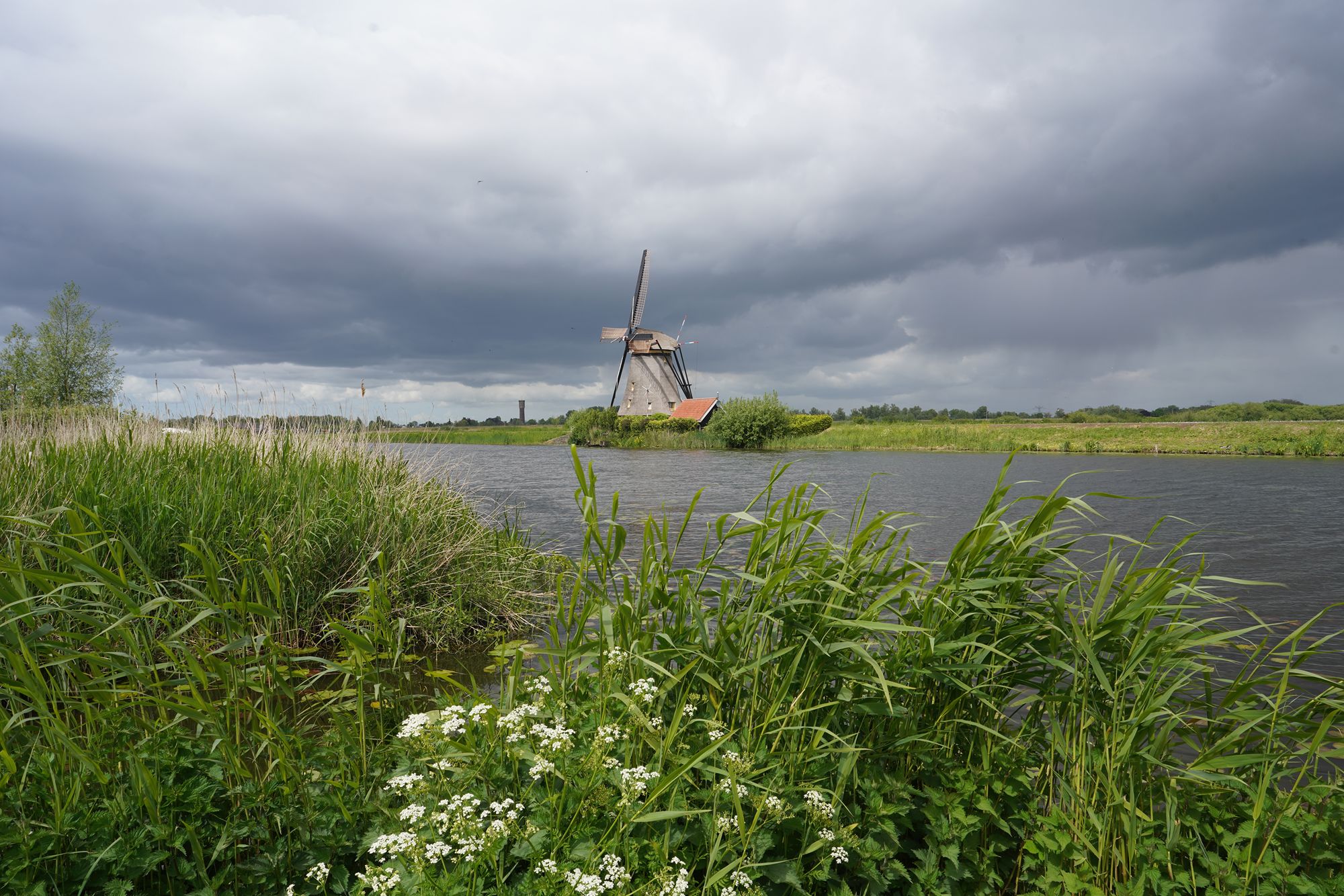
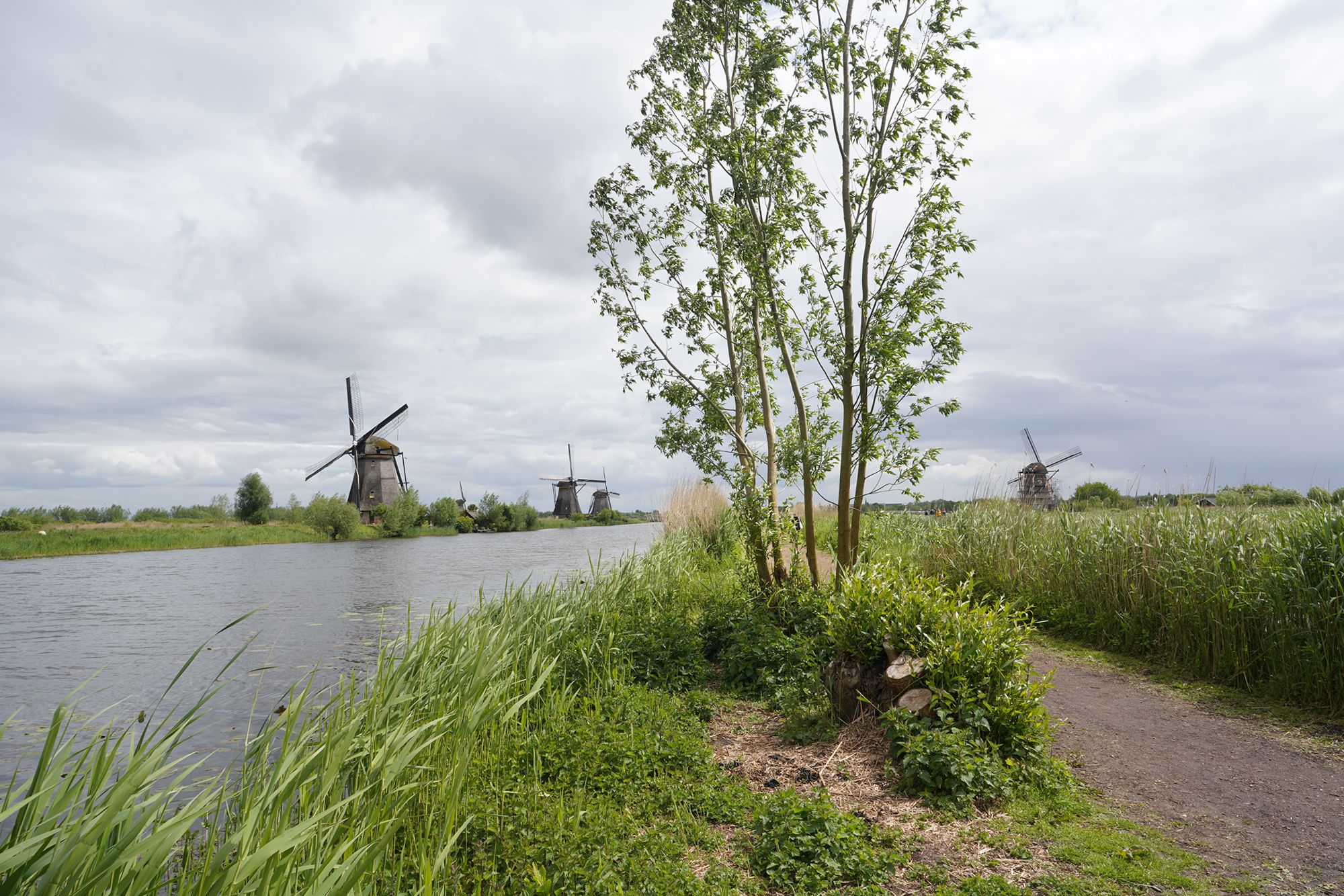
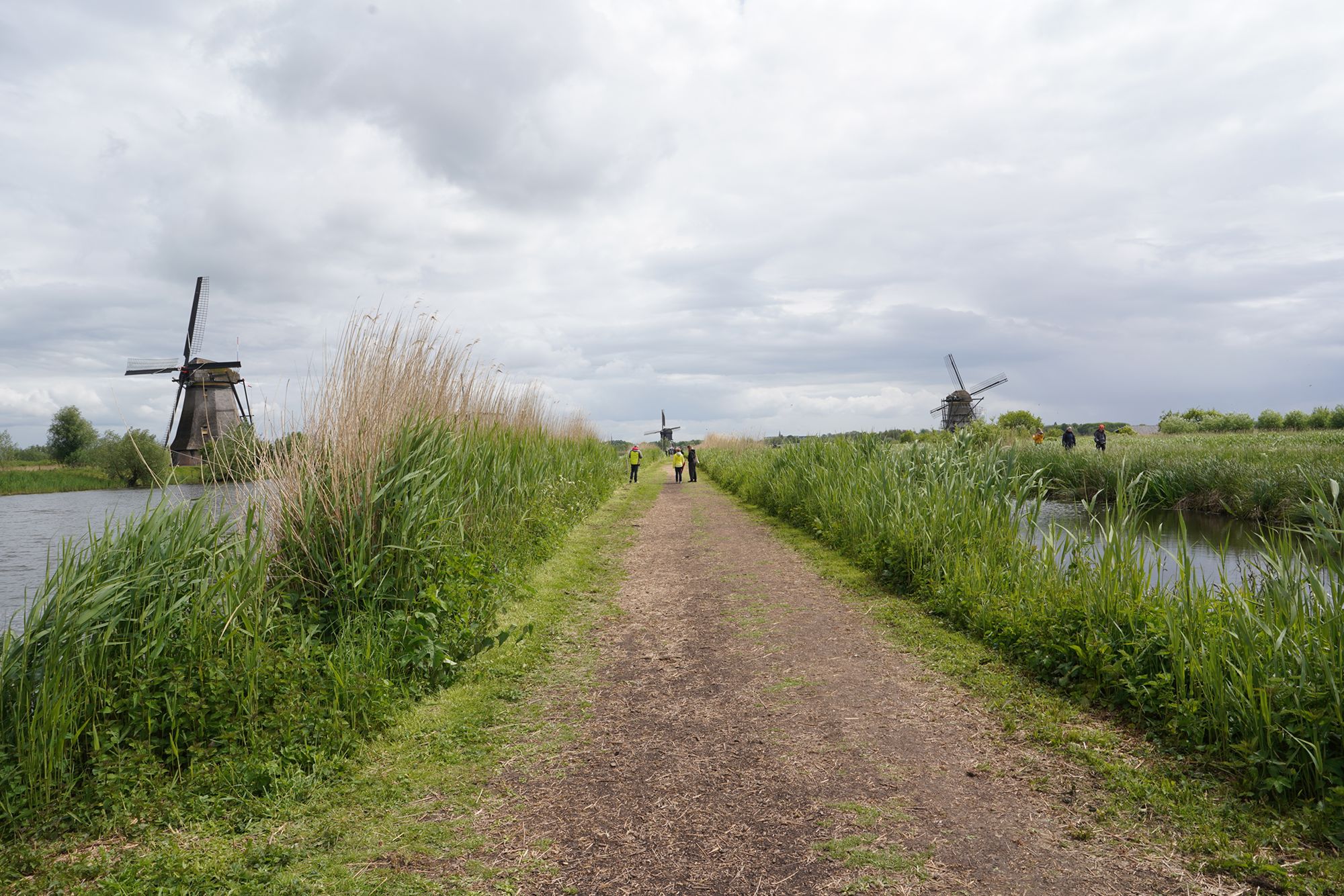
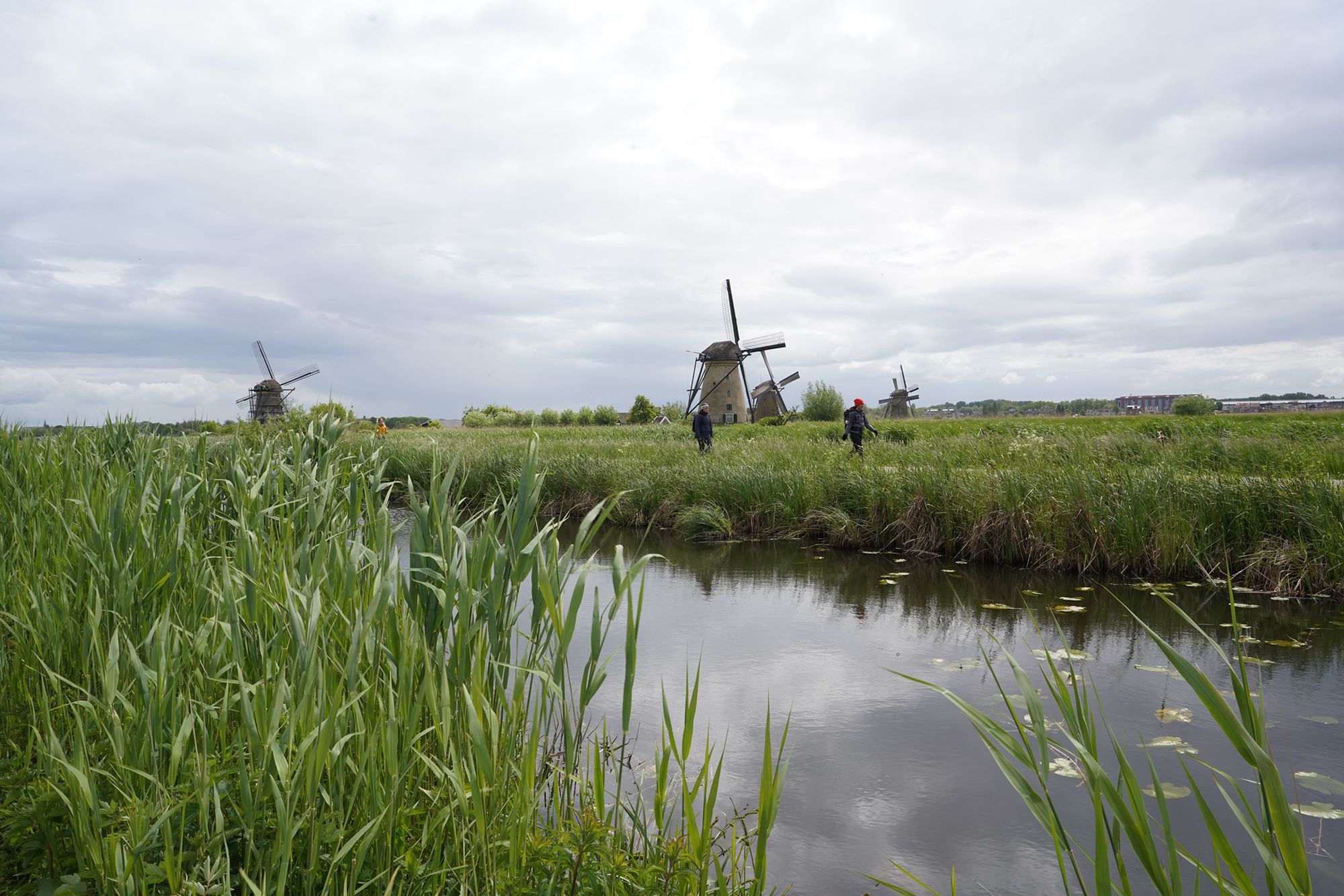
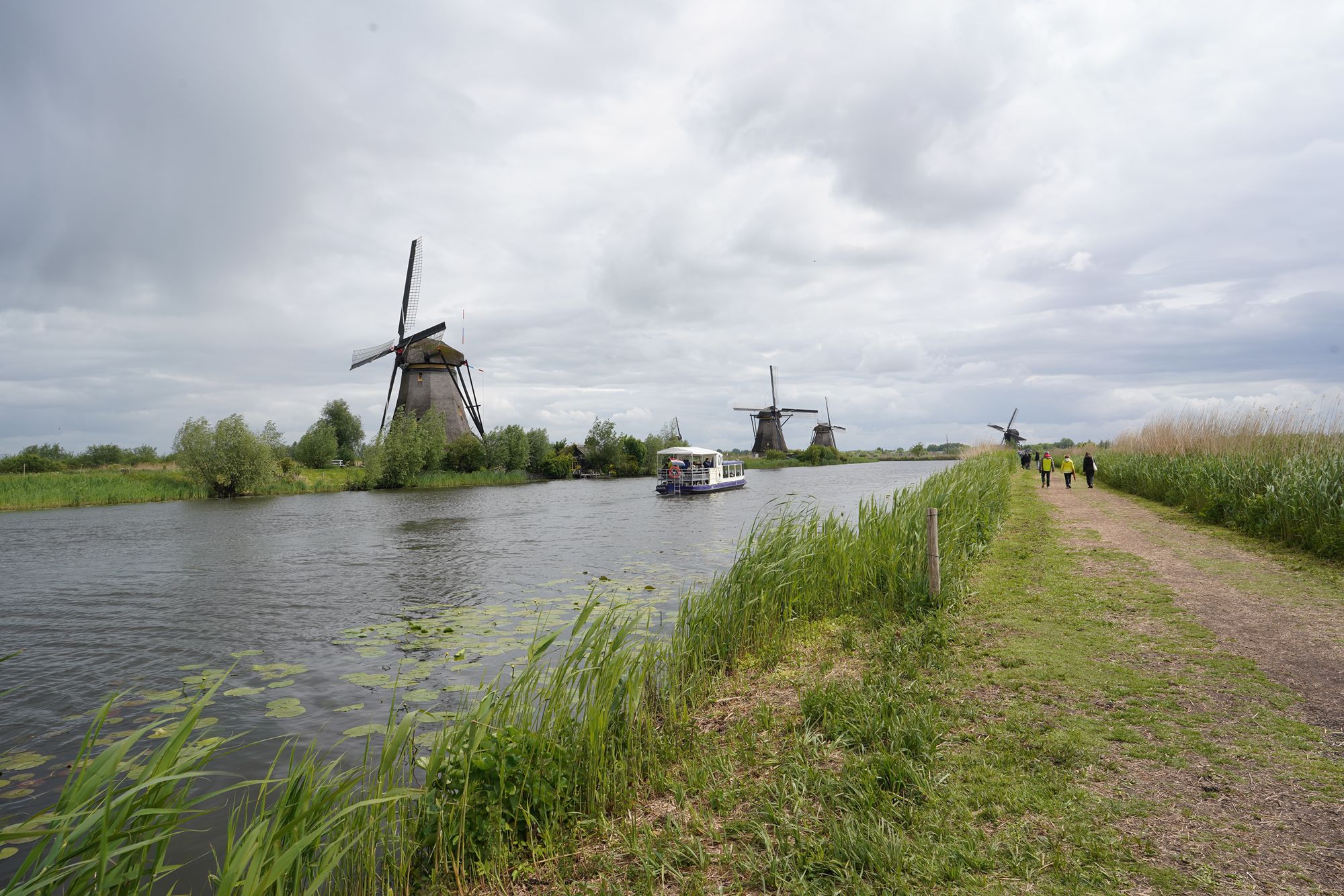
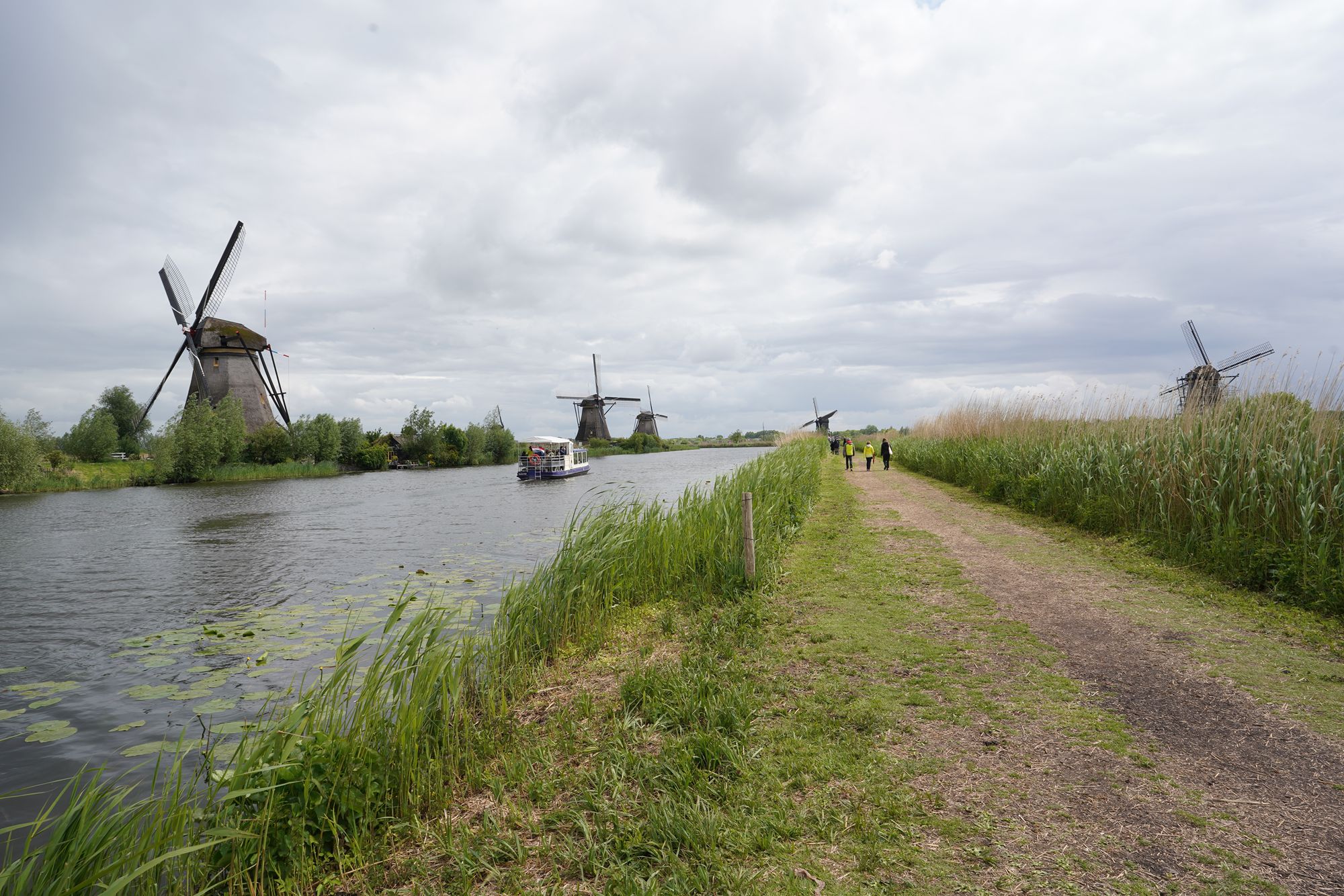
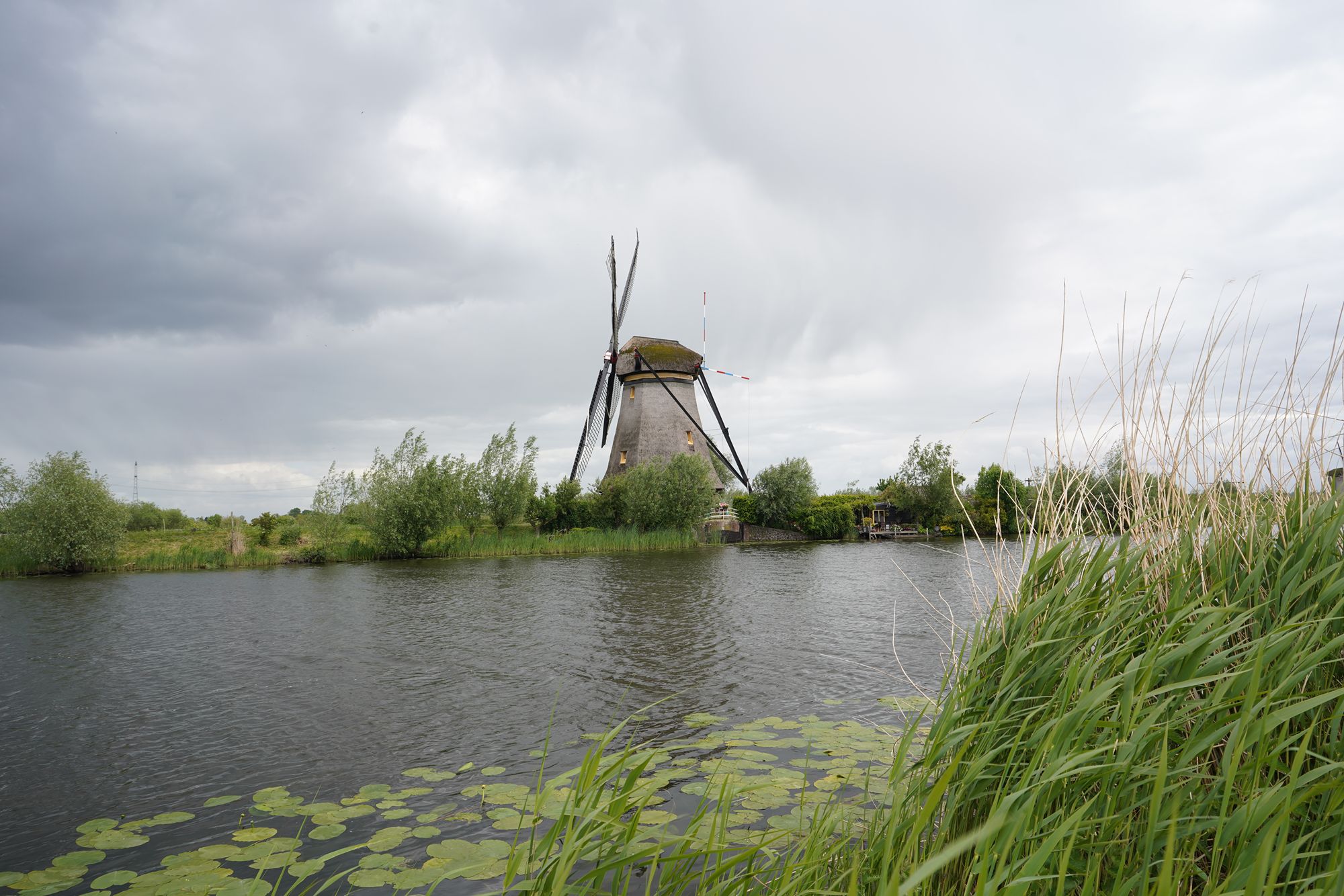
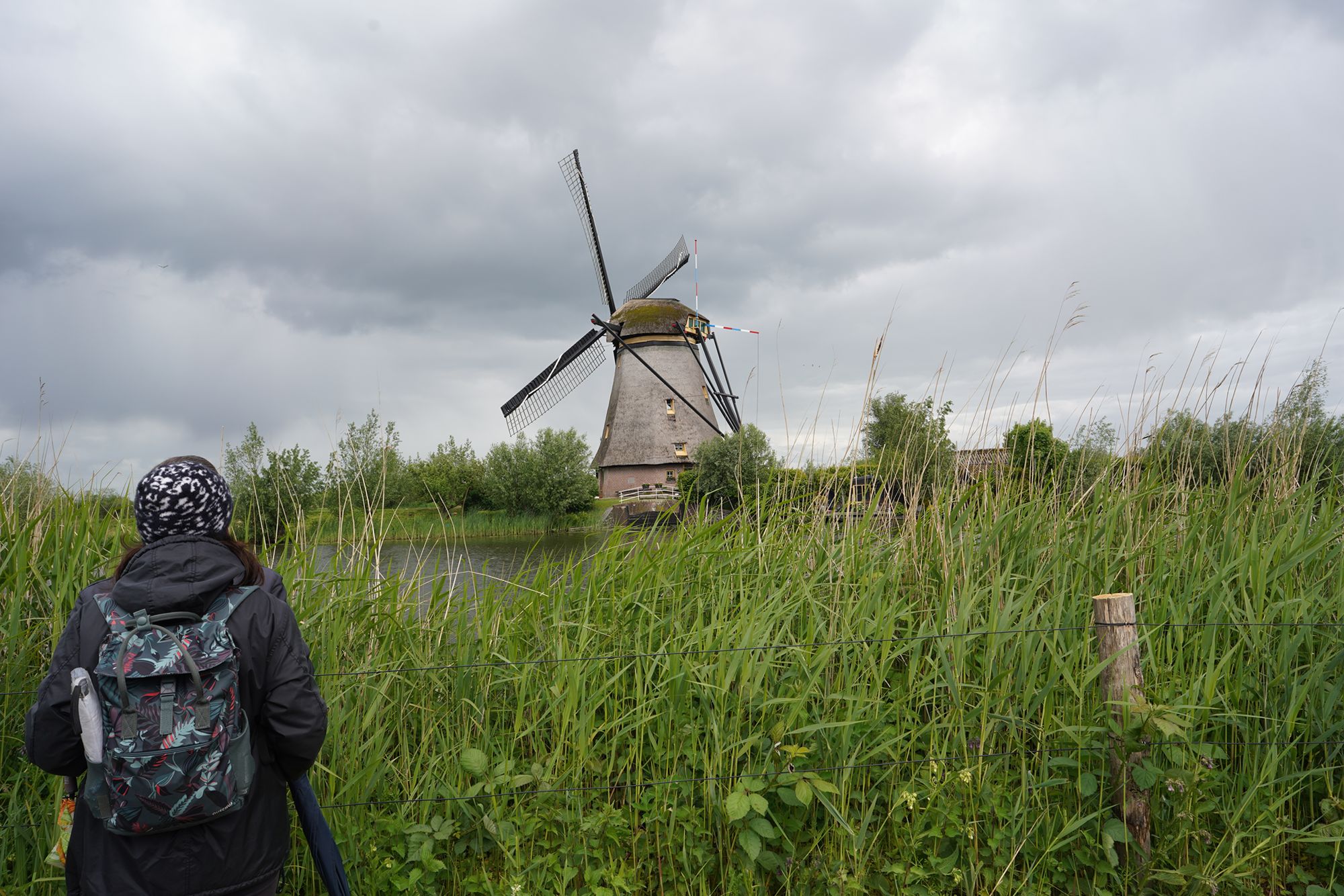
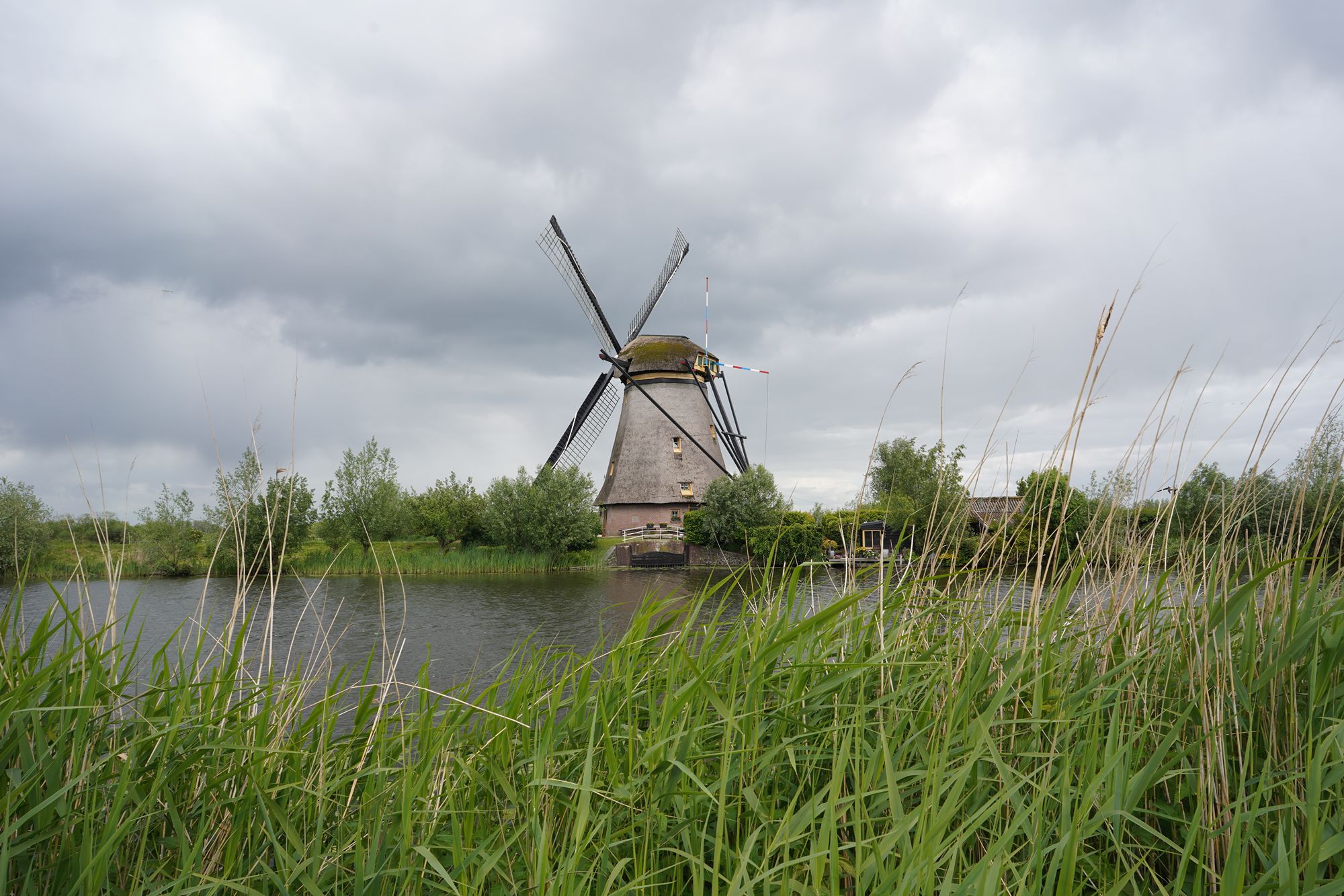
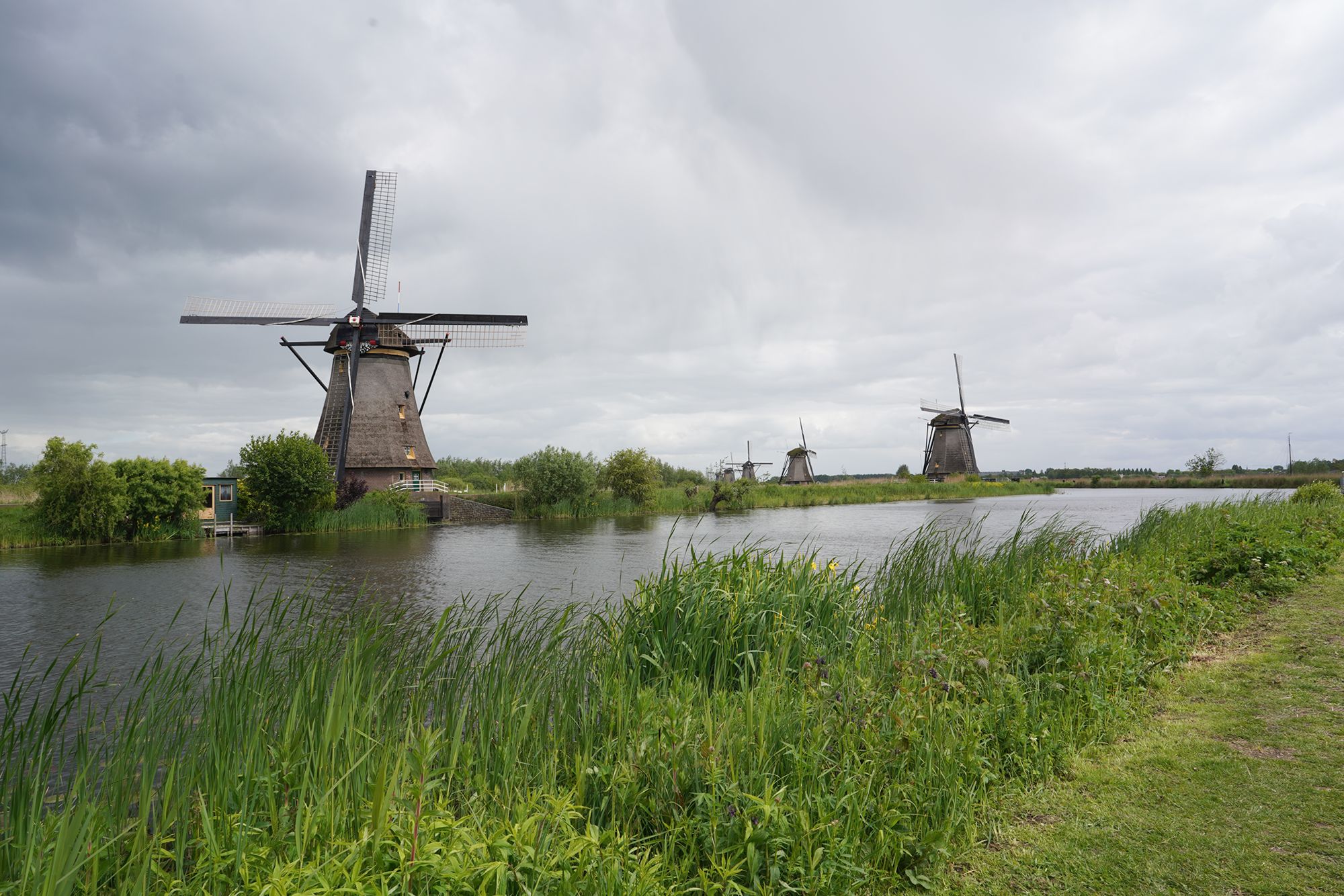
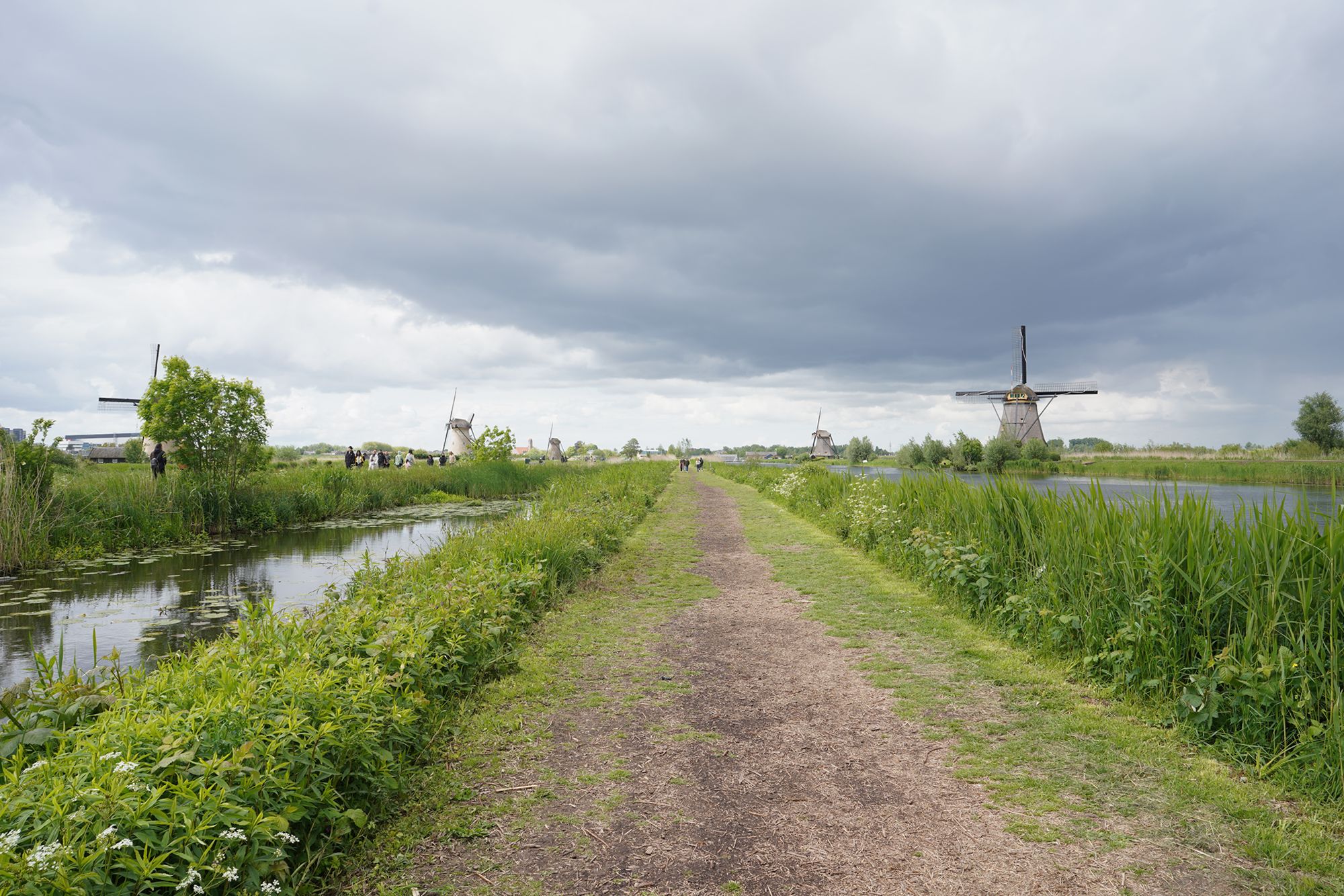
This was near the end of the trail.
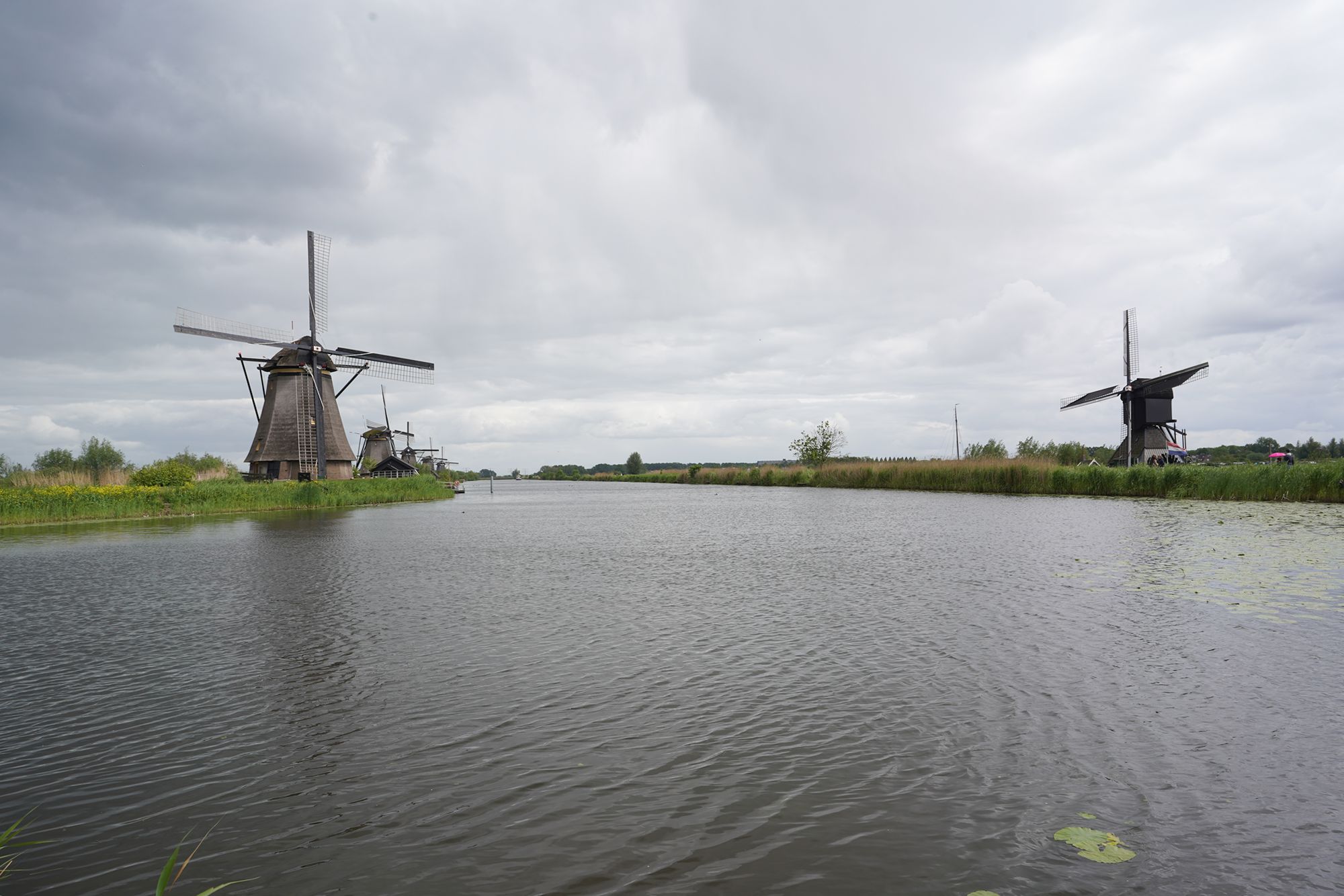
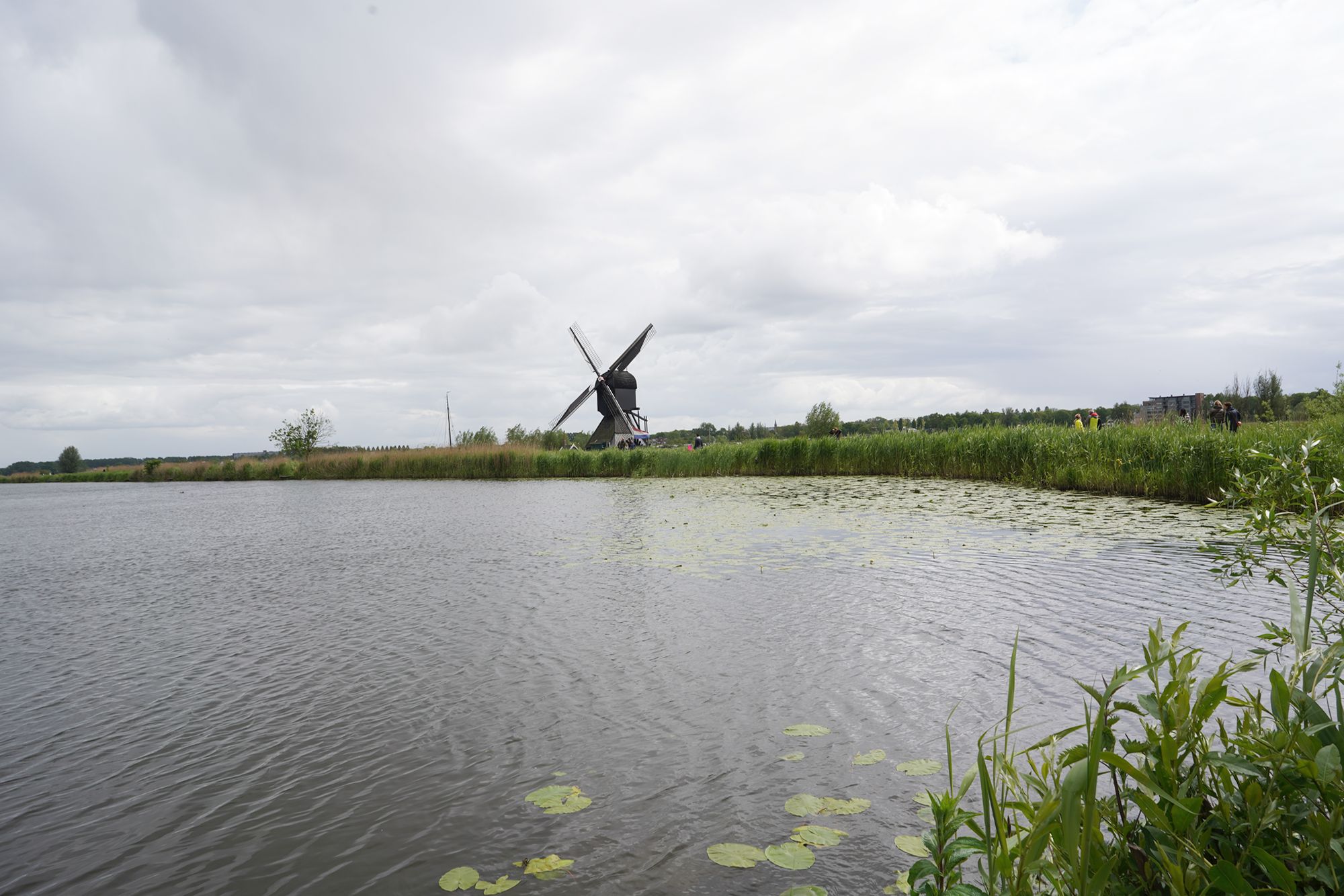
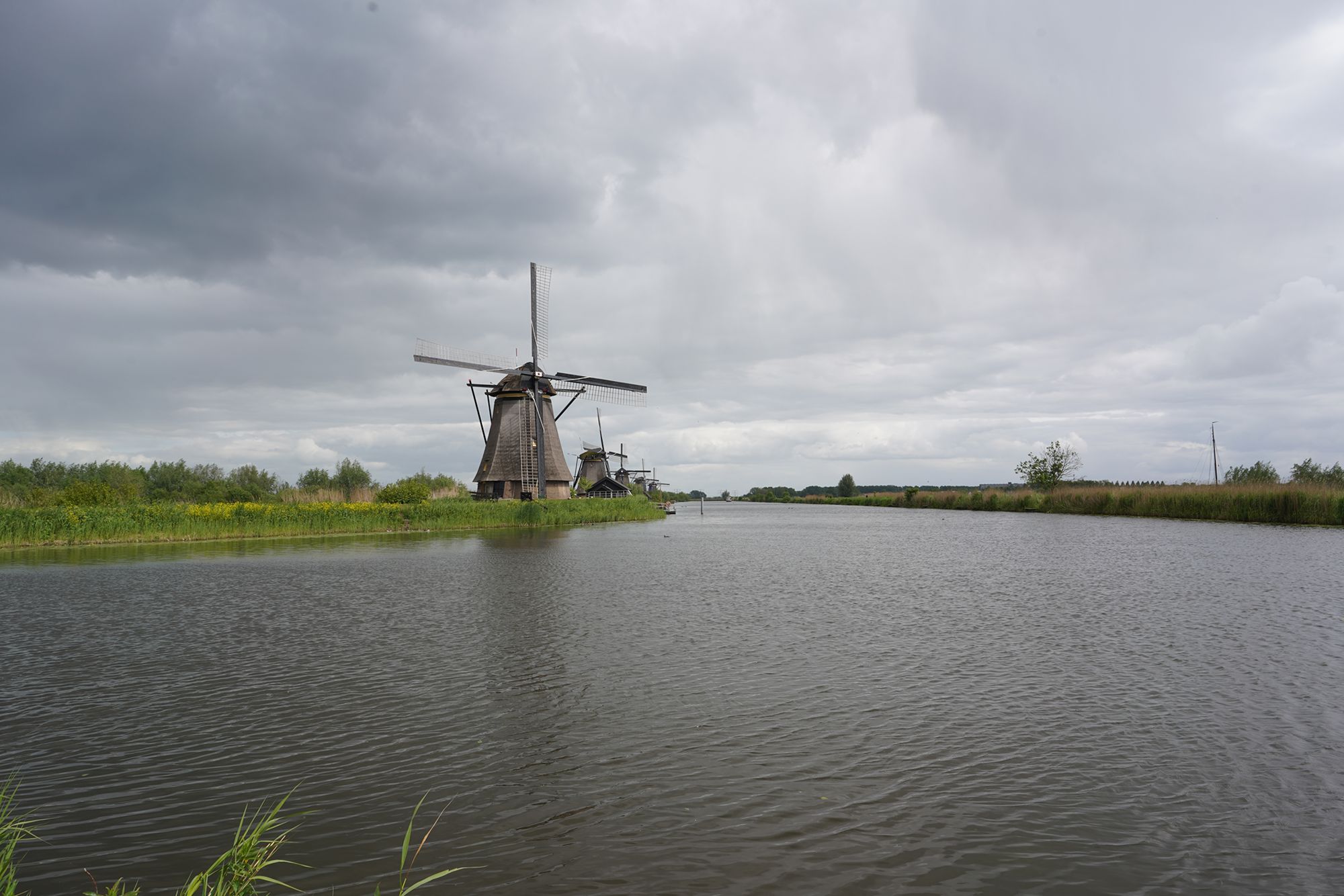
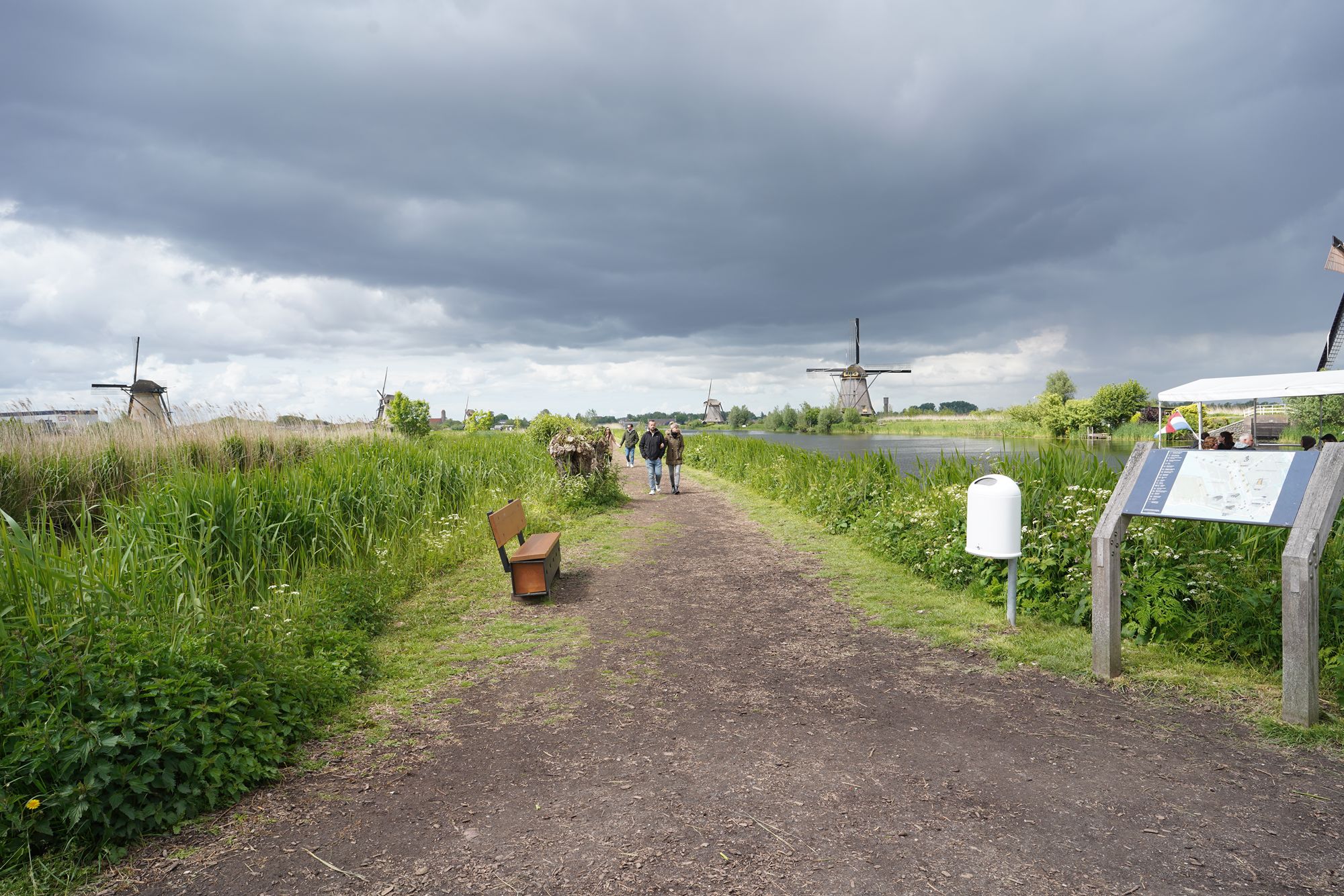
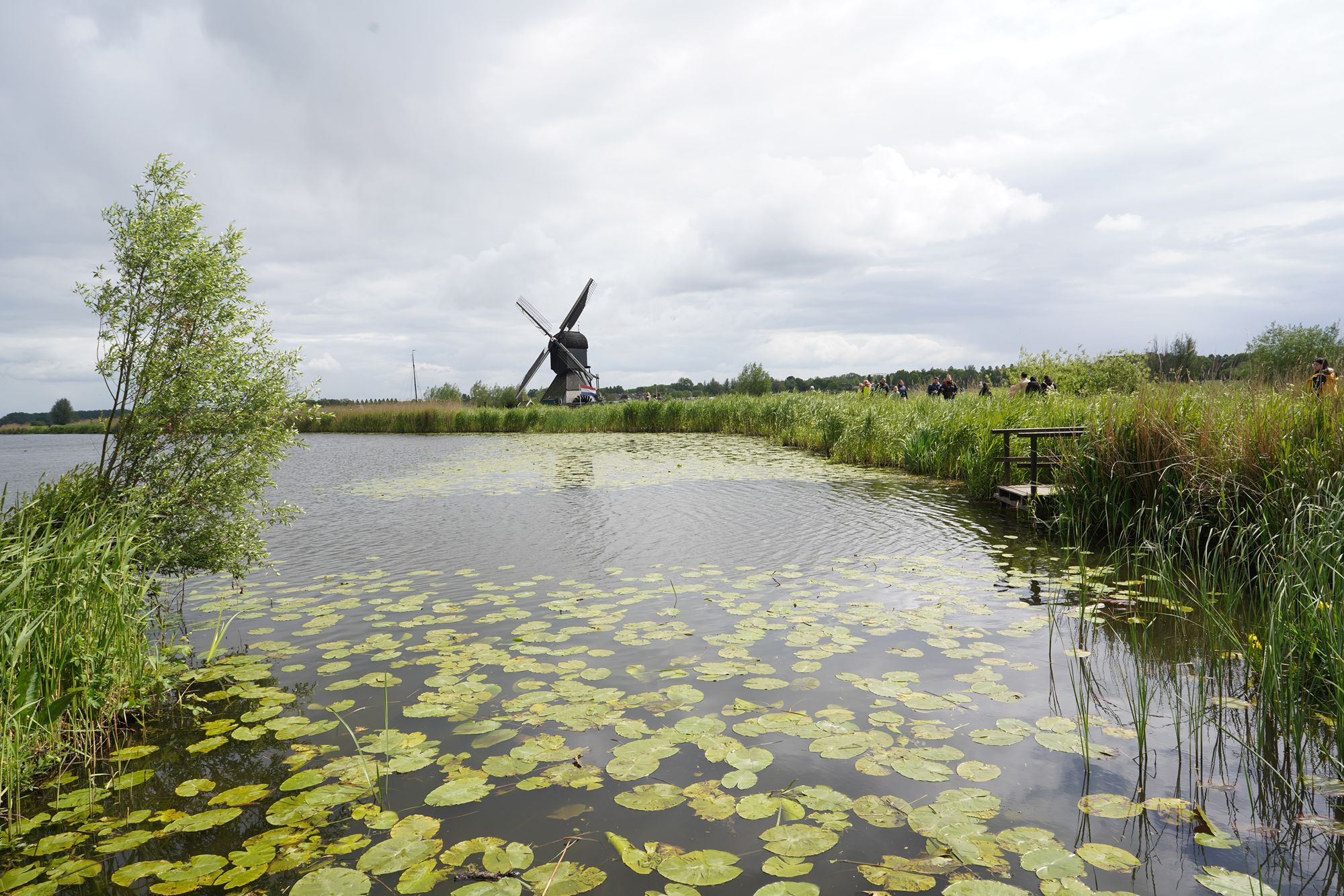
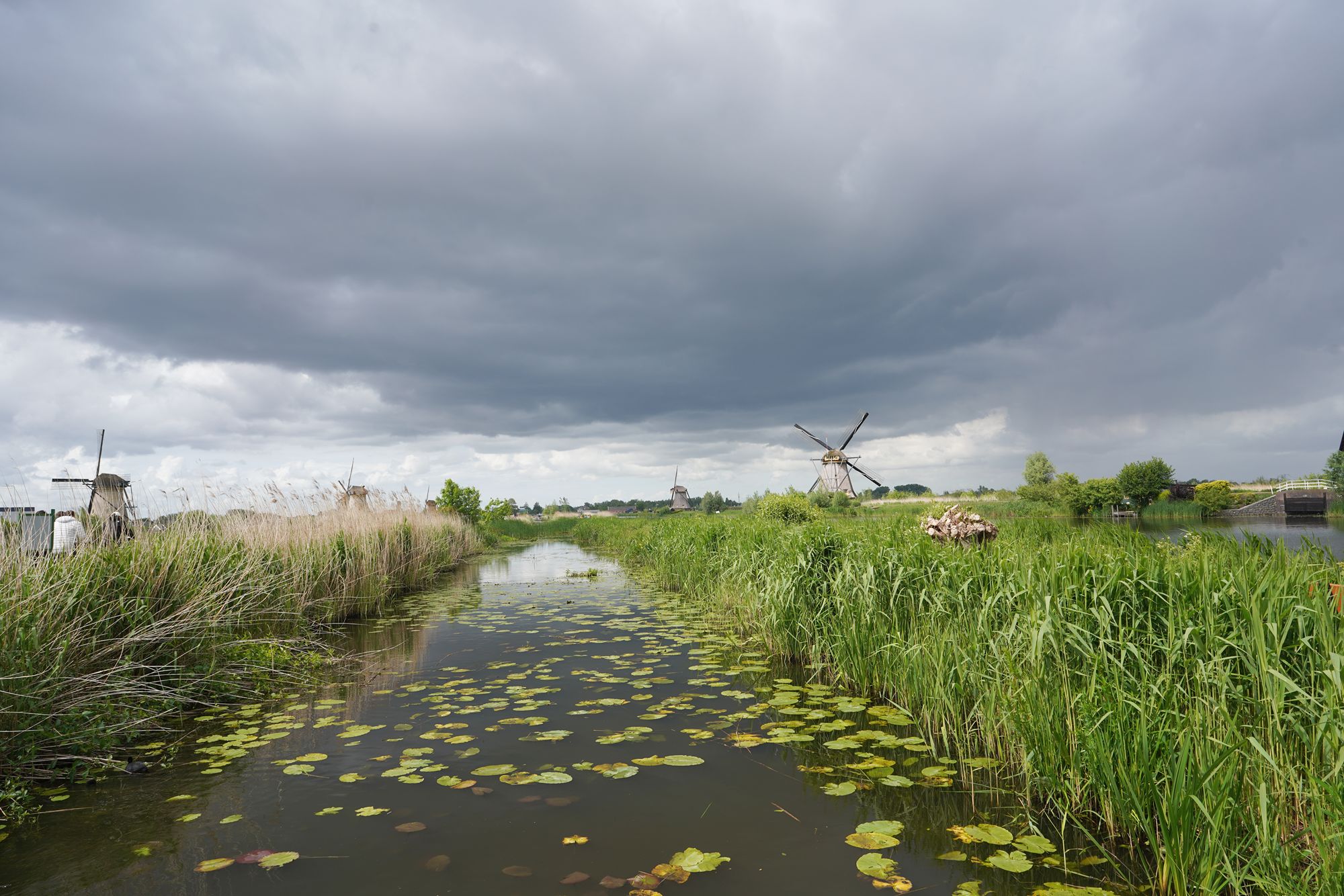
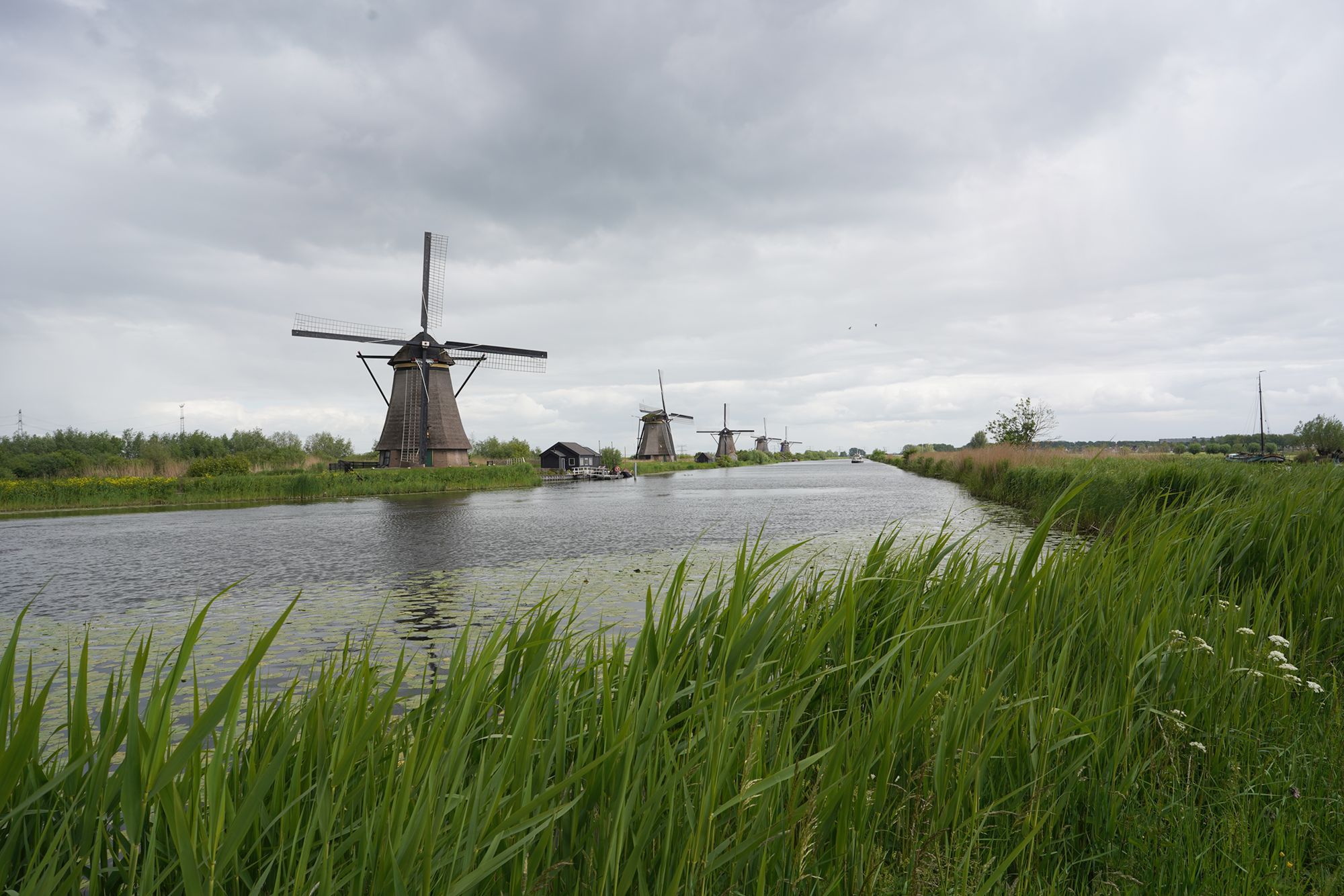
As I continued walking, the weather became ominously cloudy and the sky grew noticeably darker, giving the peaceful Kinderdijk landscape a more dramatic atmosphere.
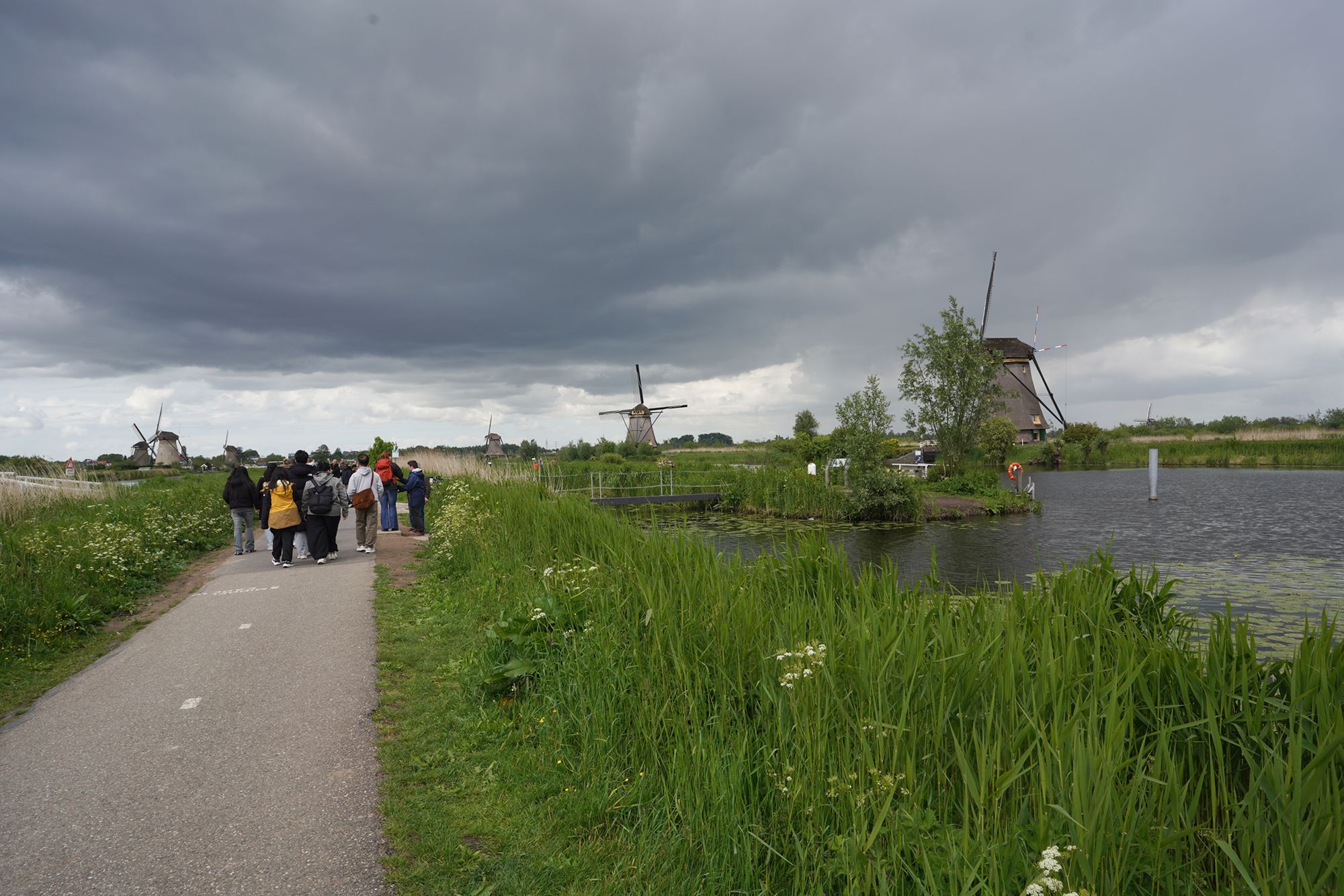
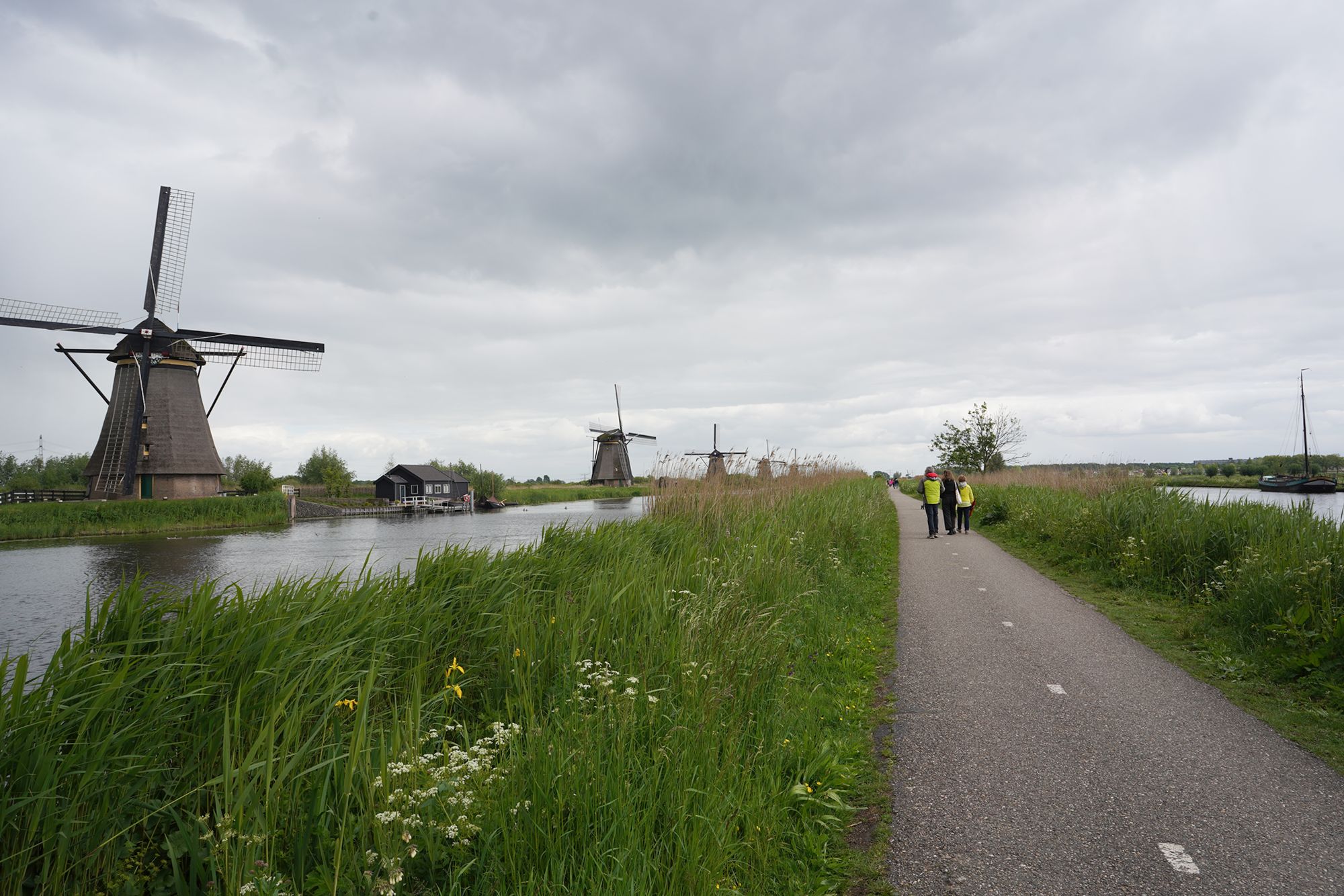
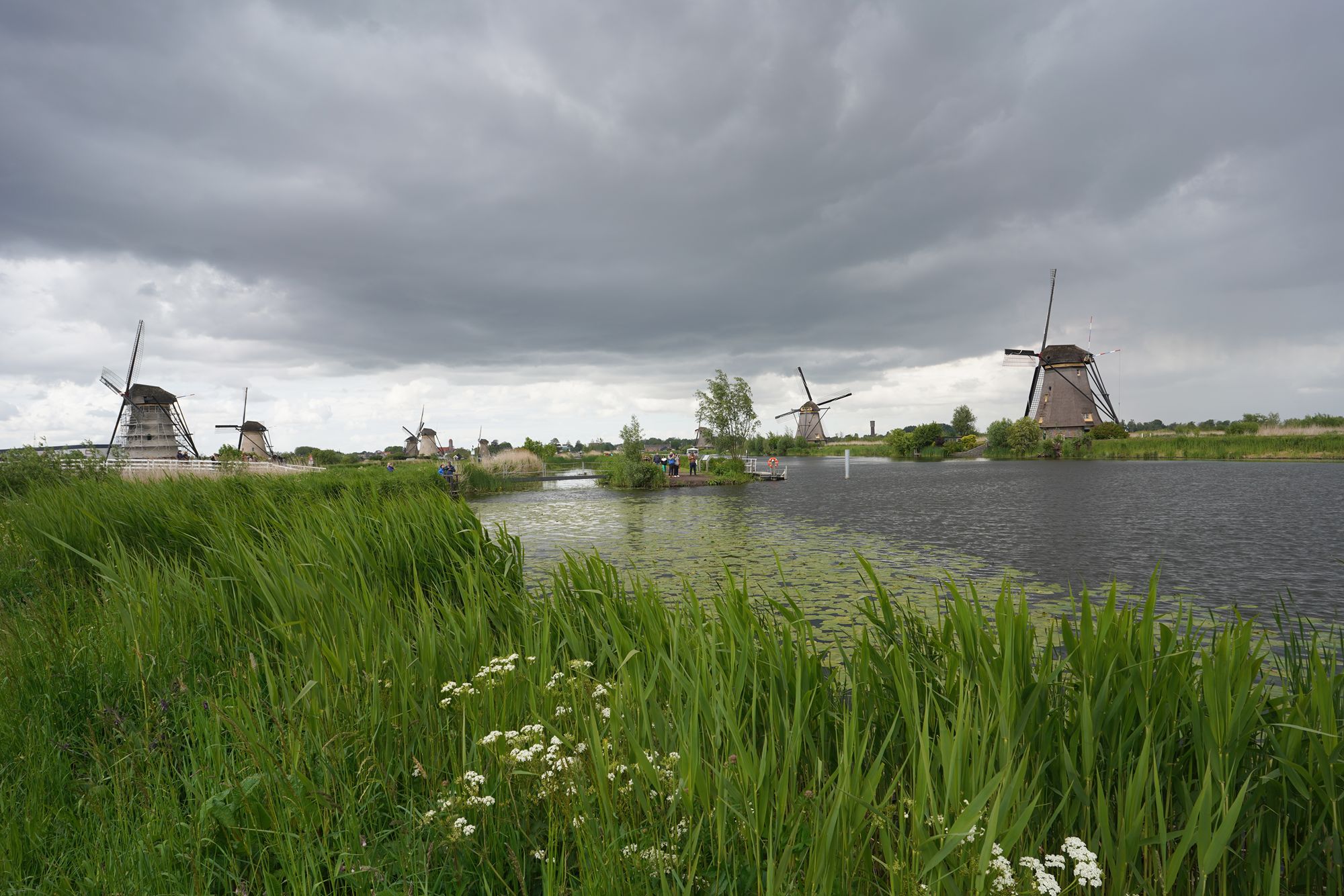
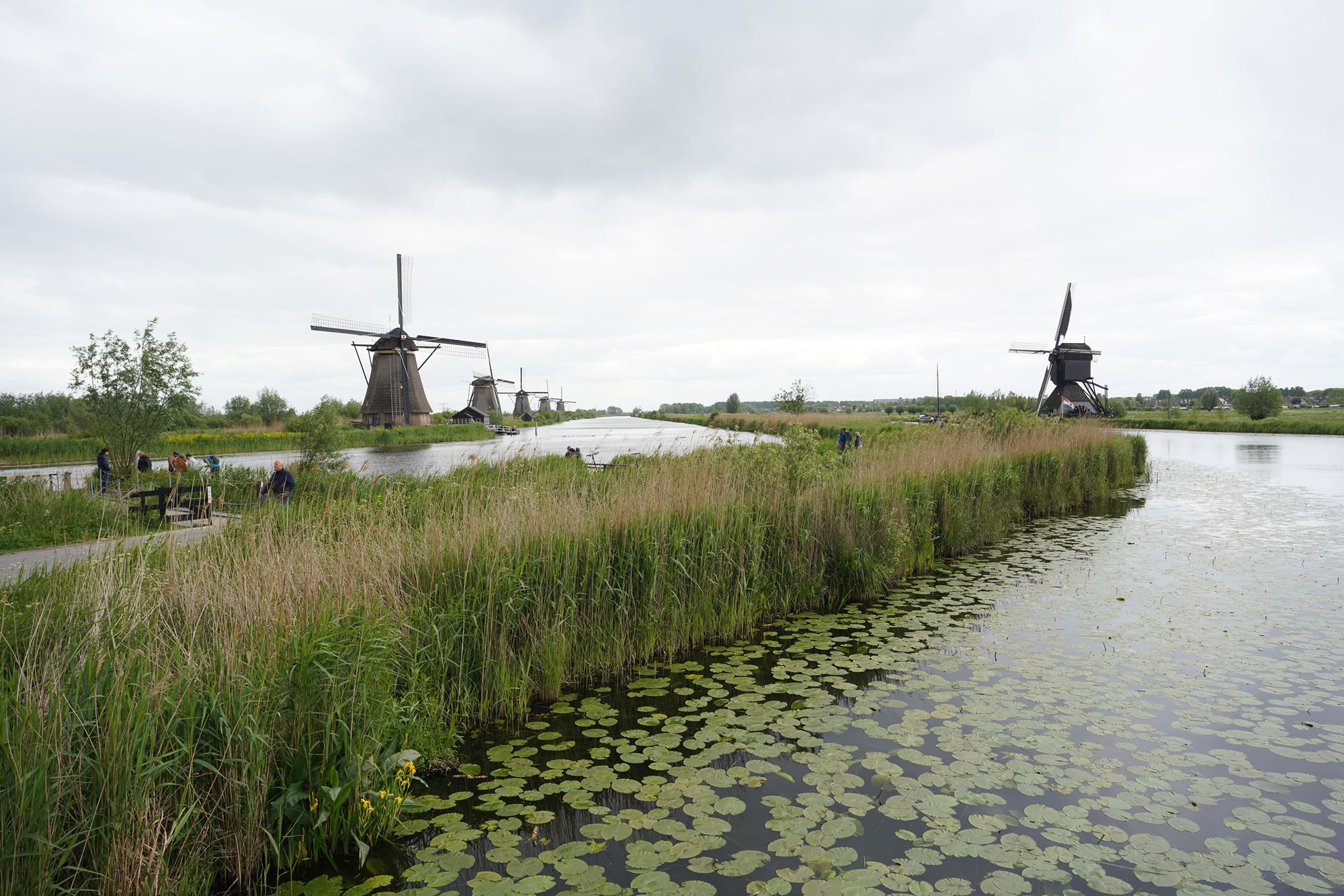
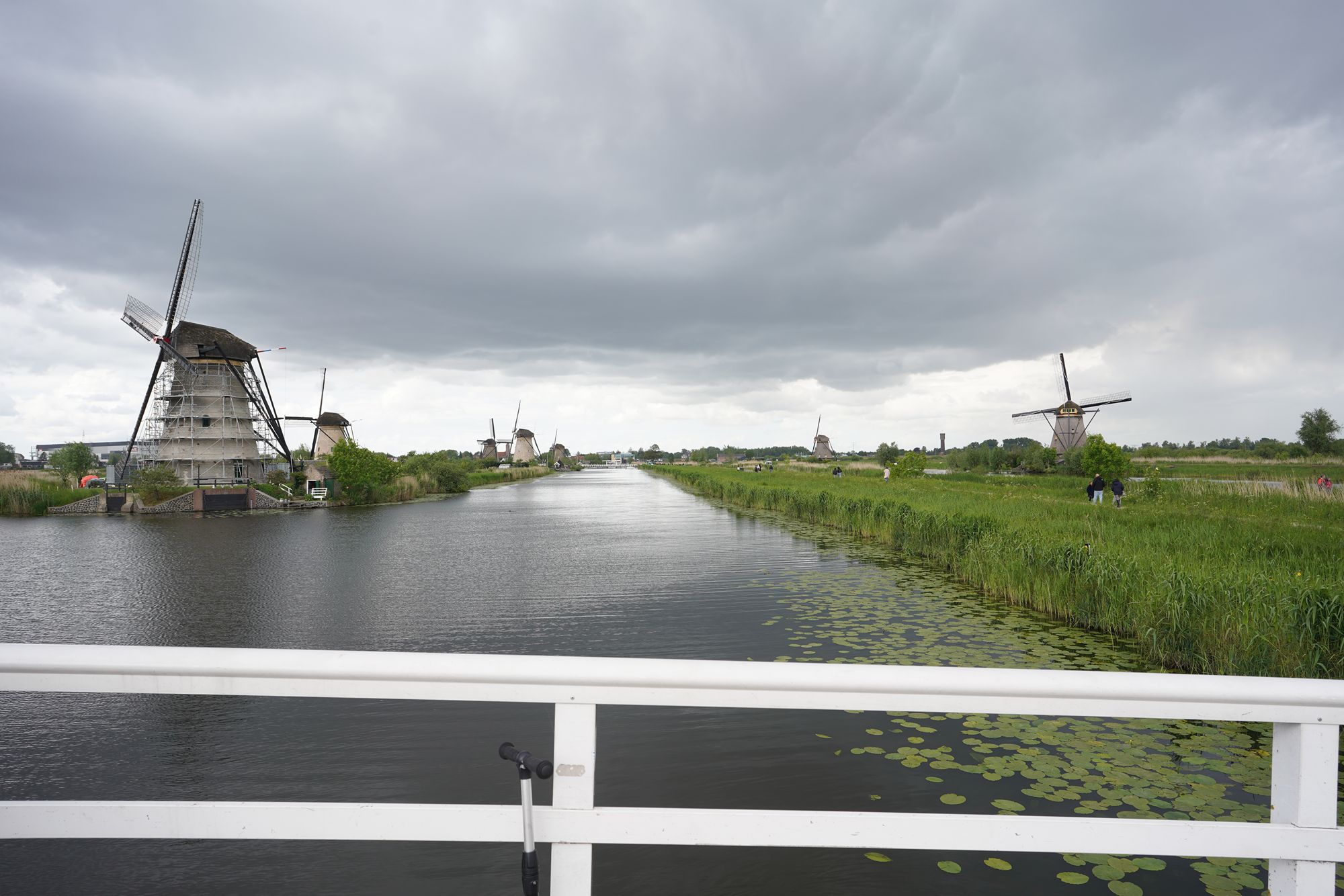
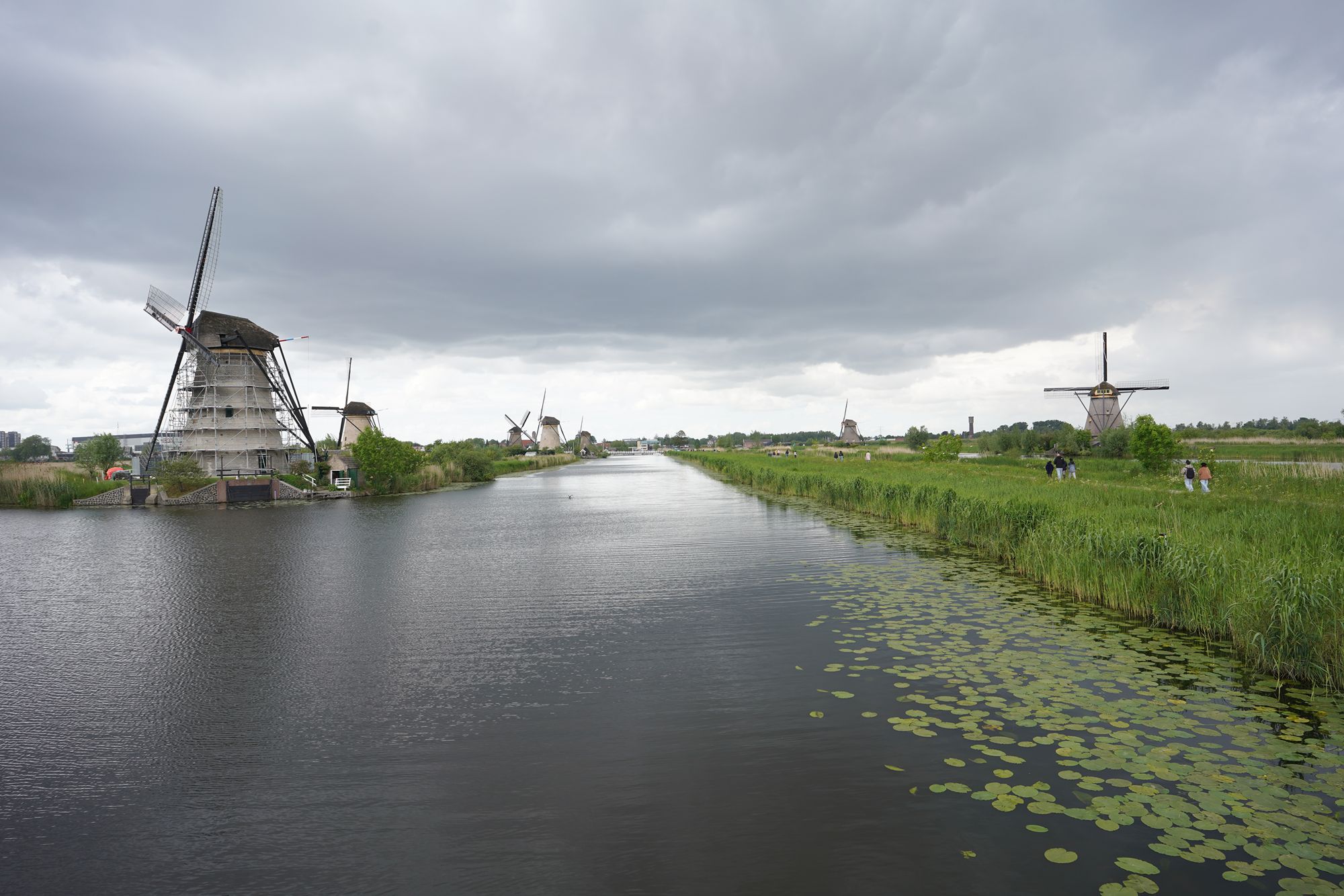
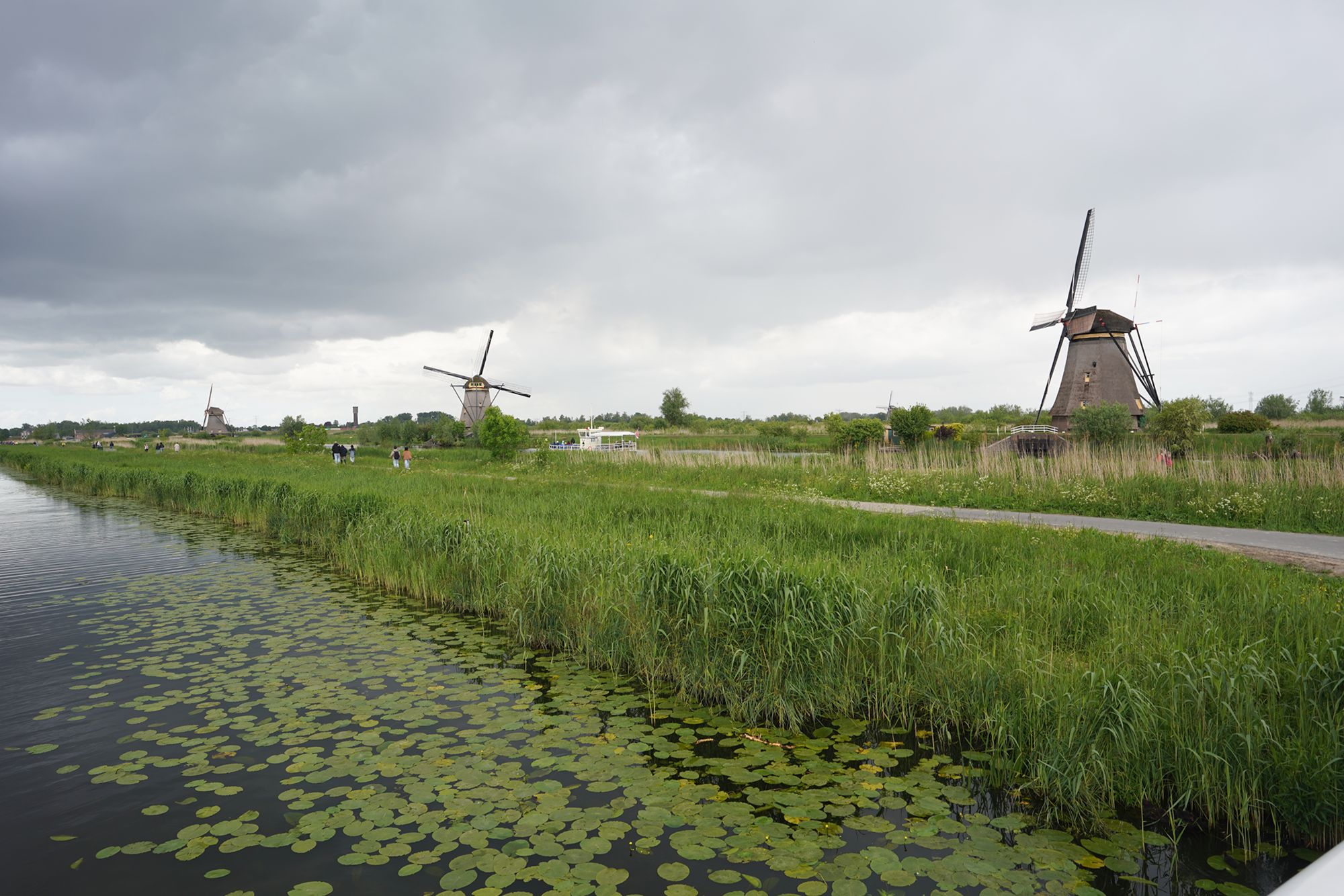
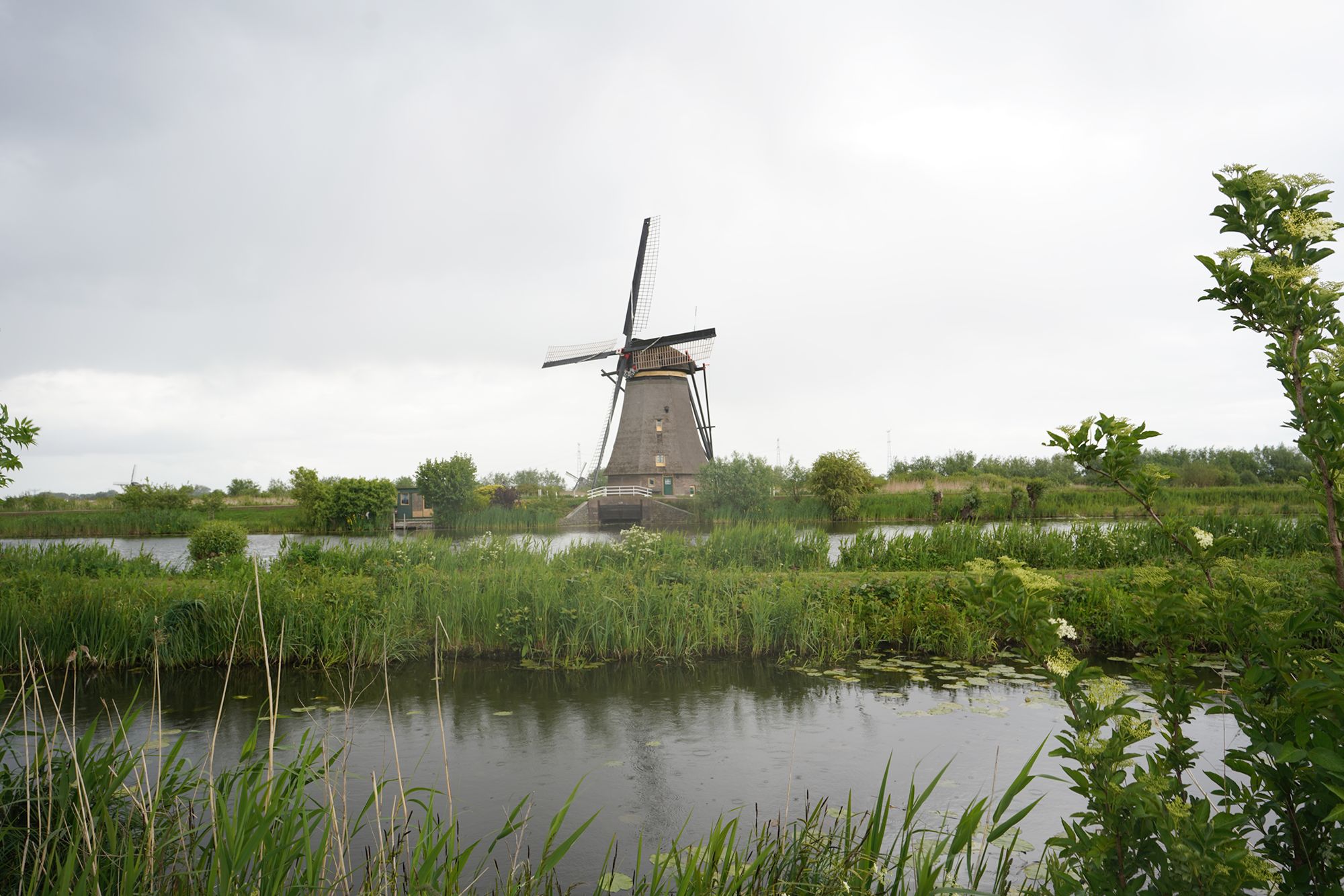
From this point, I took a route back toward where I had started.
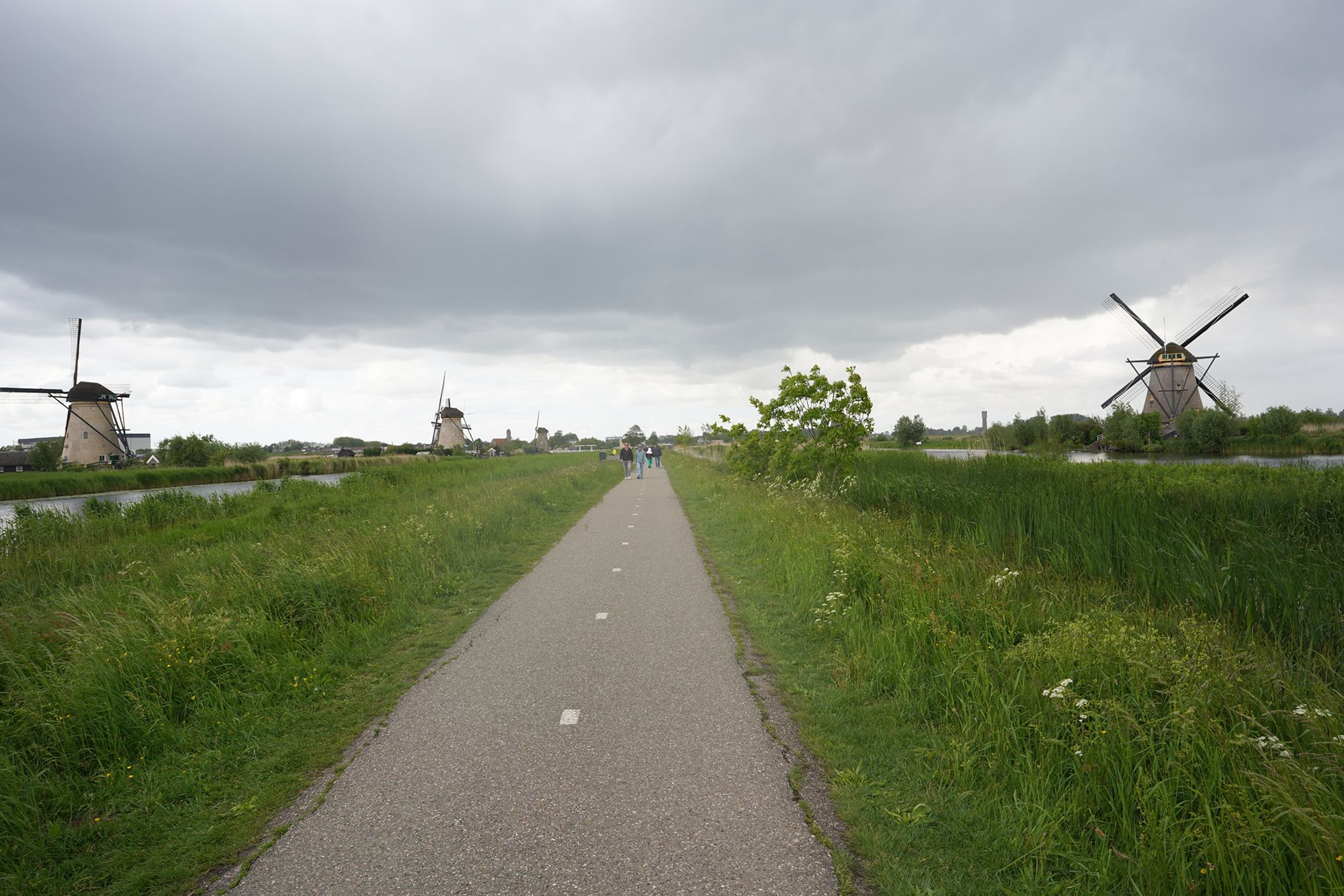
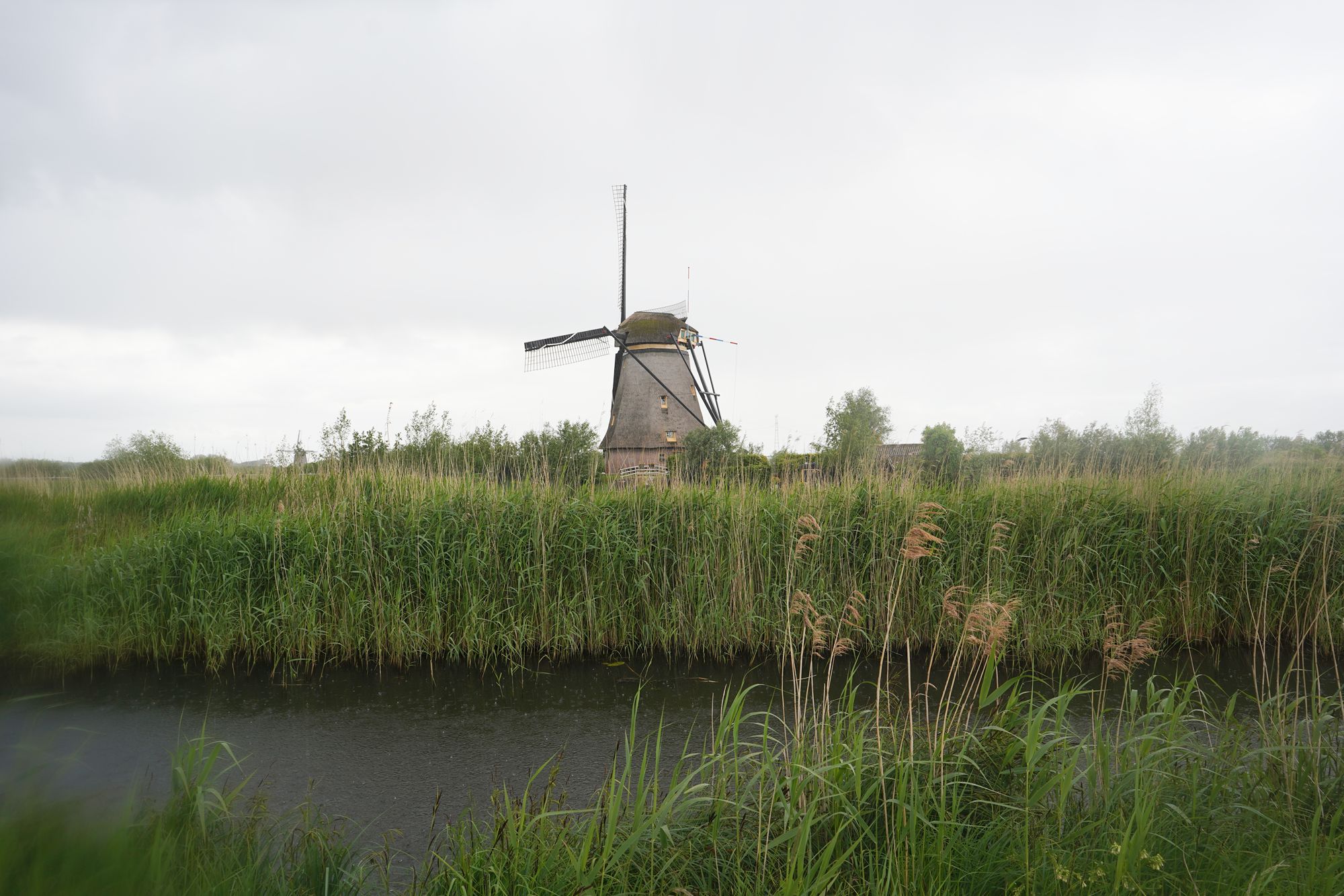
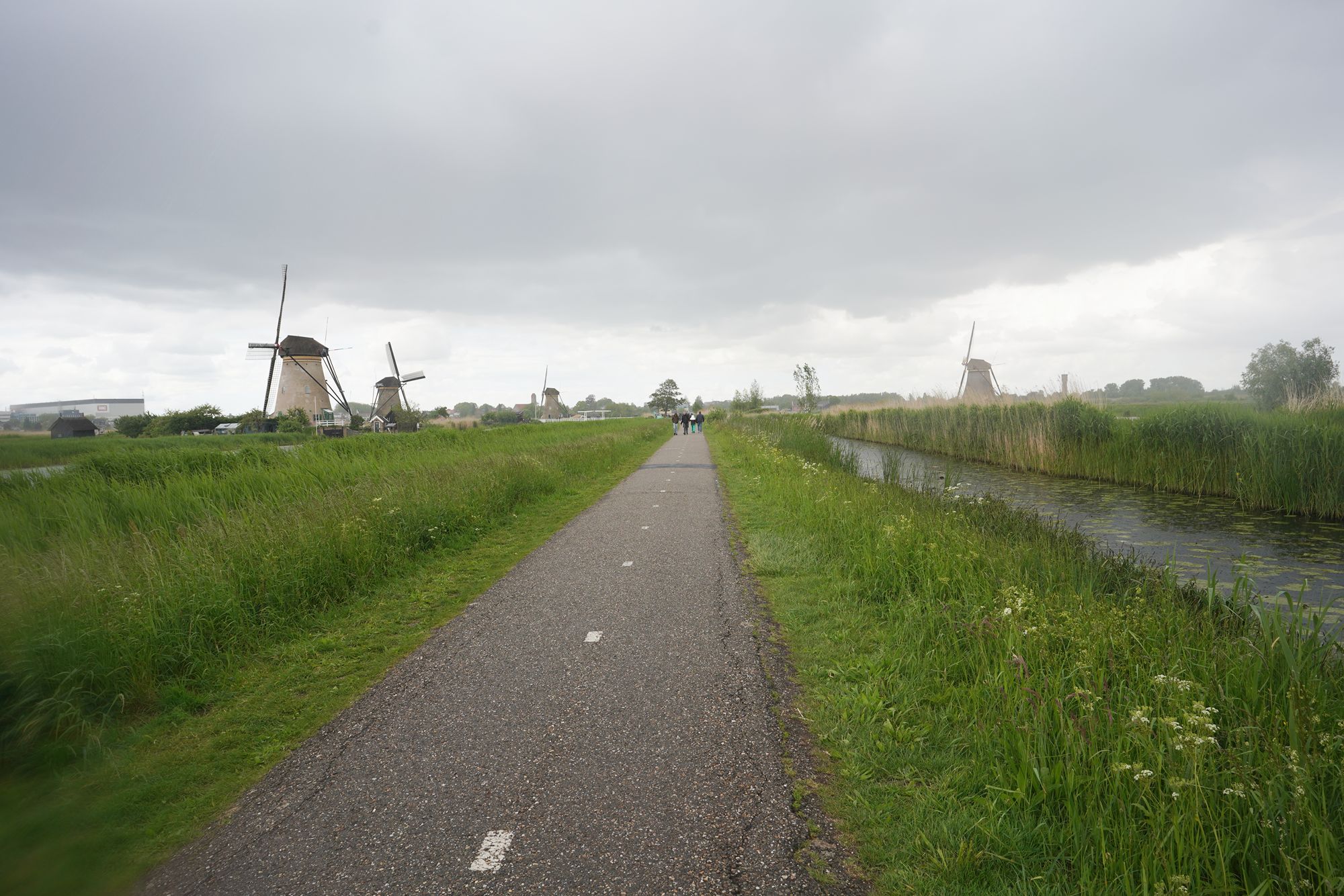
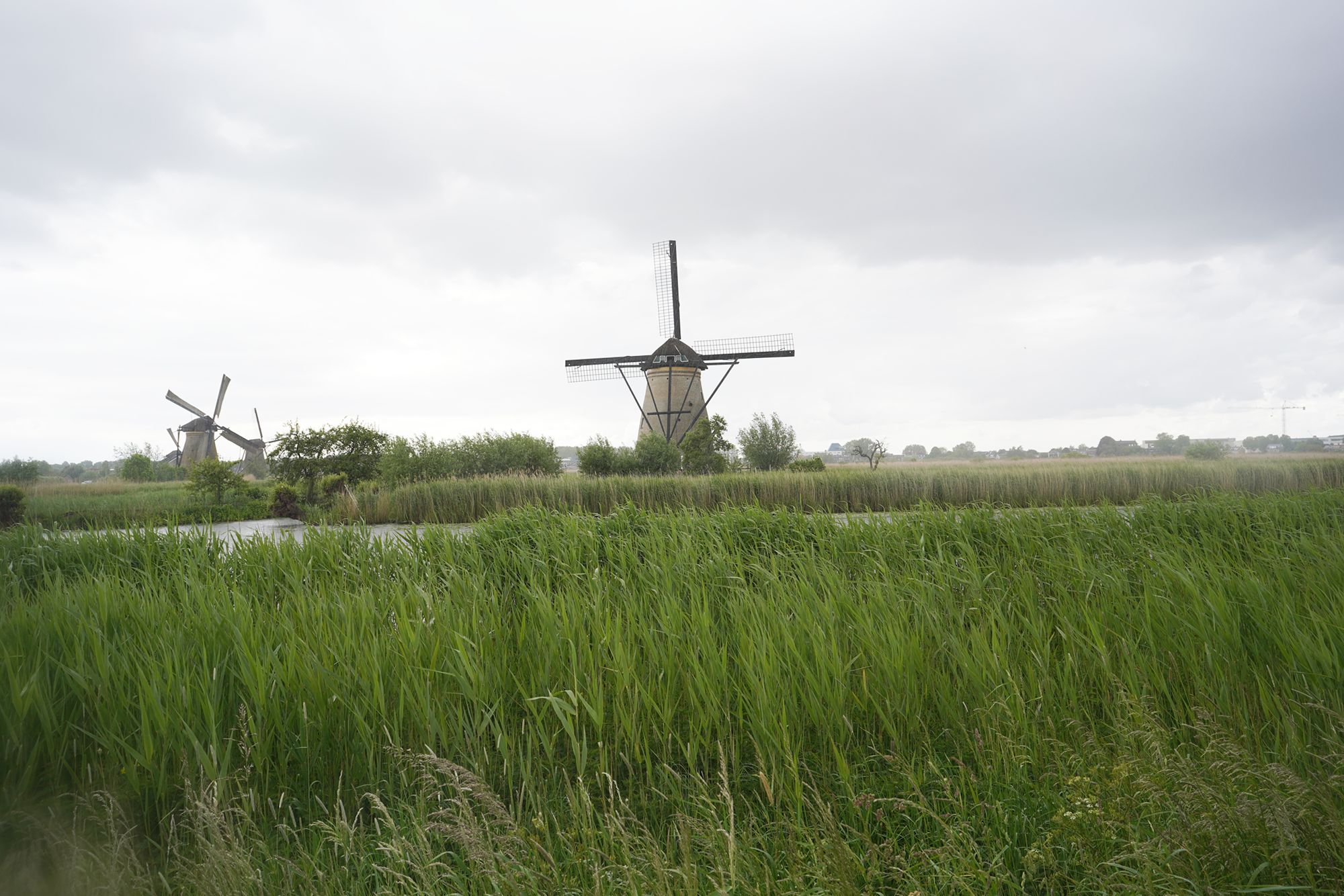
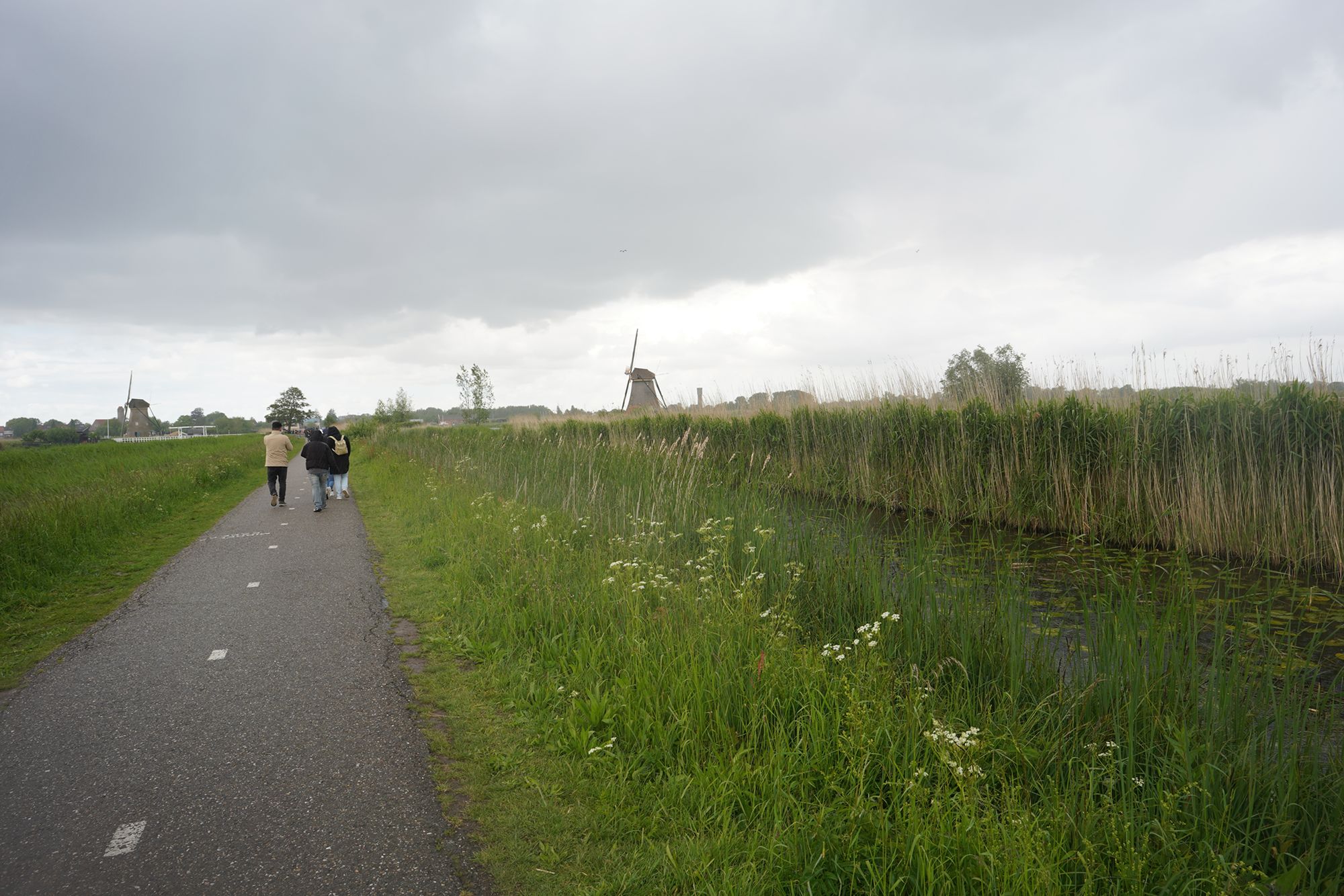
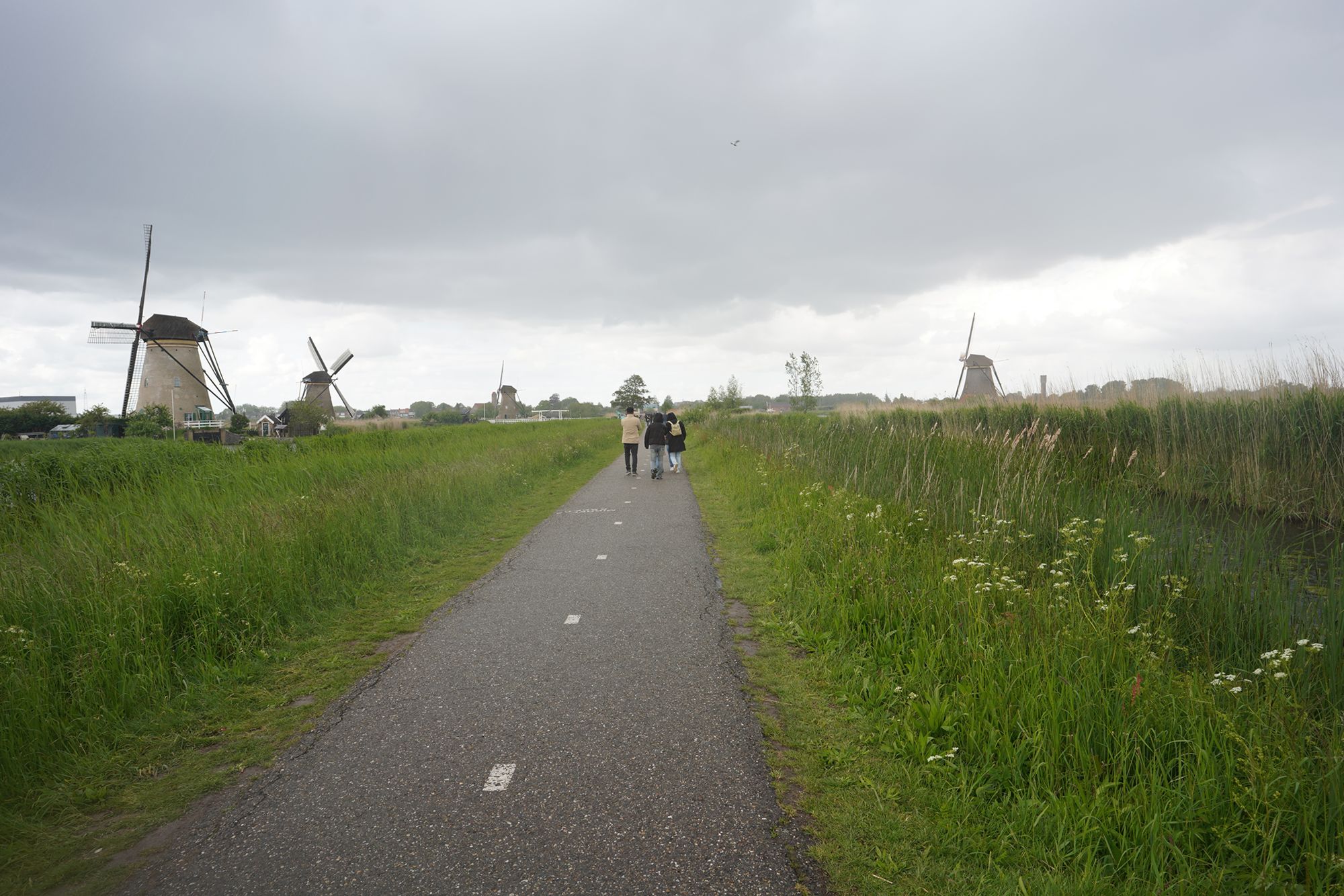
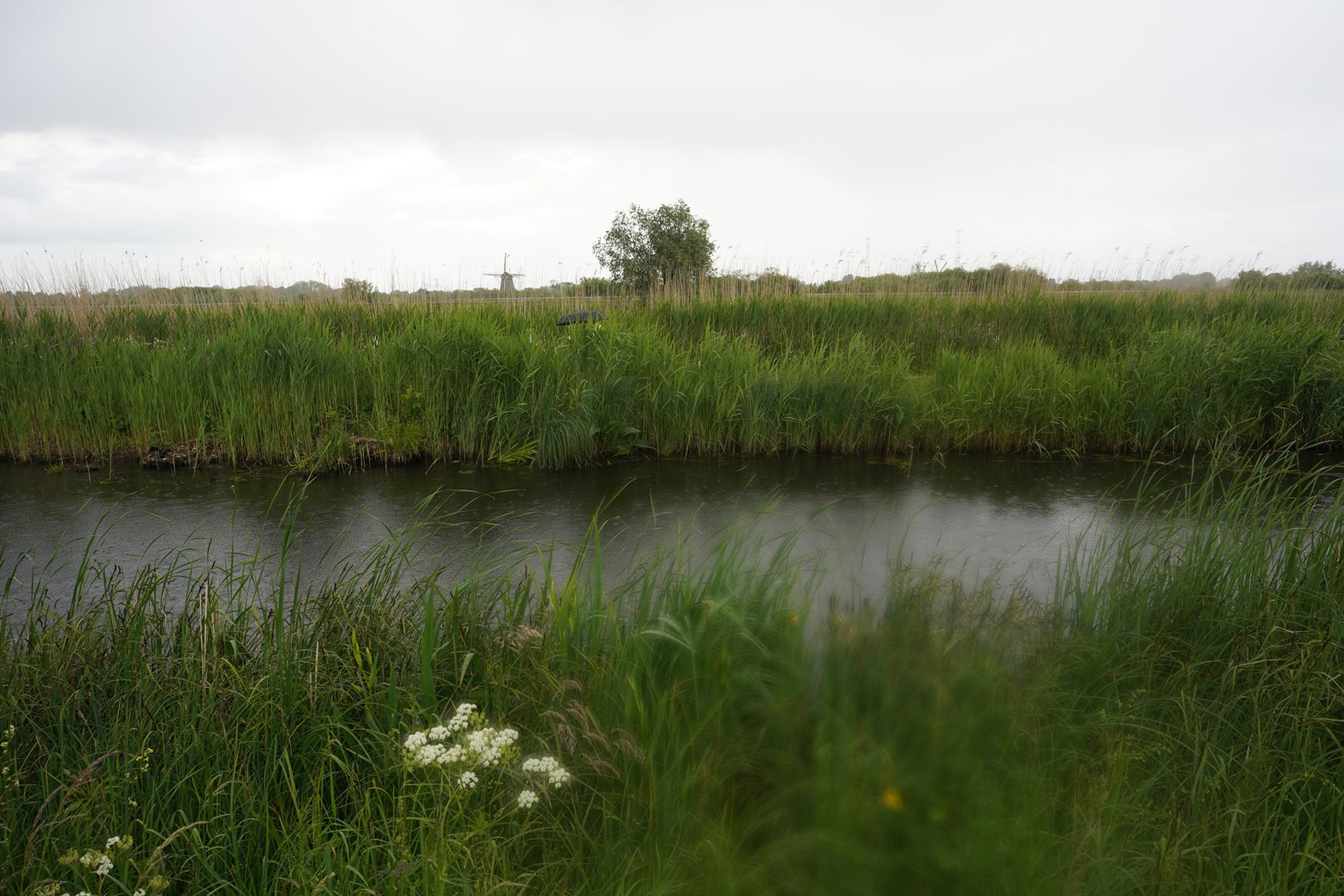
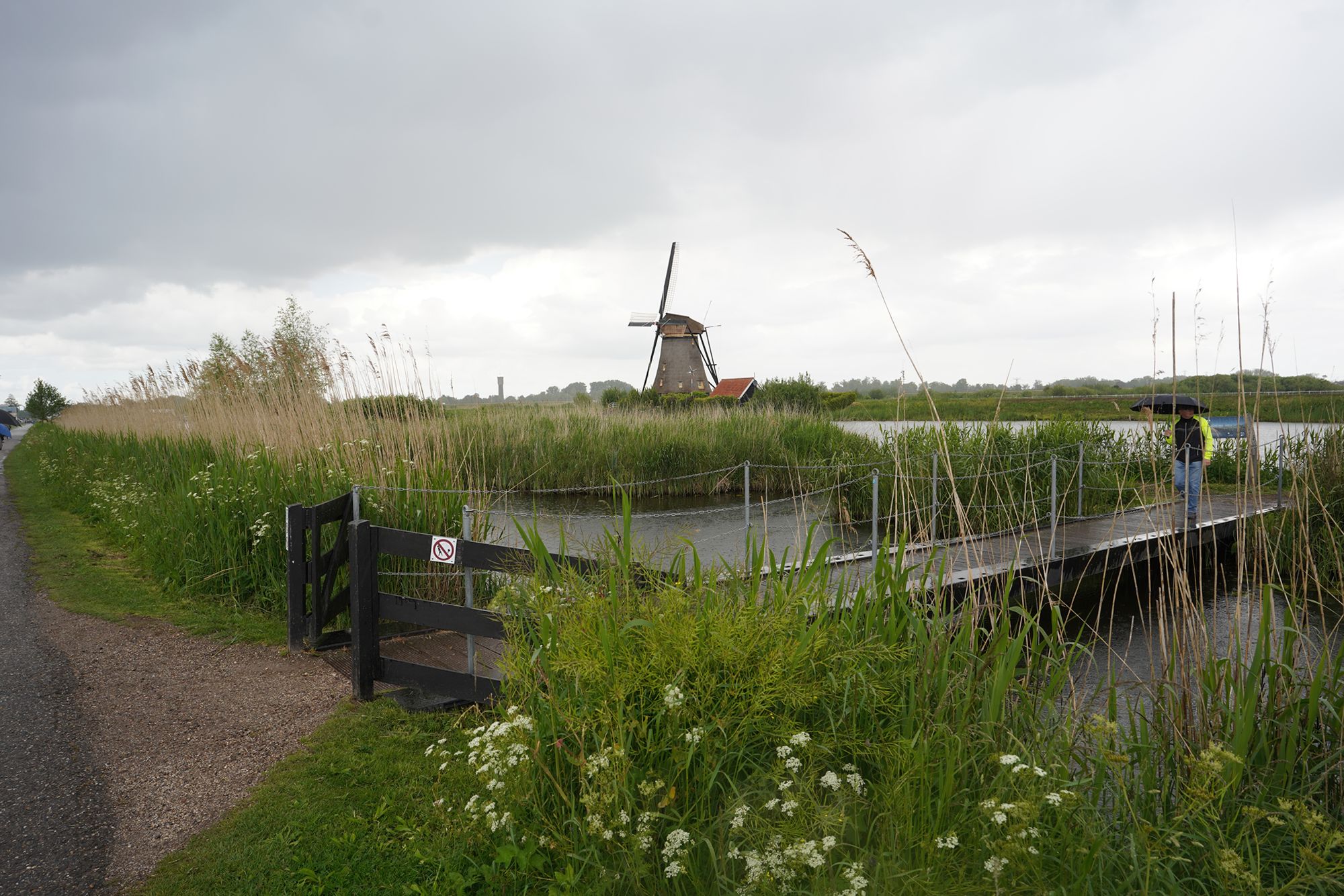
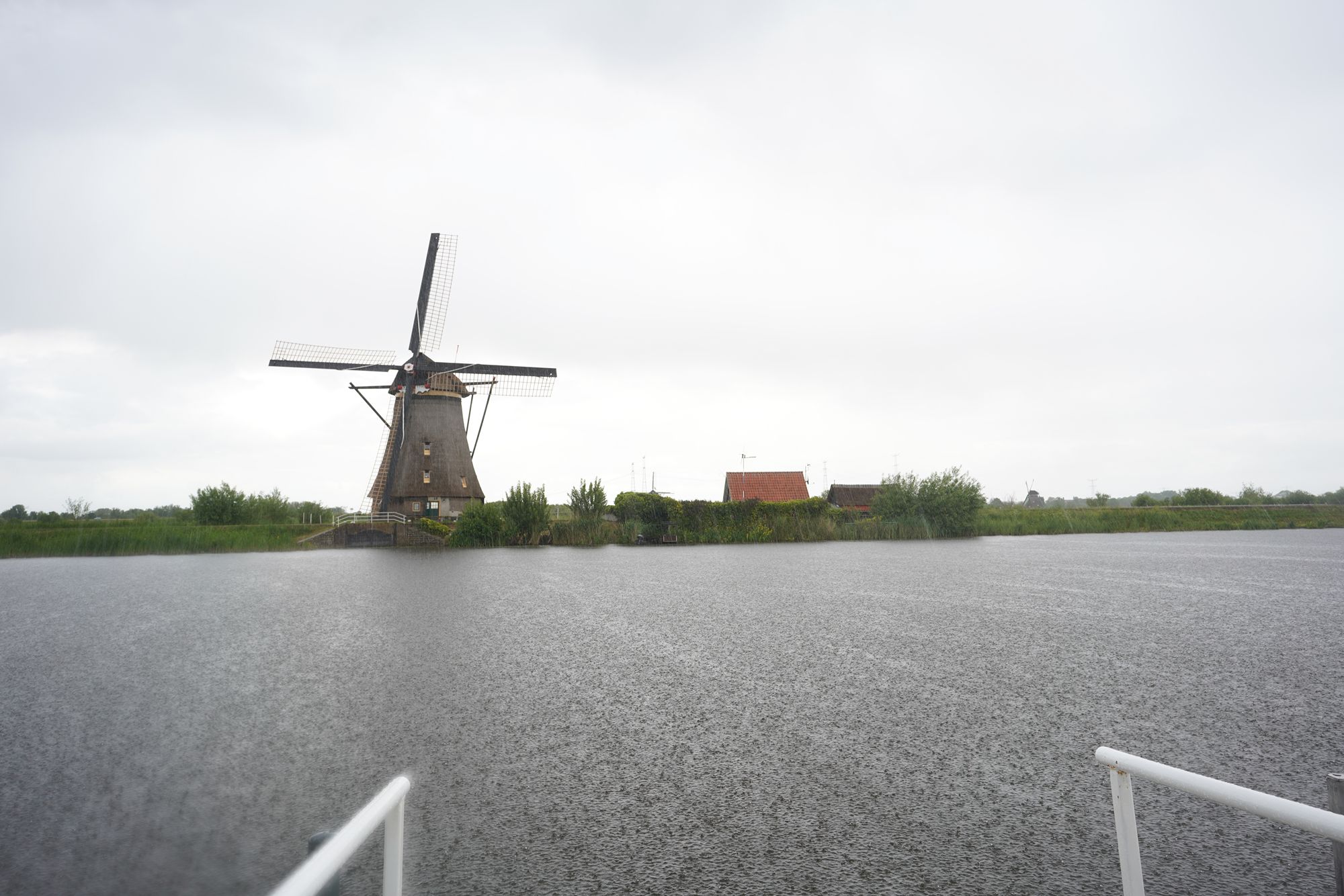
By the time I reached the area near the visitor restaurant, the rain was coming down hard. Looking back at the route I had just walked, I was glad I had made it back before the weather became even worse.