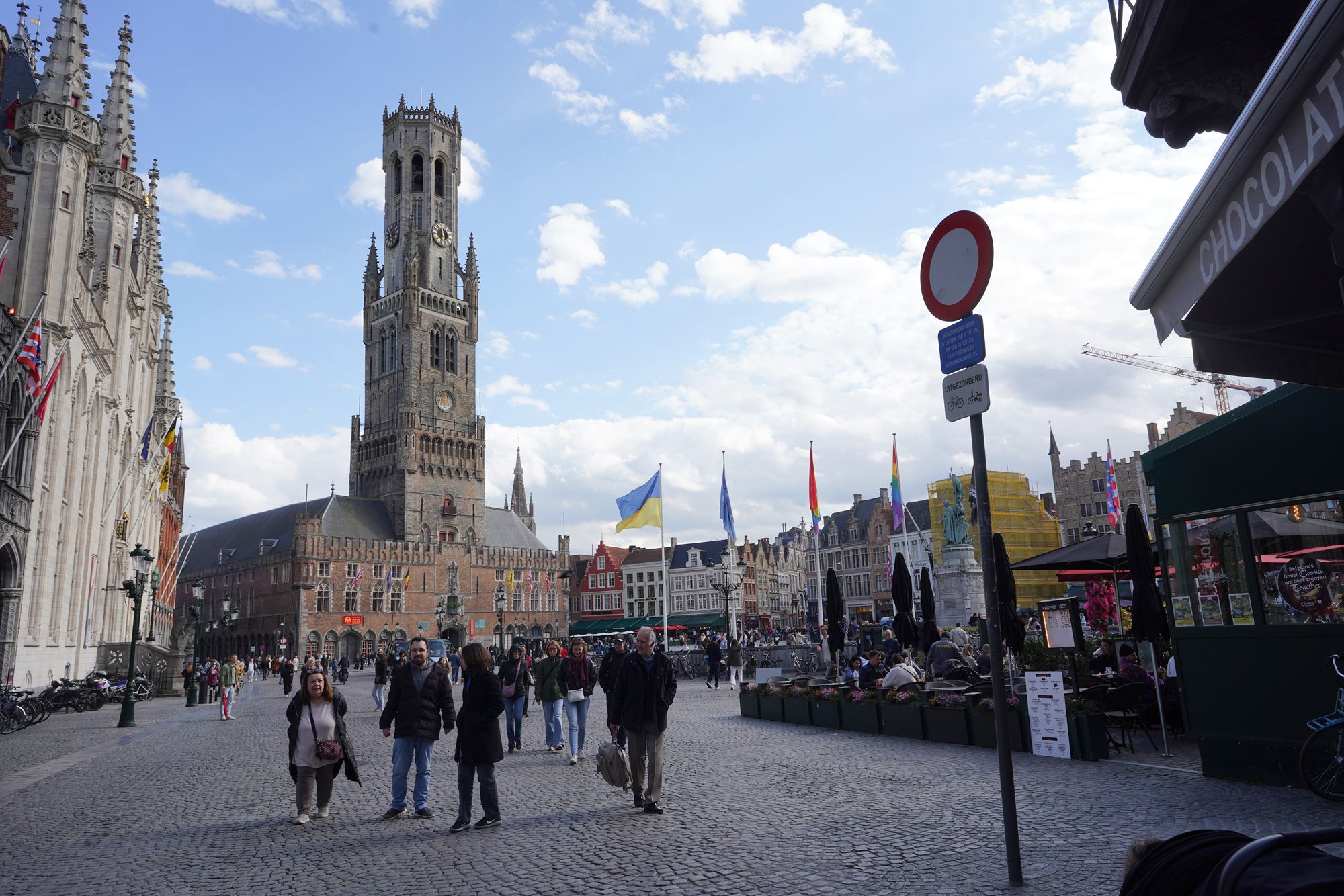
Bruges Walk, Belgium
A walk through Bruges reveals picturesque canals, medieval buildings, cobblestone streets, historic squares, and beautifully preserved architecture around every corner. 1309
The Beerwall: Wollestraat 43, 8000 Brugge, Belgium
Huis Perez de Malvenda (Casa Pérez de Malvenda): Wollestraat 53, 8000 Brugge, Belgium
Fish Market (Vismarkt): Vismarkt, 8000 Brugge, Belgium
Blinde-Ezelstraat: 8000 Bruges, Belgium
Berg Square: Burg 15, 8000 Brugge, Belgium
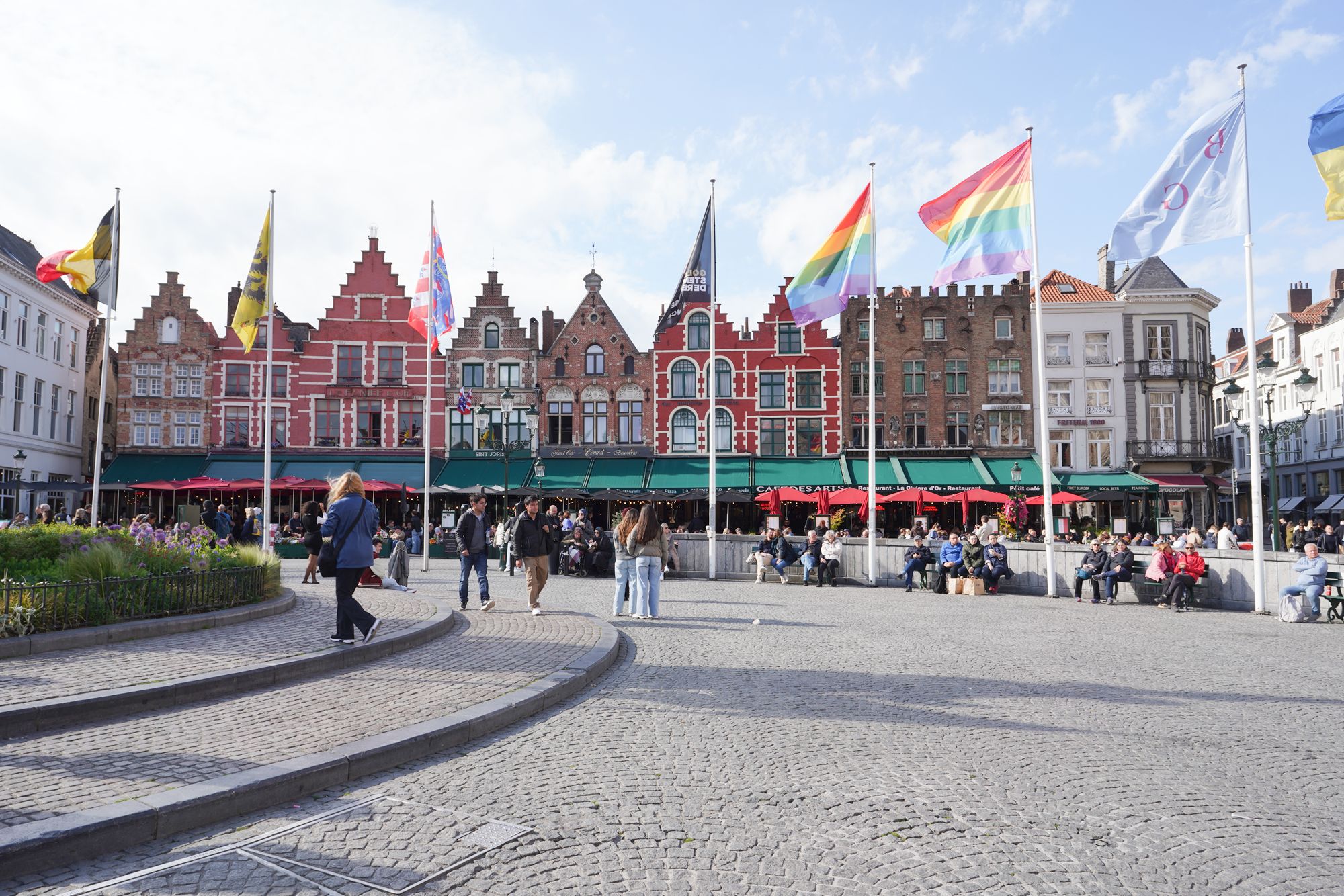
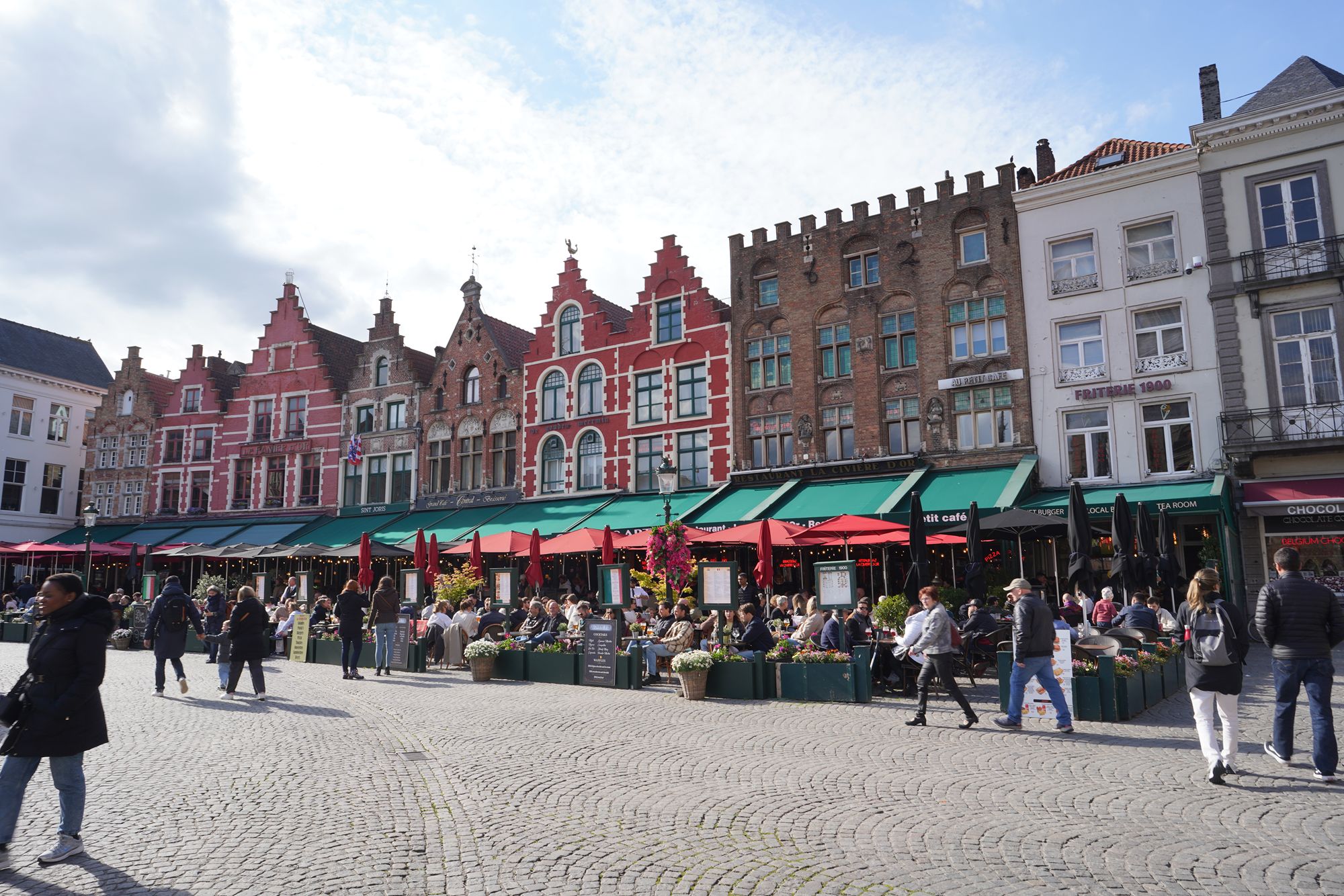
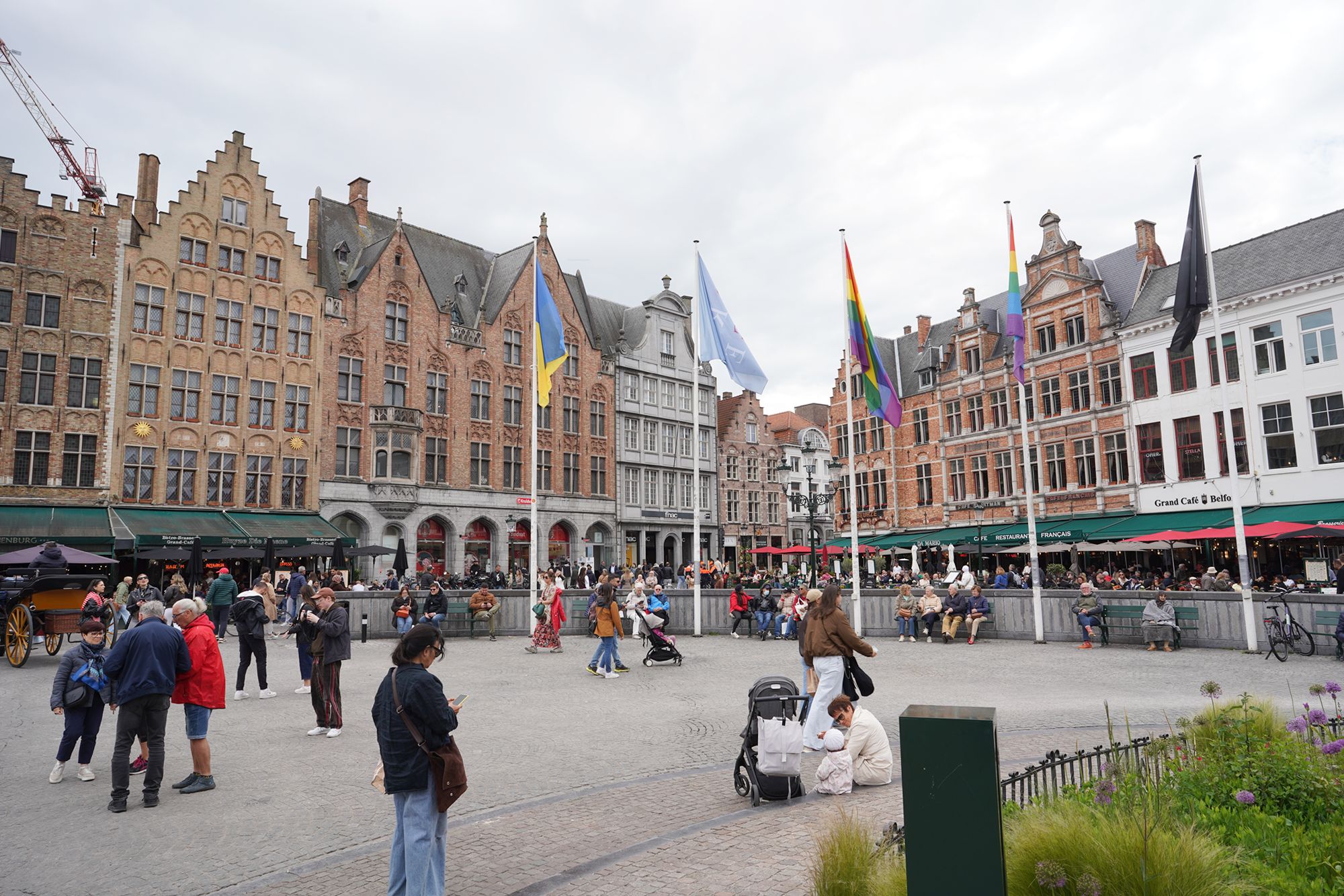
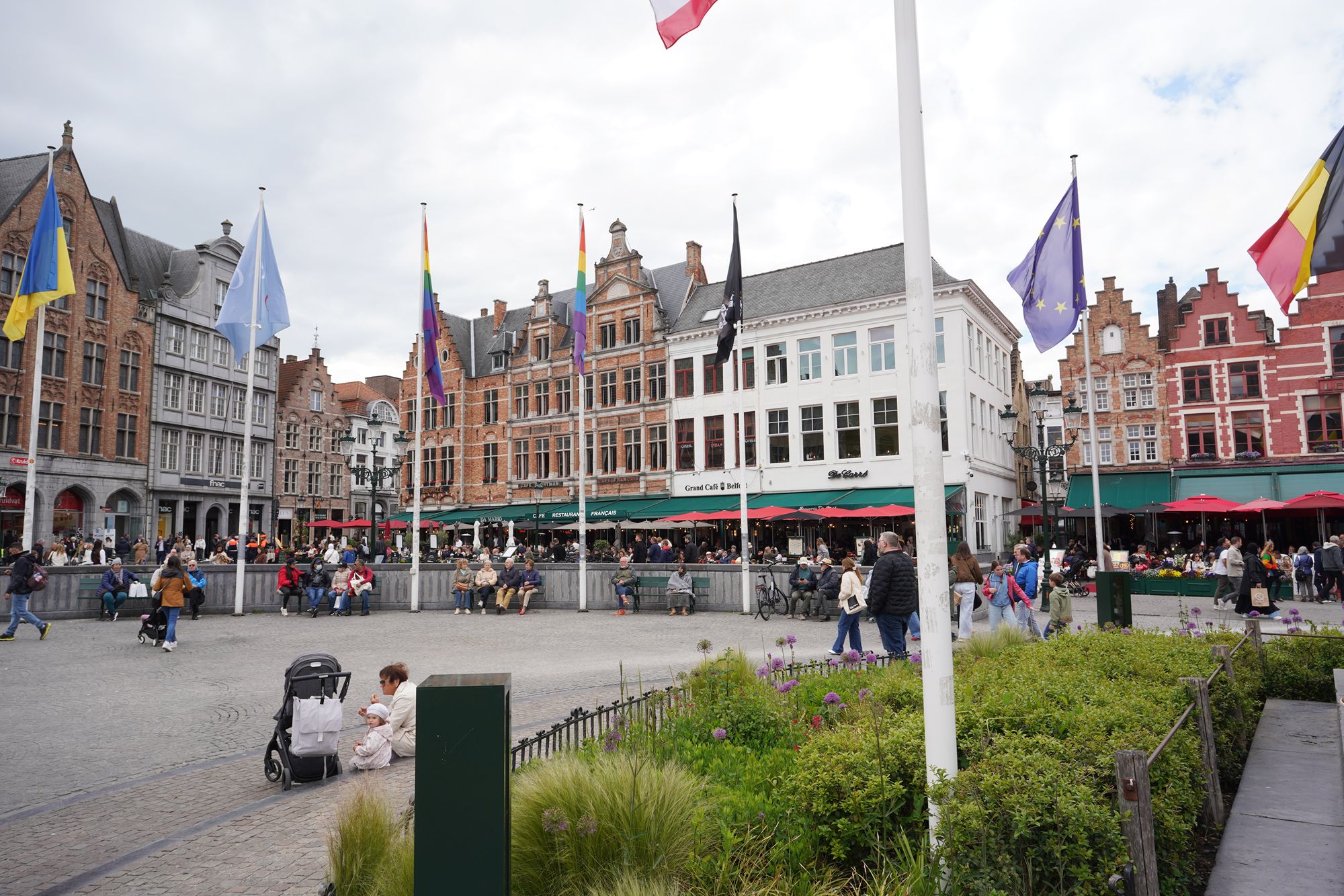
Historic Centre of Bruges (Market Square): Grote Markt, 2000 Antwerpen, Belgium
Date Picture Taken: May, 2026
Bruges is one of Belgium’s best-preserved medieval cities, known for its picturesque canals, cobblestone streets, Gothic architecture, and historic squares. Once a wealthy medieval trading center, much of its old-world character remains intact today.
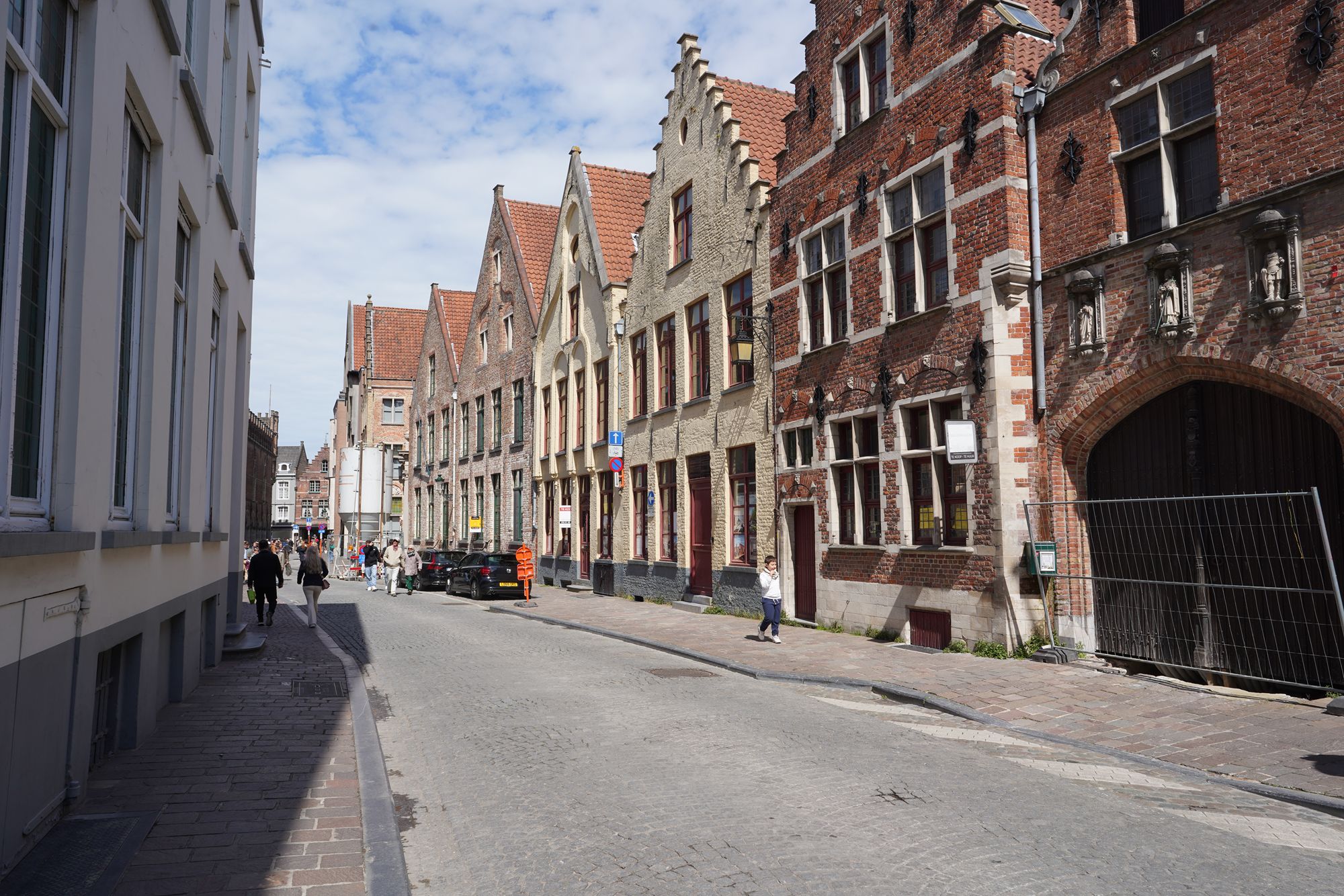
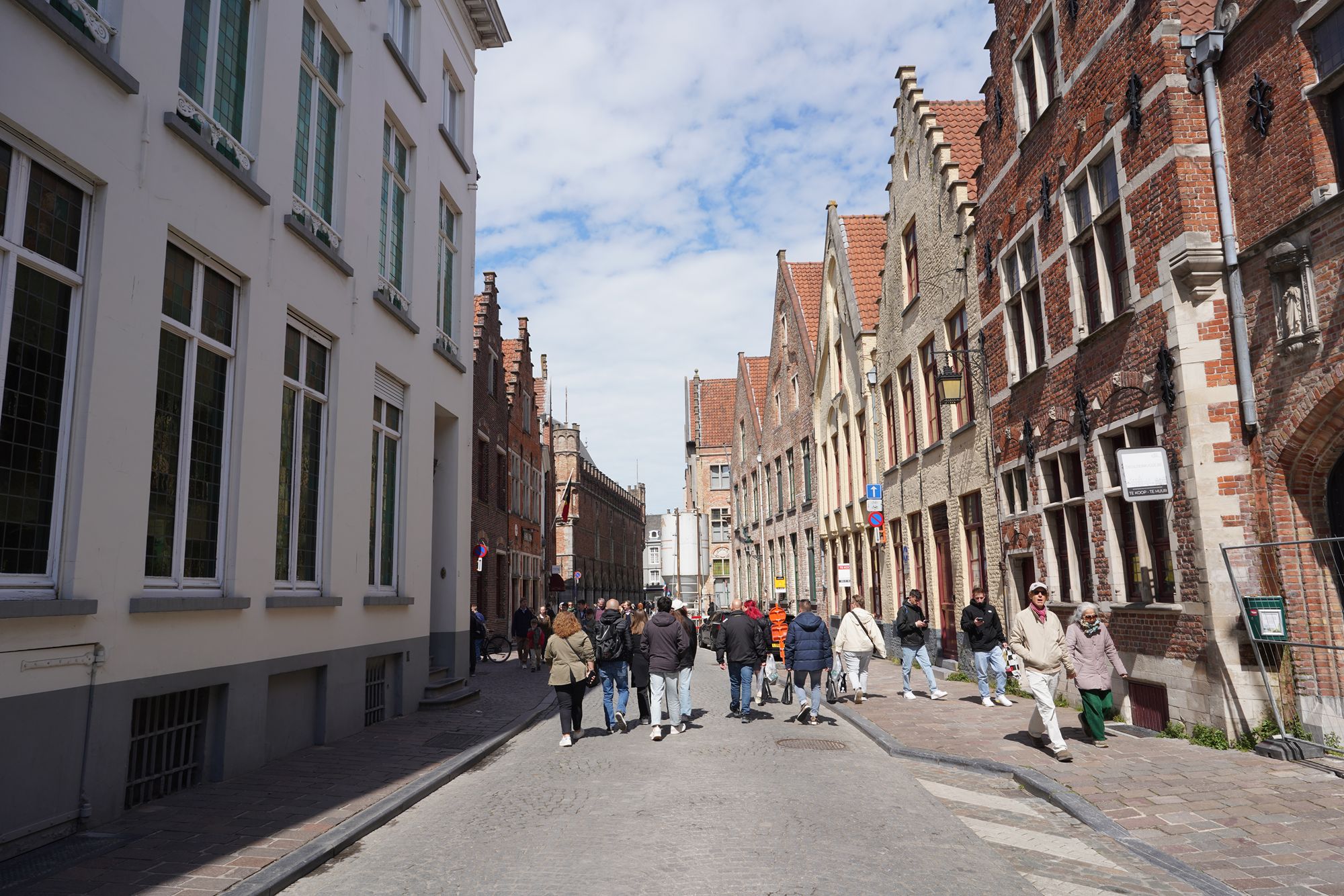
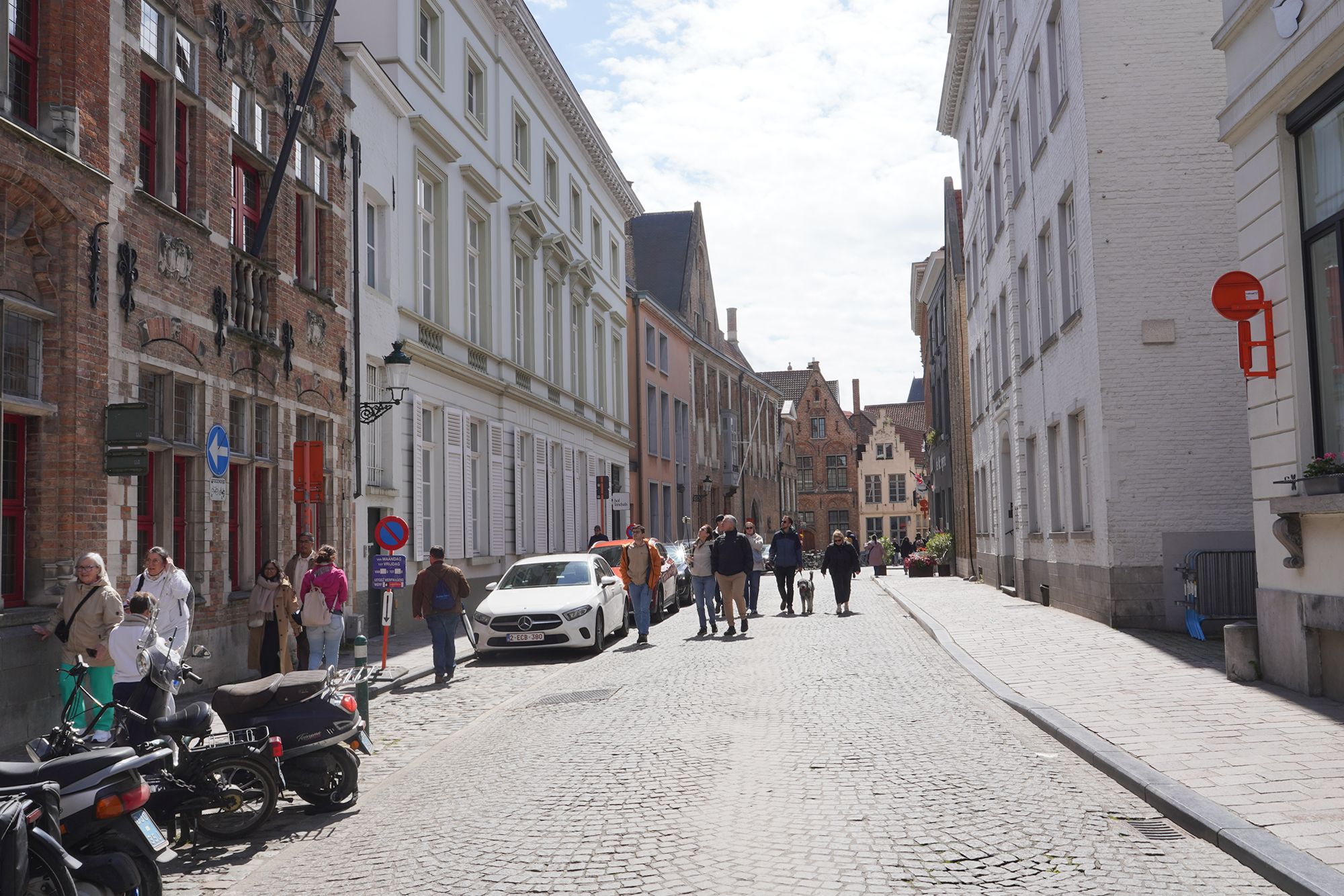
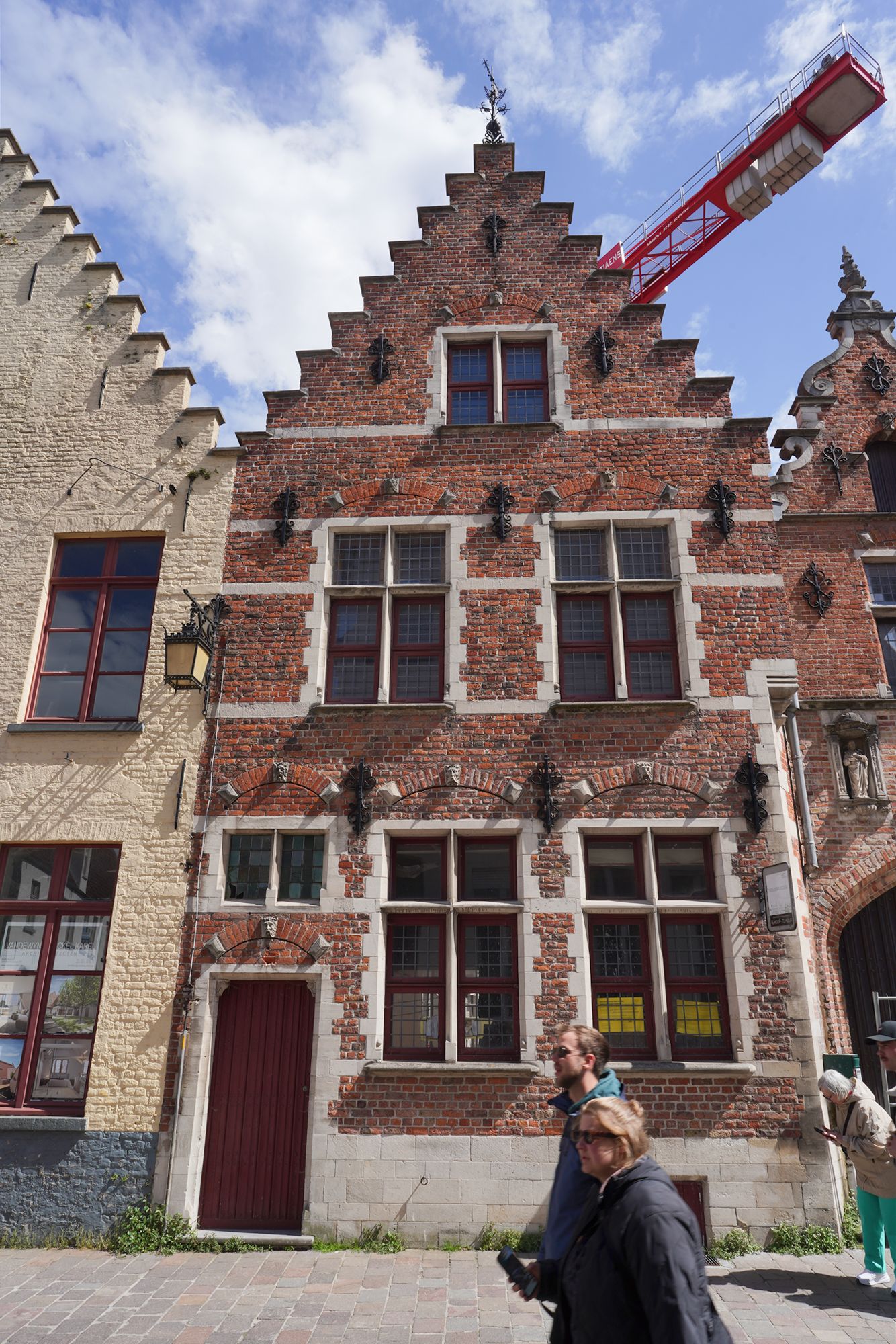
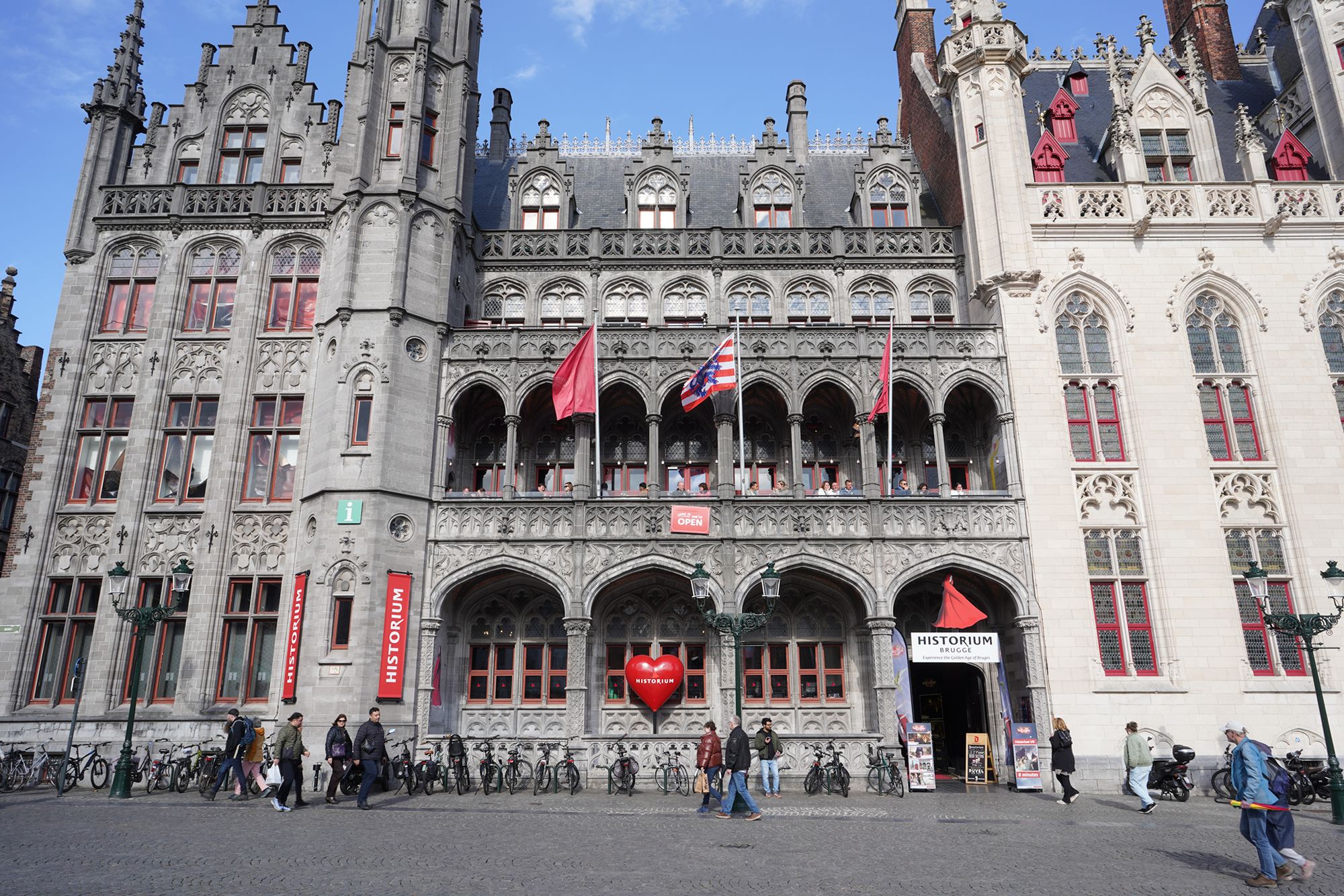
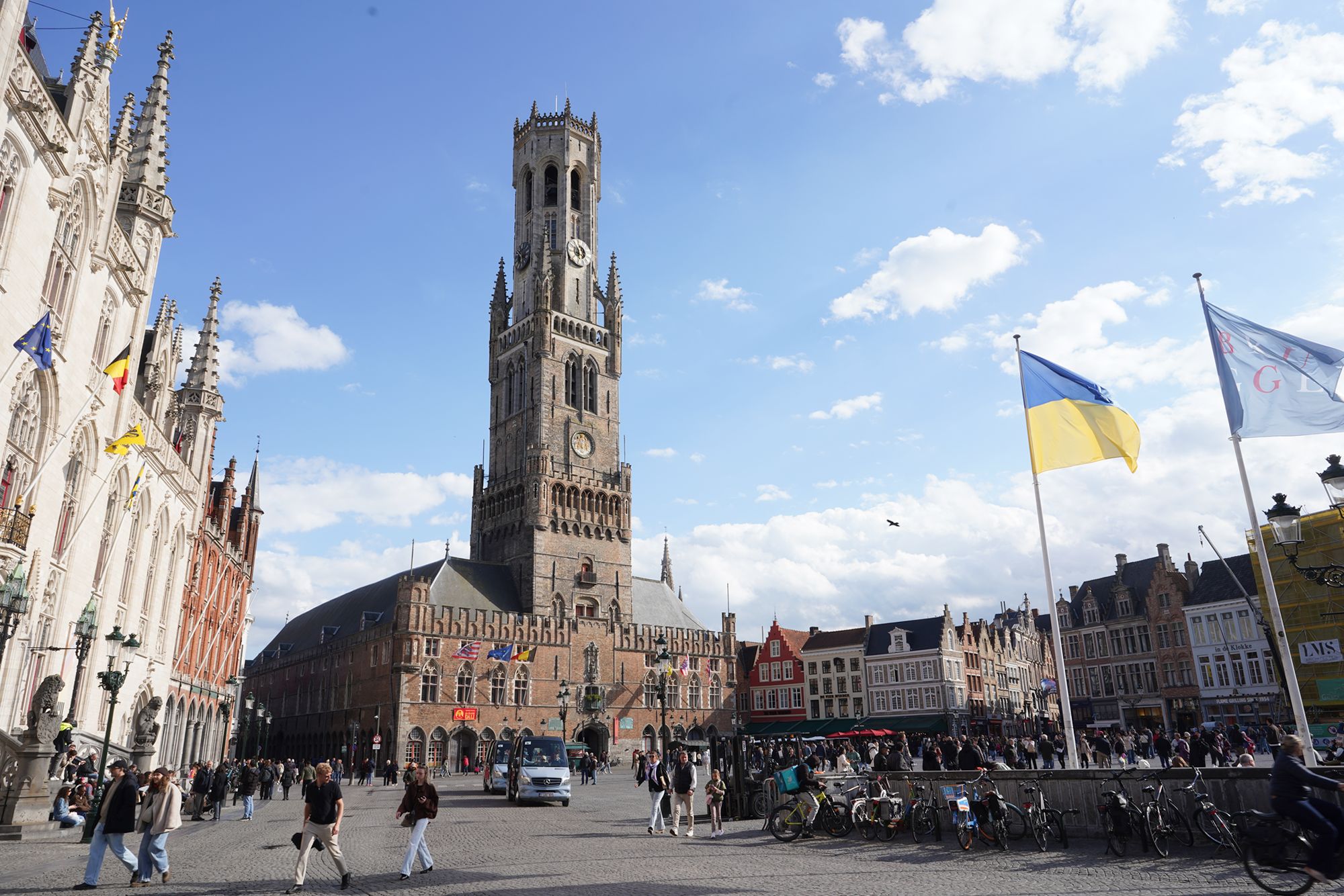
A walk through the historic center passes landmarks such as the Markt (Market Square), Belfry of Bruges, Burg Square, Basilica of the Holy Blood, and numerous old merchant houses. The canals and stone bridges give Bruges its particularly romantic appearance and have earned it the nickname “Venice of the North.”
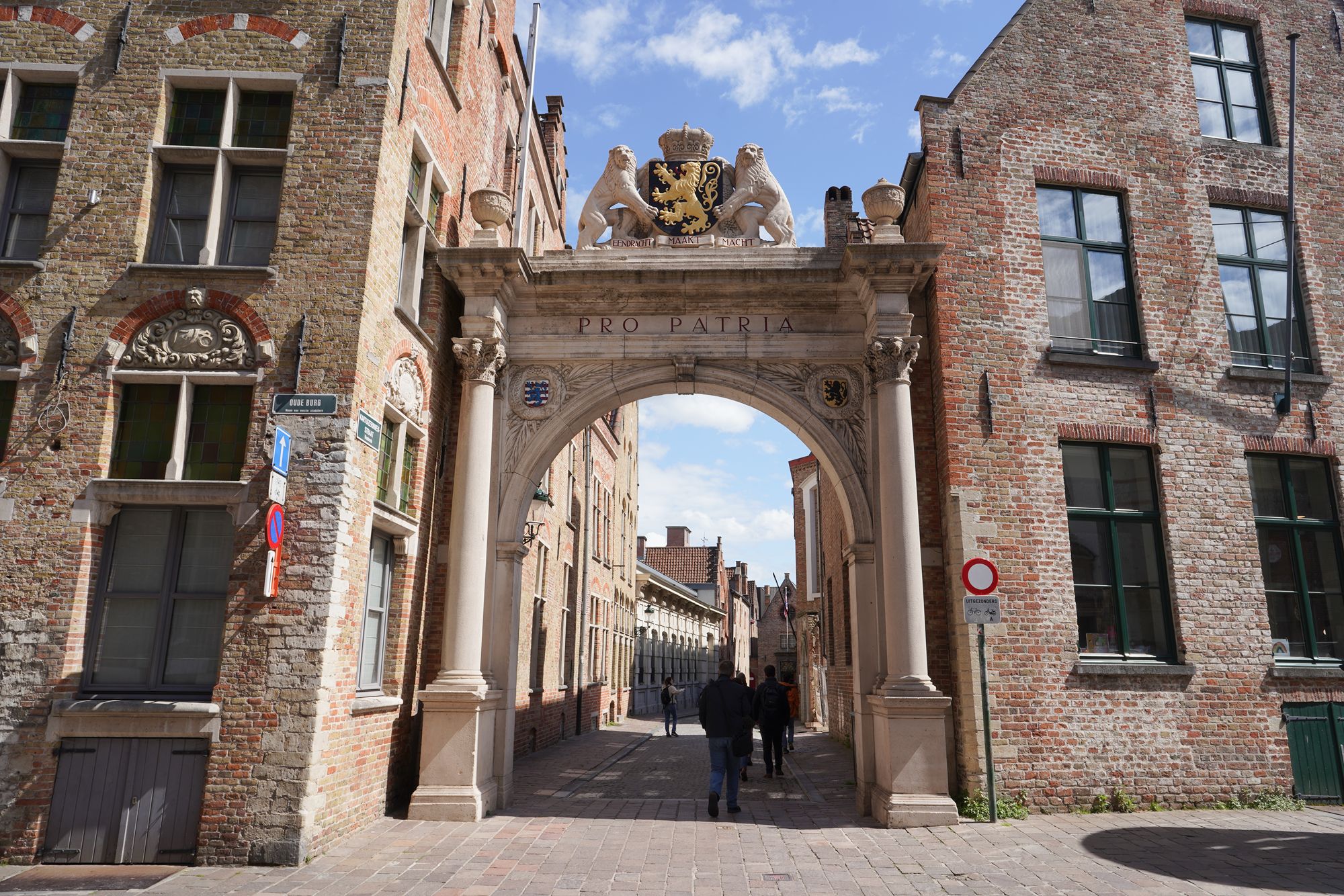
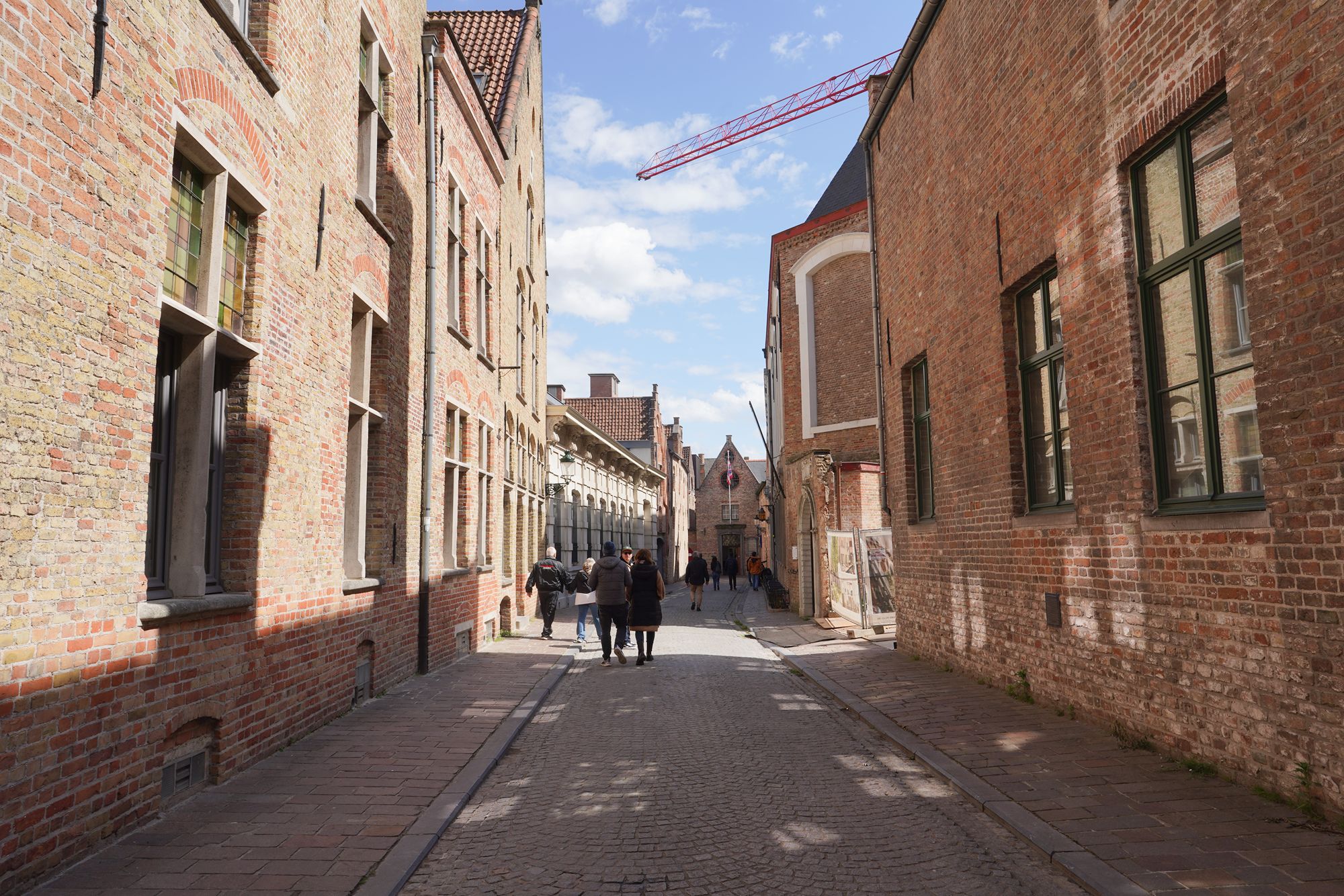
The entire historic center is recognized as a UNESCO World Heritage Site, making Bruges feel almost like walking through a preserved medieval city.
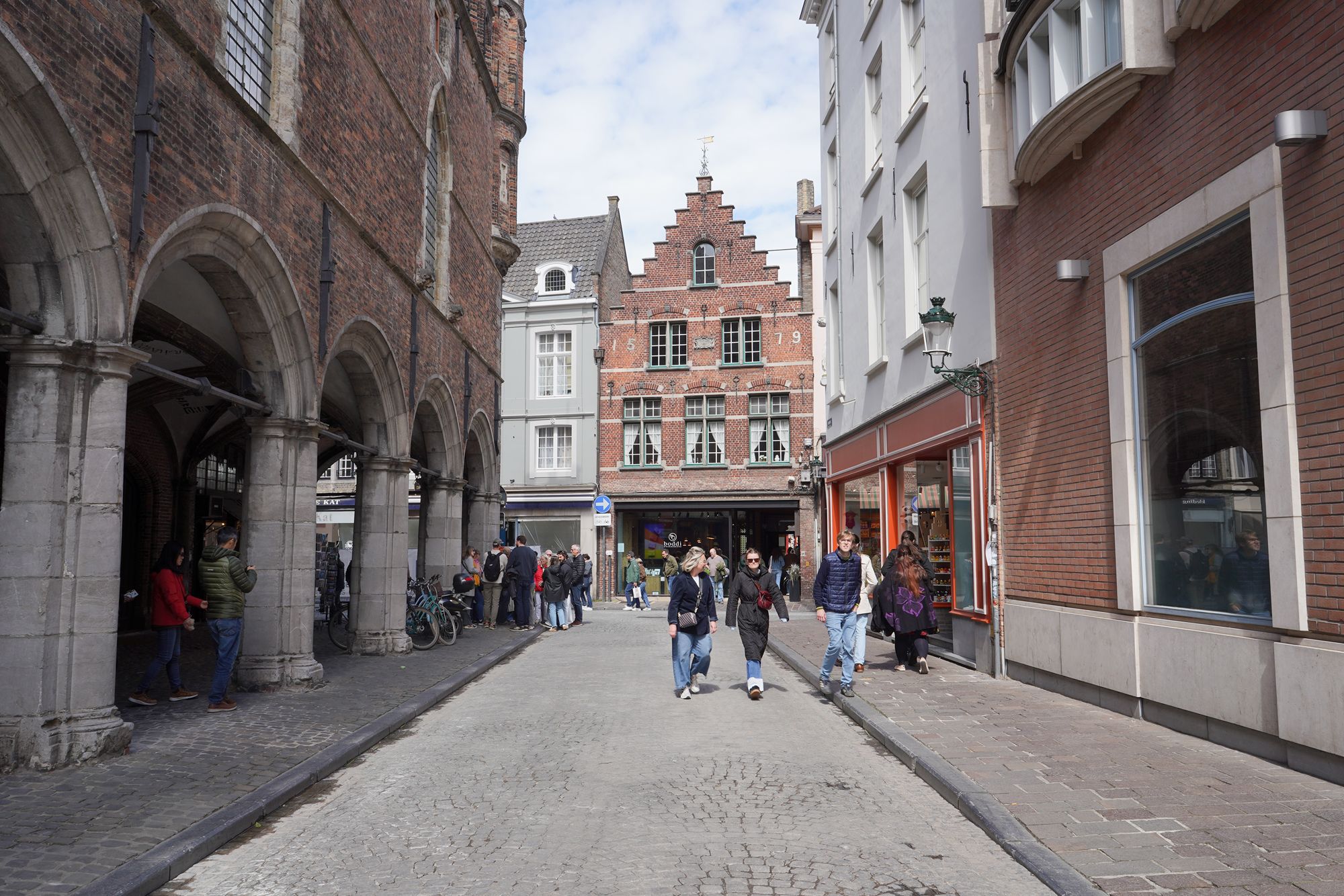
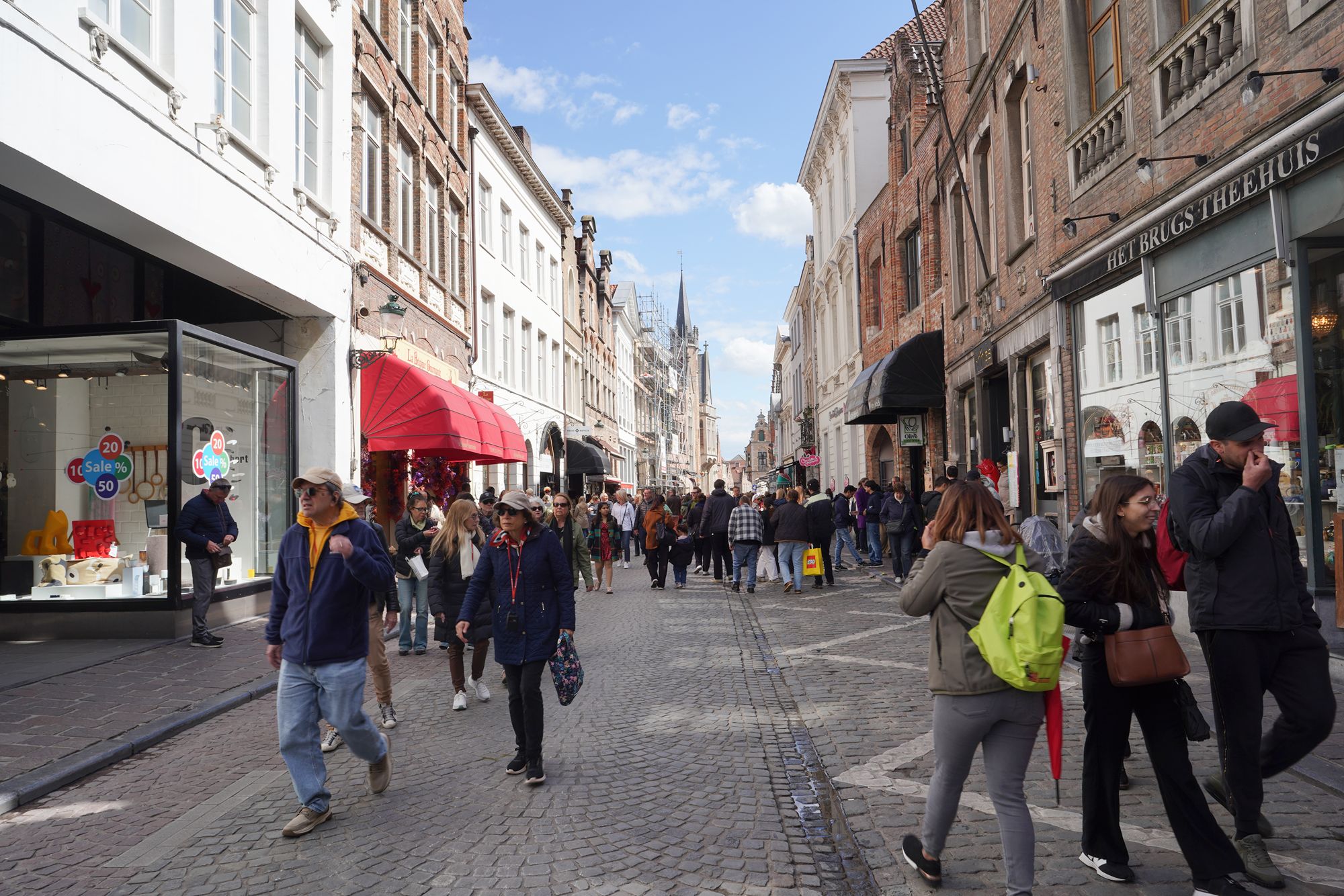
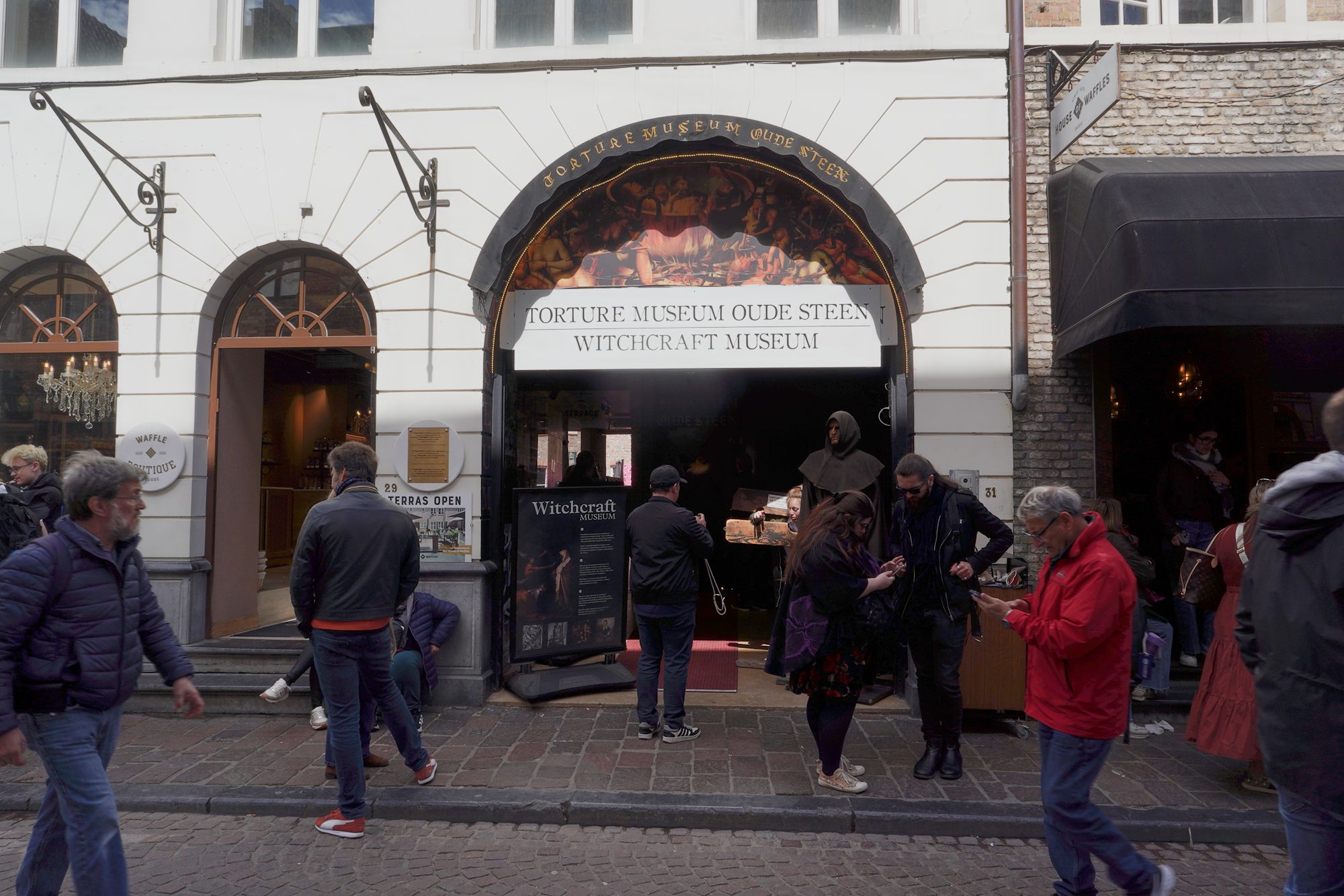
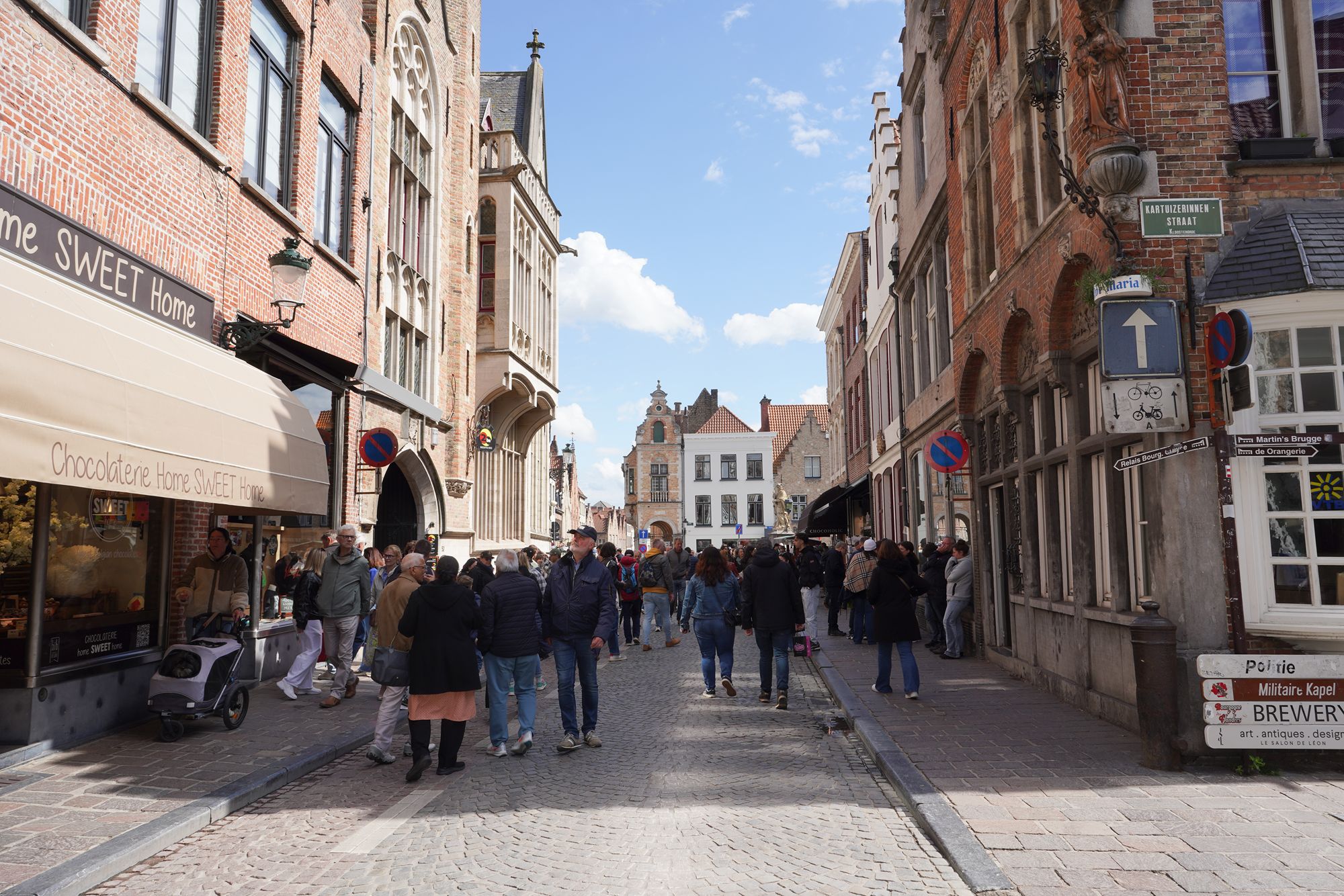
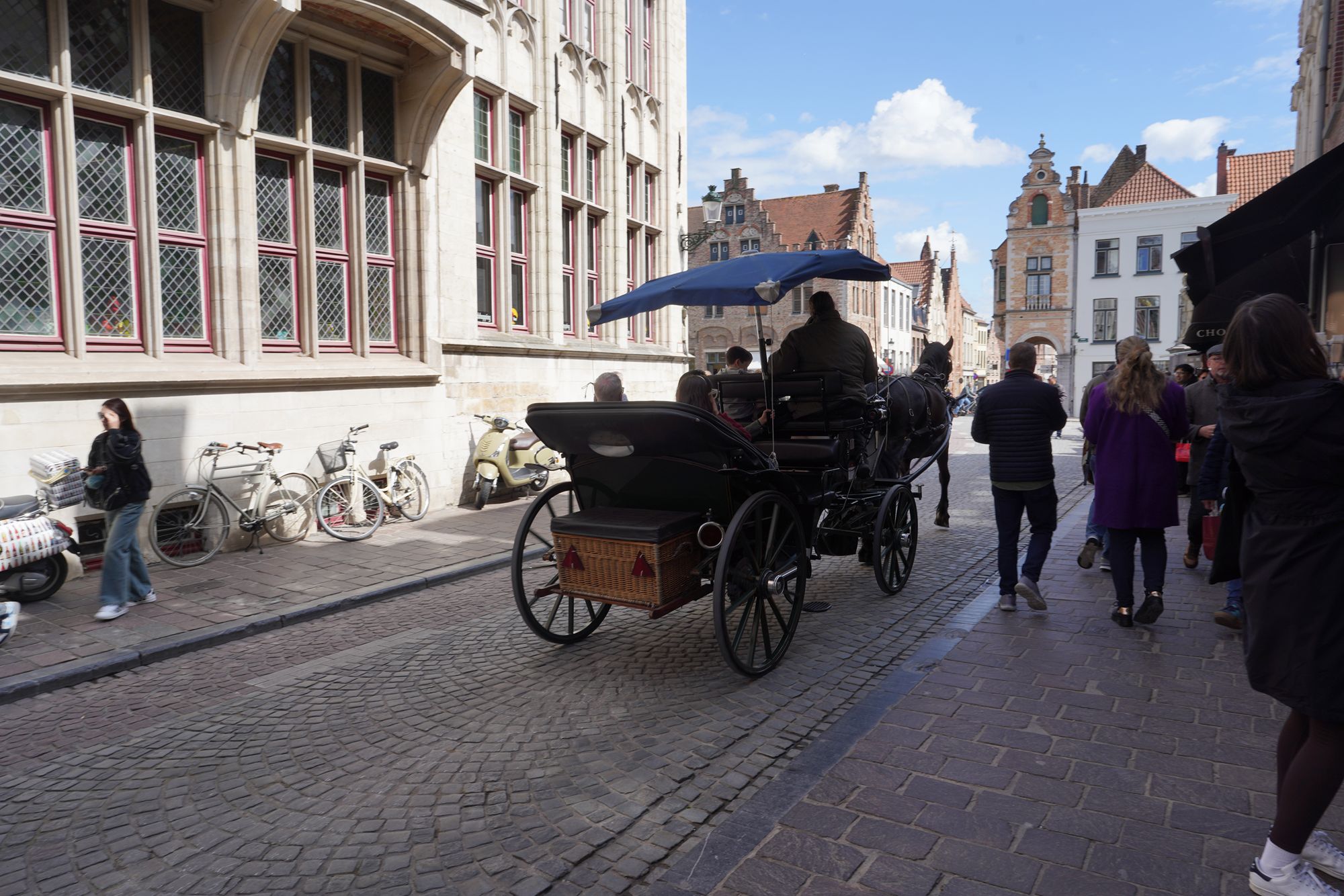
A view behind me
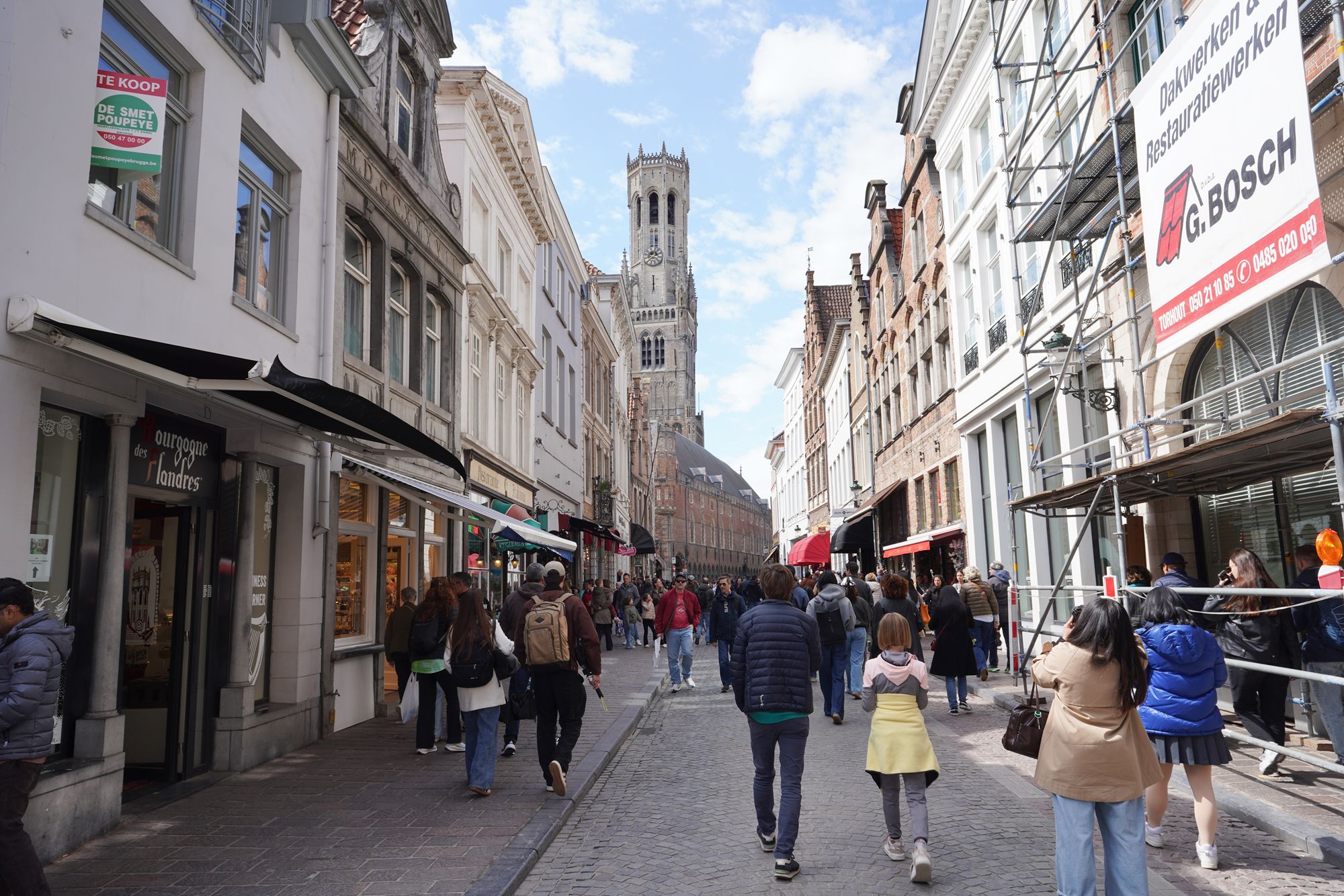
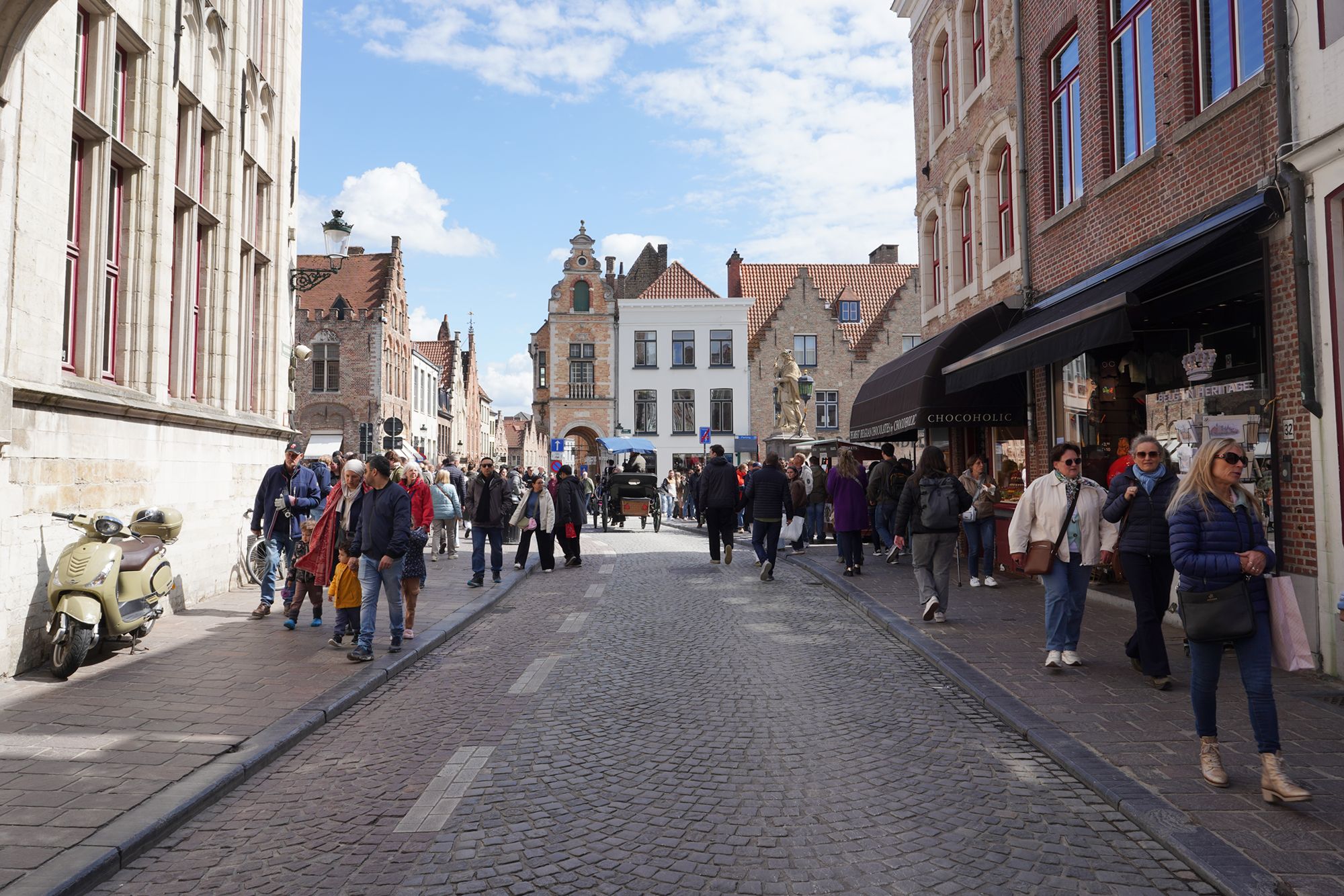
Another view behind me
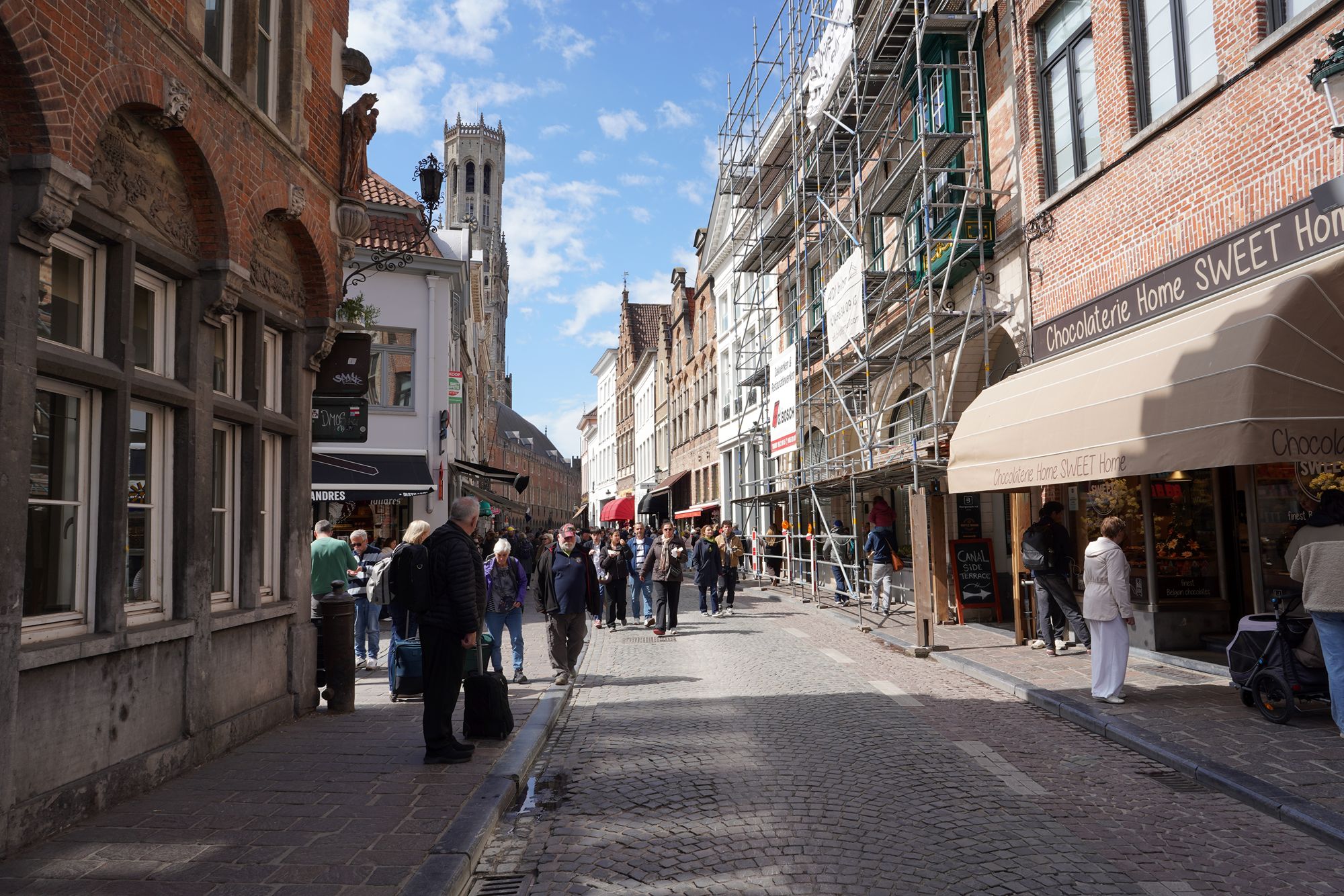
I wonder what is inside
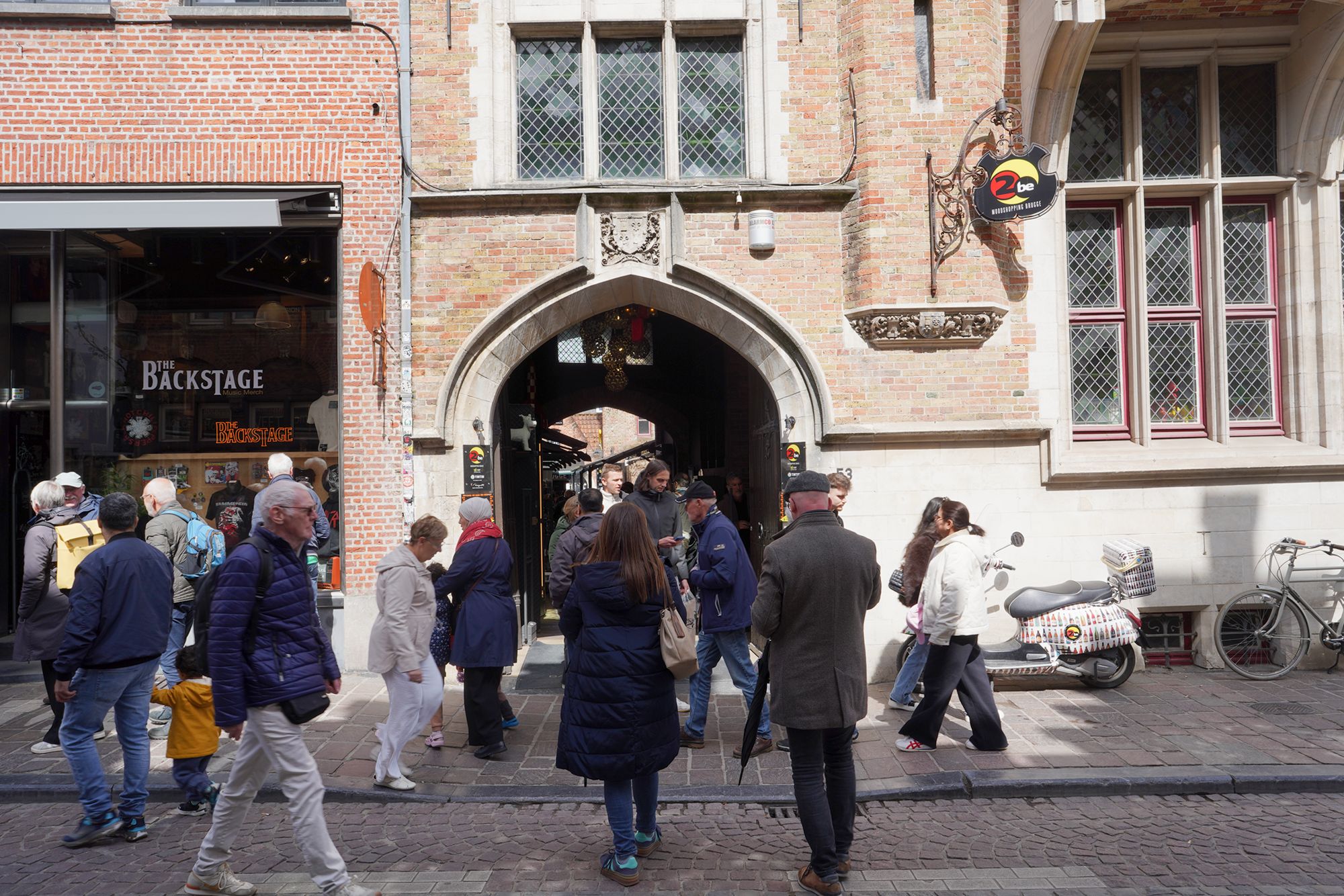
A large Belgian beer shop, displays of beer bottles and their matching glasses (the famous Beer Wall), a beer bar, an inner courtyard, and a canal-side terrace. The complex occupies a historic building called Huis Perez de Malvenda, dating largely from the 15th–16th centuries.
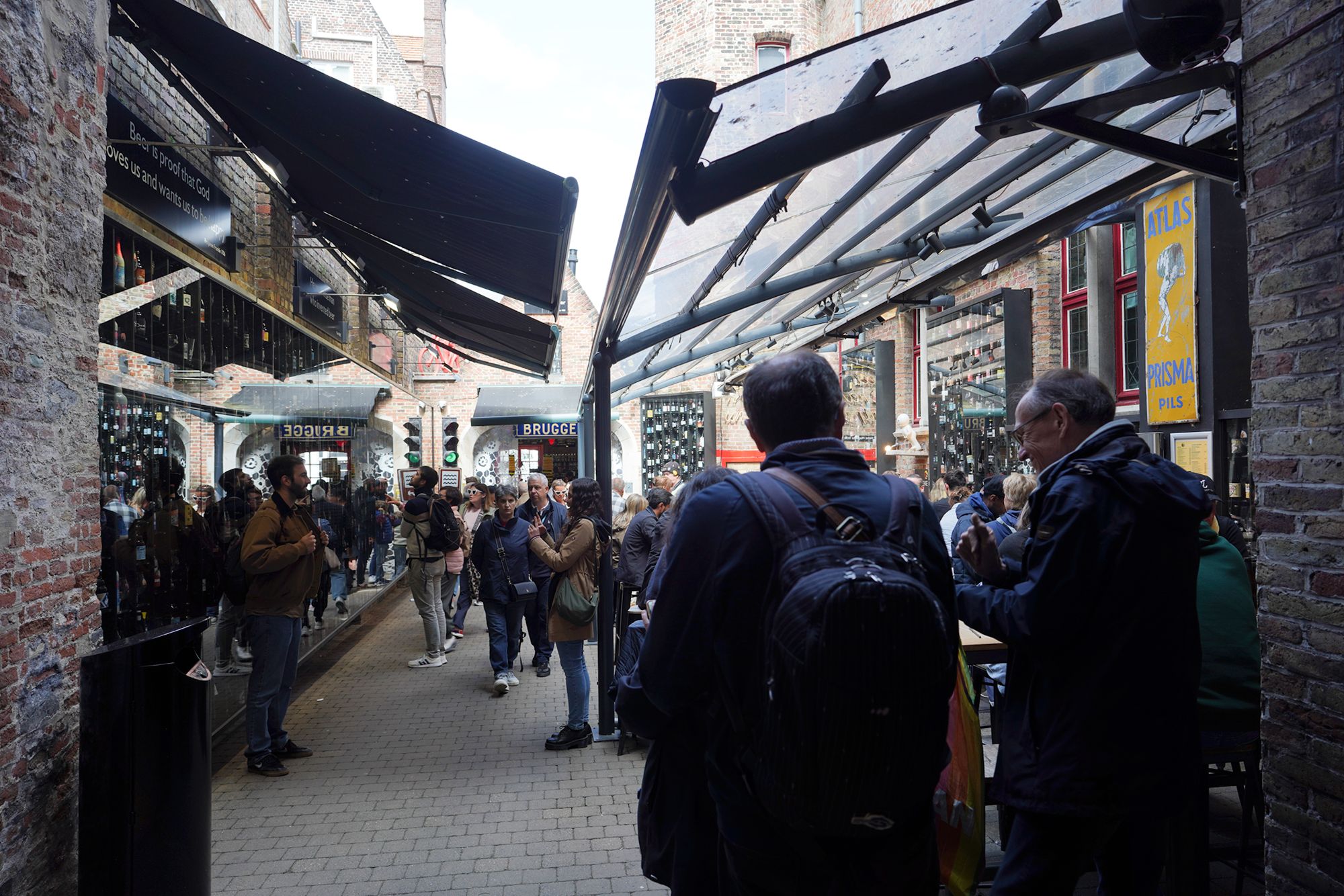
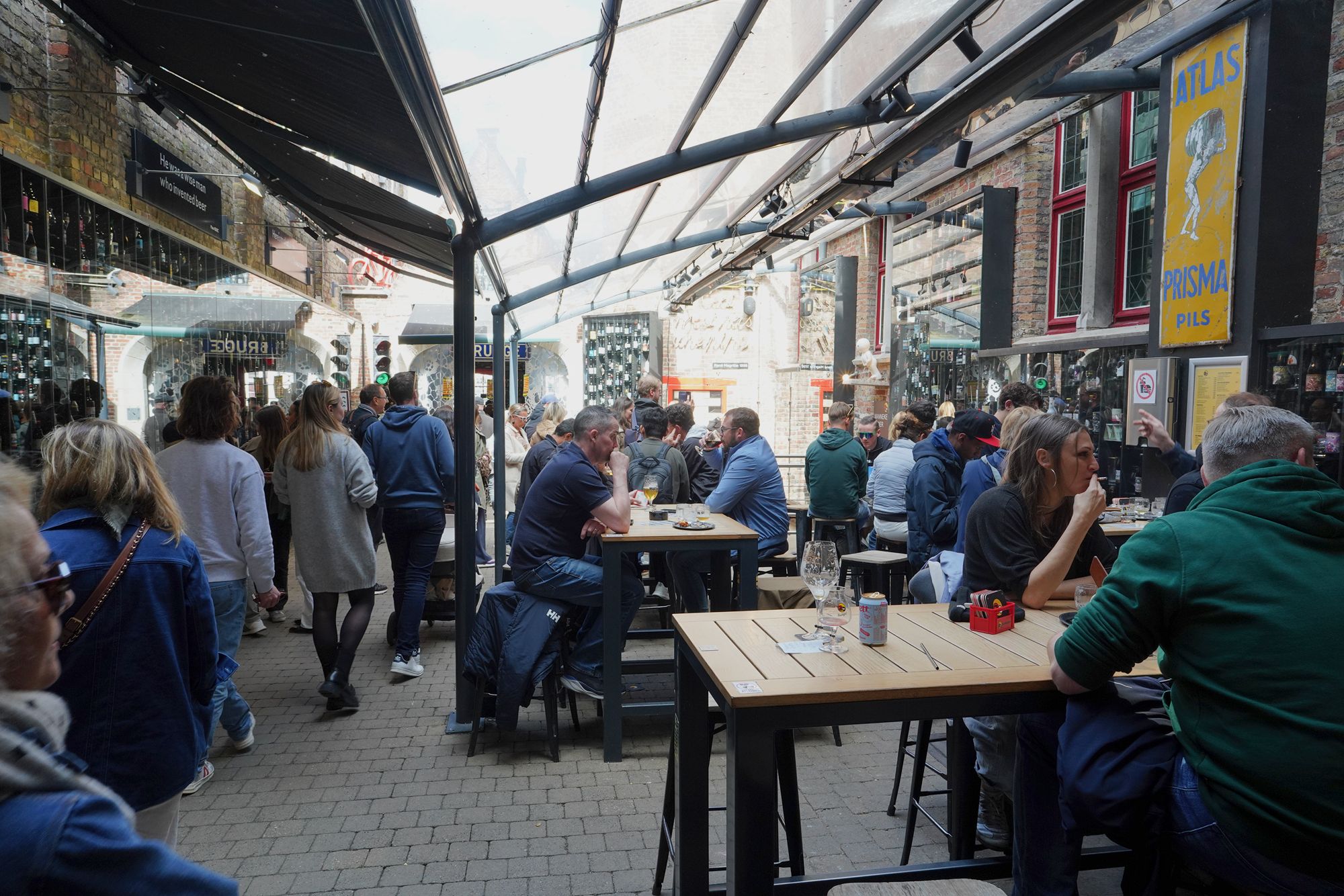
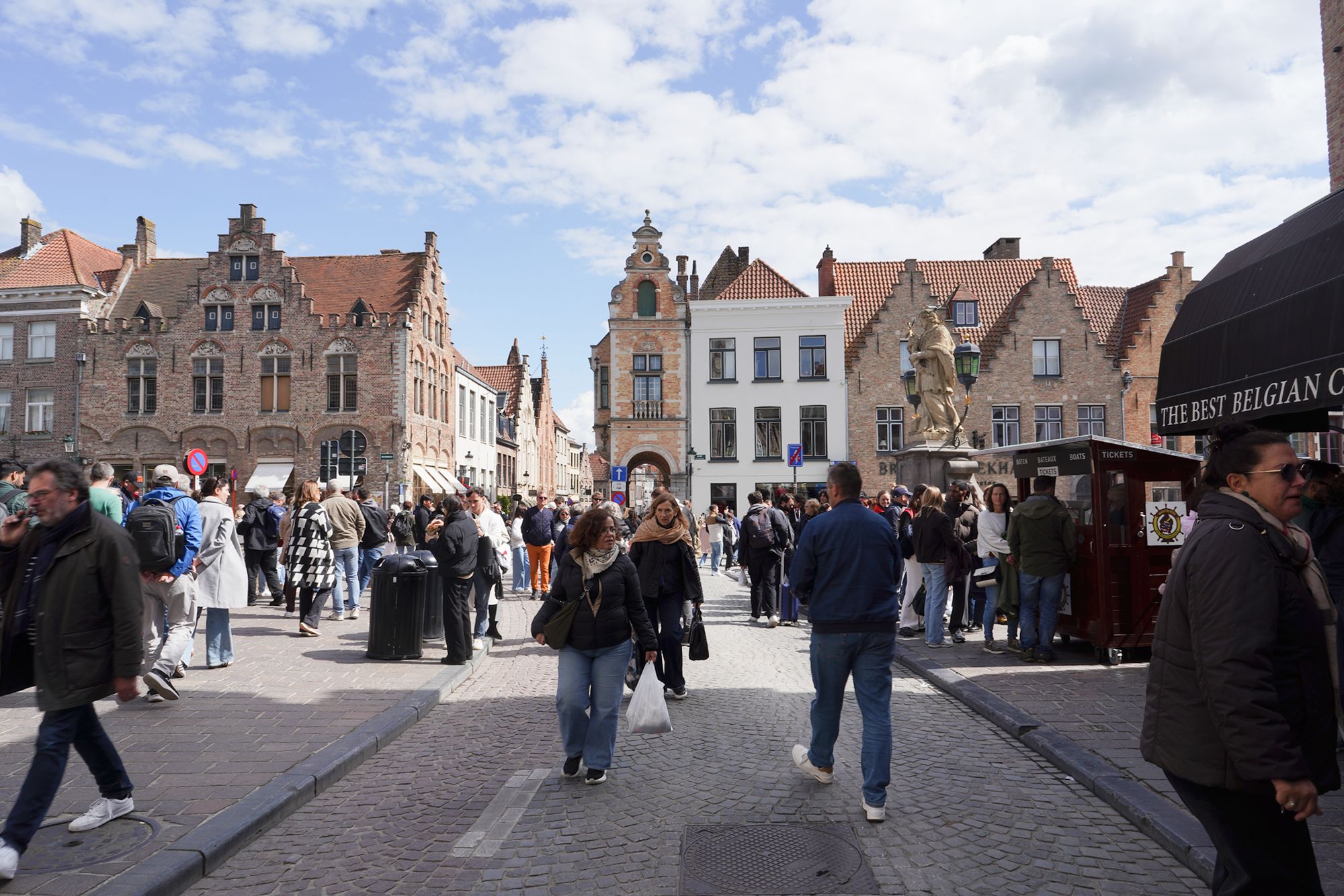
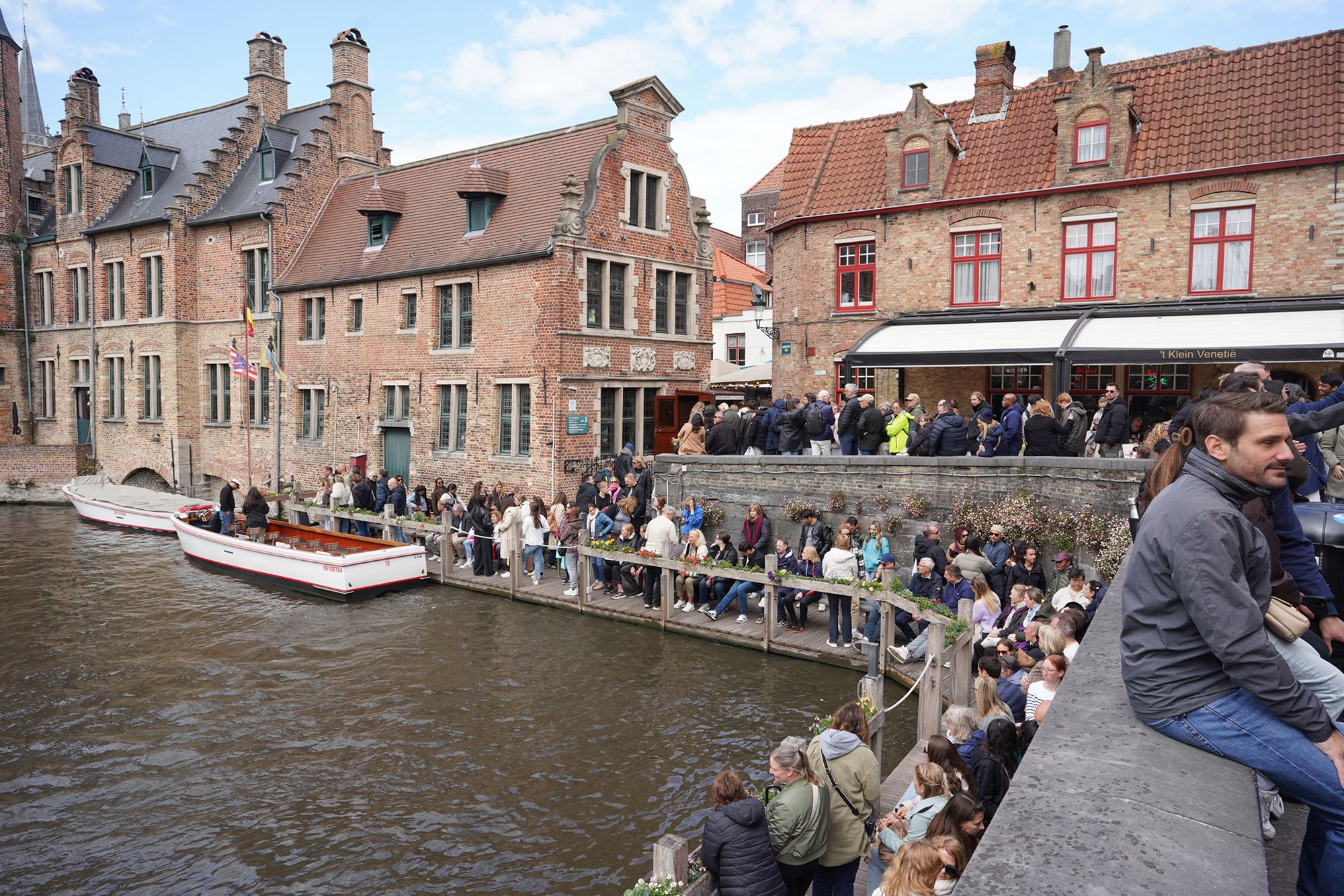
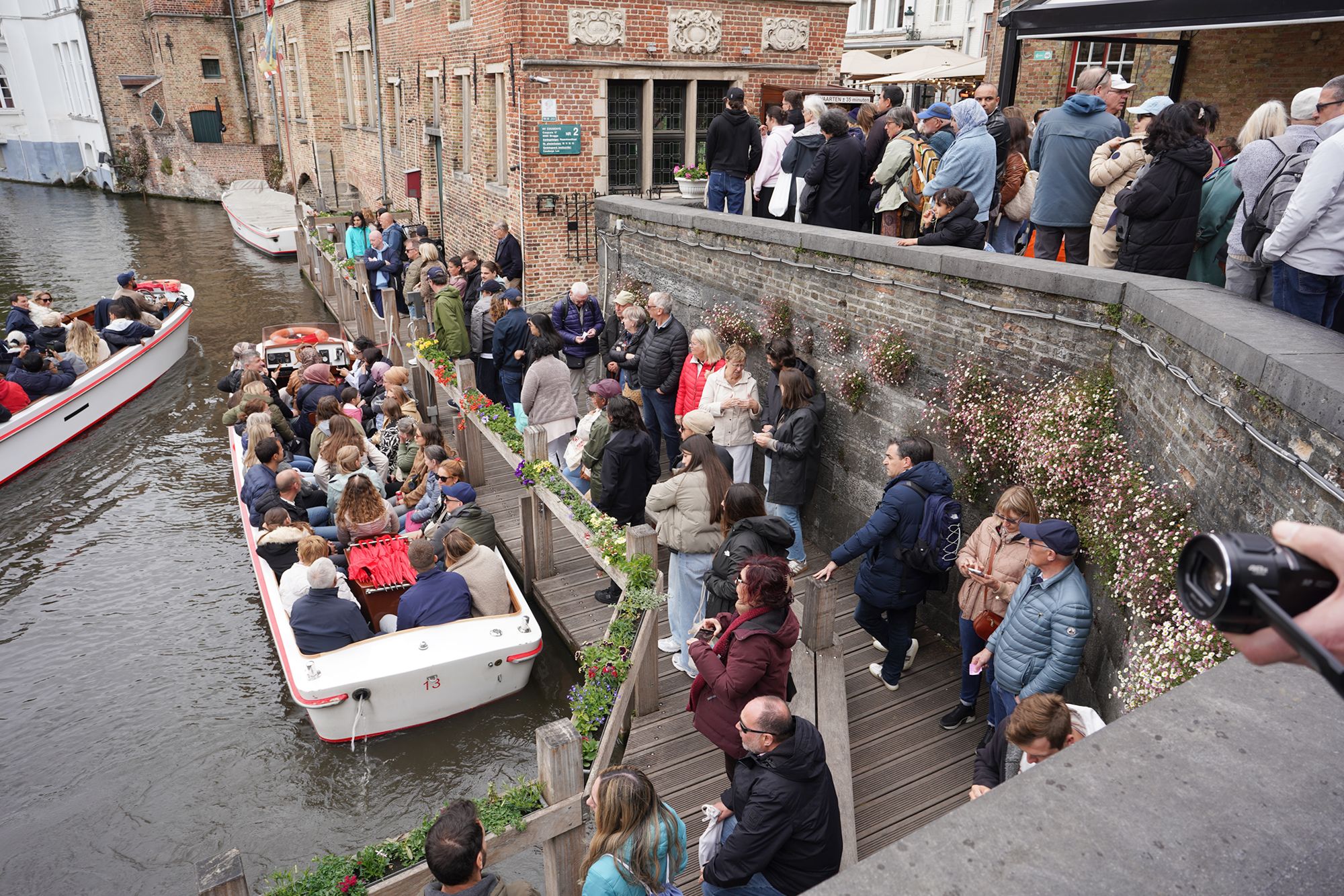
Canal boat rides are very popular in Bruges
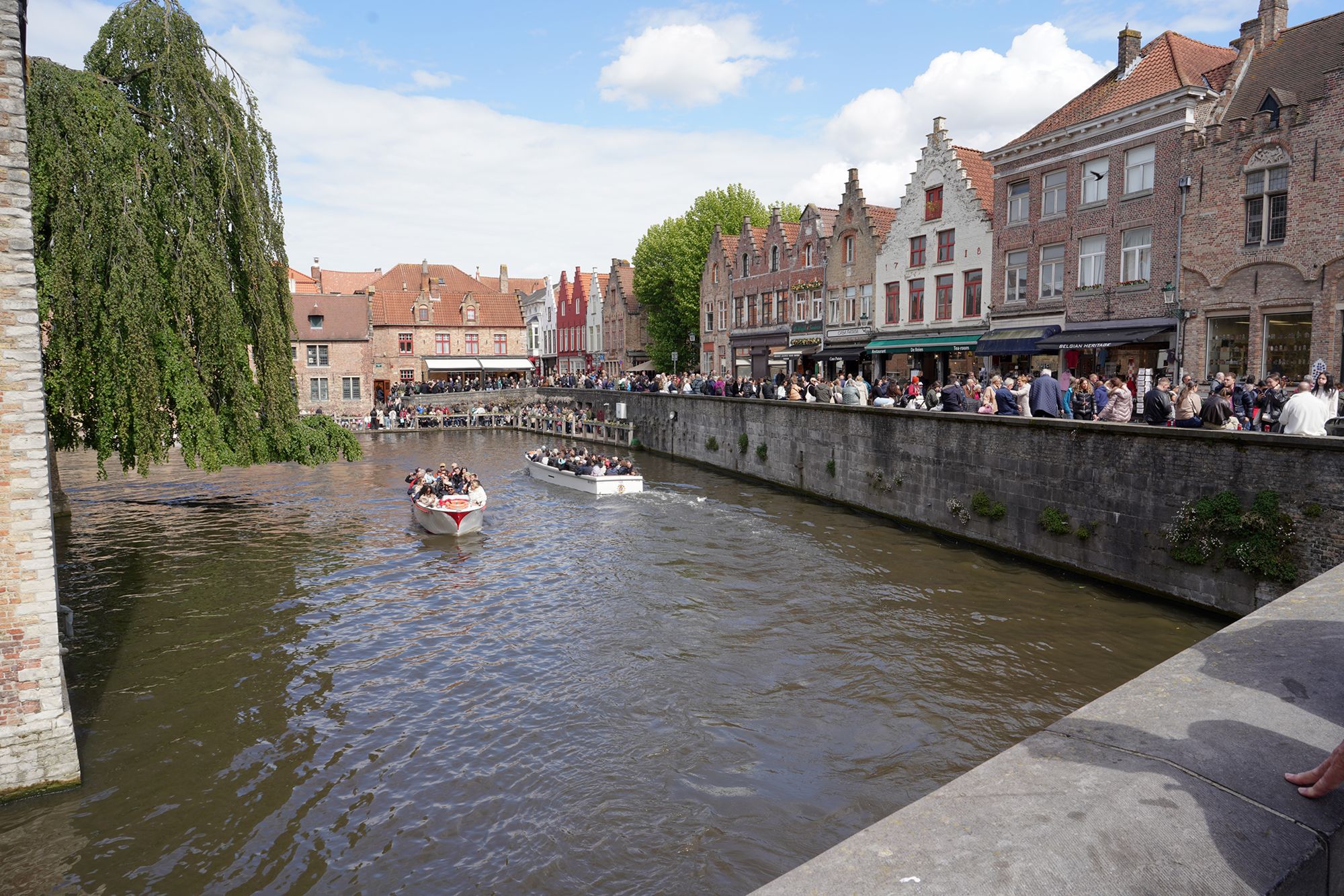
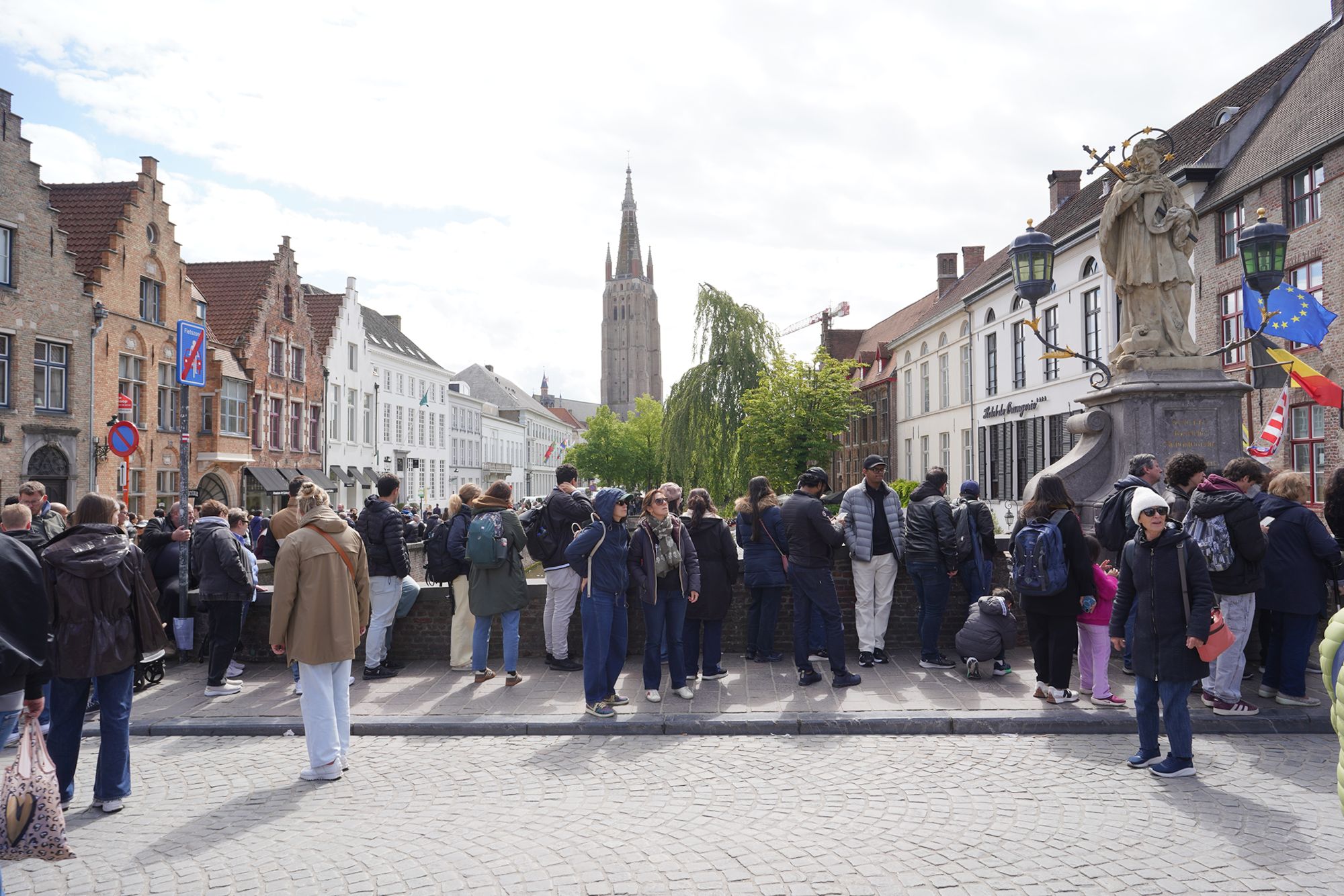
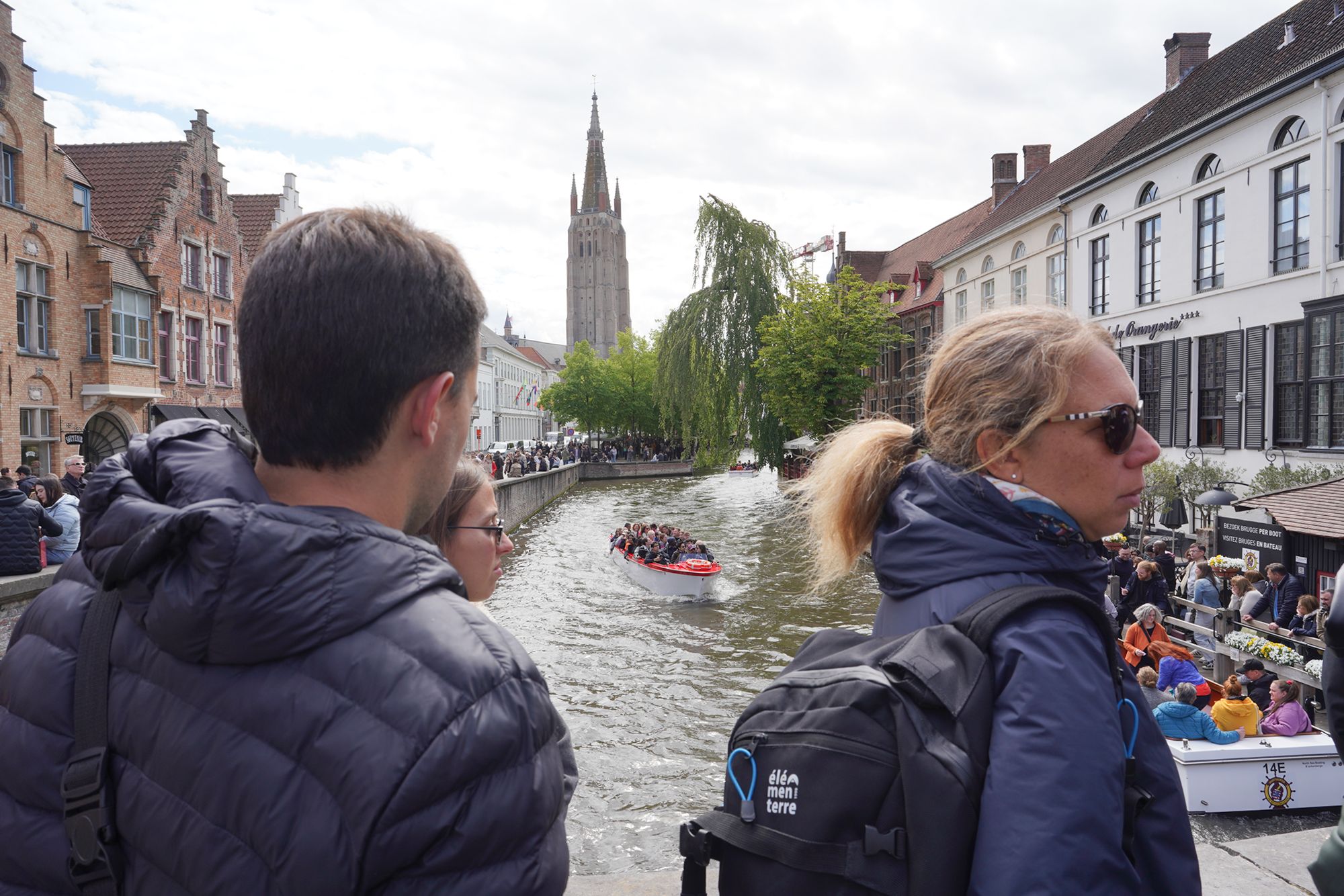
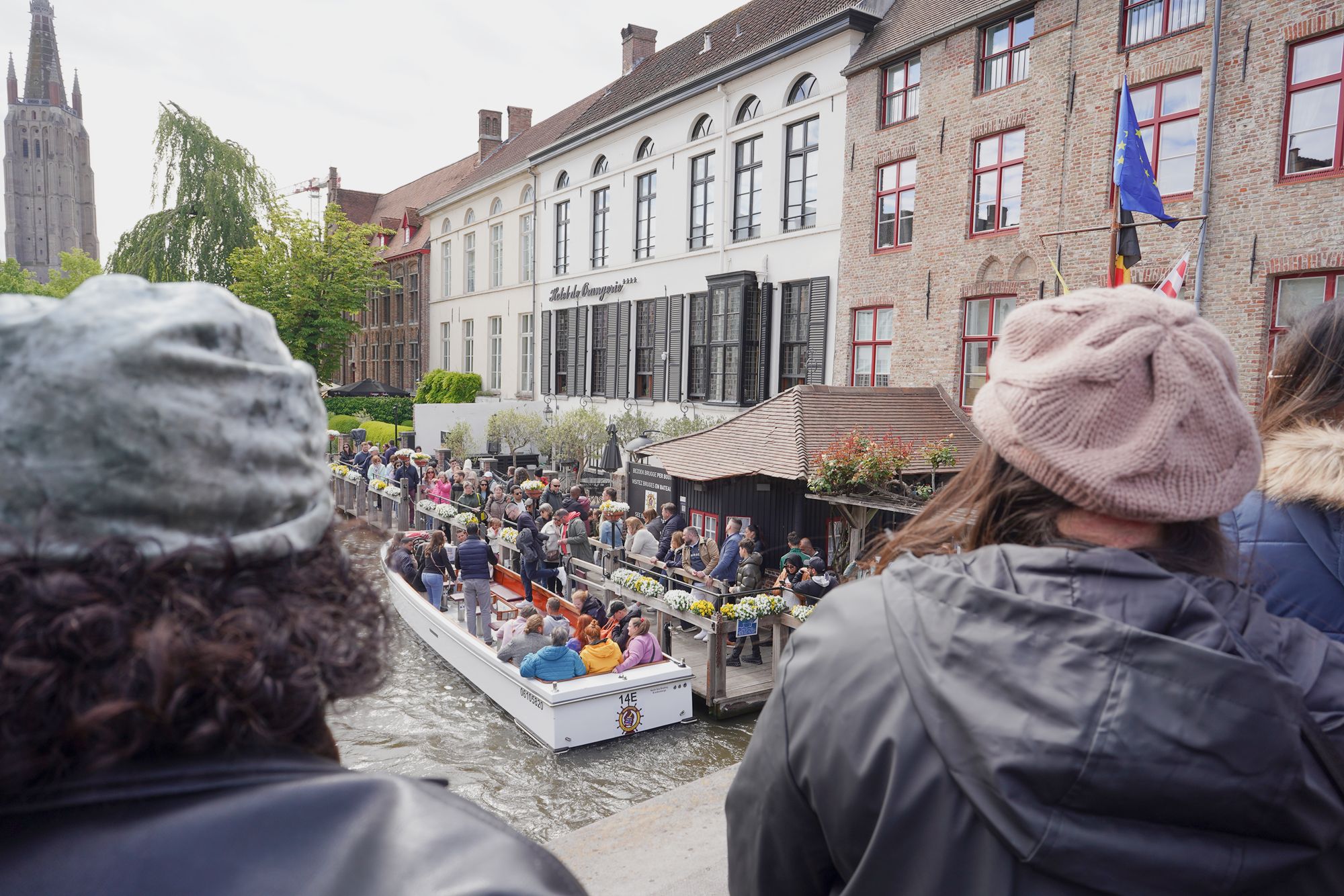
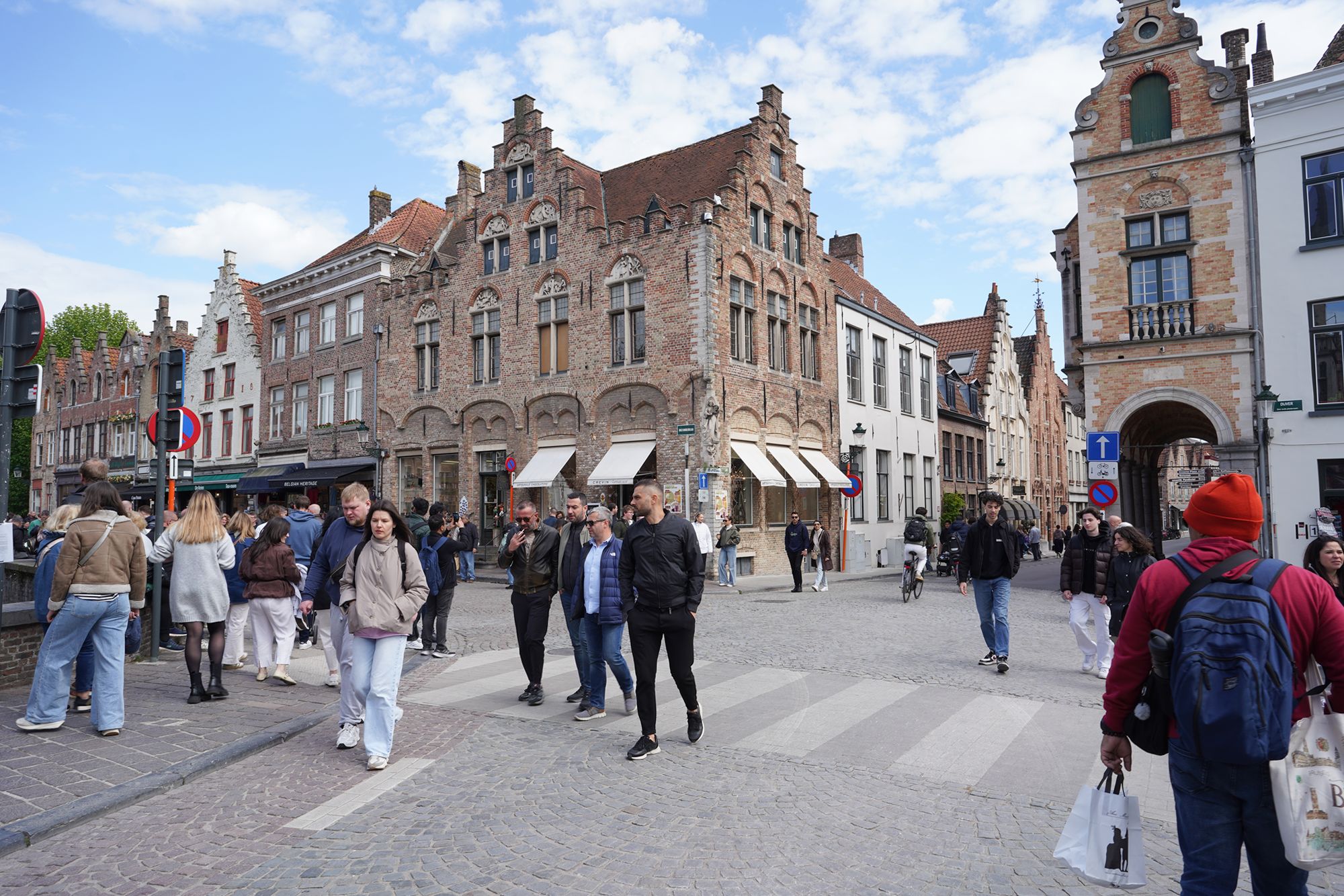
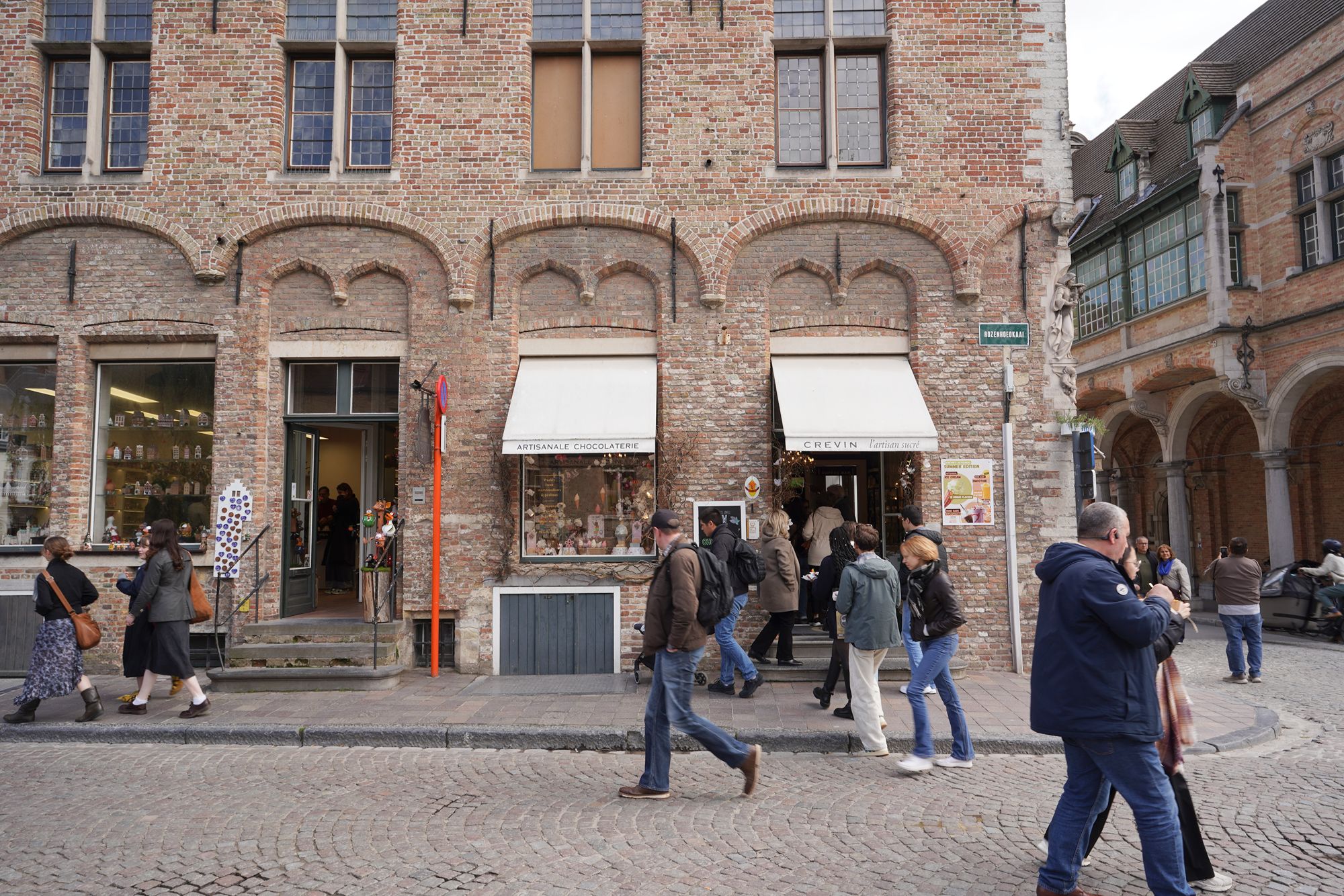
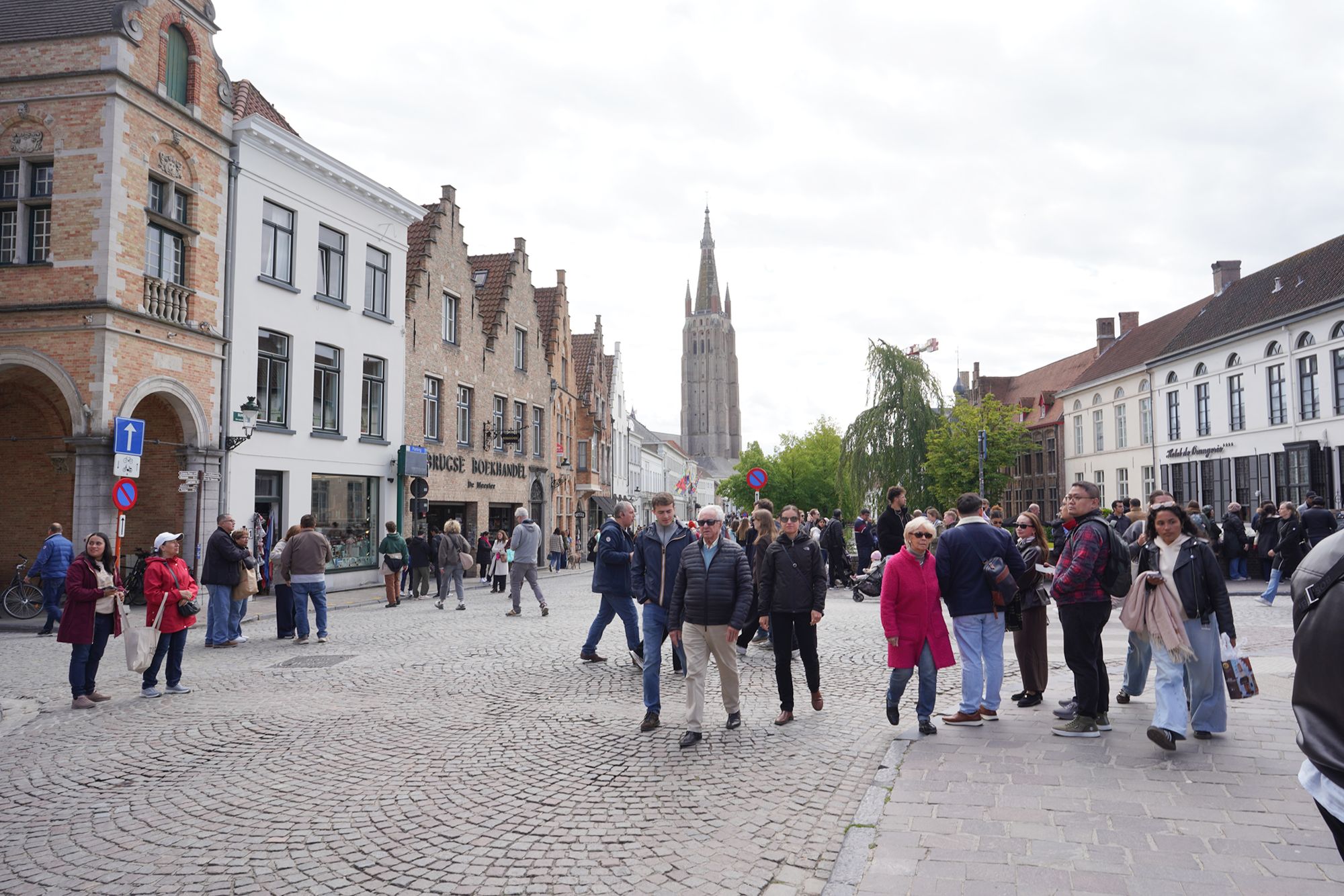
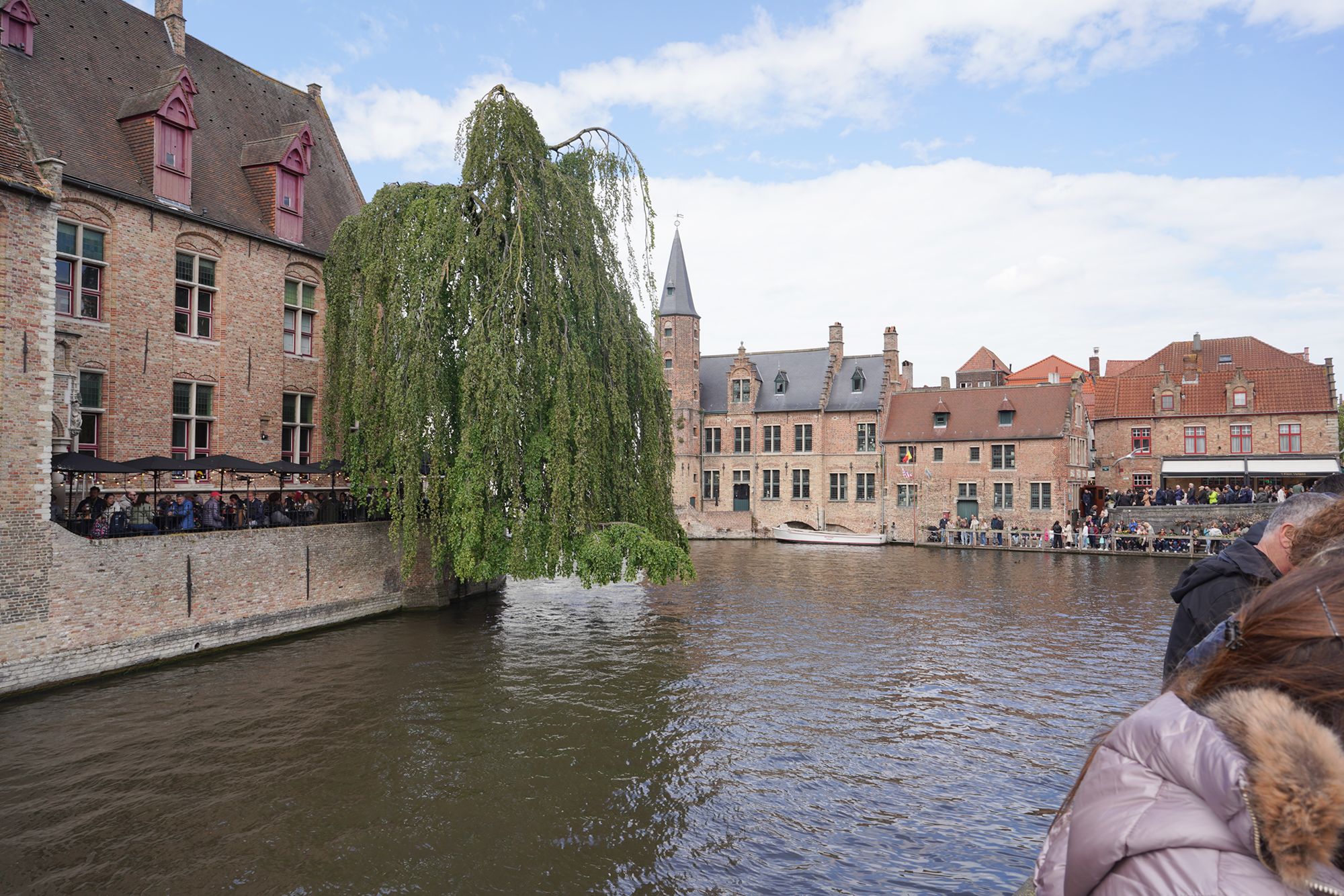
Huis Perez de Malvenda, an impressive late-Gothic mansion dating from the 15th–16th centuries. During religious unrest, the sacred relic of the Holy Blood was once hidden here for safekeeping.
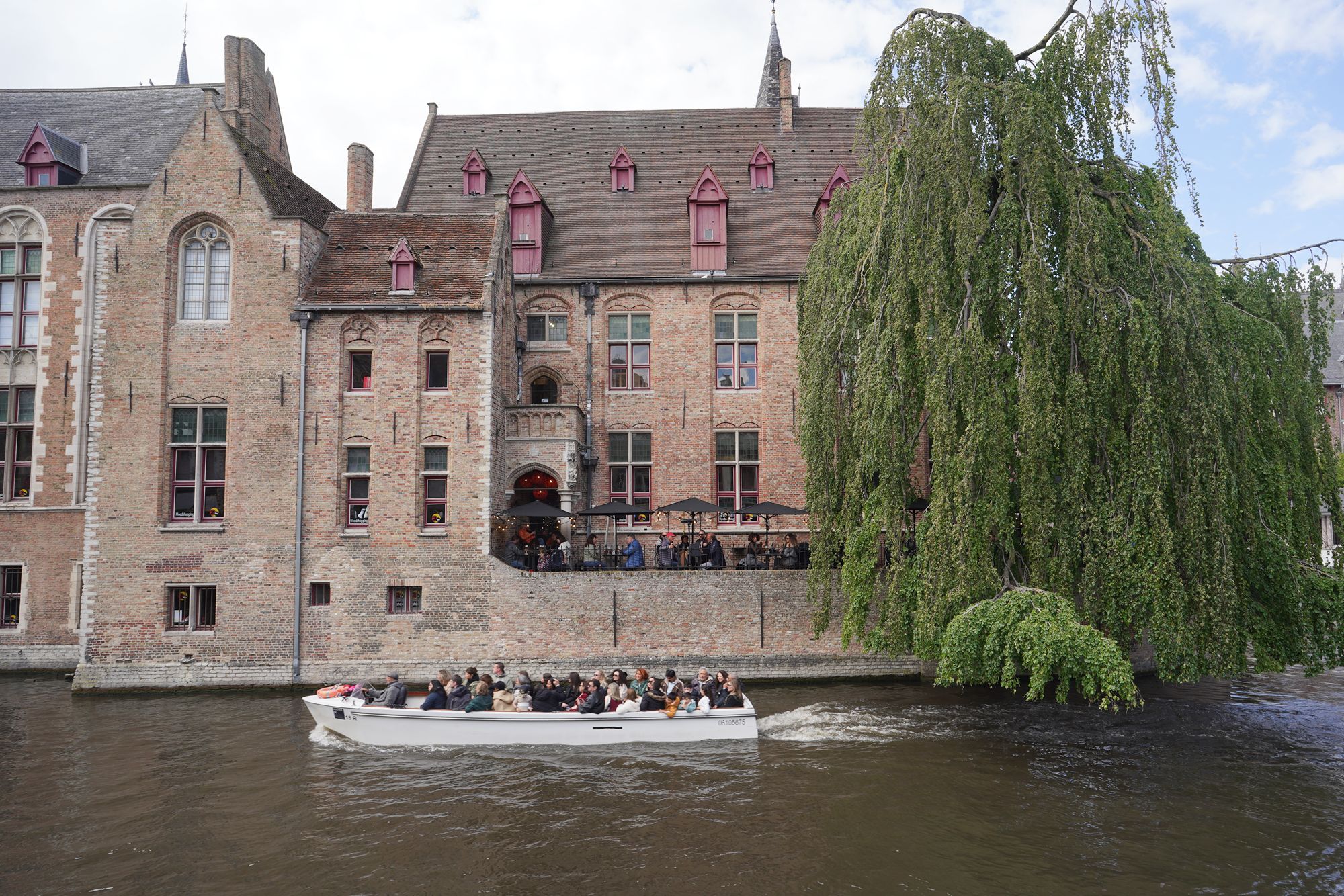
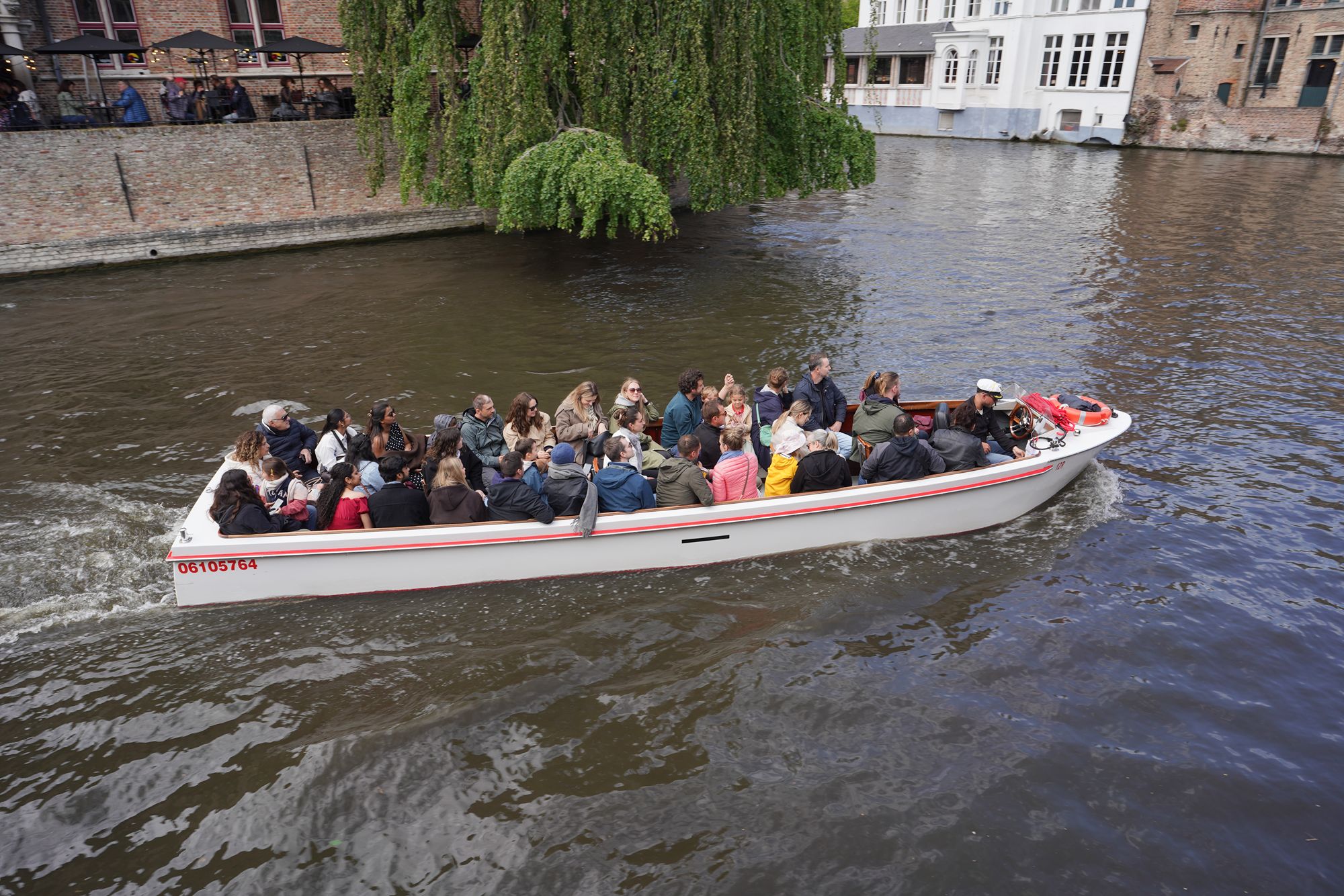
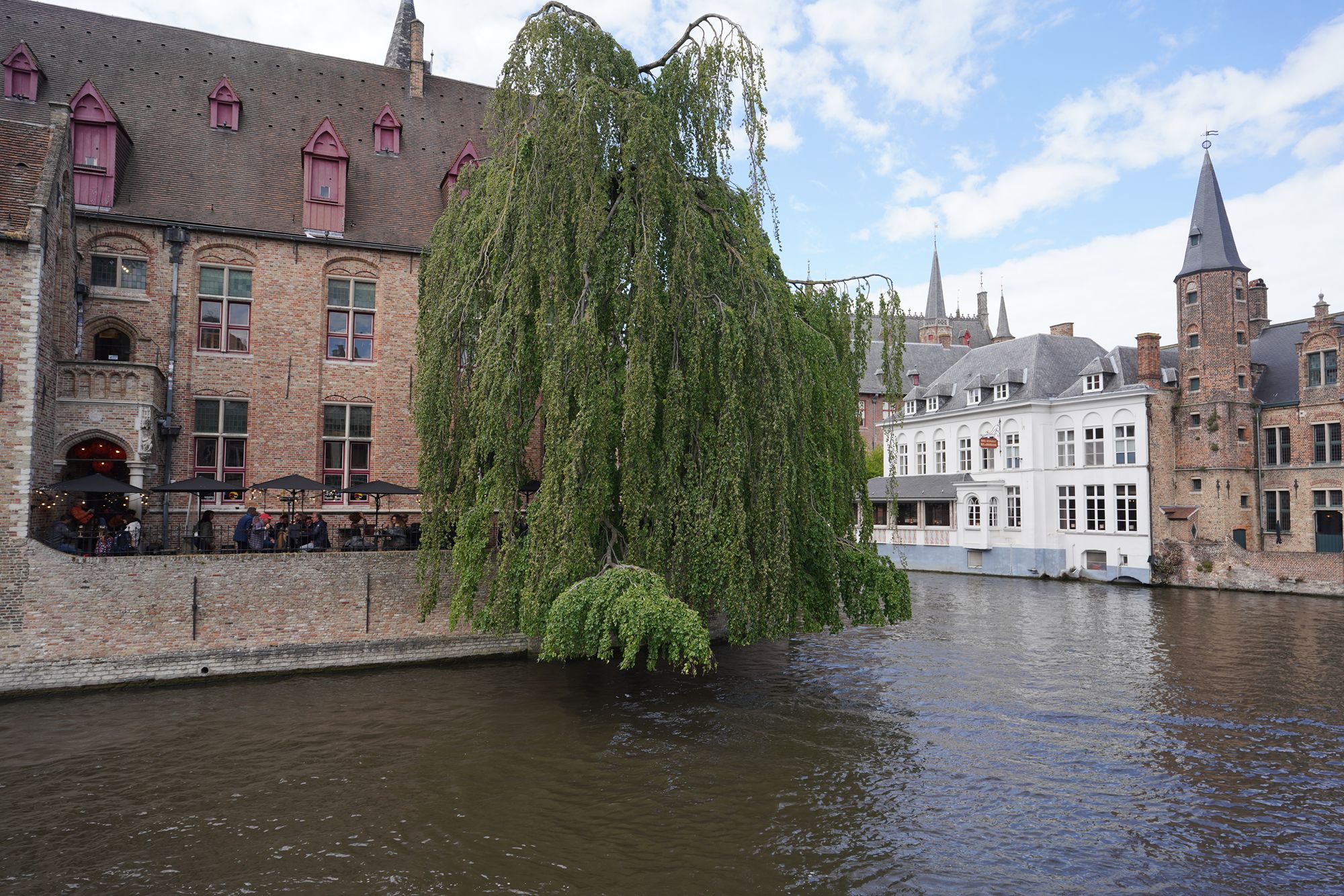
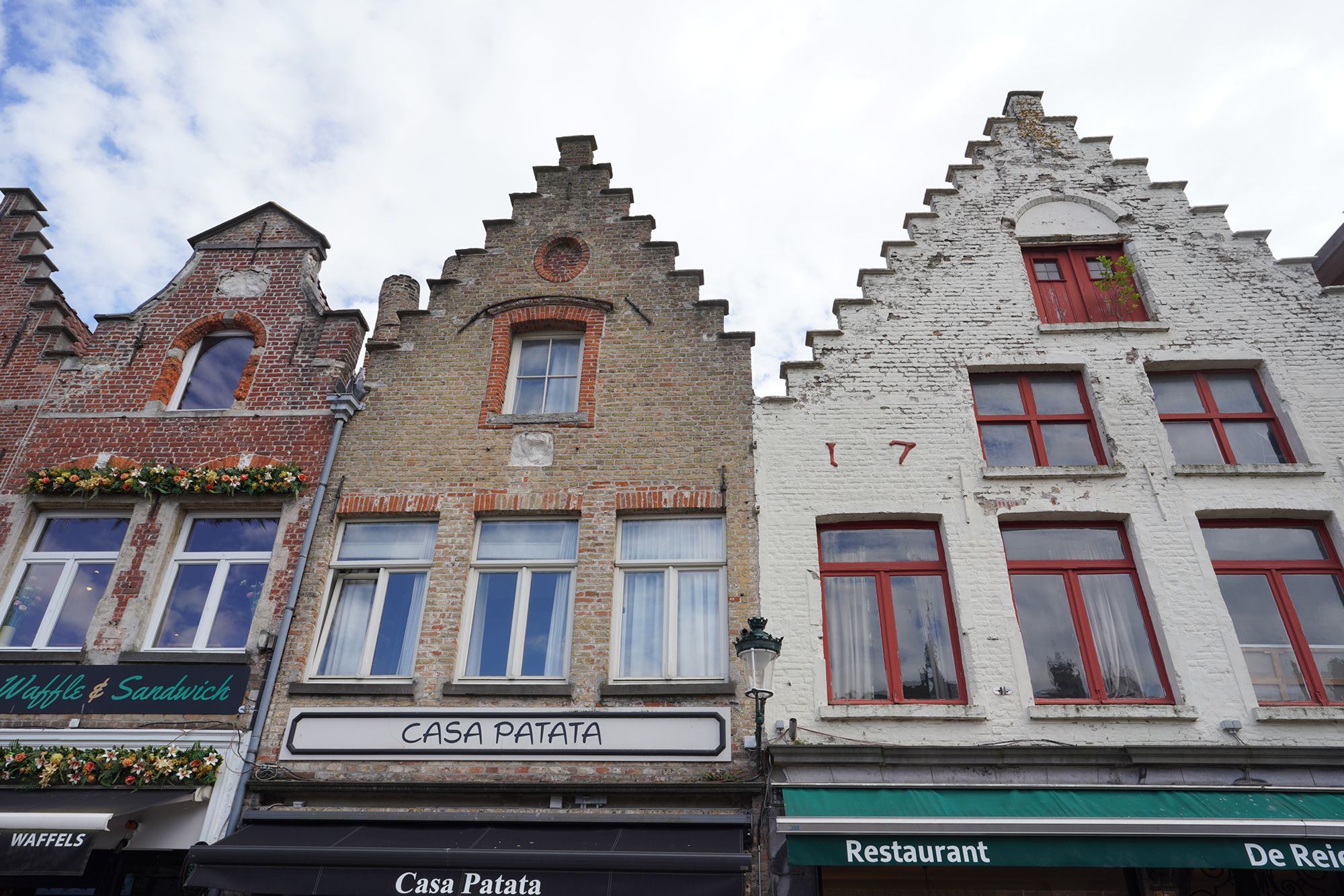
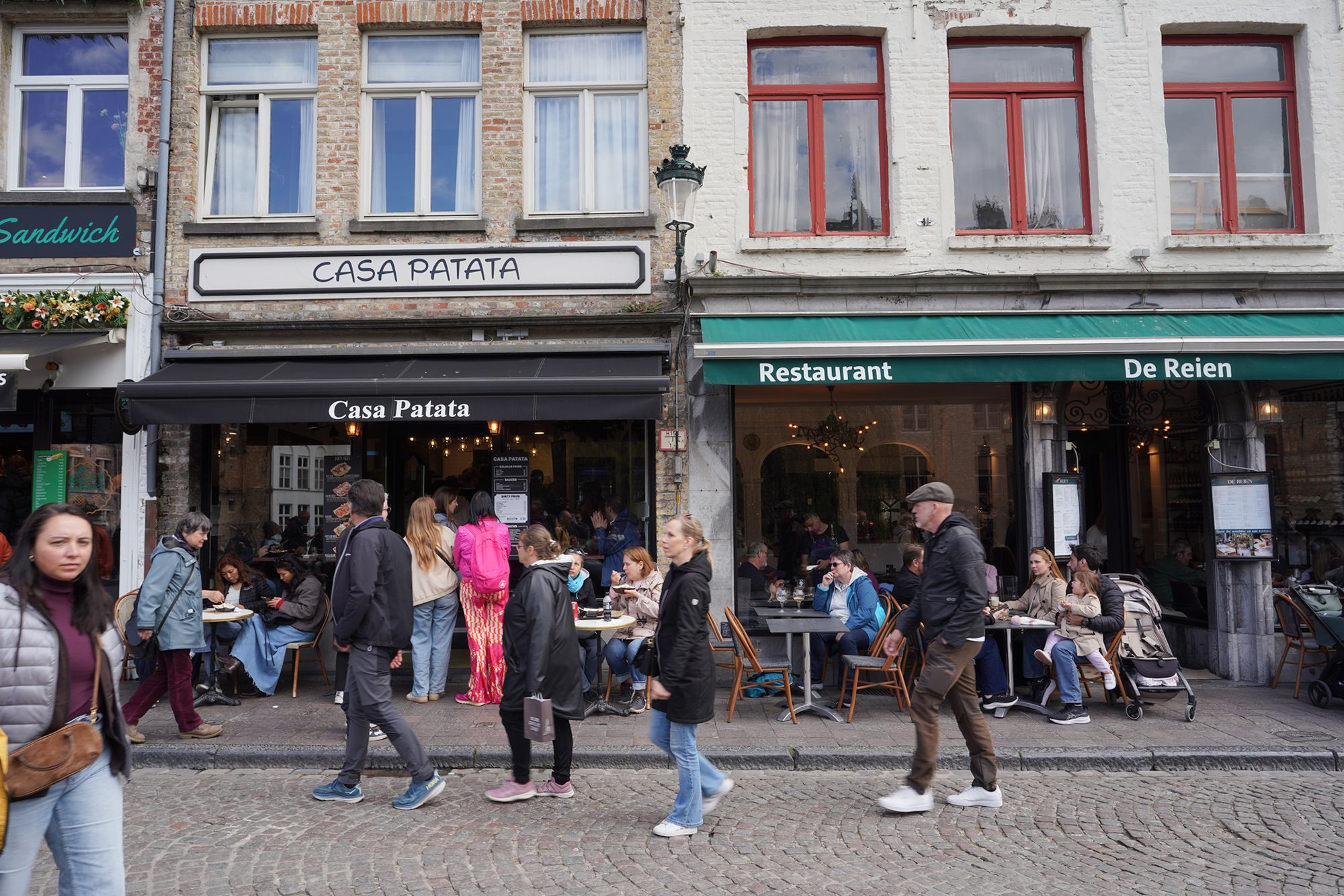
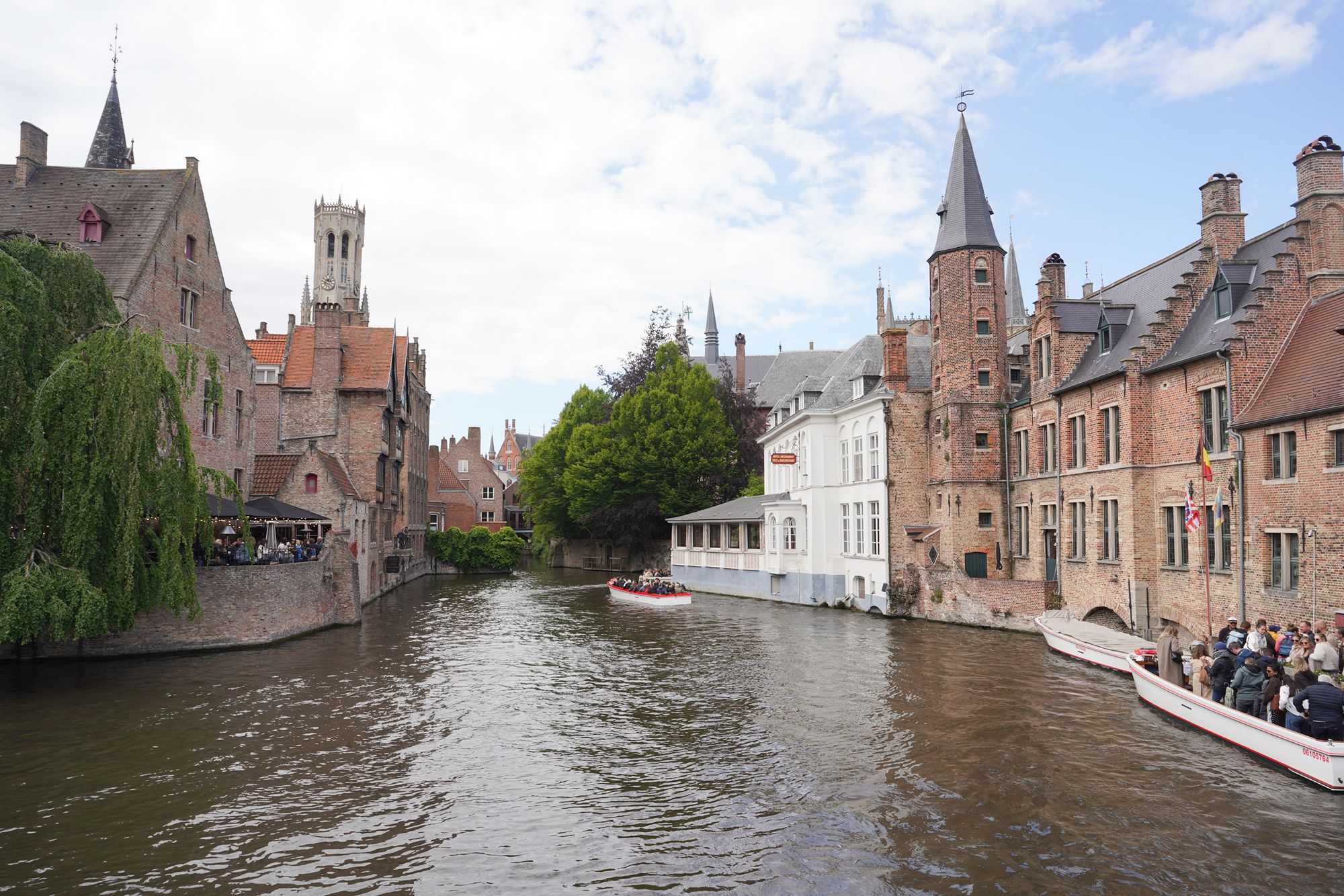
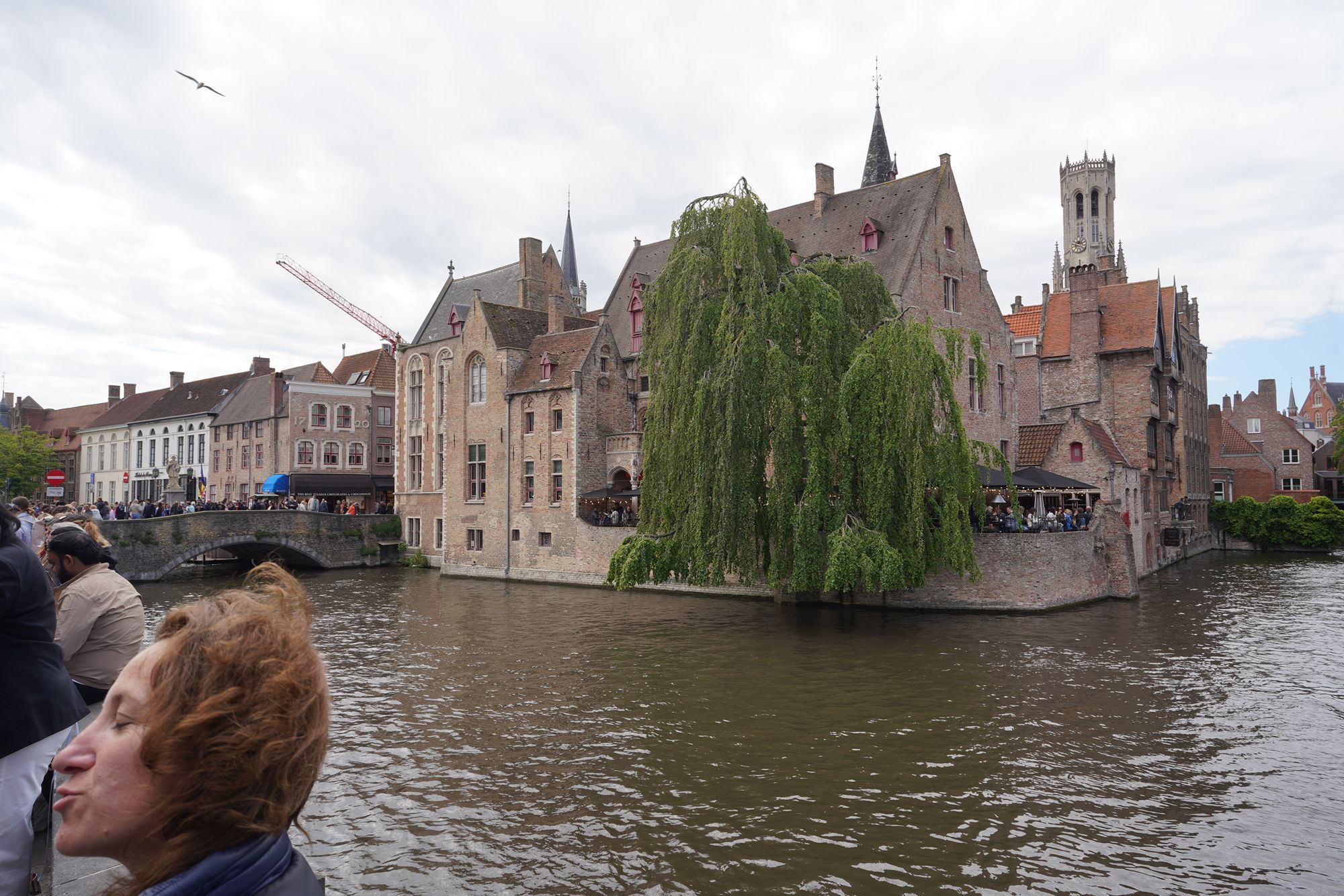
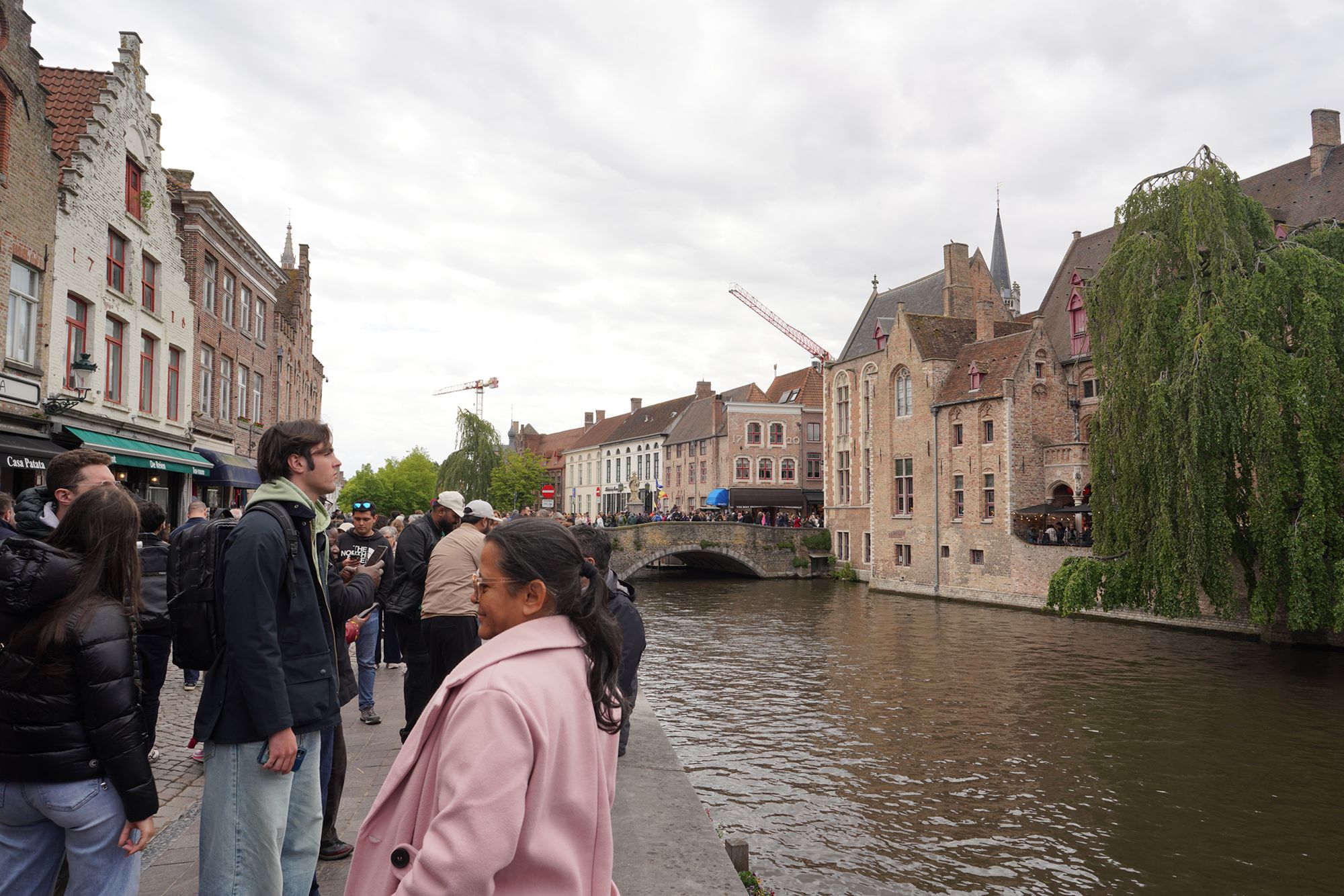
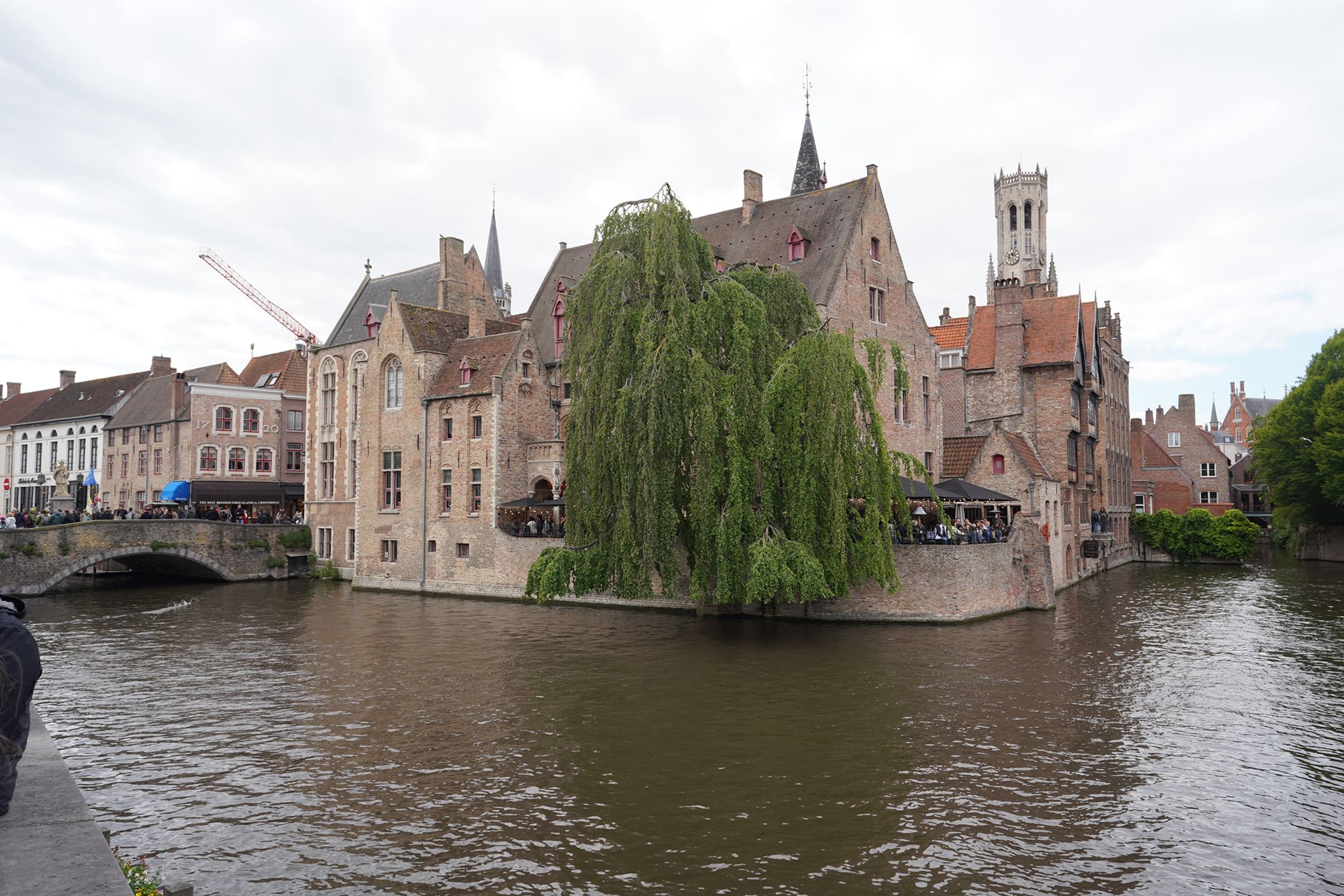
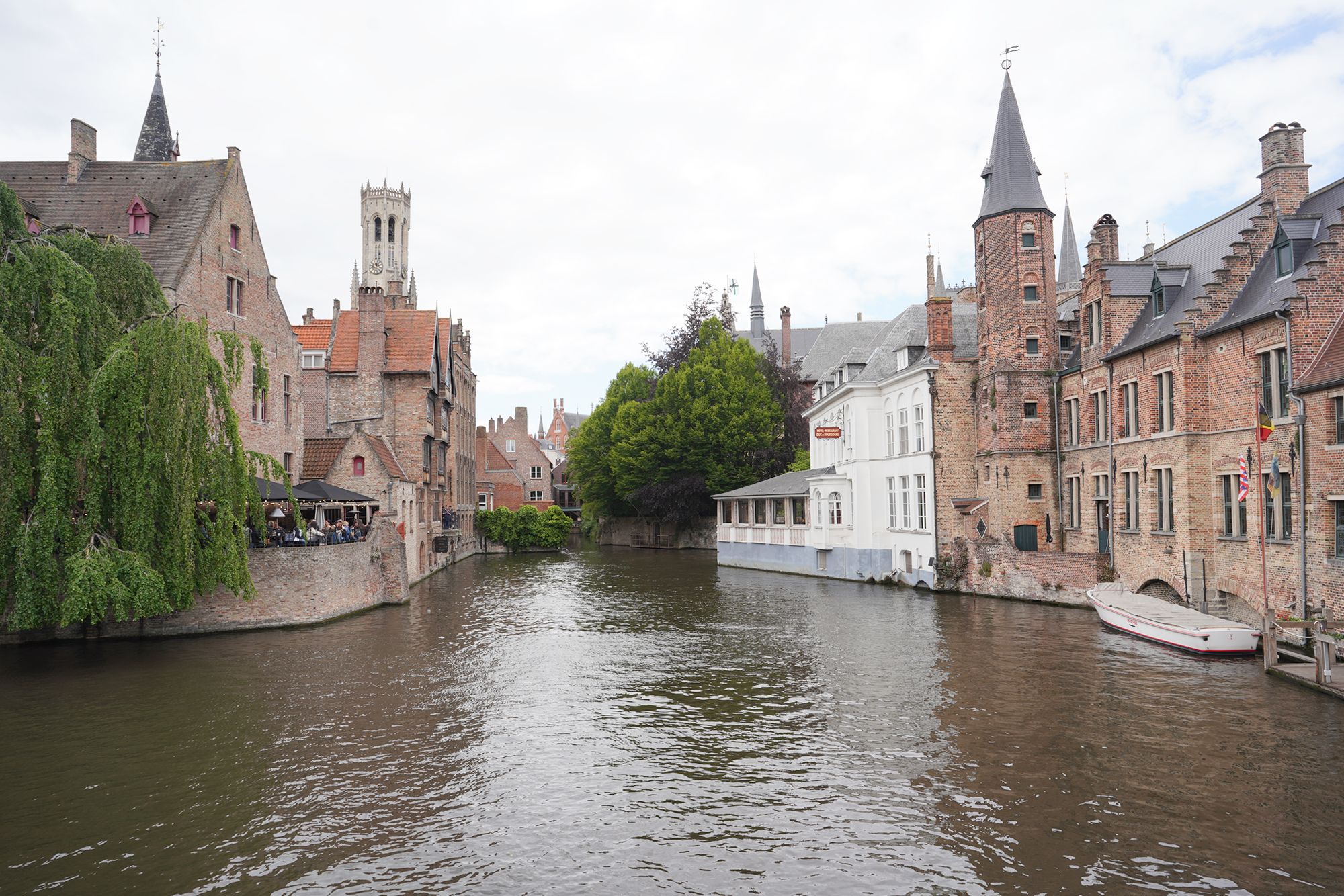
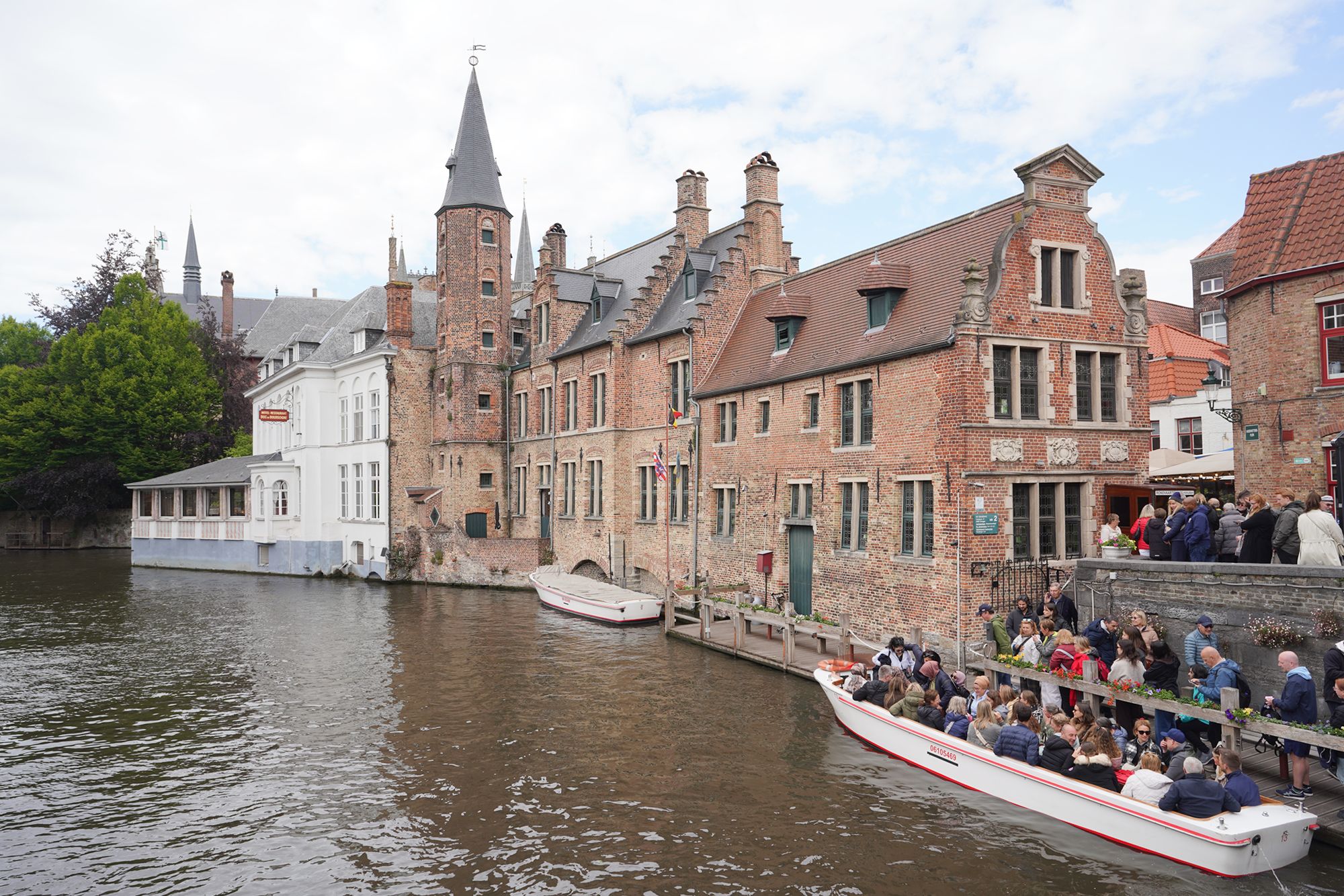
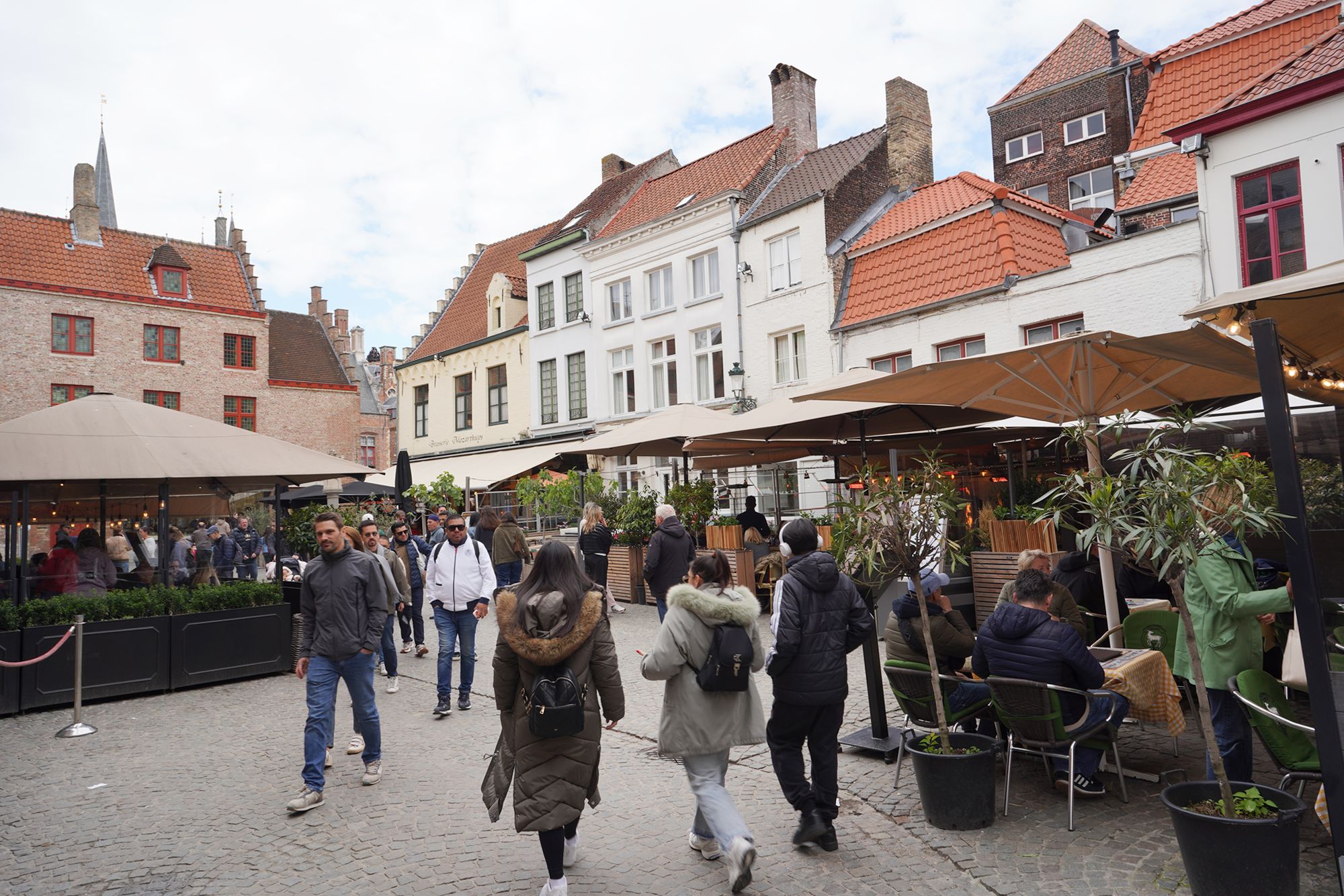
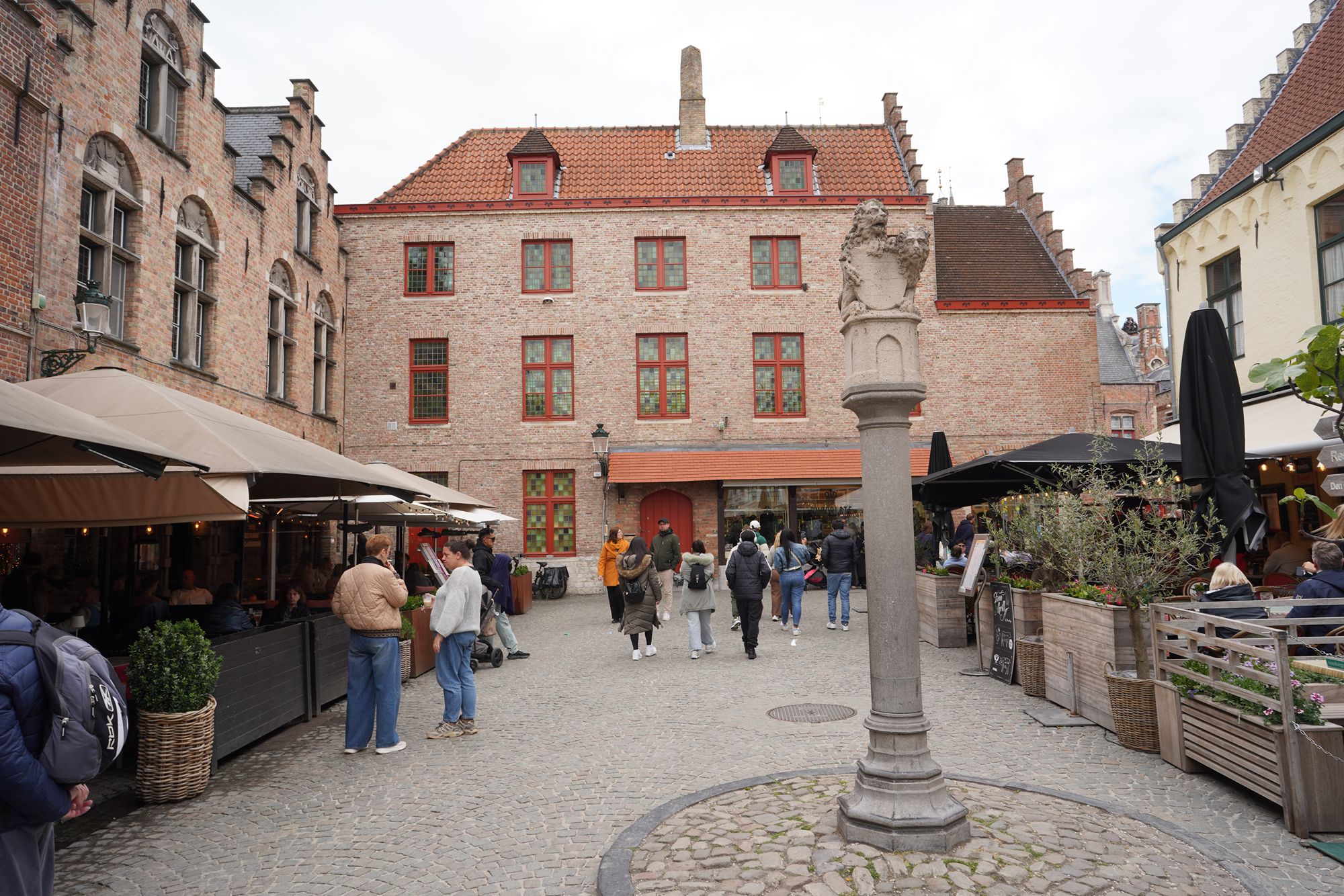
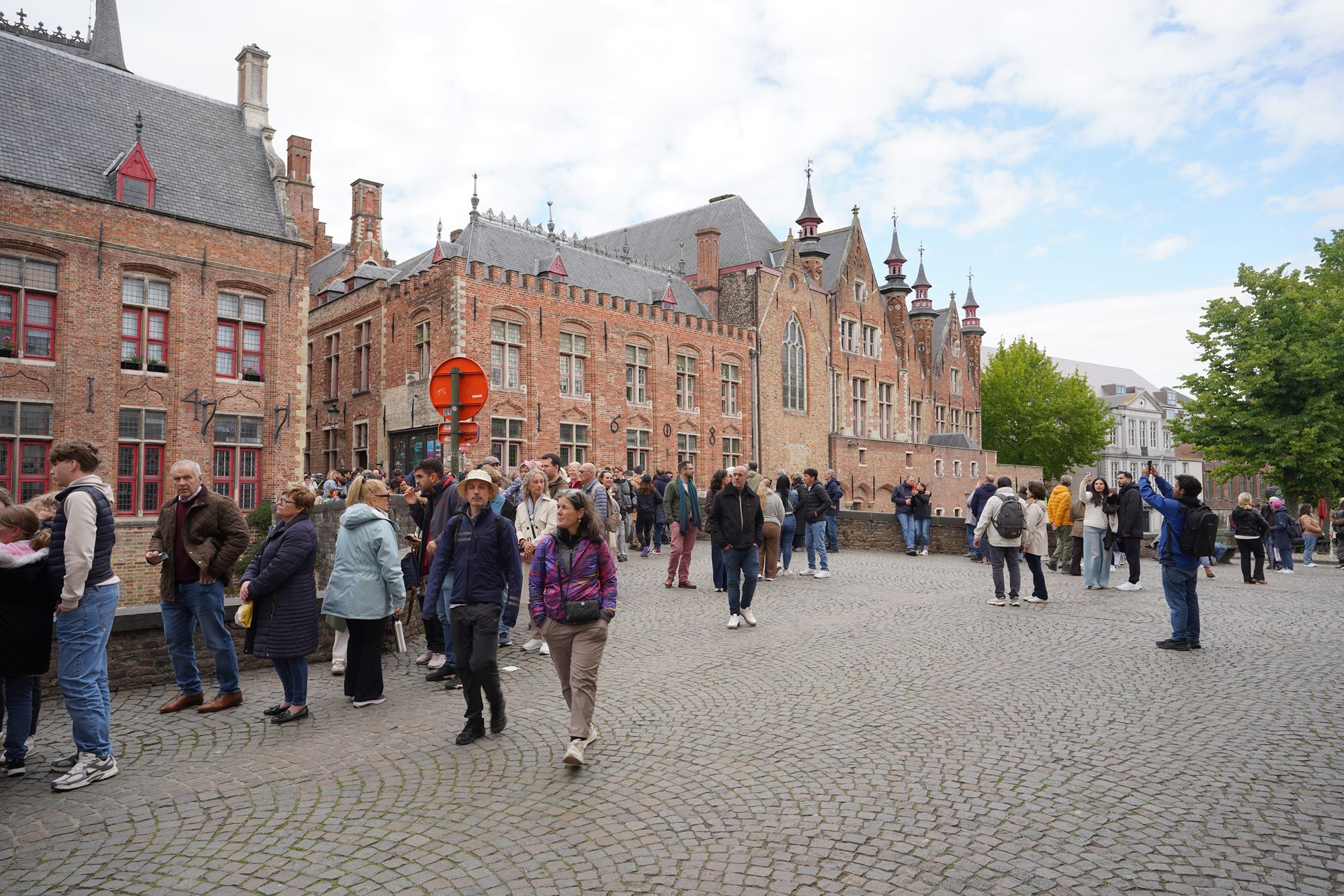
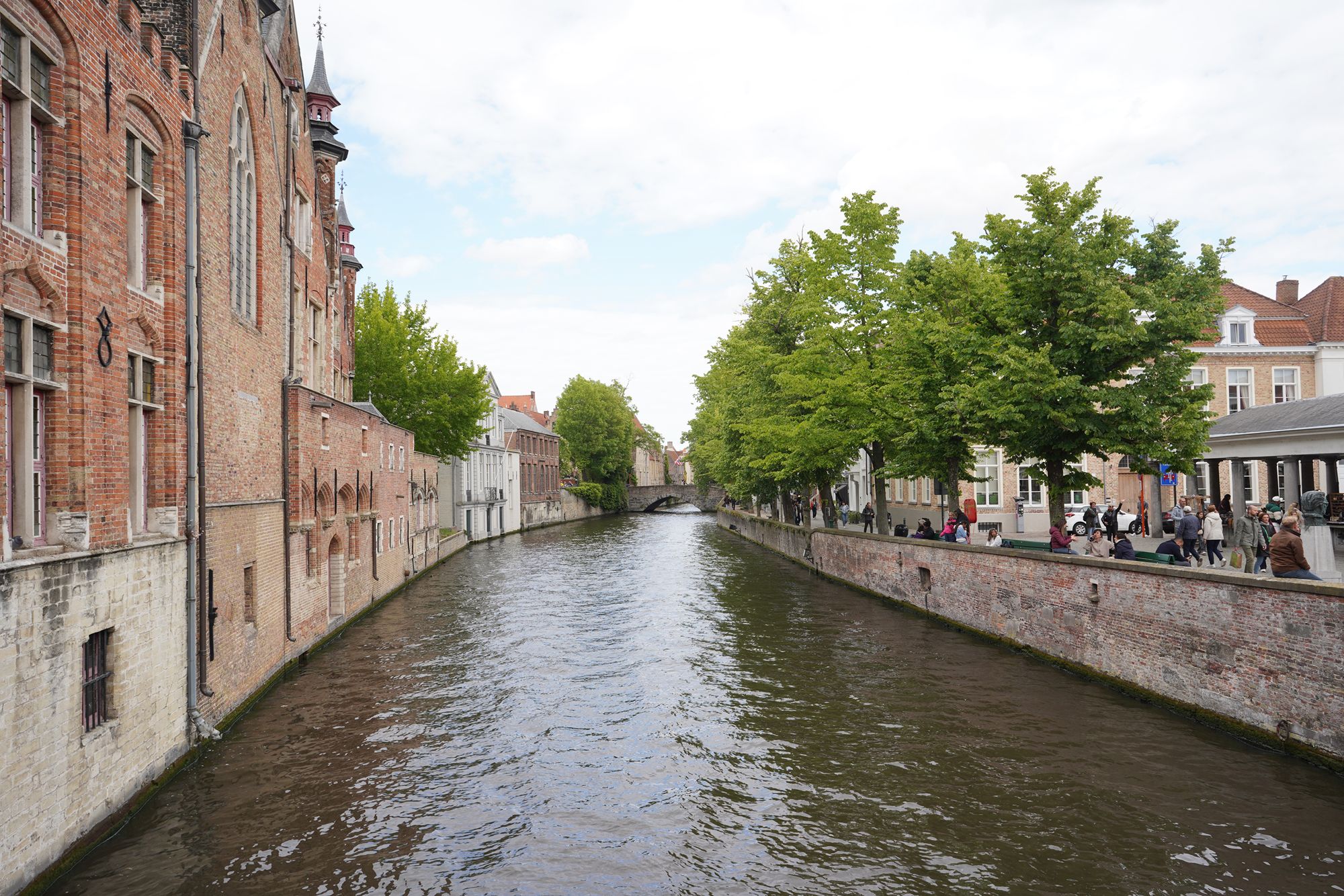
On one side of the canal
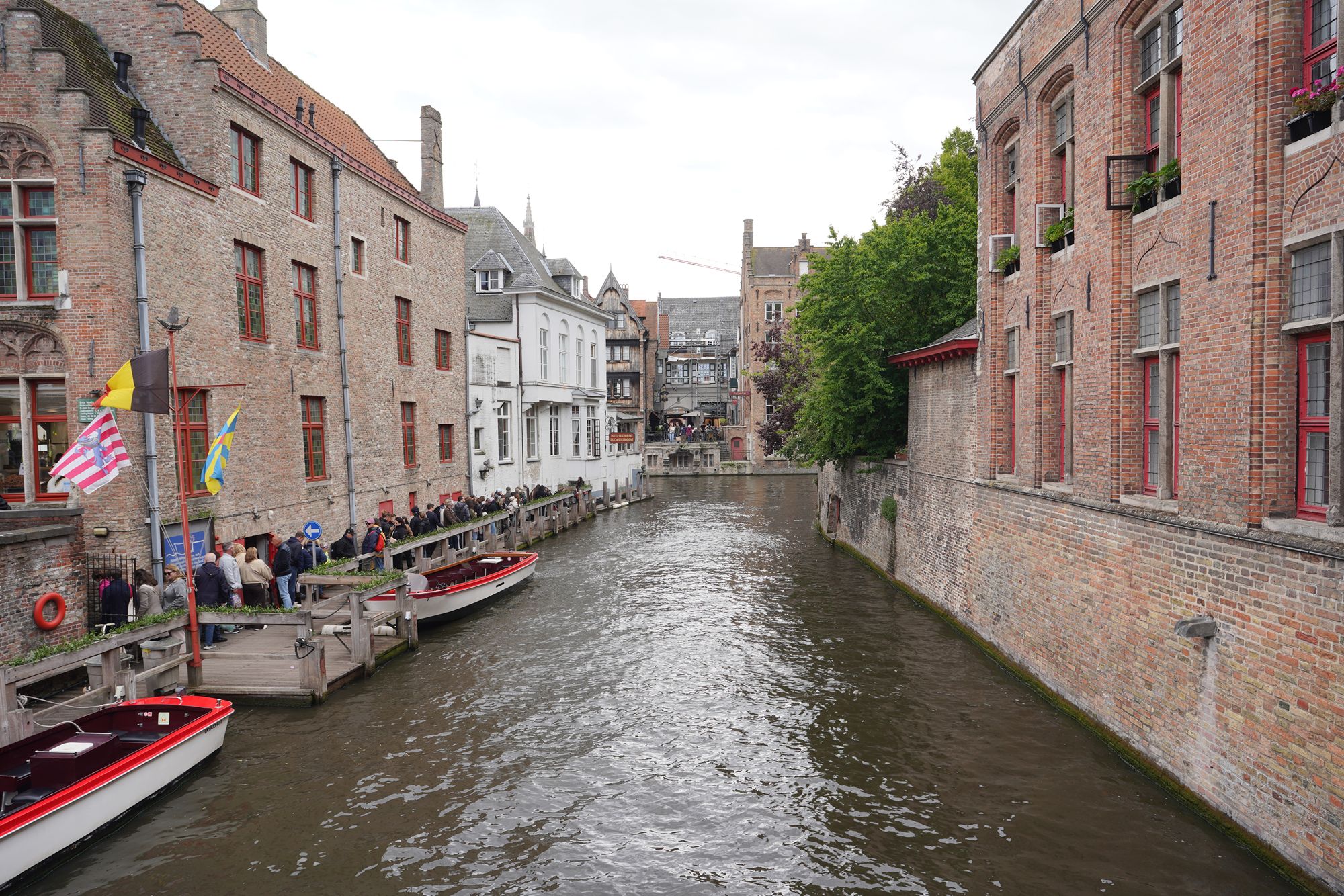
On the other side of the canal
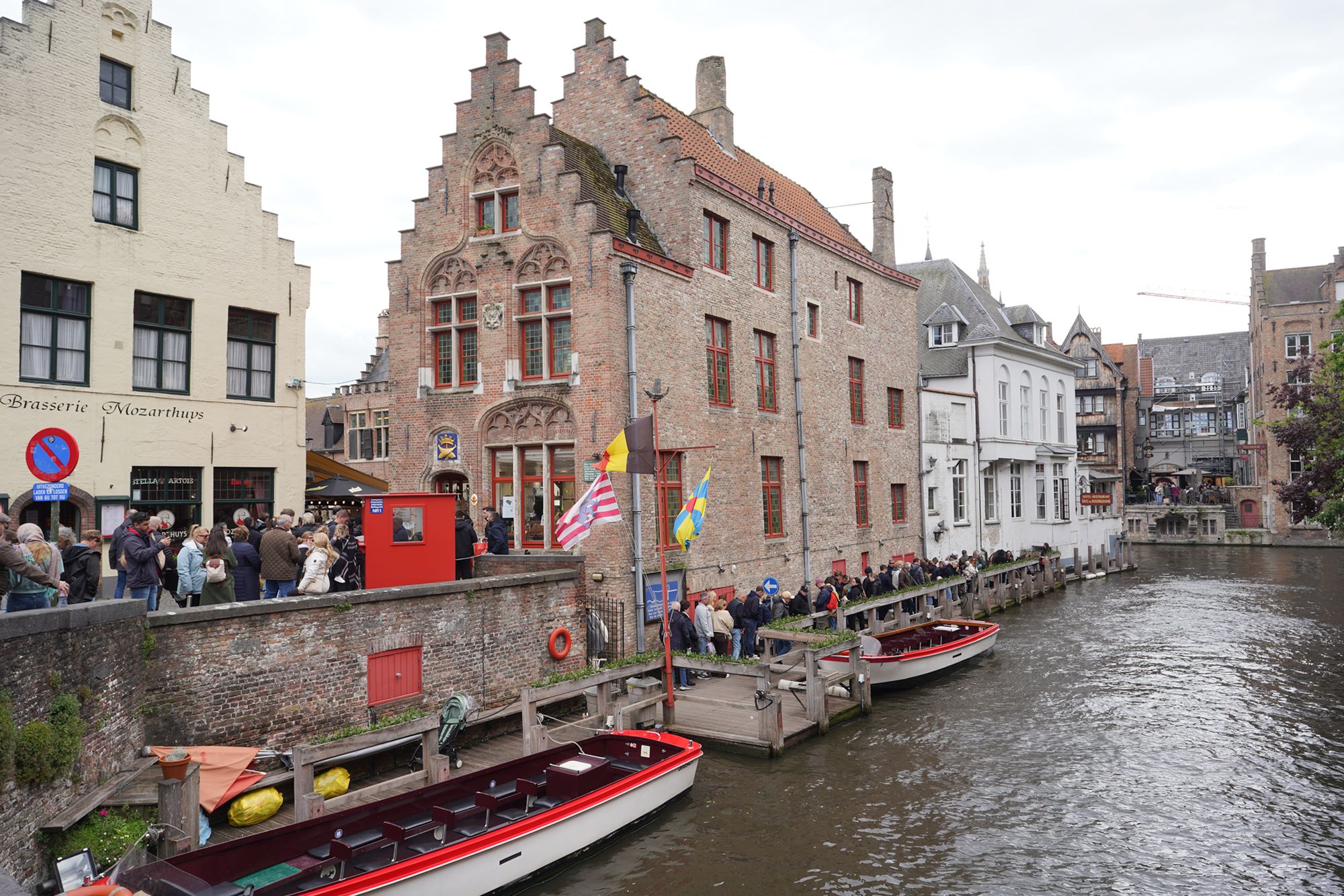
I came across another long line of visitors waiting for a canal boat tour, showing just how popular these cruises are in Bruges.
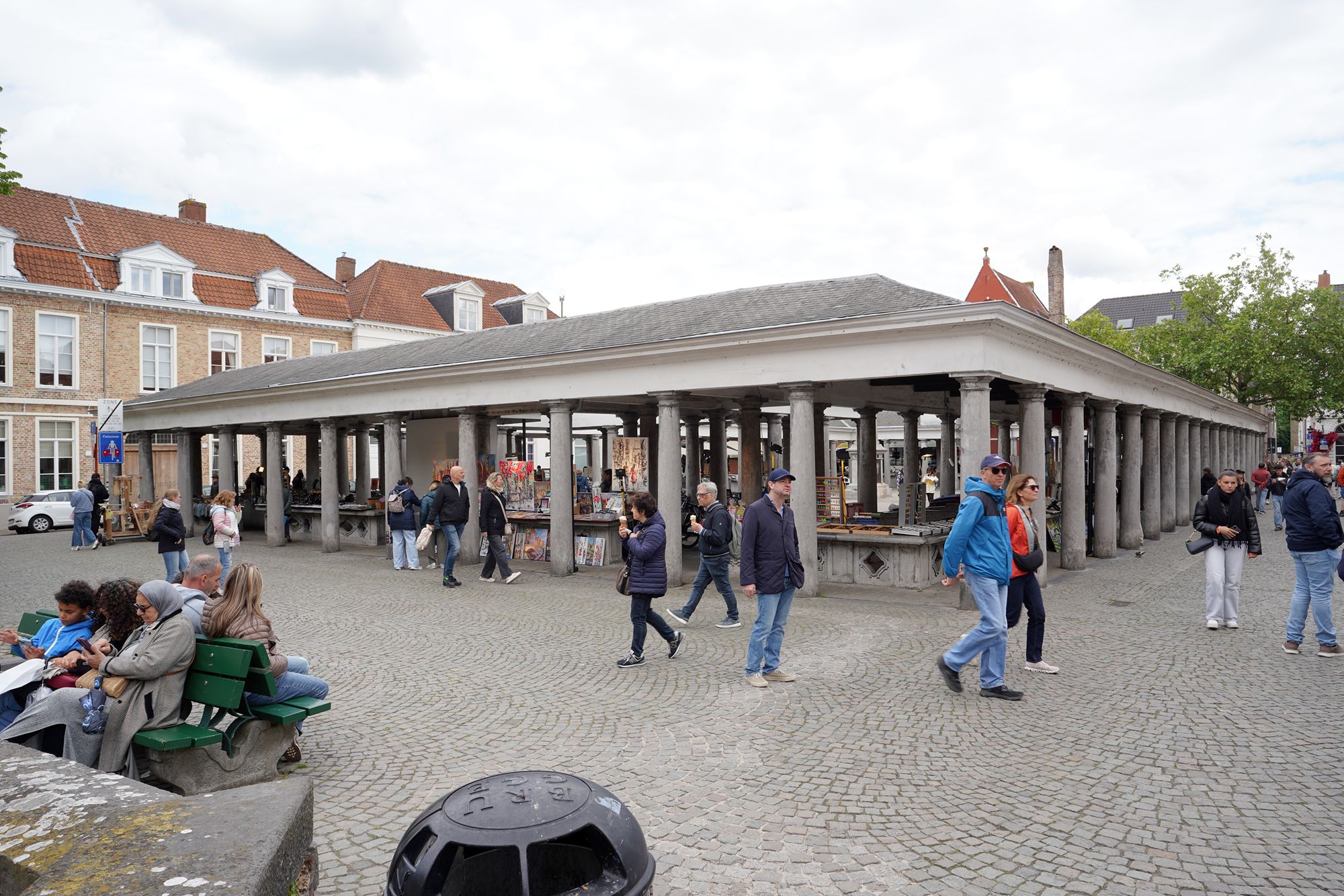
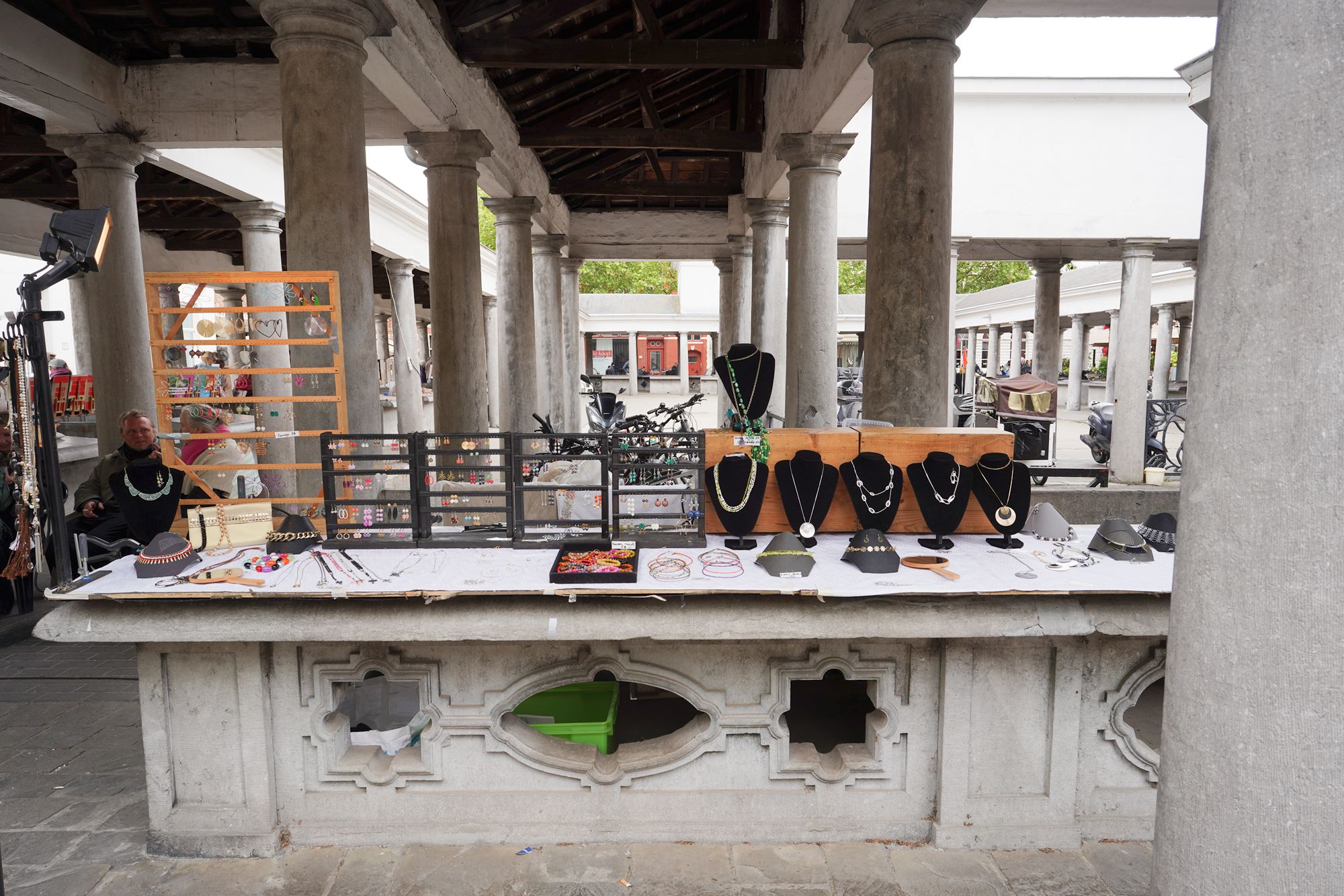
I came to the Fish Market (Vismarkt), but there were no fish being sold at this time. Instead, small vendors had set up stalls selling jewelry, crafts, and other small items.
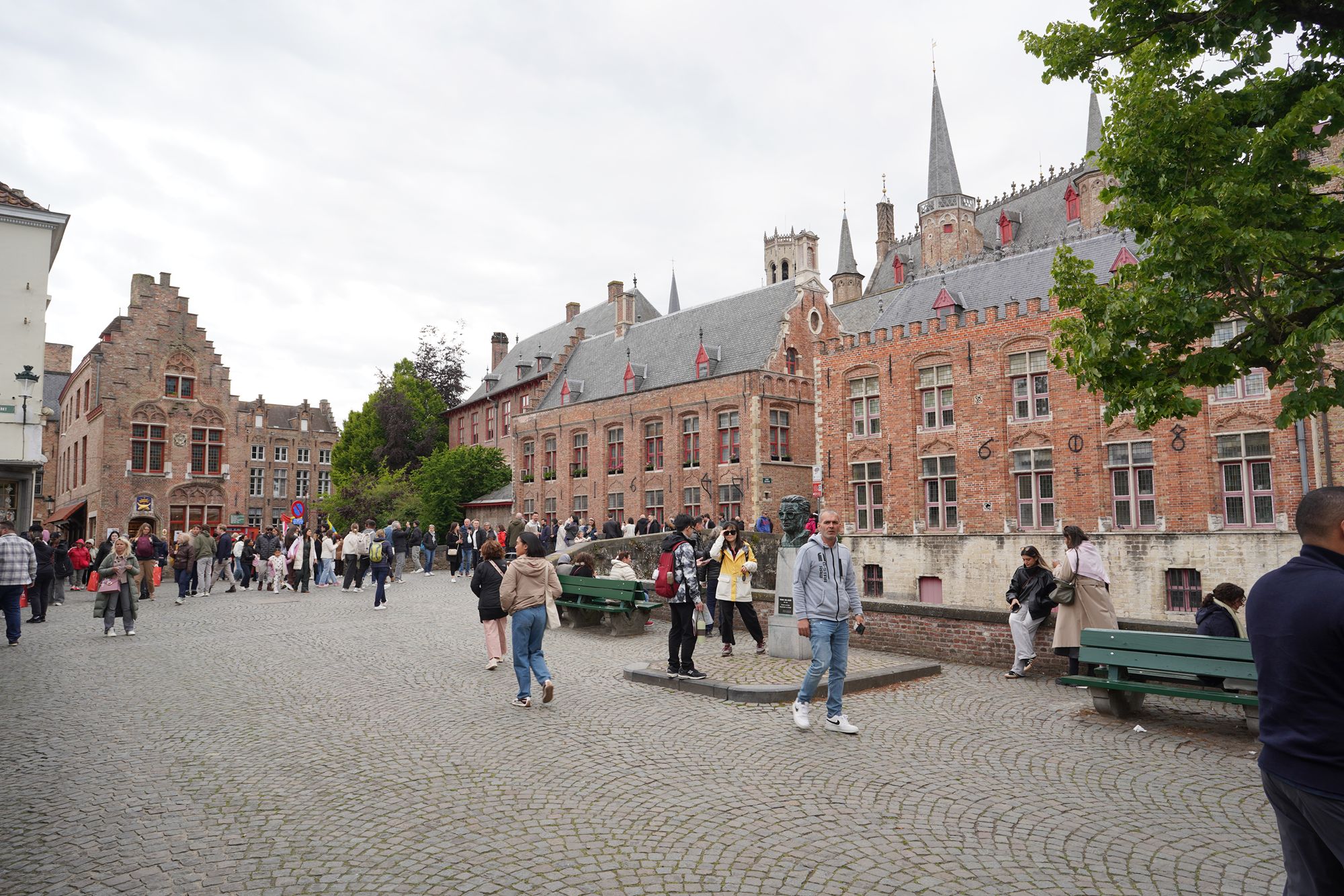
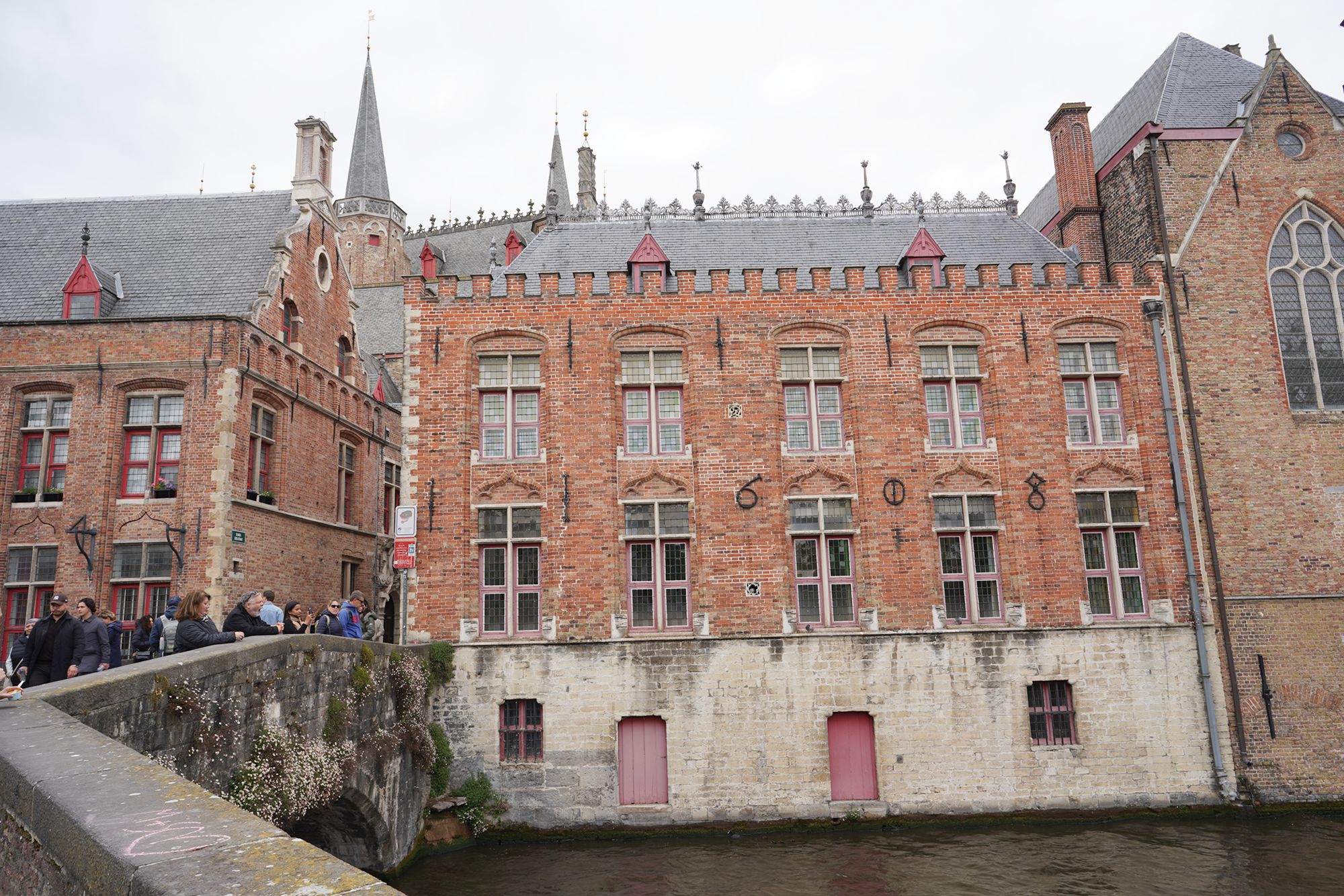
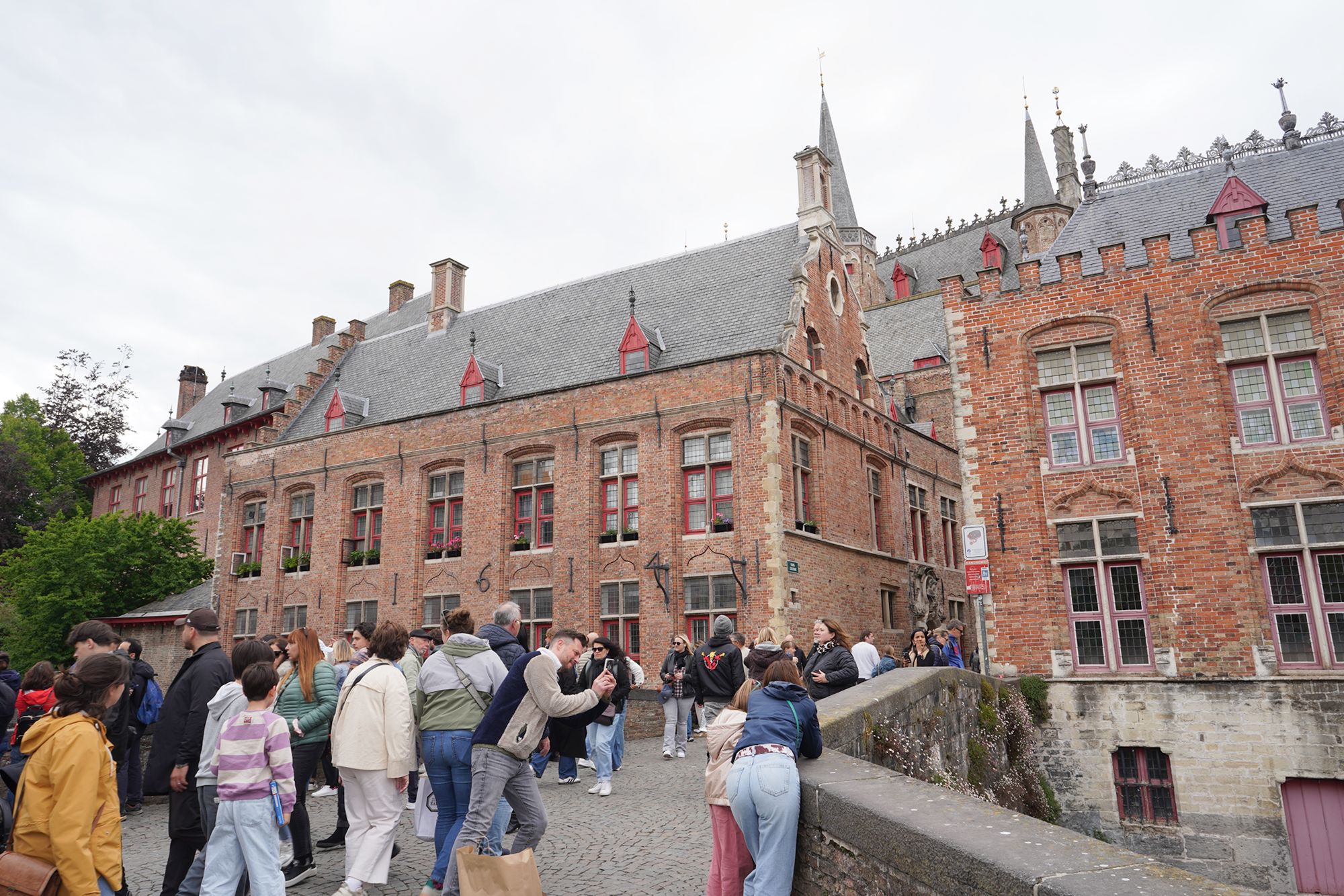
I continued along Blinde-Ezelstraat, a narrow historic street connecting Bruges’ Fish Market (Vismarkt) with Burg Square, surrounded by beautiful old architecture.
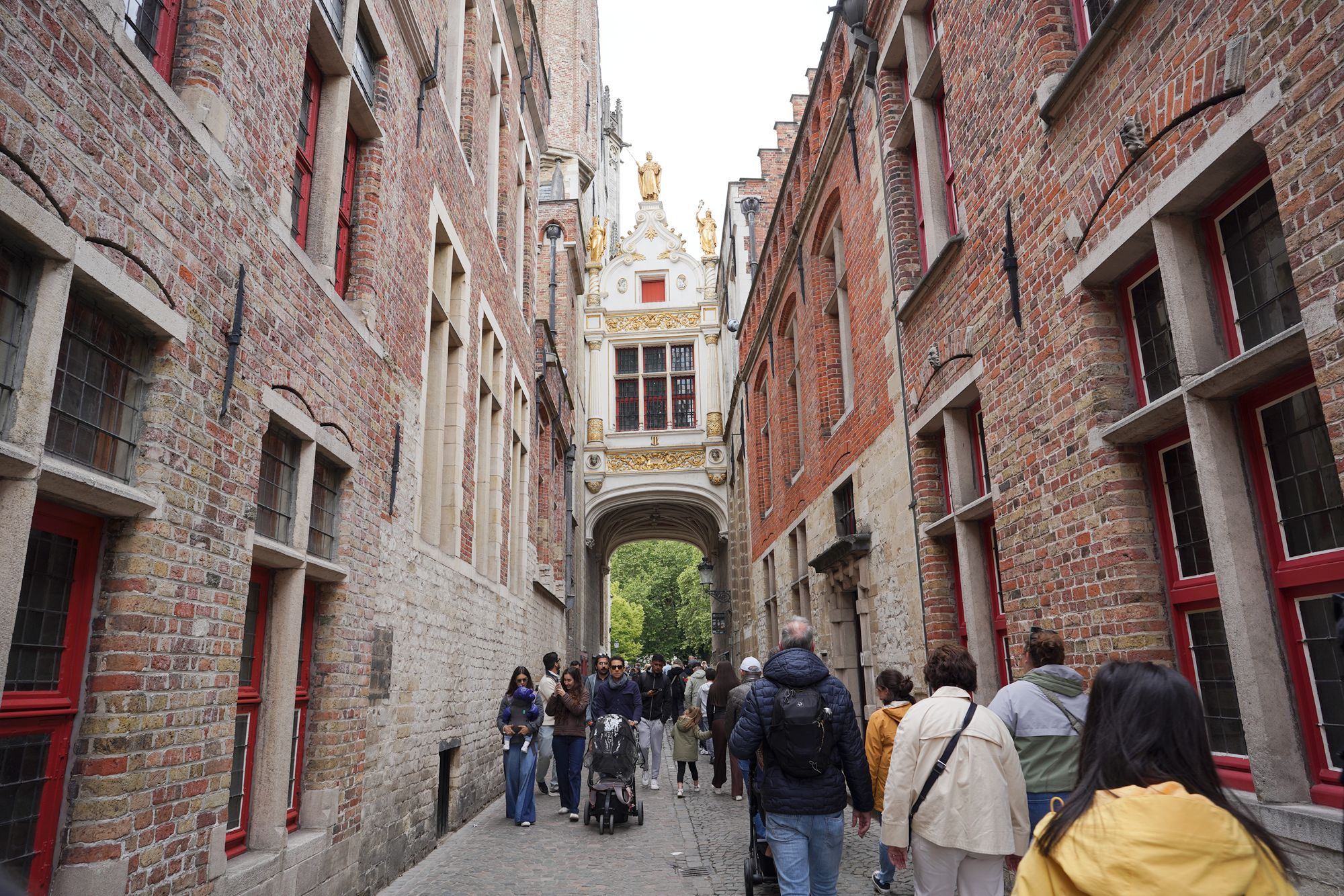
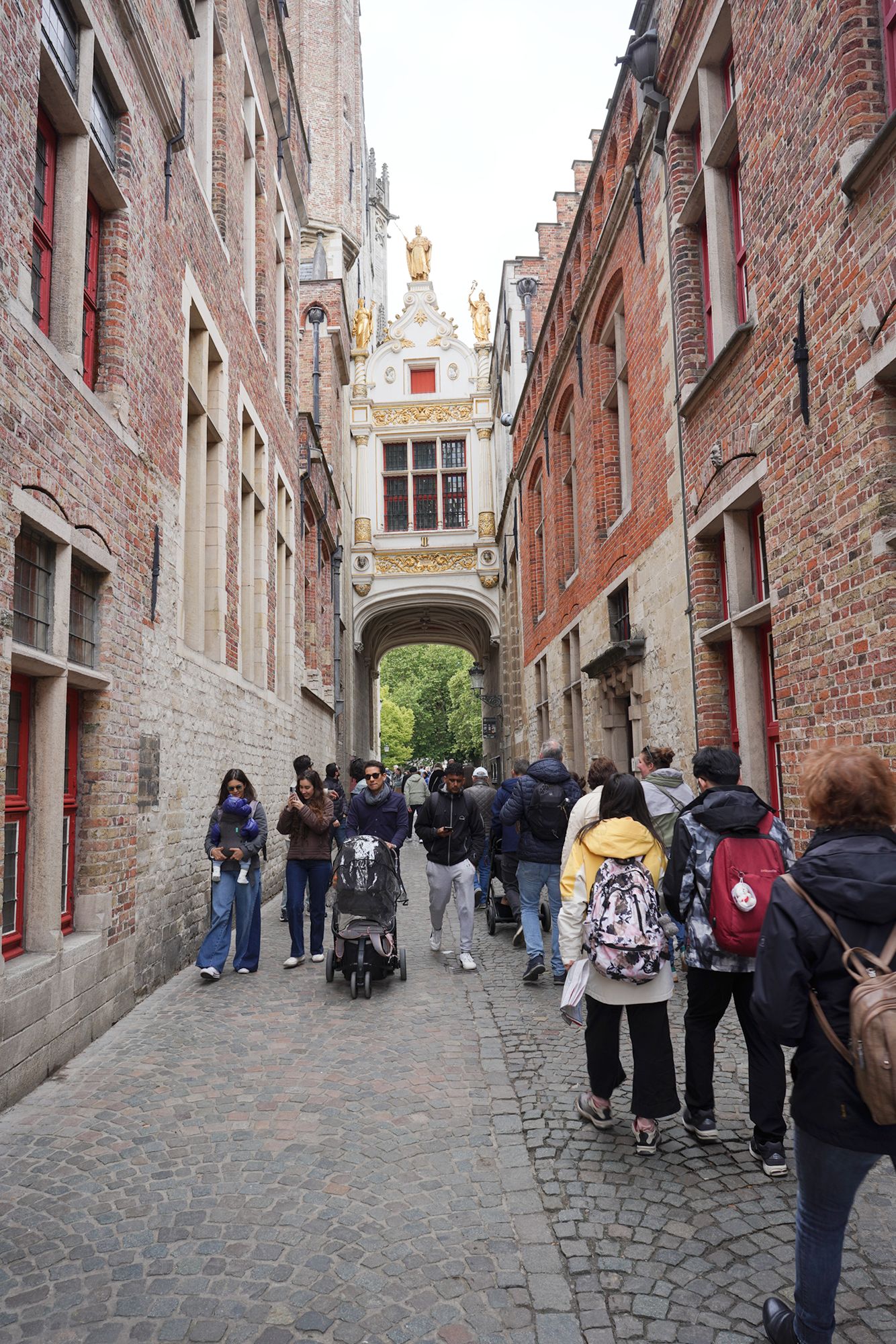
I arrived at Burg Square, one of Bruges’ most impressive historic squares, surrounded by richly decorated buildings representing centuries of the city’s history.
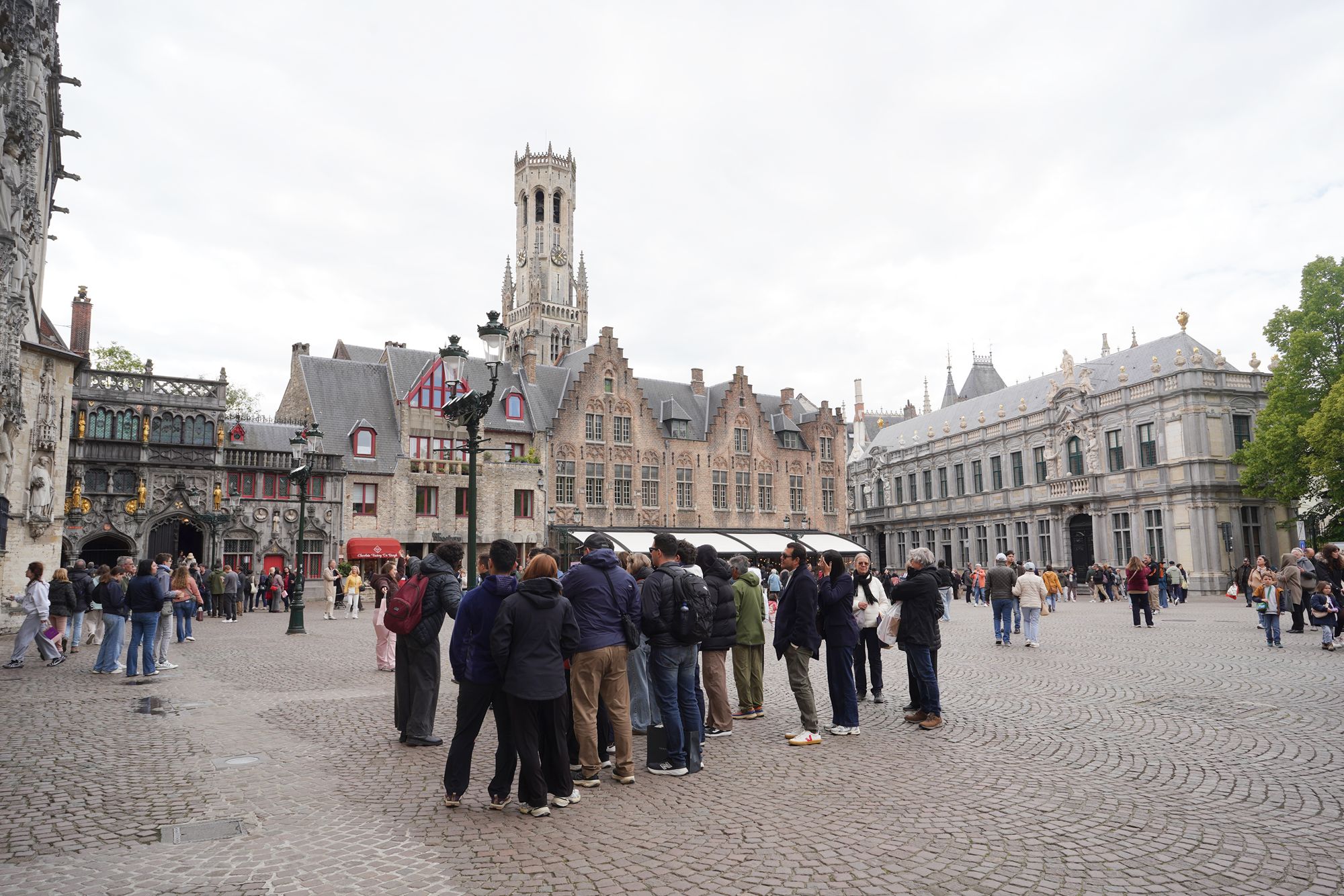
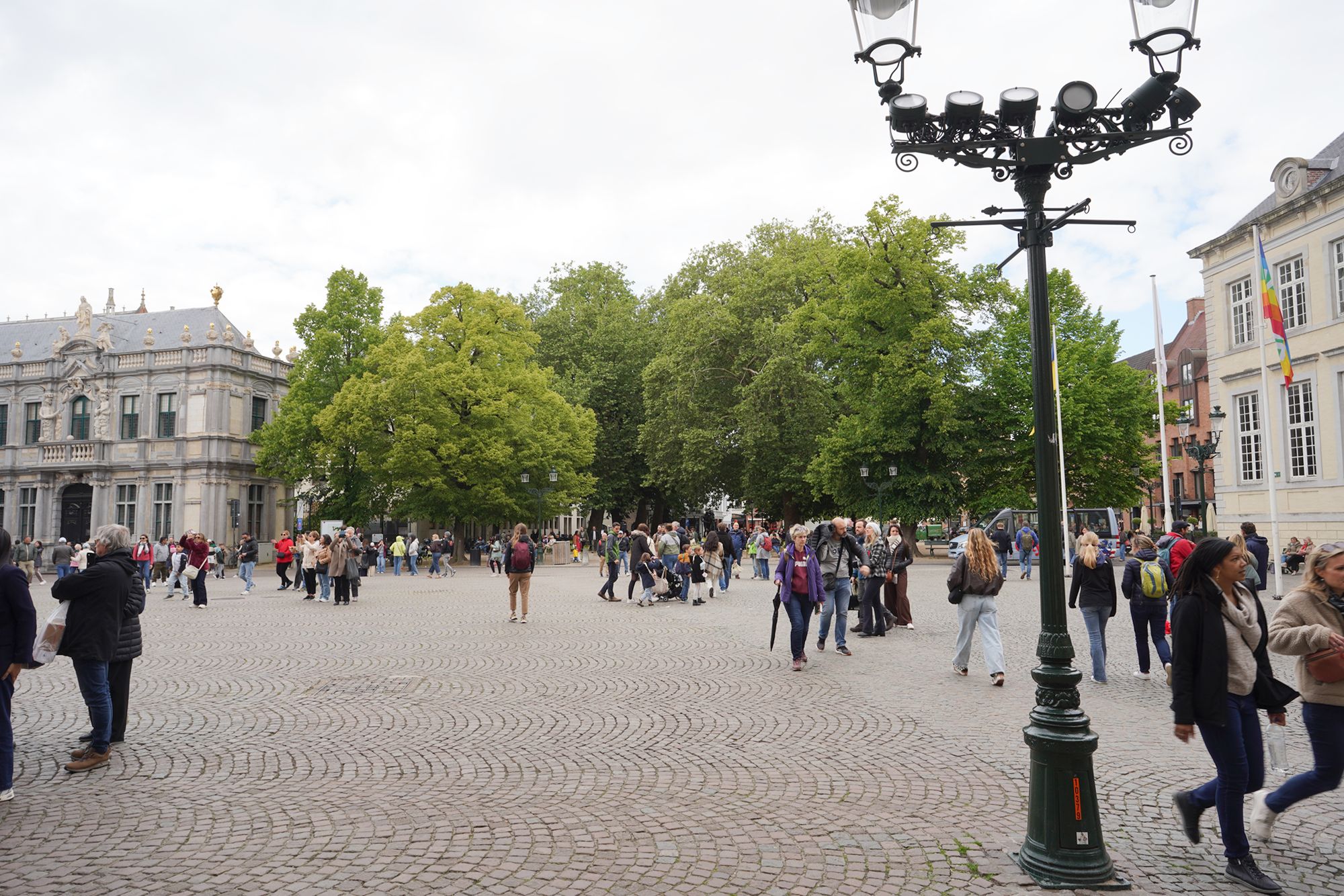
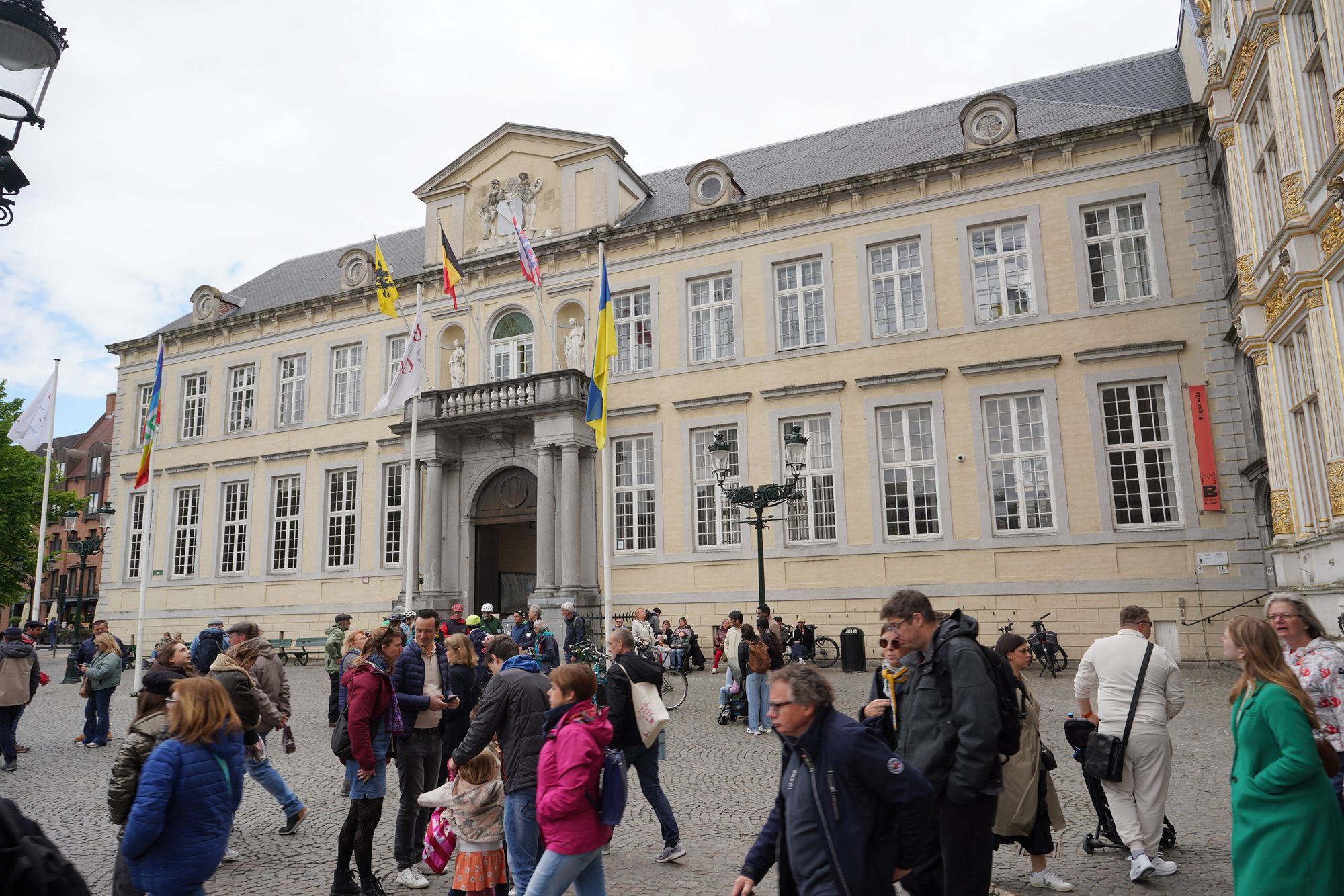
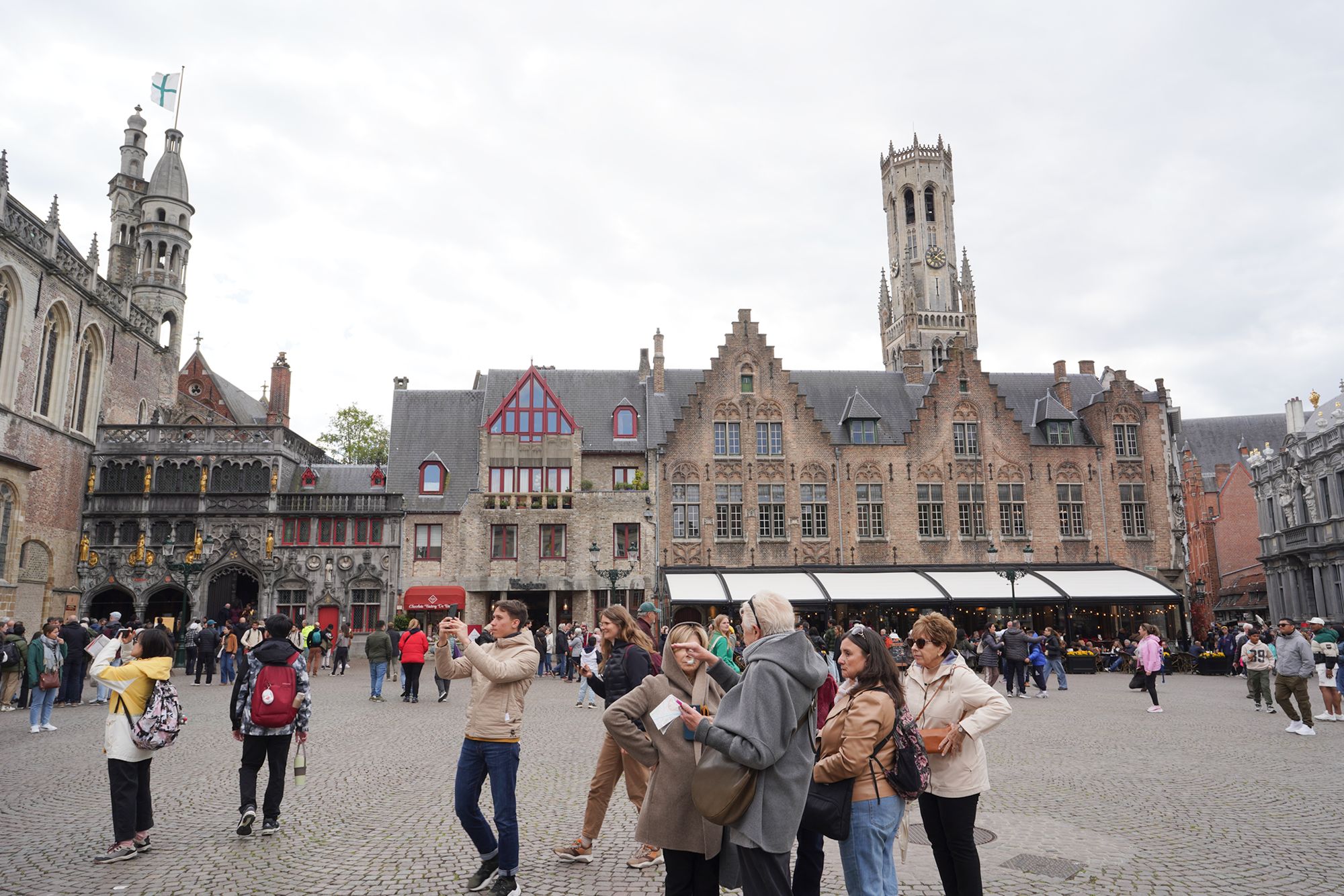
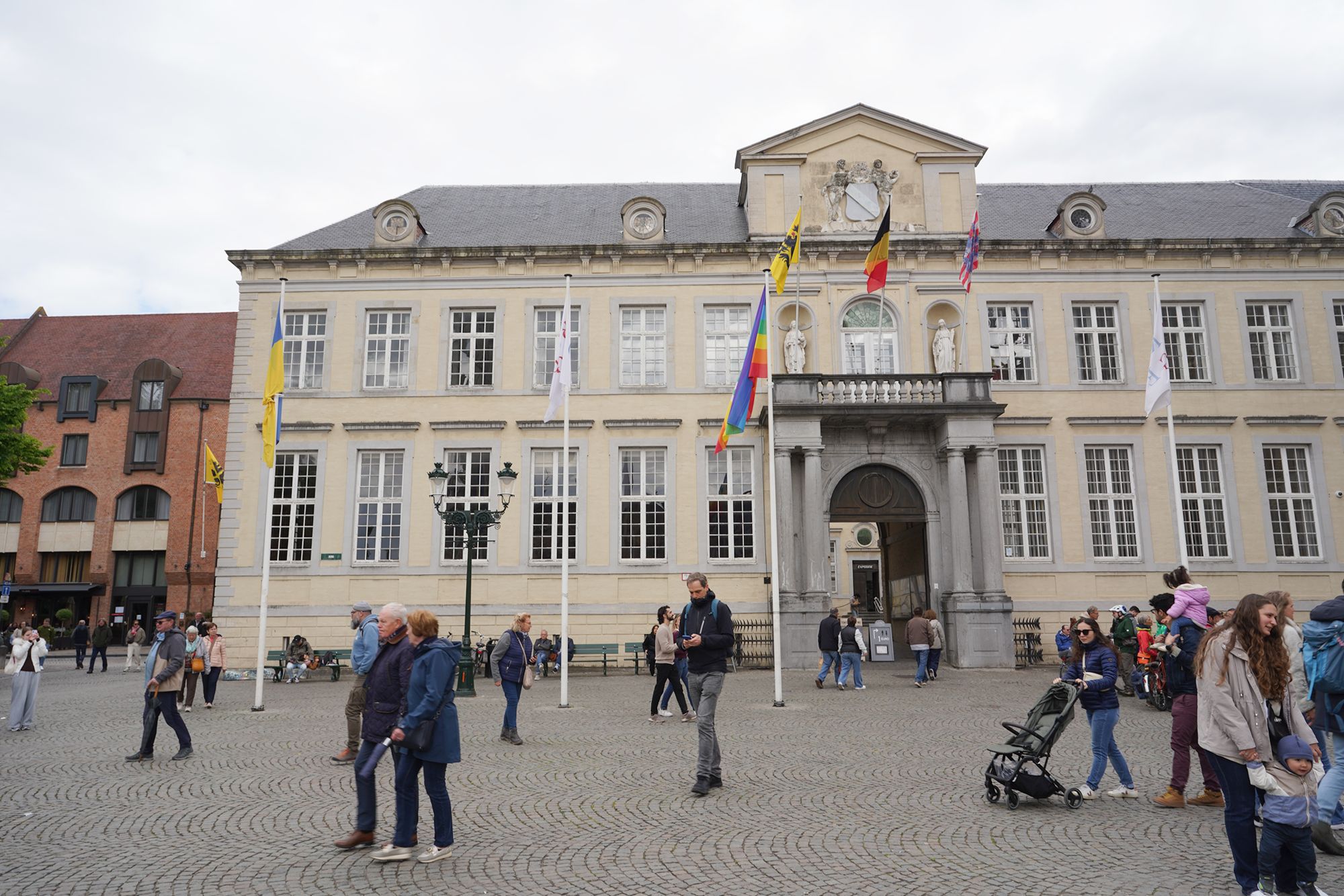
I came to Bruges City Hall (Stadhuis) on Burg Square, an impressive Gothic building dating from the late 14th century, with an elaborate façade decorated with statues and tall windows.
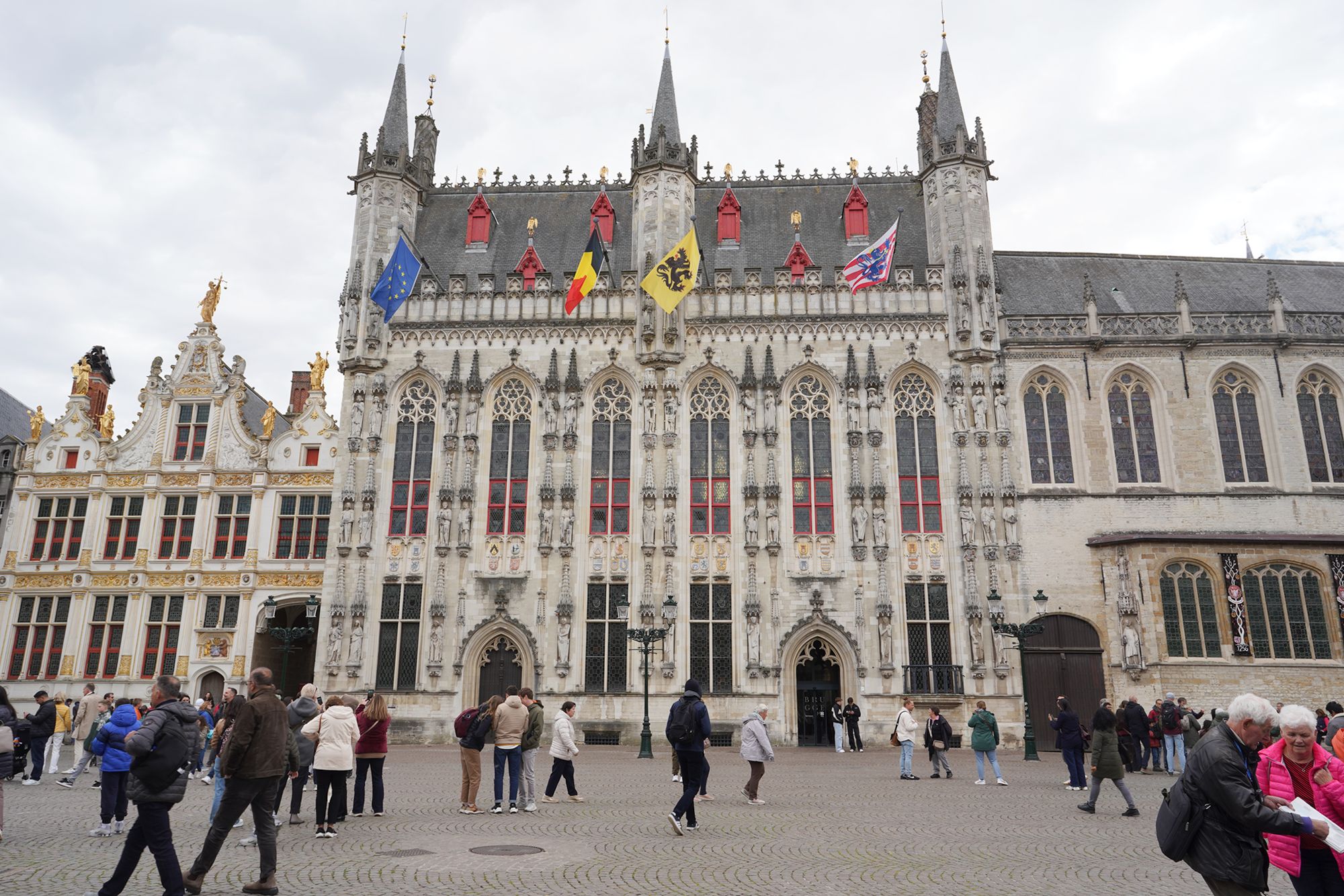
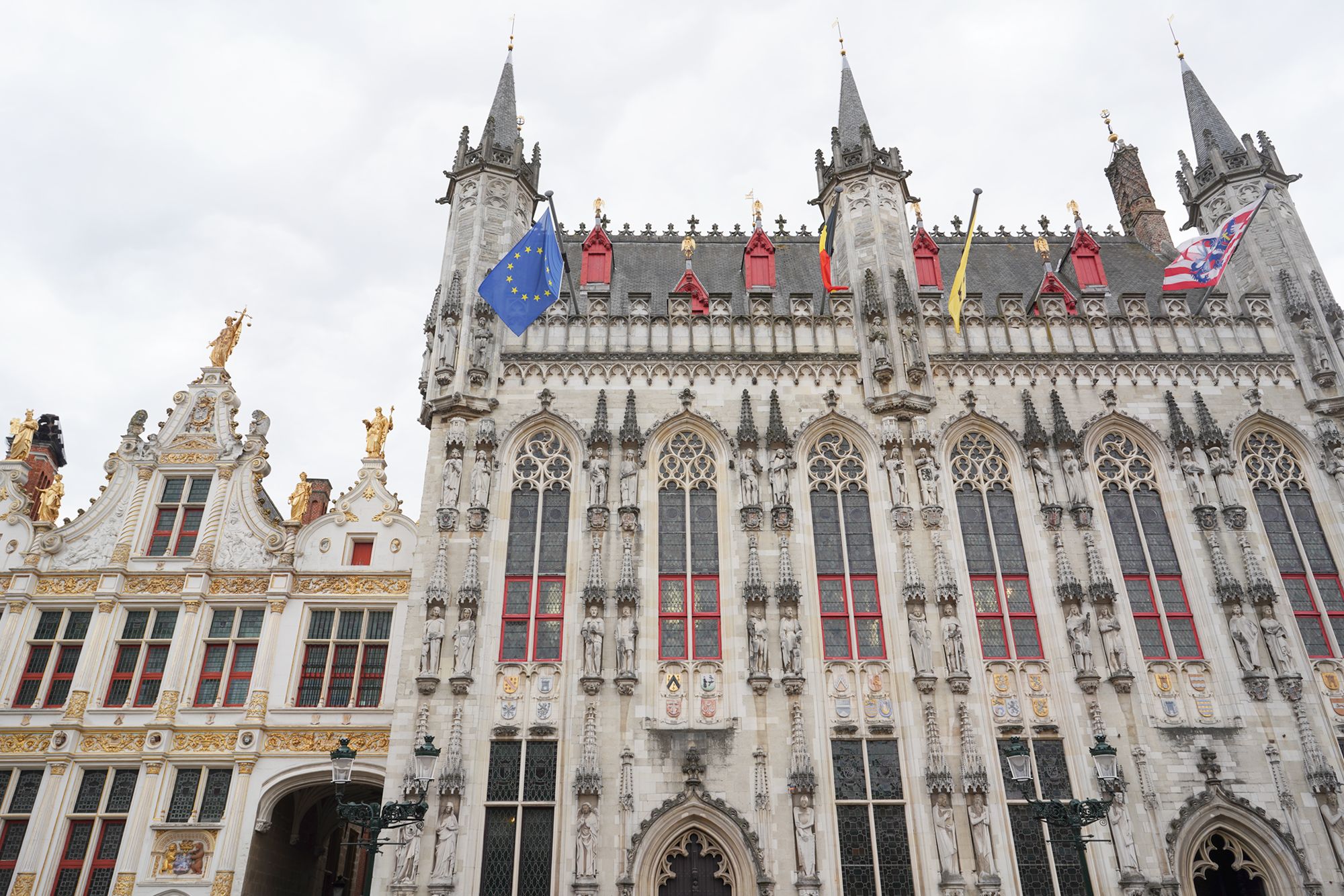
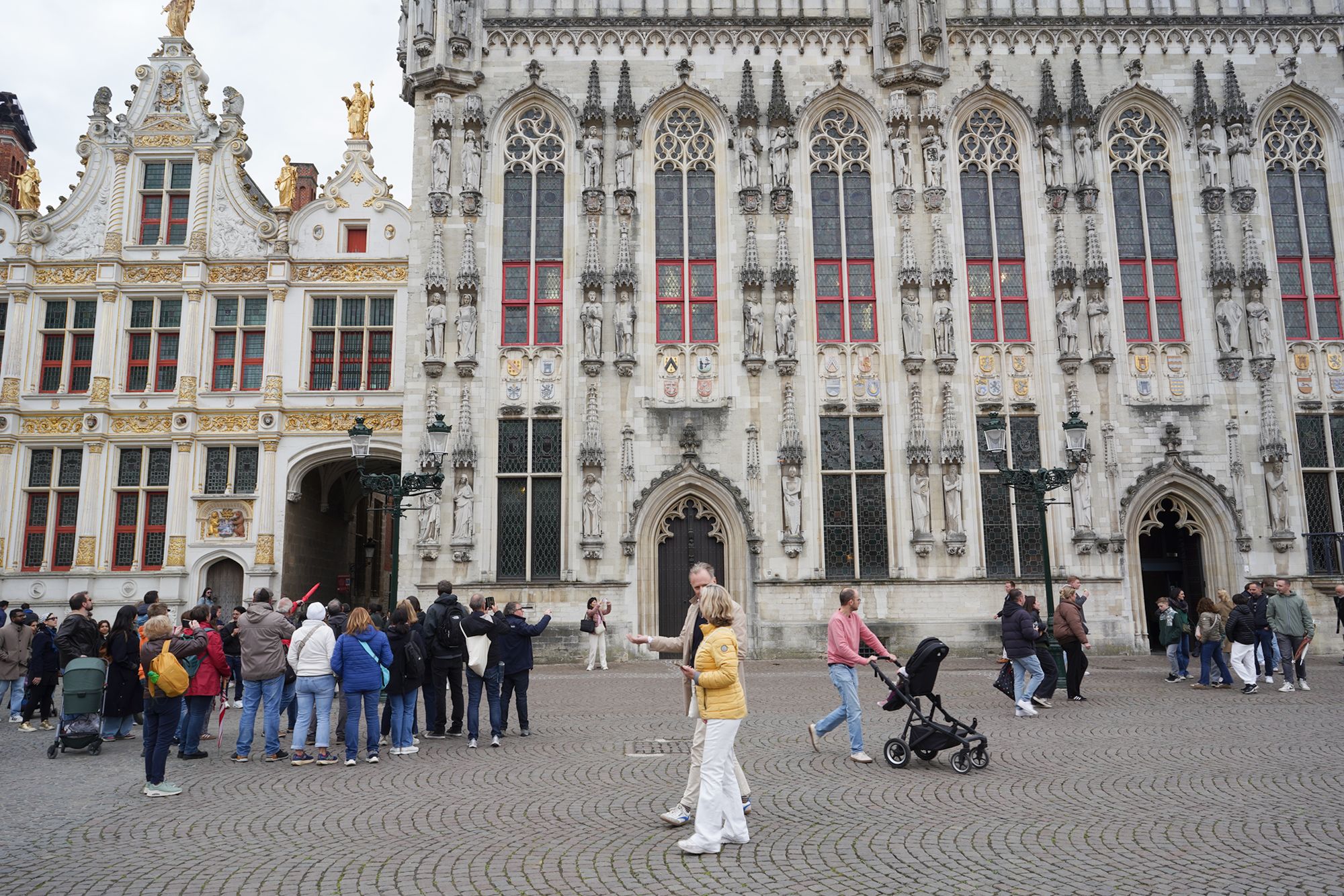
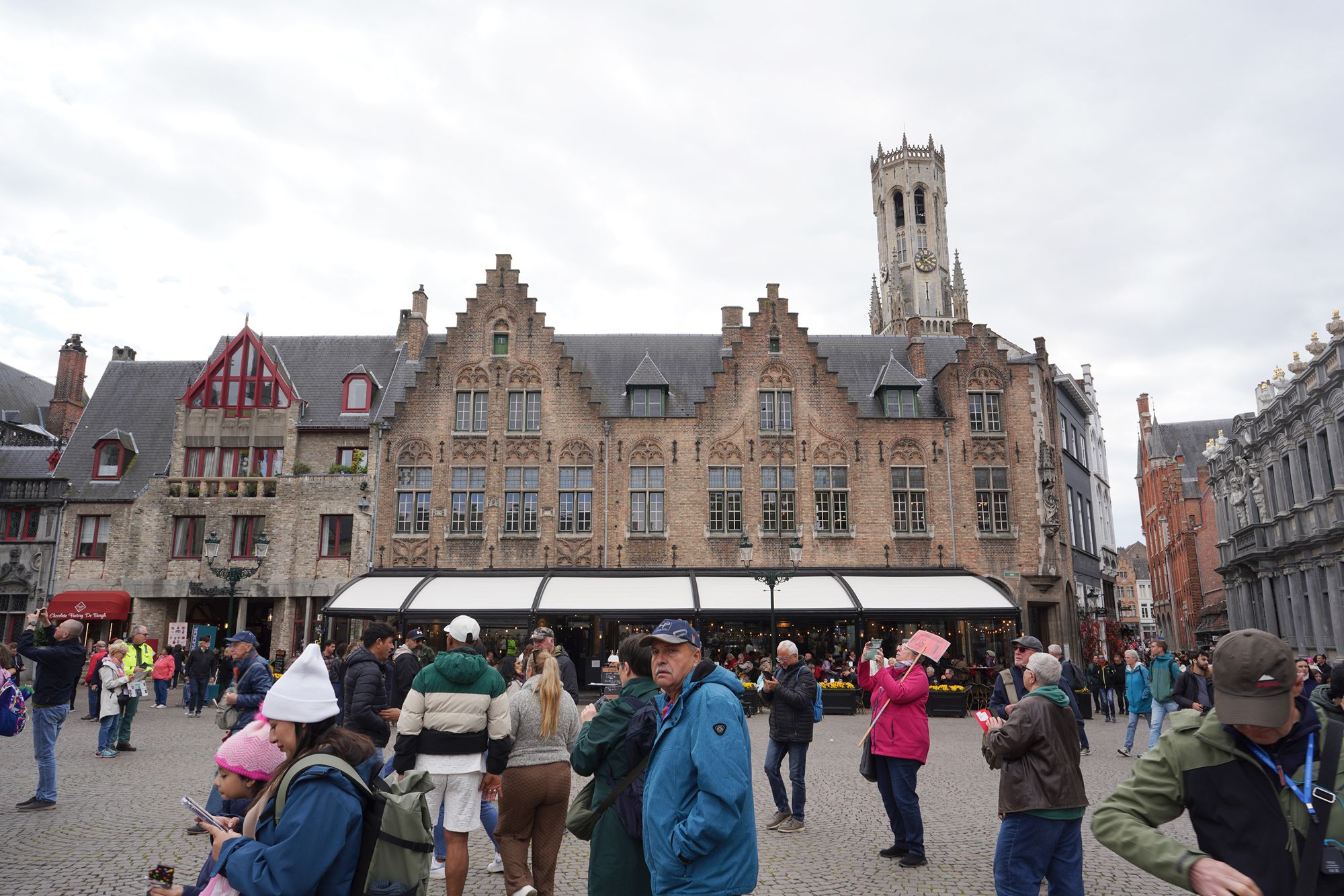
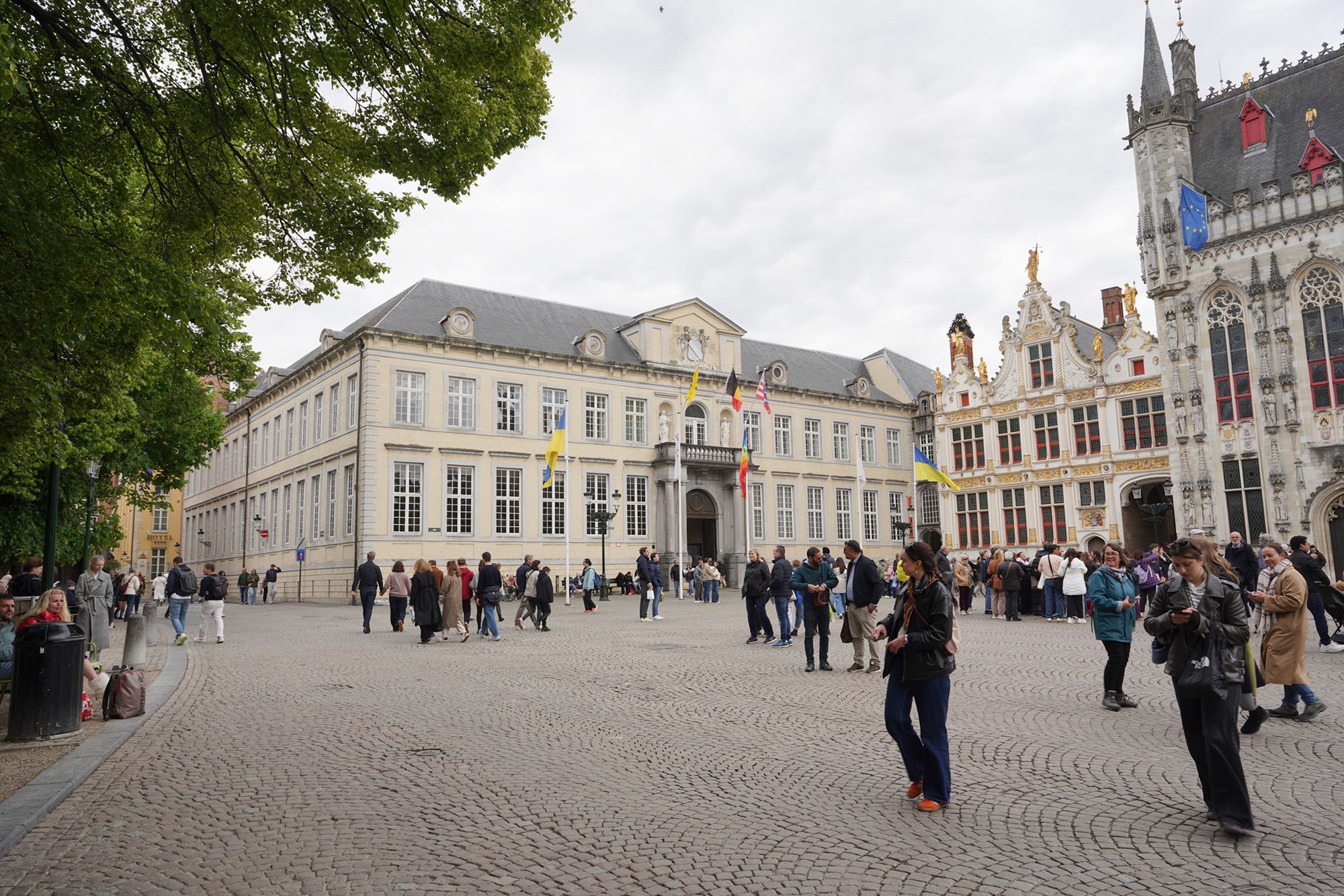
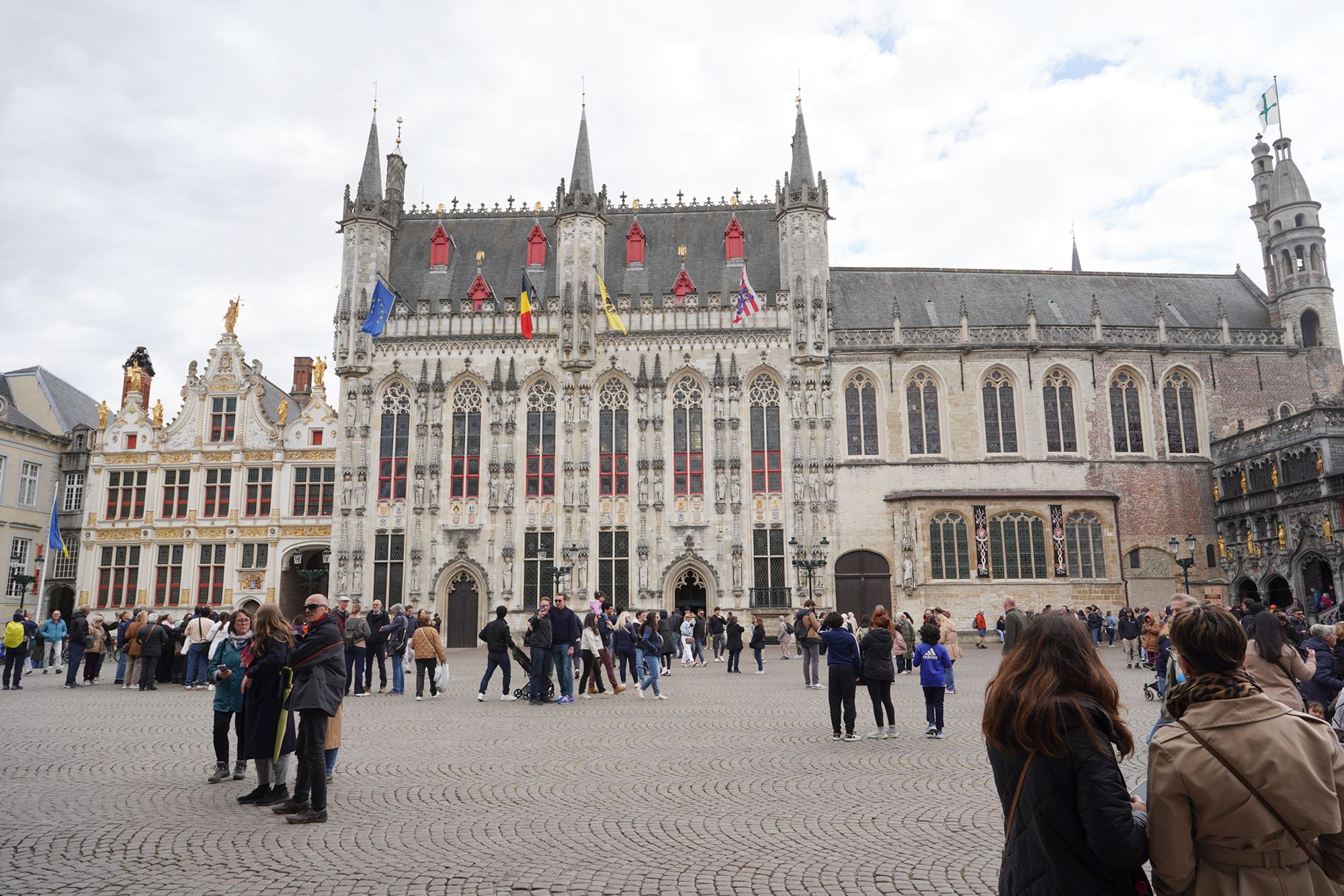
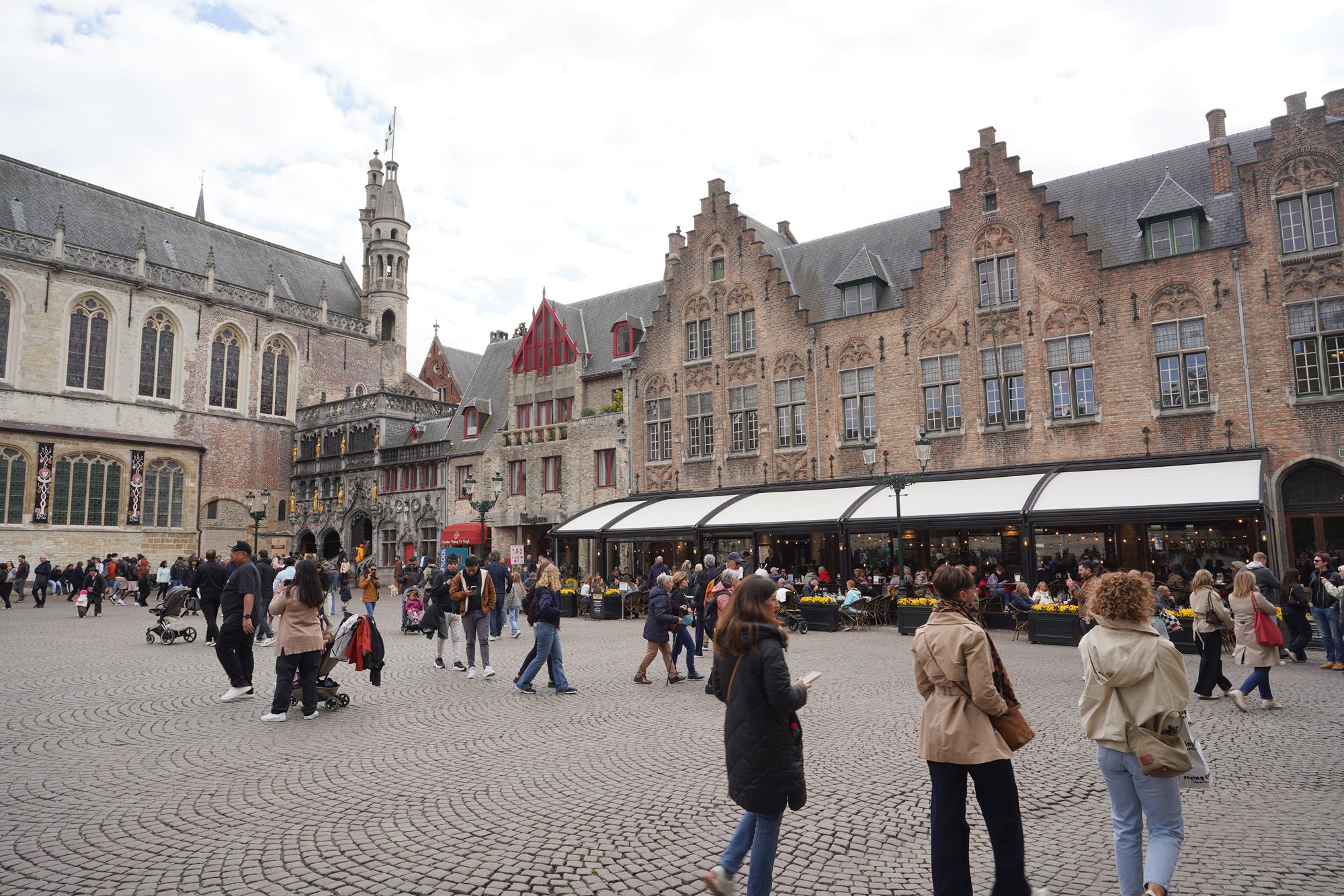
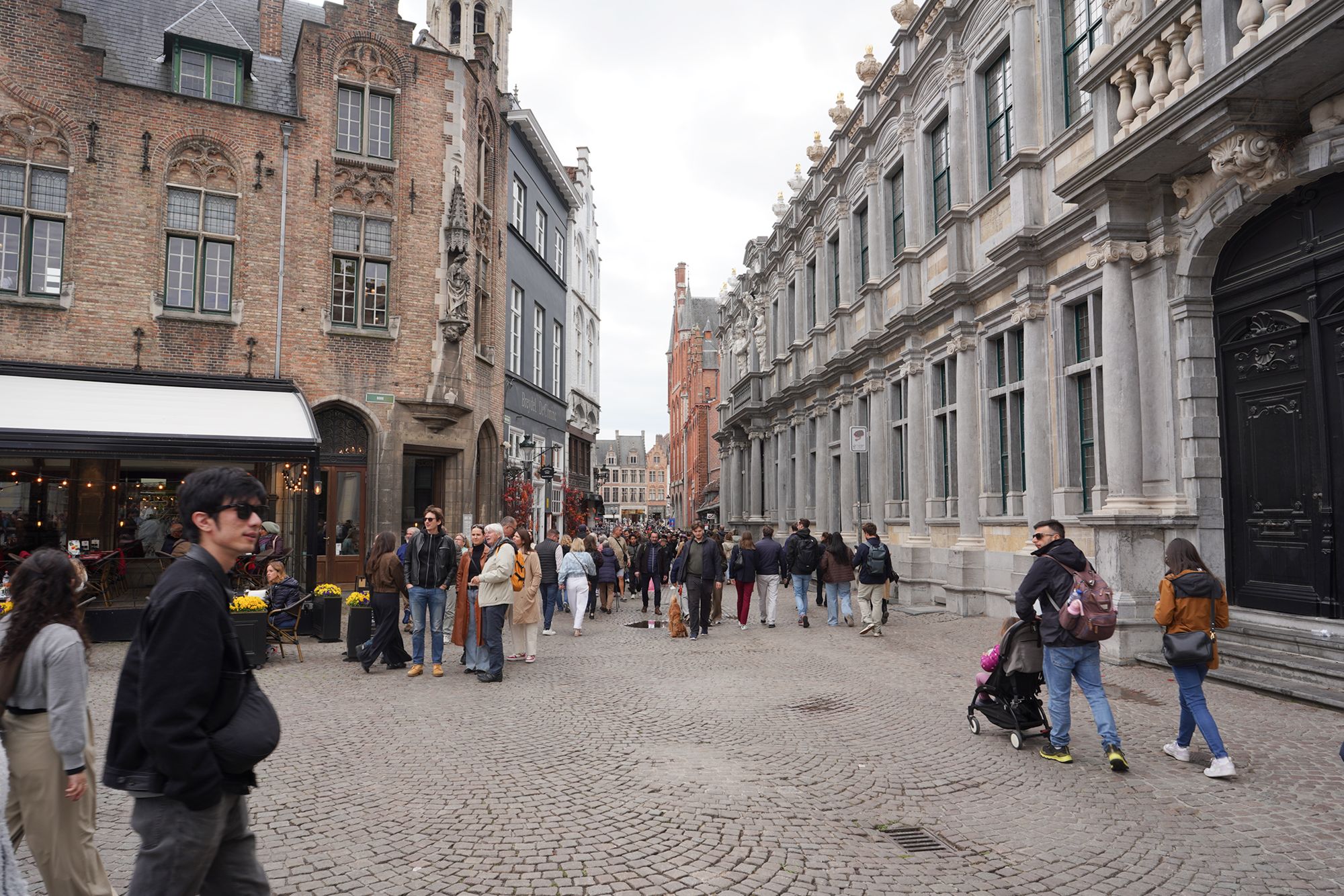
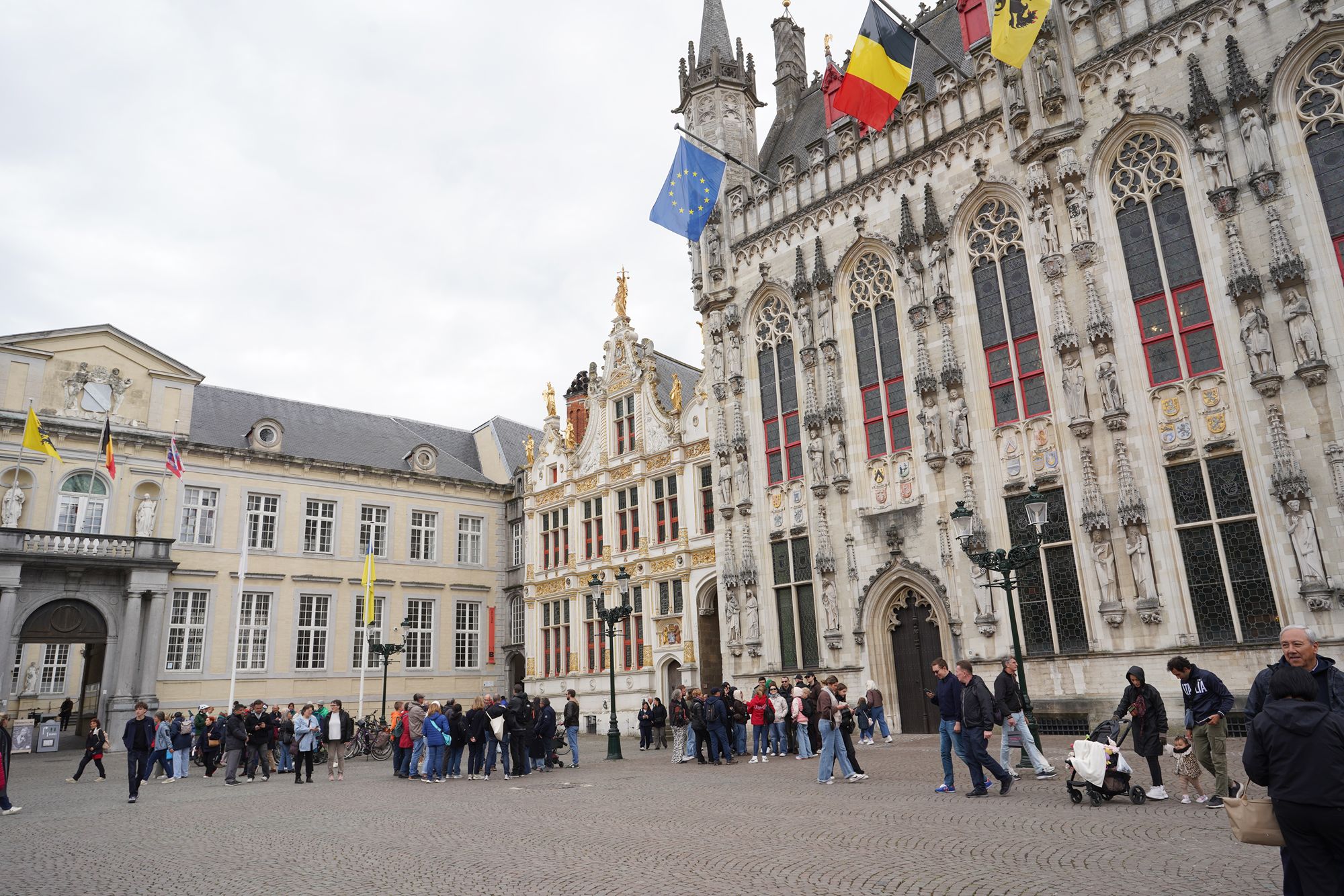
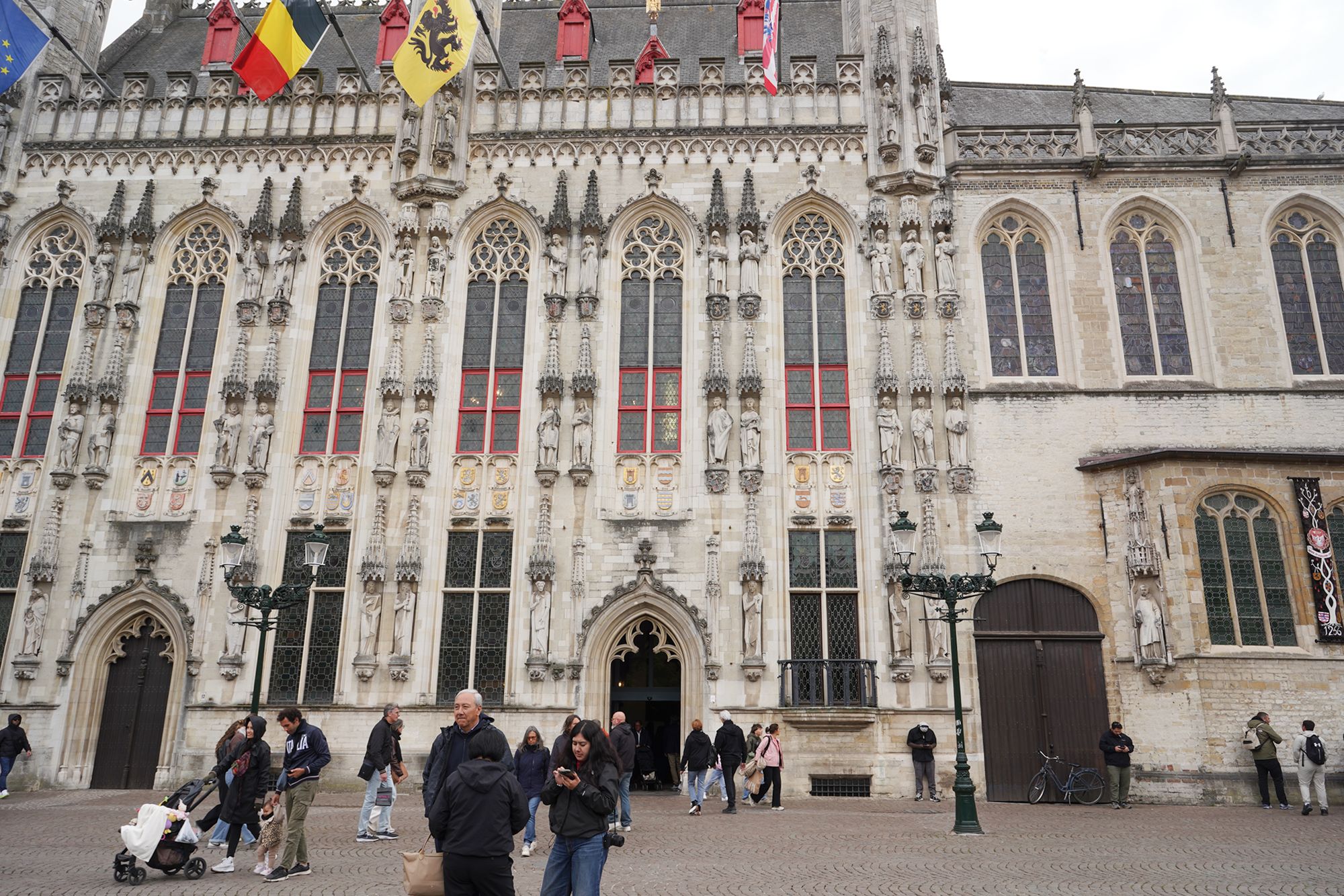
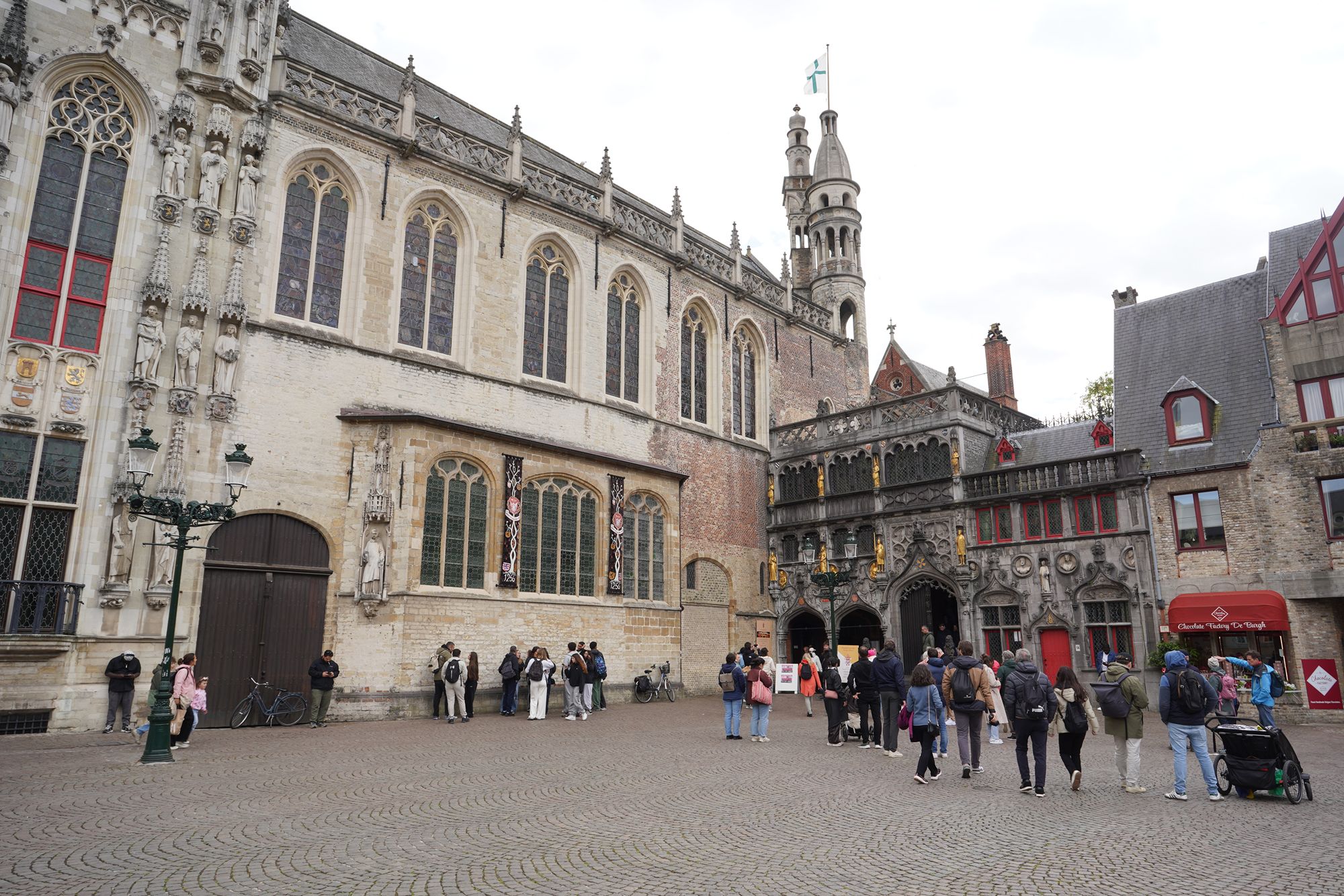
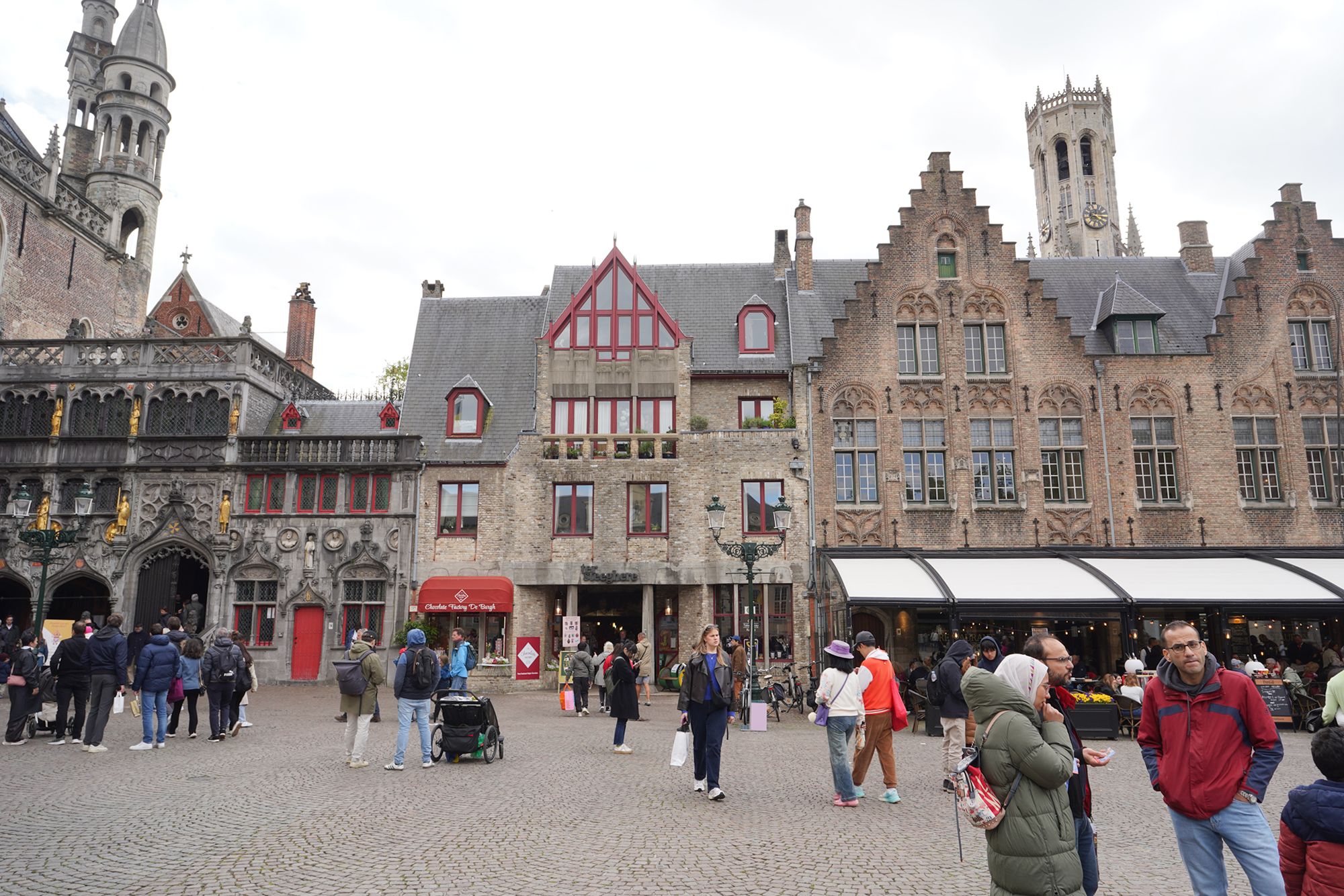
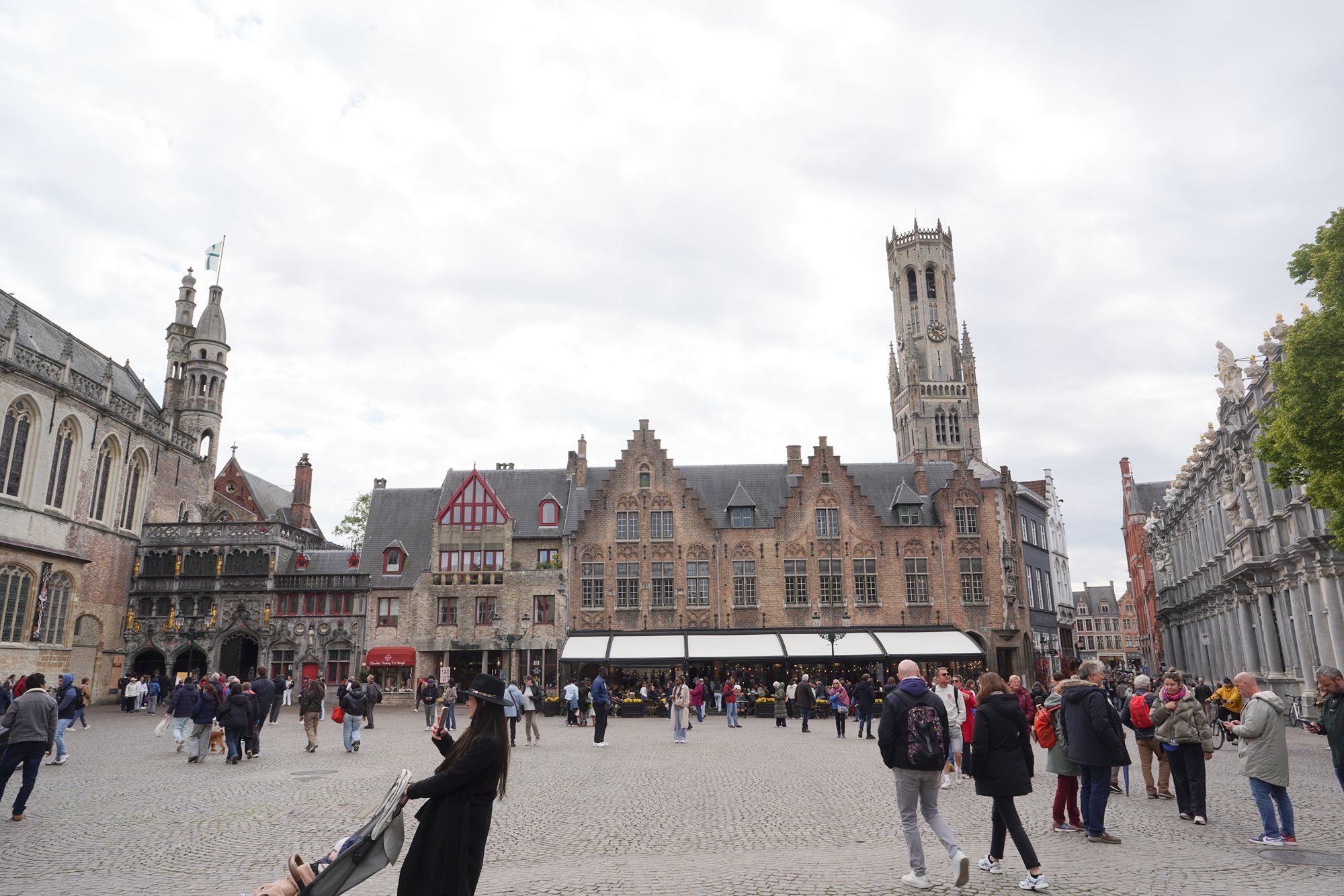
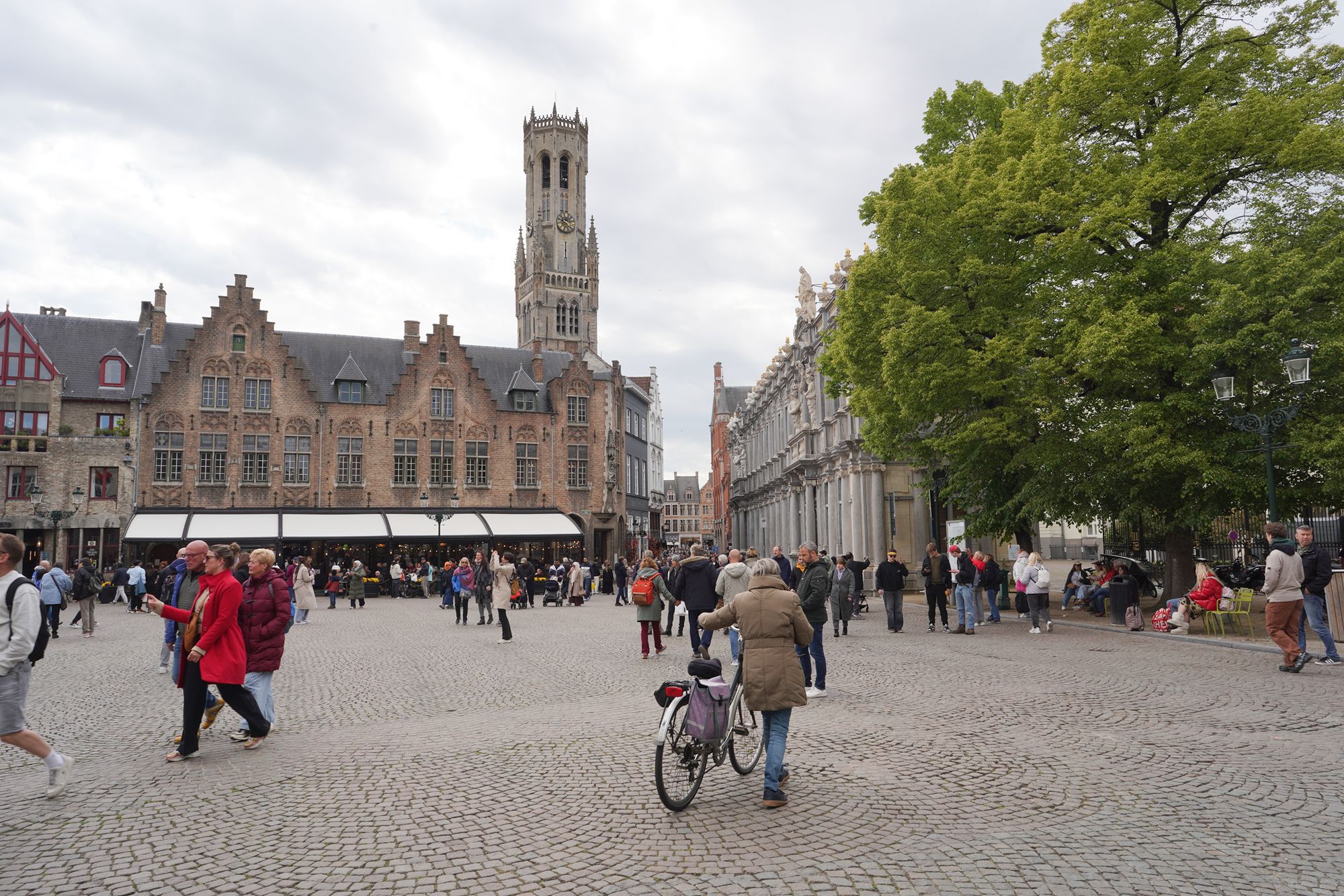
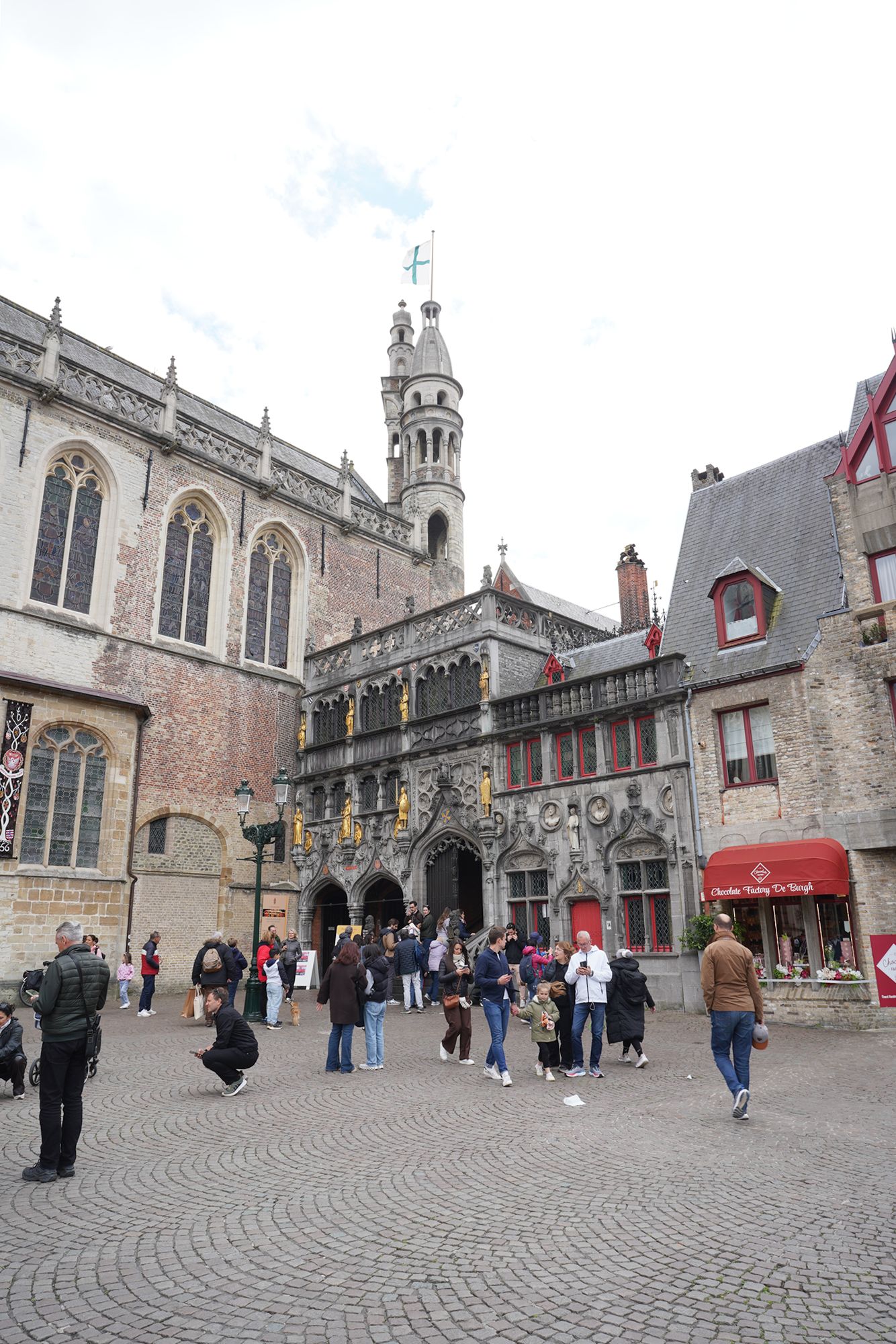
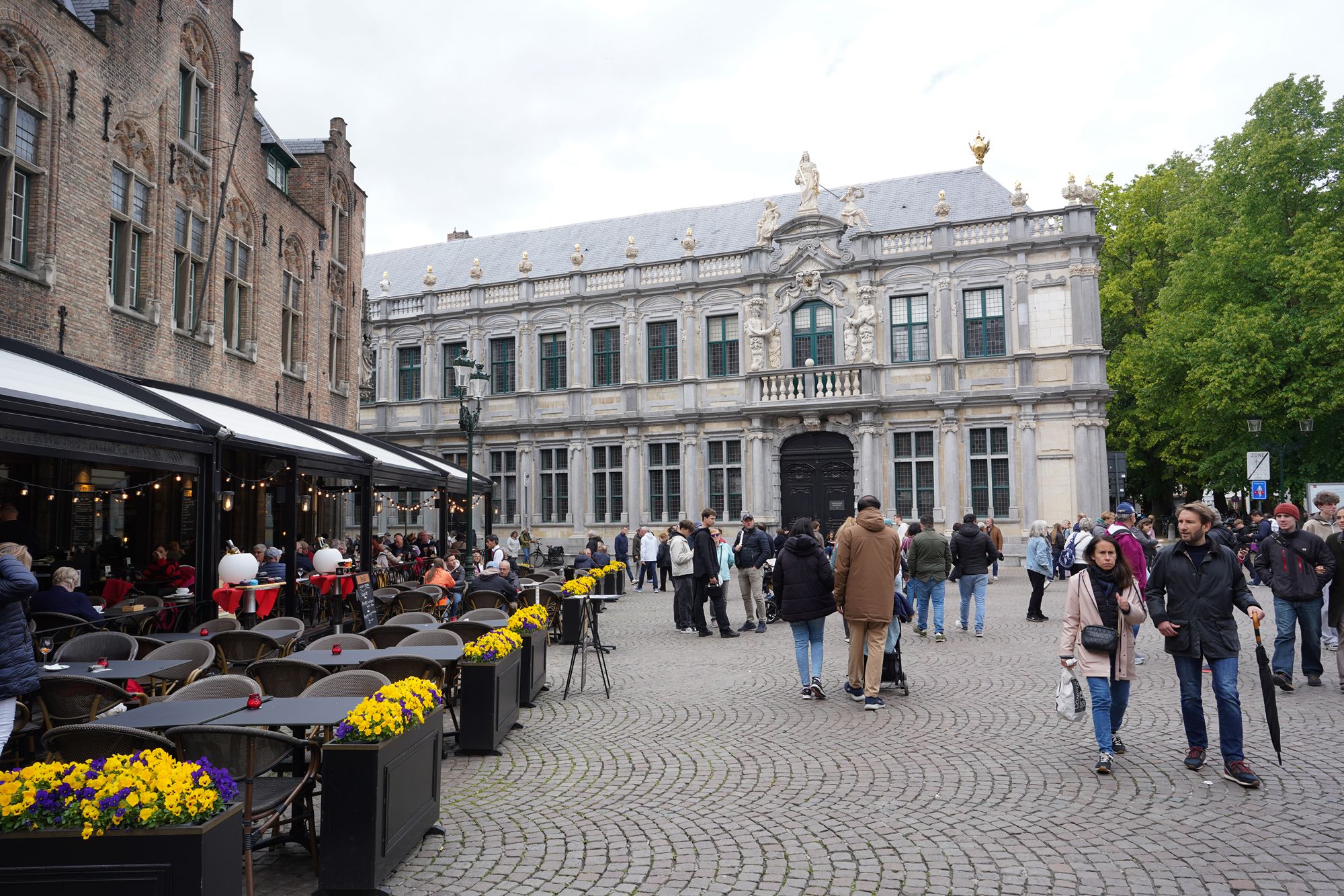
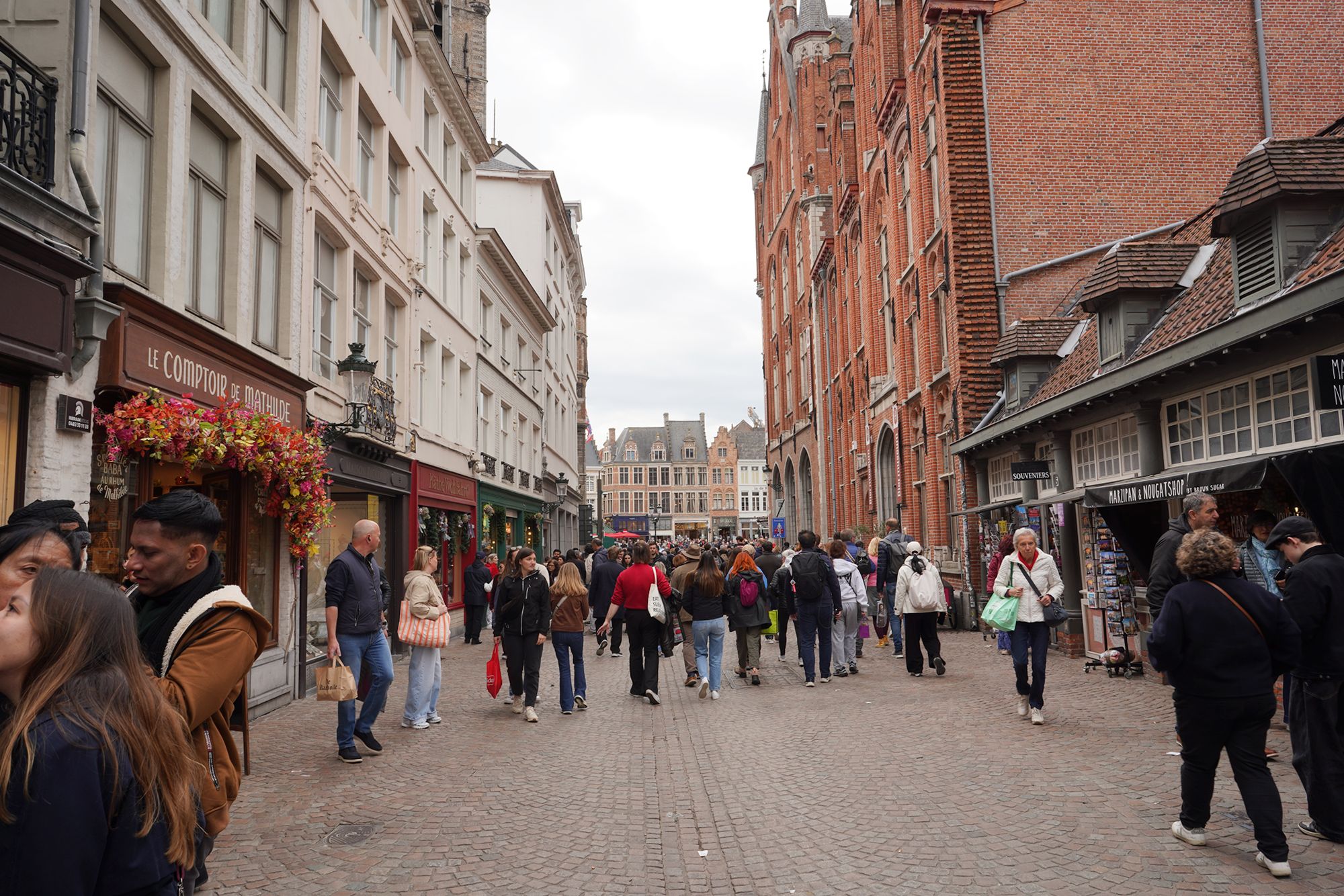
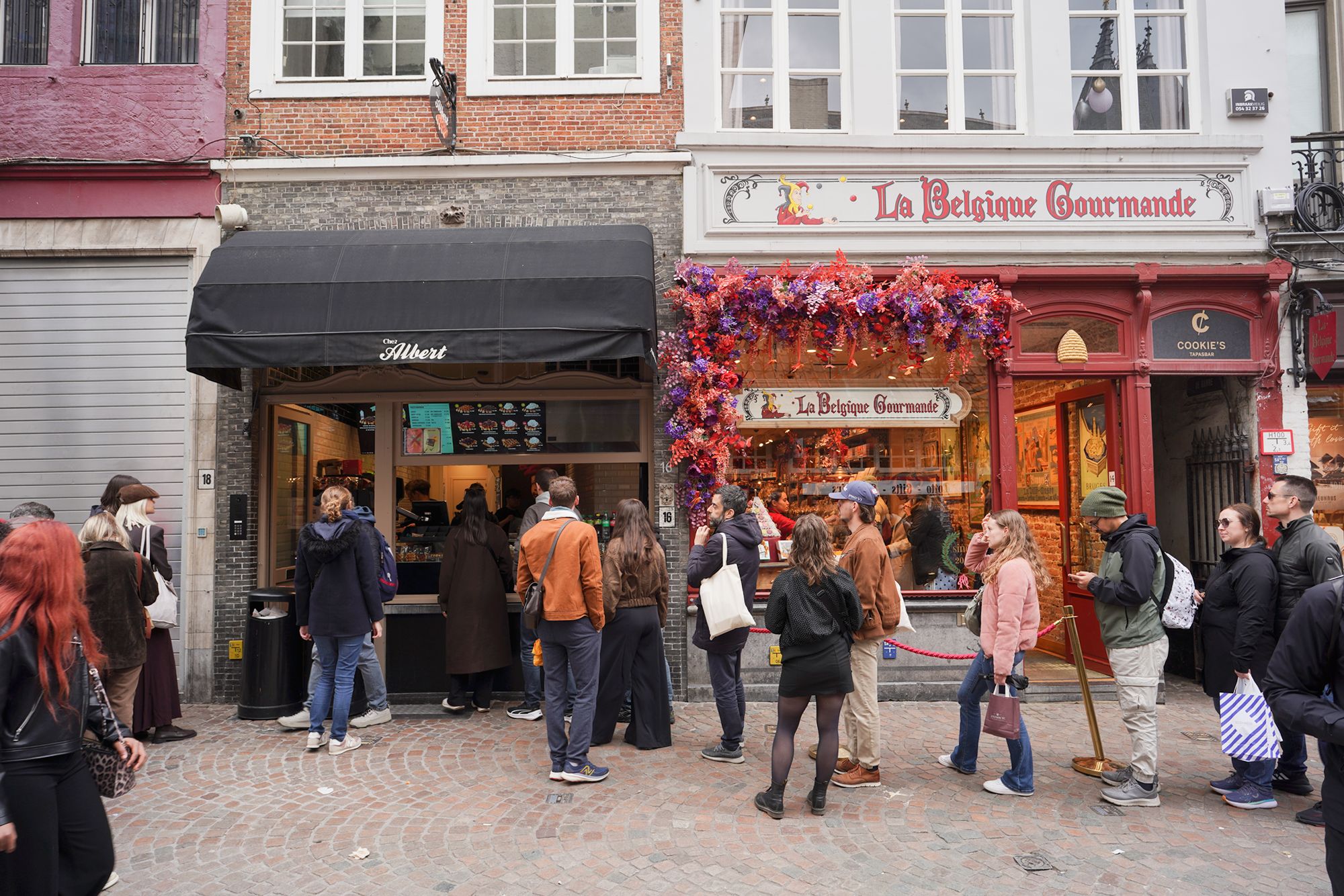
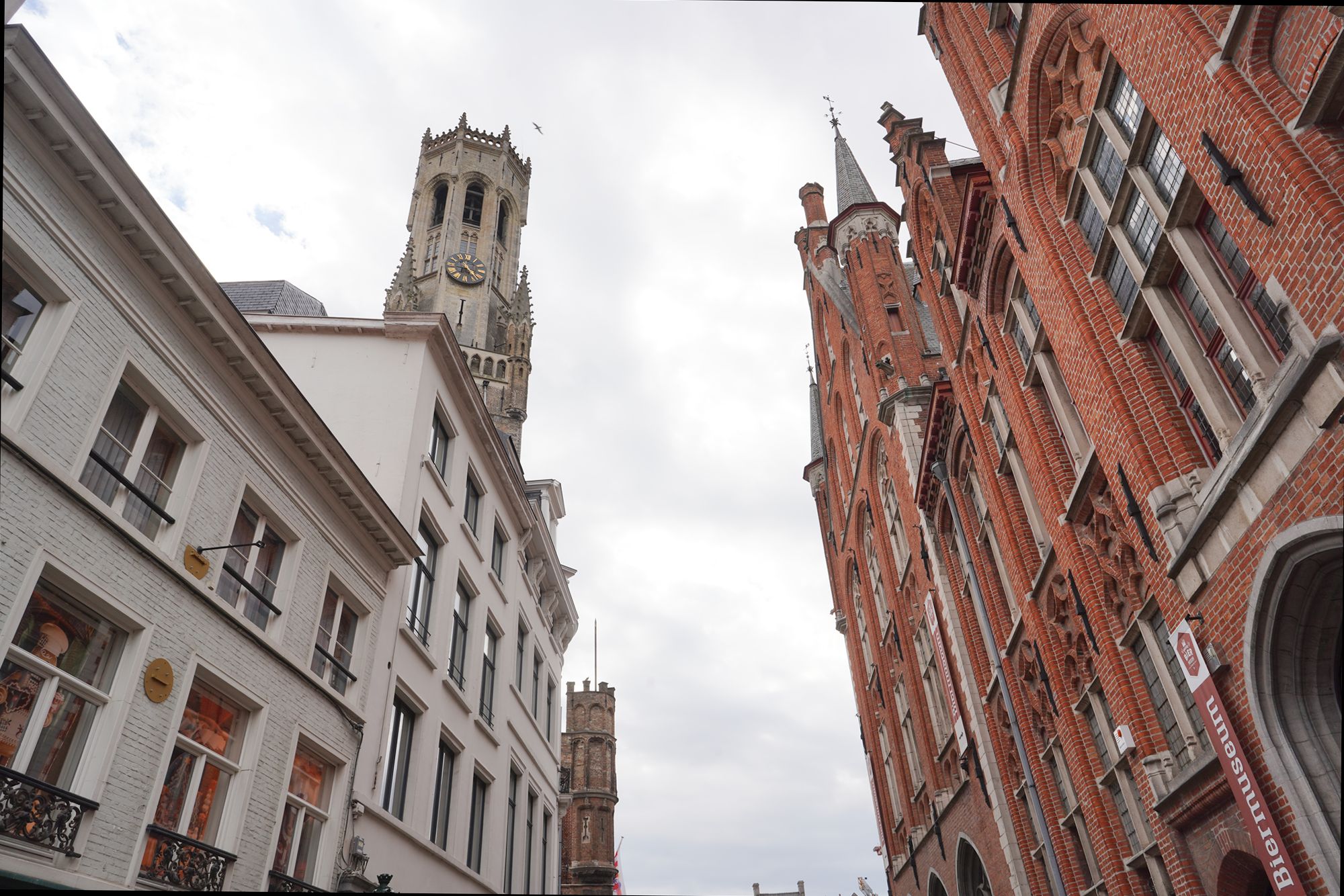
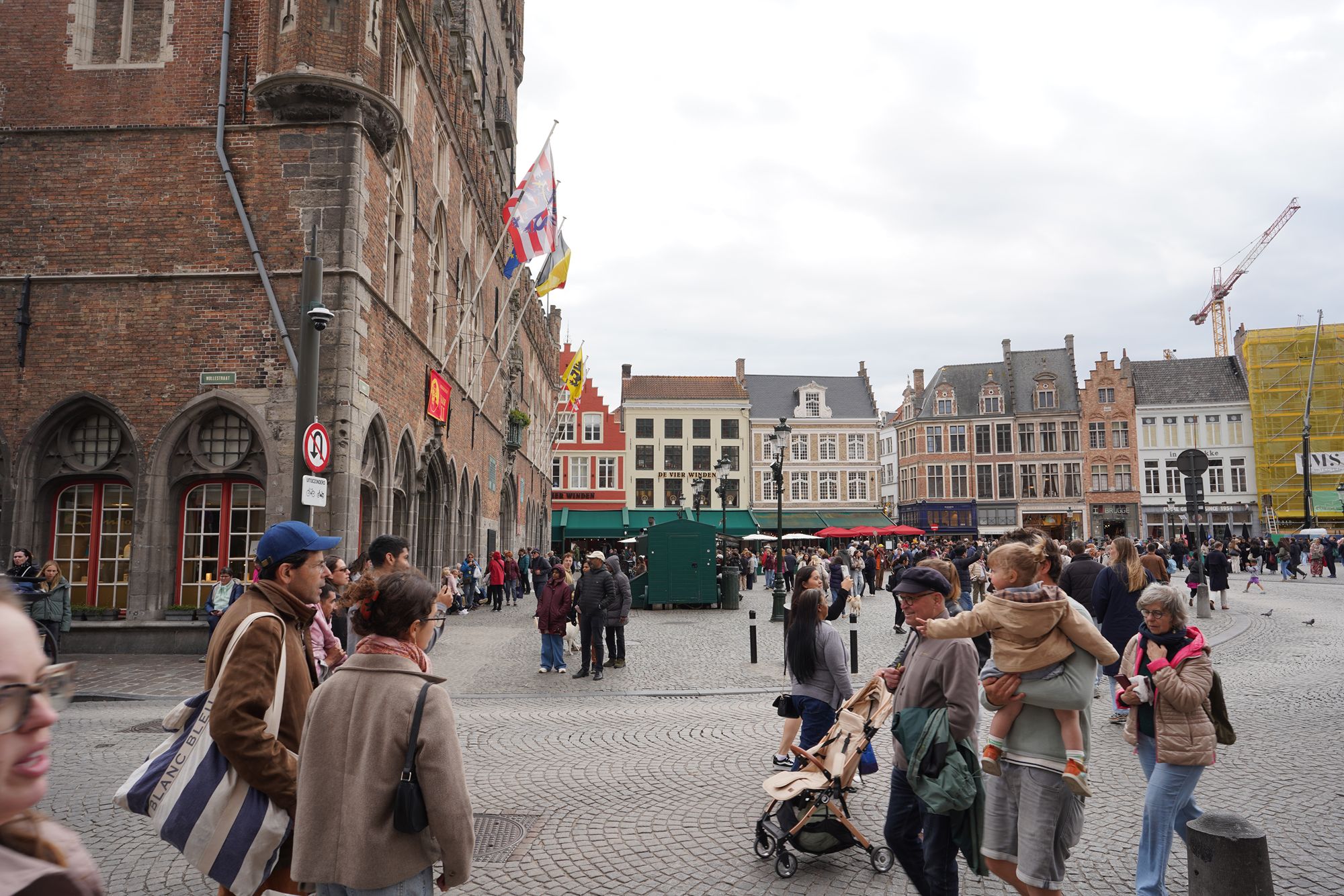
I continued walking through the Historic Centre of Bruges, a UNESCO World Heritage Site filled with medieval buildings, cobblestone streets, canals, churches, and picturesque squares.
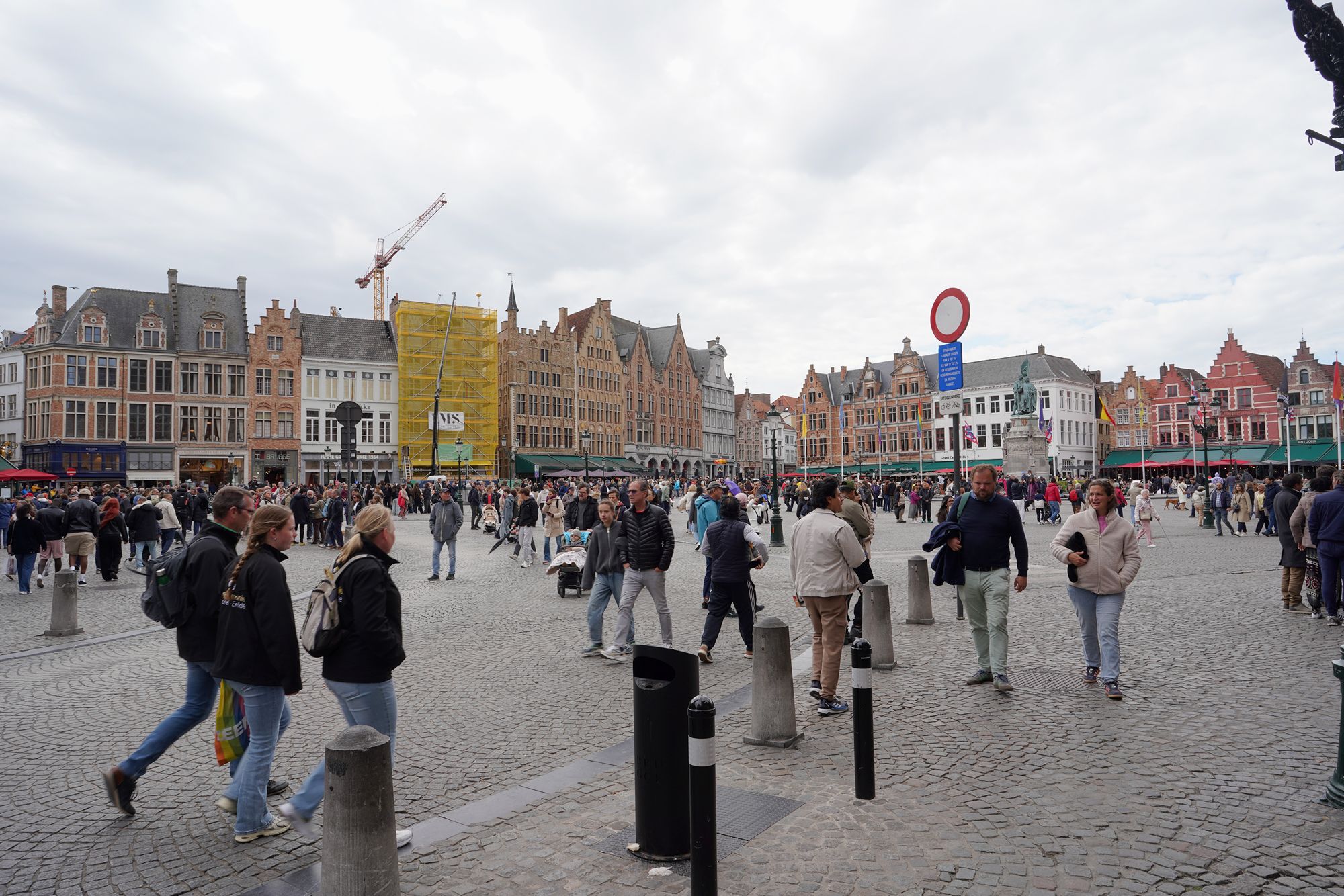
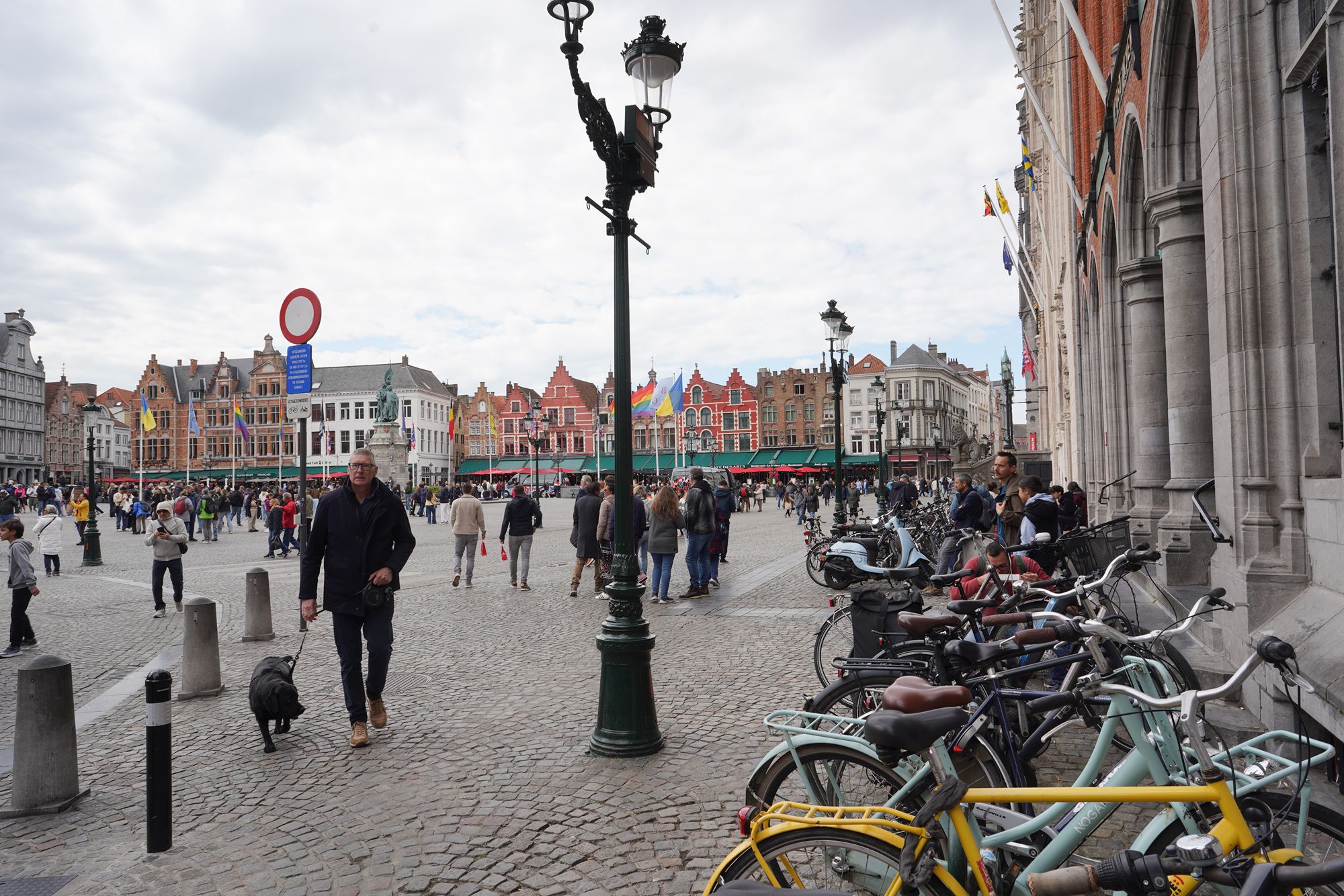
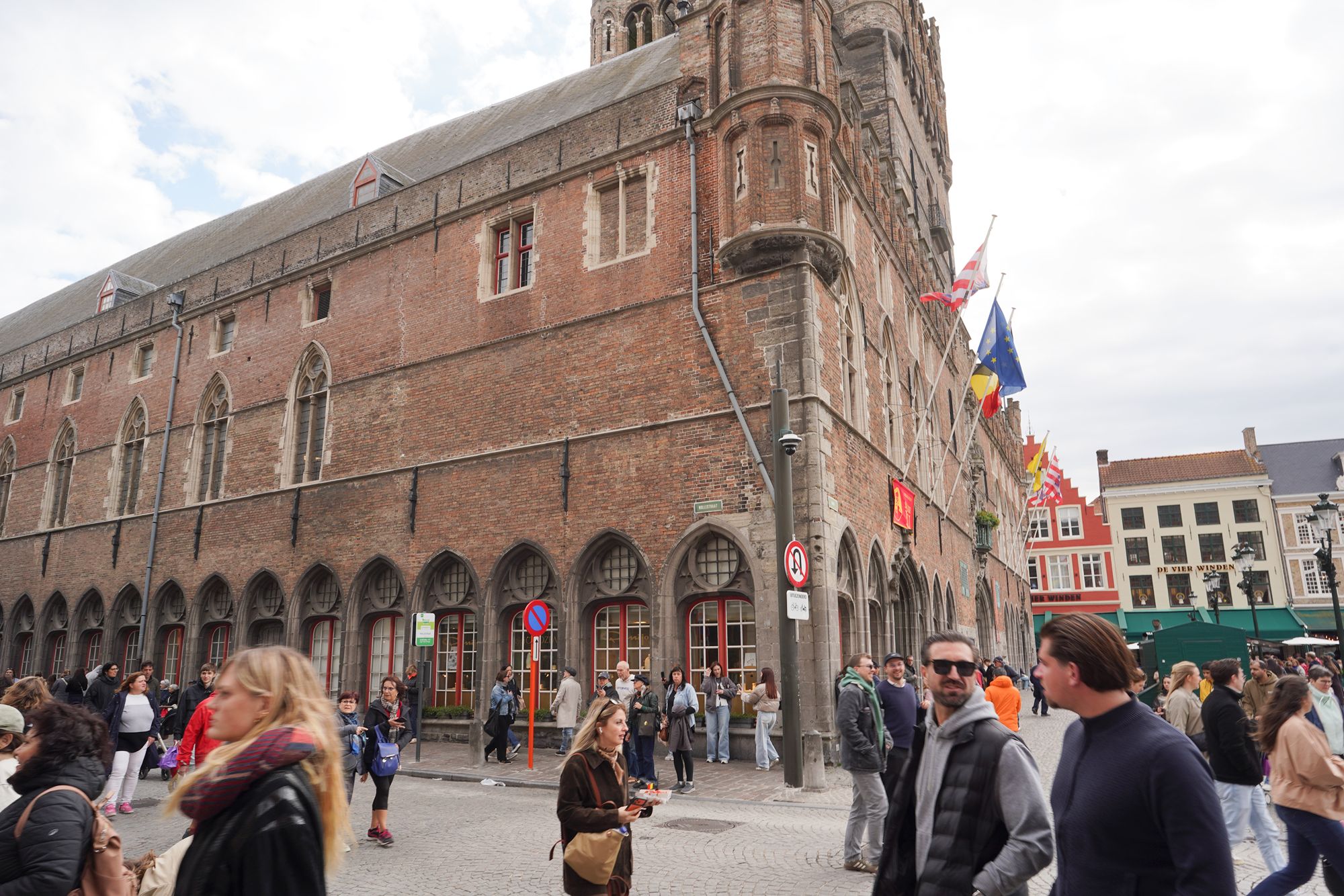
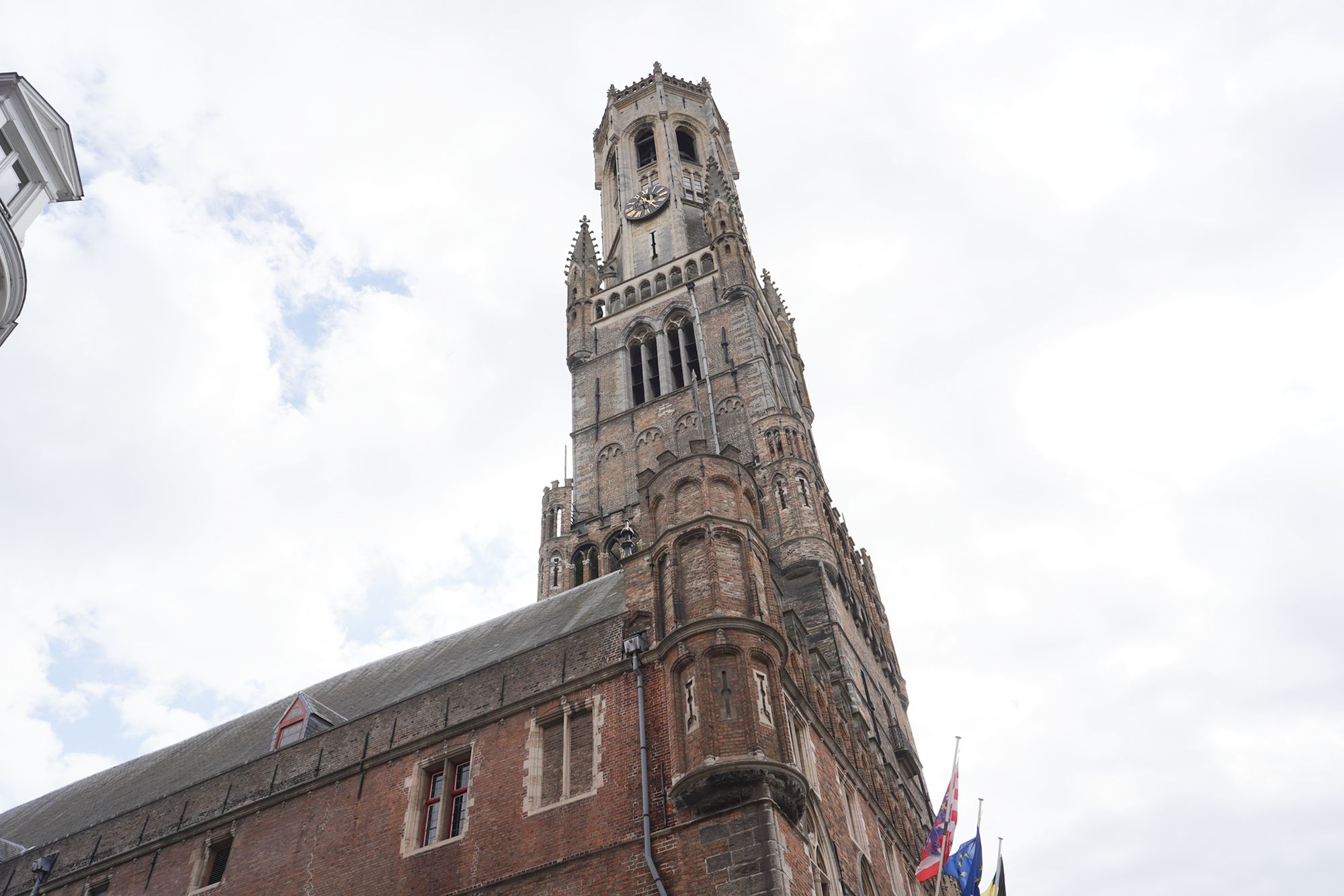
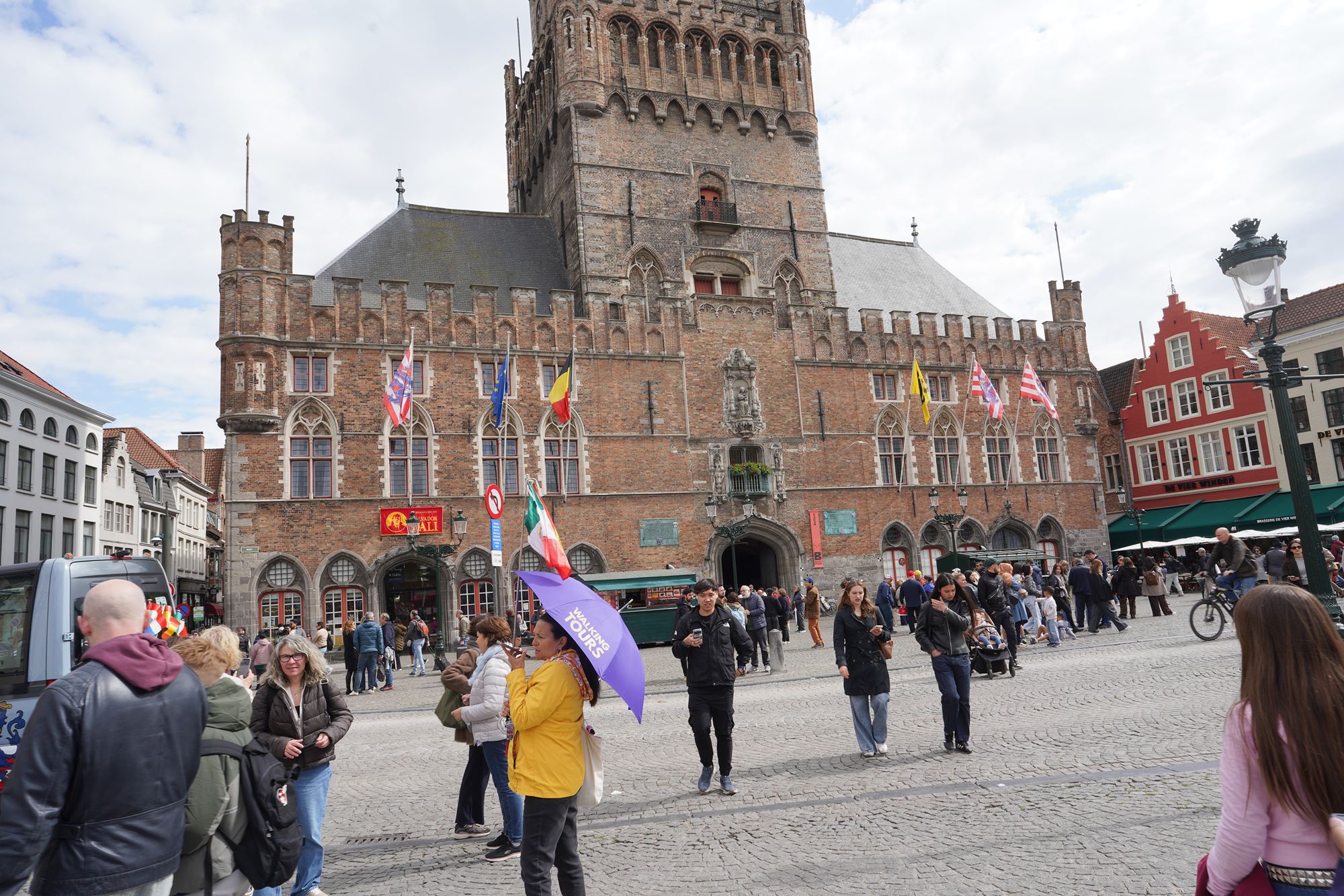
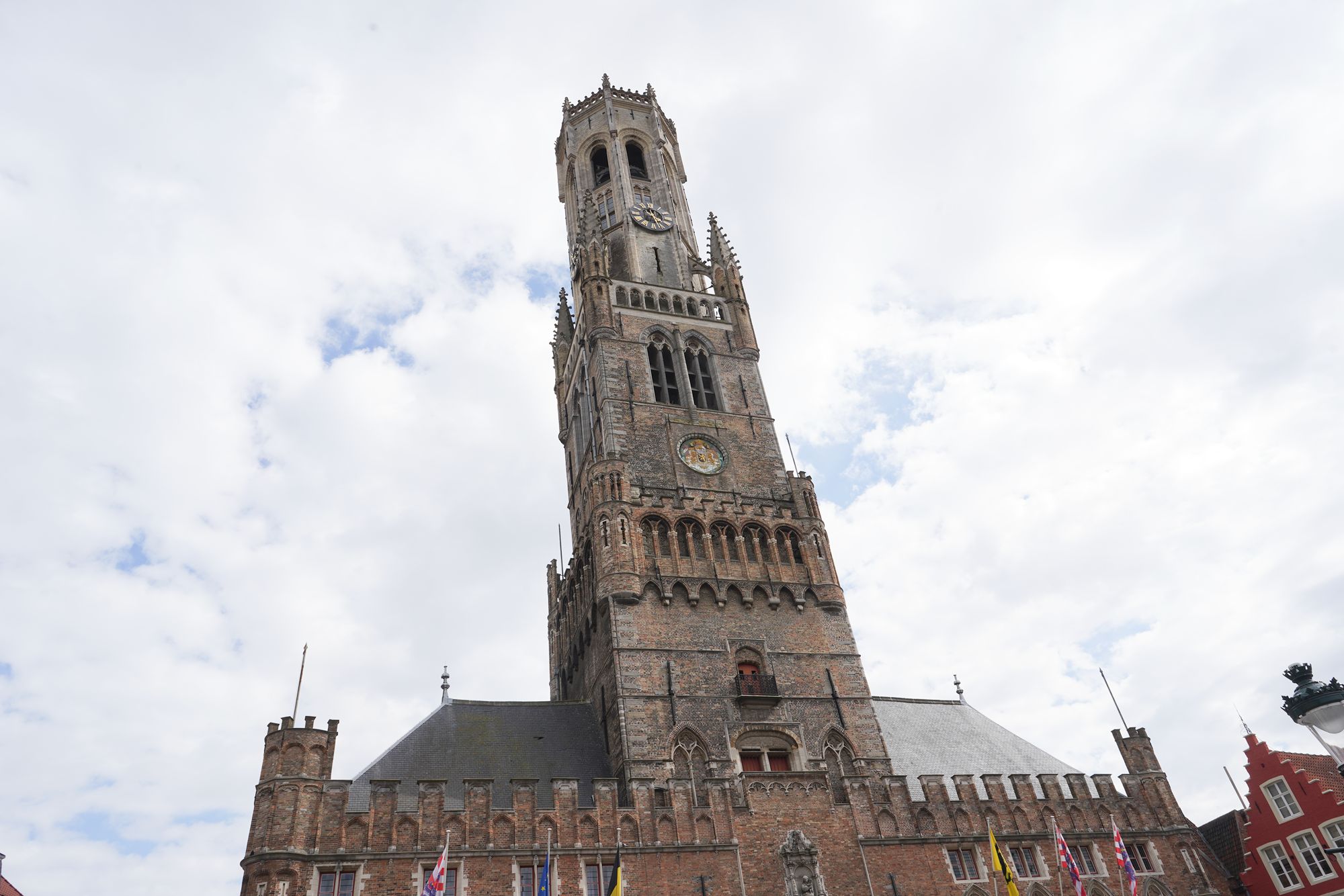
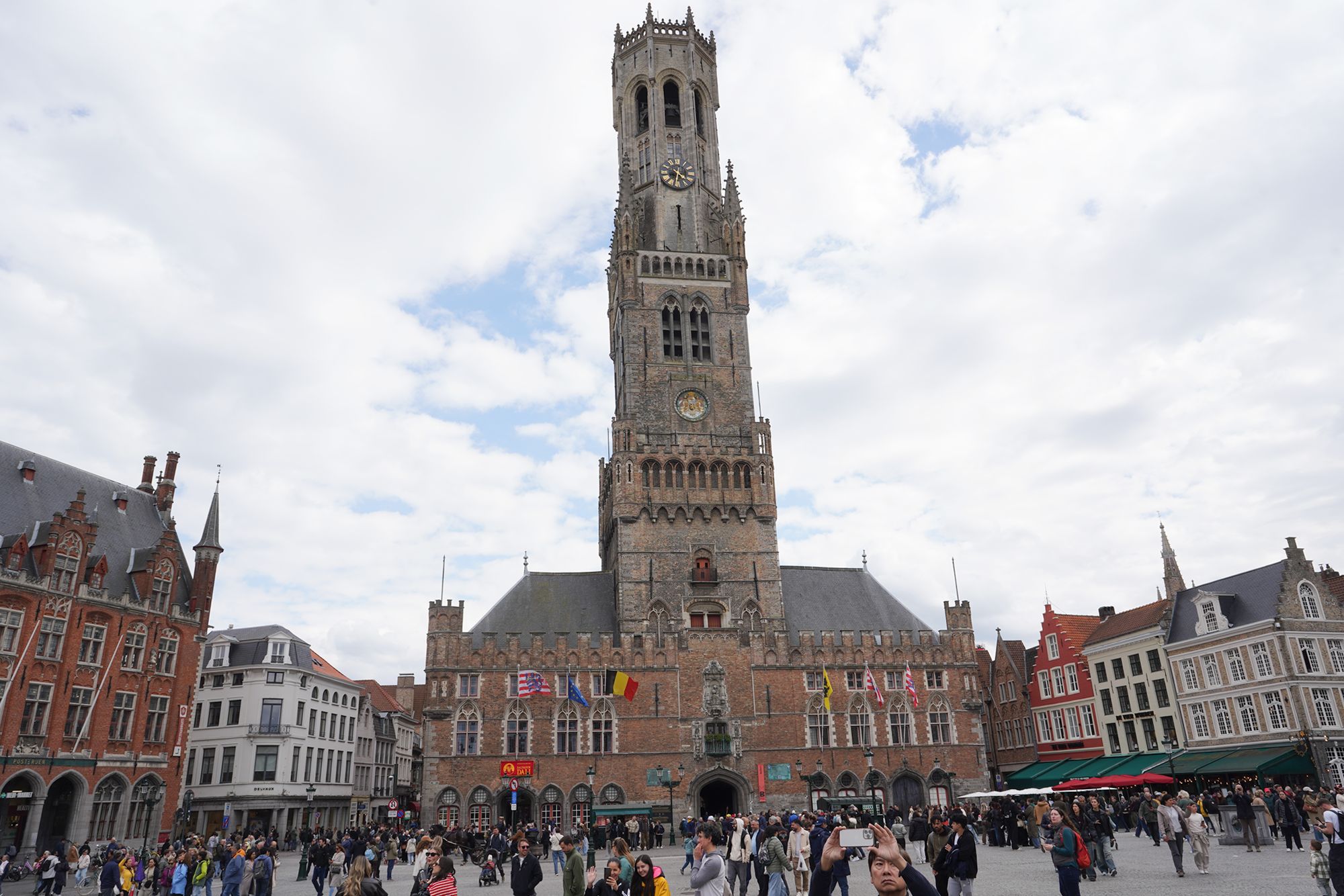
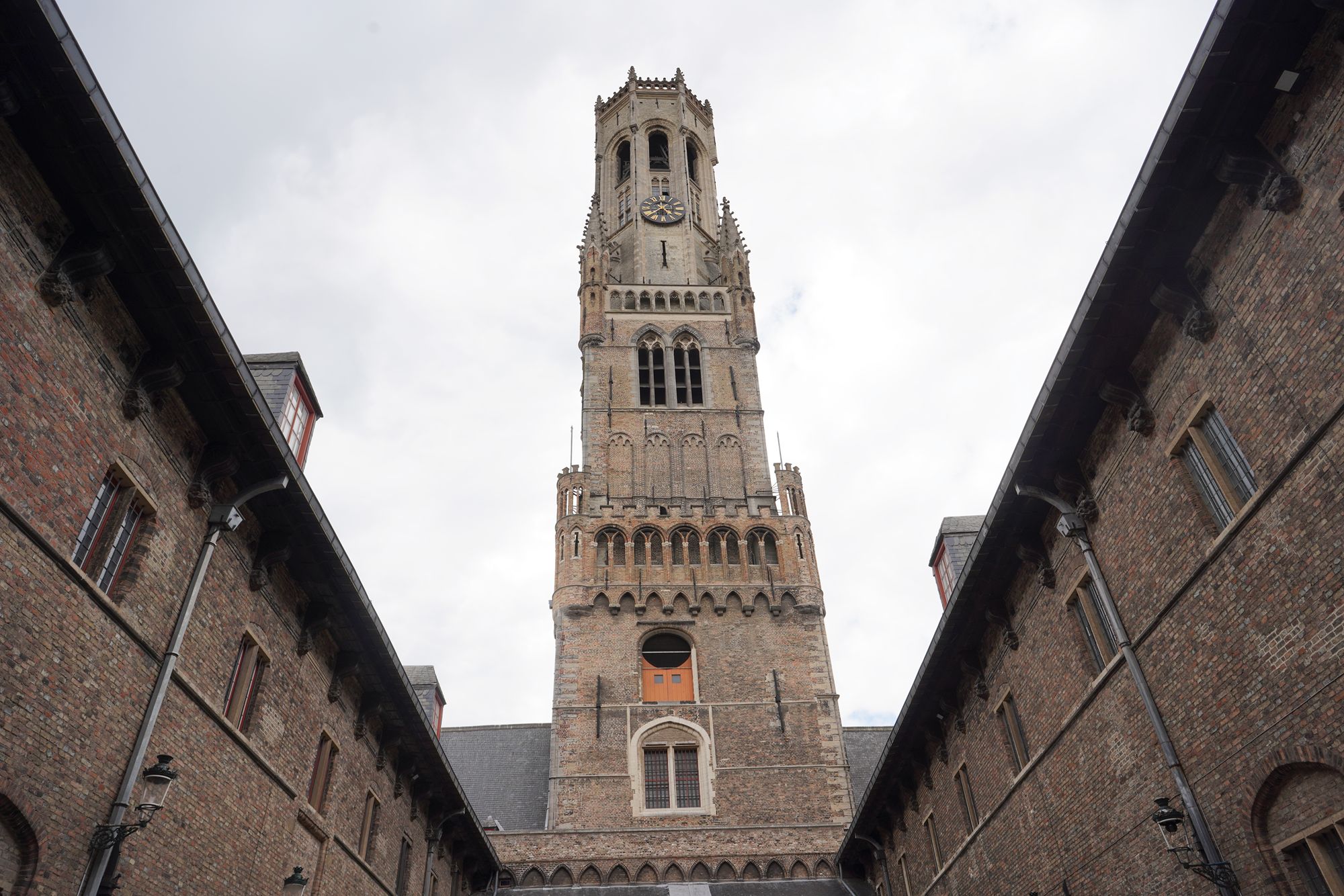
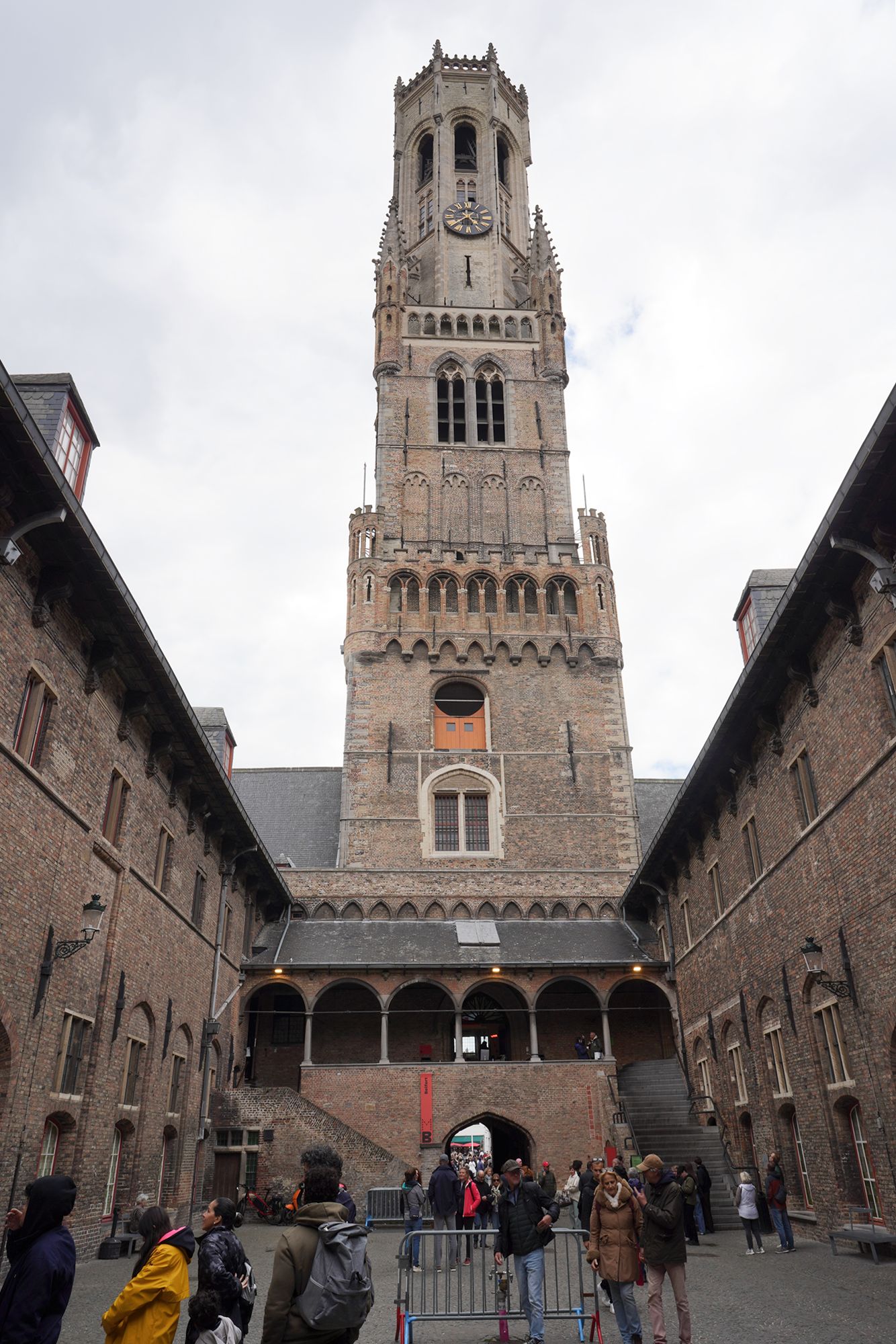
The Belfry of Bruges, the city’s famous medieval bell tower rising above Market Square (Markt). Its 83-meter-high tower has been a symbol of Bruges for centuries.
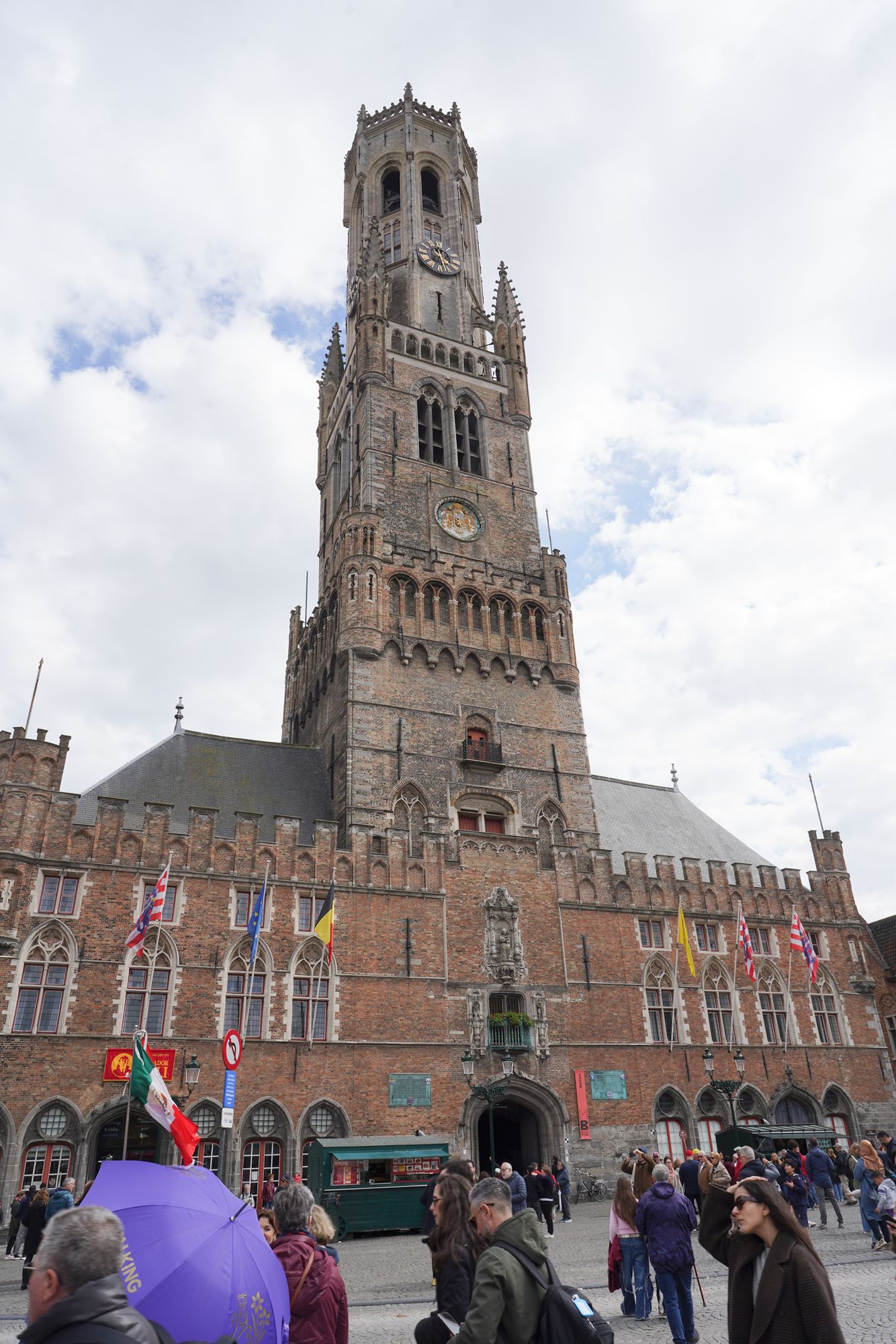
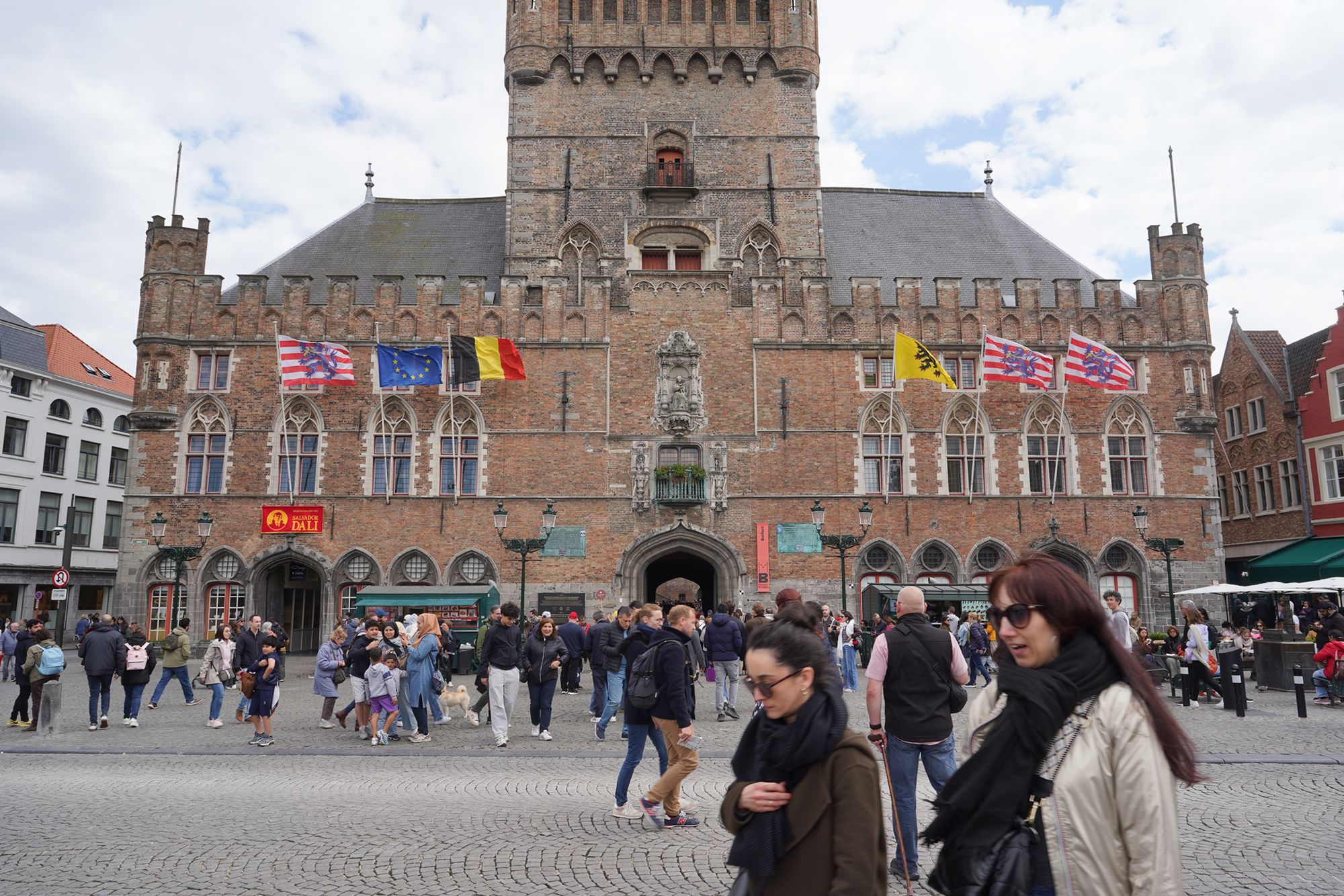
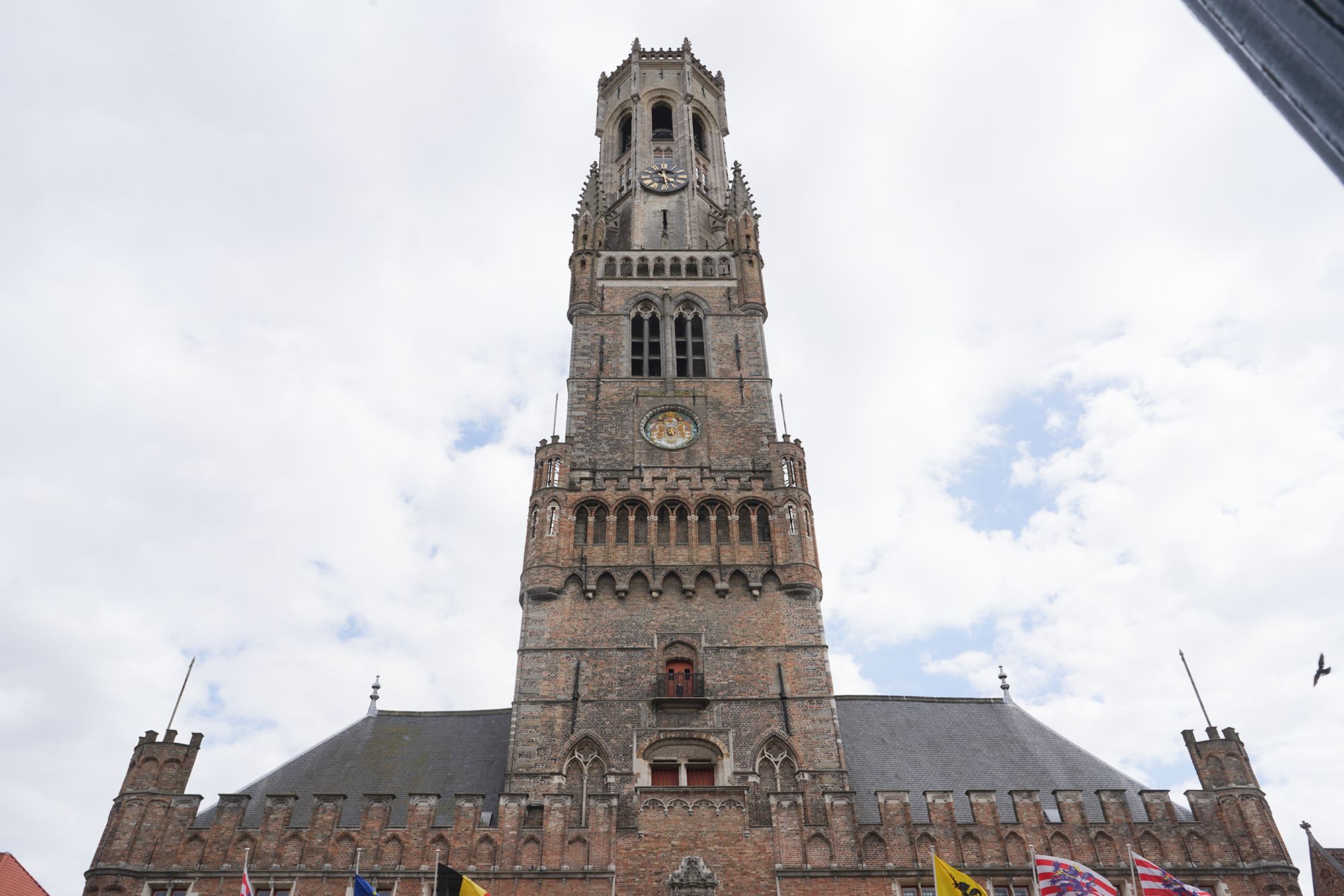
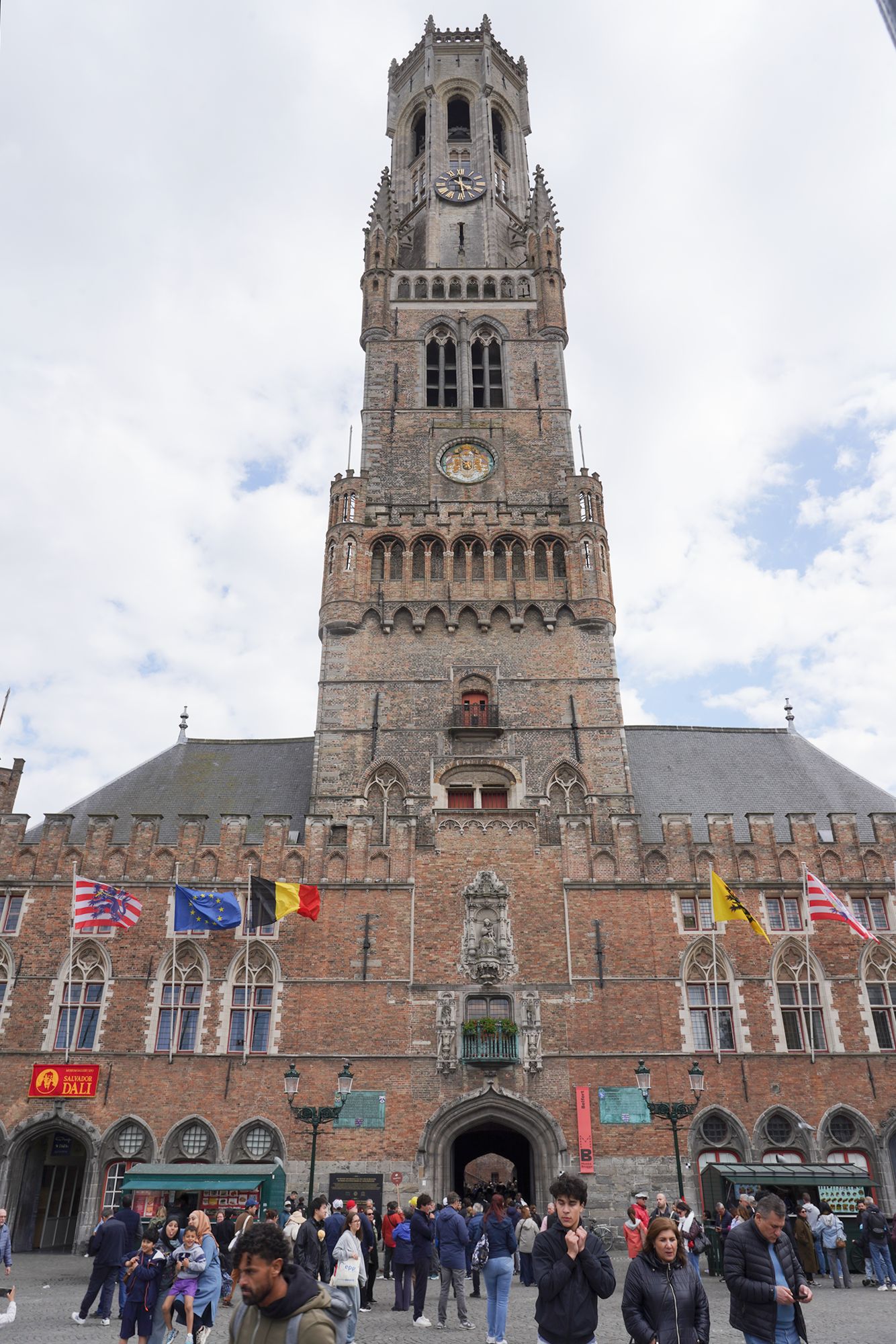
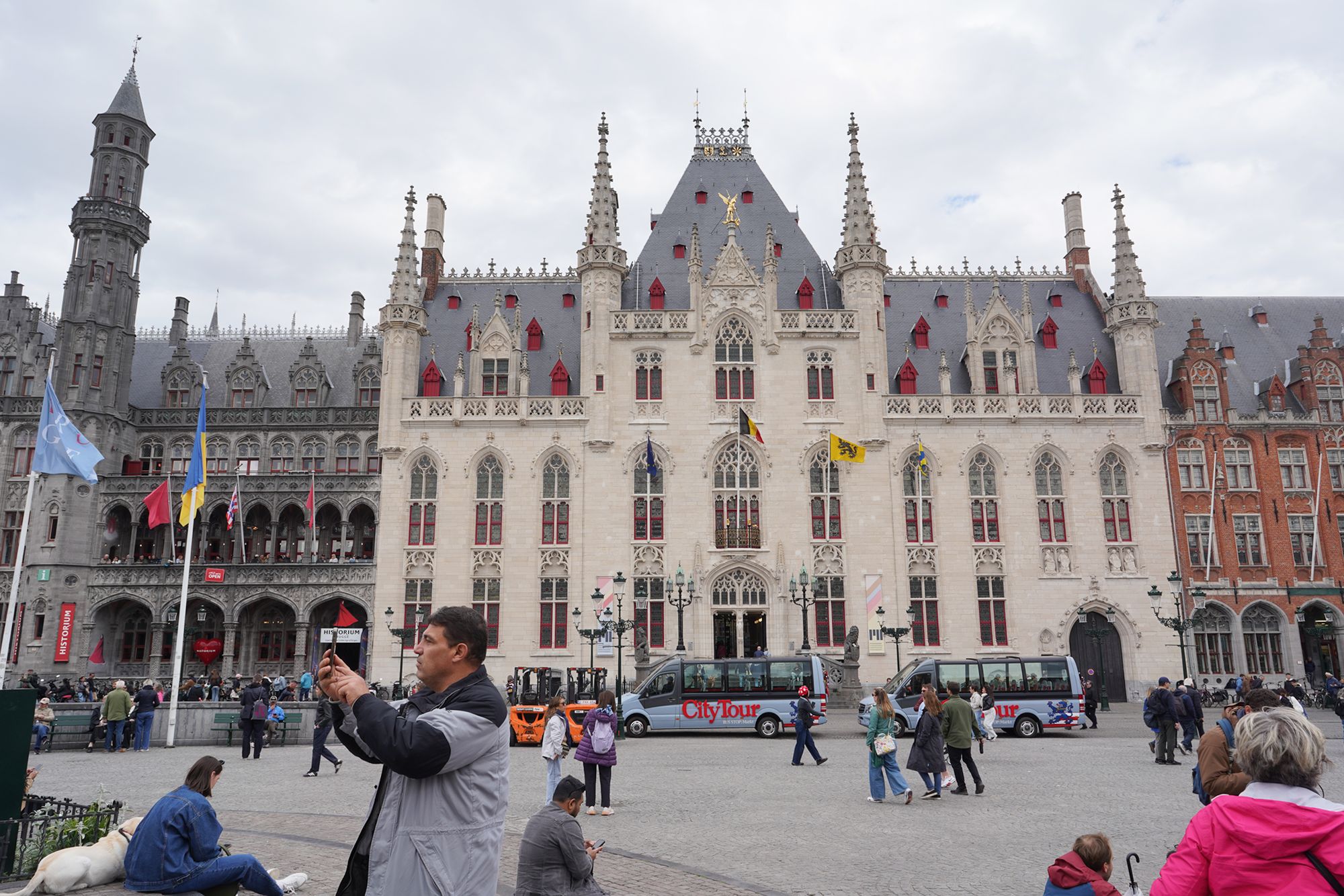
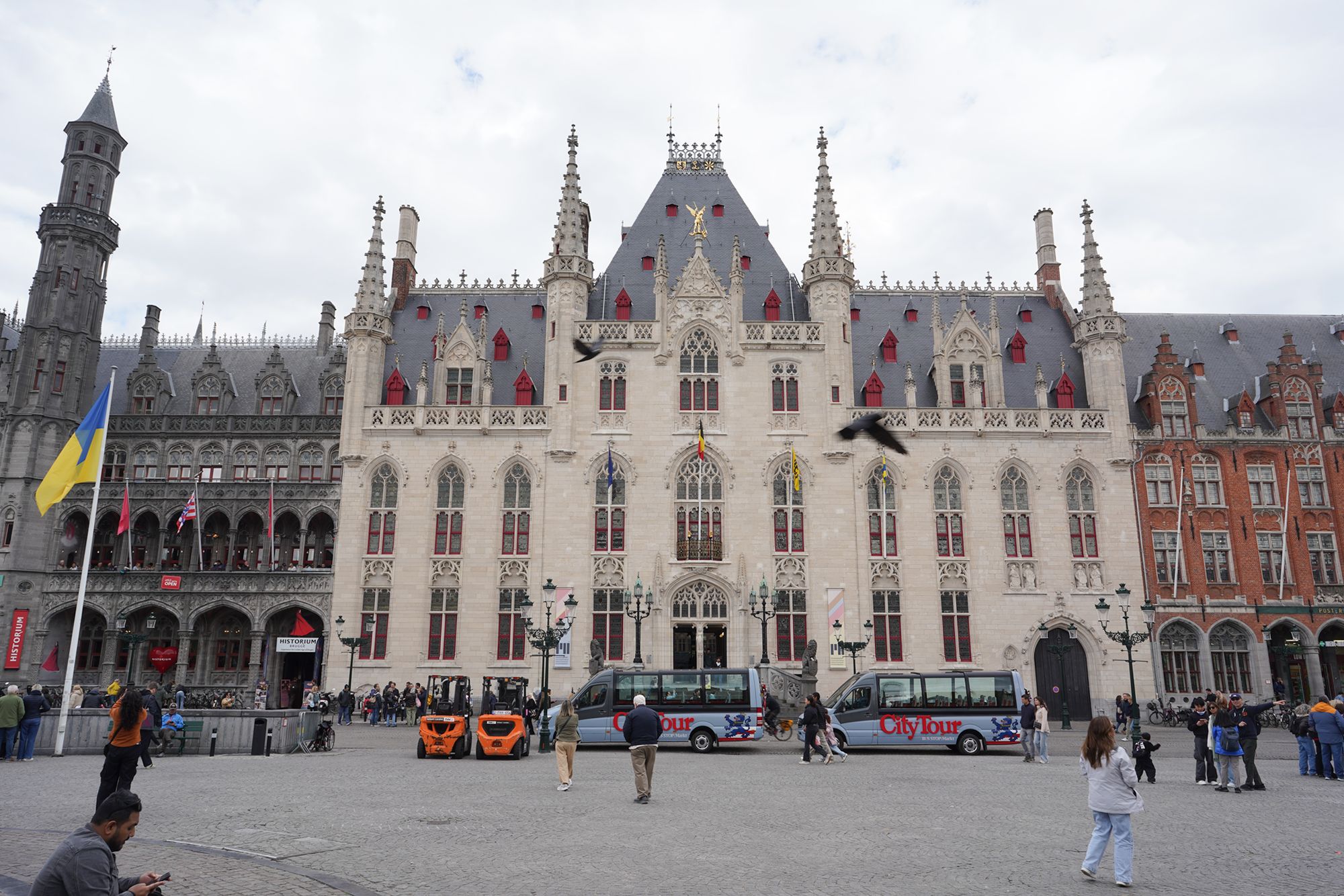
I passed the Provincial Palace (Provinciaal Hof) on Market Square, an impressive Neo-Gothic building with an ornate façade that complements the medieval character of Bruges.
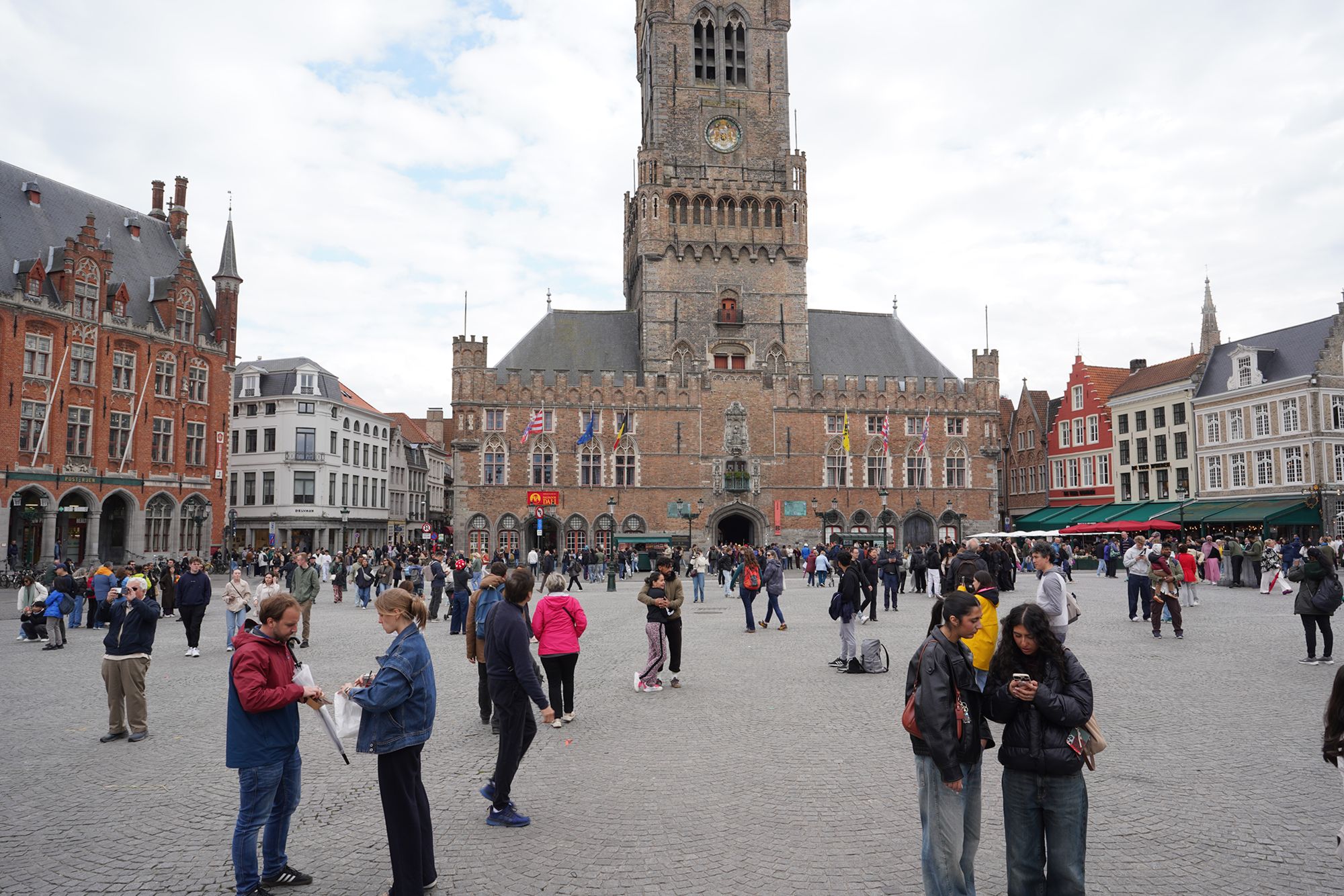
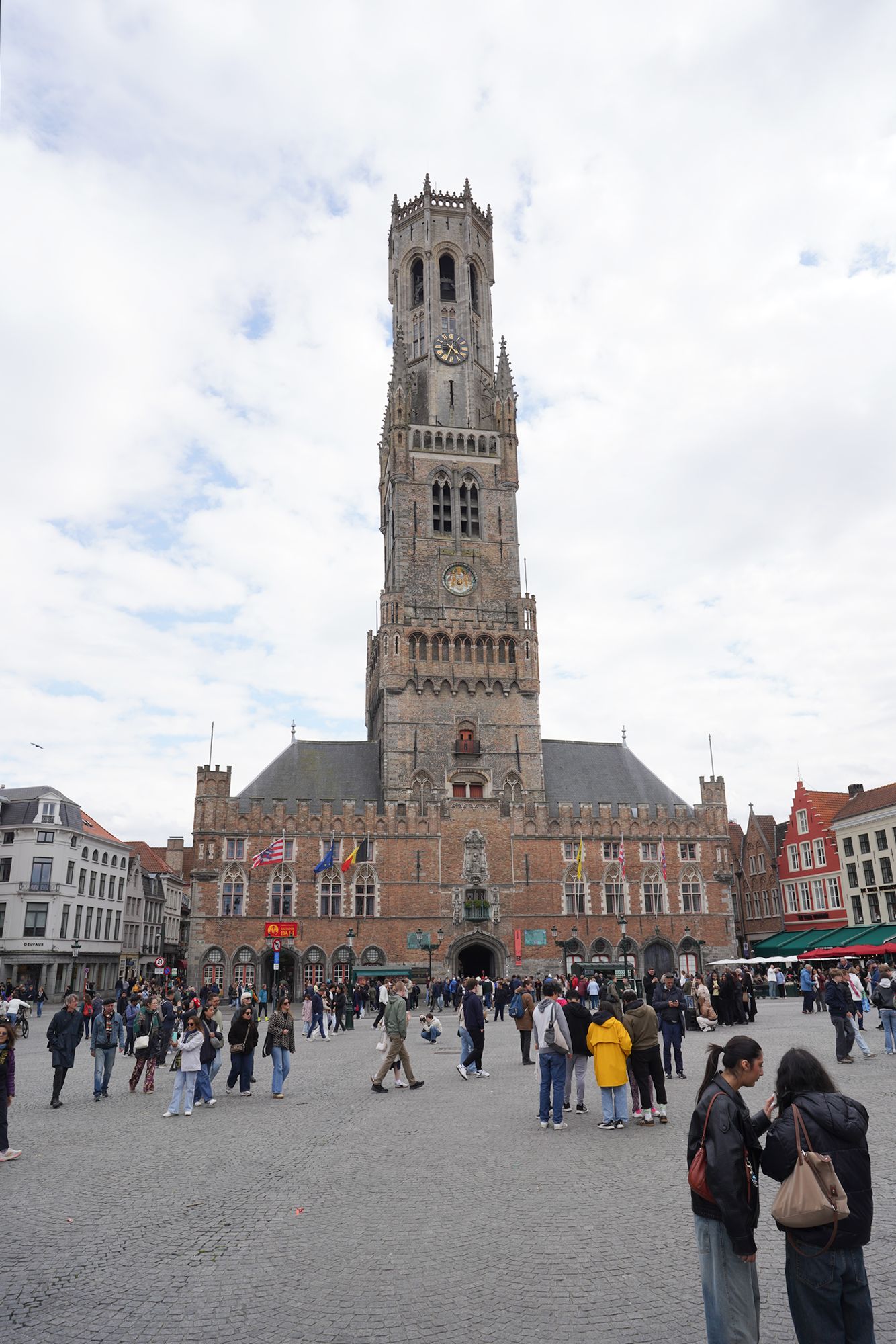
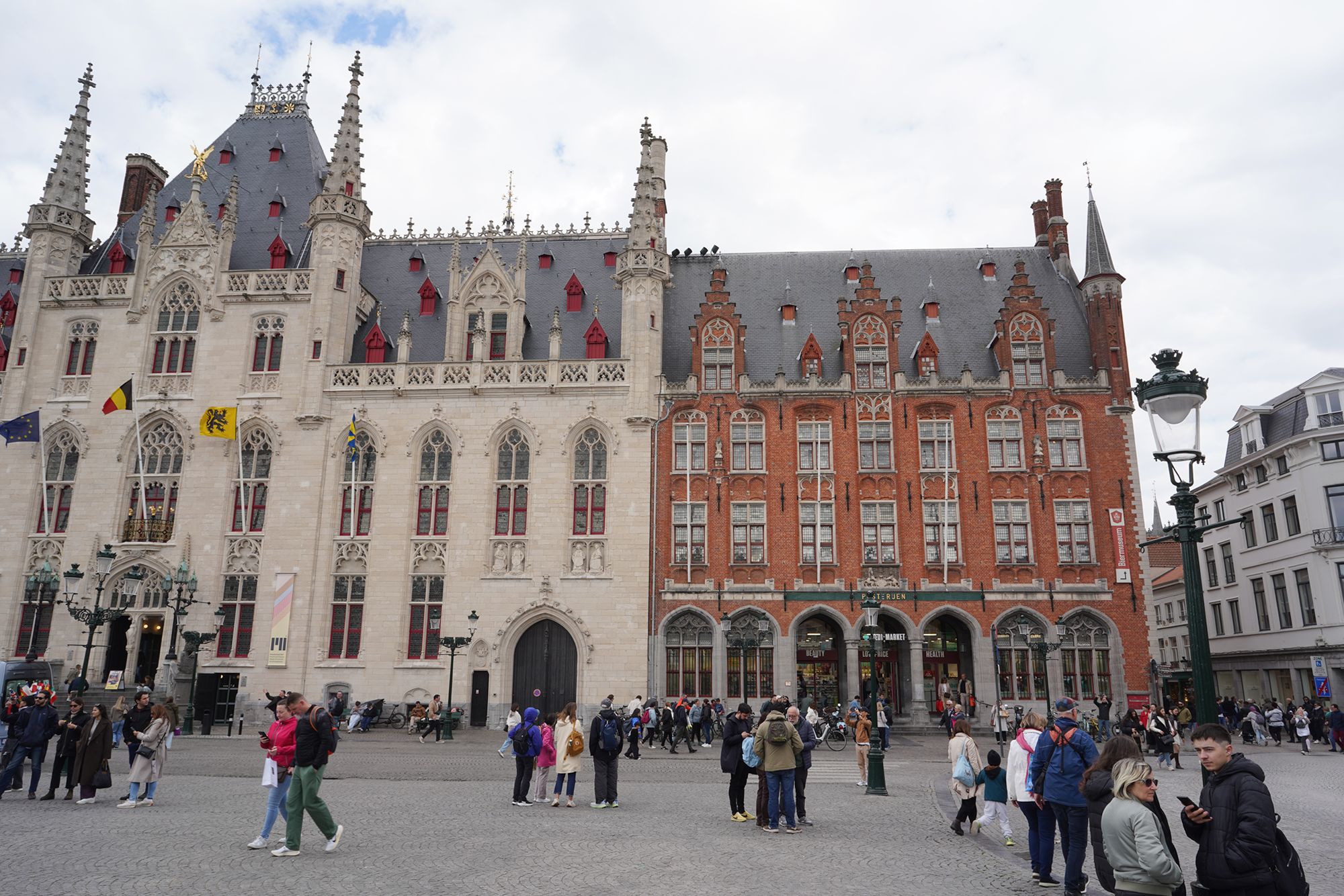
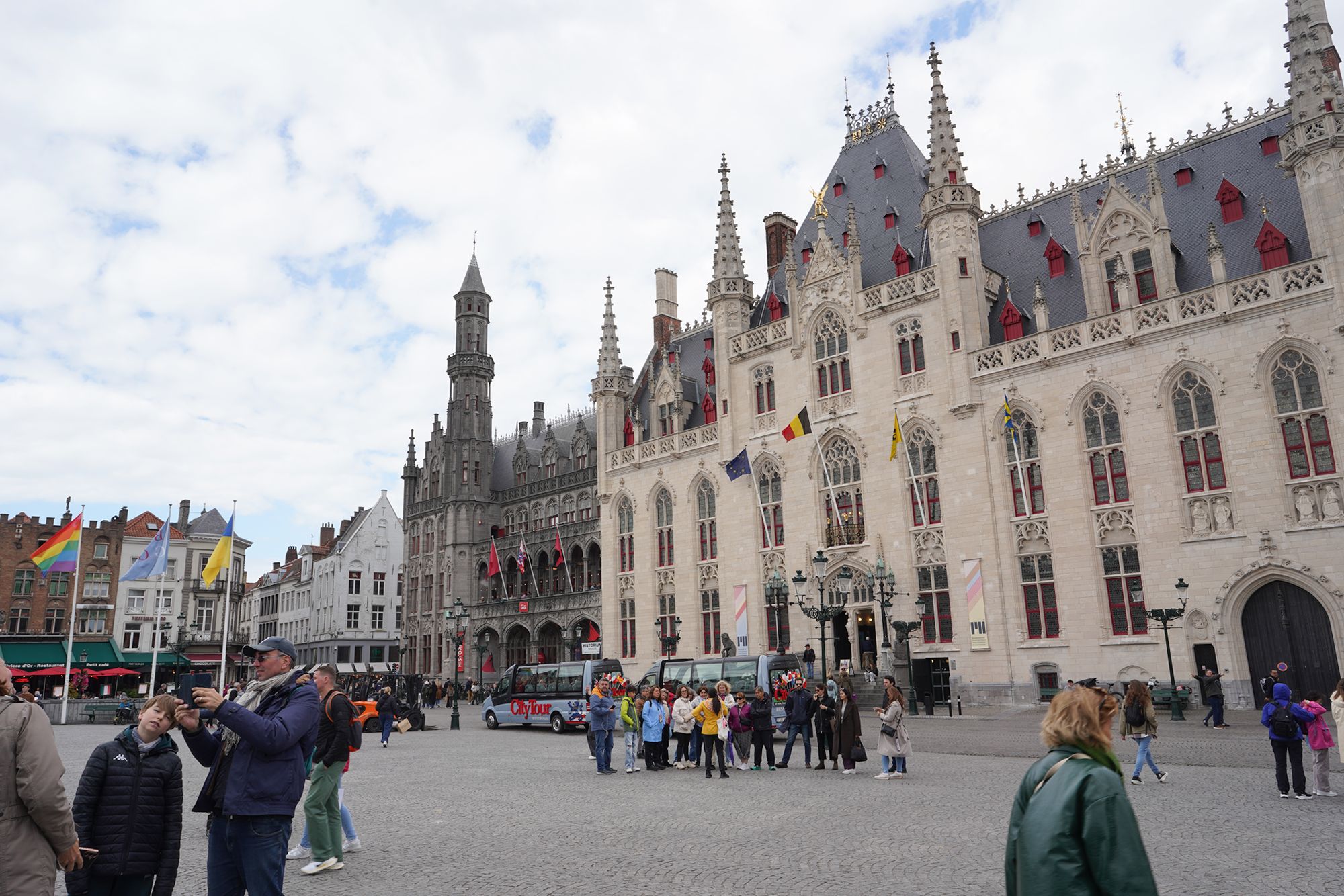
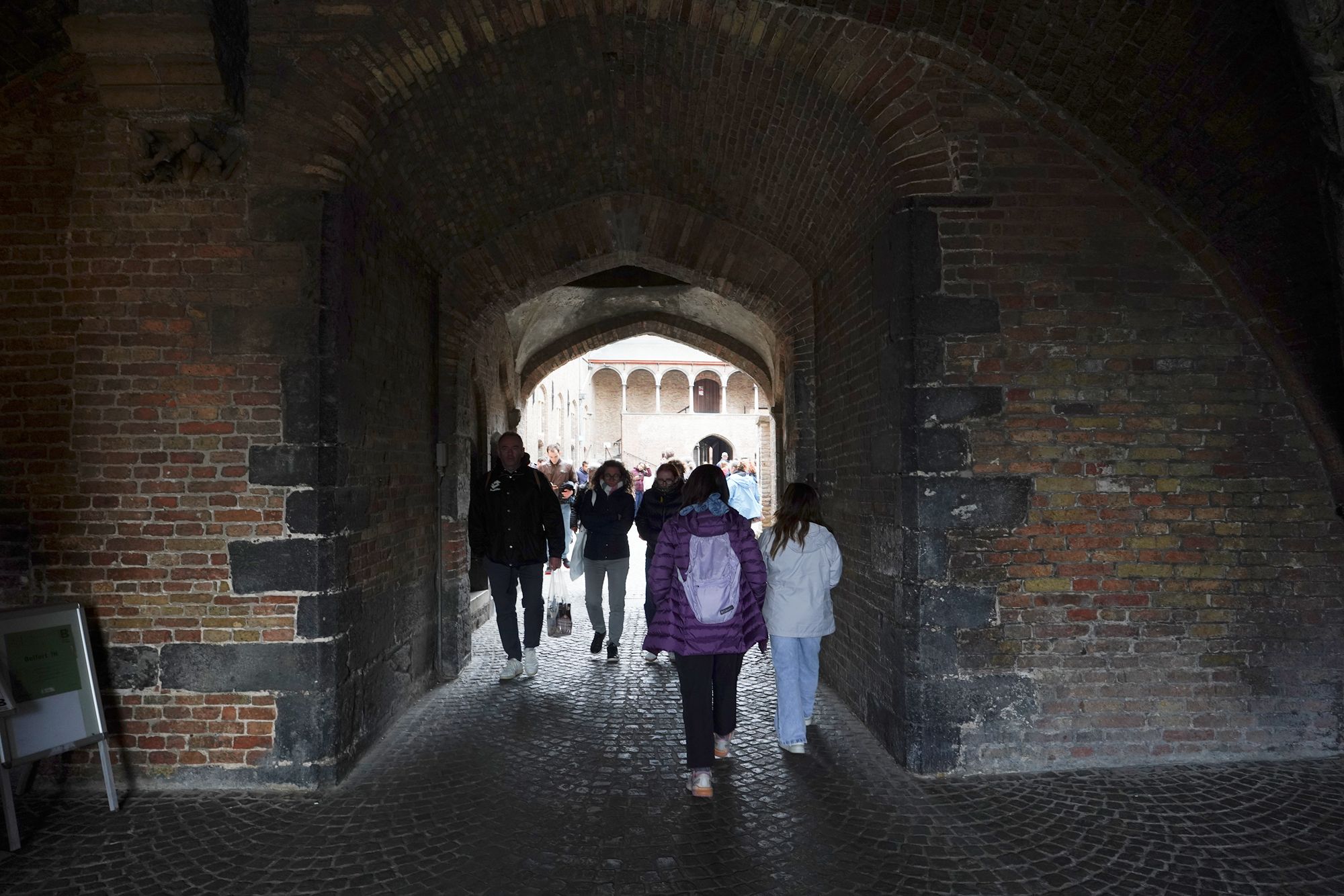
I walked through the archway beneath the Belfry of Bruges and entered the courtyard of the old medieval Market Halls
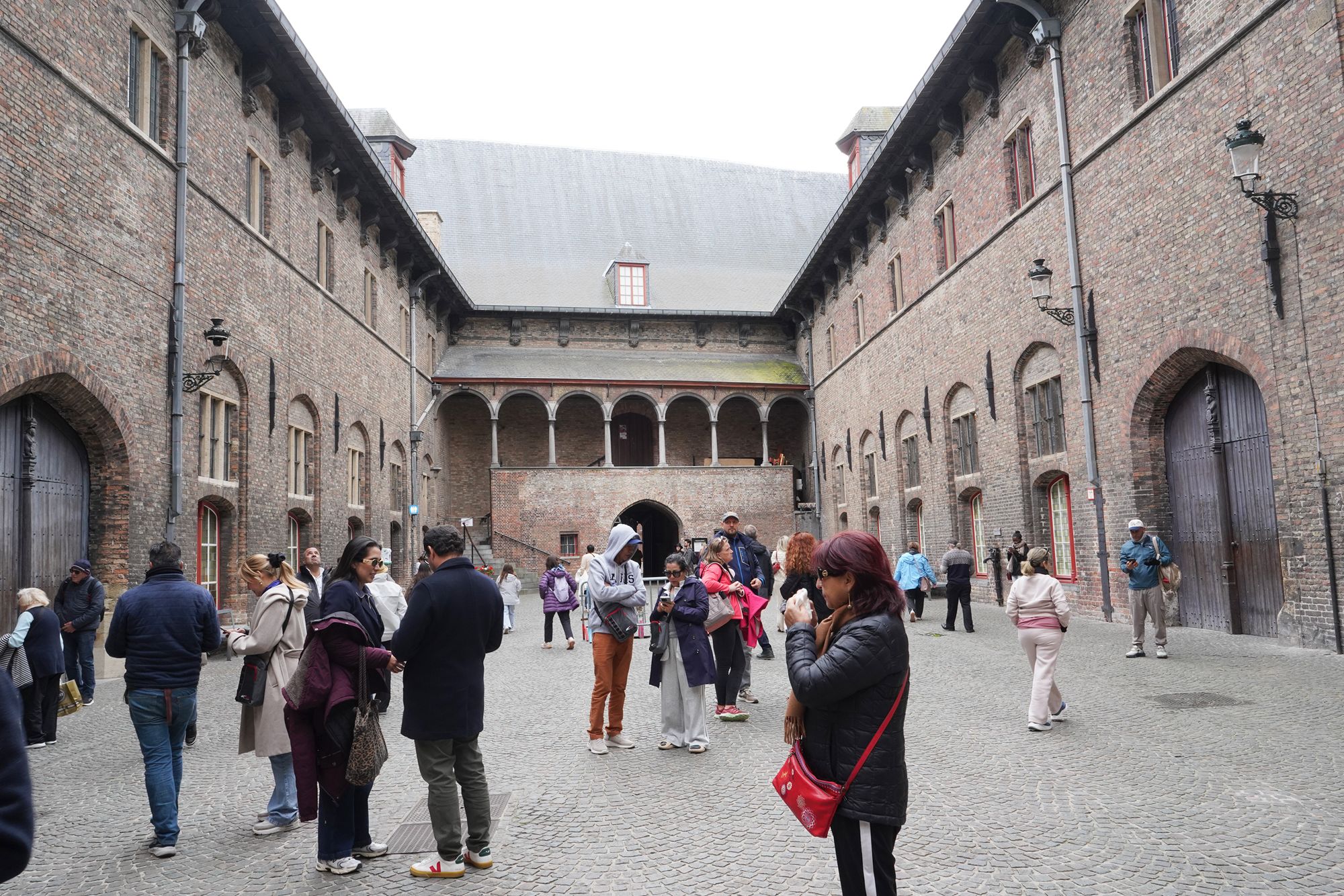
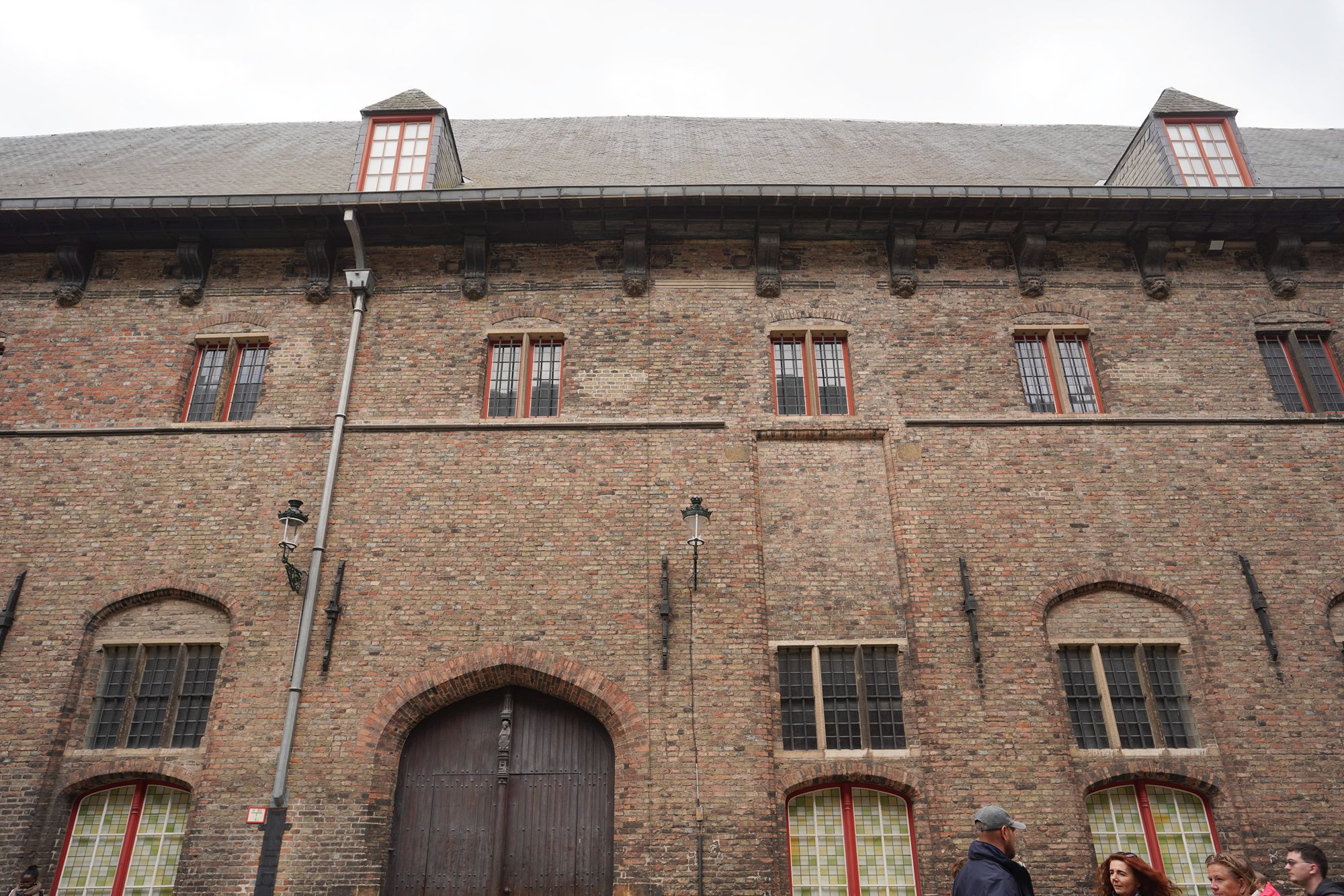
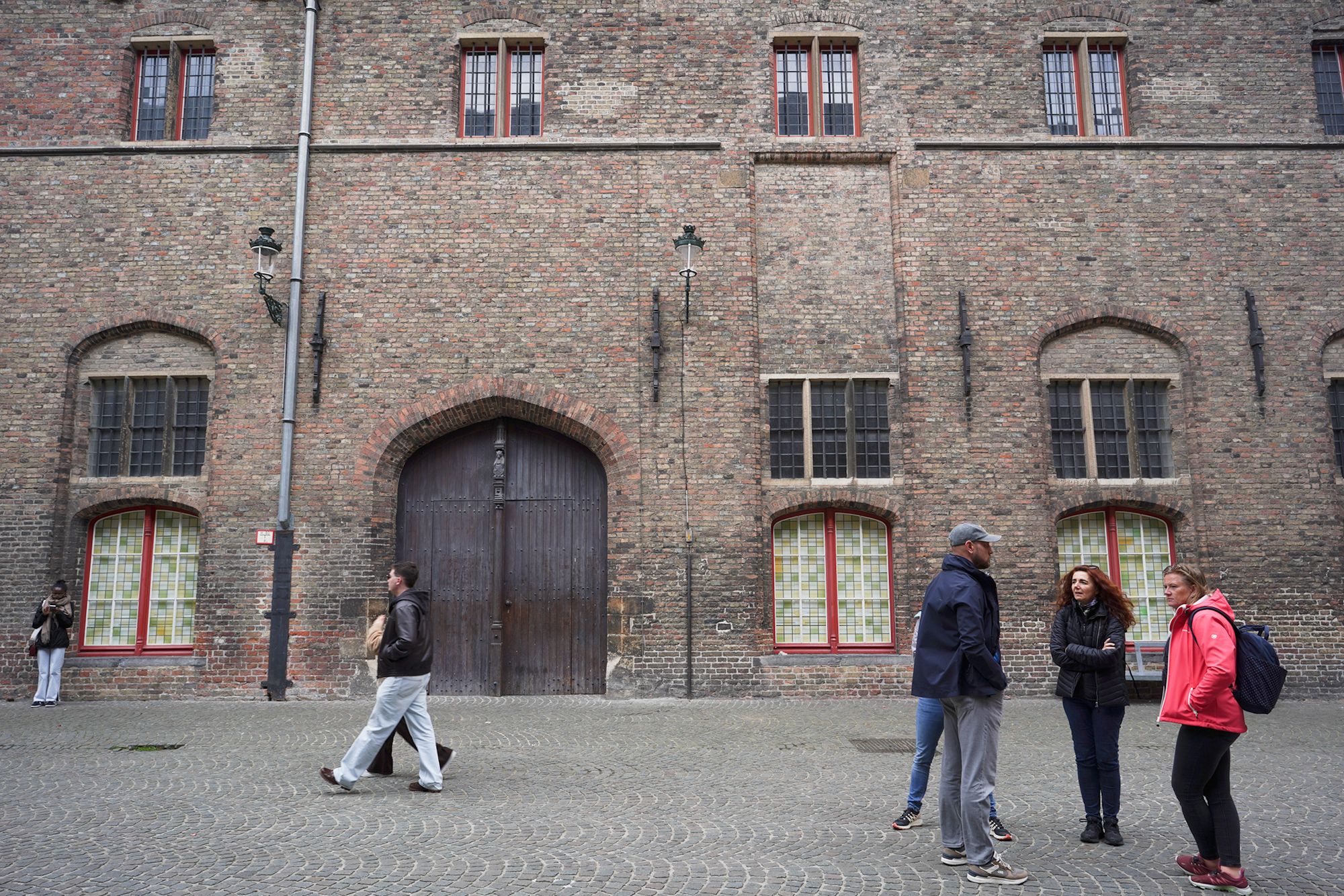
Behind the Belfry of Bruges are the large medieval Market Halls, once used by merchants for Bruges’ important cloth trade and other commercial activities.
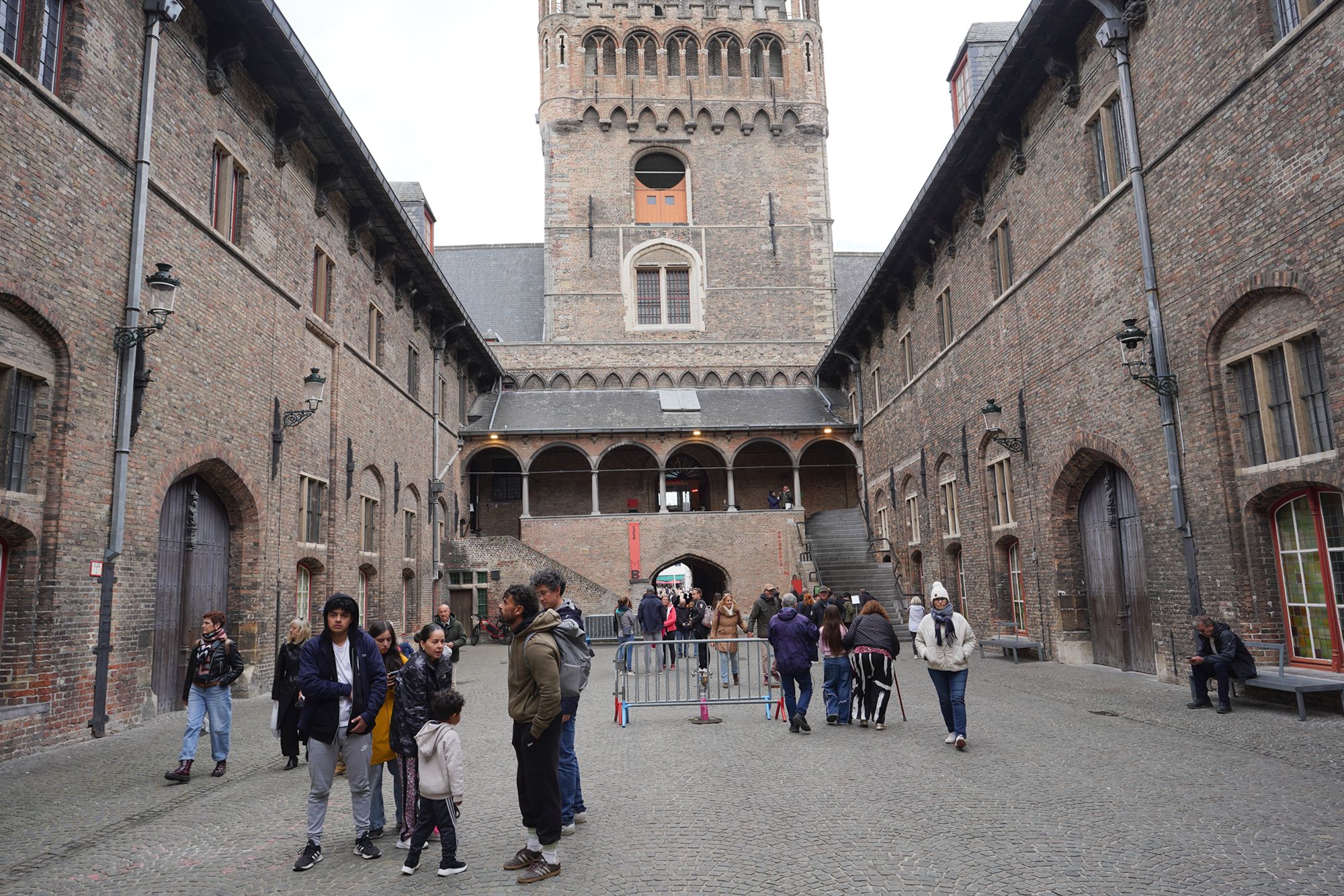
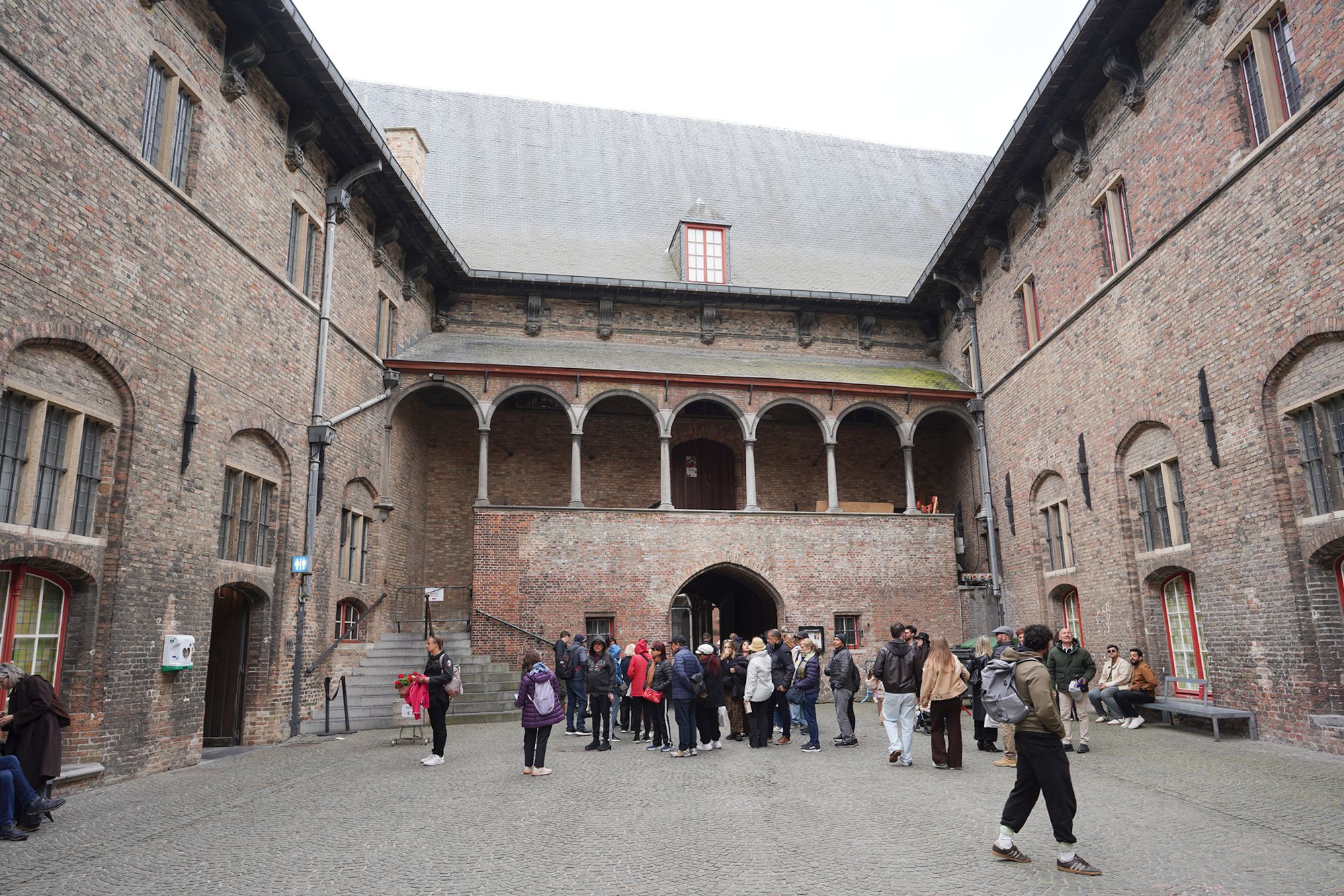
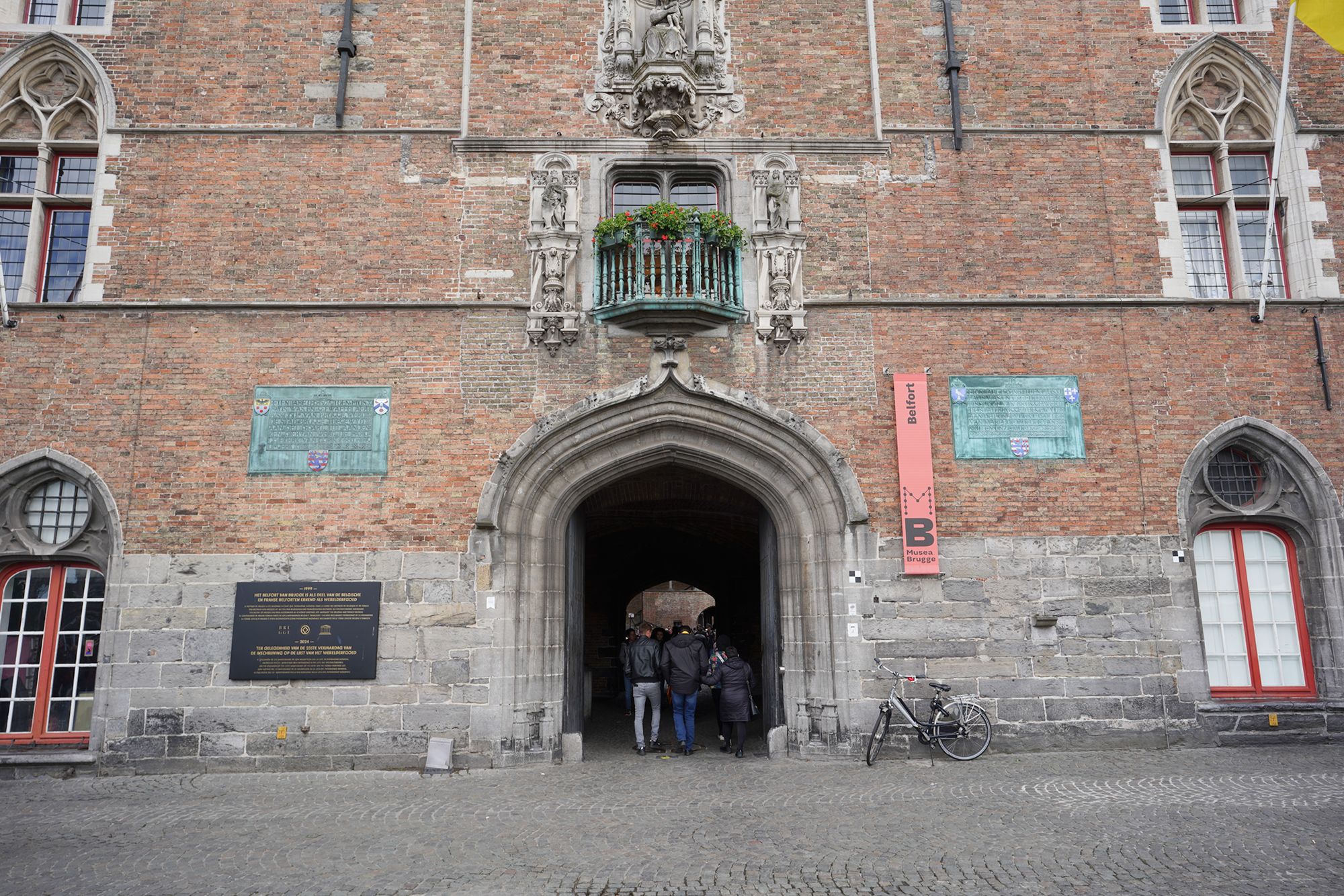
After exploring the Market Halls behind the Belfry, I came back to Market Square (Markt) and continued my walk through Bruges.
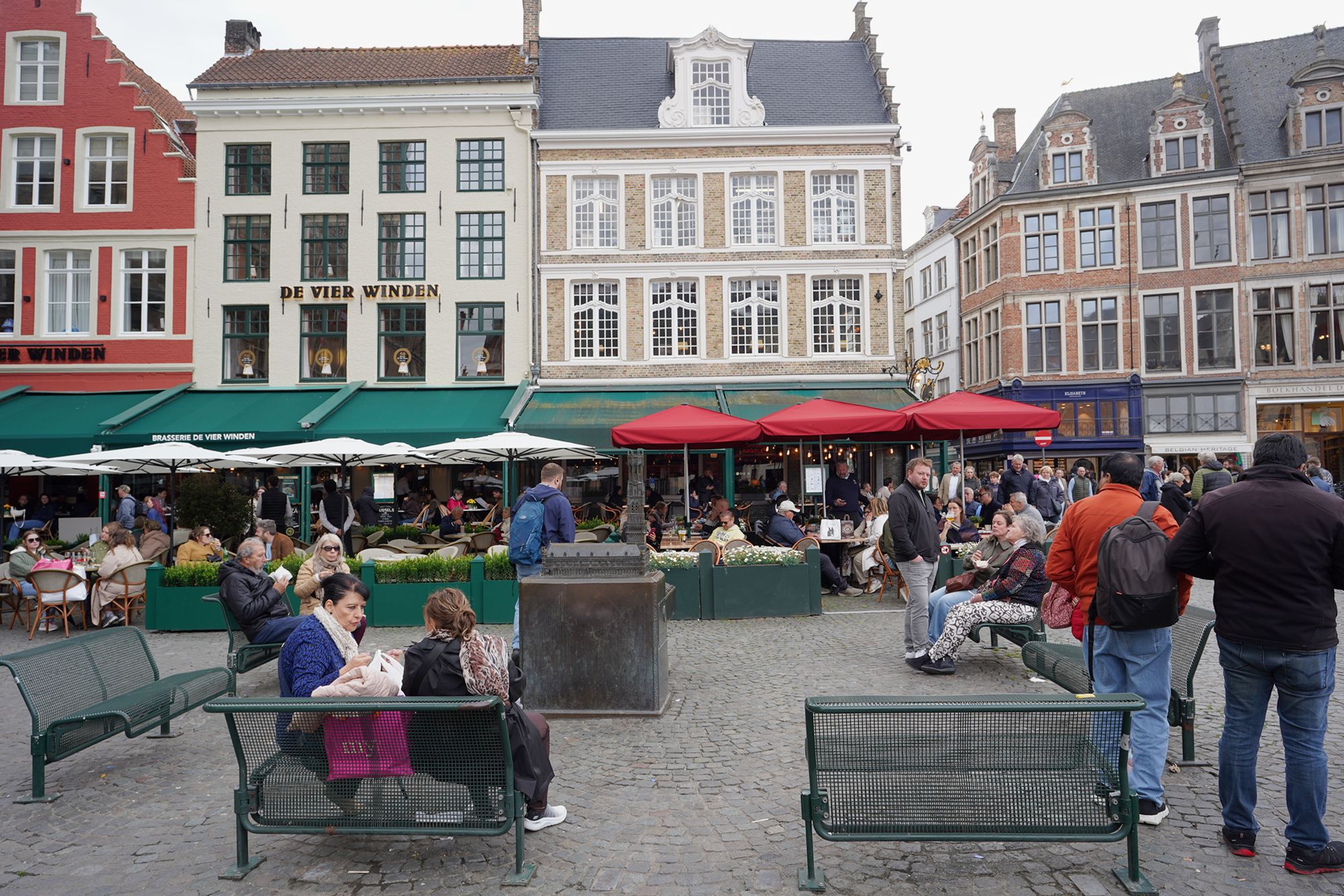
Bruges grew into one of Europe’s wealthiest trading cities during the Middle Ages, especially from the 12th to 15th centuries. Its canals connected merchants with international trade routes, and the city became particularly important for cloth and textile trading.
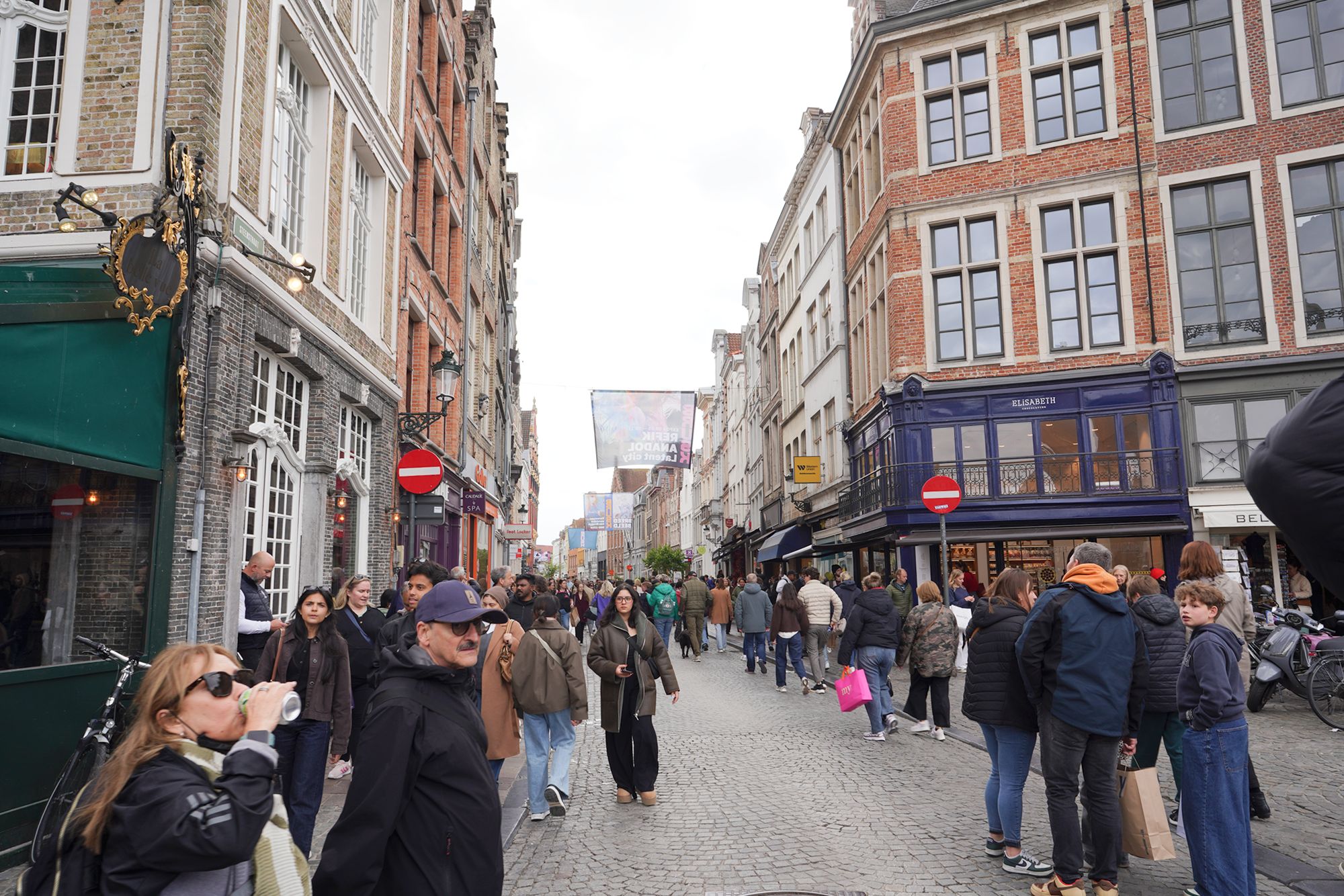
By the late 15th century, Bruges began to decline as its waterways gradually silted up and much of the region’s trade shifted to Antwerp. This decline actually helped preserve much of its medieval character because the city experienced less redevelopment than other major commercial centers.
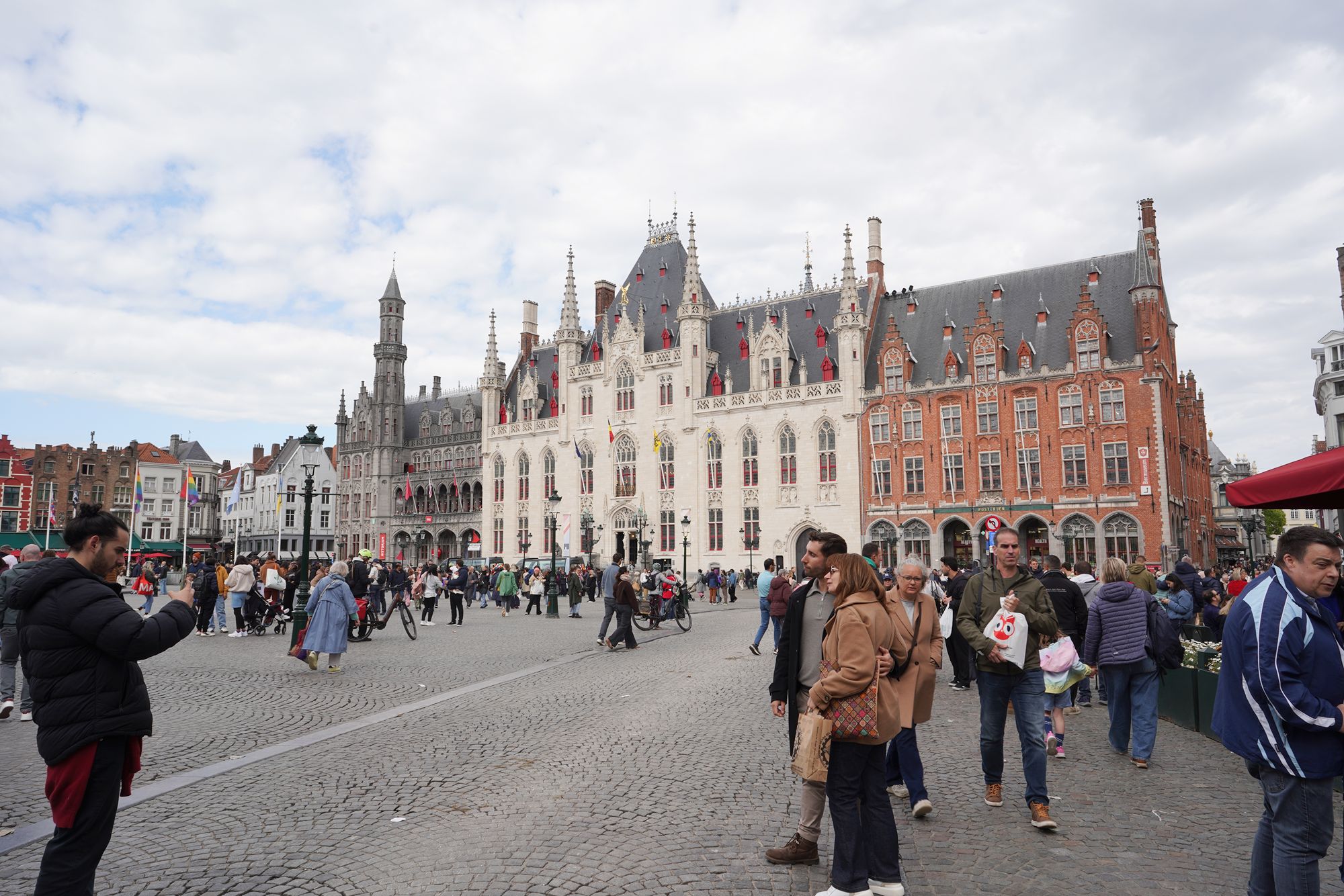
Today, Bruges is famous for its remarkably preserved medieval streets, canals, churches, guild houses, Market Square, and Belfry. Its historic center became a UNESCO World Heritage Site in 2000.