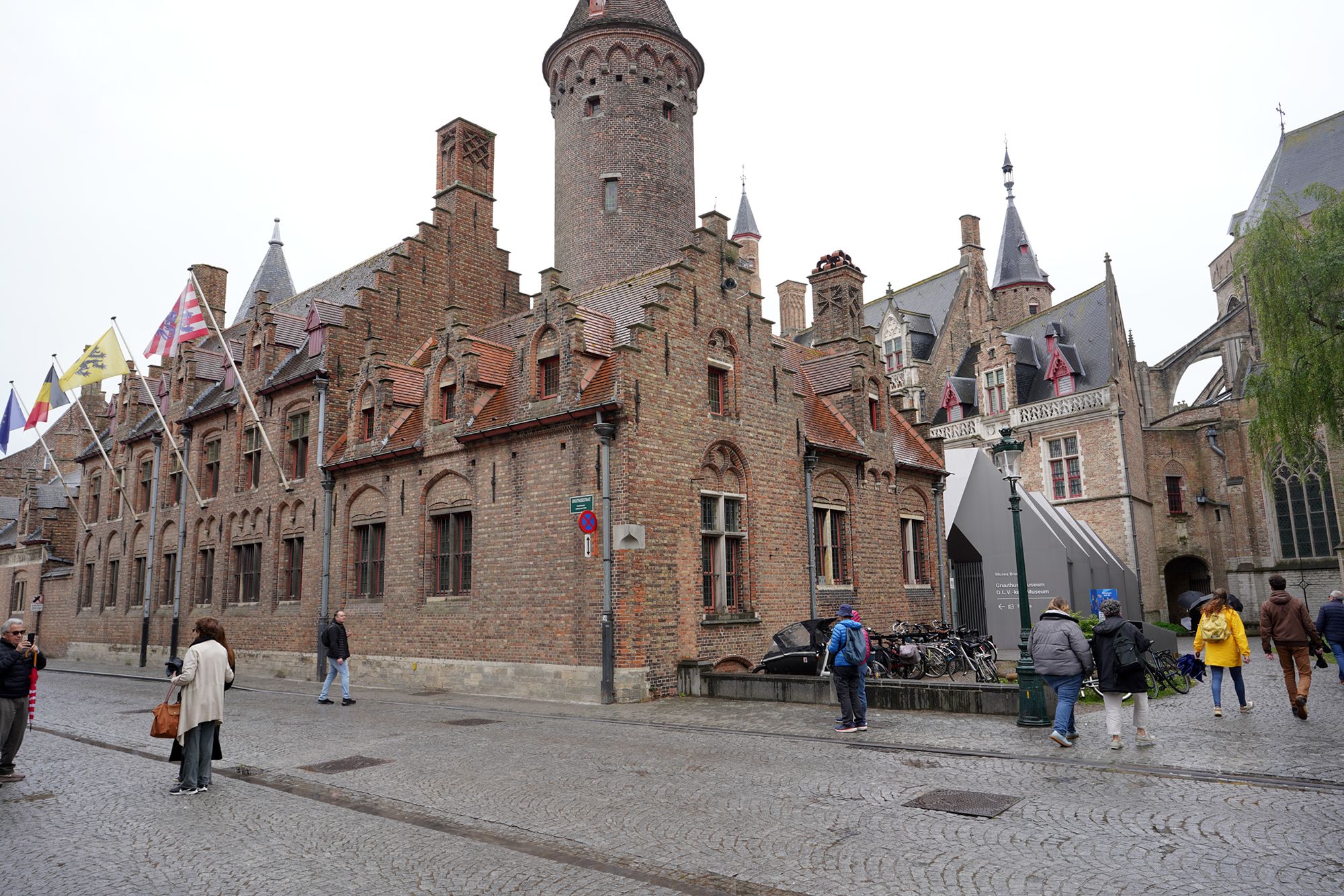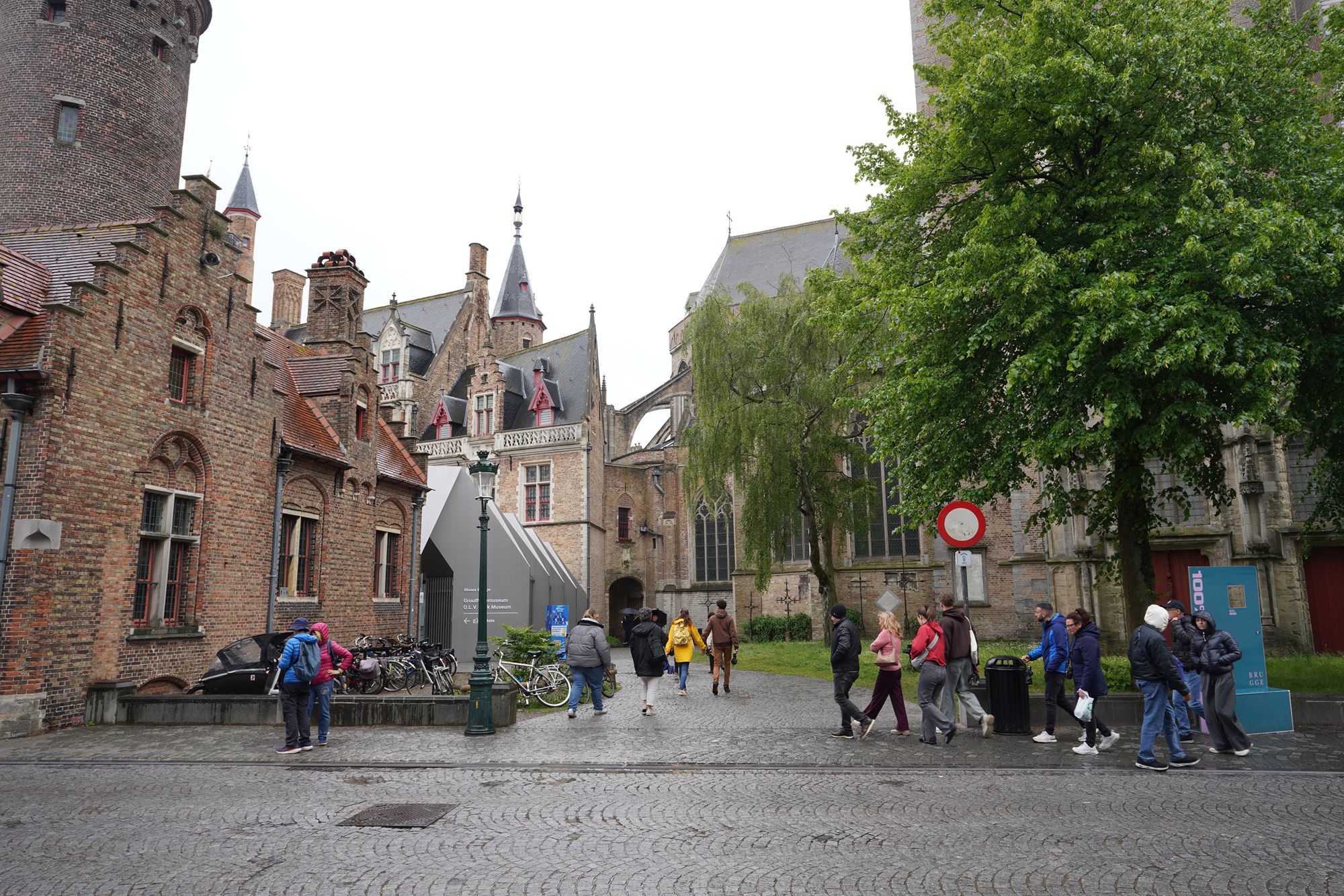
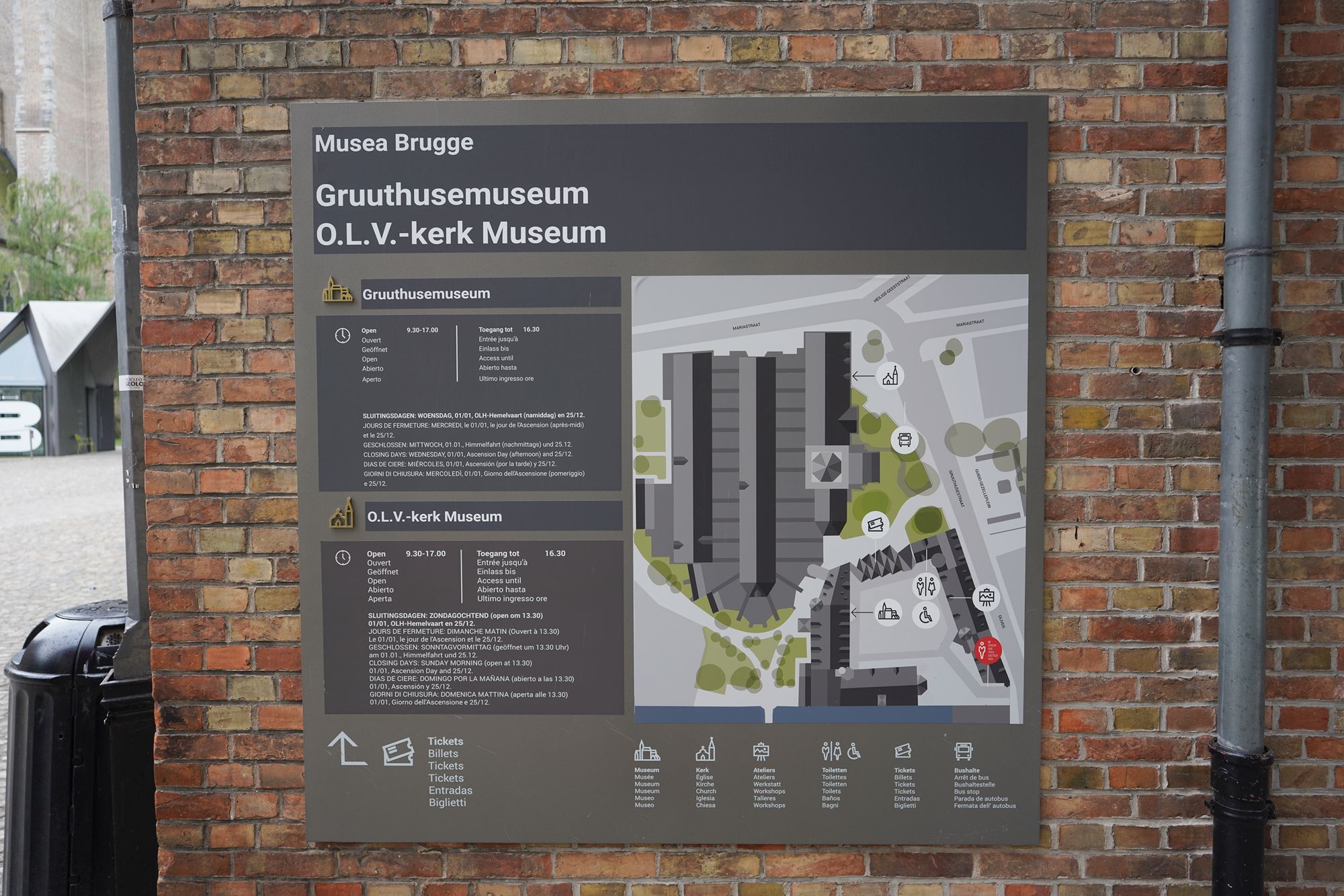
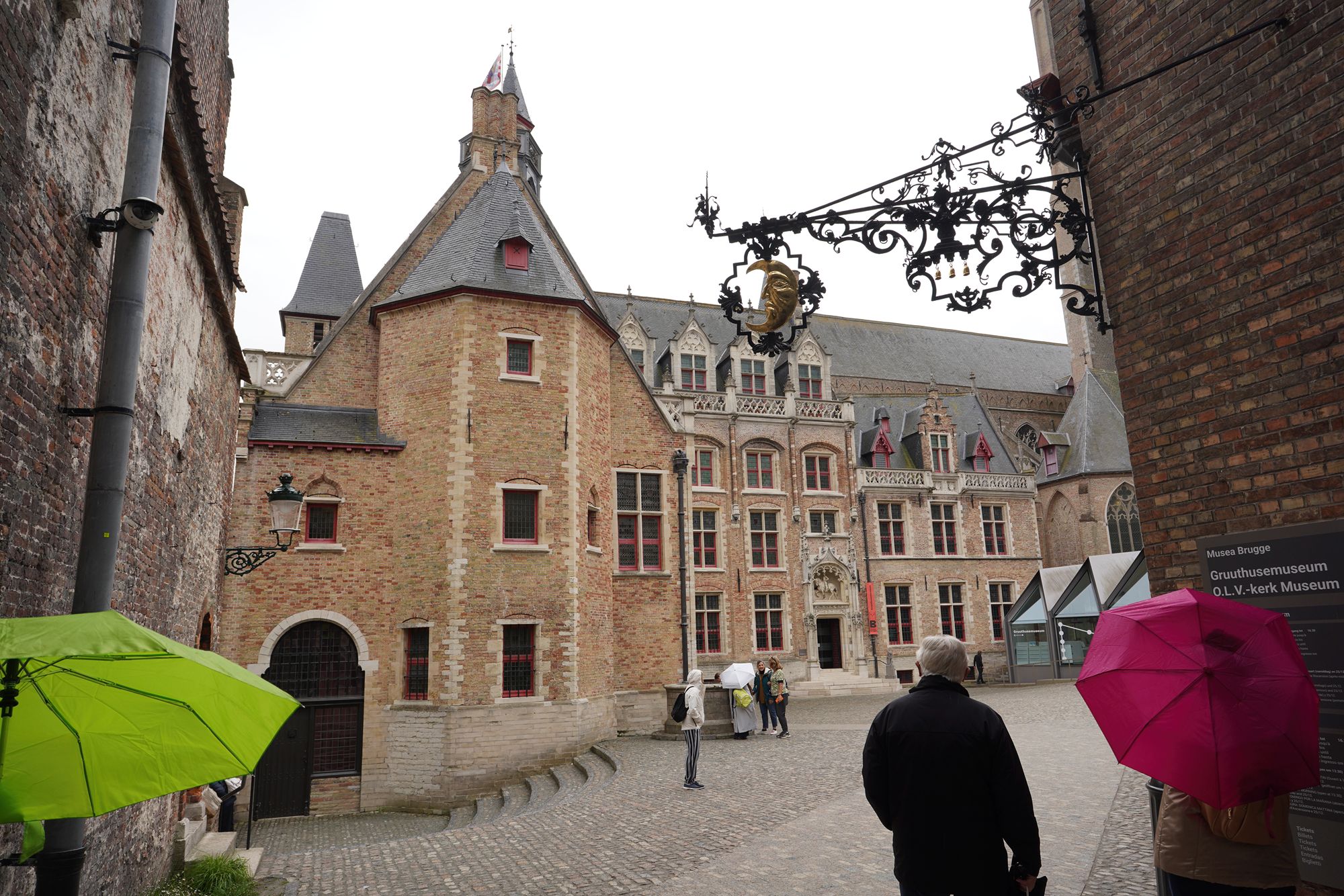
Gruuthusemuseum, Bruges, Belgium
The Gruuthusemuseum, housed in a grand medieval palace, explores centuries of Bruges history through tapestries, furniture, sculpture, lace, and decorative arts. 1312
Gruuthusemuseum: Dijver 17, 8000 Brugge, Belgium
Date Picture Taken: May, 2026
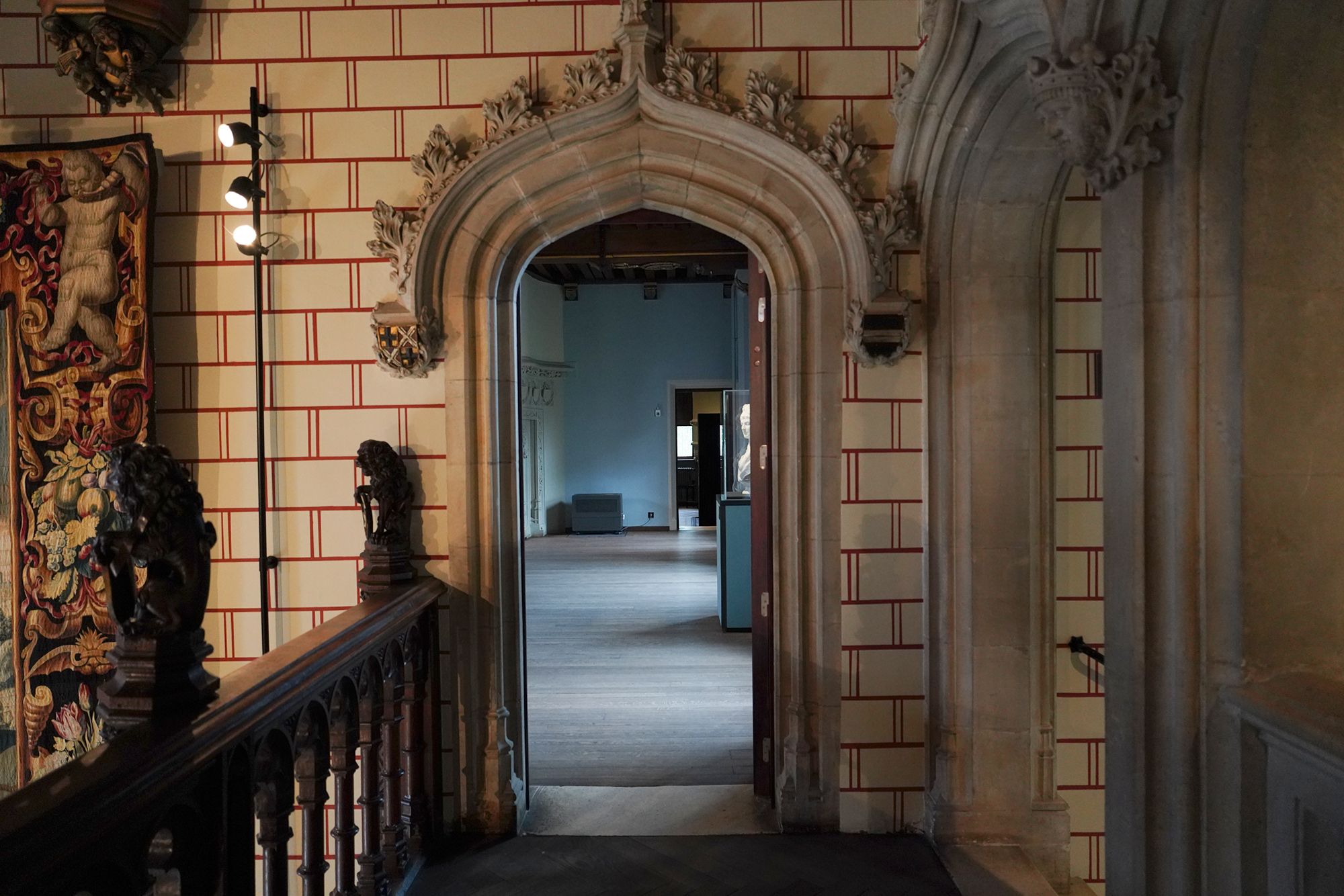
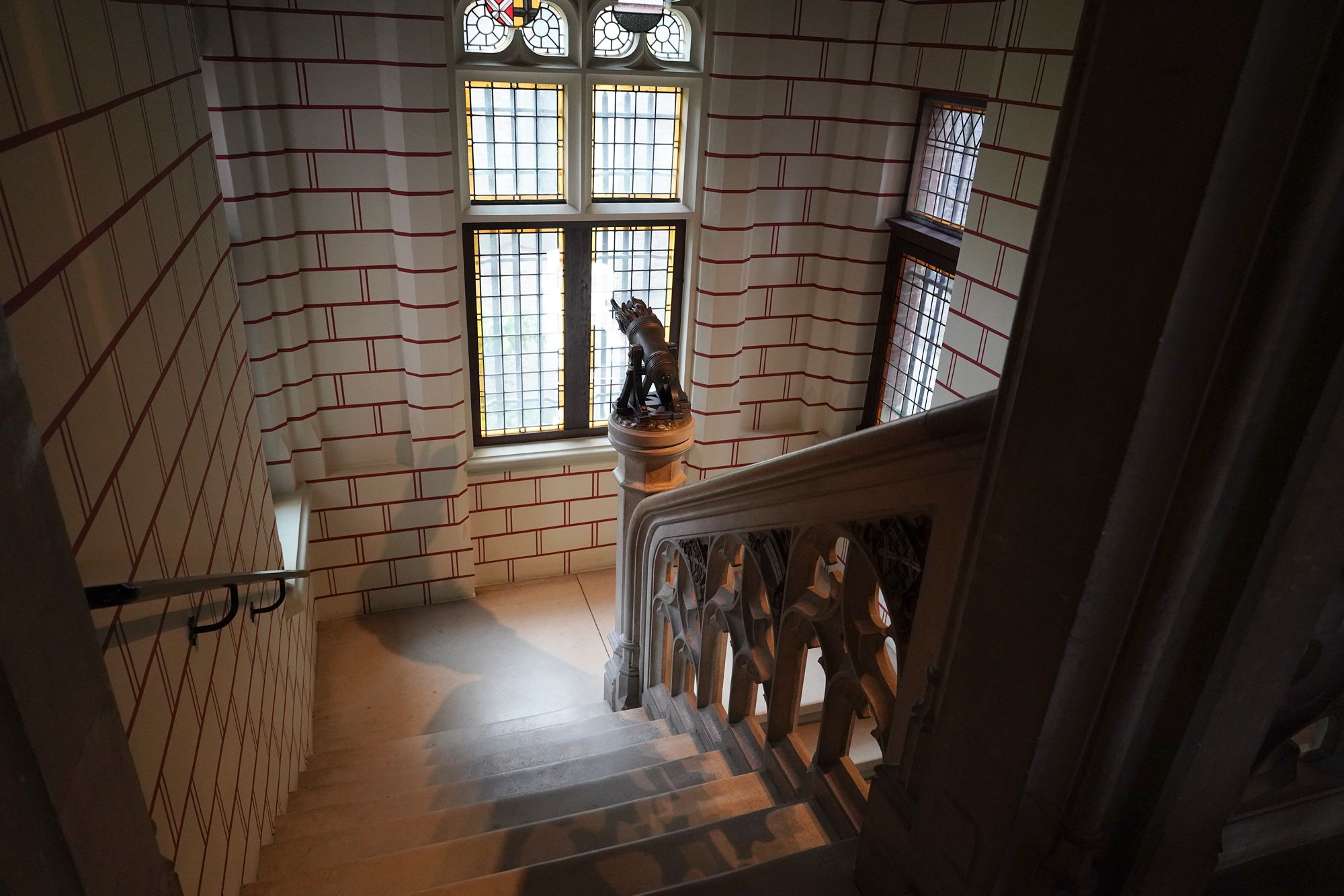
The Gruuthusemuseum is housed in a magnificent 15th-century city palace and tells the story of more than 500 years of Bruges history. Its rooms are filled with tapestries, stained glass, sculpture, furniture, manuscripts, lace, and other objects showing how wealthy Bruges families lived through the centuries. The palace itself, once home to the powerful Louis of Gruuthuse, is as interesting as the collection inside.
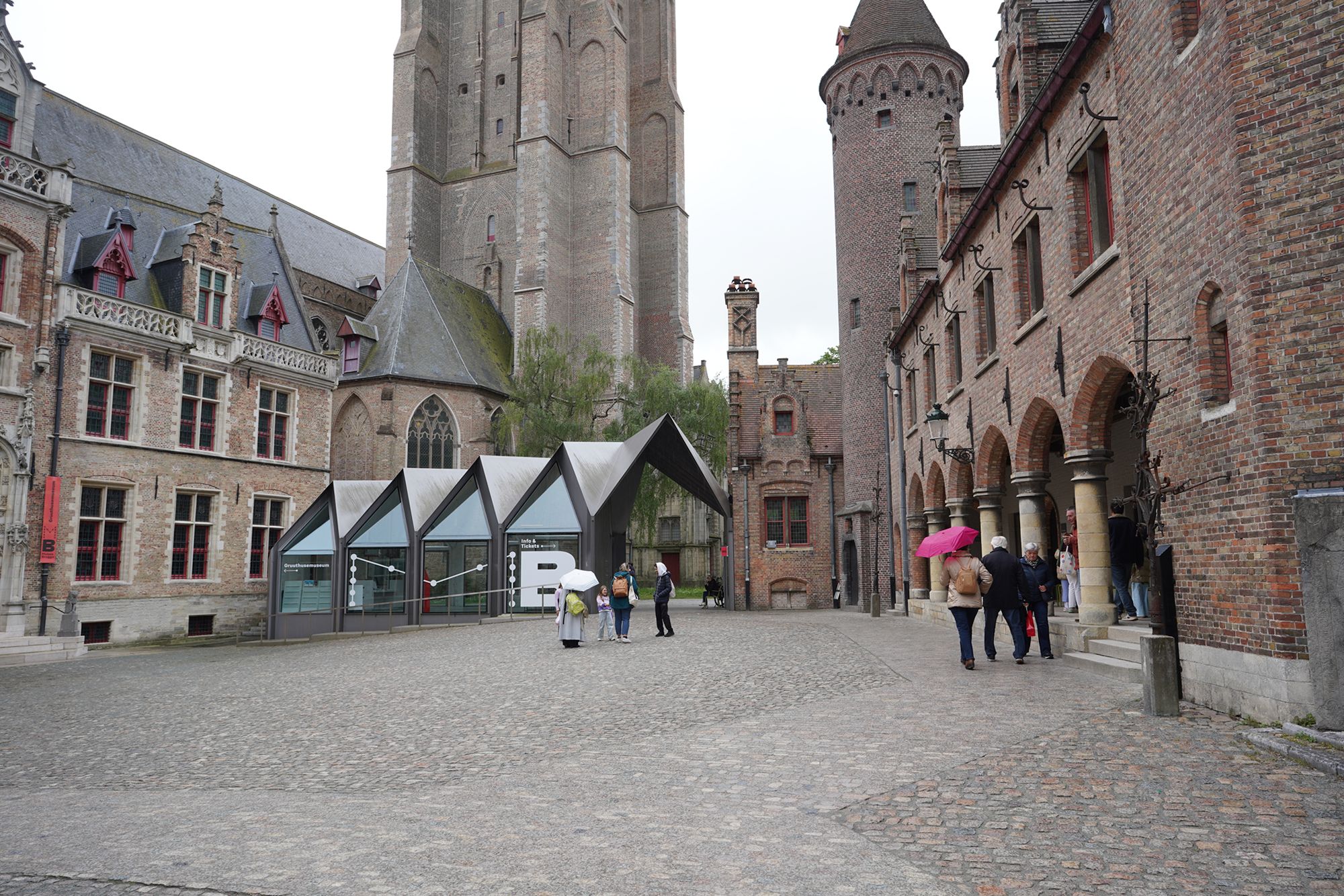
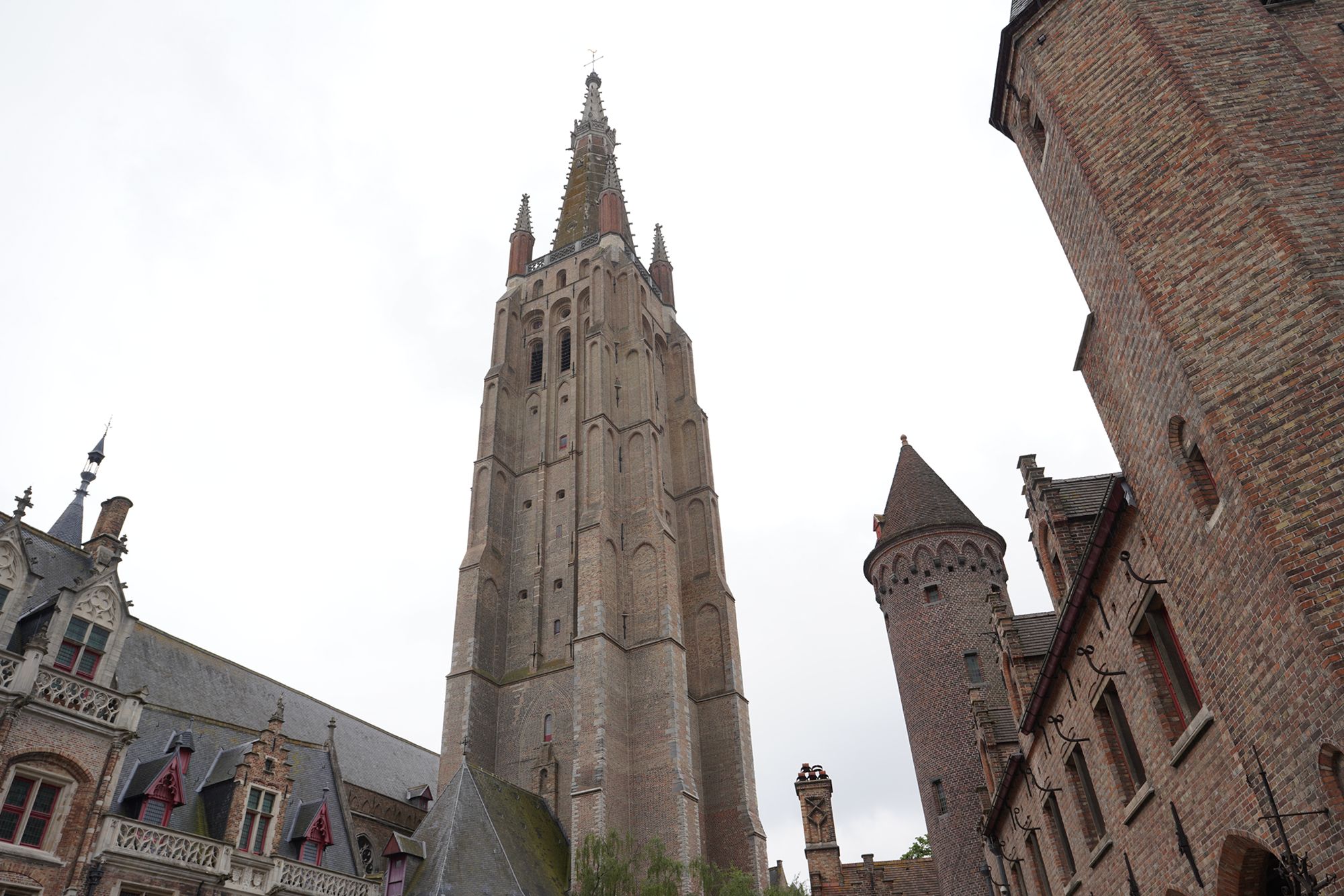
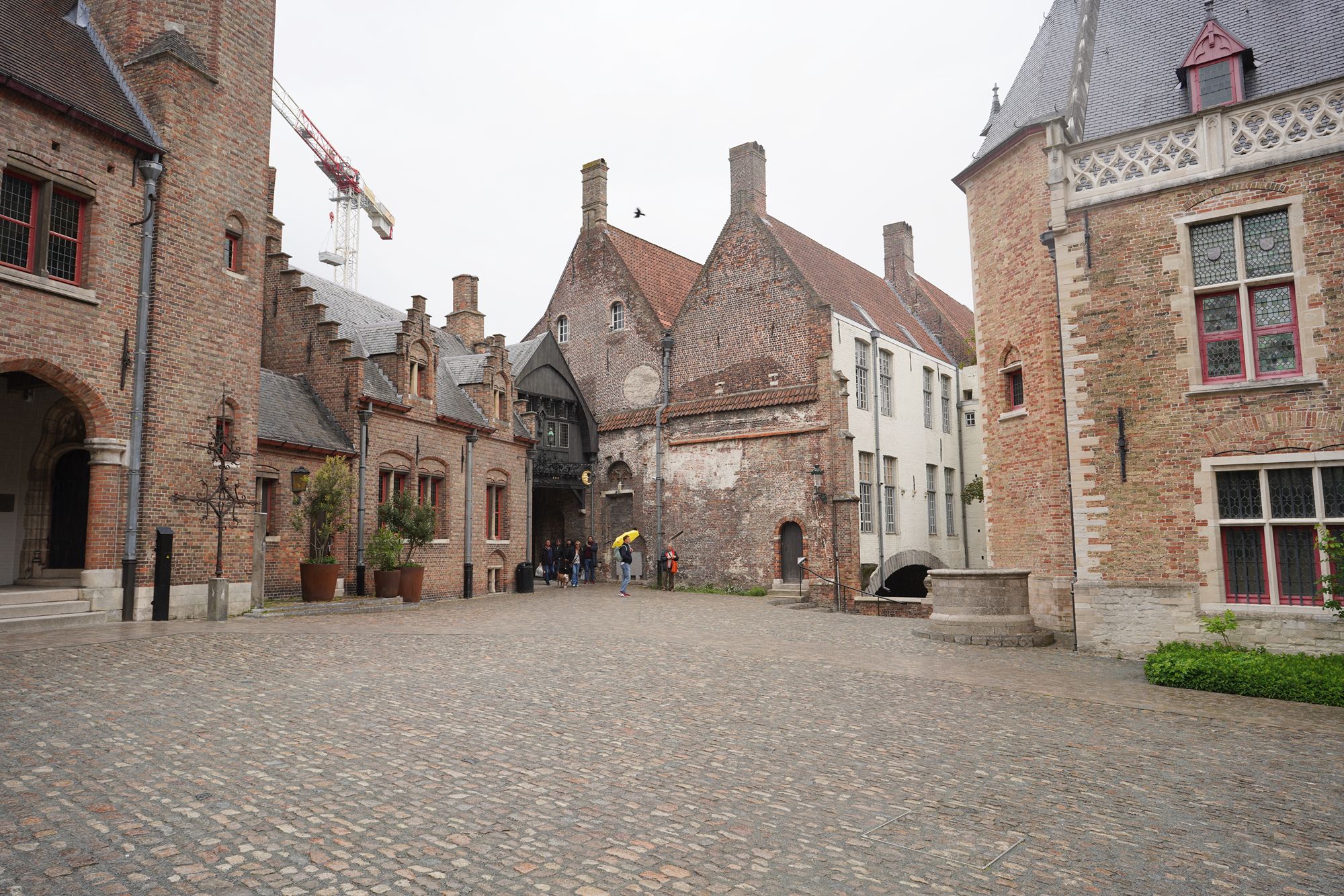
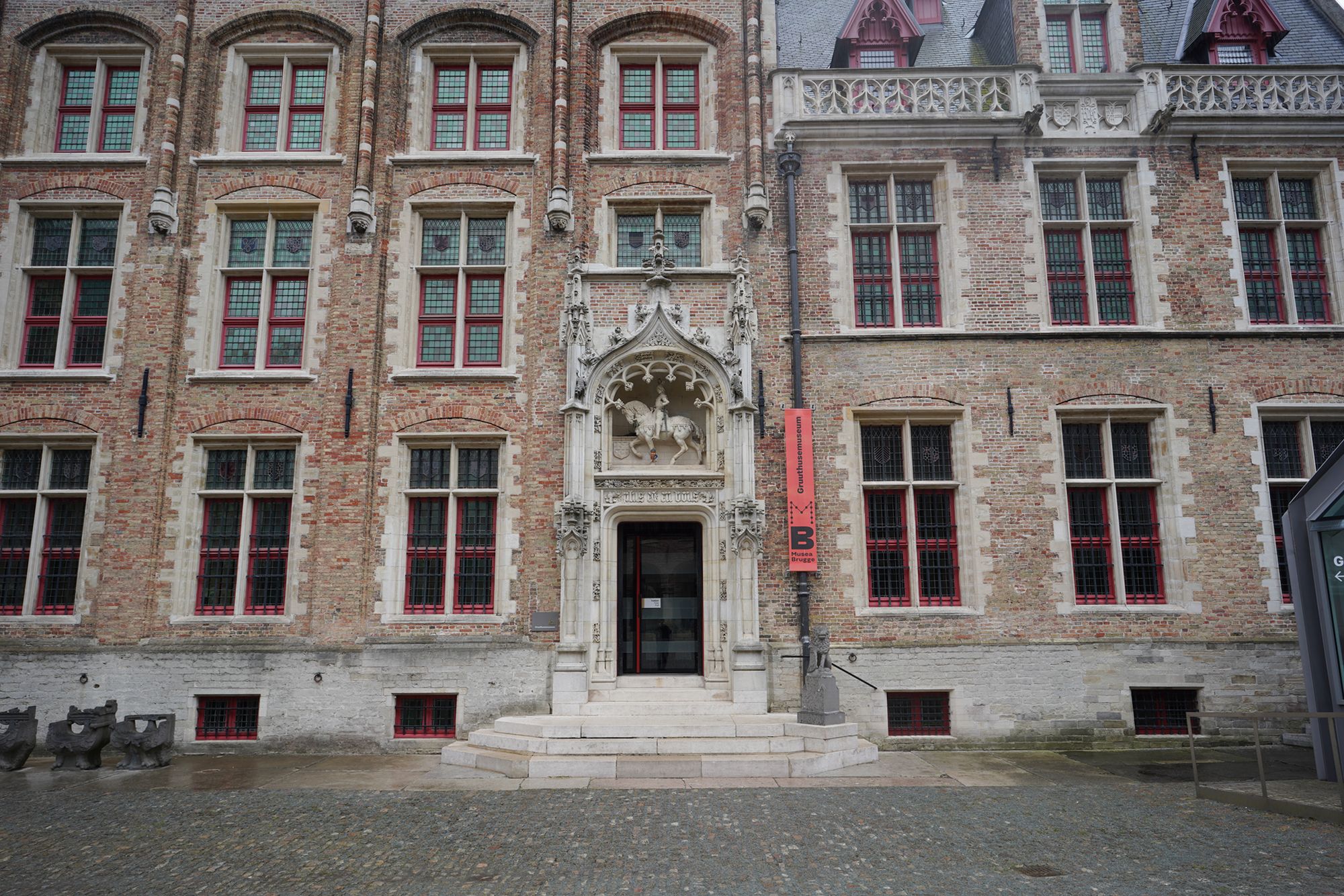
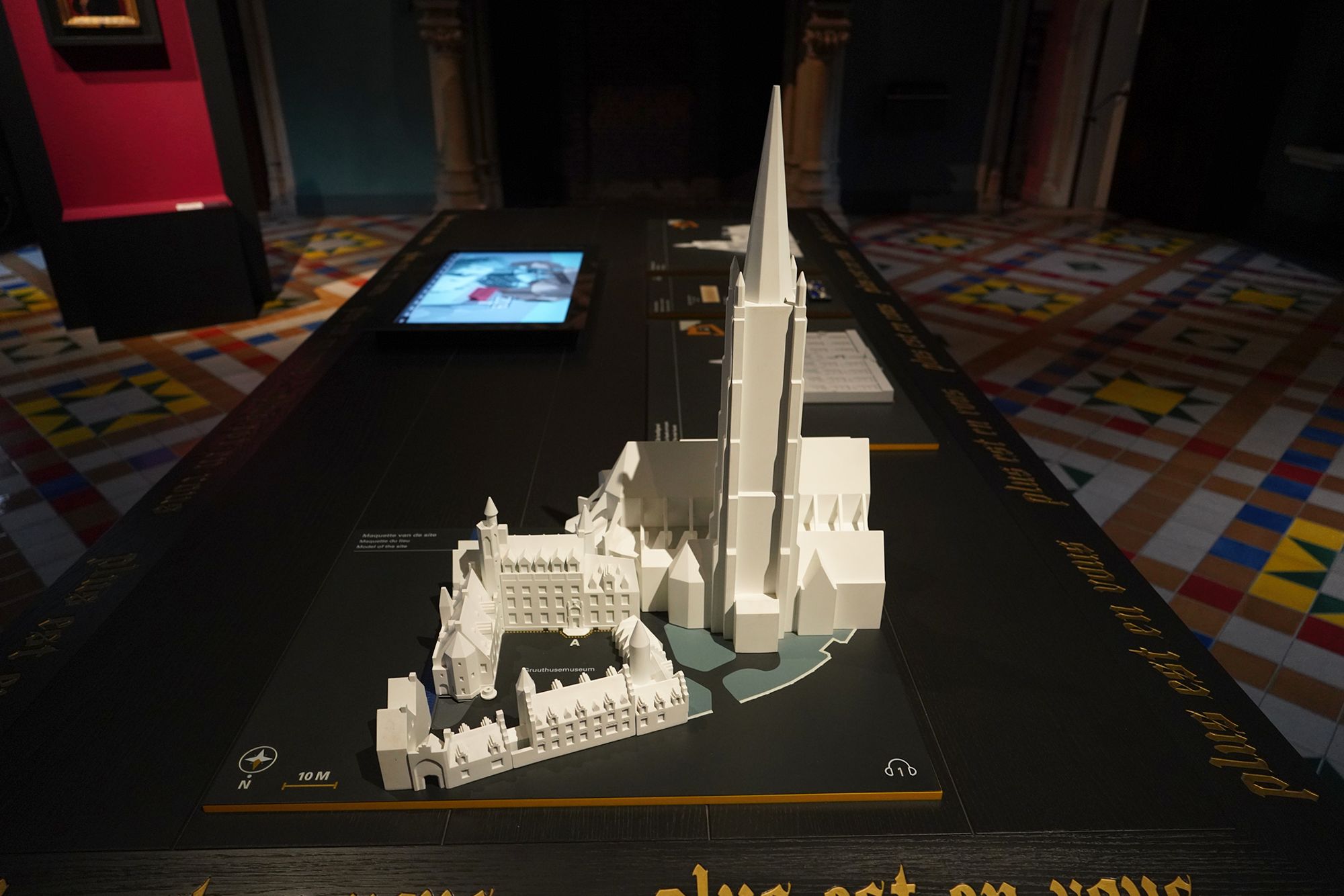
A scale model of the Gruuthusemuseum shows the layout and architecture of the grand medieval palace that now houses the museum.
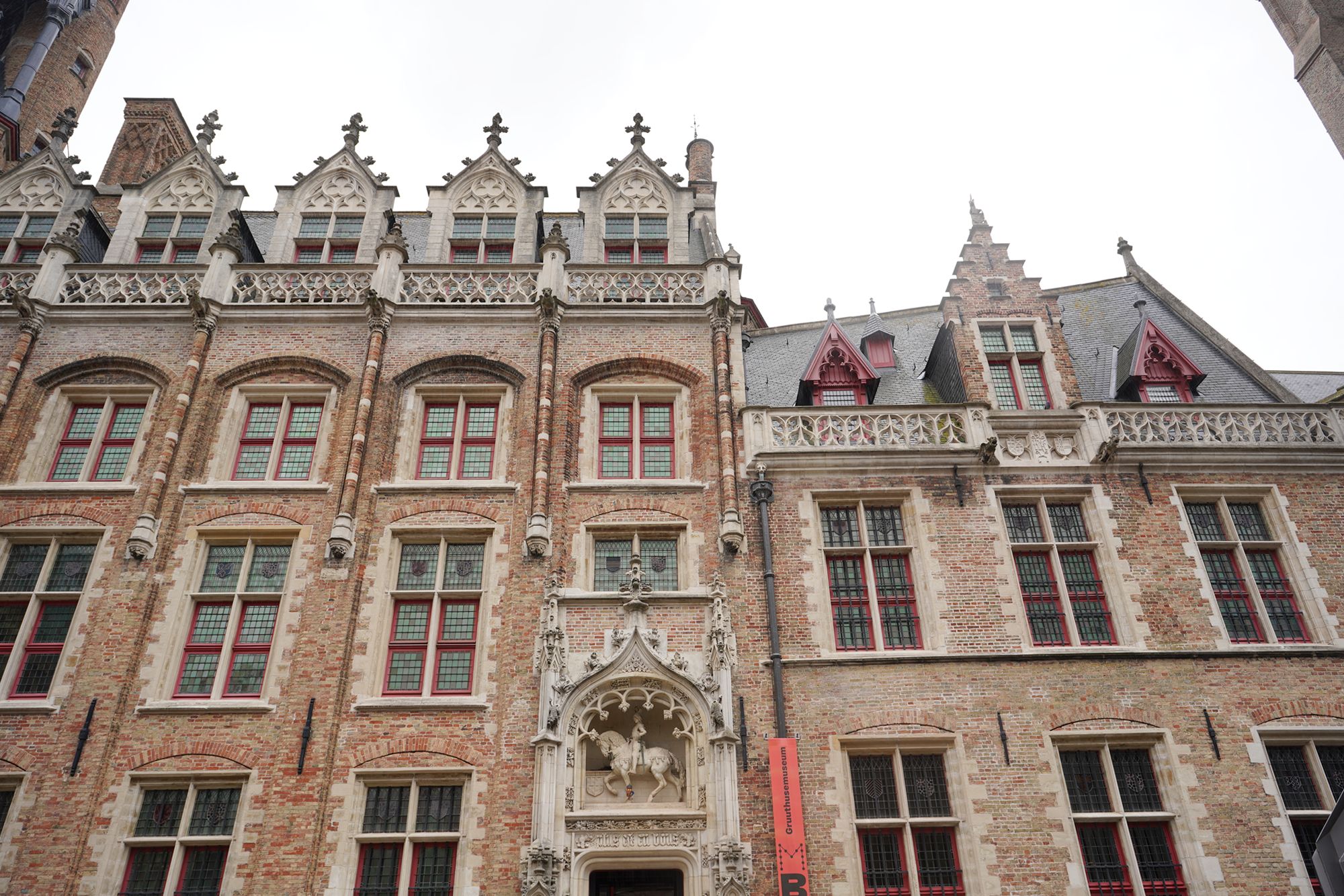
The Gruuthusemuseum occupies a 15th-century city palace once associated with Louis de Gruuthuse, one of Bruges’ most powerful noblemen. Today, its rooms and collections tell more than 500 years of the city’s history, making the historic palace itself an important part of the museum experience.
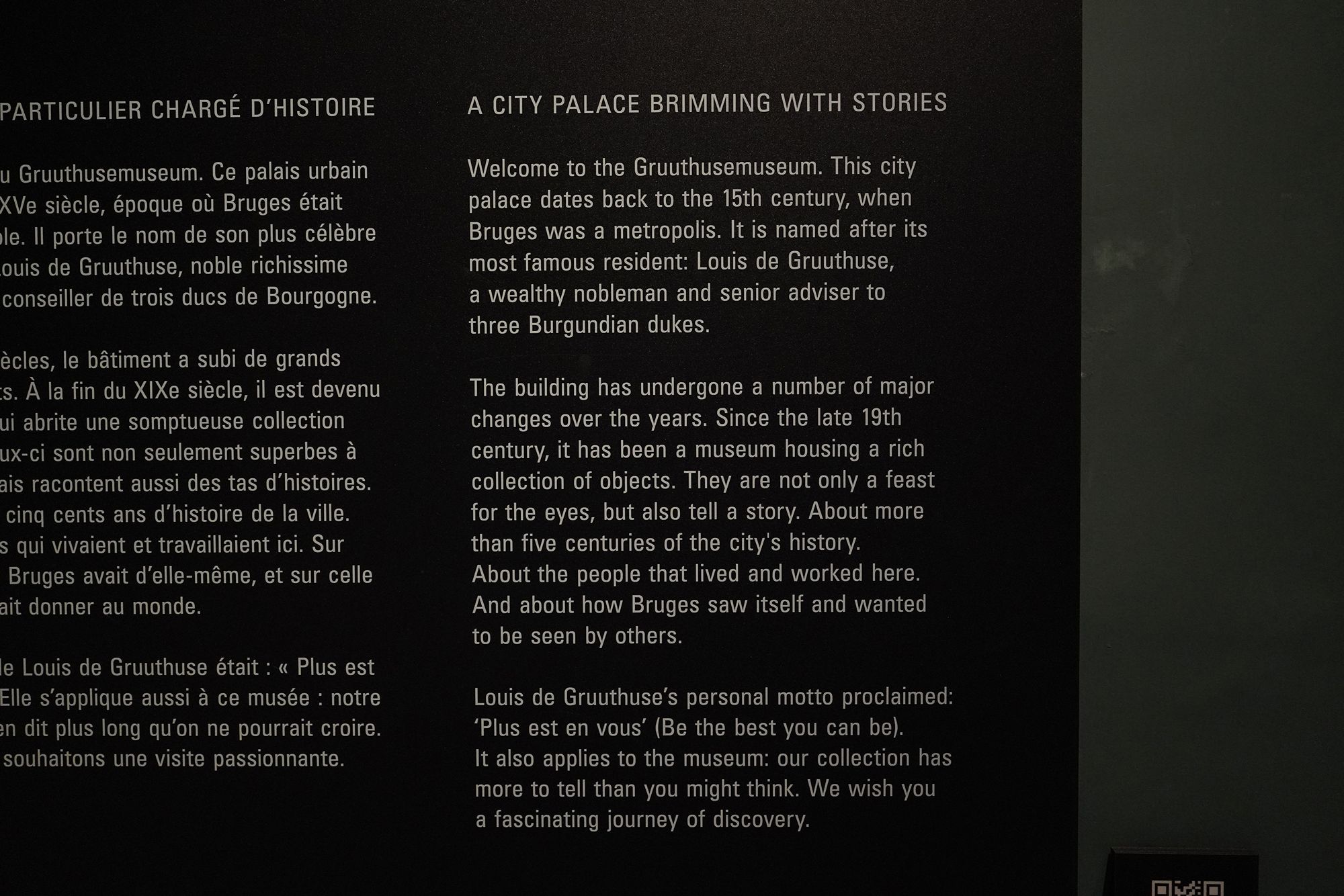
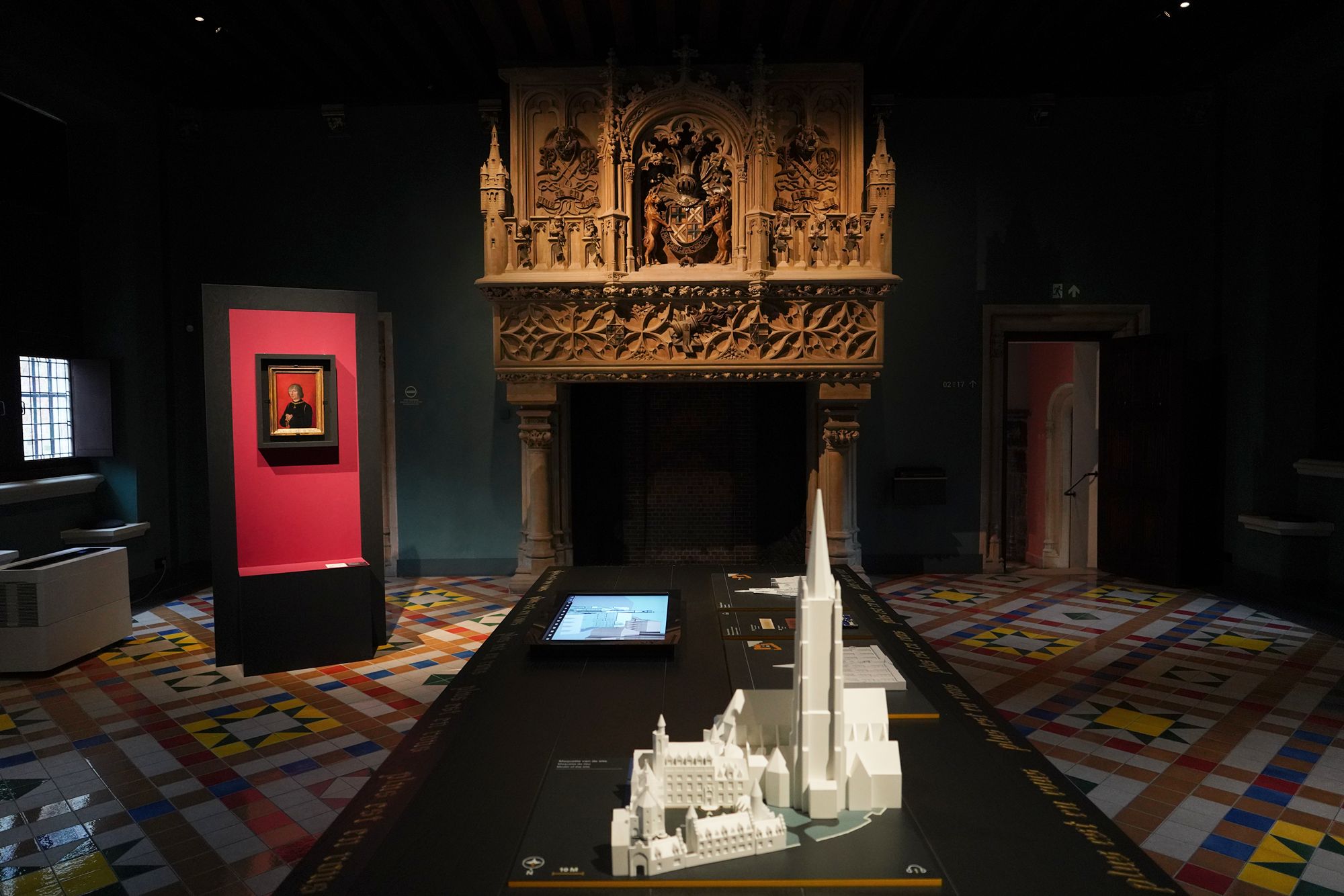
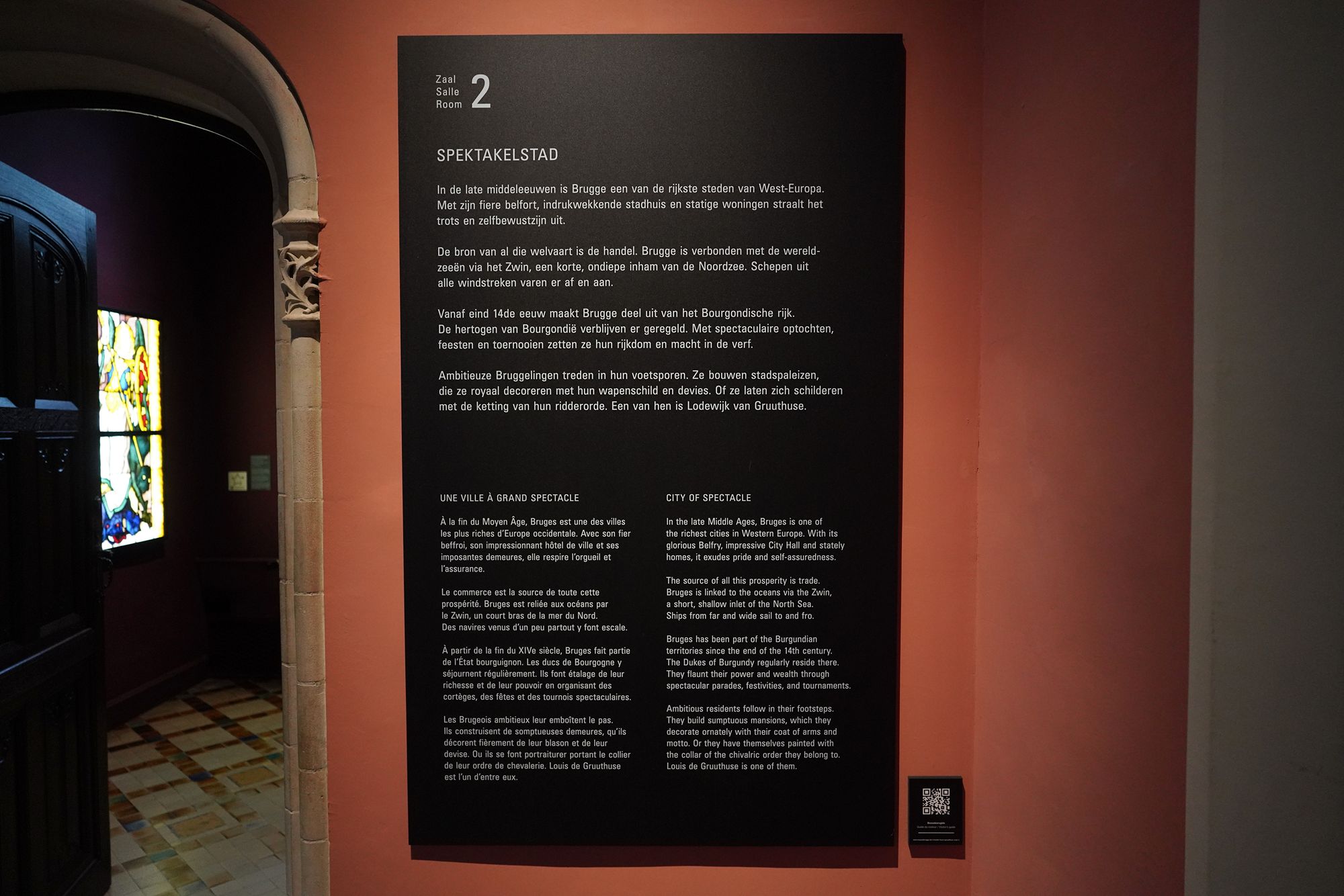
During the late Middle Ages, Bruges was one of Western Europe’s wealthiest cities, prospering from international trade and its connection to the North Sea. The presence of the Burgundian court brought even greater wealth and prestige, inspiring powerful residents such as Louis de Gruuthuse to build magnificent city palaces.
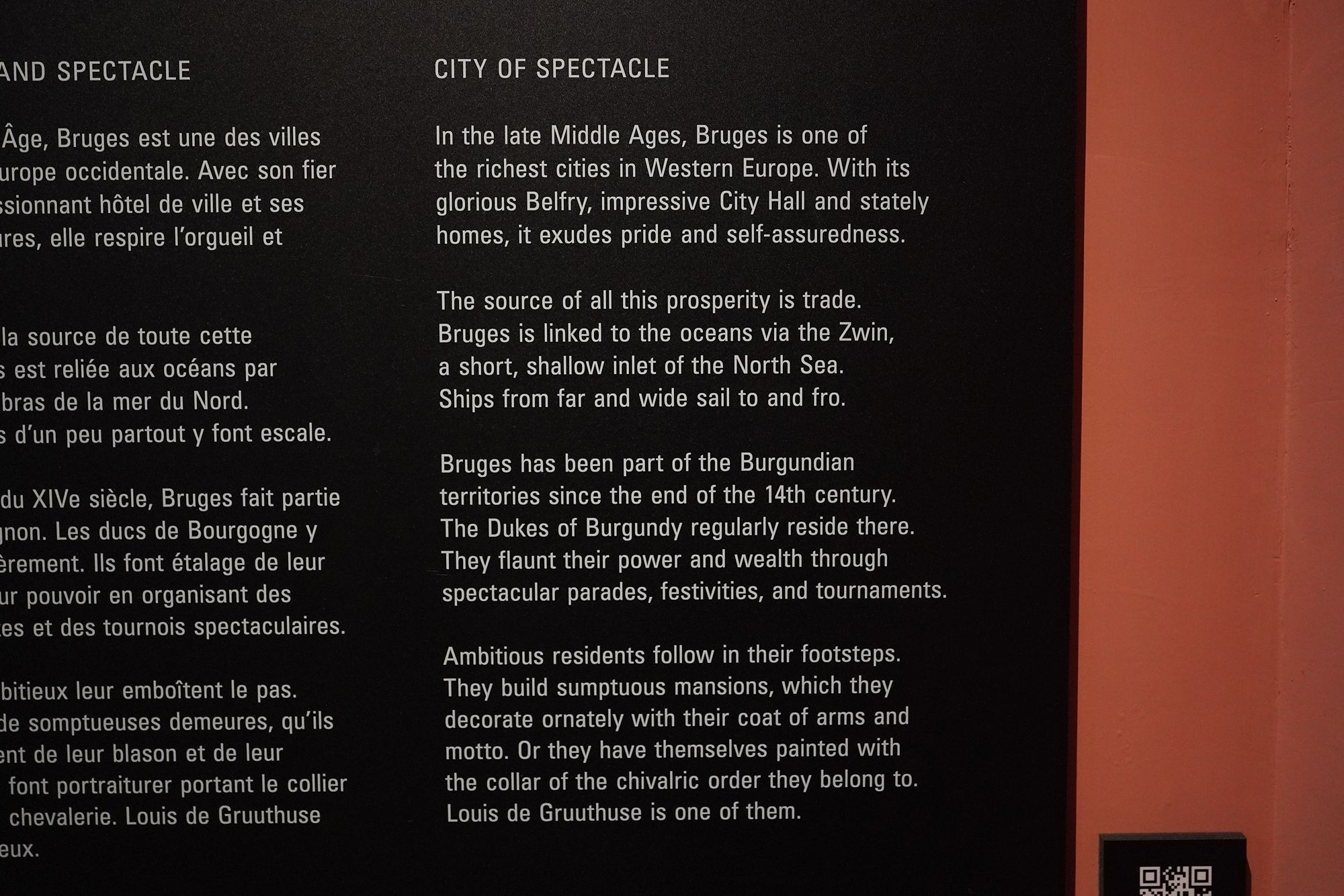
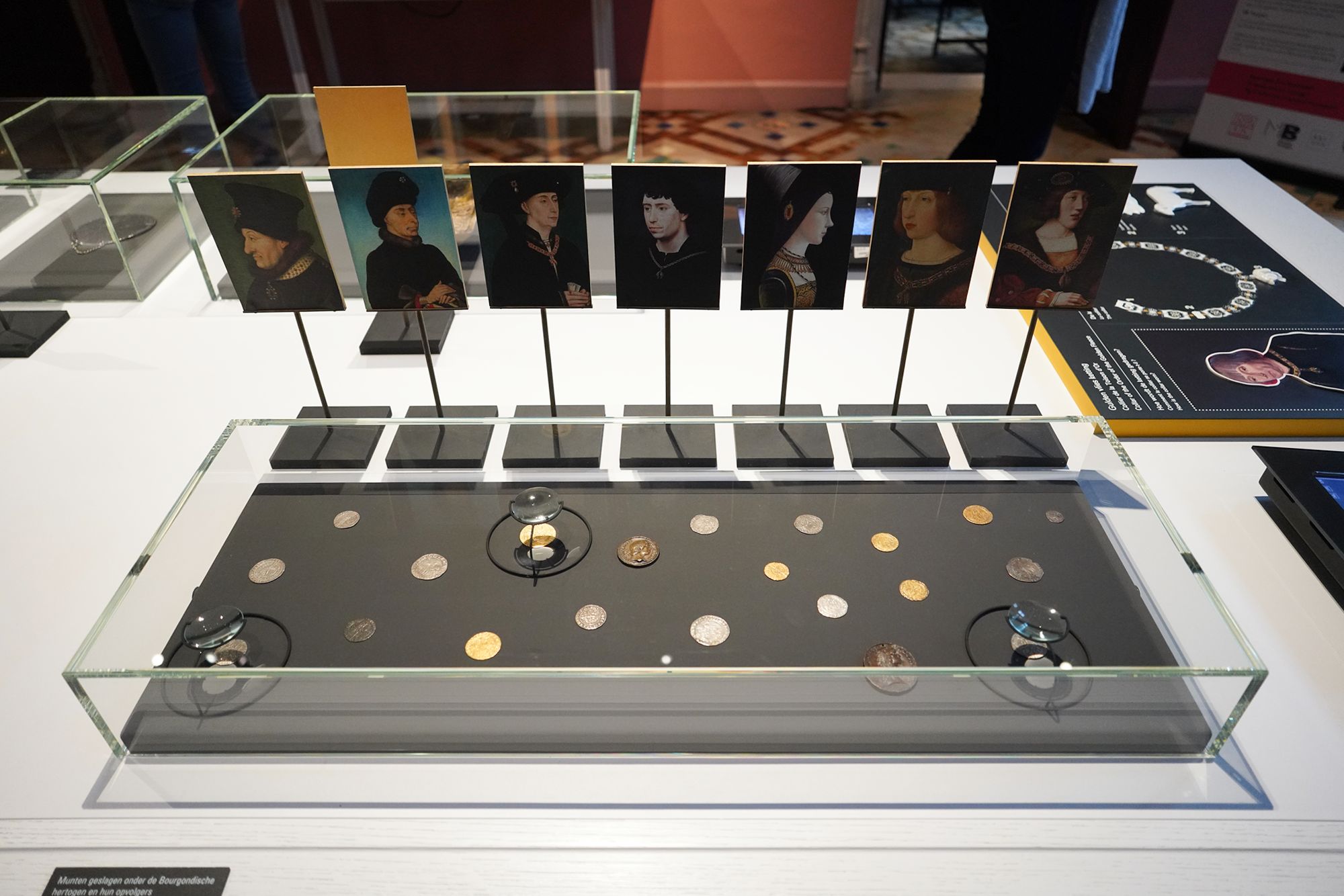
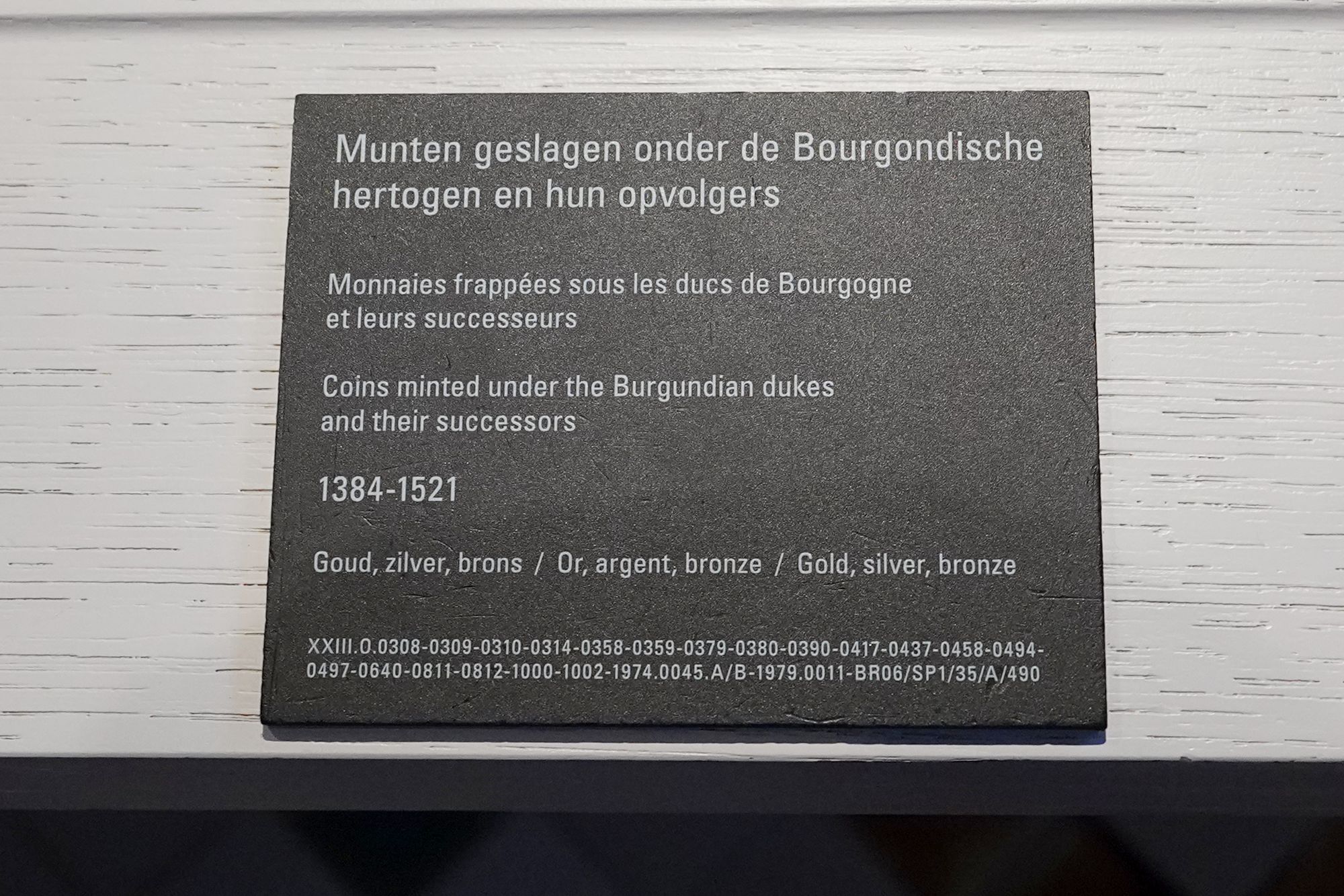
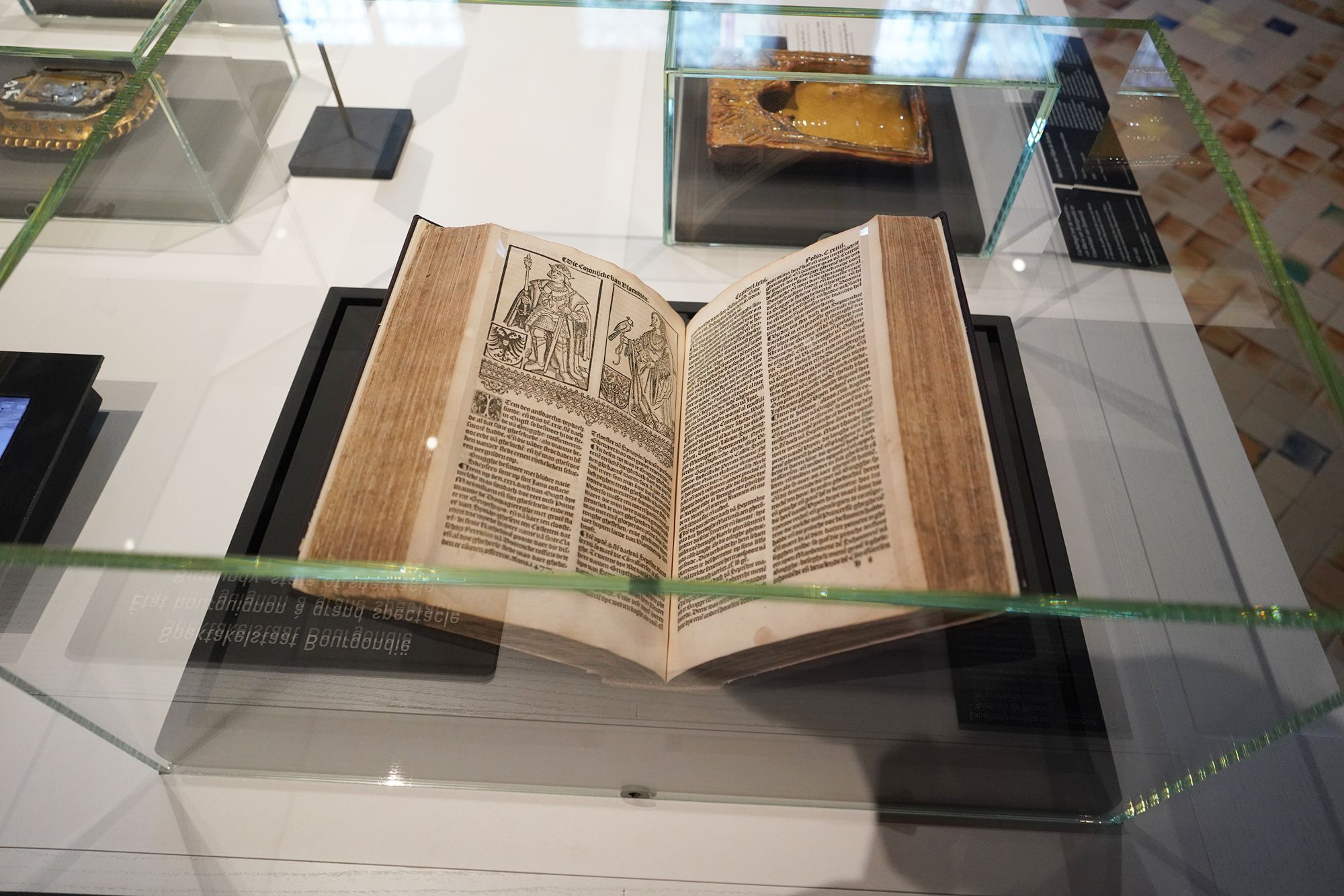
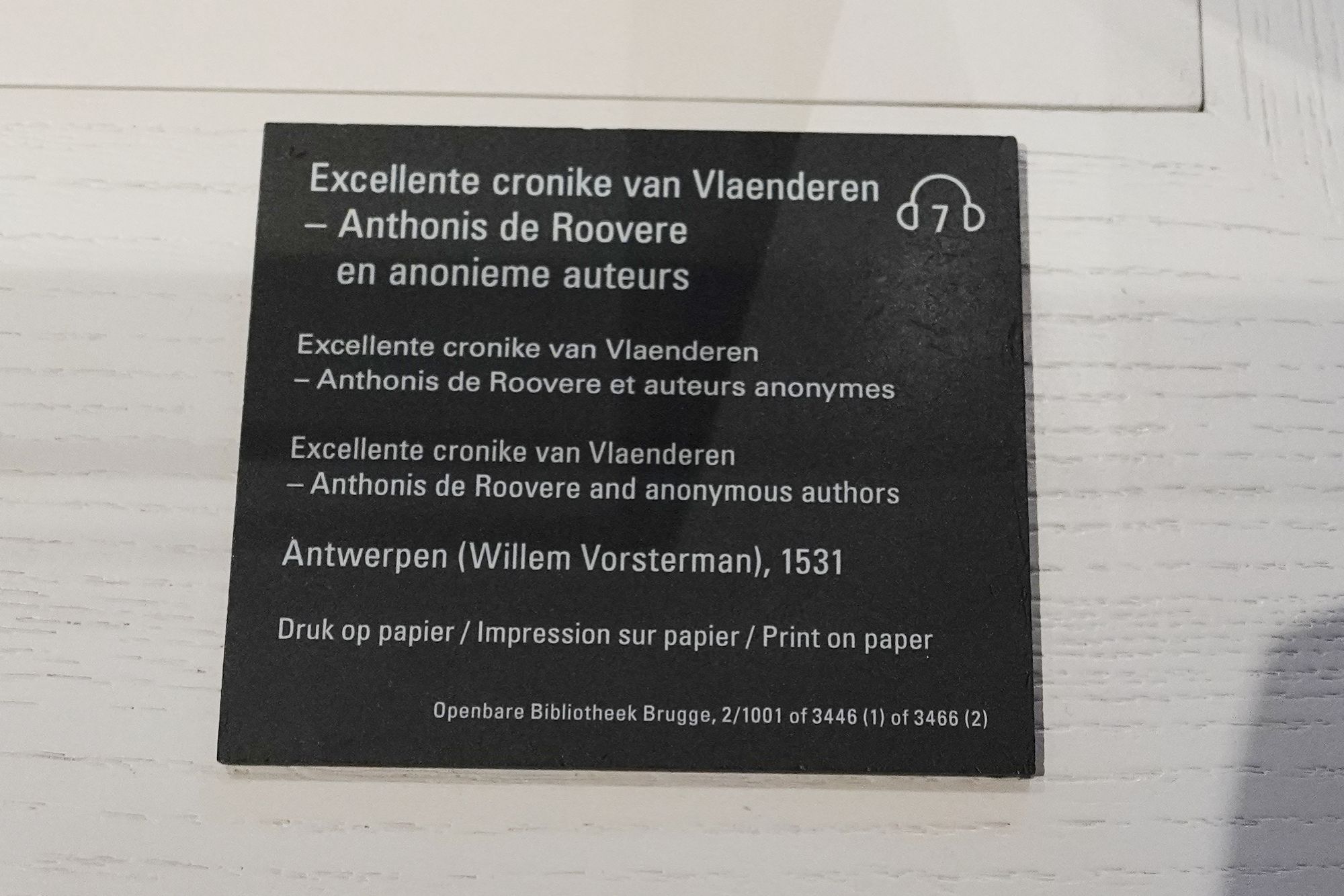
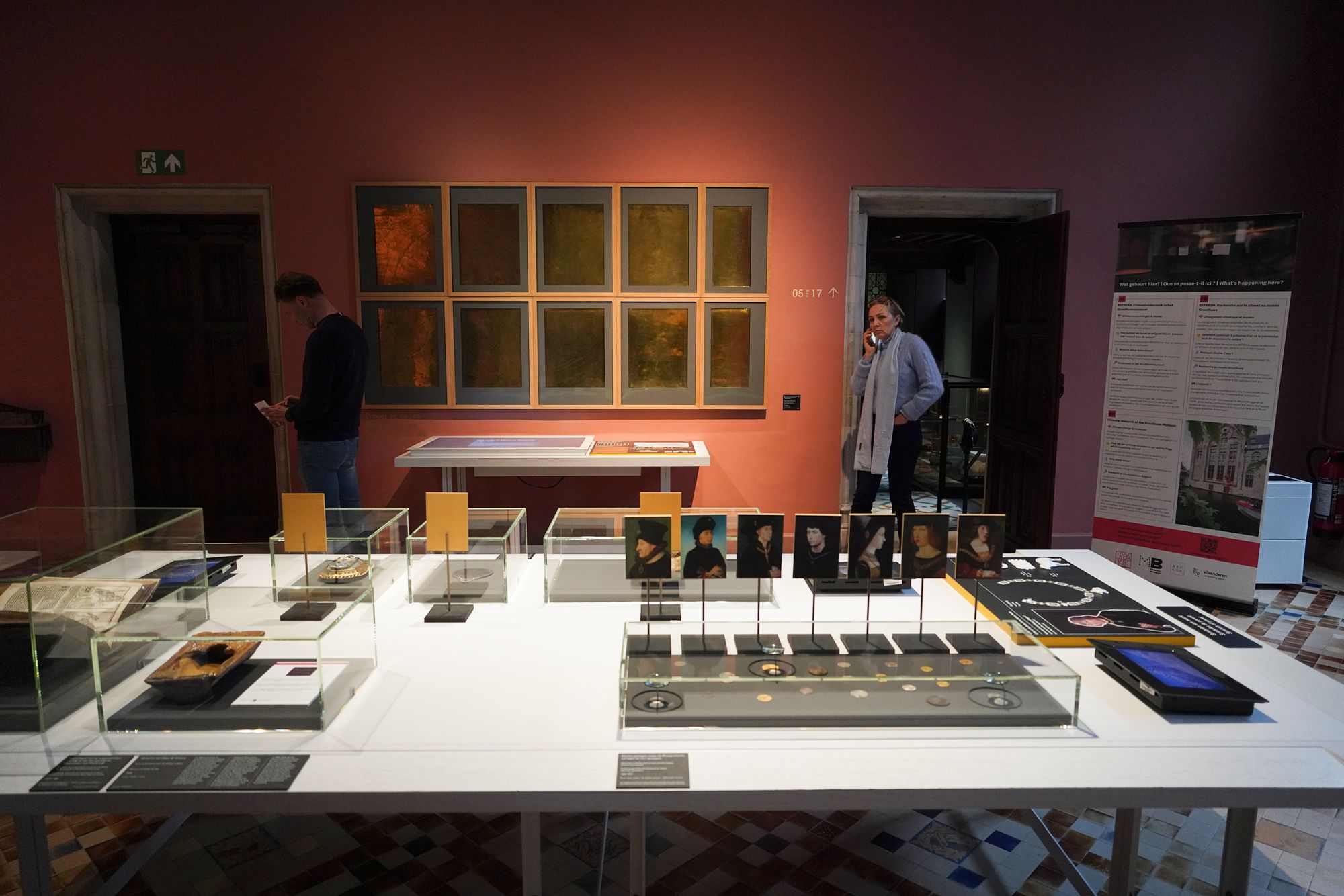
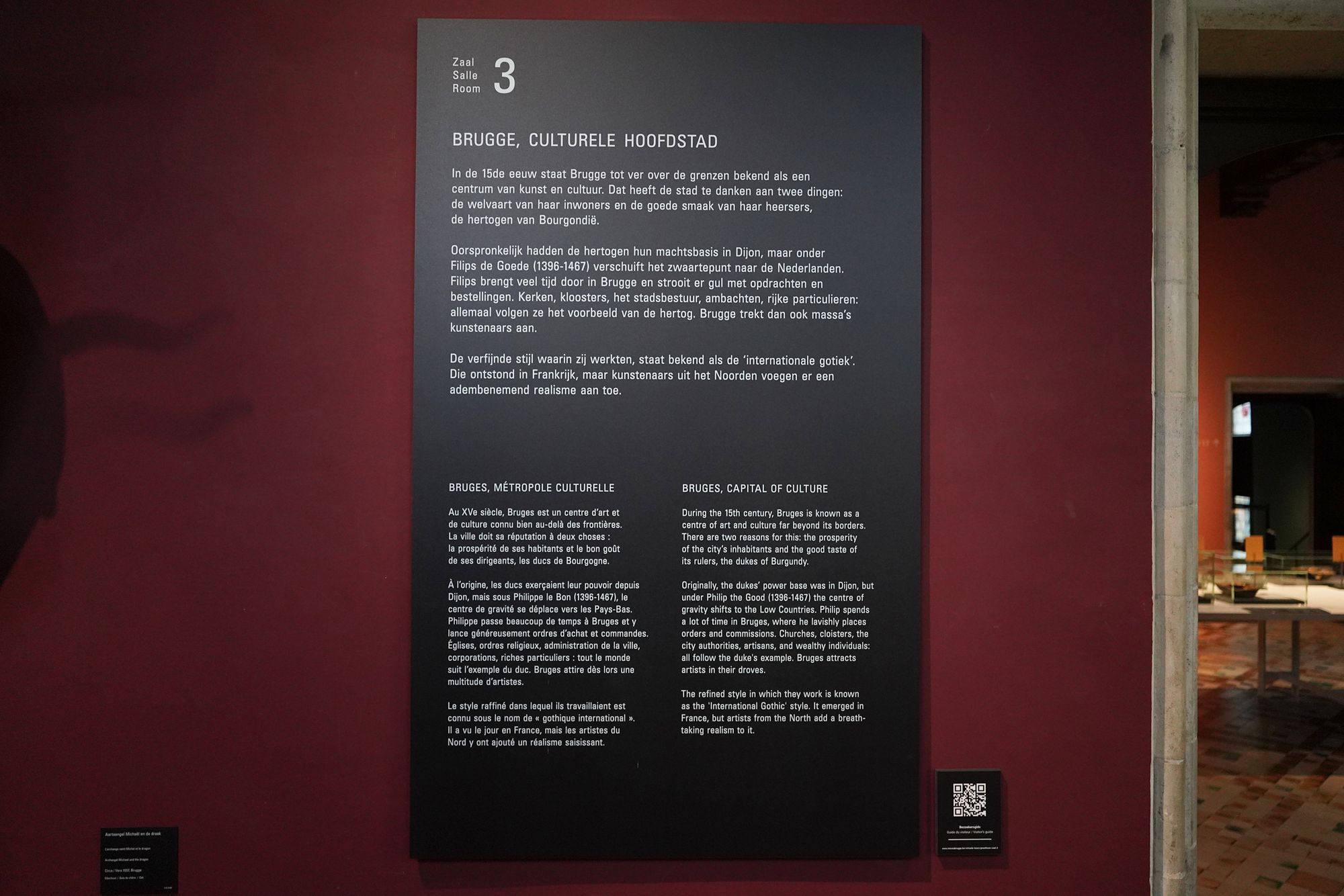
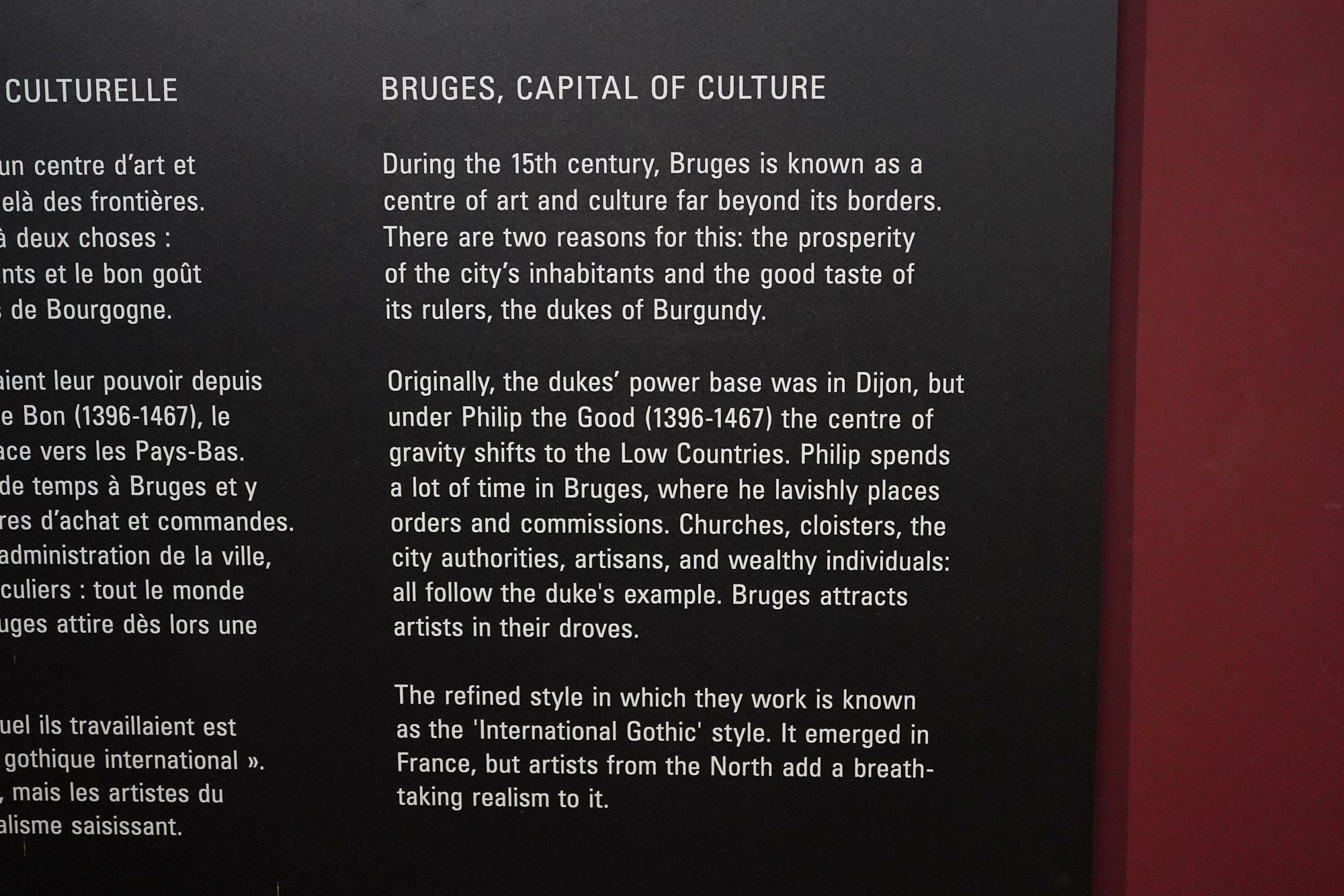
During the 15th century, Bruges became a major European center of art and culture. The city’s commercial wealth and the patronage of the Dukes of Burgundy attracted talented artists and craftsmen, helping create the remarkably detailed and realistic art for which Bruges became famous.
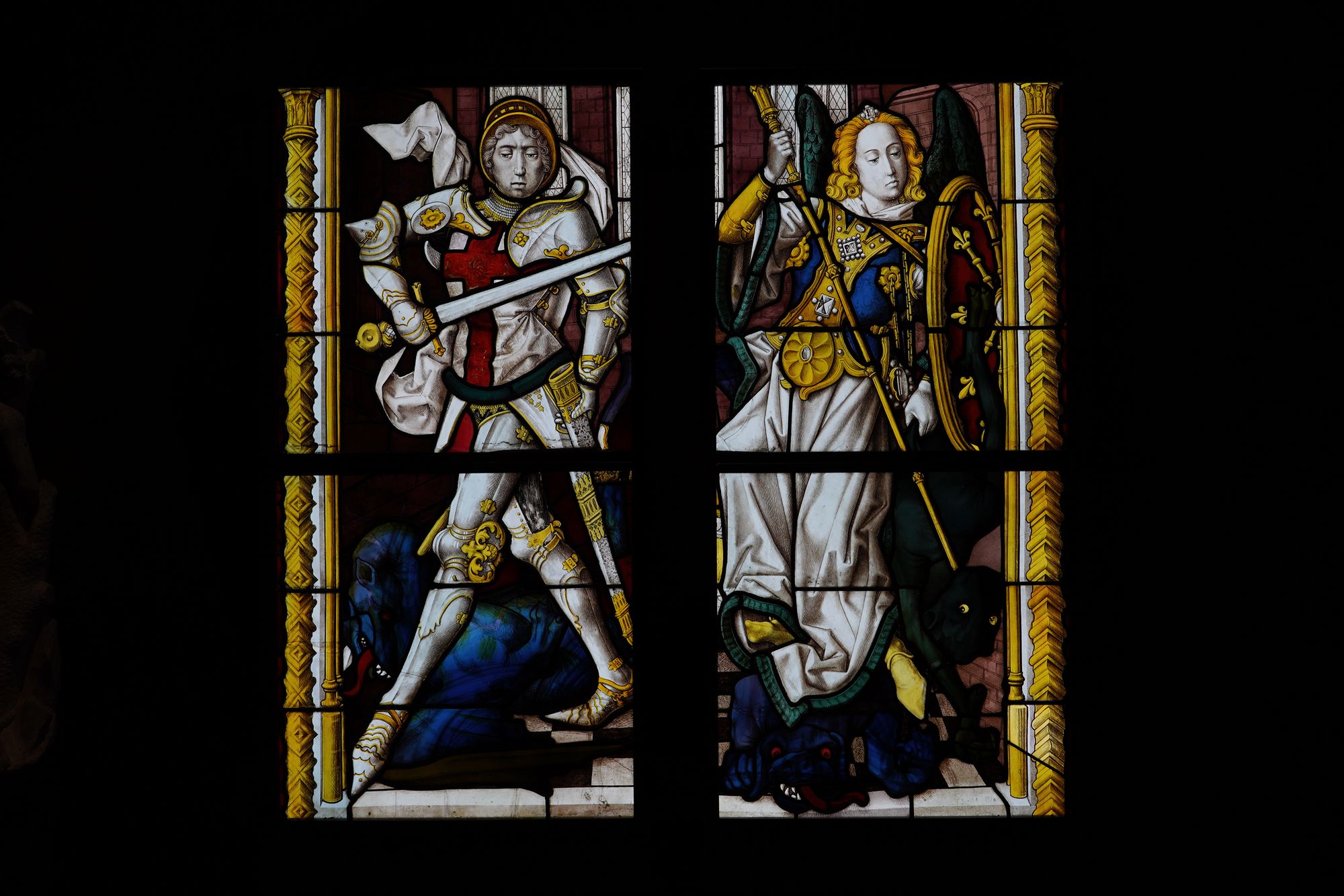
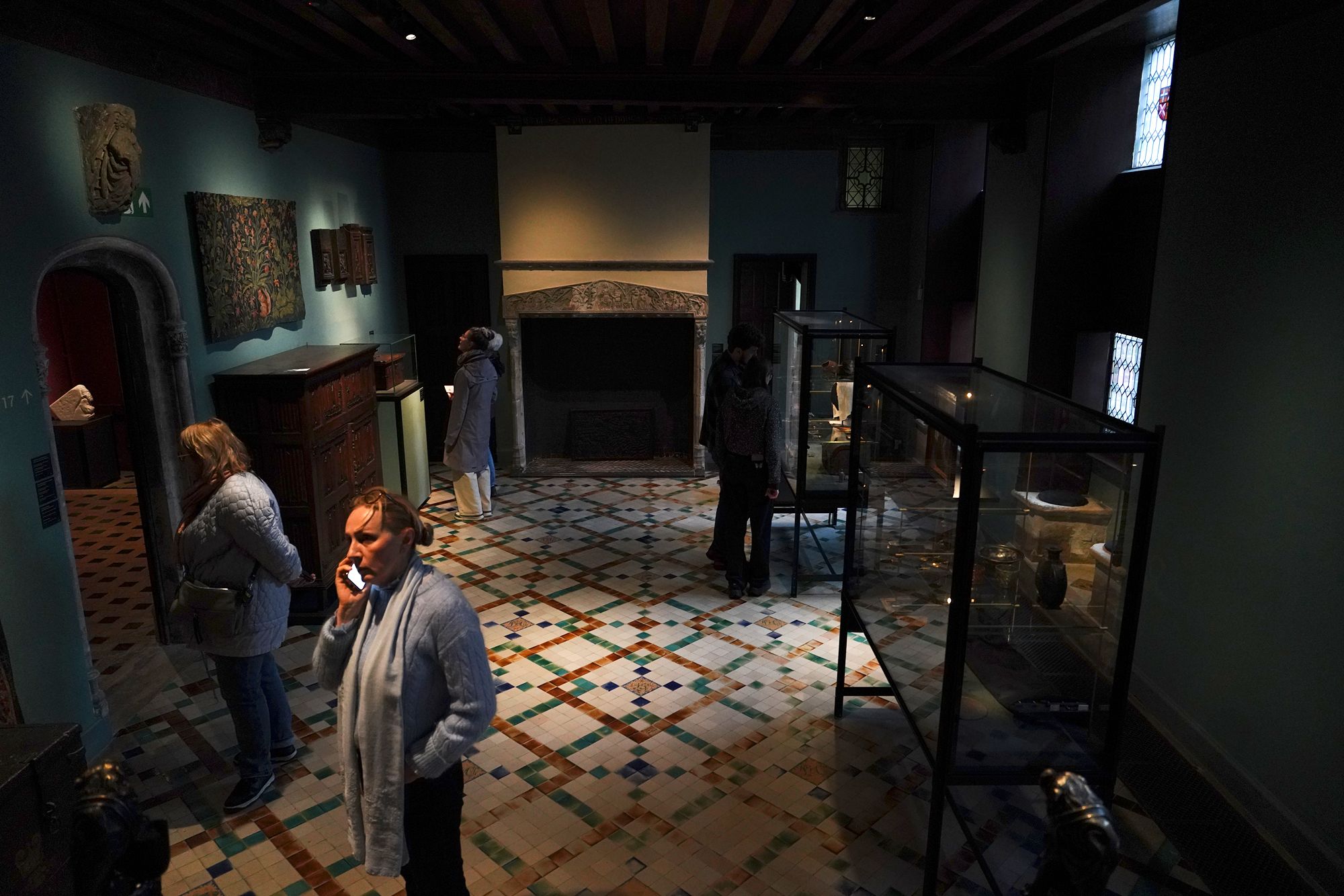
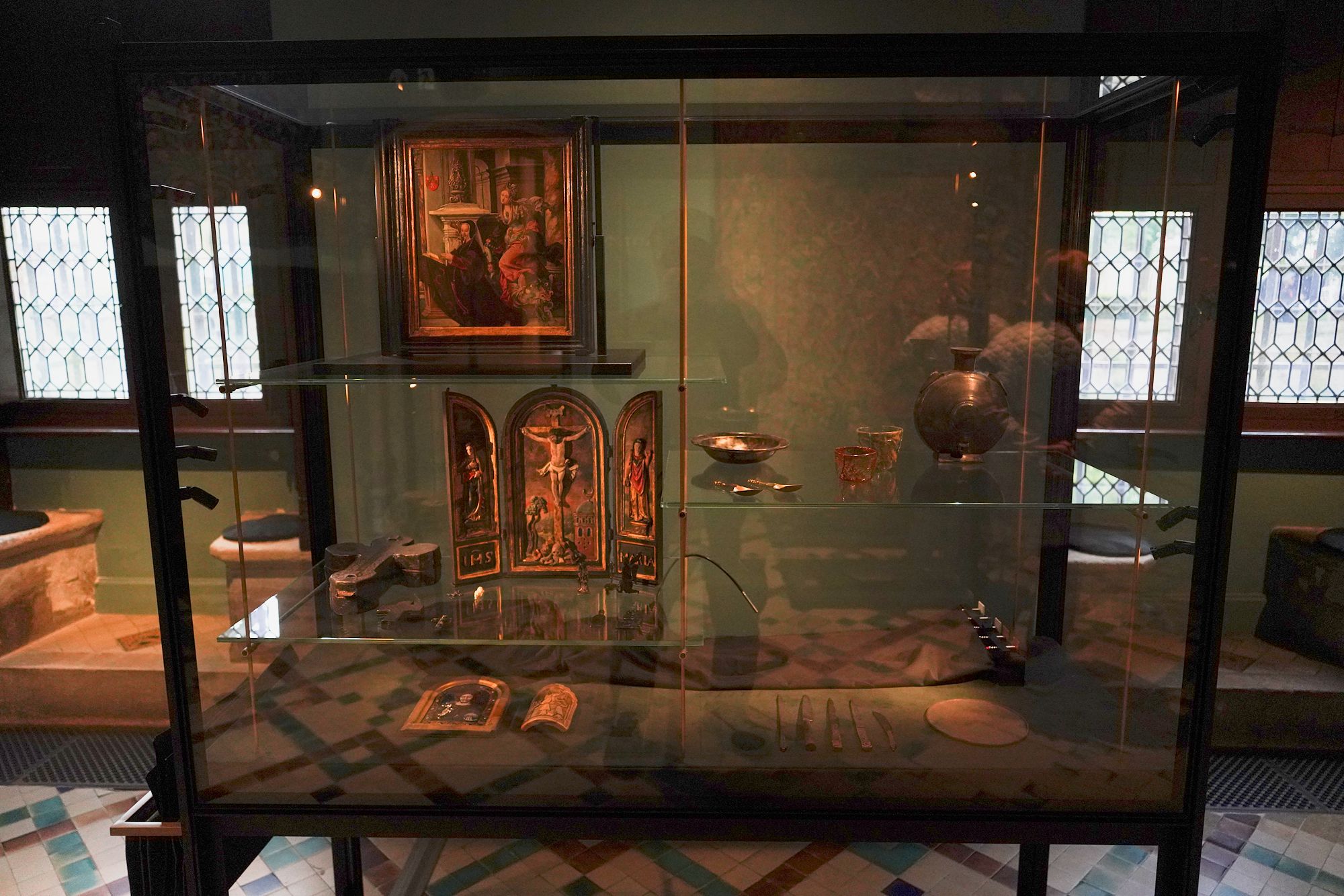
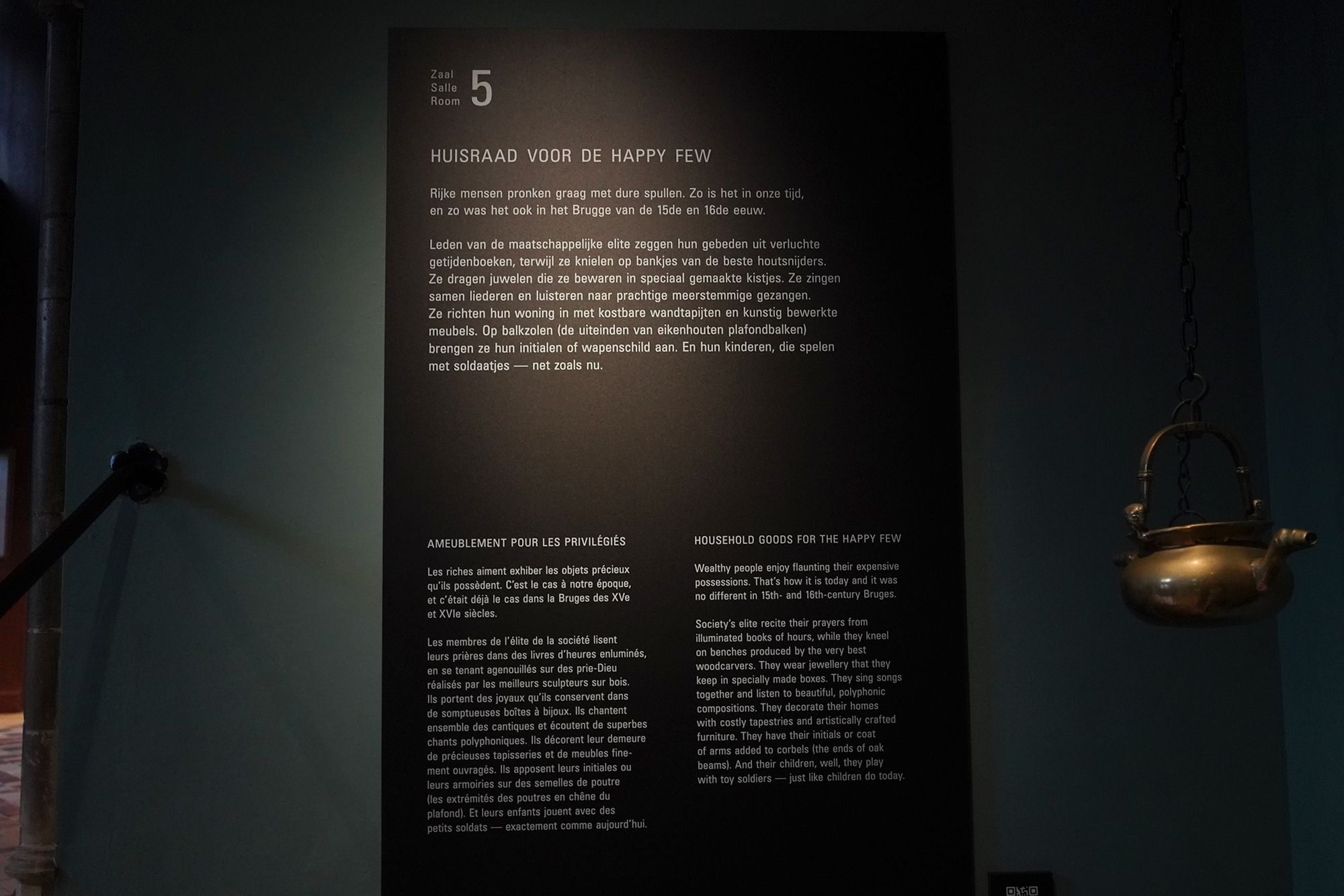
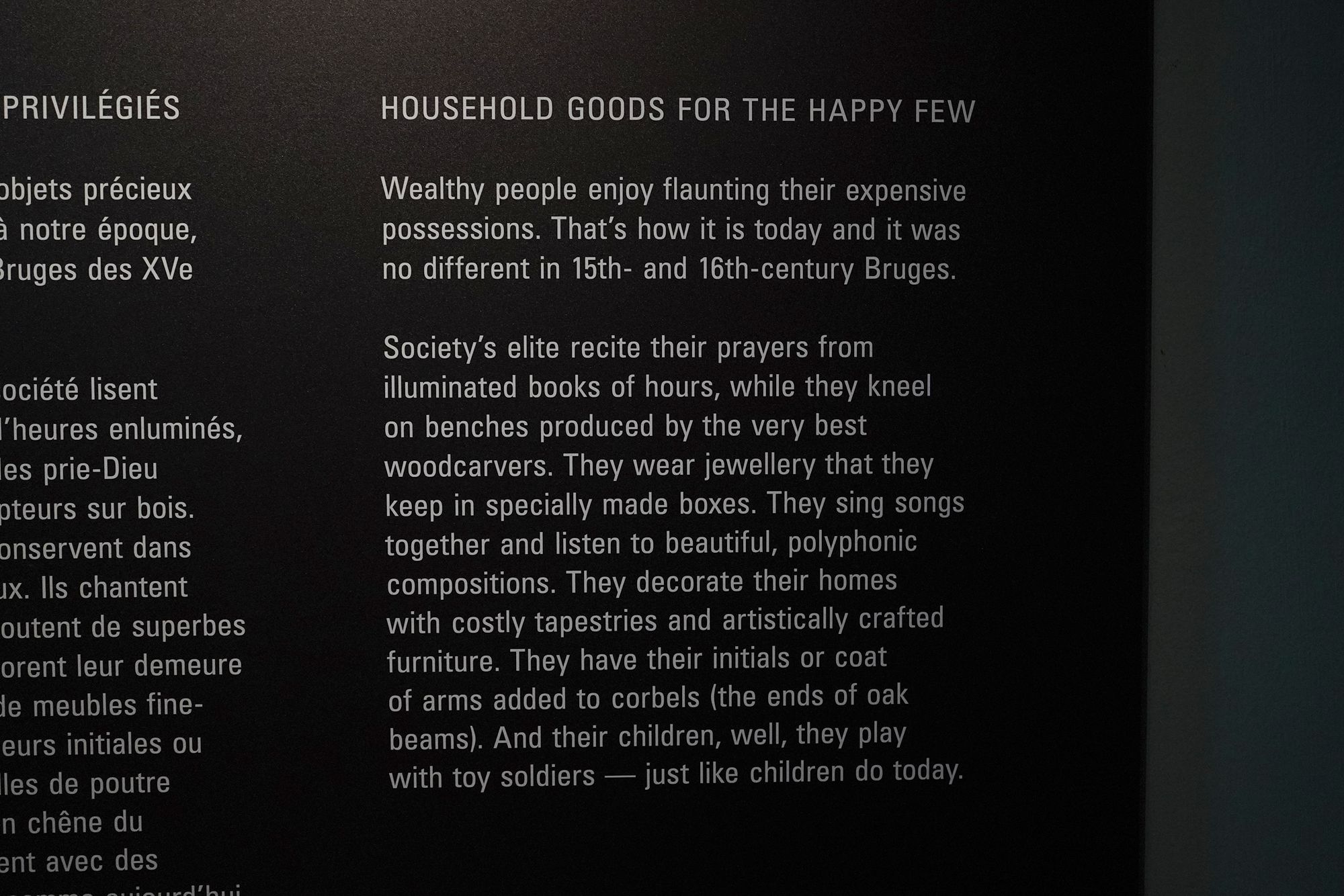
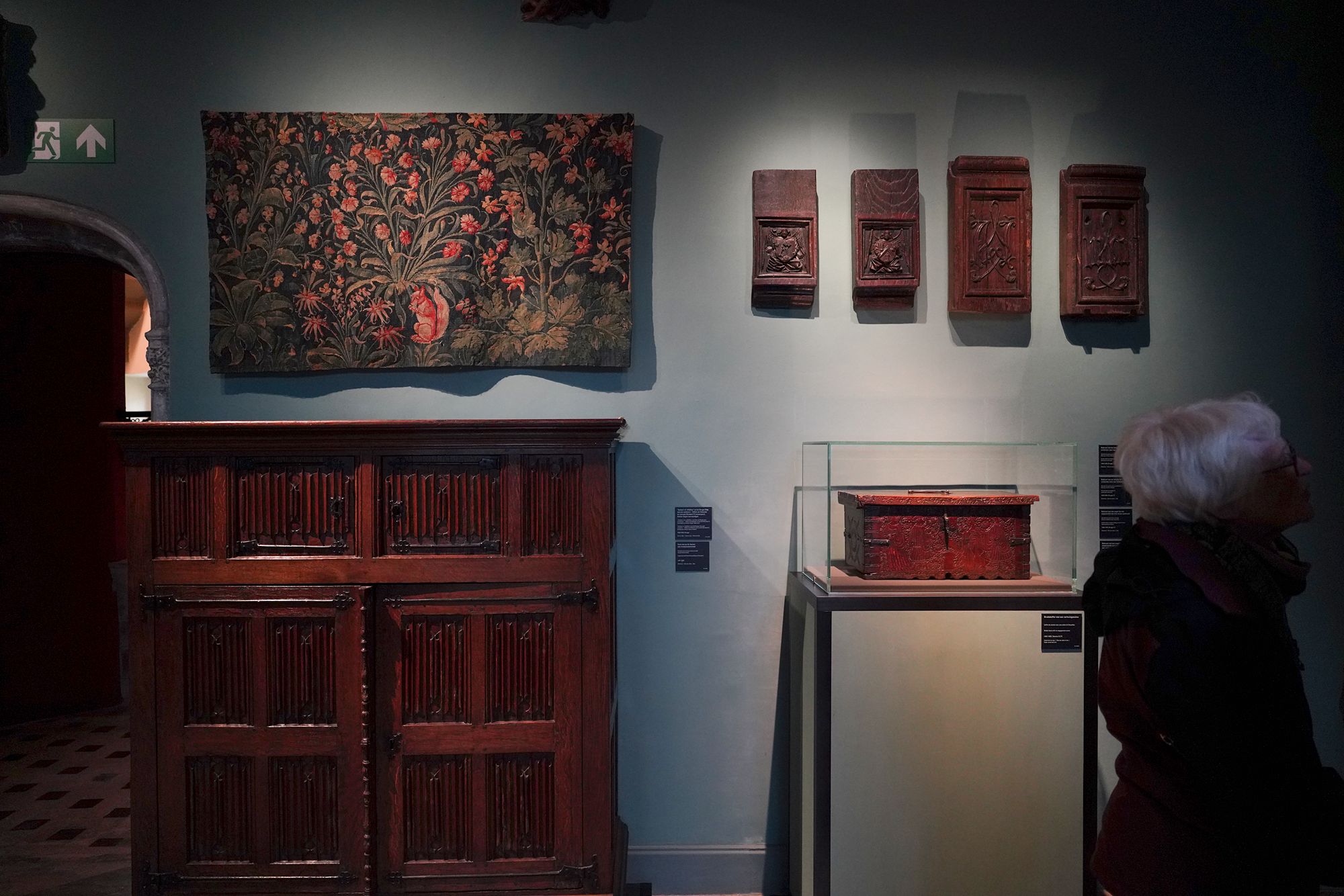
Wealthy families in 15th- and 16th-century Bruges surrounded themselves with luxury, from illuminated books and jewelry to tapestries and finely carved furniture. These possessions were not only useful and beautiful—they were also an important way of displaying the family’s wealth and social status.
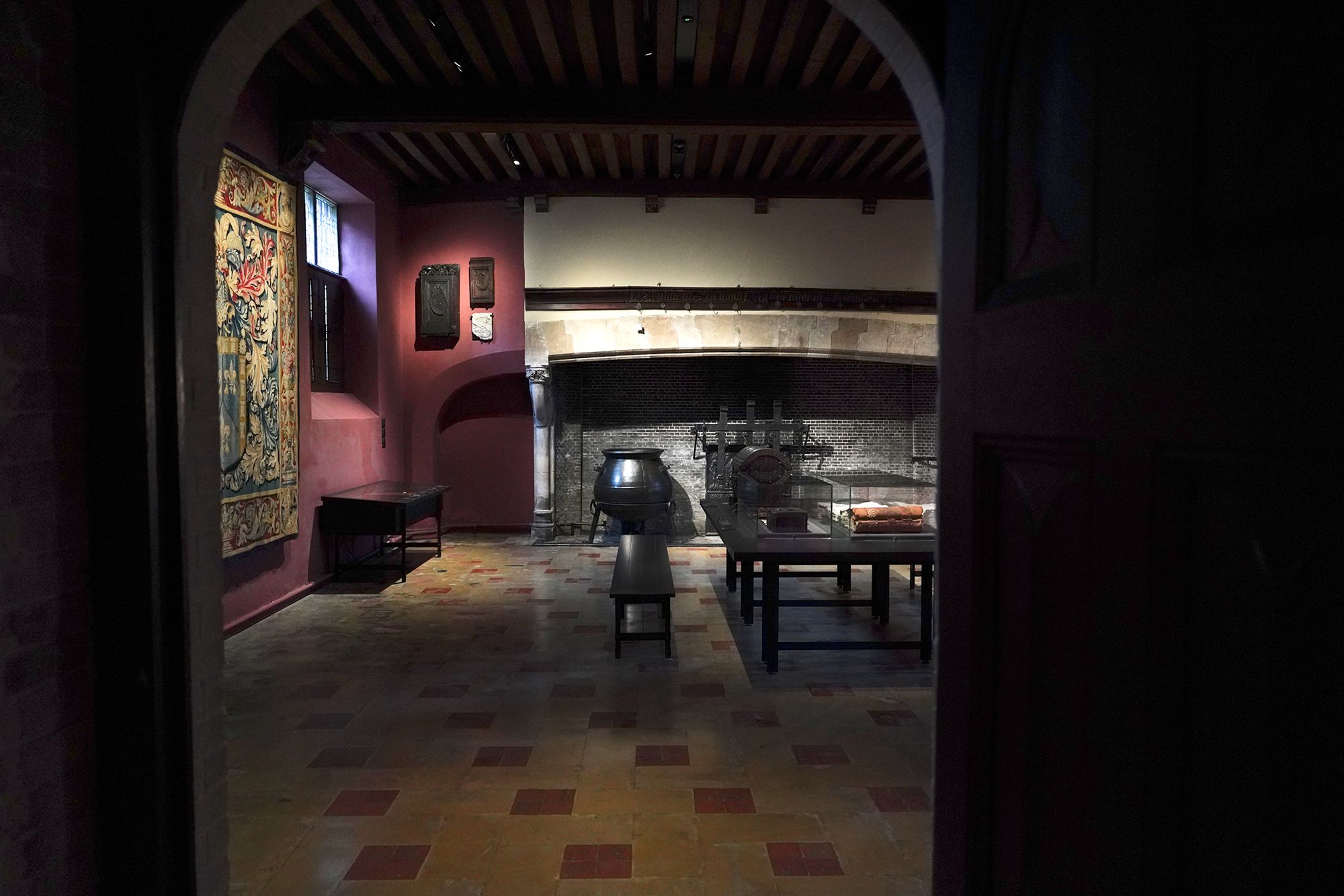
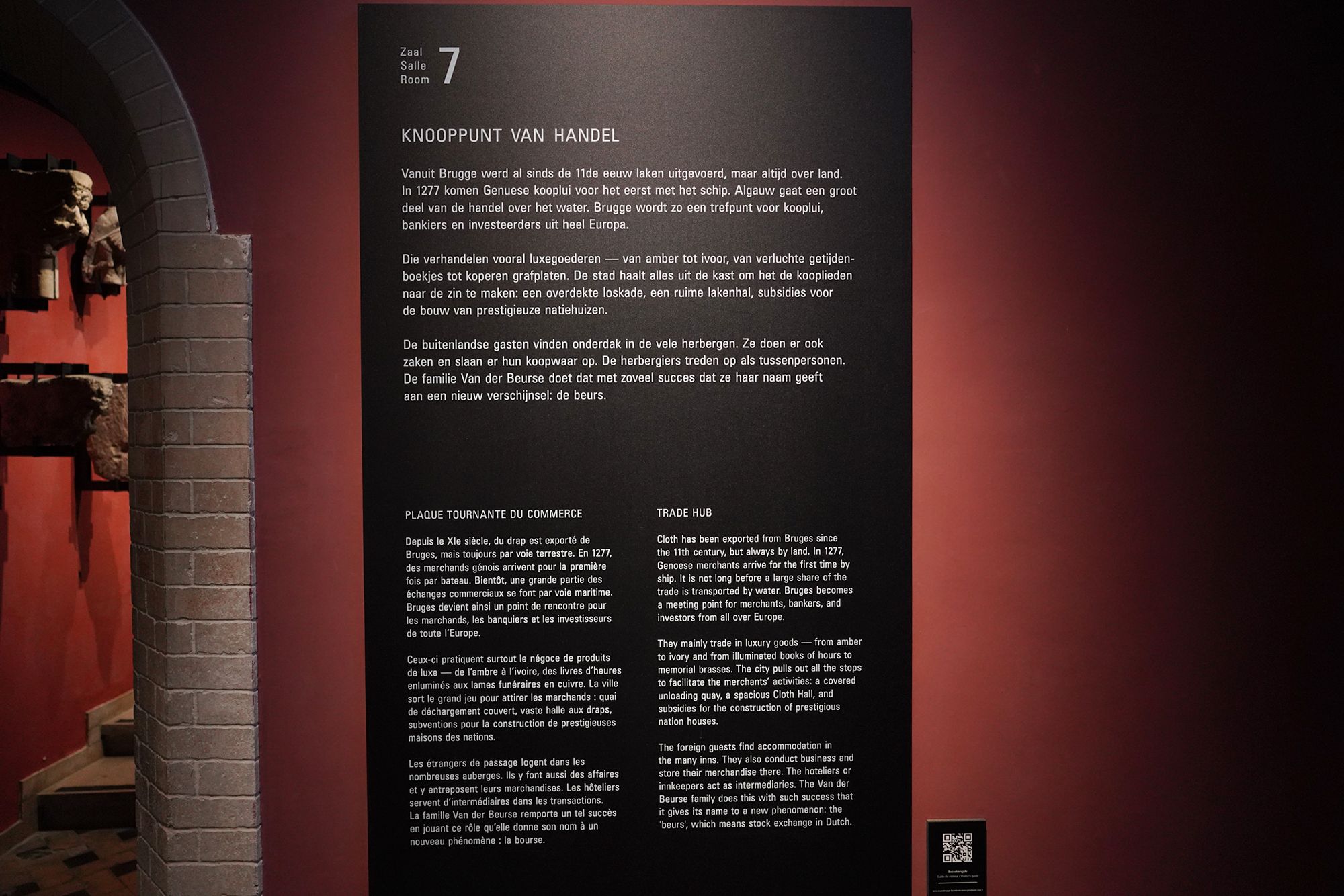
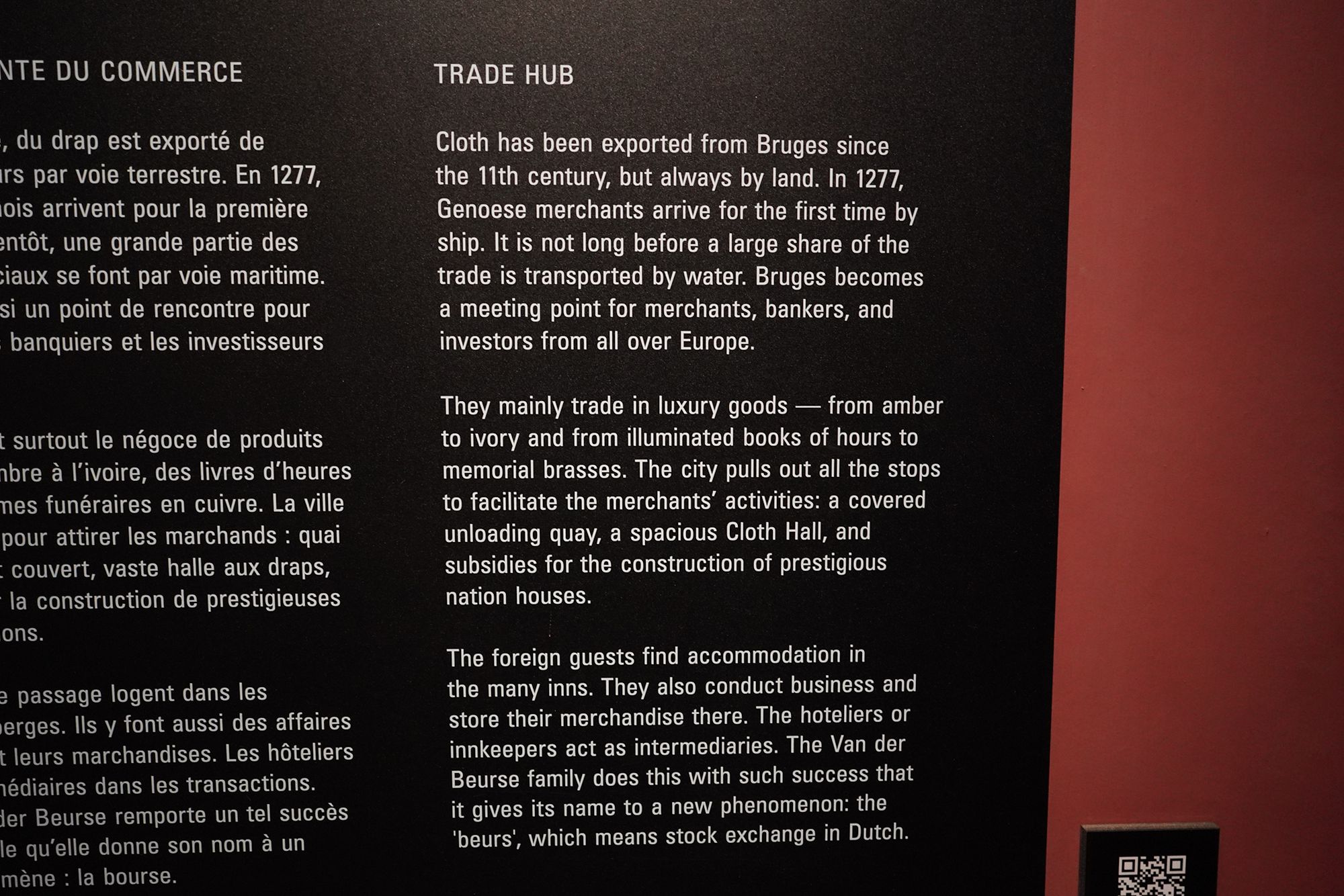
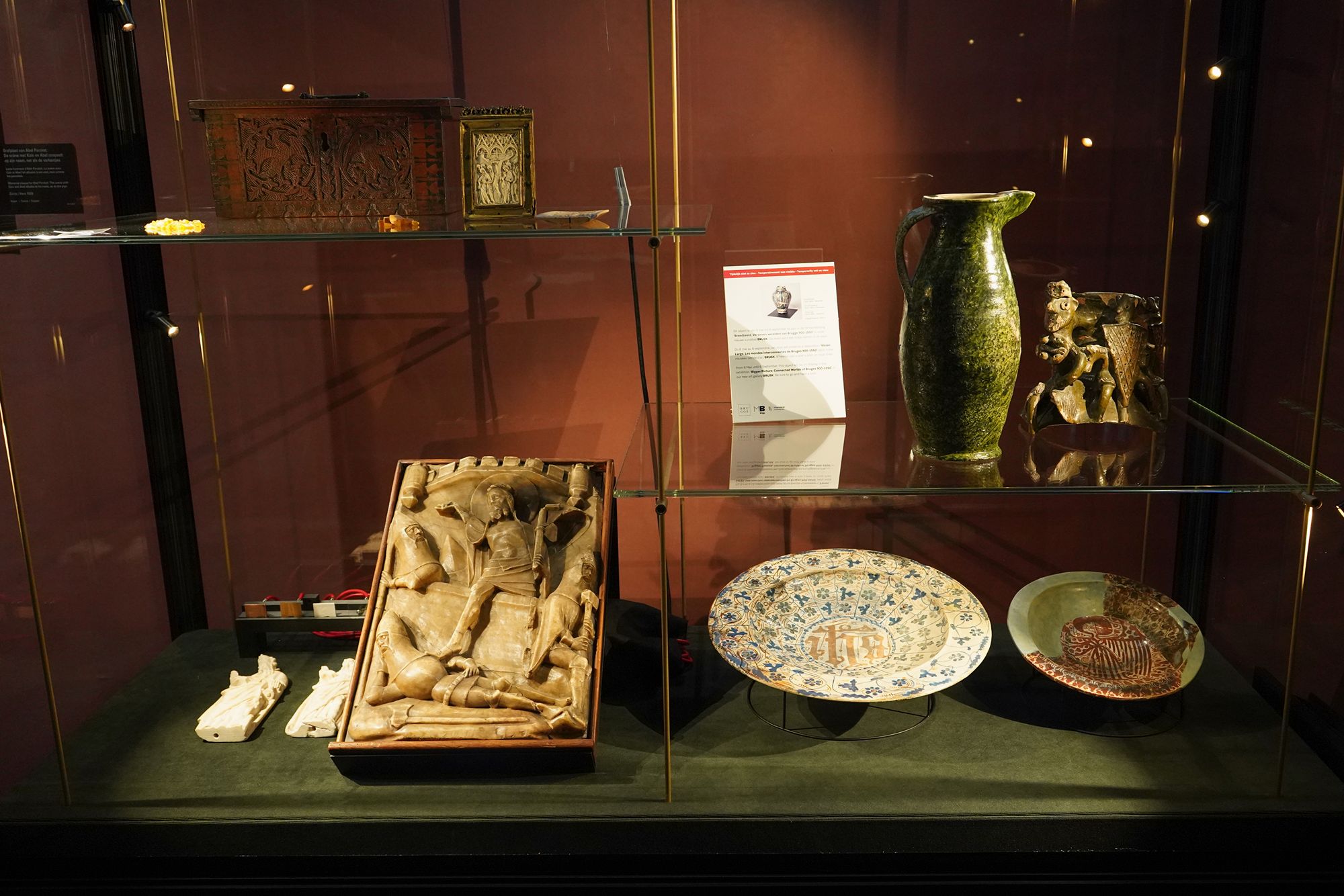
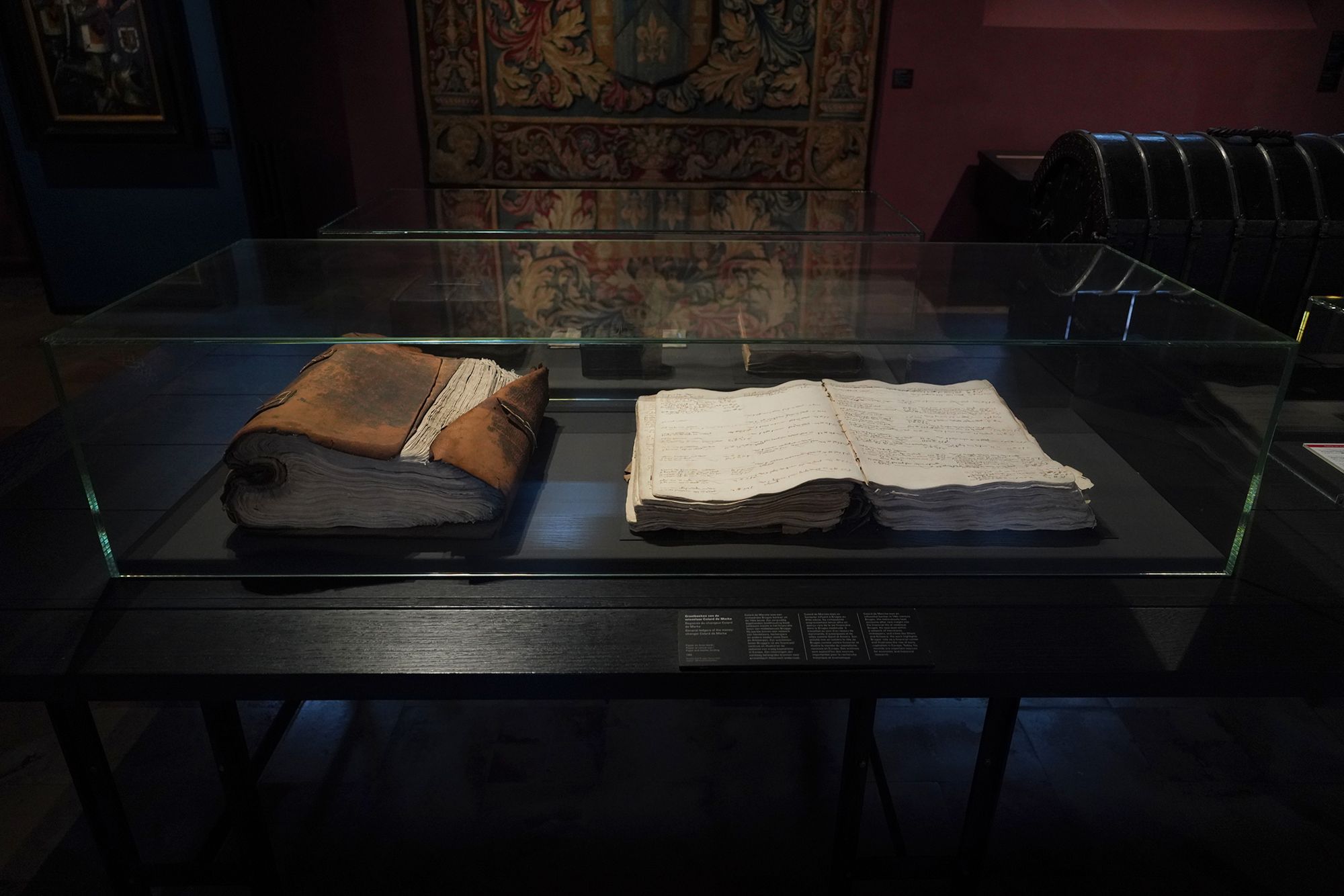
Medieval Bruges became an international trade hub, attracting merchants, bankers, and investors from across Europe. Its cloth trade and growing maritime connections brought enormous wealth to the city, while its inns and trading houses became important places for conducting international business.
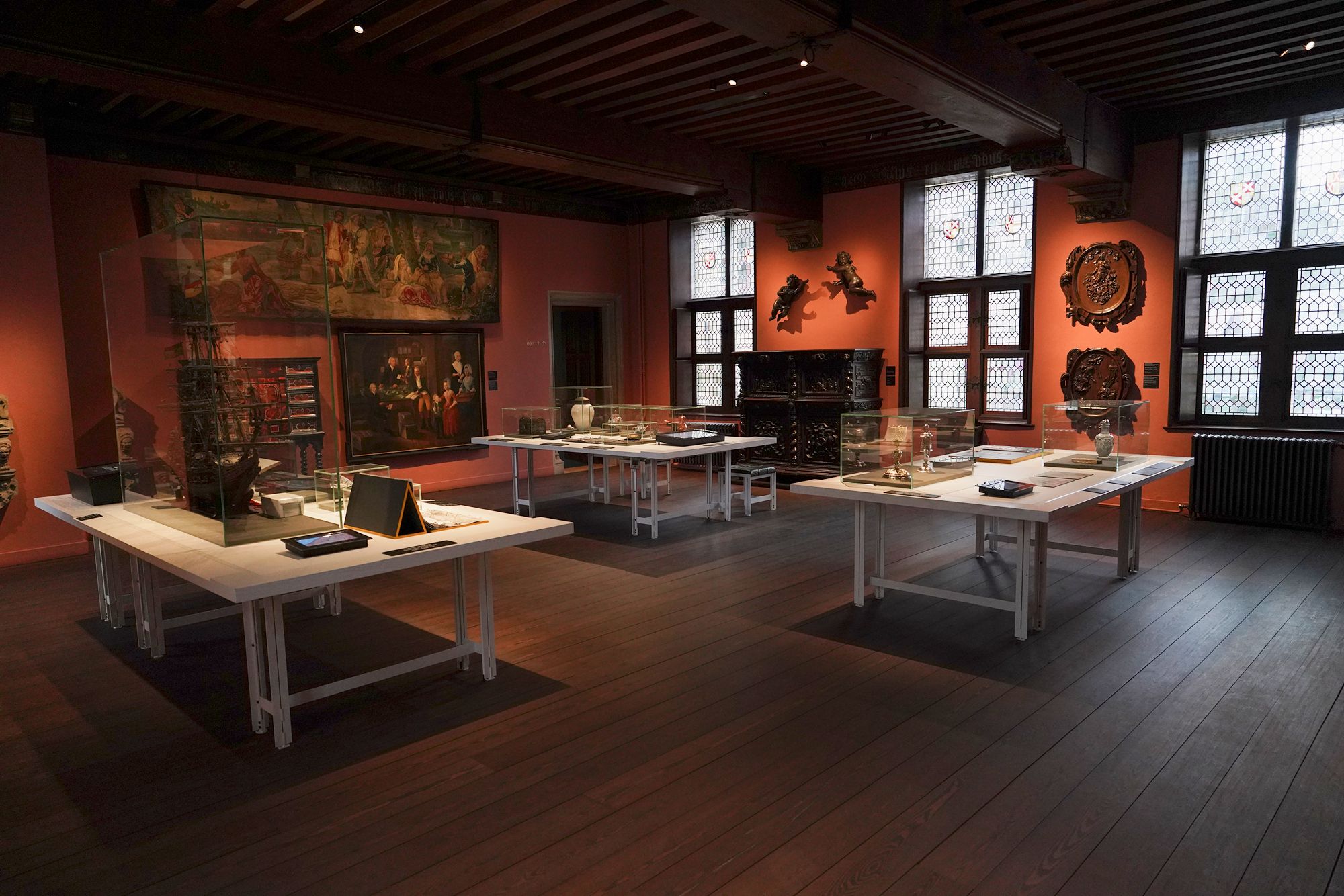
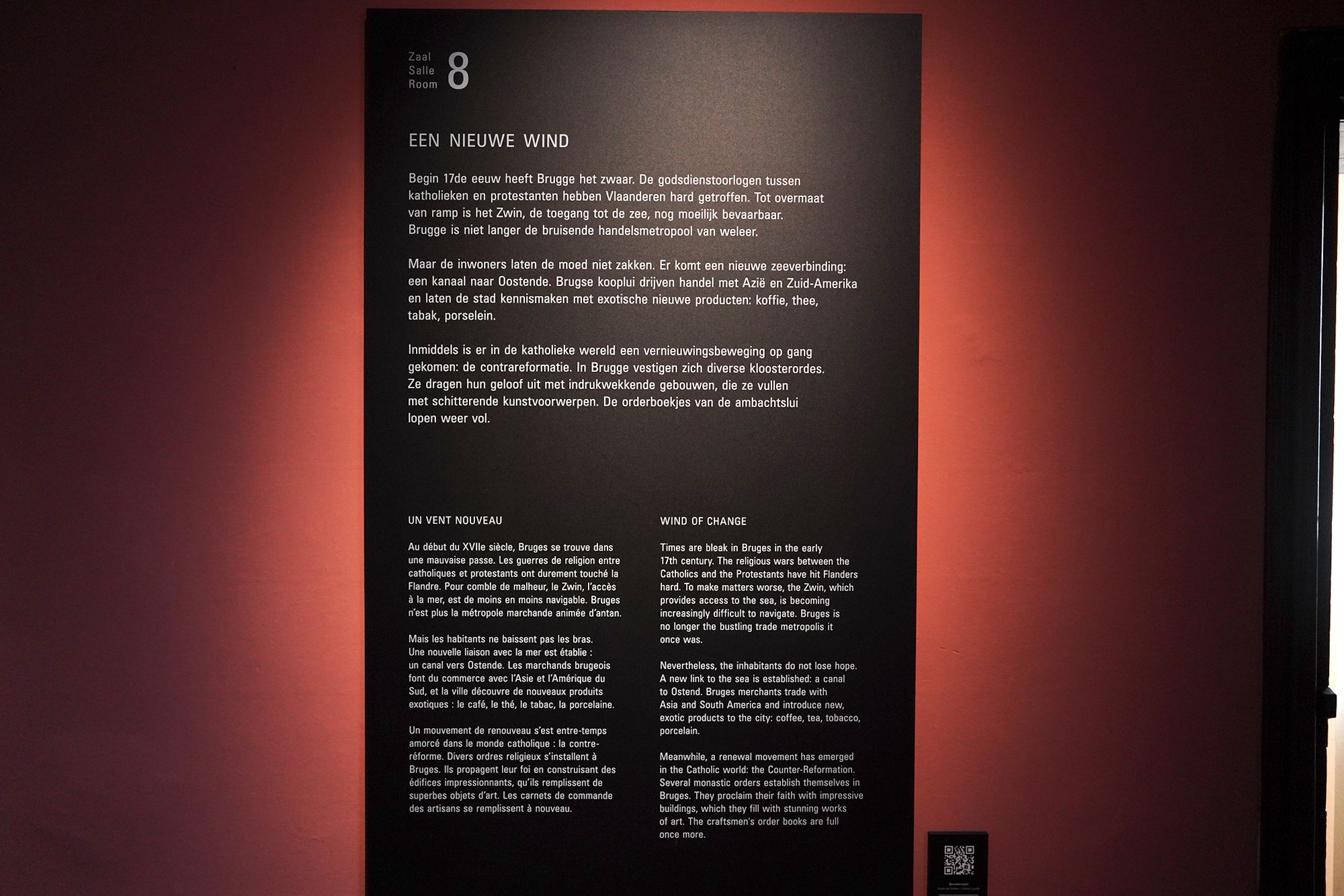
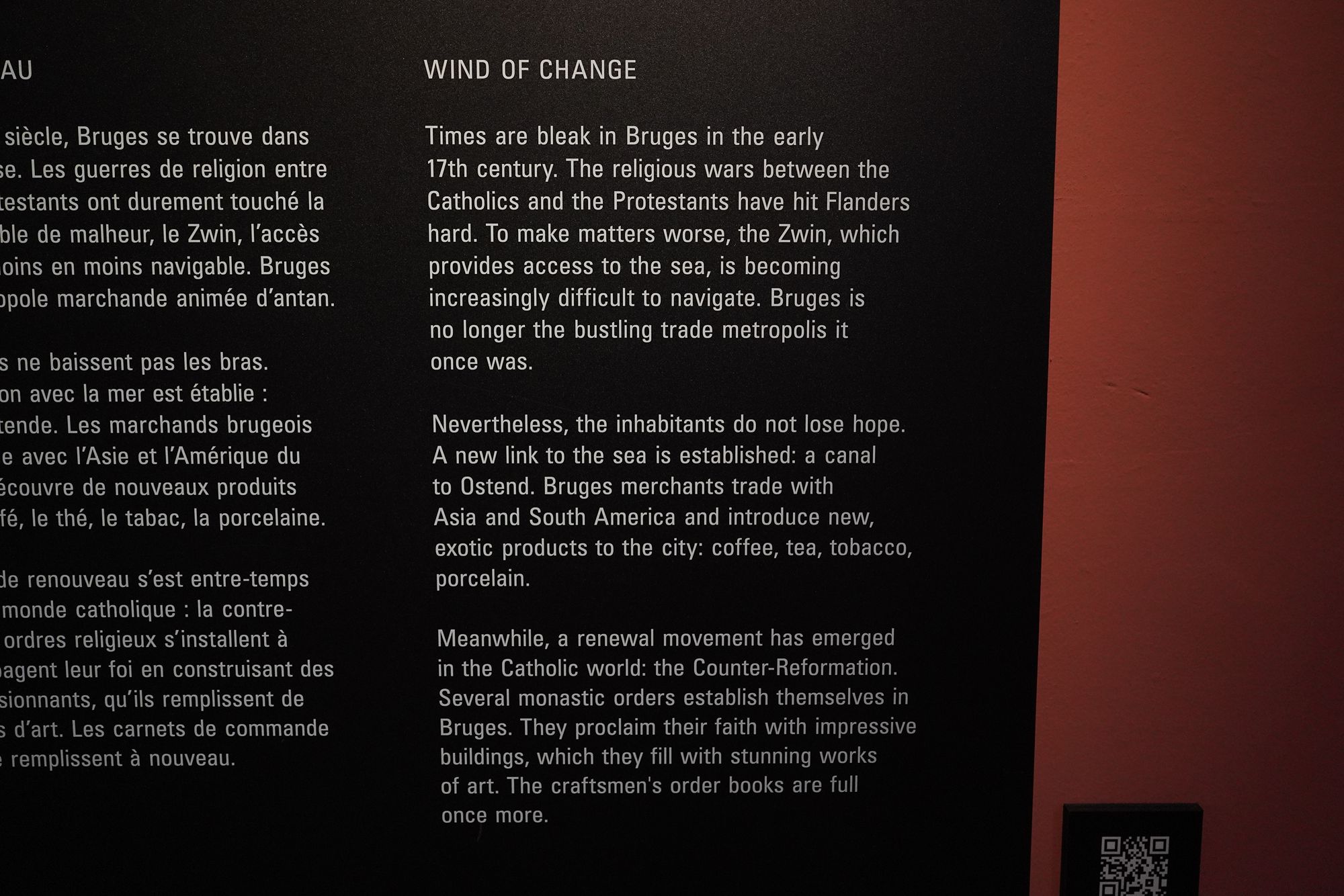
By the early 17th century, Bruges had lost much of its former importance as an international trading center. Yet the city adapted, developing new trade connections and benefiting from the Counter-Reformation, which brought new churches, religious communities, and commissions for artists and craftsmen.
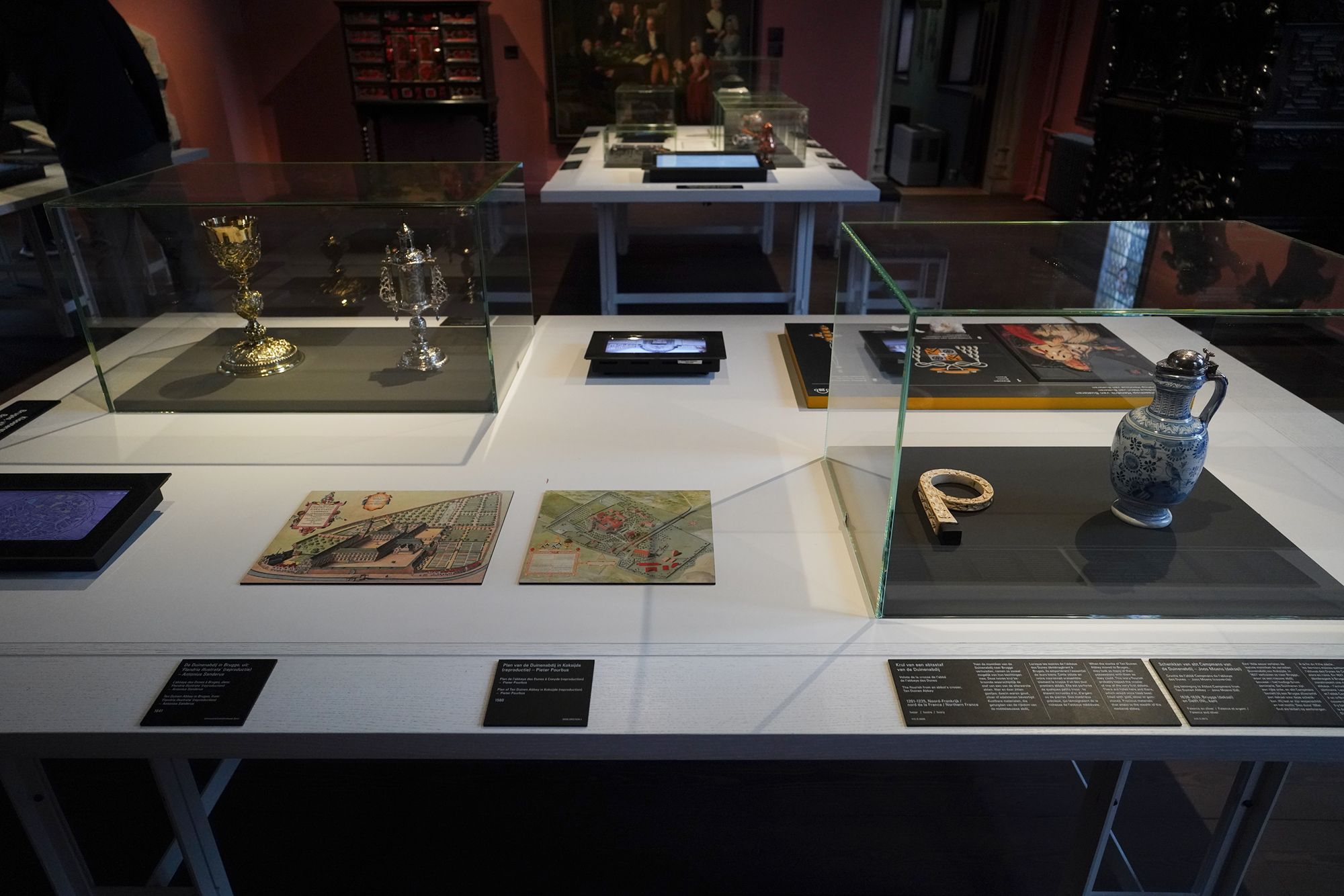
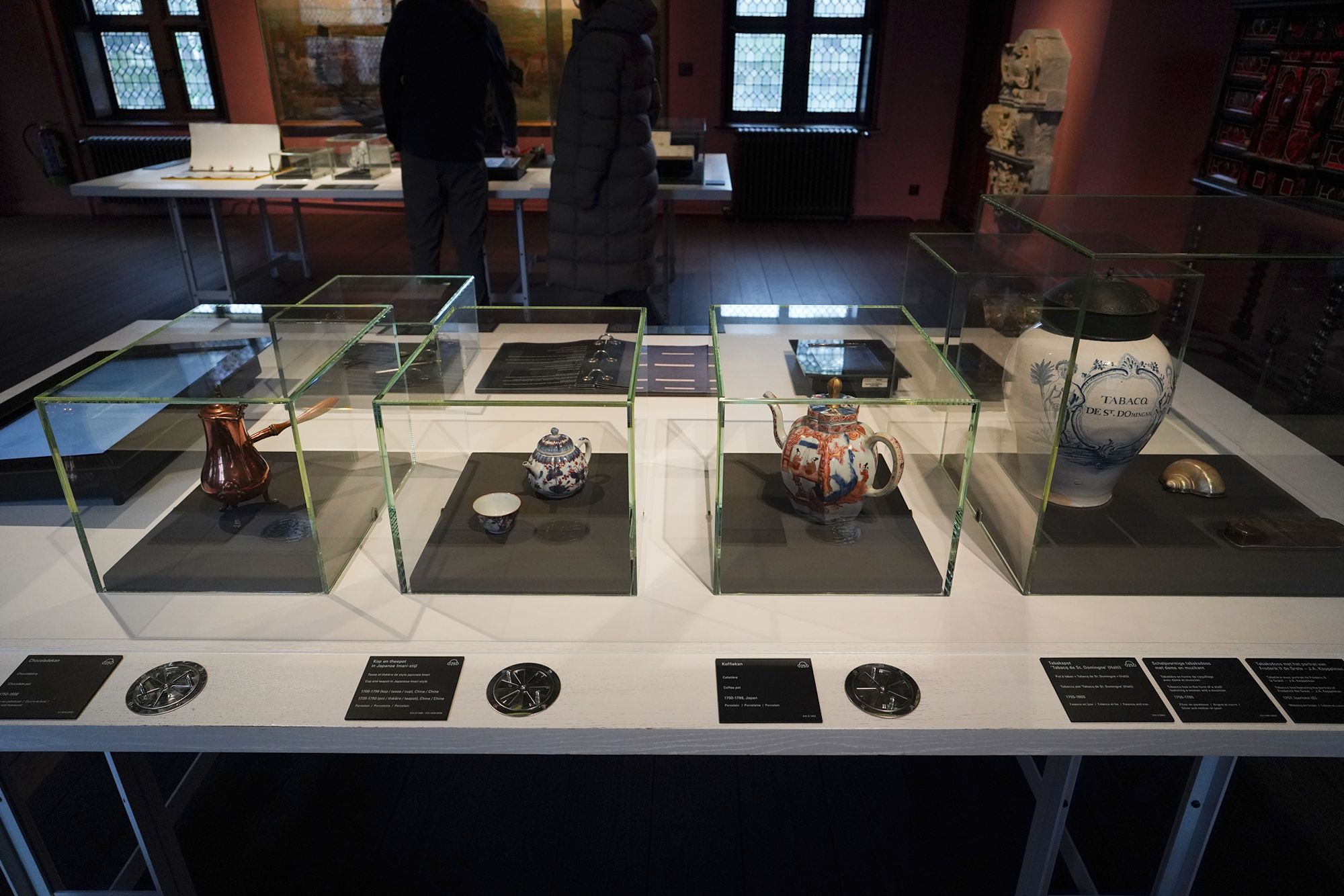
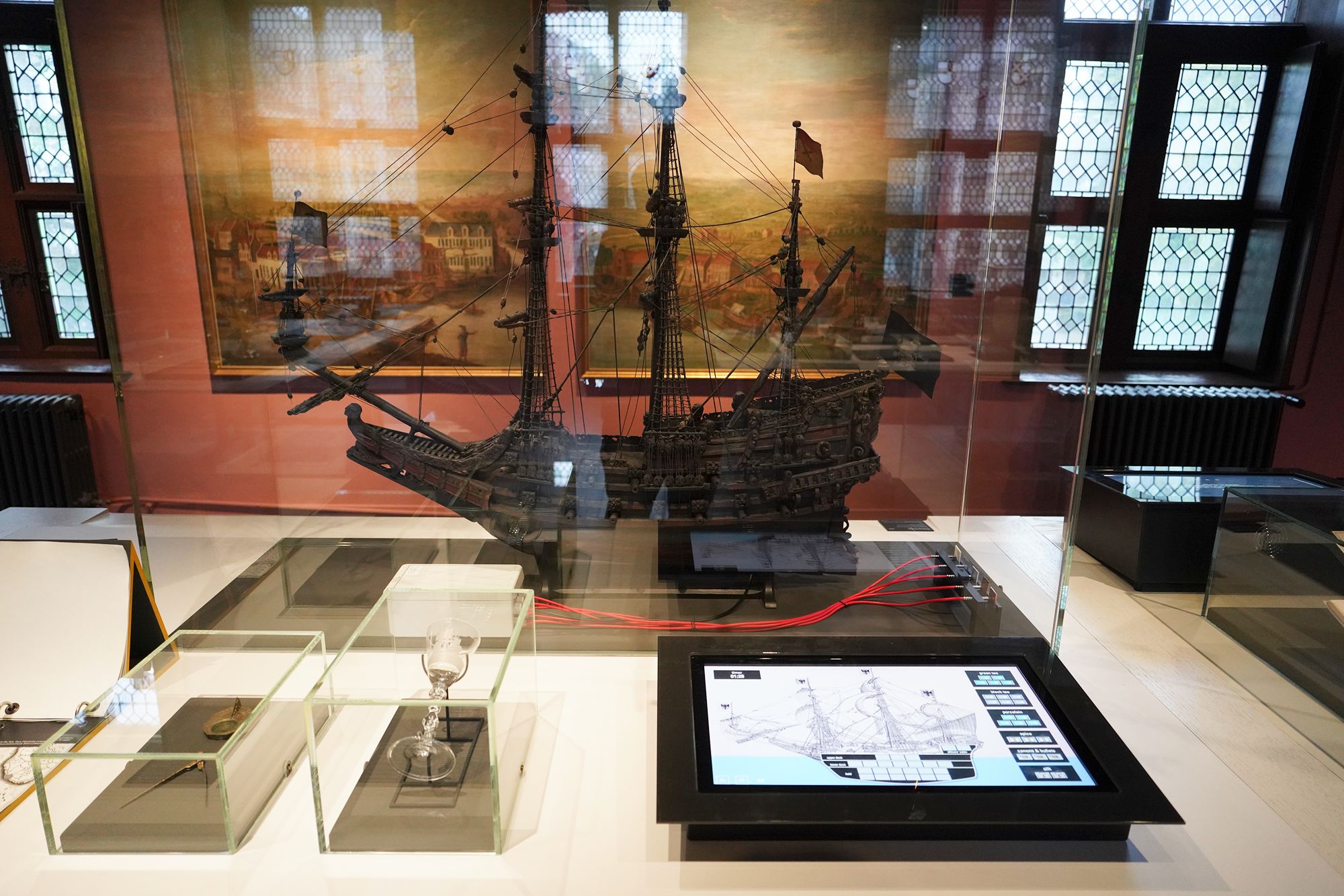
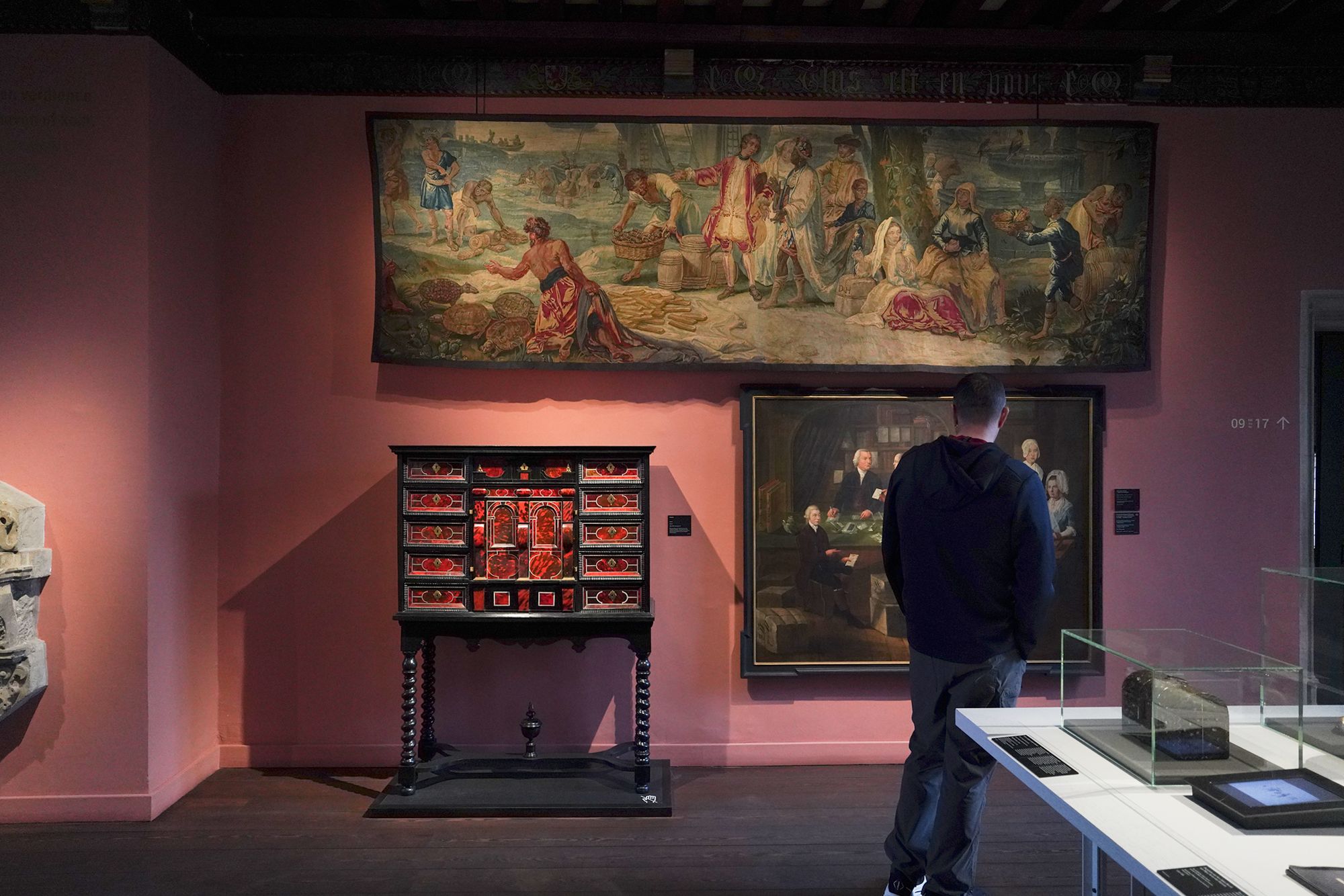
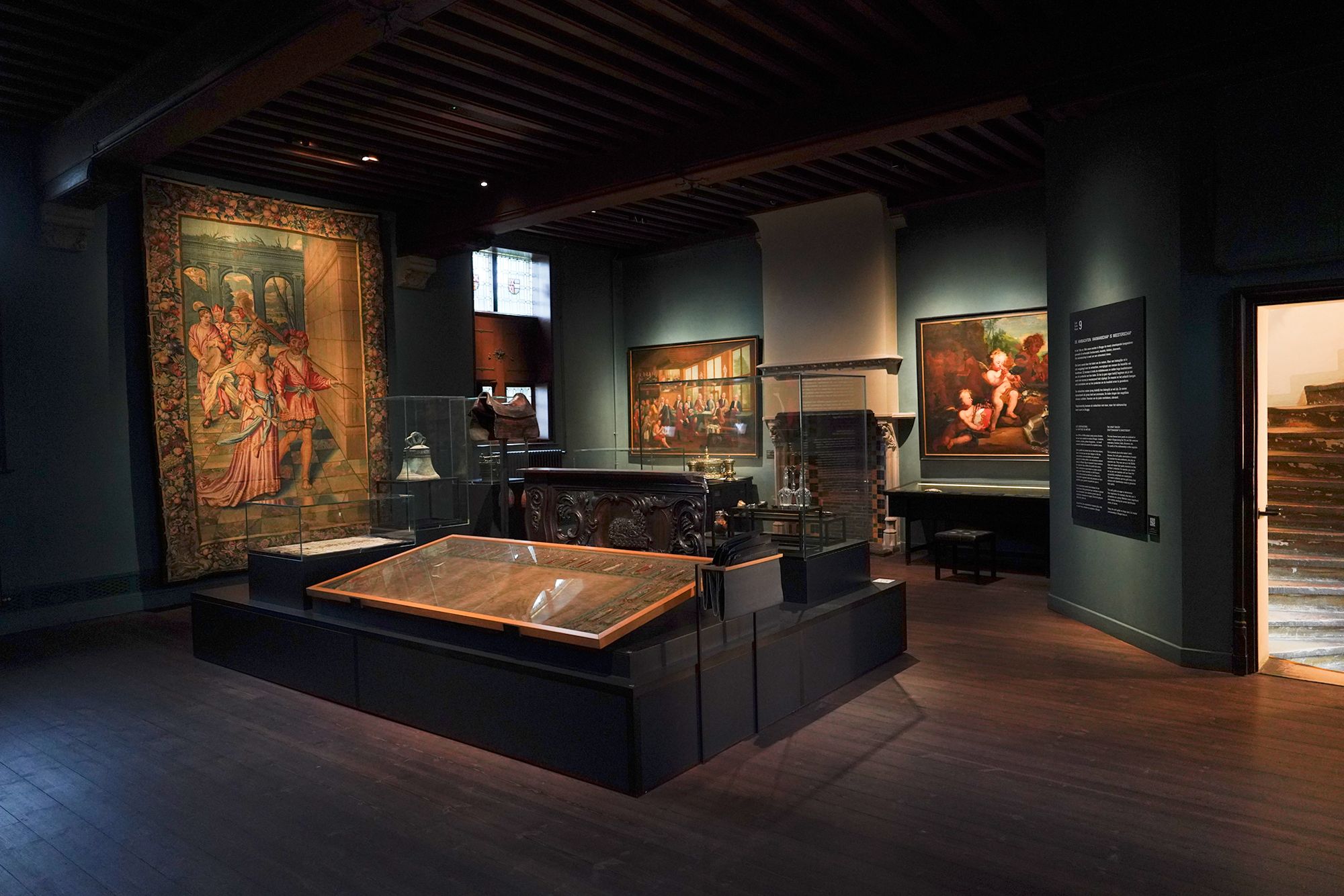
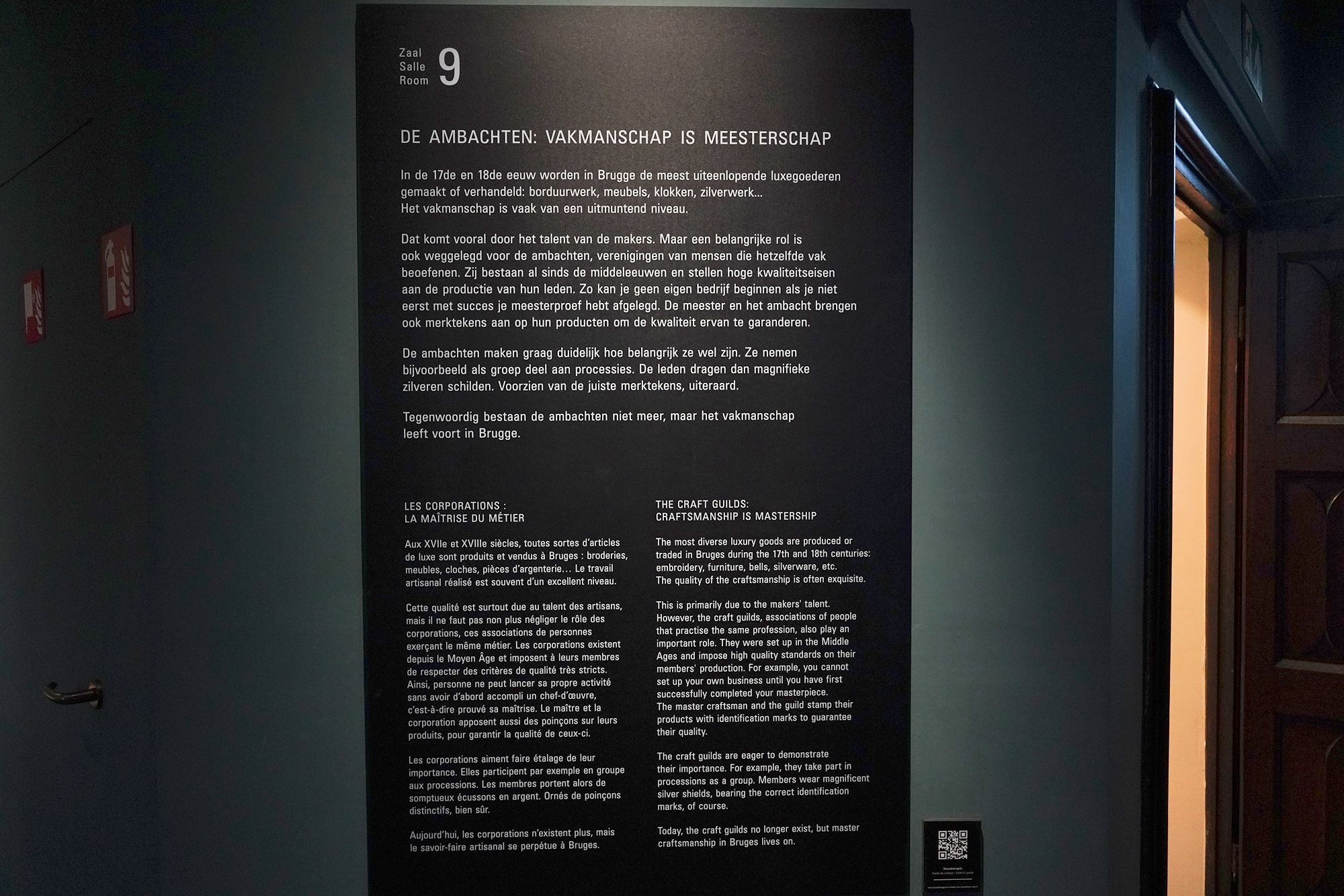
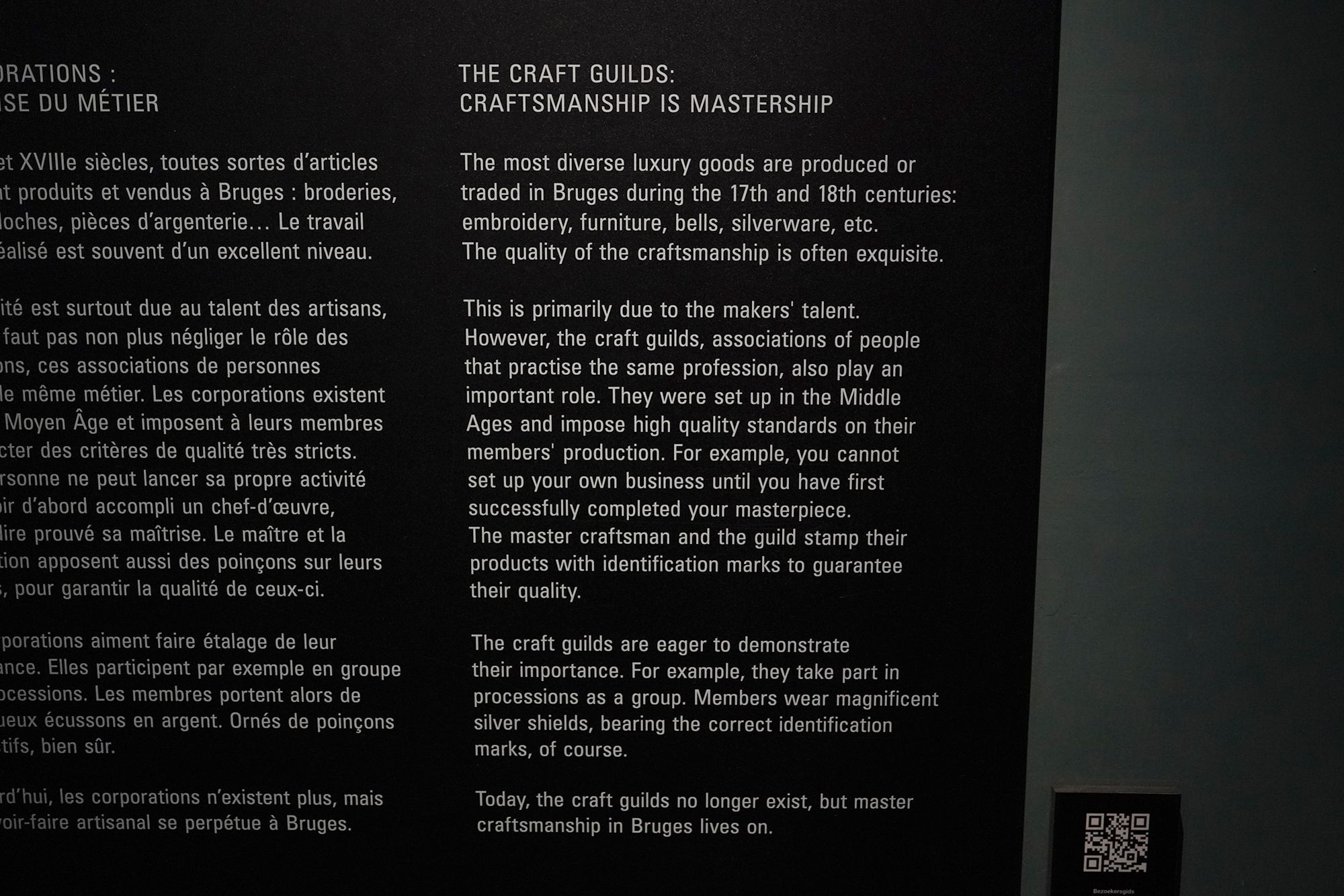
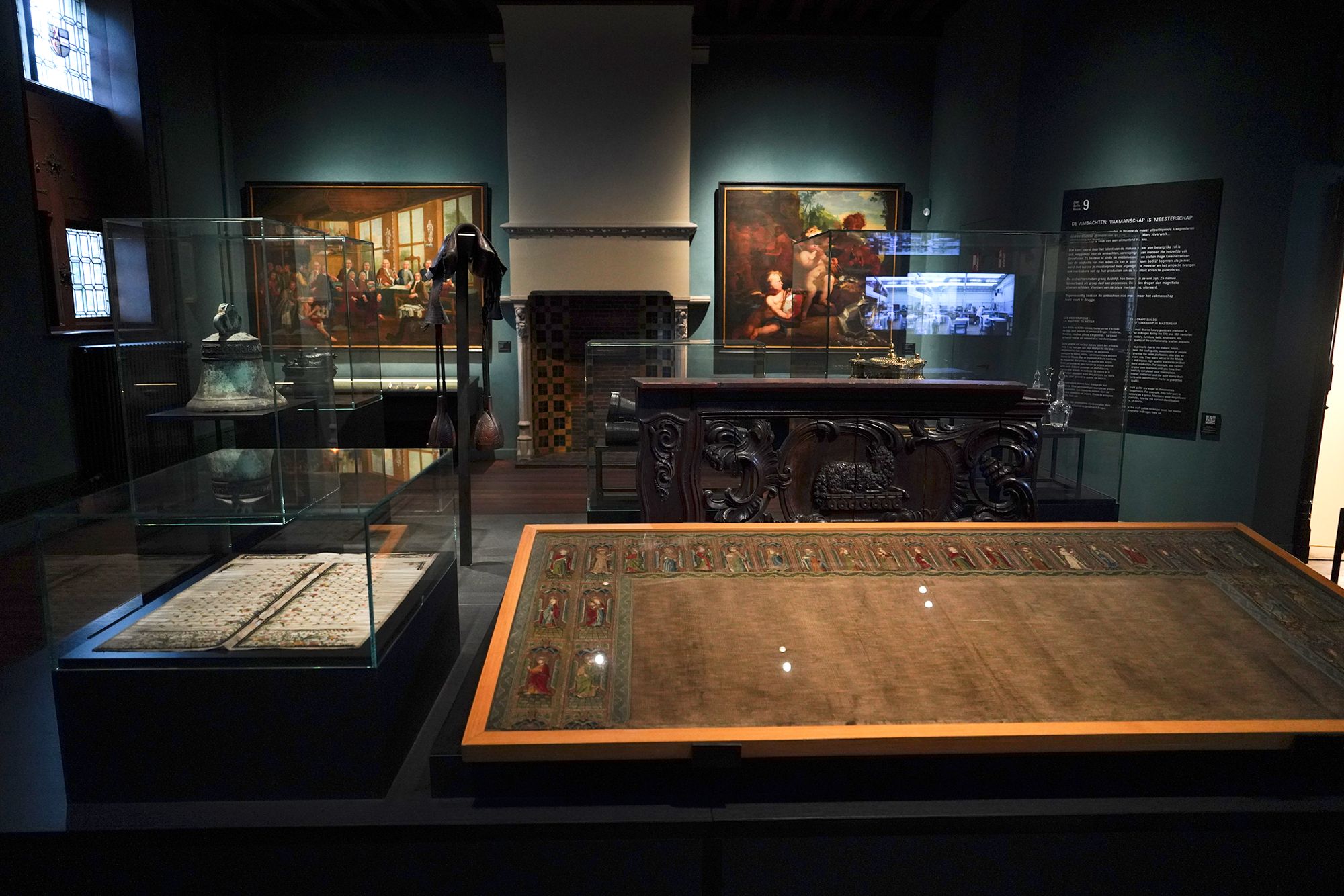
During the 17th and 18th centuries, Bruges remained famous for its skilled craftsmen. Powerful craft guilds maintained high standards, requiring craftsmen to produce a successful “masterpiece” before they could establish their own businesses. Their strict quality controls helped preserve Bruges’ reputation for fine luxury goods.
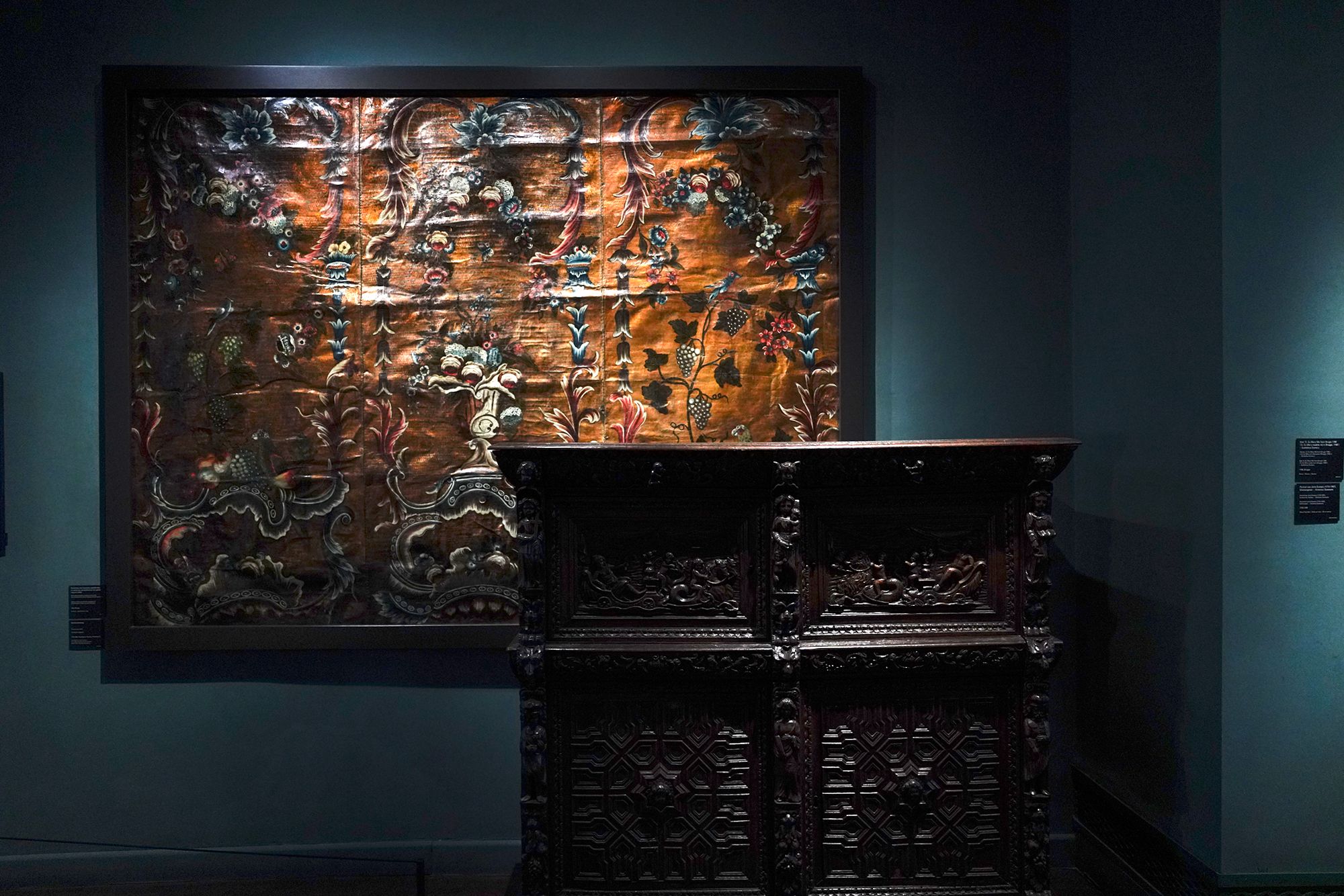
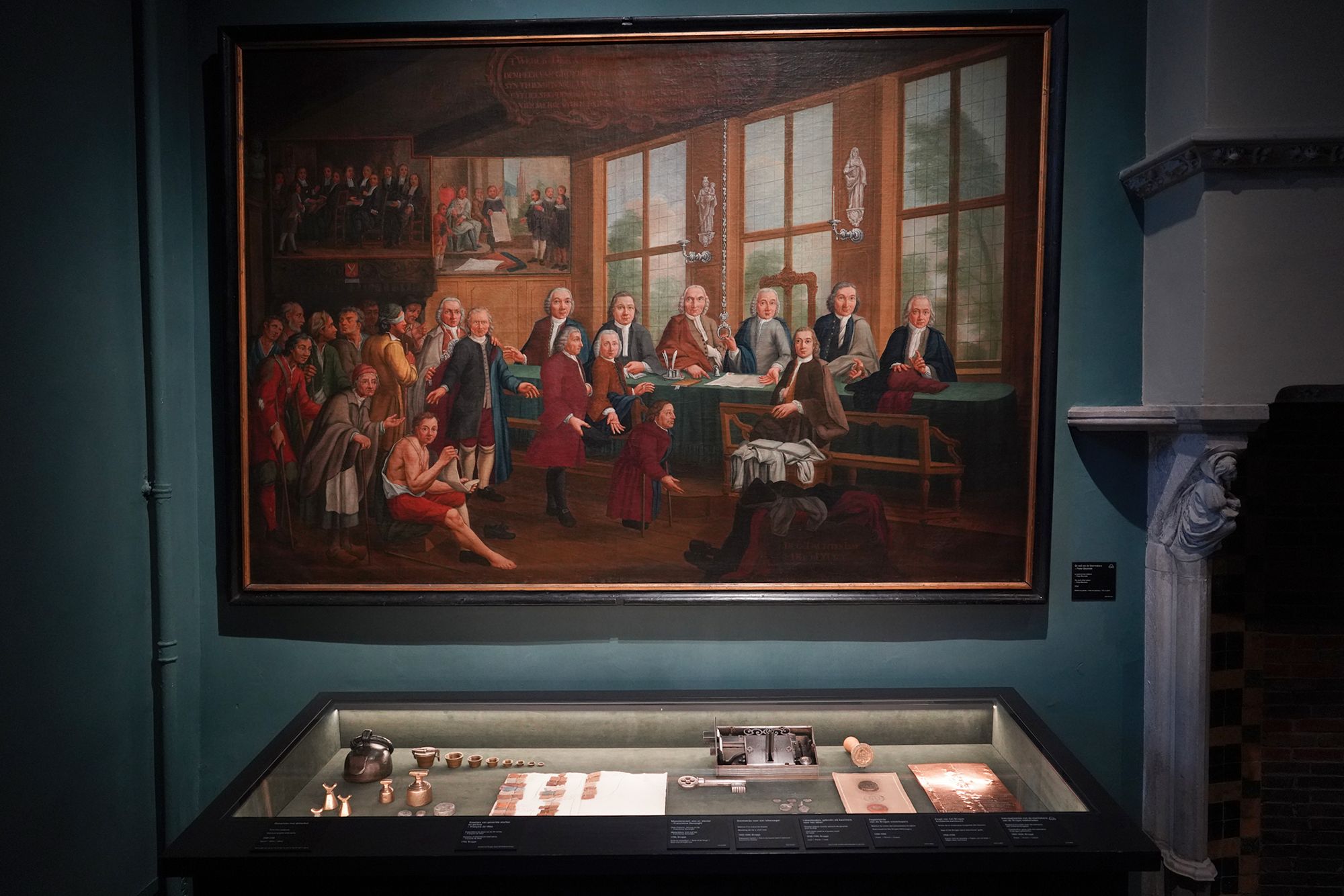
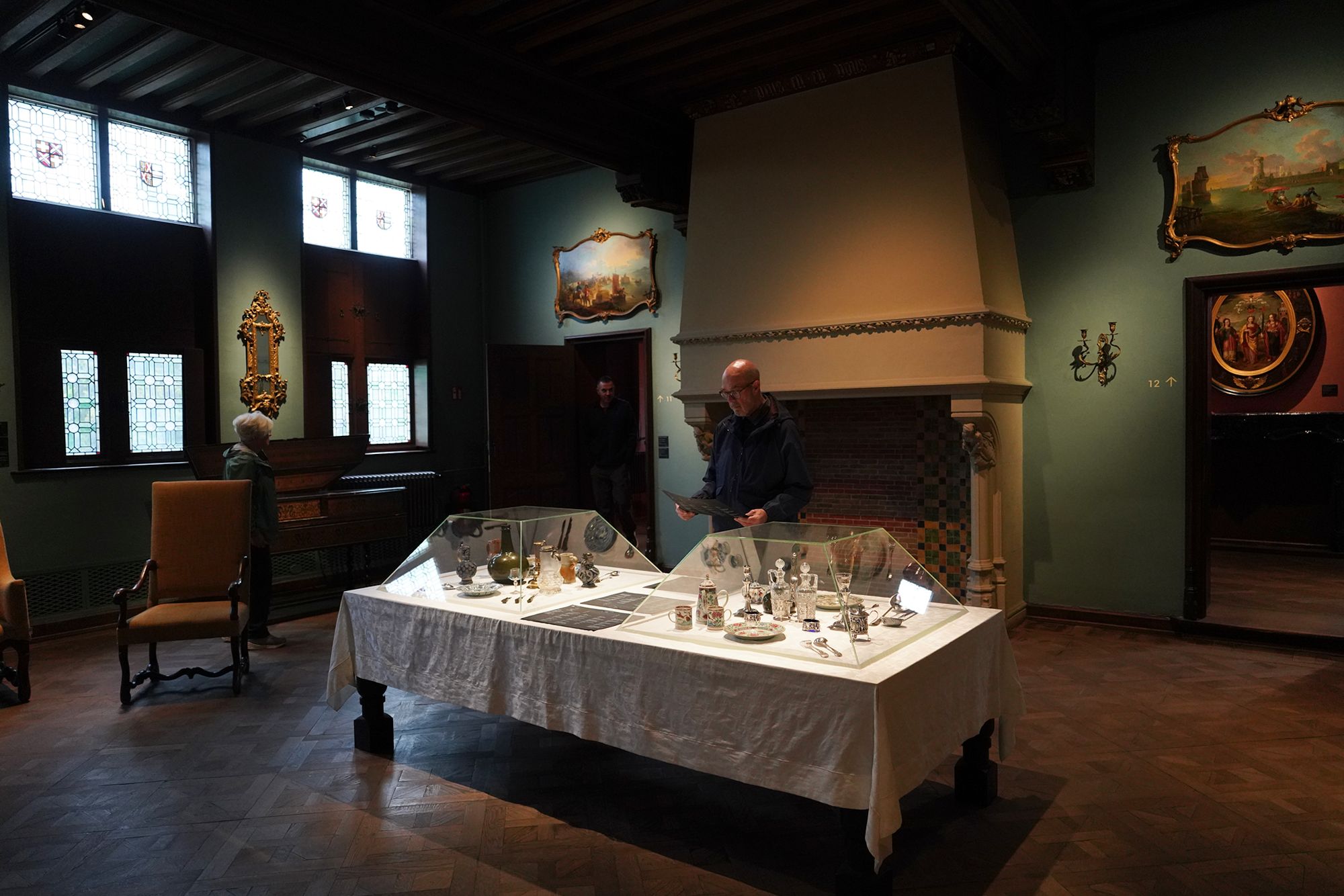
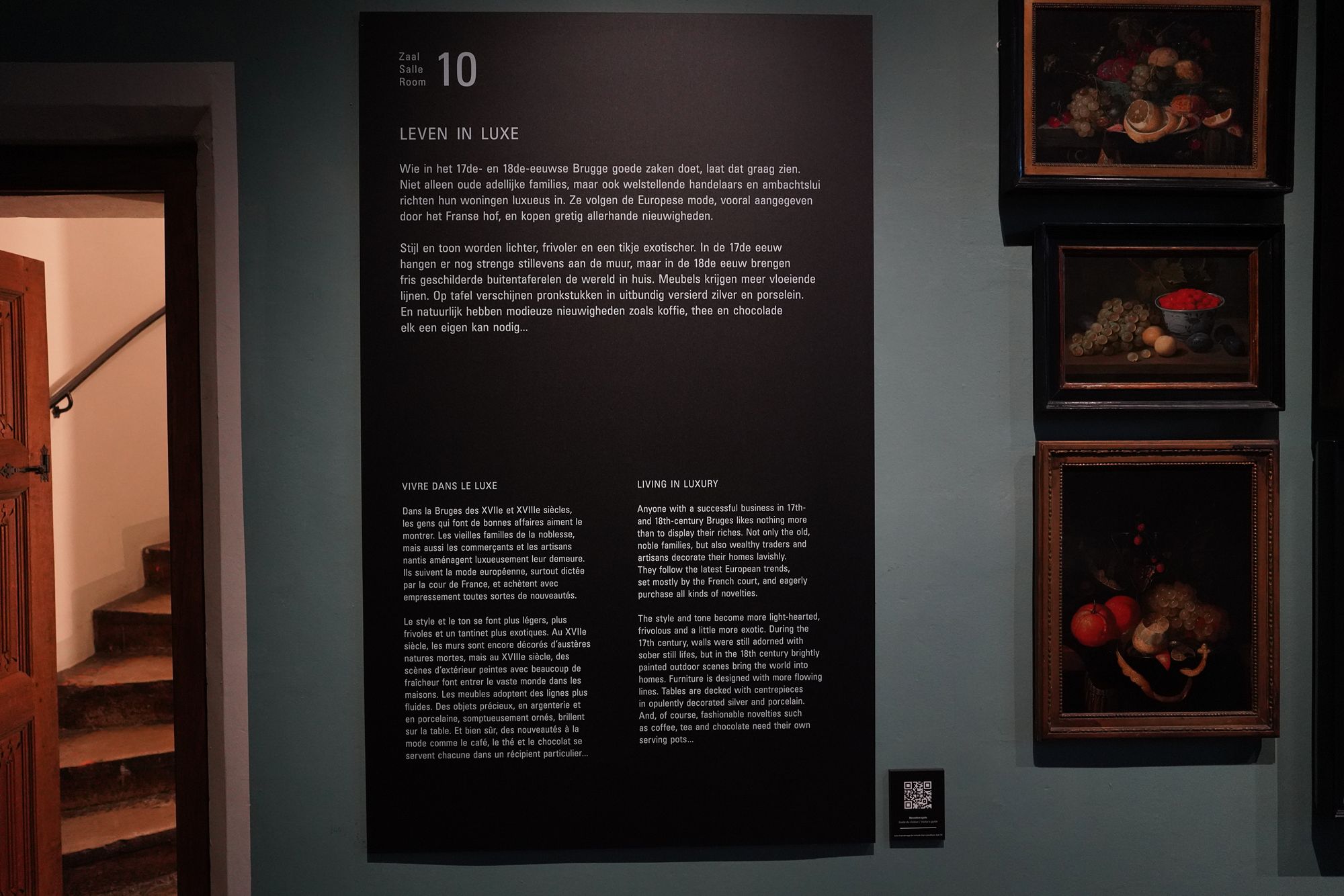
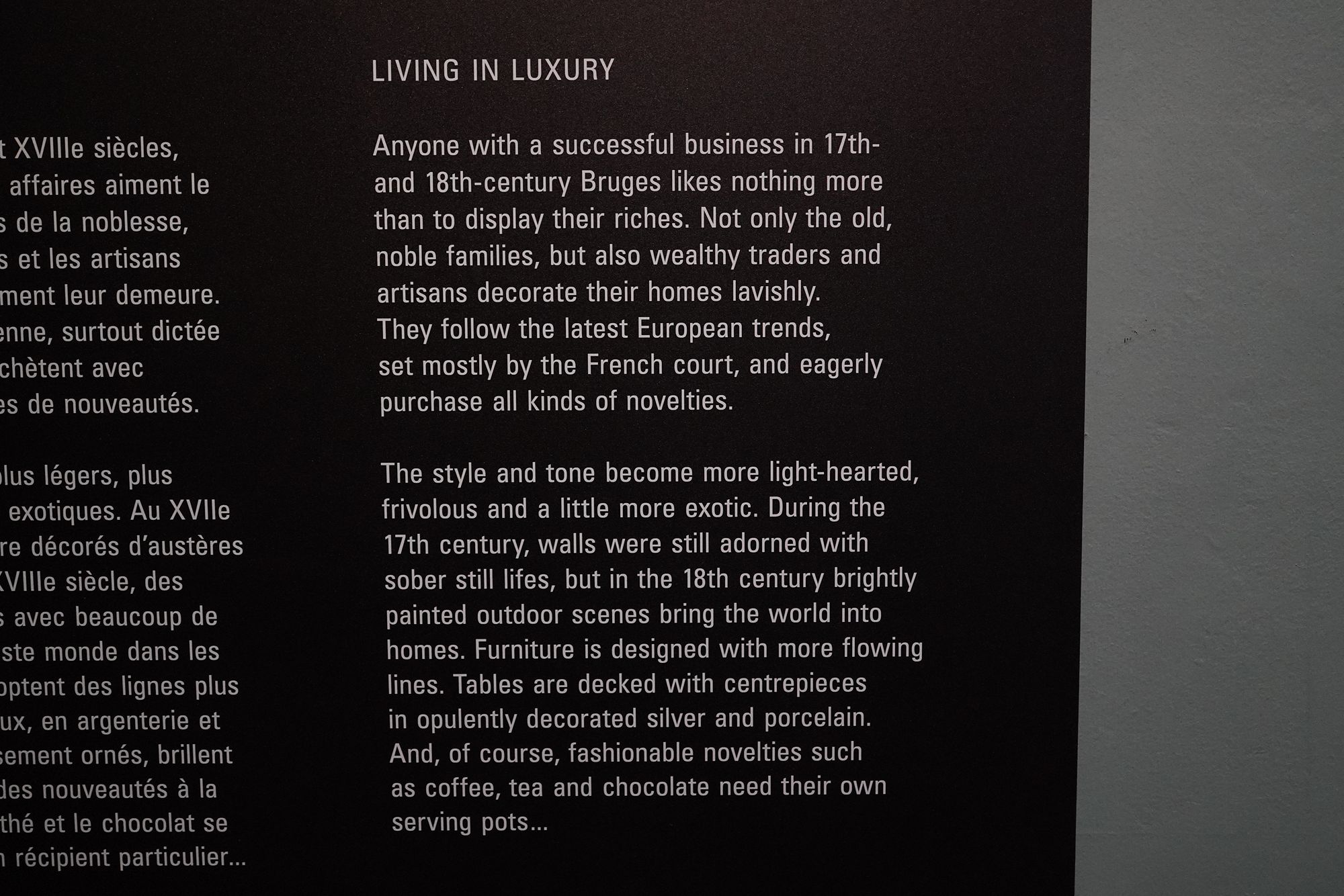
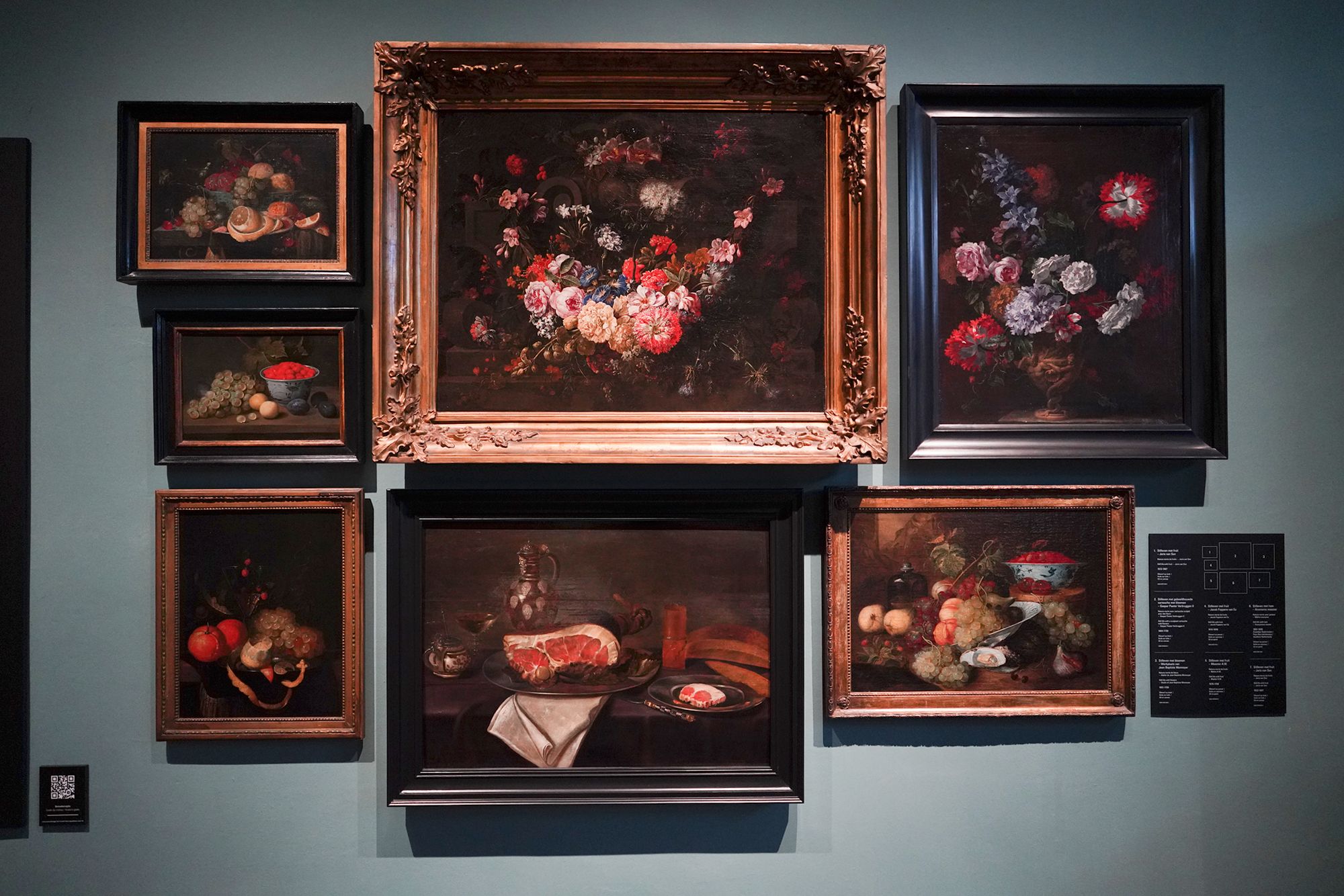
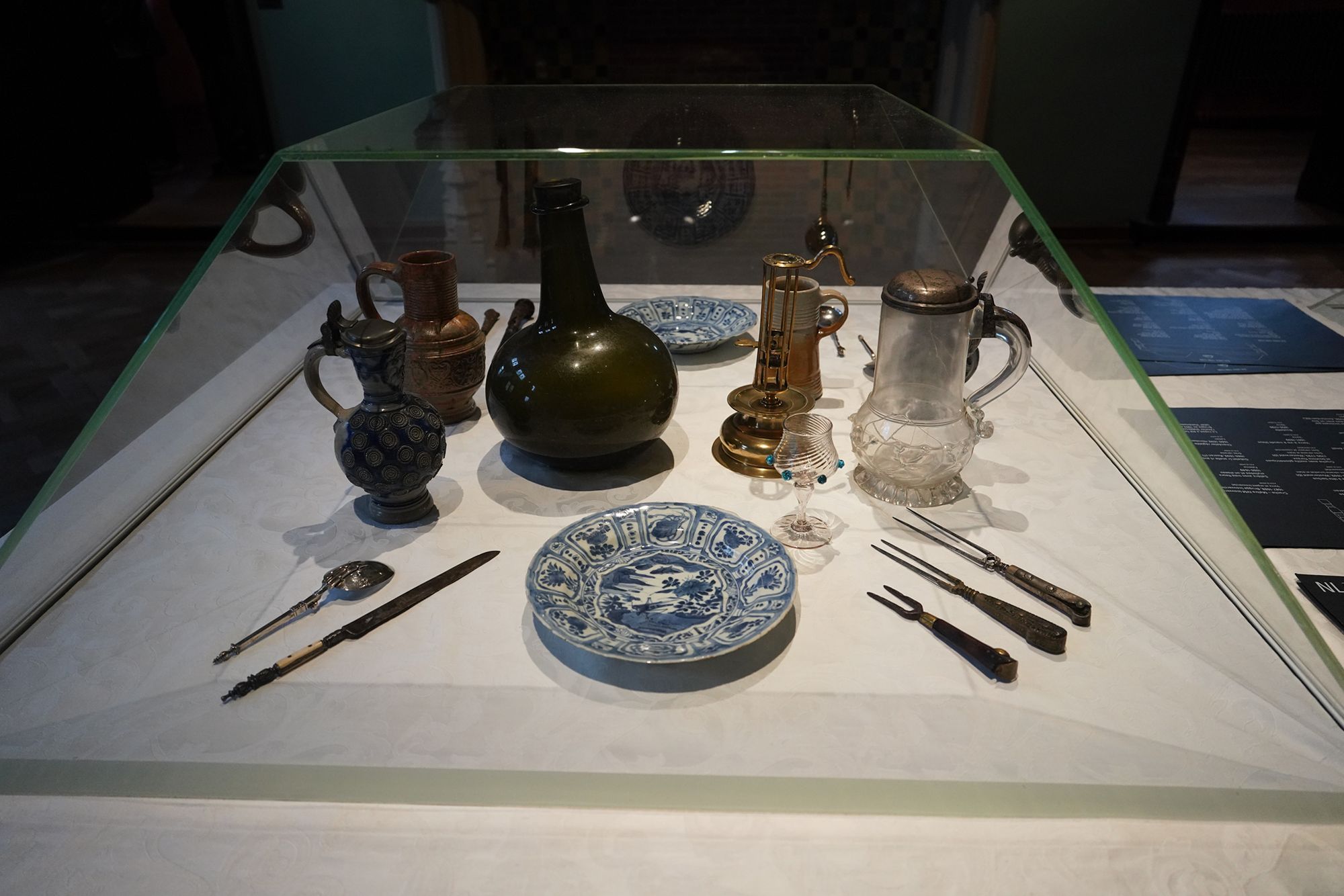
By the 17th and 18th centuries, wealthy Bruges families increasingly decorated their homes according to fashionable European tastes. Elegant furniture, silver, porcelain, colorful paintings, and new luxuries such as coffee, tea, and chocolate became symbols of prosperity and sophisticated living.
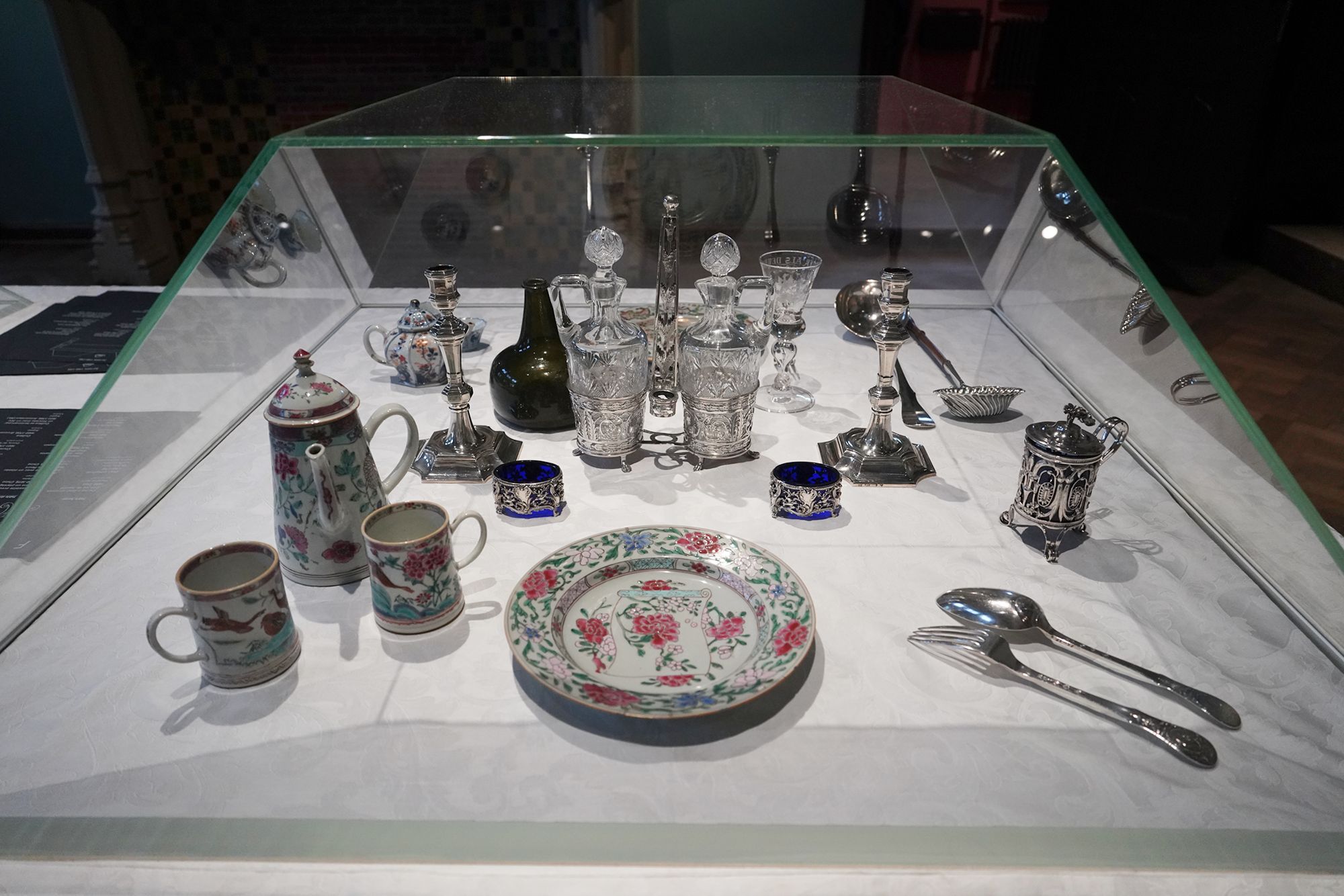
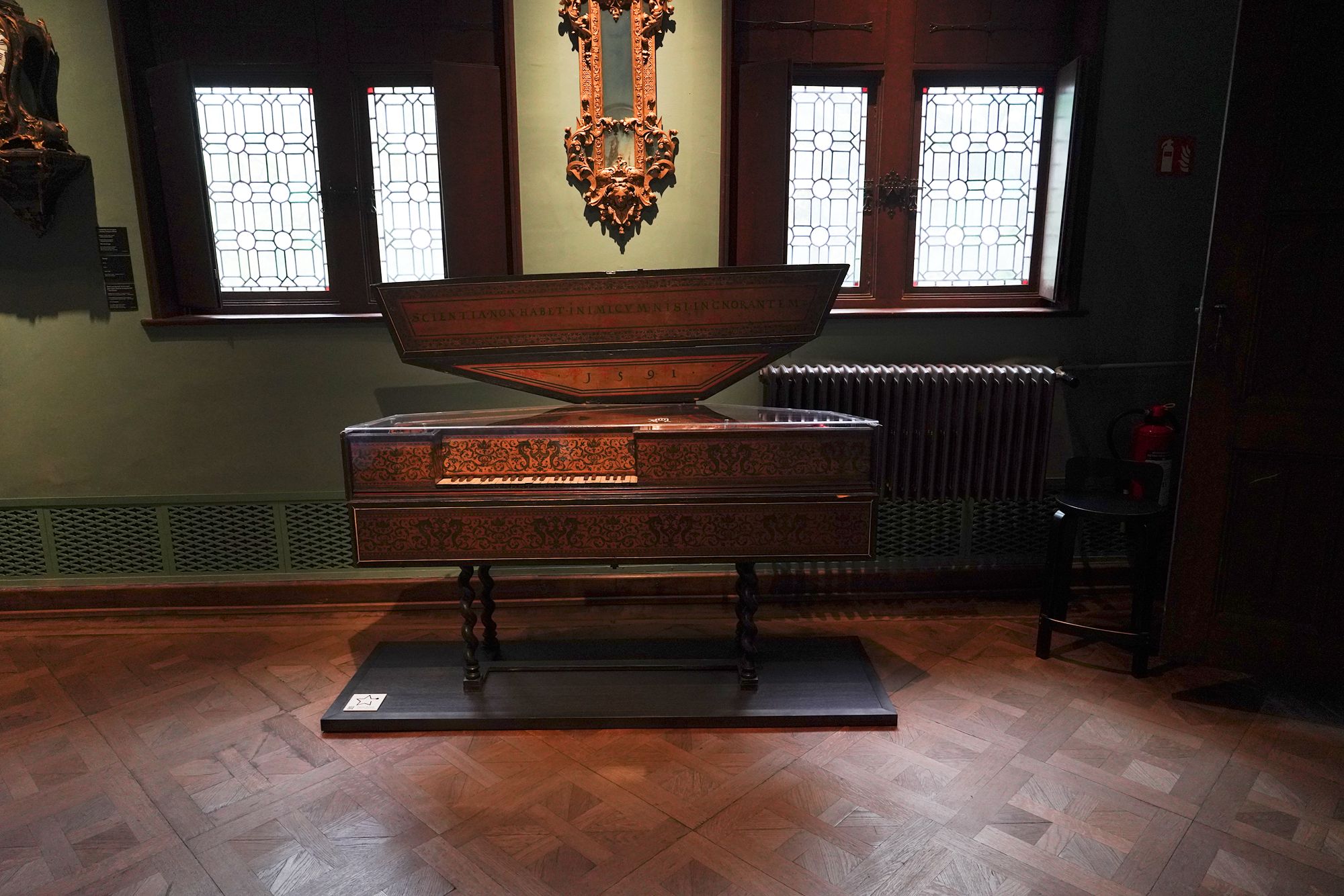
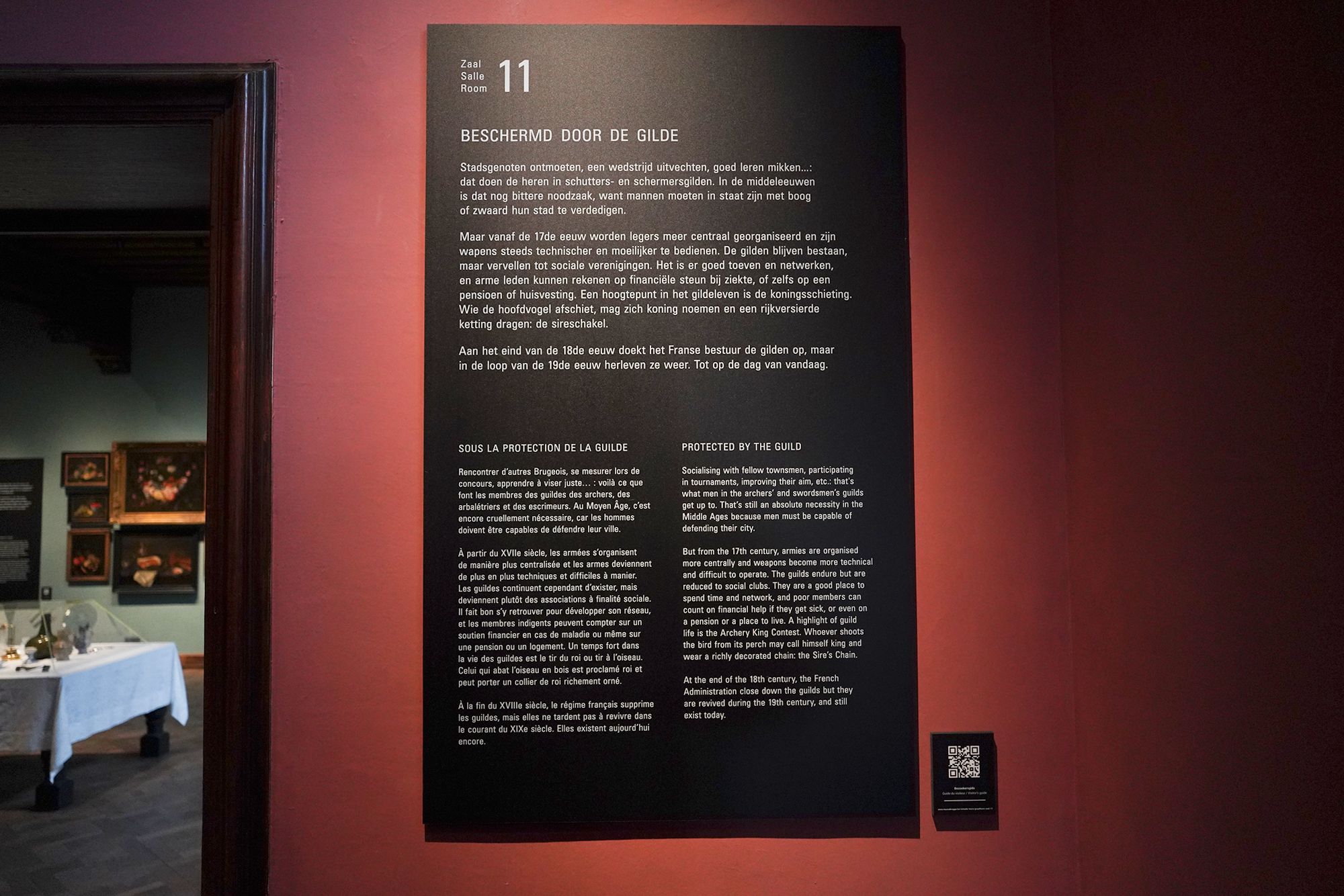
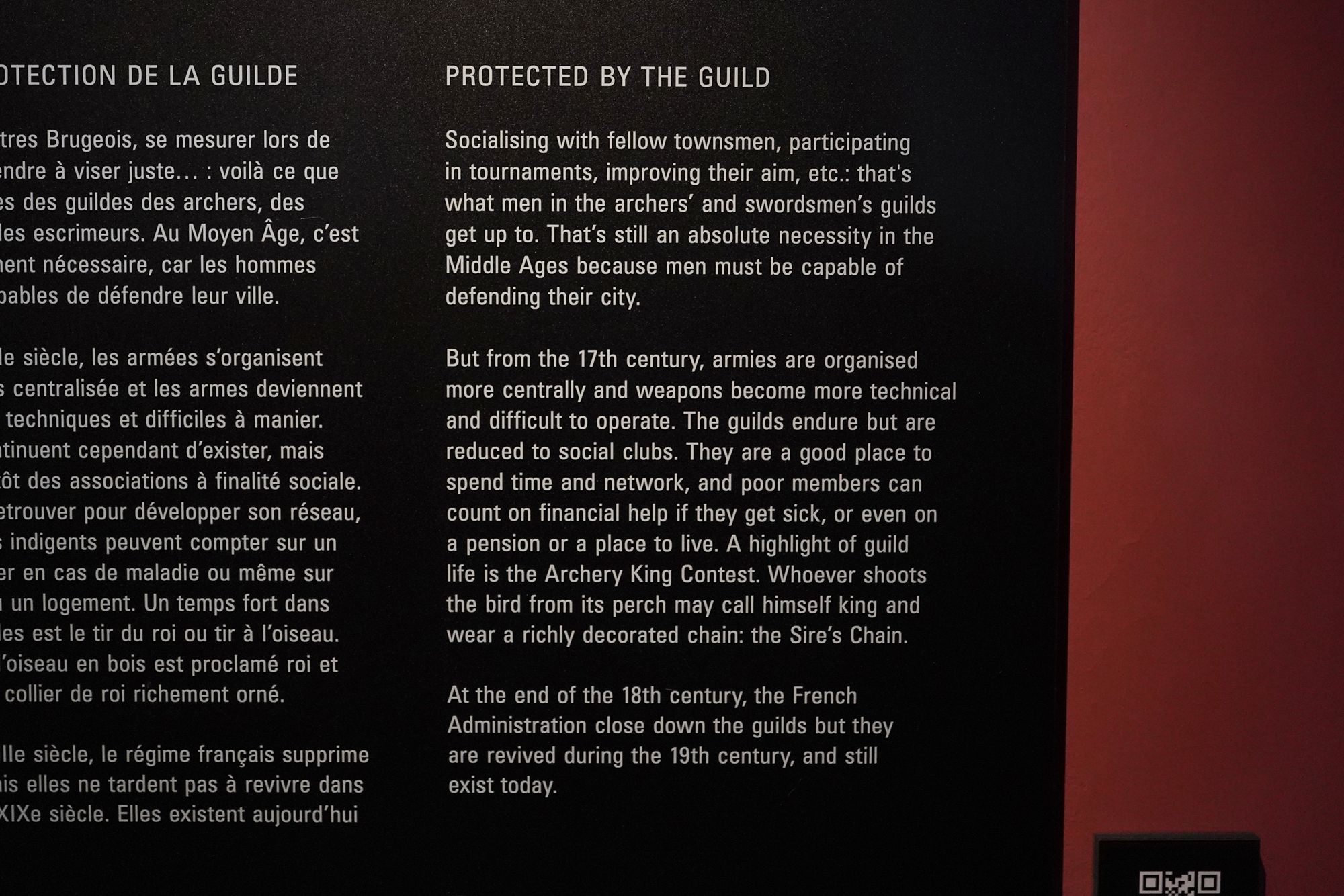
The archers’ and swordsmen’s guilds originally helped defend medieval Bruges, but later evolved into social organizations. They provided companionship and financial support to members while preserving traditions such as archery competitions and ceremonial processions.
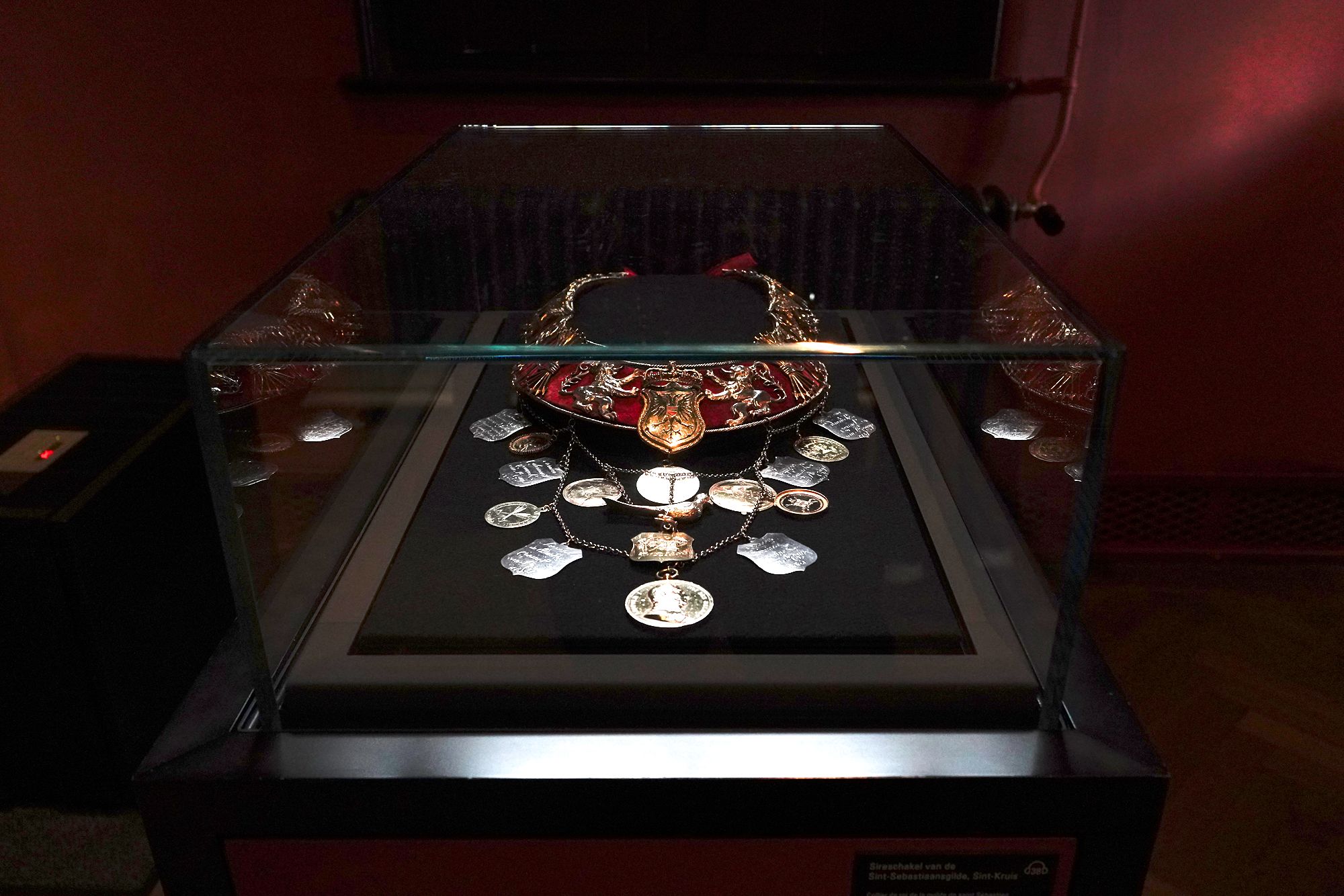
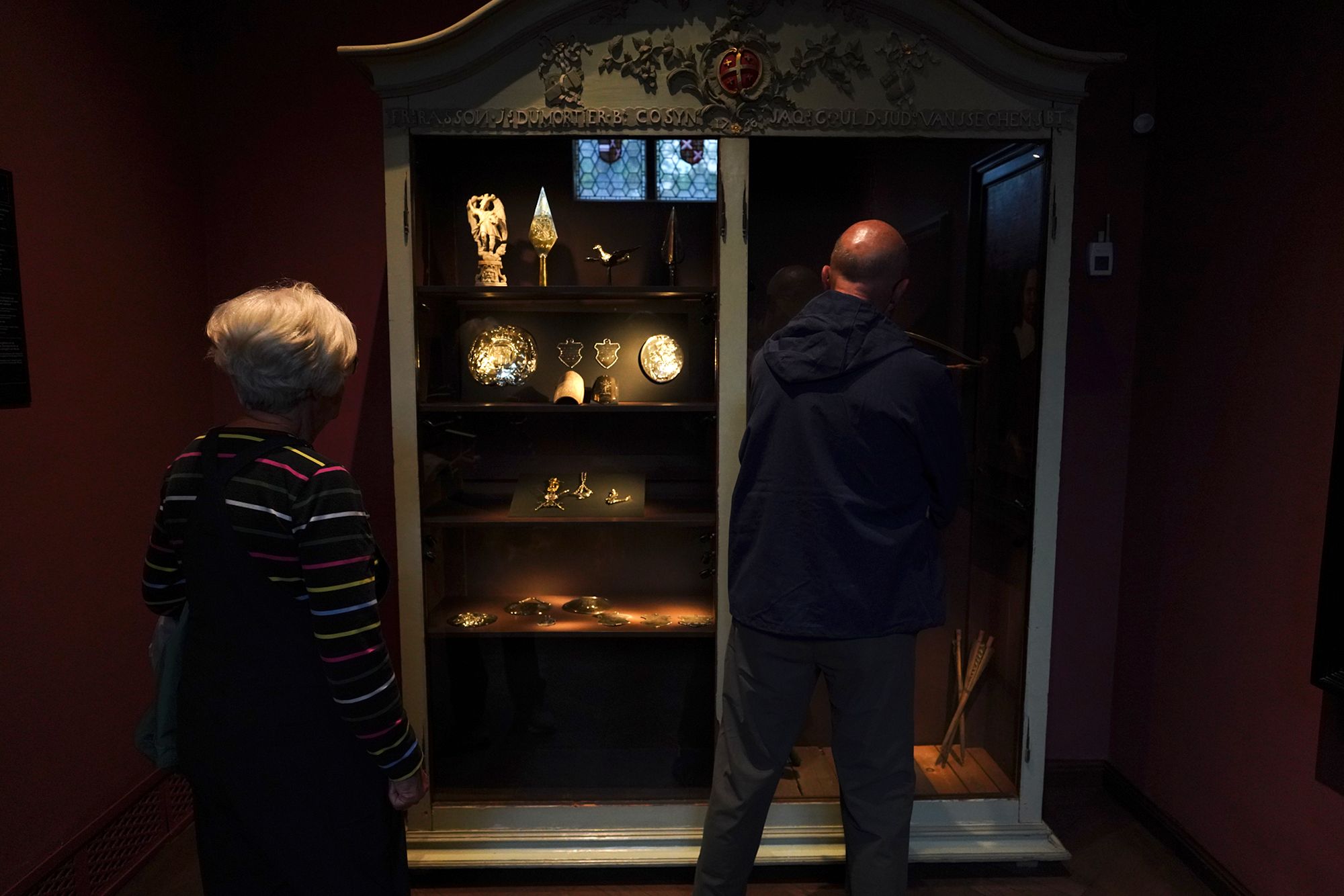
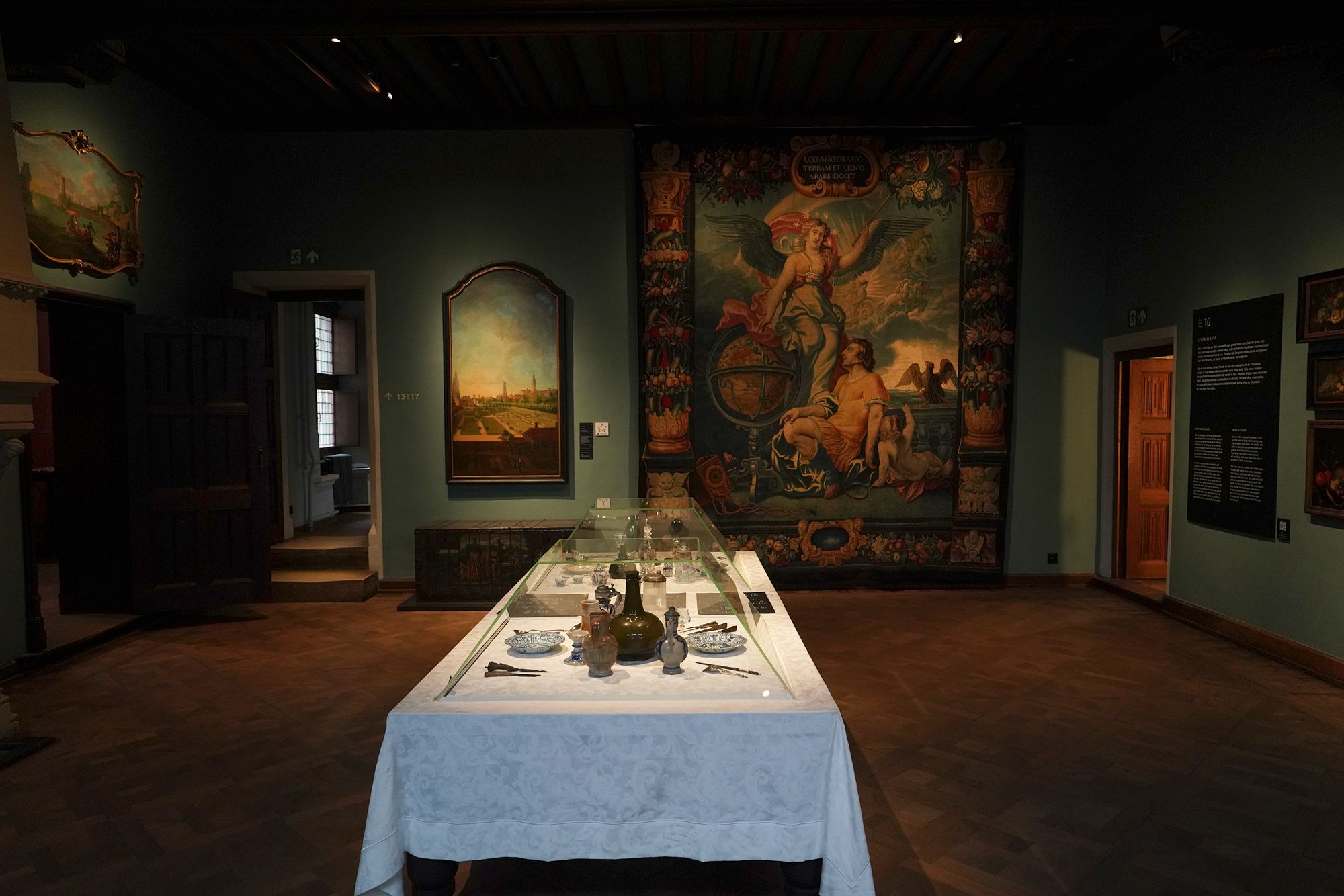
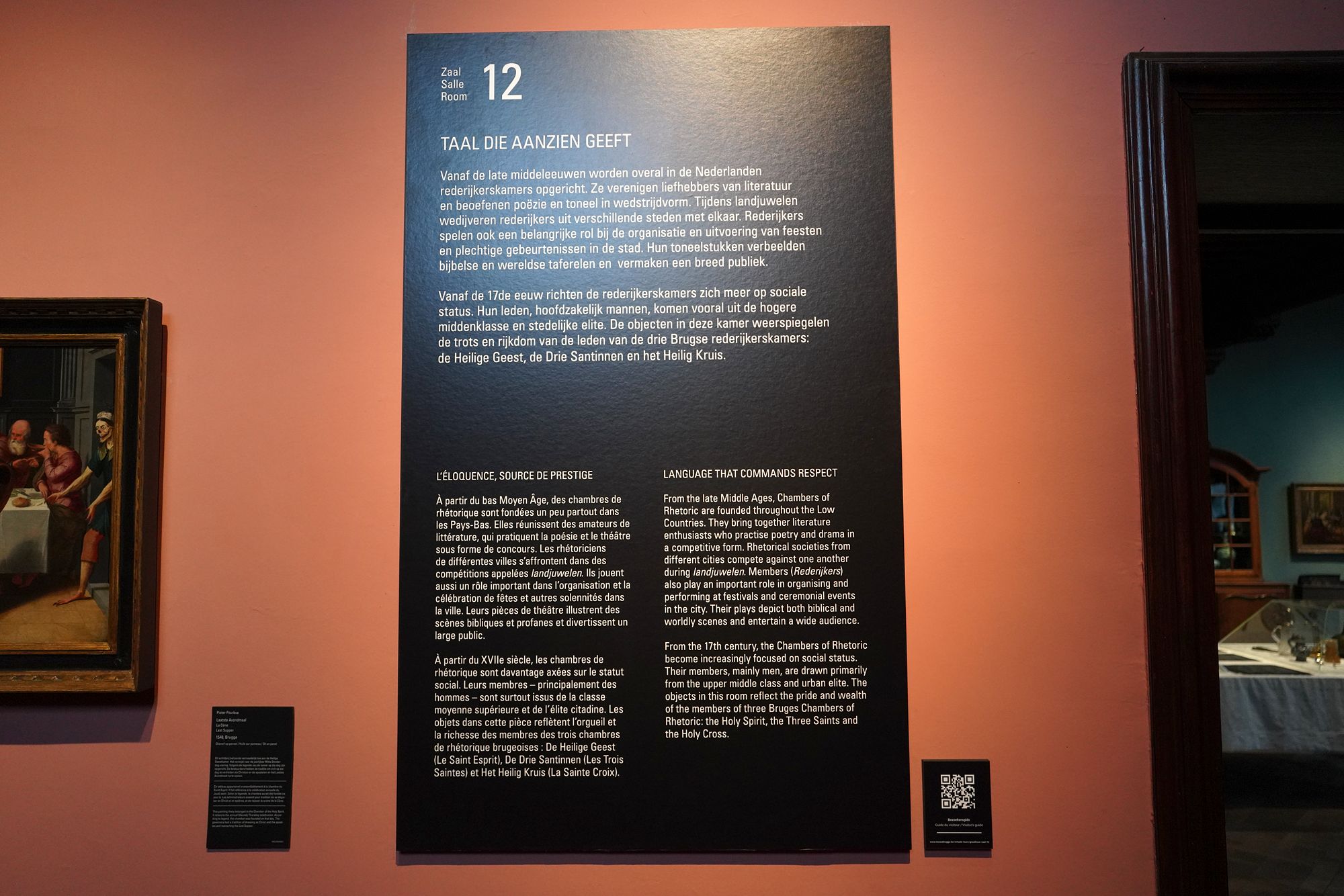
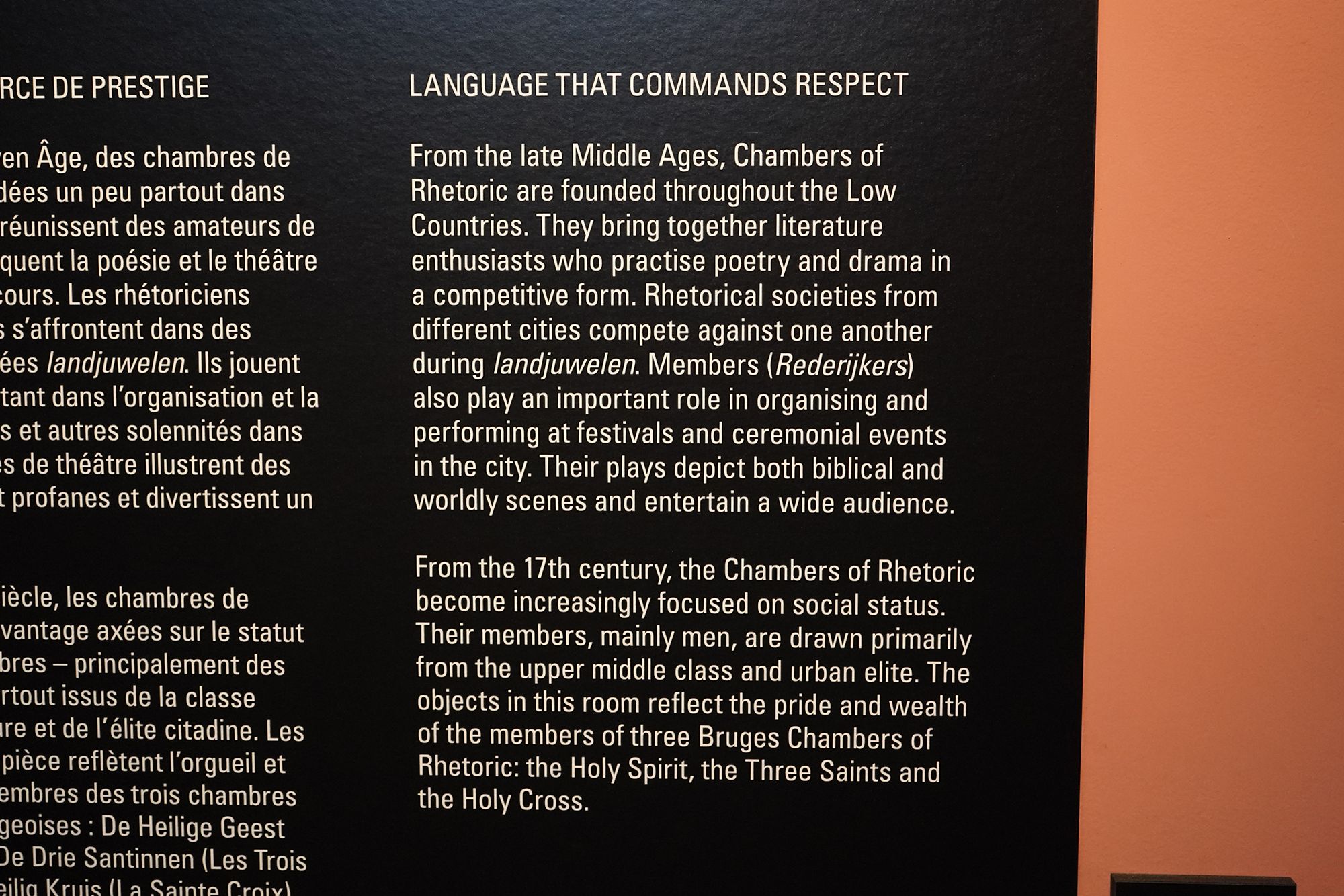
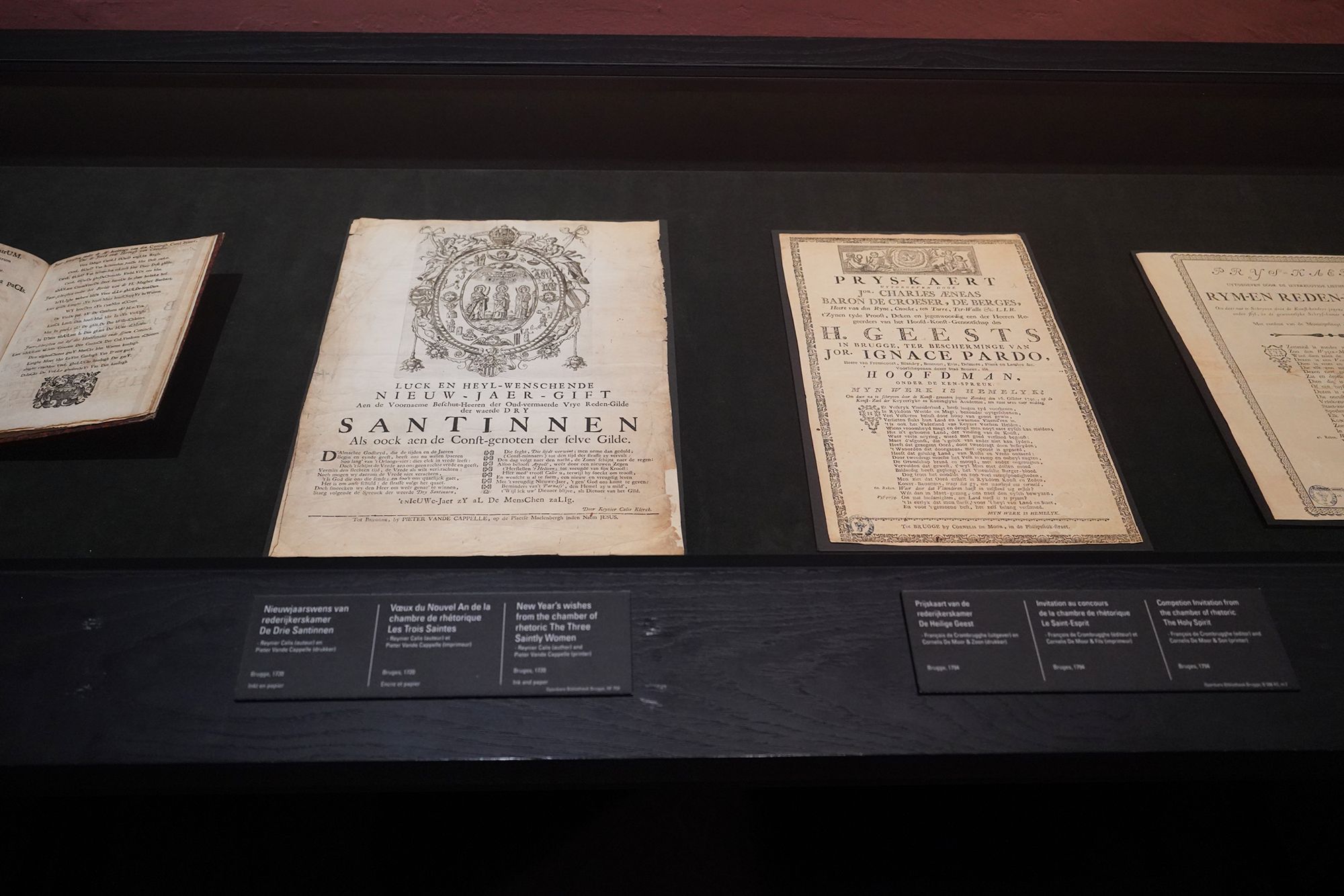
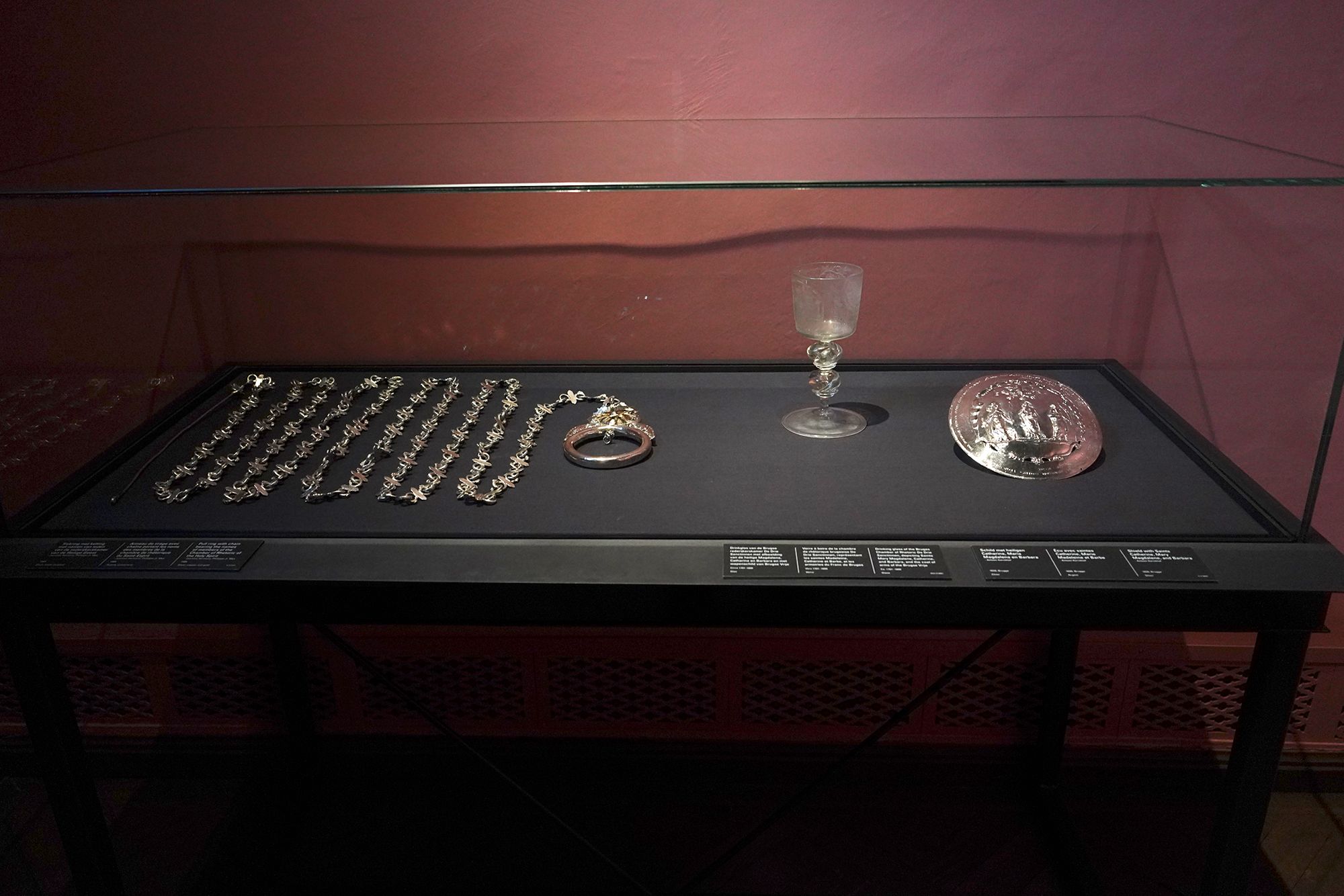
Bruges also had Chambers of Rhetoric, societies devoted to poetry, drama, and public performances. Their members organized festivals and competed with similar groups from other cities, combining literature and theater with social prestige and civic life.
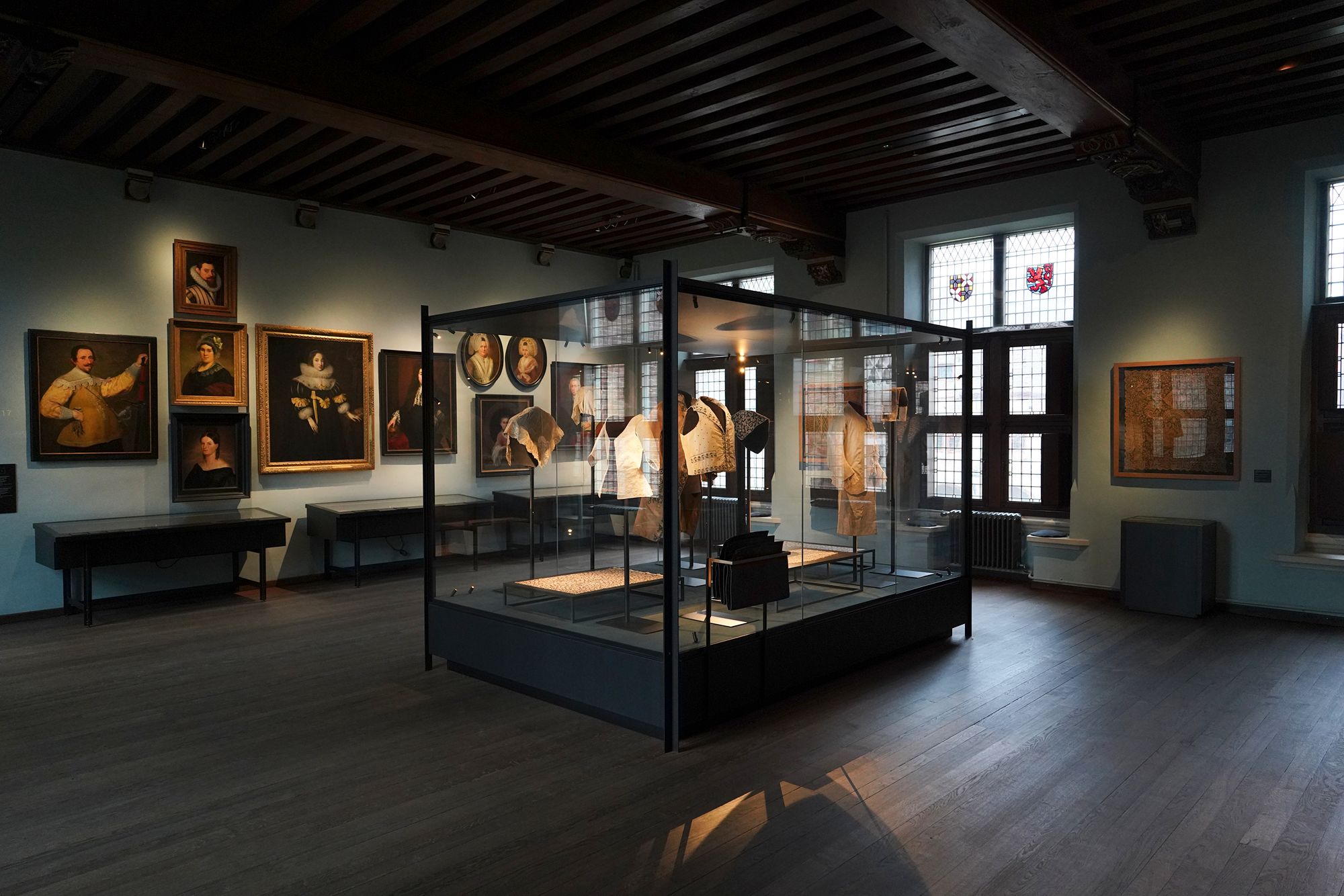
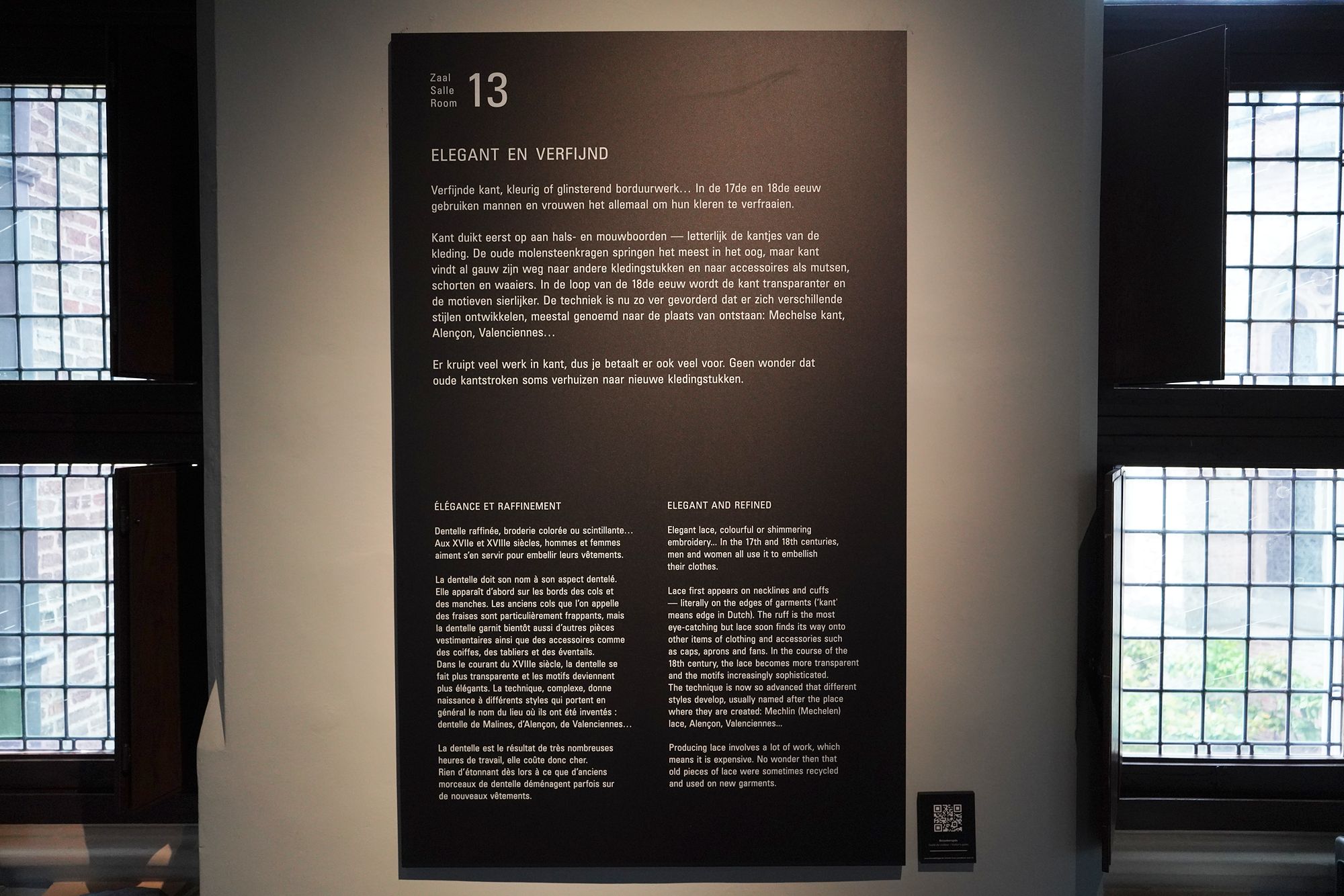
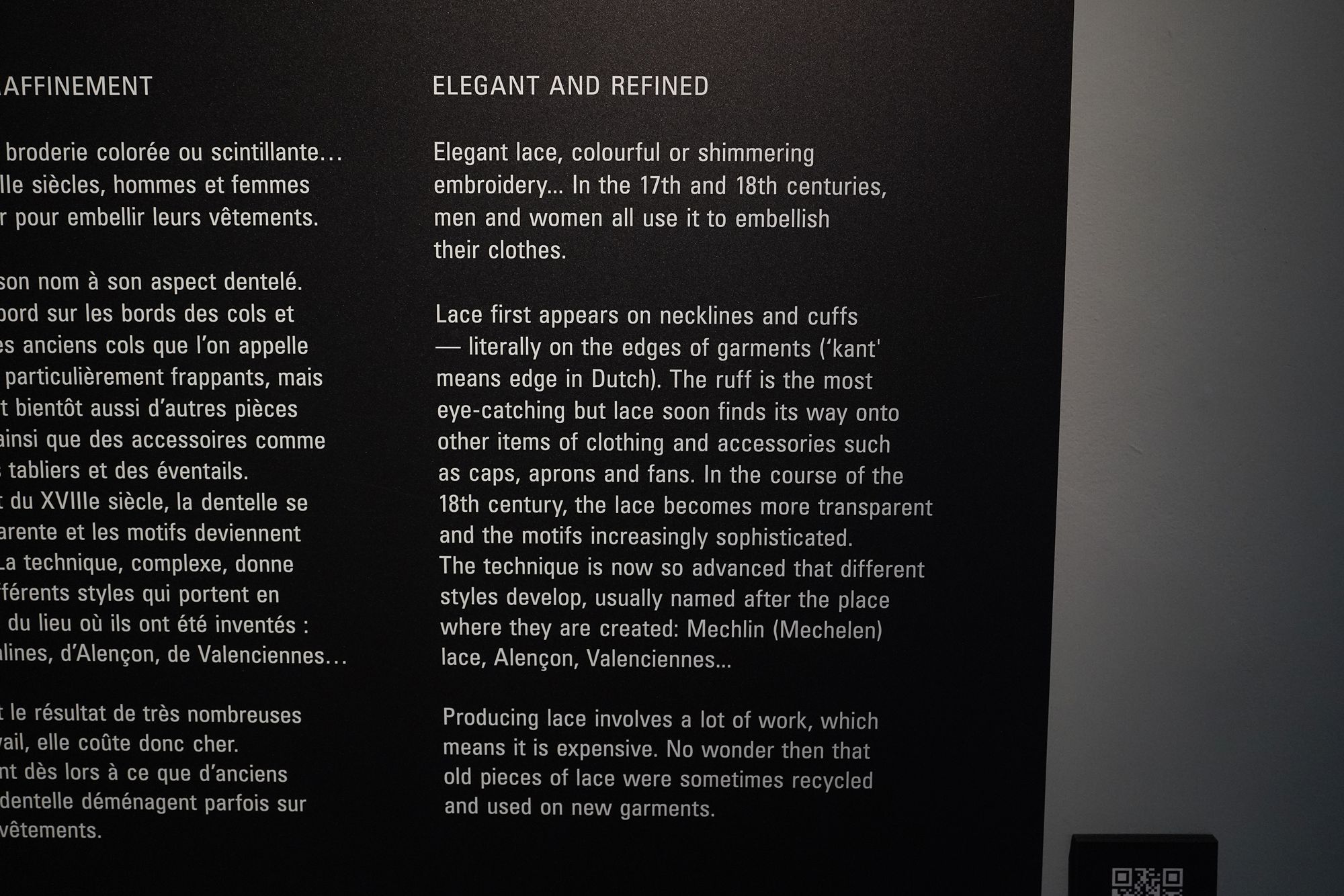
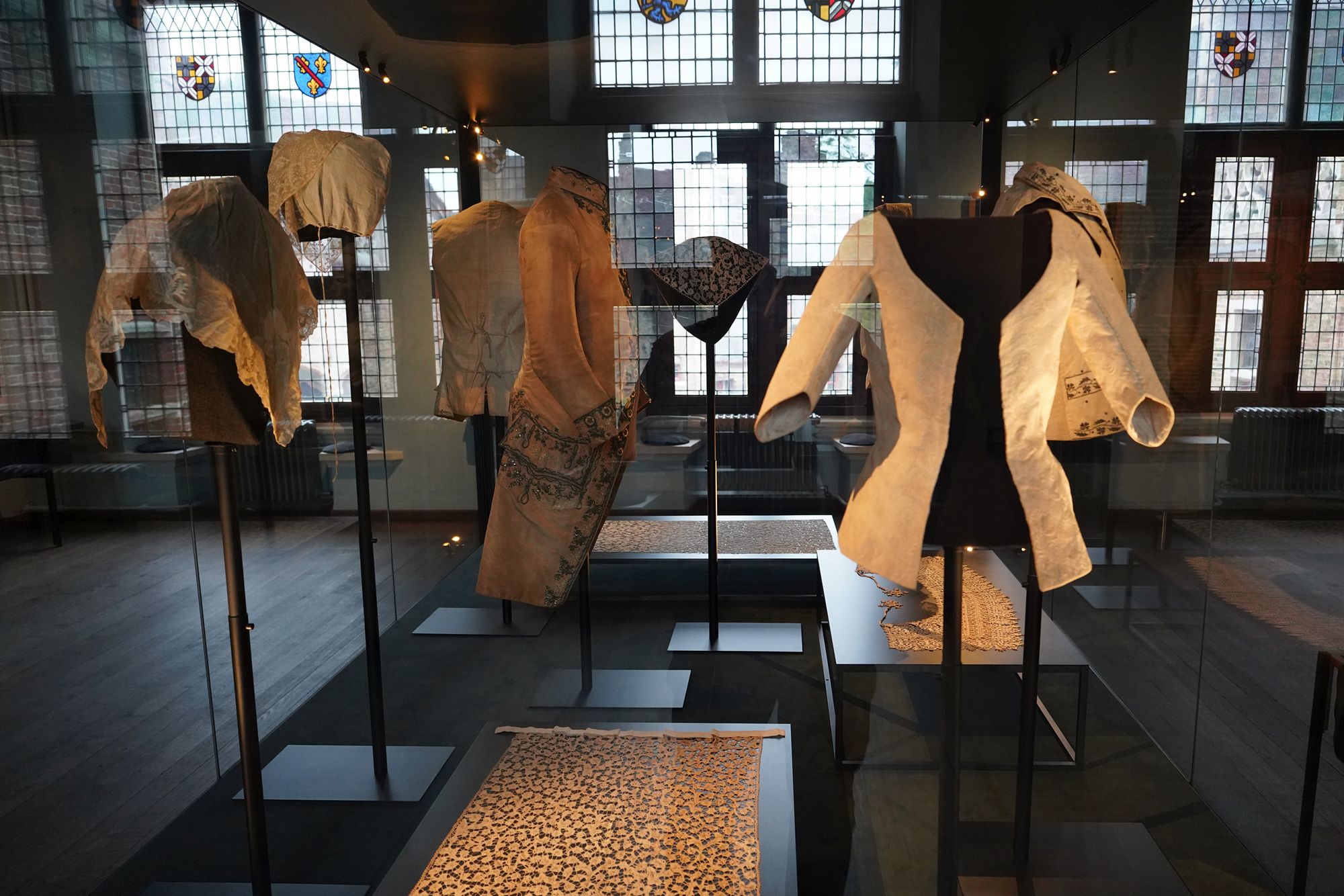
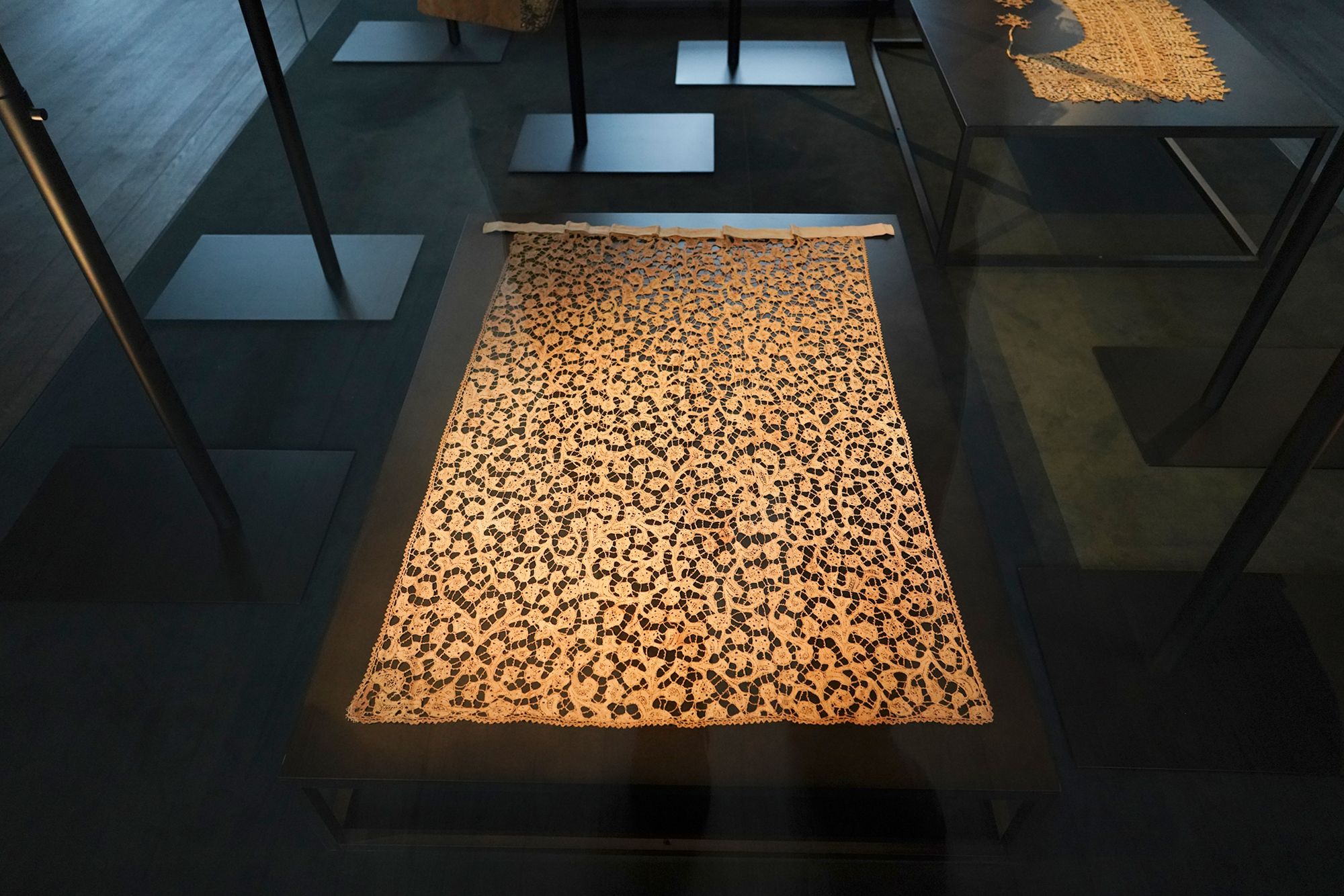
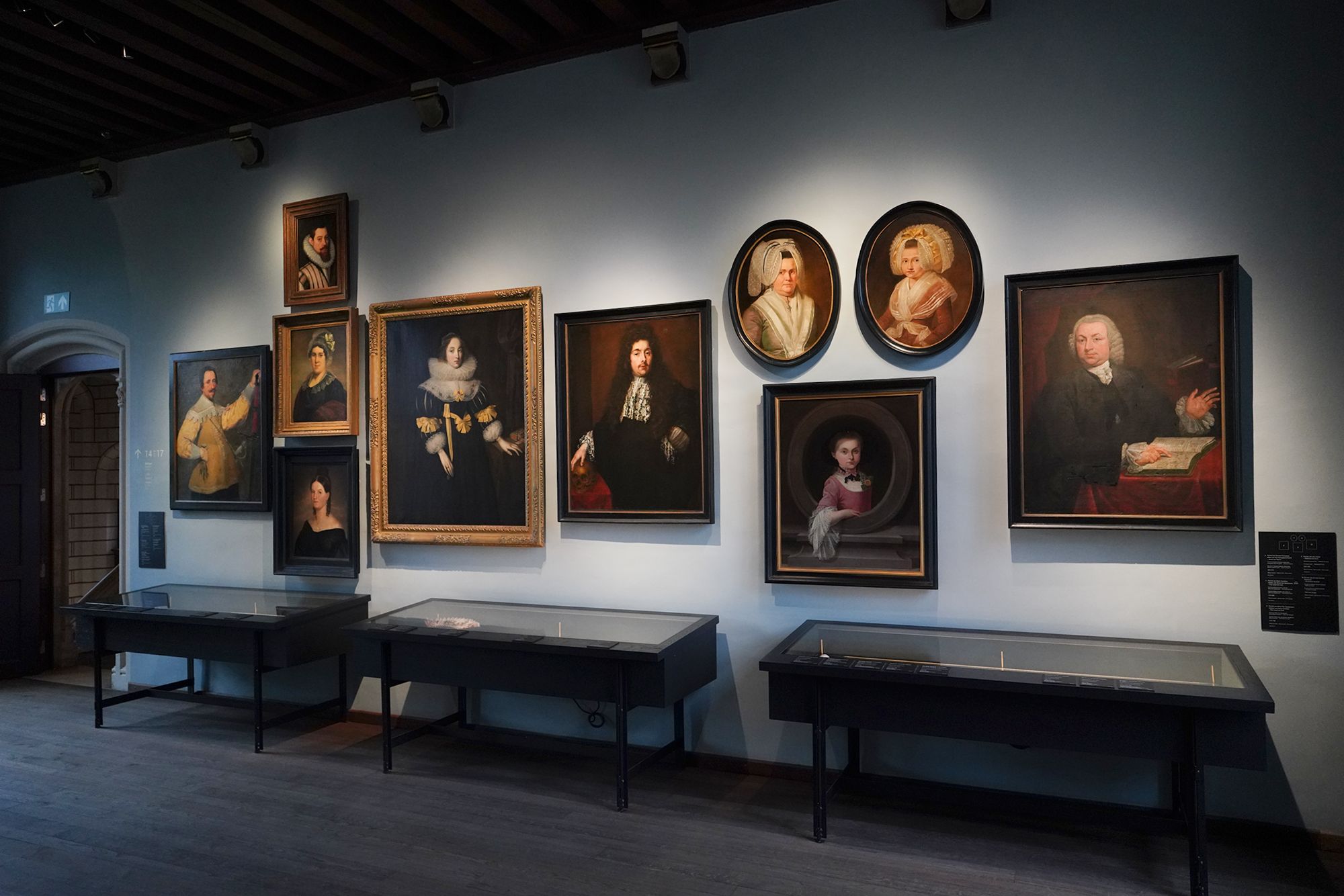
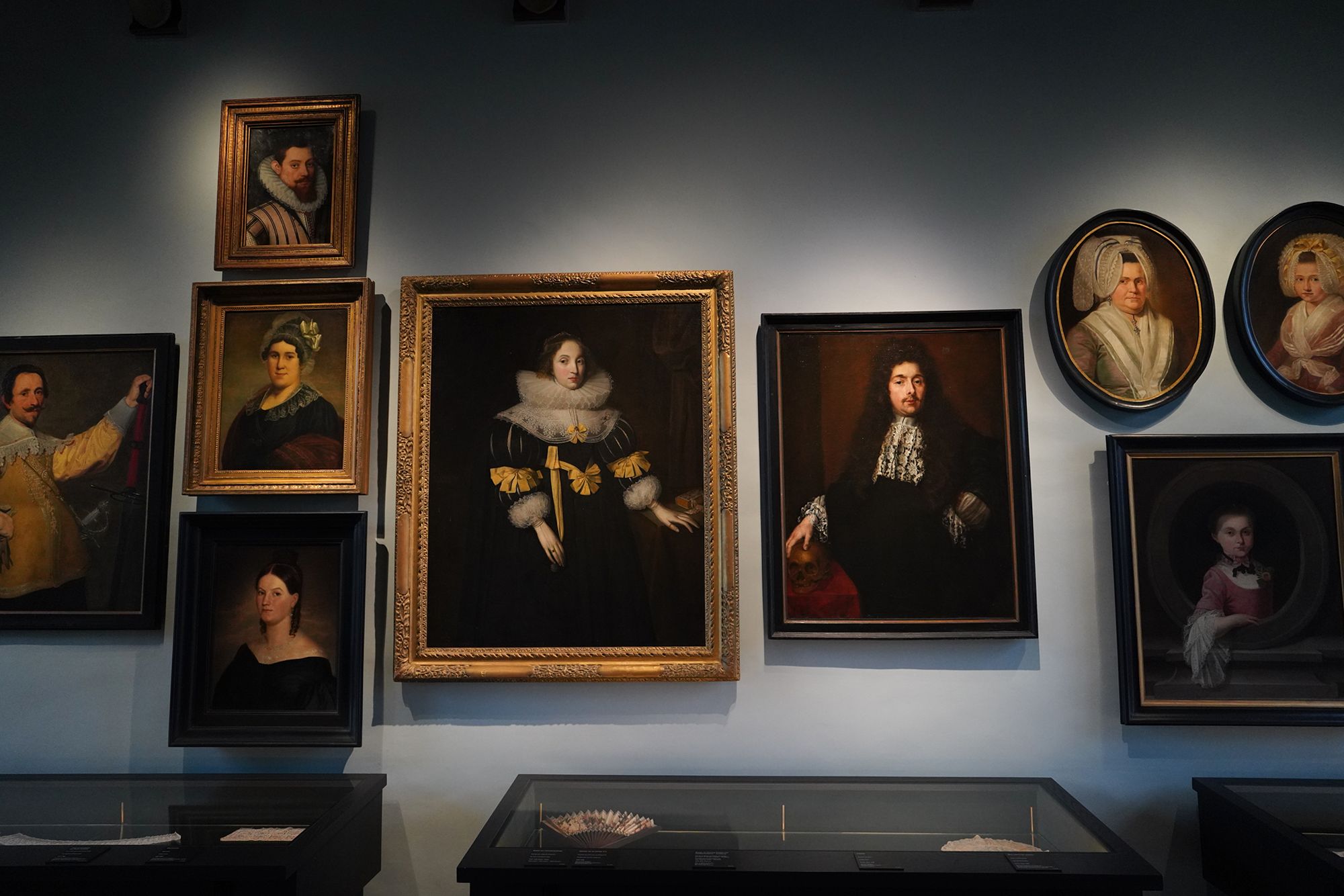
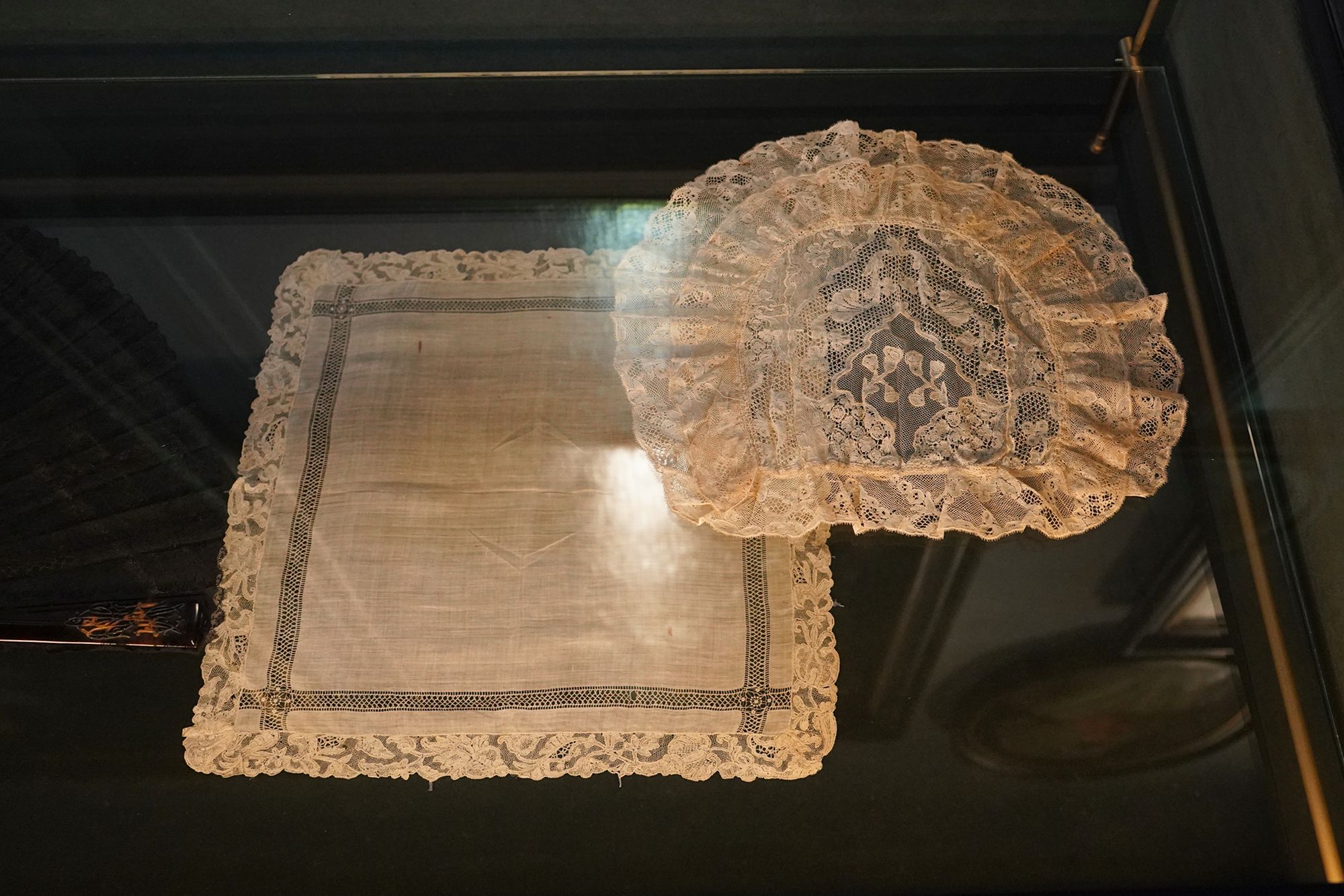
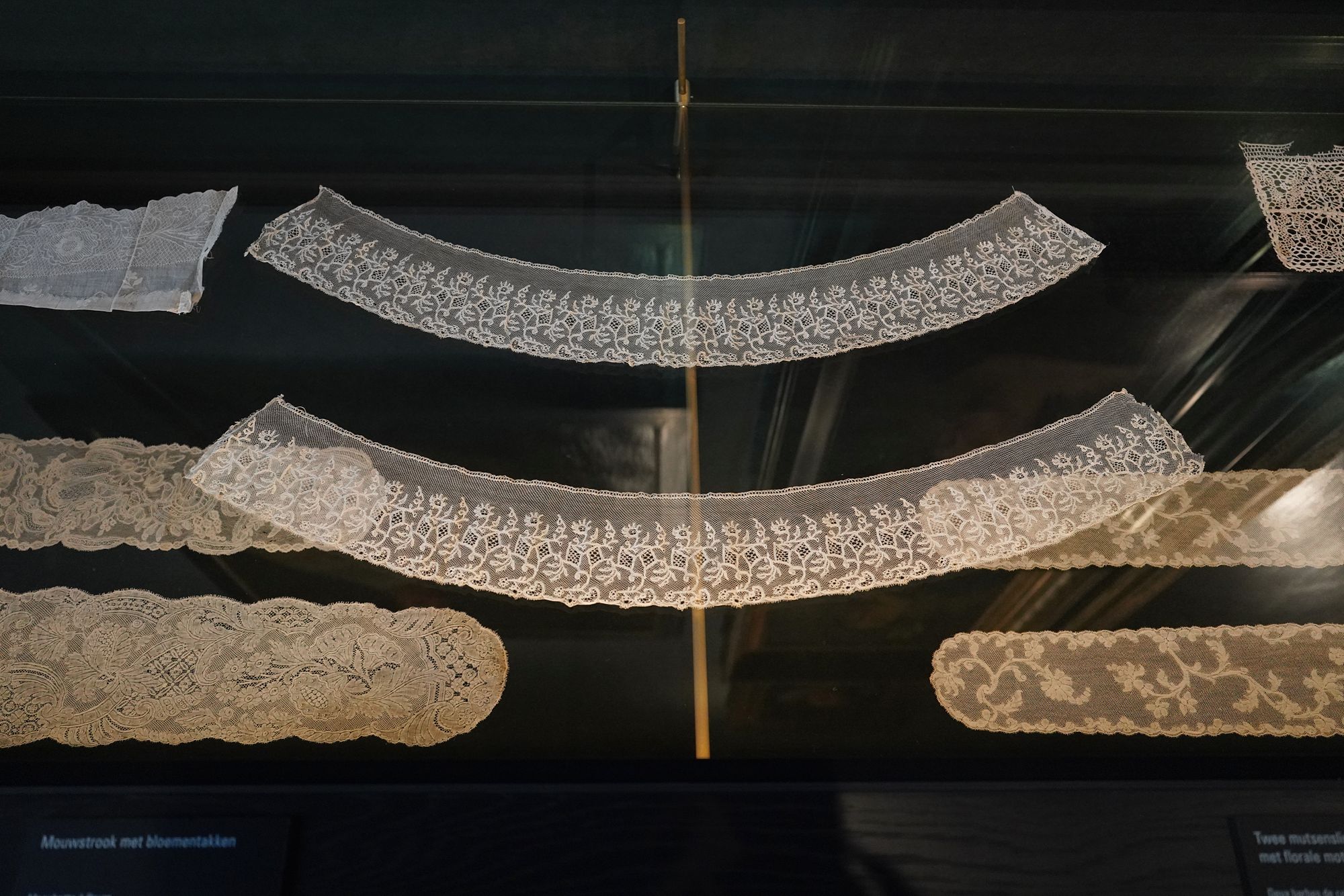
In the 17th and 18th centuries, fine lace became an important symbol of elegance and wealth. Its intricate handmade patterns required enormous skill and time, making lace so valuable that pieces were often removed from old clothing and reused on new garments.
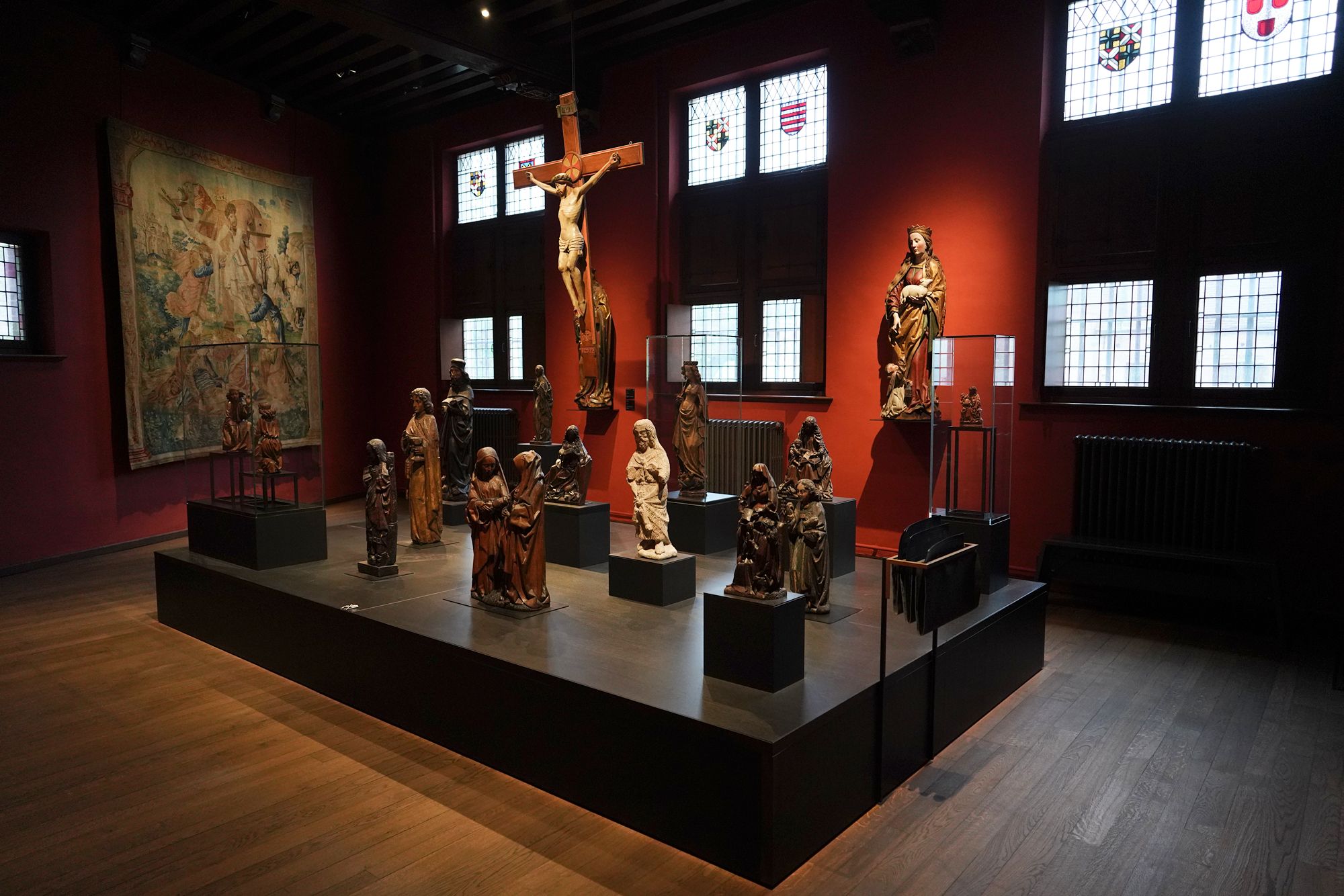
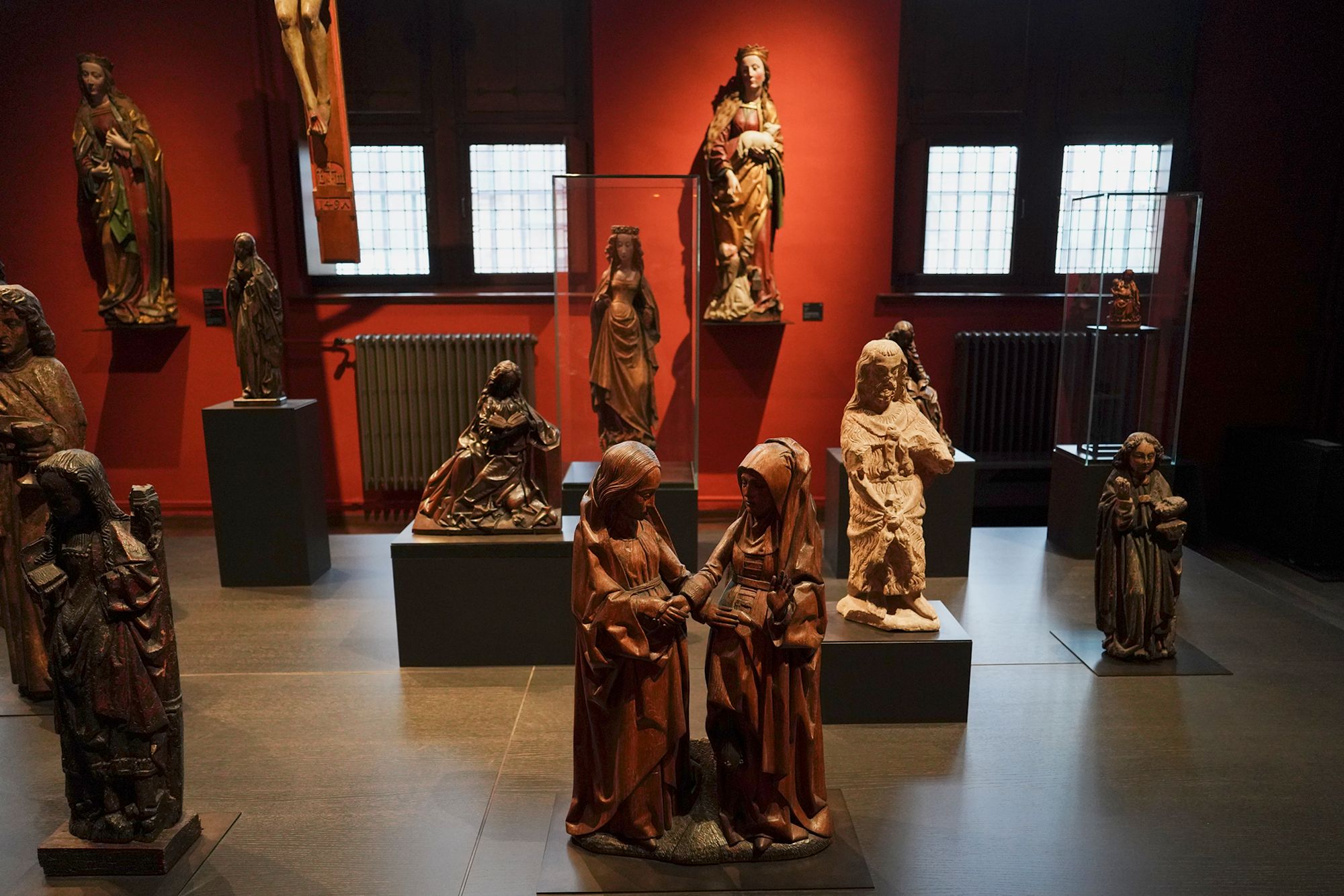
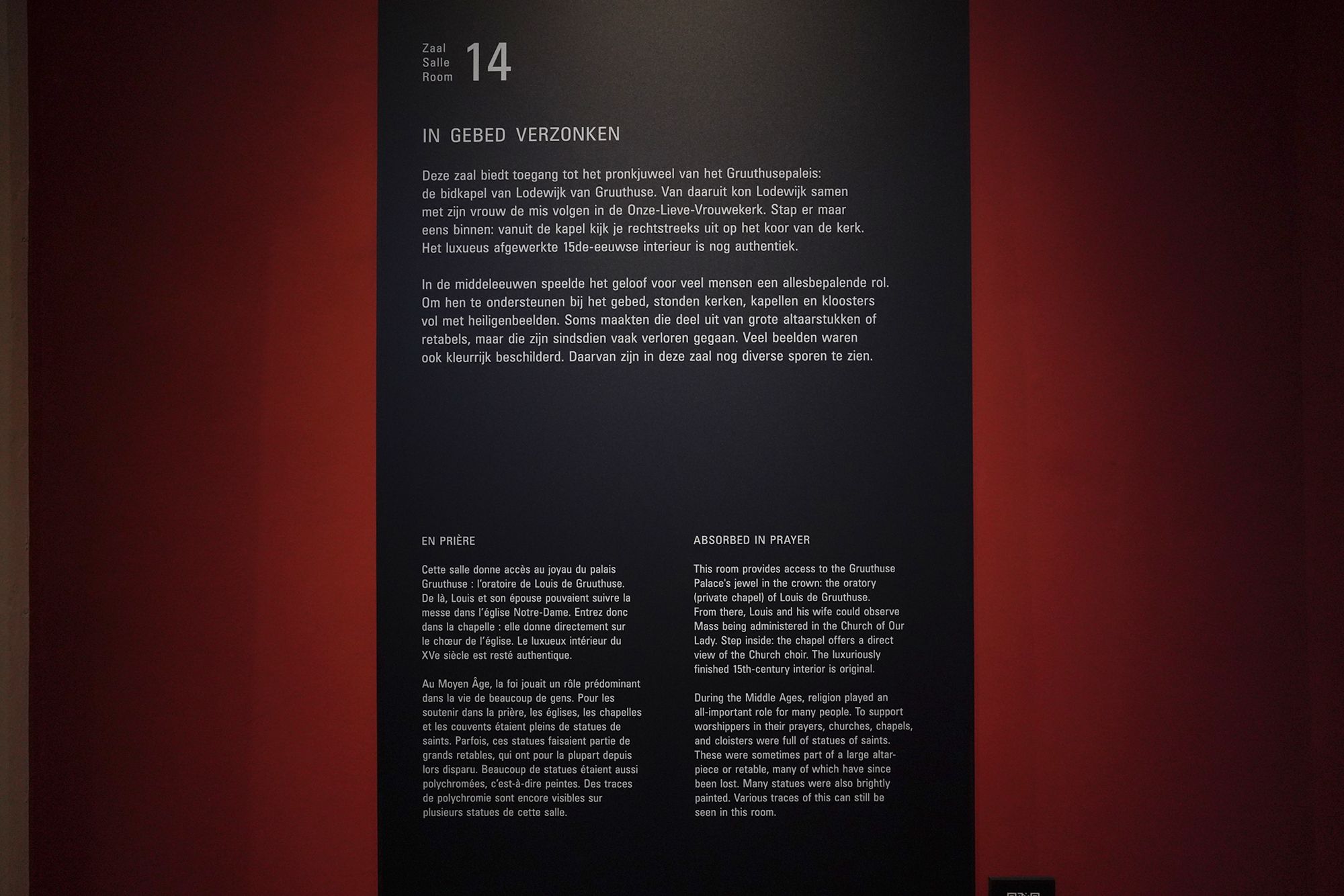
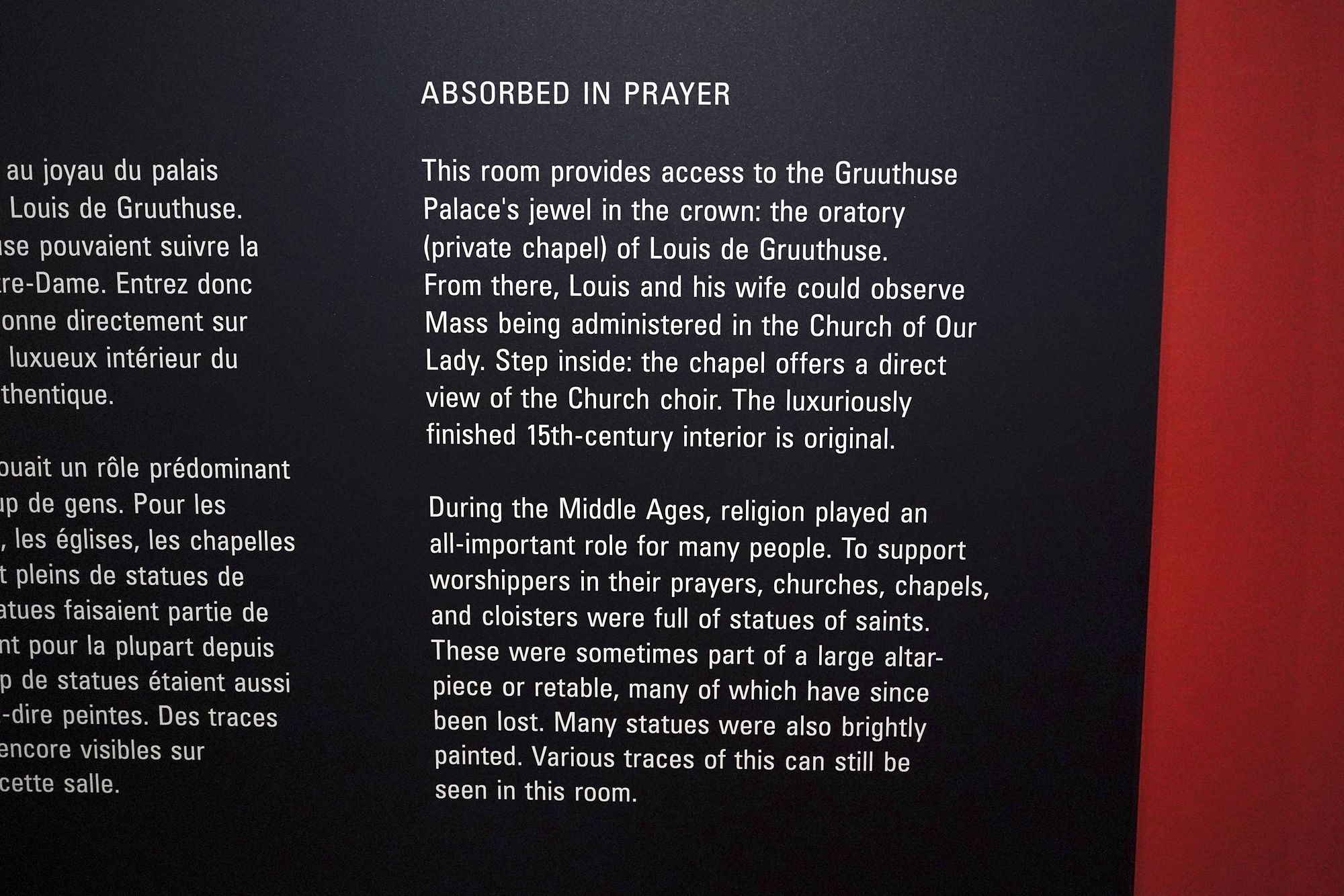
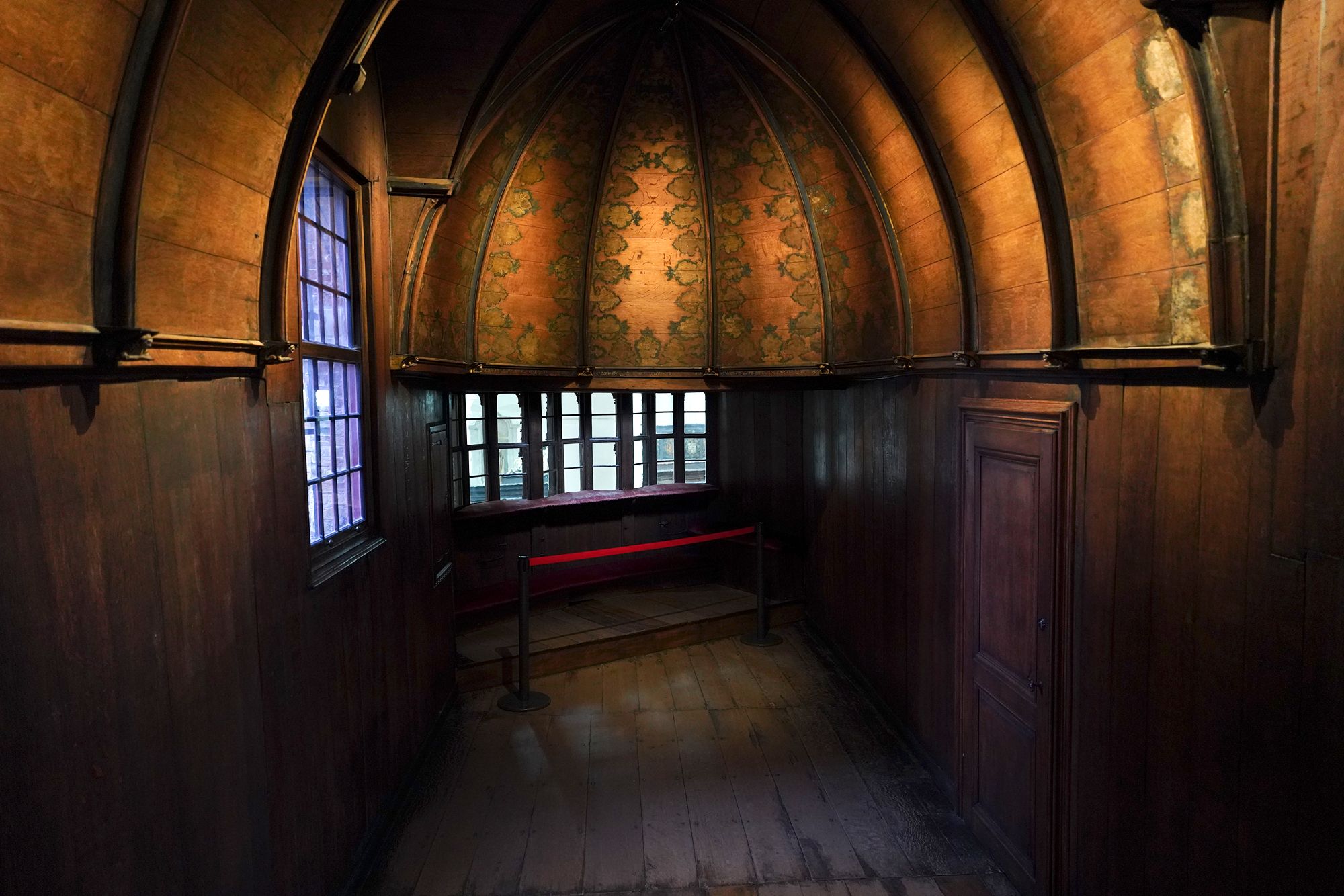
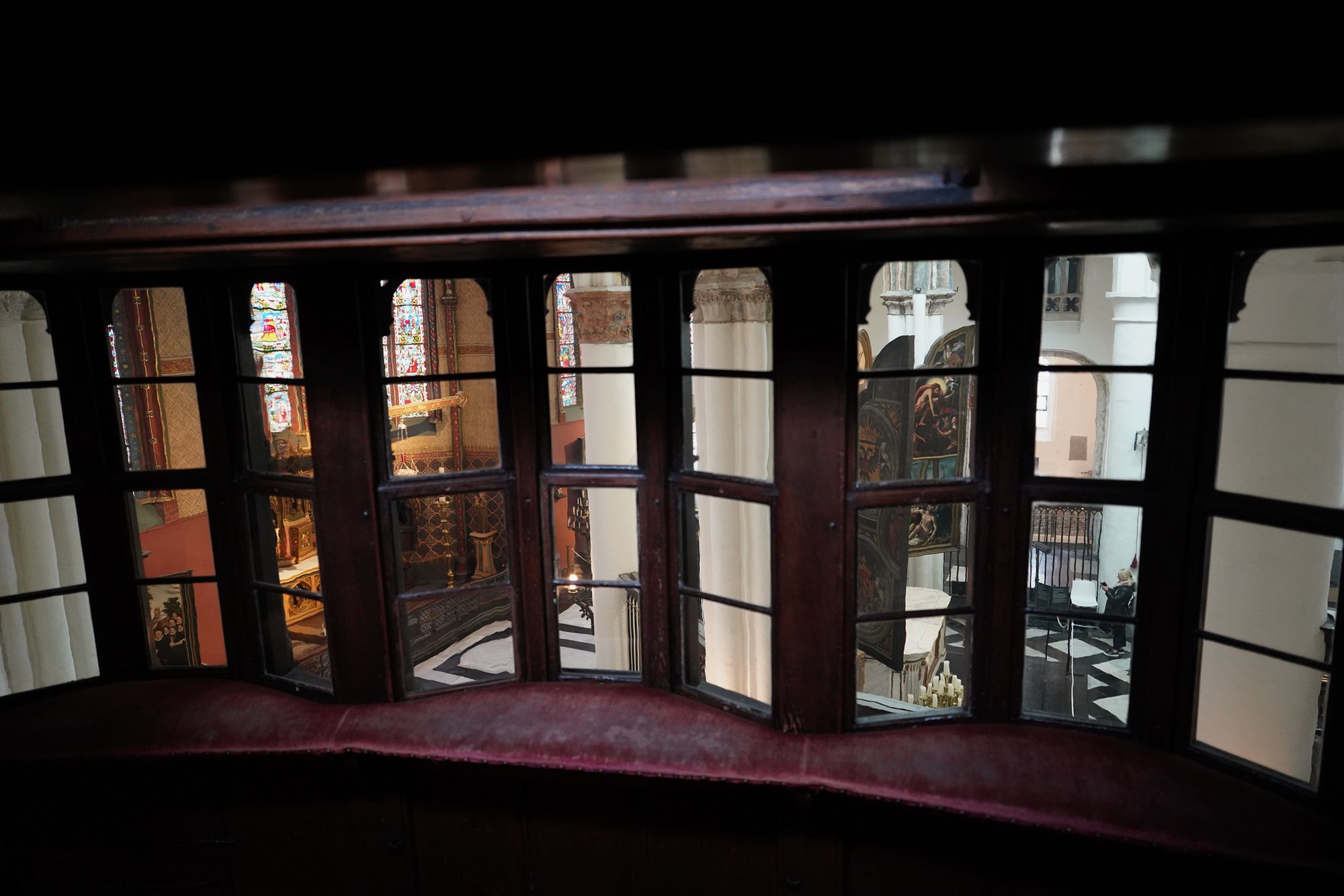
One of the palace’s most remarkable features is the private chapel of Louis de Gruuthuse, directly connected to the neighboring Church of Our Lady. From here, Louis and his wife could watch Mass in the church while remaining inside their own palace—a striking example of both their wealth and privileged position.
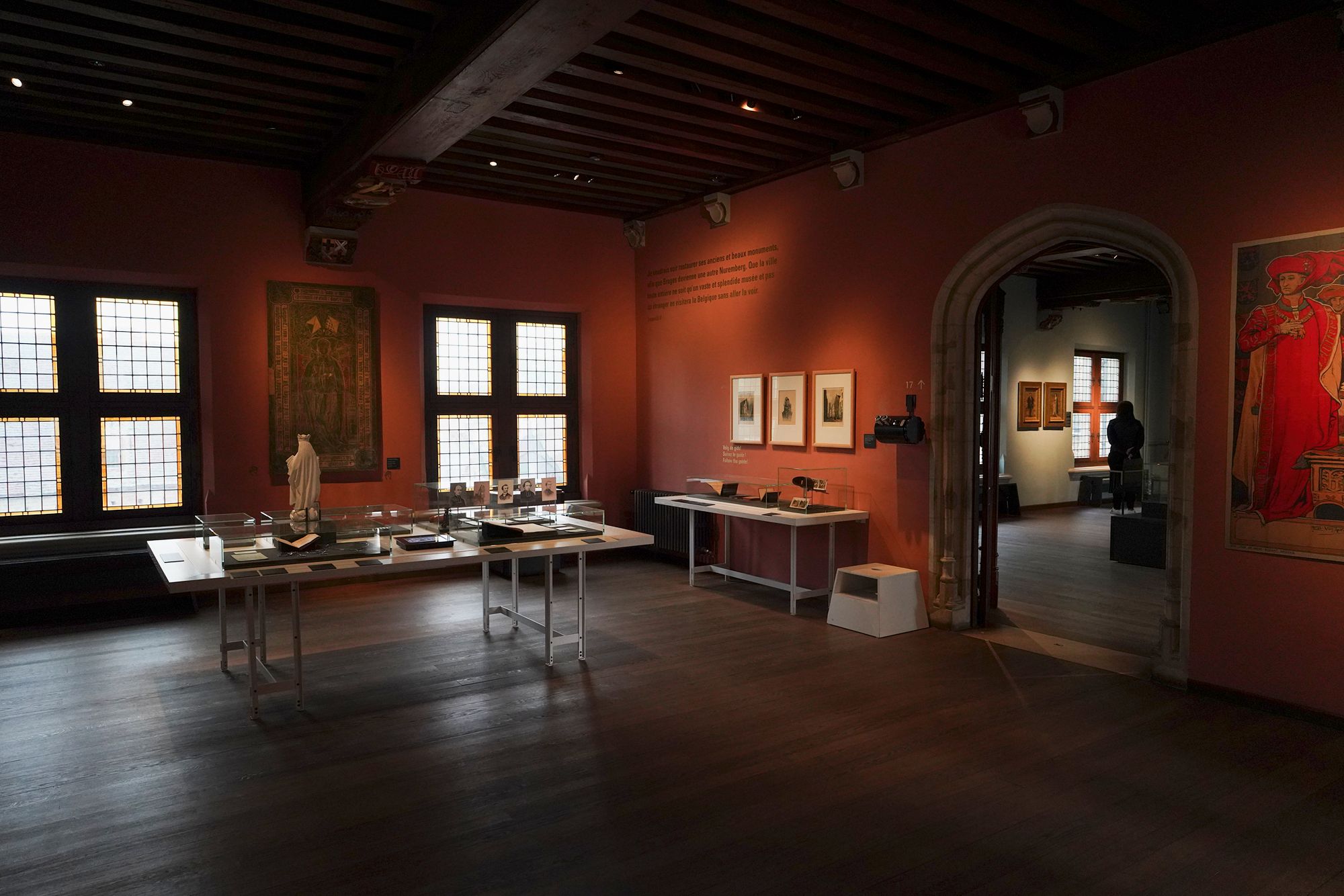
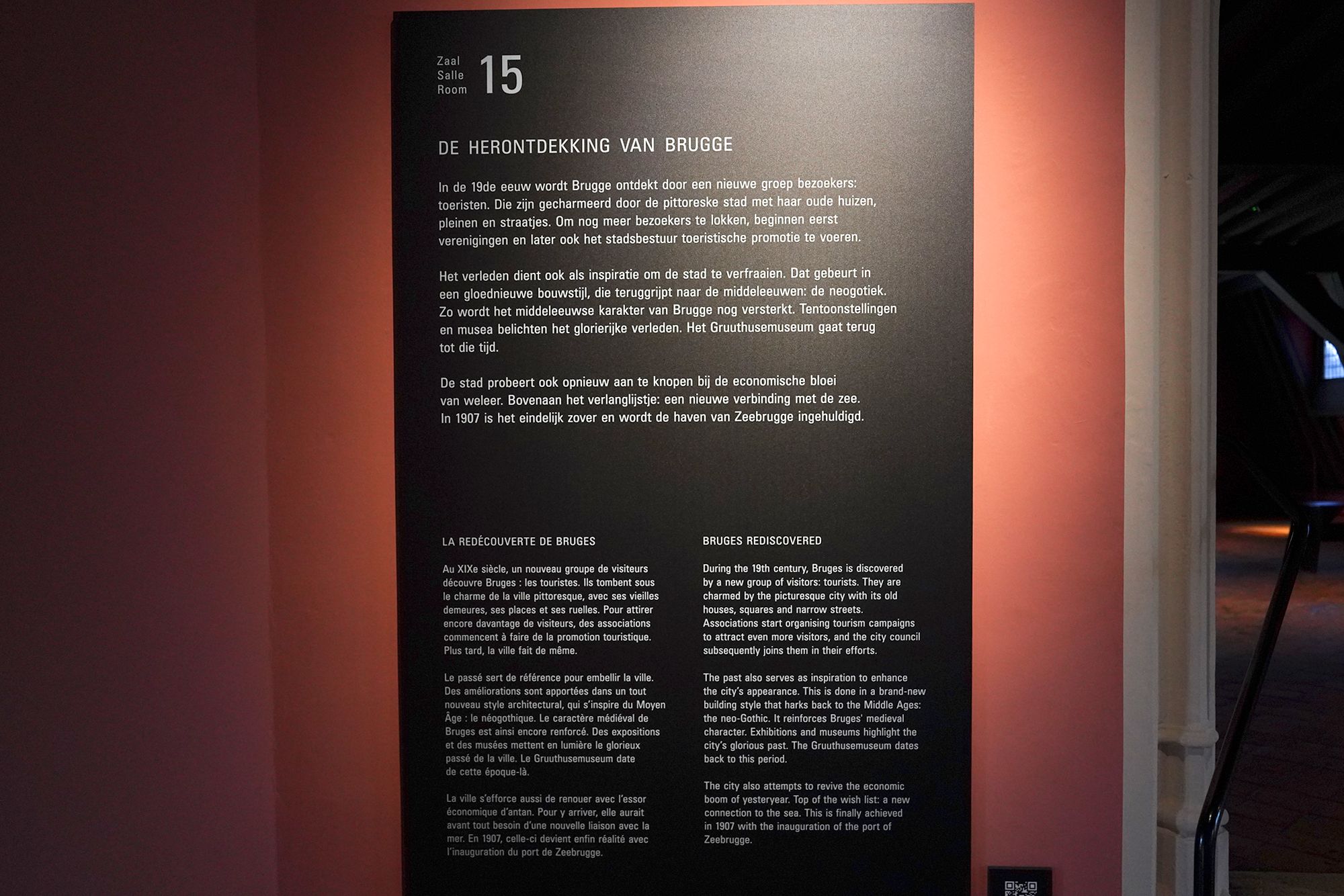
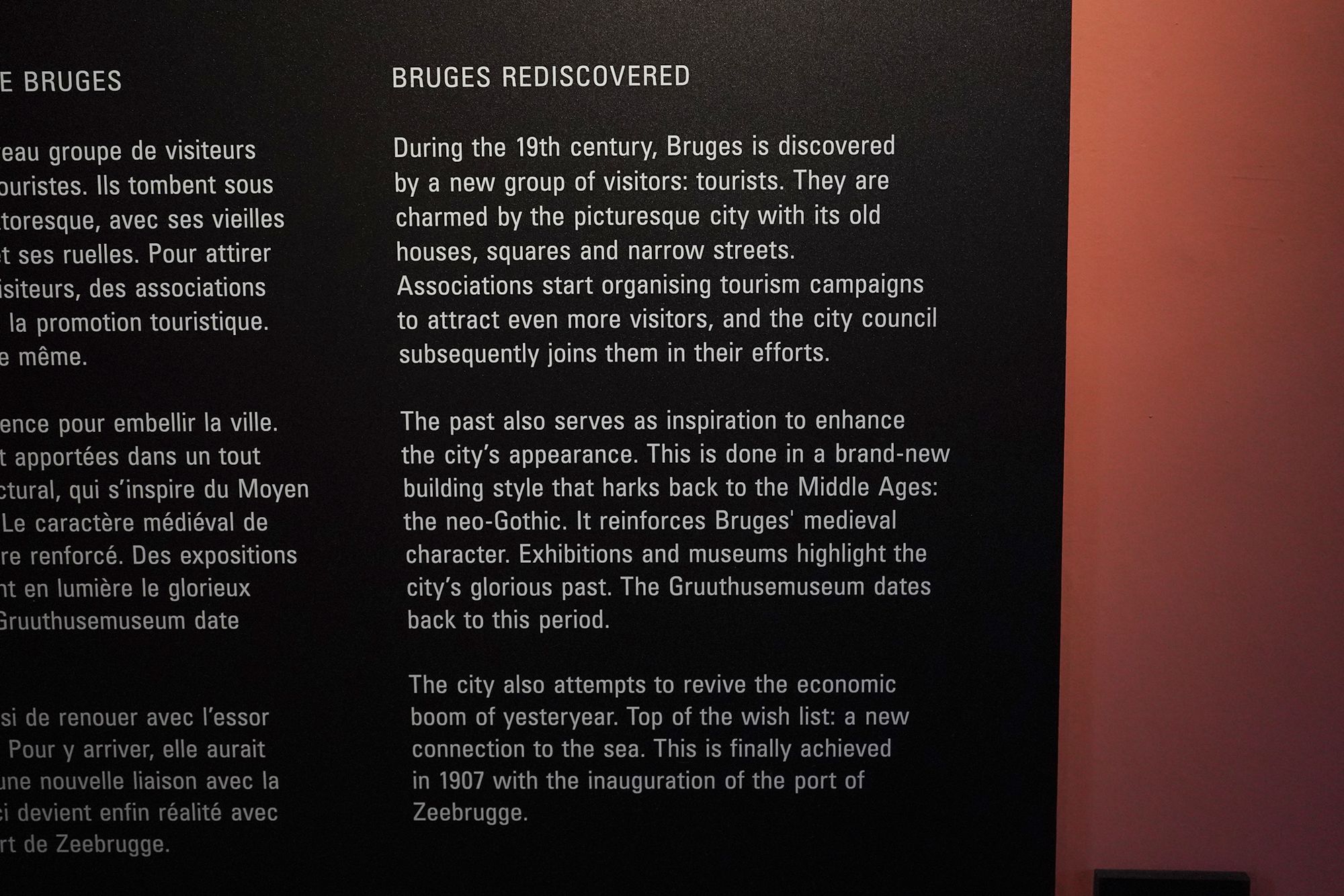
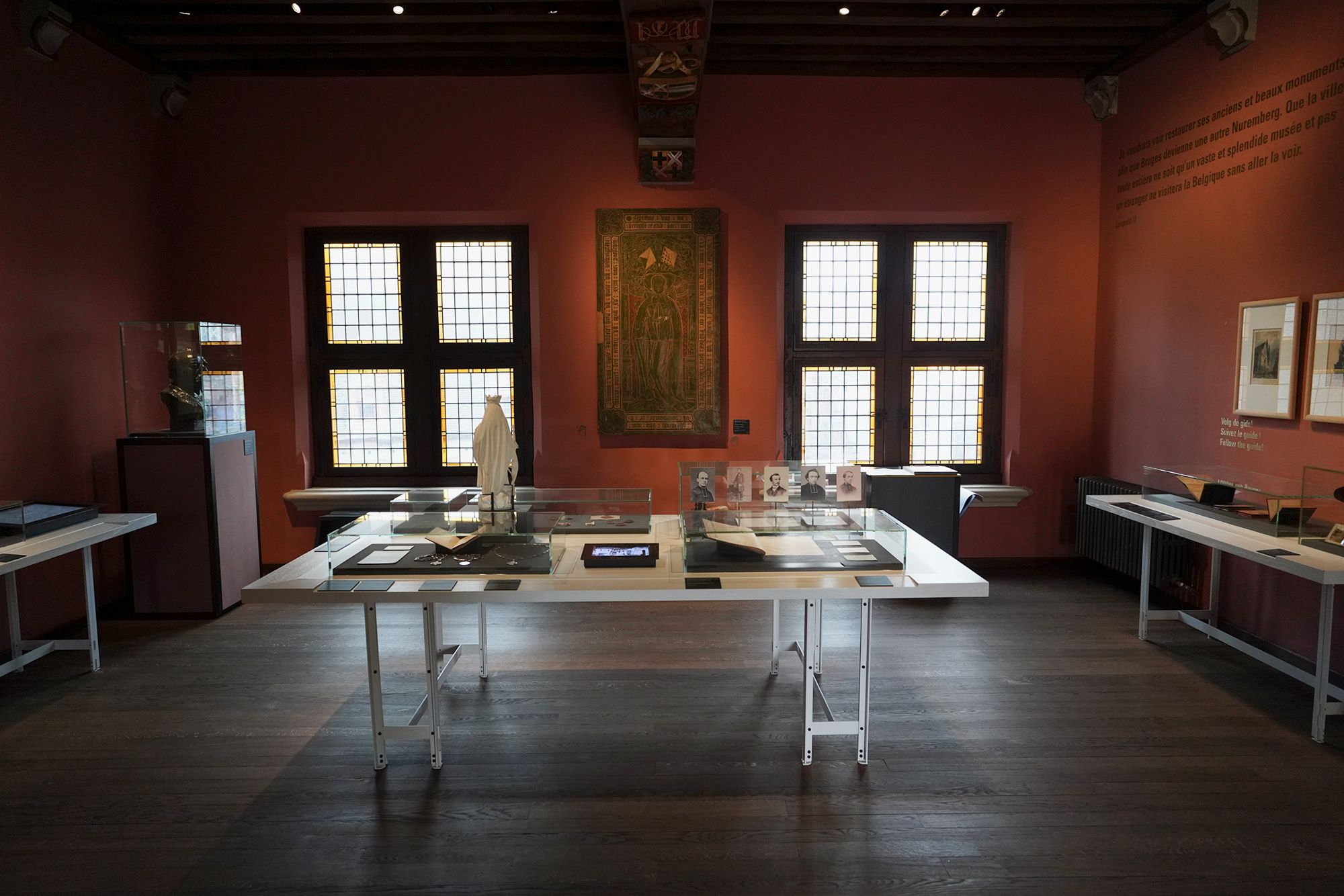
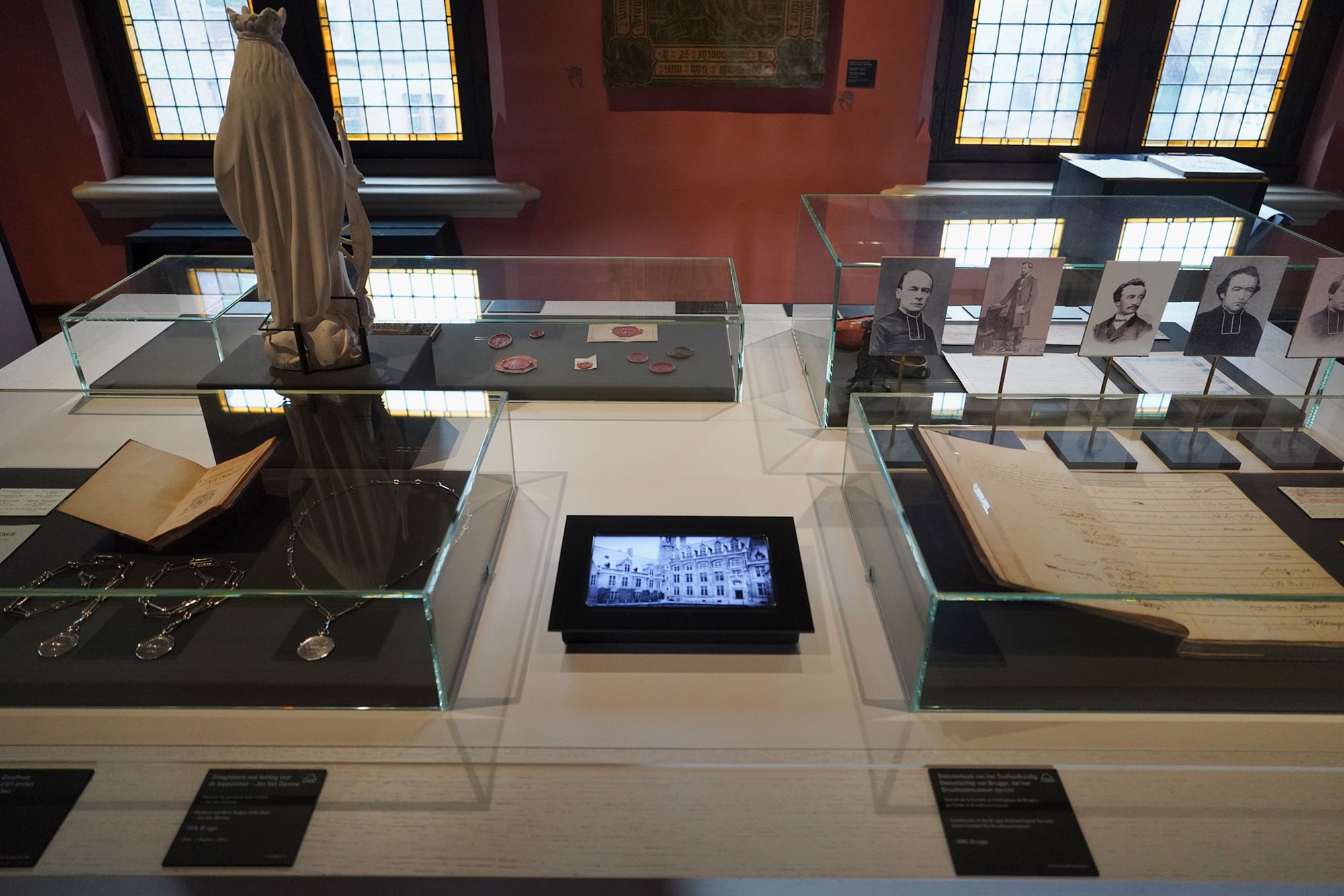
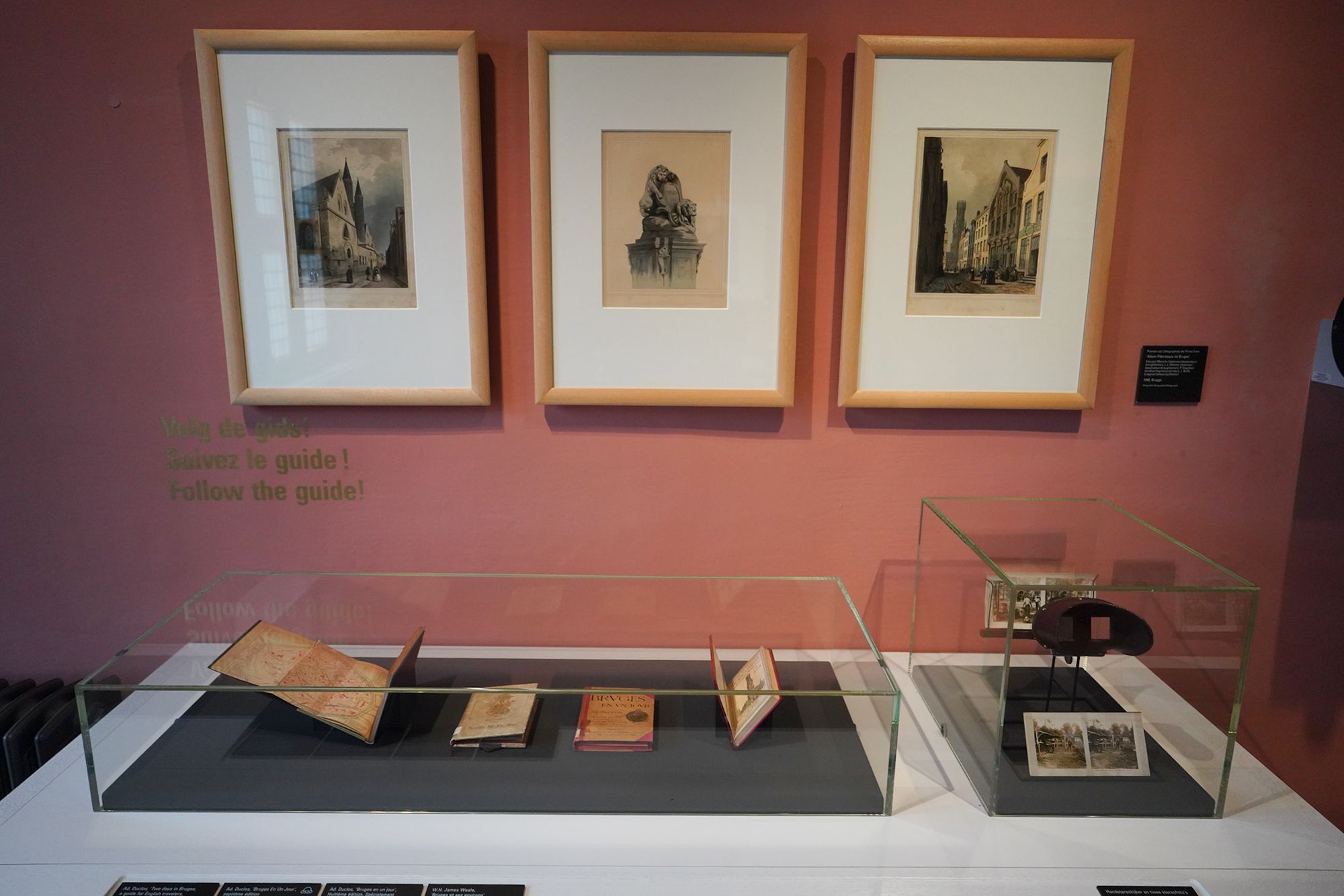
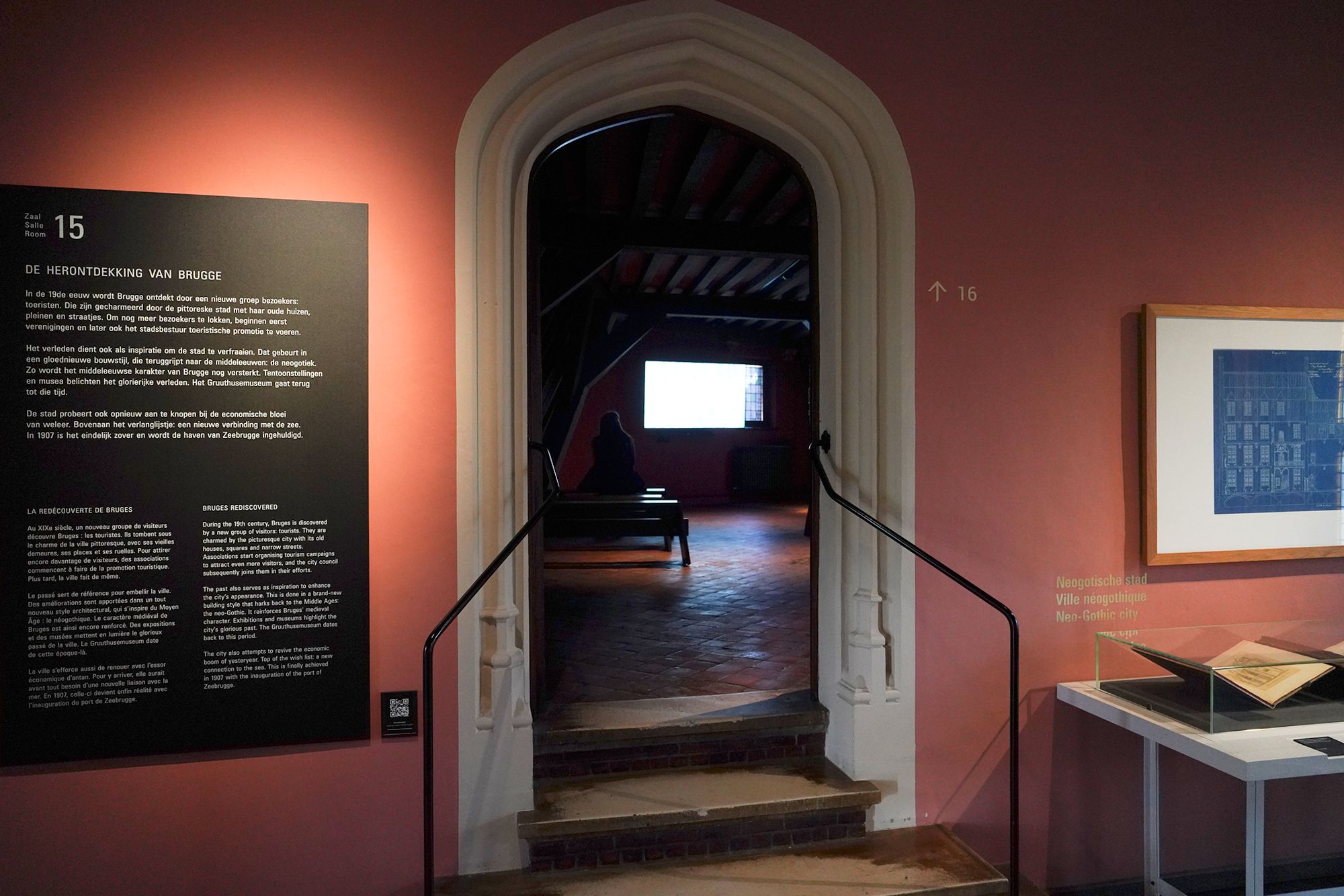
During the 19th century, Bruges was rediscovered by tourists, who were drawn to its picturesque medieval streets and historic buildings. The city embraced its past through Neo-Gothic restoration and new museums, helping create much of the historic character that visitors experience in Bruges today.
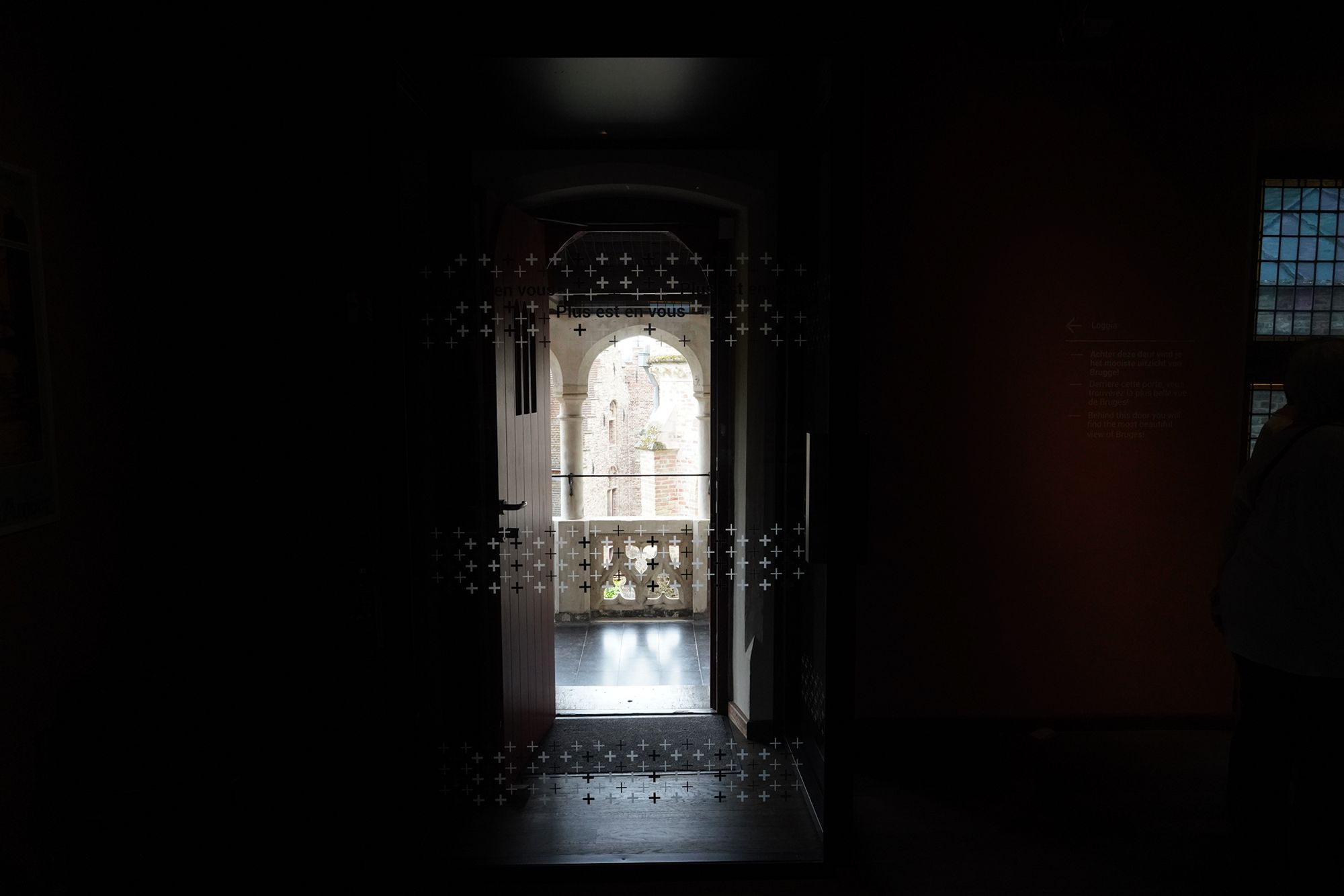
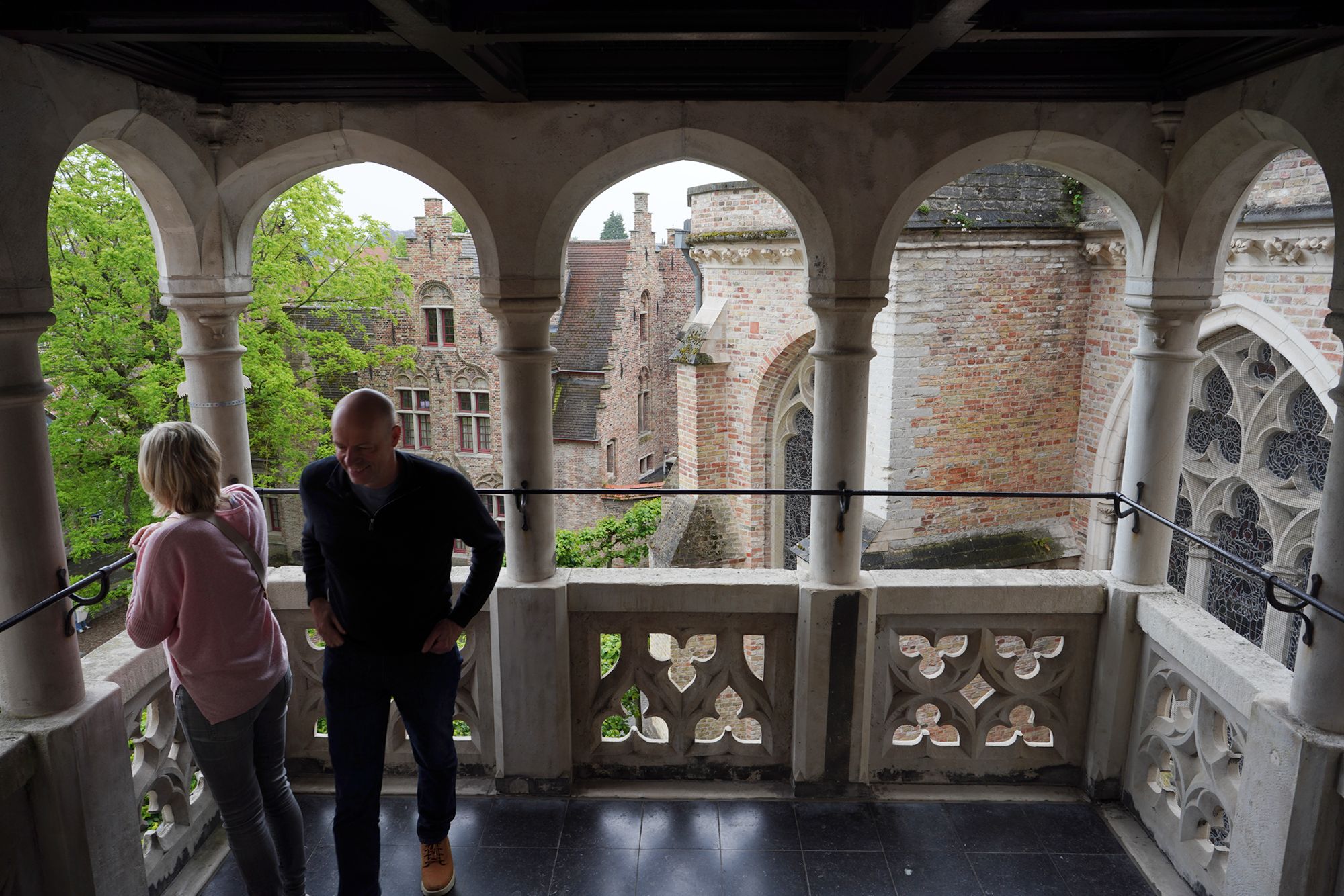
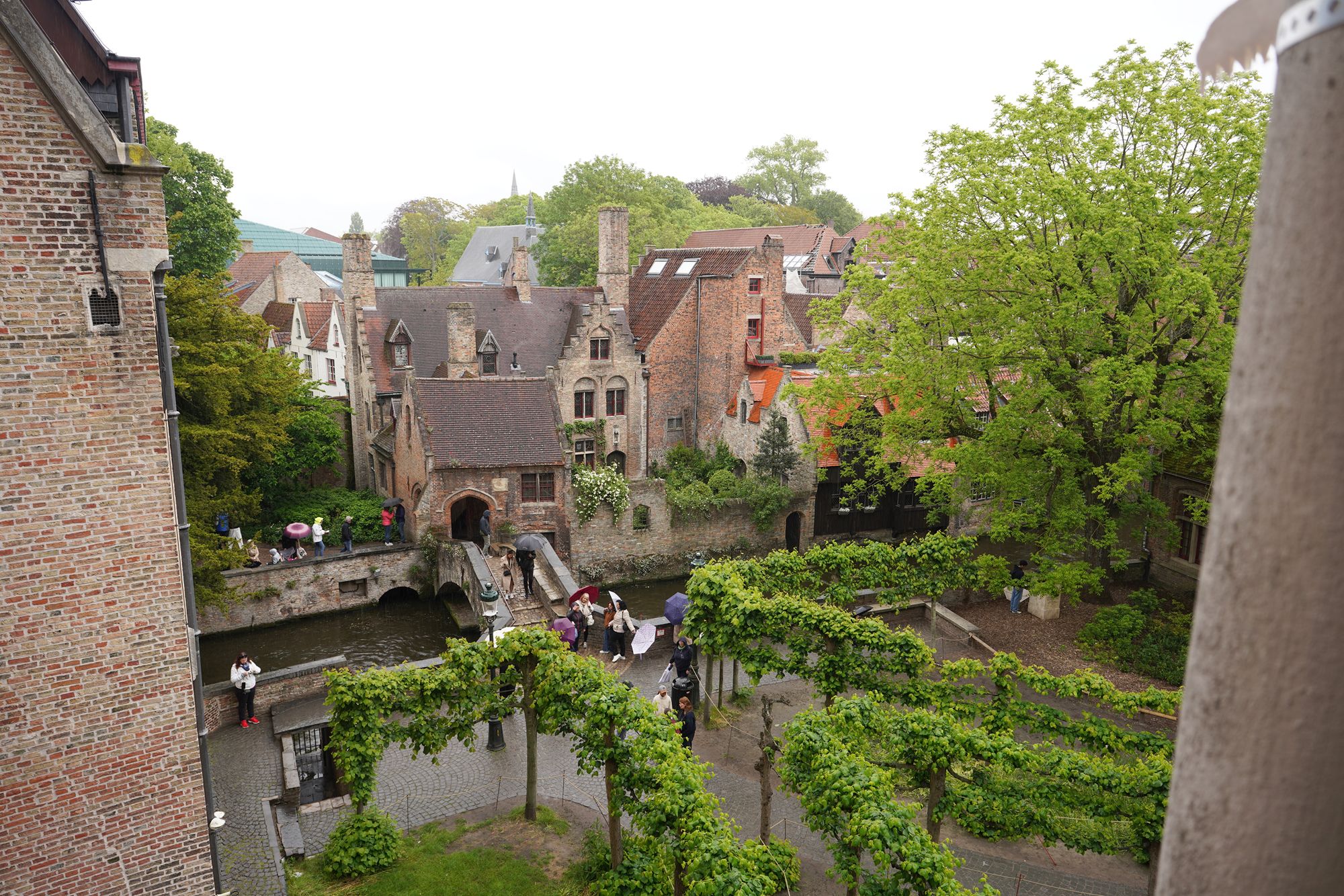
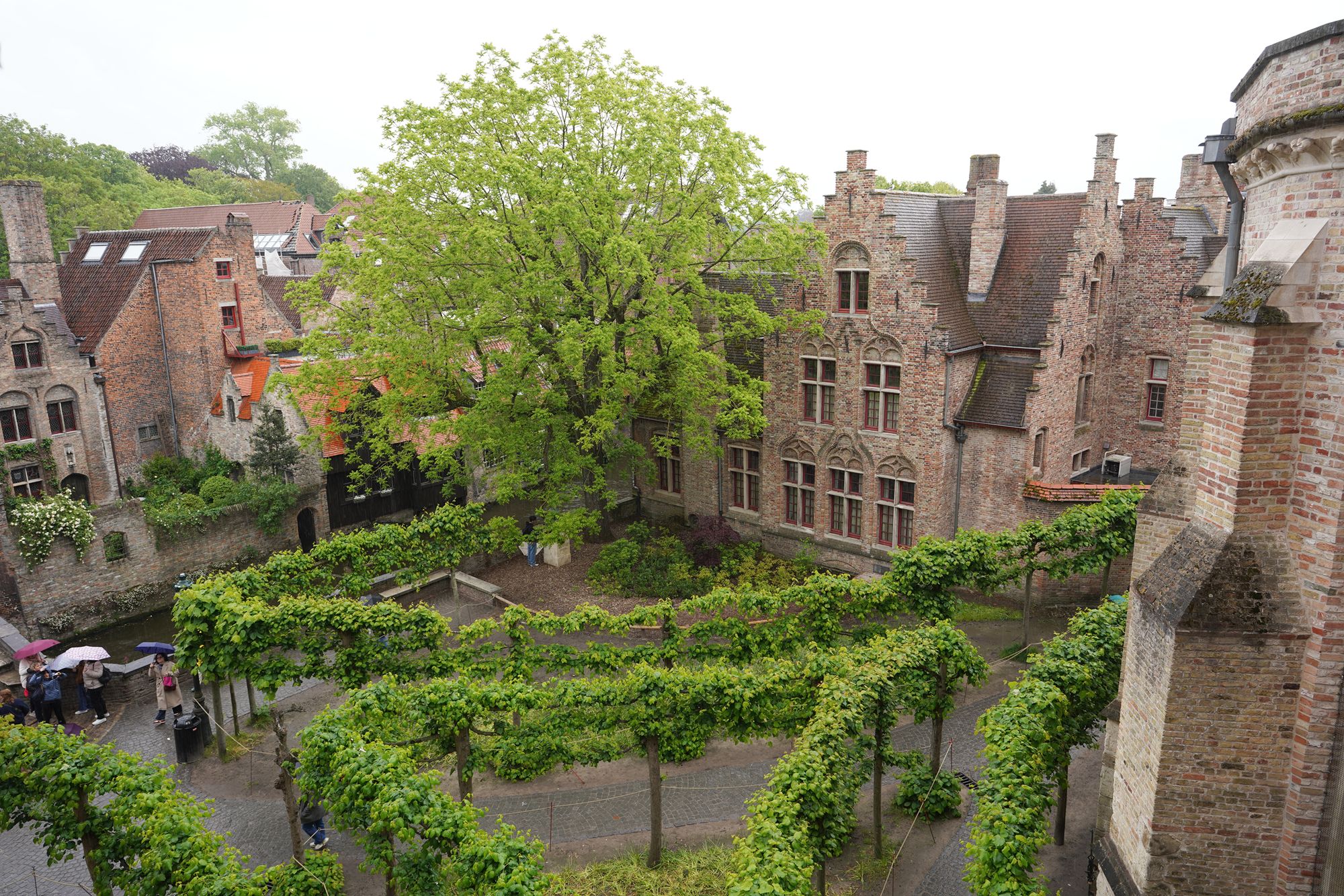
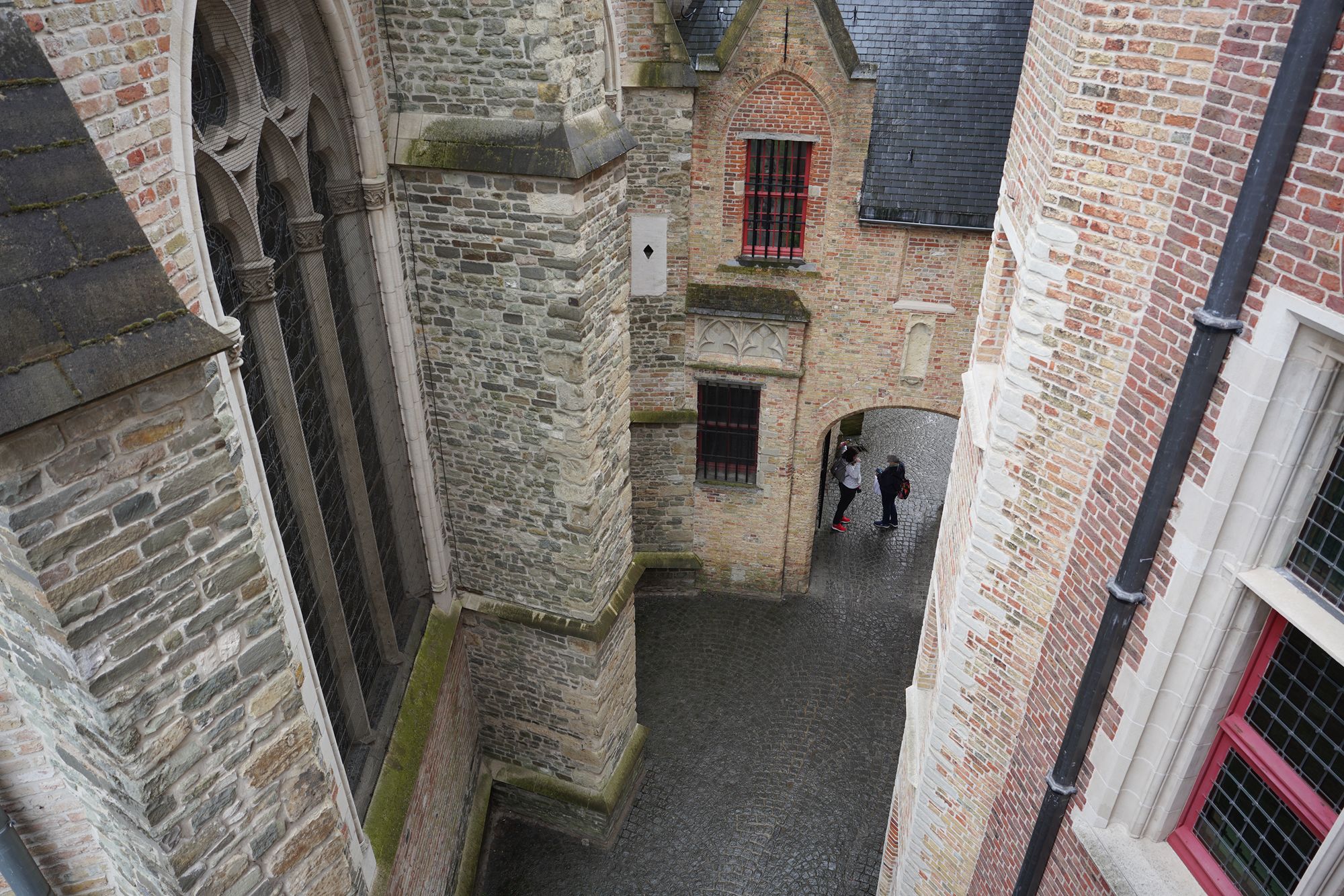
From a small open corridor in the palace, I could look outside and enjoy a beautiful view of the historic buildings surrounding the Gruuthusemuseum.
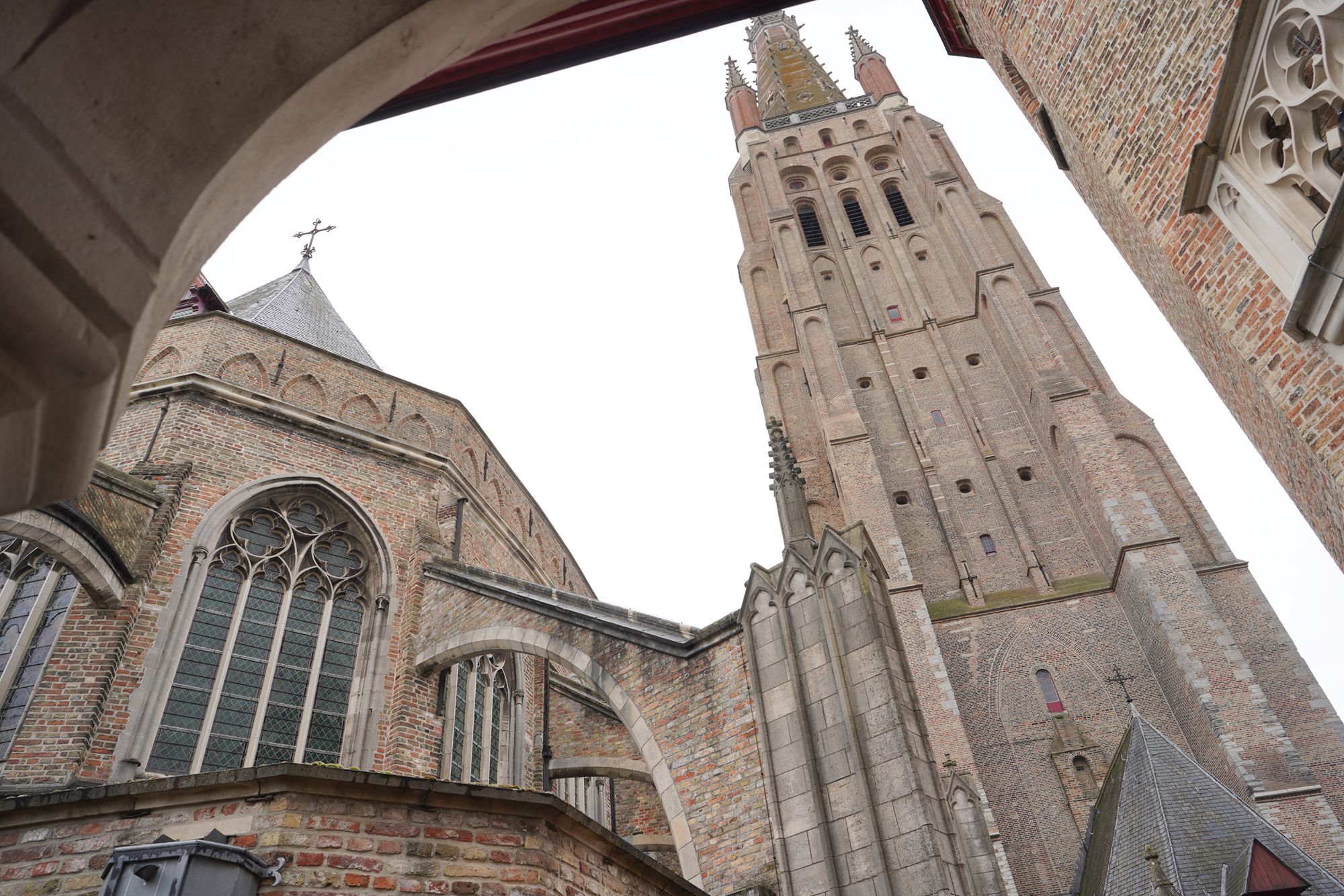
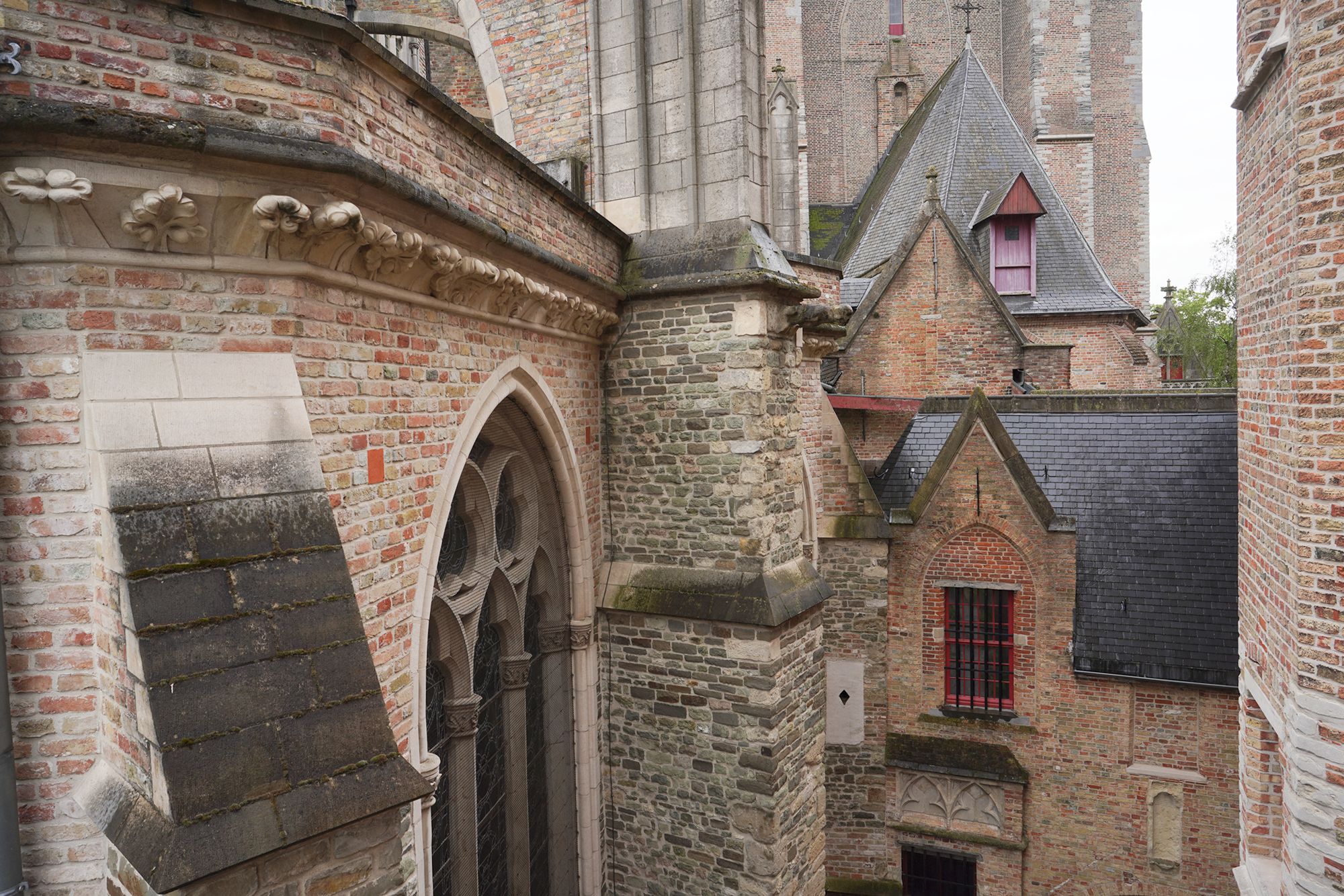
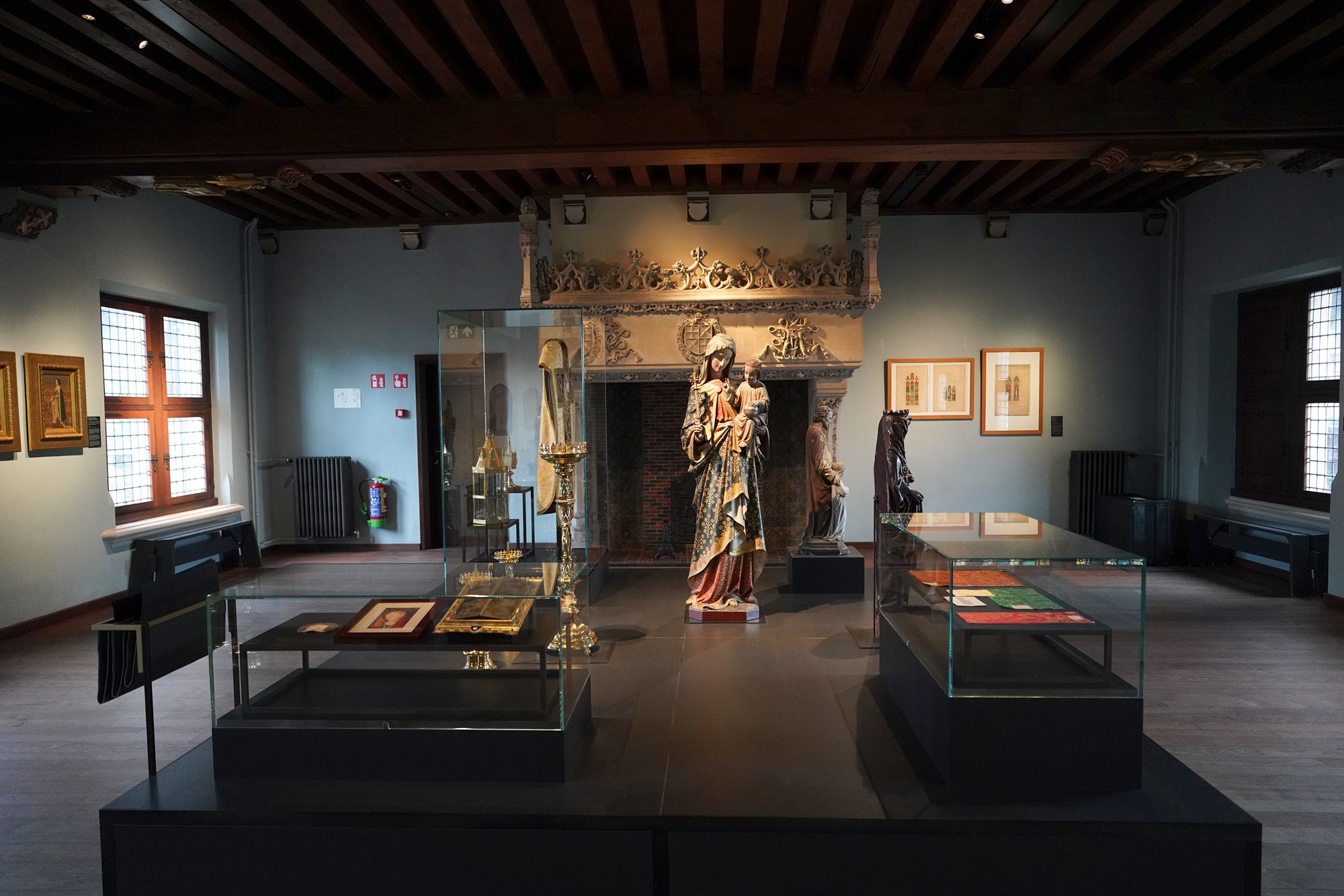
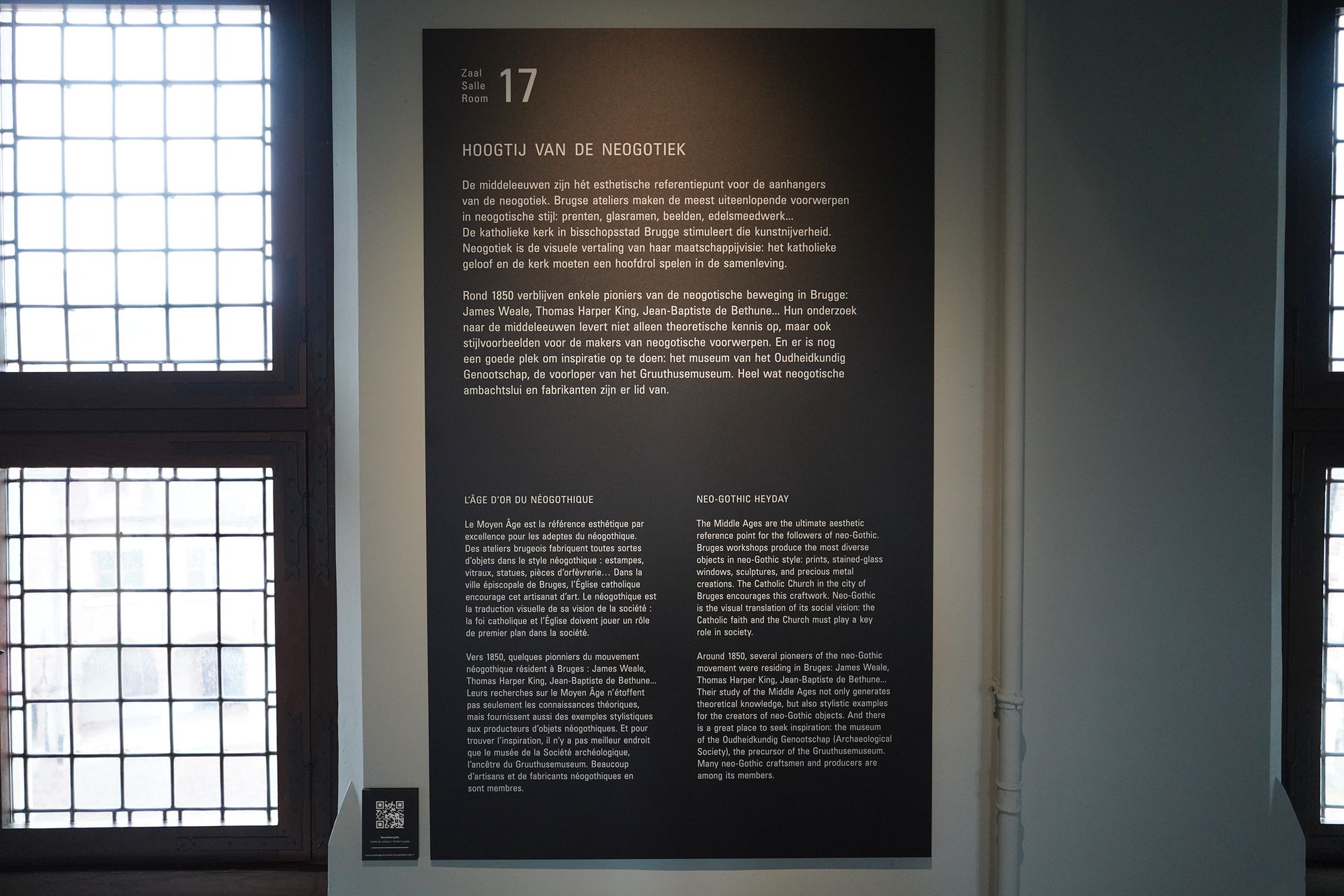
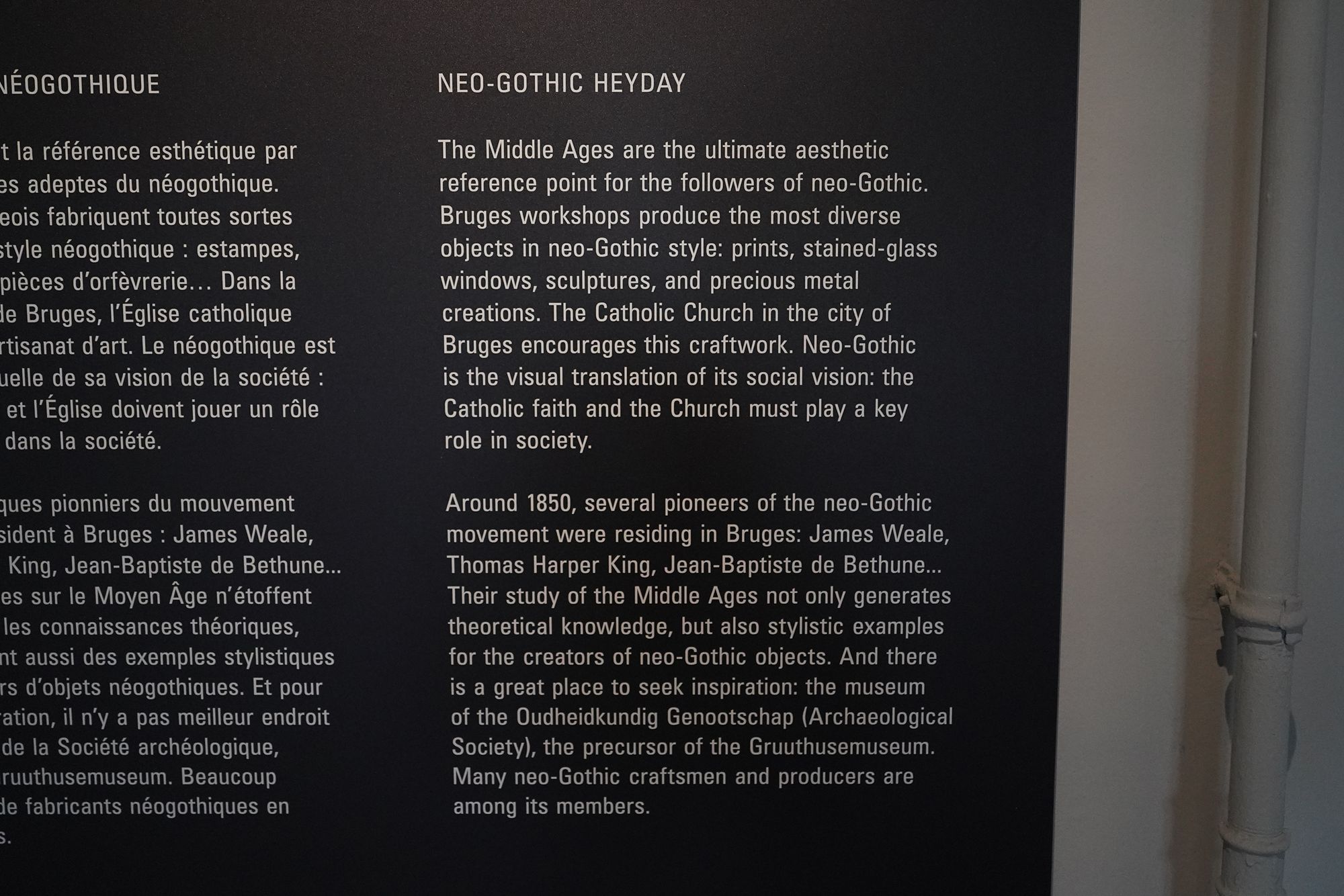
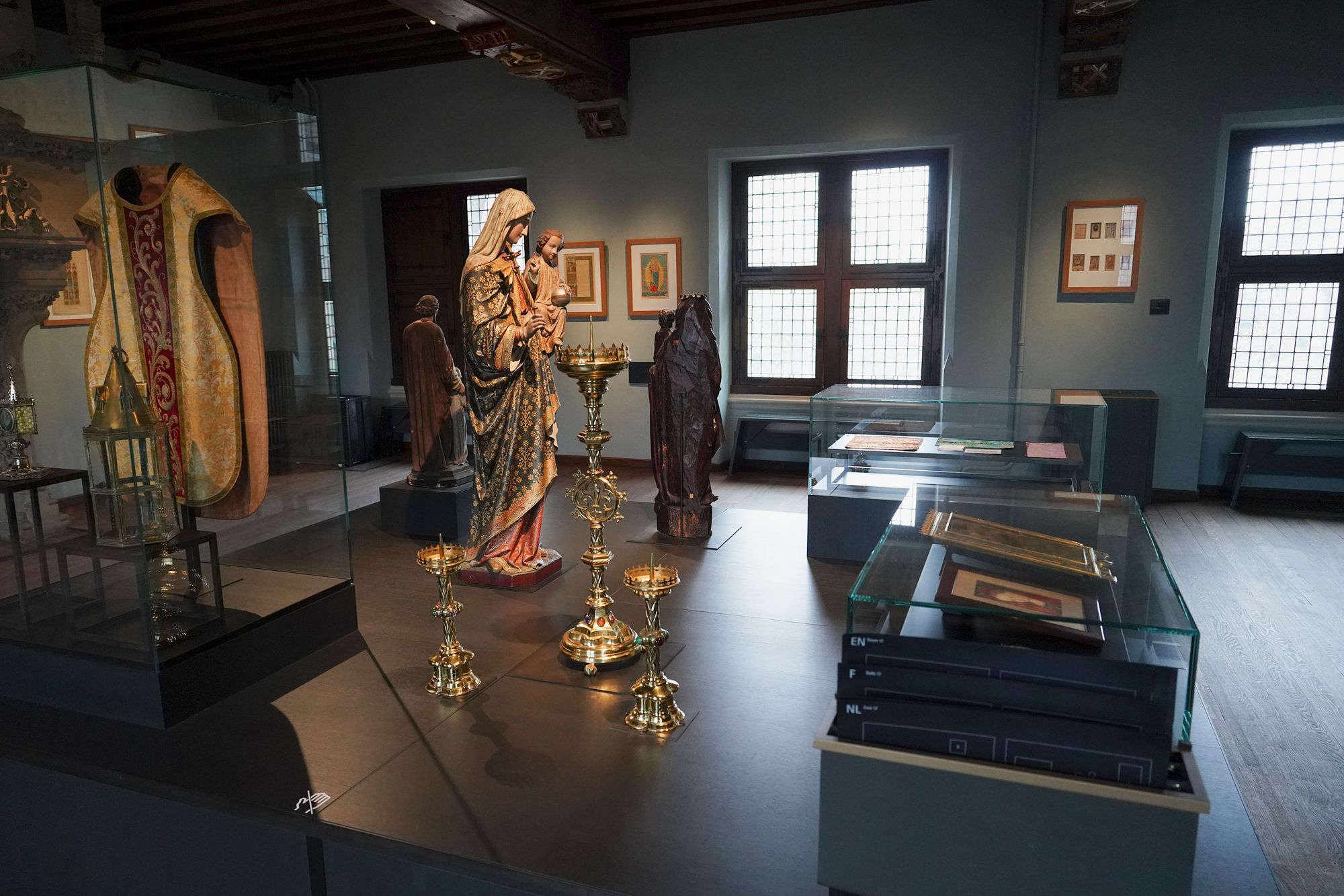
During the 19th-century Neo-Gothic revival, Bruges deliberately looked back to its medieval past for inspiration. Artists and craftsmen studied historic architecture and objects, creating new stained glass, sculpture, metalwork, and decorative arts in medieval styles—helping reinforce the historic character that still defines Bruges today.