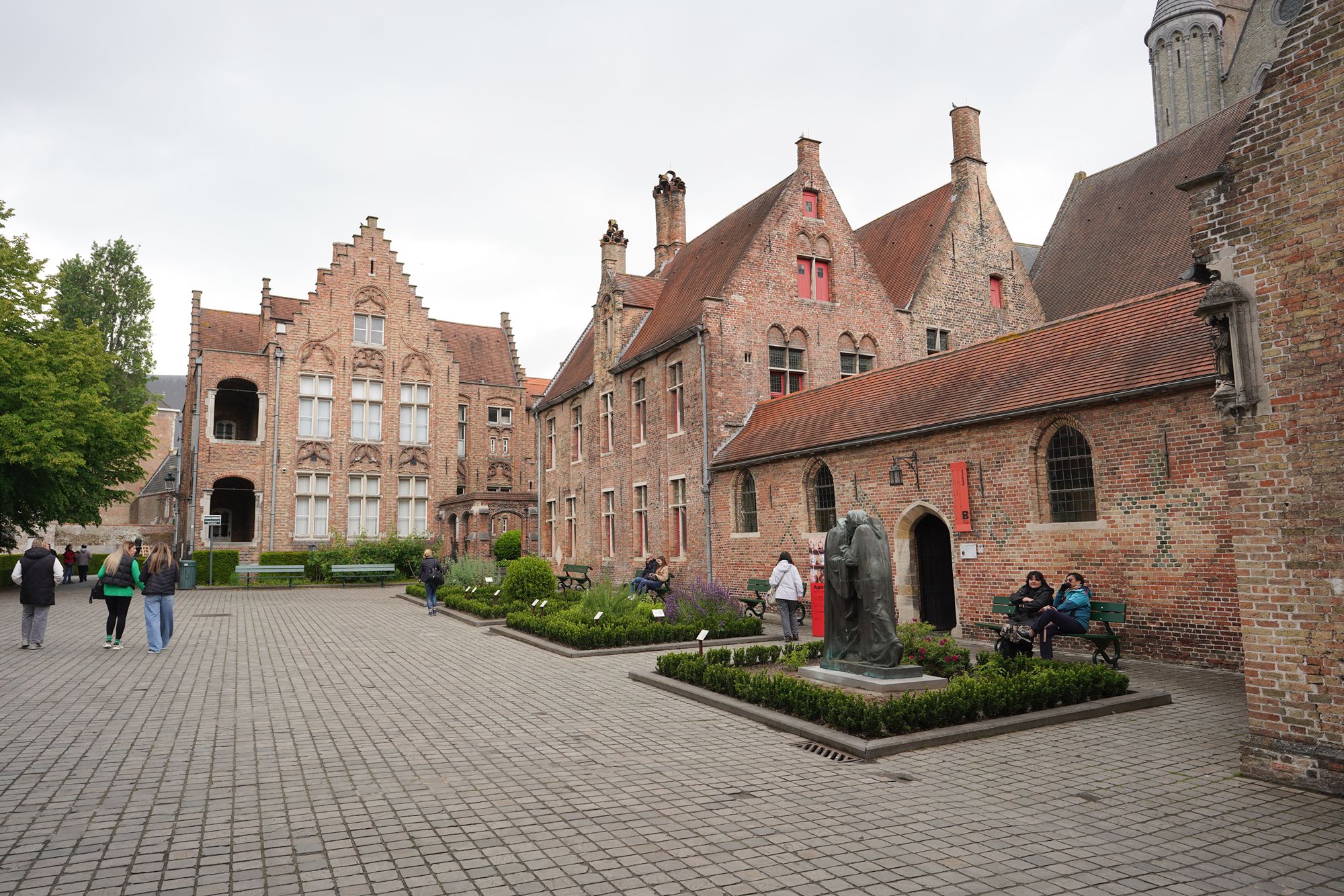
Saint John’s Hospital, Bruges, Netherland
Saint John’s Hospital in Bruges, founded in the 12th century, is a remarkably preserved medieval hospital, now housing art and history. 1313
Saint John's Hospital: Mariastraat 38, 8000 Brugge, Belgium
Date Picture Taken: May, 2026
Saint John’s Hospital (Sint-Janshospitaal) in Bruges is one of Europe’s oldest surviving hospital complexes. Founded in the 12th century, it cared for the sick, poor, pilgrims, and travelers for centuries. Its beautifully preserved medieval buildings now form a museum, best known for its collection of works by the Flemish master Hans Memling.
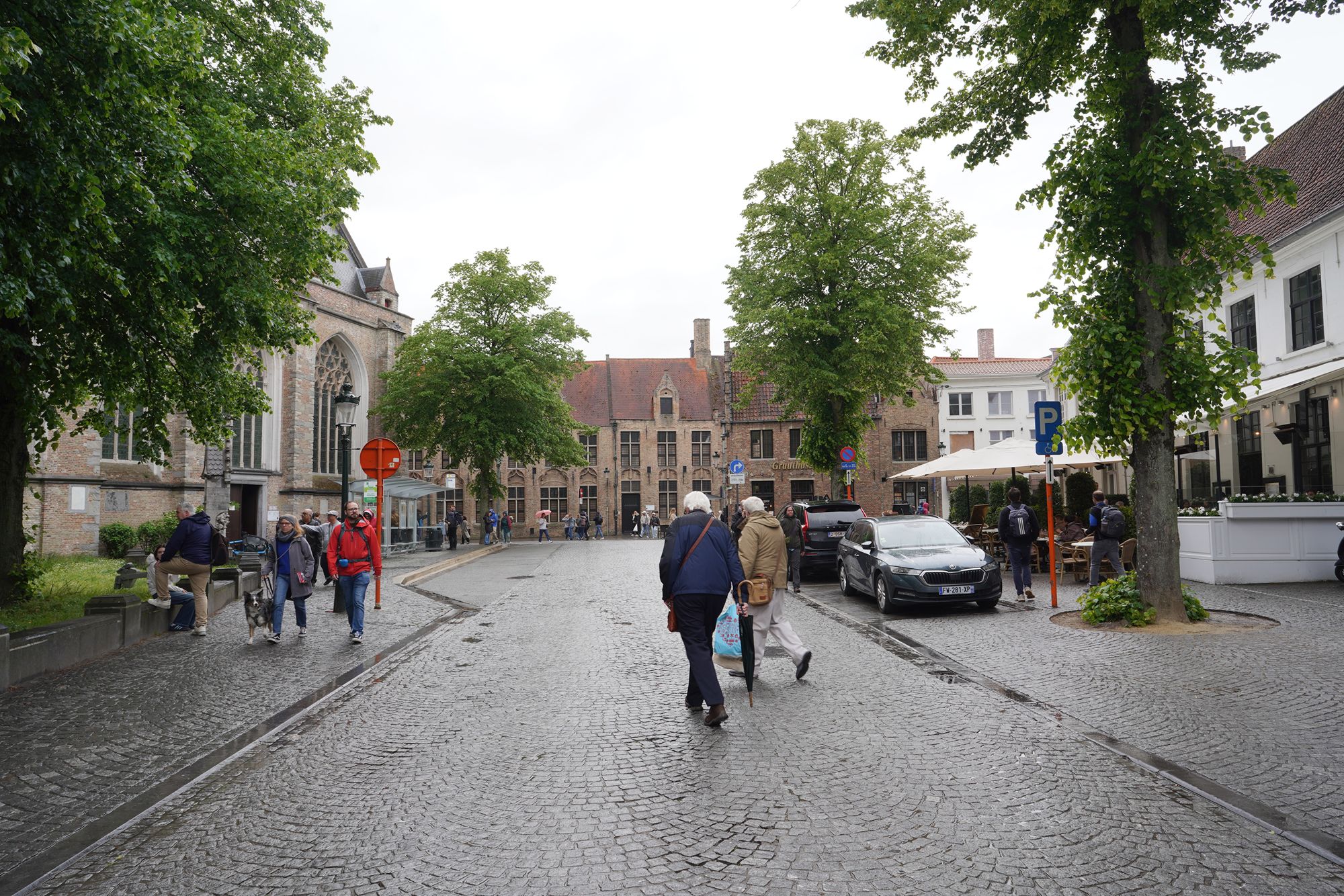
I walked through the historic streets of Bruges on my way to Saint John’s Hospital, enjoying the beautiful old buildings along the way.
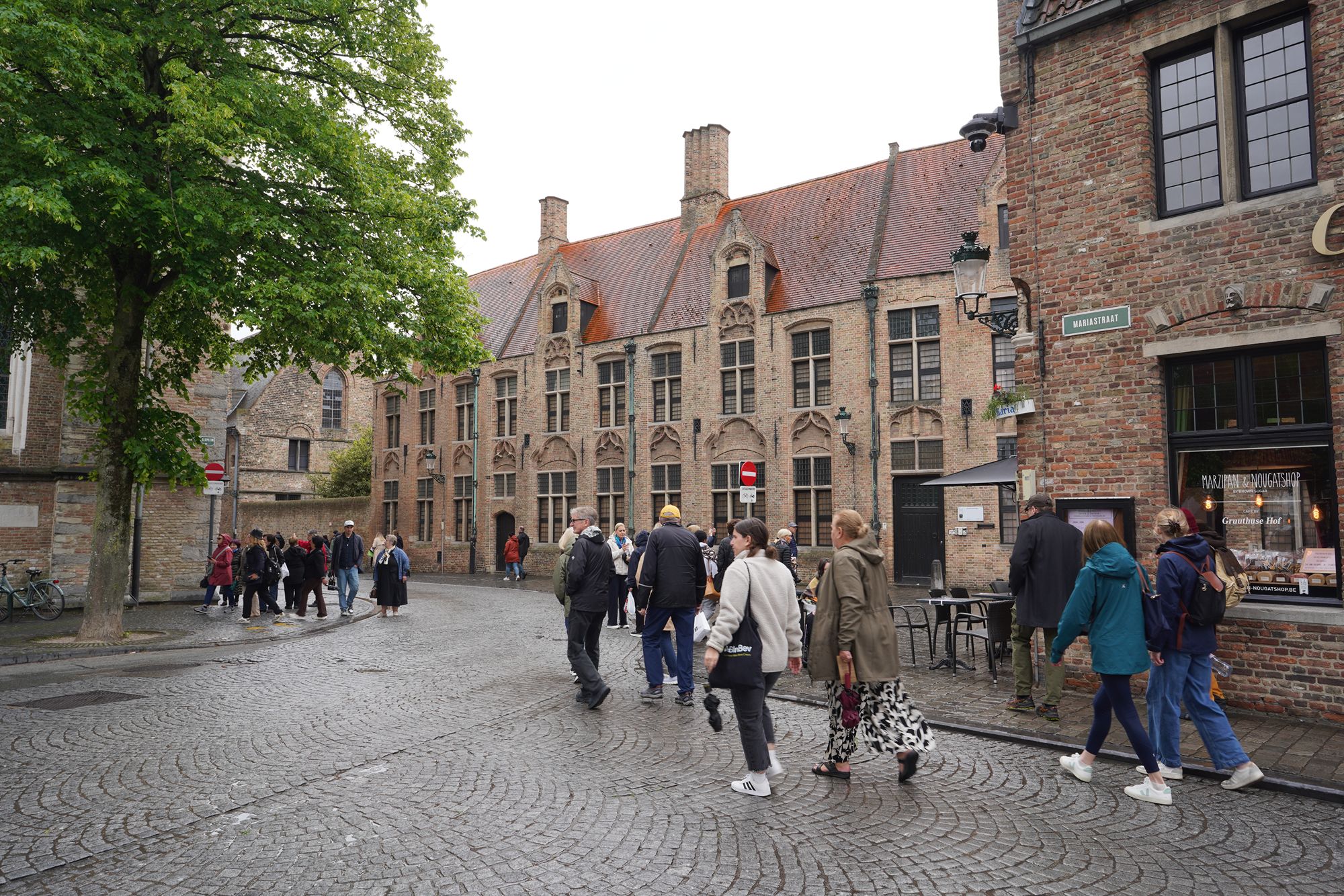
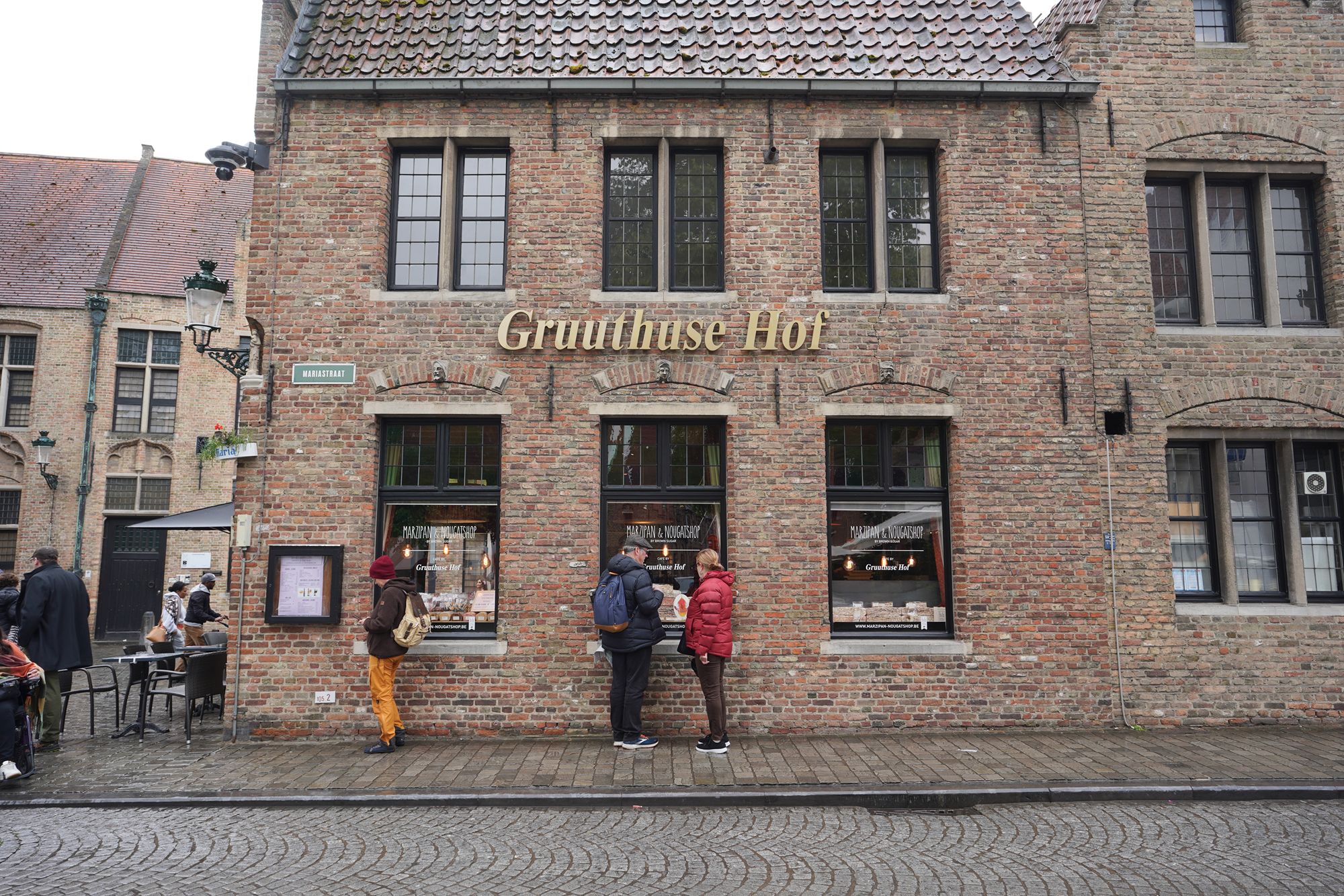
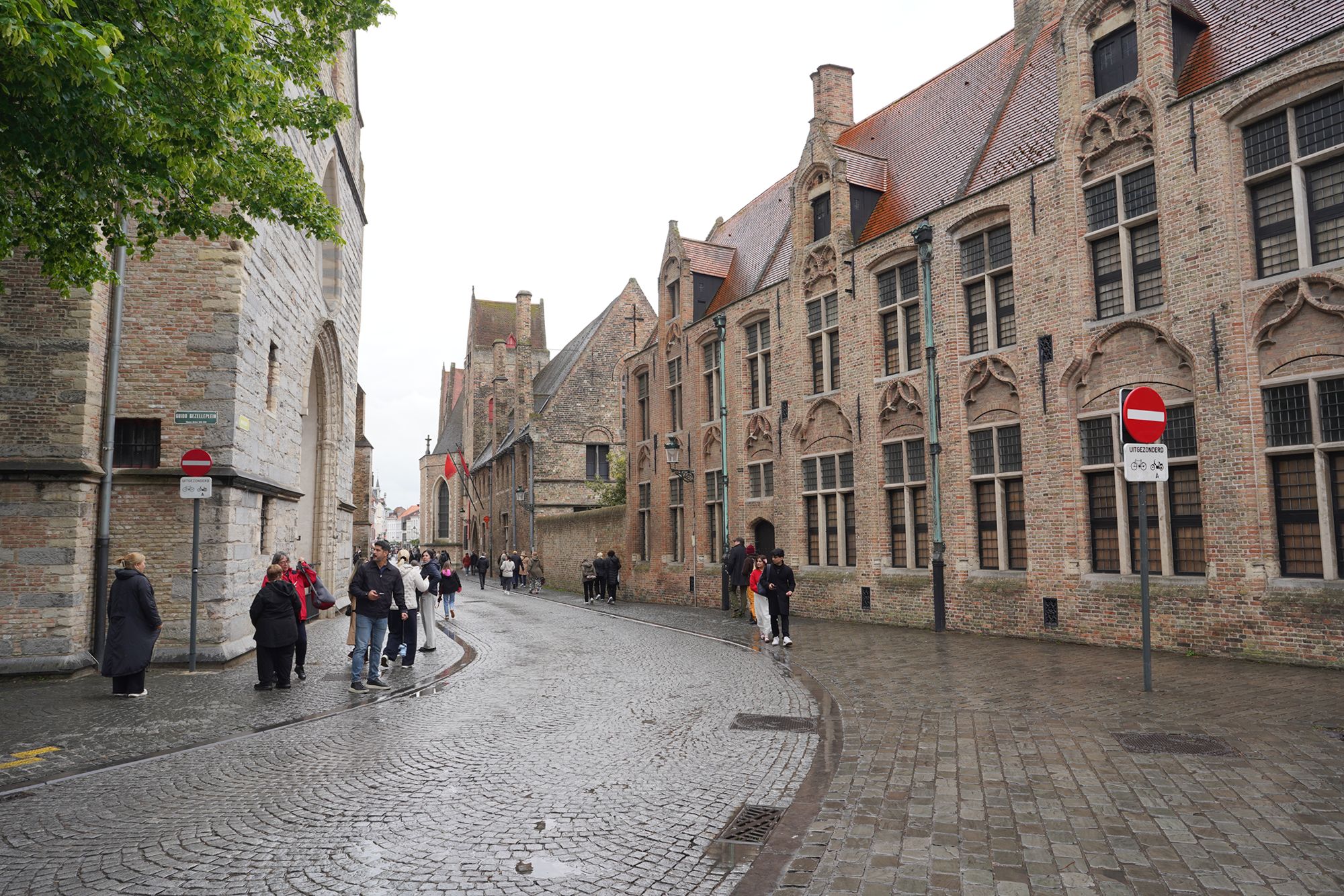
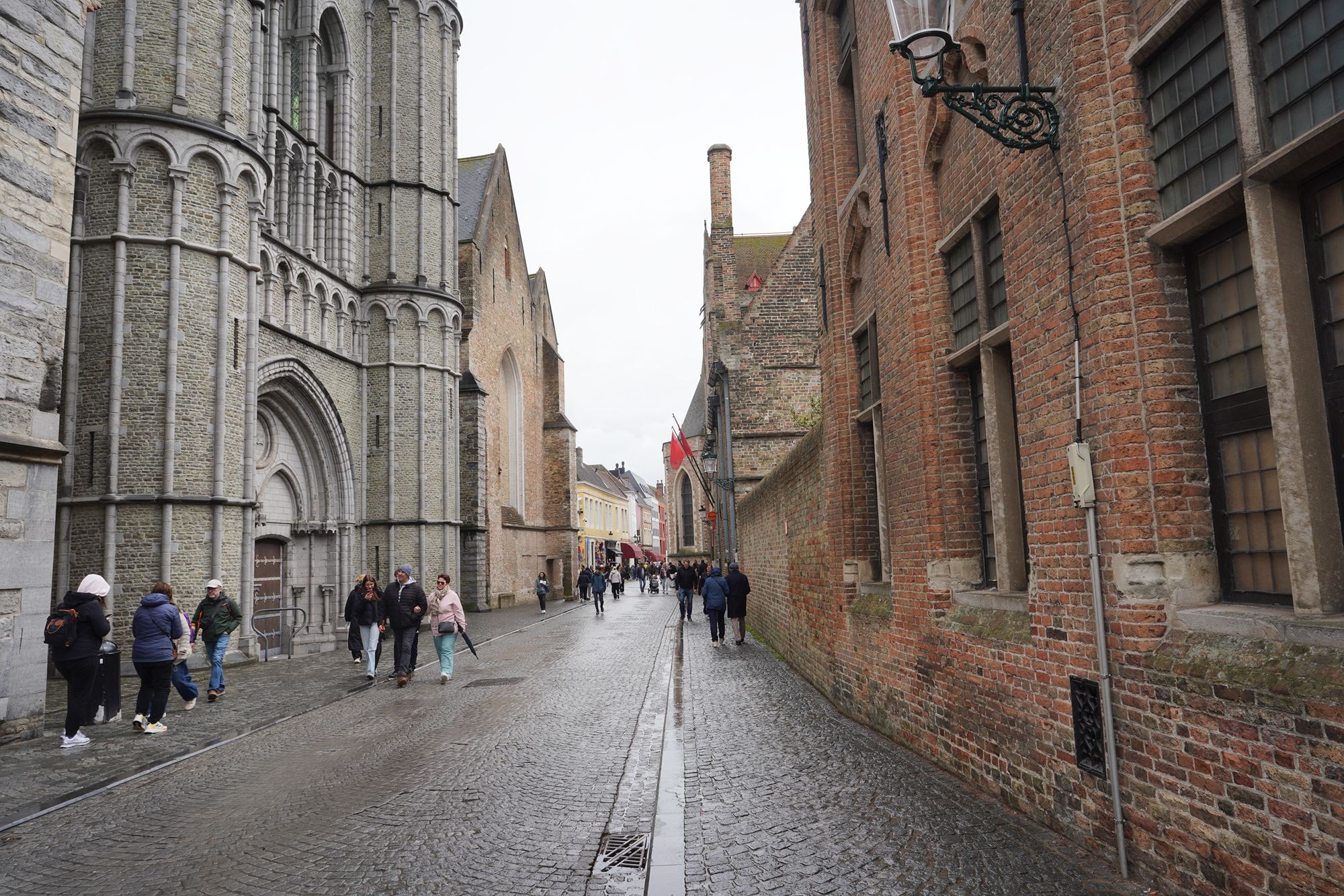
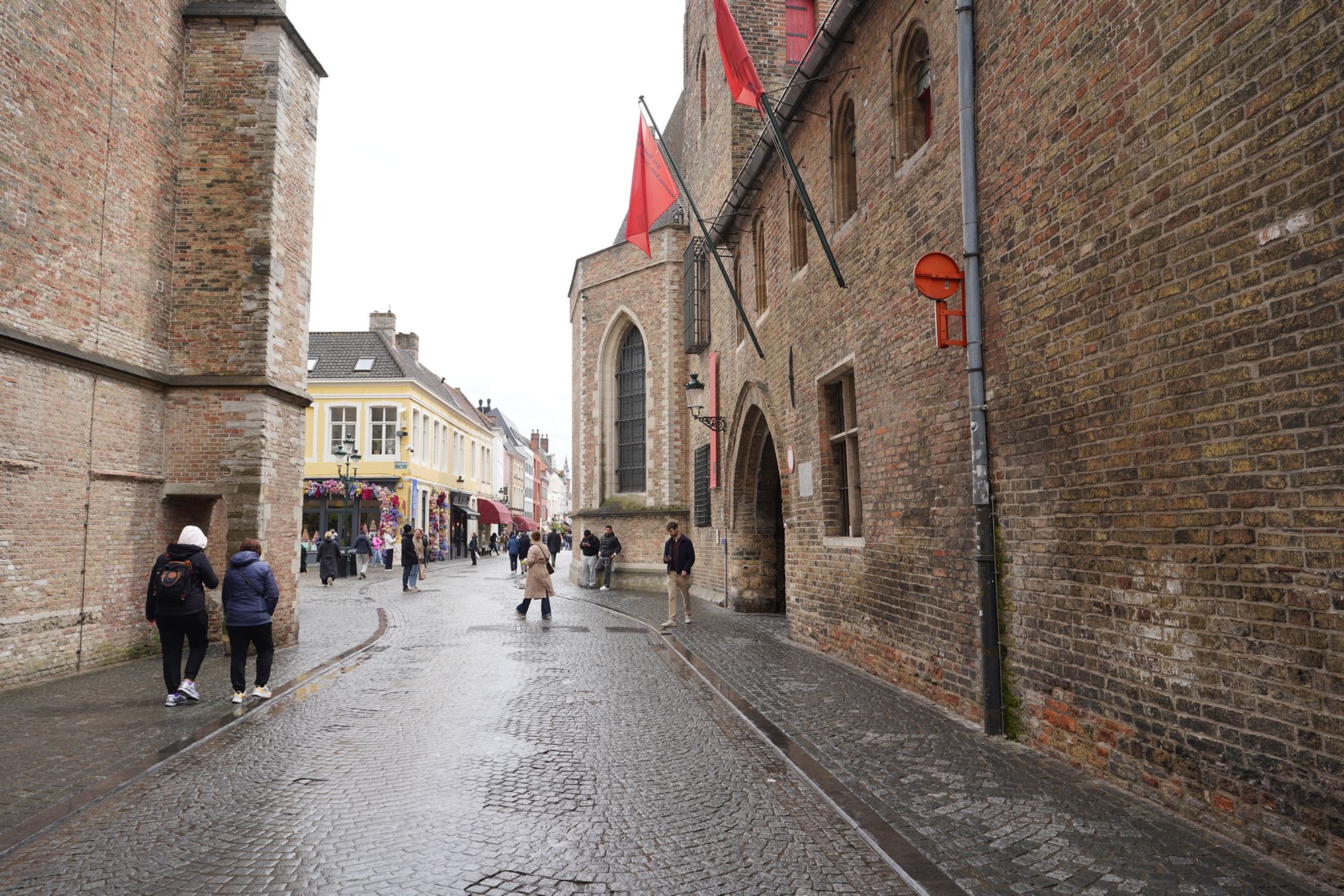
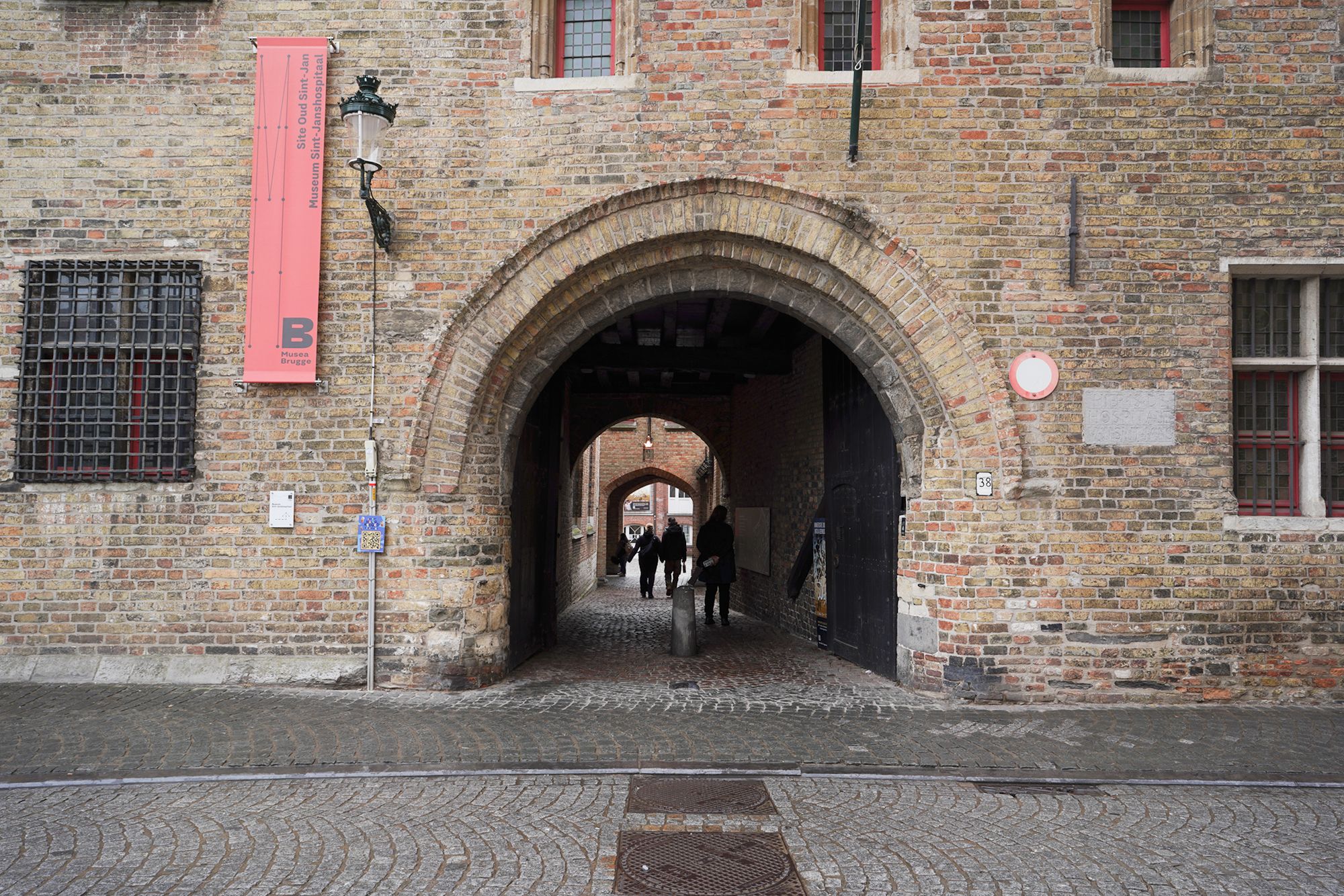
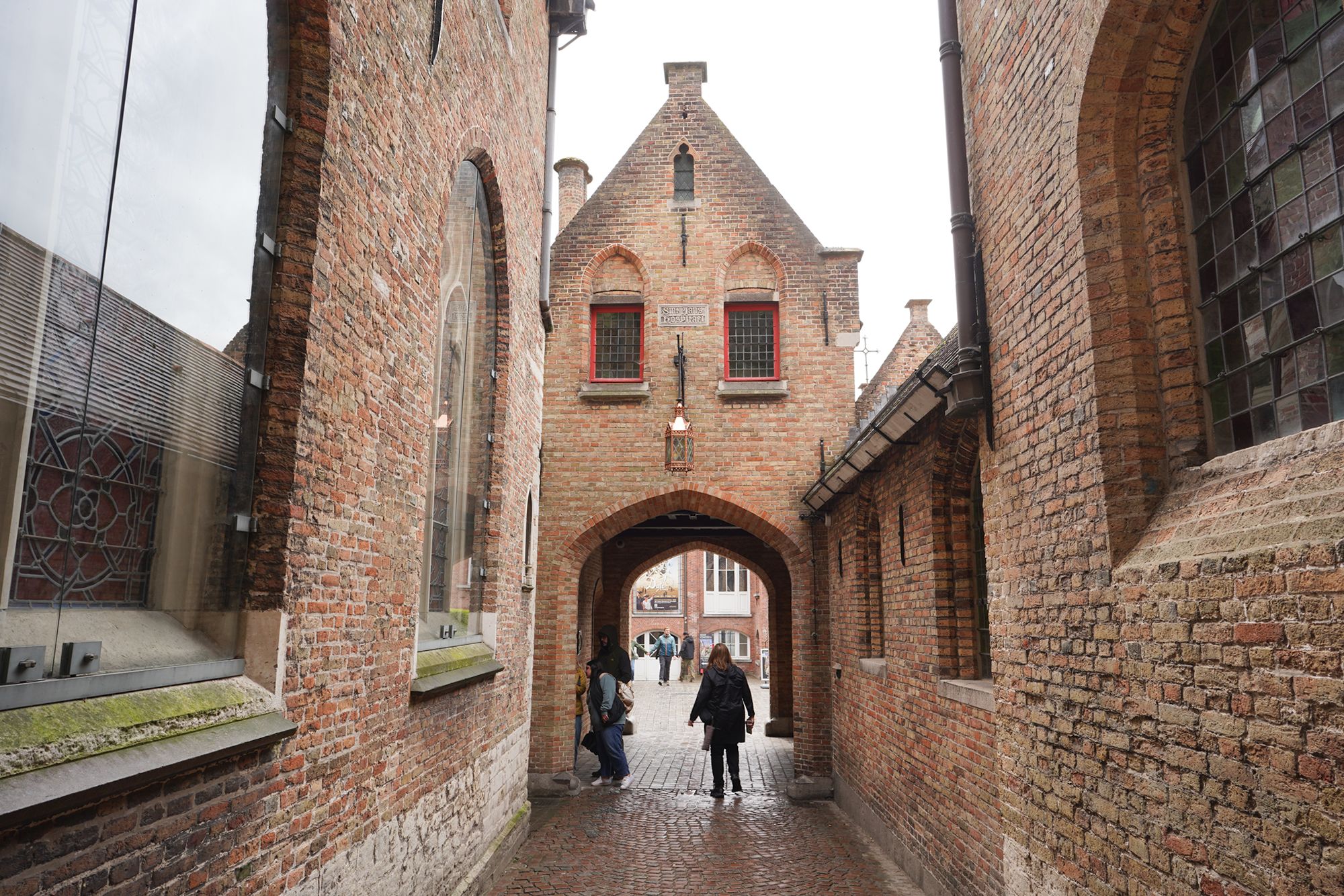
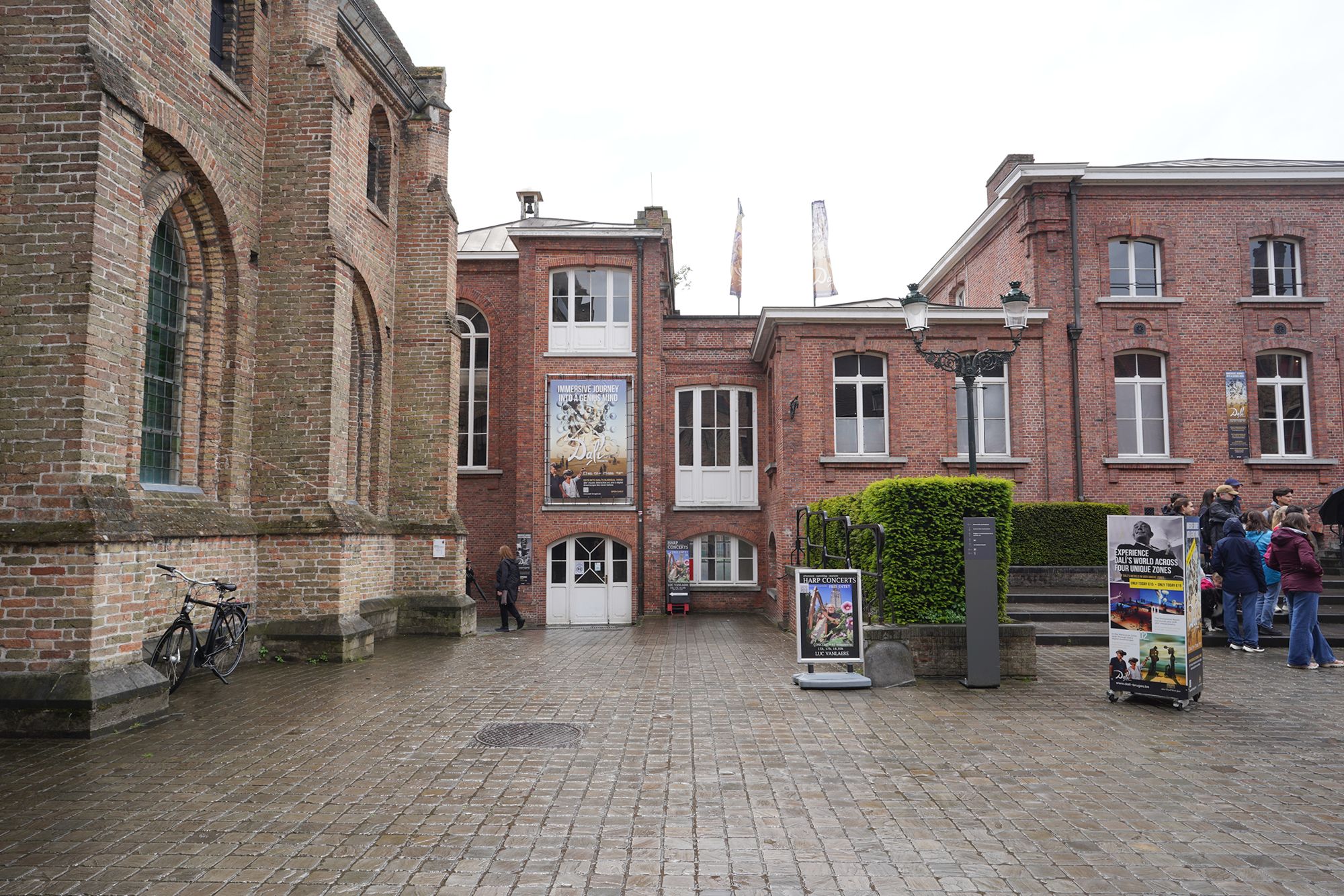
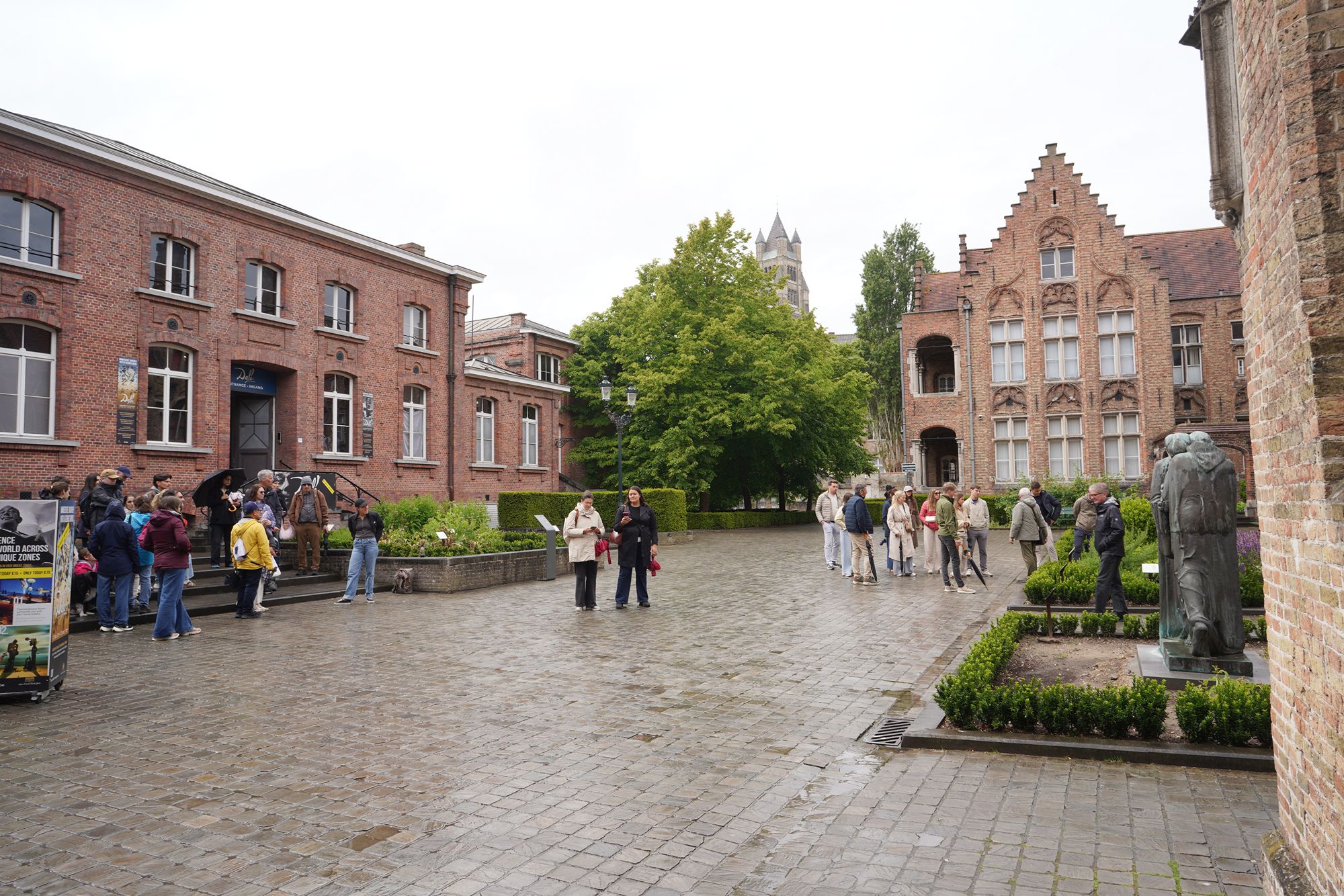
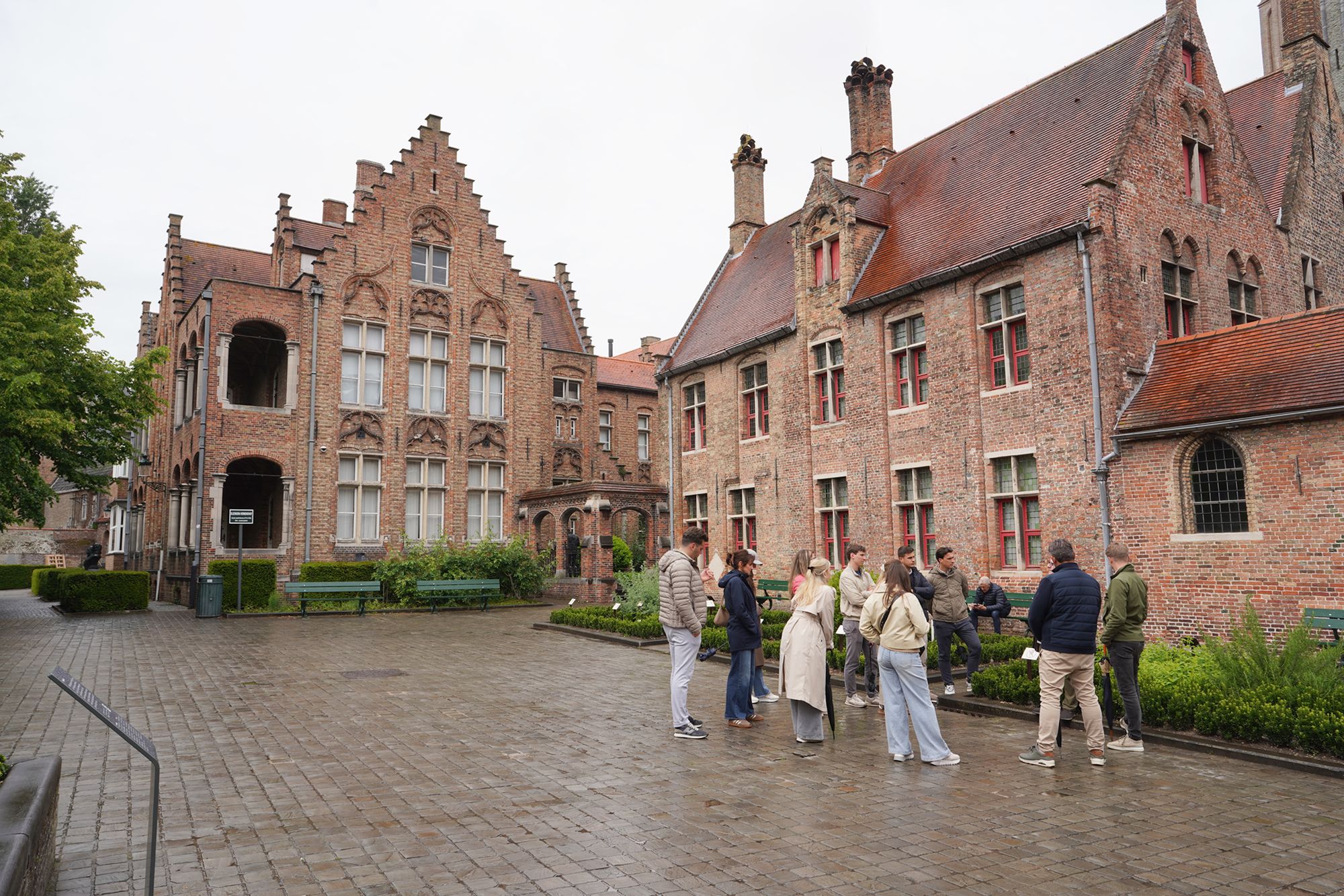
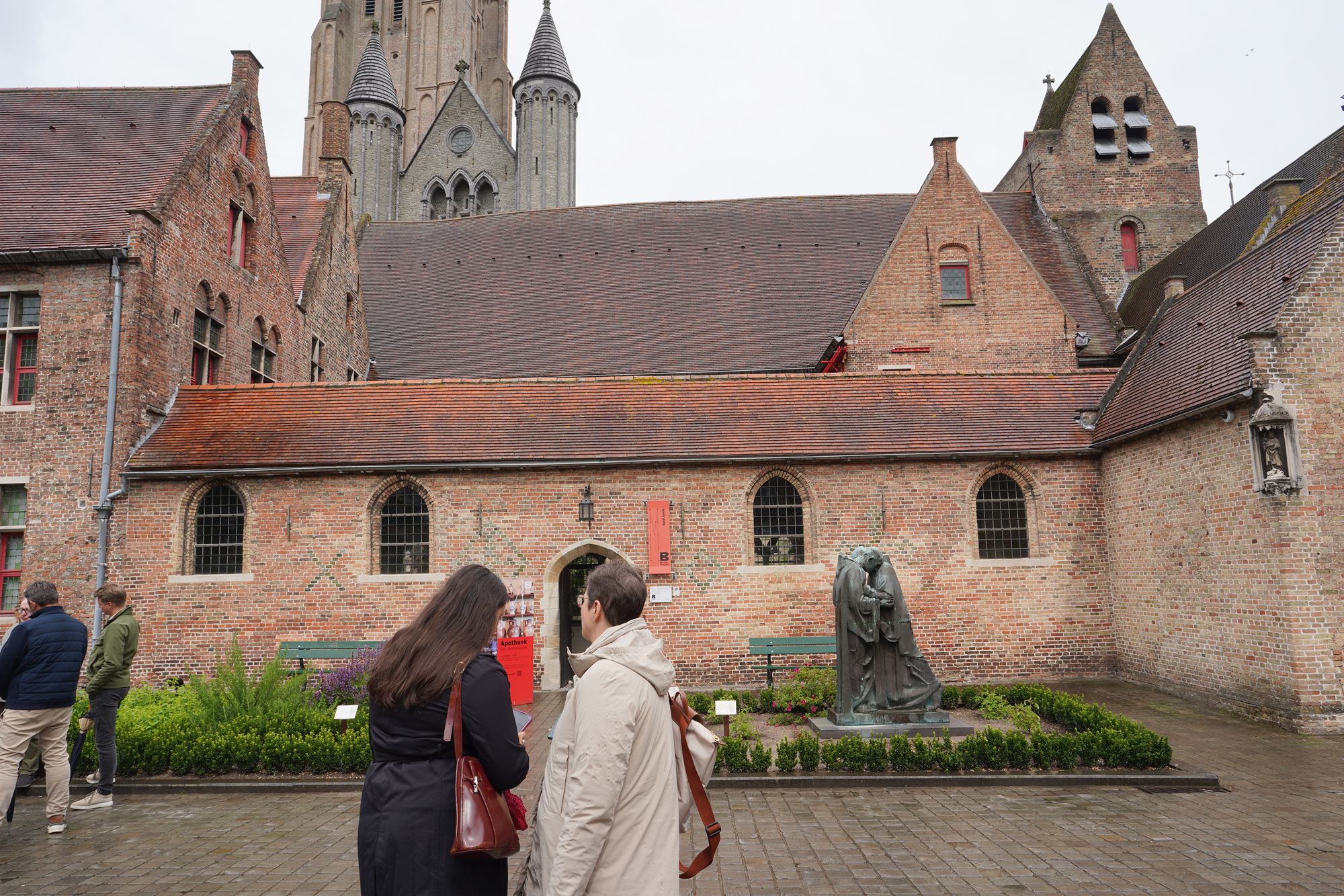
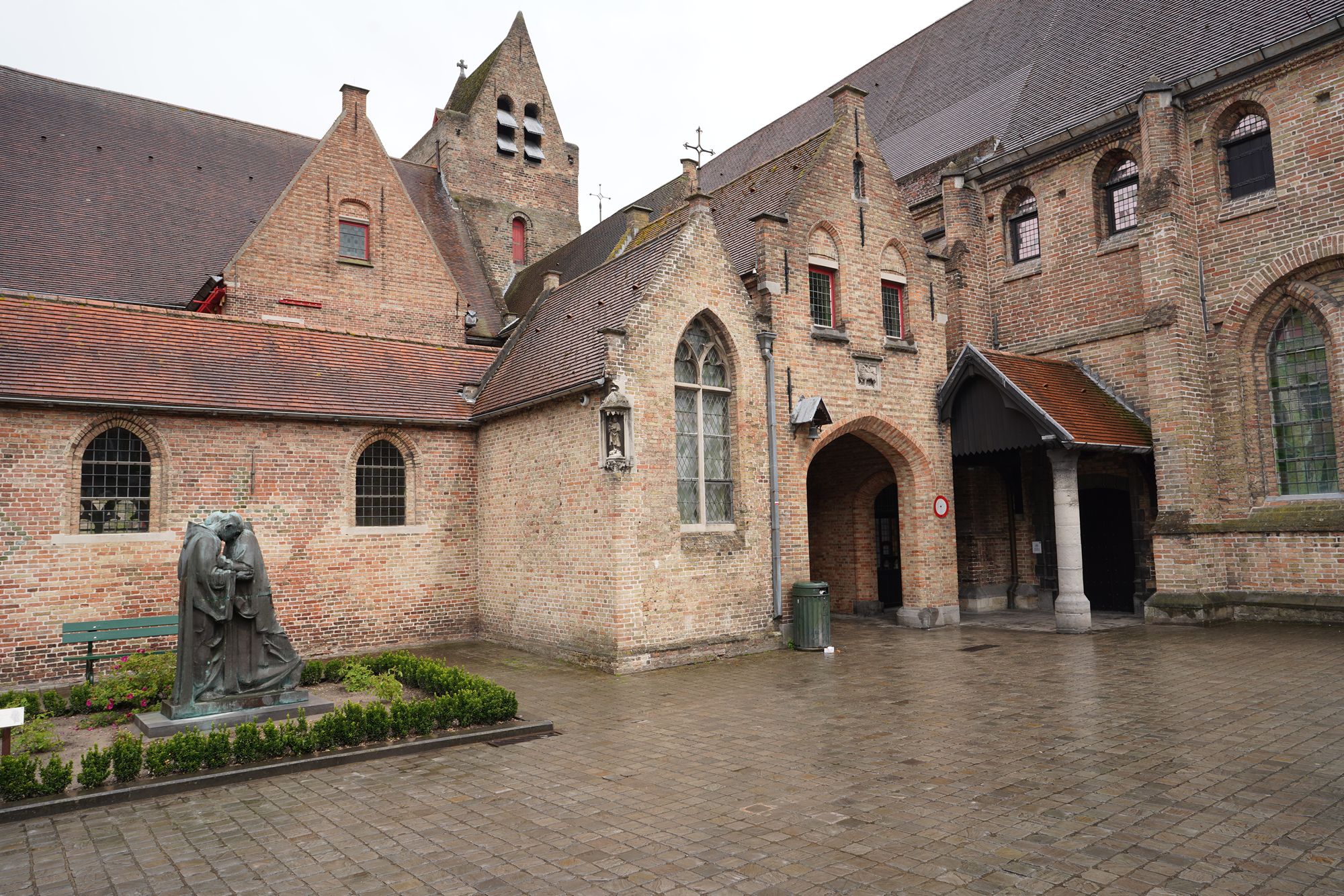
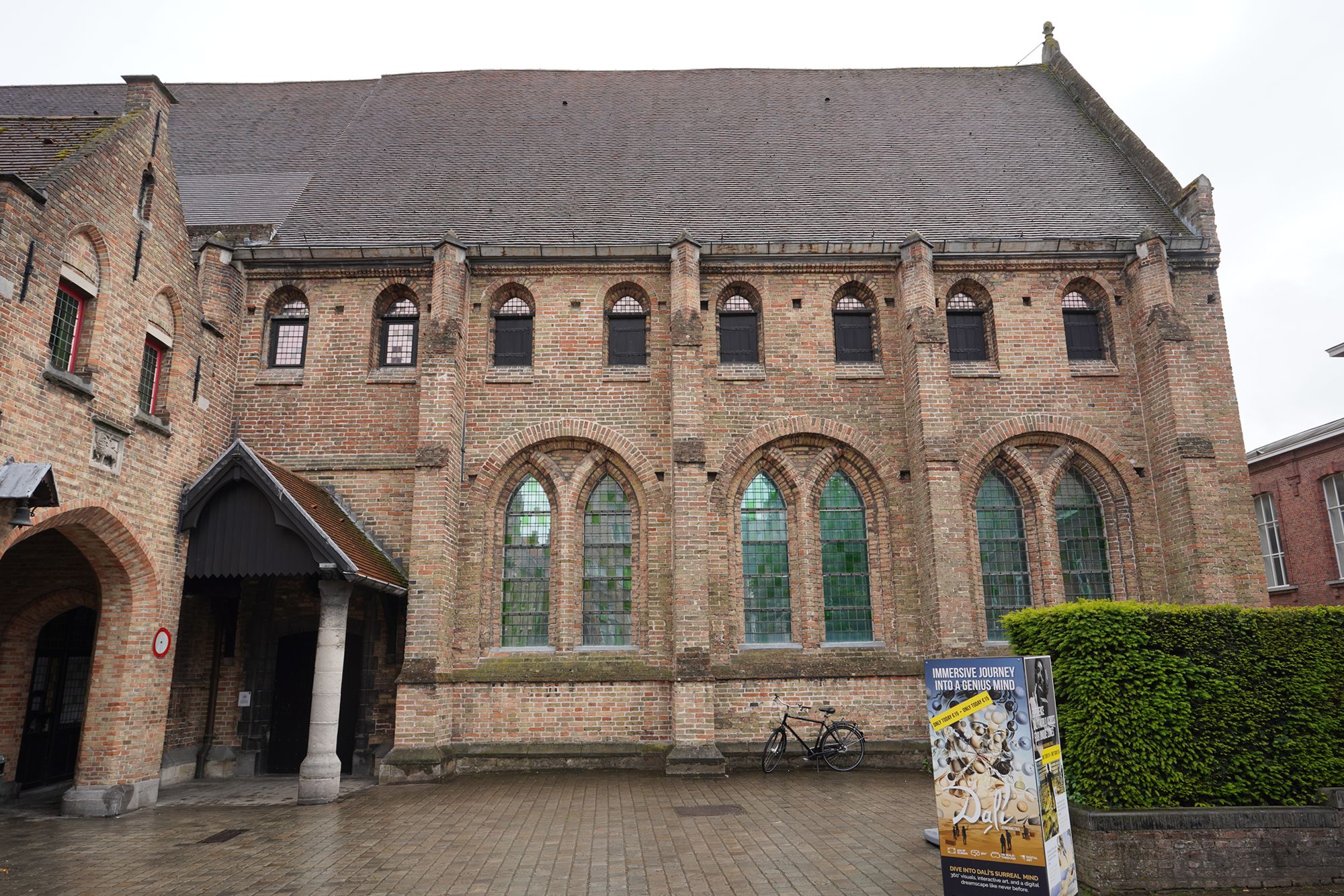
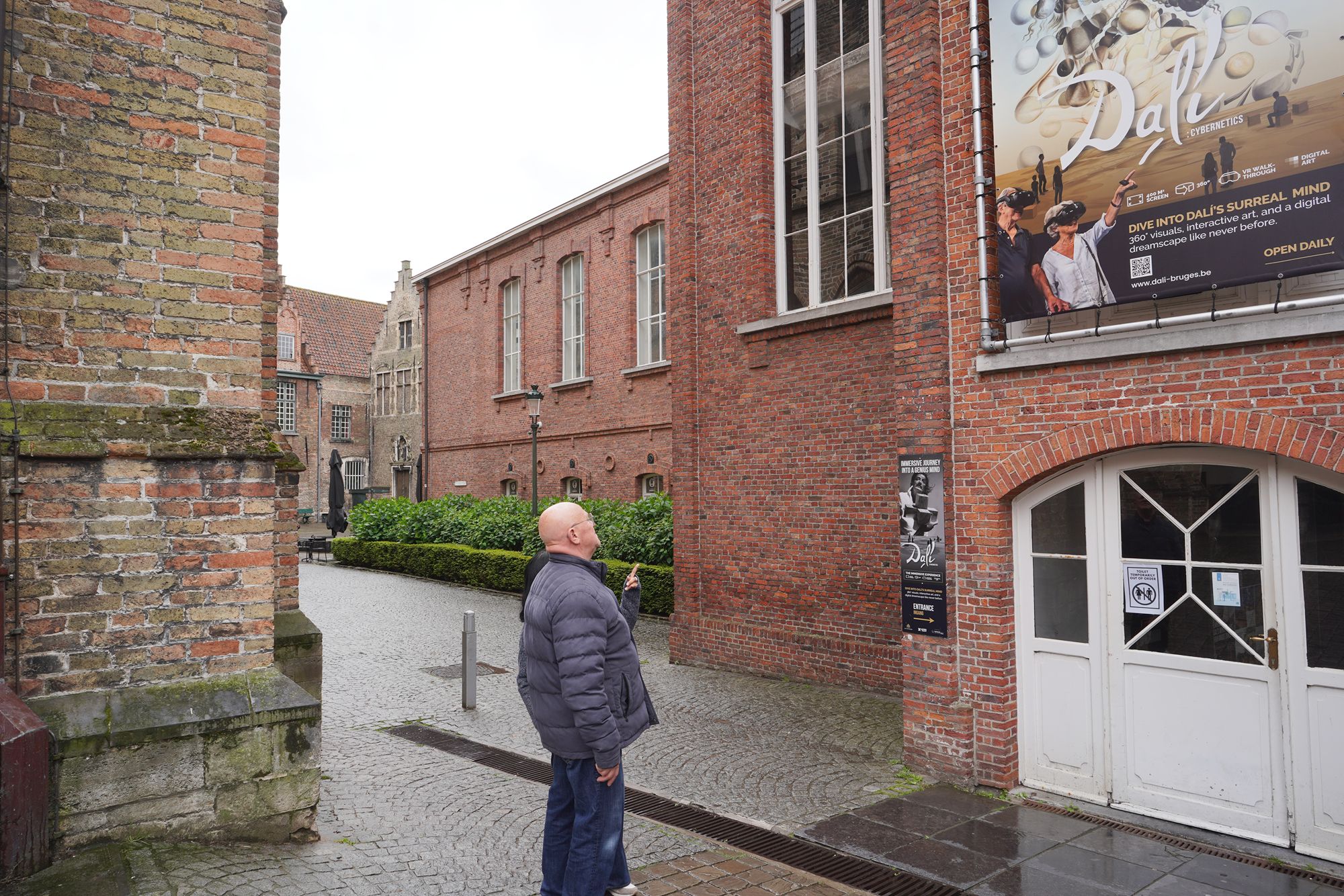
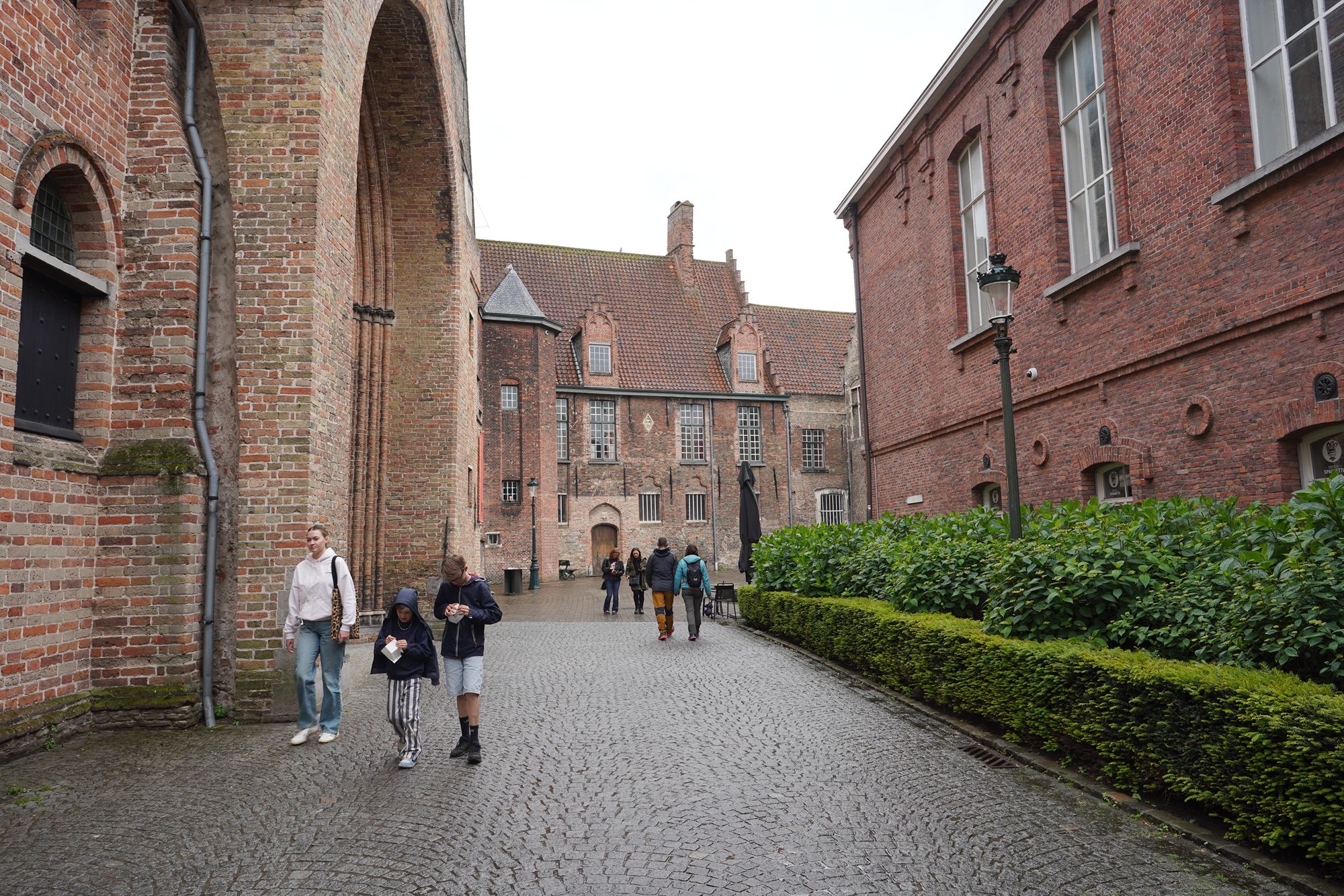
The historic Saint John’s Hospital is an impressive complex of medieval brick buildings, with its large gabled roofs reflecting the architecture of Bruges’ medieval past. For centuries, these buildings provided shelter and medical care for the sick, poor, pilgrims, and travelers.
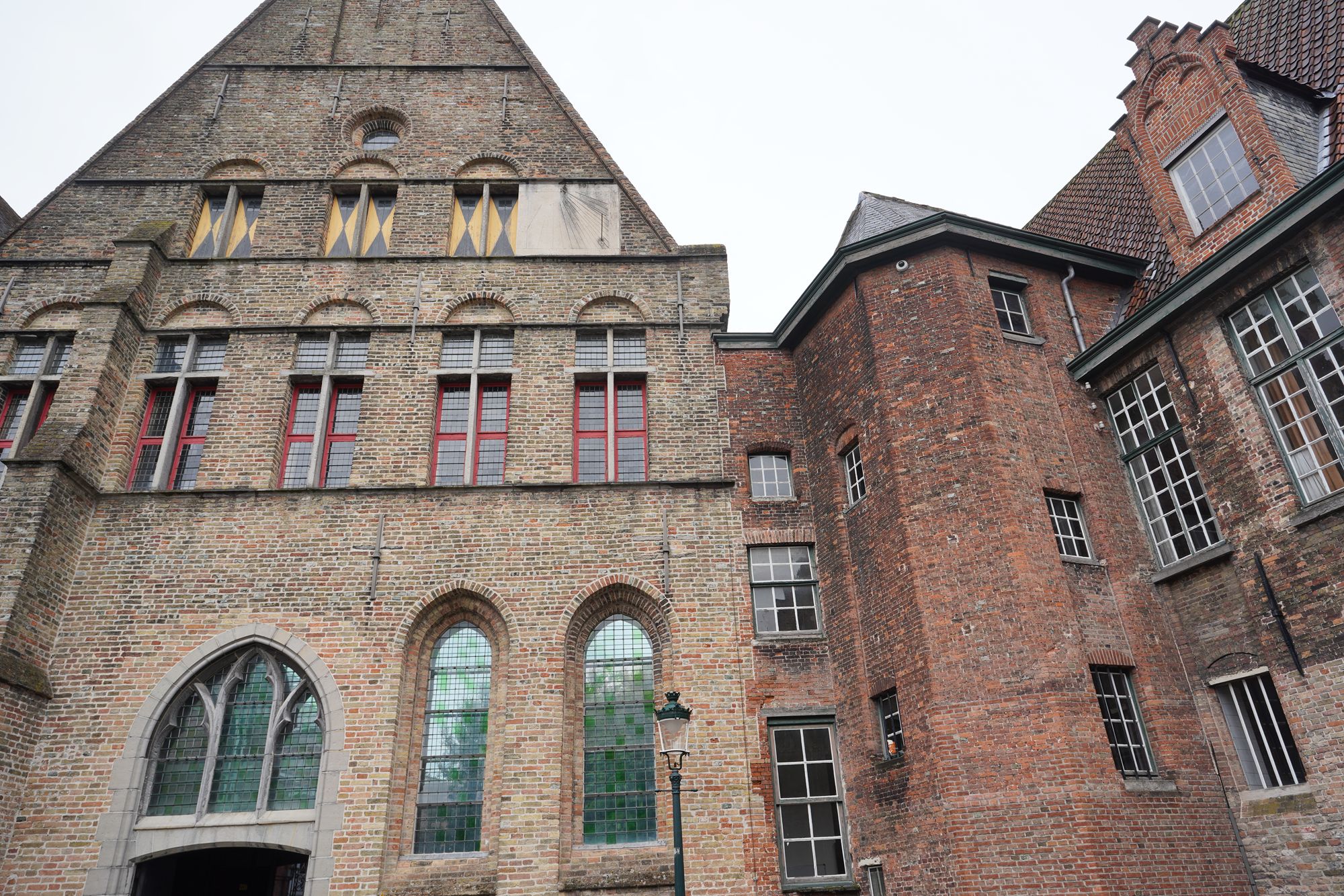
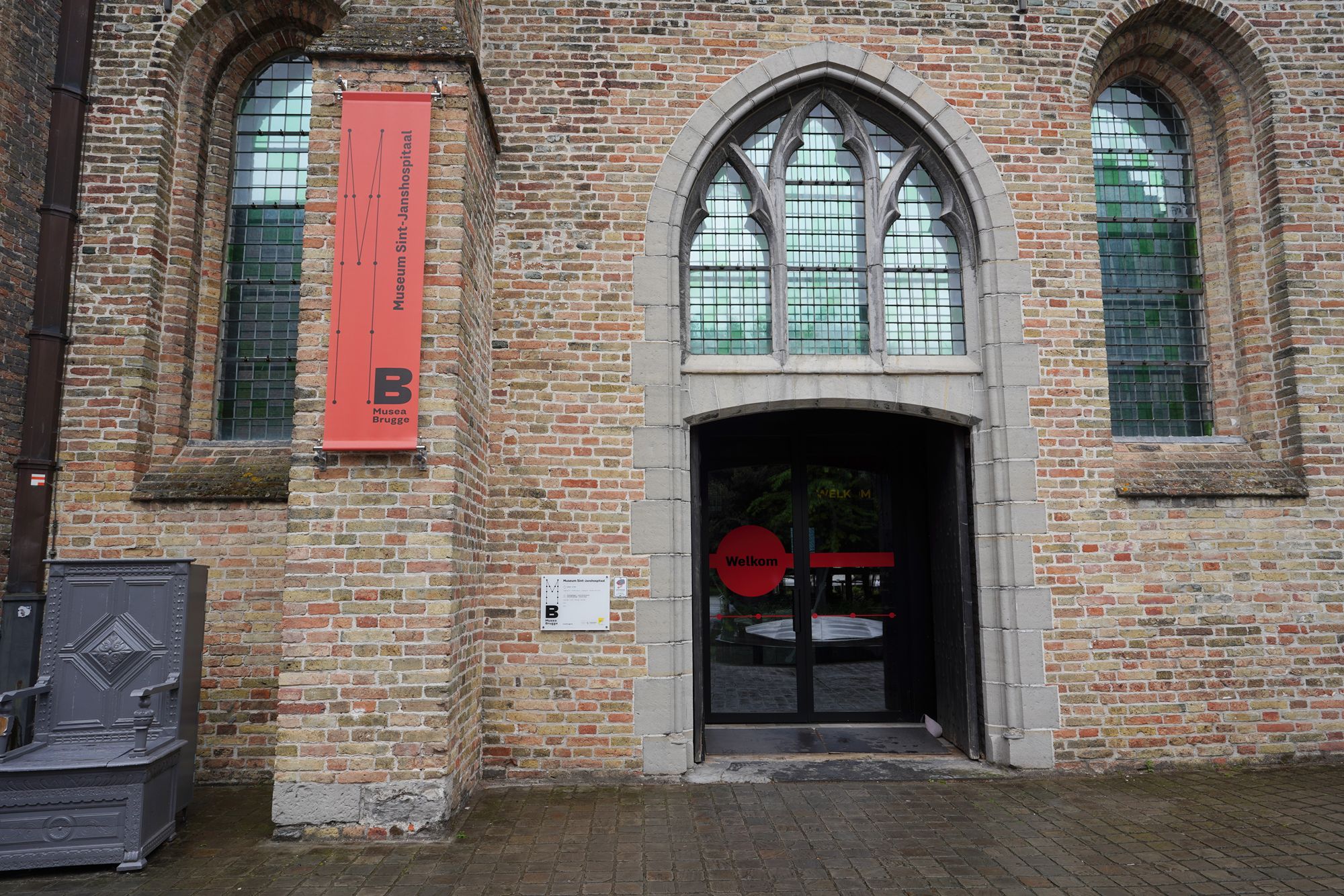
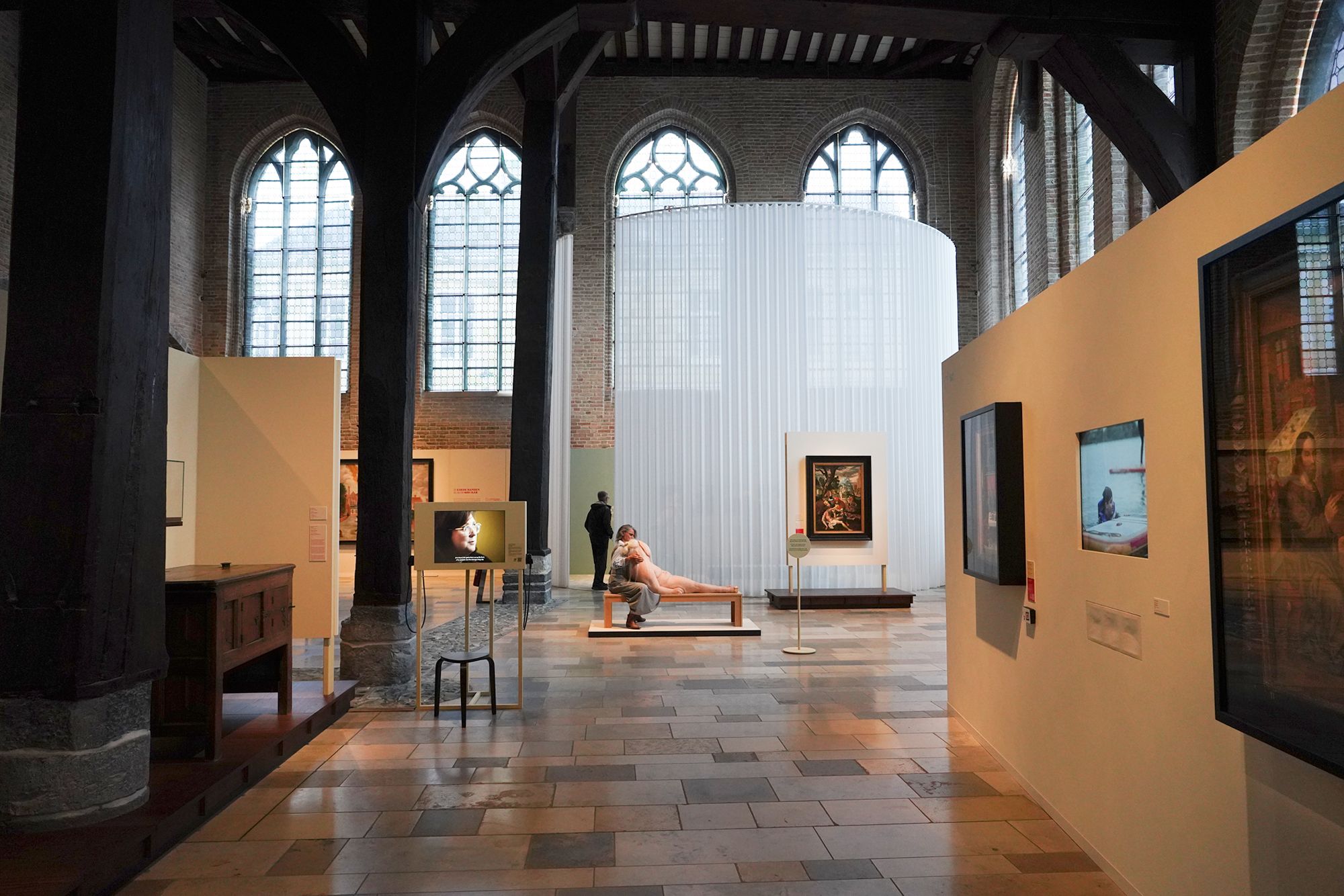
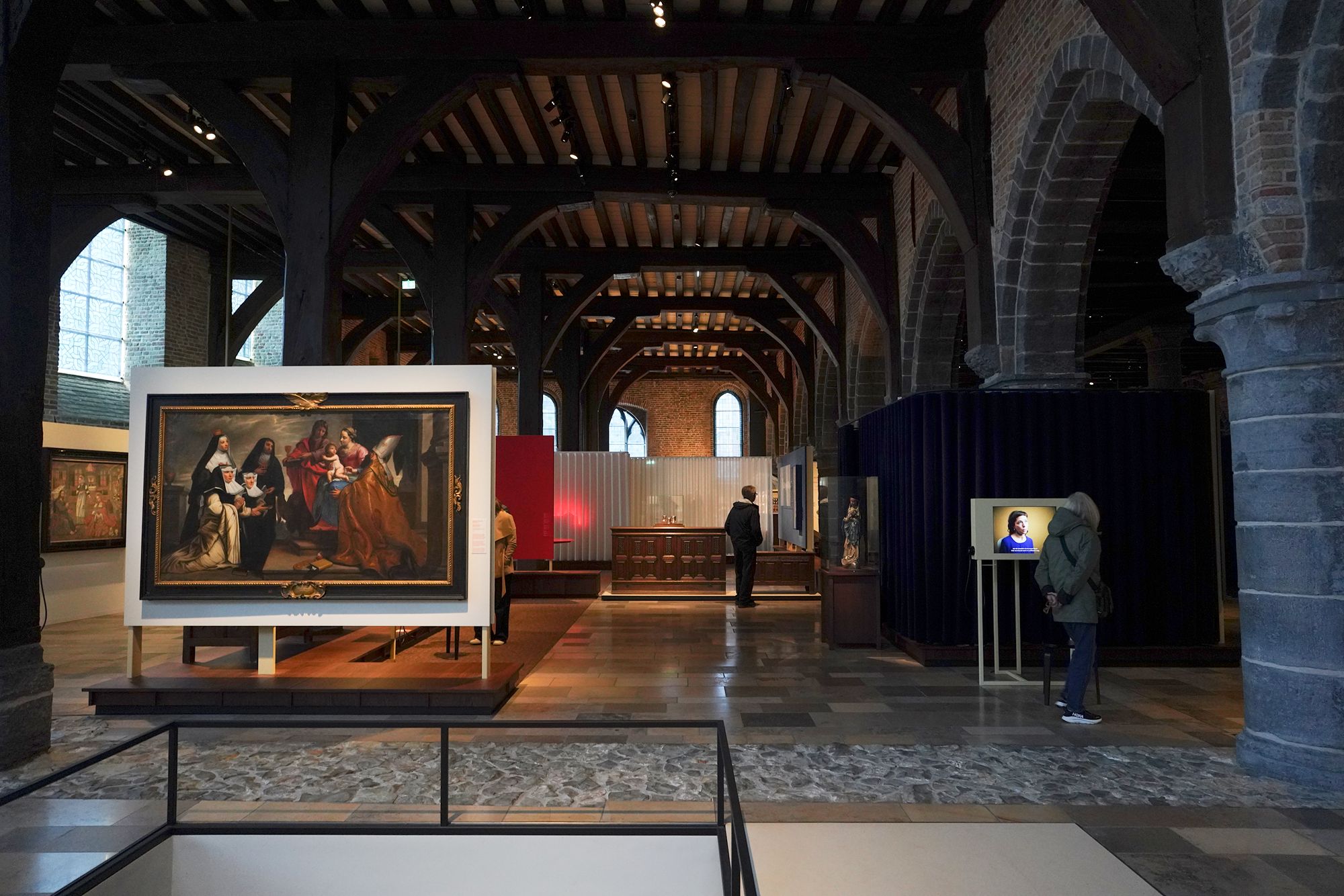
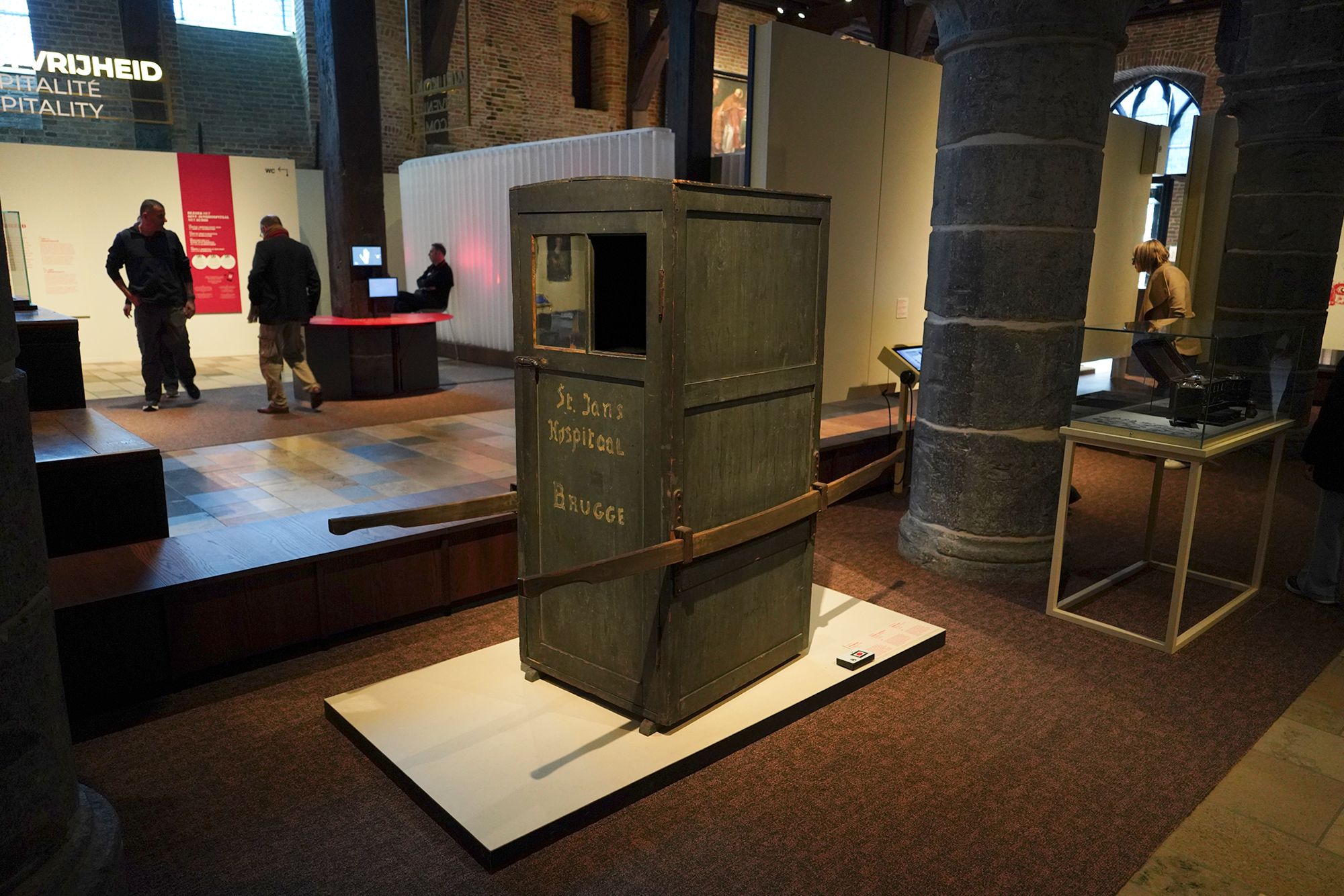
Inside Saint John’s Hospital, I entered the large medieval halls where the sick and poor were once cared for. The high wooden ceilings and spacious brick interior still give a strong sense of the building’s centuries-long history as a hospital.
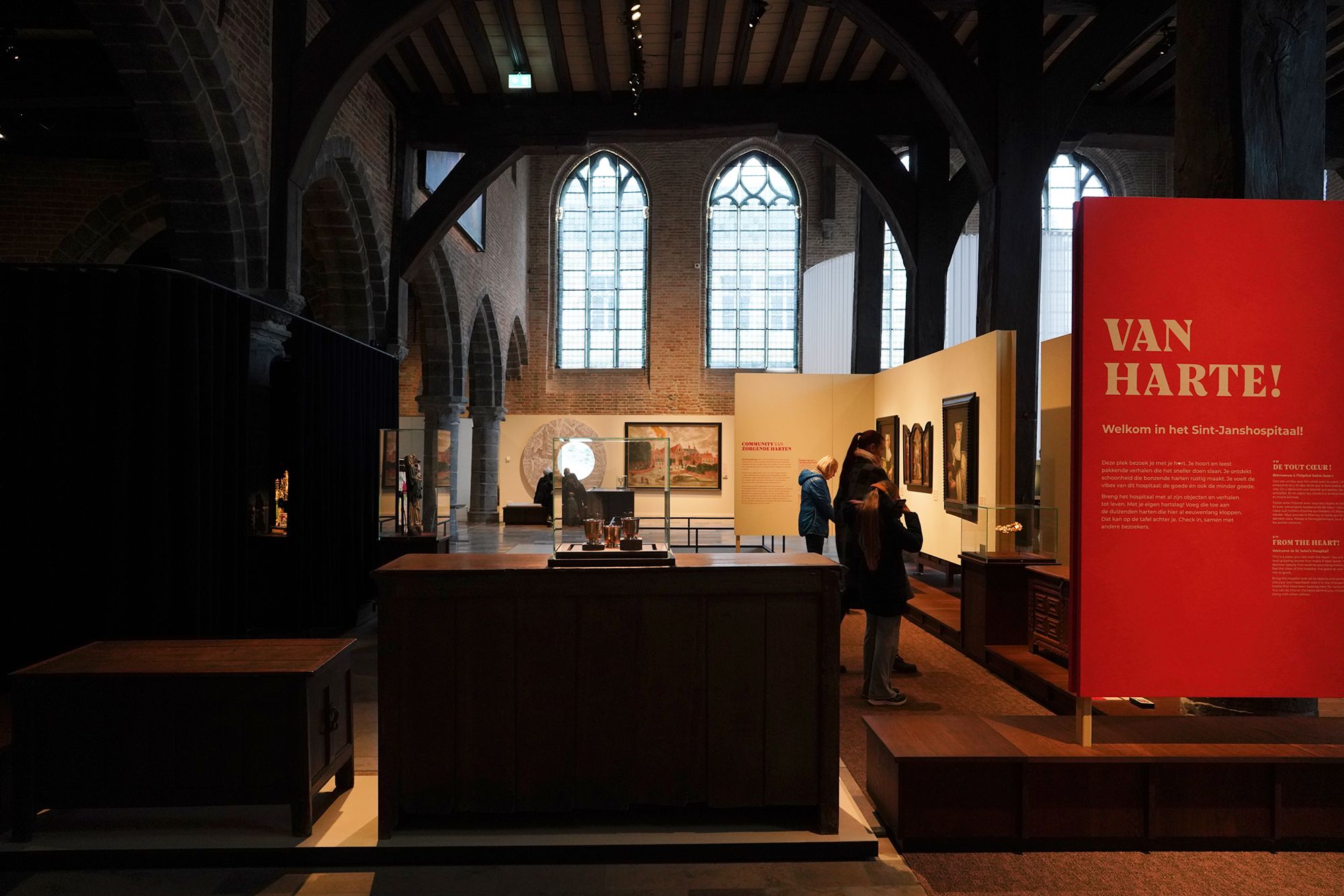
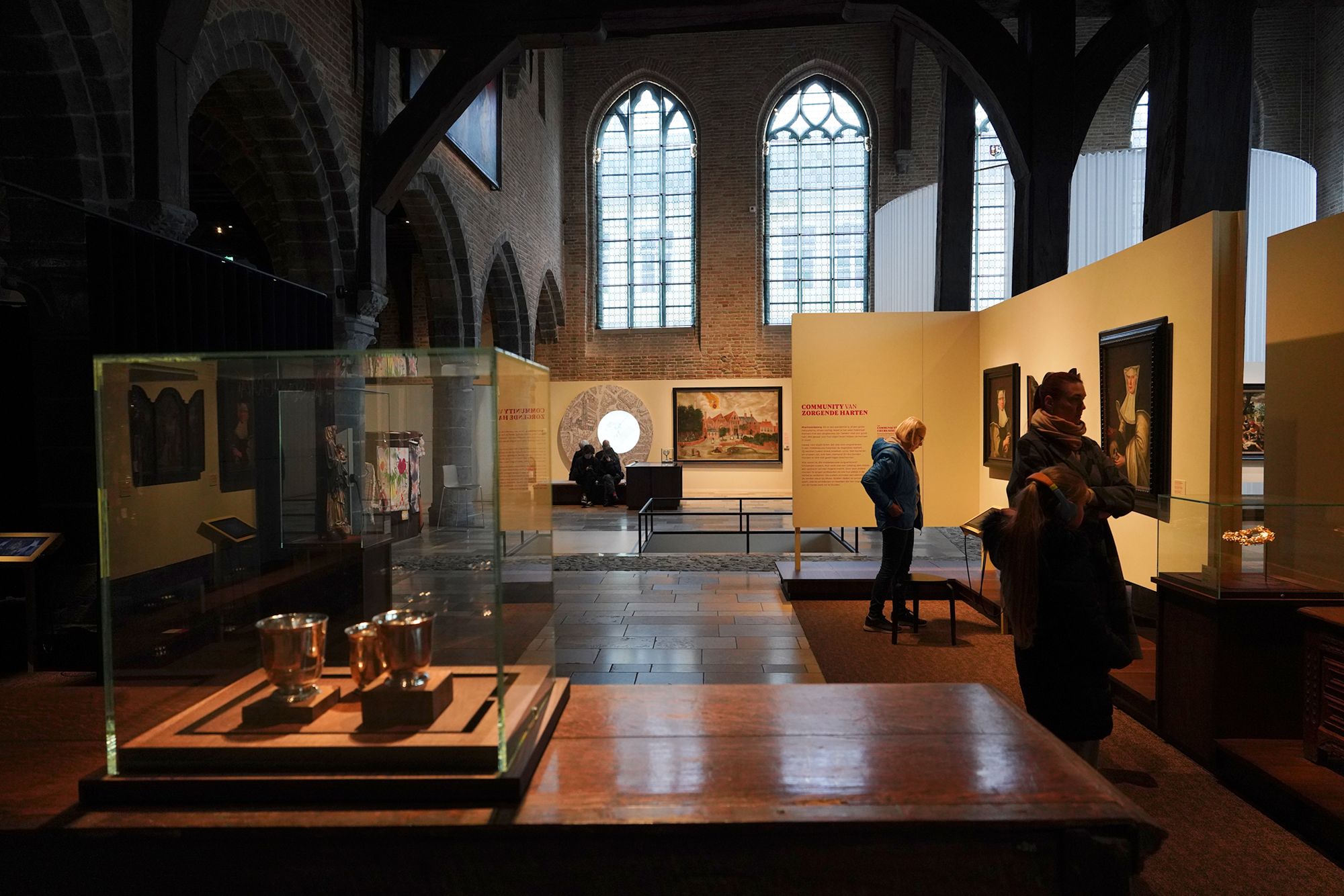
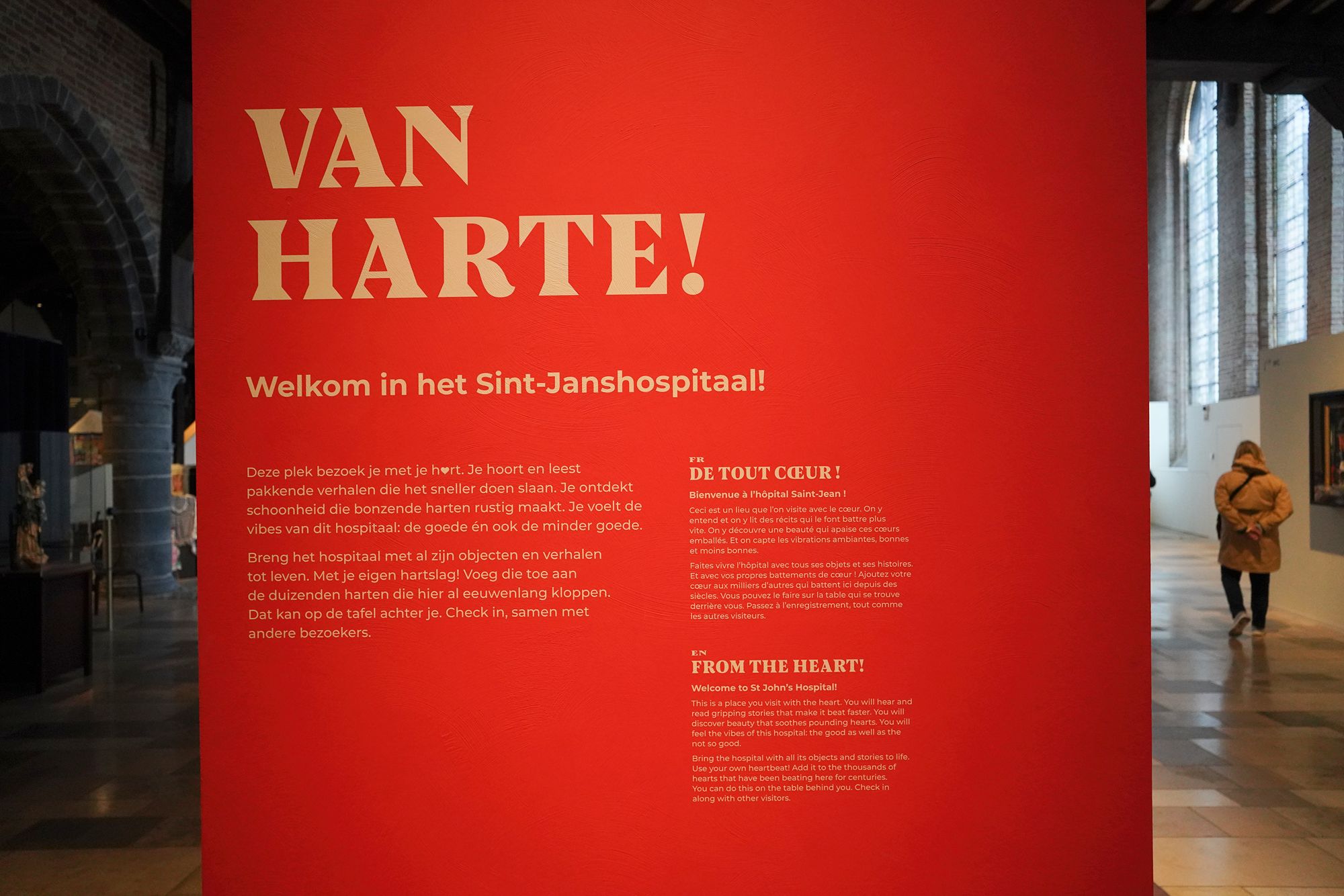
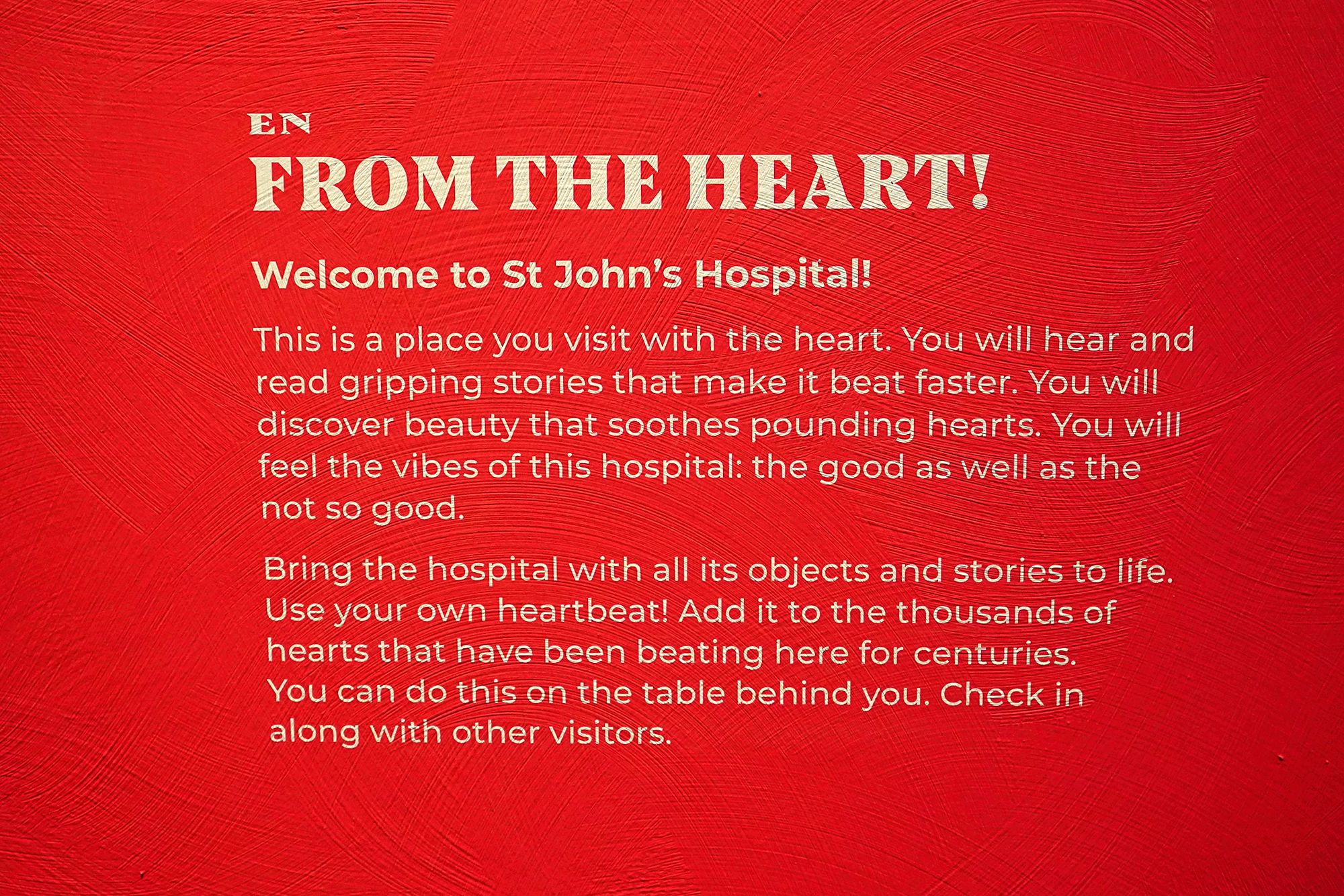
The museum begins with the theme “From the Heart,” reflecting the centuries of human stories connected with Saint John’s Hospital. Through its objects and exhibits, the museum tells stories of illness, care, compassion, suffering, and healing, connecting today’s visitors with the thousands of people who lived, worked, and were cared for here.
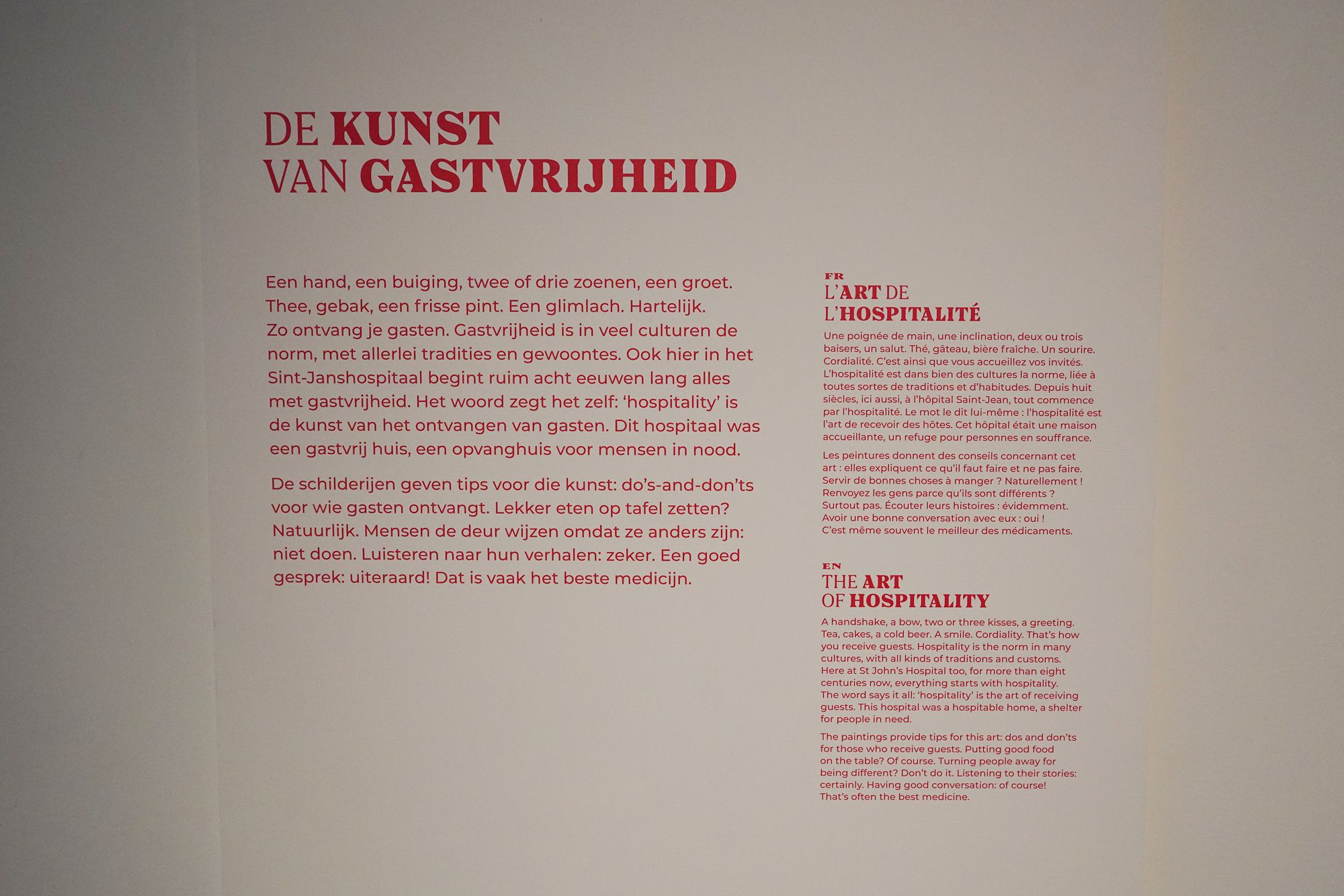
For more than eight centuries, hospitality was central to Saint John’s Hospital. It was not only a place for caring for the sick but also a welcoming shelter for people in need. The museum emphasizes that hospitality meant receiving strangers with kindness, sharing food, listening to their stories, and offering care and companionship.
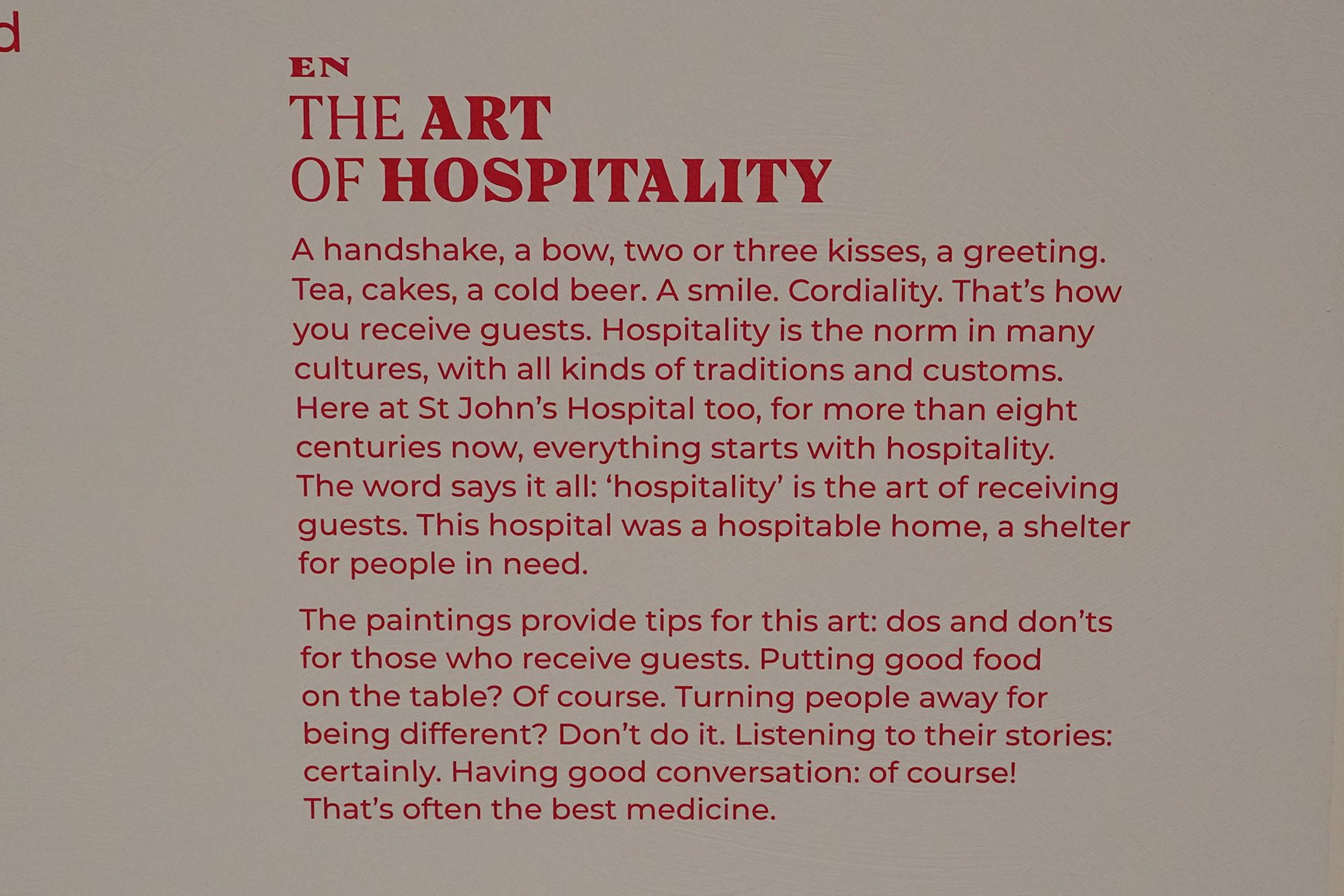
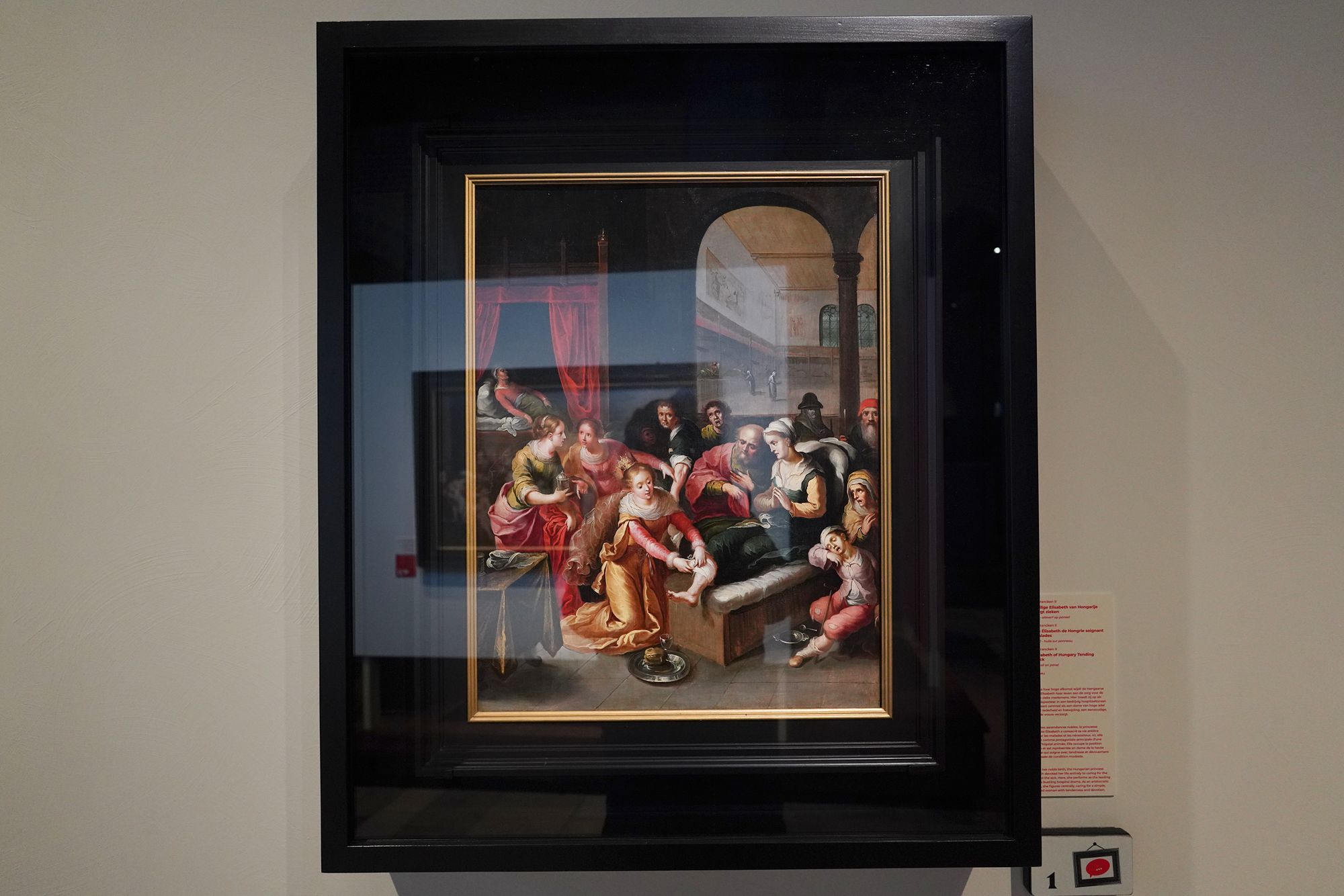

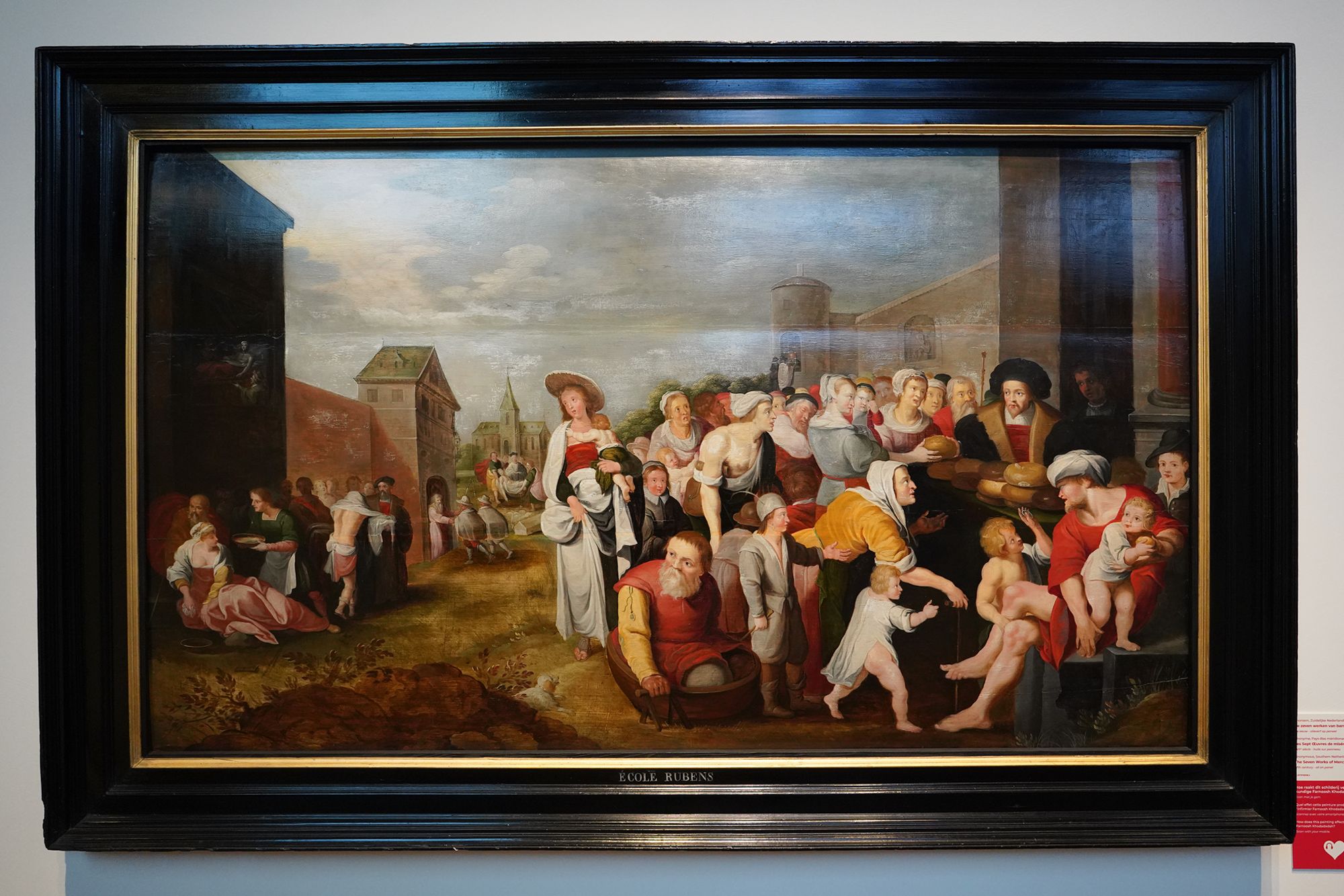
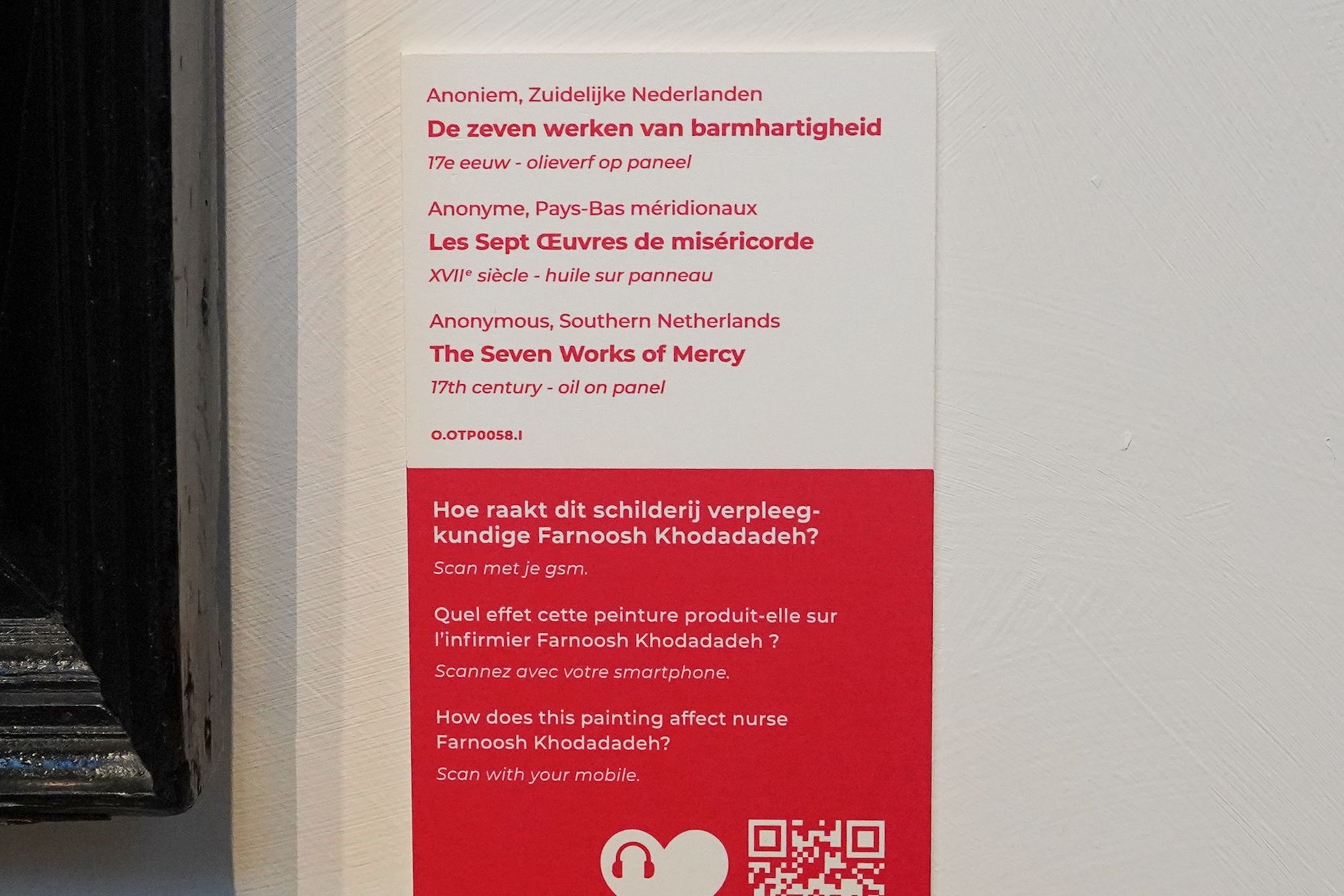
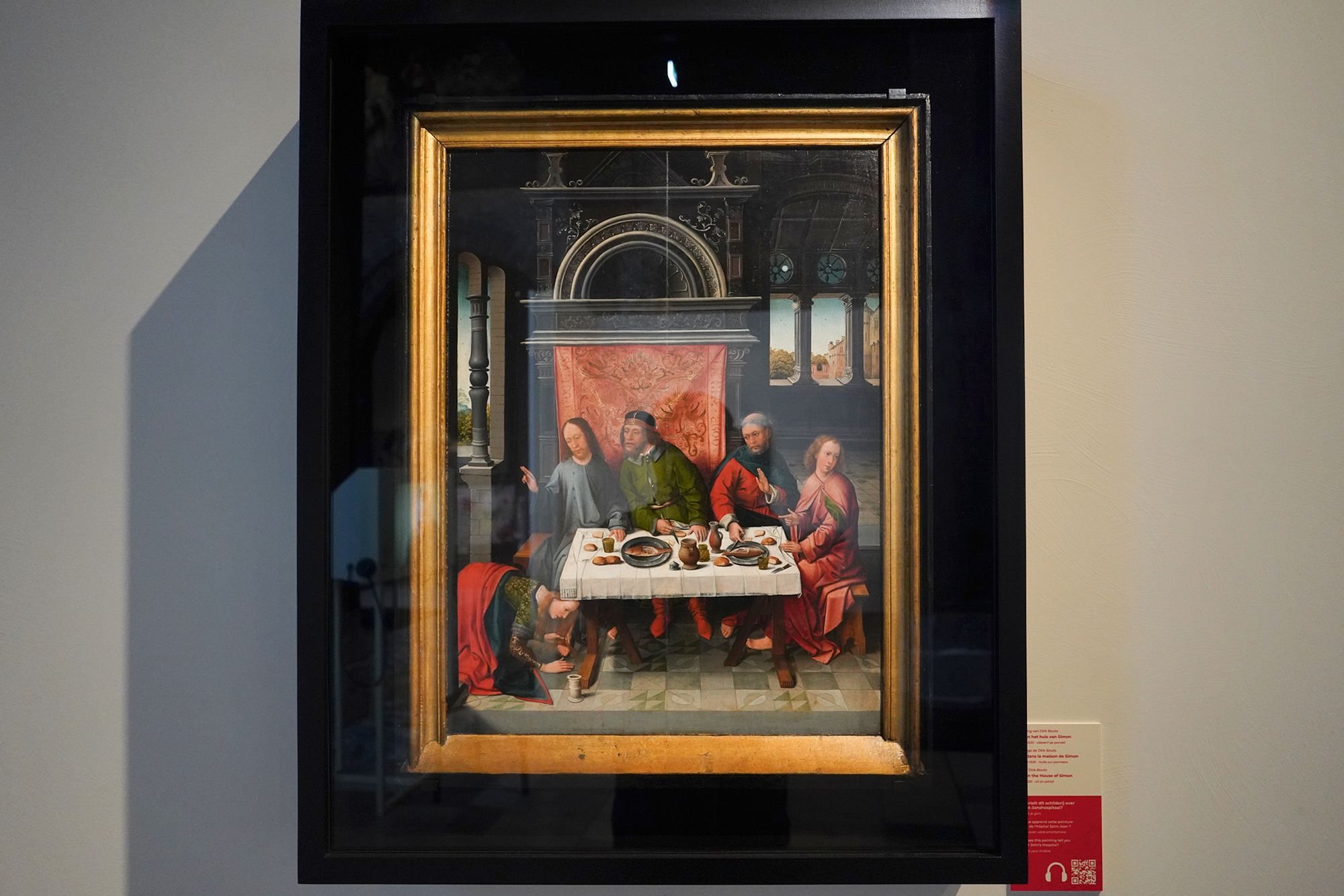
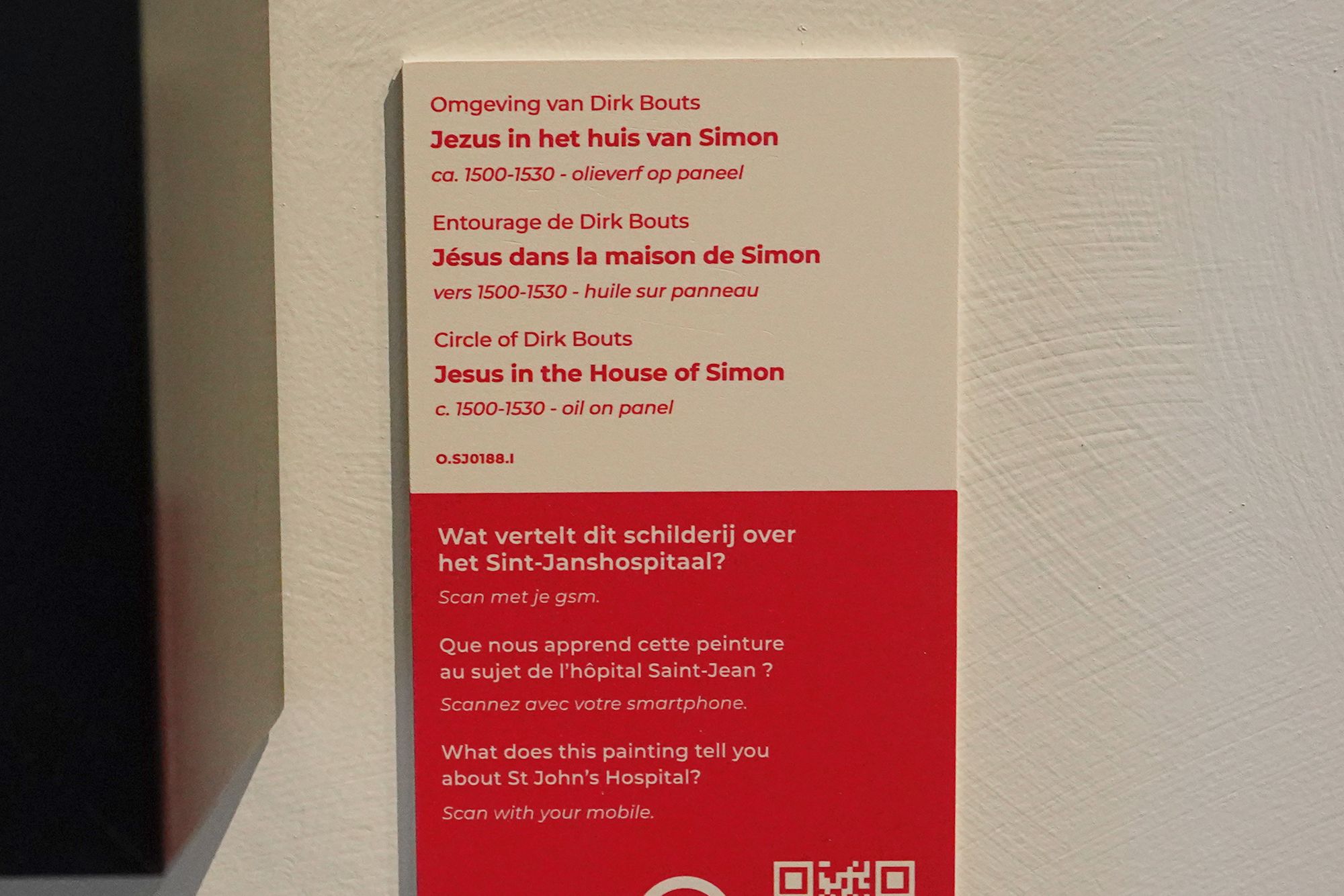
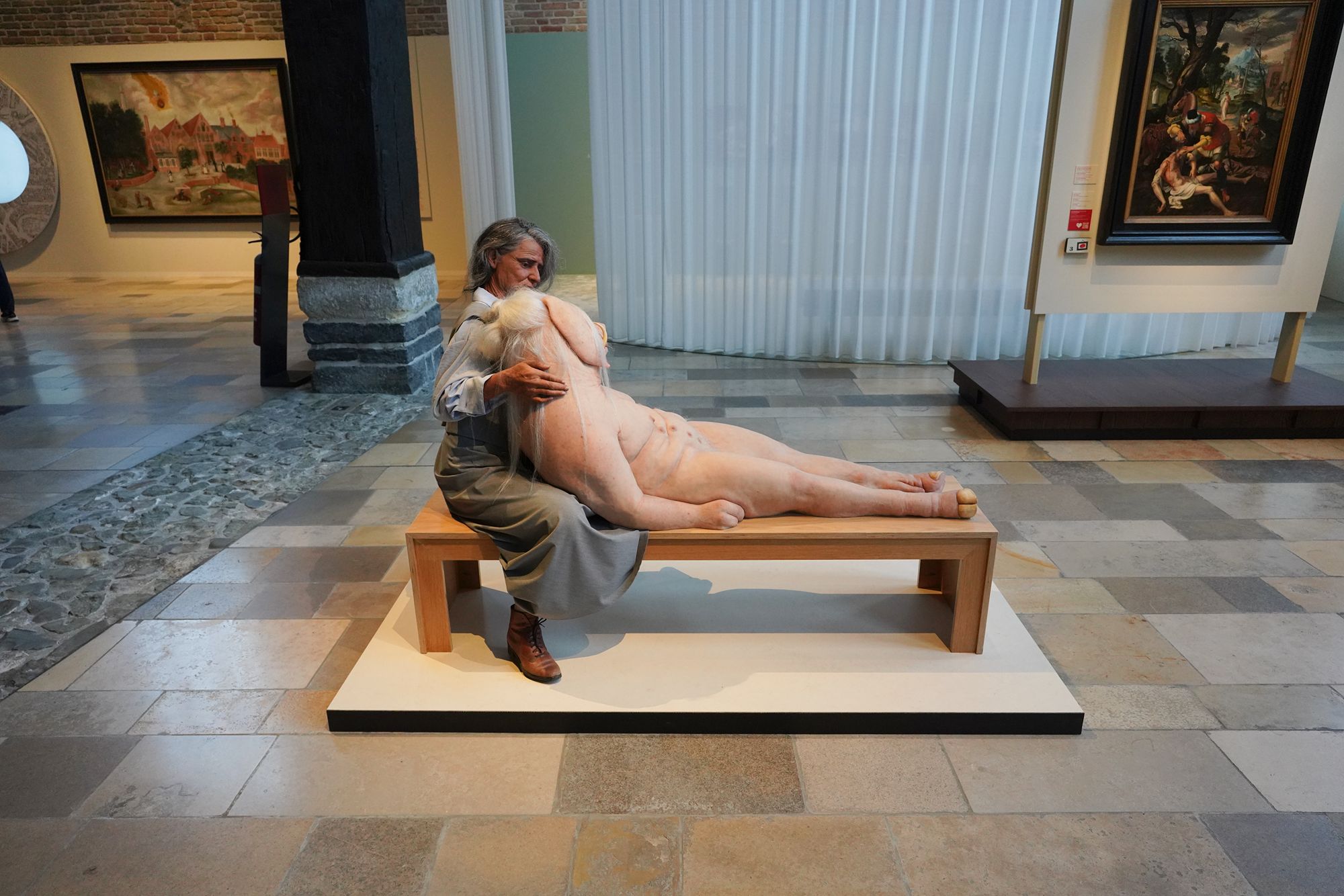
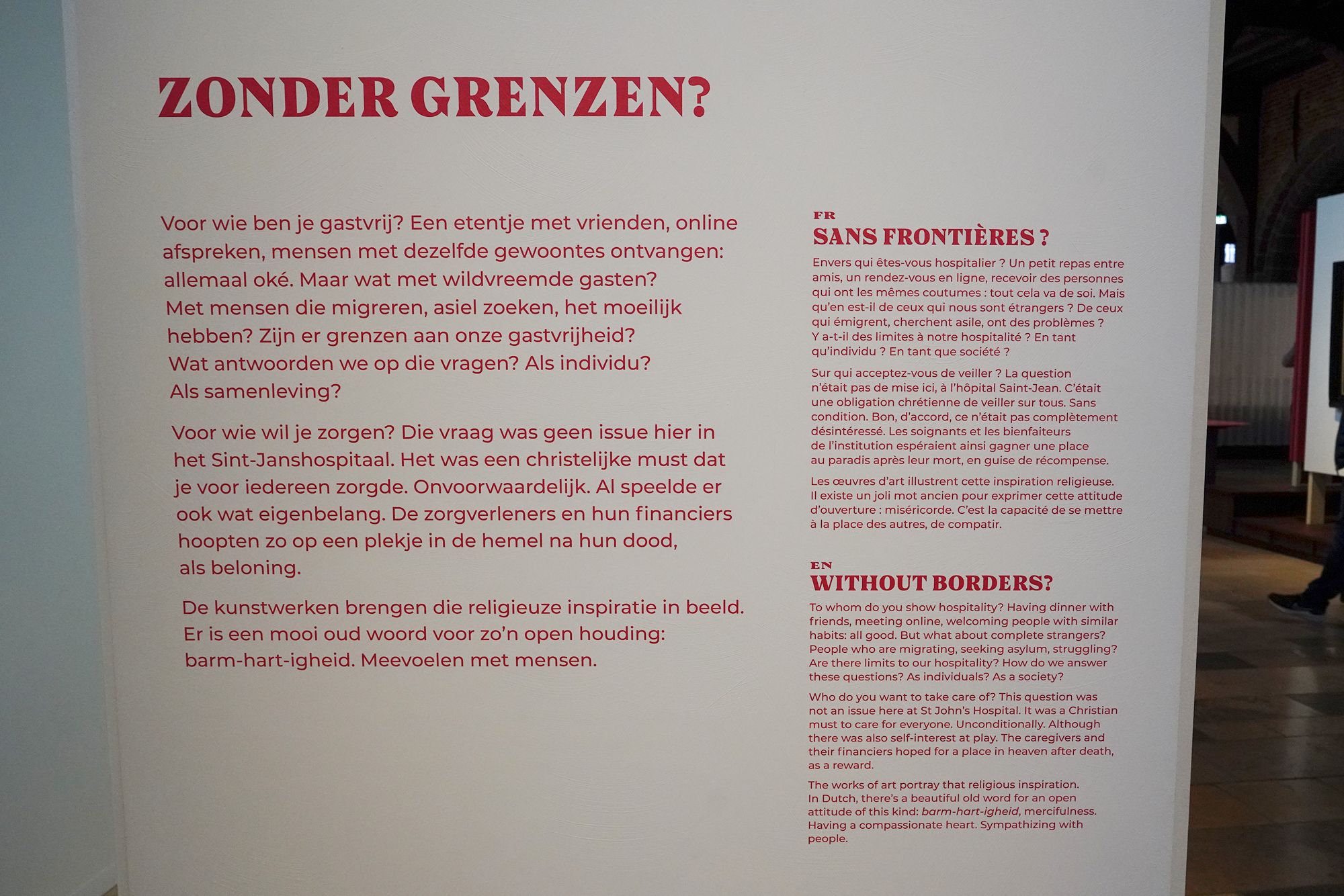
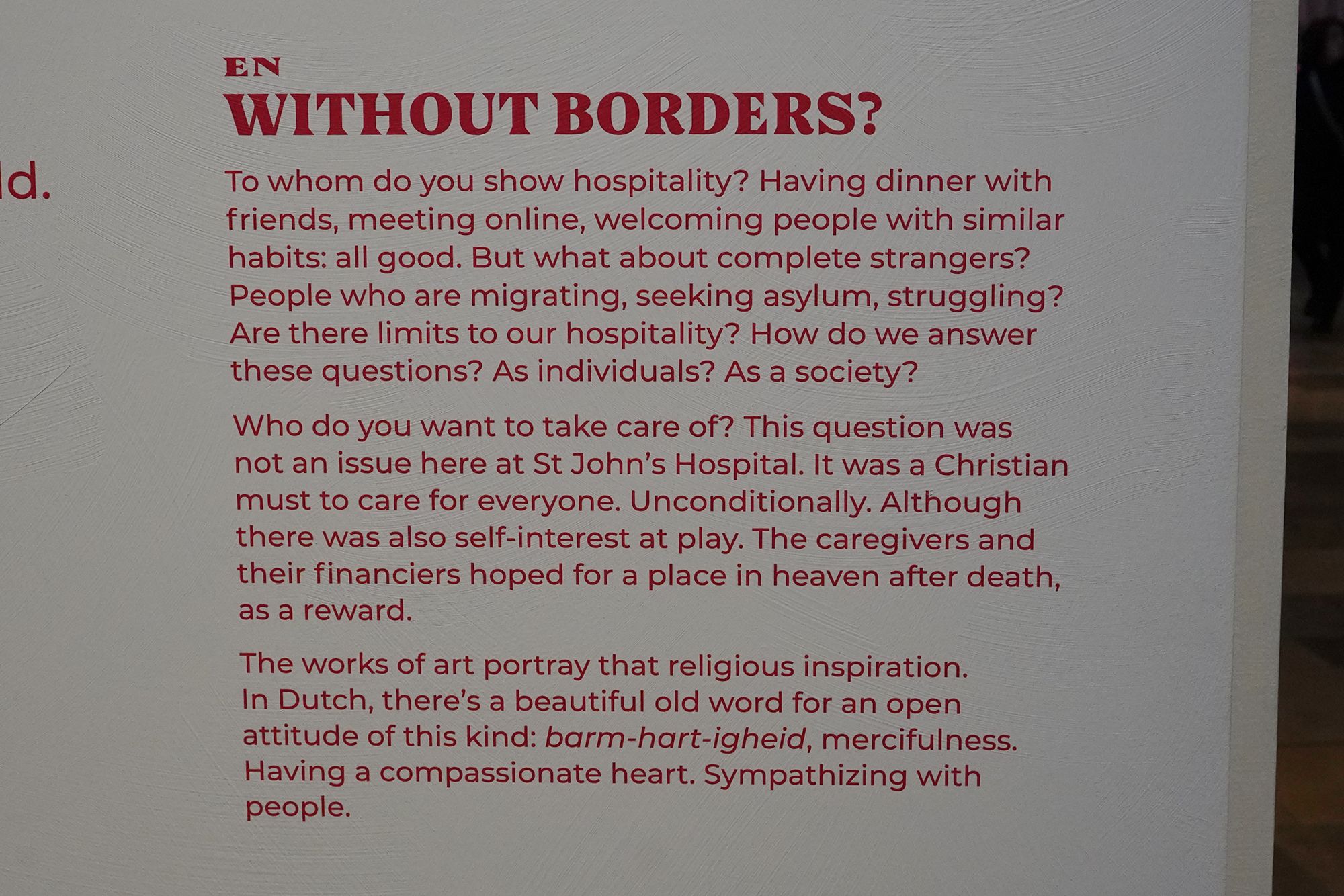
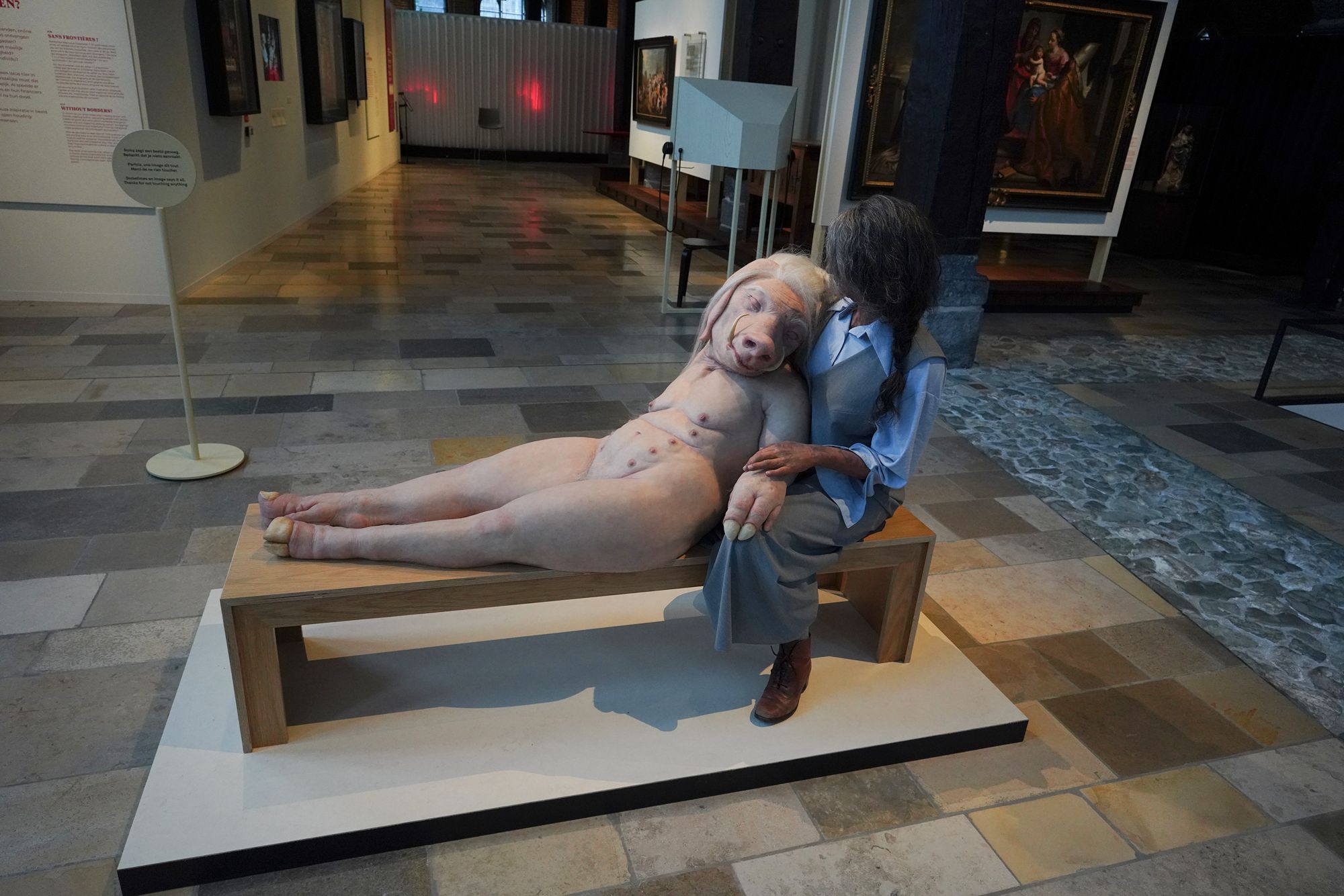
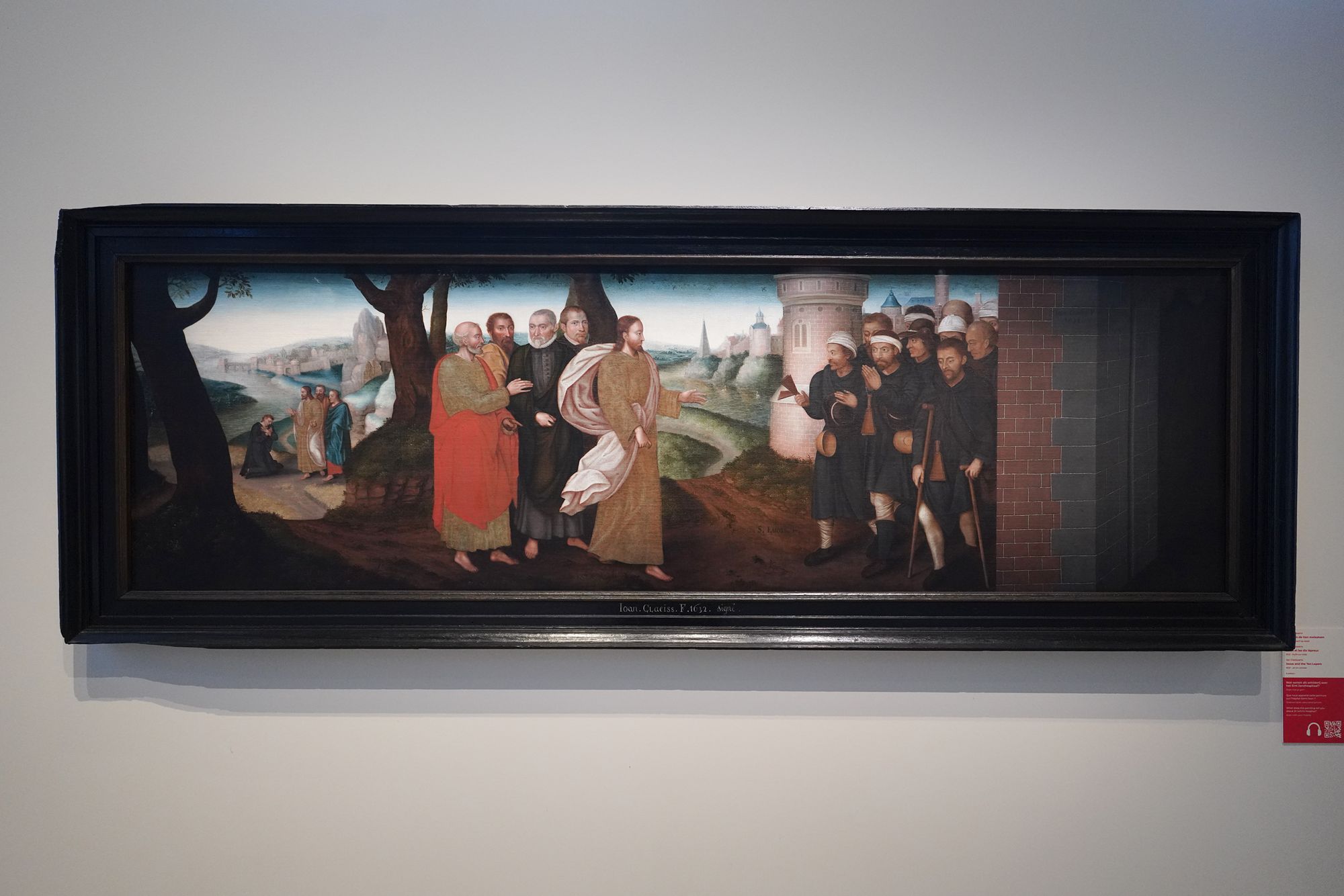
Saint John’s Hospital followed the Christian ideal of caring for everyone in need, regardless of who they were. Hospitality and compassion were considered religious duties, while caregivers and benefactors also hoped their charitable acts would help secure their salvation. The museum describes this tradition through the idea of mercifulness—having a compassionate heart toward others.
Saint John’s Hospital was originally built and used as a hospital—it wasn’t a palace or monastery later converted into one.
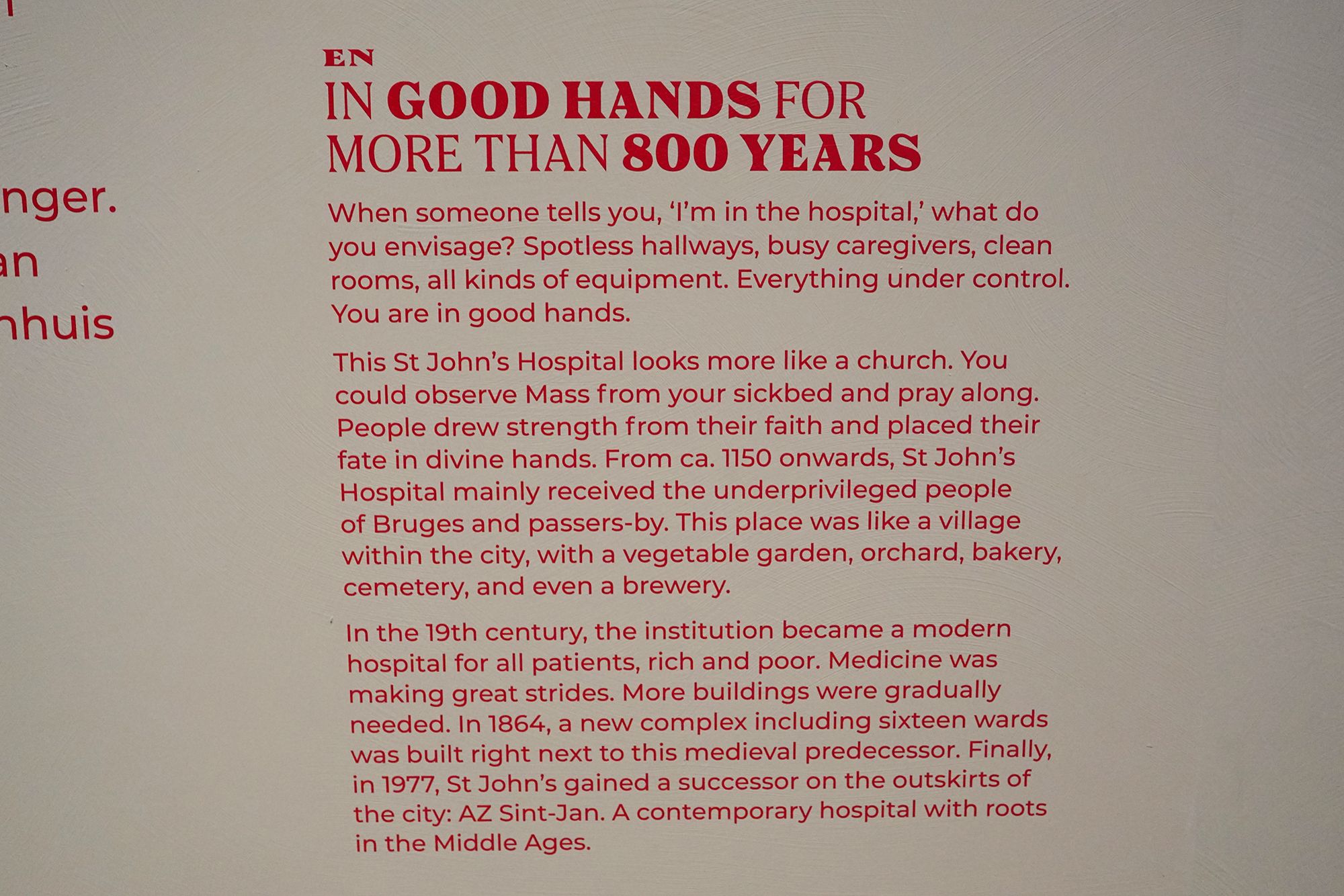
It was founded around the mid-12th century, near one of Bruges’ city gates. Its location was useful because it could receive sick people, poor people, pilgrims, and travelers entering the city.
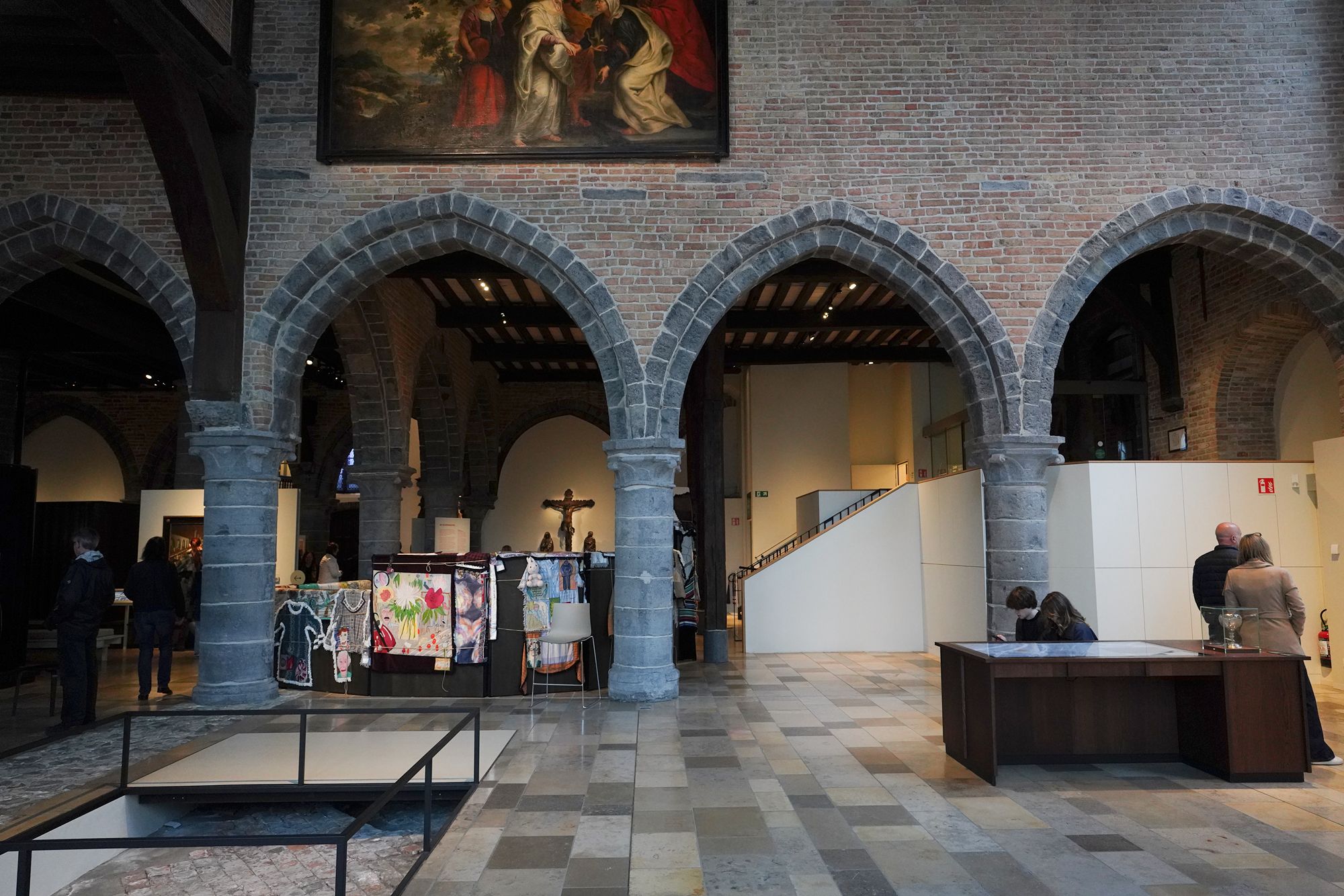
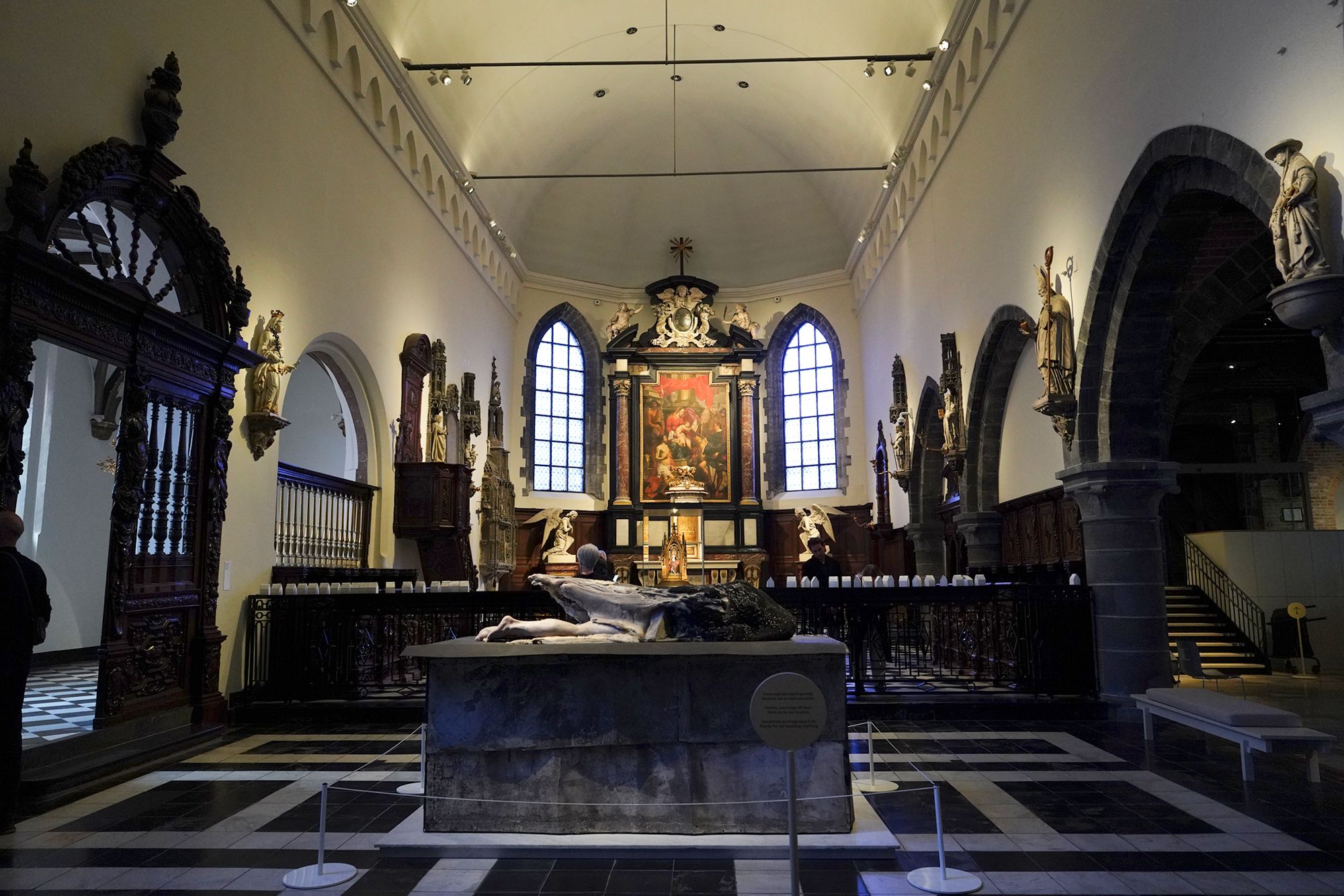
The large medieval halls one is walking through were part of the actual hospital complex. Patients were cared for there, while religious brothers and sisters provided much of the nursing and spiritual care. The complex expanded over the centuries with additional wards, a chapel, pharmacy, convent buildings, and other facilities.
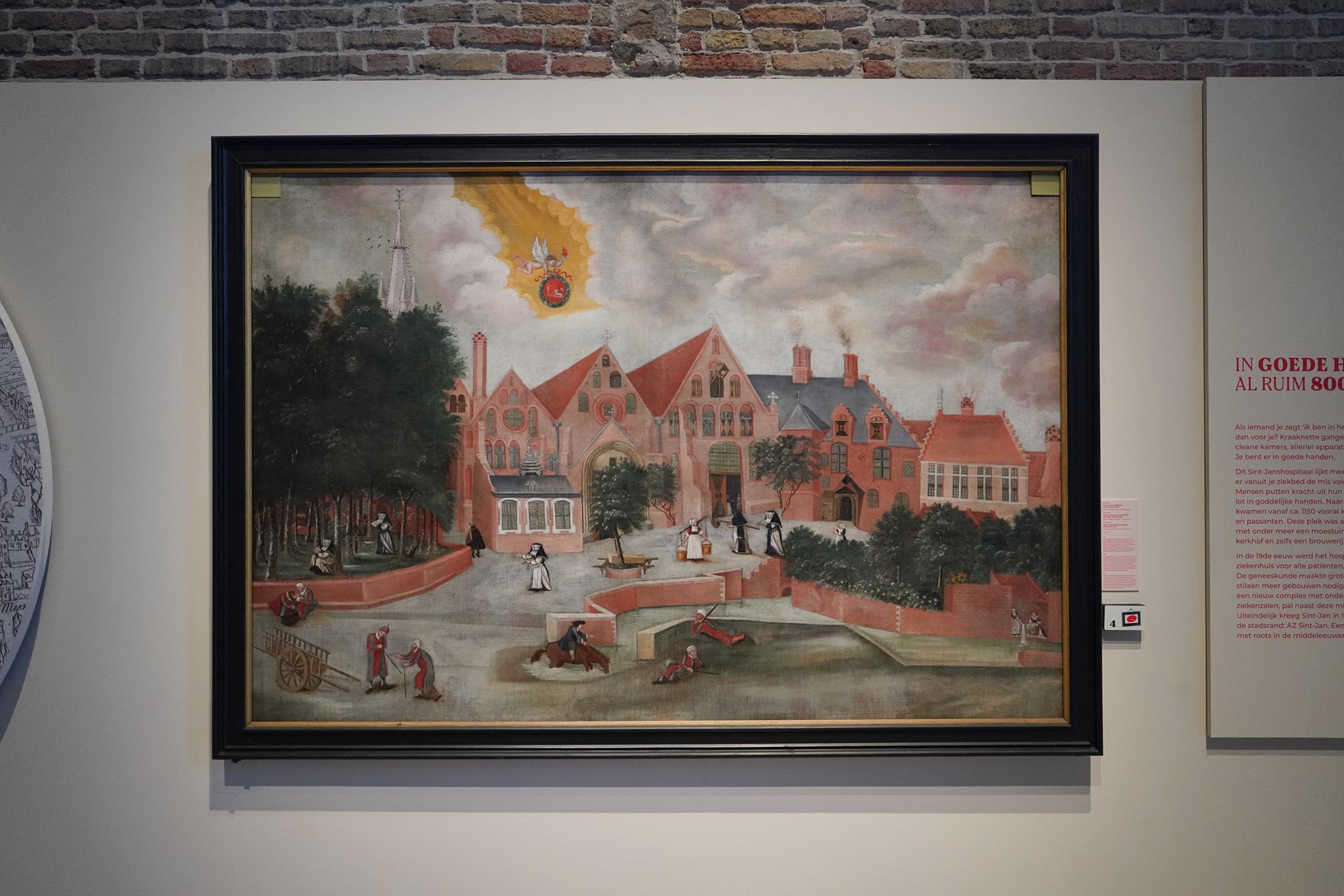
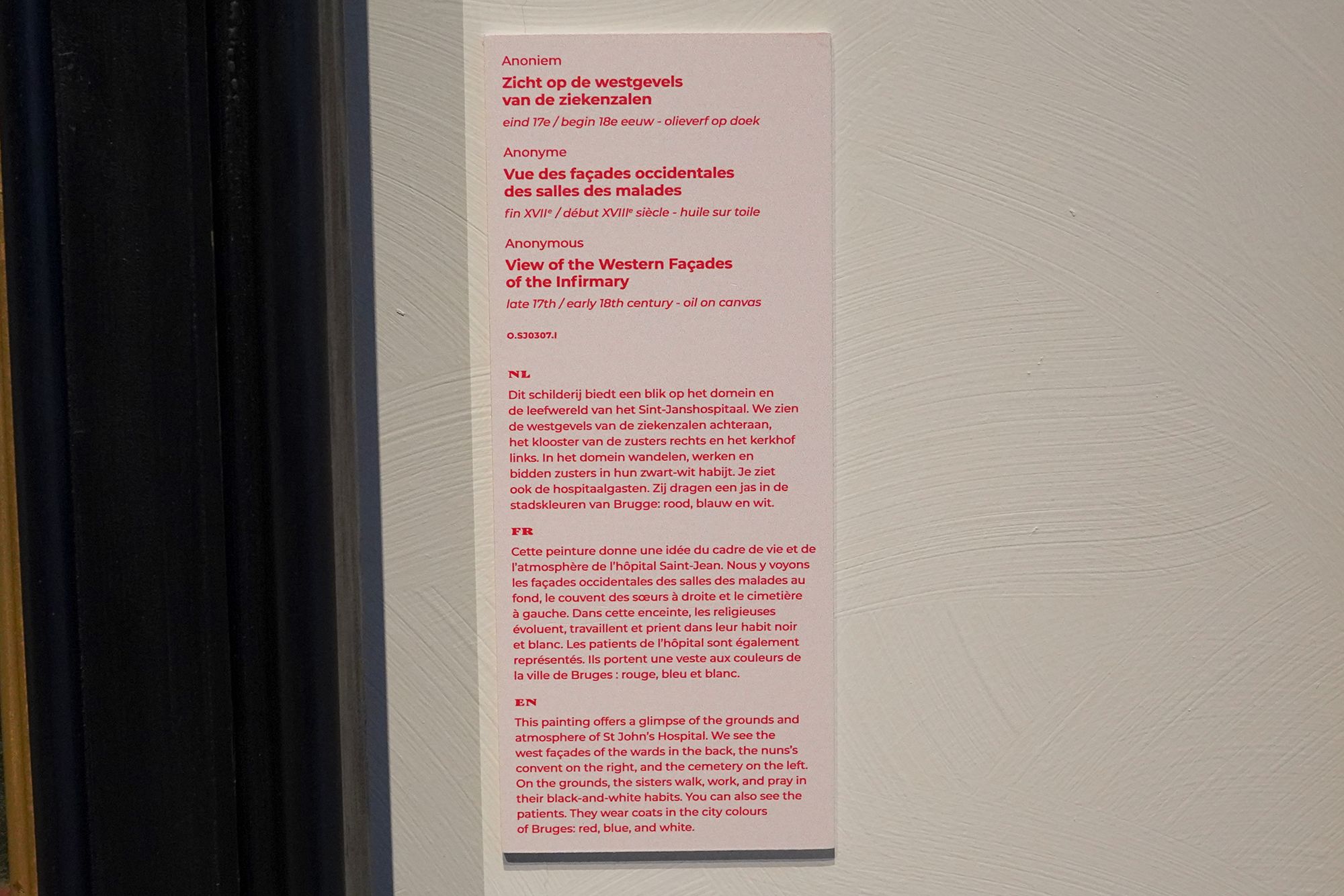
Remarkably, the site continued functioning as a hospital for more than 800 years, although medical care eventually moved into newer buildings. Today, the medieval complex is the Sint-Janshospitaal Museum.
So when you walk through those old halls, you really are walking through spaces that were created for and used by hospital patients centuries ago.
Saint John’s Hospital was a Christian charitable institution. Wealthy citizens and benefactors donated money, land, property, food, and other goods to support it. Some donations were given during a person’s lifetime, while others were left to the hospital in wills. The hospital eventually accumulated property and income that helped finance its operations.
The Church and religious community also played an important role. Brothers and, later especially, sisters cared for patients, which meant much of the work was performed as part of their religious vocation rather than through a modern system of salaried medical staff.

Poor people and pilgrims could therefore receive care and shelter even when they could not afford to pay. People who had money could contribute toward their care, but Saint John’s was fundamentally supported by charity, religious service, donations, and income from its property.
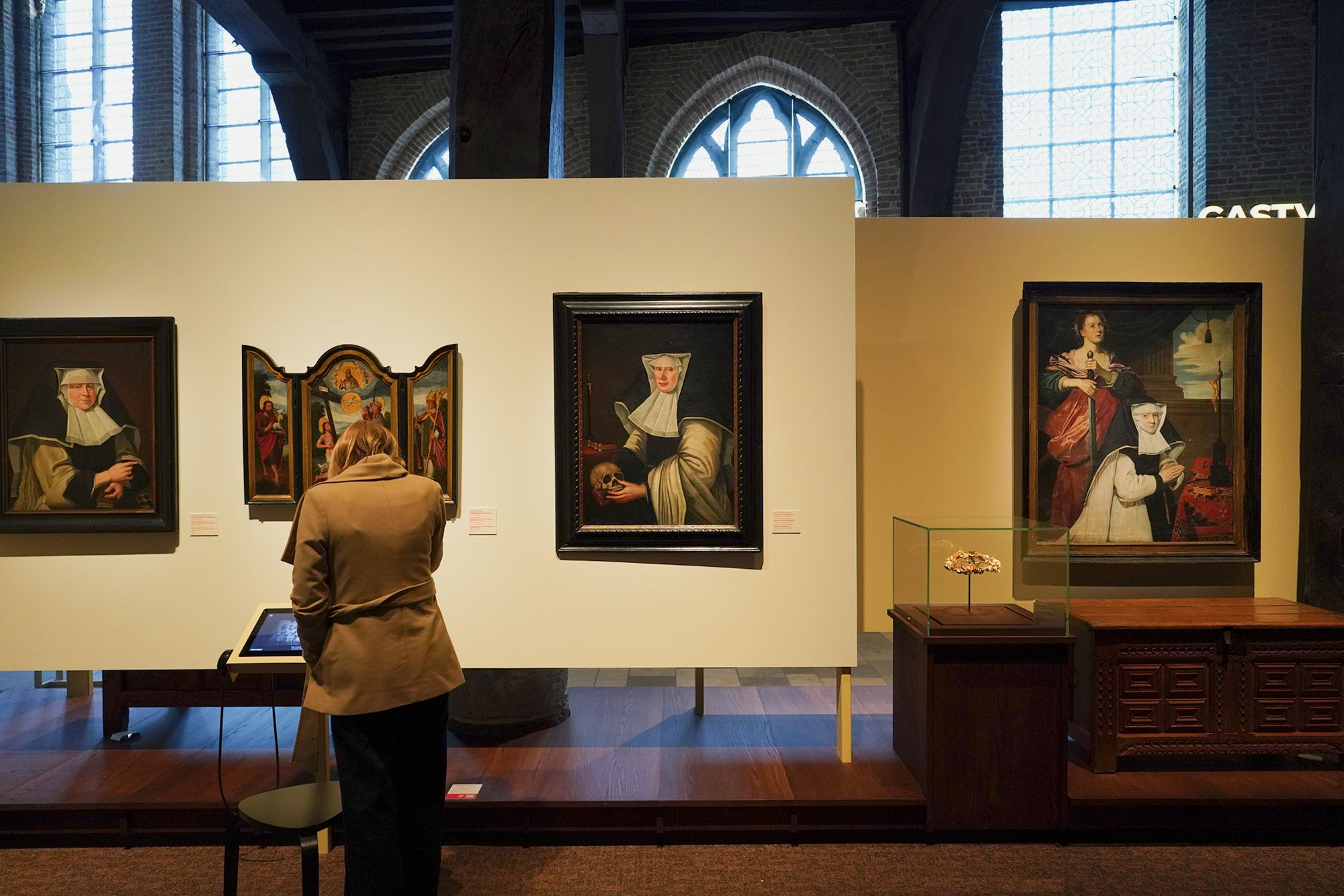
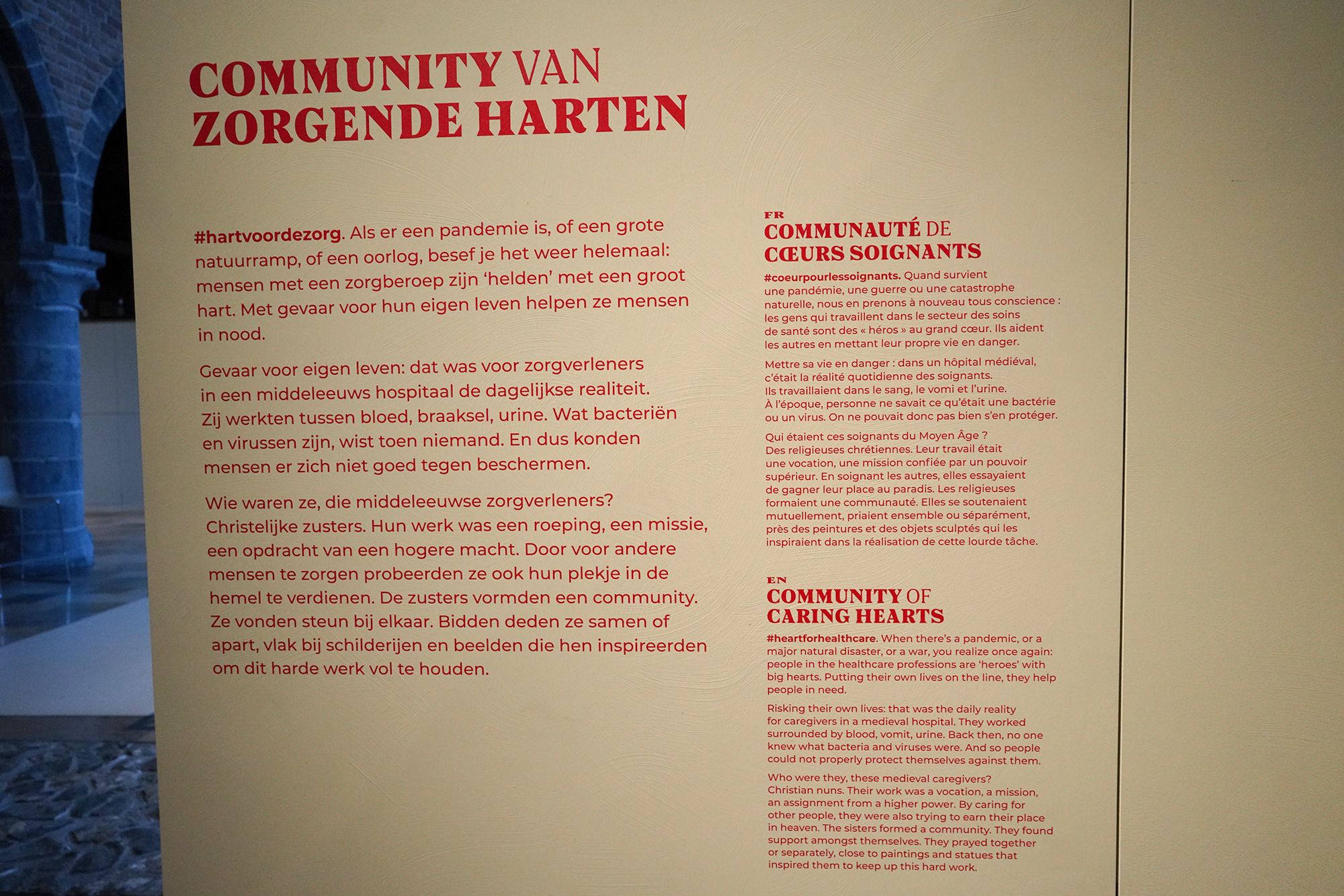
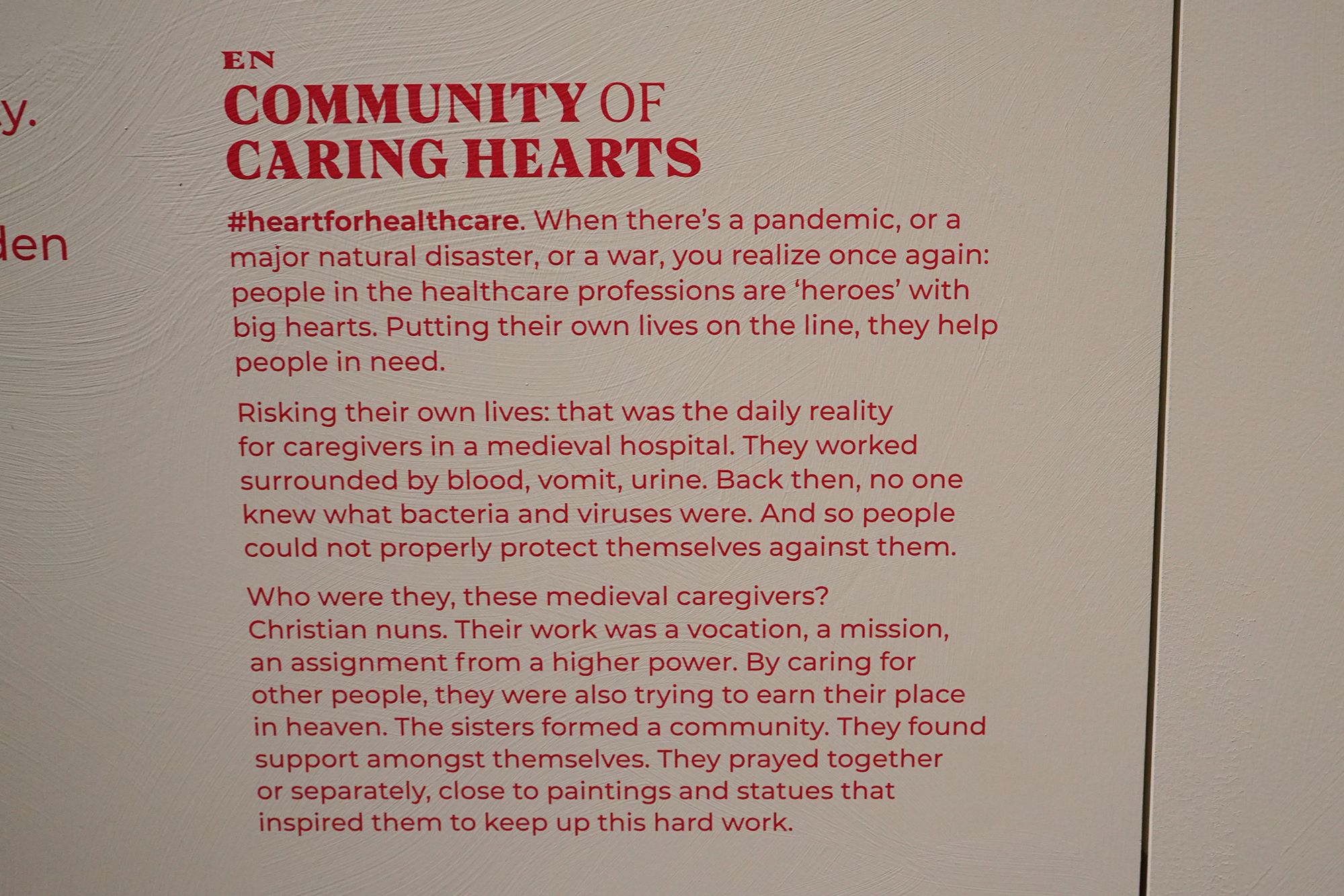
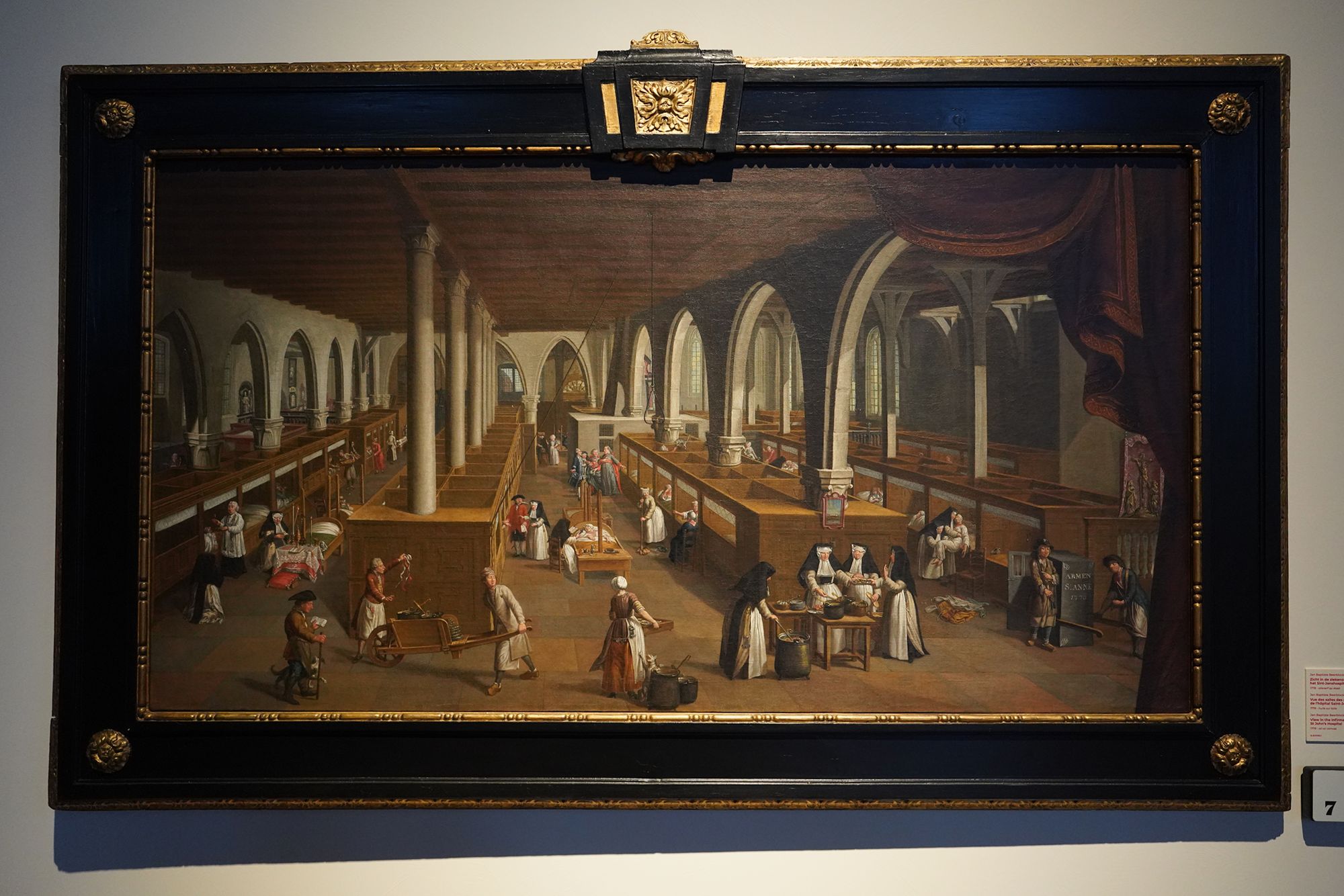
Much of the everyday care at Saint John’s Hospital was provided by Christian nuns who considered nursing a religious calling. Working long before people understood bacteria and viruses, they regularly exposed themselves to illness while caring for patients. The sisters lived and prayed together as a community, supporting one another through the difficult work of caring for the sick.
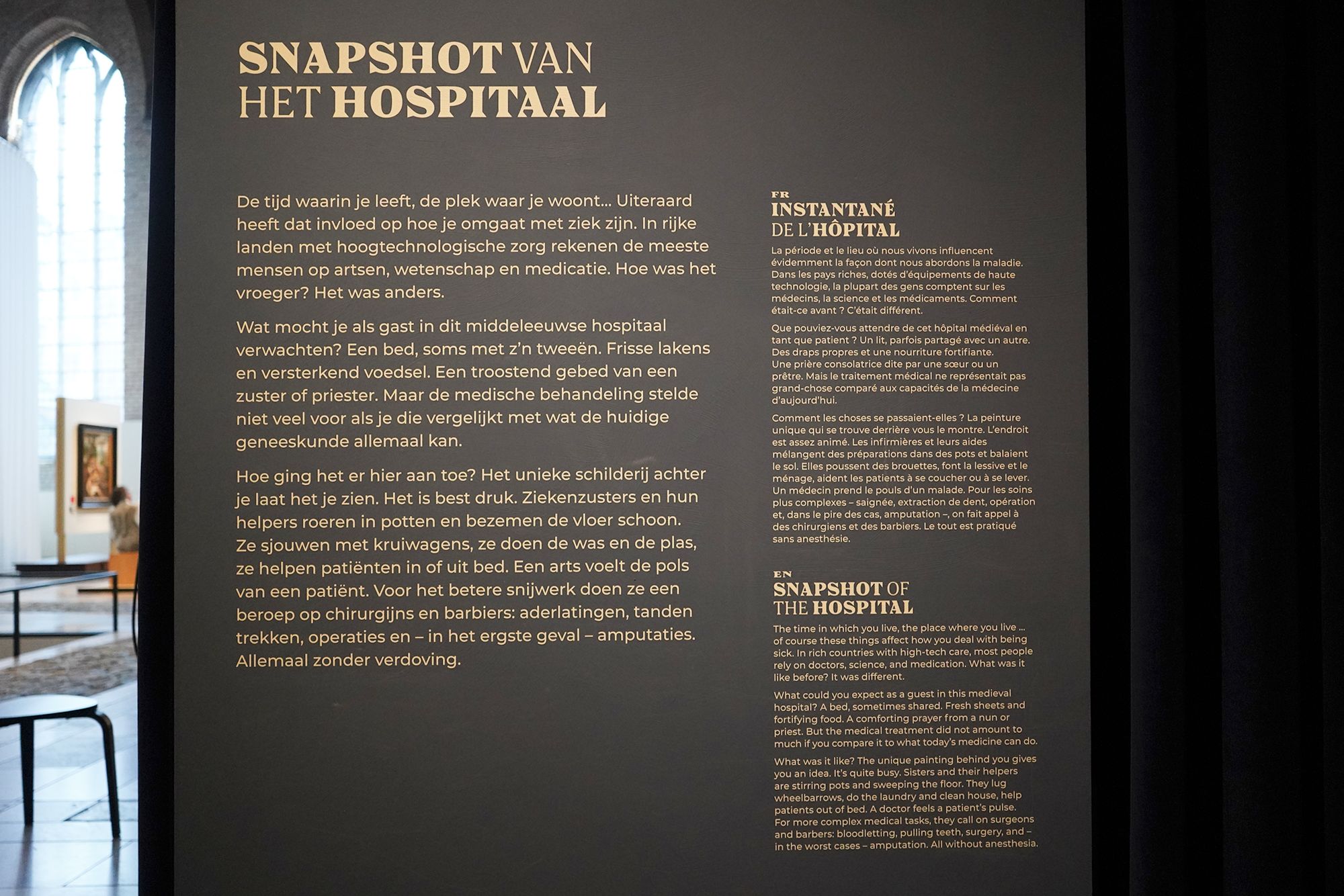
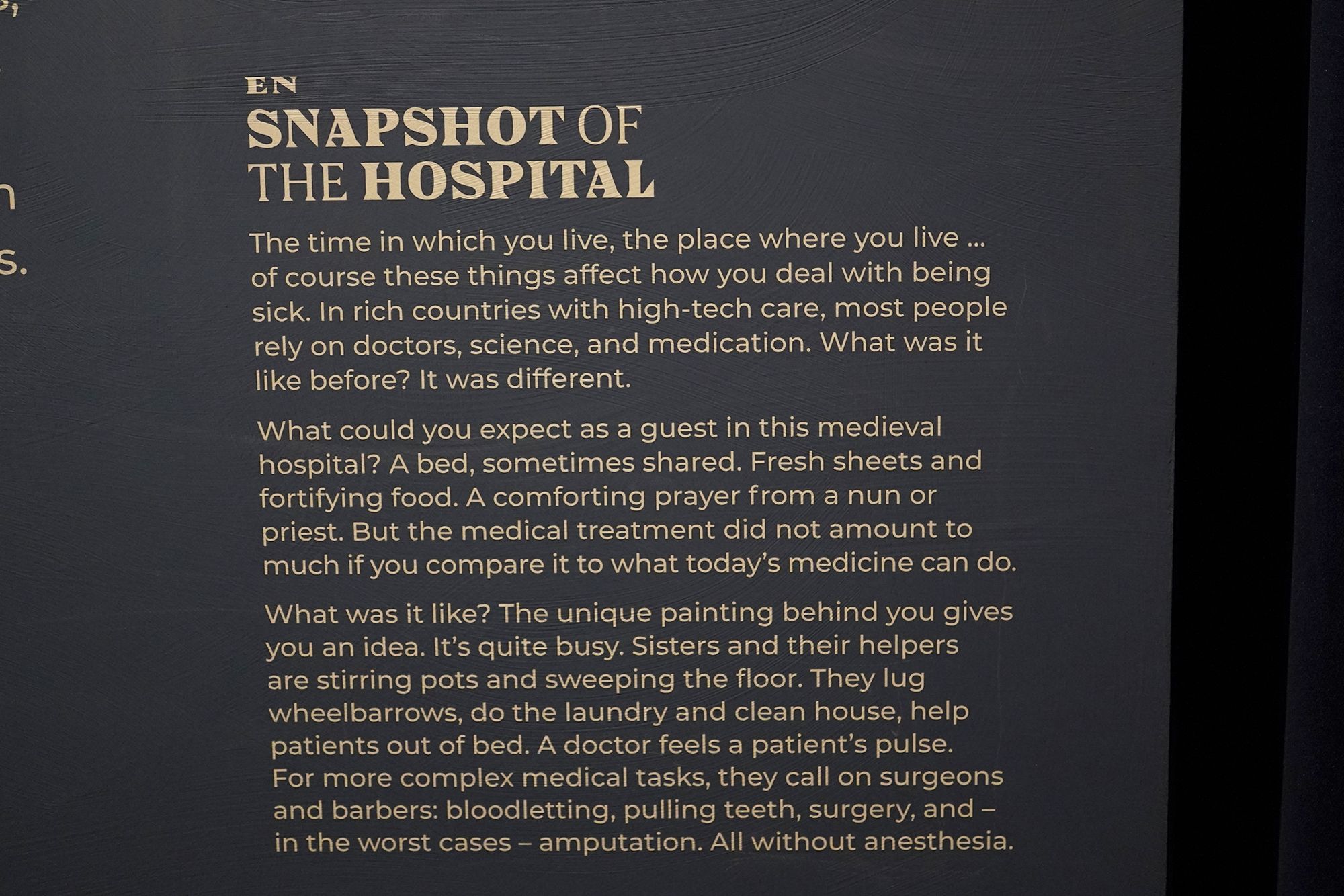
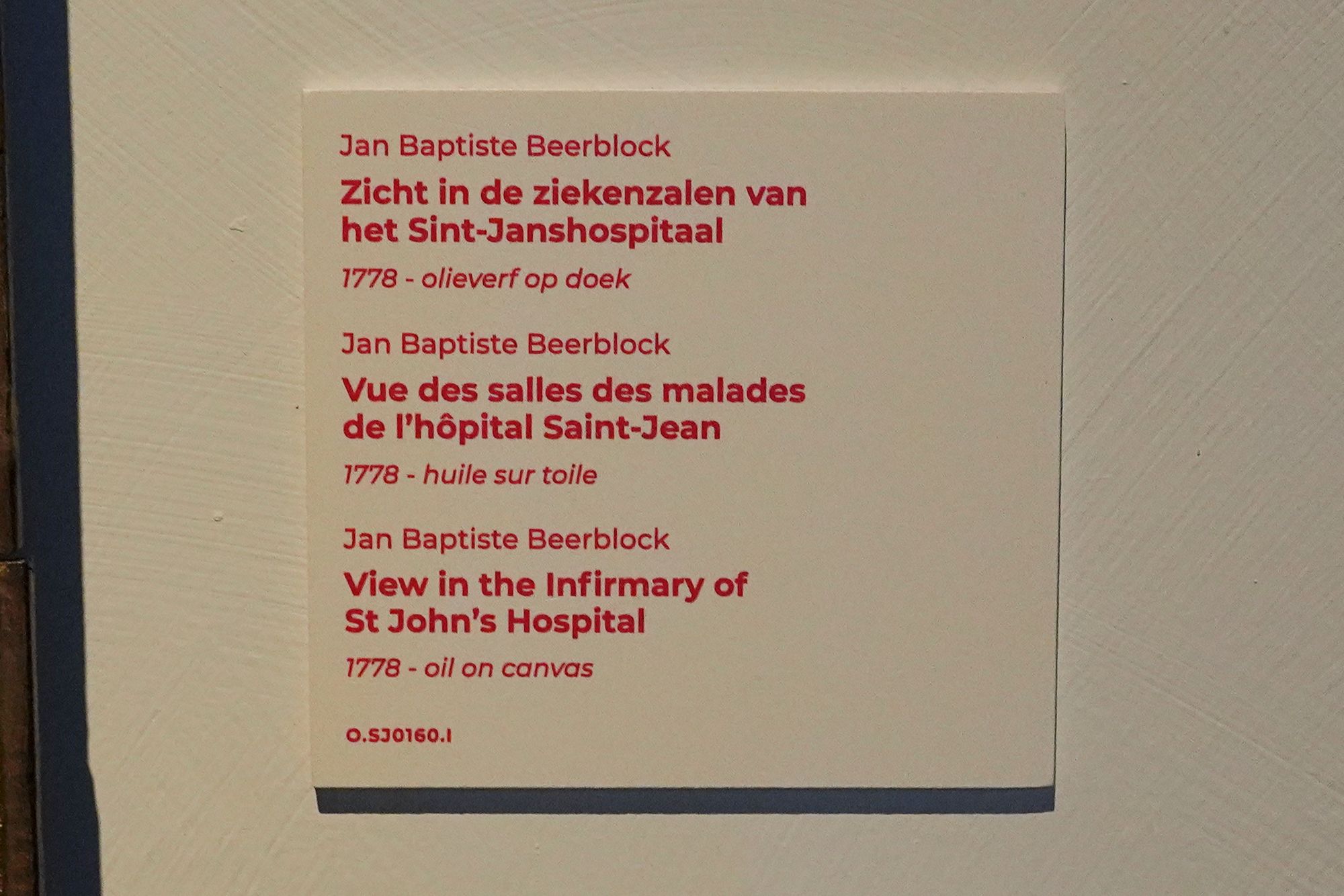
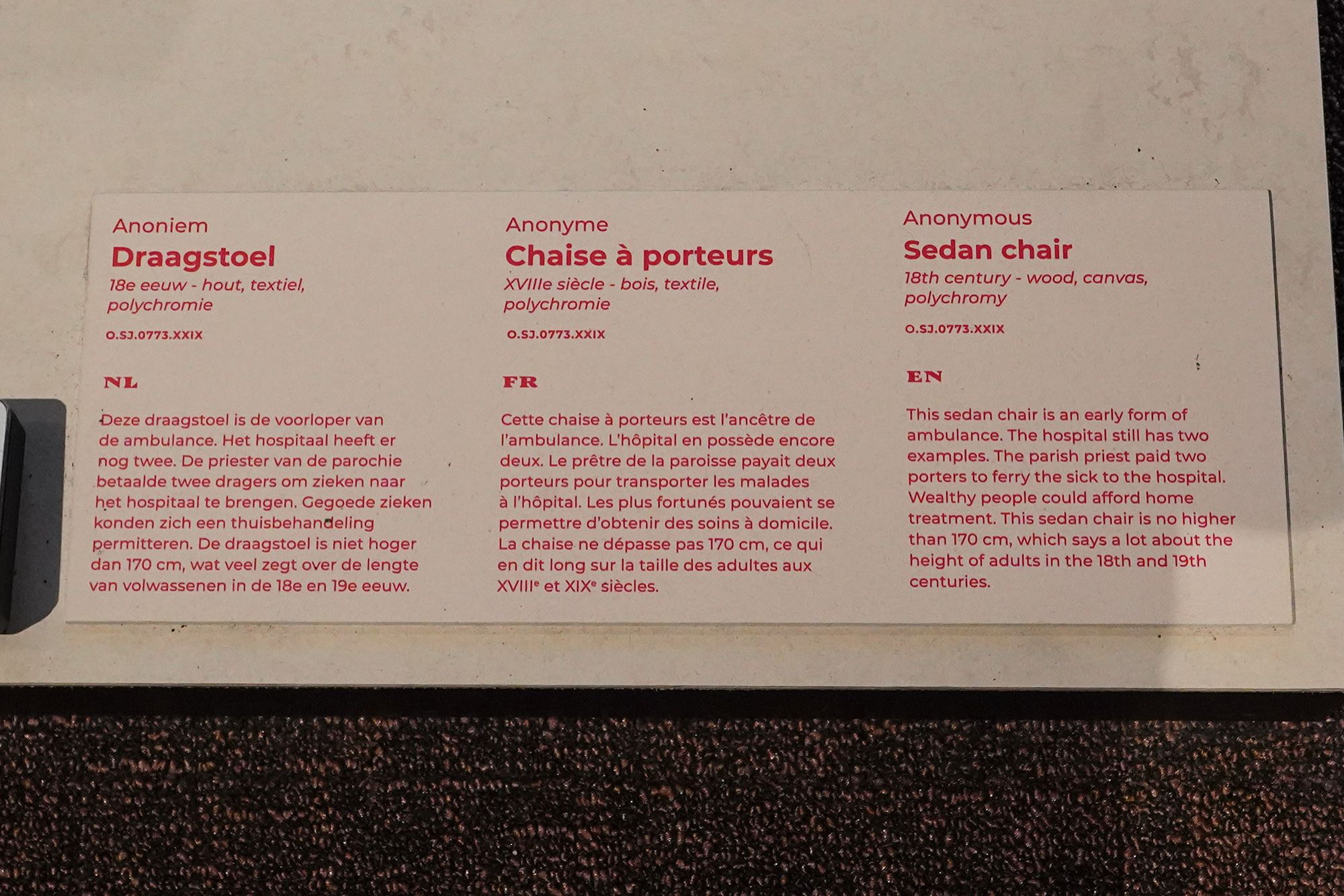
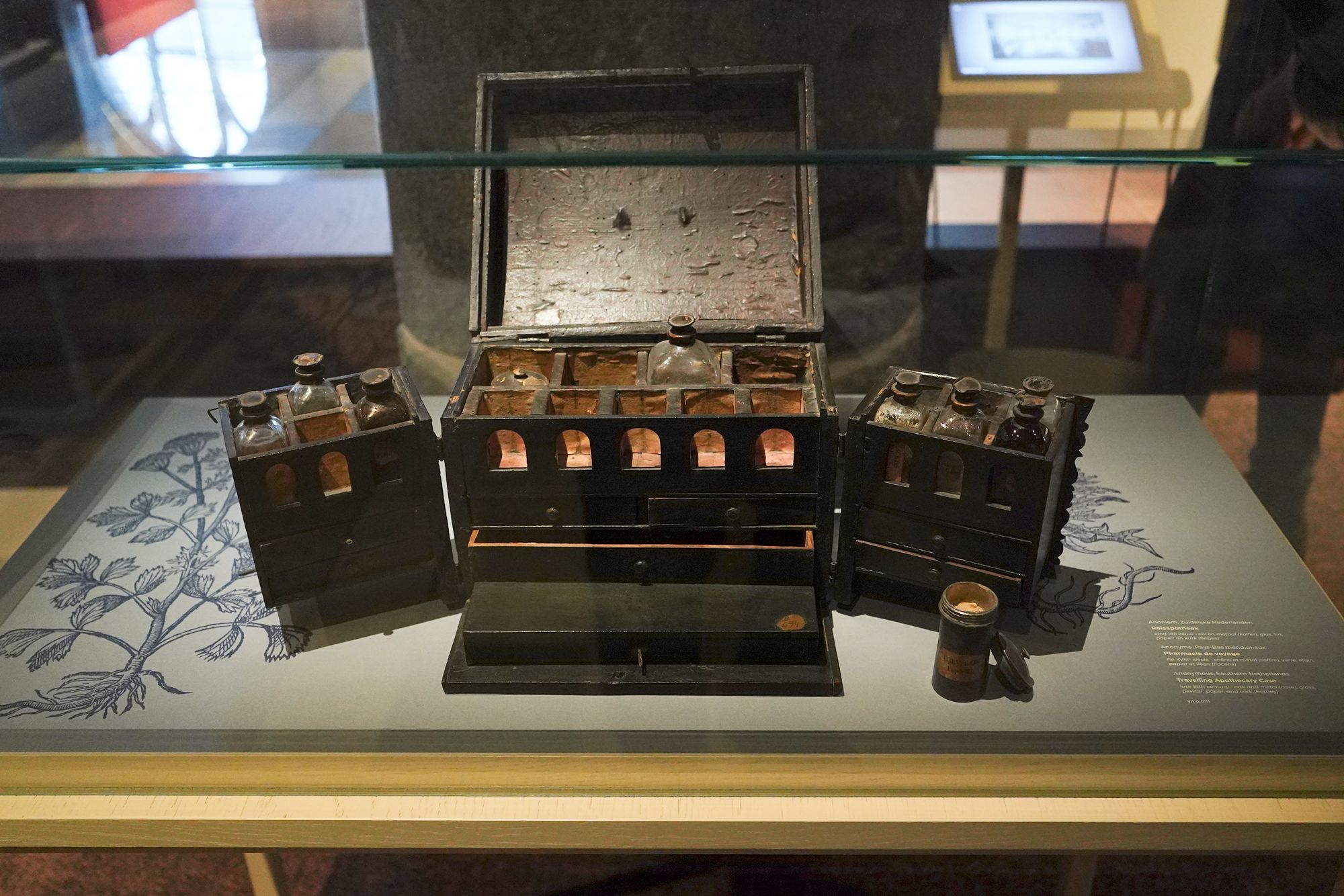
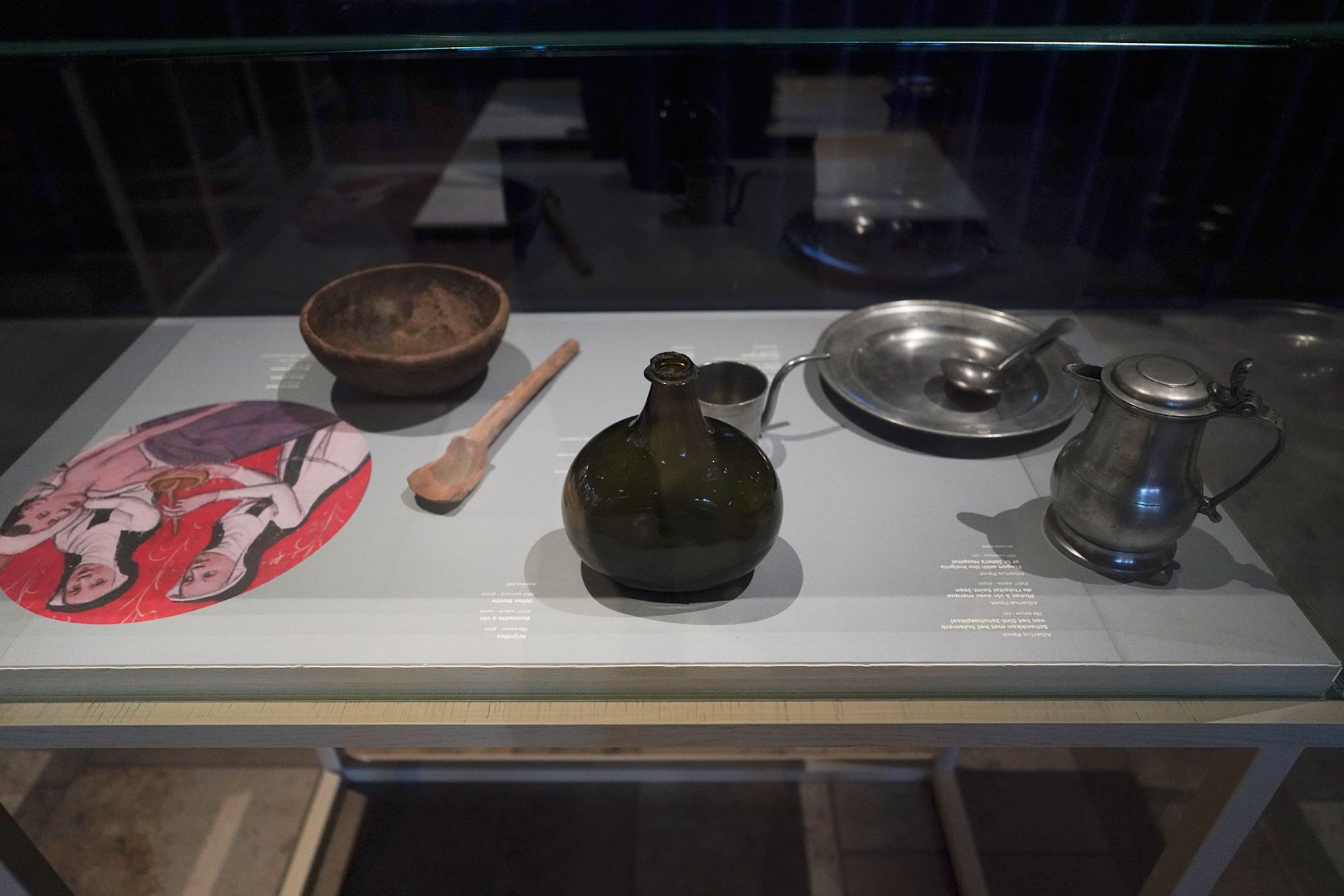
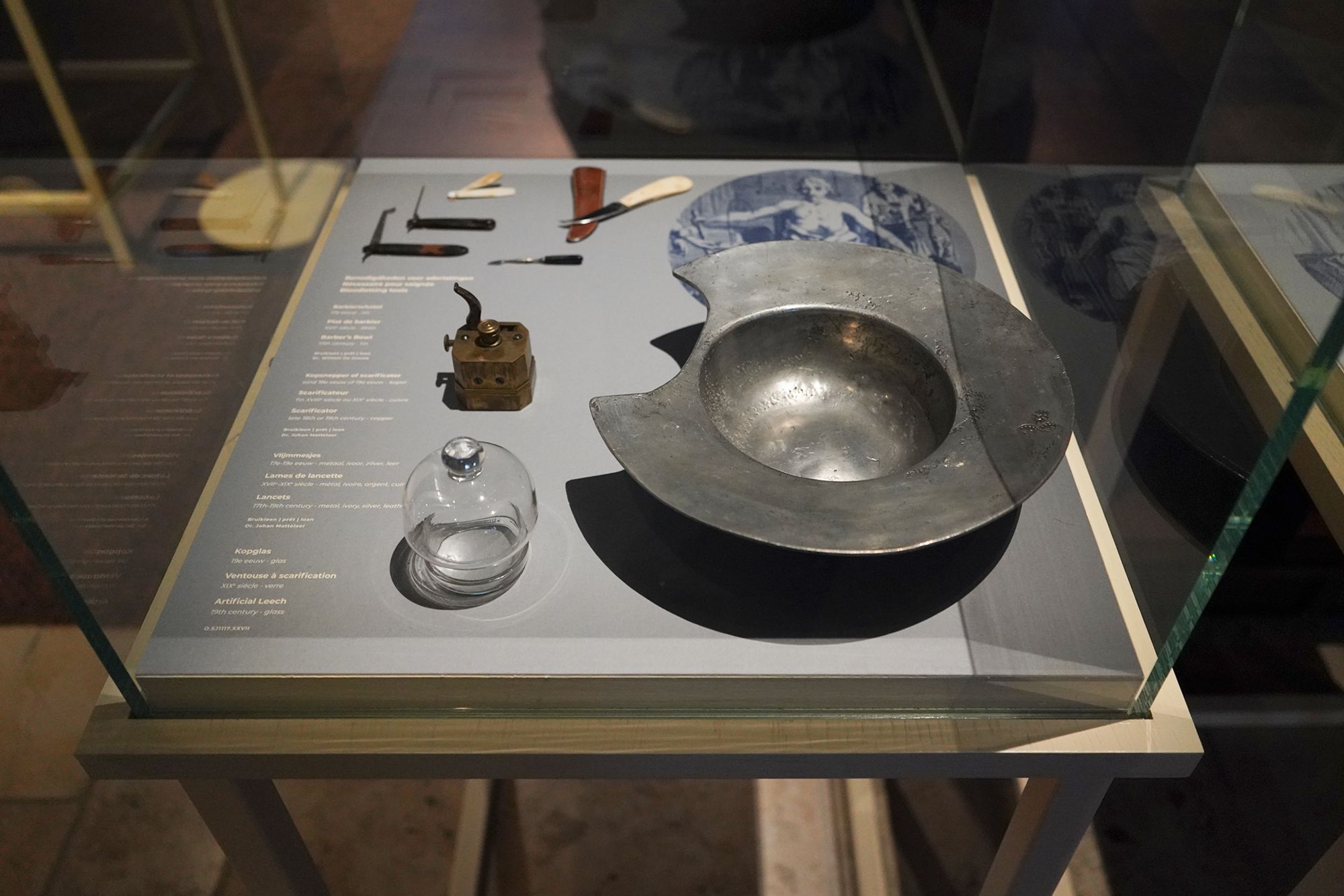
Life inside Saint John’s Hospital was very different from a modern hospital. Patients received a bed, clean sheets, food, nursing care, and prayer, but effective medical treatment was limited. Nuns and their helpers handled most everyday care, while doctors, surgeons, and barber-surgeons performed treatments ranging from bloodletting and tooth extraction to surgery and even amputation—all without modern anesthesia.
In medieval Europe, average life expectancy was only about 35 years, partly because infant mortality was extremely high and medical treatments were limited. From the 19th century onward, better hygiene, sanitation, vaccinations, and advances in medicine dramatically improved survival, eventually raising life expectancy to around 80 years or more in many parts of Europe.
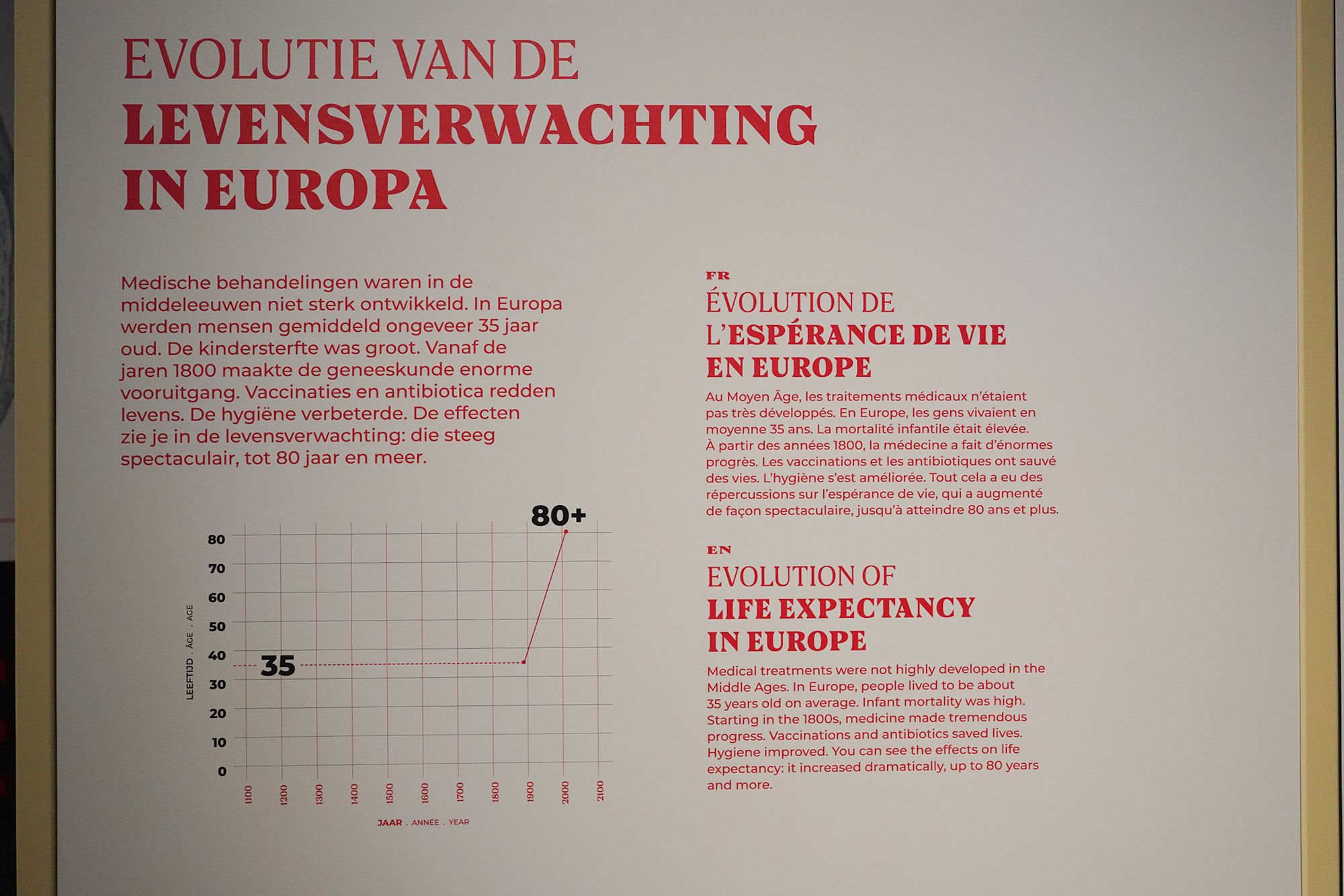
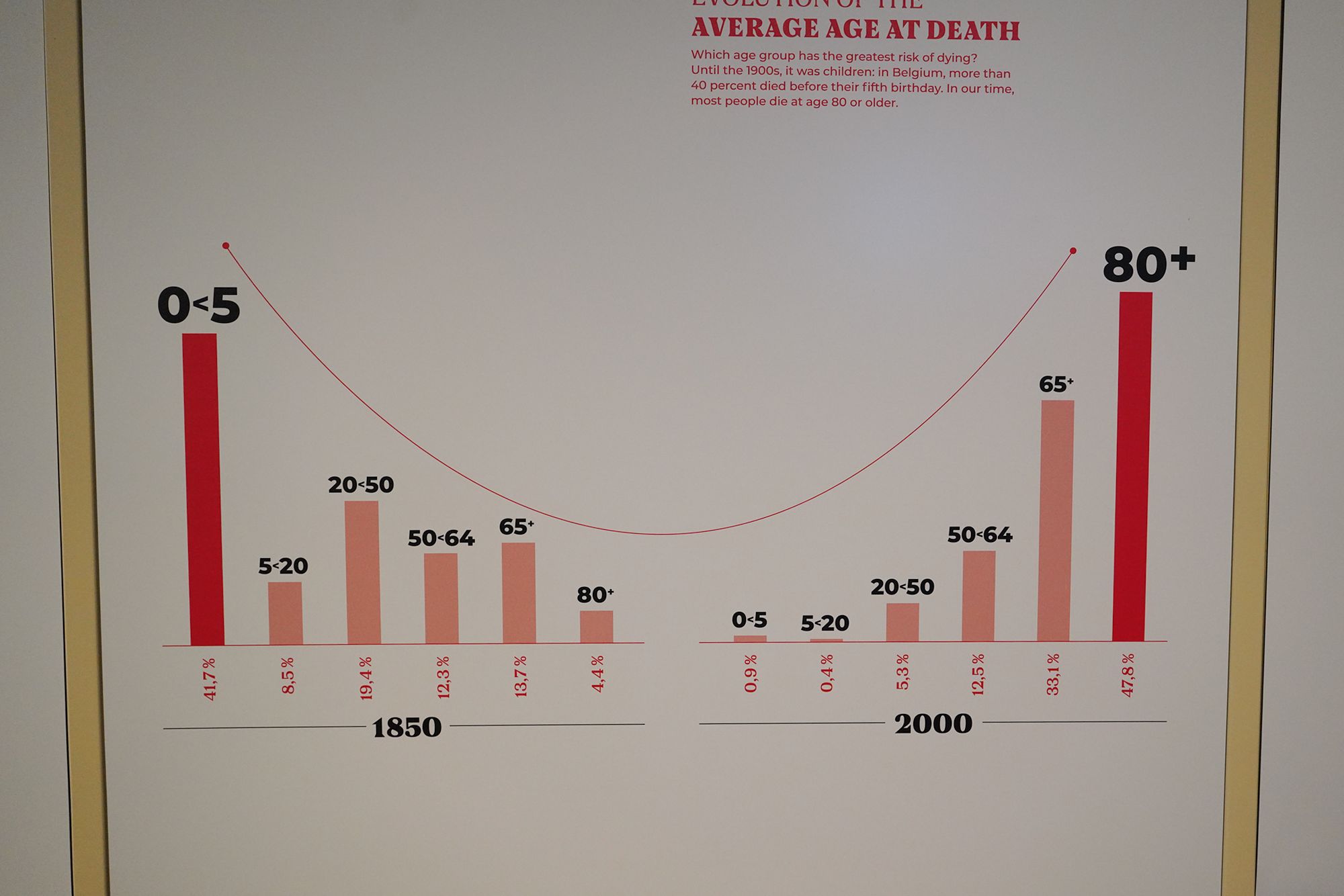
The low life expectancy of the past was heavily influenced by extremely high childhood mortality. In Belgium, until the early 1900s, more than 40 percent of children died before their fifth birthday. Those who survived childhood could live much longer, but early deaths greatly reduced the overall average life expectancy.

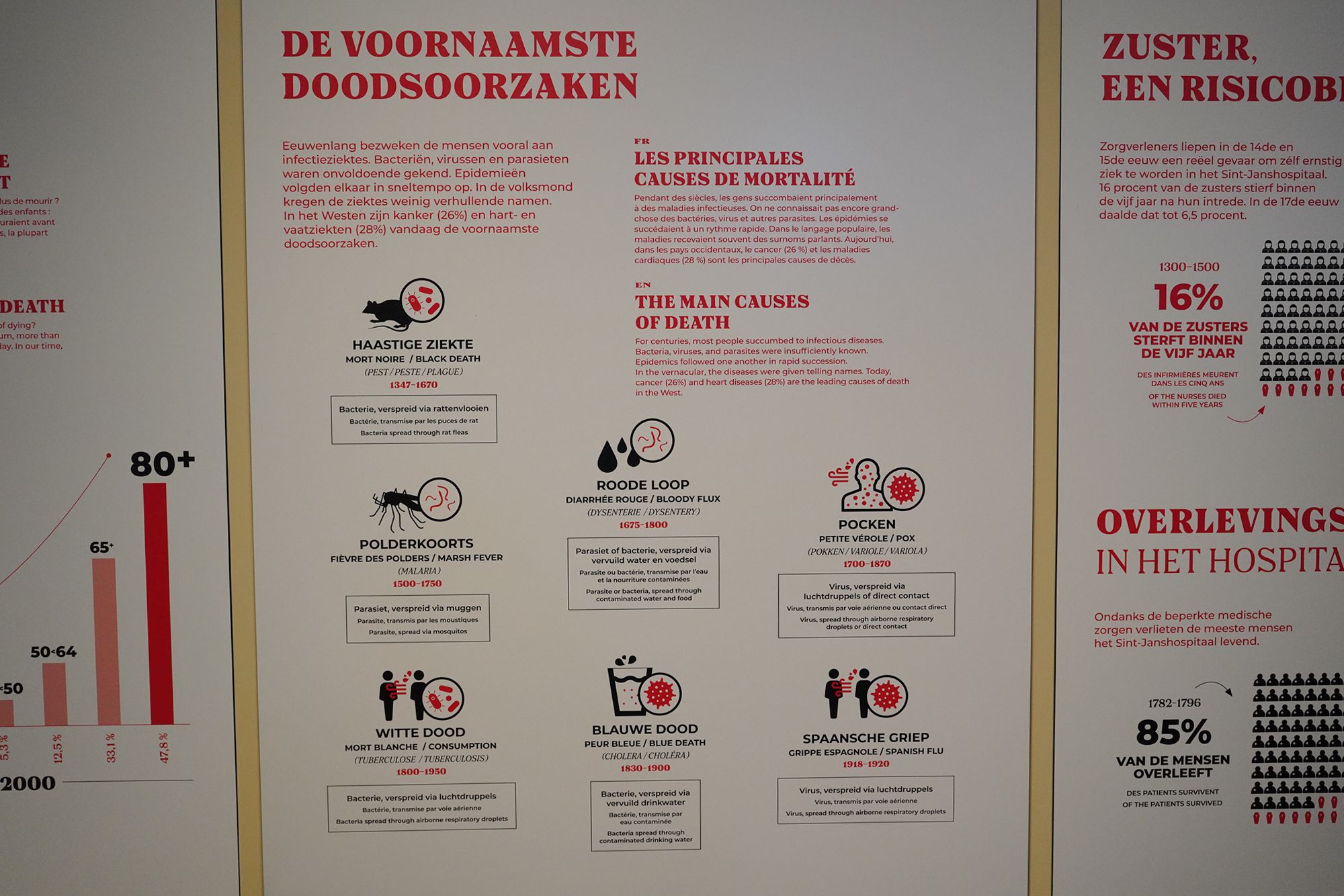
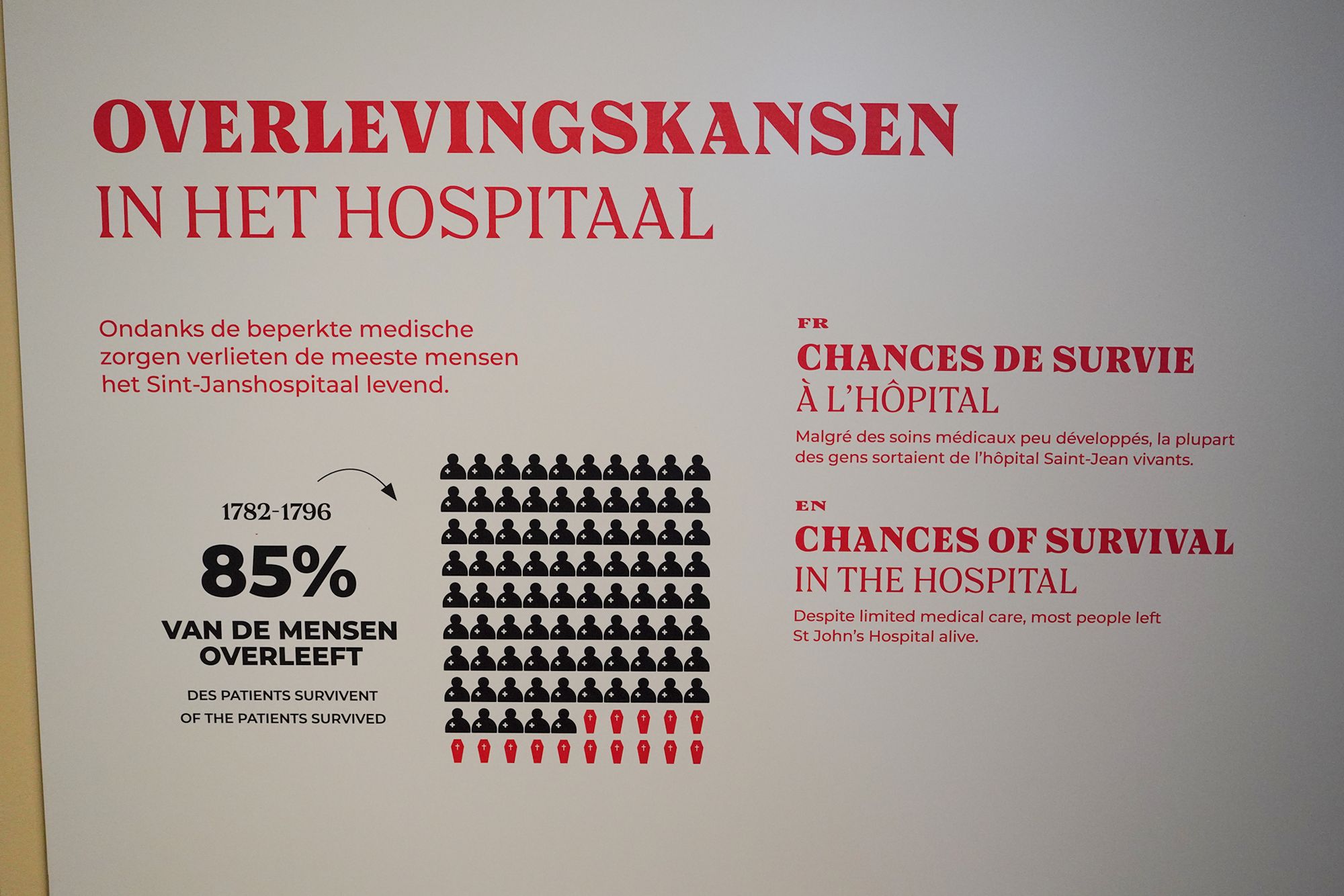
Despite the limited medical knowledge and treatments available at the time, most patients who entered Saint John’s Hospital eventually left alive. Rest, nourishing food, clean bedding, shelter, and attentive nursing care could help patients recover even when effective medical treatments were unavailable.
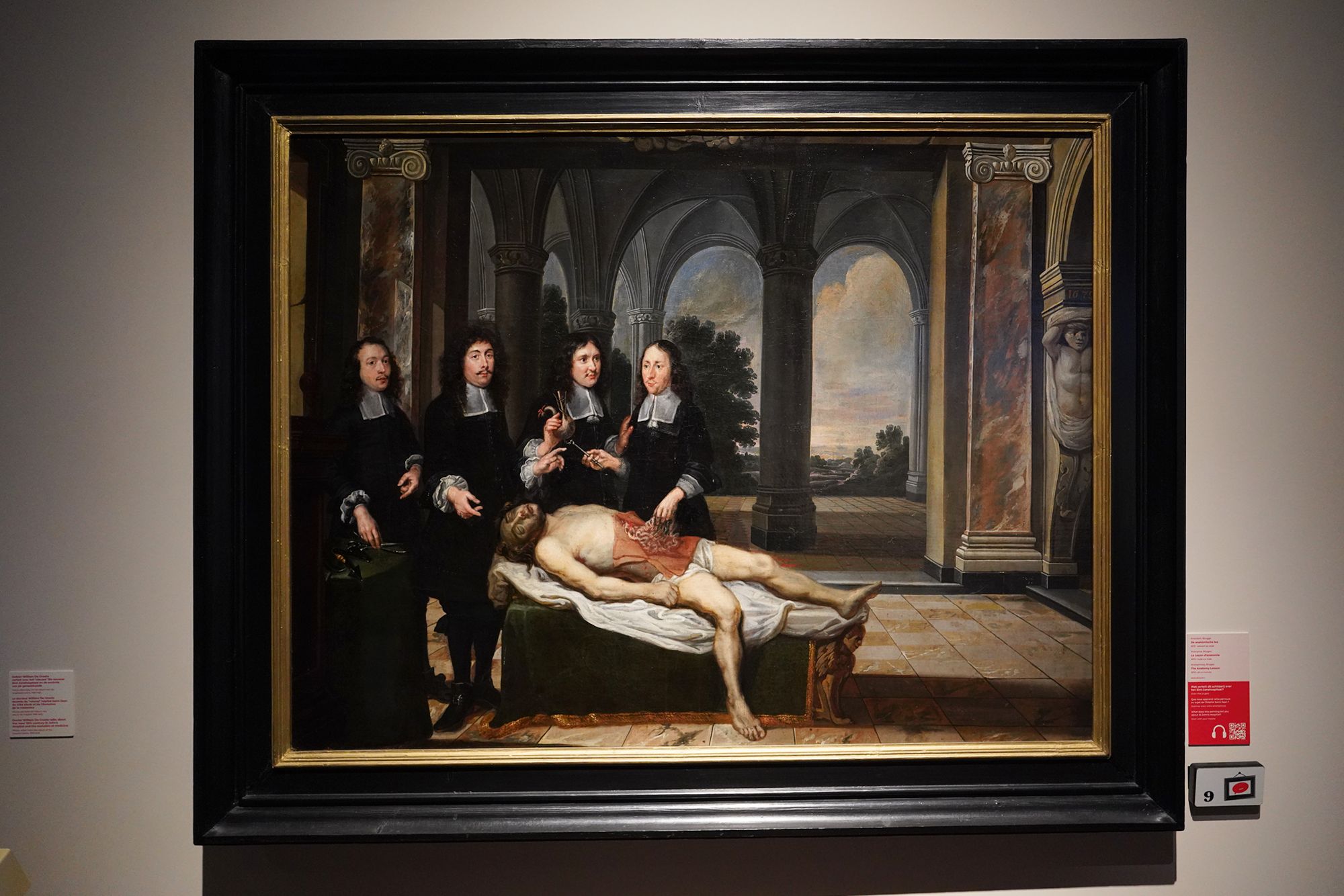
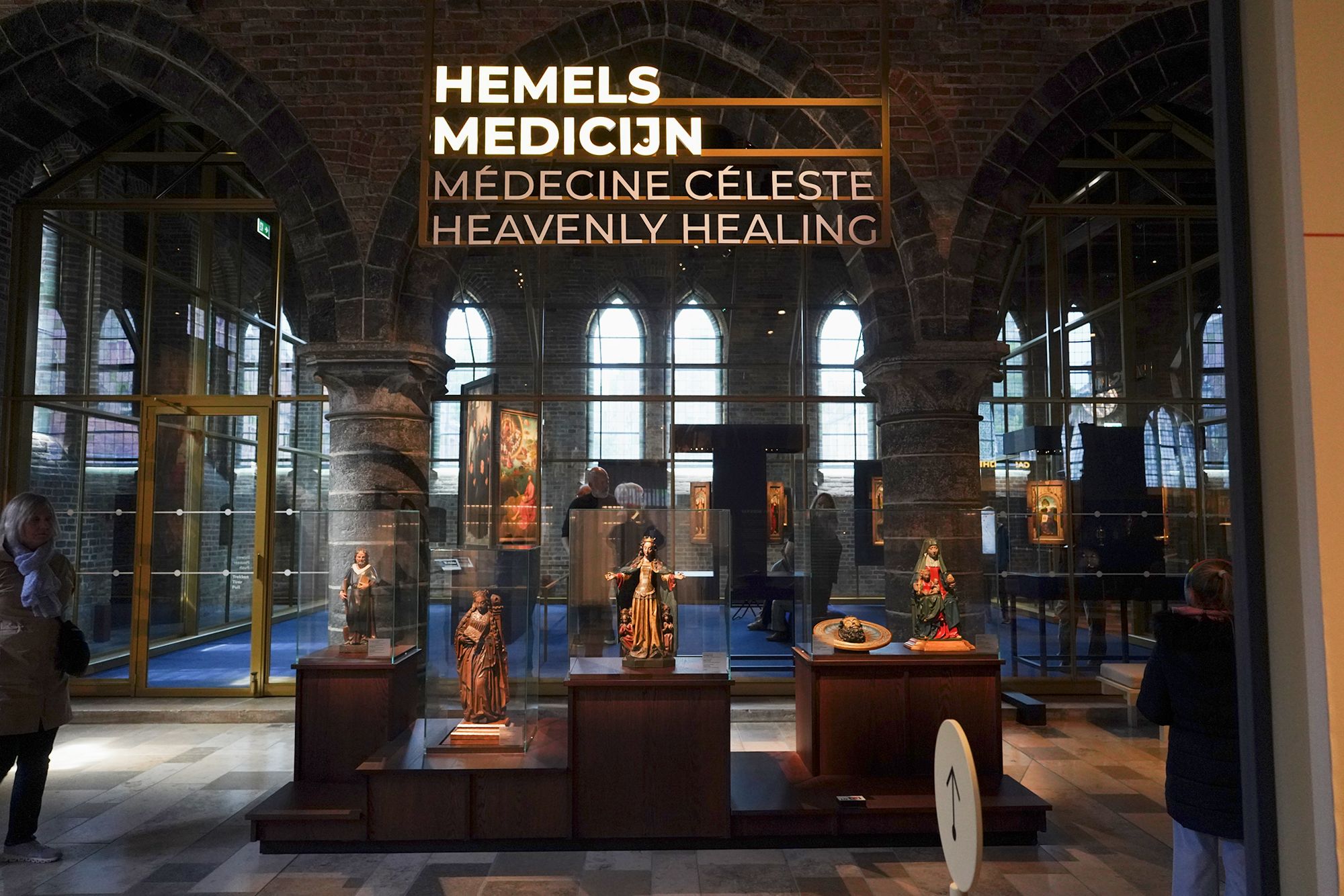
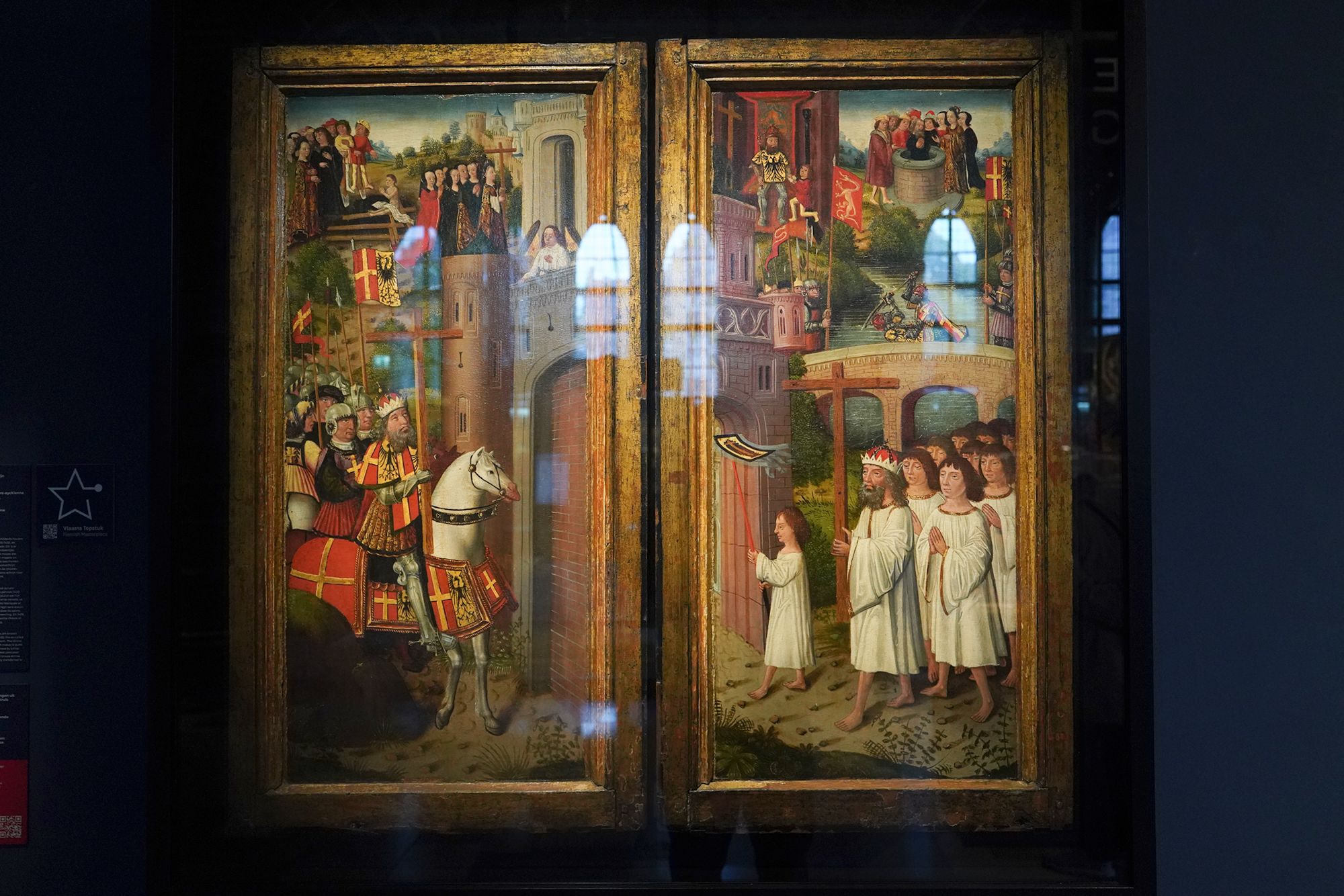
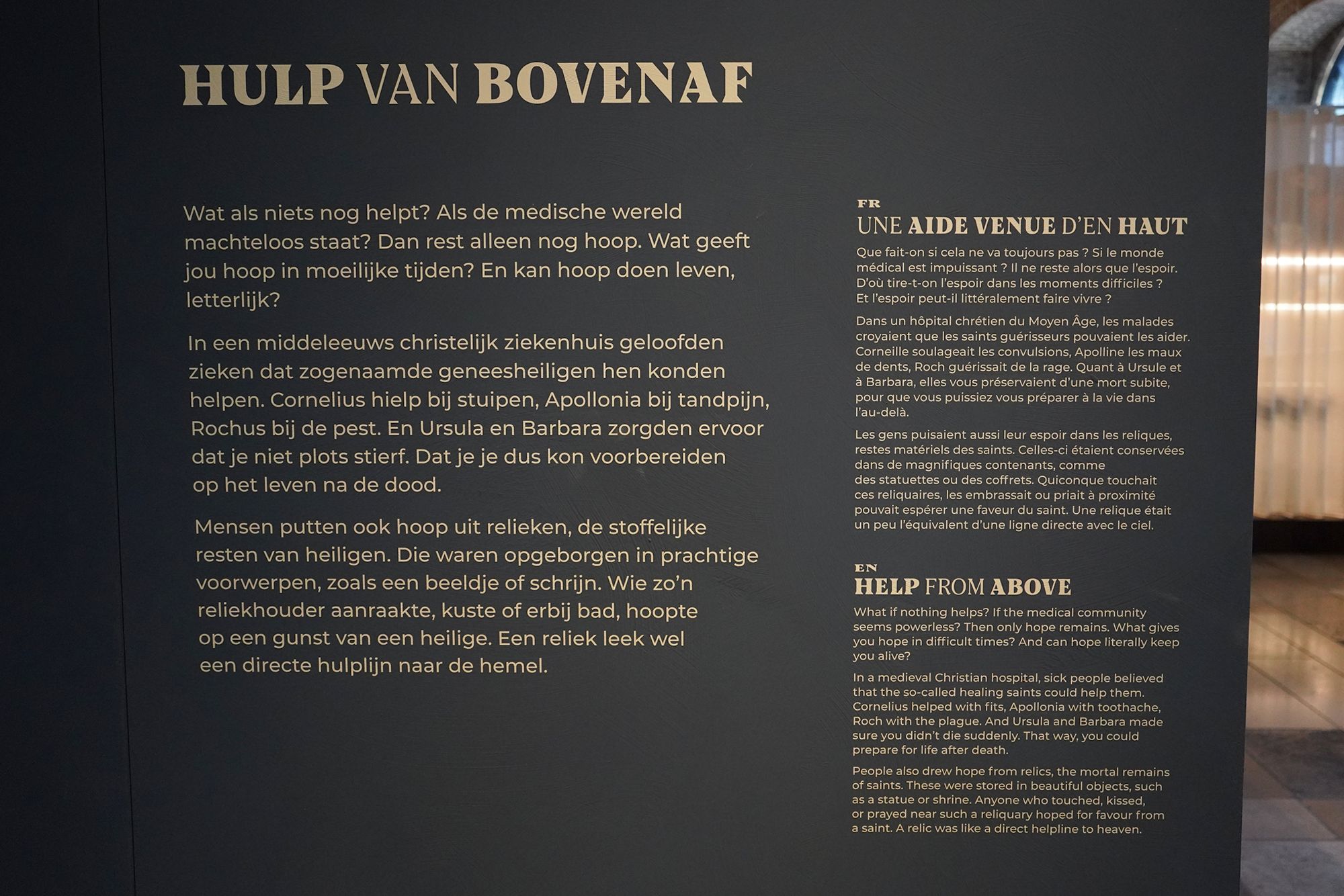
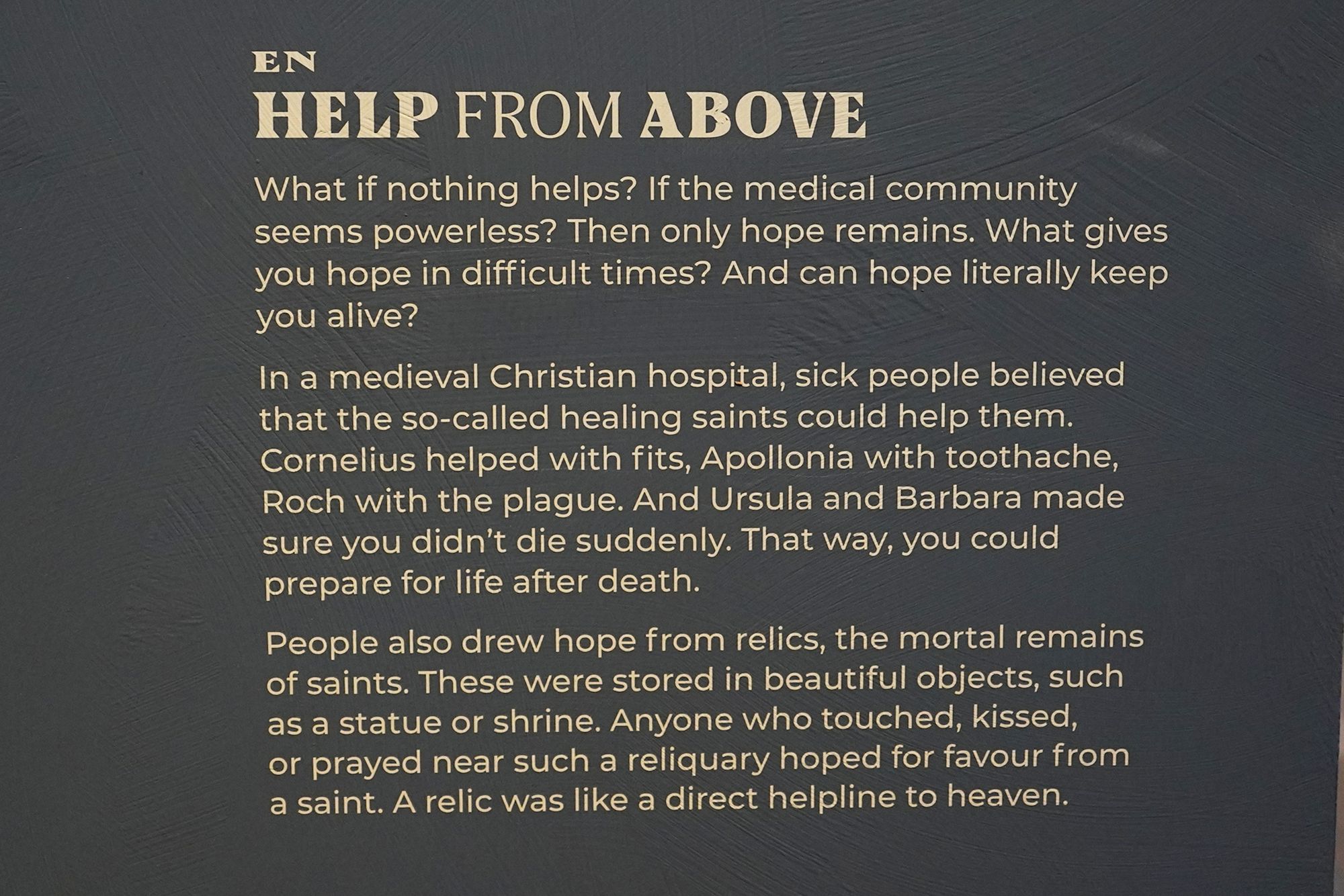
Because medieval medicine could offer only limited treatment, religious faith was an important part of hospital care. Patients prayed to particular saints for help with illnesses and sought comfort from sacred relics. These beliefs offered hope when medicine could do little and helped patients prepare spiritually for the possibility of death.
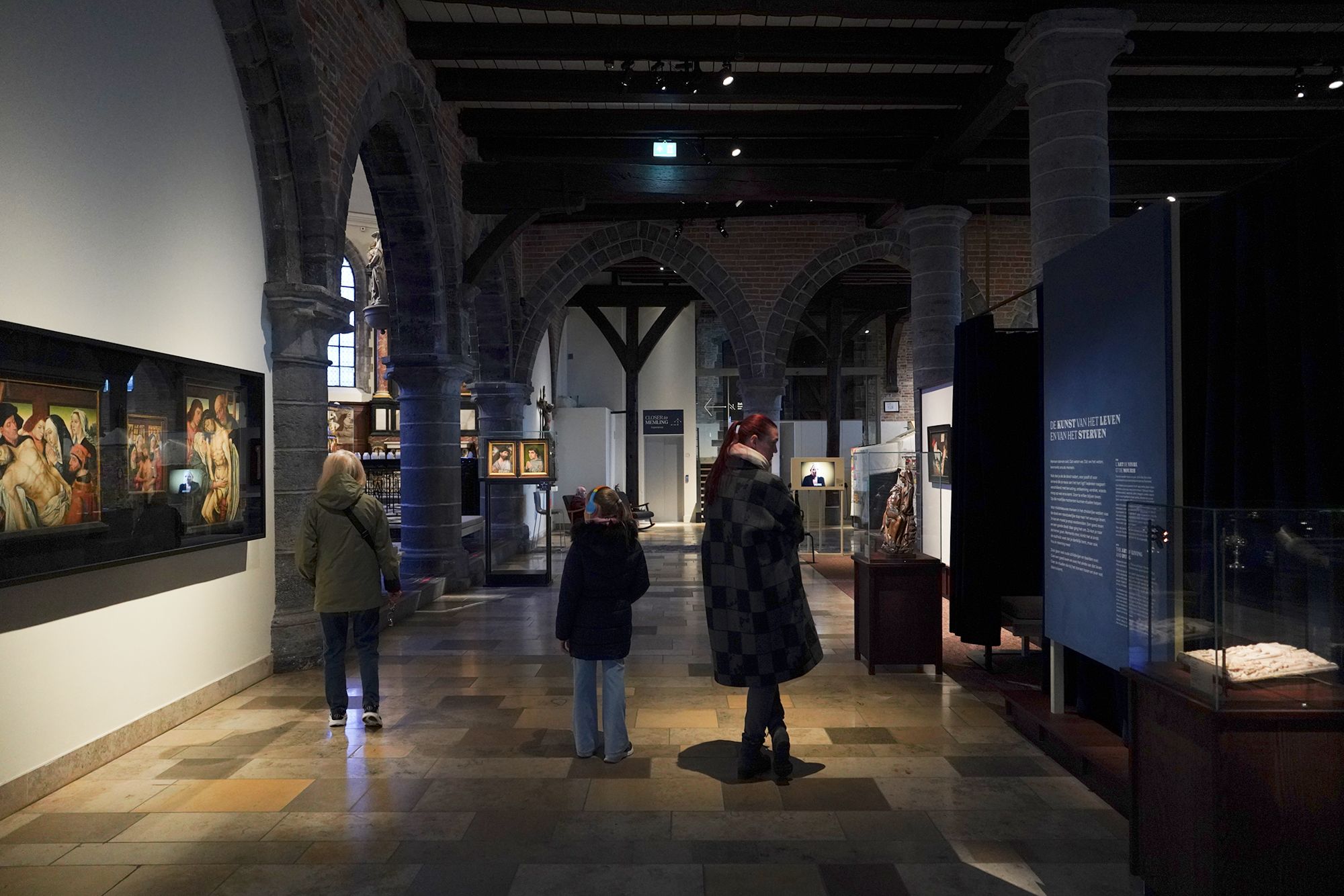

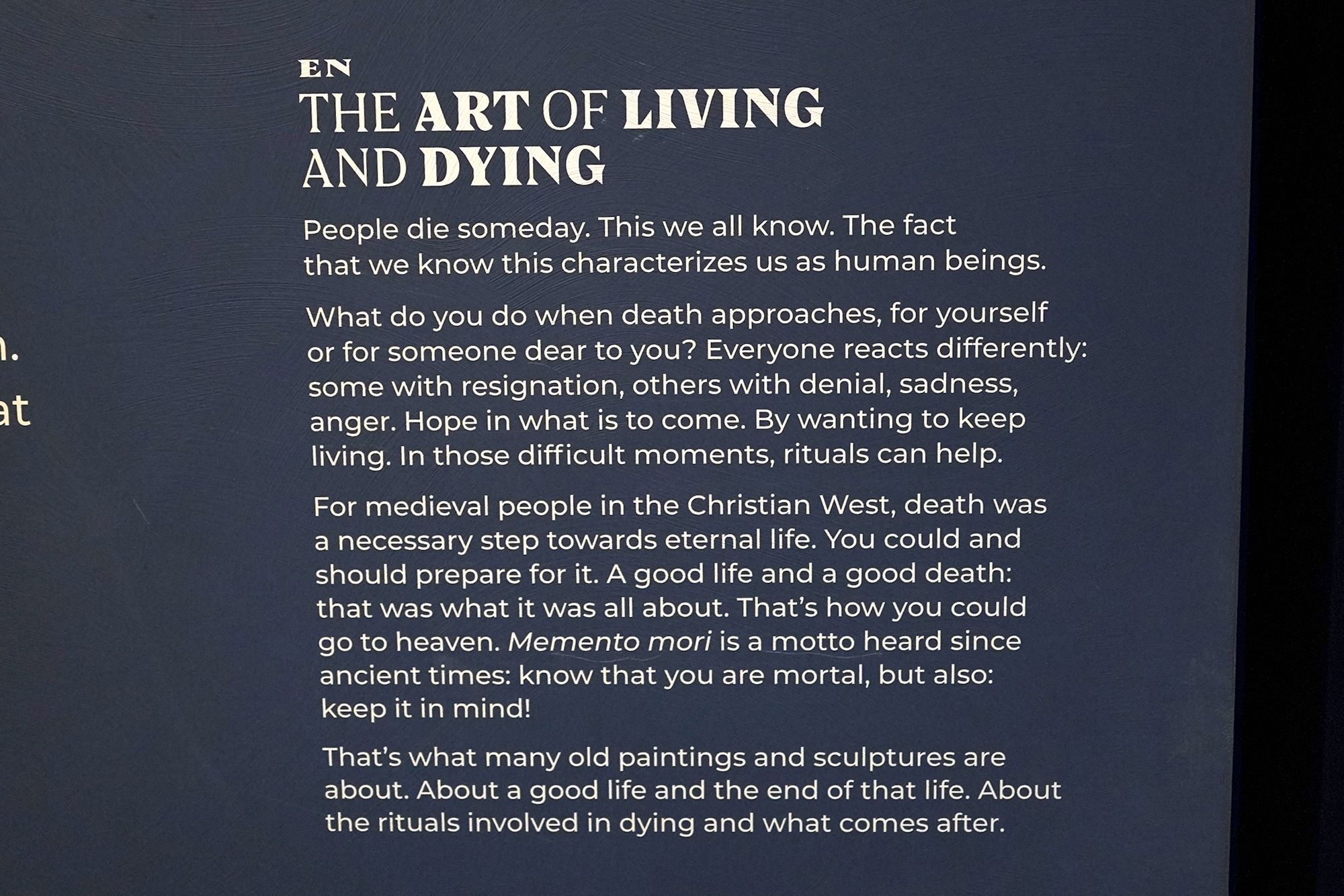
For medieval Christians, death was viewed as a passage toward eternal life, and people were encouraged to prepare for it by living well and dying in a state of spiritual readiness. The idea of memento mori—“remember that you must die”—appeared frequently in religious art, reminding people of their mortality and the importance of preparing for the afterlife.
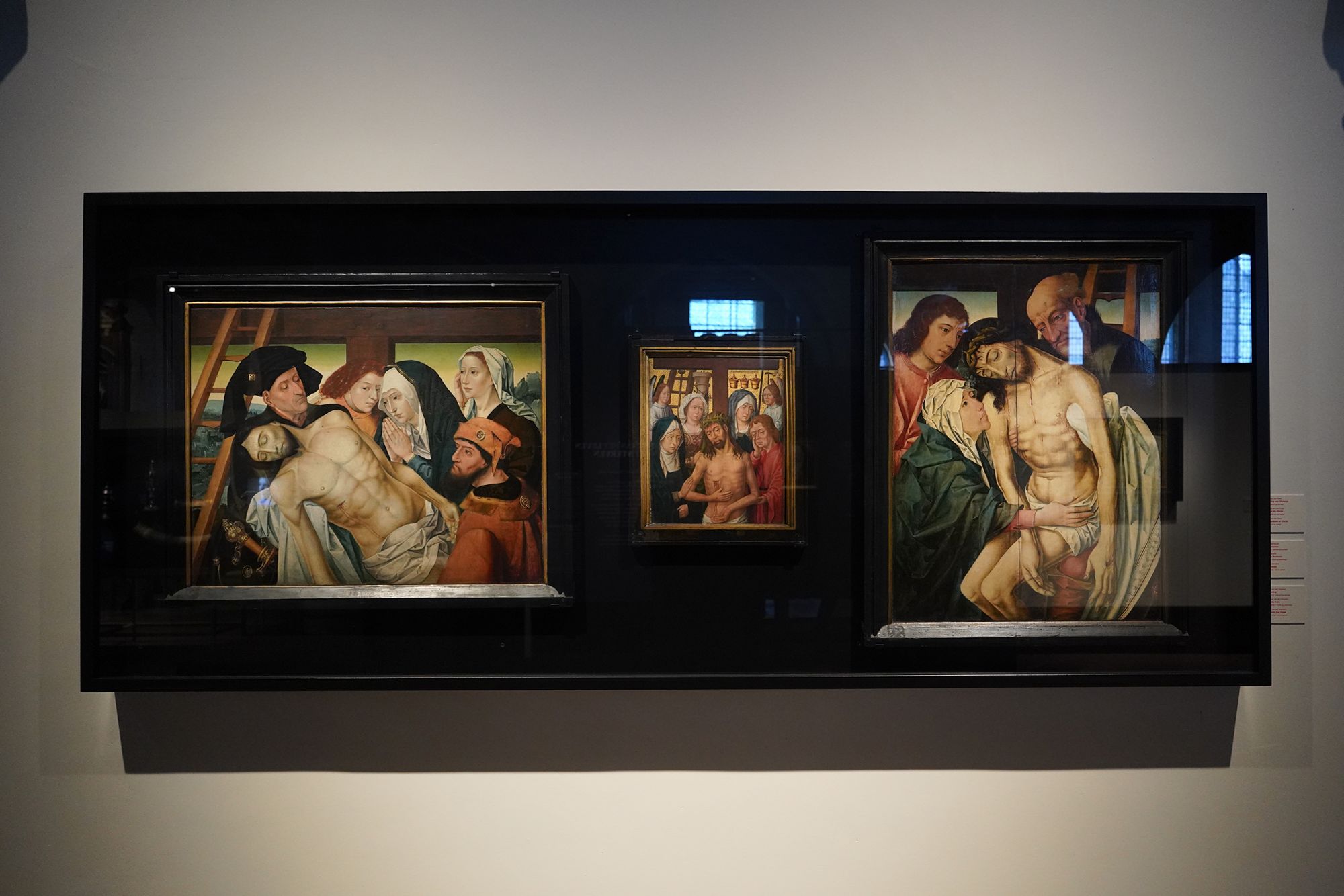
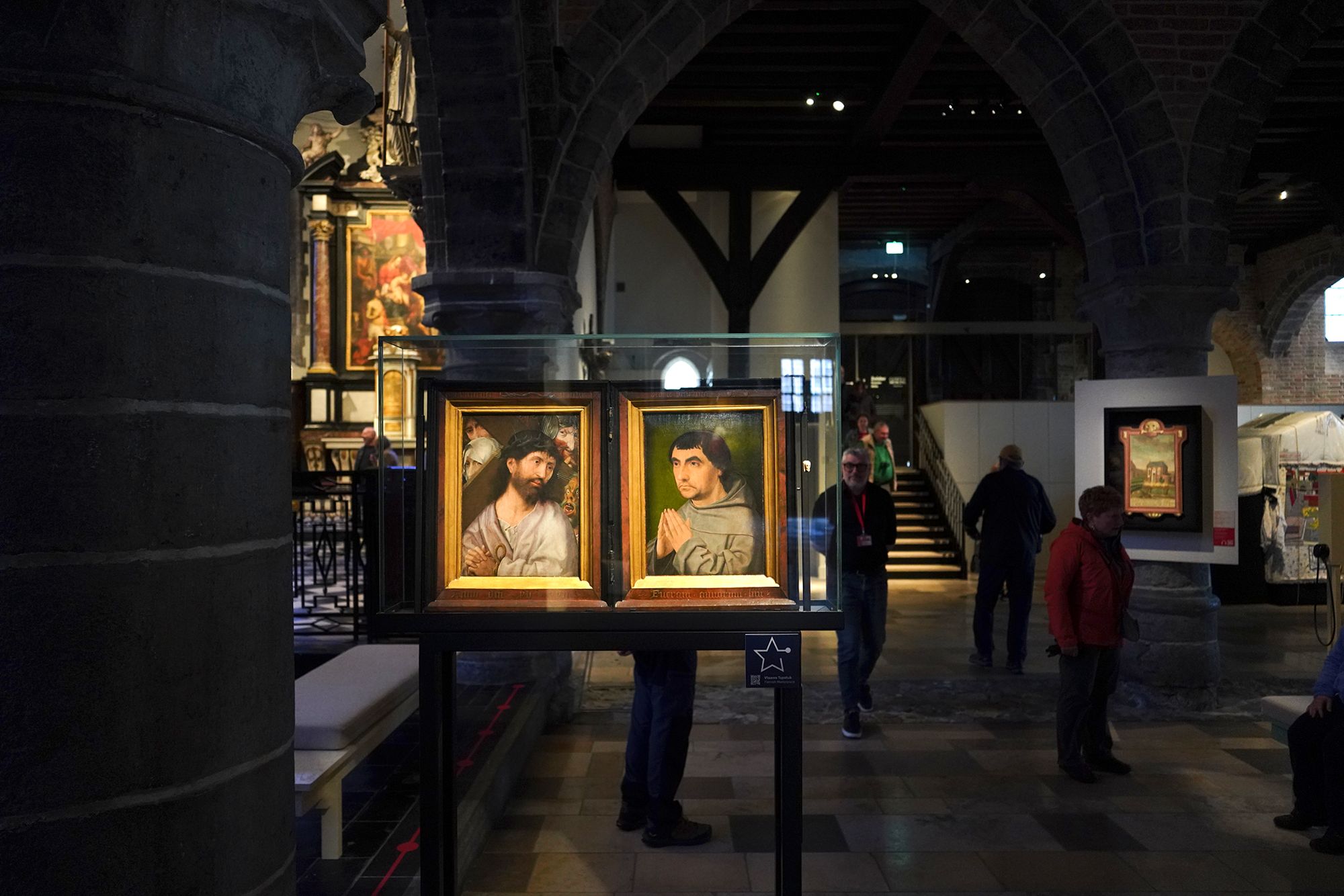
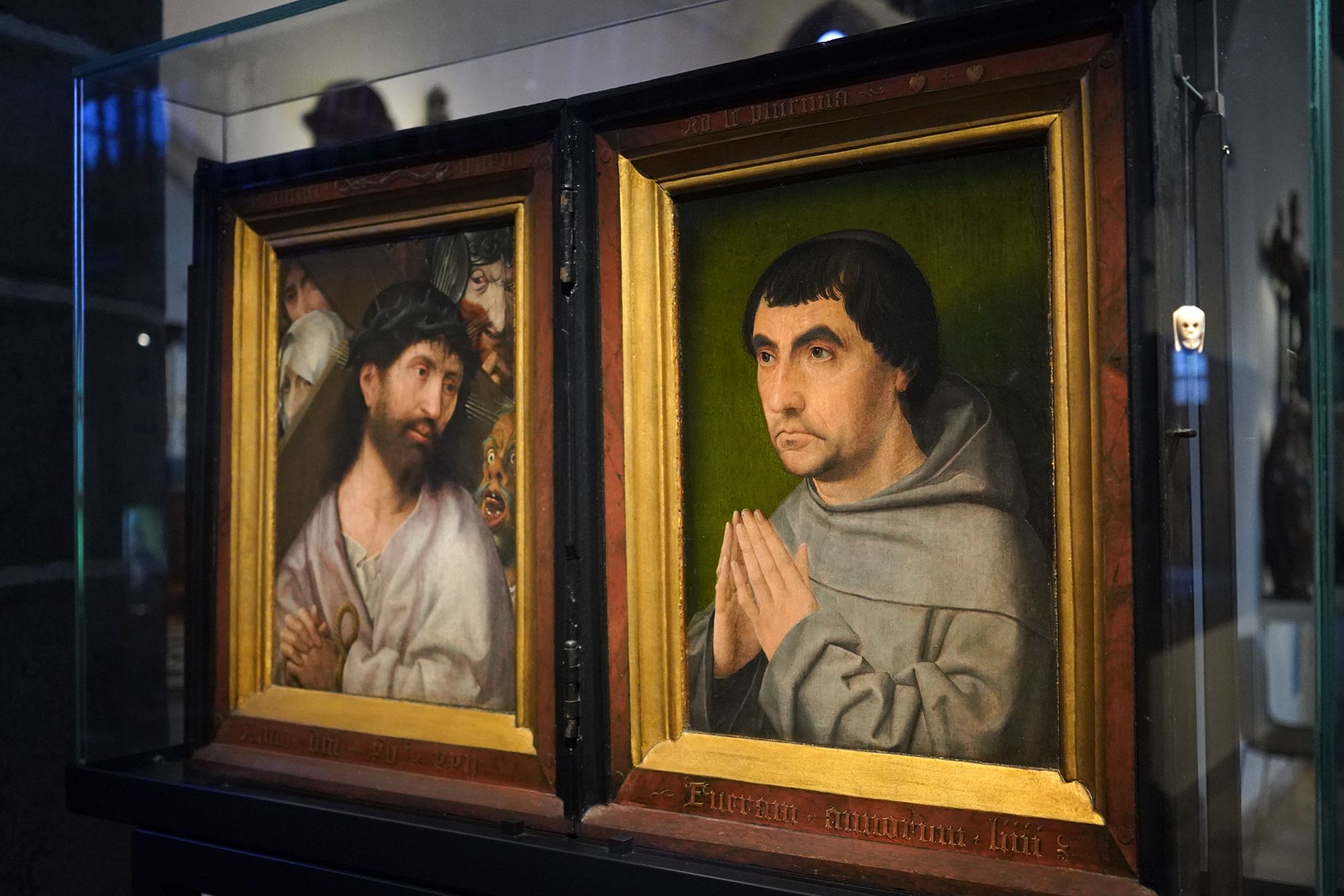
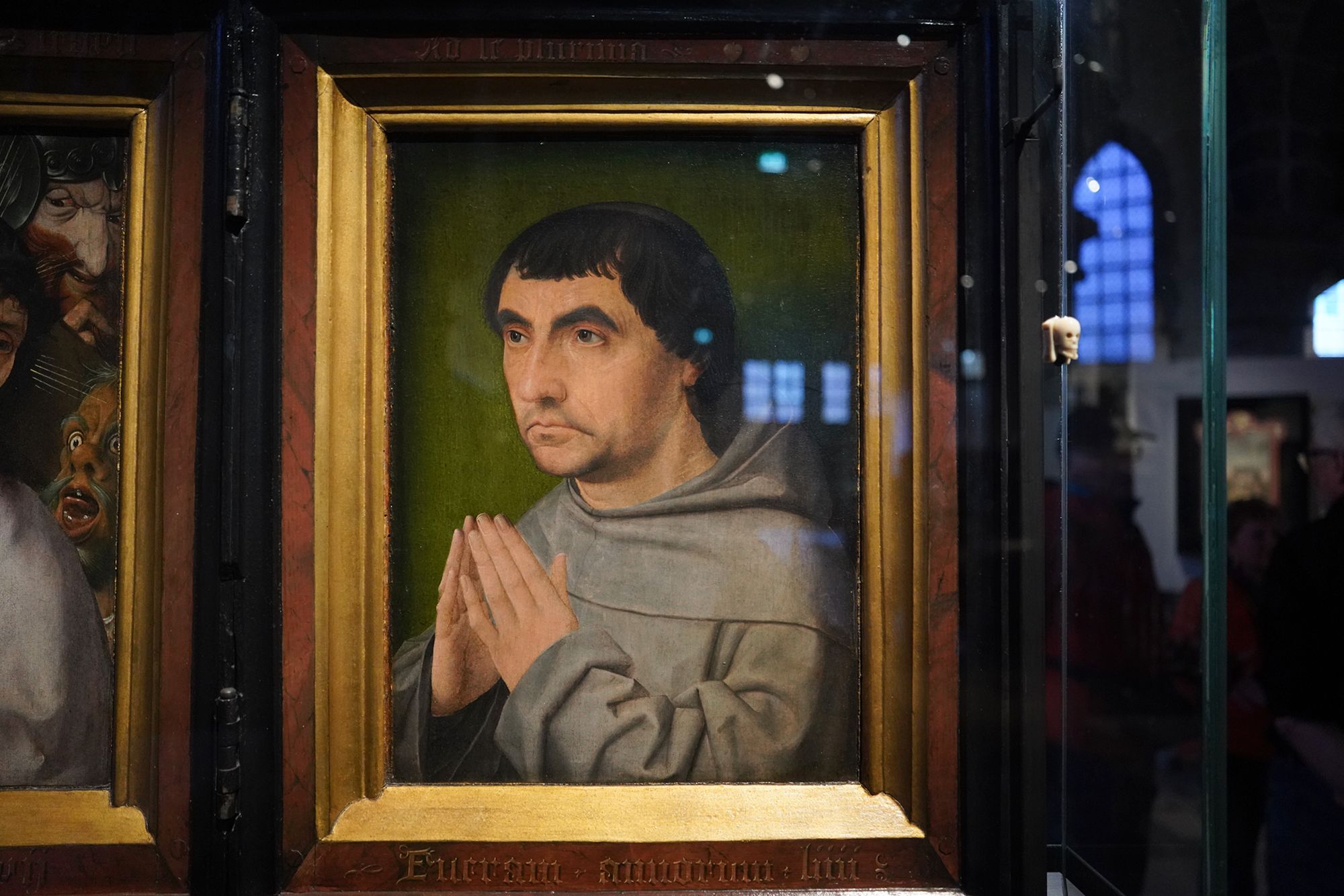
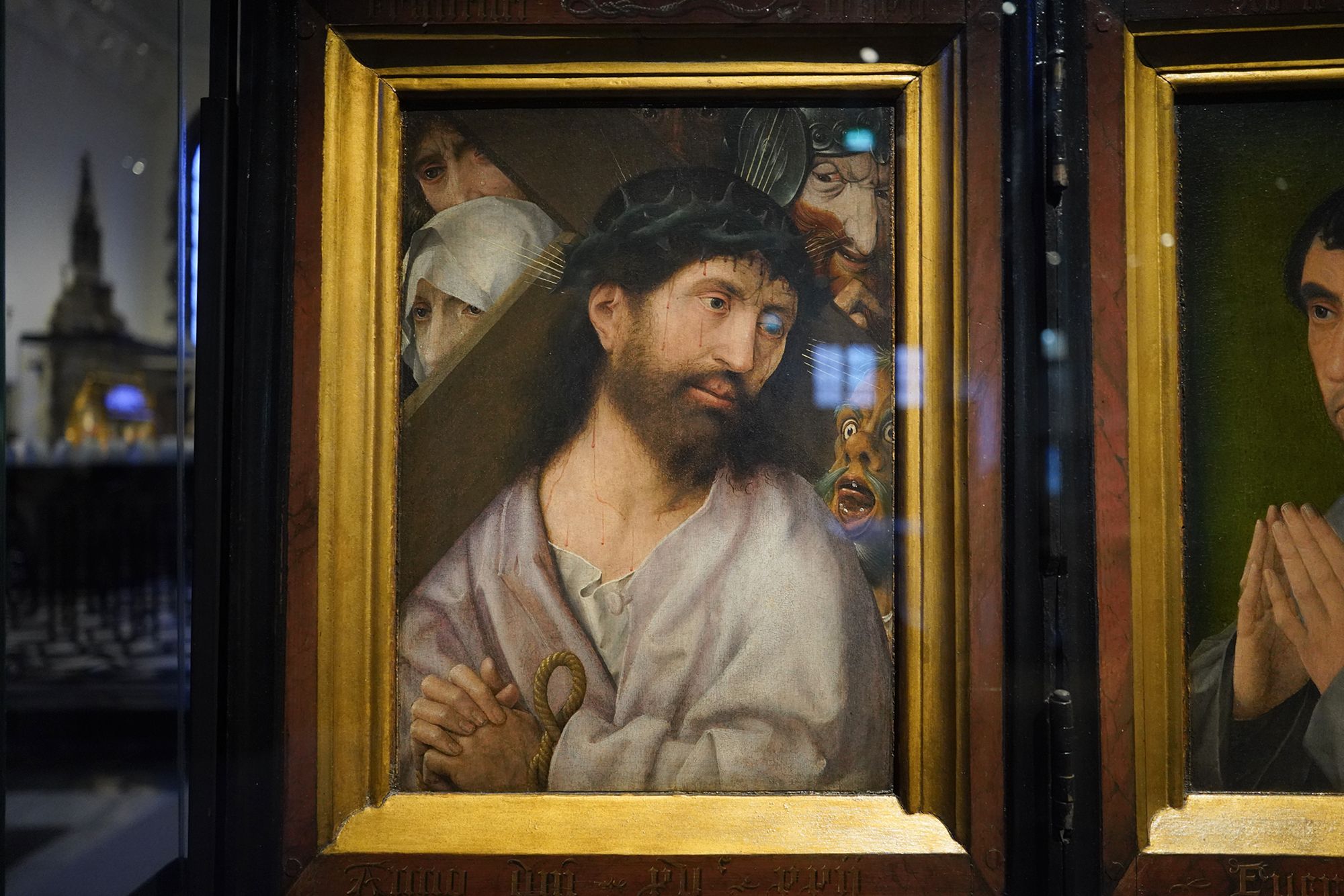

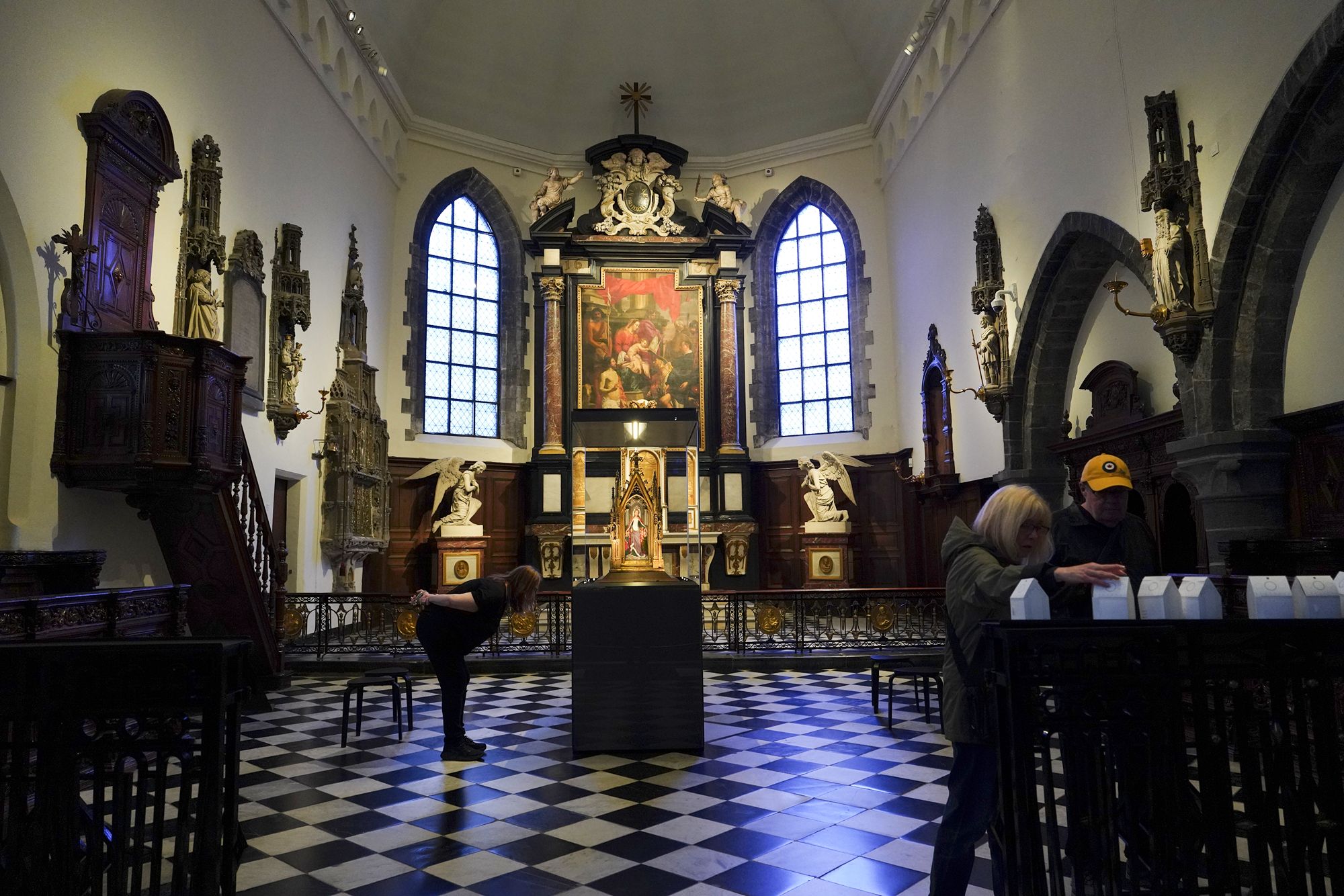
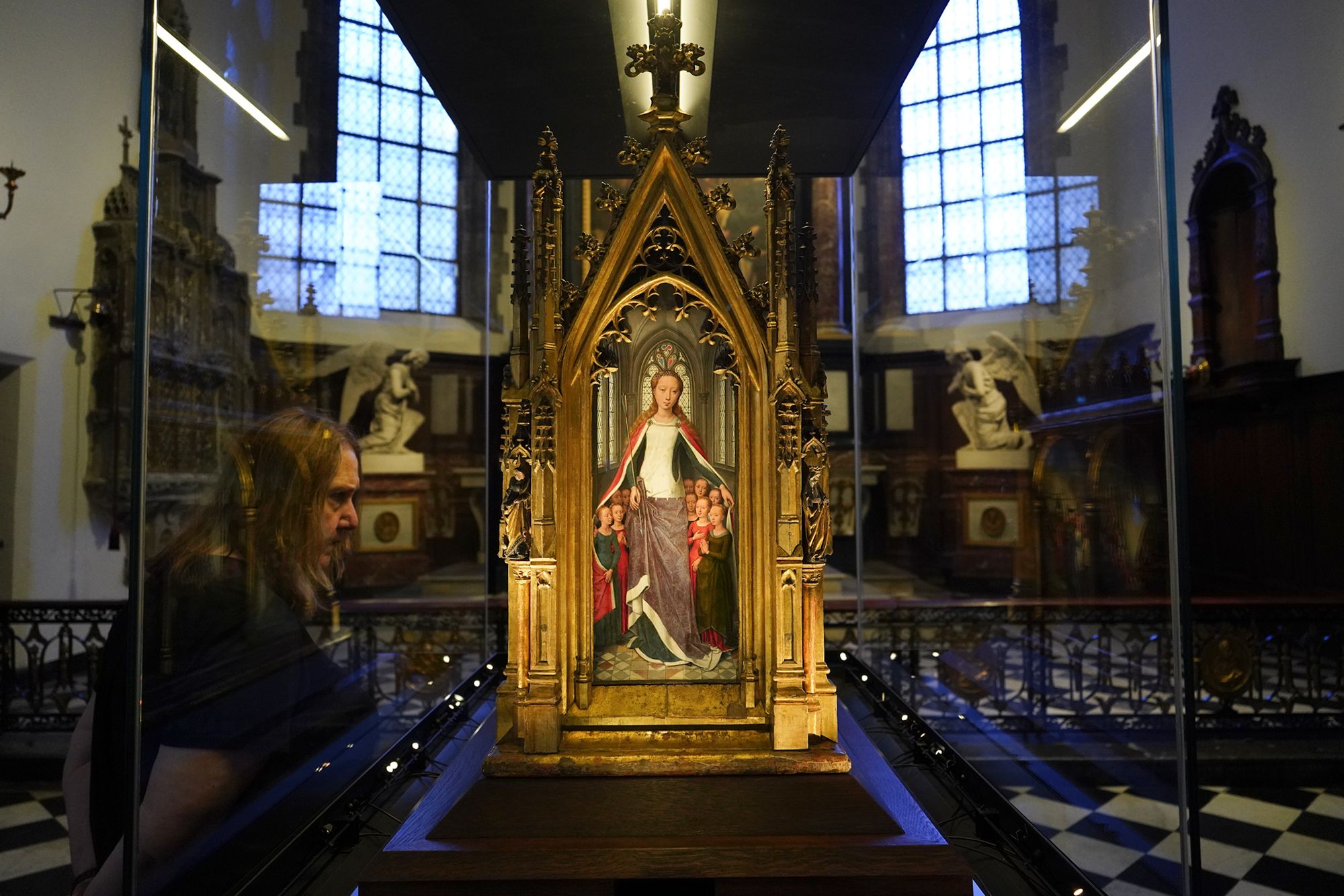
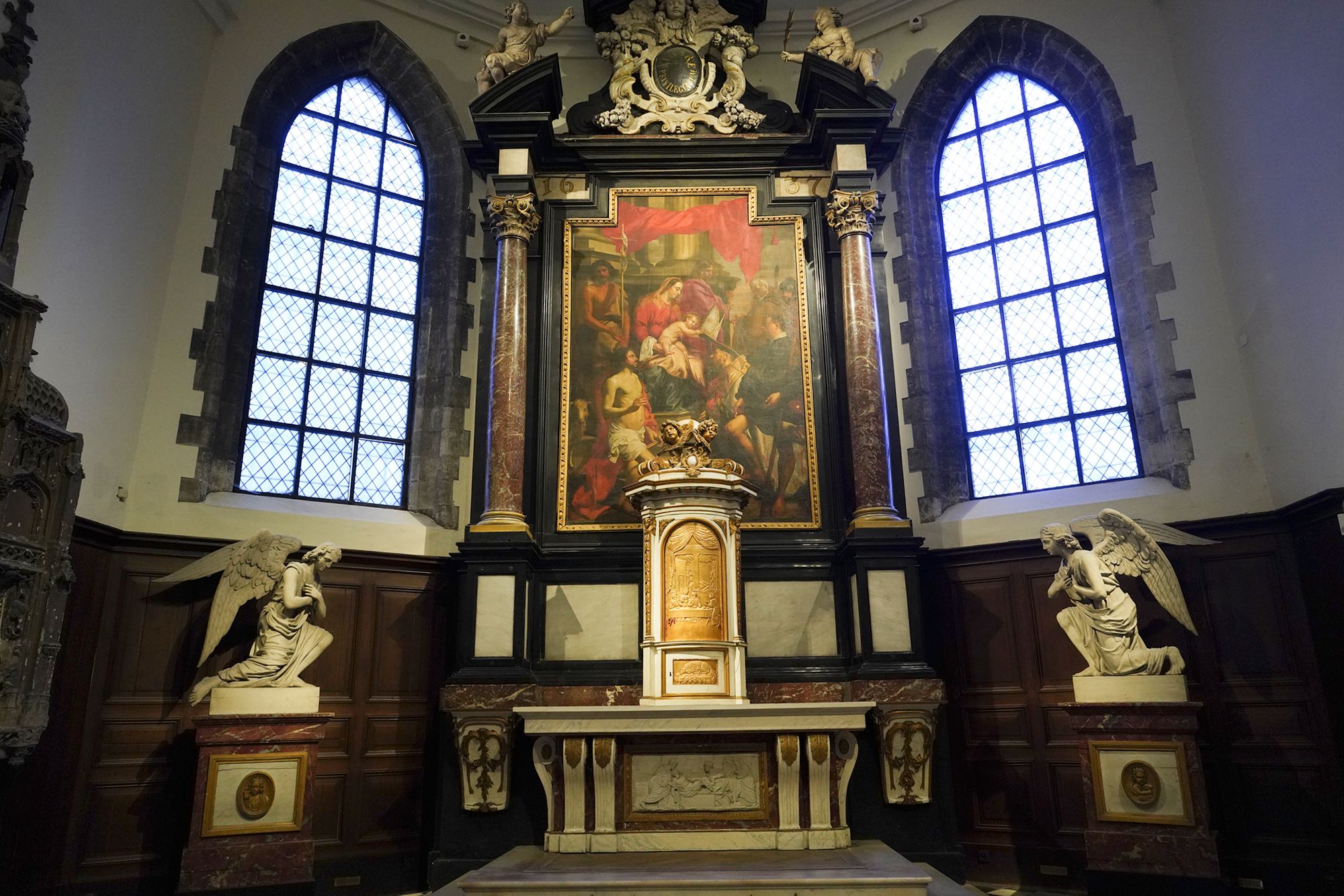
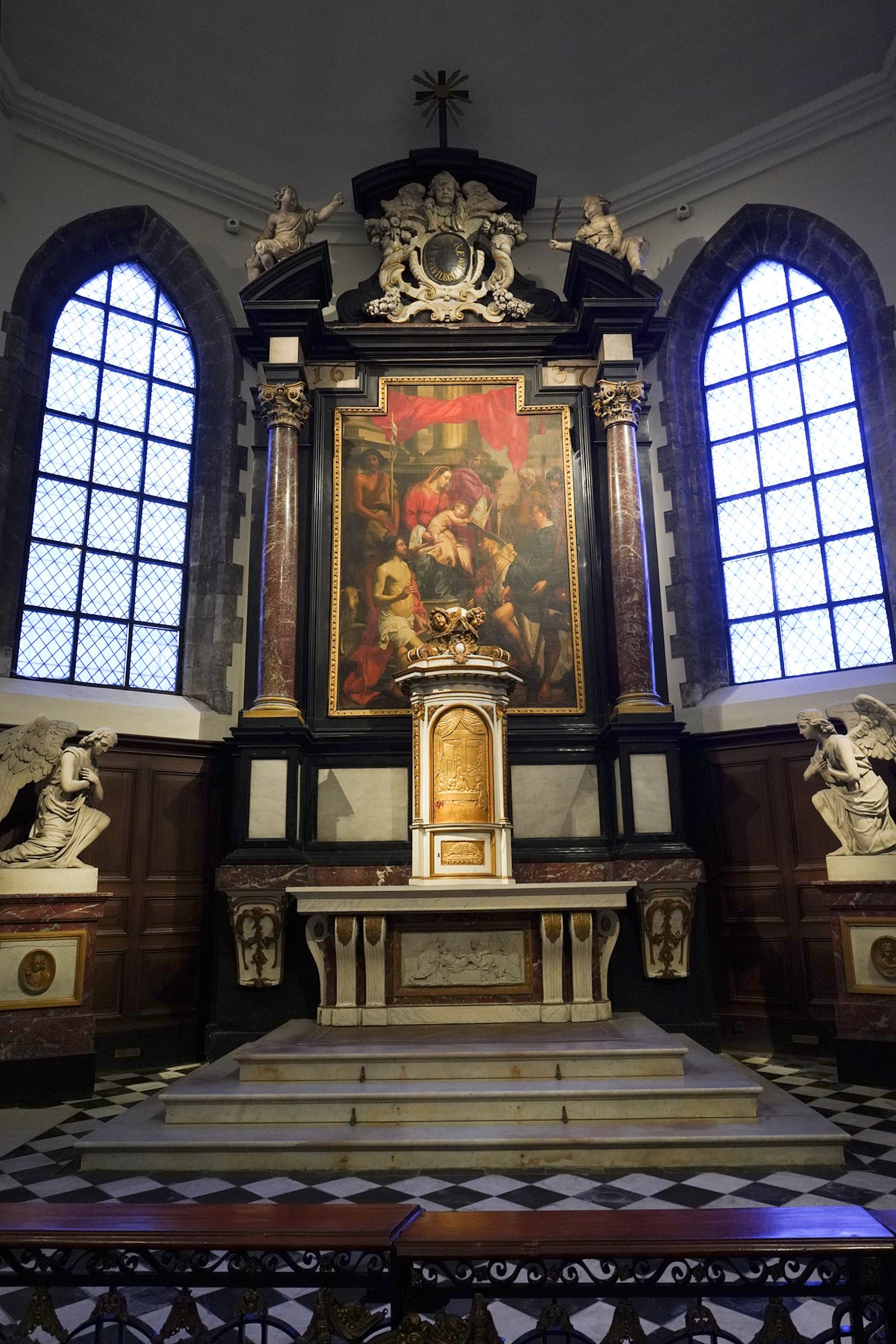
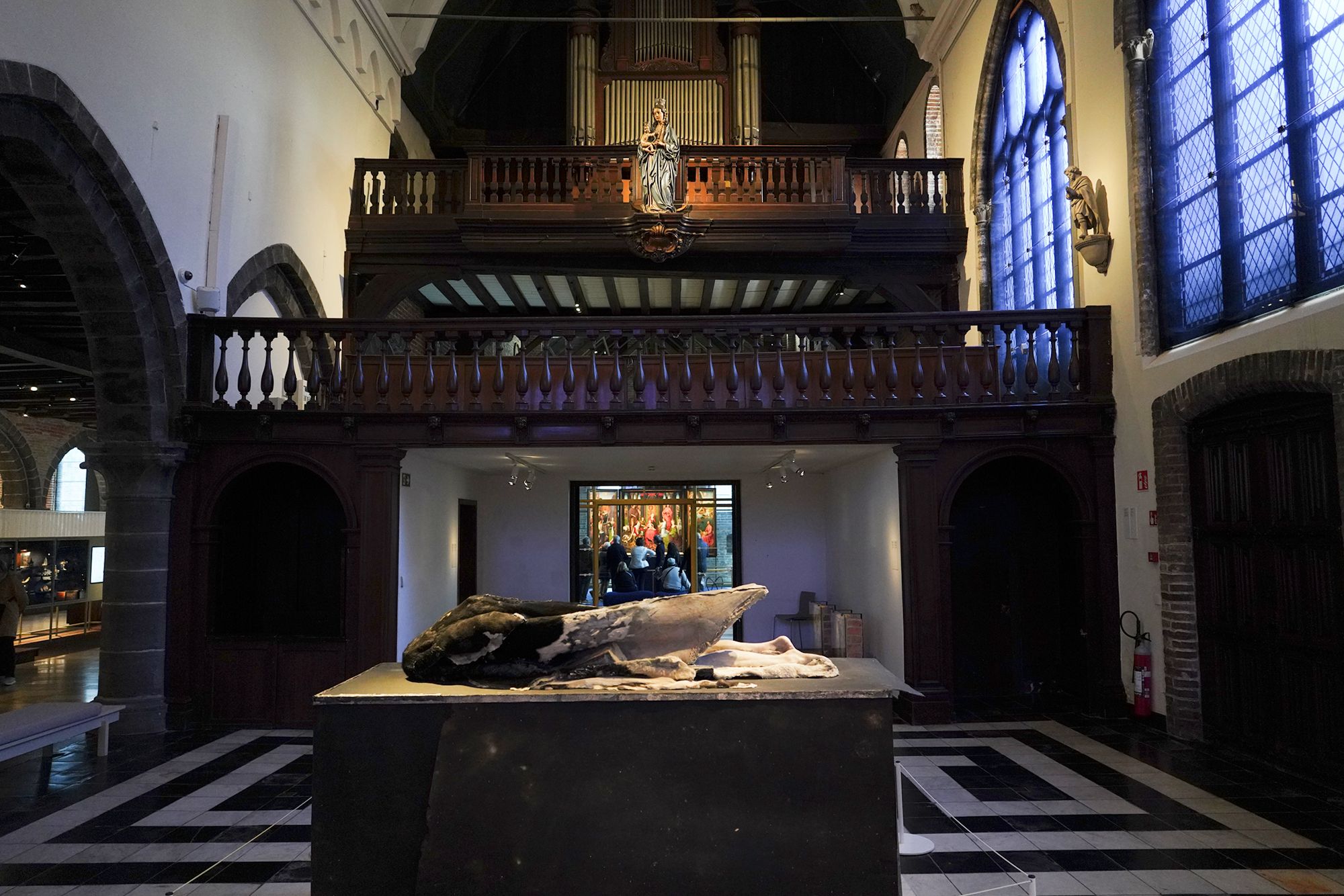
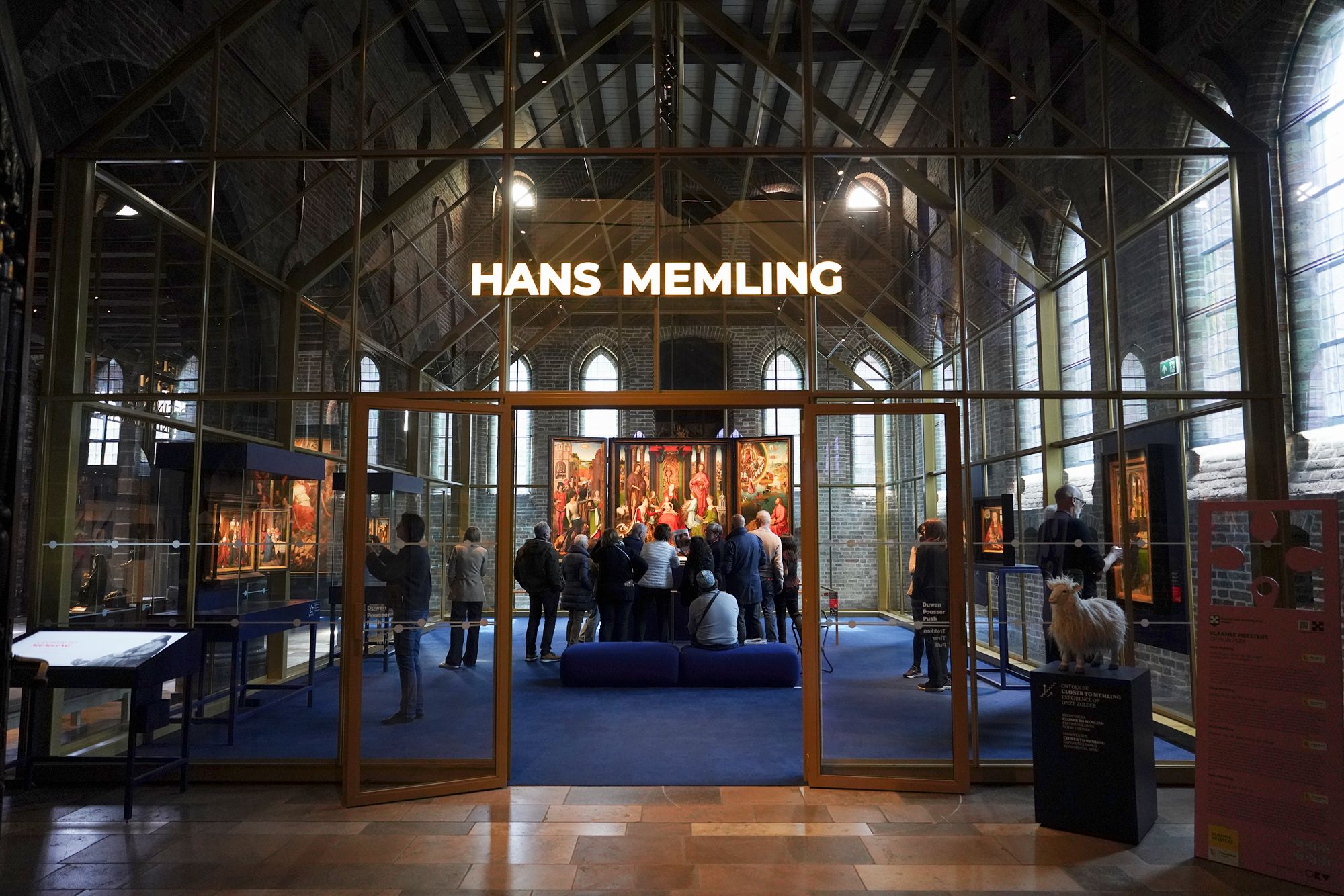
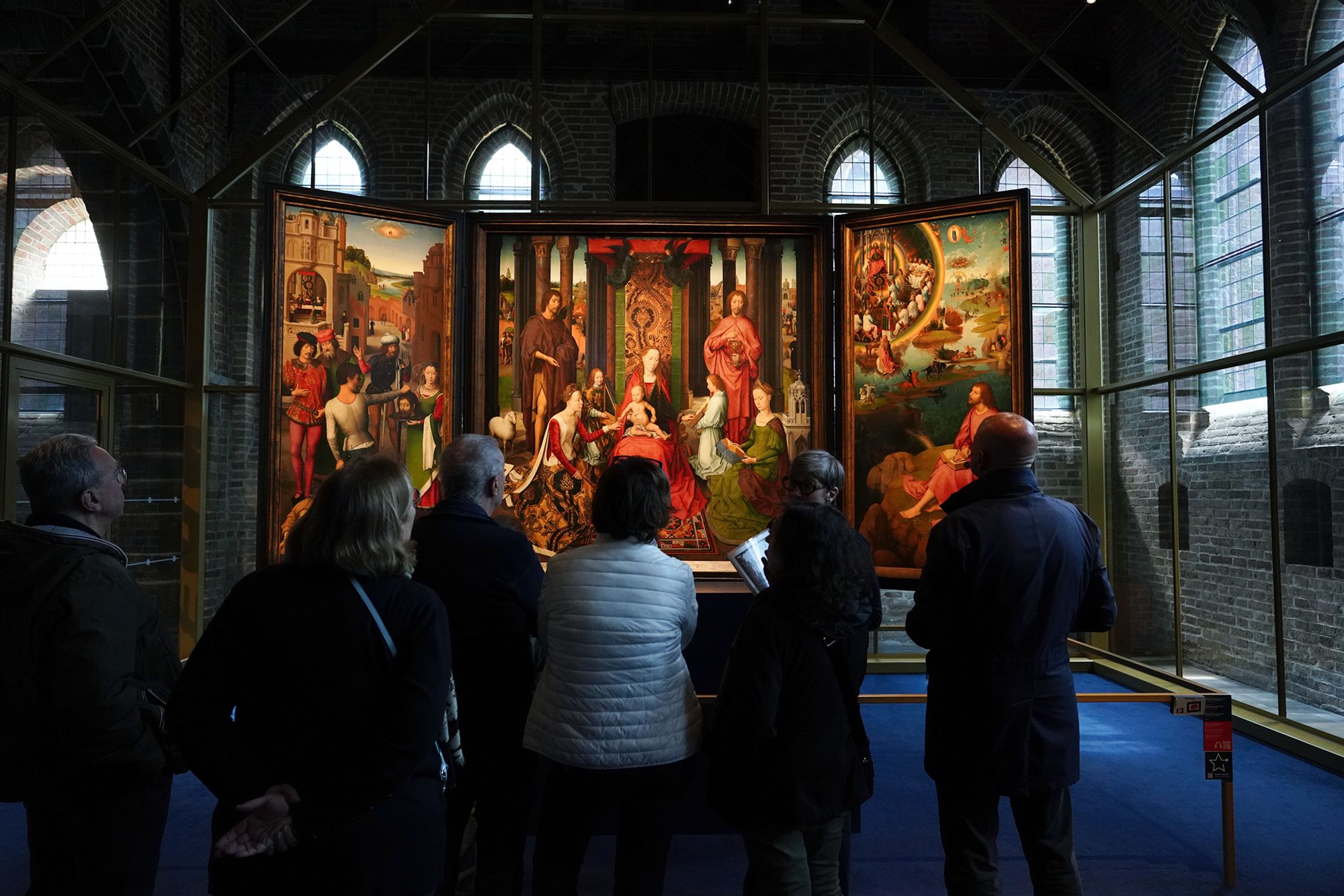
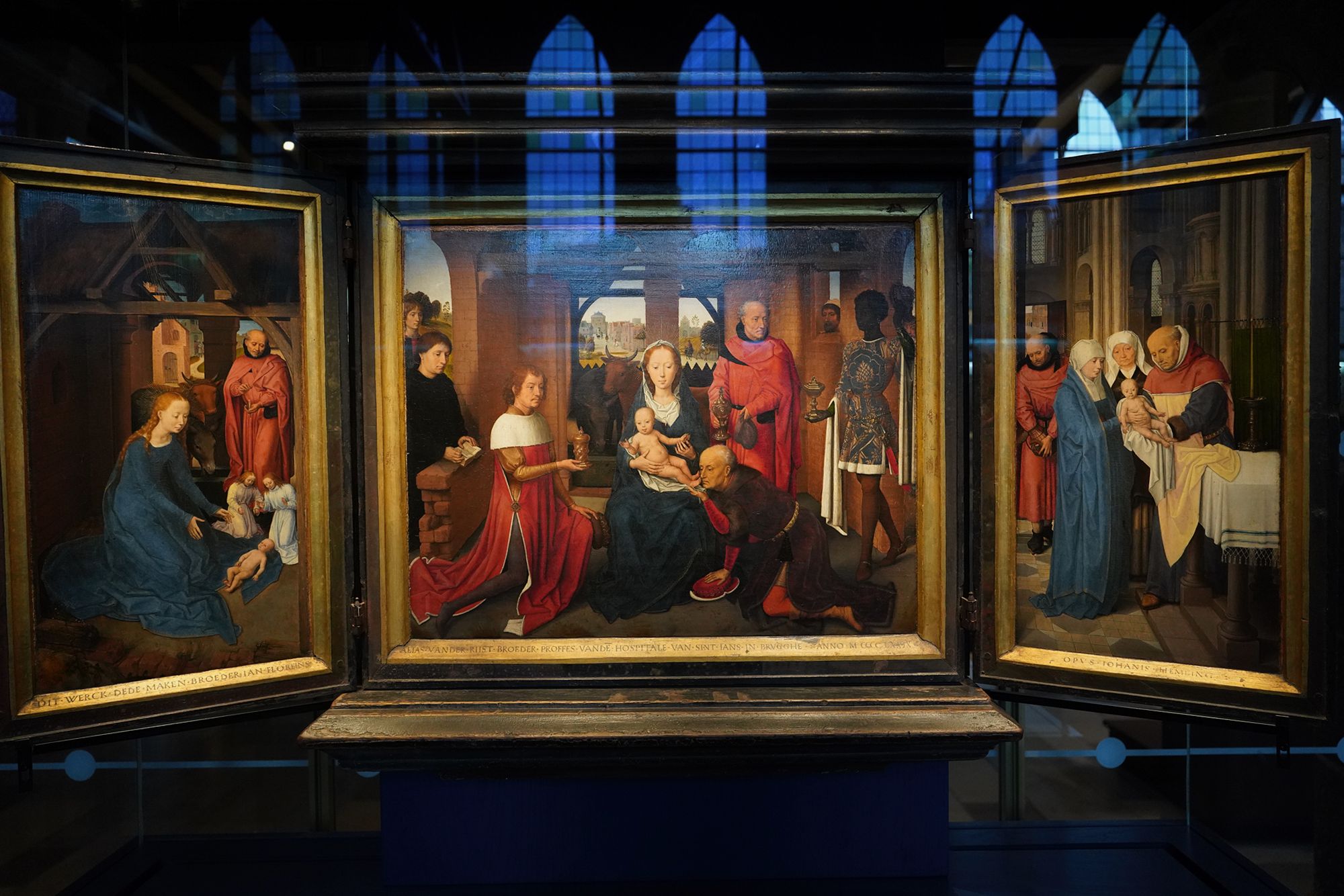
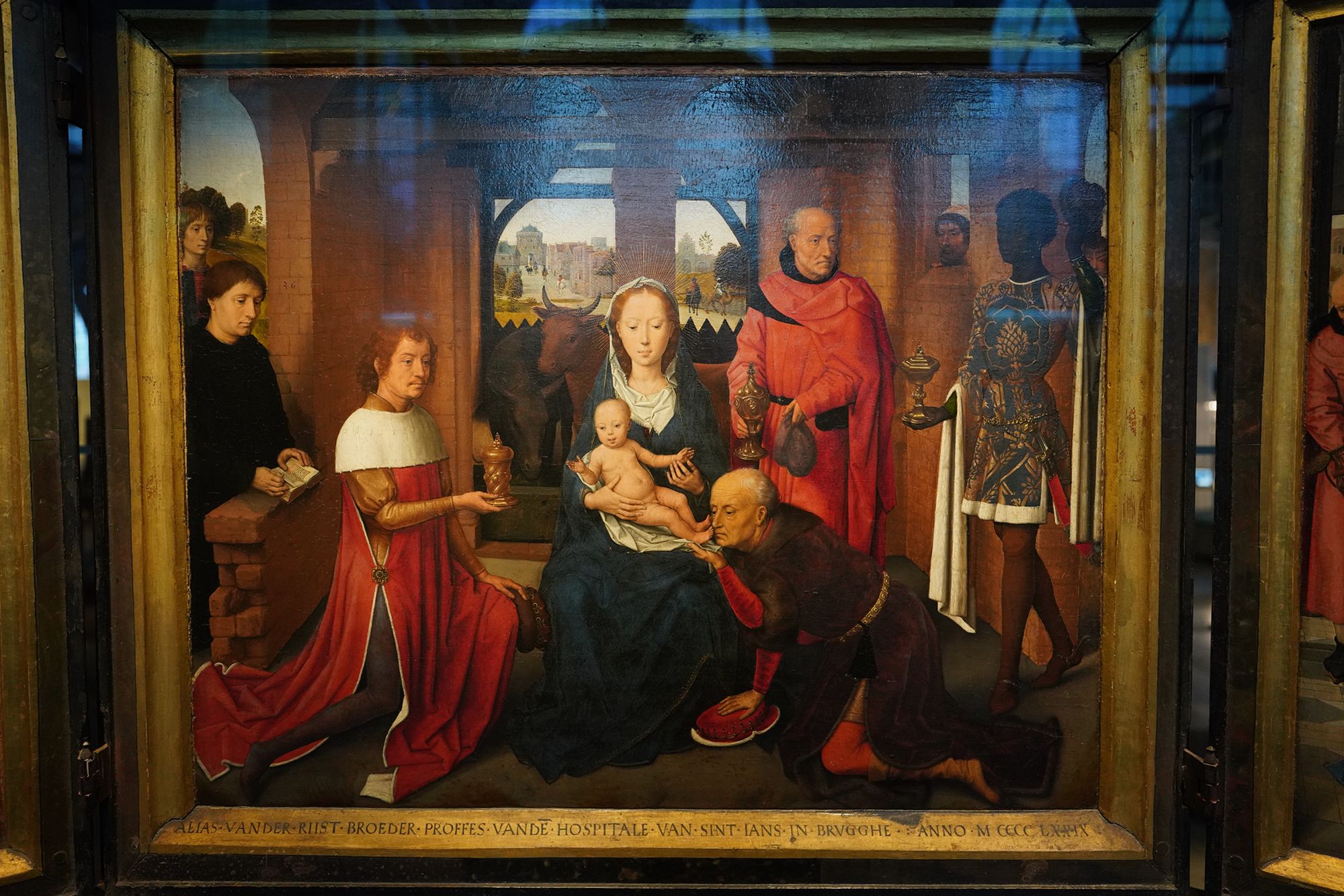
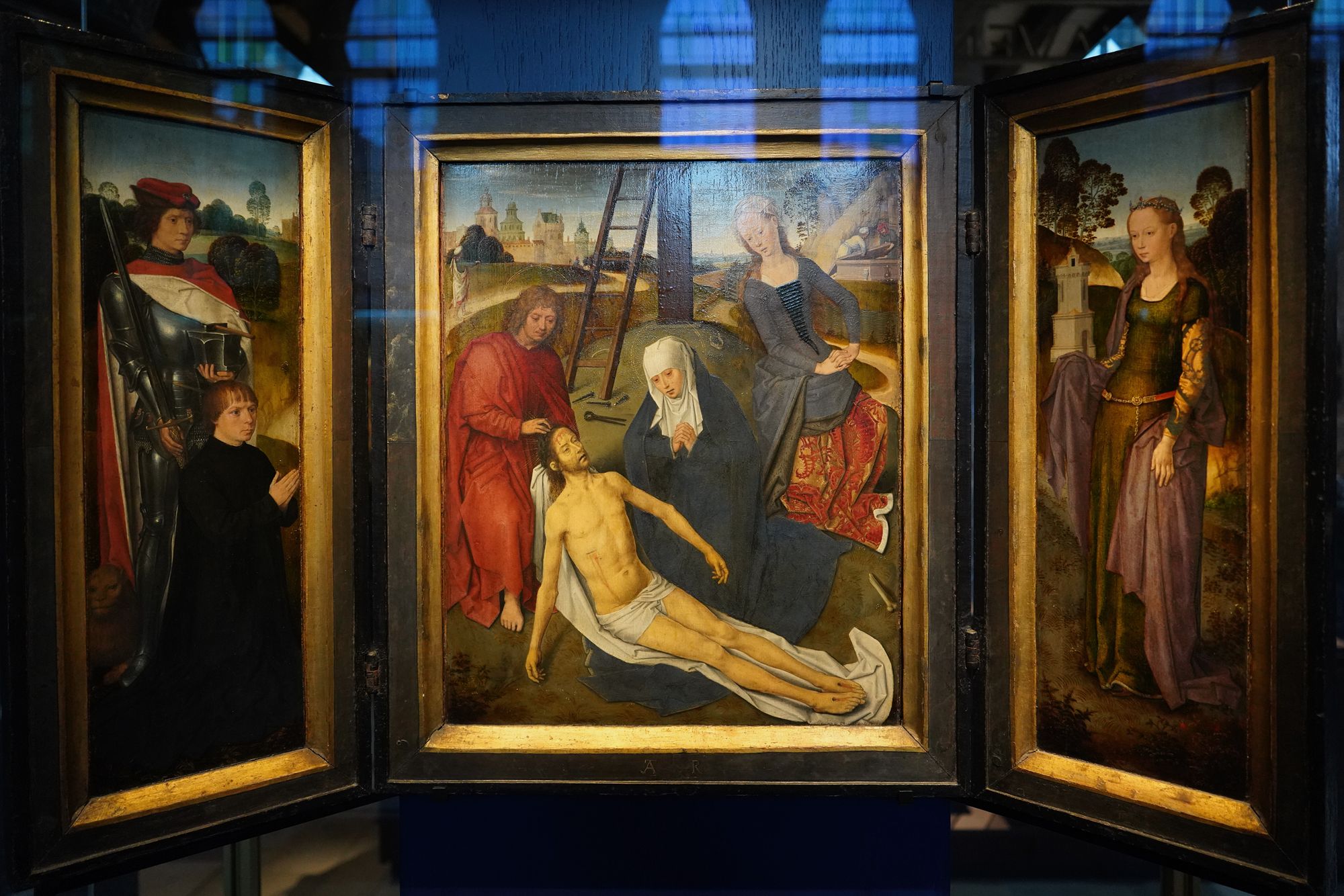
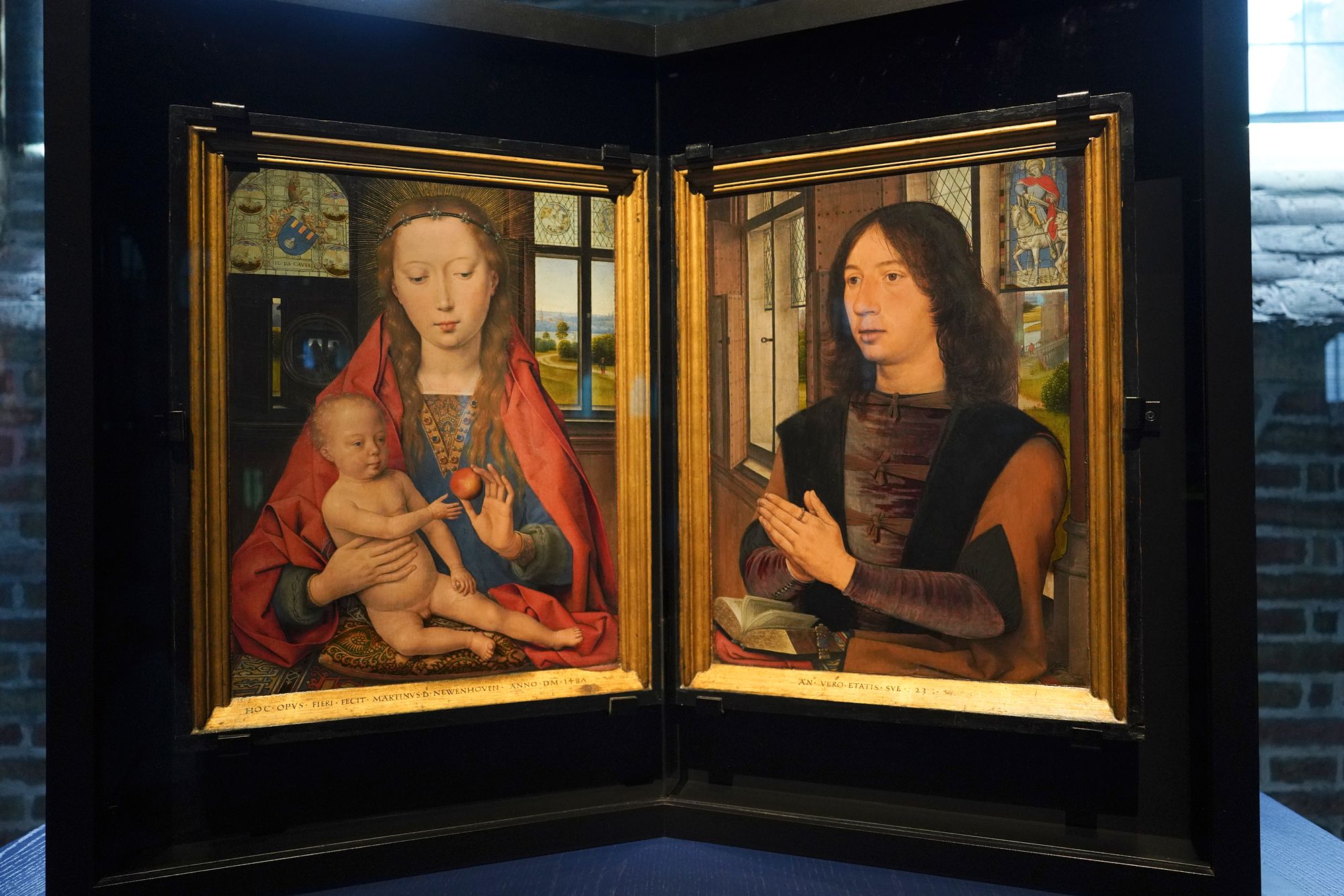
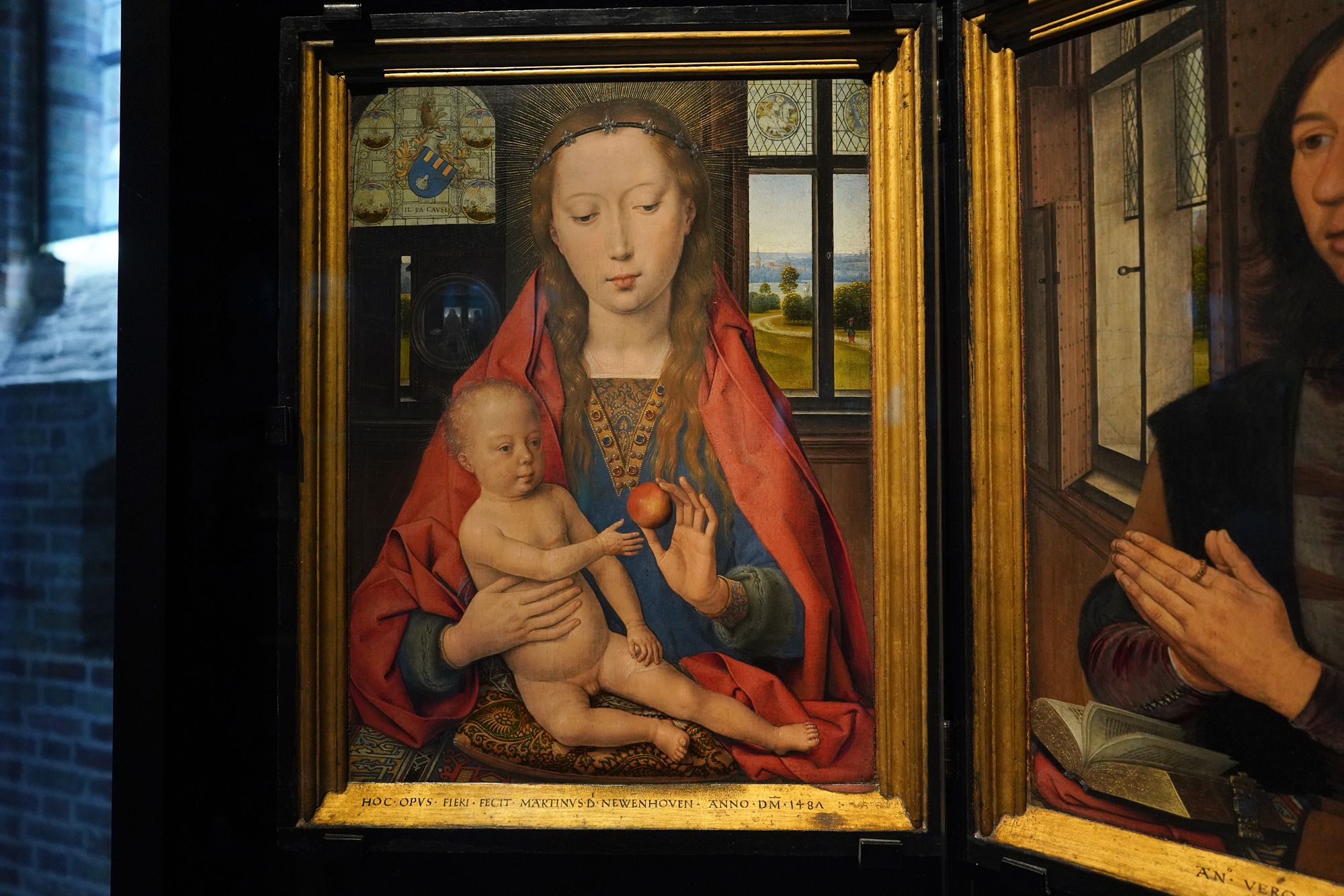
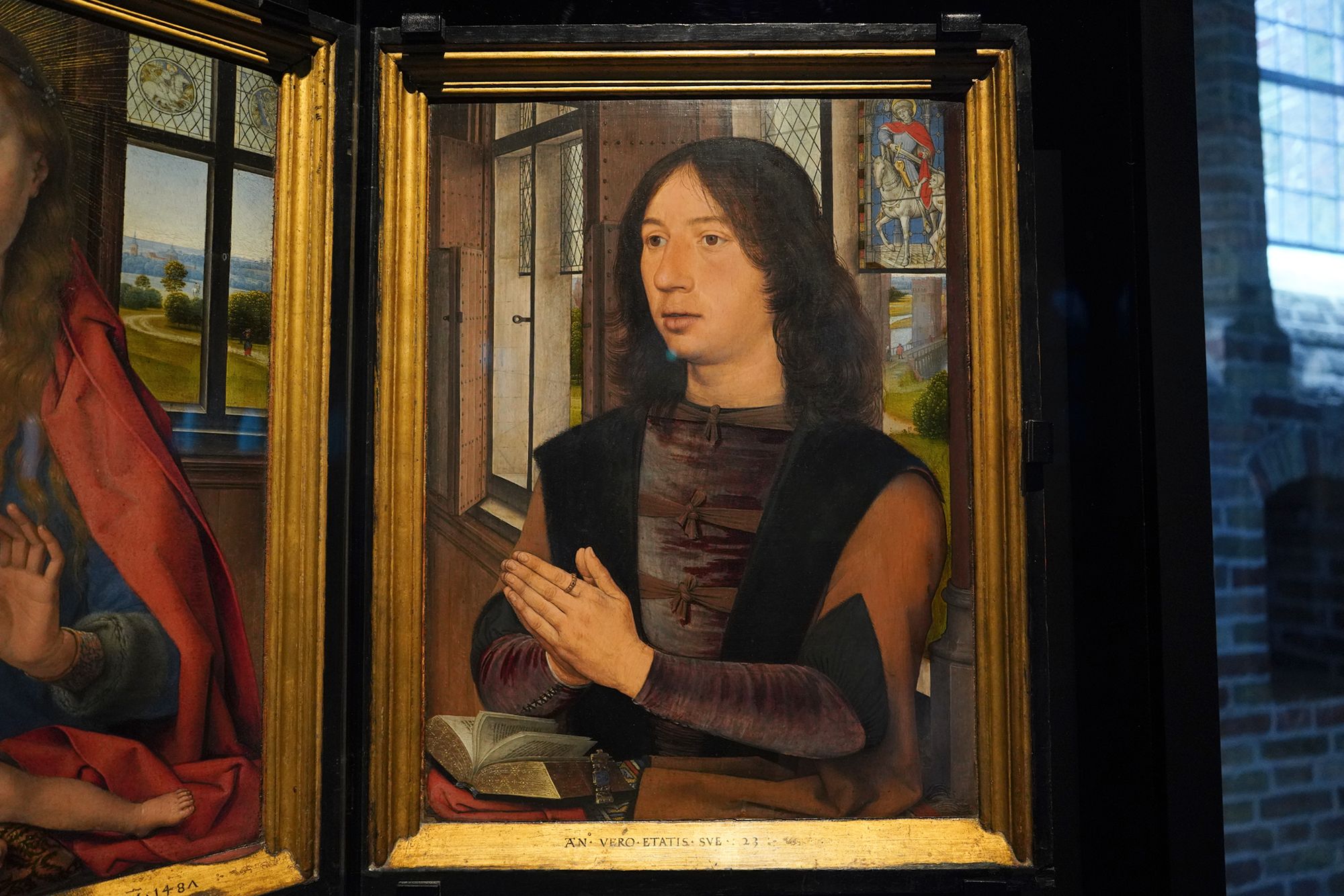
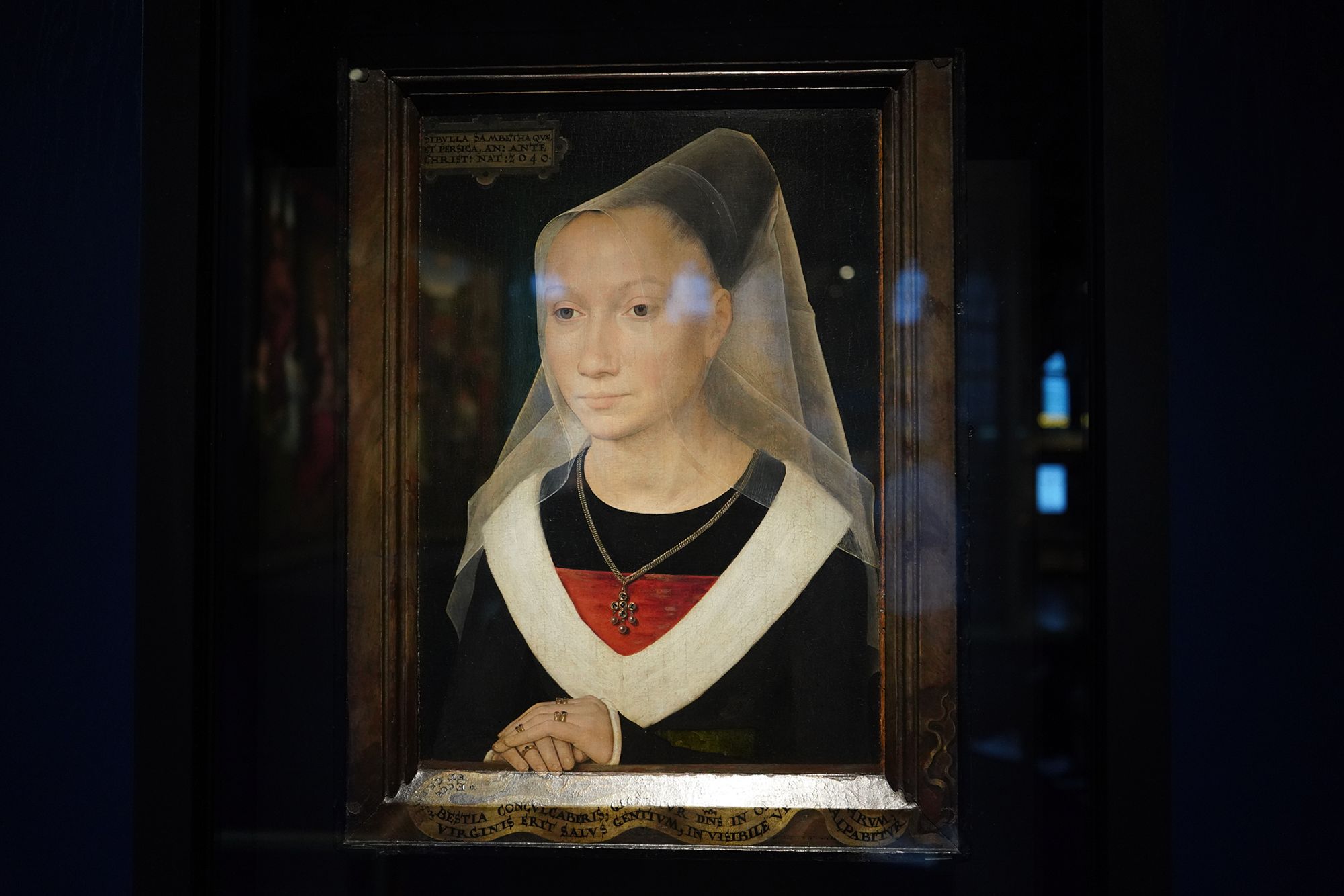
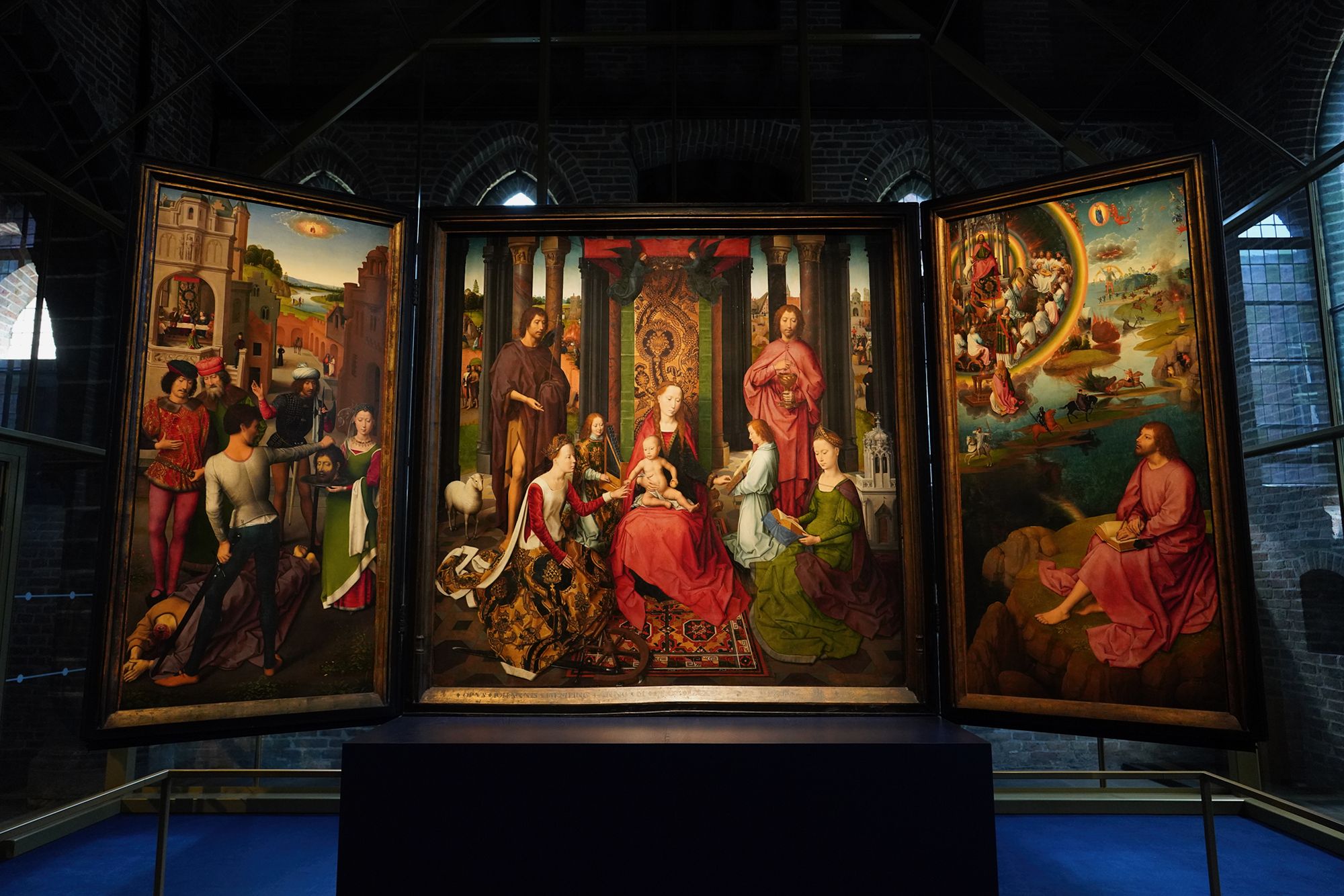
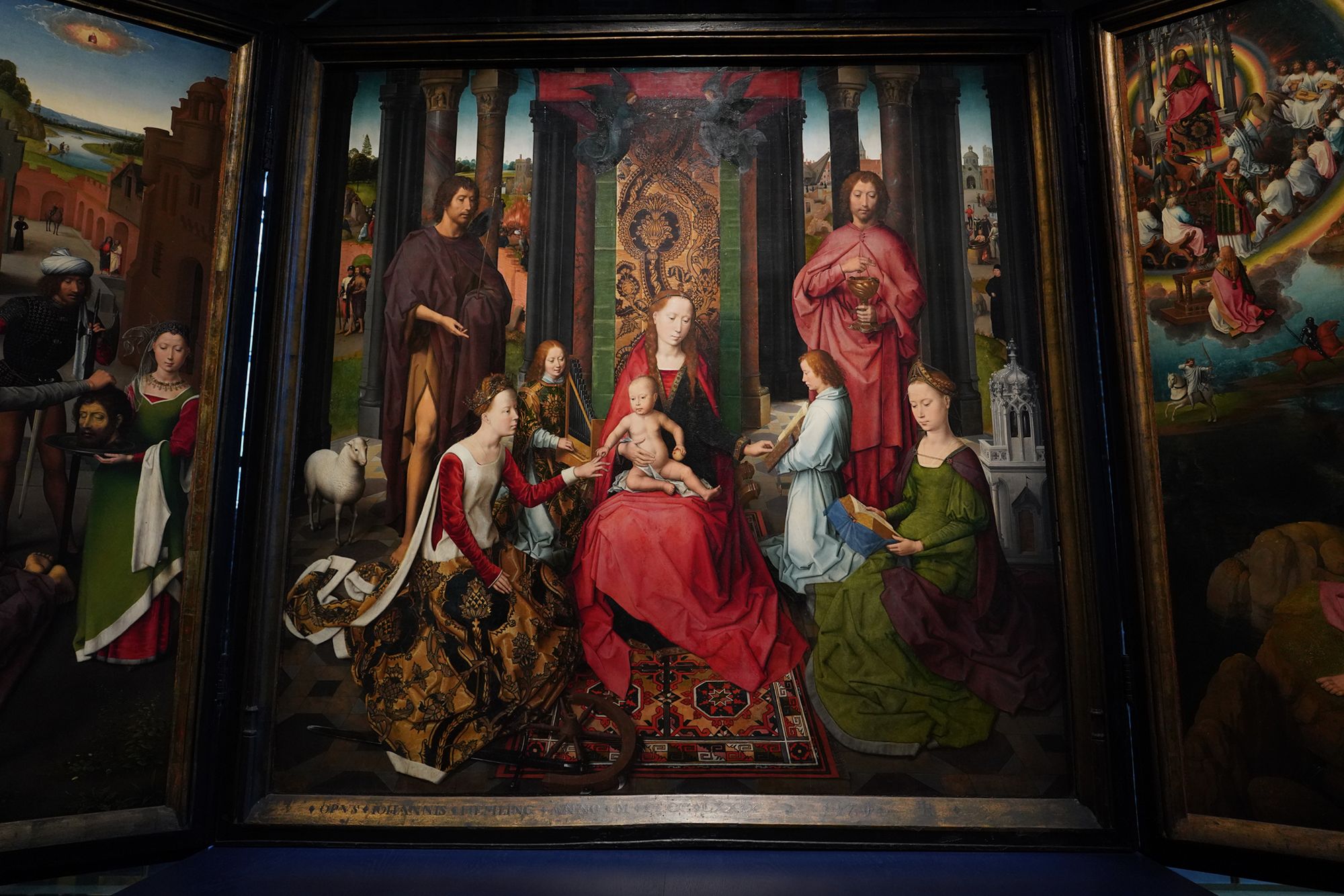
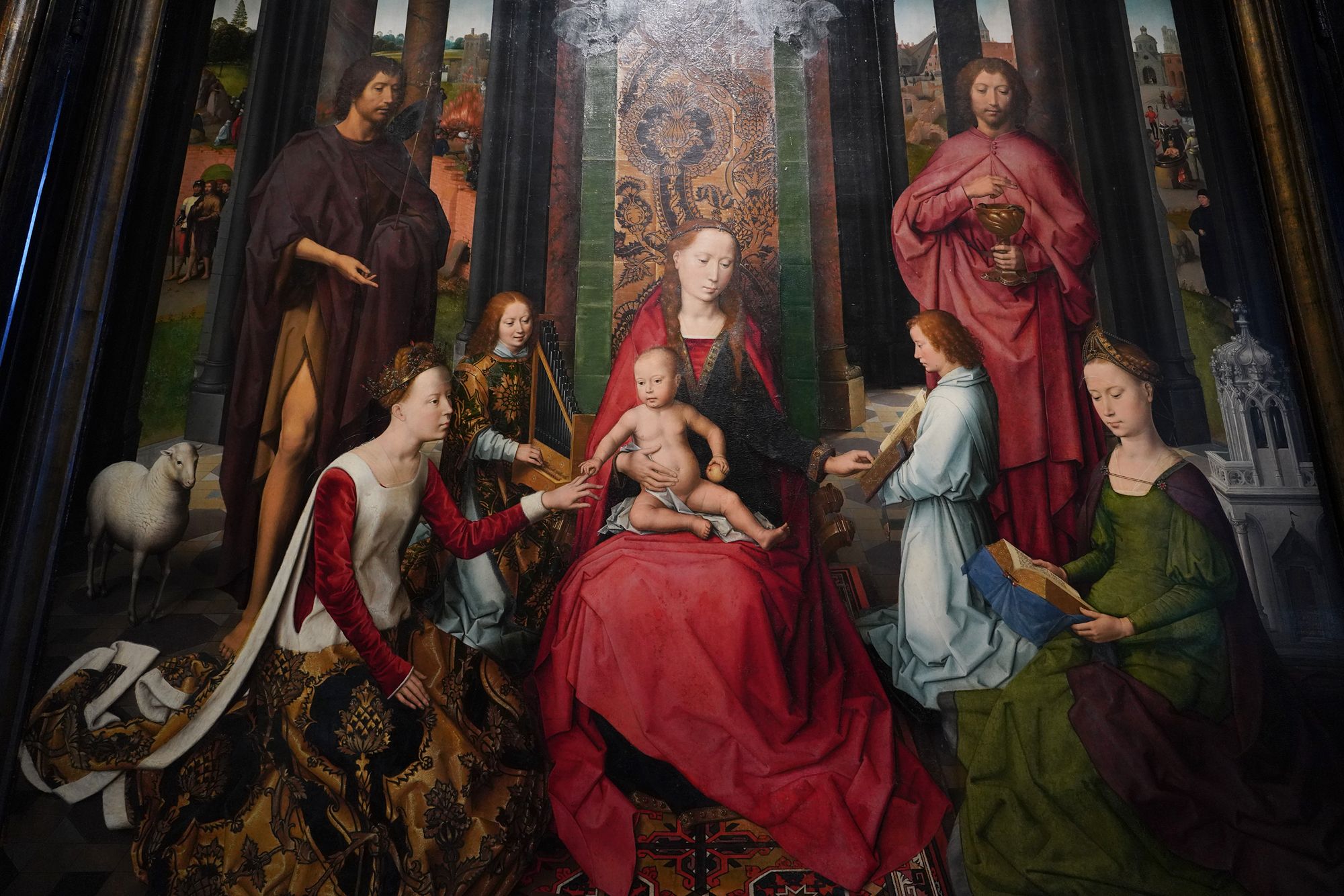
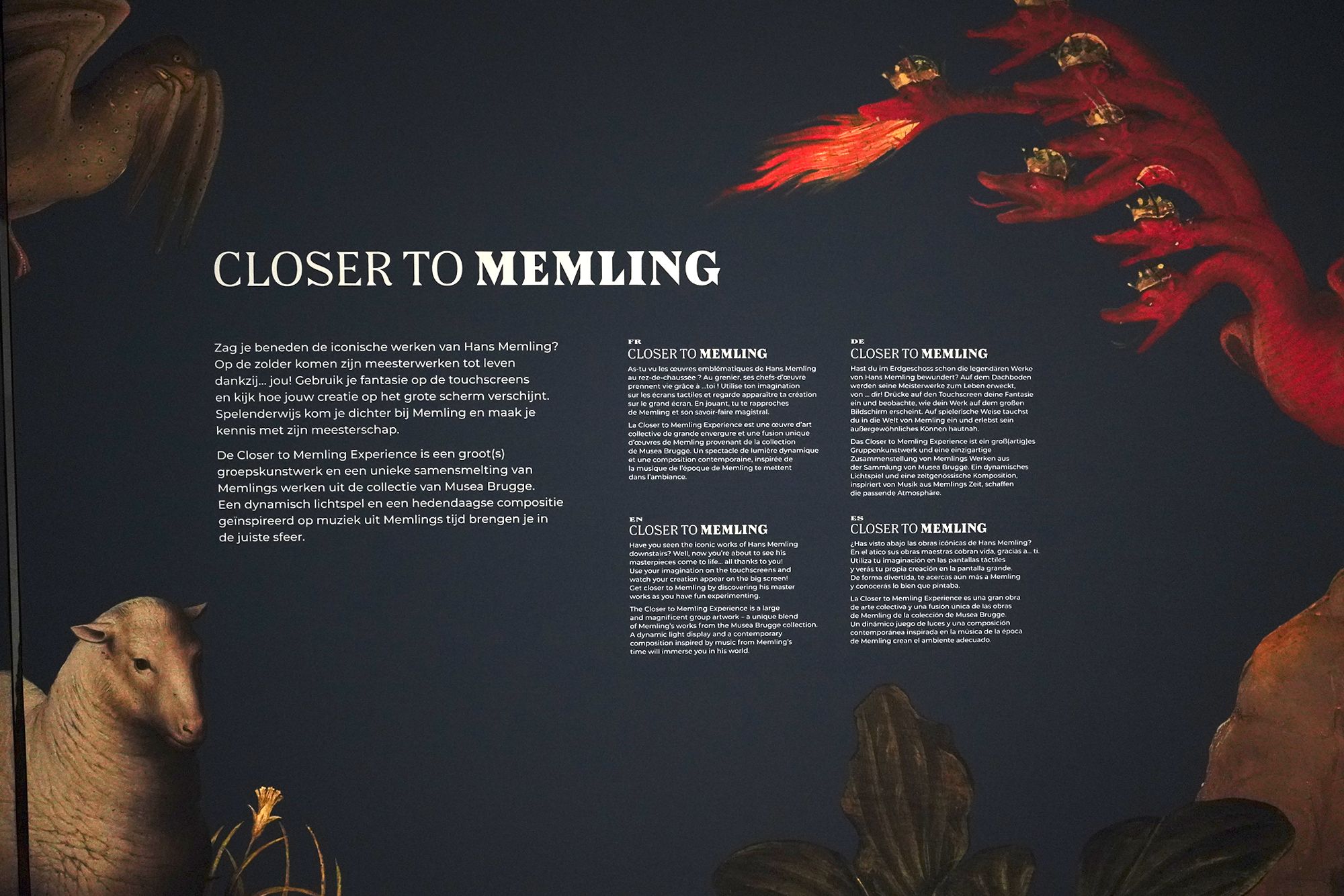
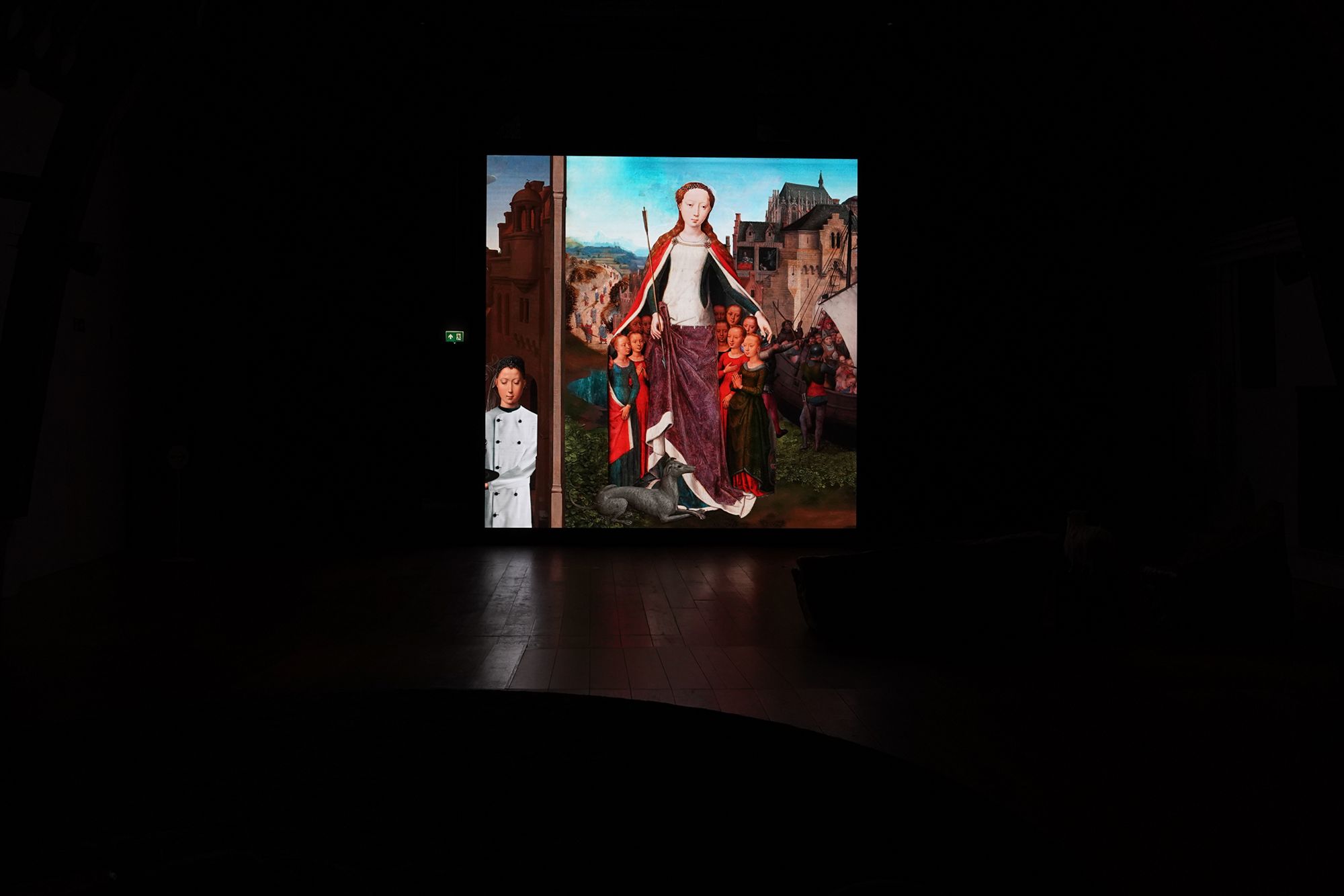
Saint John’s Hospital is especially famous for its collection of paintings by Hans Memling, one of the great Flemish painters of the 15th century. Memling lived and worked in Bruges and created several works specifically for the hospital. Remarkably, these masterpieces—including the Shrine of Saint Ursula and the Saint John Altarpiece—remain in the hospital for which they were originally made more than 500 years ago.

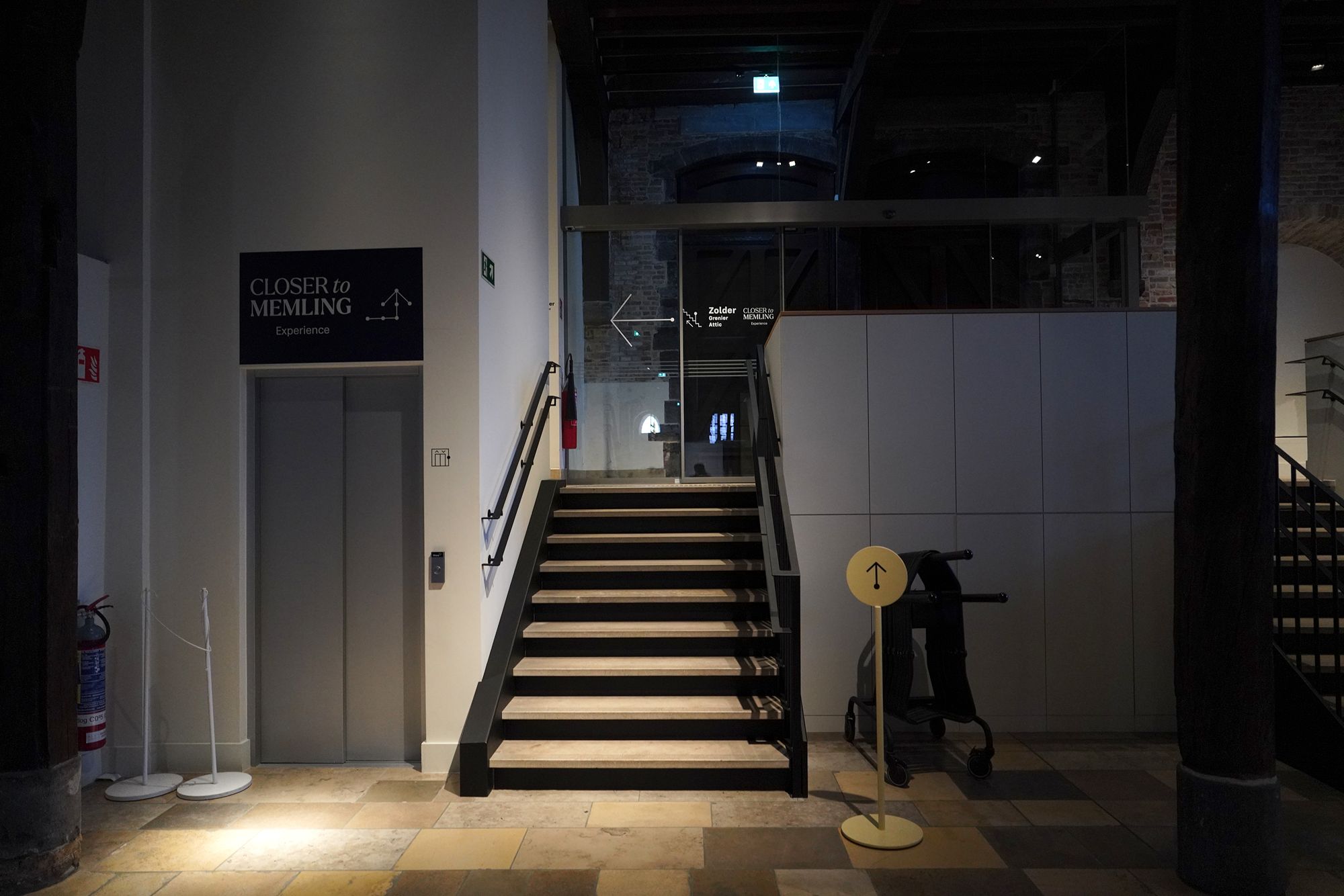

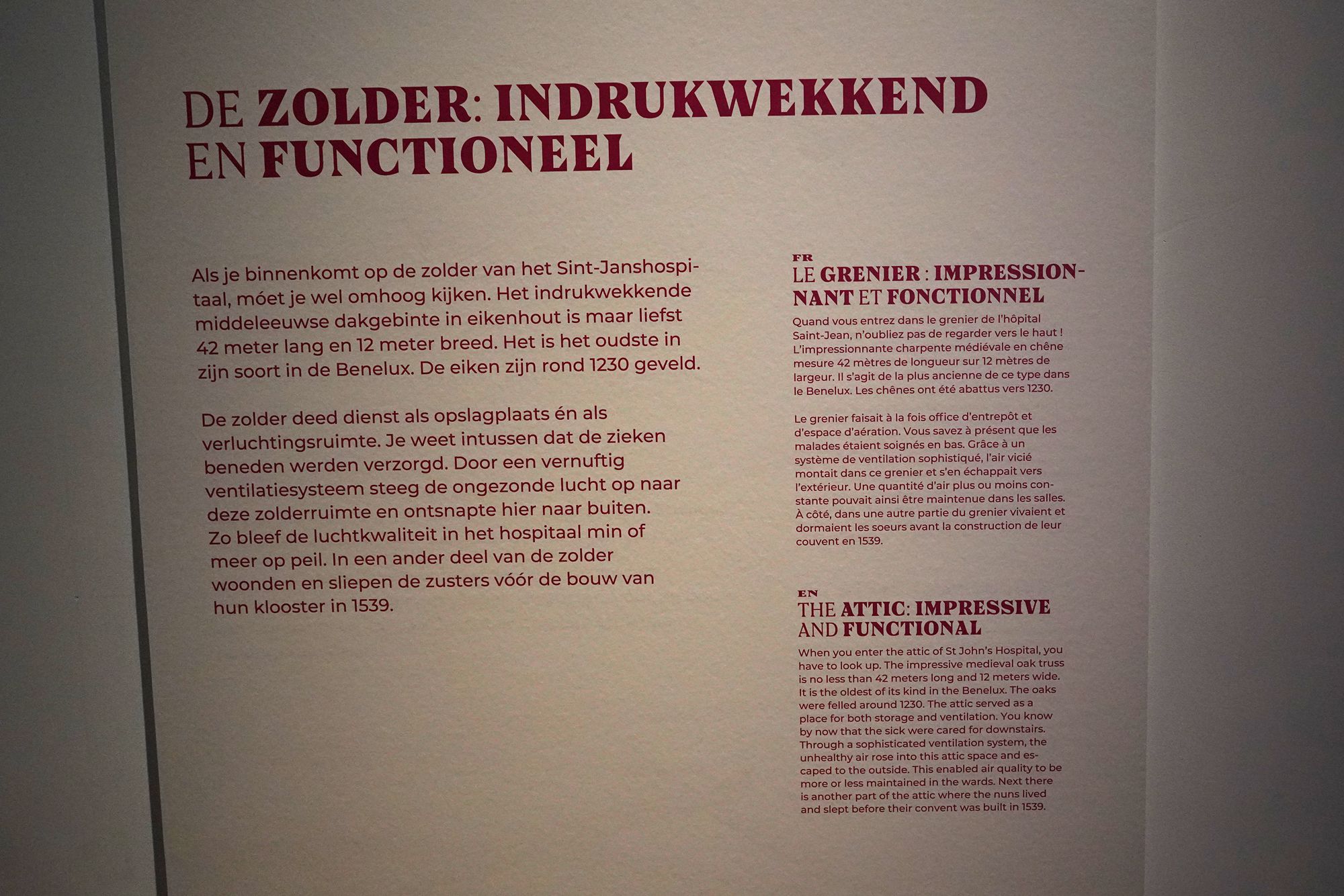
Upstairs, I entered the impressive medieval attic, dominated by a huge oak roof structure made from trees felled around 1230. The attic served both as storage and as part of the hospital’s ventilation system, allowing stale air from the wards below to rise and escape outside. Part of the attic was also used as living and sleeping quarters for the nuns before their convent was built in 1539.


Medieval Europe had many hospitals, especially by the 12th and 13th centuries, although they were very different from modern hospitals.
Most were founded and supported by churches, monasteries, religious orders, rulers, or wealthy donors. They provided shelter, food, nursing, and religious care for the sick, poor, elderly, pilgrims, and travelers. Medical treatment itself was fairly limited.
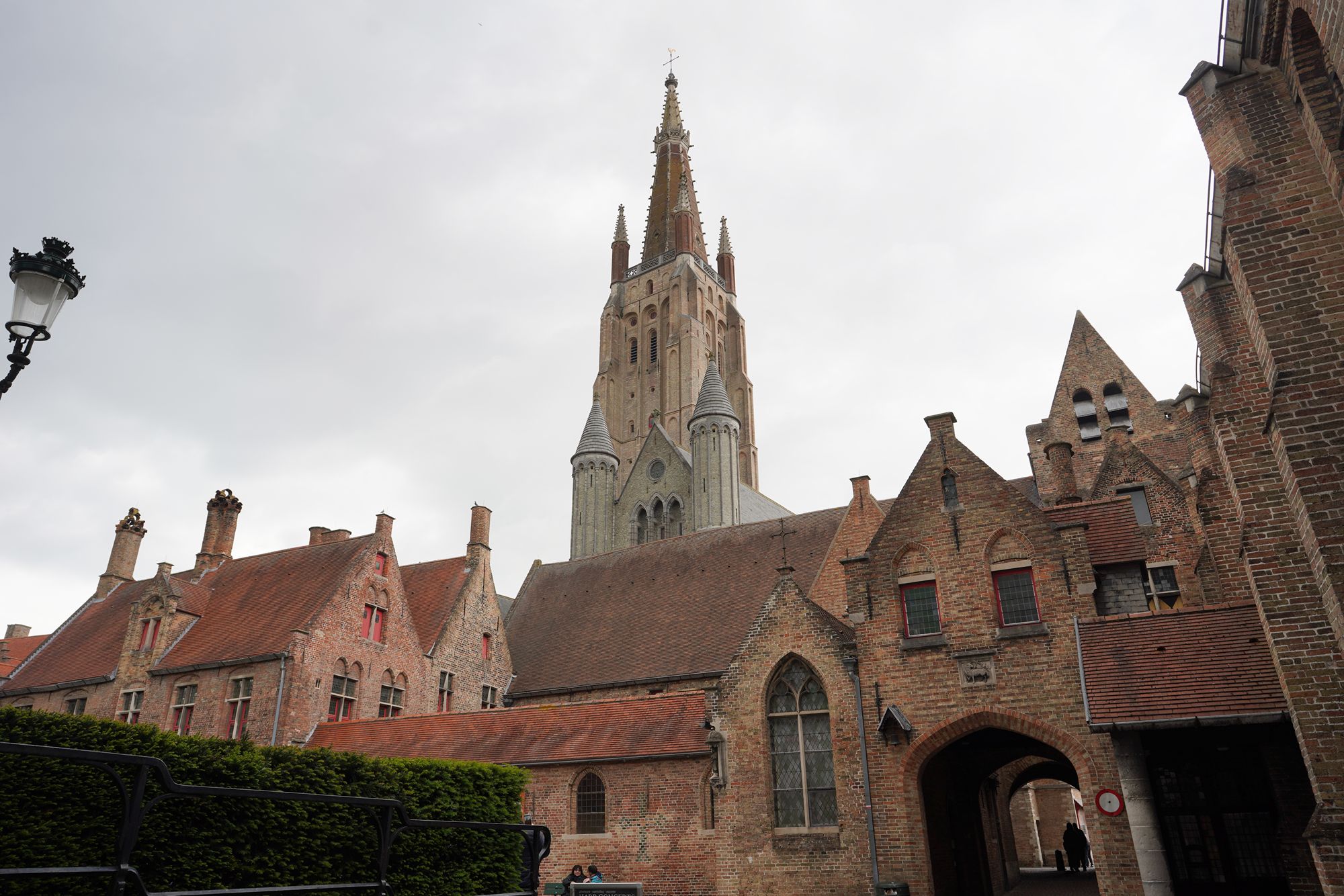
Large commercial and pilgrimage cities such as Bruges, Paris, London, Florence, and Rome had hospitals. Famous examples include the Hôtel-Dieu in Paris, founded centuries before Saint John’s Hospital, and Santa Maria Nuova in Florence, founded in the late 13th century.
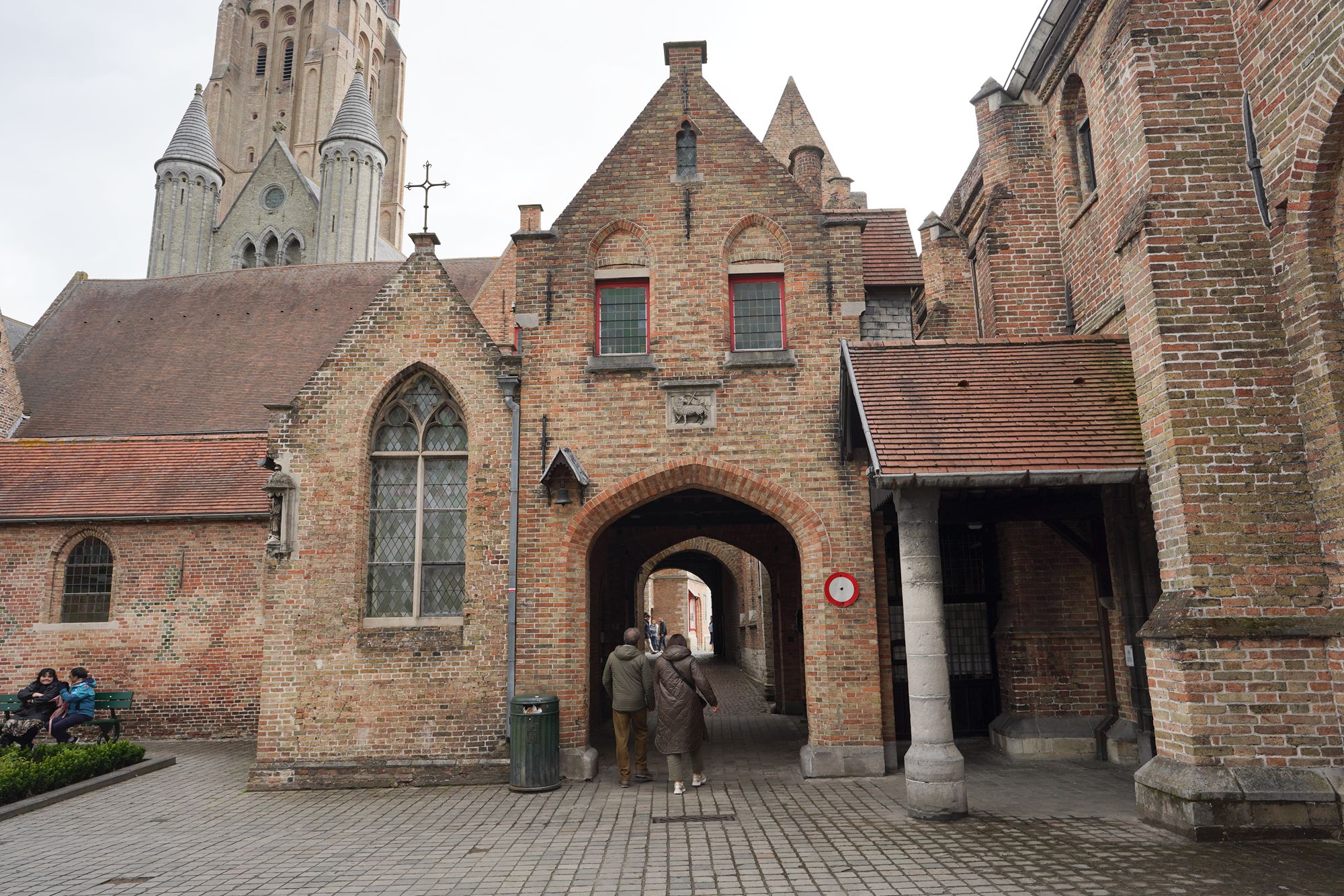
What makes Saint John’s Hospital in Bruges particularly special isn't that hospitals were rare—it is that such a large portion of its medieval hospital complex has survived. You can still walk through buildings and wards that were actually used to care for patients hundreds of years ago.