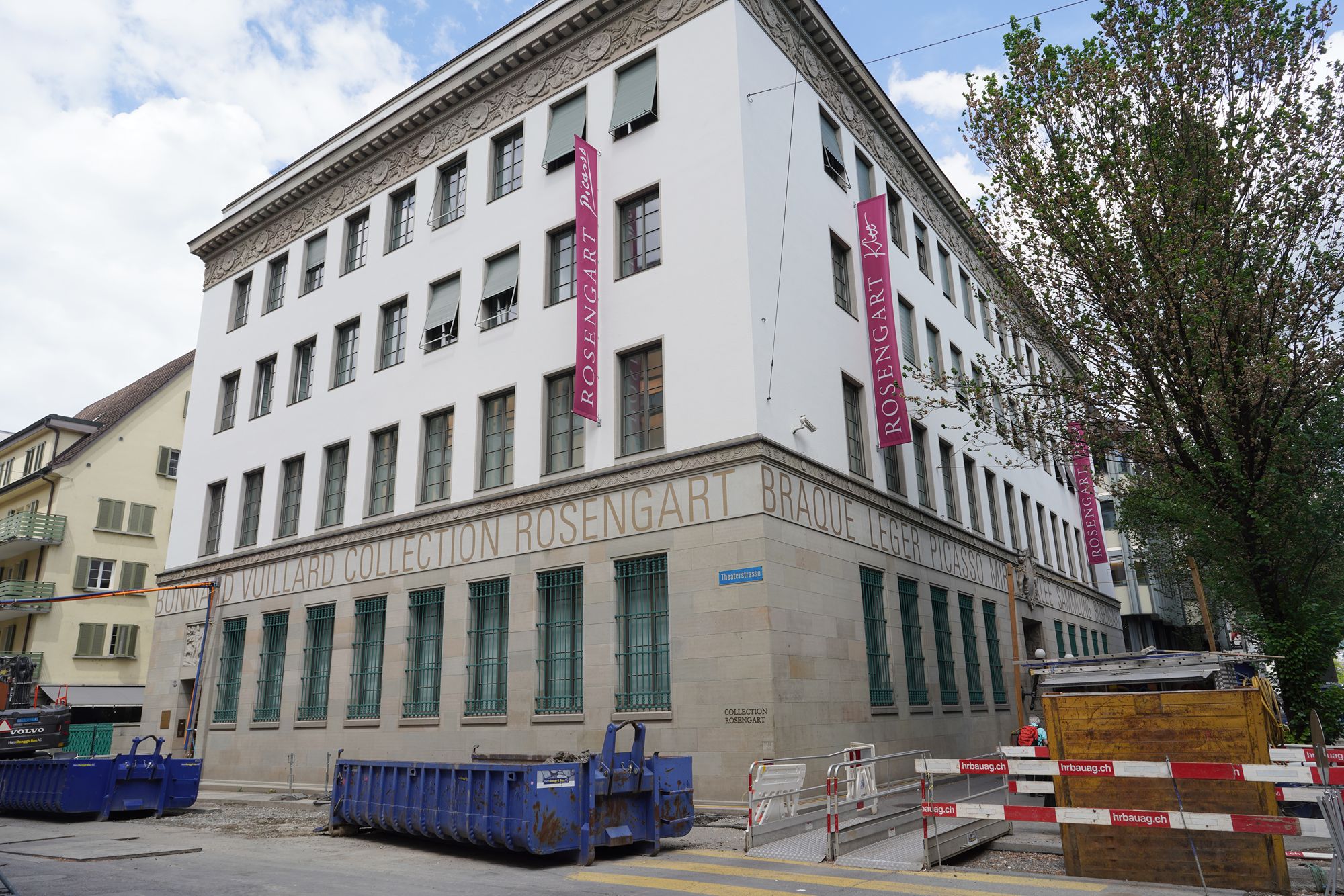
Sammulung Rosengart Museum, Lucern, Switzerland
The Sammlung Rosengart Museum in Lucerne features an outstanding modern art collection, especially works by Pablo Picasso and Paul Klee. 1323
Sammlung Rosengart Museum: Pilatusstrasse 10, 6003 Luzern, Switzerland
Date Picture Taken: Jun, 2026
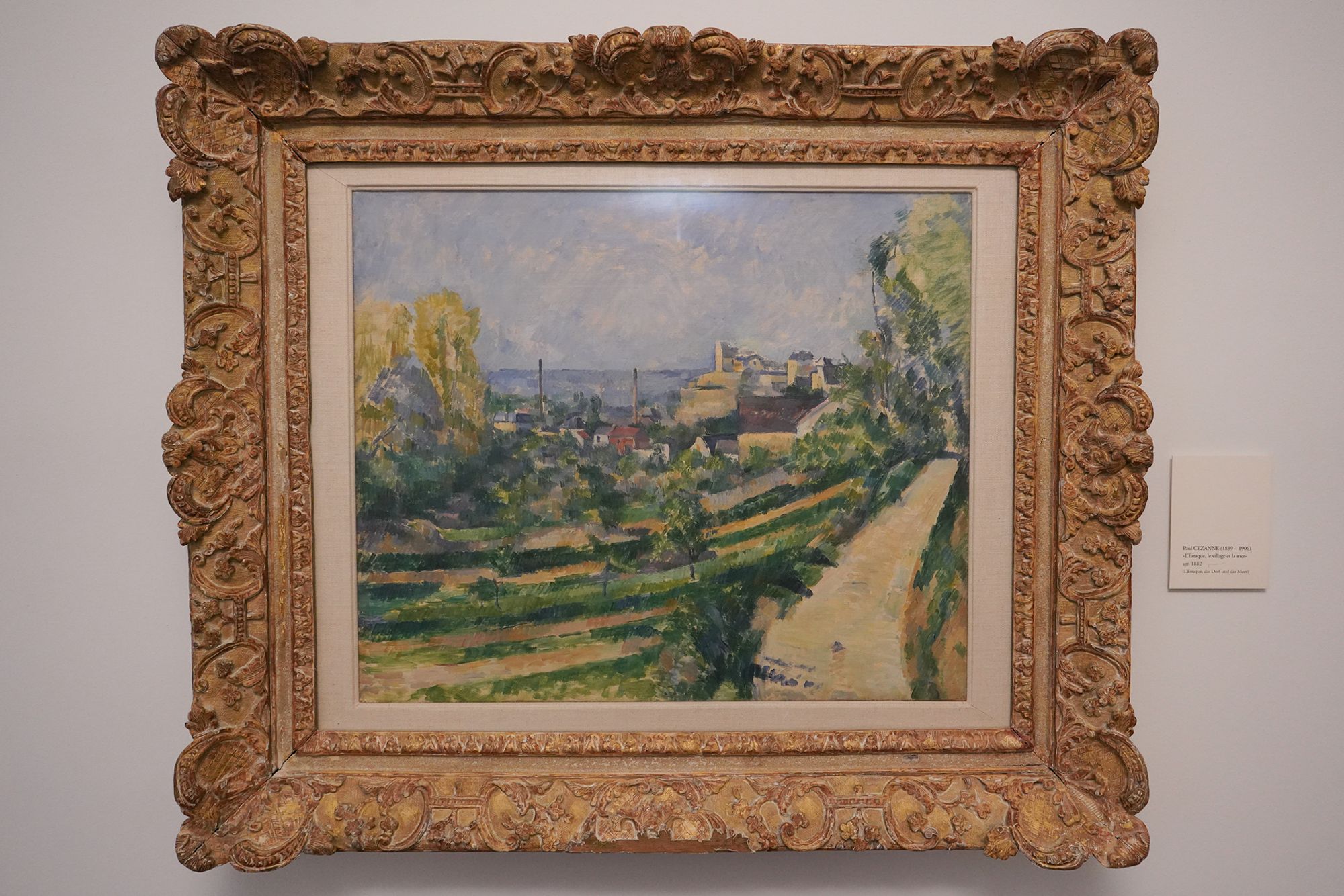
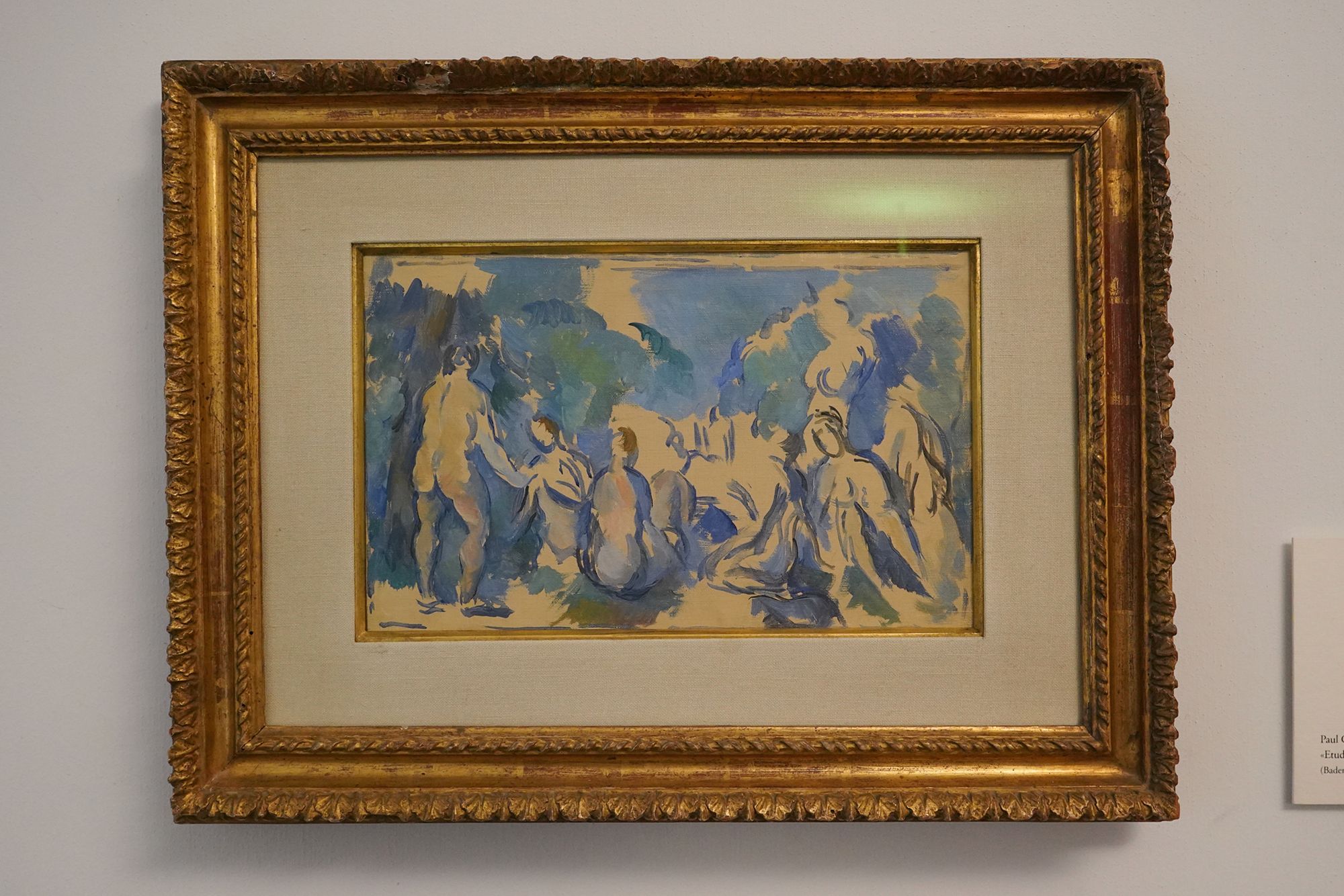
The Sammlung Rosengart Museum in Lucerne houses an impressive collection of modern art assembled by art dealer Siegfried Rosengart and his daughter Angela. The museum is especially known for its extensive collections of Pablo Picasso and Paul Klee, along with works by Monet, Cézanne, Matisse, Miró, and other major artists.
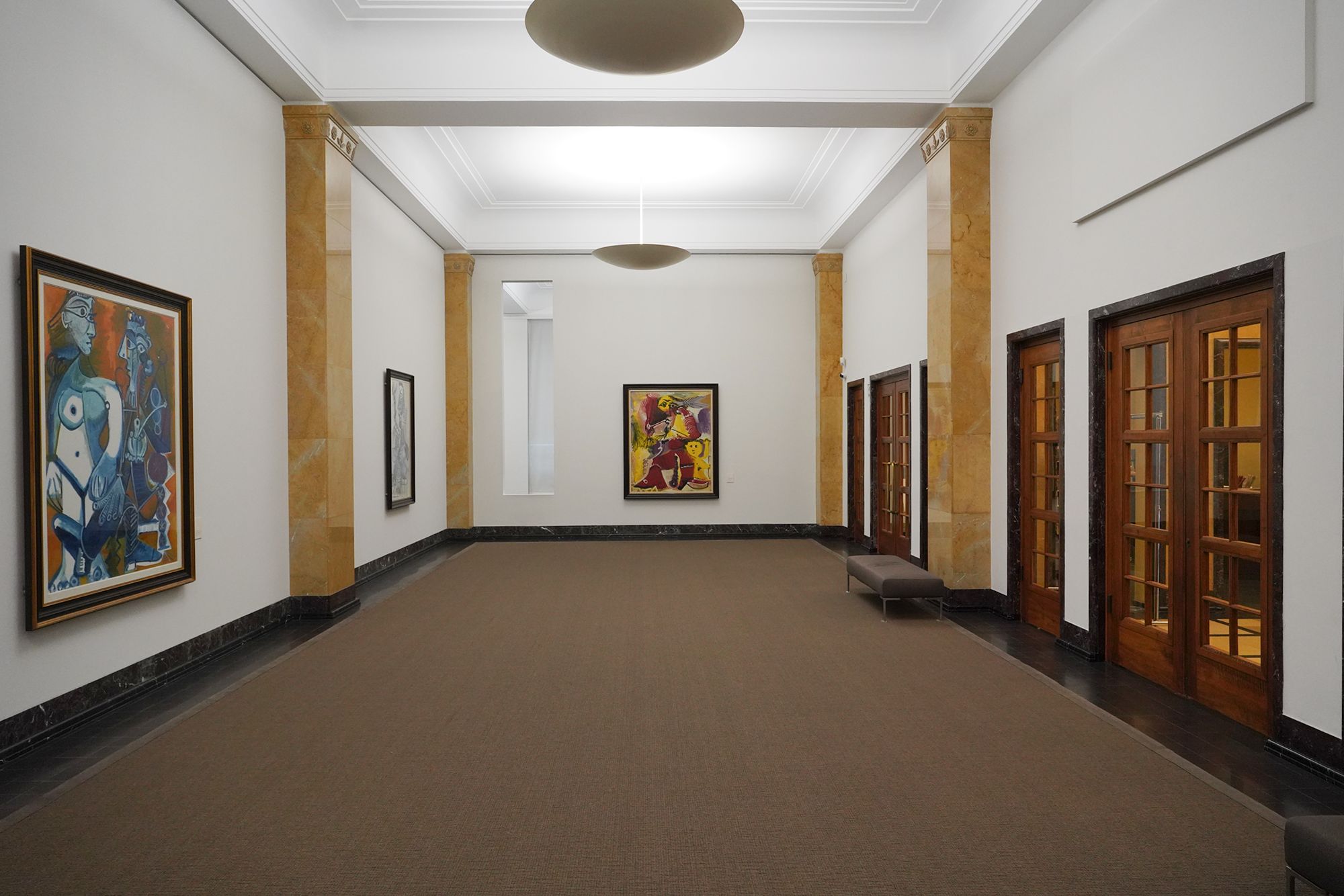
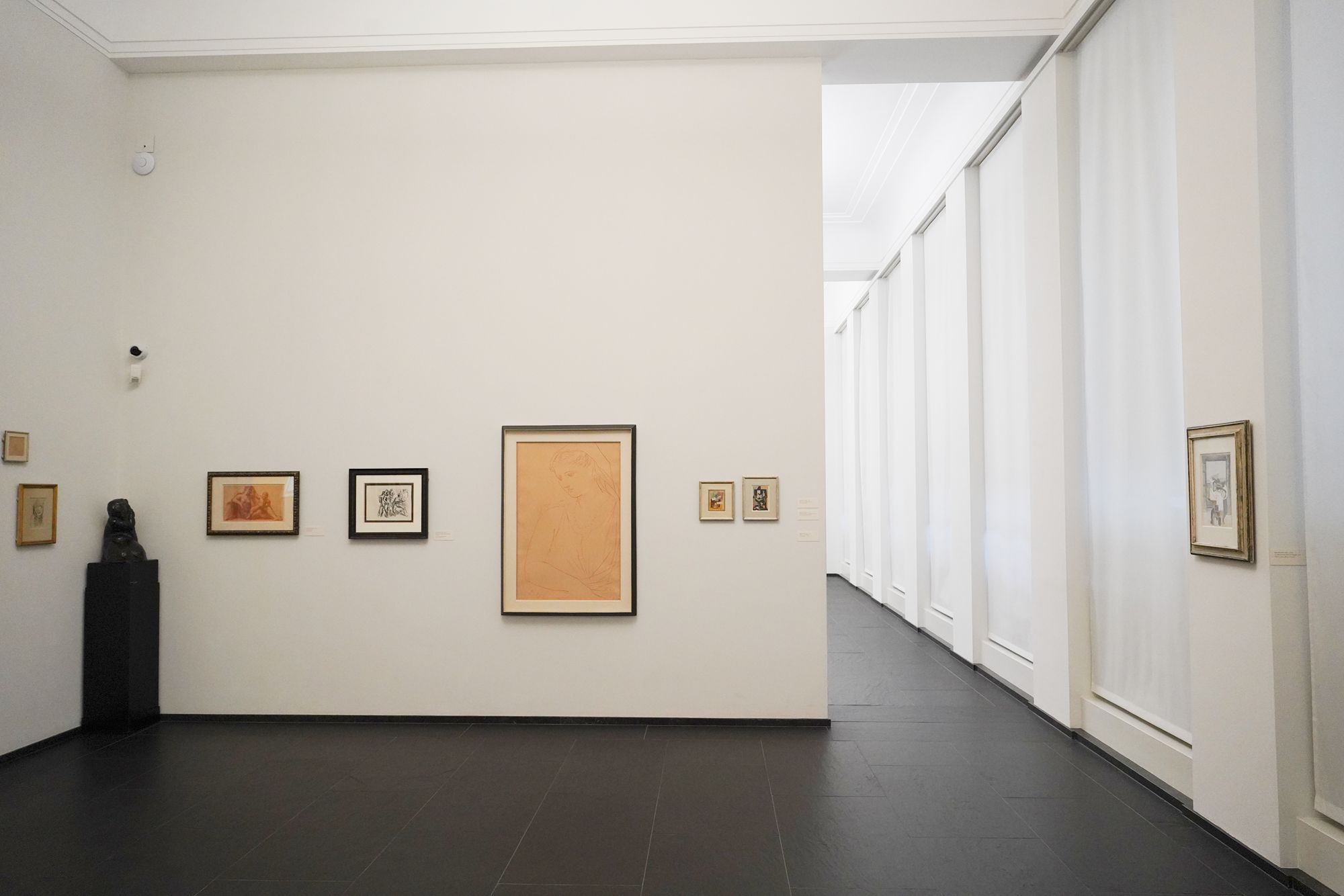
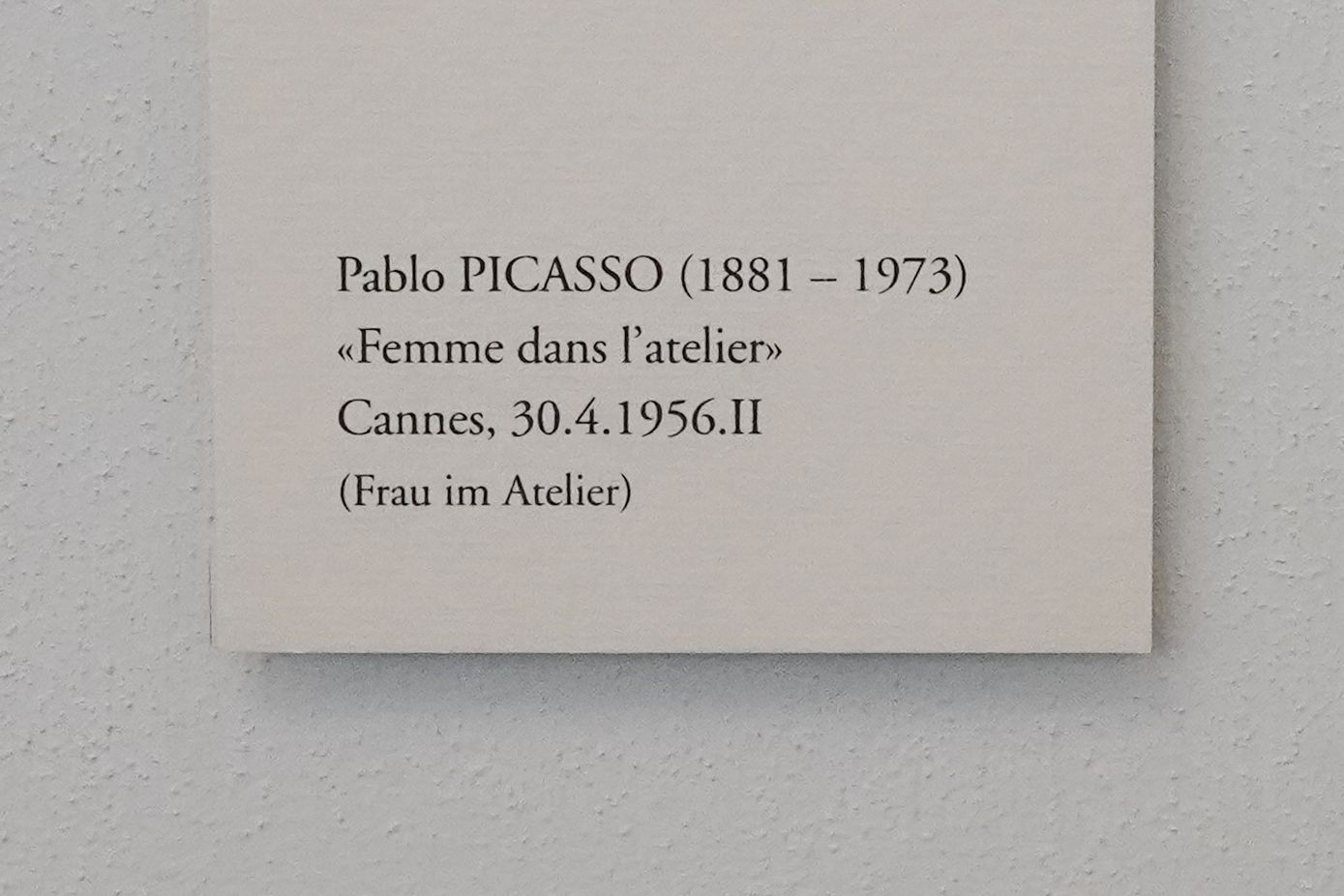
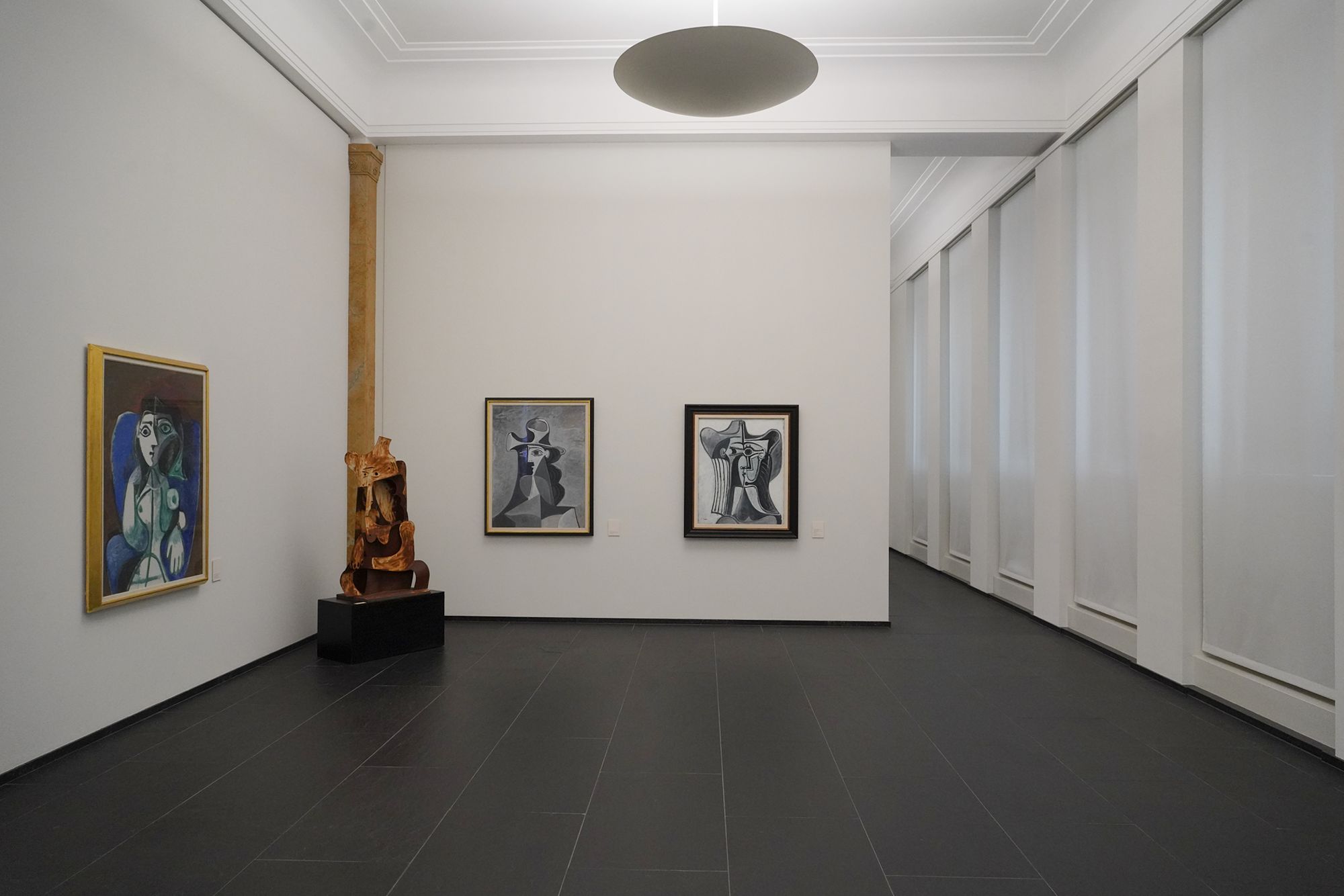
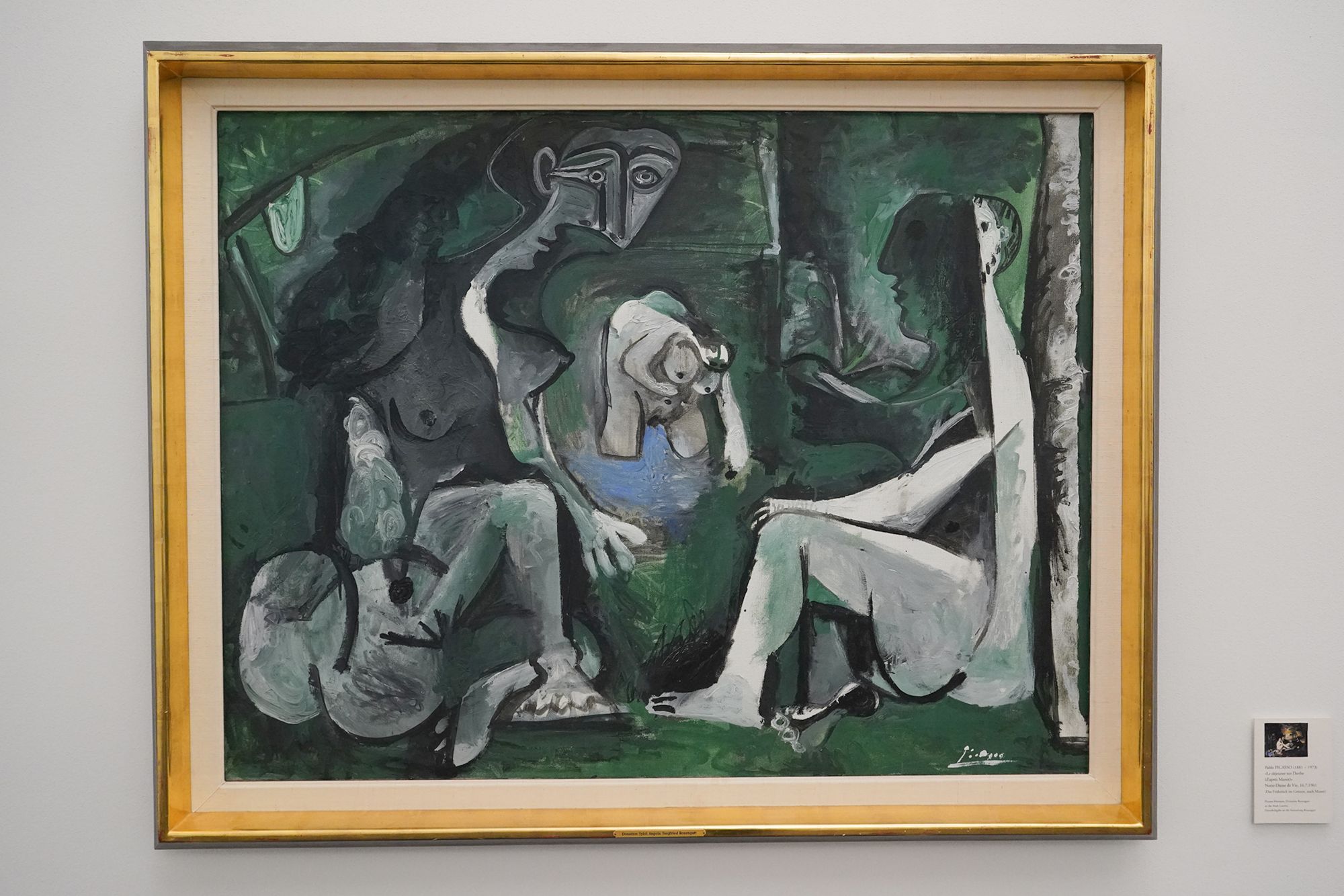
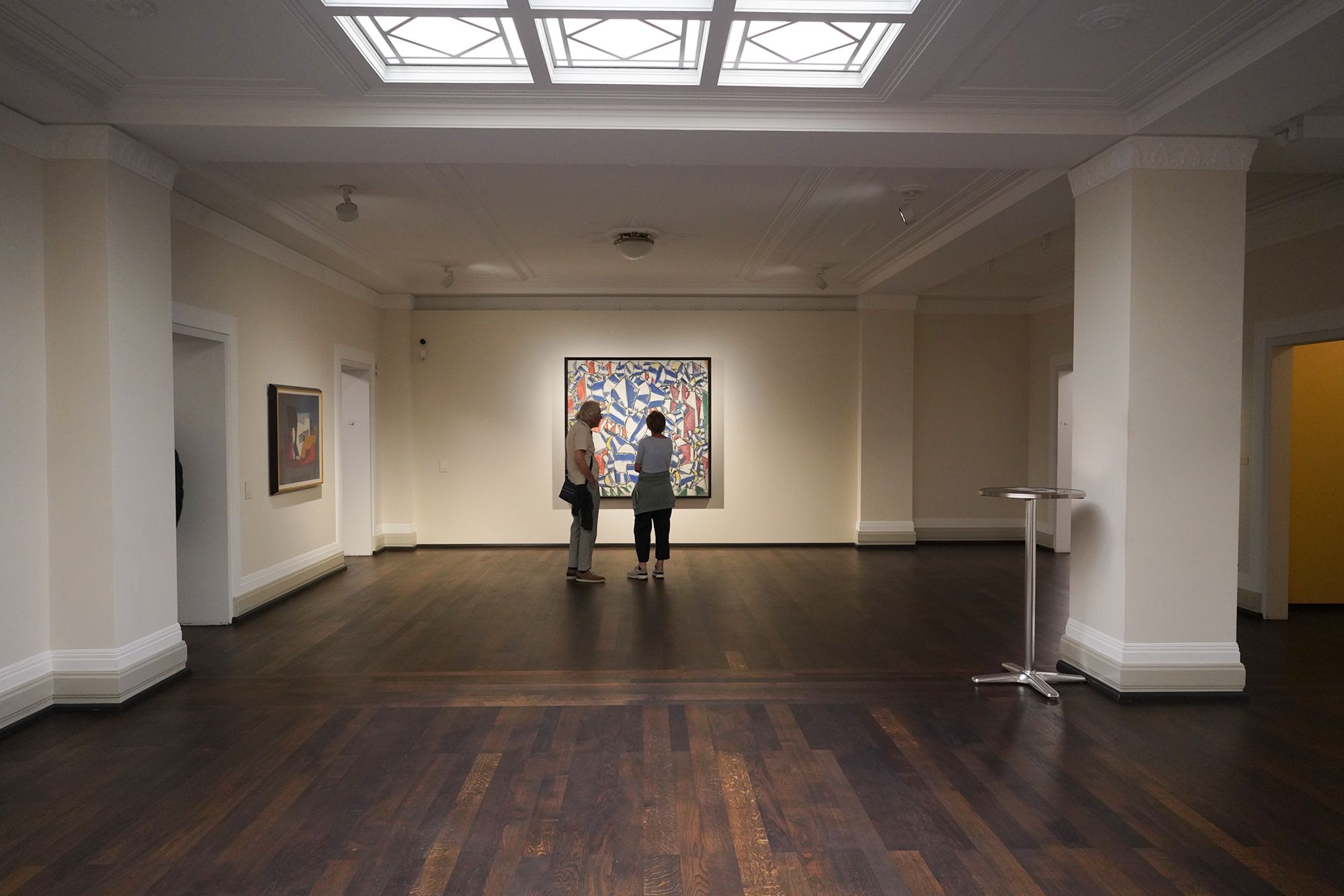
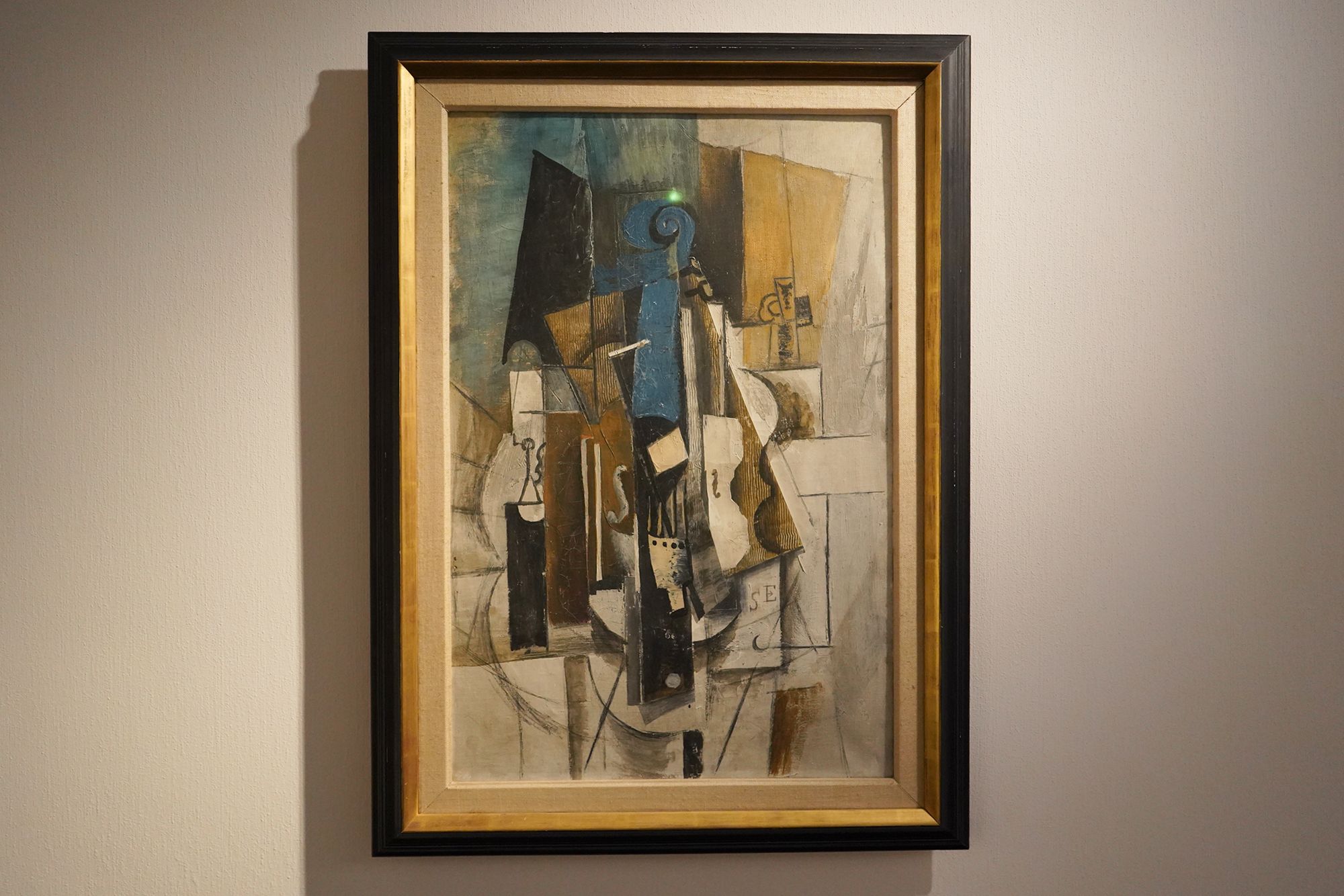
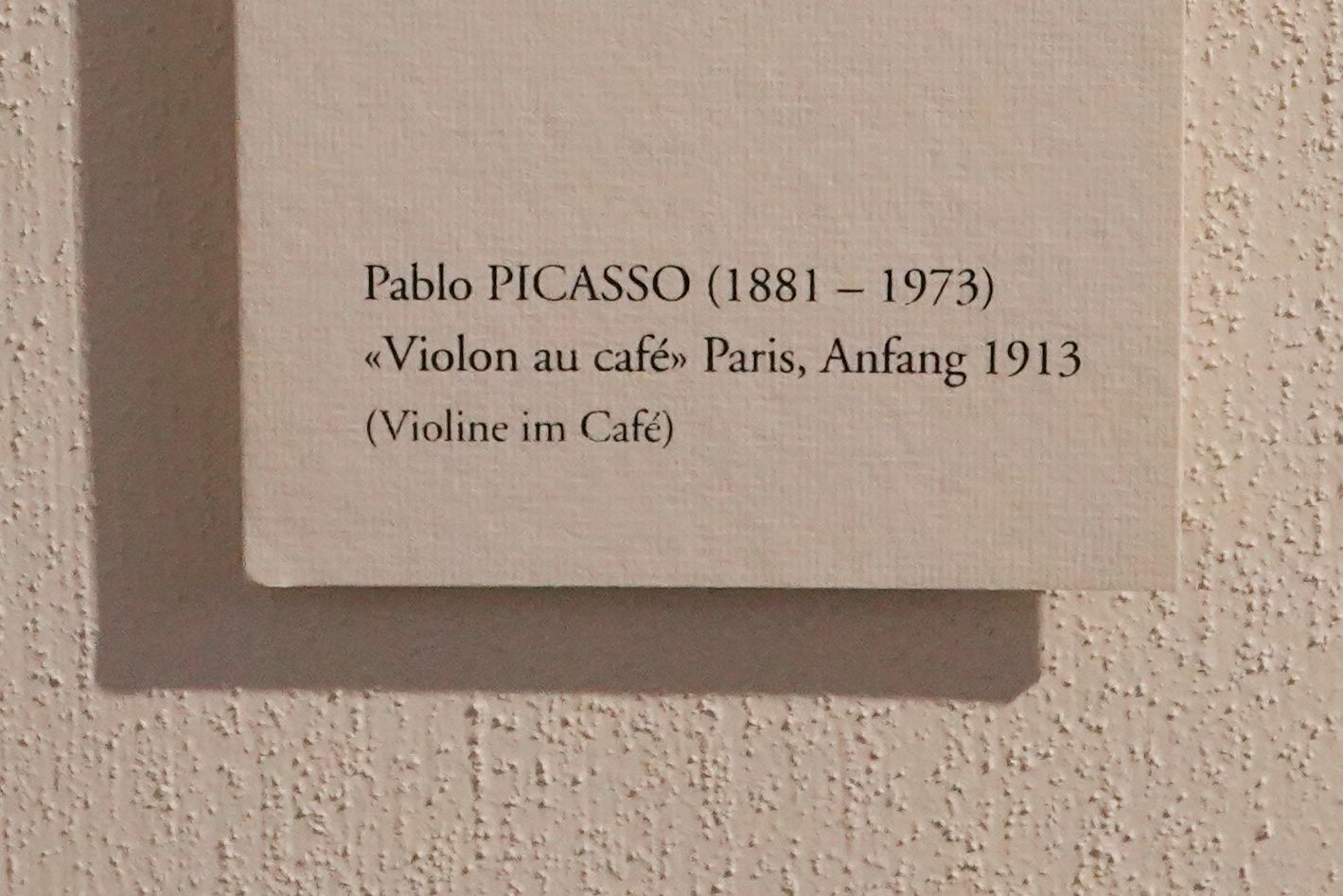
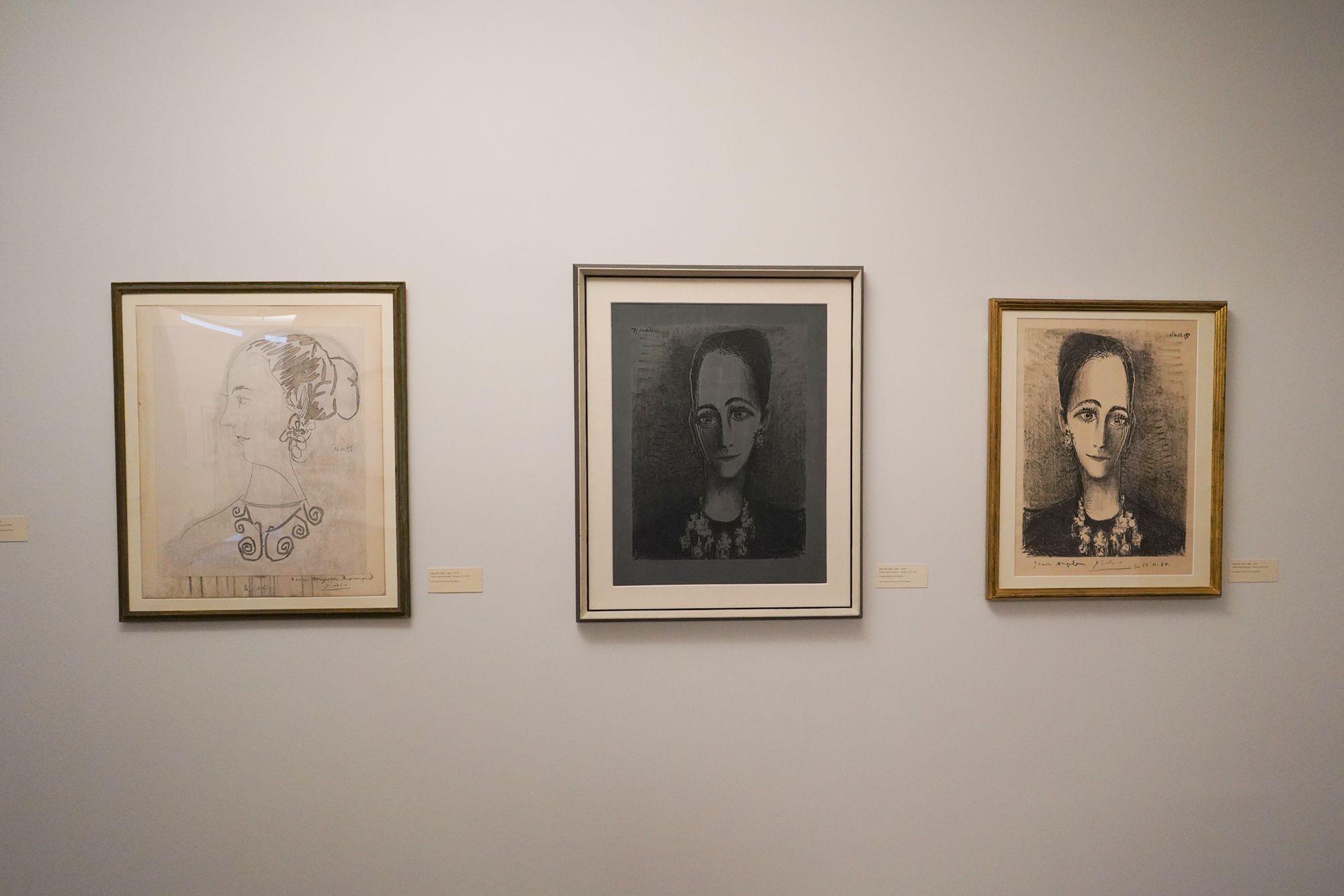
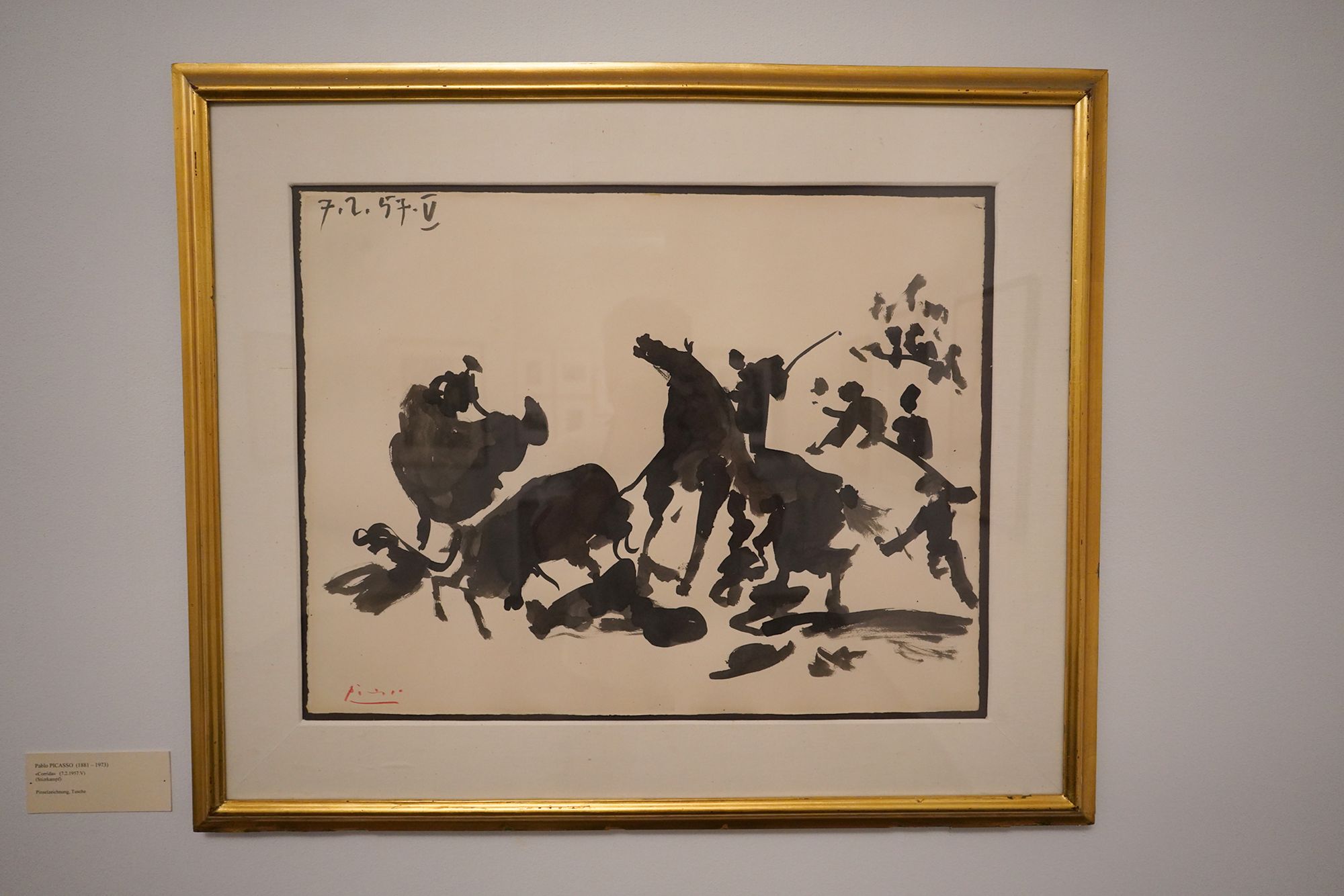
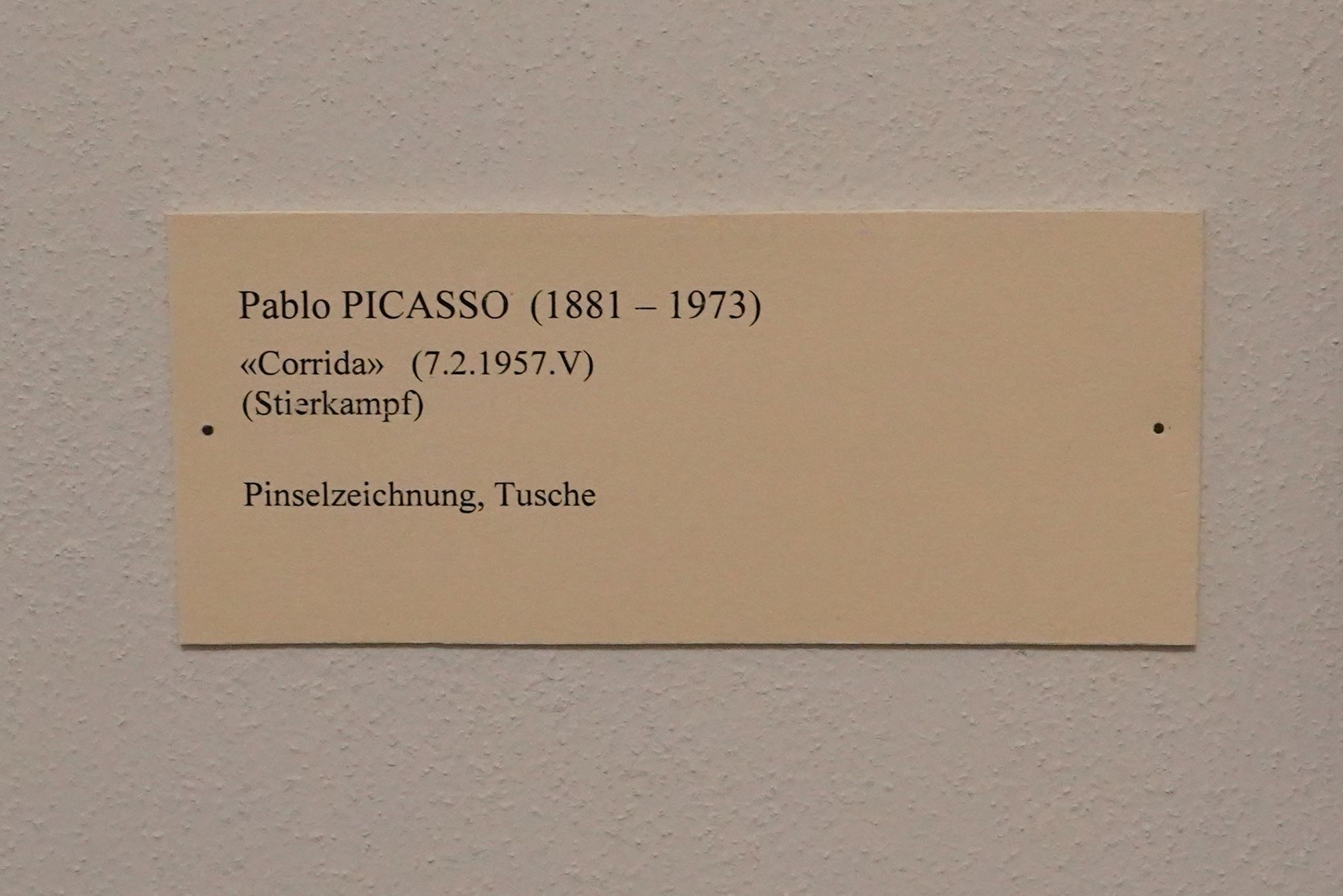
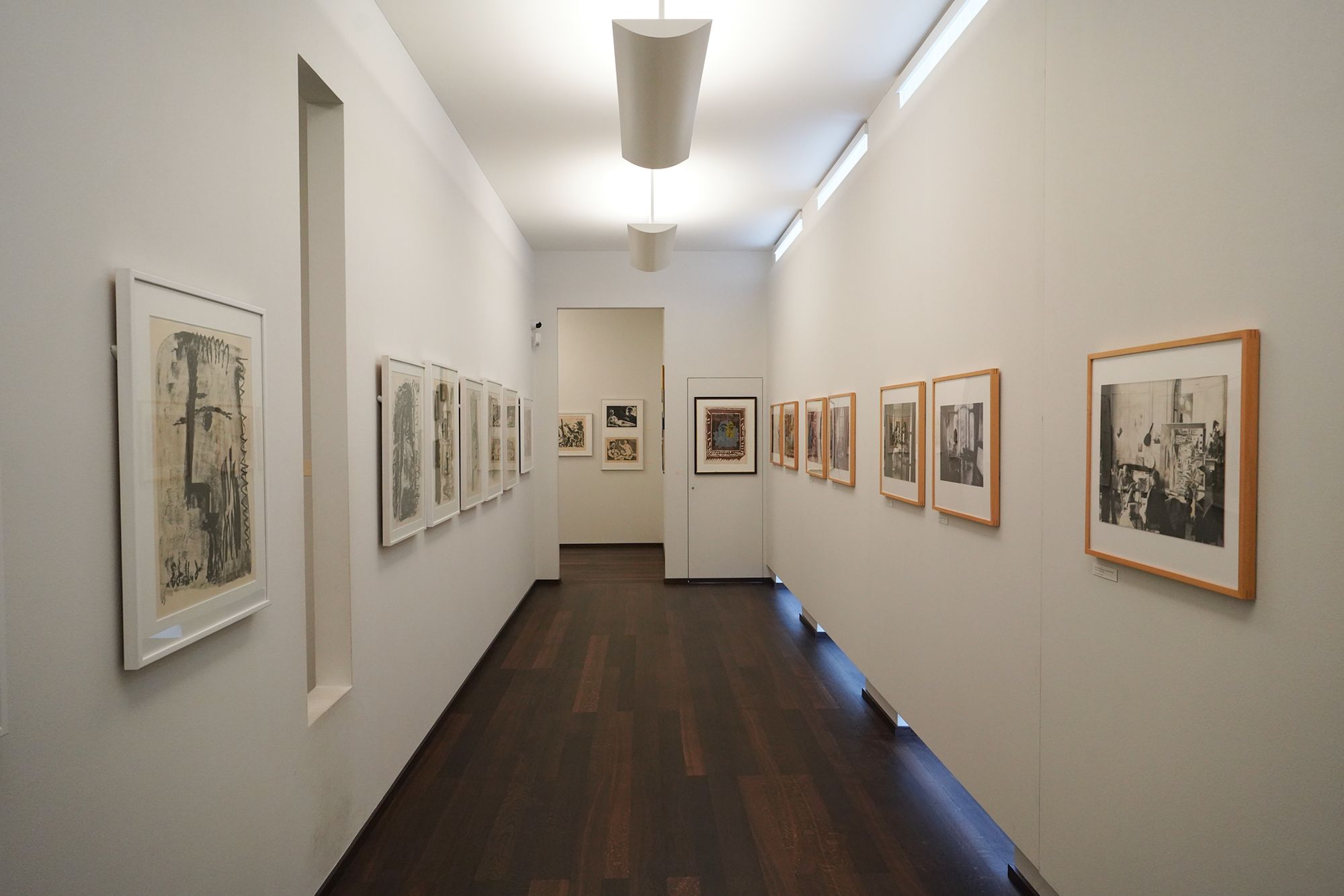
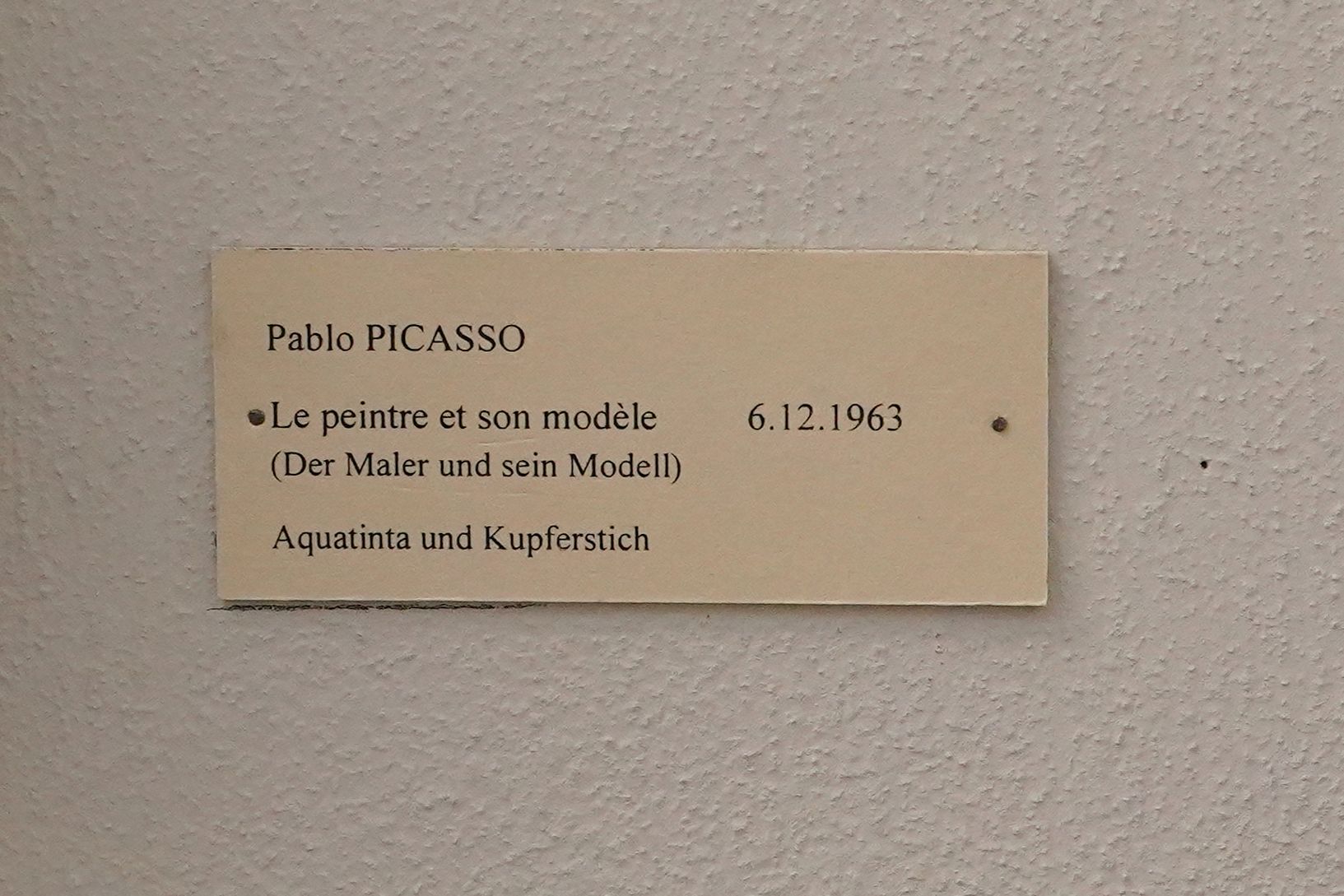
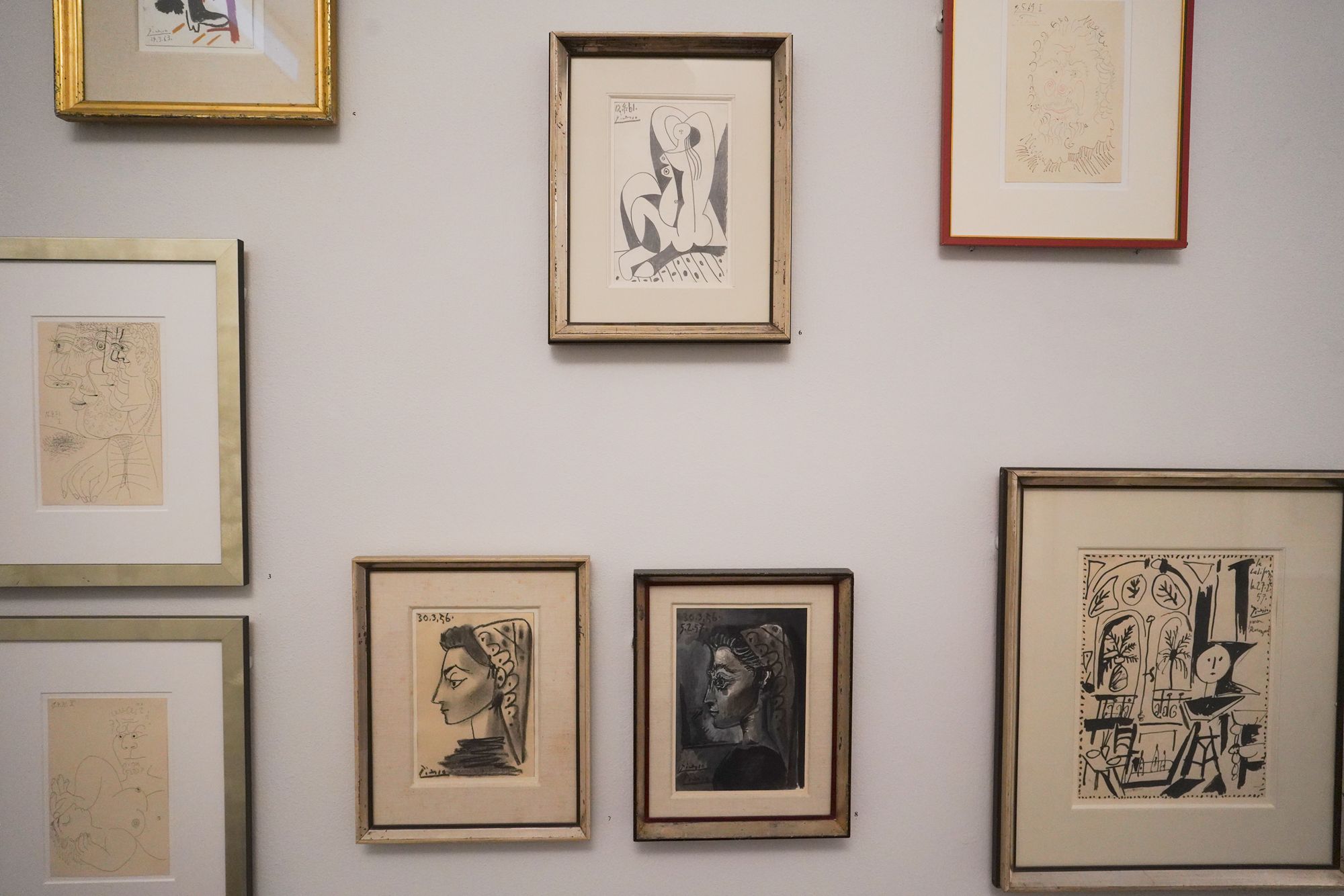
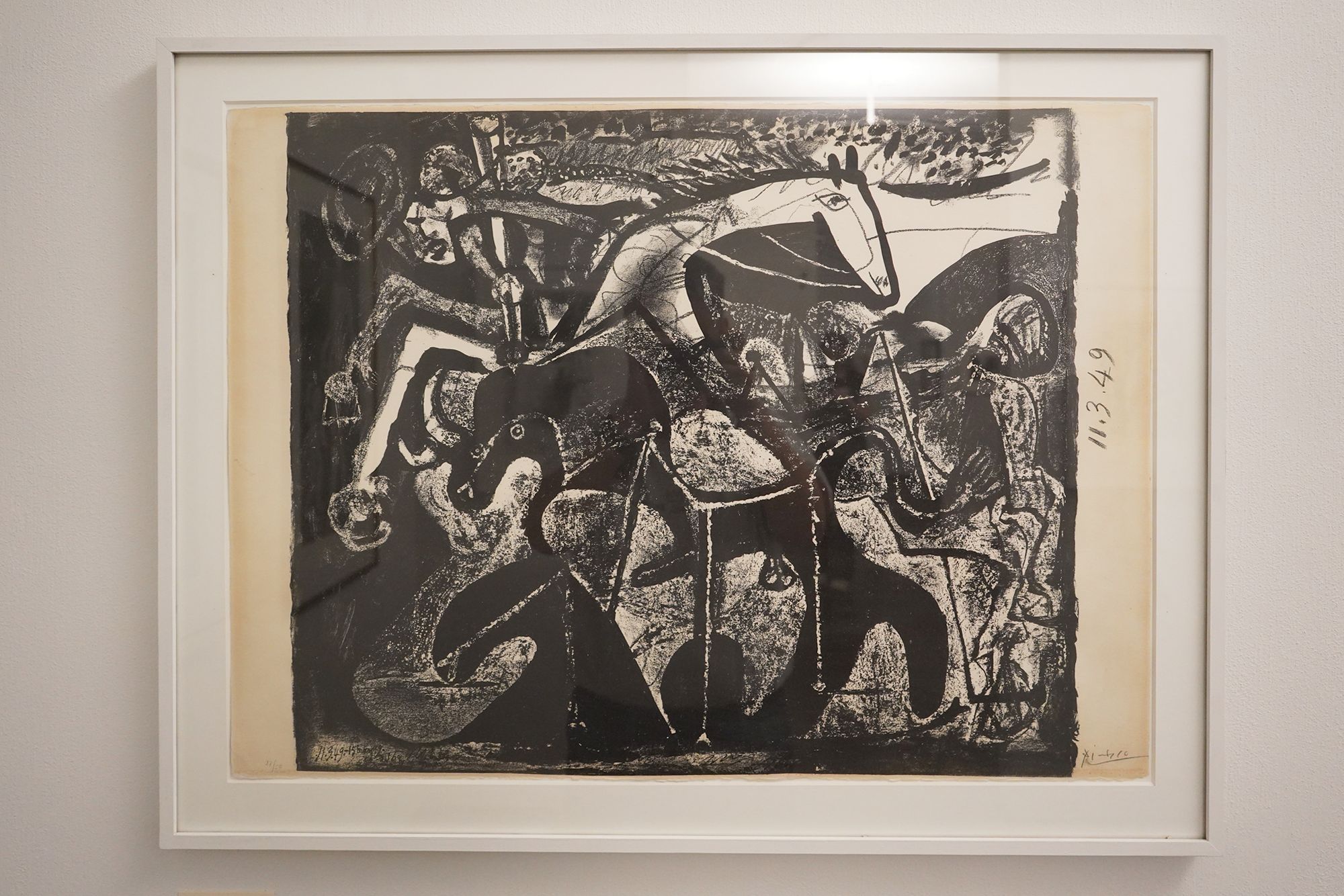
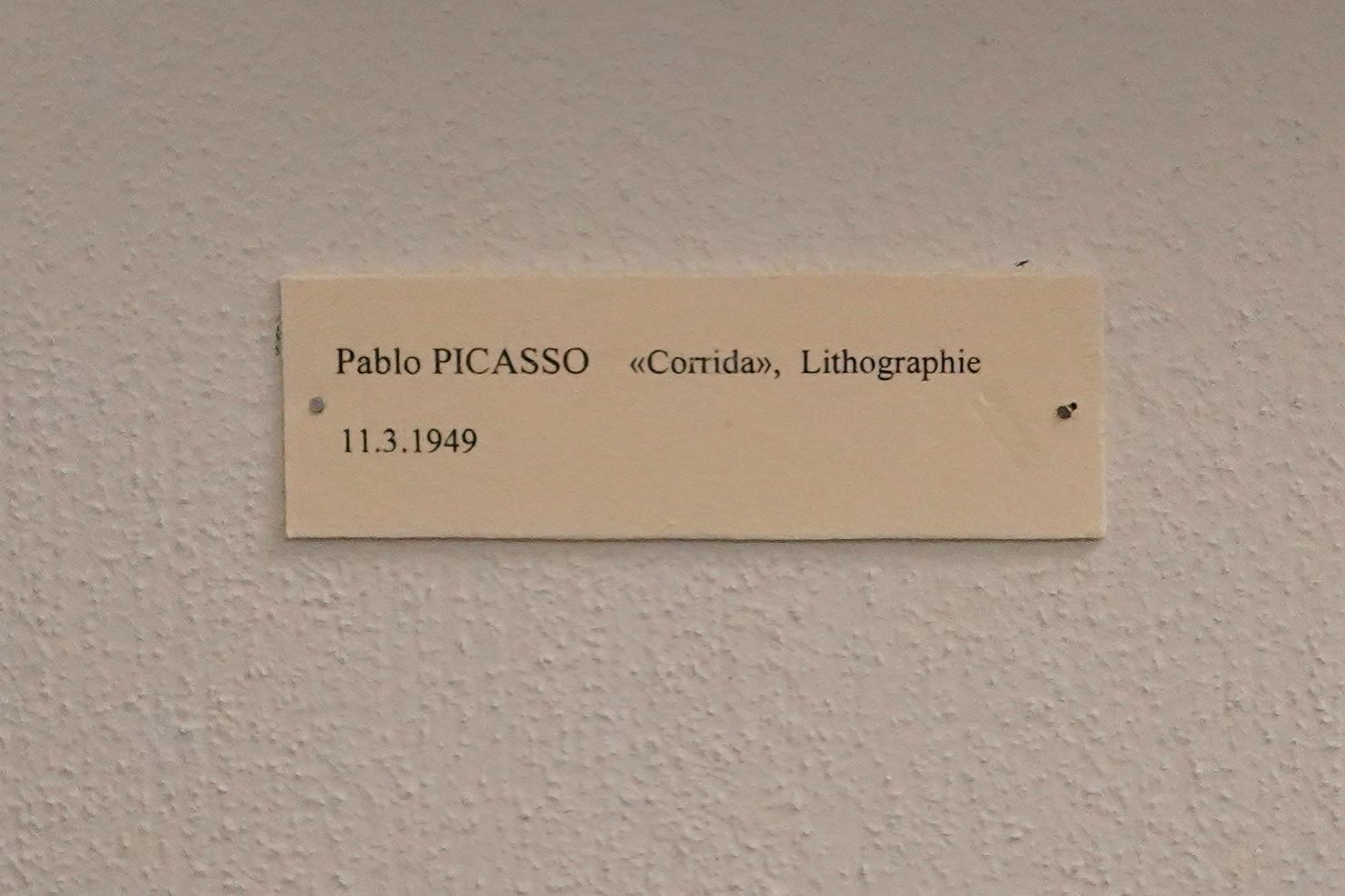
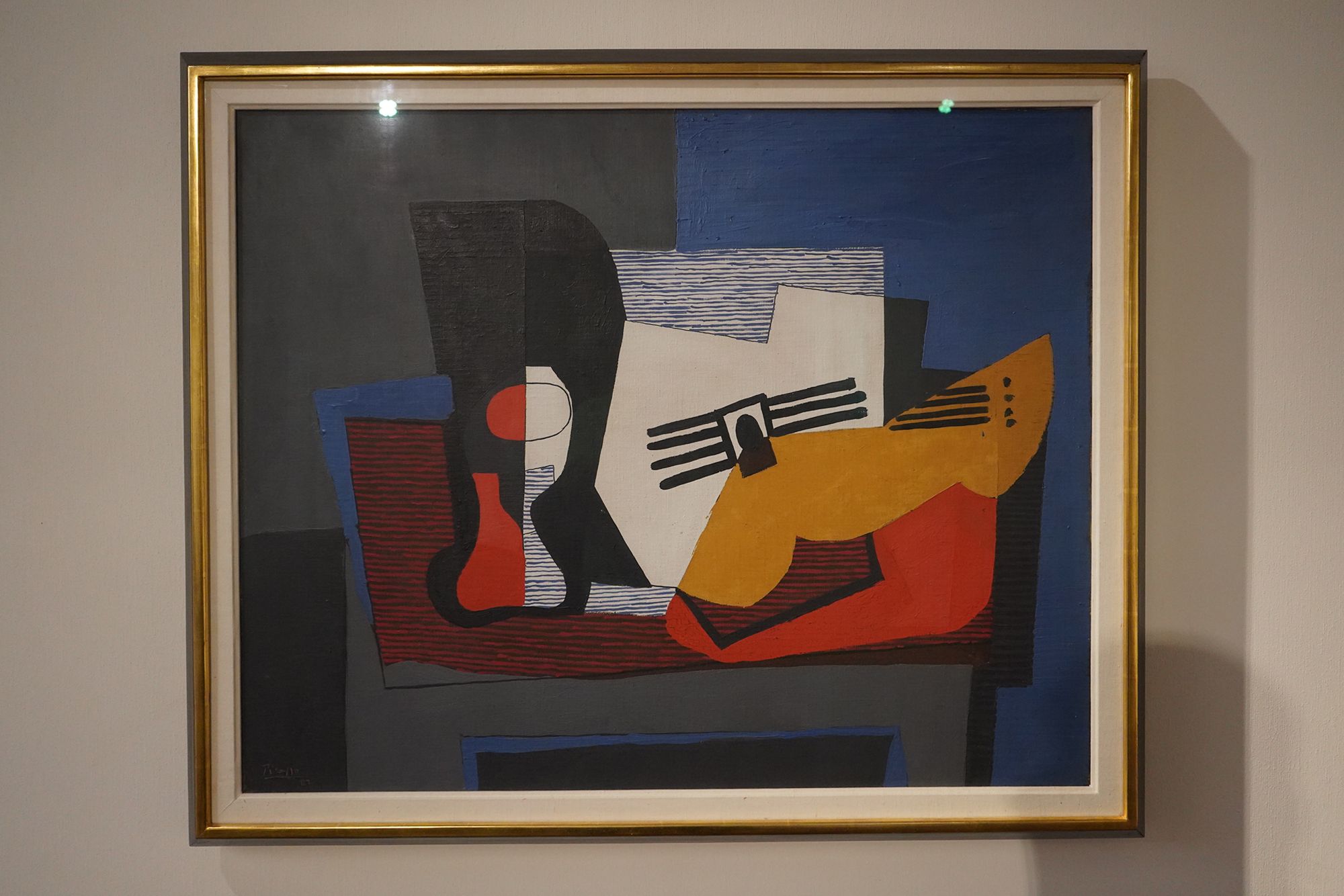
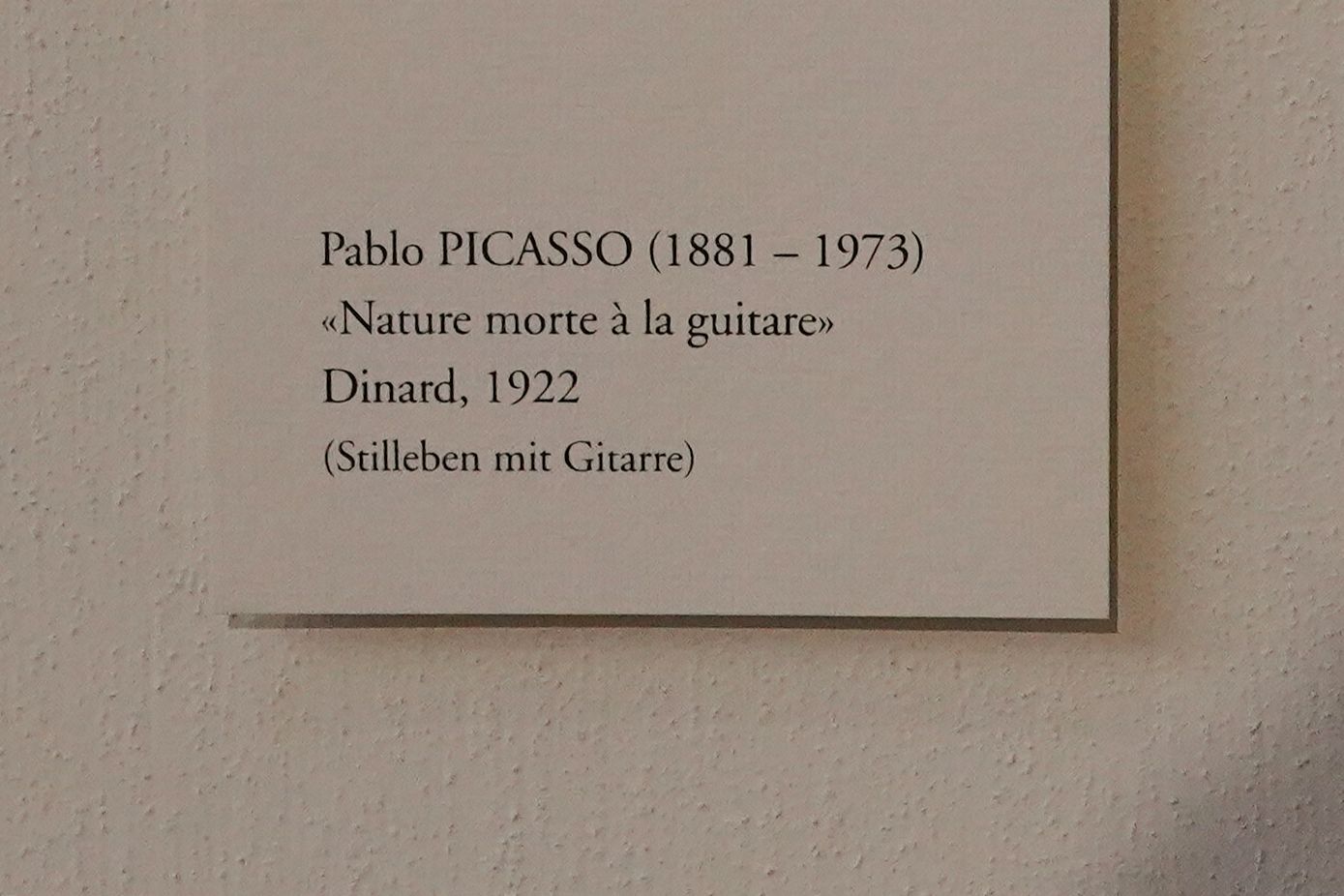
The front gallery of the museum is dominated by works by Pablo Picasso, giving visitors an immediate introduction to one of the collection’s most important artists.
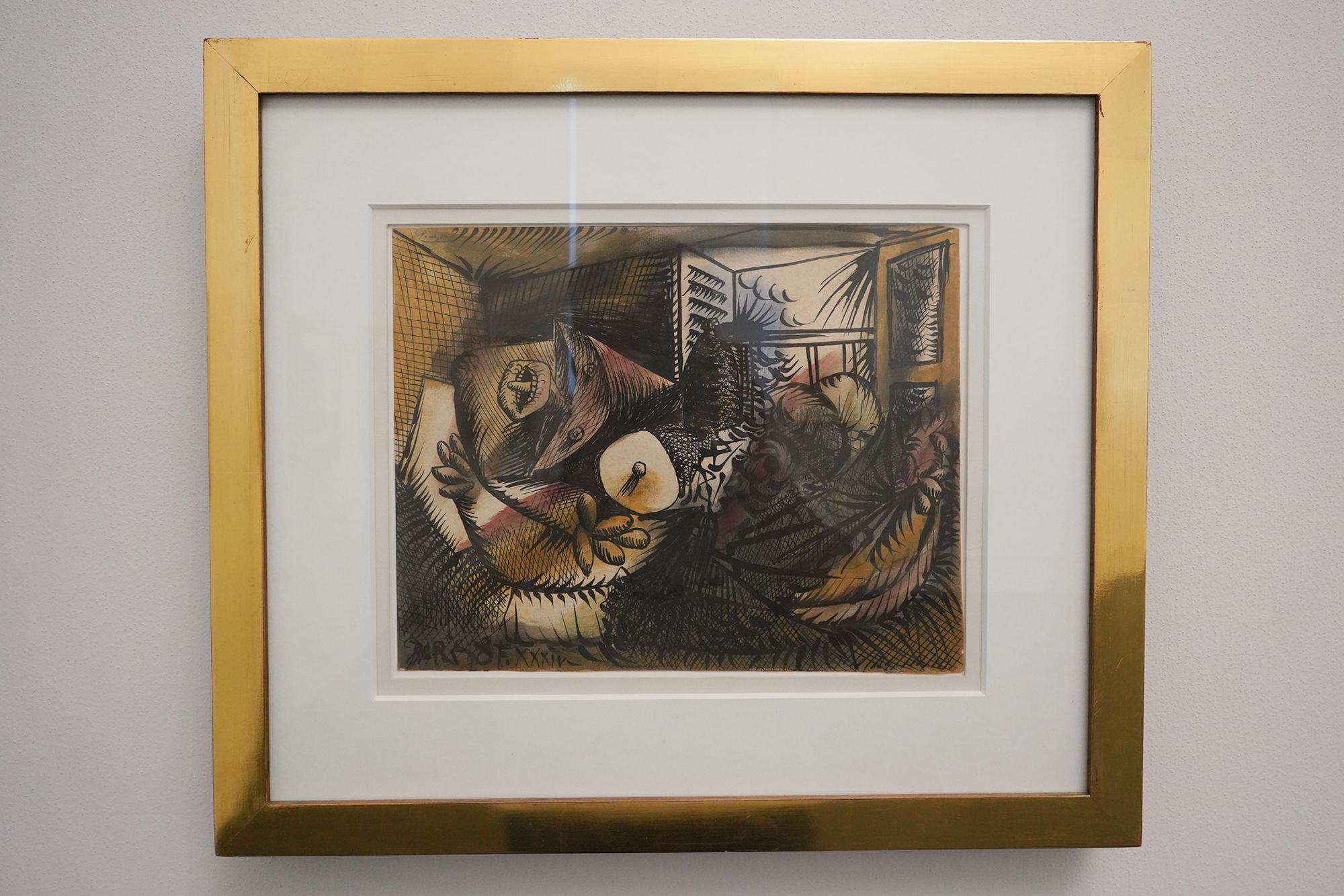
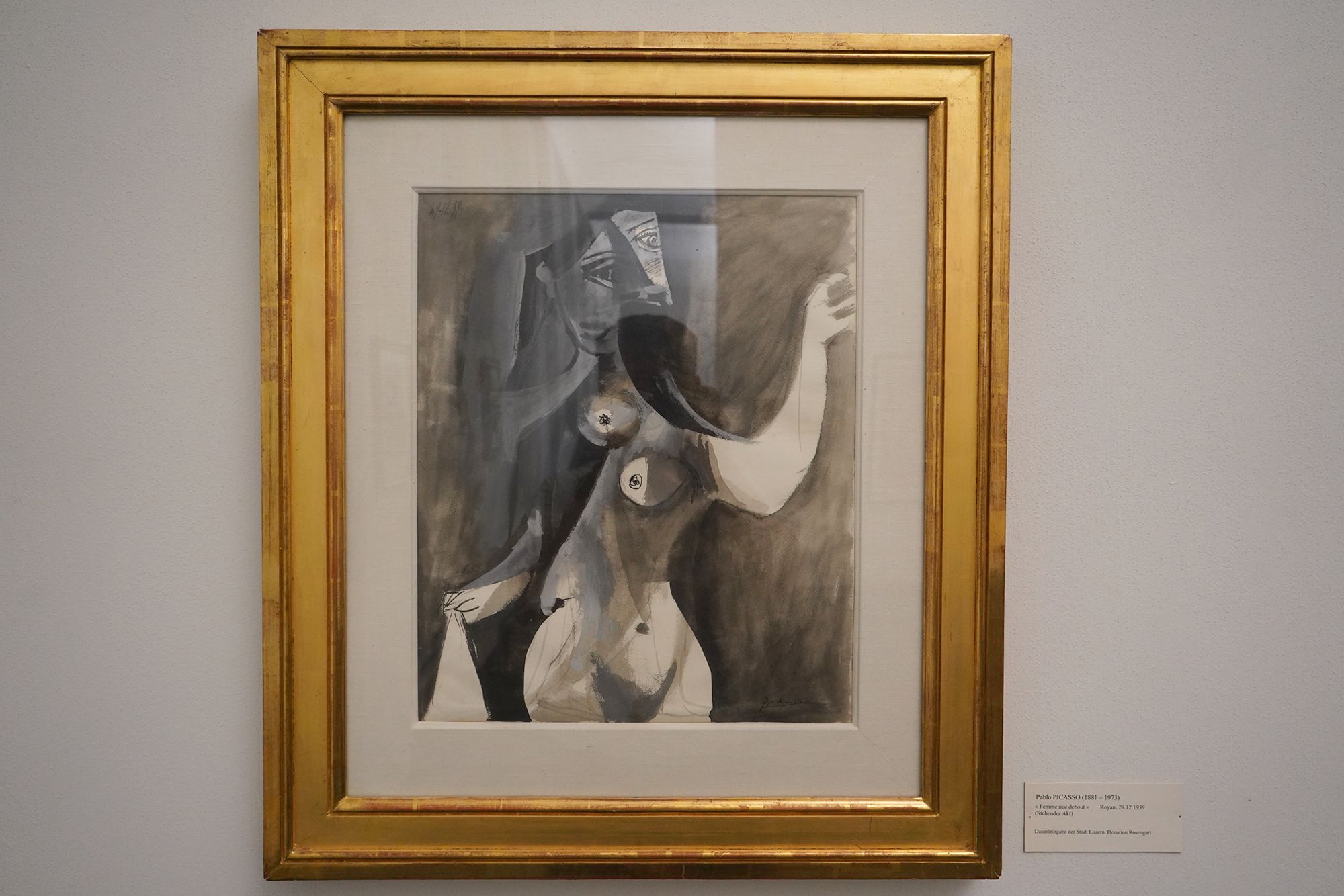
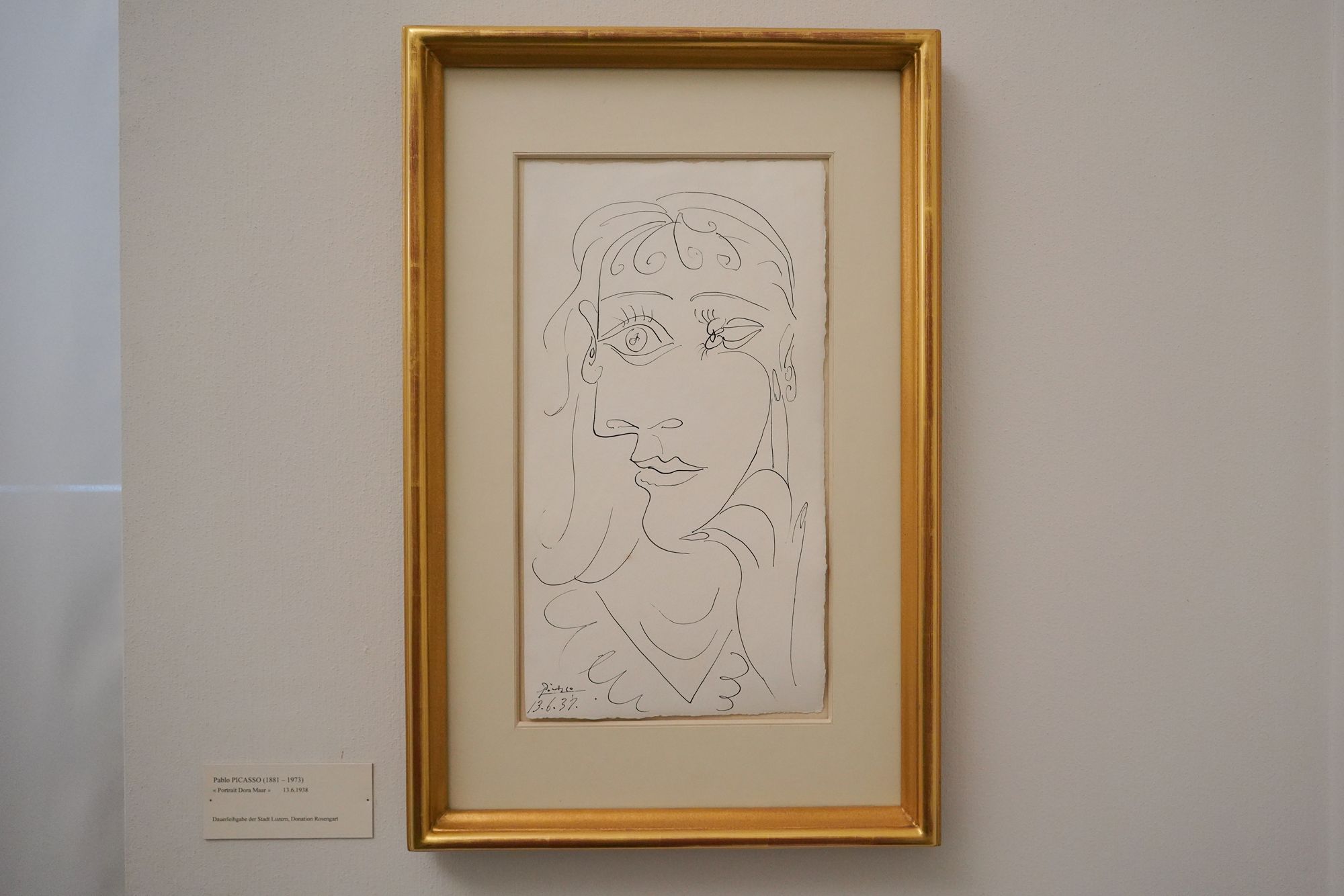
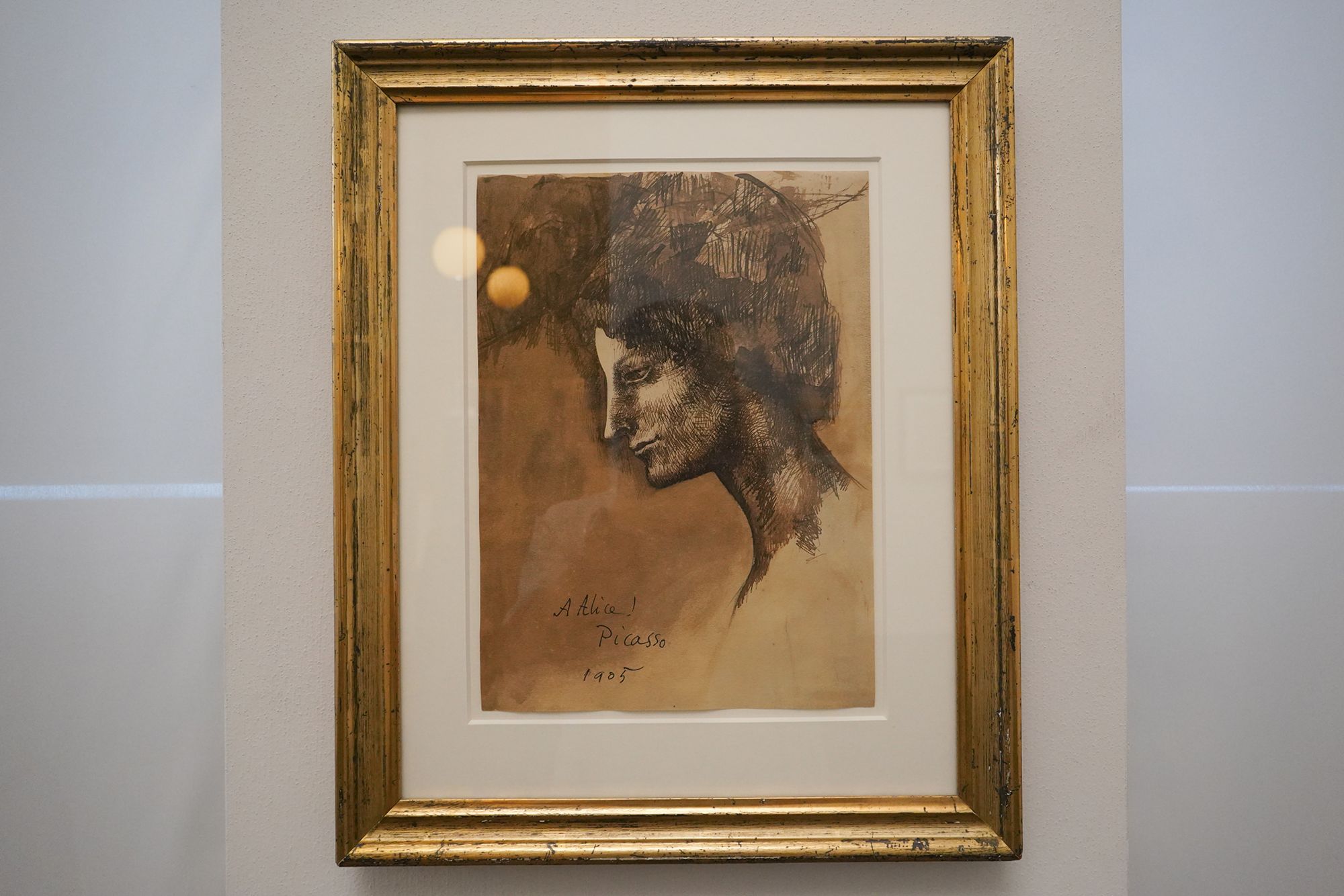
Pablo Picasso (1881–1973) was a Spanish painter and sculptor and one of the most influential artists of the 20th century. He constantly experimented with different styles and, together with Georges Braque, helped develop Cubism, which portrayed subjects from multiple viewpoints at once.
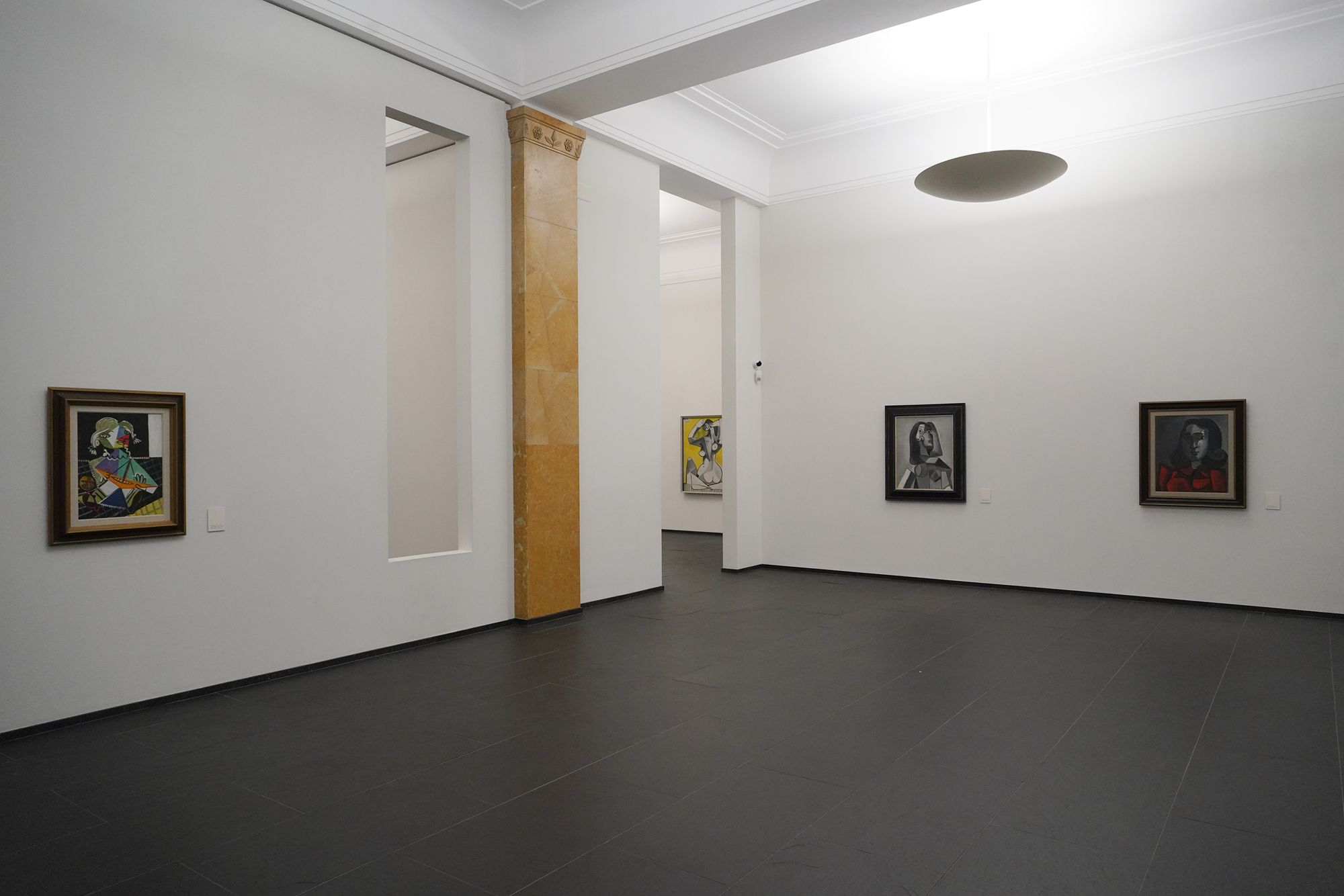
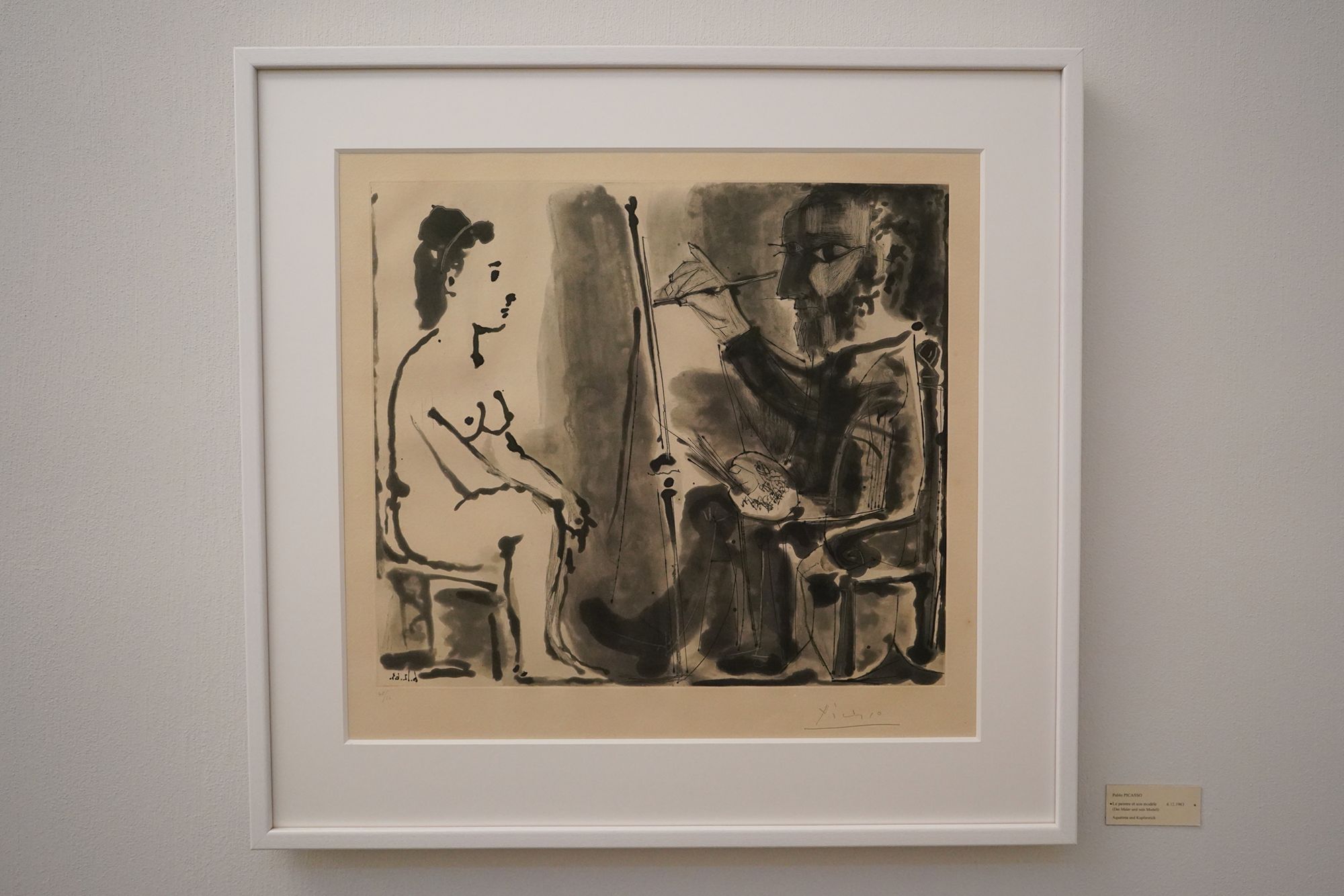
Picasso produced an enormous number of paintings, drawings, sculptures, and ceramics during his long career. Famous works include Les Demoiselles d’Avignon and Guernica. His work changed dramatically throughout his life, which is why paintings by Picasso can look surprisingly different from one another.
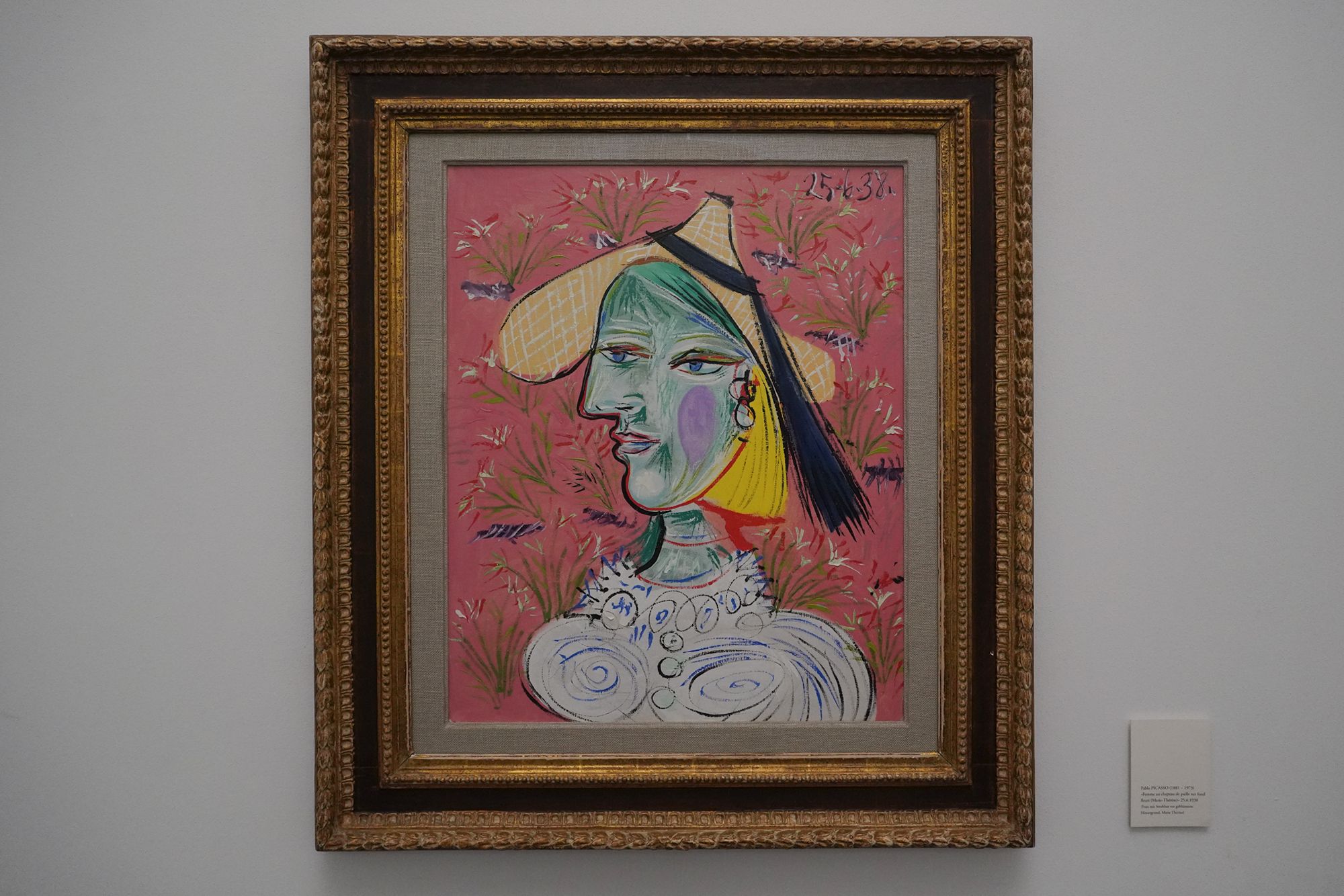
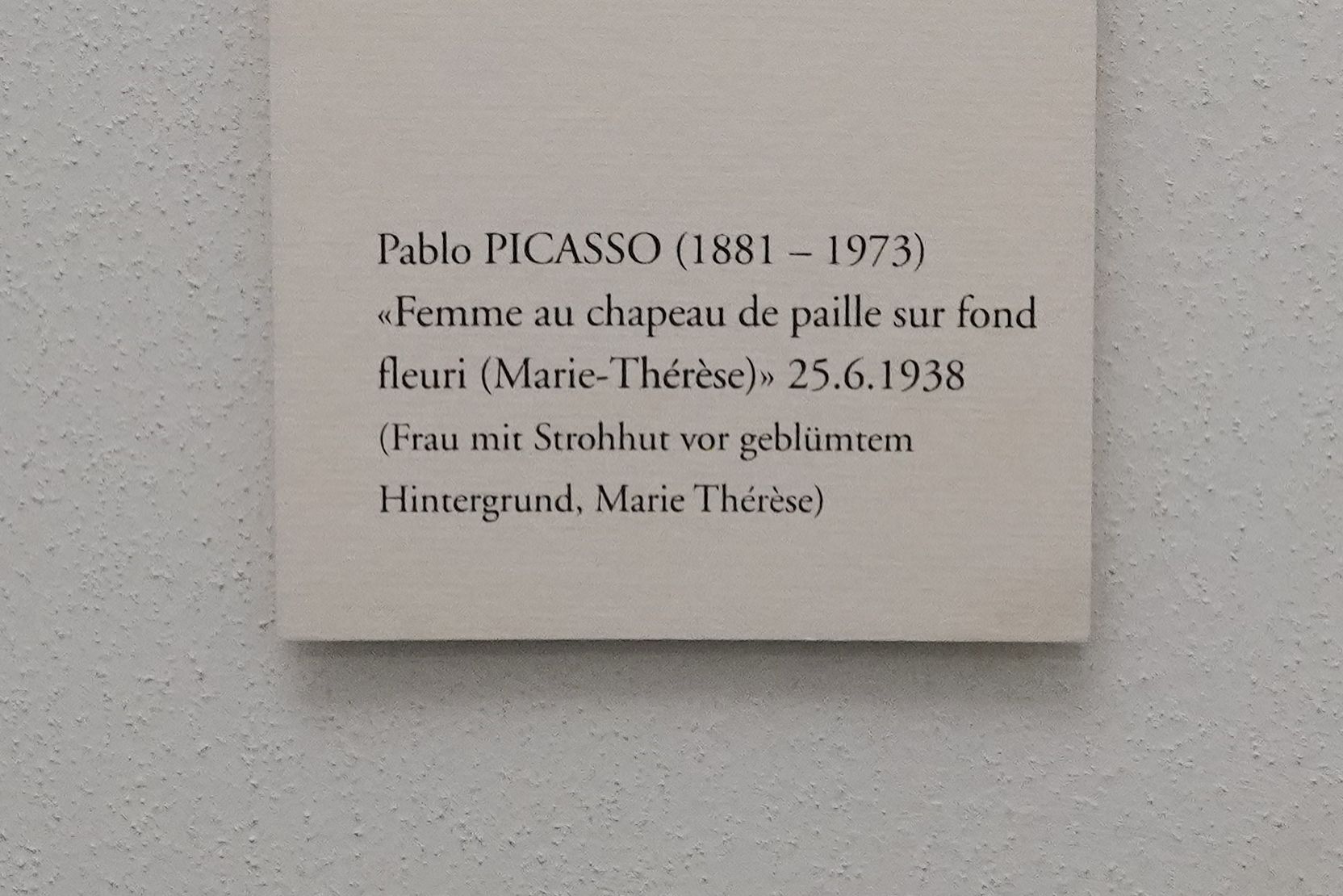
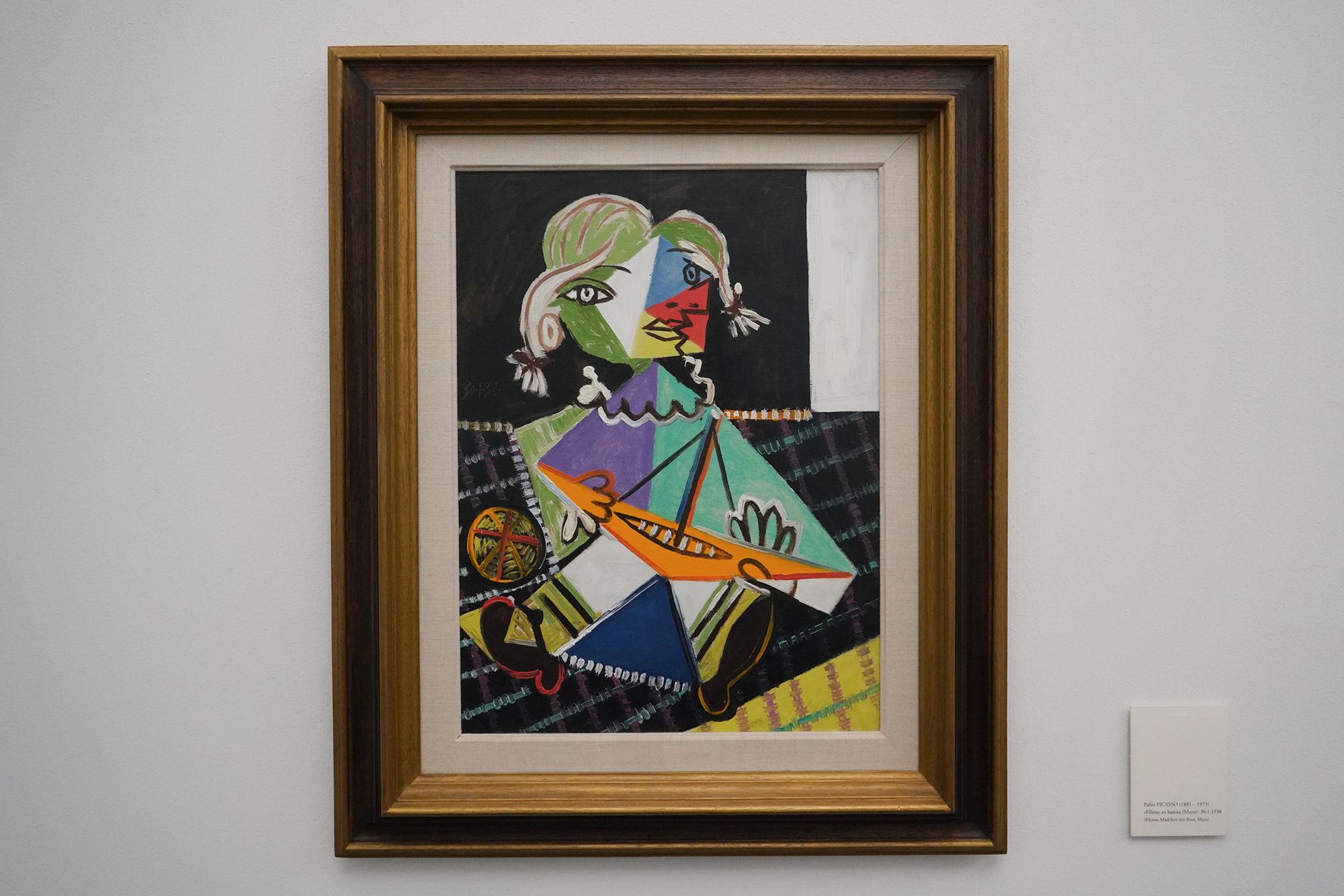
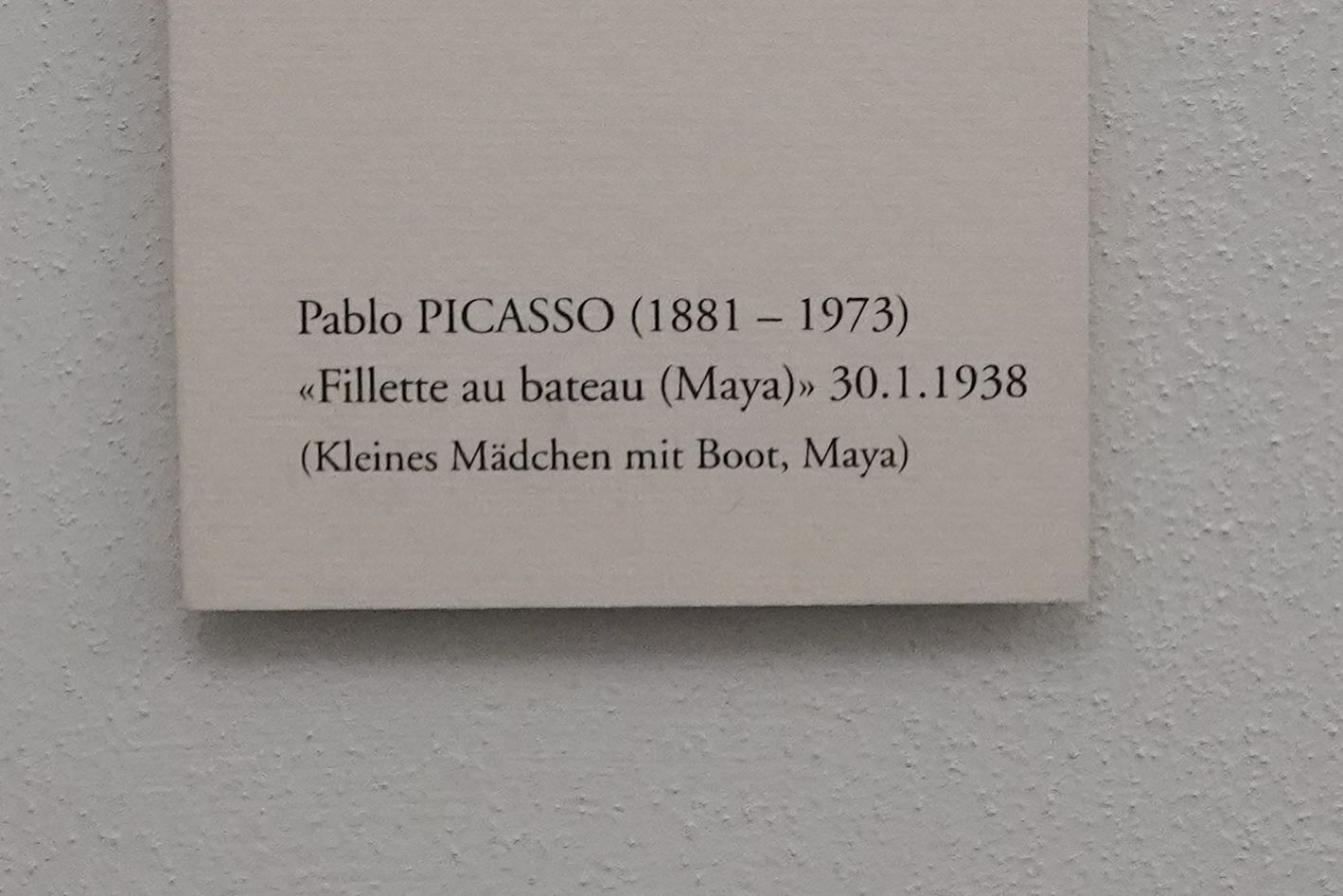
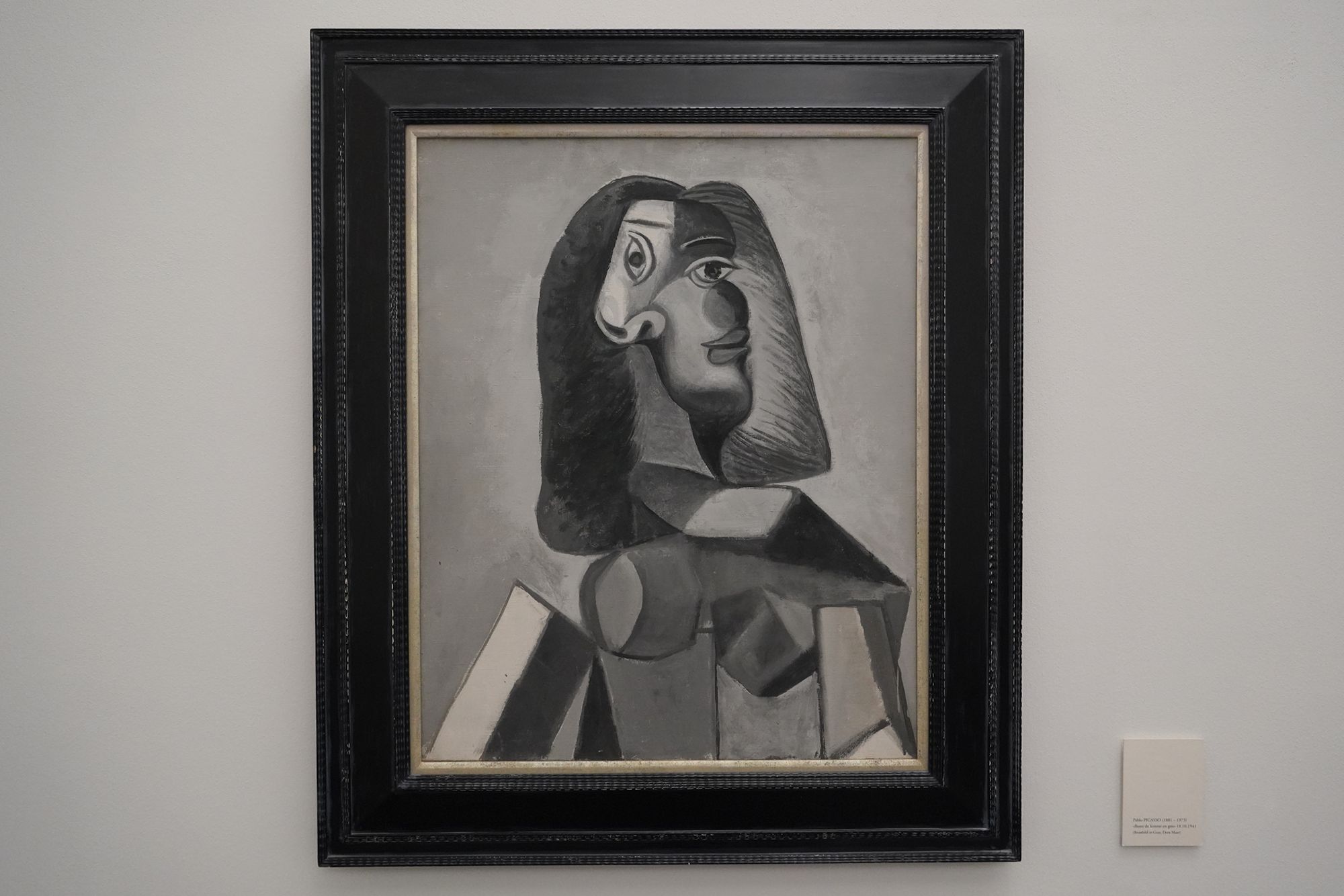
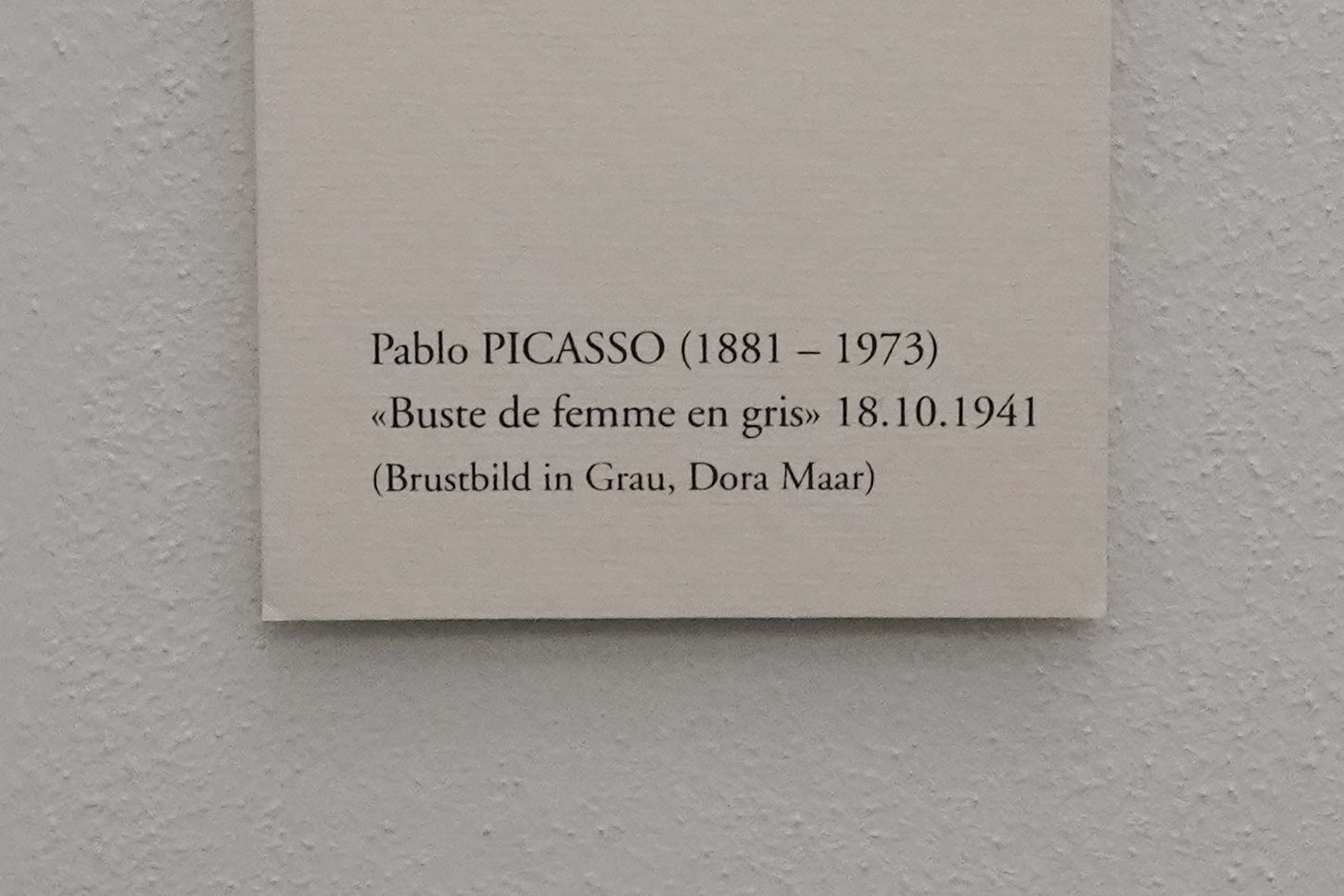
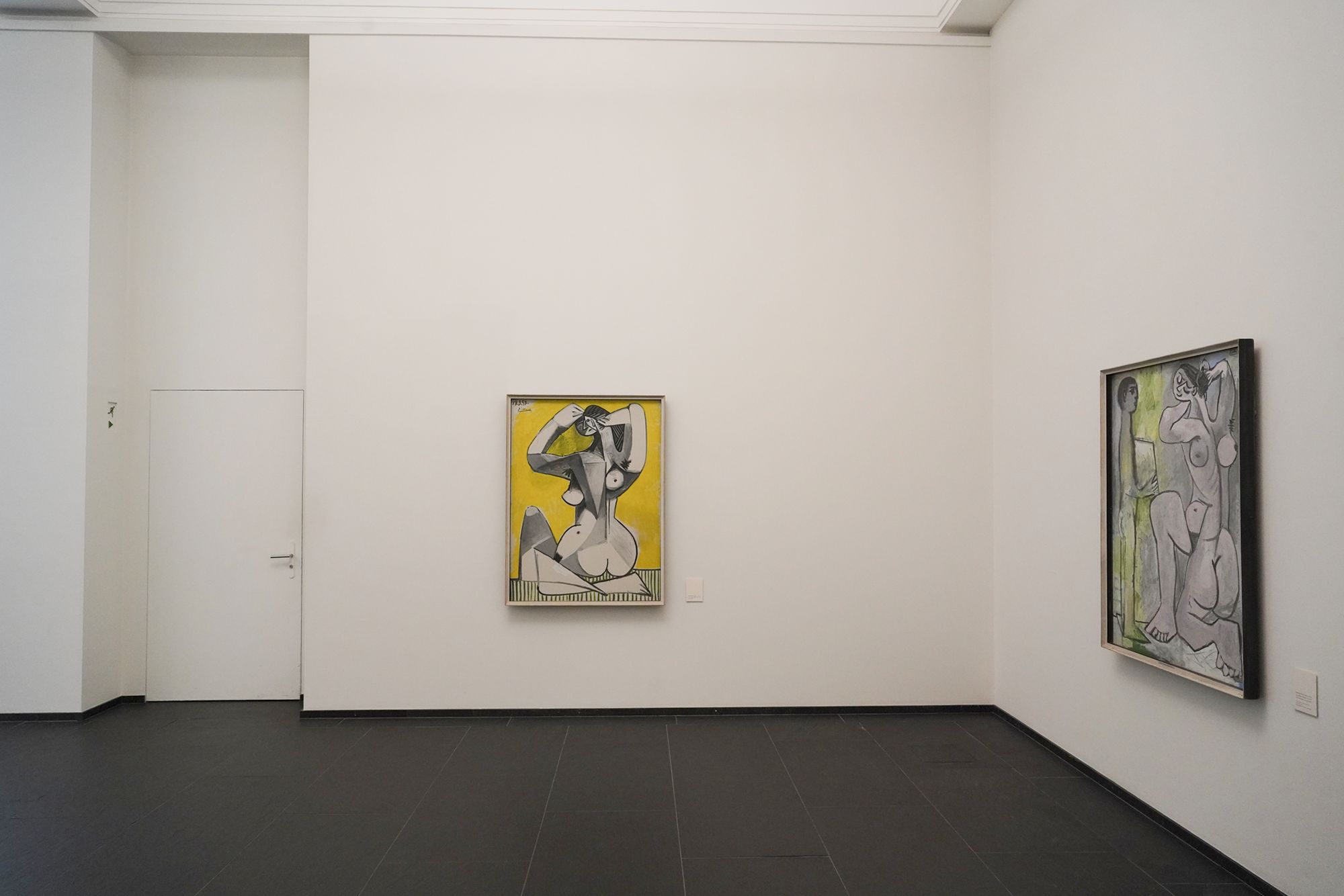
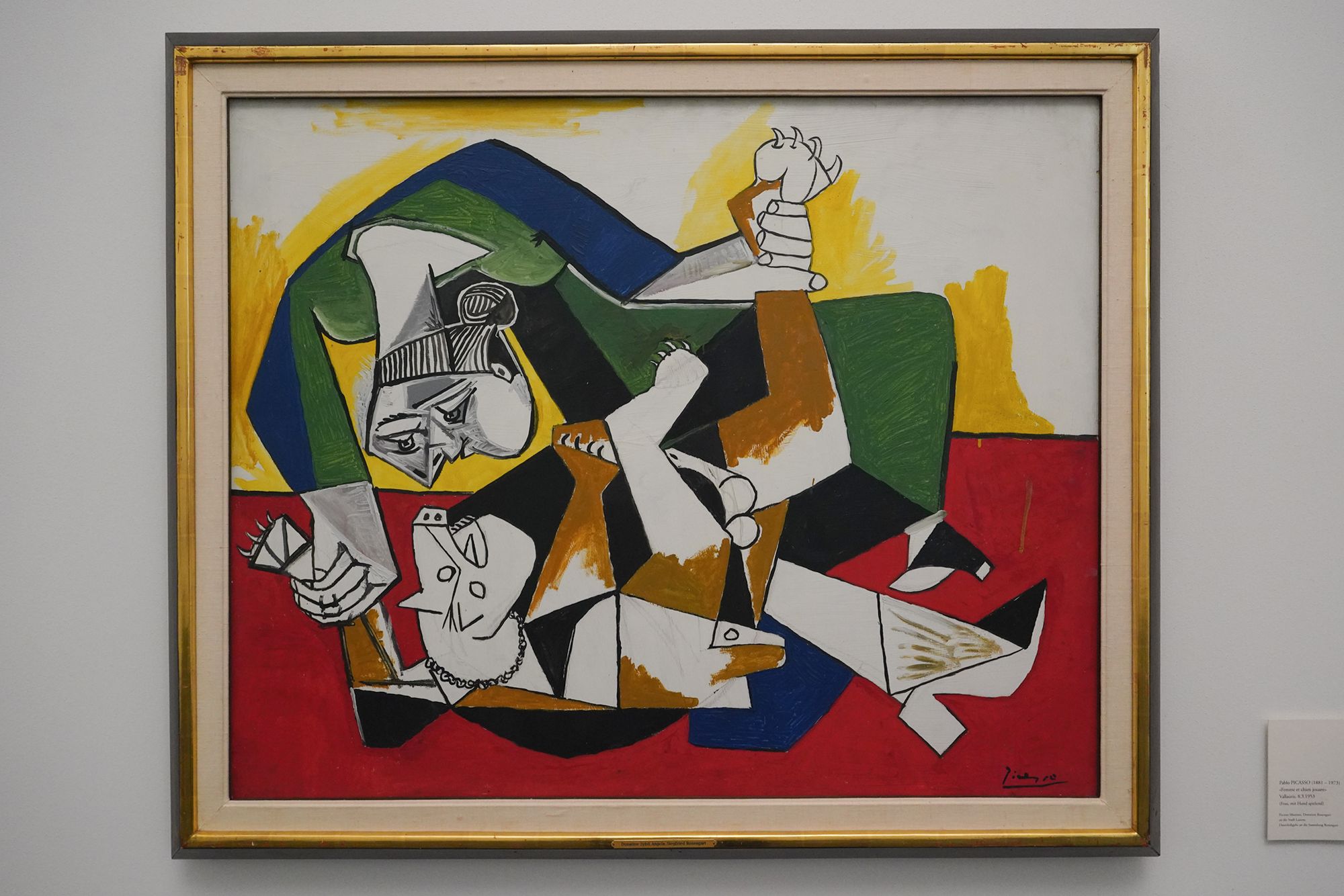
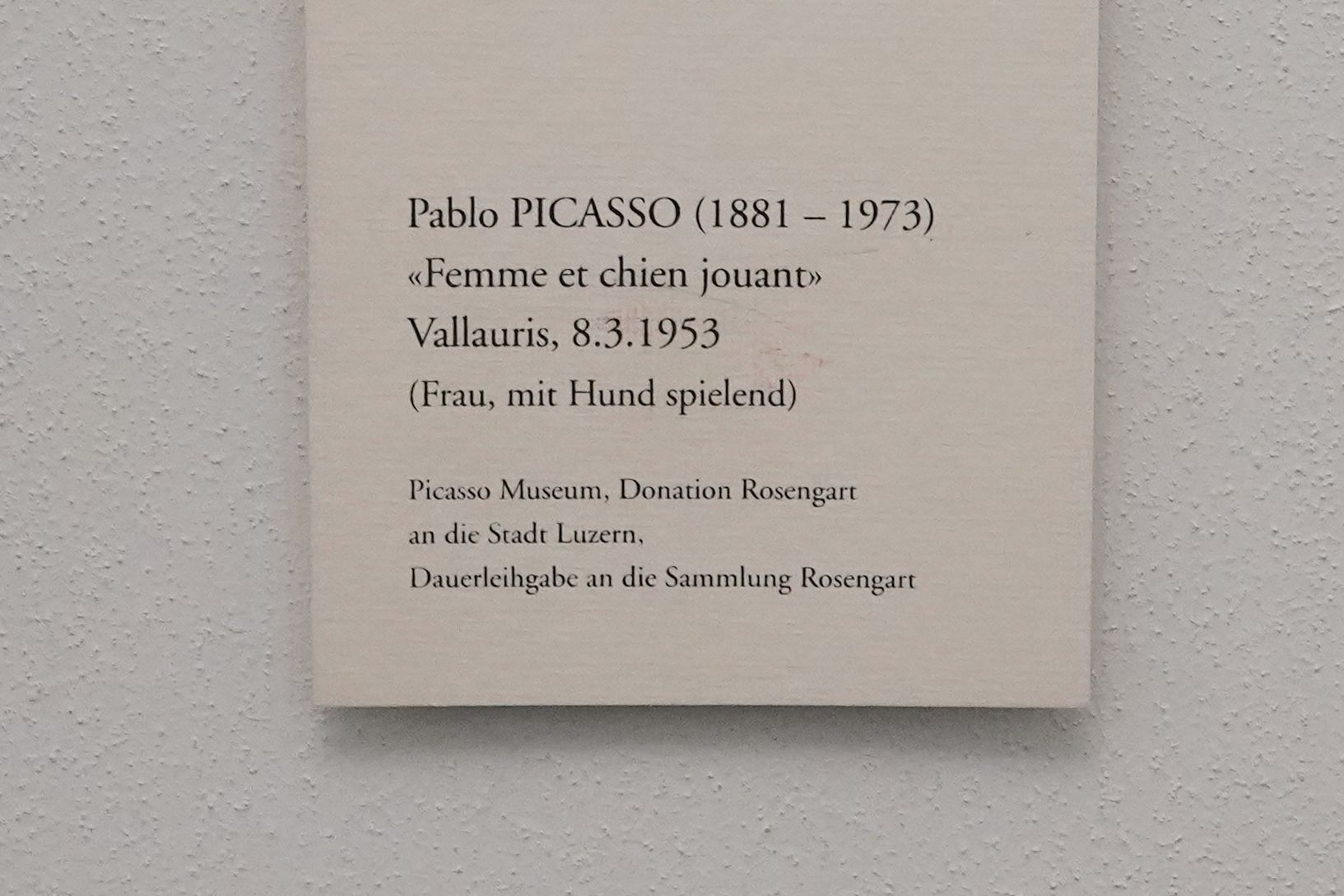
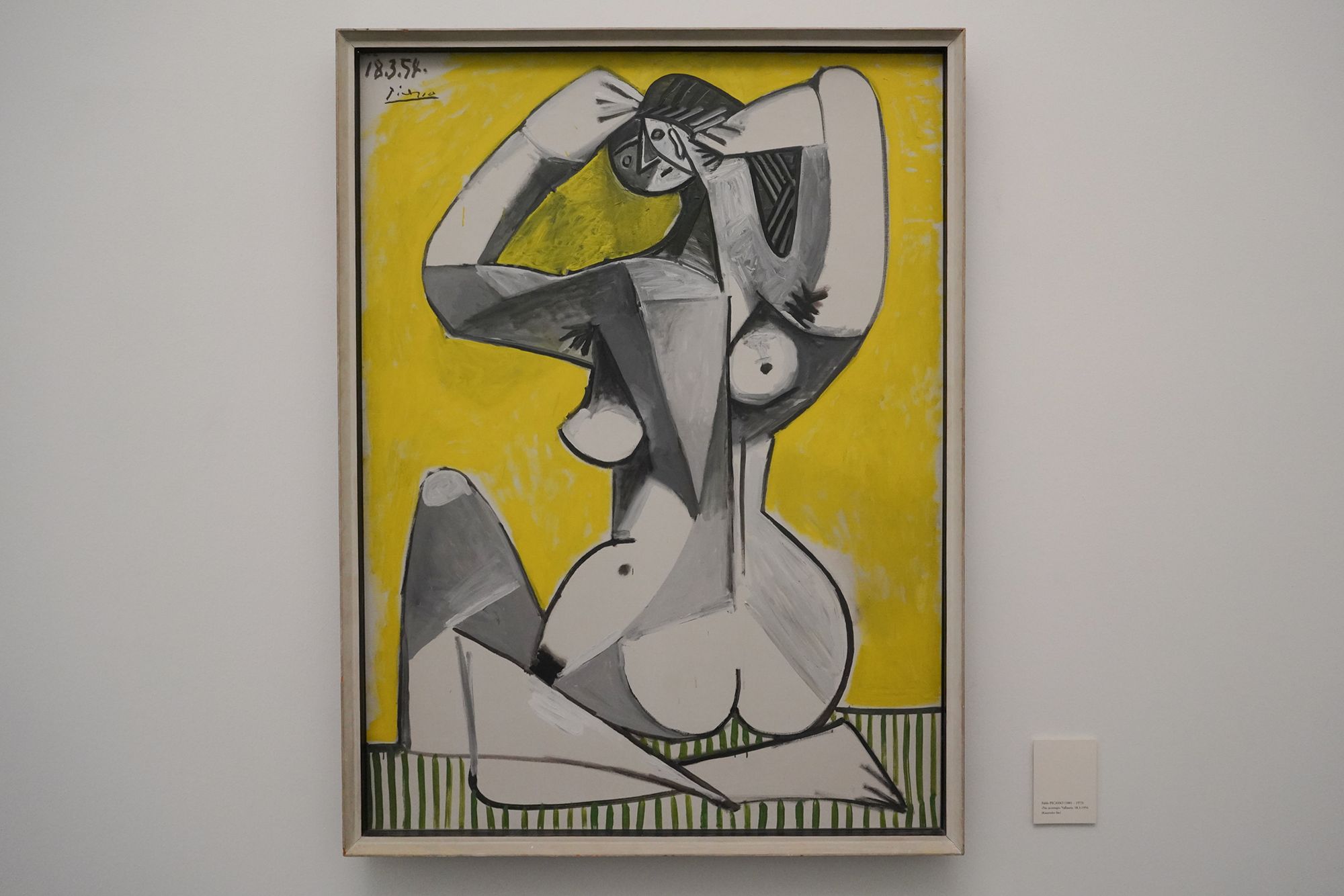
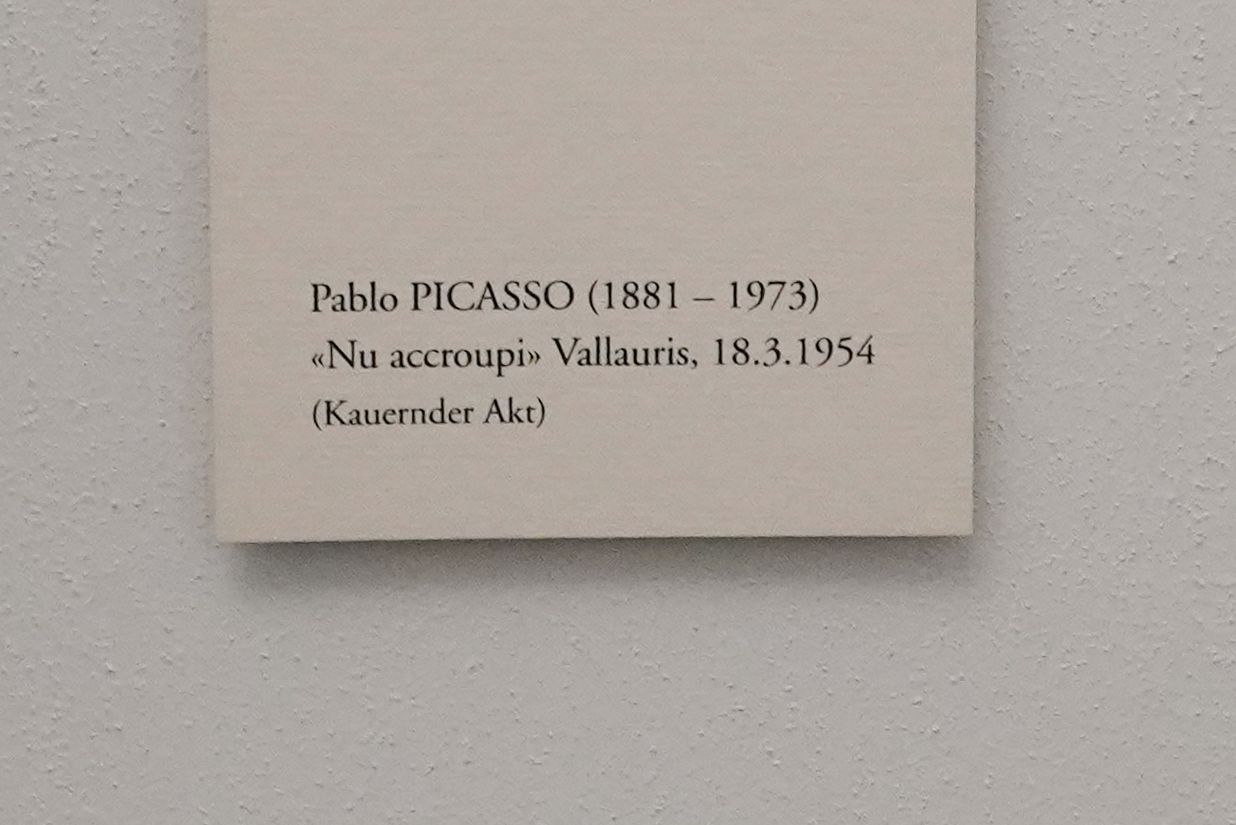
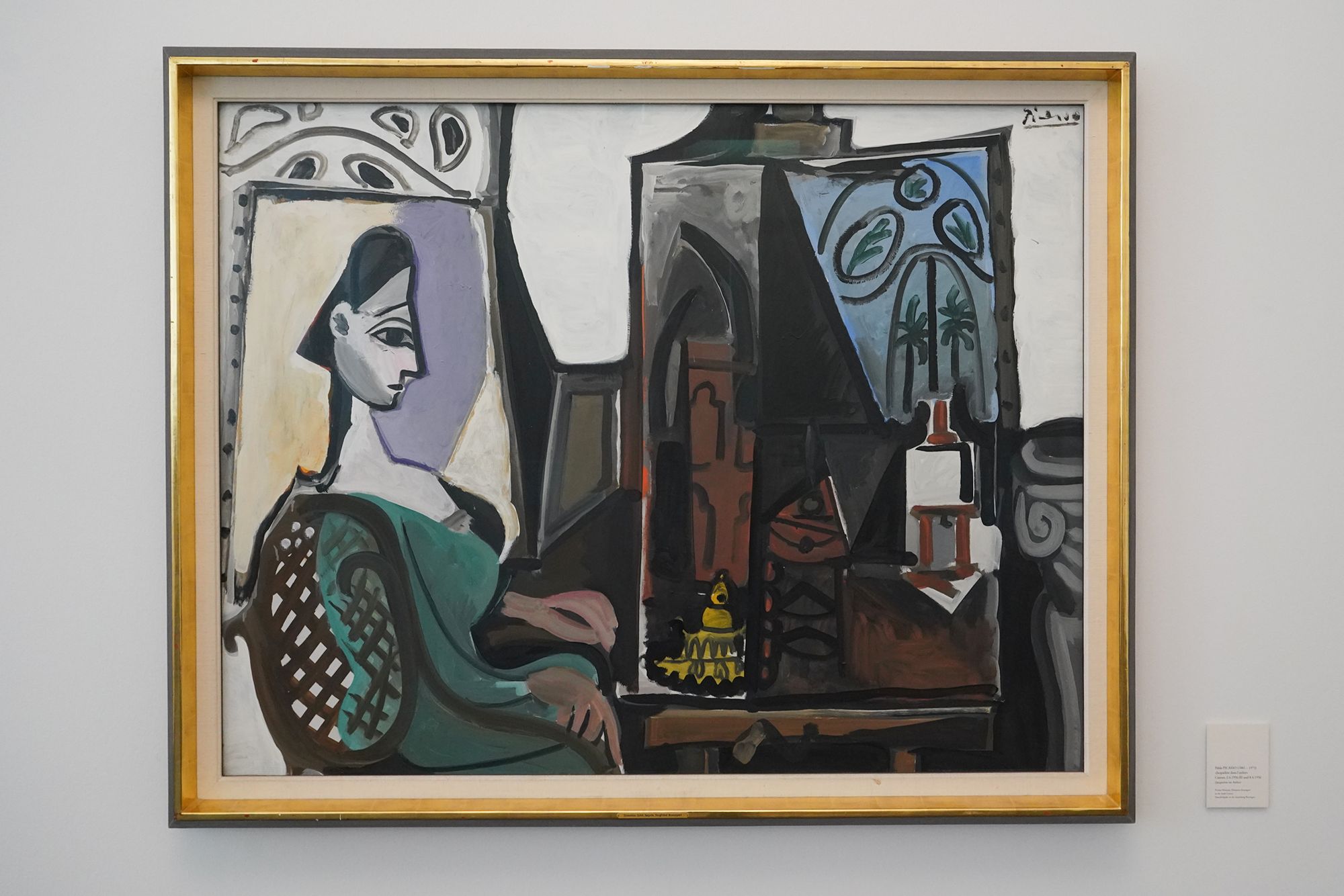
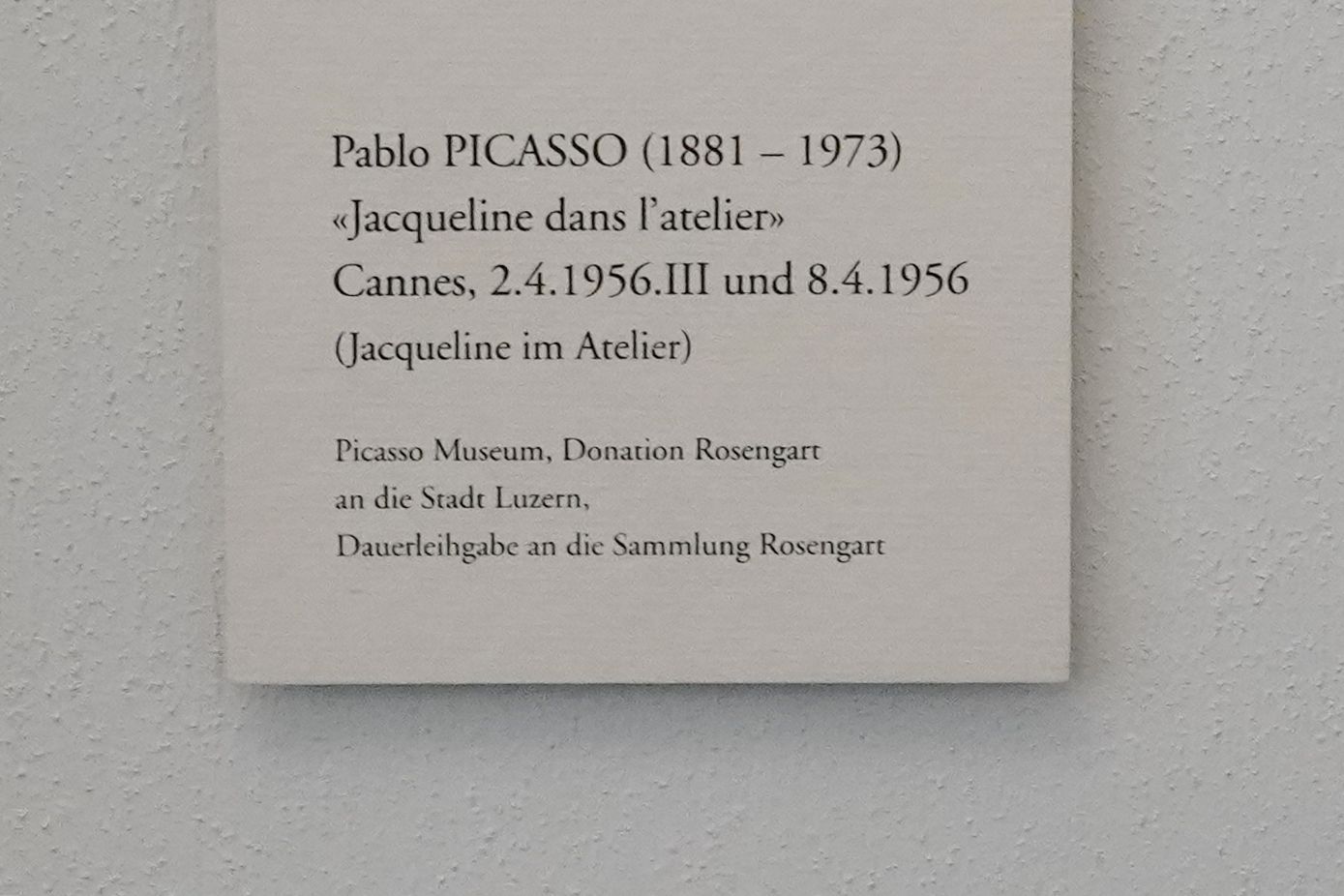
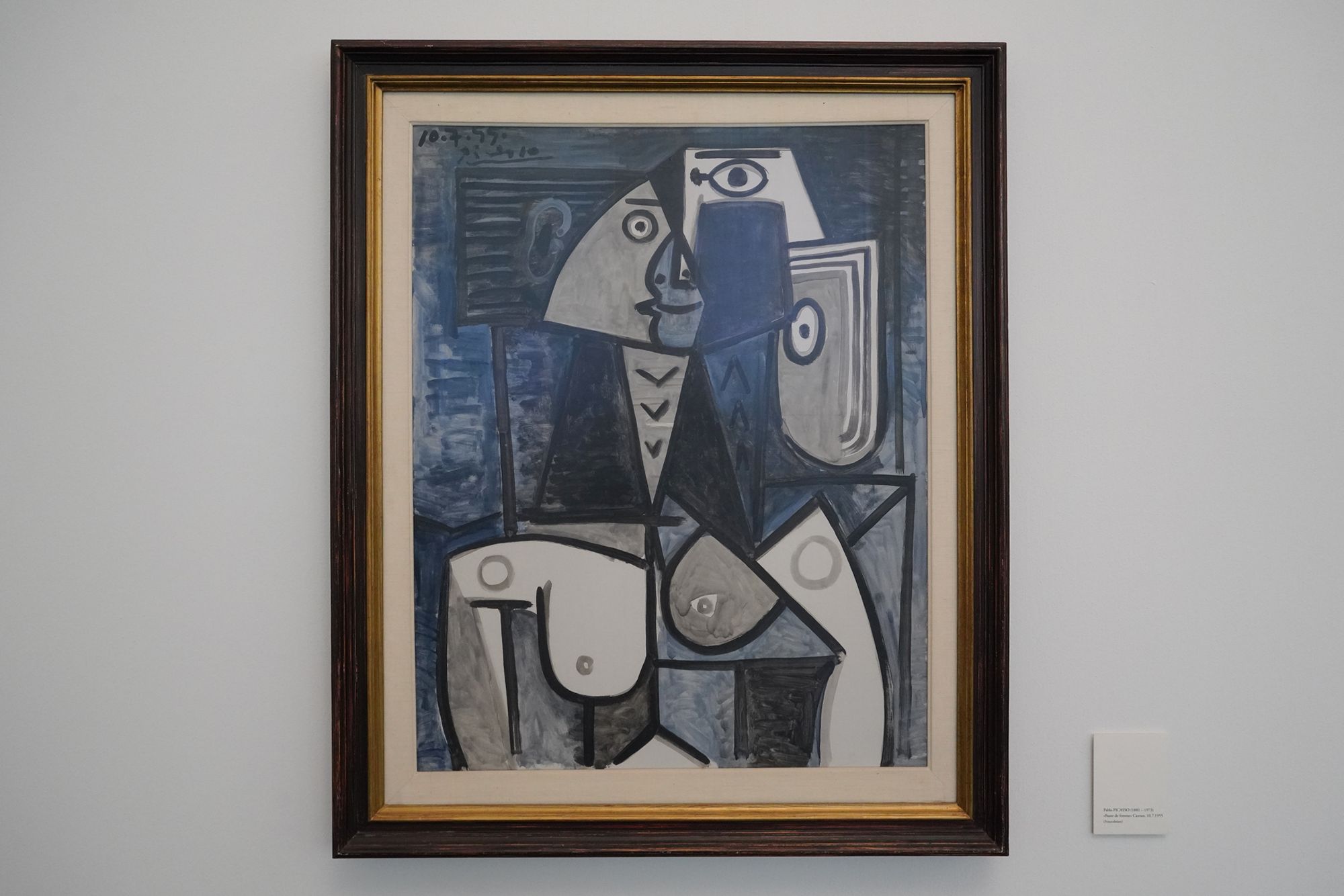
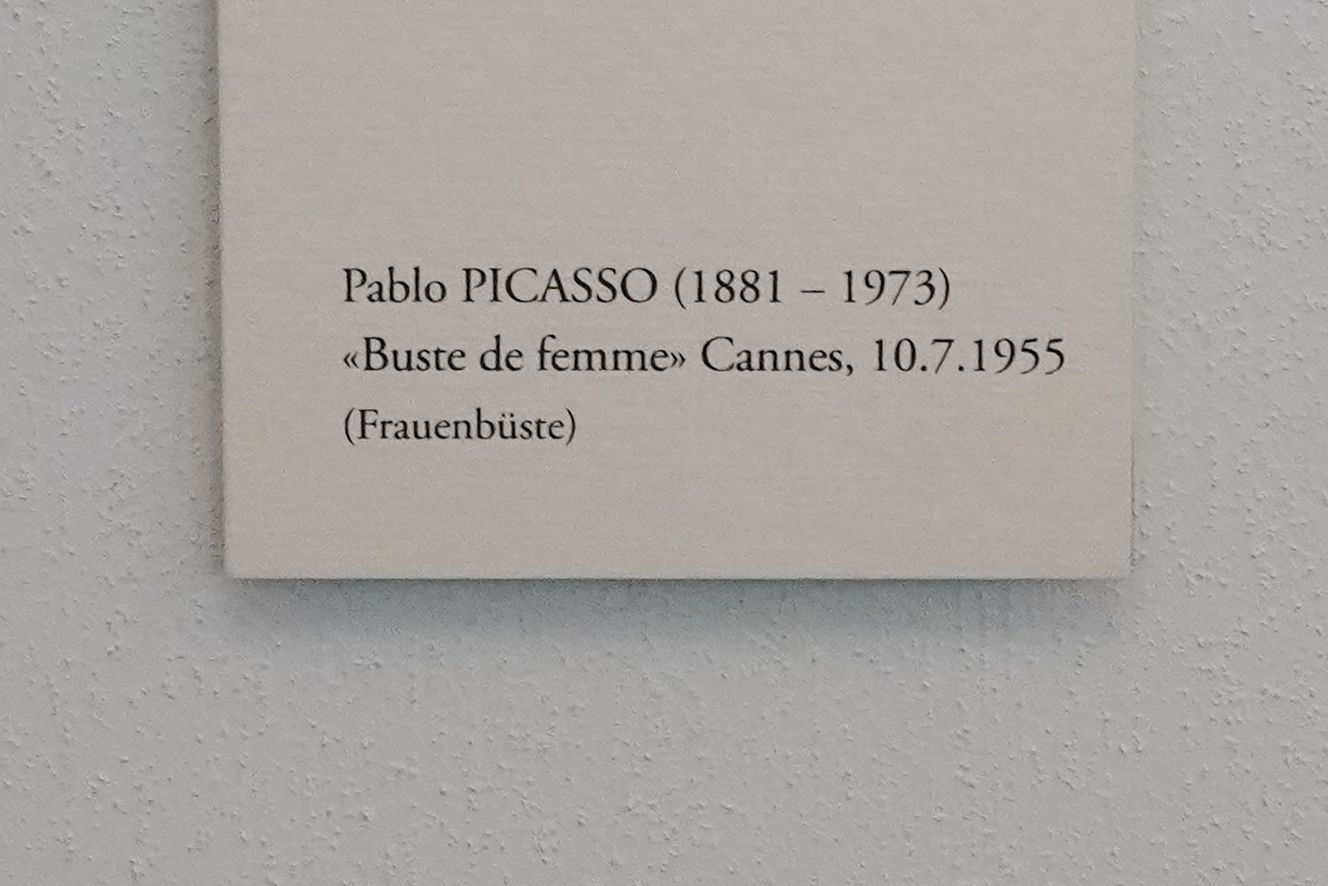
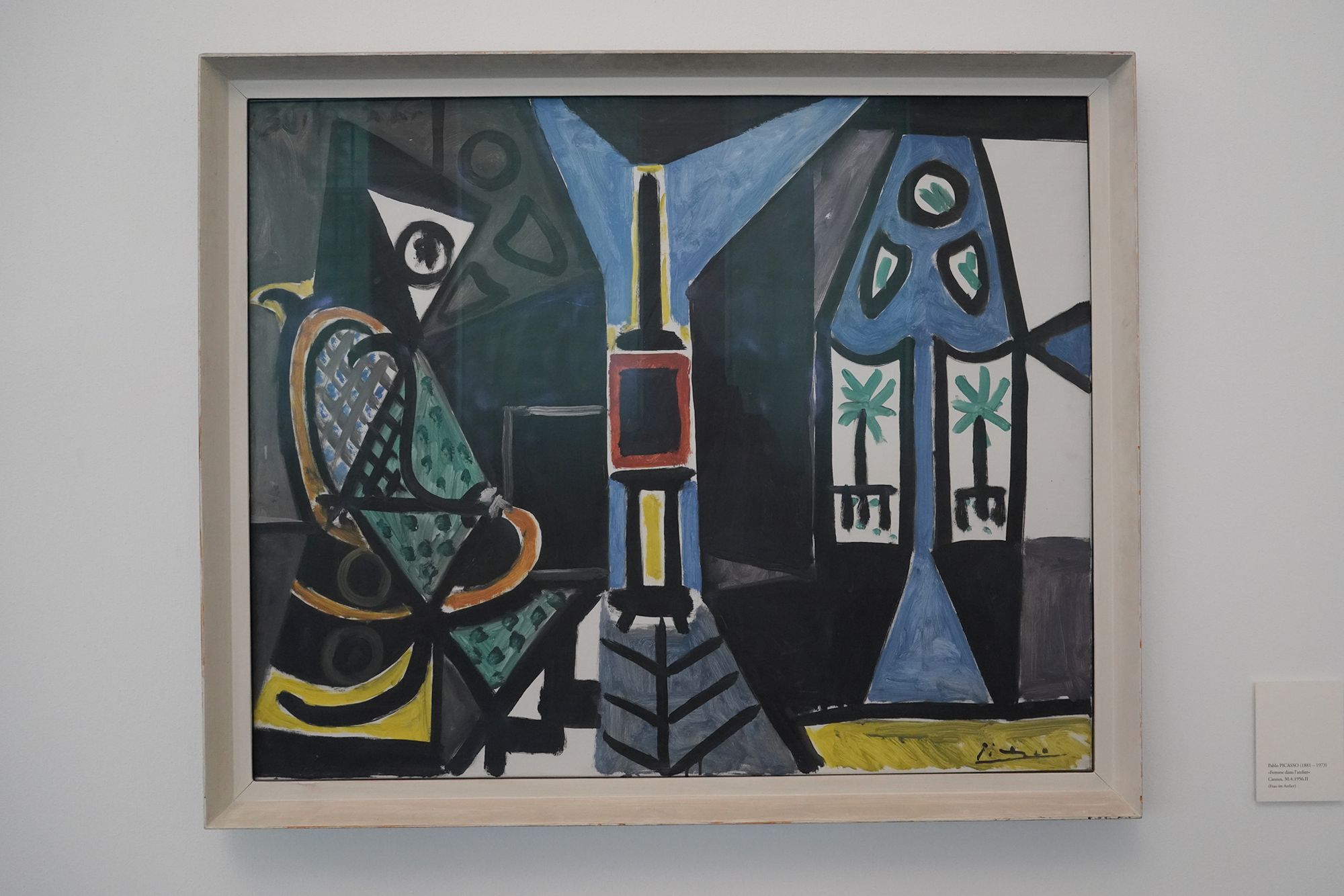
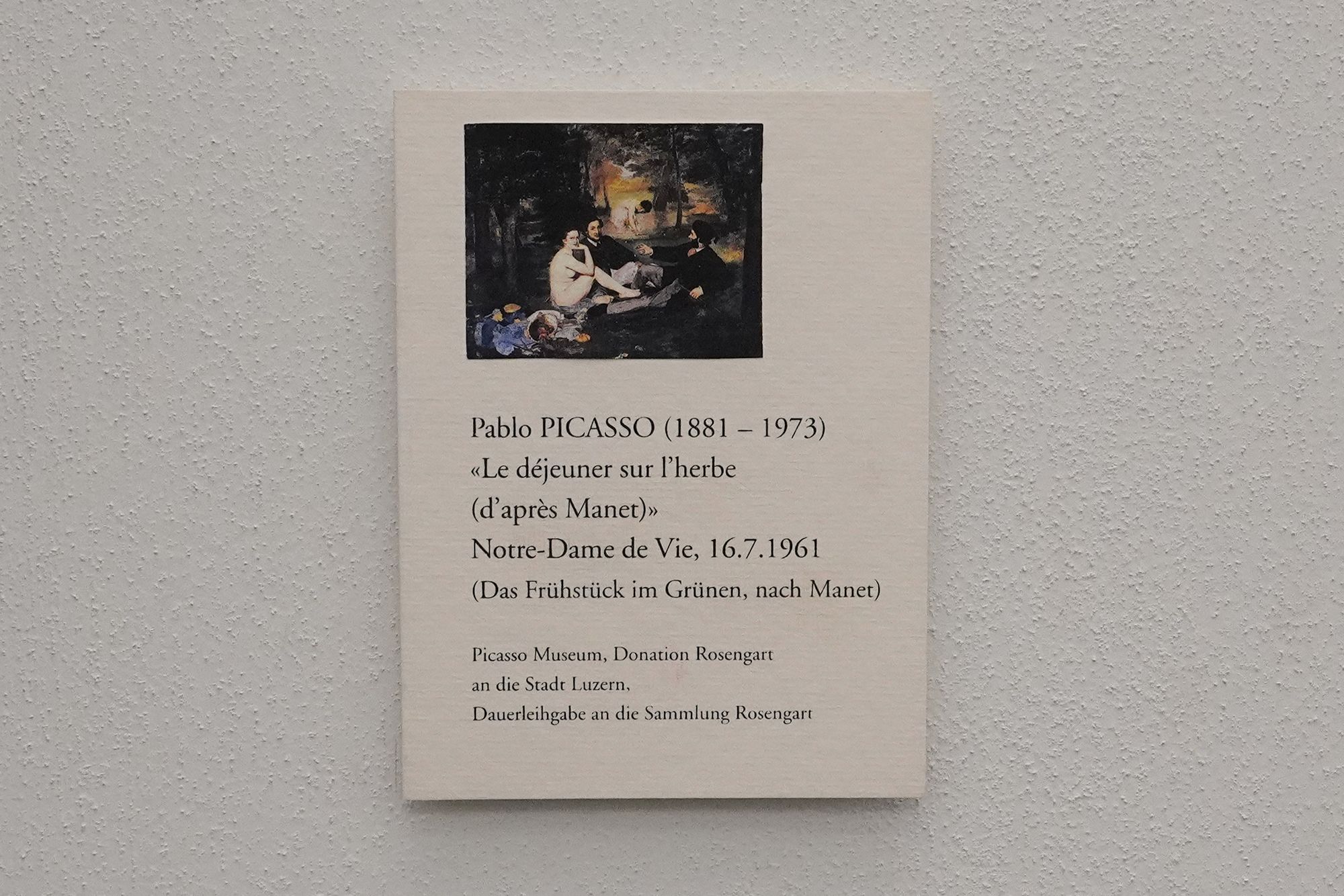
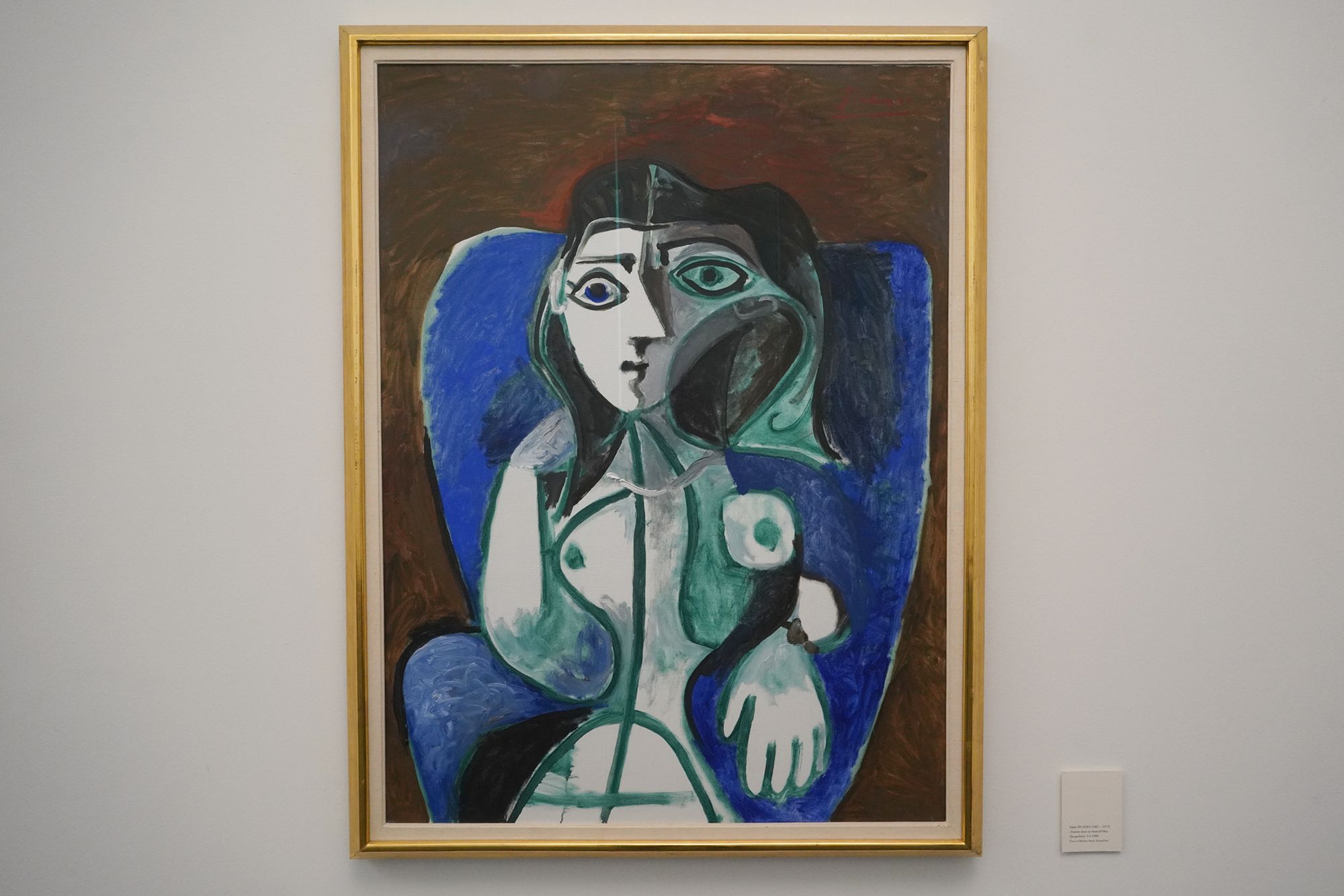
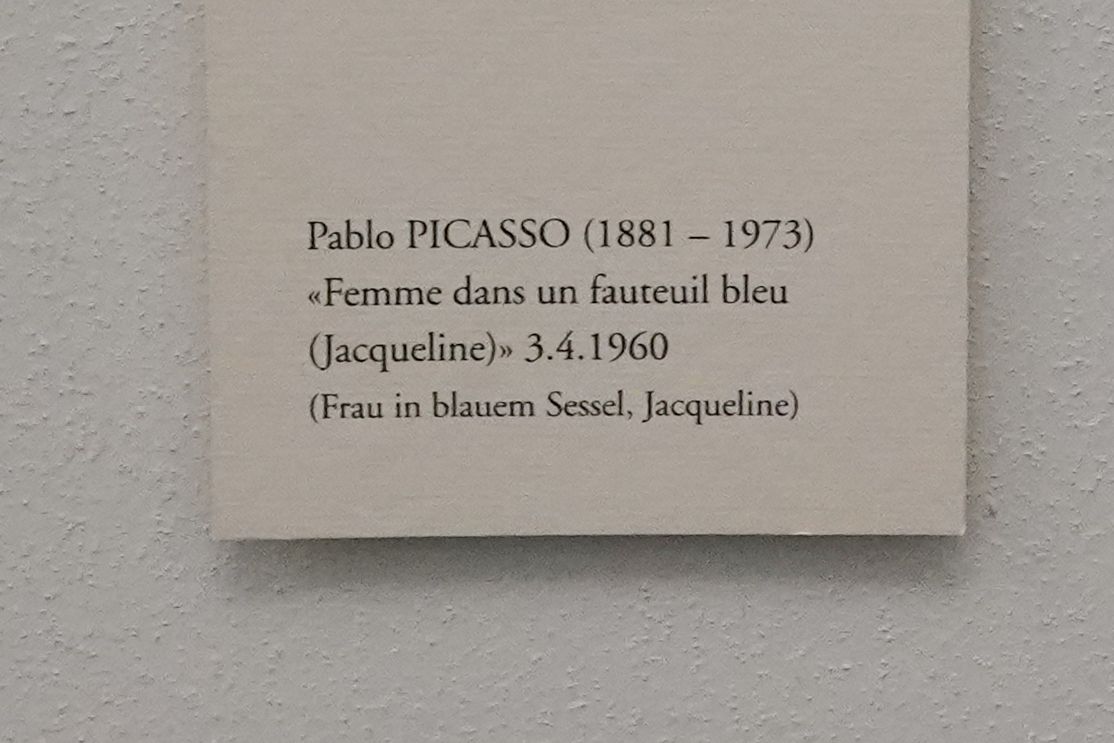
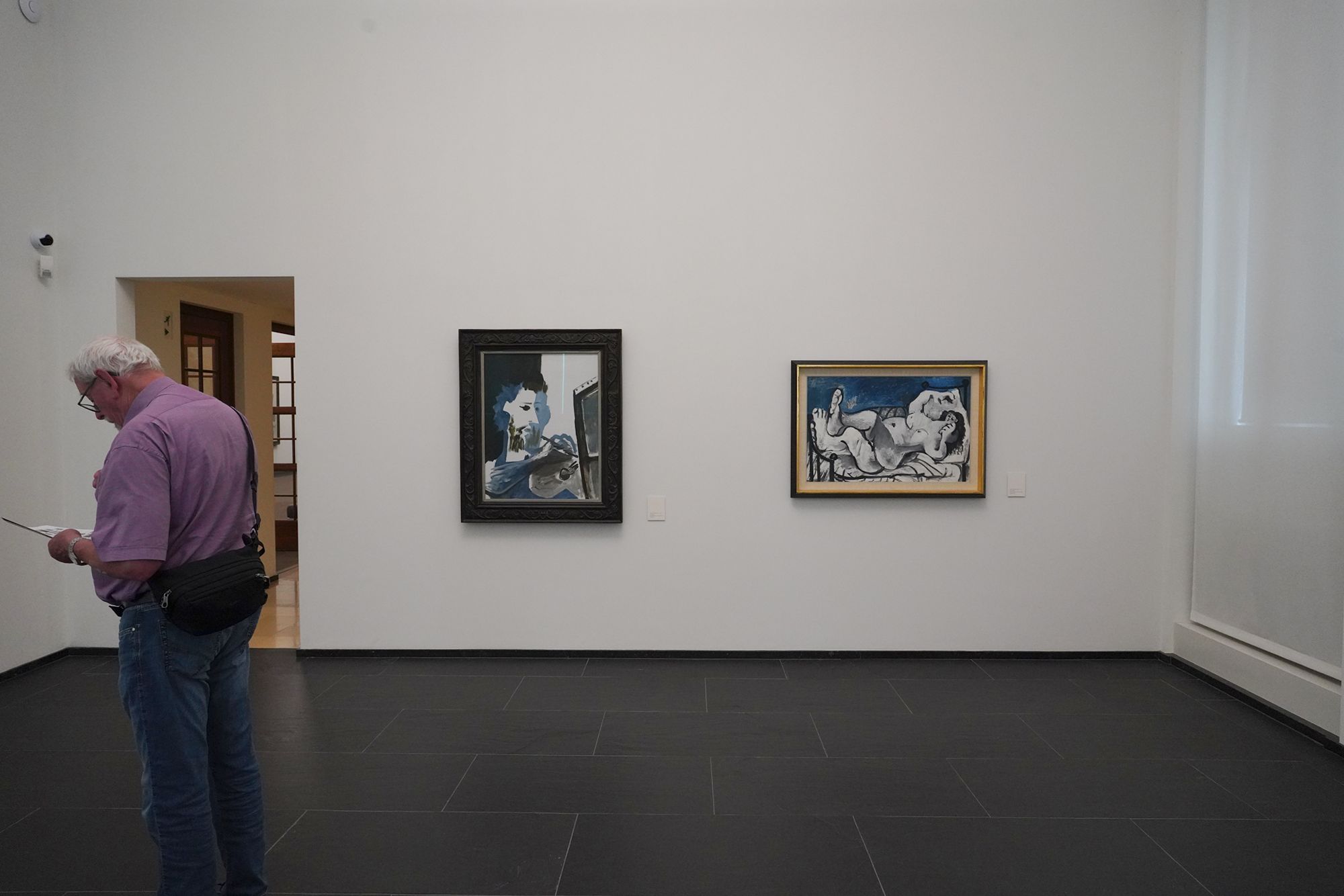
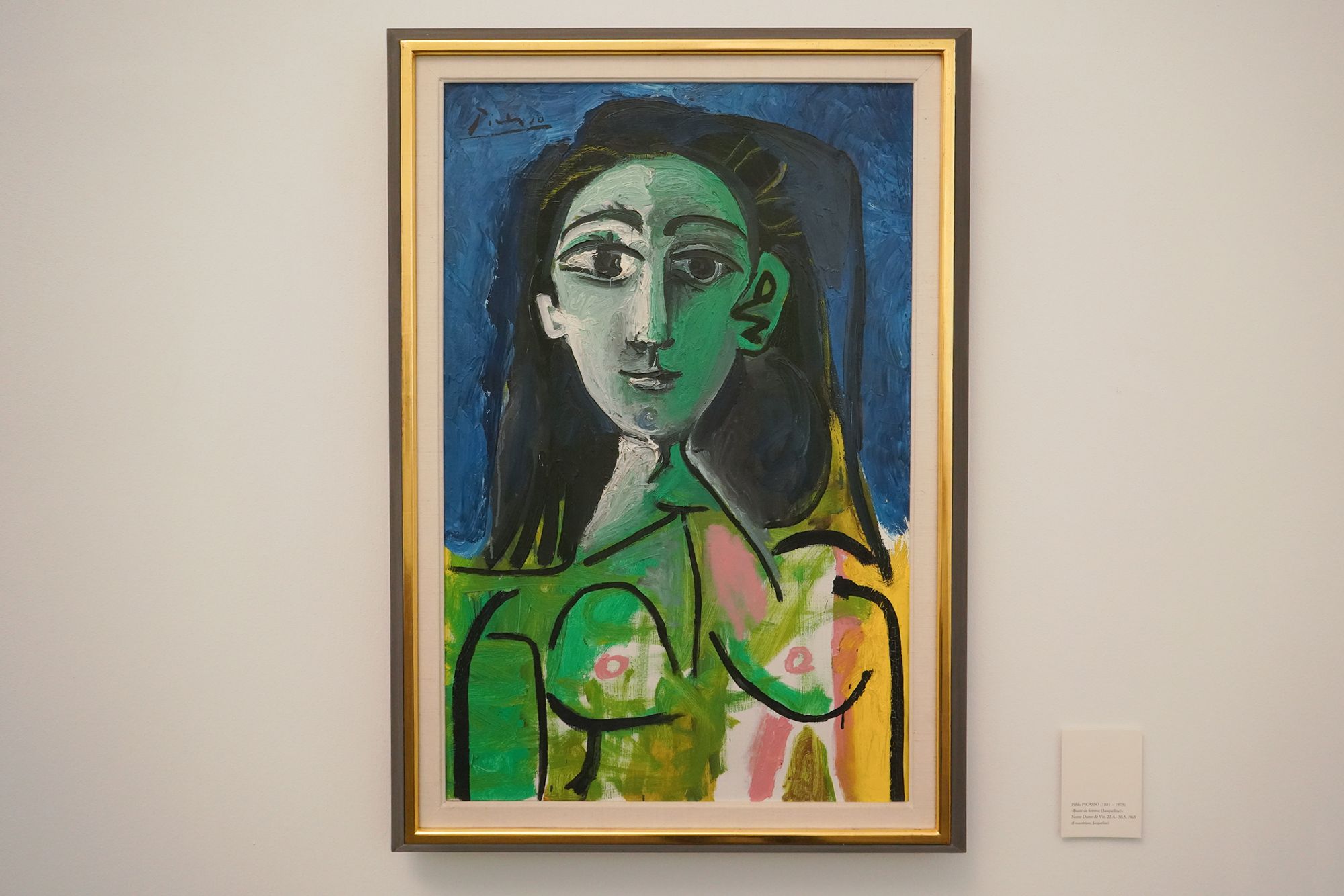
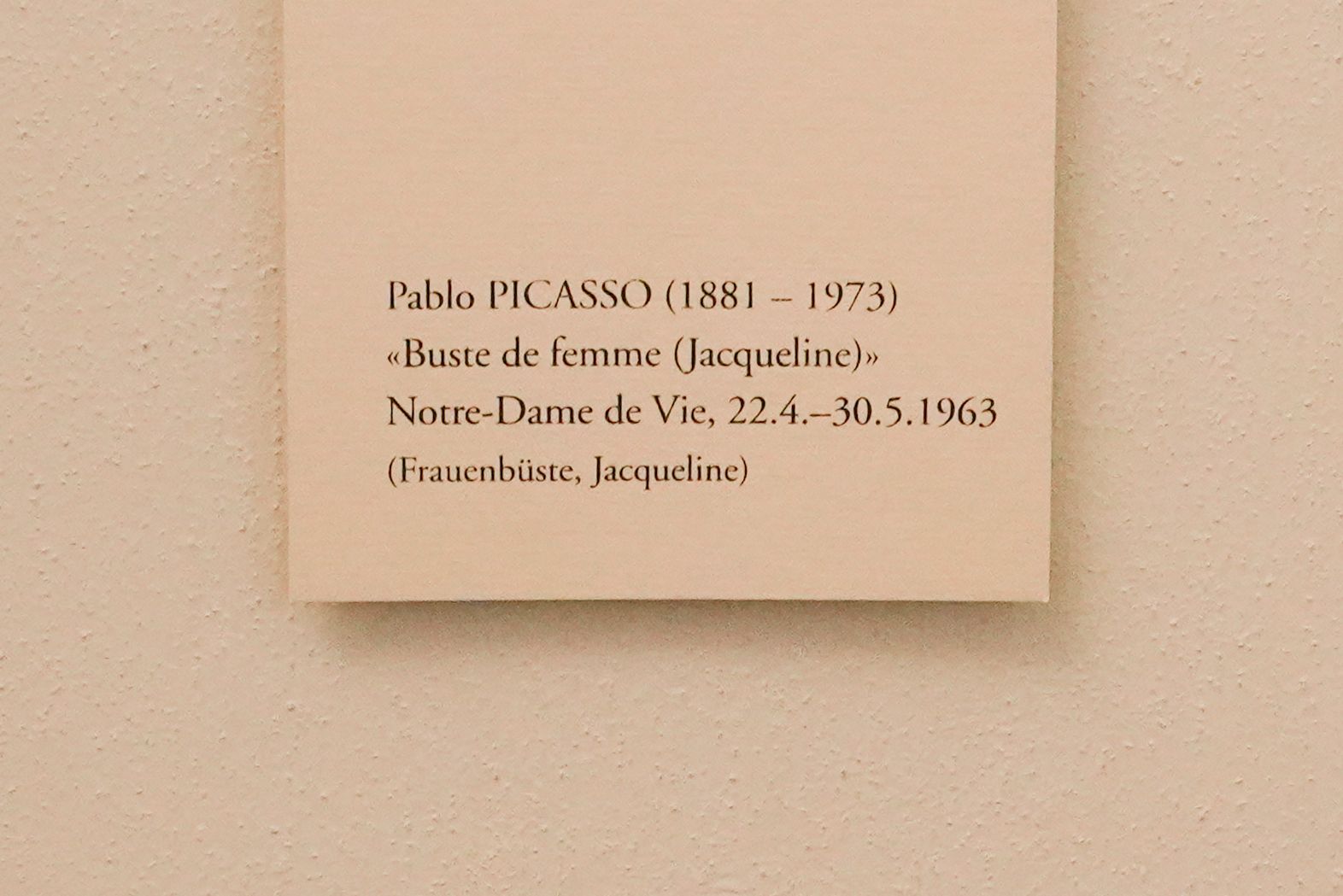
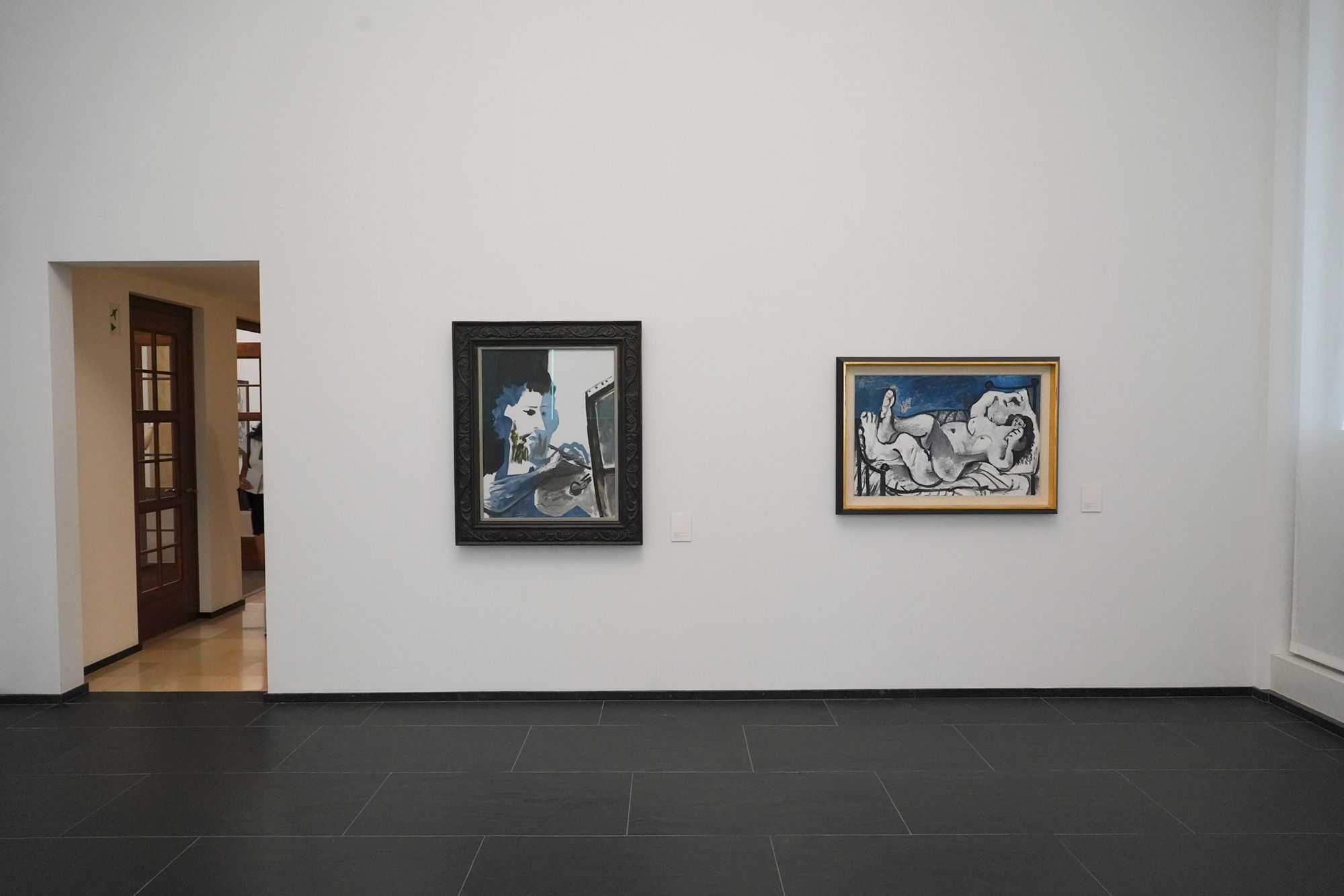
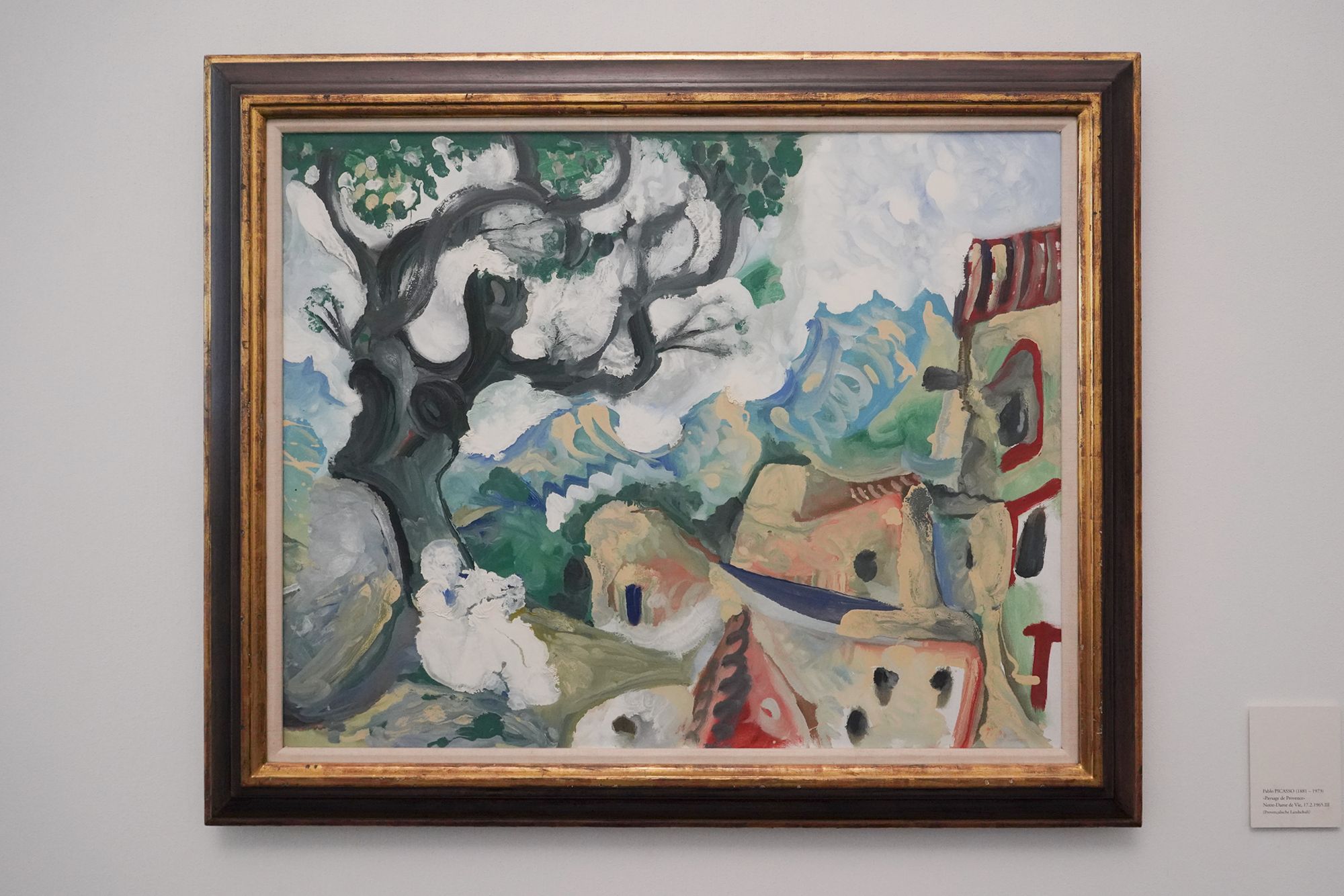
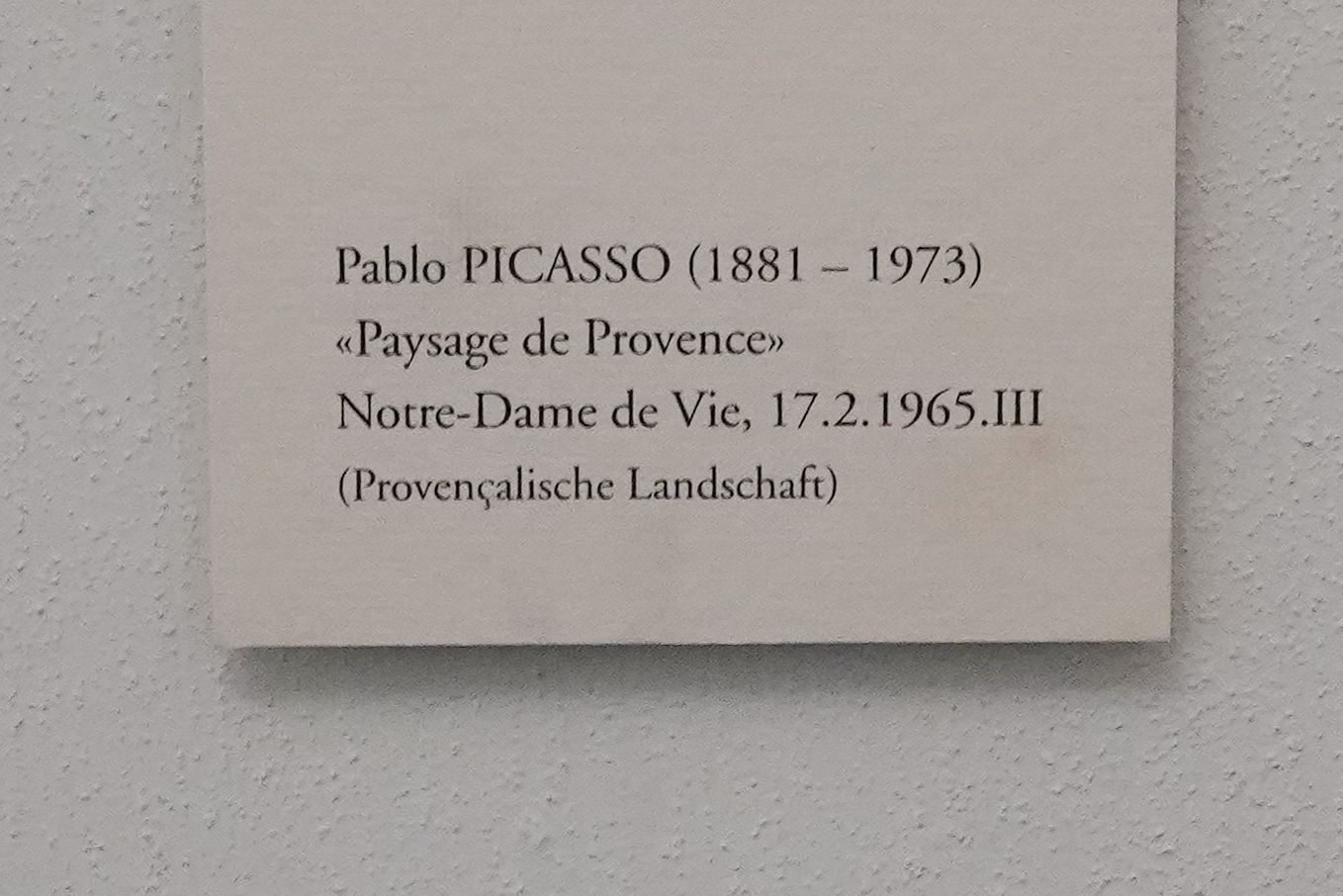
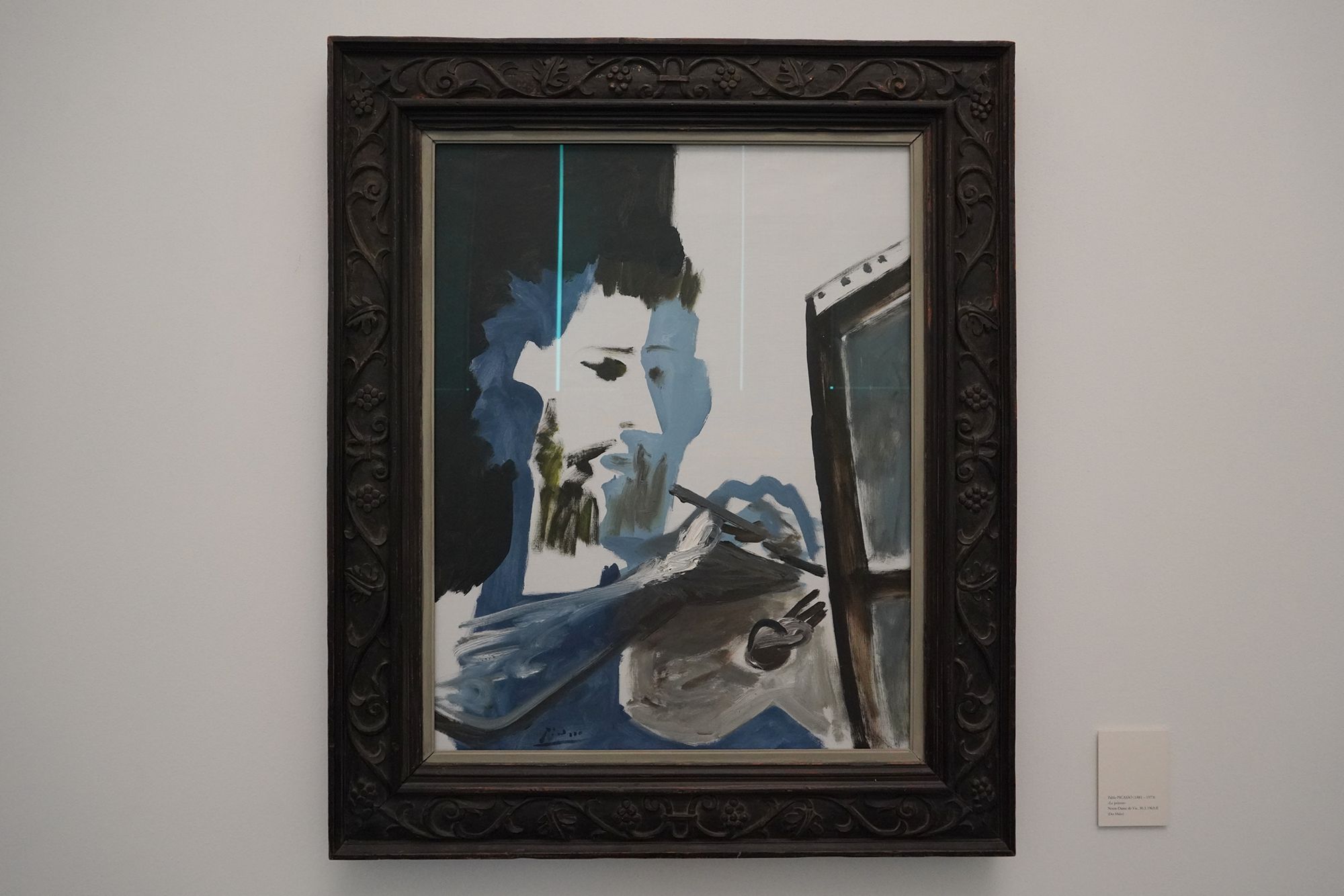
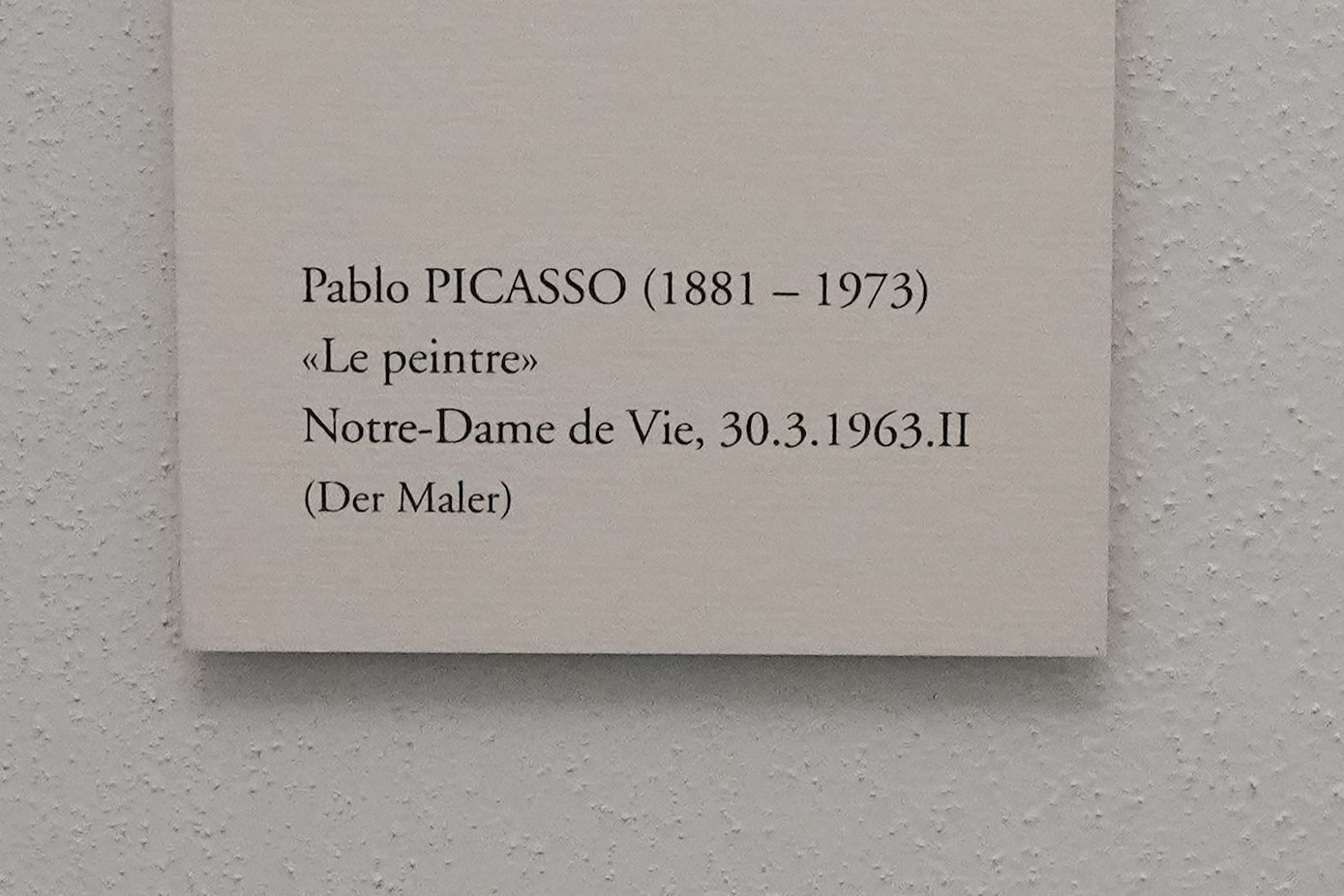
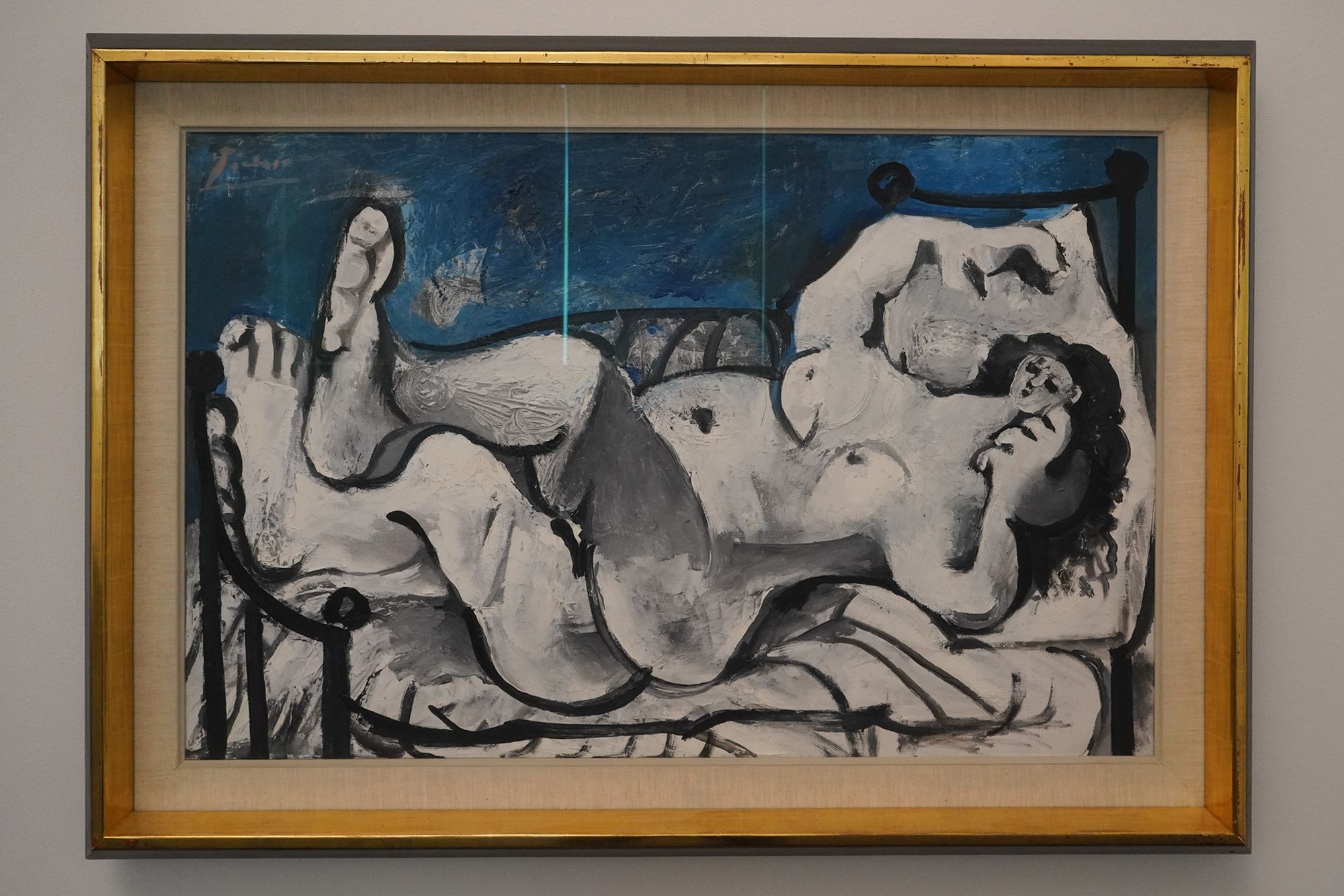
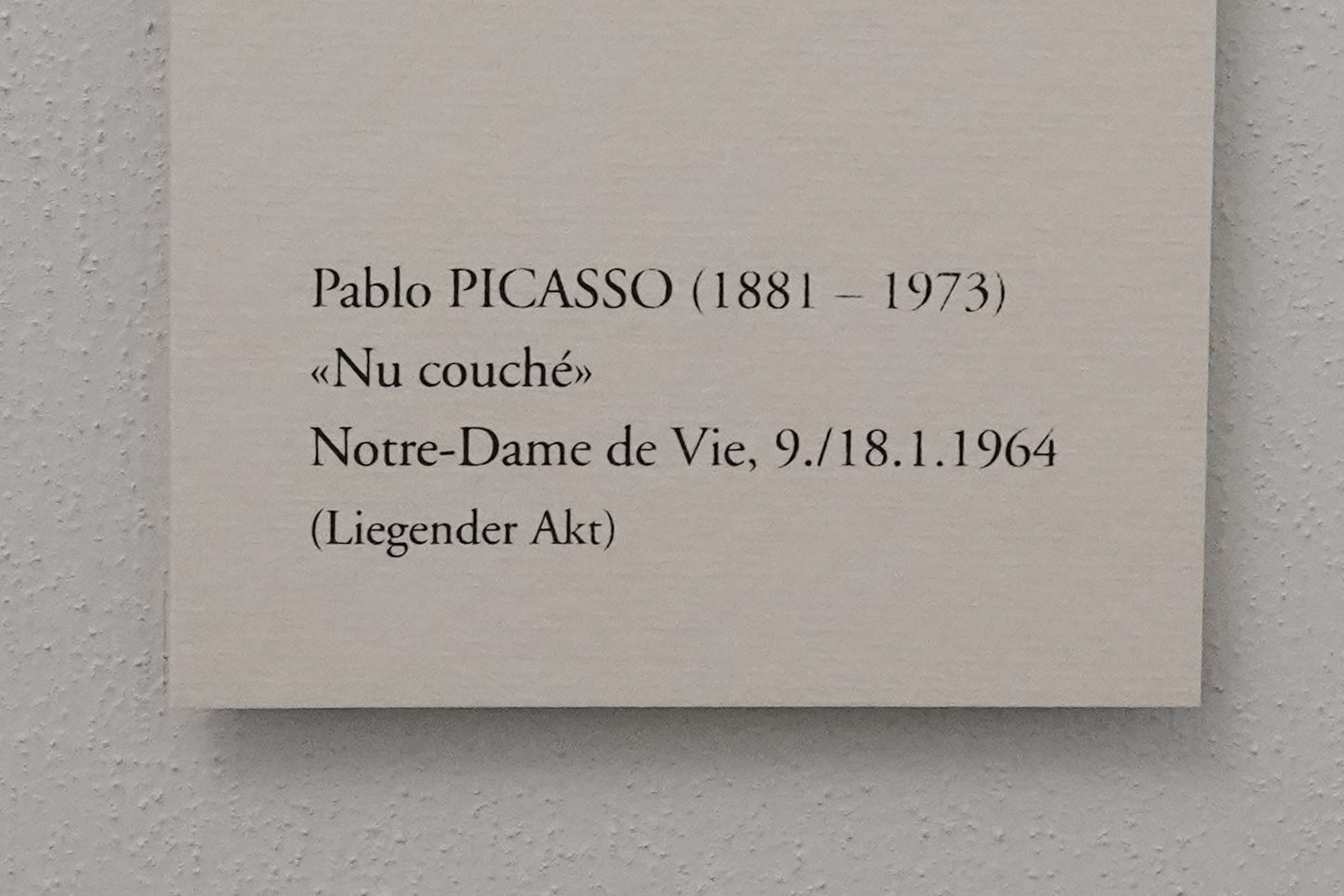
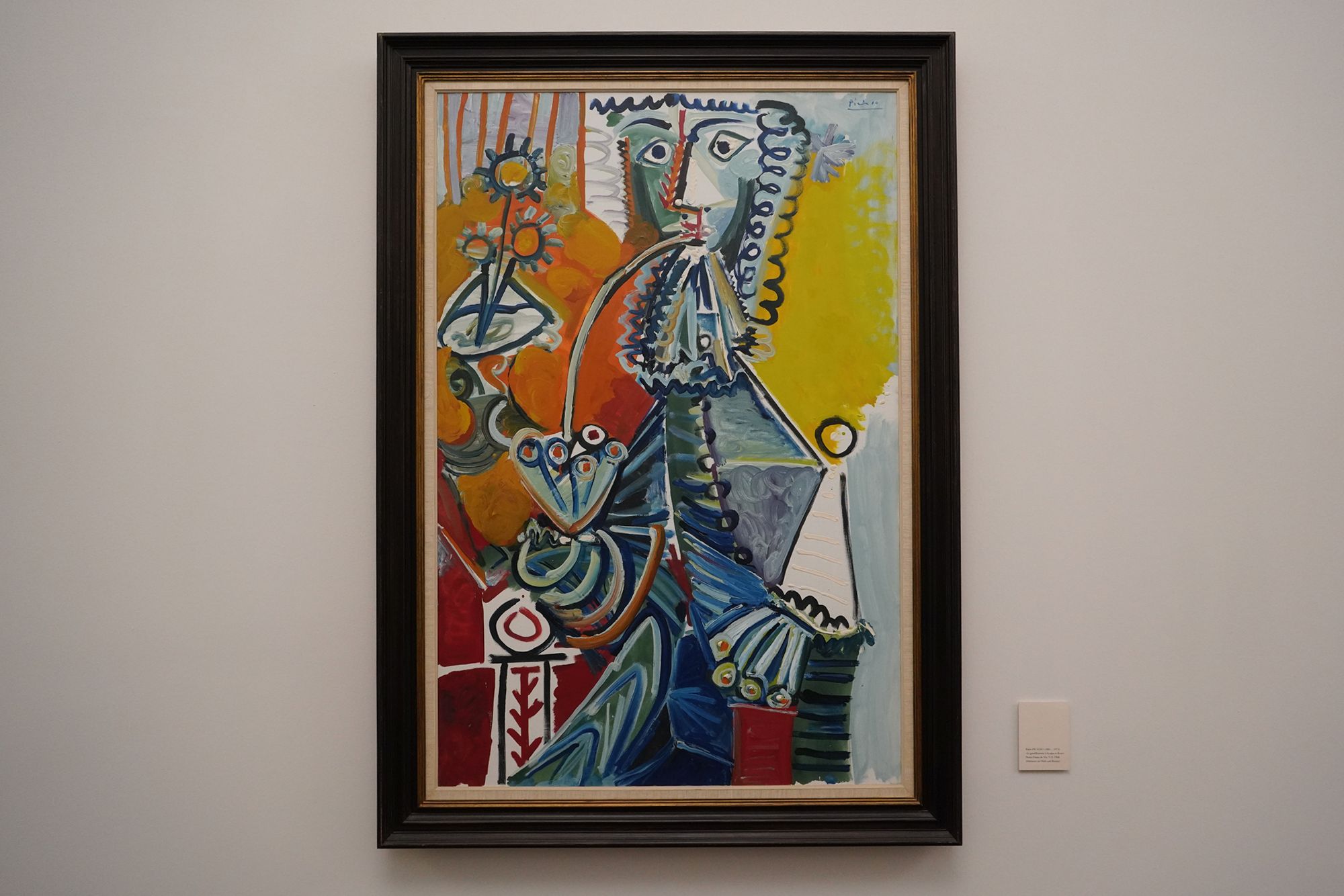
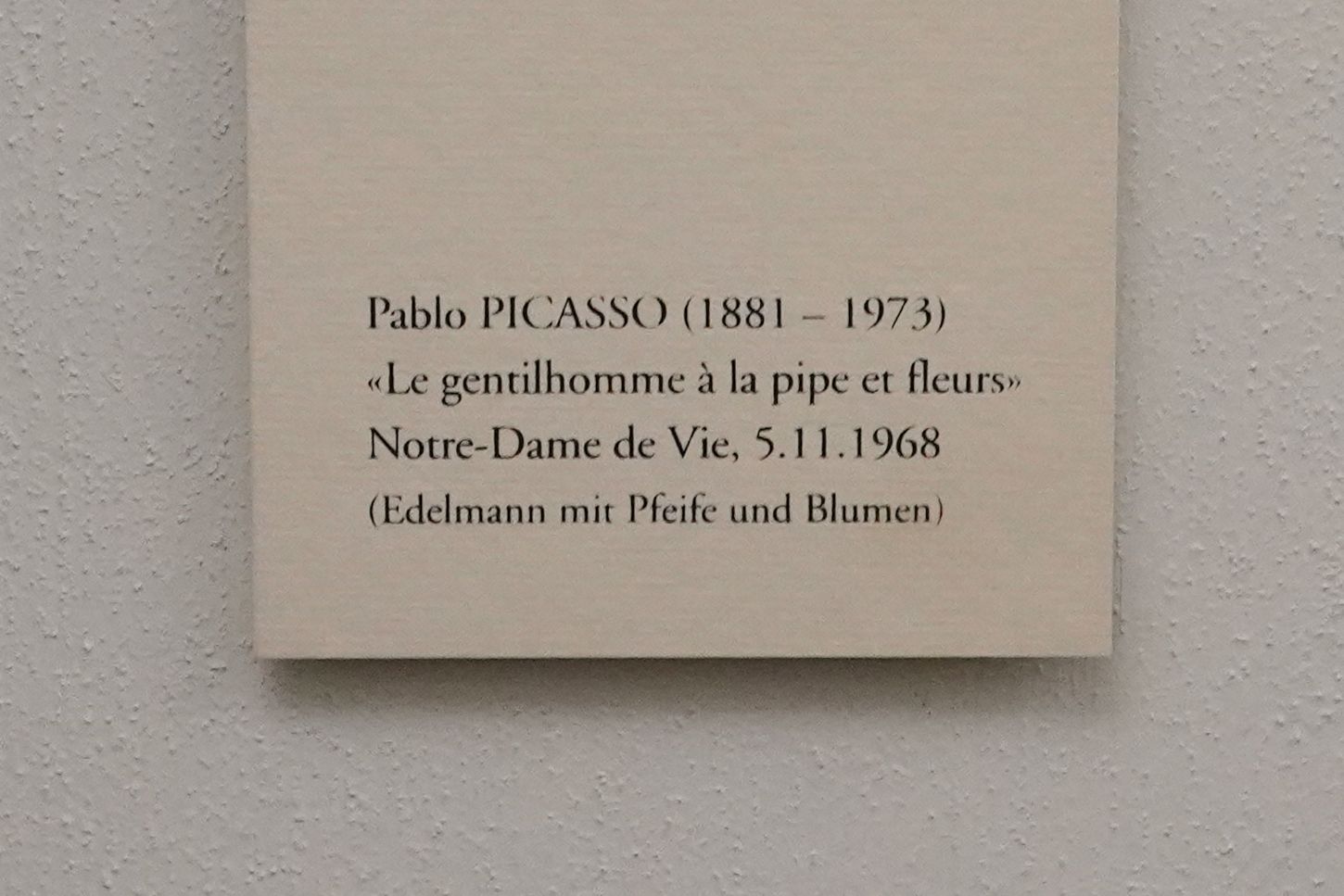
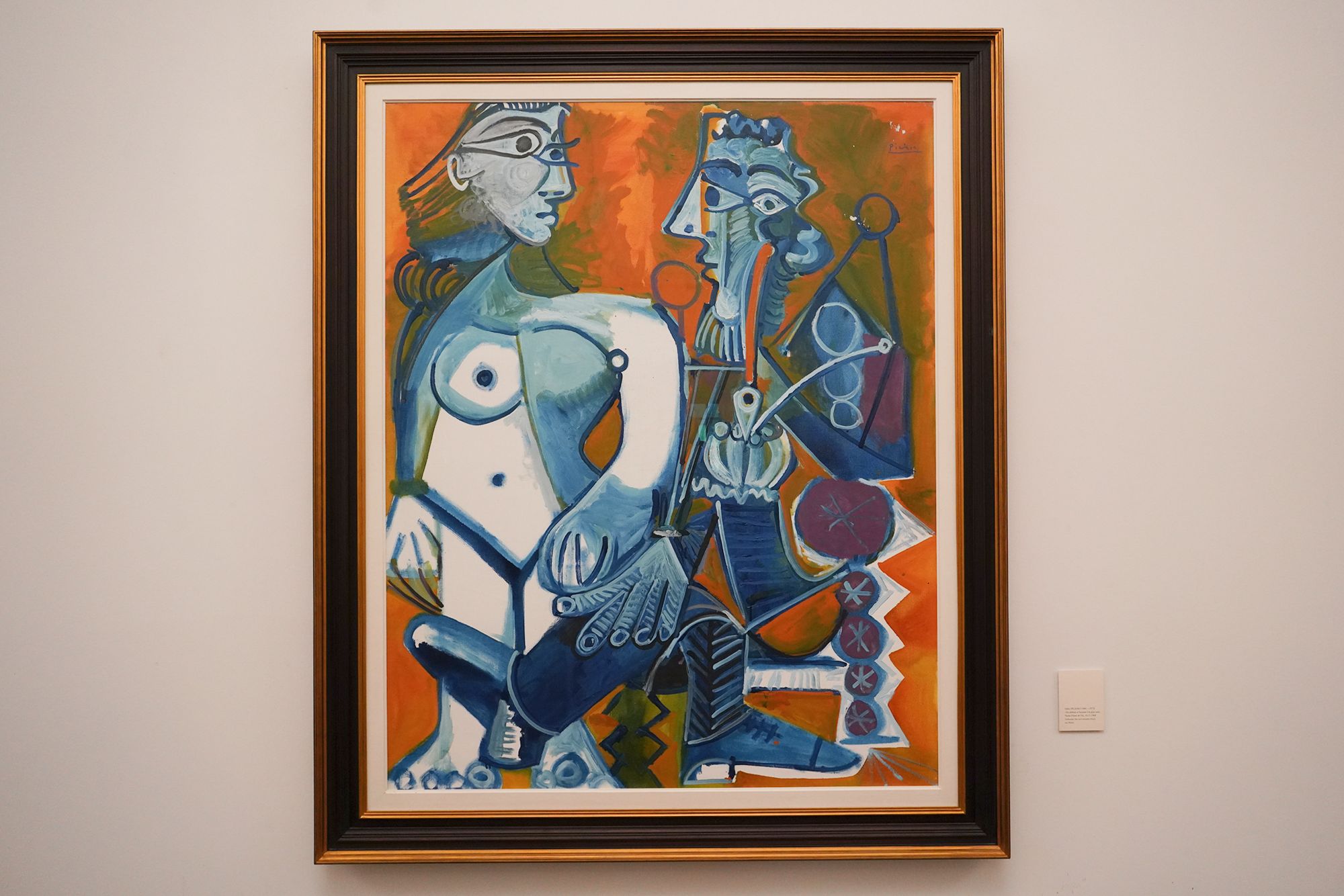
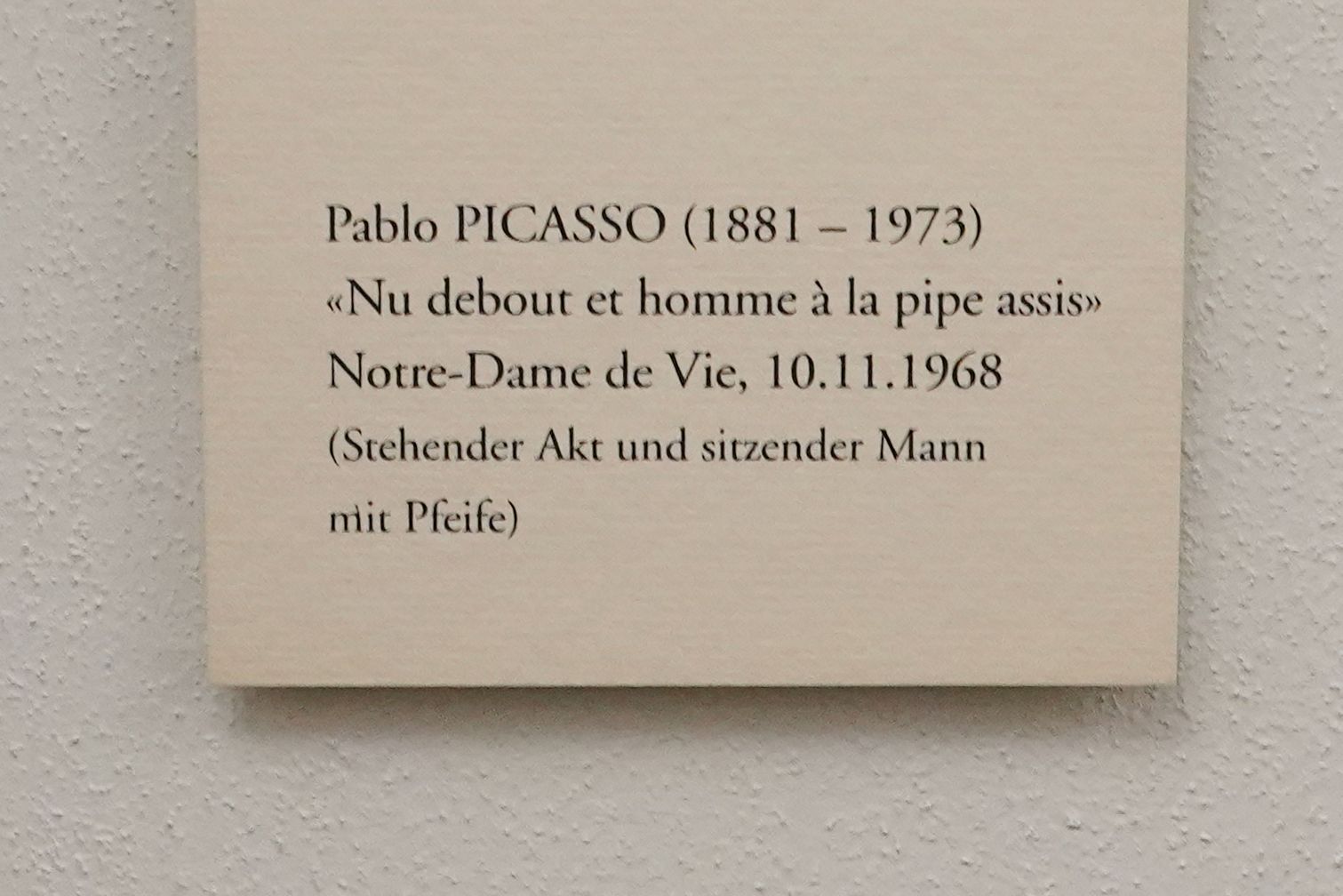
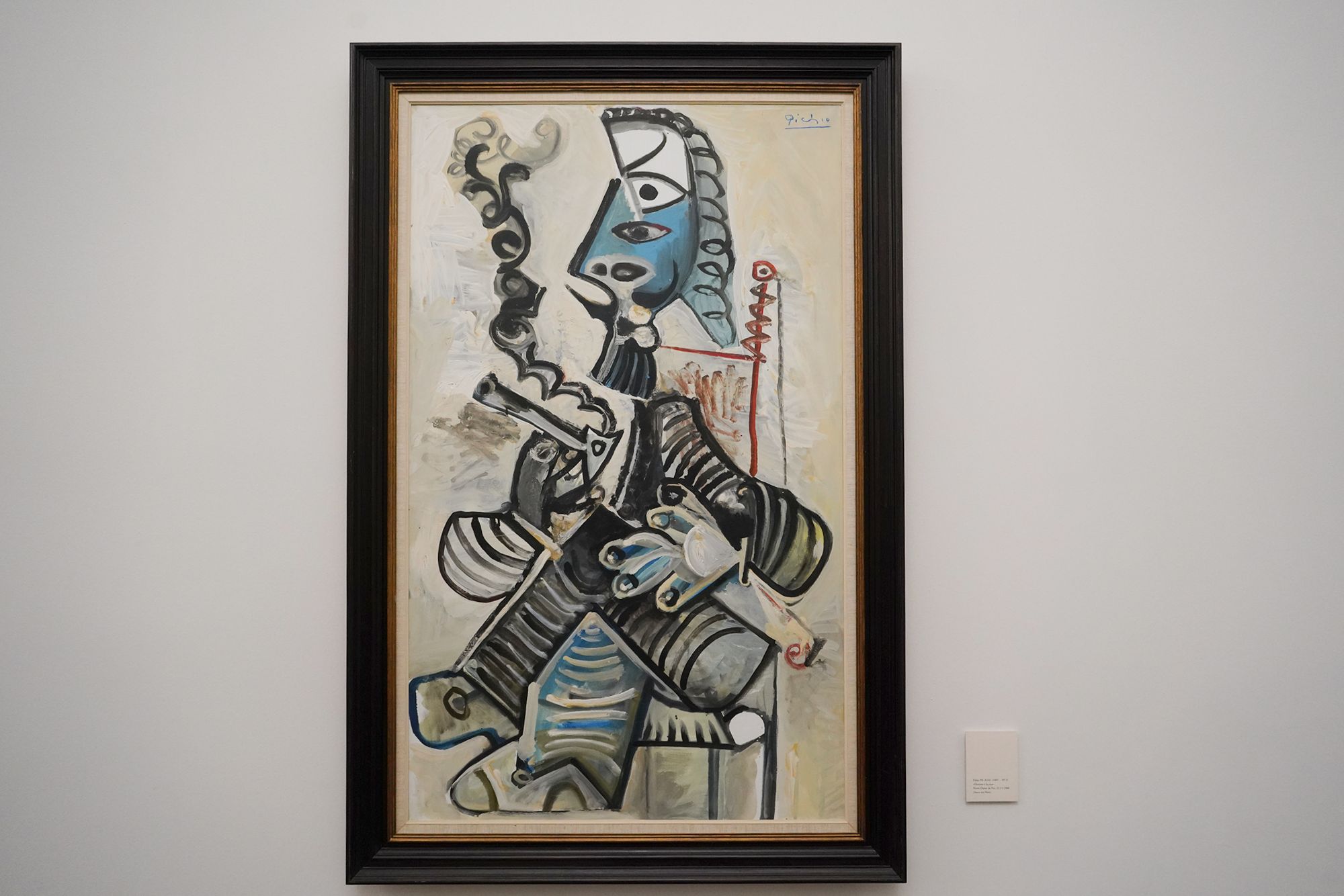
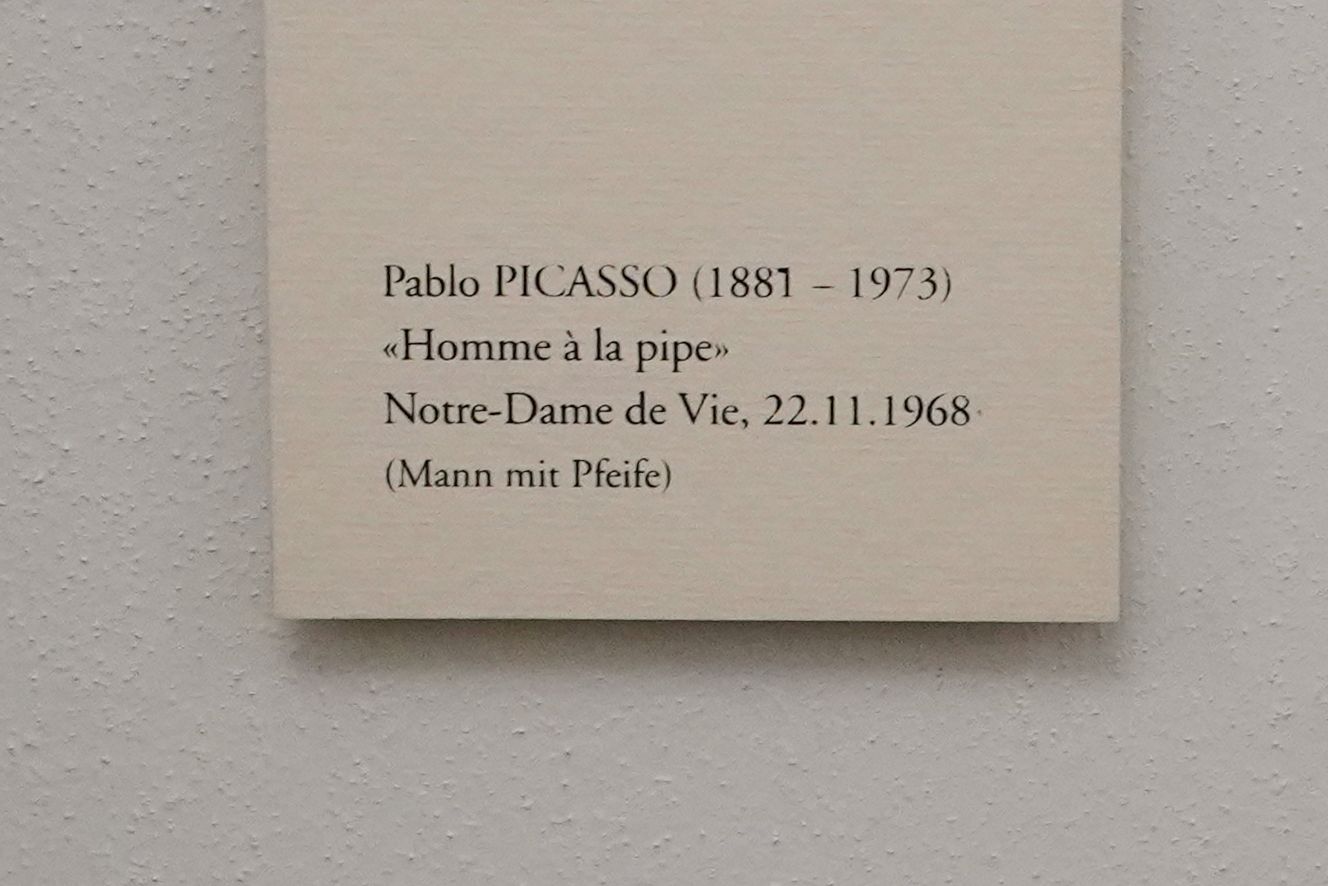
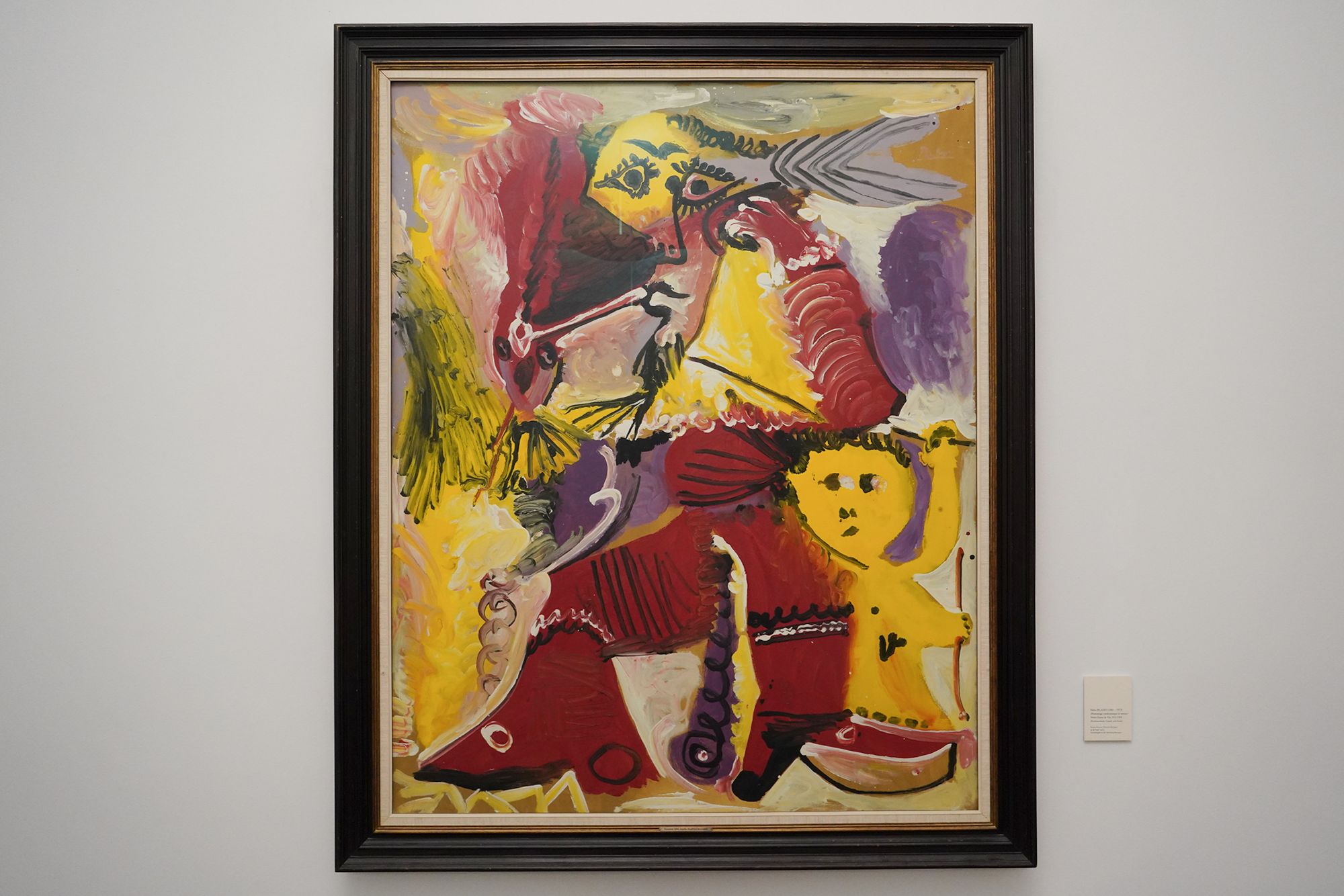
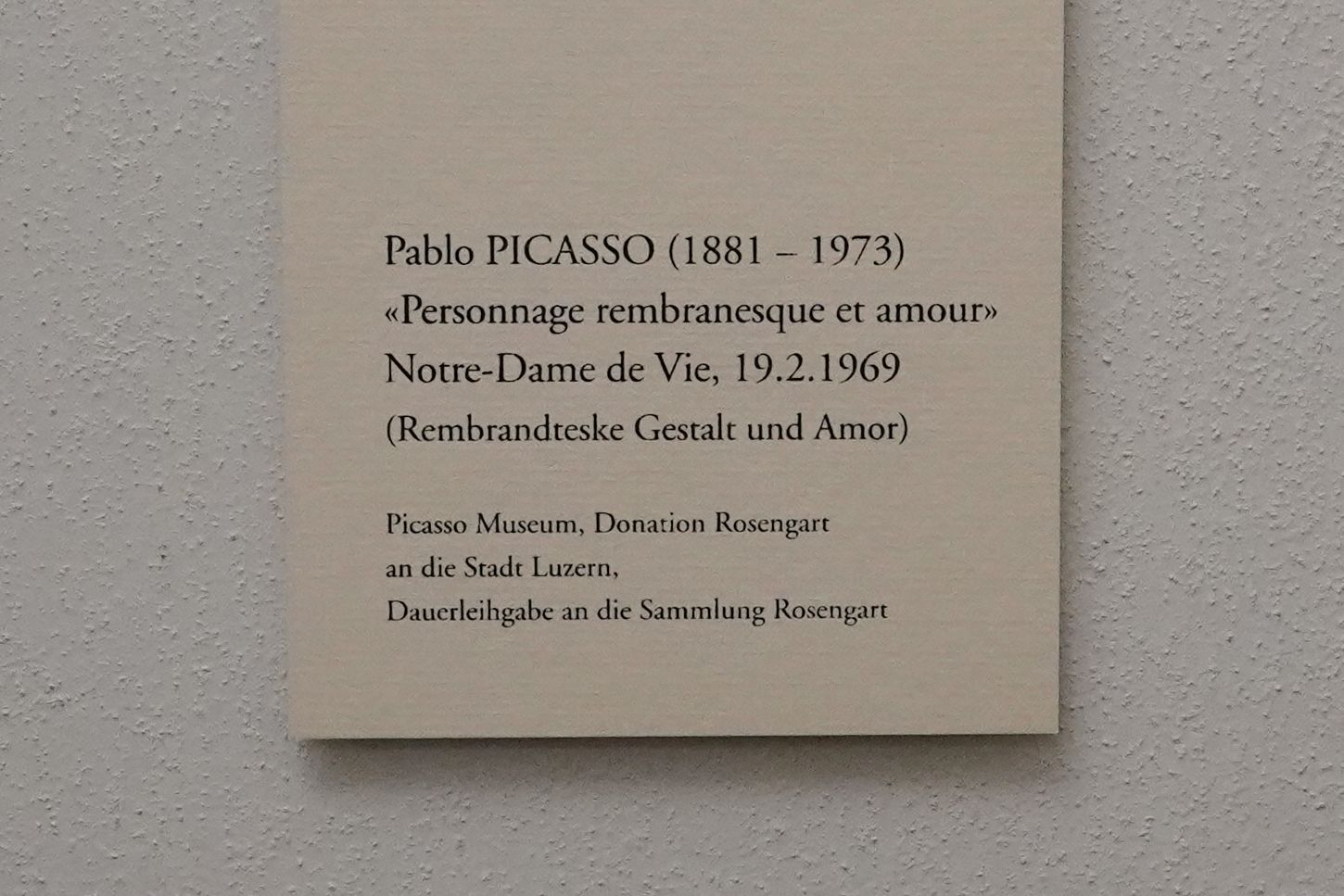
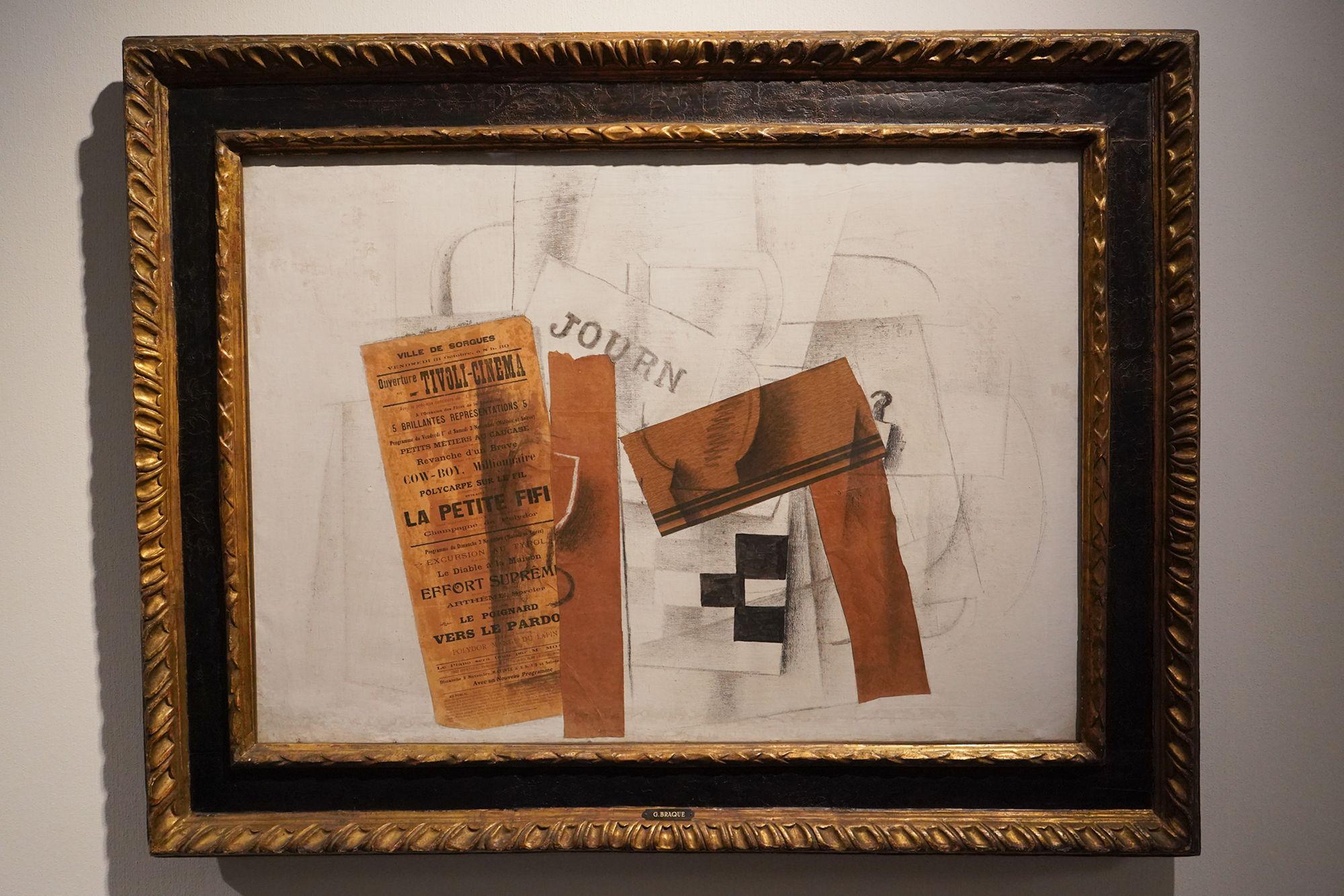
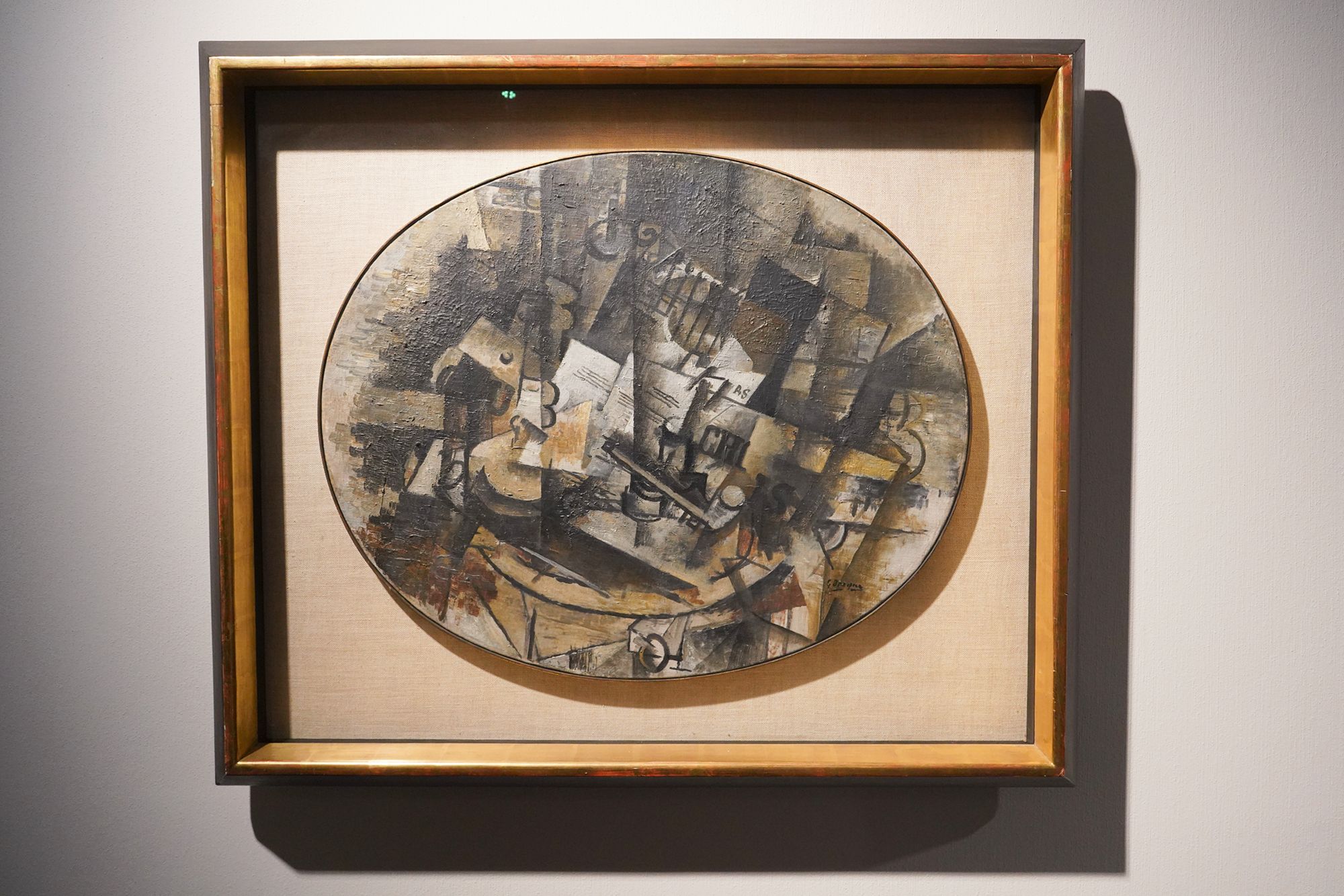
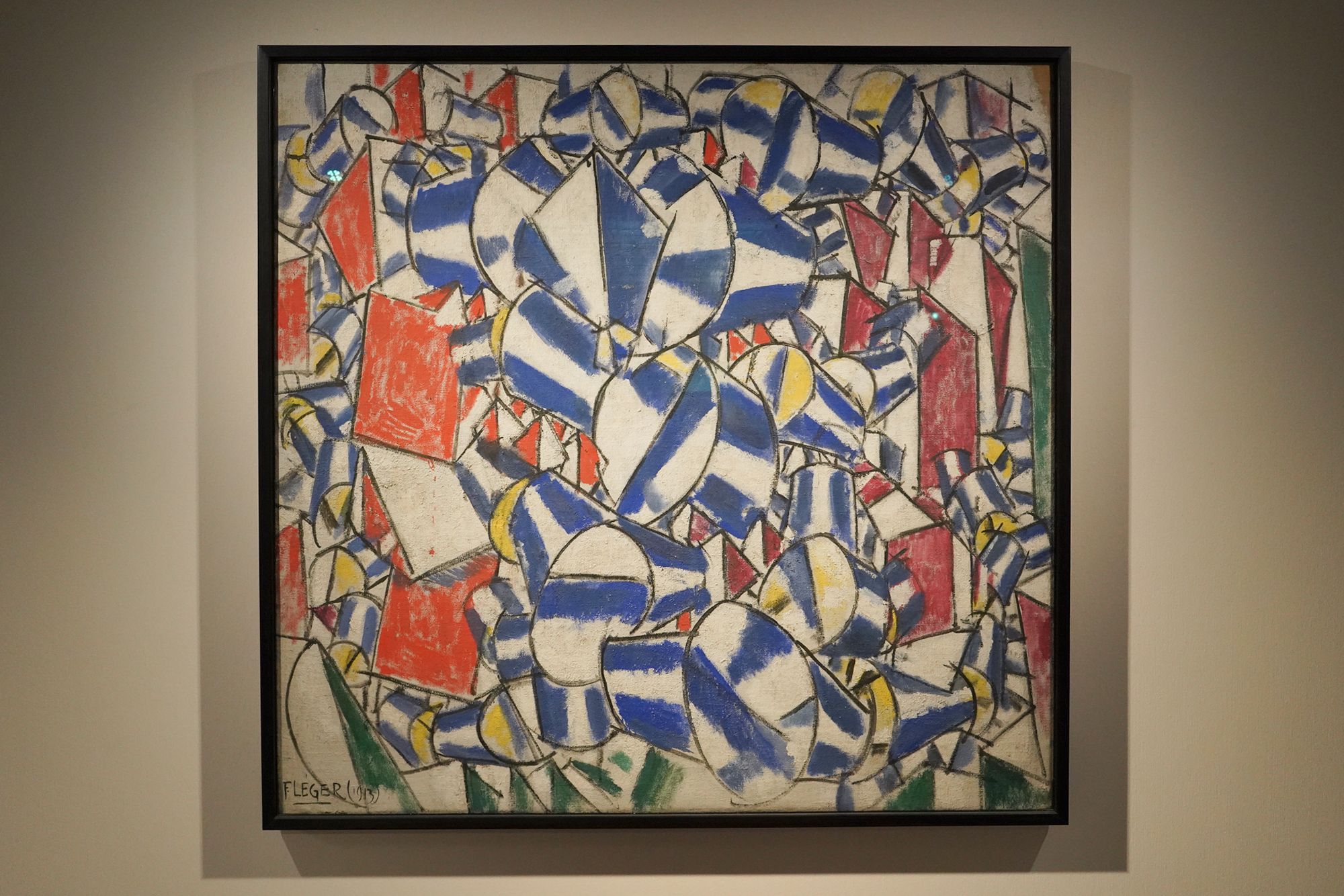
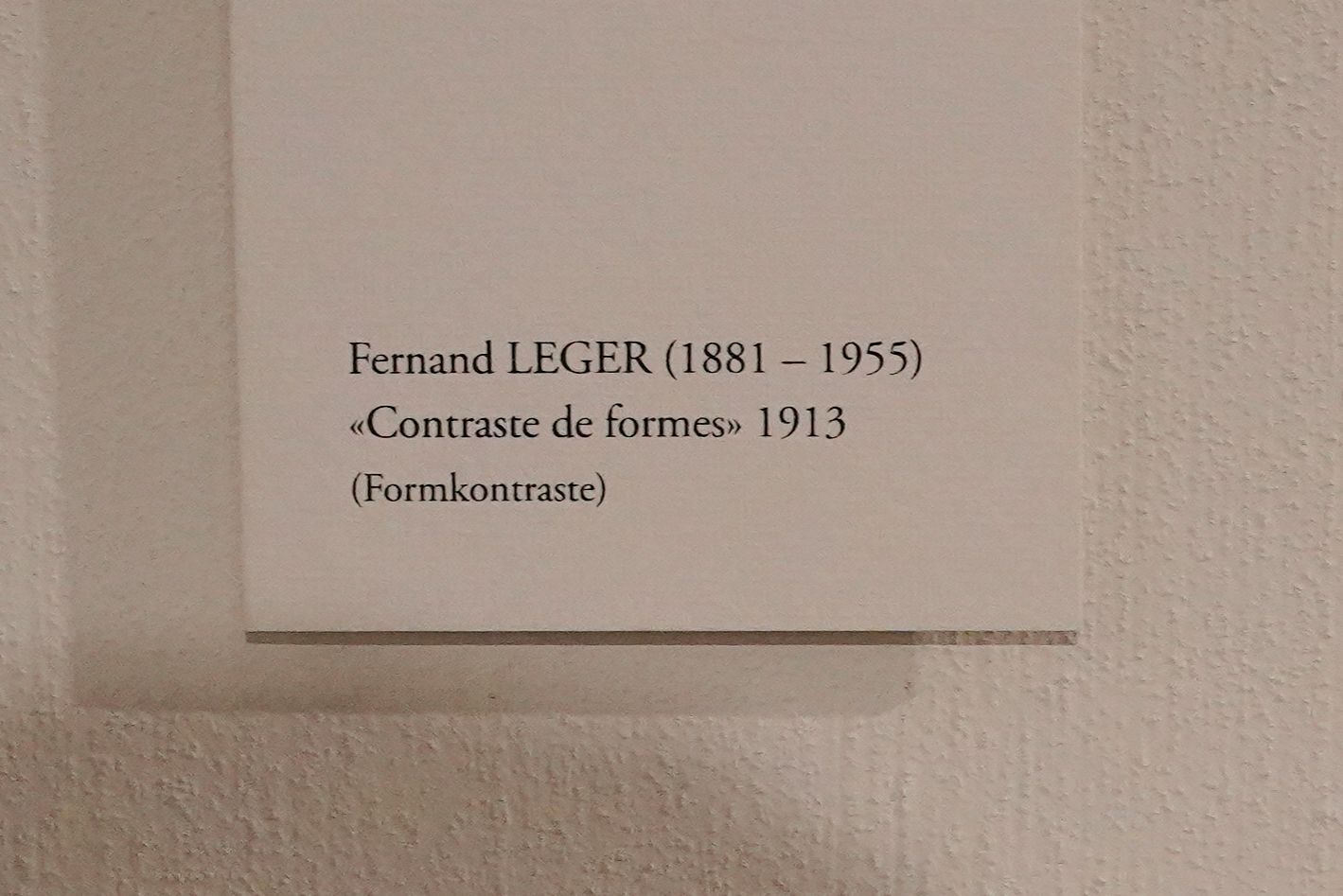
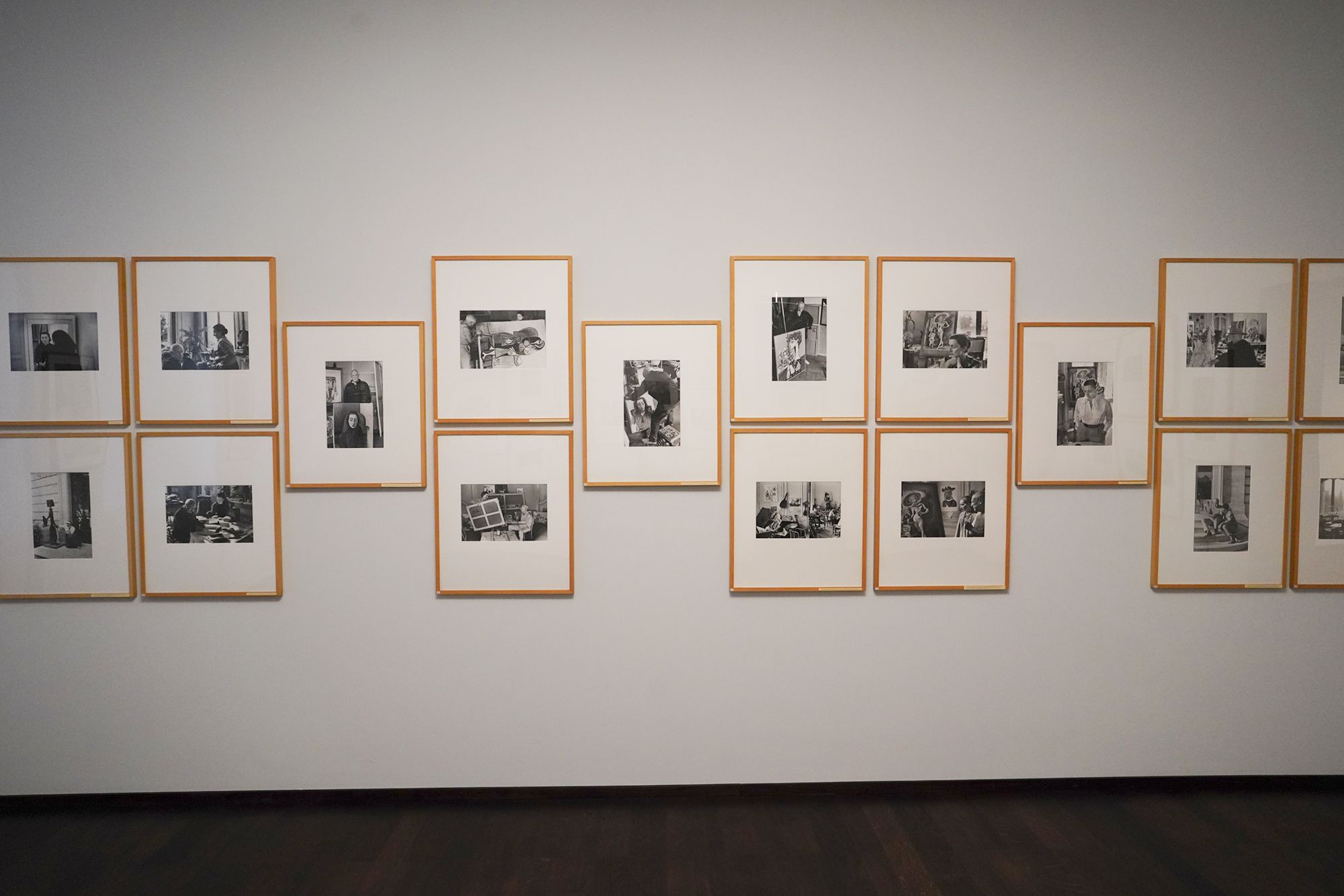
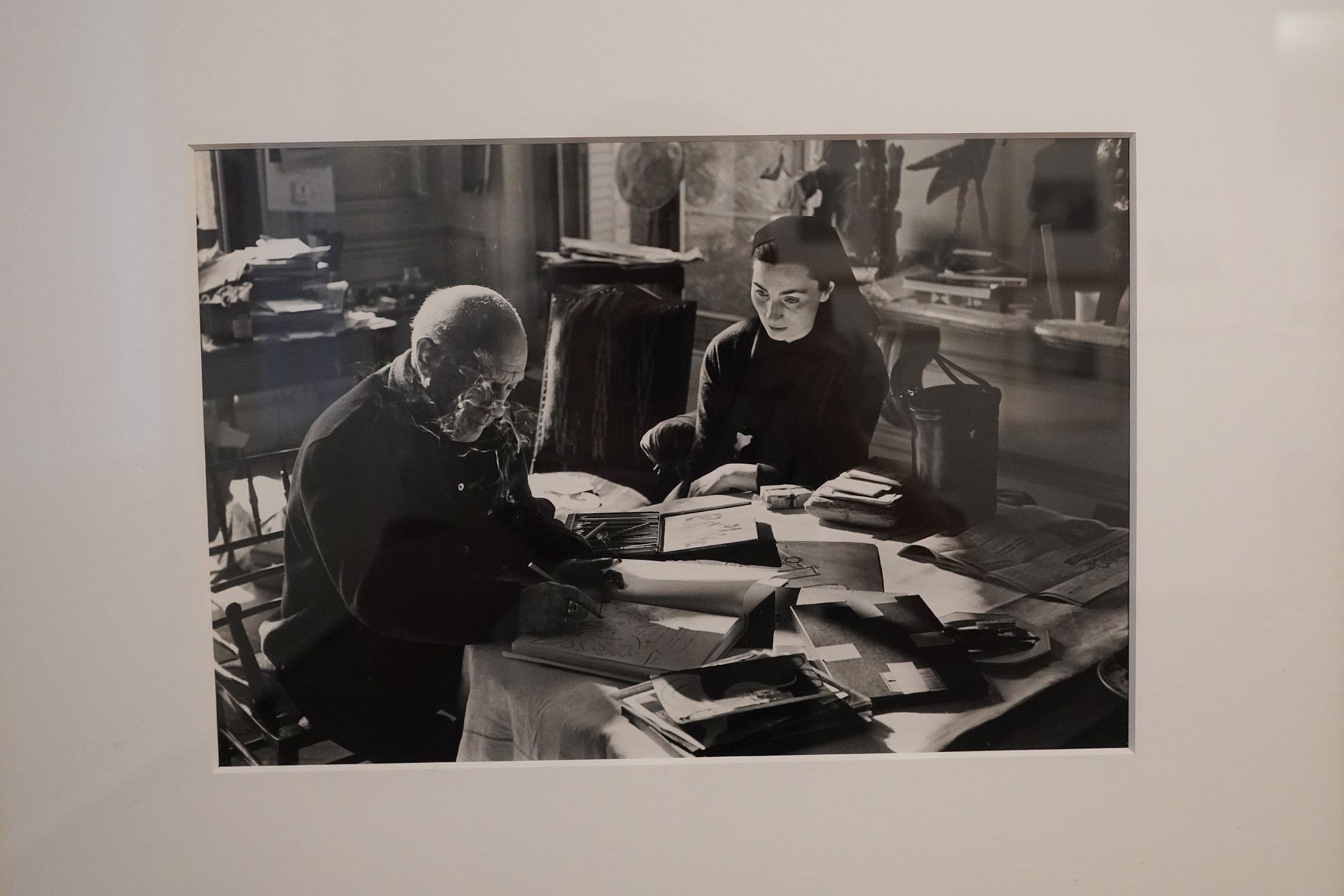
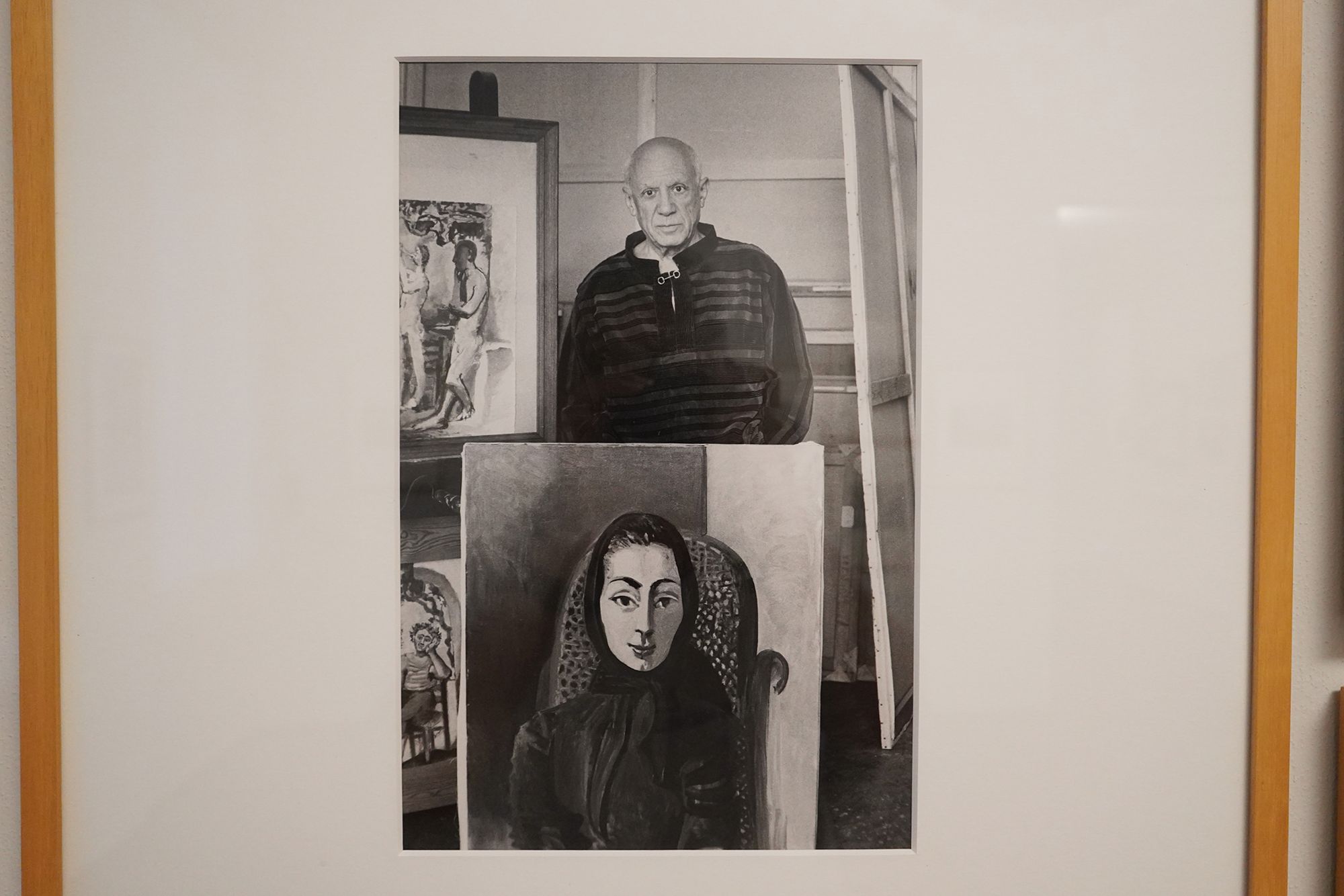
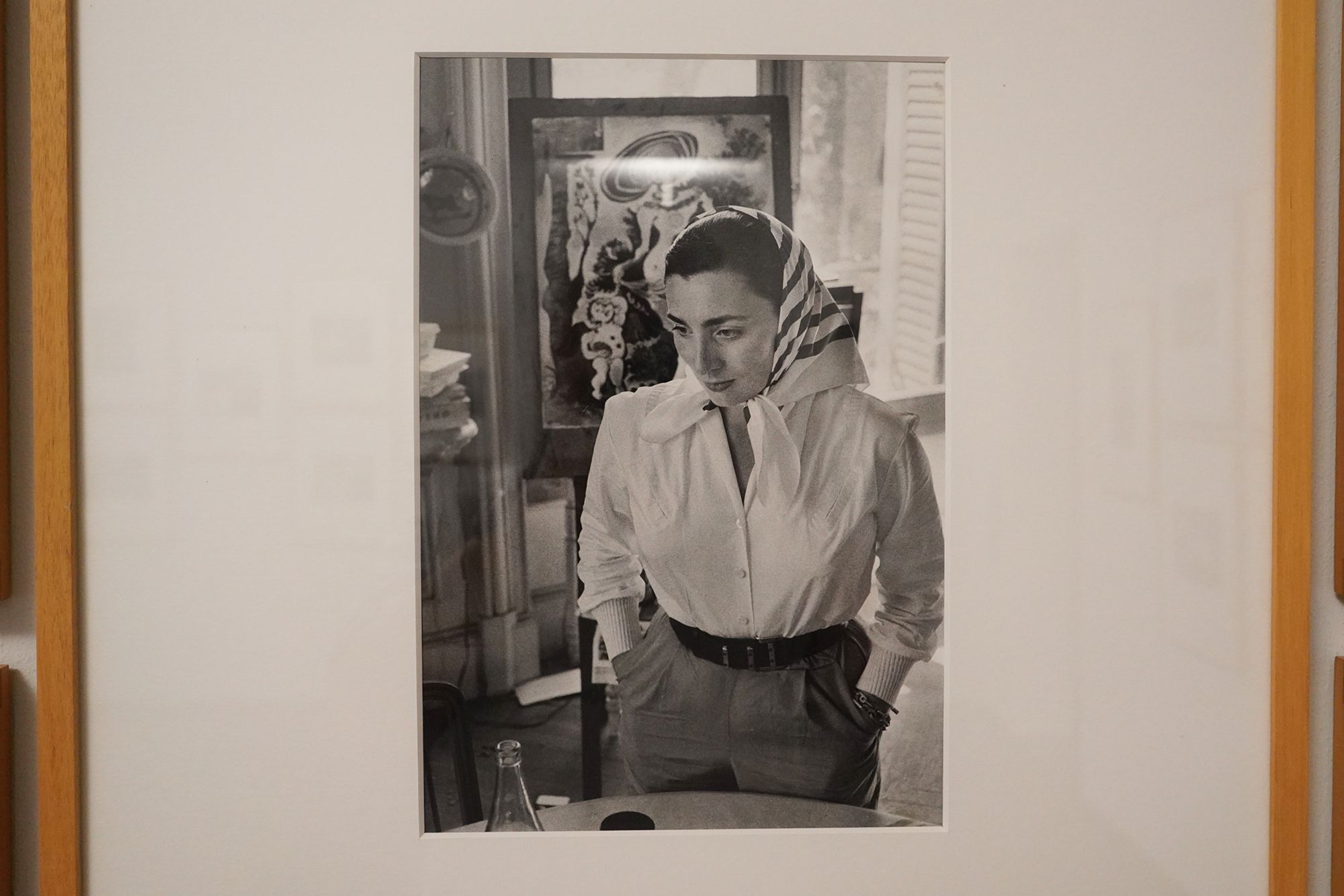
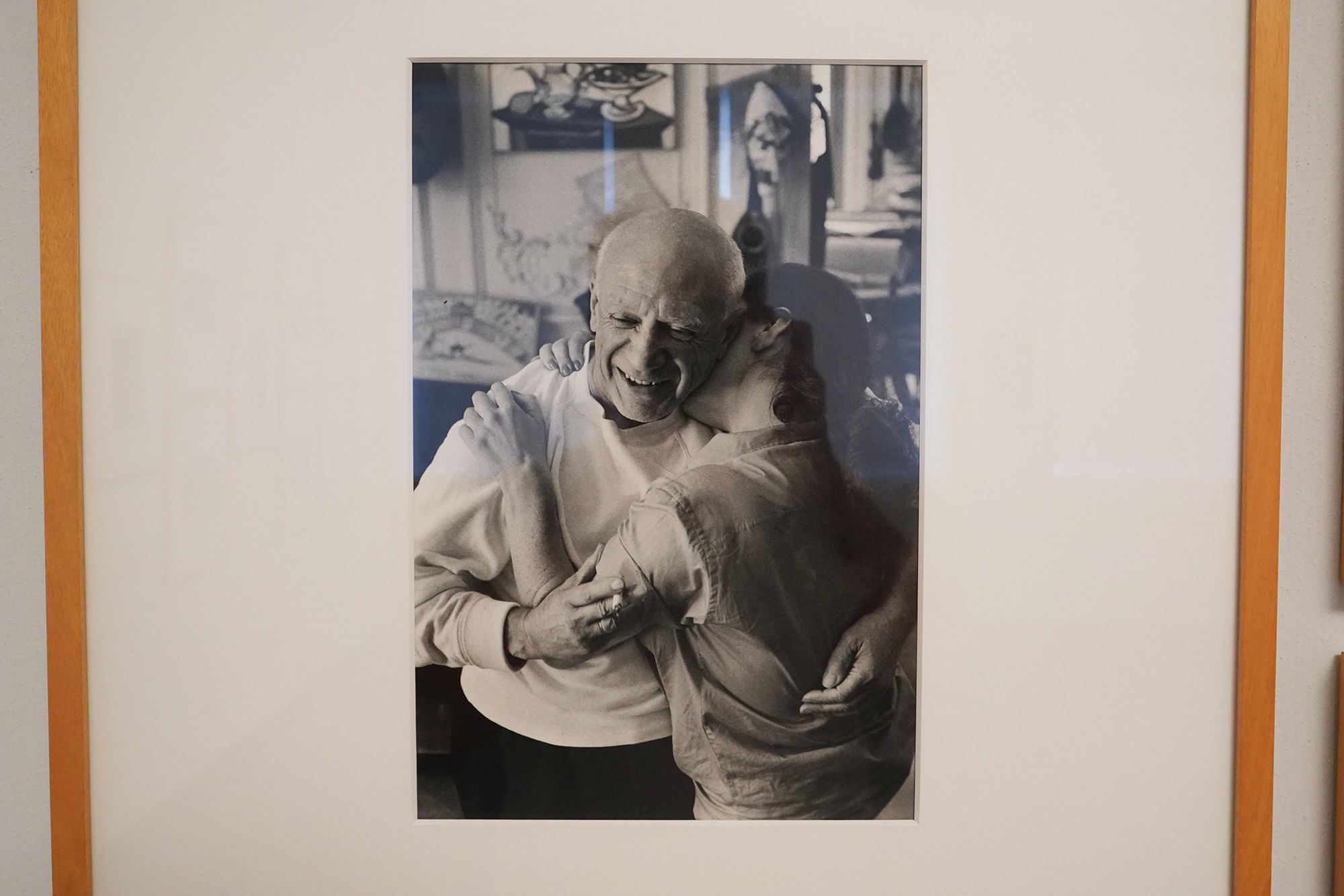
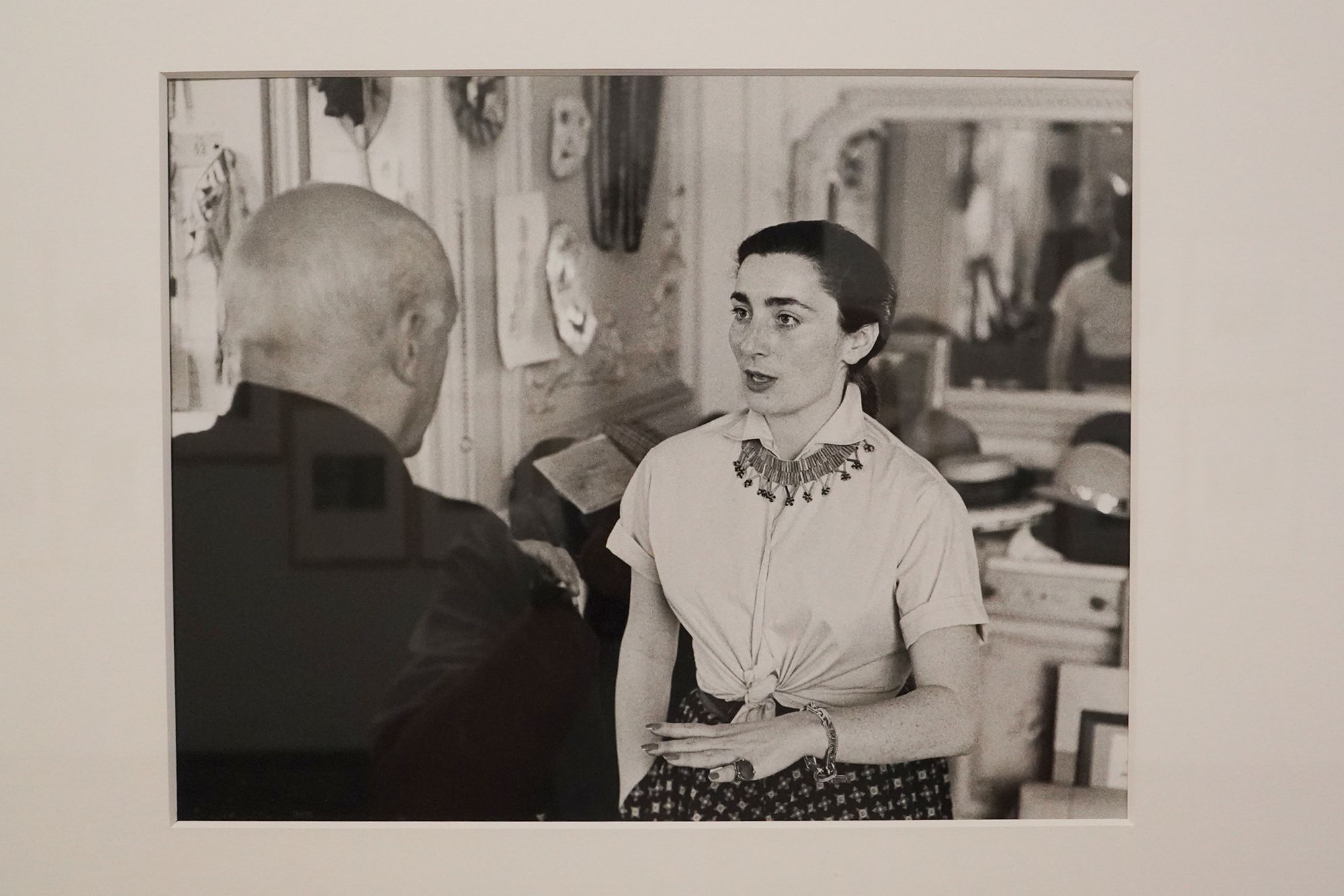
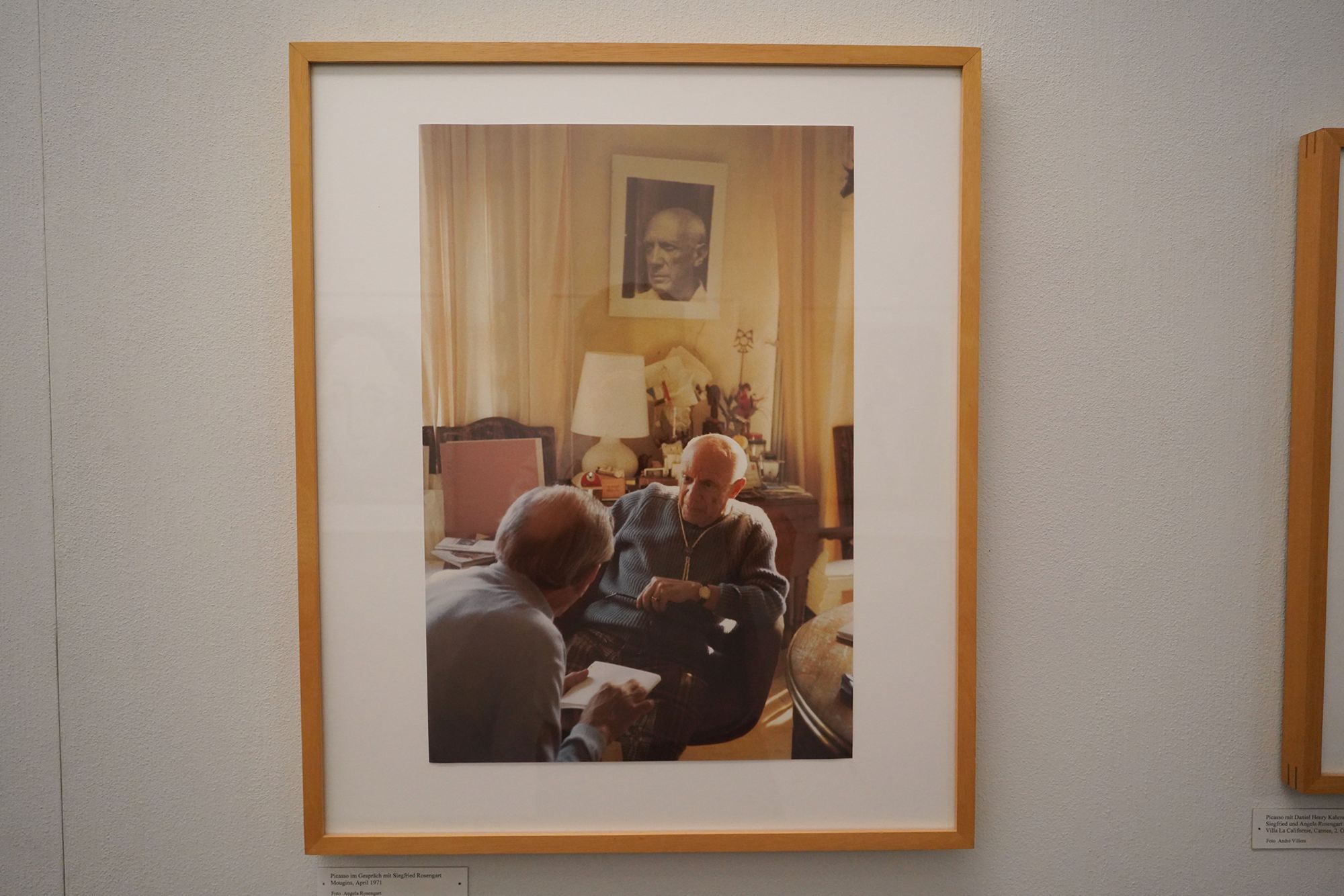
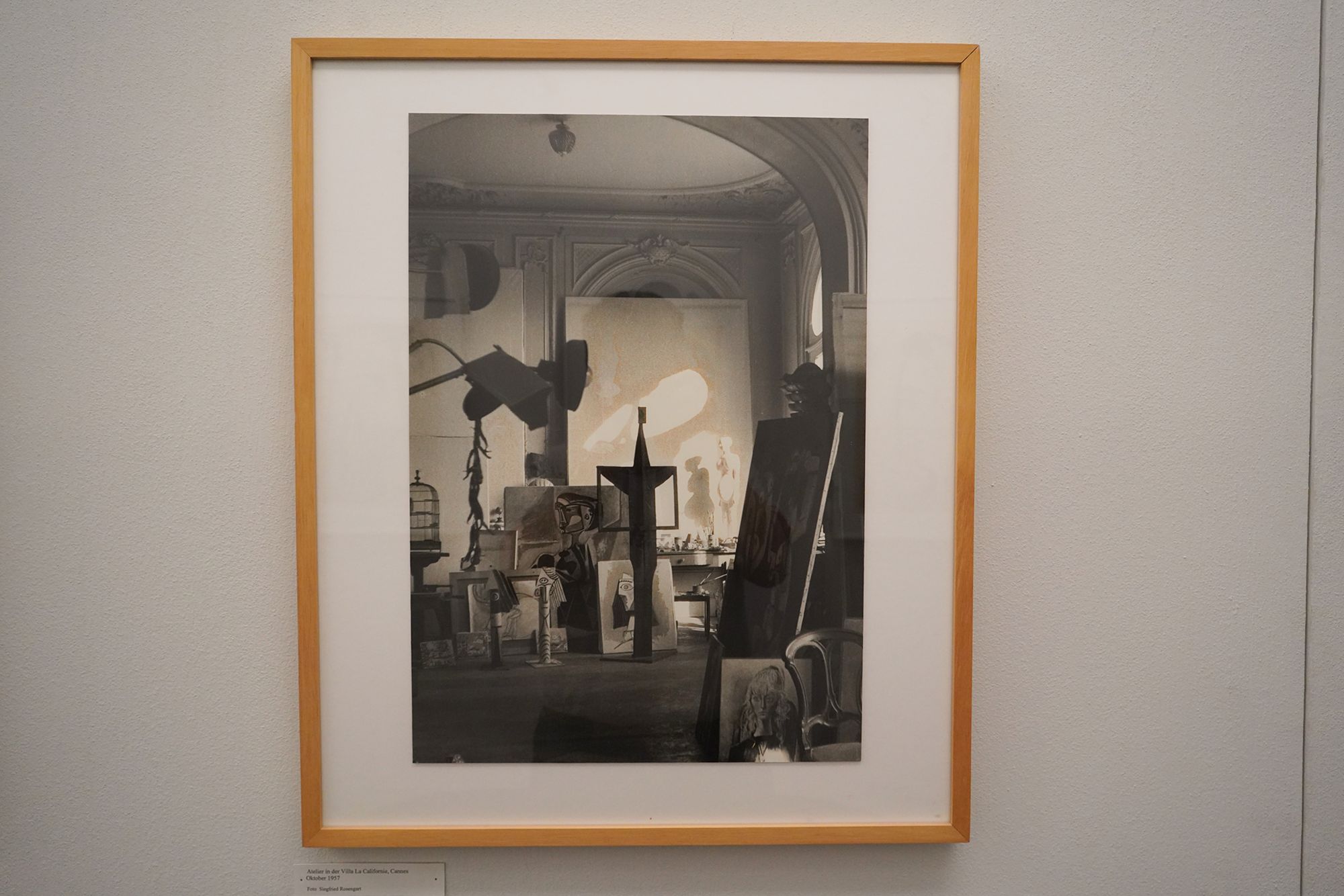
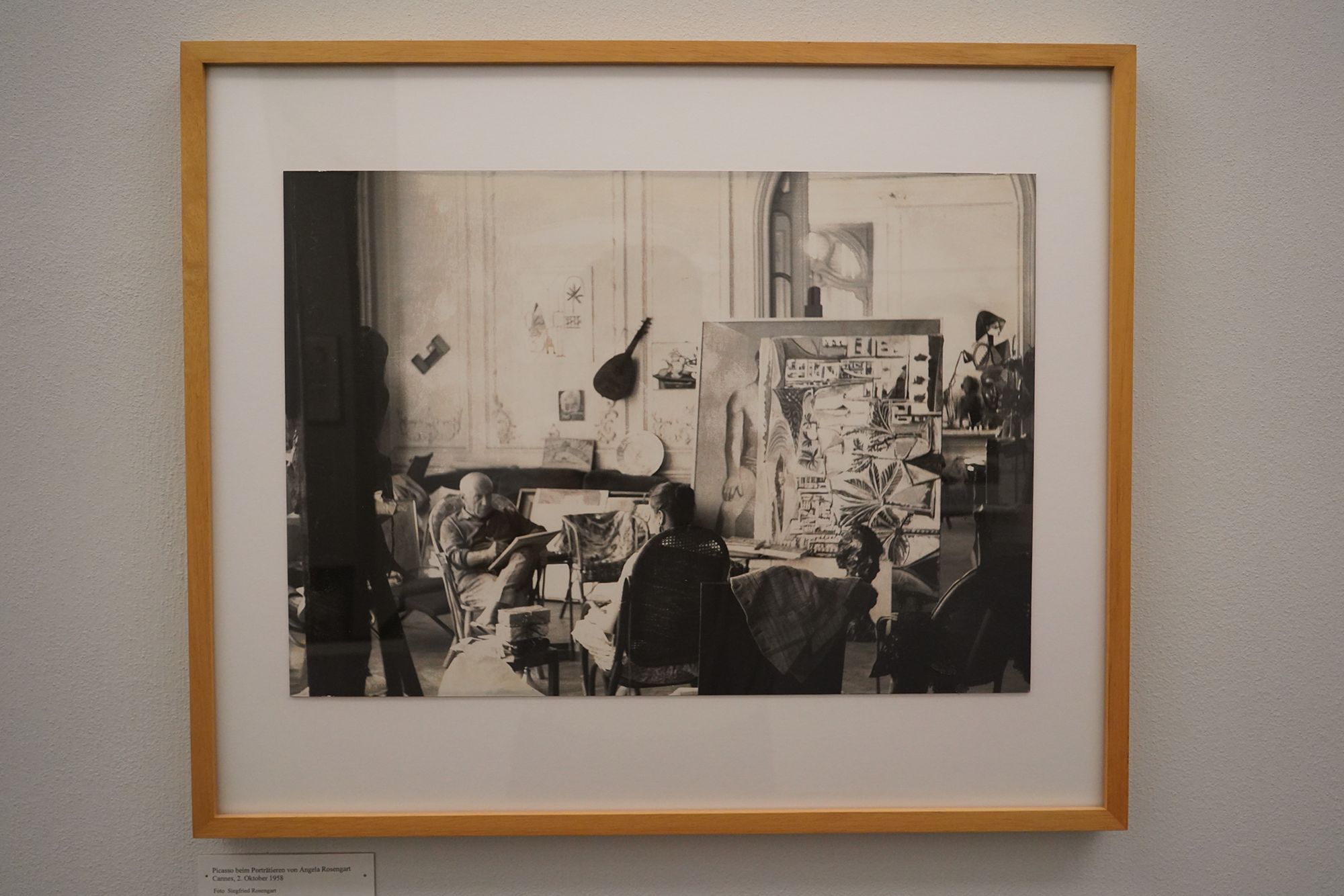
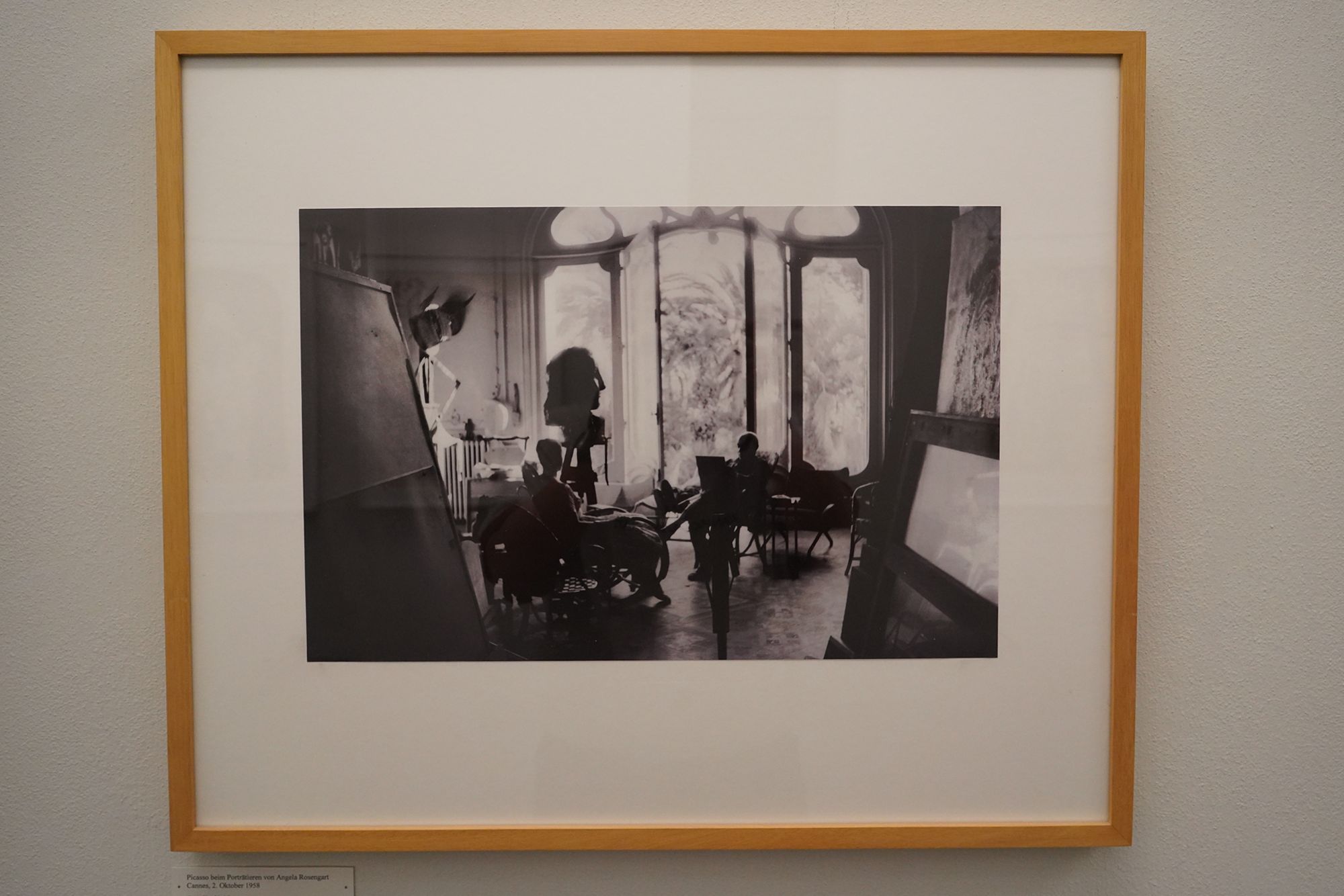
There are also many black-and-white photographs of Picasso, showing him working in his studio and spending time with his wife, offering a more personal glimpse into the artist’s life.
Picasso with his wife, Jacqueline Roque, who became his second wife in 1961 and remained with him until his death in 1973.
Pablo Picasso (1881–1973) was born in Málaga, Spain, and showed exceptional artistic ability from childhood. He moved to Paris as a young man, where he became part of the rapidly changing European art world.
His career passed through several distinct periods, including the Blue Period and Rose Period. Around 1907, Picasso and Georges Braque began developing Cubism, breaking subjects into geometric forms and presenting them from different viewpoints.
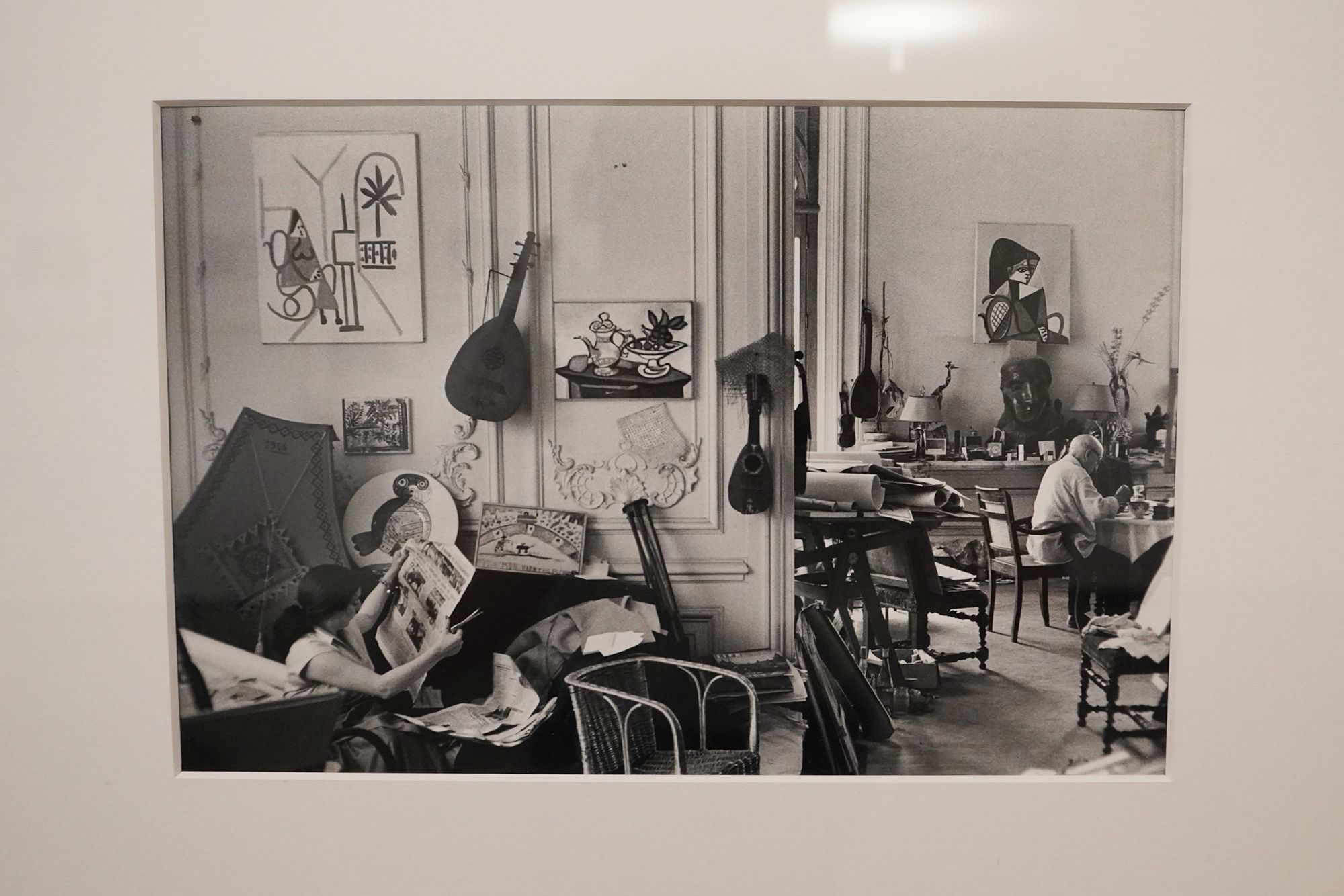
Picasso lived much of his adult life in France and worked continuously in painting, drawing, sculpture, printmaking, and ceramics. His personal life included several long relationships and two marriages. His second wife, Jacqueline Roque, appears in many of his later works and photographs.
Picasso remained extraordinarily productive into old age and died in 1973 at age 91 in southern France. His experimentation and constant changes of style made him one of the most influential artists of modern art.
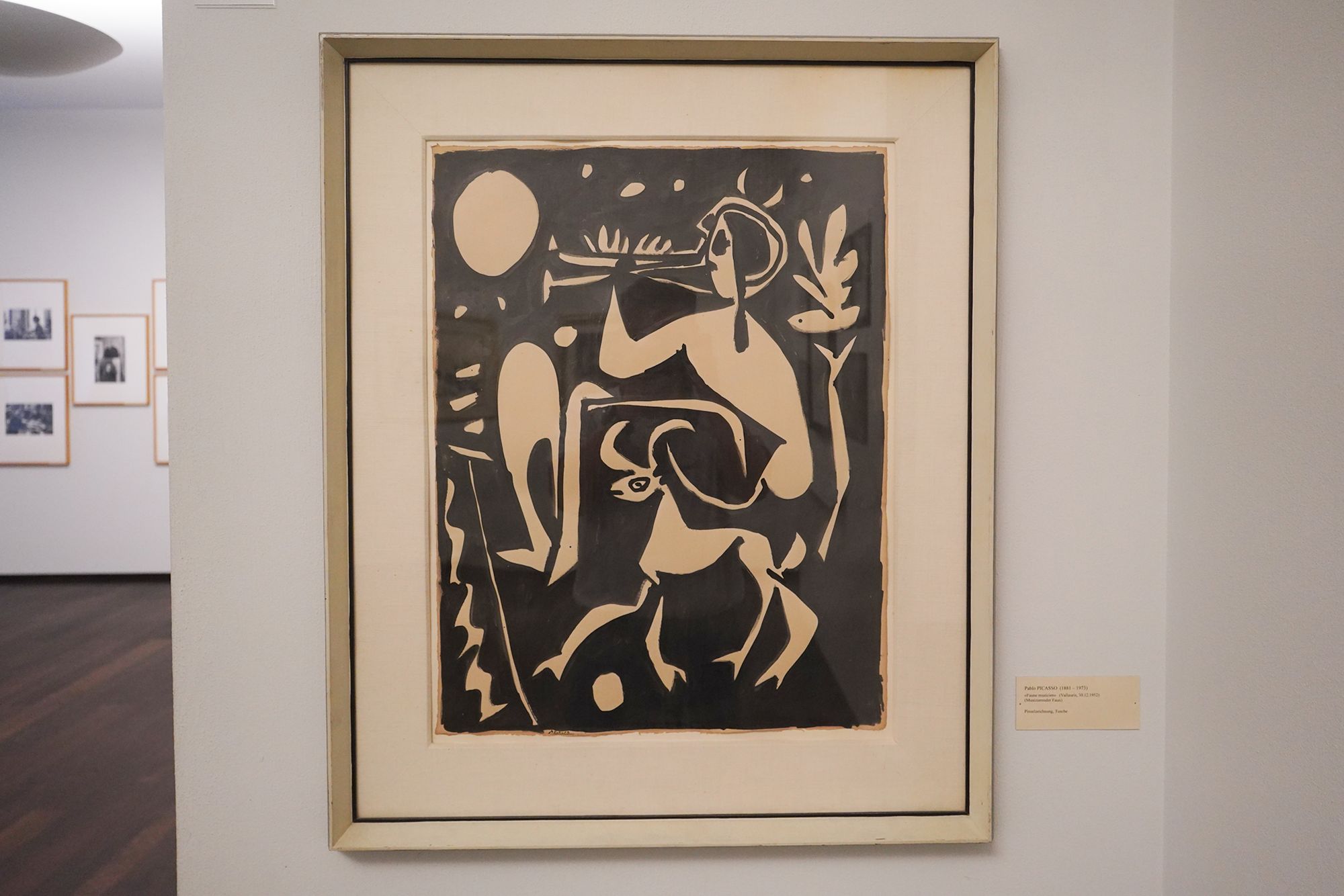
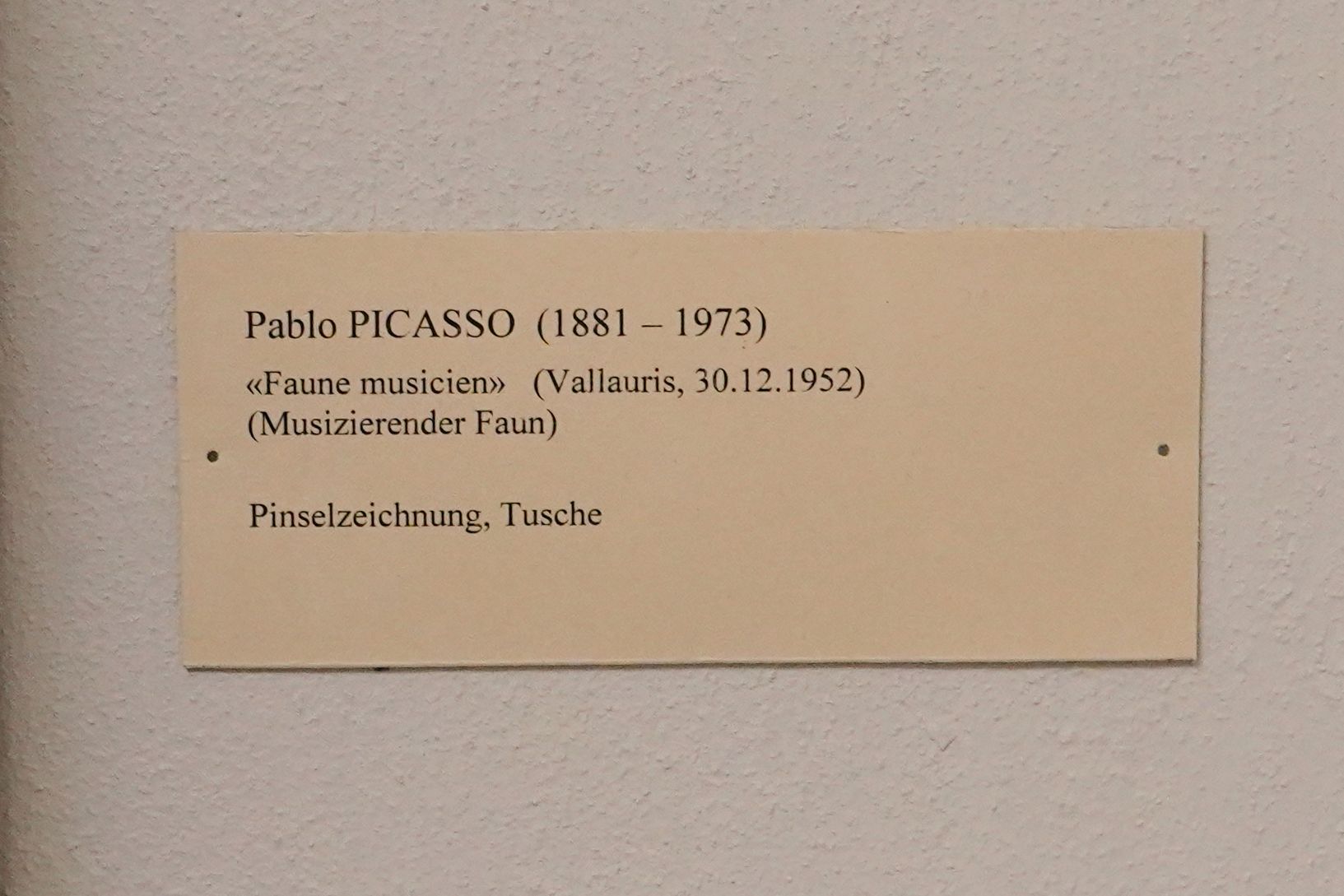
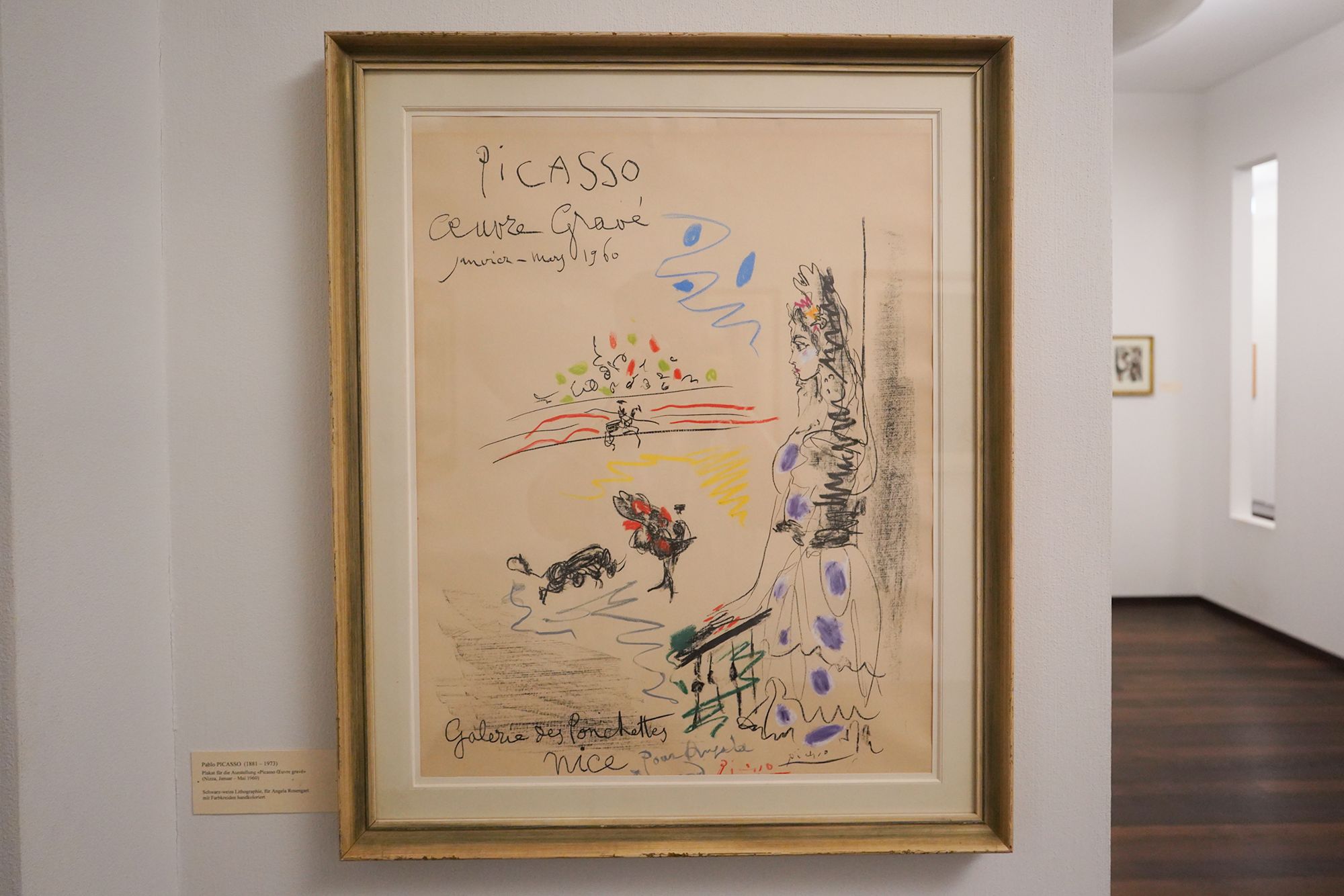
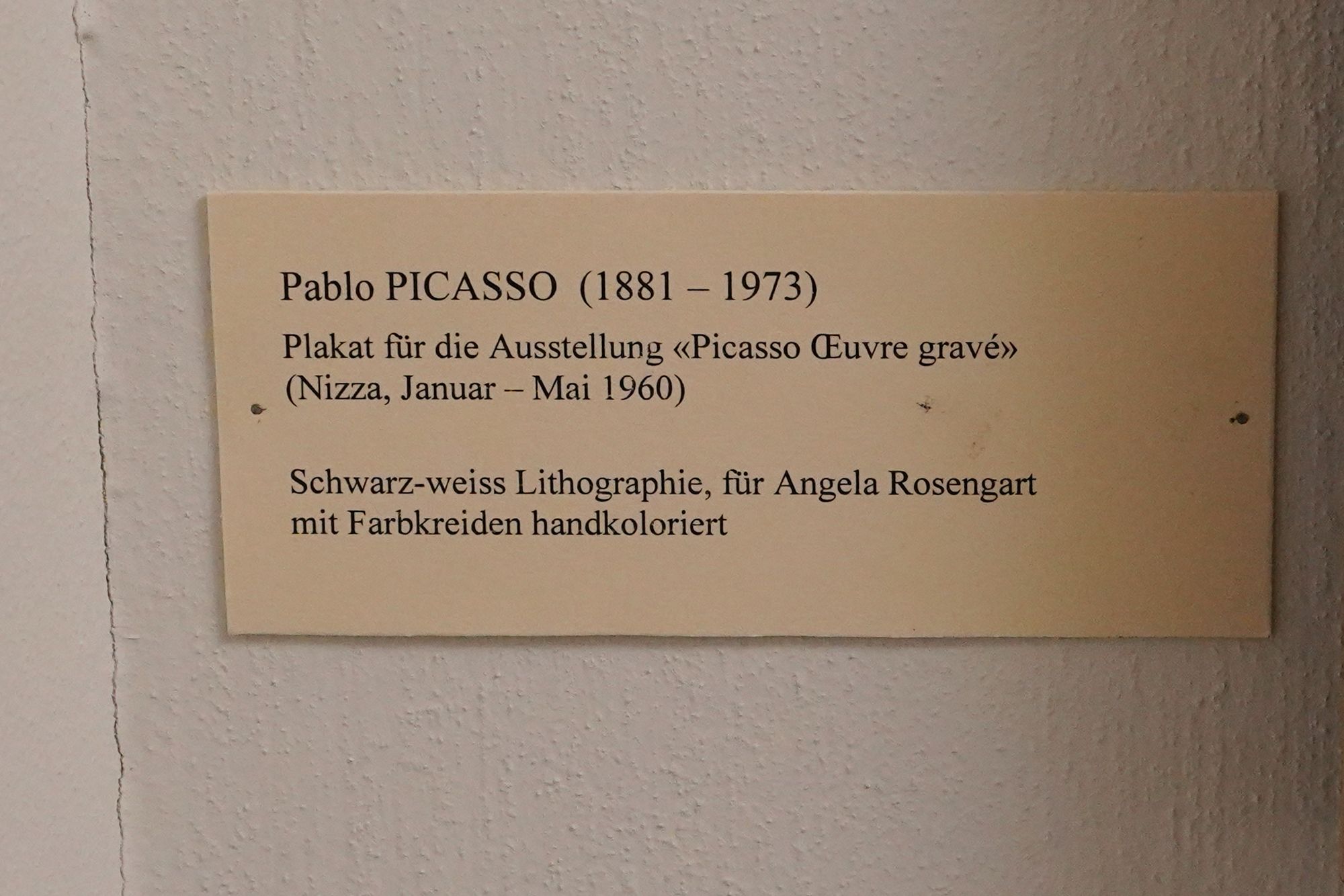
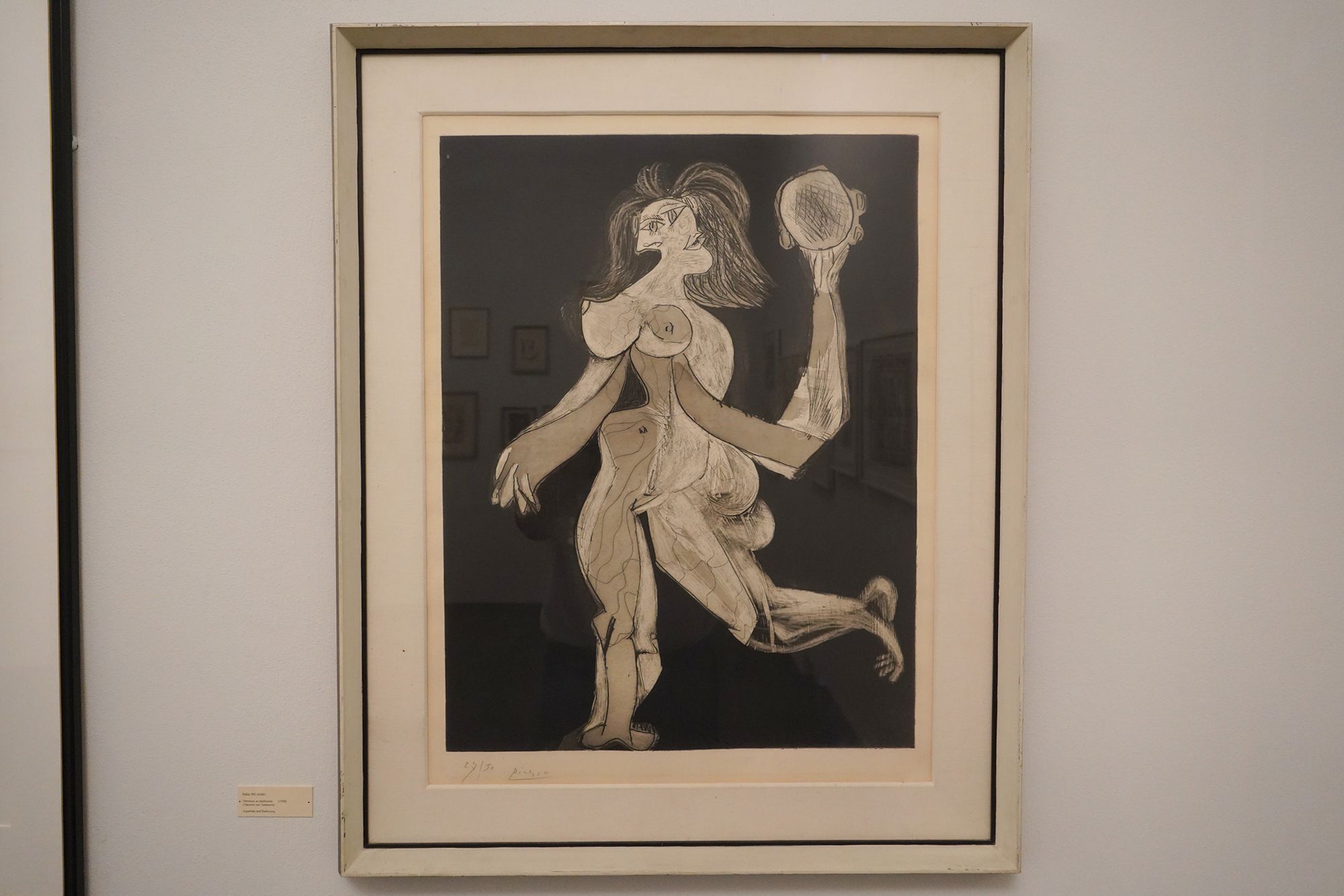
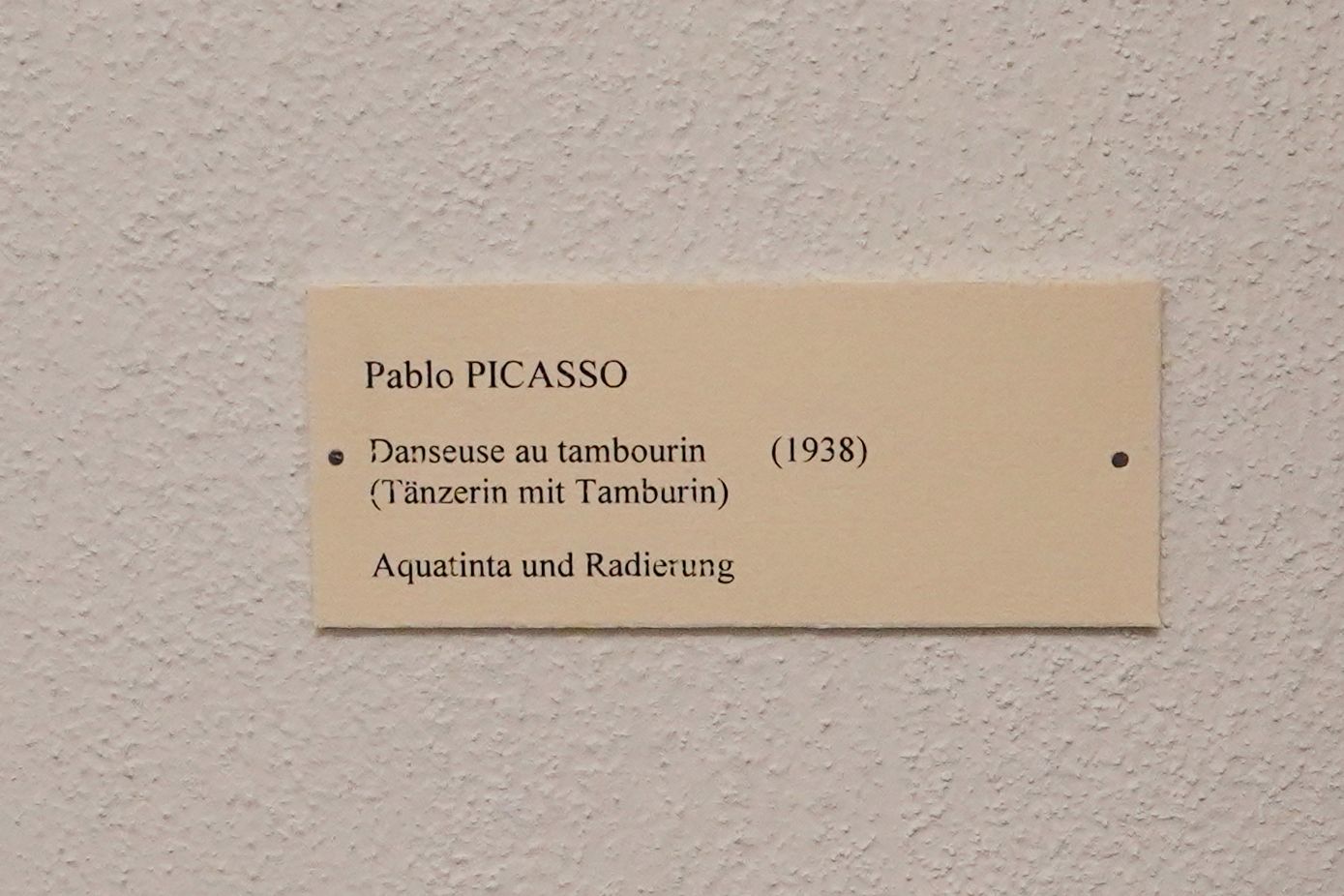
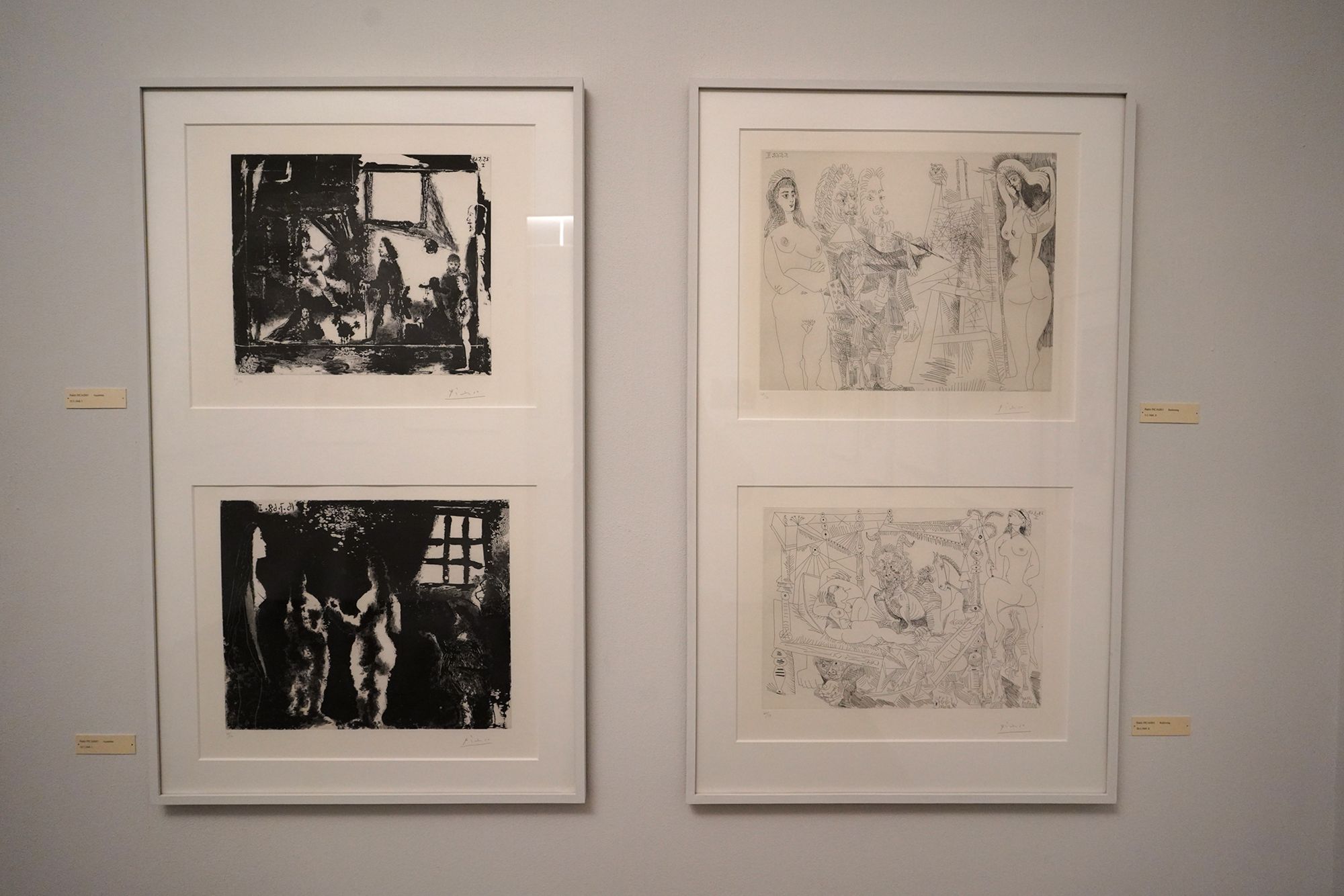
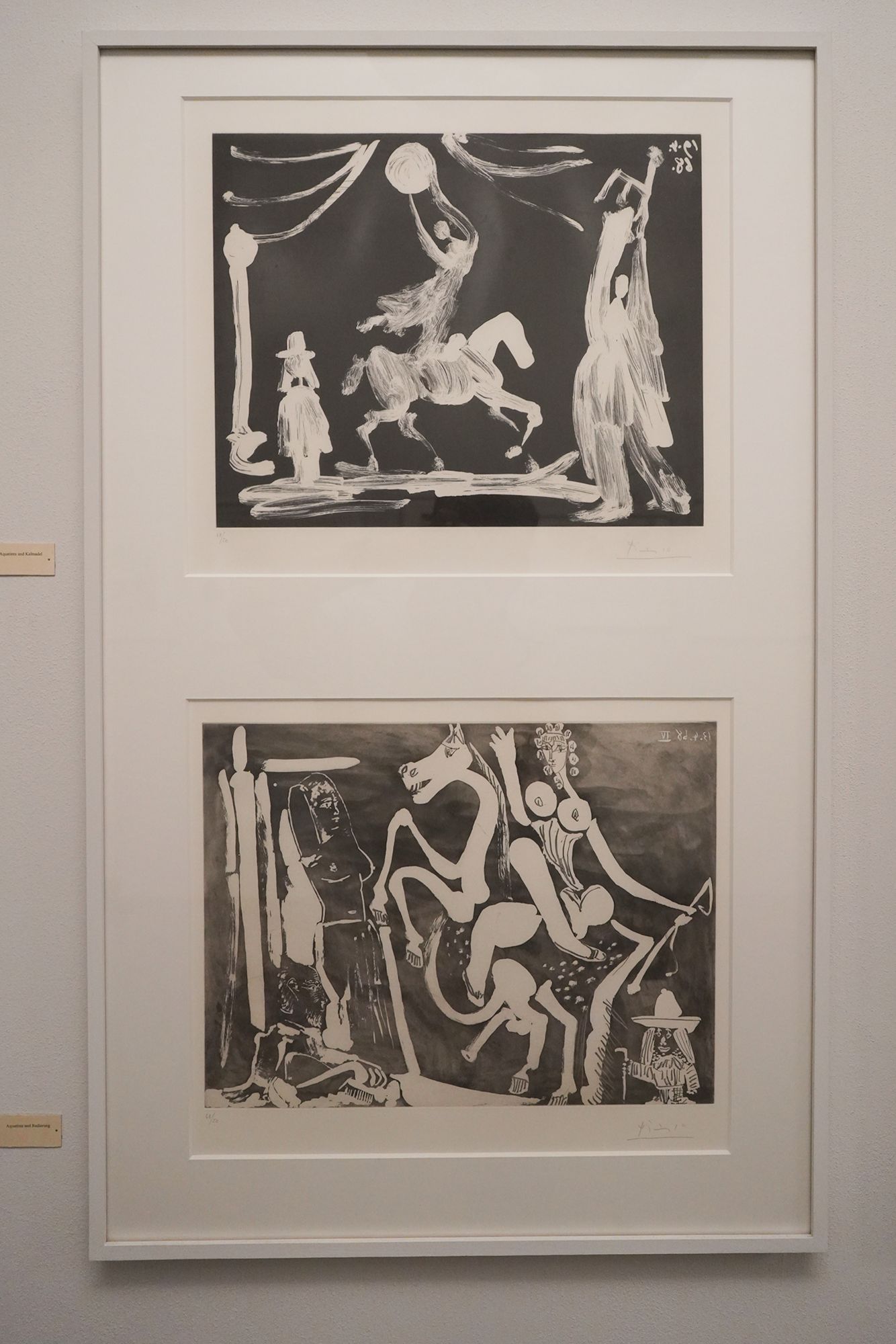
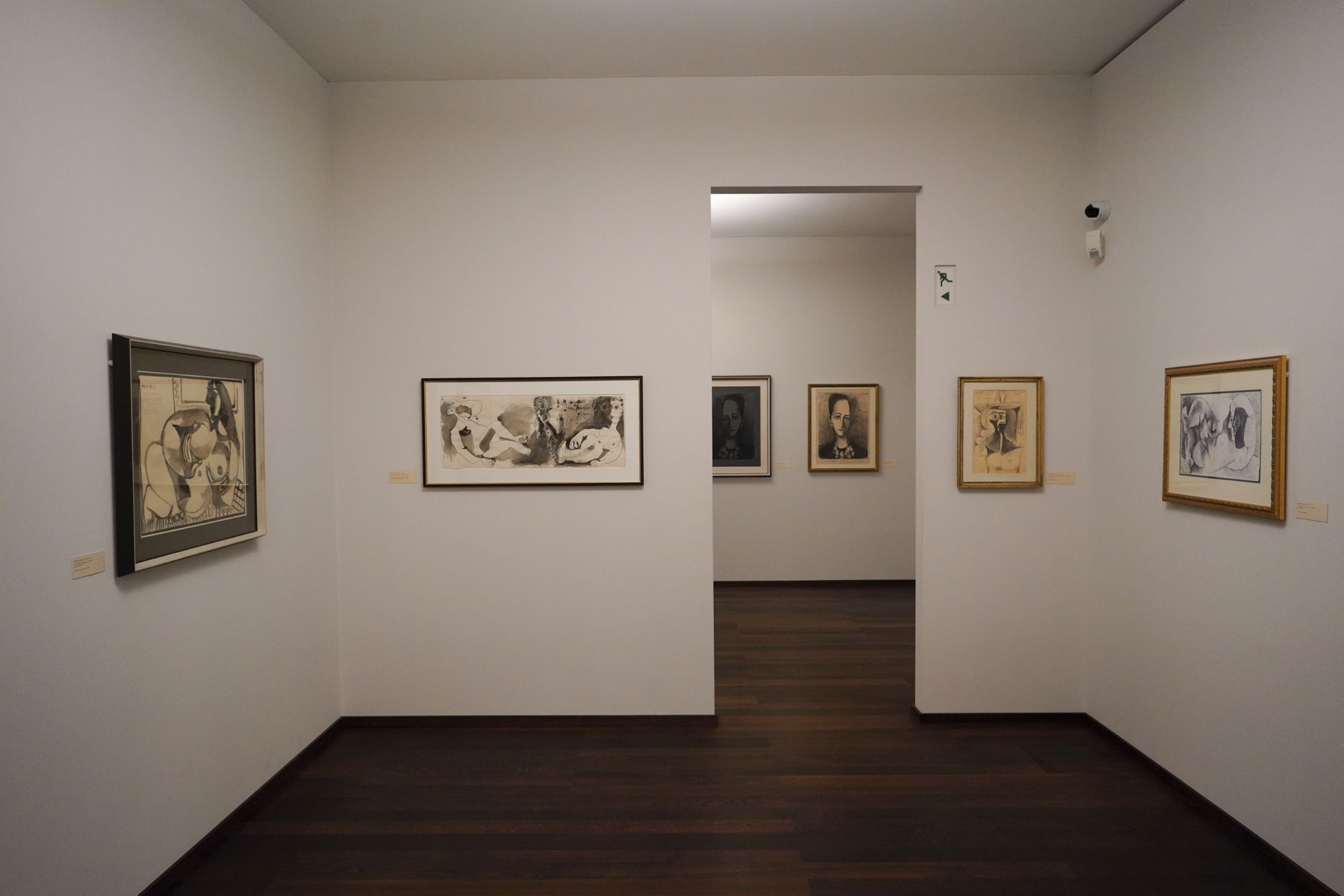
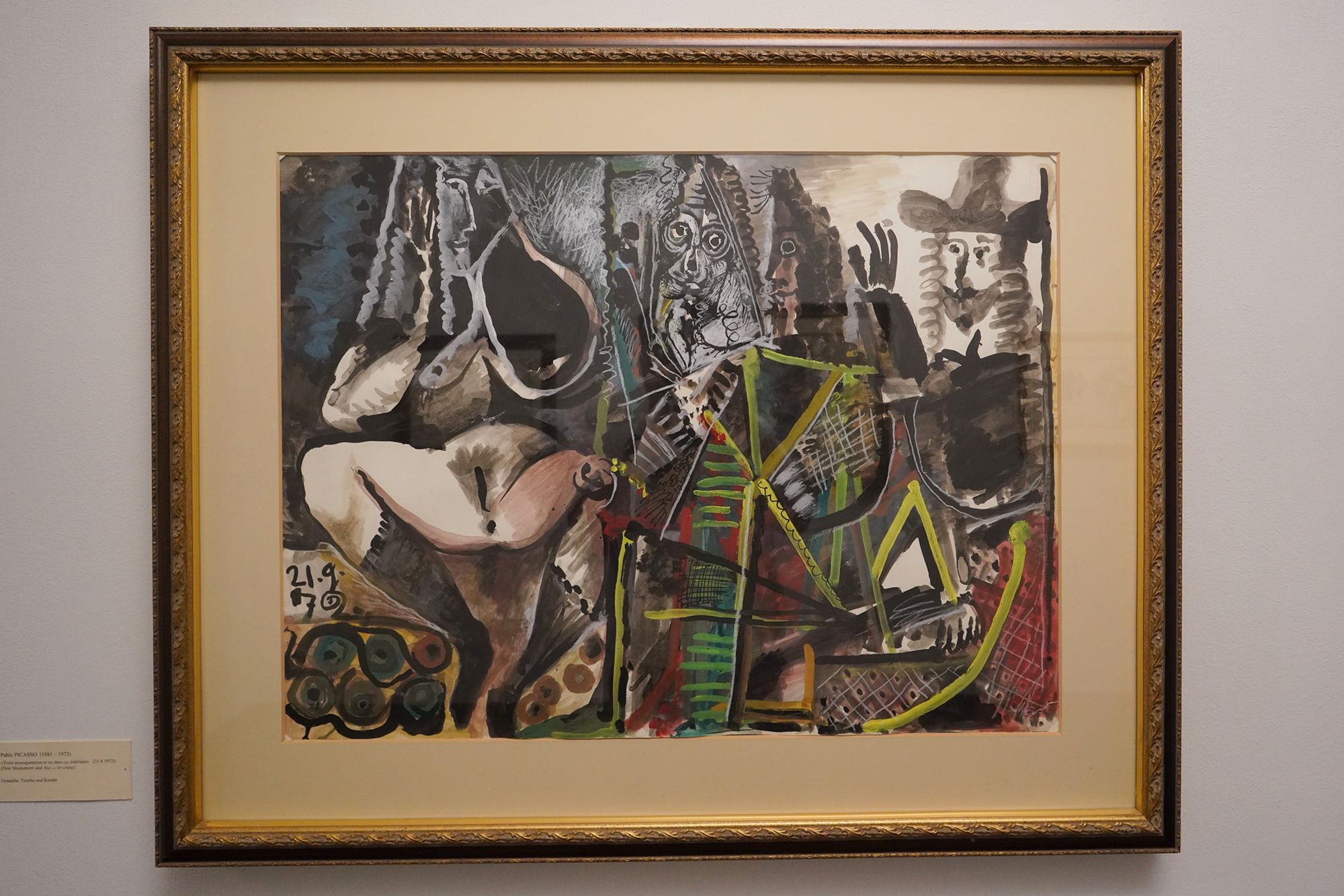
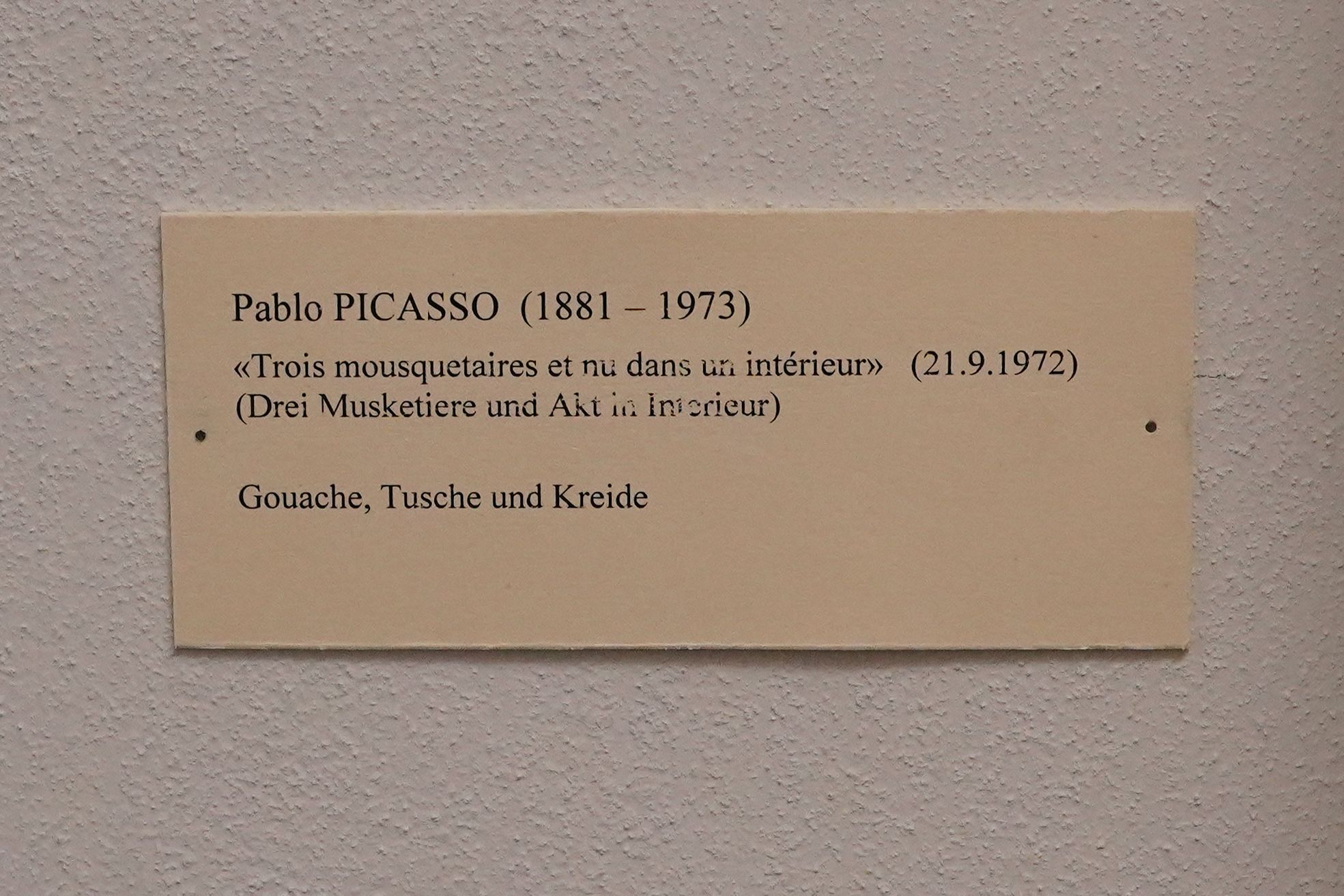
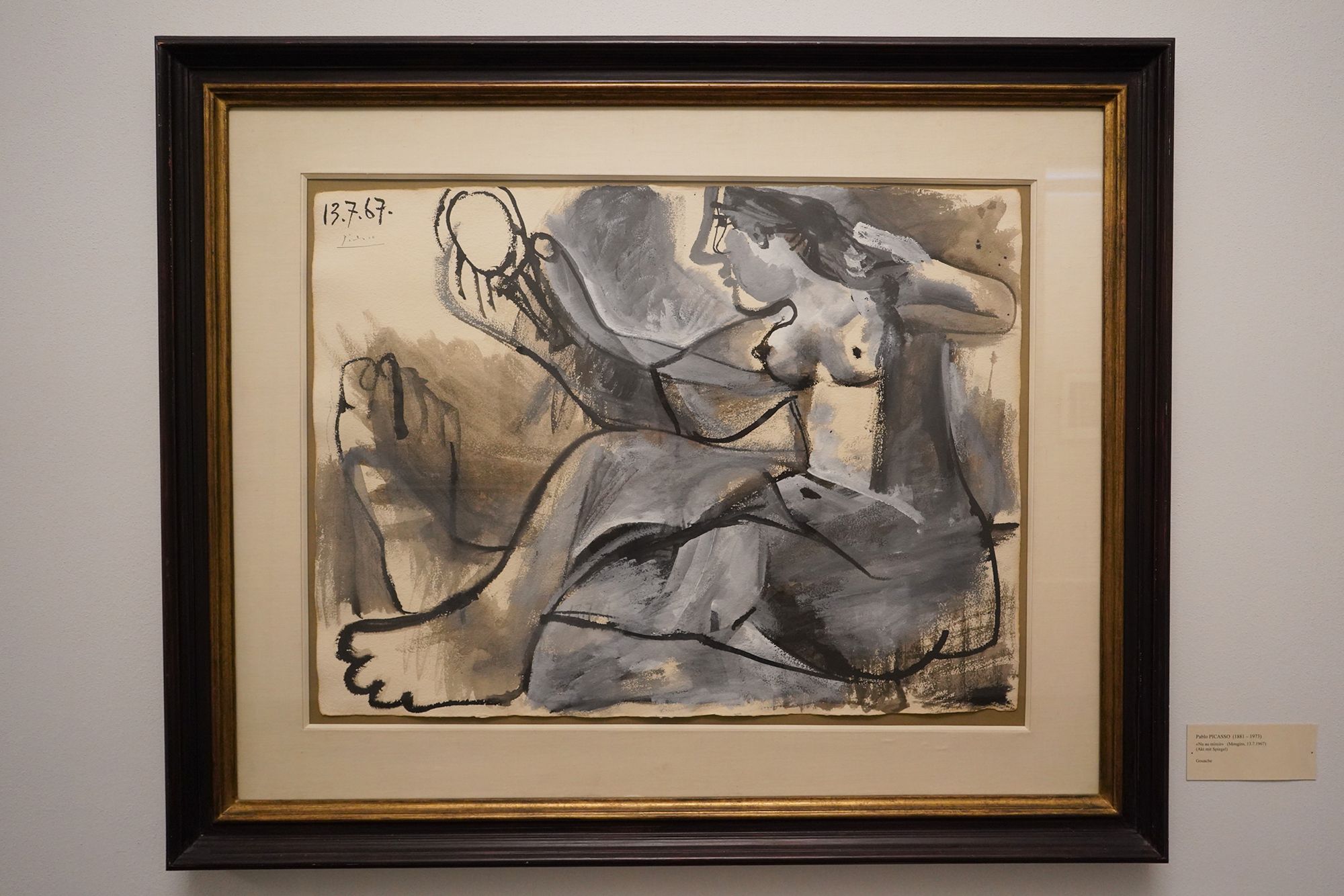
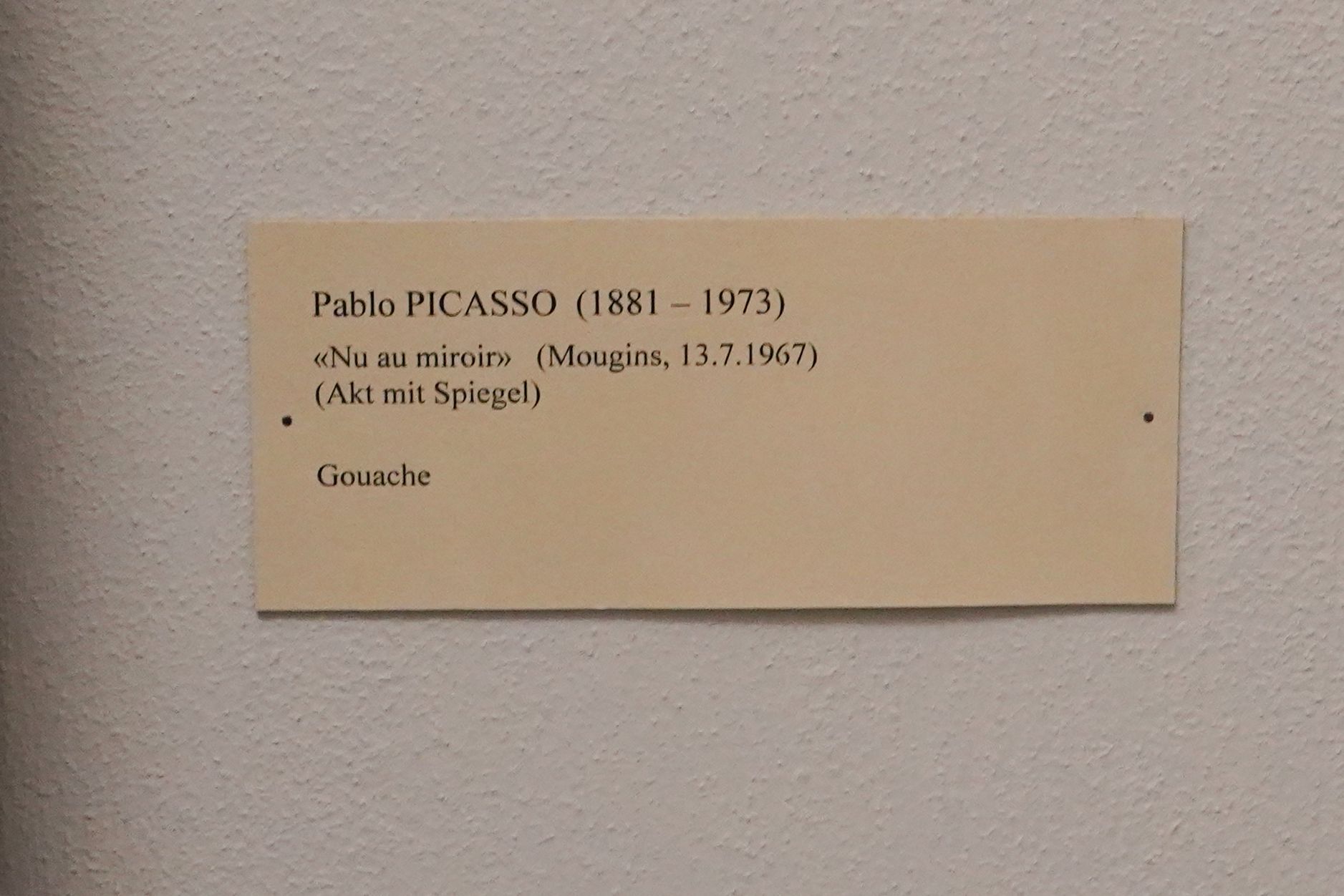
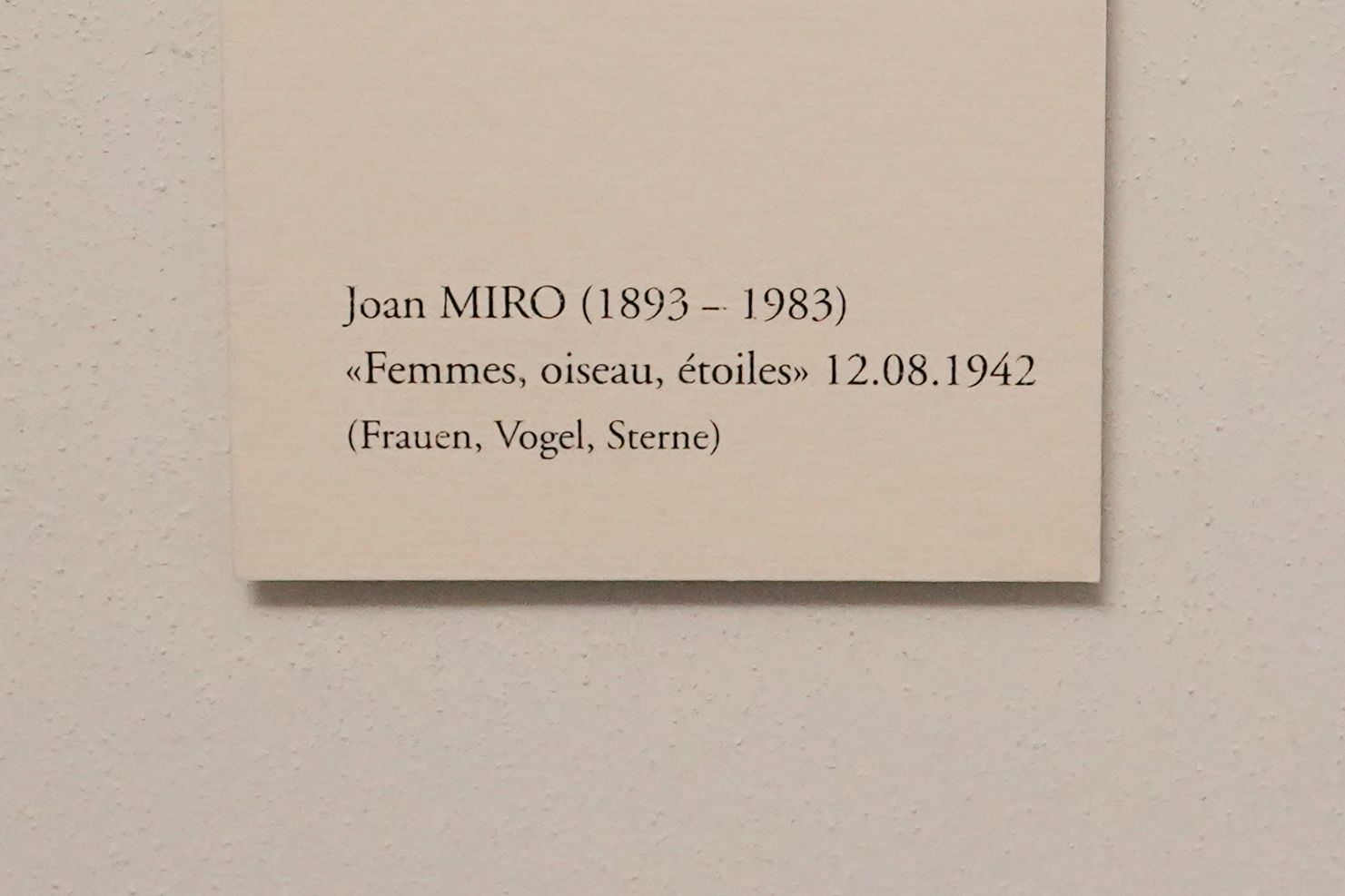
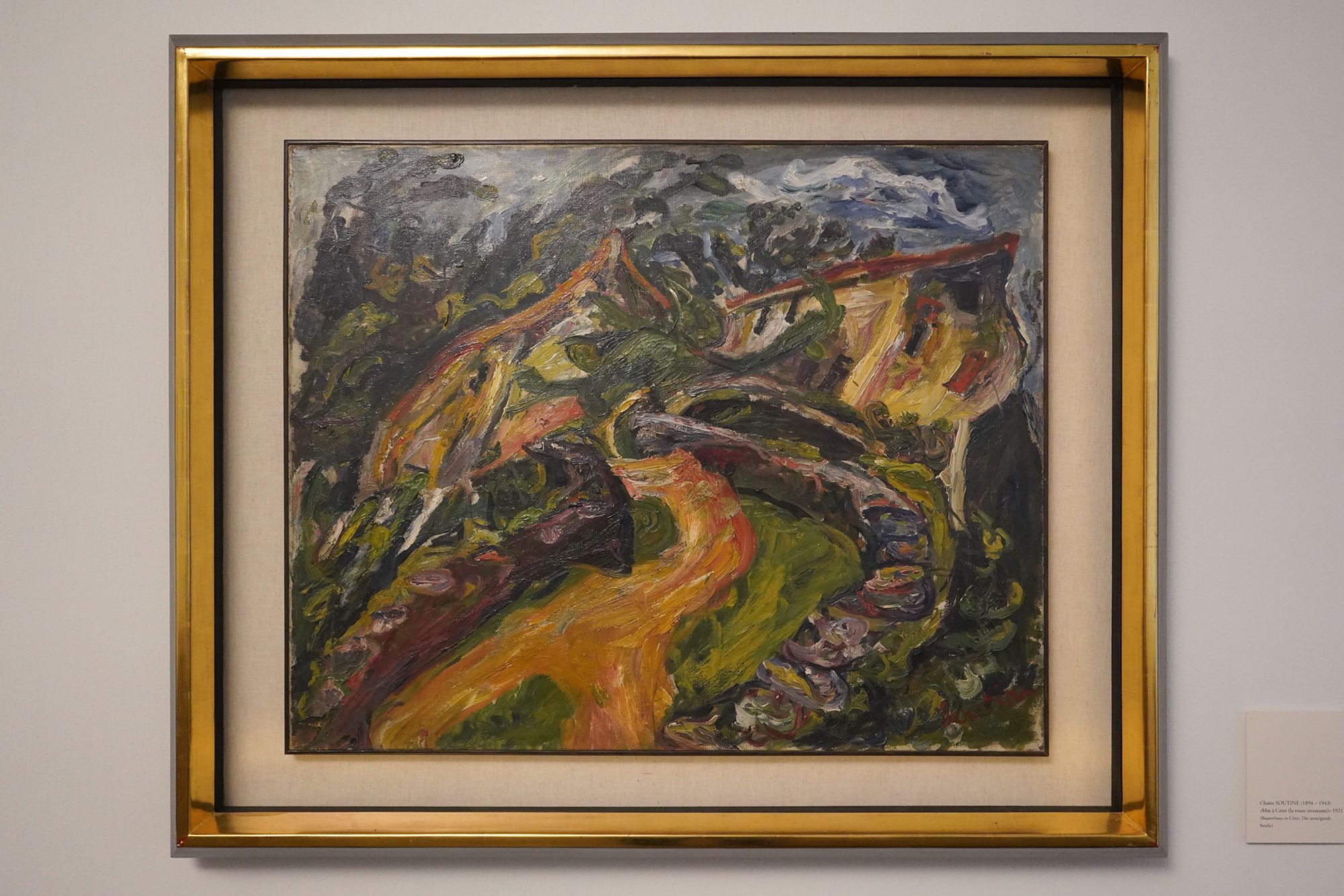
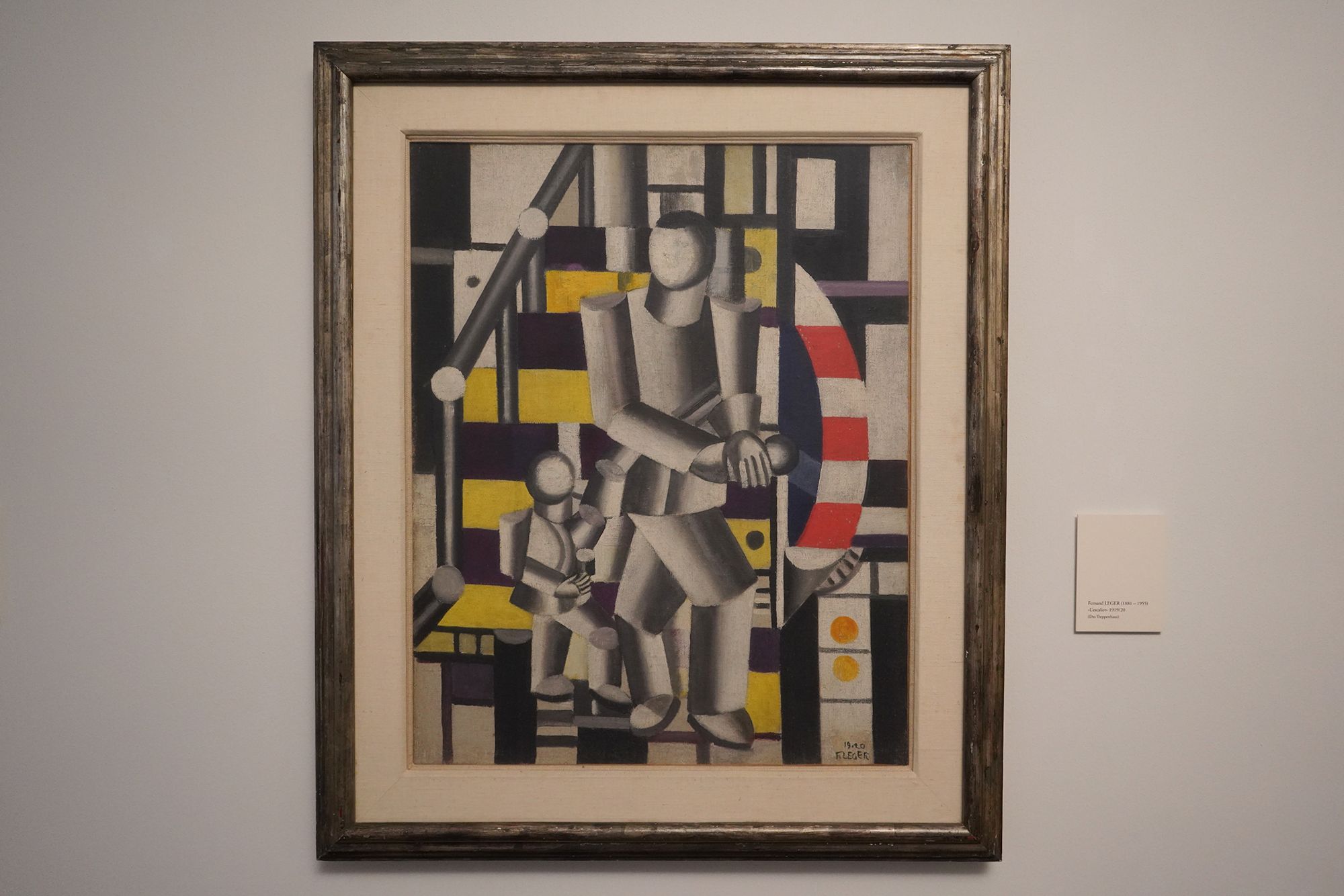
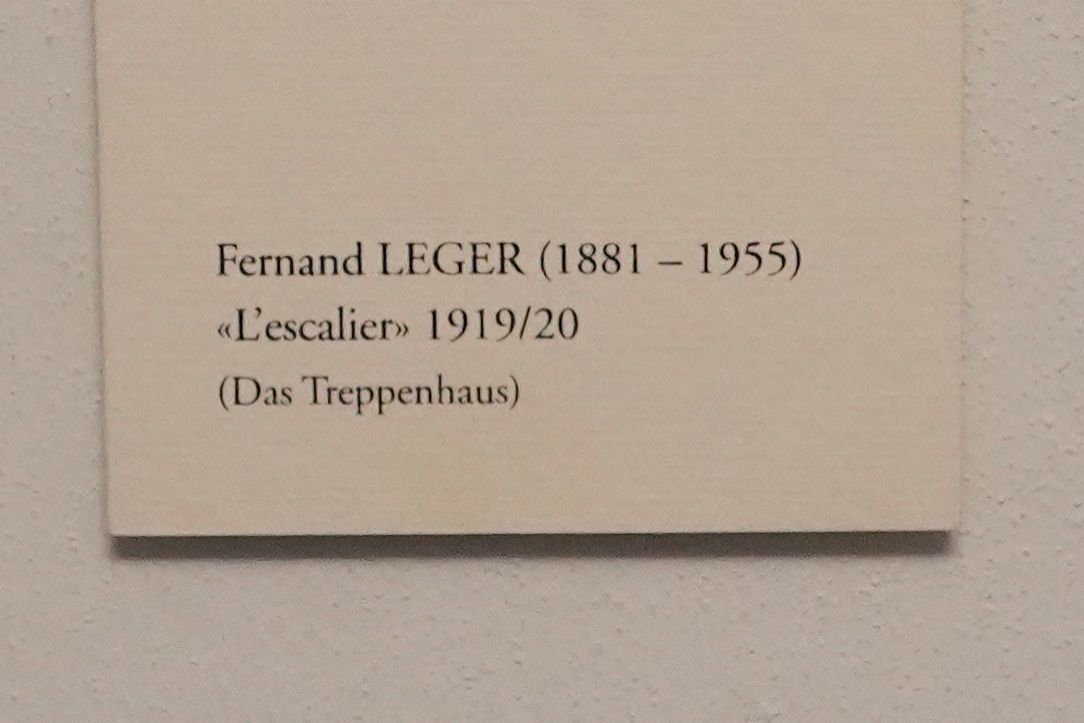
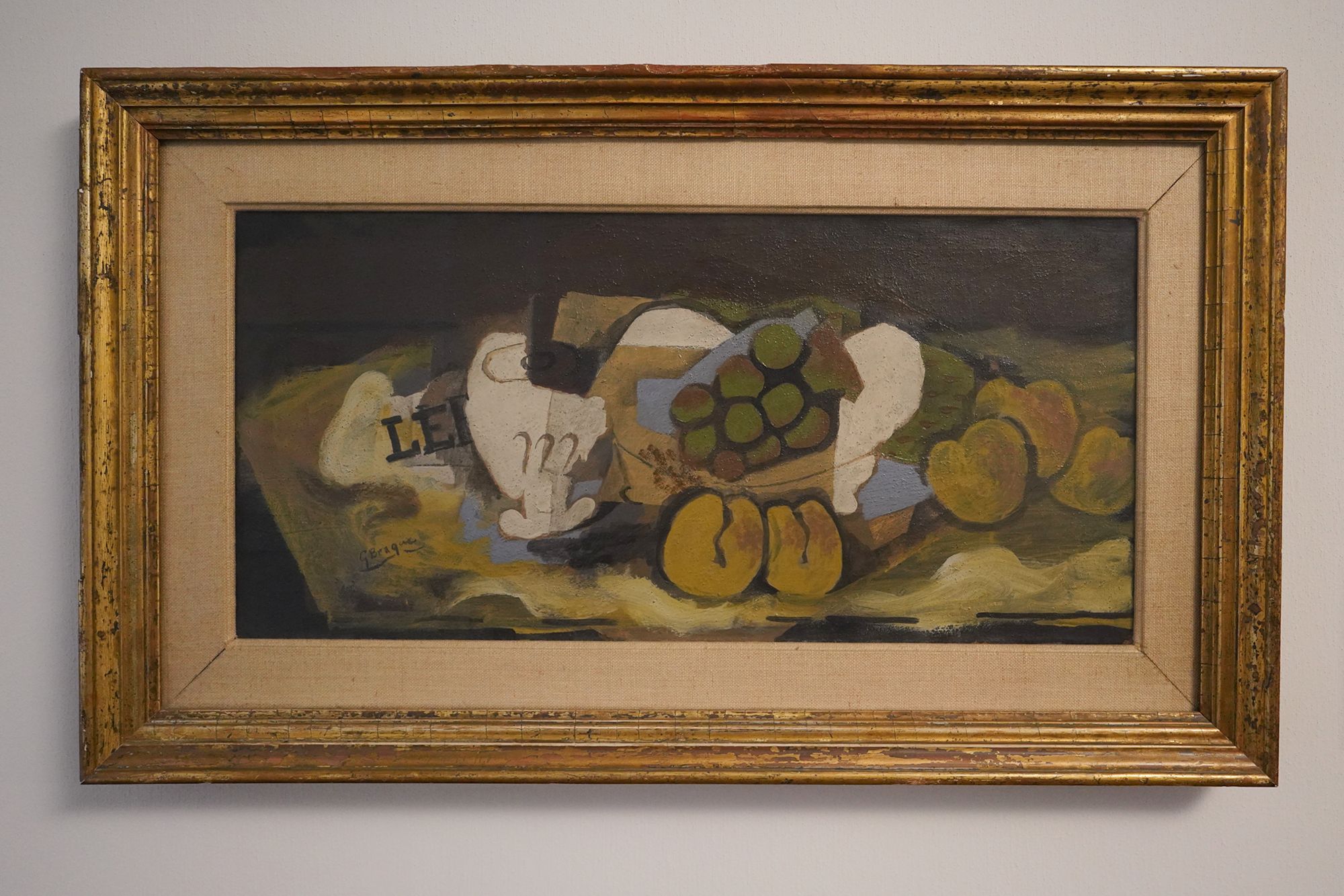
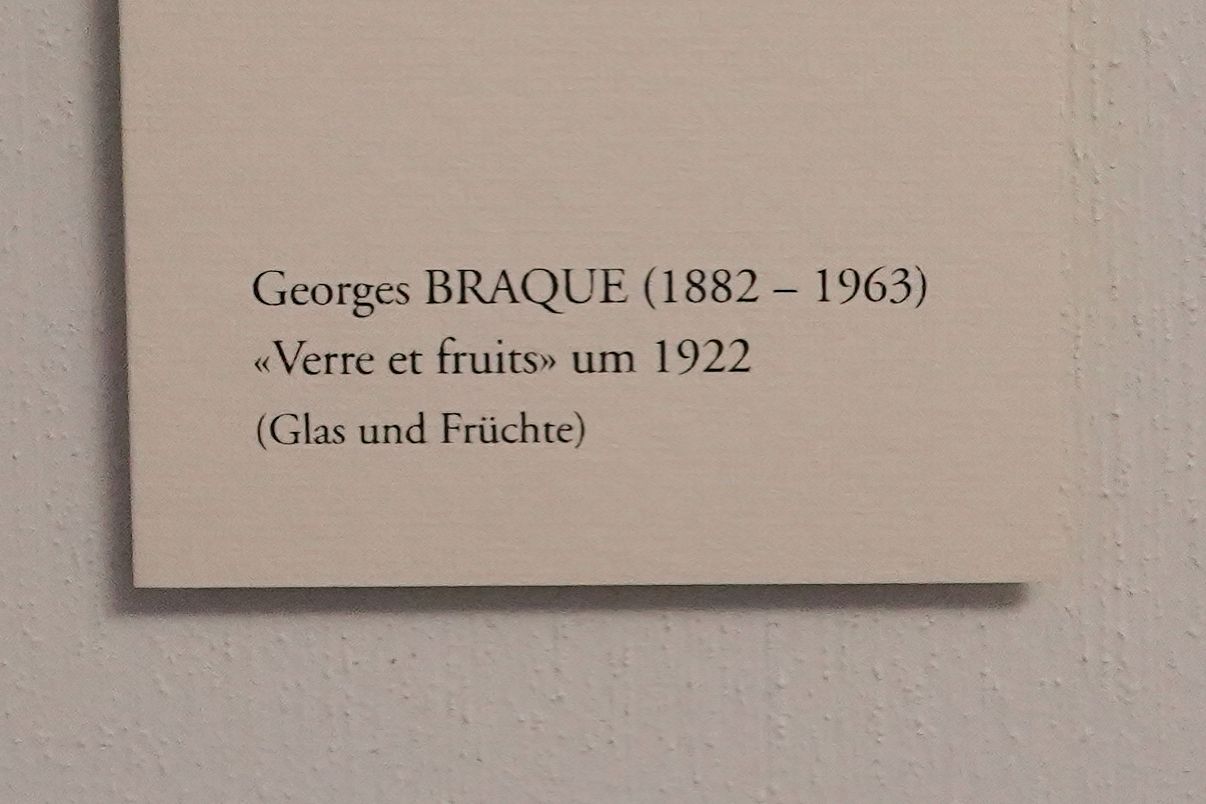
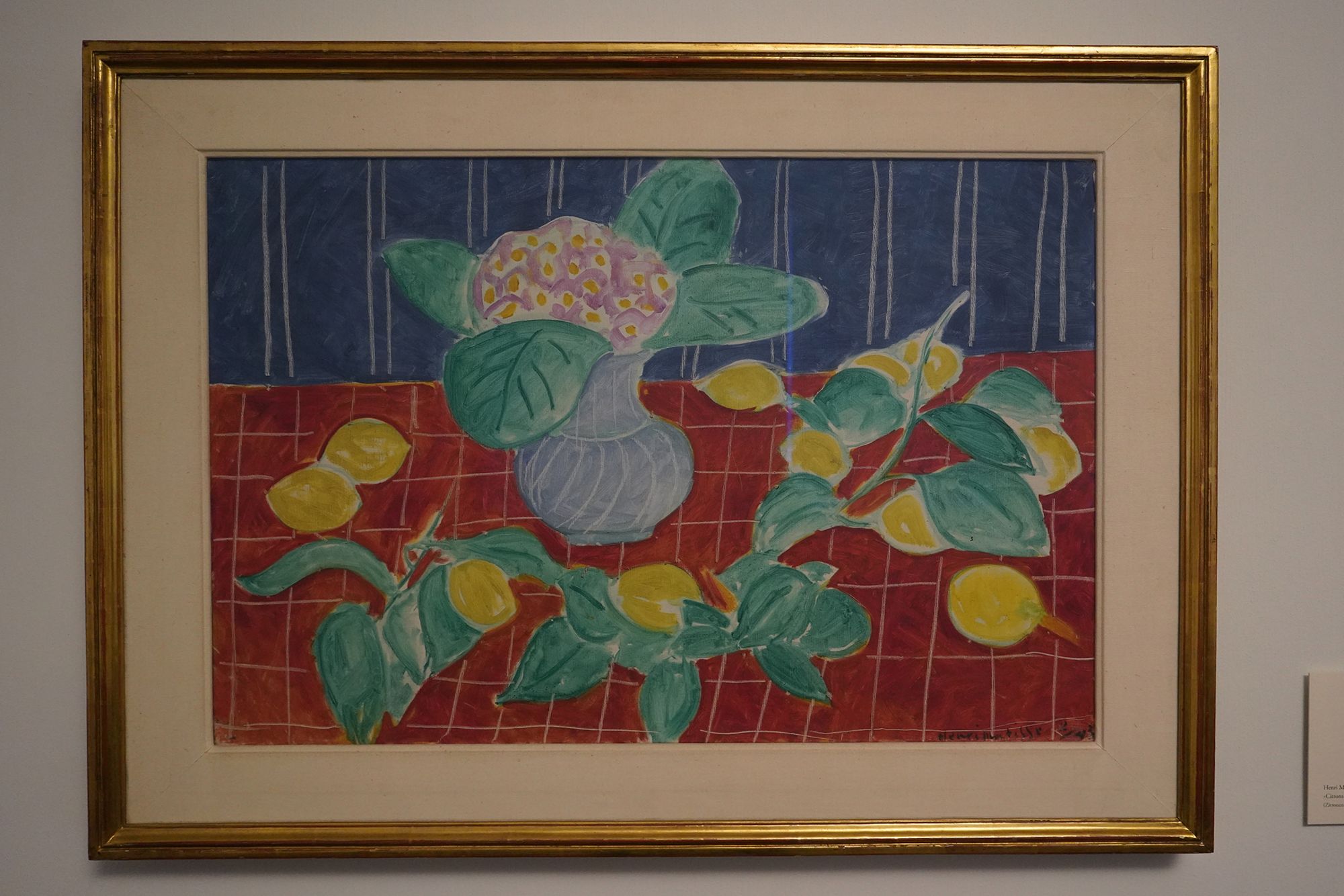
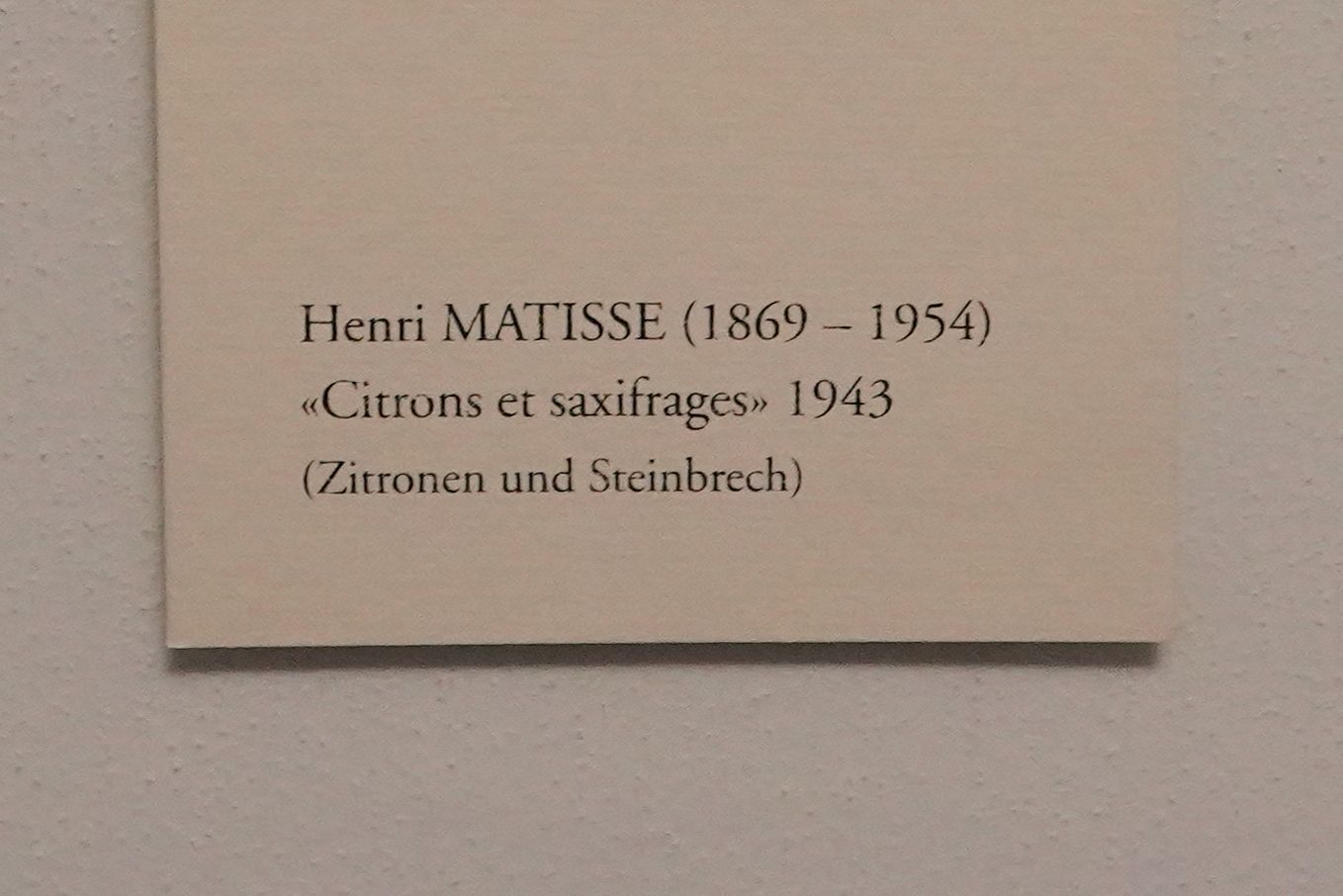
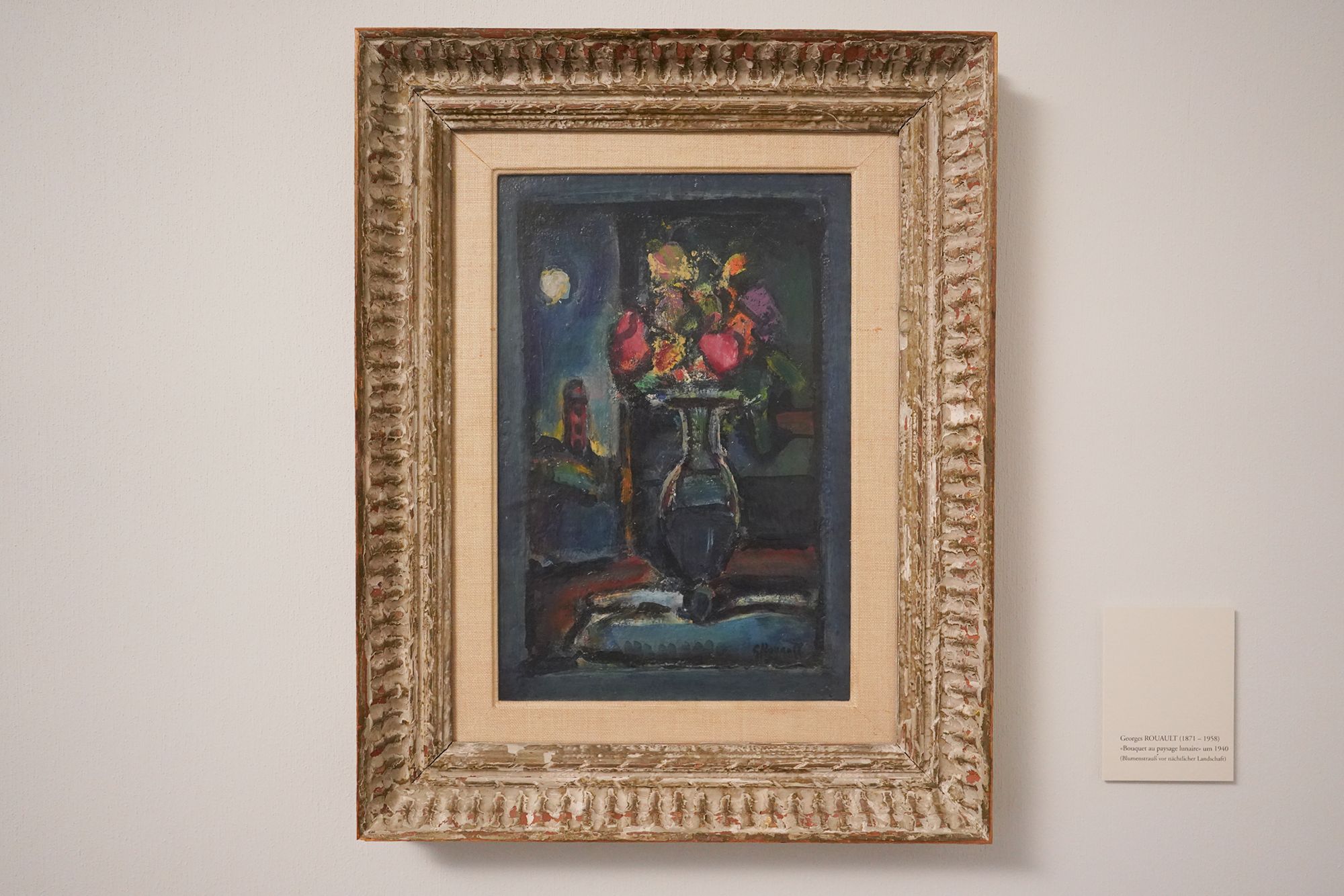
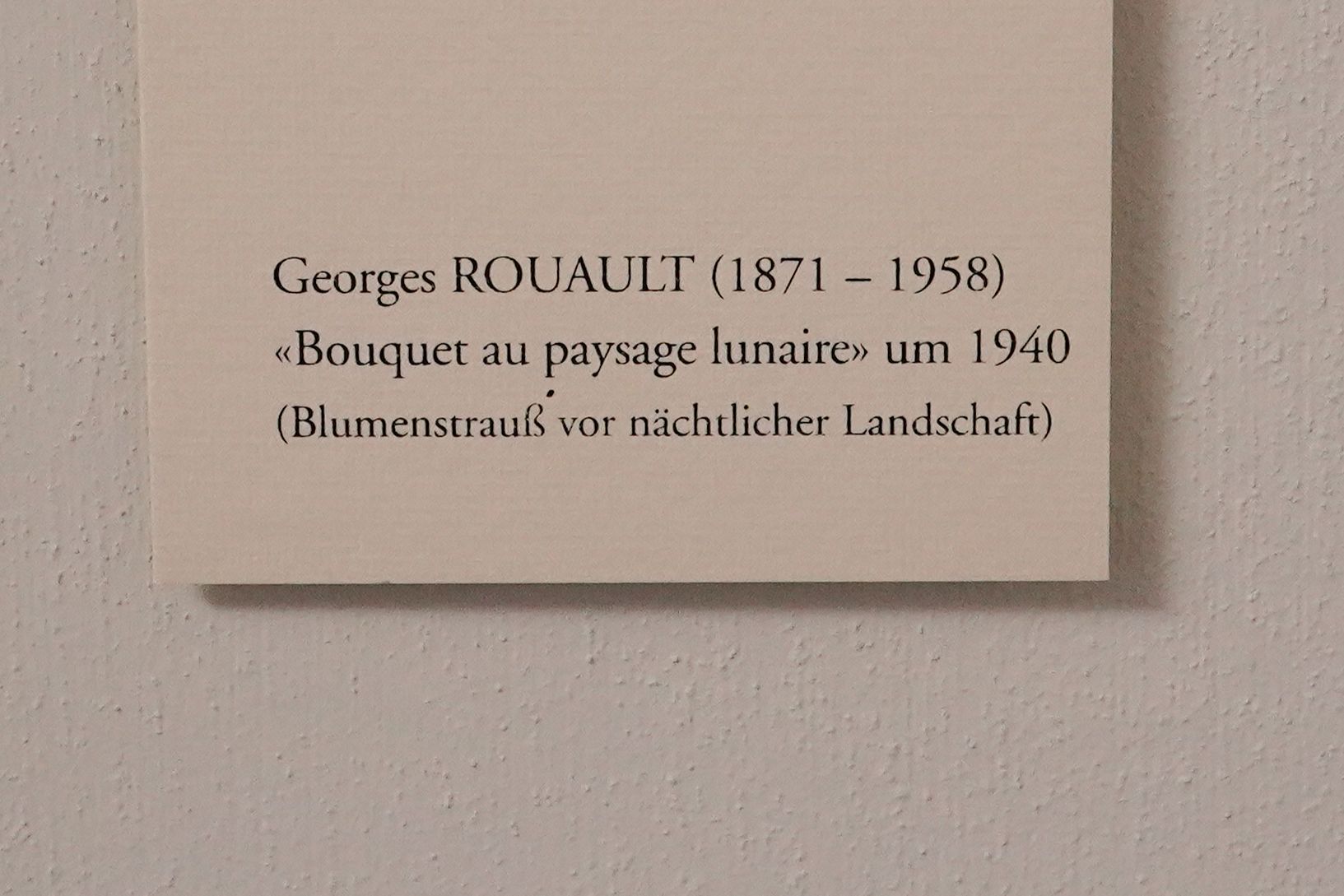
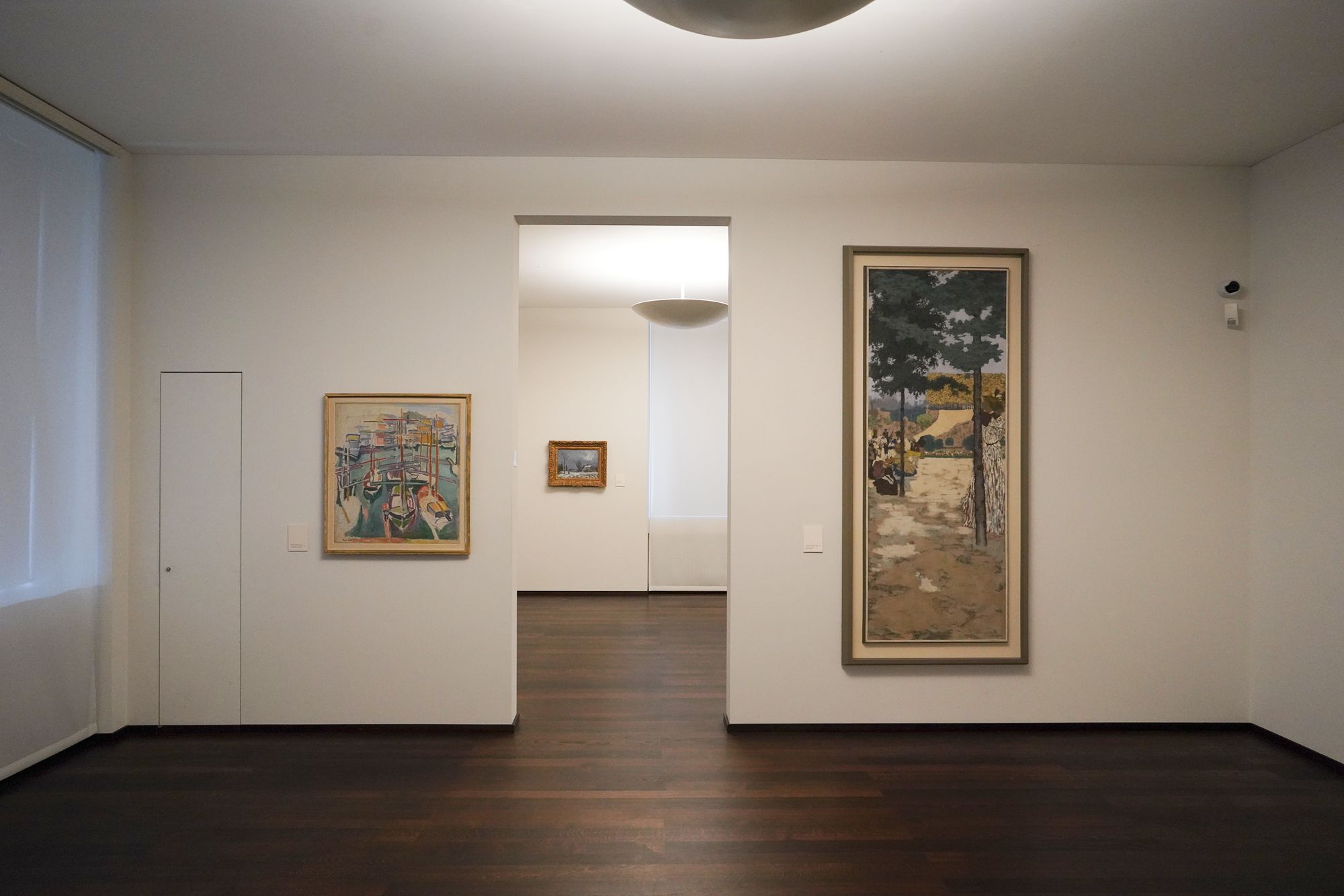
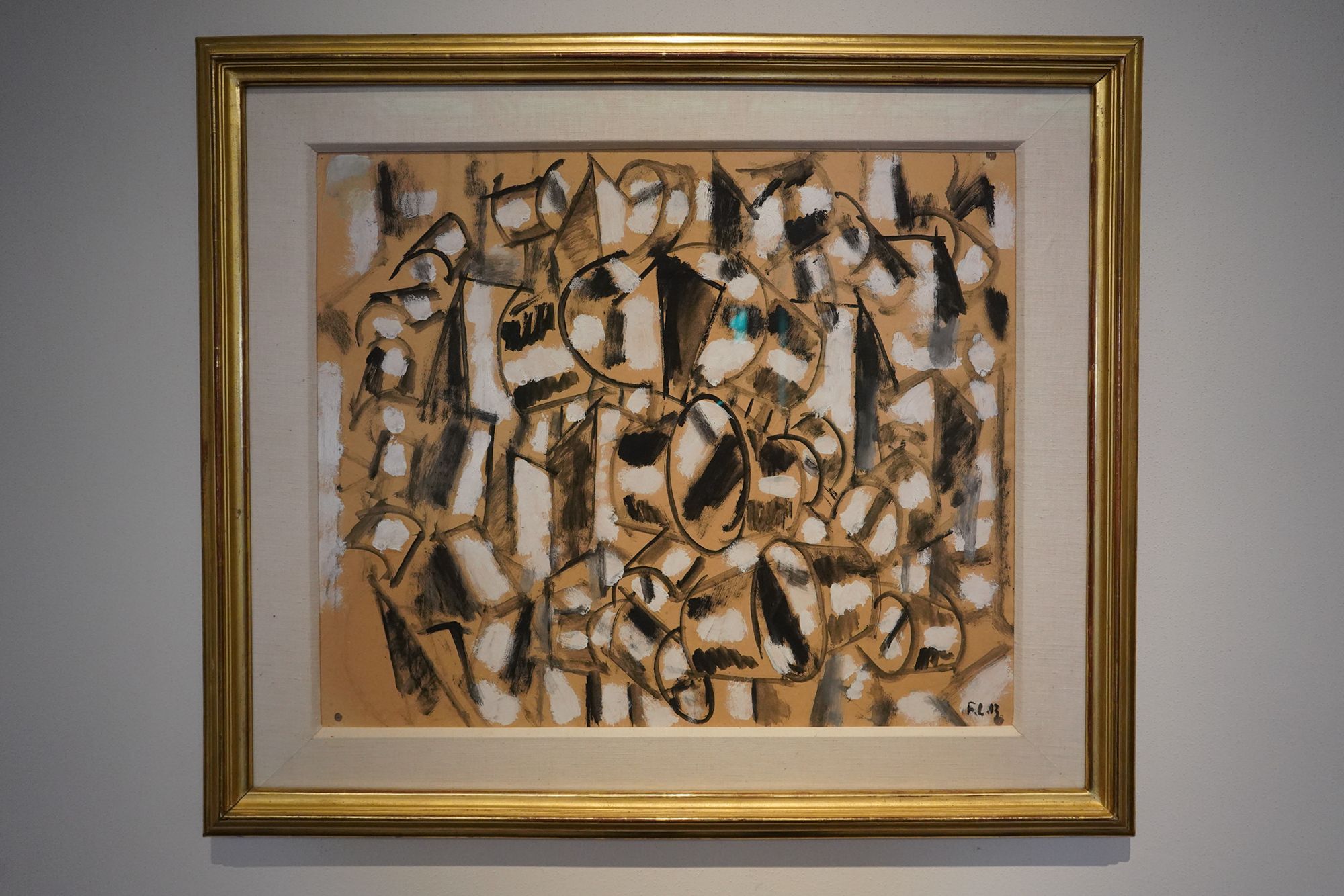
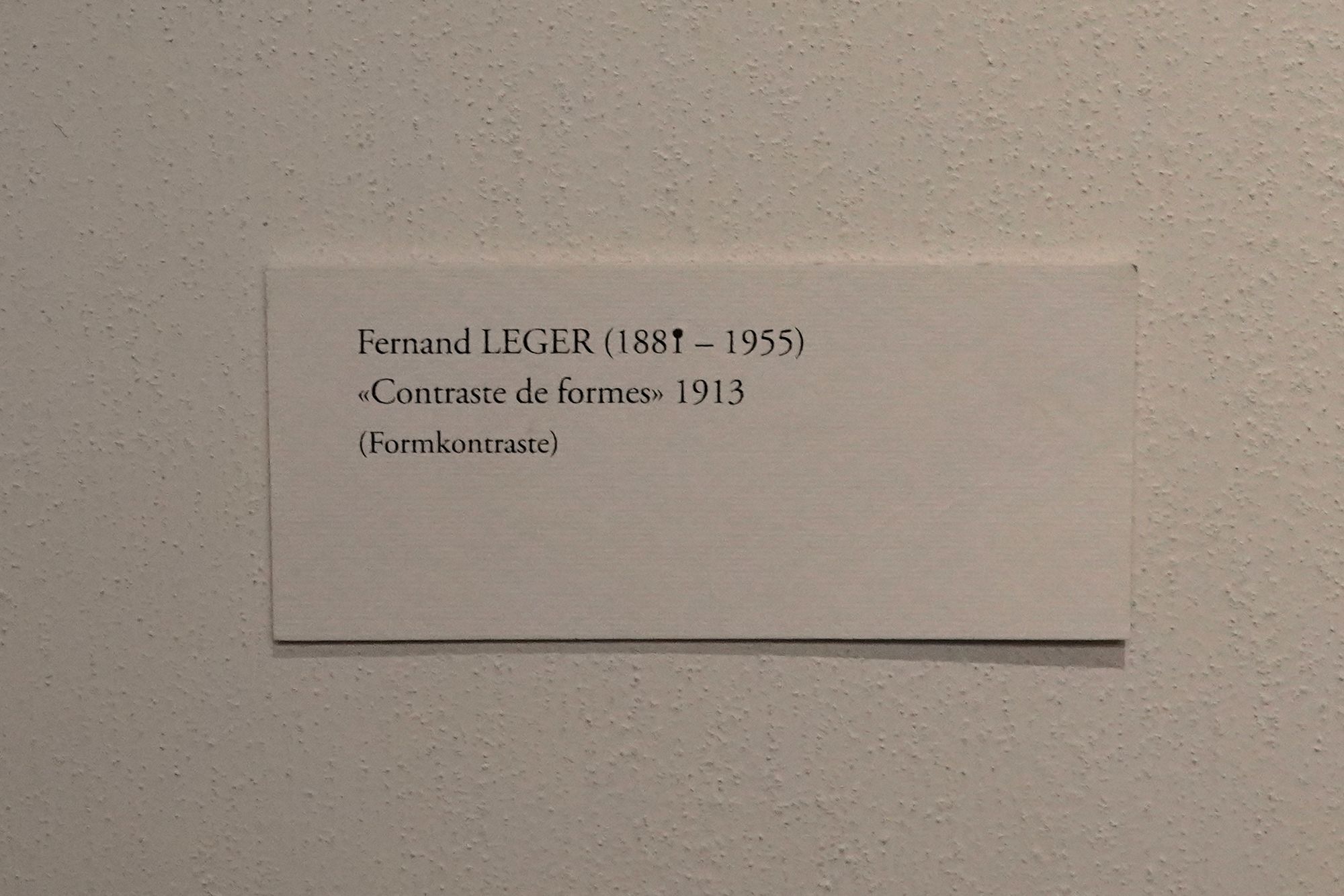
The museum also has paintings by other major modern artists, including Claude Monet, Paul Cézanne, Henri Matisse, and Joan Miró.
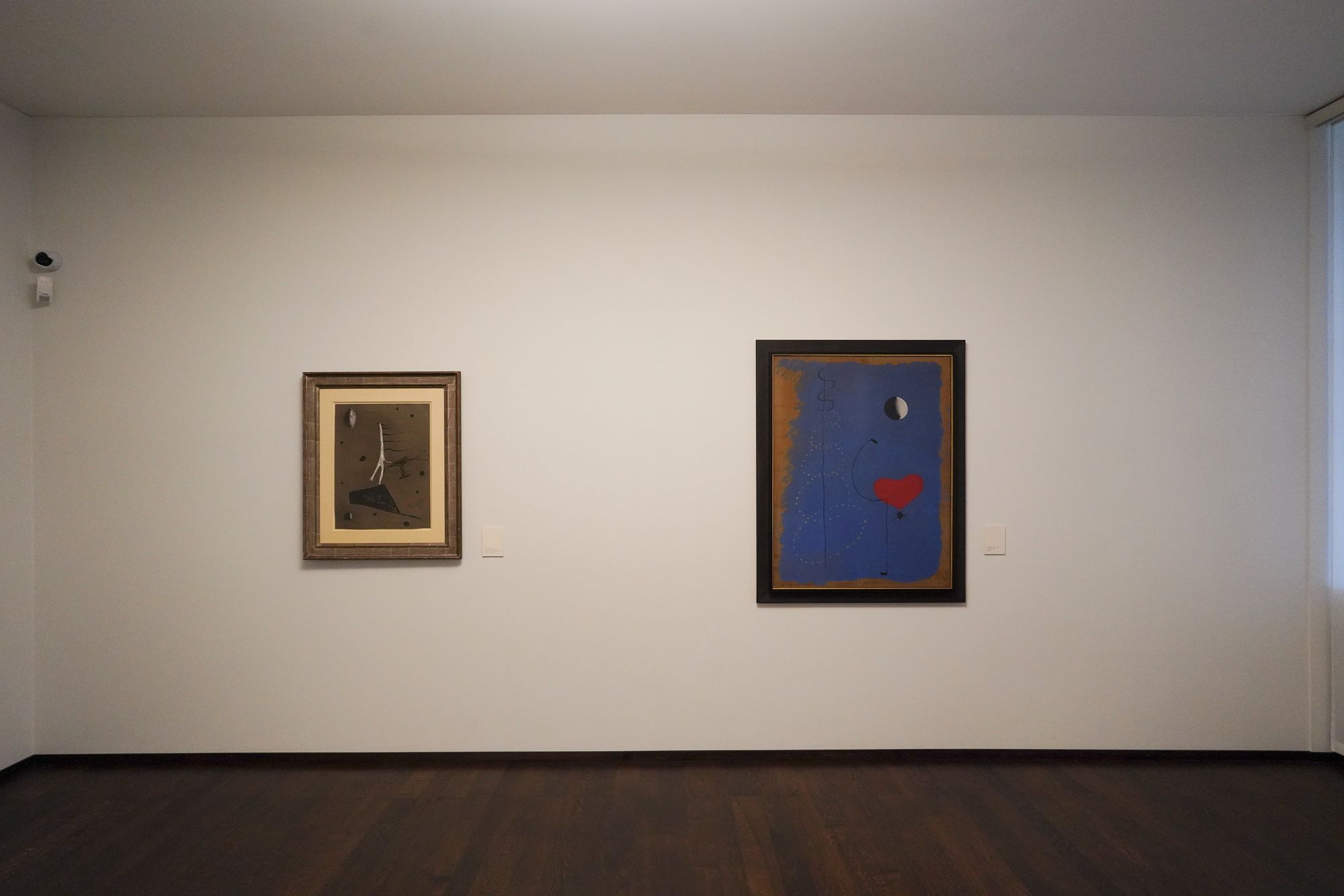
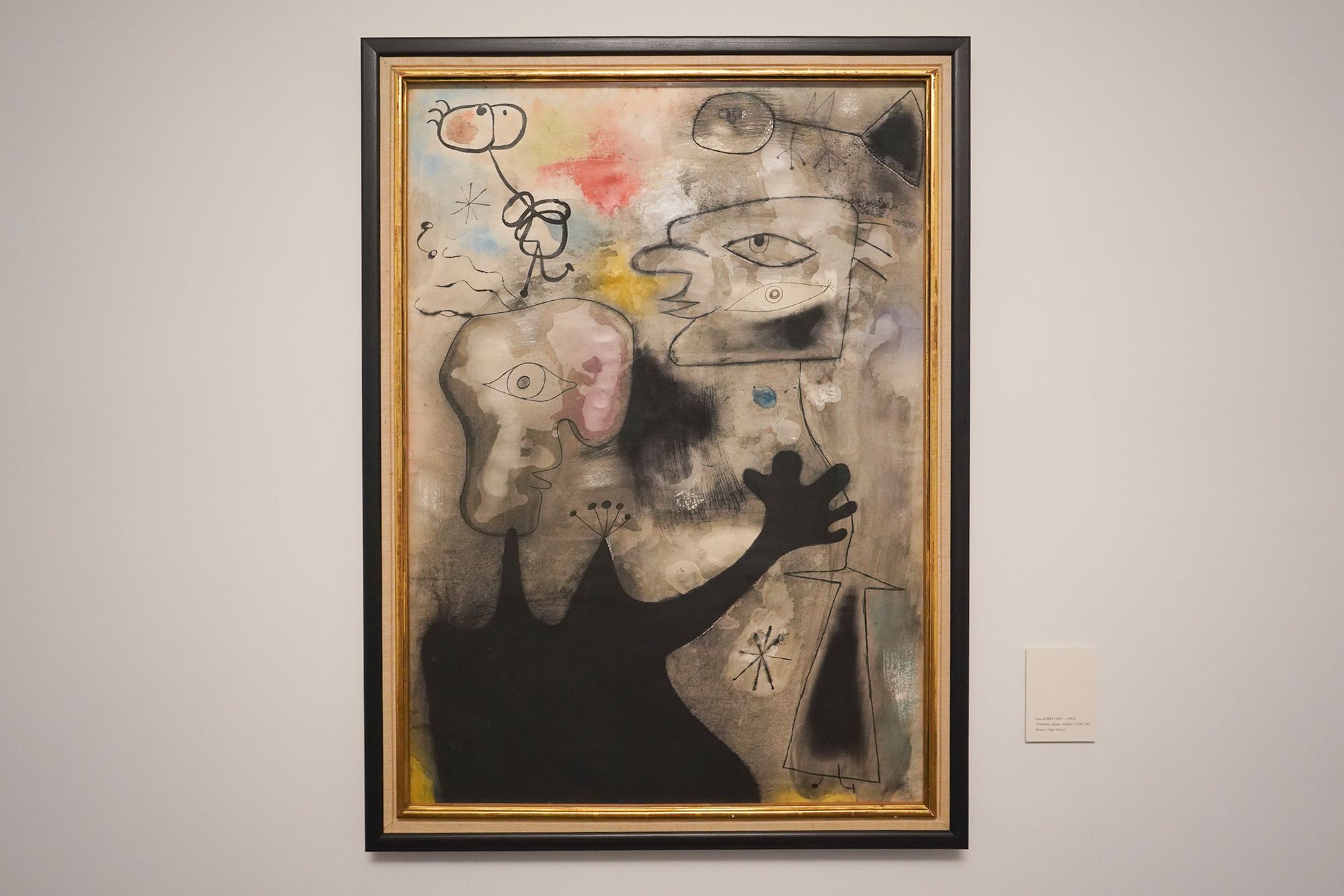
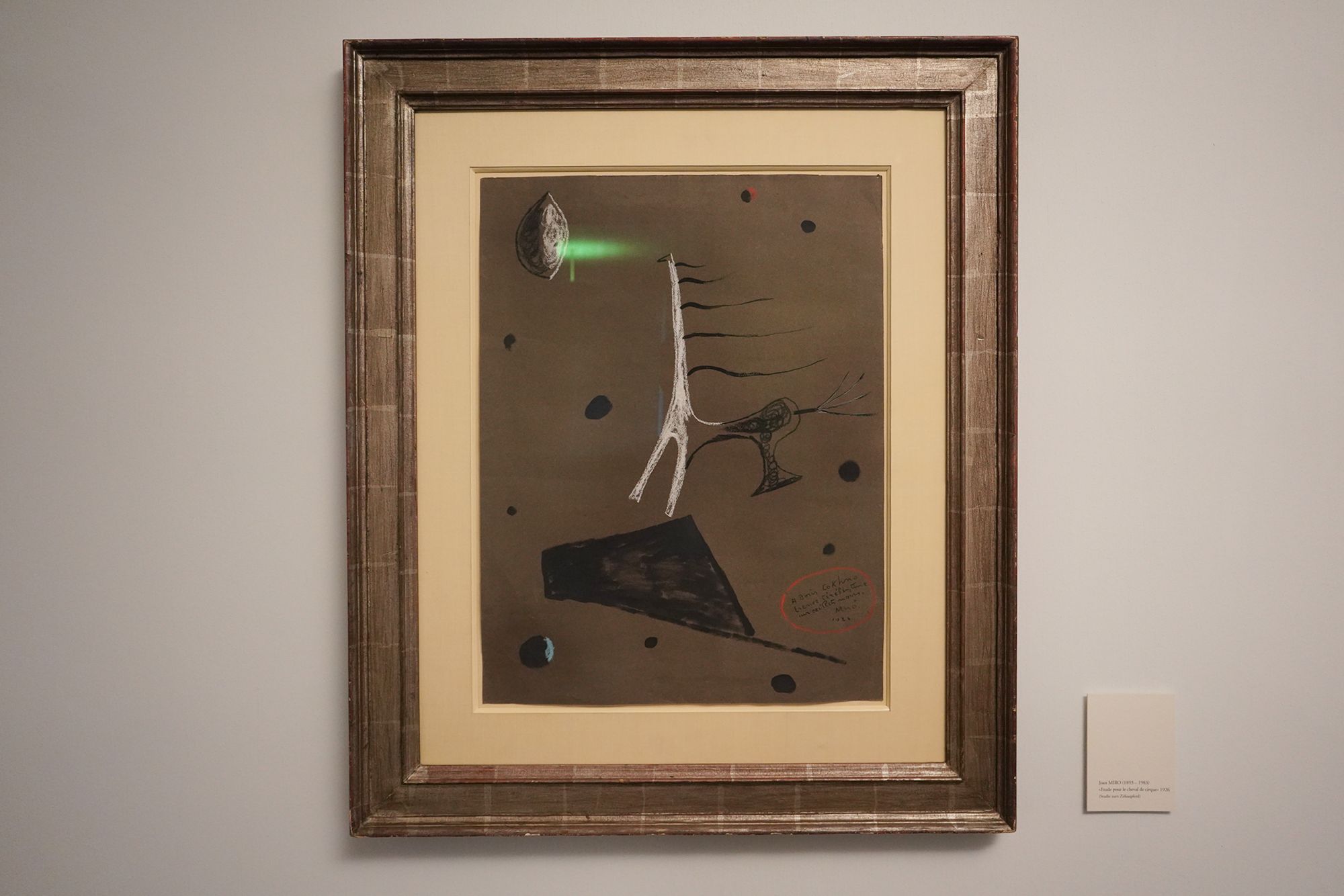
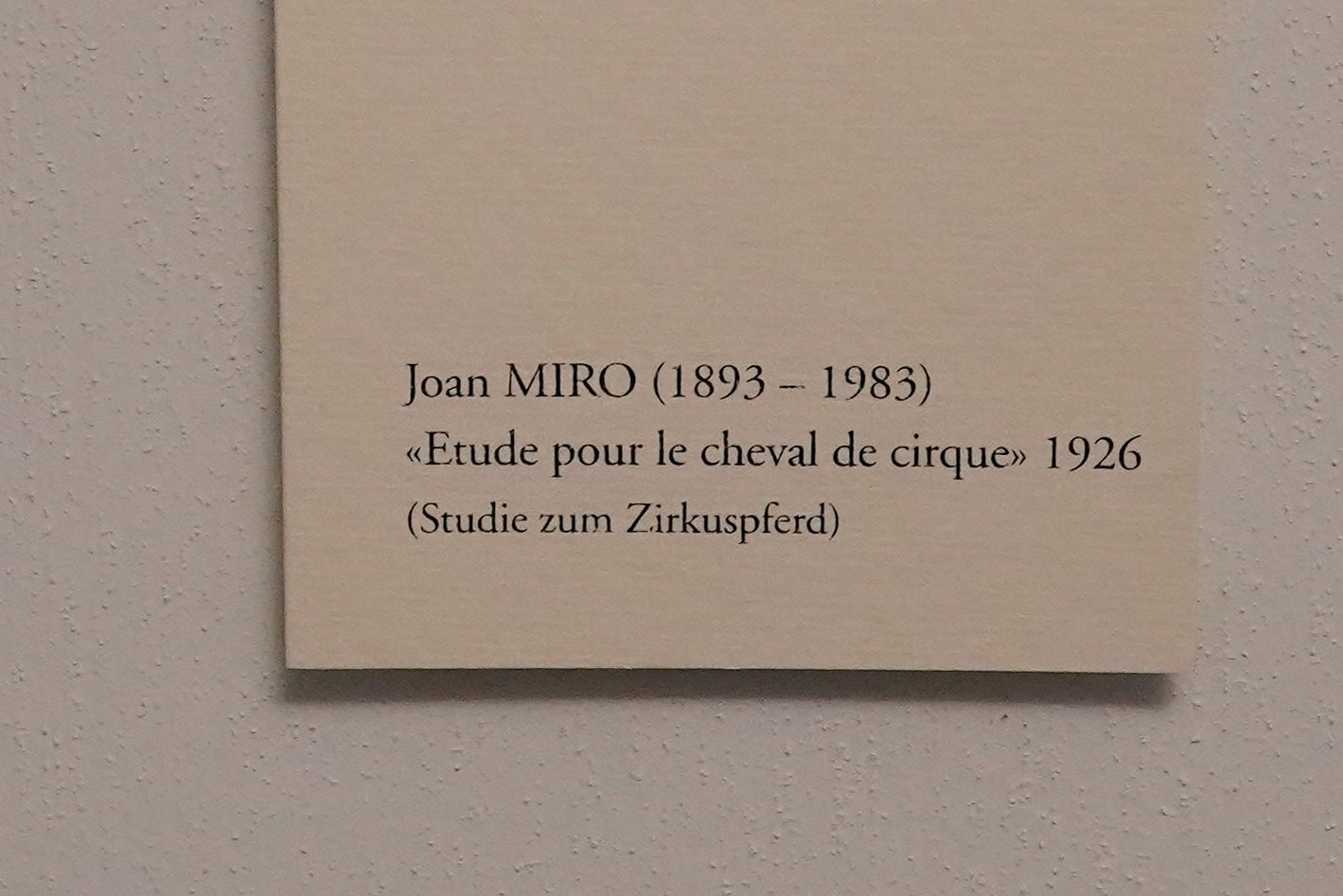
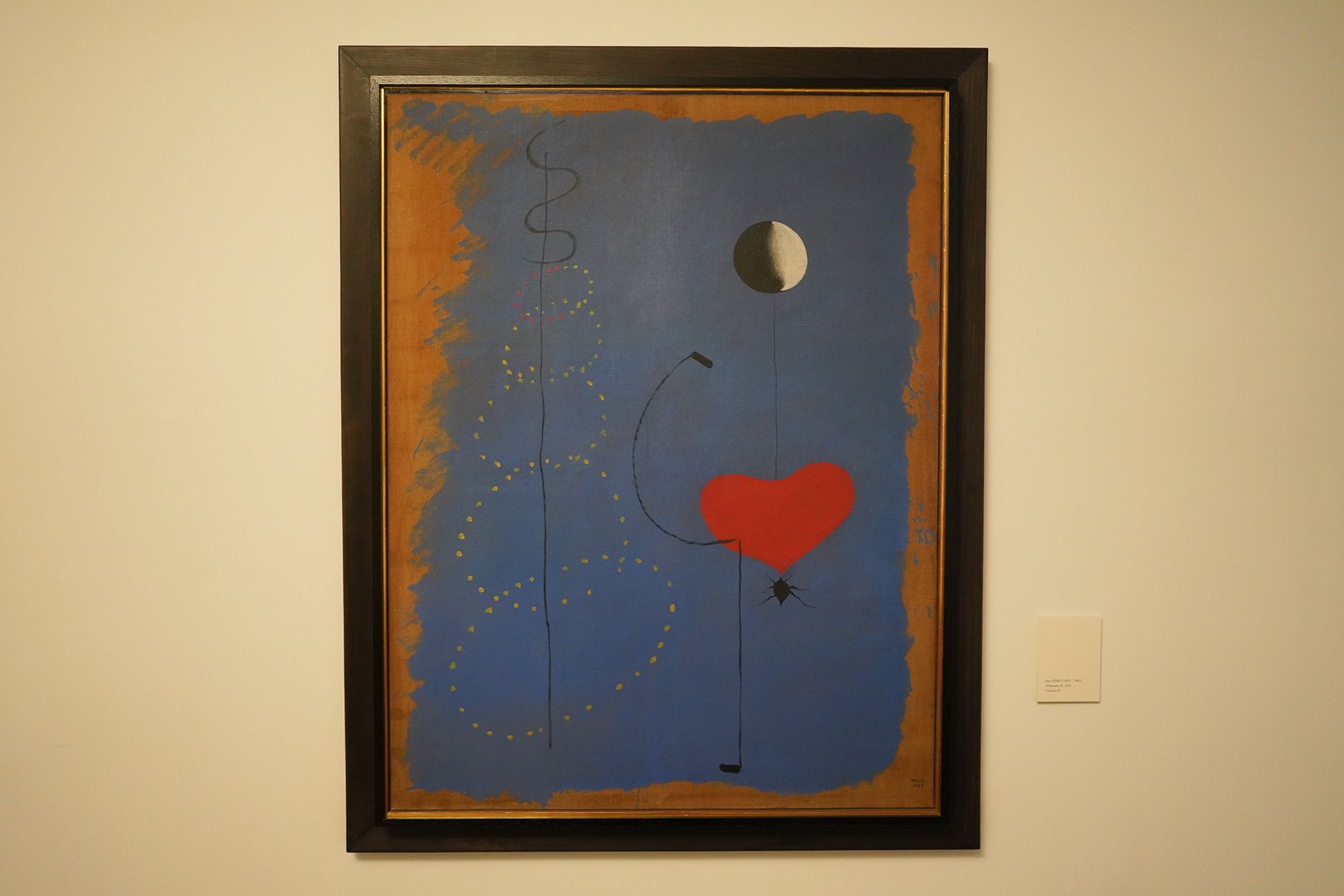
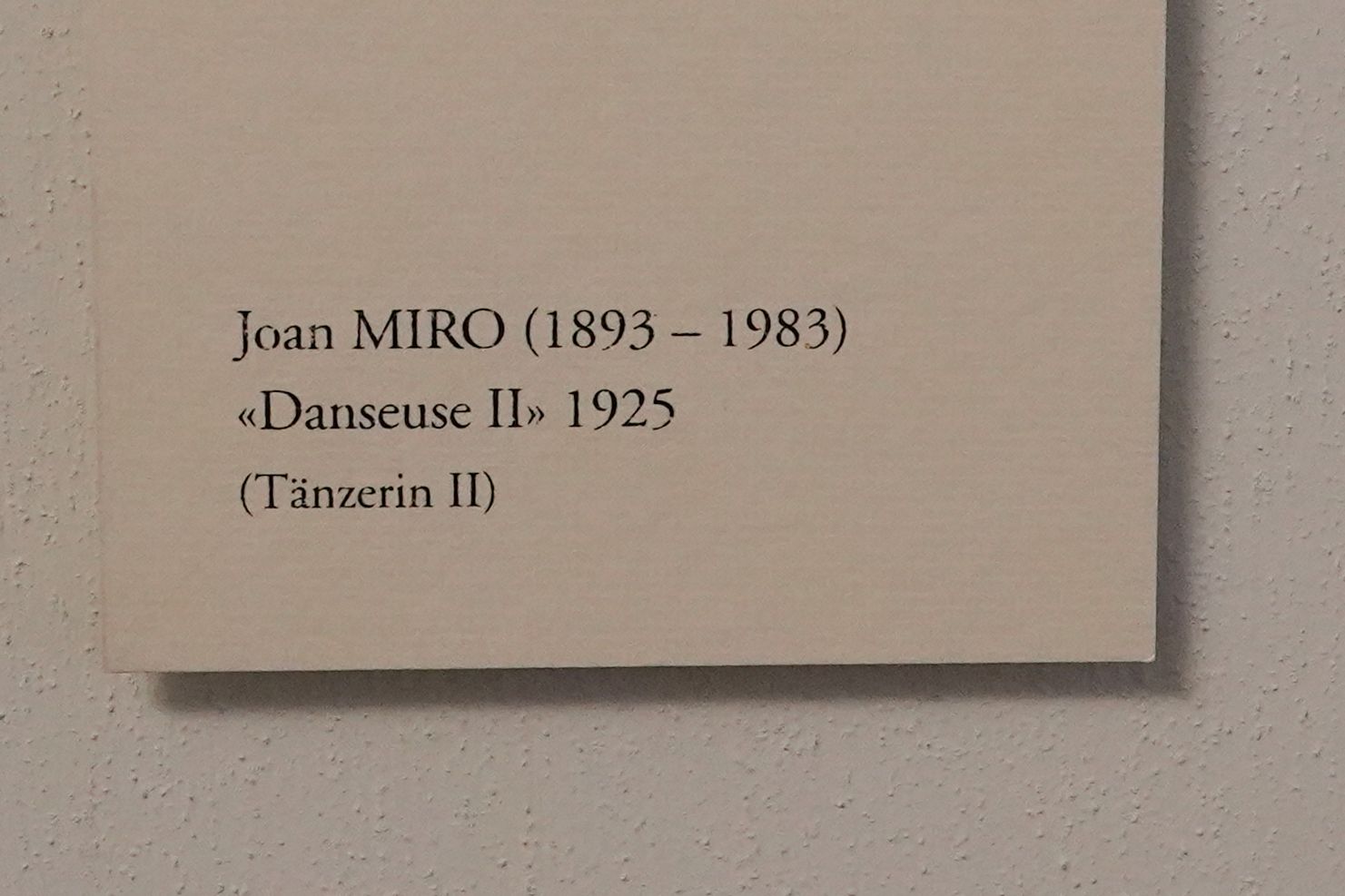
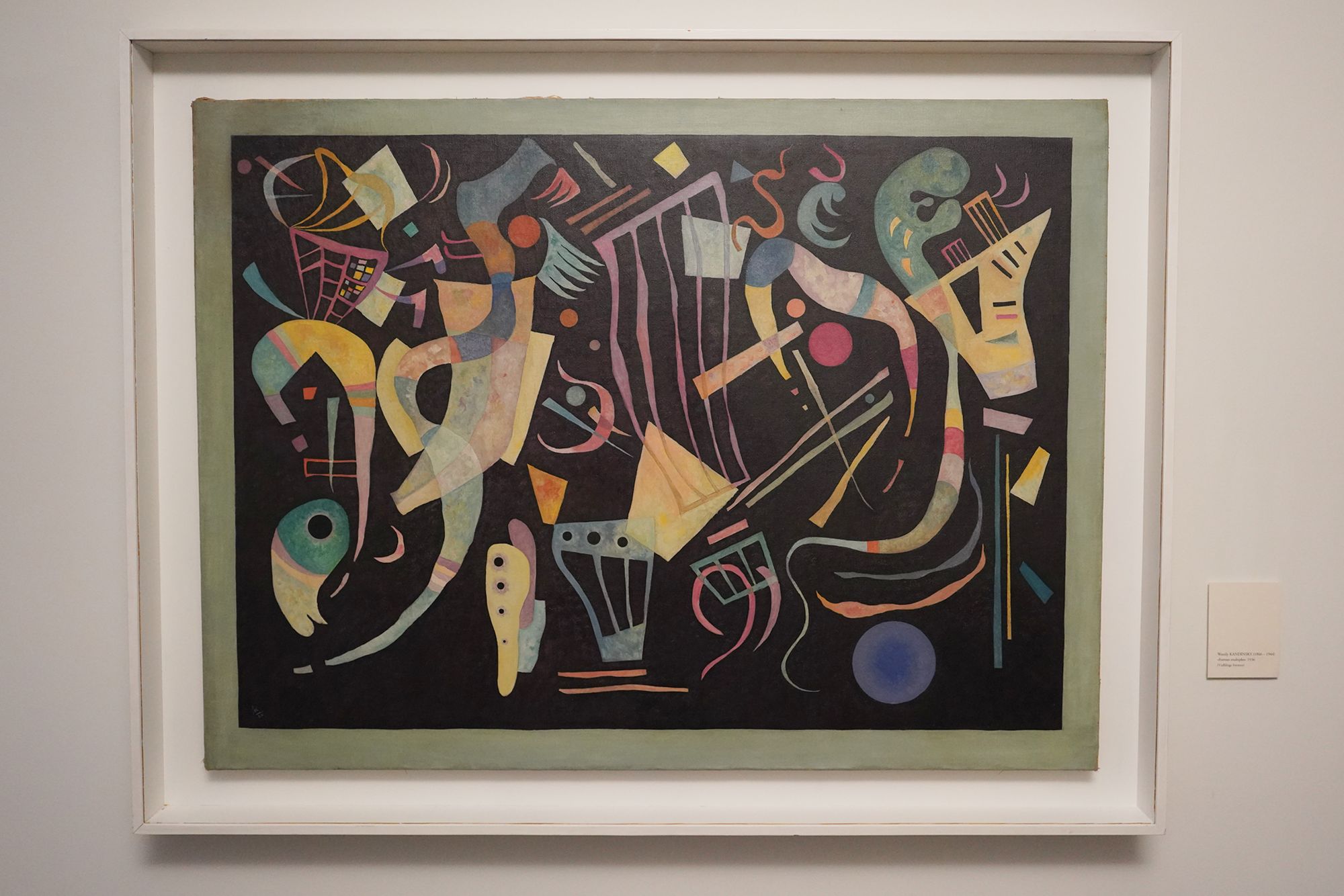
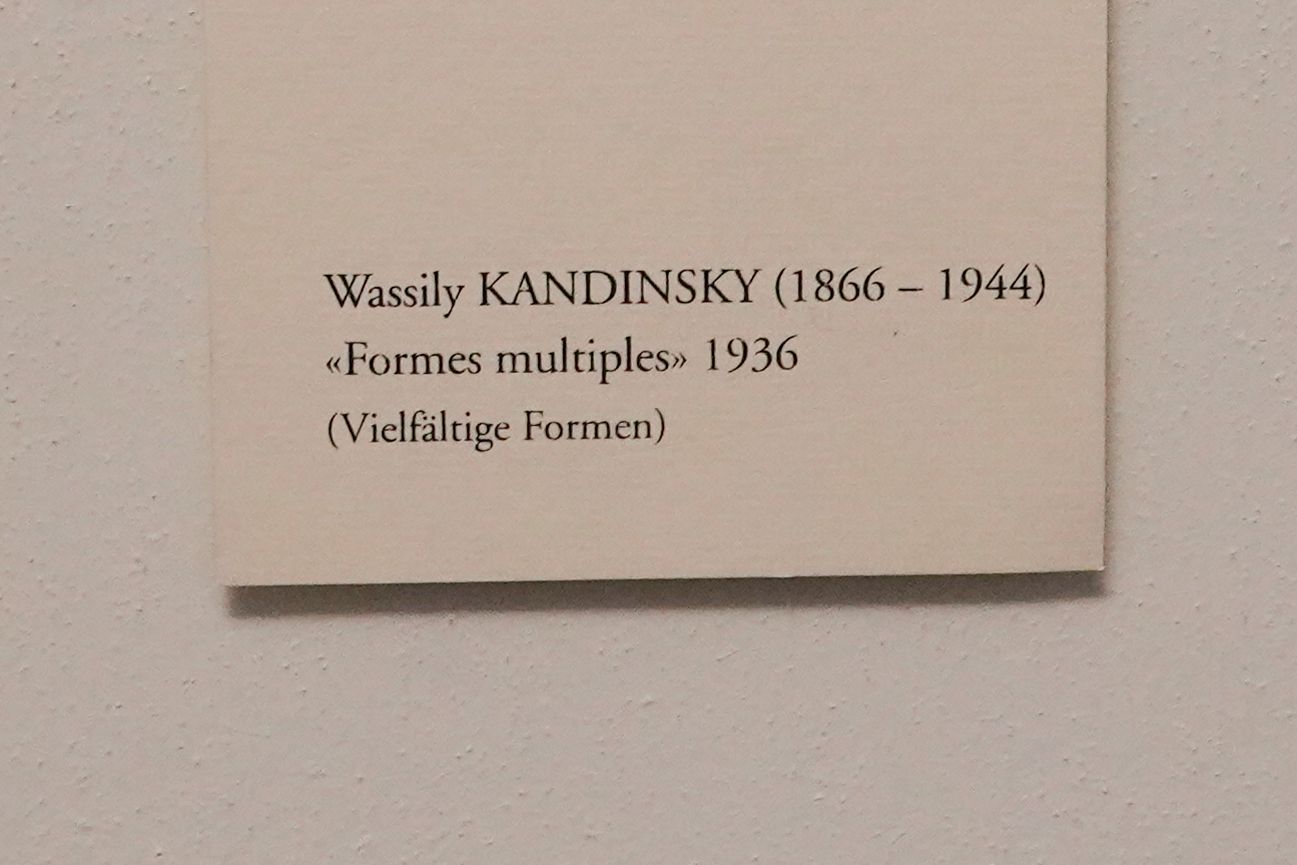
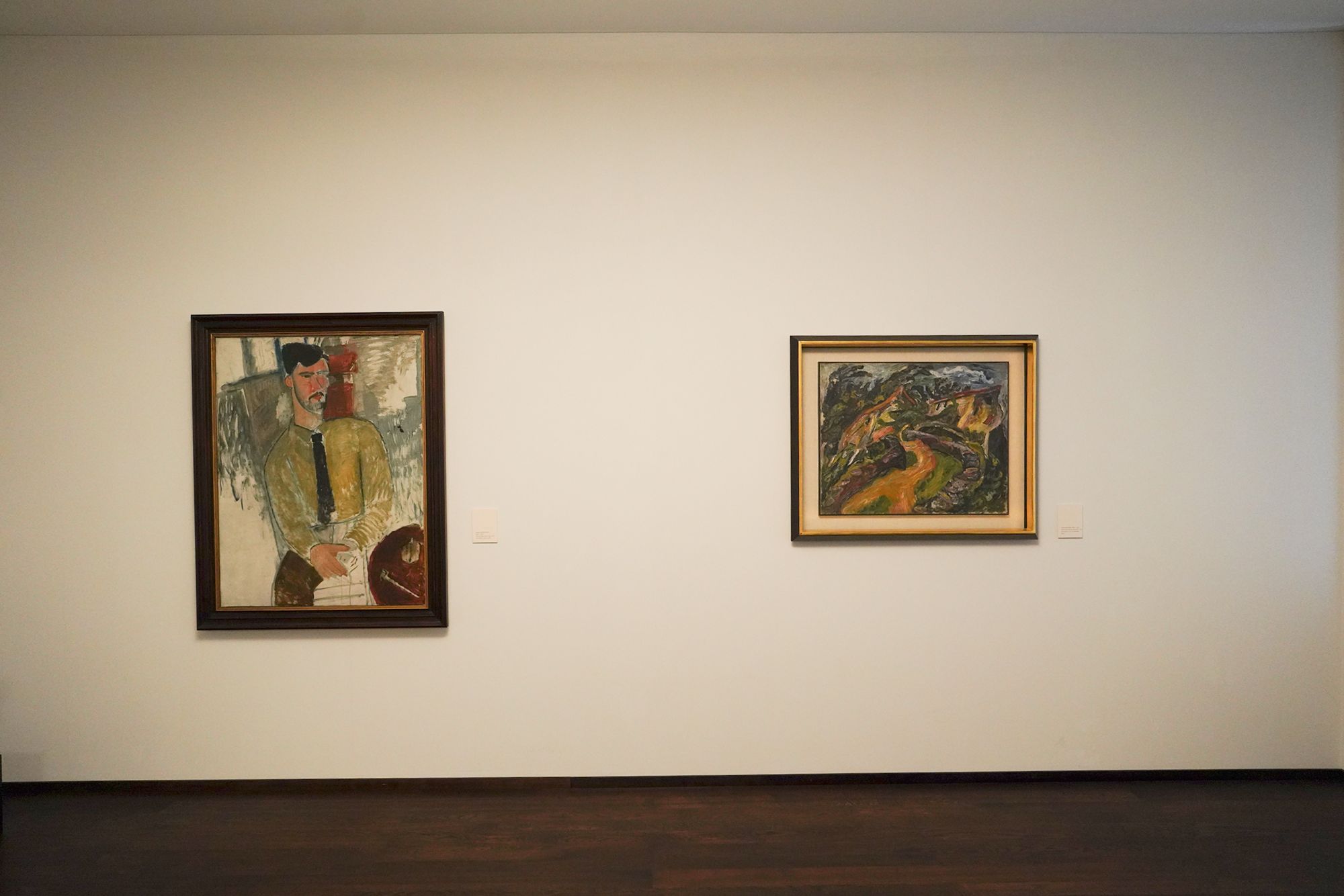
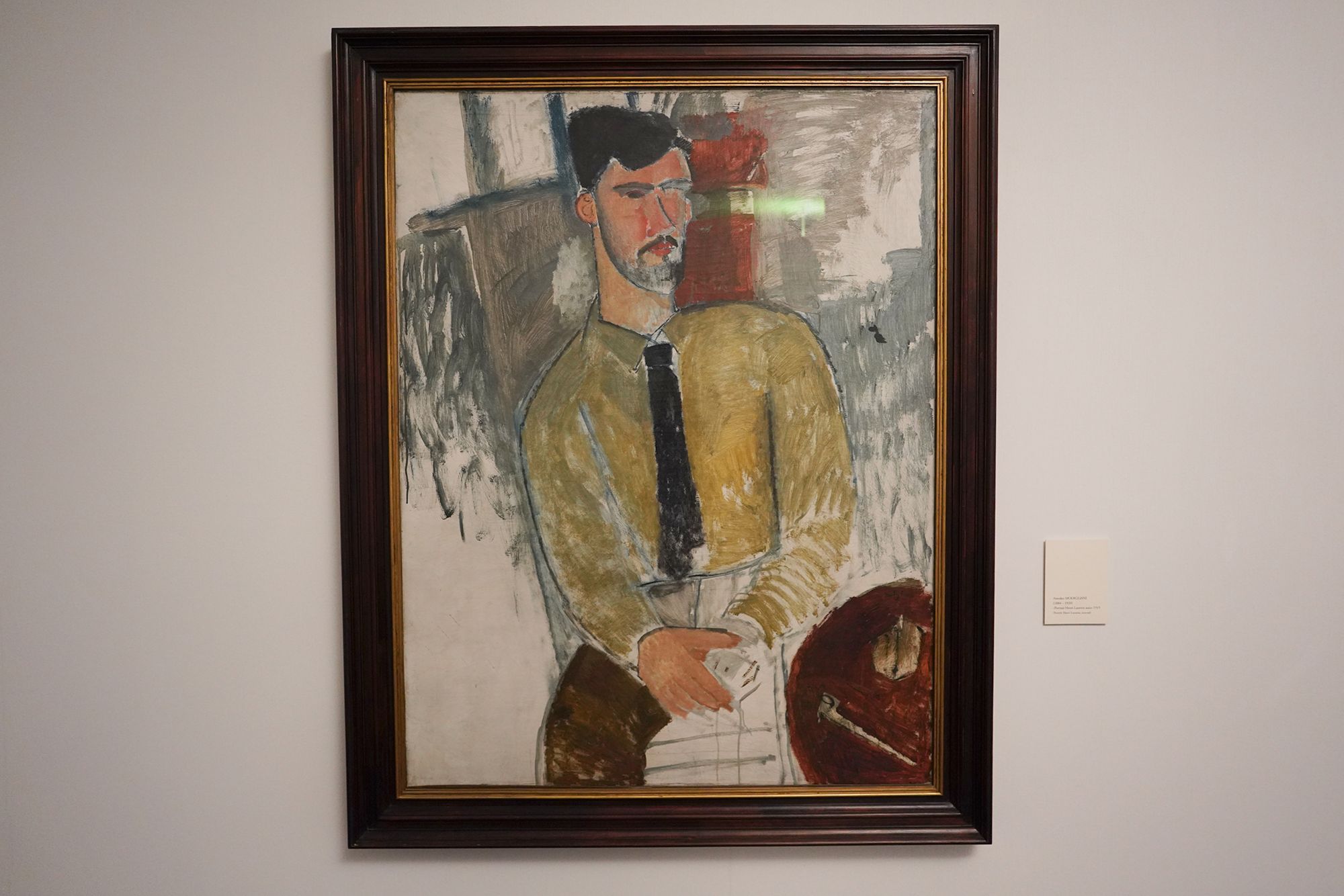
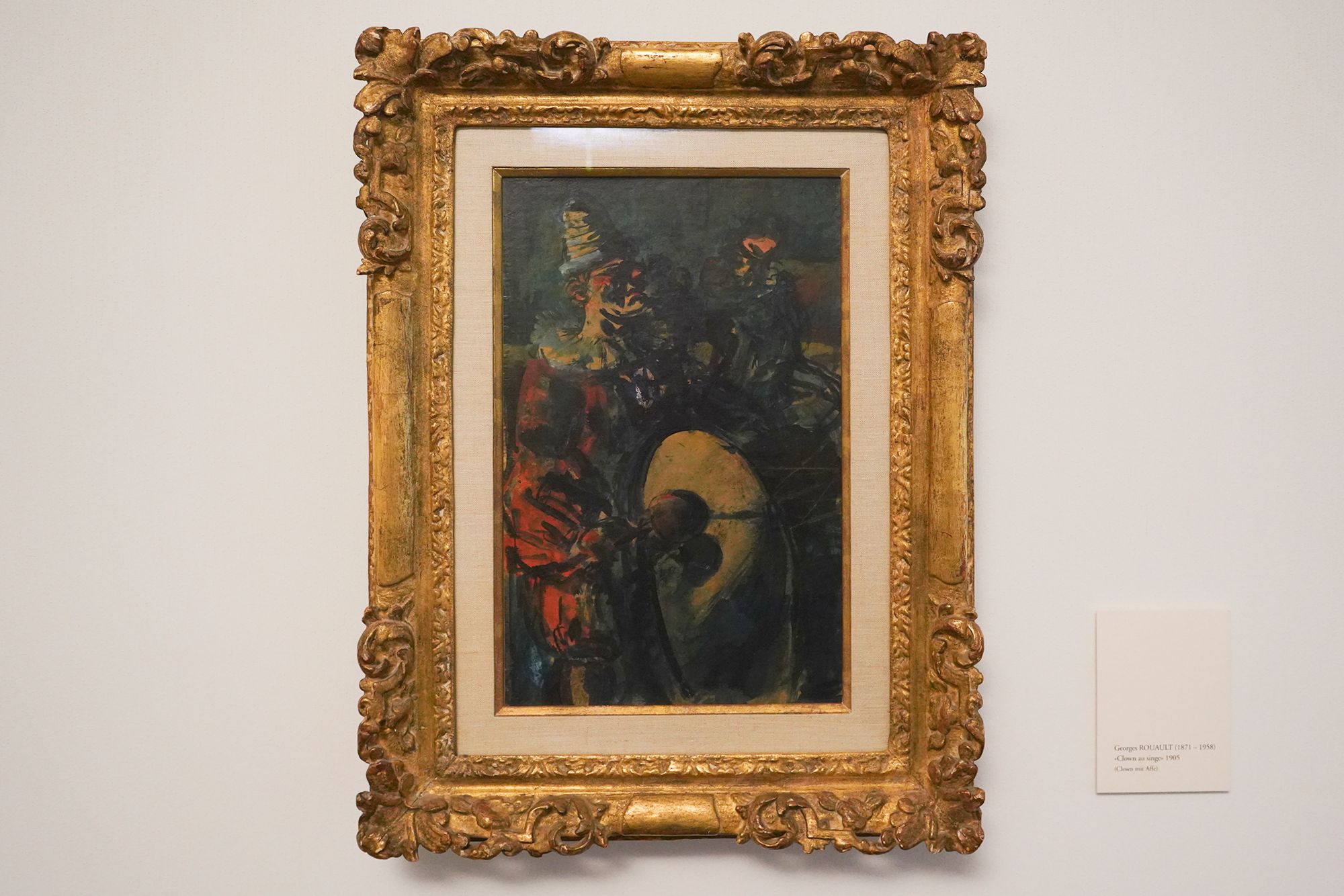
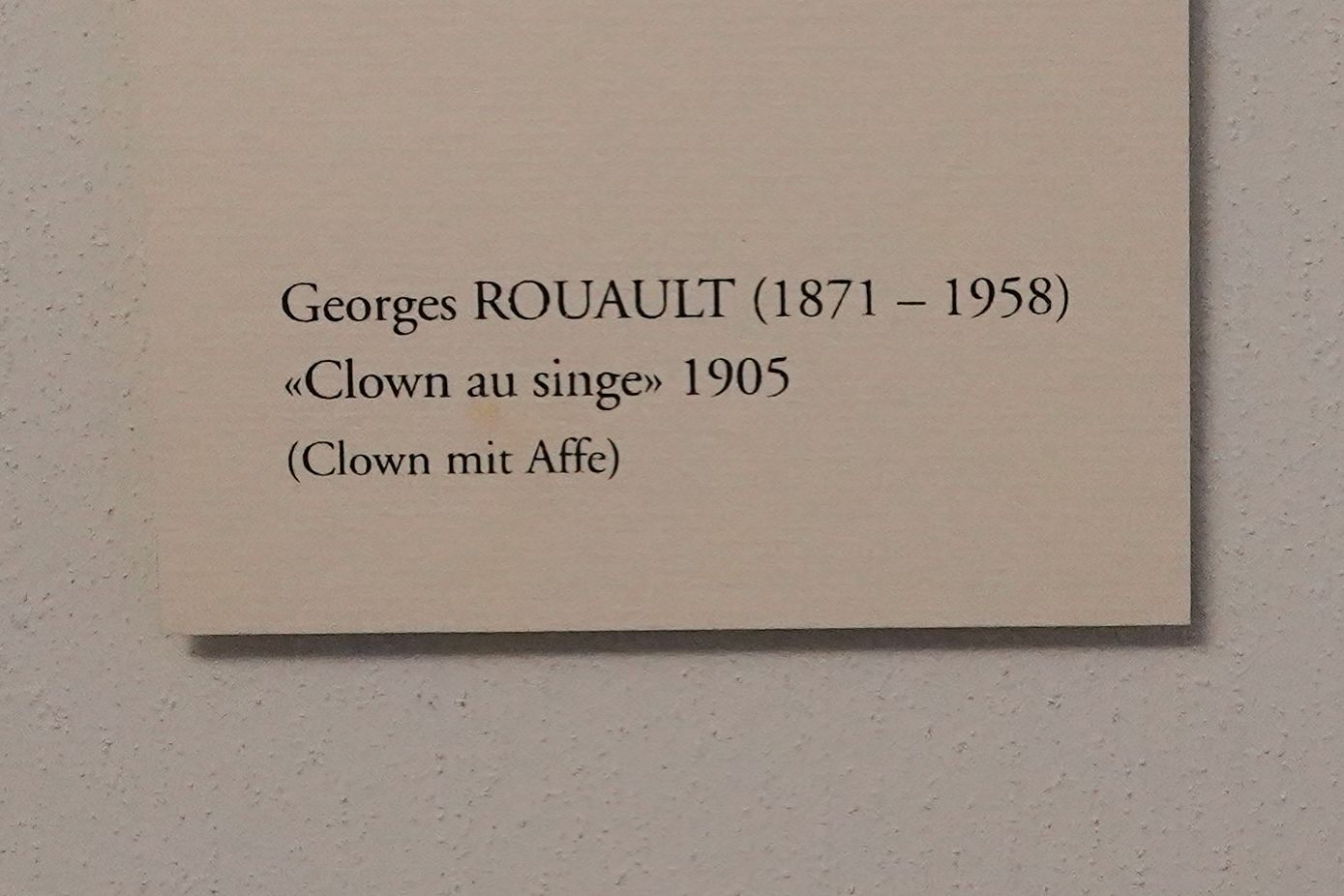
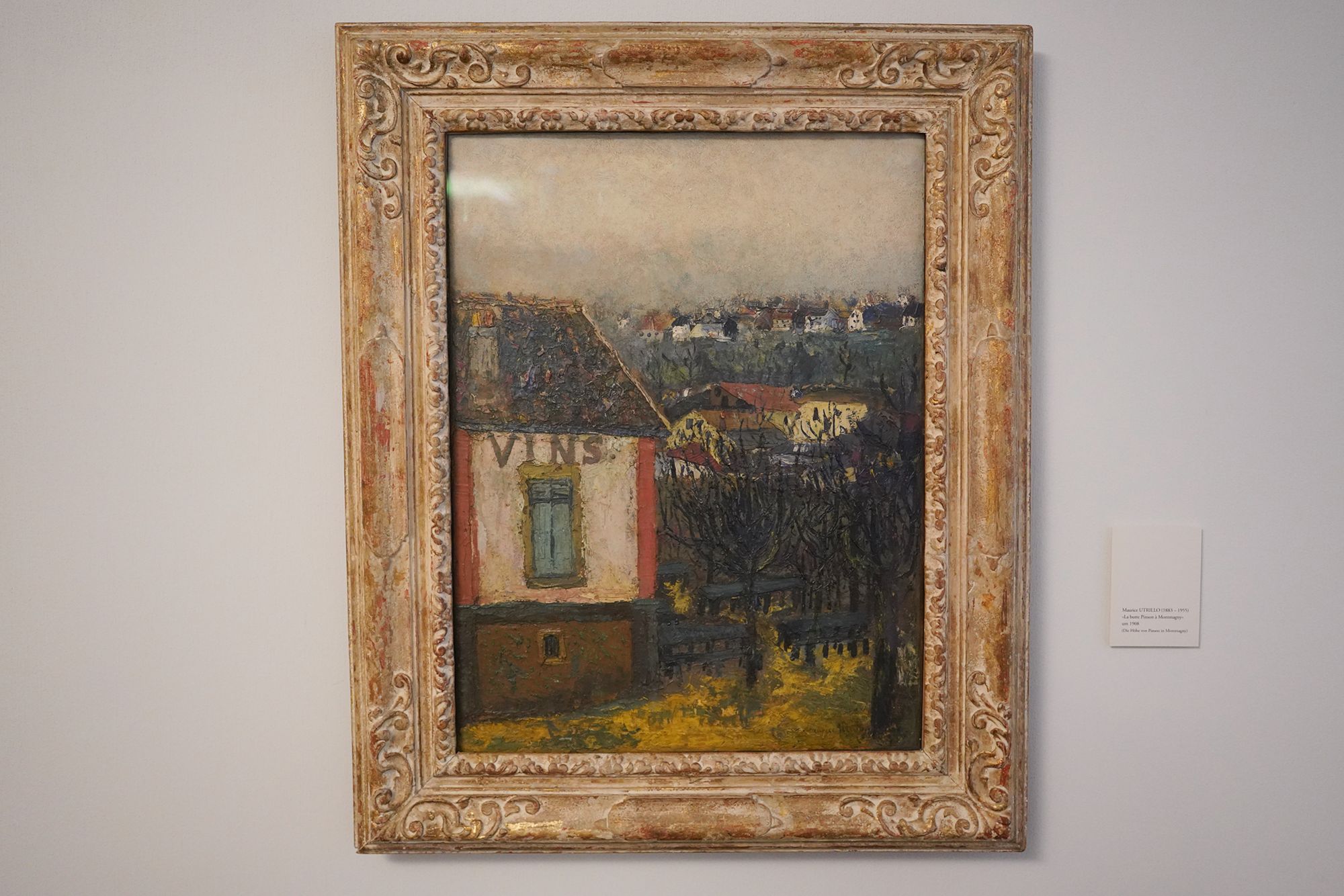
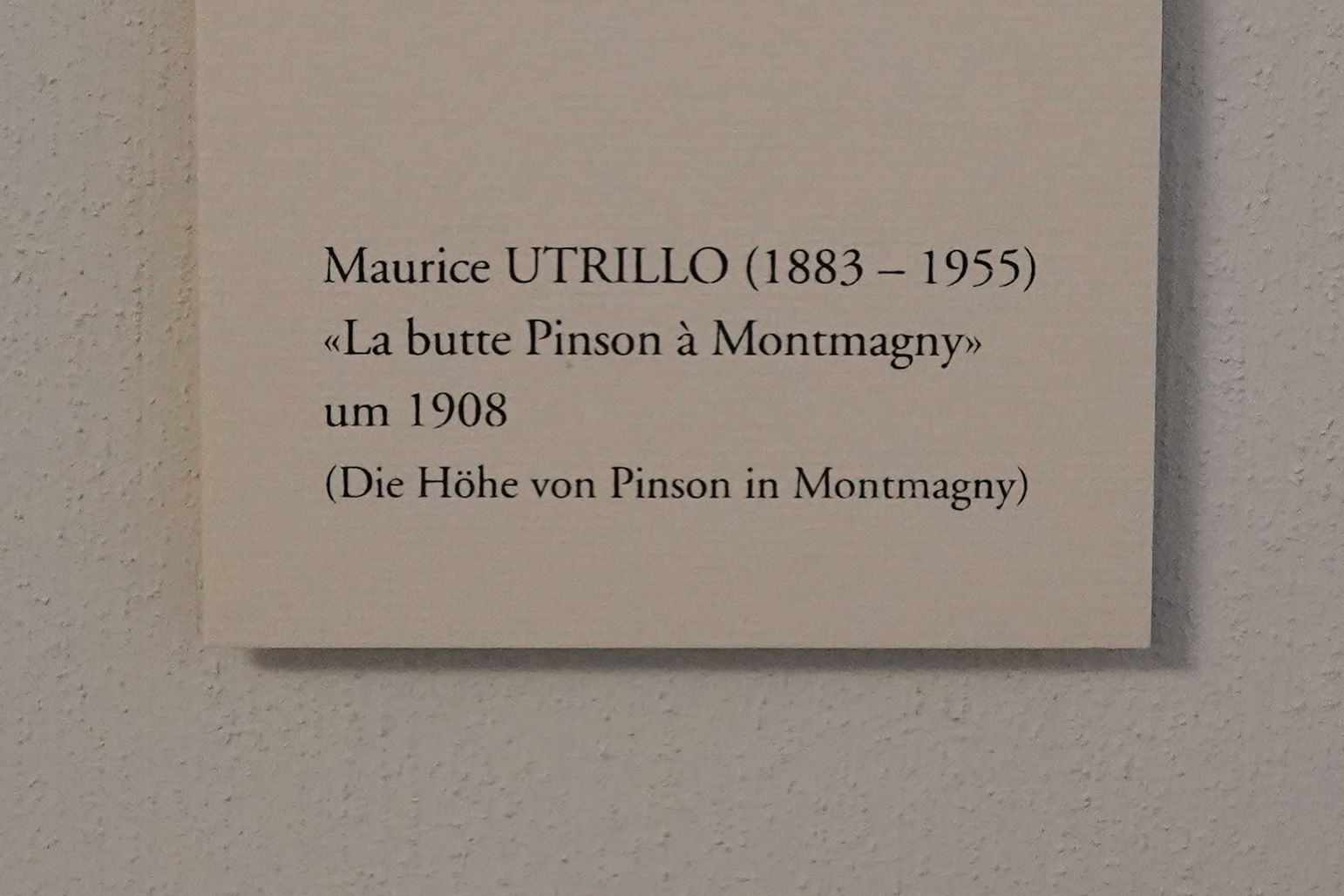
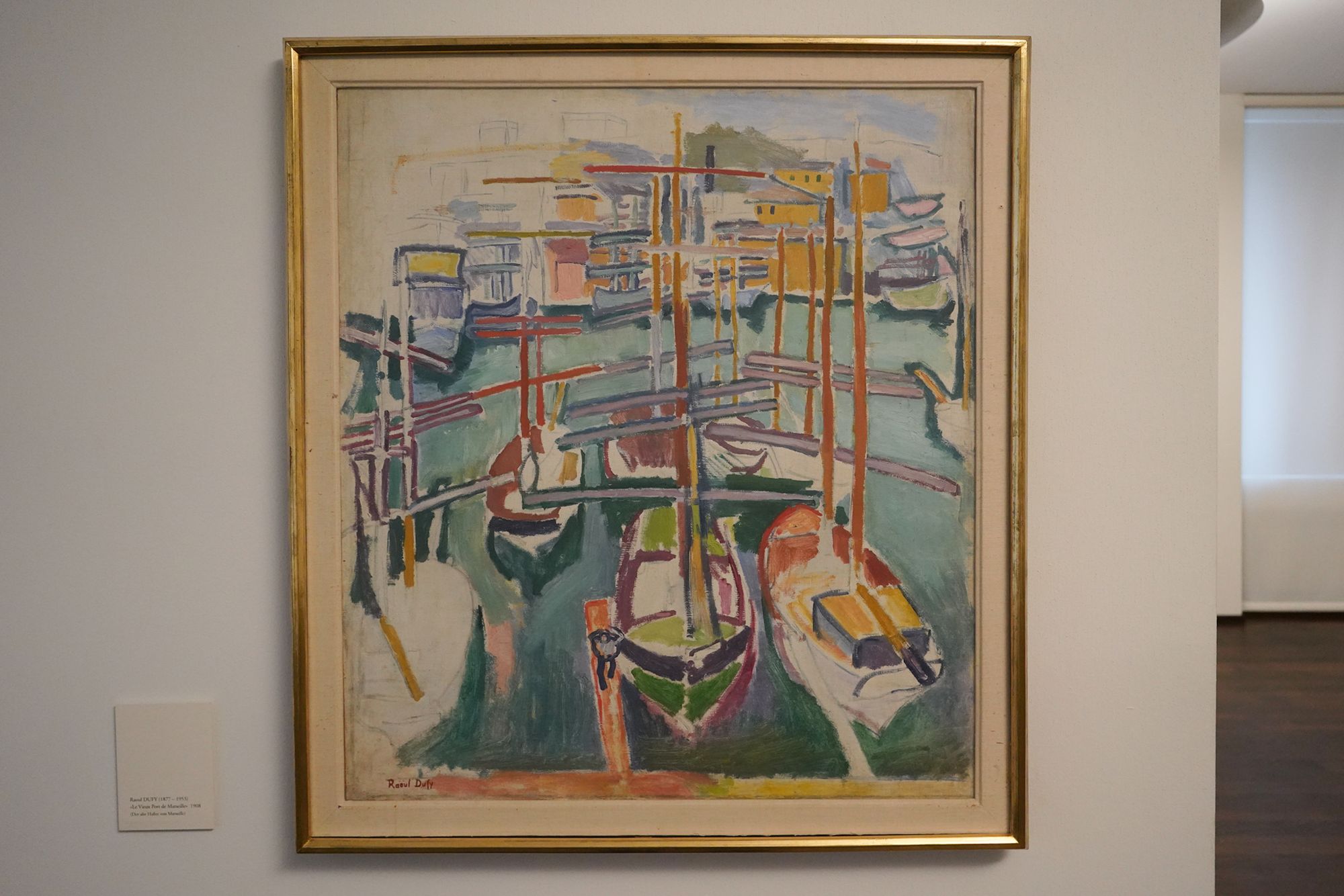
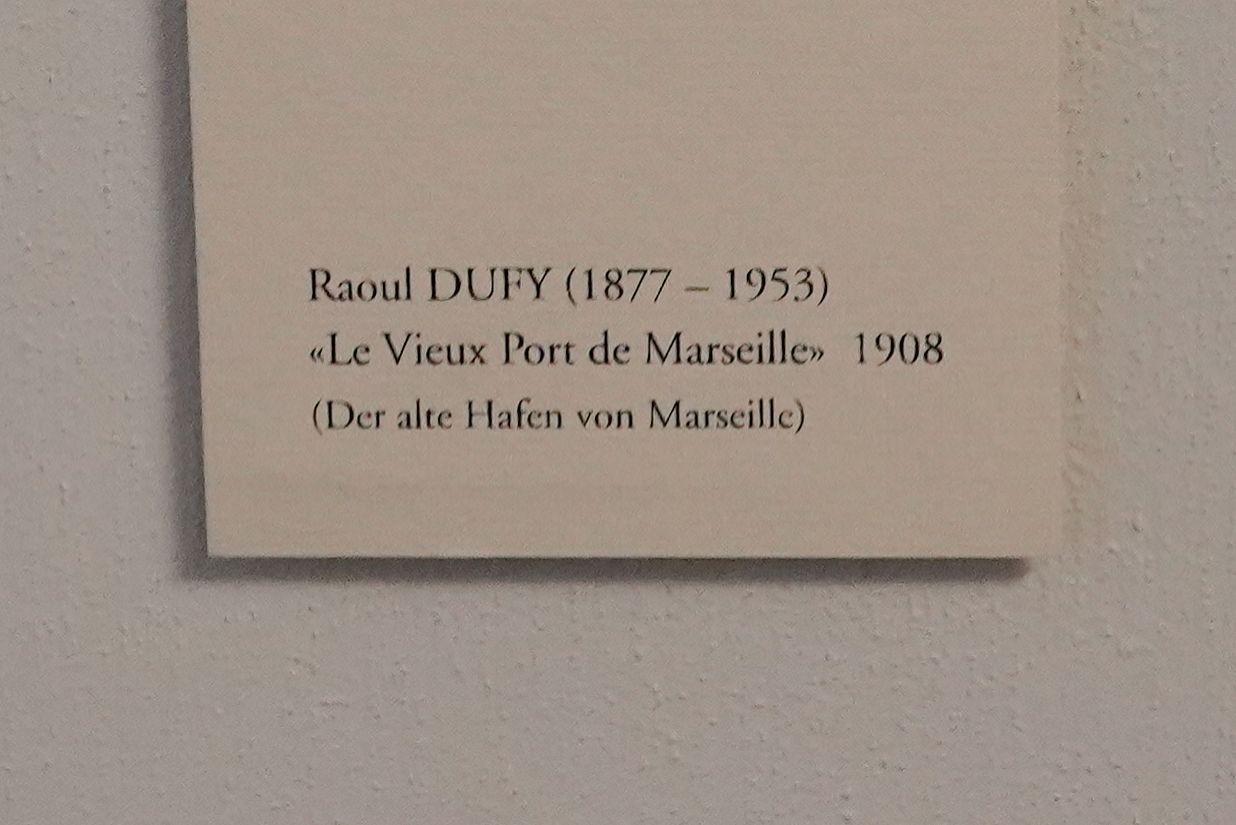
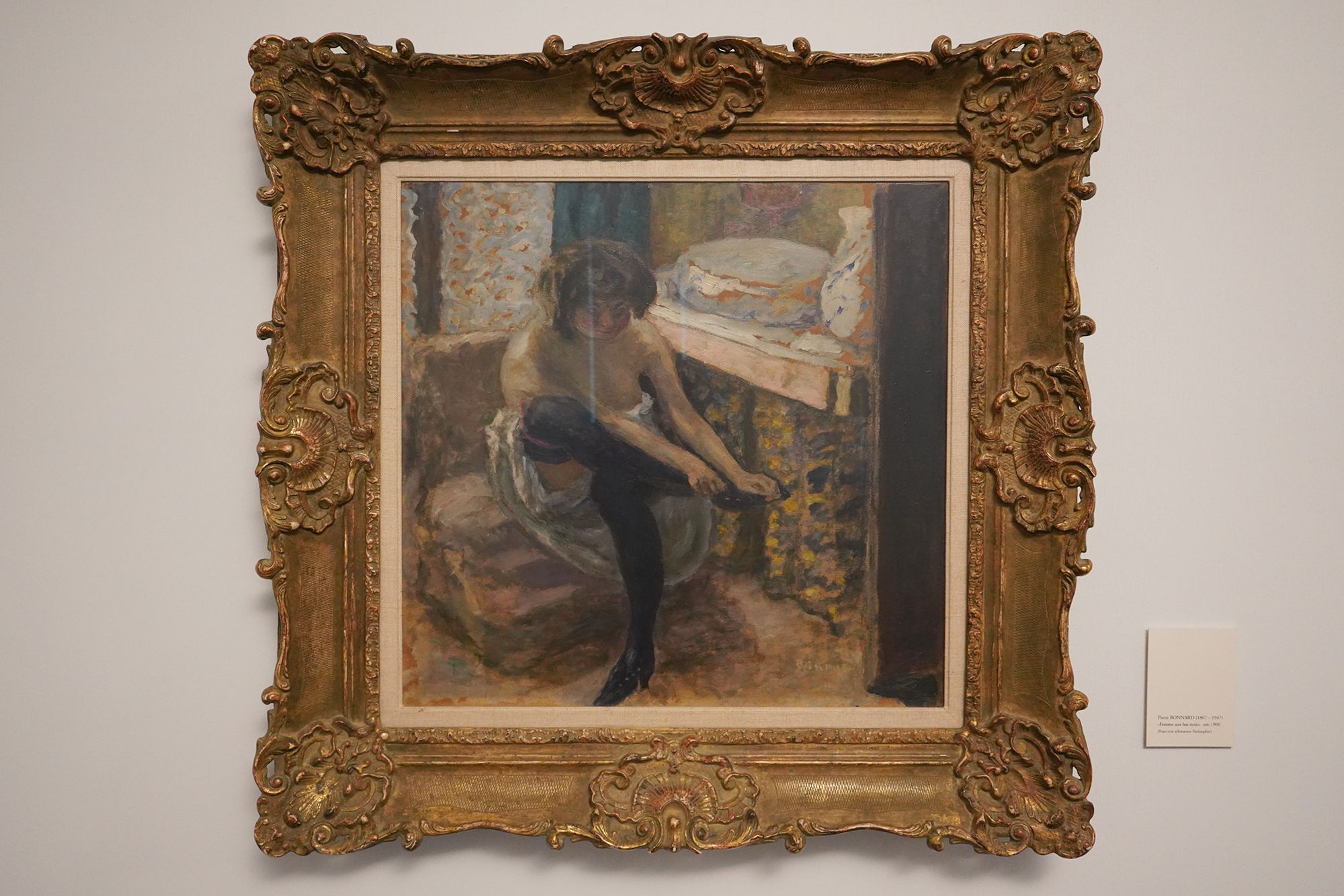
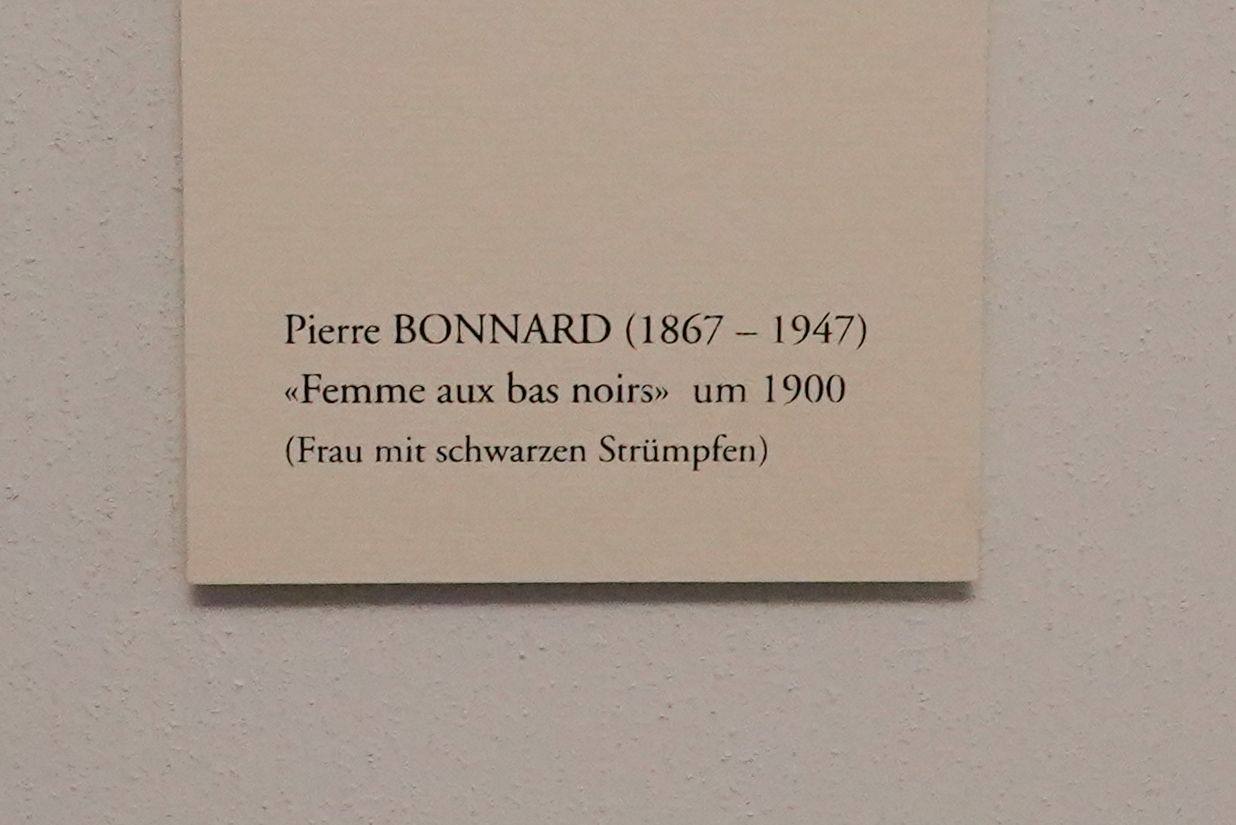
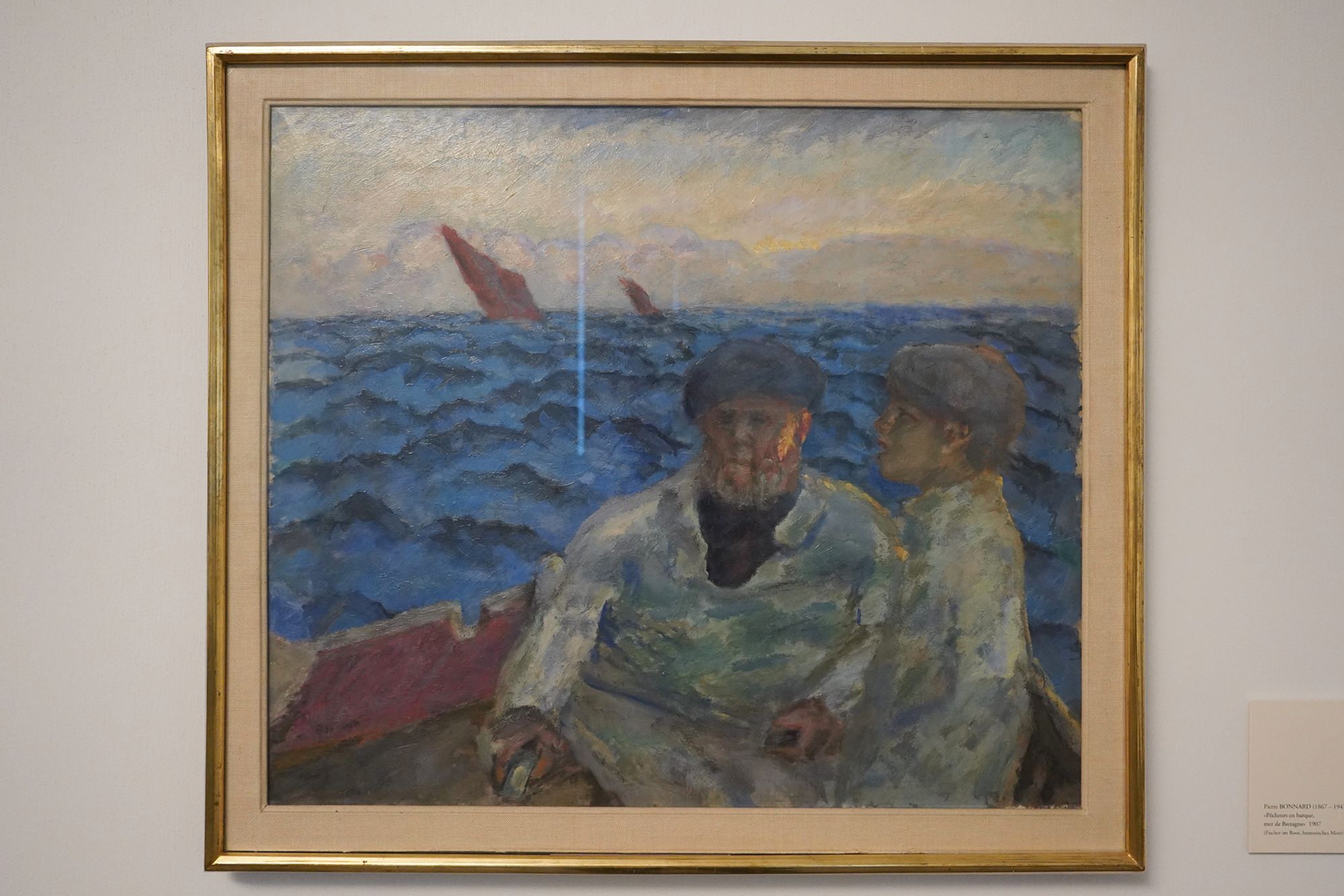
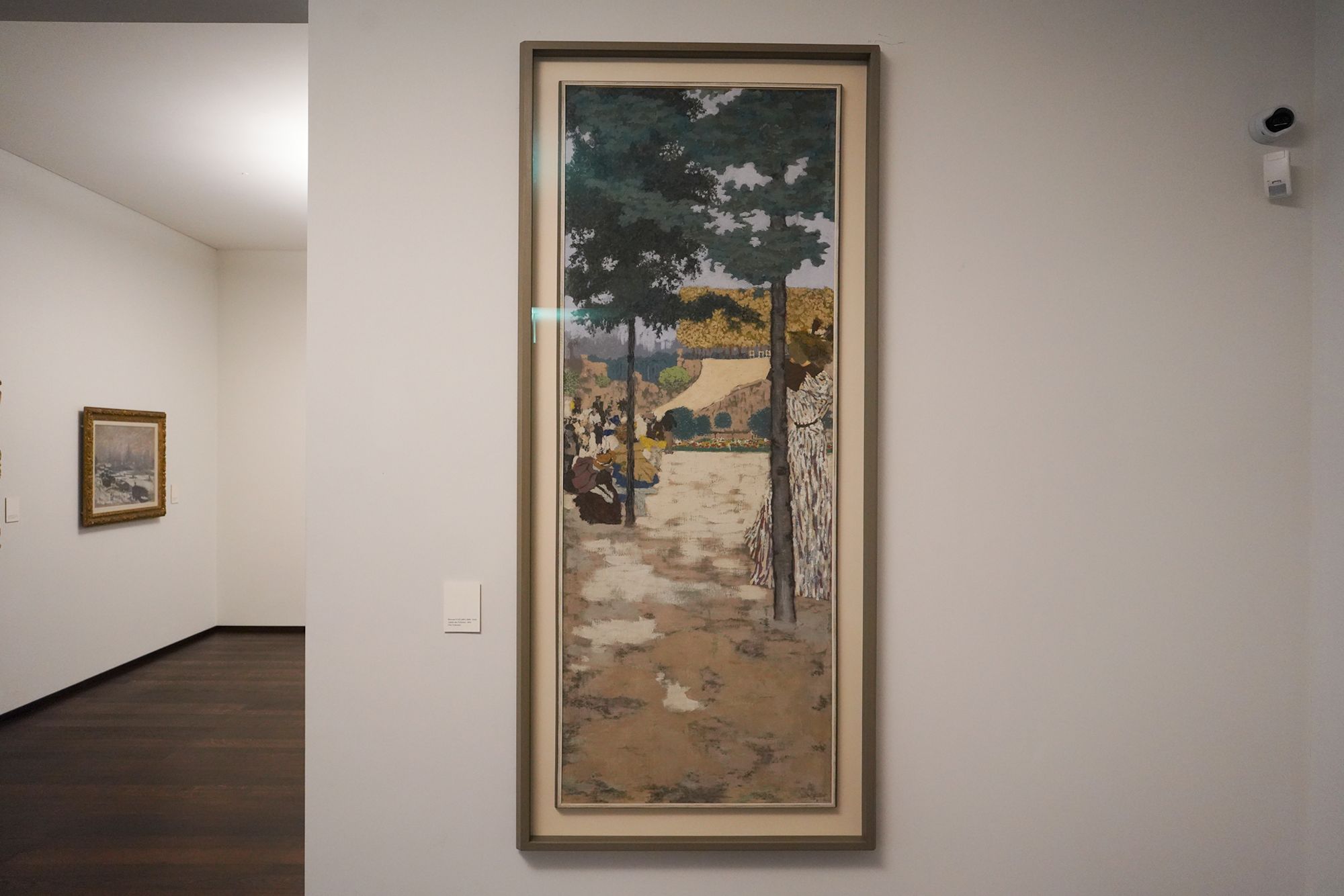
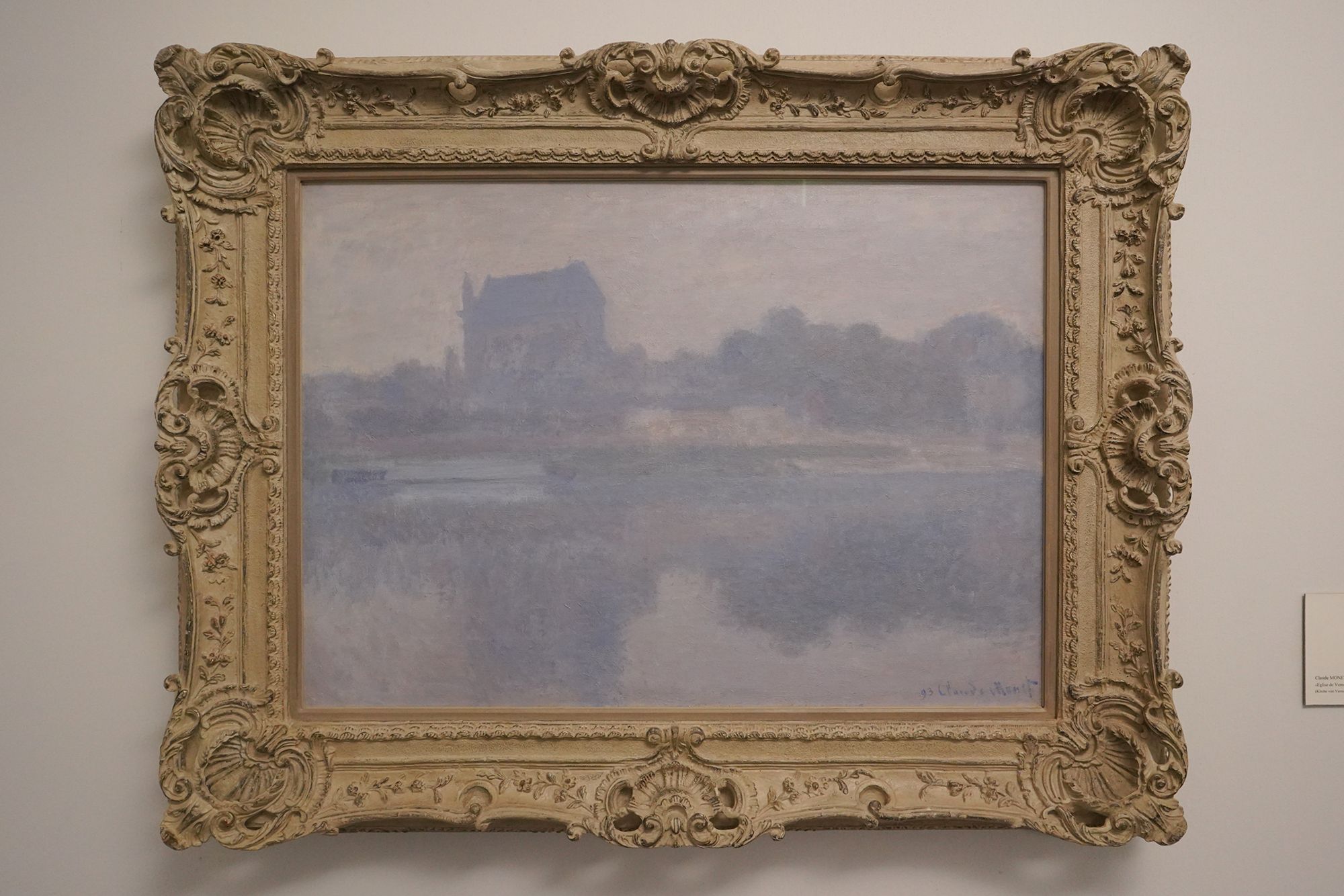
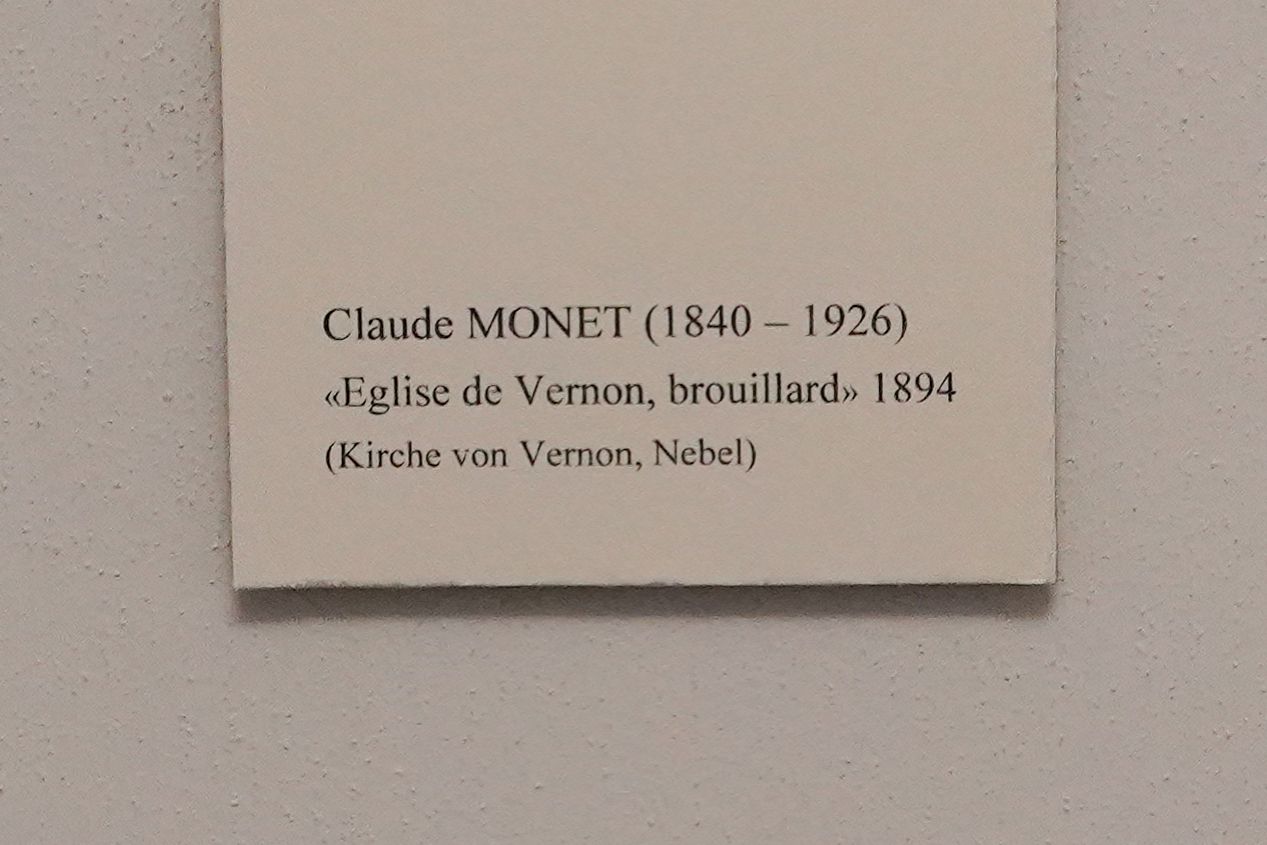
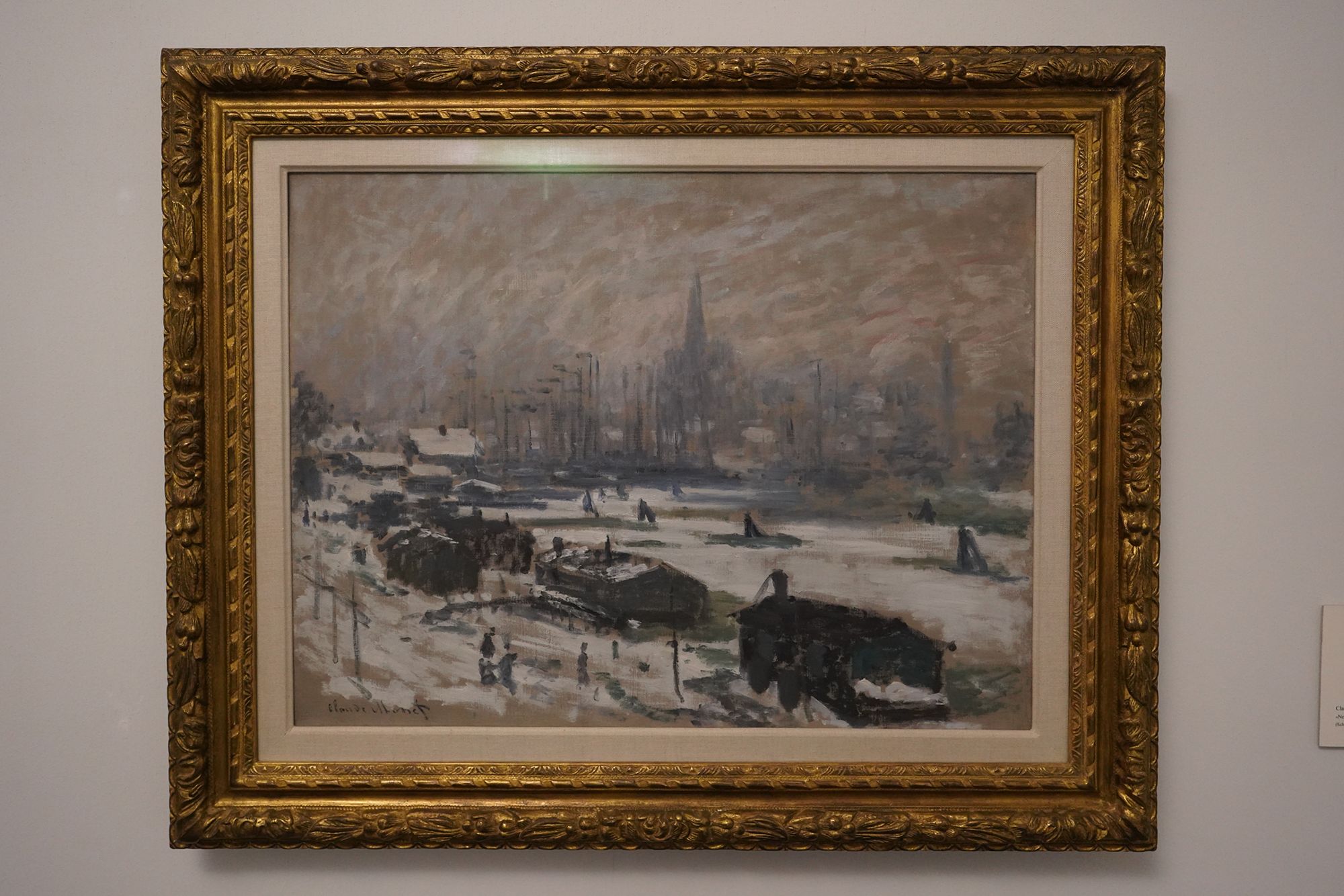
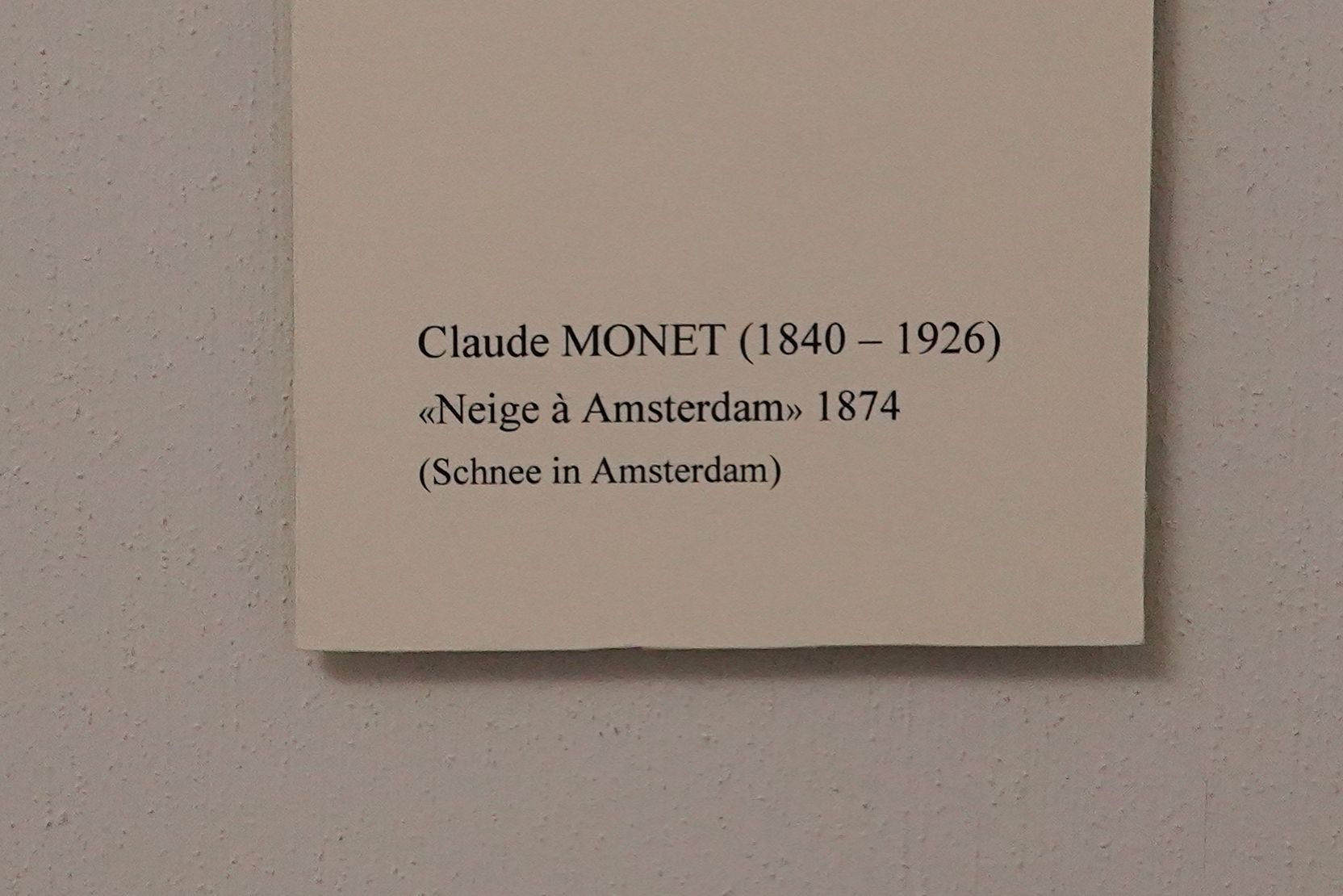
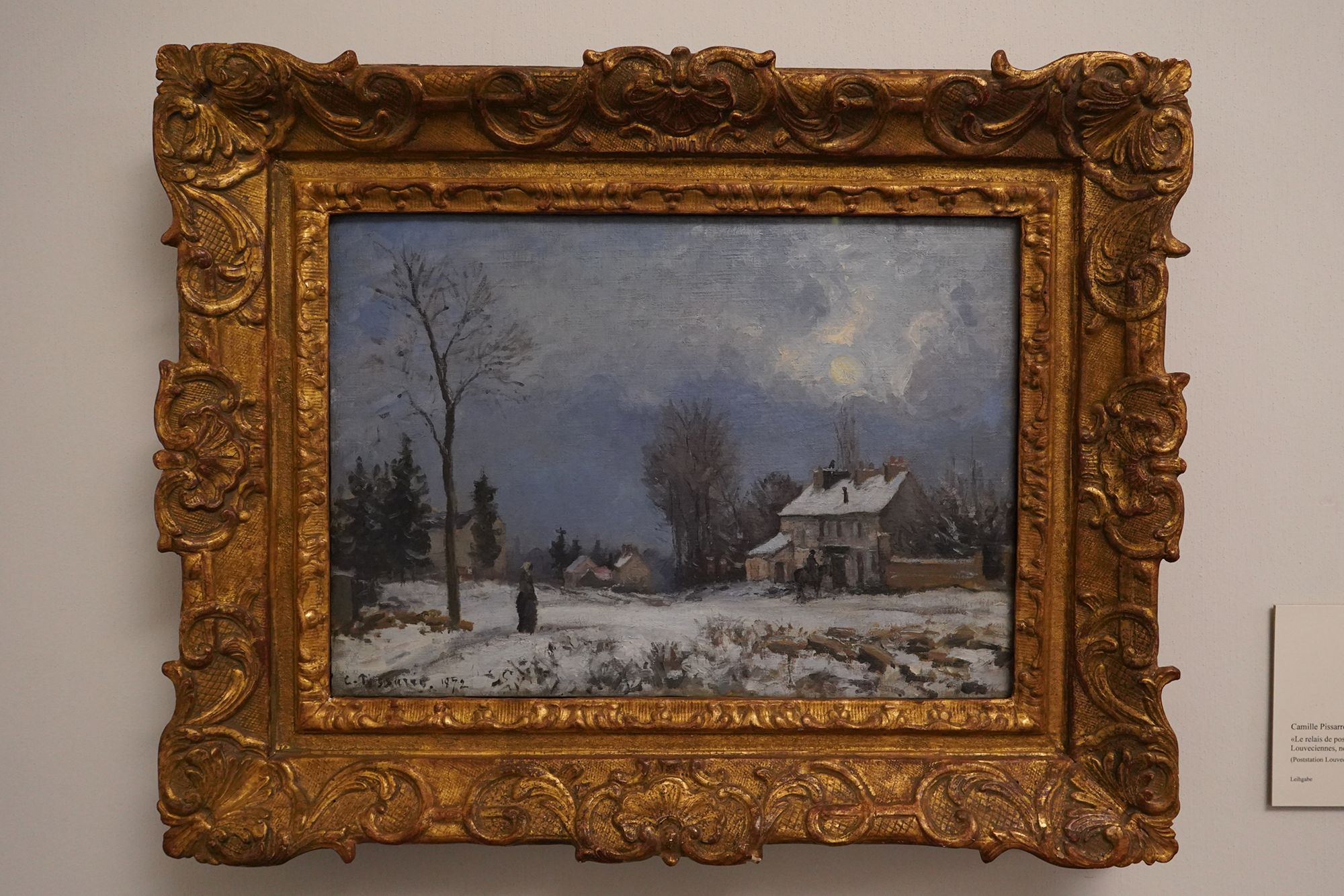
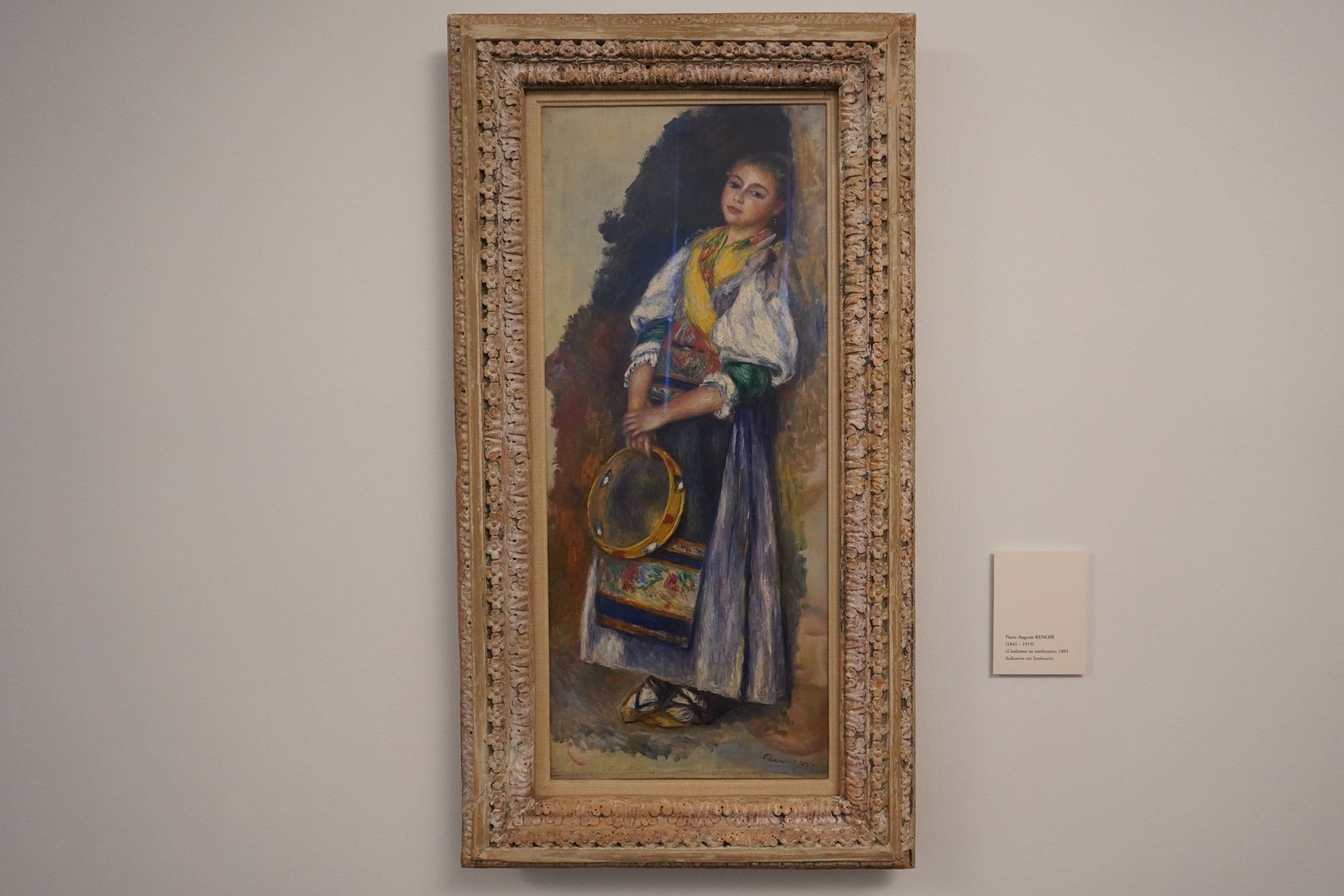
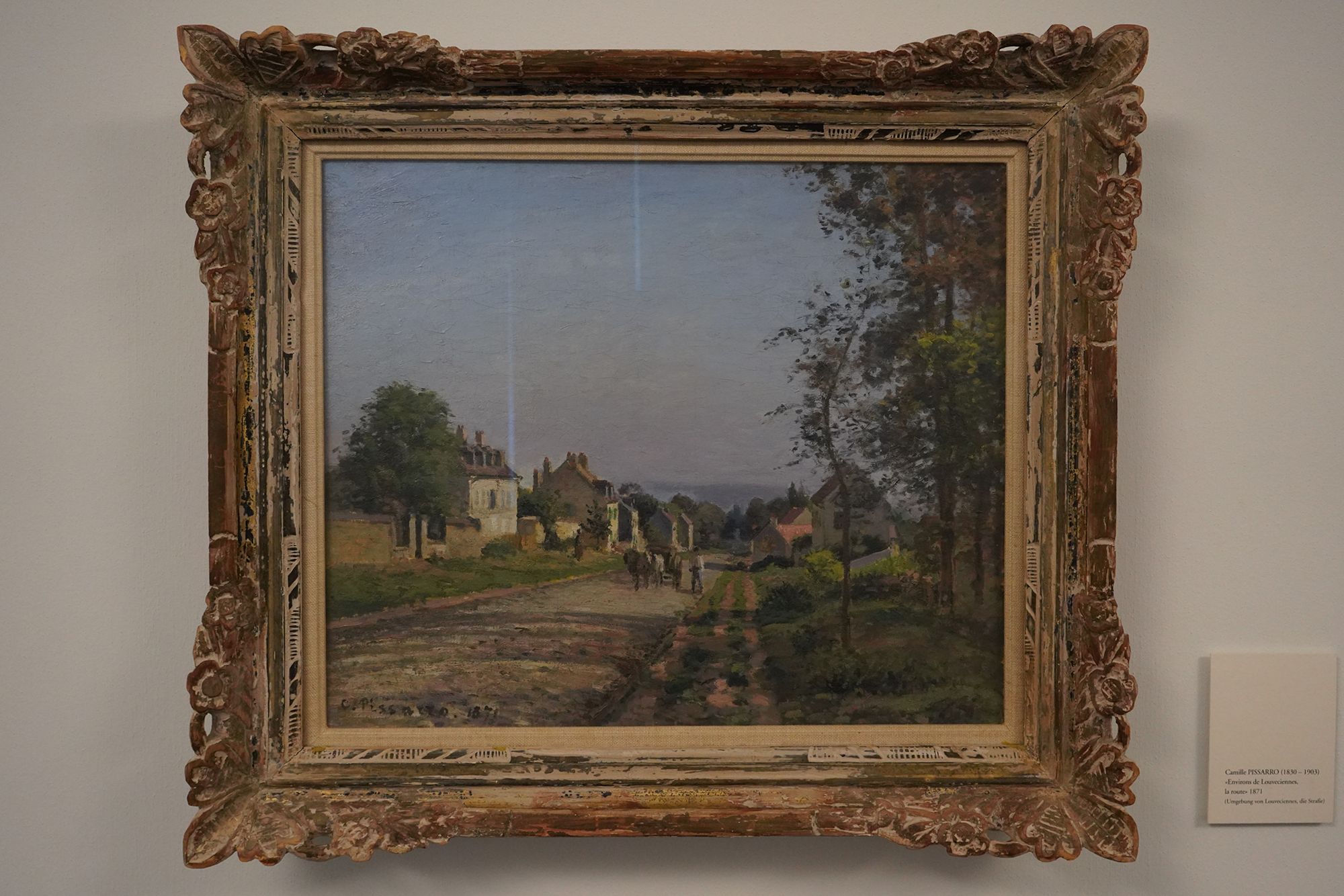
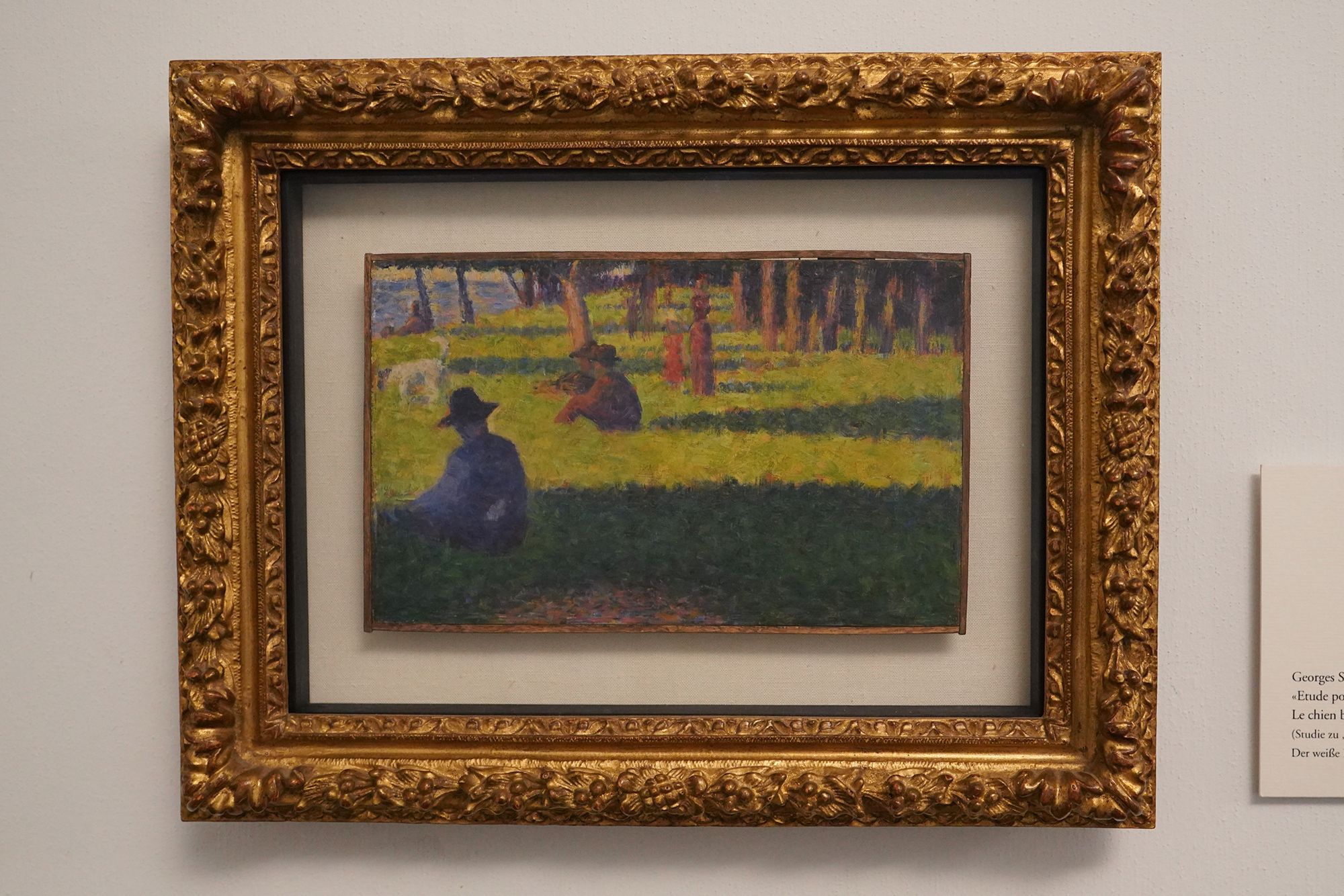
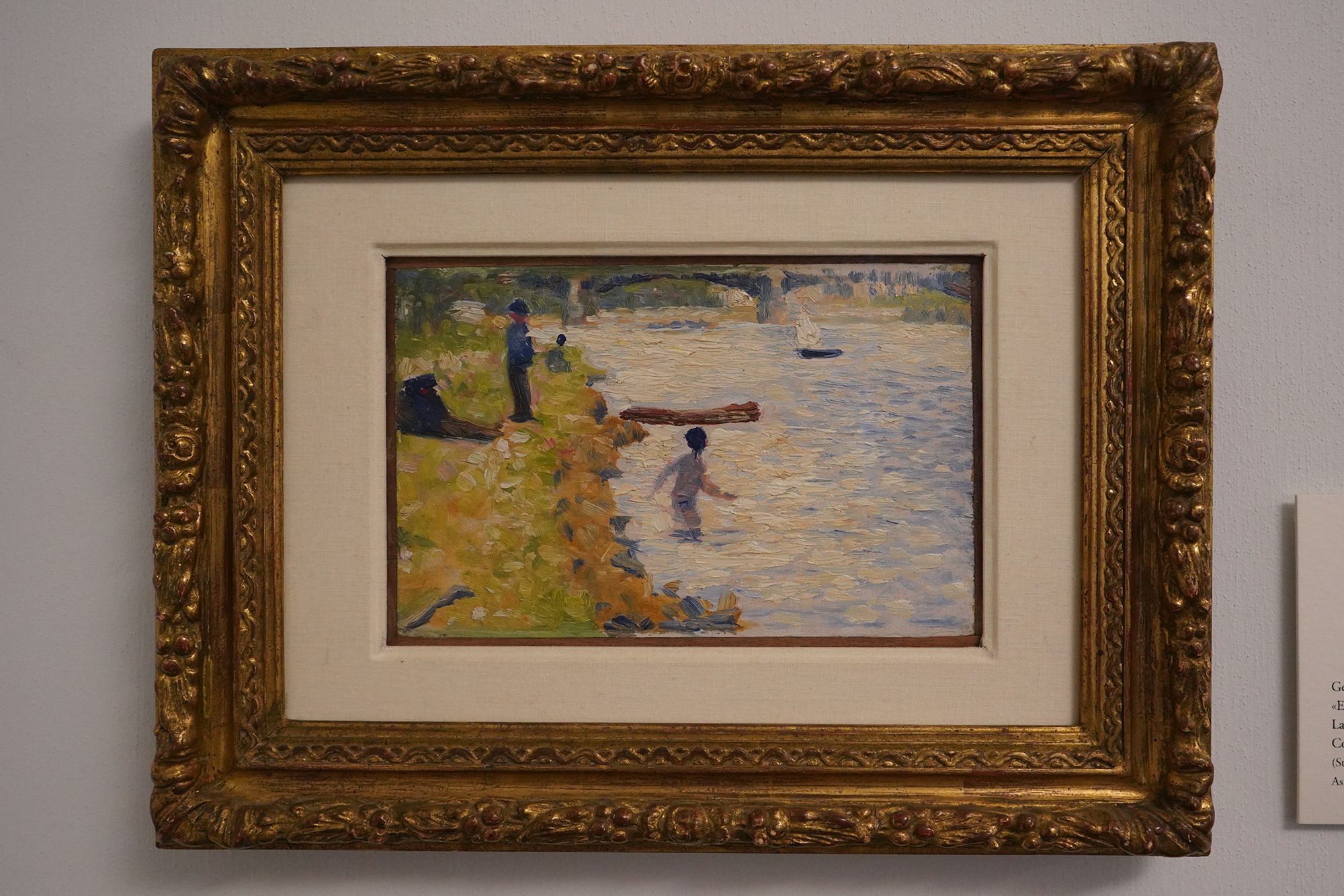
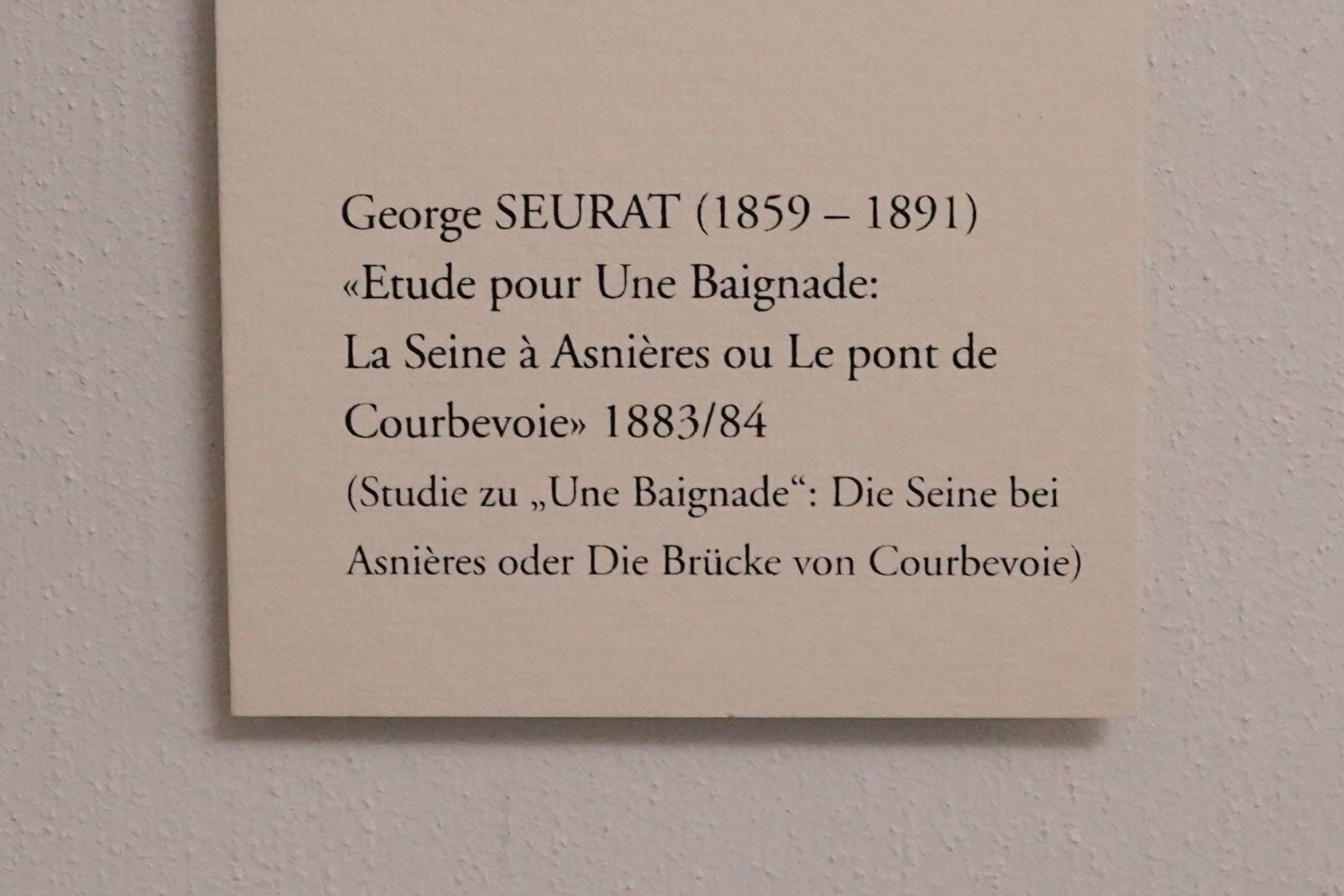
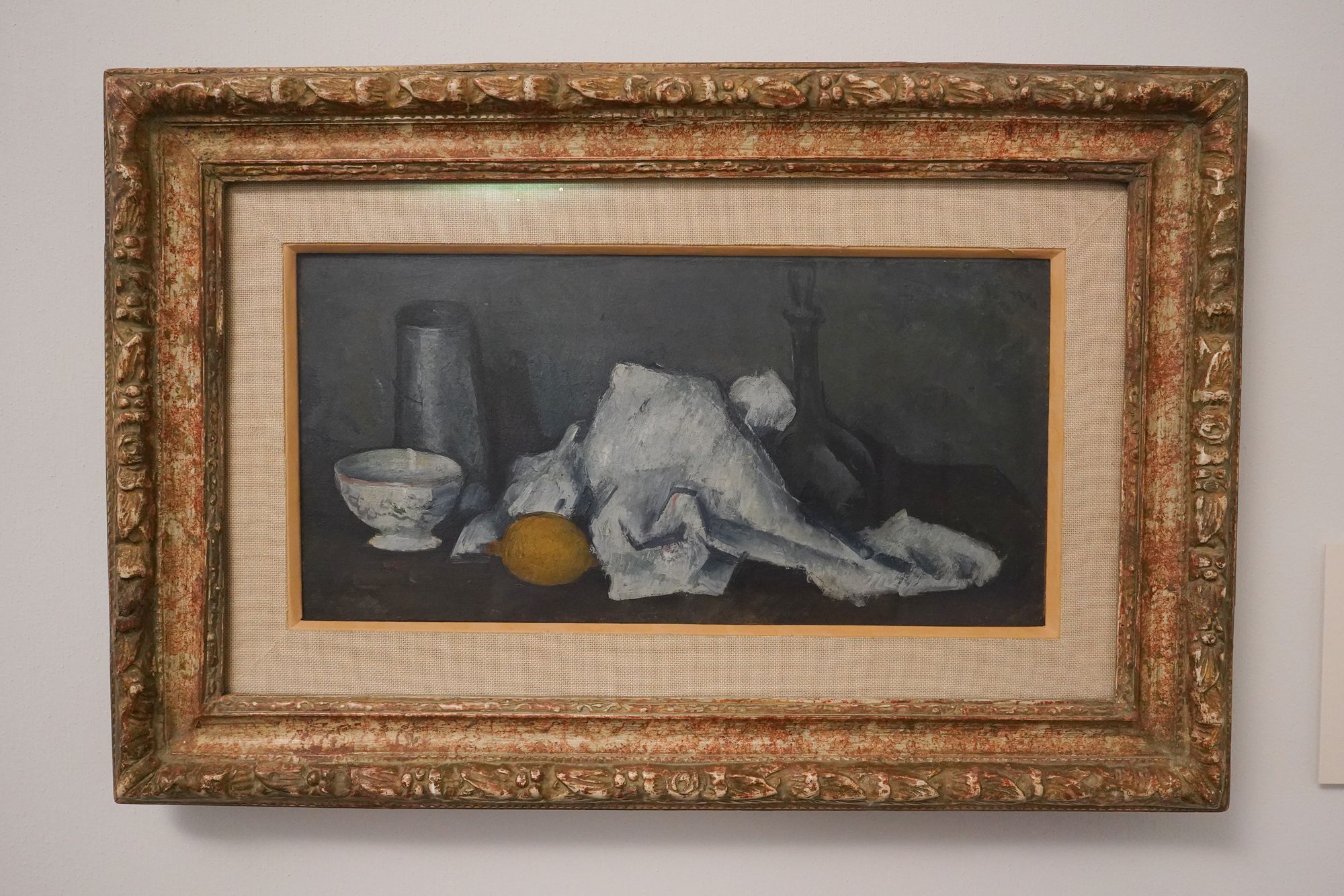
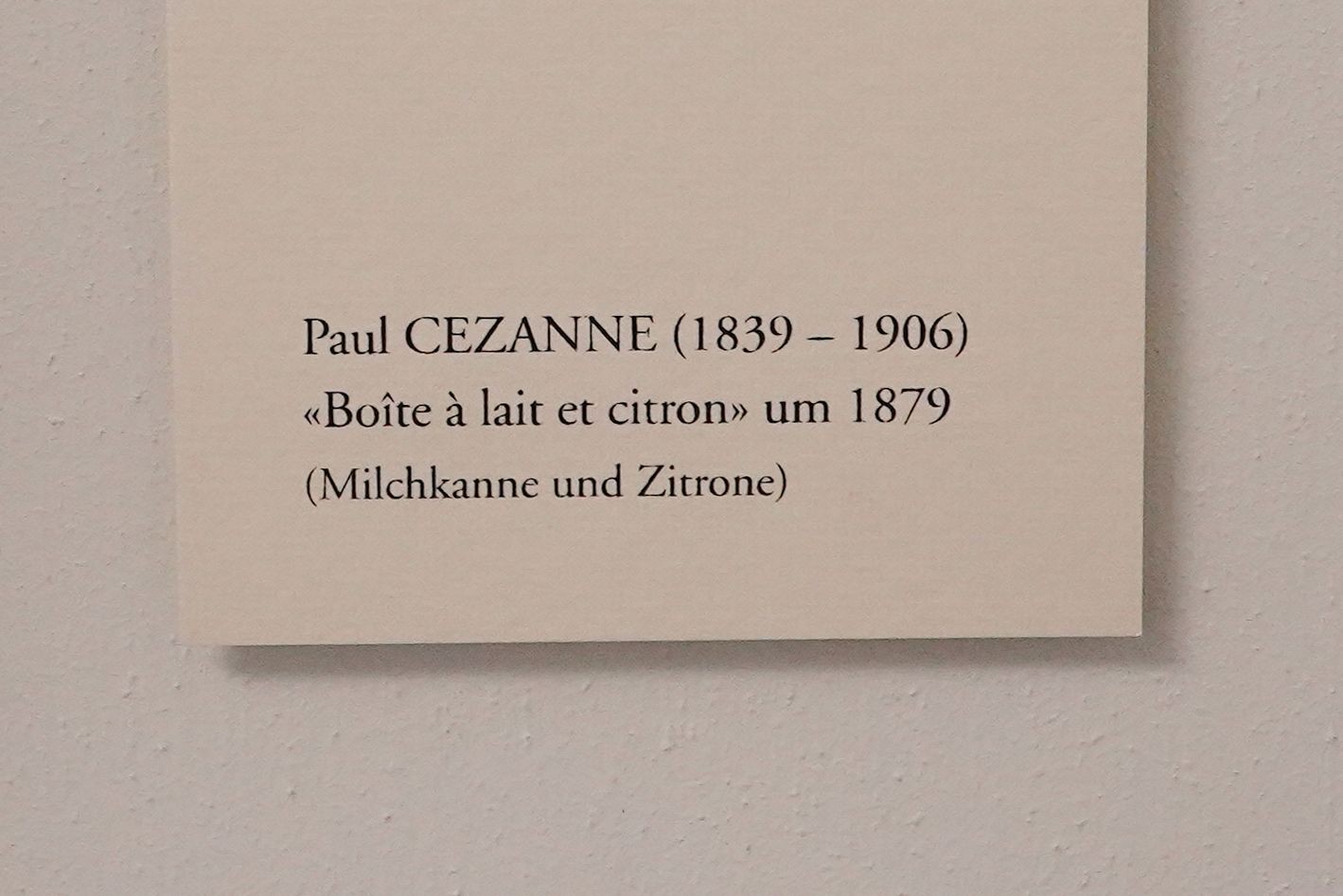
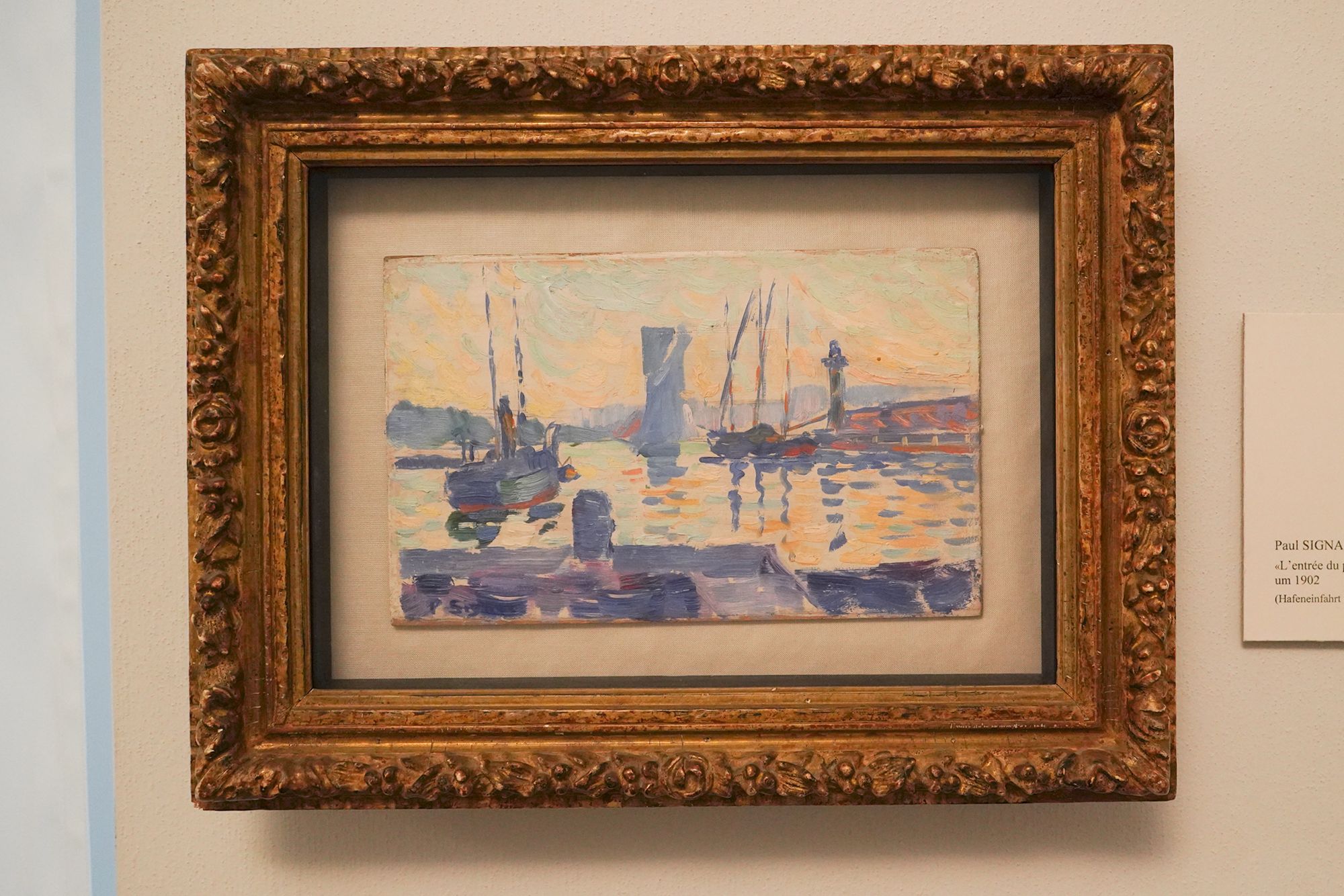
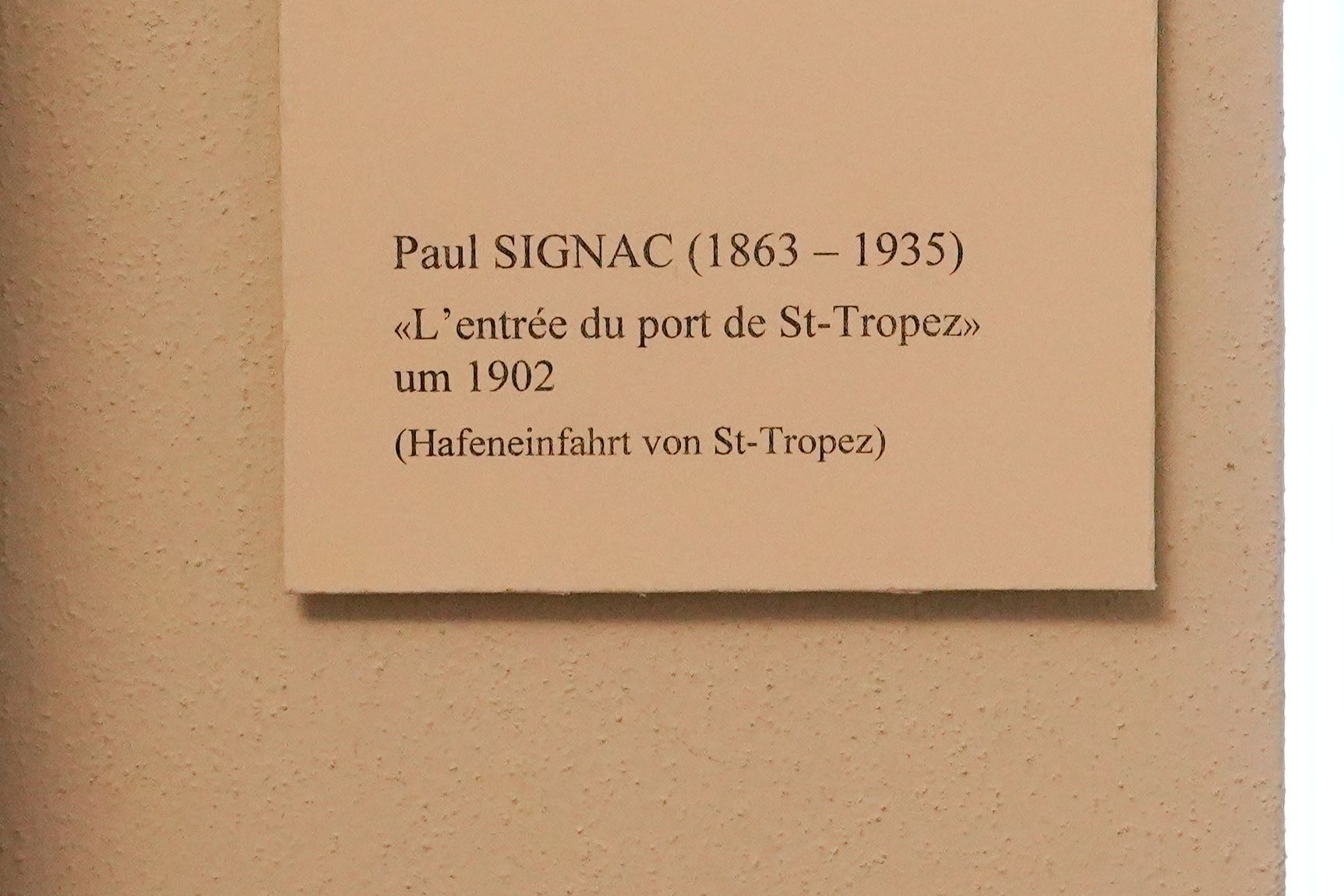
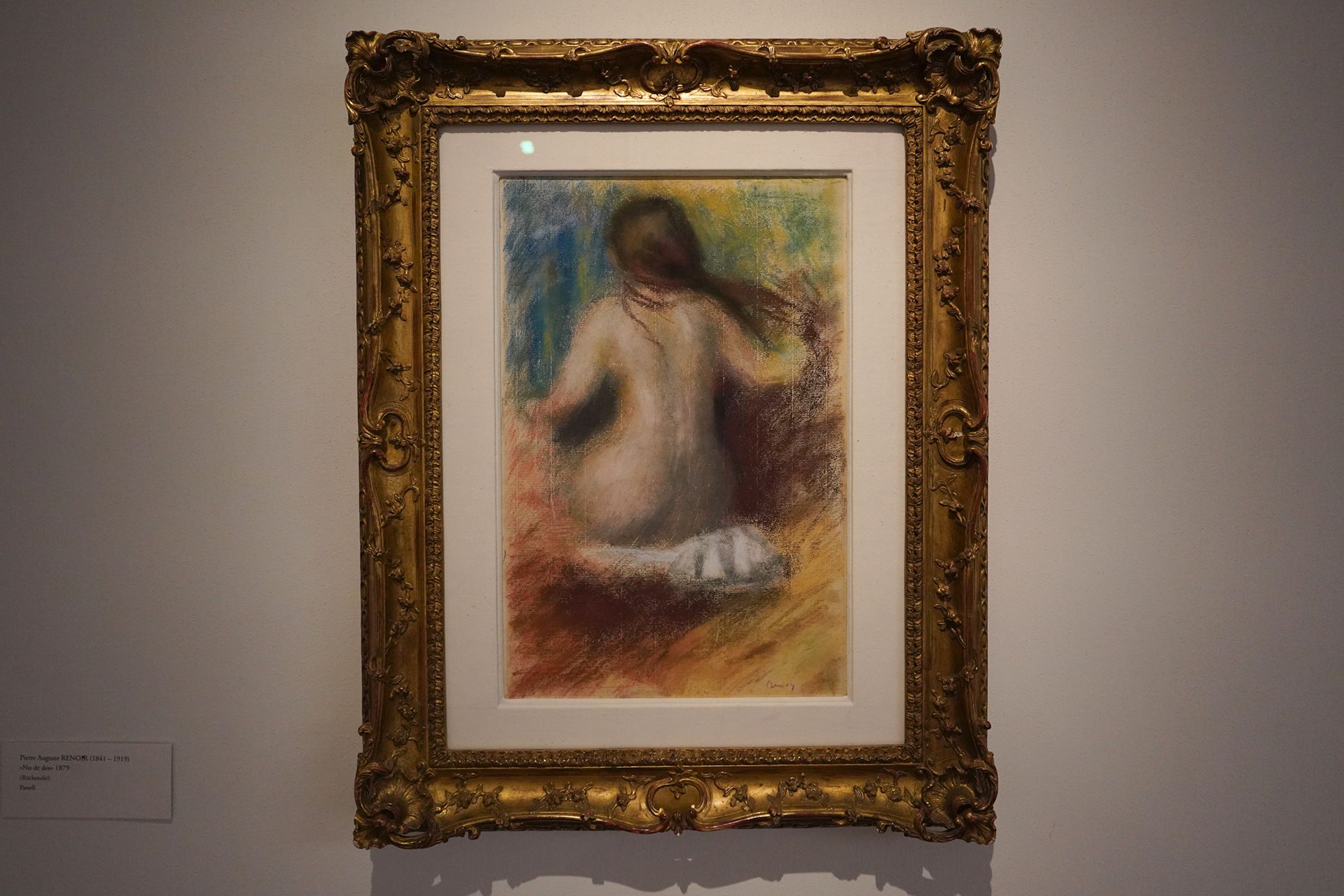
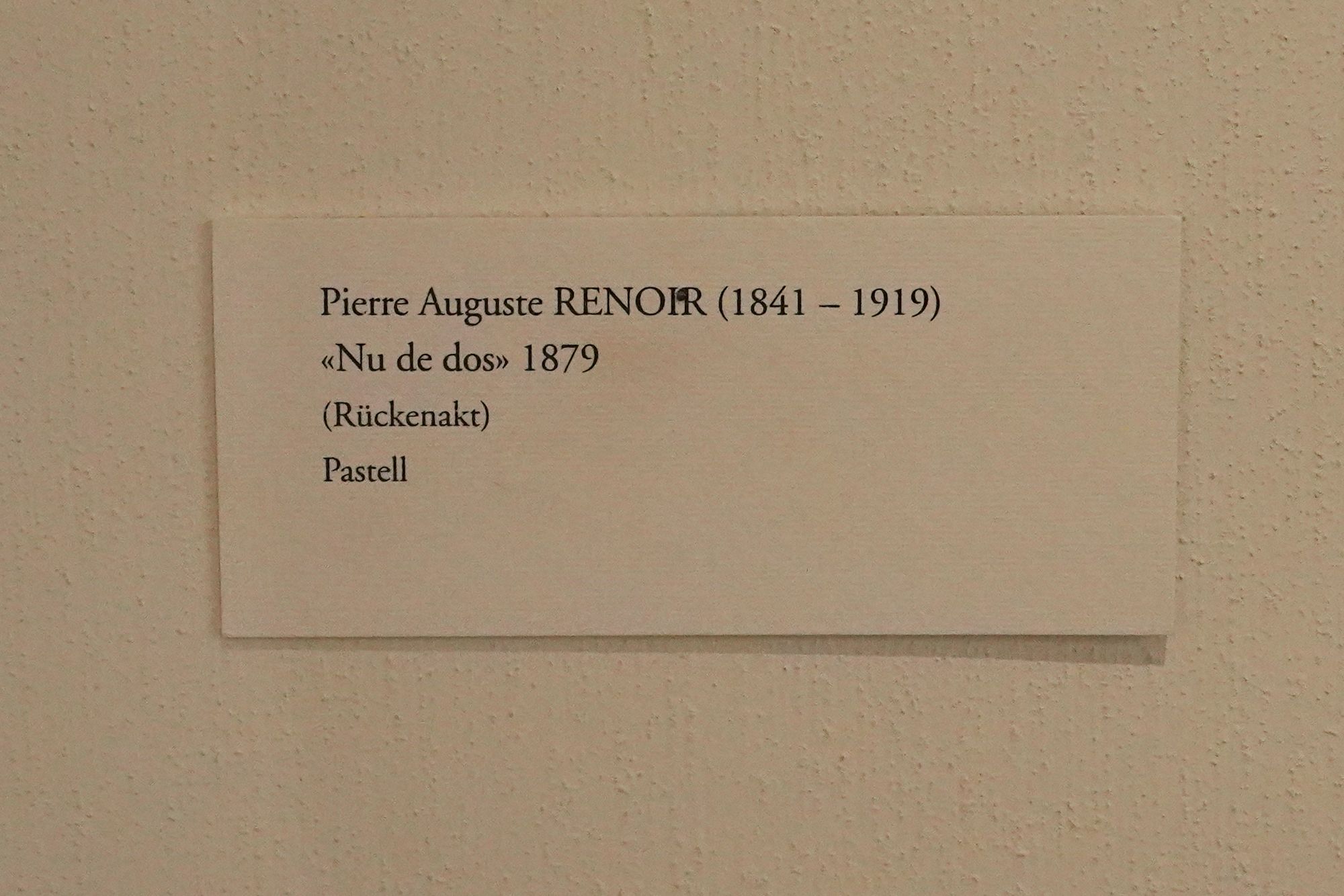
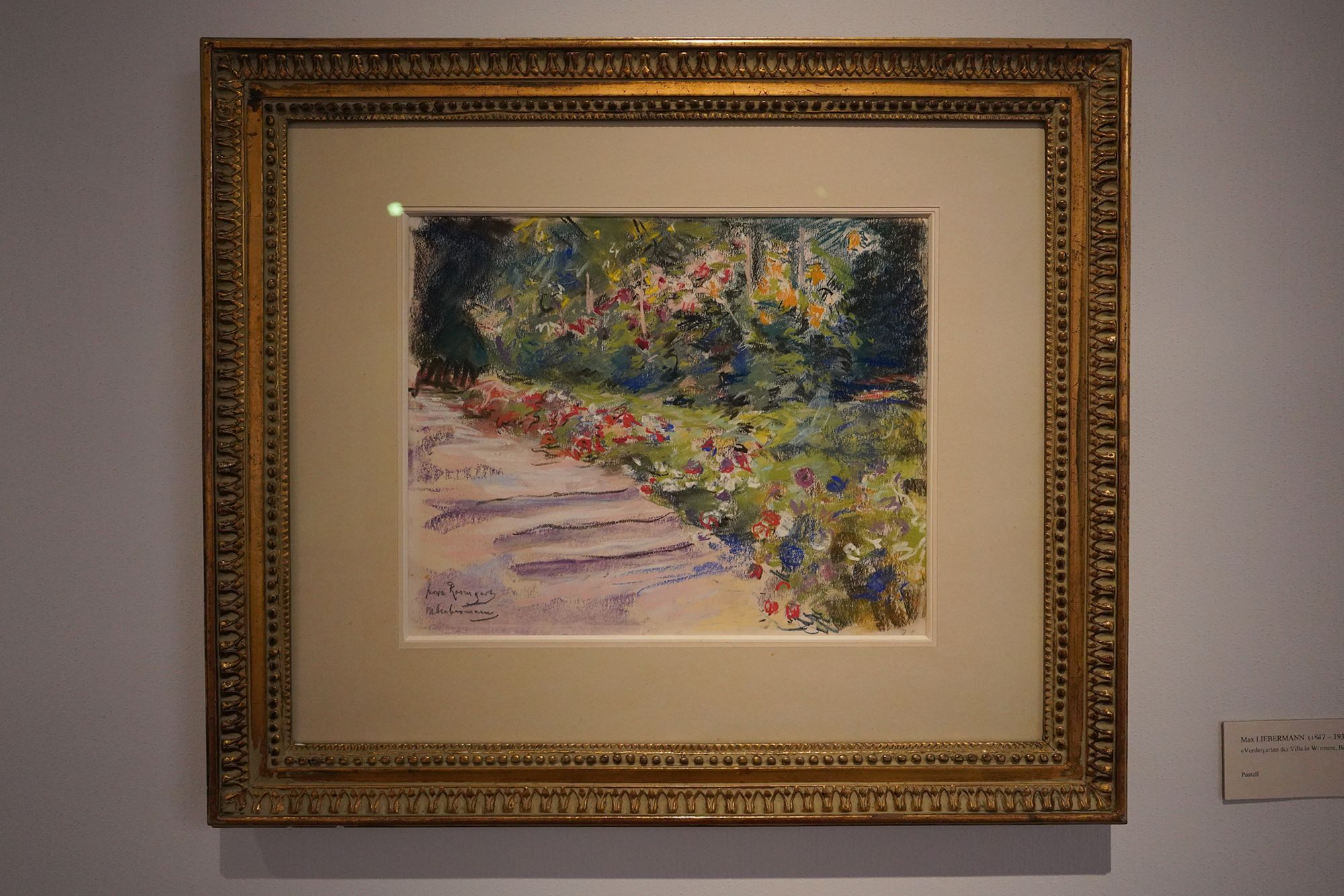
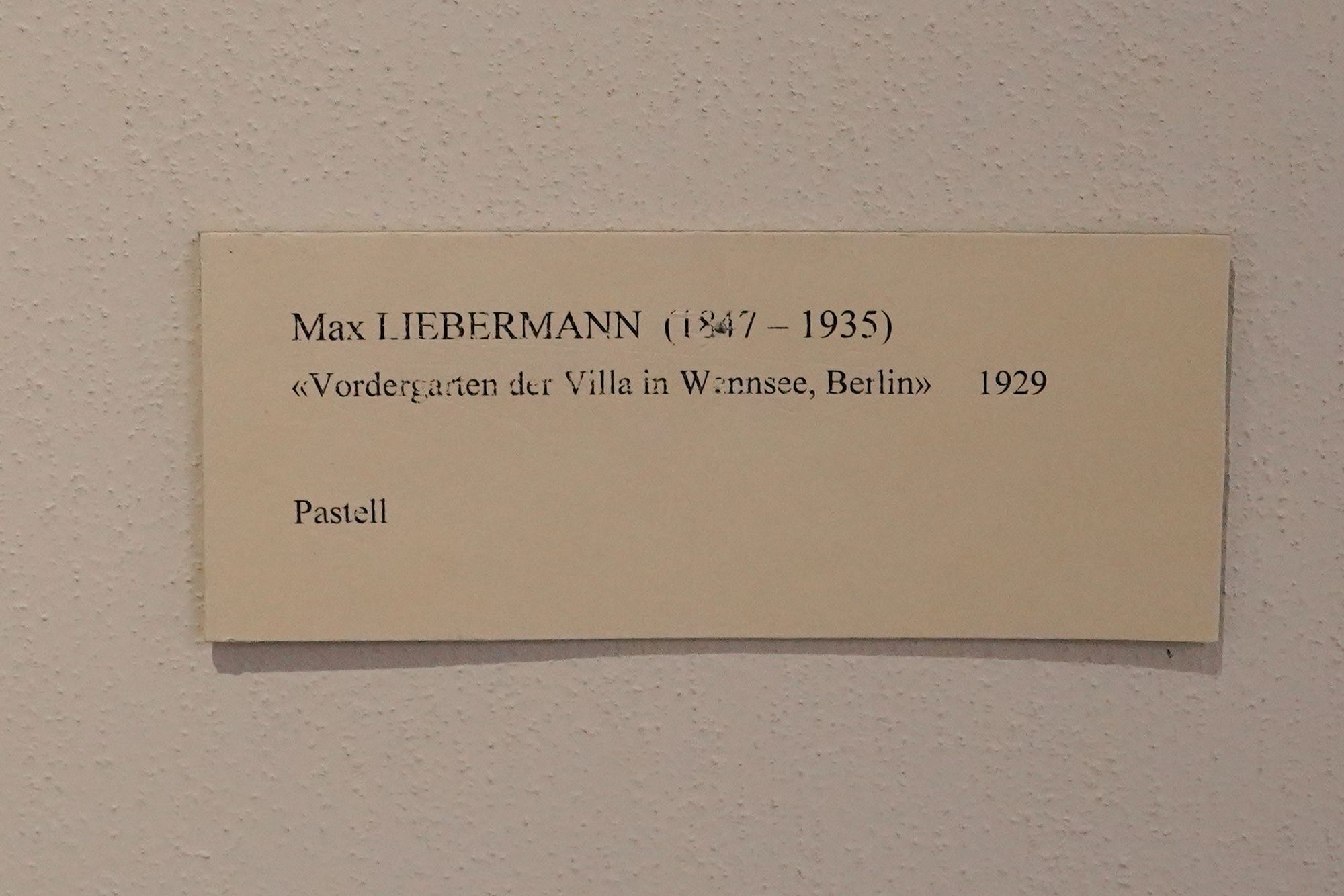
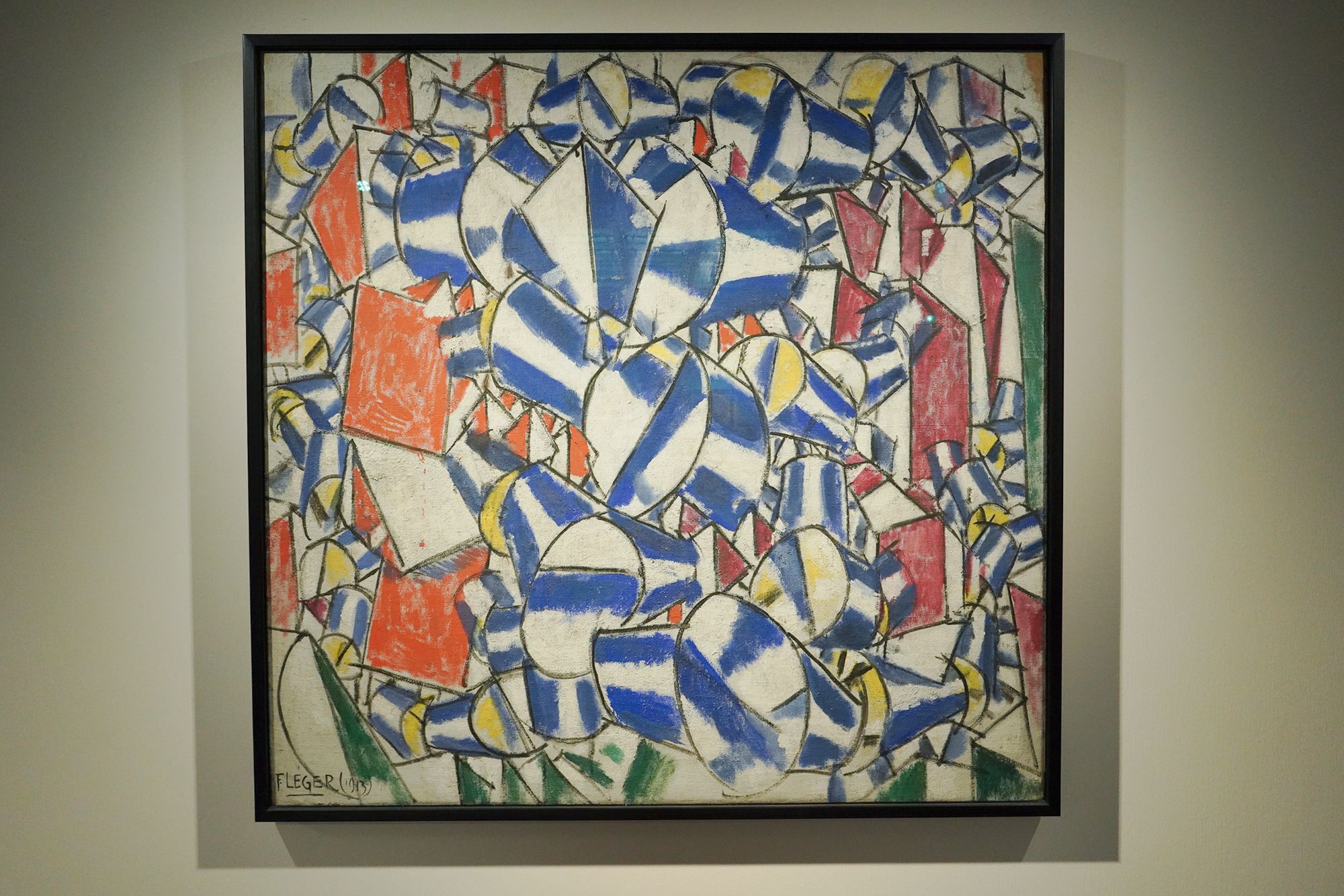
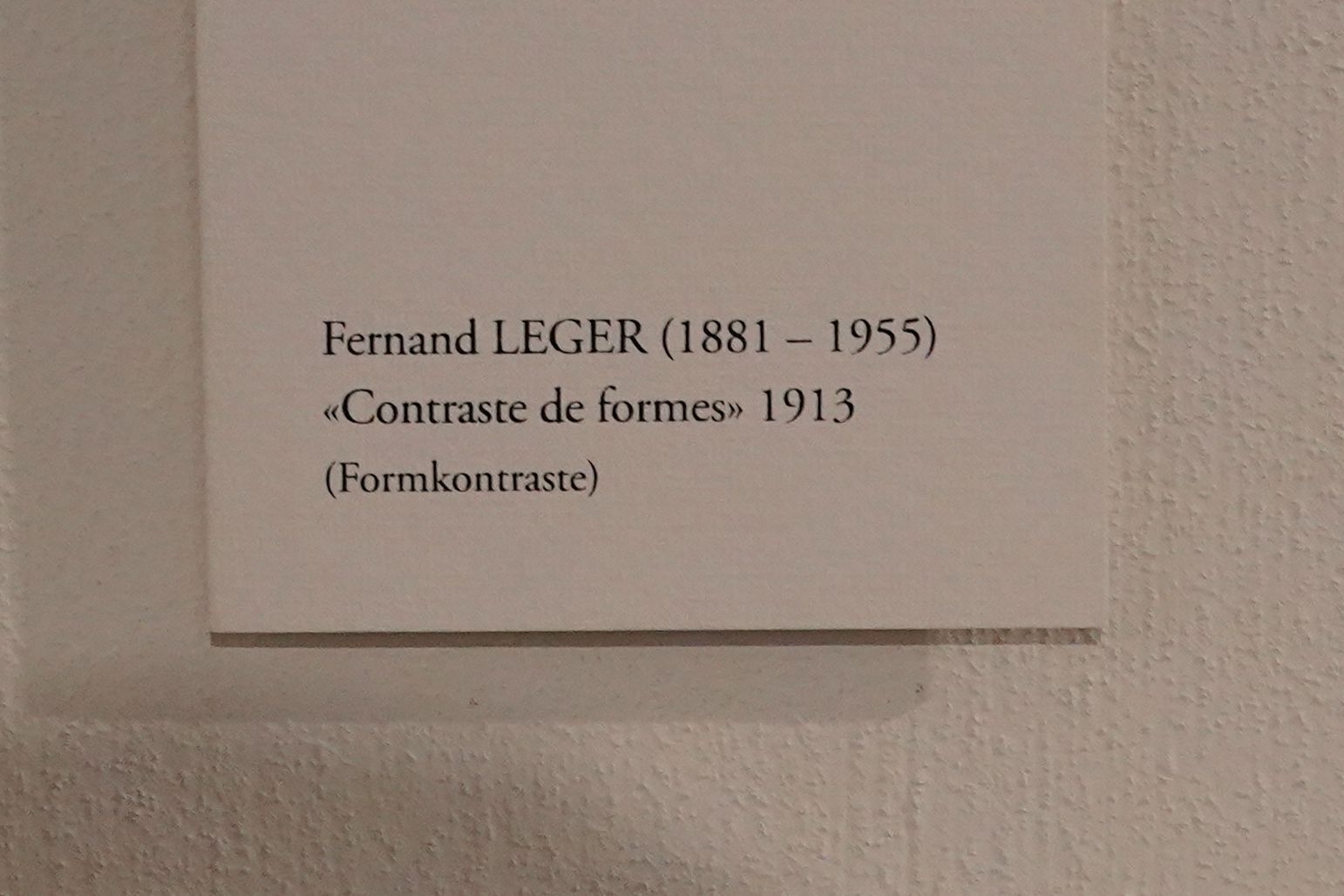
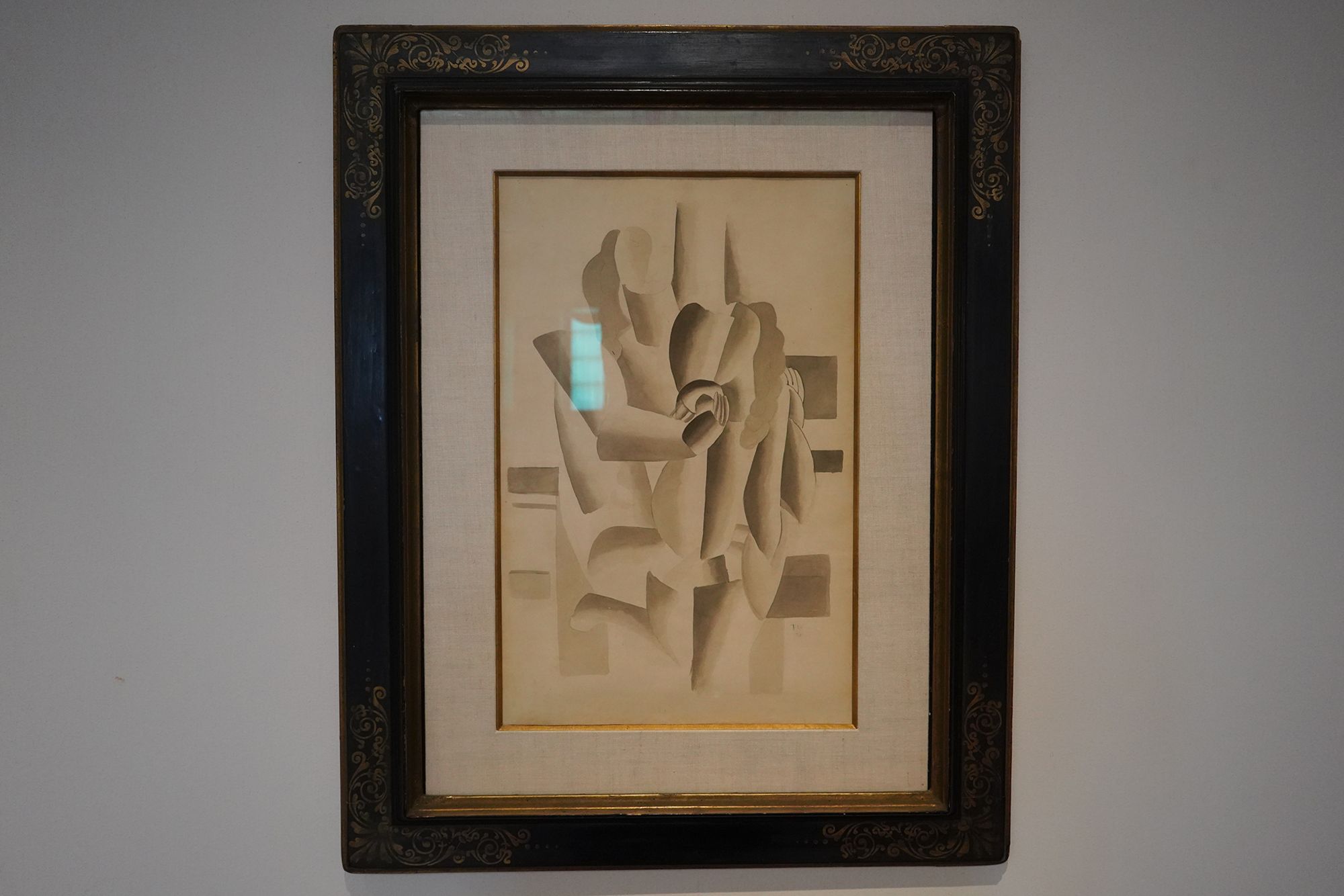
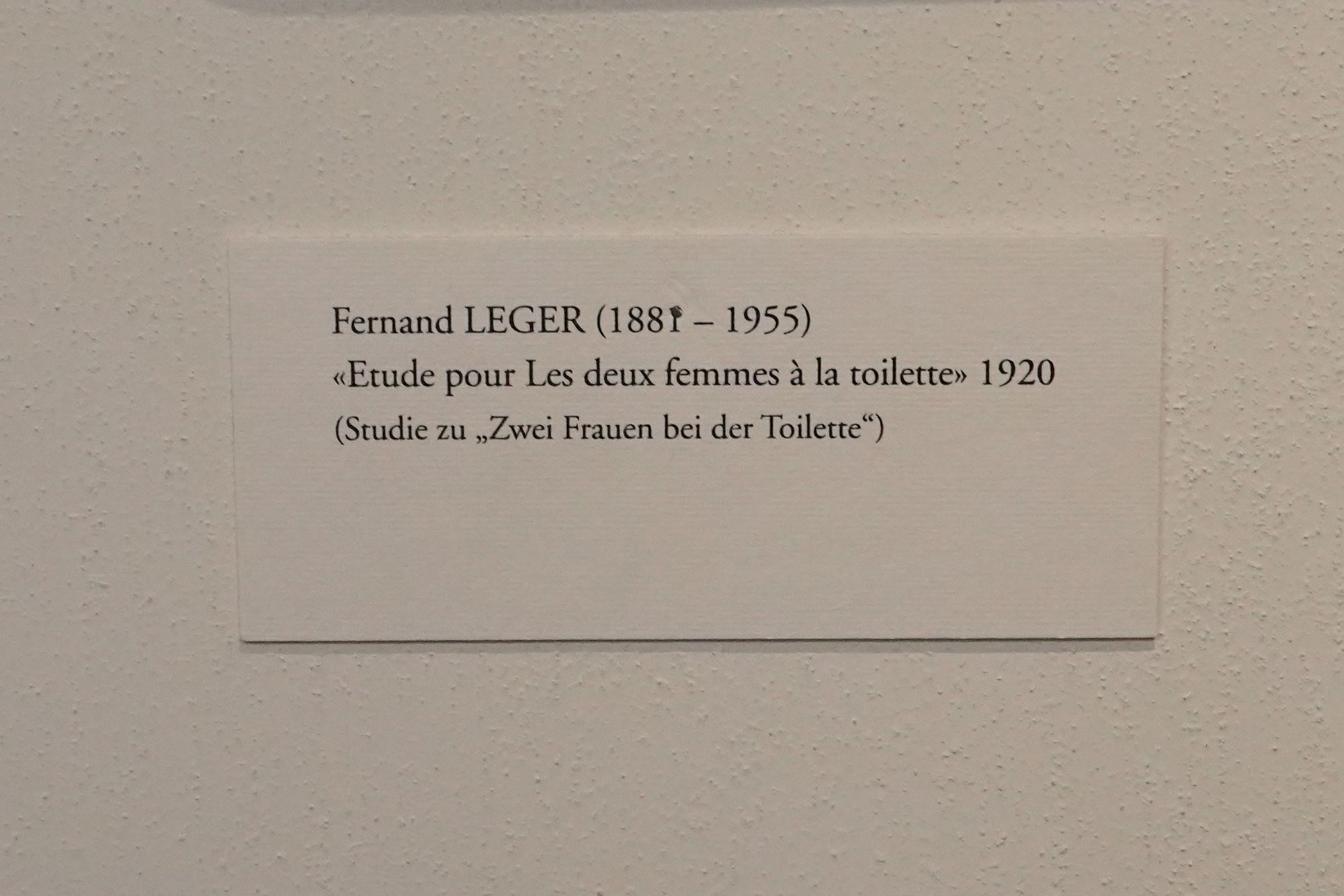
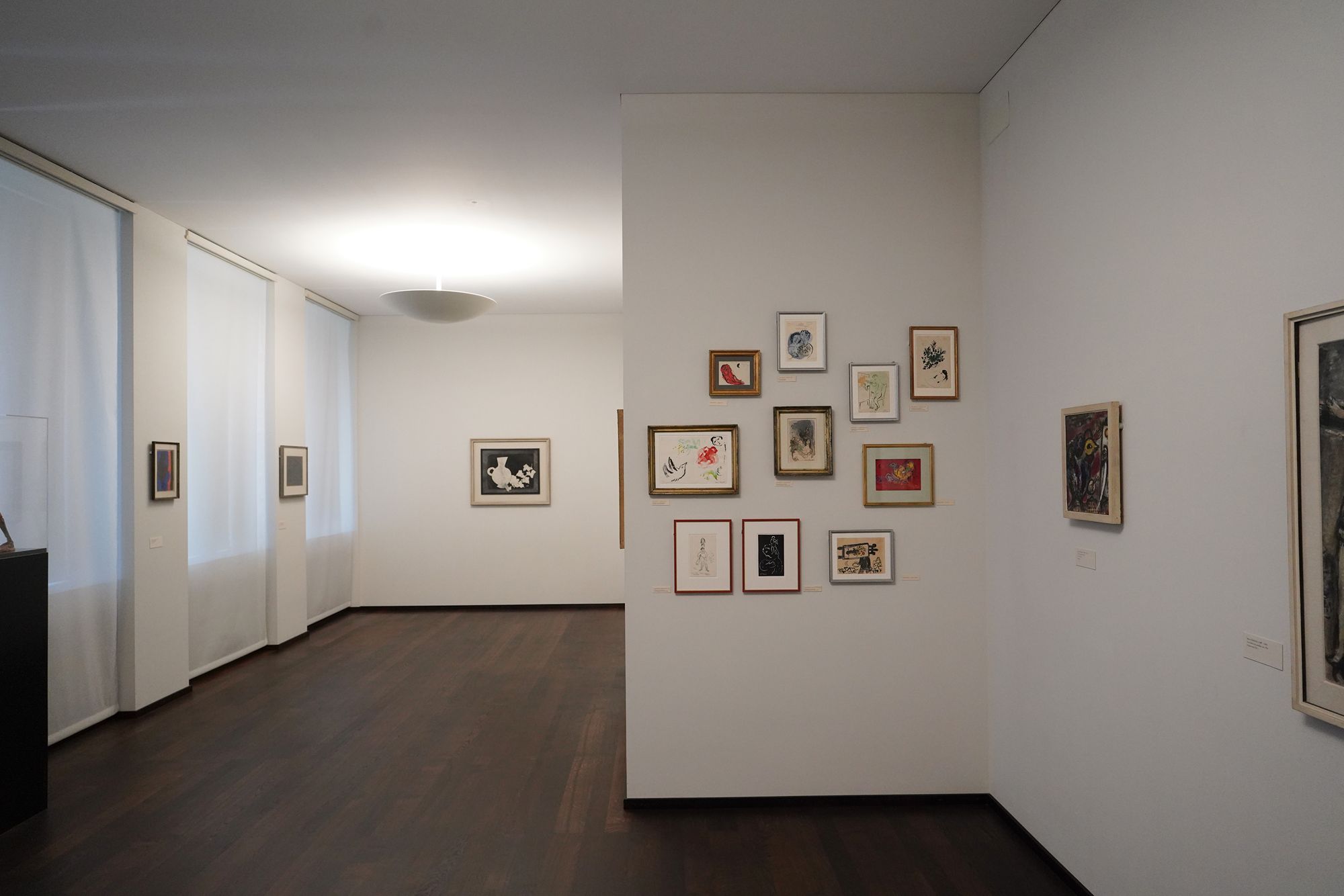
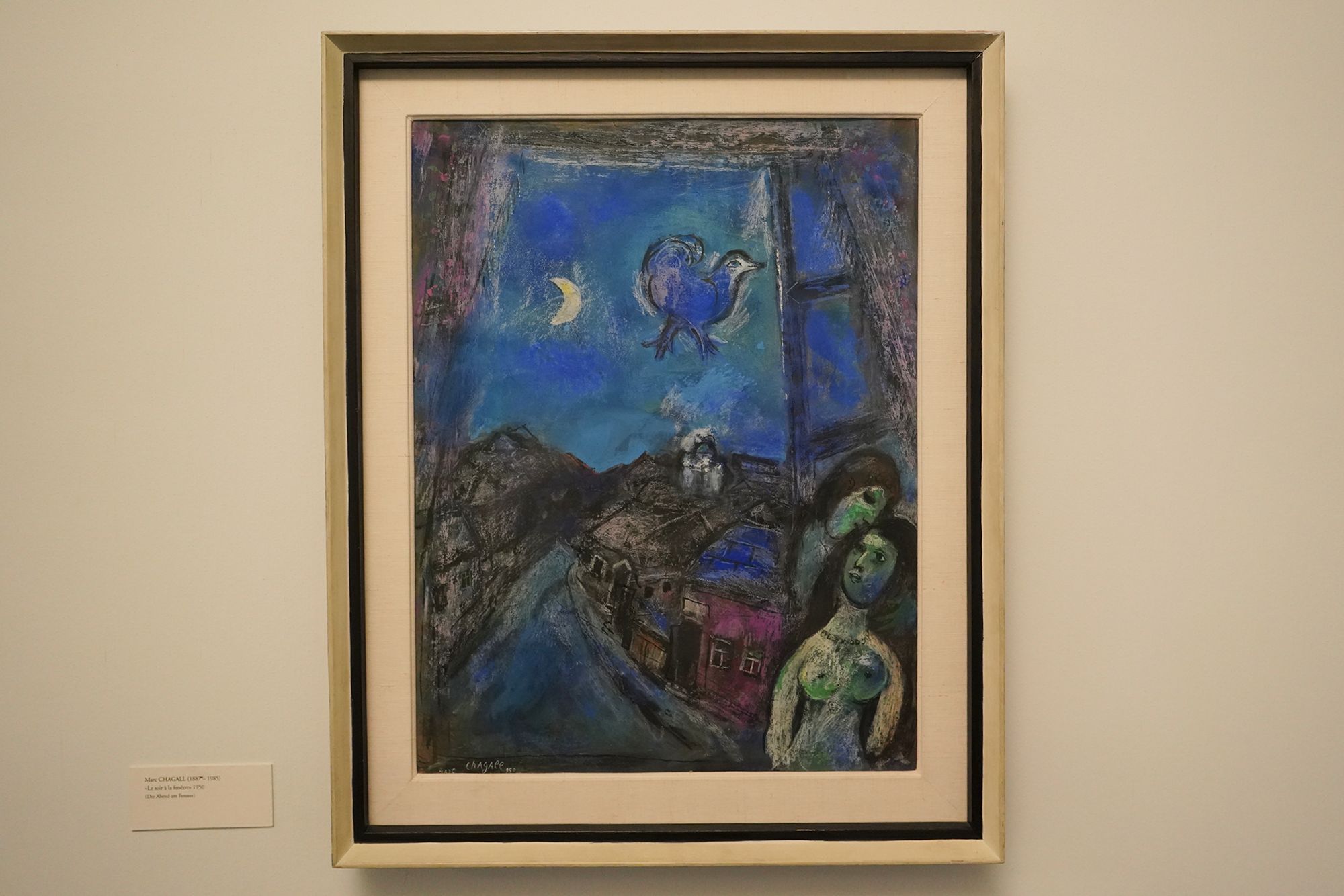
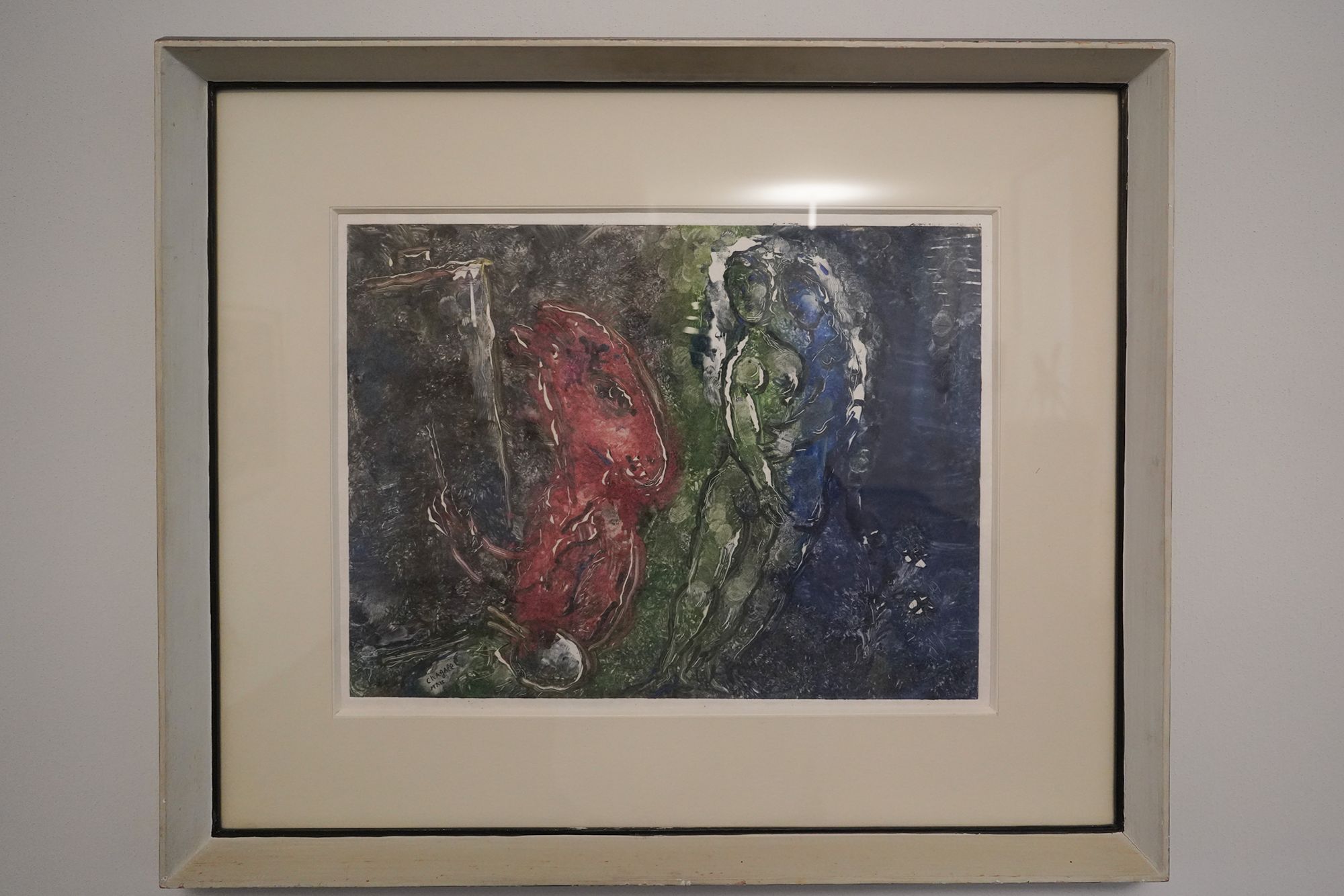
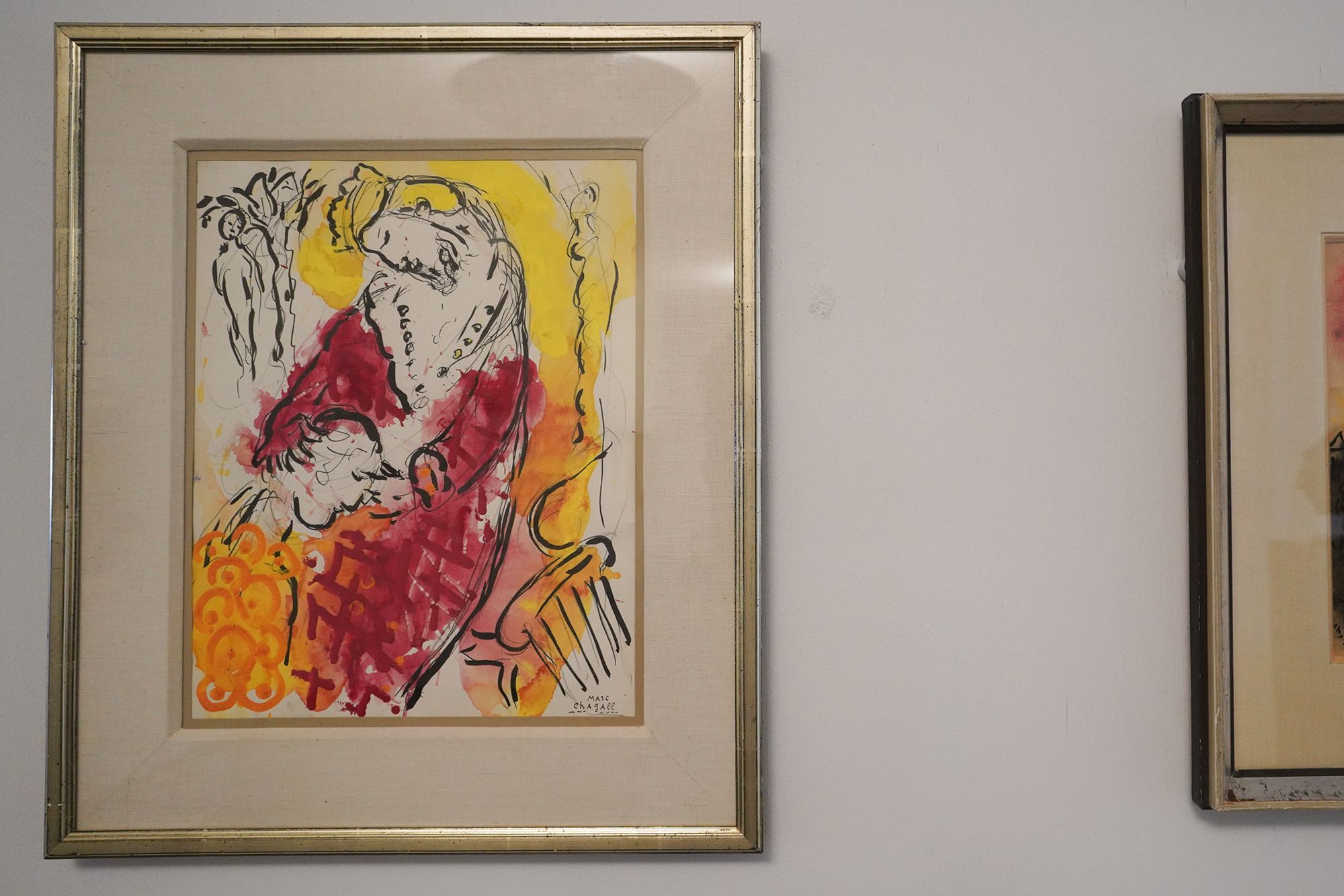
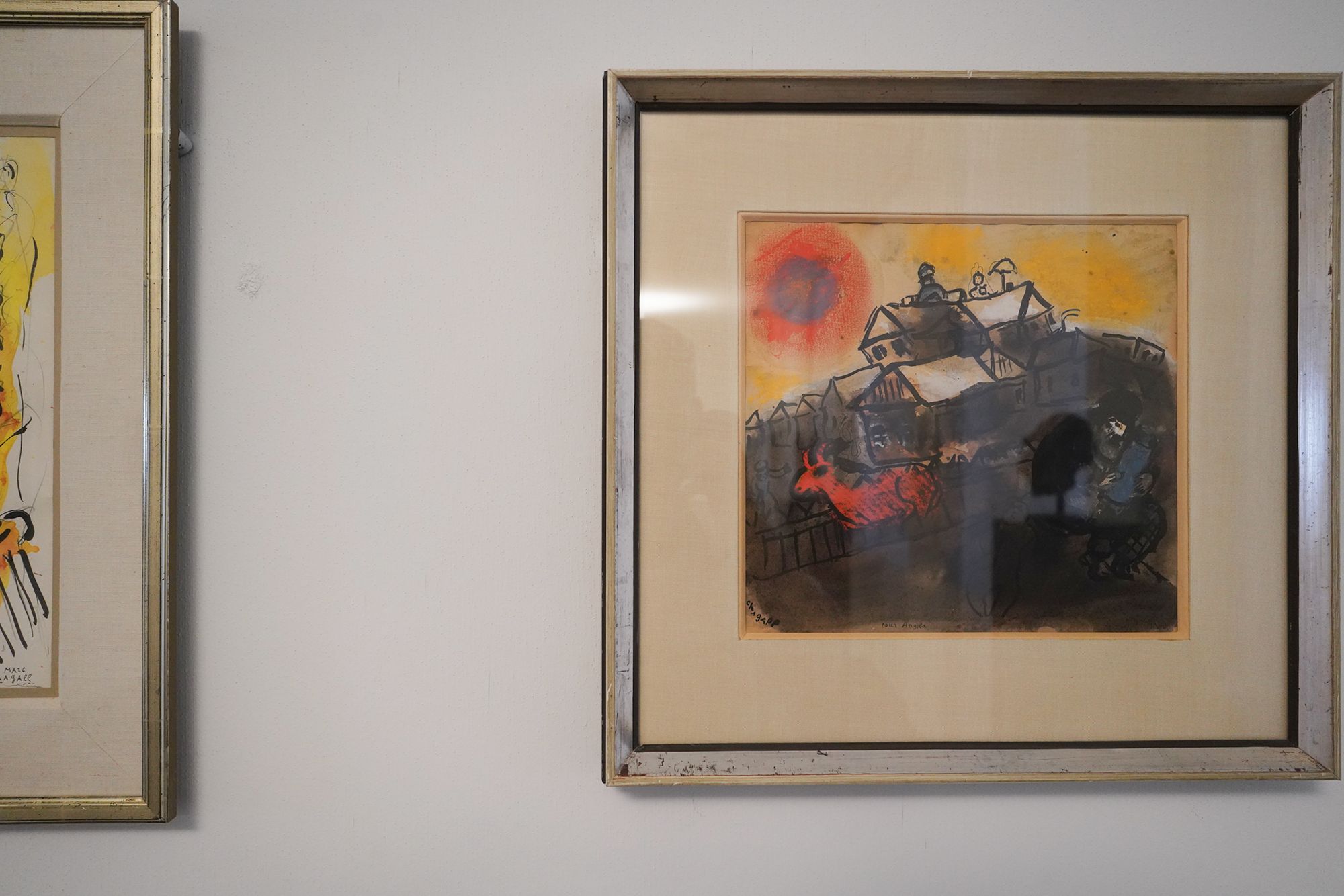
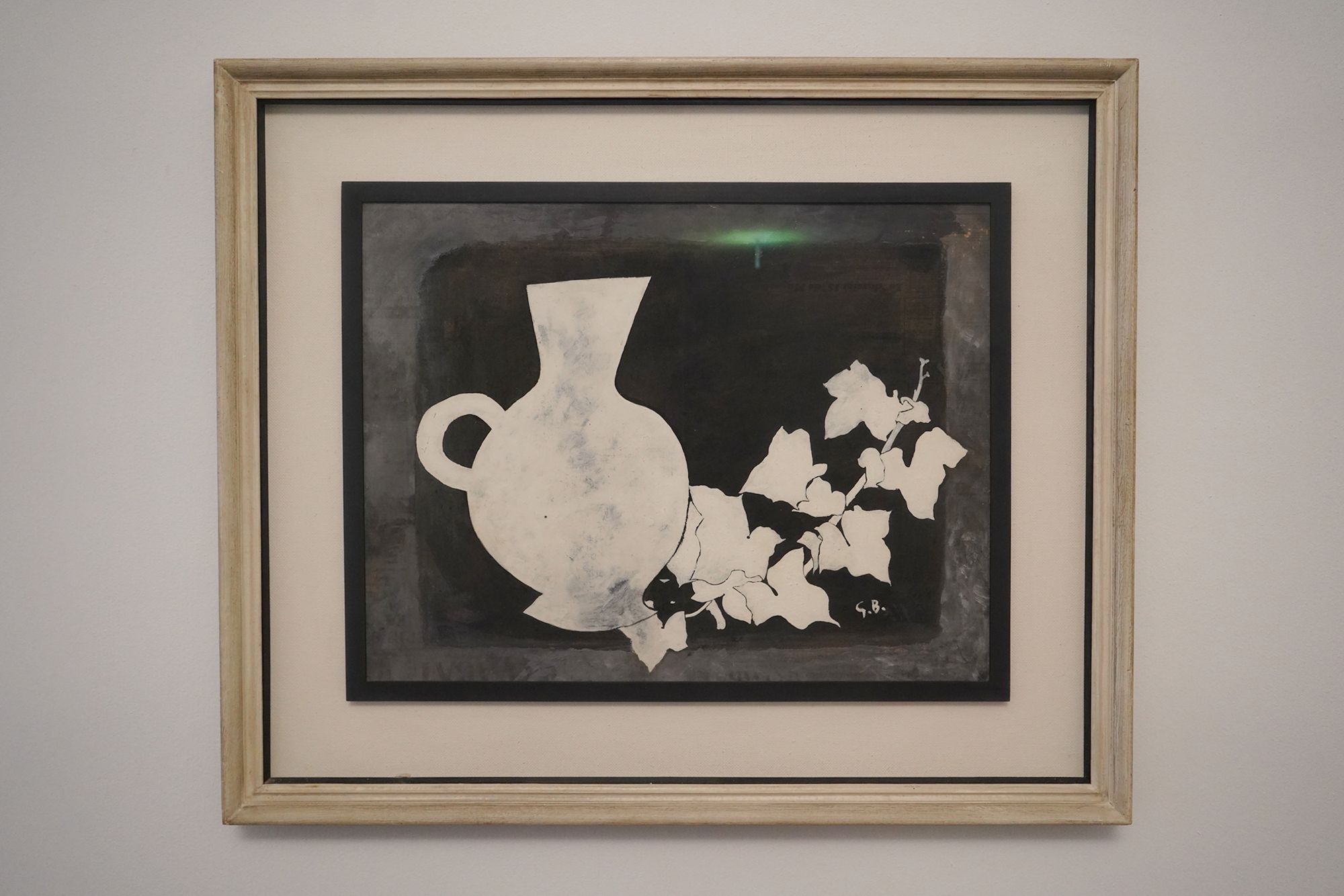
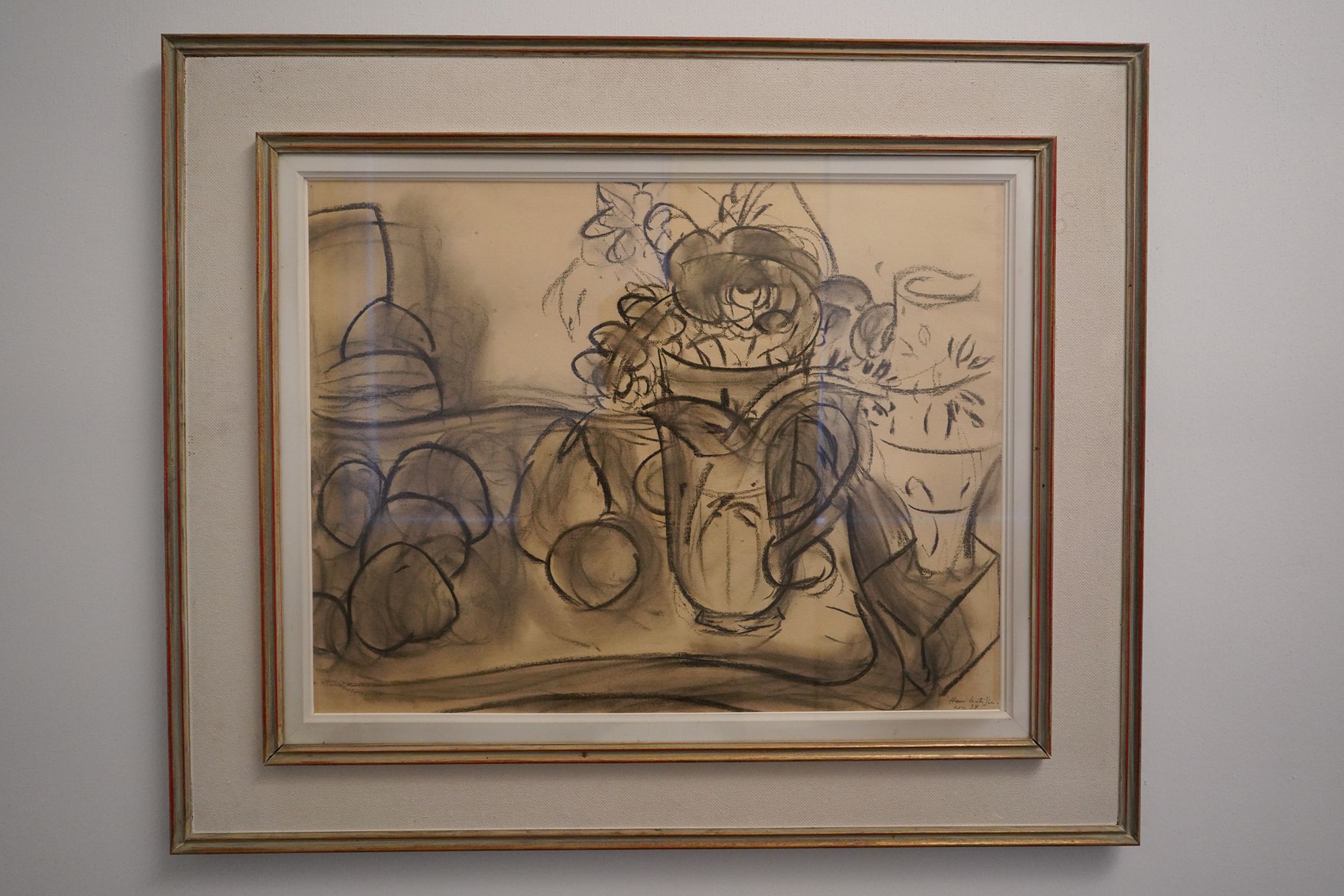
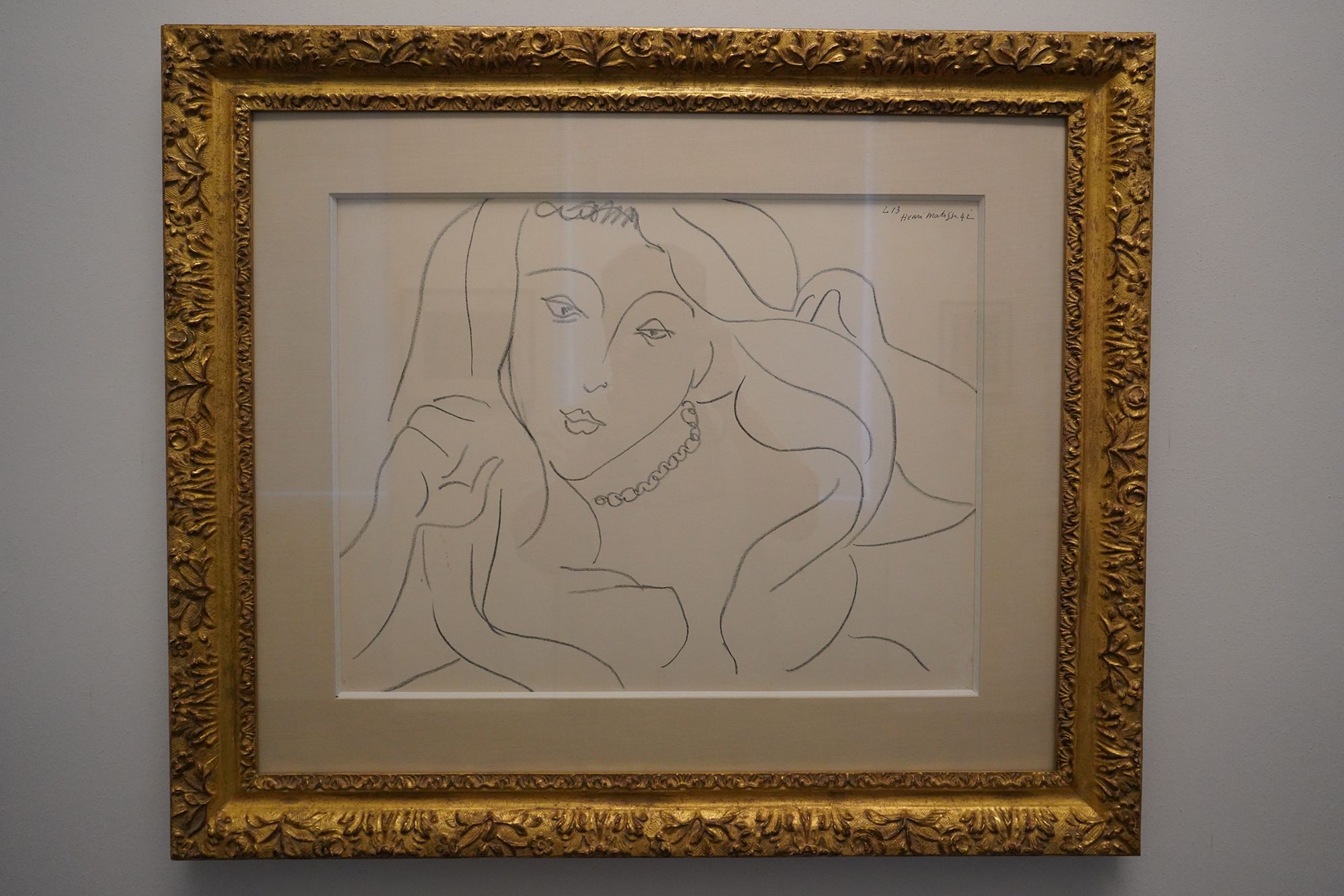
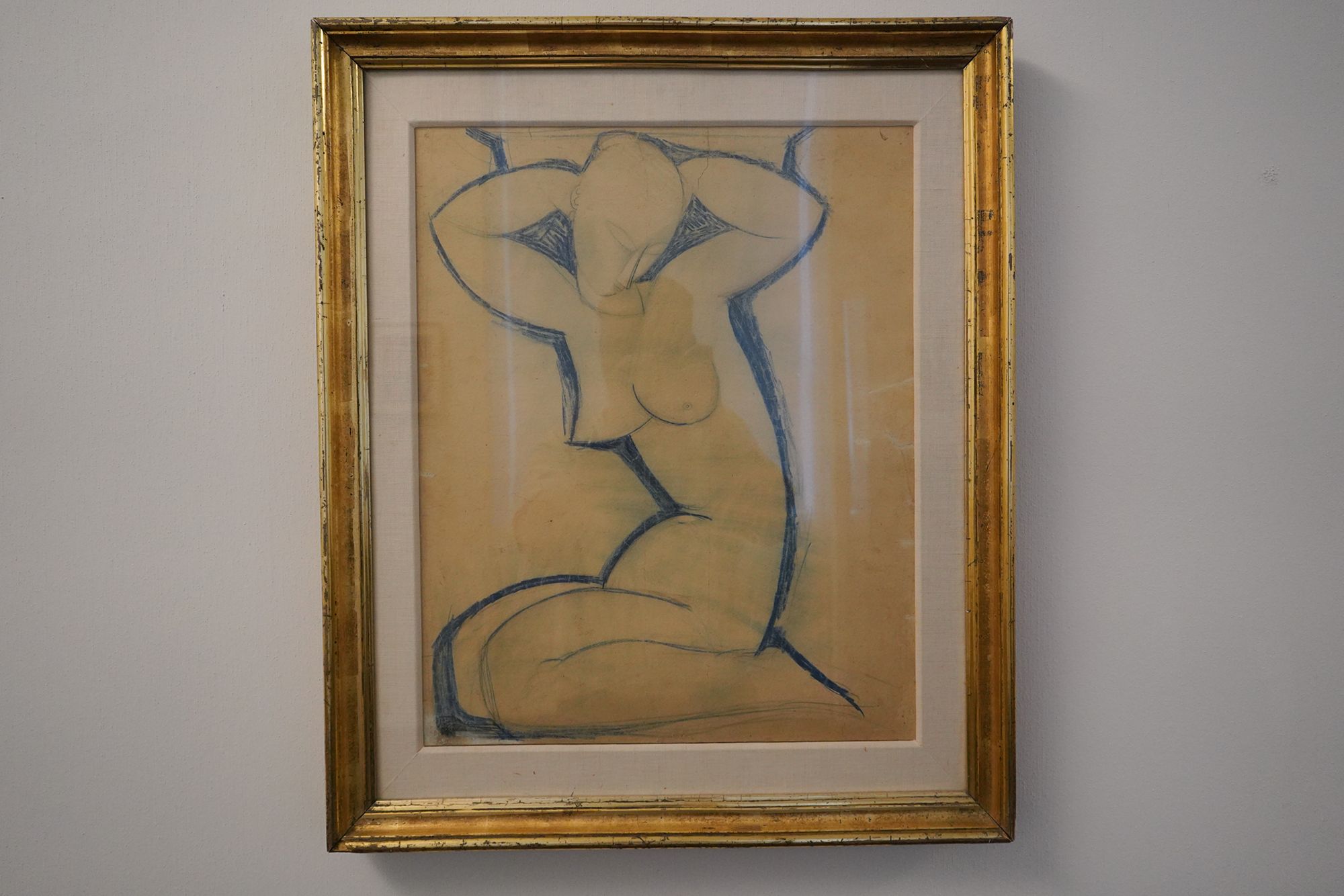
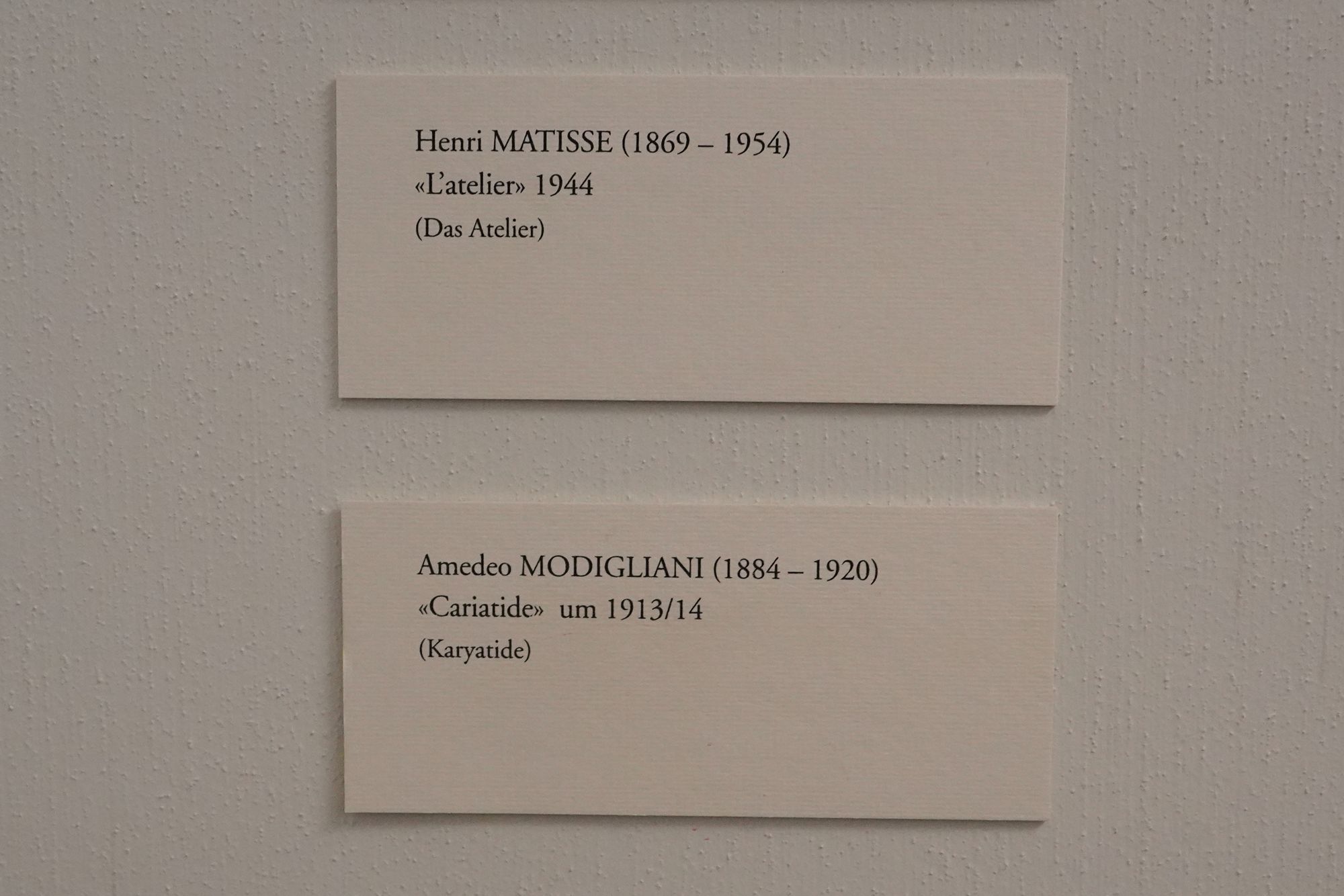
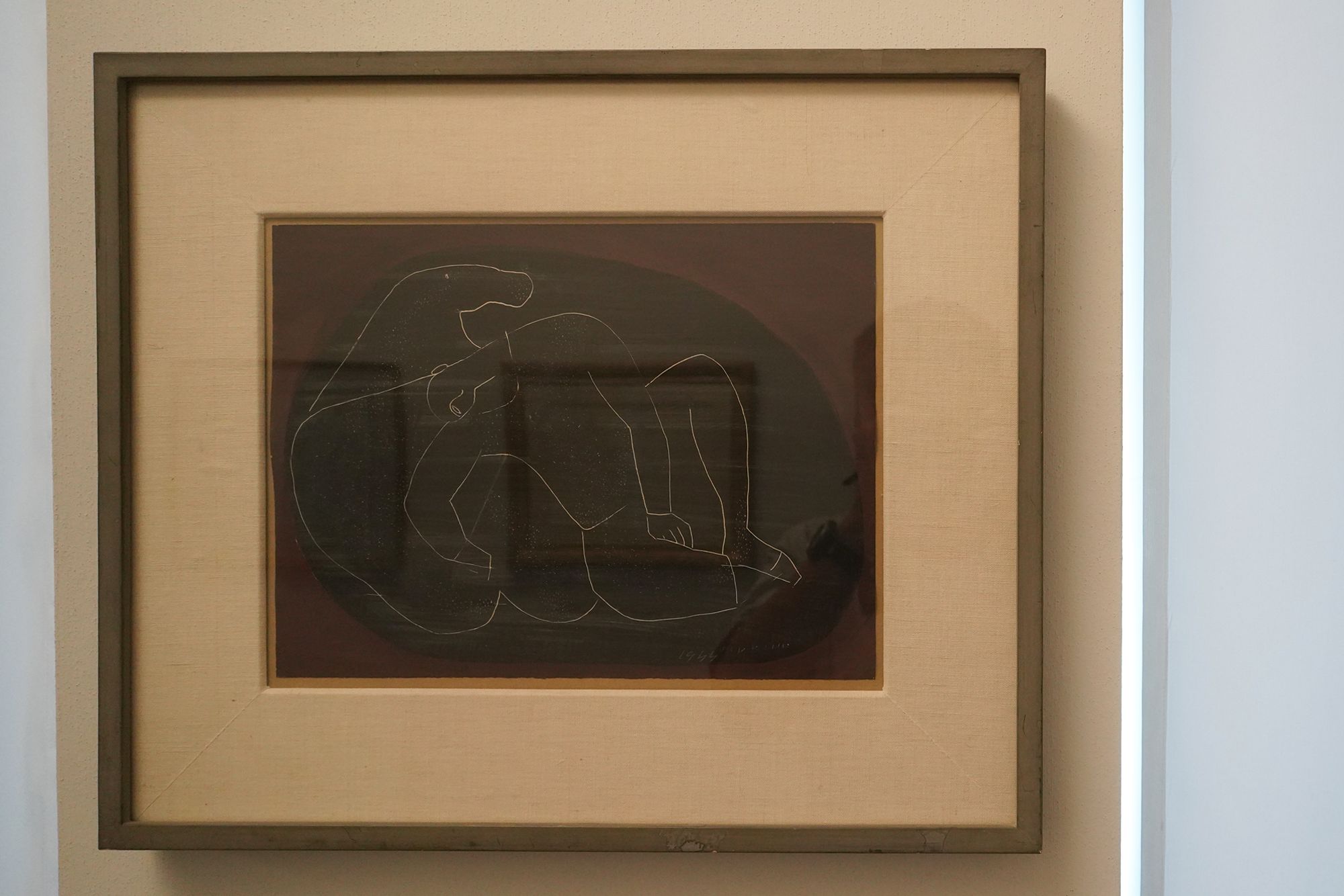
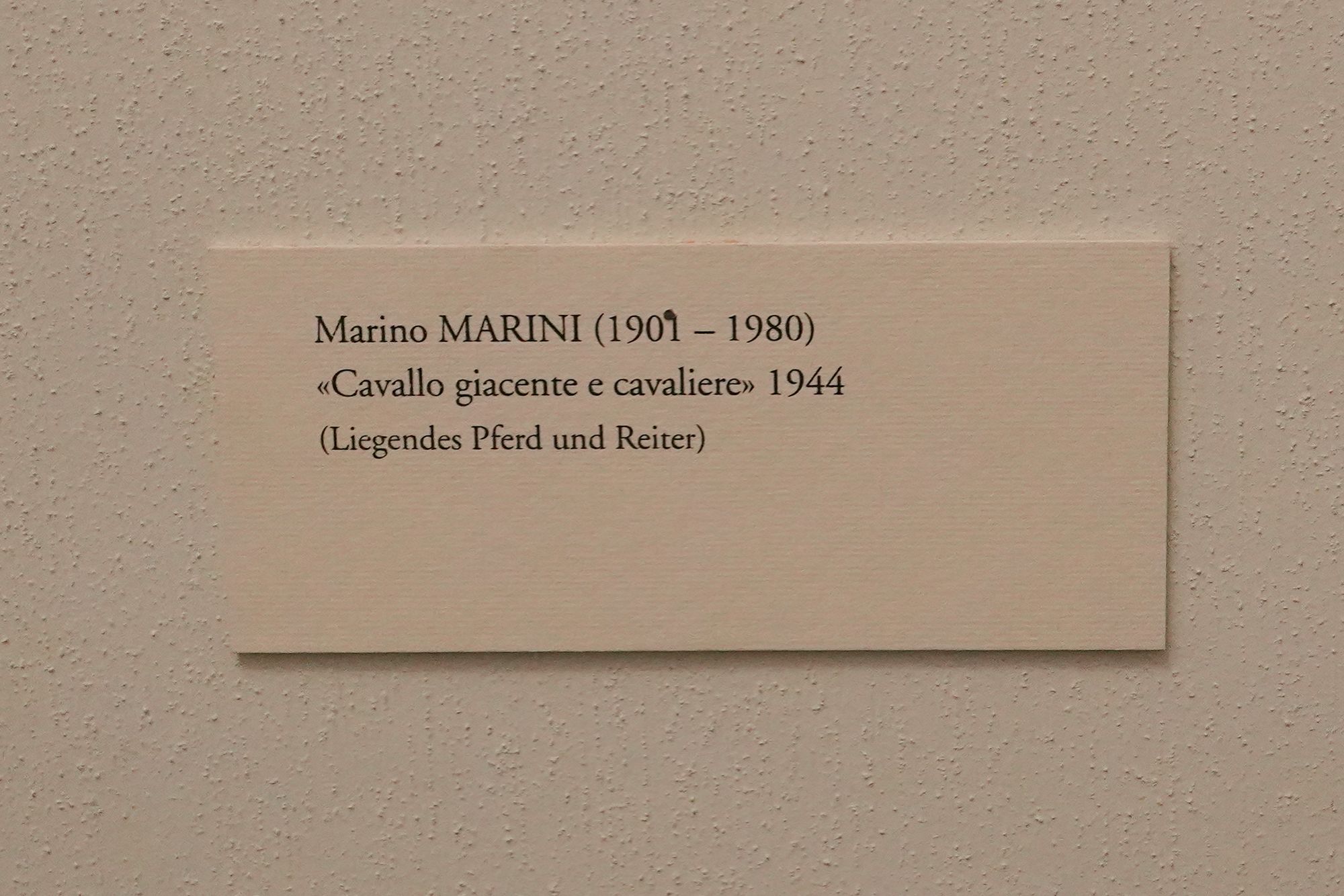
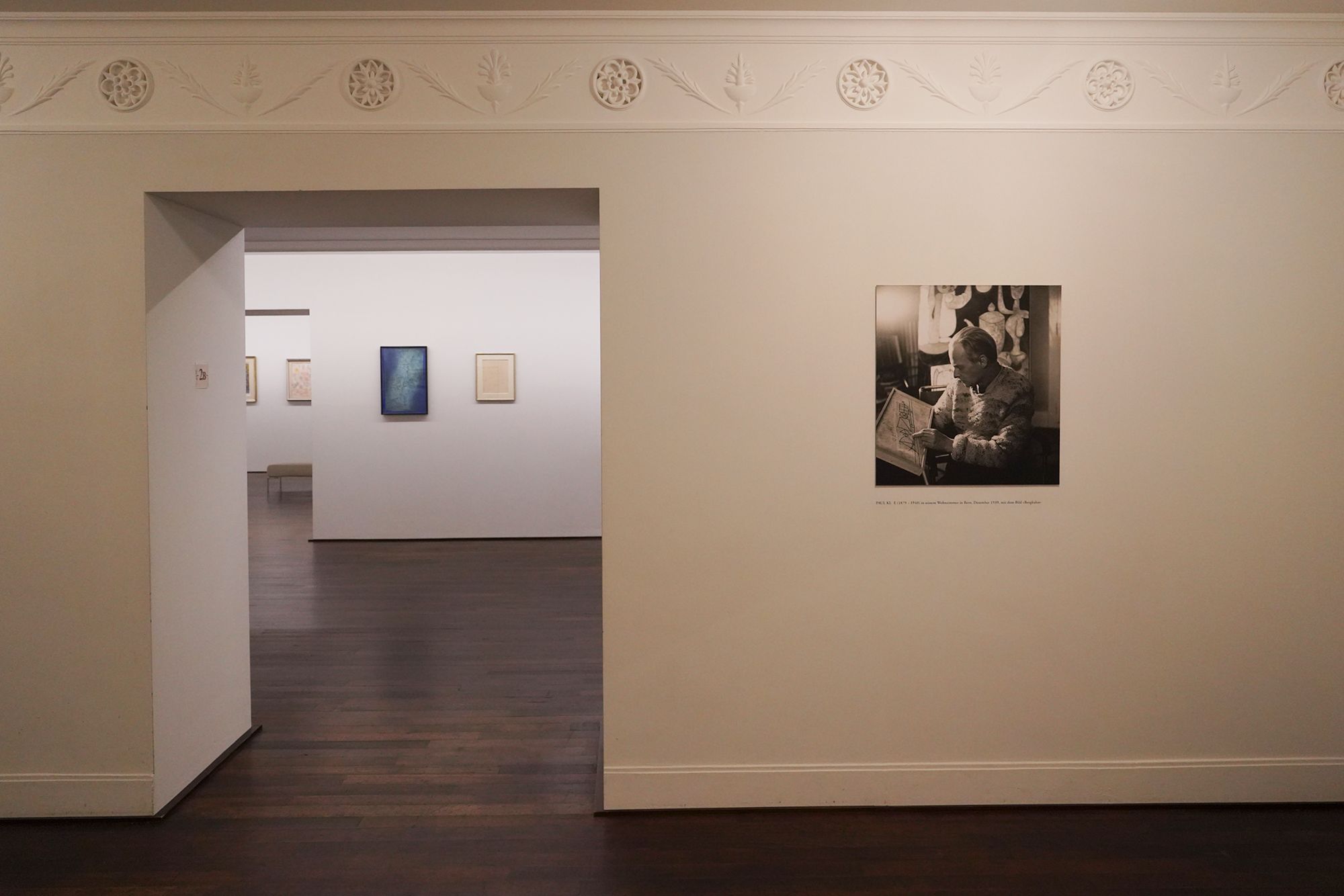
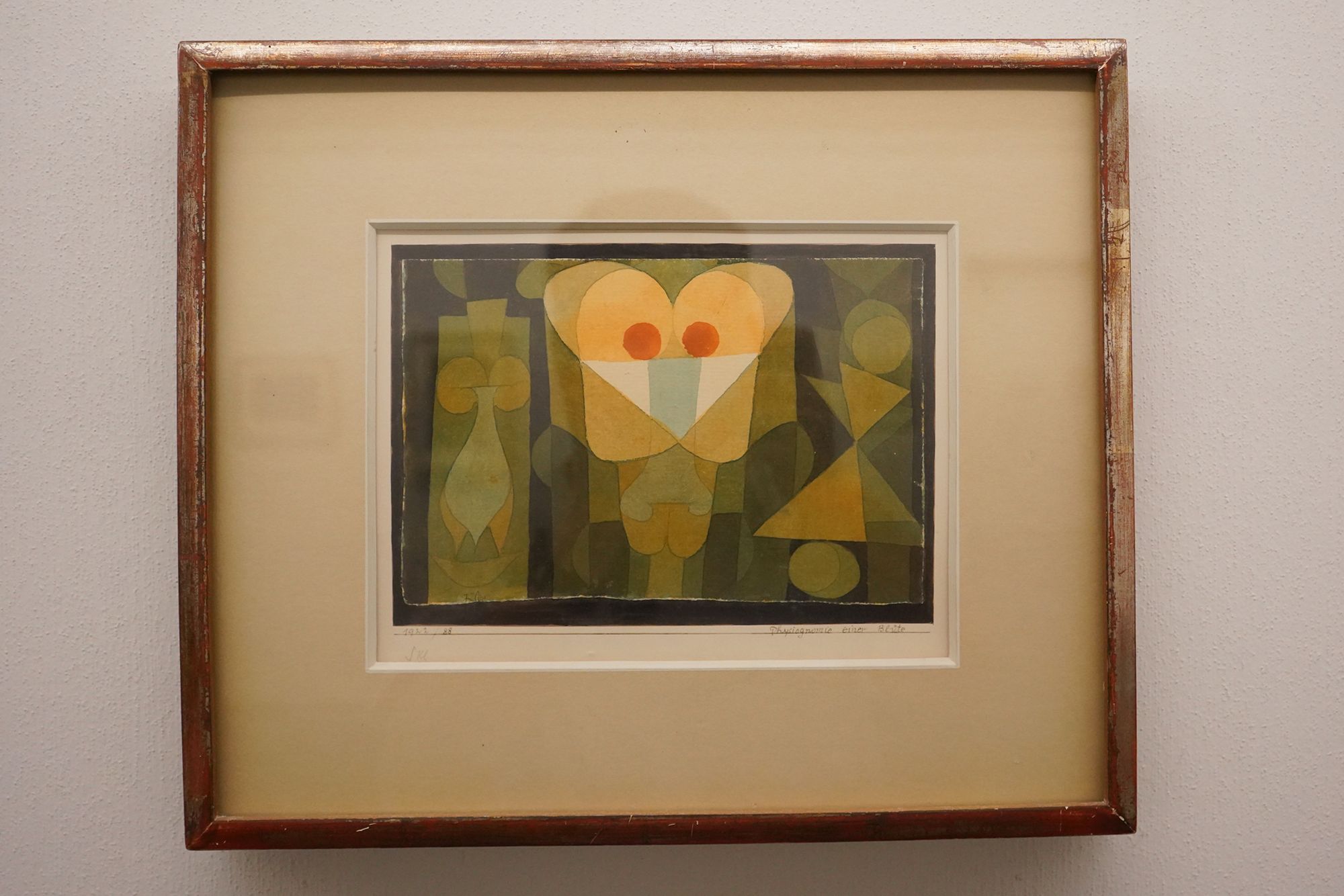
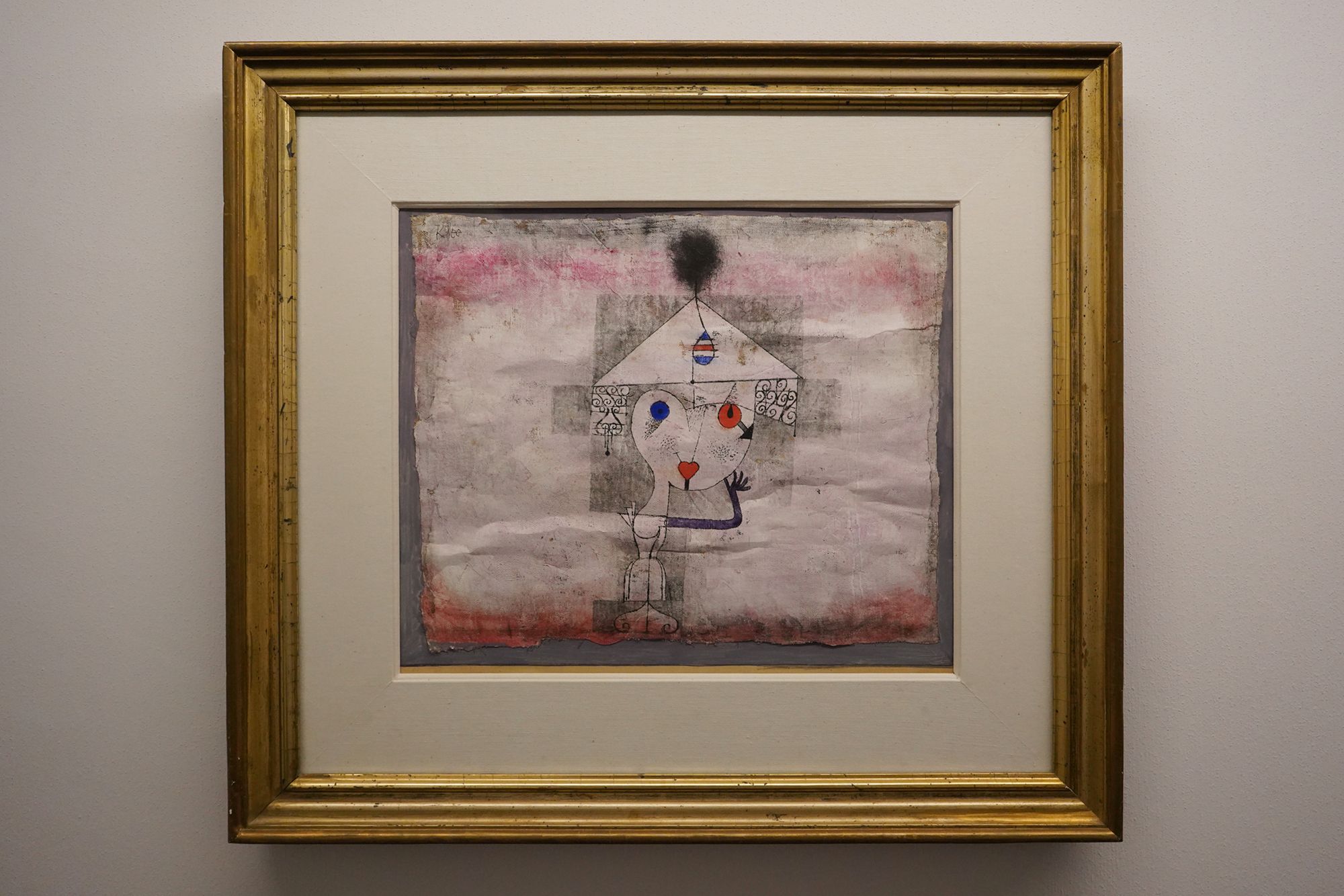
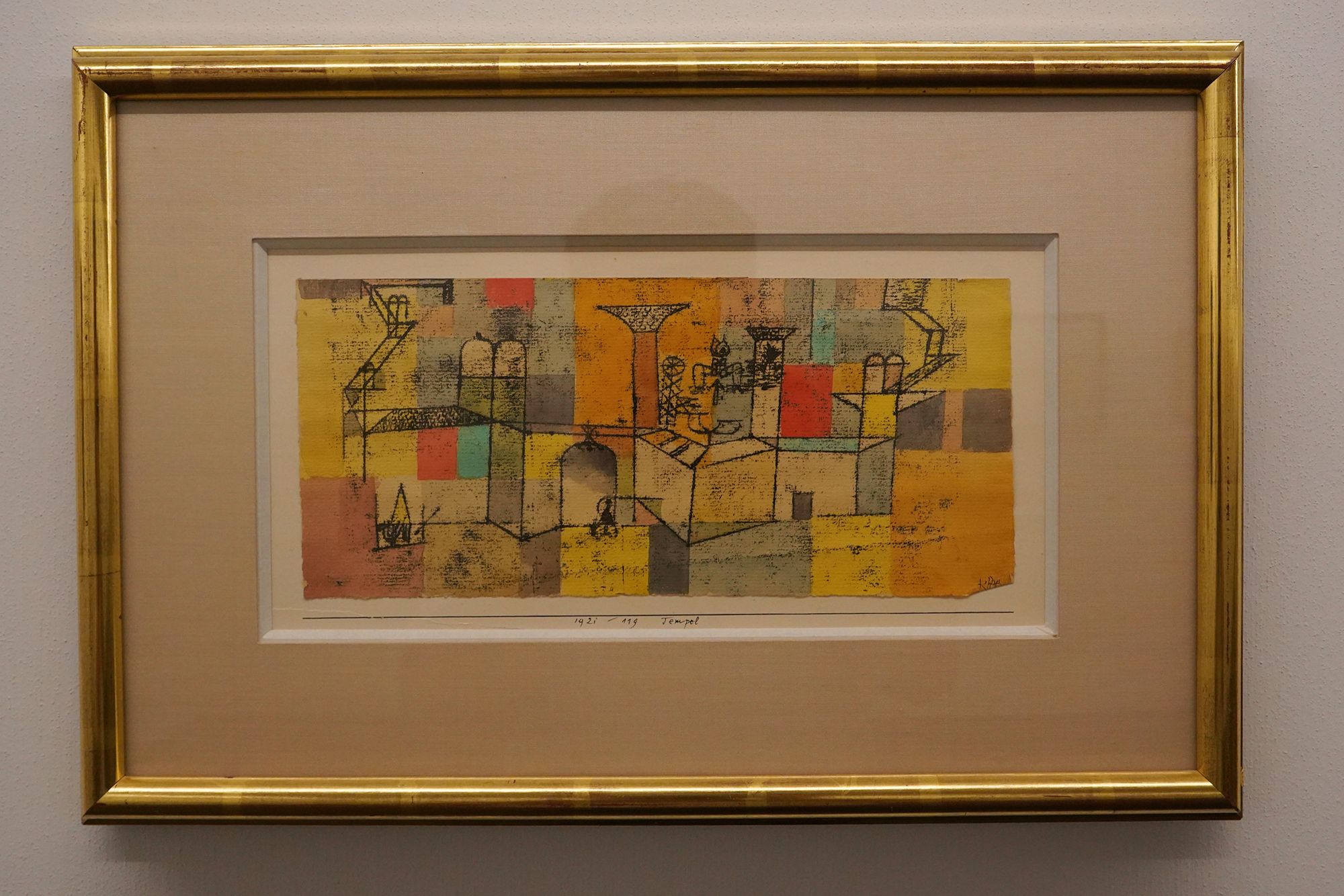
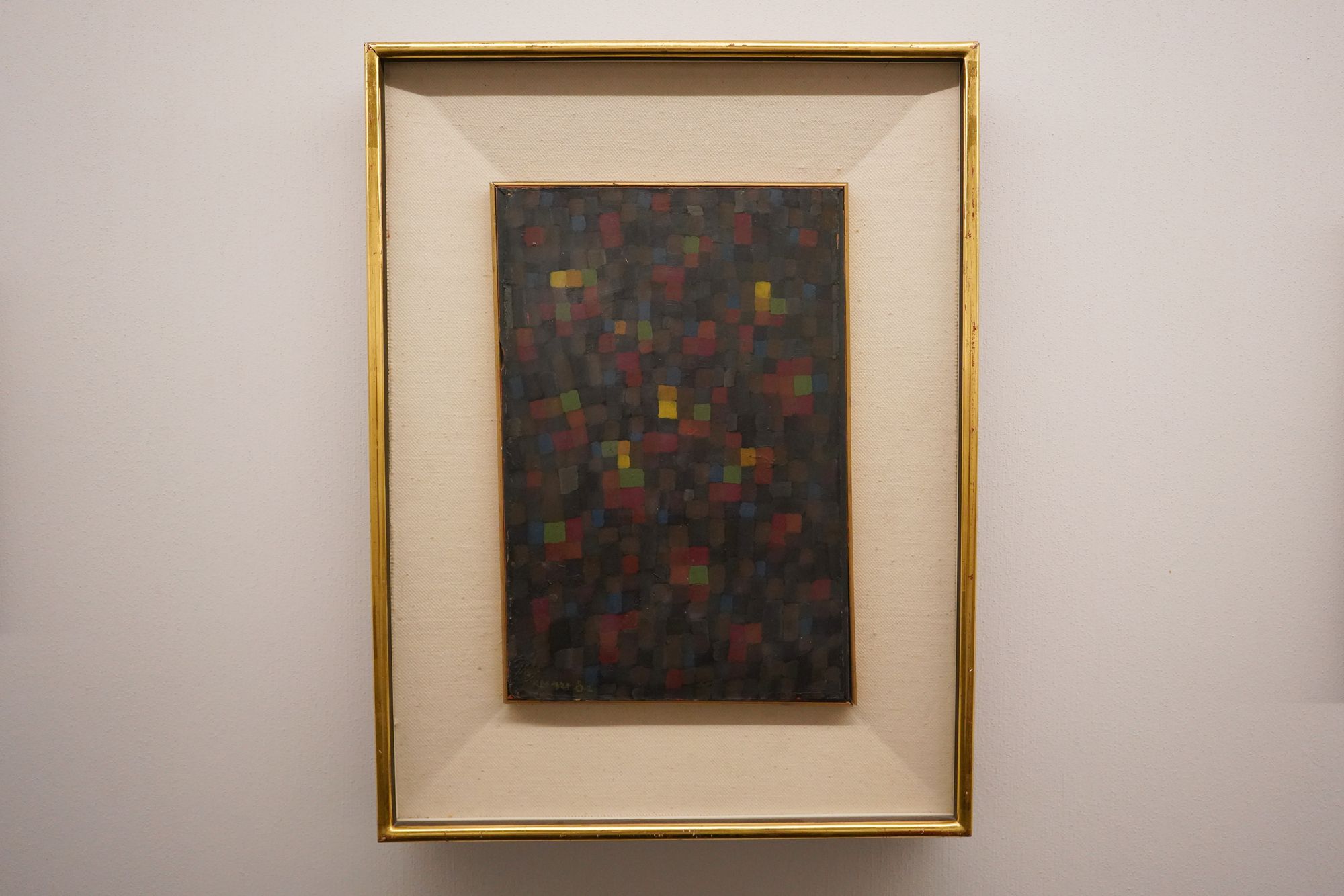
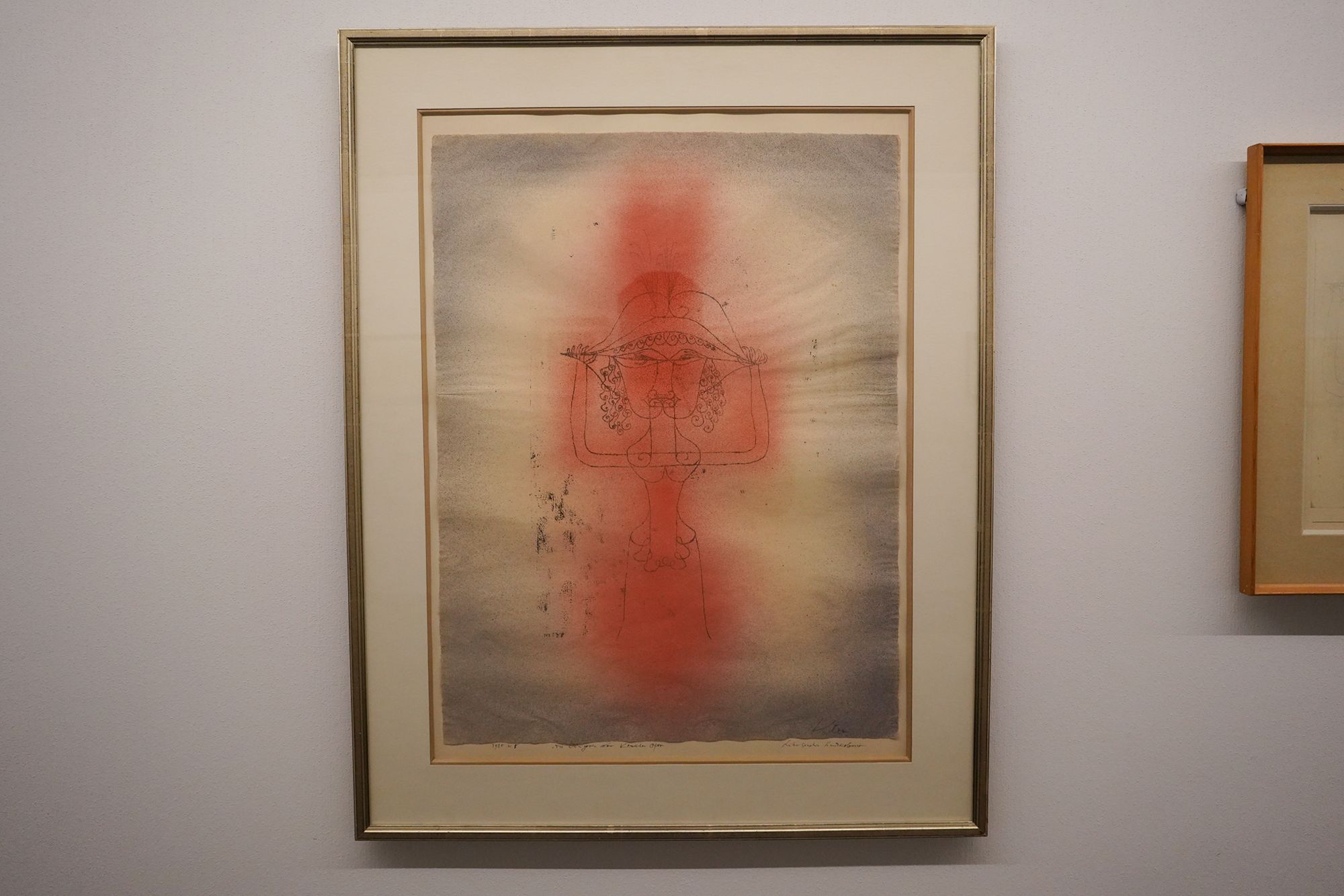
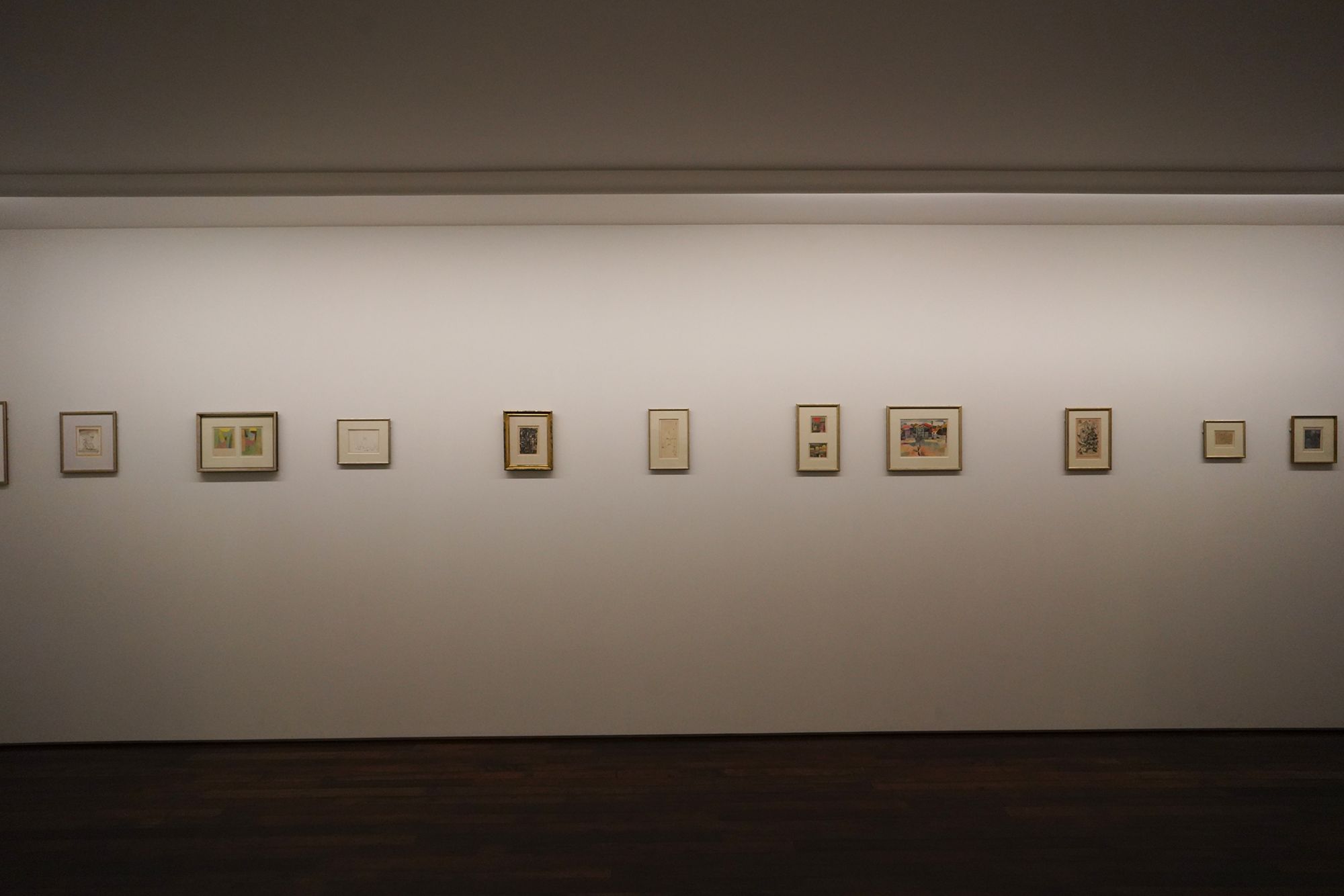
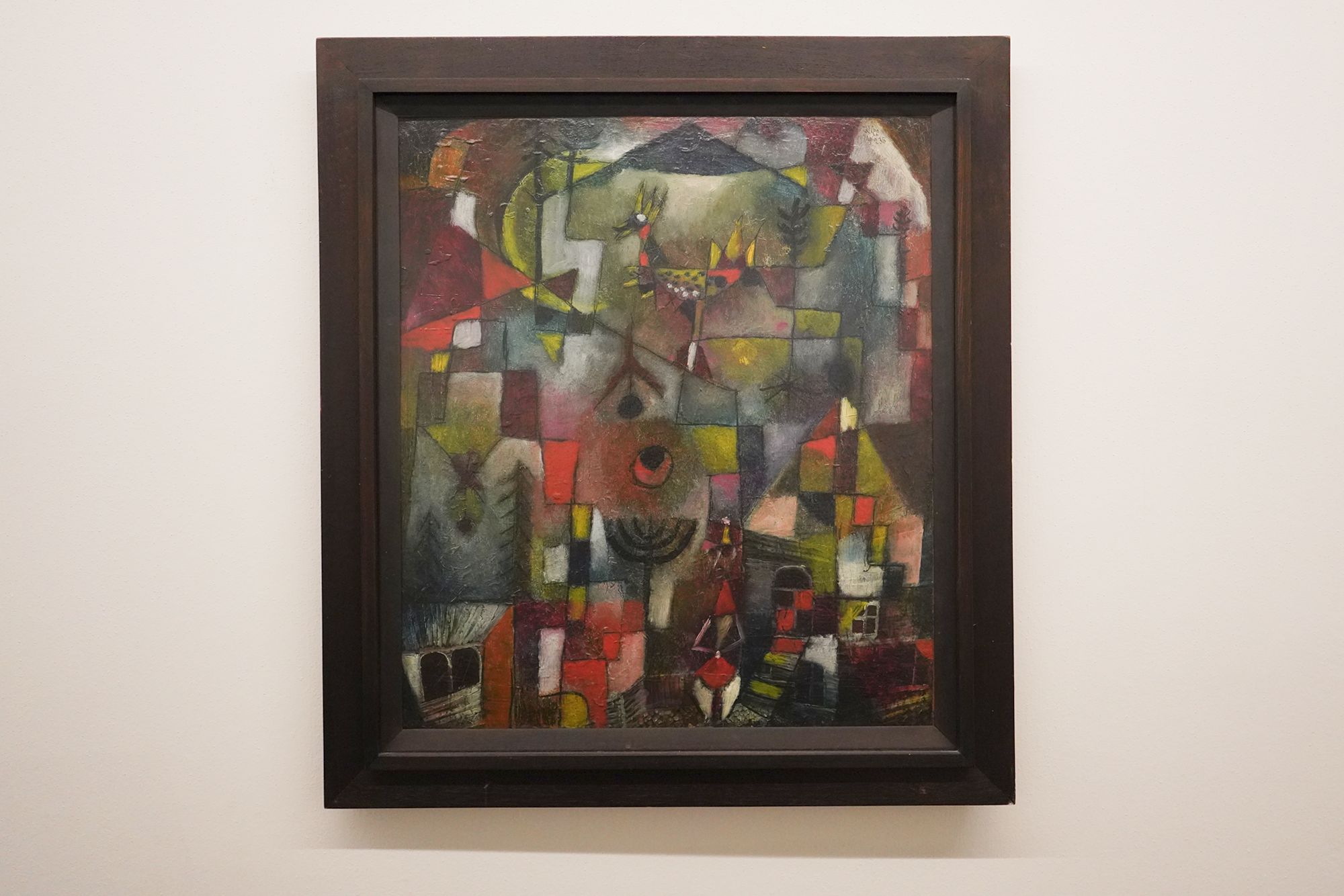
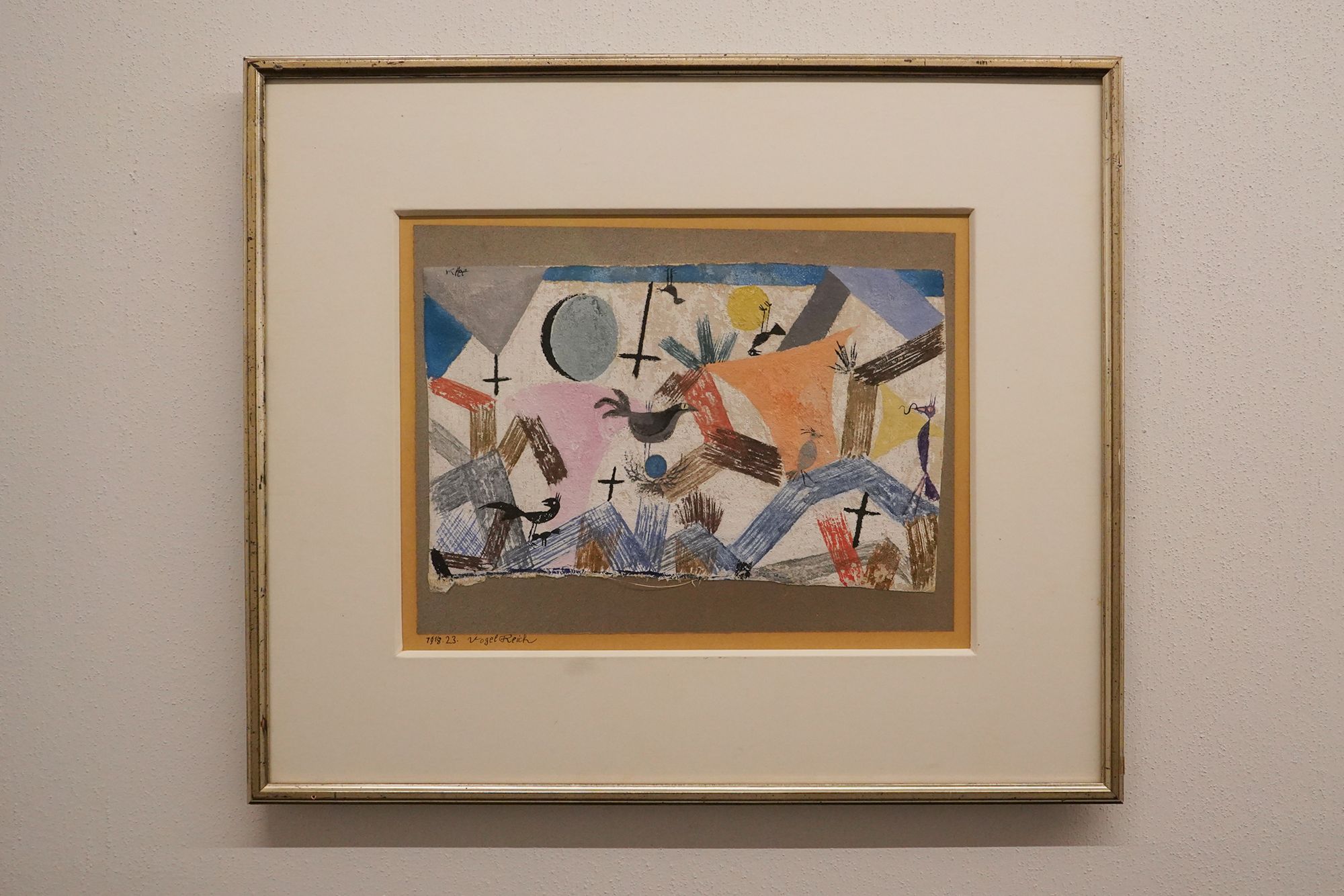
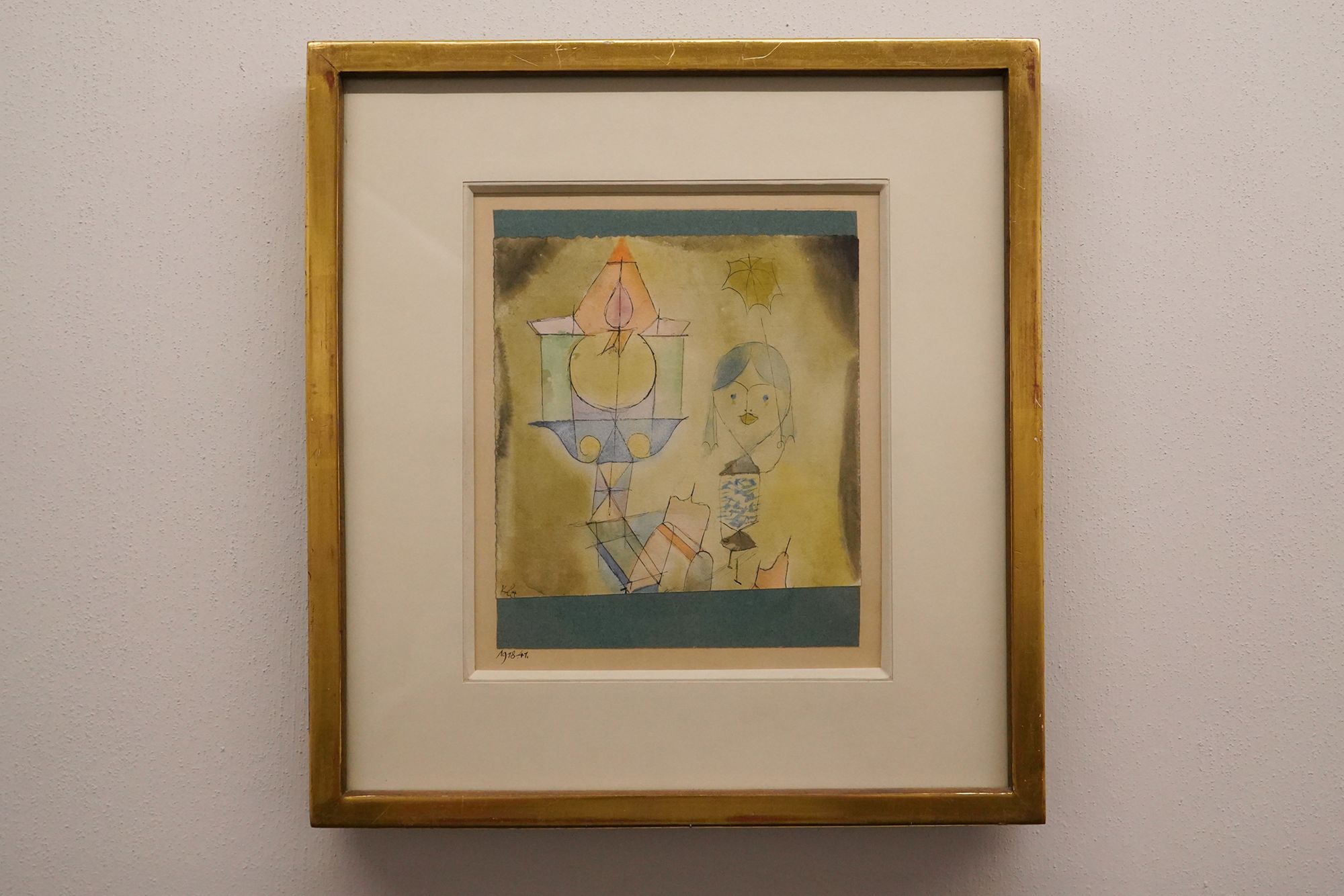
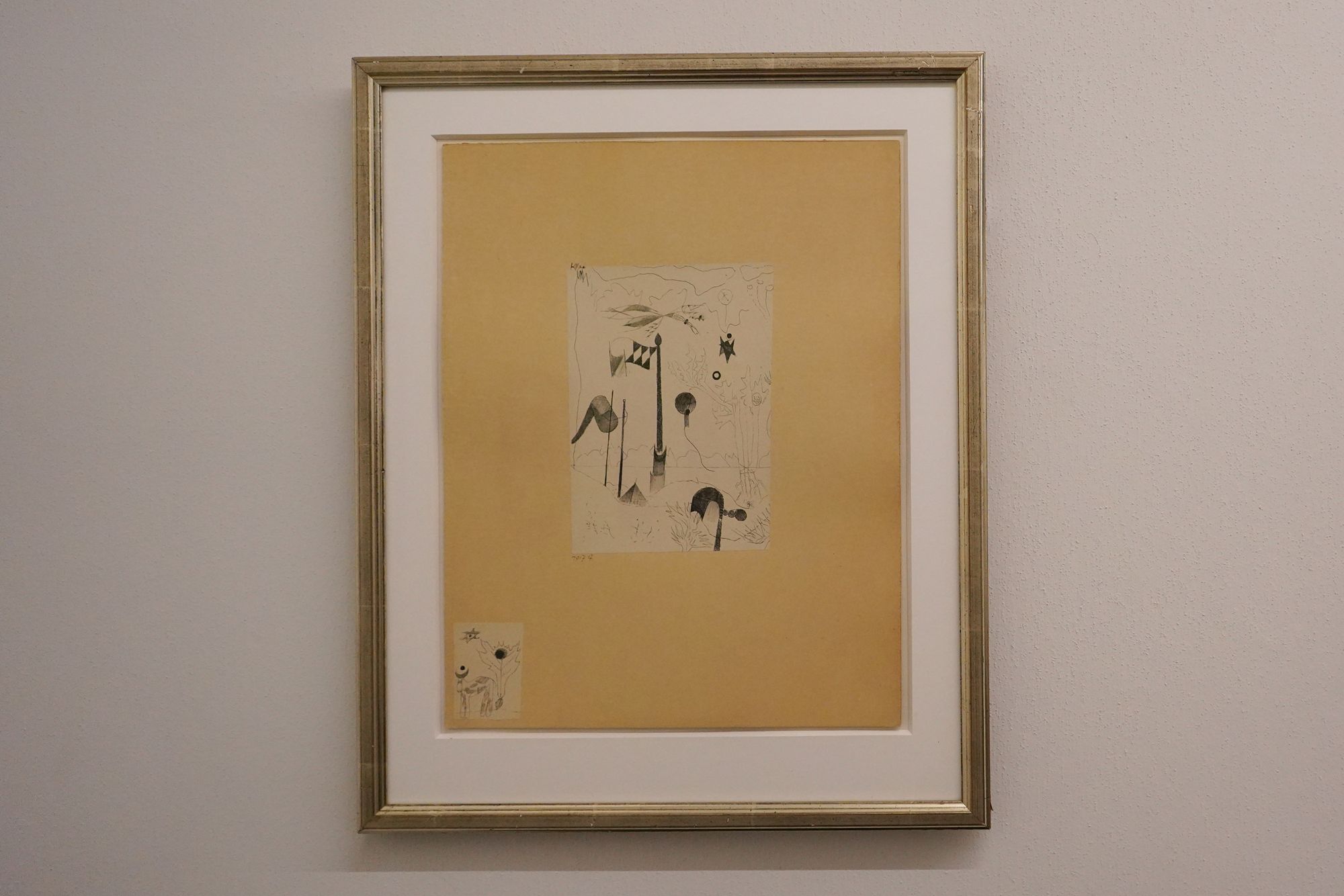
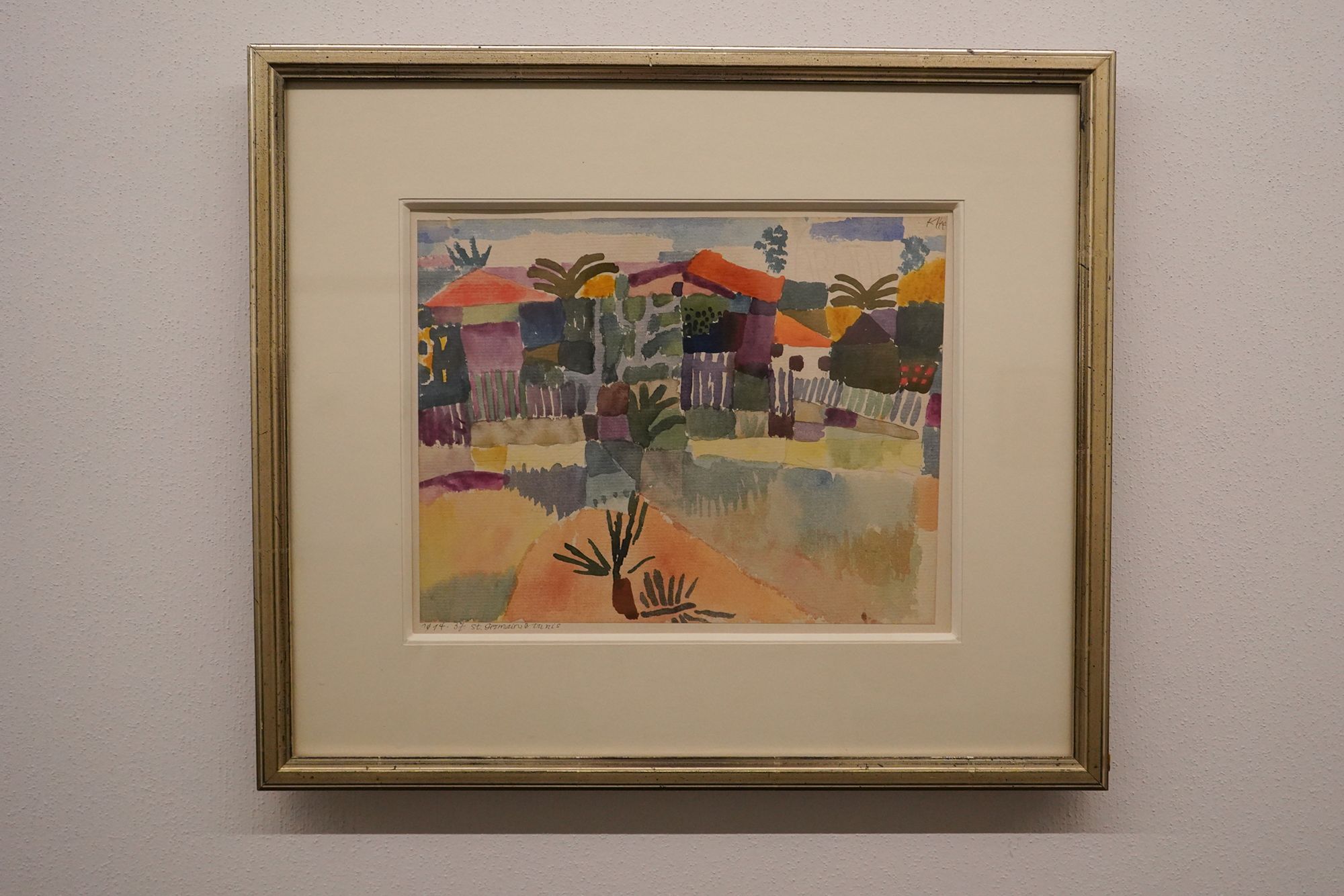
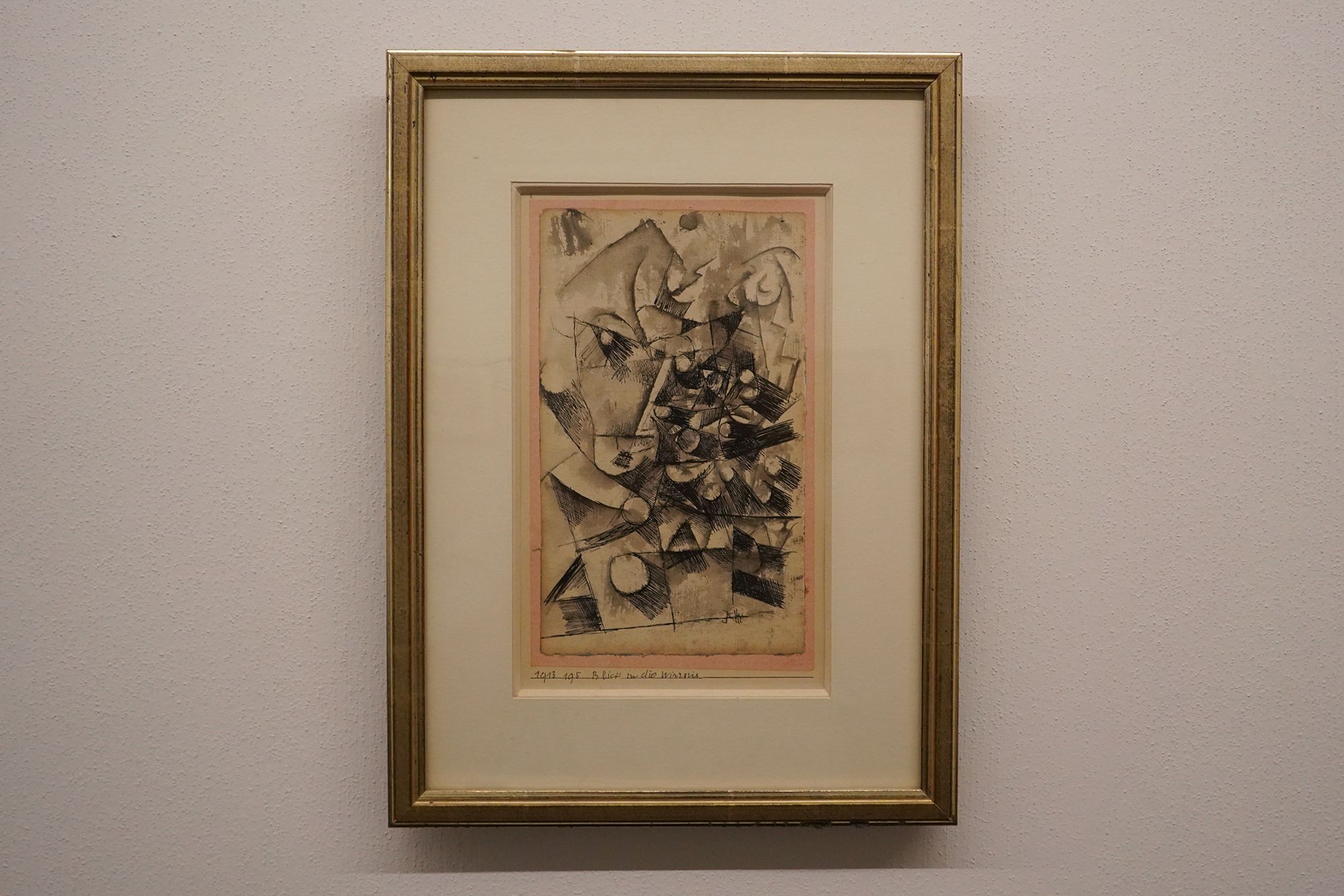
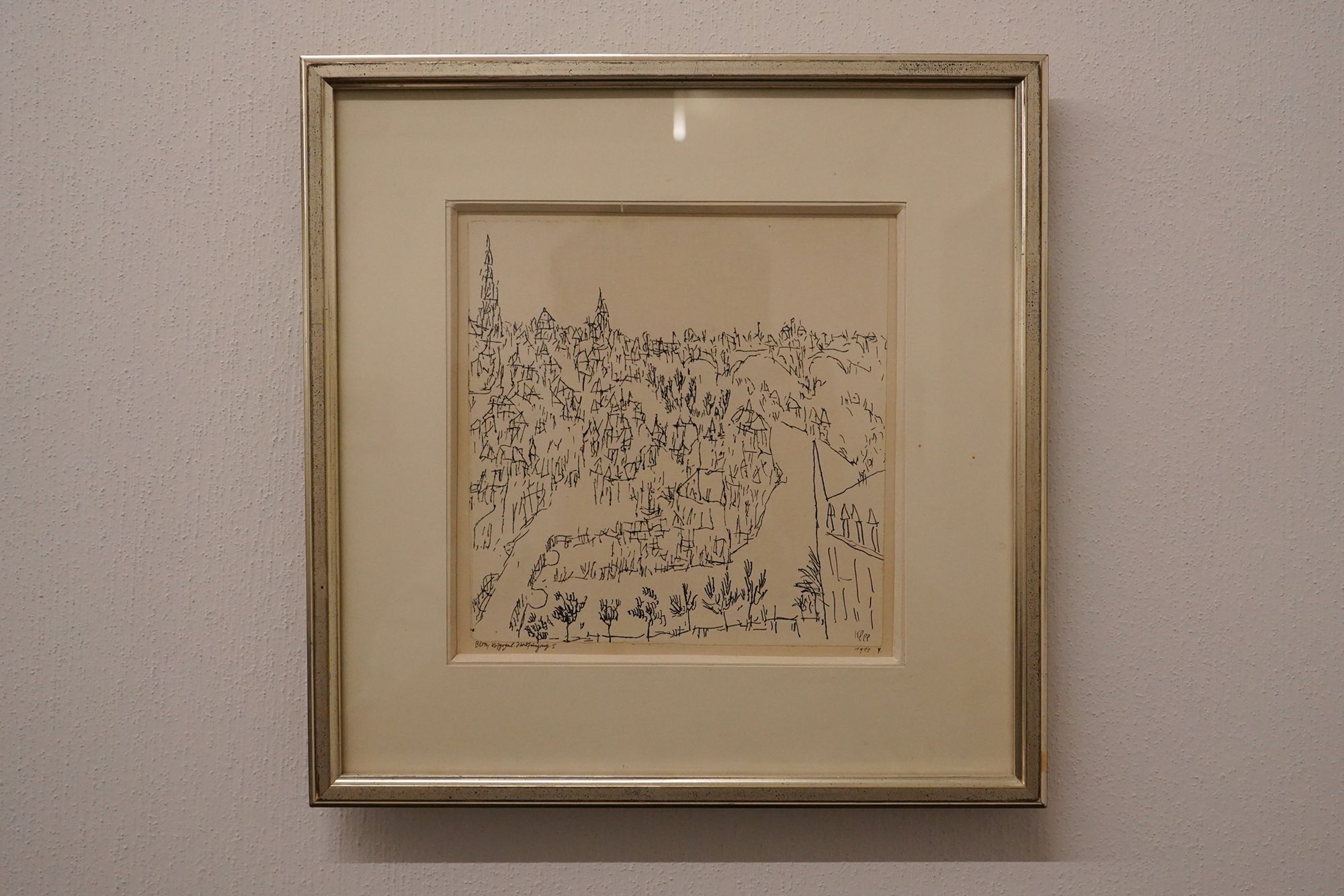
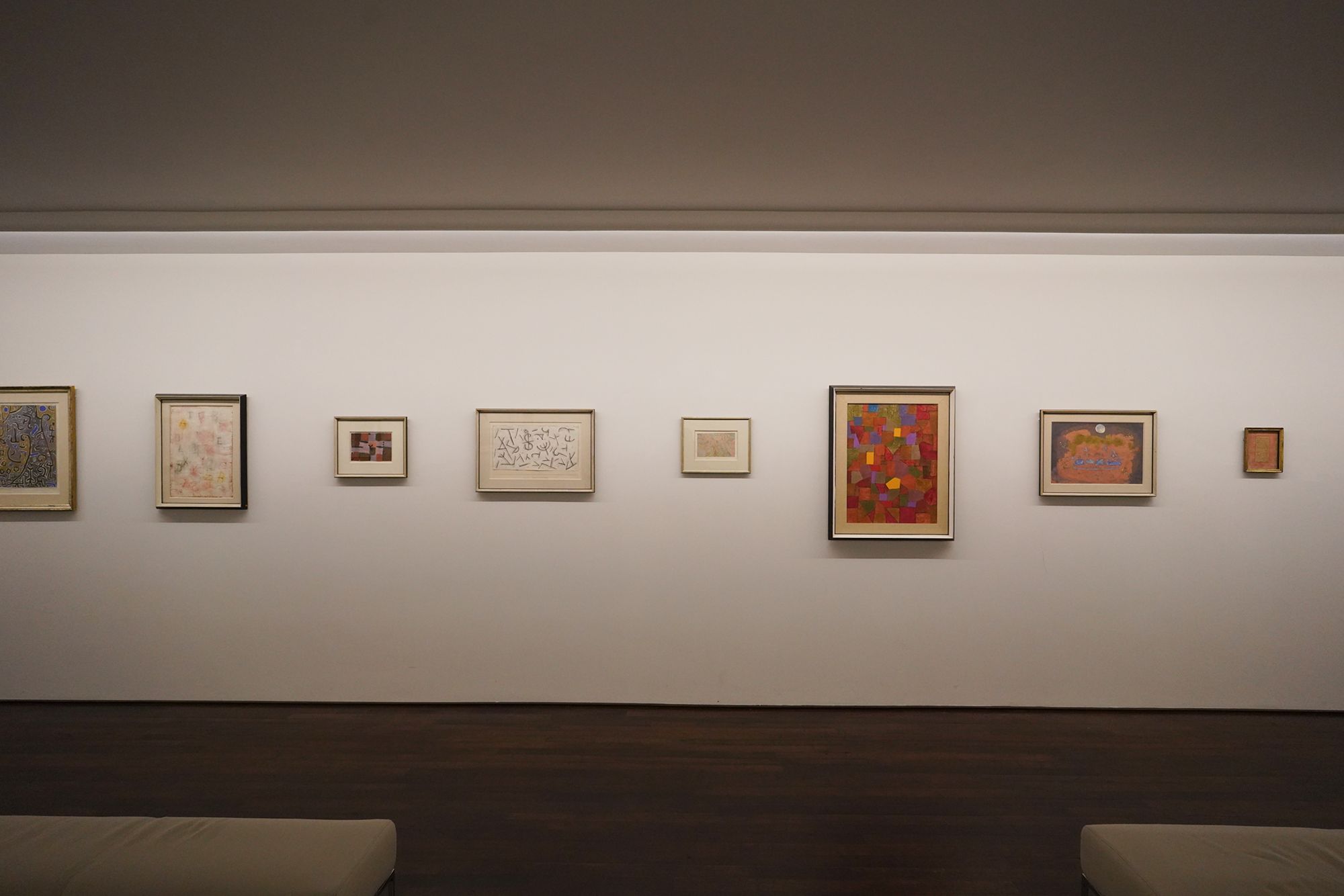
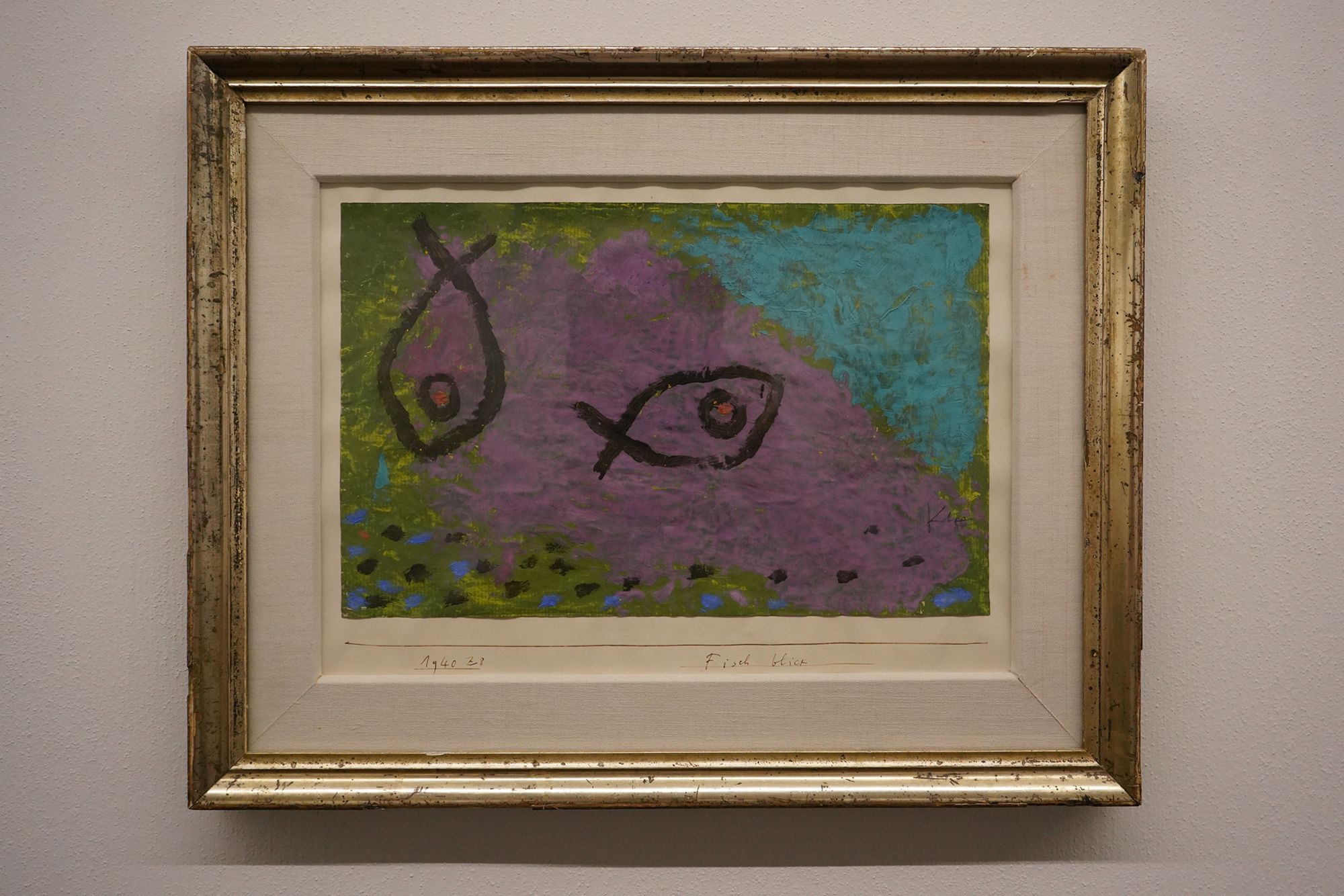
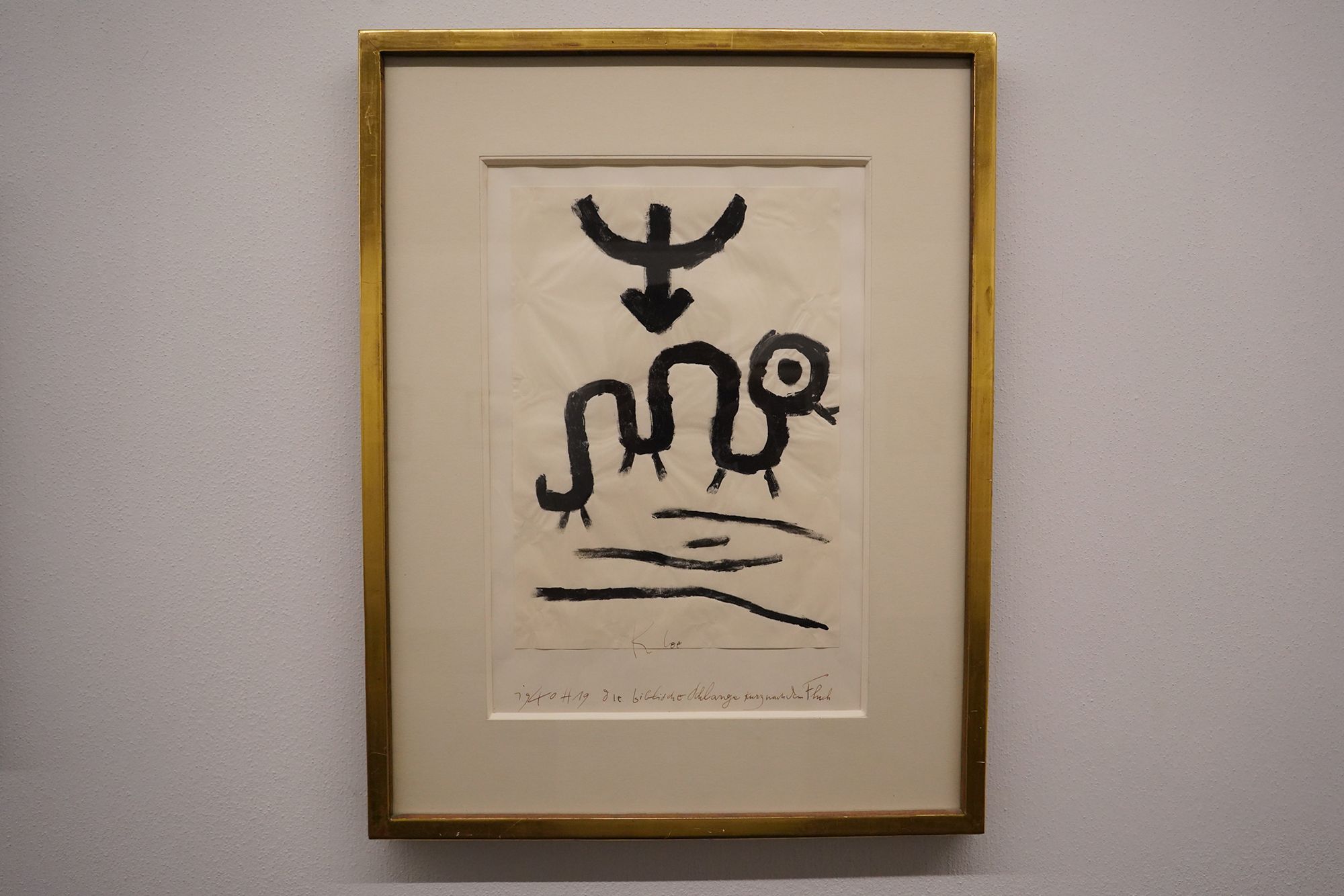
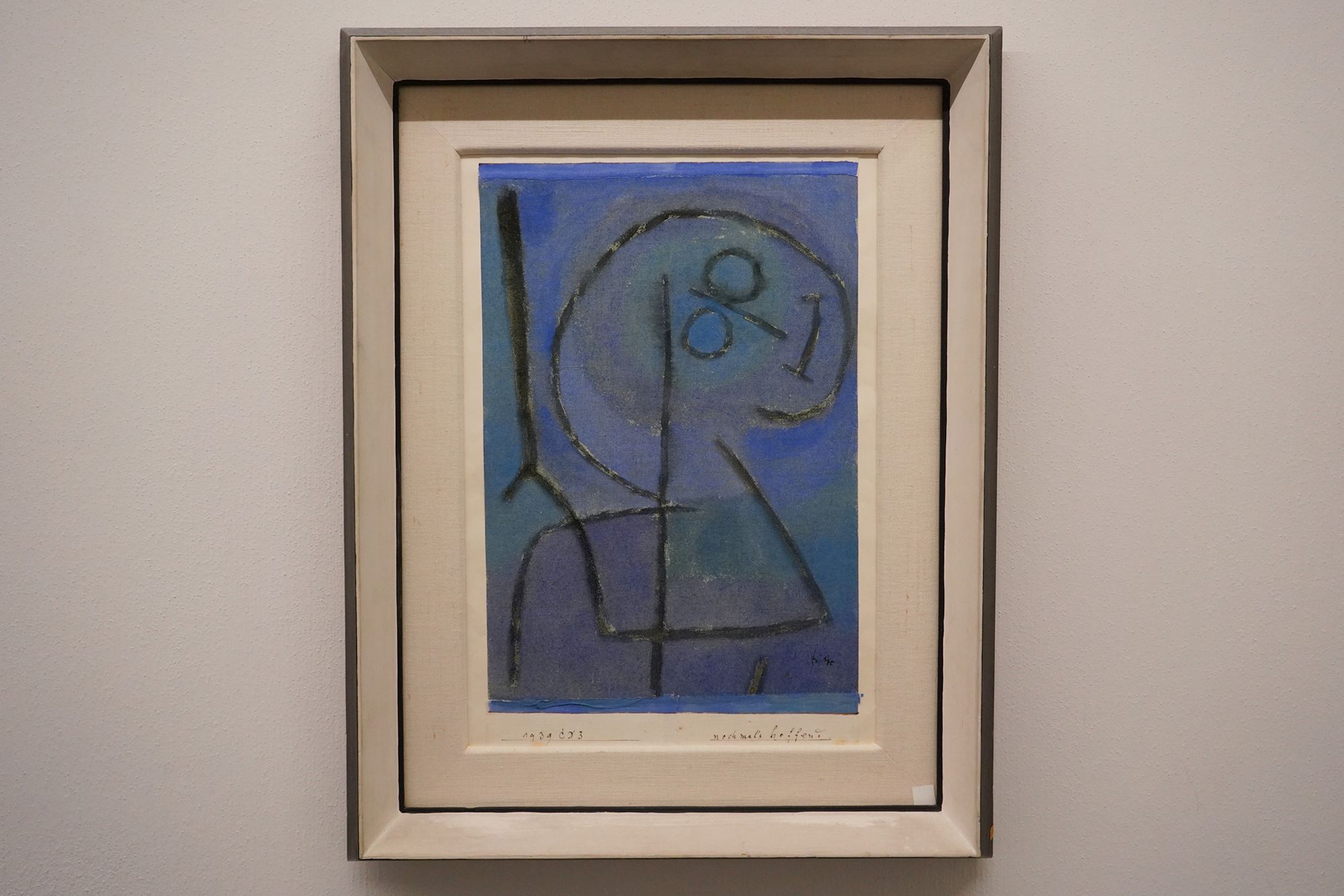
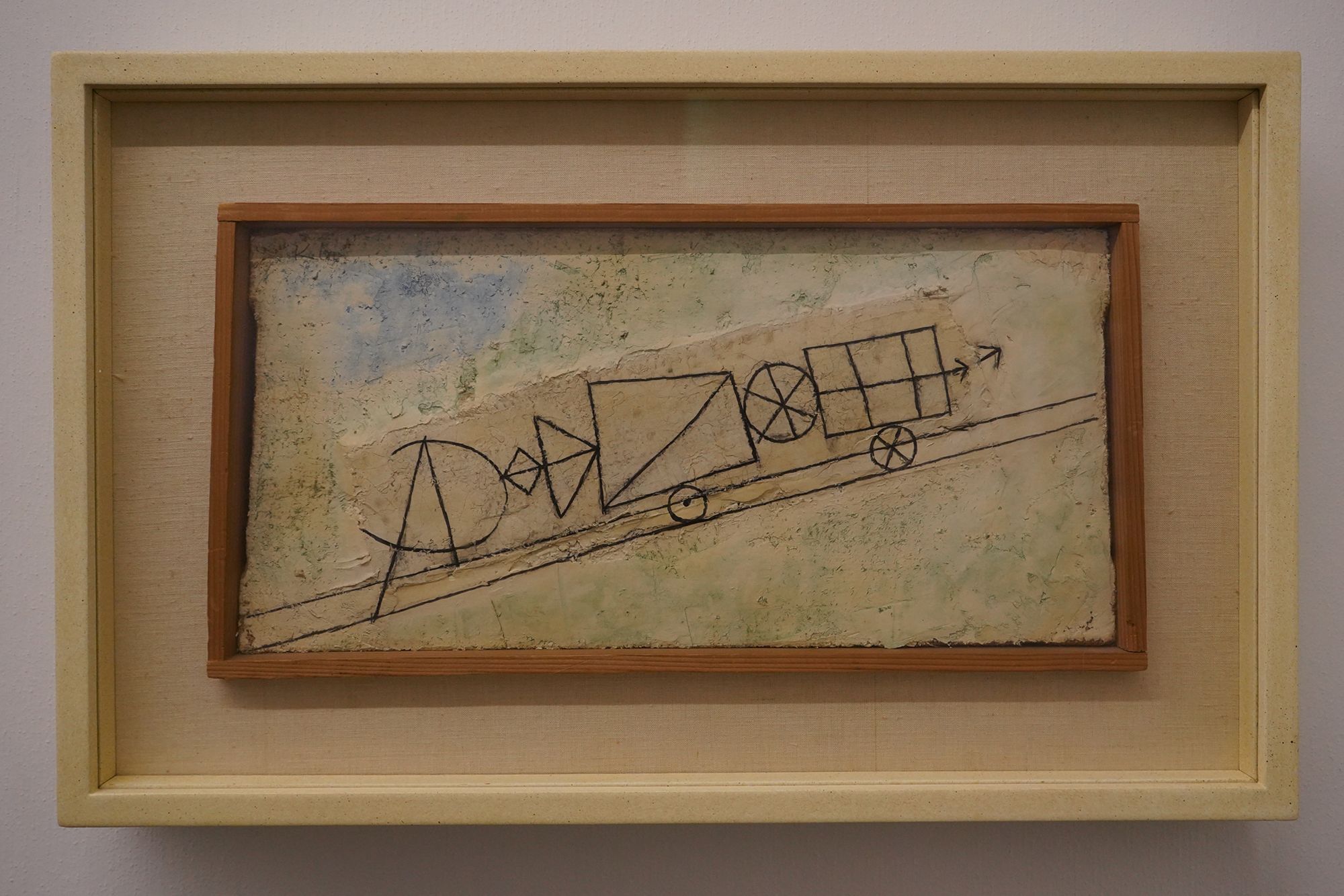
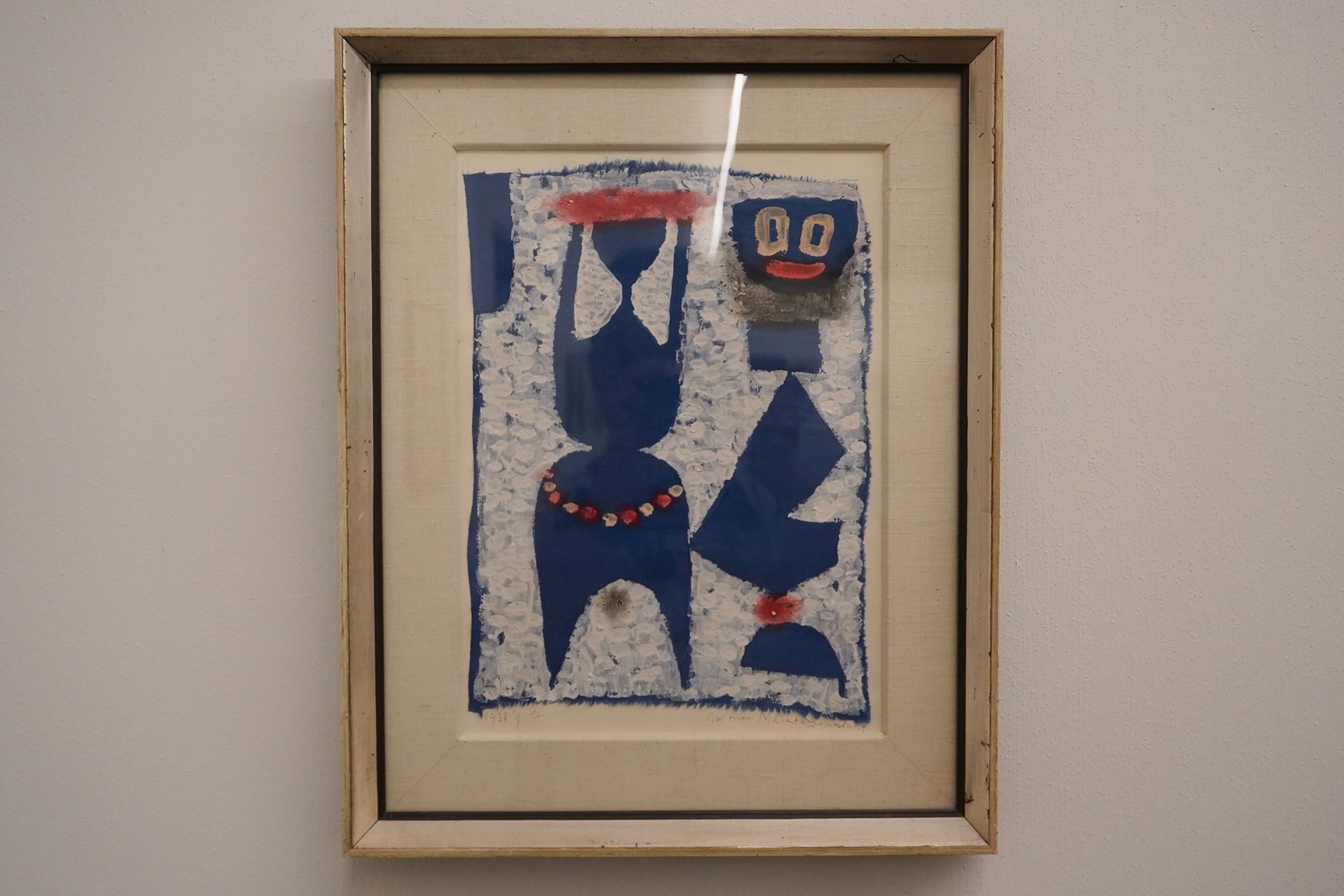
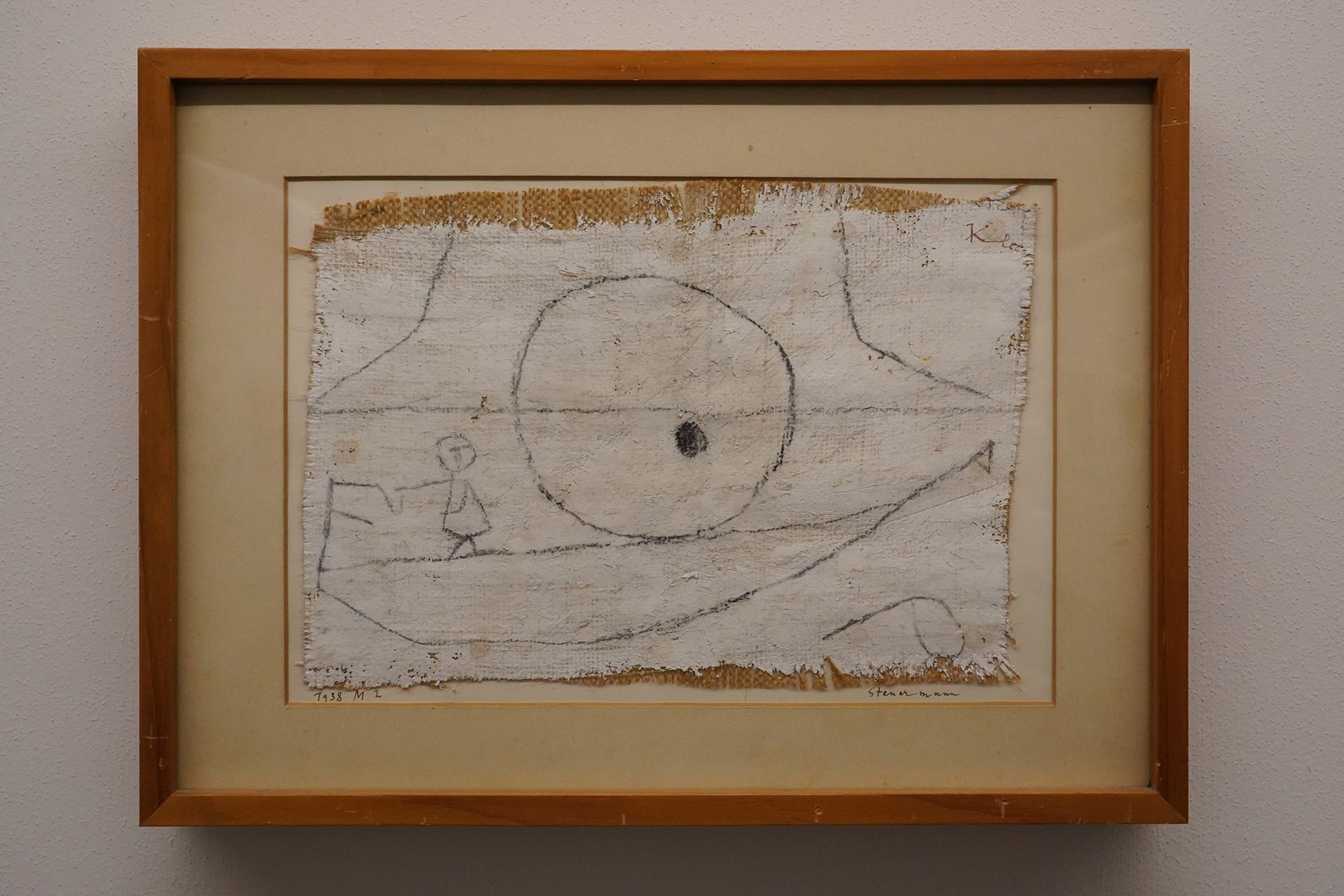
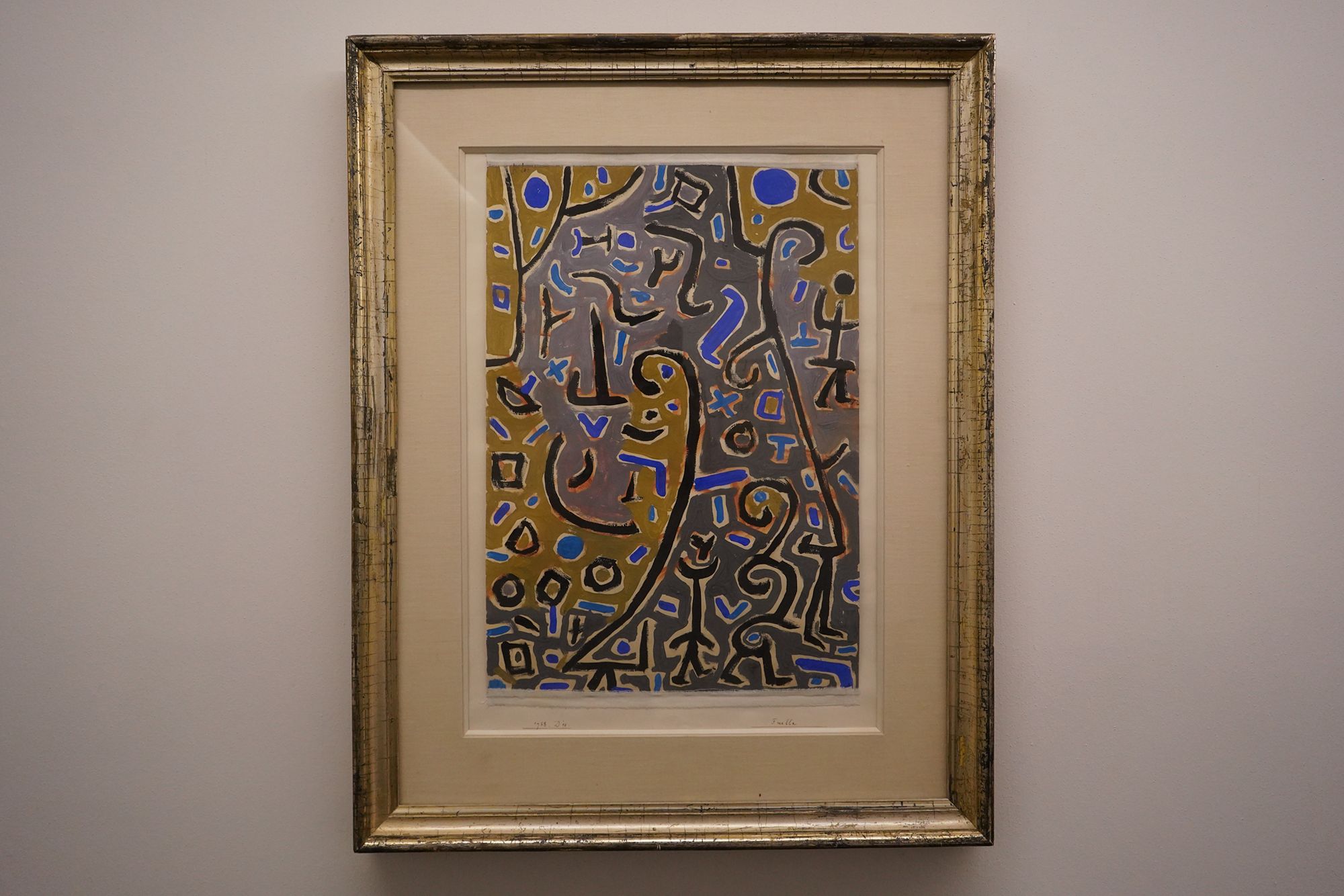
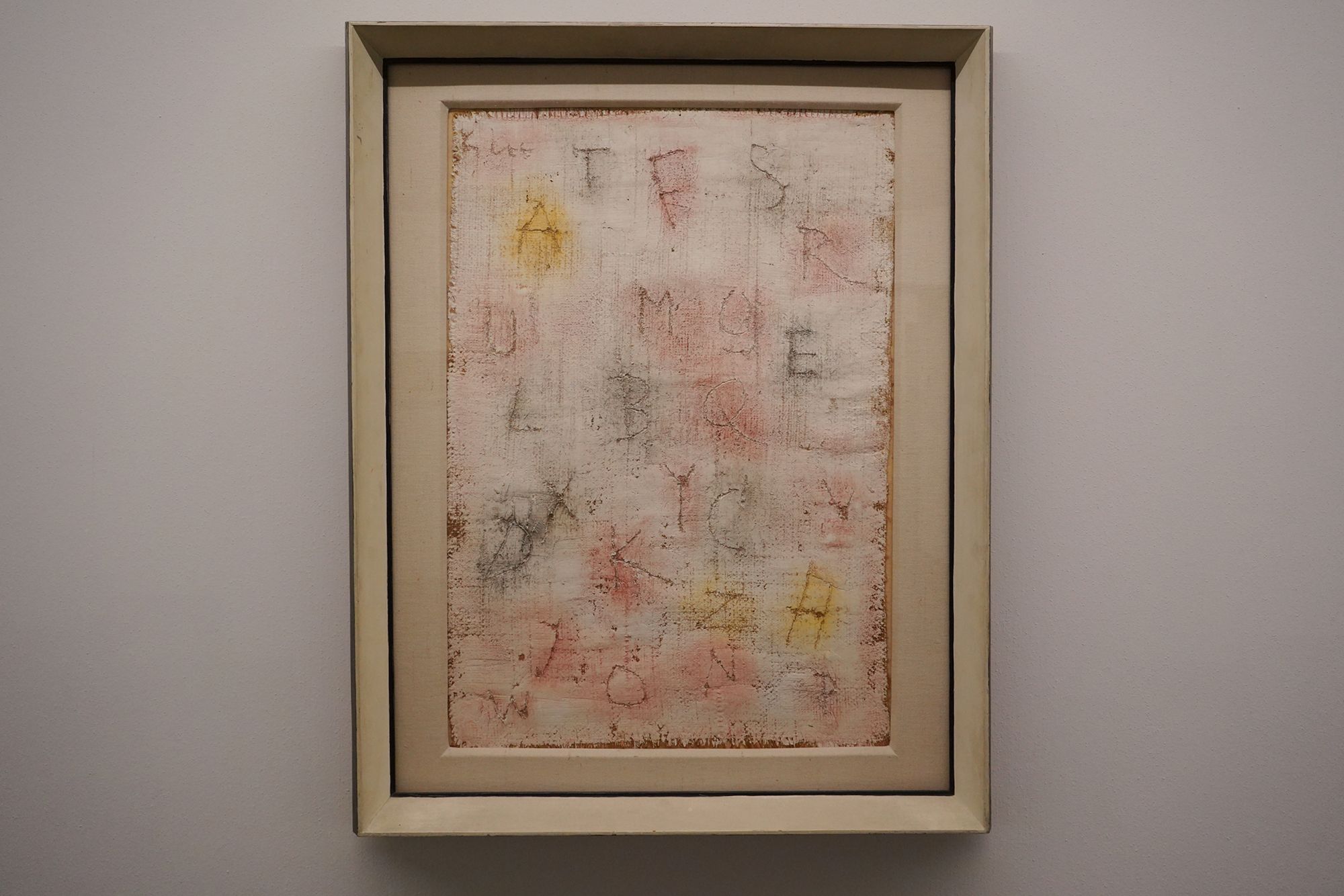
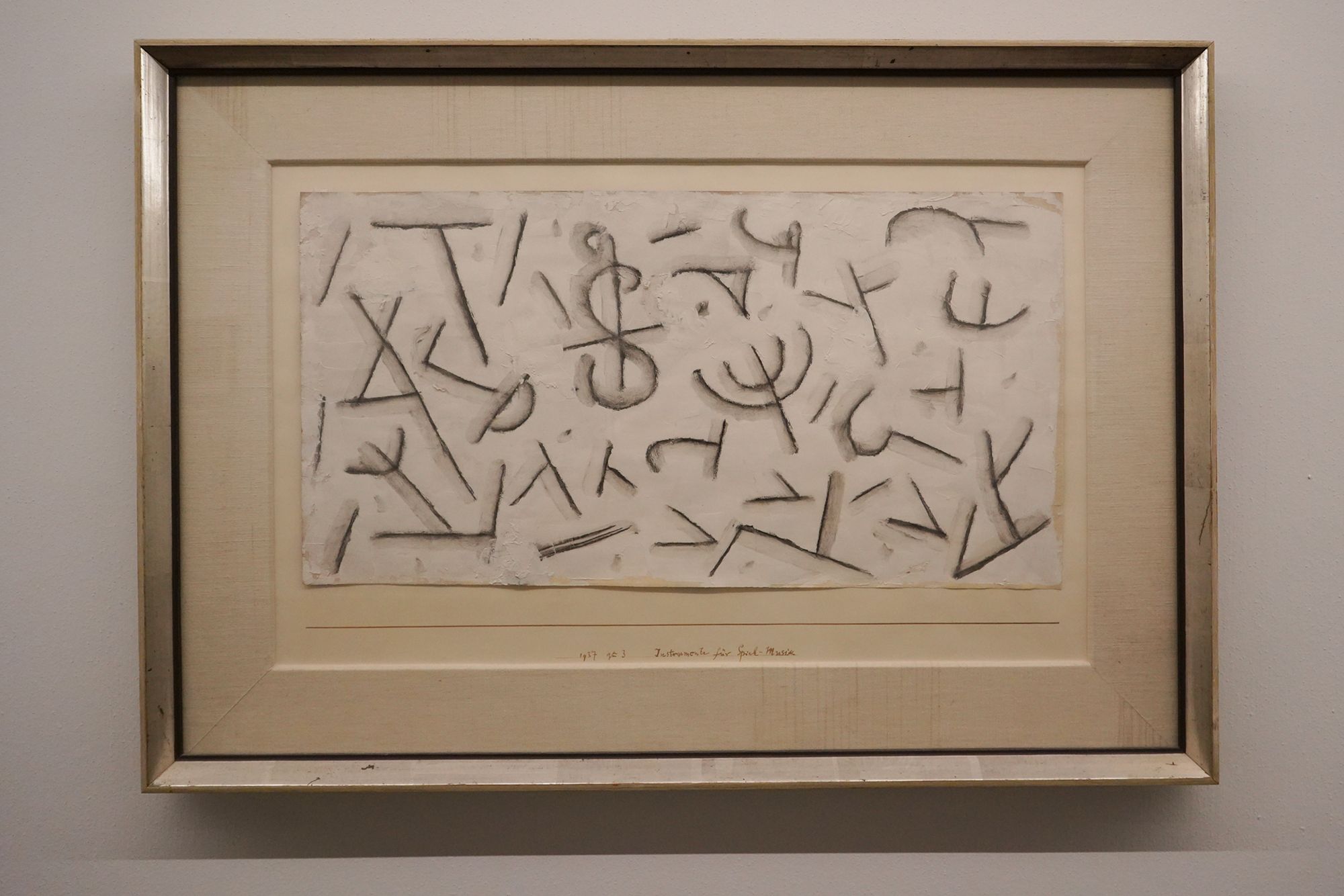
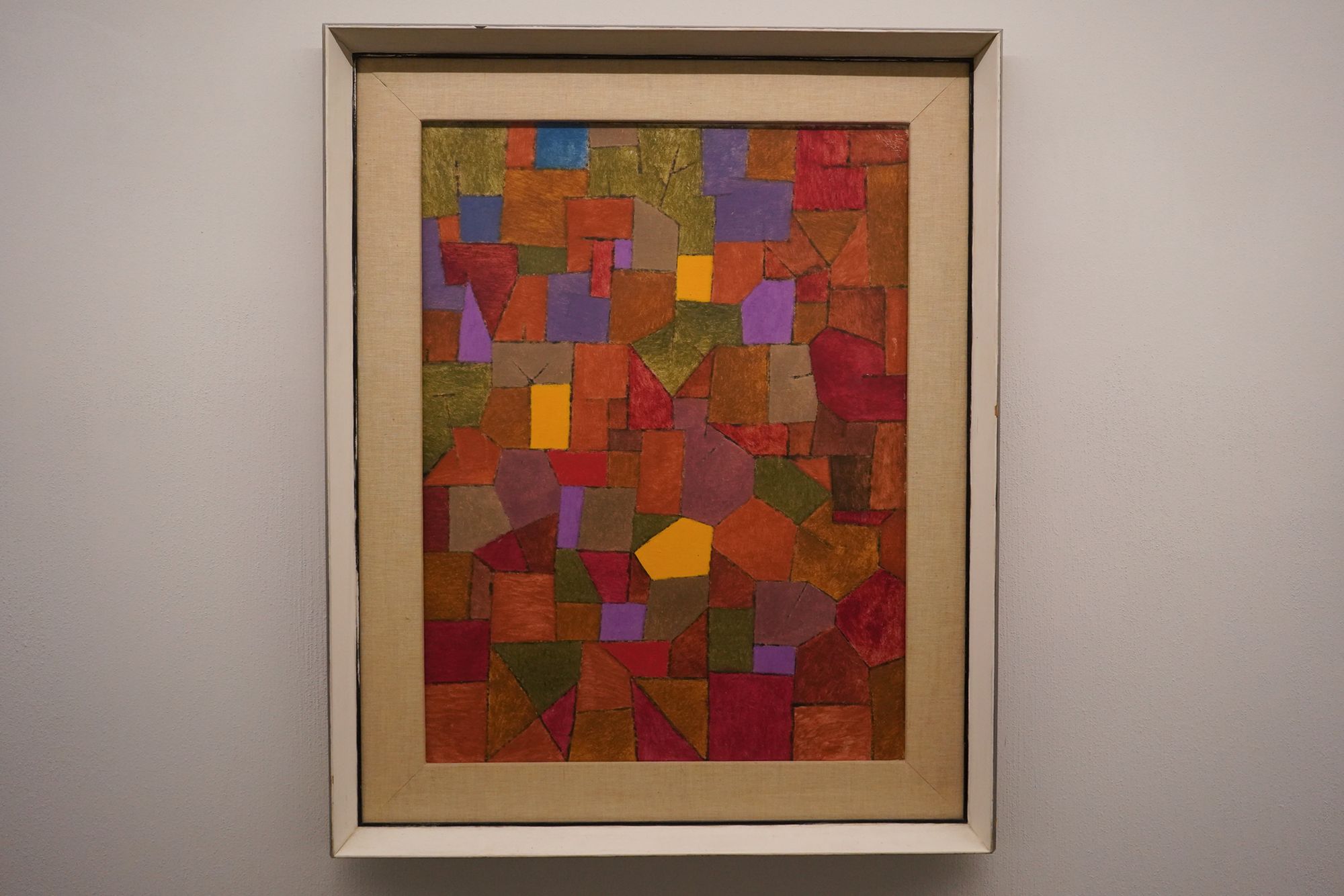
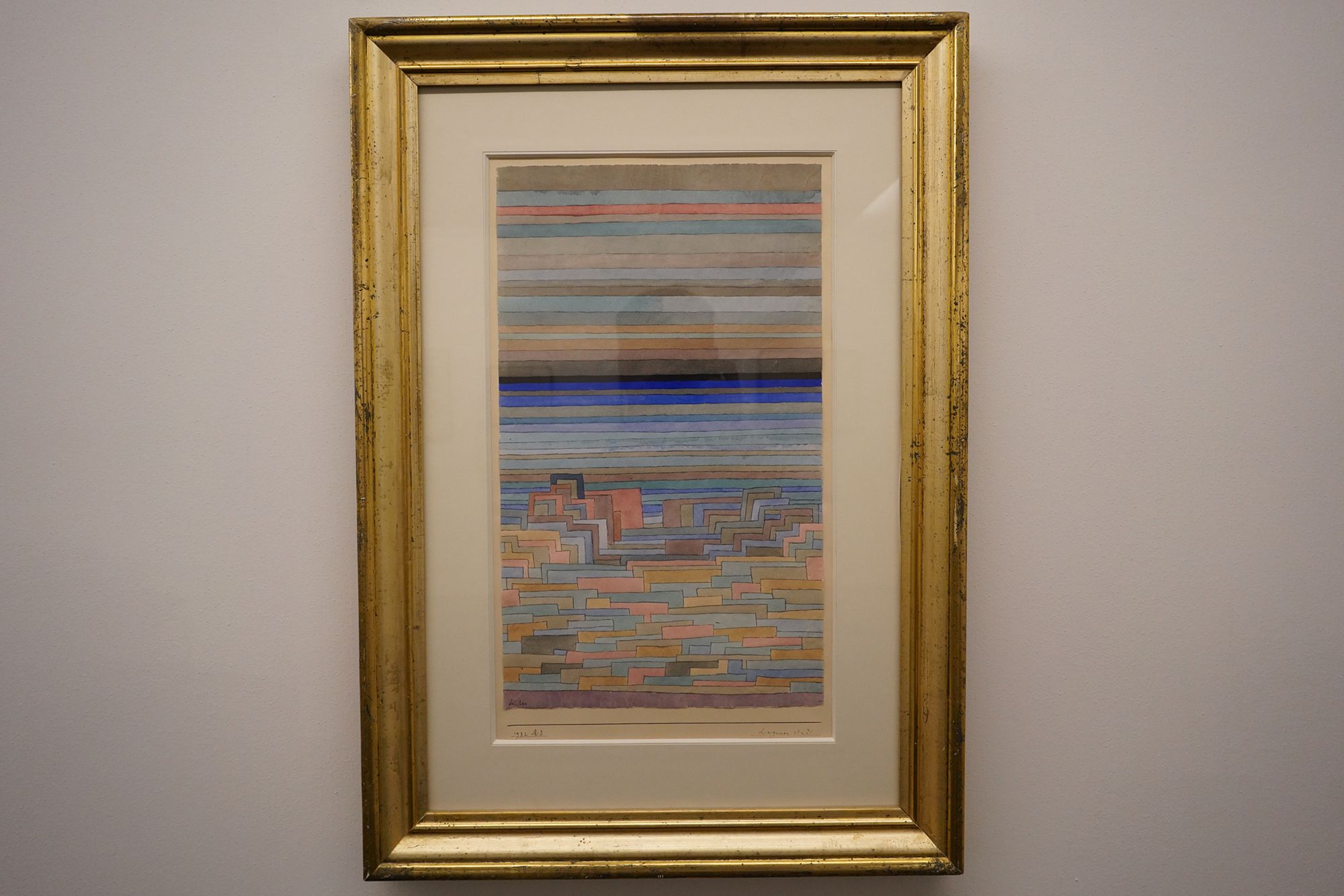
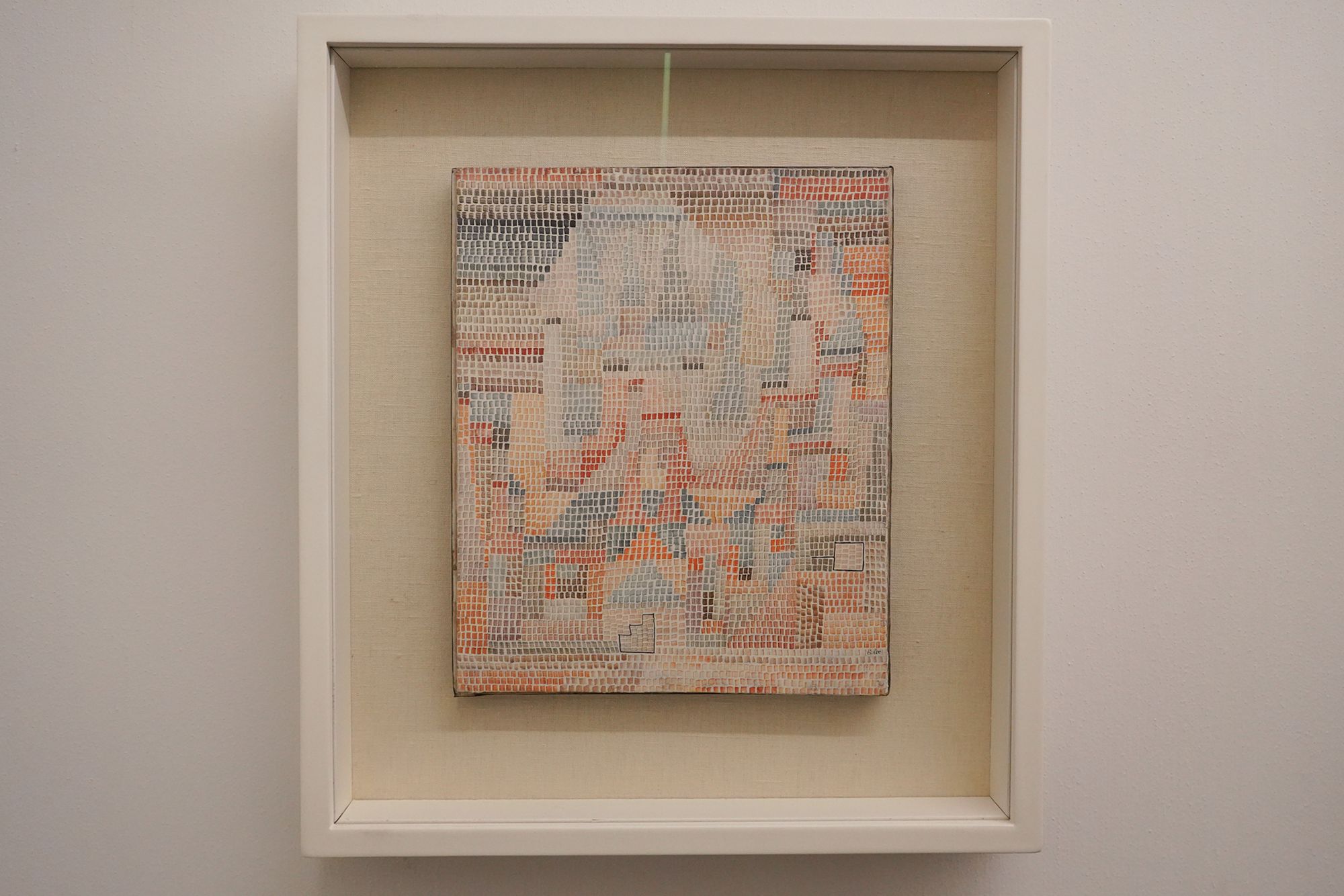
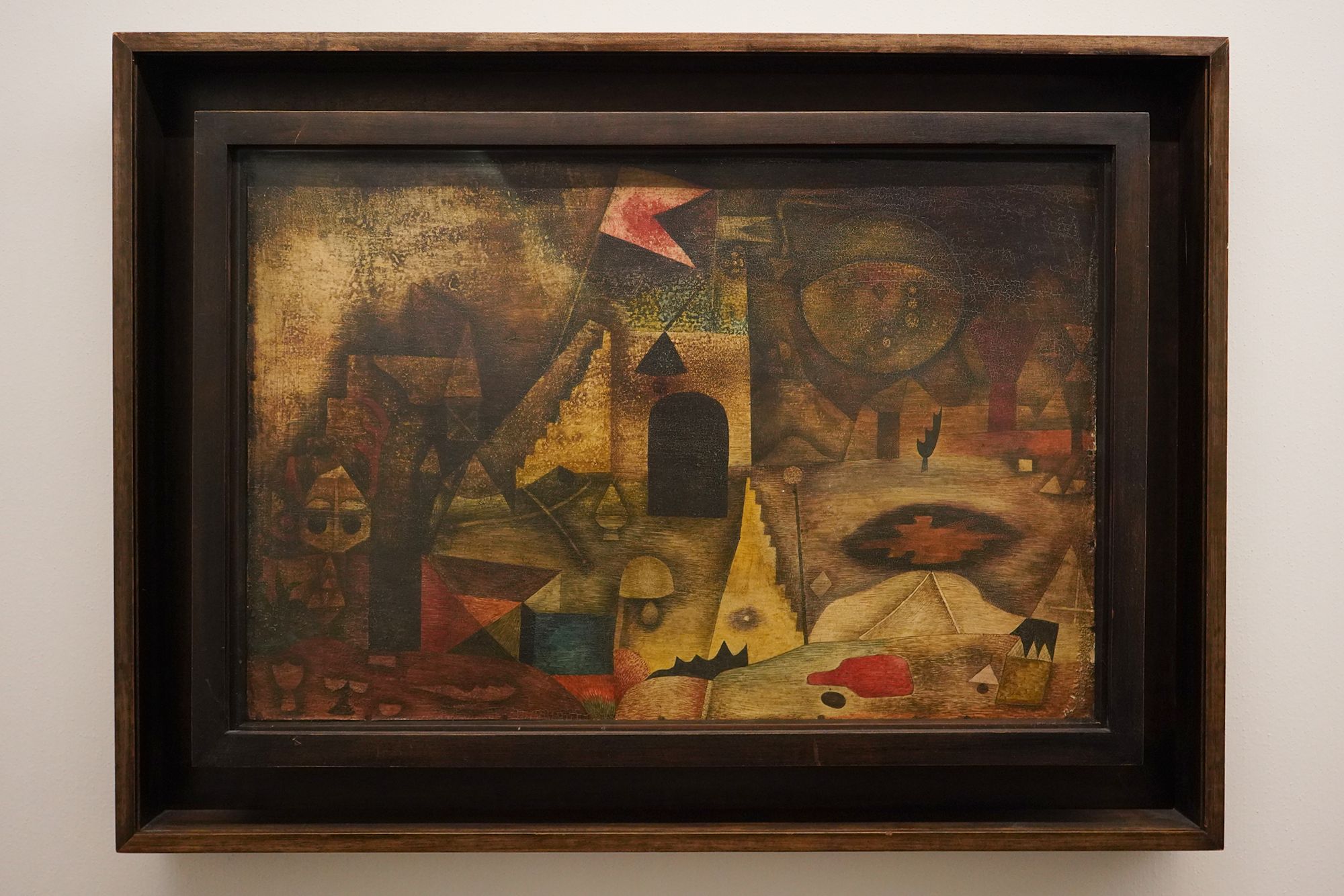
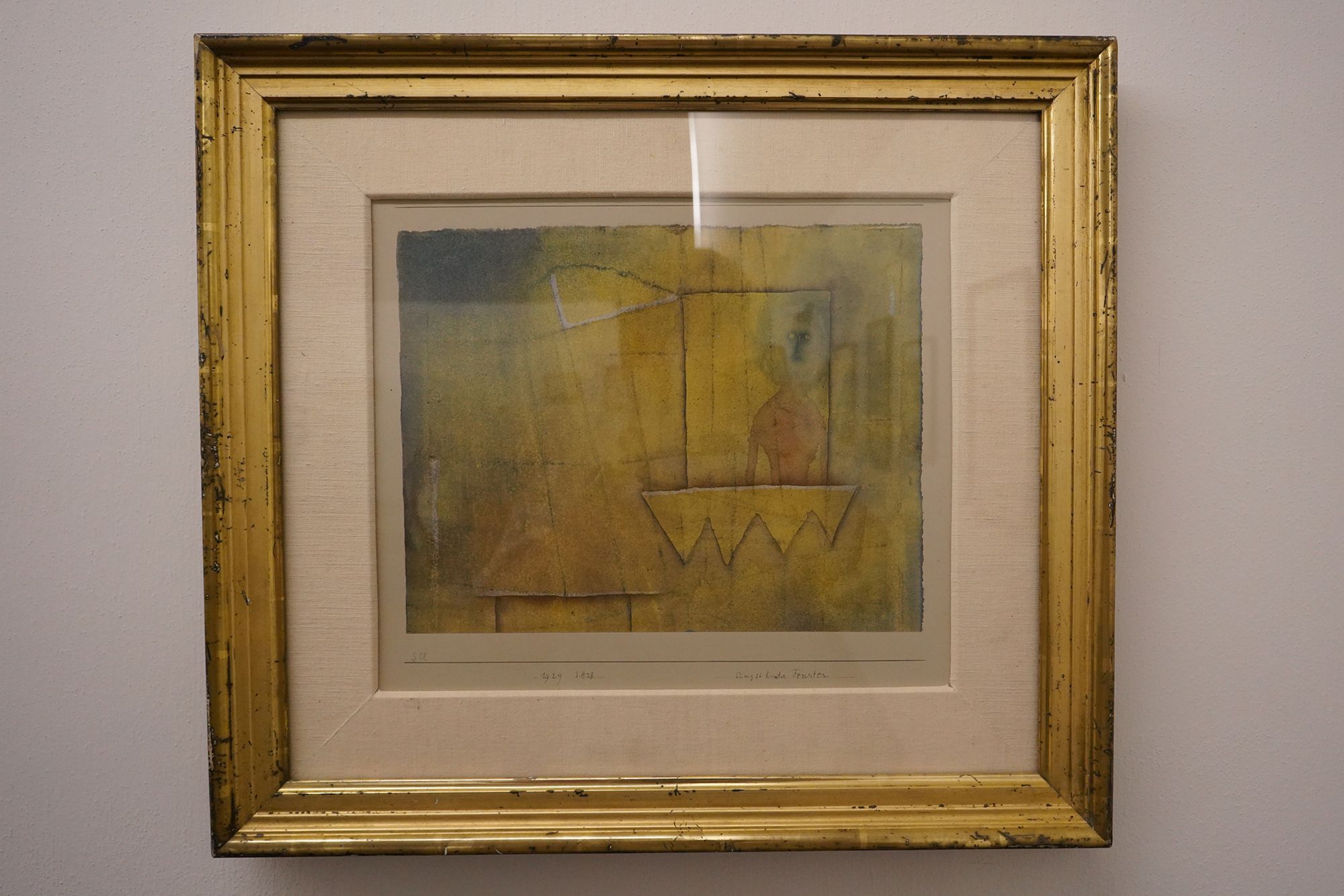
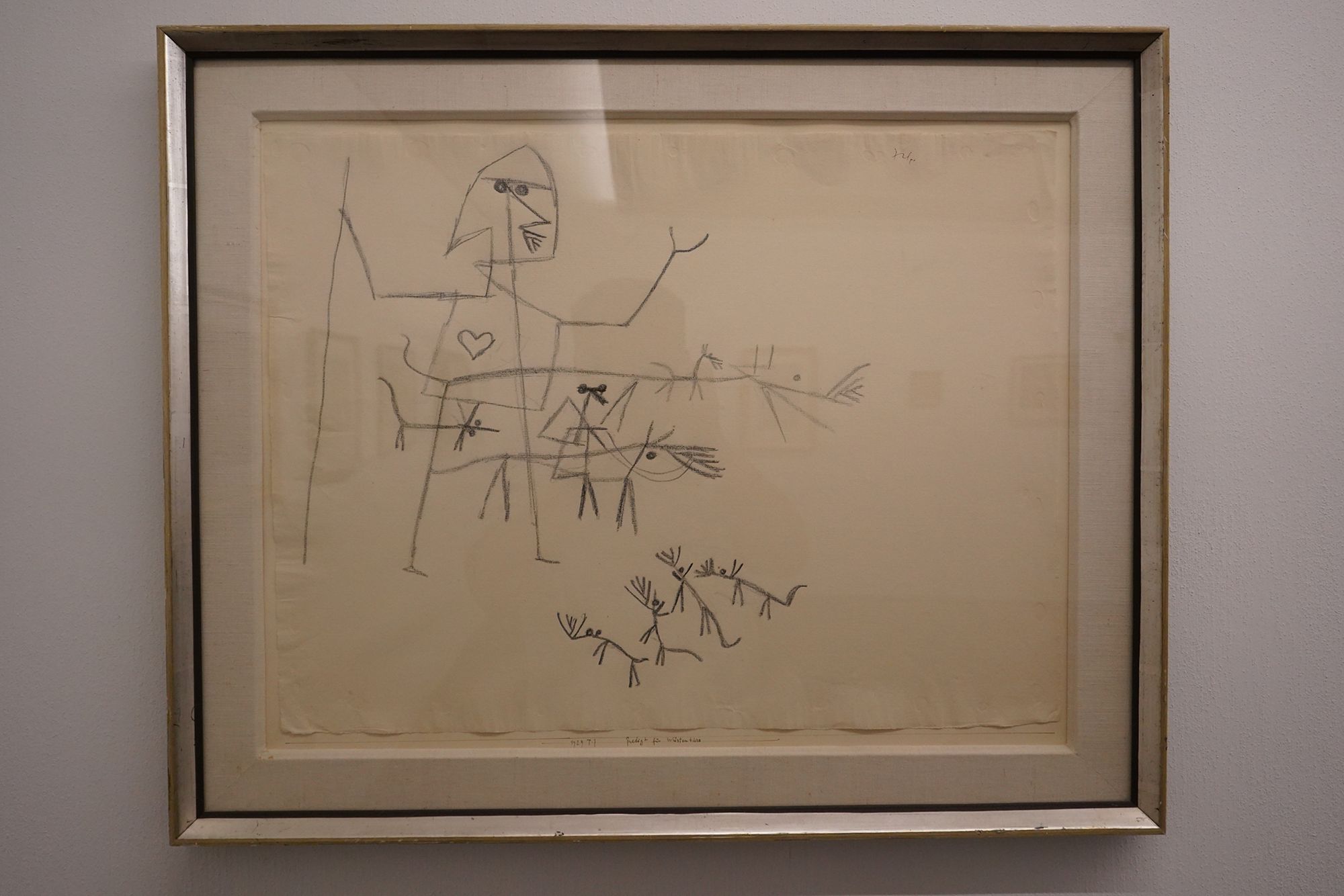
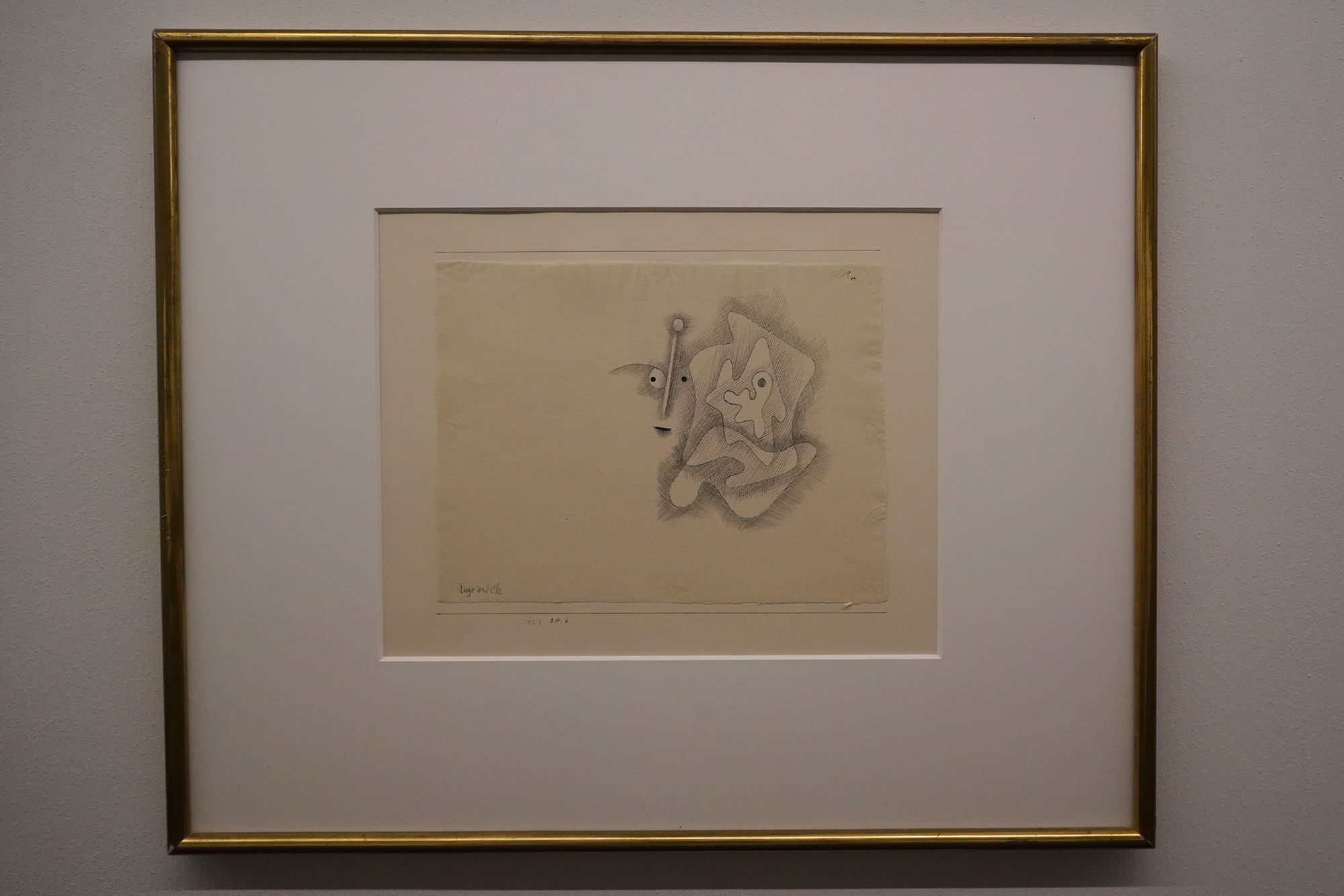
Besides its extensive collection of Picasso, the museum also has a large collection of paintings by Paul Klee, another major figure in modern art.
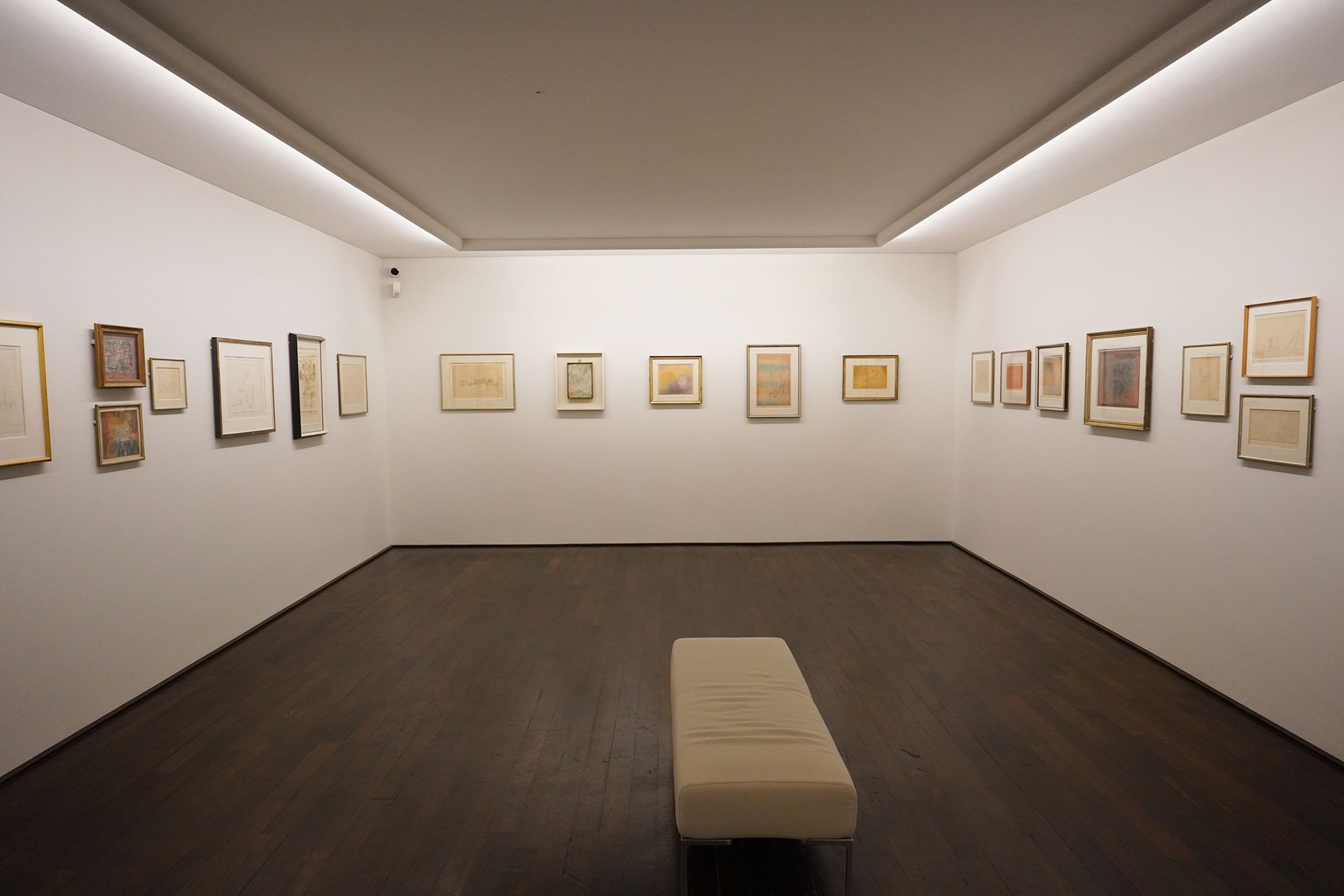
All the works displayed in this gallery are by Paul Klee, highlighting the museum’s extensive collection of his art.
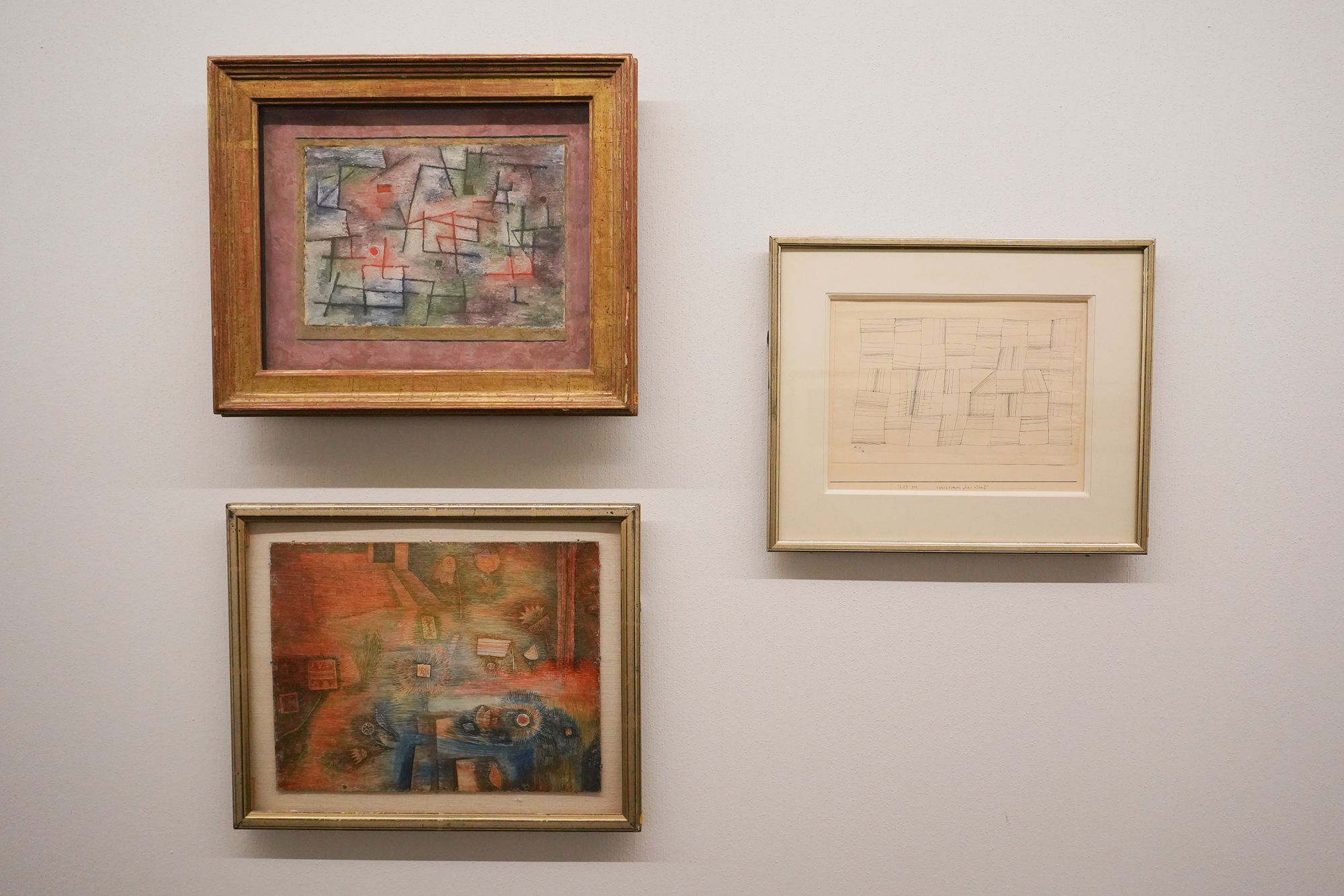
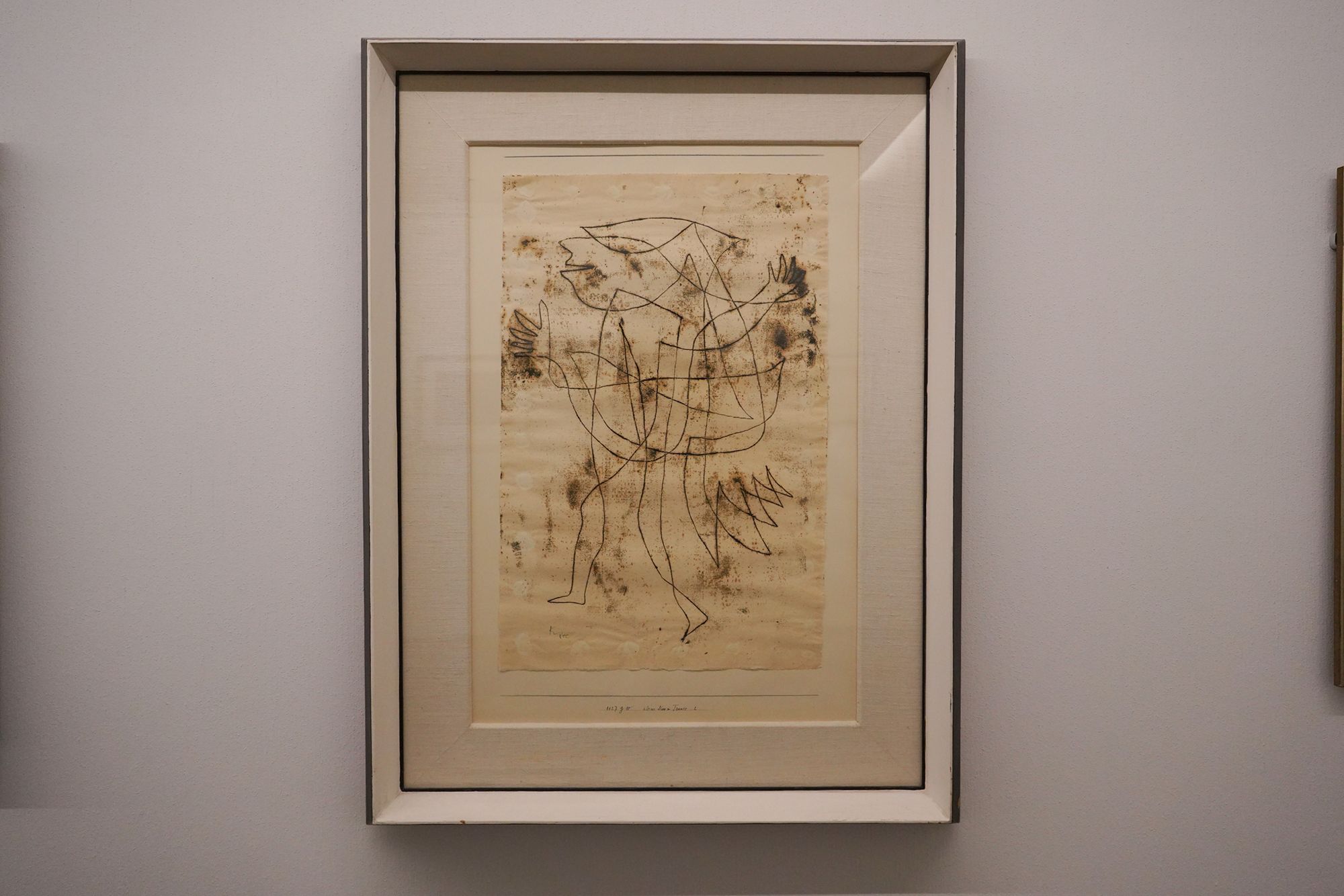
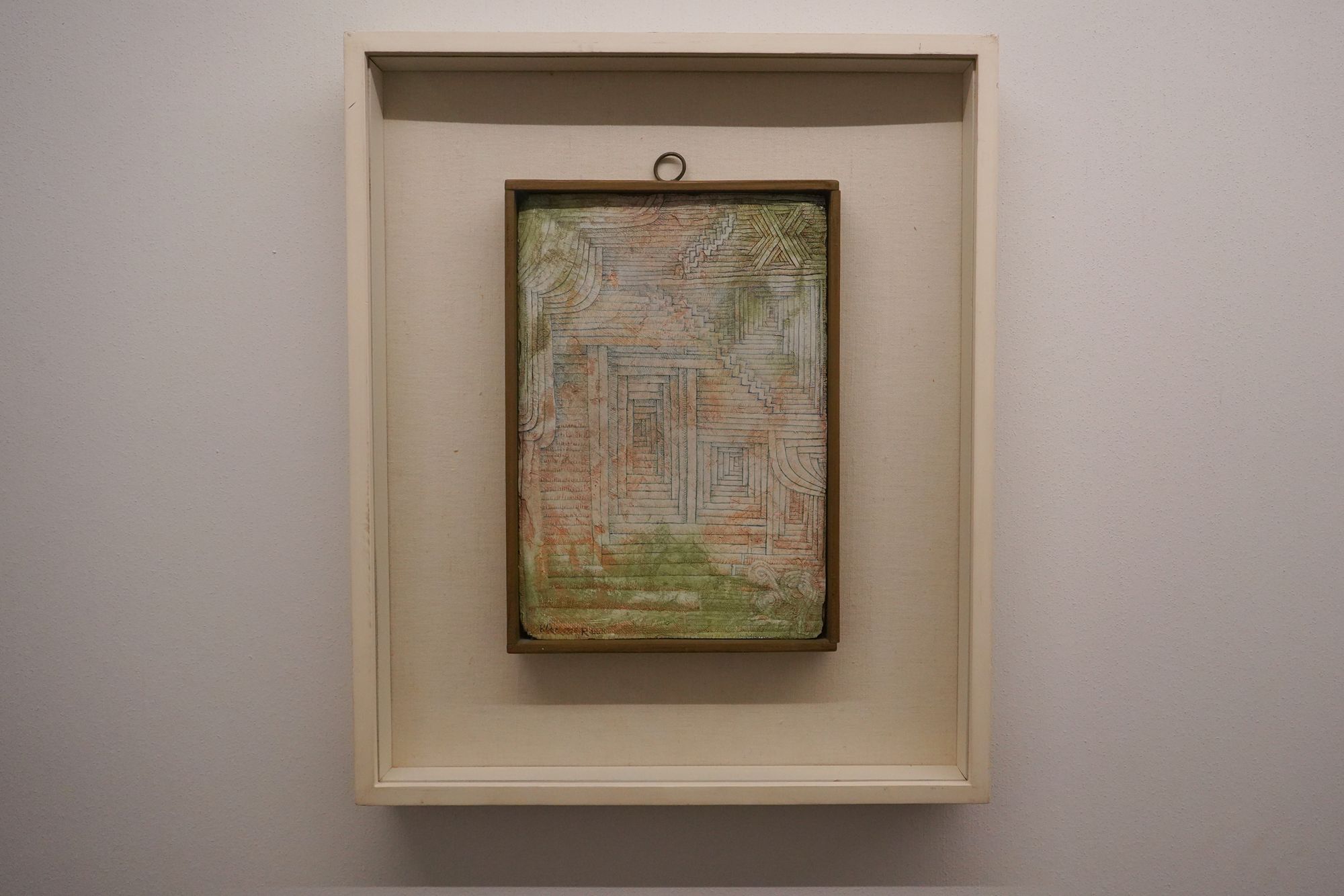
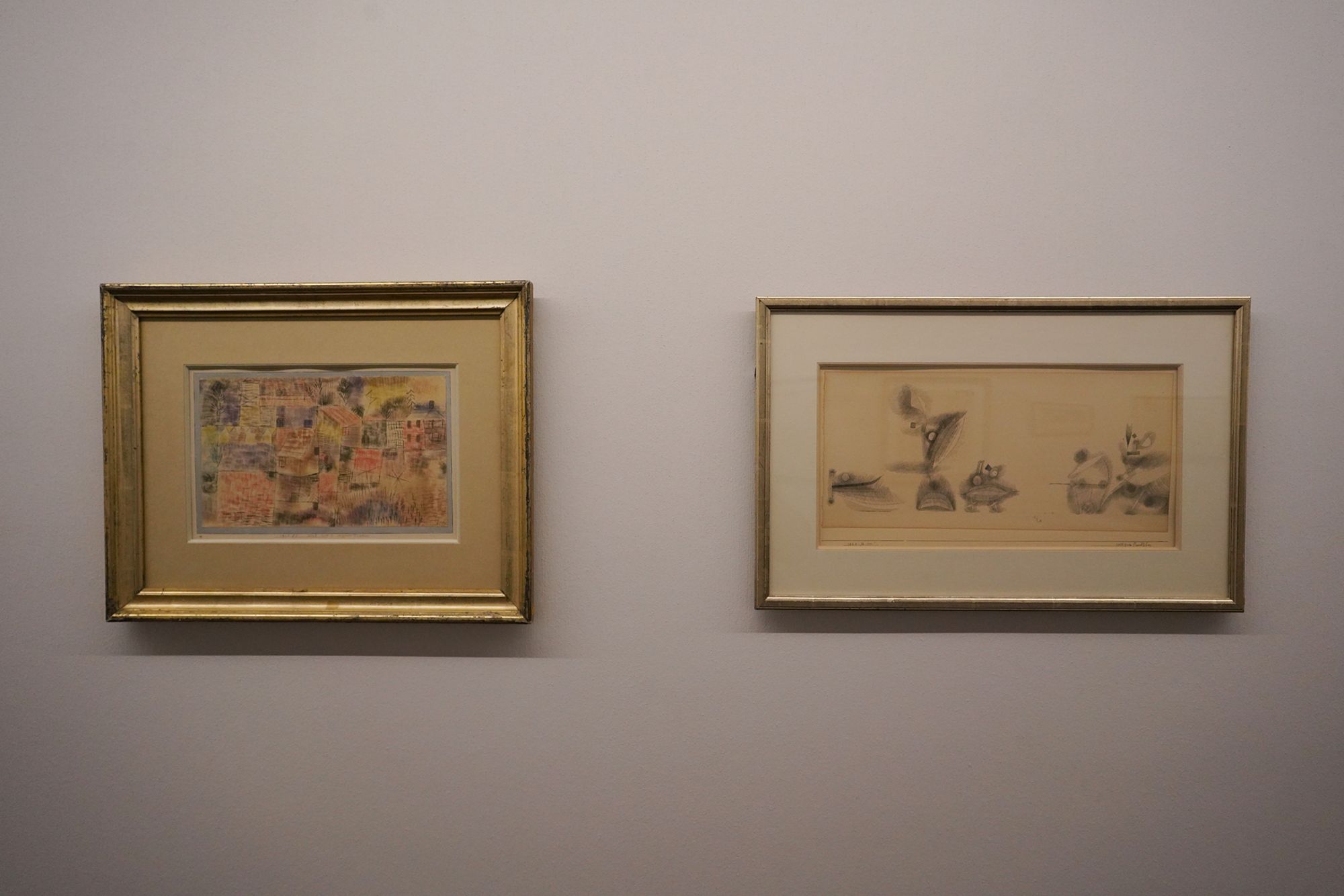
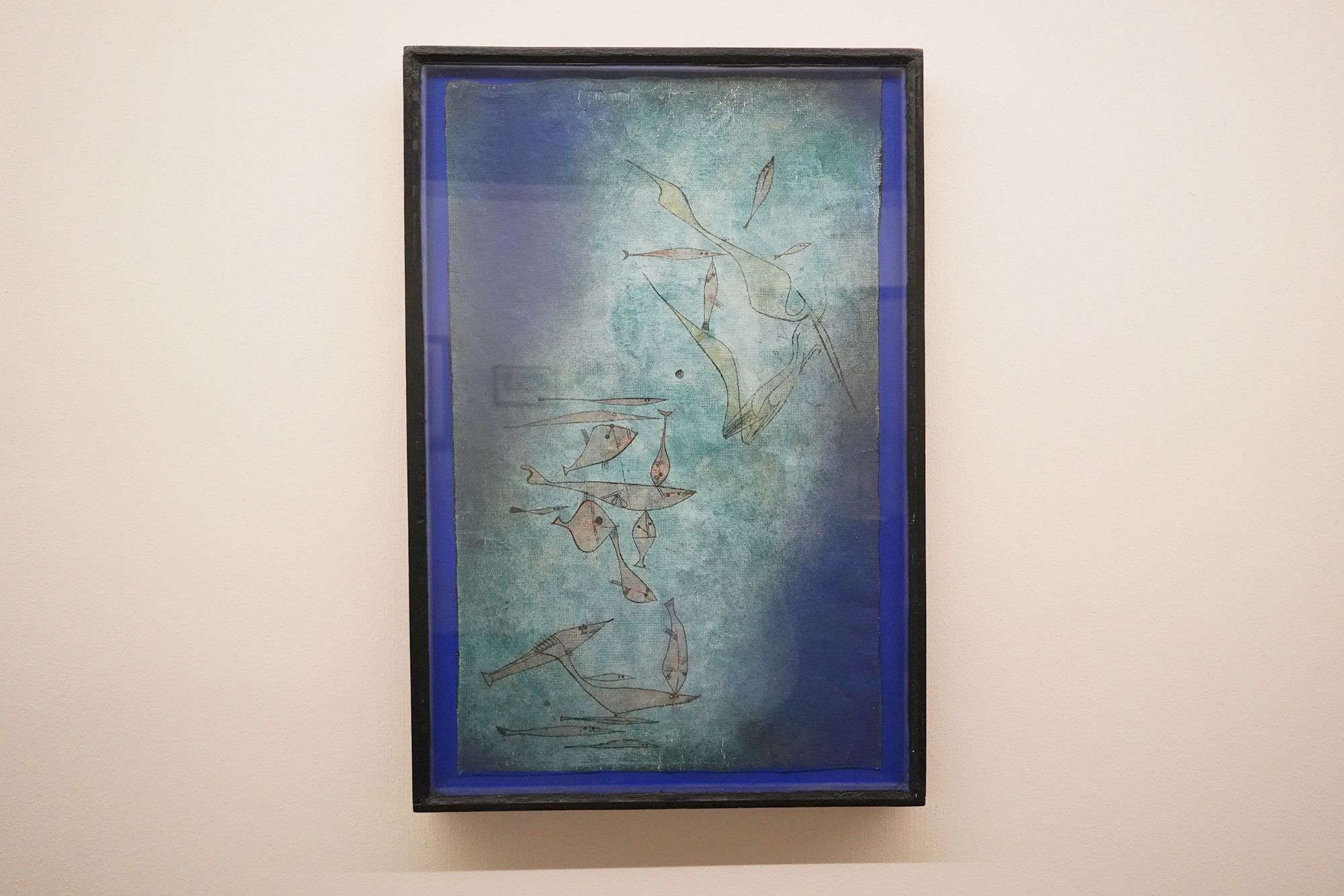
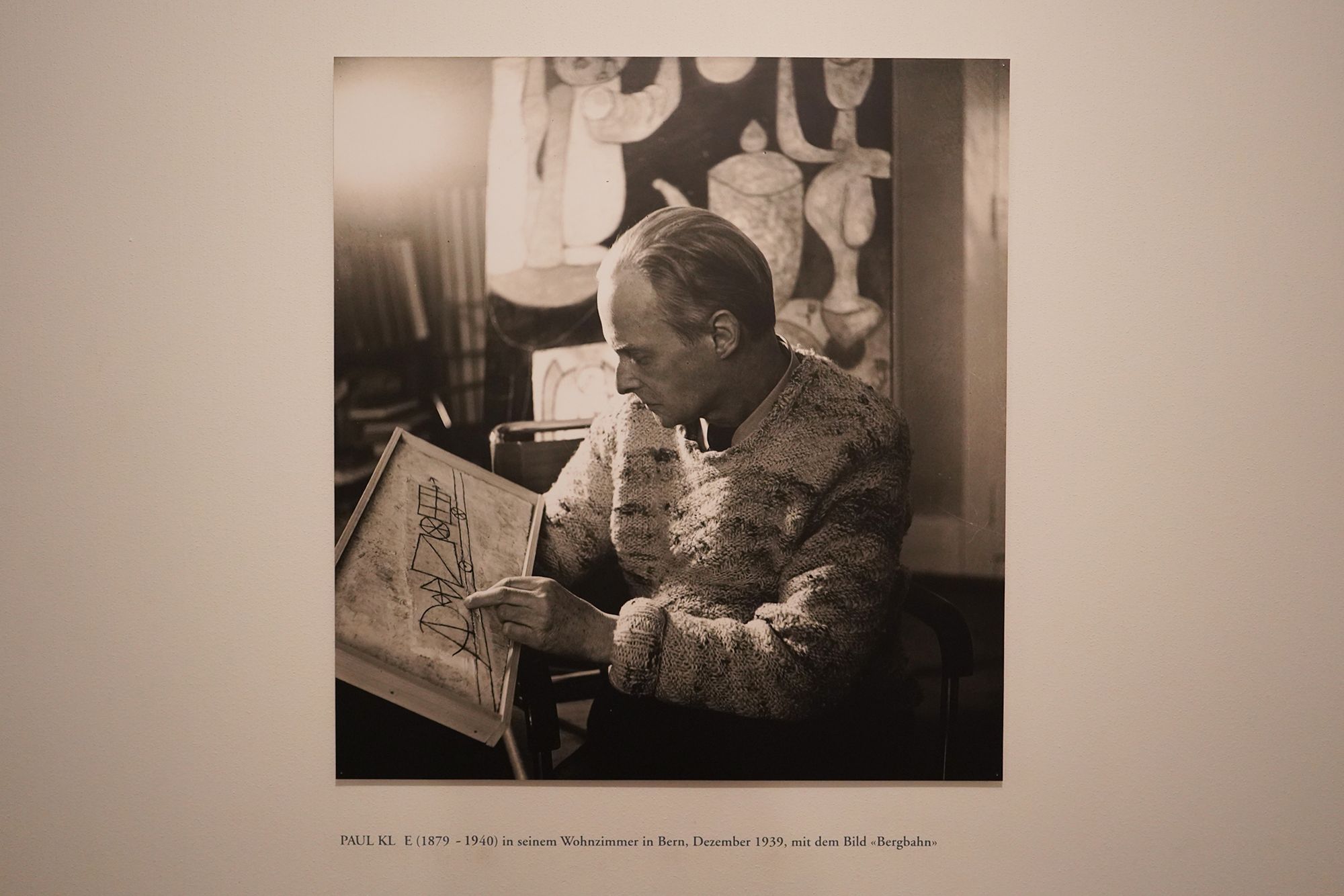
Paul Klee (1879–1940) was a Swiss-born artist whose highly individual style combined elements of Expressionism, Cubism, Surrealism, and abstraction. He studied art in Munich and later became associated with artists such as Wassily Kandinsky.
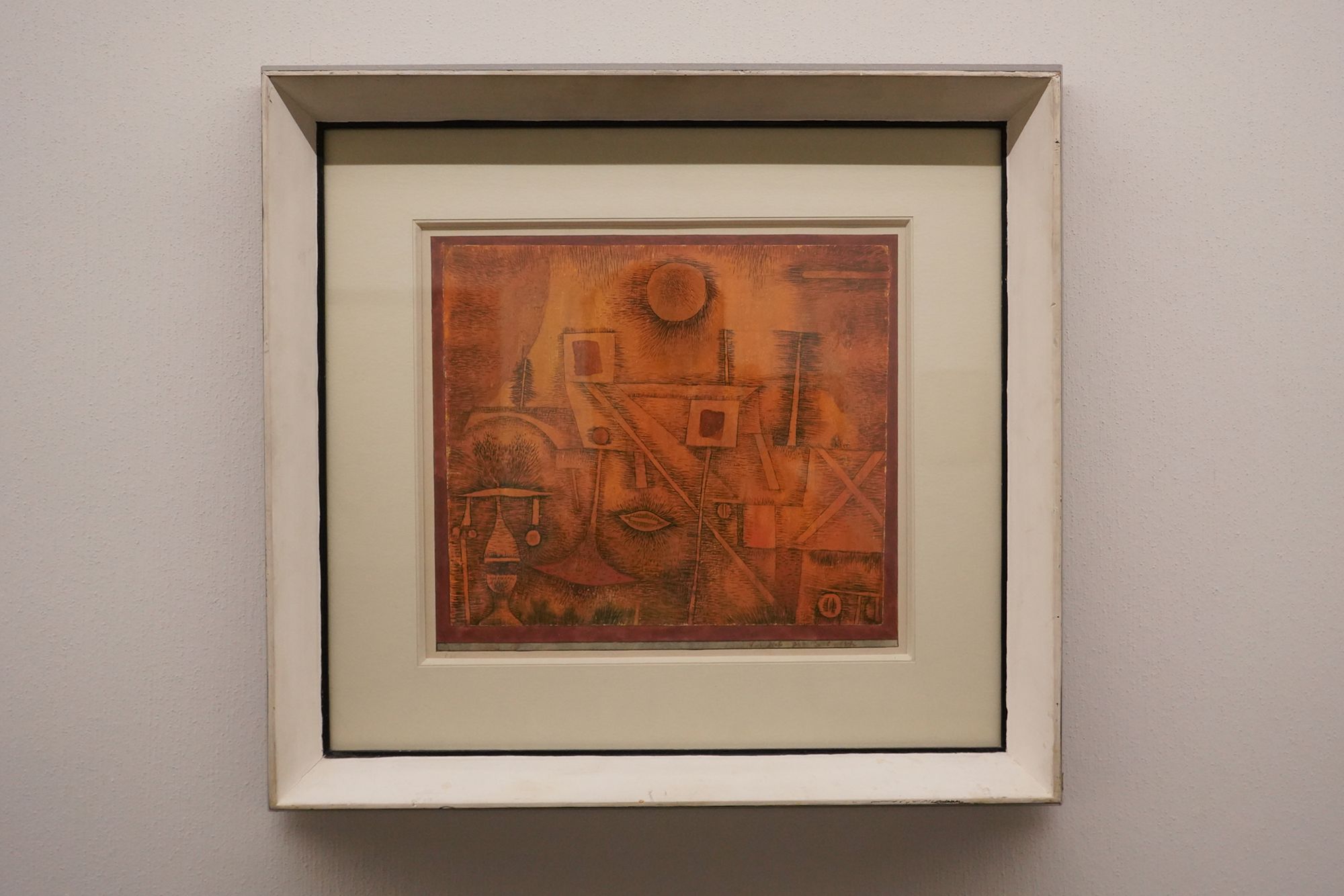
Klee taught at the influential Bauhaus school in Germany, where he developed important ideas about color and artistic composition. After the Nazis came to power in 1933, he returned to Switzerland, settling in Bern.
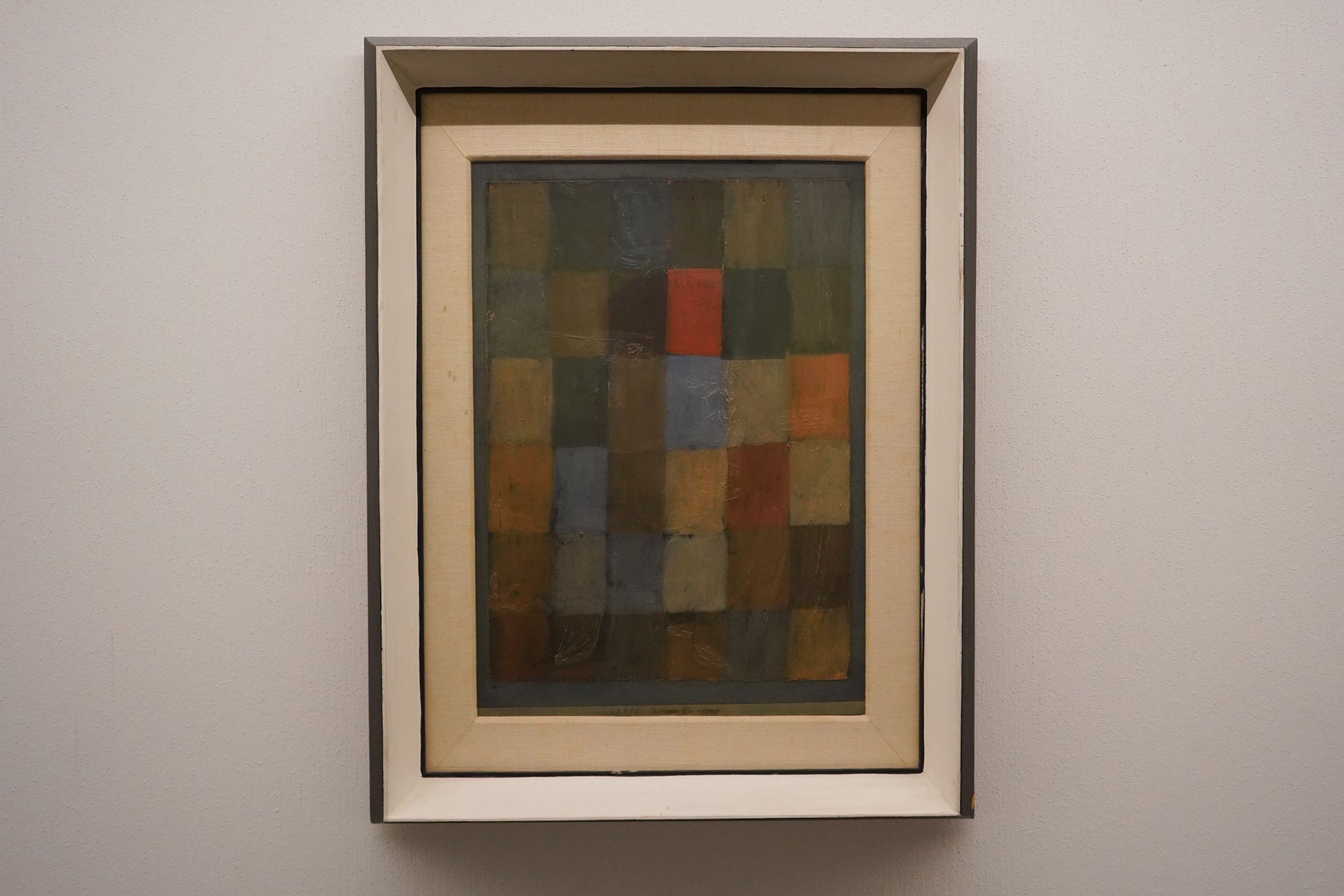
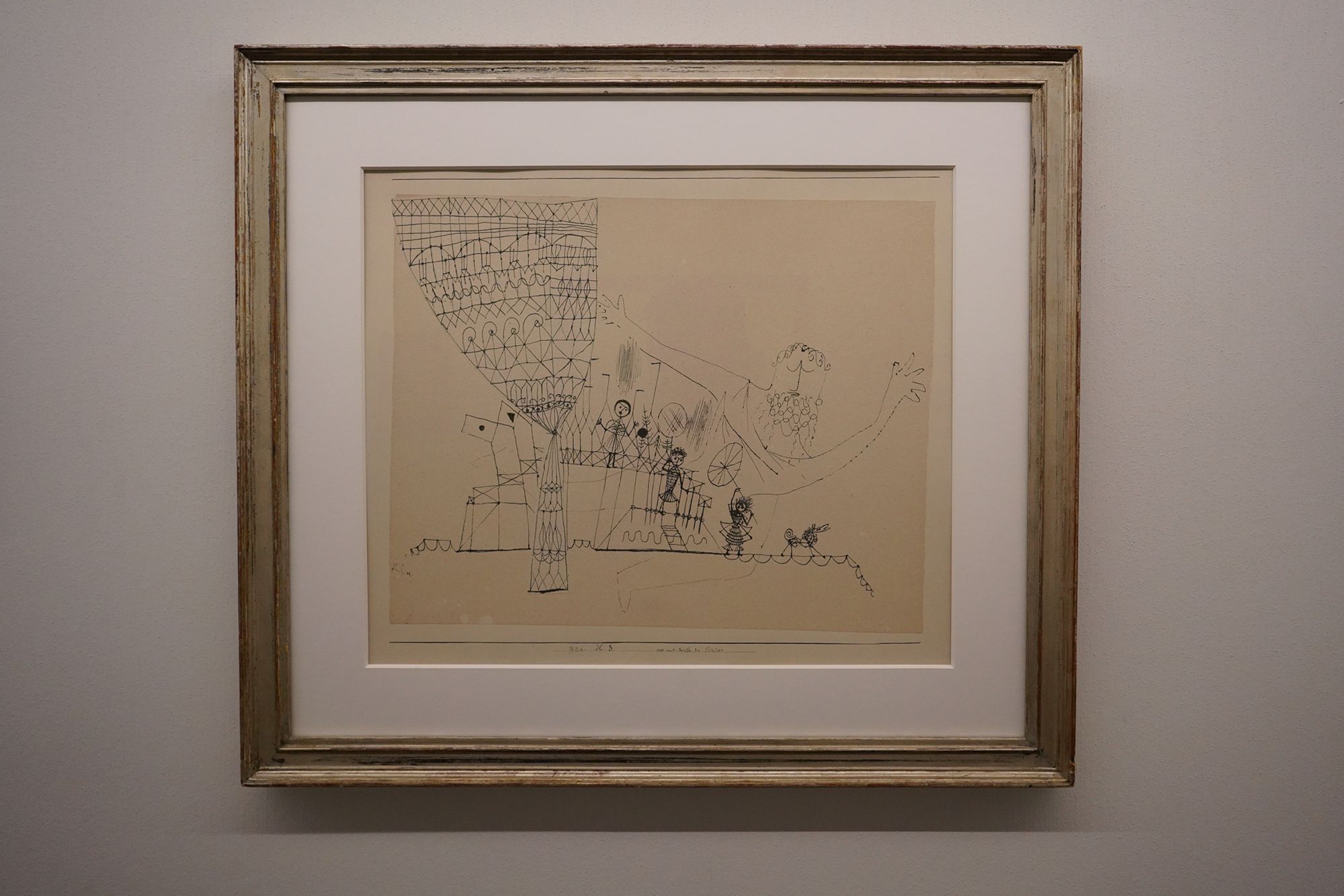
His paintings are often small, colorful, and playful, using simple lines, geometric forms, symbols, and imaginative figures. Klee died near Locarno, Switzerland, in 1940, leaving thousands of works and a major influence on modern art.