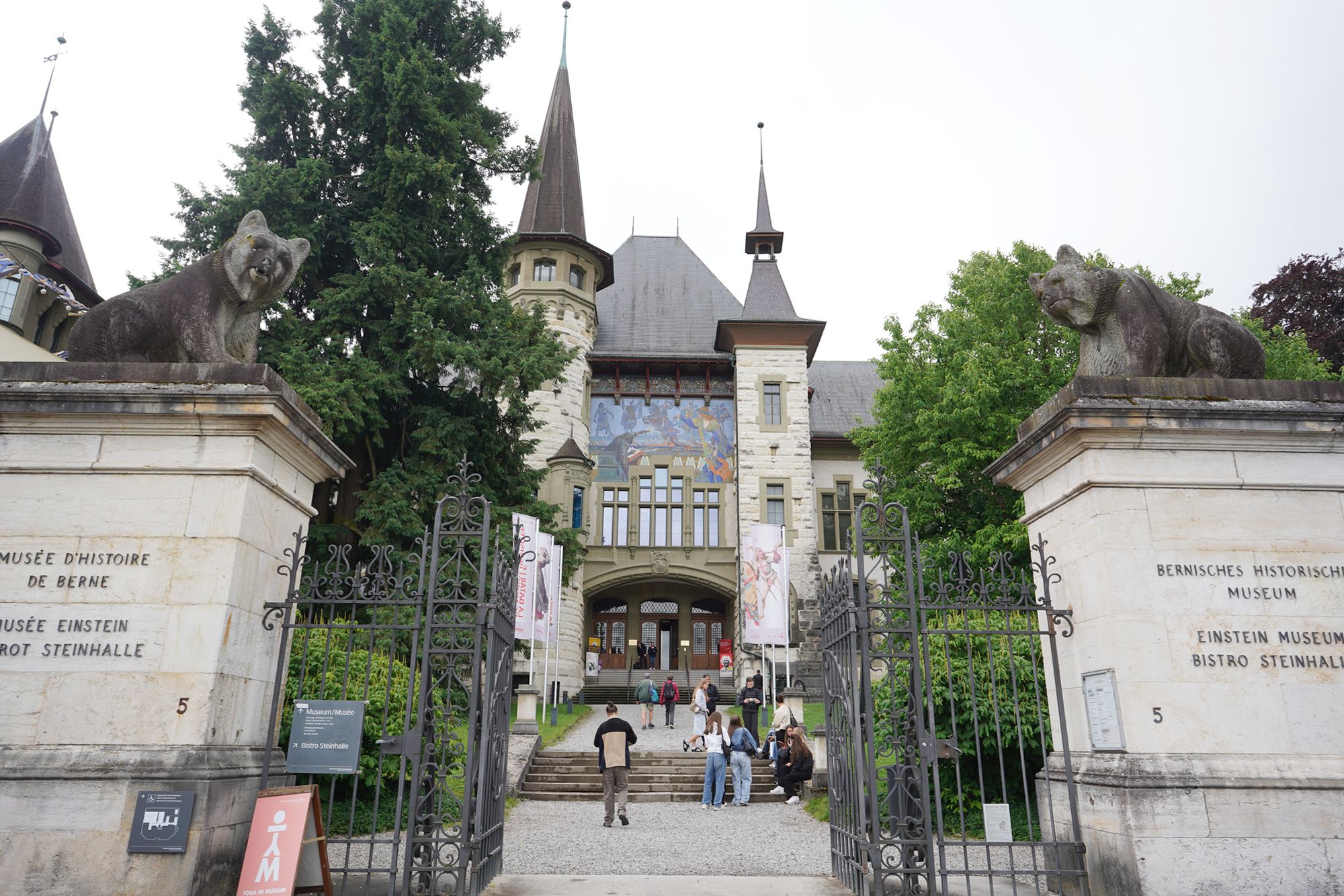
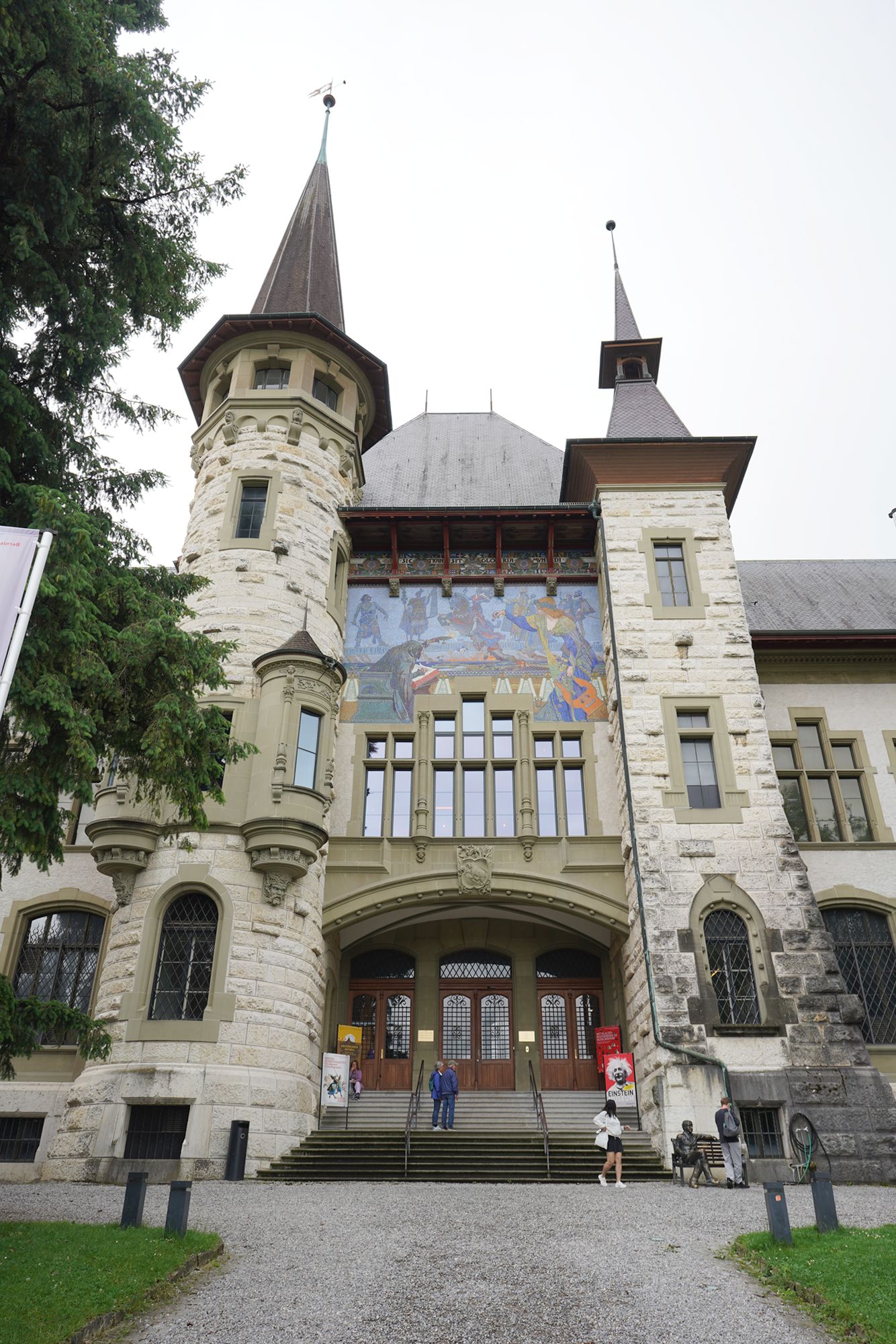
Bernisches Historisches Museum – Einstein I, Bern, Switzerland
The Bernisches Historisches Museum includes an Einstein Museum dedicated to his life, work, and revolutionary scientific discoveries. 1329
Bernisches Historisches Museum - Einstein: Helvetiapl. 5, 3005 Bern, Switzerland
Date Picture Taken: Jun, 2026
The Bernisches Historisches Museum is Switzerland’s second-largest historical museum and includes the fascinating Einstein Museum. Its extensive exhibition follows Albert Einstein’s personal life and scientific career, including his years in Bern, where he developed groundbreaking ideas that transformed modern physics, while placing his achievements within the historical events of his time.
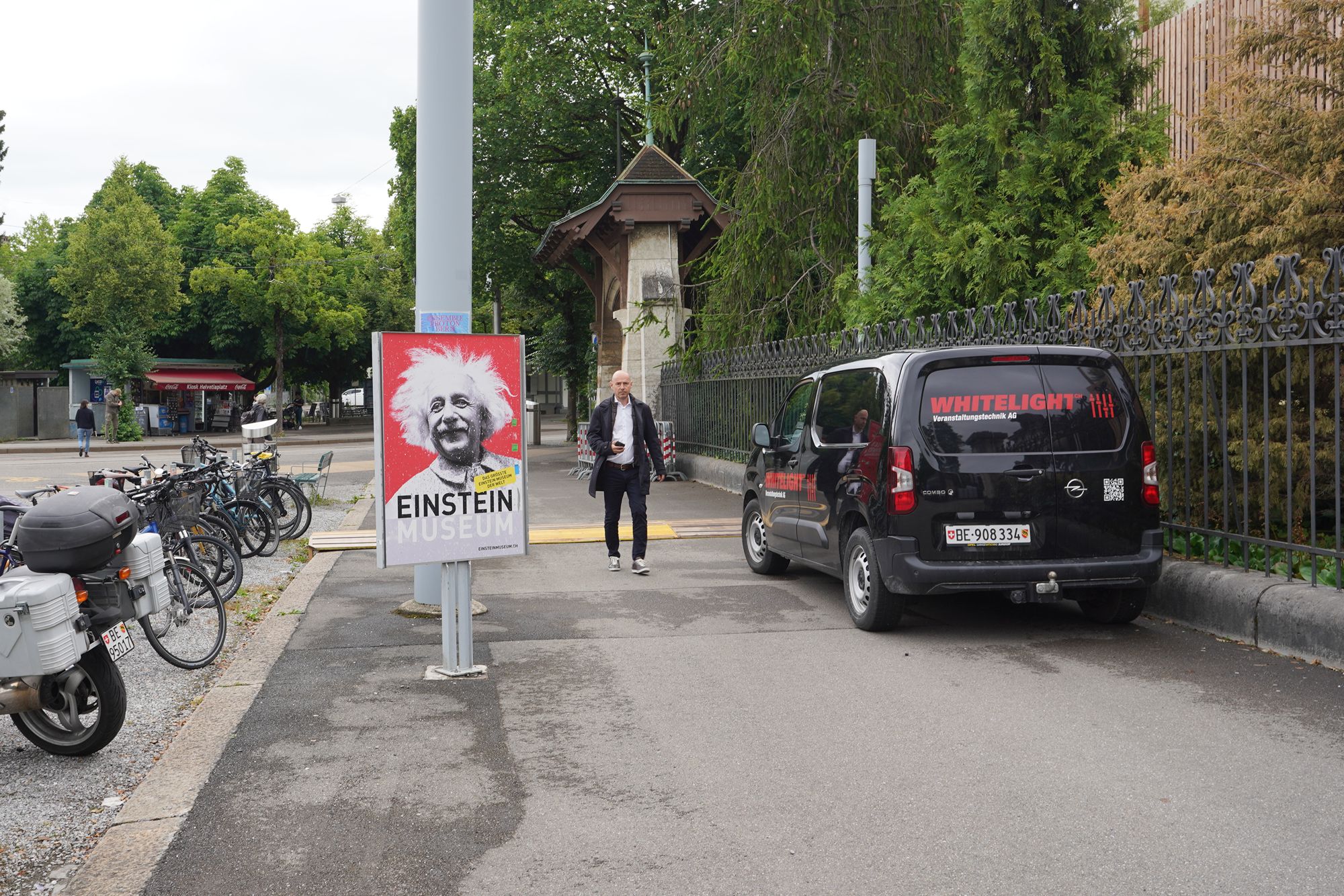
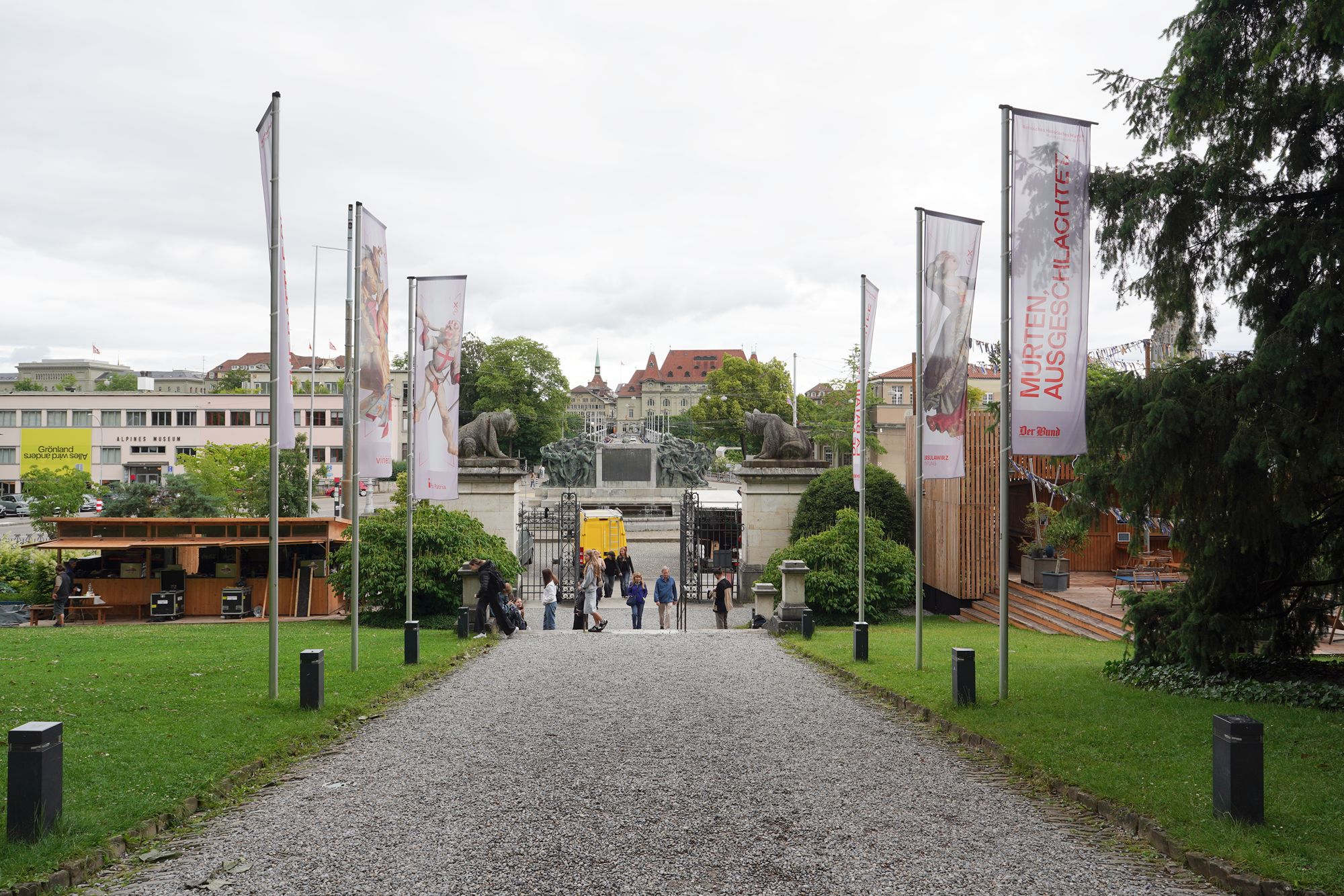
A view behind me
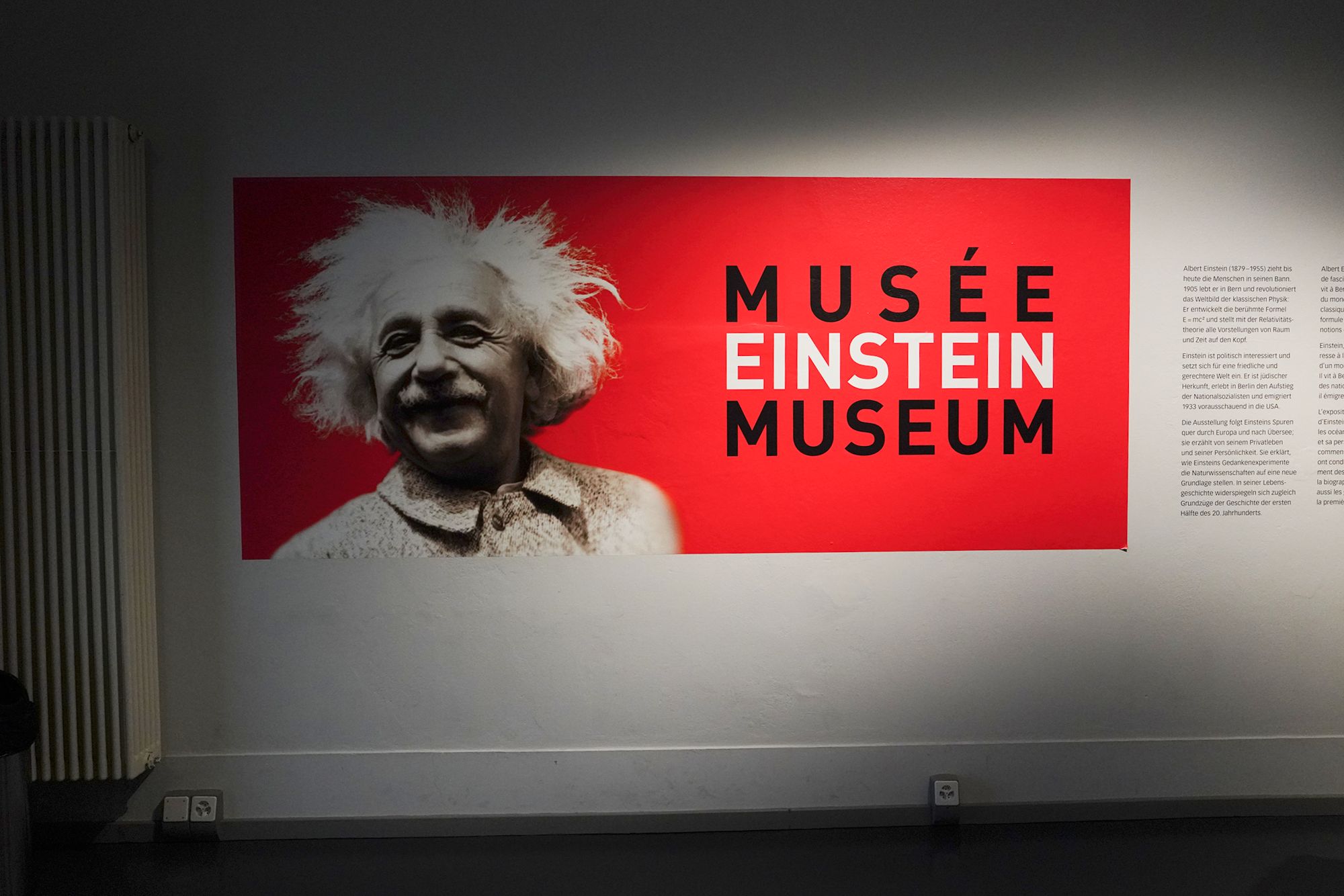
The museum follows Einstein’s life beyond his scientific achievements, showing his years in Bern, his political and humanitarian views, his Jewish heritage, and his move to the United States after the Nazis came to power in Germany.
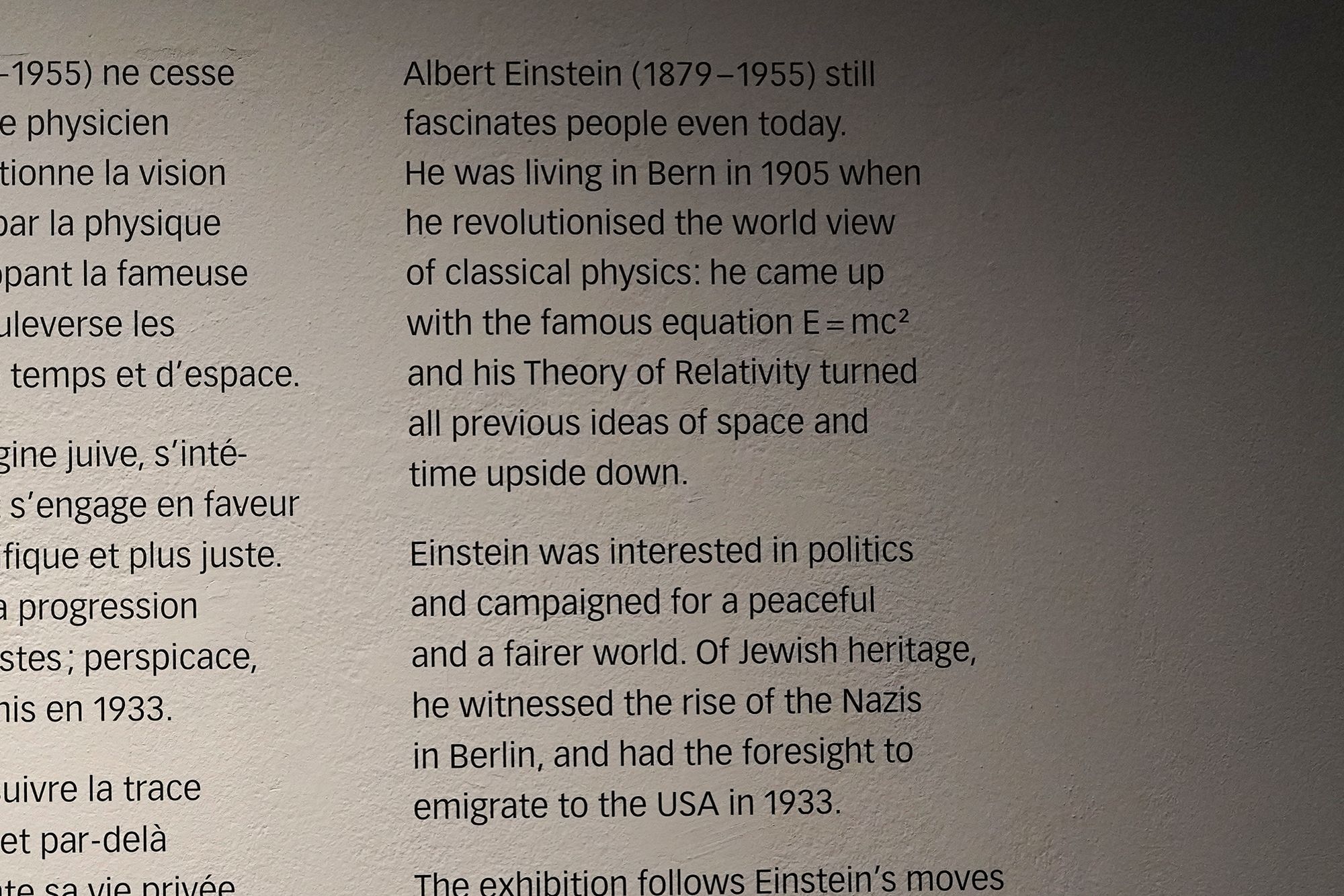
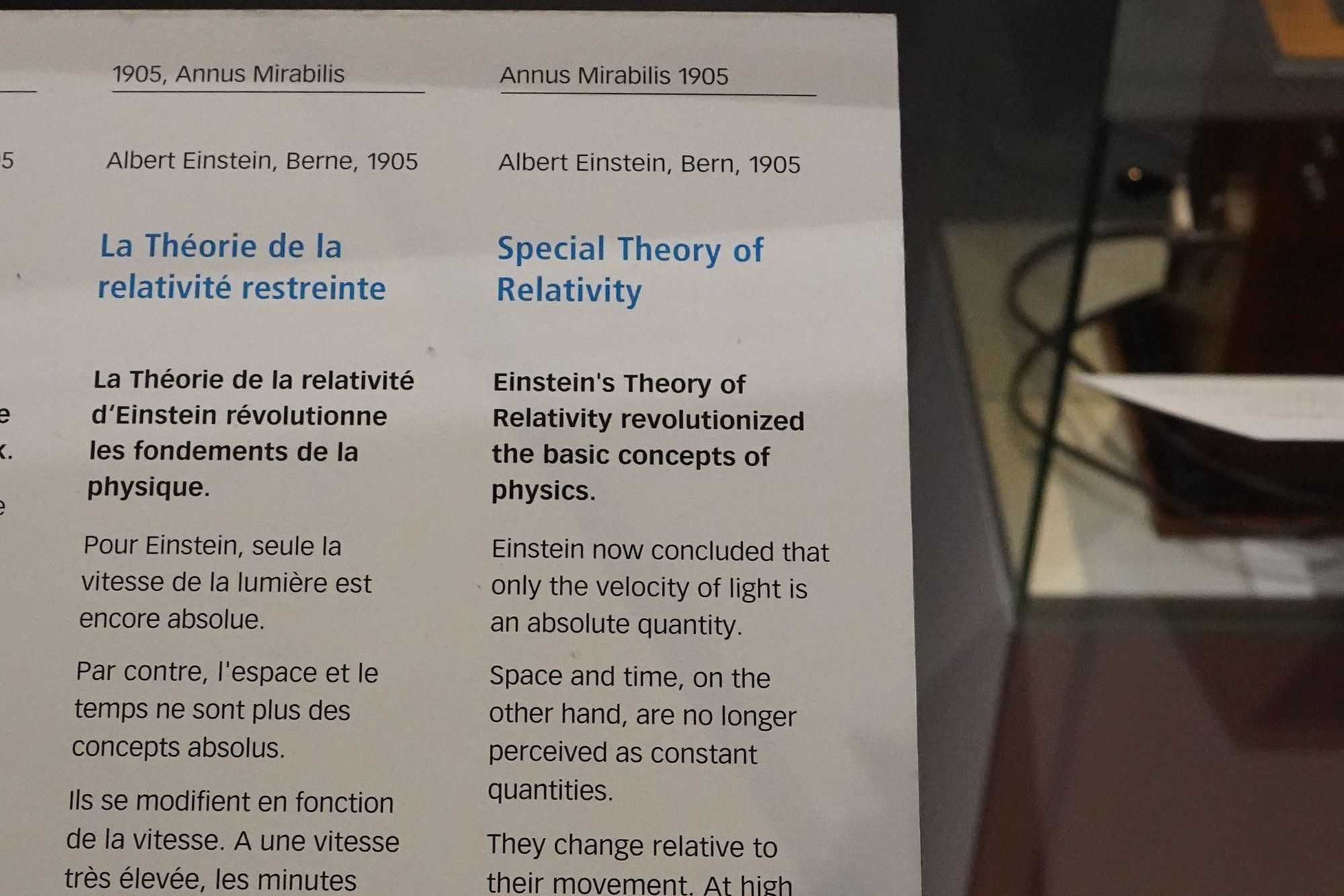
One of the displays explained Einstein’s idea that nothing can travel faster than light, one of the fundamental concepts behind his theory of relativity.
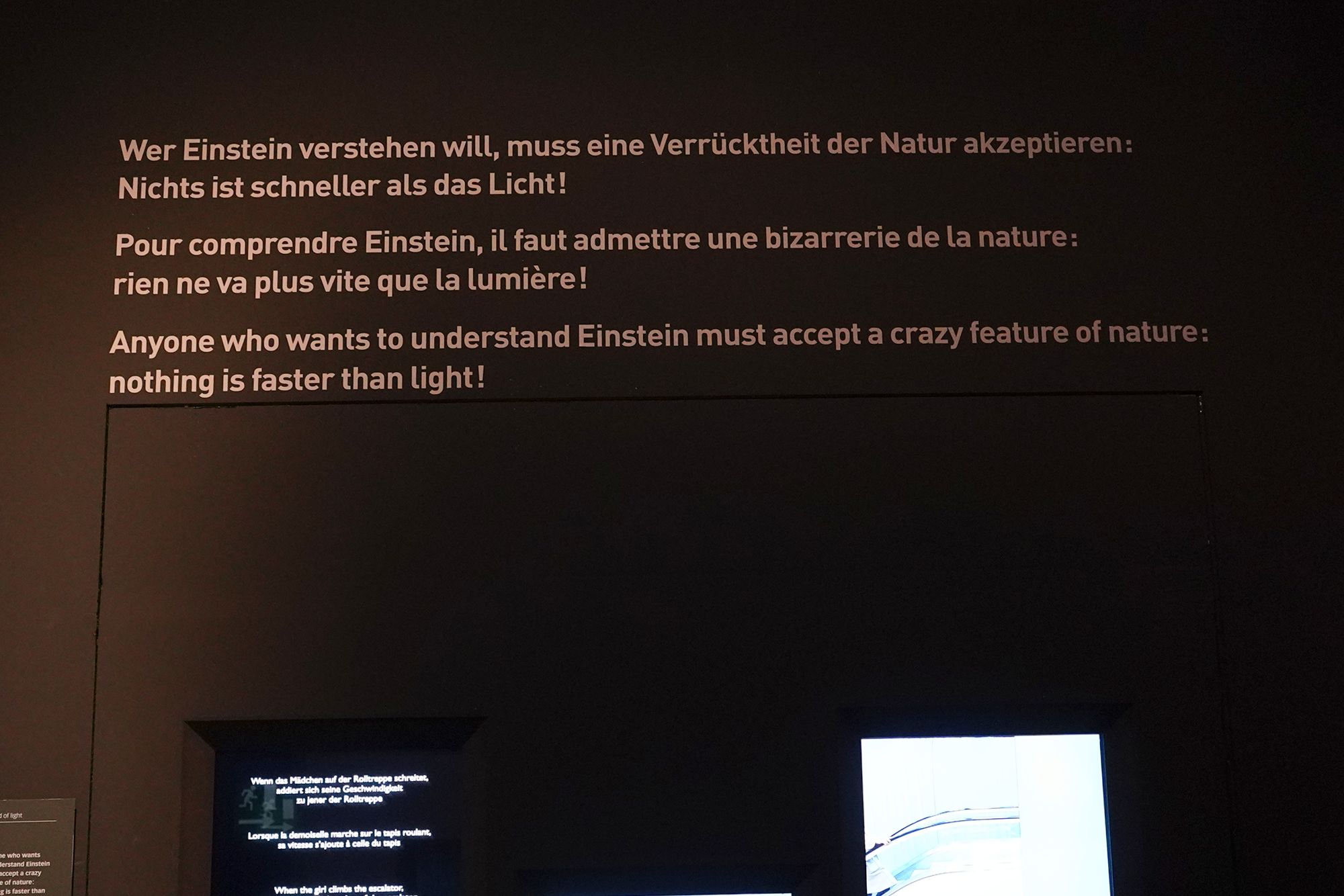
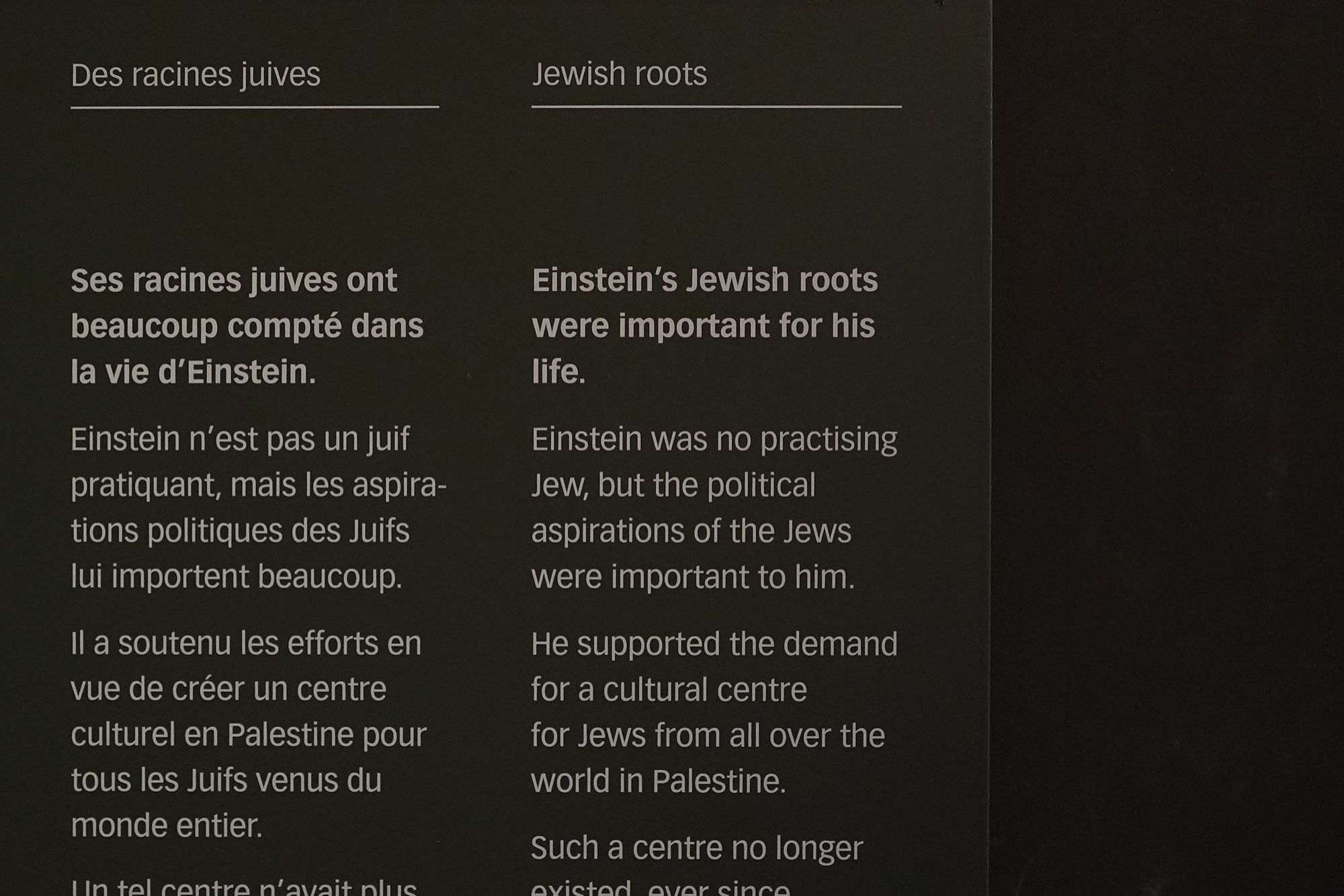
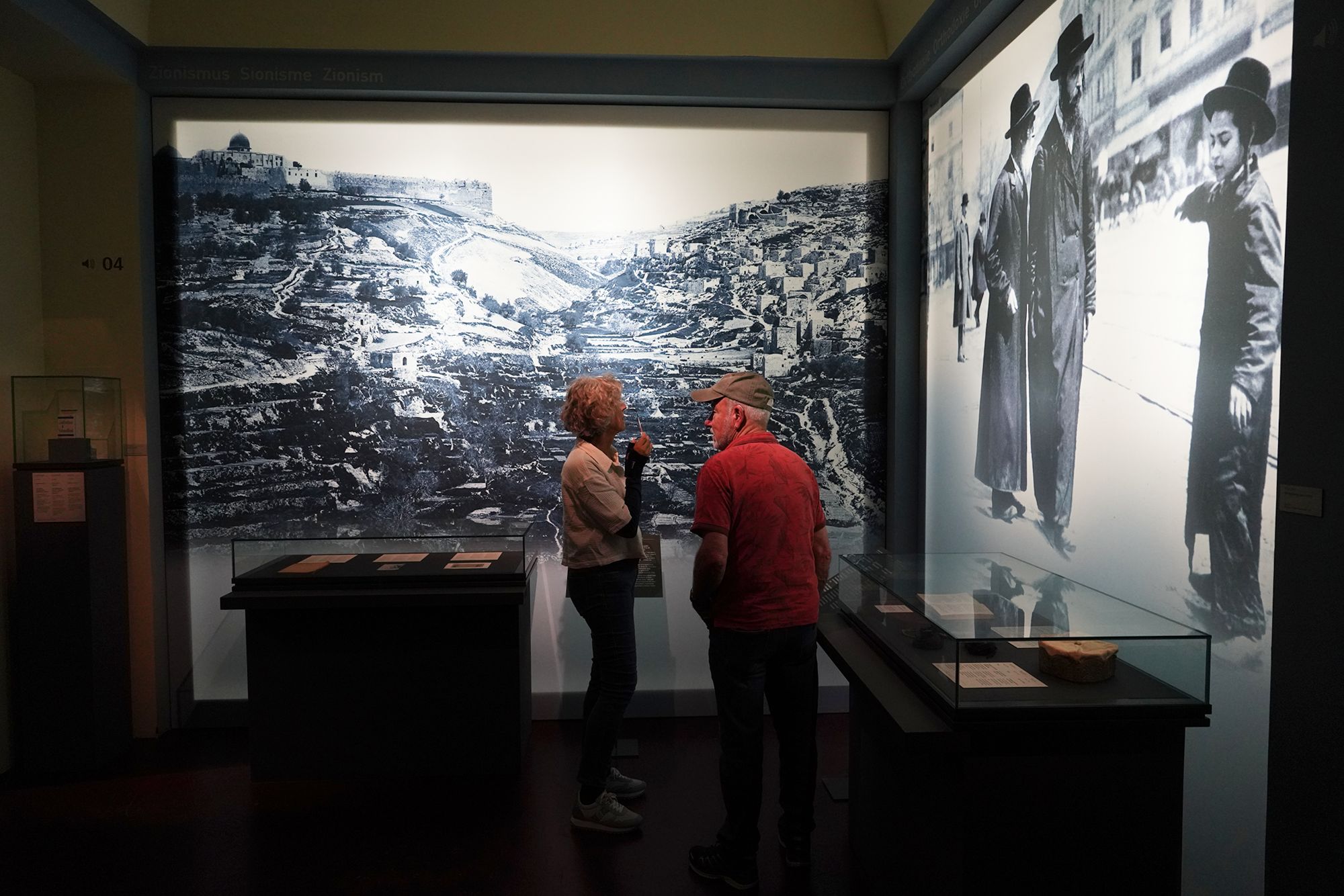
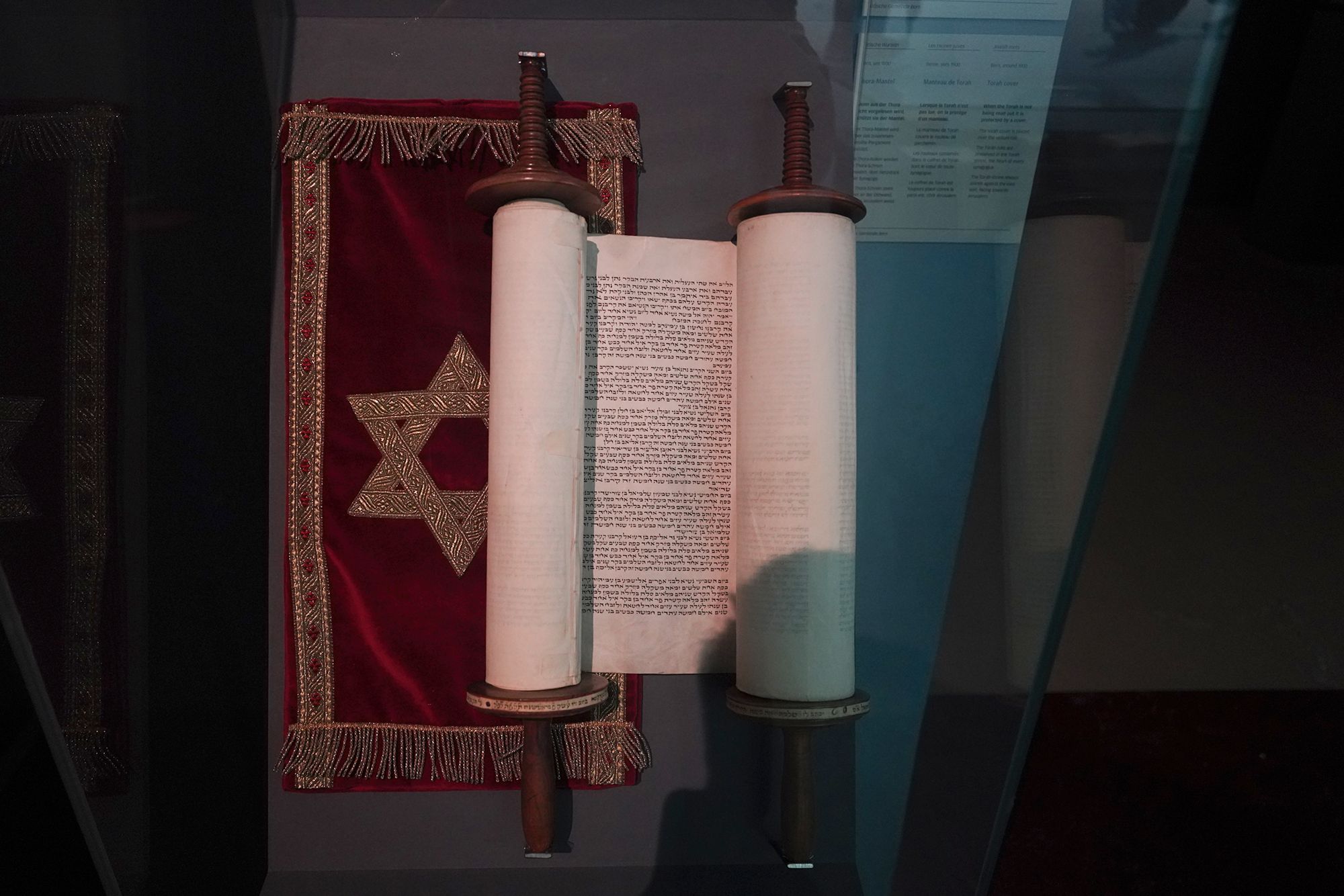
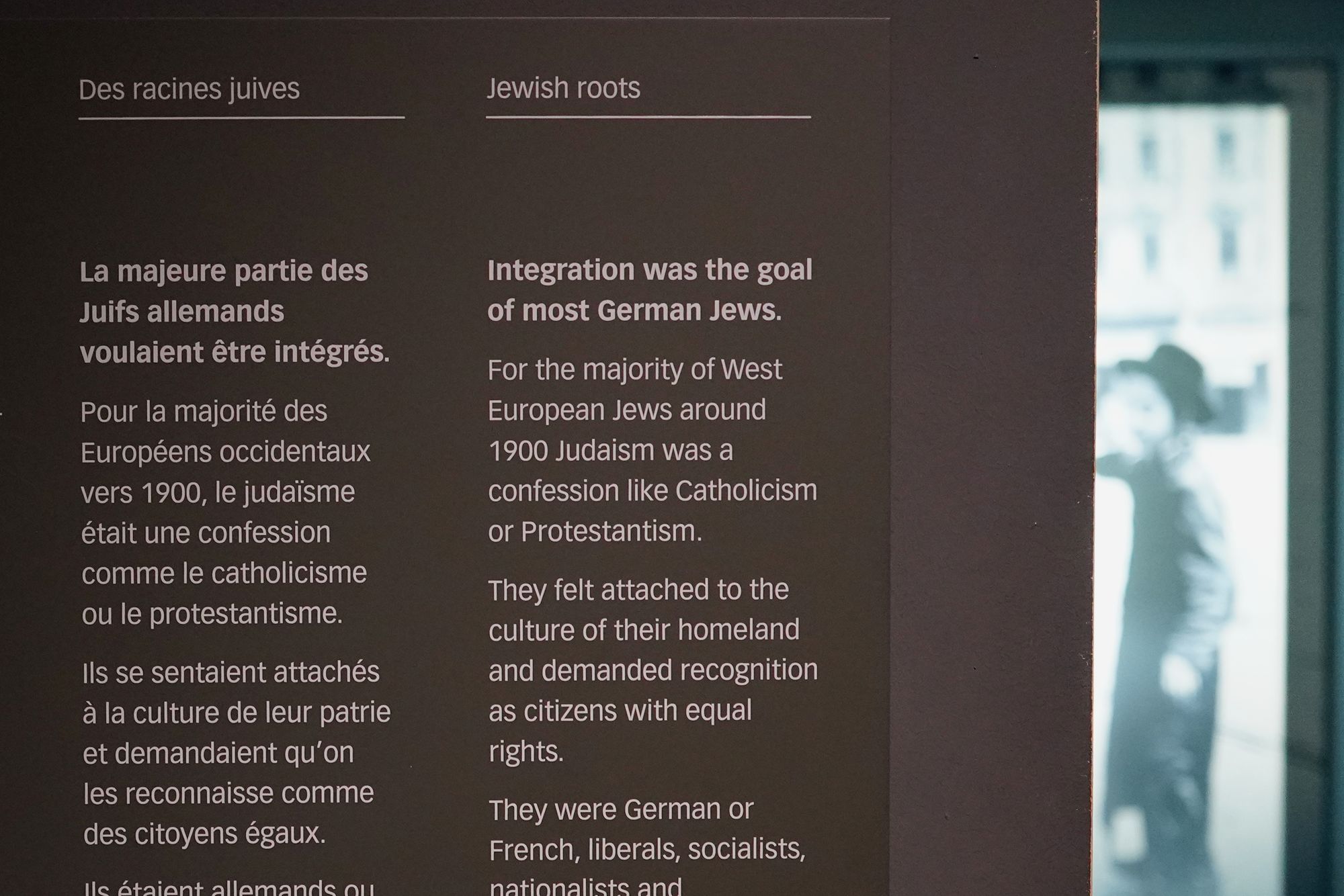
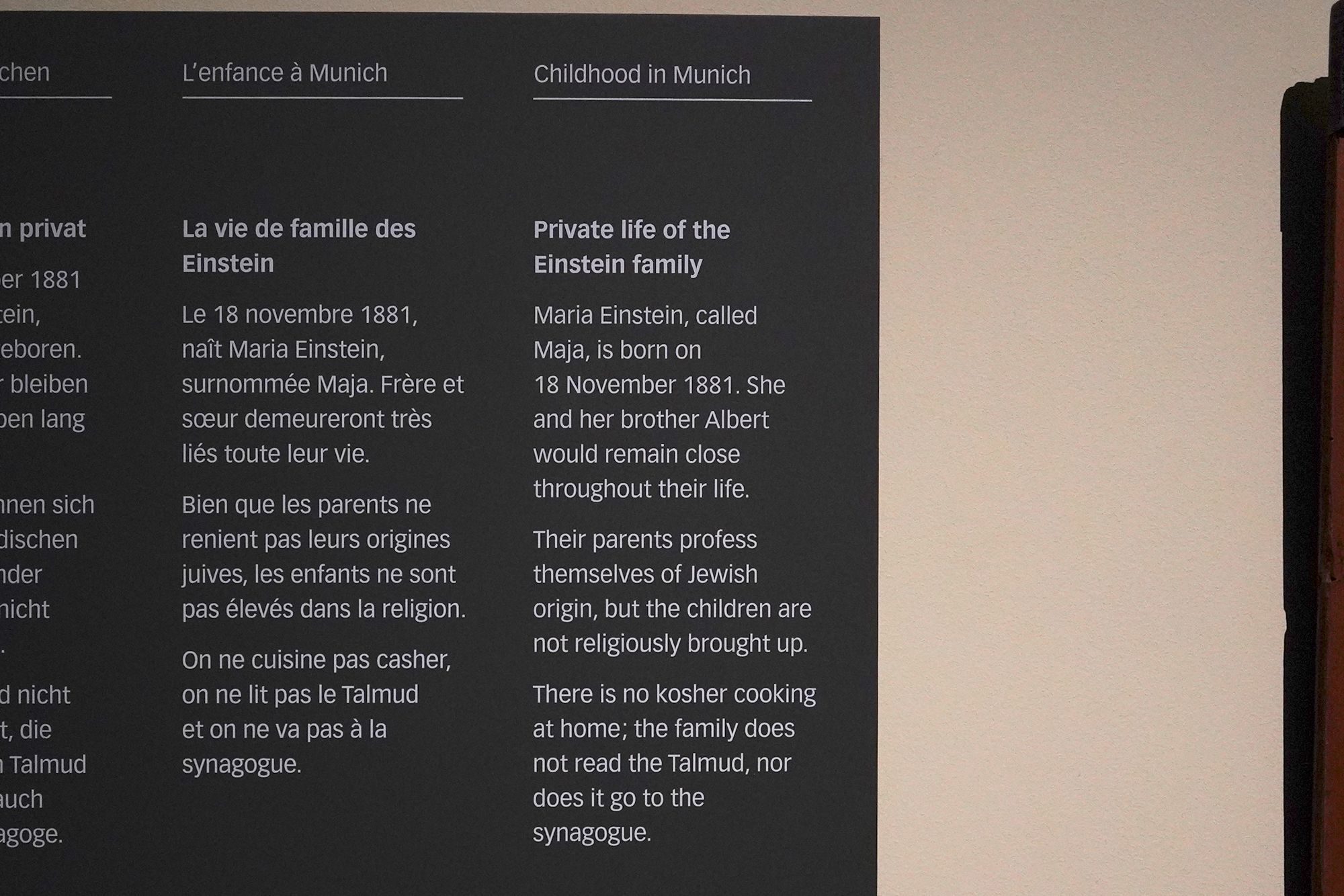
Einstein's Jewish roots were important for his life.
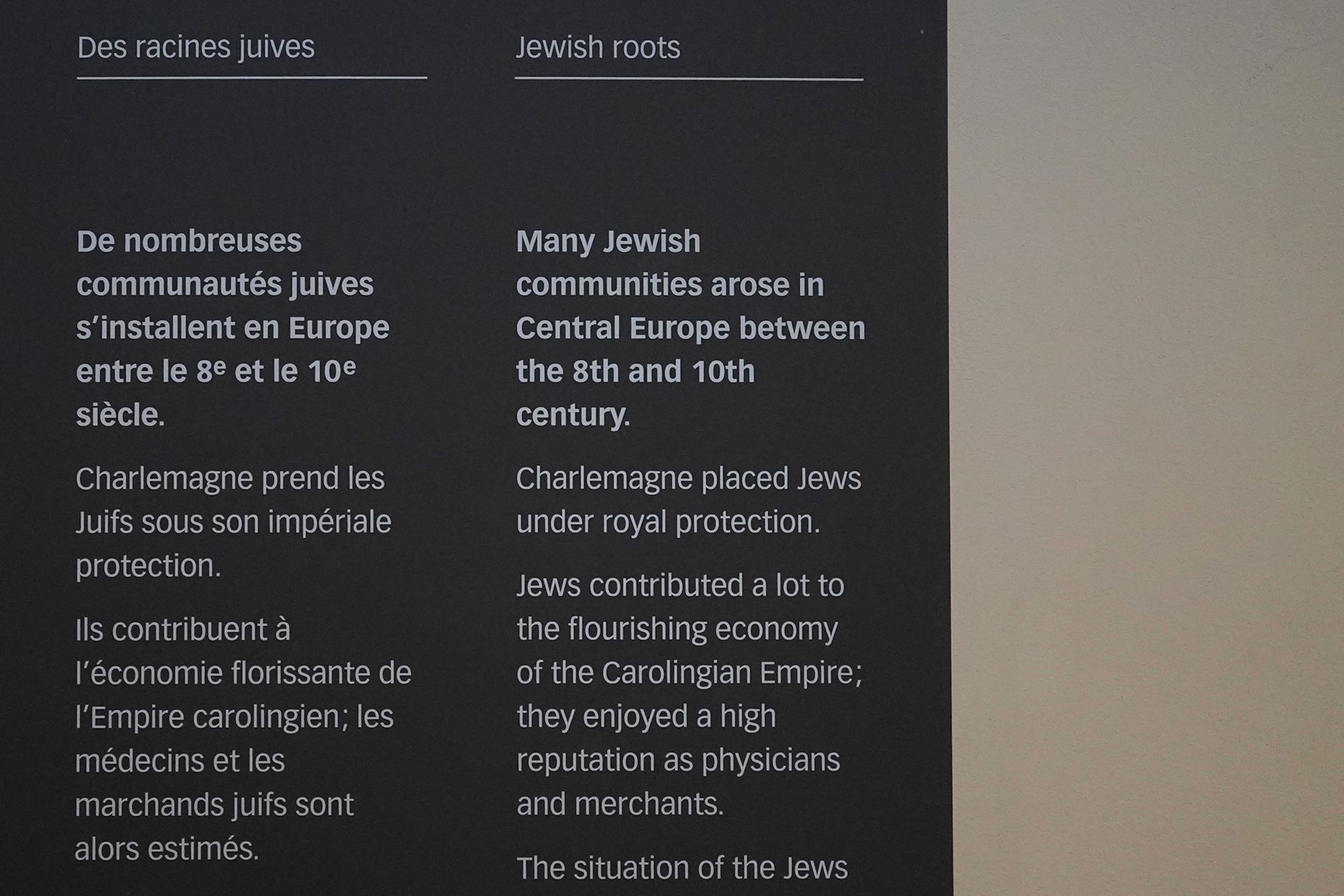
The museum also traces Einstein’s Jewish heritage far back into European history. Jewish communities had been established in Central Europe since the early Middle Ages, where Jews played important roles as merchants and physicians and, at times, received protection from rulers such as Charlemagne.
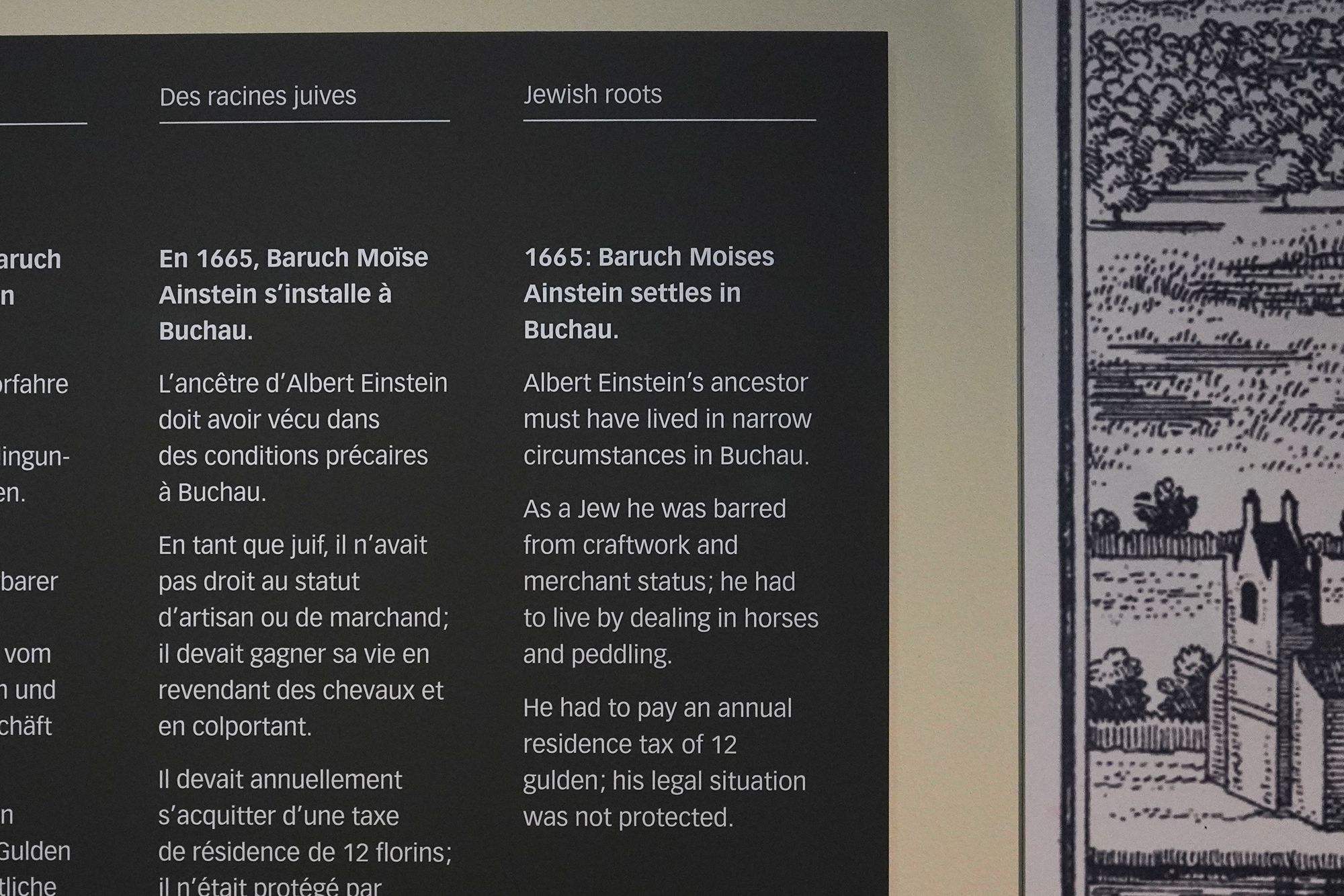
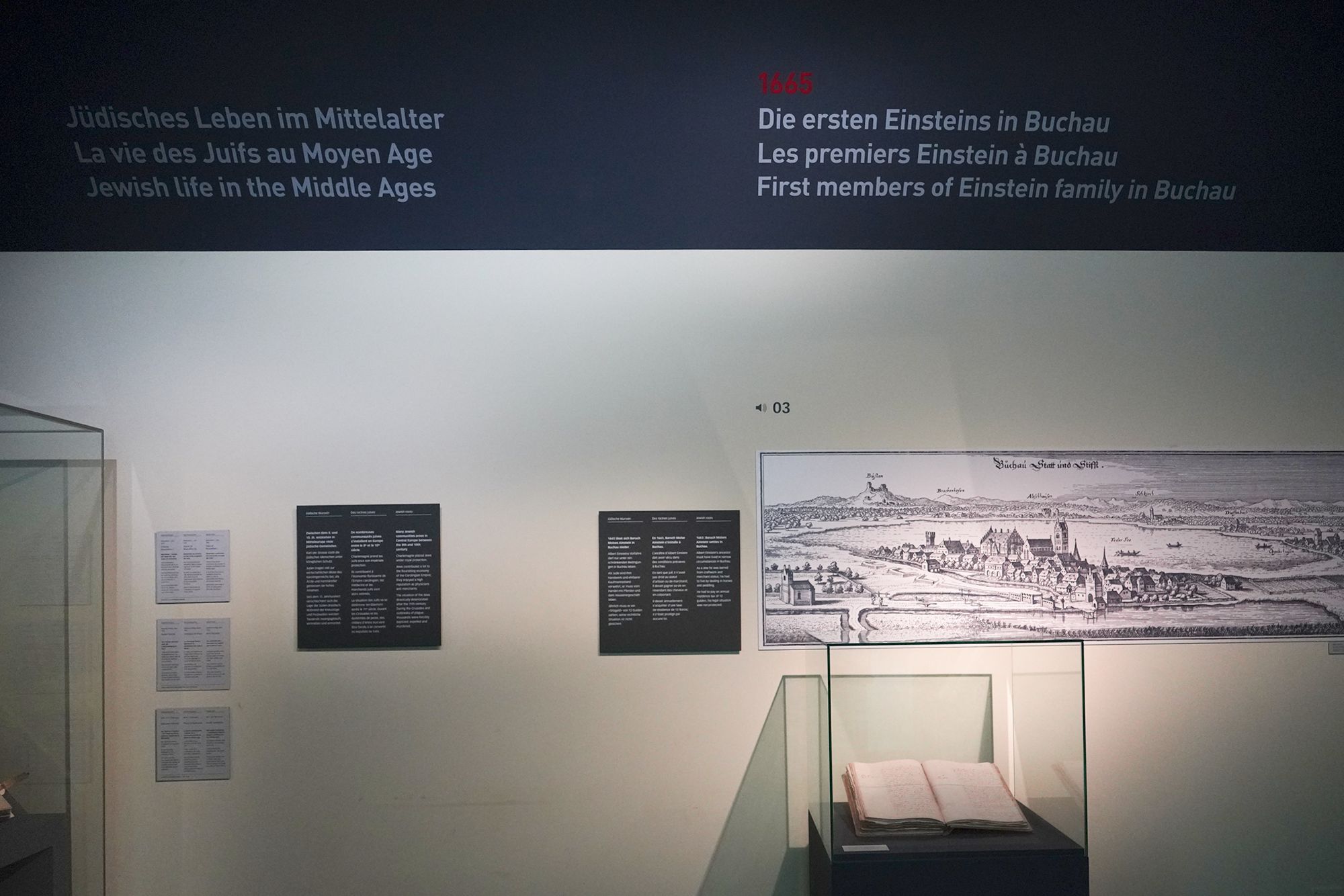
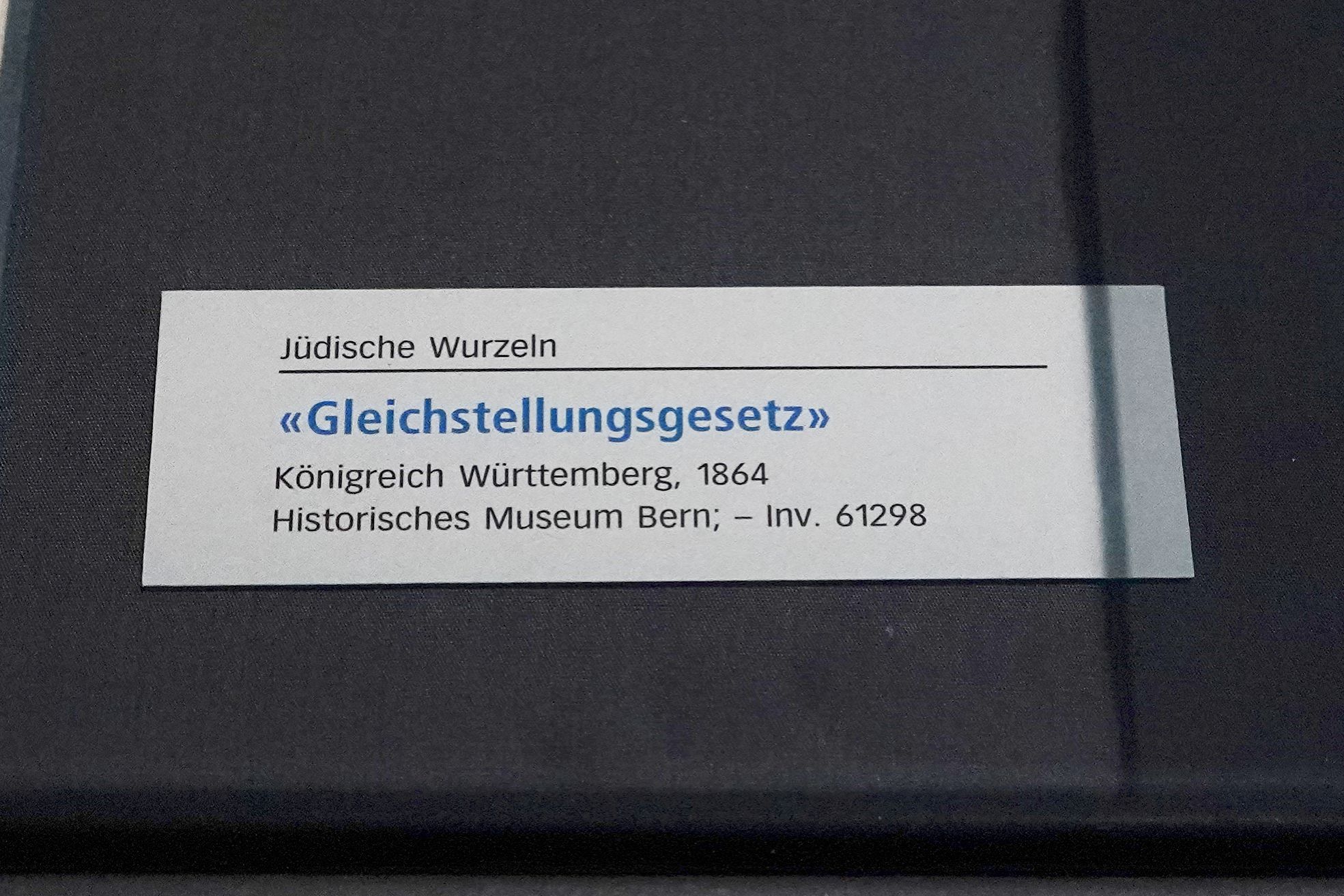
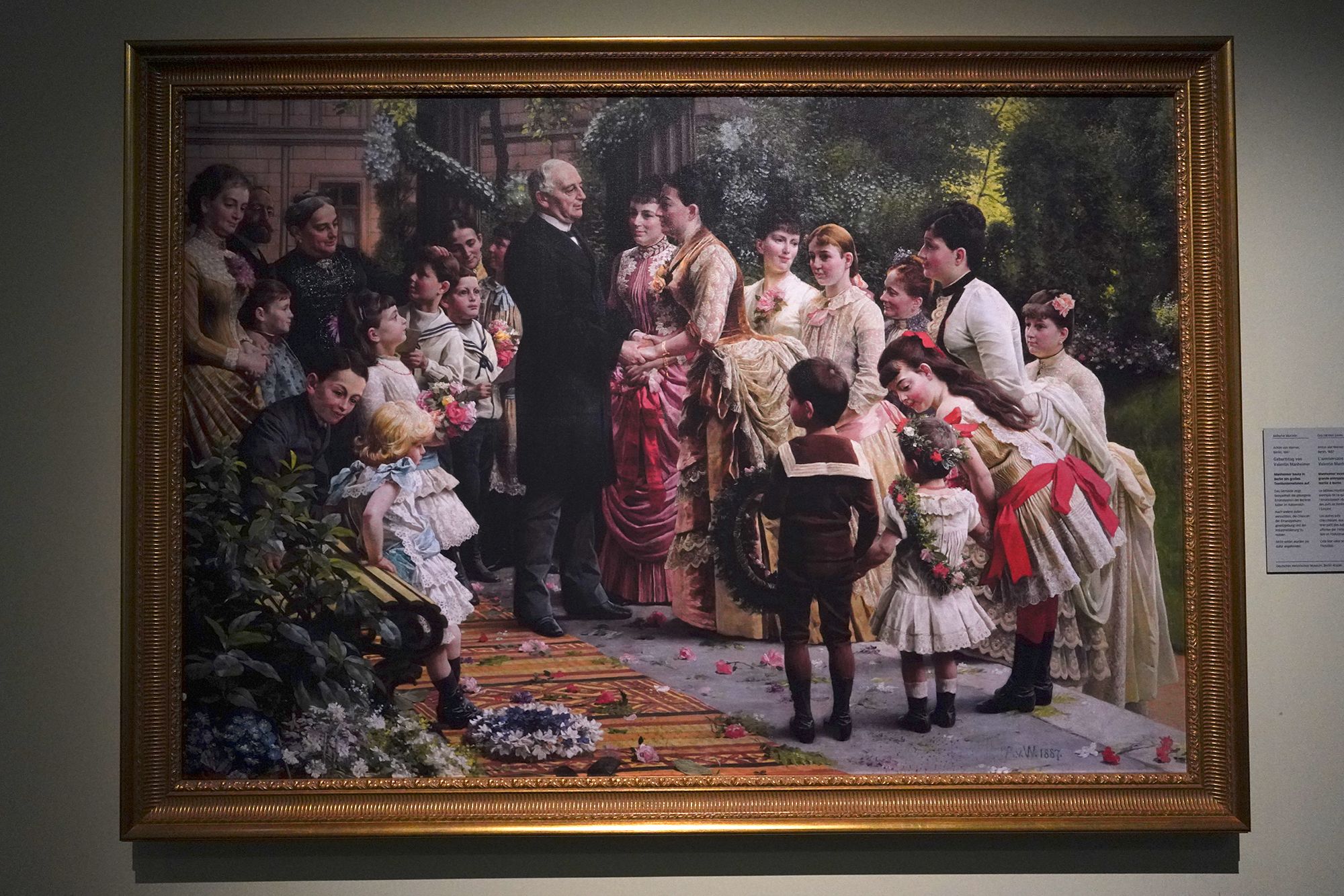
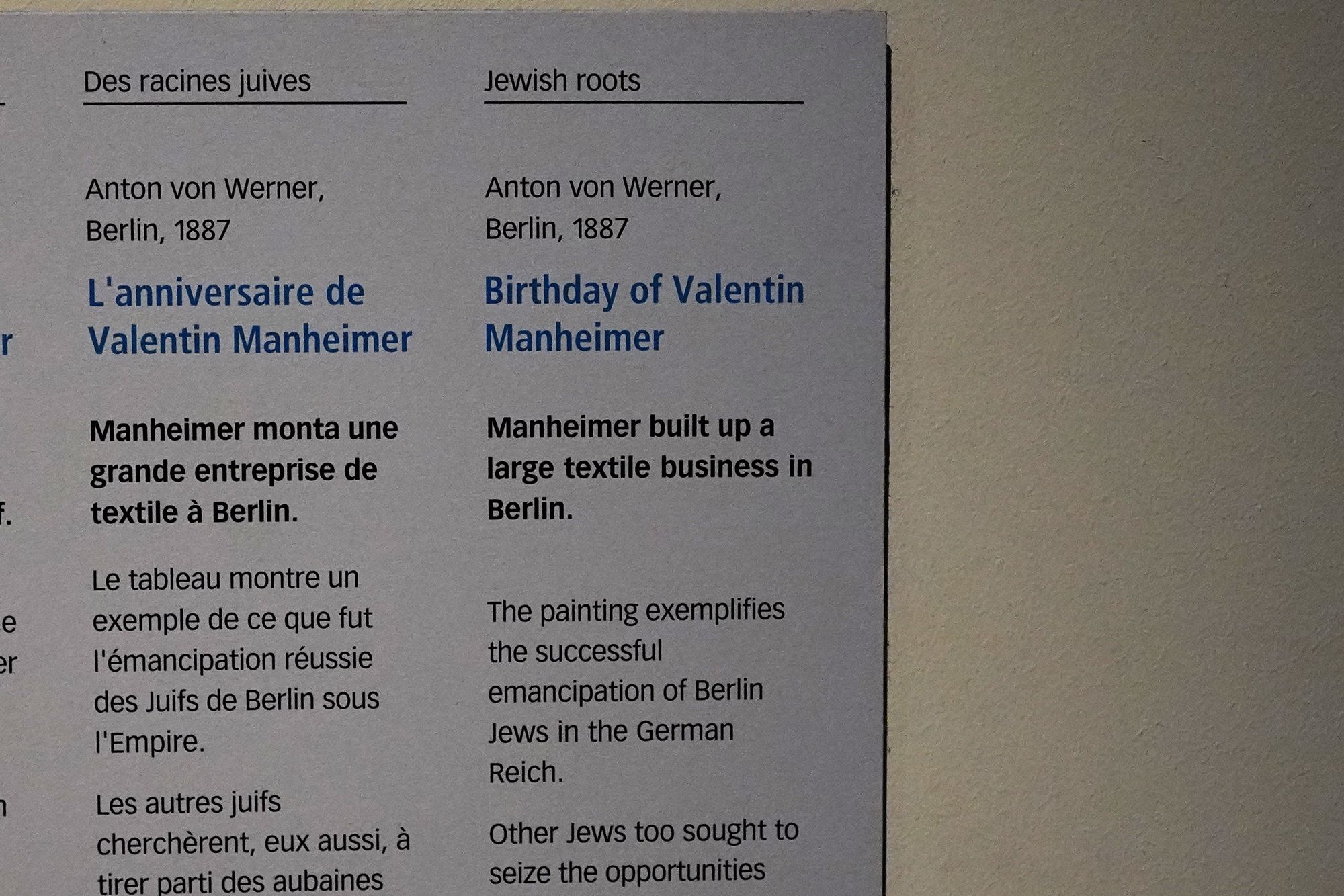
The museum shows how the legal status of Jews gradually improved across Europe. The French Revolution brought equal rights to Jews in France, while other countries followed during the 19th century. Jews gained formal equality in Württemberg in 1864 and in Switzerland in 1866, only a few years before Einstein was born.
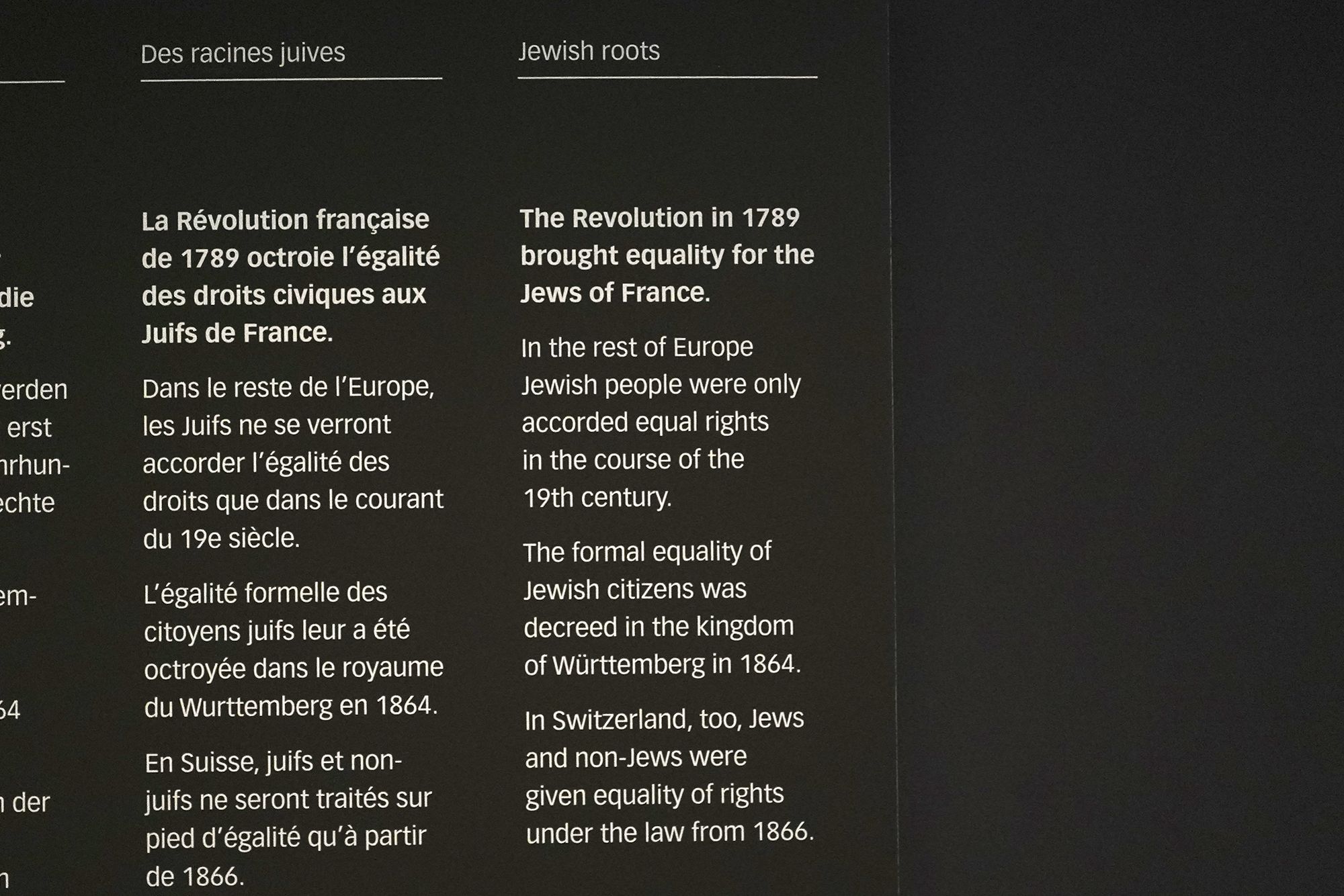
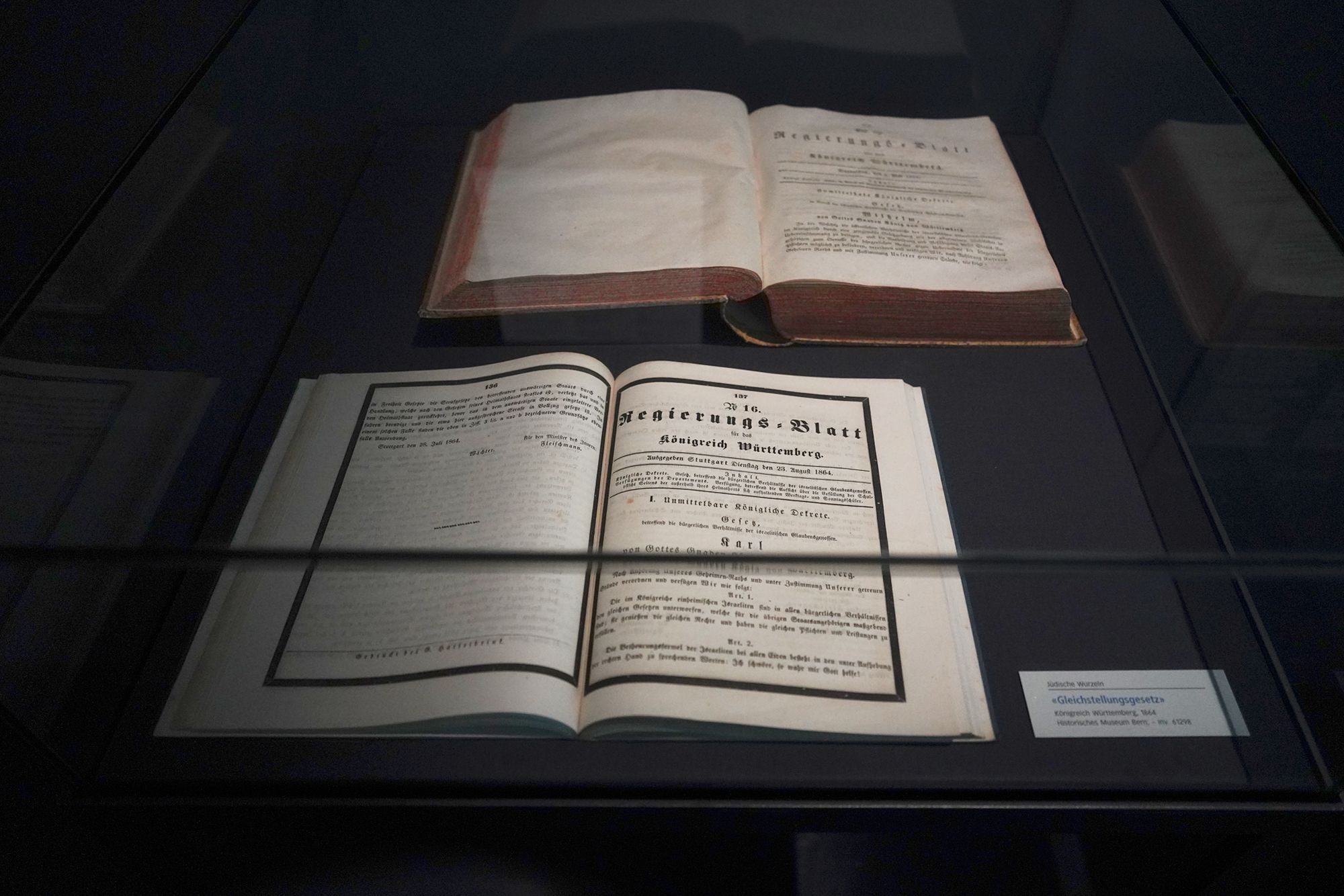
The greater equality for European Jews during the 19th century was unfortunately followed by a new wave of antisemitism, as their growing integration into society provoked a backlash.
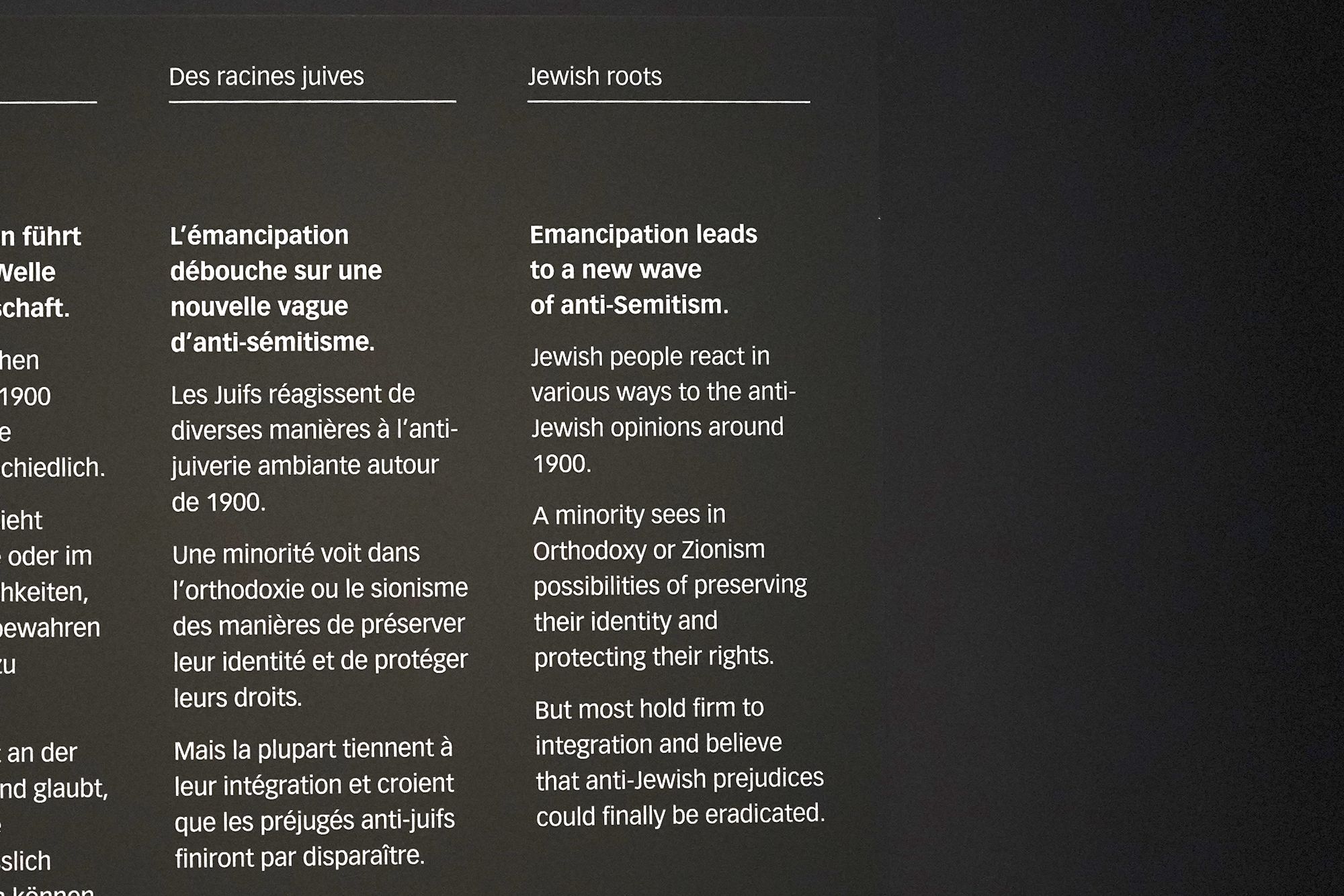
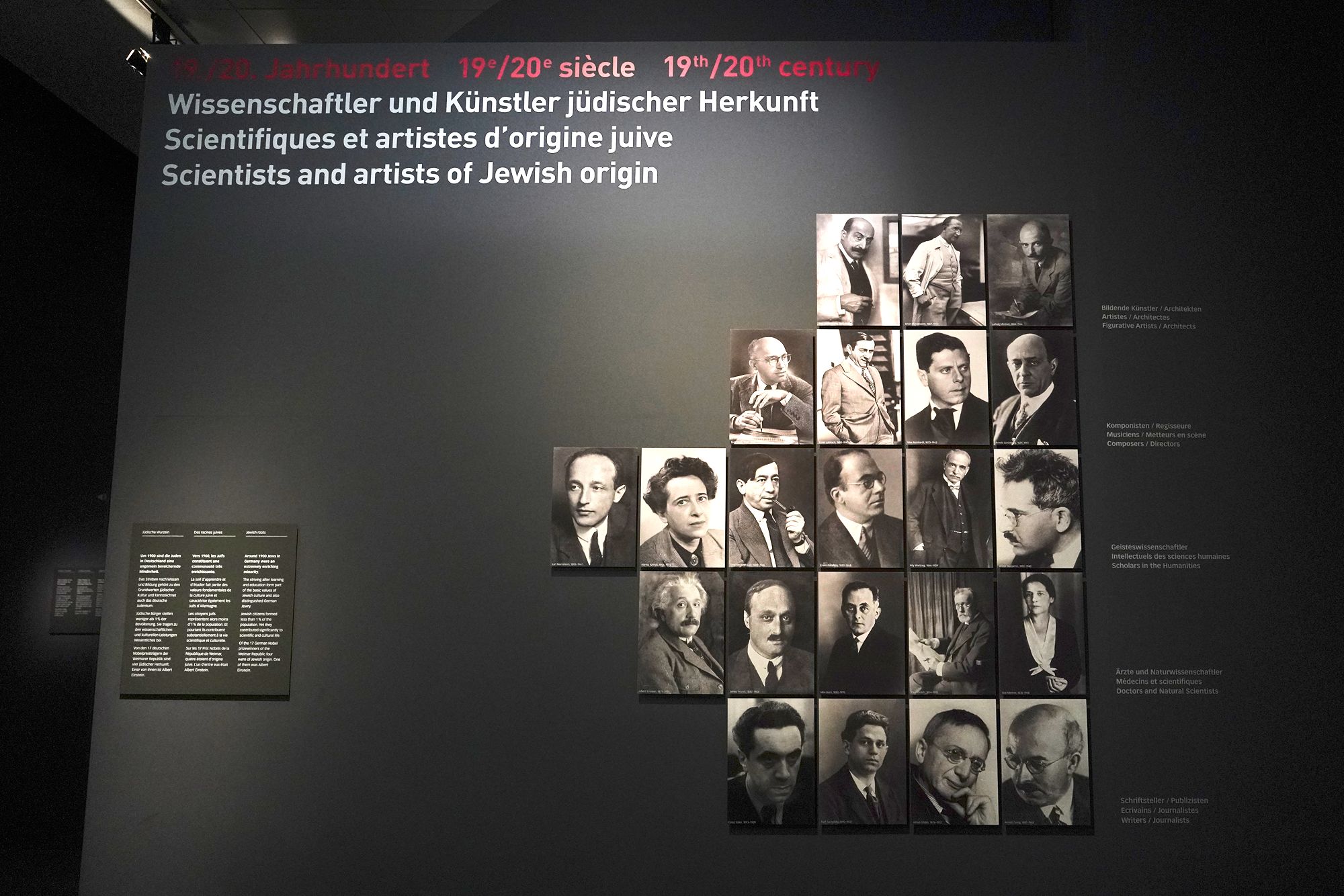
Around 1900, Jews made up less than one percent of Germany’s population, yet they contributed significantly to the country’s scientific and cultural life. Education and learning were highly valued within German Jewish communities, and Einstein grew up as part of this increasingly educated and integrated generation.
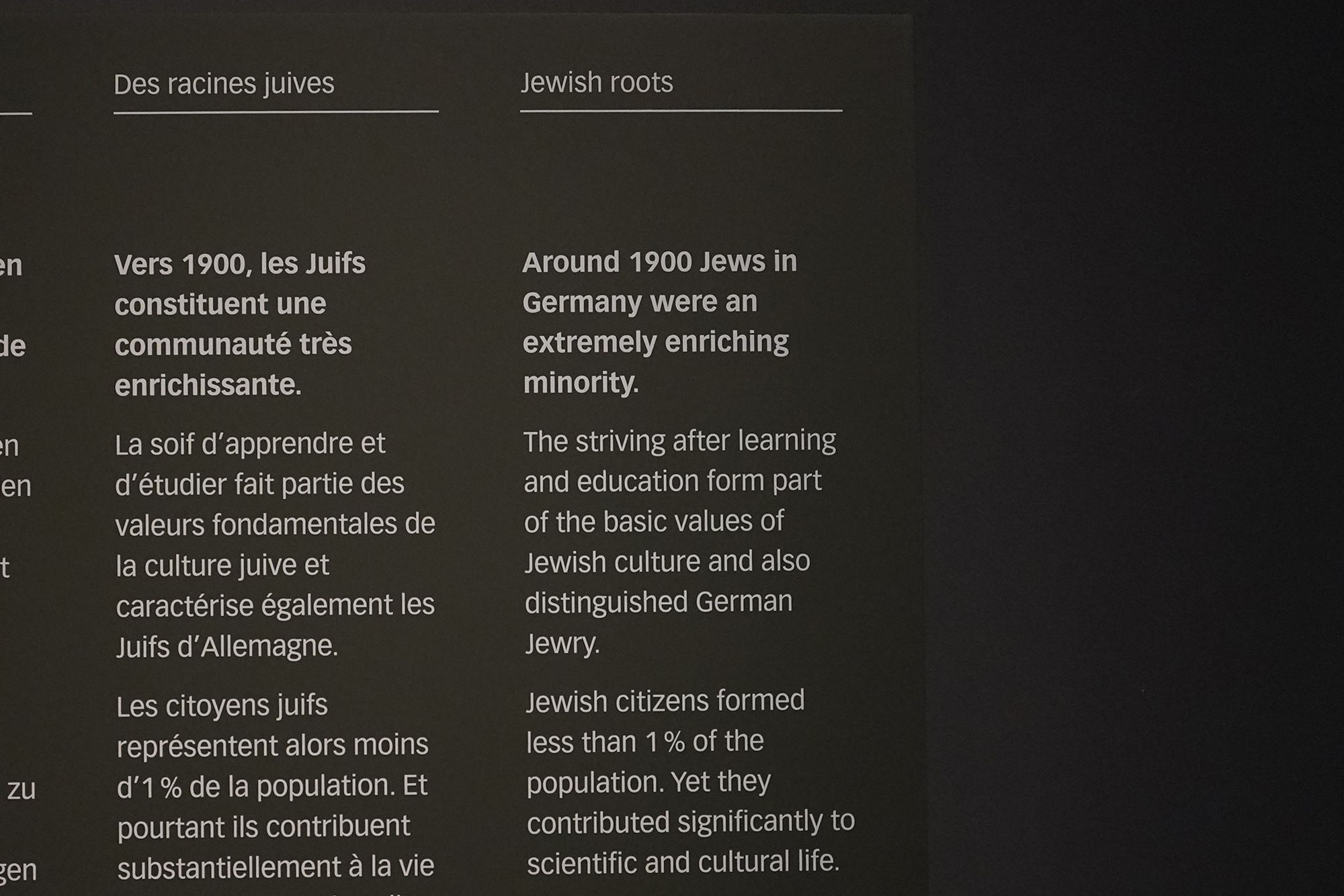
Around 1900, most German Jews sought integration into the wider society. They considered themselves German citizens while maintaining Judaism as their religion and wanted the same rights as other Germans. Einstein’s family reflected this pattern: they were of Jewish heritage but lived largely secular lives and did not practice Judaism closely.
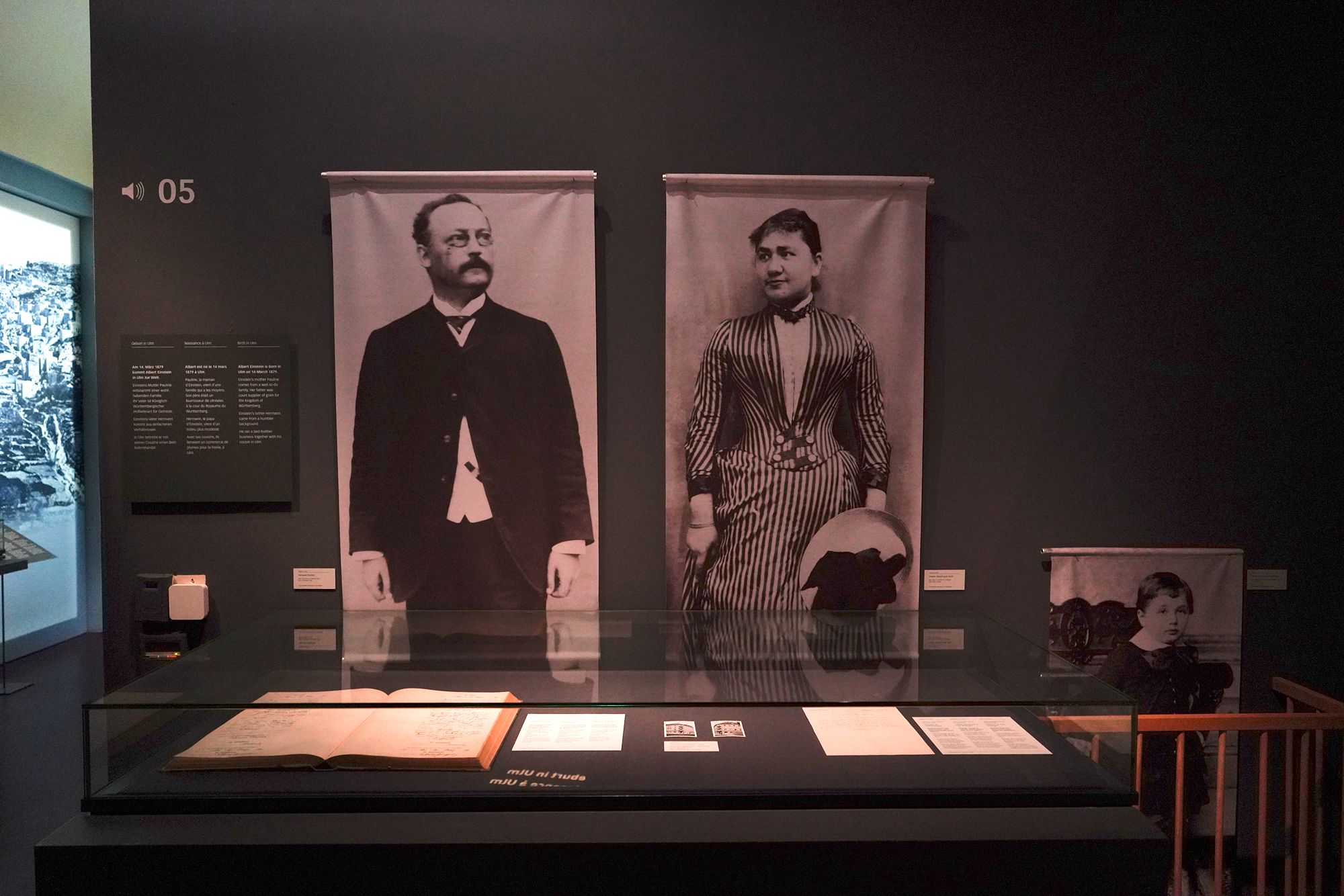
Albert Einstein was born in Ulm, Germany, on March 14, 1879. His mother, Pauline, came from a prosperous family, while his father, Hermann, had more modest beginnings and operated a feather-bed business. The family moved to Munich shortly after Albert’s birth, where his father later entered the electrical business.
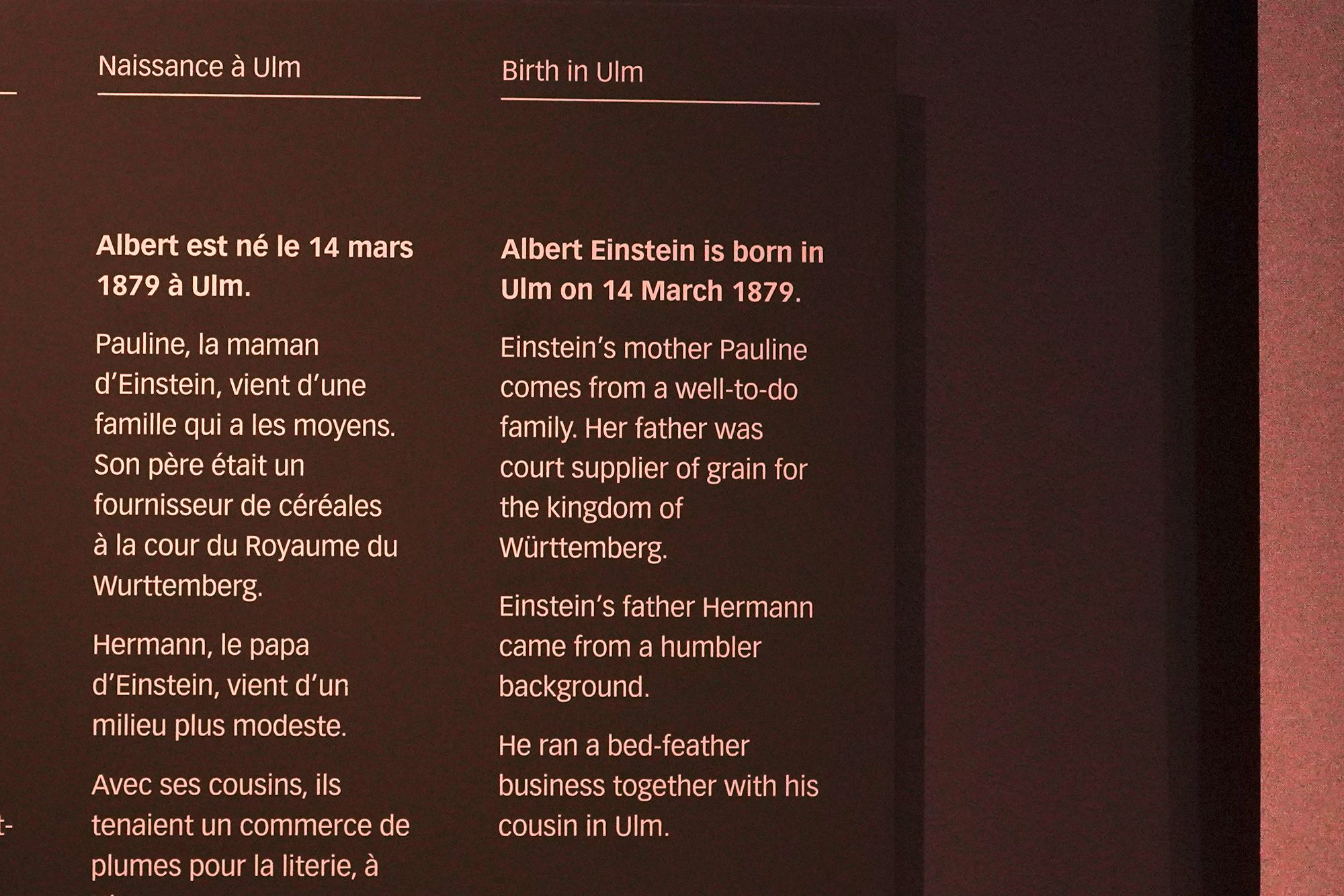
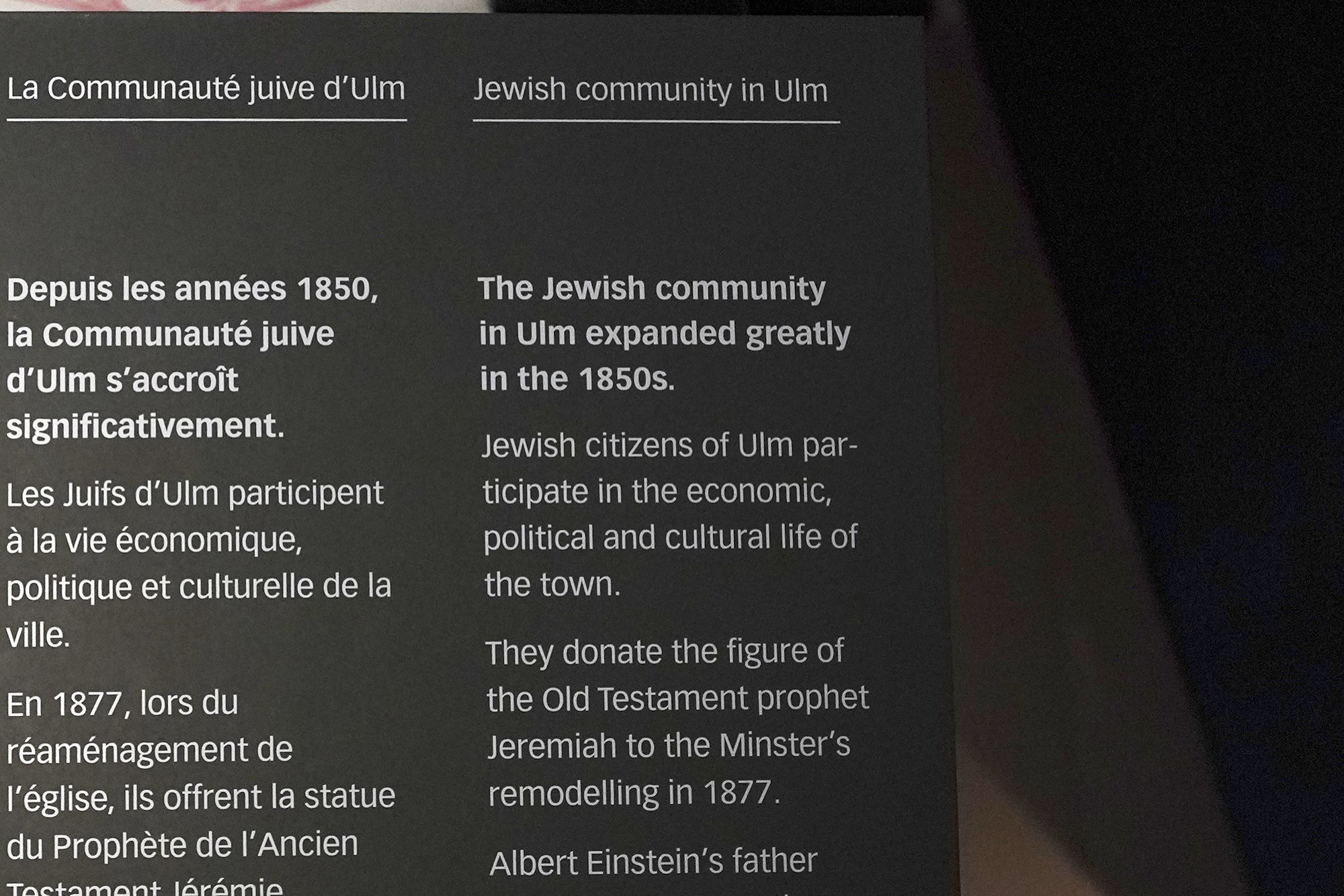
By the time Einstein was born, Ulm had a growing and well-integrated Jewish community. Jewish residents participated actively in the city’s economic, political, and cultural life. The community’s contribution to Ulm Minster in 1877 illustrates how closely many Jewish families had become connected with the wider society.
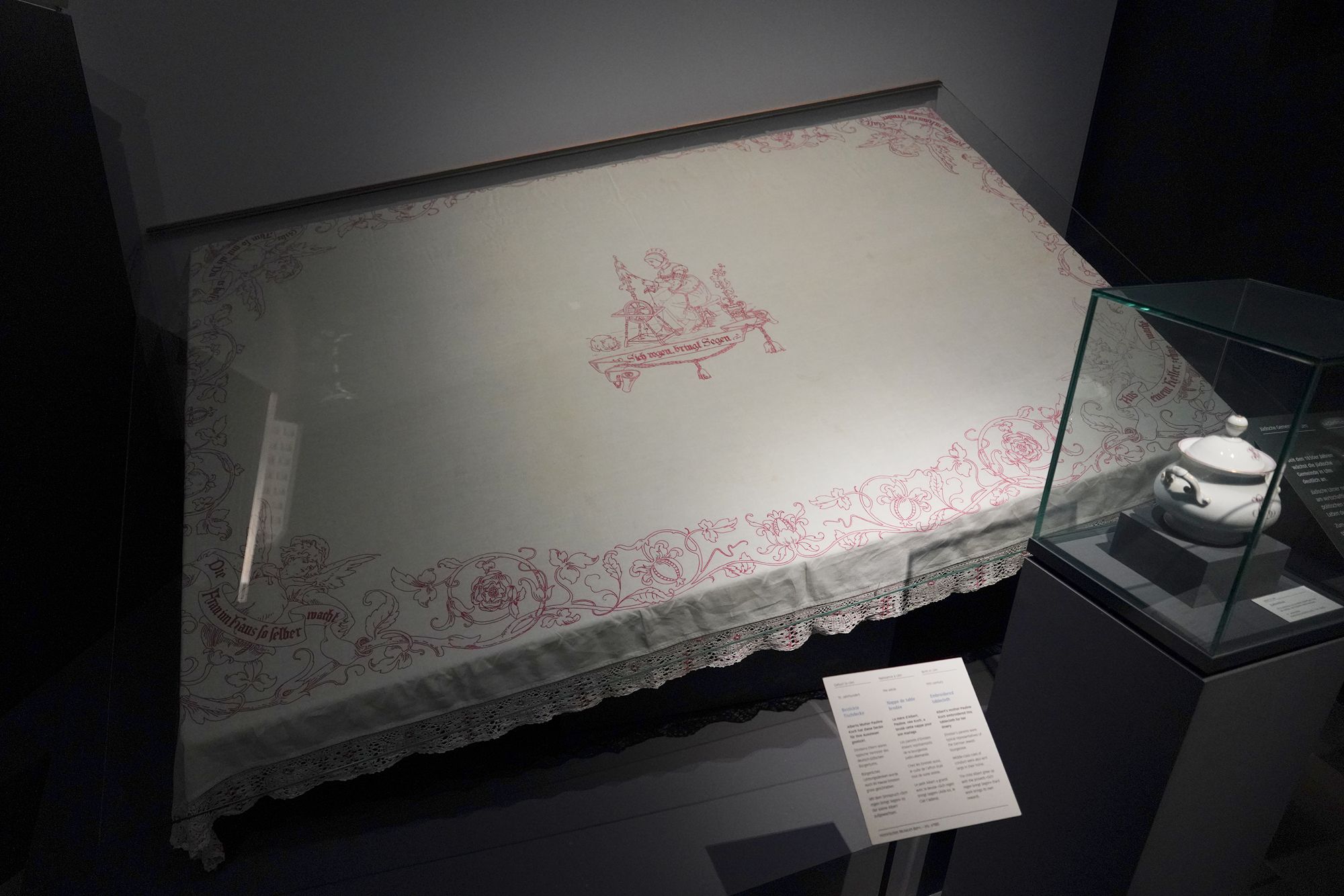
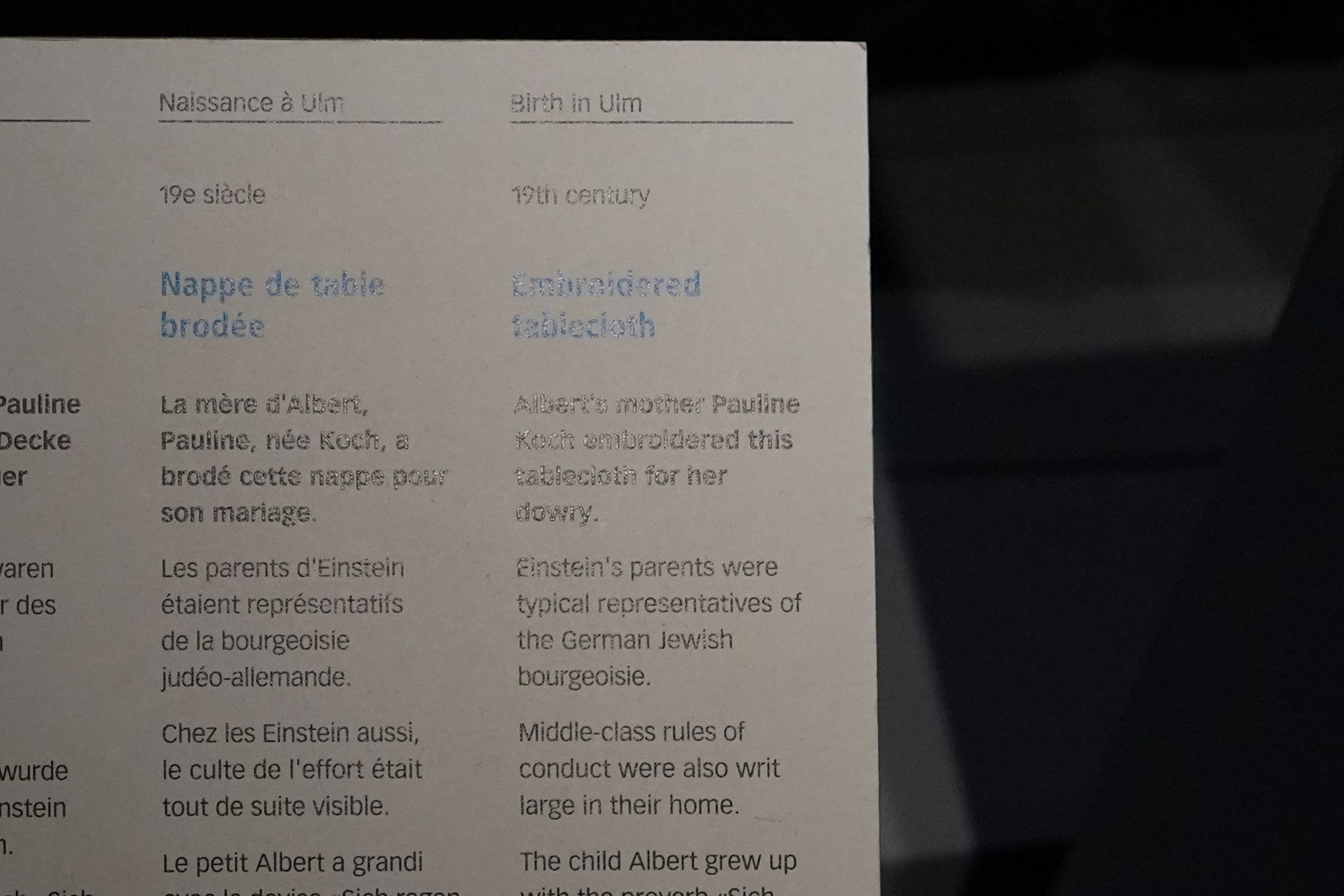
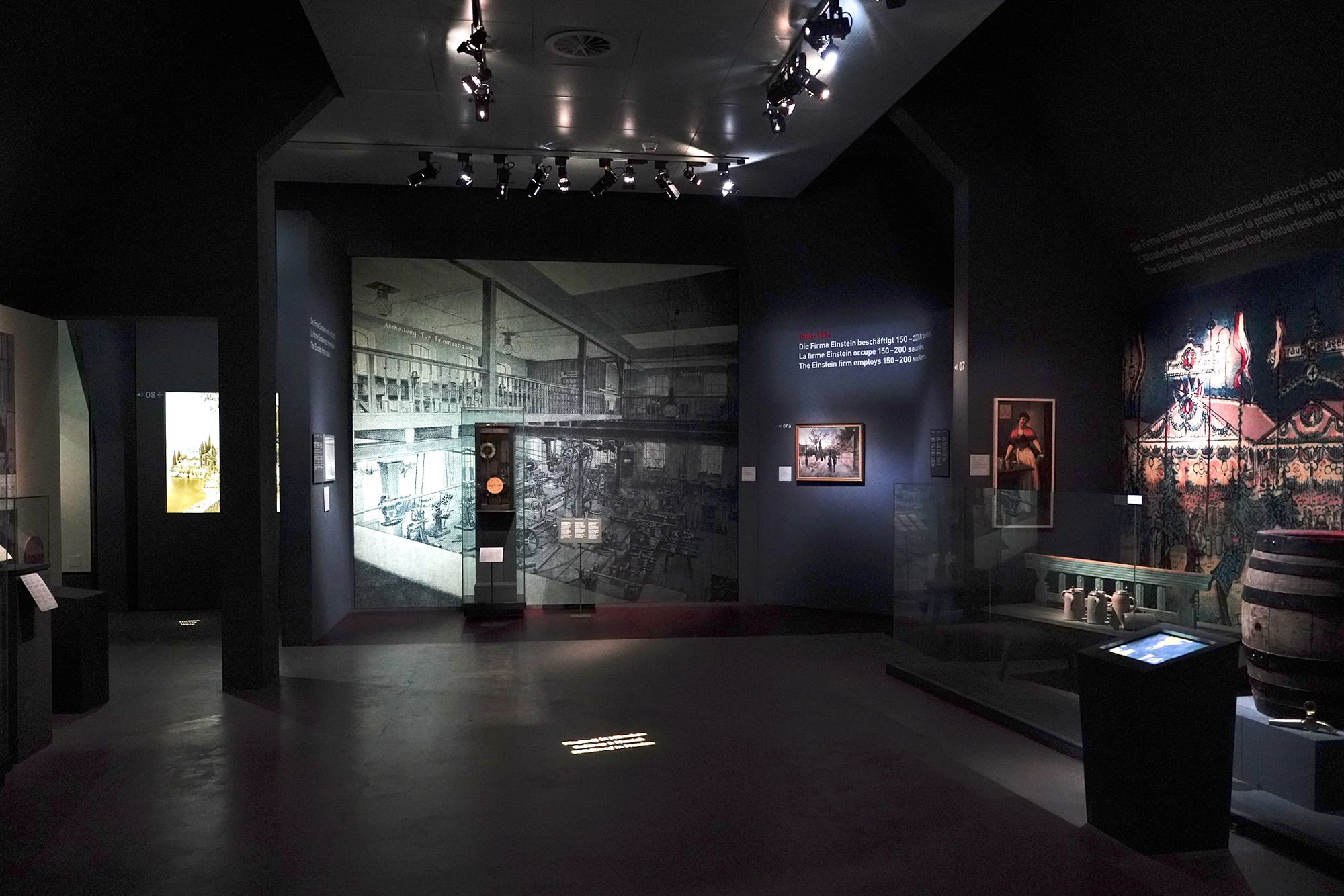
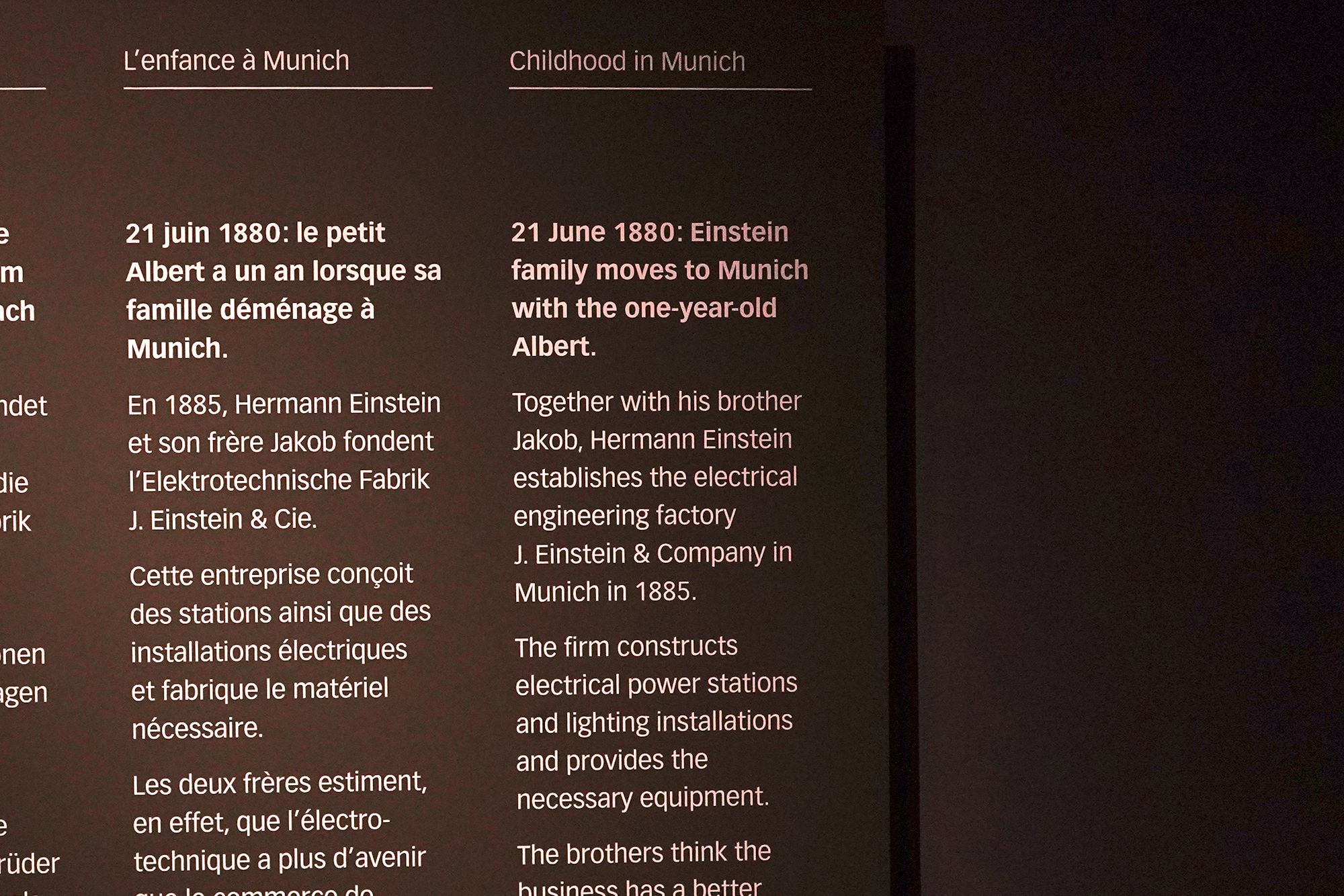
When Einstein was one year old, his family moved from Ulm to Munich. His father Hermann and uncle Jakob later established an electrical engineering company that built power stations and lighting systems. Albert therefore grew up surrounded by the new technology of electricity, which was rapidly transforming European cities.
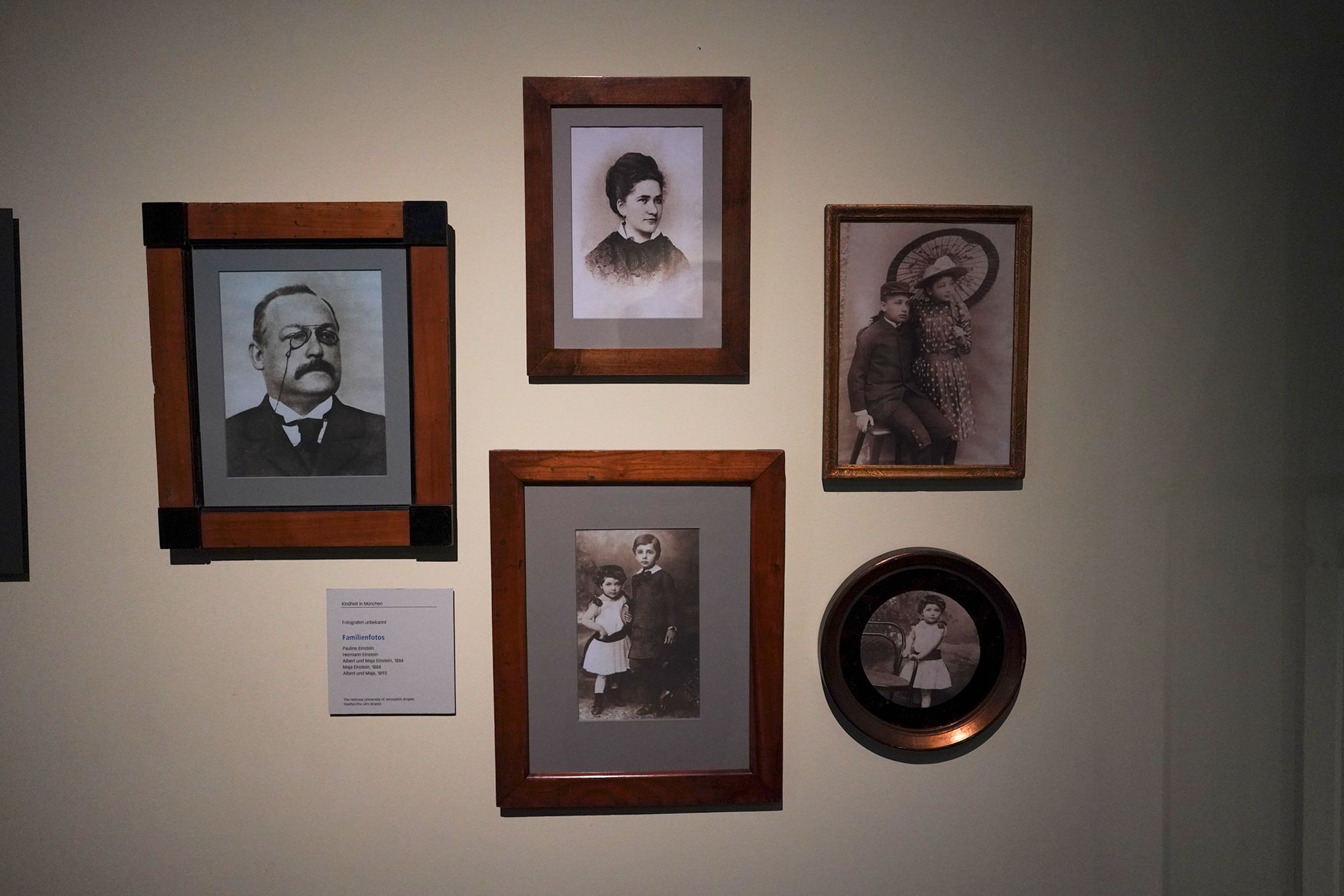
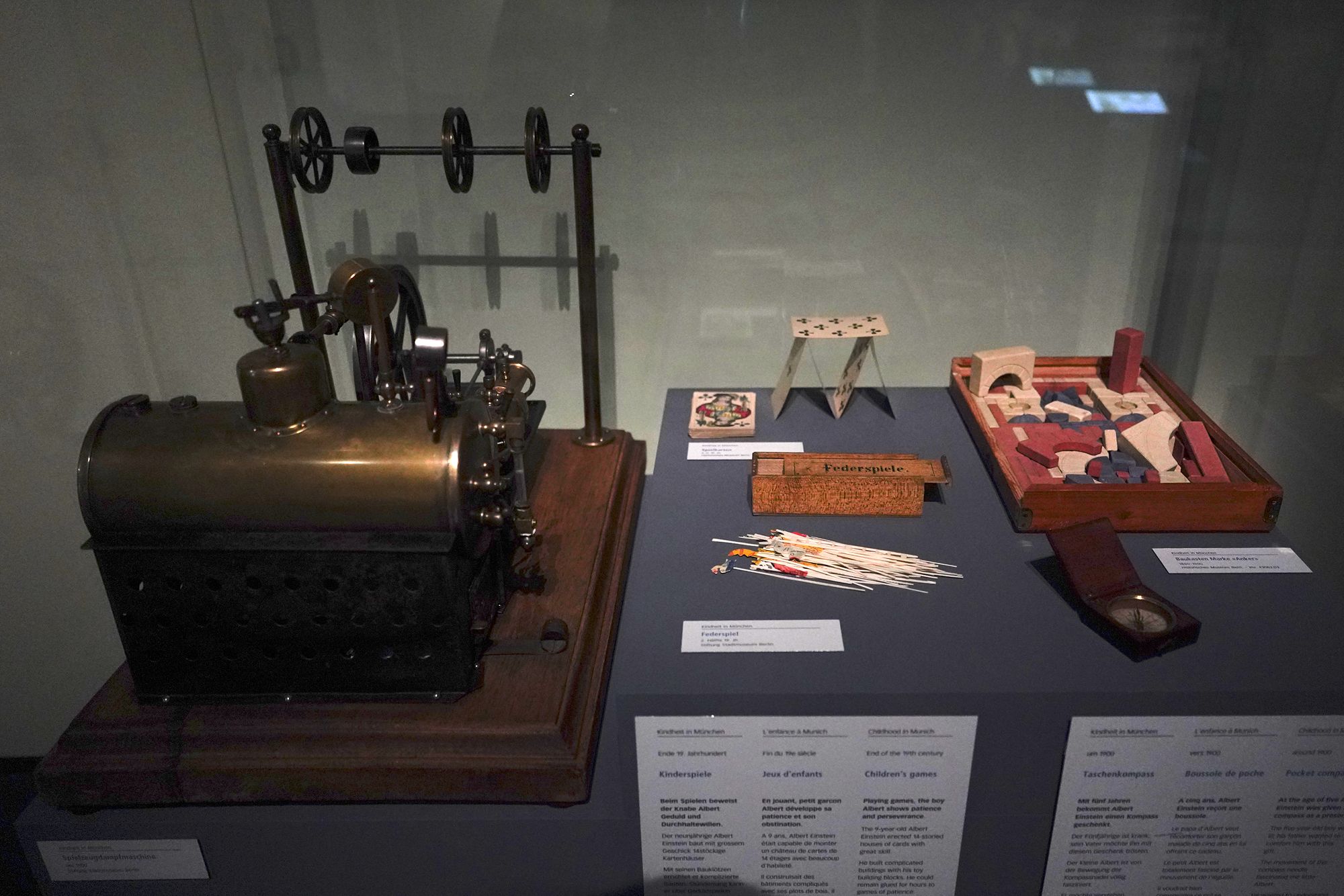
As a young child in Munich, Einstein developed more slowly than other children and did not speak fluently until relatively late. He preferred spending time alone rather than playing with other children and showed little interest in the military games popular among boys of his age.
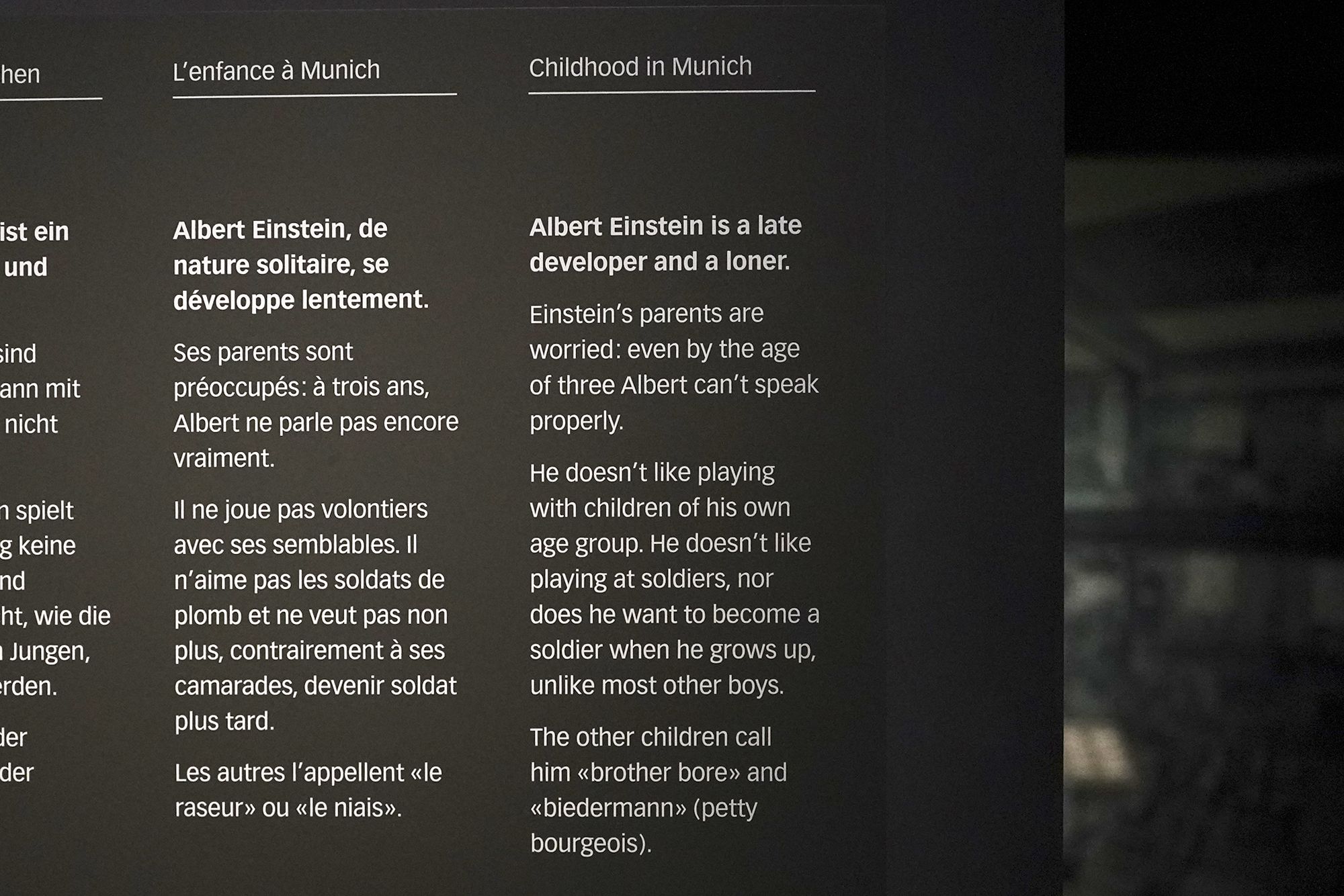
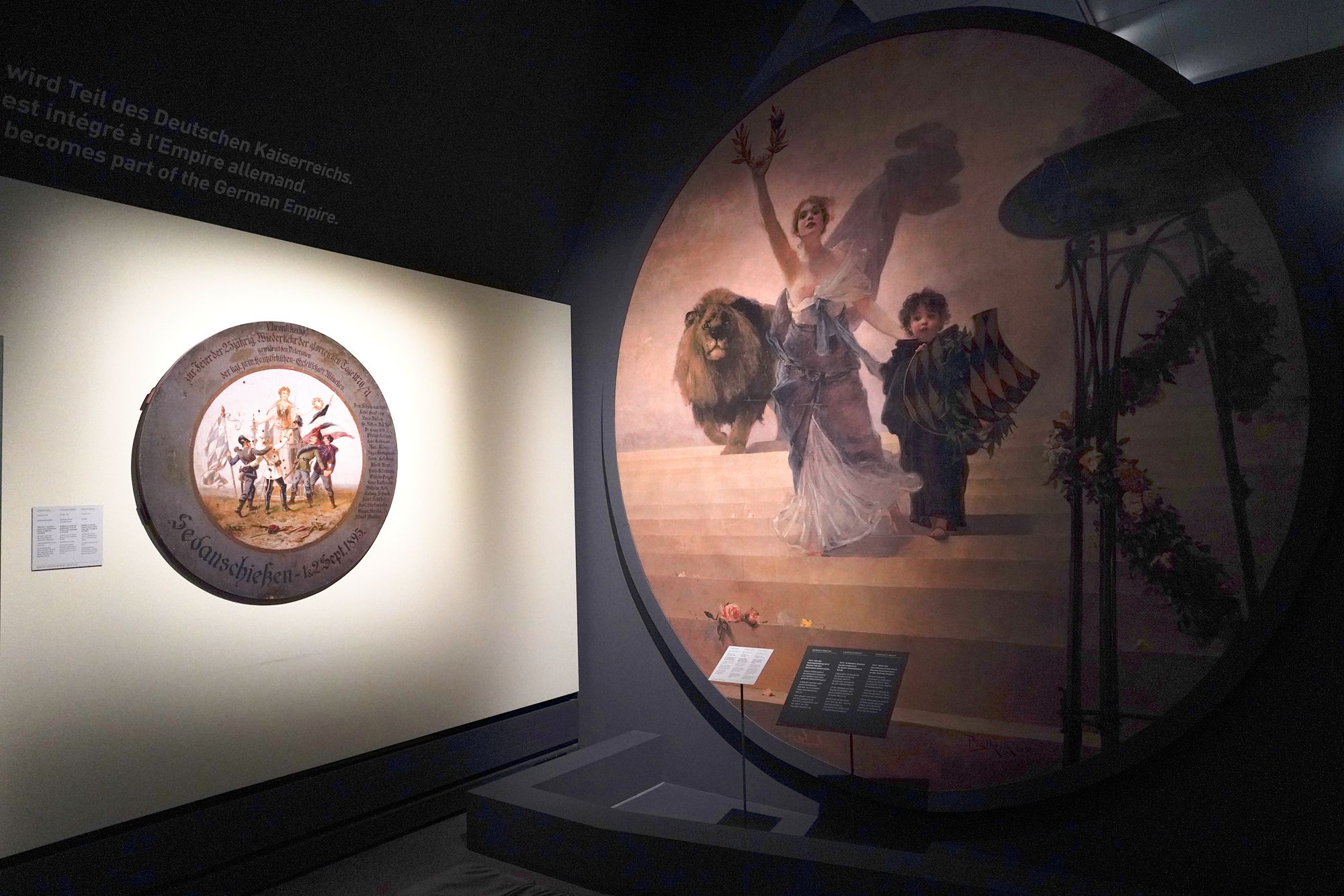
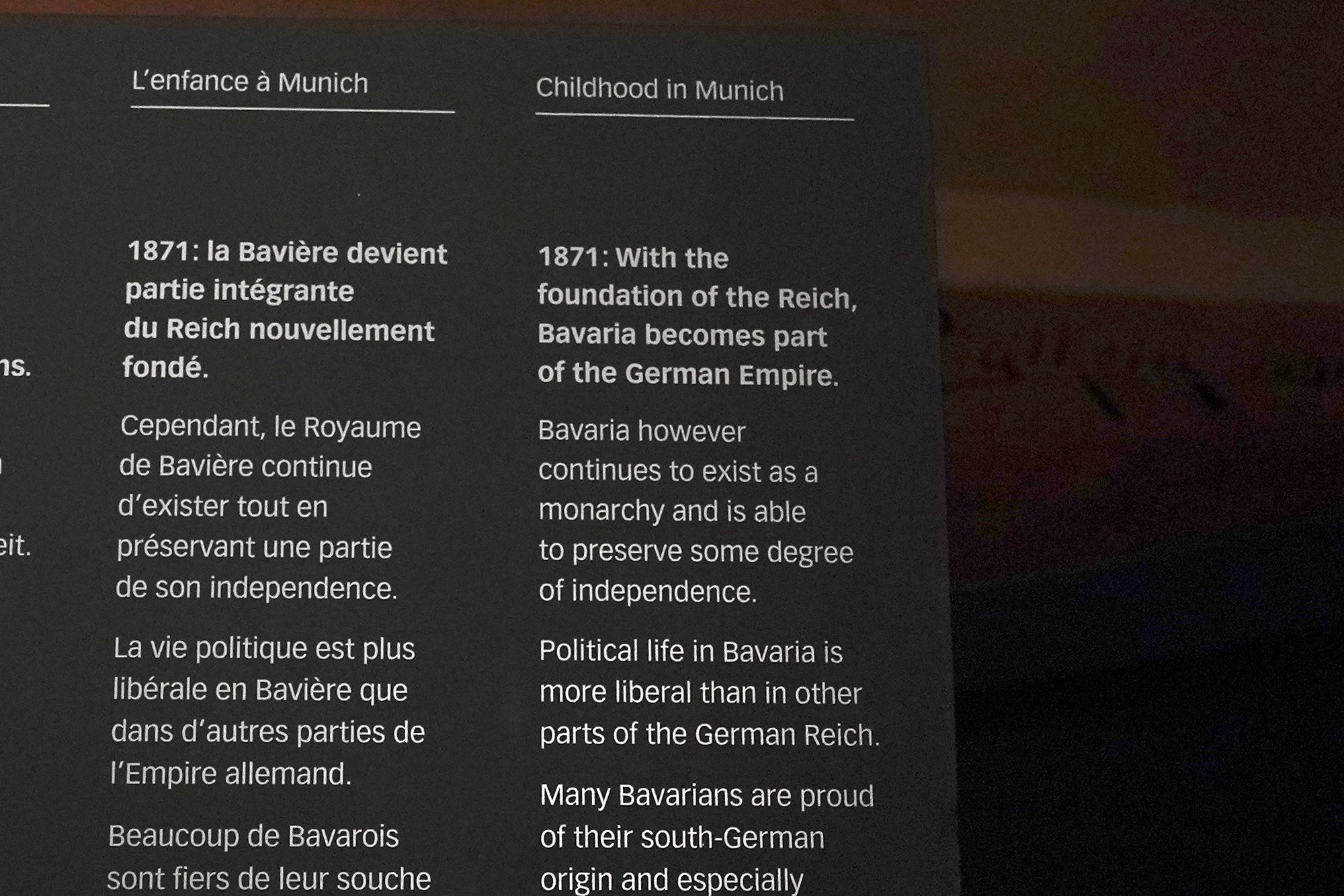
Einstein grew up in Munich when Bavaria had recently become part of the newly unified German Empire. Bavaria still maintained its own monarchy and some independence, giving Einstein’s childhood a distinctly Bavarian setting within the new Germany.
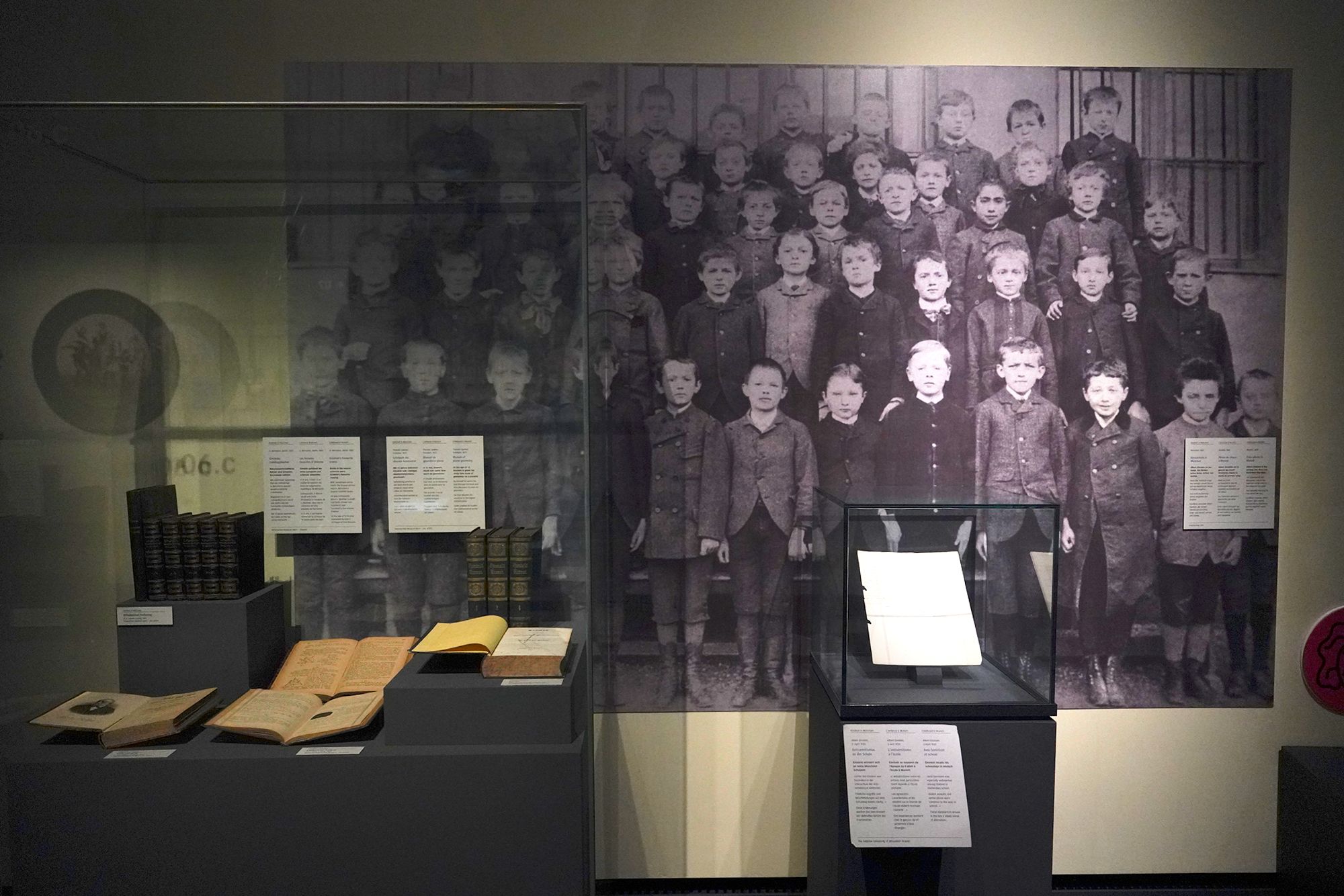
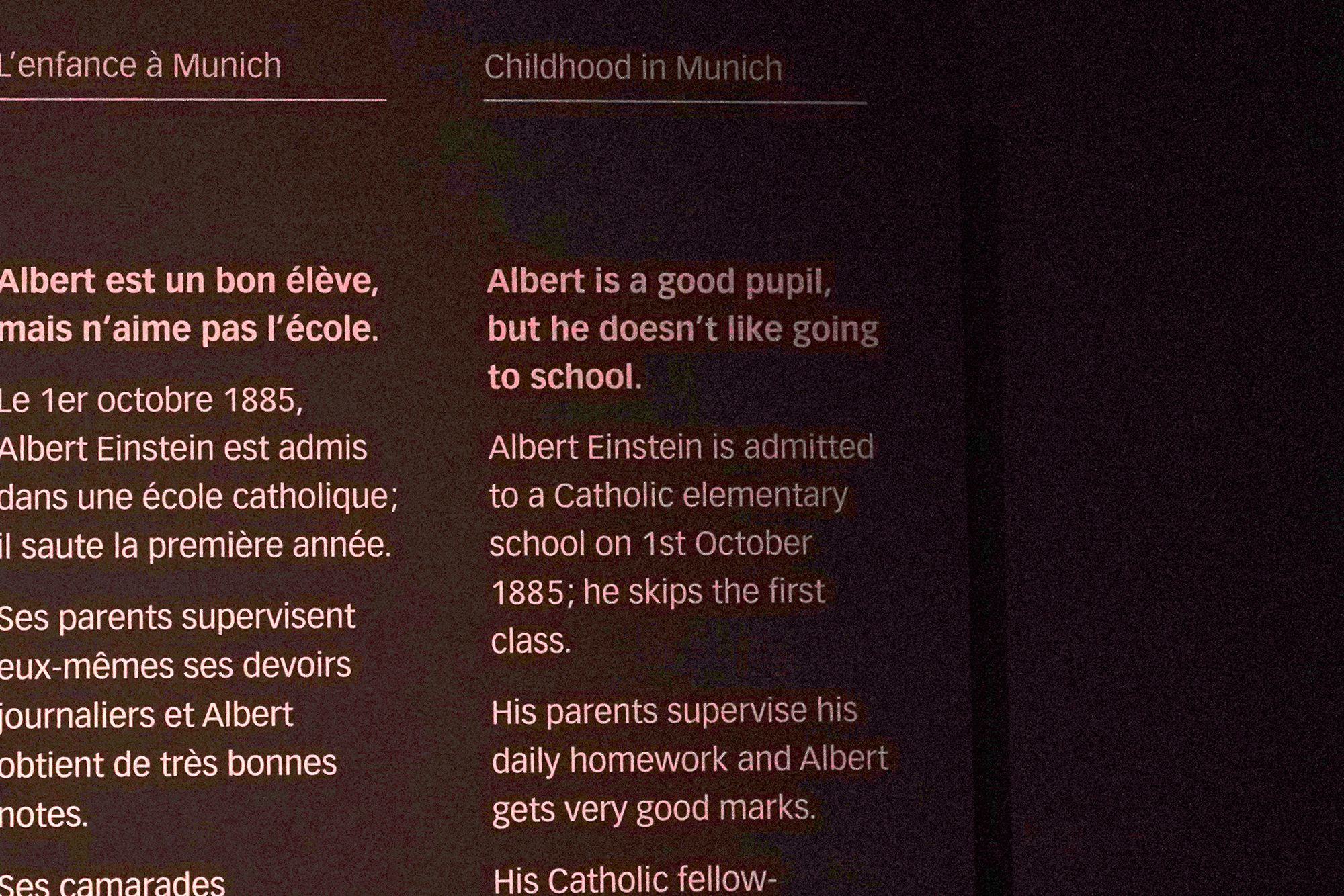
Einstein was a good student as a child, although he did not enjoy going to school. He attended a Catholic elementary school in Munich, where he earned very good marks despite being the only Jewish student in his class.
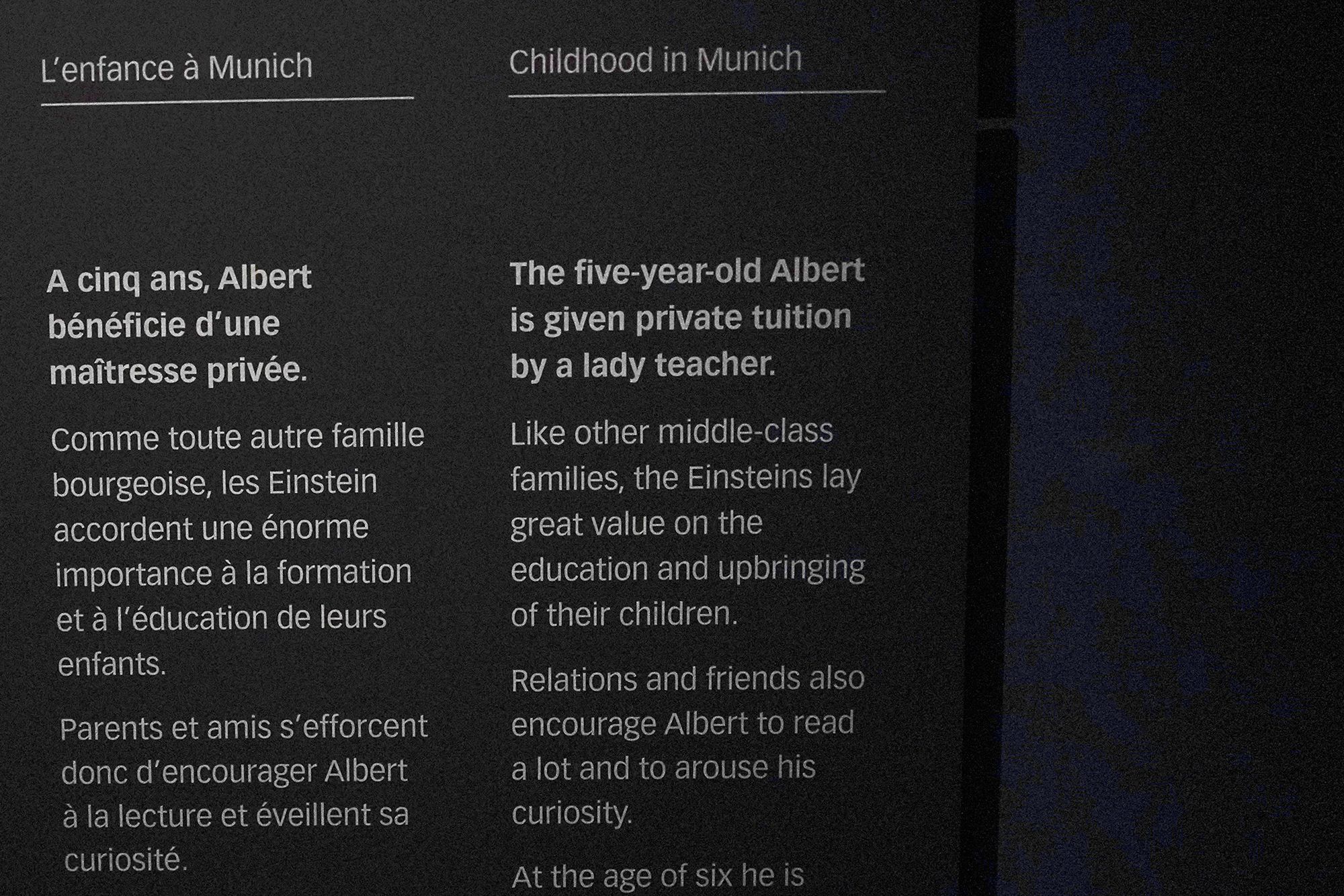
Einstein’s family placed great importance on education. At age five, he began receiving private lessons at home, while family and friends encouraged him to read and explore his curiosity. This supportive environment helped nurture the independent thinking and fascination with science that would later characterize his life.
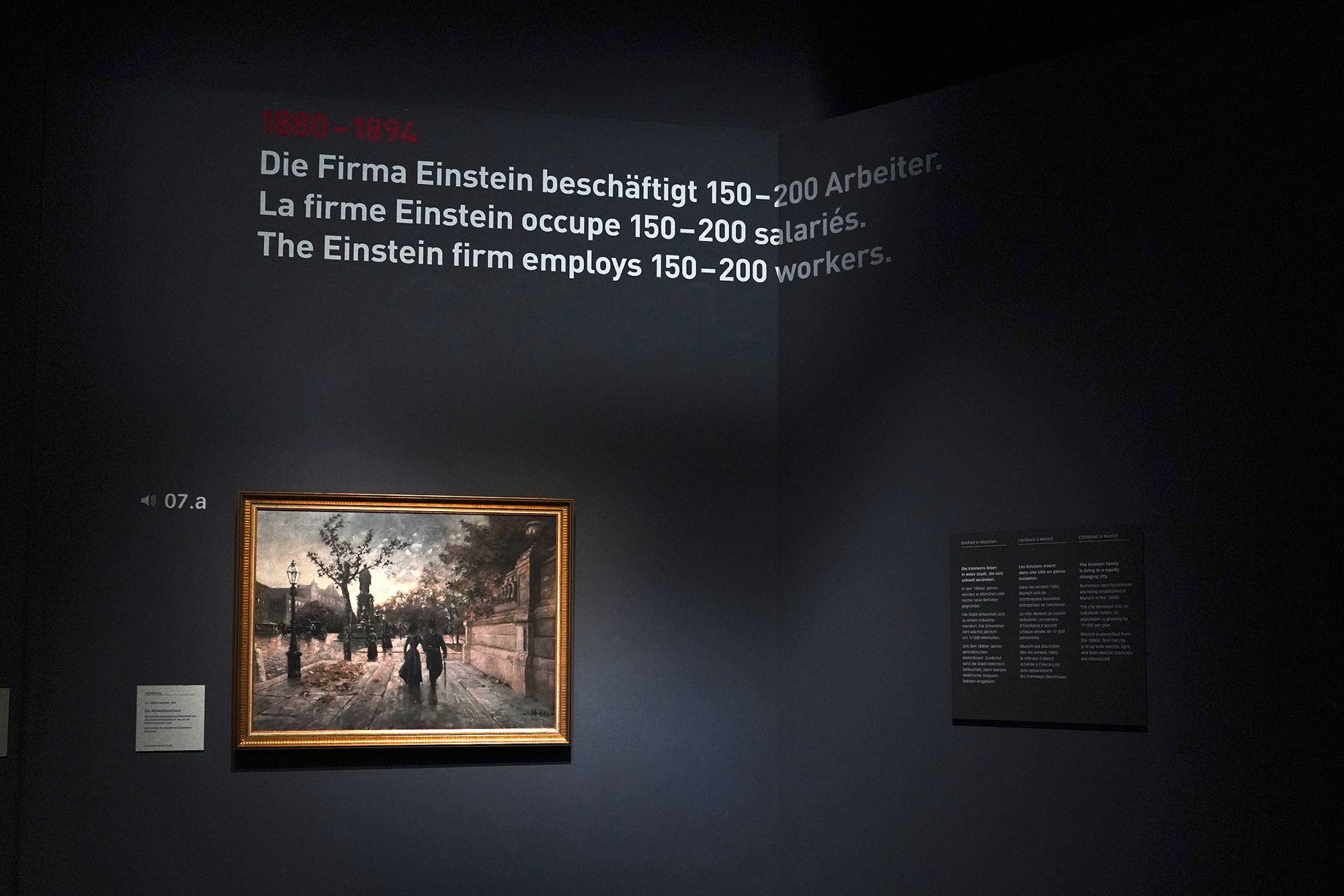
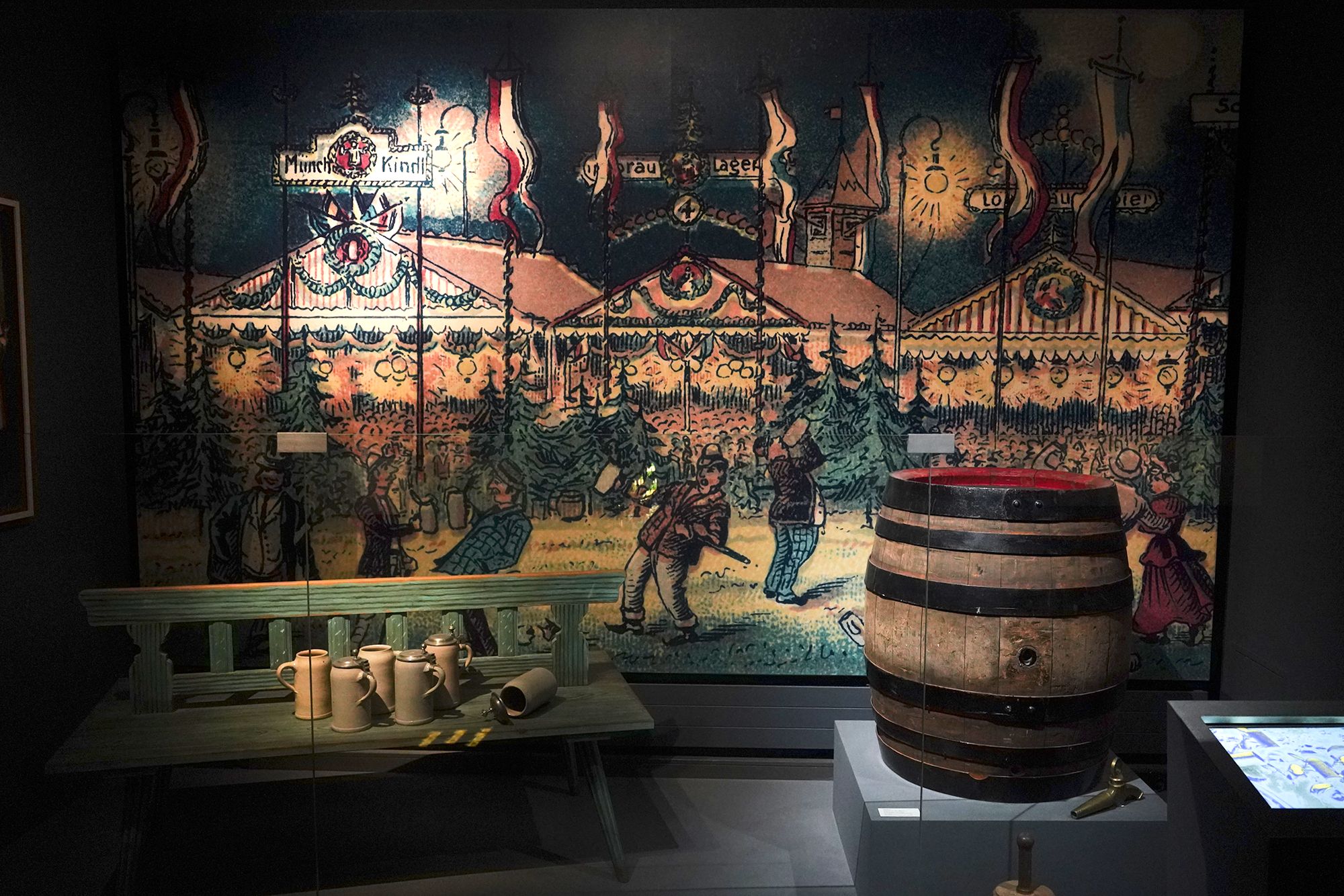
Einstein grew up in Munich during a period of rapid change. The city was expanding and becoming an industrial center, while new technologies such as electric lighting and electric streetcars were transforming everyday life around him.
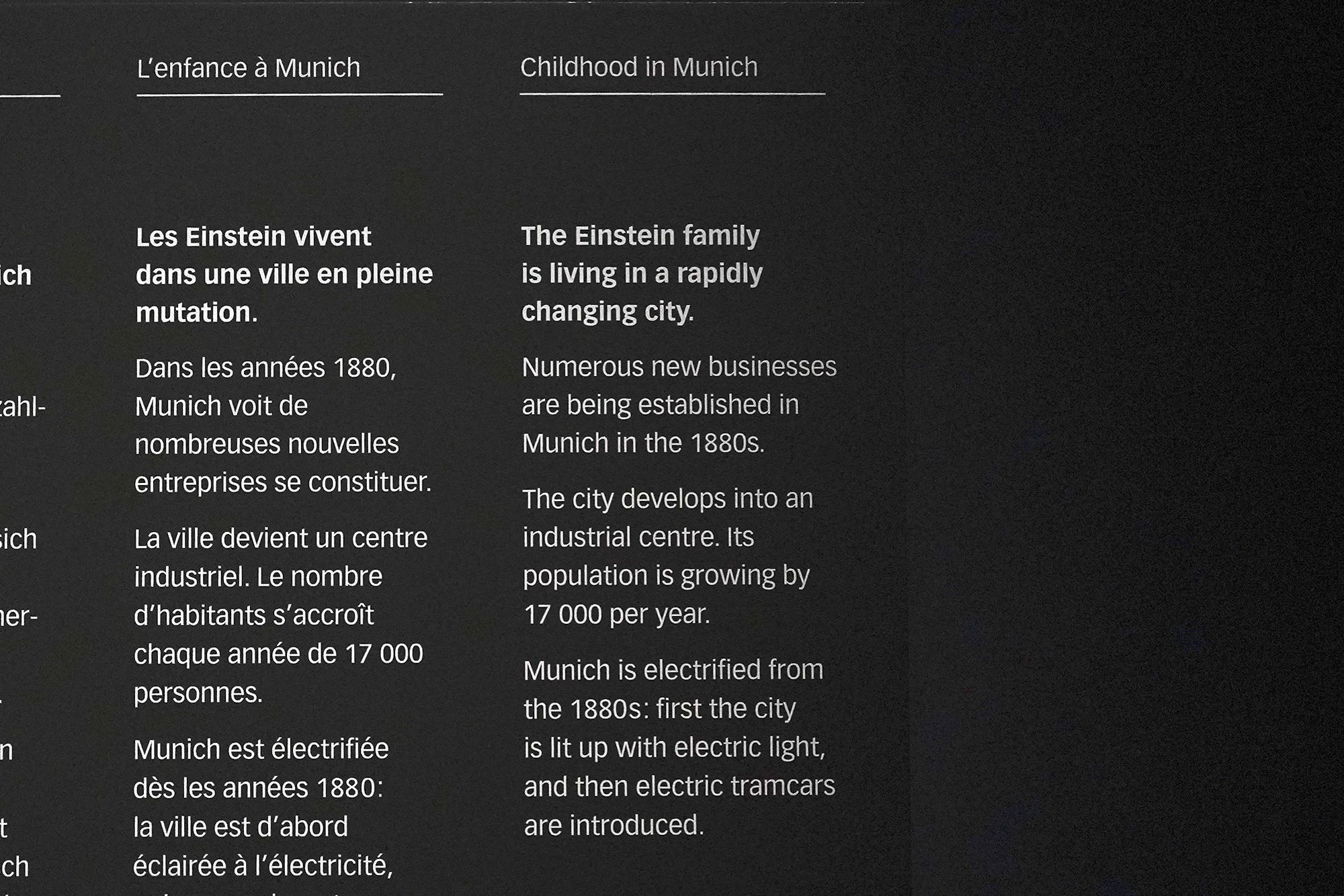
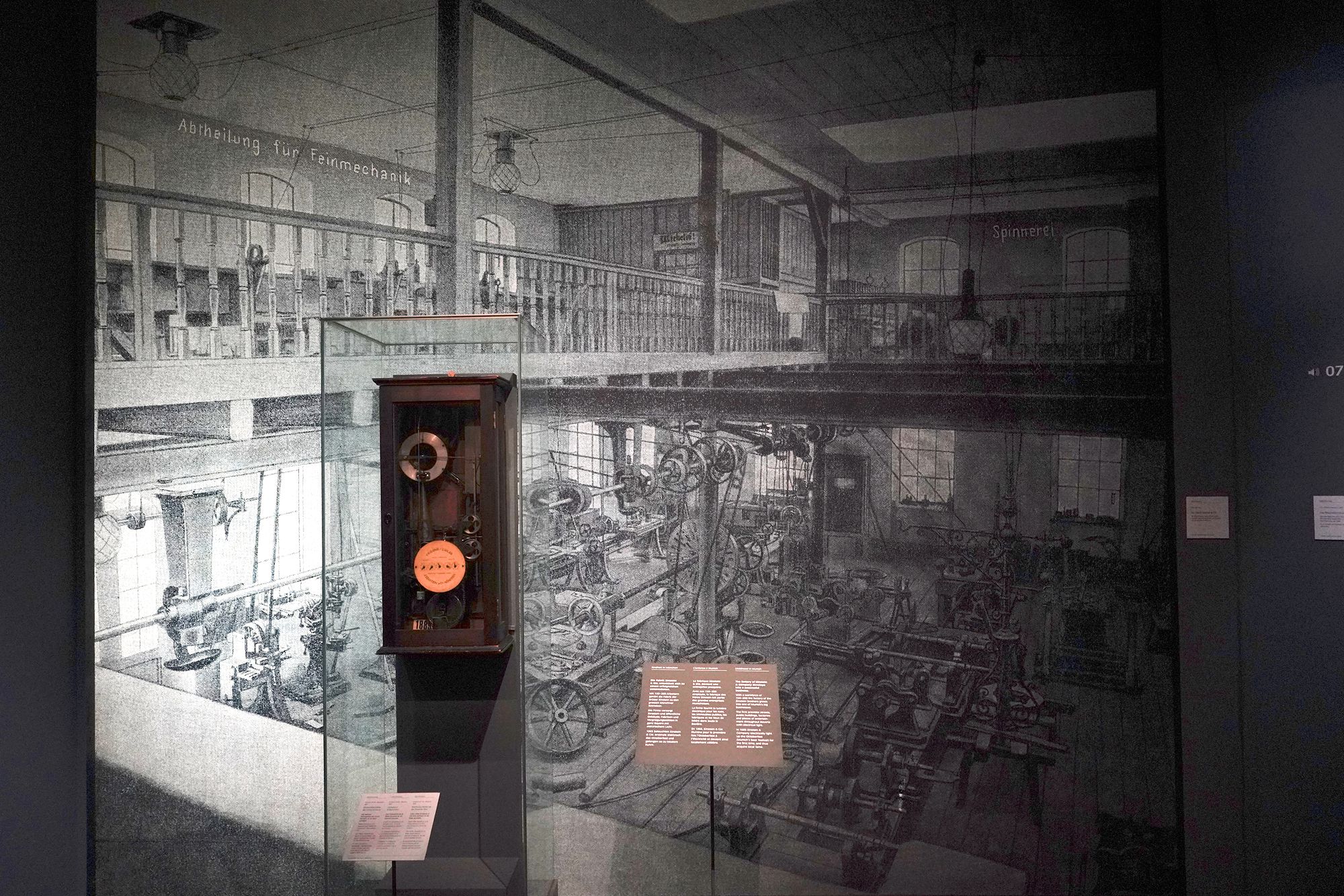
Einstein grew up surrounded by the new technology of electricity. His father and uncle operated a successful electrical engineering company in Munich, employing up to 200 people and installing electric lighting throughout Bavaria. This early exposure to electricity and technology became part of the world in which young Einstein developed his curiosity about science.
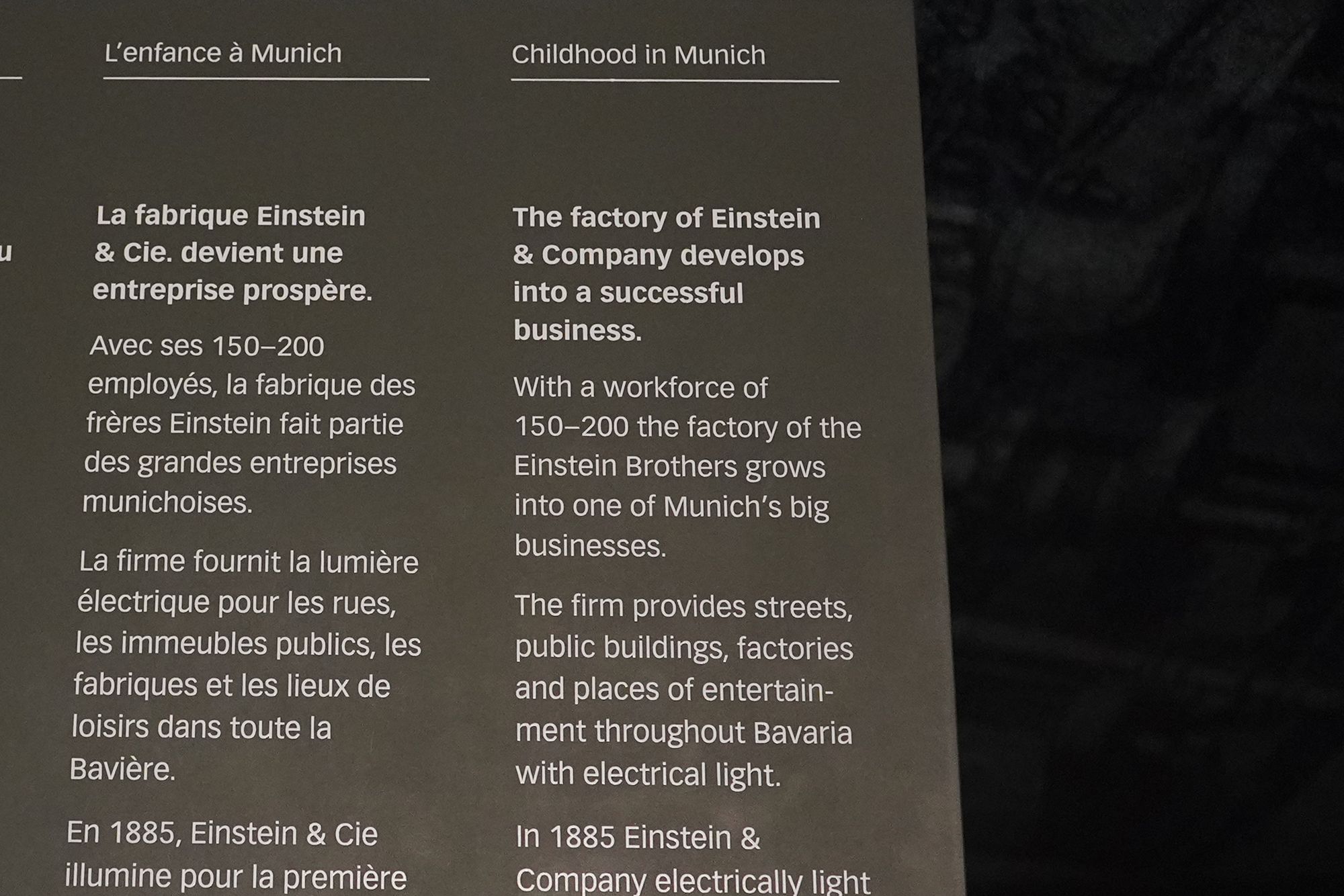
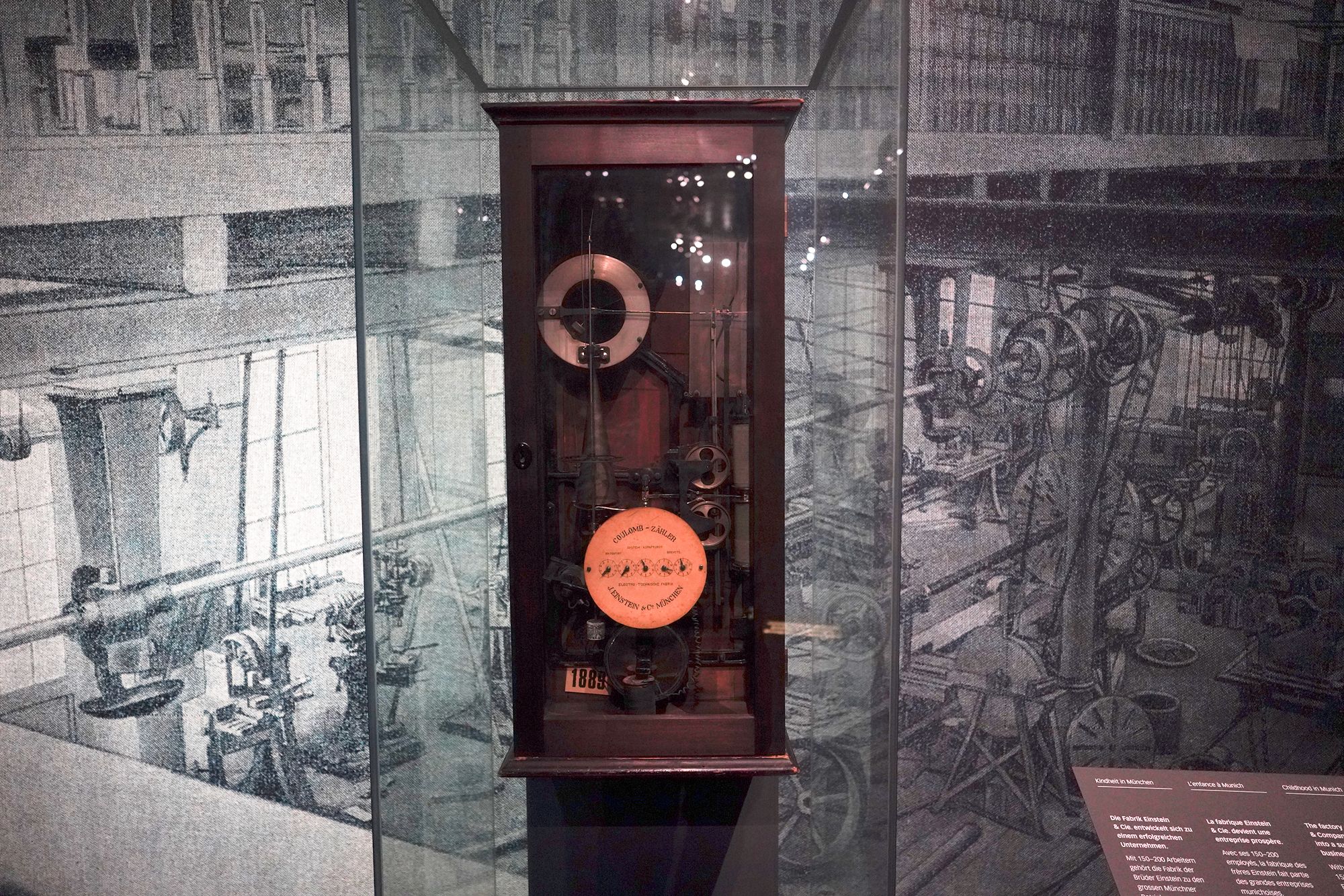
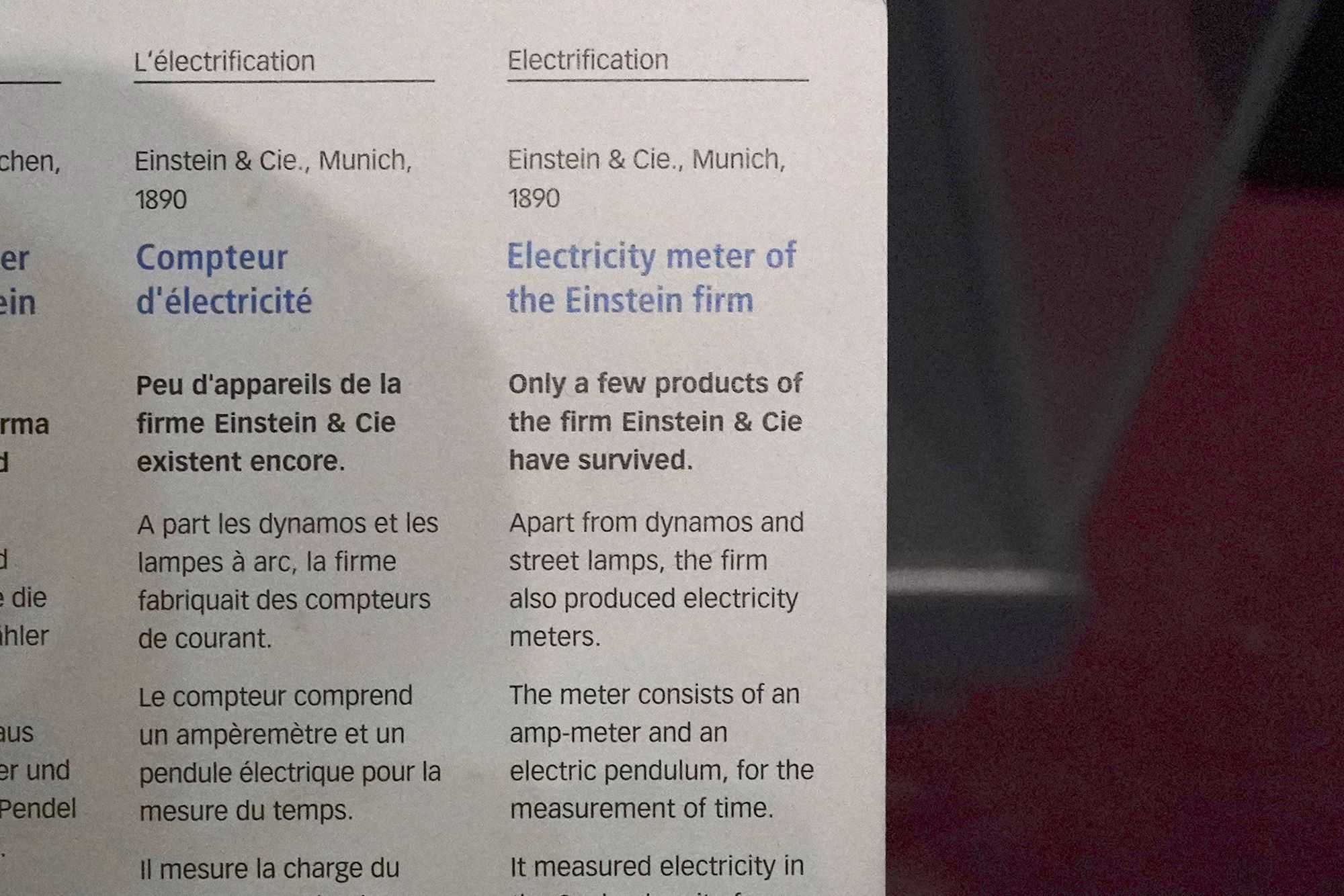
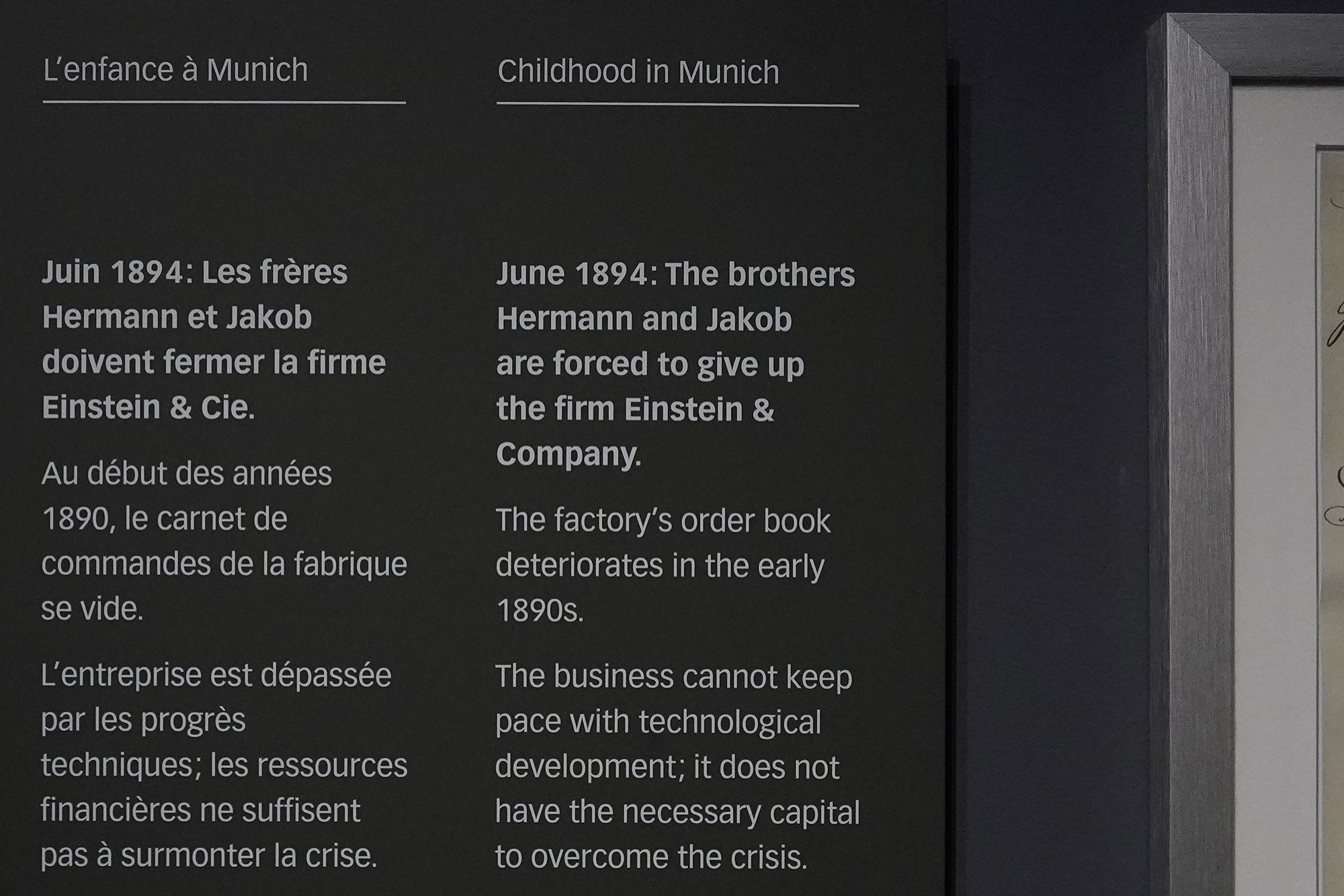
The family’s successful electrical business eventually ran into financial trouble. Unable to keep up with rapidly changing technology and lacking enough capital, Einstein’s father and uncle were forced to close the company in 1894.
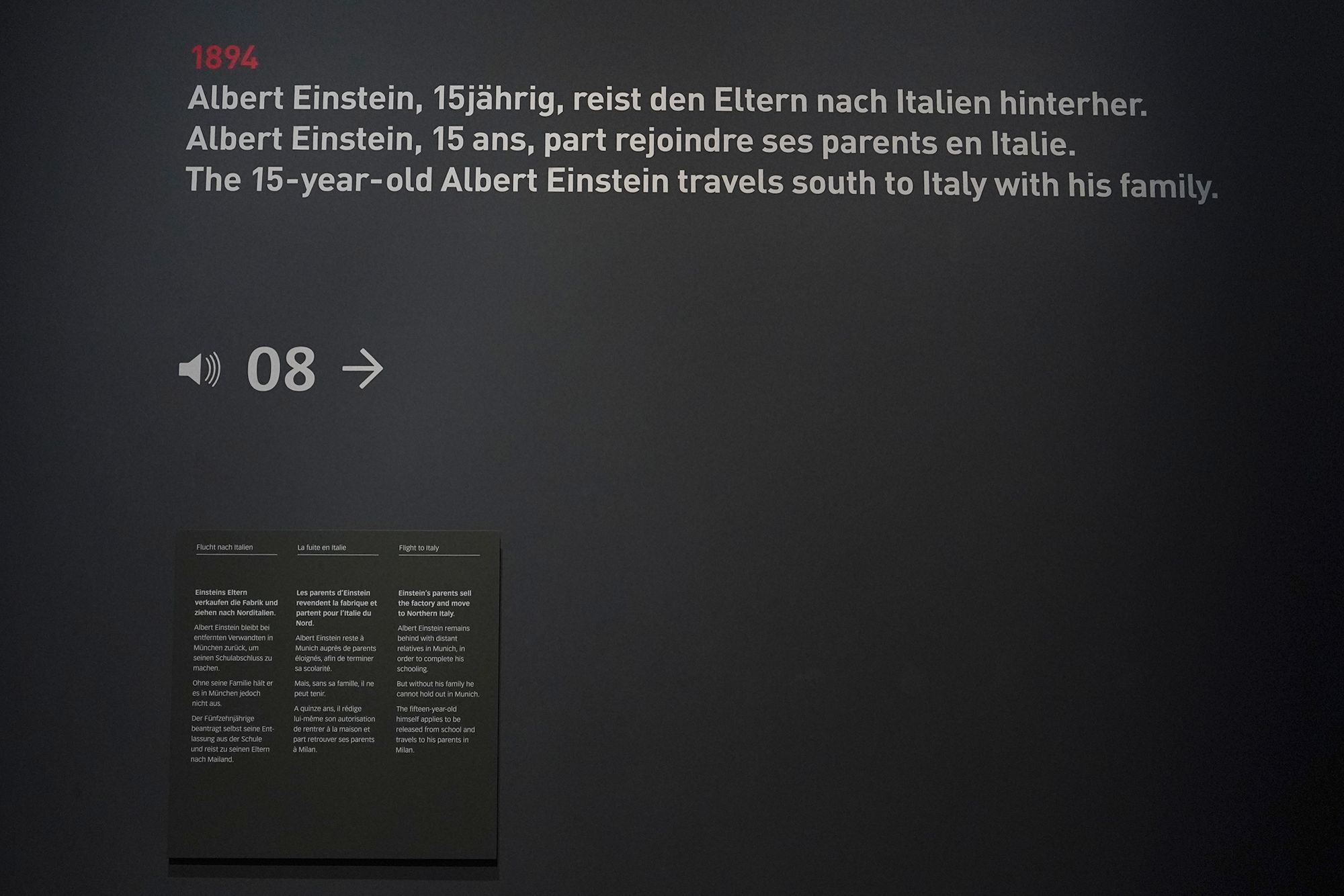
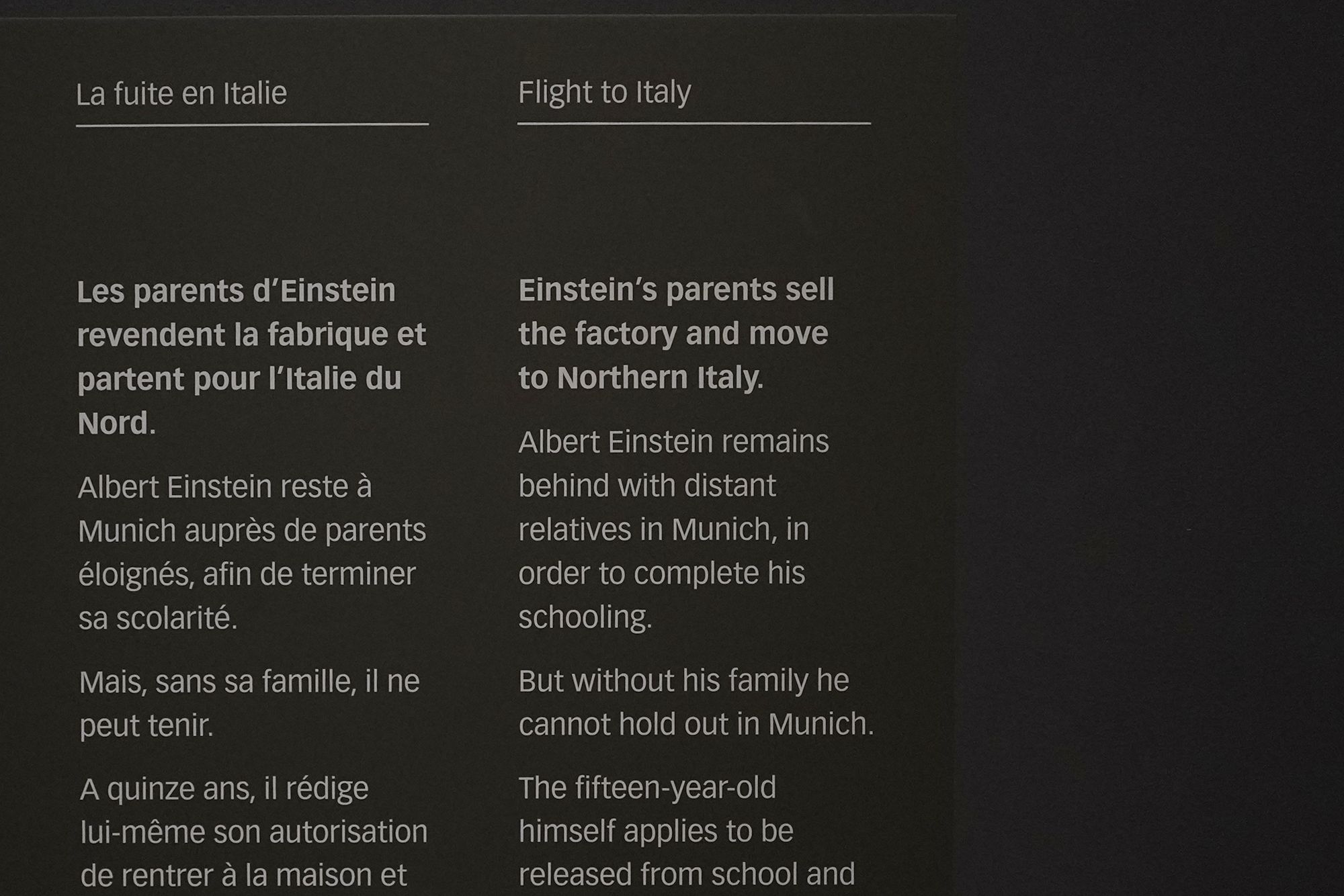
After the family business failed, Einstein’s parents moved to northern Italy, while Albert remained in Munich to finish school. At only fifteen, however, he was unhappy living apart from his family and eventually left school to join them in Italy.
Time in Italy
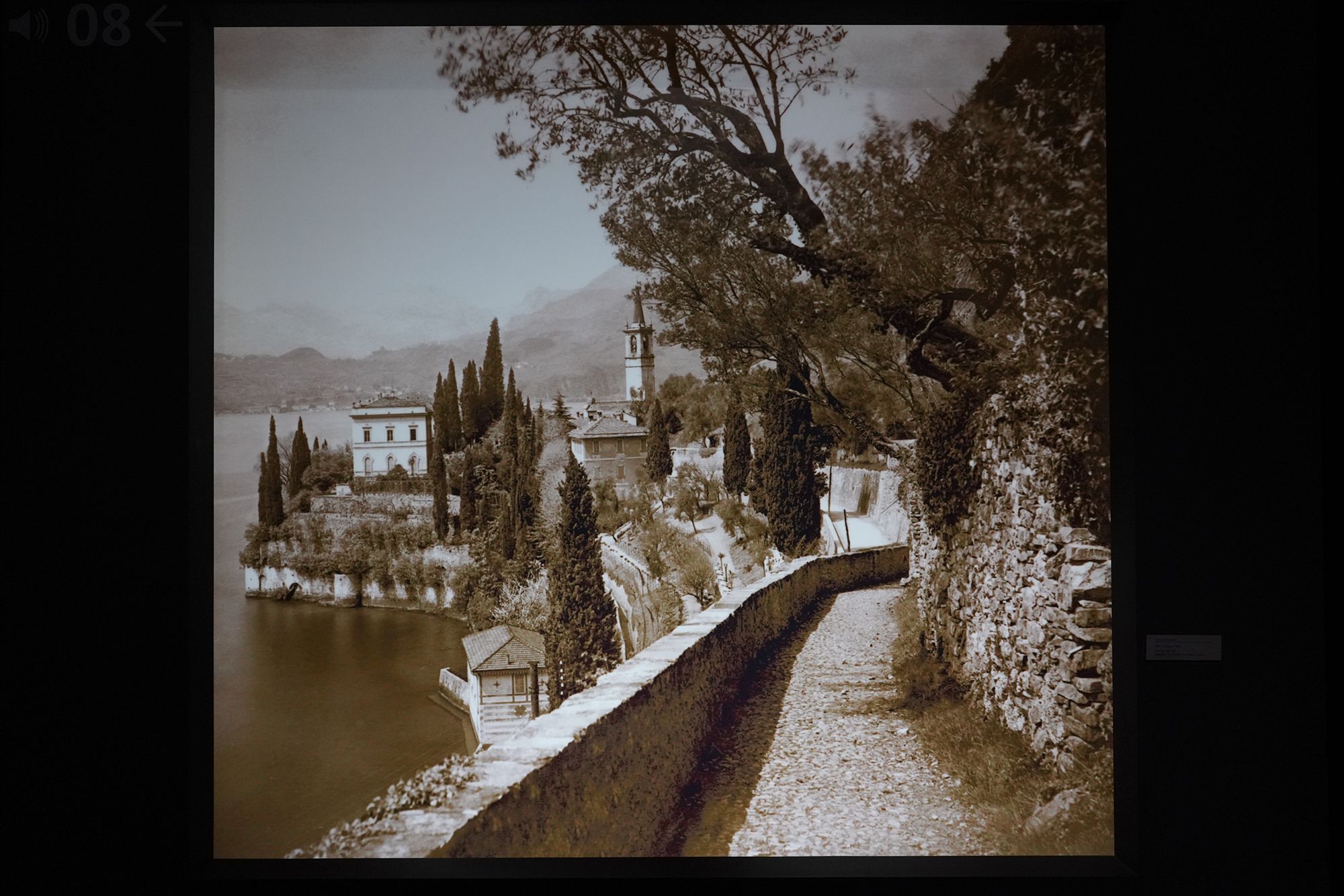
After leaving school in Munich in 1894, the 15-year-old Einstein joined his family in northern Italy. But he still needed to complete his education and wanted to study physics and mathematics.
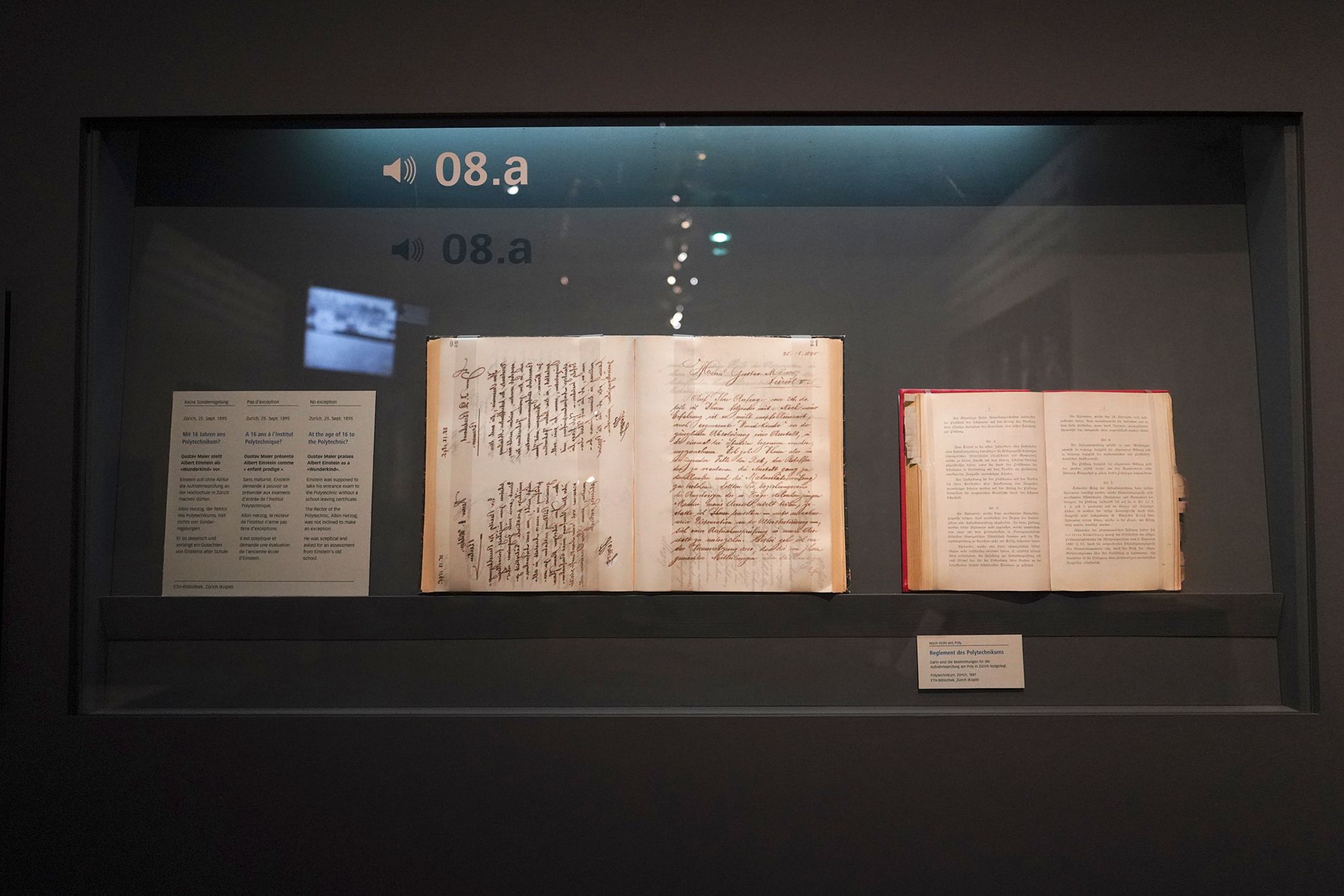
In 1895, at age 16, he traveled to Zürich and took the entrance examination for the Swiss Federal Polytechnic (later ETH Zürich). He did very well in mathematics and physics but failed the overall examination, partly because of weaker results in subjects such as languages.
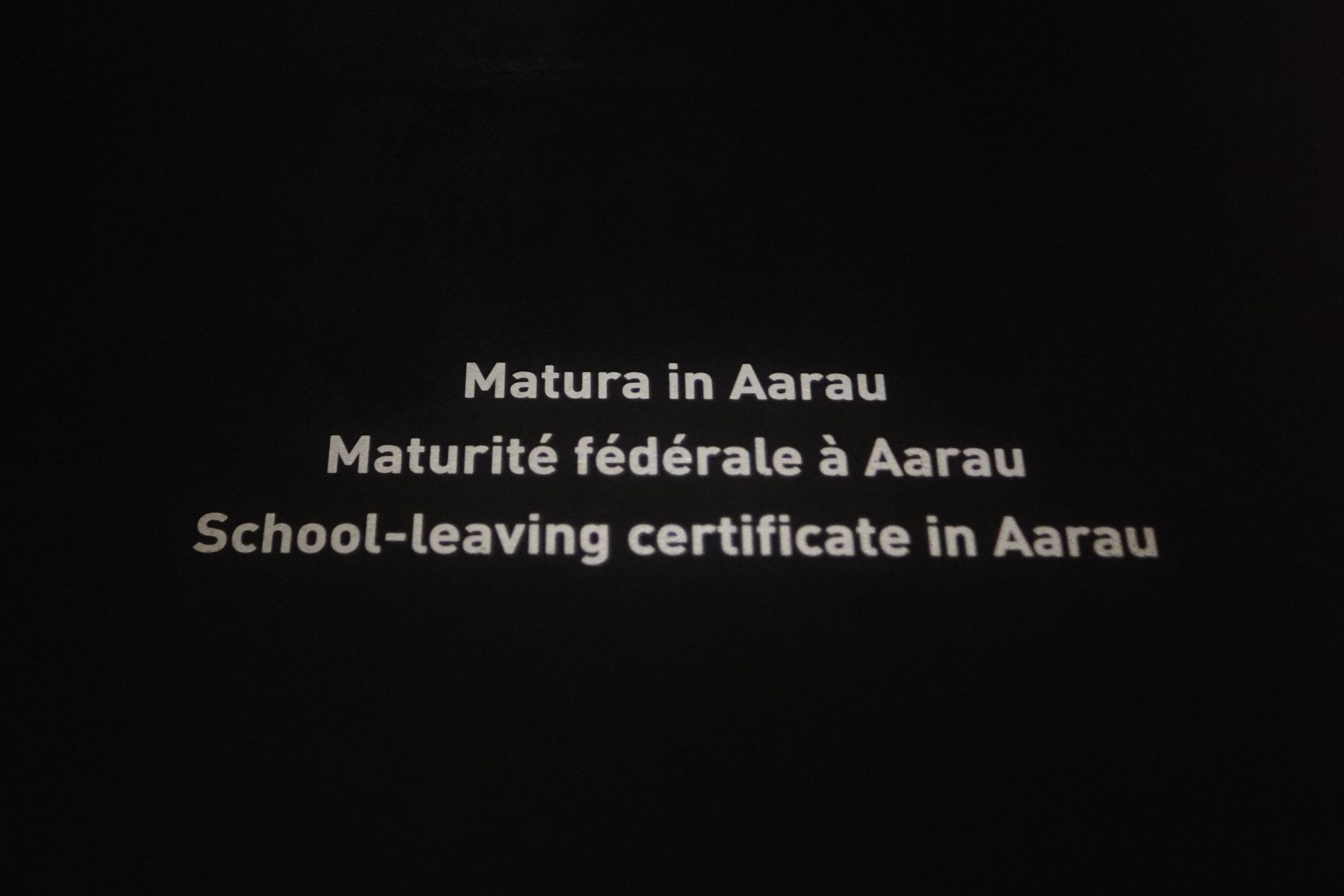
Because he was also younger than the usual admission age, the school recommended that he spend a year at the Aargau Cantonal School in Aarau. He moved there, completed his secondary education, and graduated in 1896. He was then admitted to the Polytechnic in Zürich.
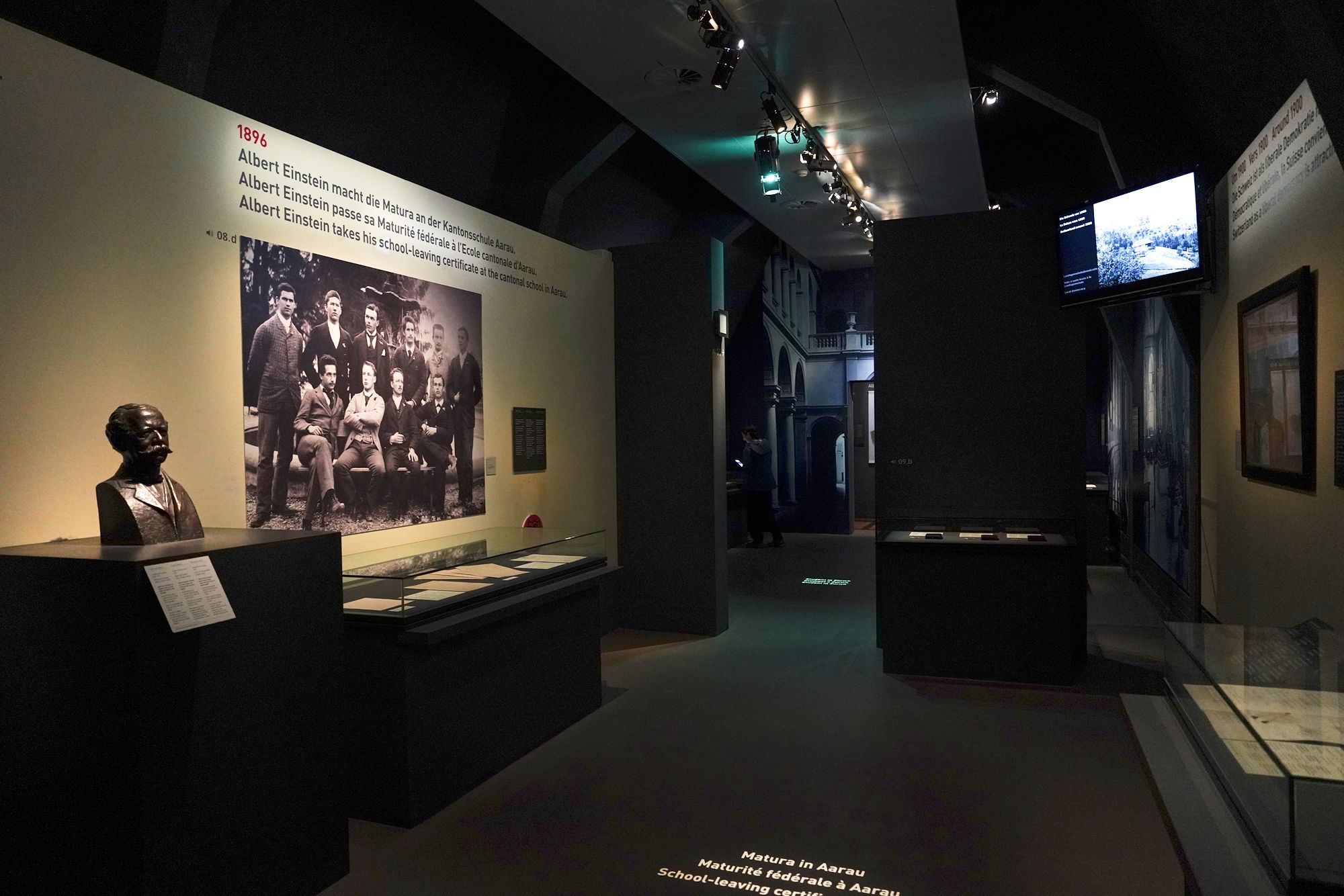
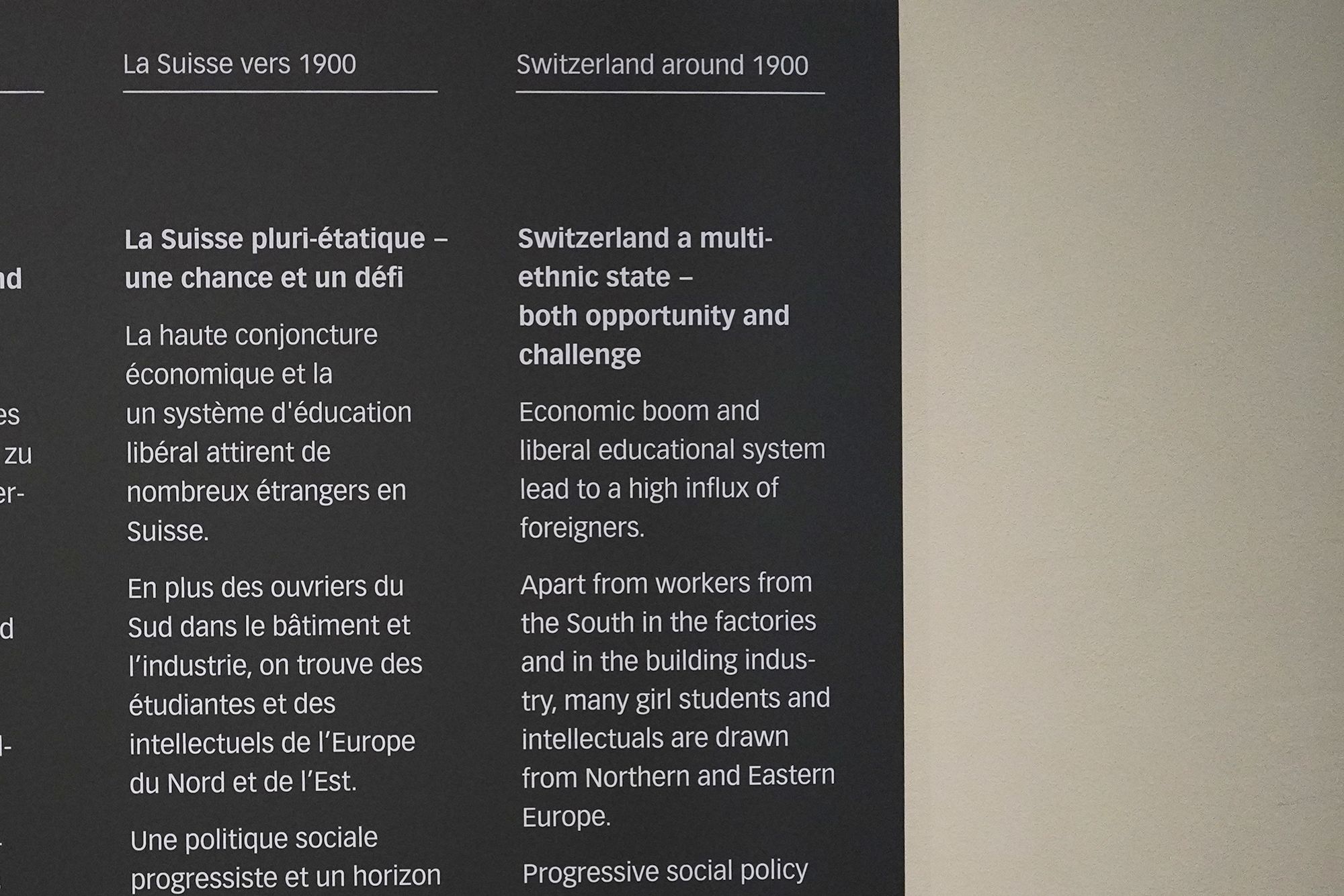
Around the time Einstein came to Switzerland, the country was experiencing rapid economic growth and attracted many immigrants. Its relatively liberal educational system also drew students and intellectuals from across Europe, making Switzerland a more open and diverse place for the young Einstein.
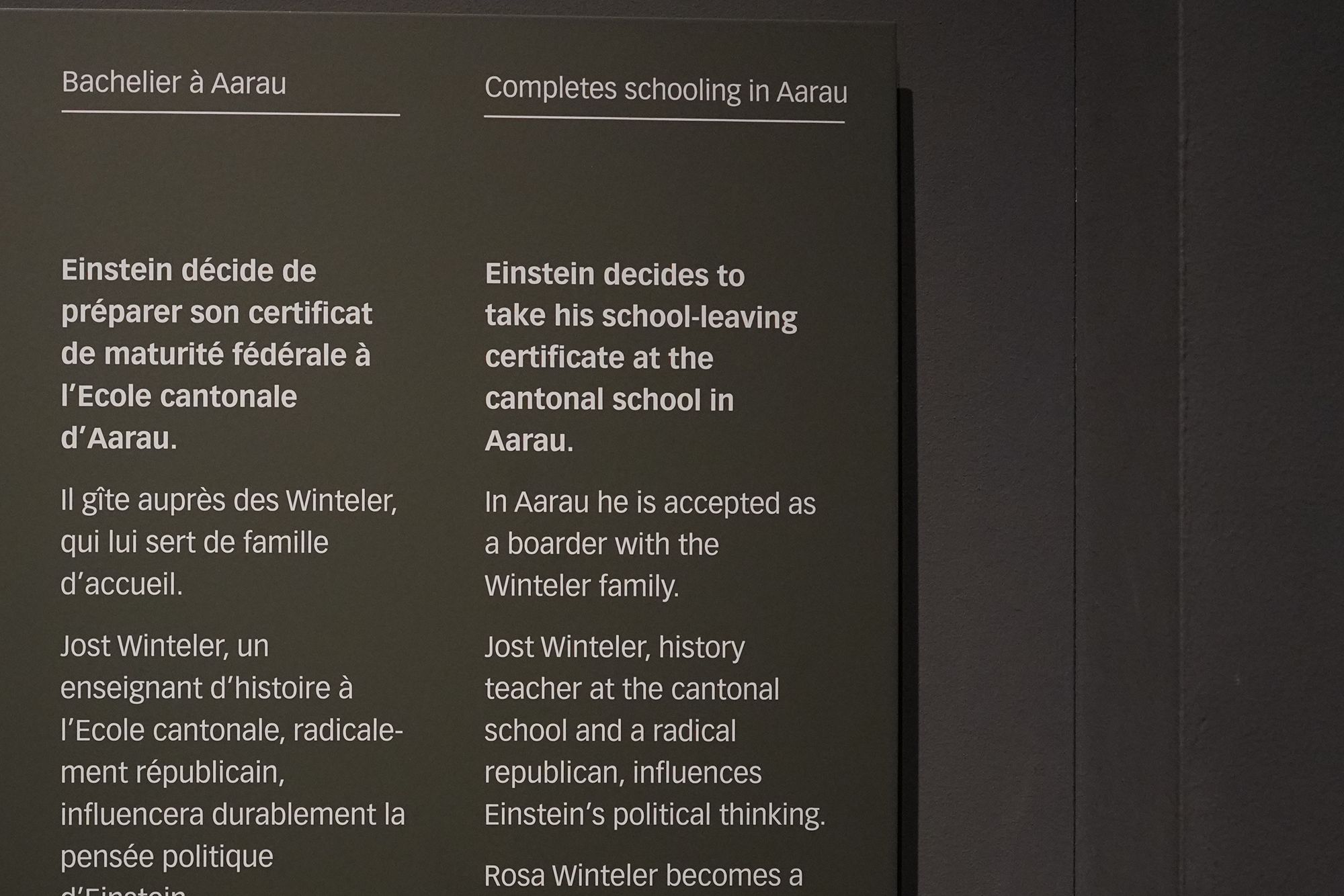
In Aarau, Einstein completed his secondary education while living with the family of his teacher, Jost Winteler. The more liberal atmosphere of the school and the Winteler family had an important influence on the young Einstein, including the development of his political and social views.
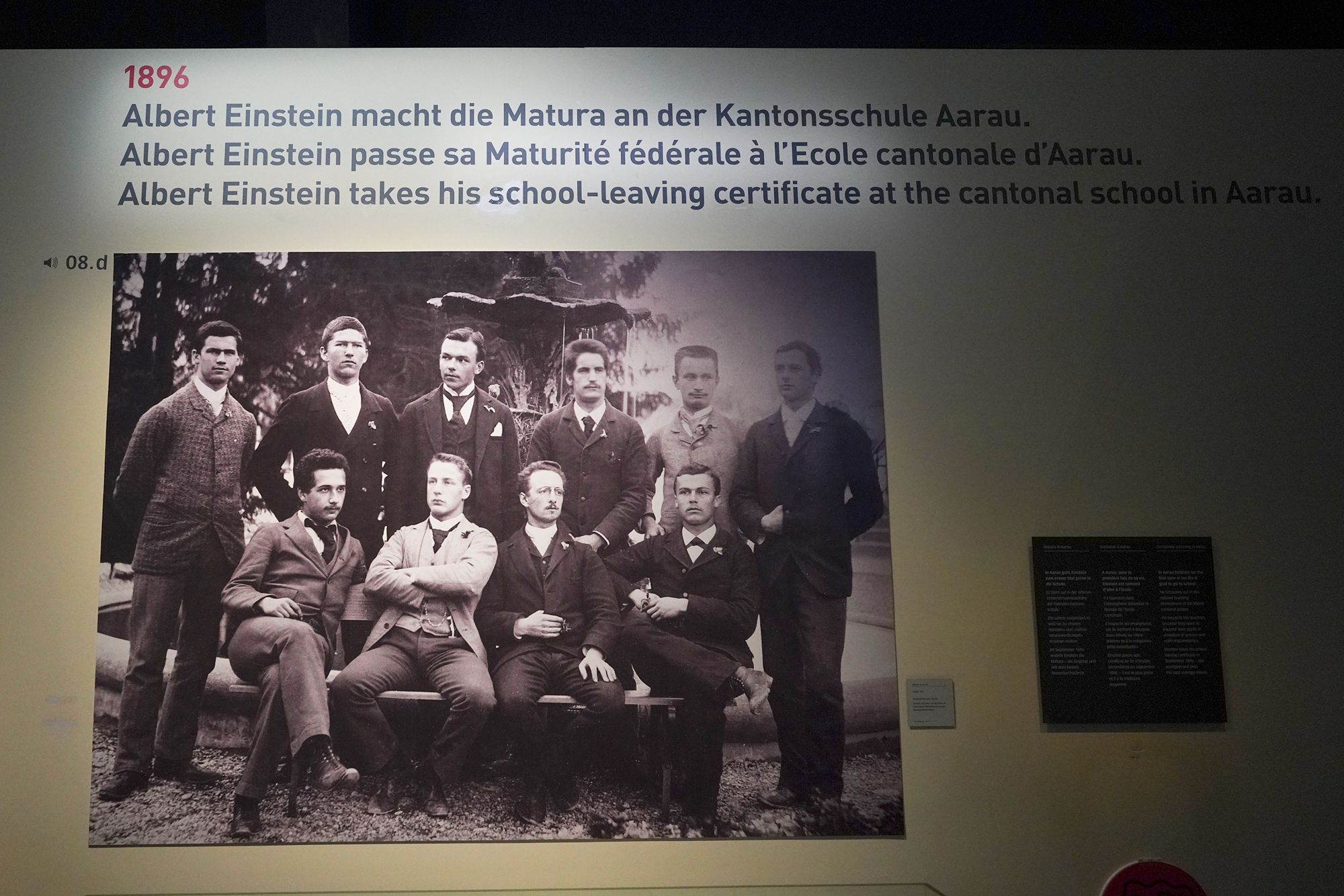
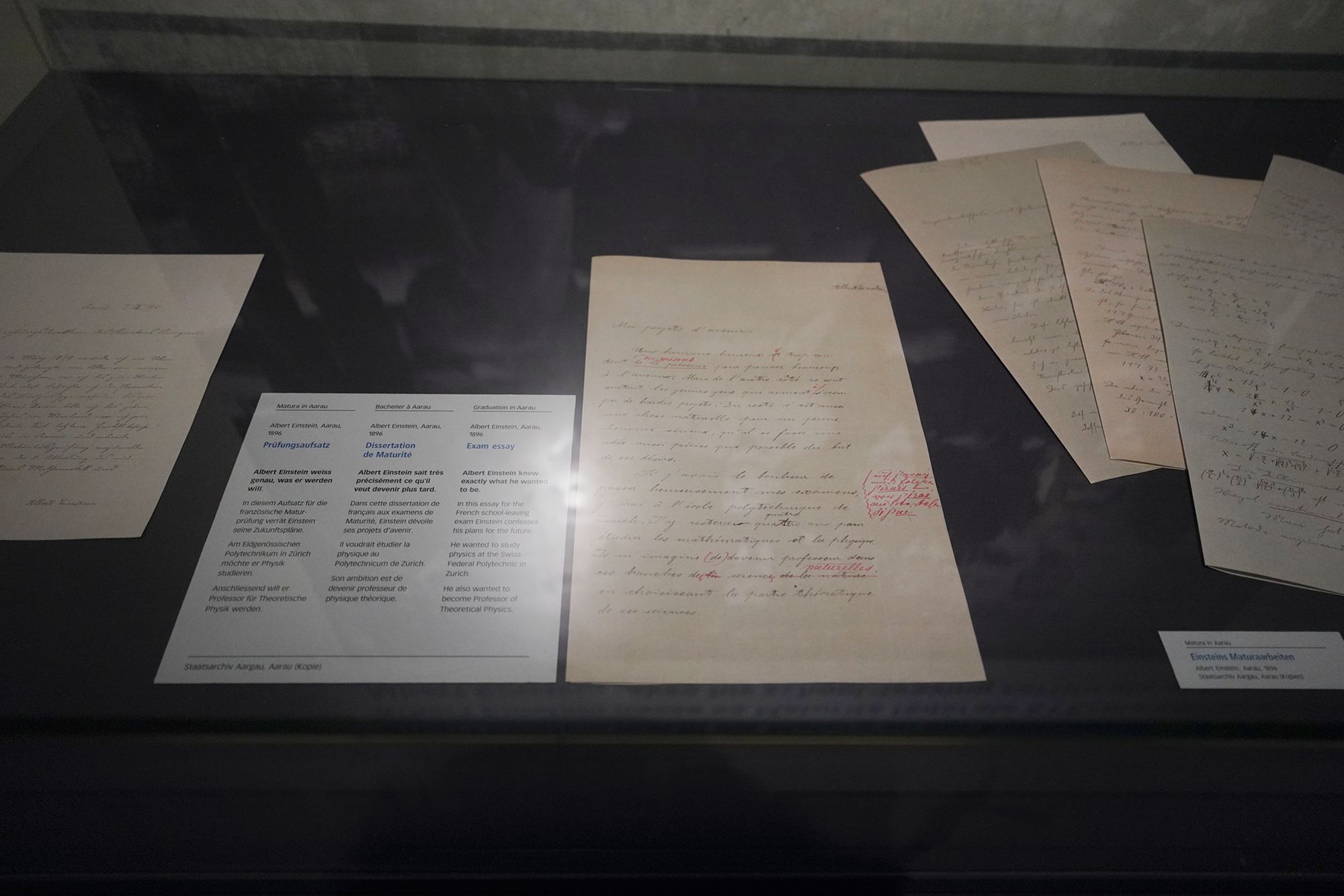
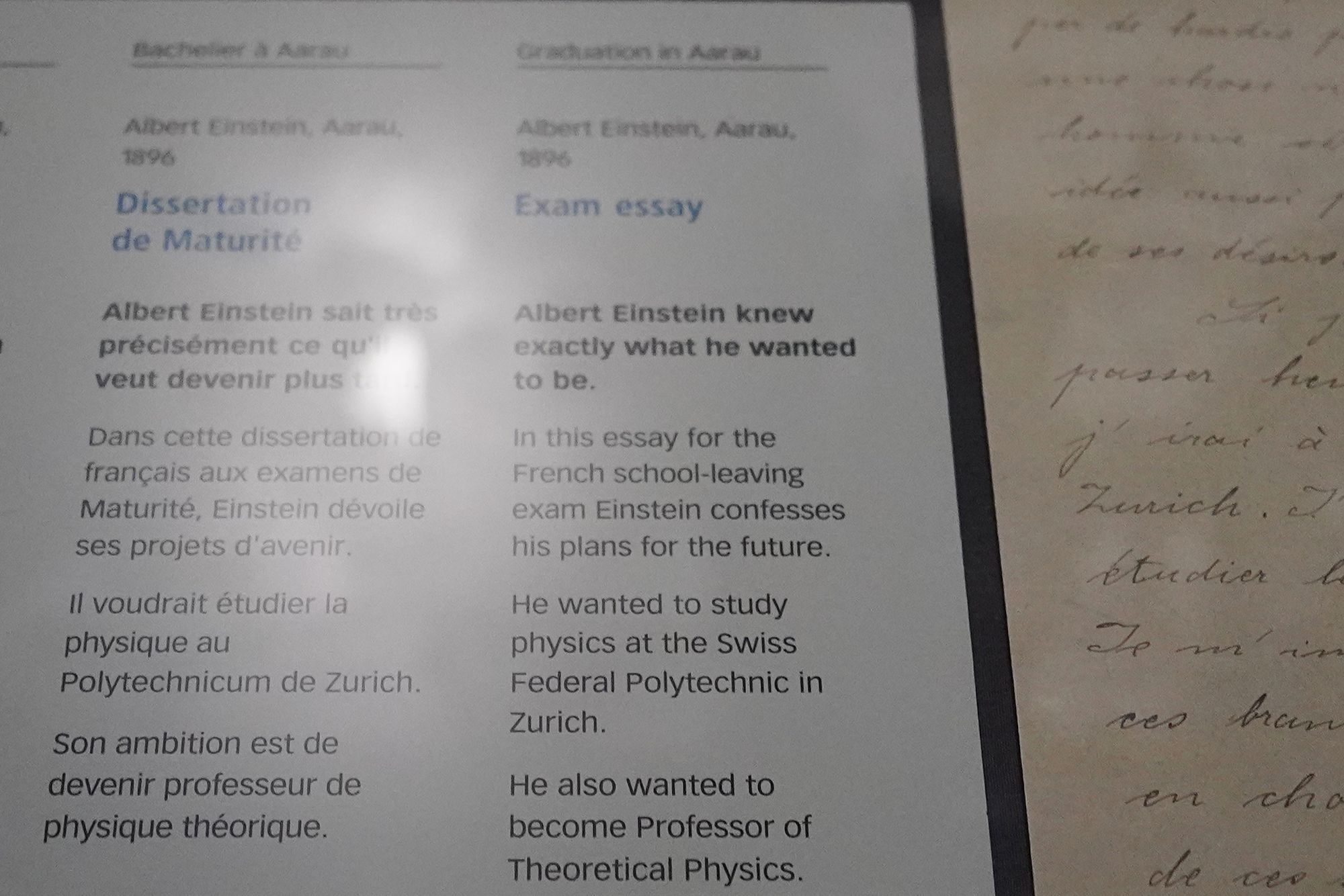
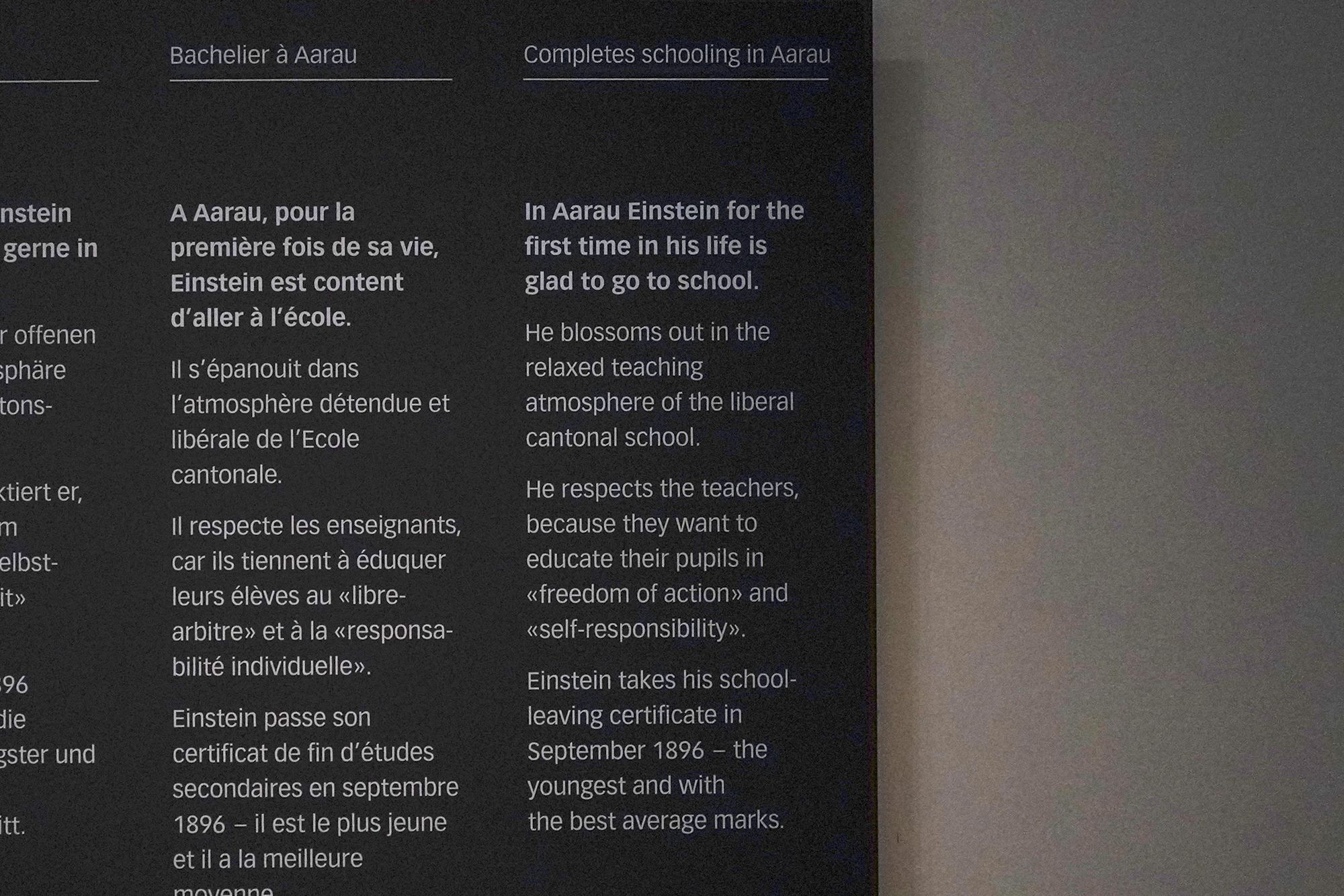
For the first time, Einstein actually enjoyed going to school. He thrived in Aarau’s relaxed and liberal atmosphere, where students were encouraged to think independently and take responsibility for themselves. In 1896, he graduated as the youngest student in his class and with the best average grades.
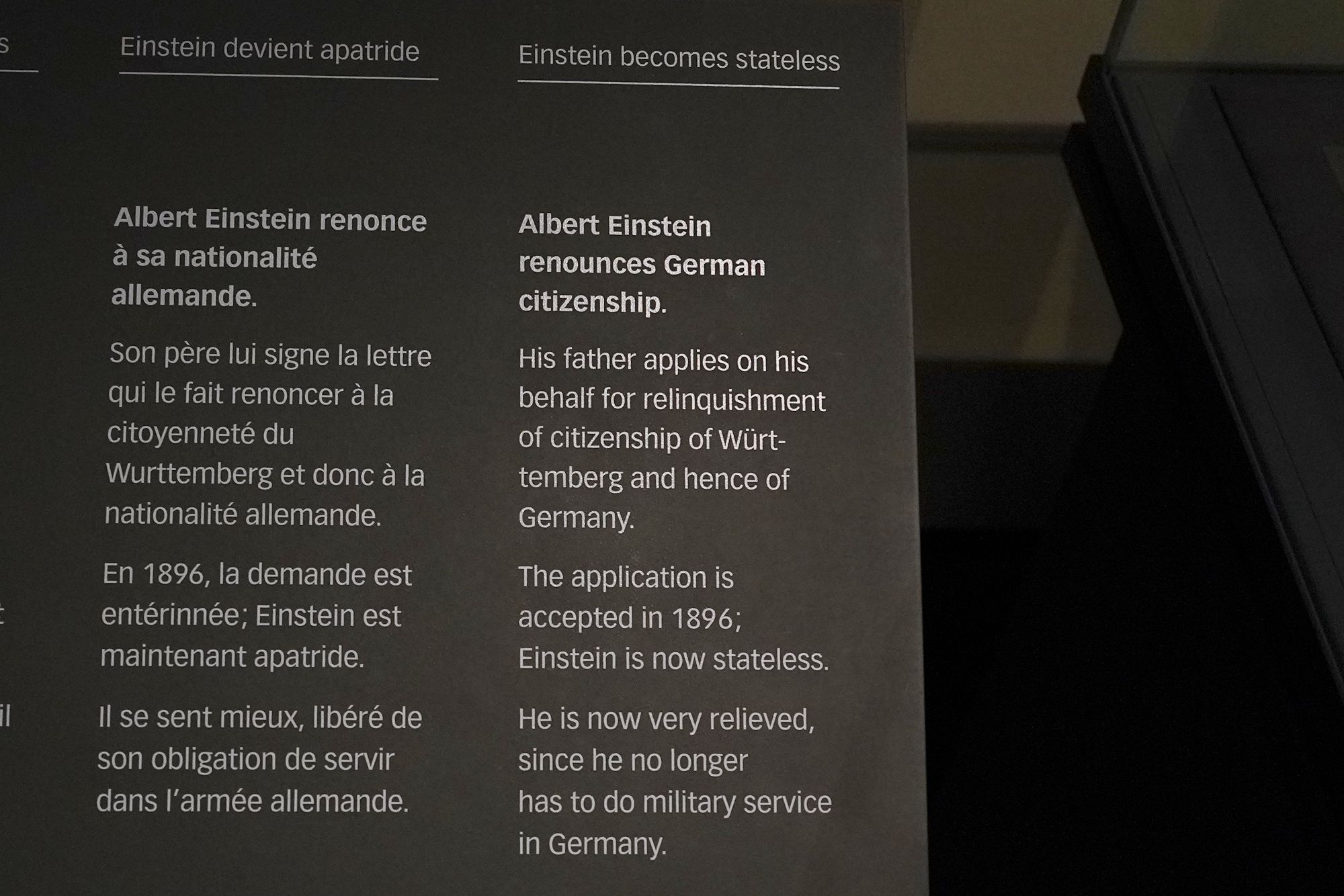
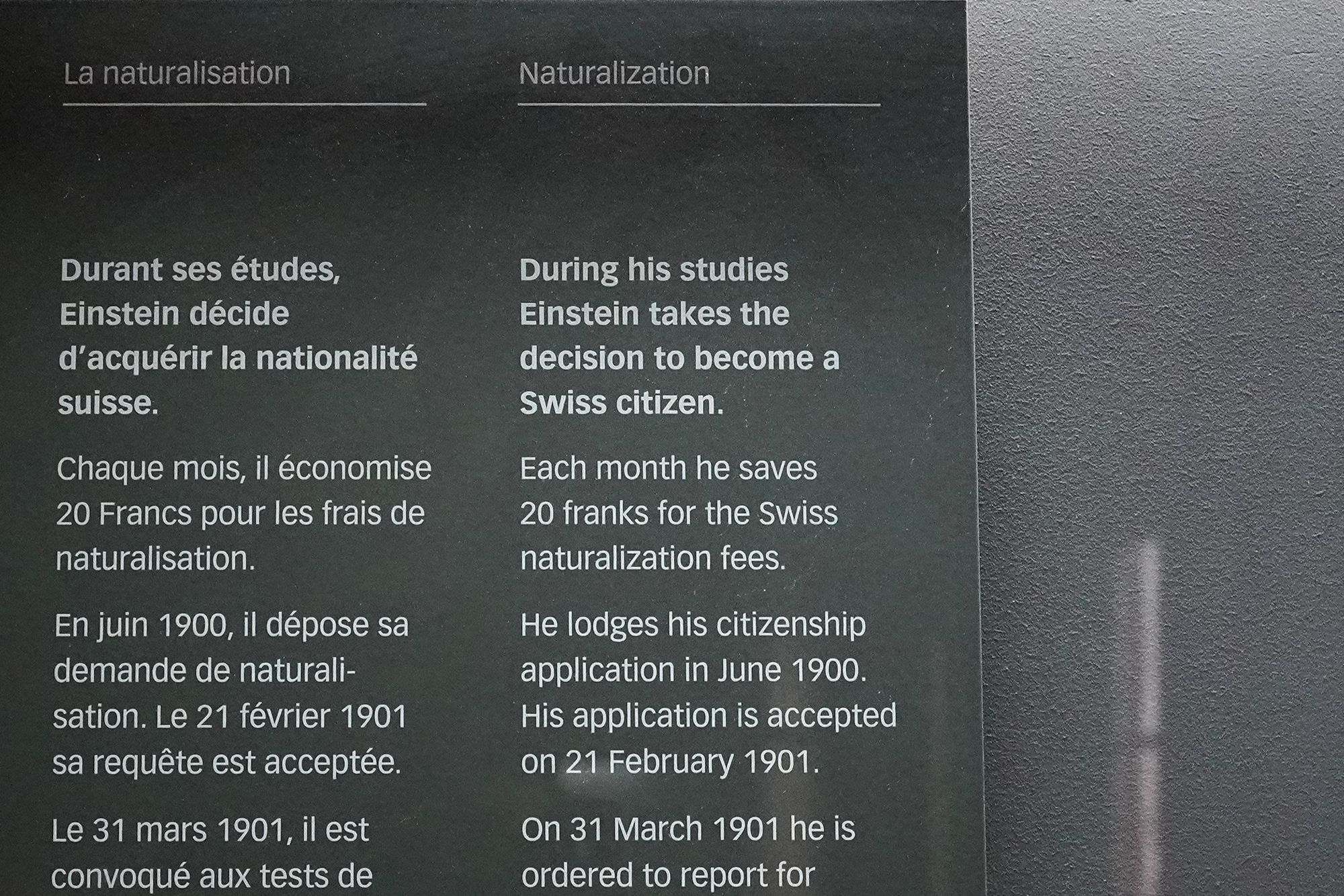
In 1896, Einstein gave up his German citizenship with the help of his father and became stateless. He was apparently relieved, in part because it meant he would not have to perform compulsory military service in Germany. He remained stateless until becoming a Swiss citizen in 1901.
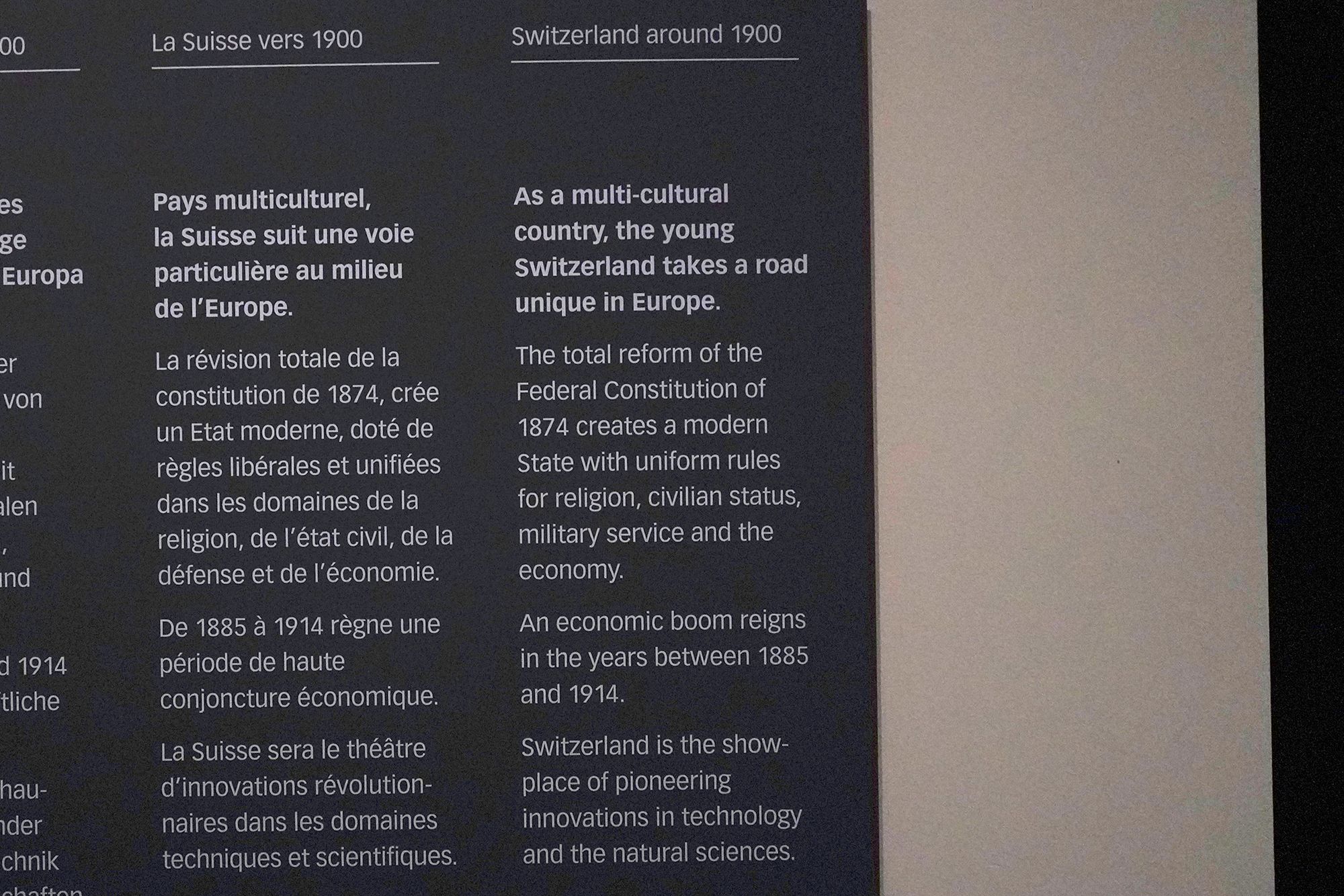
Around the time Einstein settled in Switzerland, the country was becoming a modern, multicultural society. Economic growth and a relatively liberal political system encouraged new ideas, while Switzerland was emerging as an important center for advances in technology and science—an environment well suited to the young Einstein.
Student in Zurich
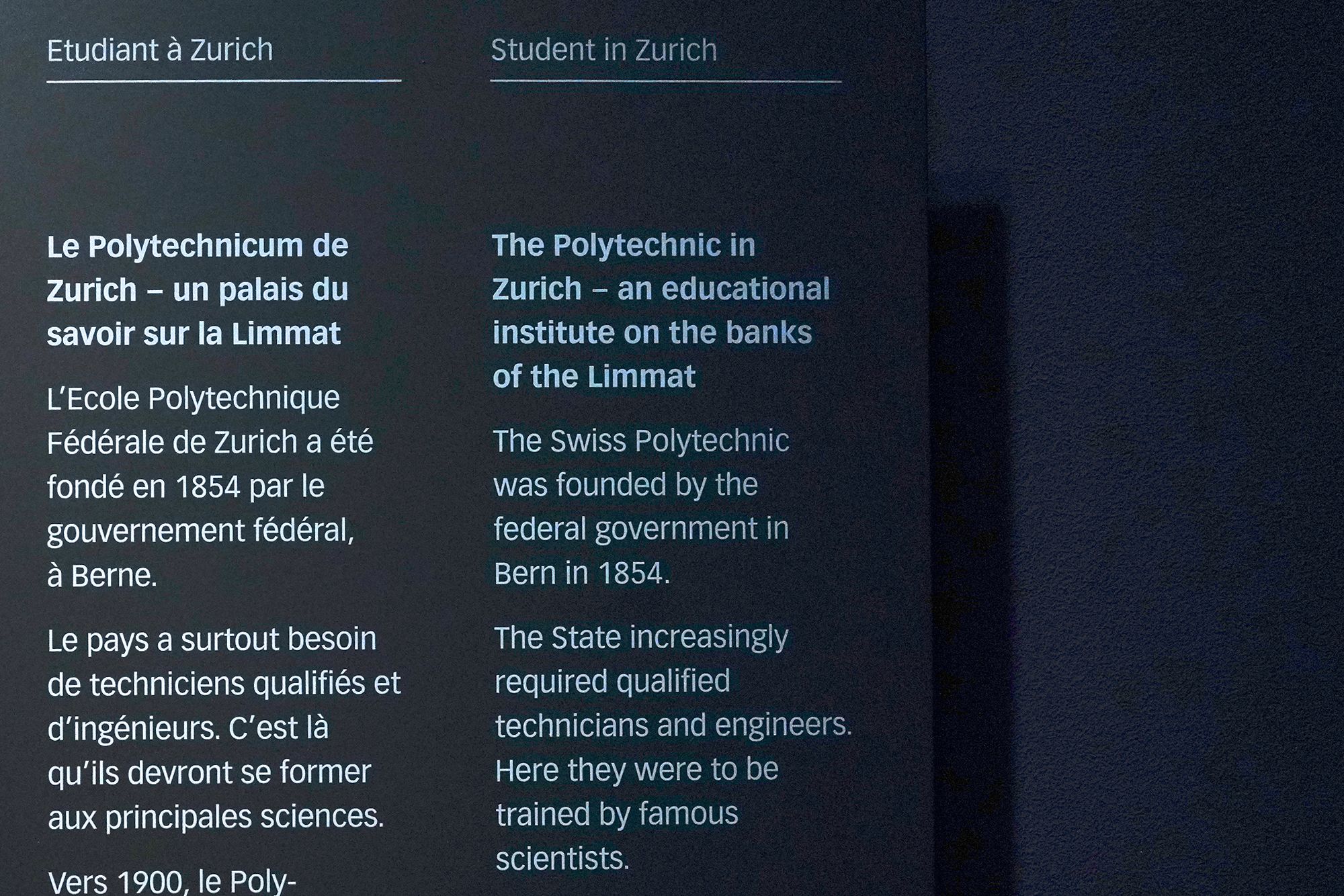
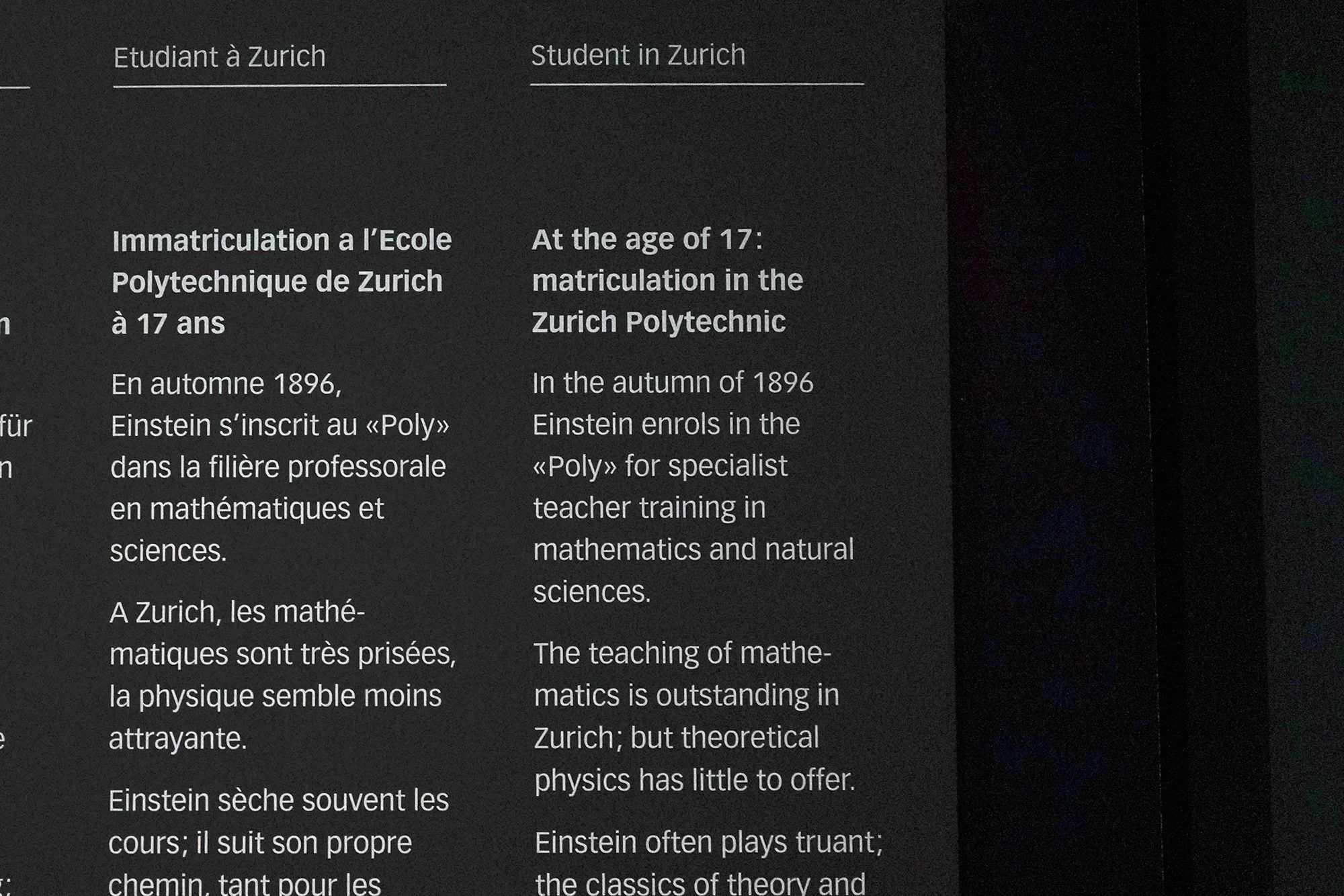
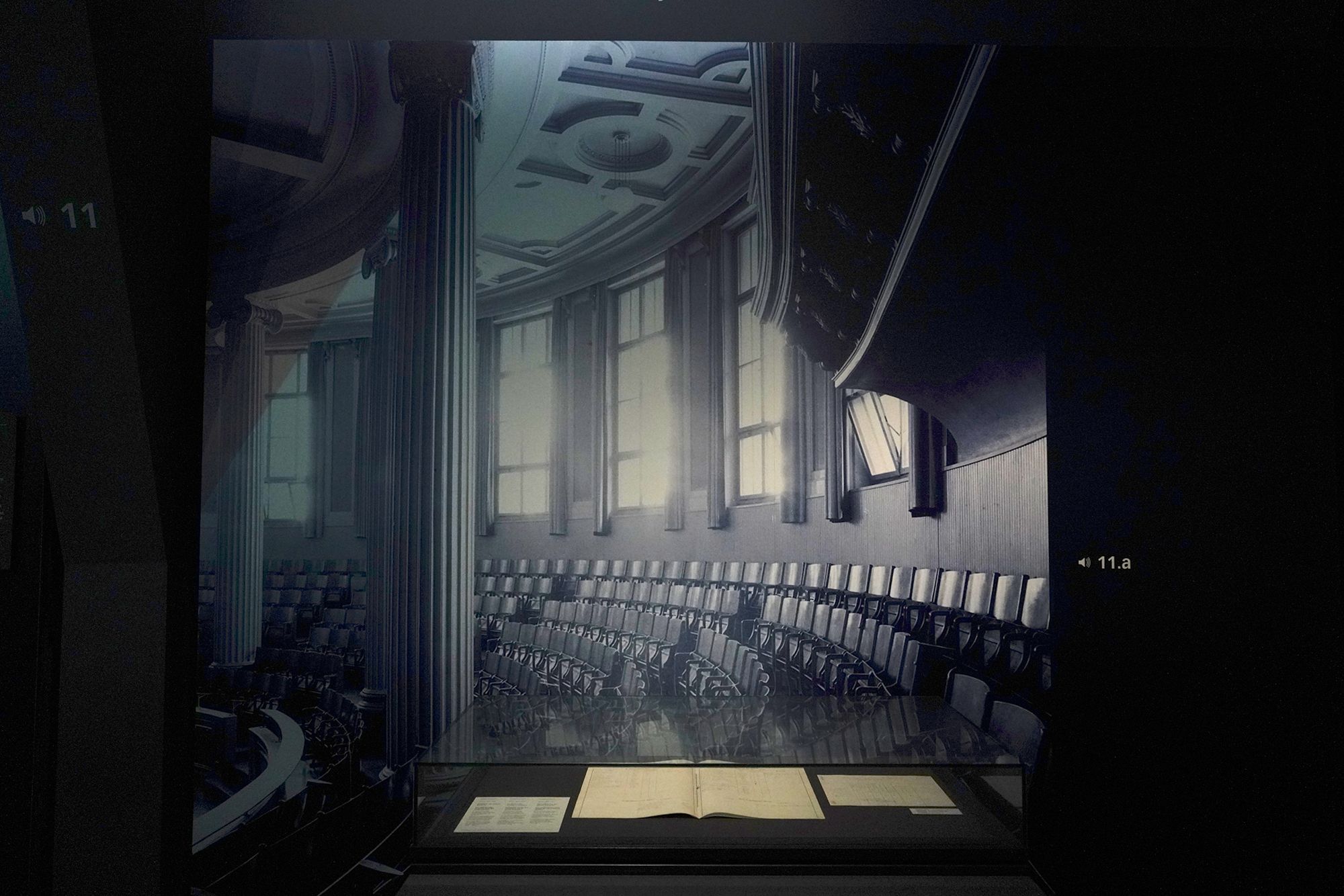
After completing school in Aarau, Einstein moved to Zürich and entered the Swiss Polytechnic, where he studied to become a teacher of mathematics and physics. The school, founded in 1854, was an important center for training scientists and engineers and later became known as ETH Zürich.
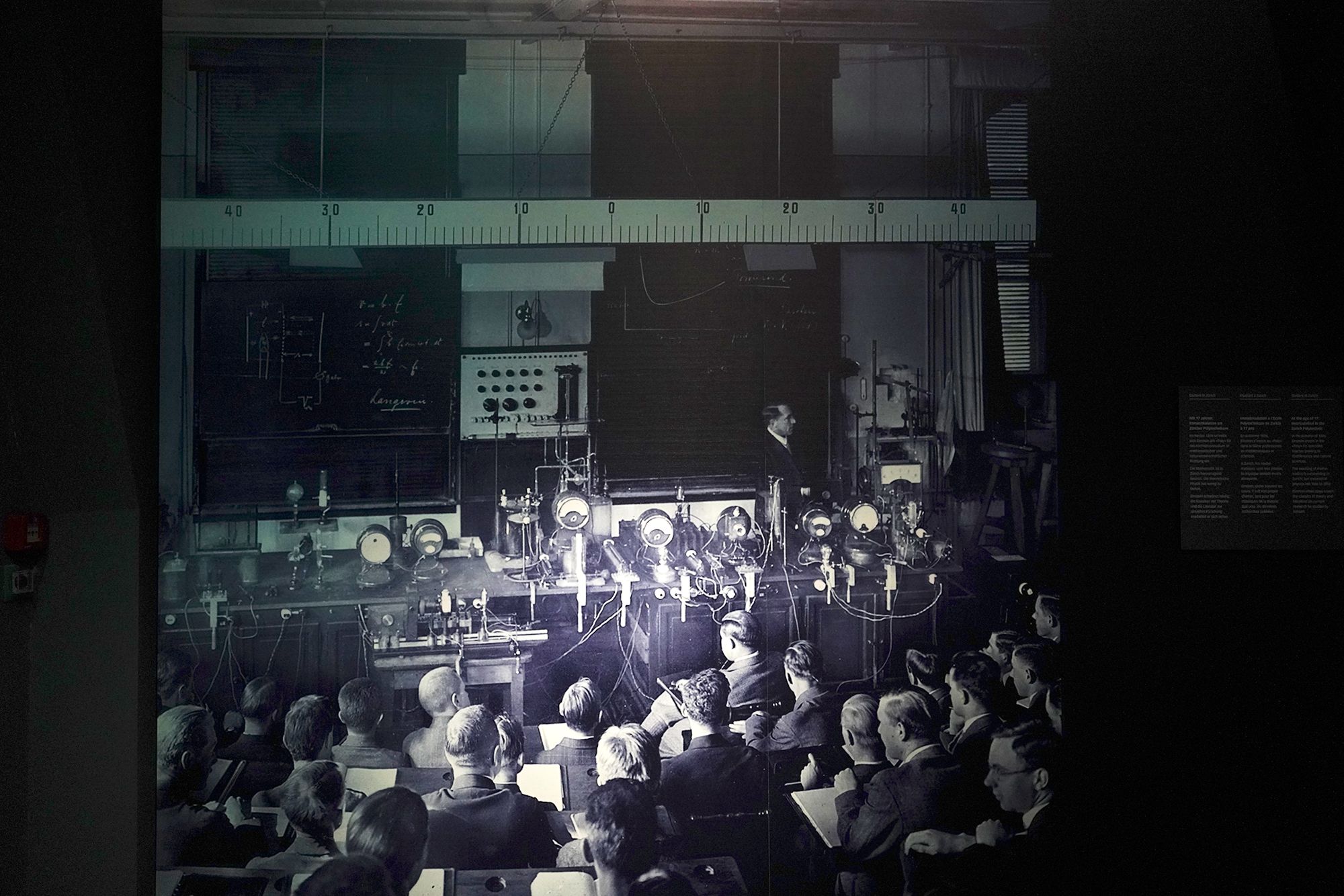
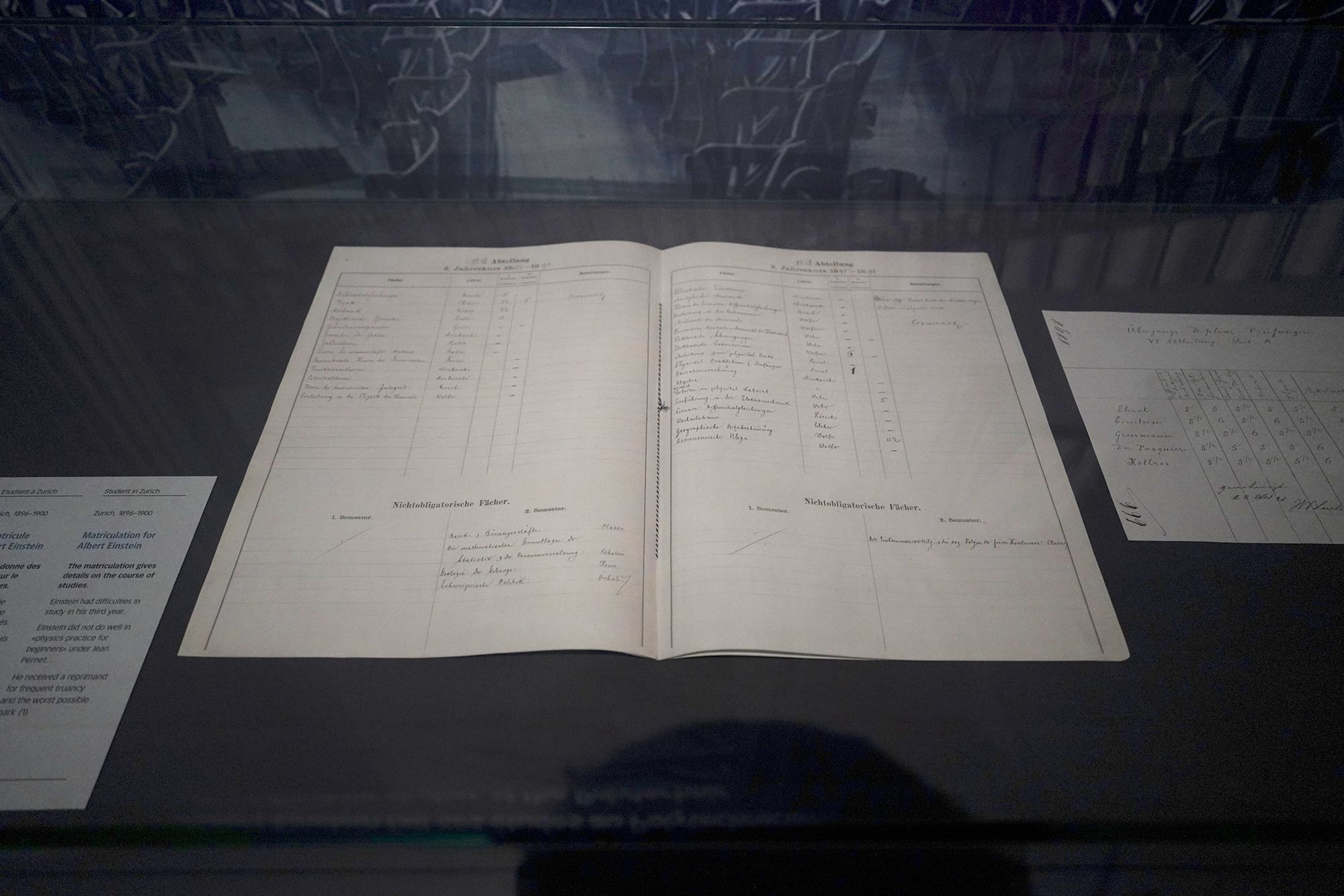
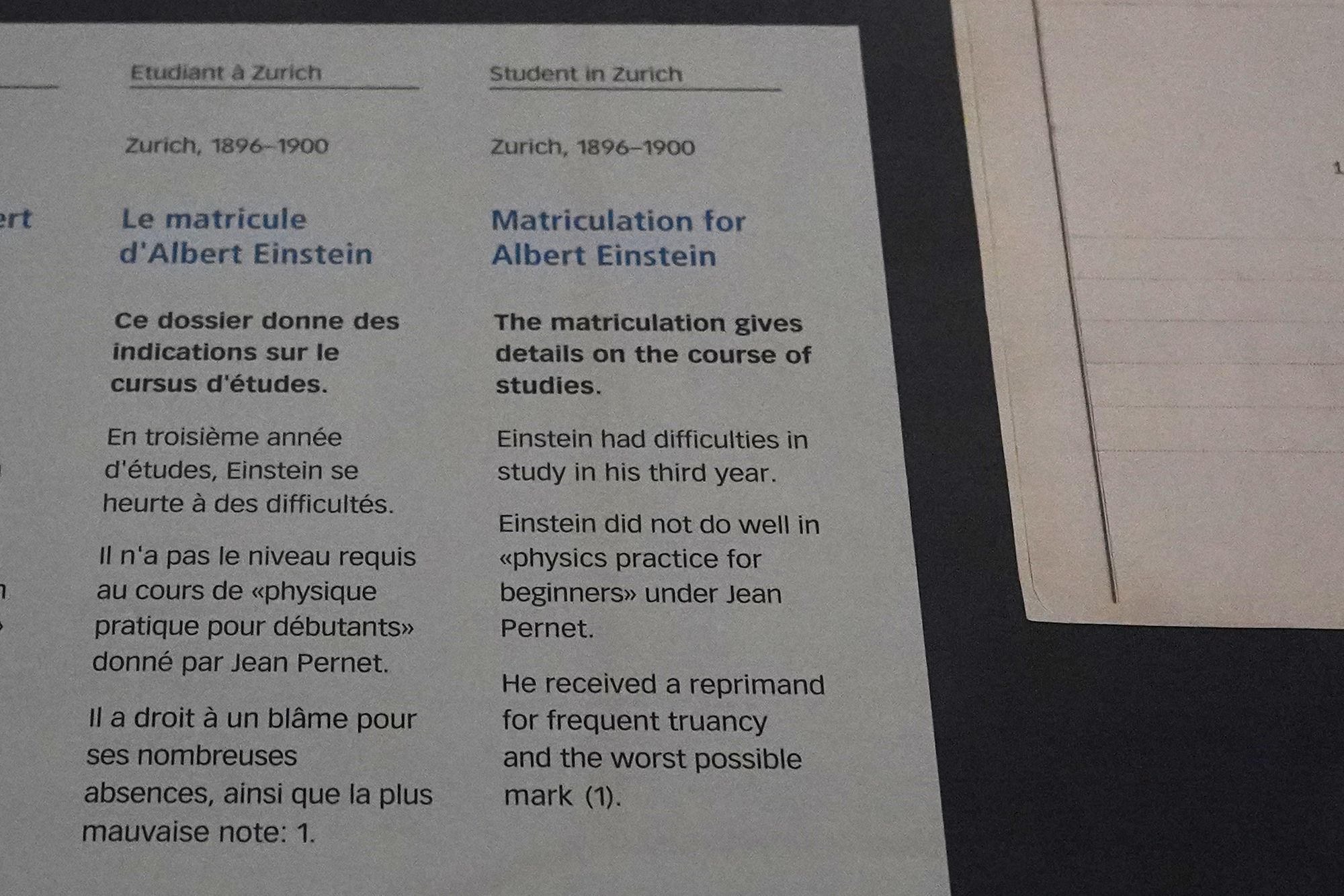
At age seventeen, Einstein entered the Zürich Polytechnic to study mathematics and natural sciences. Although he excelled in mathematics and physics, he was not always an enthusiastic student and sometimes skipped classes, preferring to study subjects that interested him on his own.
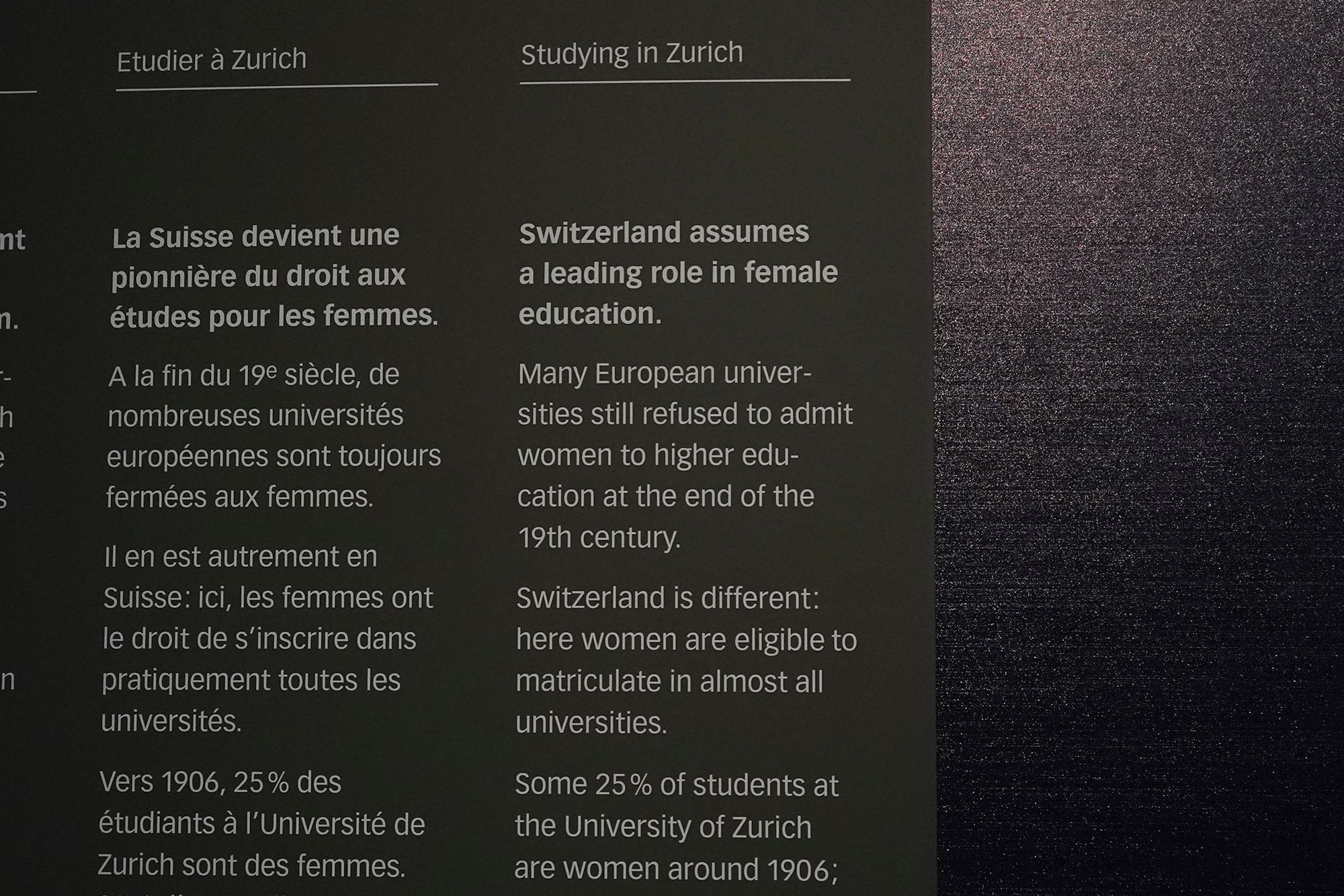
Switzerland was unusually progressive in women’s education at the time. While many European universities still excluded women, Swiss universities admitted them, and by around 1906 about a quarter of the students at the University of Zürich were women. This environment also shaped Einstein’s student years.
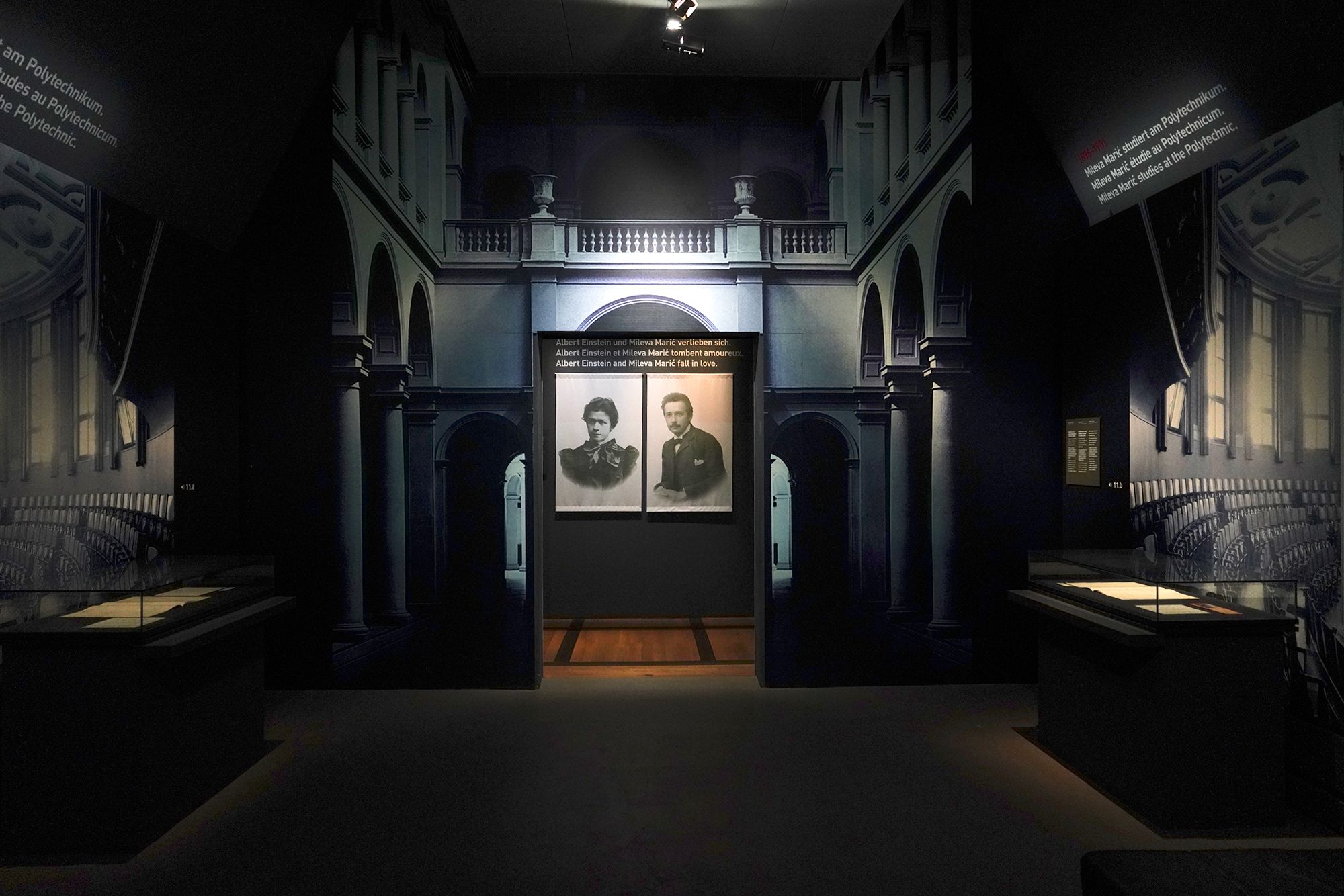
Albert Einstein and Mileva Maric fall in love
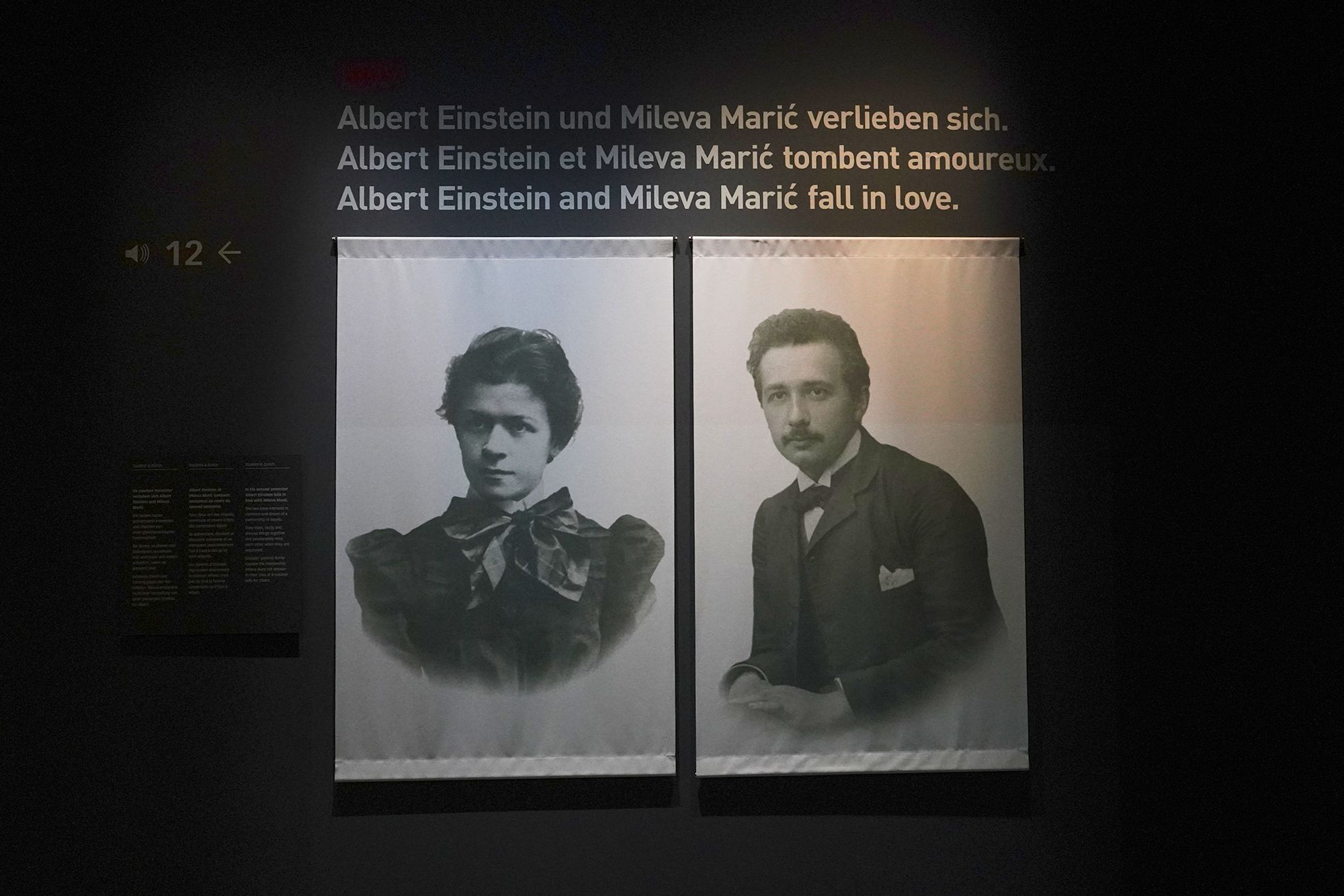
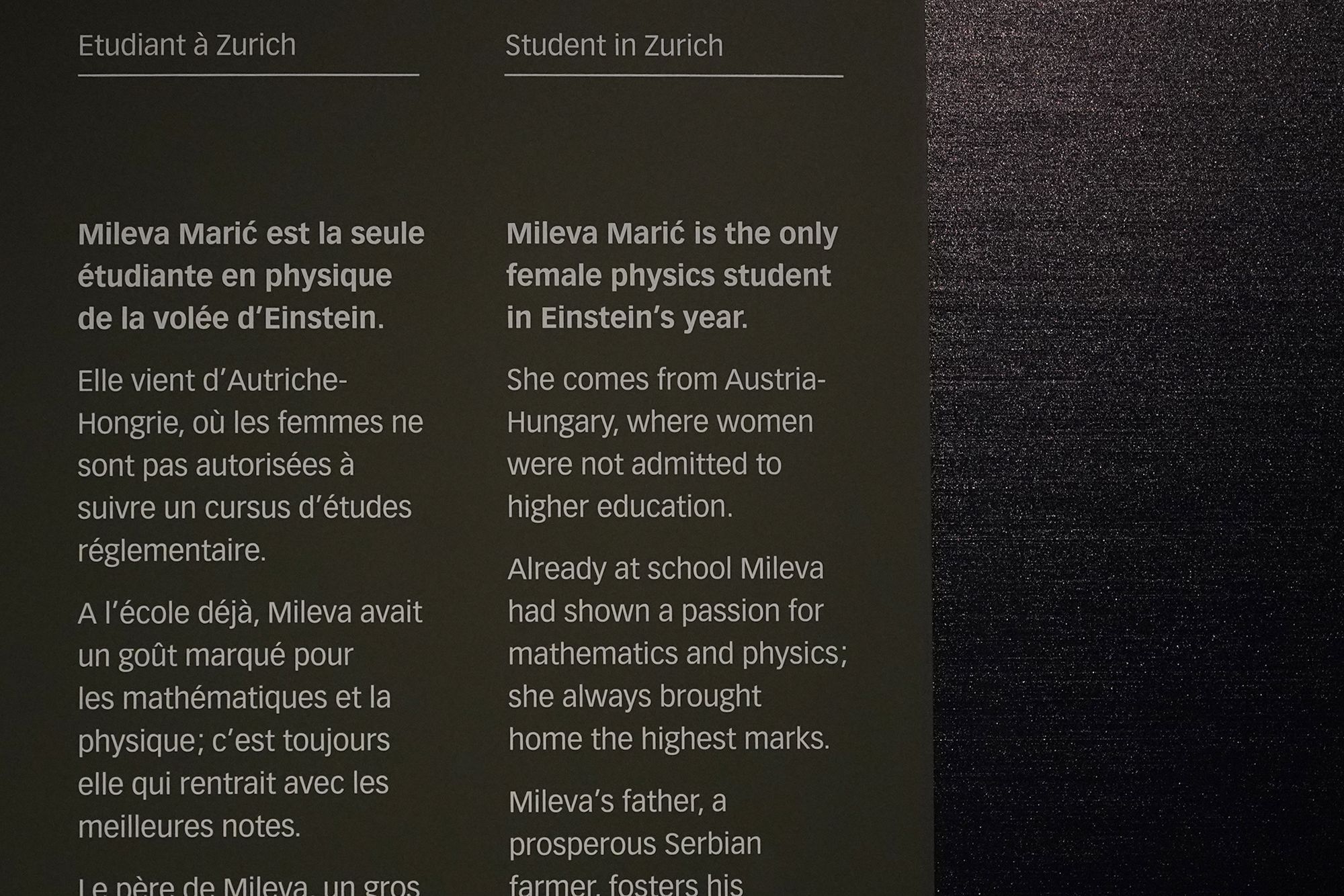
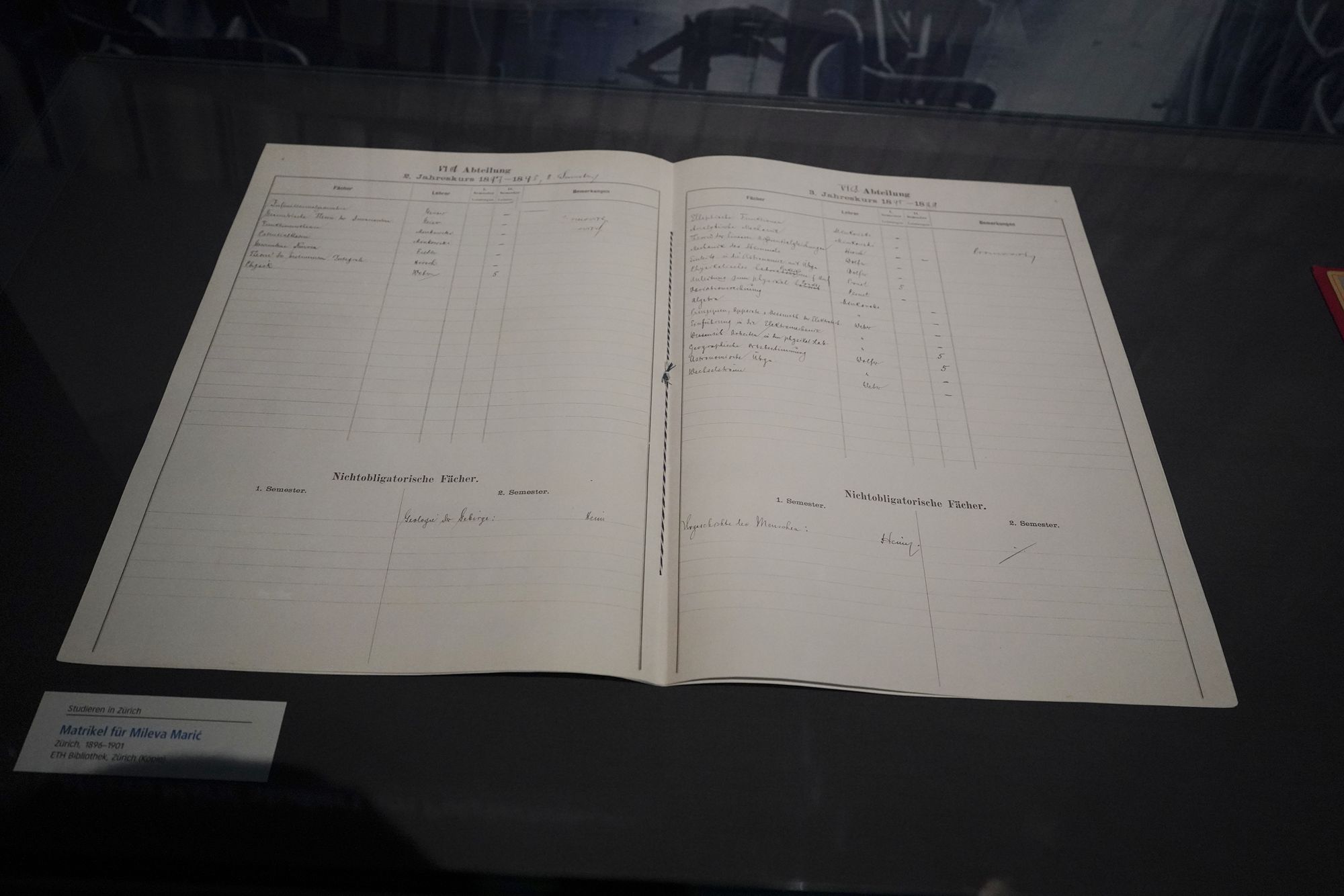
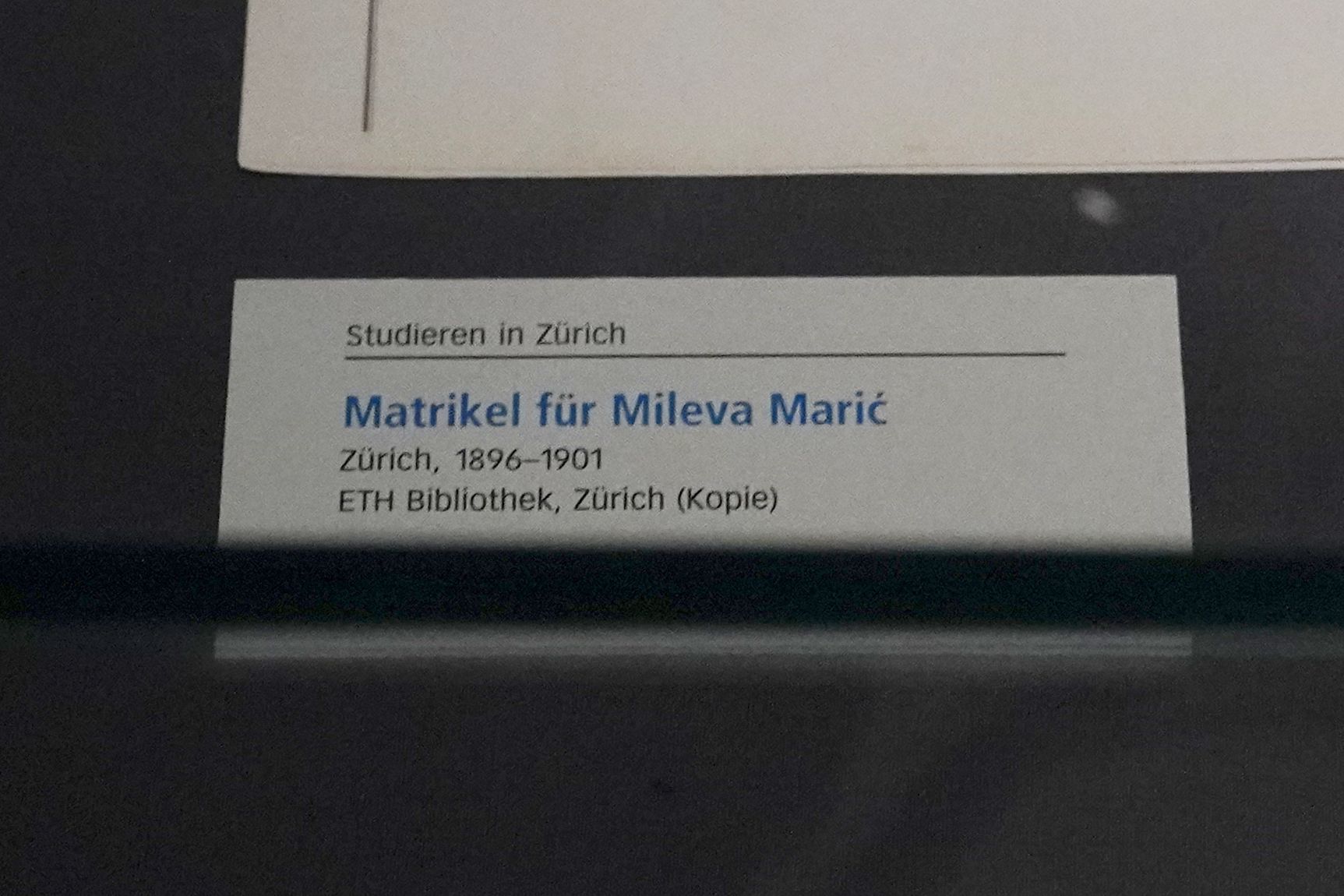
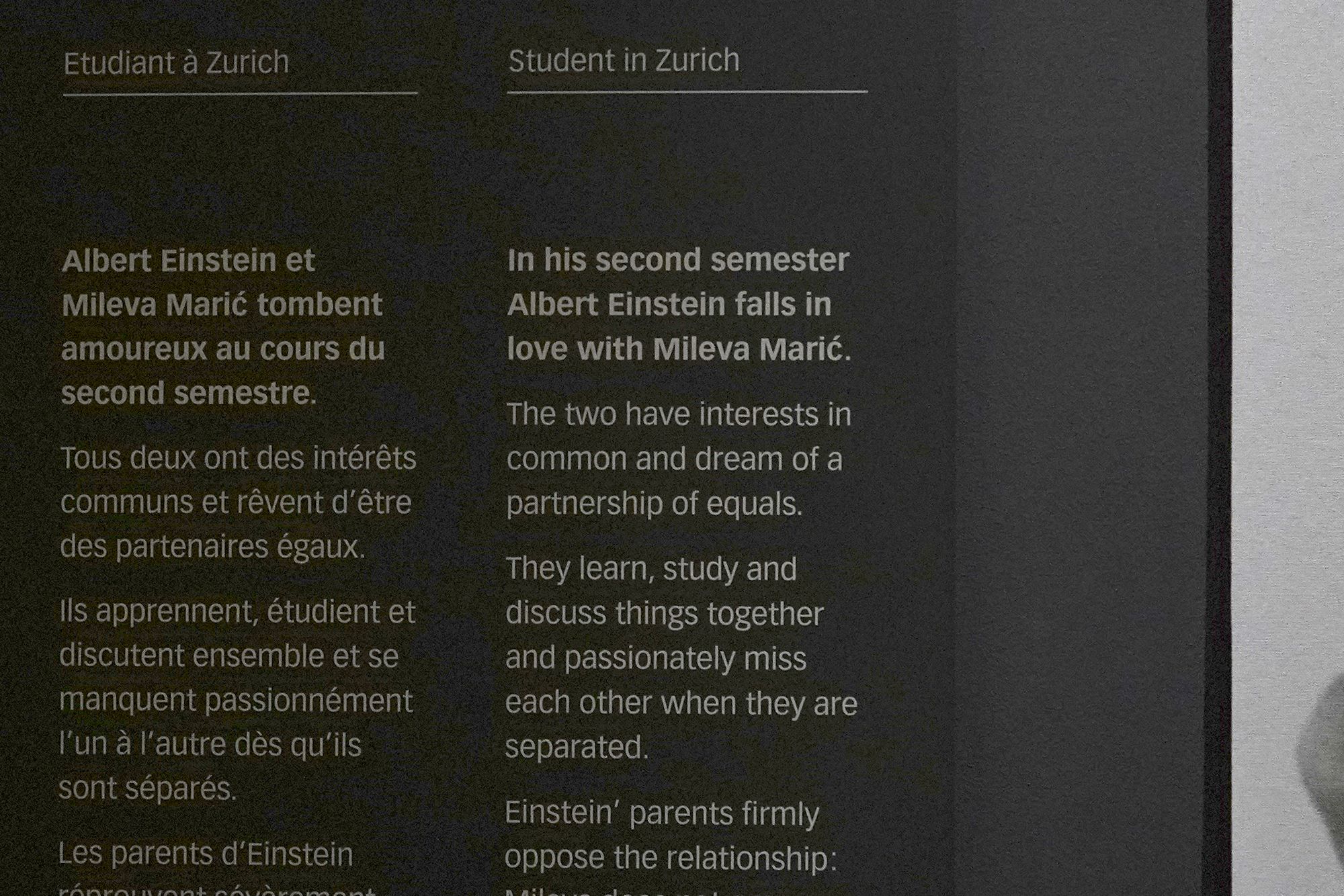
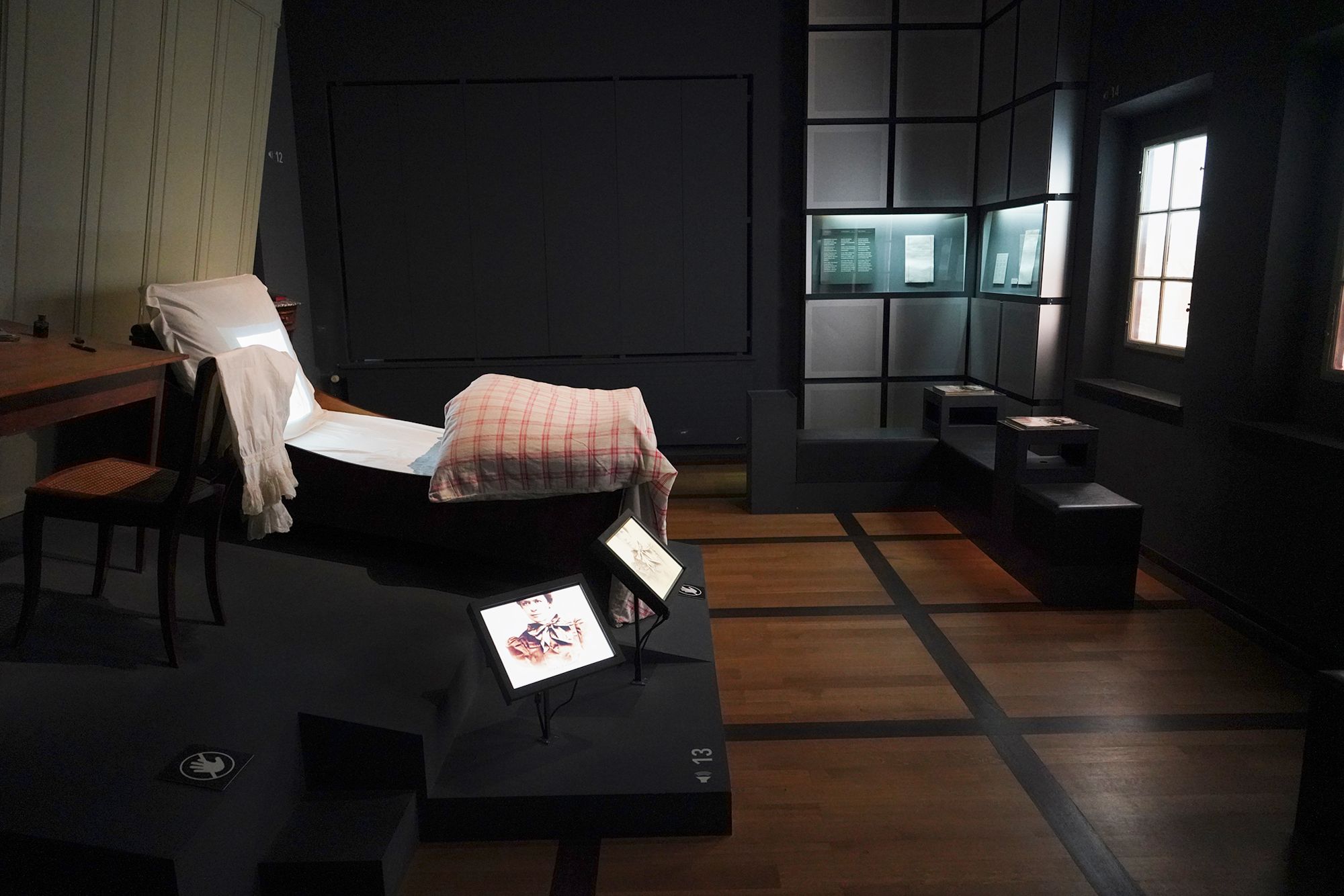
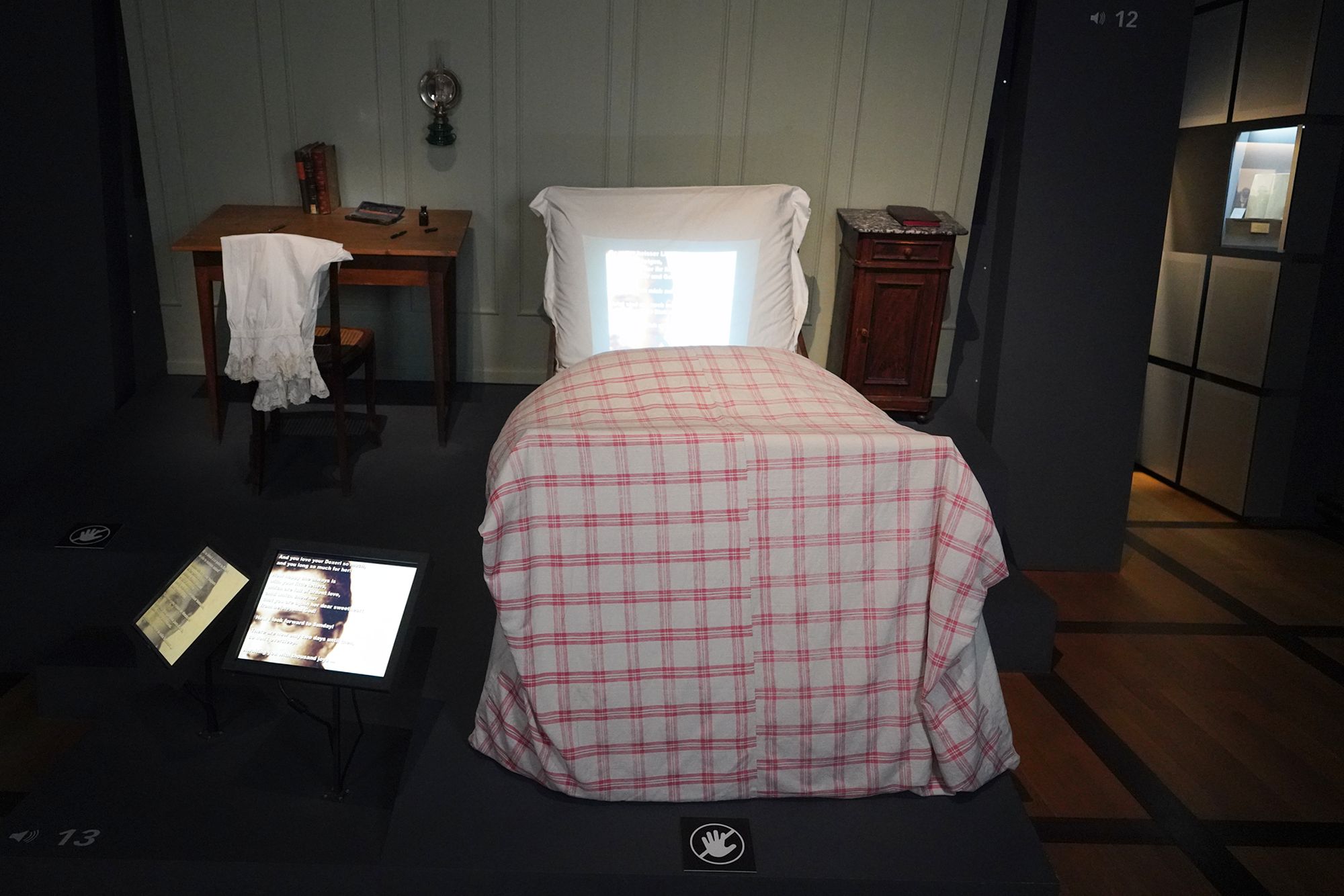
During his second semester in Zürich, Einstein fell in love with Mileva Marić. Sharing a passion for mathematics and physics, they studied and discussed ideas together and dreamed of a partnership as equals. Their relationship, however, was strongly opposed by Einstein’s parents.
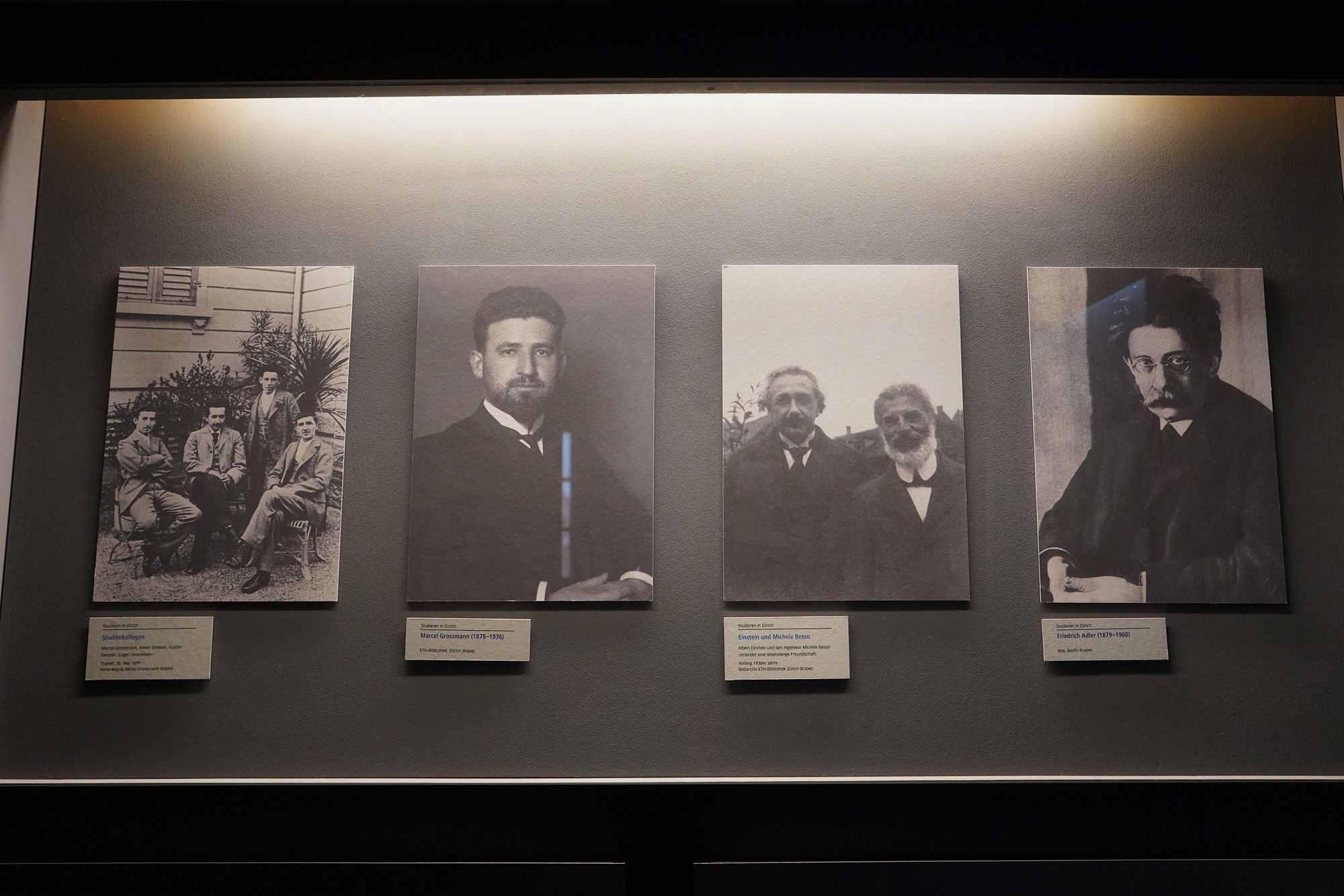
Einstein did not have a very active social life as a student, but he formed several important friendships. Marcel Grossmann often helped him with lecture notes, while Michele Besso became a close friend through their shared love of music. Some of these friendships would remain important throughout Einstein’s life.
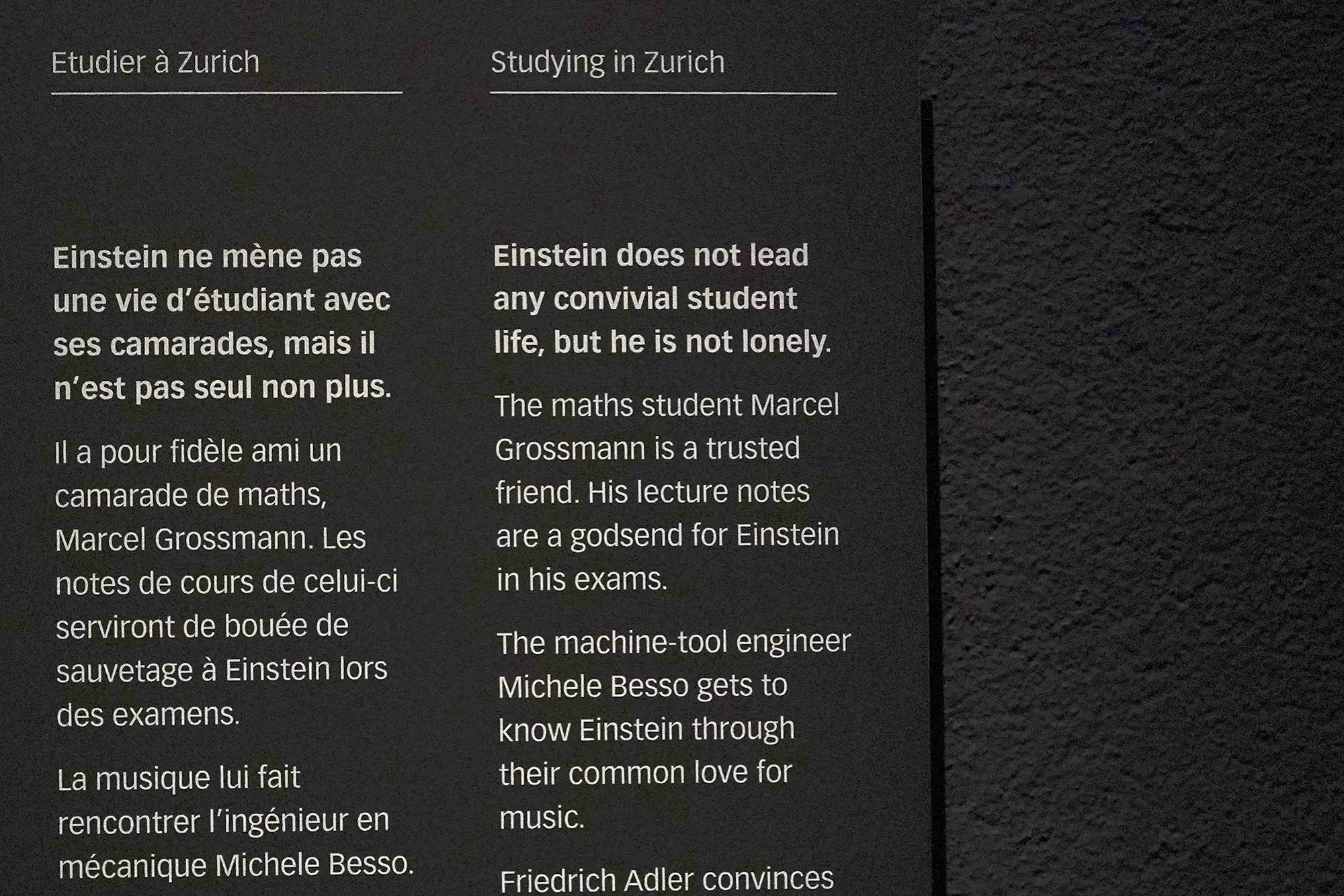
In 1901, Mileva became pregnant before she and Einstein were married. She returned to her family and gave birth to their daughter, Lieserl, in 1902. Mileva later returned to Switzerland without the baby, and what happened to Lieserl remains uncertain, as all known records of her disappear after 1903.
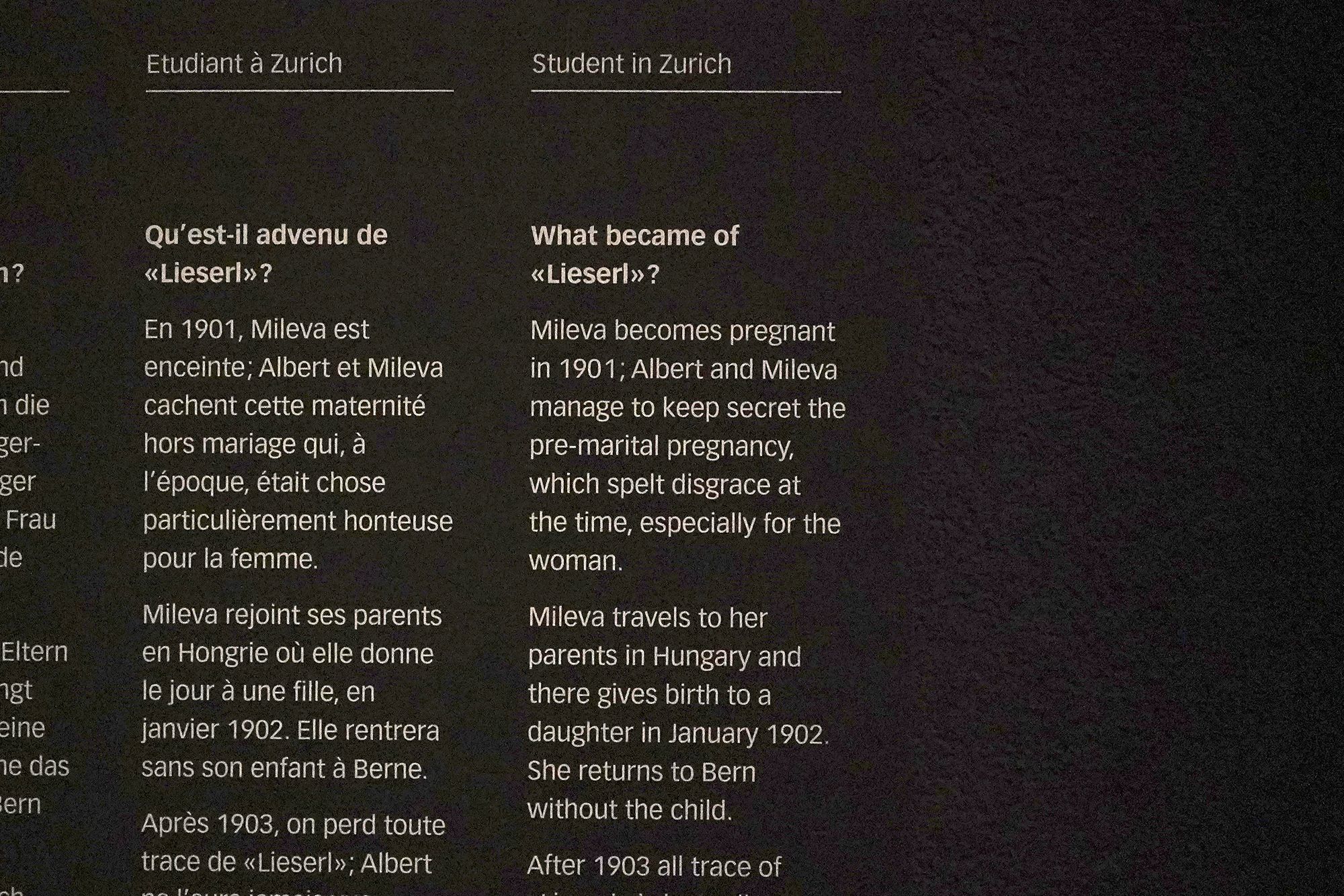
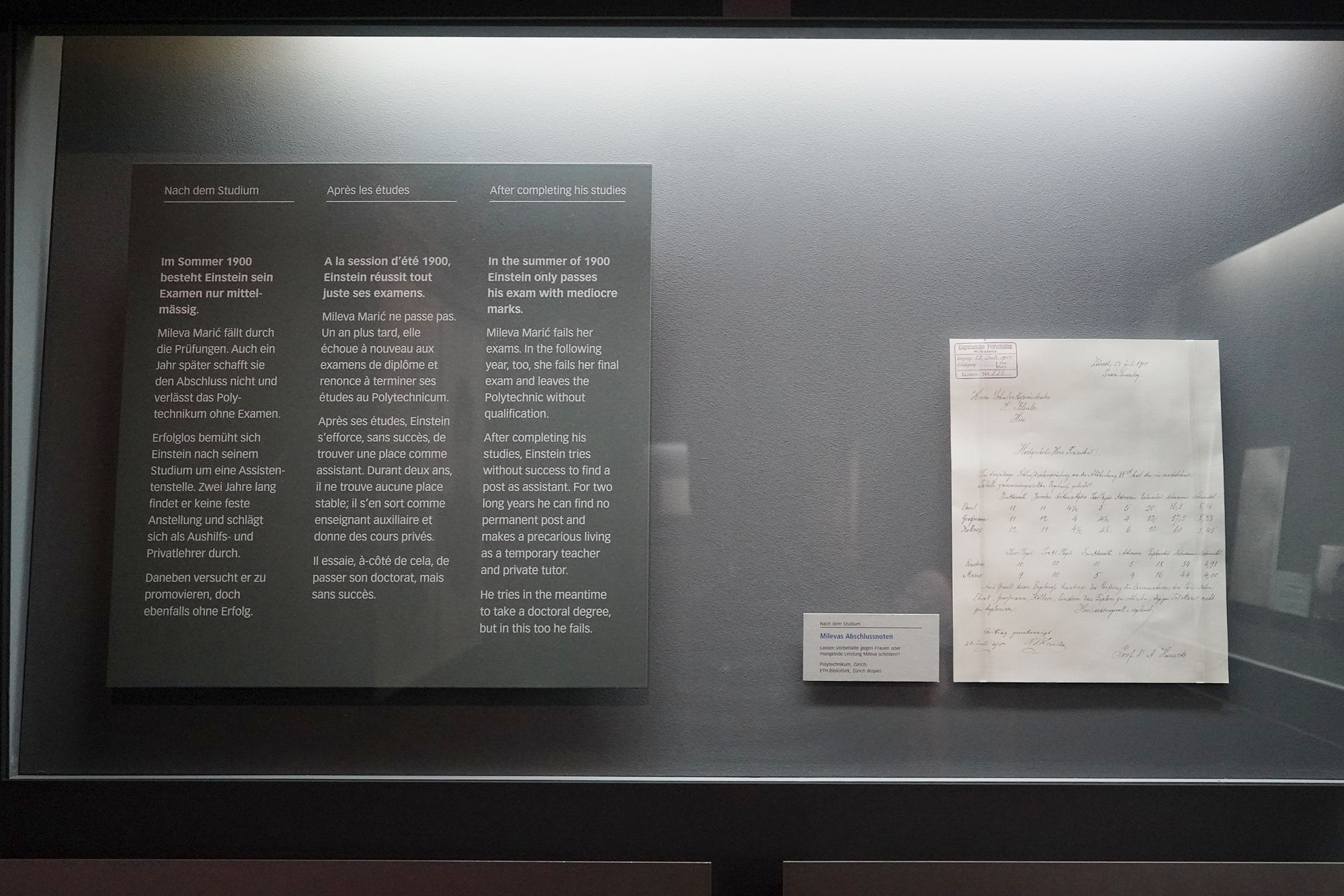
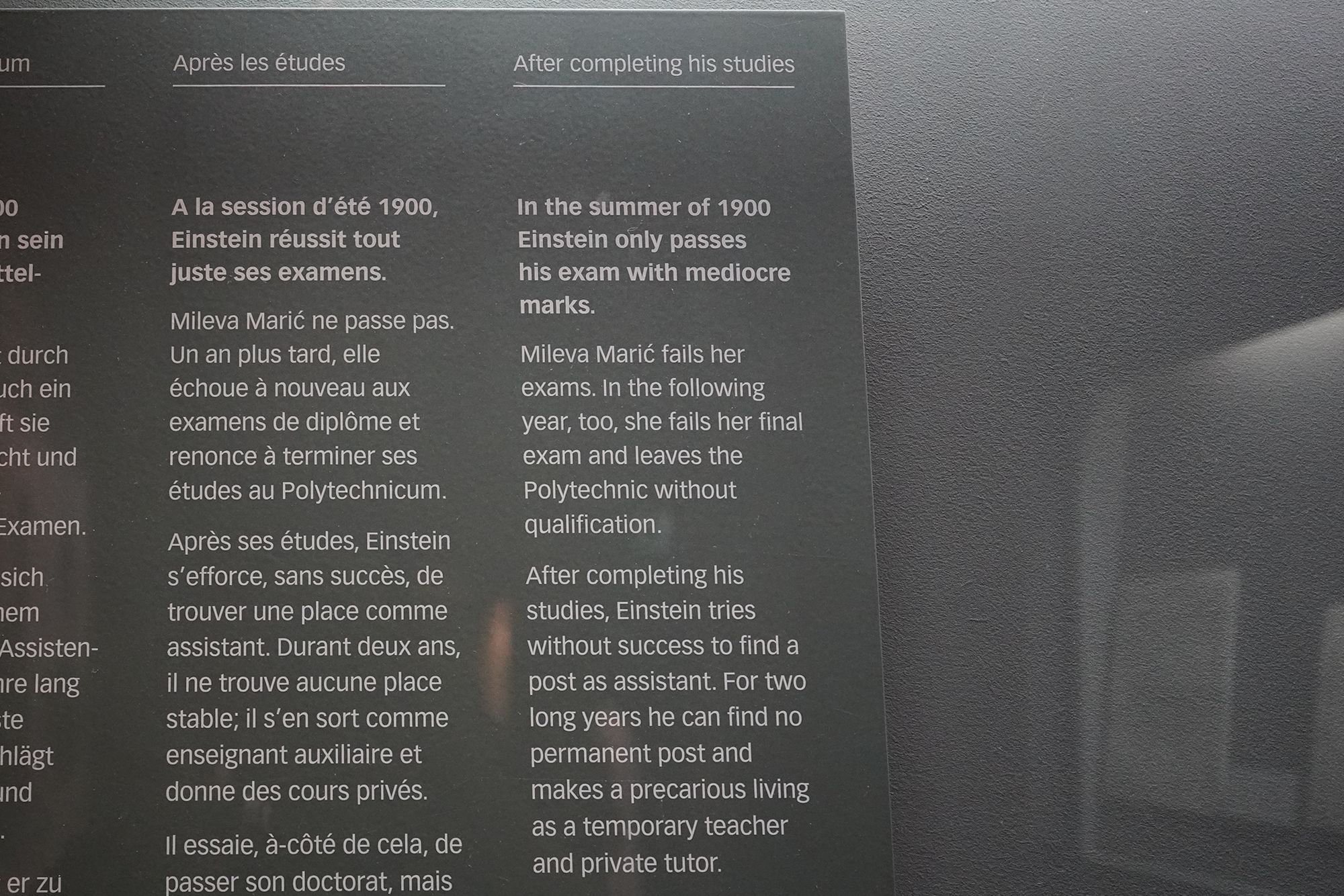
Einstein graduated from the Zürich Polytechnic in 1900, although his final marks were not particularly impressive. He then struggled to find a permanent academic position and spent the next two years supporting himself with temporary teaching and tutoring jobs before eventually finding work in Bern.
At the Patents Office in Bern
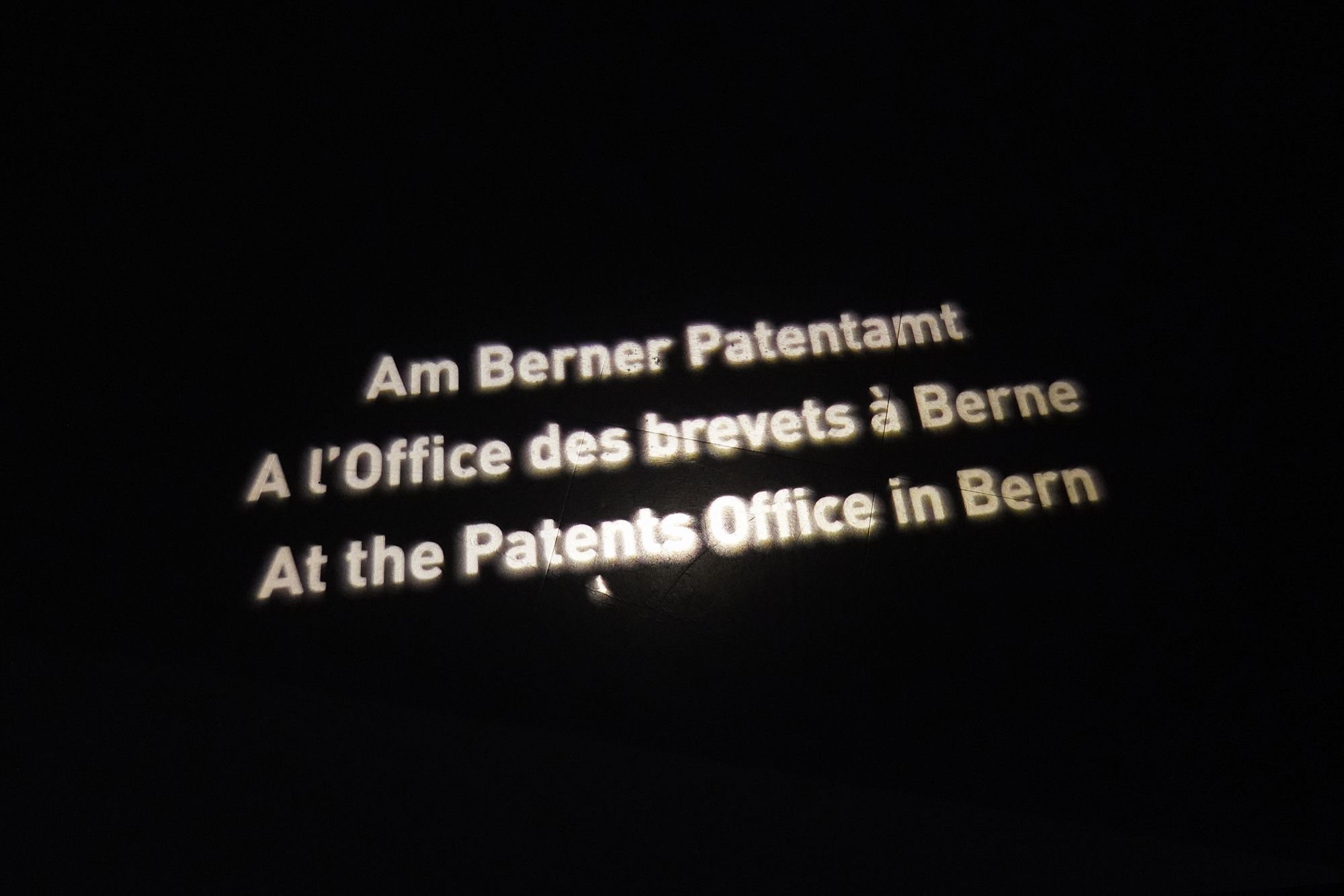
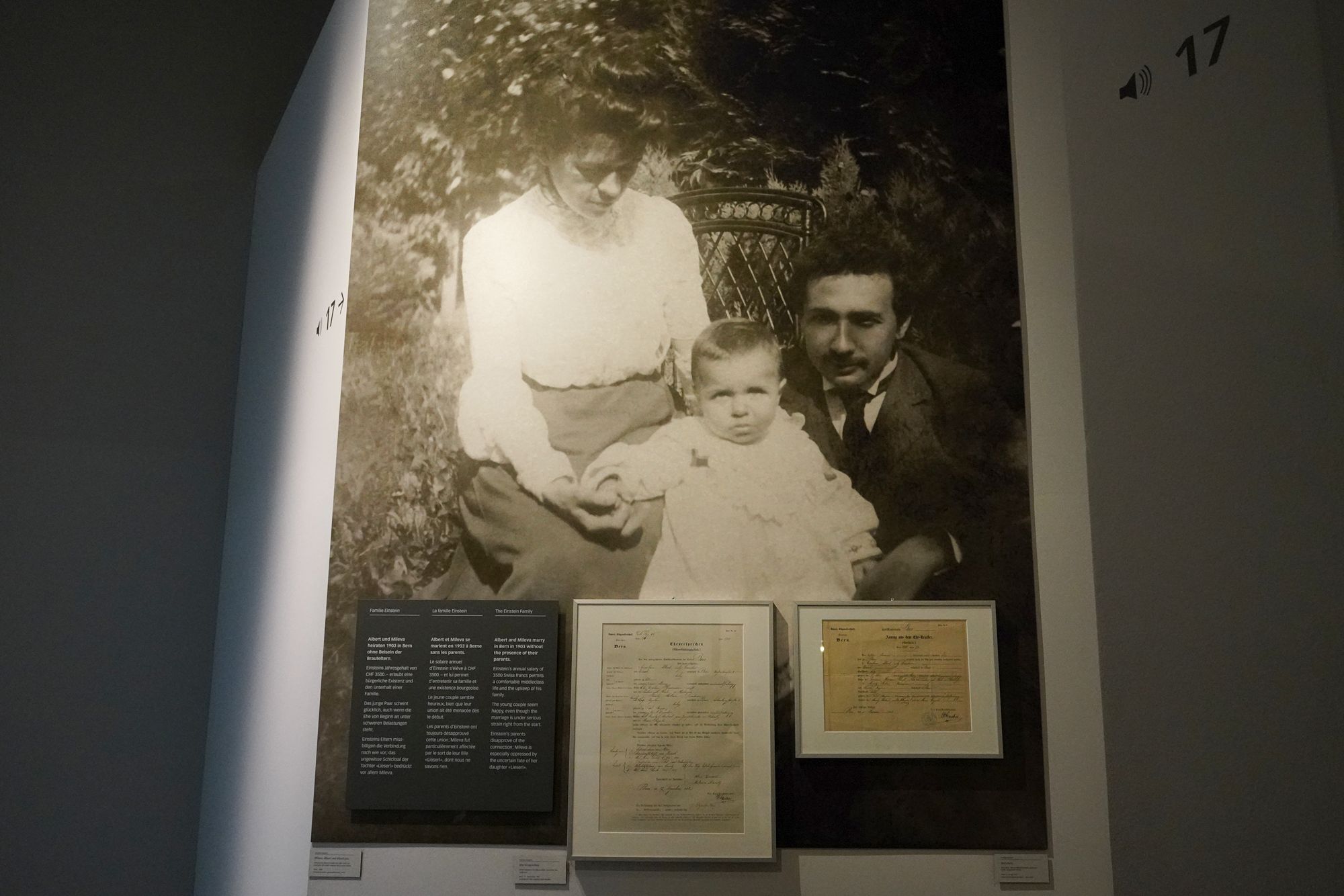
In 1903, Einstein and Mileva married in Bern without either of their families present. With Einstein earning a steady salary at the Swiss Patent Office, they were able to live comfortably, although their marriage faced difficulties from the beginning and Einstein’s parents had opposed their relationship.
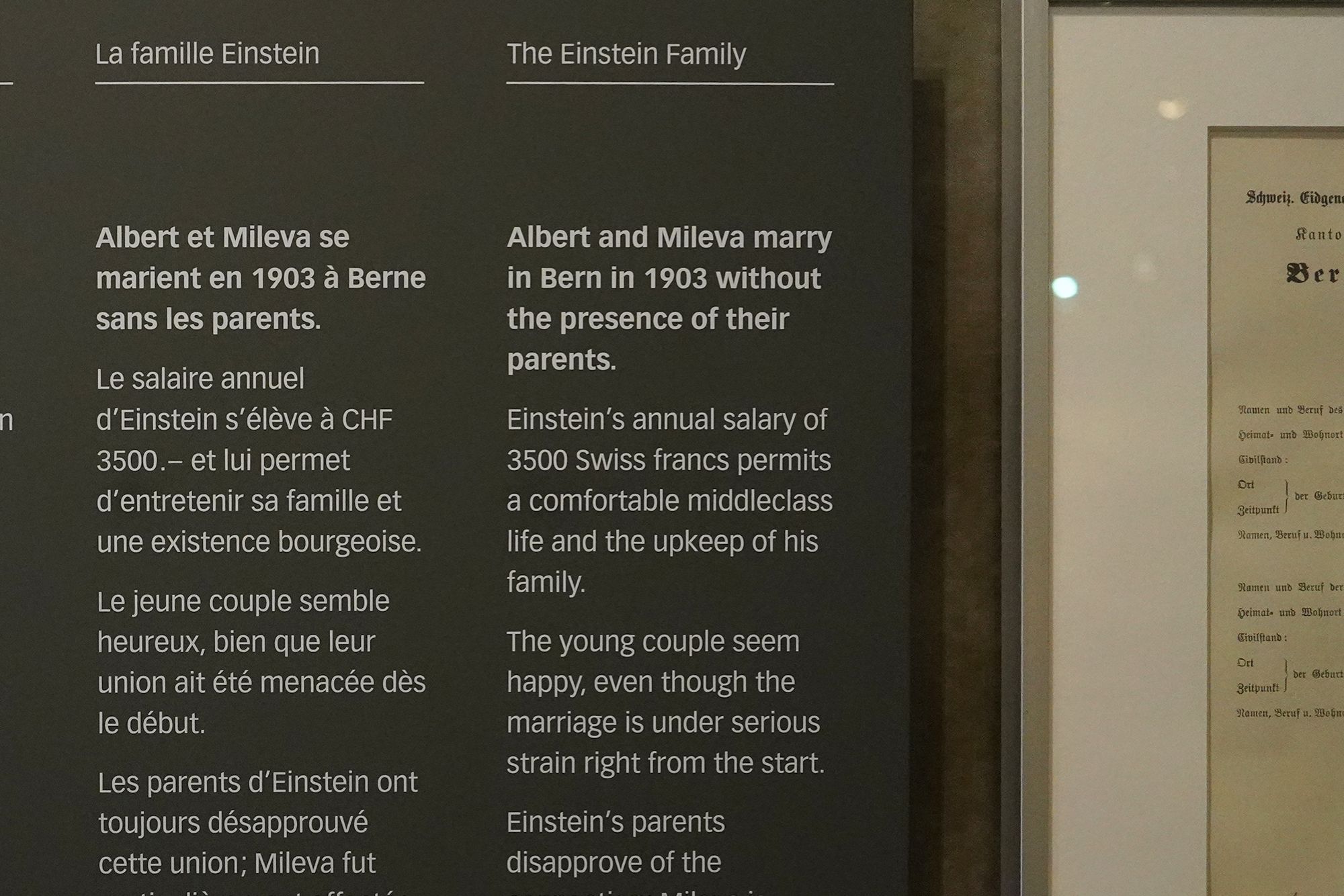
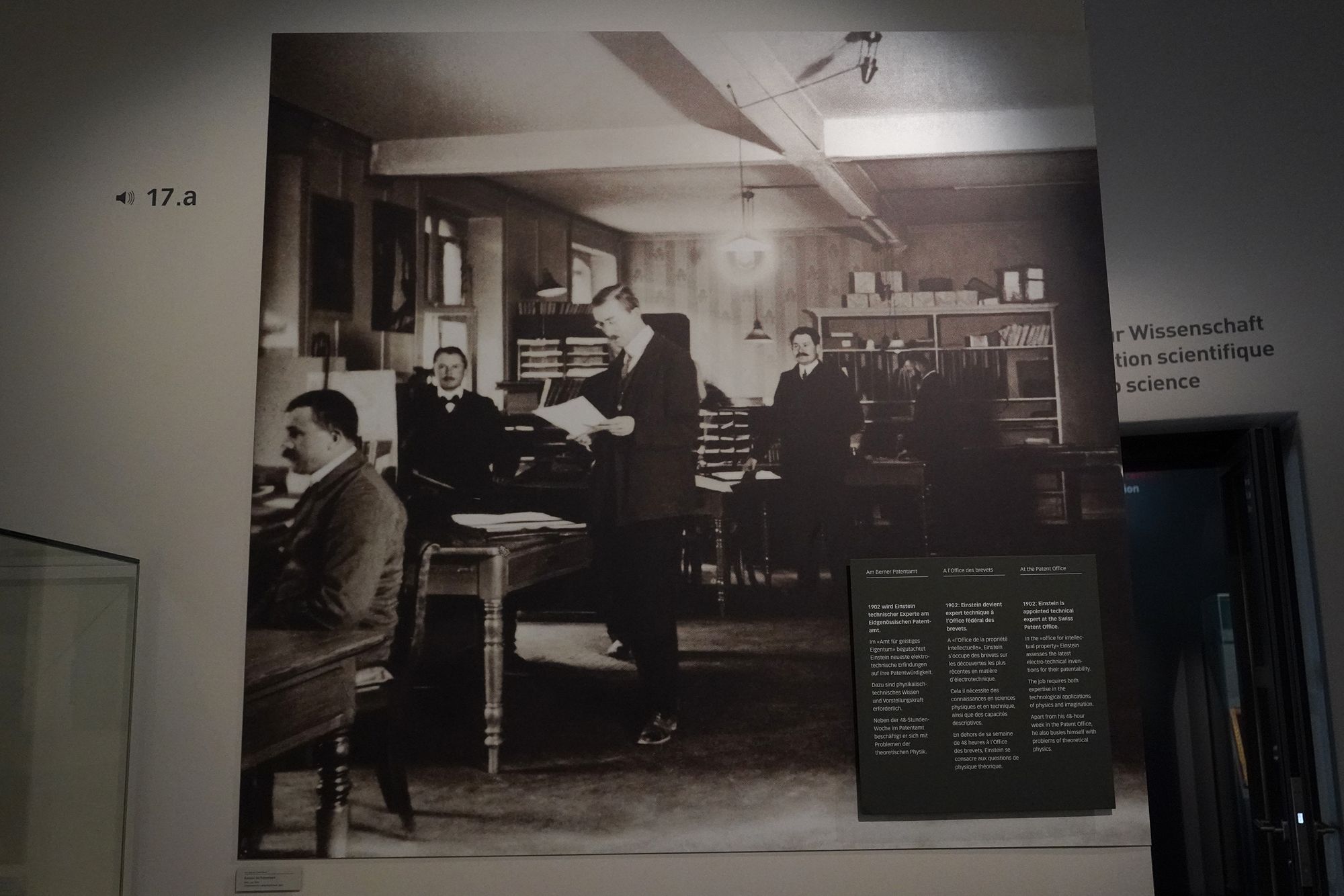
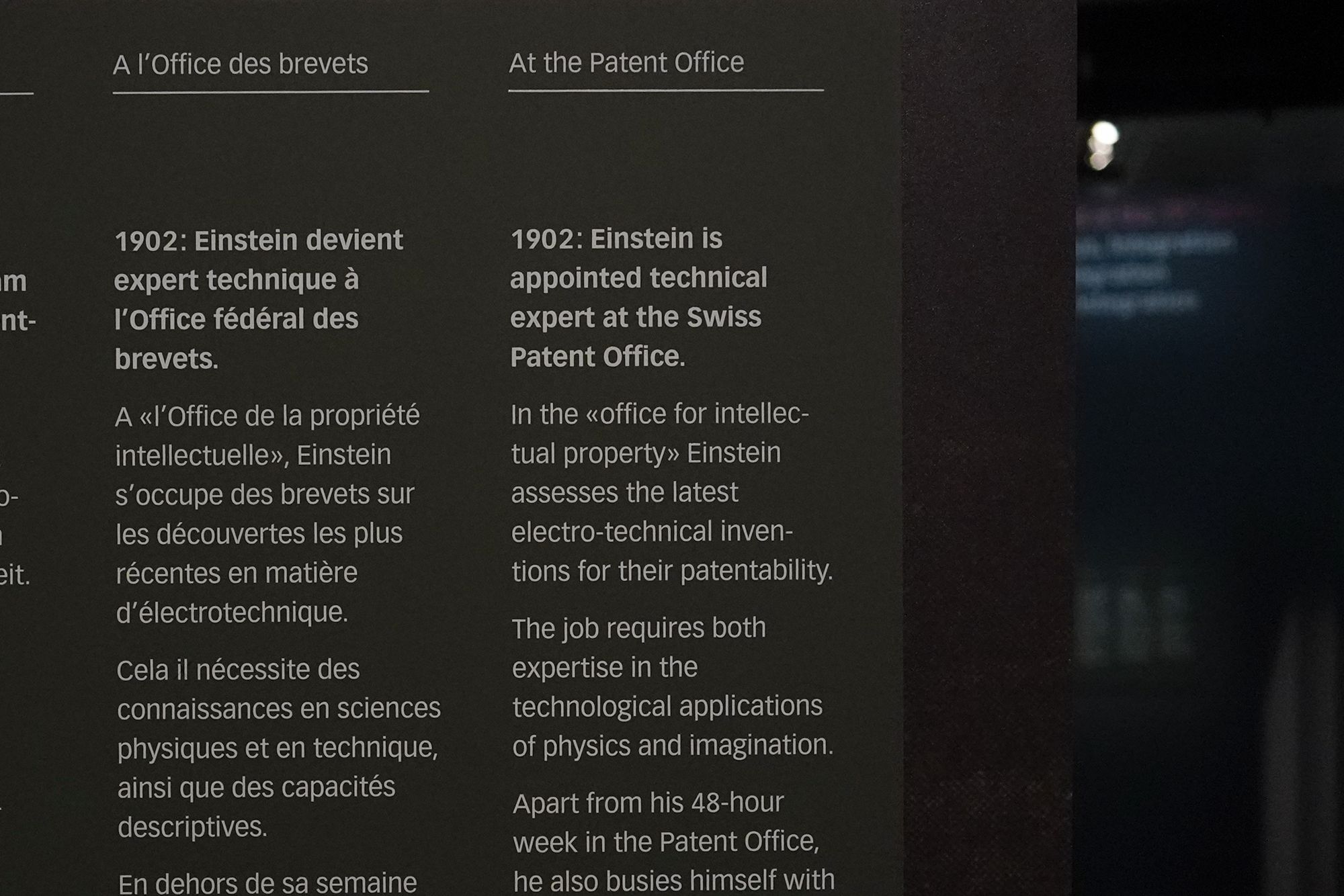
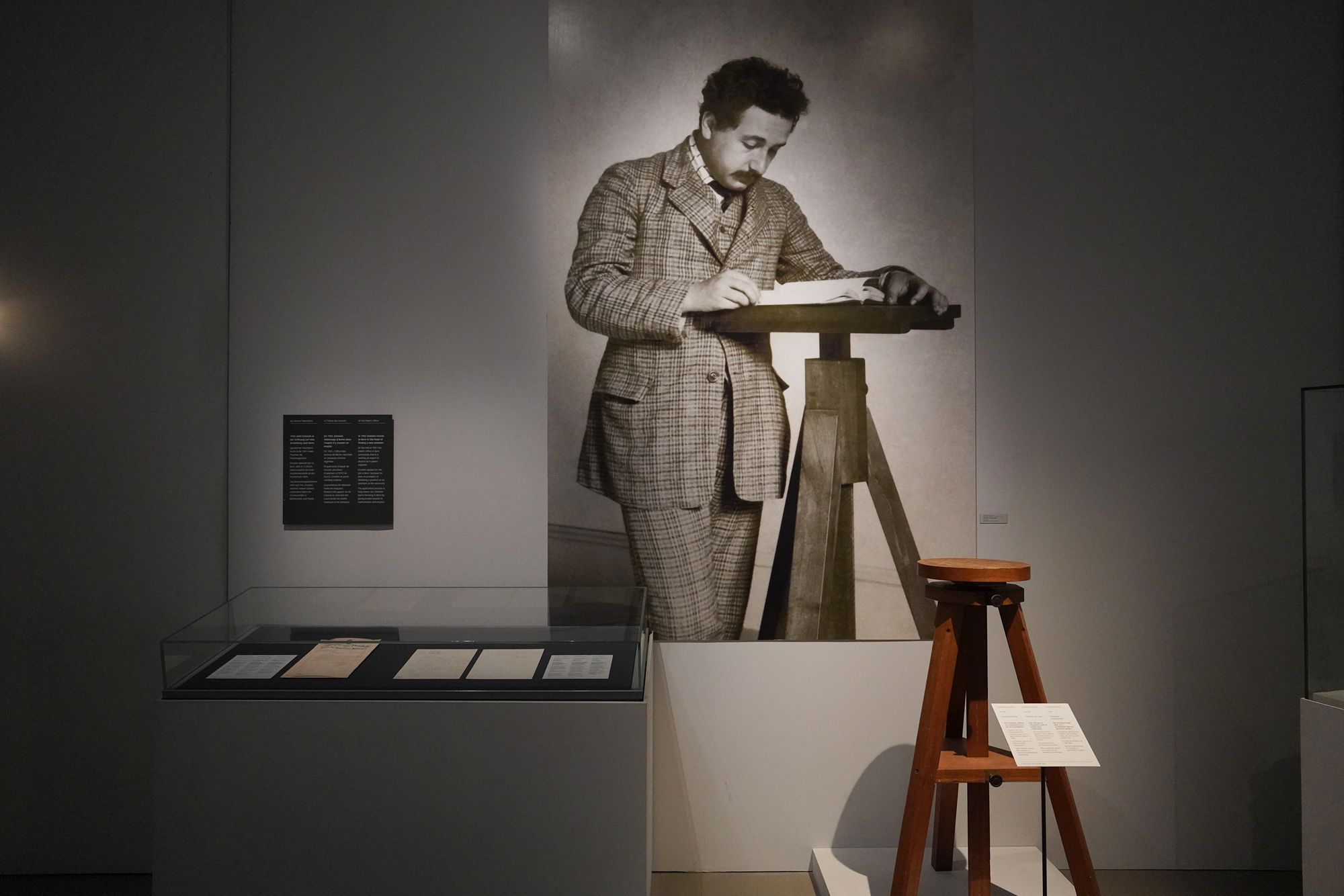
In 1902, Einstein finally found steady work as a technical expert at the Swiss Patent Office in Bern. His job involved evaluating new electrical inventions, combining his knowledge of physics with practical technology. Despite working 48 hours a week, he continued developing his own scientific ideas in his spare time.
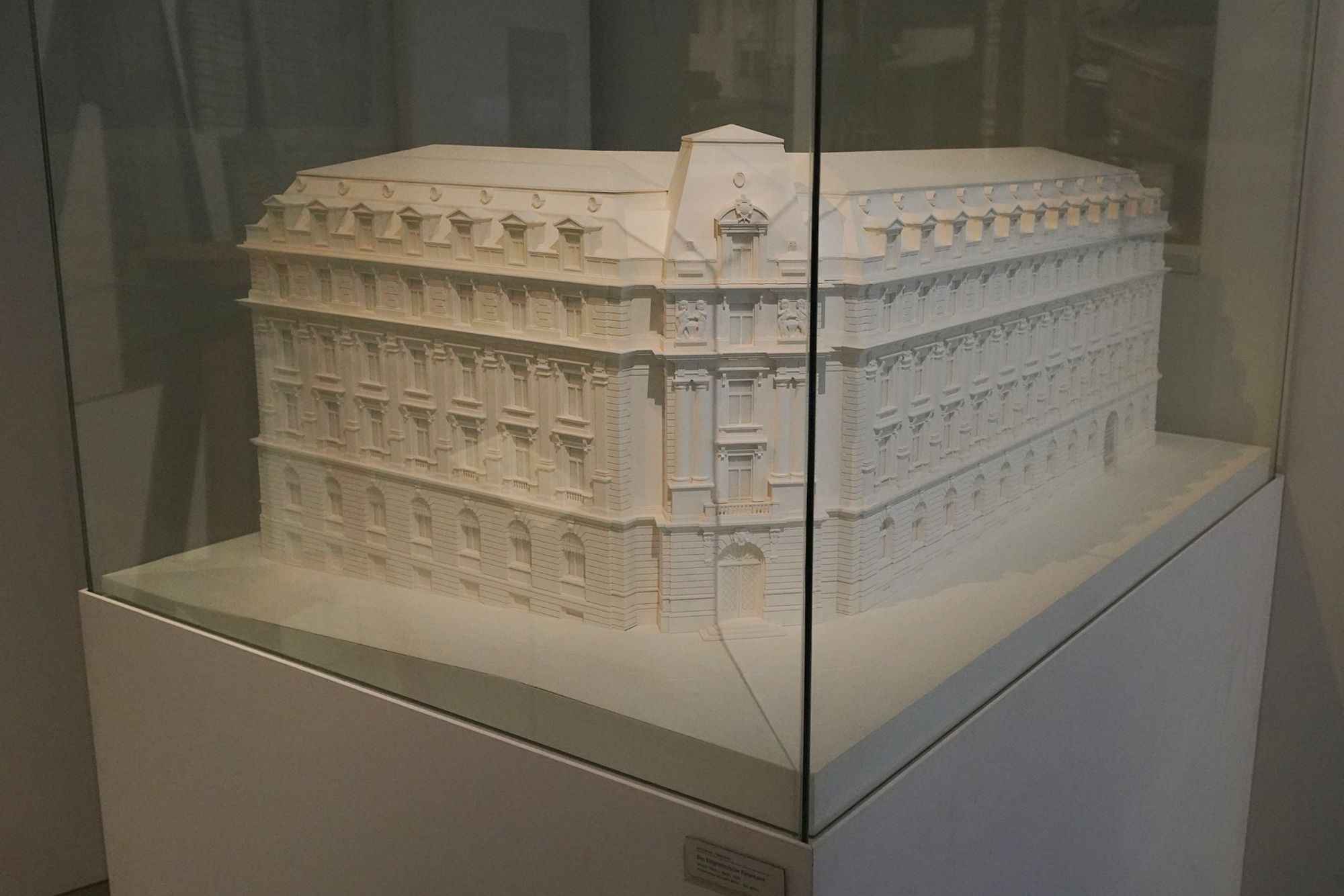
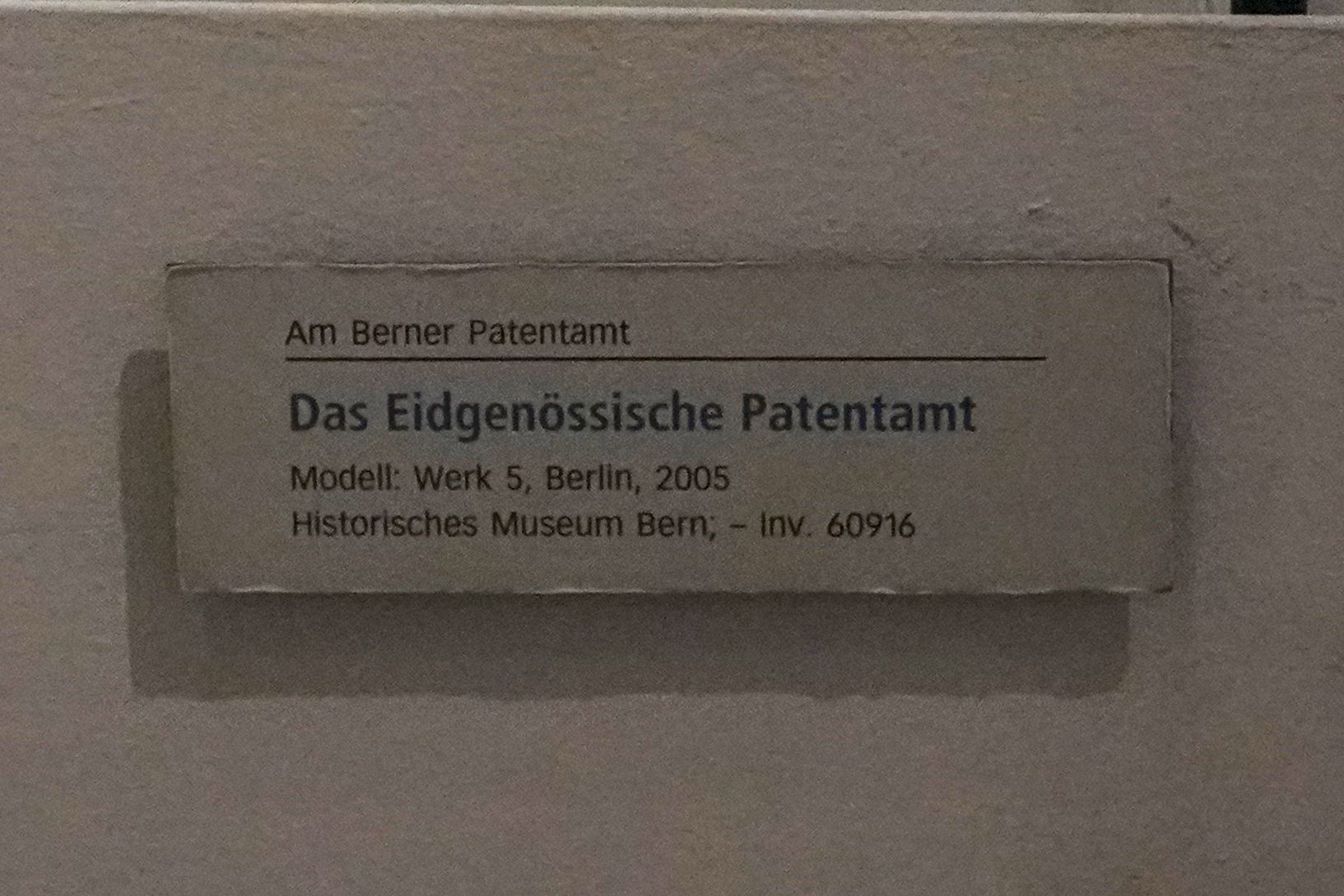
The Patent Office Building (Model)
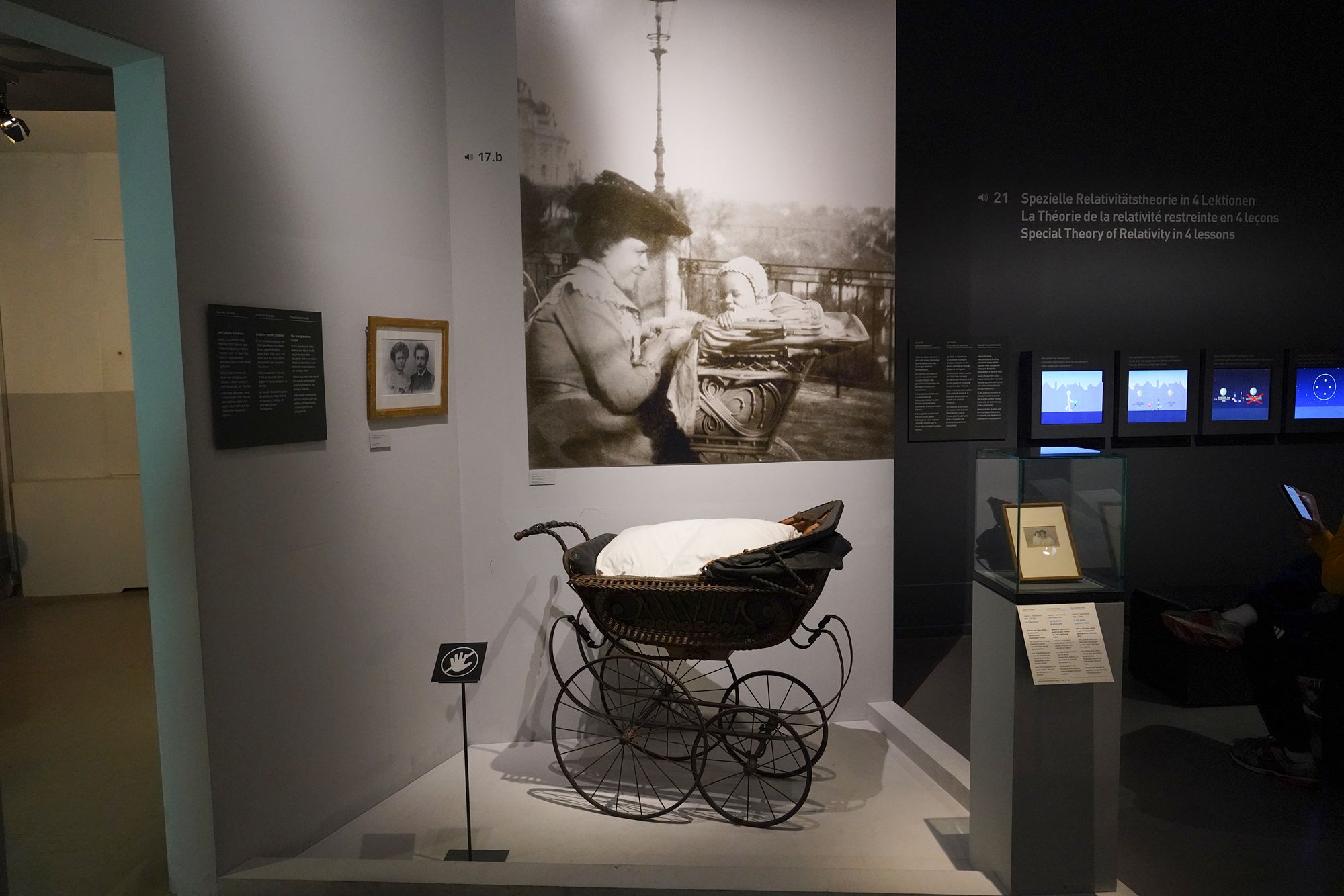
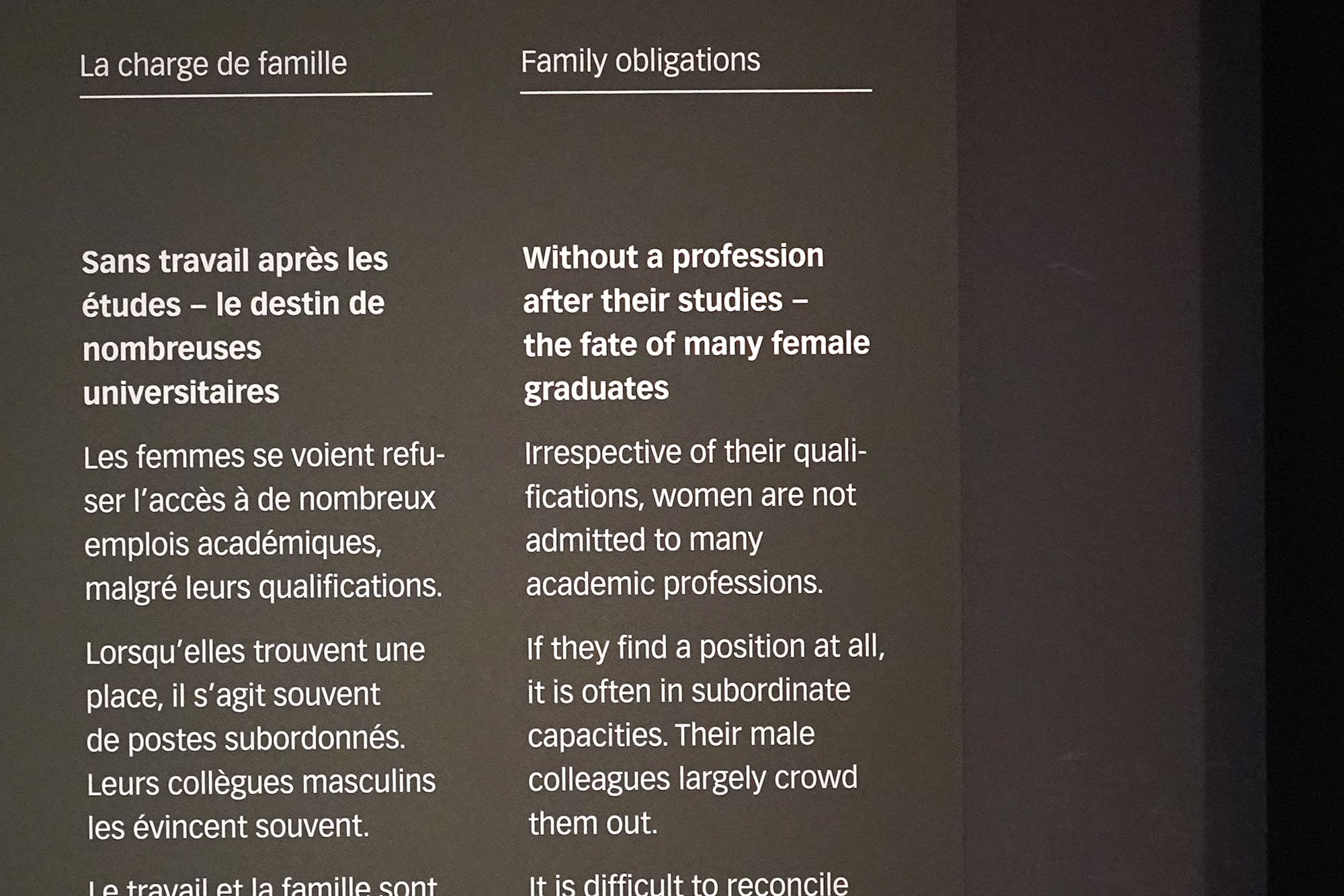
Although women were increasingly able to attend universities, finding a professional career afterward was much more difficult. Many qualified women, including Mileva, faced limited opportunities in academic and scientific careers and were also expected to take responsibility for marriage, children, and the home.
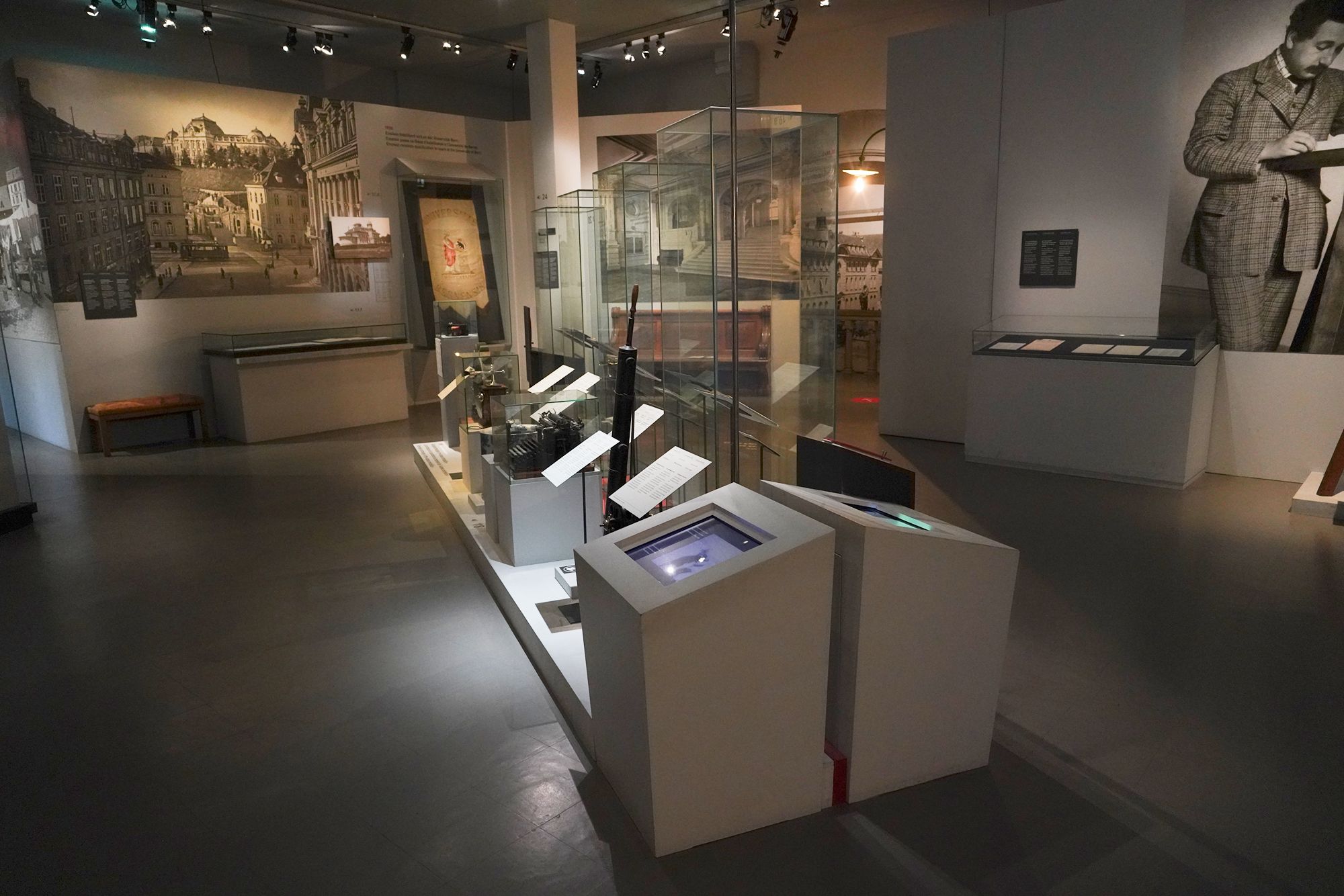
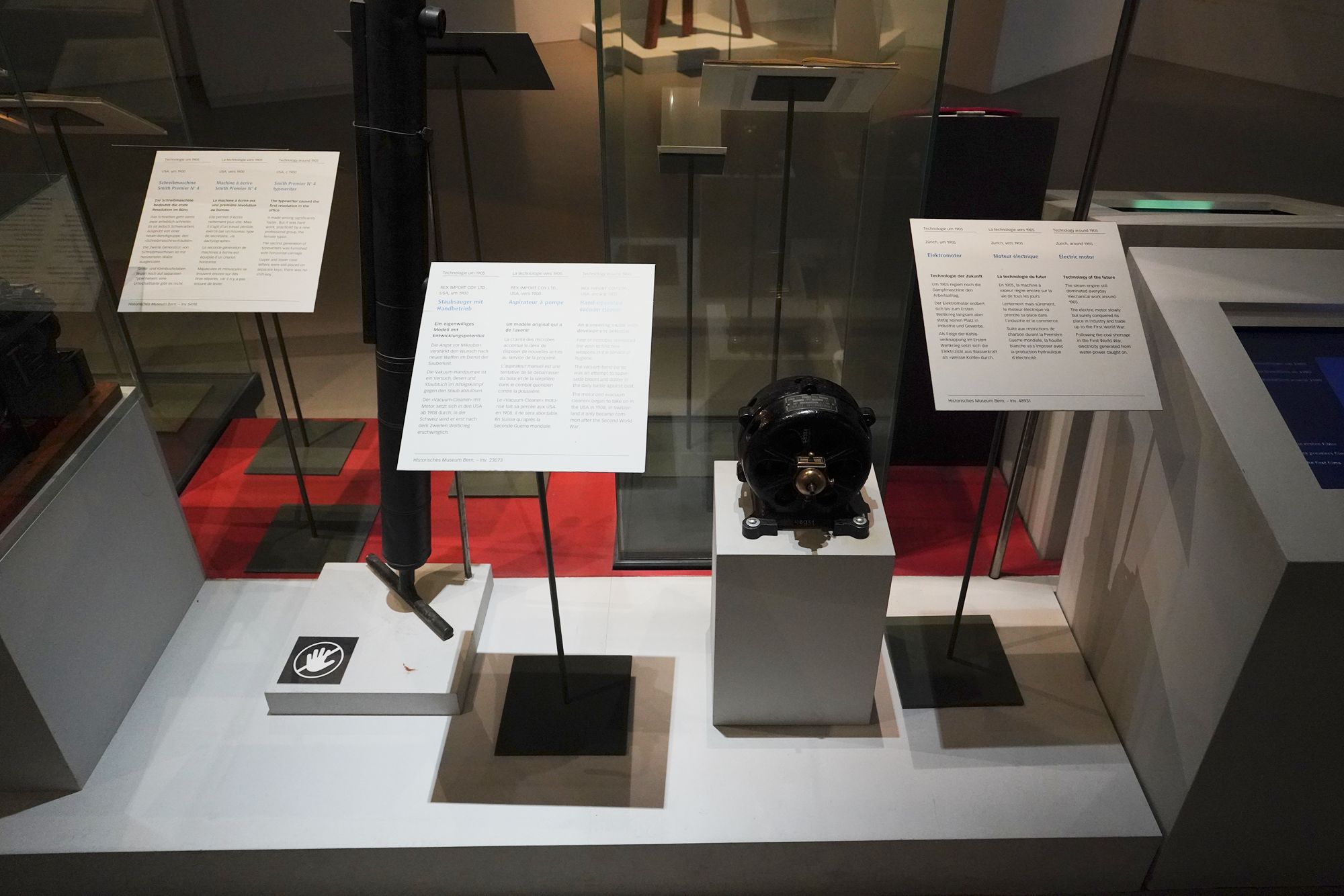
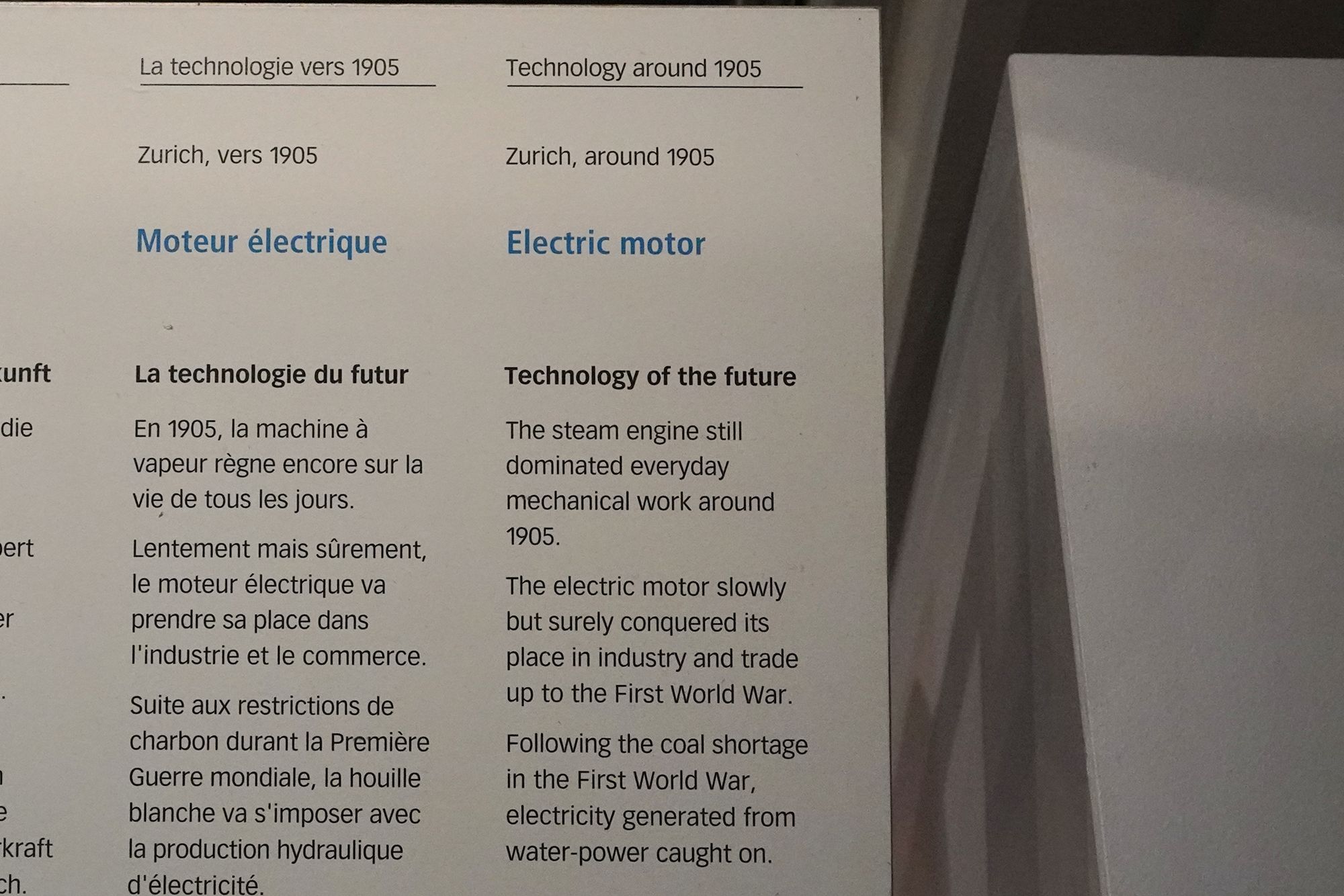
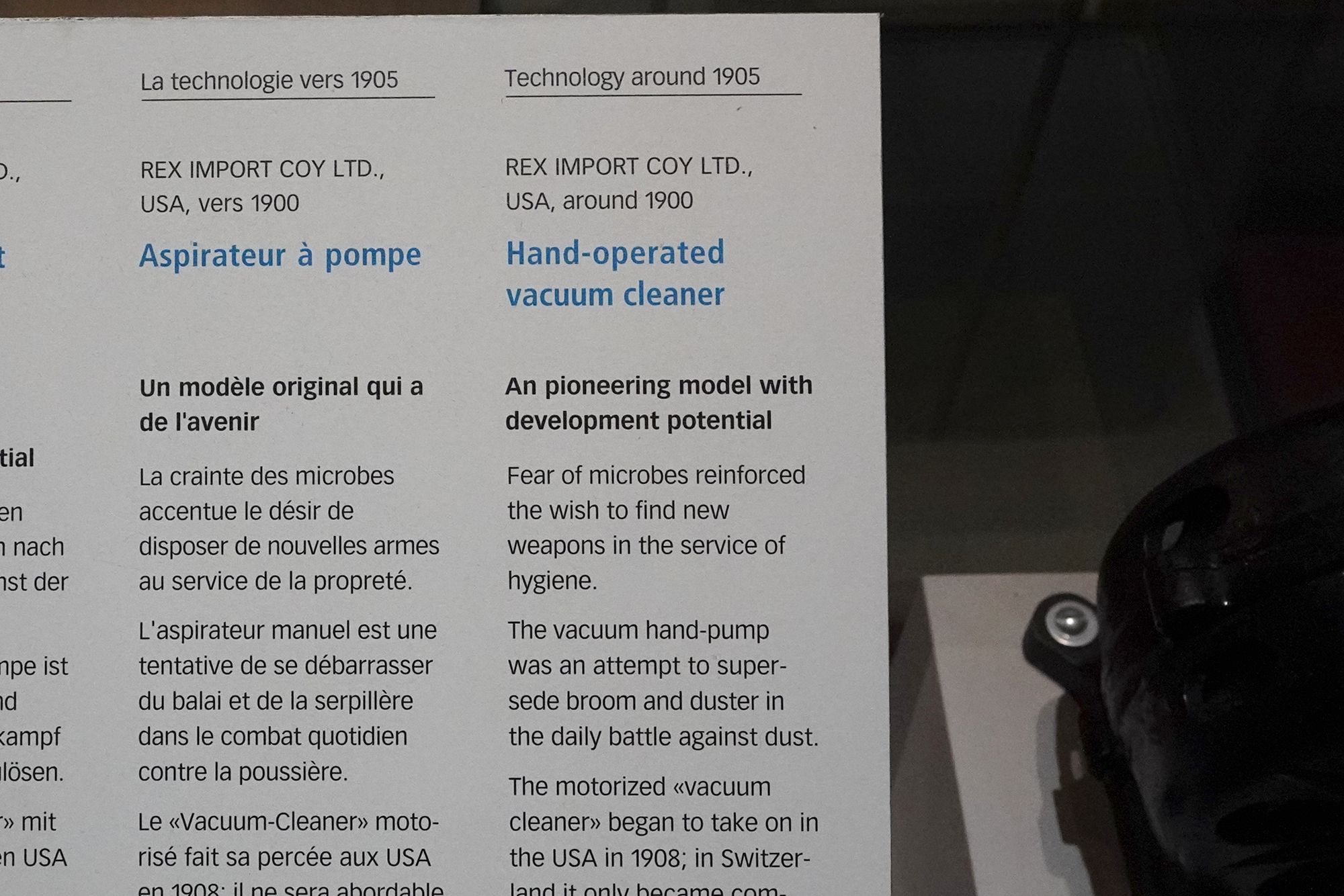
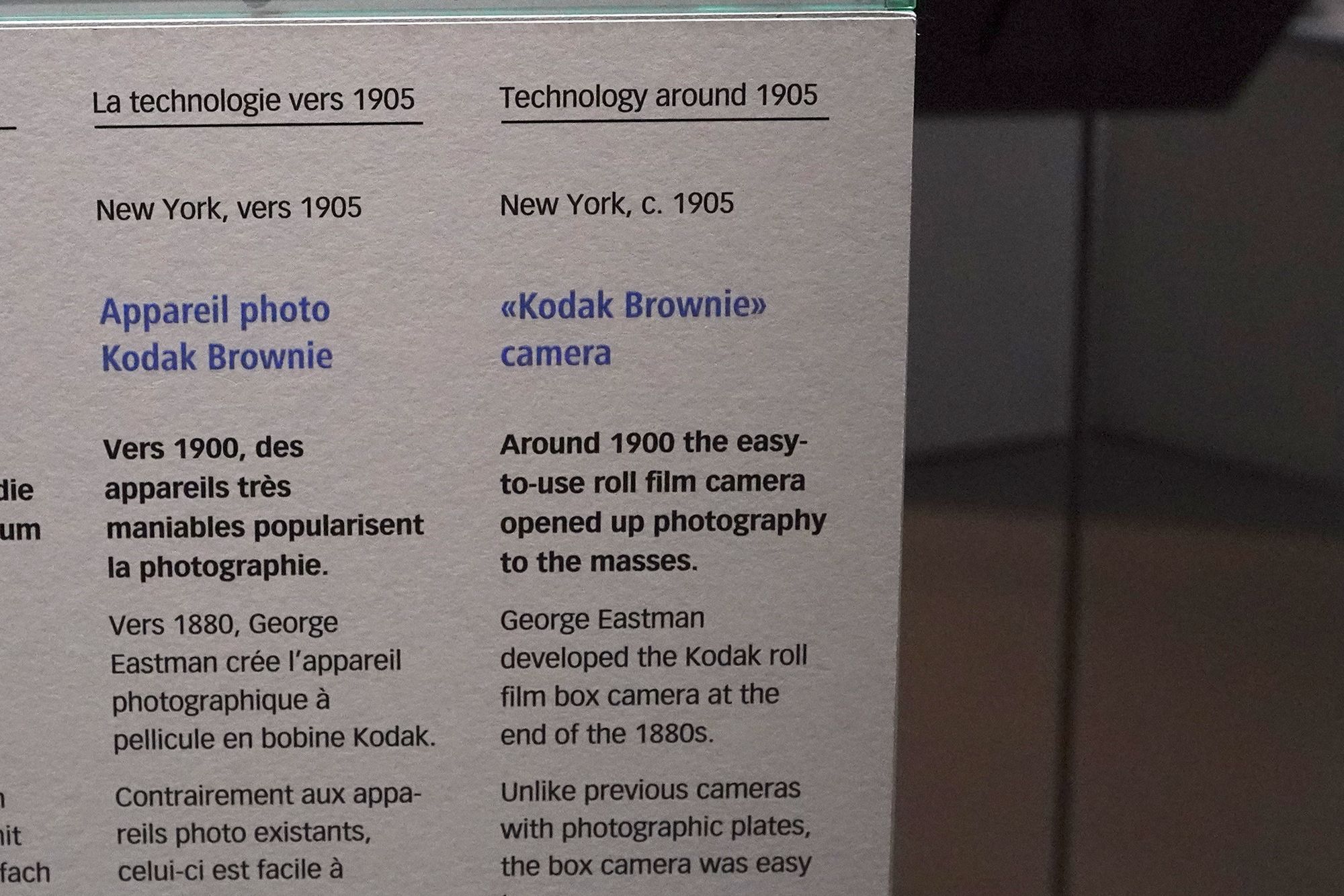
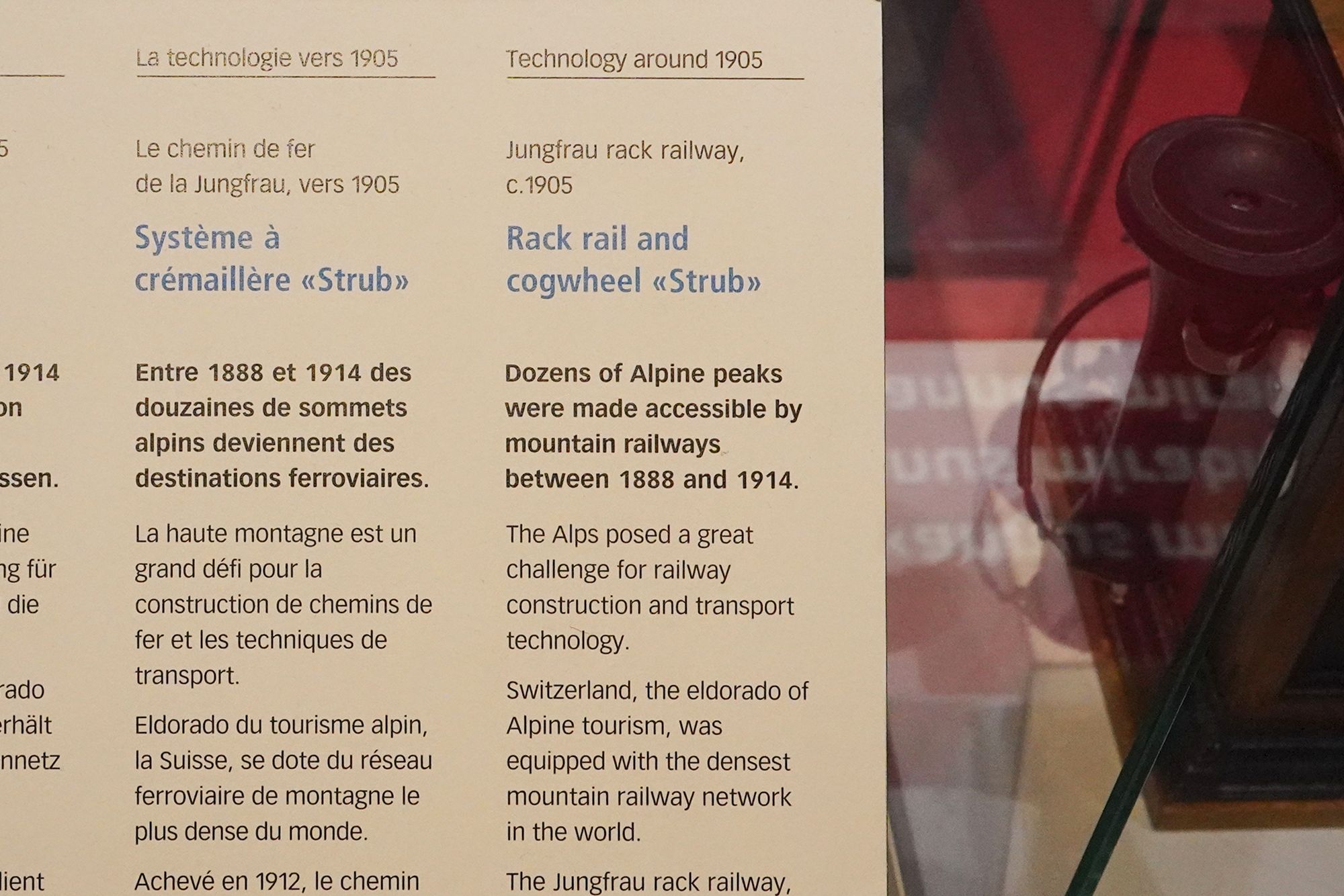
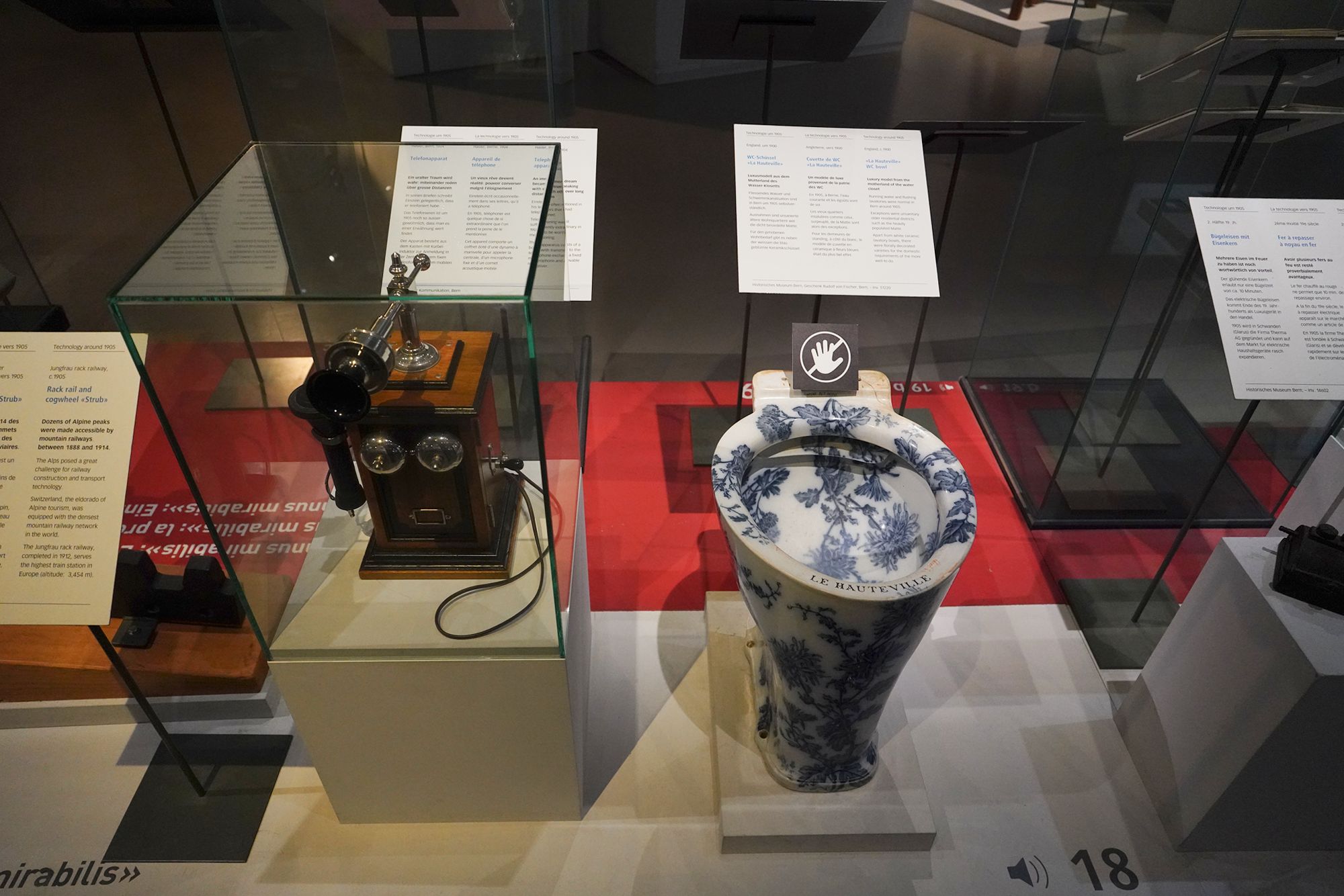
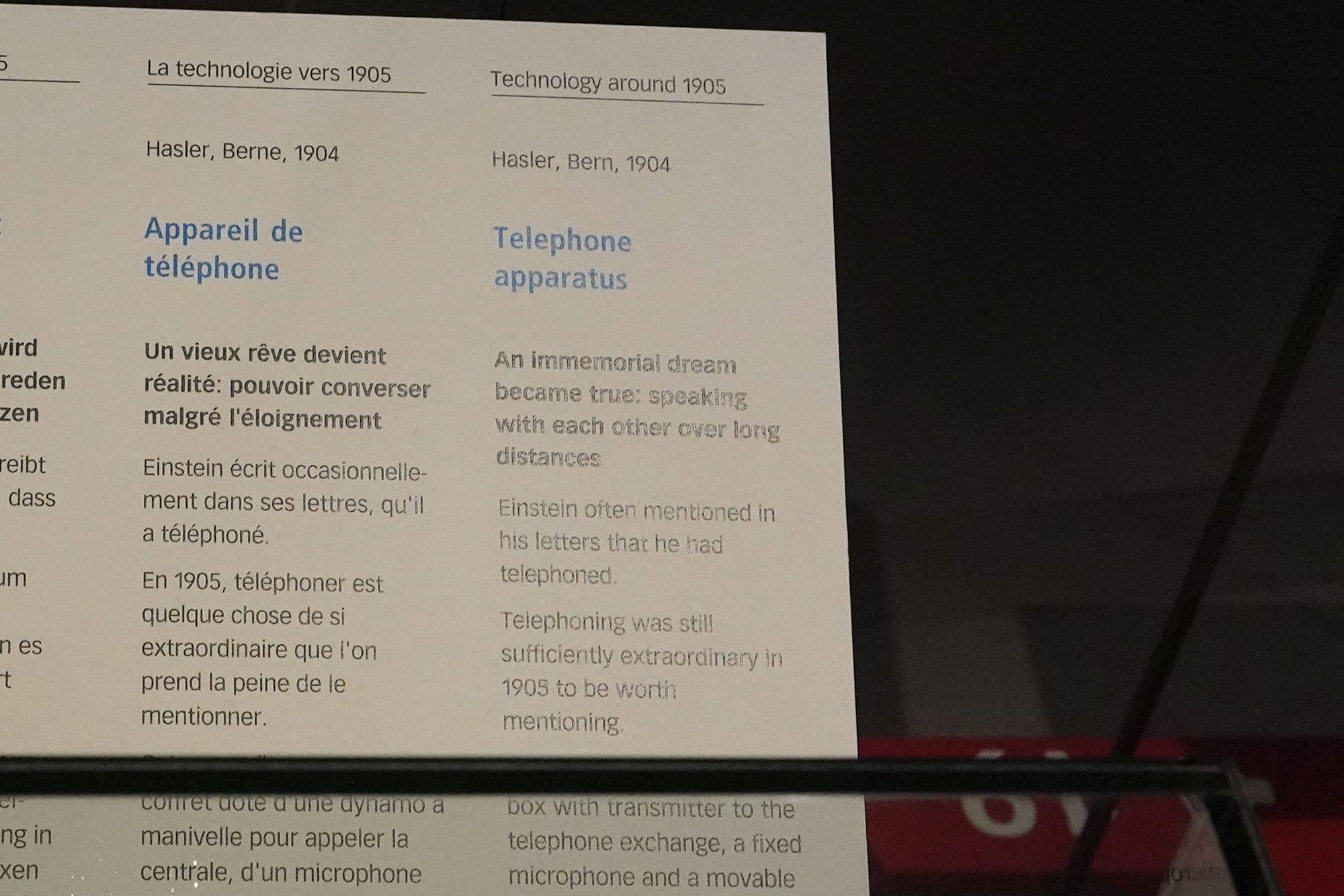
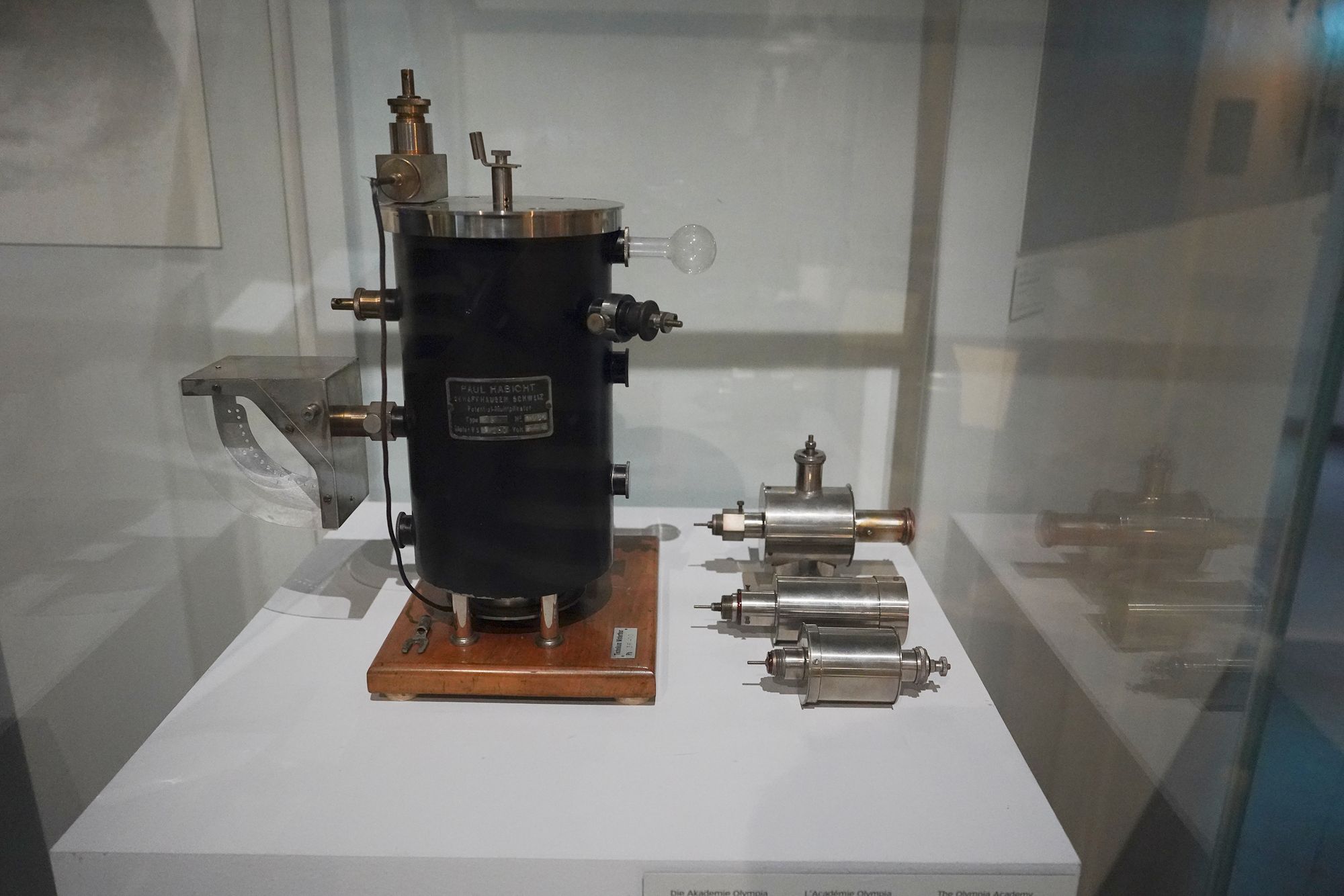
Einstein lived during a remarkable period of technological change. Electricity was spreading through cities, while inventions such as the telephone, electric light, automobile, phonograph, motion pictures, and radio were beginning to transform everyday life. His work at the Patent Office placed him directly in this rapidly changing technological world.
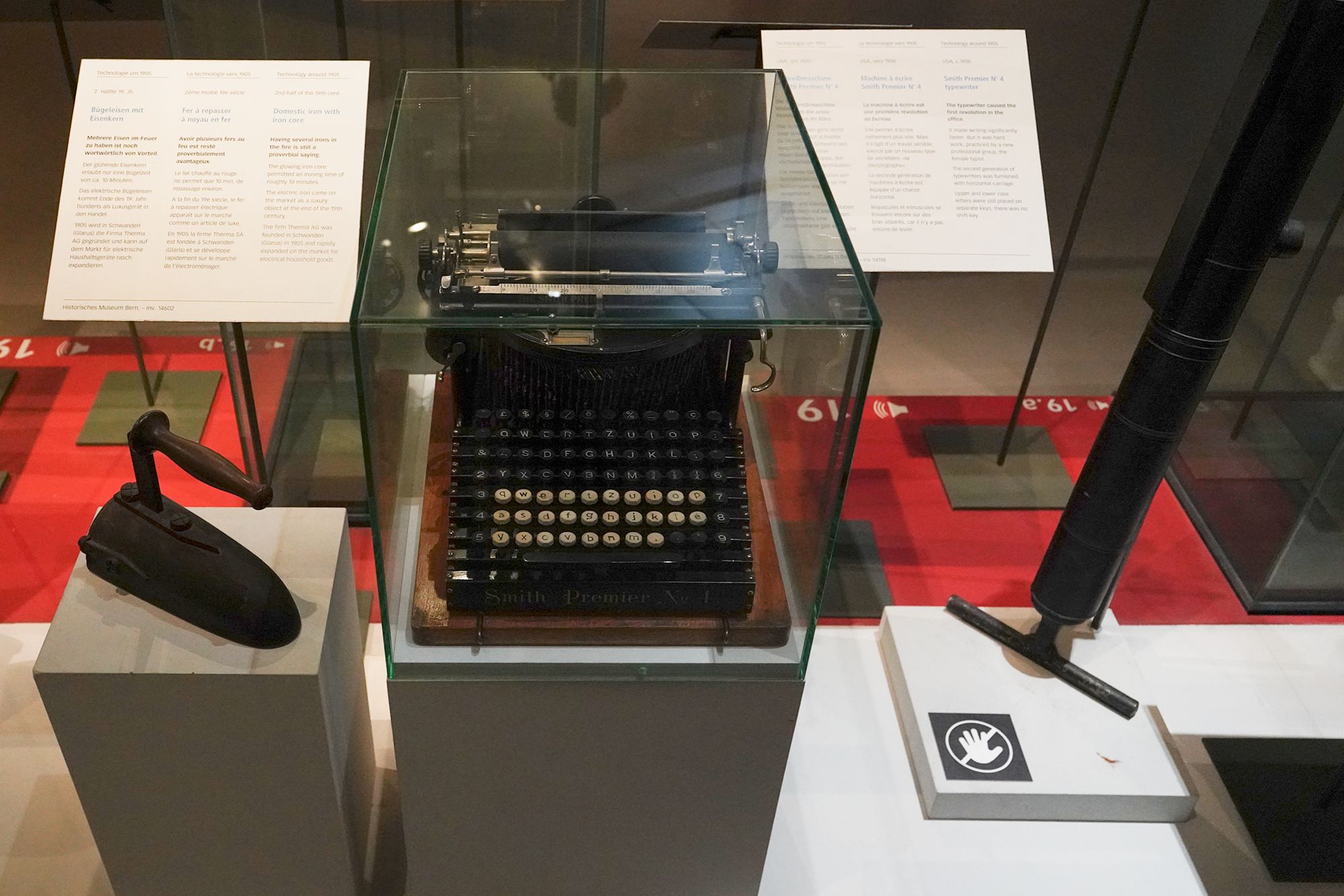
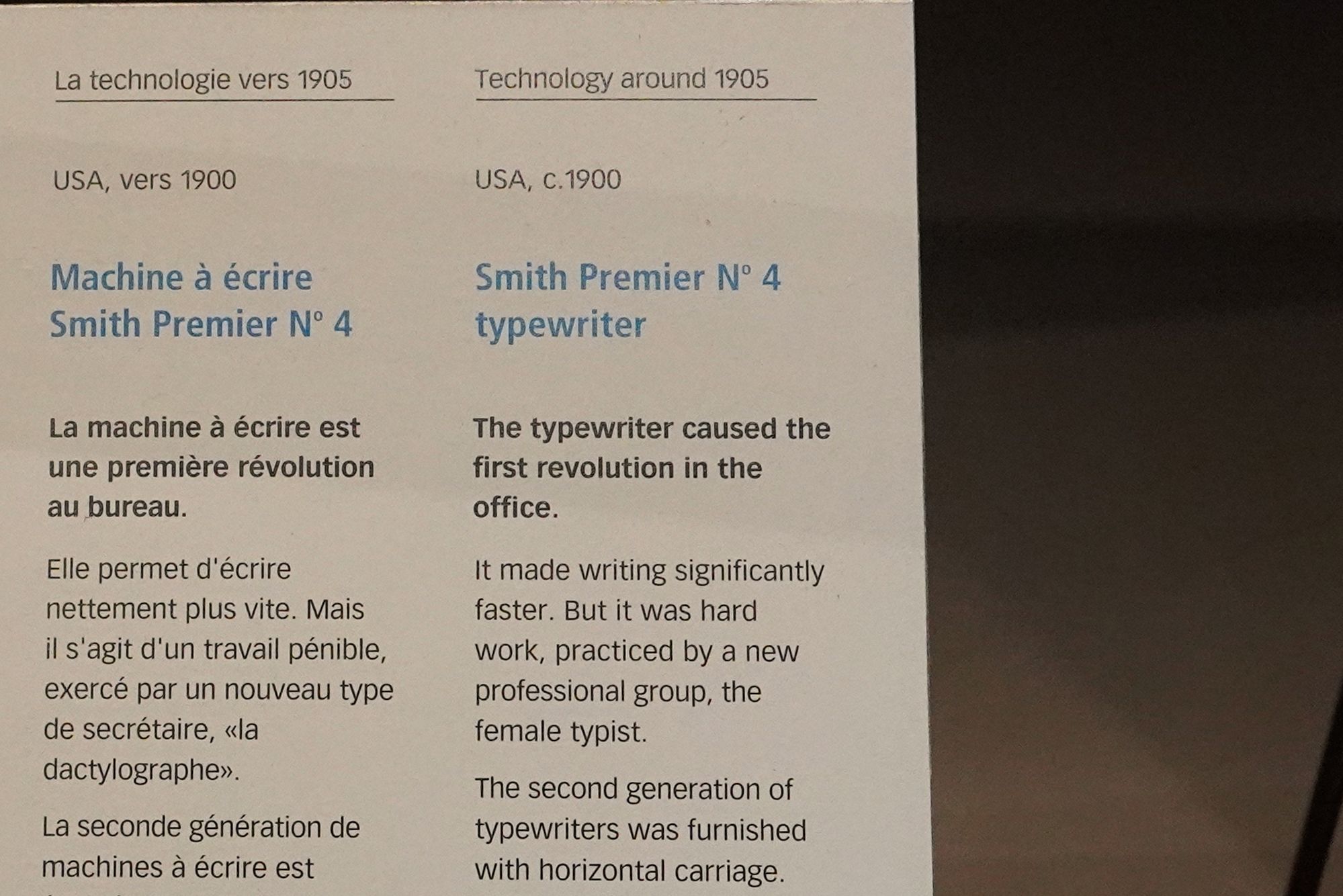
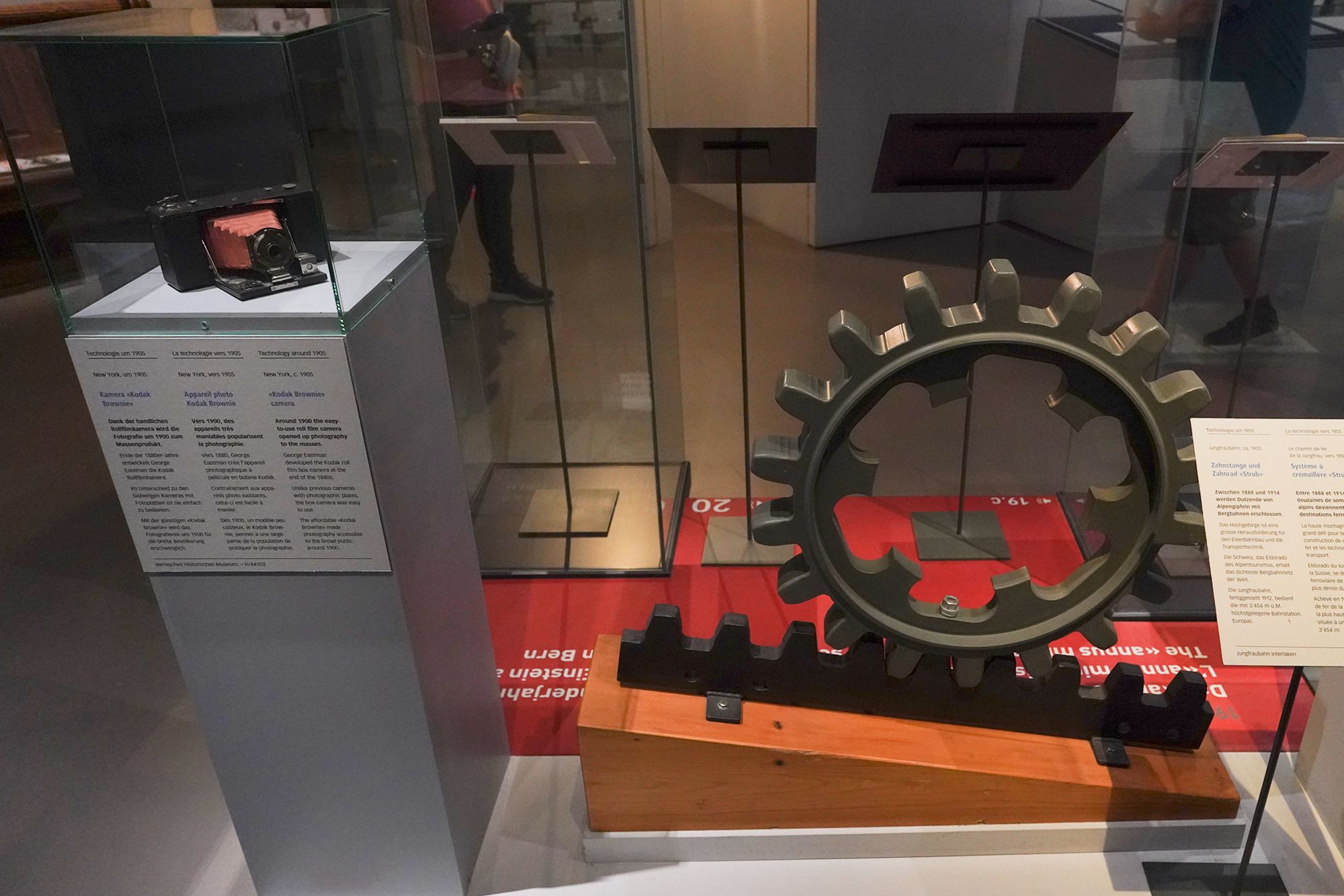
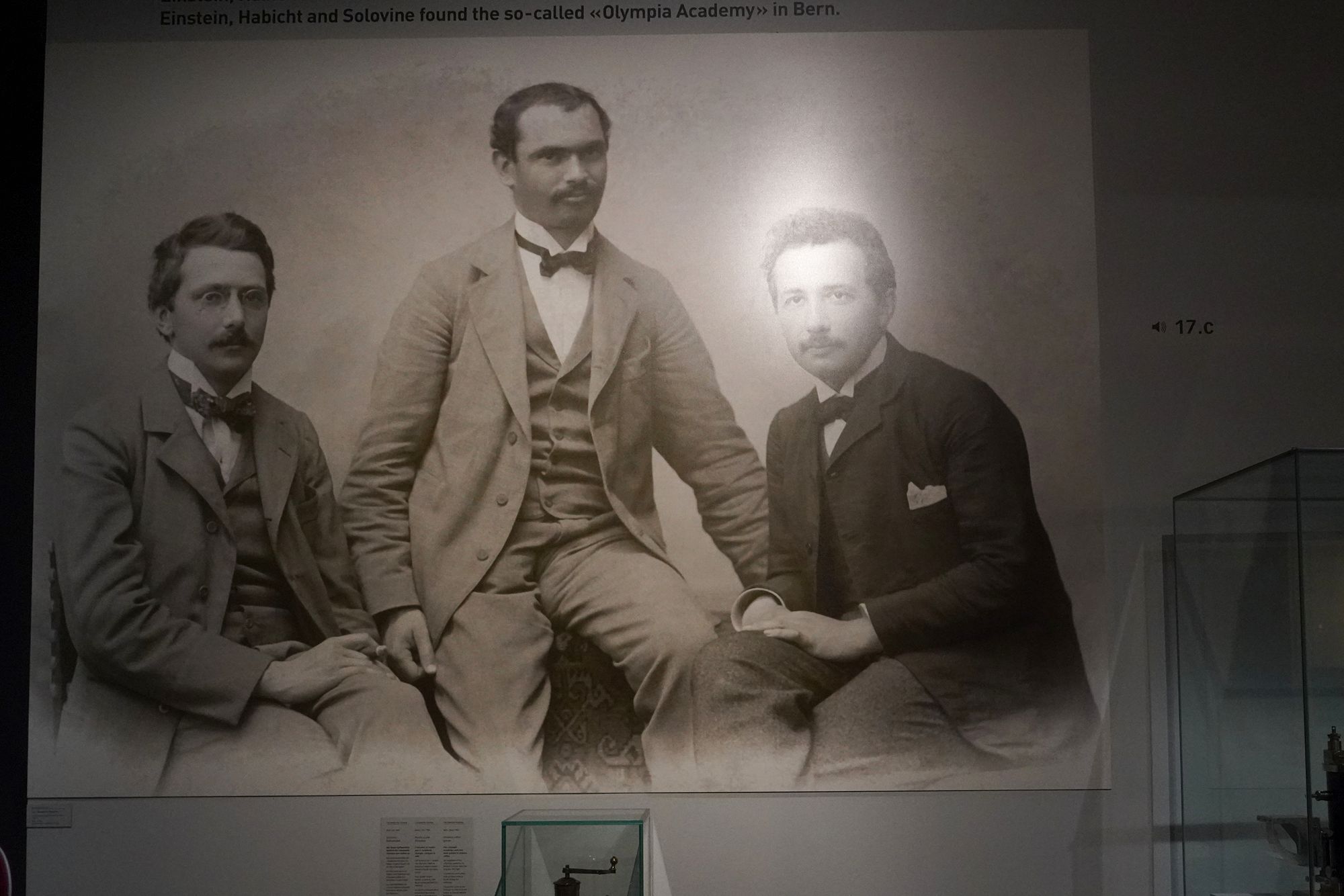
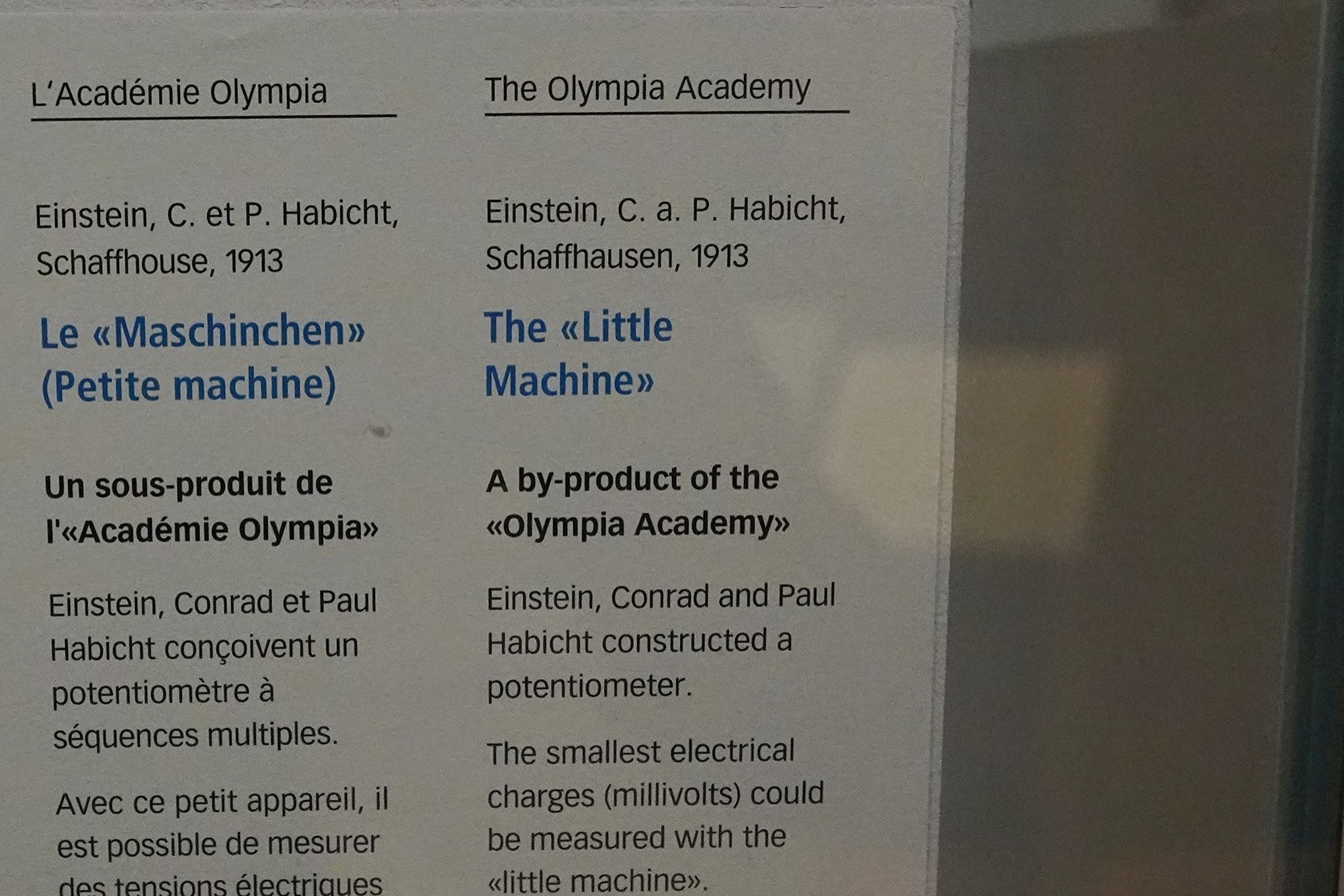
While working at the Patent Office in Bern, Einstein continued developing his own scientific ideas. In 1905, he introduced his Special Theory of Relativity, fundamentally changing our understanding of space and time and establishing the speed of light as a constant of nature.
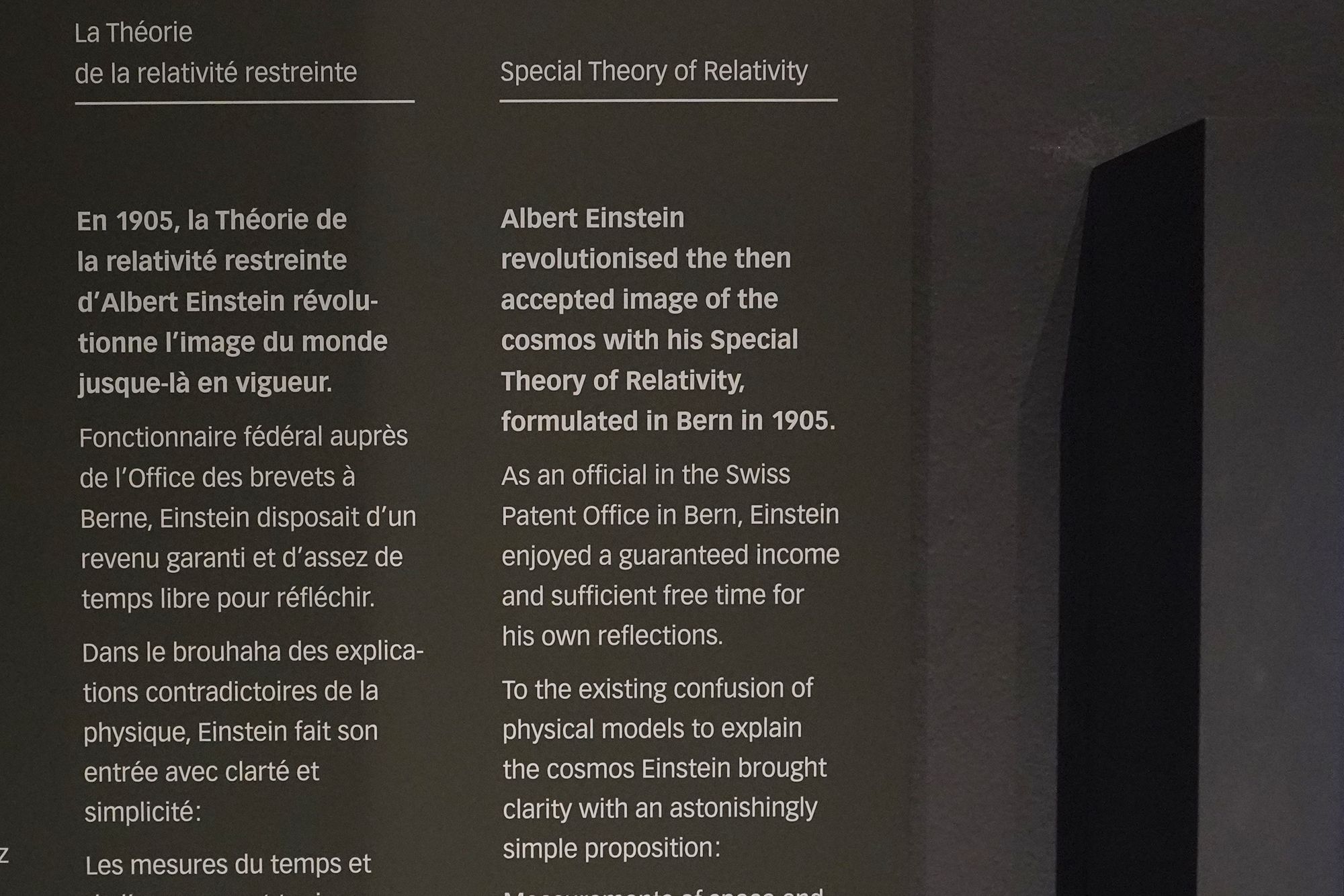
The year 1905 became Einstein’s “Annus Mirabilis,” or miracle year. While still working at the Swiss Patent Office in Bern, he produced five pioneering scientific papers within just a few months, including his groundbreaking work on the photoelectric effect, Brownian motion, special relativity, and the relationship between mass and energy.
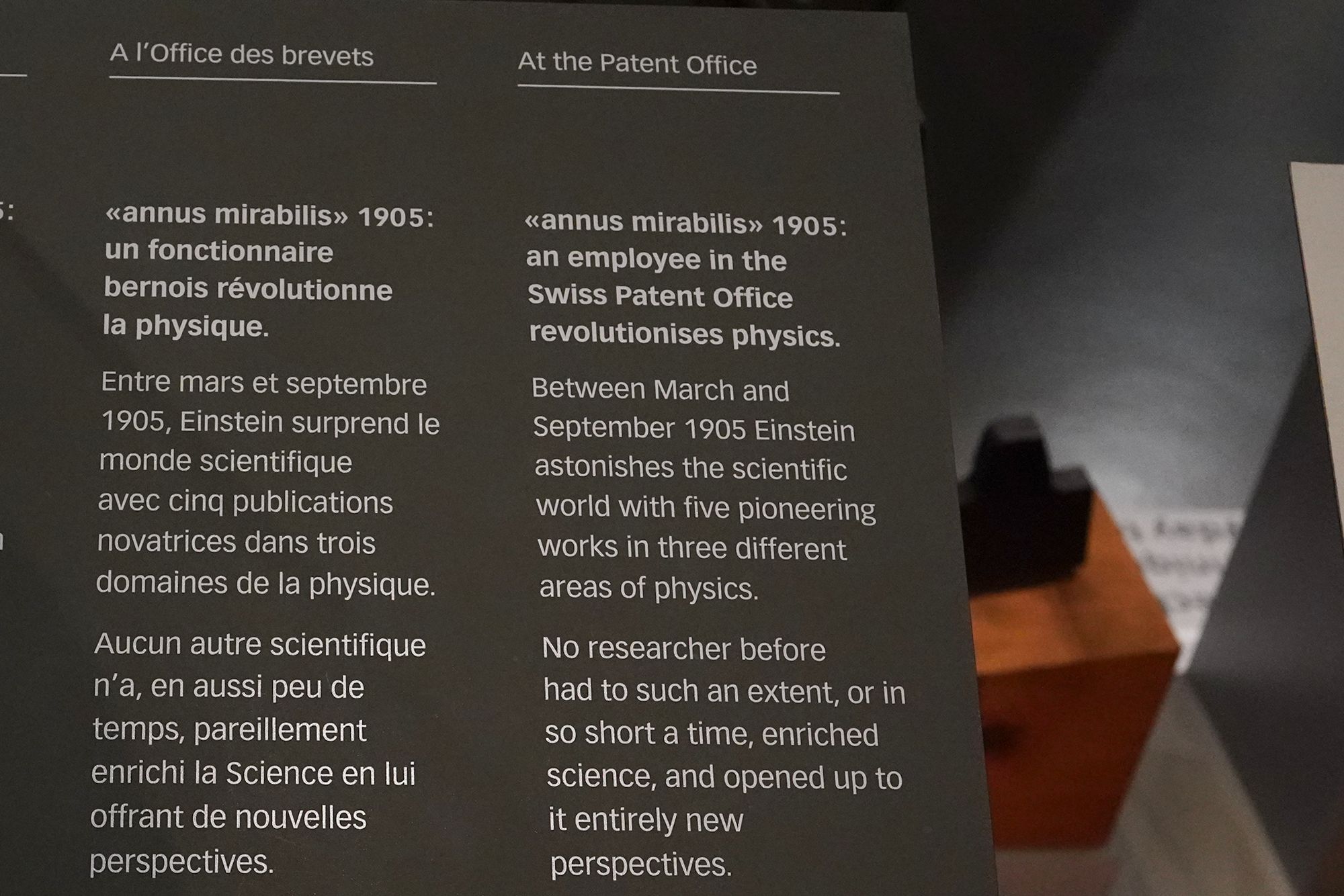
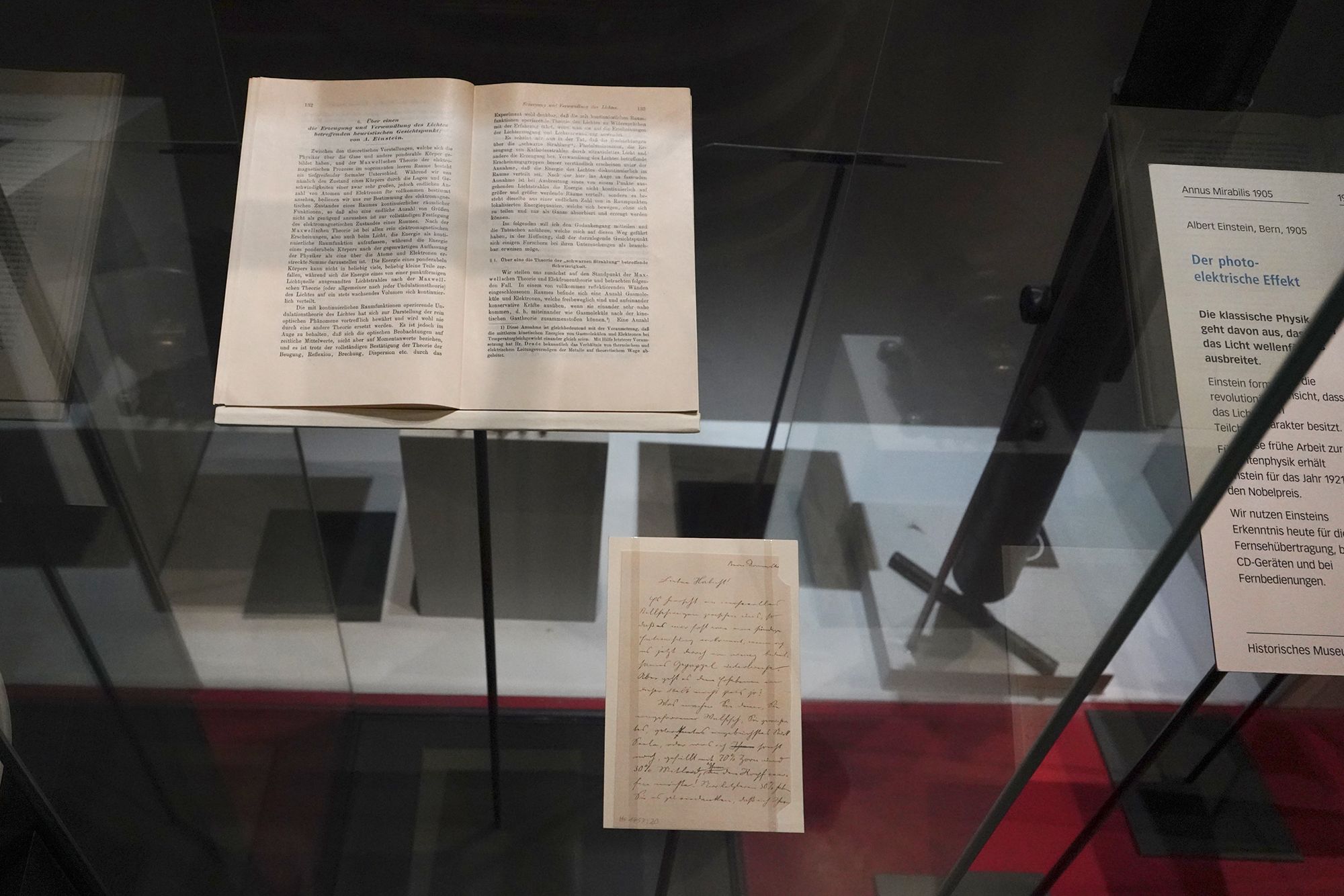
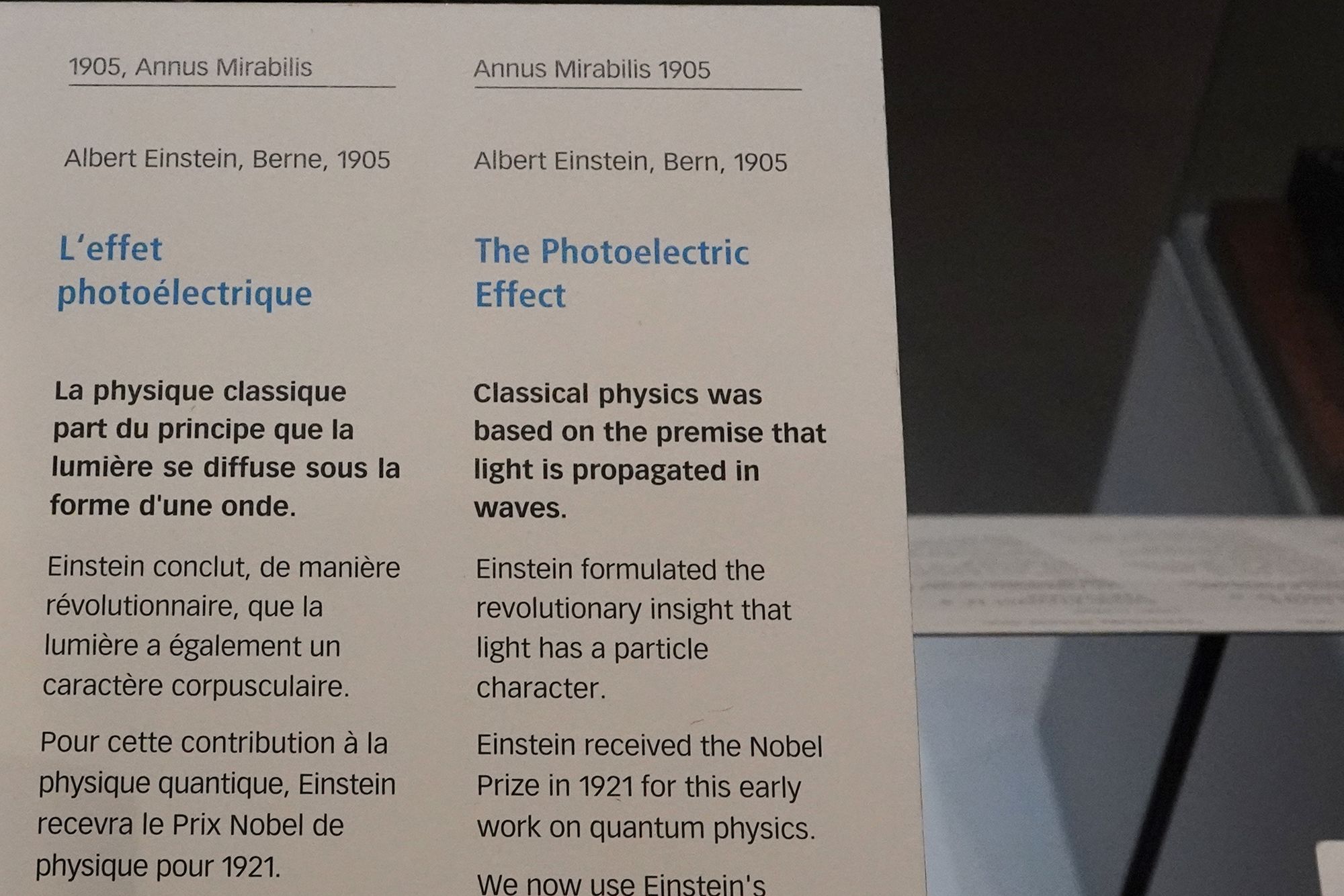
1905 became known as Einstein’s “Annus Mirabilis,” or miracle year. One of his groundbreaking papers explained the photoelectric effect by proposing that light could behave as particles of energy. This work helped establish quantum physics and later earned Einstein the 1921 Nobel Prize in Physics.
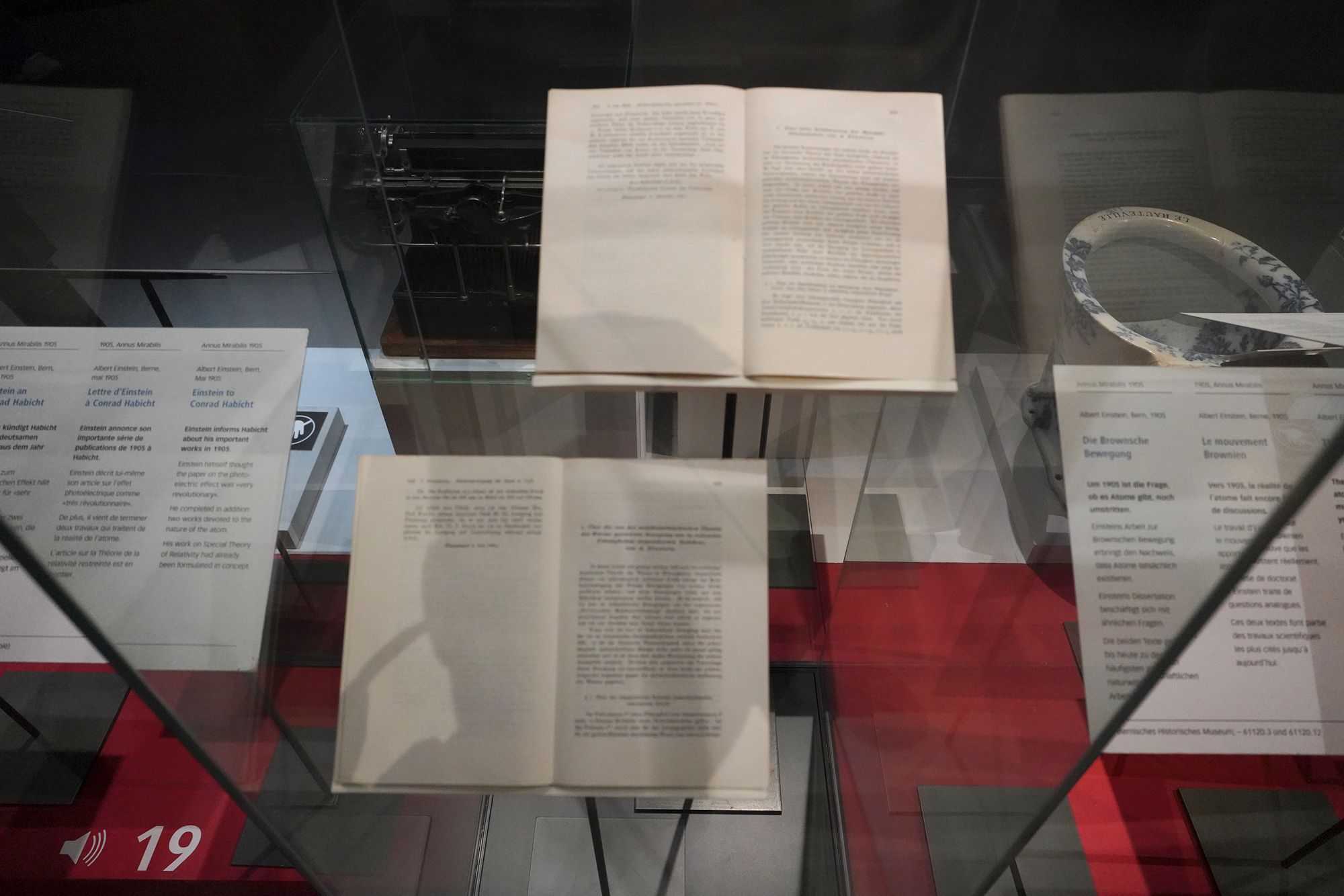
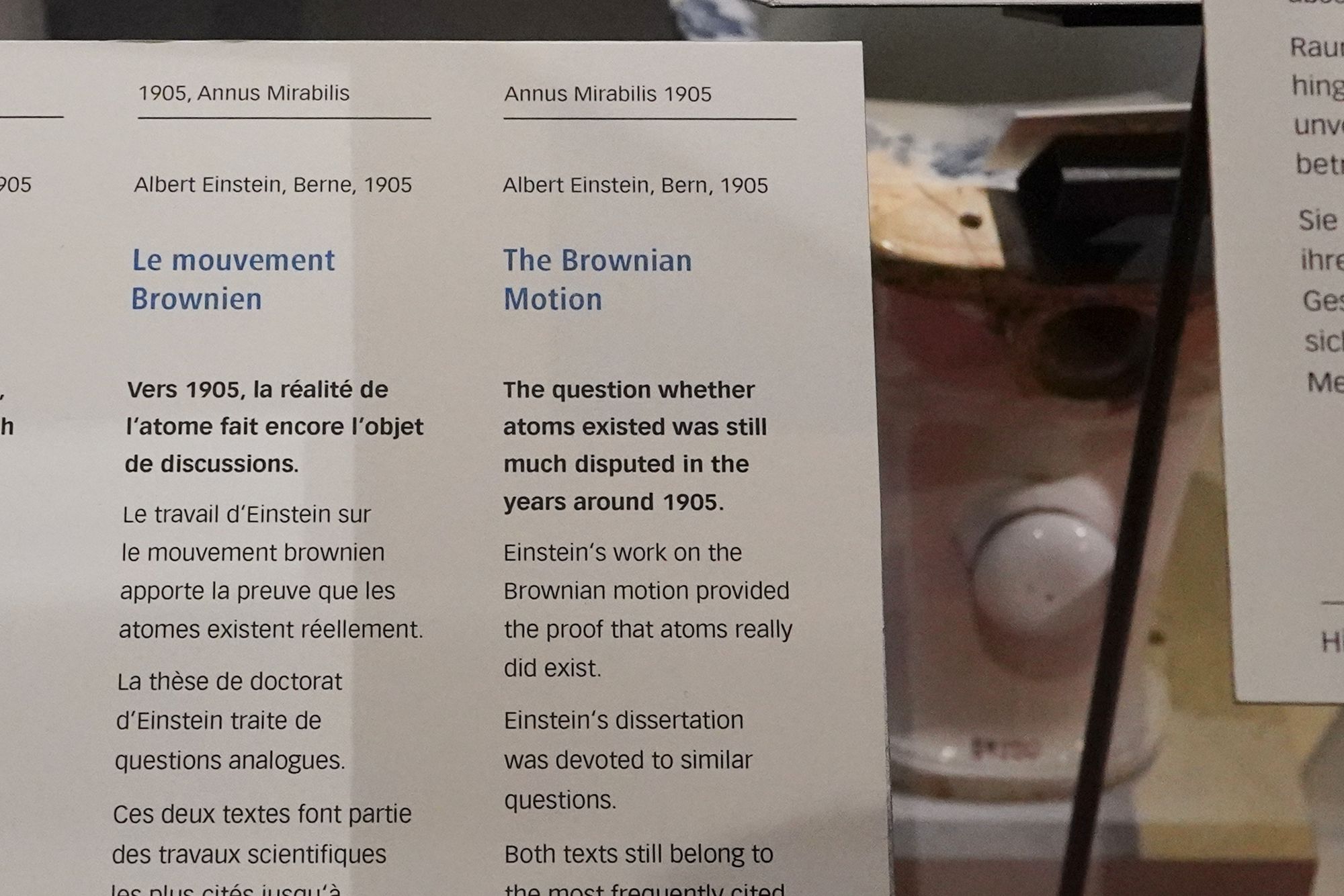
Another of Einstein’s remarkable 1905 papers explained Brownian motion—the seemingly random movement of tiny particles in a liquid. His explanation provided powerful evidence that atoms and molecules really existed, something that was still debated among scientists at the time.
Einstein’s 1905 Special Theory of Relativity completely changed the way scientists understood space and time. He proposed that the speed of light remains constant, while measurements of space and time can change depending on how fast an observer is moving.
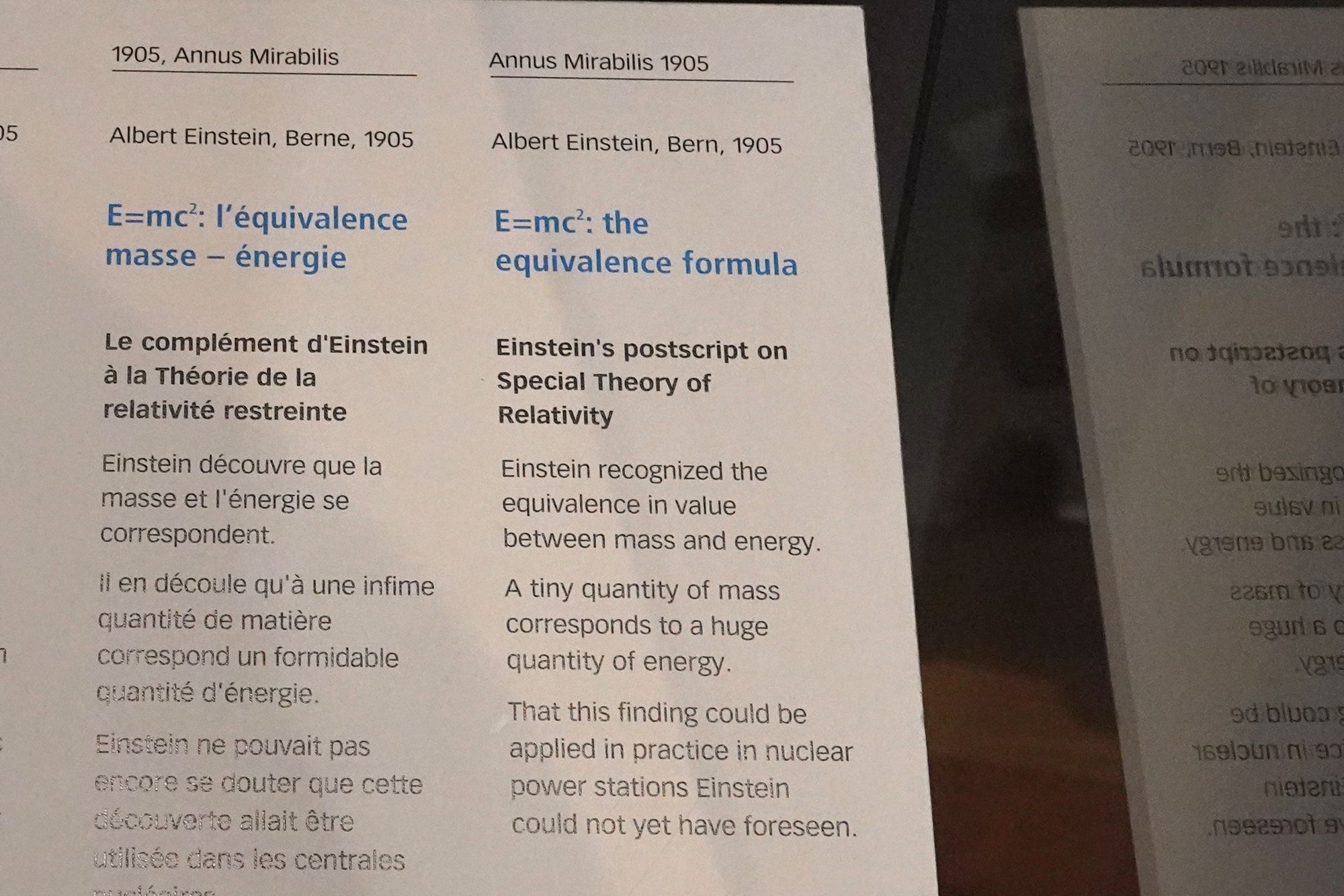
Later in 1905, Einstein showed that mass and energy are equivalent, expressed in his famous equation E=mc². The equation means that even a tiny amount of mass can correspond to an enormous amount of energy, an idea that would later become fundamental to understanding nuclear energy.
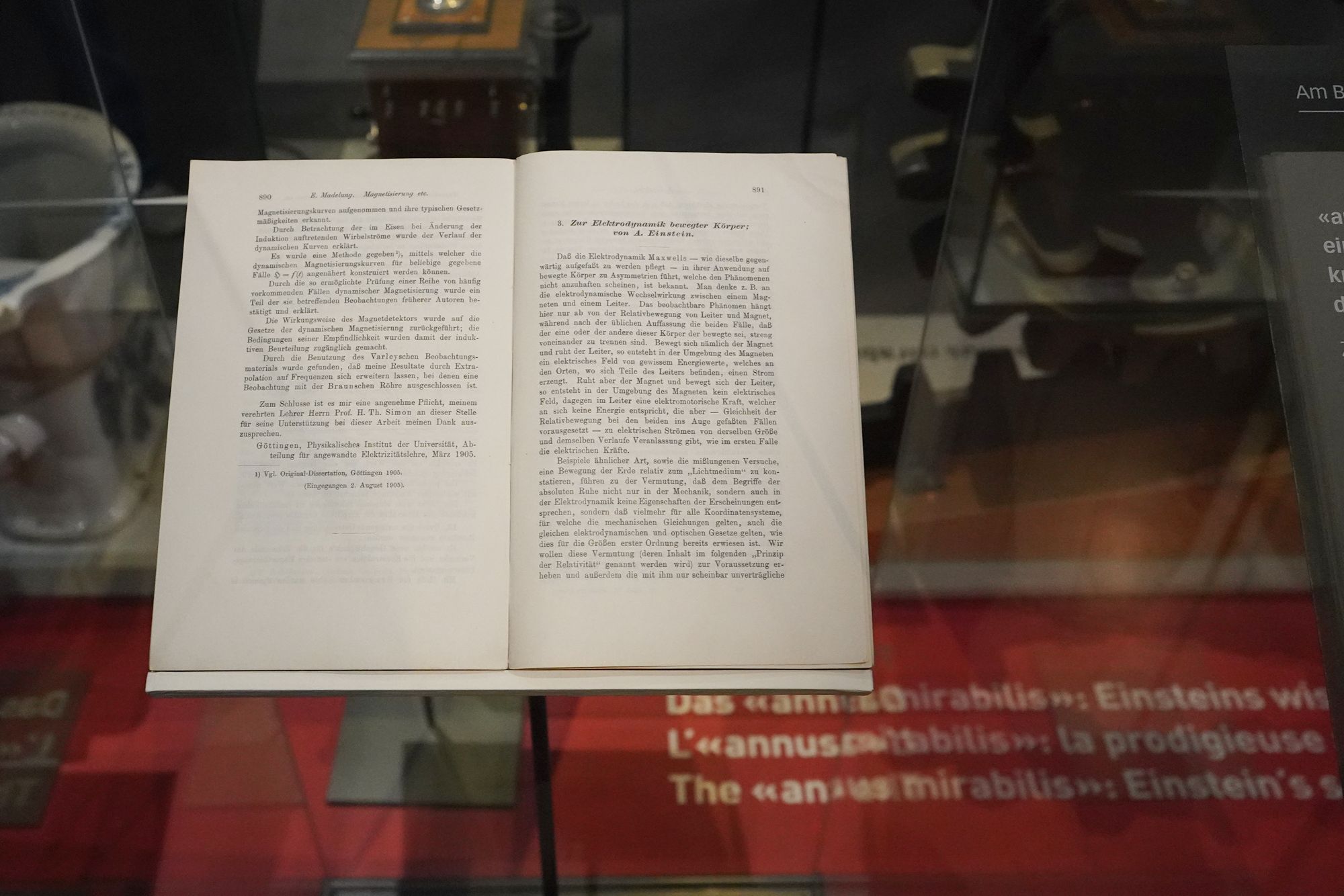
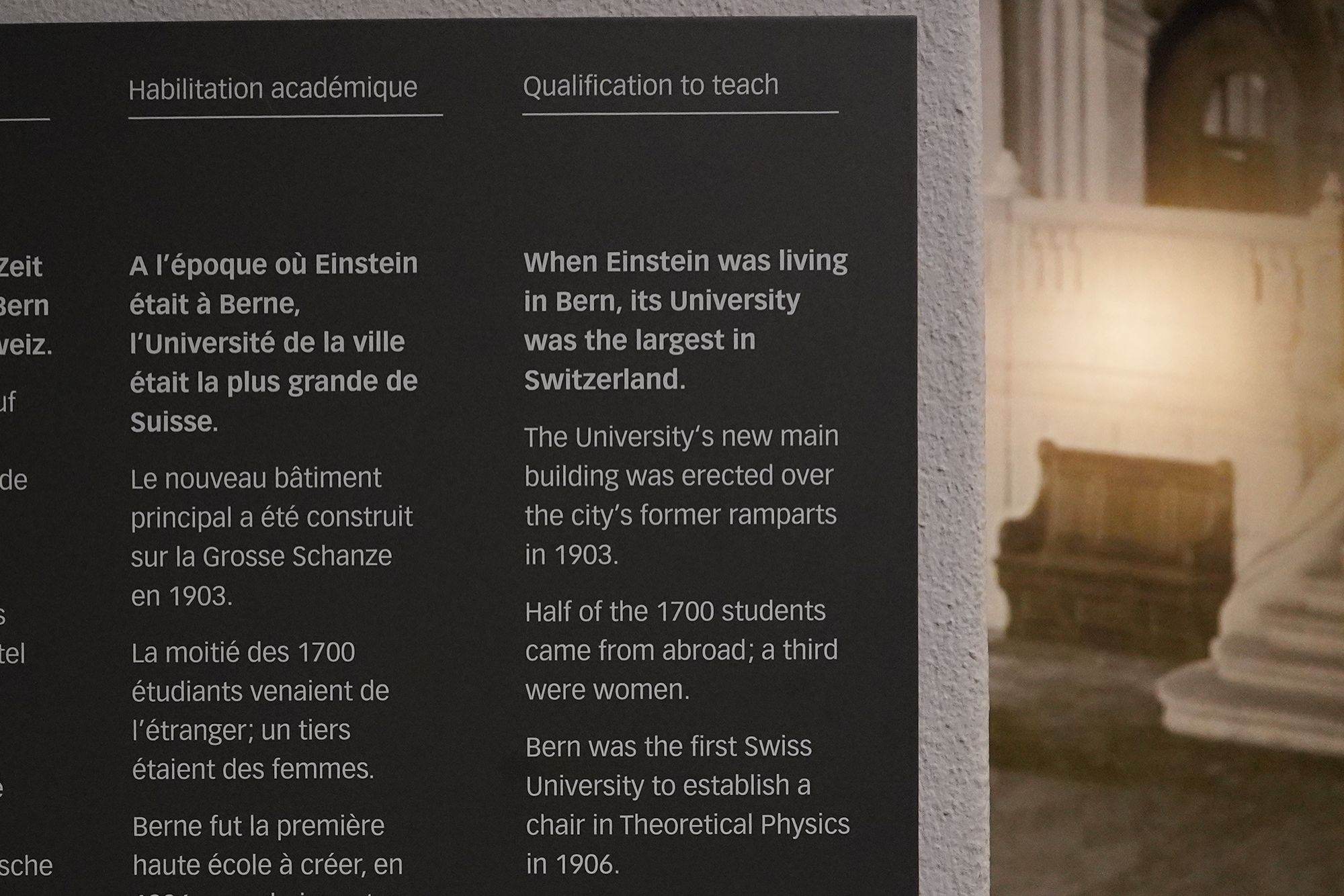
As Einstein’s scientific reputation grew, he began moving toward the academic career he had originally wanted. The University of Bern was then Switzerland’s largest university and an important center for theoretical physics. Einstein eventually qualified to teach there, beginning his transition from Patent Office employee to university professor.
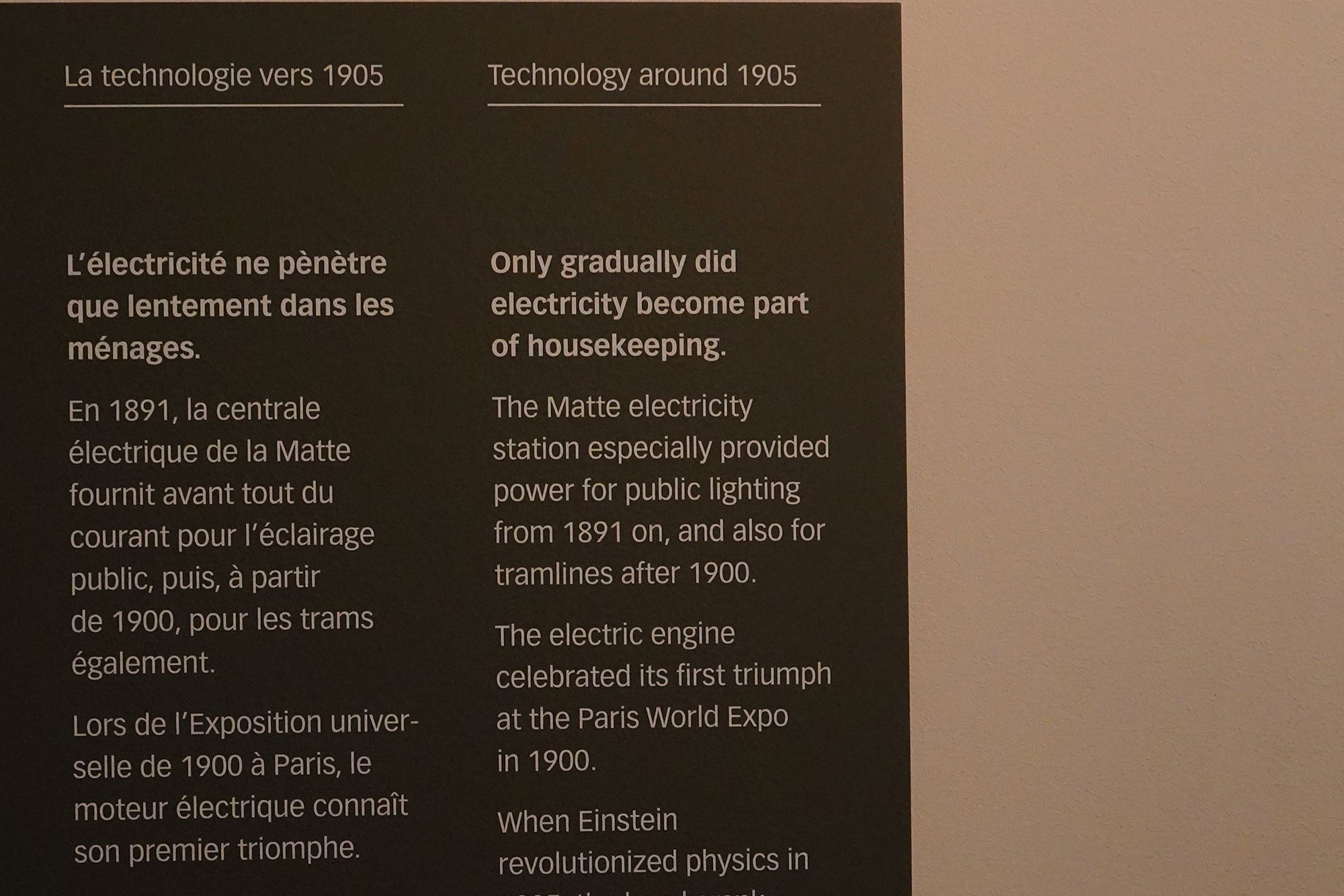
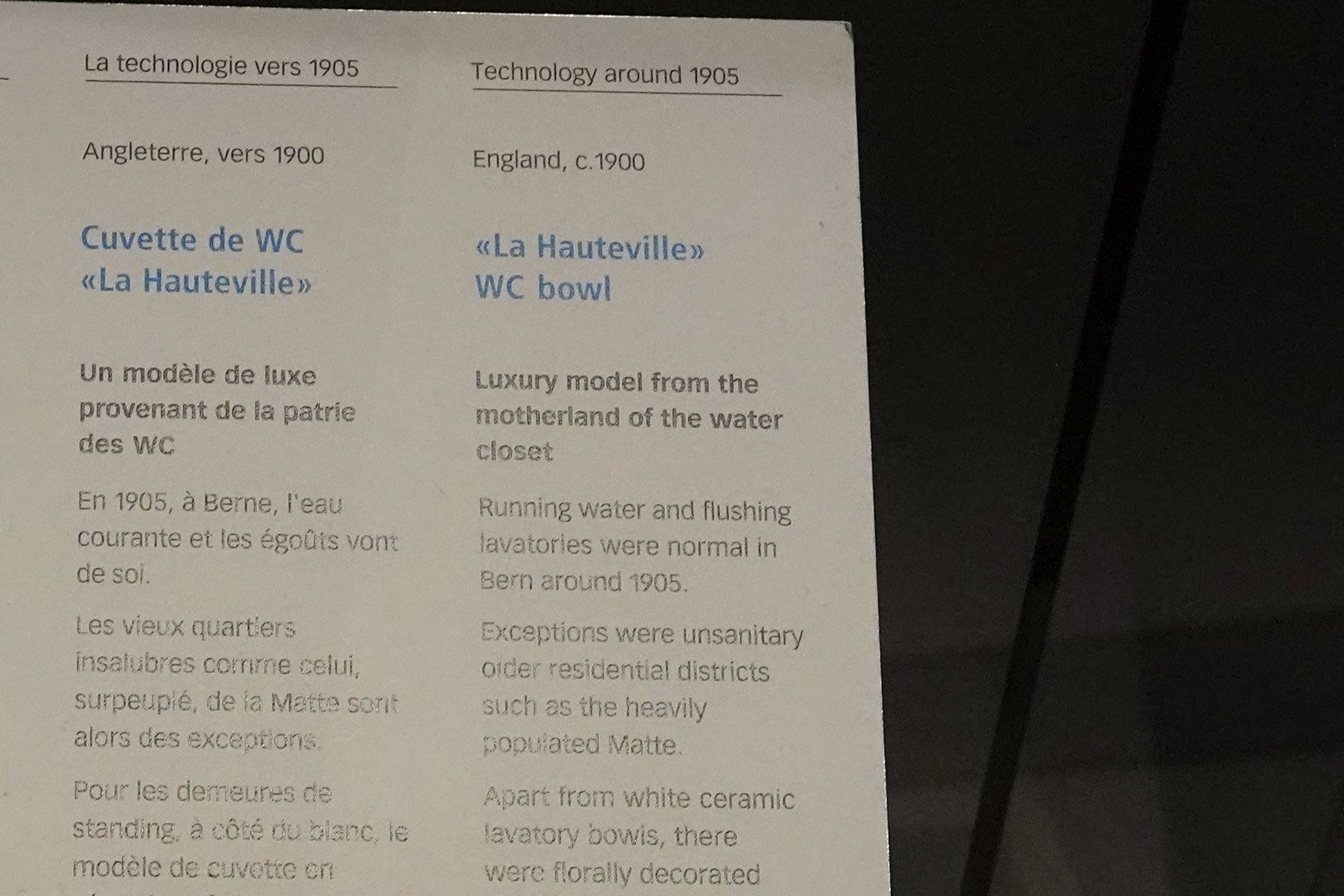
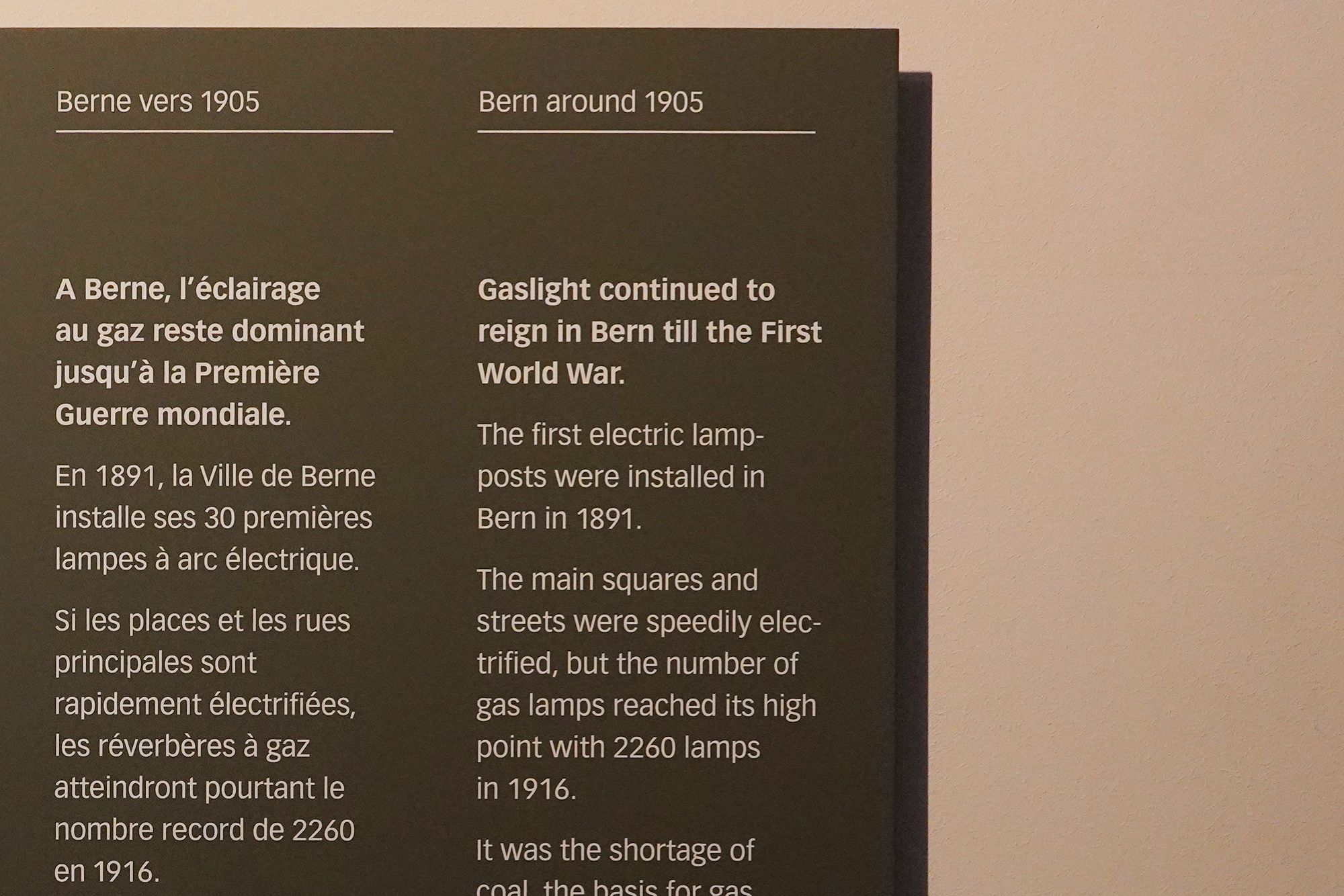
Bern itself was also changing during Einstein’s years there. Electric streetlights had begun appearing, but much of the city still relied on traditional gas lighting. In 1905, Einstein was developing revolutionary ideas about modern physics while living in a city that was itself gradually entering the electrical age.
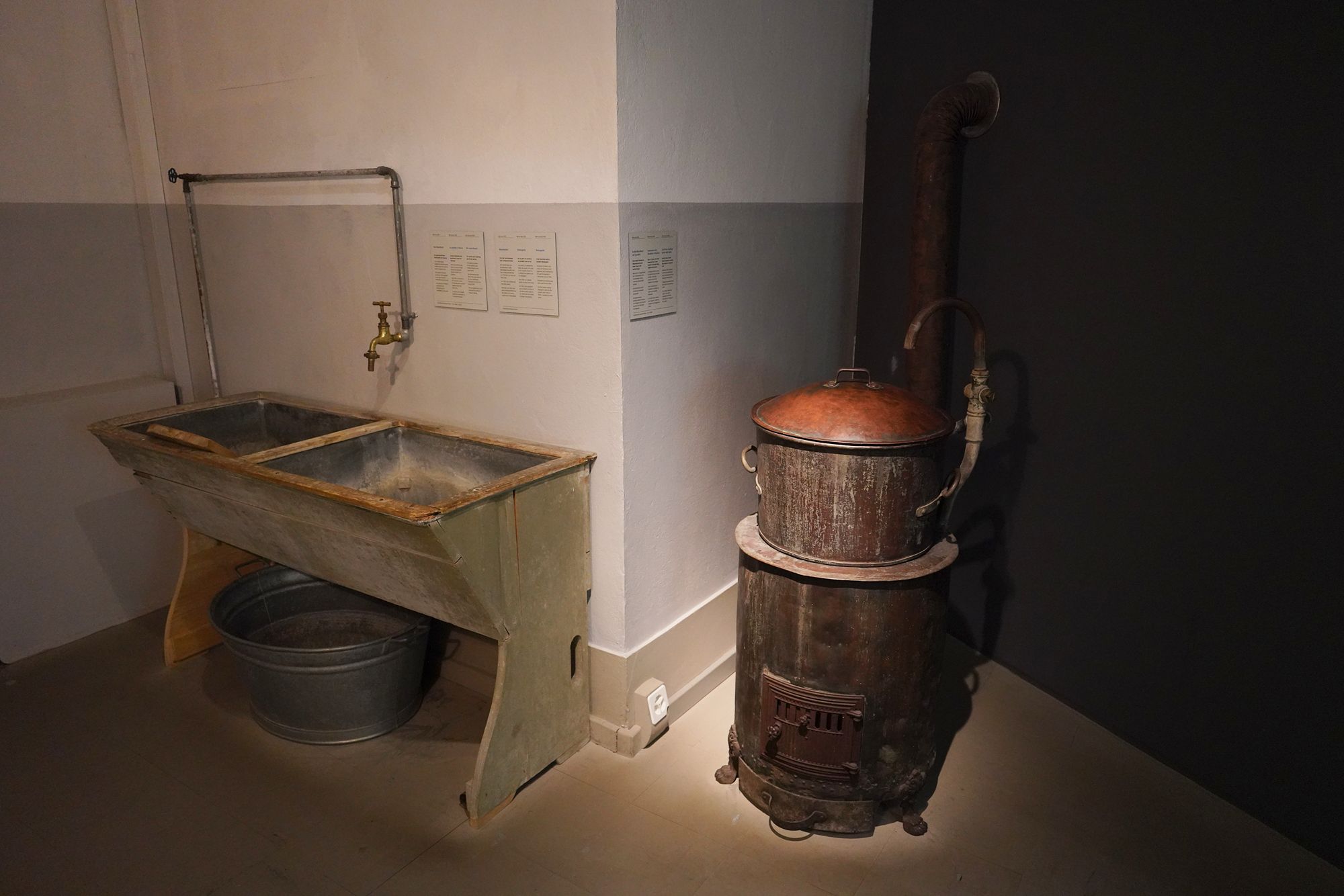
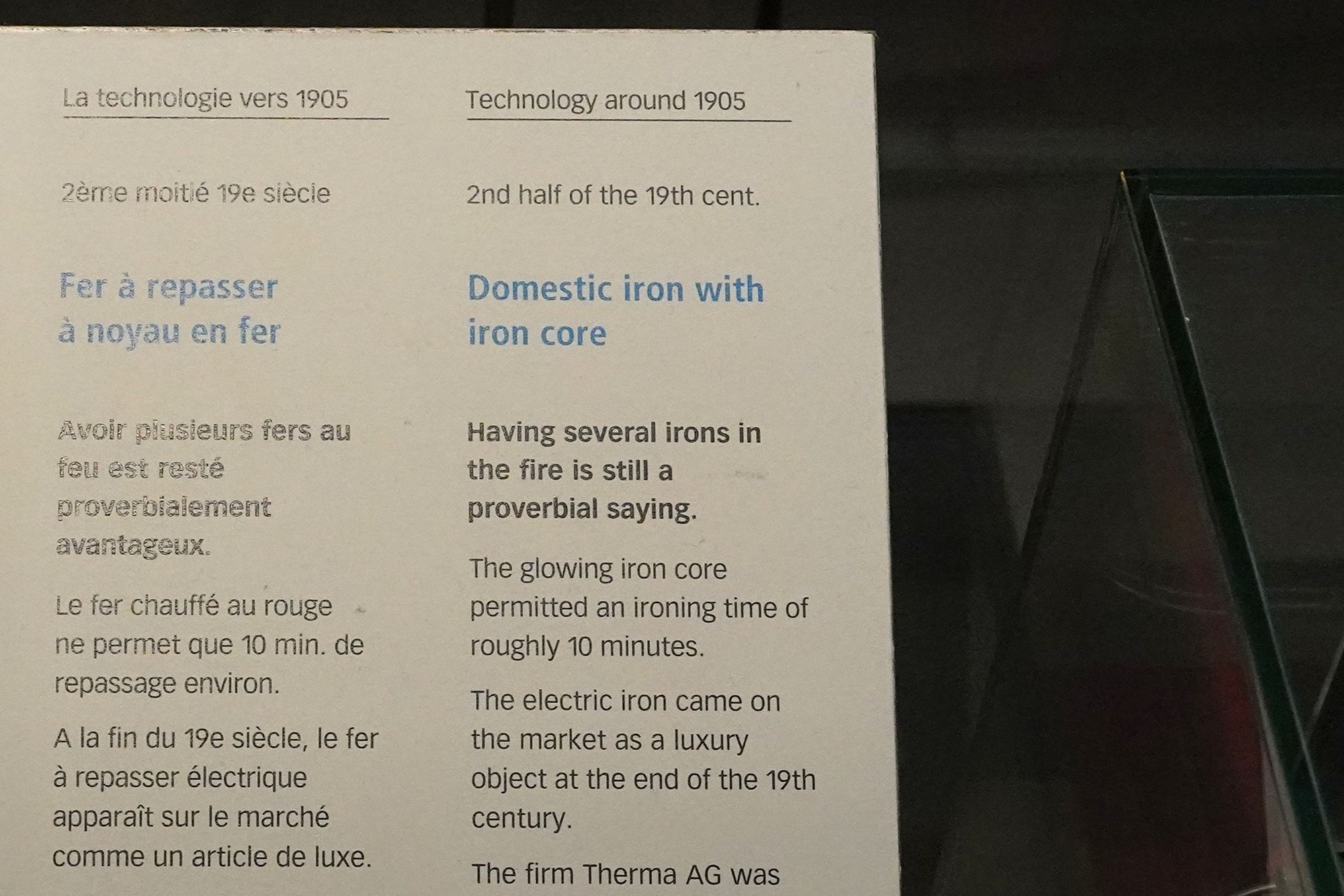
Only gradually did electricity become part of housekeeping