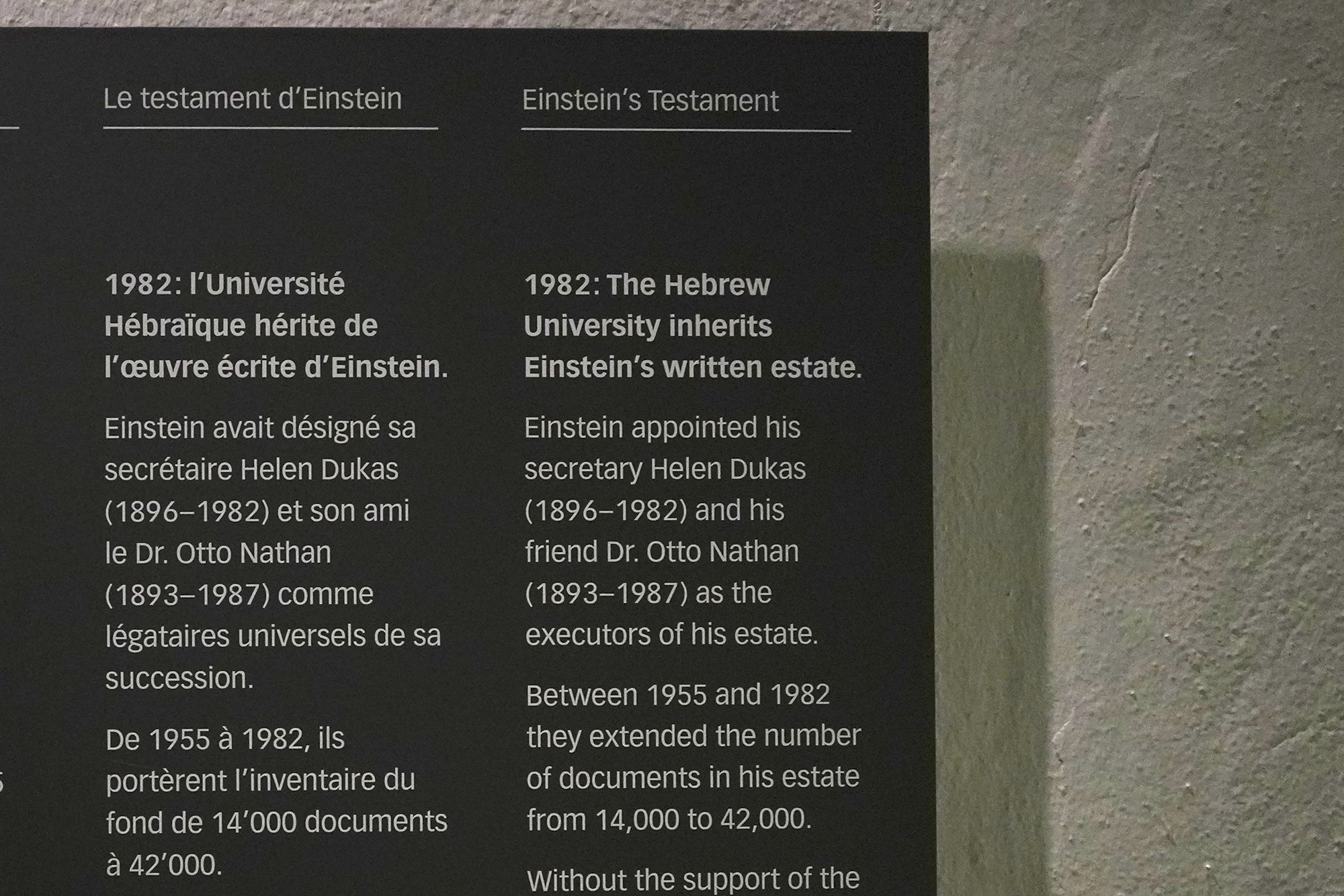
Bernisches Historisches Museum – Einstein II, Bern, Switzerland
In this second part, I continued through the Einstein Museum, learning more about Einstein’s later life, his scientific achievements, and how he became world famous. 1330
Bernisches Historisches Museum - Einstein: Helvetiapl. 5, 3005 Bern, Switzerland
Date Picture Taken: Jun, 2026
This second part continues my visit through the Einstein Museum, beginning with Einstein’s years in Berlin and following the later chapters of his life and career.
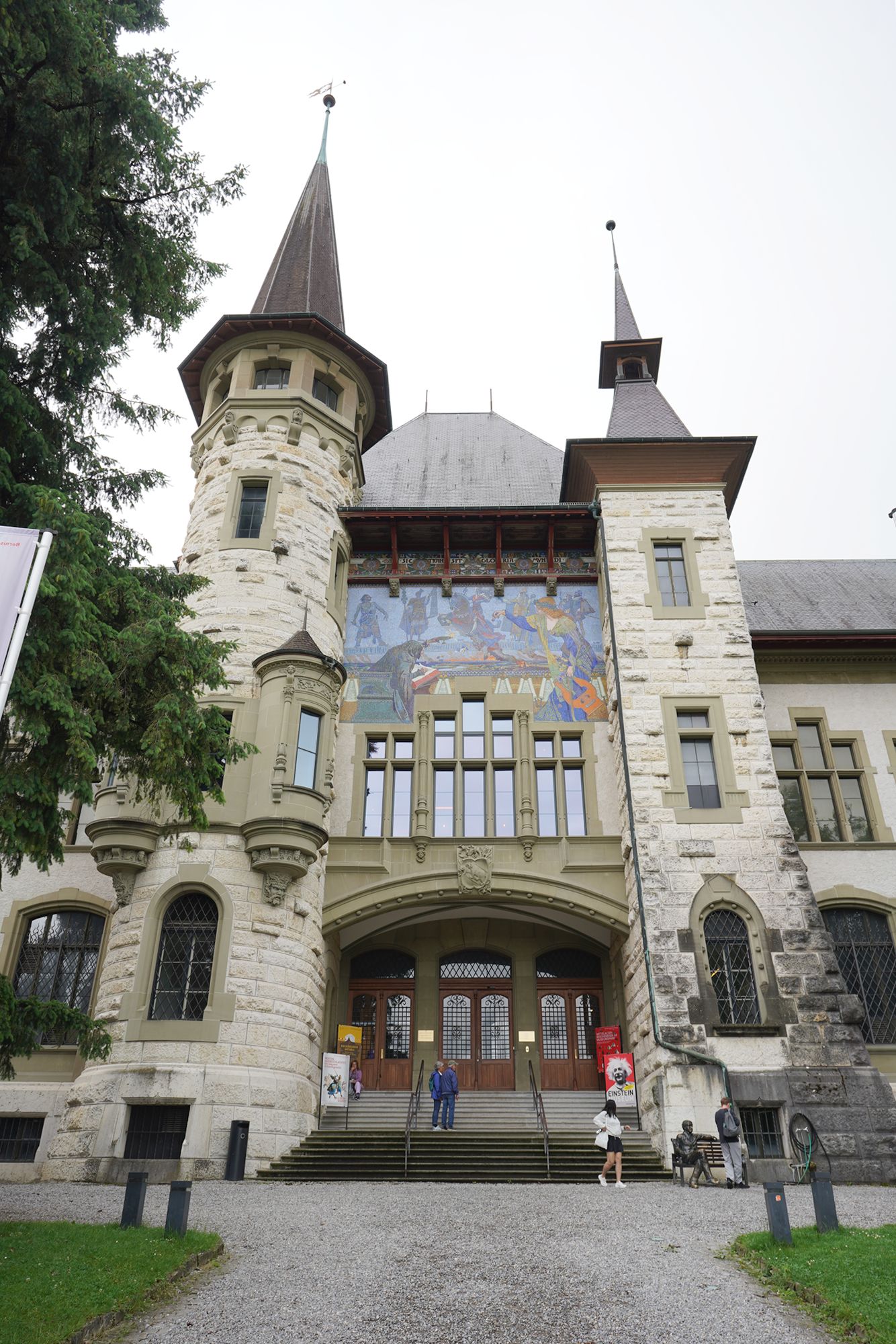
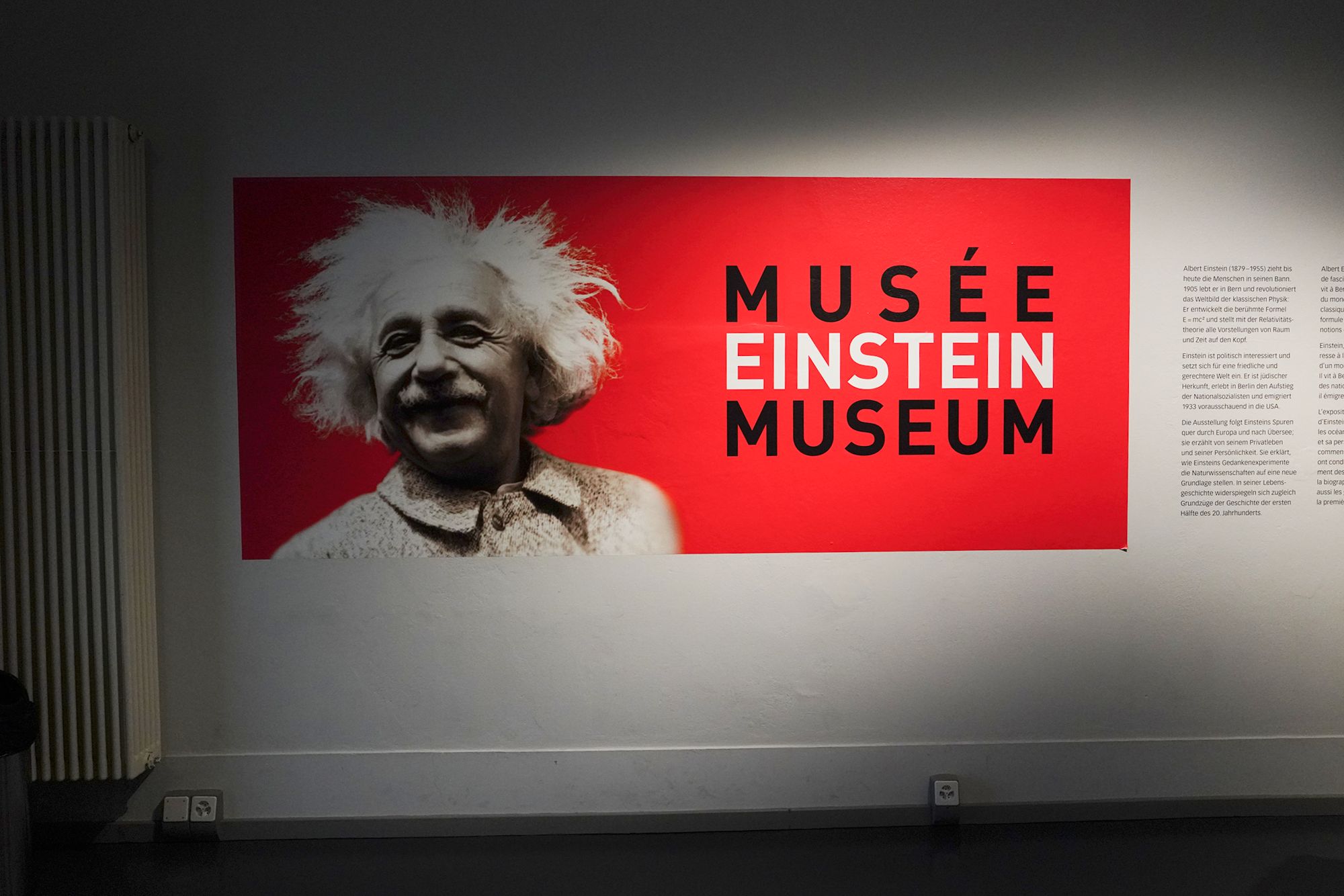
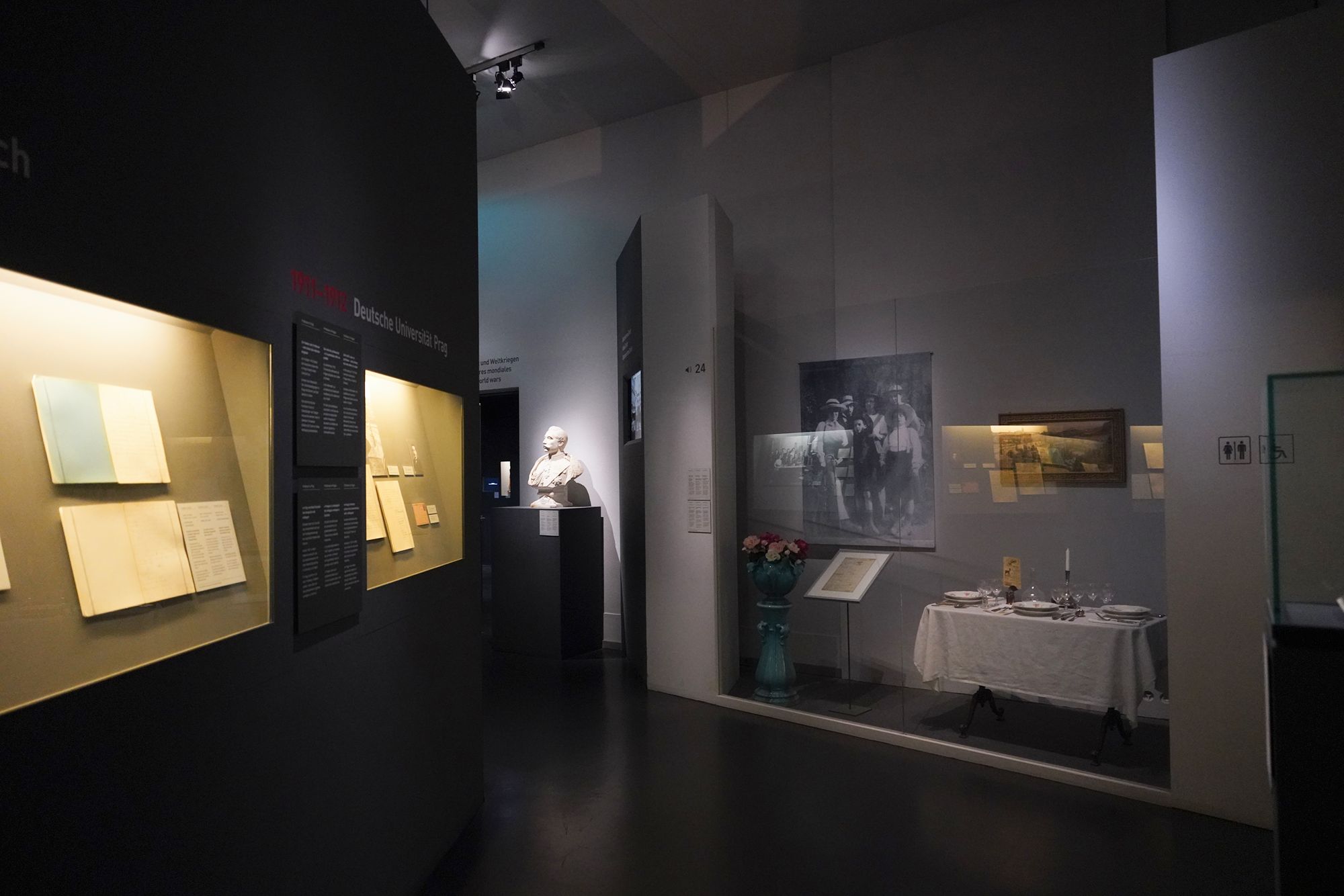
Einstein’s years in Berlin
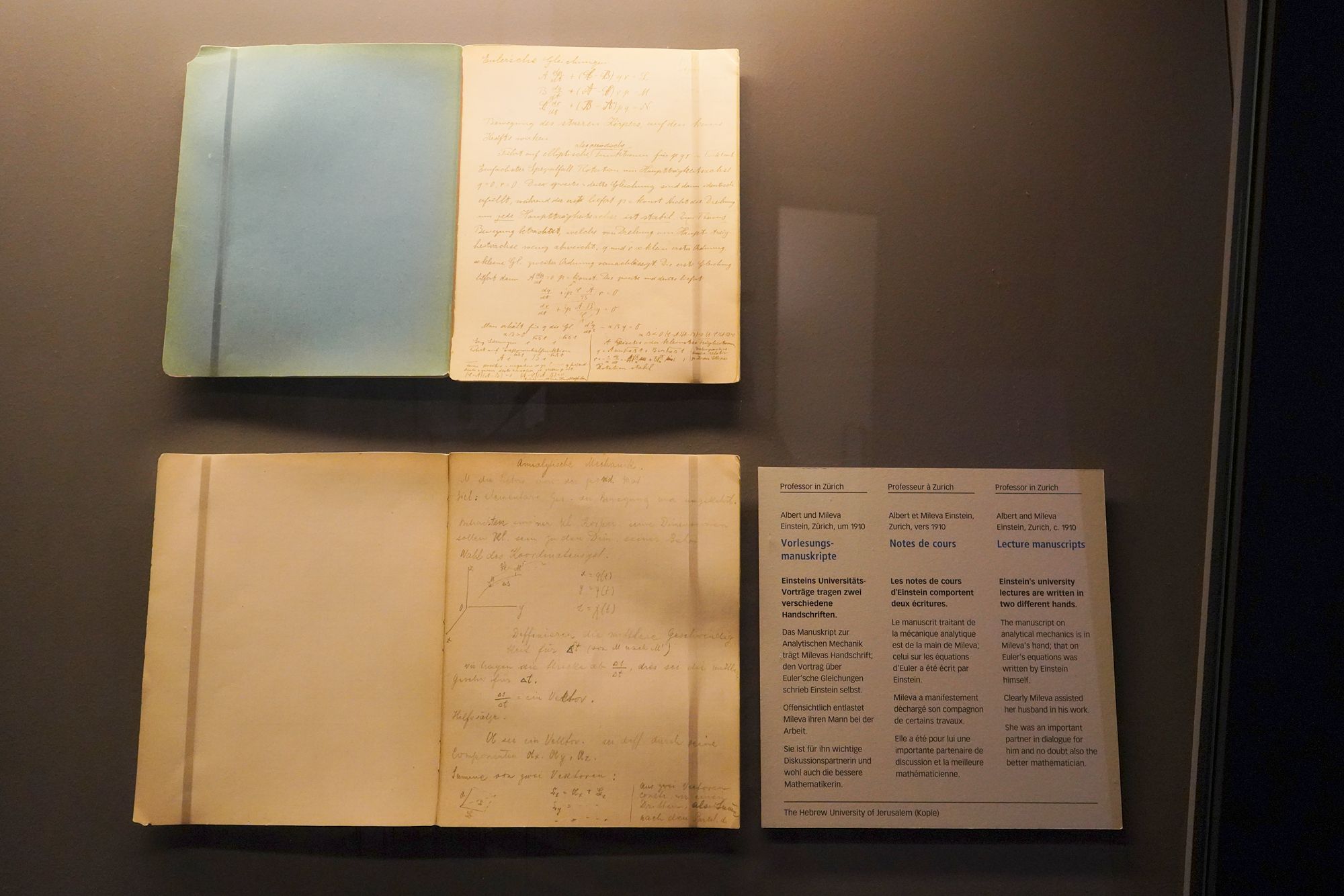
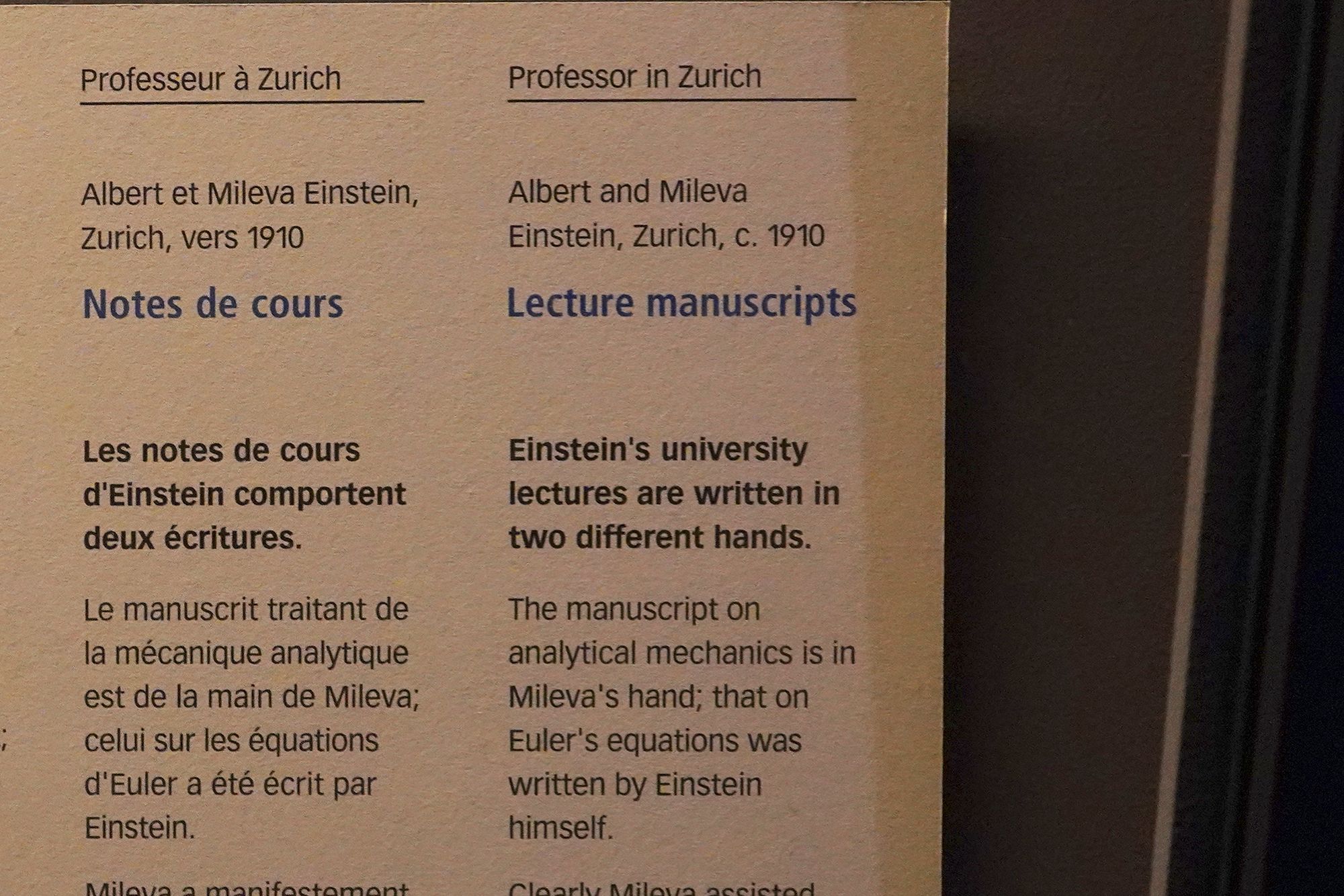
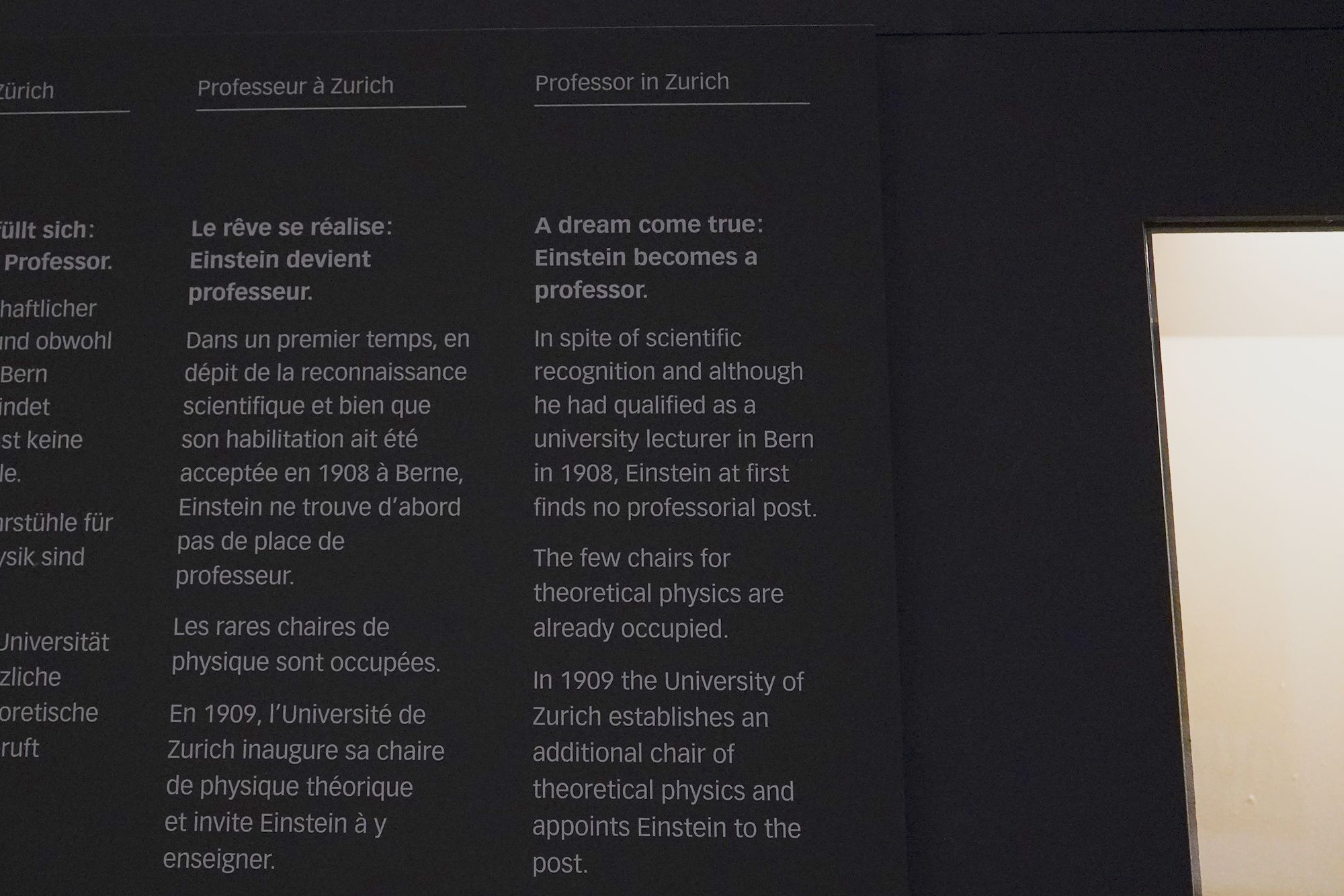
Although Einstein was already gaining recognition for his scientific work, finding a university position was difficult. After qualifying as a university lecturer in Bern in 1908, he finally achieved his goal in 1909, when the University of Zurich appointed him professor of theoretical physics. This allowed him to leave the patent office behind and begin a full-time academic career.
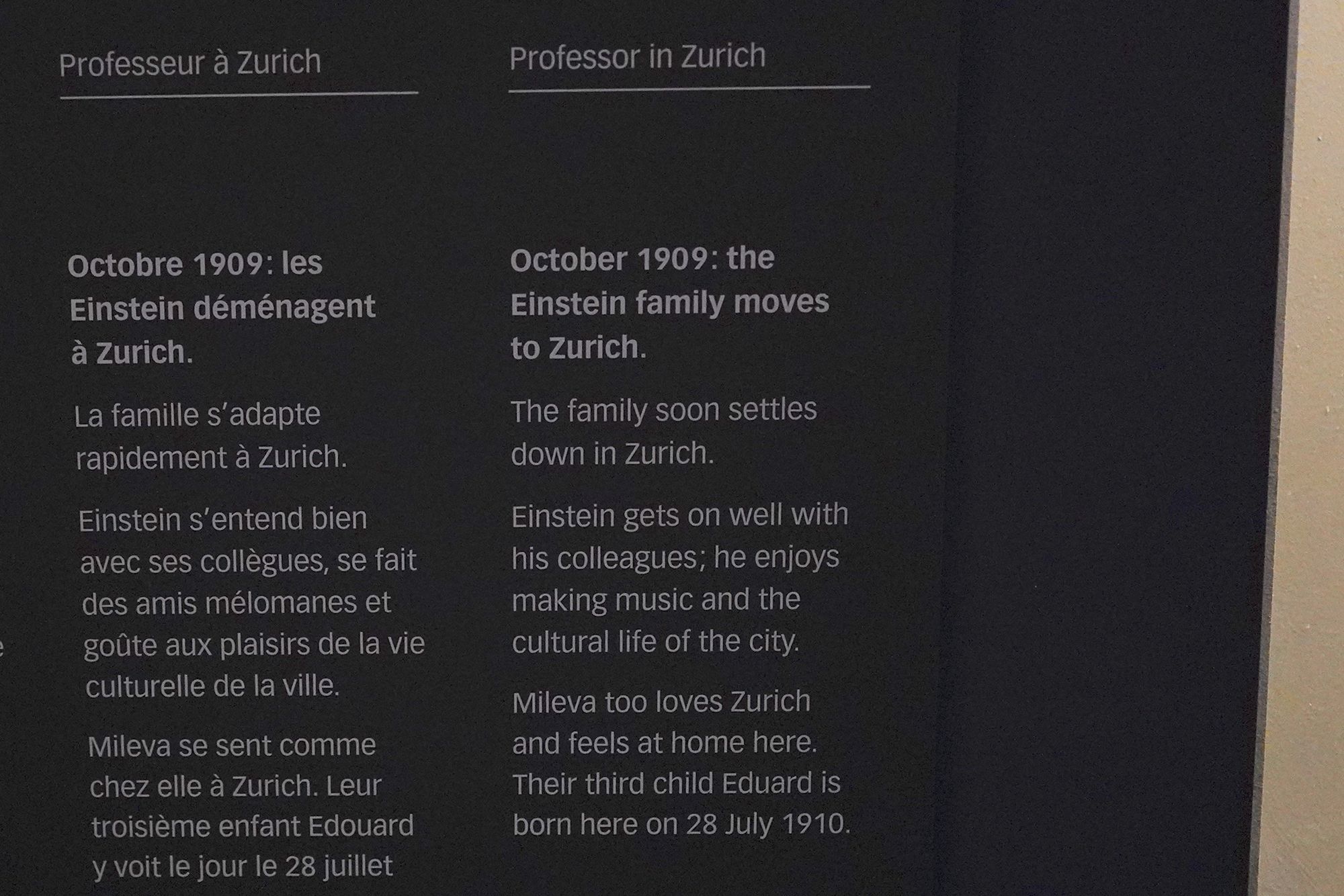
In October 1909, Einstein moved with his family from Bern to Zurich after becoming a professor at the University of Zurich. He enjoyed good relationships with his colleagues as well as Zurich’s music and cultural life. Mileva also felt at home in Zurich, and their second son, Eduard, was born there on July 28, 1910.
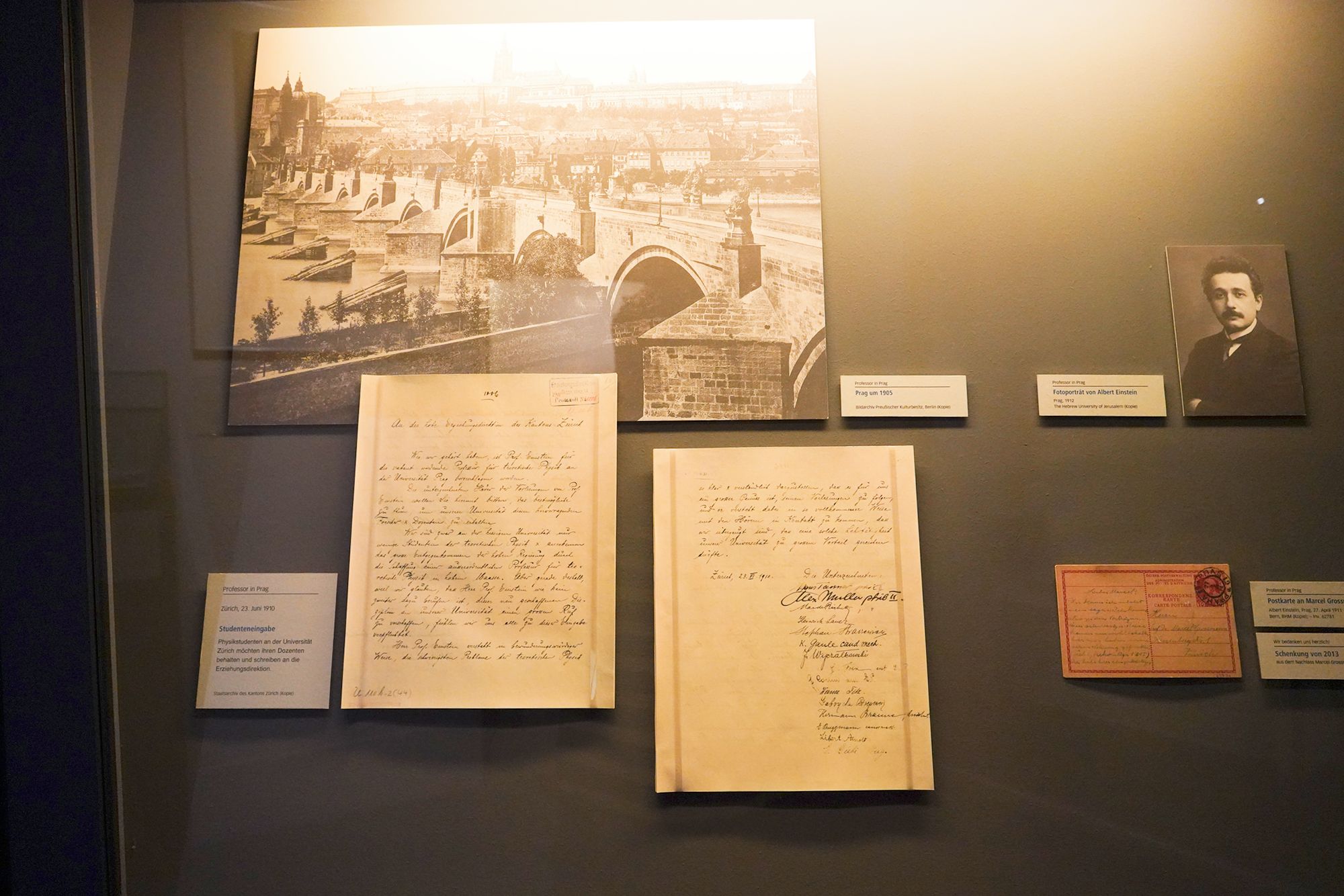
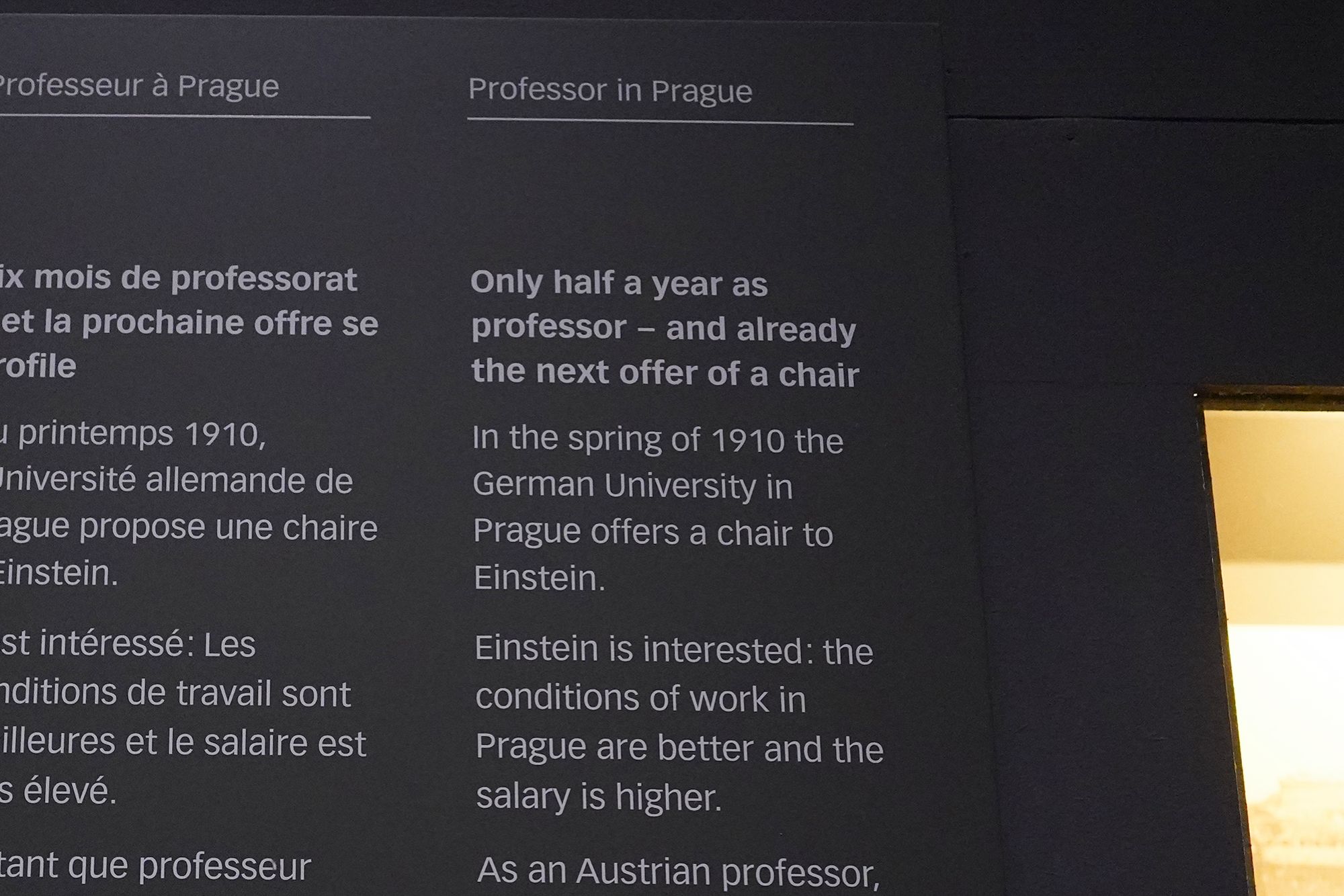
Only months after becoming a professor in Zurich, Einstein received another opportunity. In 1910, the German University in Prague offered him a professorship, with better working conditions and a higher salary. He accepted the position and moved with his family to Prague in 1911, another important step in his rapidly advancing academic career.
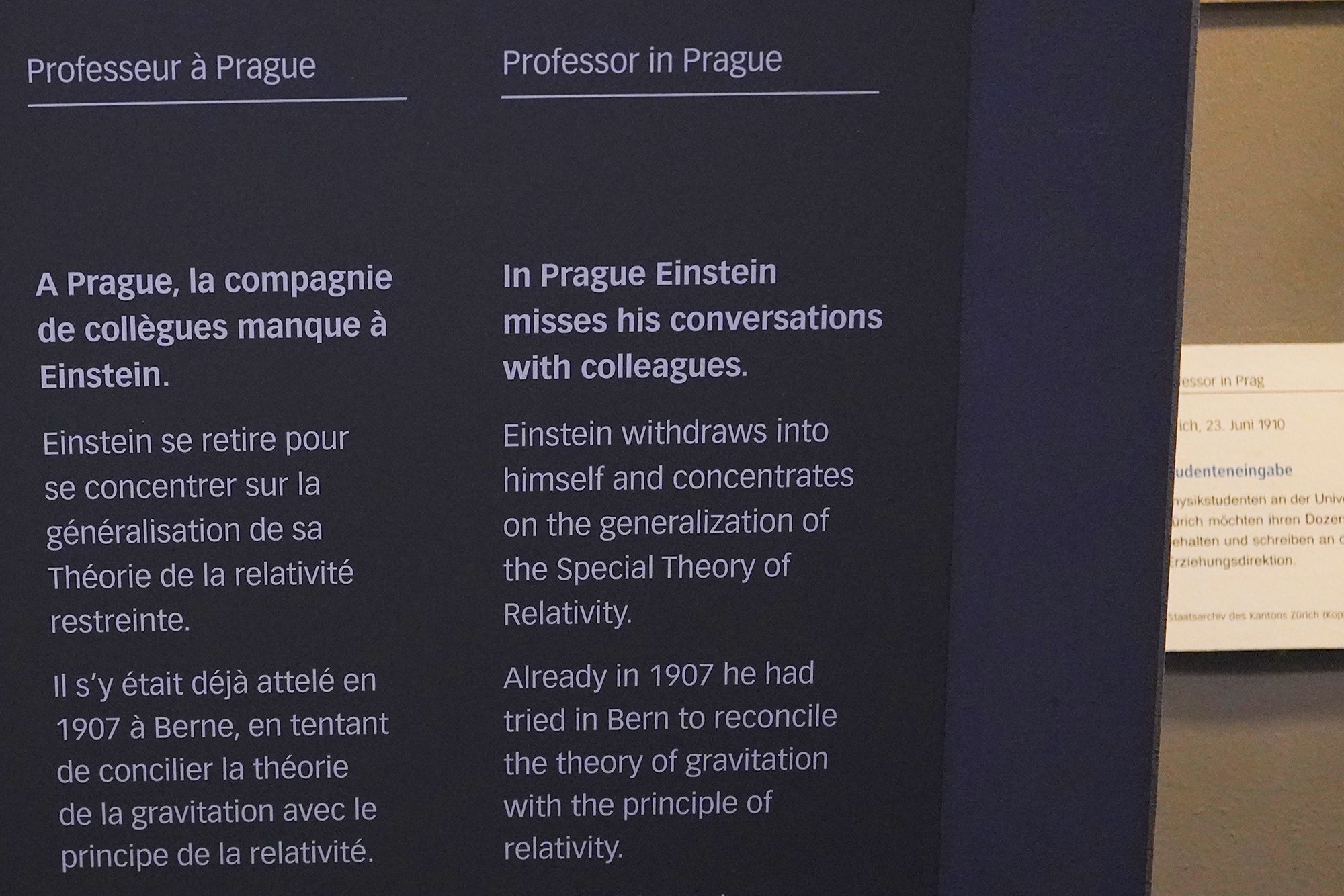
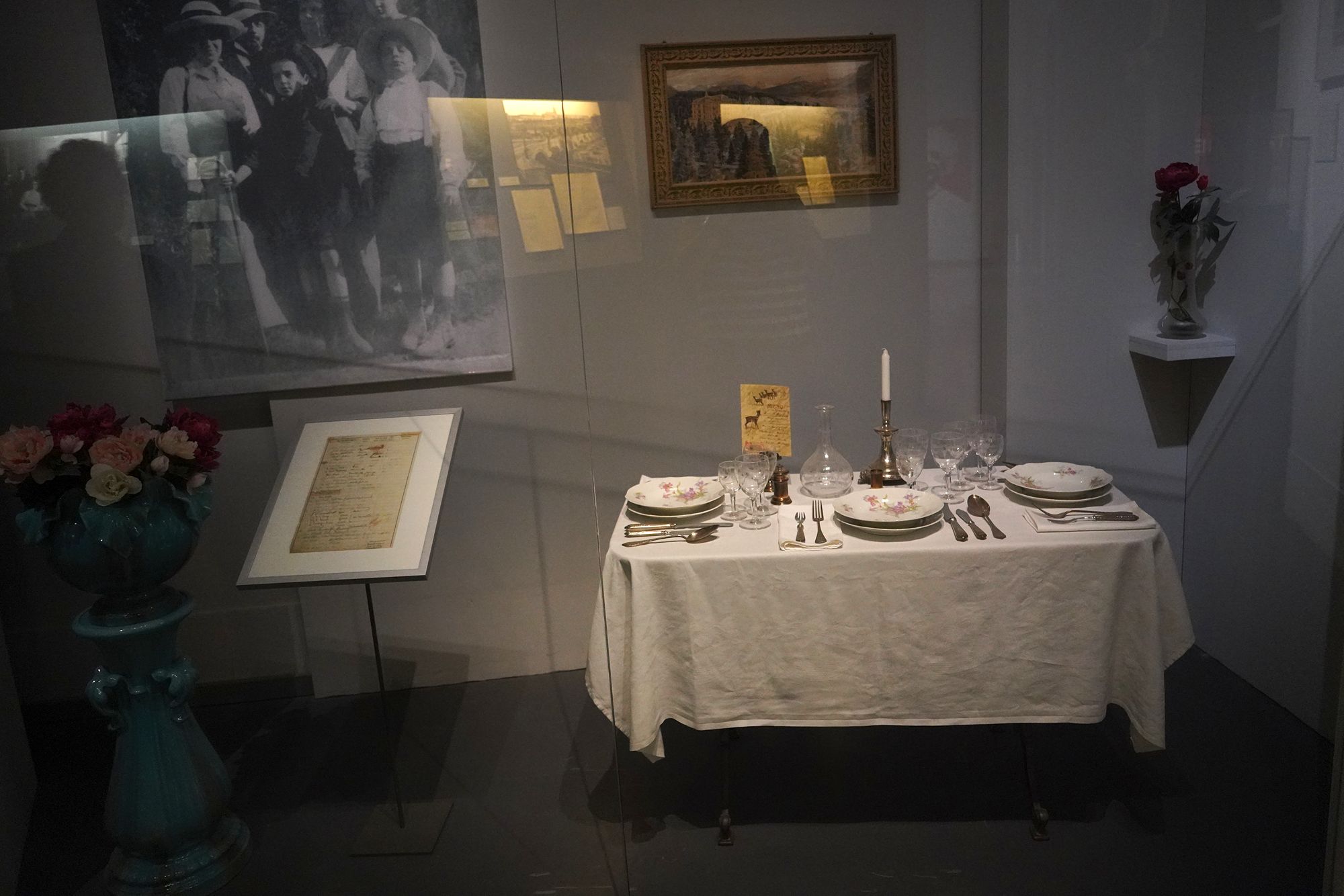
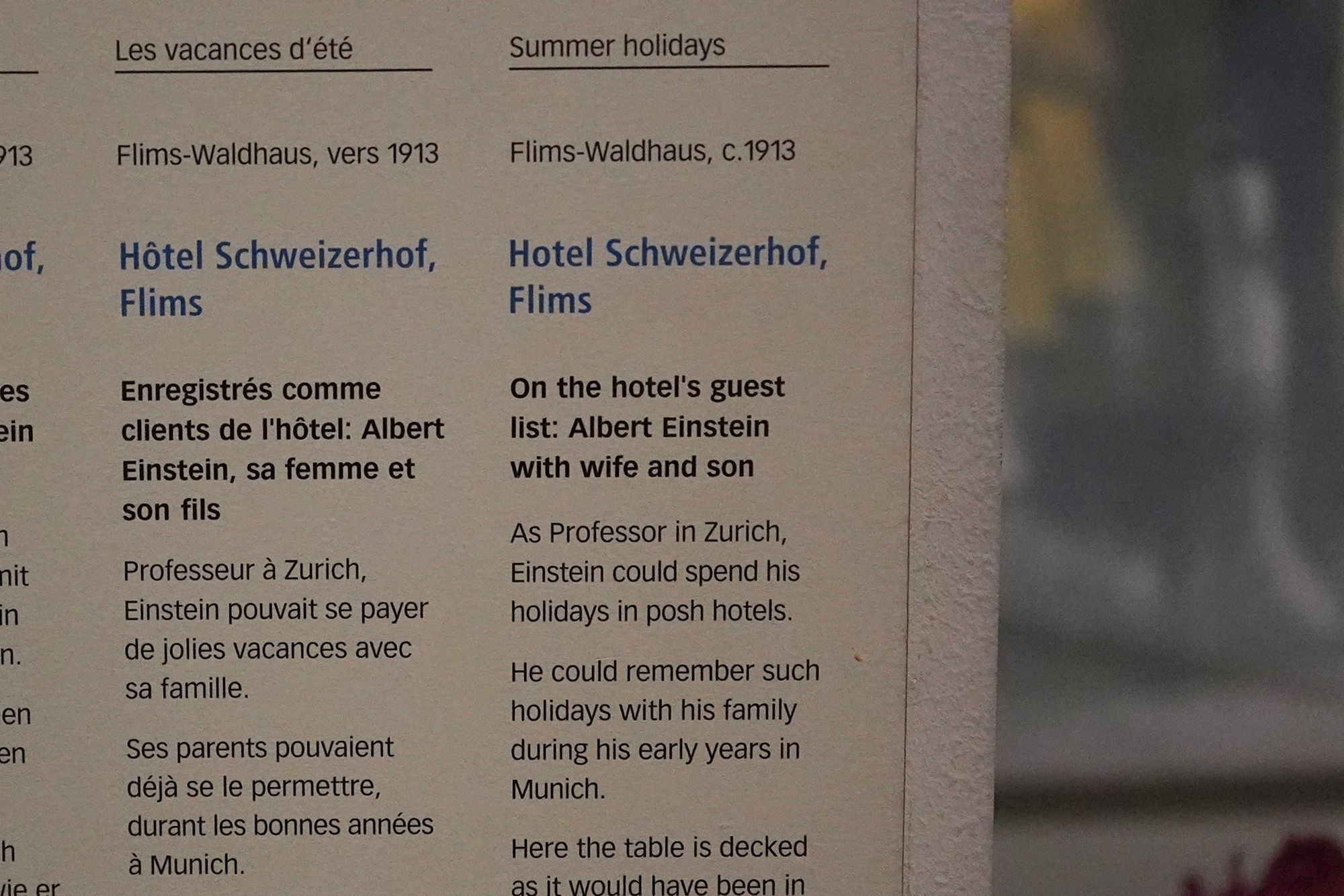
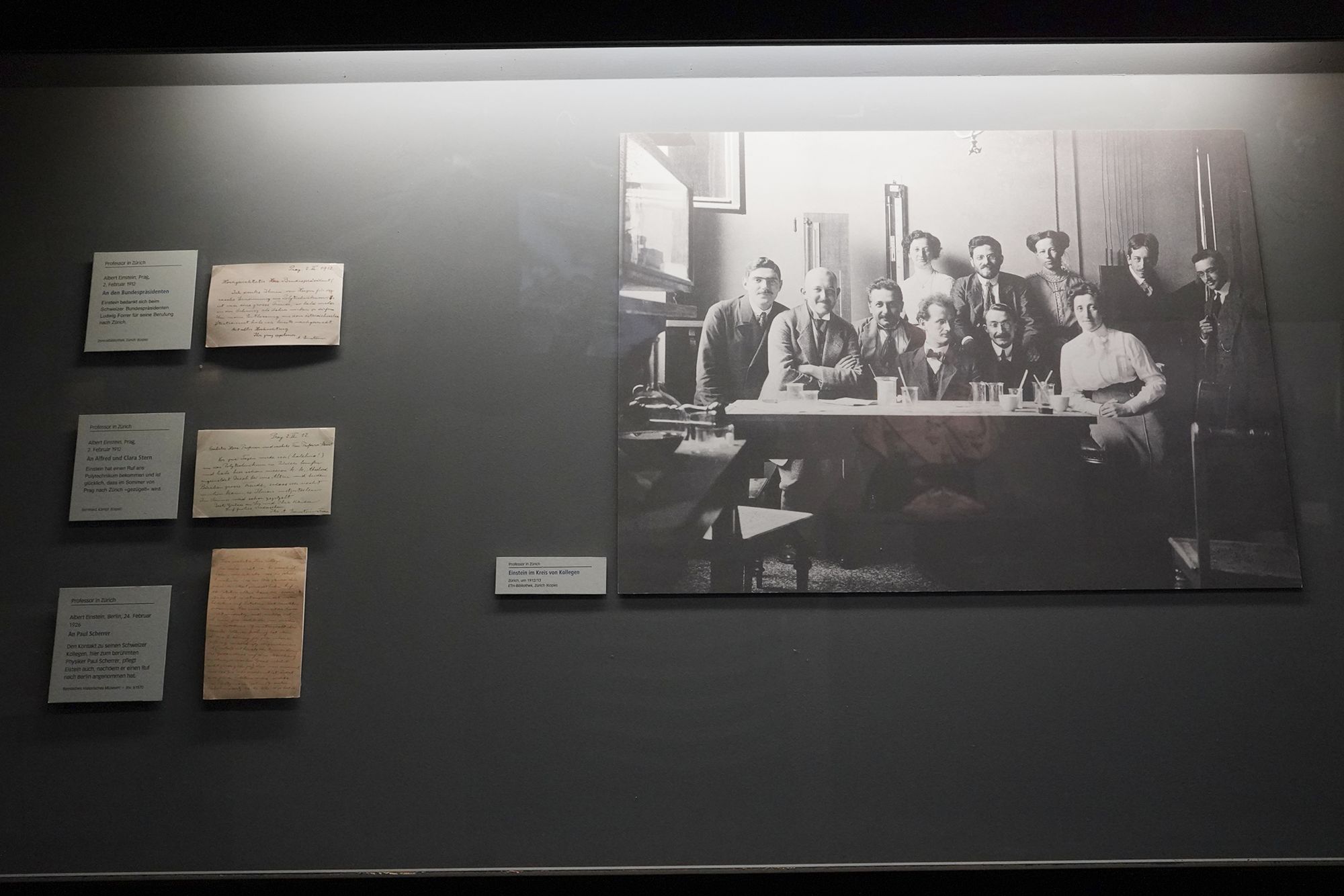
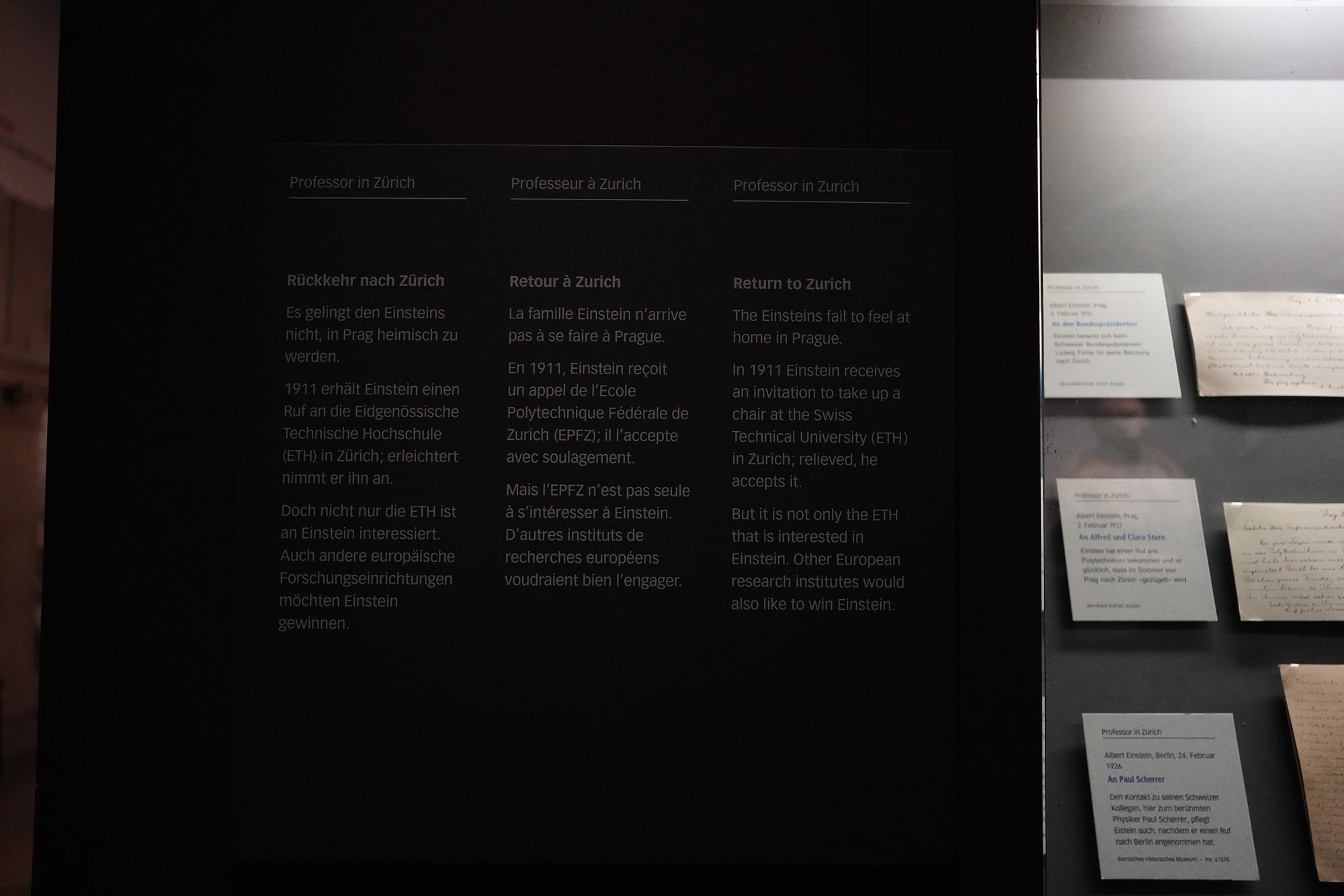
The Einstein family did not feel at home in Prague. In 1911, Einstein was invited to return to Zurich to become a professor at ETH, where he had once studied. He gladly accepted. By this time, his reputation was growing rapidly, and other leading European institutions were also becoming interested in recruiting him.
Einstein separates from Mileva
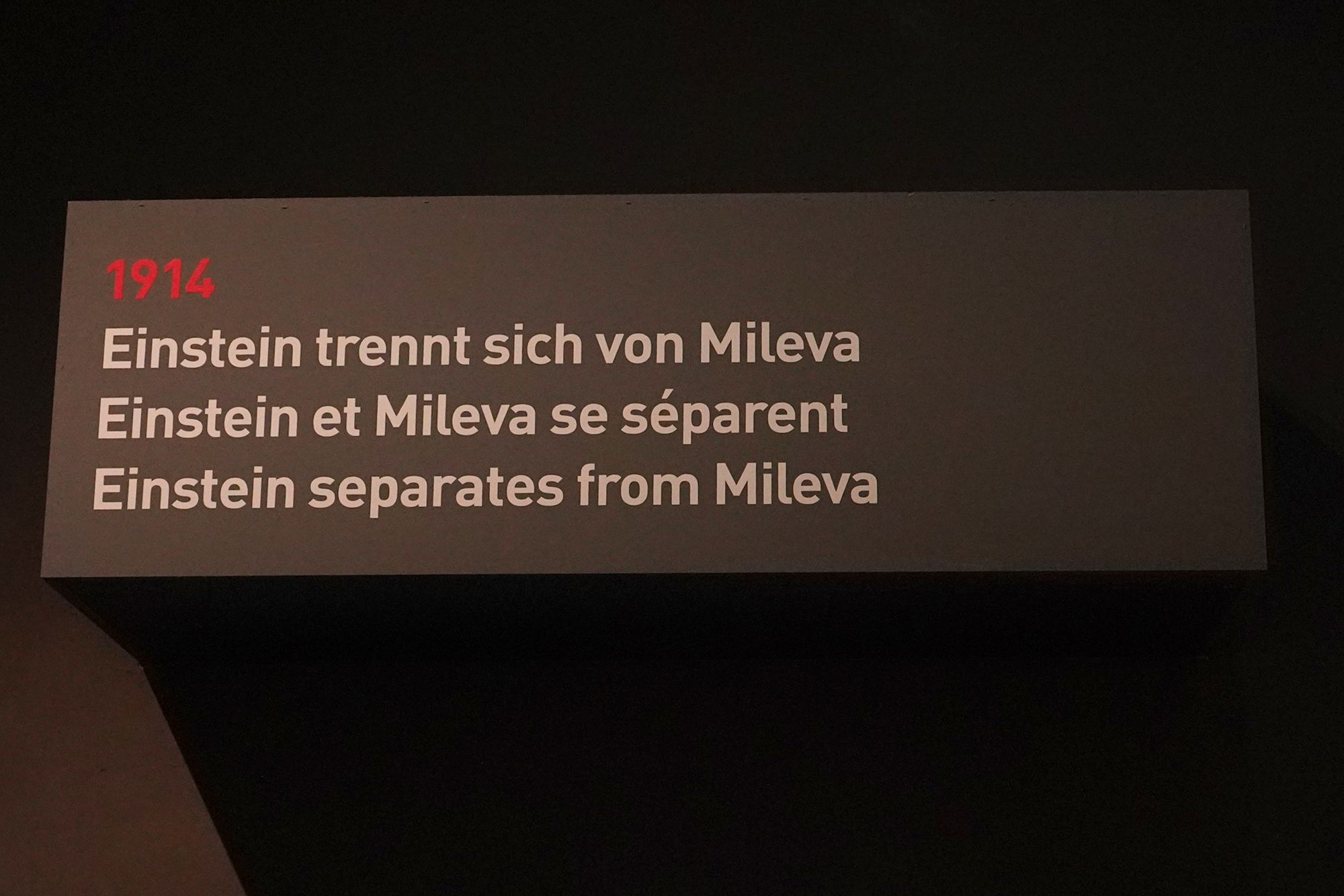
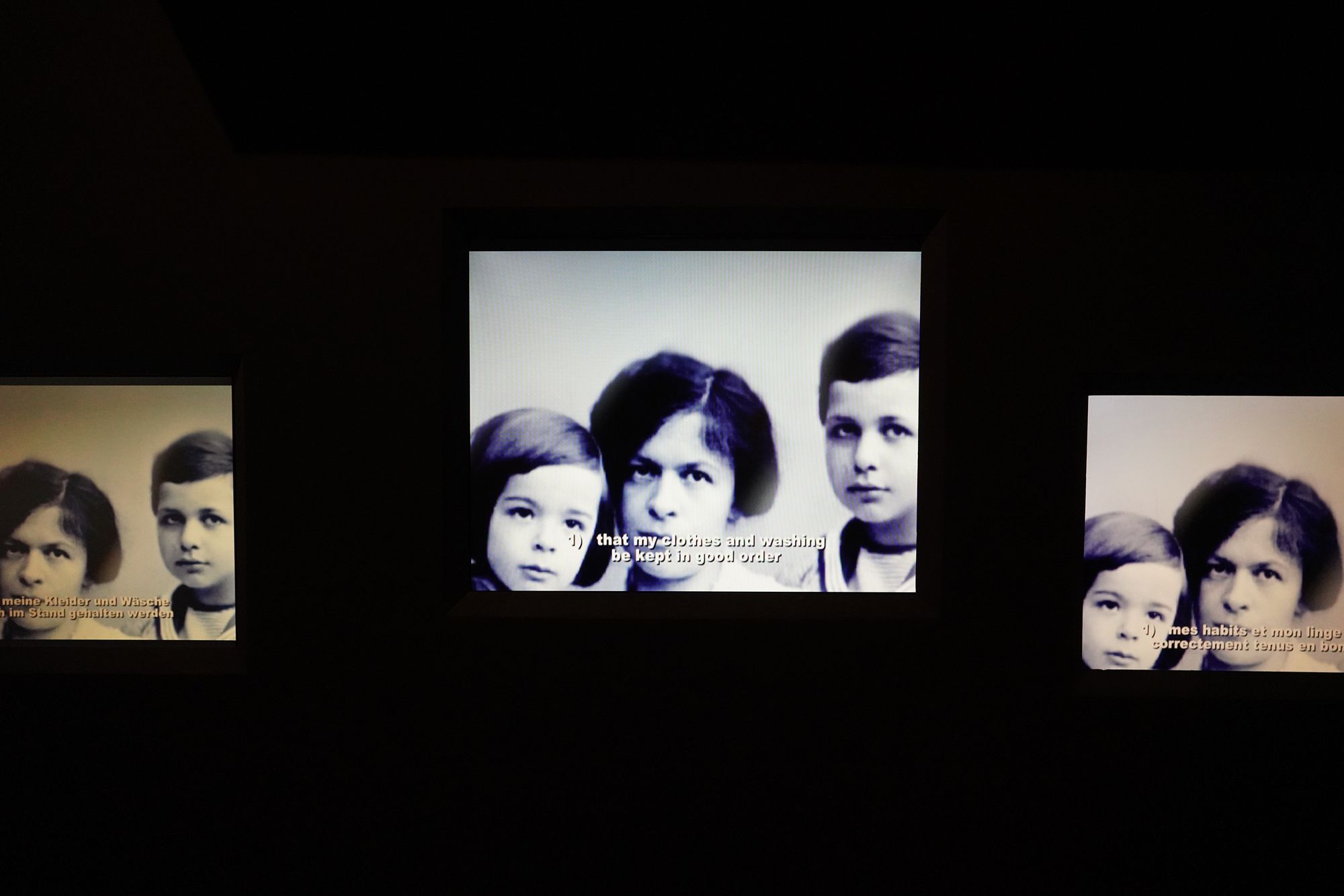
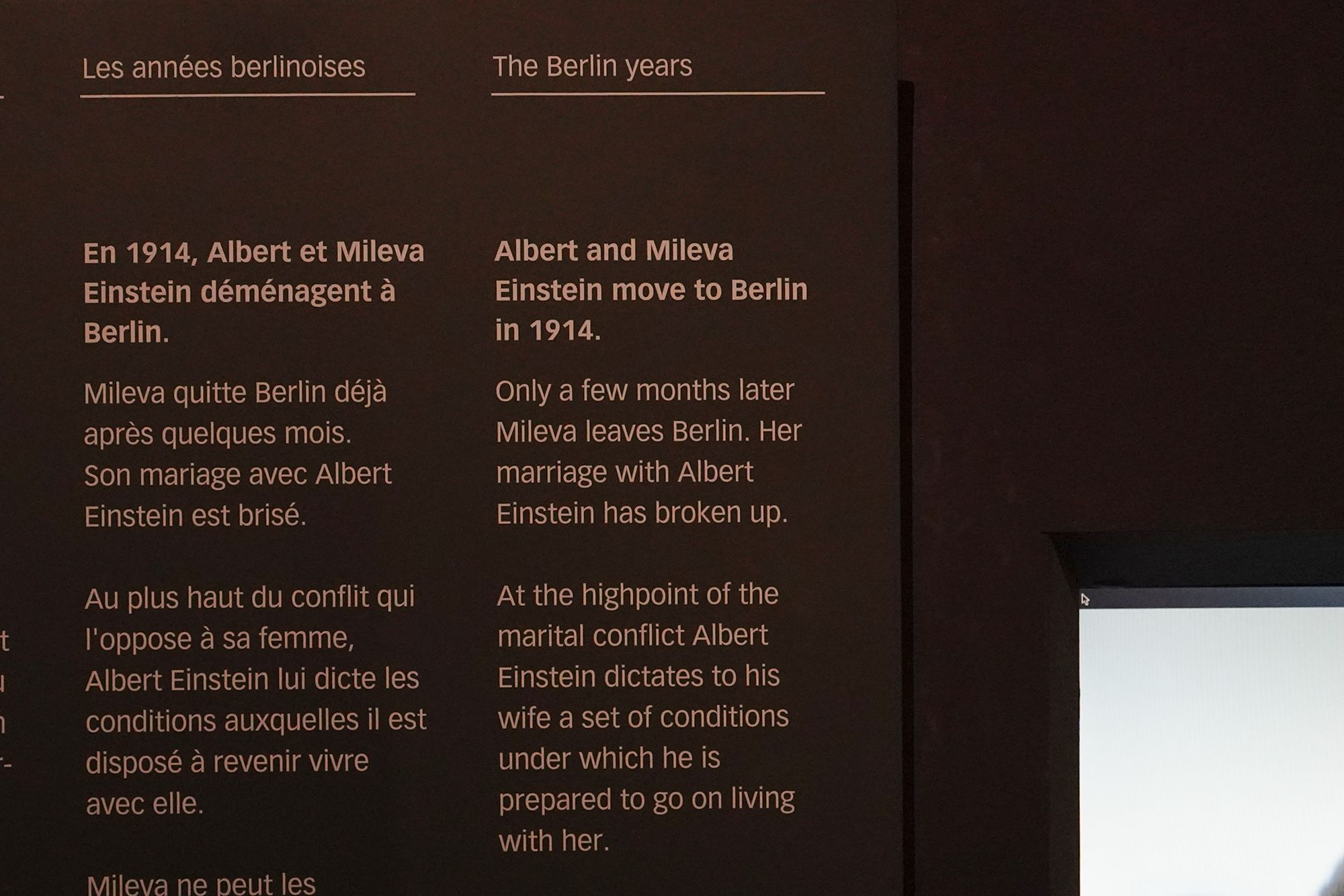
In 1914, Albert and Mileva Einstein moved to Berlin, where Einstein had accepted a prestigious academic position. But their marriage was already in serious trouble. Only a few months later, Mileva left Berlin with their two sons and returned to Zurich, marking the effective end of their life together.
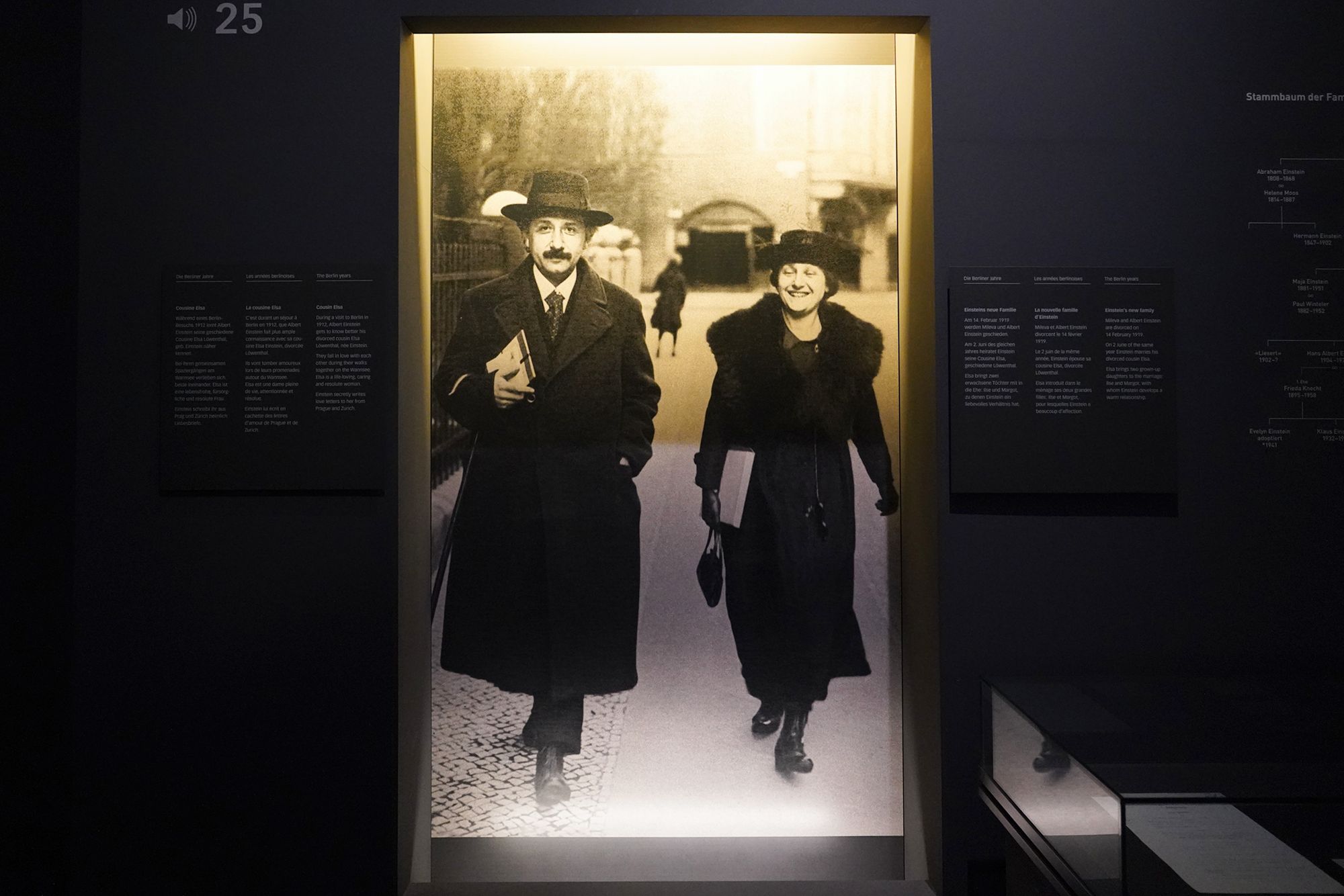
Einstein had become closer to his divorced cousin Elsa Löwenthal during a visit to Berlin in 1912, while he was still married to Mileva. They fell in love, and their relationship continued as Einstein’s marriage deteriorated. Elsa would later become Einstein’s second wife.
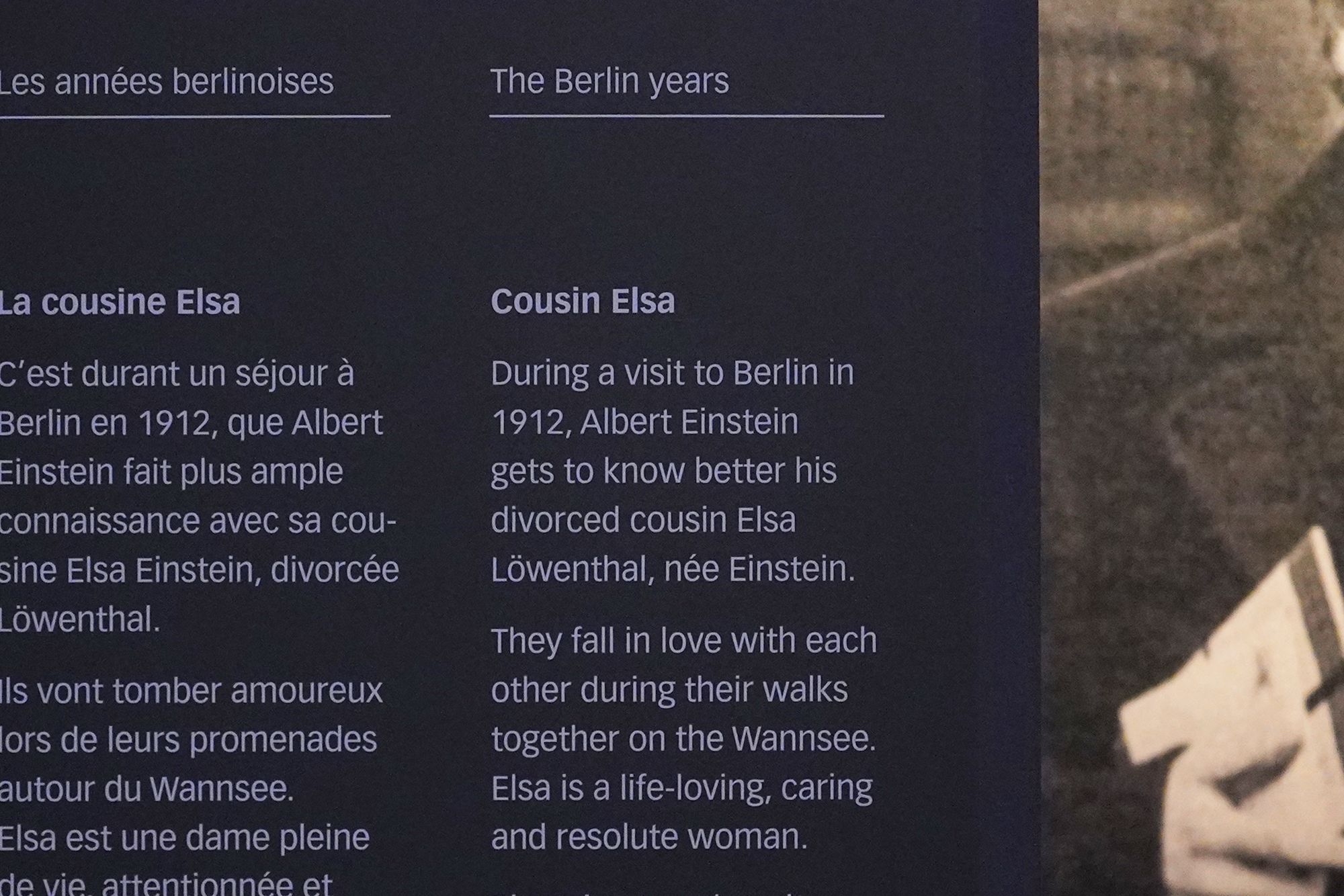
The Berlin yeaers
Einstein realized that his Special Theory of Relativity did not fit comfortably with Newton’s theory of gravity. Special relativity says that no influence can travel faster than light, while Newtonian gravity effectively treated gravitational influence as instantaneous. Einstein spent years trying to resolve this conflict, eventually developing his General Theory of Relativity, in which gravity is explained through the curvature of space and time.
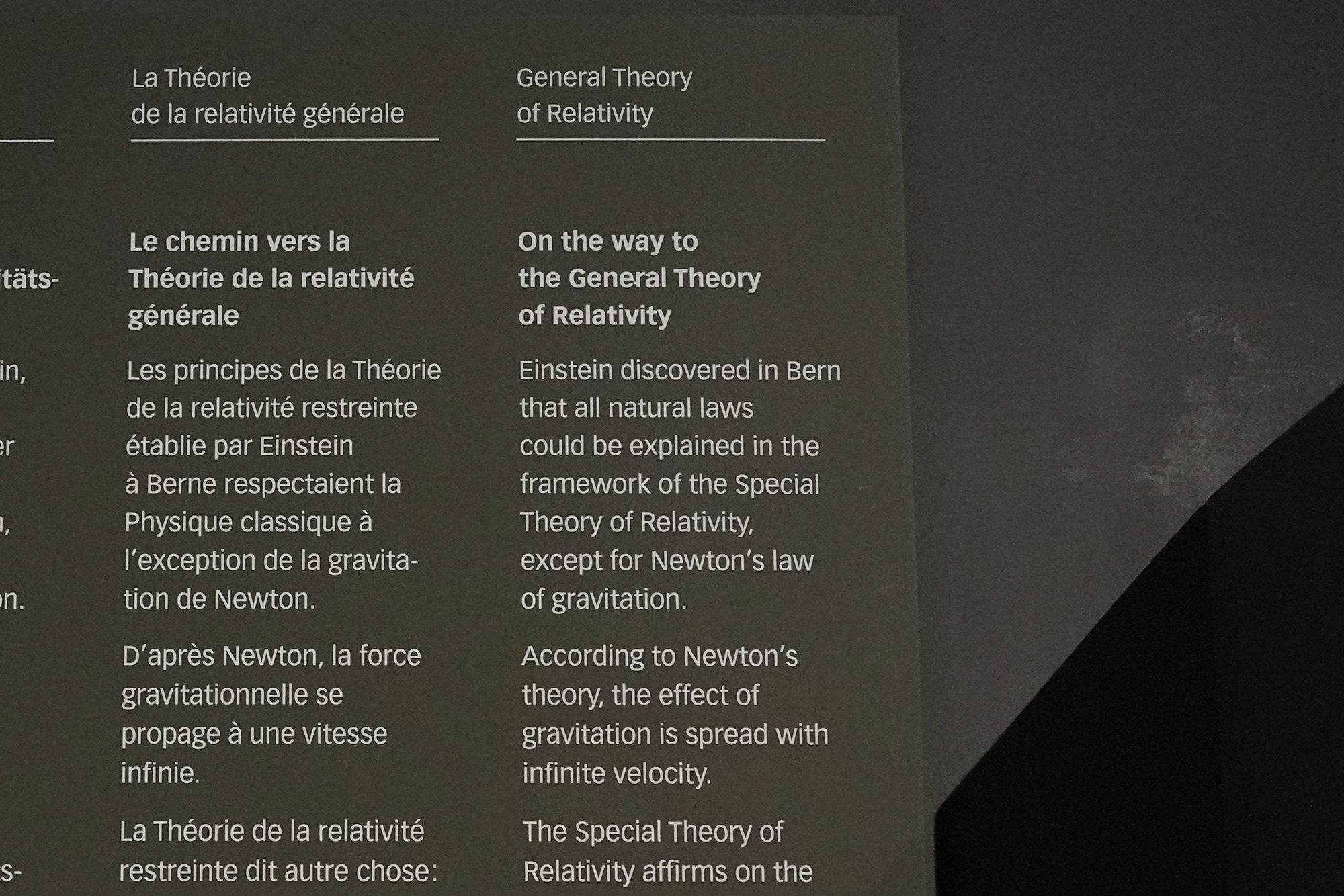
In 1907, Einstein had one of his most important insights: gravity and acceleration can produce the same physical effects. For example, a person inside a closed elevator could not easily tell whether they were being pulled downward by gravity or whether the elevator itself was accelerating upward. This equivalence principle became the starting point for Einstein’s General Theory of Relativity.
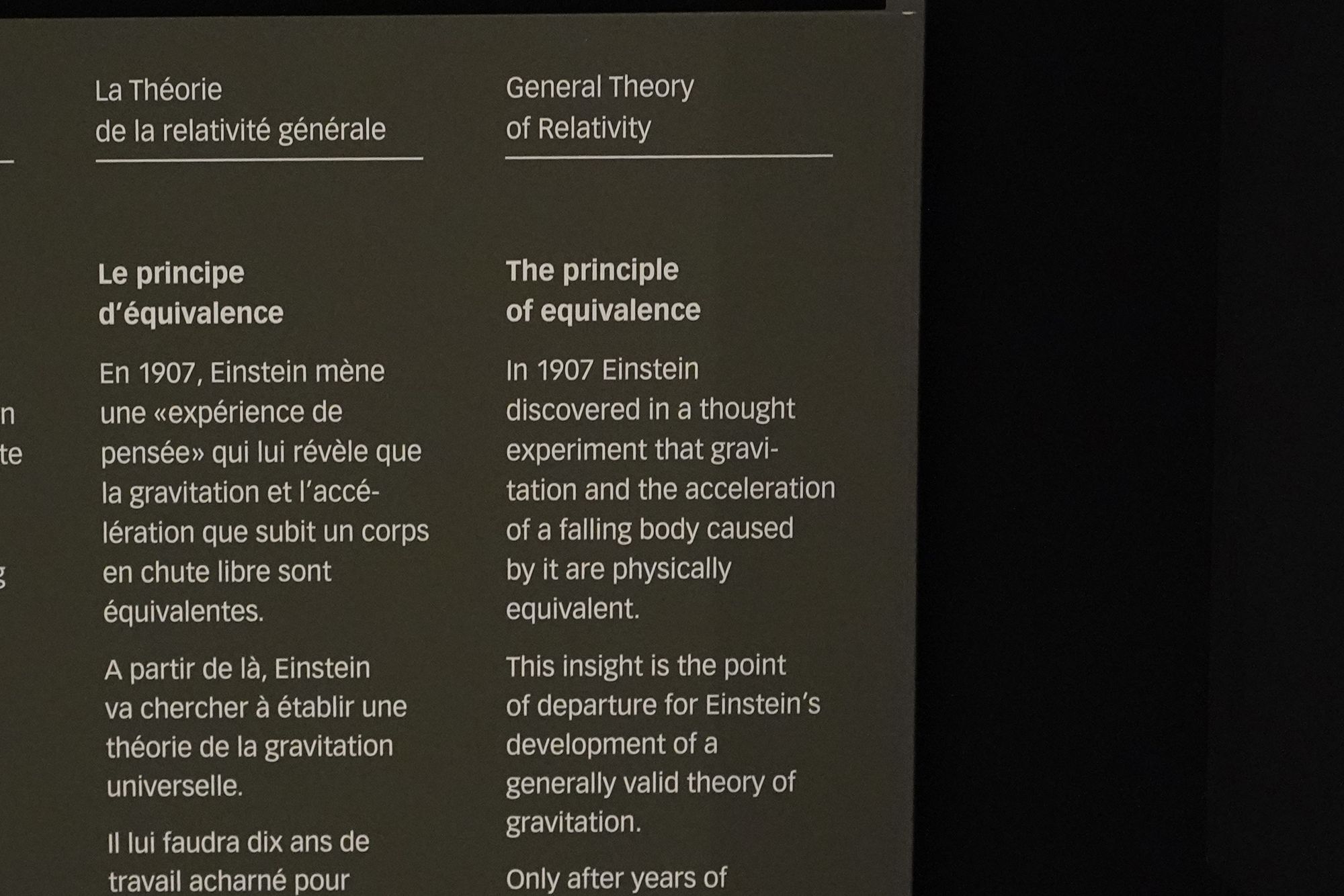
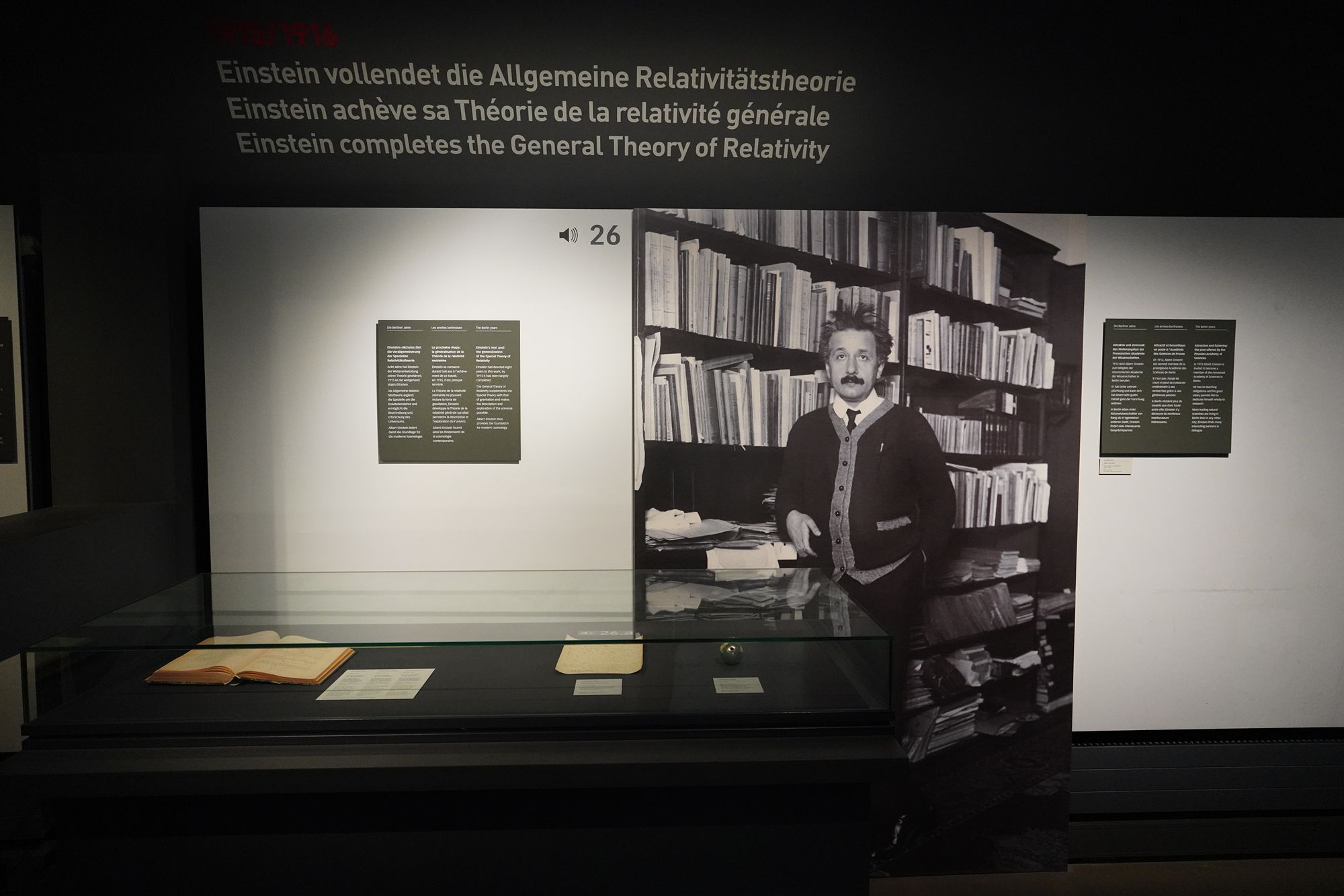
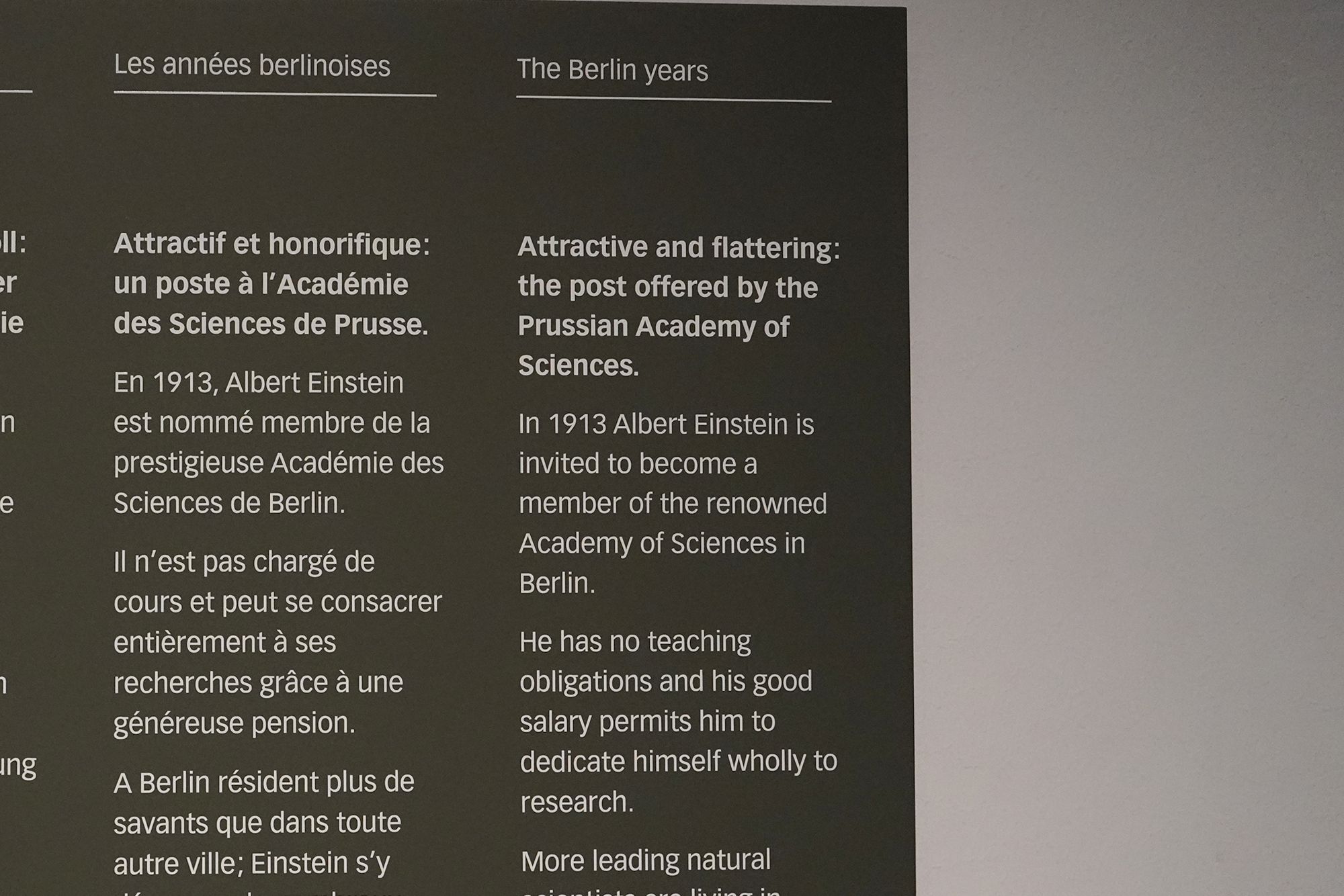
In 1913, Einstein was invited to join the prestigious Prussian Academy of Sciences in Berlin. The position offered a good salary with no regular teaching duties, allowing him to devote most of his time to research. It was an especially attractive opportunity because Berlin had become one of Europe’s leading centers of science.
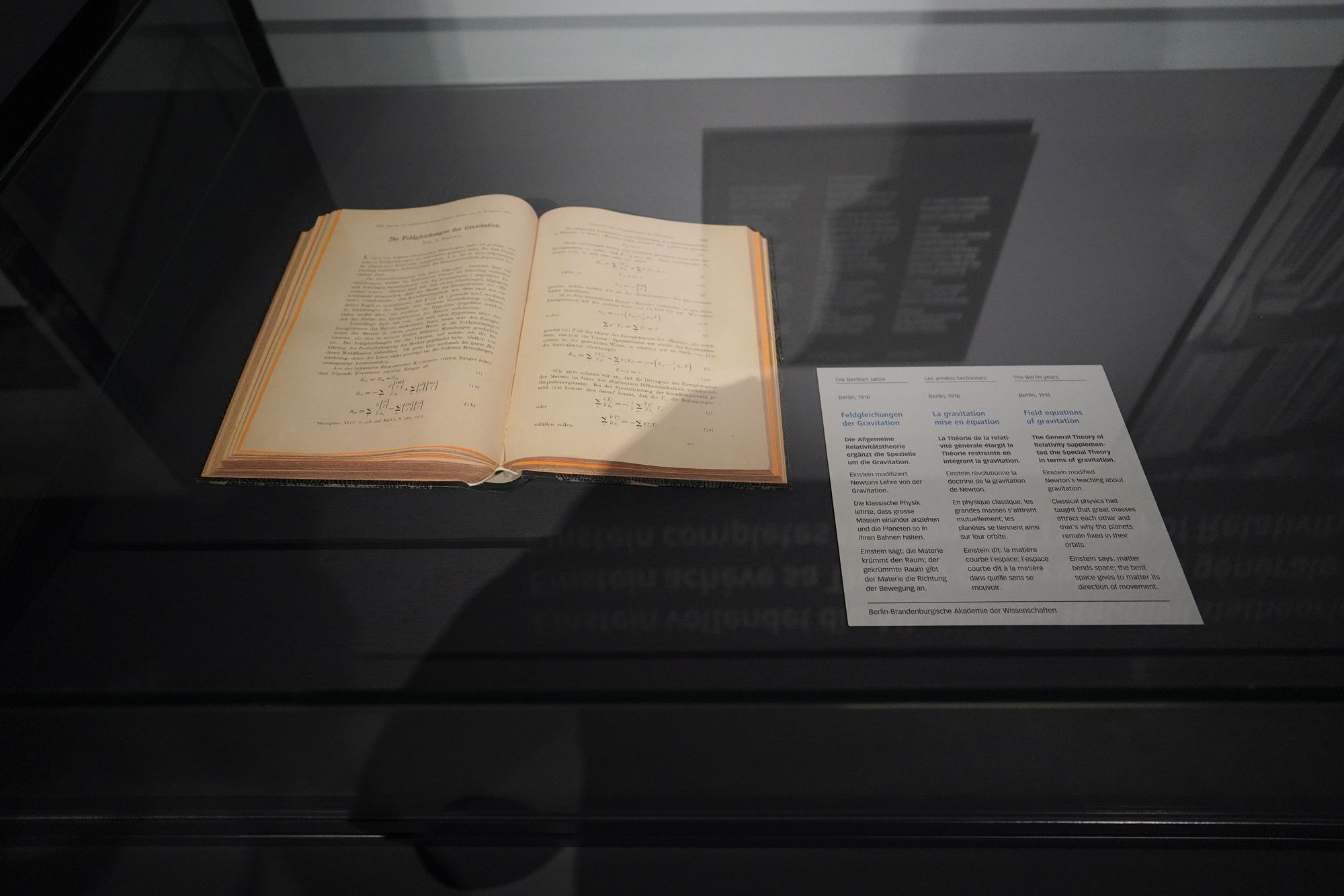
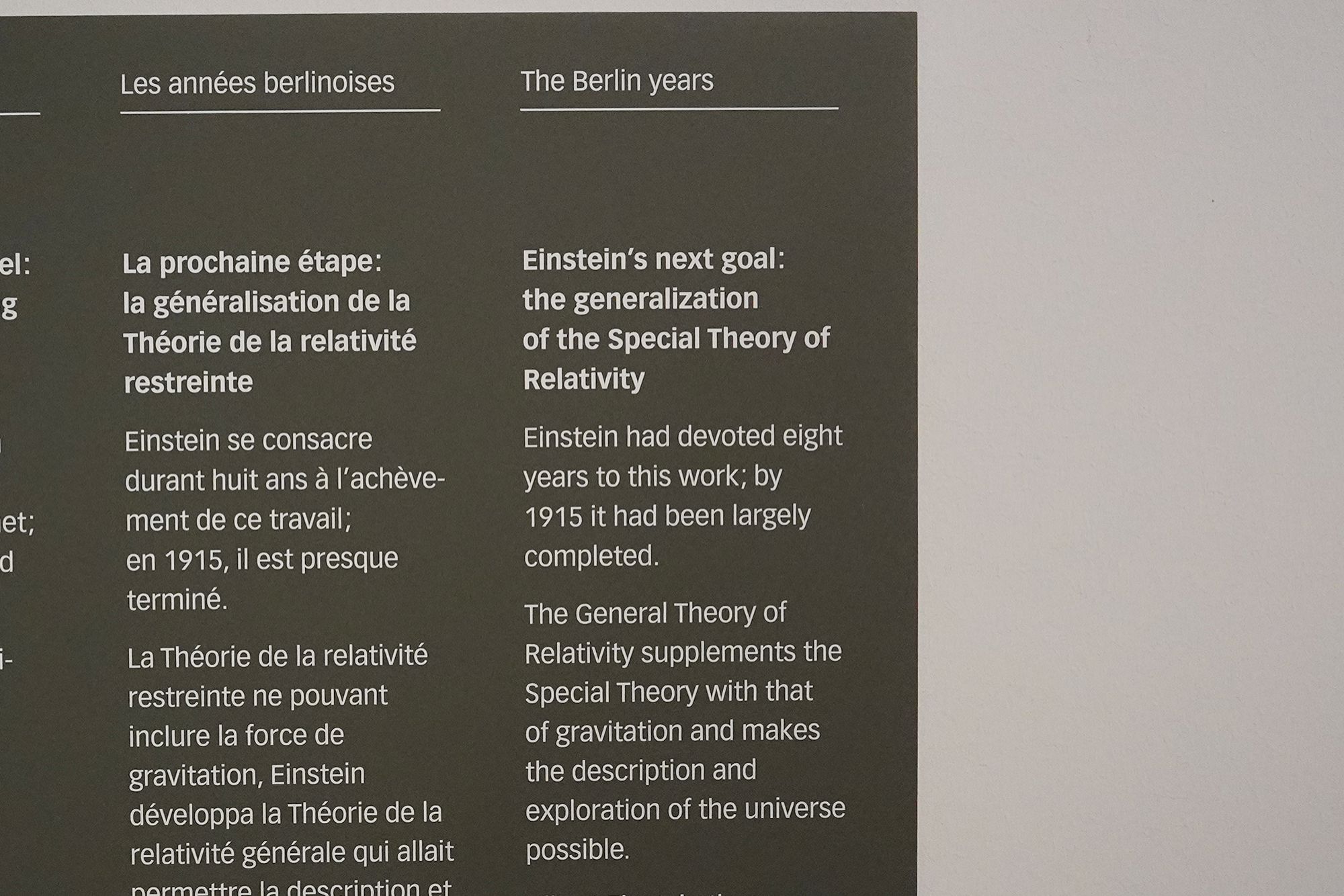
Einstein spent about eight years trying to extend Special Relativity to include gravity. By 1915, his work was largely complete. The resulting General Theory of Relativity described gravity in a completely new way—as the effect of matter and energy curving space and time—and provided a new framework for understanding the universe.
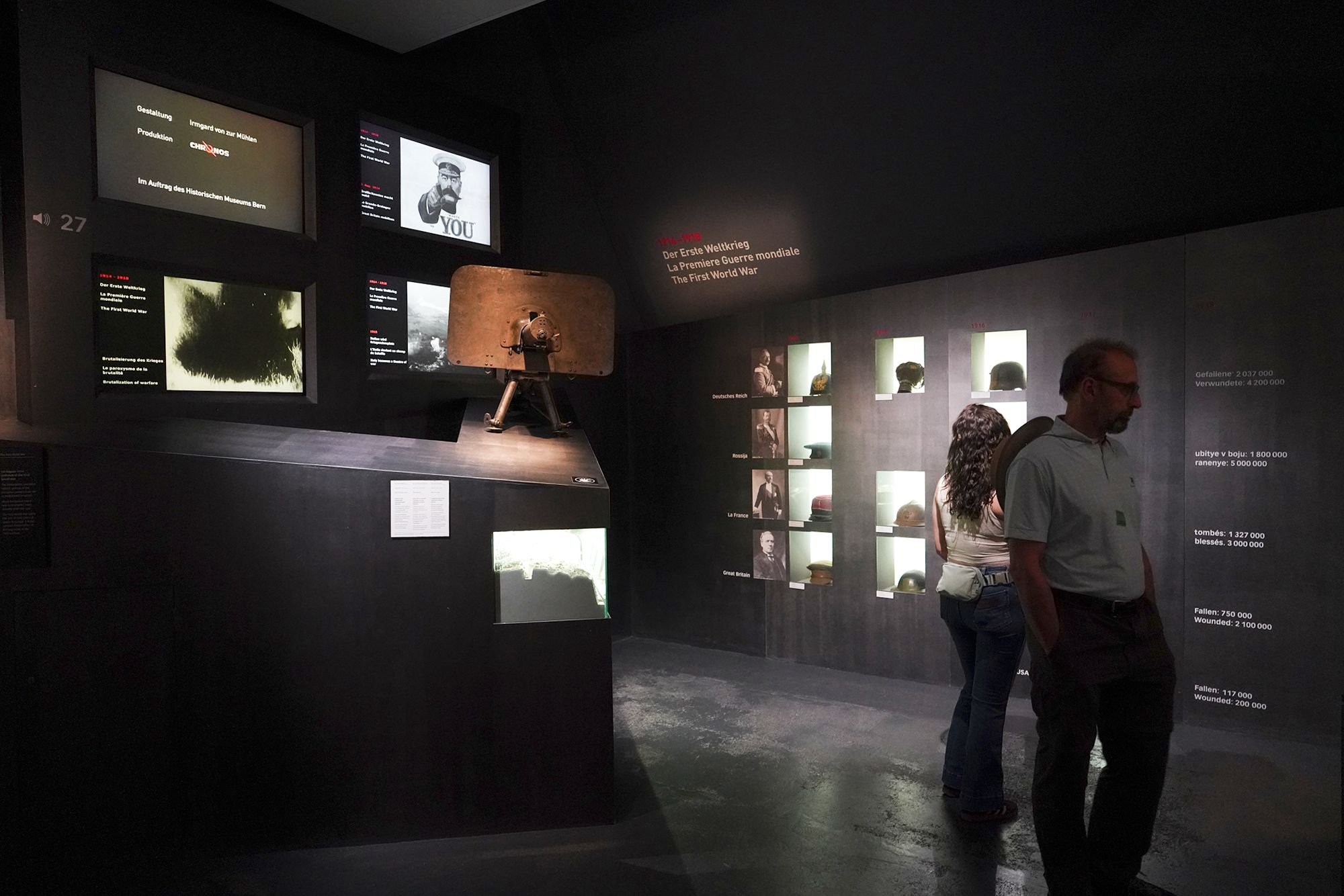
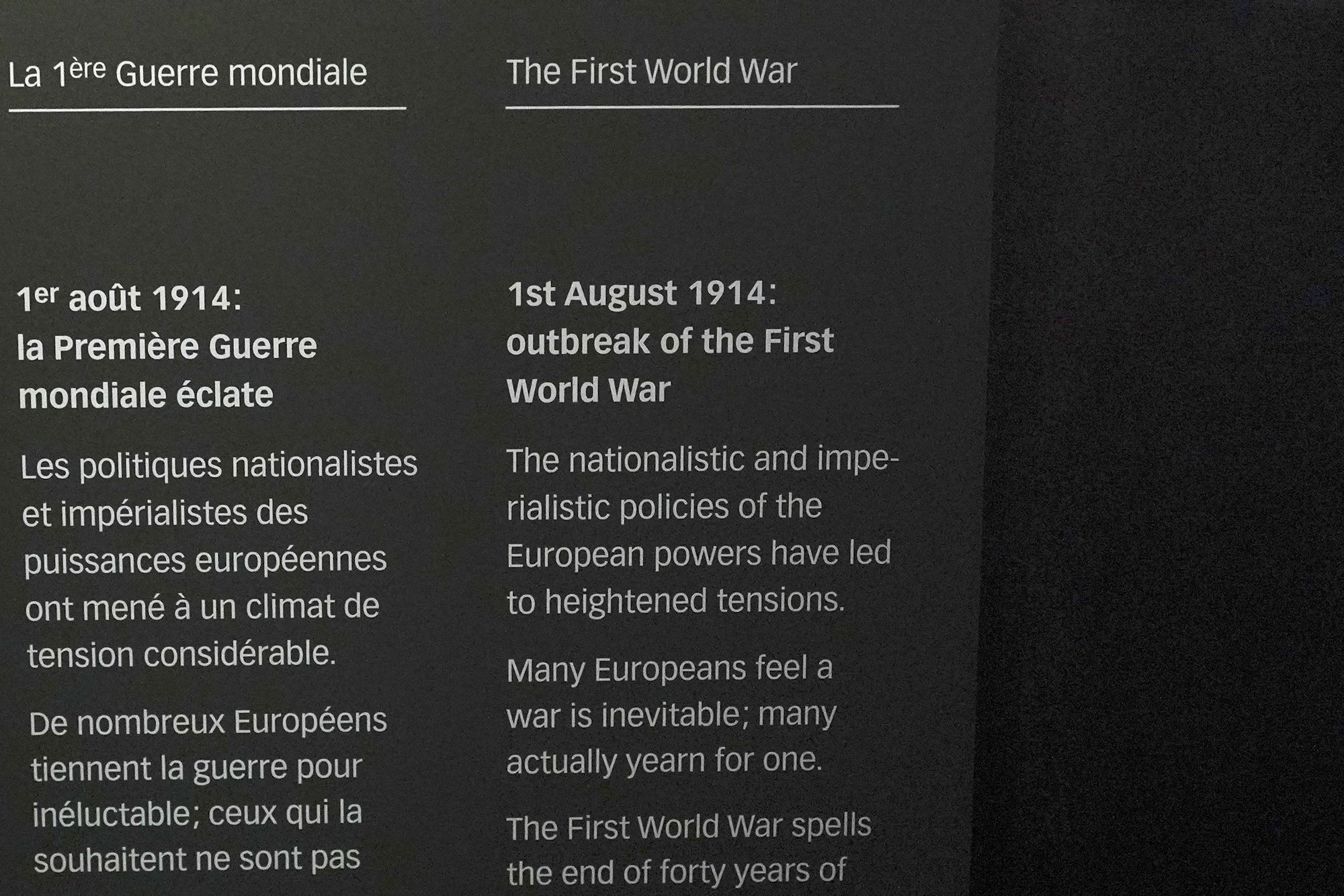
The First World War began in 1914, shortly after Einstein moved to Berlin. While nationalism and enthusiasm for the war swept through Germany and much of Europe, Einstein opposed the war and became an outspoken supporter of peace and international cooperation. His position separated him from many German academics and scientists who supported the war effort.
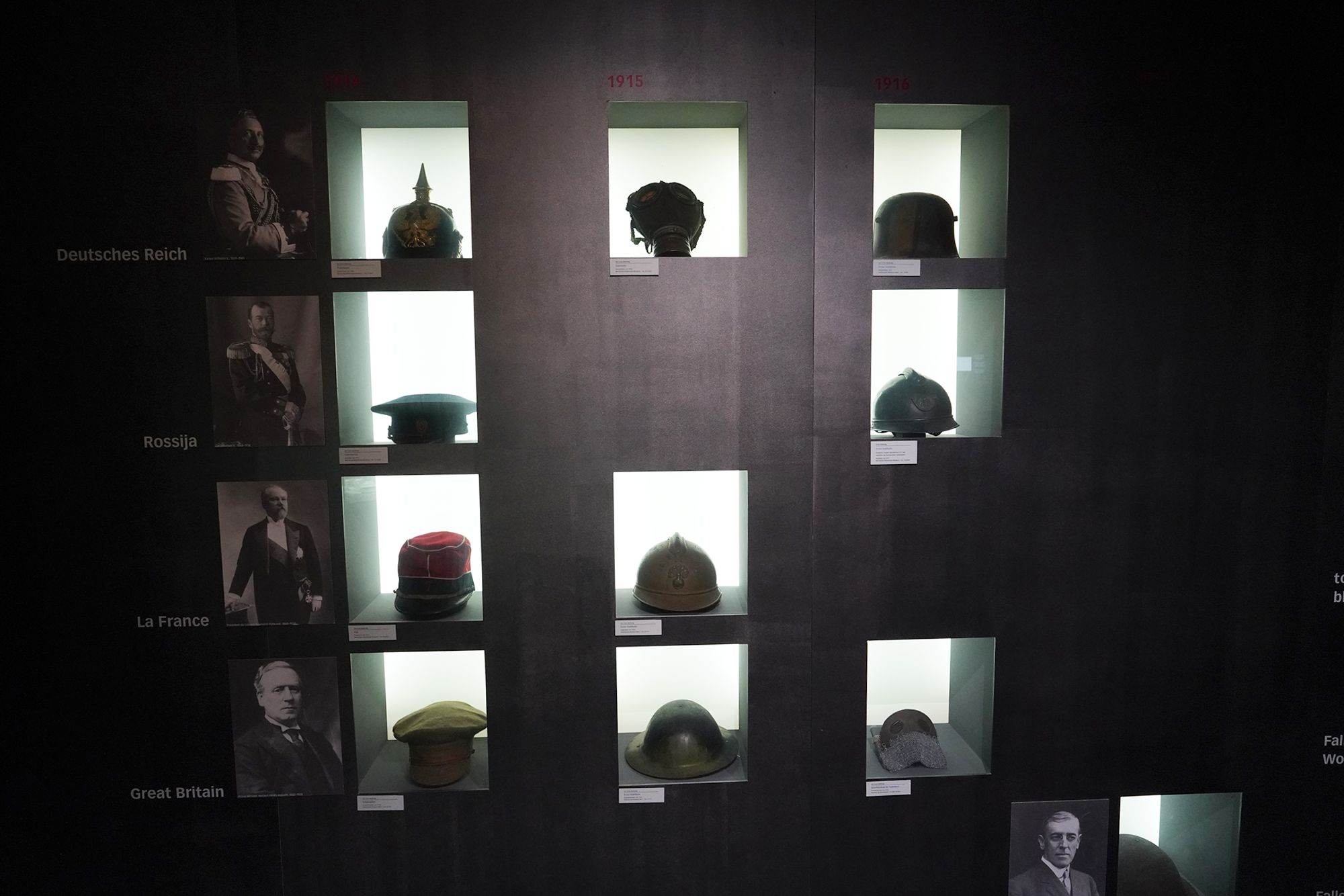
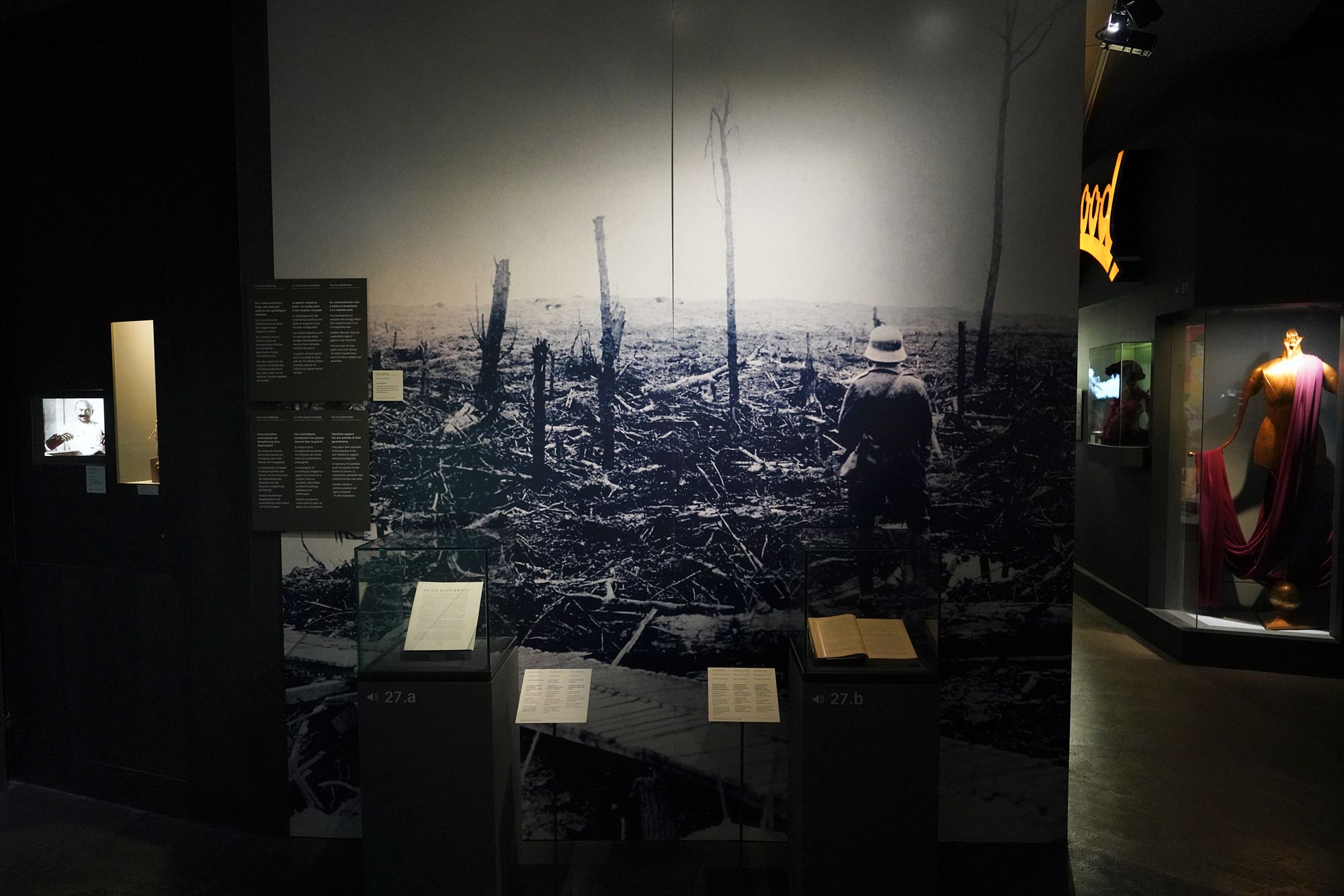
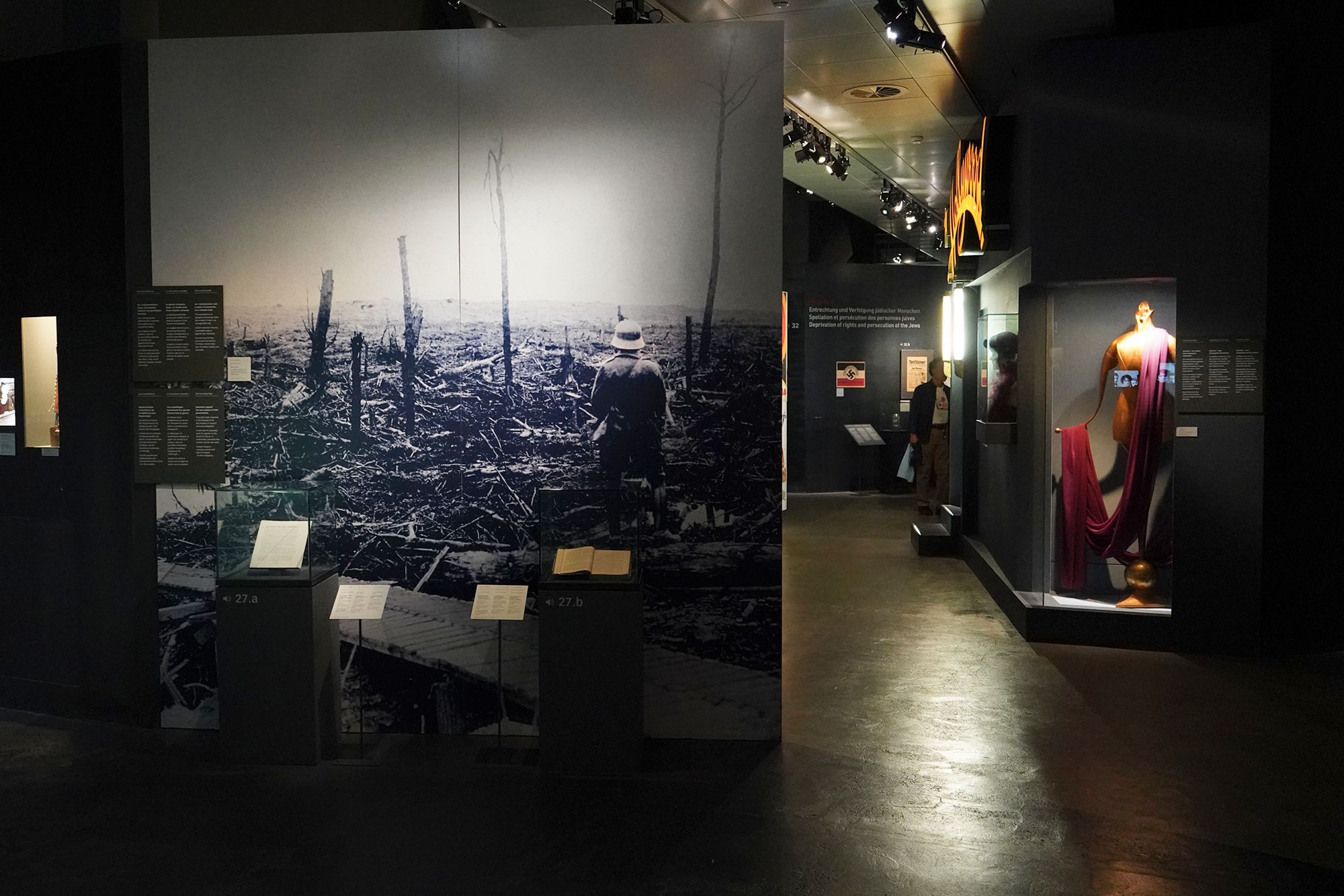
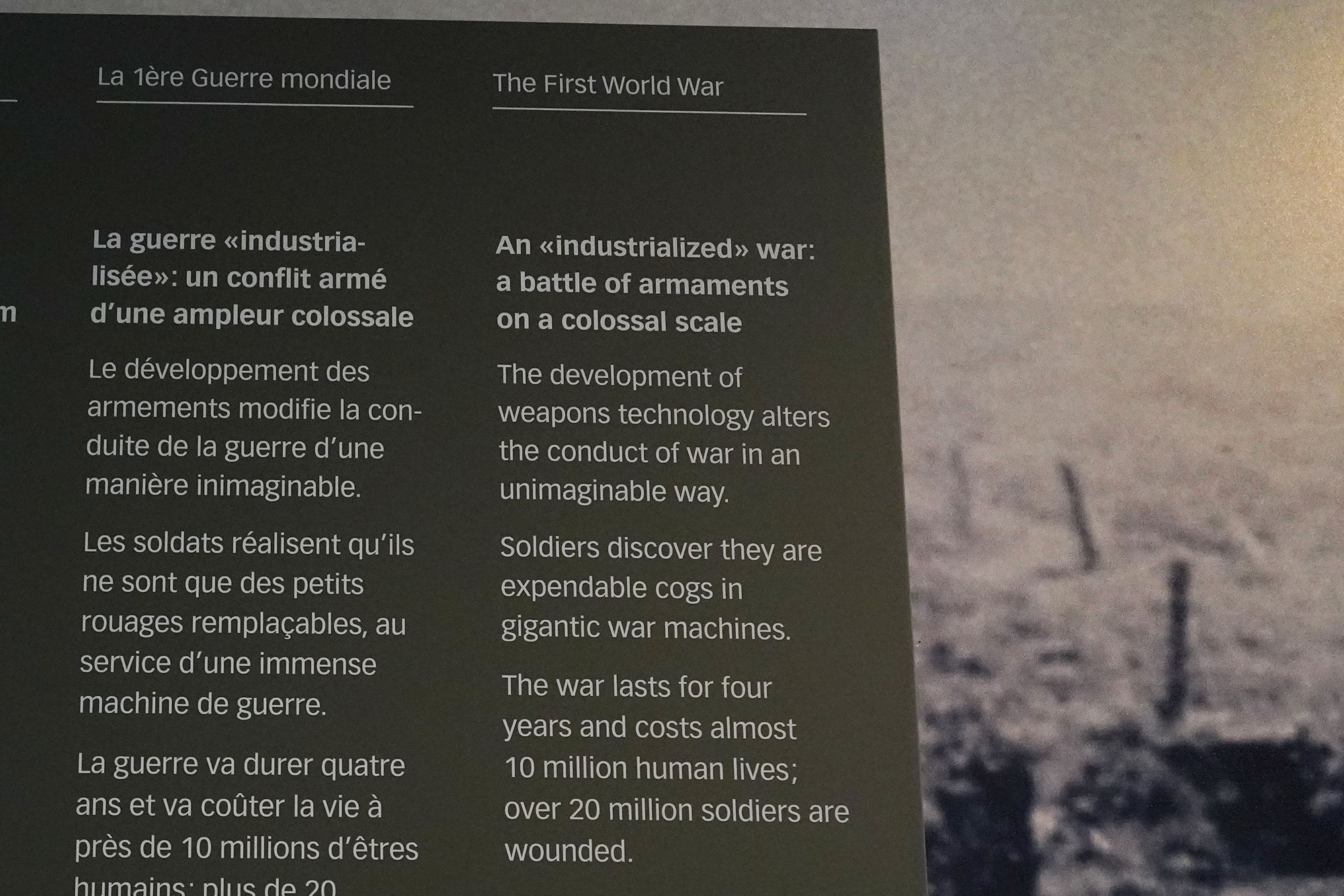
World War I became an industrialized war on an unprecedented scale. New technologies—including machine guns, heavy artillery, aircraft, submarines, and poison gas—made warfare far more destructive. Over four years, millions of soldiers were killed and many more wounded, profoundly shaping Einstein’s increasingly strong opposition to war and militarism.
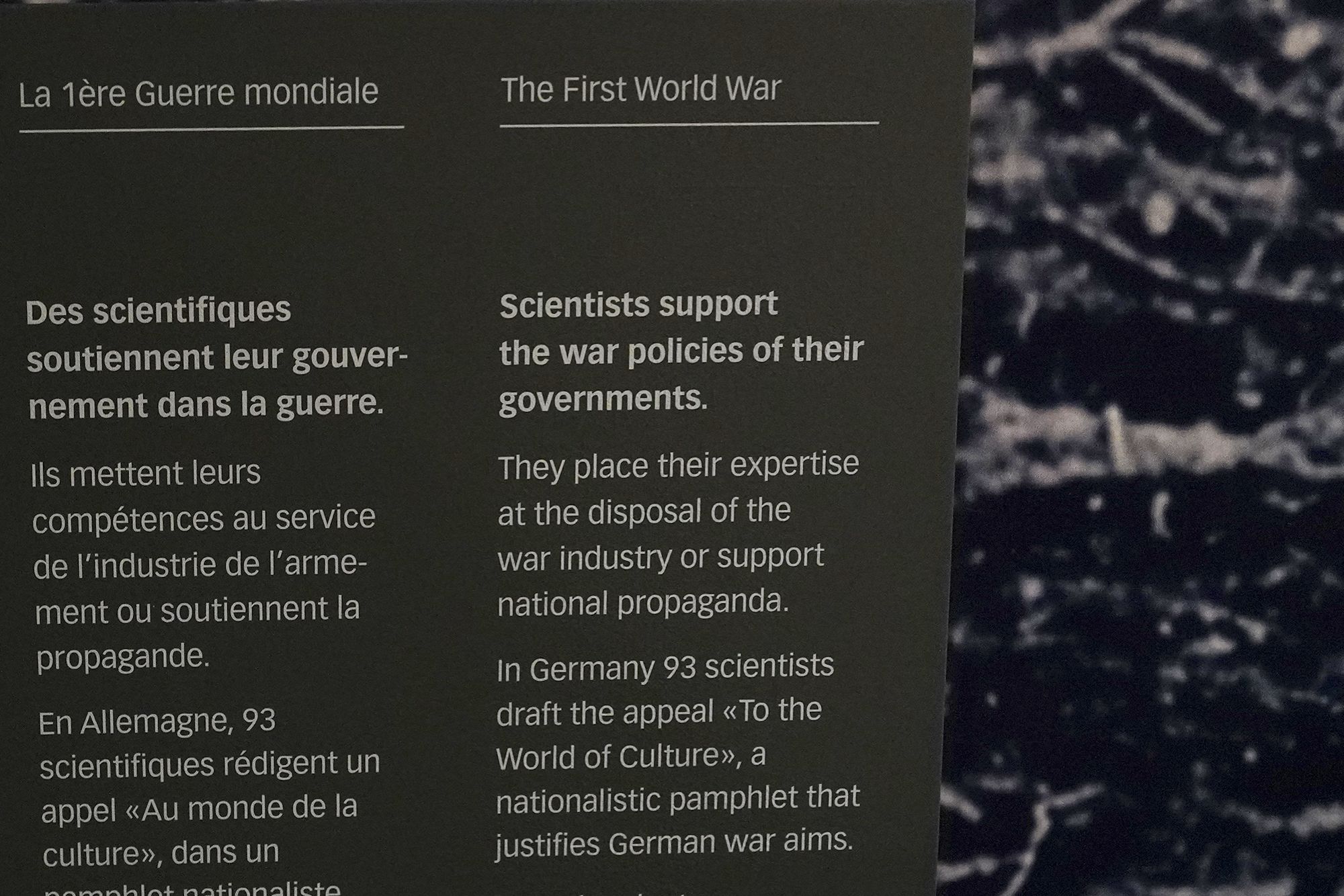
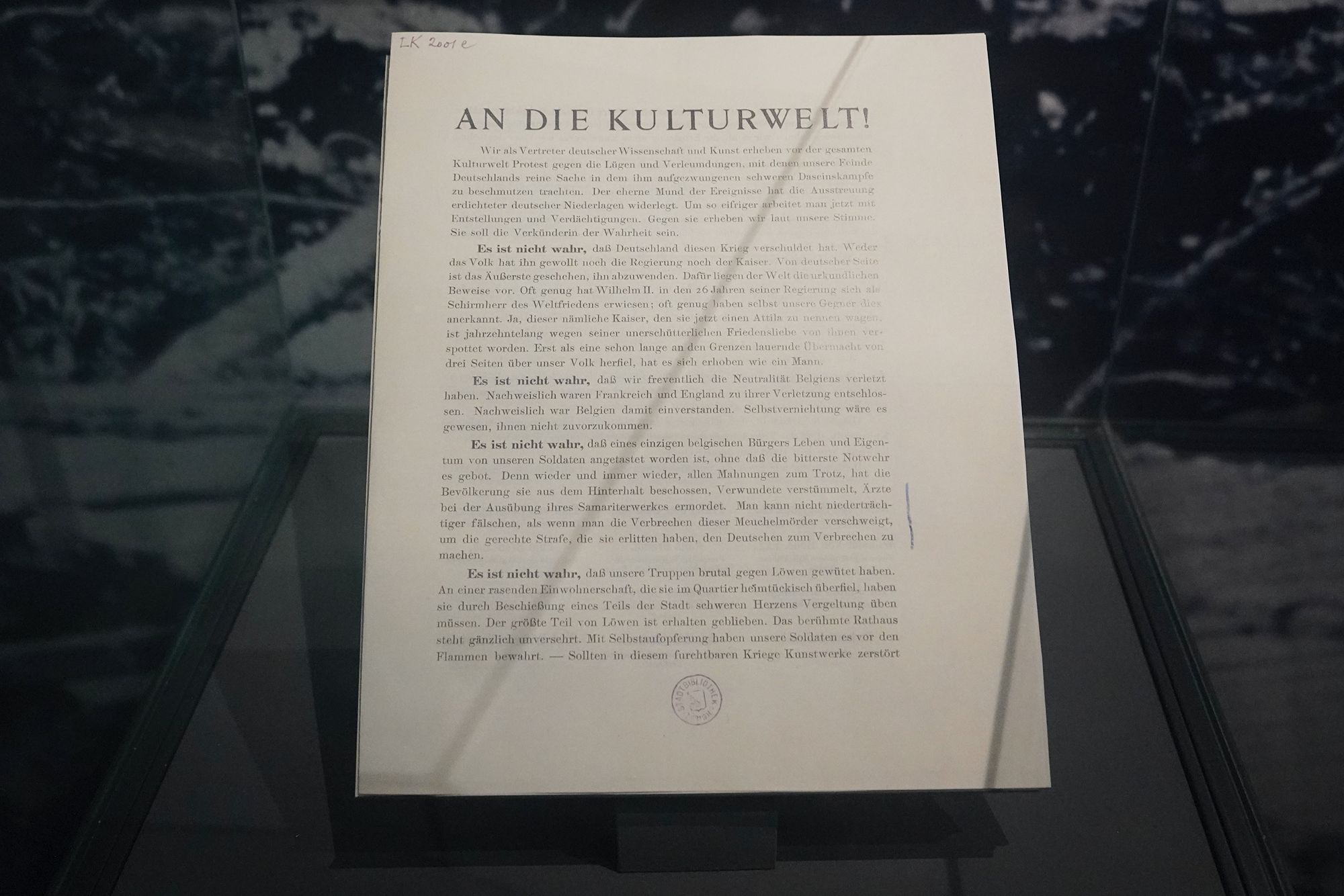
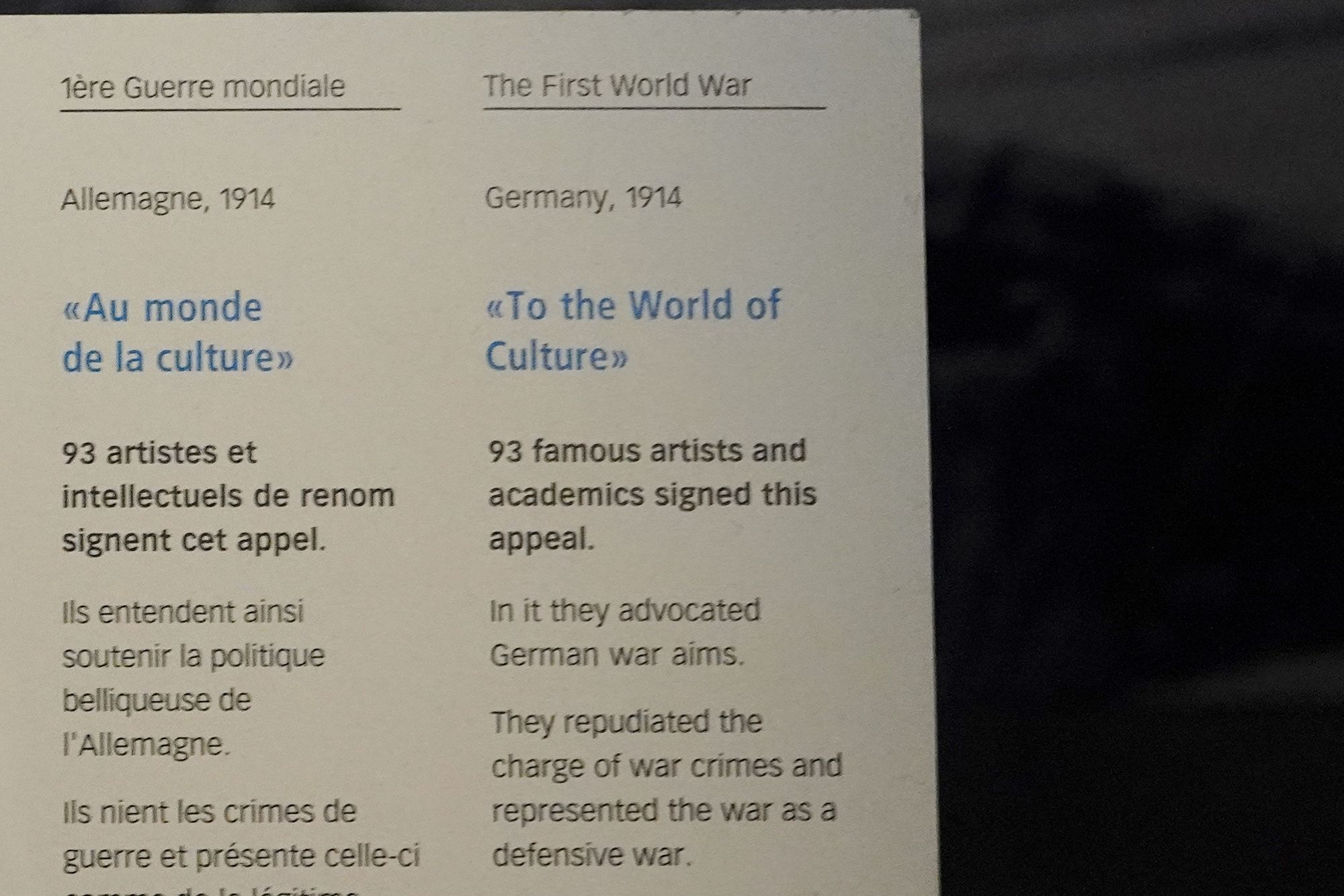
Many German scientists and intellectuals supported their government during World War I, contributing their expertise to military research and propaganda. In 1914, 93 prominent German intellectuals signed the “Manifesto of the Ninety-Three,” defending Germany’s actions in the war. Einstein strongly disagreed and refused to join this nationalist declaration, remaining among the relatively few German academics who publicly supported peace.
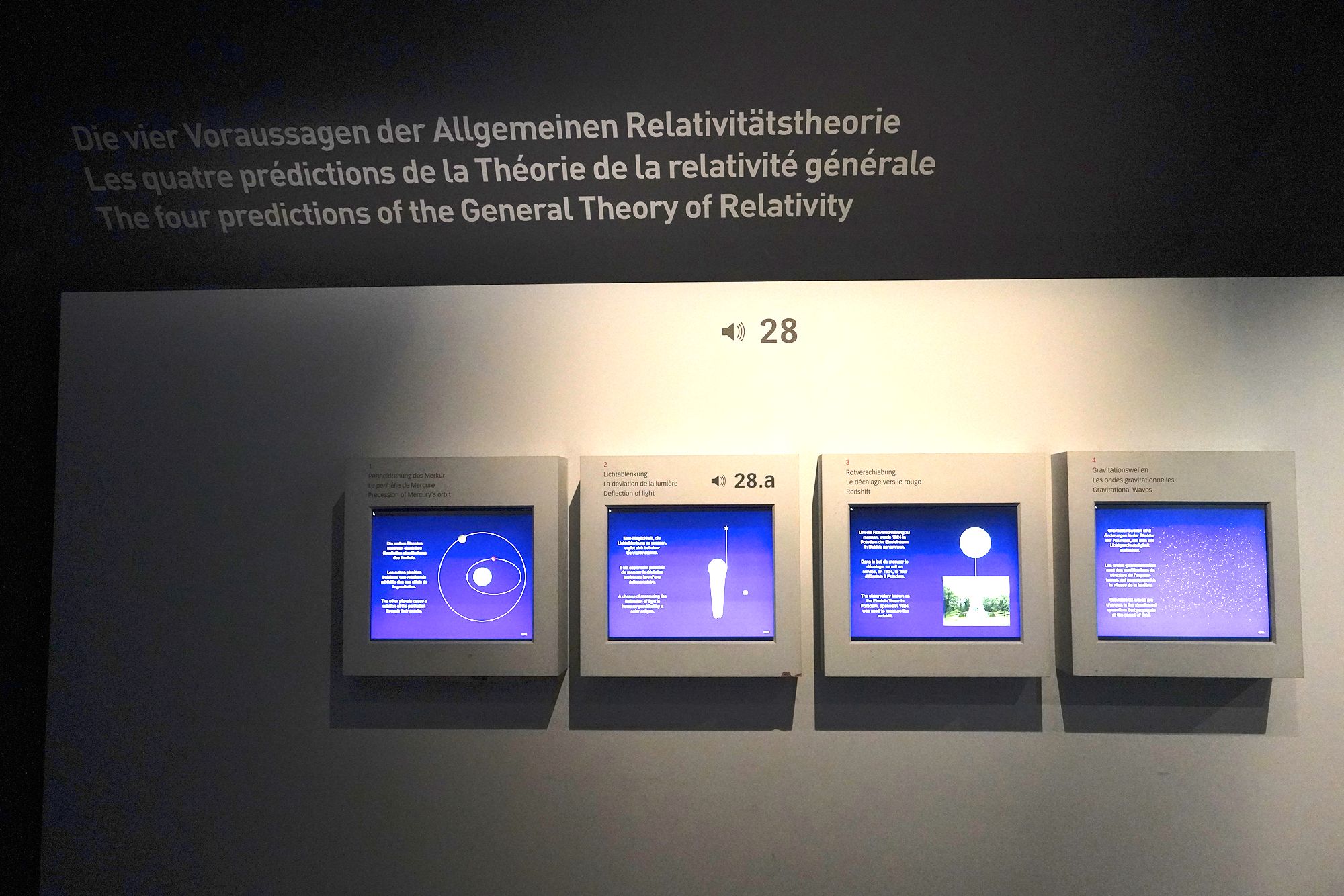
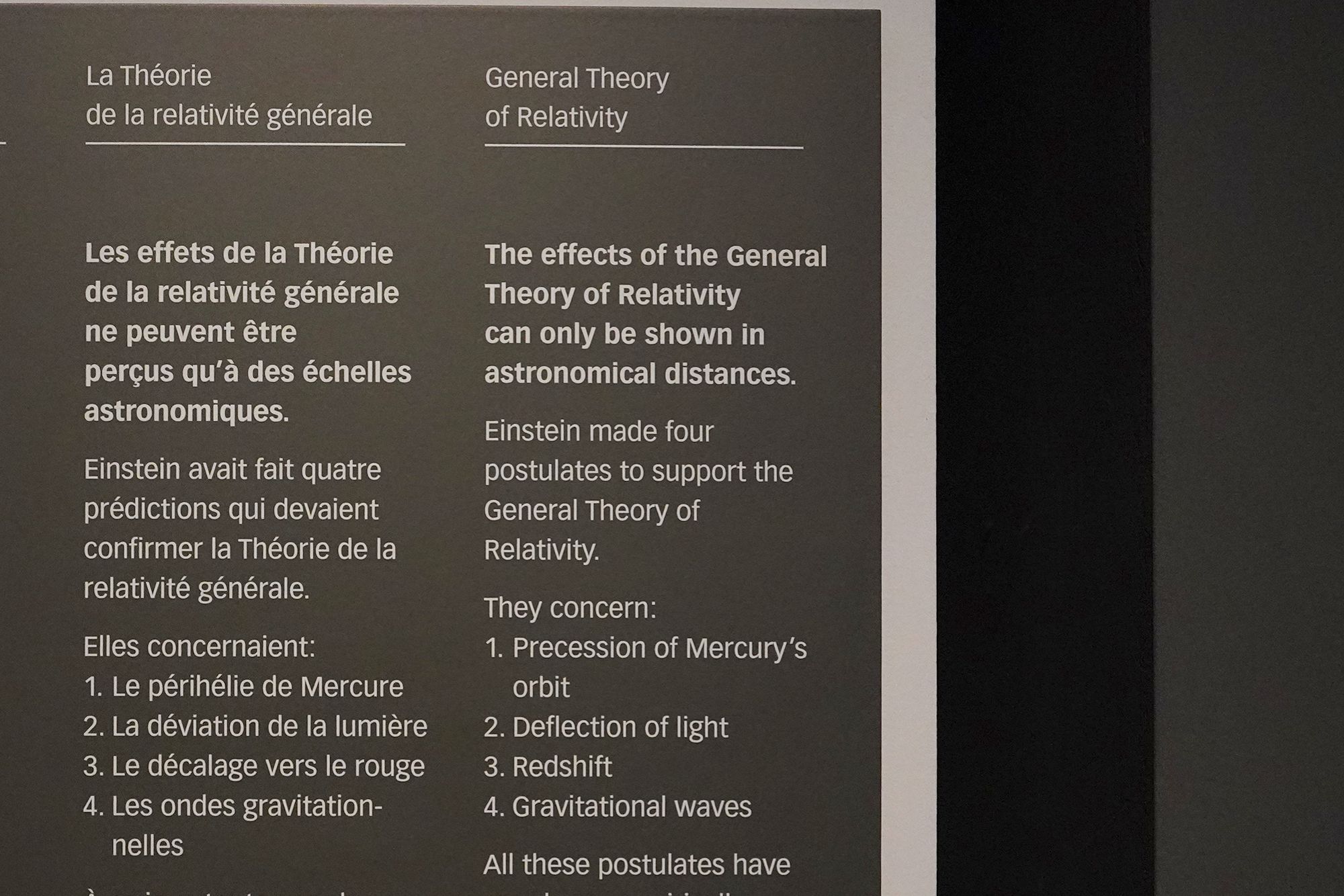
Einstein’s General Theory of Relativity made several predictions that could be tested through astronomy. These included Mercury’s unusual orbital motion, the bending of light by gravity, gravitational redshift, and gravitational waves. Over time, observations and experiments provided strong confirmation of all four, with gravitational waves finally being directly detected a century later, in 2015.
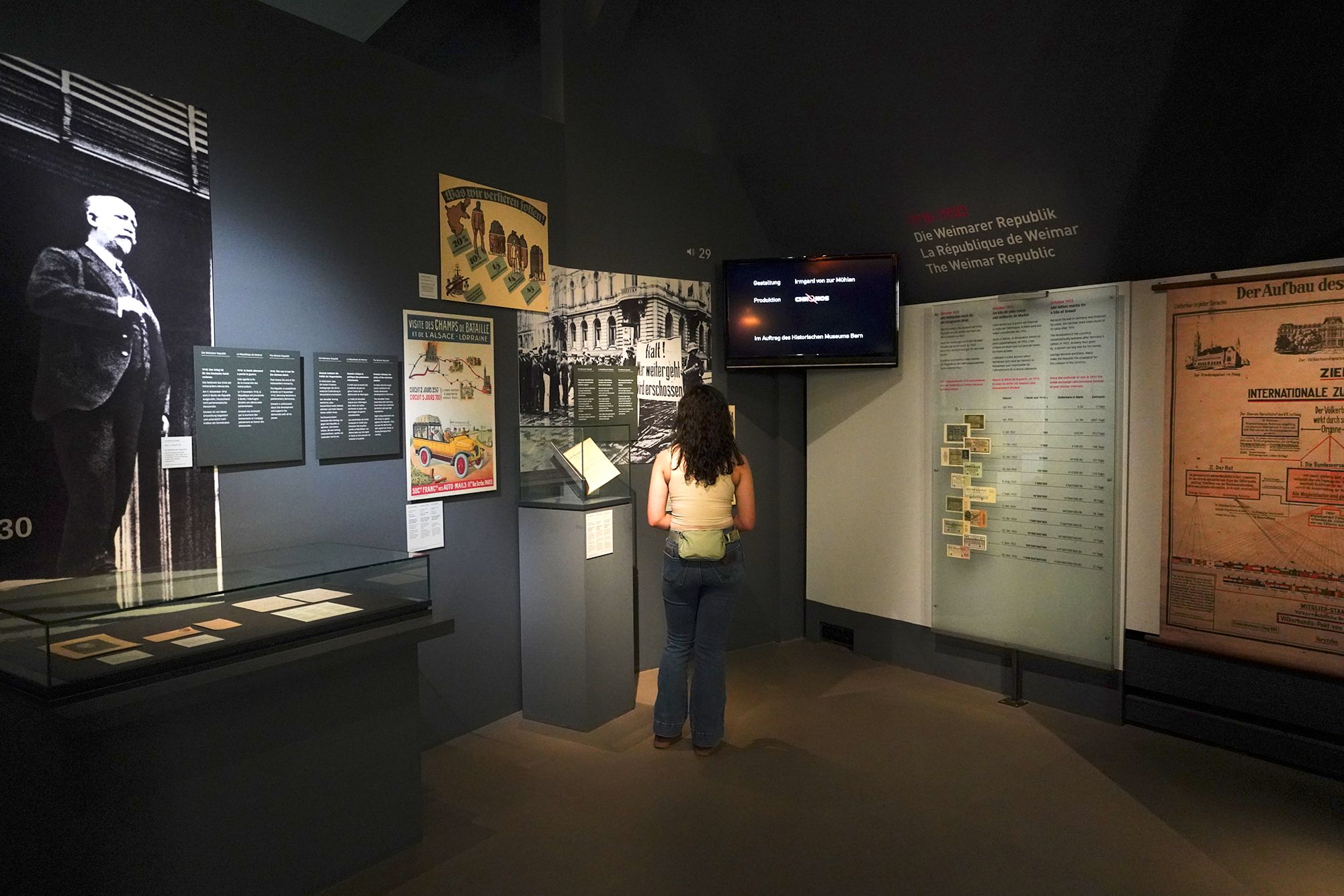
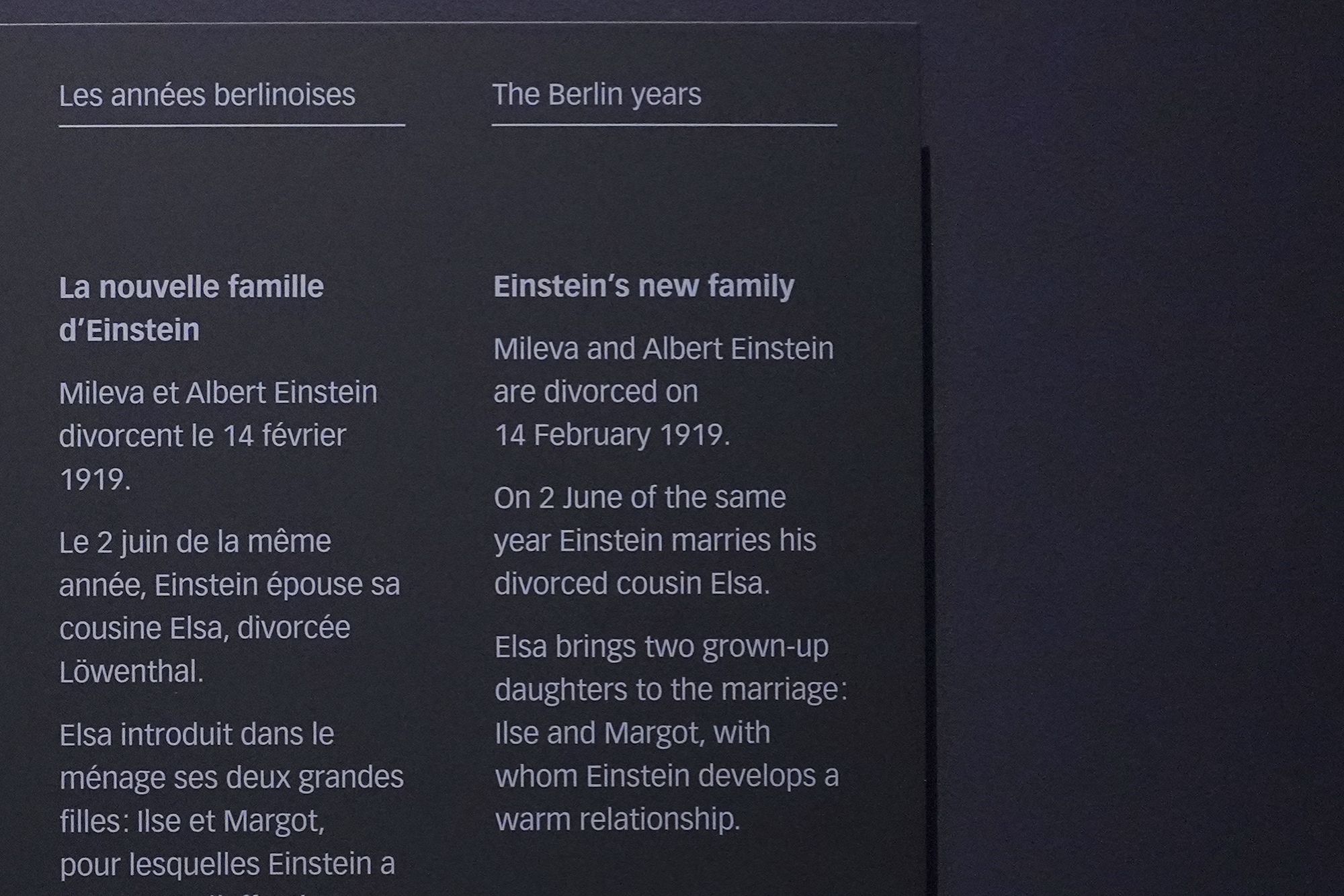
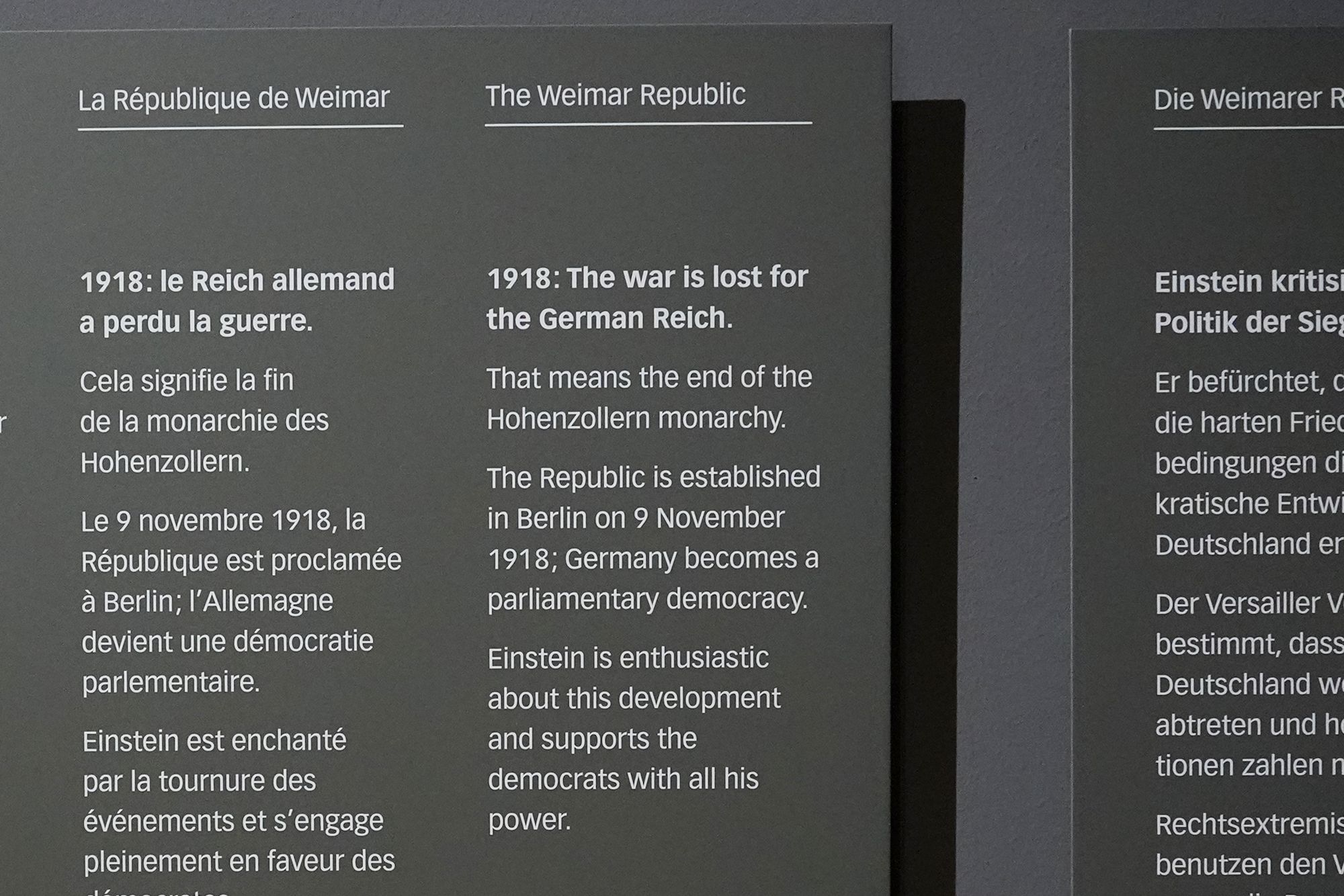
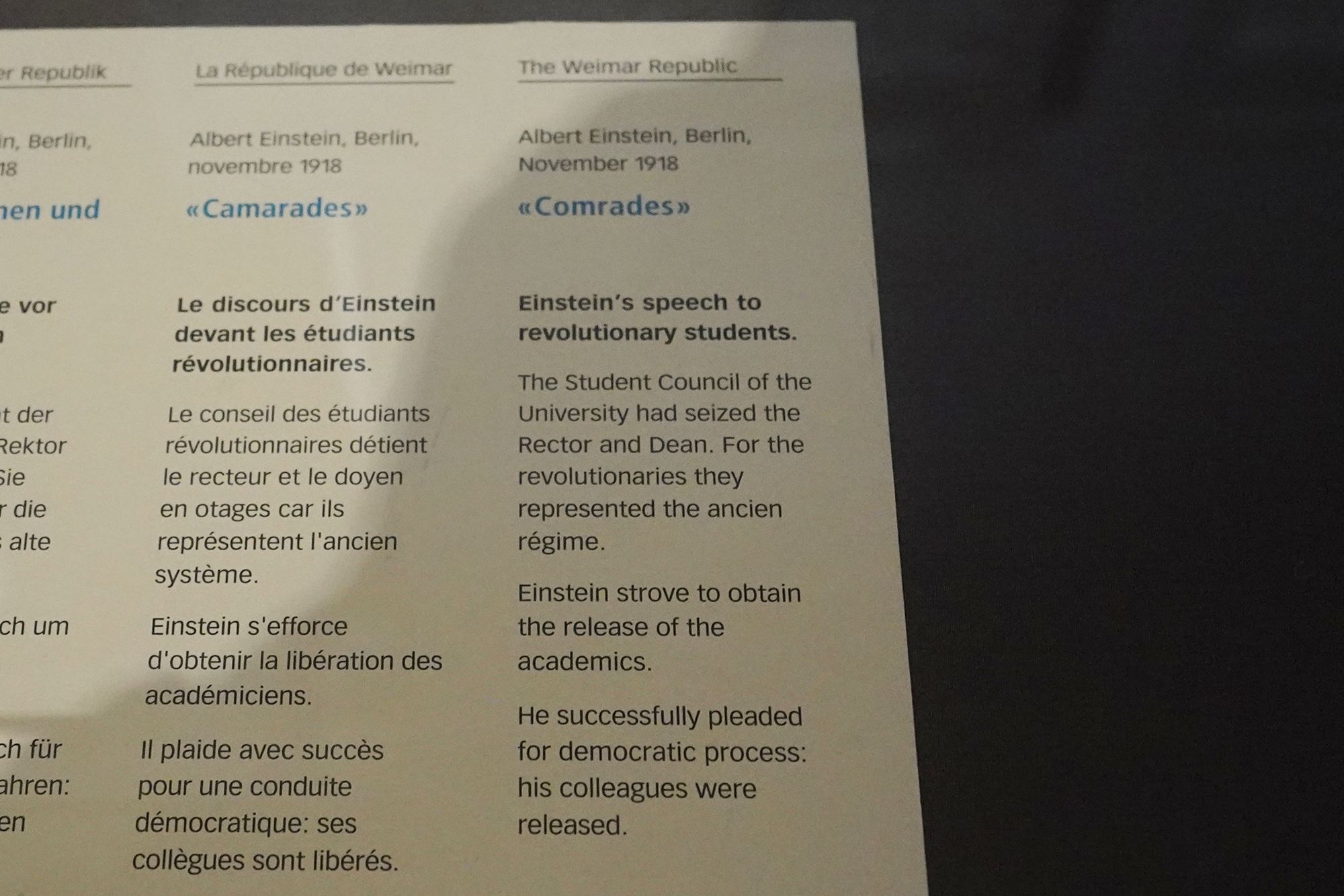
Germany’s defeat in 1918 brought an end to the German Empire and the monarchy of Kaiser Wilhelm II. A republic was proclaimed on November 9, 1918, beginning the period later known as the Weimar Republic. Einstein welcomed the political change and supported Germany’s transition toward parliamentary democracy.
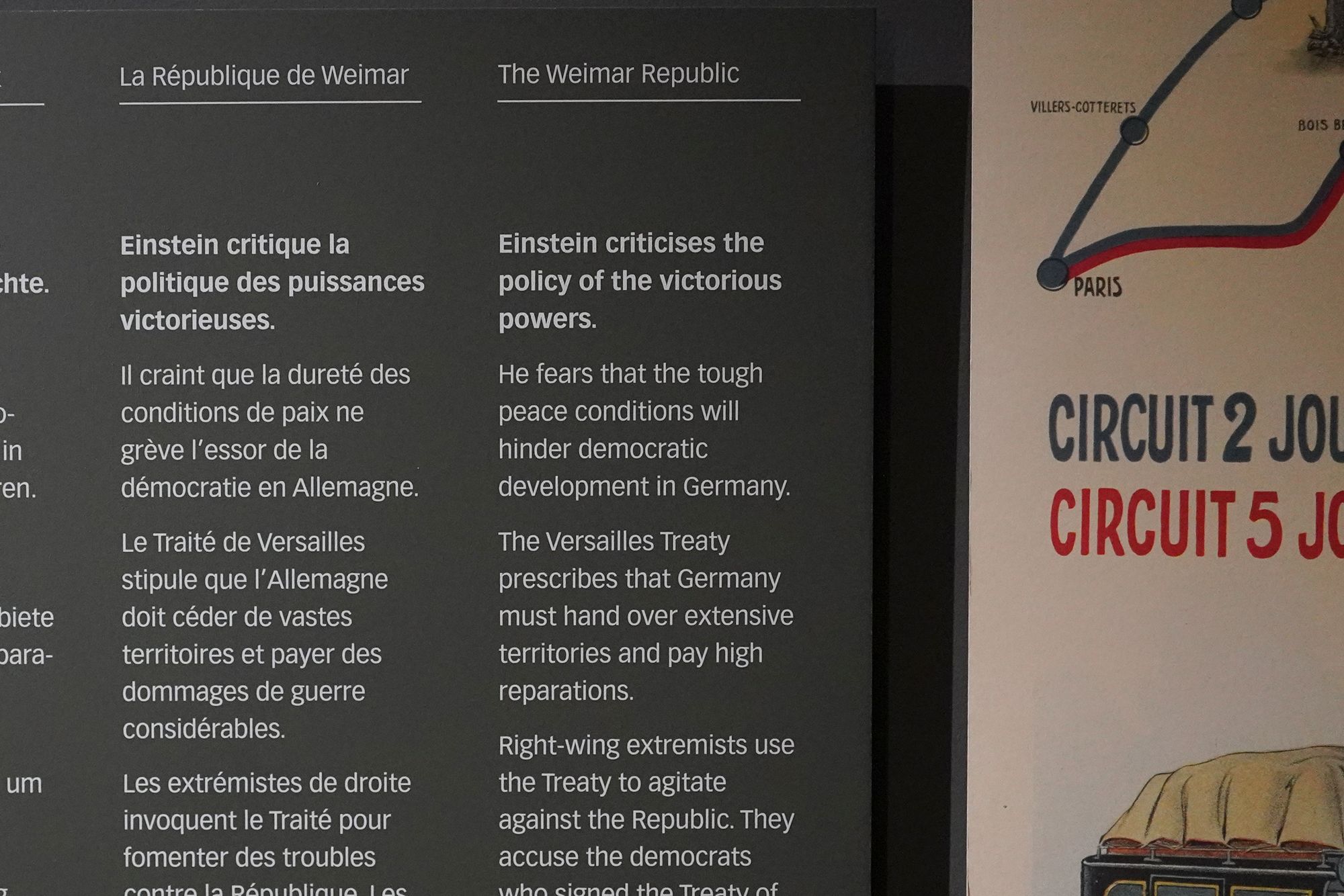
After World War I, Einstein criticized the harsh peace terms imposed on Germany by the victorious powers, fearing they would weaken Germany’s new democracy. The Treaty of Versailles required Germany to give up territory and accept heavy reparations. The treaty later became a powerful issue used by opponents of the Weimar Republic to attack the new democratic government.
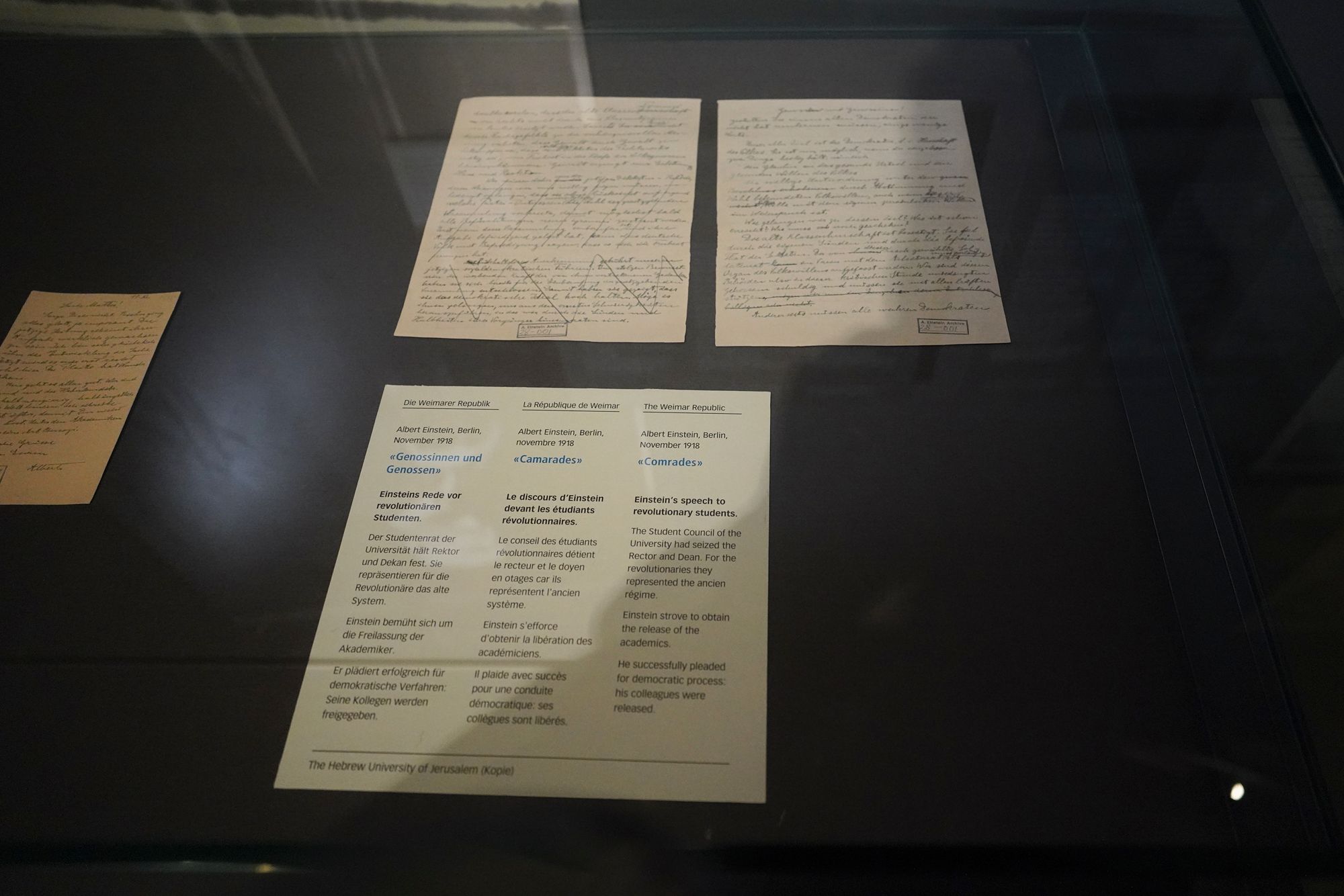
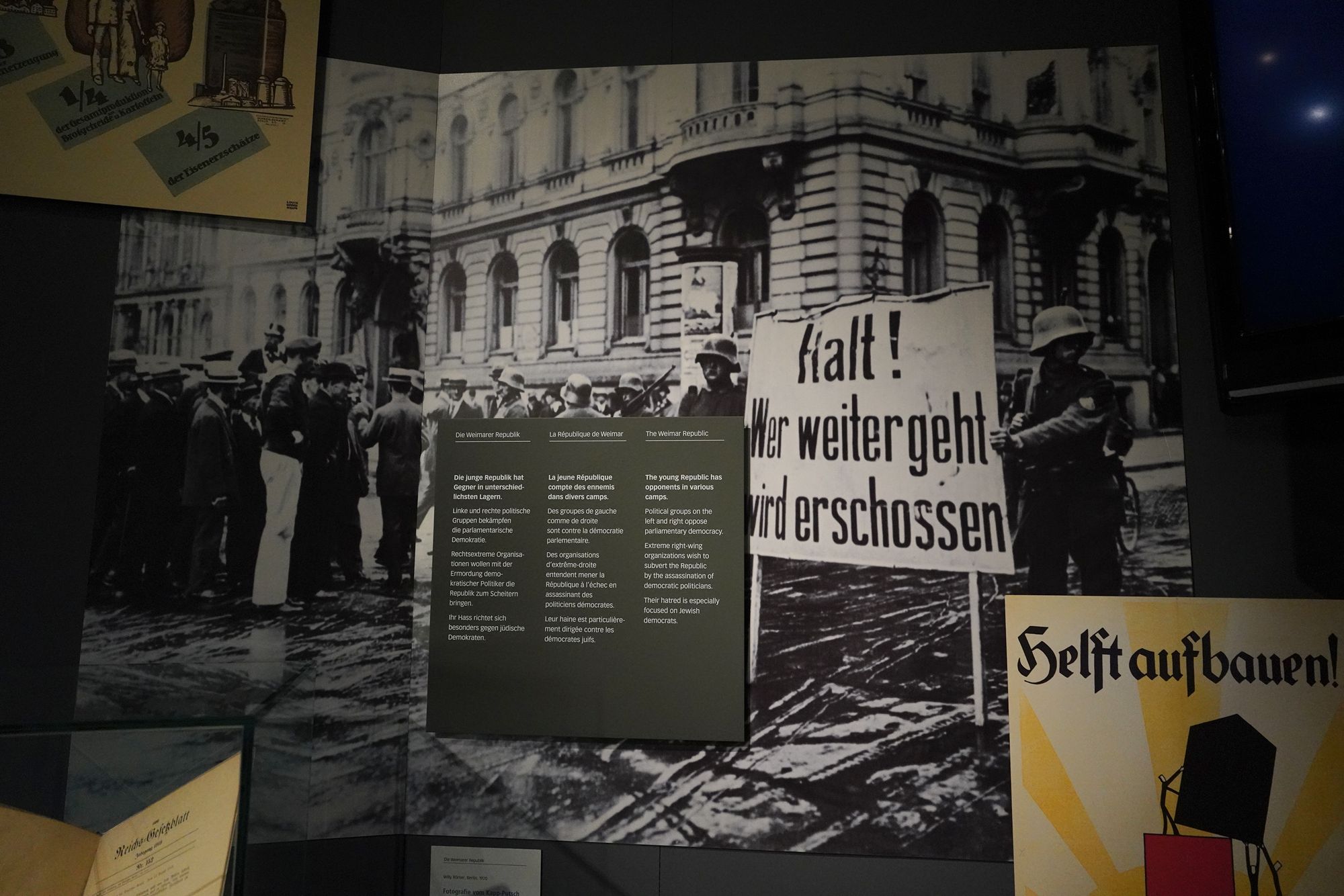
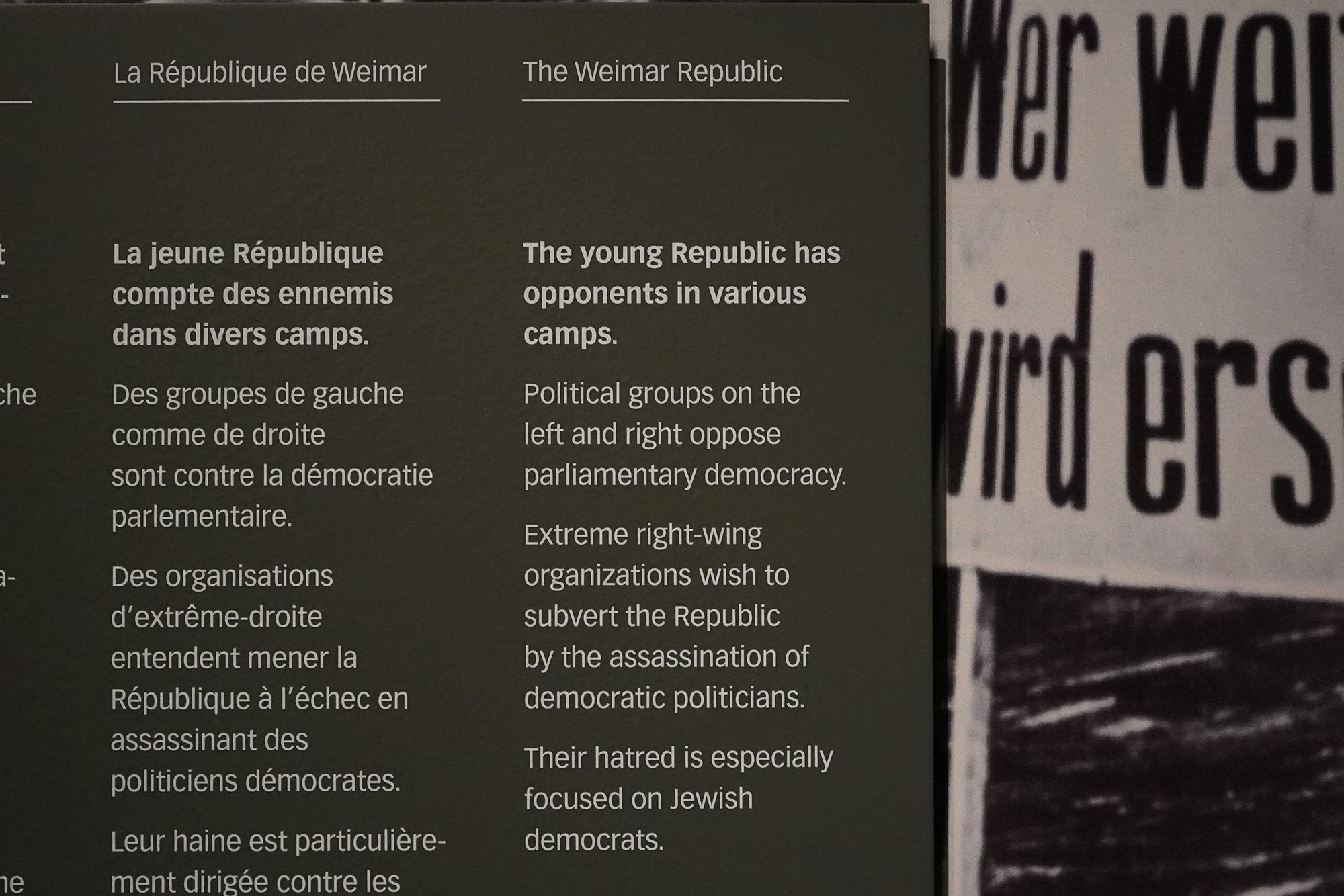
Germany’s new democracy faced strong opposition from both the radical left and right, and political violence became common during the Weimar years. Far-right extremists especially targeted democratic leaders and increasingly combined their attacks with antisemitism. Jewish politicians such as Foreign Minister Walther Rathenau were singled out; Rathenau was assassinated by right-wing extremists in 1922.
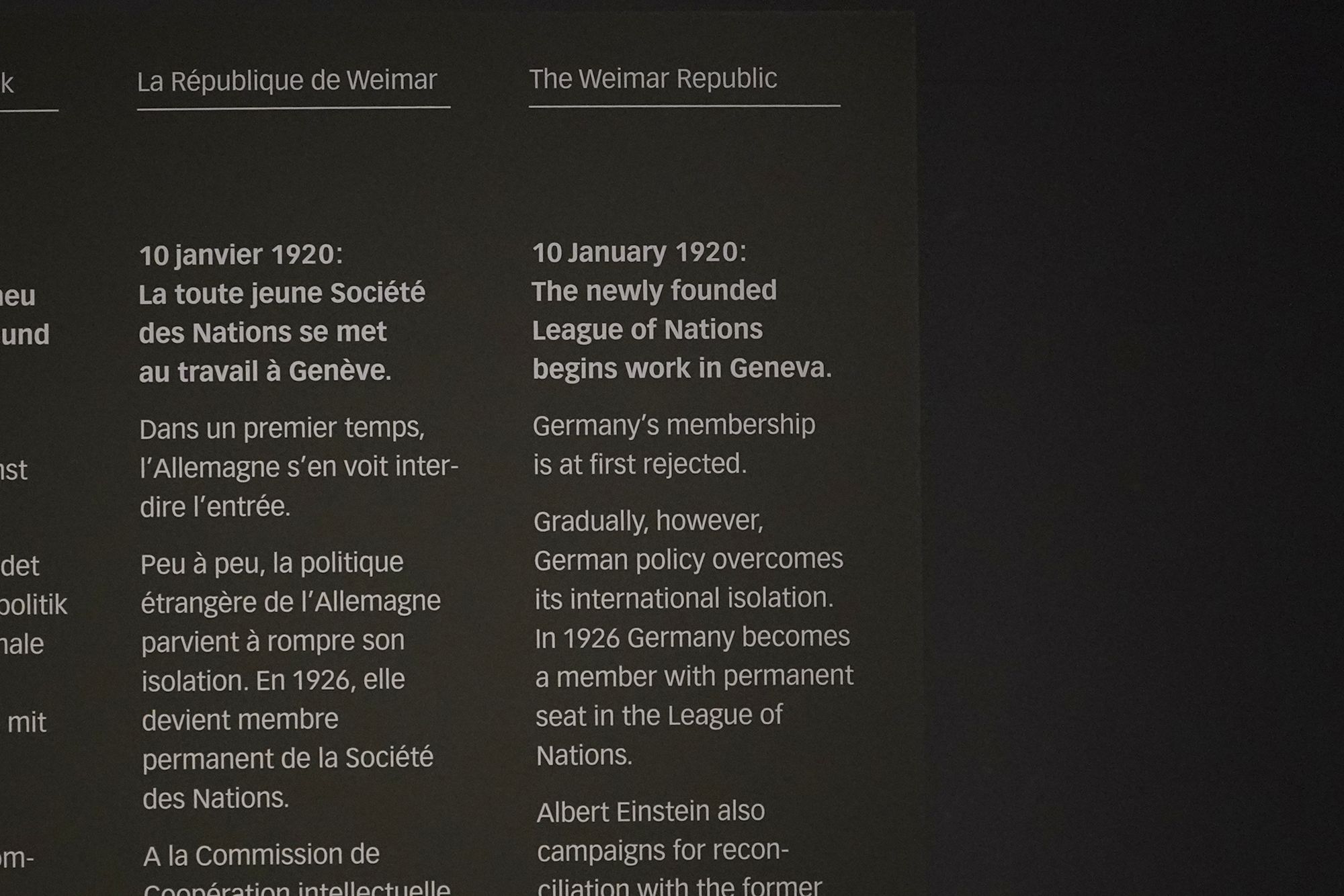
The League of Nations was created after World War I to encourage international cooperation and prevent future wars. Germany was initially excluded but joined in 1926, receiving a permanent seat on the League Council. Einstein strongly supported international reconciliation and cooperation, seeing them as important ways to preserve peace after the devastation of the war.
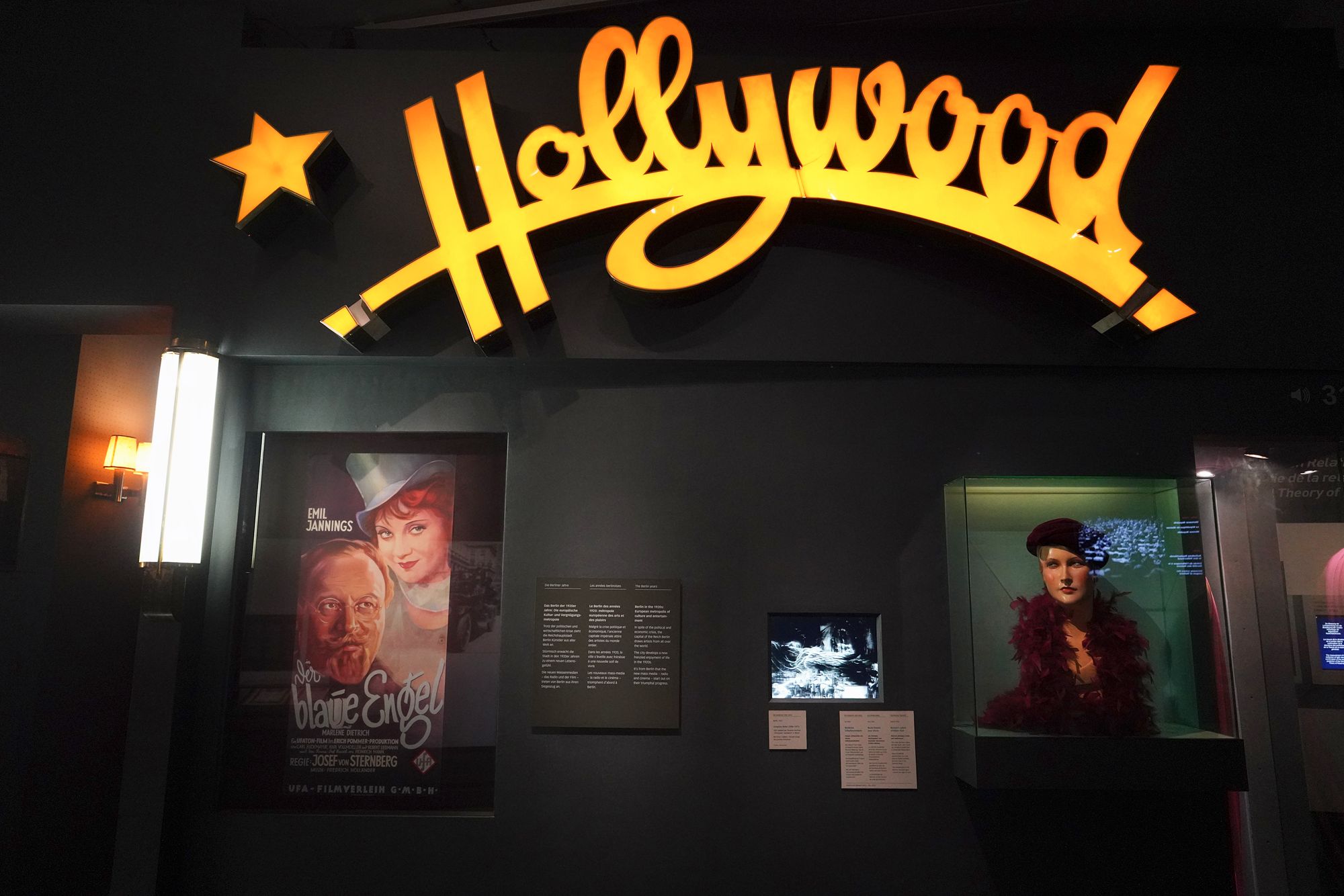
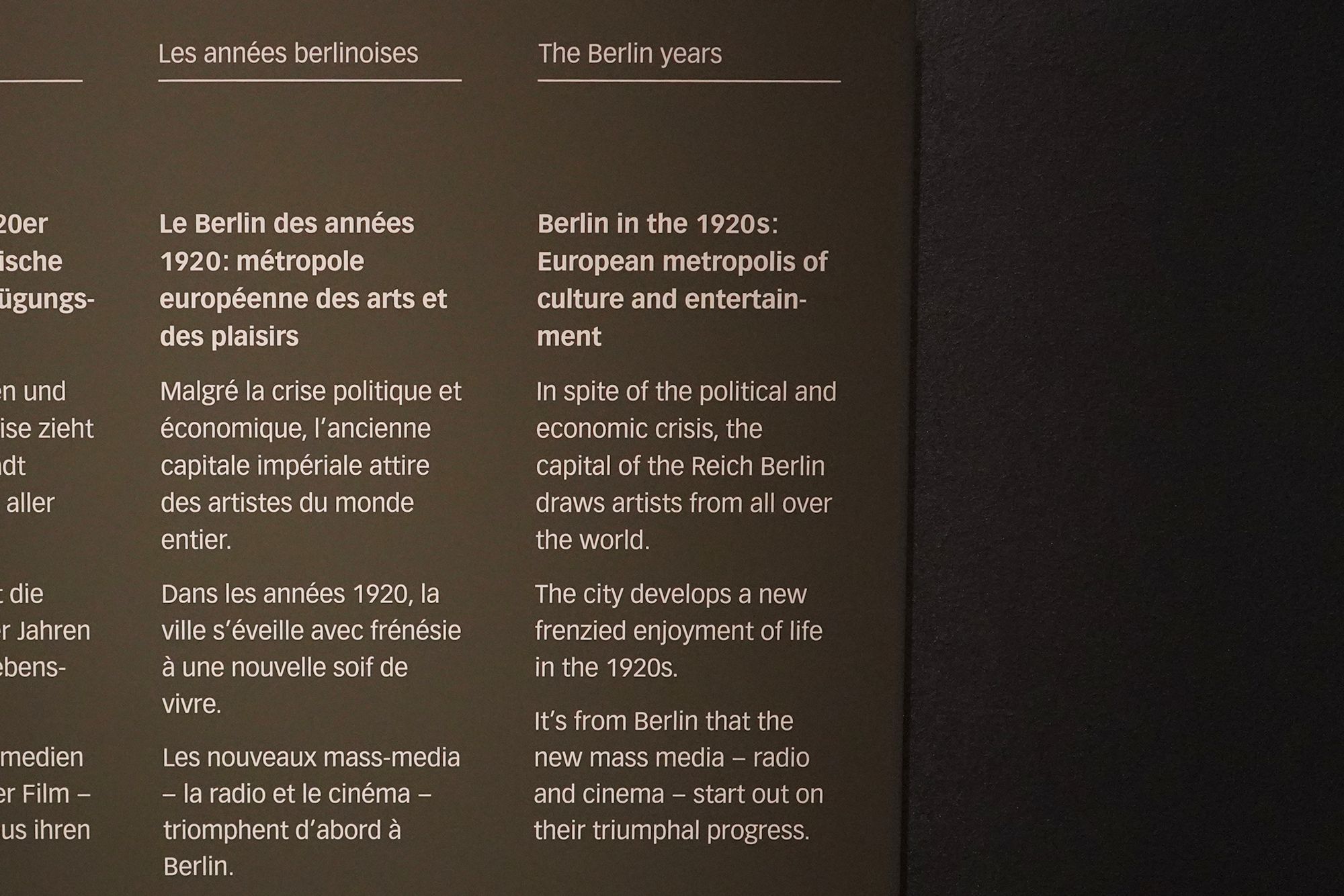
Despite Germany’s political and economic problems, Berlin became one of Europe’s great cultural centers during the 1920s. Artists, writers, musicians, and performers were drawn to the city, while new forms of mass entertainment flourished. Cinema and radio became increasingly important, helping give Berlin its energetic and modern character.
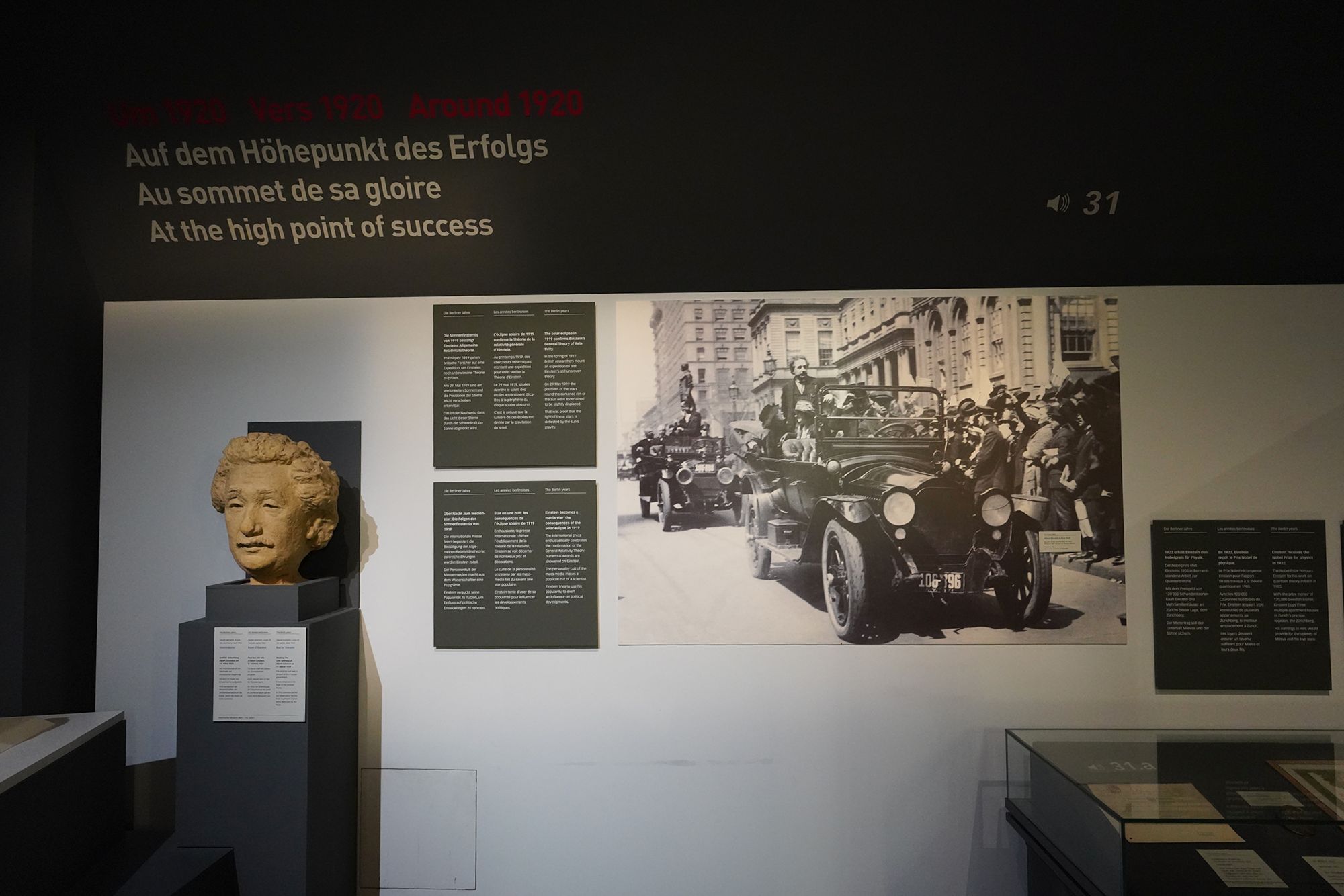
During the solar eclipse of May 29, 1919, British astronomers measured the positions of stars appearing close to the Sun. Their observations showed that the stars’ light was bent by the Sun’s gravity, as Einstein’s General Theory of Relativity predicted. The results brought Einstein worldwide fame almost overnight.
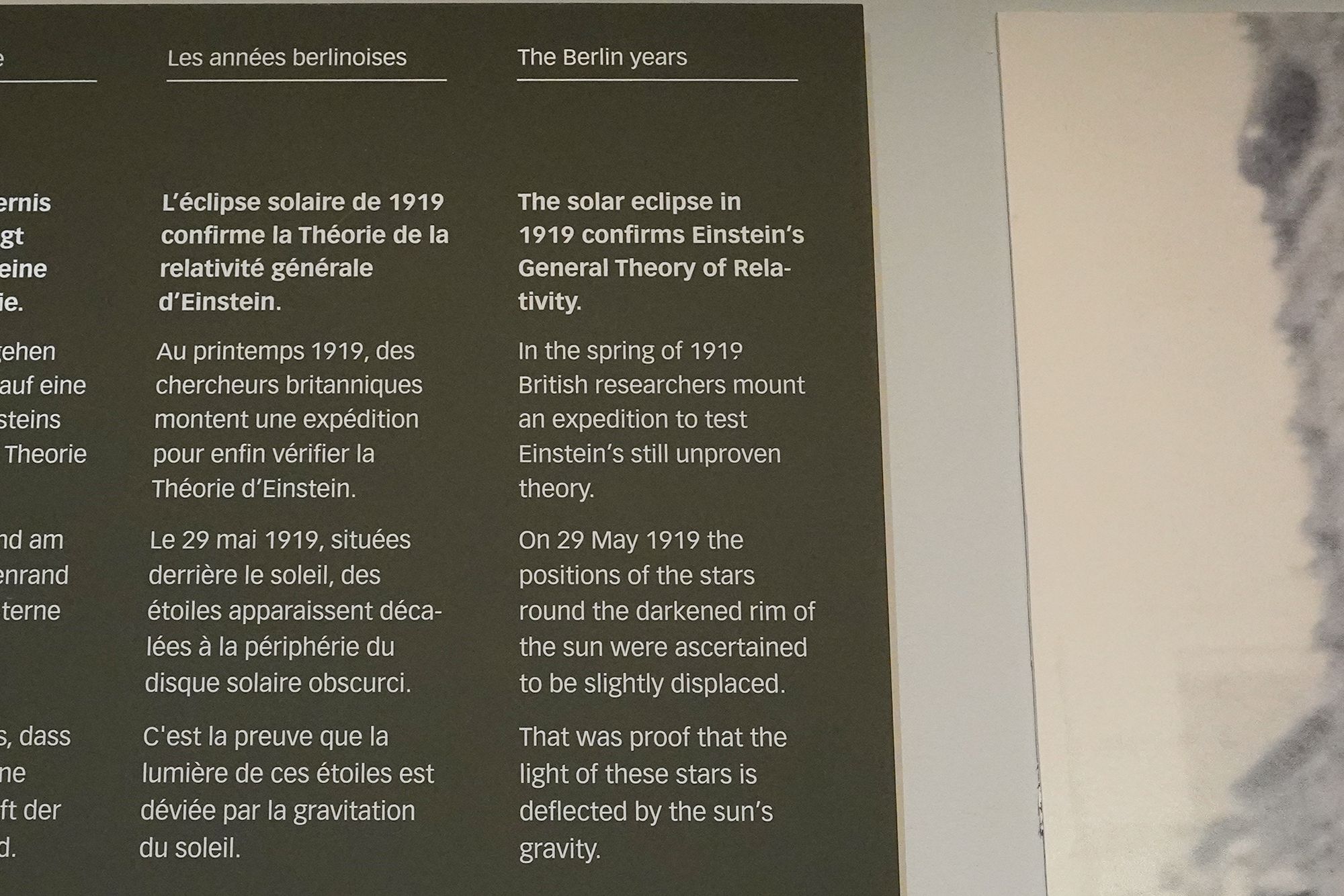
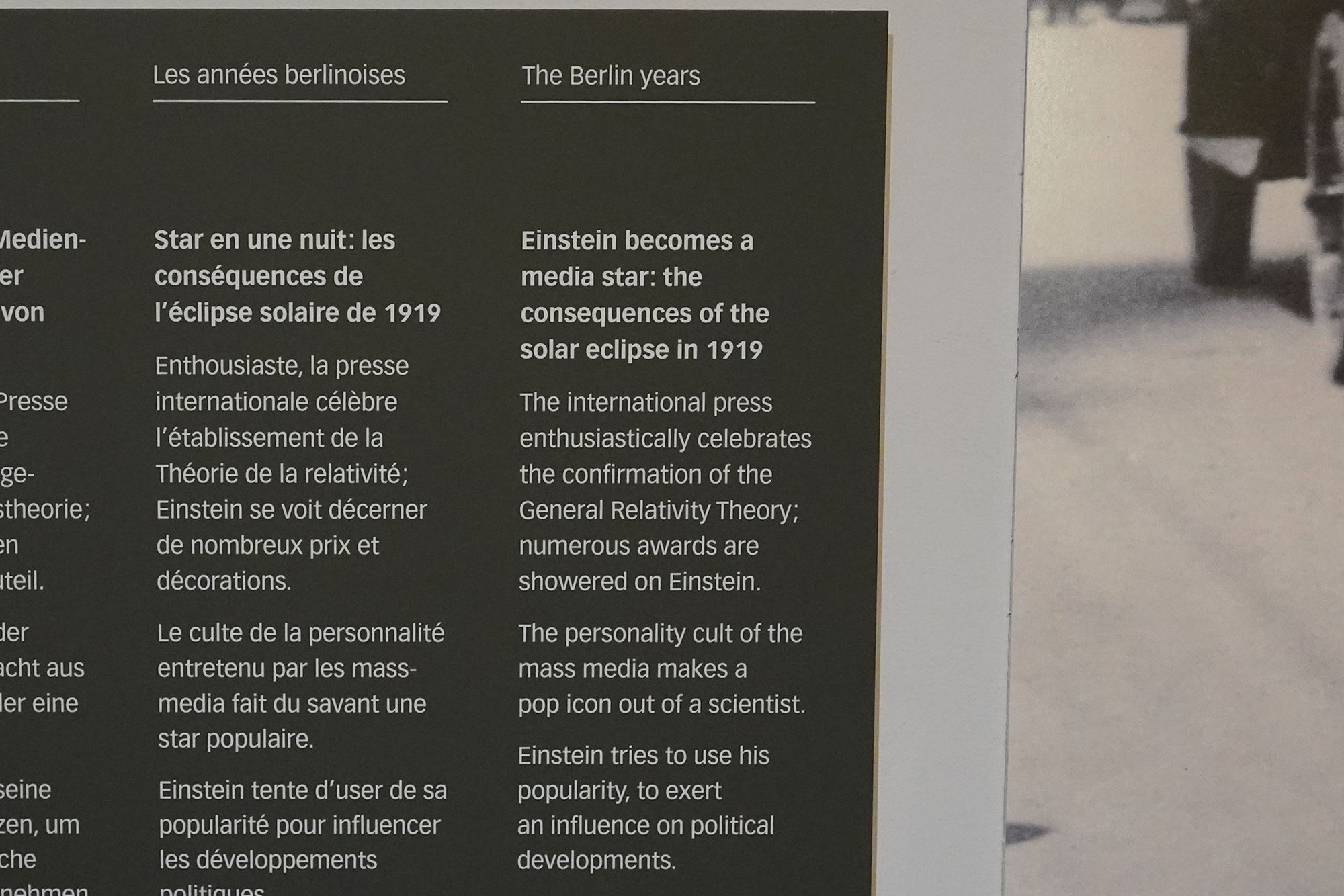
The 1919 solar-eclipse observations transformed Einstein into an international celebrity. Newspapers around the world reported on his theory, and he received numerous honors and invitations. Einstein became something unusual—a scientist who was also a popular cultural icon. He increasingly used his fame to speak publicly about peace, international cooperation, and other political and social issues.
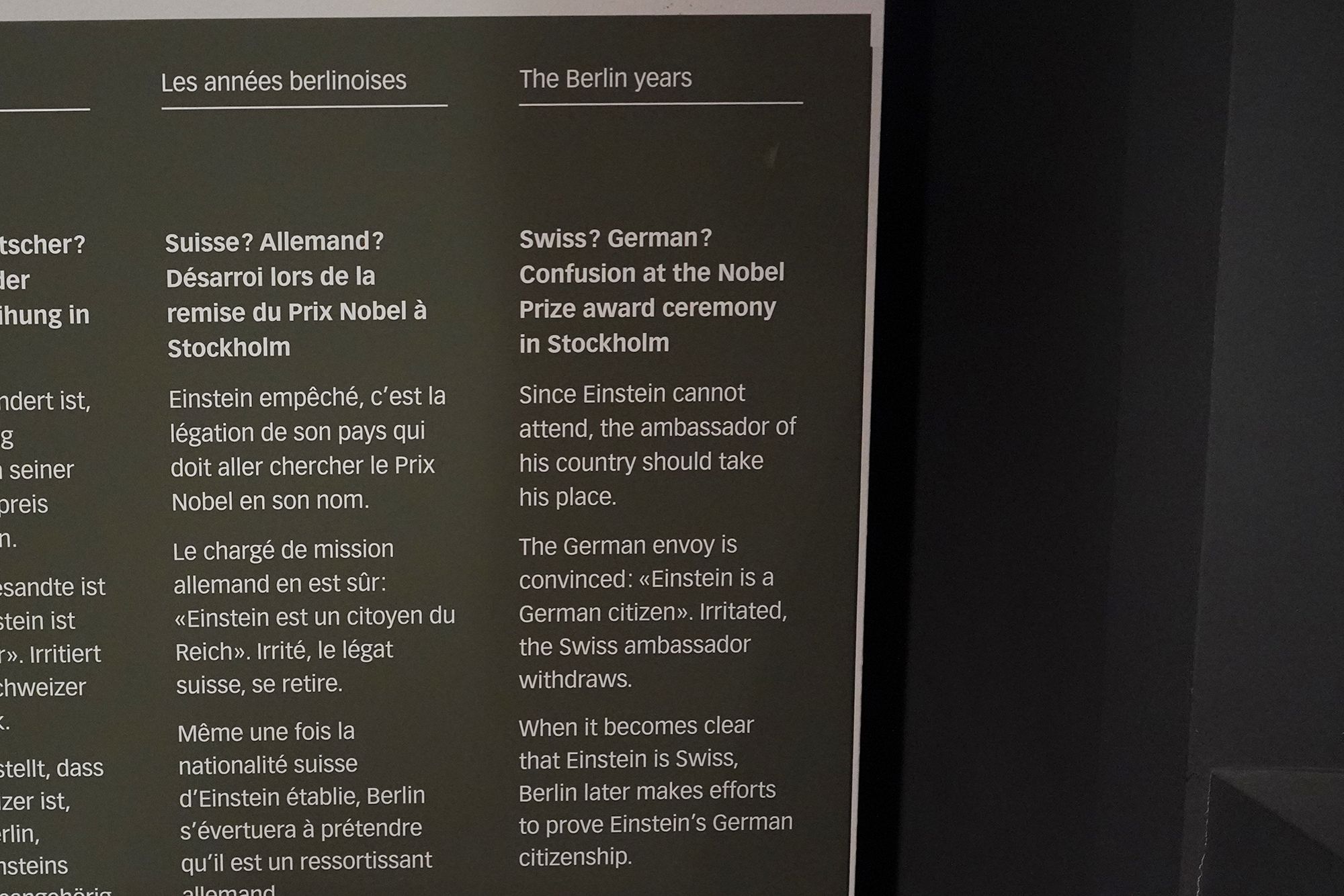
Einstein was awarded the 1921 Nobel Prize in Physics, which was formally presented in 1922. Interestingly, the prize was not primarily for relativity, but especially for his explanation of the photoelectric effect, developed during his remarkable year in Bern in 1905. Einstein used the prize money to help support Mileva and their two sons, including purchasing rental properties in Zurich.
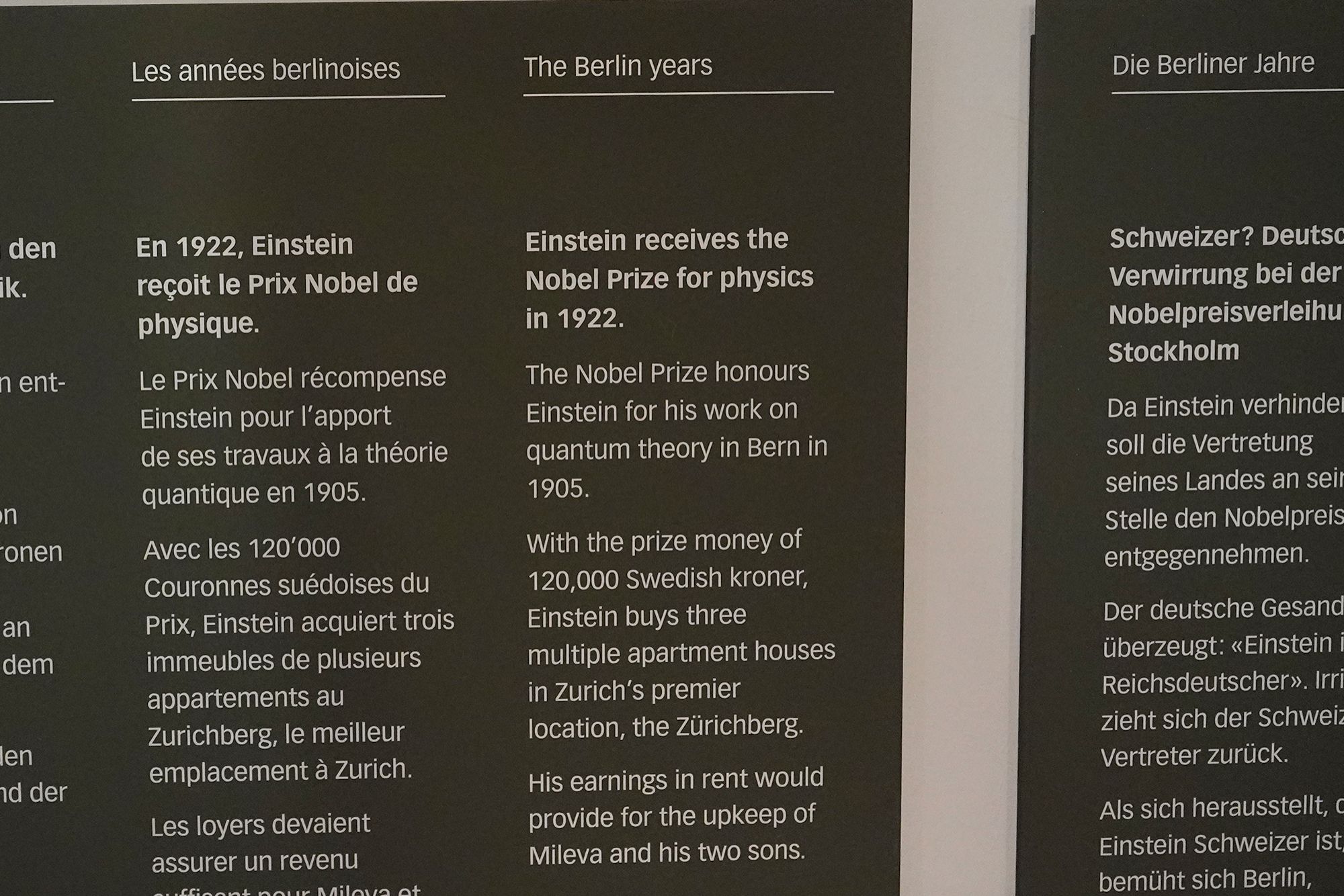
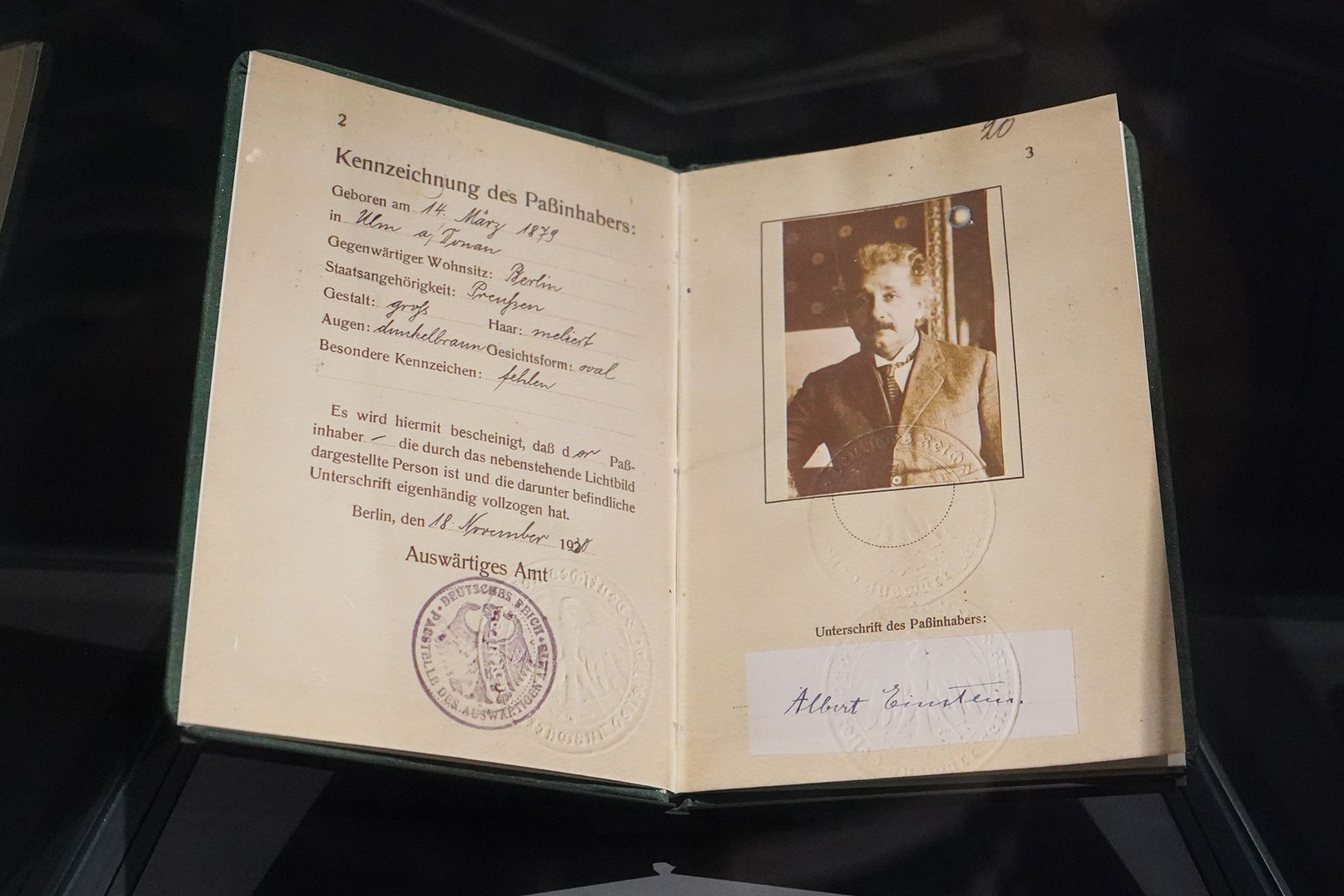
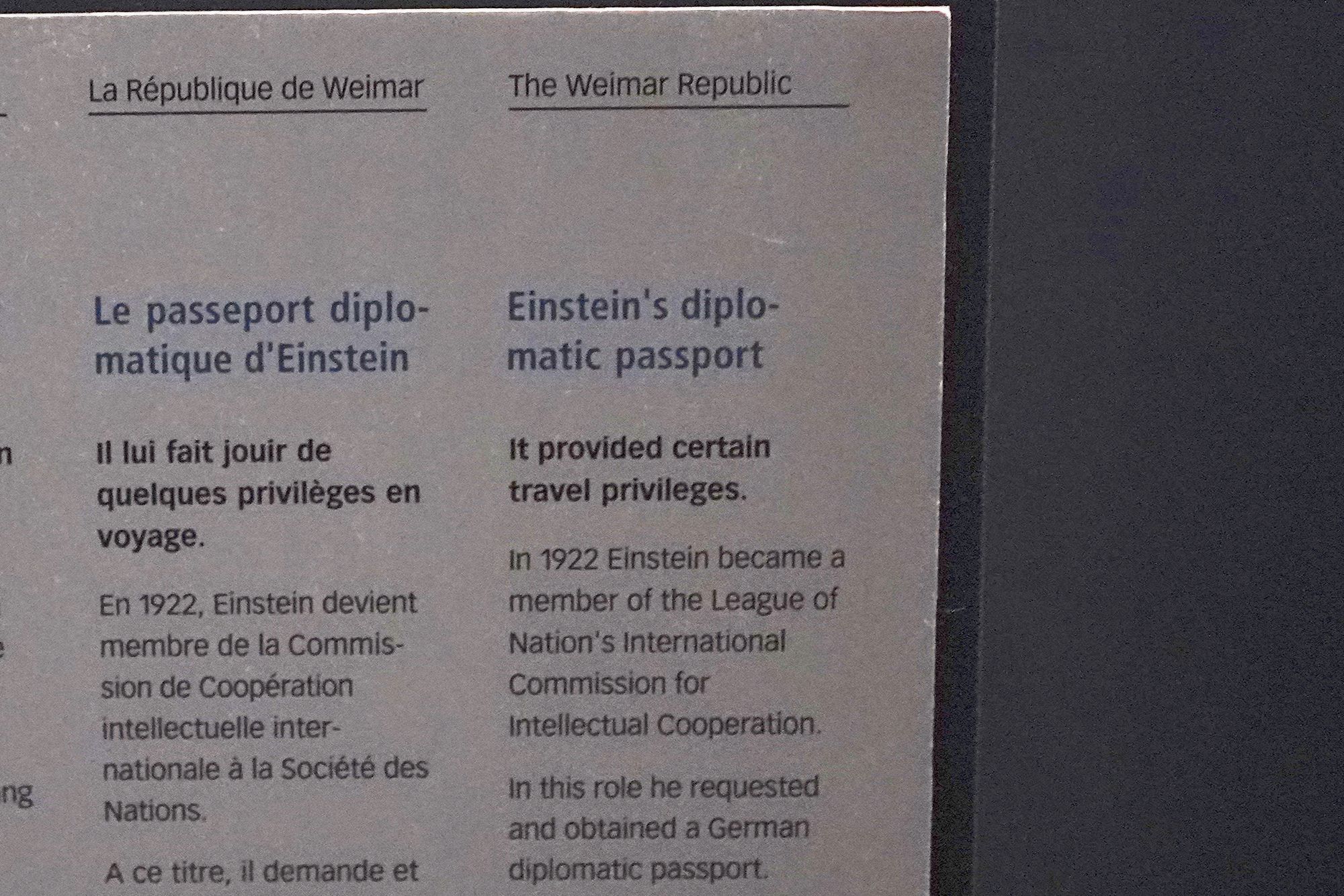
Einstein’s nationality created confusion when he received the Nobel Prize. He had been a Swiss citizen since 1901, but after moving to Berlin his German citizenship status became complicated. Because Einstein could not attend the Nobel ceremony, German and Swiss diplomats even disagreed over which country should officially represent him, illustrating the unusual international character of Einstein’s life.
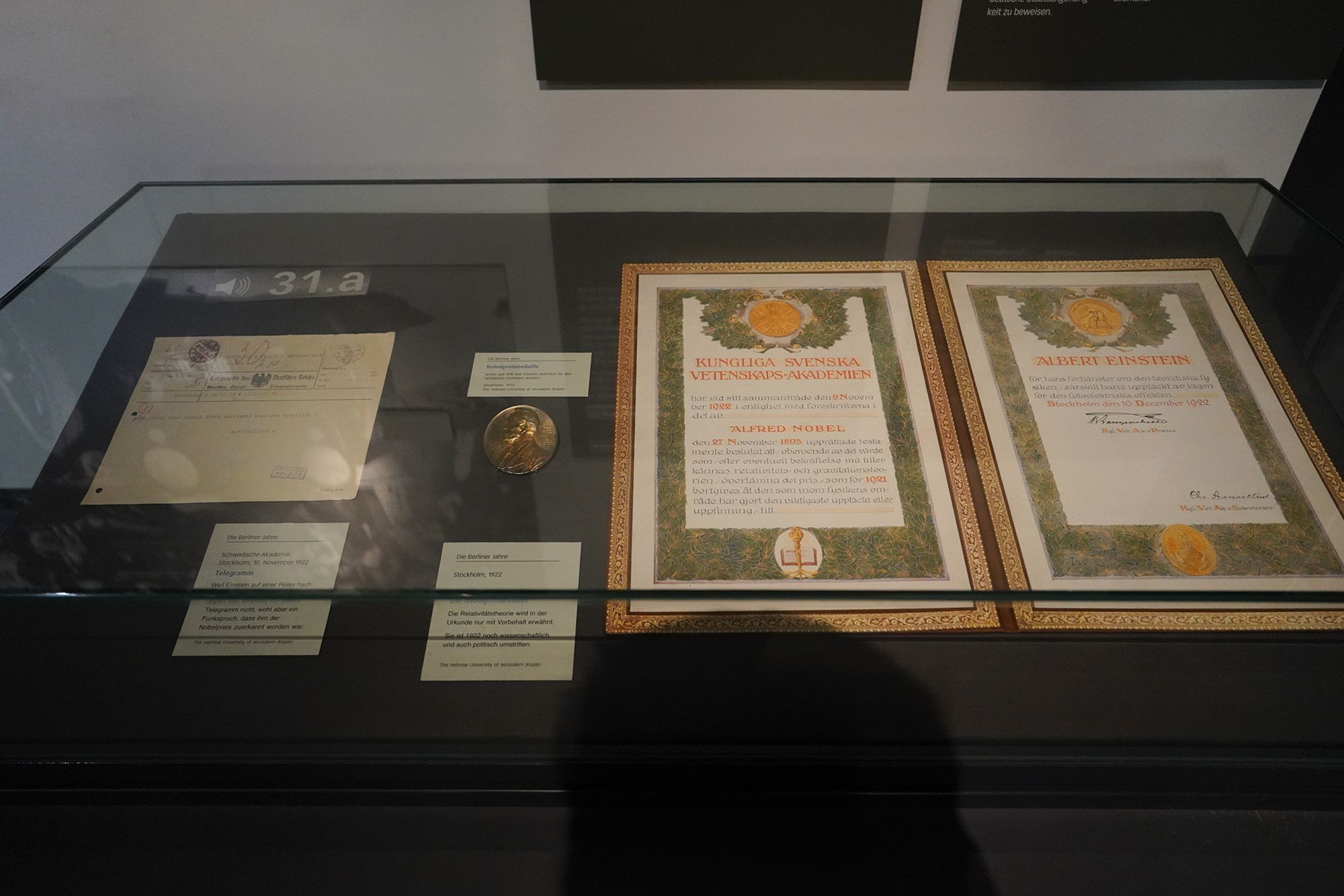
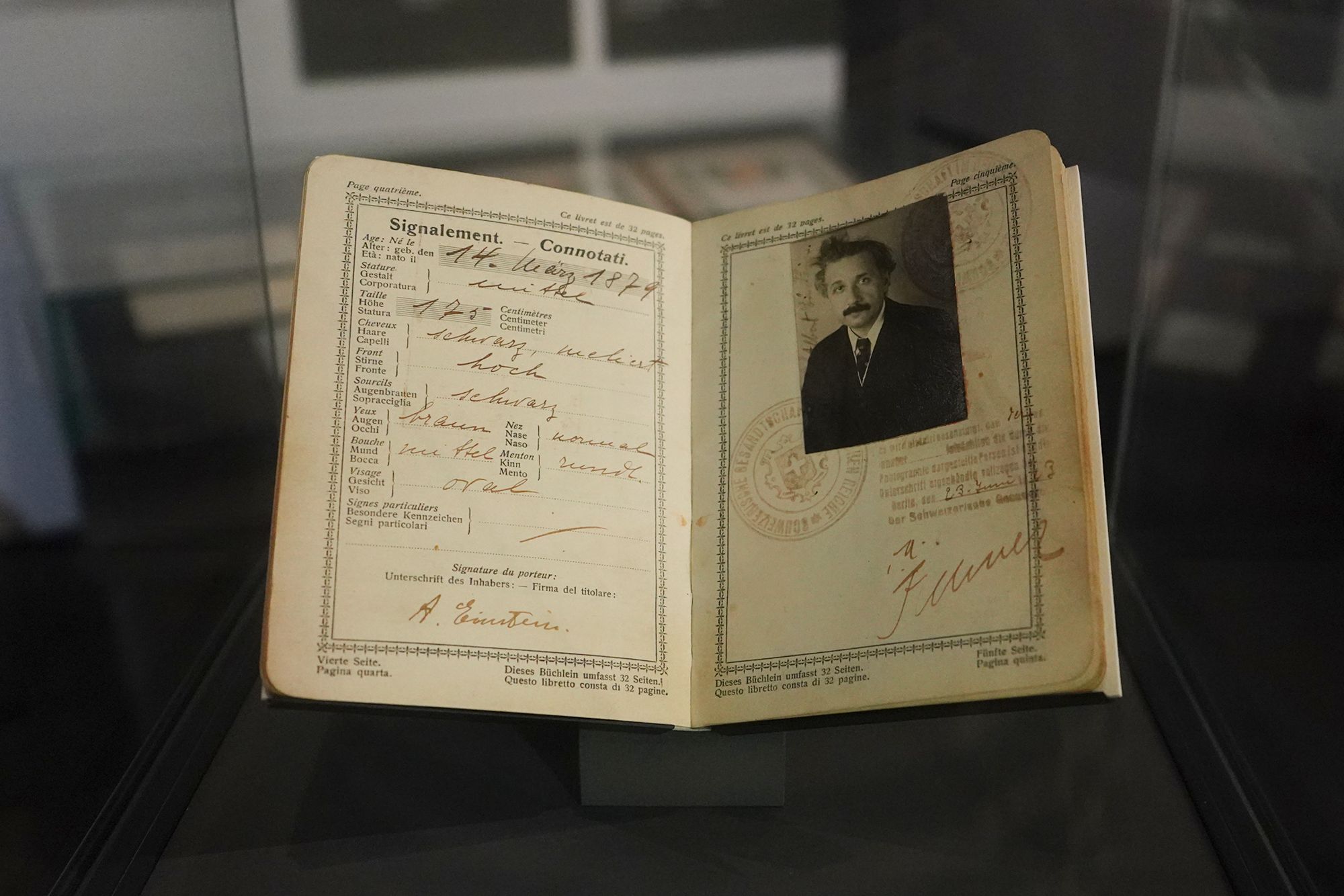
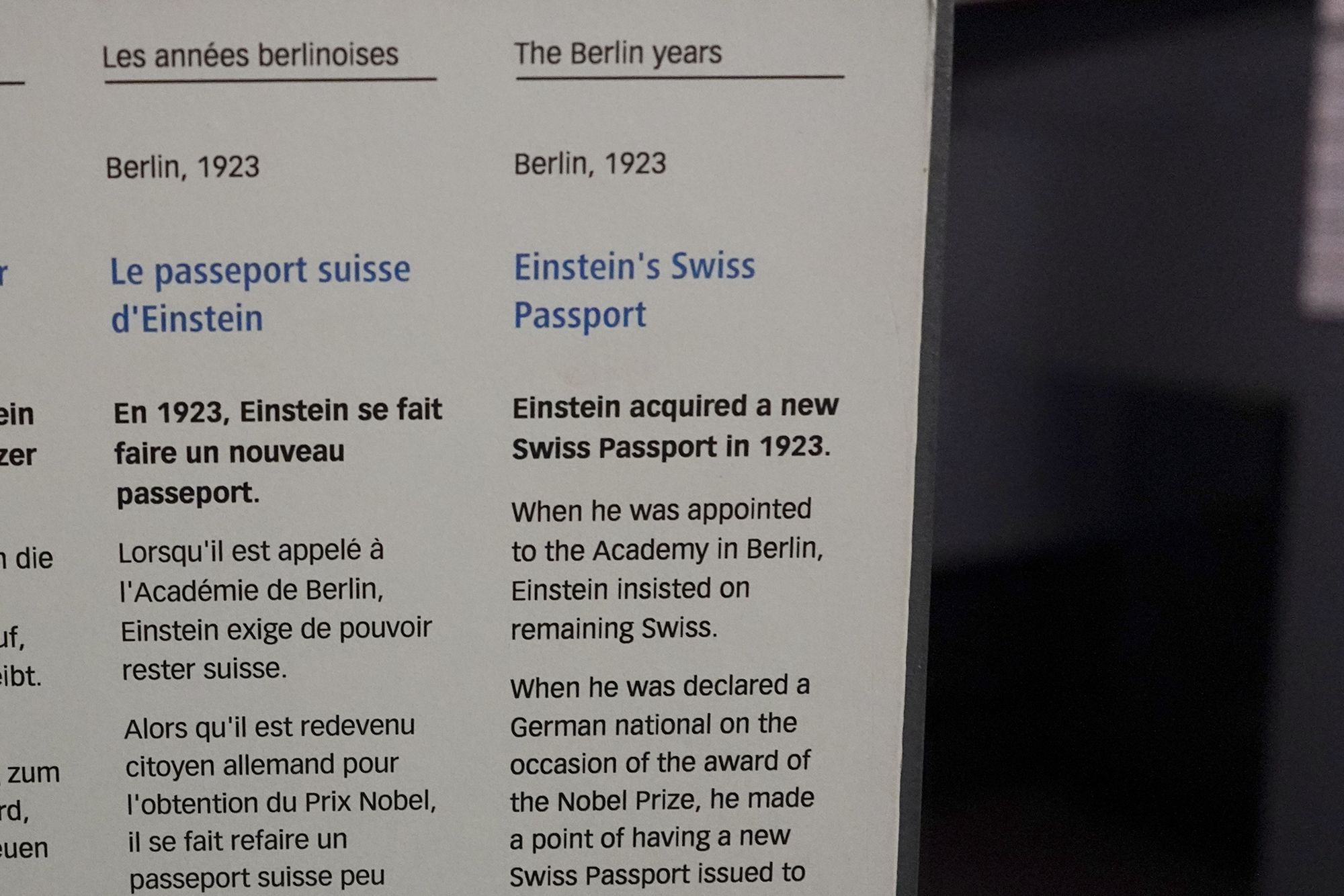
Einstein strongly valued his Swiss citizenship, which he had held since 1901. Even after taking his position in Berlin, he insisted on remaining Swiss. Following the confusion over his nationality surrounding the Nobel Prize, Einstein obtained a new Swiss passport in 1923, emphasizing that he still considered himself a Swiss citizen.
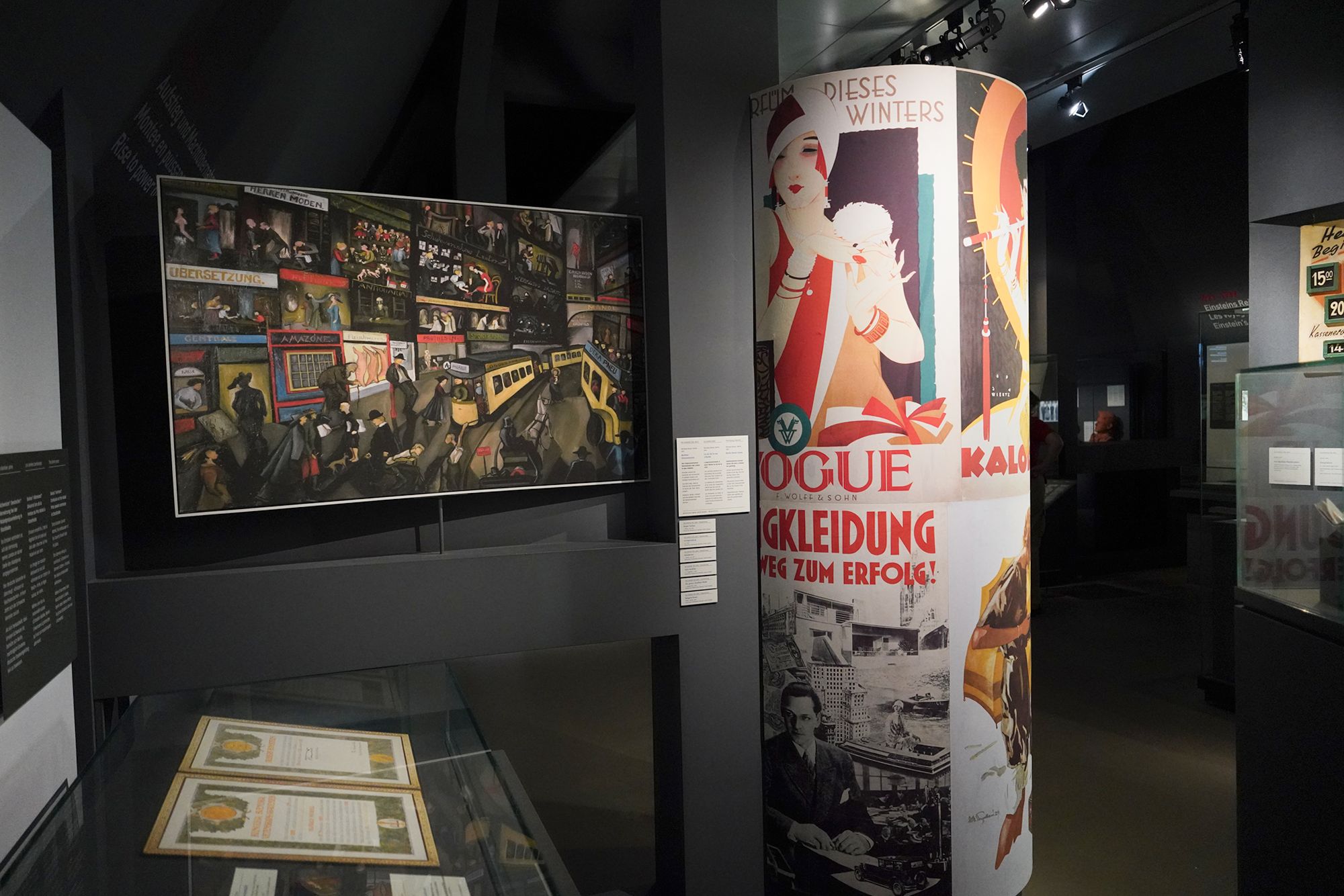
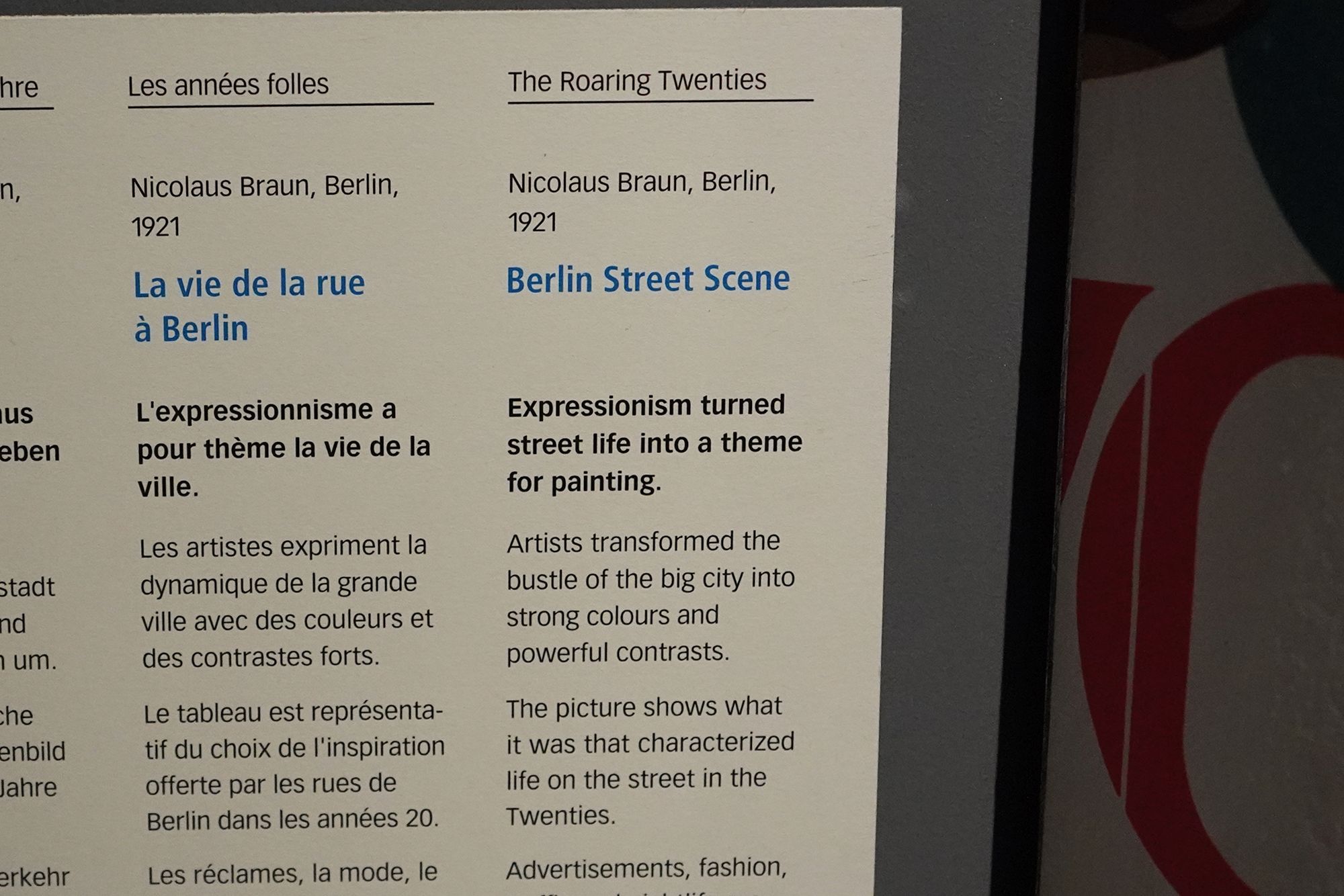
During the 1920s, Berlin’s busy streets became a popular subject for Expressionist artists. They used strong colors and contrasts to capture the energy of modern city life—crowds, advertisements, fashion, traffic, and entertainment. This 1921 Berlin street scene by Nicolaus Braun reflects the rapidly changing world in which Einstein lived.
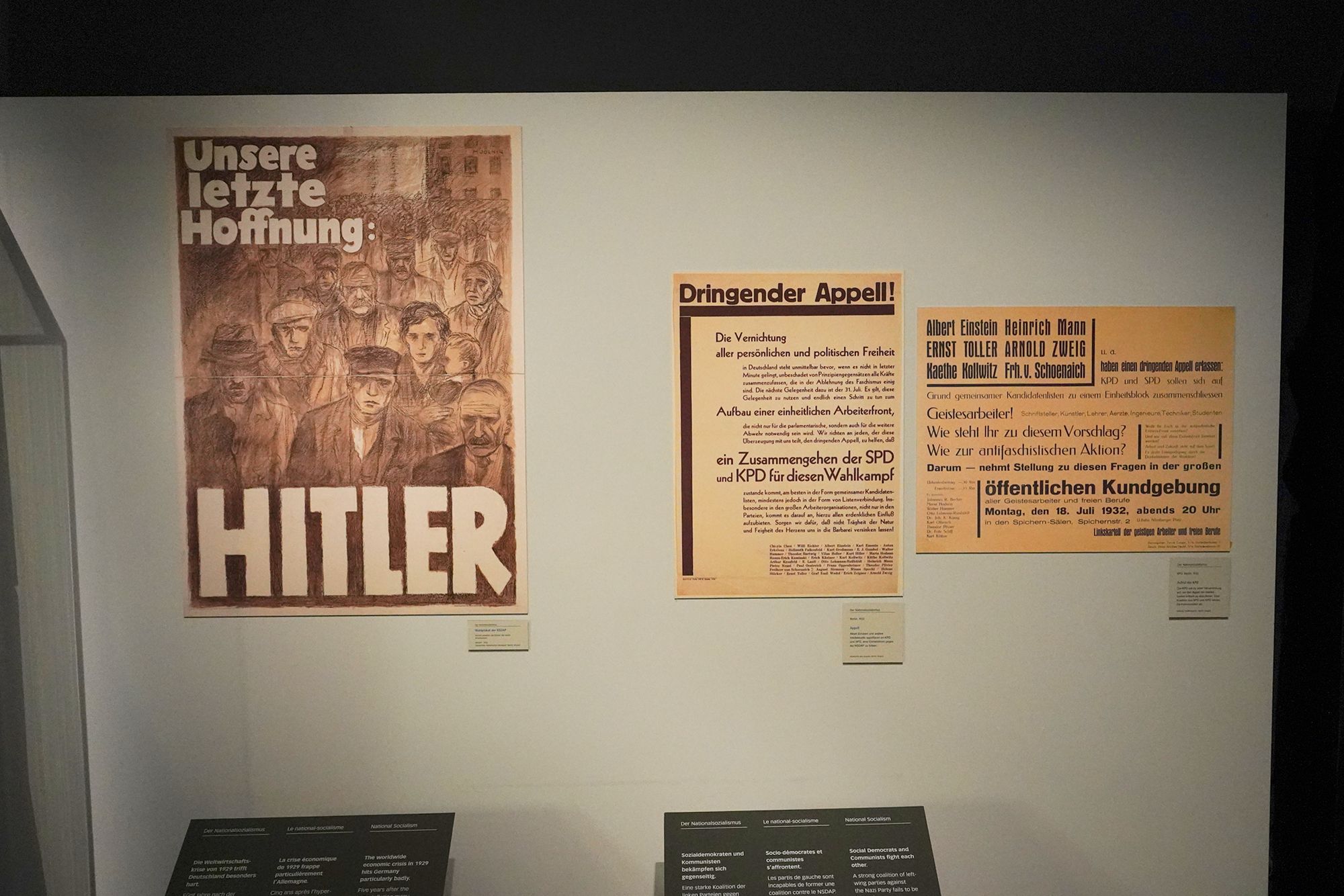
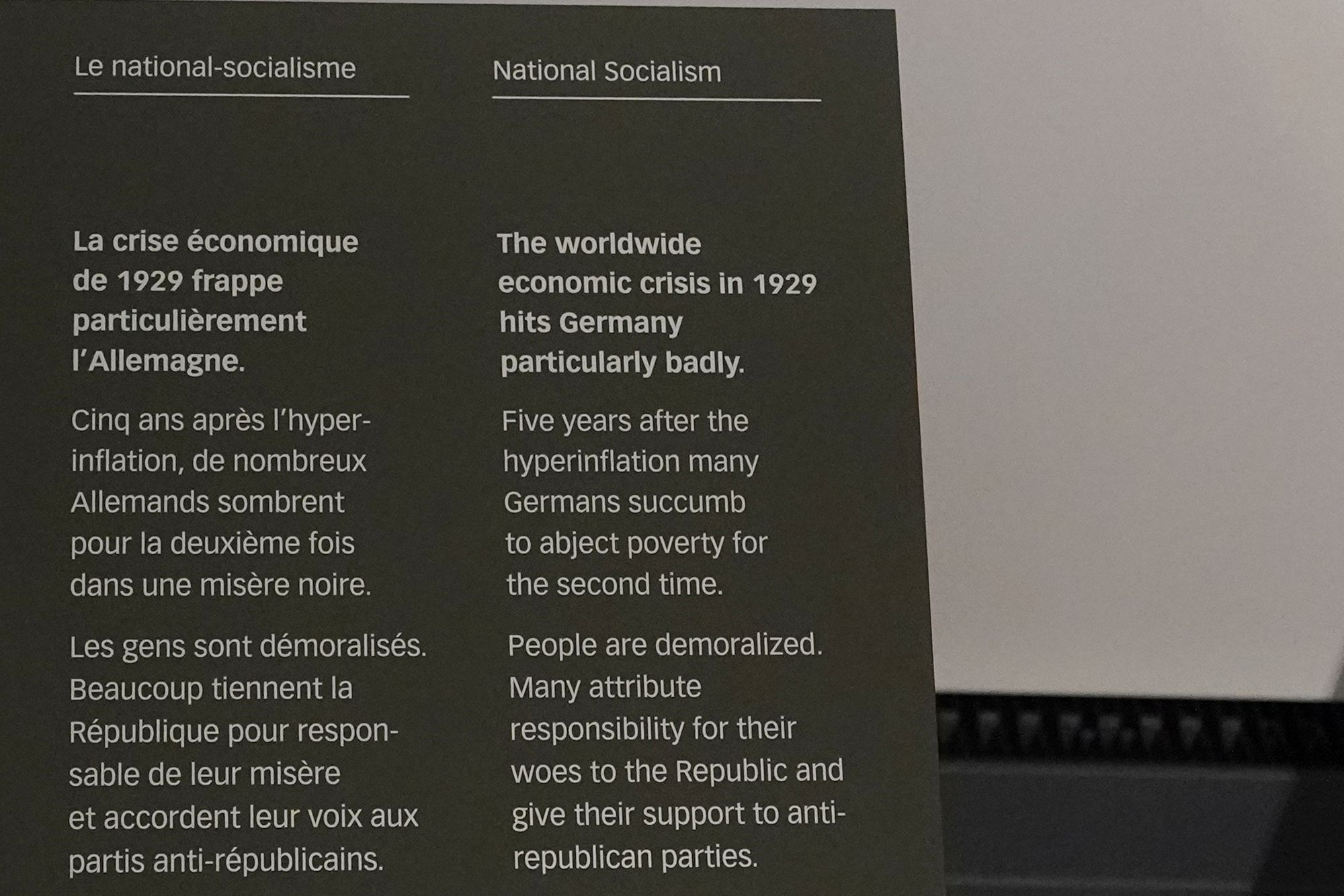
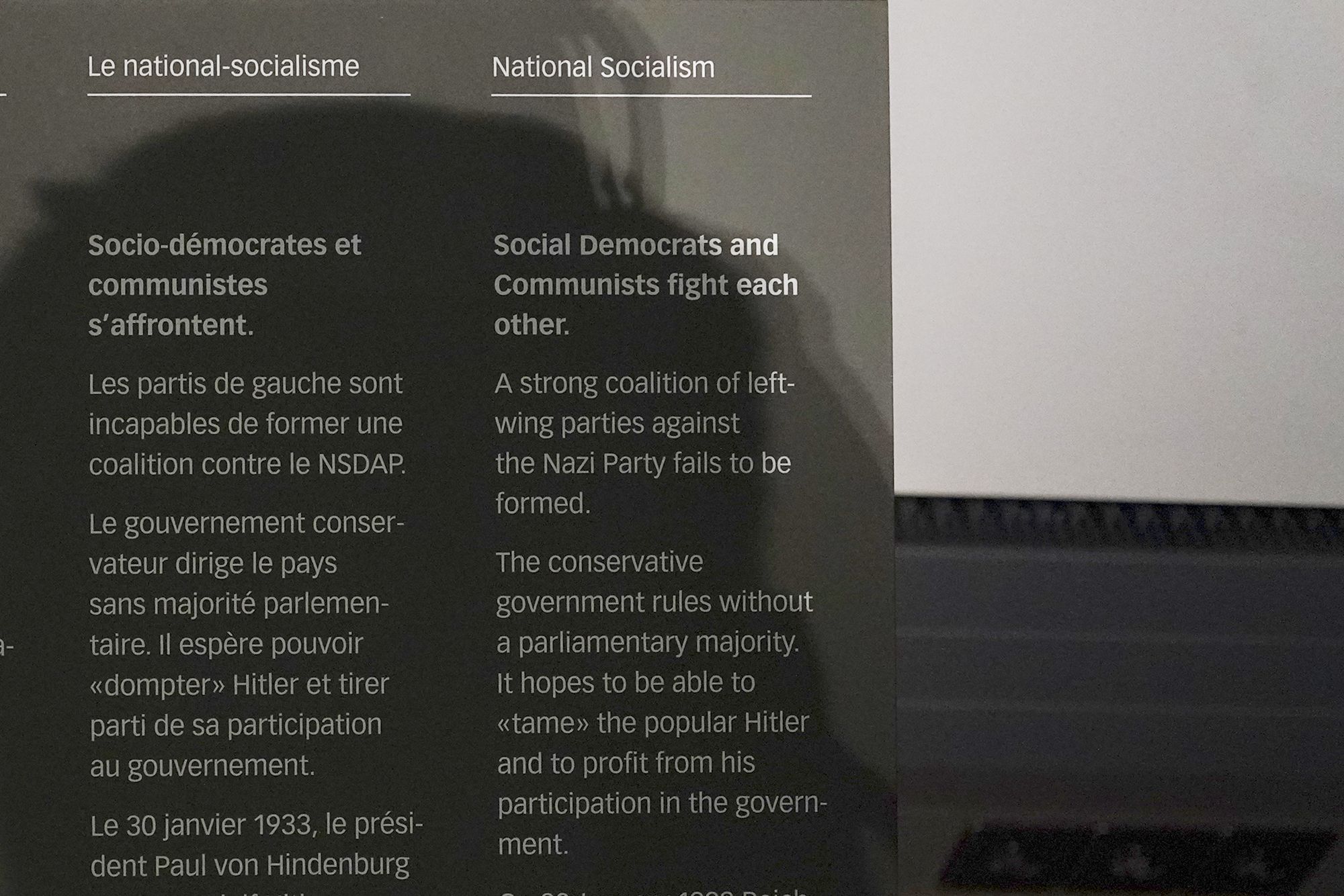
As the Weimar Republic weakened, the Social Democrats and Communists remained bitter political rivals and did not form a united front against the Nazis. Meanwhile, conservative leaders governed without a stable parliamentary majority. Some believed they could bring Hitler into government and control him, a serious miscalculation that contributed to his appointment as chancellor in January 1933.
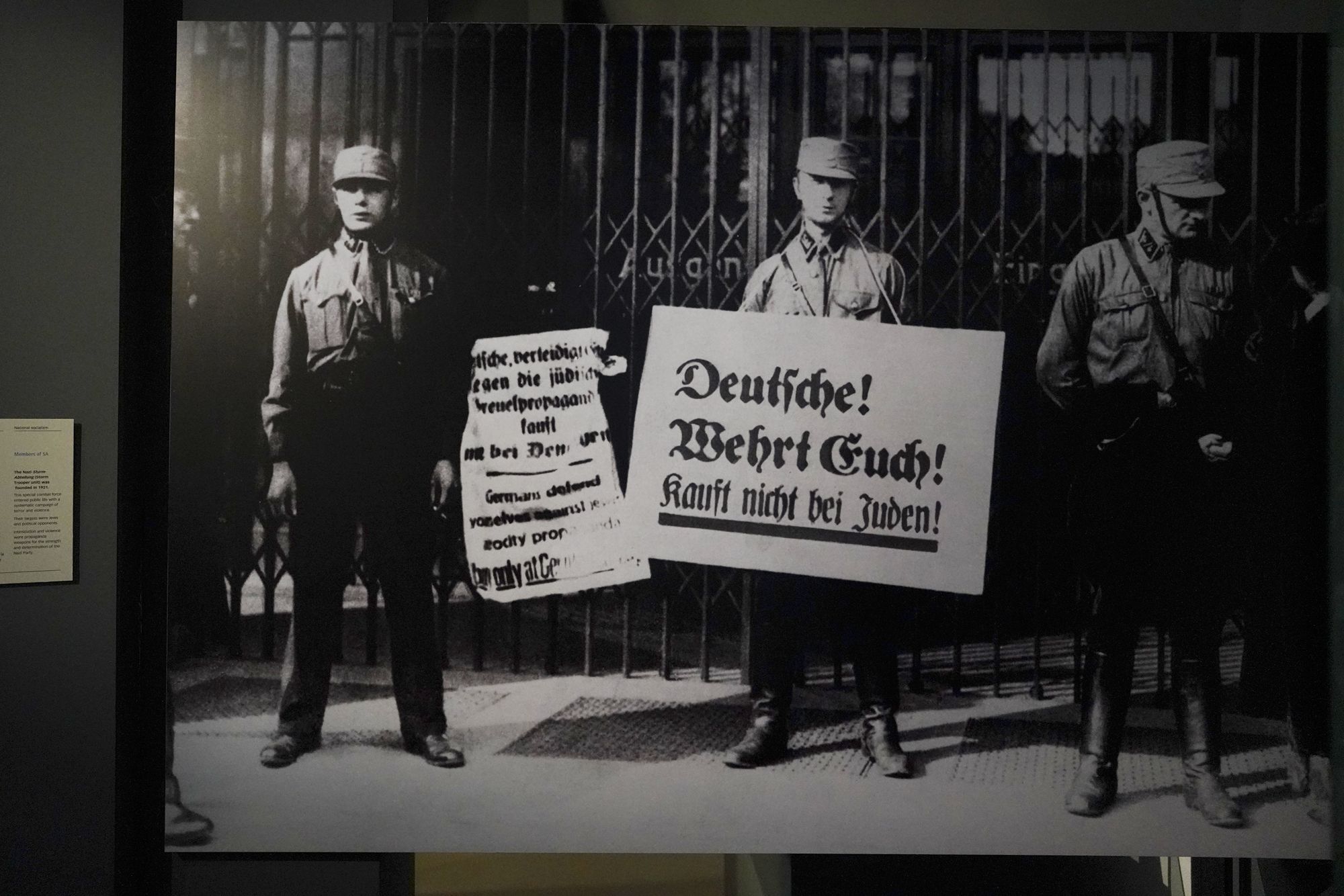
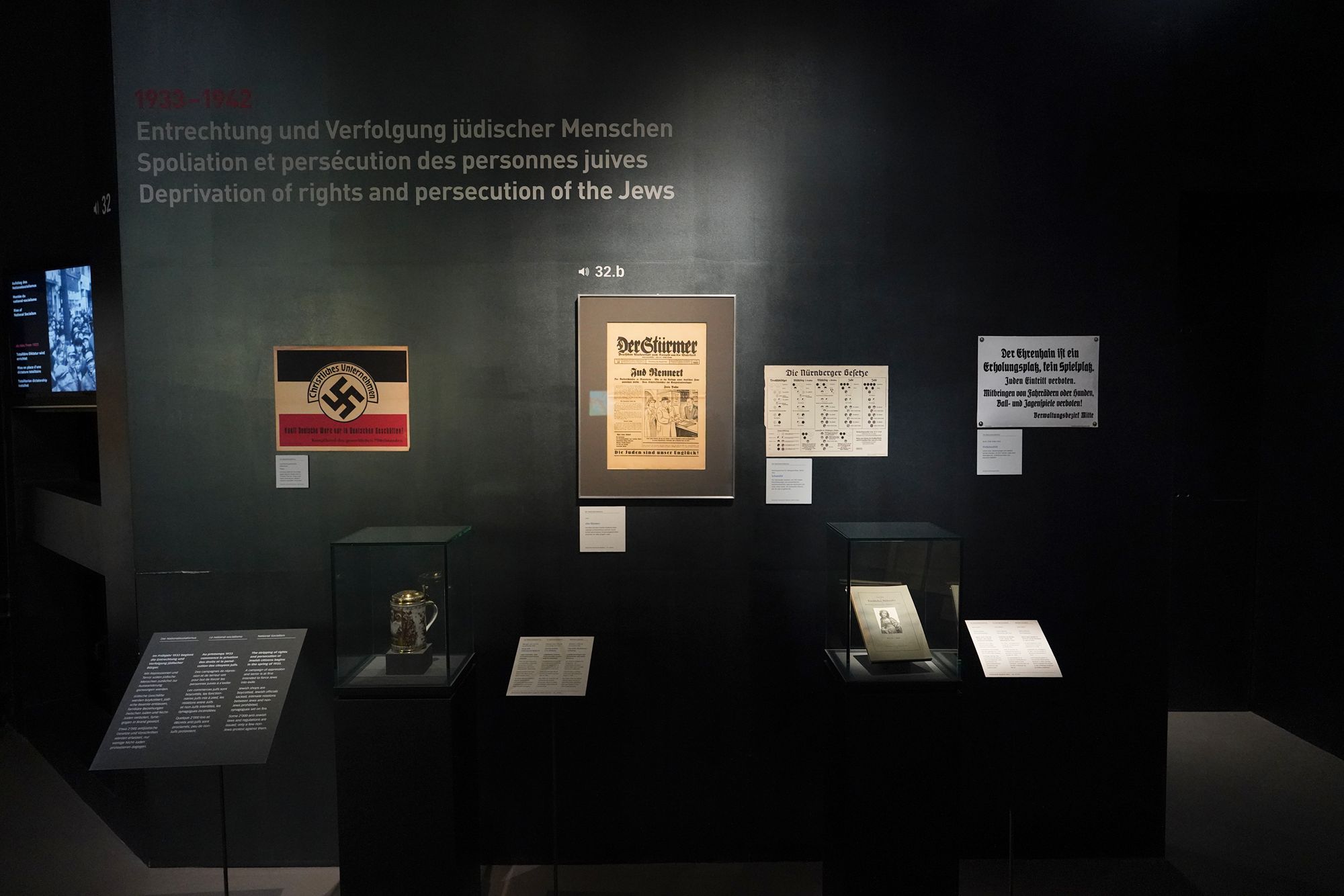
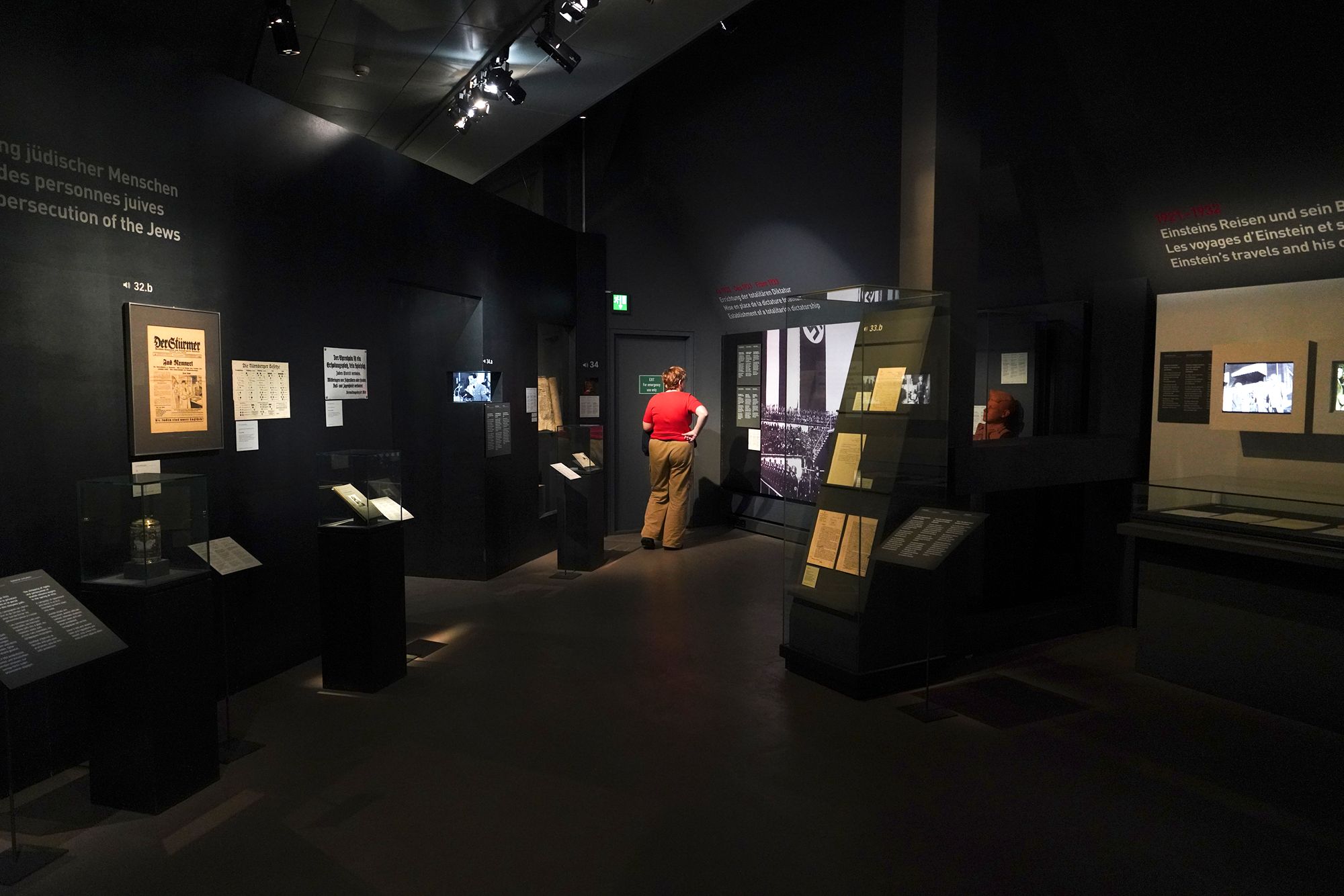
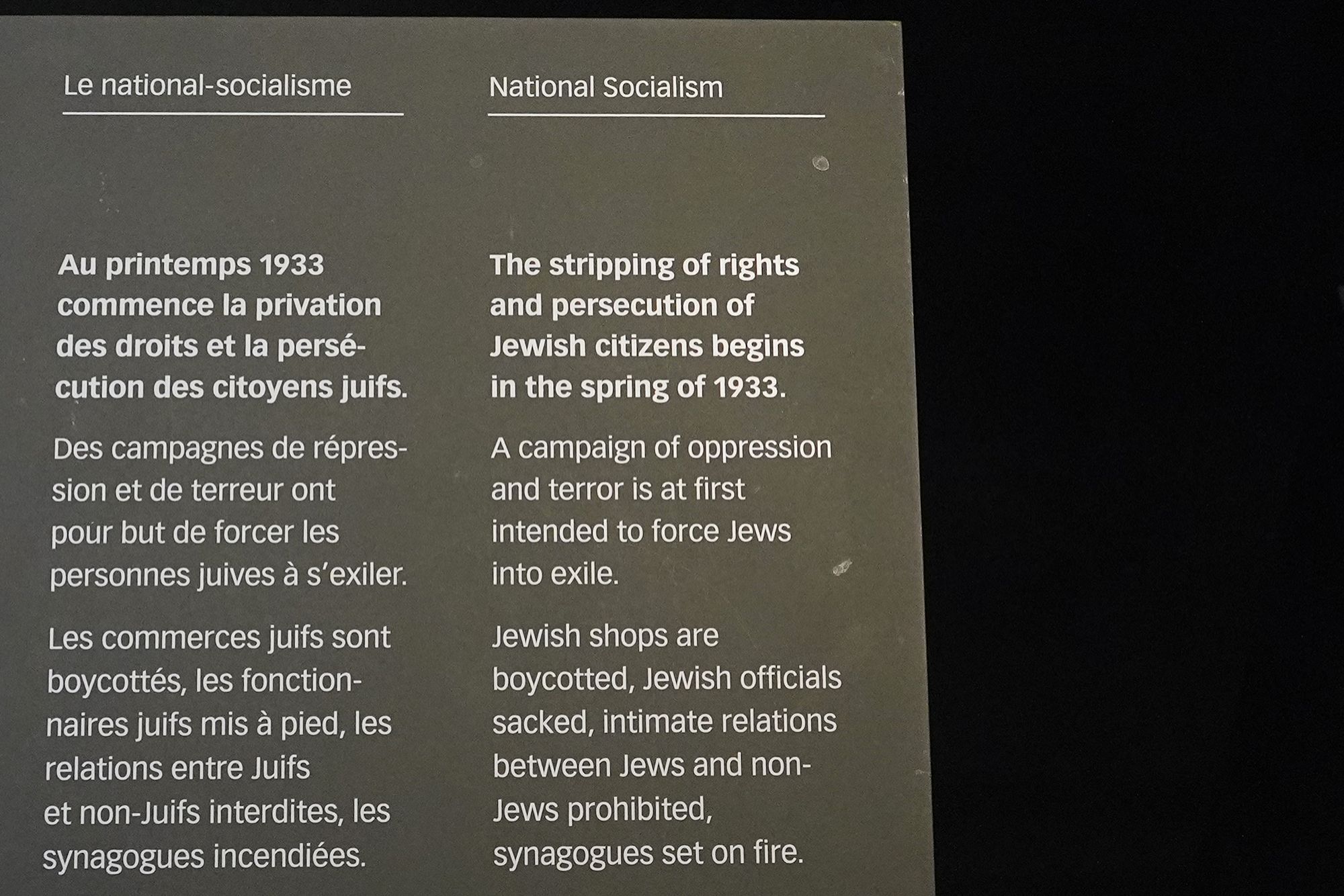
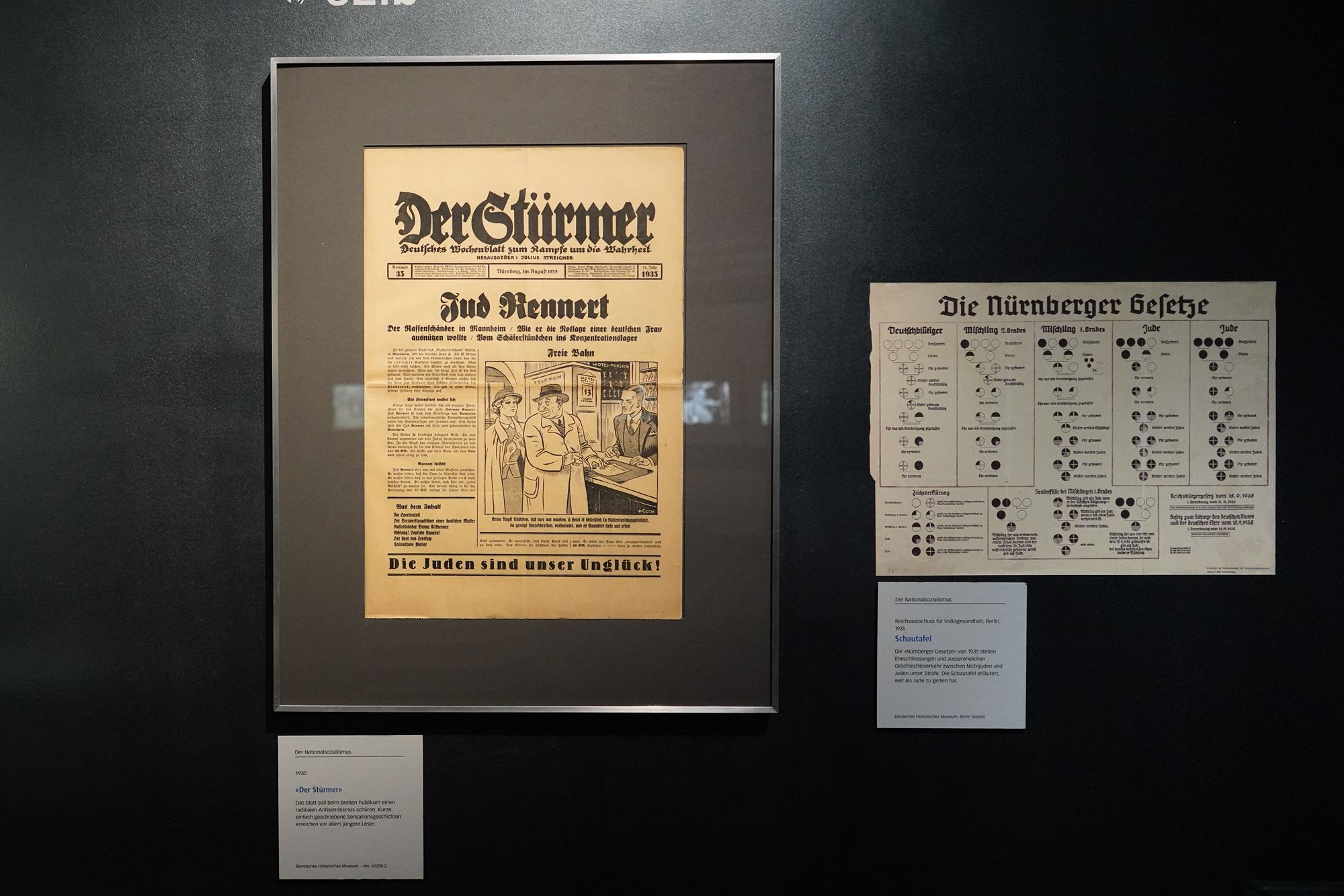
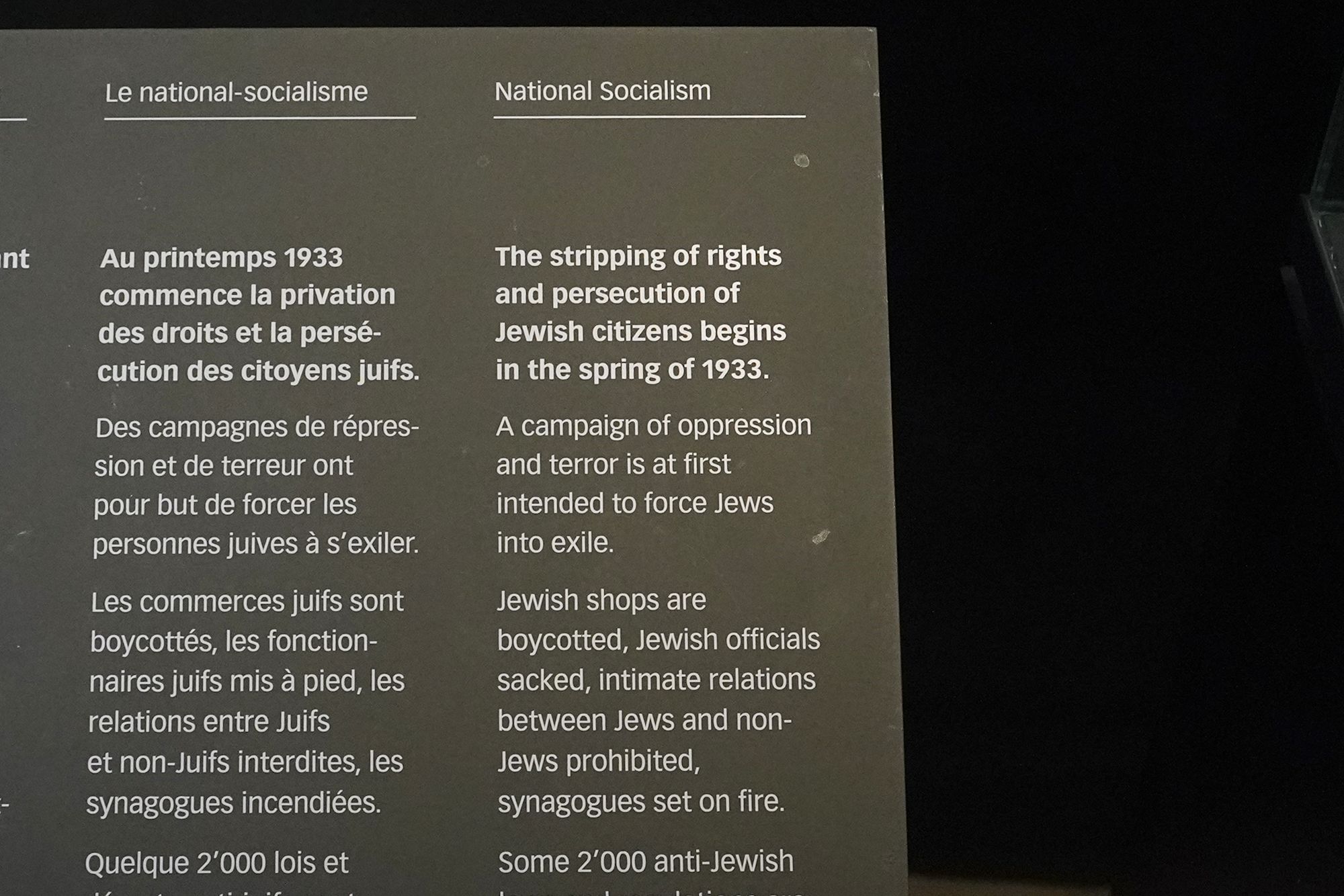
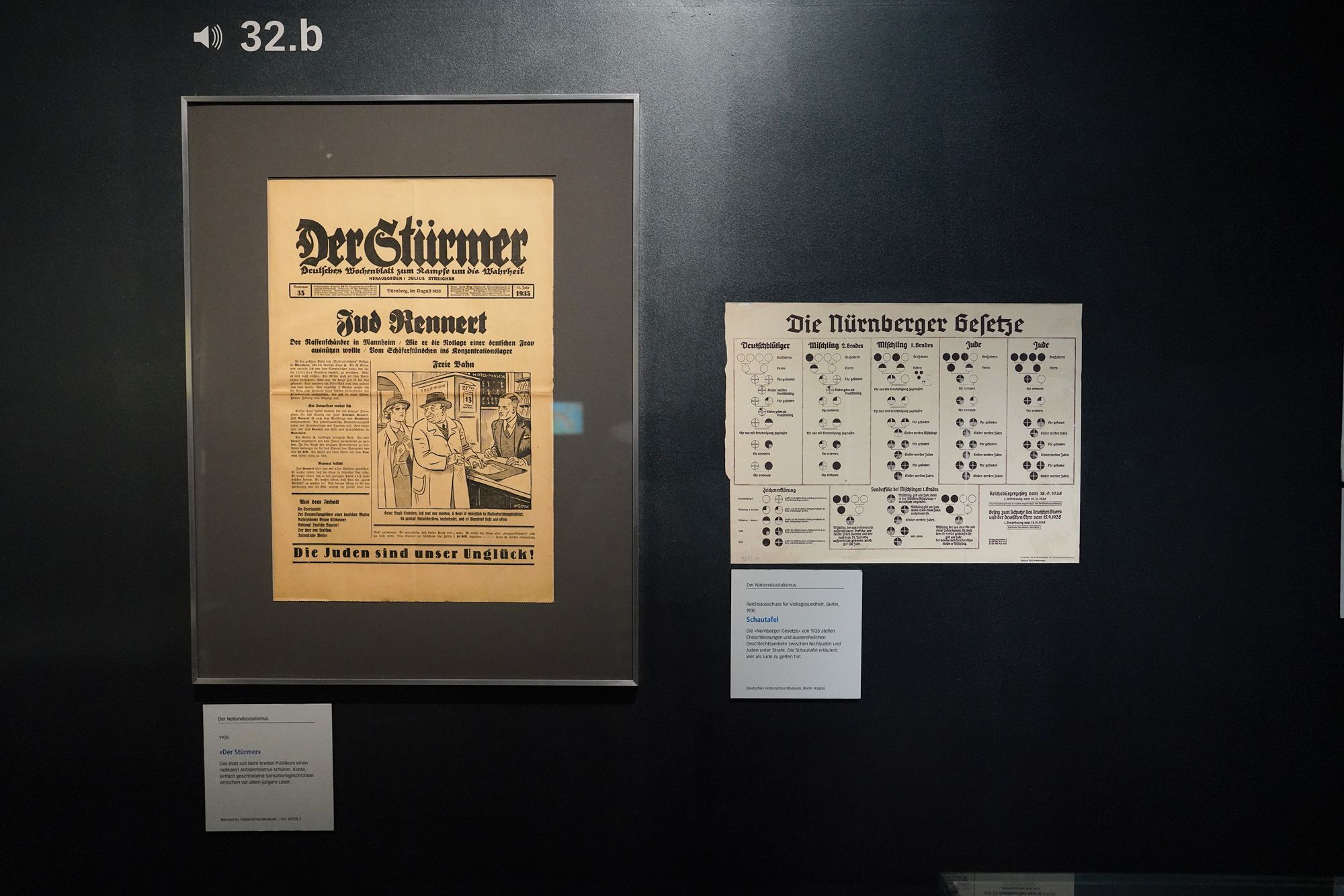
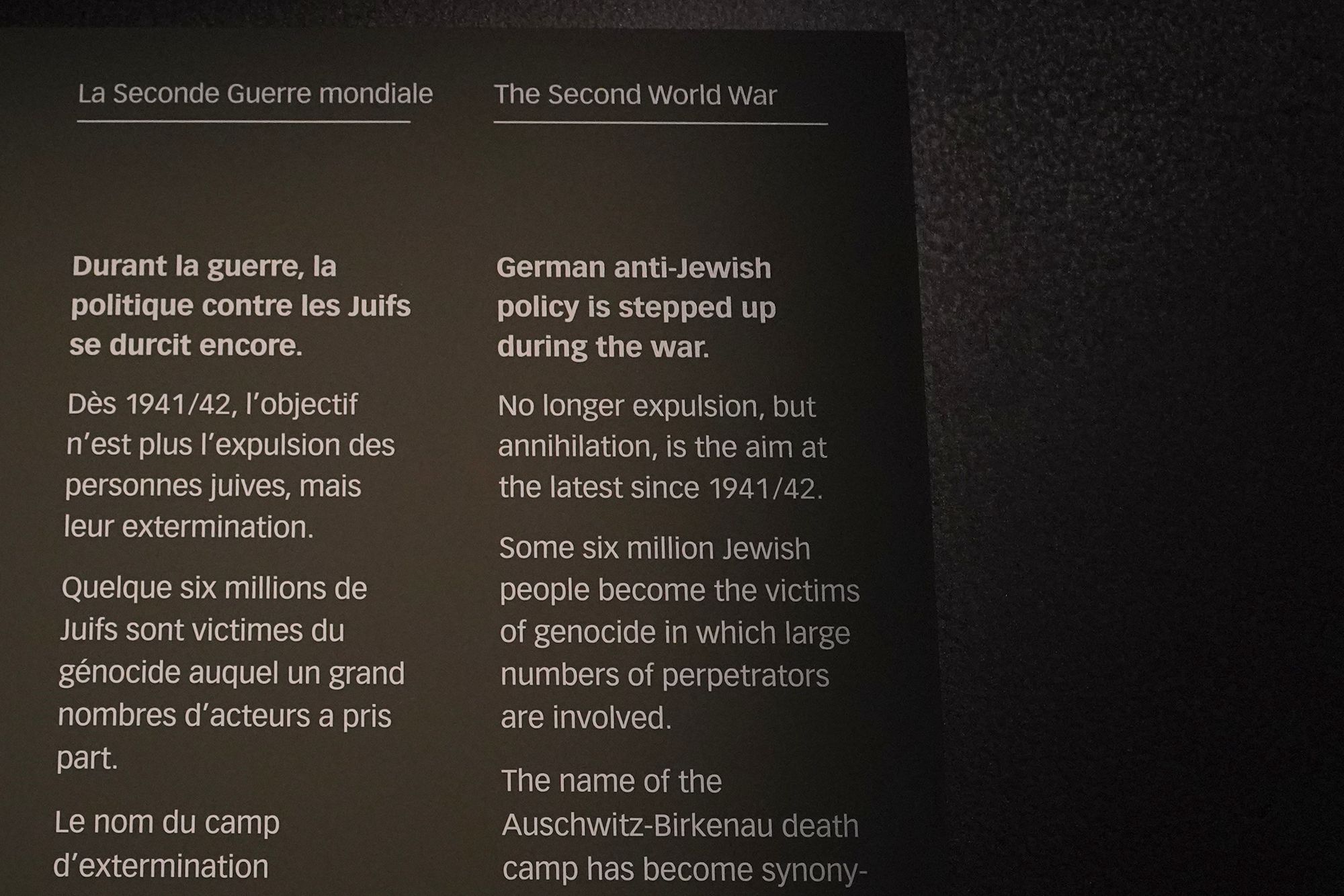
Soon after the Nazis came to power in 1933, the systematic persecution of Jewish people began. Jewish-owned businesses were boycotted, Jews were removed from government jobs, and discriminatory laws increasingly excluded them from German society. The Nuremberg Laws of 1935 stripped Jews of citizenship rights and prohibited marriage or sexual relations between Jews and people classified as “German or related blood.” Persecution escalated further, culminating before the war in the widespread violence of Kristallnacht in November 1938.
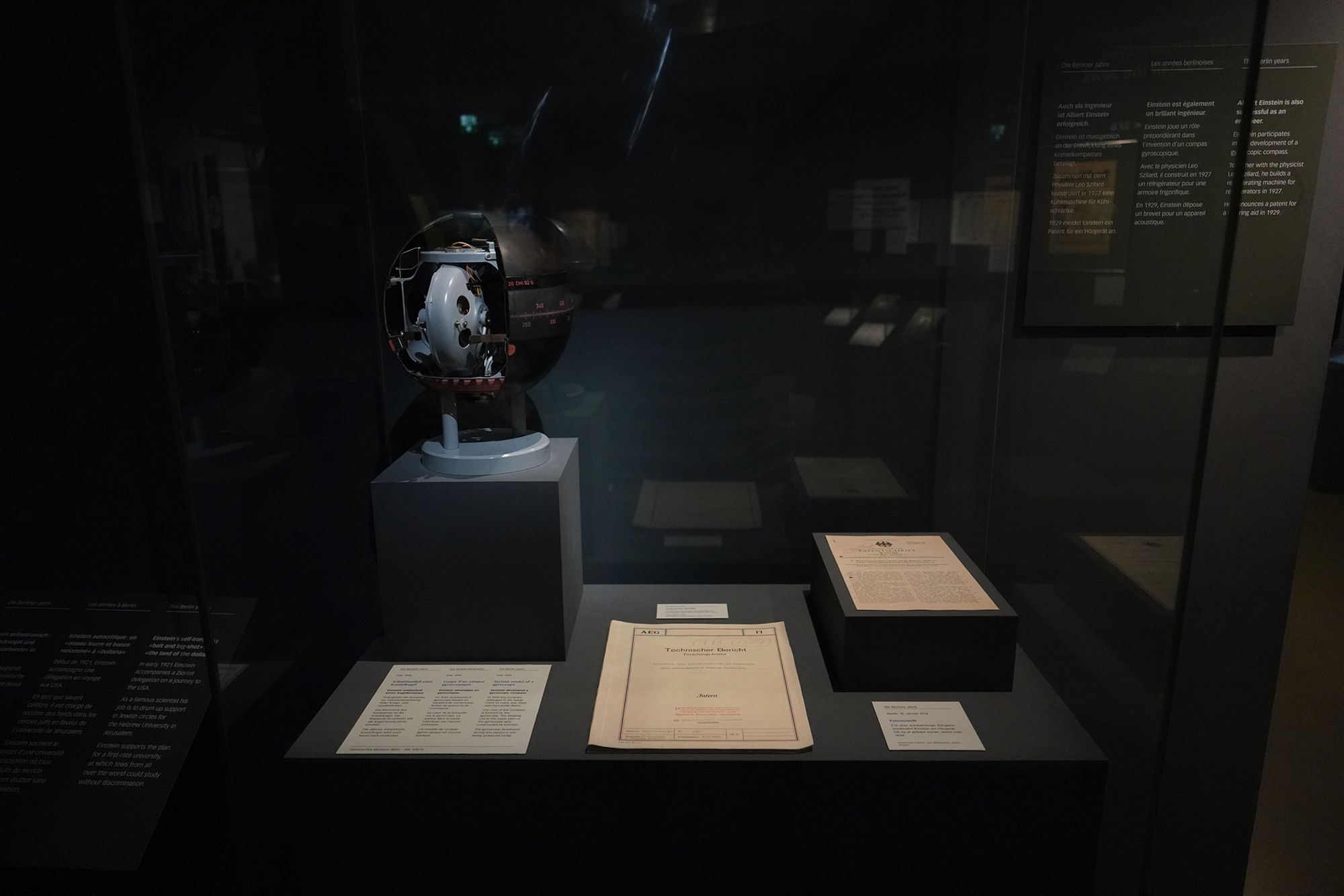
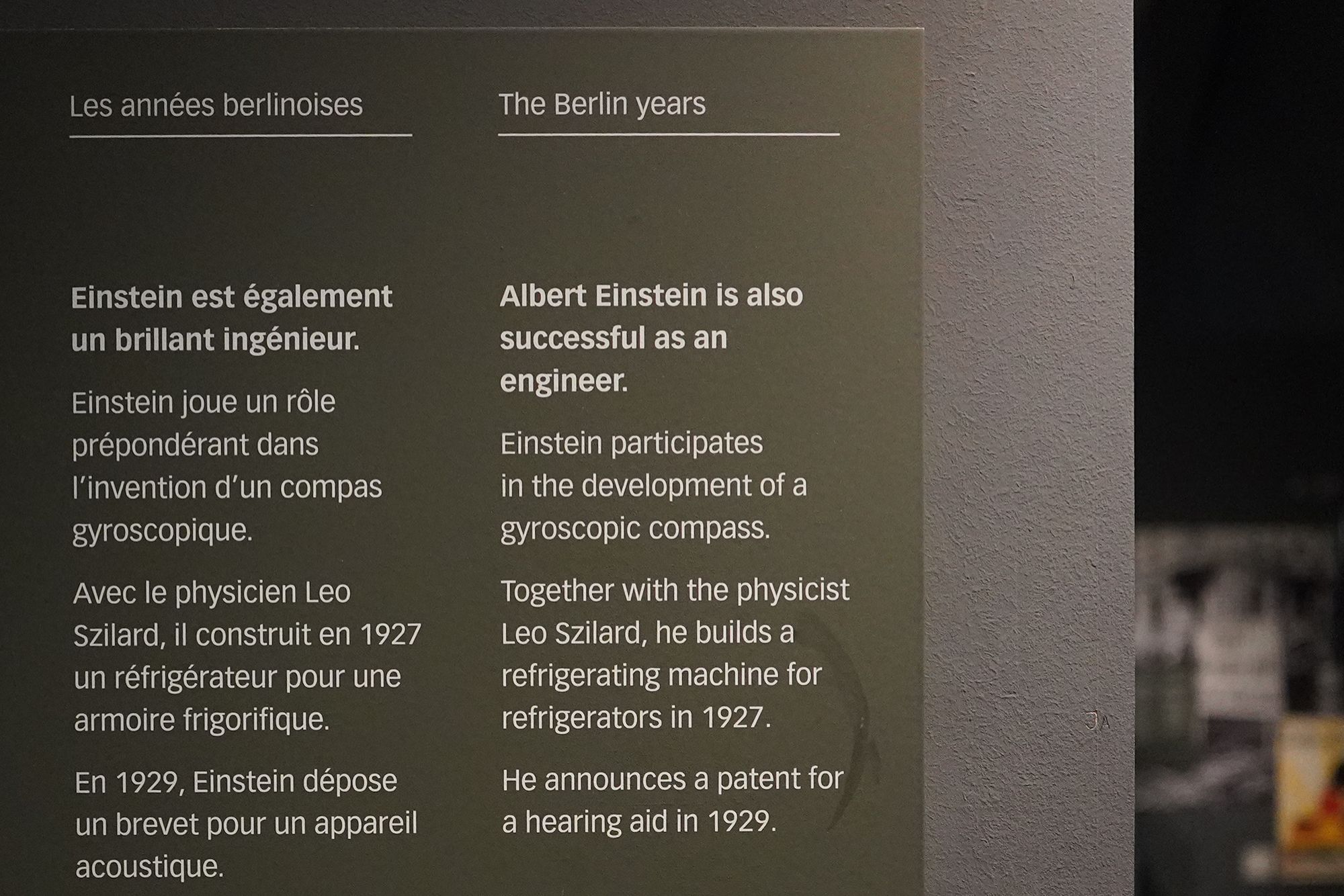
Einstein was interested not only in theoretical physics but also in practical inventions. He worked on a gyroscopic compass and, with physicist Leó Szilárd, developed a new type of refrigerator with no moving mechanical parts. He also worked on a hearing-aid design, showing another, less familiar side of Einstein as an inventor and engineer.
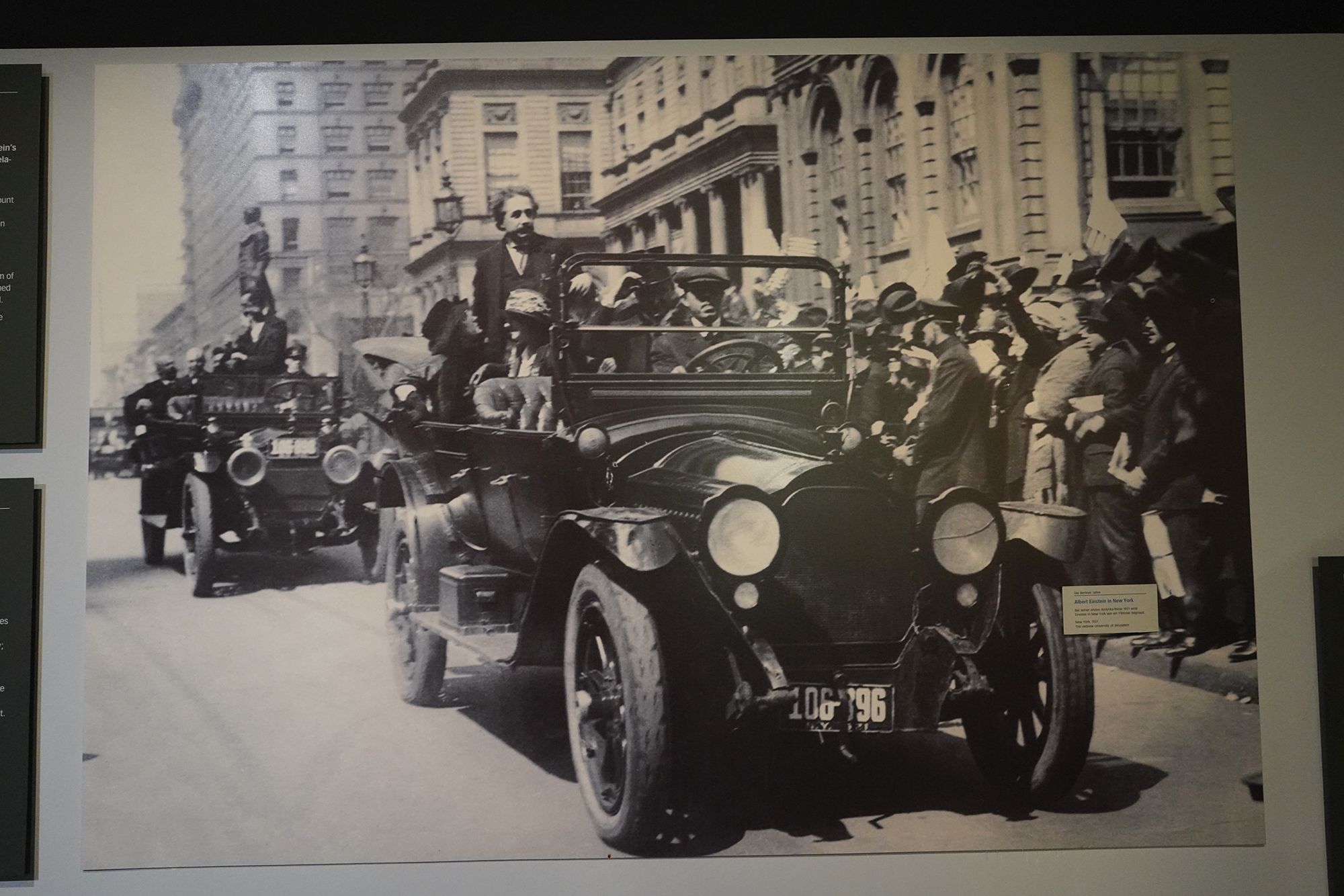
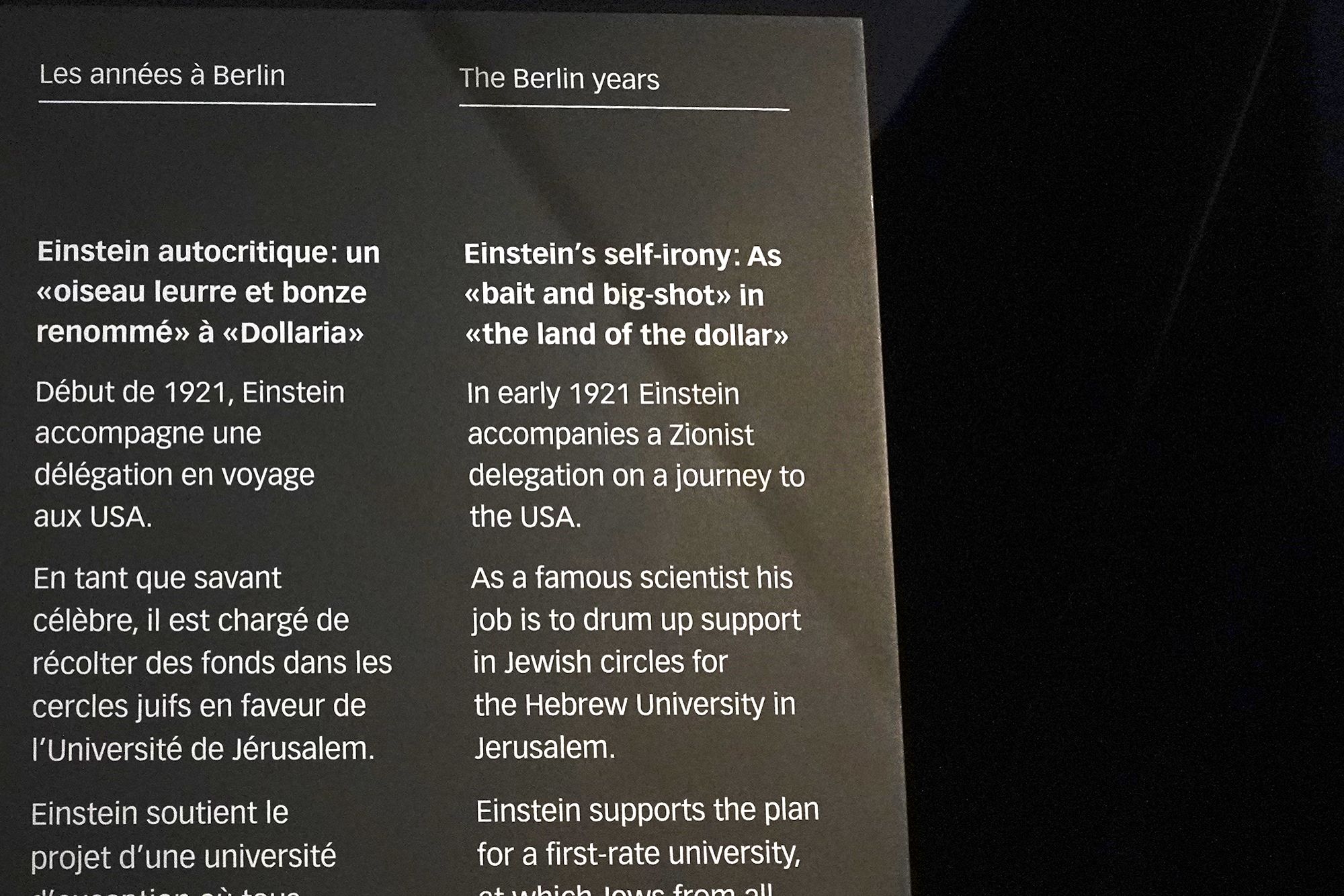
In 1921, Einstein traveled to the United States with a Zionist delegation to help raise support and funds for the planned Hebrew University of Jerusalem. His international fame made him a major attraction on the trip. With characteristic humor, Einstein described his role as “bait and big-shot,” recognizing that his celebrity was being used to draw attention to the cause.
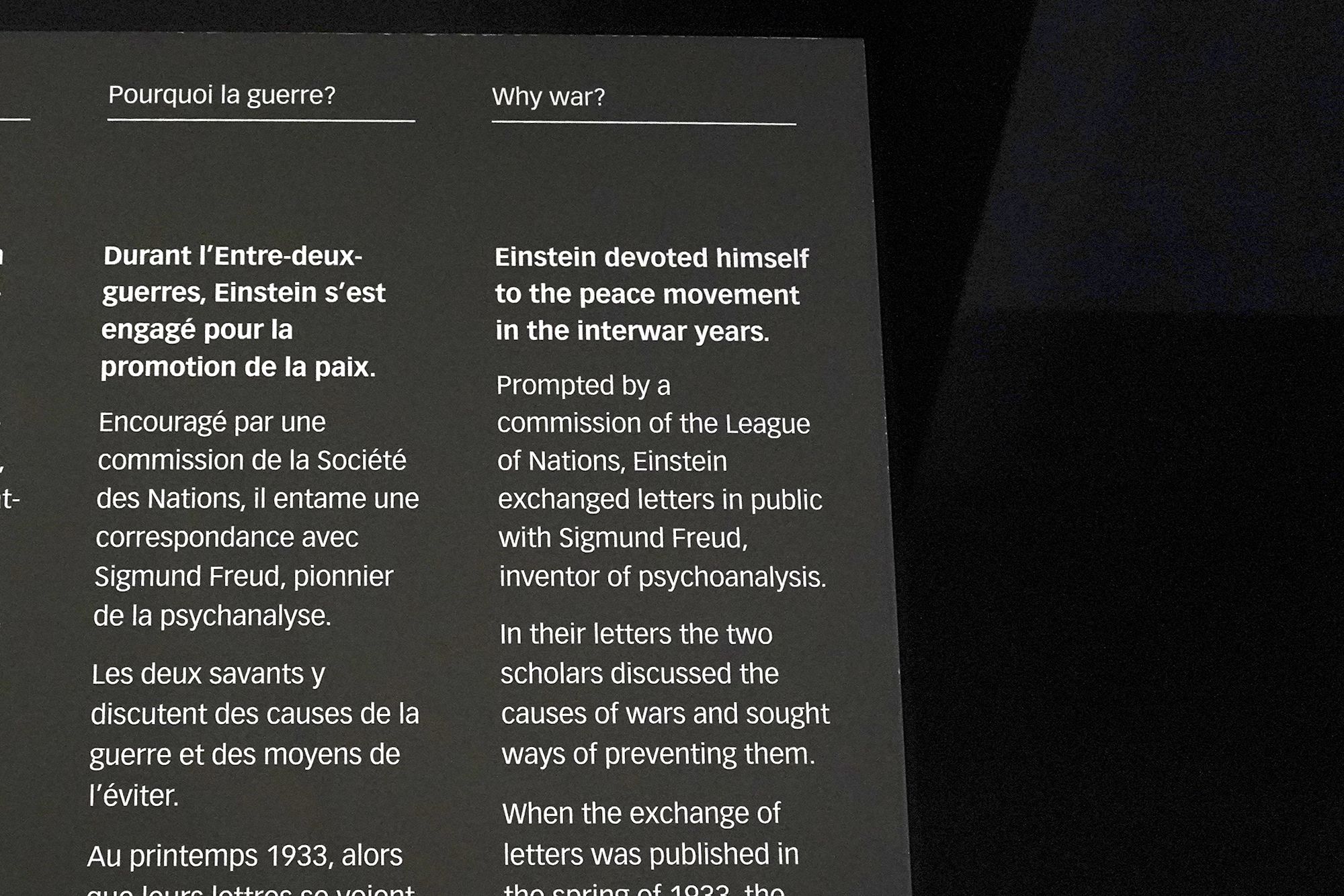
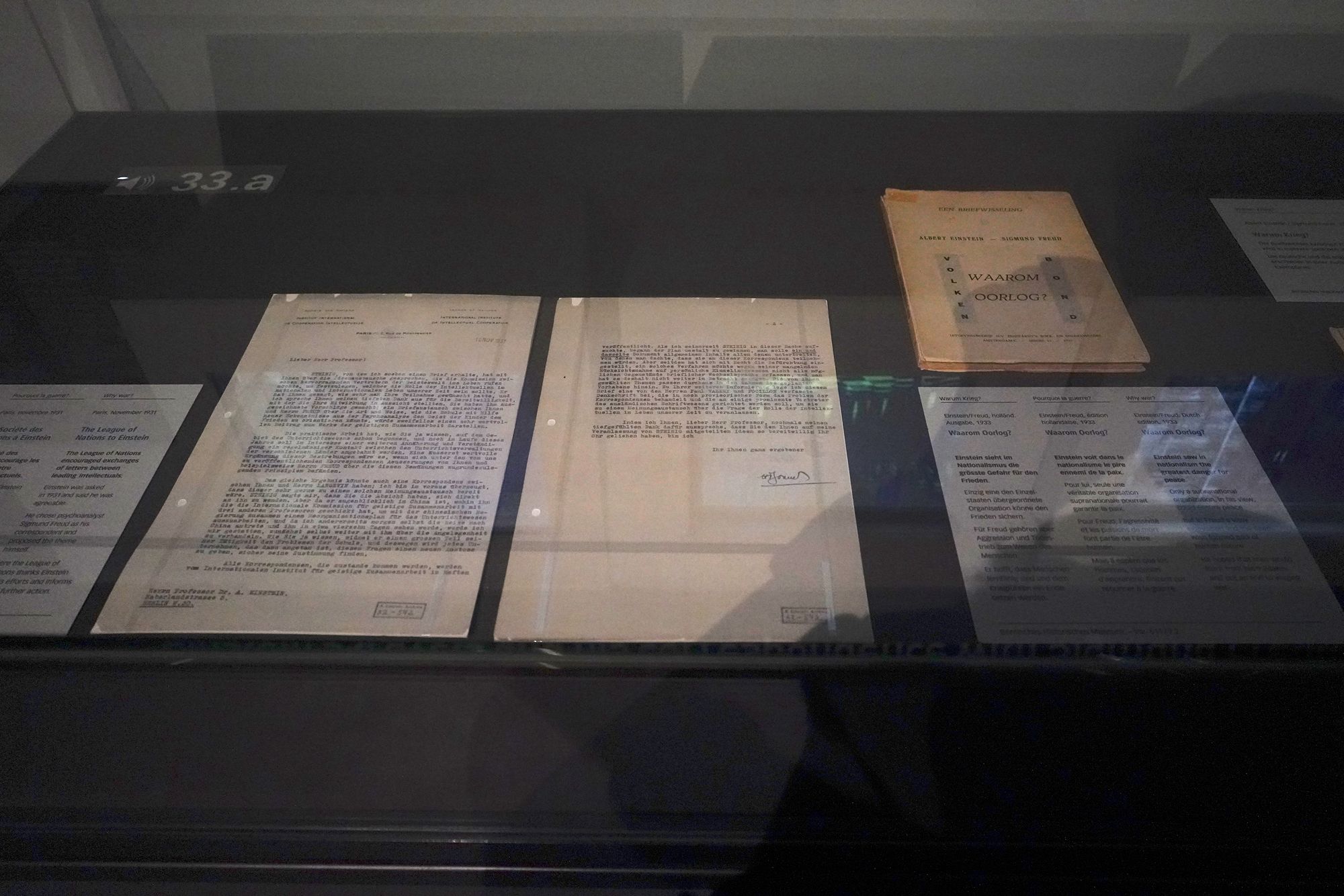
During the years between the two world wars, Einstein became deeply involved in the peace movement. At the invitation of the League of Nations, he exchanged letters with Sigmund Freud about a fundamental question: Why do human beings wage war, and can war be prevented? Their correspondence was published in 1933 under the title Why War?
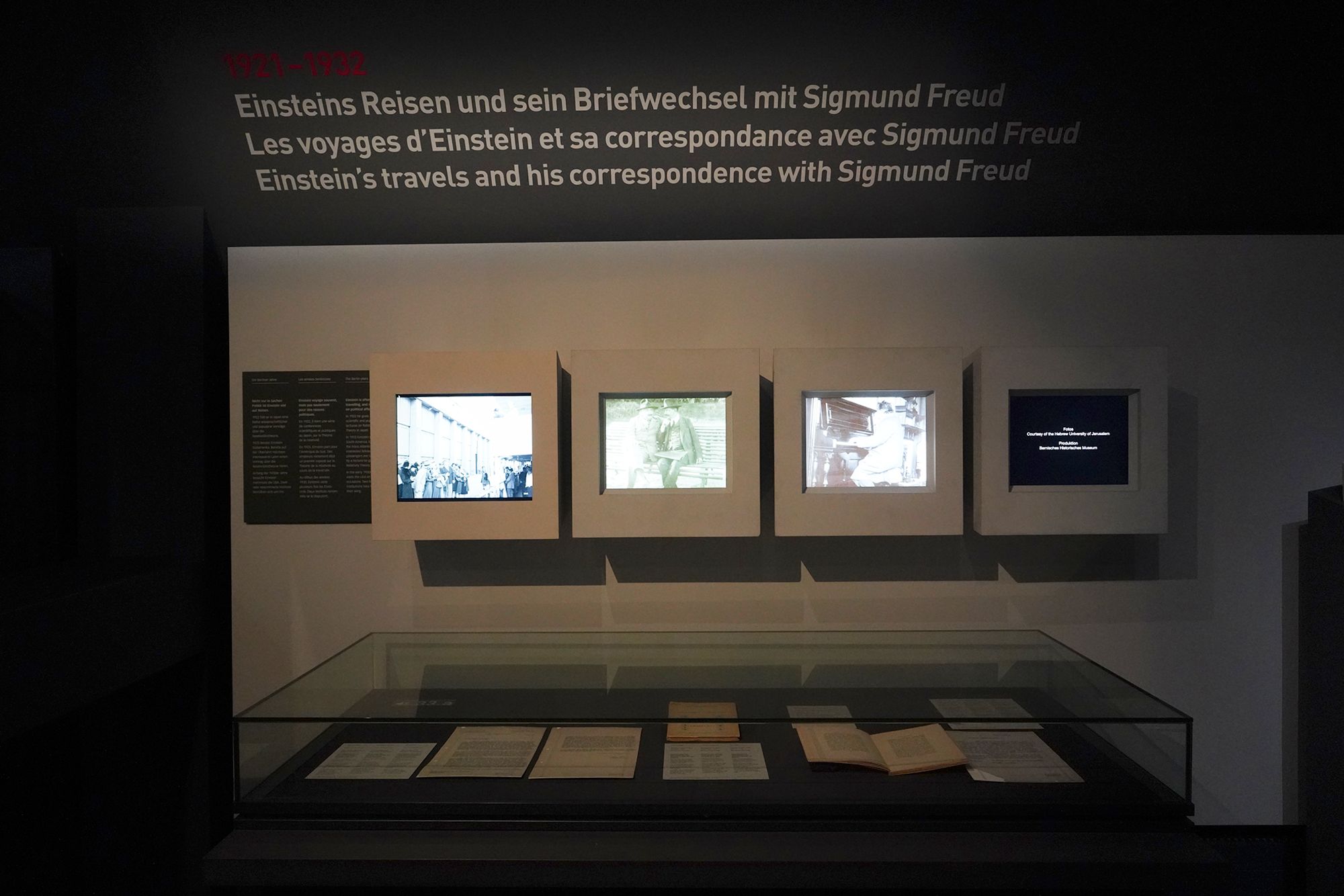
Einstein's travels and his correspondence with Sigmund Freud
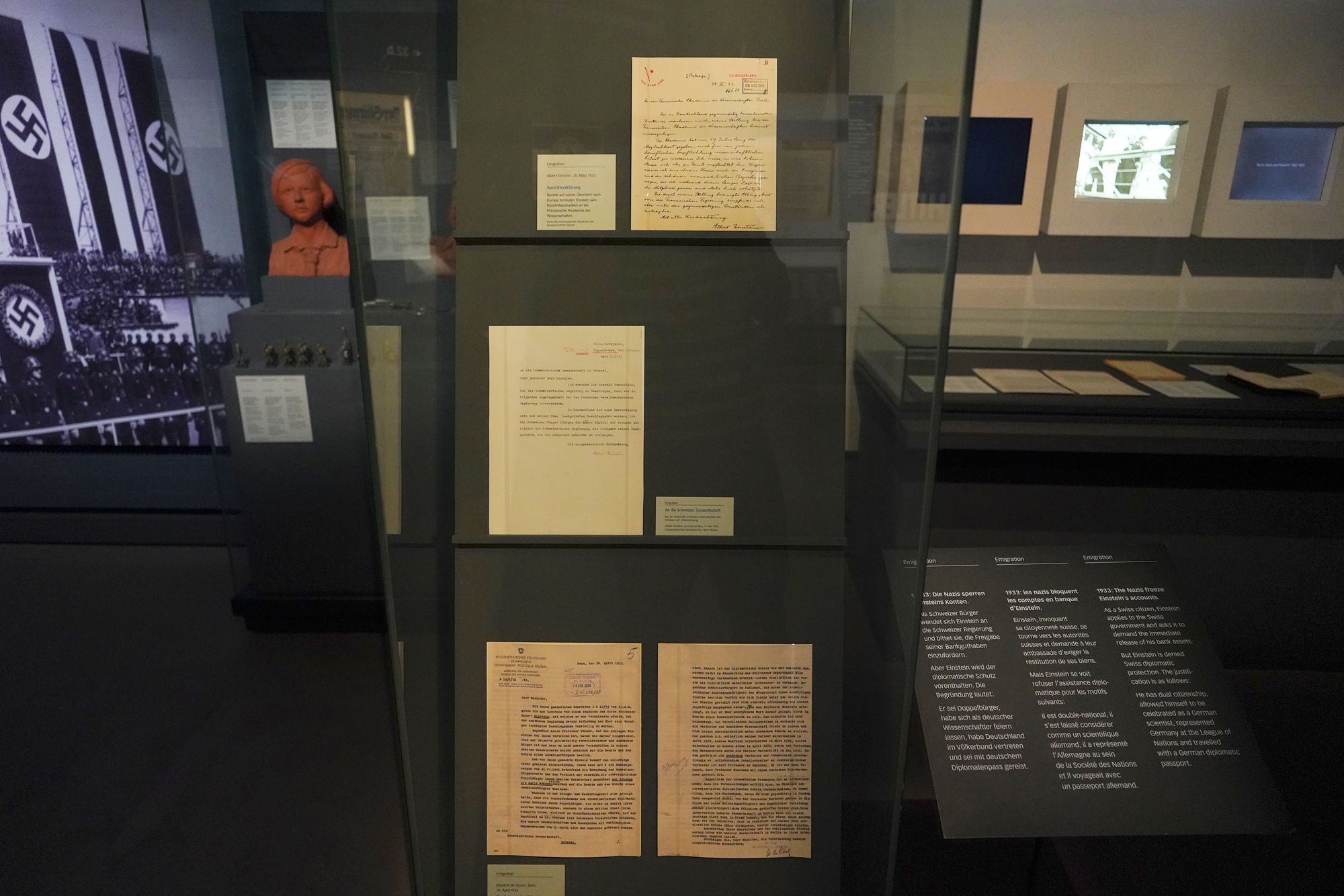
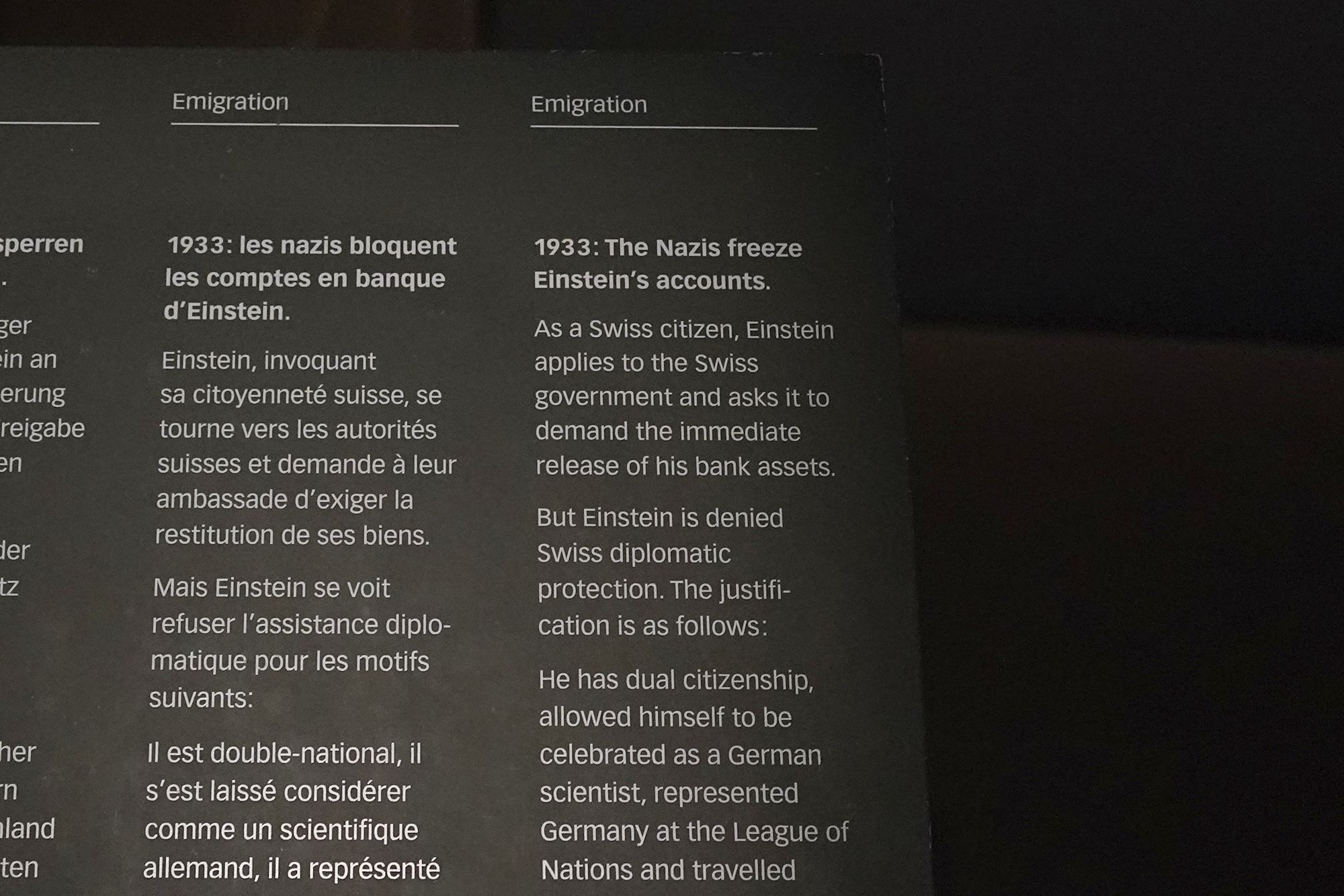
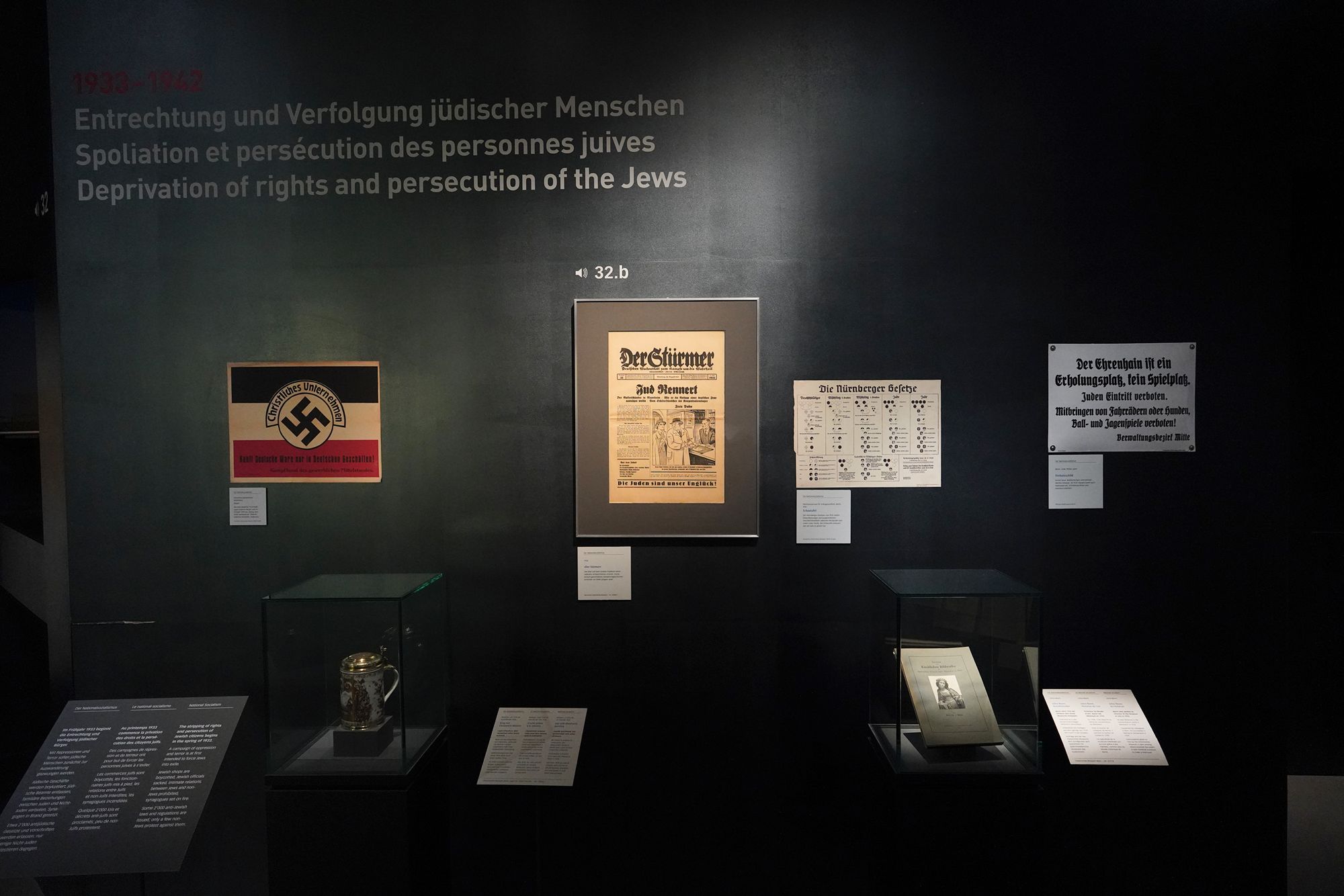
Beginning in 1933, the Nazi government systematically stripped Jewish citizens of their rights and increasingly excluded them from German society. Jewish businesses were boycotted, Jewish employees were dismissed from government positions, and discriminatory laws restricted everyday life. Over the following years, this persecution grew progressively more severe and violent, driving many Jews, including Einstein, to leave Germany.
Establishment of a totalitarian dictatorship
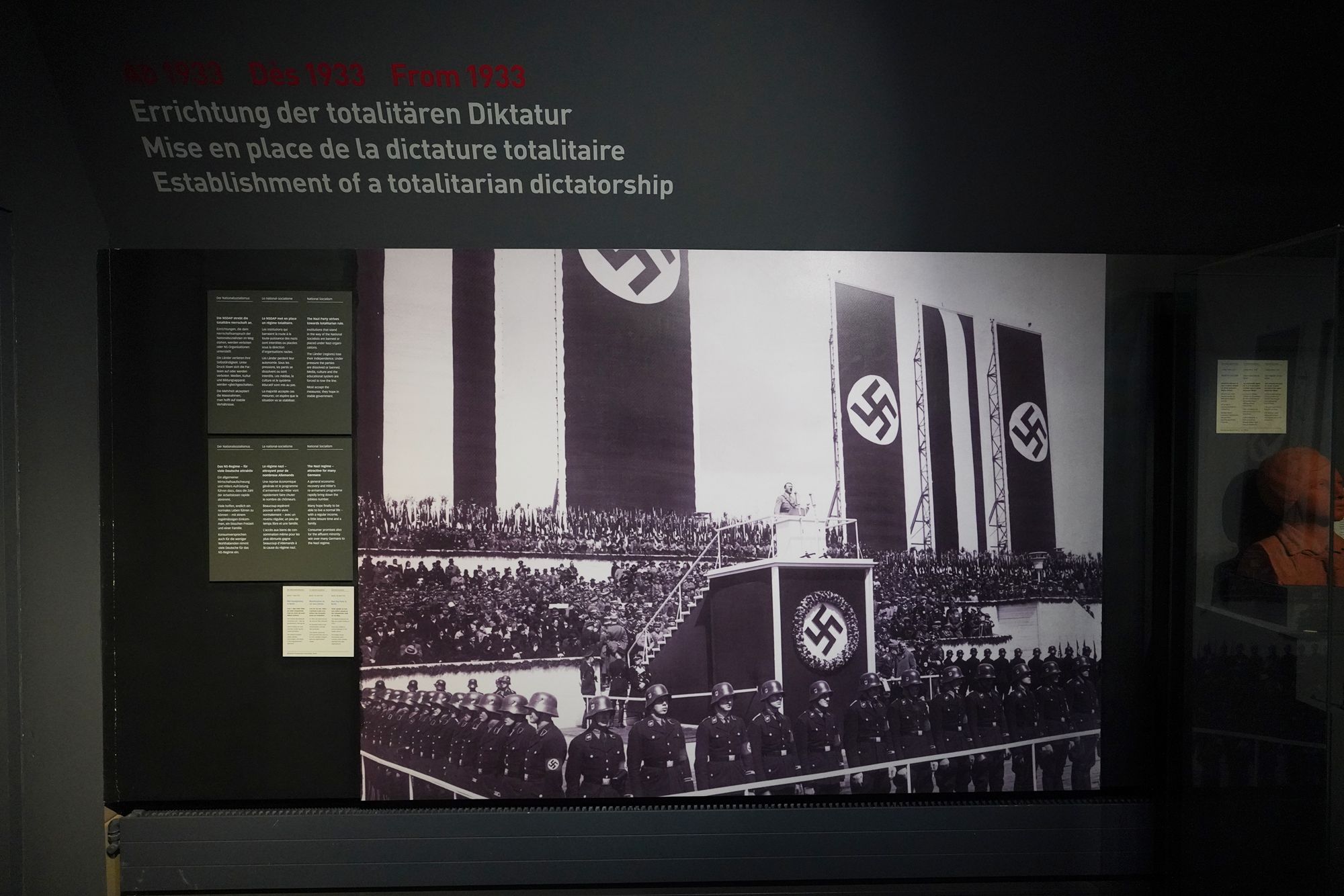
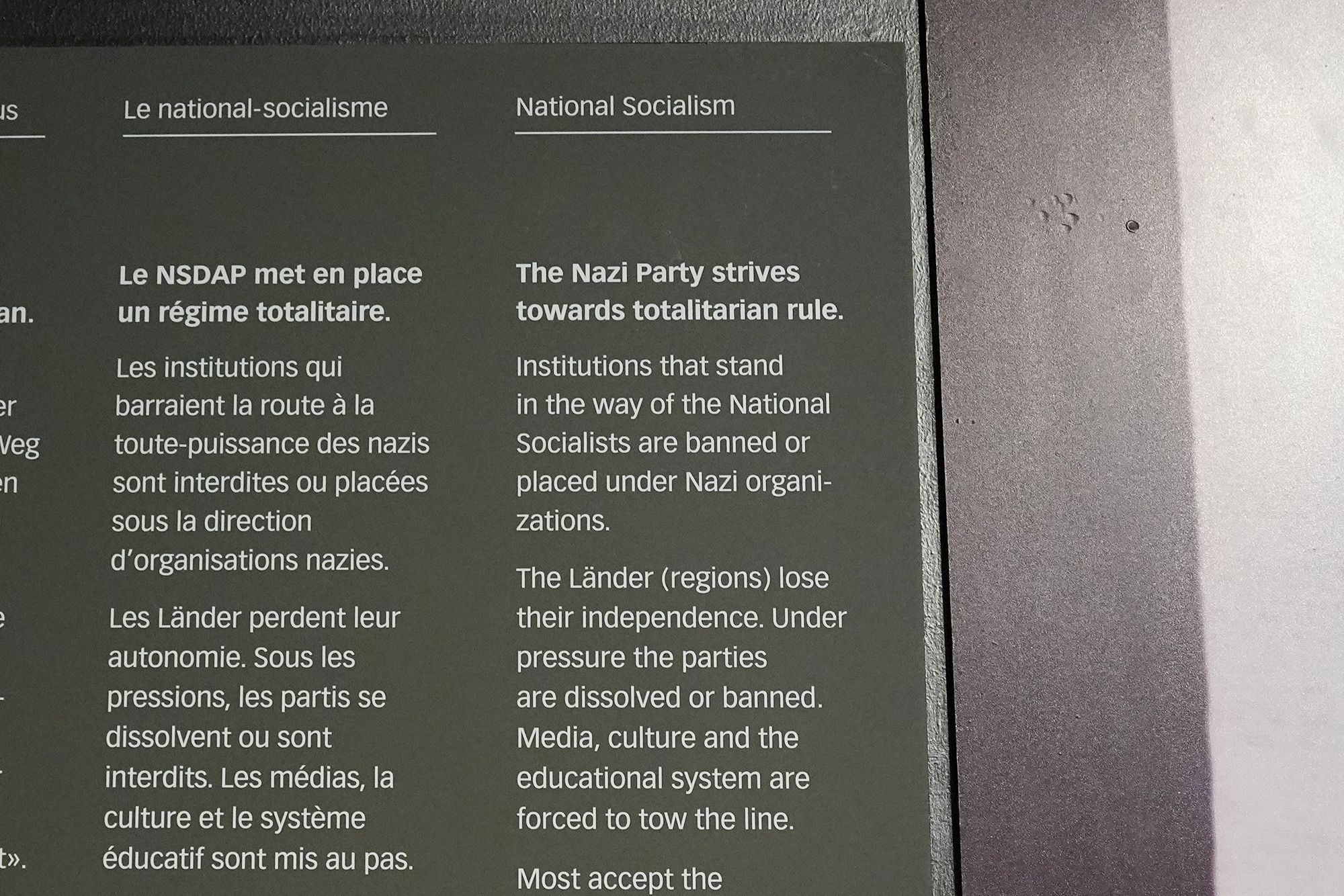
After taking power in 1933, the Nazis rapidly dismantled Germany’s democratic institutions. Other political parties were eliminated, regional governments lost their independence, and organizations throughout society were brought under Nazi control. The press, education, culture, trade unions, and professional organizations were increasingly controlled by the regime, transforming Germany into a one-party dictatorship.
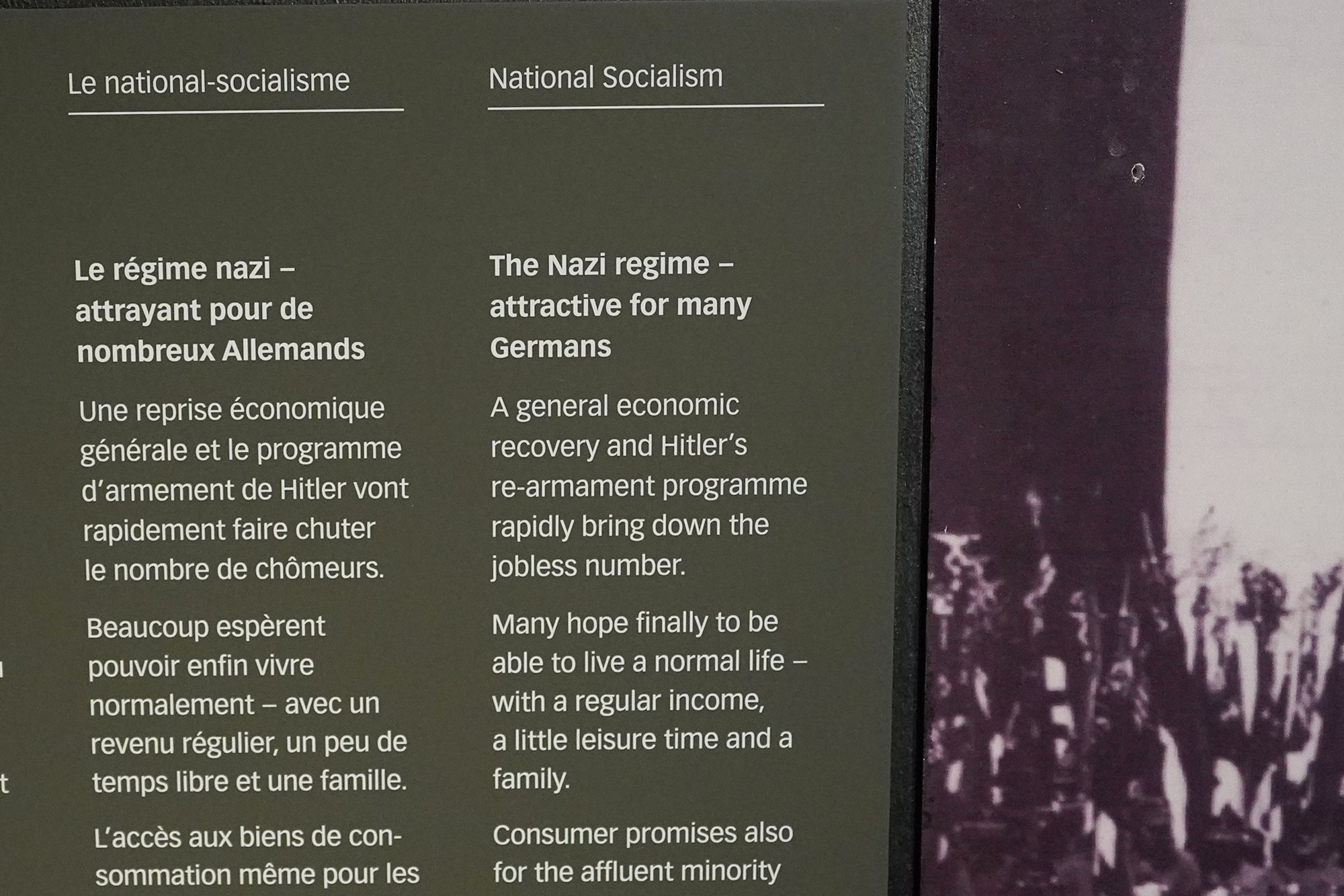
During the 1930s, Germany experienced a major decline in unemployment as the economy recovered and the Nazi government greatly expanded public spending and rearmament. For many Germans who had suffered through the Great Depression, the return of jobs and regular incomes helped generate support for the regime. At the same time, this recovery was increasingly tied to militarization and preparation for war, while political freedoms were being eliminated.
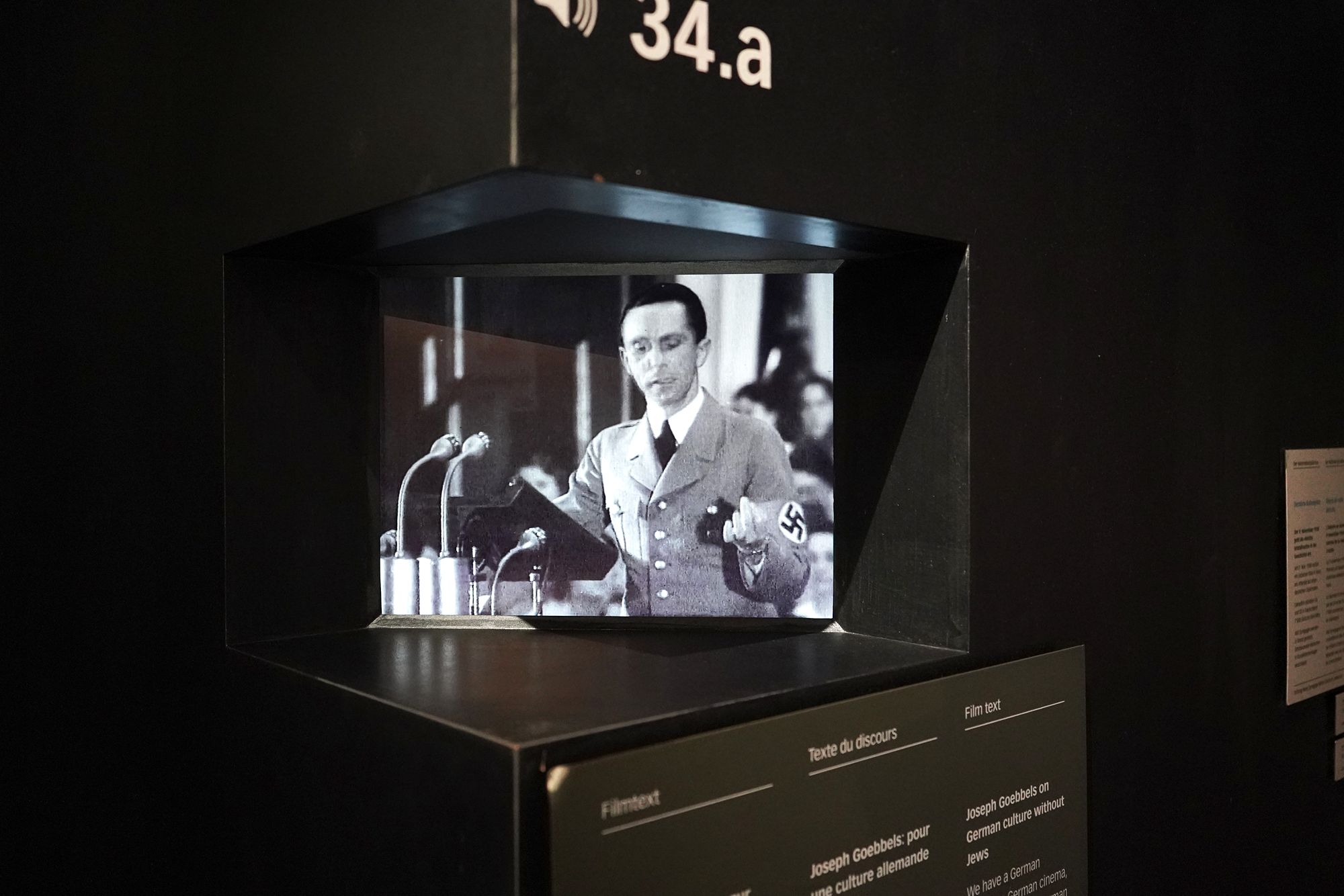
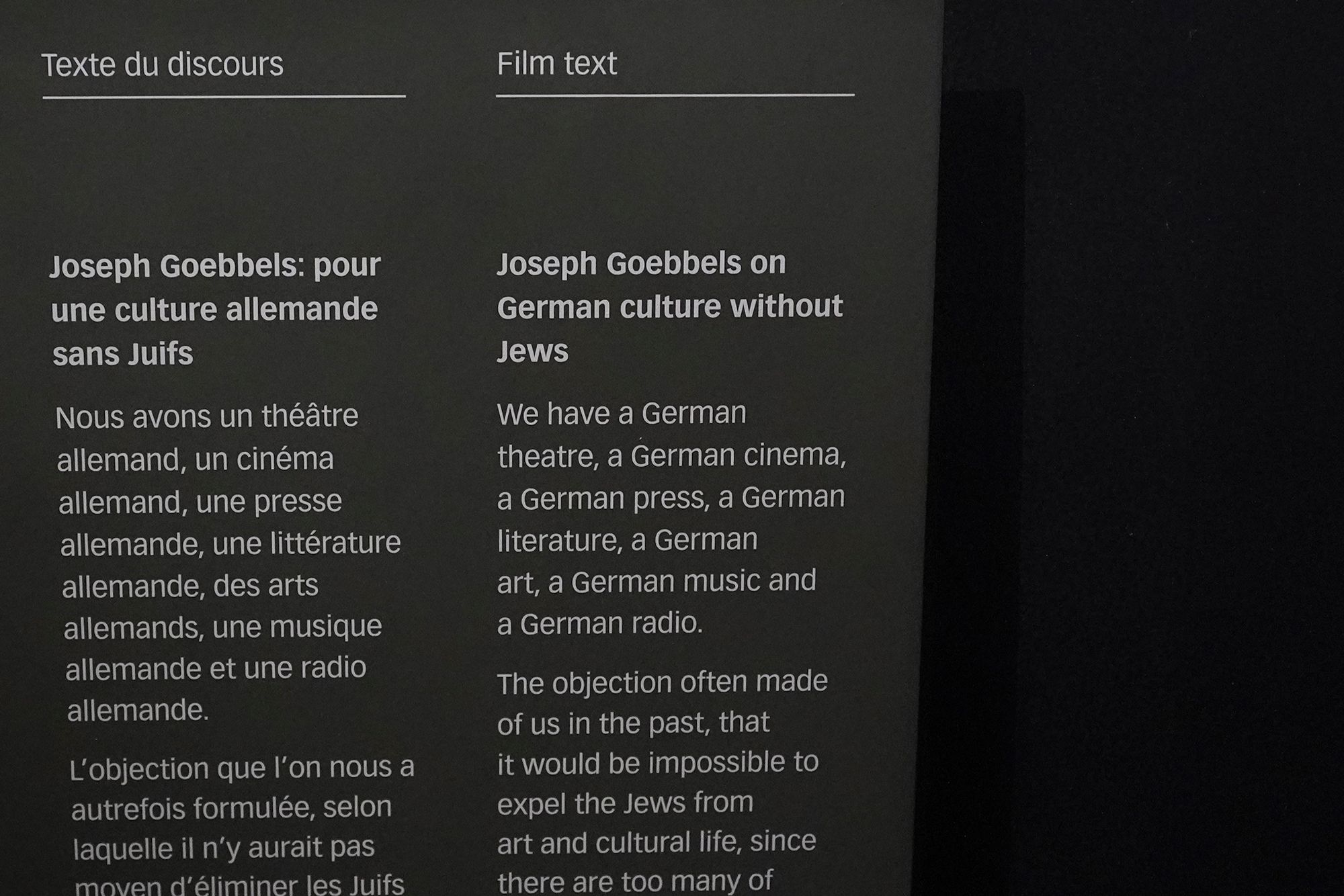
Under Joseph Goebbels, the Nazi regime sought to control German cultural life and remove Jewish influence from it. Jewish writers, musicians, artists, actors, and journalists were increasingly excluded, while film, radio, literature, theater, art, and the press were brought under Nazi supervision. Goebbels used propaganda to present this exclusion as a revival of “German” culture, while it was actually part of the regime’s broader antisemitic persecution.
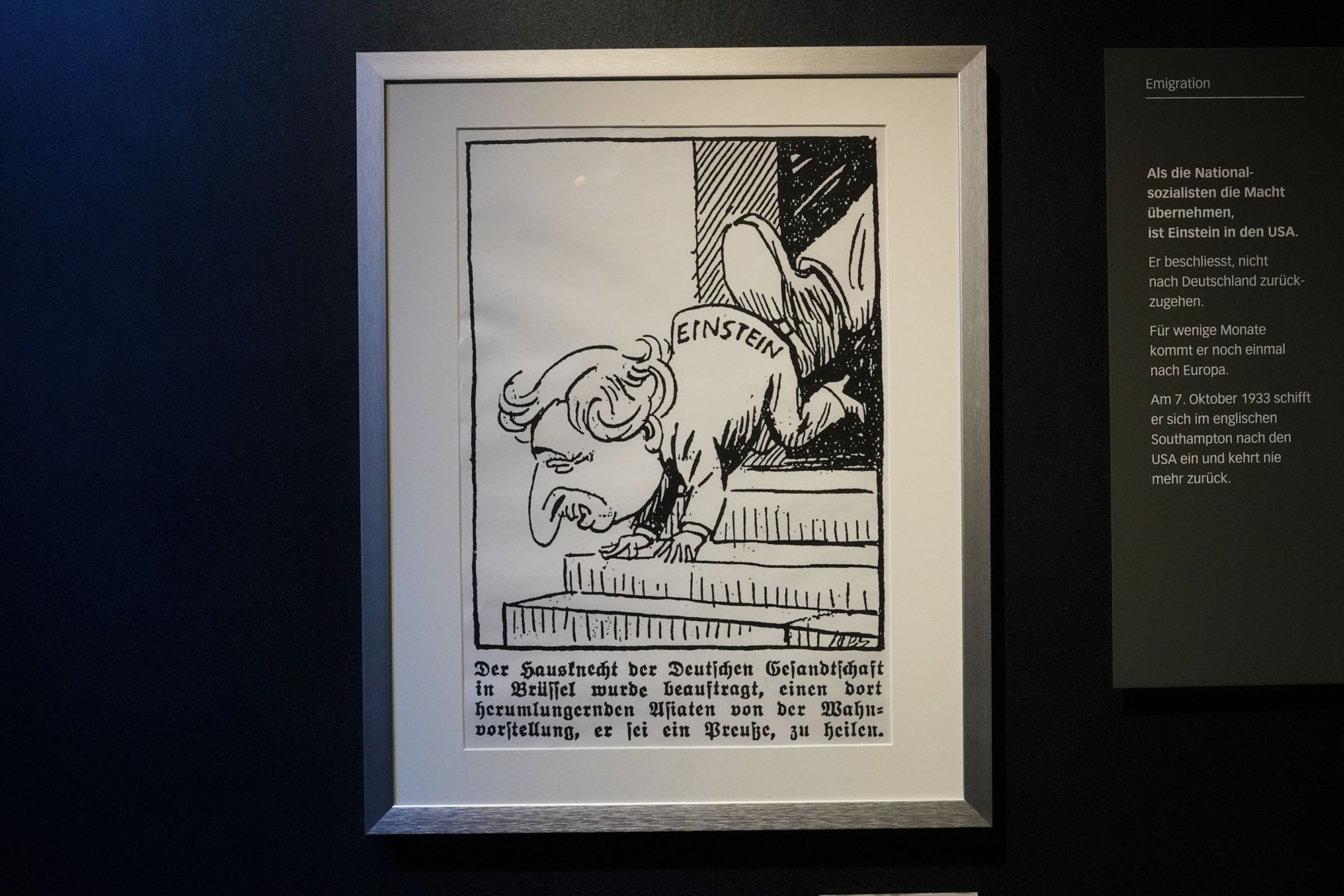
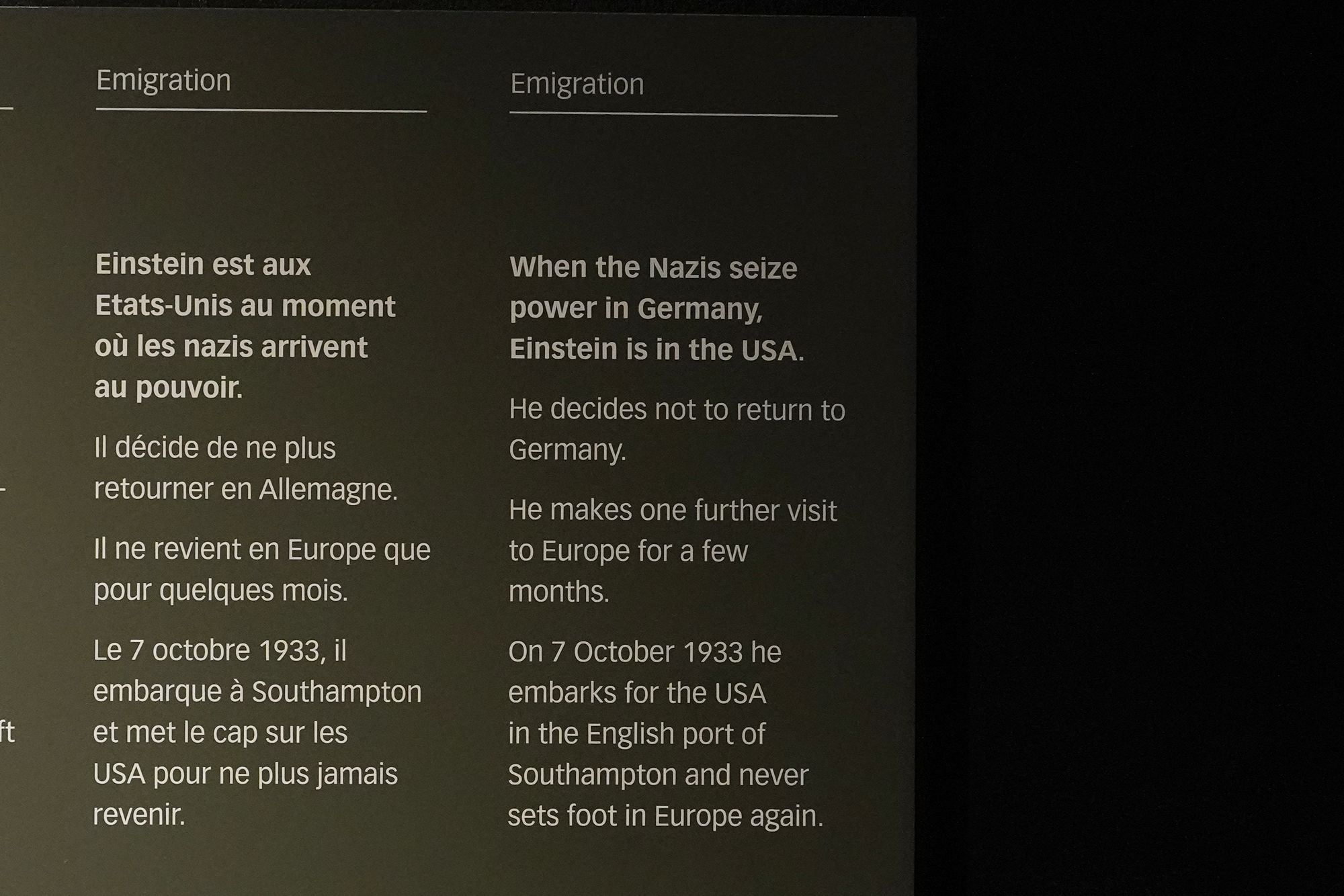
When the Nazis came to power in 1933, Einstein was visiting the United States and decided that he would not return to Germany. After spending several more months in Europe, he sailed from Southampton for the United States on October 7, 1933. It was his final departure from Europe—Einstein never returned to the continent.
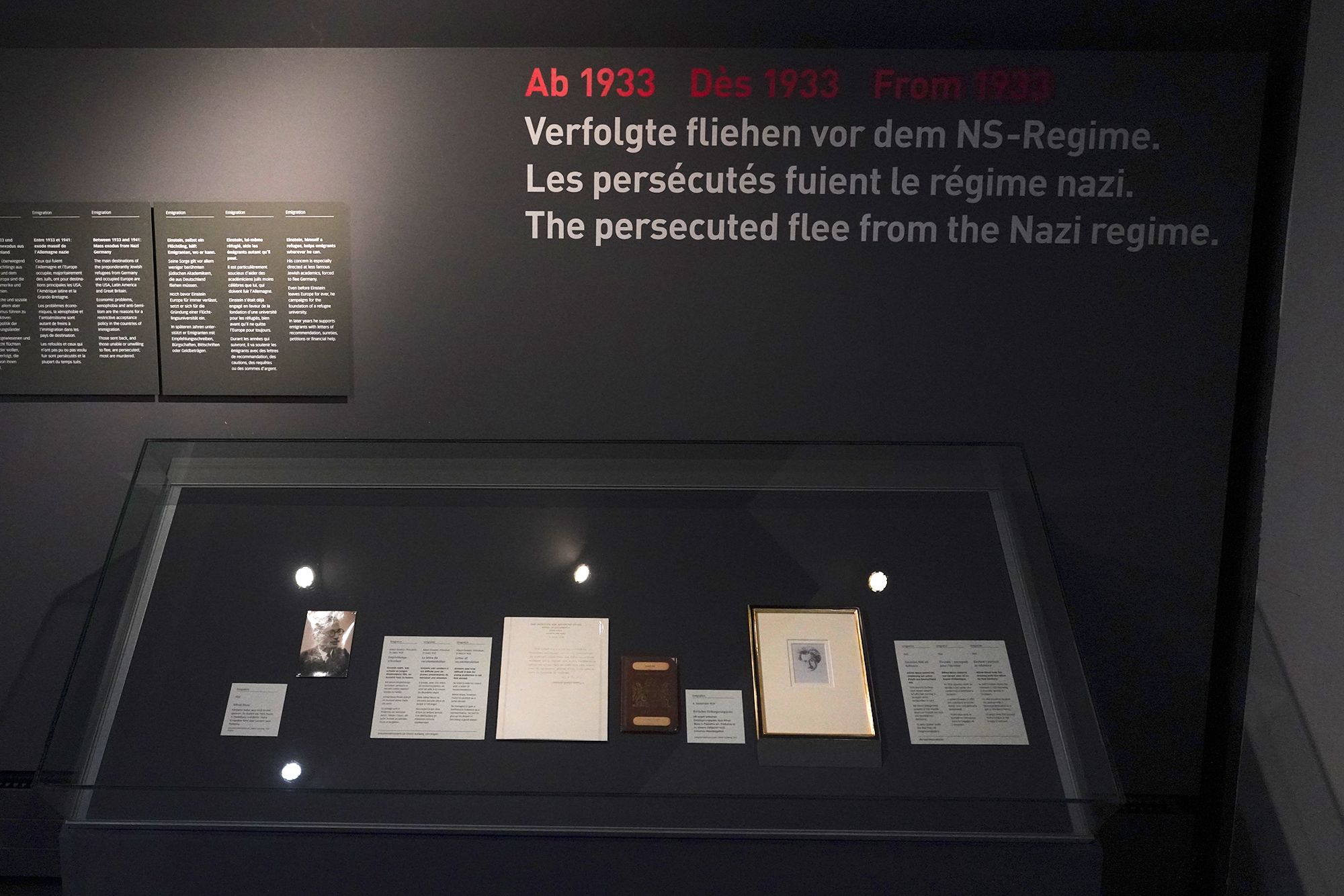
Between 1933 and 1941, hundreds of thousands of Jews tried to escape Nazi persecution in Germany and territories under German control. Many sought refuge in the United States, Great Britain, Palestine, Latin America, and elsewhere. However, immigration quotas, economic concerns, xenophobia, and antisemitism made entry difficult in many countries. As a result, many people who desperately wanted to leave Europe were unable to find a country willing to accept them.
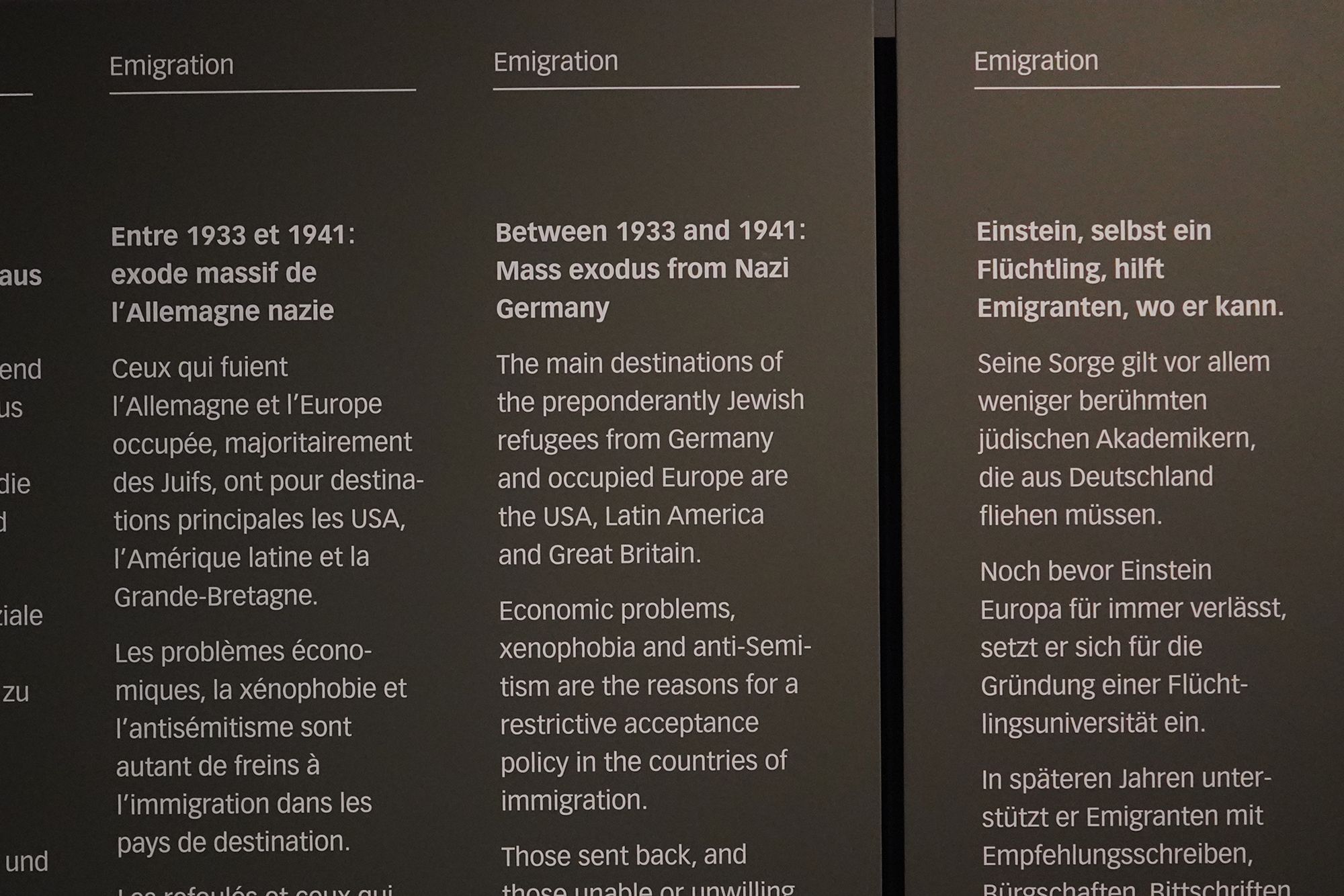
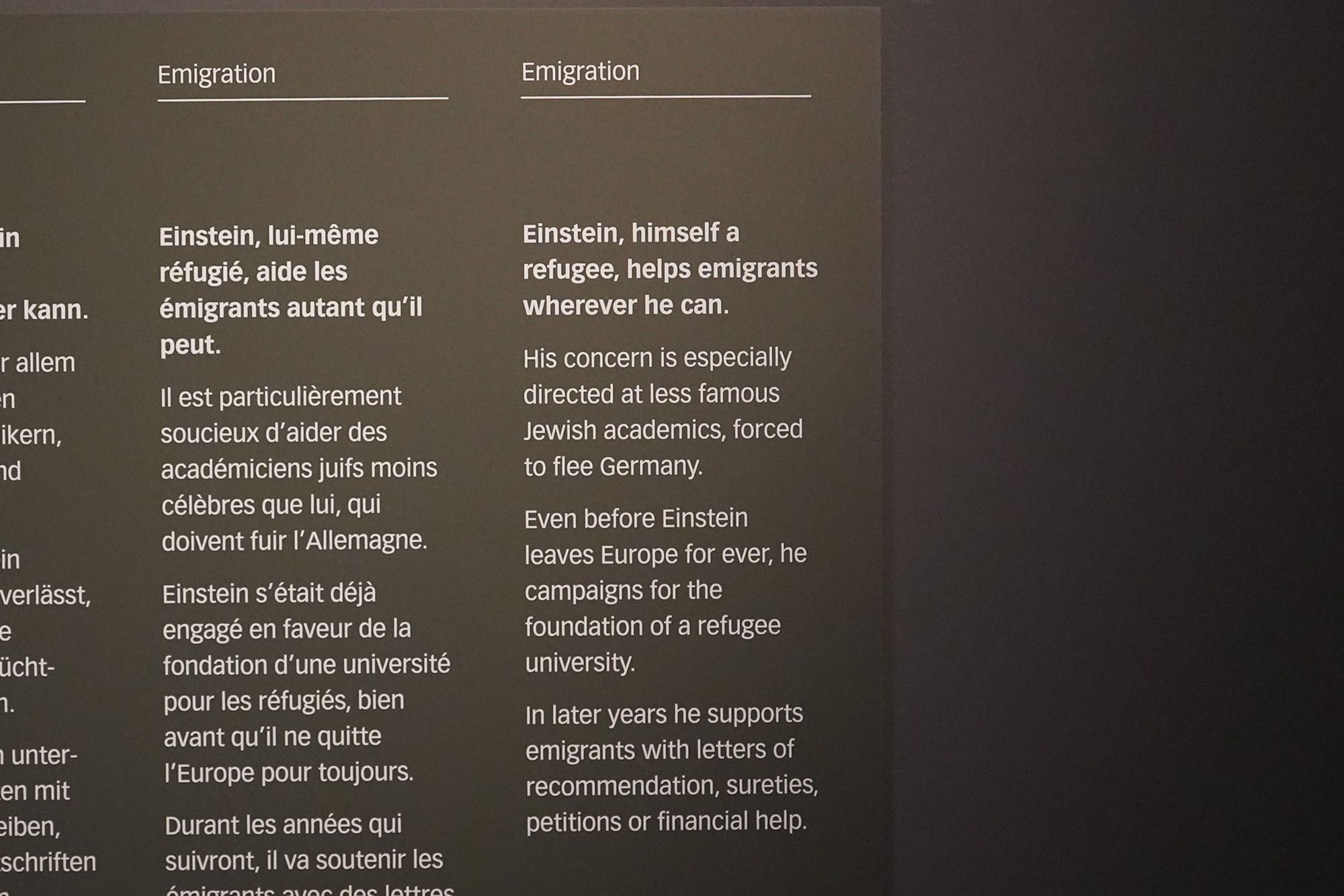
Having become a refugee himself, Einstein used his fame and connections to help other people escape Nazi persecution, especially Jewish scholars forced to leave Germany. He wrote letters of recommendation, provided financial assistance, supported immigration petitions, and sometimes acted as a guarantor. He was particularly concerned about less-famous academics who lacked the international connections that had made his own escape much easier.
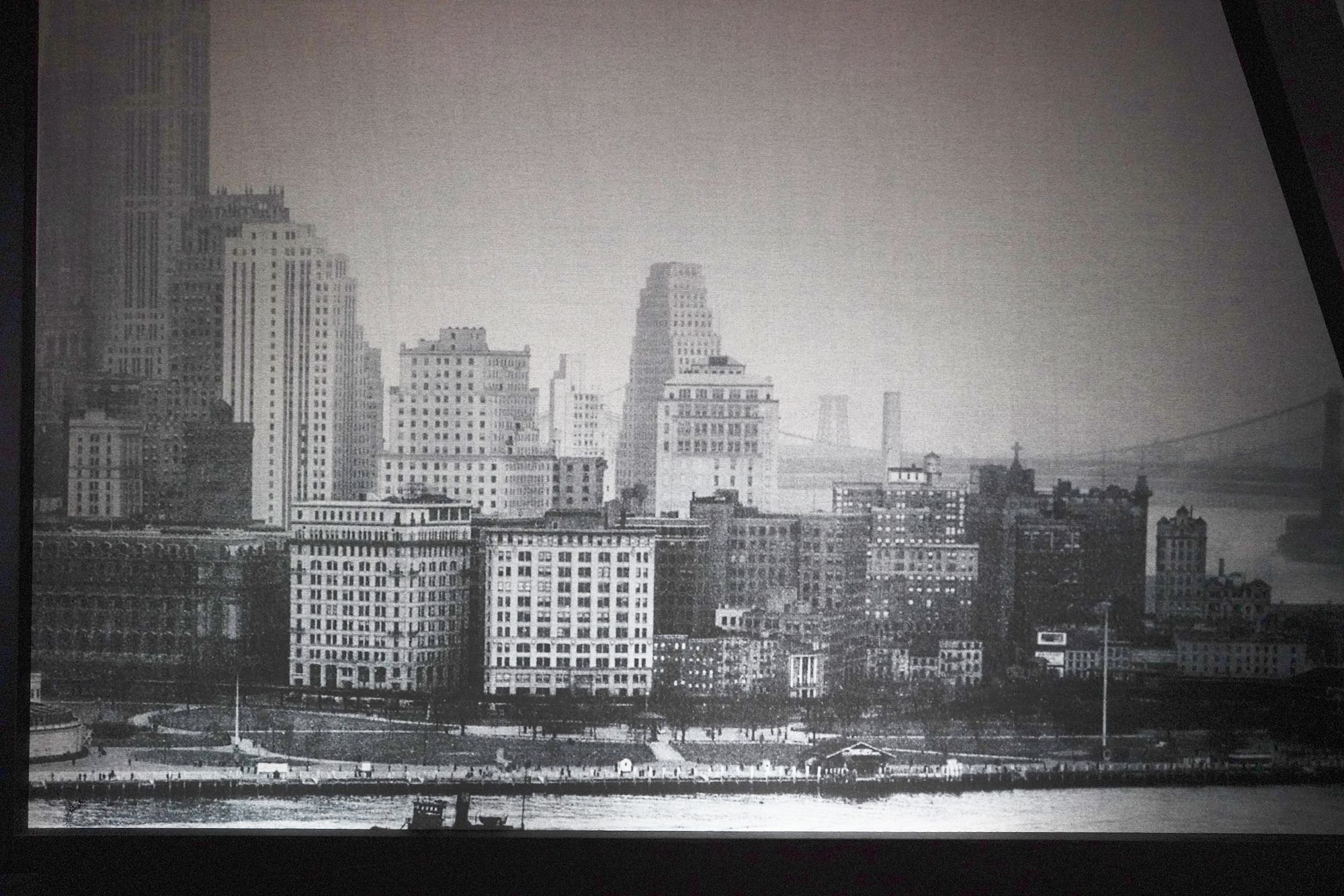
Einstein finds a new home in the USA
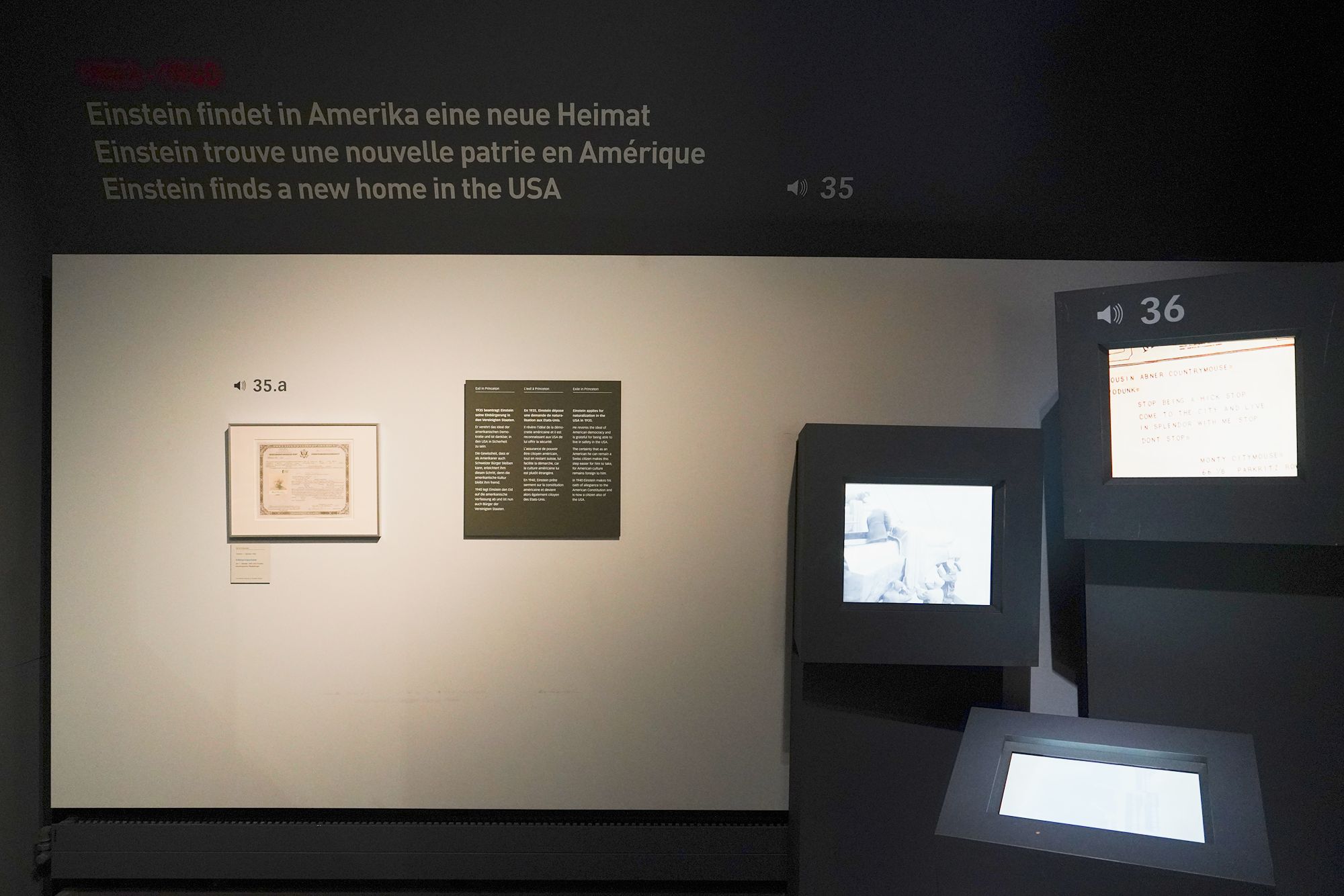
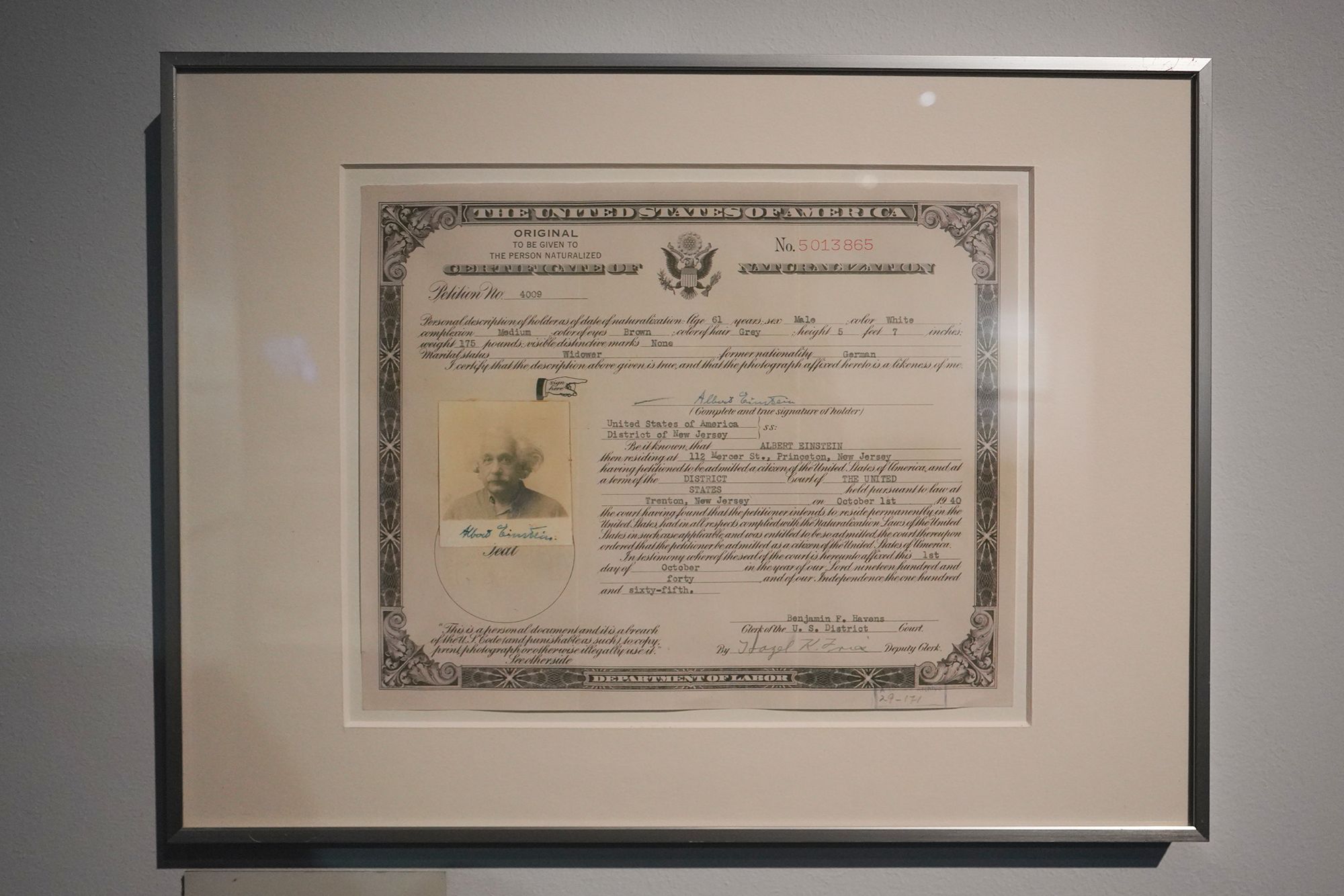
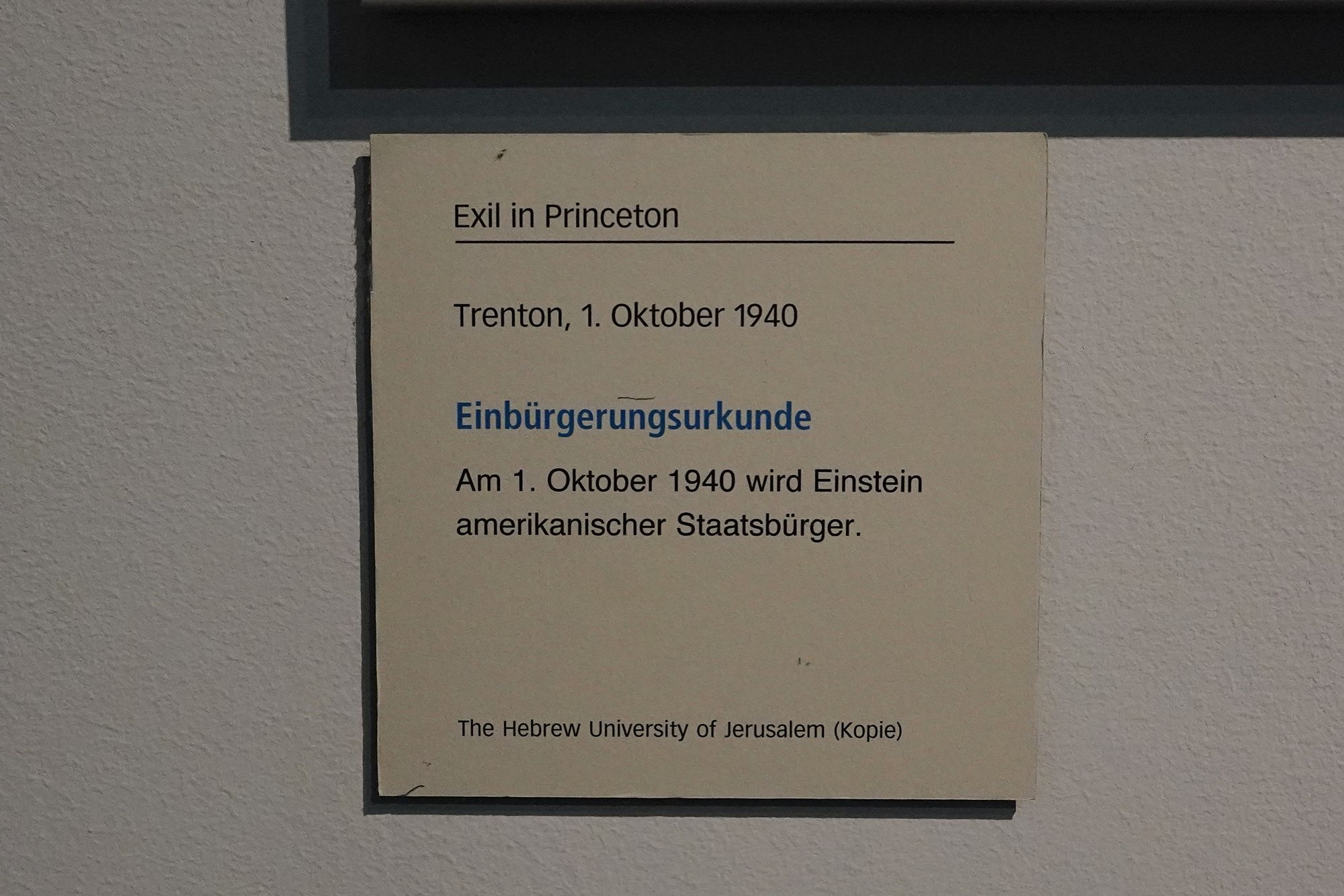
Einstein applied for U.S. citizenship in 1935, grateful for the safety and political freedom he found in America. He was able to become an American while keeping his Swiss citizenship, which remained important to him. In 1940, Einstein became a U.S. citizen, spending the rest of his life in Princeton, New Jersey.
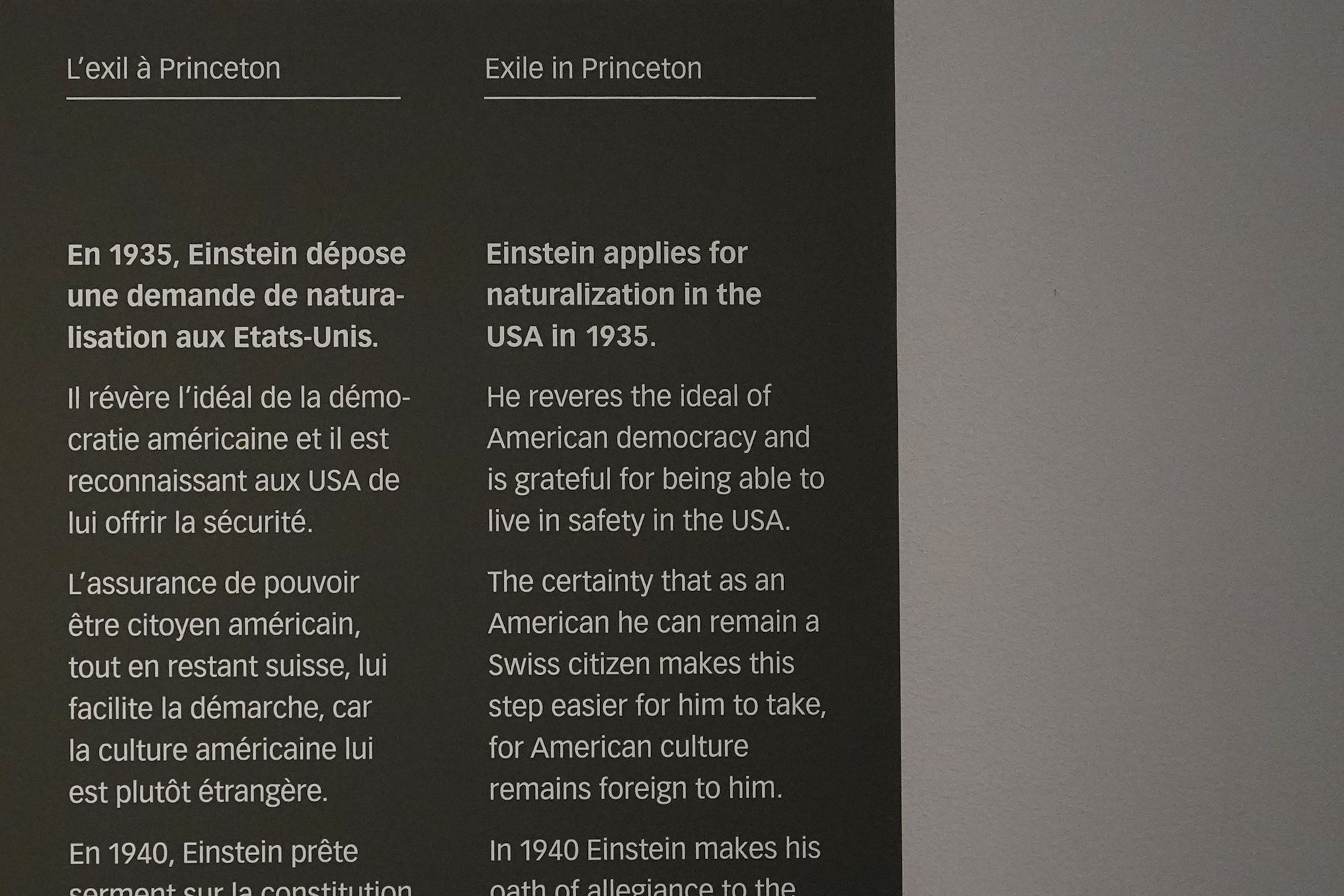
Naturalization Certificate
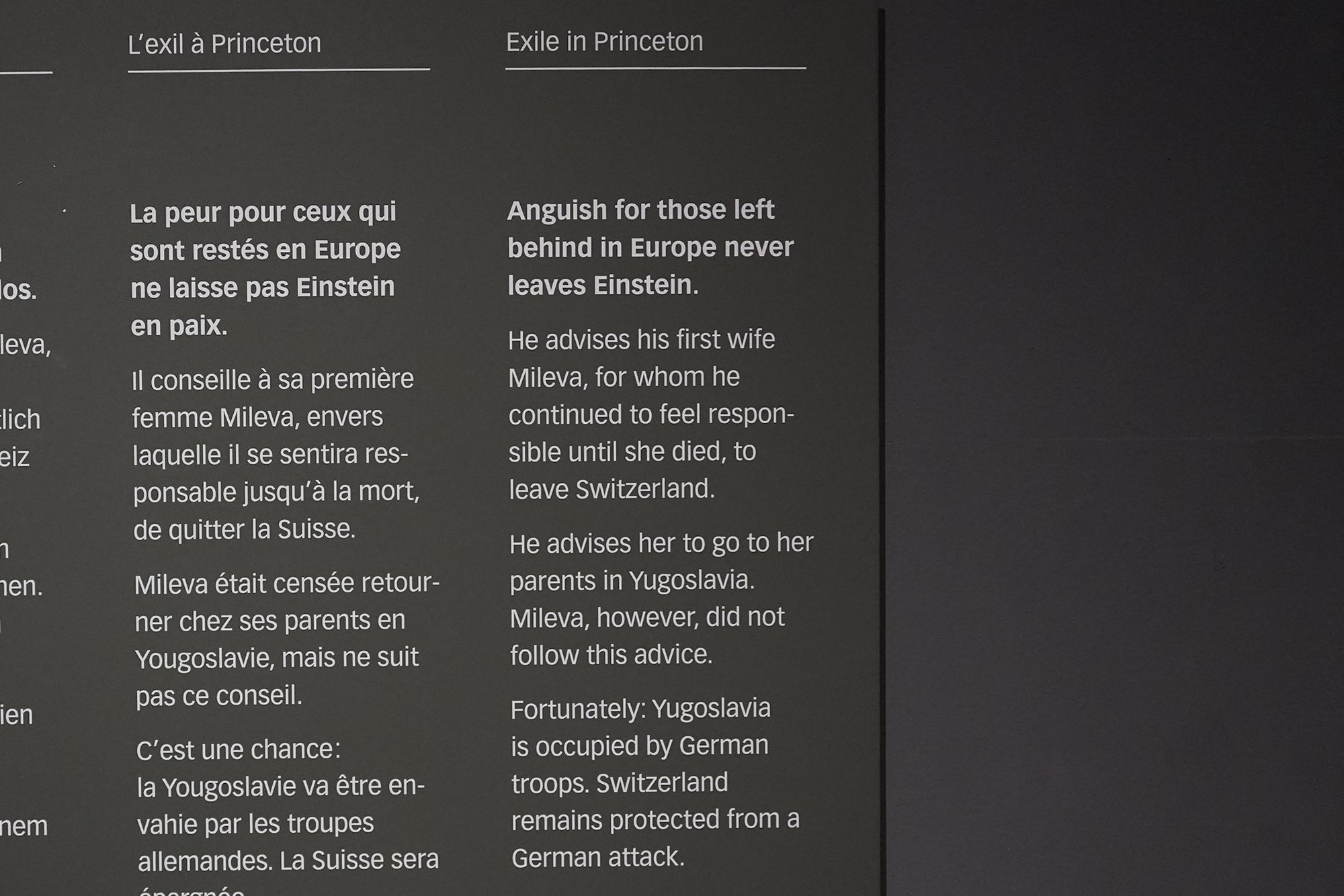
Even after settling safely in Princeton, Einstein remained deeply concerned about family and friends in Europe. He urged his former wife Mileva to leave Switzerland for Yugoslavia, where her family lived. She chose to remain in Switzerland—a fortunate decision, since Yugoslavia was invaded by Germany in 1941 while Switzerland remained outside the war.
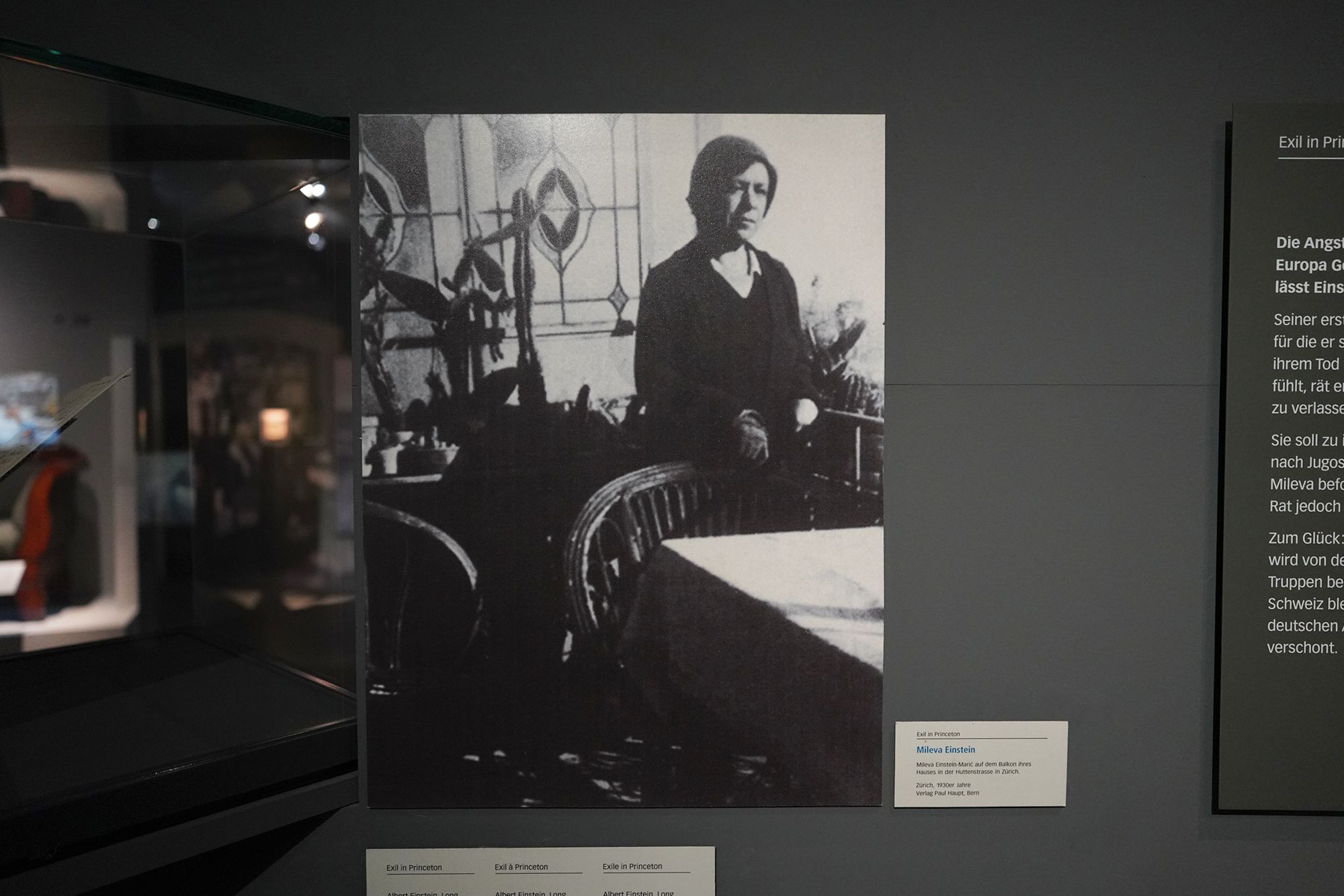
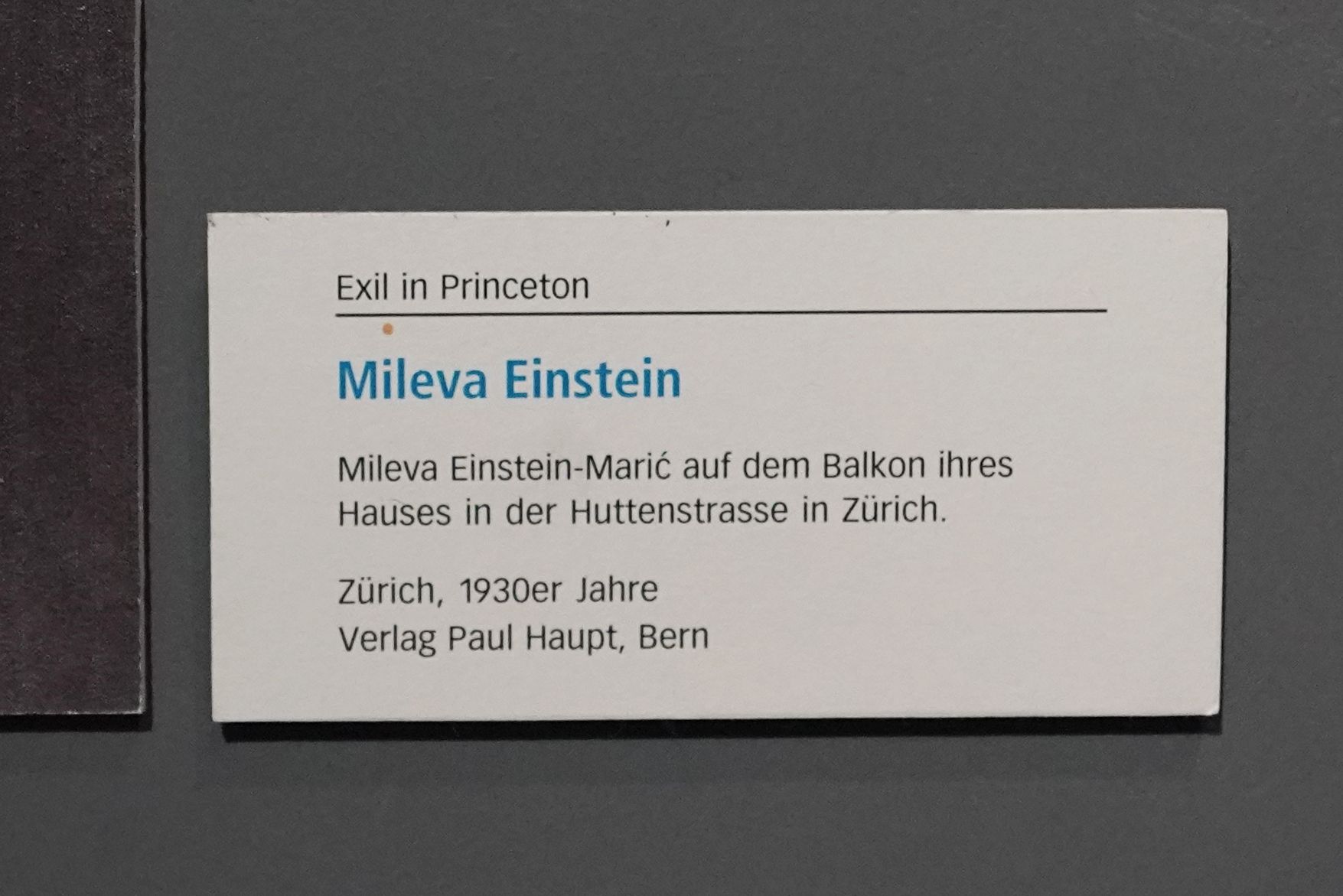
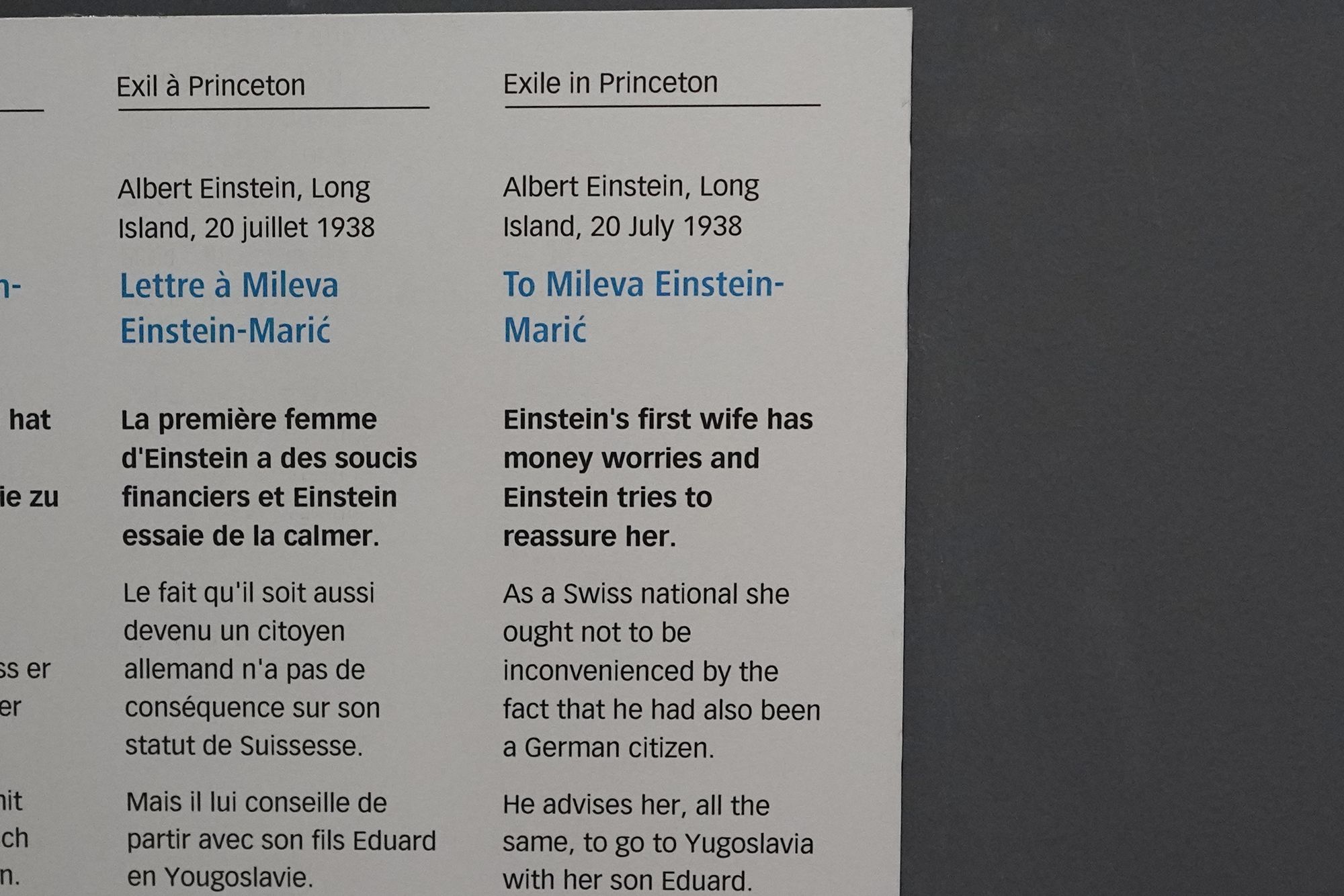
Einstein's first wife has money worries and Einstein tries to reassure her.
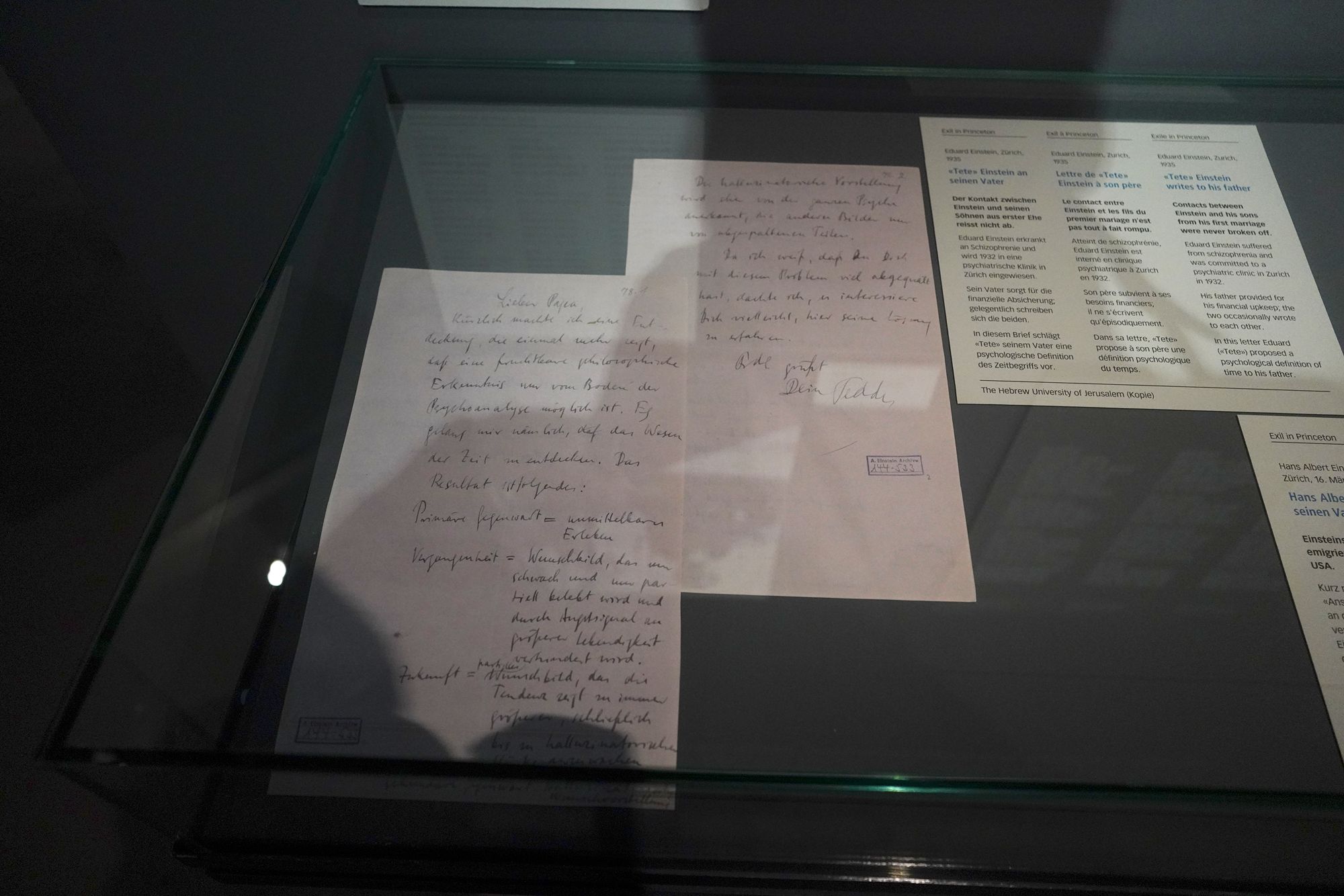
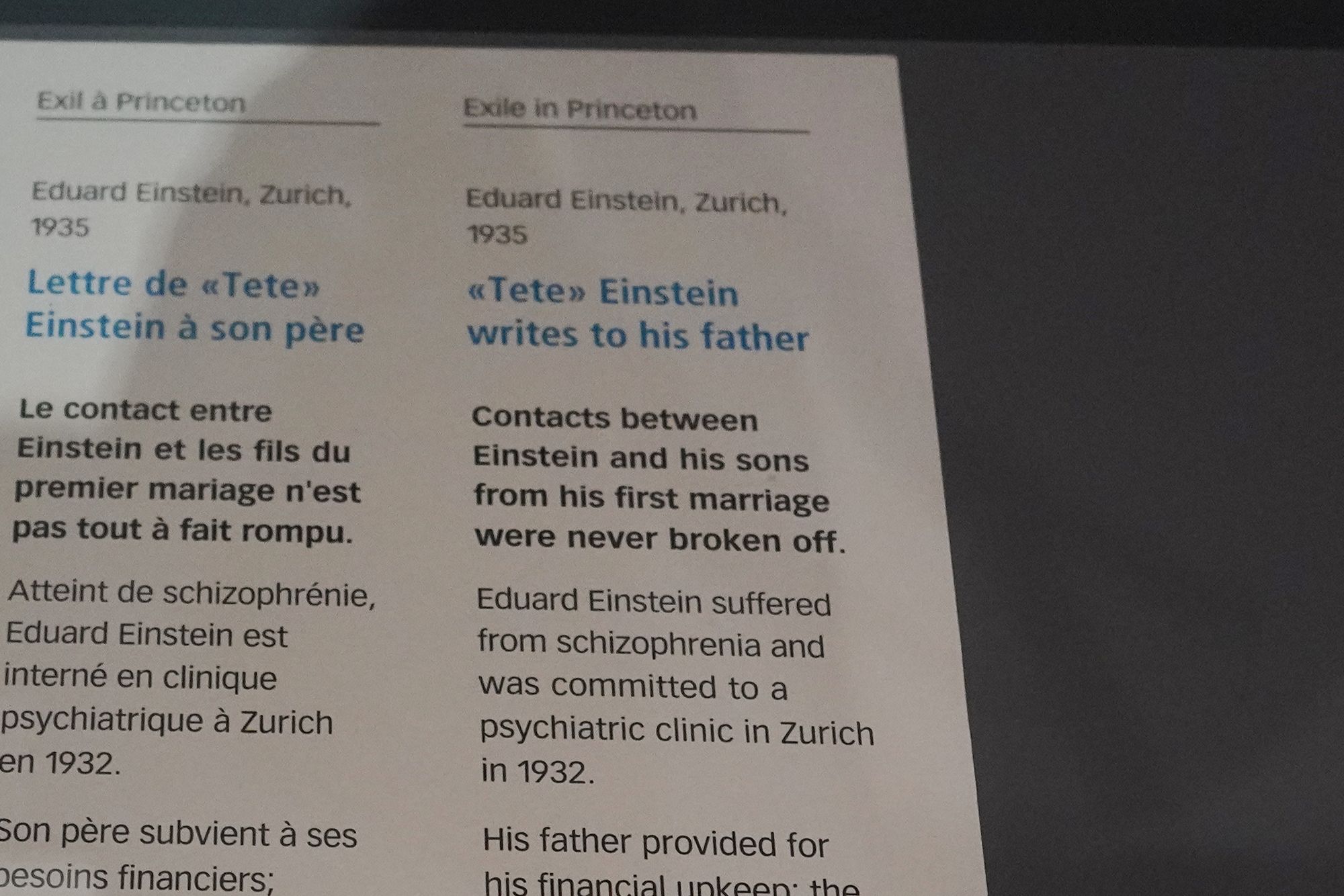
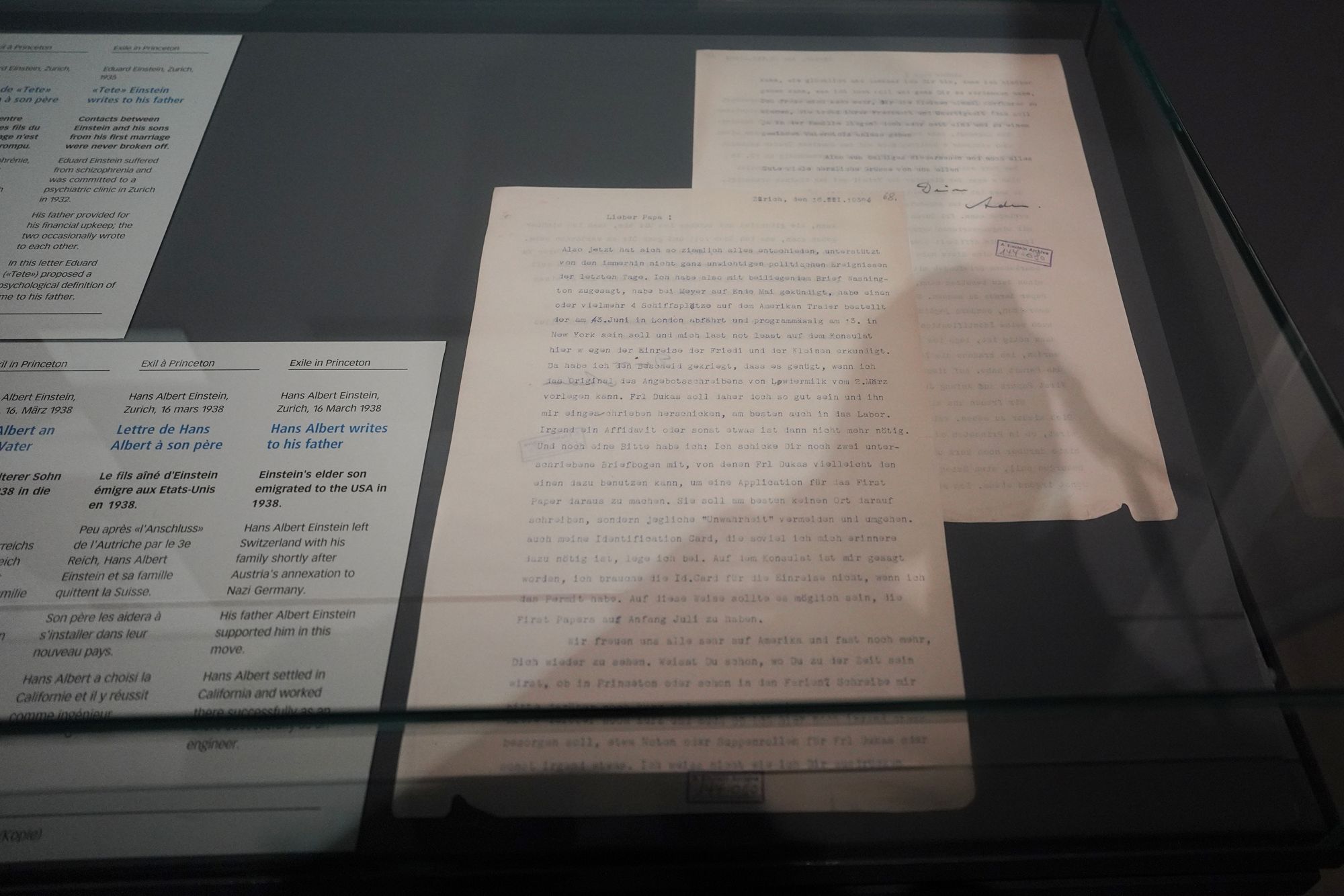
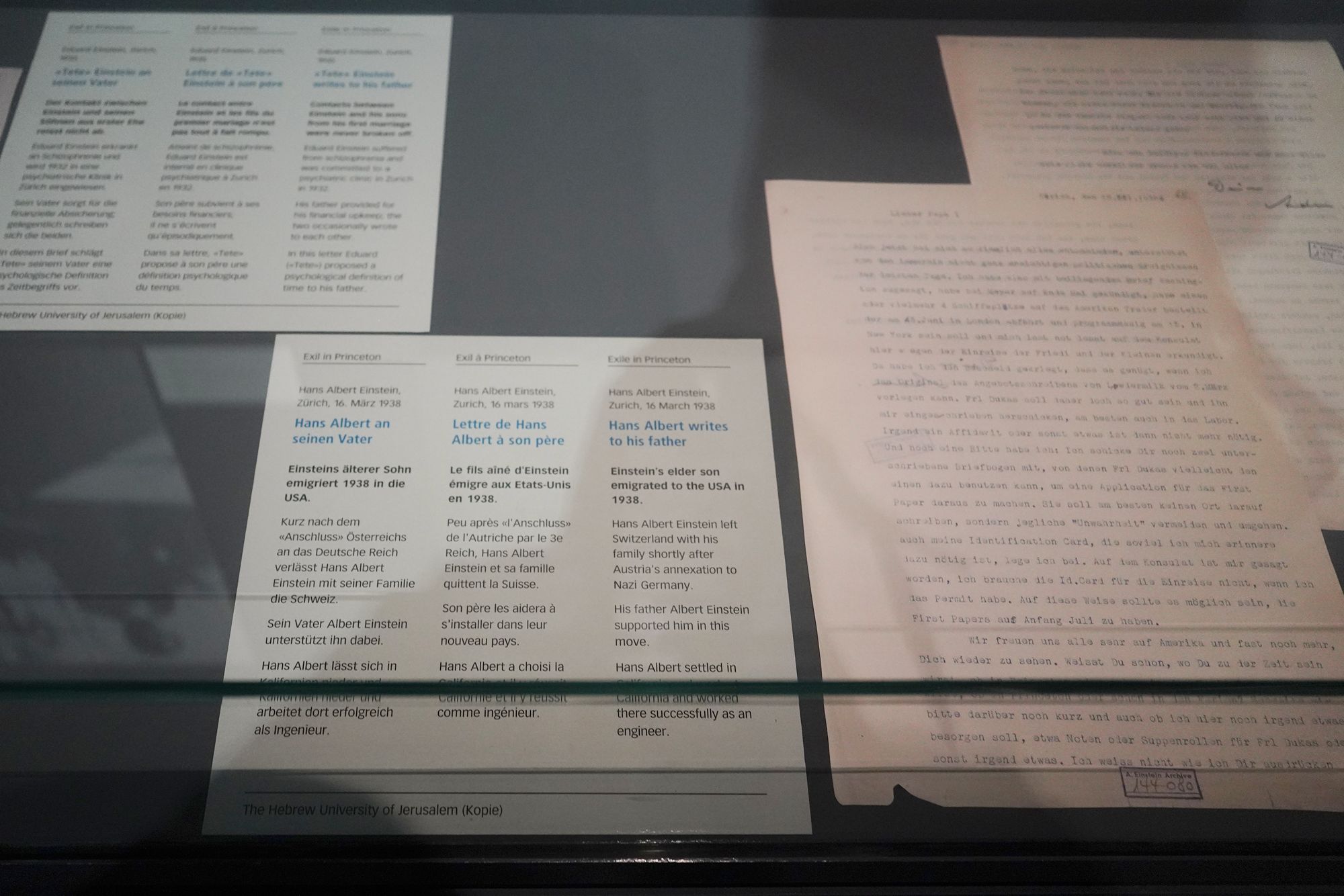
Einstein writes to his father
Einstein at the Institute for Advanced Study in Princeton
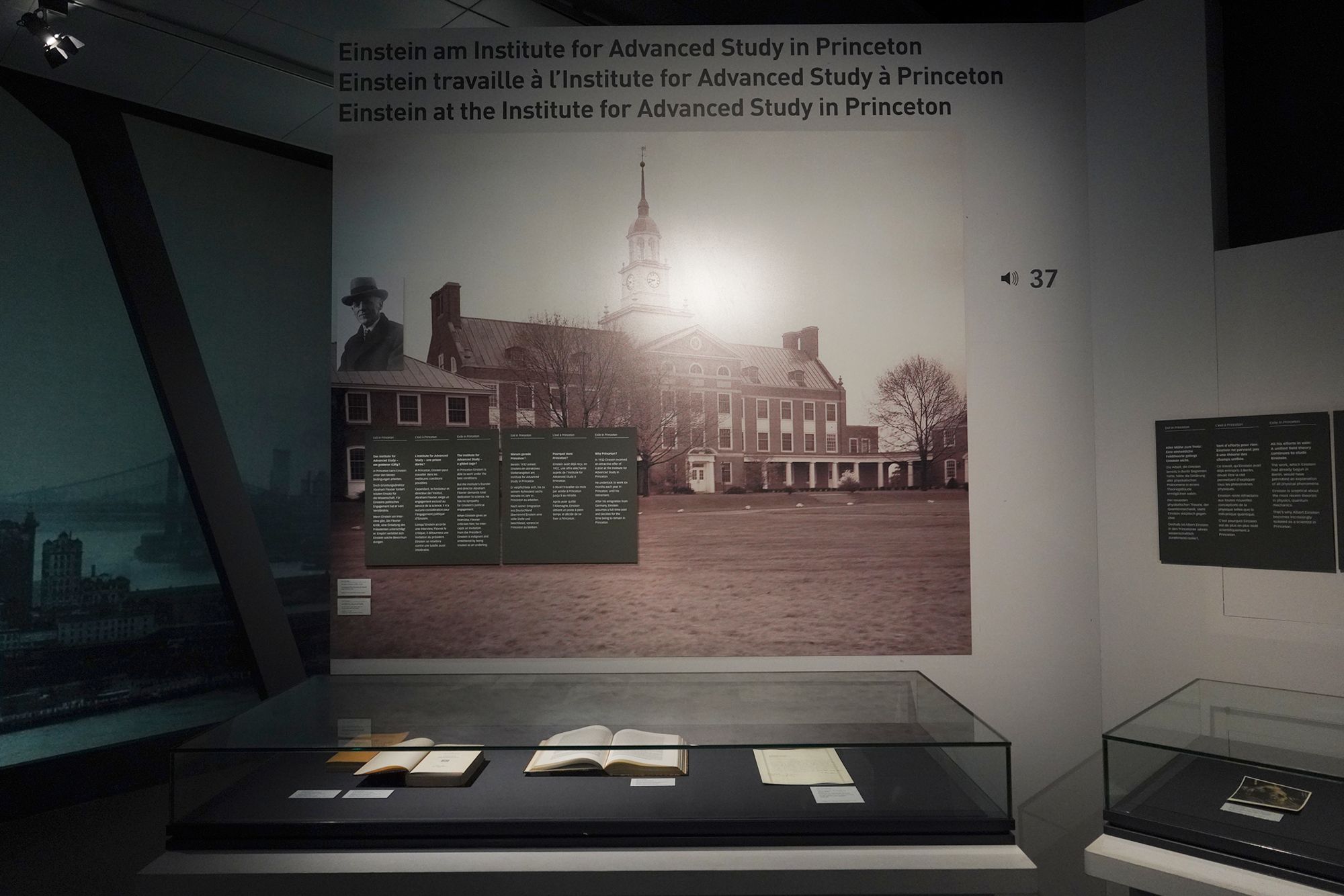
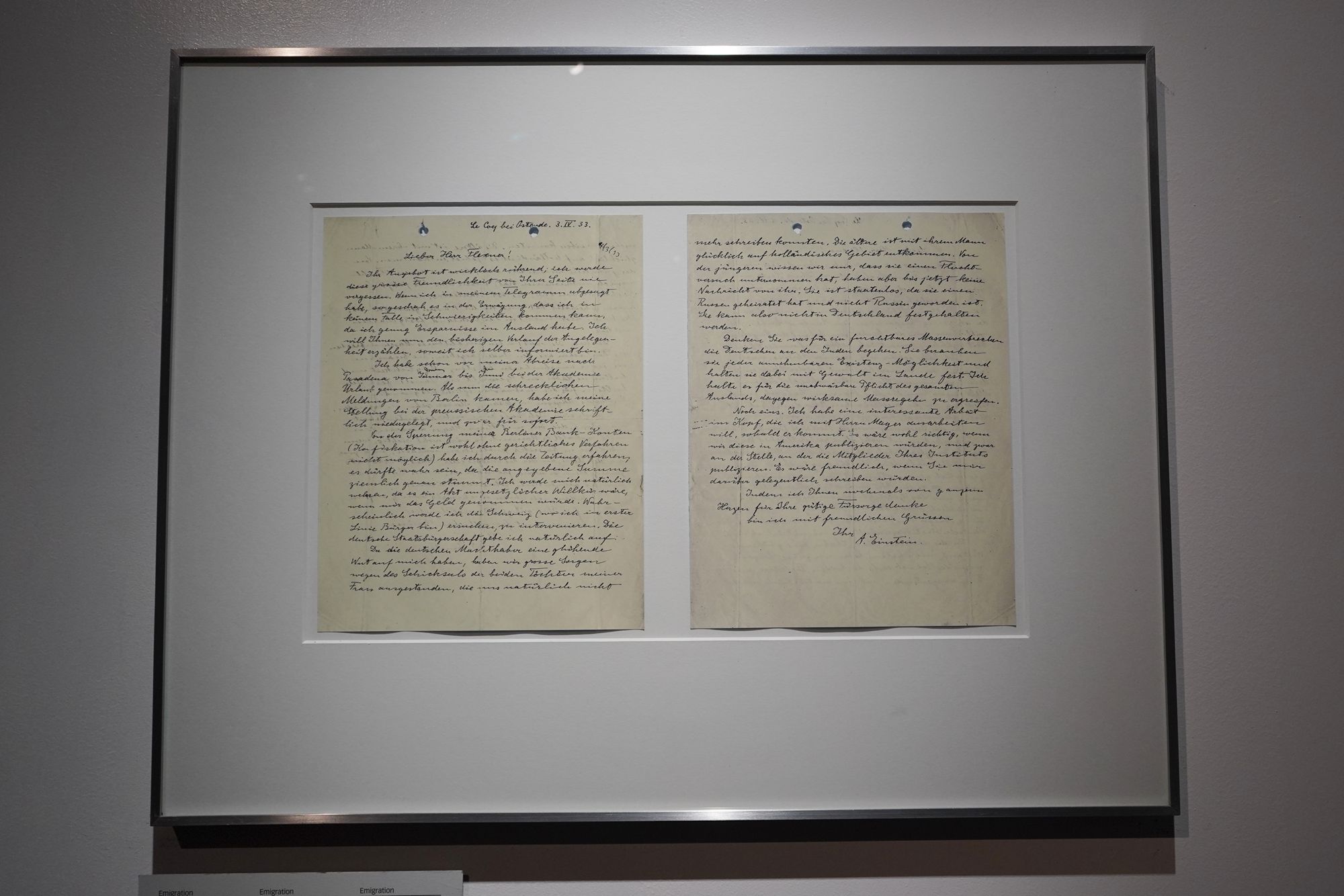
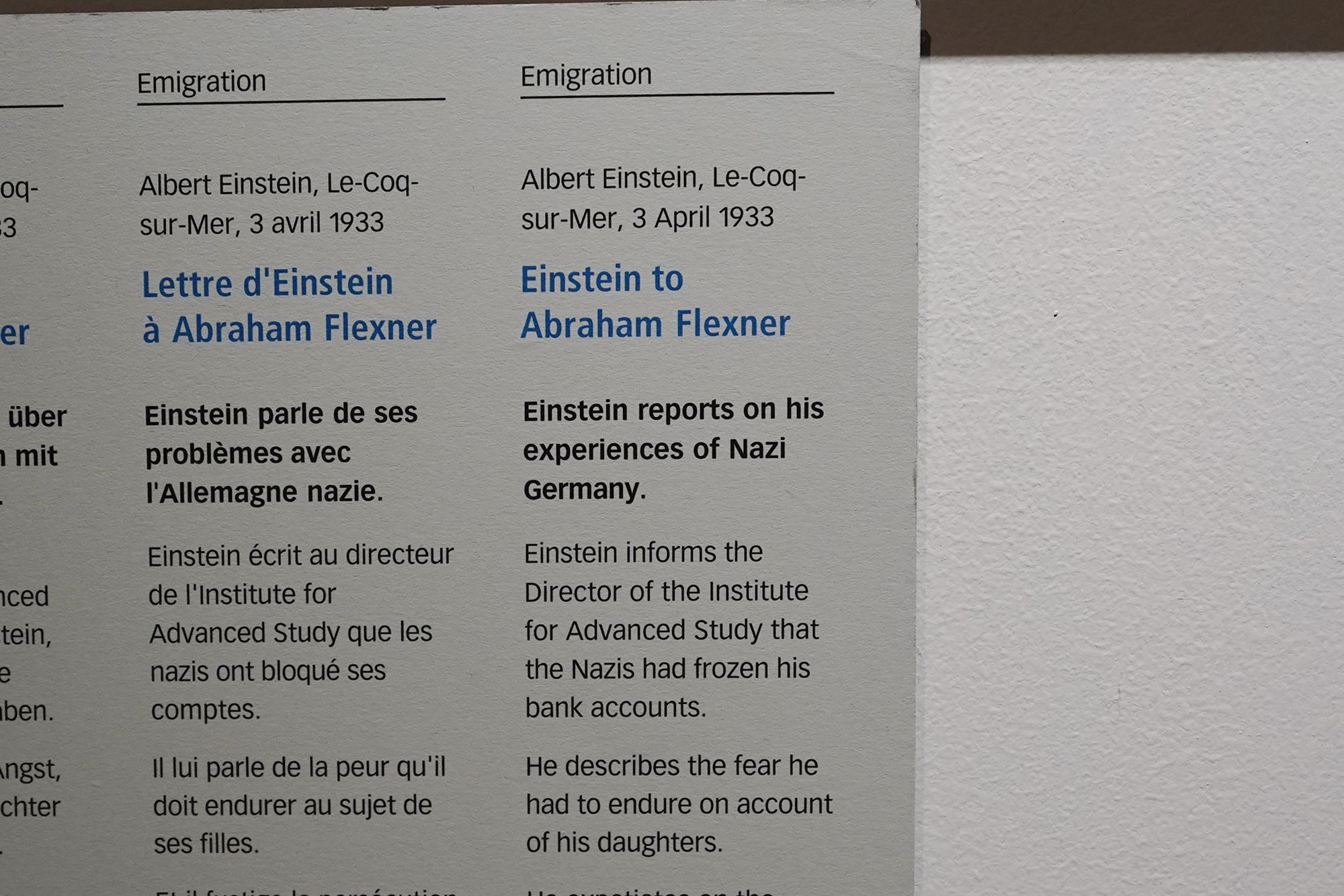
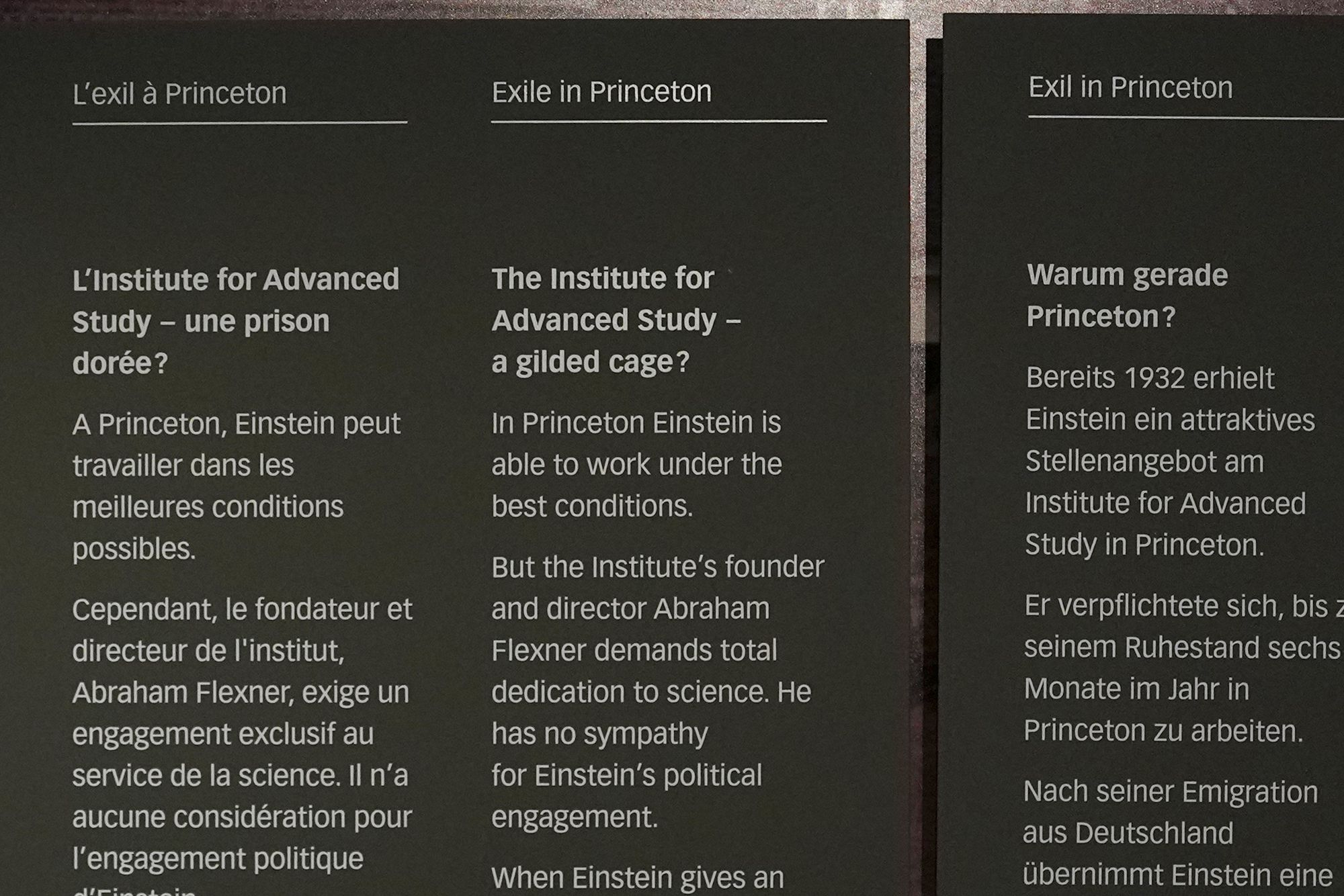
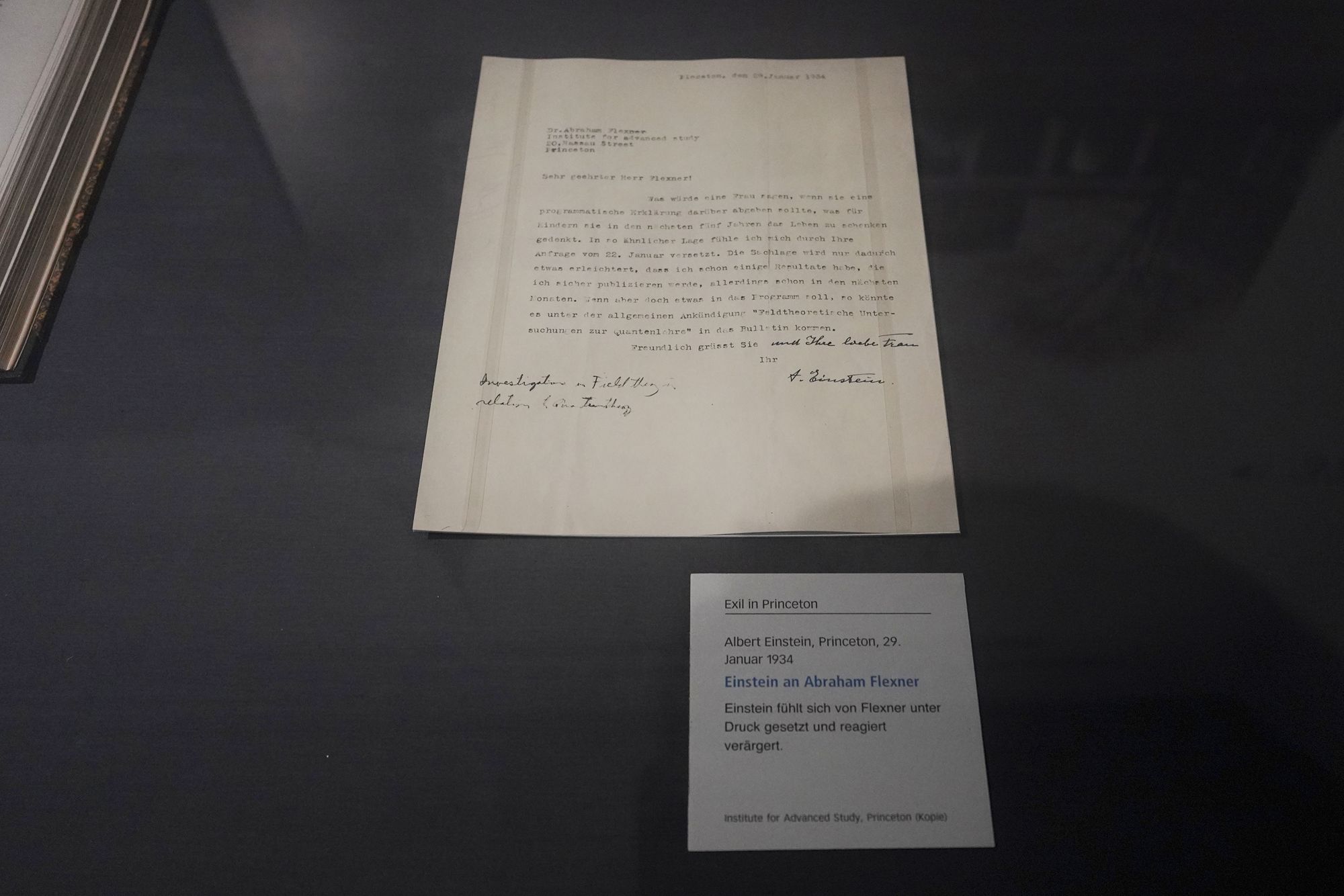
In Princeton, Einstein joined the Institute for Advanced Study, where he enjoyed exceptional freedom and excellent conditions for his research. However, its director, Abraham Flexner, wanted Einstein to concentrate on science and was uncomfortable with his political activism. For Einstein, the prestigious position could therefore sometimes feel like a “gilded cage.”
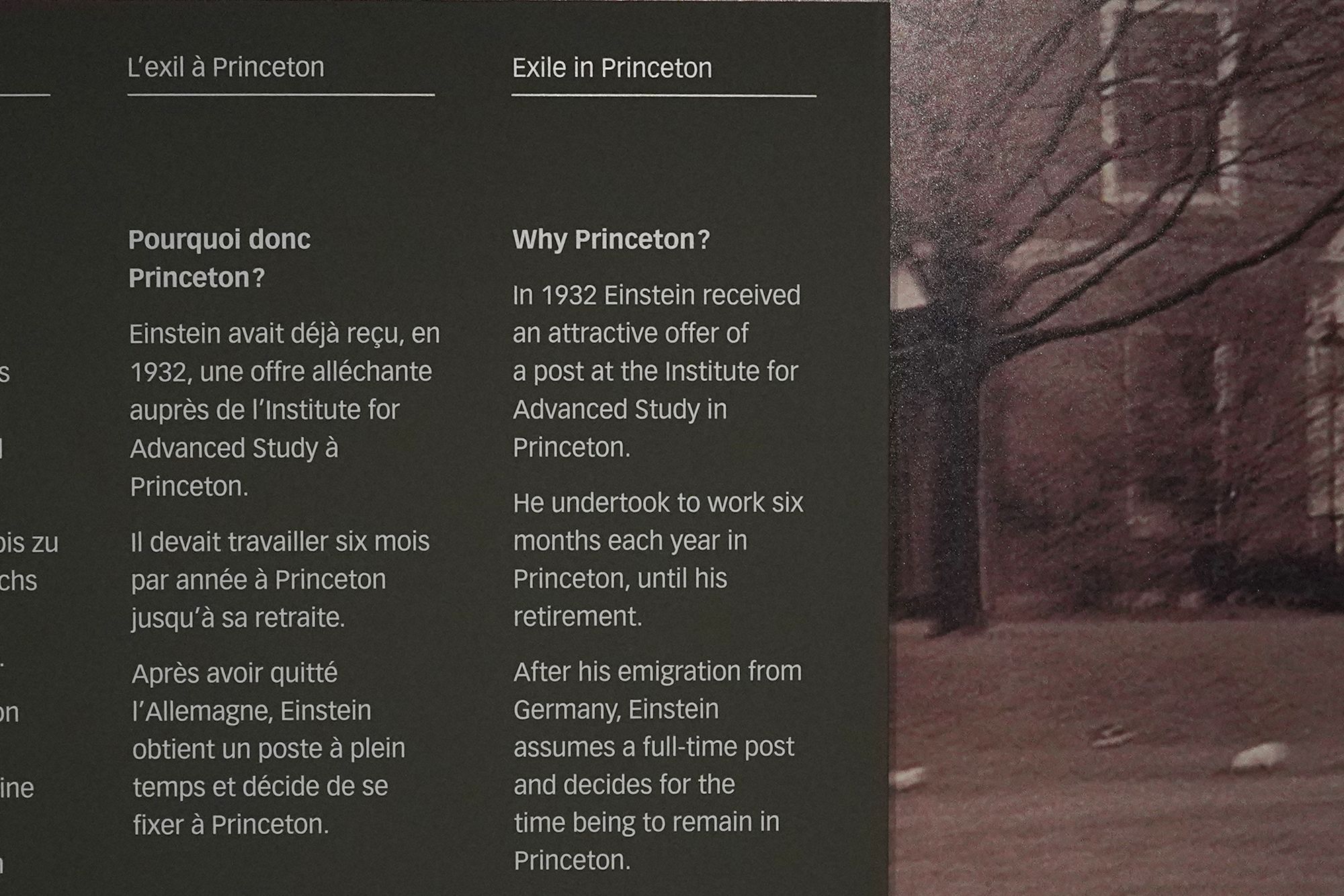
In 1932, Einstein accepted an offer from the newly established Institute for Advanced Study in Princeton, originally planning to spend part of each year there. After the Nazis came to power and he left Germany permanently in 1933, Princeton became his full-time home. He would remain associated with the Institute for the rest of his life.
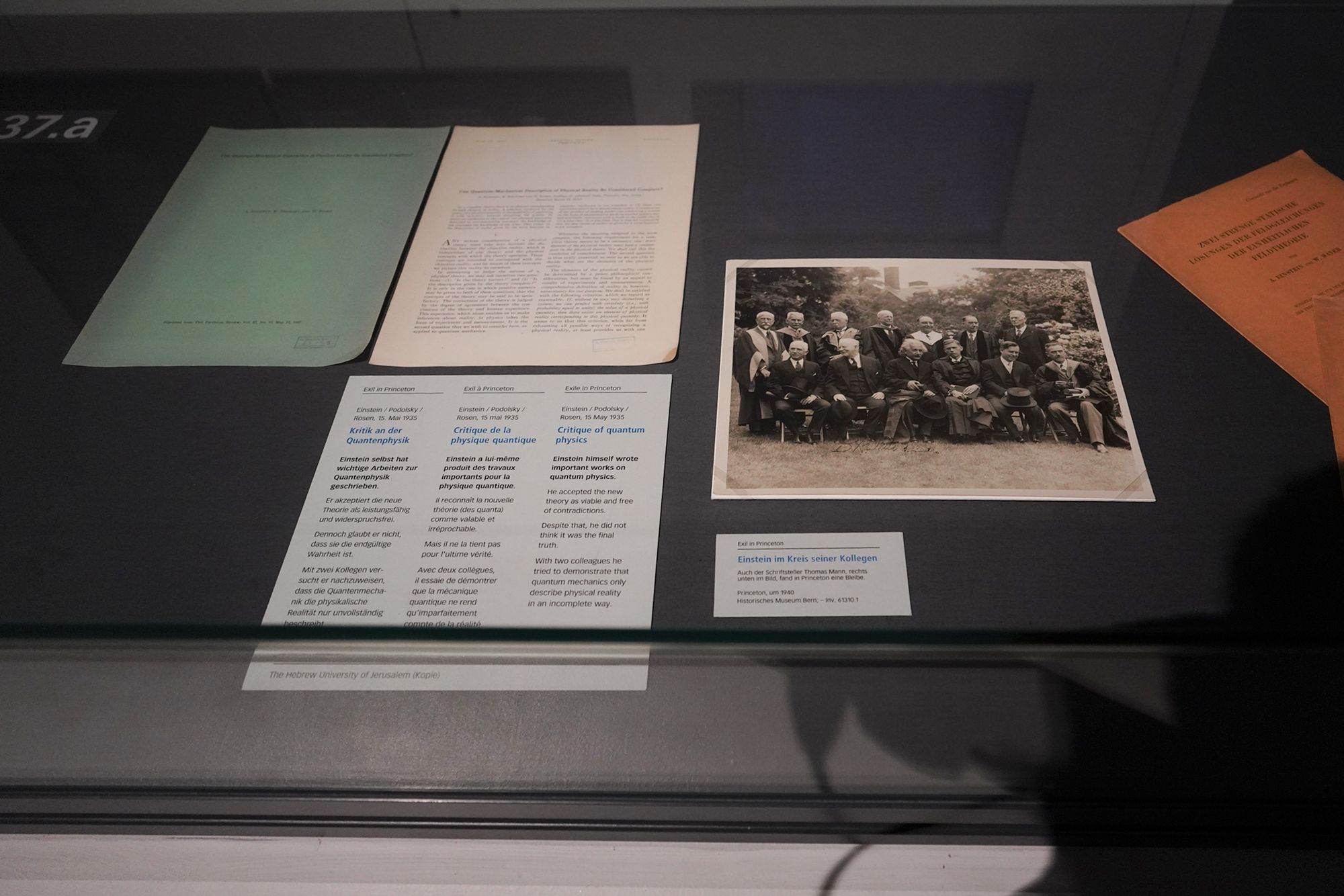
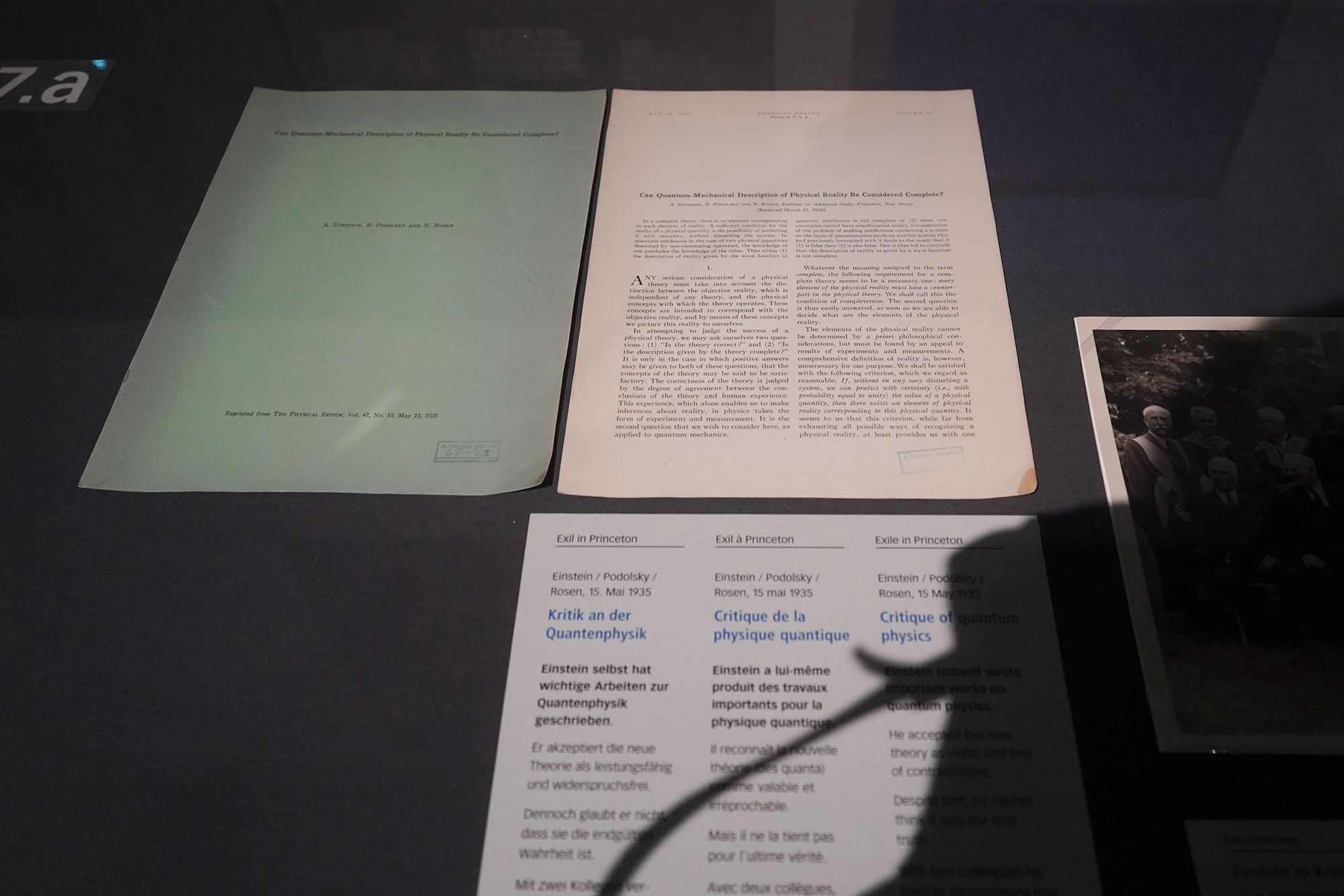
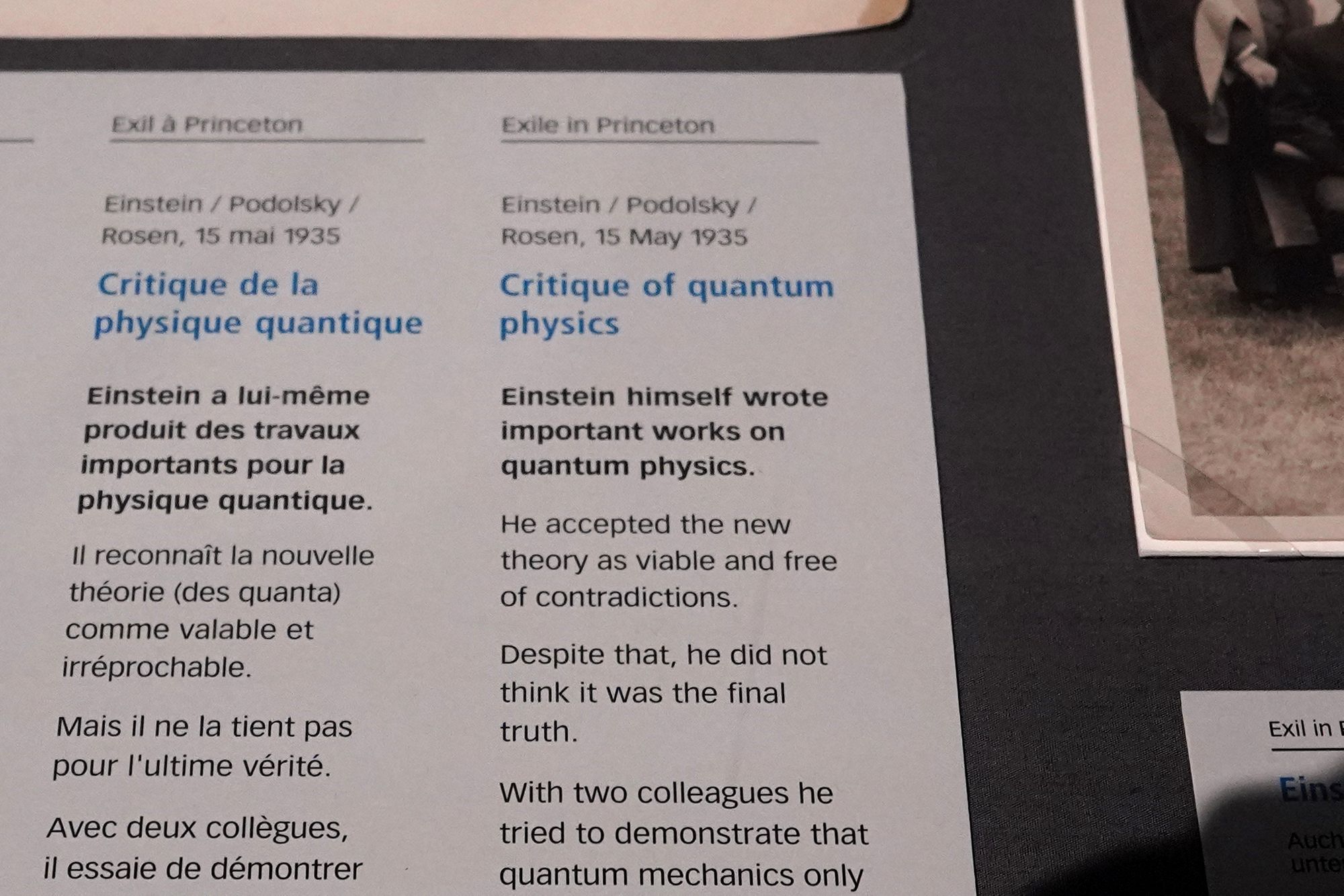
Critique of quantum physics
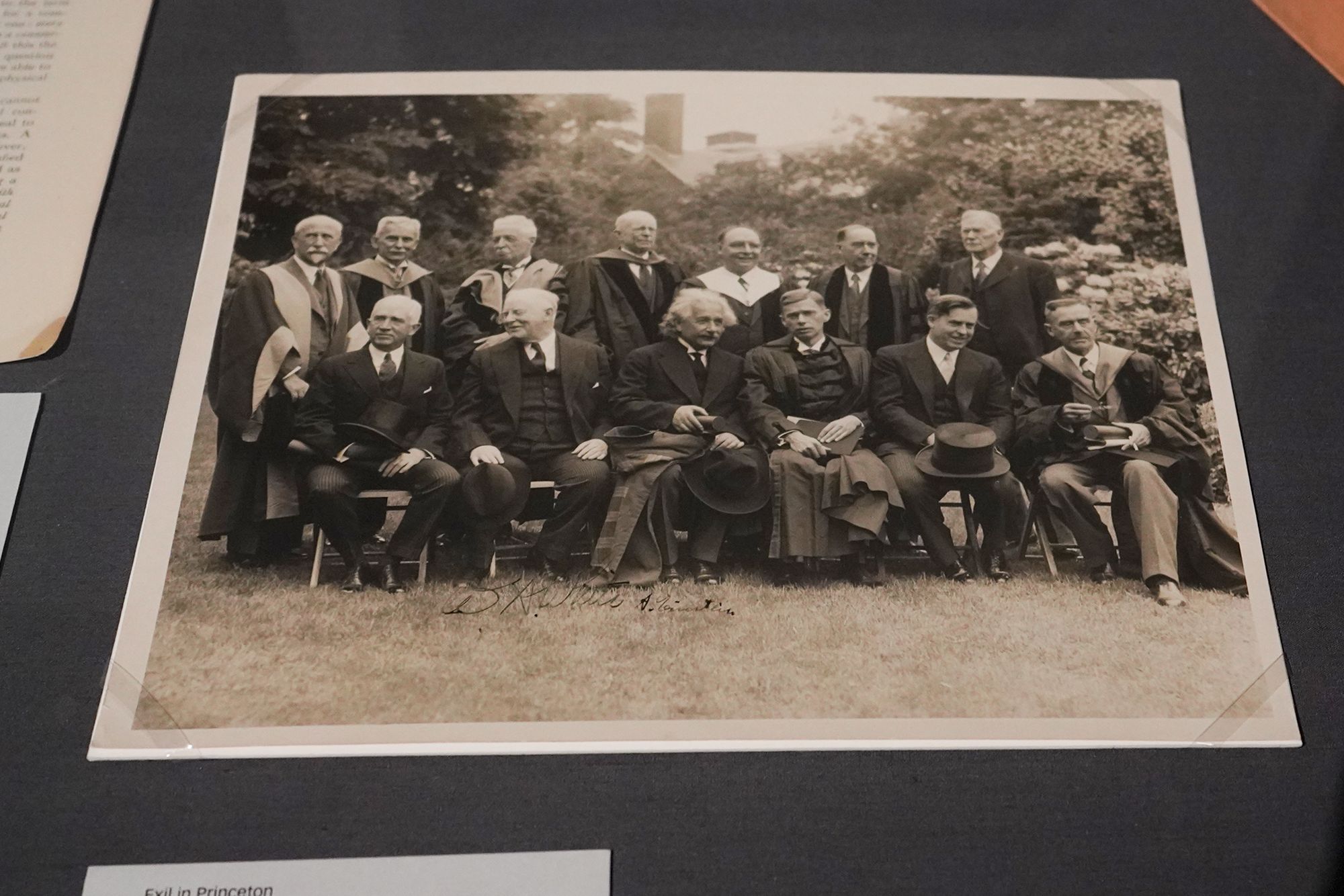
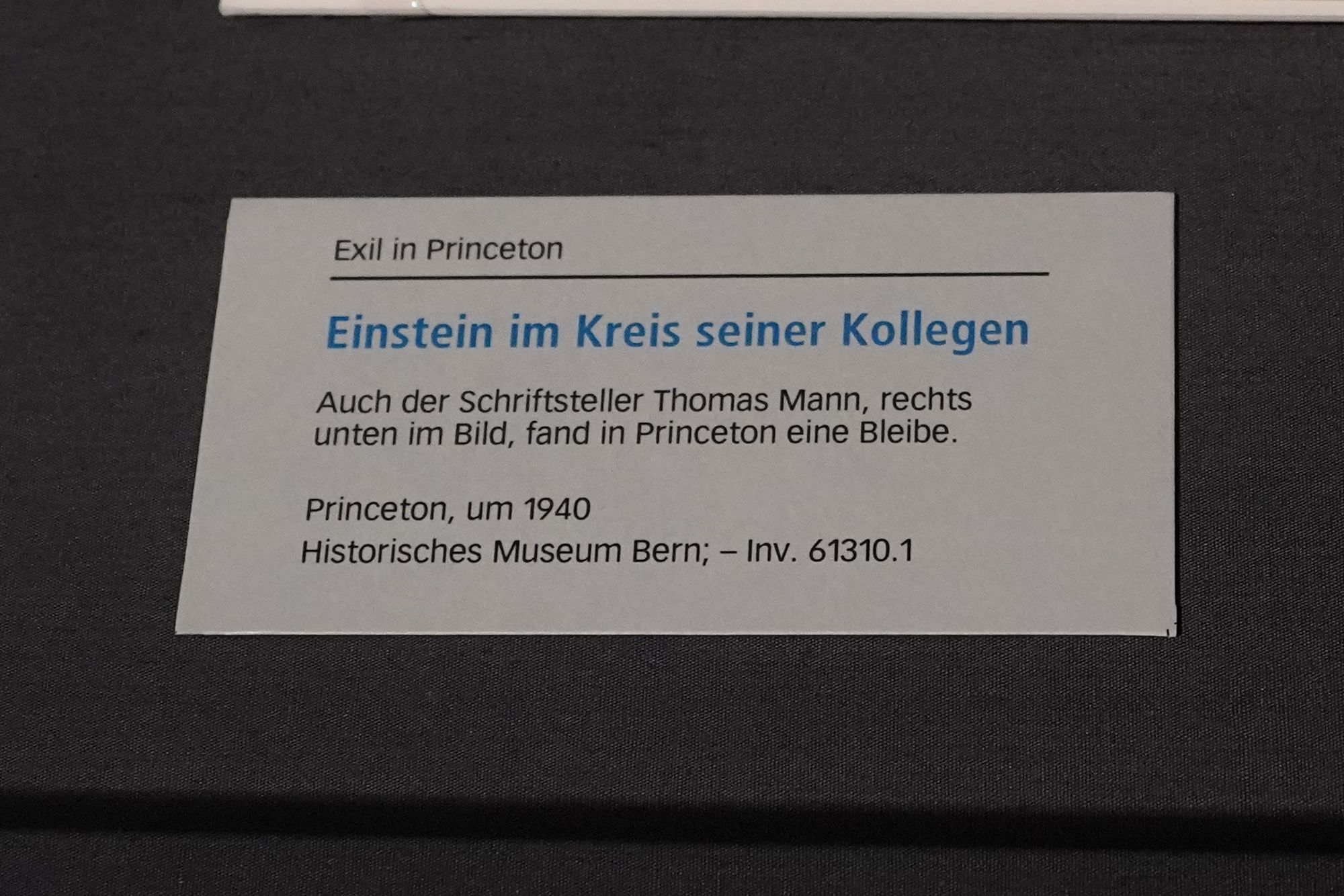
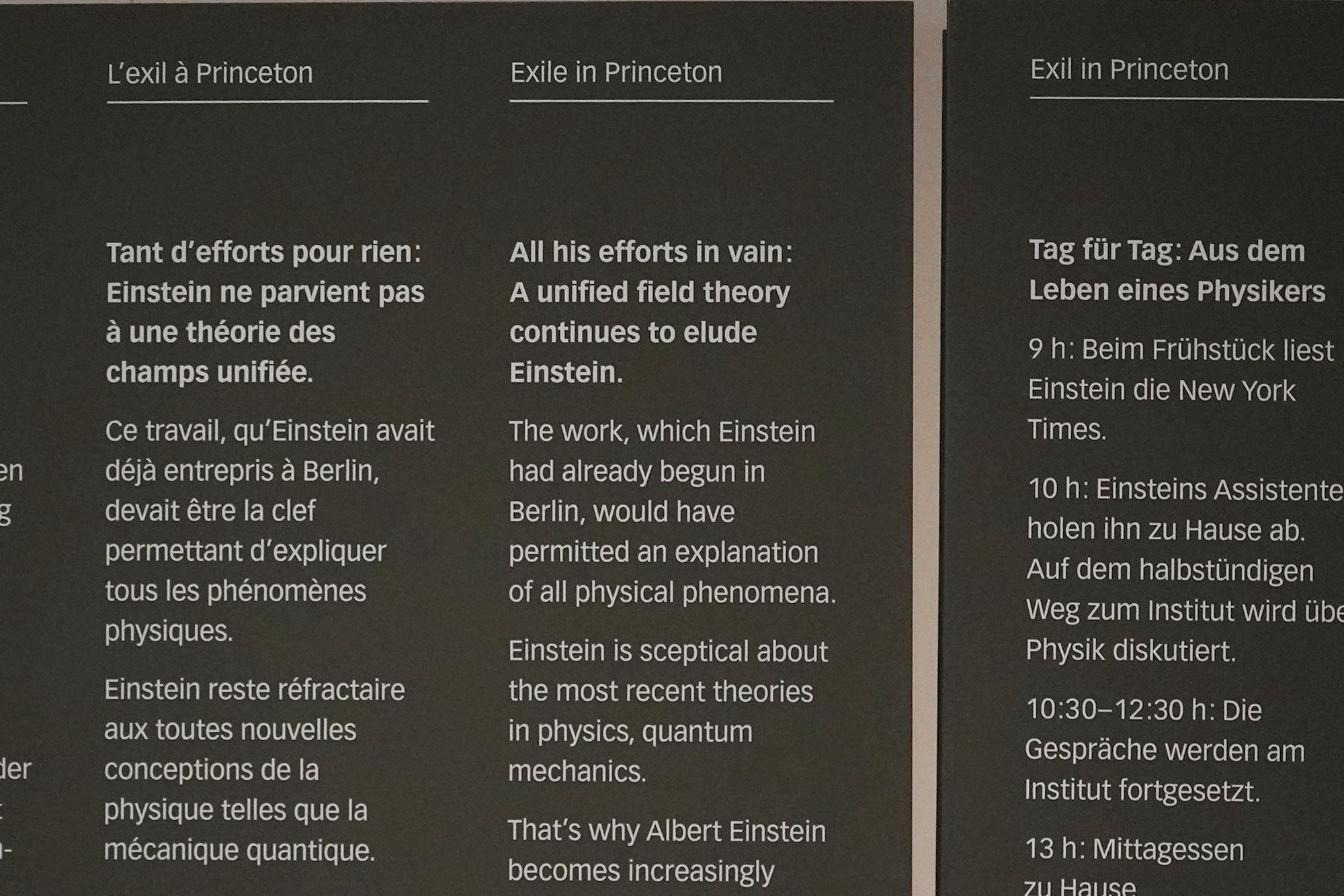
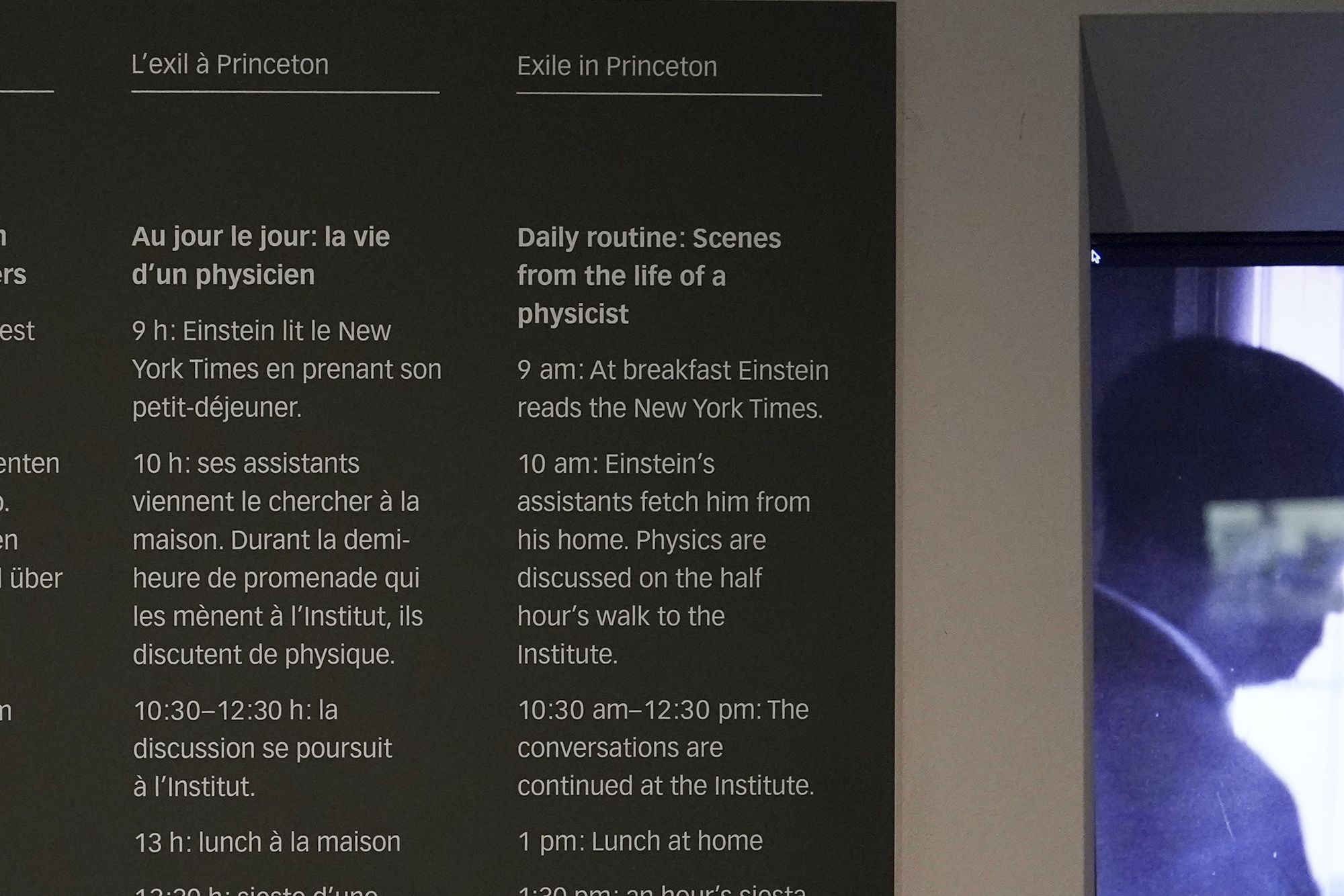
Einstein followed a fairly simple routine in Princeton. He began his mornings with breakfast and The New York Times, then walked about half an hour to the Institute with his assistants, often discussing physics along the way. After working and talking with colleagues during the morning, he usually returned home for lunch—a relaxed routine quite different from the image of a famous scientist.
The Second World War and the Holocaust
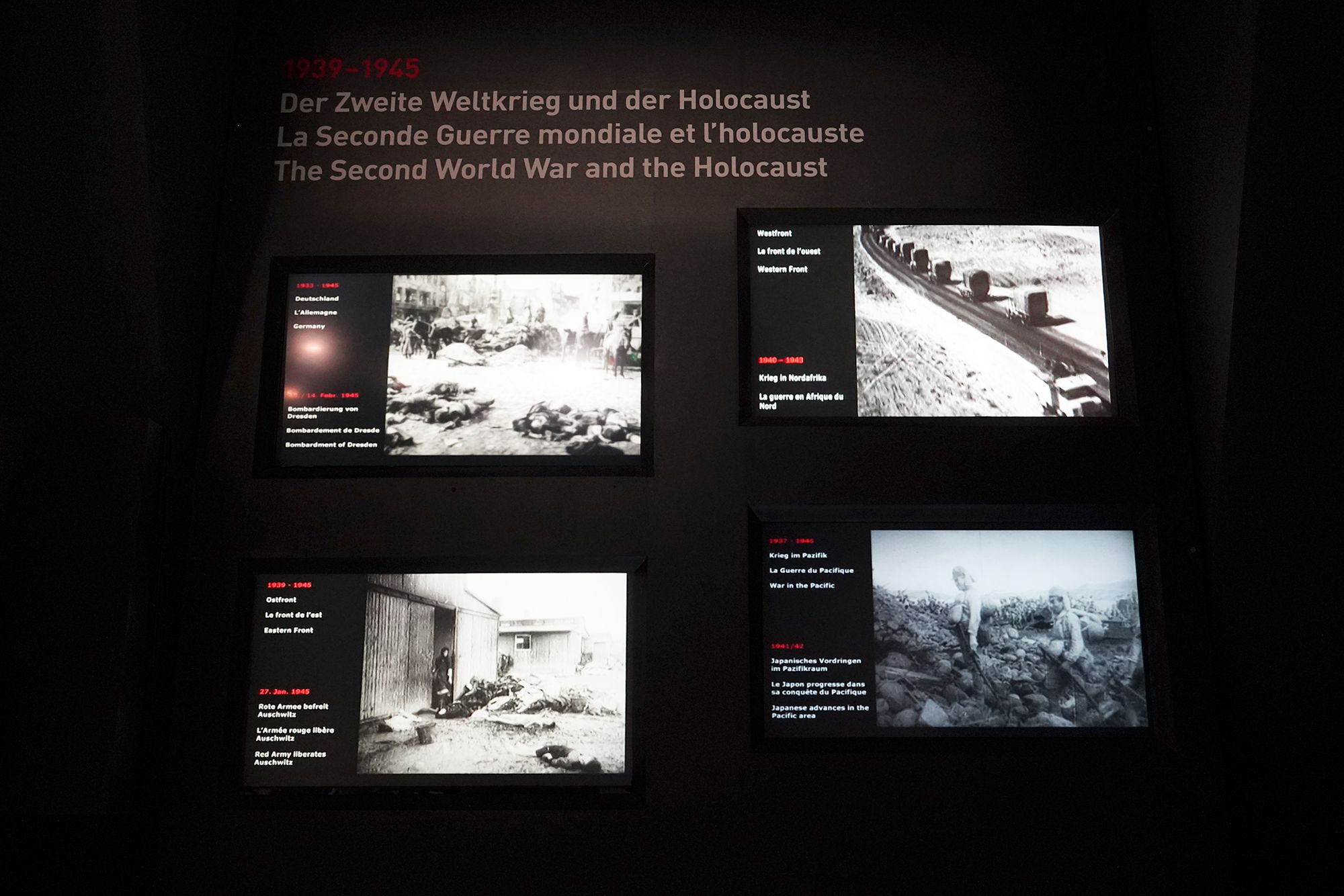
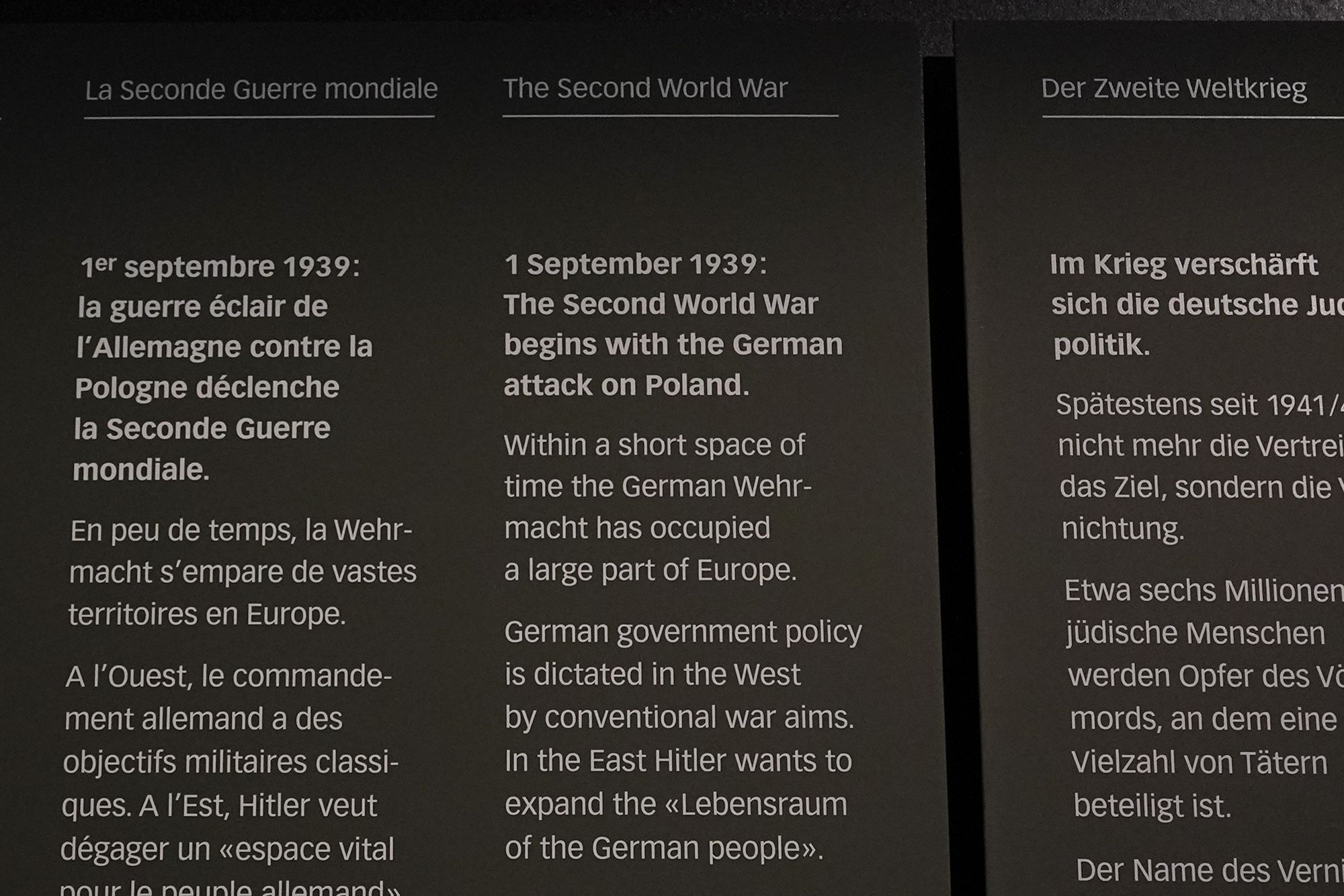
On September 1, 1939, Nazi Germany invaded Poland, beginning World War II in Europe; Britain and France declared war on Germany two days later. Germany soon conquered or occupied much of Europe. In Eastern Europe, Nazi expansion was also driven by the ideology of Lebensraum (“living space”), which envisioned German settlement and domination of territories whose existing populations would be displaced or subjected to Nazi rule.
On September 1, 1939, Nazi Germany invaded Poland, beginning World War II in Europe; Britain and France declared war on Germany two days later. Germany soon conquered or occupied much of Europe. In Eastern Europe, Nazi expansion was also driven by the ideology of Lebensraum (“living space”), which envisioned German settlement and domination of territories whose existing populations would be displaced or subjected to Nazi rule.
On December 7, 1941, Japan attacked the U.S. naval base at Pearl Harbor, leading the United States to declare war on Japan the following day. Germany and Italy declared war on the United States on December 11, bringing America directly into both the European and Pacific wars.
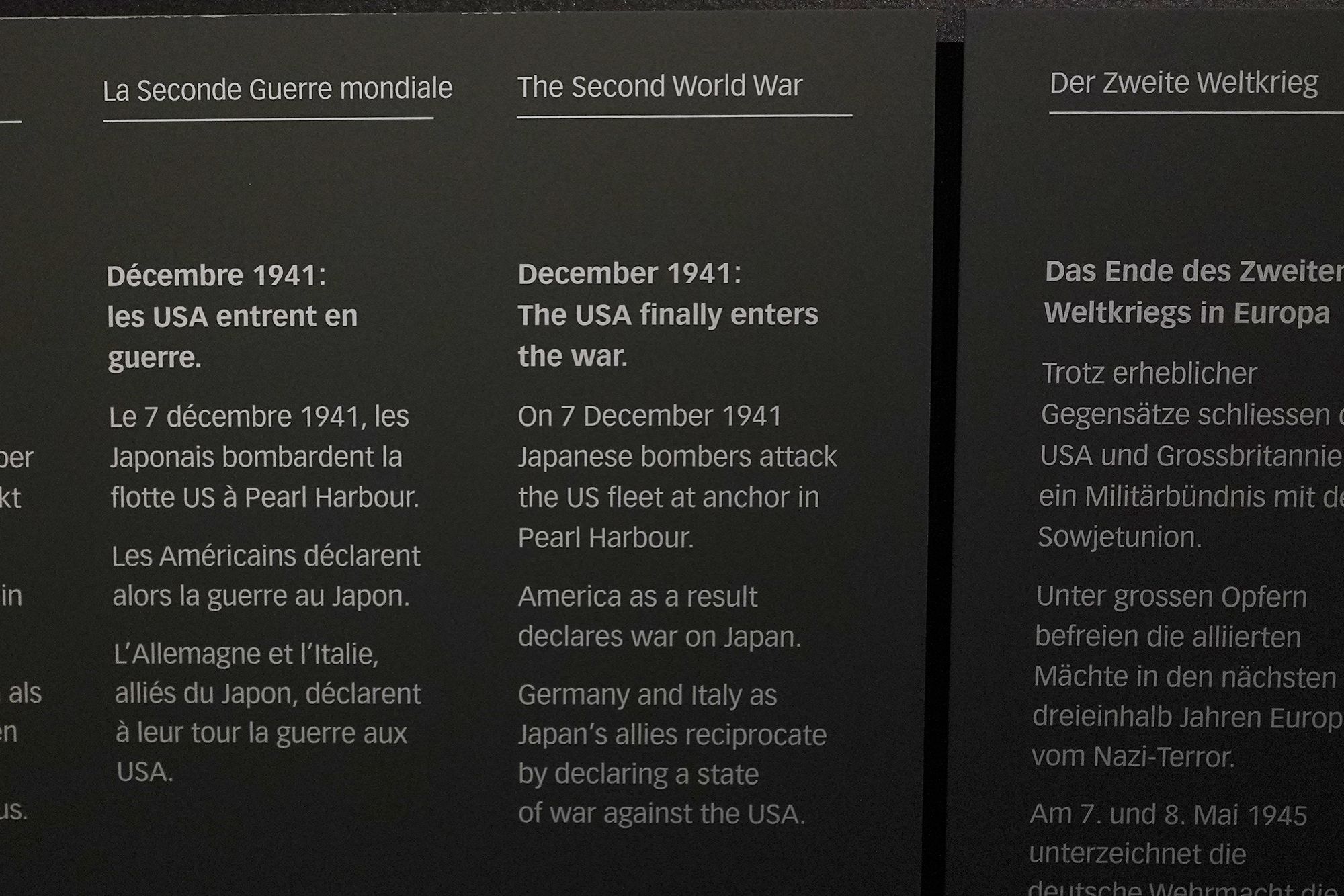
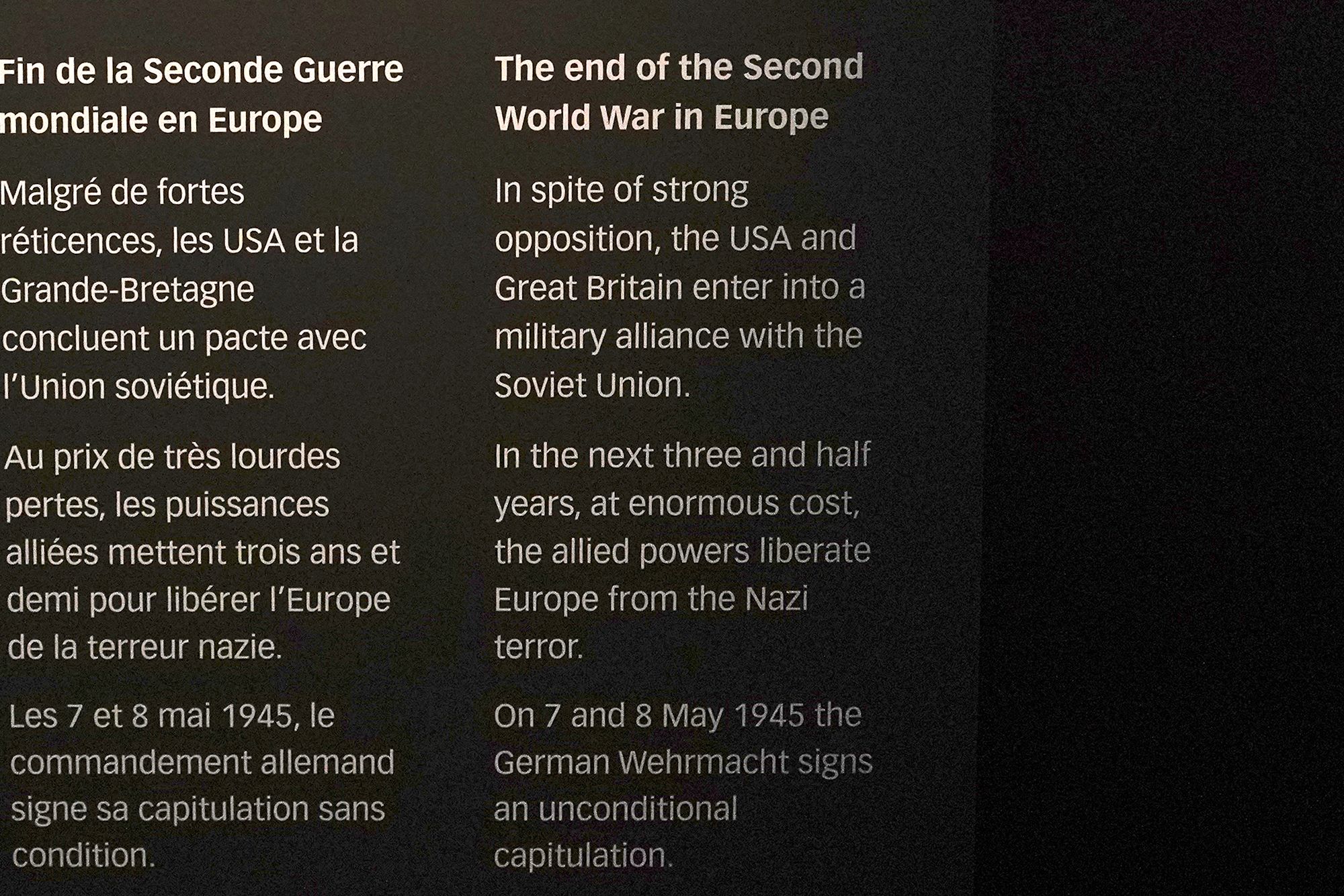
The United States, Great Britain, the Soviet Union, and their allies fought together against Nazi Germany despite major political differences. After years of devastating warfare, Allied forces defeated Germany. The German armed forces signed unconditional surrender documents on May 7 and 8, 1945, bringing World War II in Europe to an end.
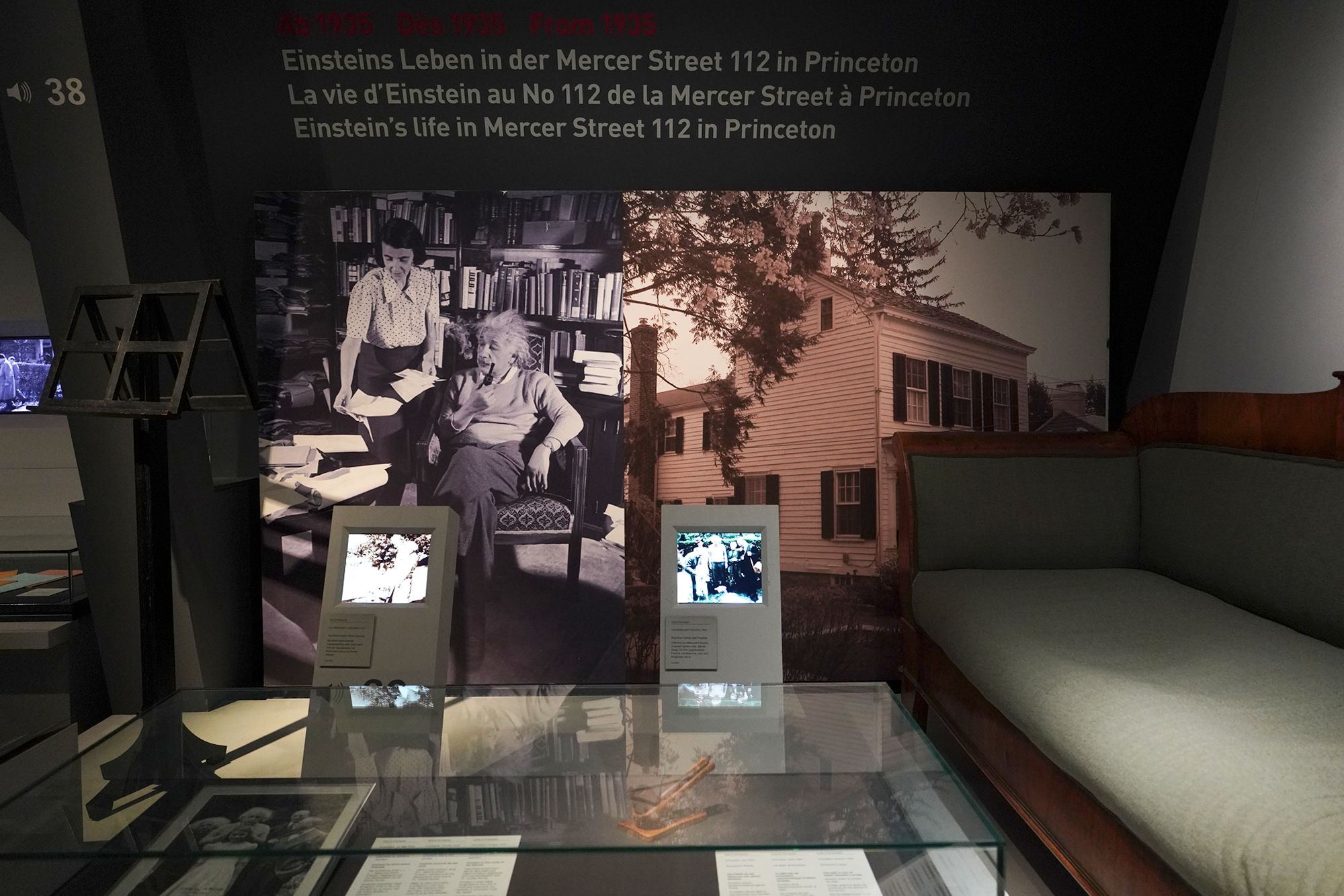
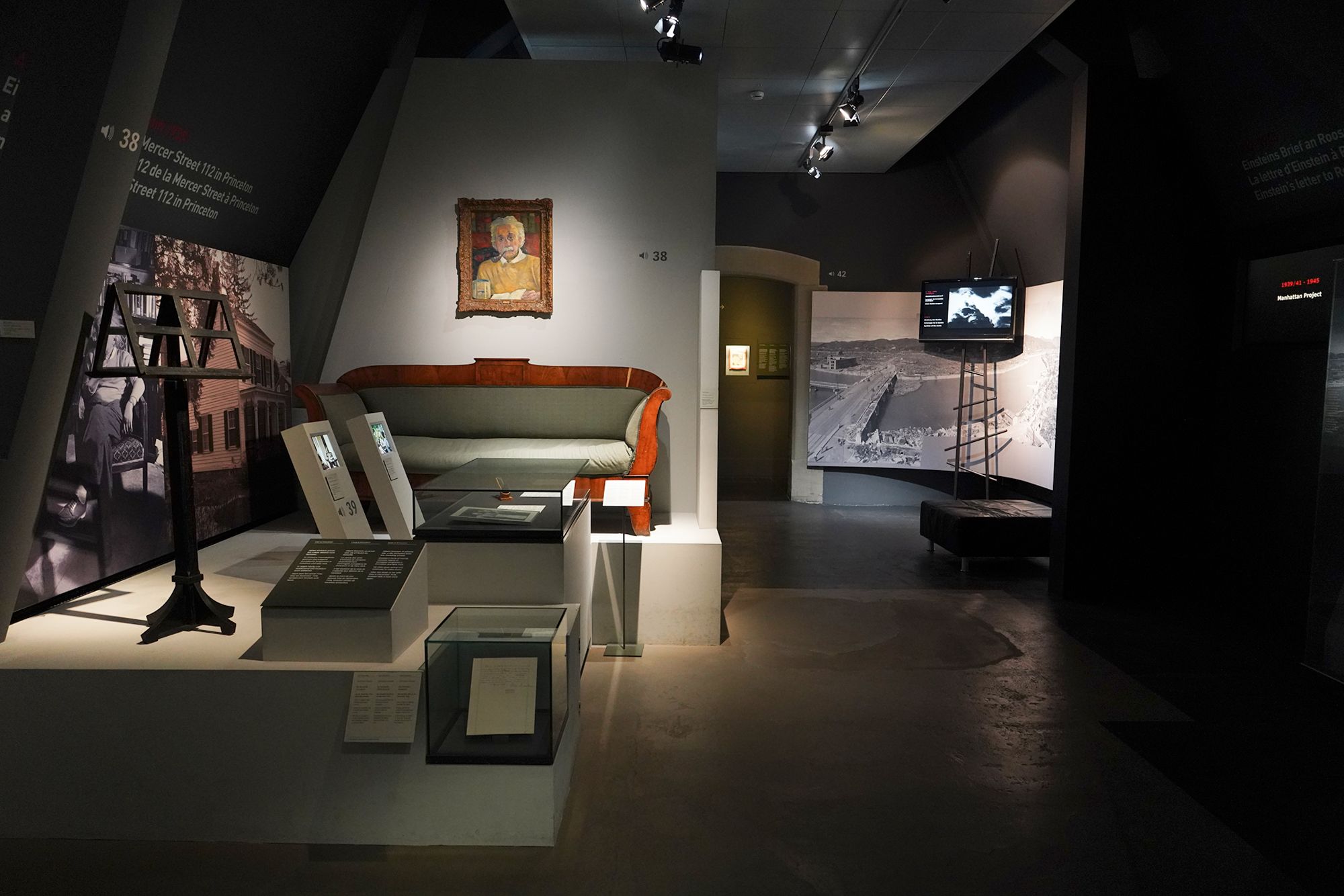
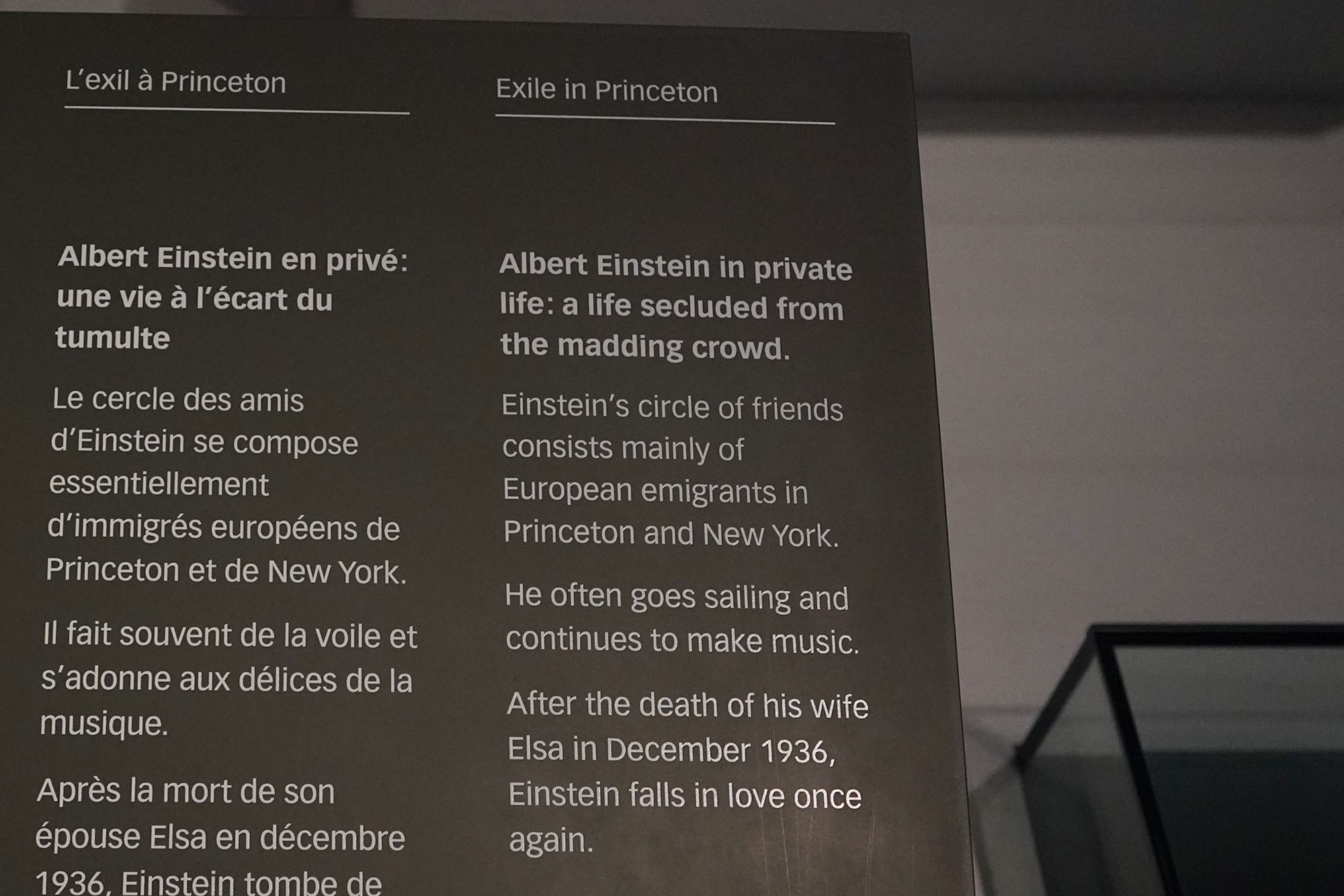
Away from public attention, Einstein lived a relatively quiet life in Princeton. Many of his friends were European émigrés living in Princeton and New York, and he continued to enjoy two of his favorite activities—sailing and playing the violin. After his wife Elsa died in 1936, Einstein remained in Princeton, surrounded by a small circle of friends and companions.
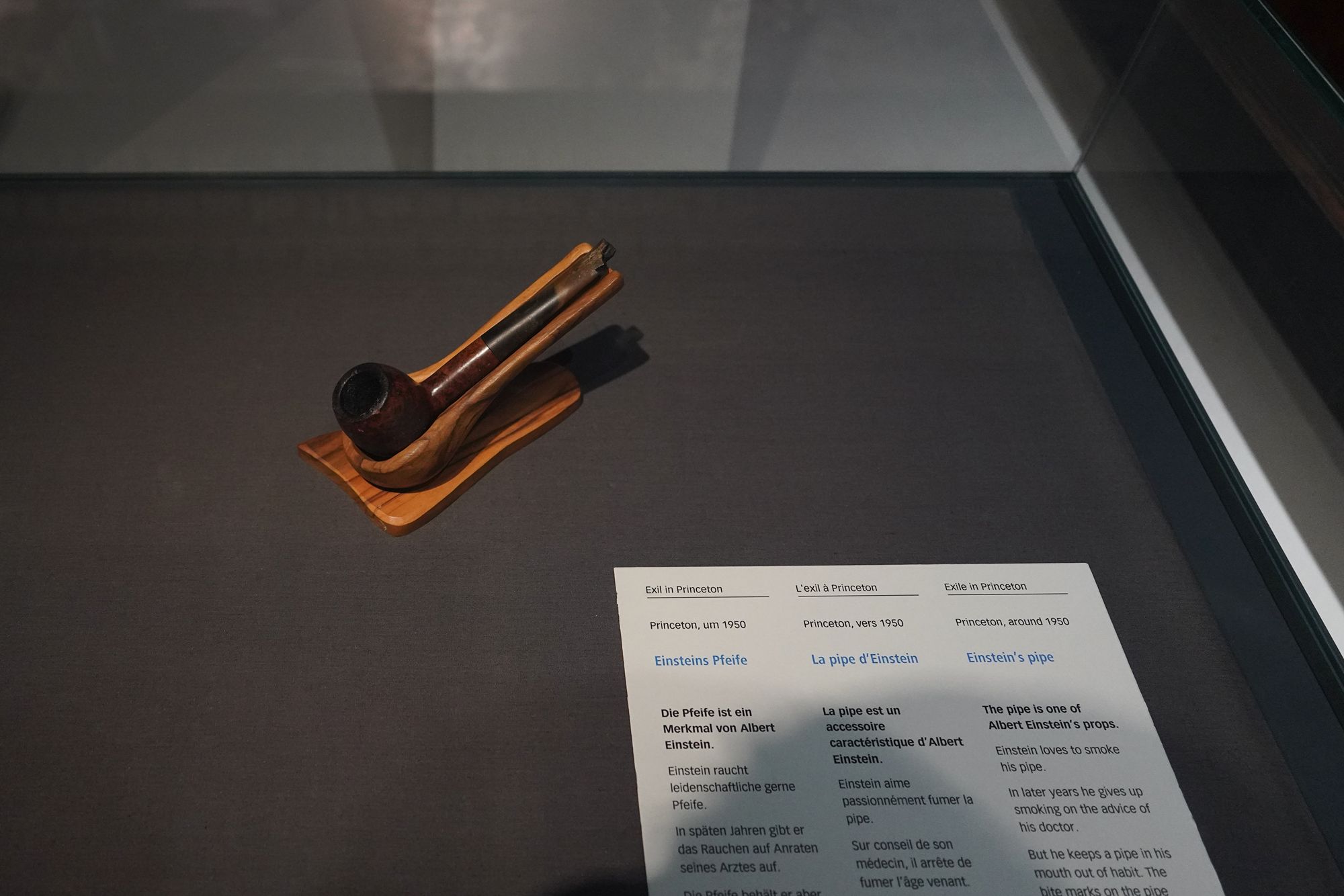
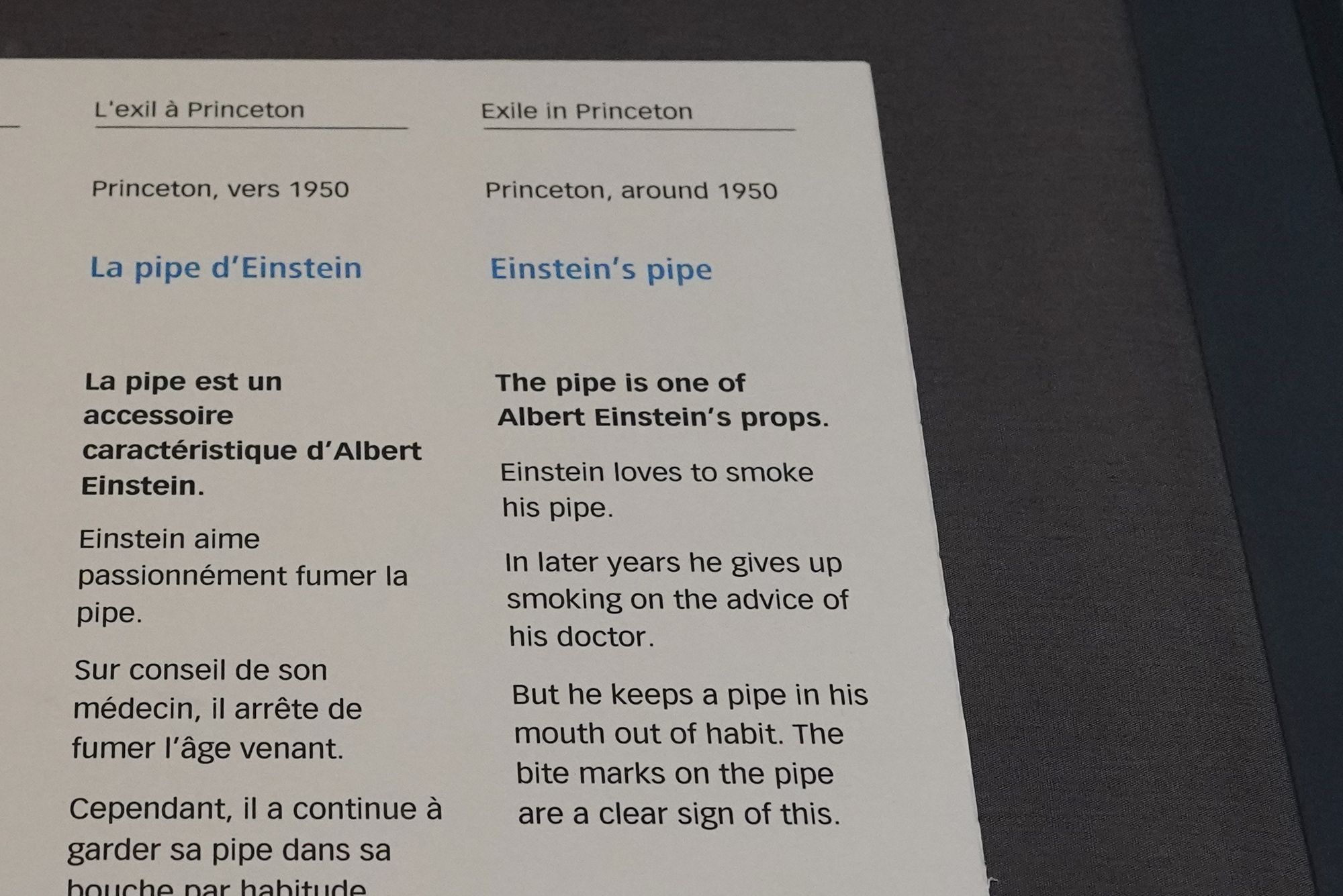
Einstein's Pipe
Einstein's letter to Roosevelt and the Manhattan Project
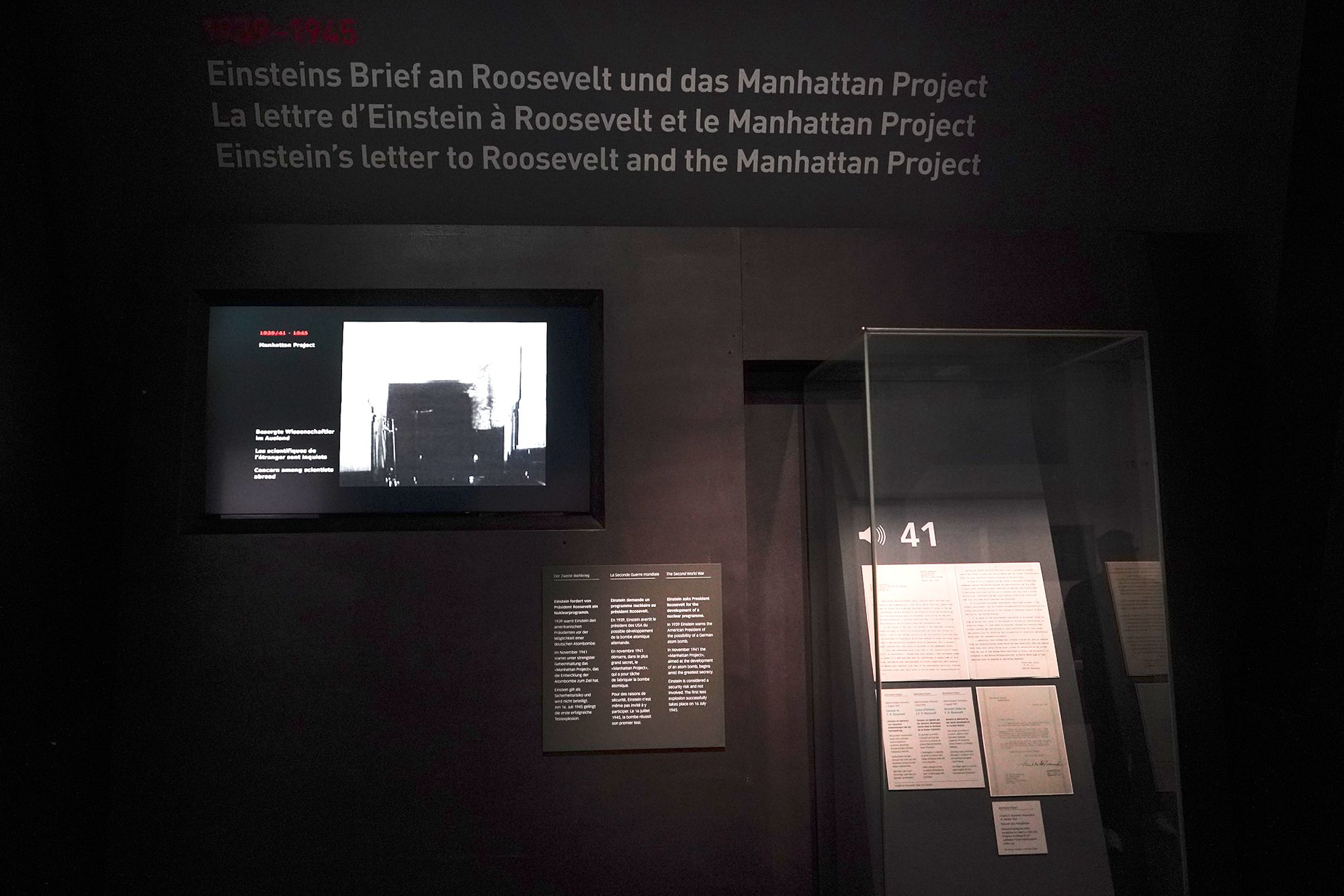
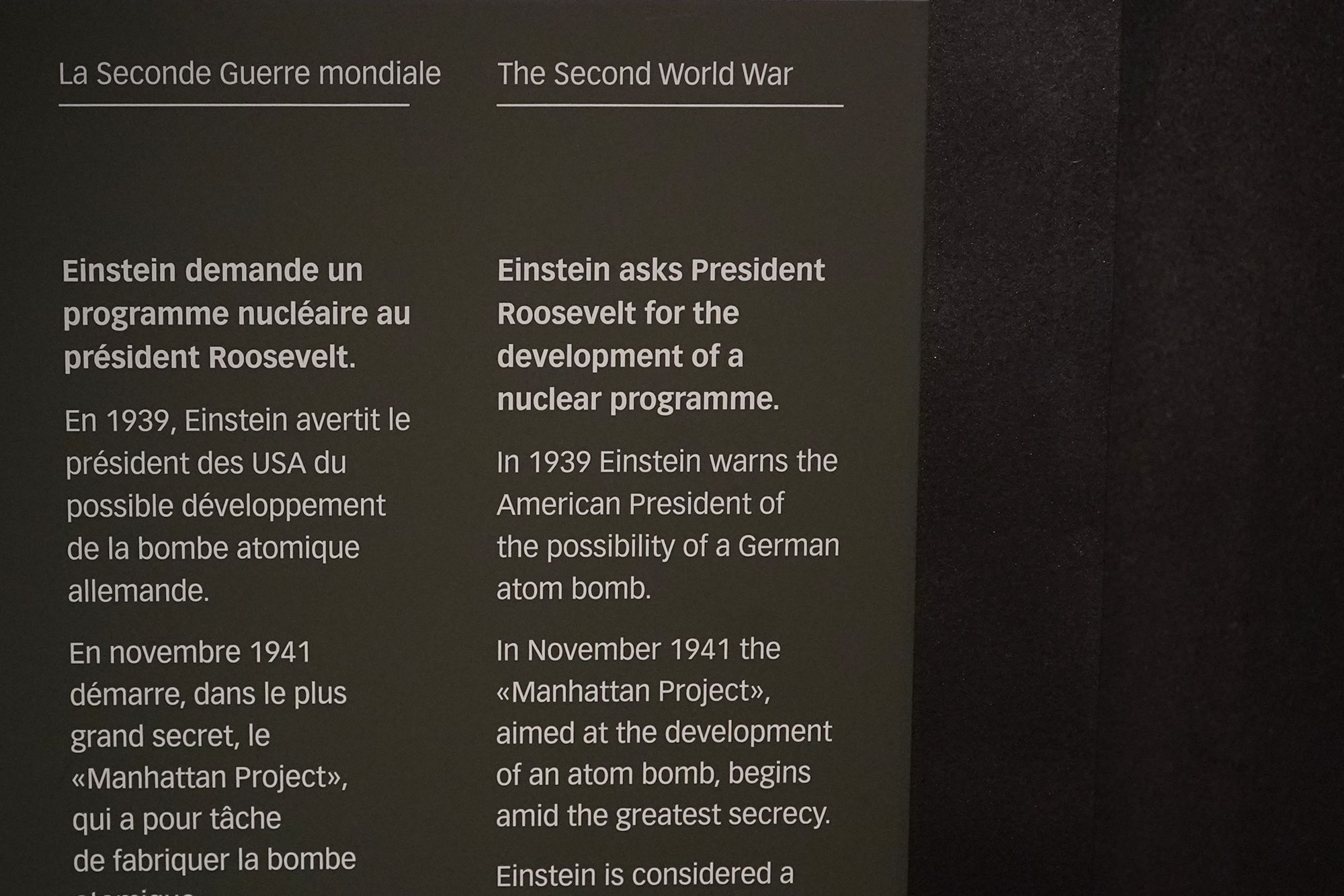
In 1939, Einstein signed a letter to President Franklin D. Roosevelt warning that Nazi Germany might develop an atomic bomb and urging the United States to investigate nuclear research. This helped encourage greater U.S. attention to the possibility of nuclear weapons. However, Einstein himself did not work on the Manhattan Project and played no direct role in building the atomic bomb.
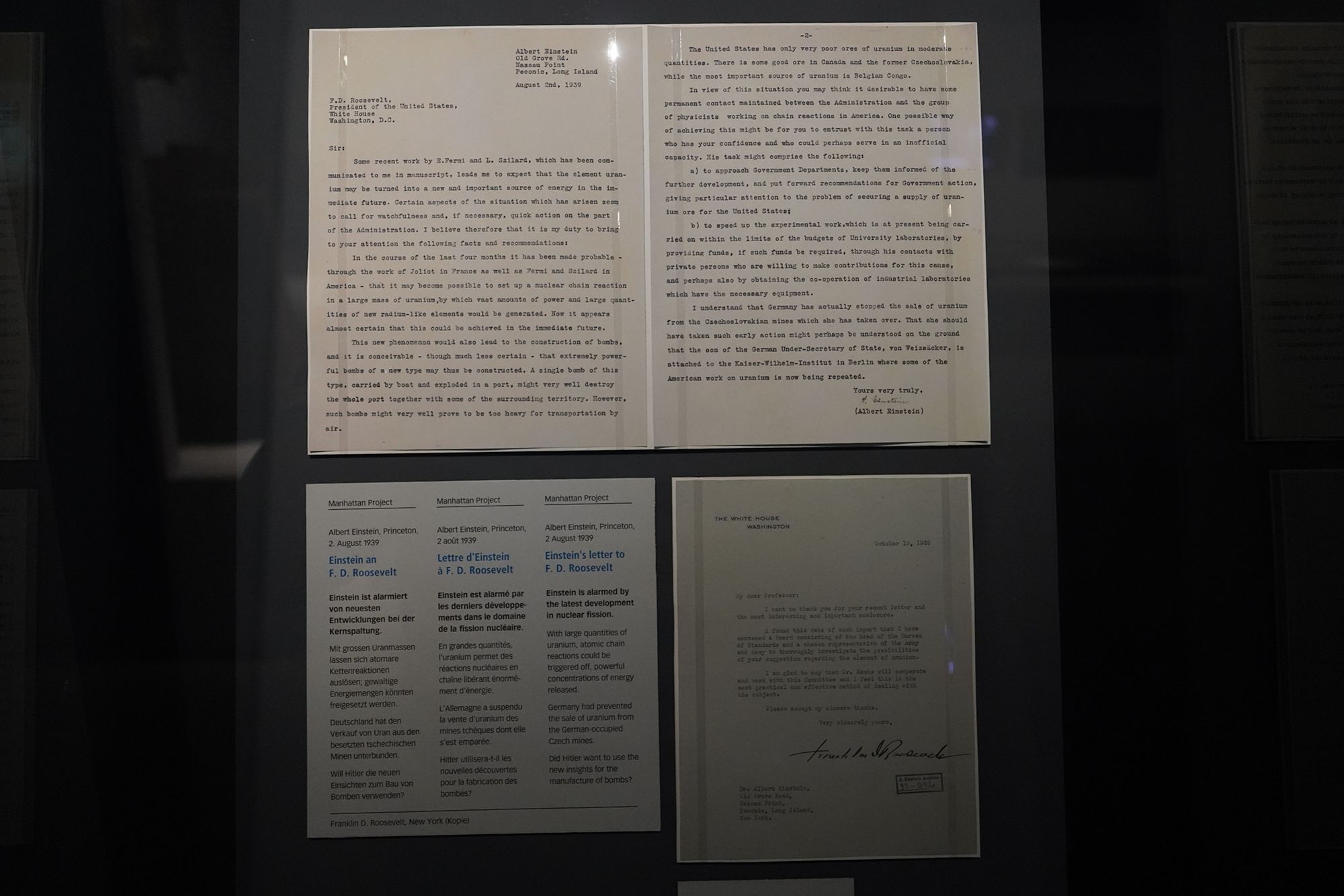
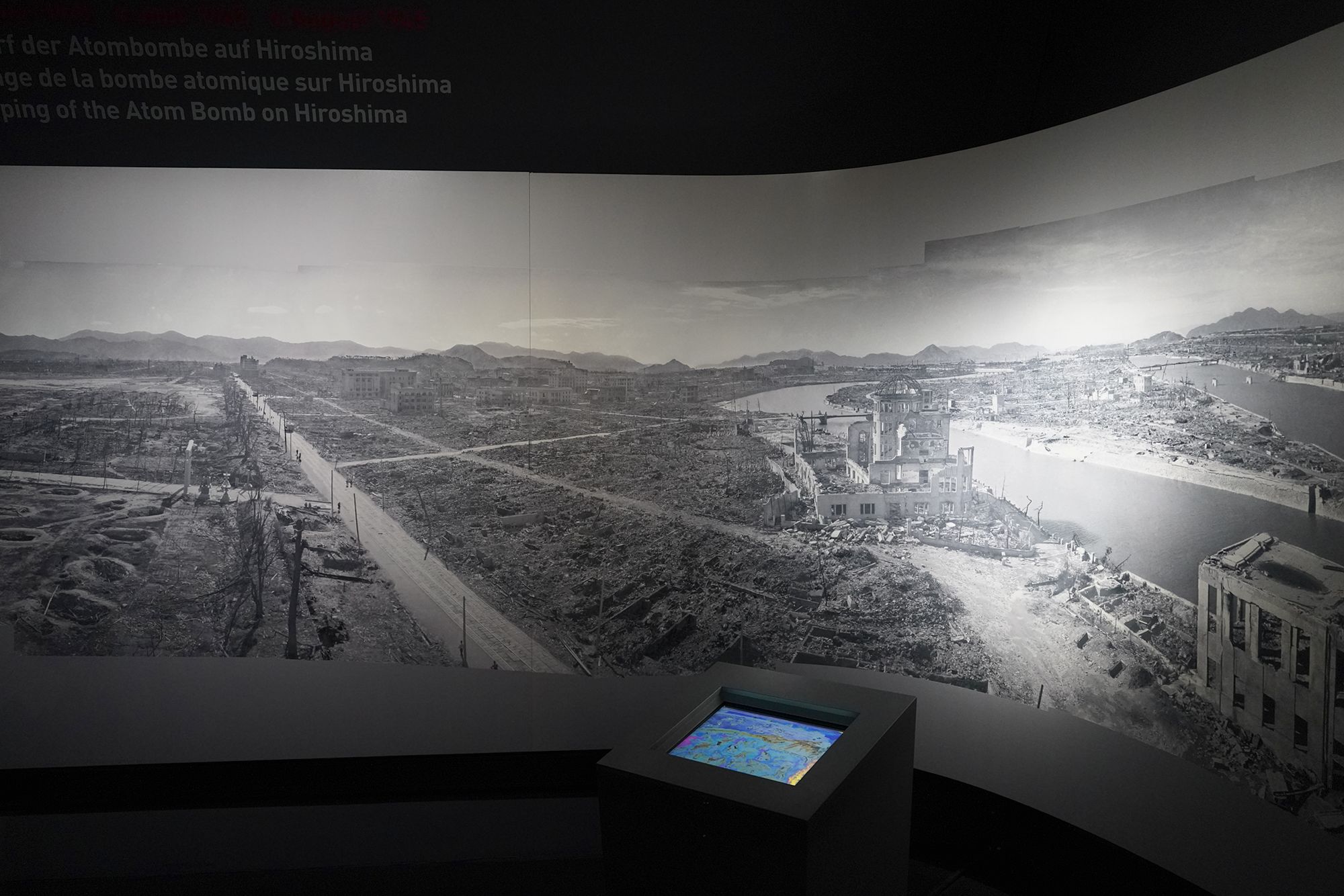
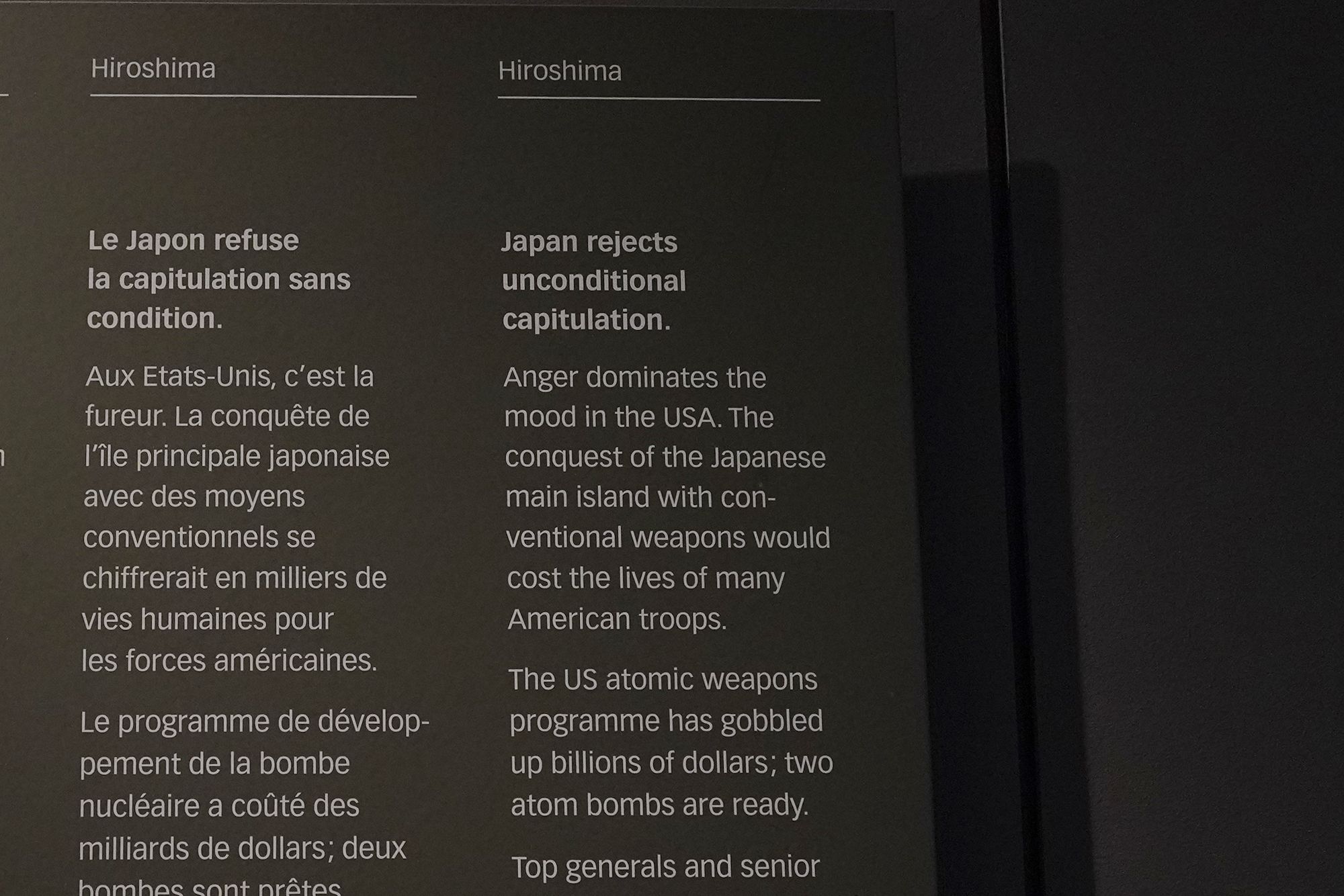
By the summer of 1945, Germany had surrendered, but the war against Japan continued. Japan rejected the Potsdam Declaration, which demanded unconditional surrender, while U.S. leaders were preparing for a possible invasion of Japan and considering how to end the war quickly. With atomic bombs now available, President Harry Truman’s administration decided to use the new weapon. The first atomic bomb was dropped on Hiroshima on August 6, 1945.
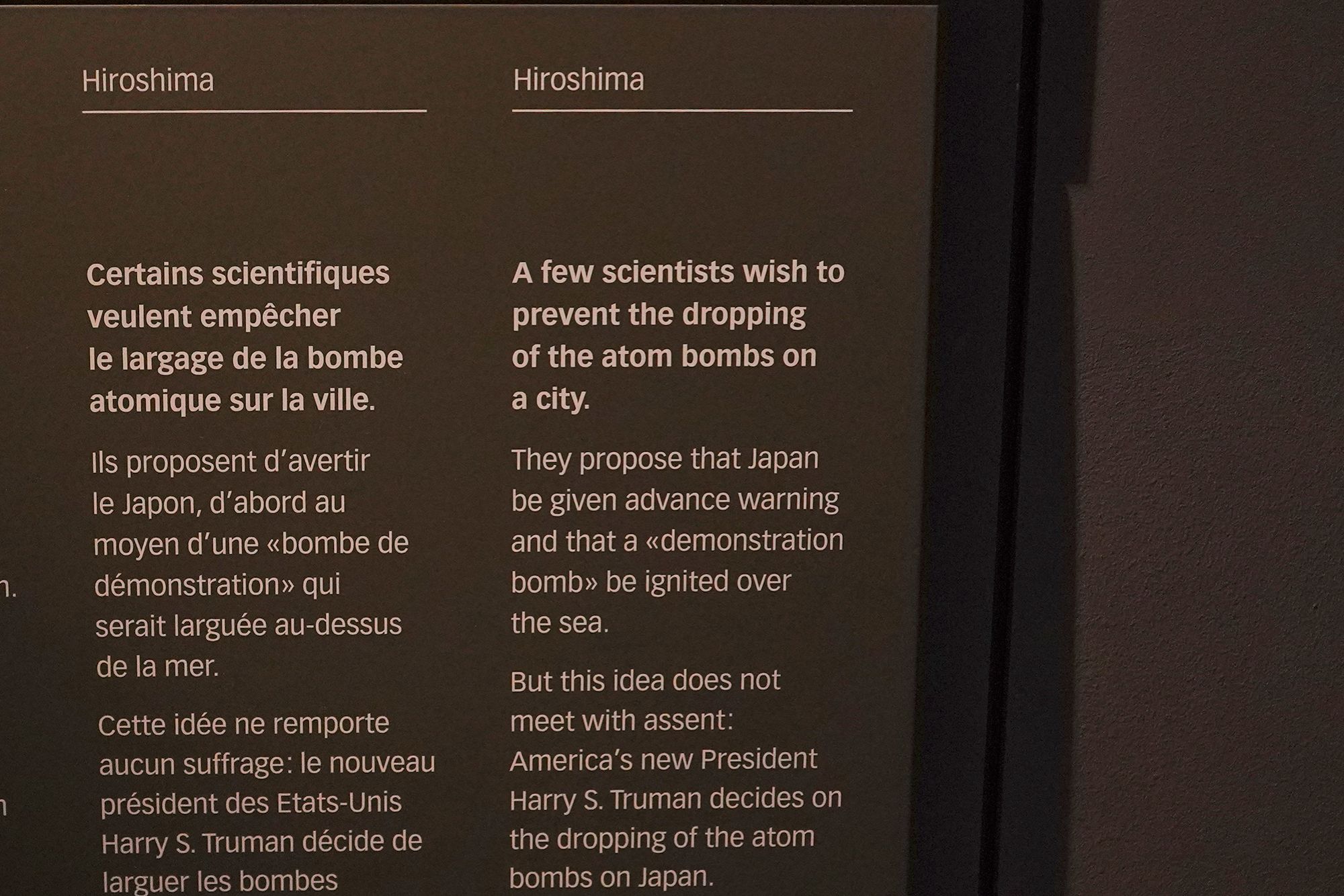
Not all scientists involved in the Manhattan Project agreed that the atomic bomb should be used directly against a Japanese city. Some proposed demonstrating the bomb in an uninhabited area first, hoping its destructive power might persuade Japan to surrender. U.S. policymakers rejected the demonstration proposal, and the decision was made to use the bomb without such a demonstration.
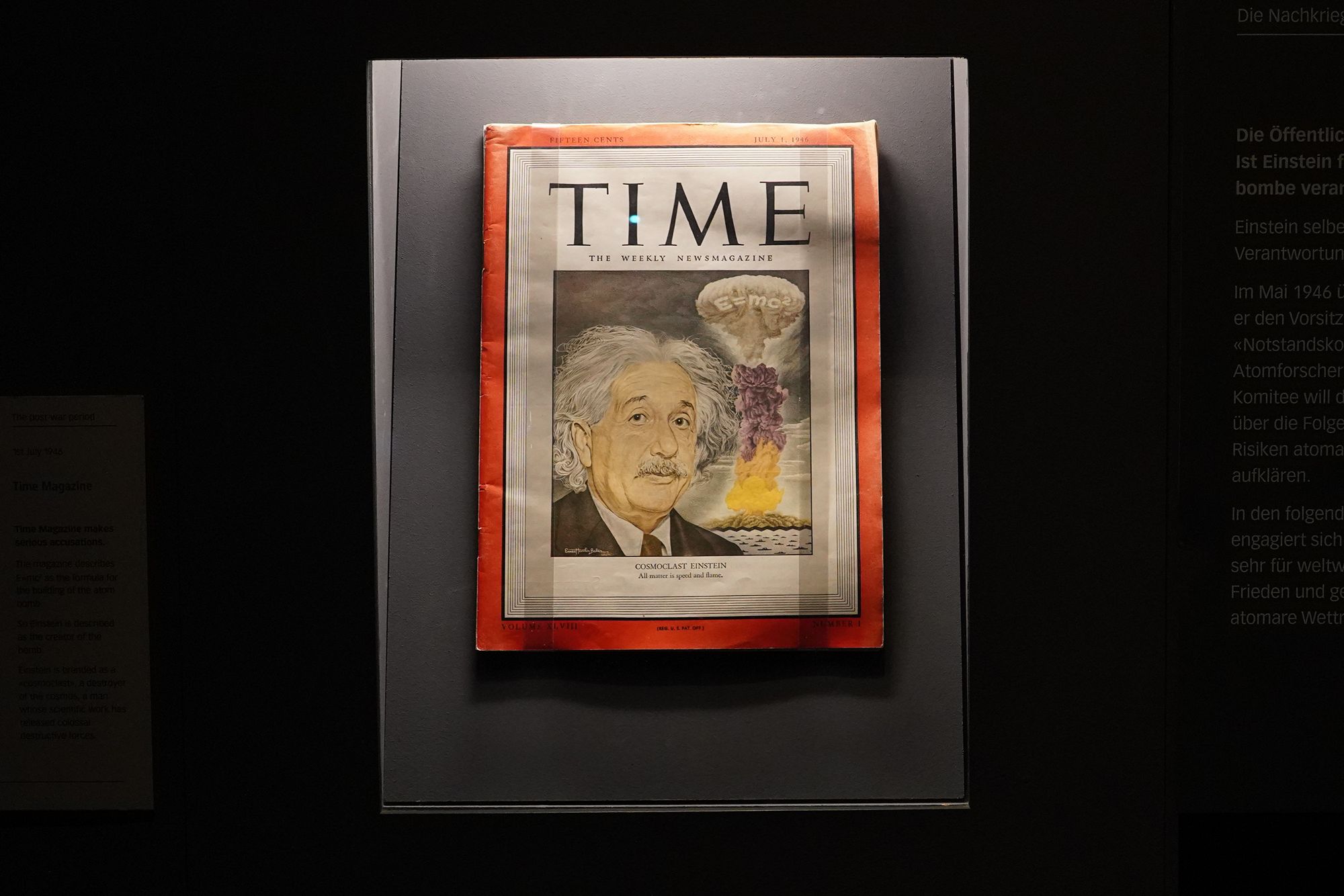
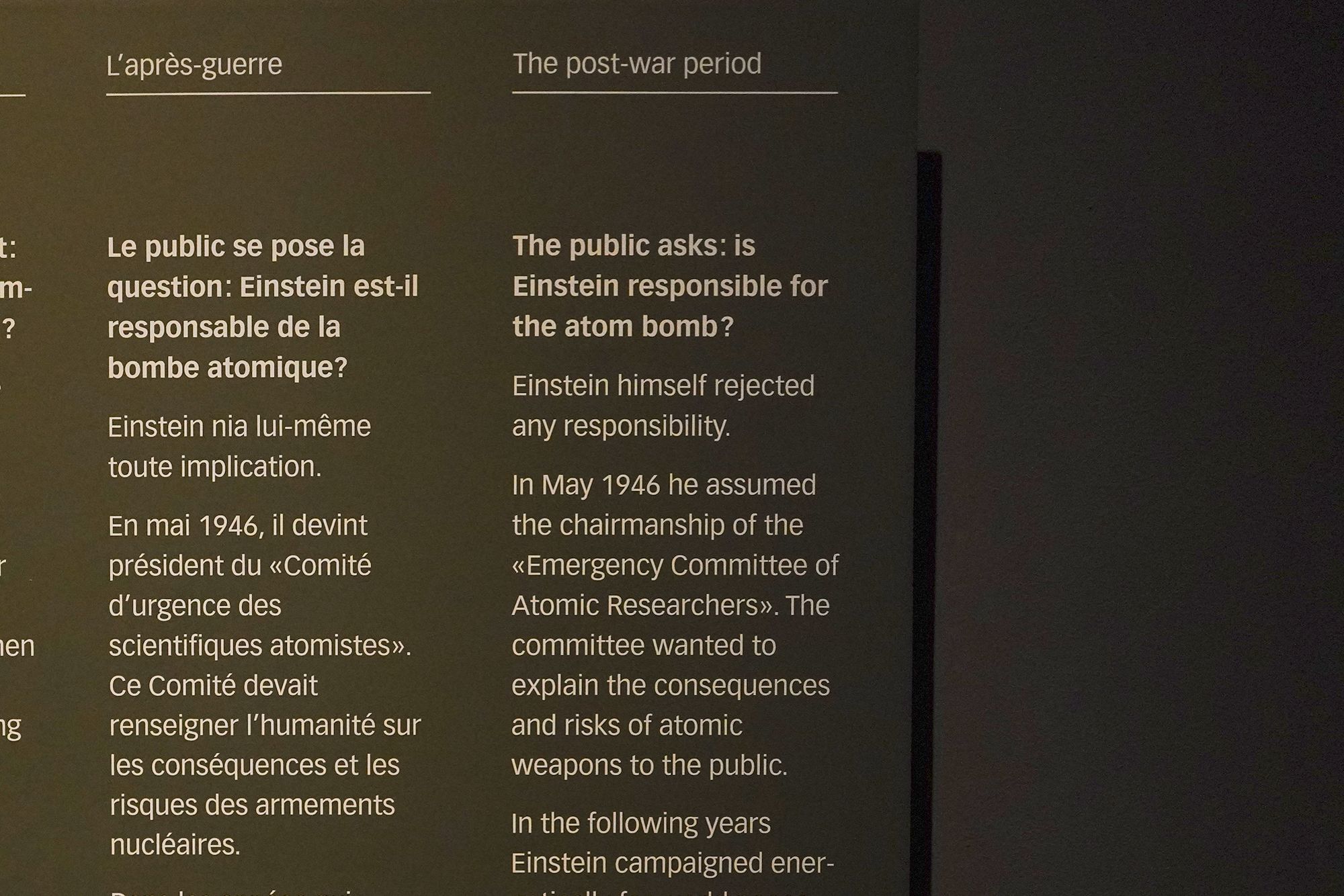
Although Einstein’s 1939 letter to President Roosevelt helped alert the U.S. government to the possibility of nuclear weapons, Einstein did not participate in developing the atomic bomb. After the war, he became chairman of the Emergency Committee of Atomic Scientists, educating the public about the dangers of nuclear weapons and advocating international control of atomic energy.
America helps the conquered nations to rebuild
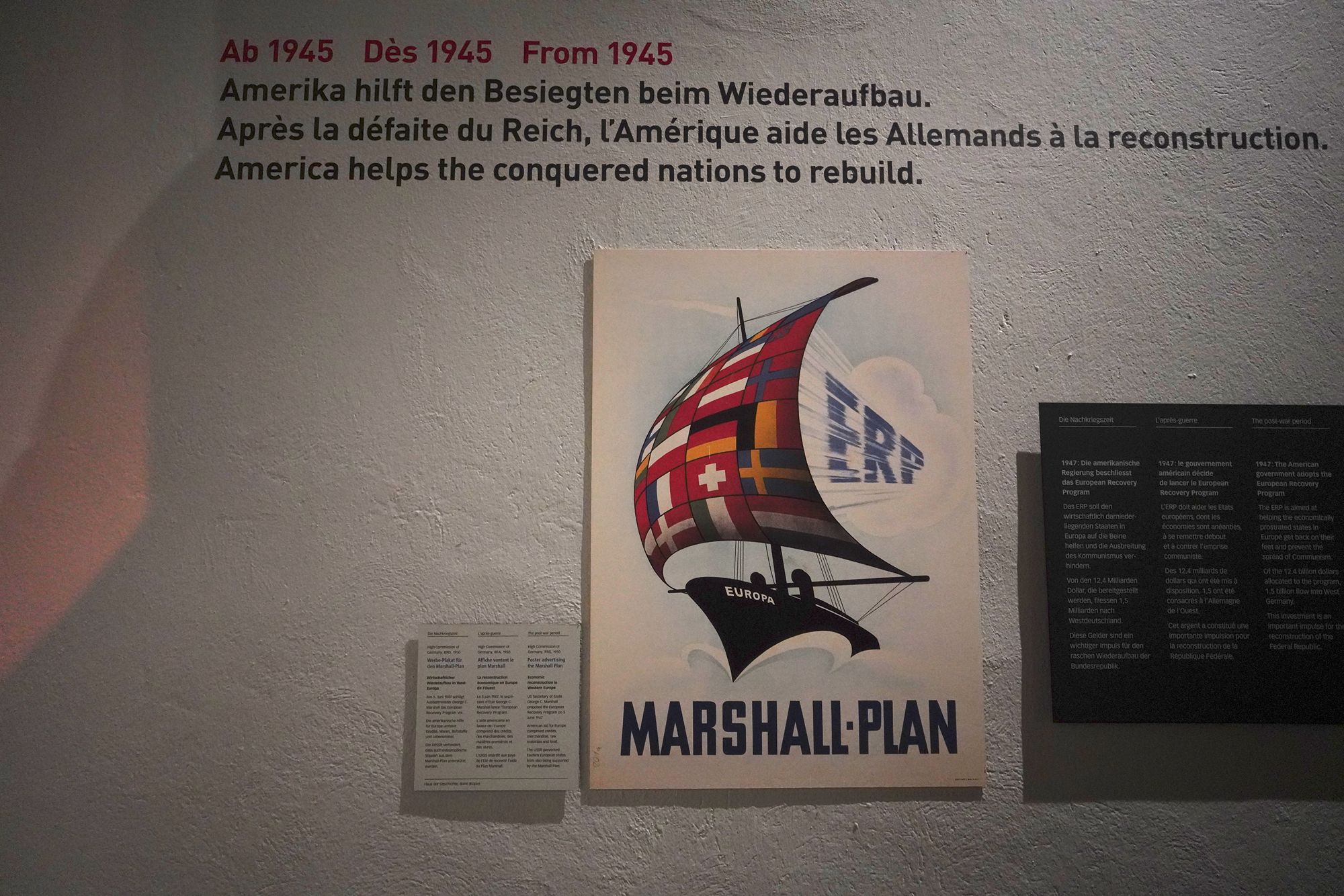
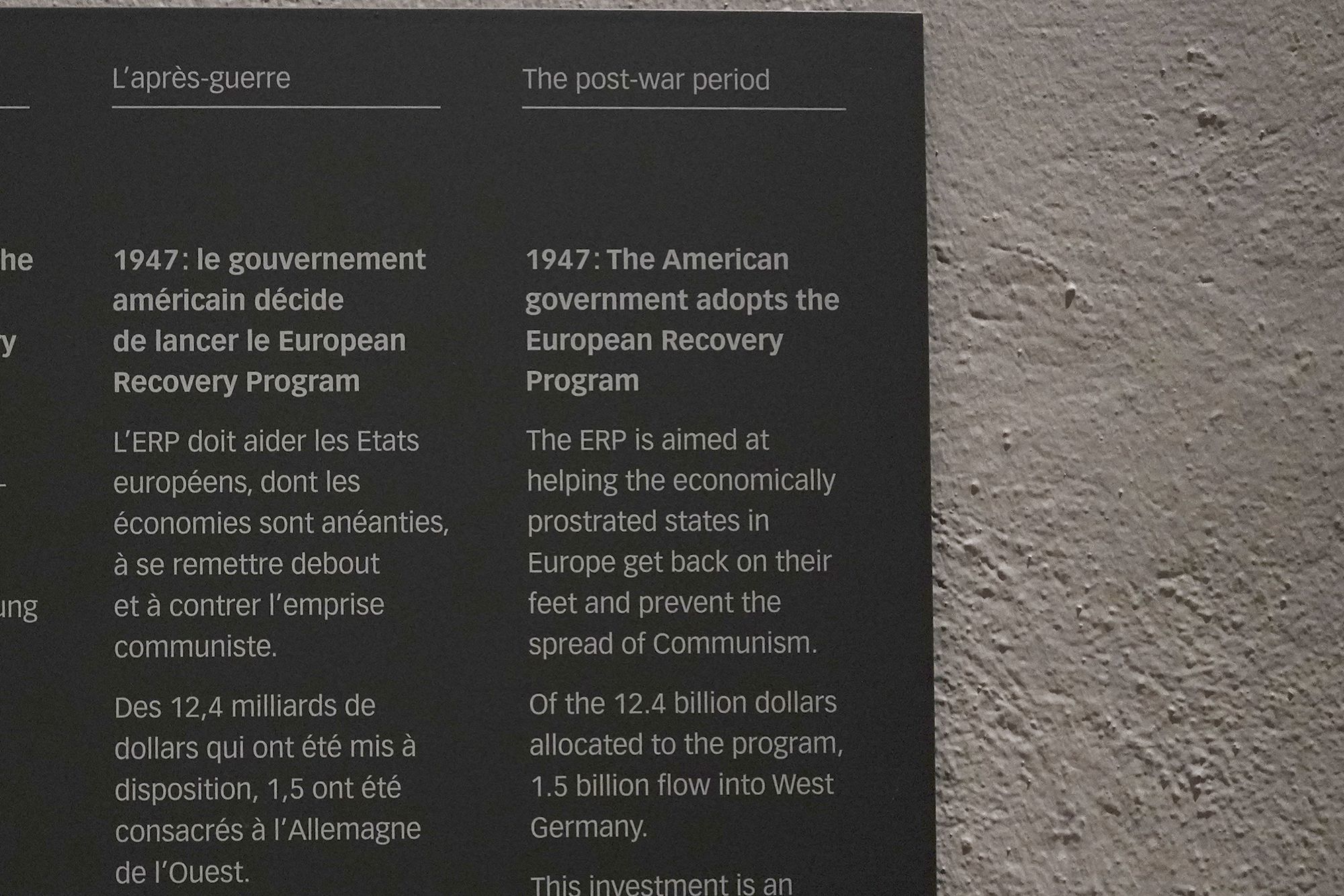
In 1947, U.S. Secretary of State George C. Marshall proposed a massive program to help rebuild Europe's devastated economies after World War II. The European Recovery Program, better known as the Marshall Plan, provided more than $12 billion in American aid beginning in 1948. Economic recovery was its central purpose, while limiting the spread of communism in Western Europe was also an important U.S. objective.
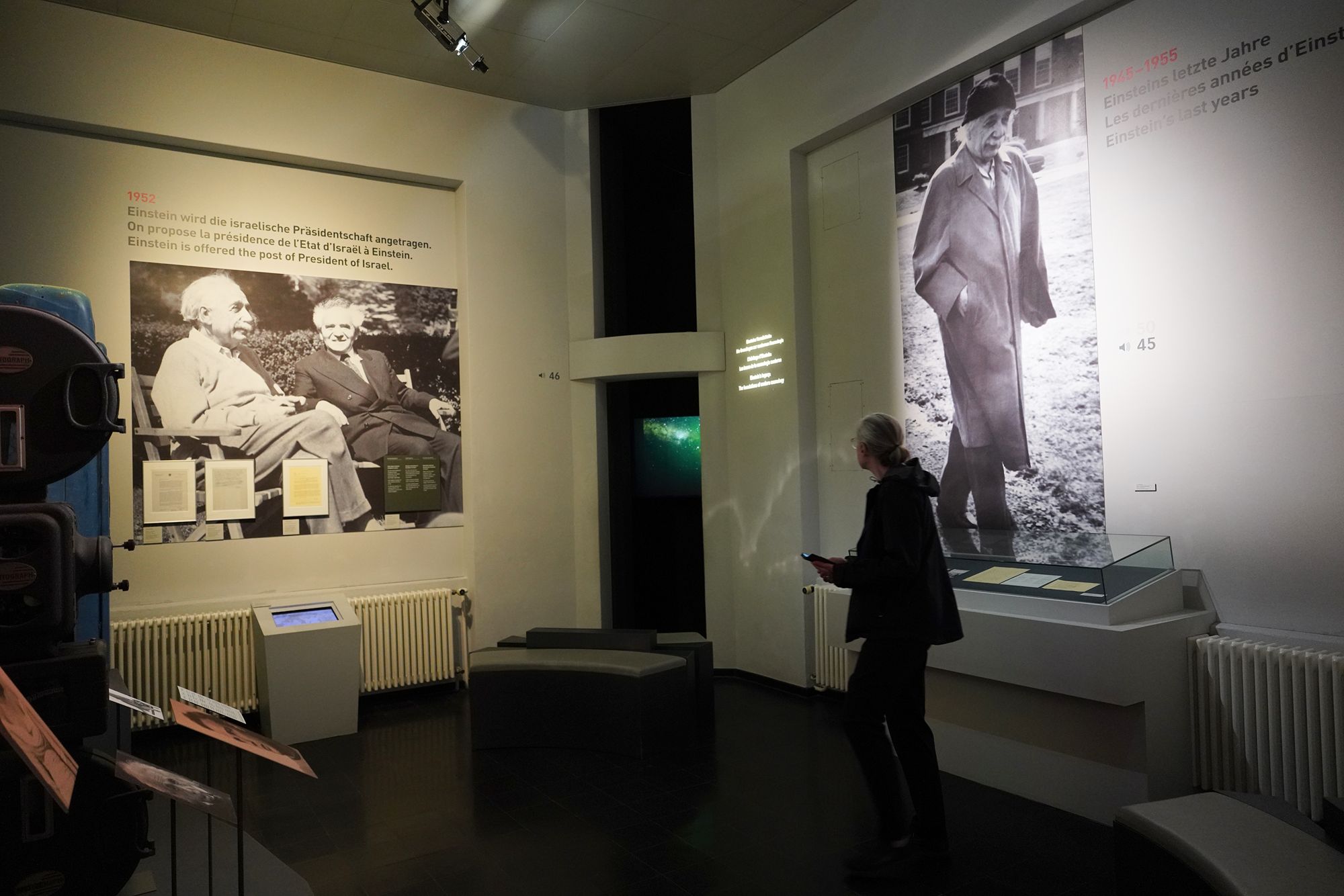
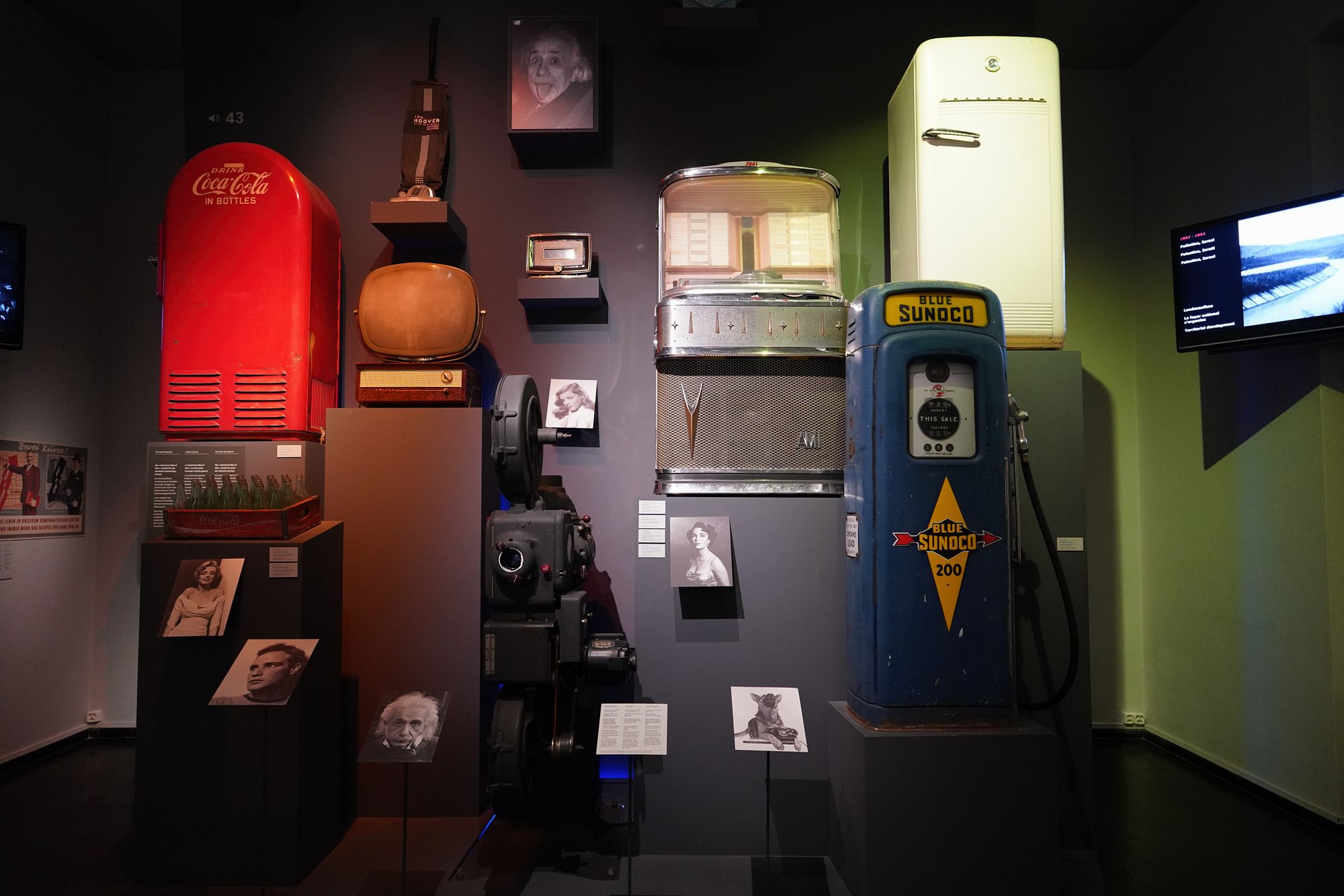
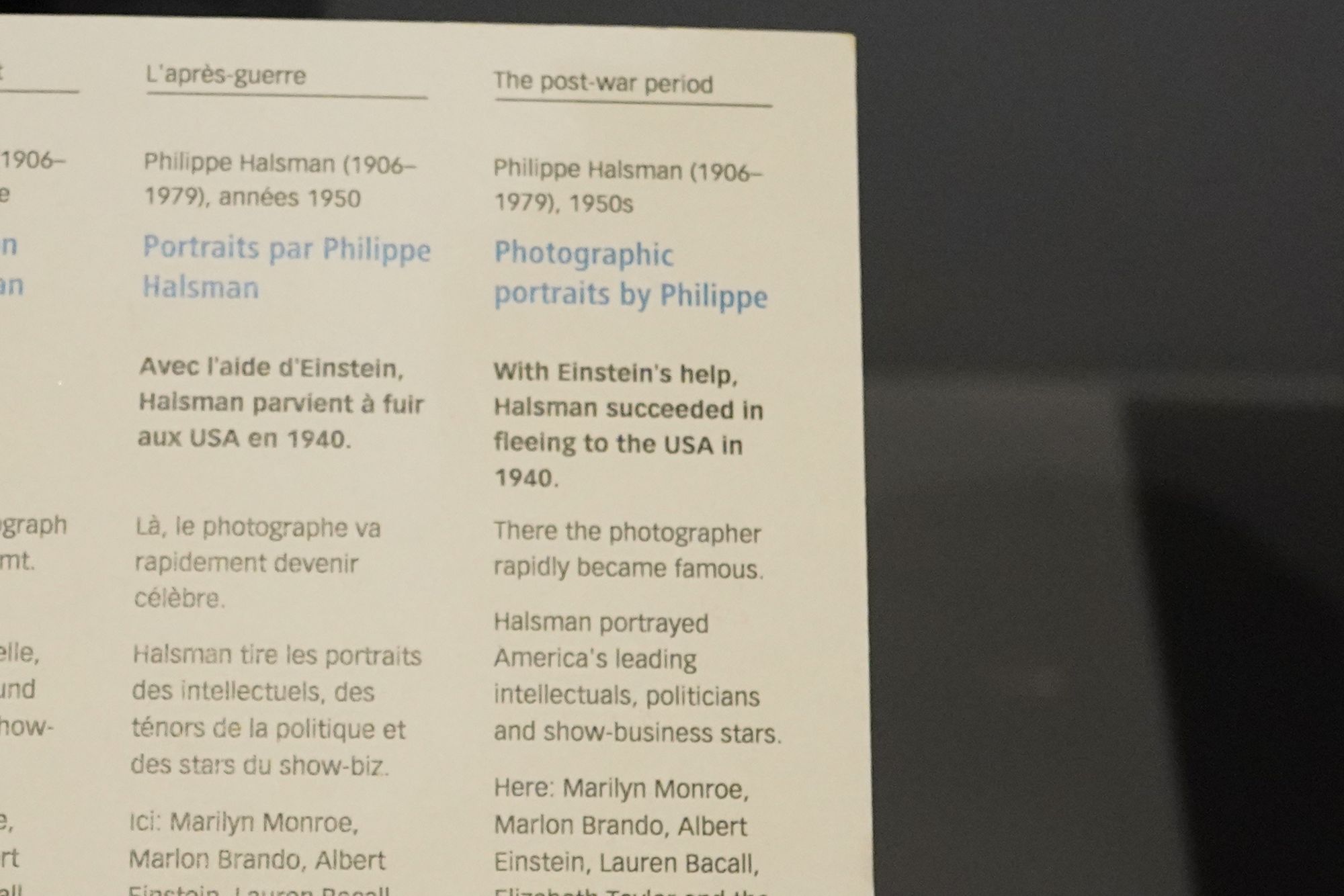
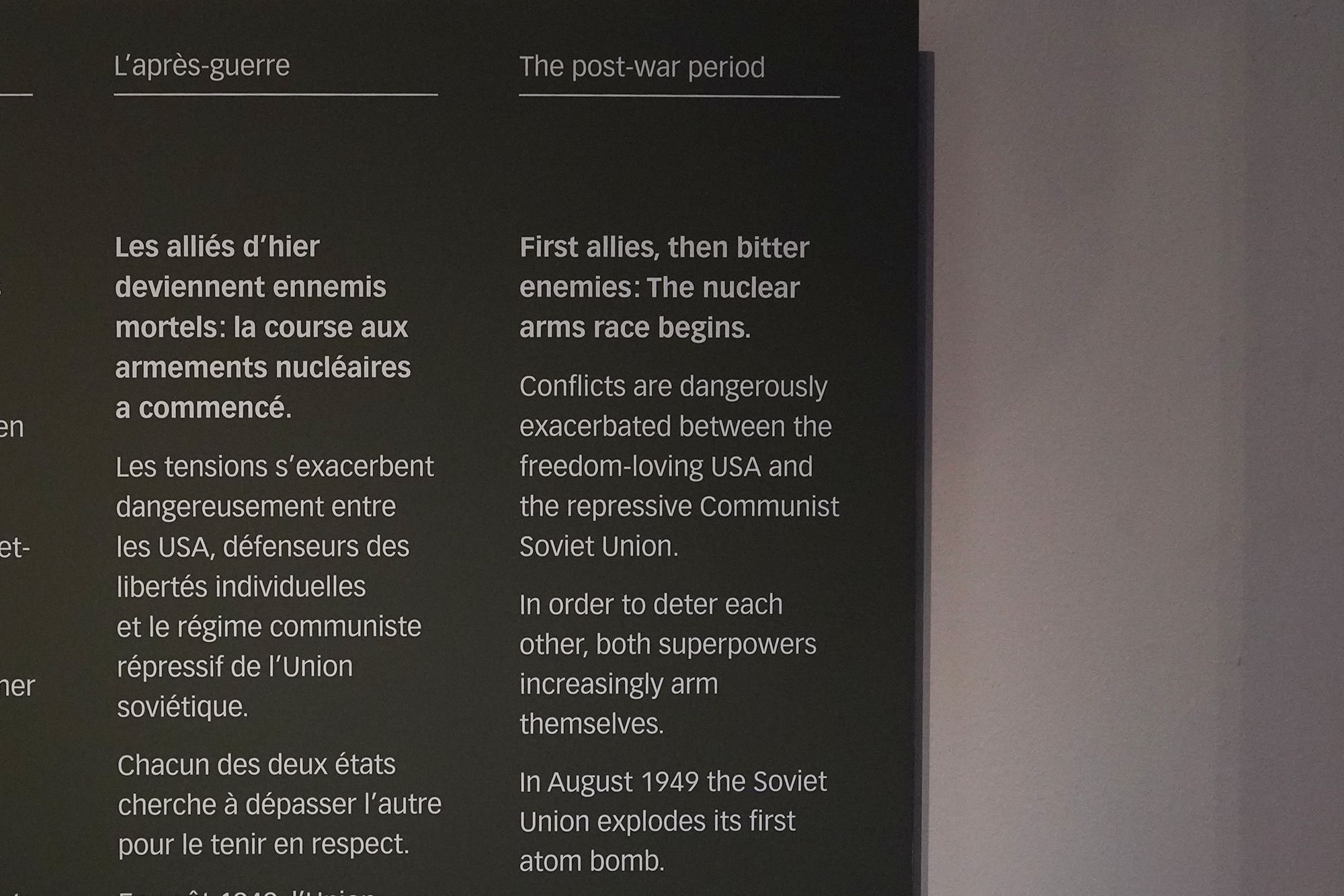
After World War II, the wartime alliance between the United States and Soviet Union quickly gave way to the Cold War. The United States initially held a monopoly on nuclear weapons, but the Soviet Union successfully tested its first atomic bomb in 1949. From then on, both superpowers built increasingly powerful nuclear arsenals, each seeking to deter the other from attack.
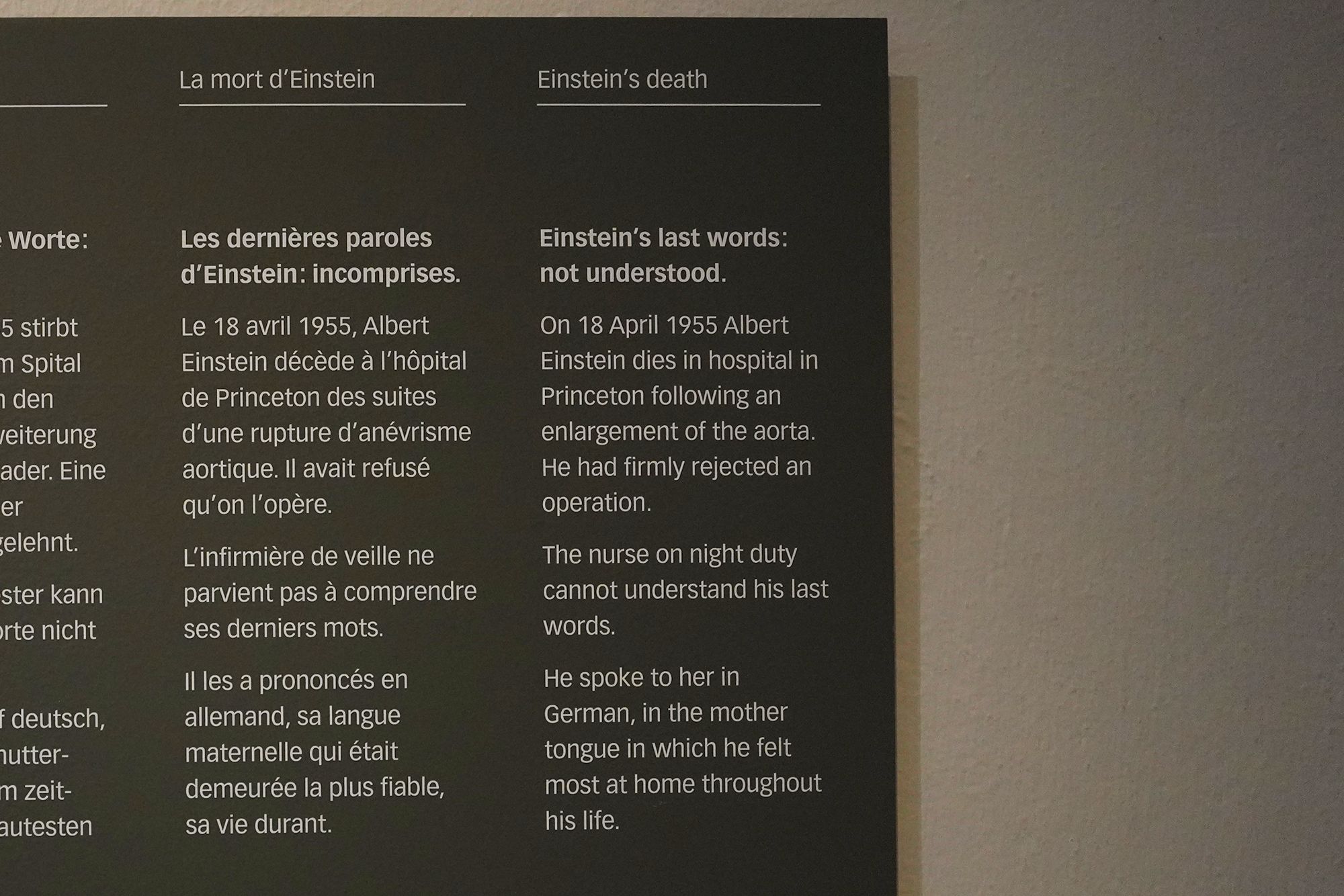
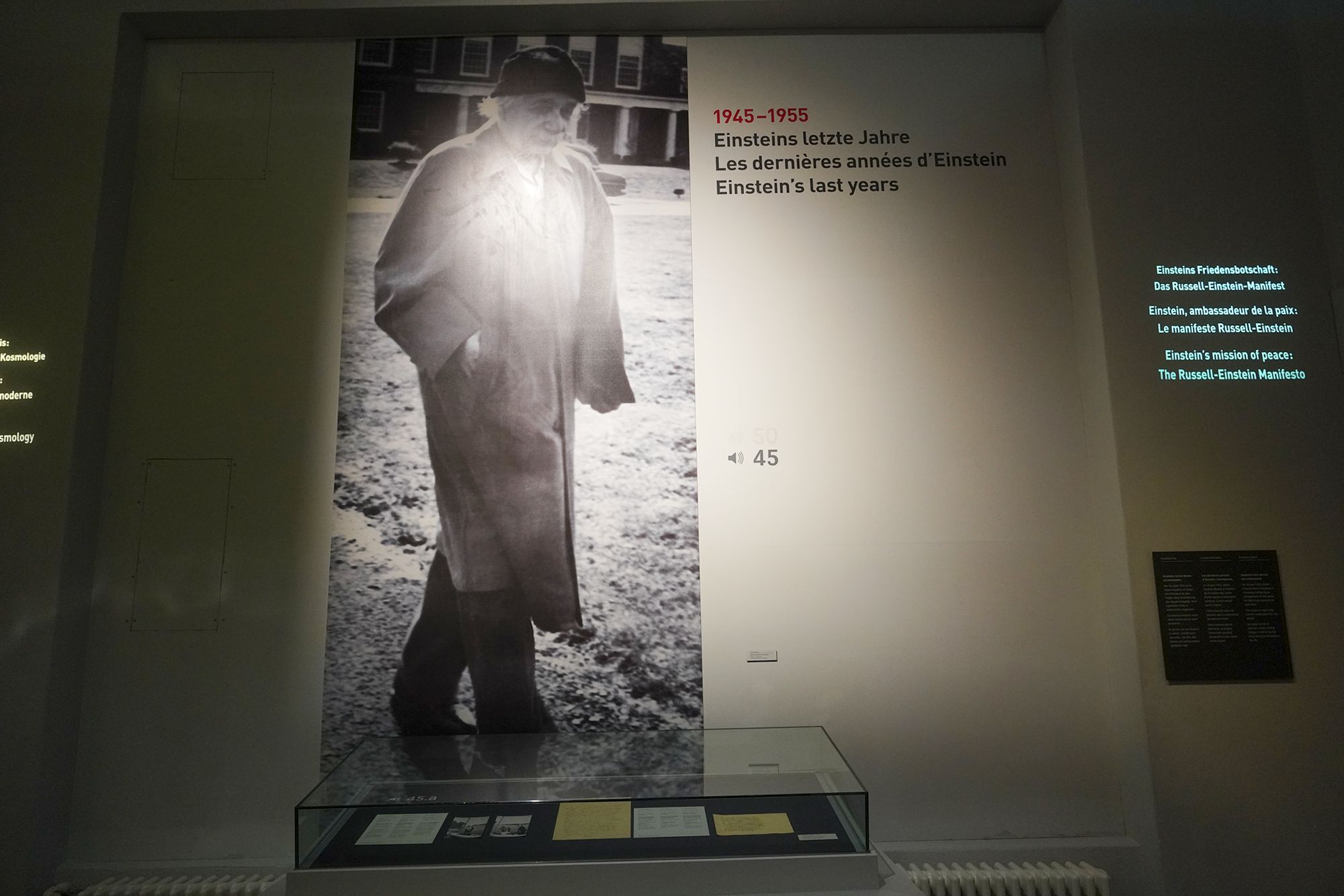
Albert Einstein died in Princeton on April 18, 1955, at age 76, after suffering an abdominal aortic aneurysm. He had declined surgery, saying he did not want to prolong his life artificially. His final words were spoken in German, but the attending nurse did not understand the language, so Einstein’s last words remain unknown.
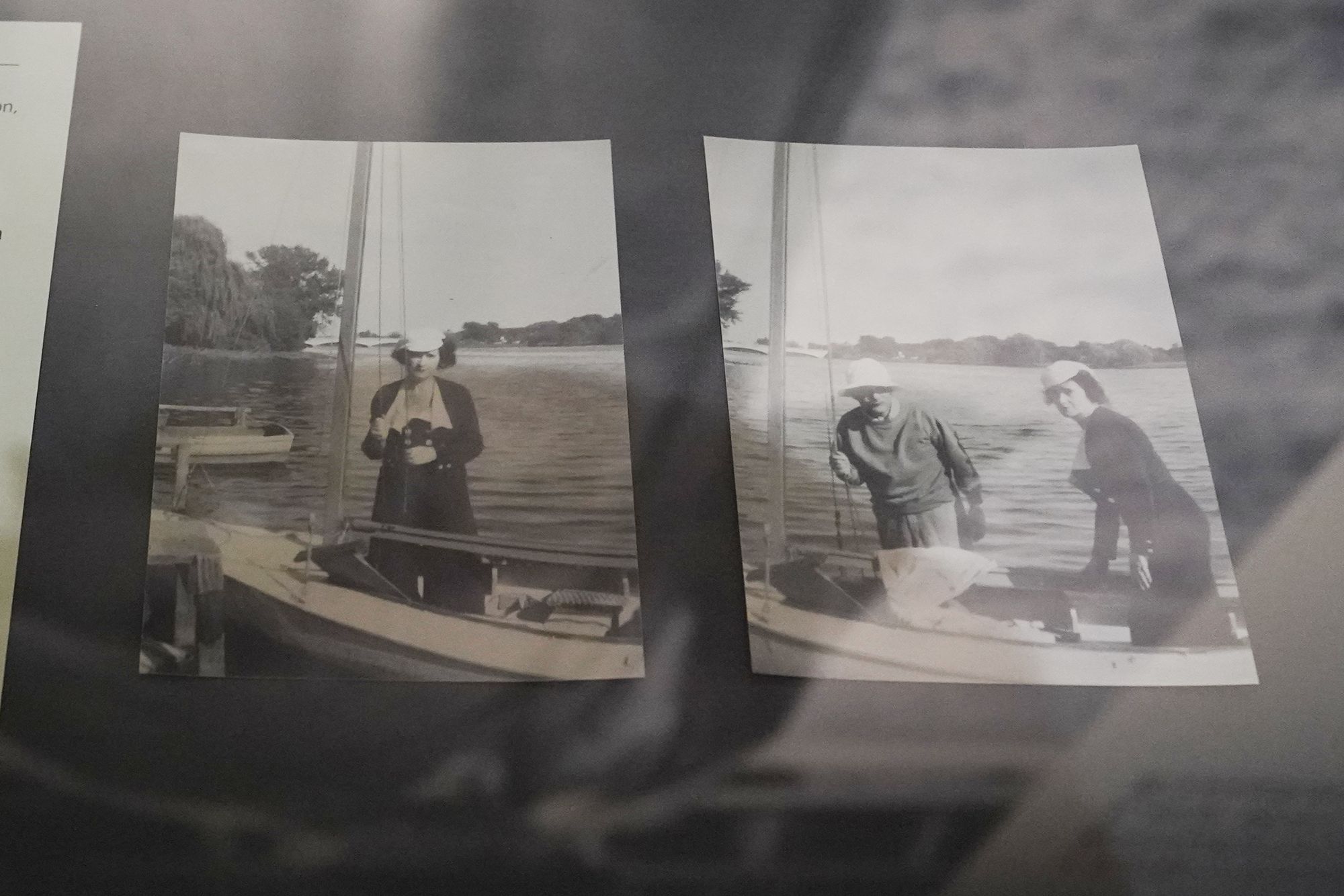
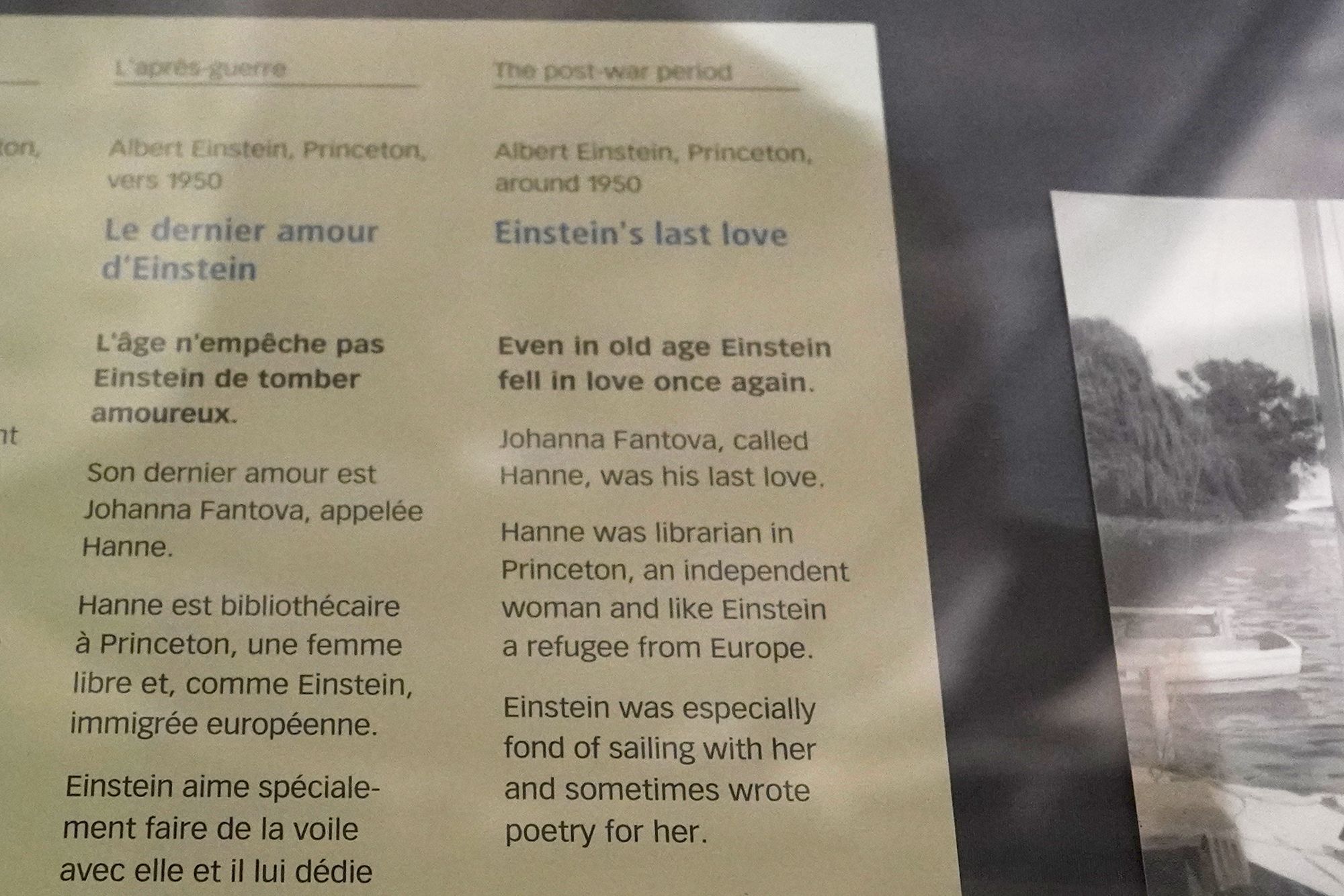
In his later years, Einstein developed a close relationship with Johanna “Hanne” Fantova, a librarian at Princeton University and, like Einstein, a European refugee. They spent considerable time together, particularly enjoying sailing, one of Einstein’s favorite pastimes. Their relationship was affectionate, and Einstein sometimes wrote poetry for her.
Einstein's last will and testament
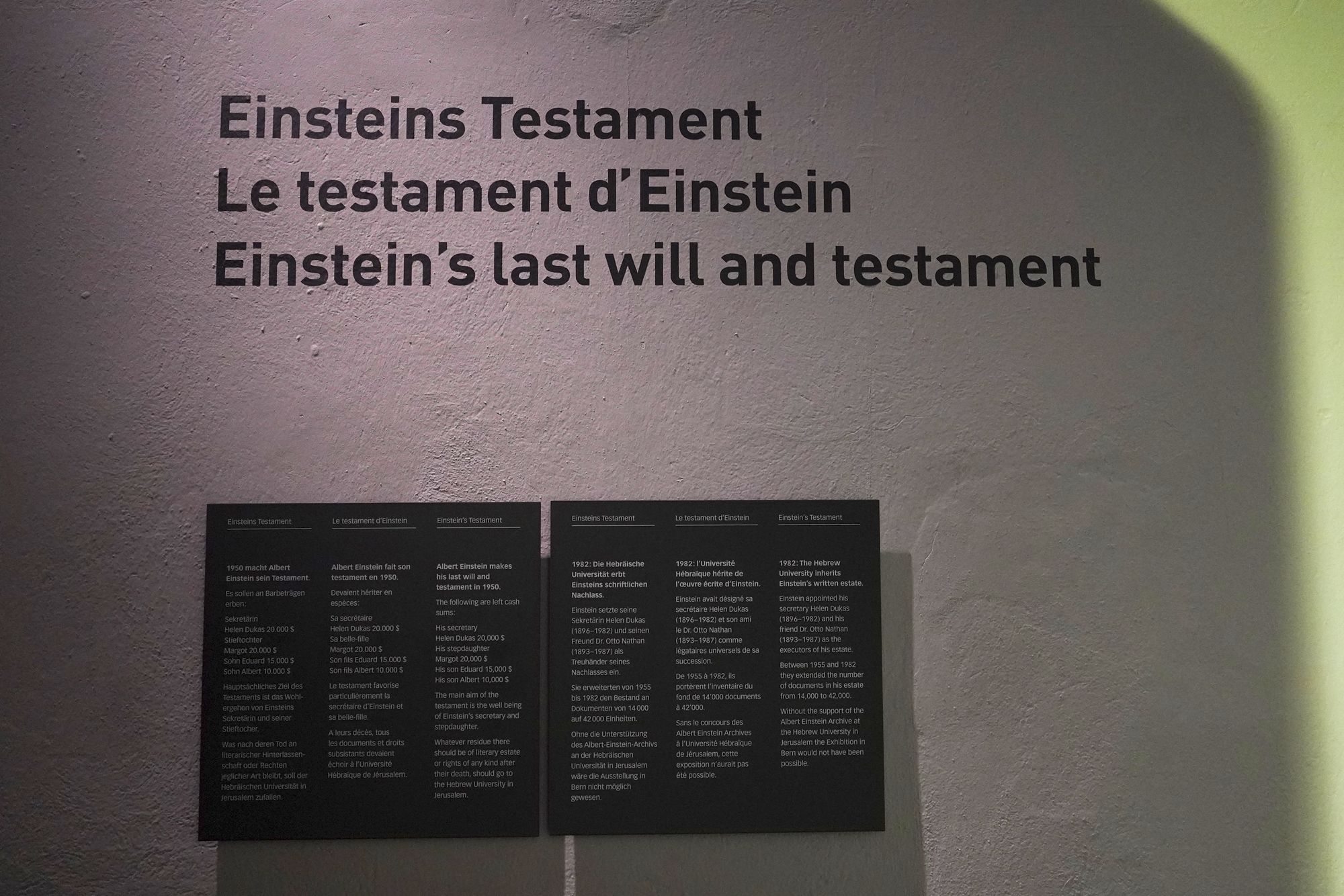
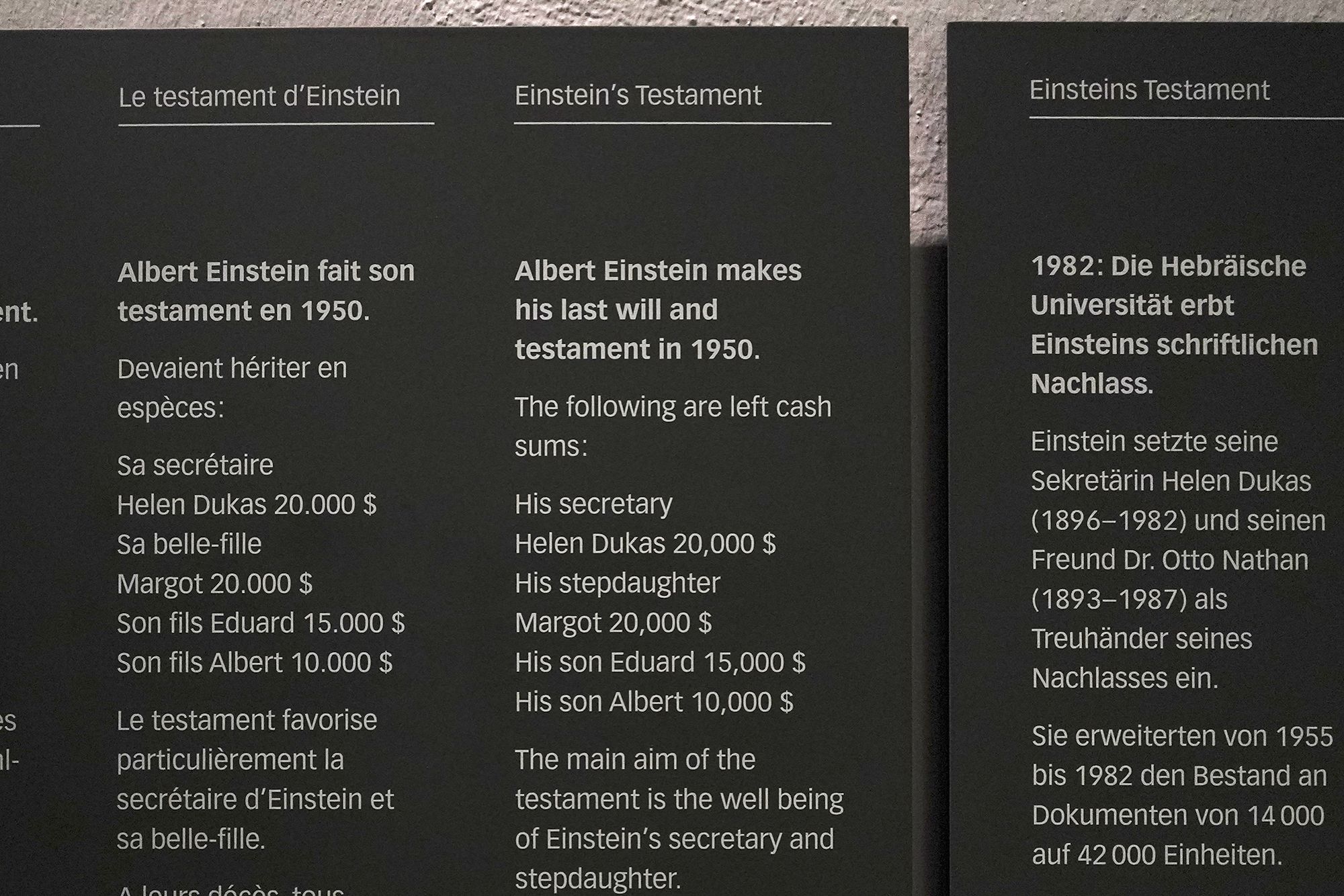
Einstein left his literary and intellectual estate to the Hebrew University of Jerusalem. His secretary Helen Dukas and friend Otto Nathan served as trustees of his estate, collecting and preserving thousands of letters, manuscripts, notebooks, and other documents. After Dukas died in 1982, the collection was transferred to the Hebrew University, where the Albert Einstein Archives preserves his written legacy today.