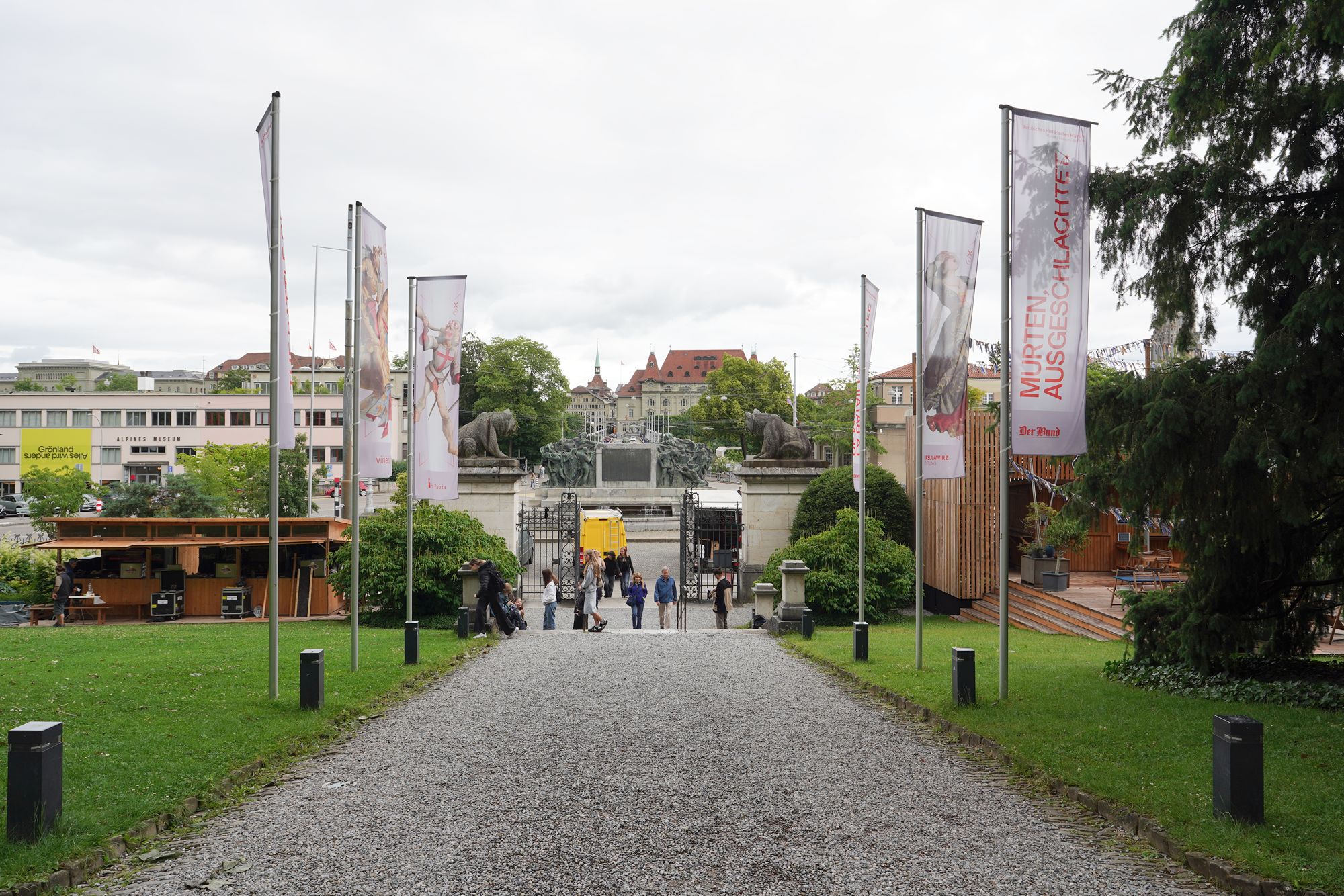
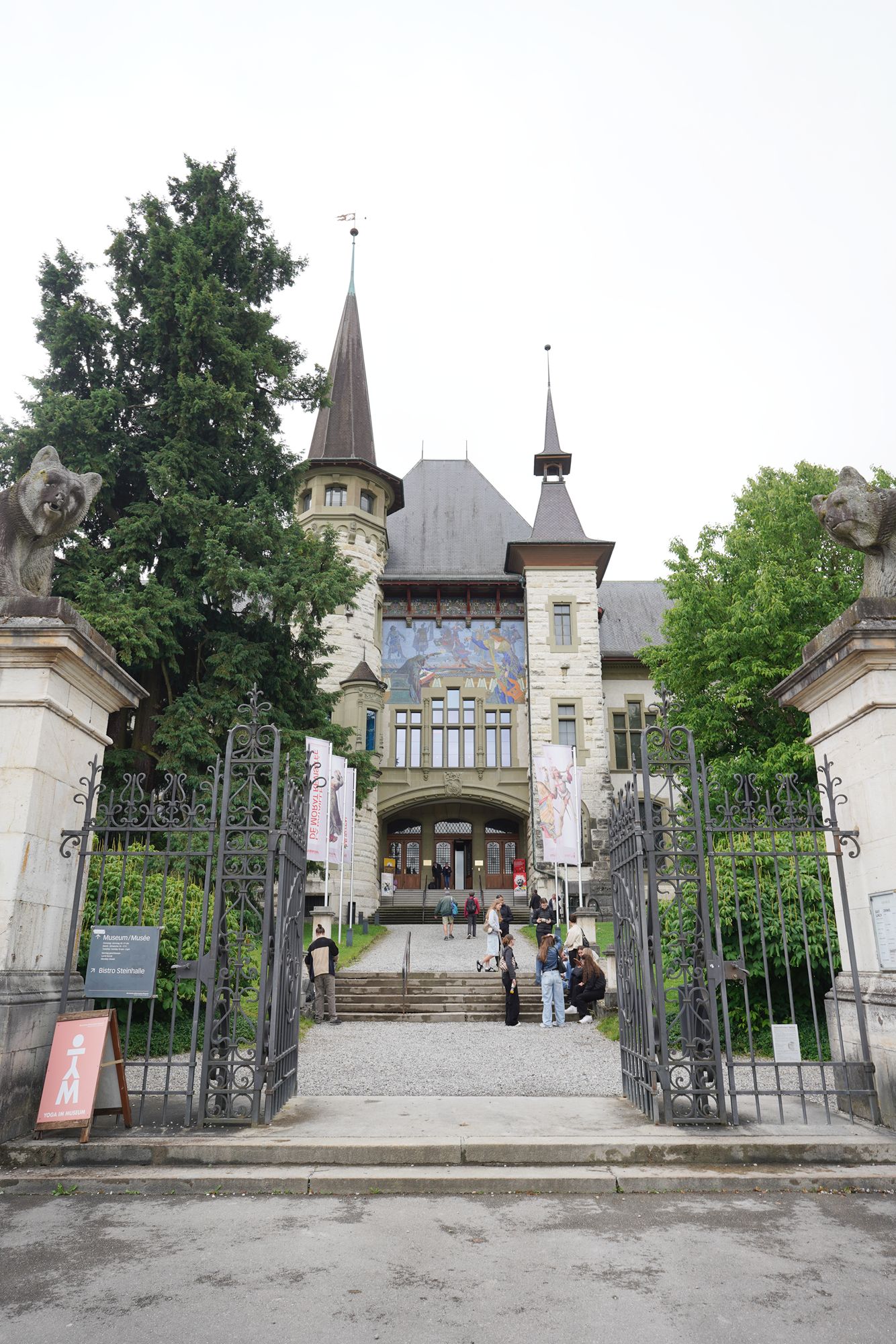
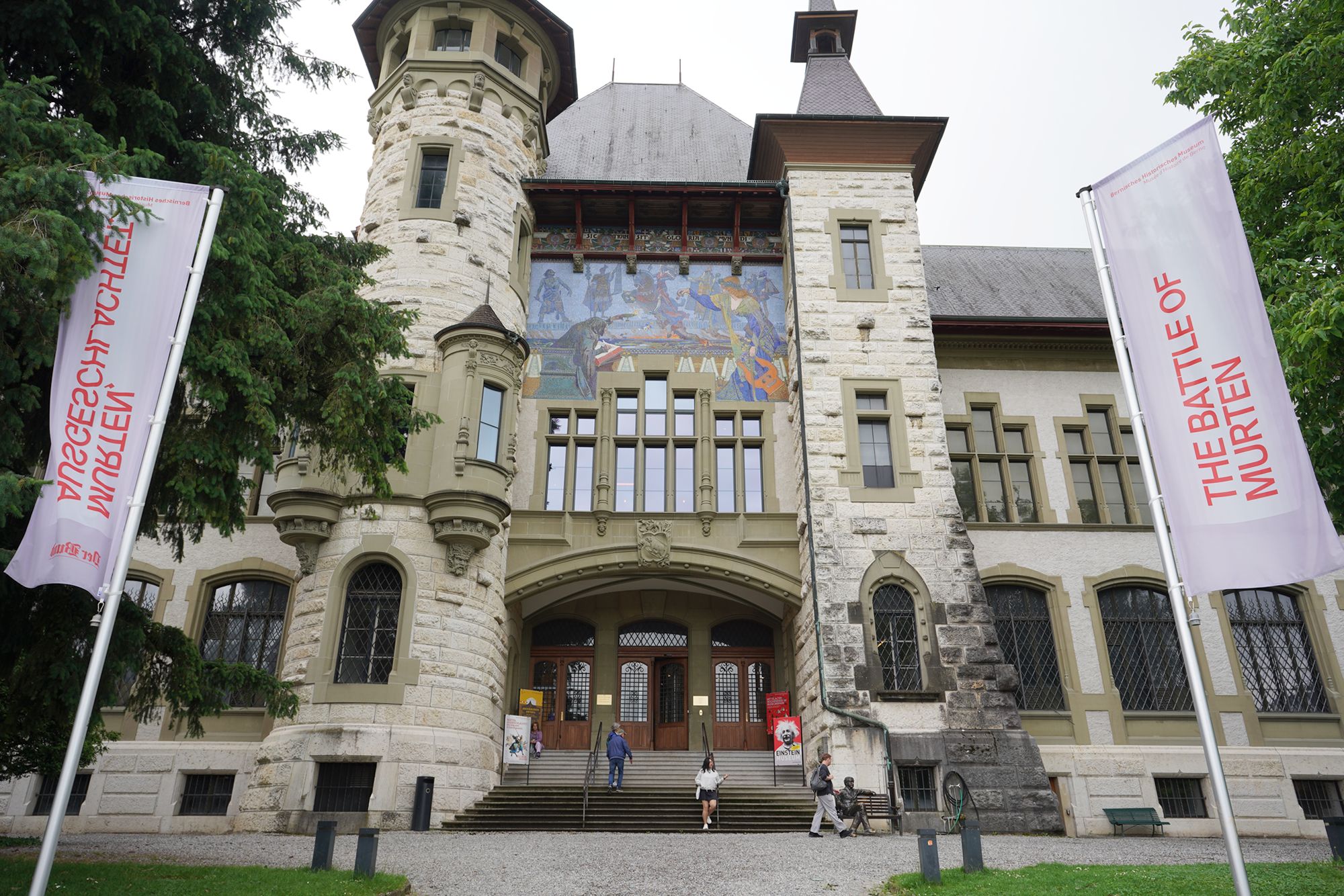
Bernisches Historisches Museum – Bern History, Bern, Switzerland
The Bernisches Historisches Museum presents Bern’s history through archaeological finds, historic objects, decorative arts, costumes, weapons, and everyday artifacts. 1331
Bernisches Historisches Museum - Einstein: Helvetiapl. 5, 3005 Bern, Switzerland
Date Picture Taken: Jun, 2026
The Bernisches Historisches Museum explores the long history of Bern and the surrounding region through archaeological discoveries, historic objects, weapons, costumes, furniture, and decorative arts. Its exhibitions trace the city’s development from its early settlement and medieval growth to later centuries, providing a broad picture of Bernese culture and everyday life.
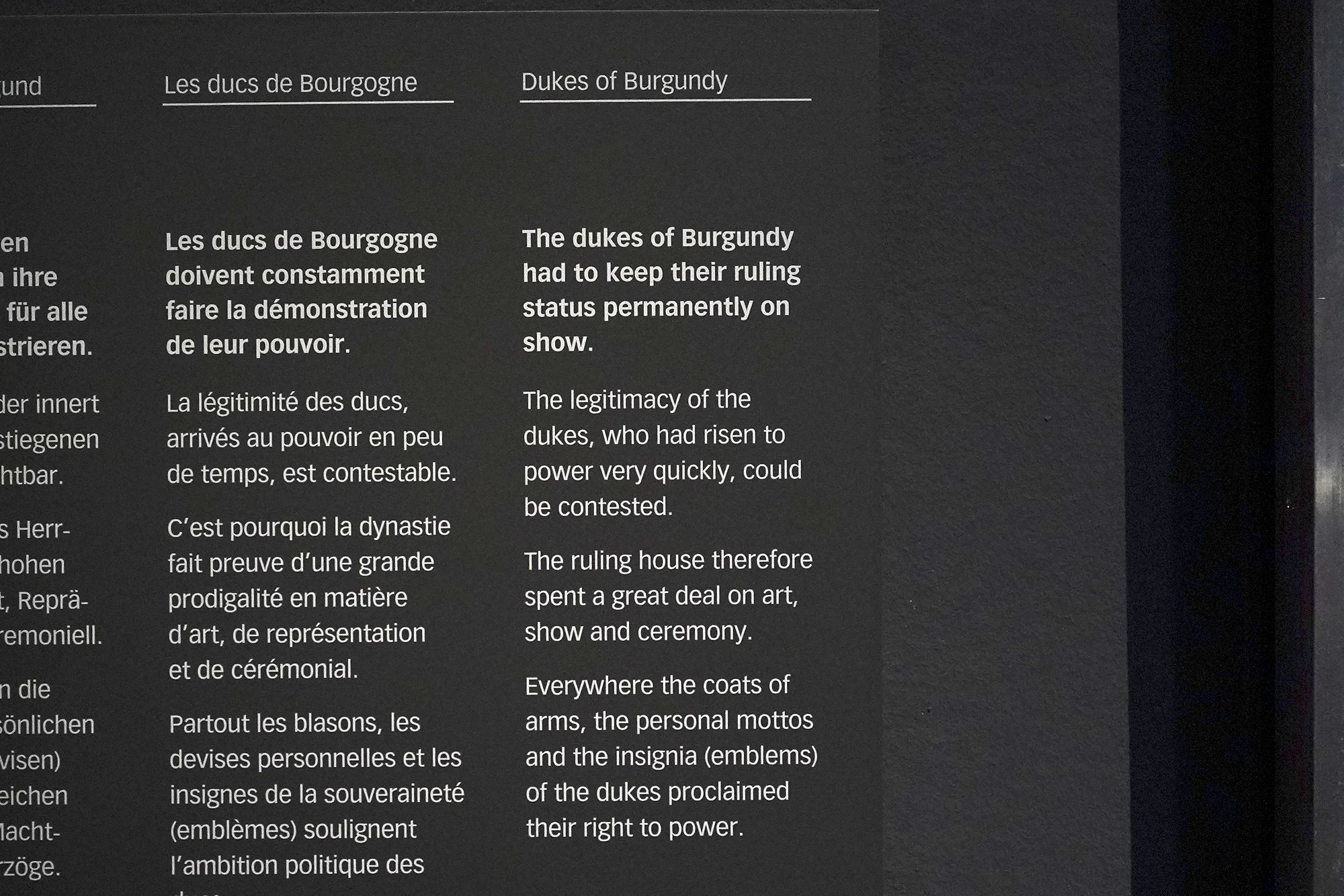
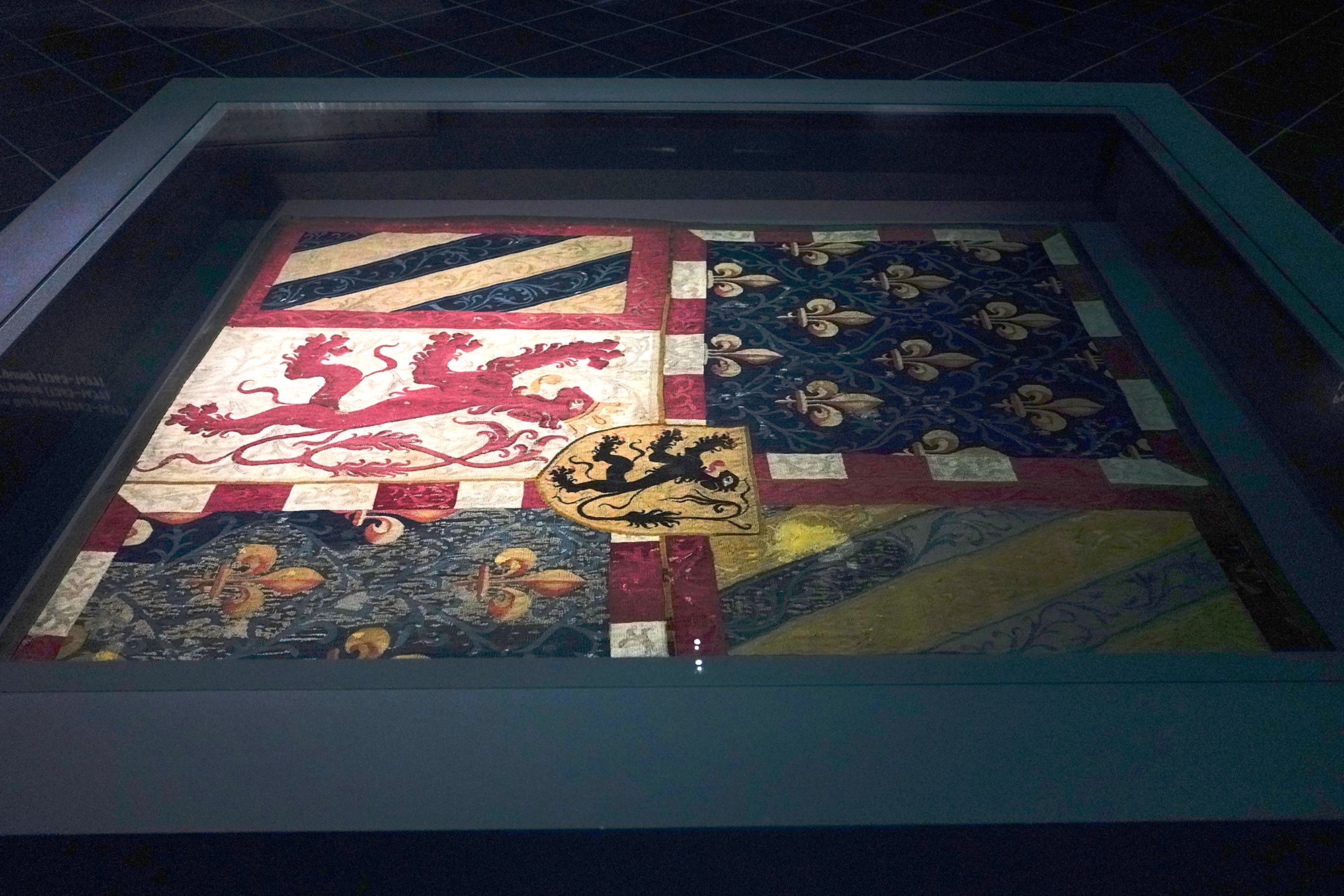
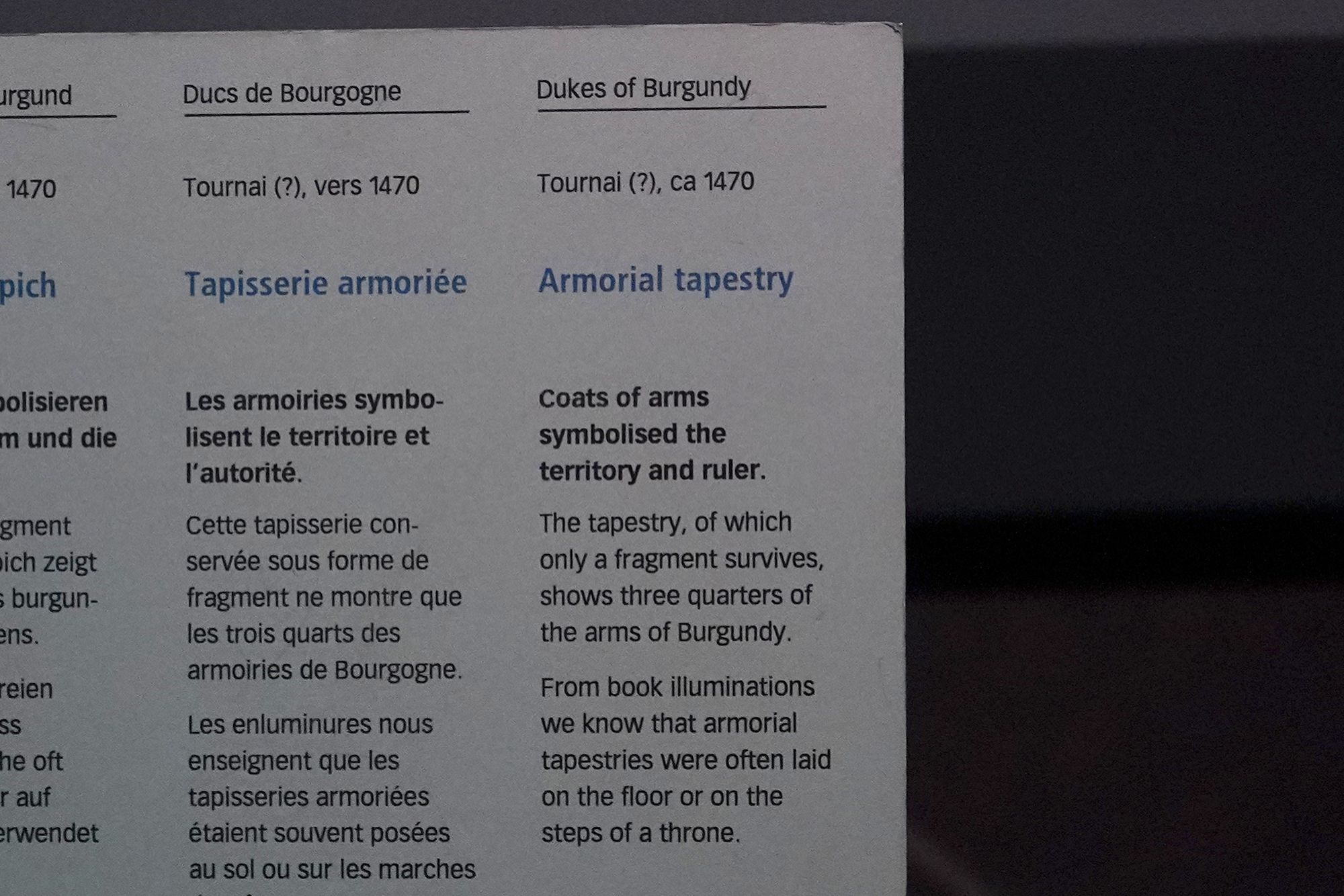
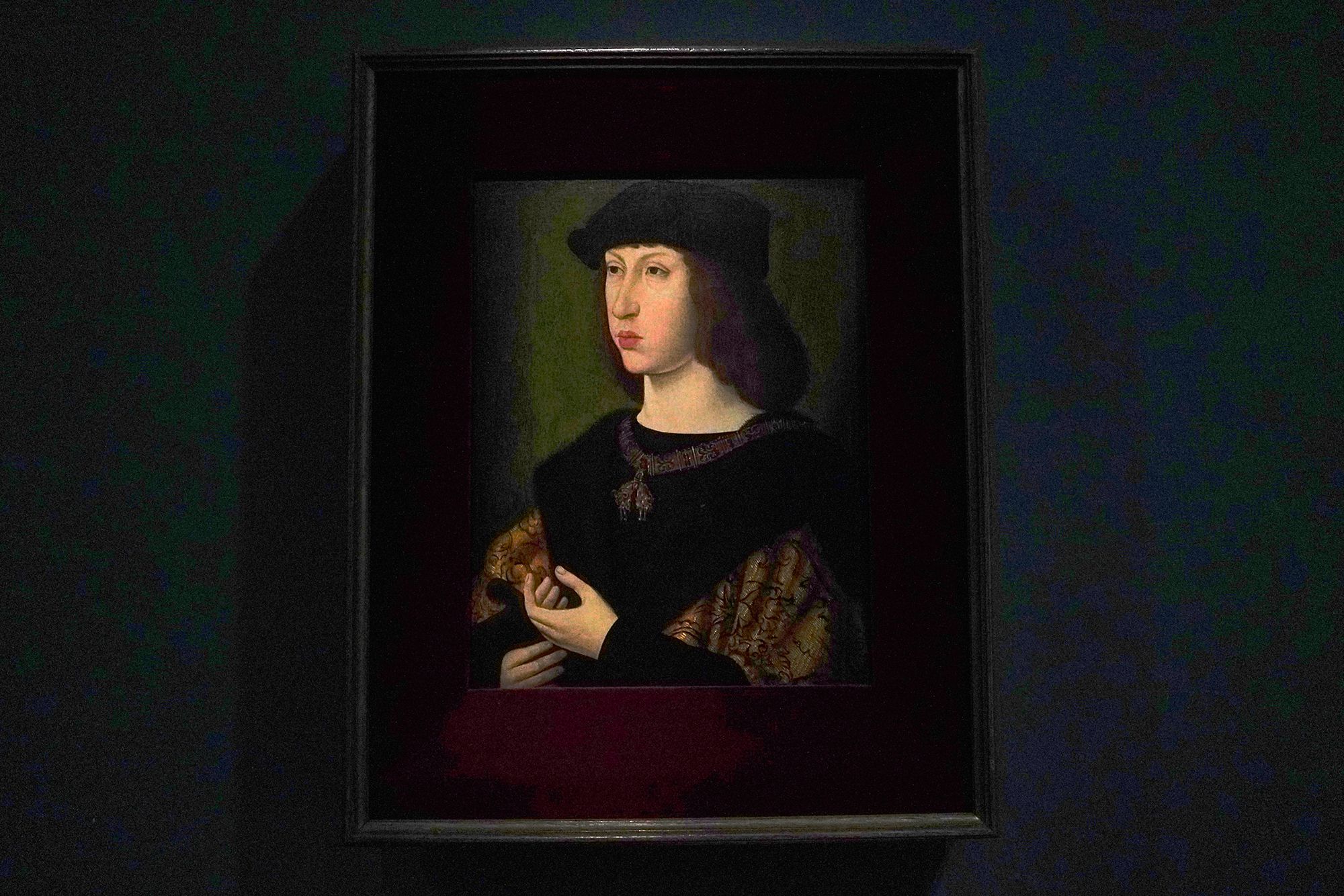
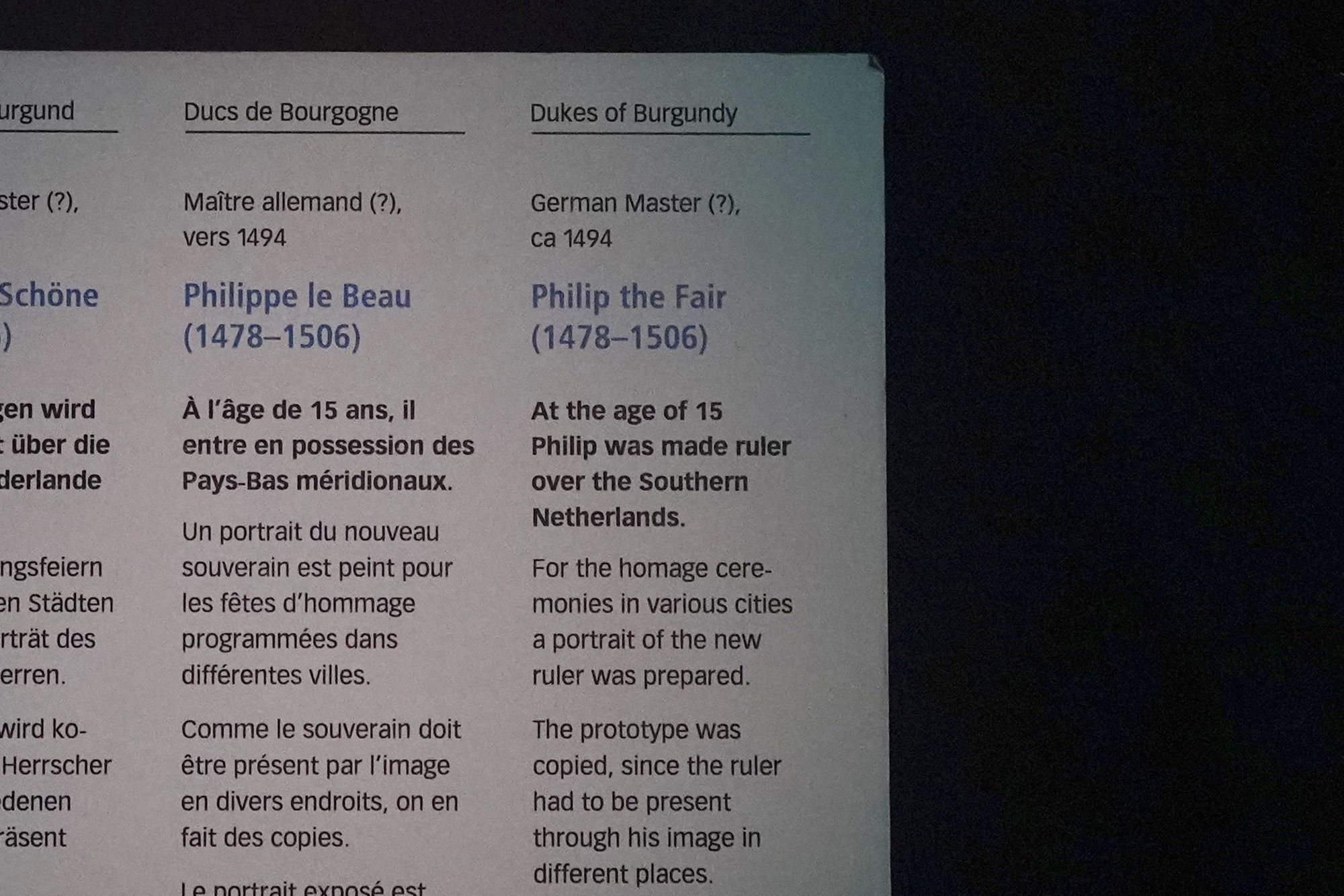
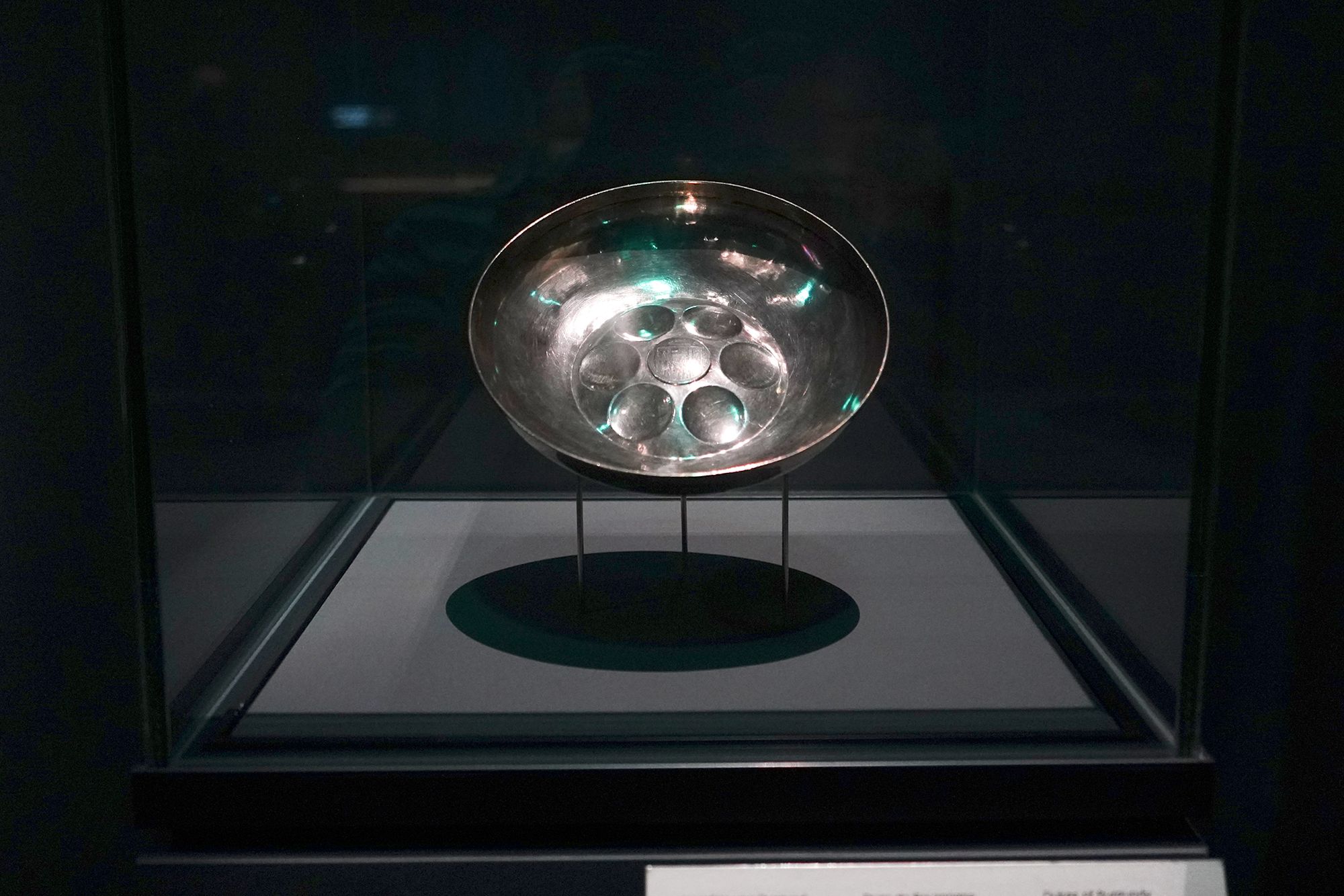
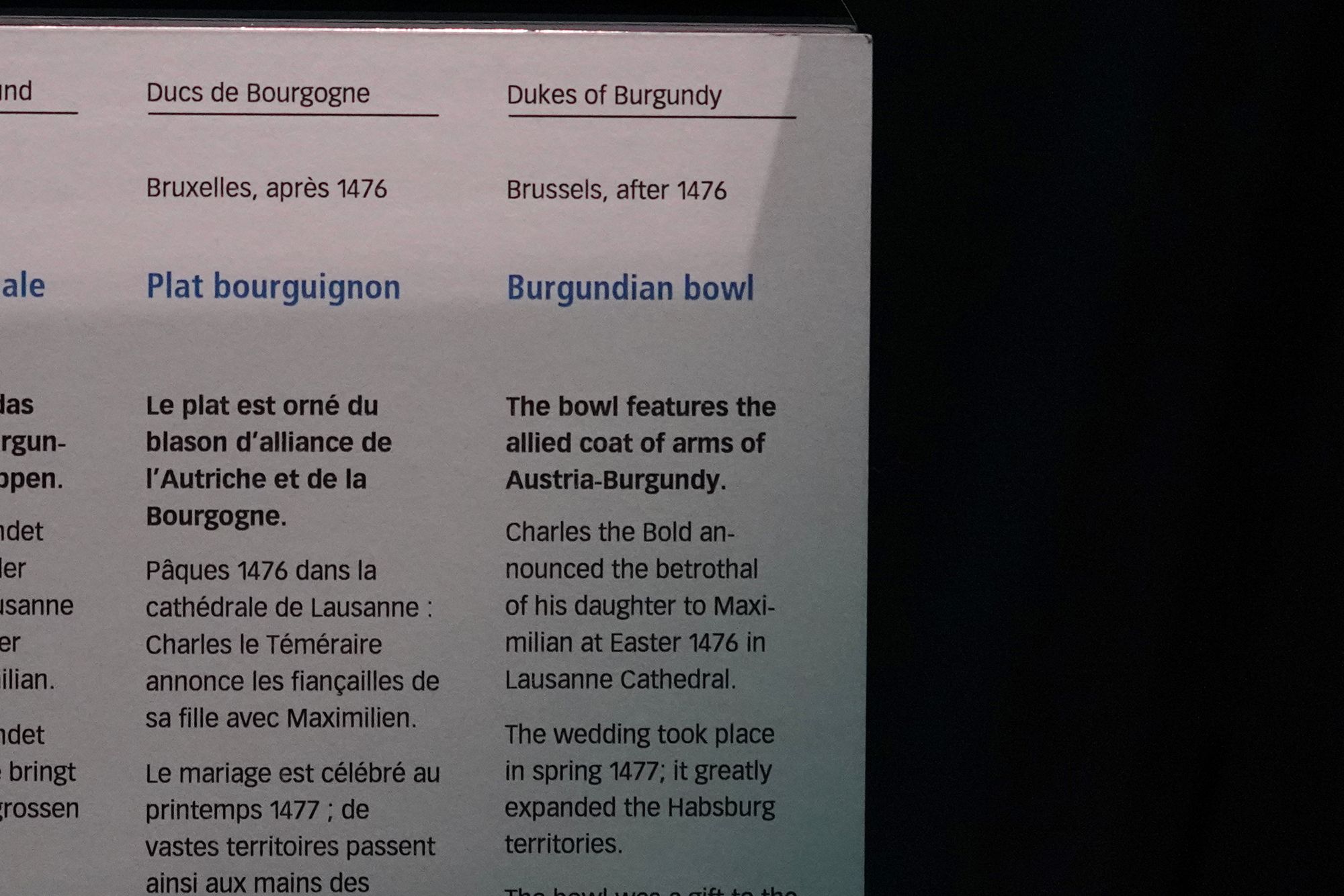
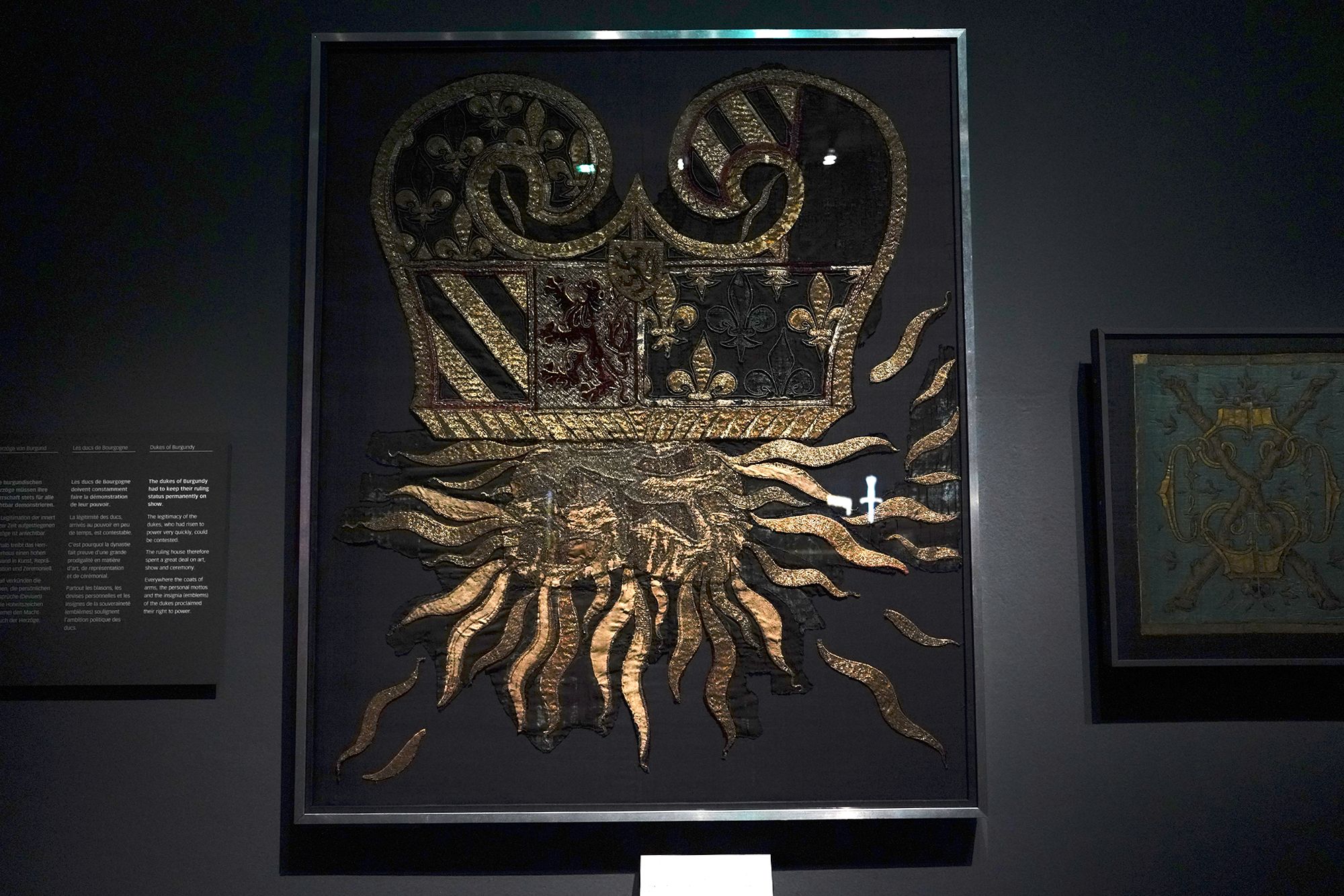
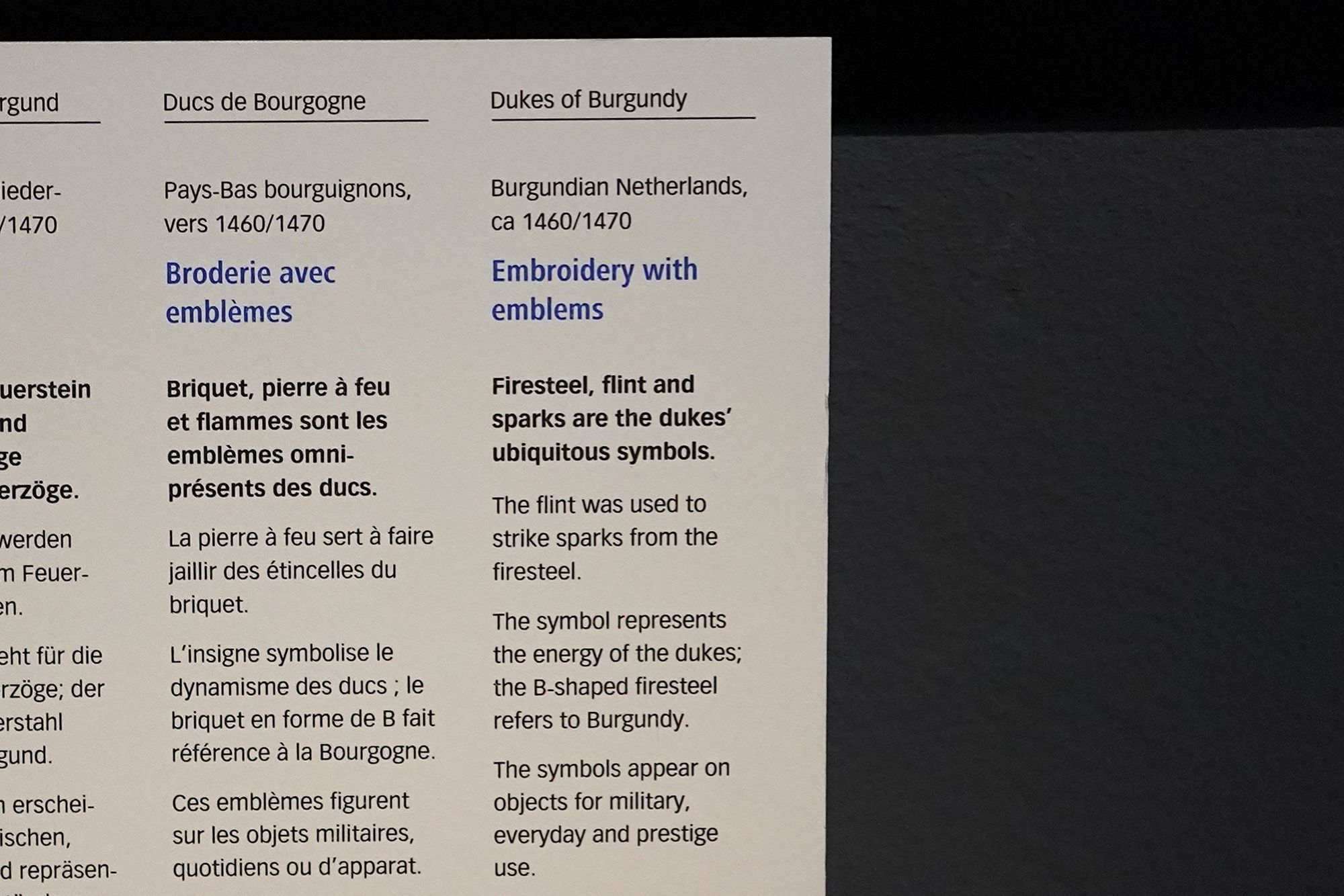
The Dukes of Burgundy became some of Europe’s most powerful rulers during the 14th and 15th centuries. Because their power had grown rapidly and their legitimacy could be challenged, they used lavish art, ceremonies, coats of arms, mottos, and other symbols to display their wealth and authority. These elaborate displays helped reinforce their right to rule.
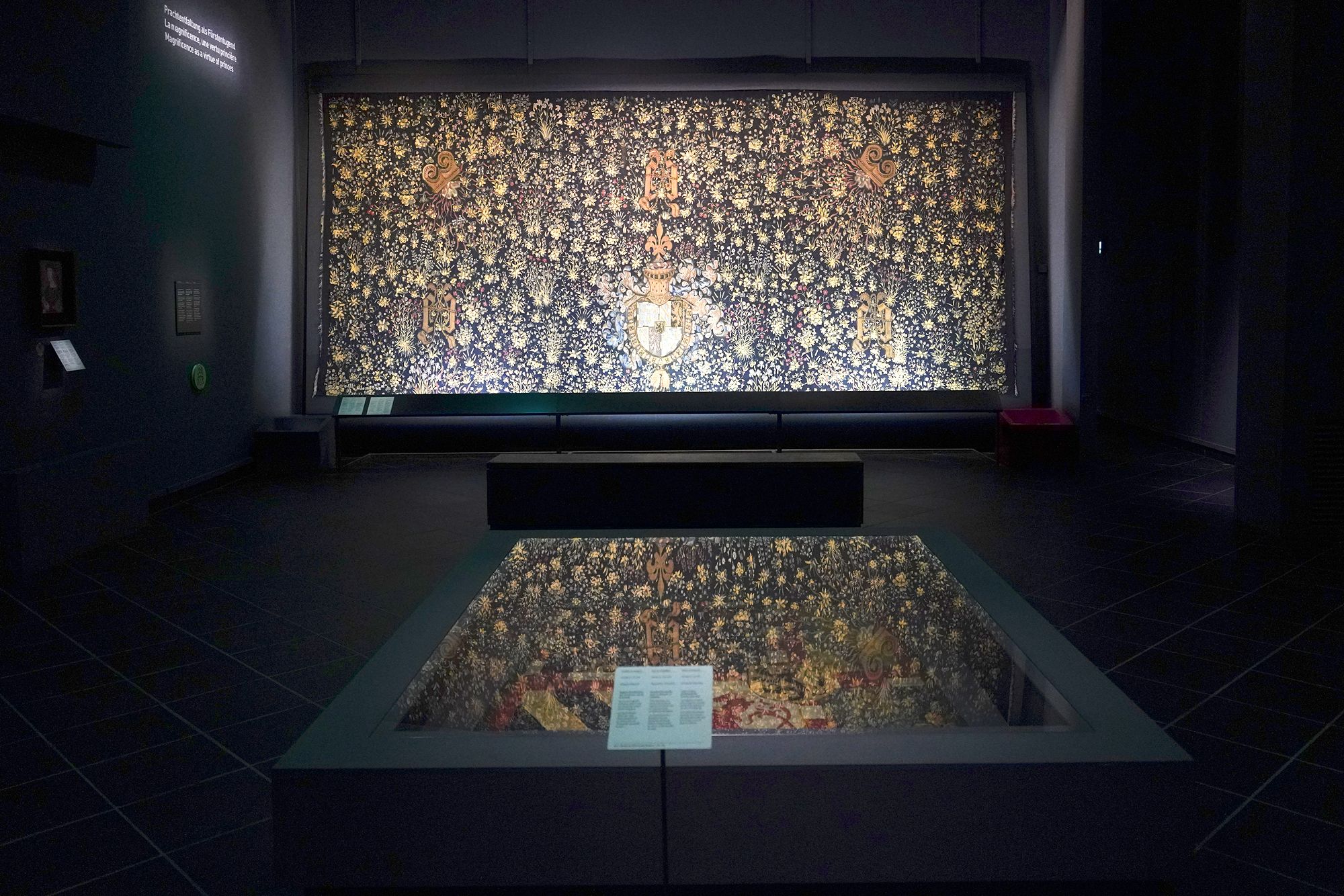
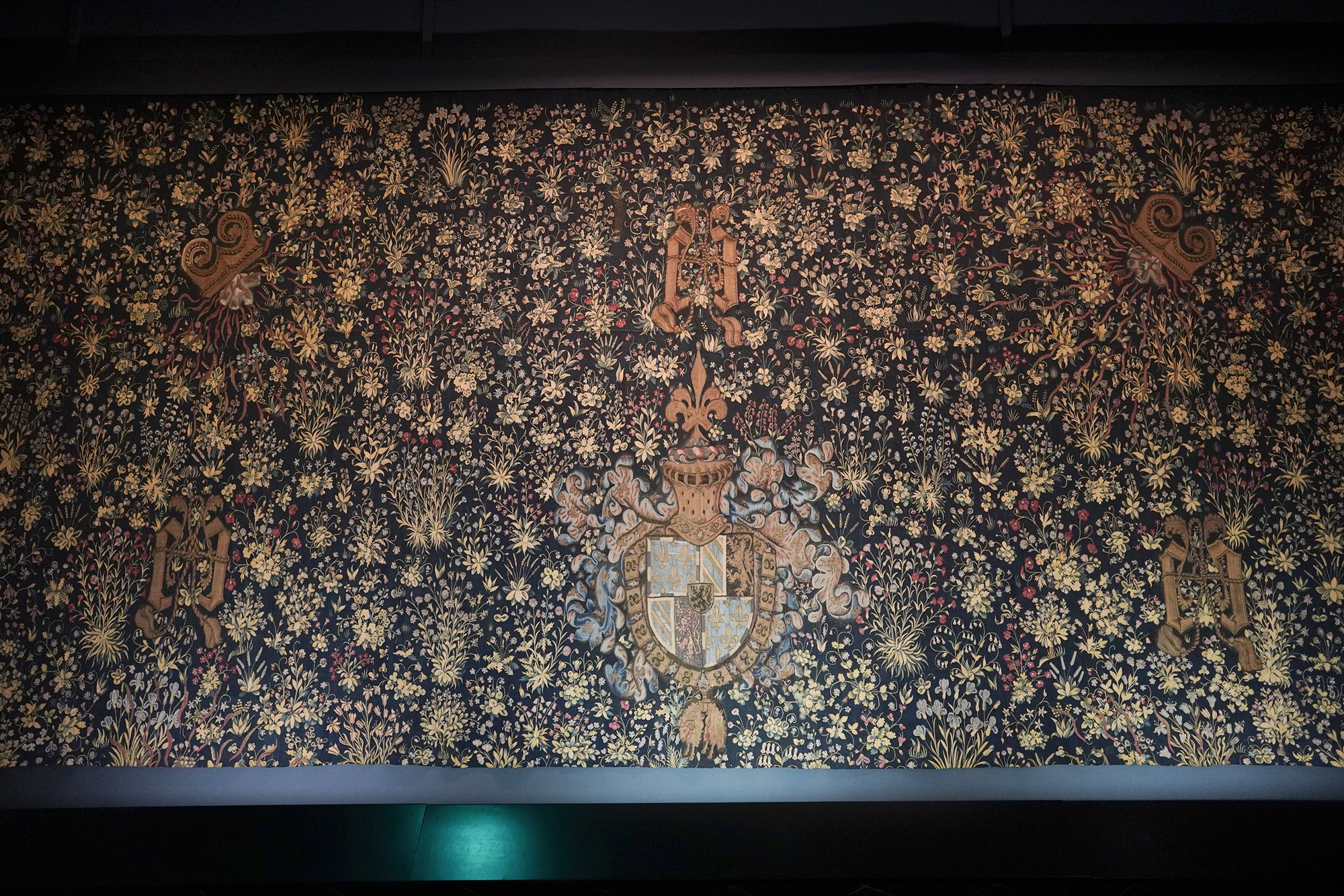
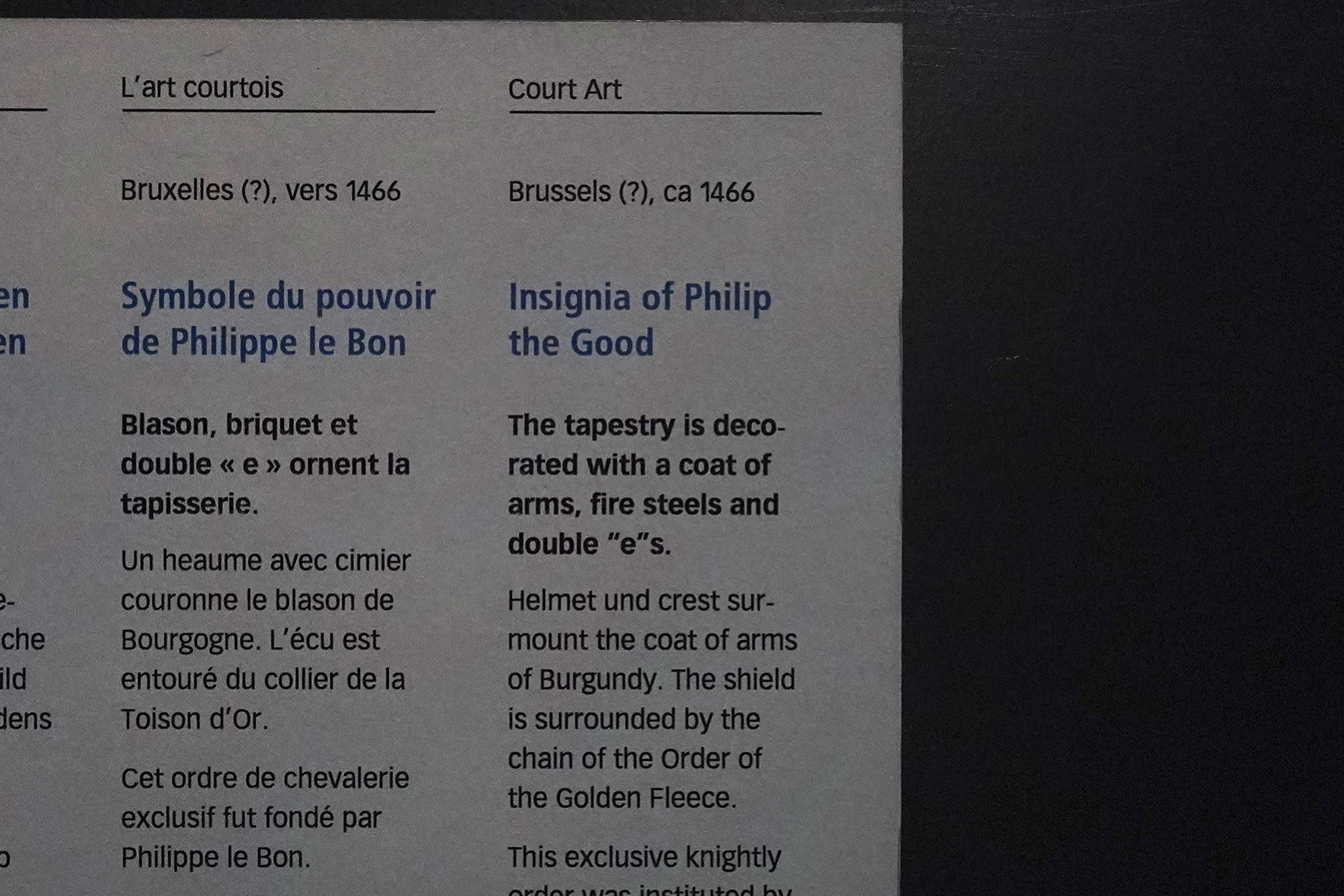
The Dukes of Burgundy were rulers of a powerful territory in medieval Europe called the Duchy of Burgundy. Burgundy was centered in what is now eastern France, but during the 1400s its rulers controlled a much larger collection of territories stretching north into what are now Belgium, the Netherlands, and Luxembourg.
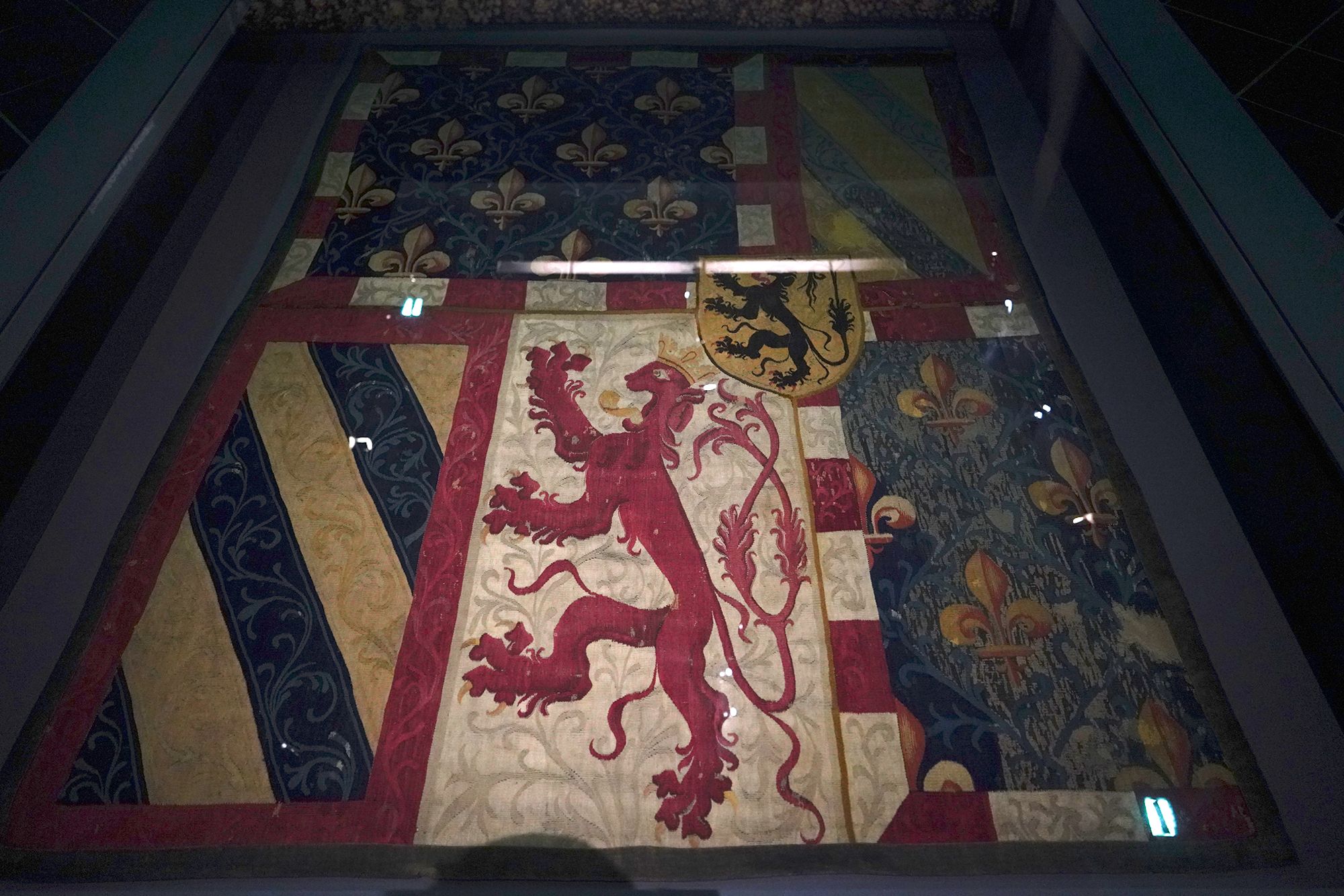
When the museum says “Dukes of Burgundy,” it is mainly talking about the Burgundian rulers of the 15th century. The one most important to Bern and Swiss history is Charles the Bold (1433–1477), the last major Burgundian duke.
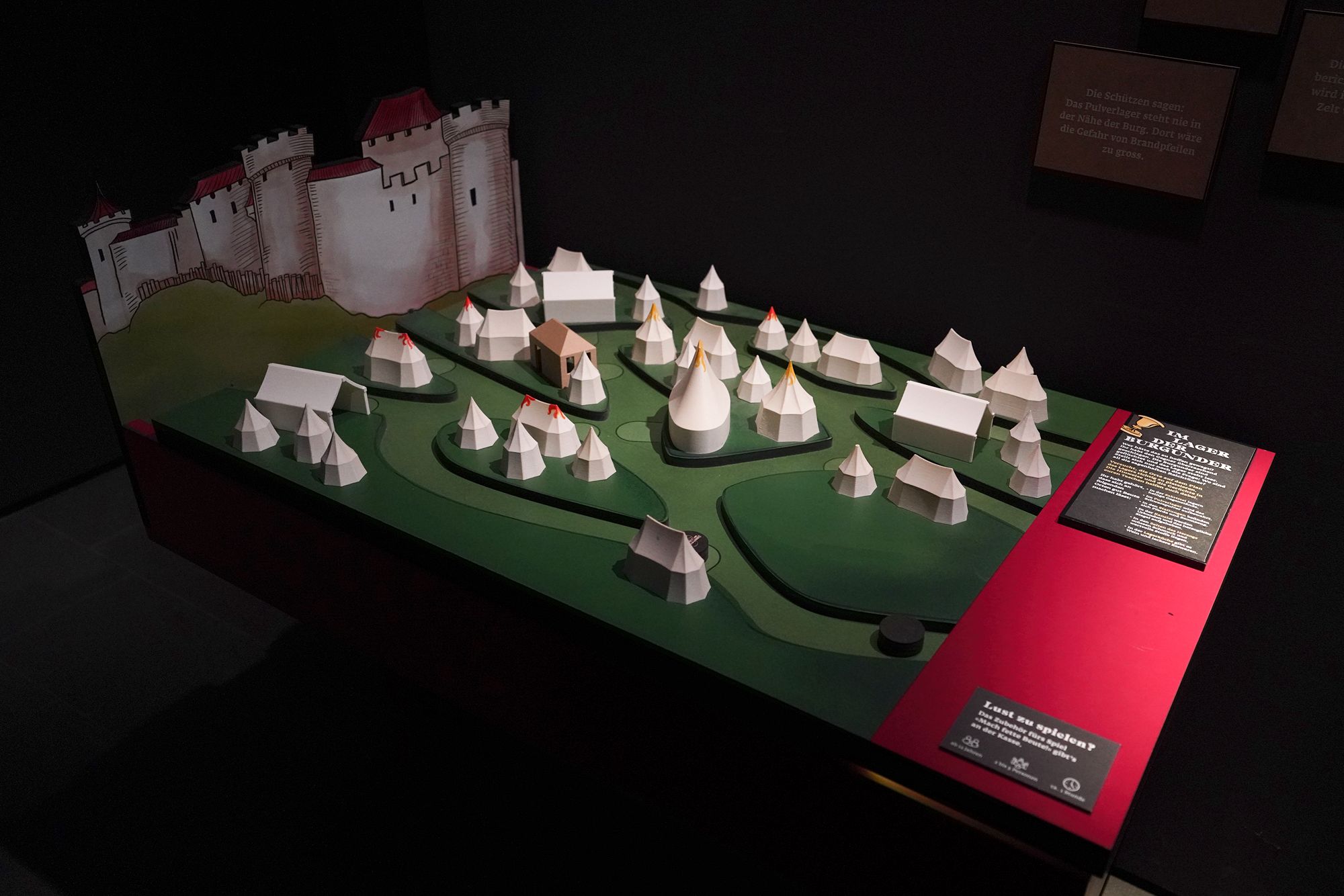
Charles wanted to expand his territories and create a stronger Burgundian state. This brought him into conflict with Bern and the Old Swiss Confederacy. The Swiss defeated his armies at Grandson and Murten in 1476. Charles was killed the following year at the Battle of Nancy.
So the reason the Bernisches Historisches Museum devotes considerable space to Burgundy is that the Burgundian Wars were an important part of Bern's history, and Bern acquired valuable Burgundian objects and war booty from these conflicts.
Bern expands (1400-1700)
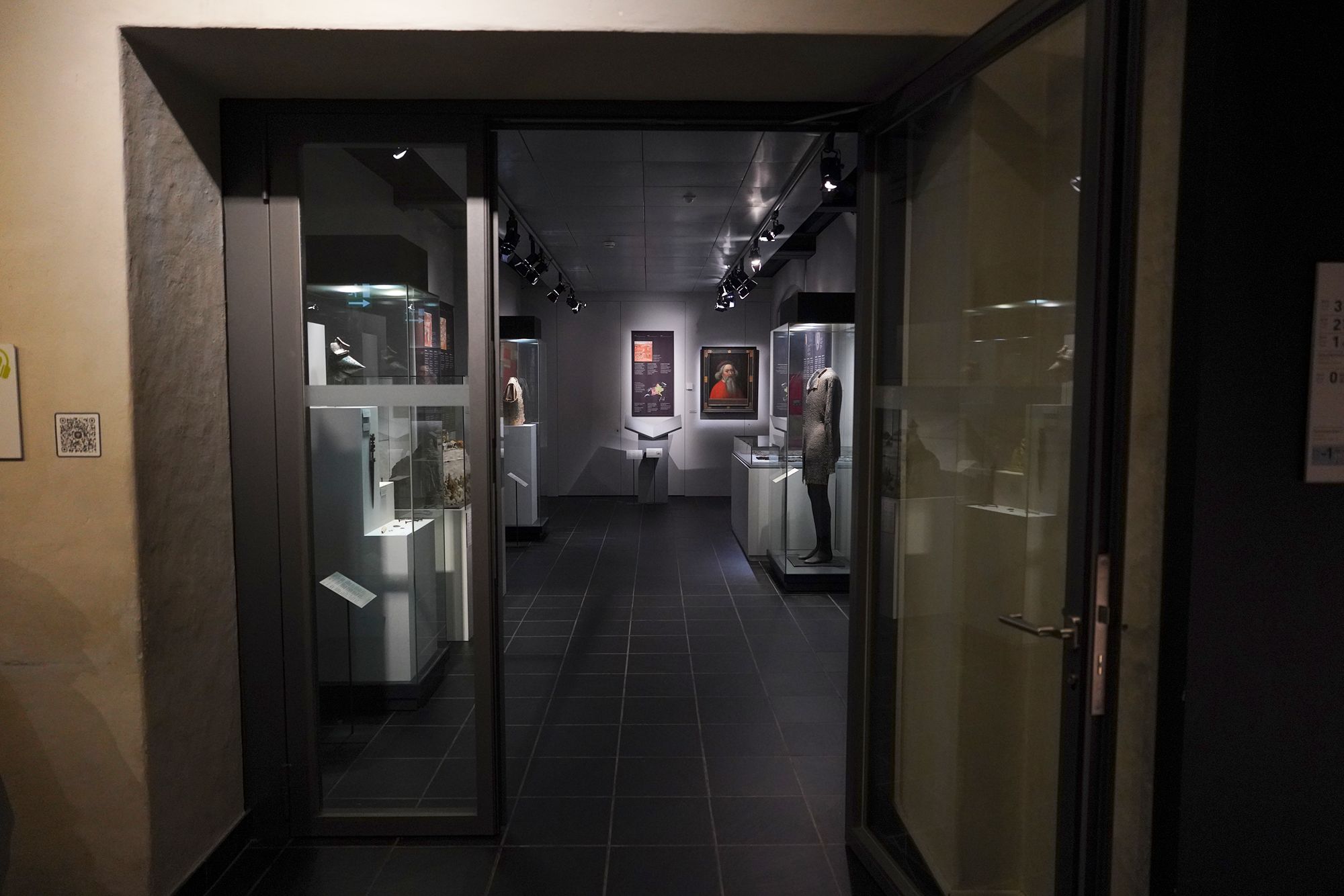
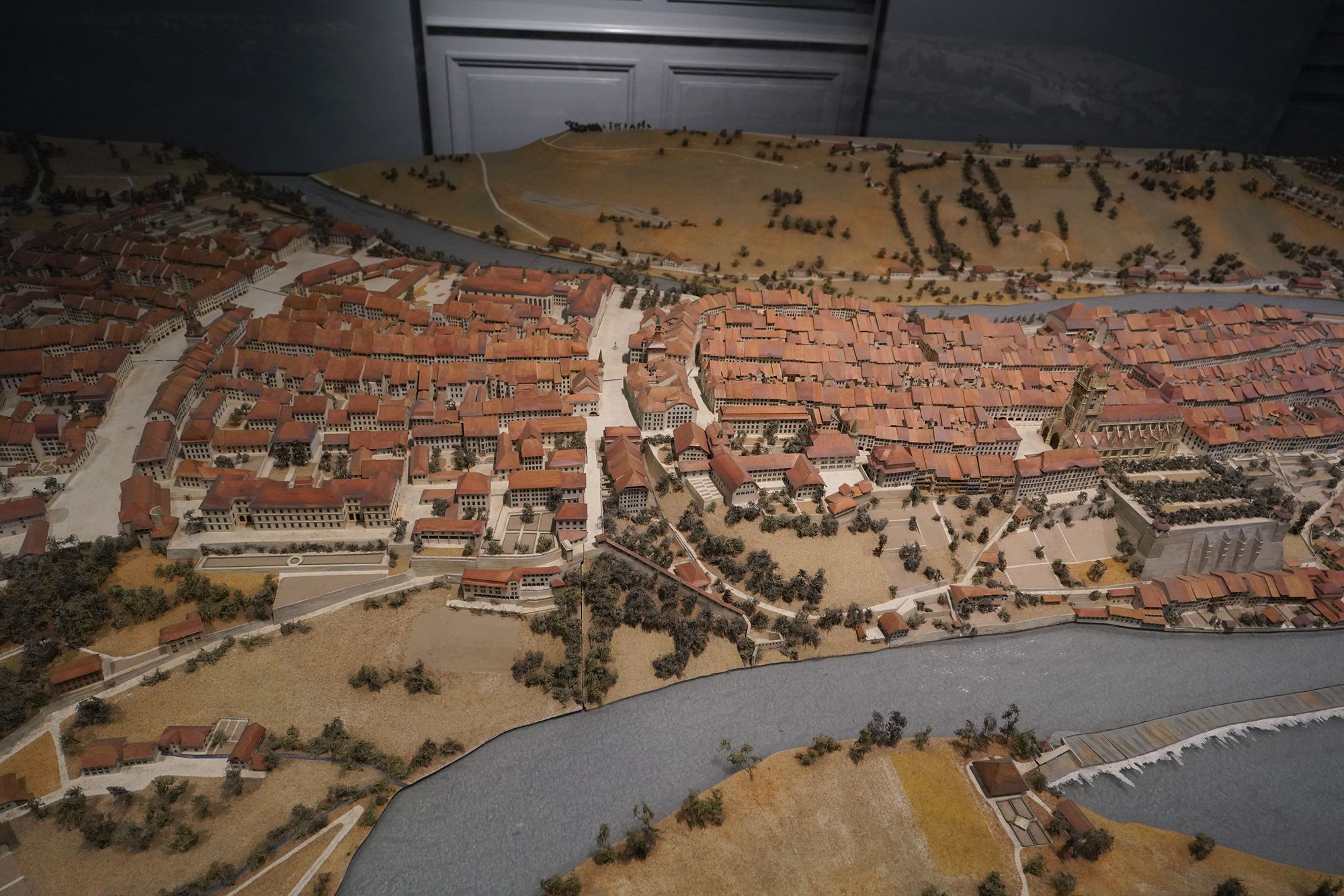
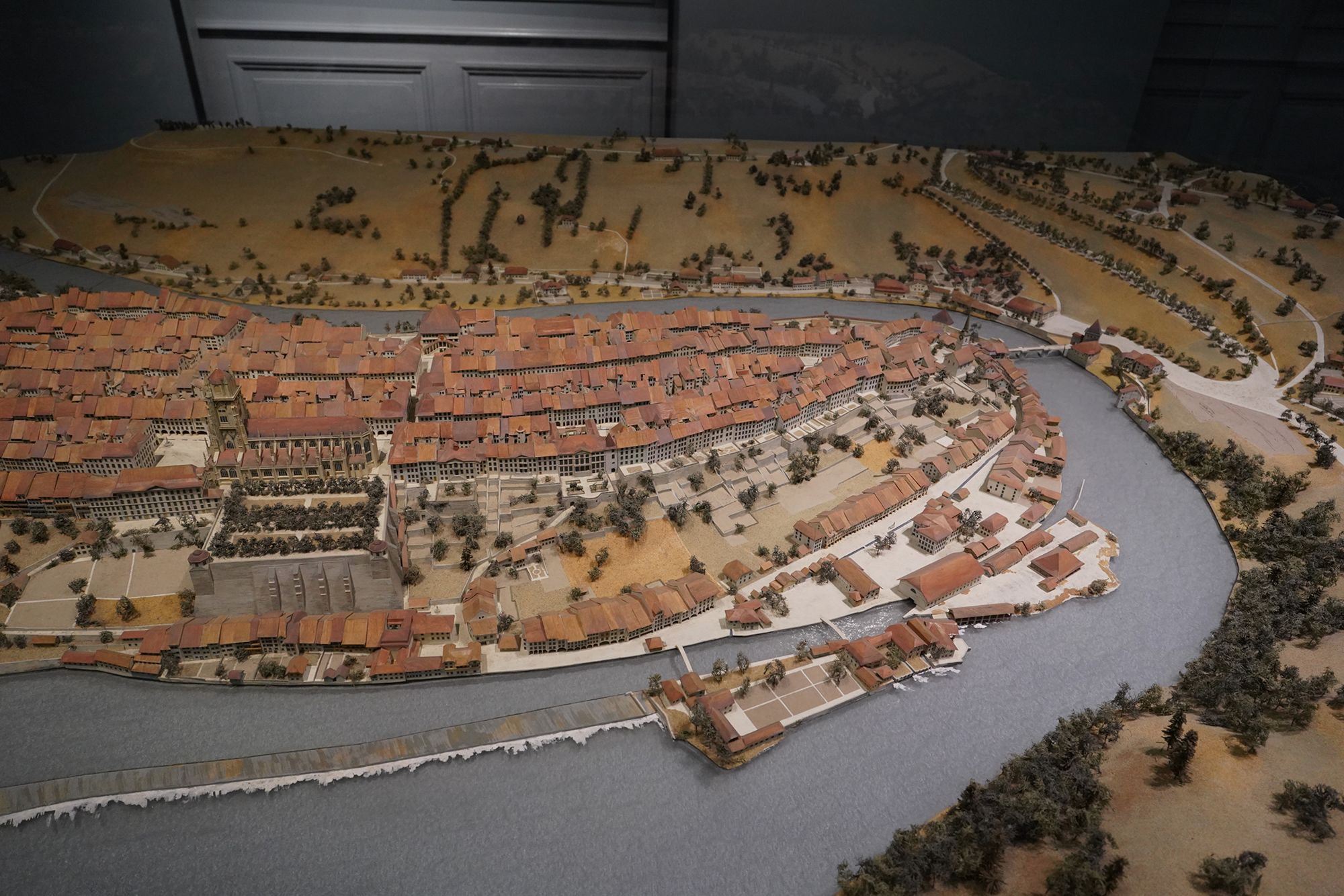
According to medieval sources, Bern was founded in 1191 by Duke Berthold V of Zähringen. The city developed during a turbulent period when local rulers and noble families frequently settled disputes through armed conflict. Its location on a peninsula formed by the Aare River provided natural protection and helped Bern grow into an important medieval city.
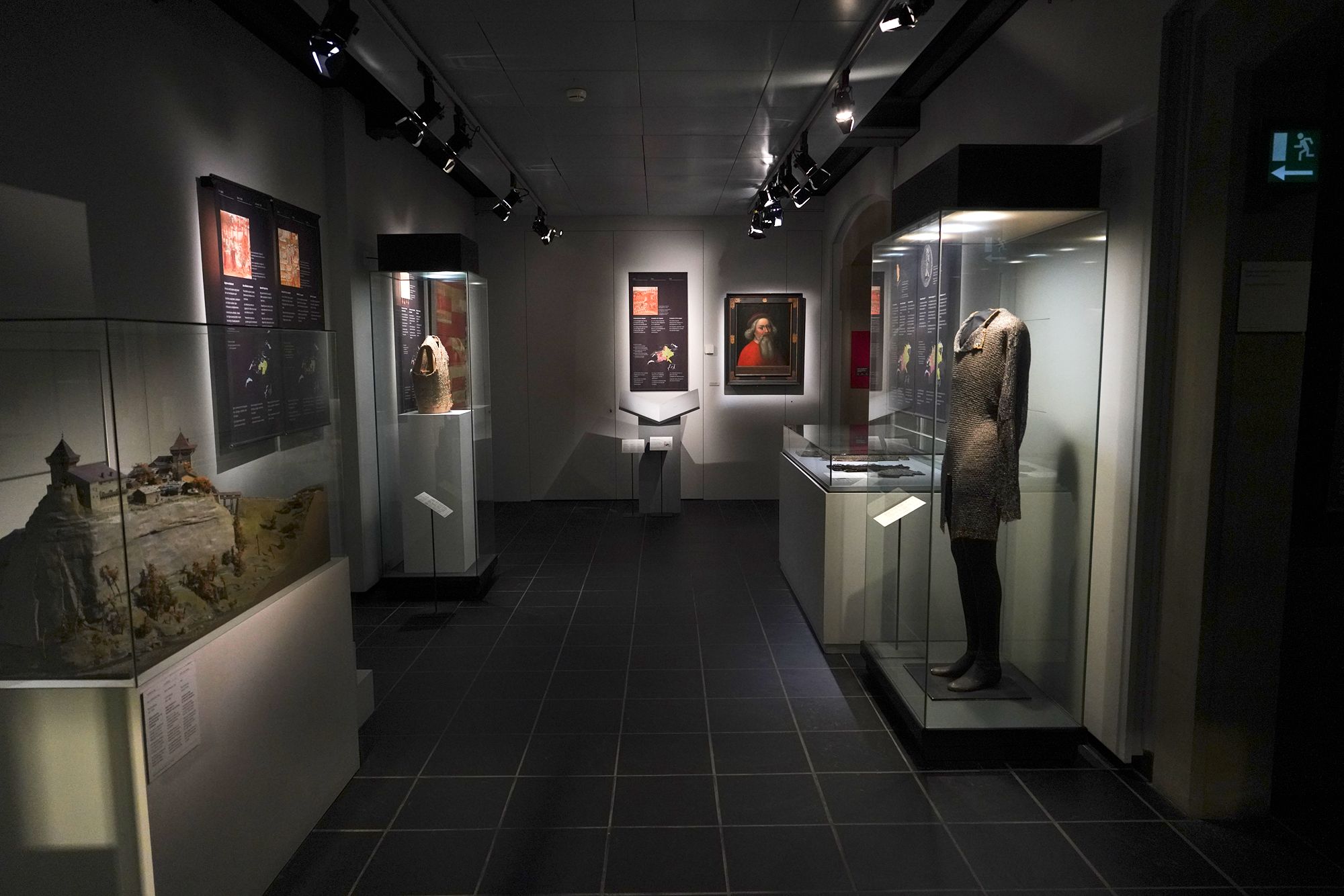
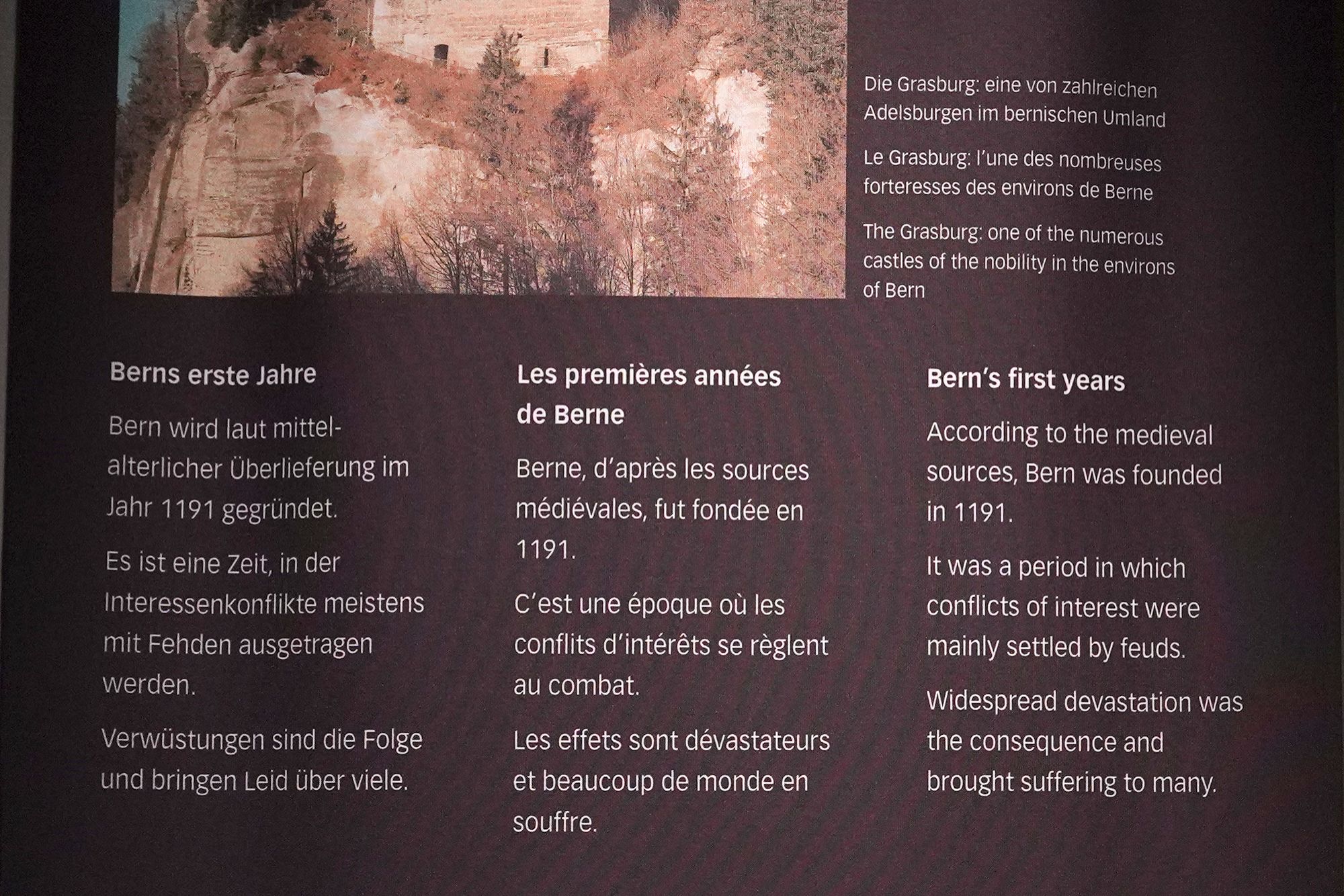
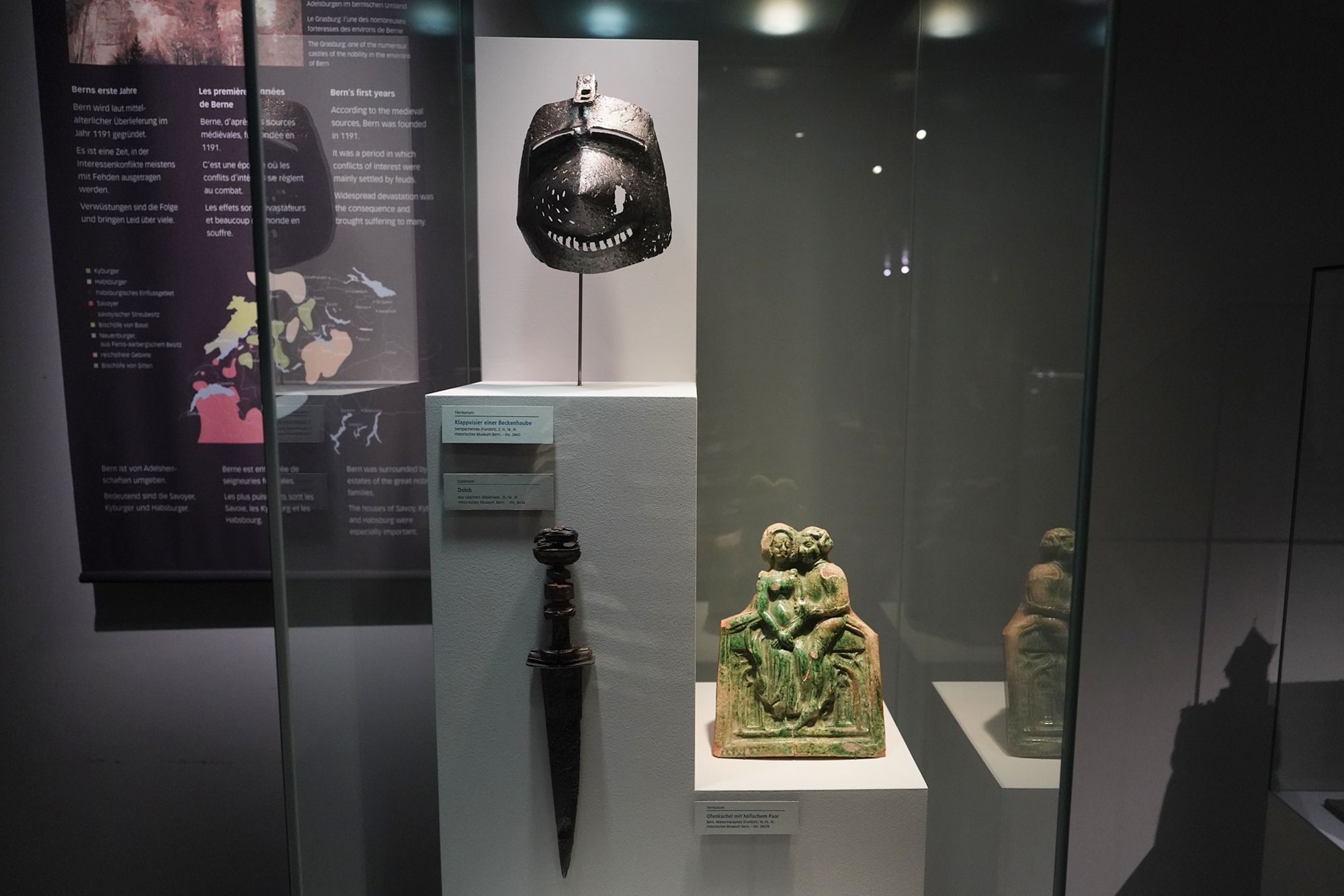
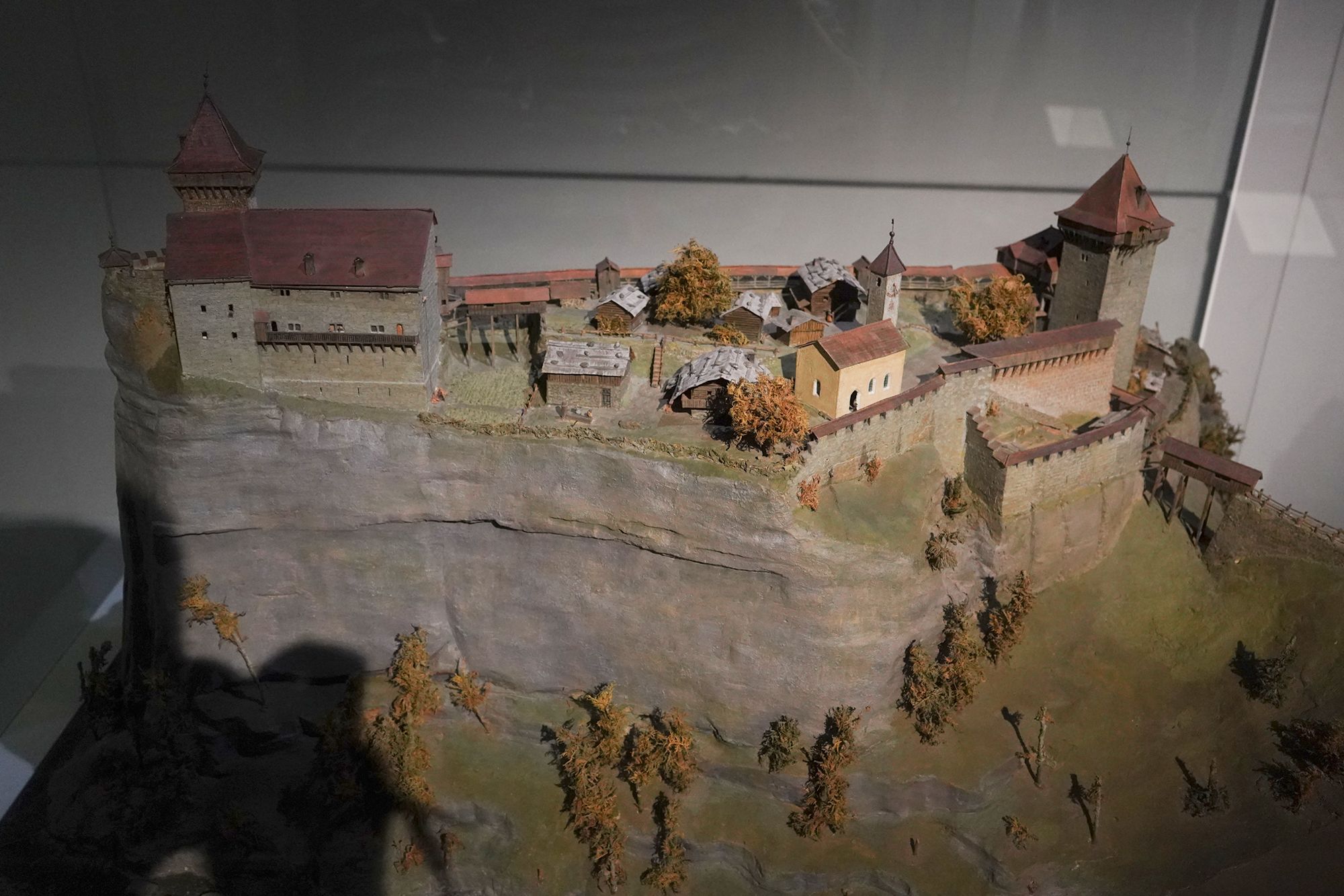
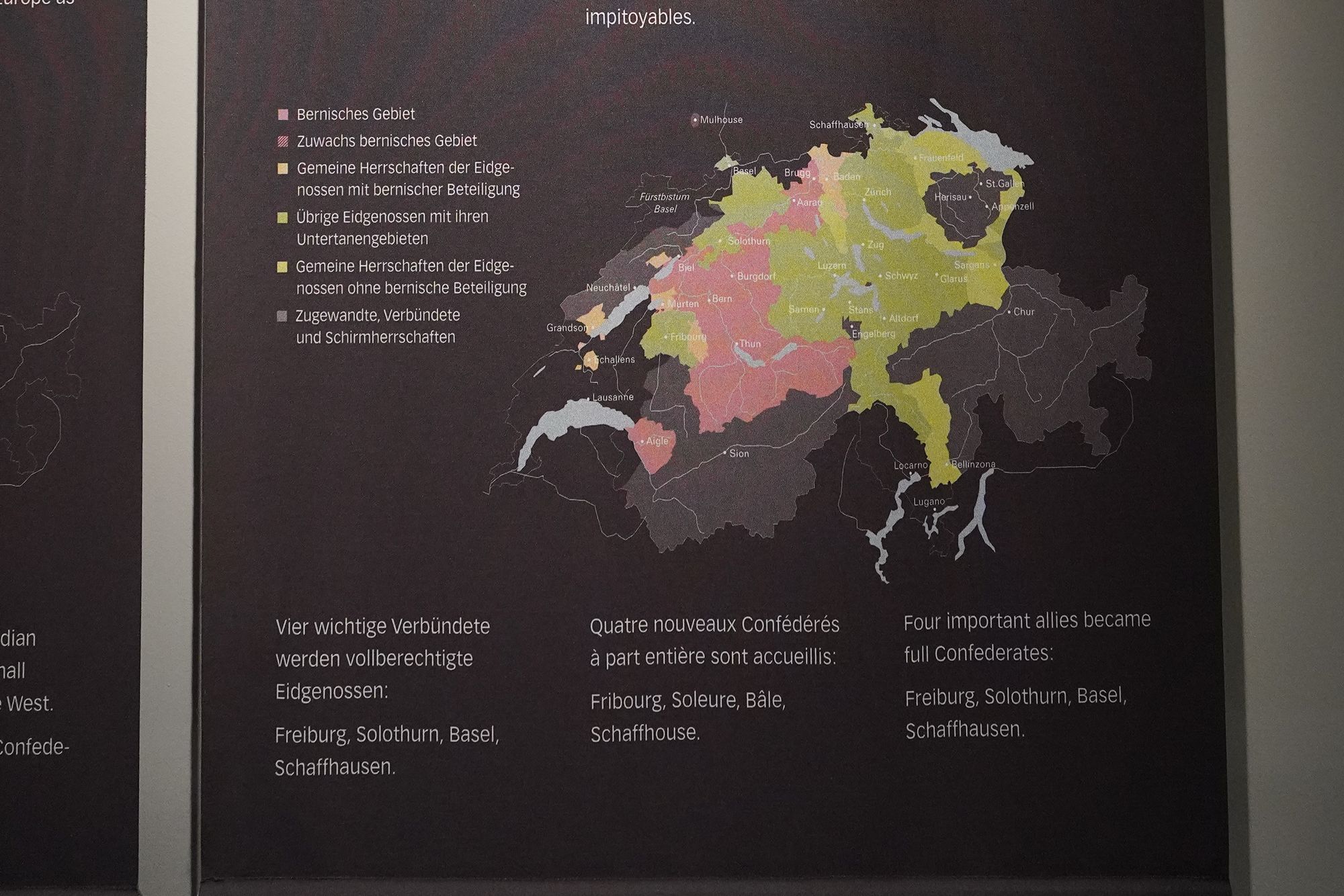
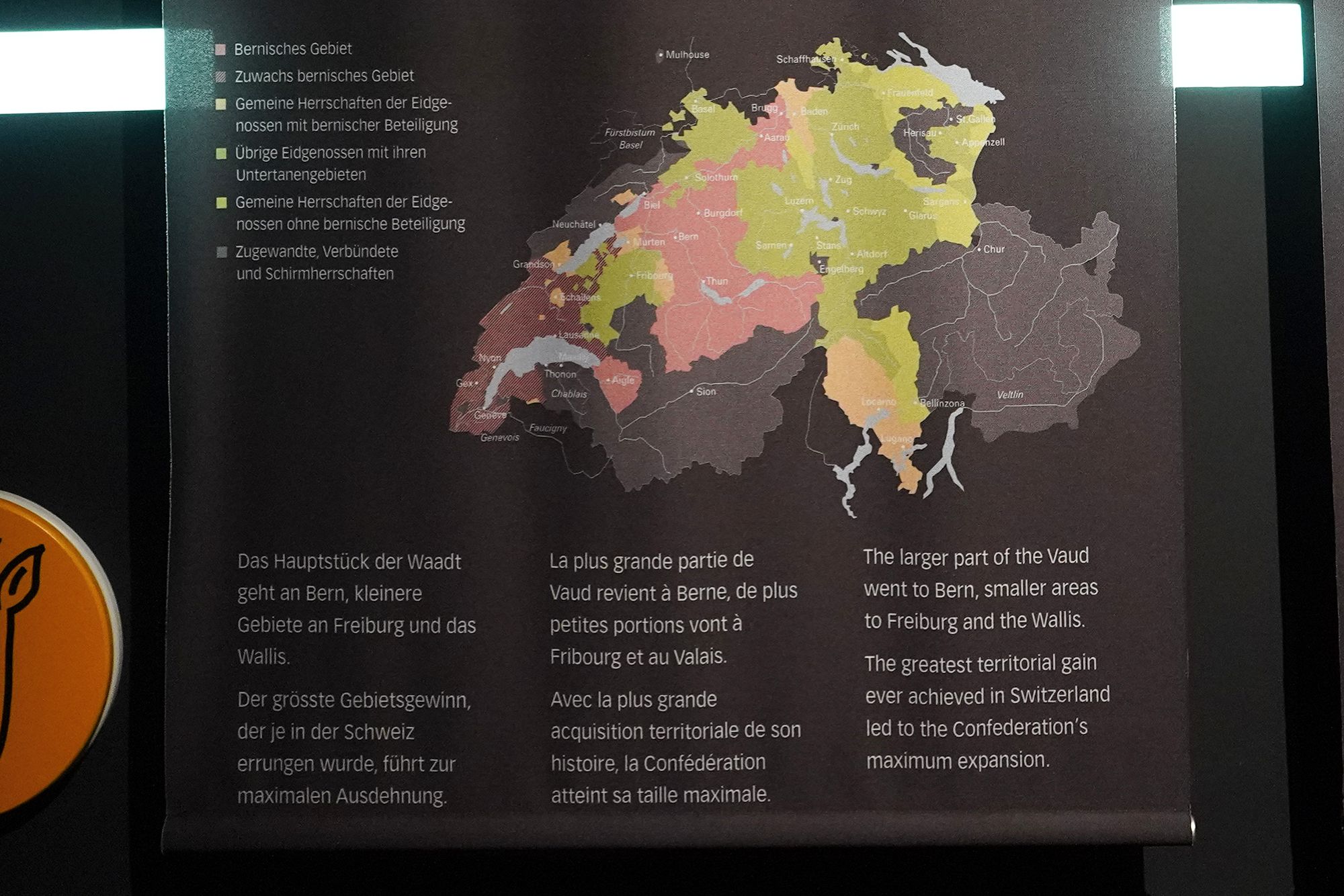
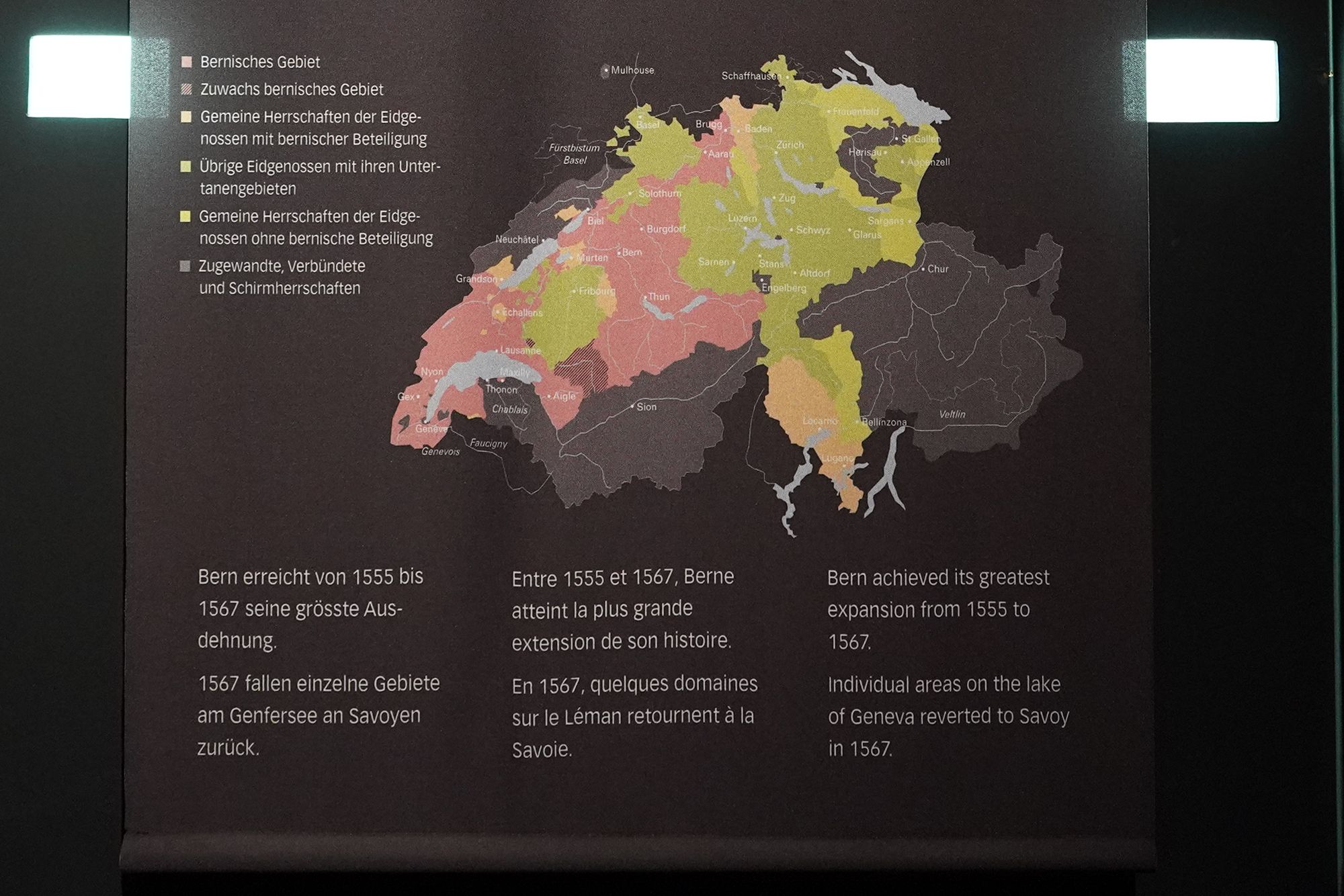
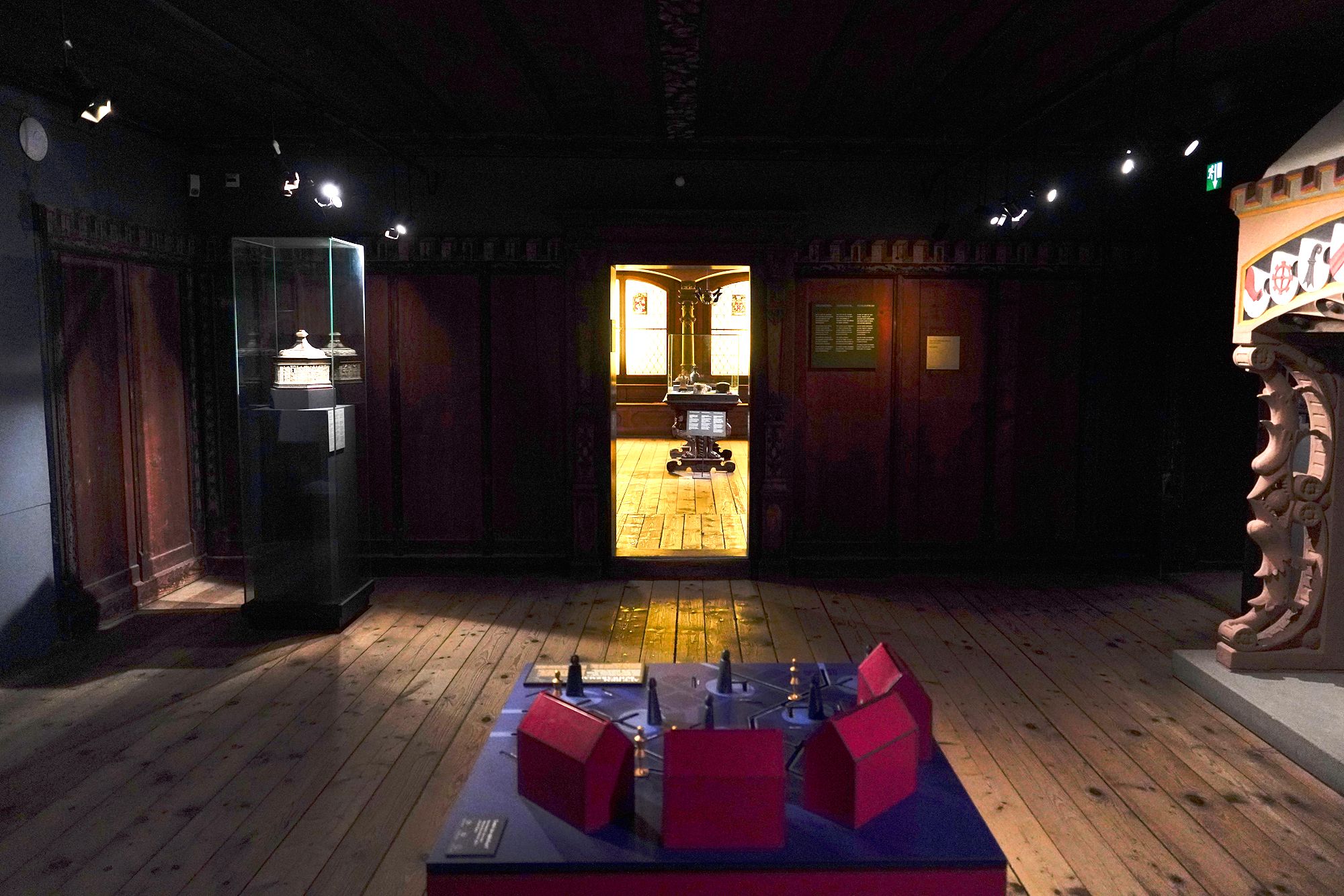
The maps show how Bern gradually expanded its territory over the centuries, growing from a small medieval city into one of the largest and most powerful city-states of the Old Swiss Confederacy.
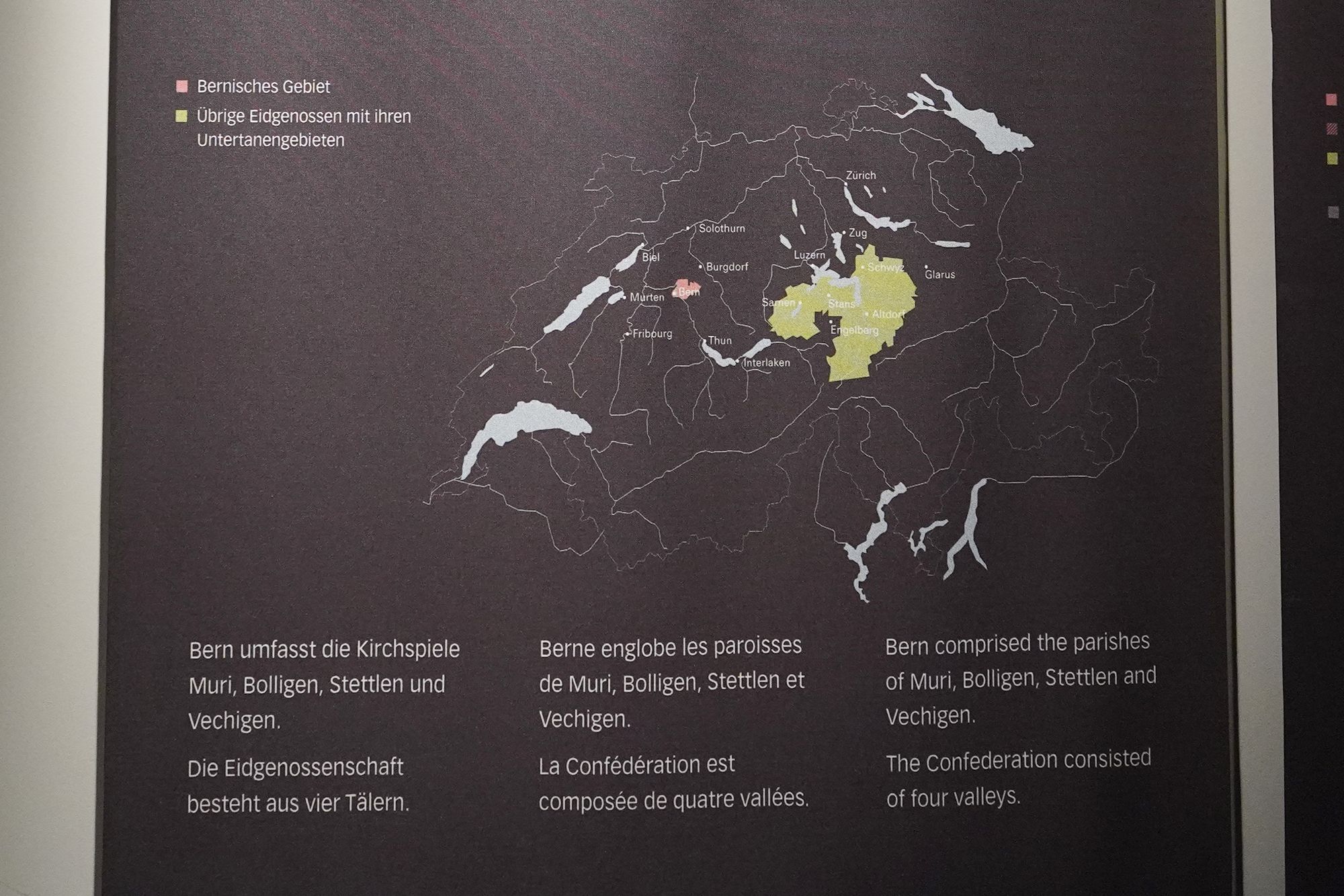
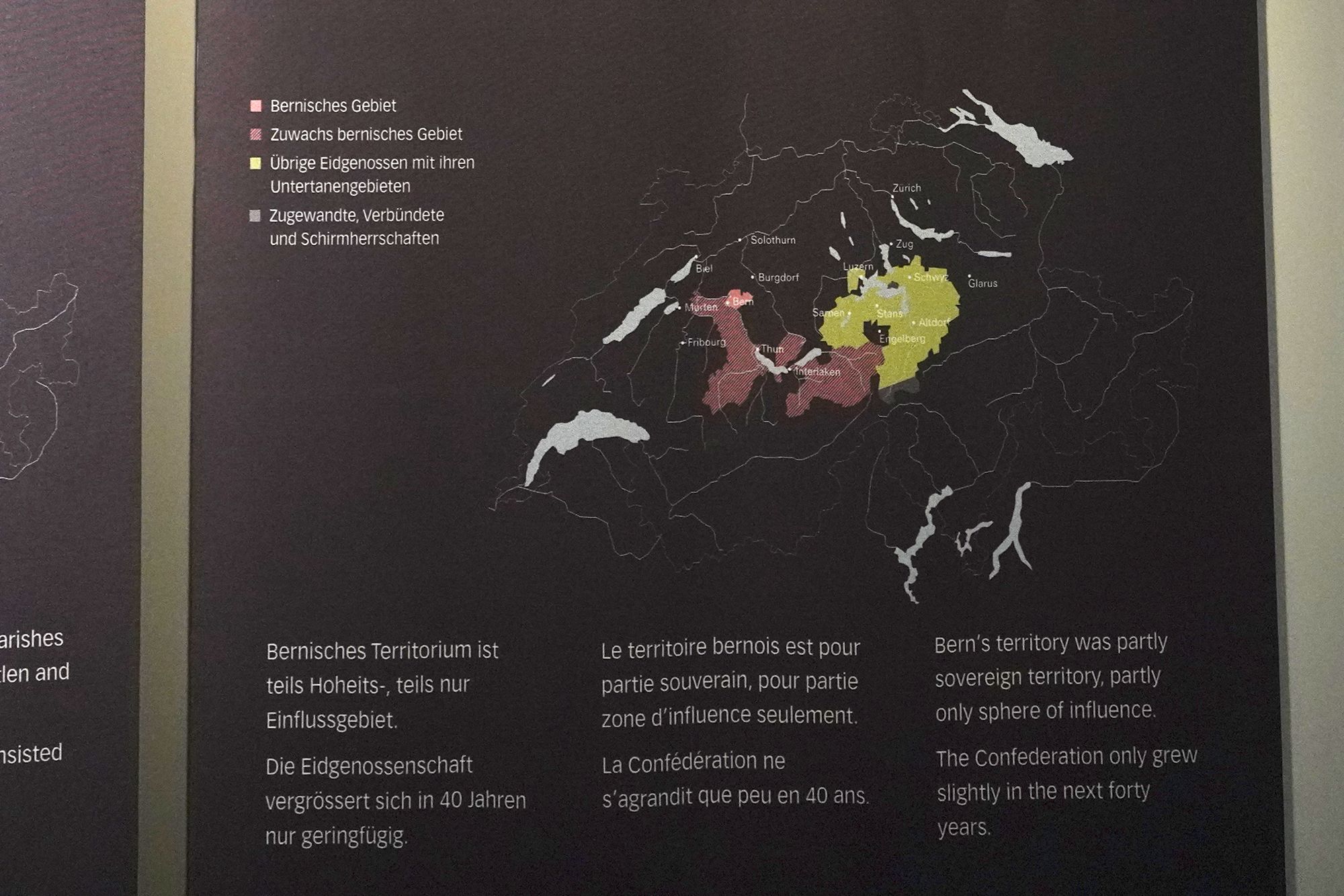
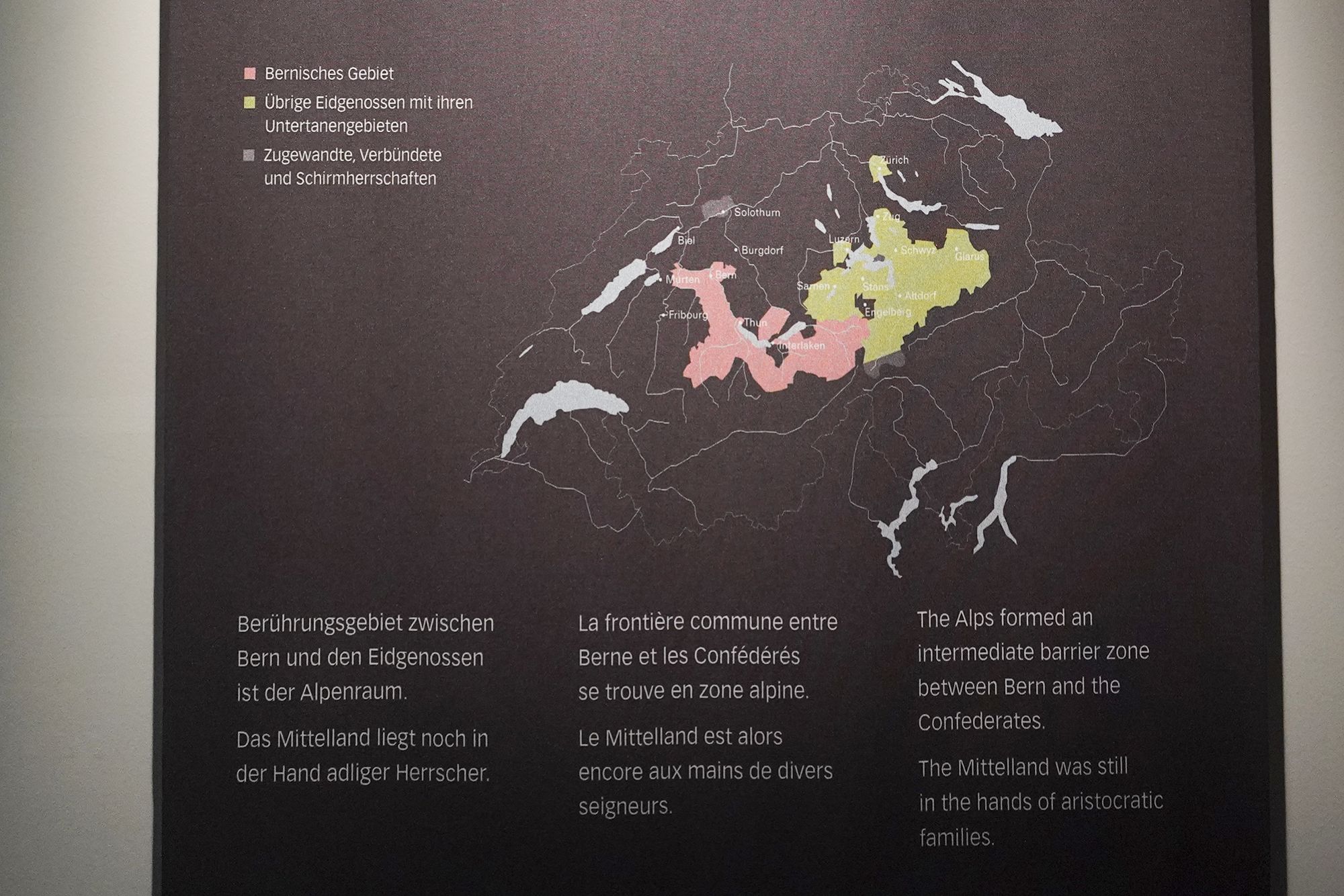
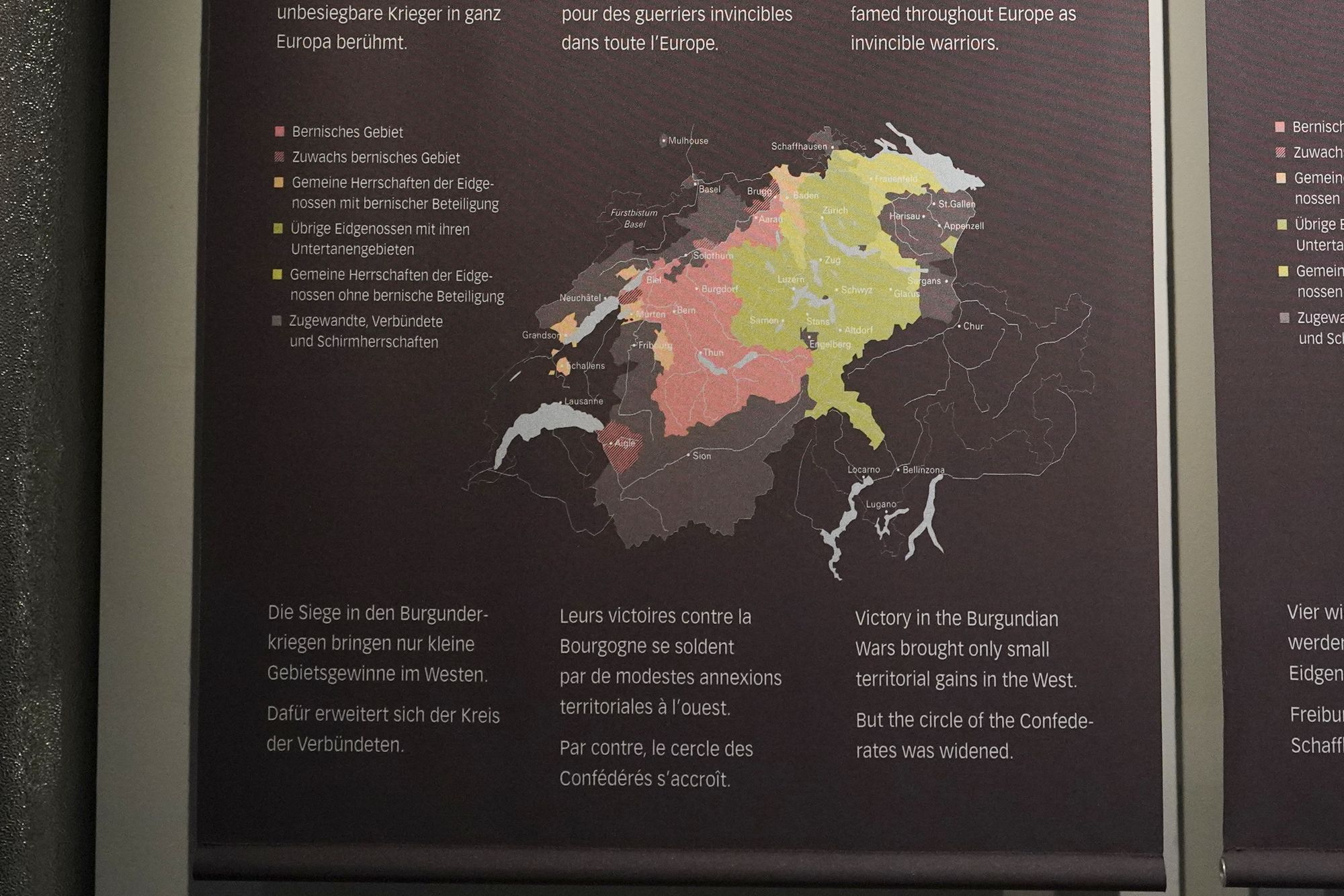
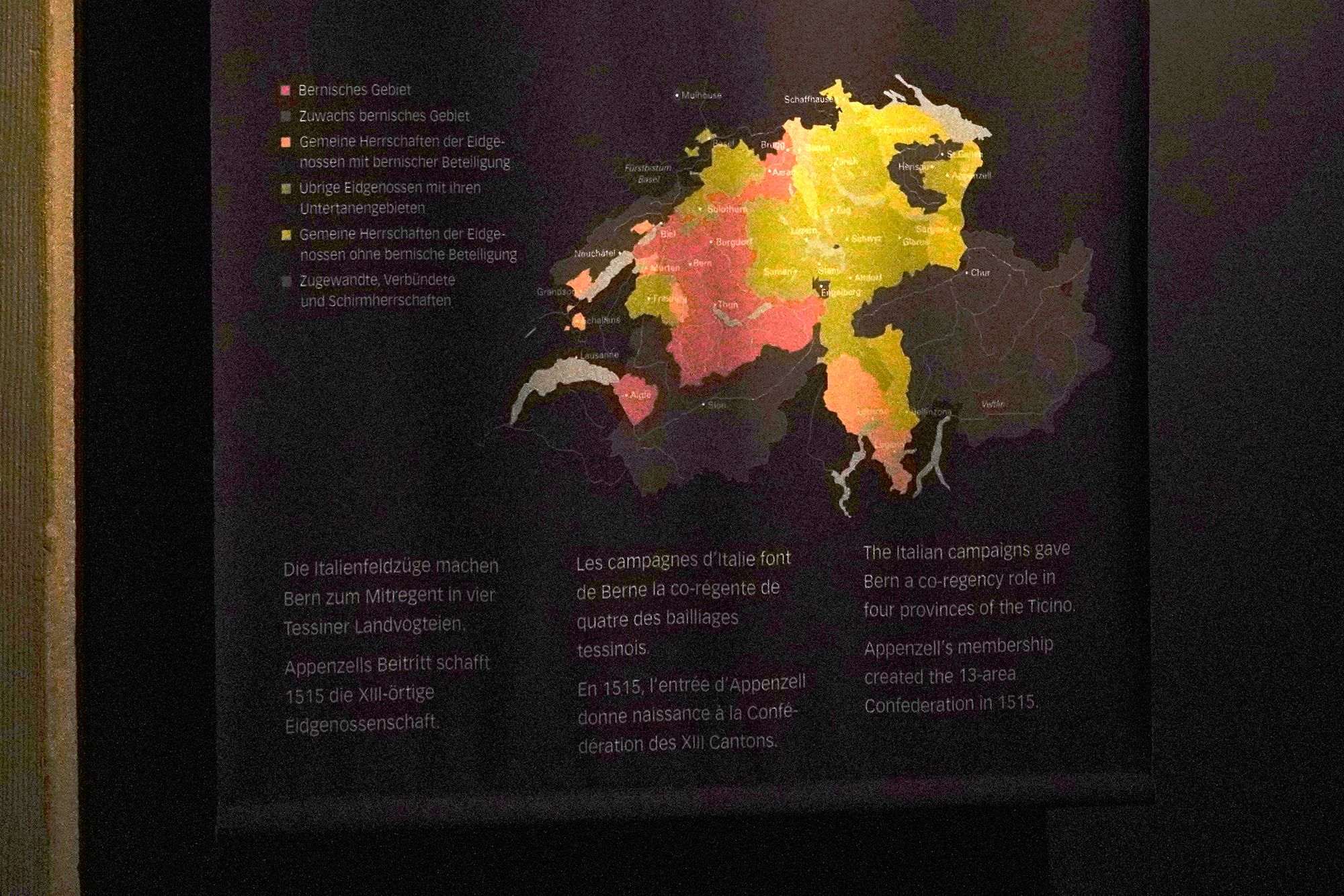
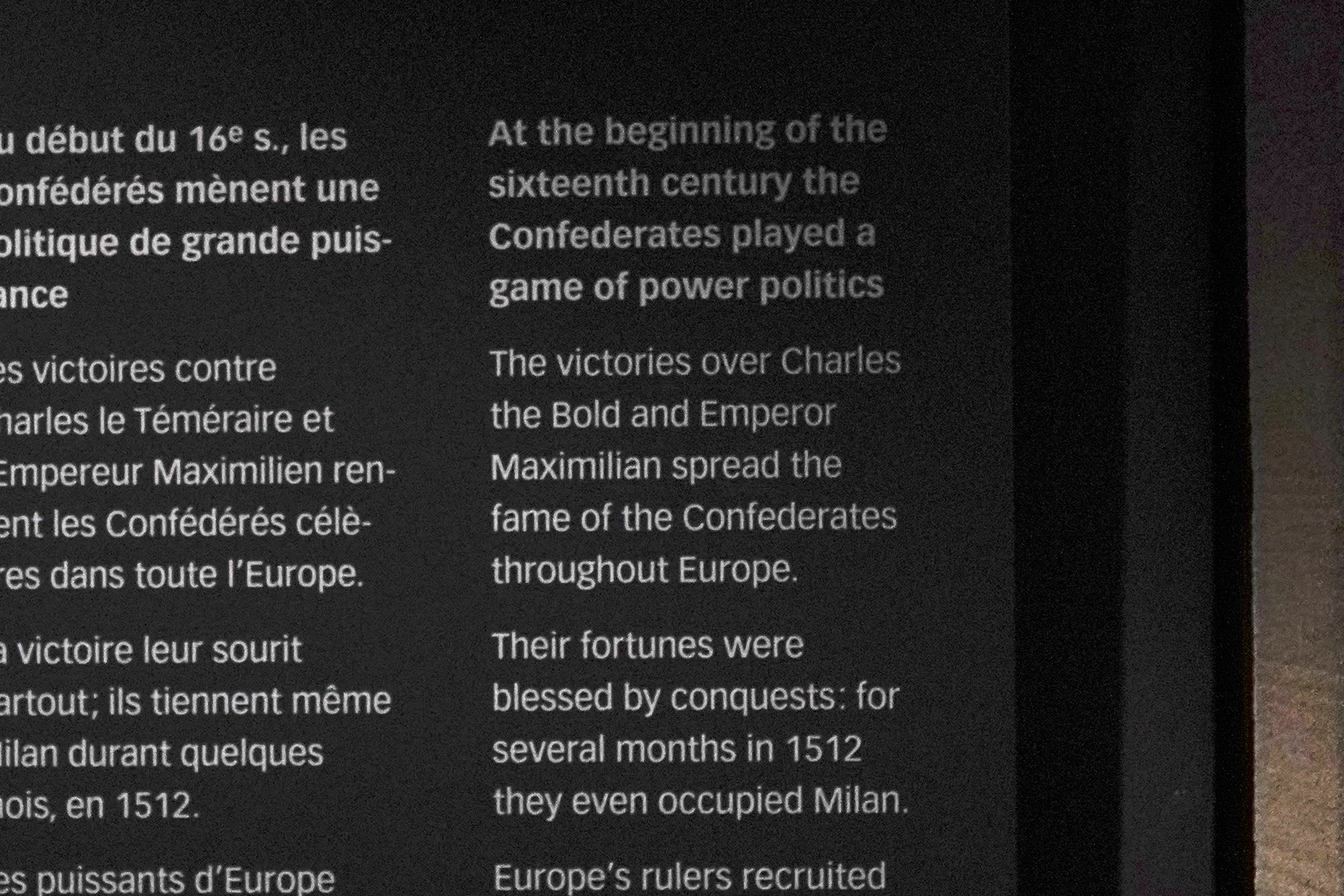
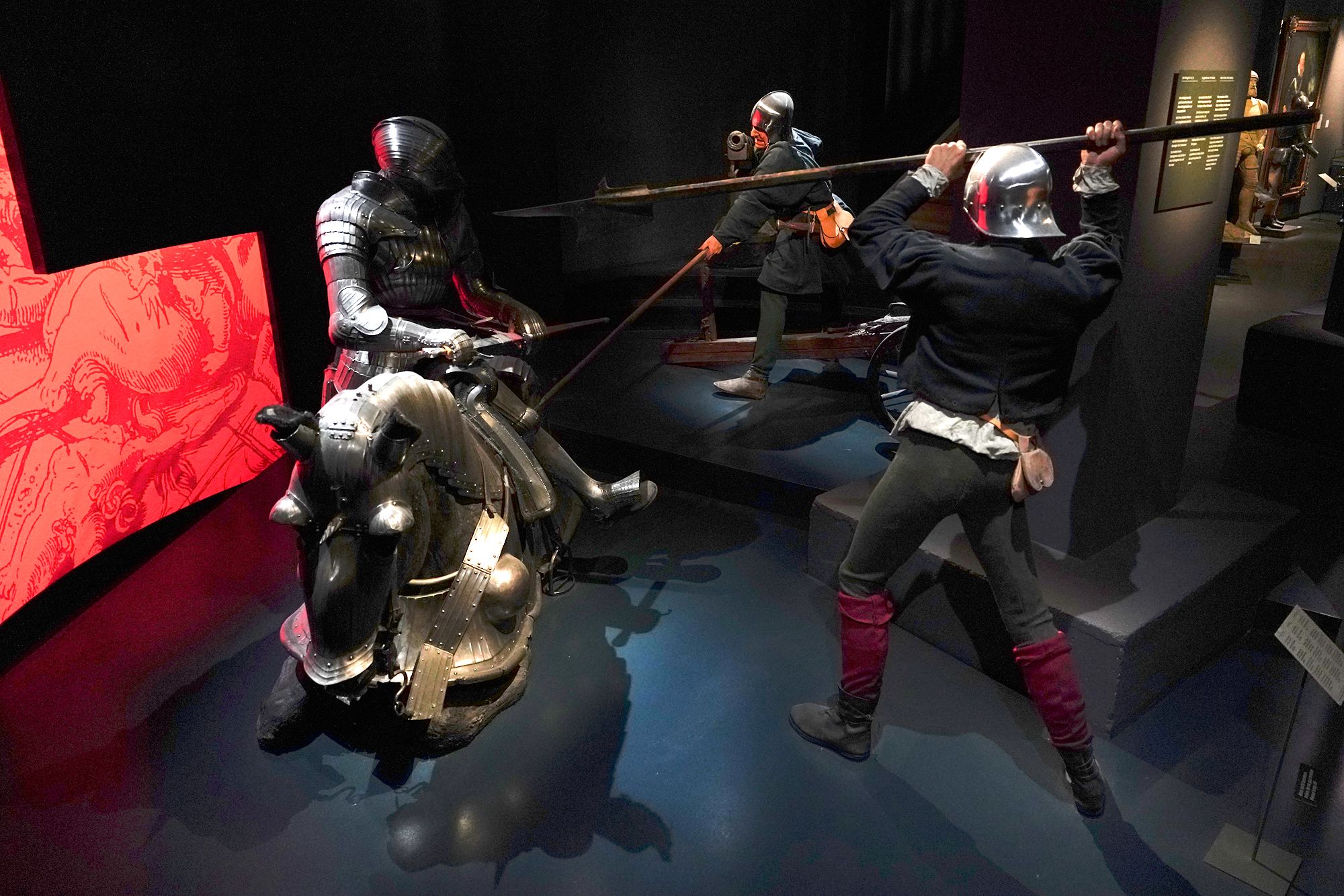
By the beginning of the 16th century, victories over Charles the Bold of Burgundy and Emperor Maximilian I had given the Swiss Confederates a formidable military reputation. Swiss forces became involved in the struggles for control of northern Italy and occupied Milan in 1512. Swiss soldiers also became highly sought-after mercenaries, serving rulers throughout Europe.
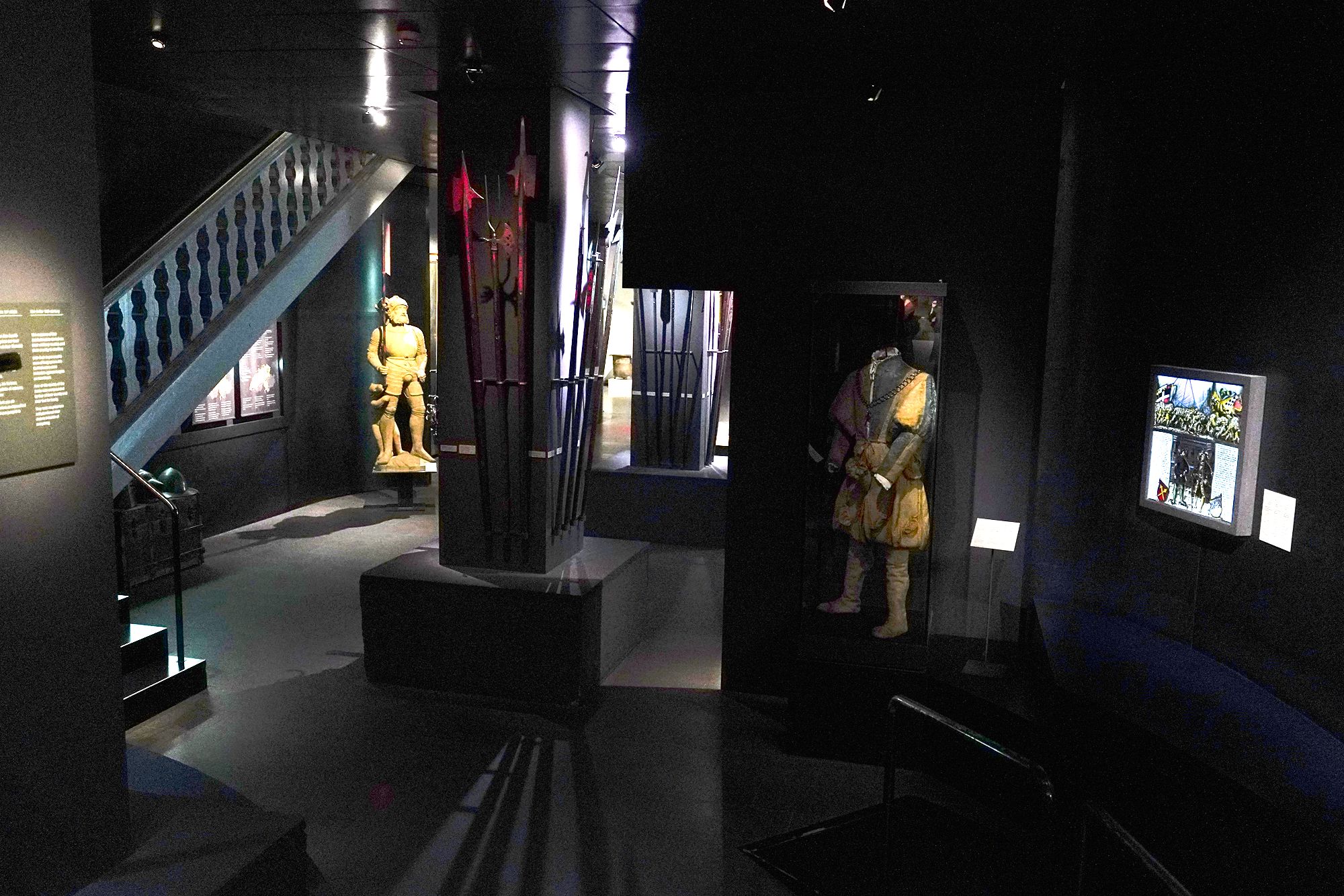
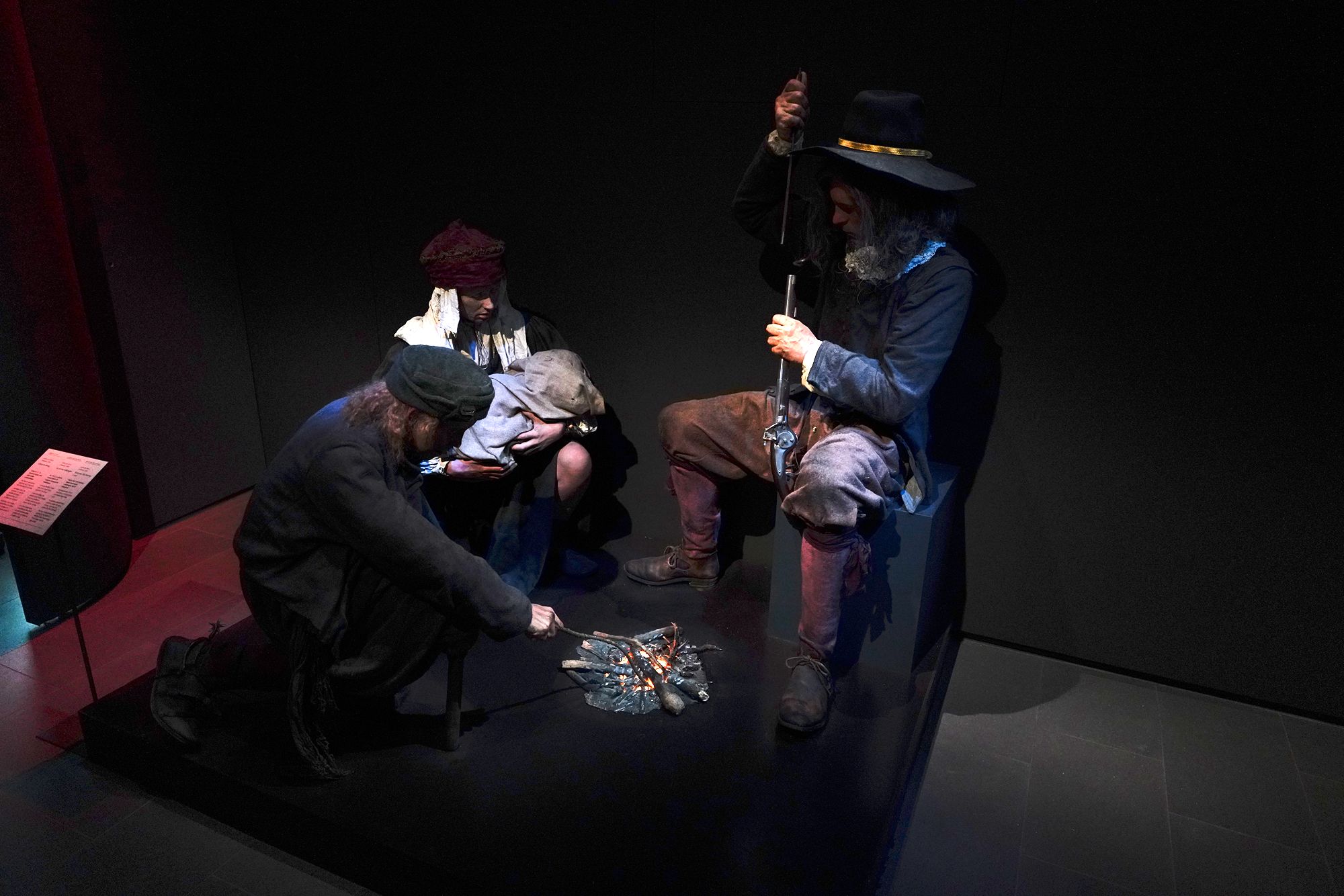
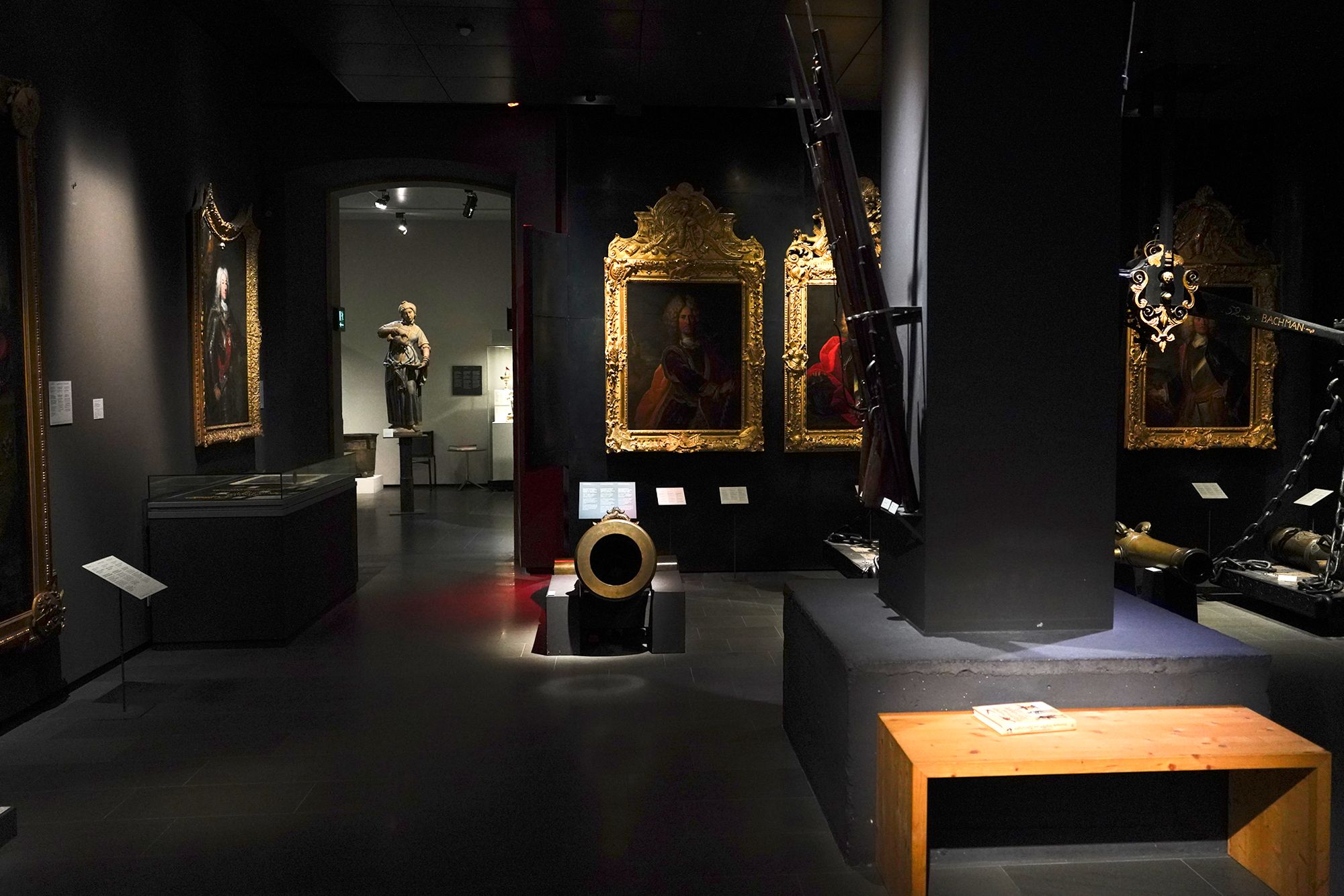
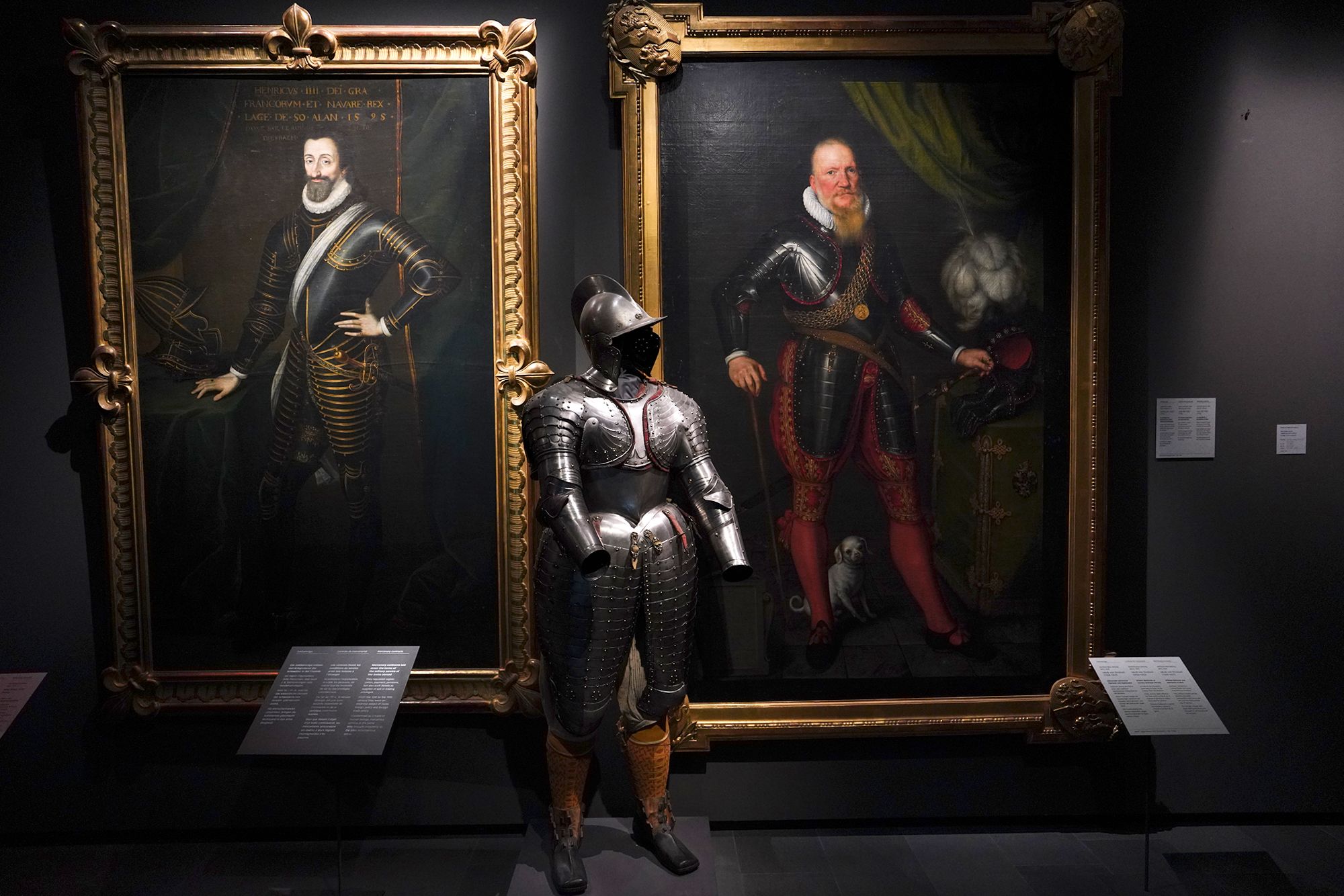
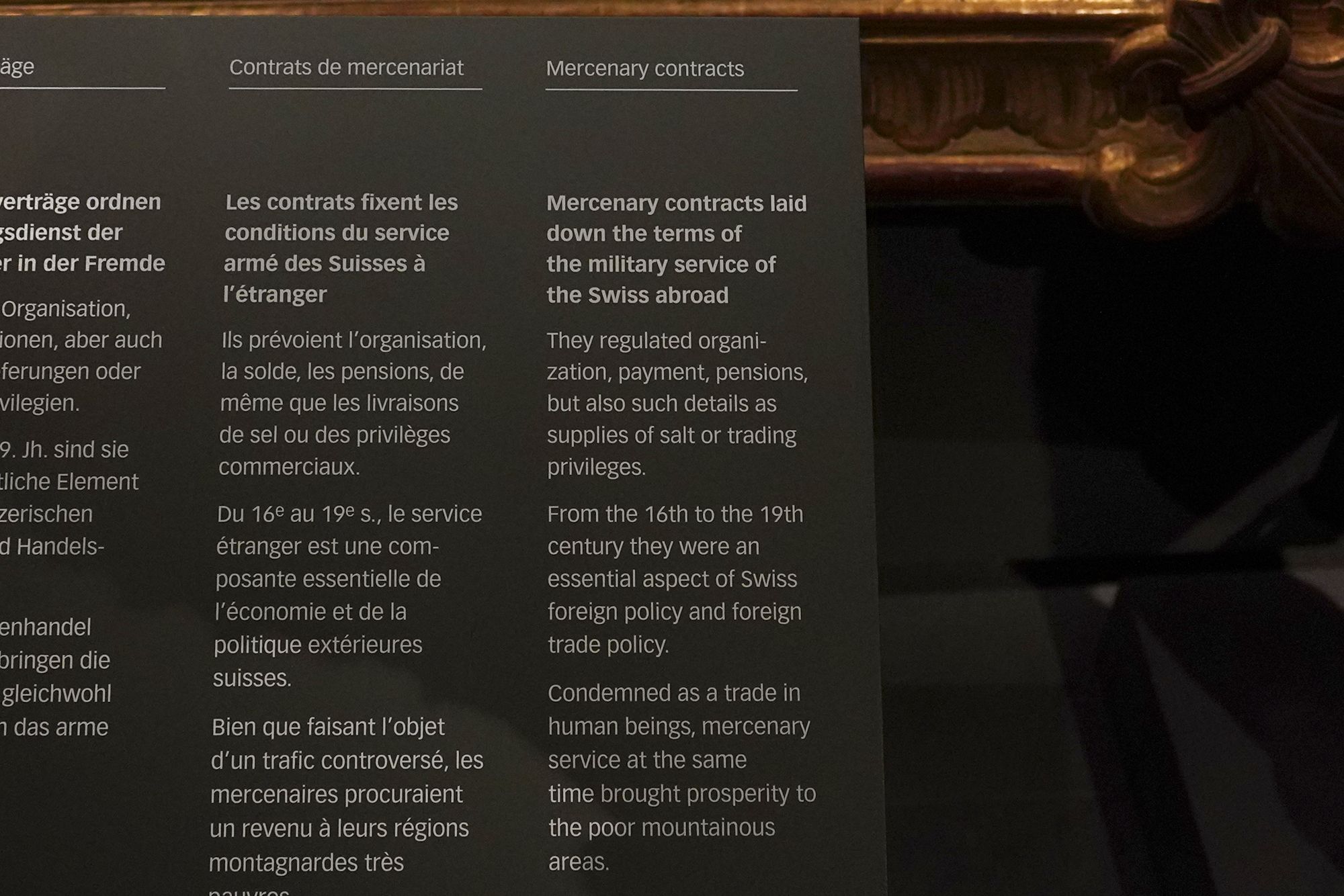
From the 16th to the 19th century, large numbers of Swiss soldiers served foreign rulers as mercenaries. Formal contracts specified their organization, pay, pensions, and other benefits. Although mercenary service was controversial because it turned warfare into a source of income, it also brought money and trade advantages back to Switzerland, especially to poorer regions.
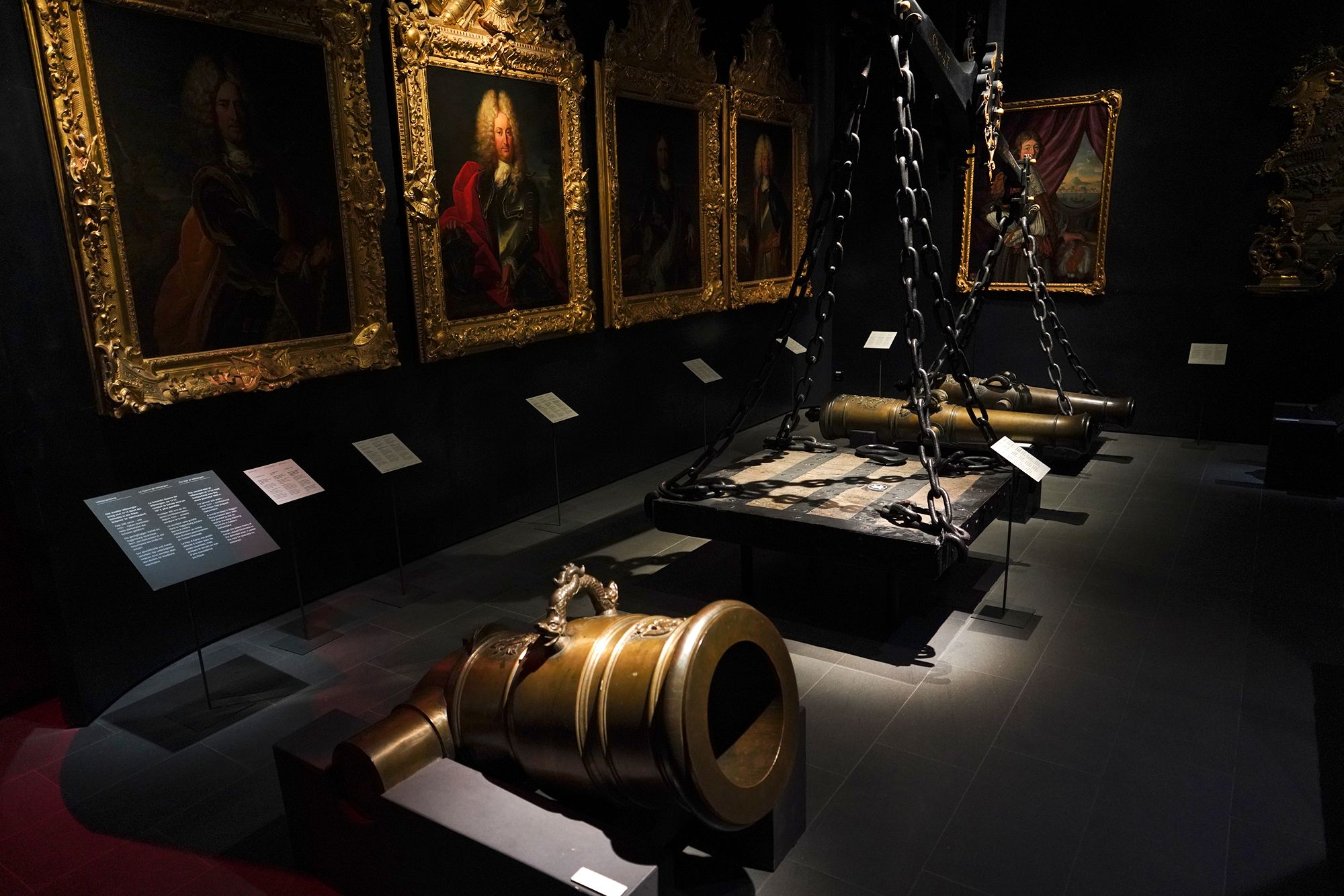
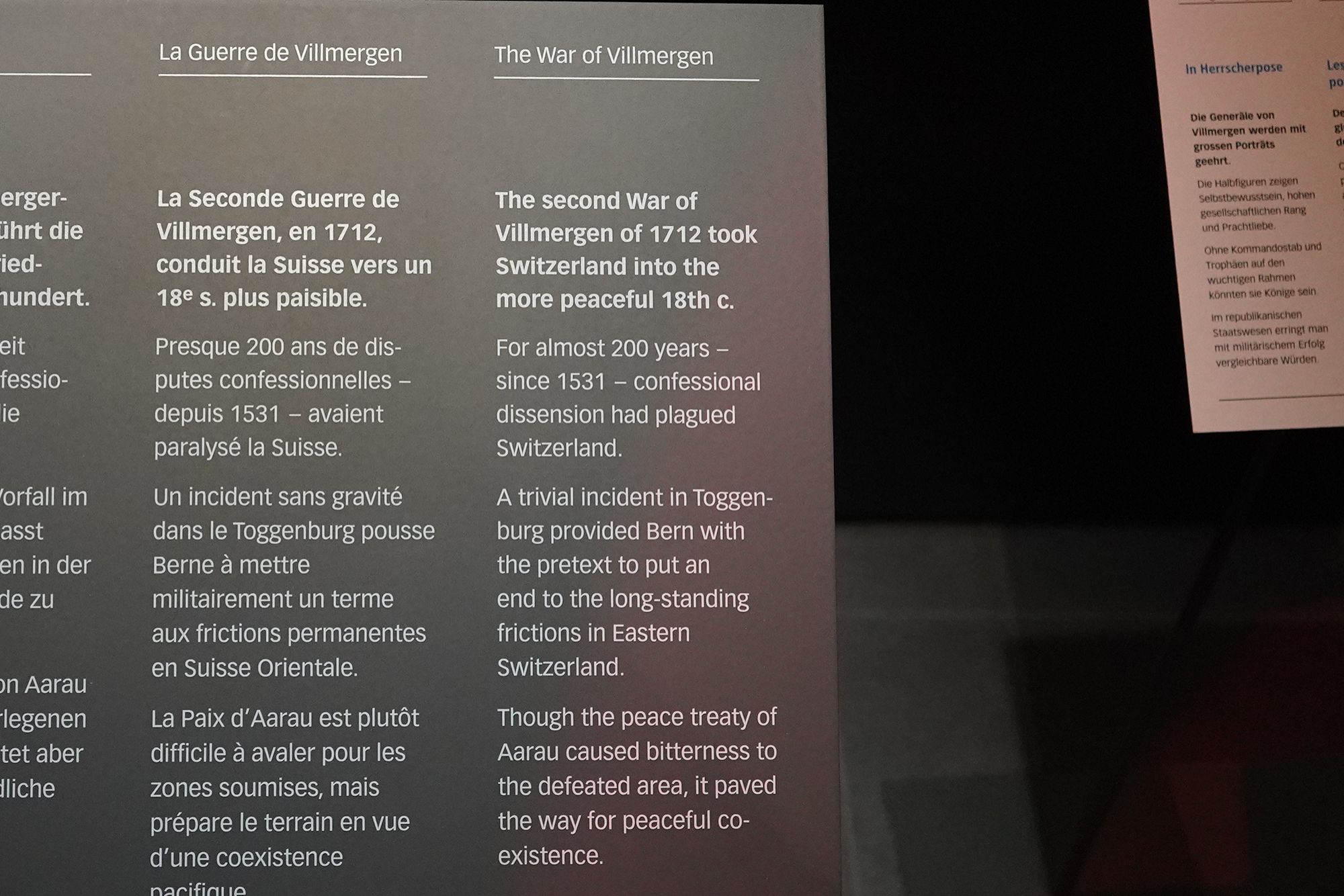
The Second War of Villmergen
For nearly two centuries after the Reformation, Switzerland was divided by tensions between Protestant and Catholic cantons. In 1712, Protestant Bern and Zurich defeated the Catholic cantons in the Second War of Villmergen. The resulting Peace of Aarau shifted political influence toward the Protestant cantons and helped begin a more peaceful period of religious coexistence.
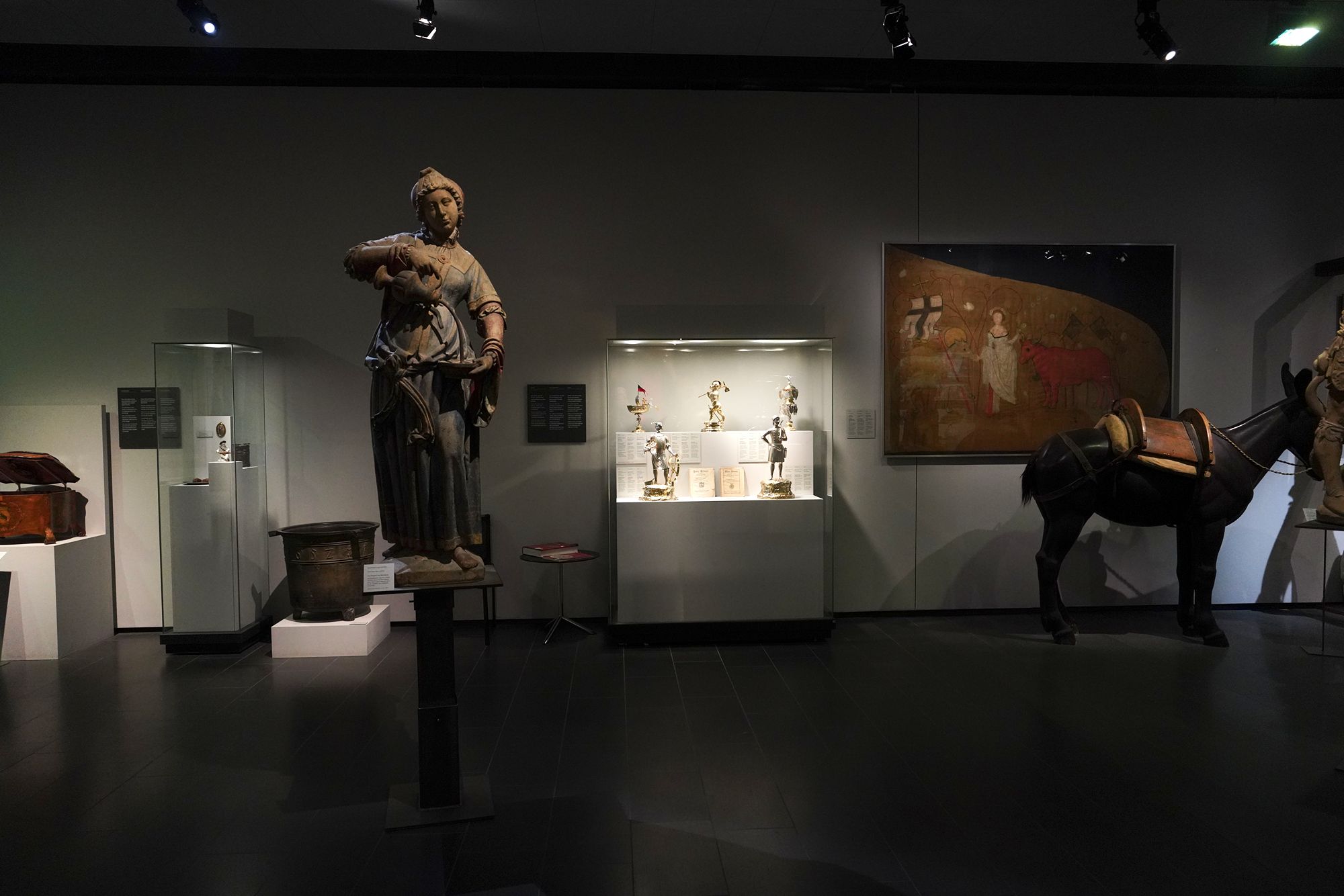
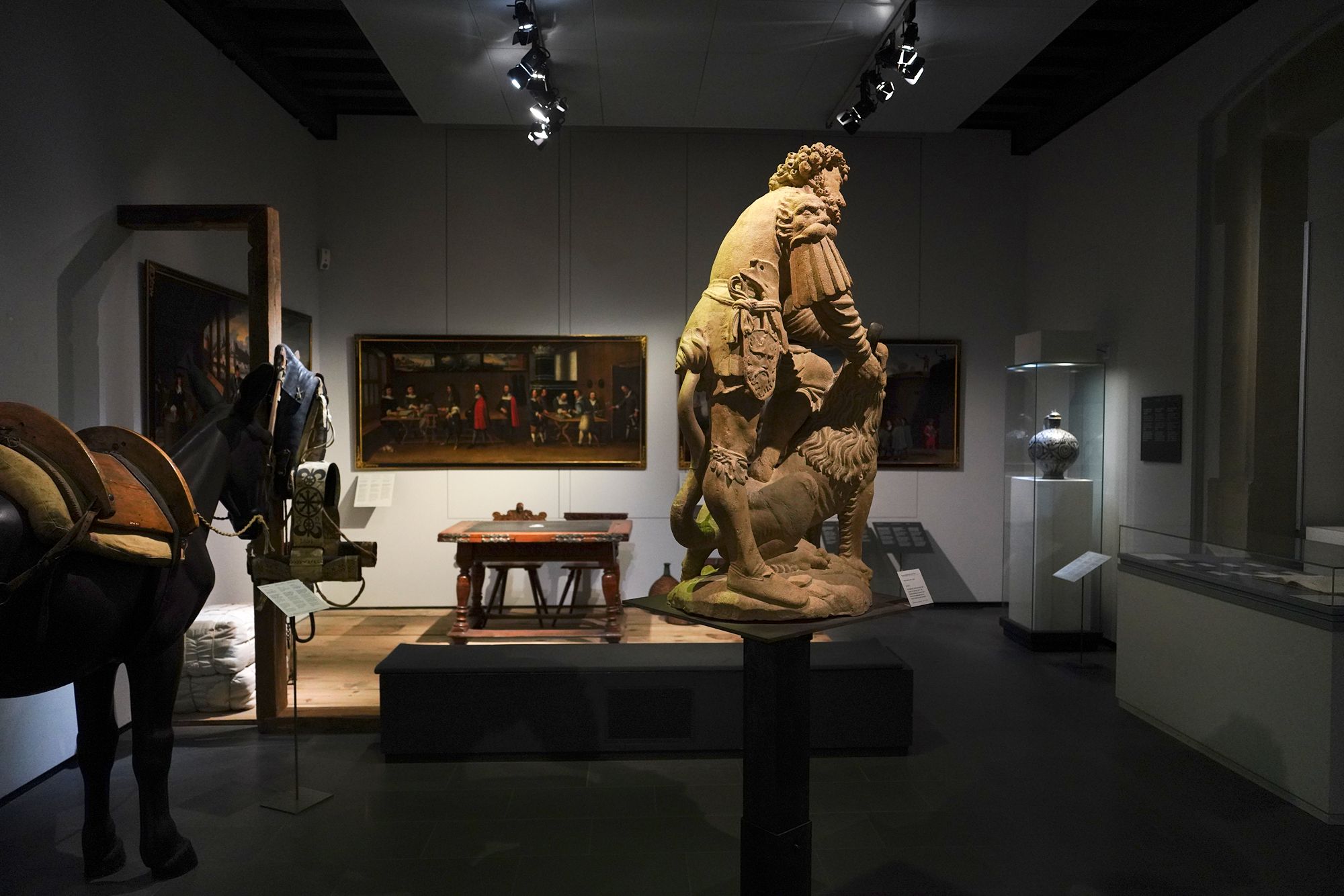
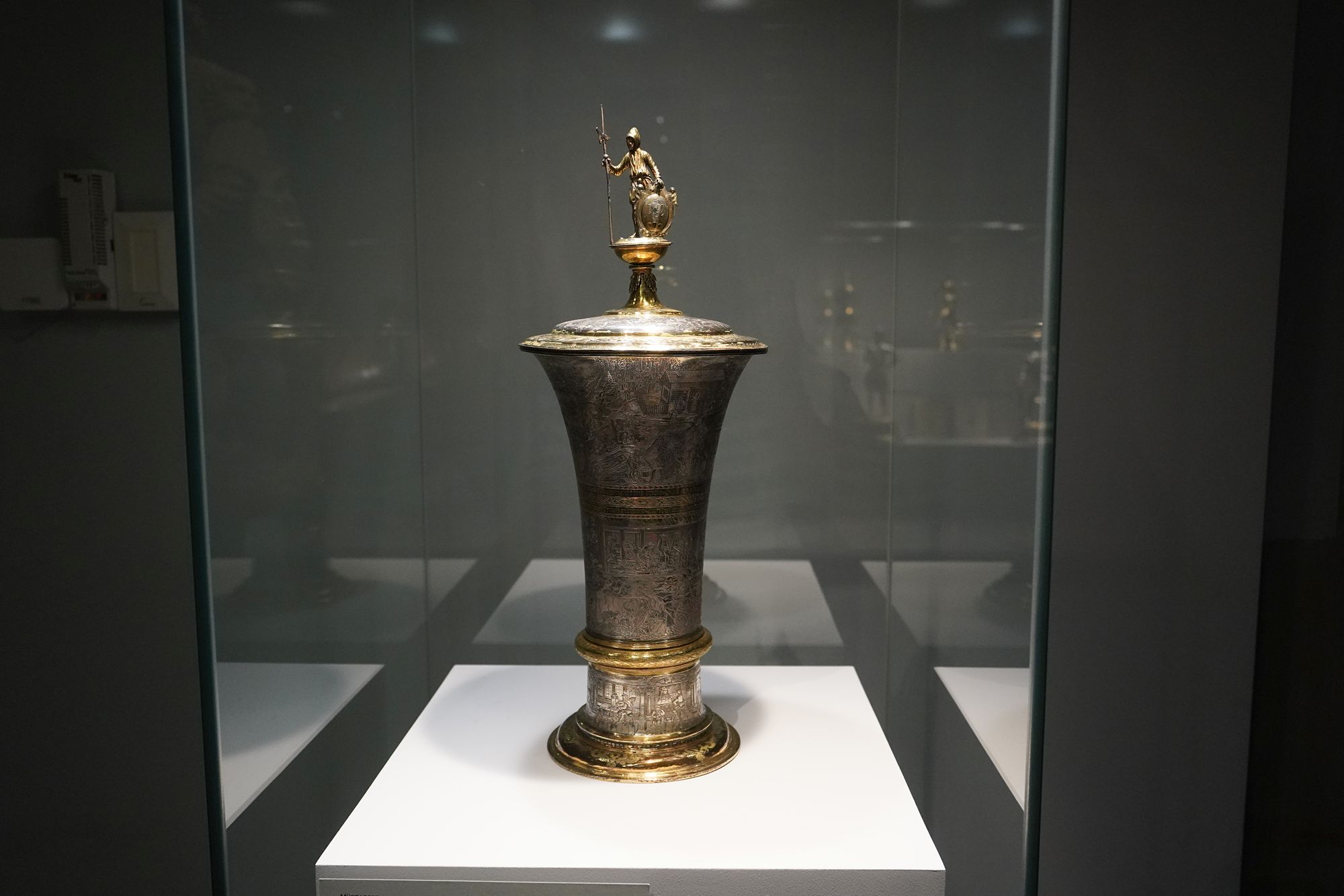
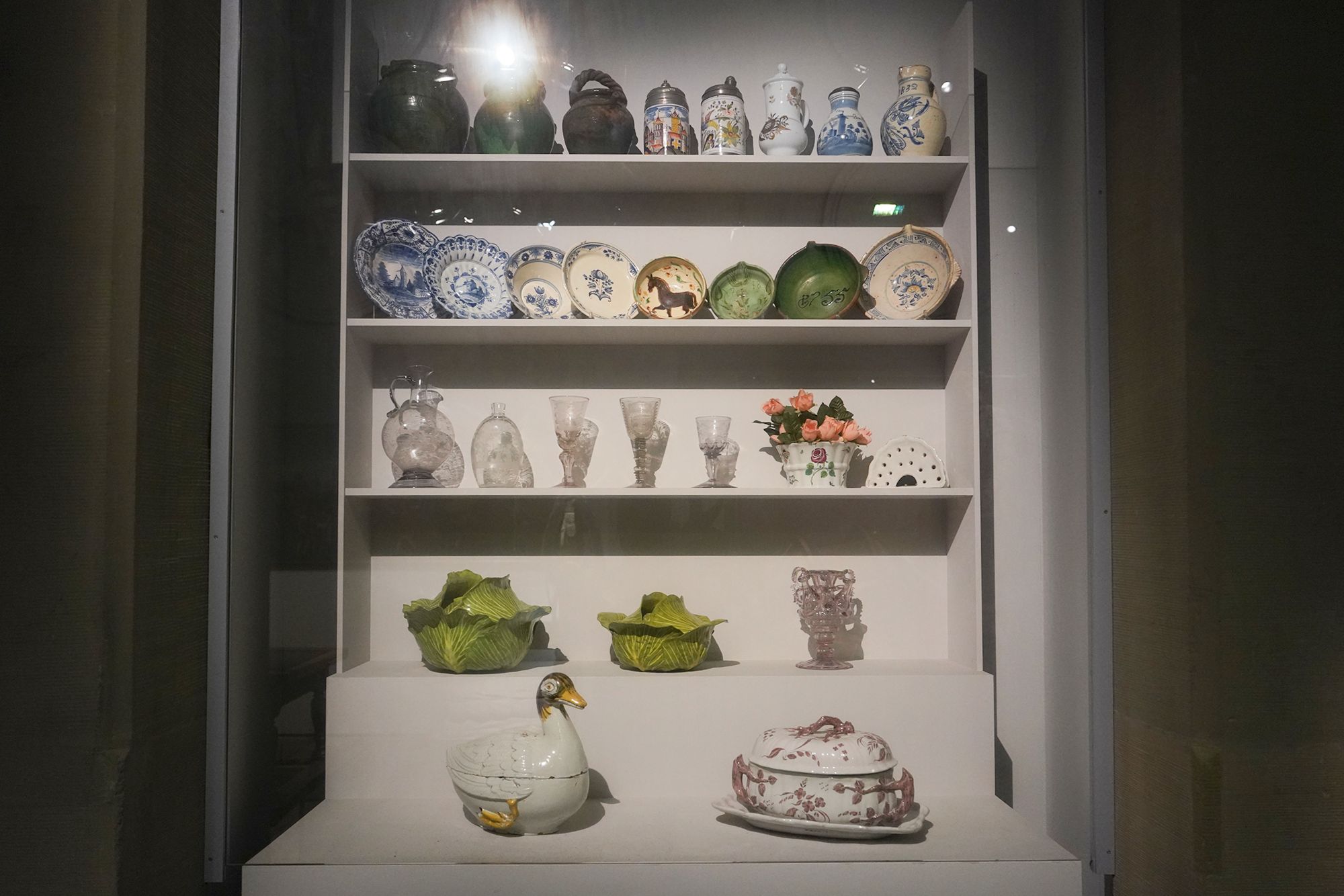
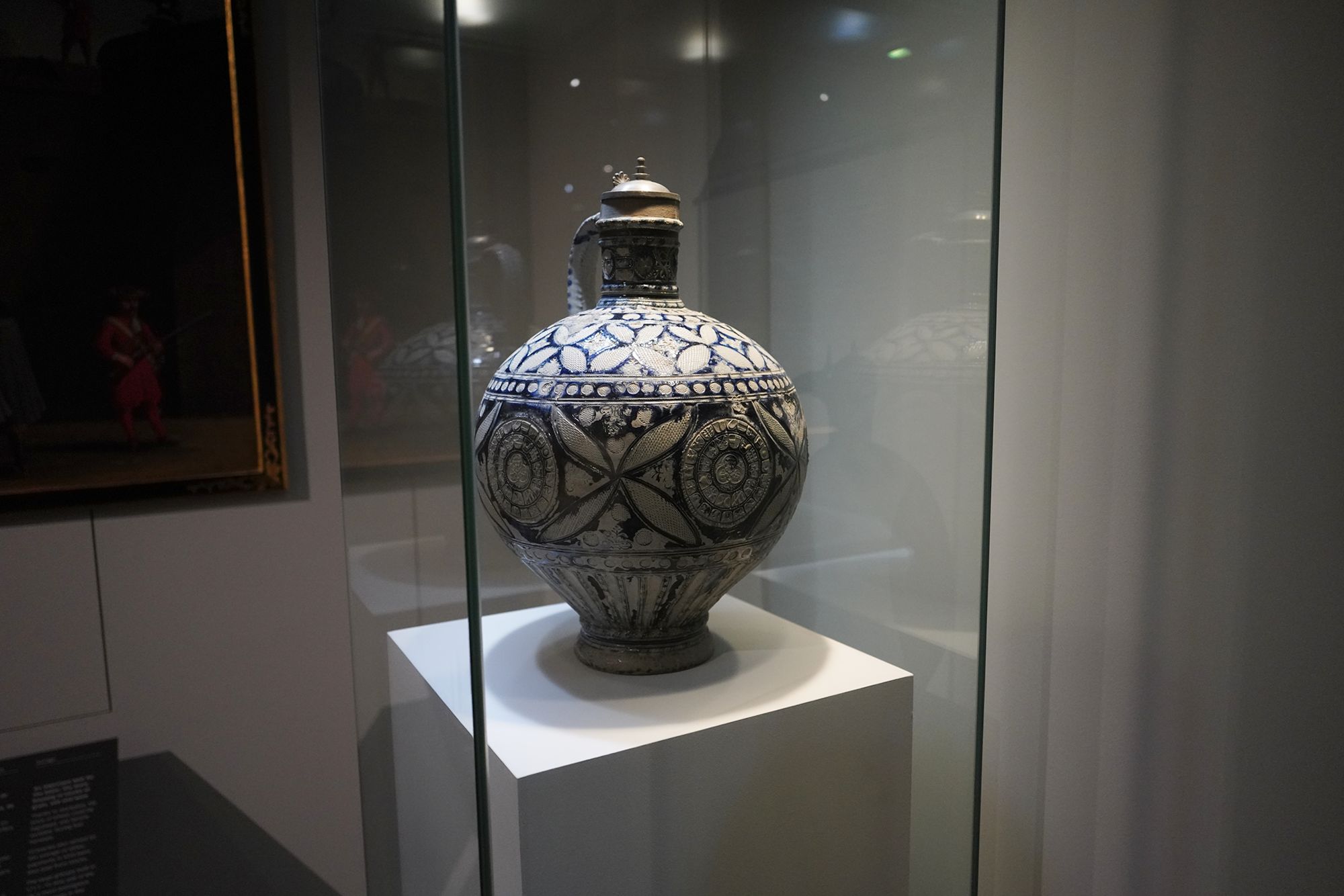
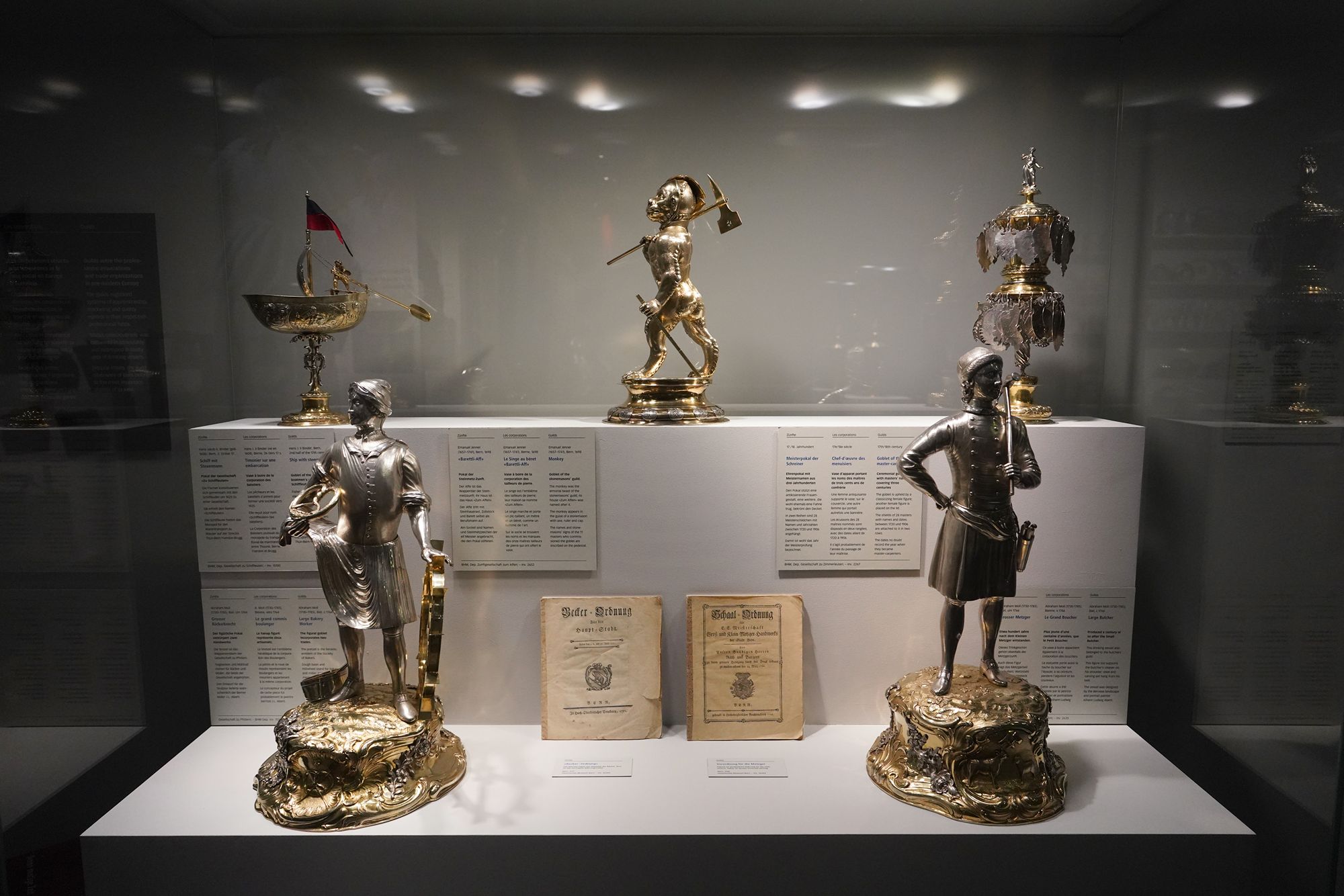
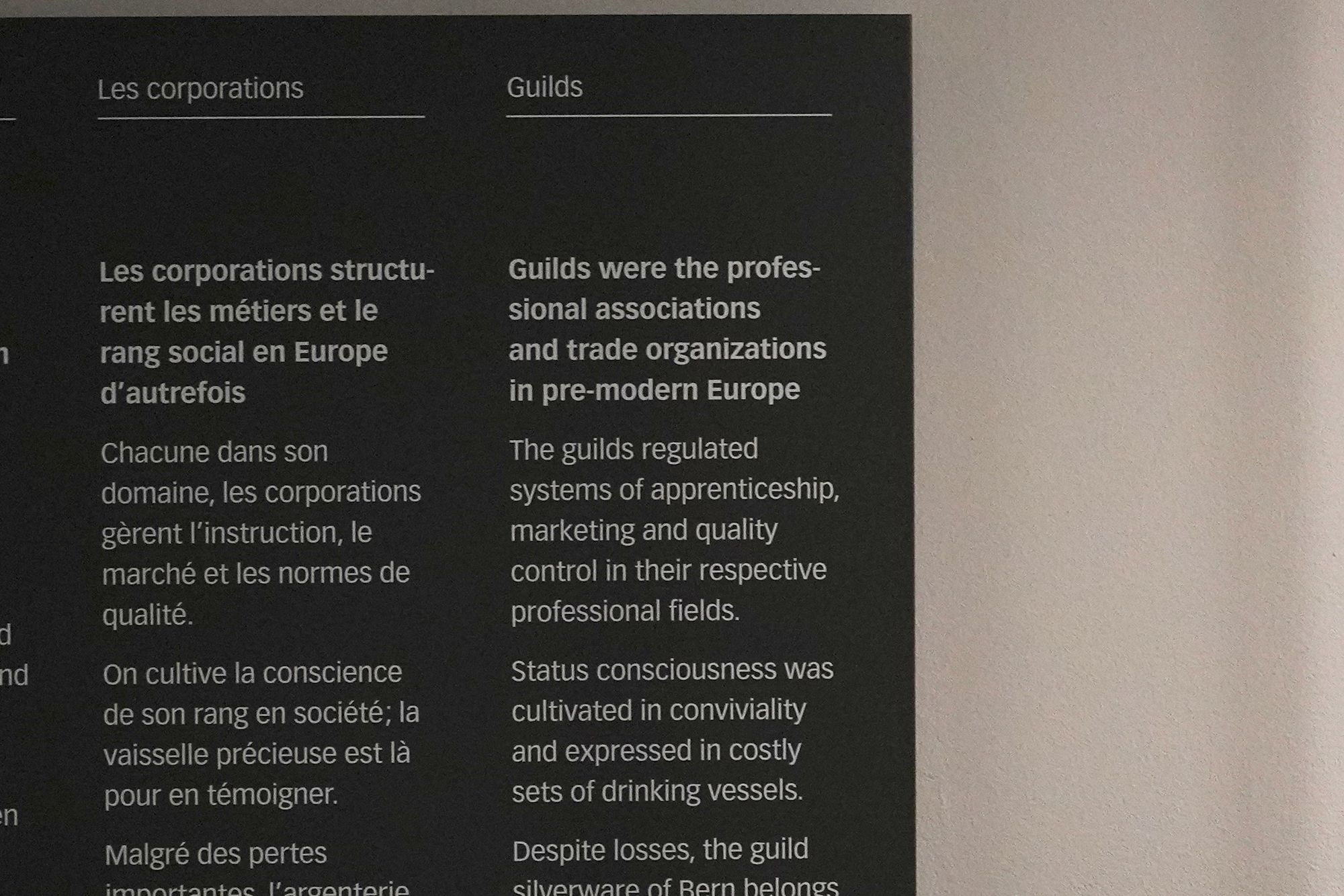
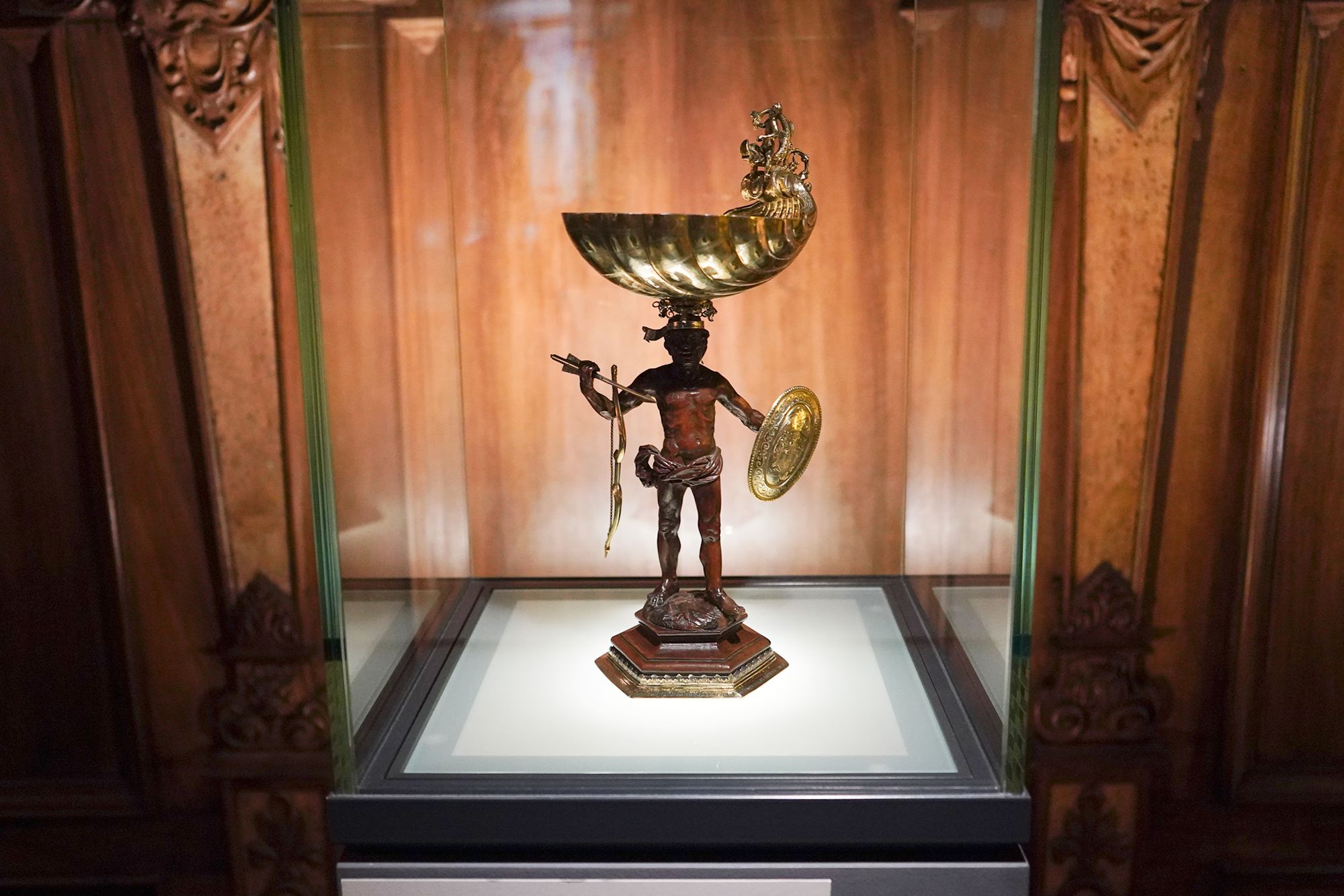
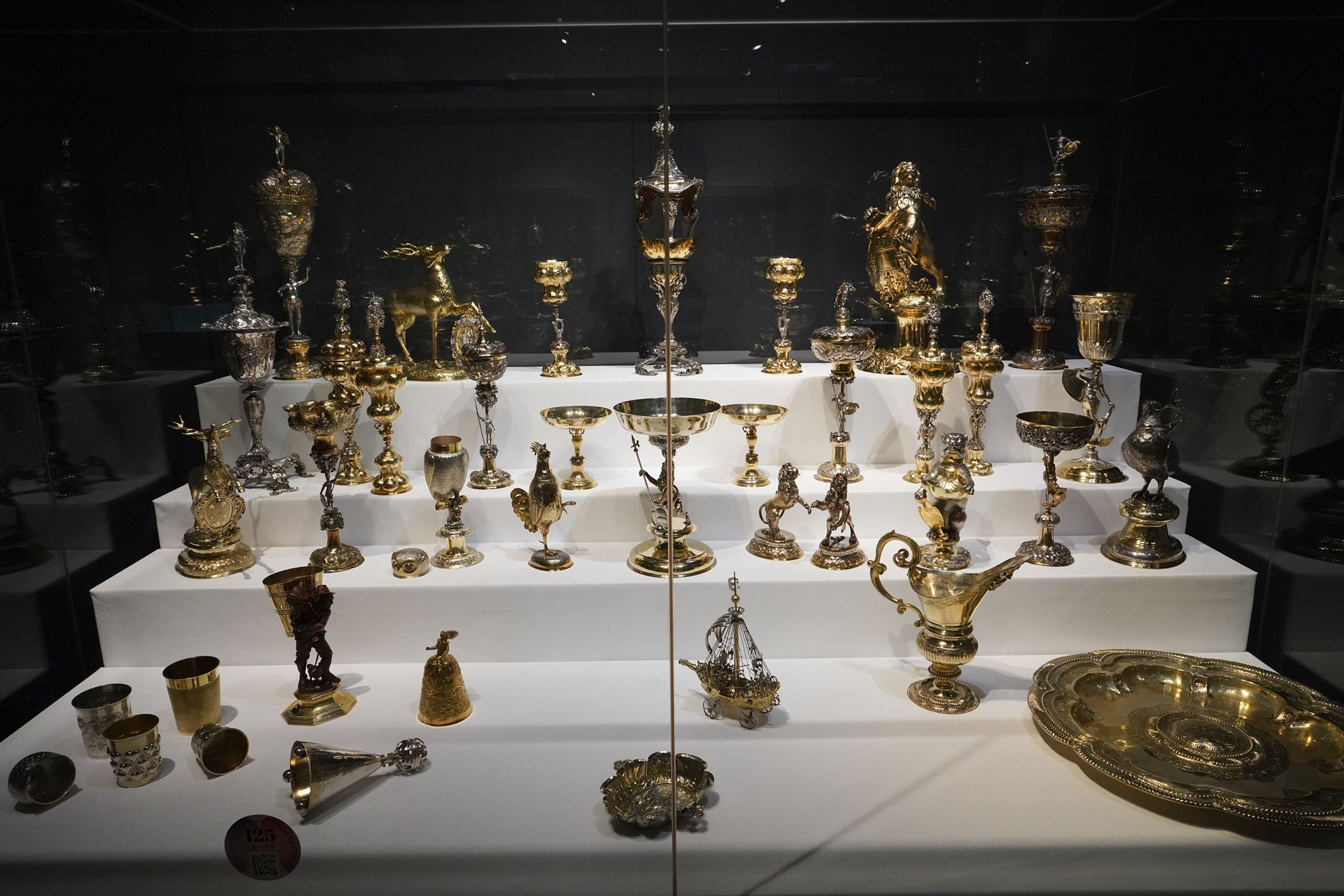
Guilds were associations of craftsmen and tradesmen that played an important role in Bern’s economic and social life. They regulated apprenticeships, working standards, product quality, and the sale of goods. Guilds were also social organizations, and their wealth and prestige were often displayed through elaborate silver drinking vessels and ceremonial objects.
Protection Against Fire
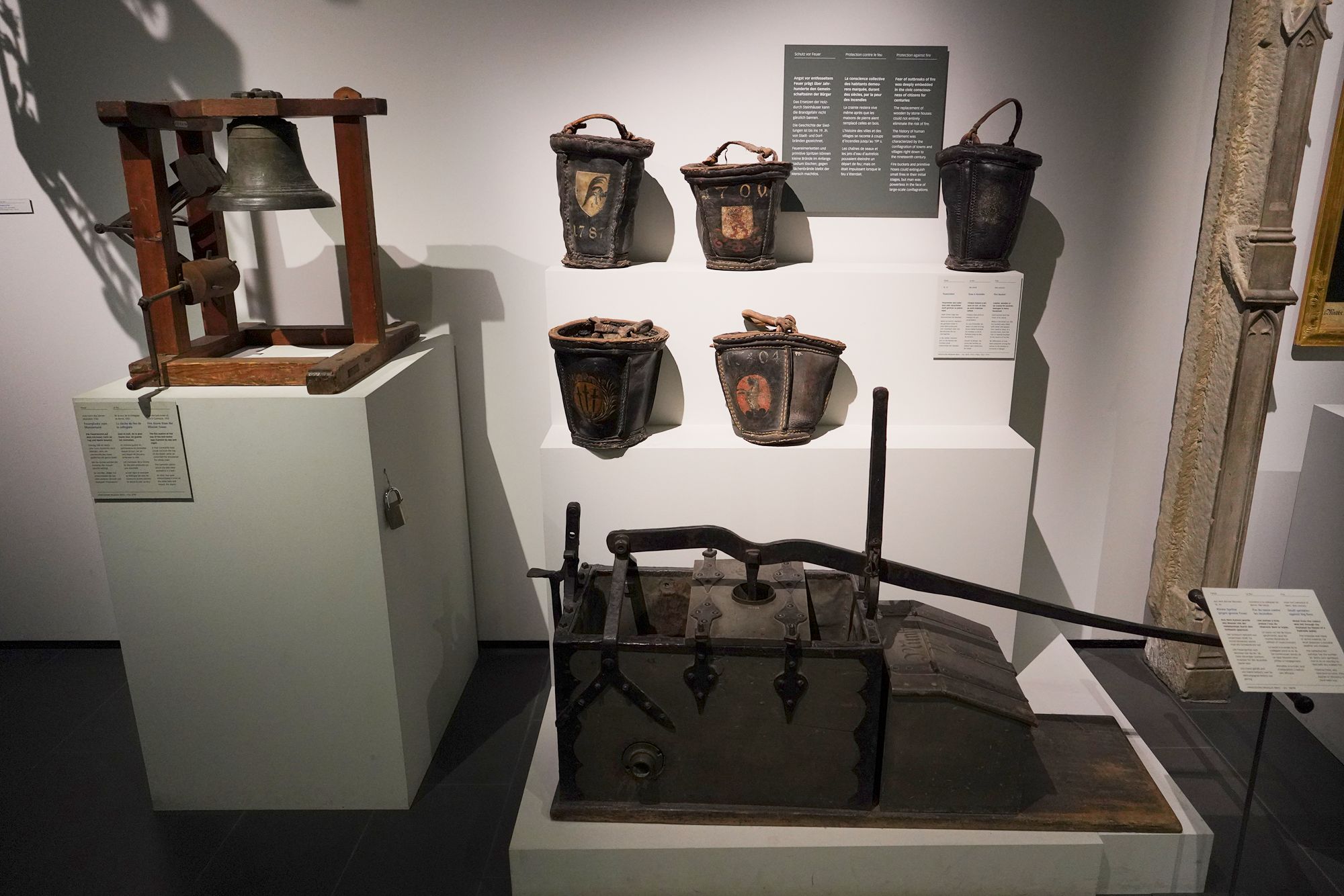
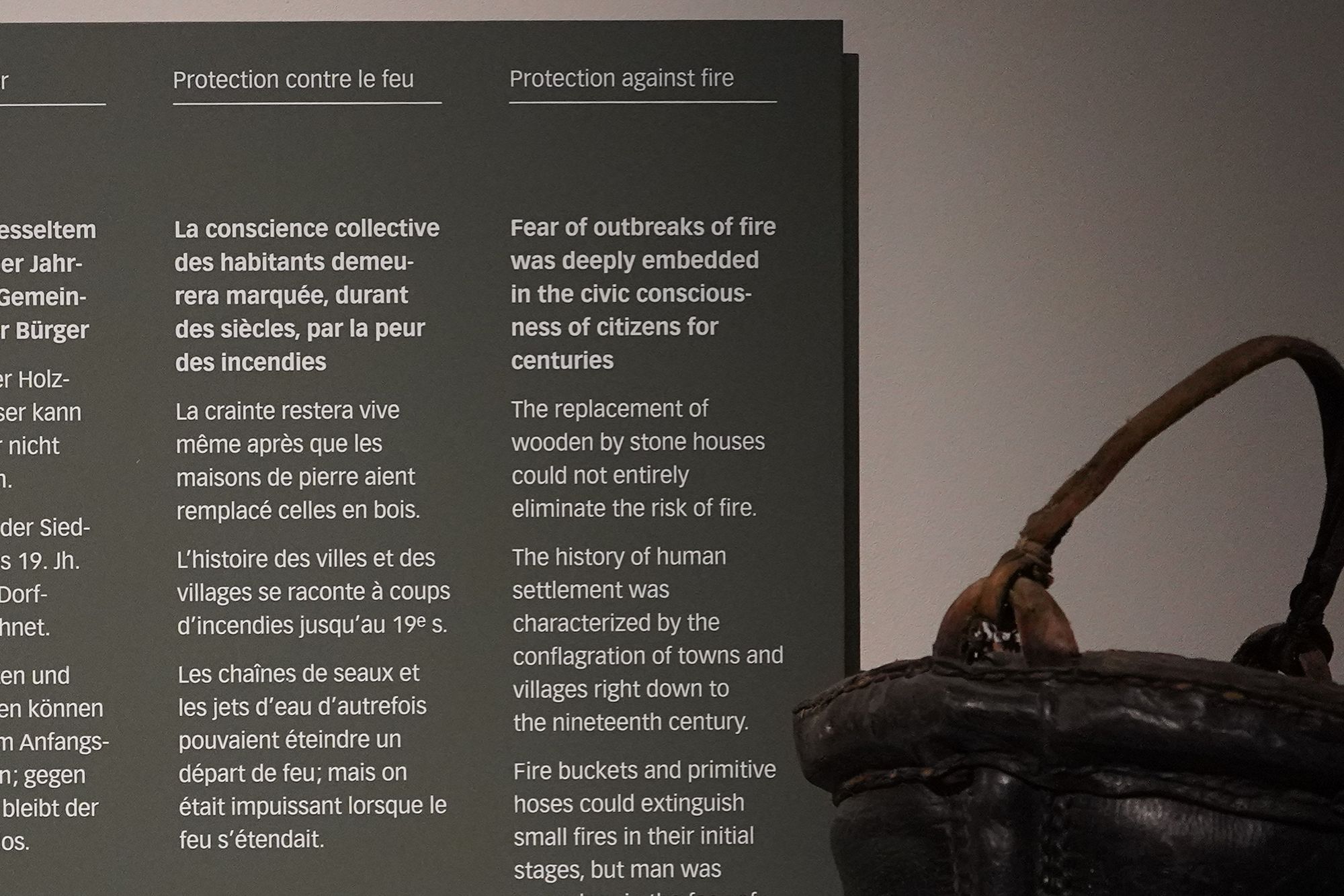
Fire was a constant danger in medieval and early modern Bern, especially when many buildings were constructed of wood. Replacing wooden houses with stone buildings reduced the danger but did not eliminate it. Before modern fire departments, residents relied on fire buckets and simple hand-operated hoses to fight small fires before they spread.
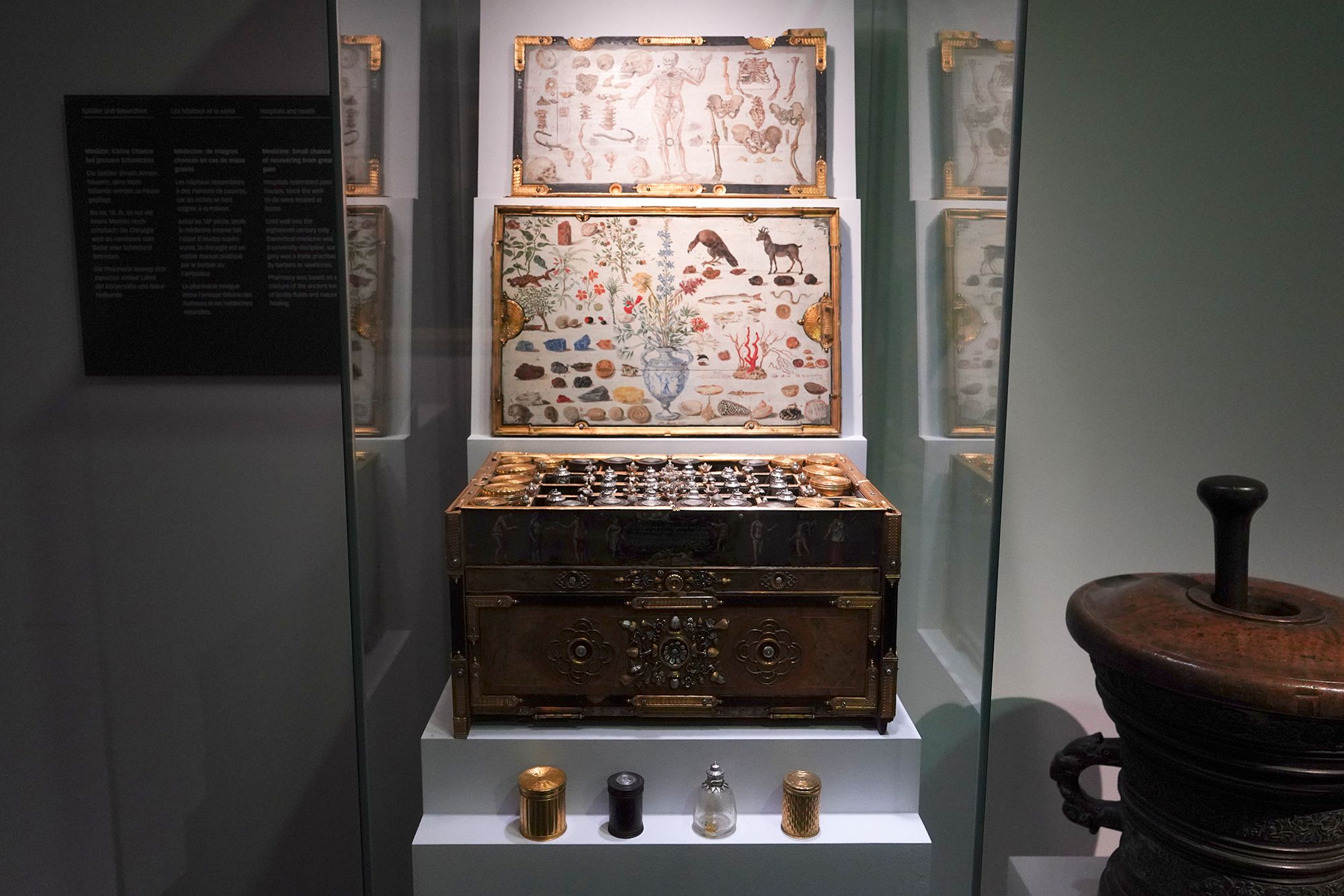
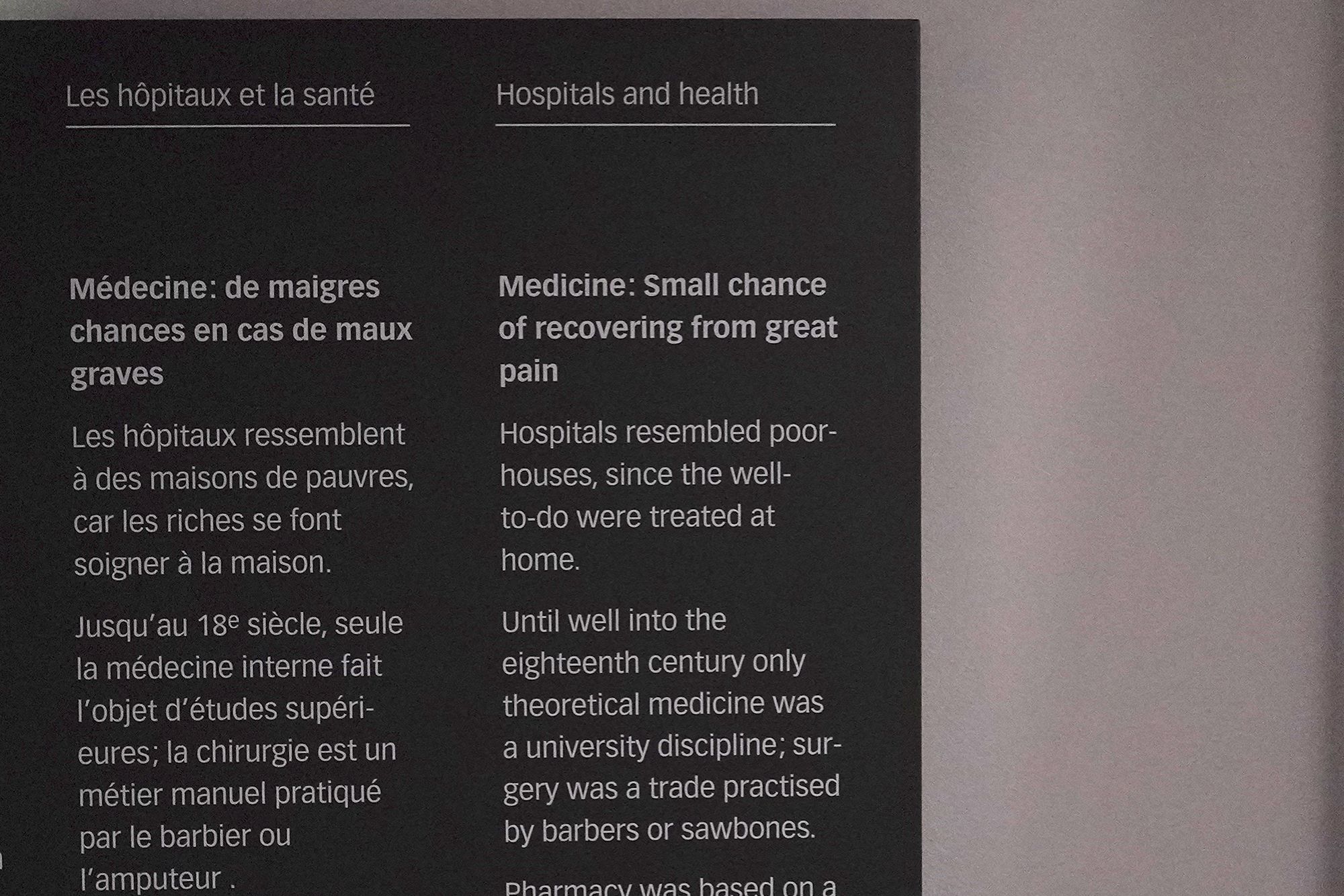
Hospitals and Health in Old Bern
Before modern medicine, hospitals in Bern were largely institutions for the poor, elderly, and seriously ill, while wealthier people were usually treated at home. Medical treatment offered limited chances of recovery from serious illnesses. Surgery was not yet a university profession and was commonly performed by barber-surgeons, who carried out procedures such as treating wounds and amputations.
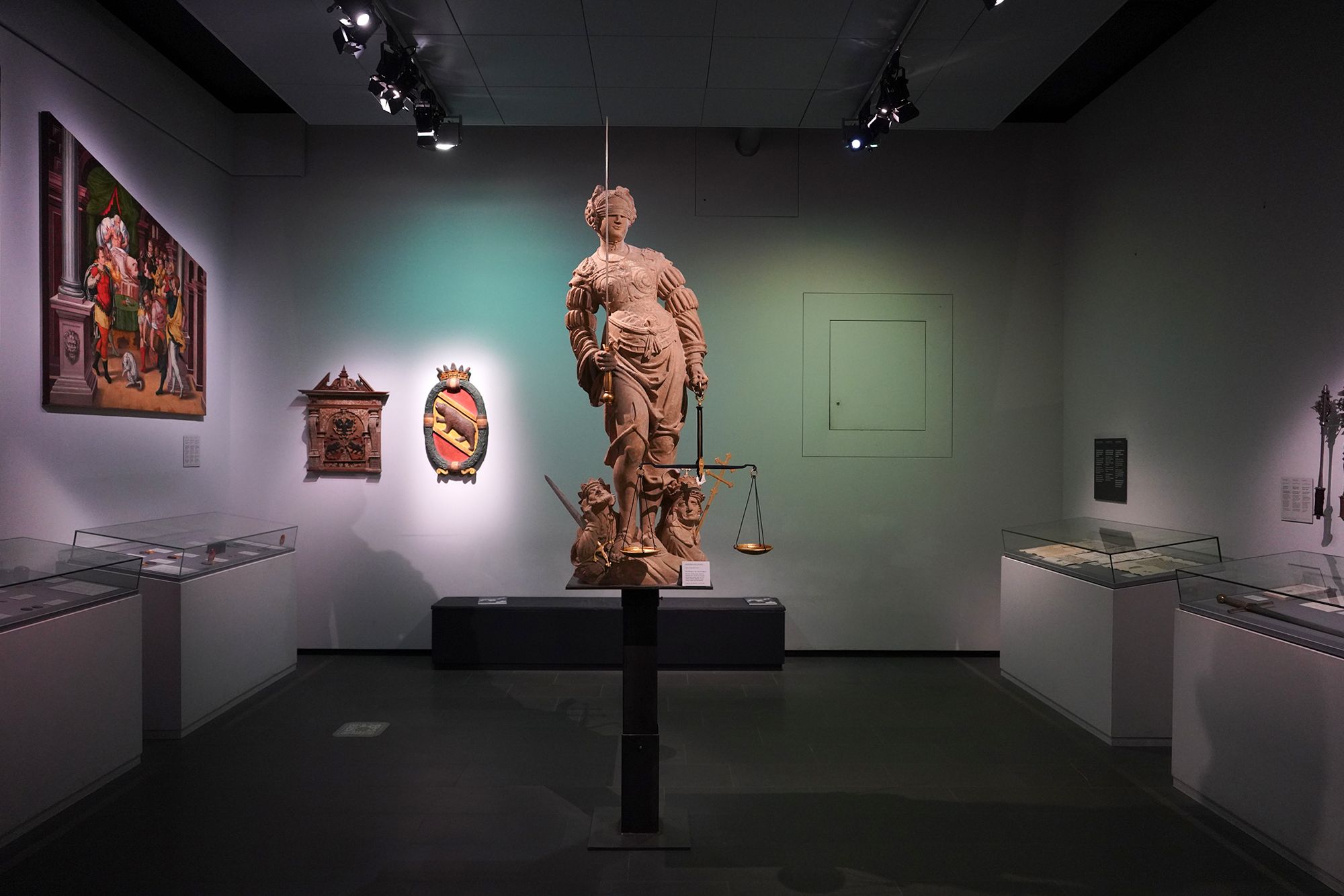
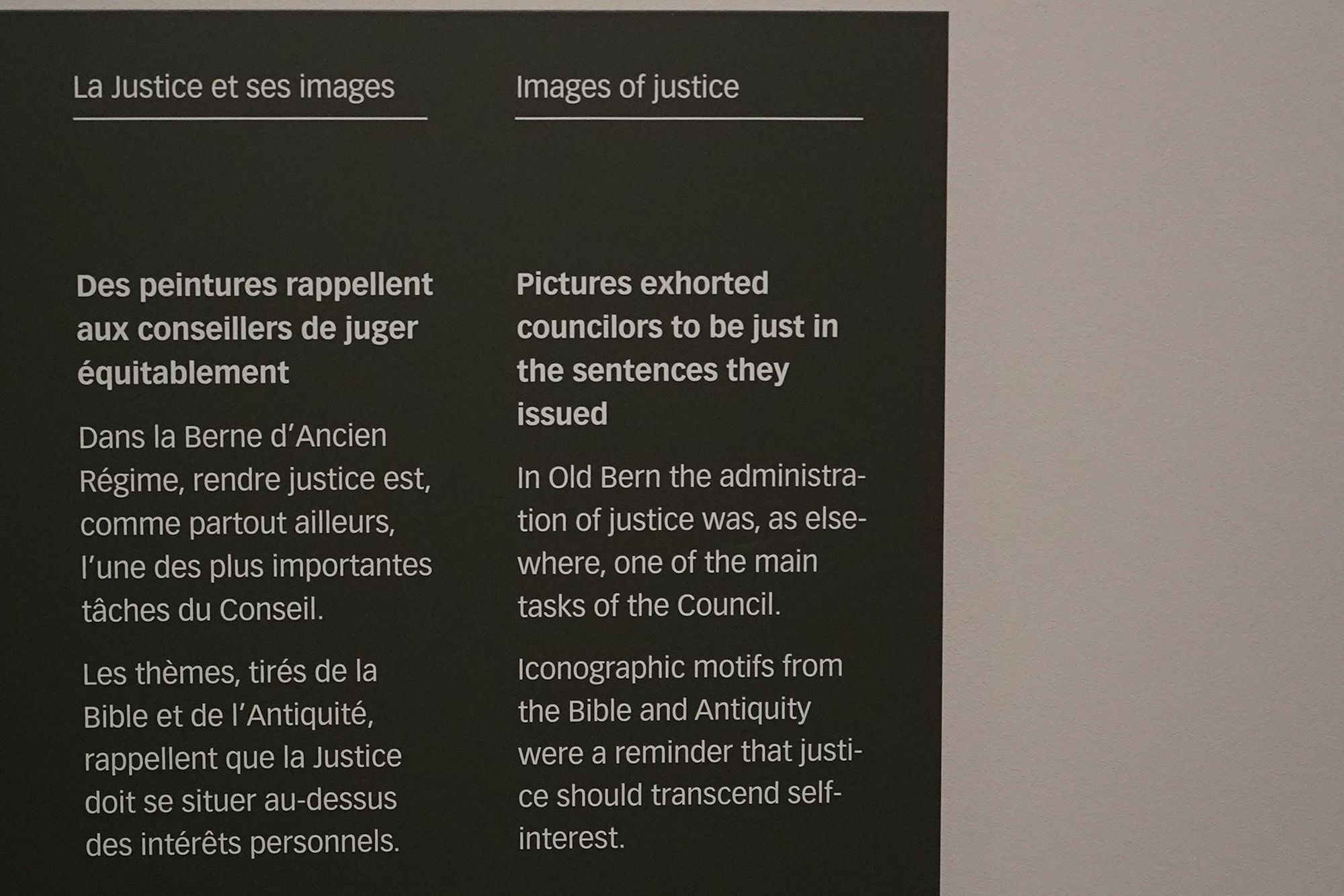
Images of Justice
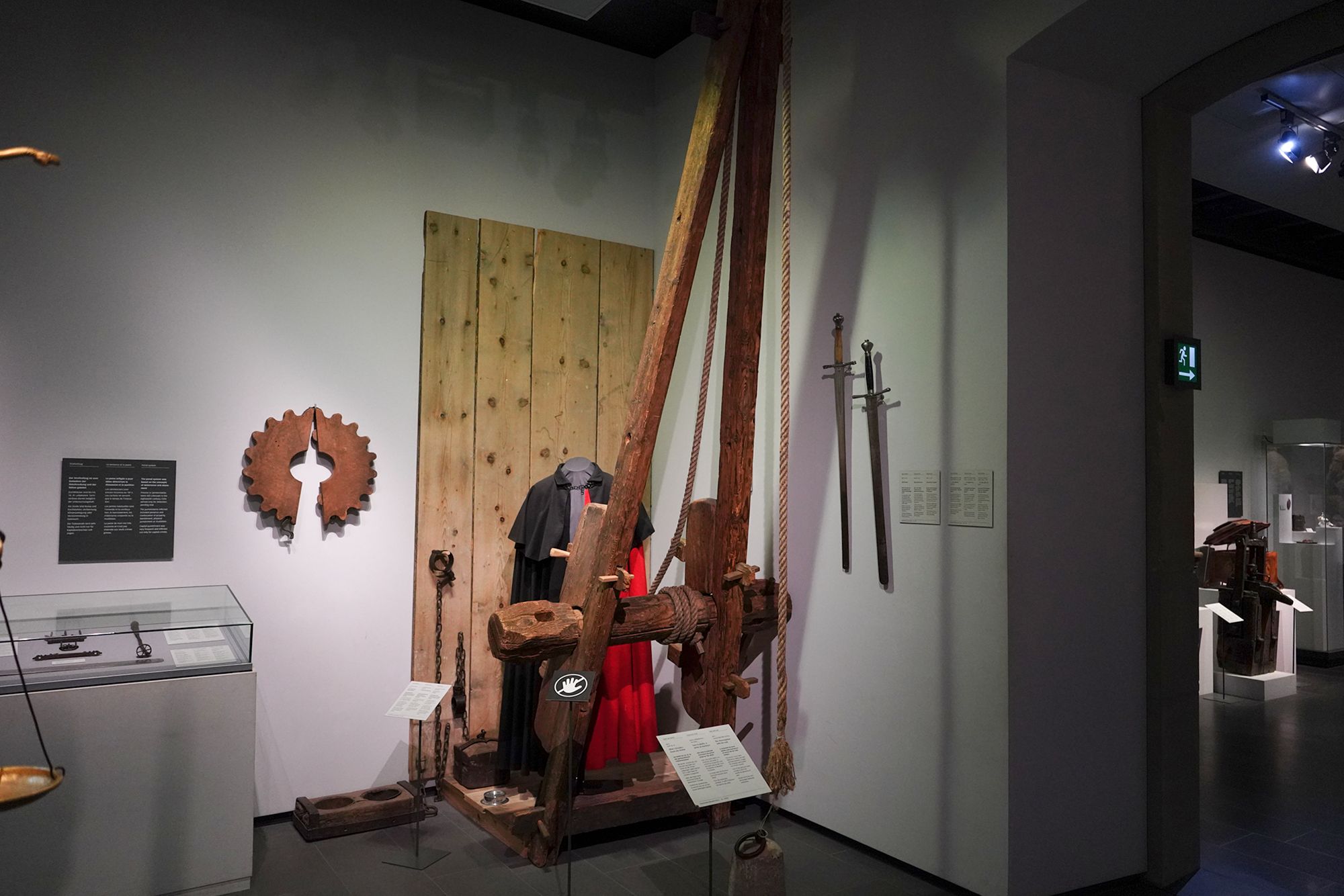
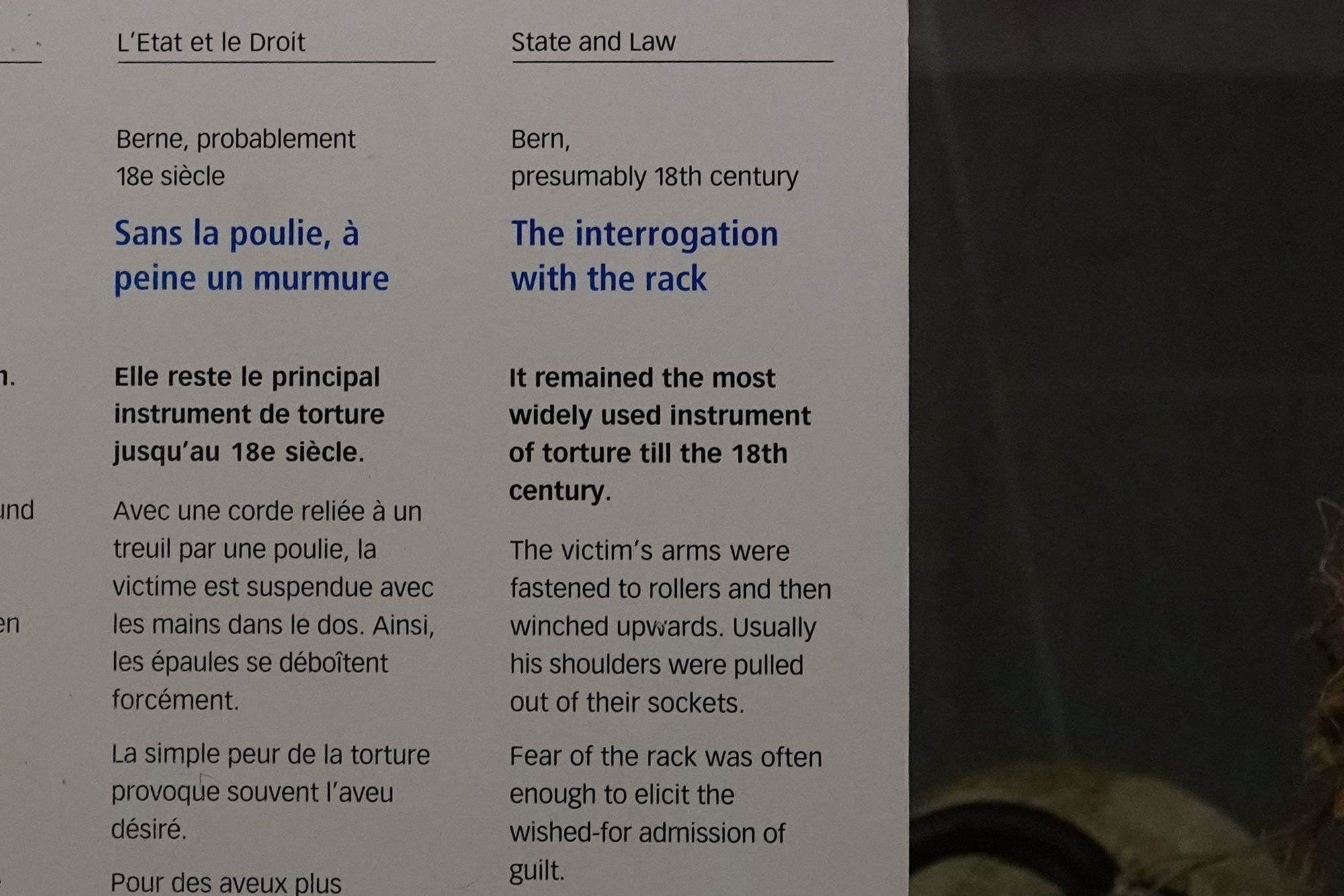
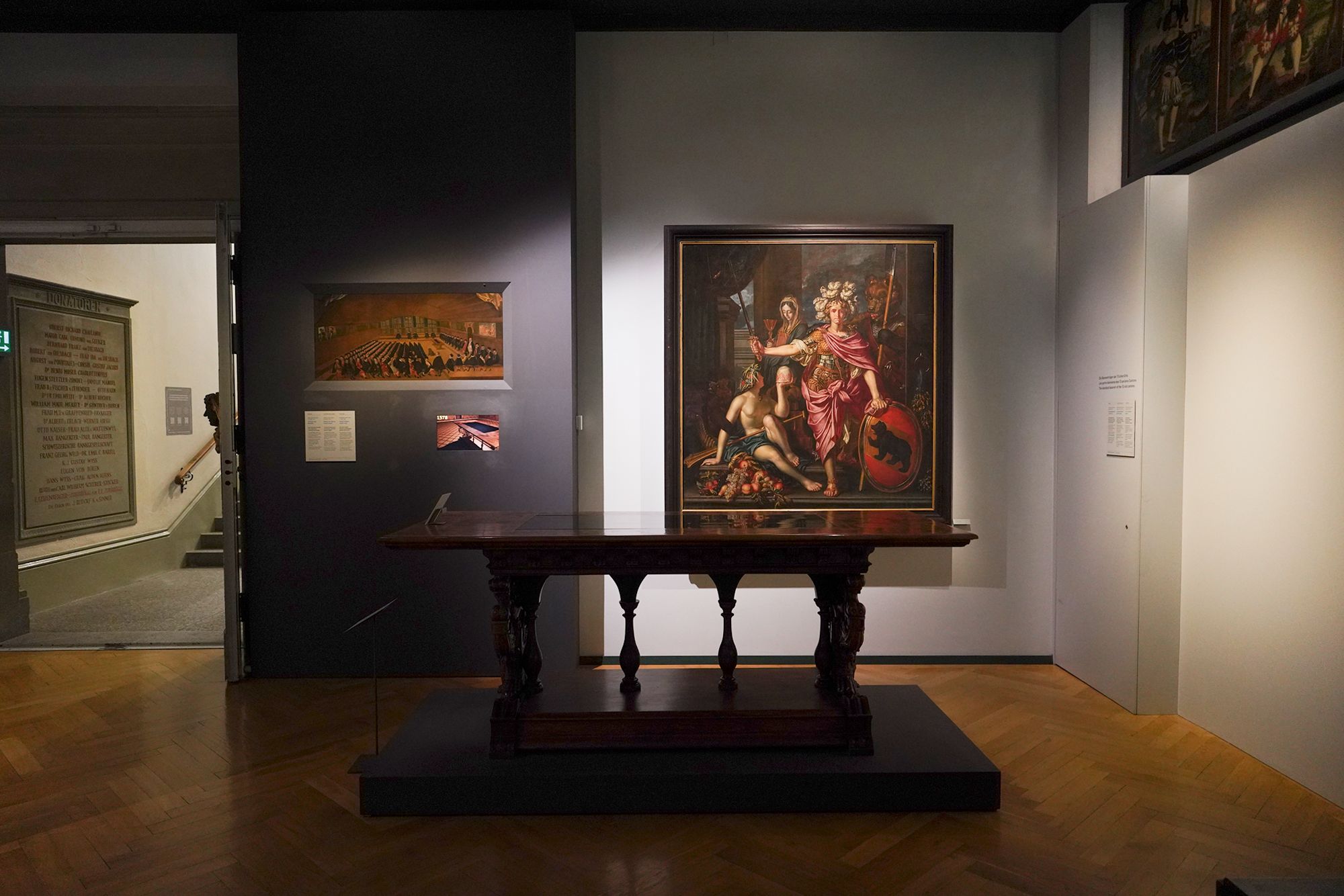
In old Bern, the city council was also responsible for administering justice. Paintings and other images with scenes from the Bible and classical antiquity decorated places where judgments were made. They served as constant reminders to councillors that their decisions should be fair and impartial rather than influenced by personal interests.
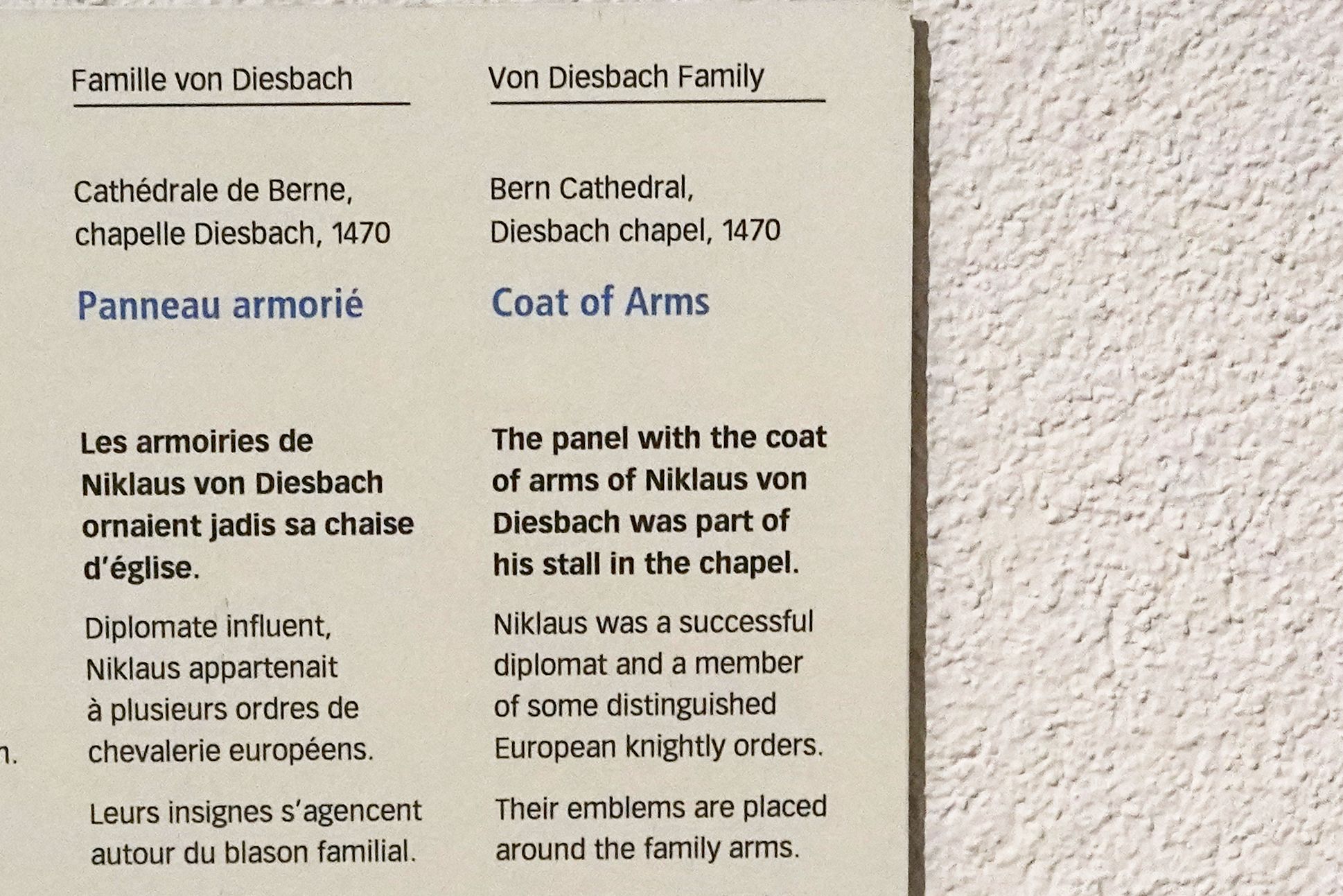
Family, Marriage, and Social Status
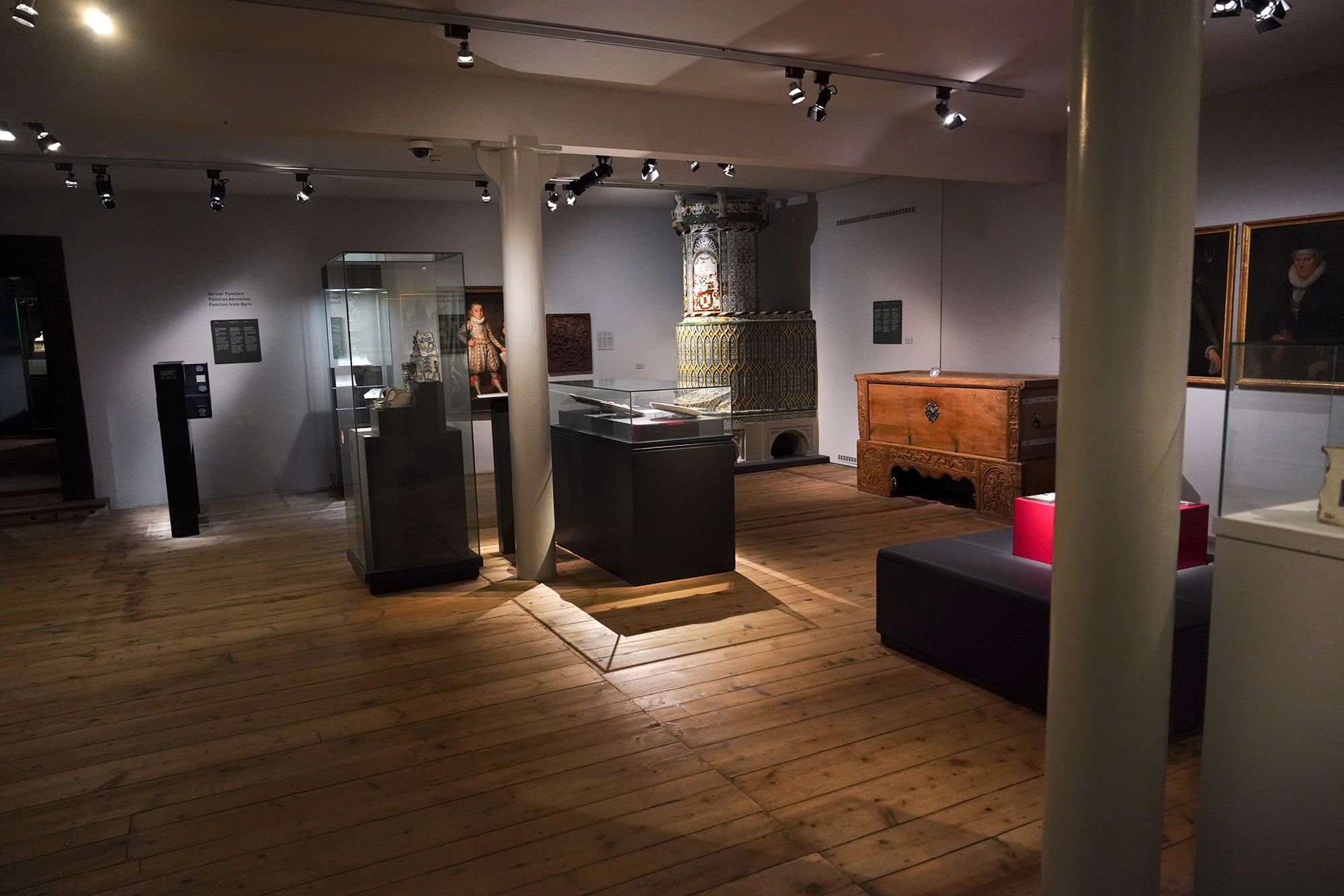
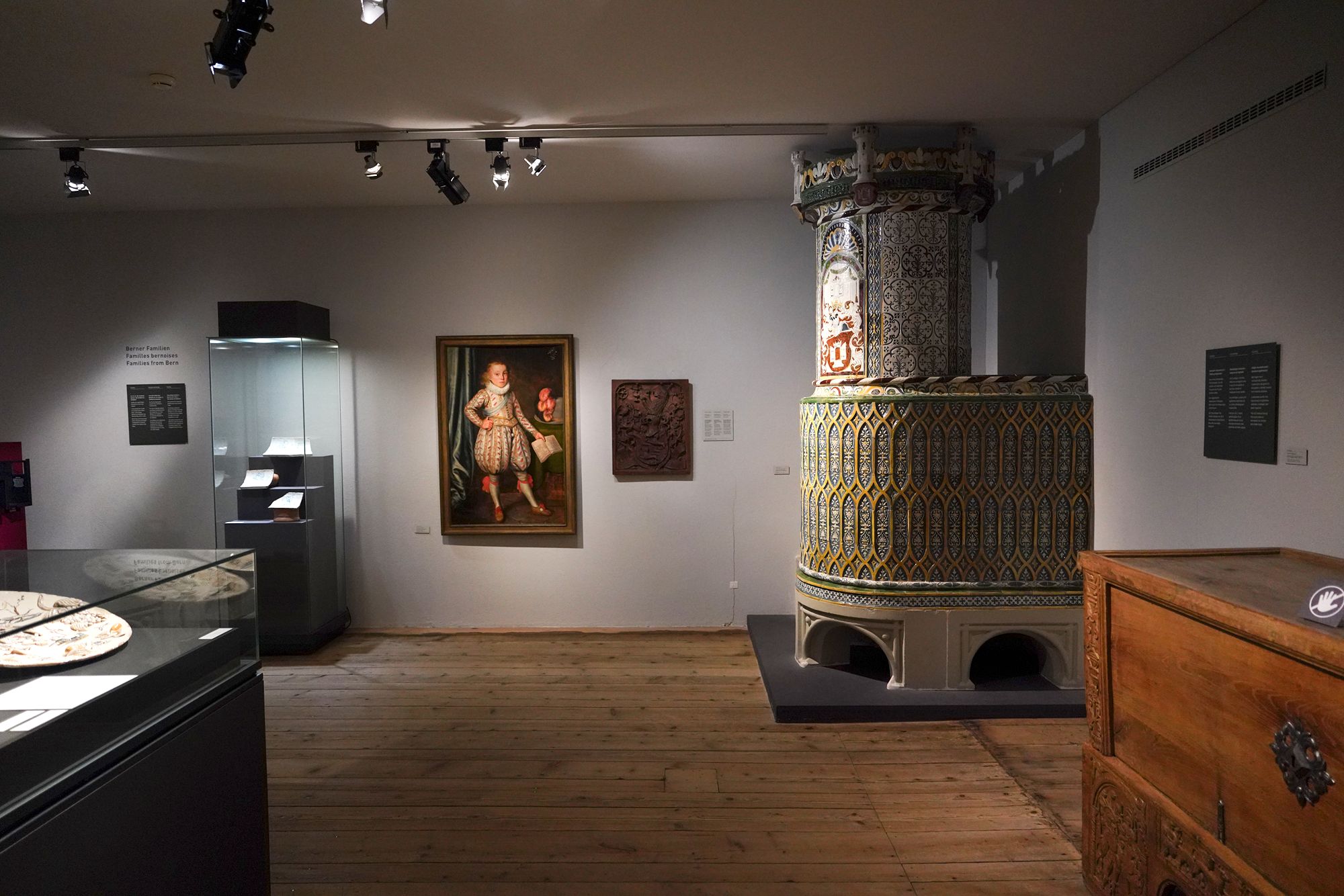
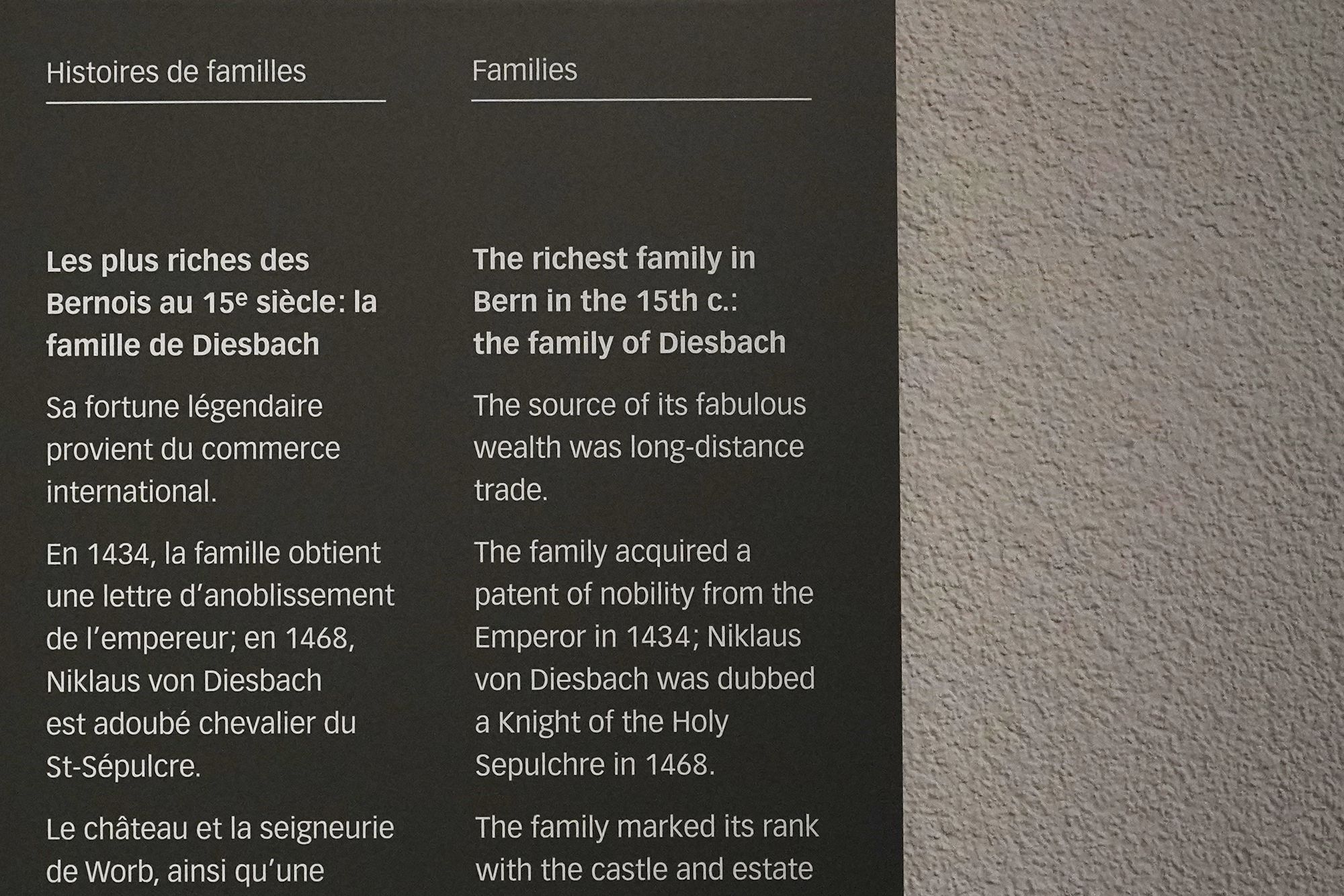
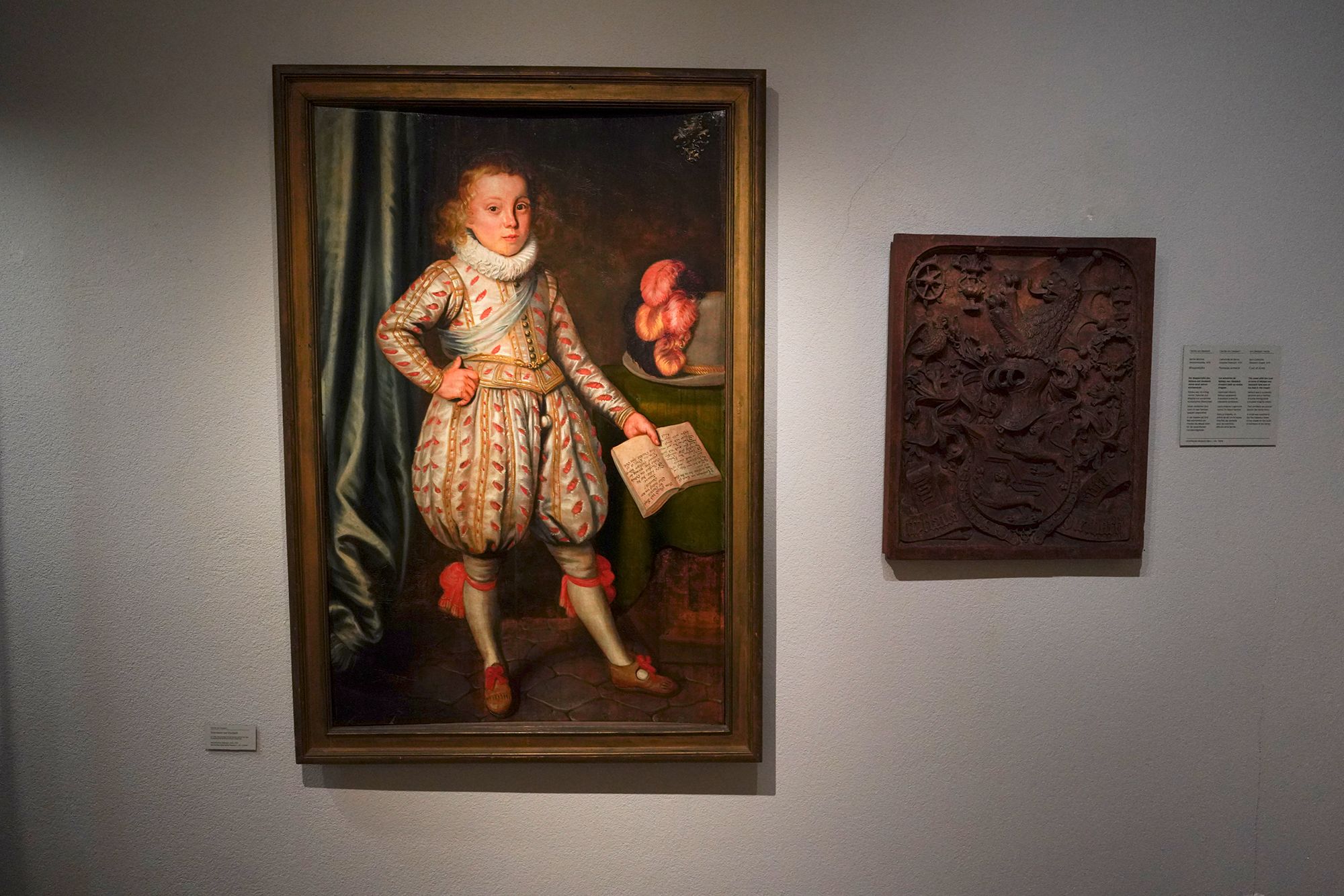
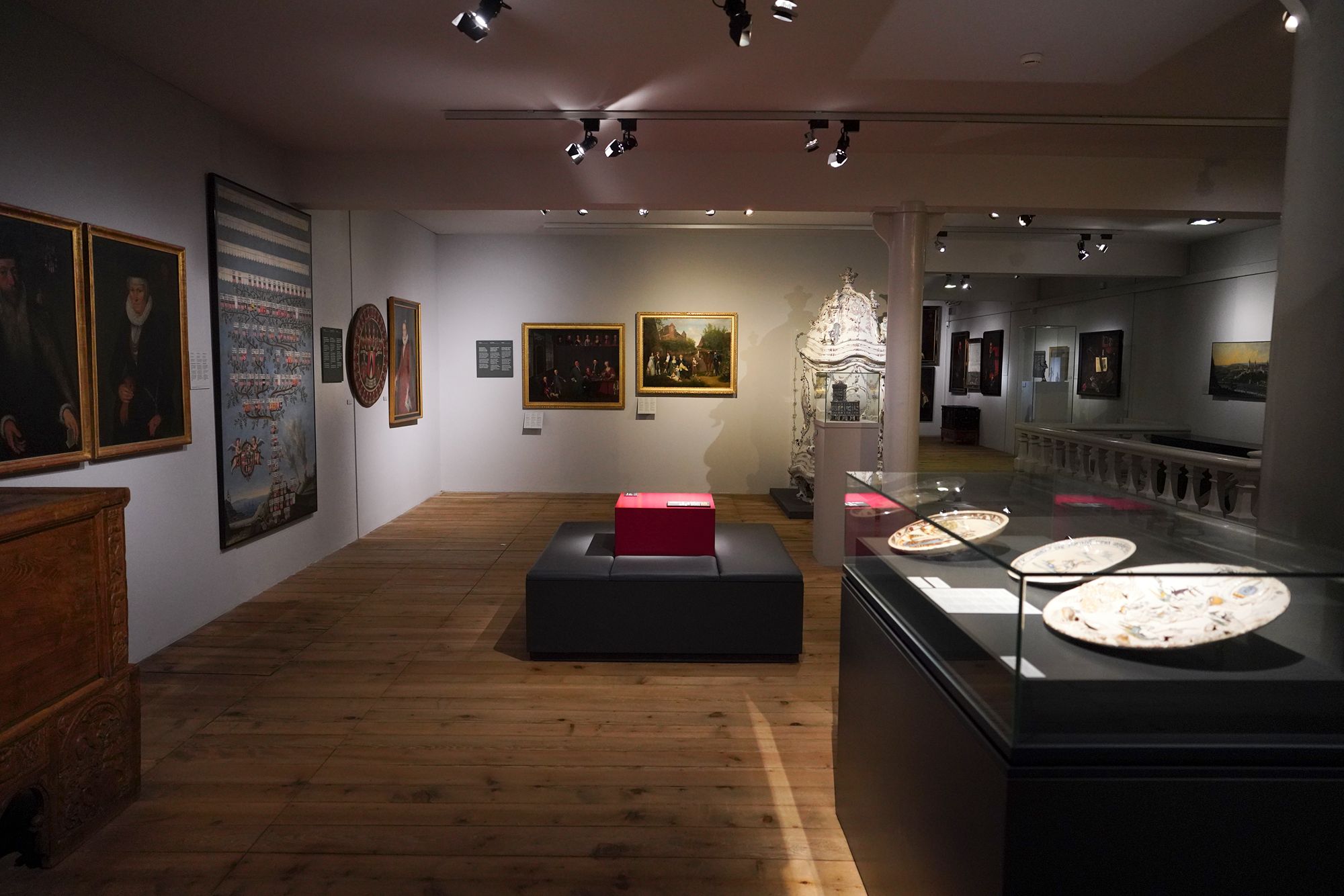
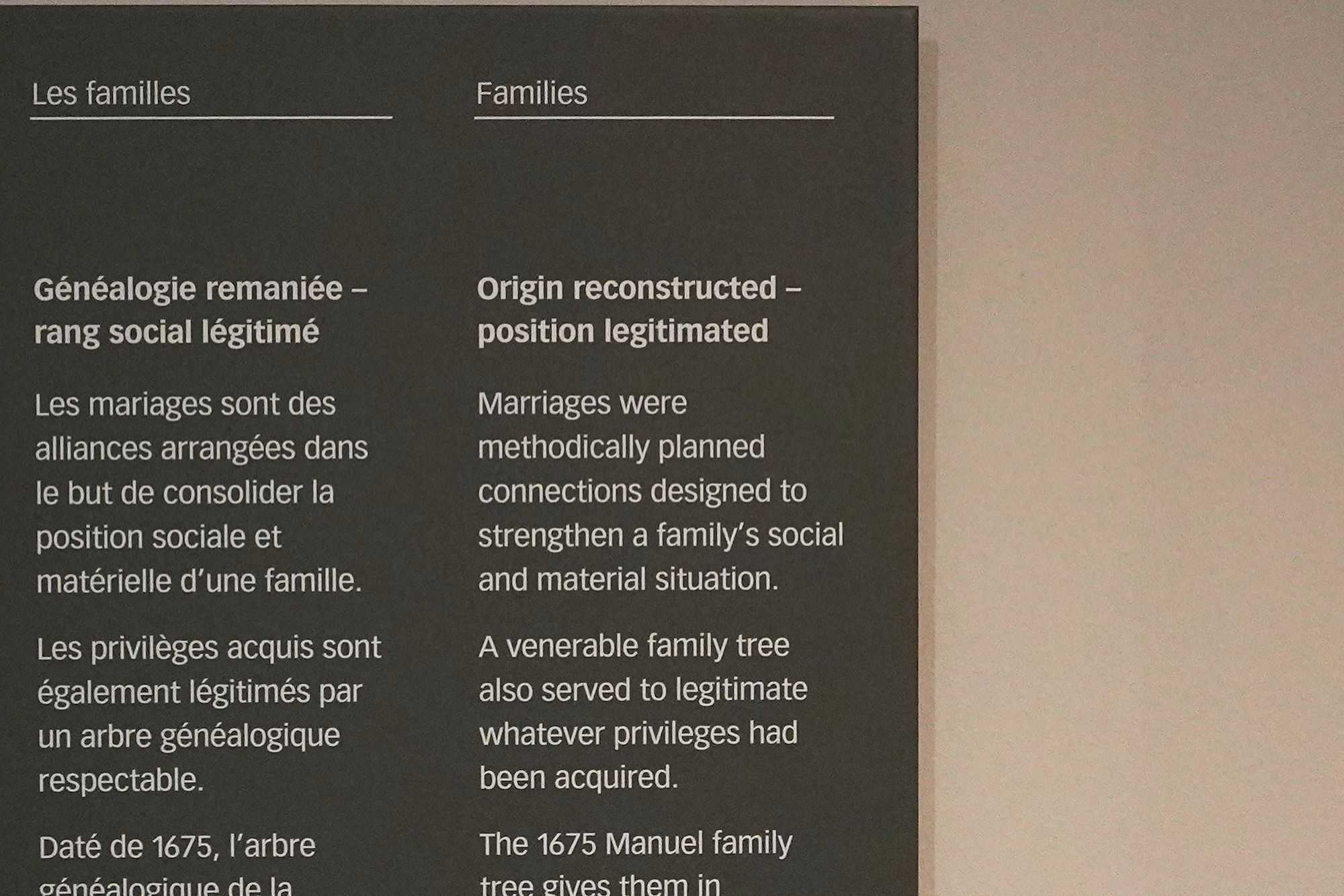
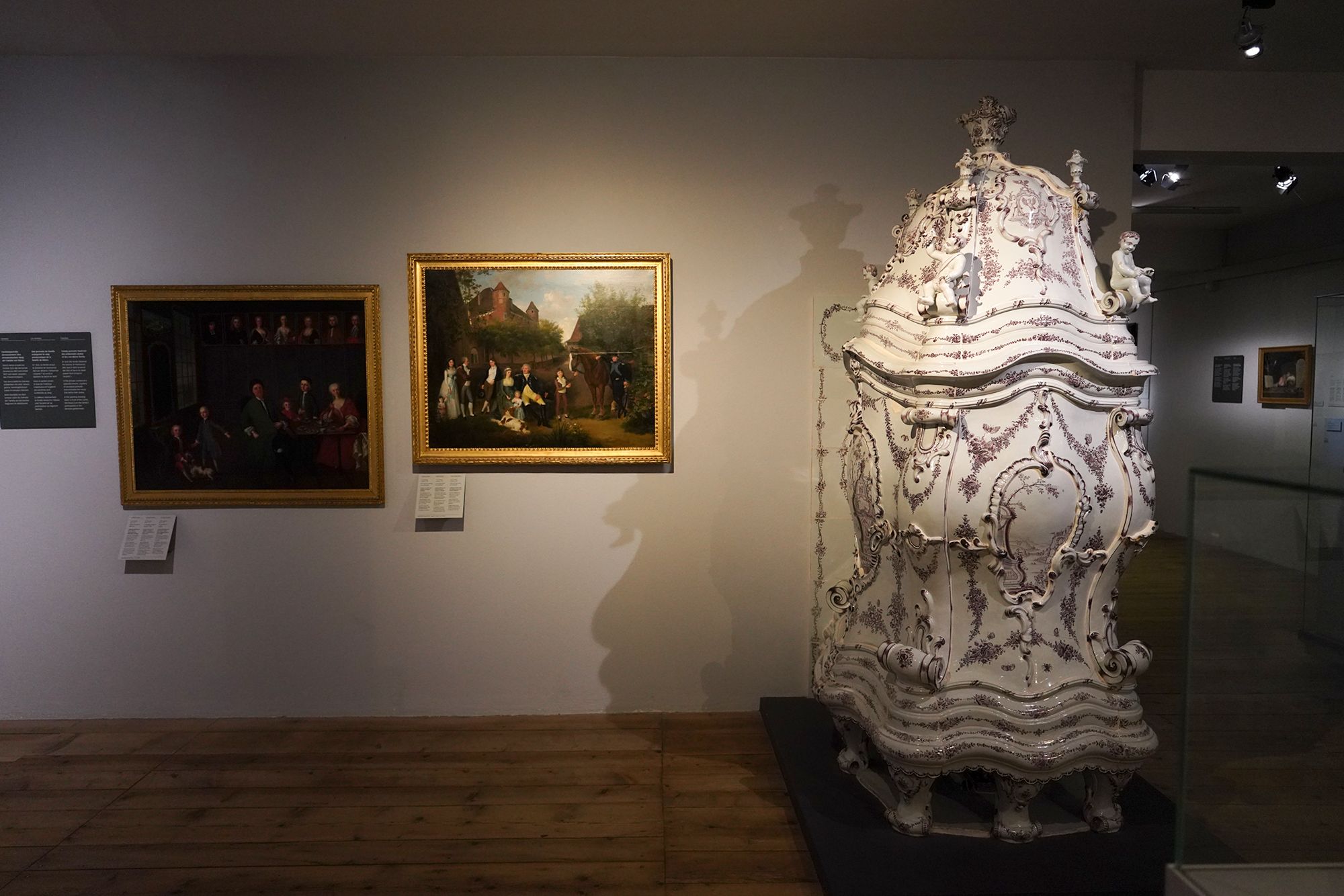
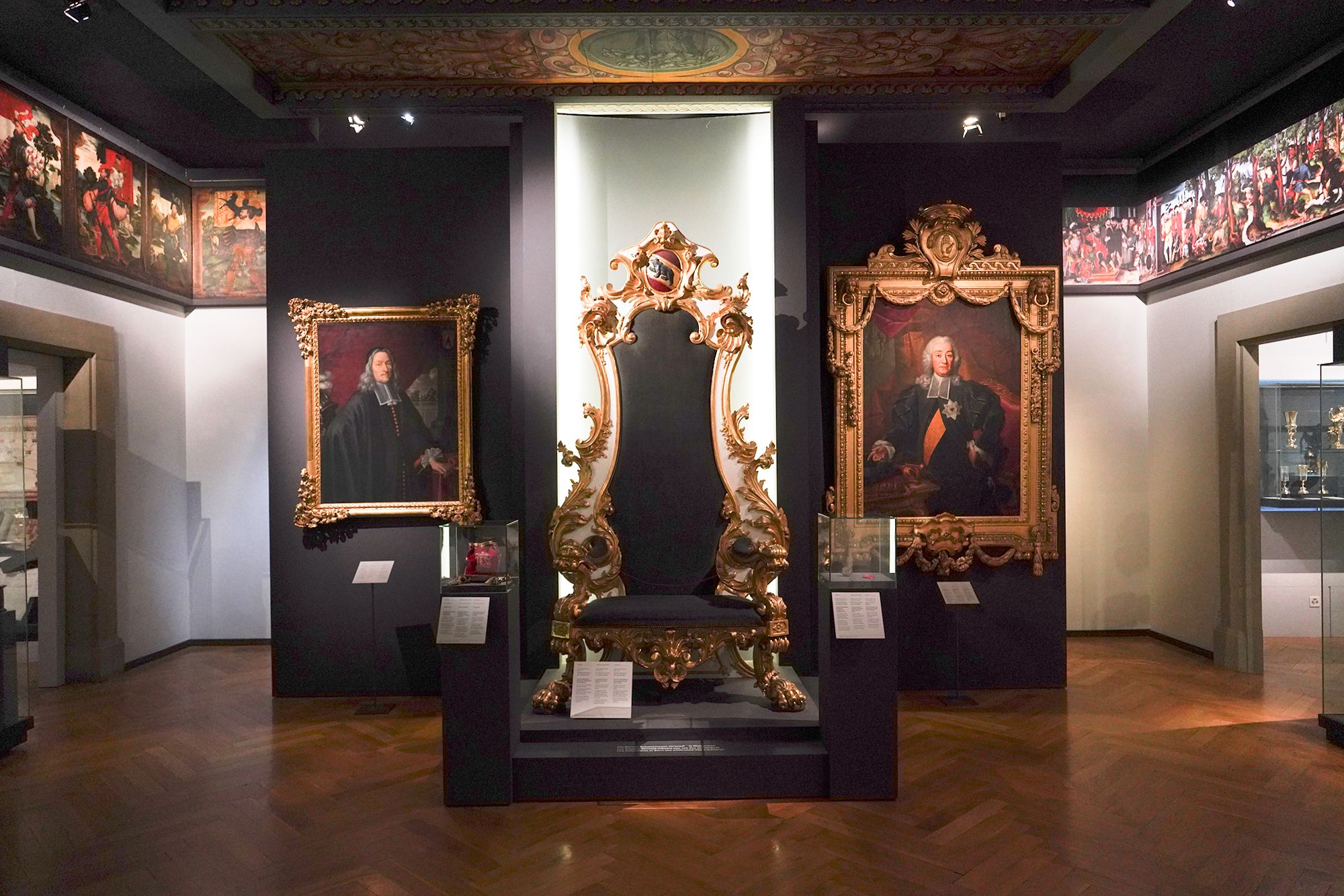
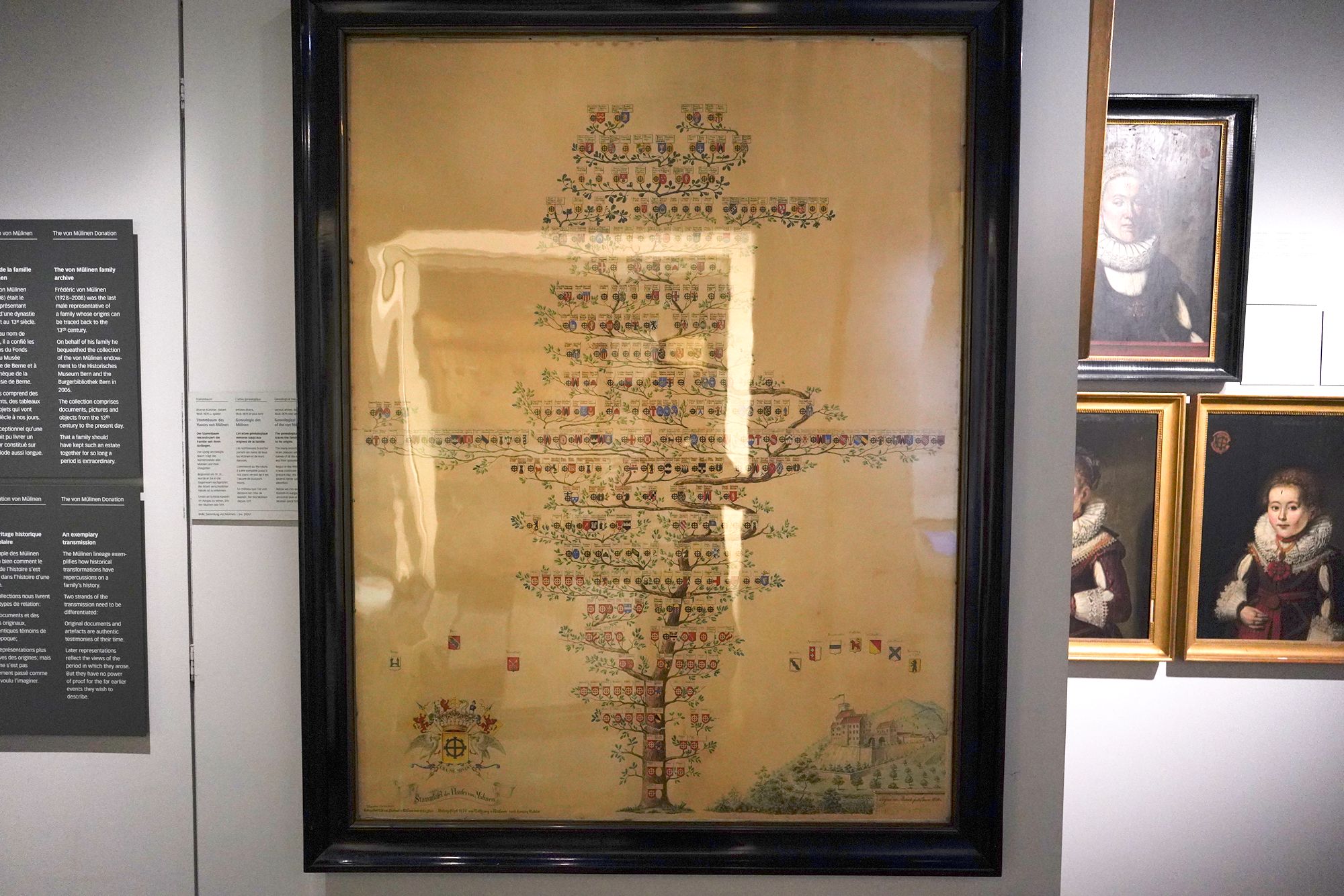
Among Bern’s leading families, marriage was often carefully planned to strengthen wealth, political connections, and social position. Prominent families also emphasized—or sometimes reconstructed—their ancestry through elaborate family trees. A prestigious lineage helped justify the family’s status and privileges and demonstrated its place among Bern’s ruling elite.
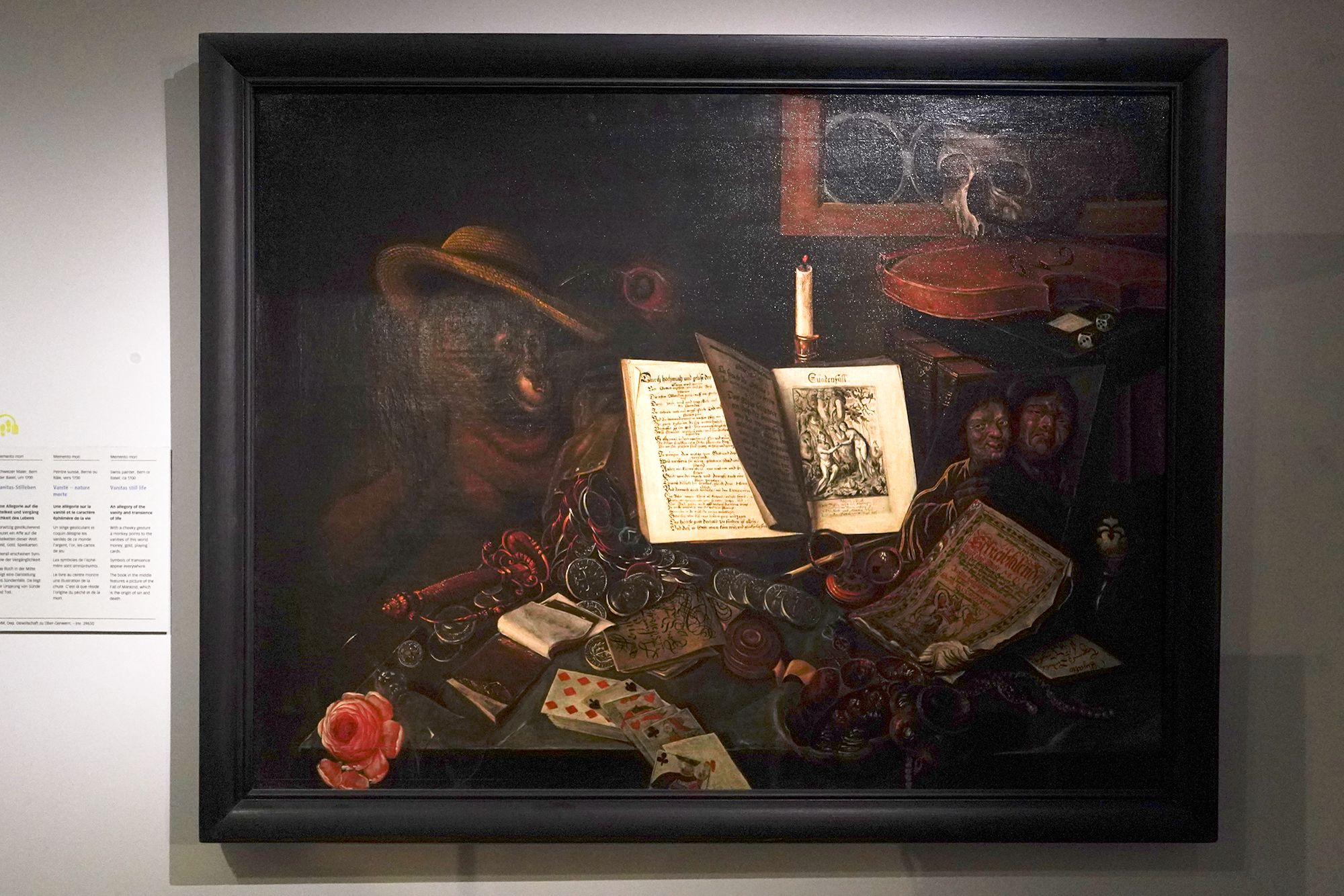
Art in the Late Middle Ages
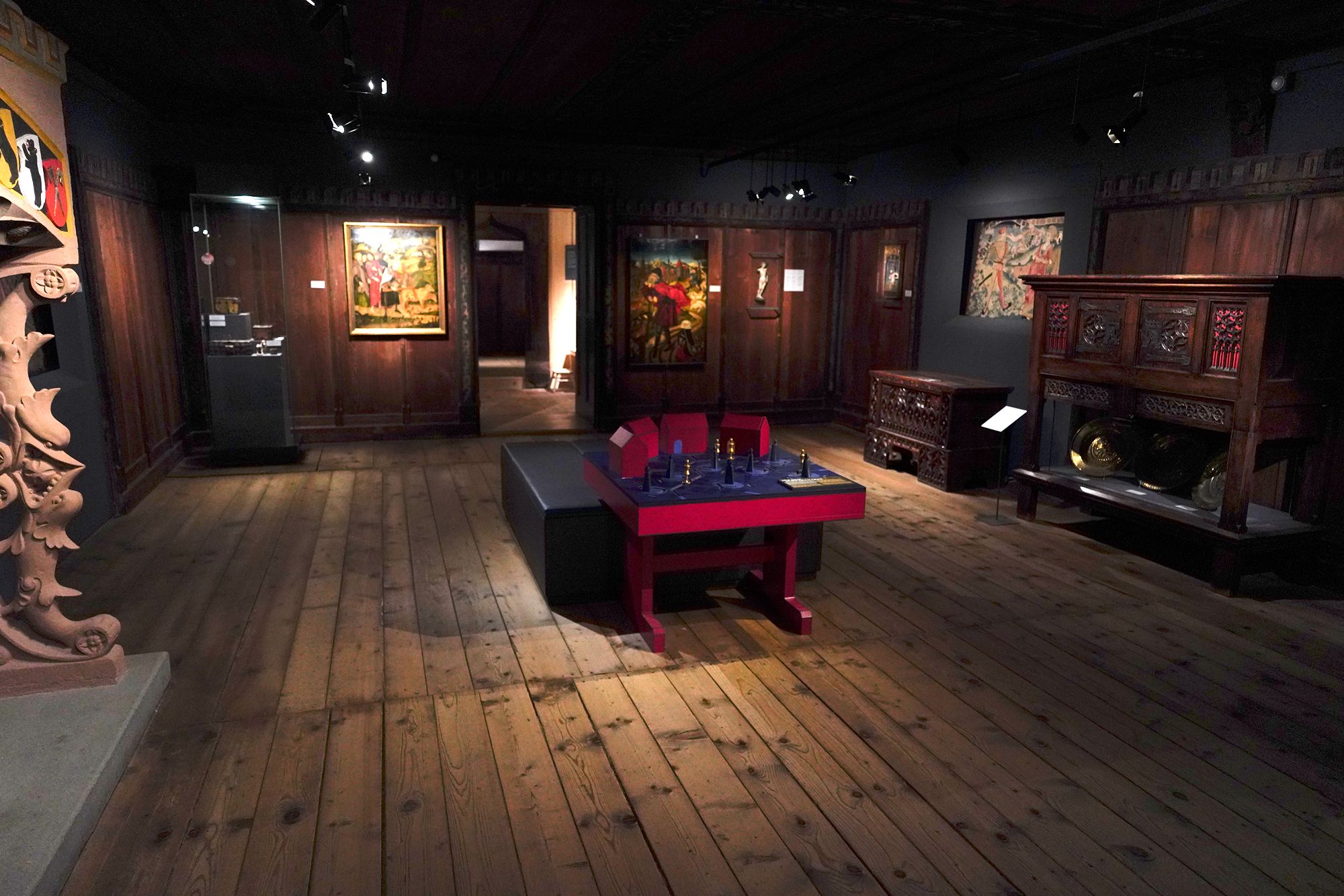
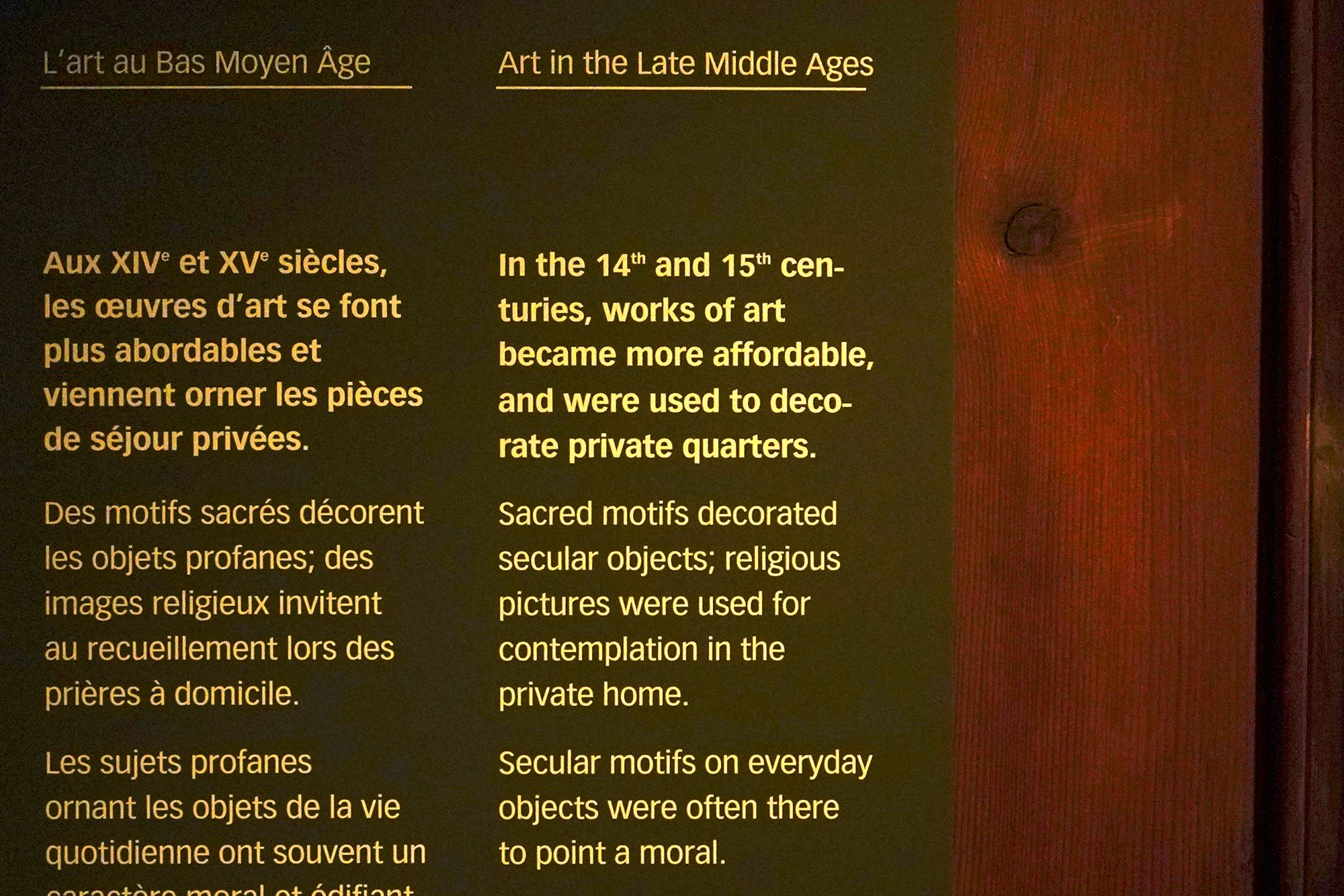
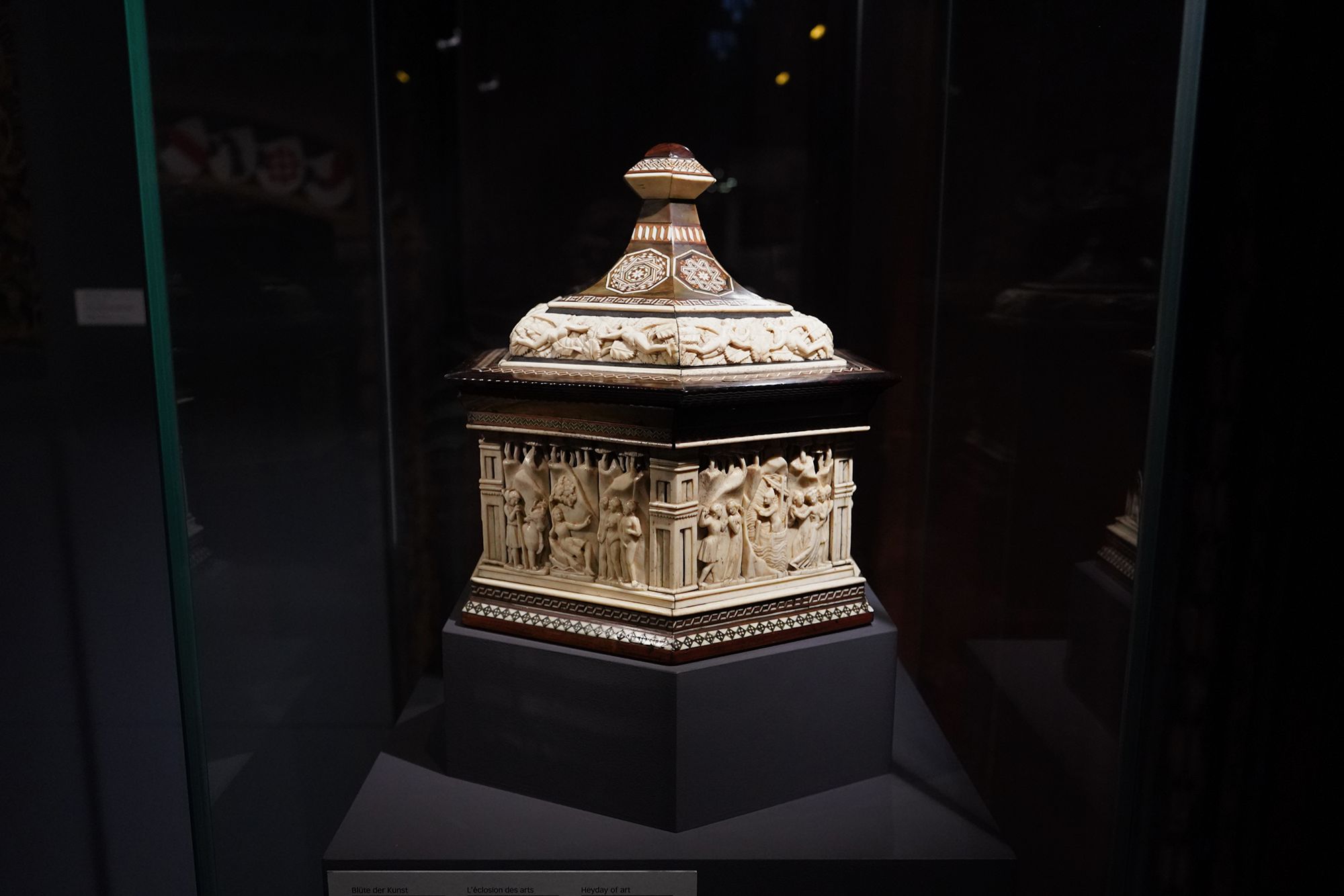
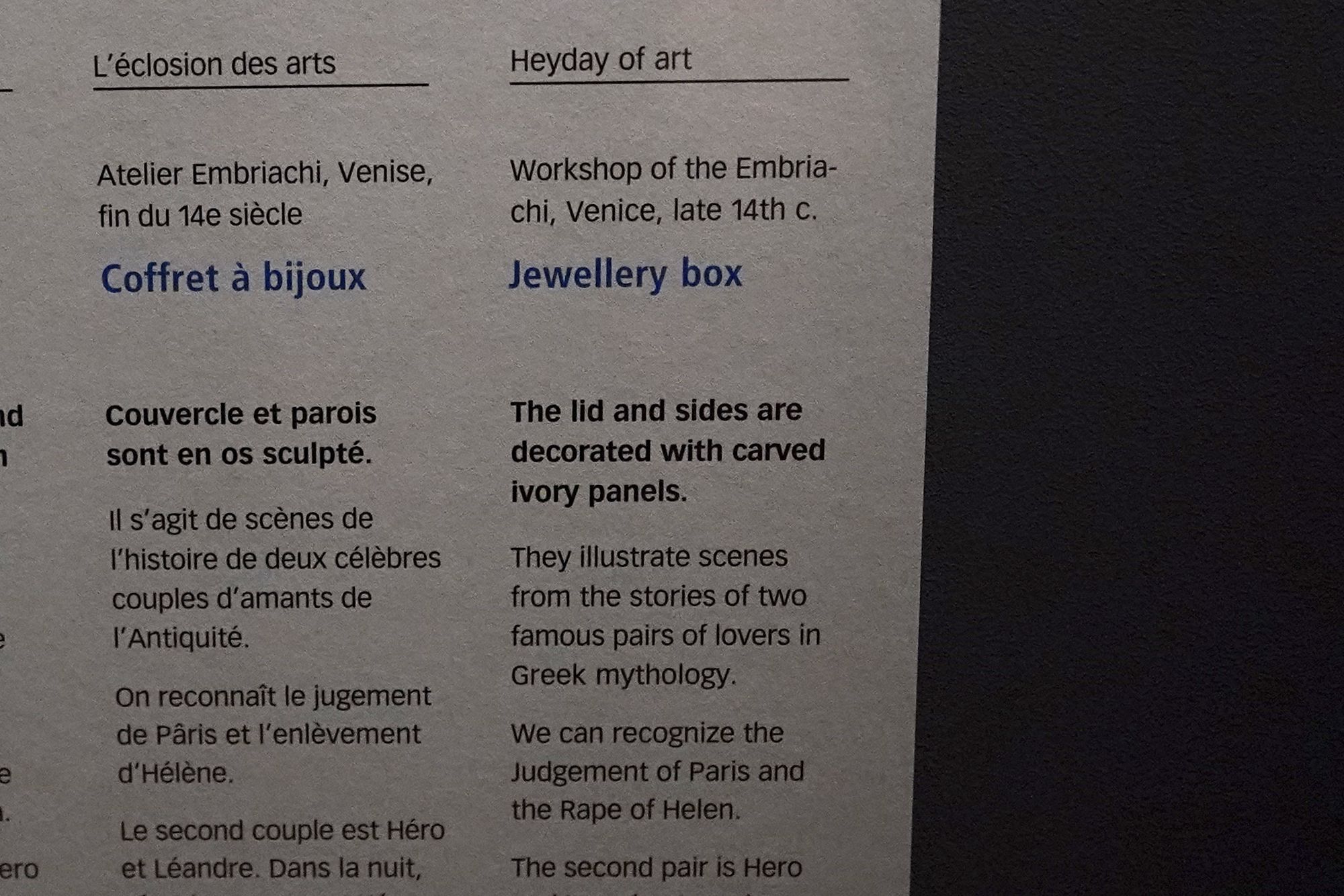
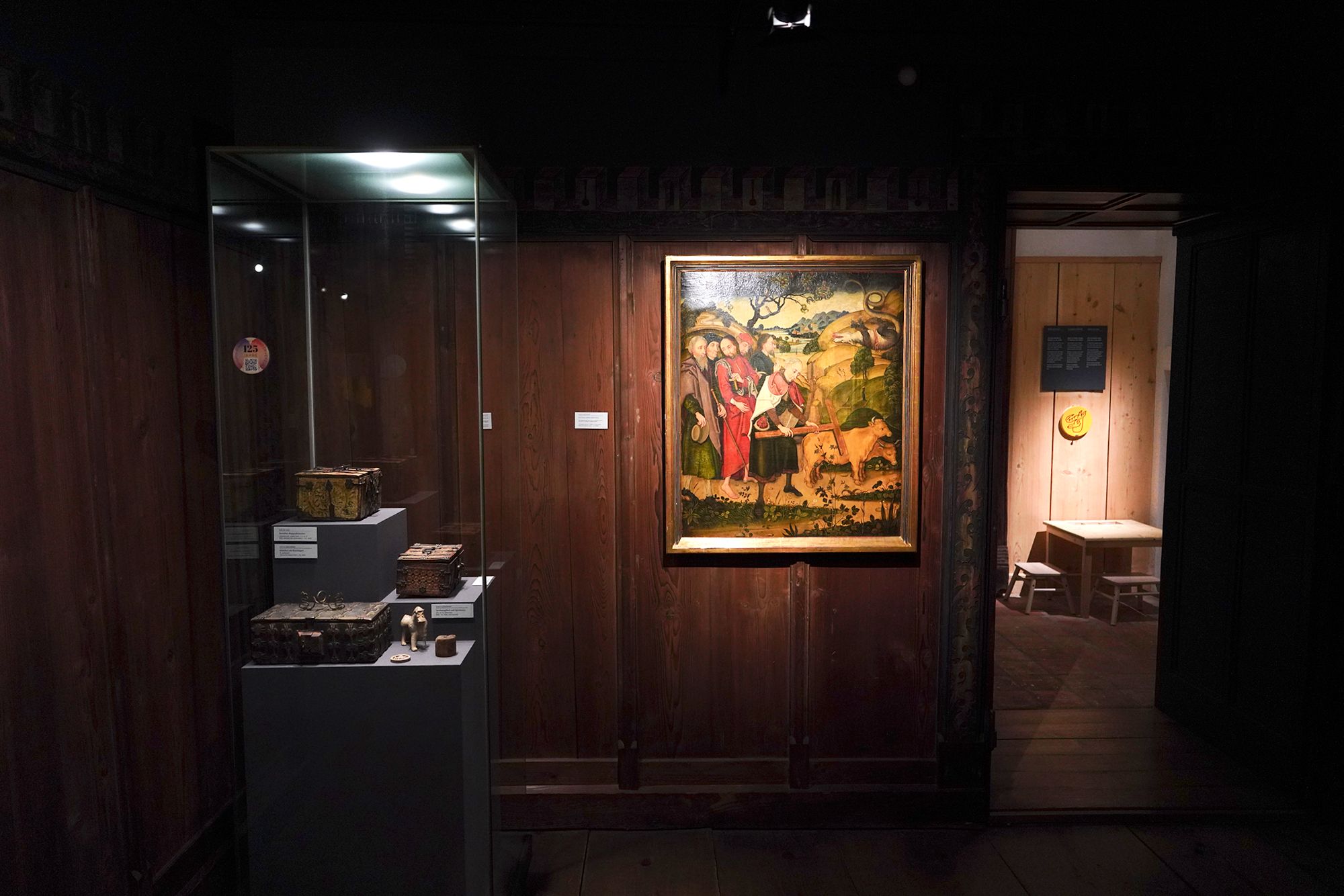
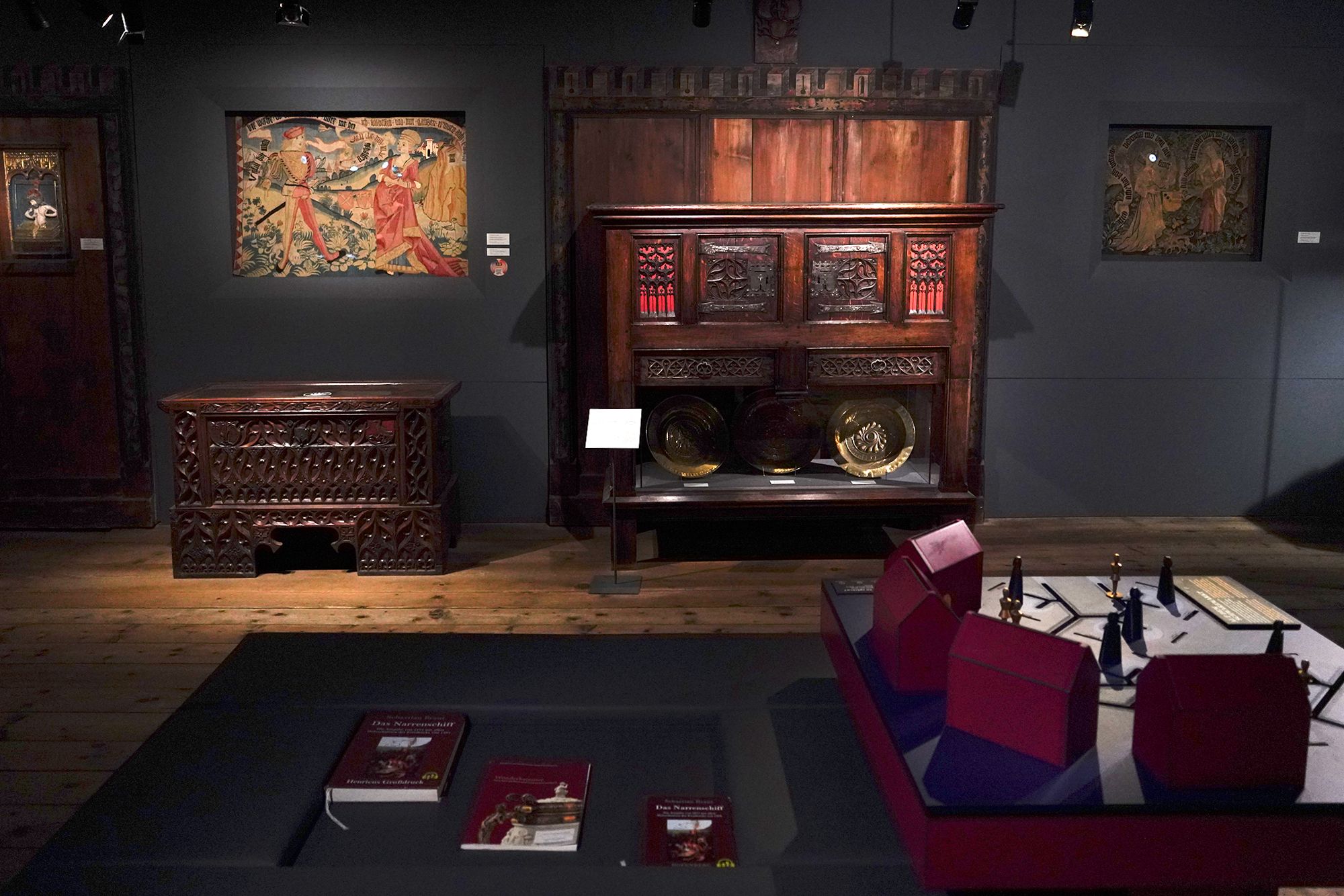
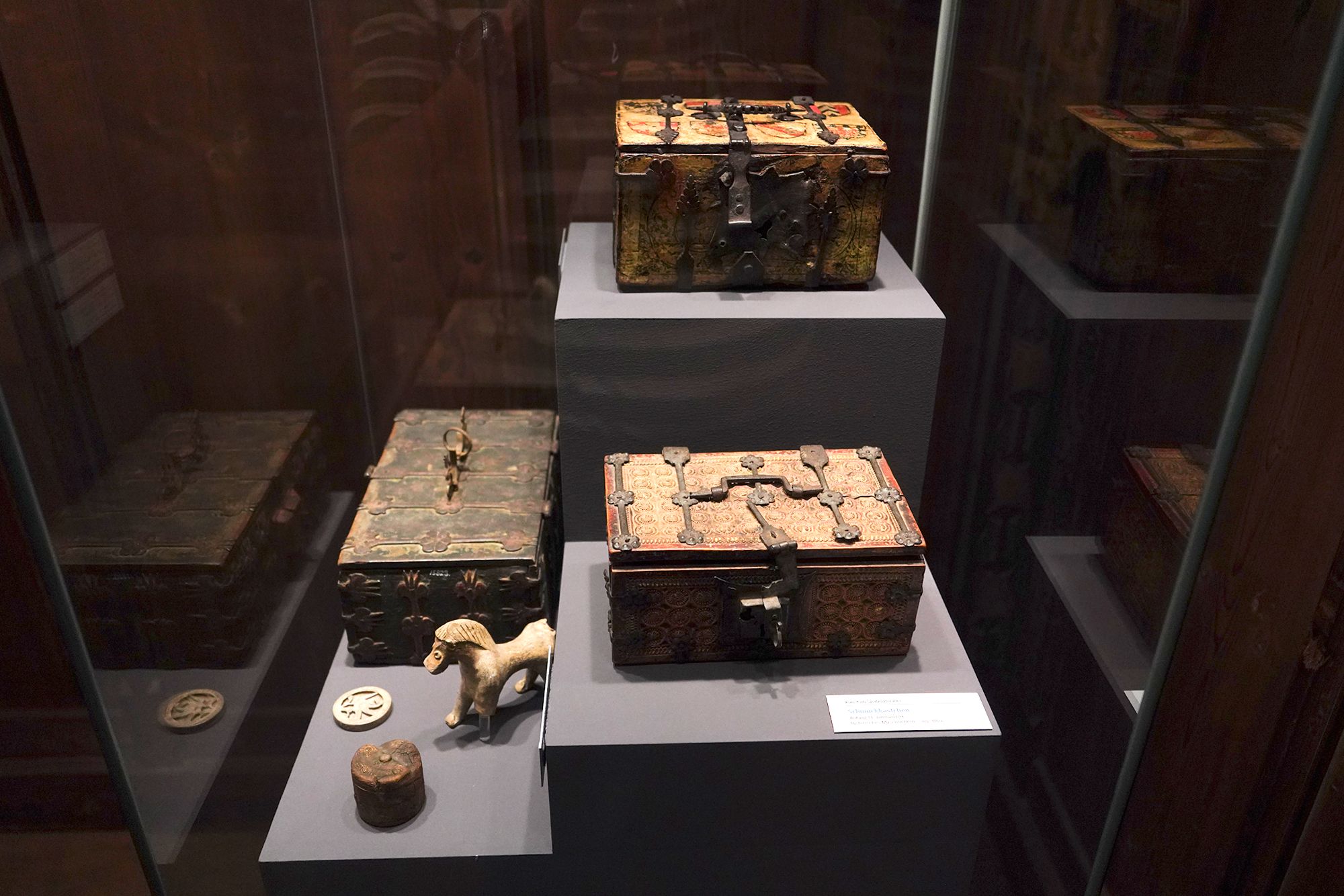
During the 14th and 15th centuries, art became increasingly common in the homes of wealthy families. Religious paintings and sacred images were used for private prayer and contemplation, while decorated household objects often combined religious or secular scenes with moral messages. Art was gradually becoming part of everyday domestic life rather than being limited mainly to churches.
Kitchen and Living Room
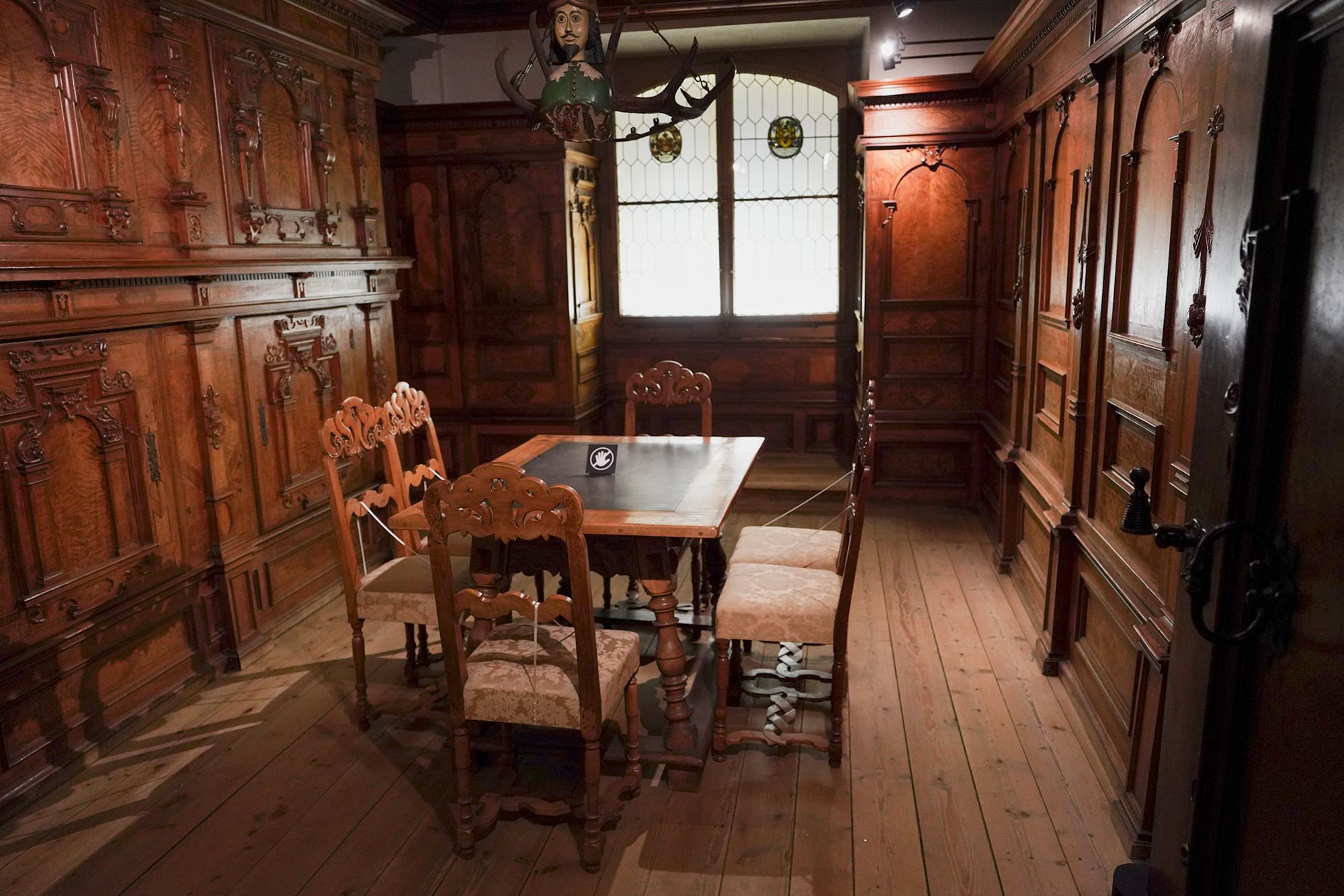
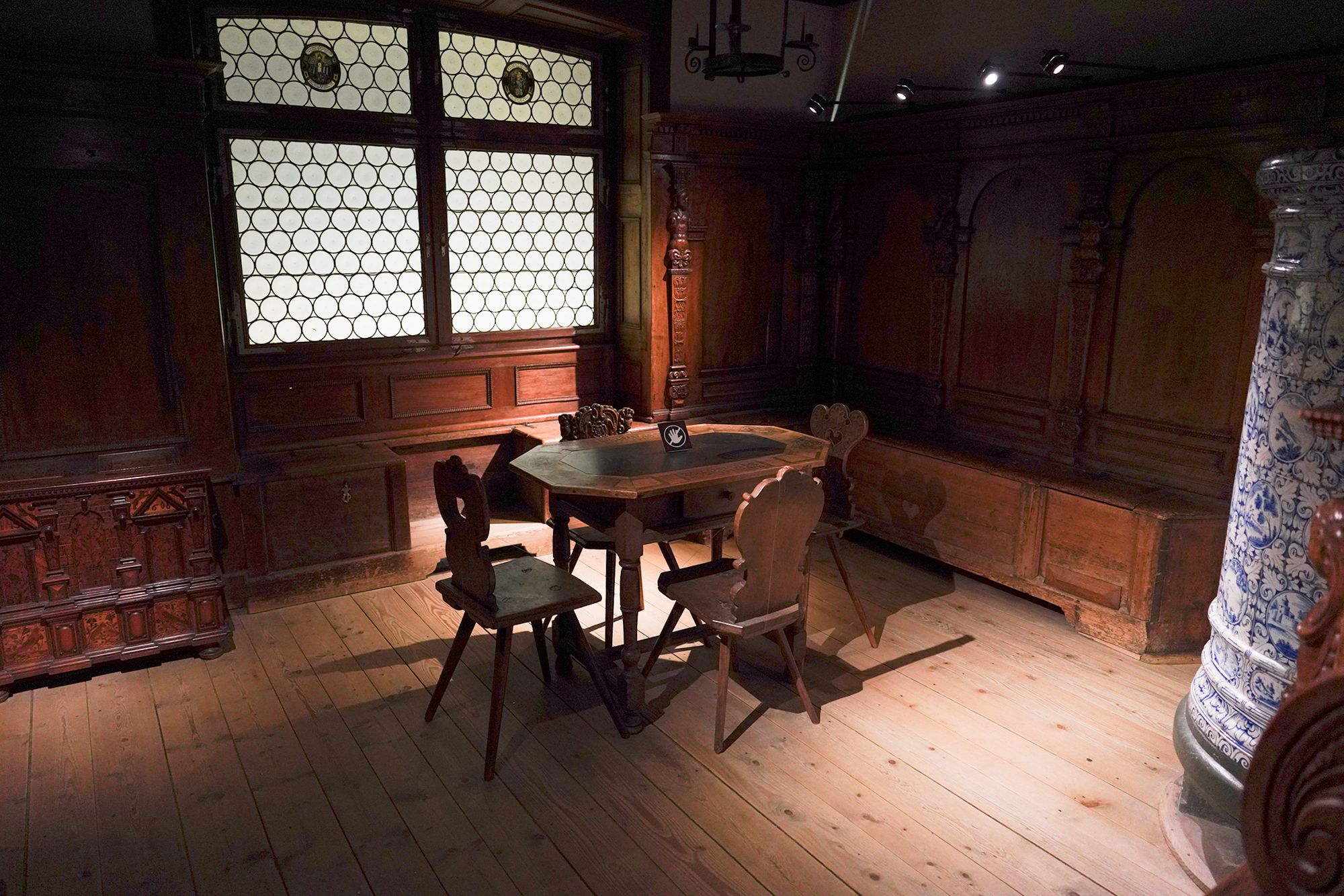
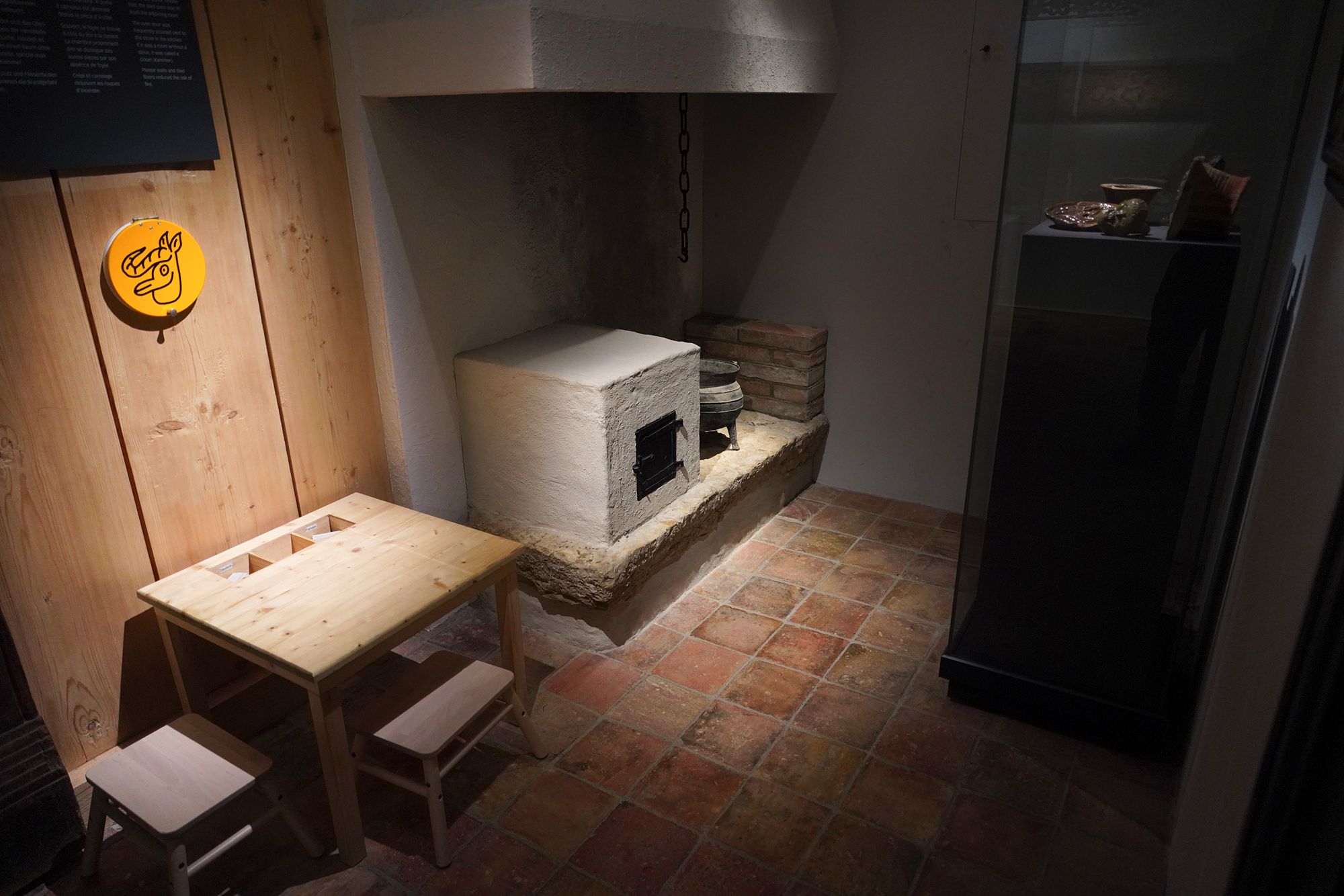
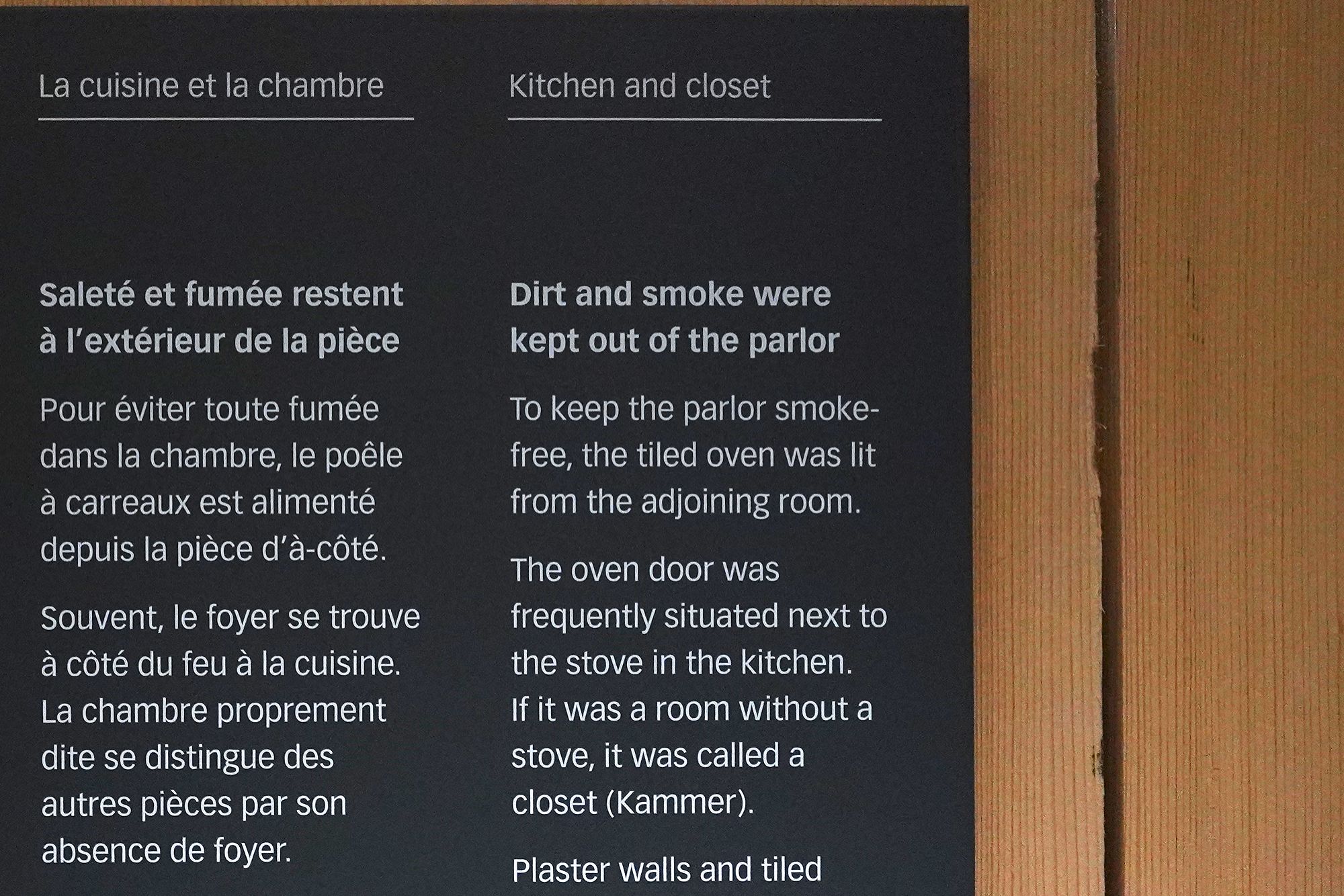
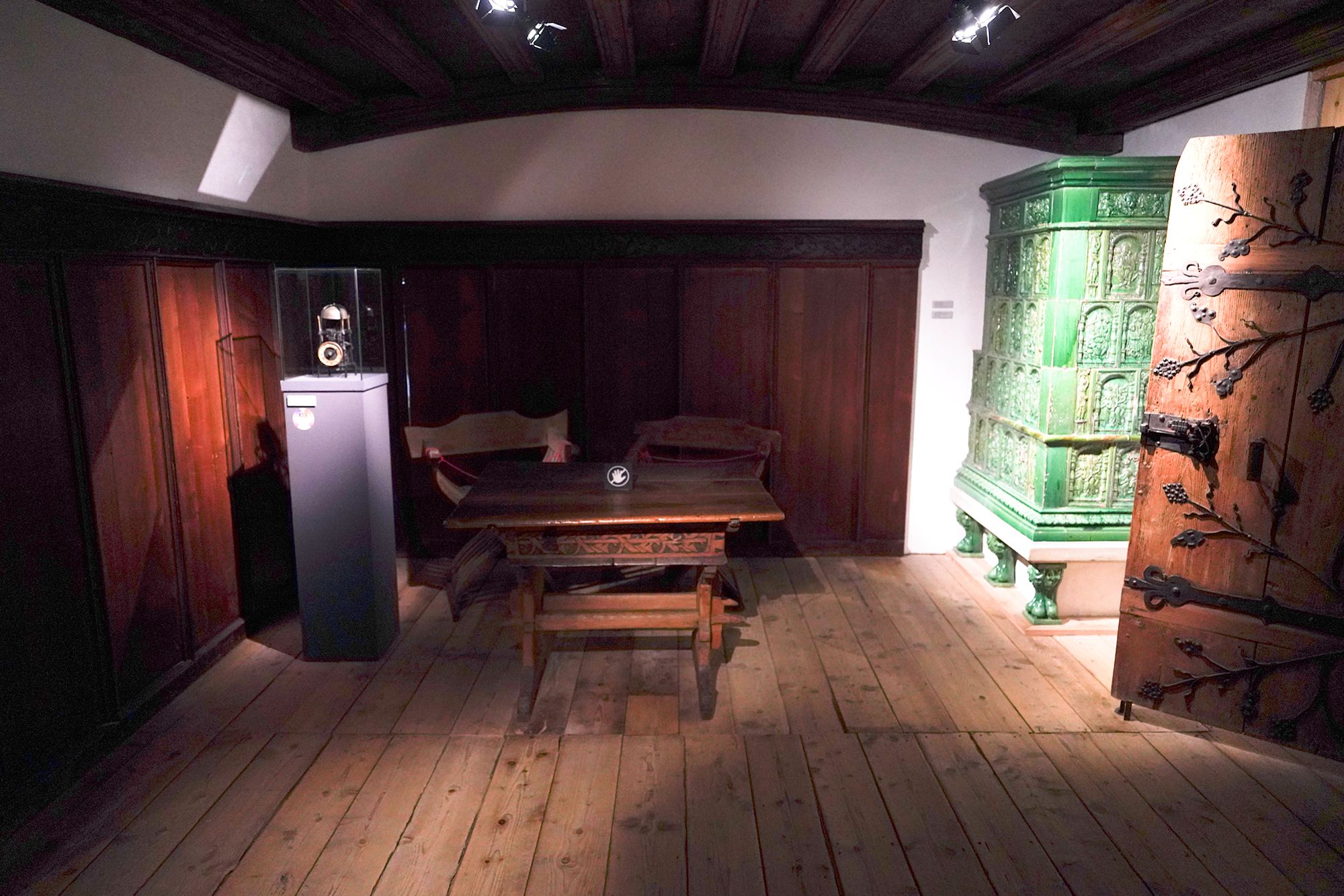
In traditional Bernese homes, the main living room was kept clean and free of smoke by heating it with a tiled stove that was fed with wood from an adjoining room, often the kitchen. This clever arrangement allowed the family to enjoy a warm living space without bringing smoke, soot, and firewood debris into the room.
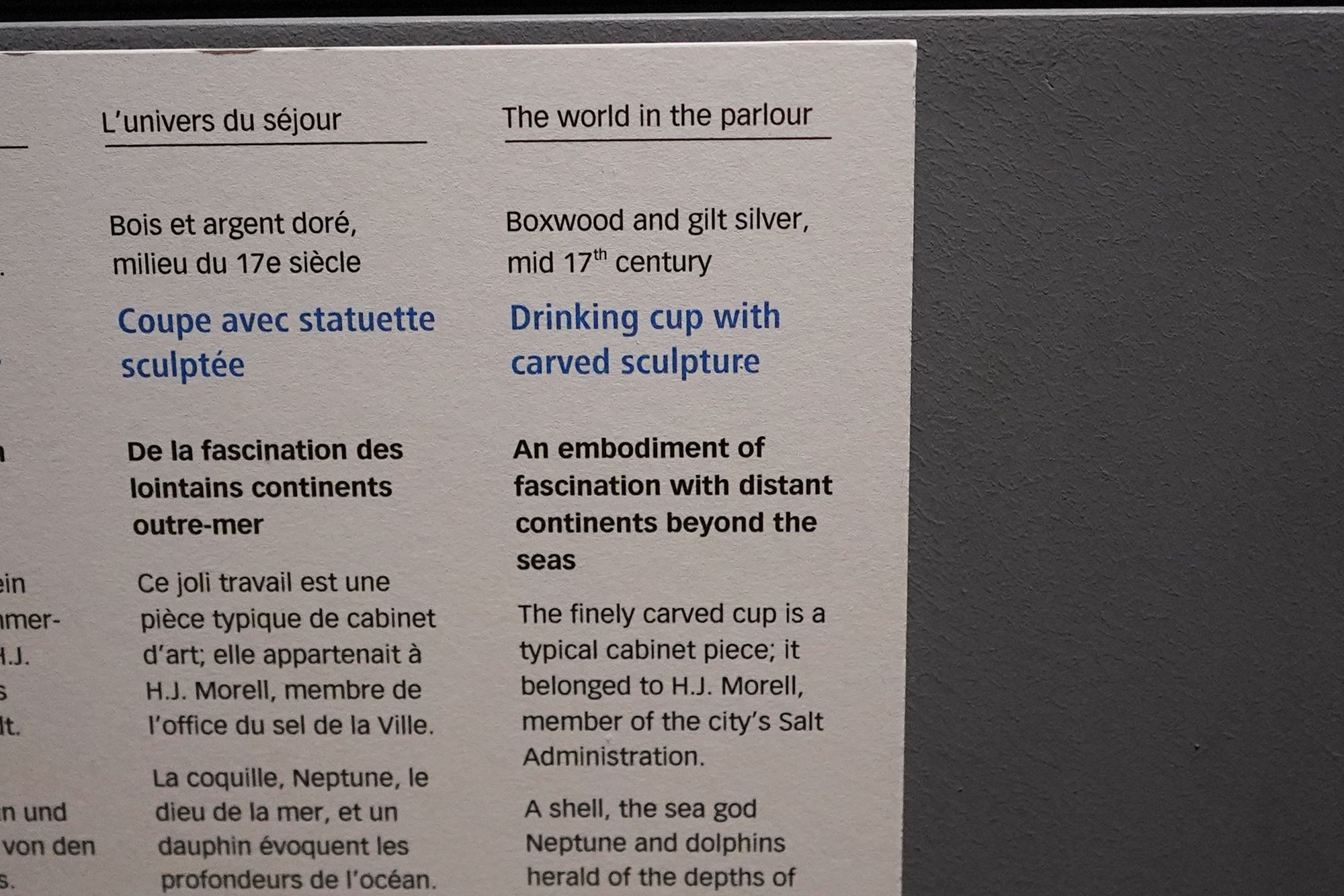
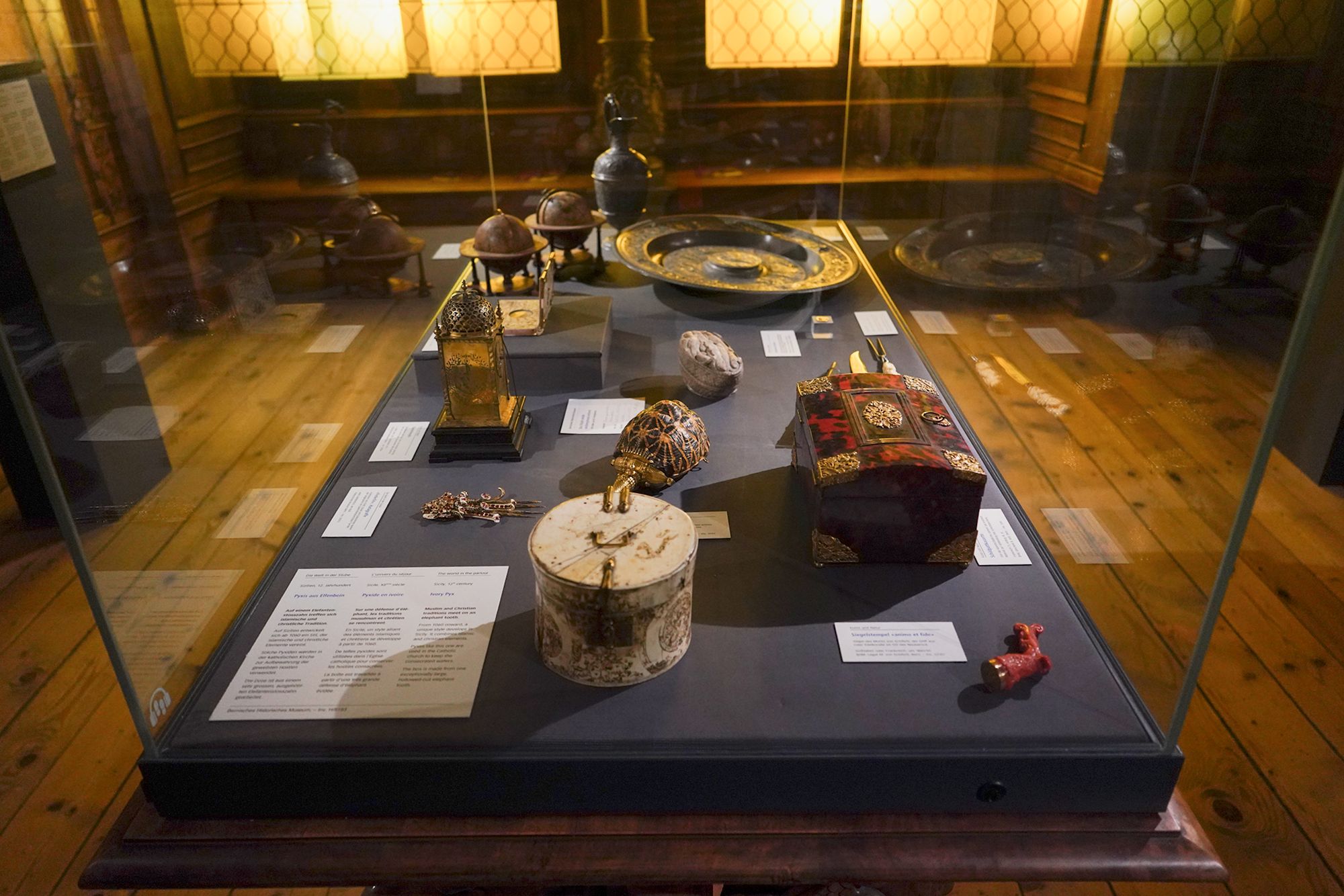
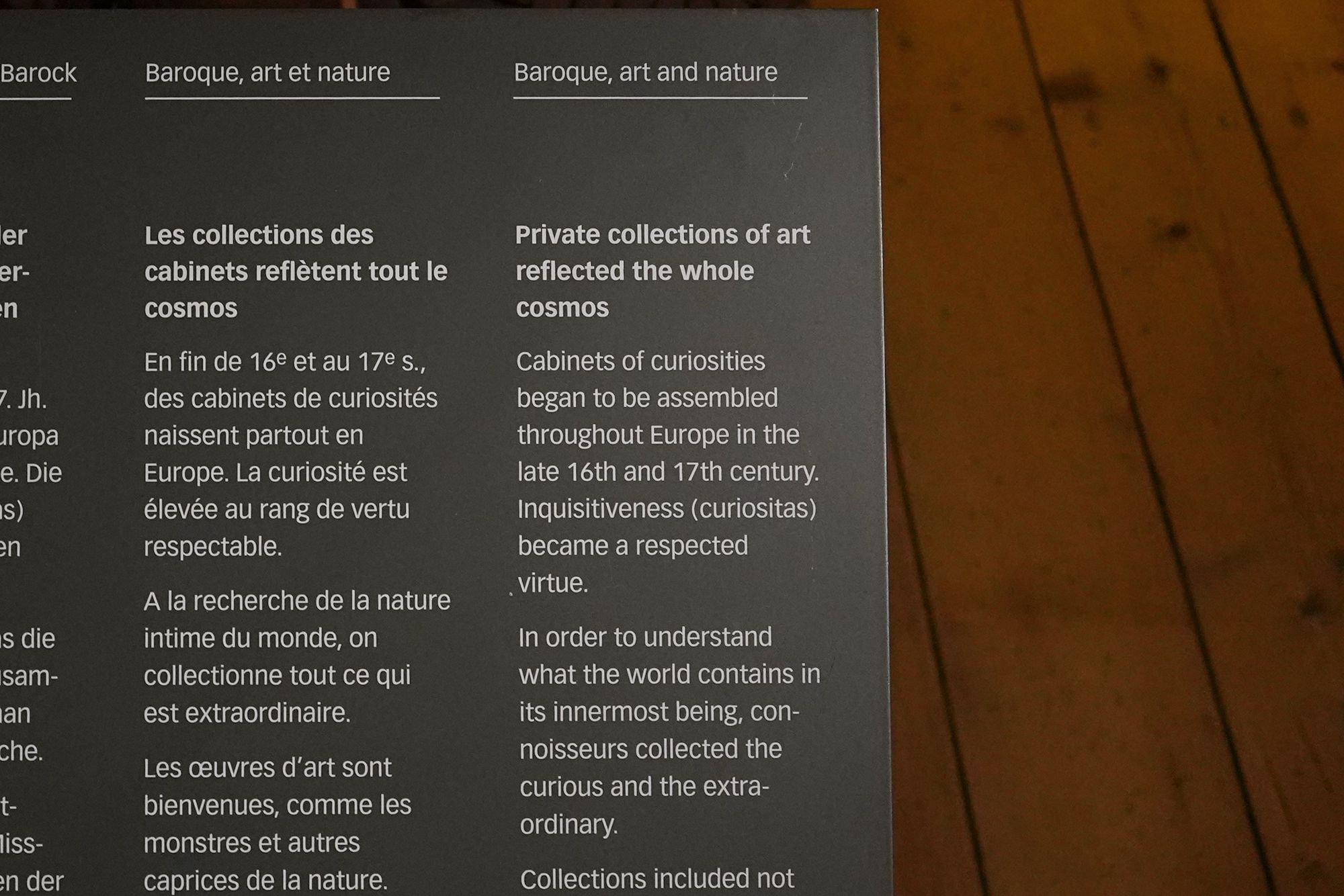
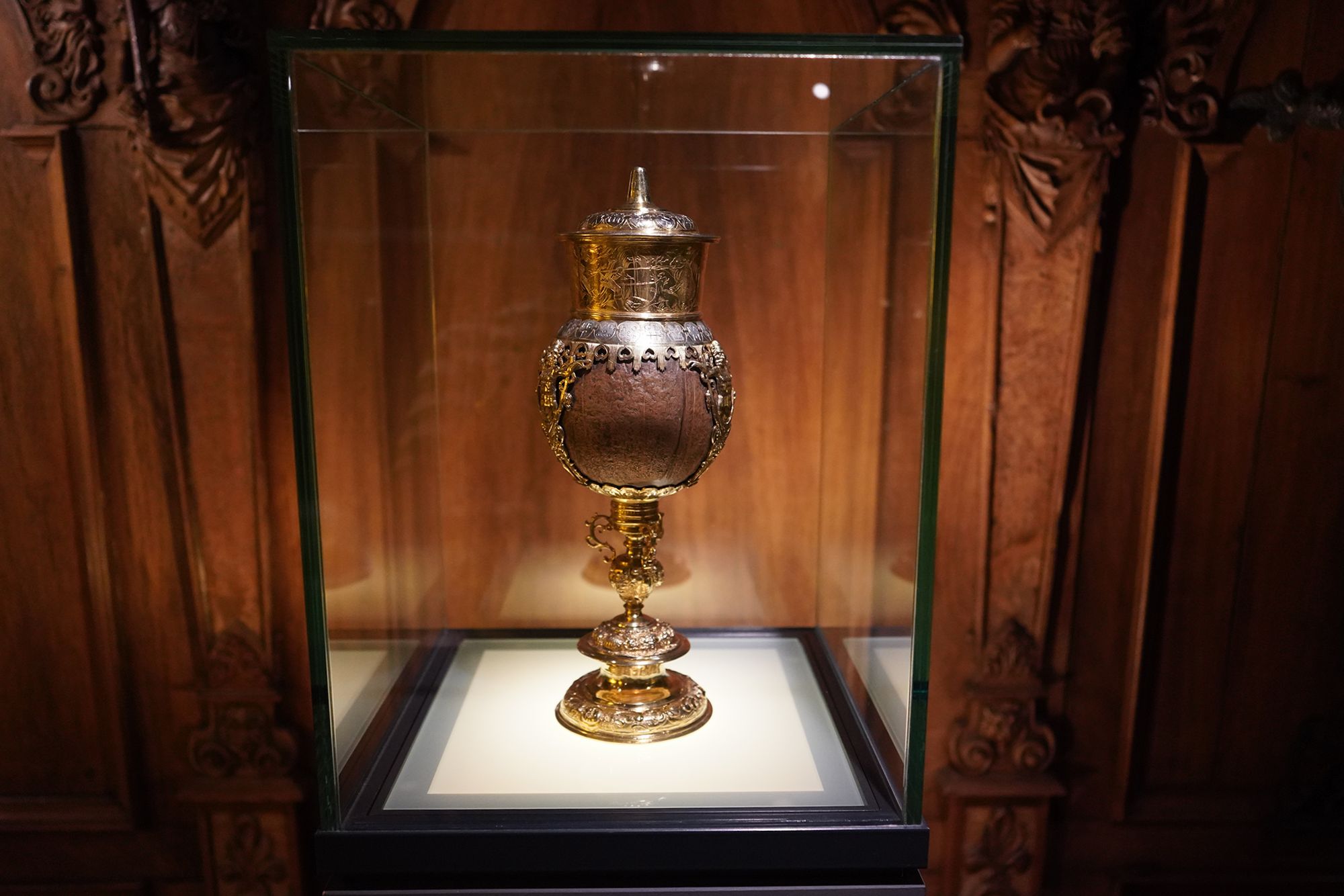
Cabinets of Curiosities
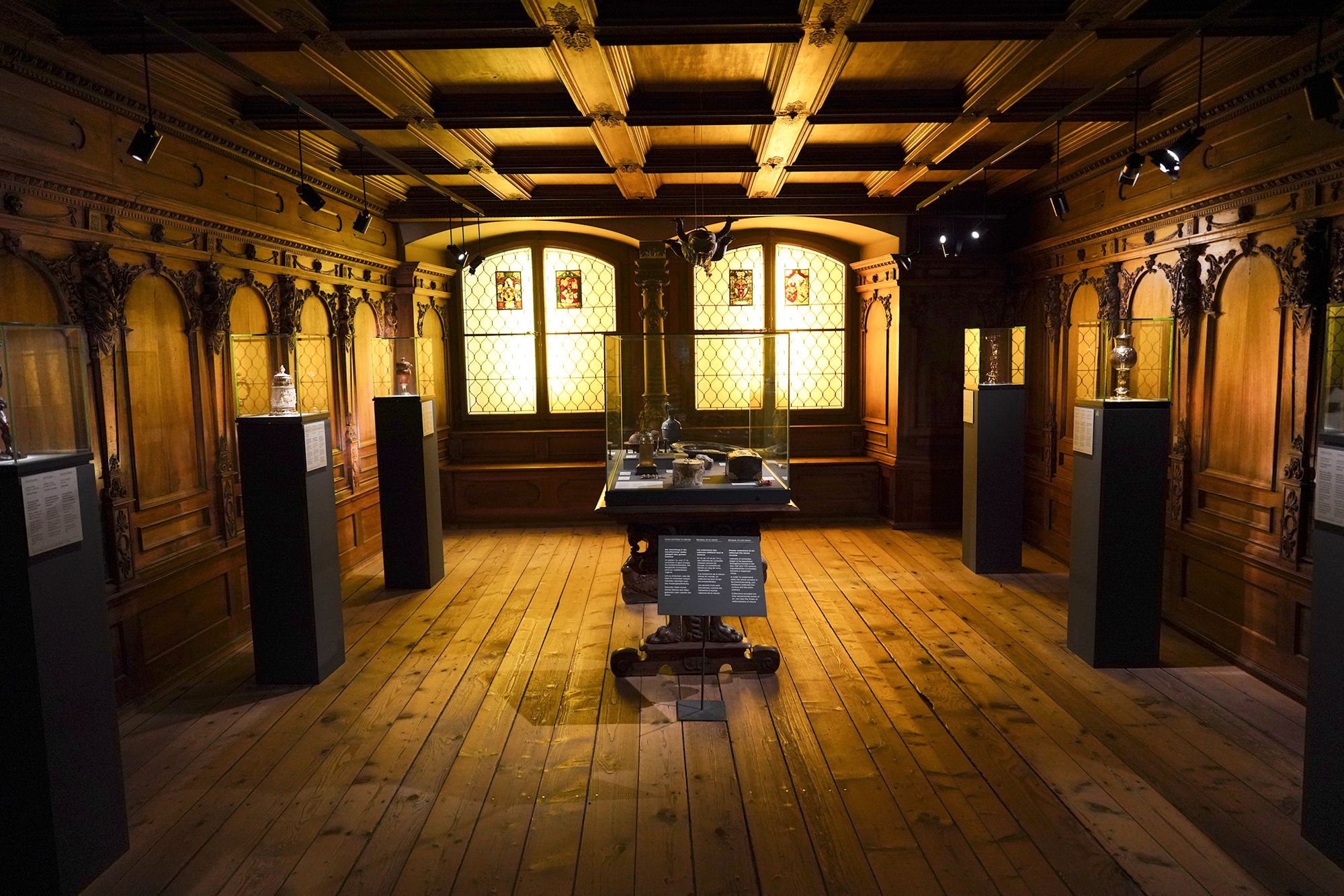
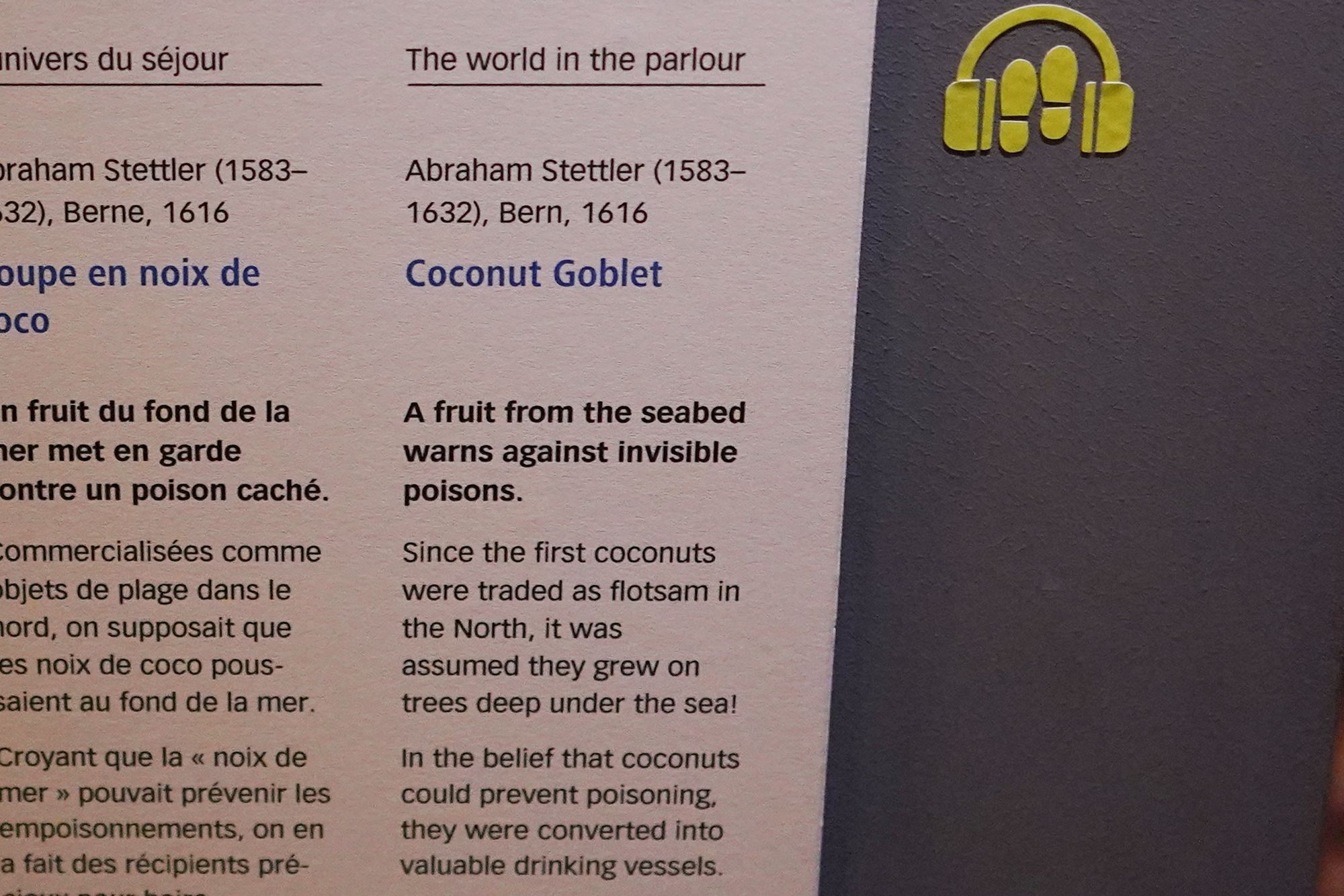
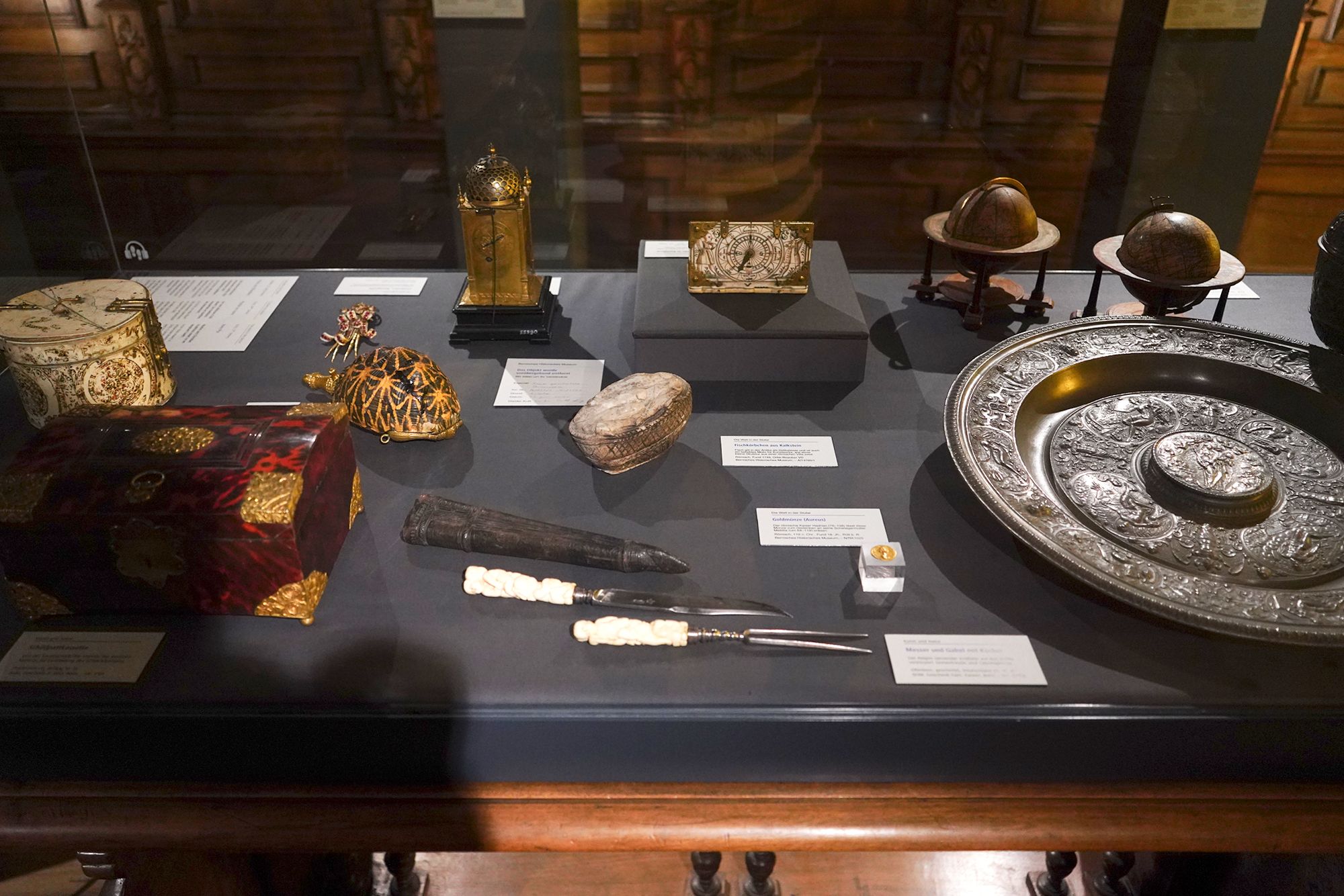
Beginning in the late 16th and 17th centuries, wealthy Europeans created private collections known as cabinets of curiosities. They gathered unusual works of art, scientific instruments, fossils, shells, exotic objects, and other natural specimens. These collections reflected a growing curiosity about art, nature, science, and the wider world and became early predecessors of modern museums.
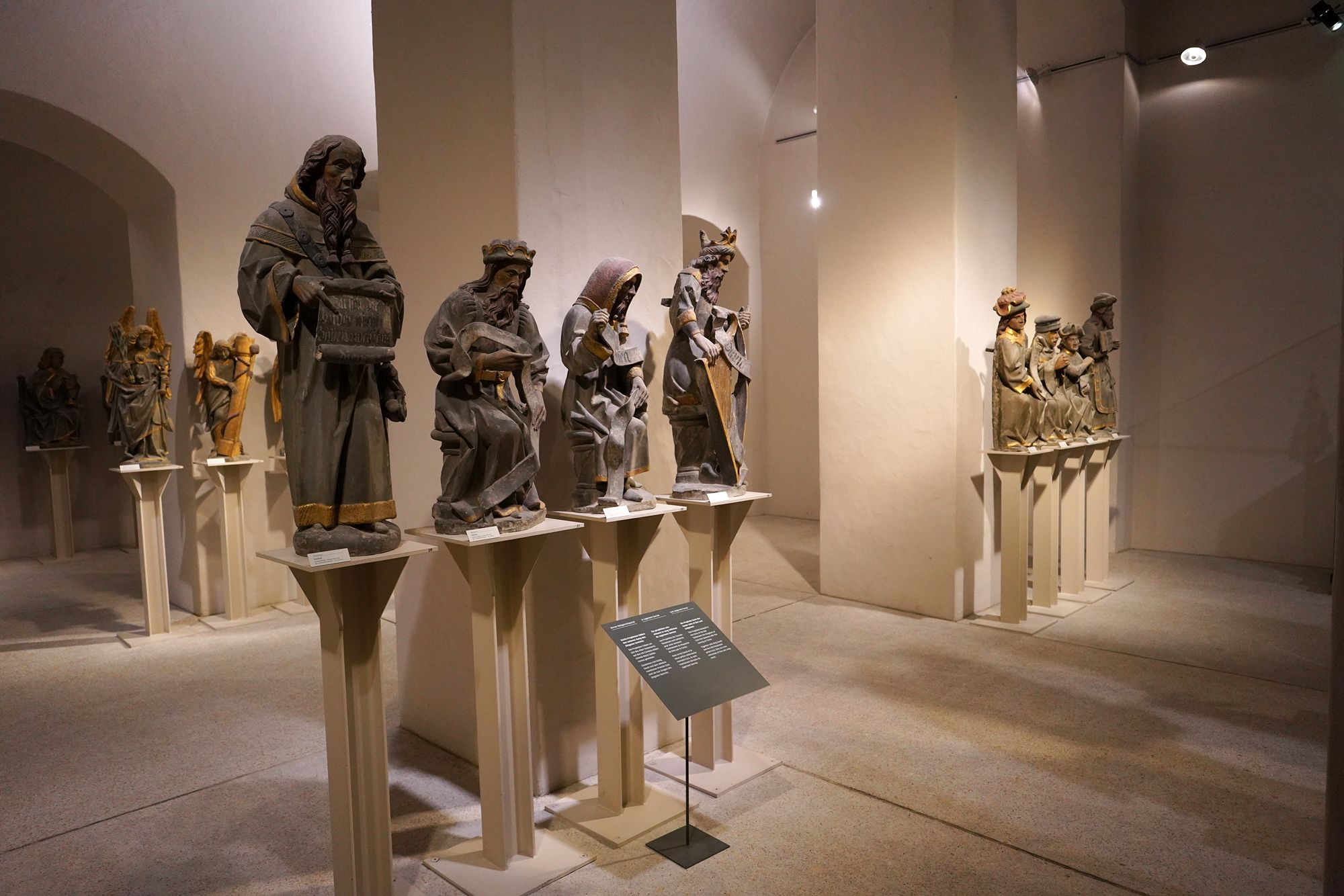
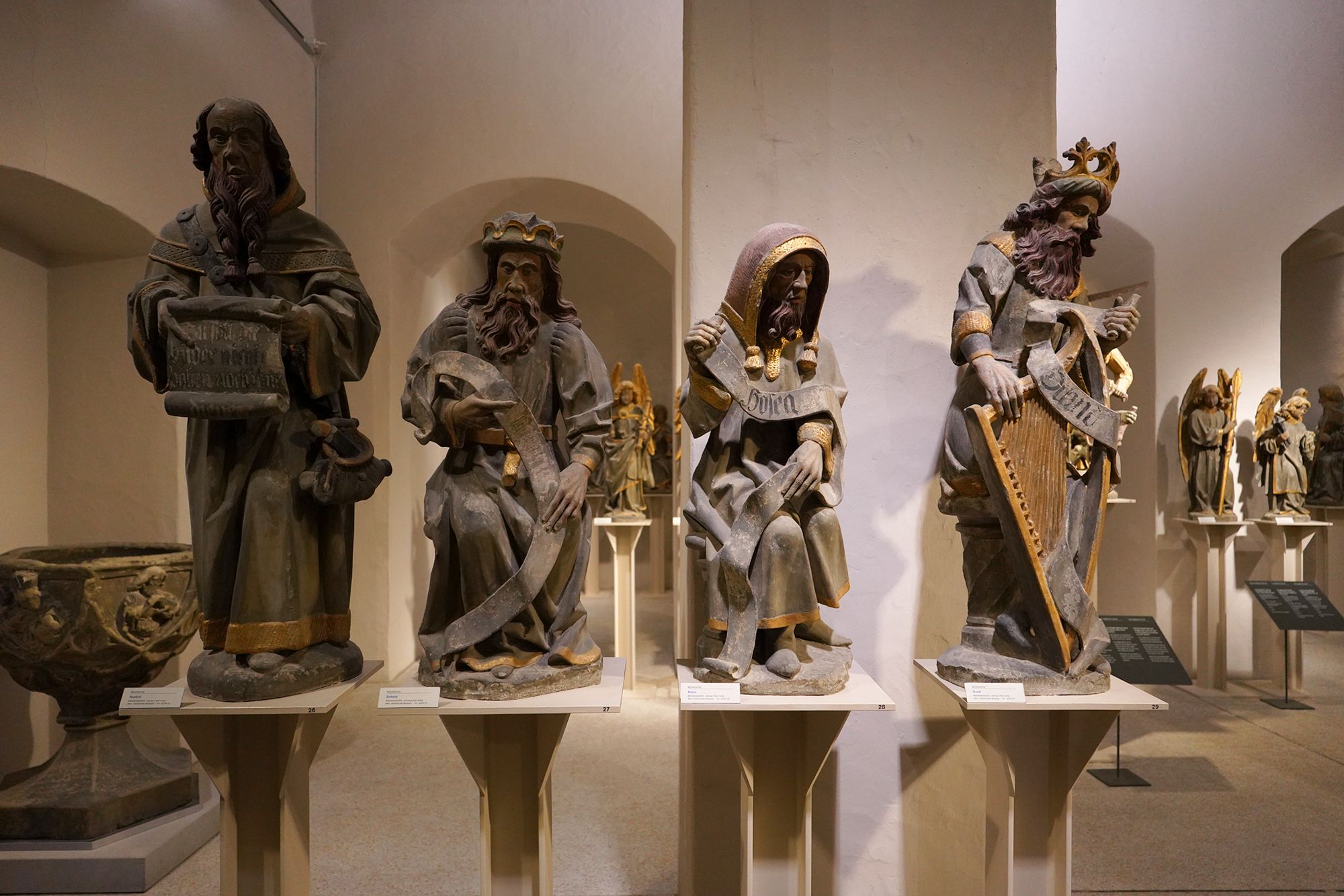
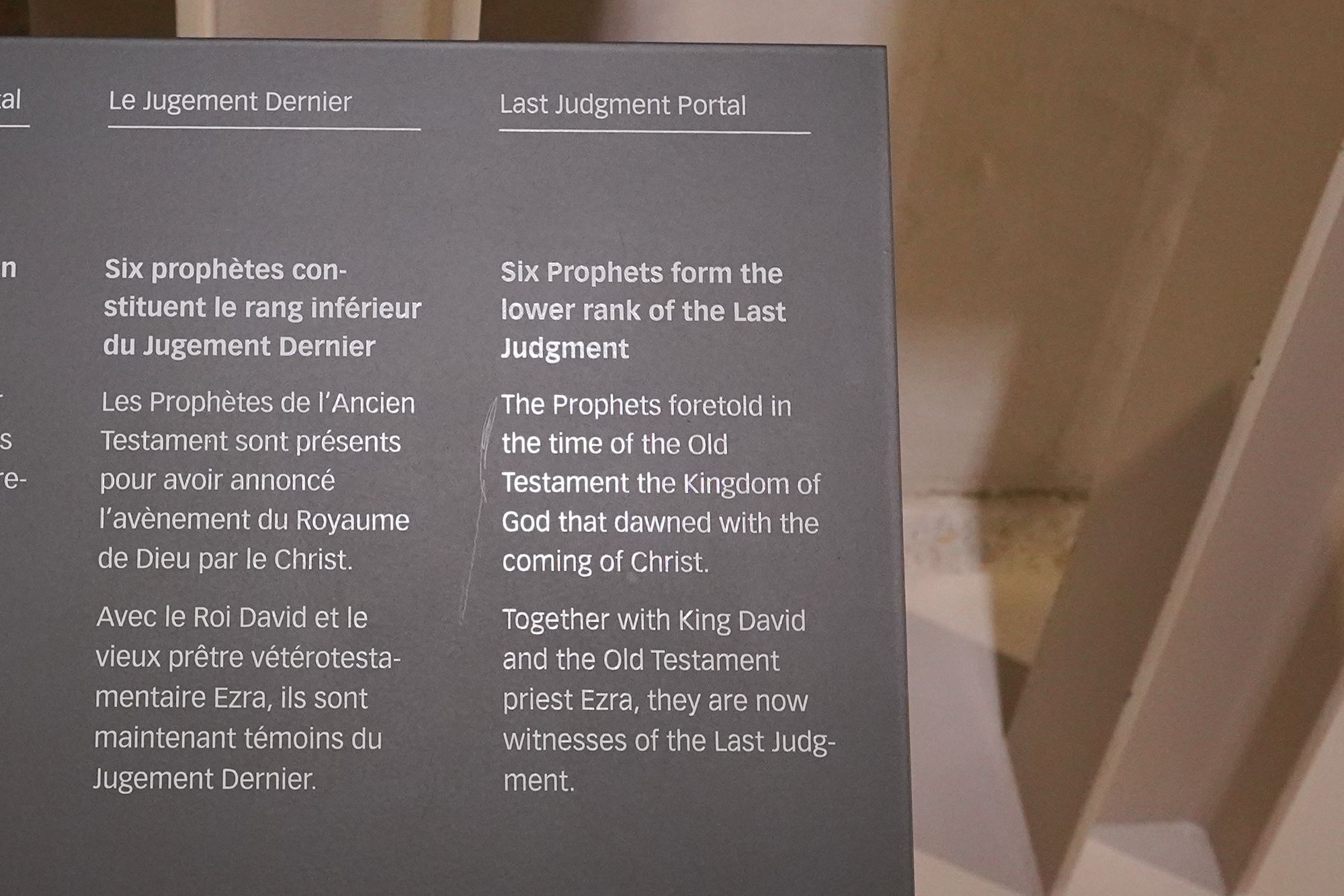
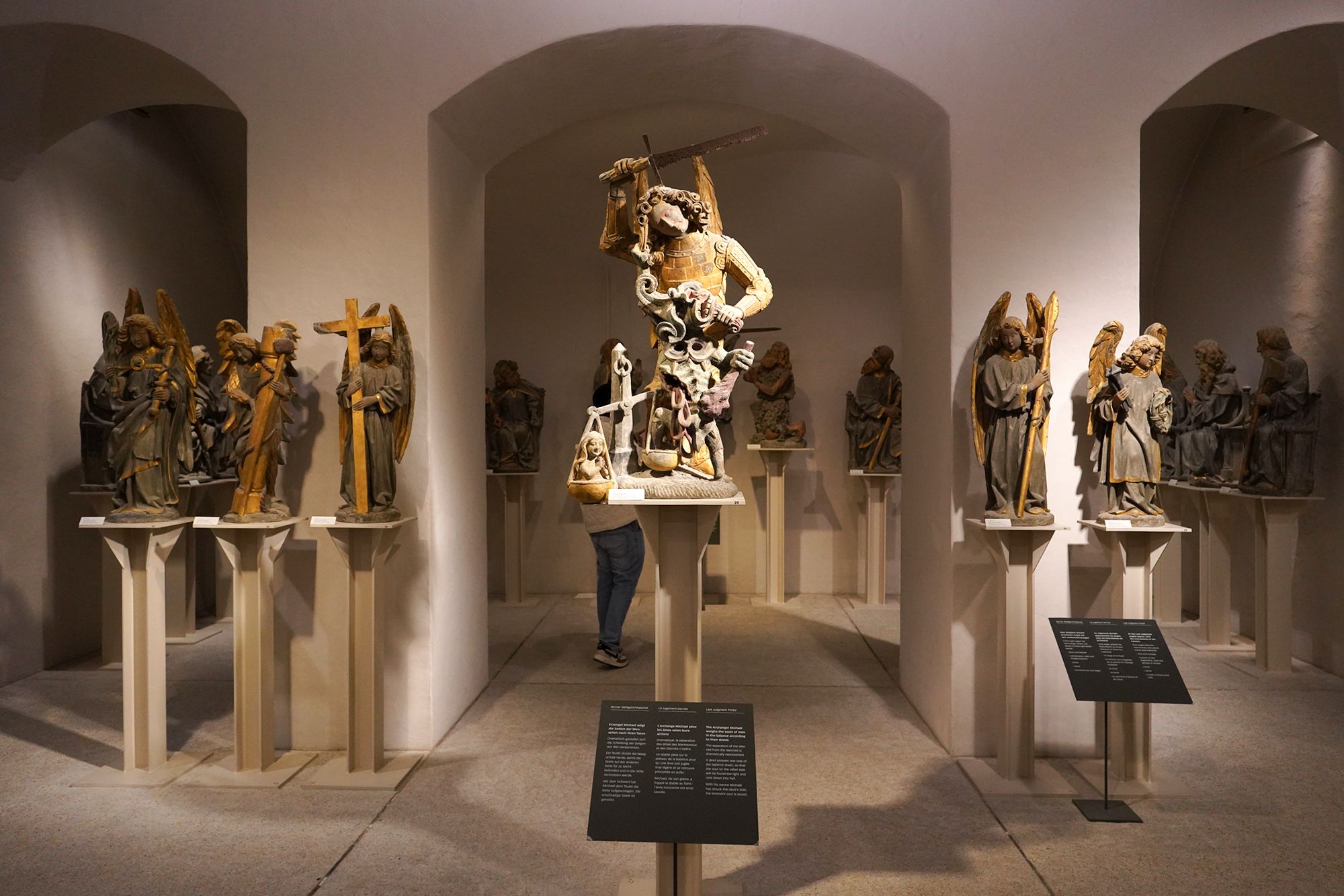
The Last Judgment Portal
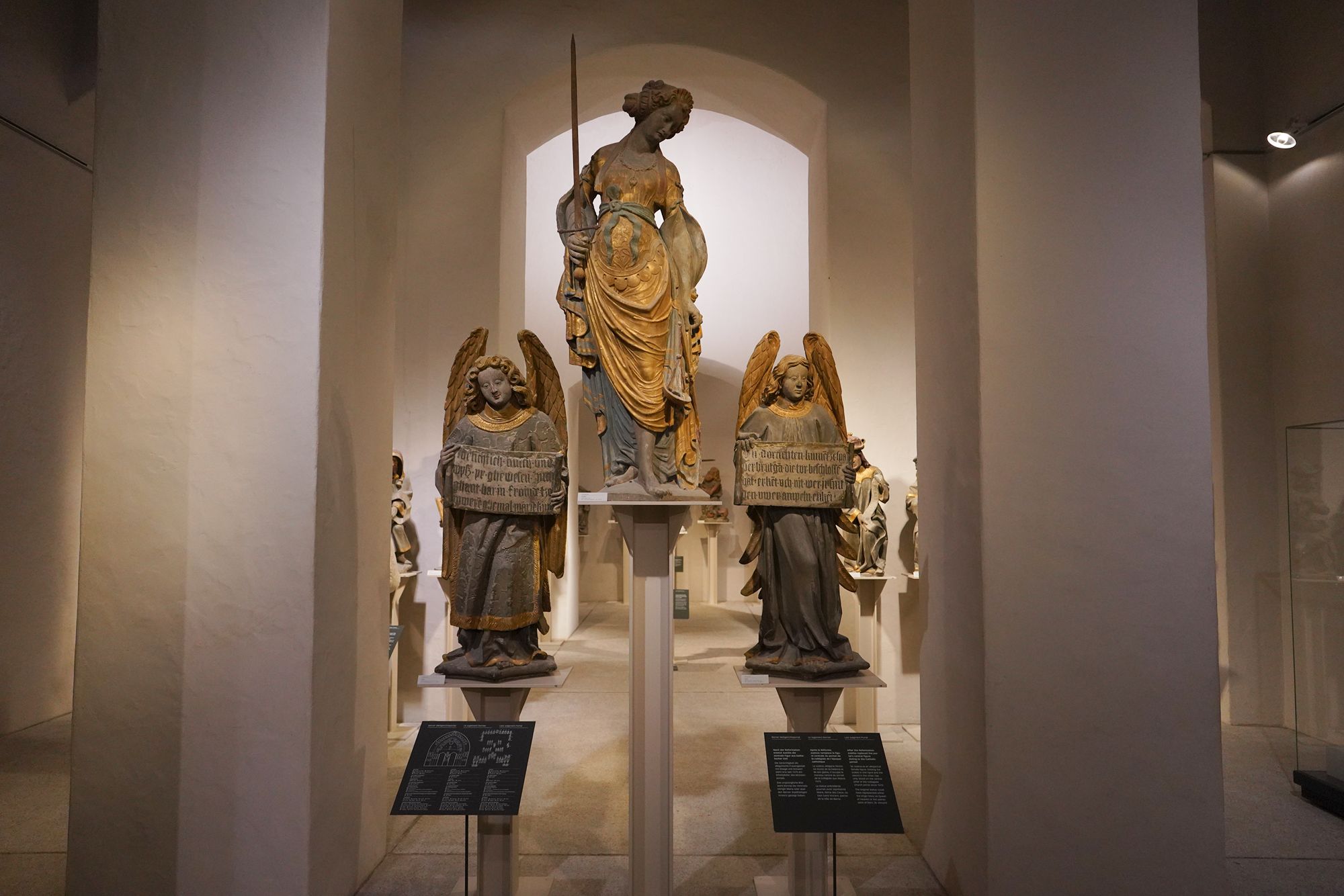
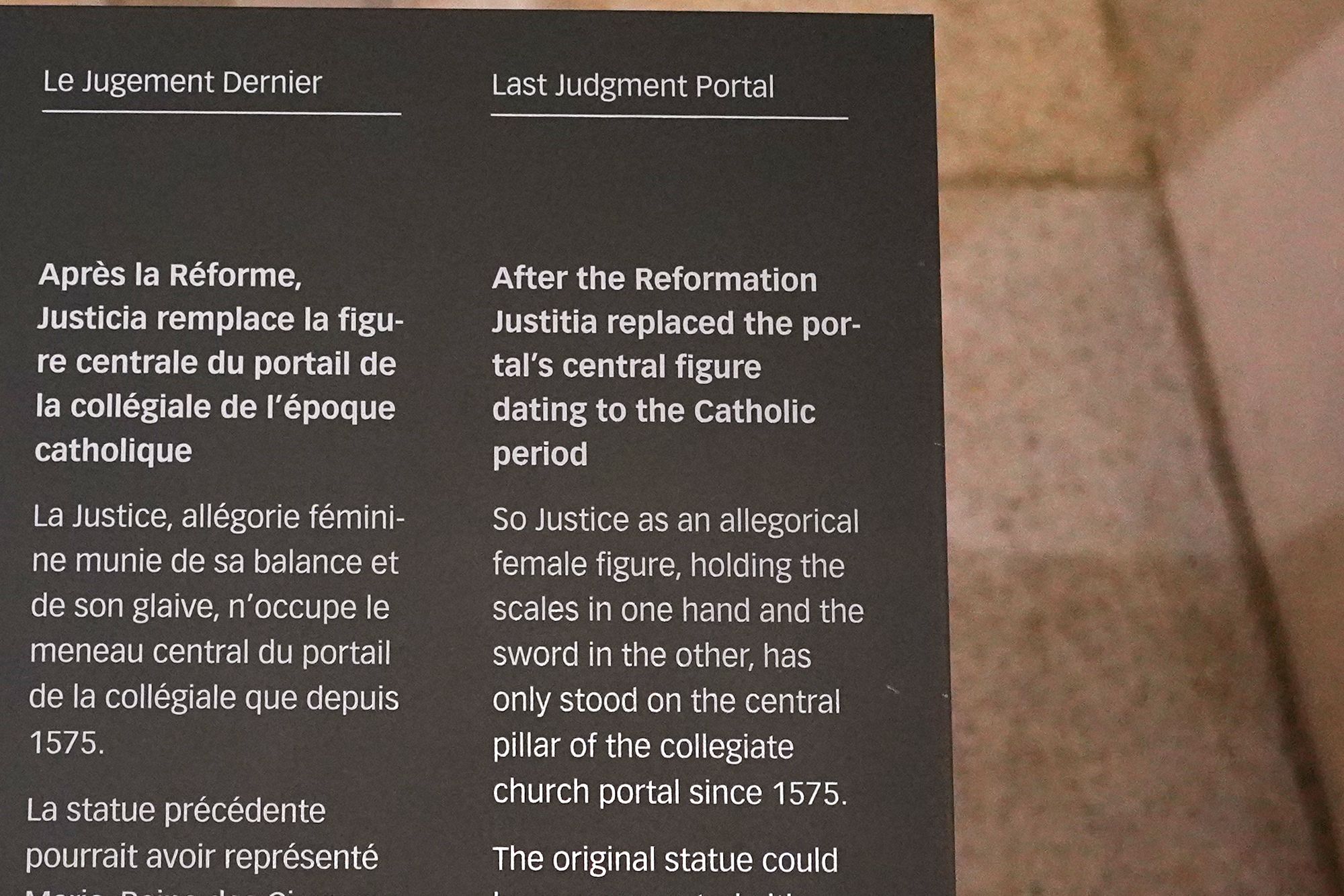
After Bern adopted the Protestant Reformation, religious imagery in the city was altered. In 1575, the central figure on the portal of Bern’s collegiate church—today’s Bern Minster—was replaced by Justitia, the female personification of justice. Holding scales and a sword, she symbolized fair judgment and the authority of justice.
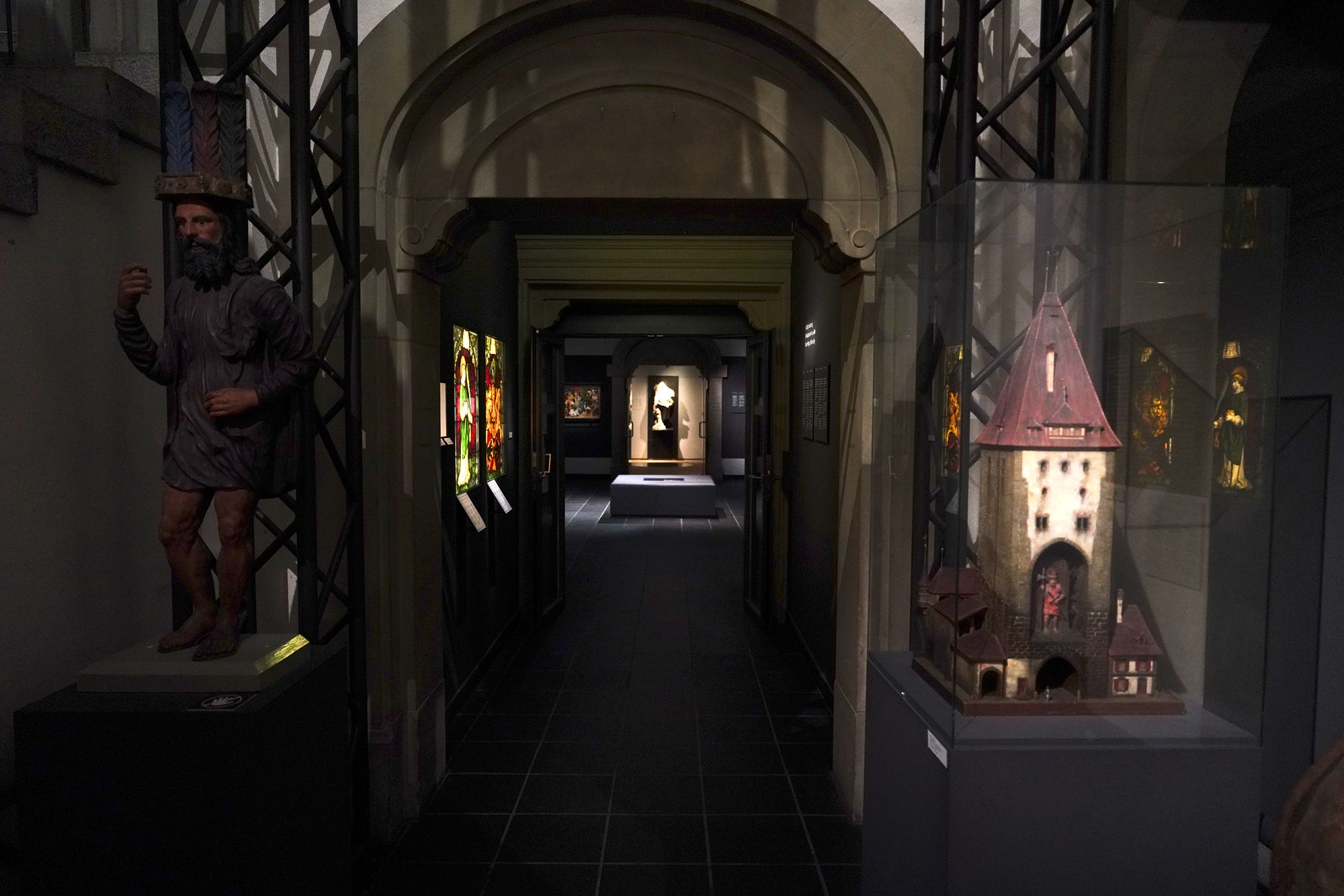
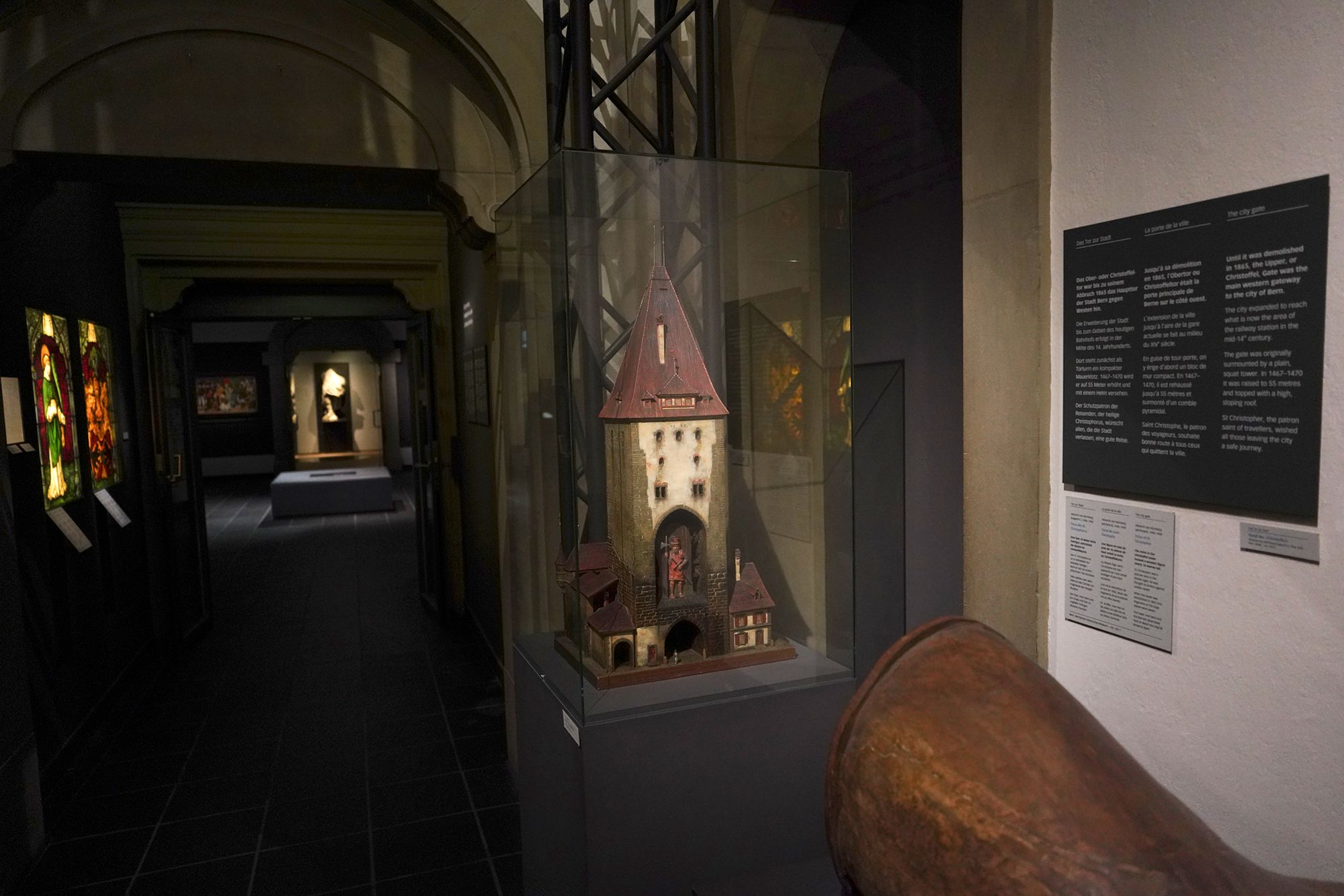
The Christoffel Gate
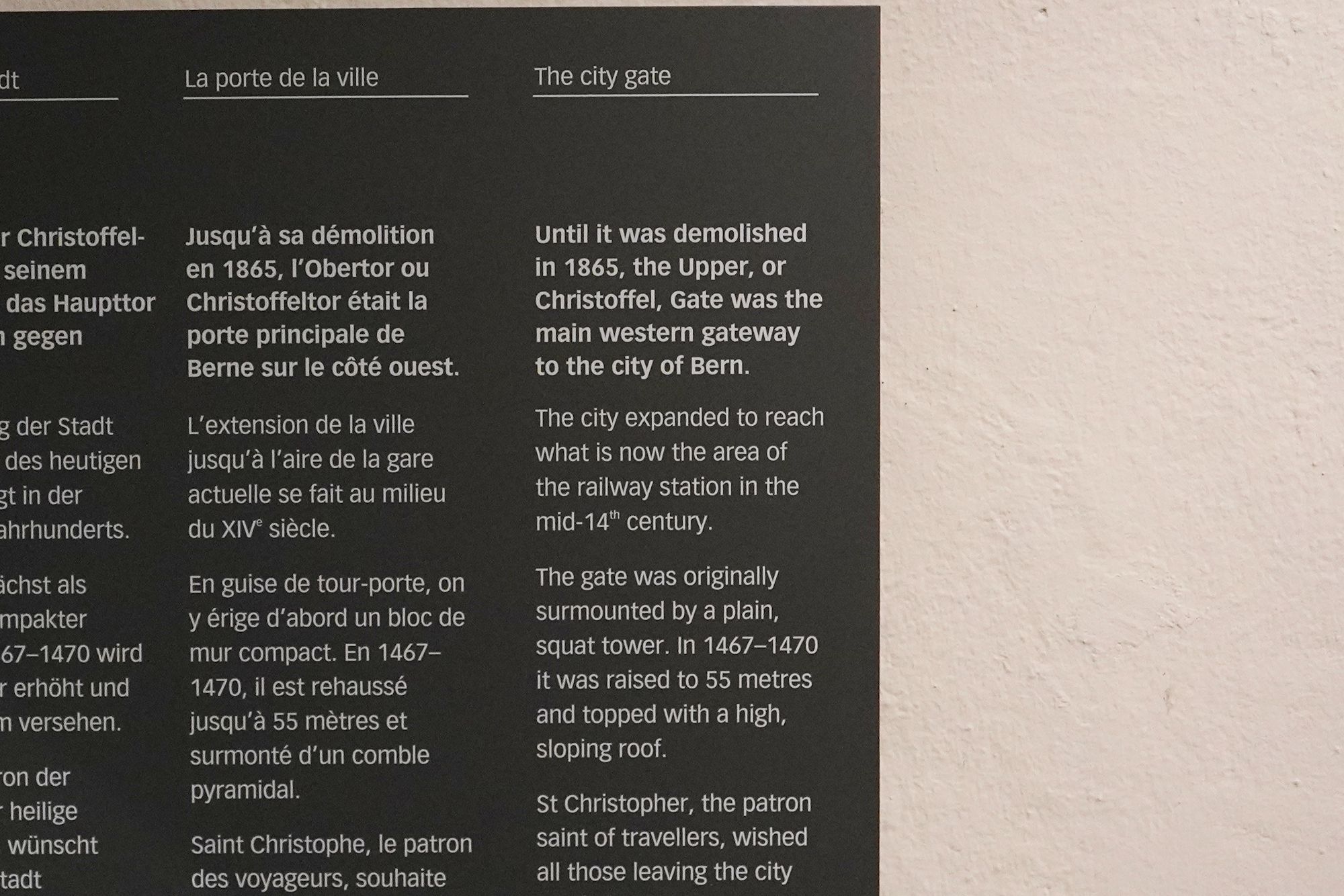
The Christoffel Gate was once Bern’s main western entrance, standing near the location of today’s railway station. Originally built as Bern expanded westward in the 14th century, its tower was later raised to about 55 meters. Named for St. Christopher, patron saint of travelers, the gate remained a prominent city landmark until it was demolished in 1865.
The Founding of Bern
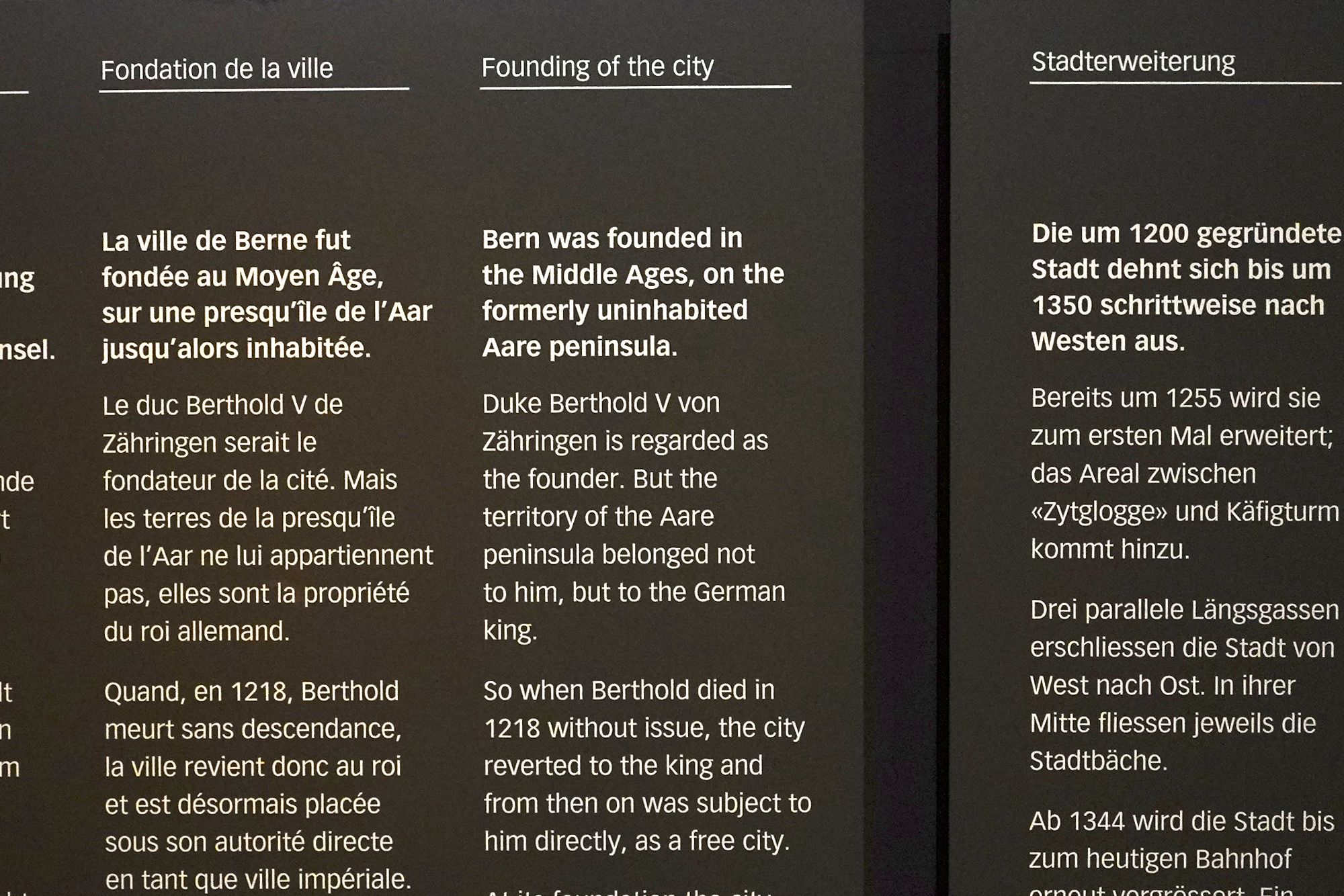
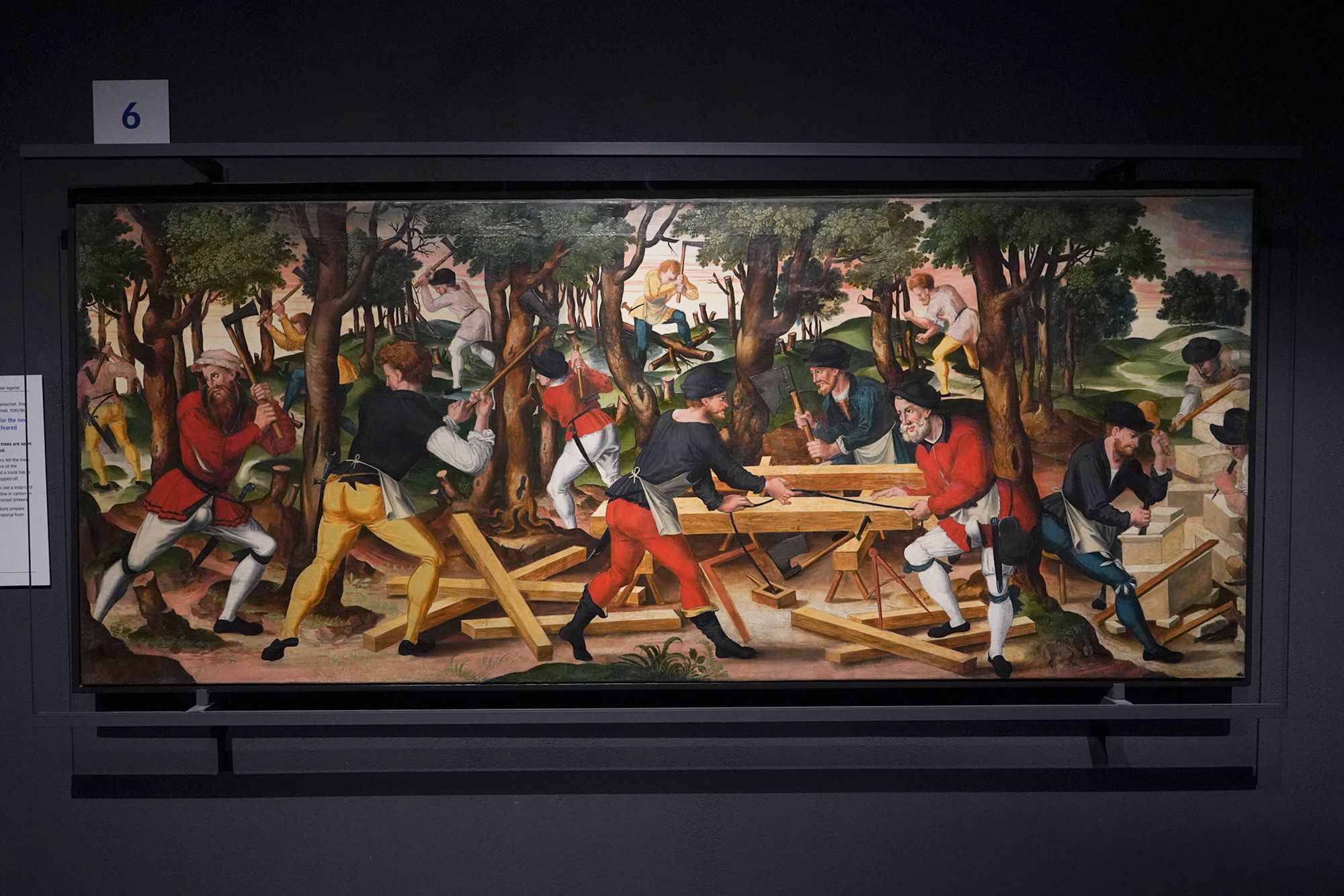
Bern was founded in 1191 on a naturally protected peninsula formed by a bend in the Aare River. Duke Berthold V of Zähringen is traditionally regarded as its founder. After he died without an heir in 1218, Bern came directly under the authority of the Holy Roman Emperor and developed as a free imperial city, giving it considerable independence.
The Expansion of Bern
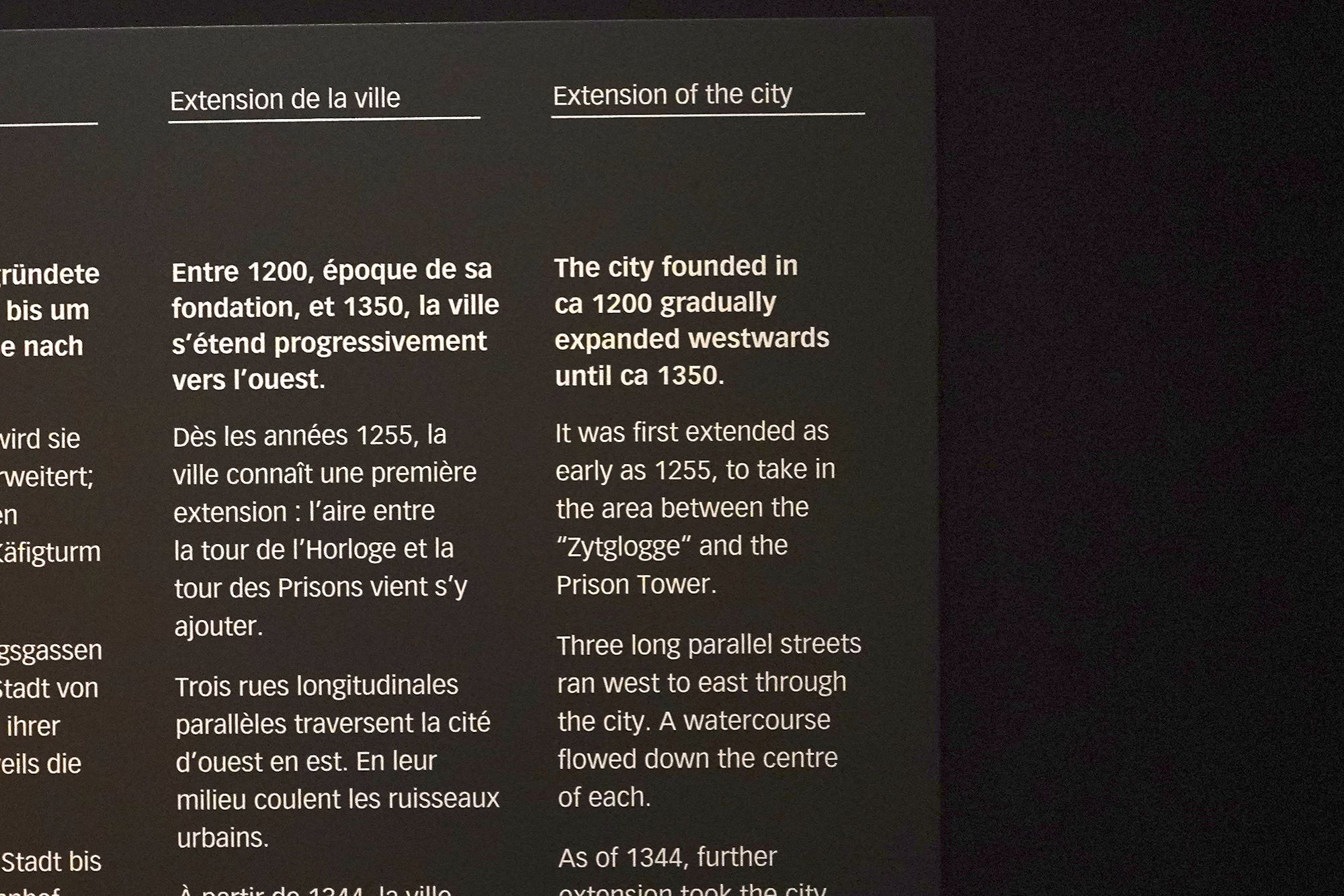
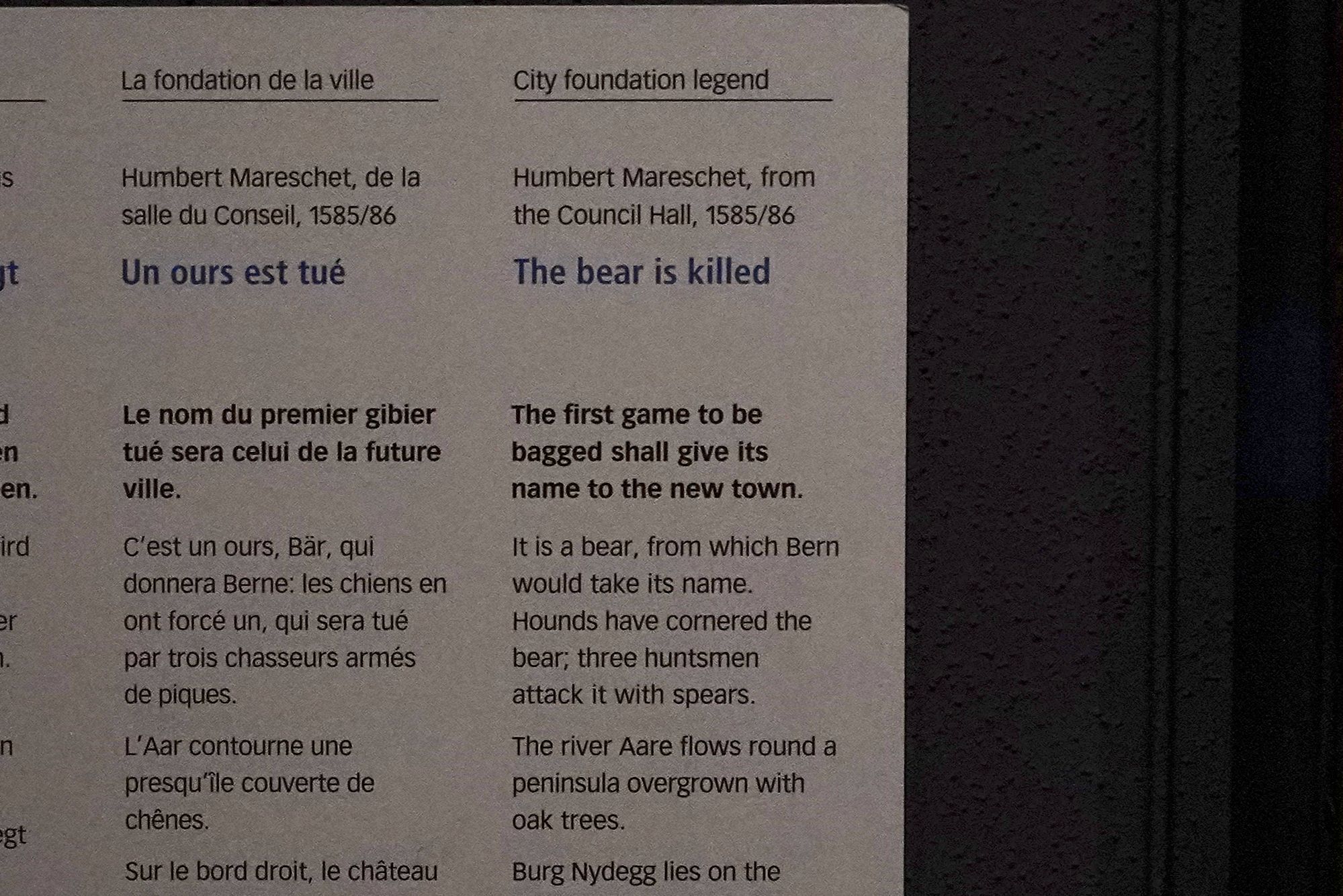
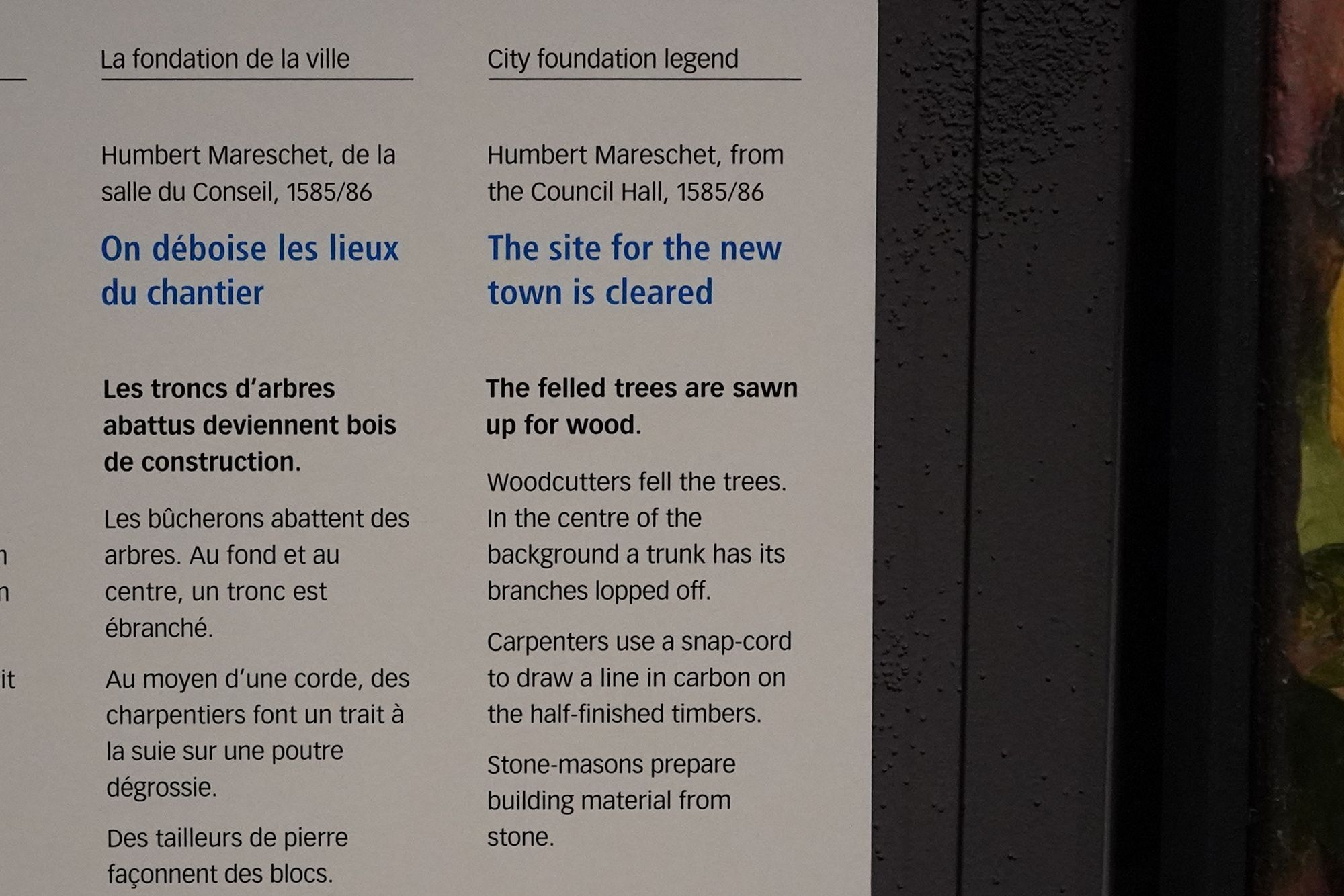
After its founding around 1200, Bern gradually expanded westward along the Aare peninsula. By about 1255, the city had grown beyond the Zytglogge toward the Prison Tower, and further expansion followed in the 14th century. Three long parallel streets formed the basic layout, with open water channels running along their centers.
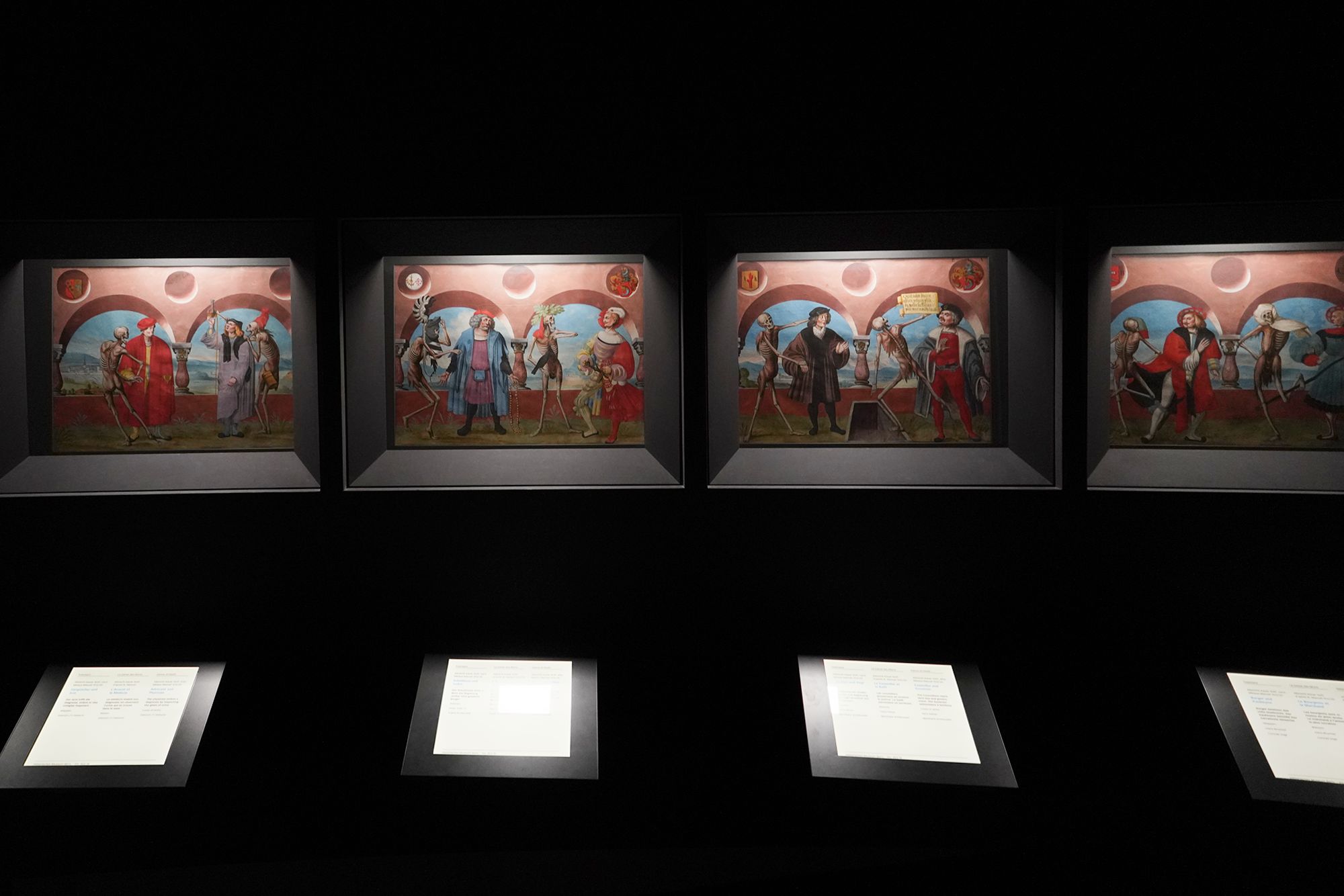
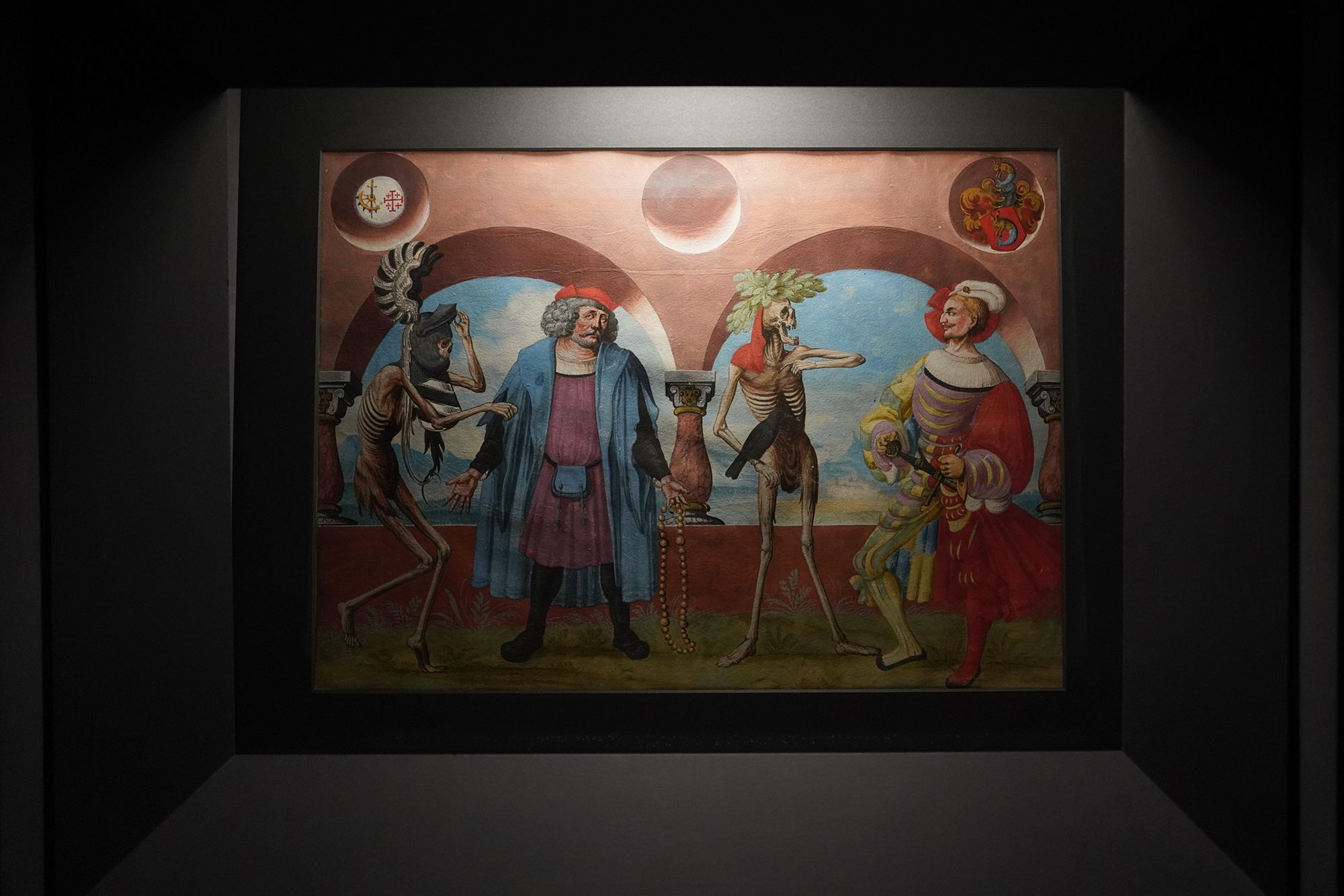
The Dance of Death
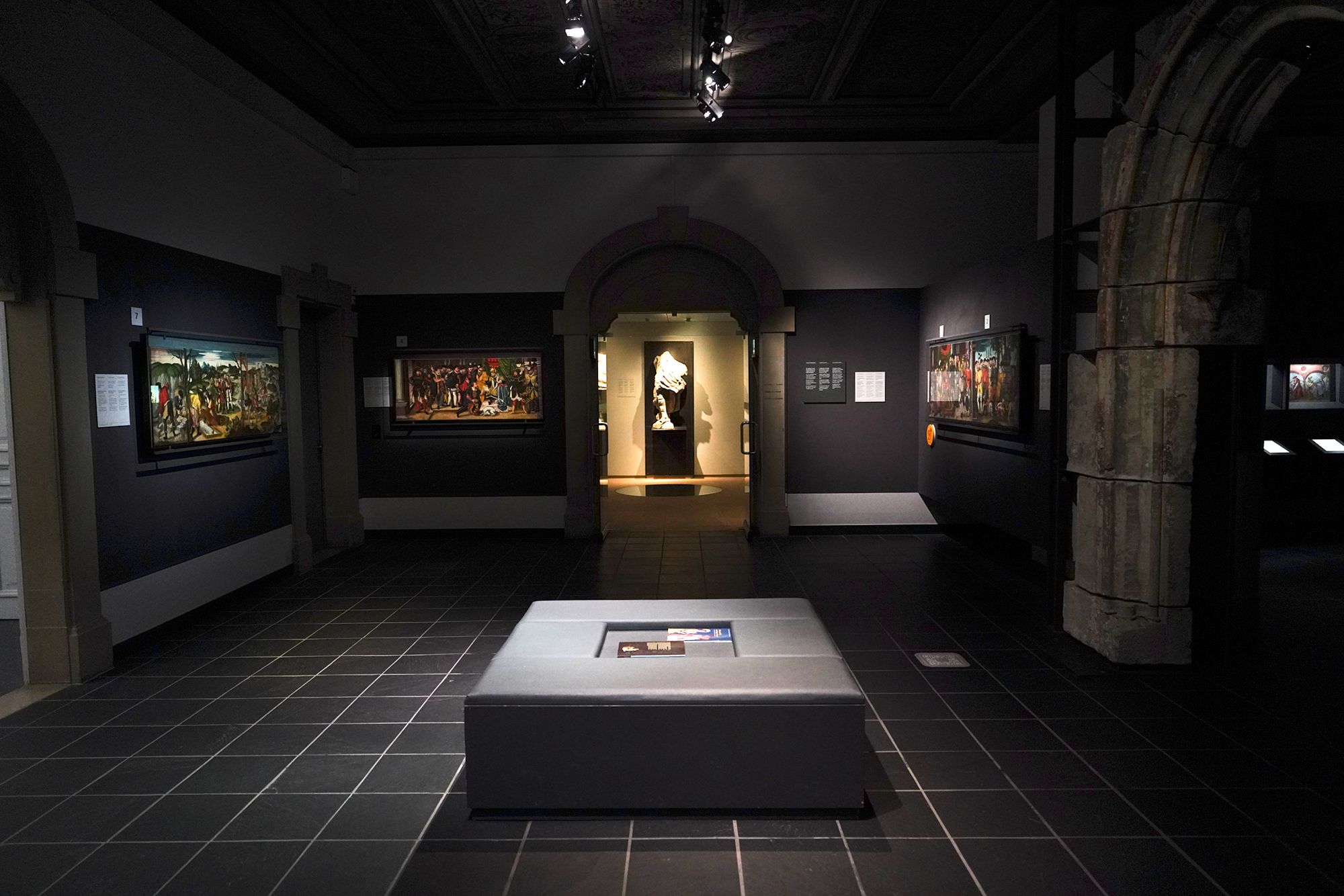
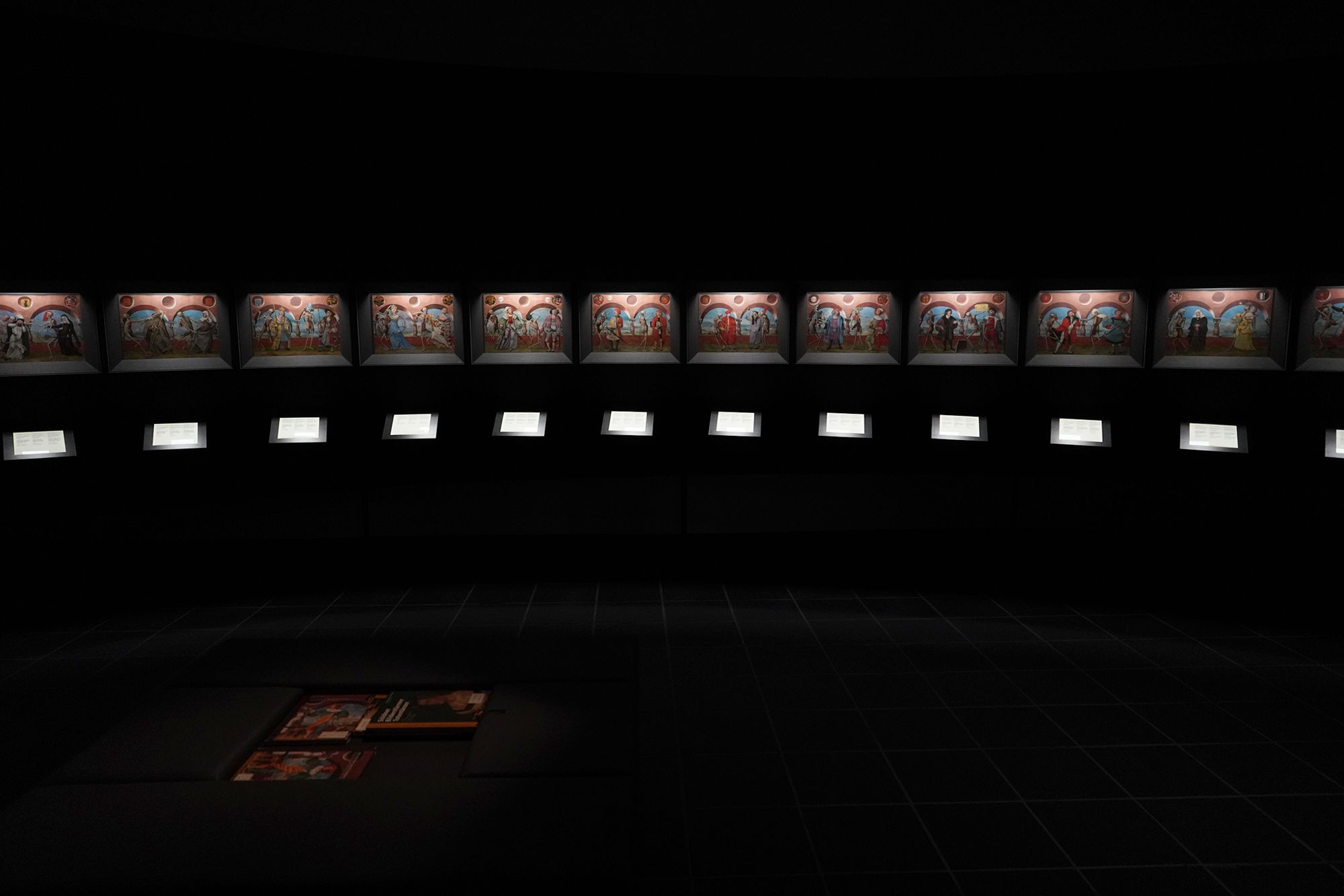
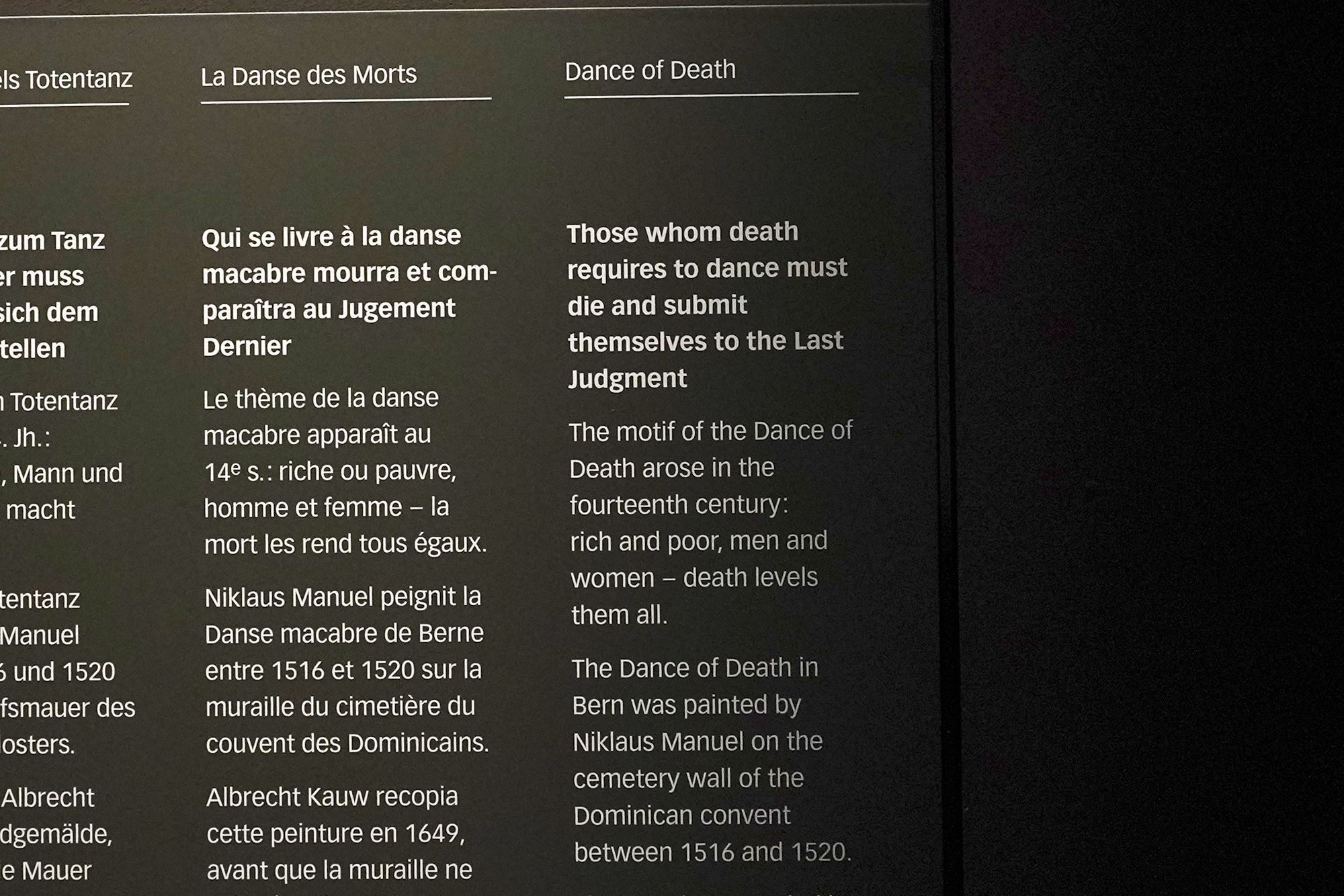
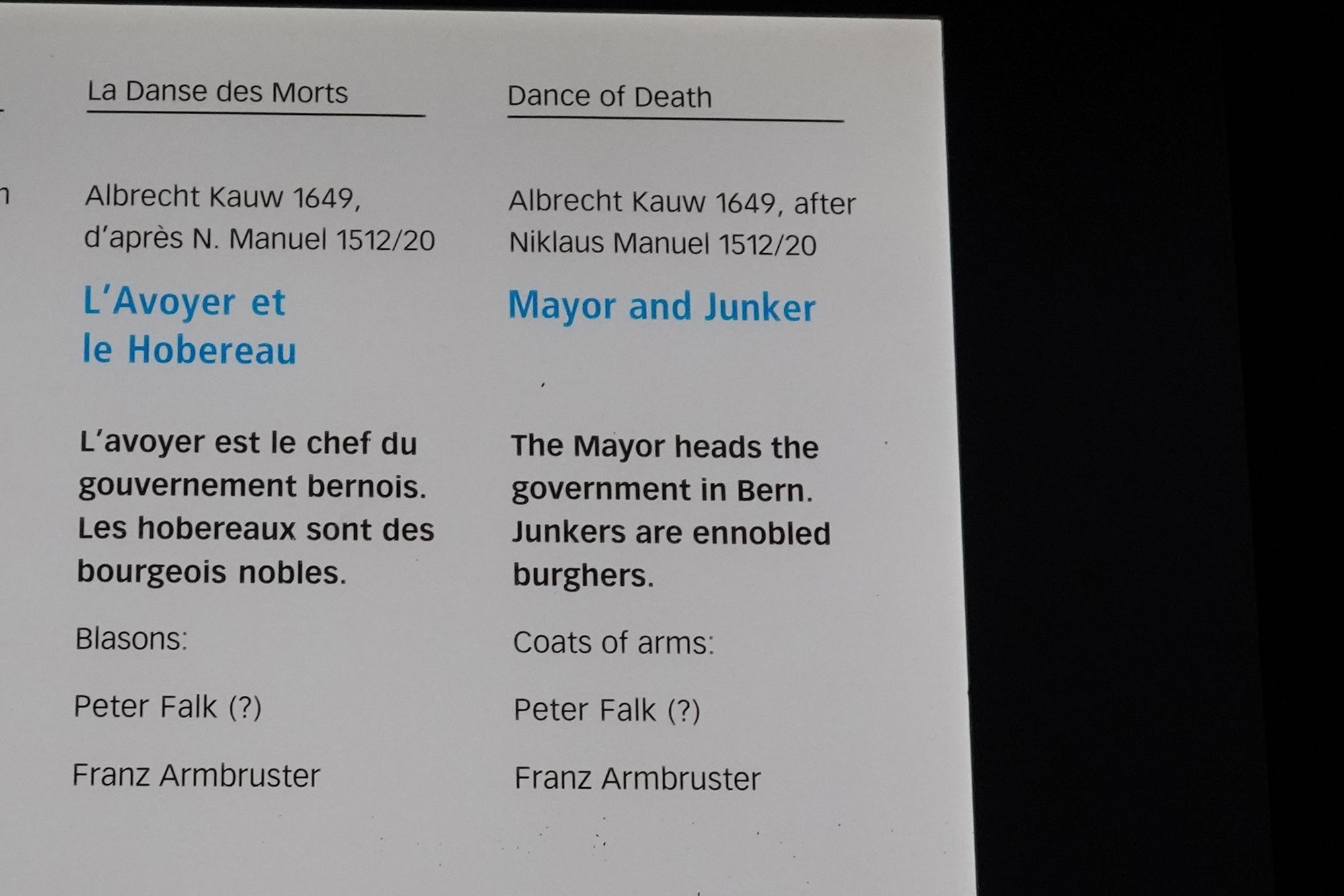
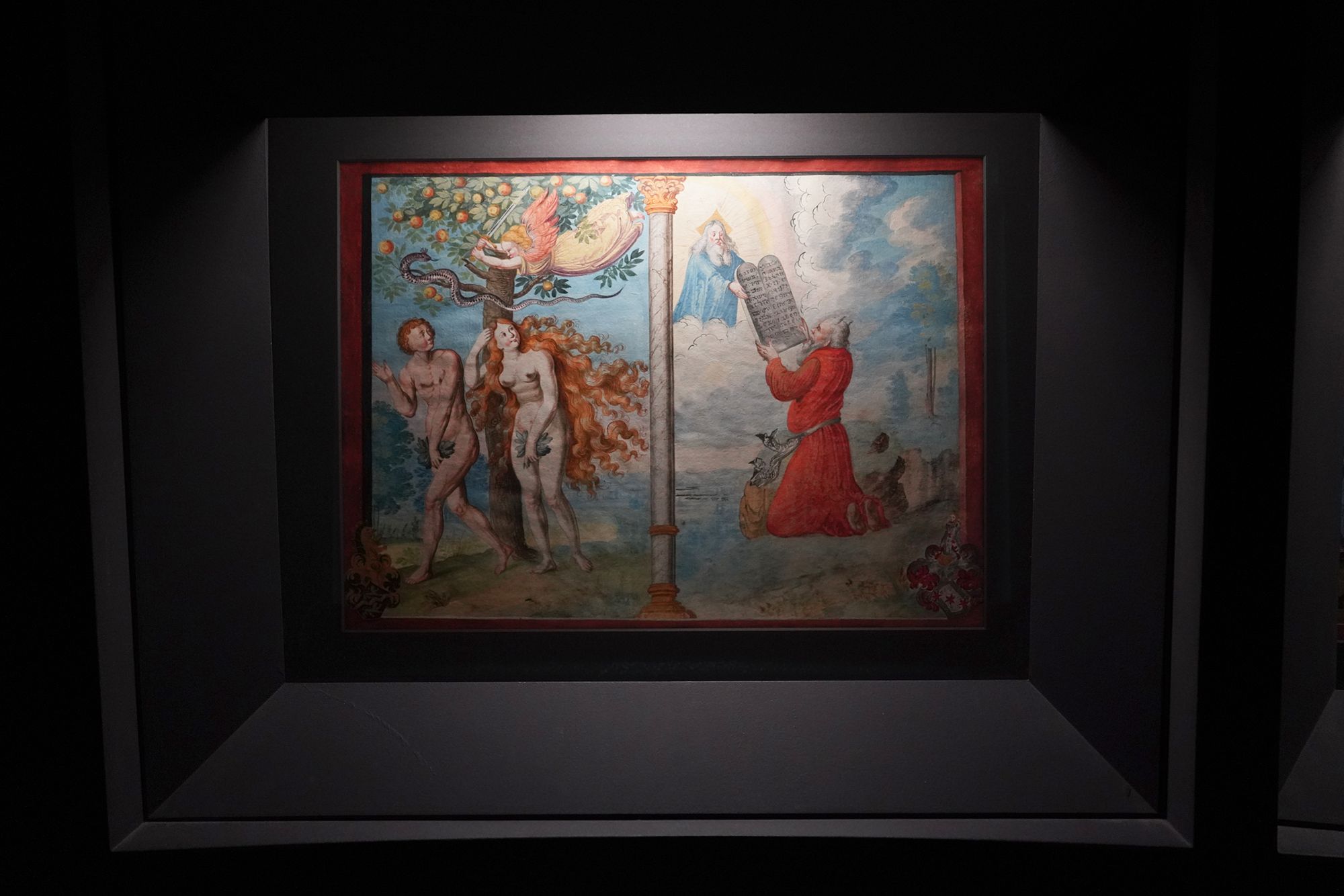
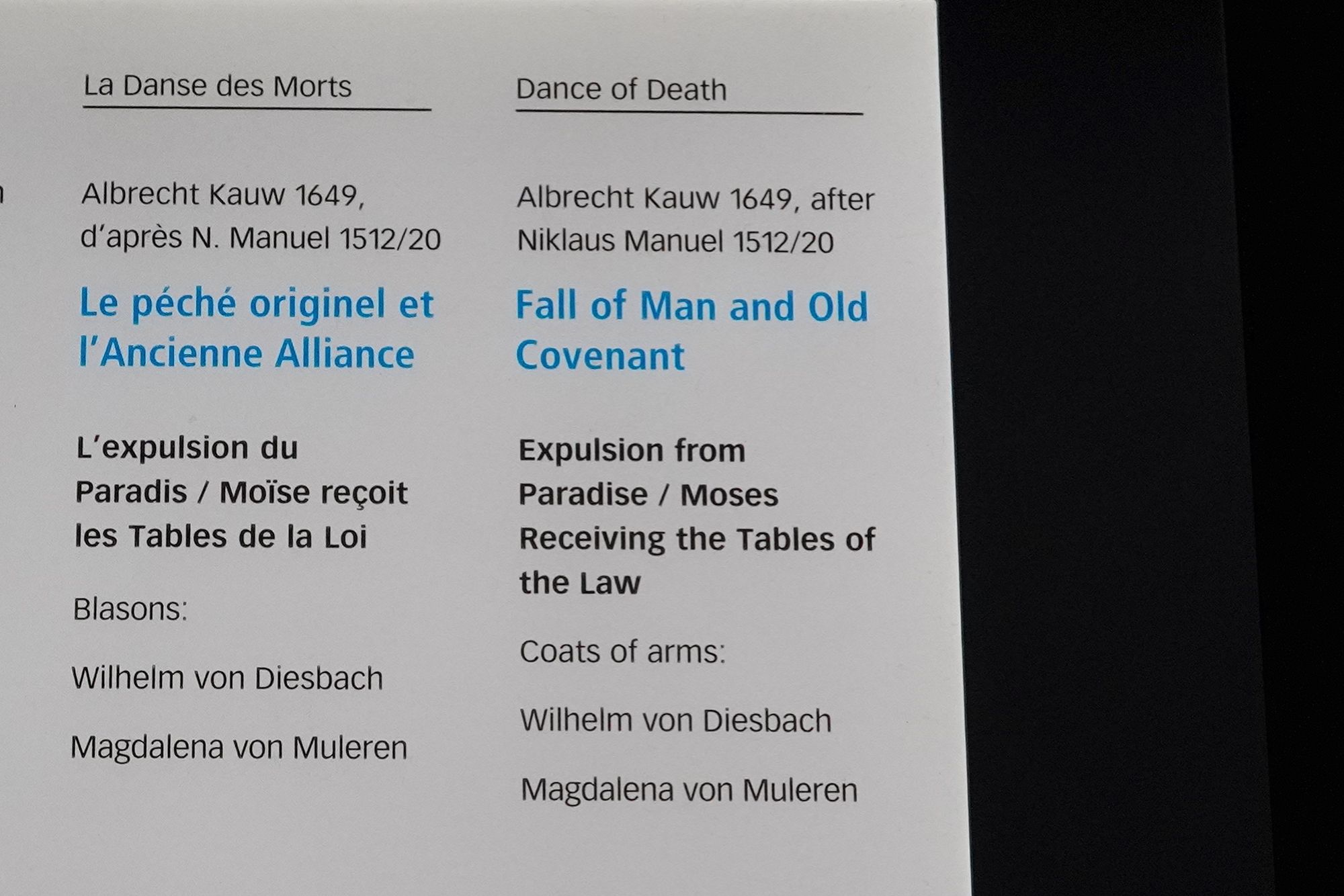
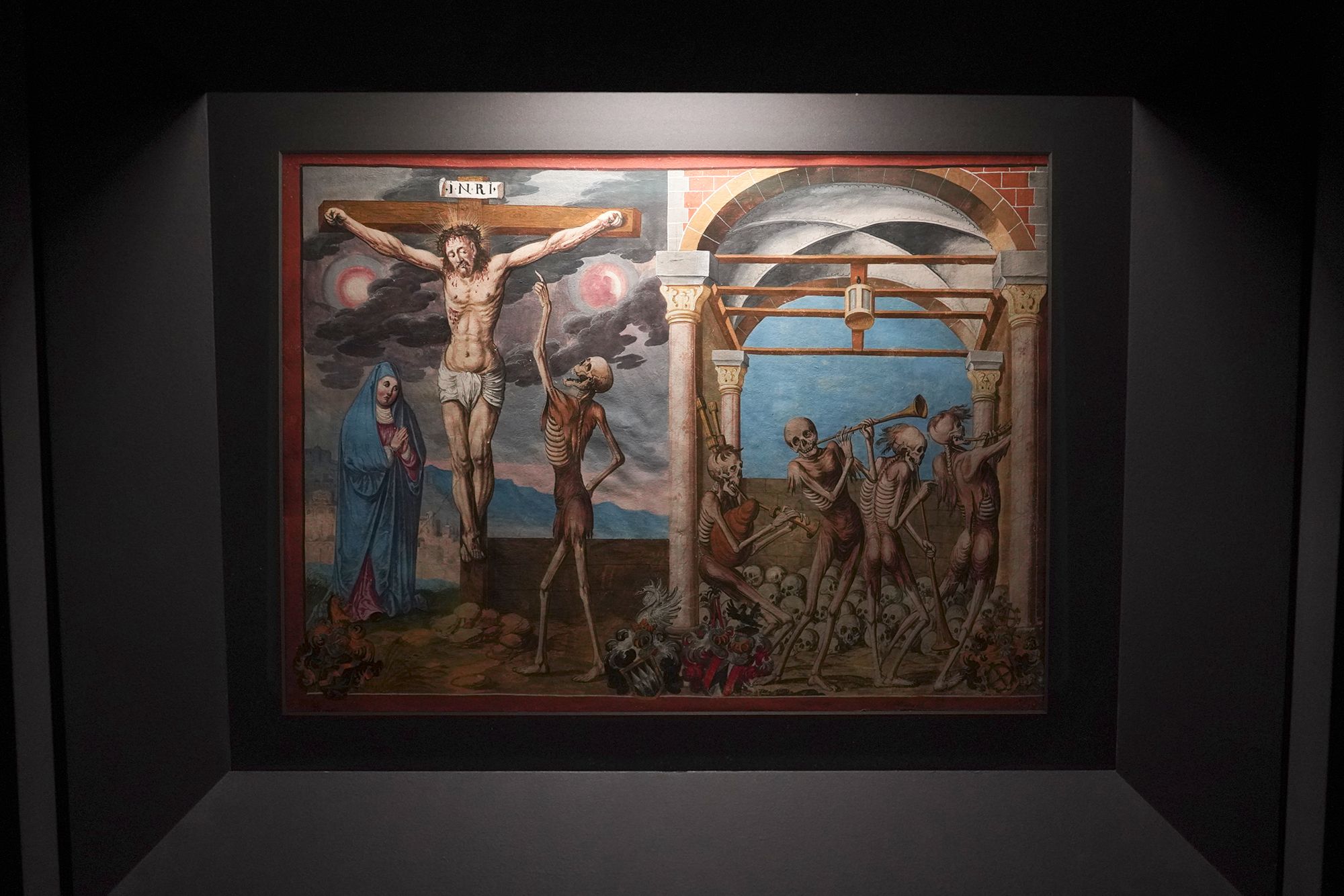
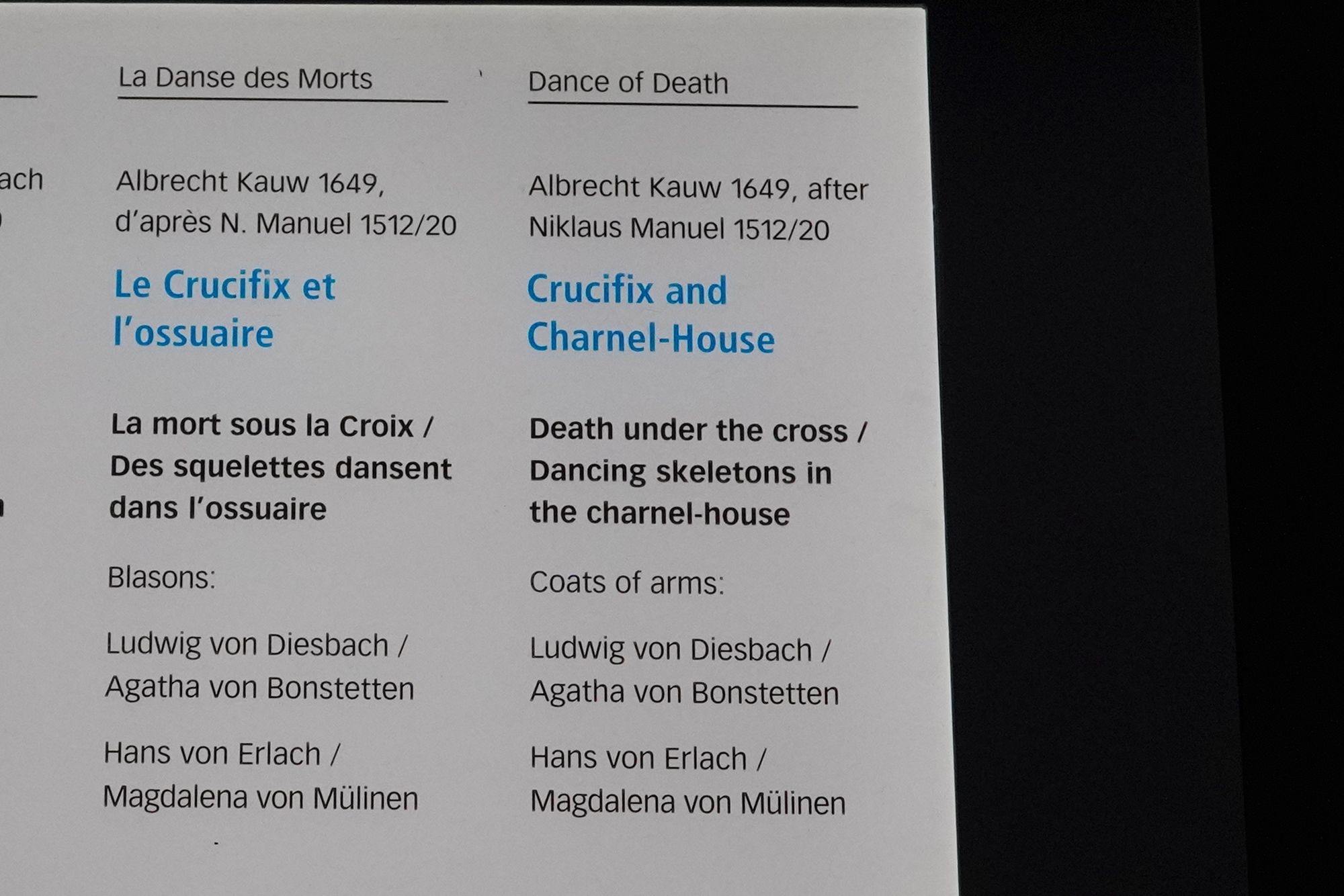
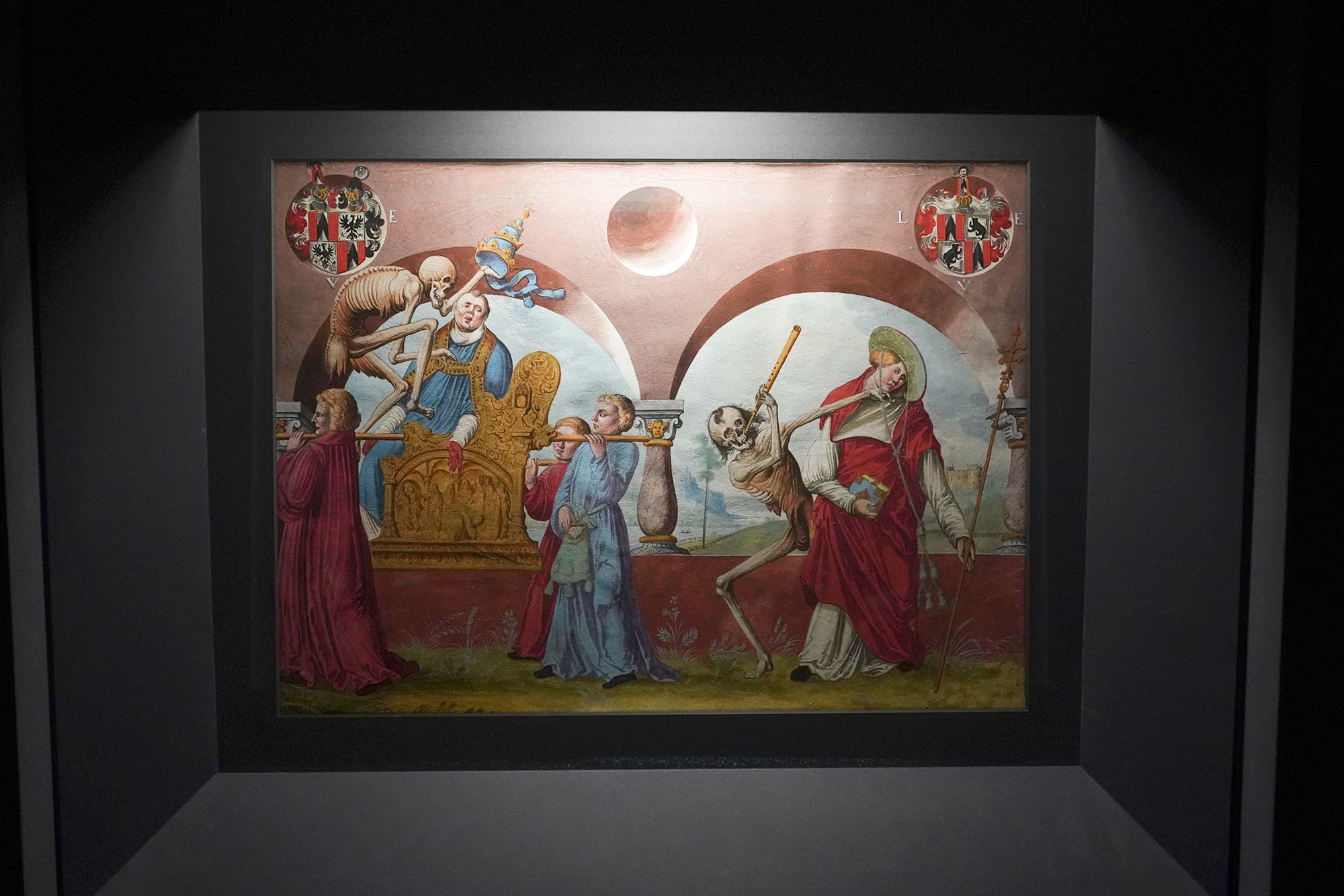
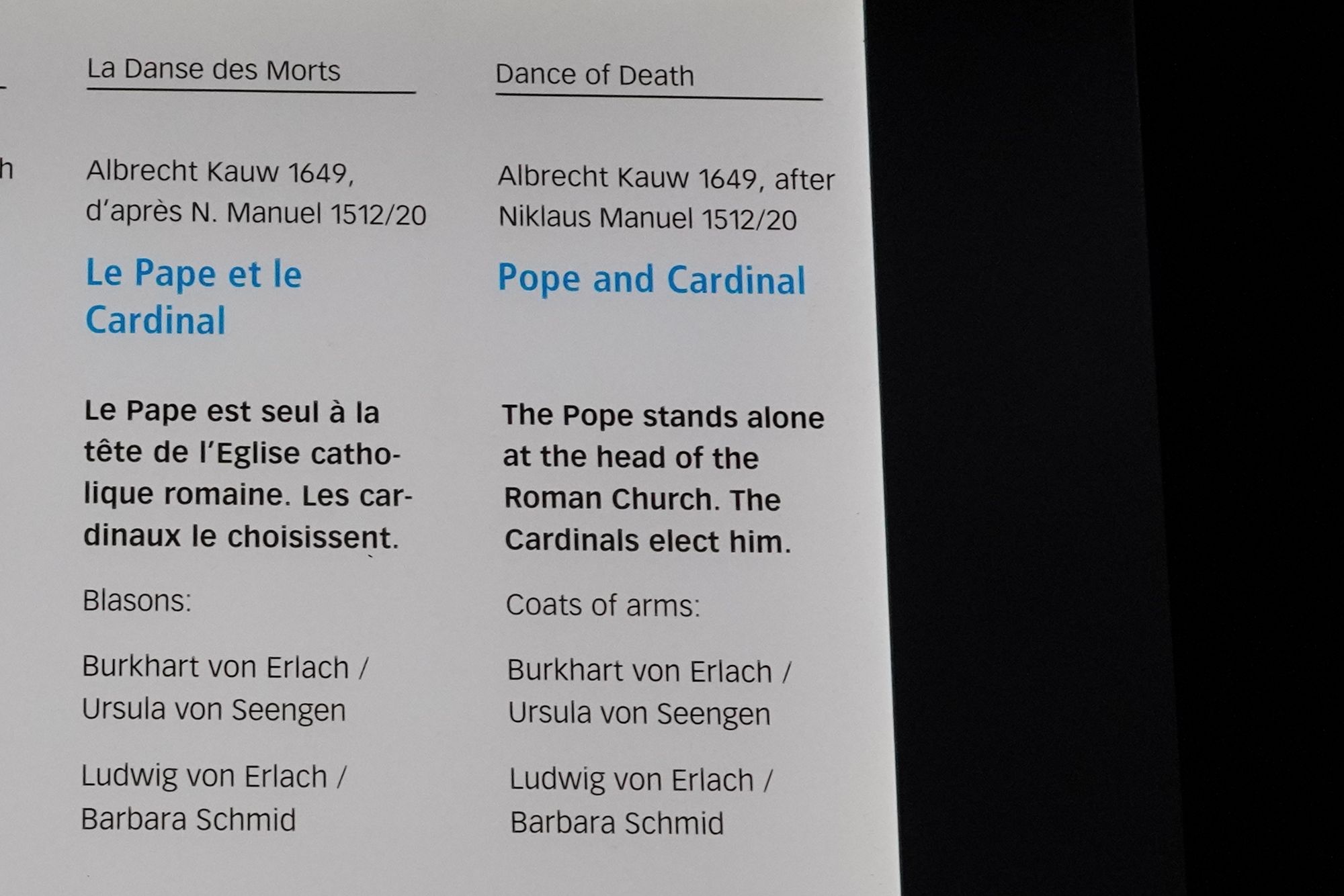
The Dance of Death was a popular late-medieval theme showing that death comes to everyone, regardless of wealth or social position. In Bern, artist Niklaus Manuel painted a famous Dance of Death on the cemetery wall of the Dominican monastery between 1516 and 1520, depicting people from different levels of society being led toward death and the Last Judgment.
Completion of Bern Minster
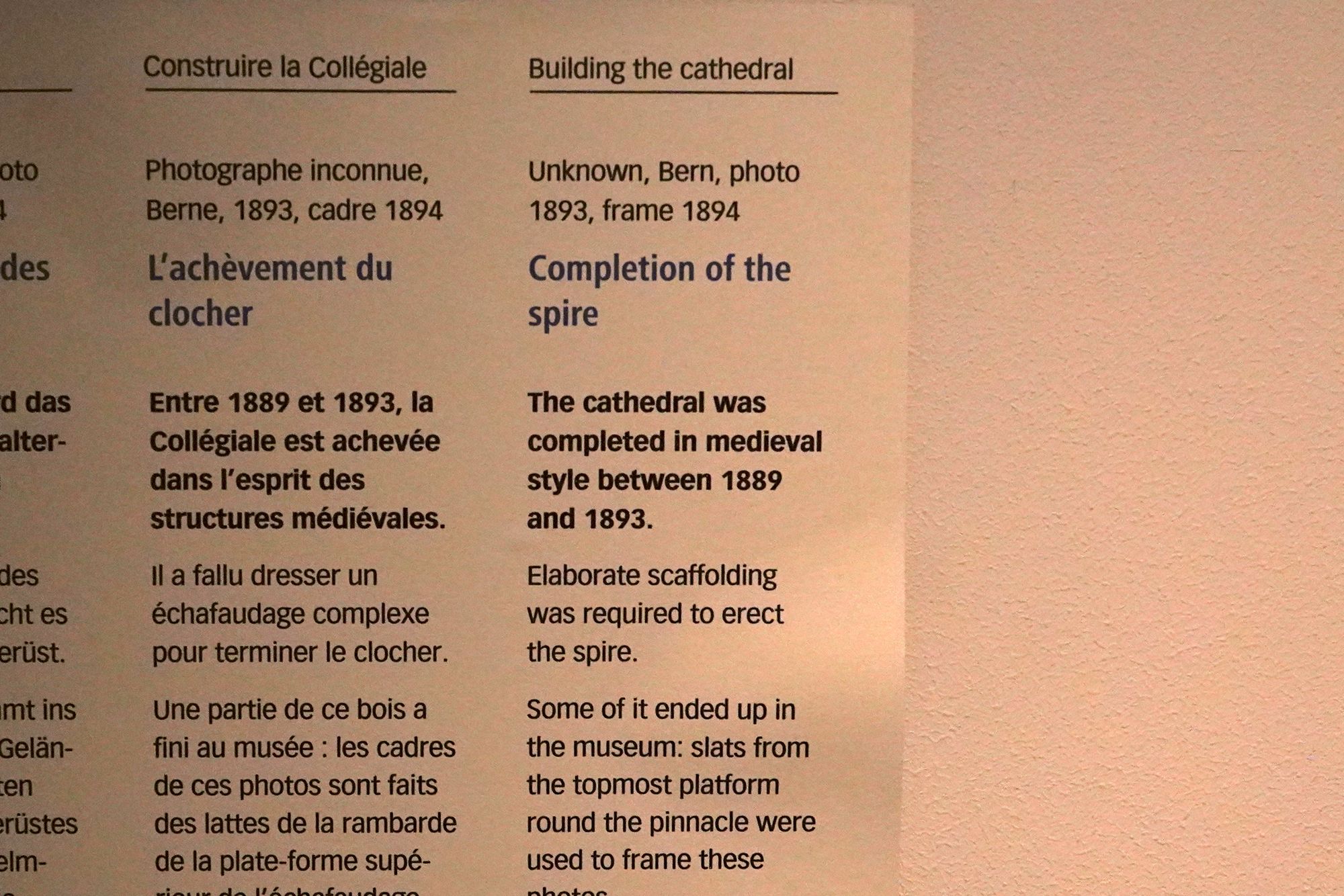
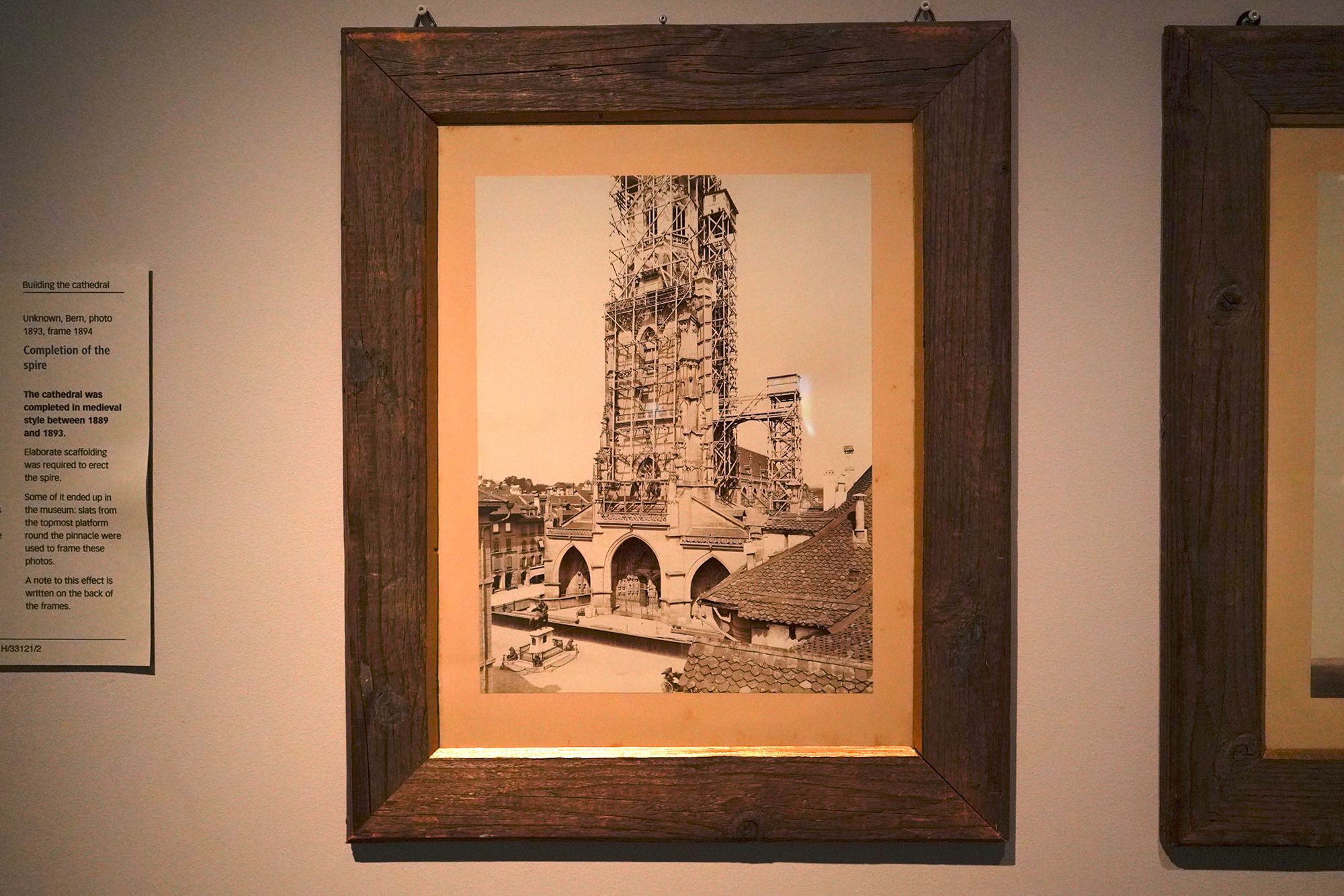
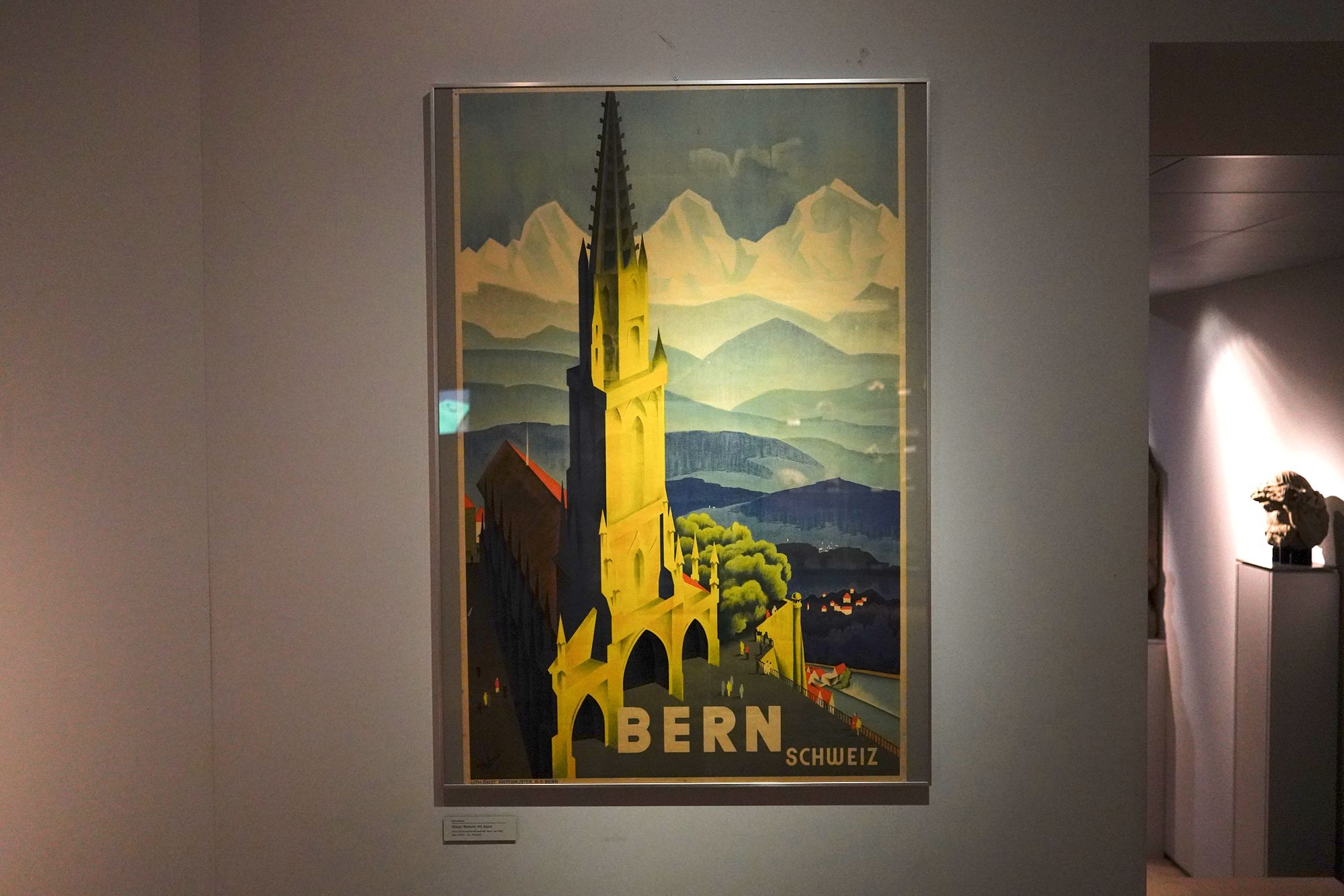
Construction of Bern Minster began in 1421, but the cathedral’s famous tower remained unfinished for centuries. Between 1889 and 1893, the upper tower and spire were finally completed in a Gothic Revival style designed to match the medieval church. Reaching about 100 meters, the completed tower became the tallest church tower in Switzerland.
Bern’s Sculptural Find
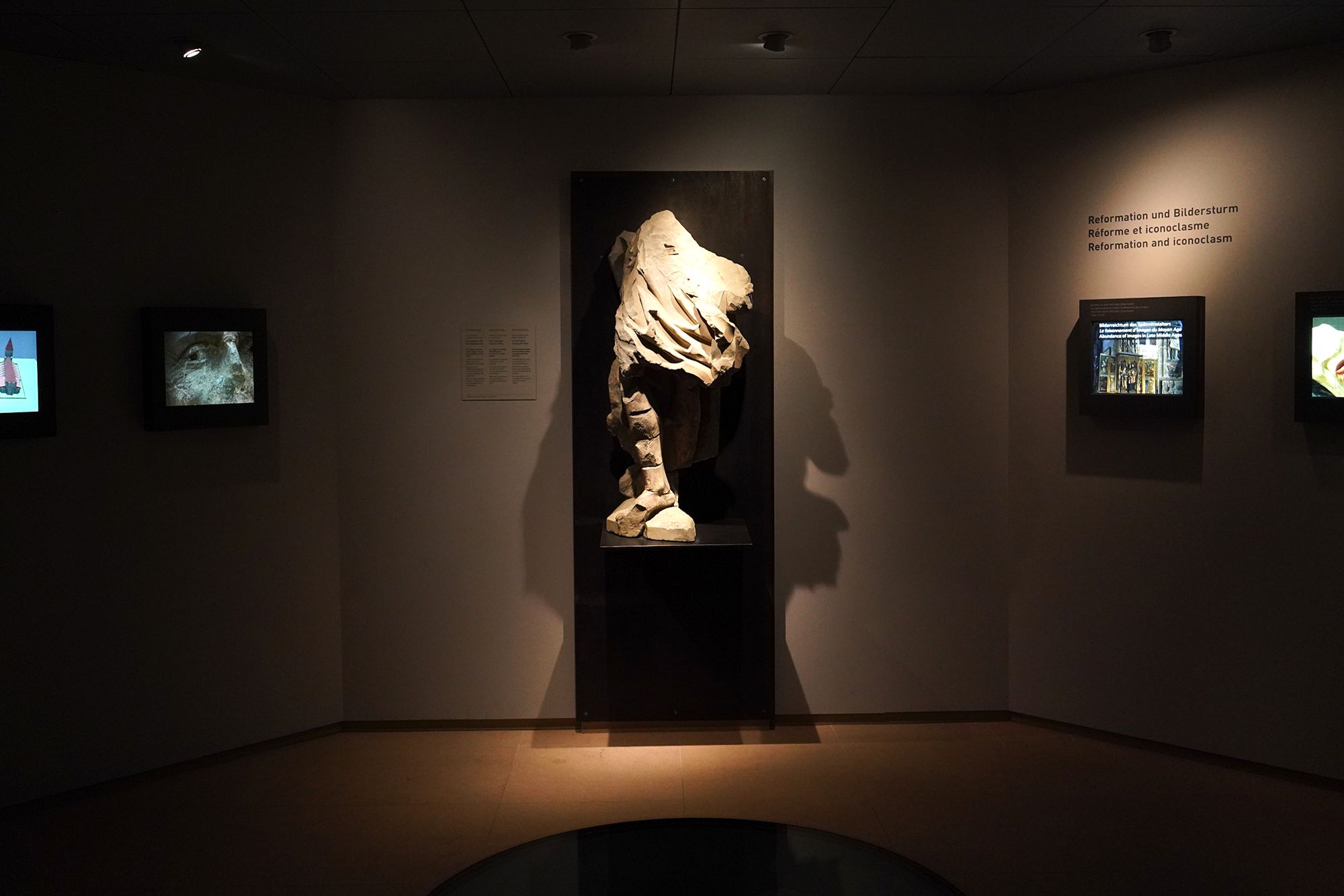
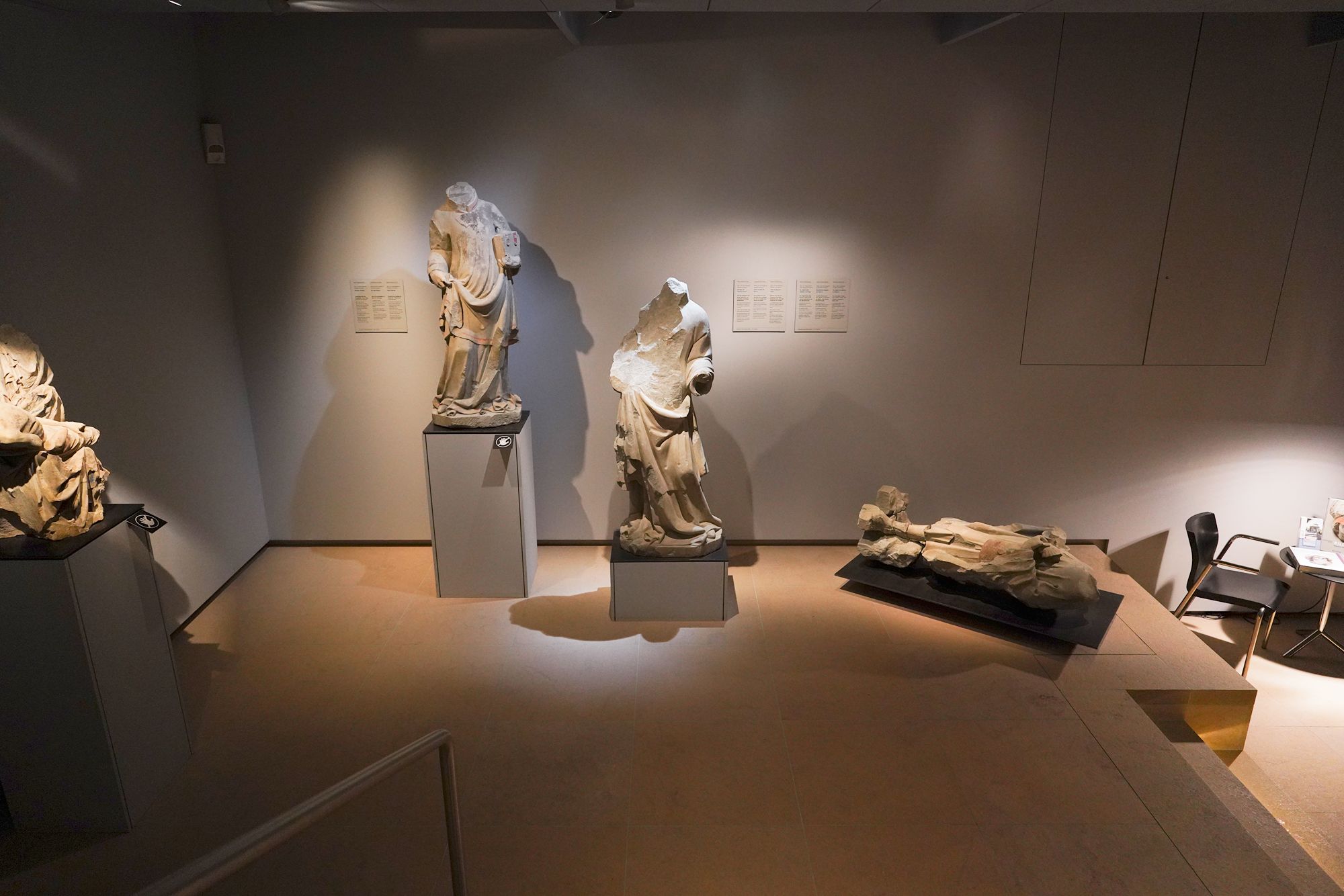
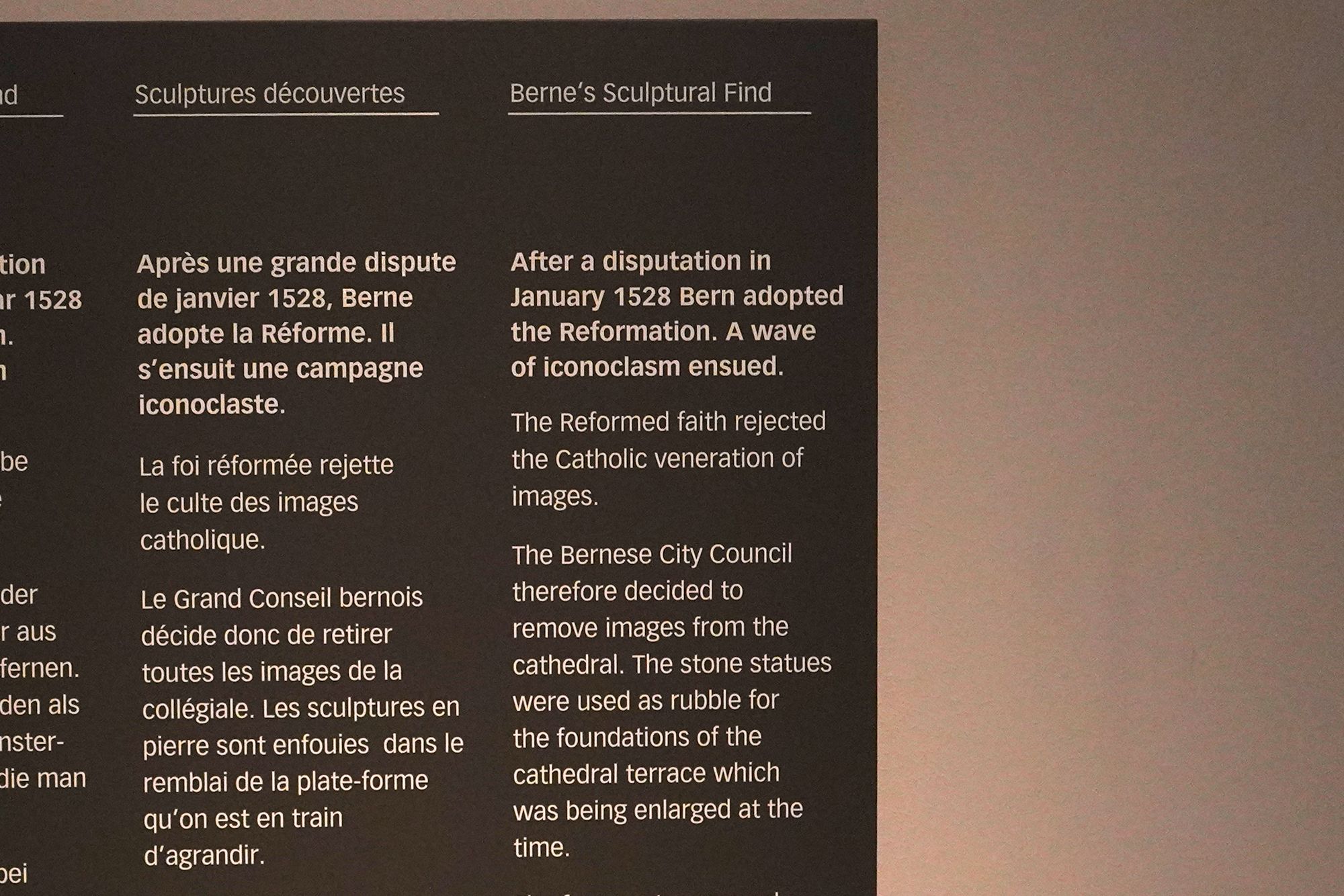
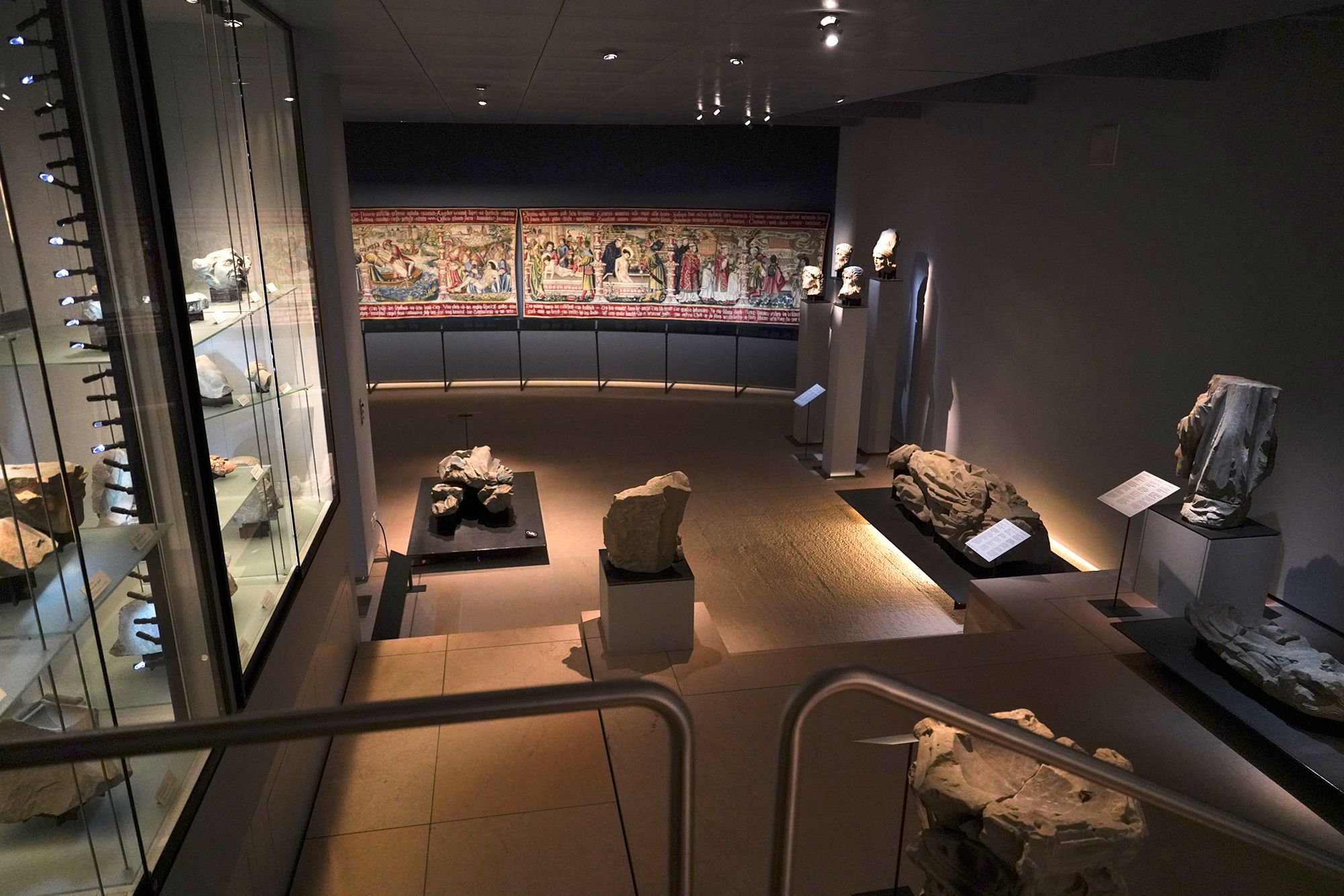
In 1528, Bern adopted the Protestant Reformation, followed by a period of iconoclasm in which many Catholic religious images were removed from churches. Stone sculptures taken from Bern Minster were broken up and reused as rubble in the foundations of the cathedral terrace. Centuries later, these buried fragments were rediscovered, preserving an unexpected collection of Bern’s medieval sculpture.
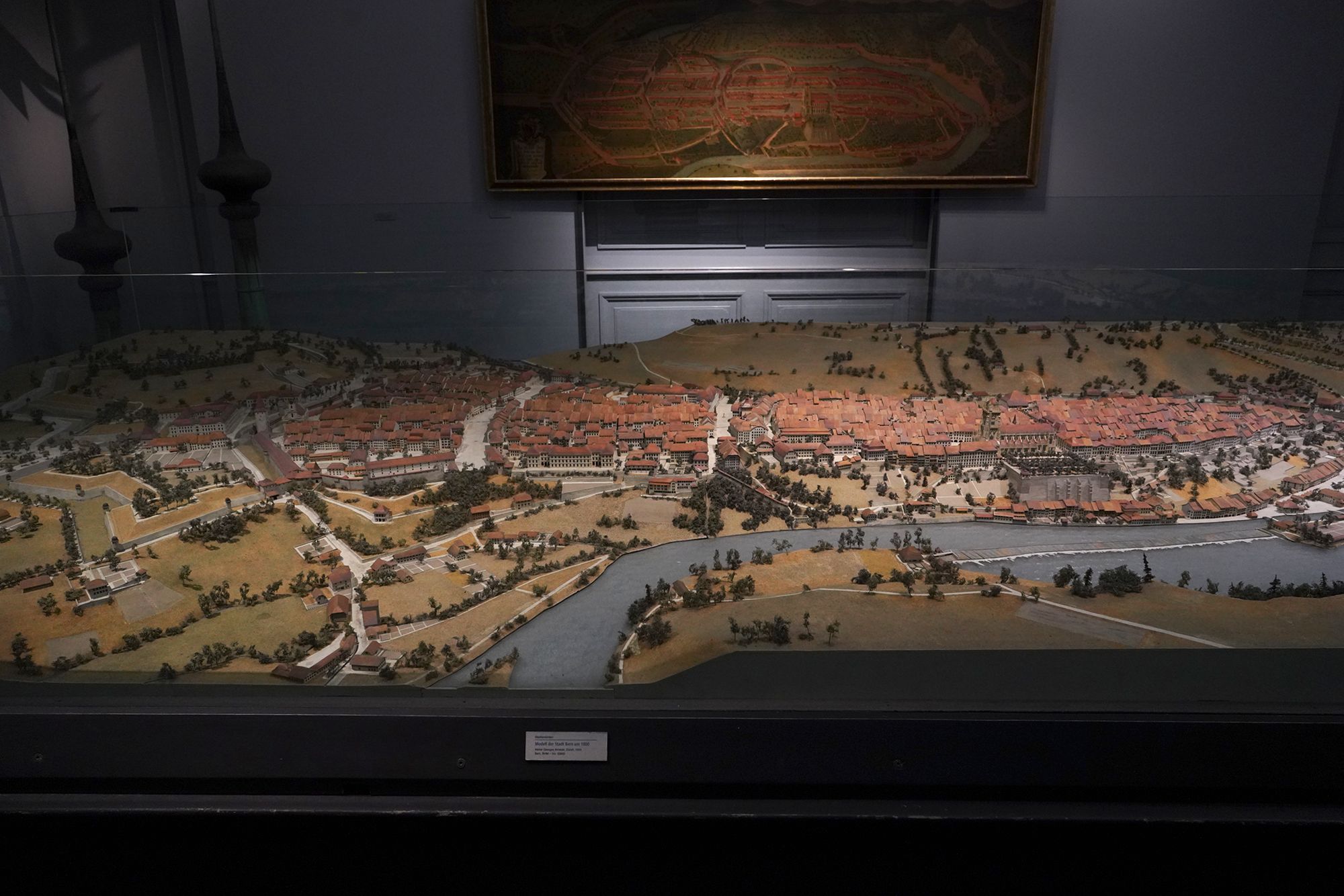
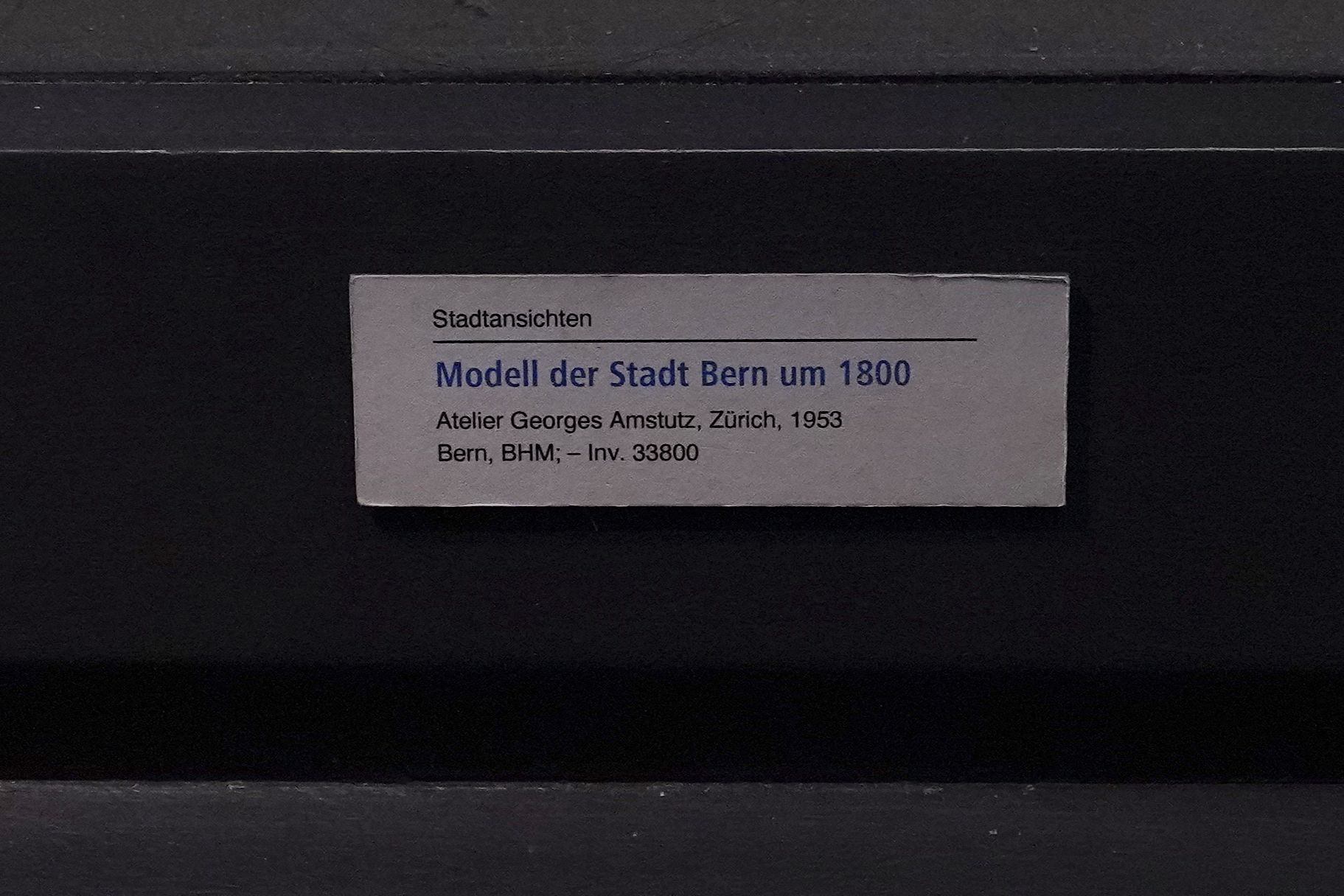
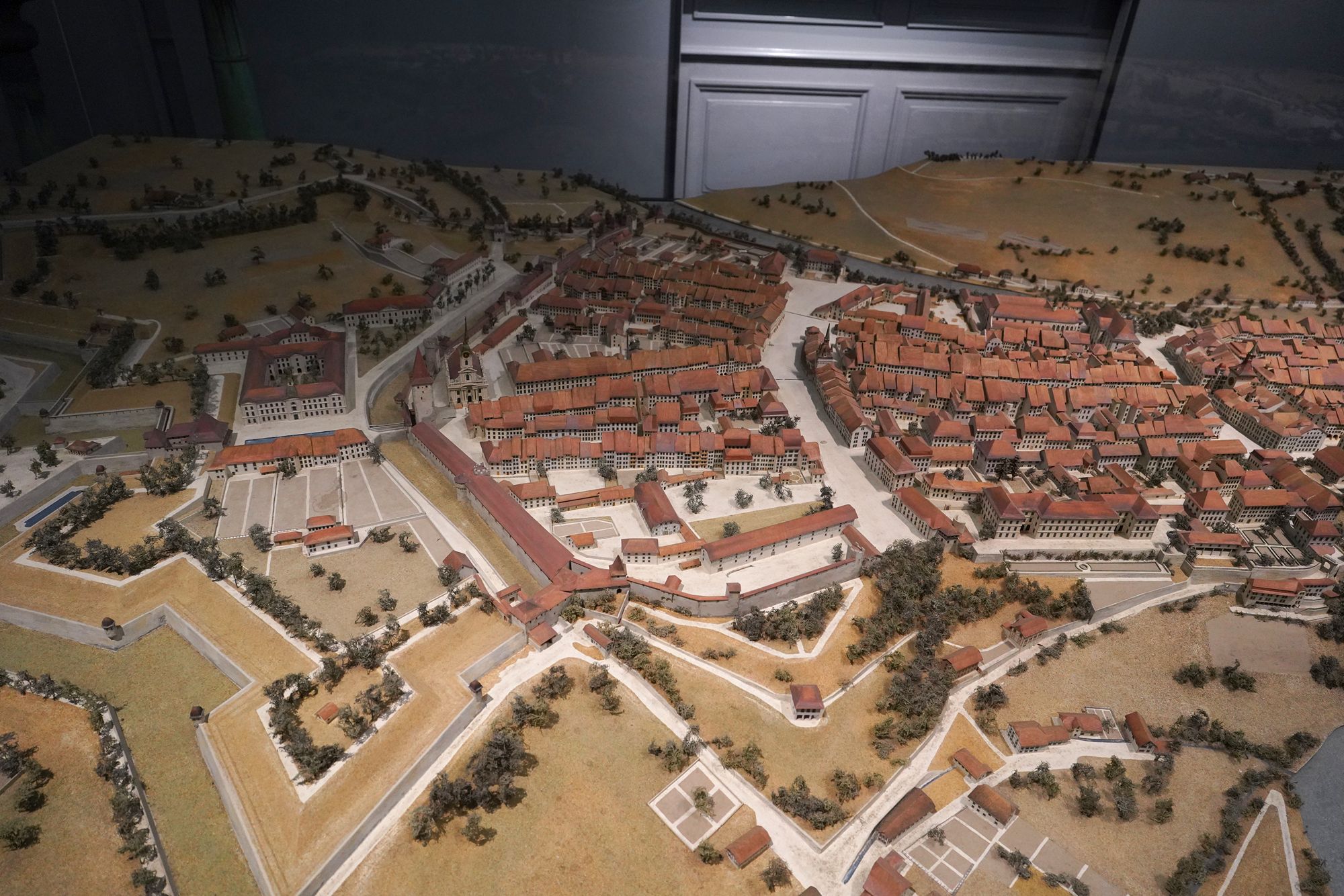
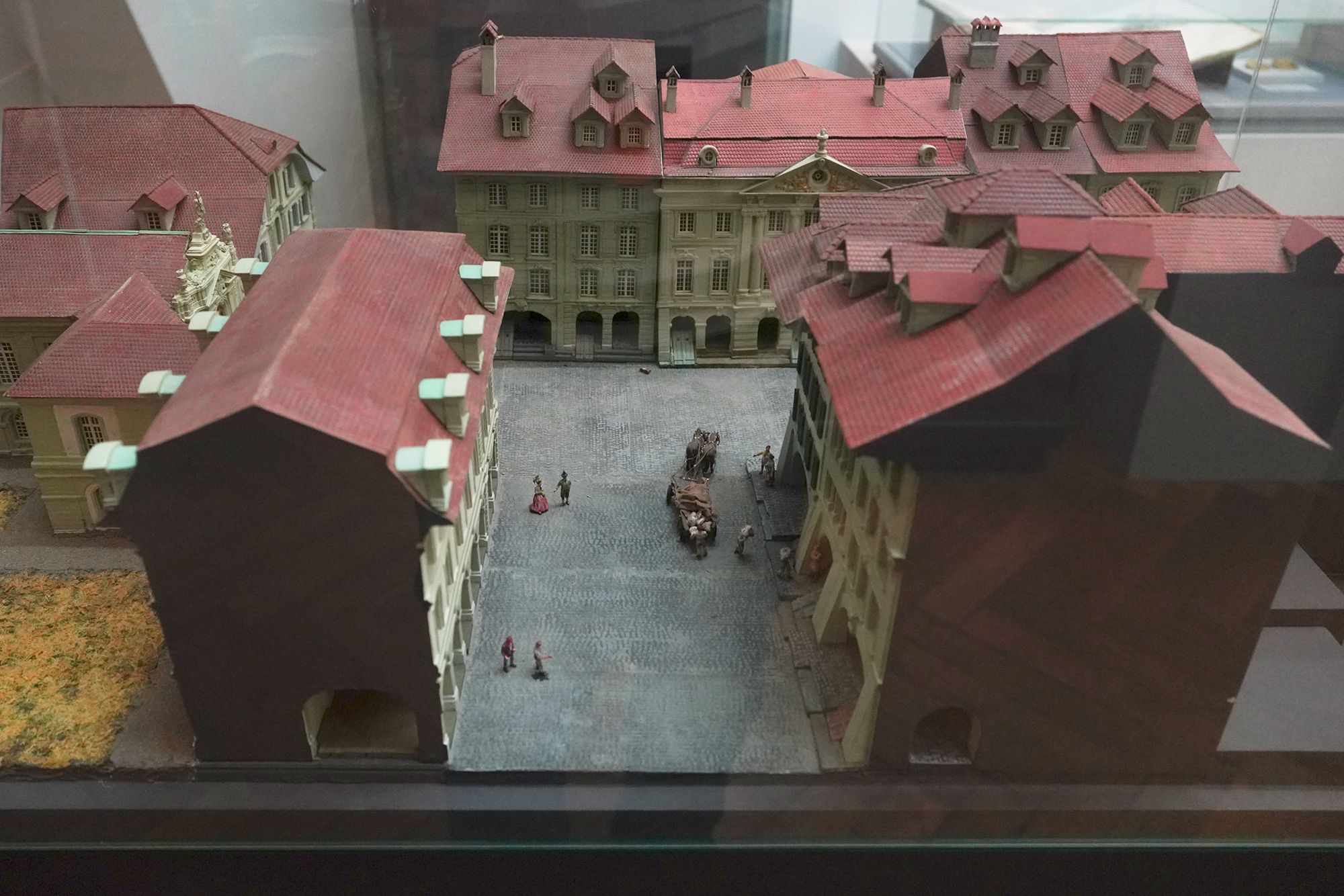
Bern’s Historic Old Town
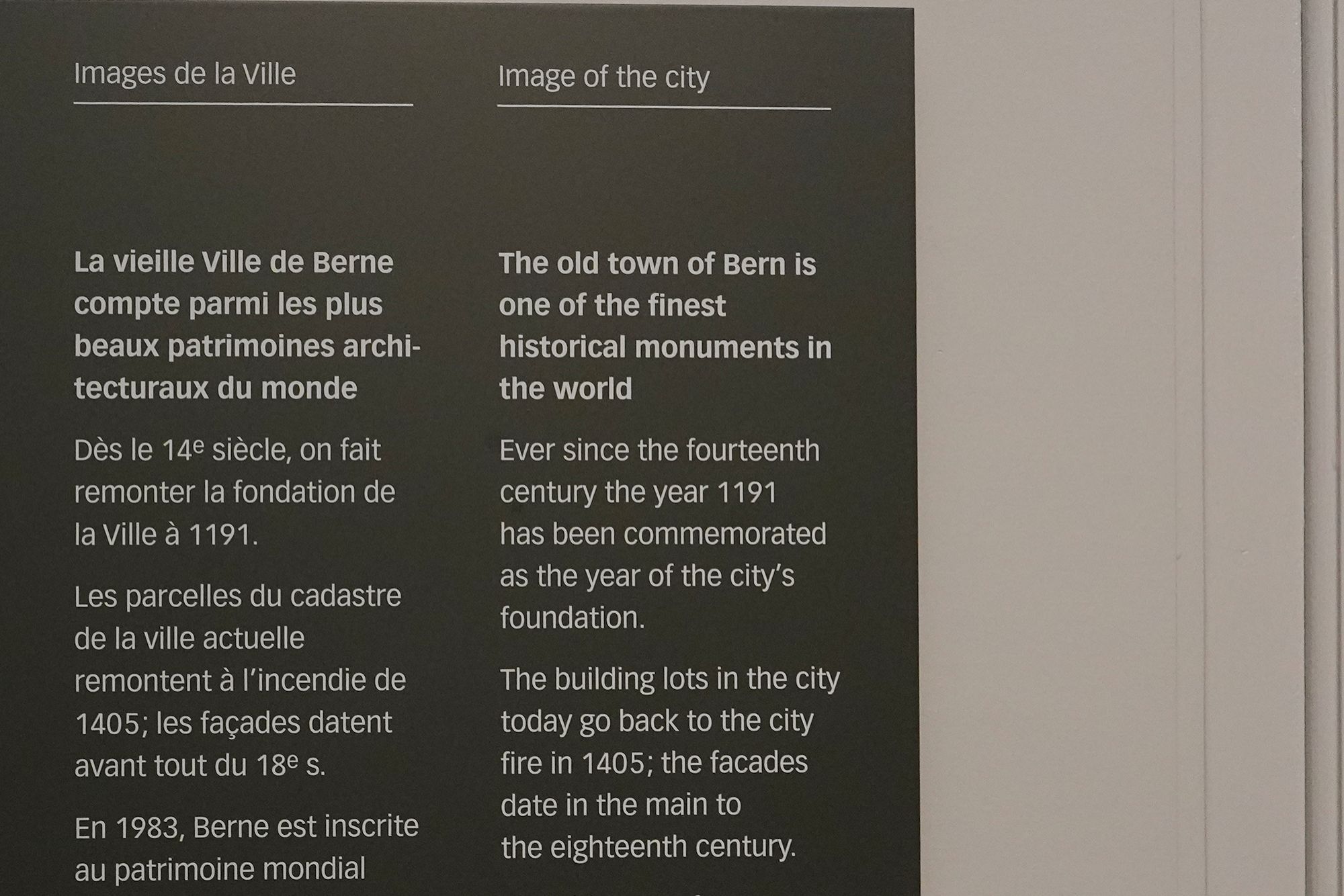
Bern traditionally dates its founding to 1191. Much of the Old Town’s basic layout took shape after the devastating fire of 1405, while many of the façades seen today date from the 18th century. Despite these later changes, Bern has preserved its medieval street plan and historic character remarkably well.
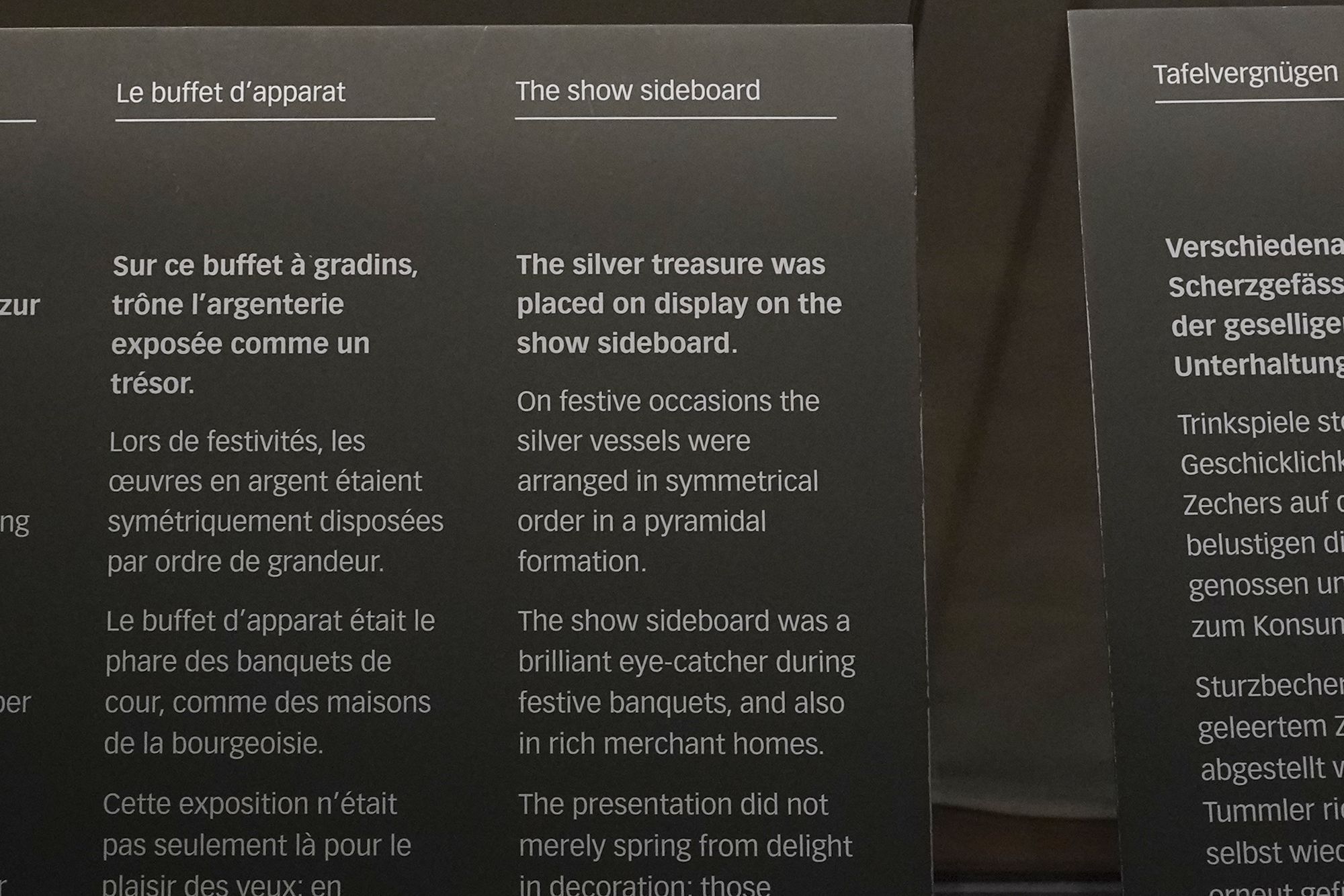
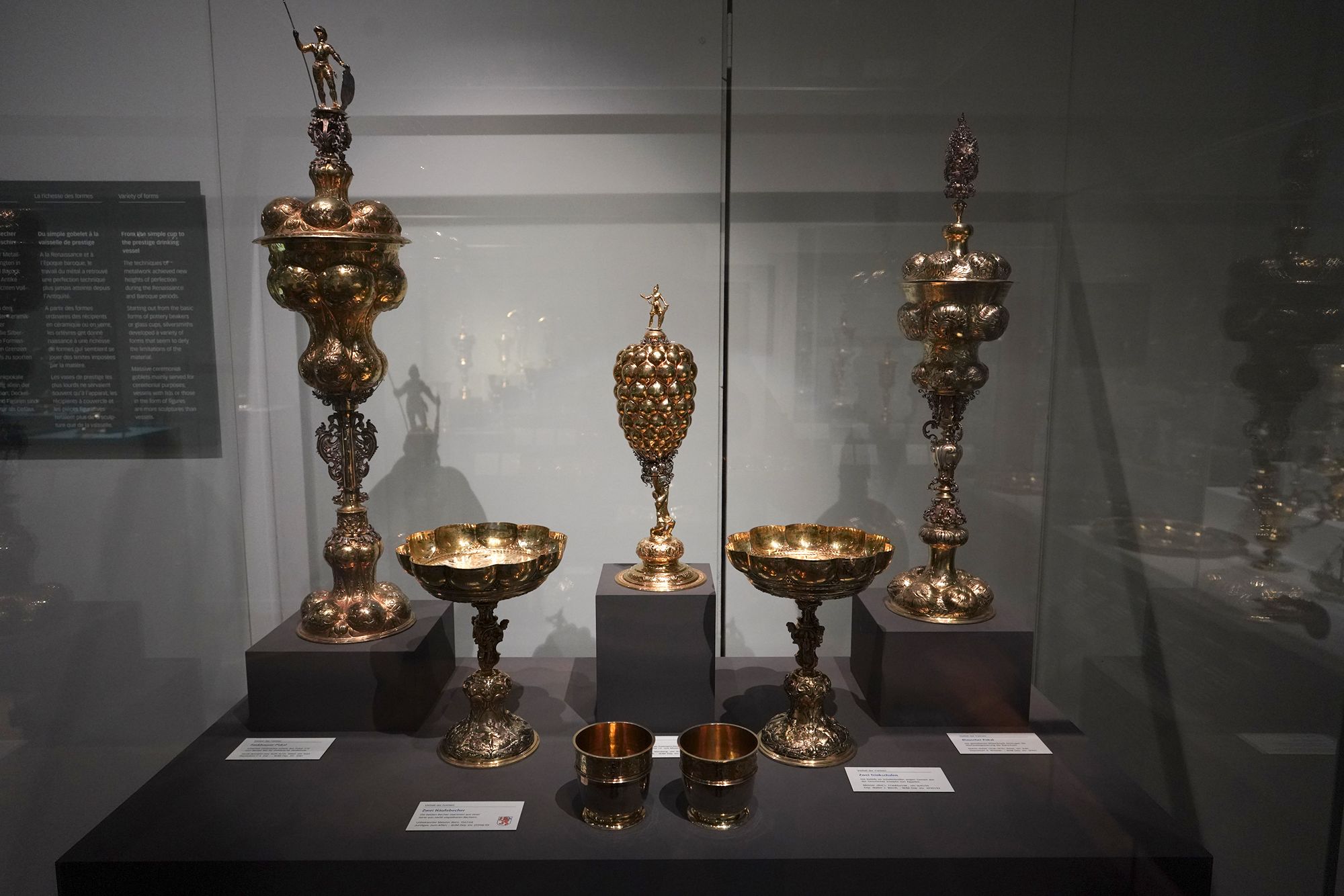
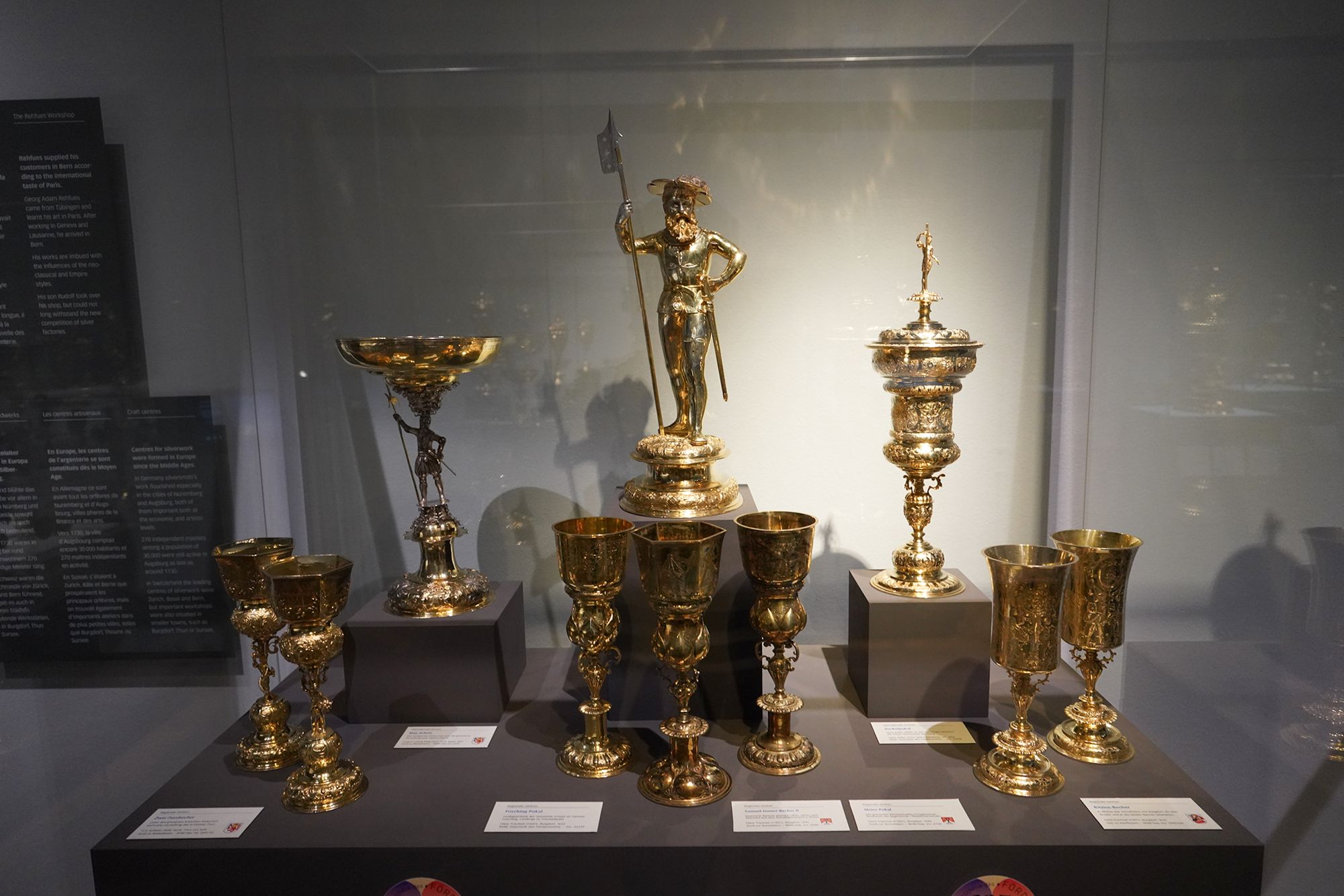
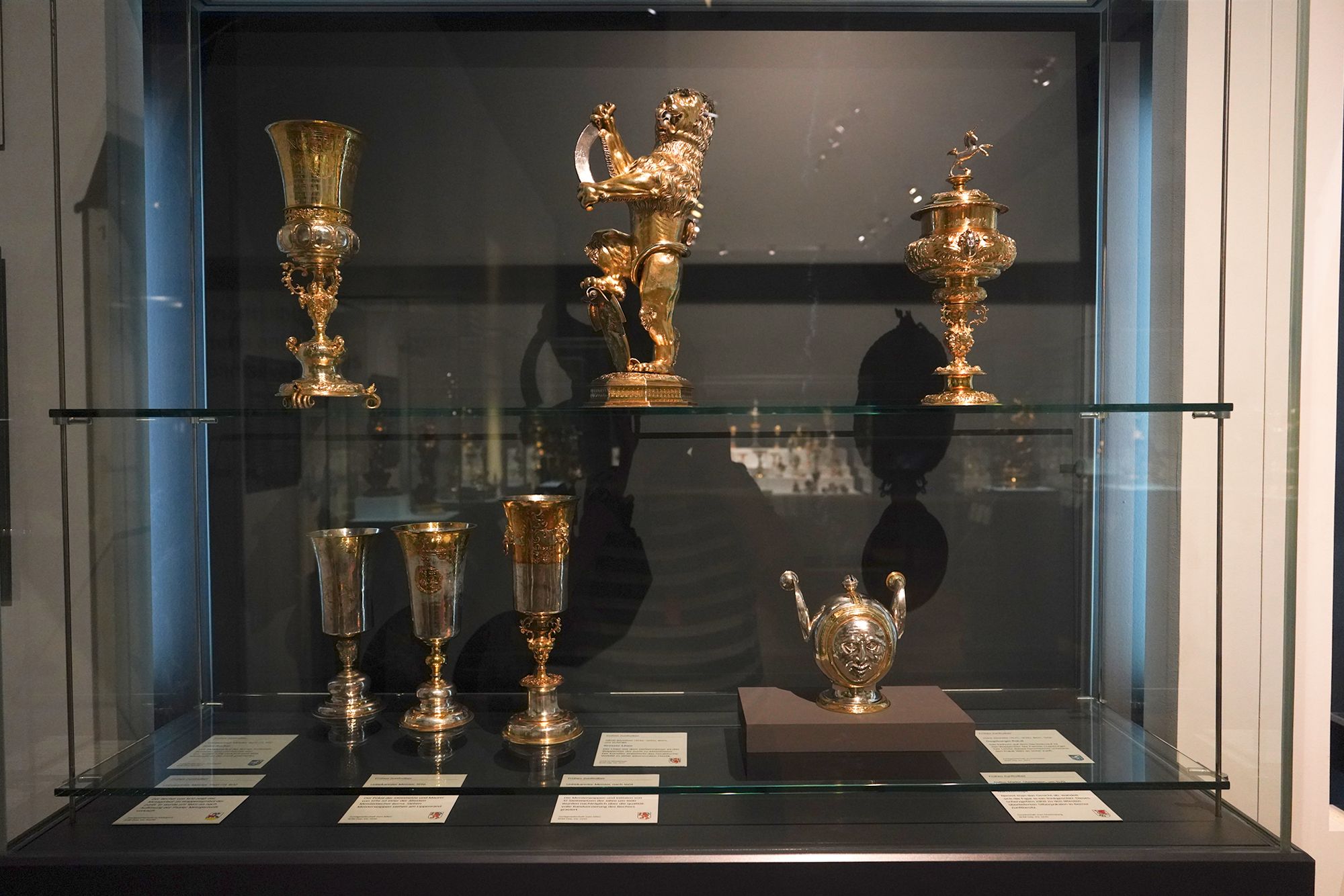
The Show Sideboard
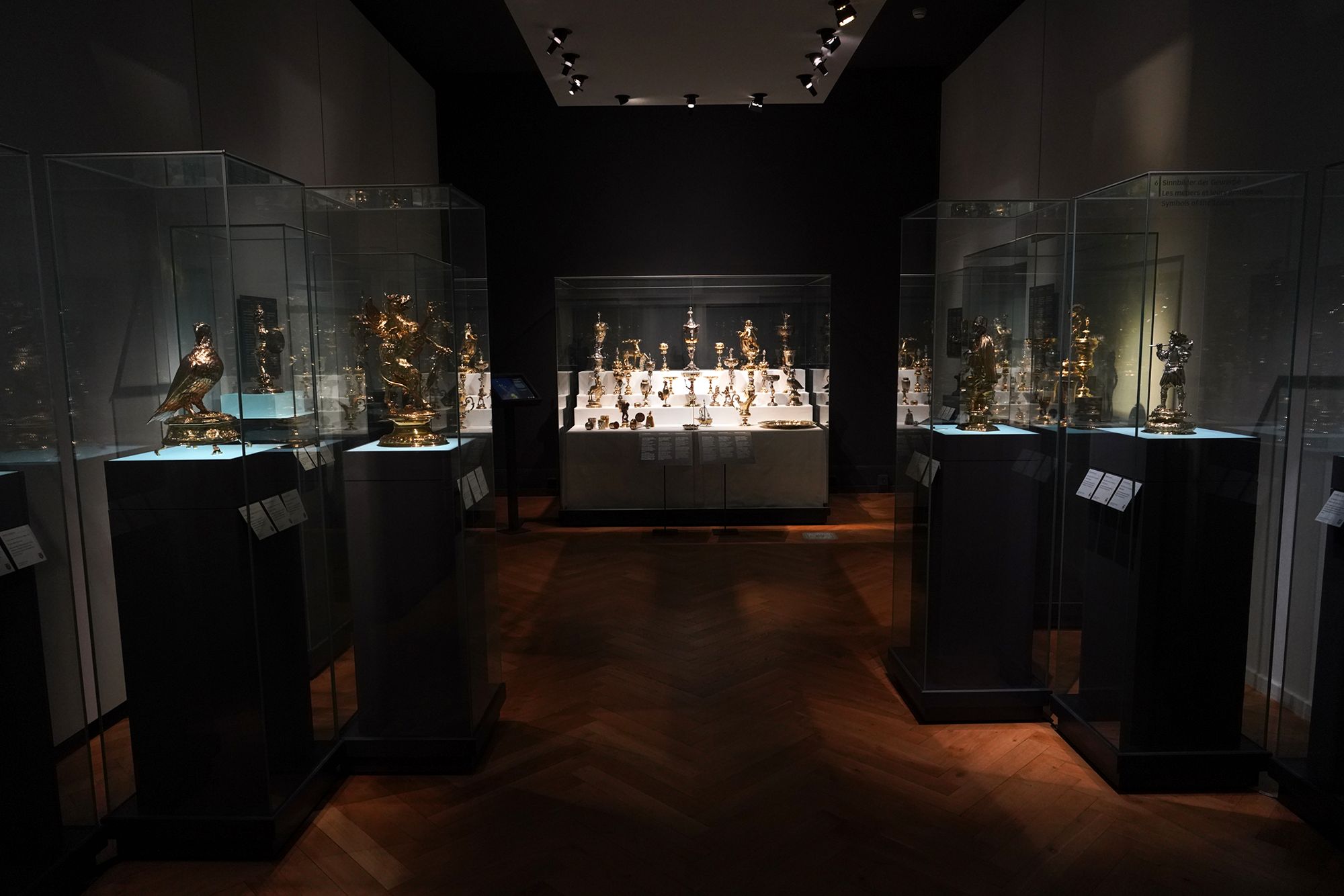
During festive banquets, wealthy Bernese families displayed their finest silver vessels on large sideboards, carefully arranged in symmetrical, pyramid-like formations. The display was not simply decoration: the quantity and quality of the silver demonstrated the family’s wealth, social standing, and prestige to their guests.
The von Mülinen Family Collection
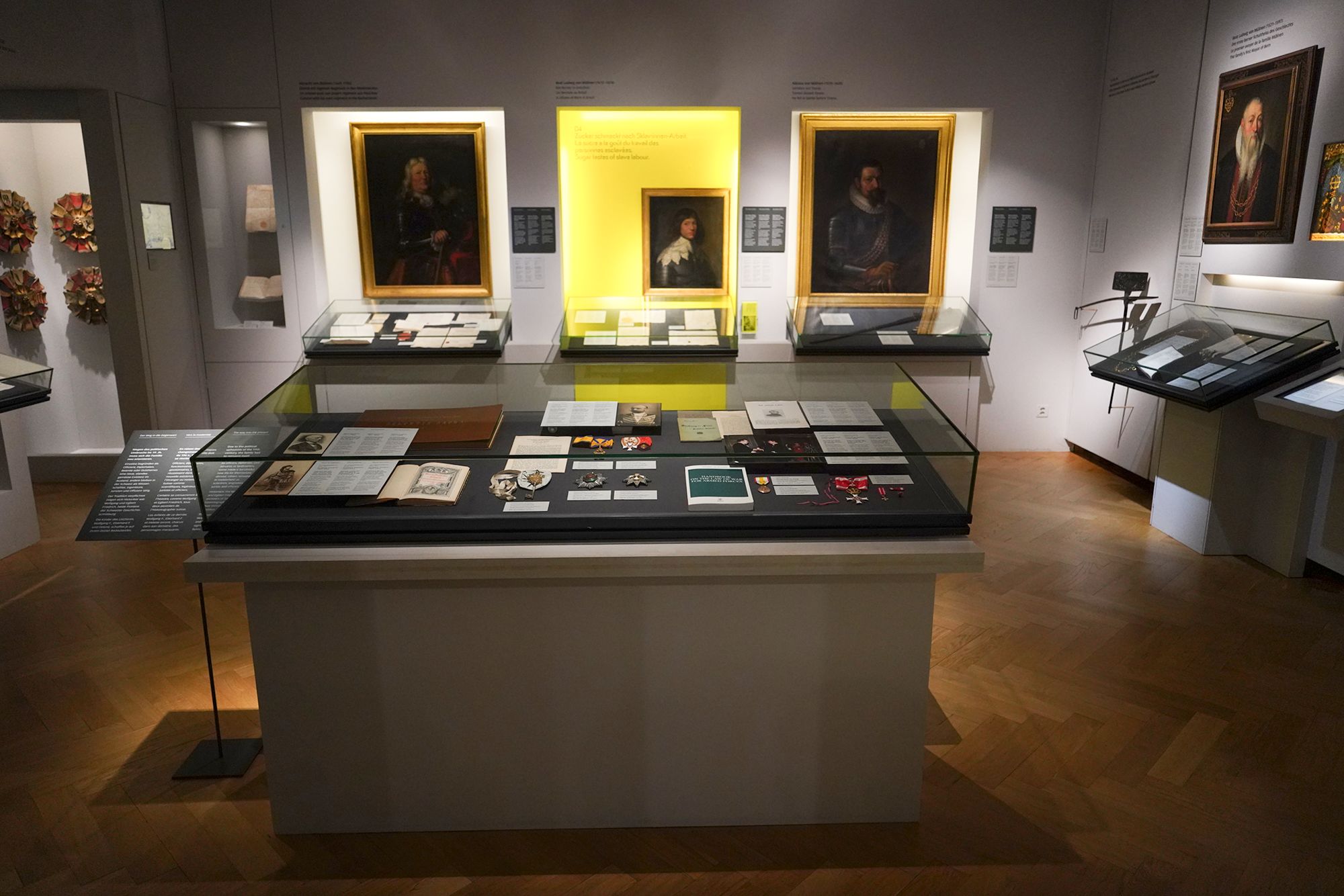
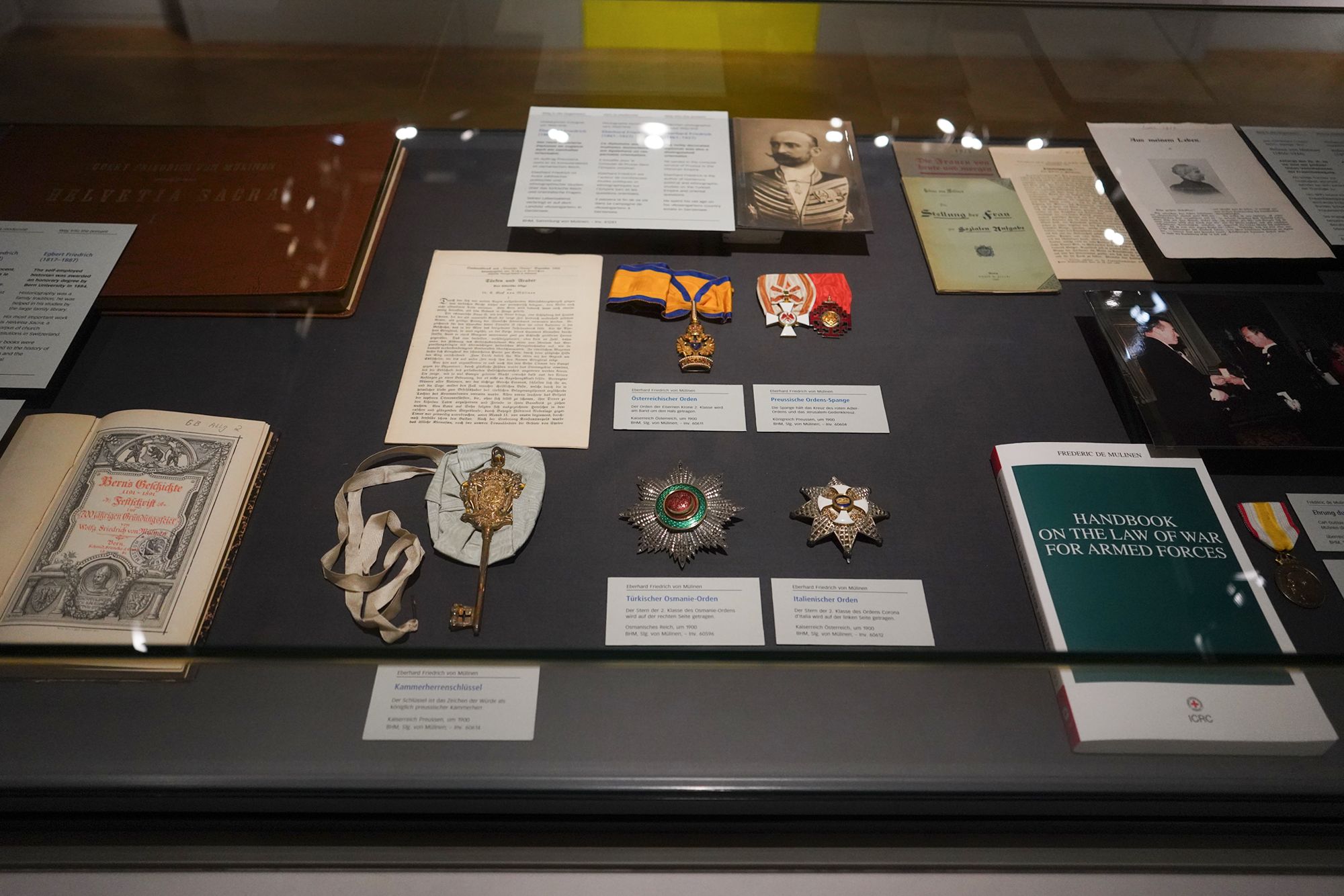
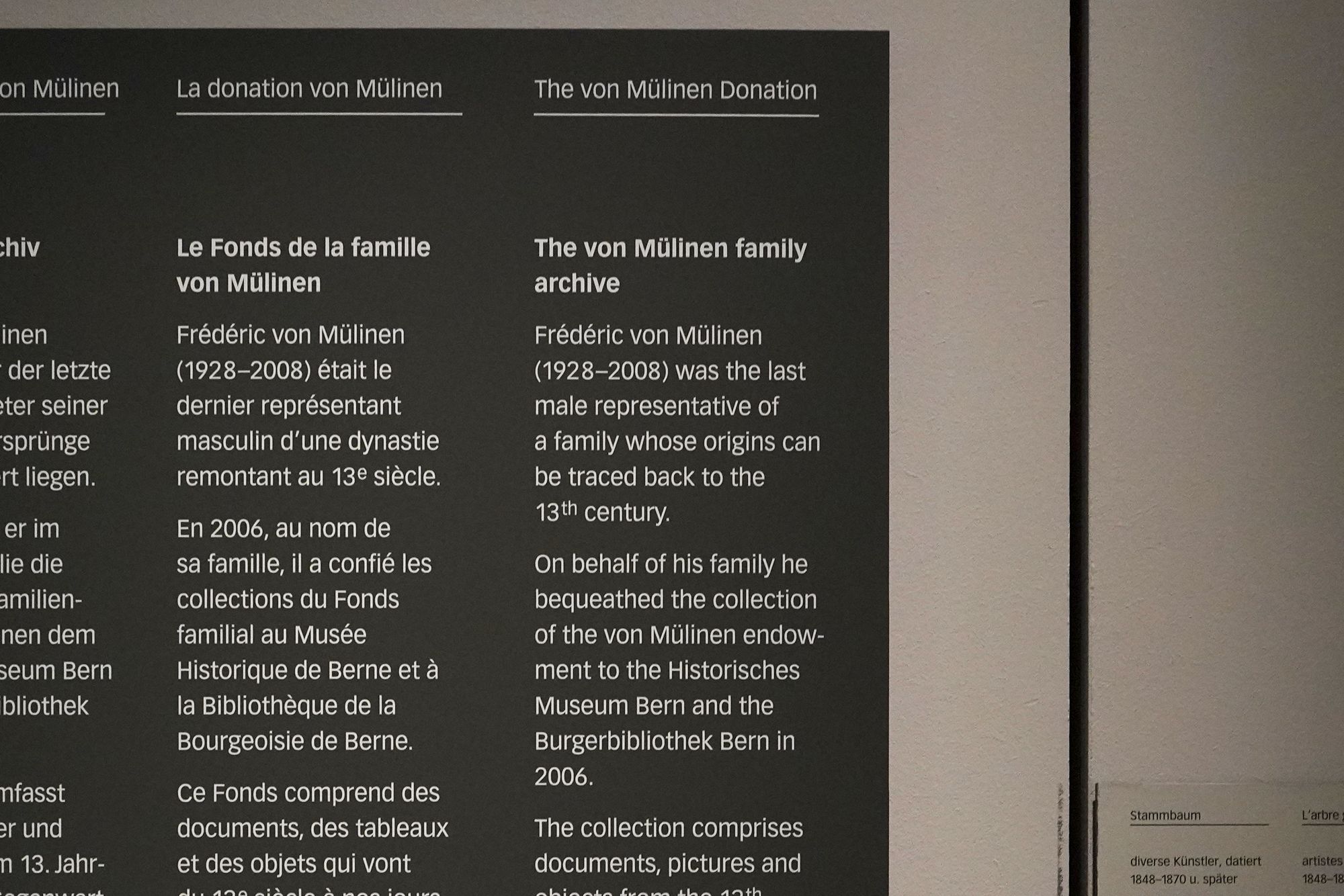
The von Mülinen family was a prominent Bernese family whose history can be traced back to the 13th century. Frédéric von Mülinen, the last male representative of the family, donated its extensive historical collection in 2006. The archive includes documents, pictures, and family objects that help preserve centuries of Bernese history.
Preserving the von Mülinen Family History
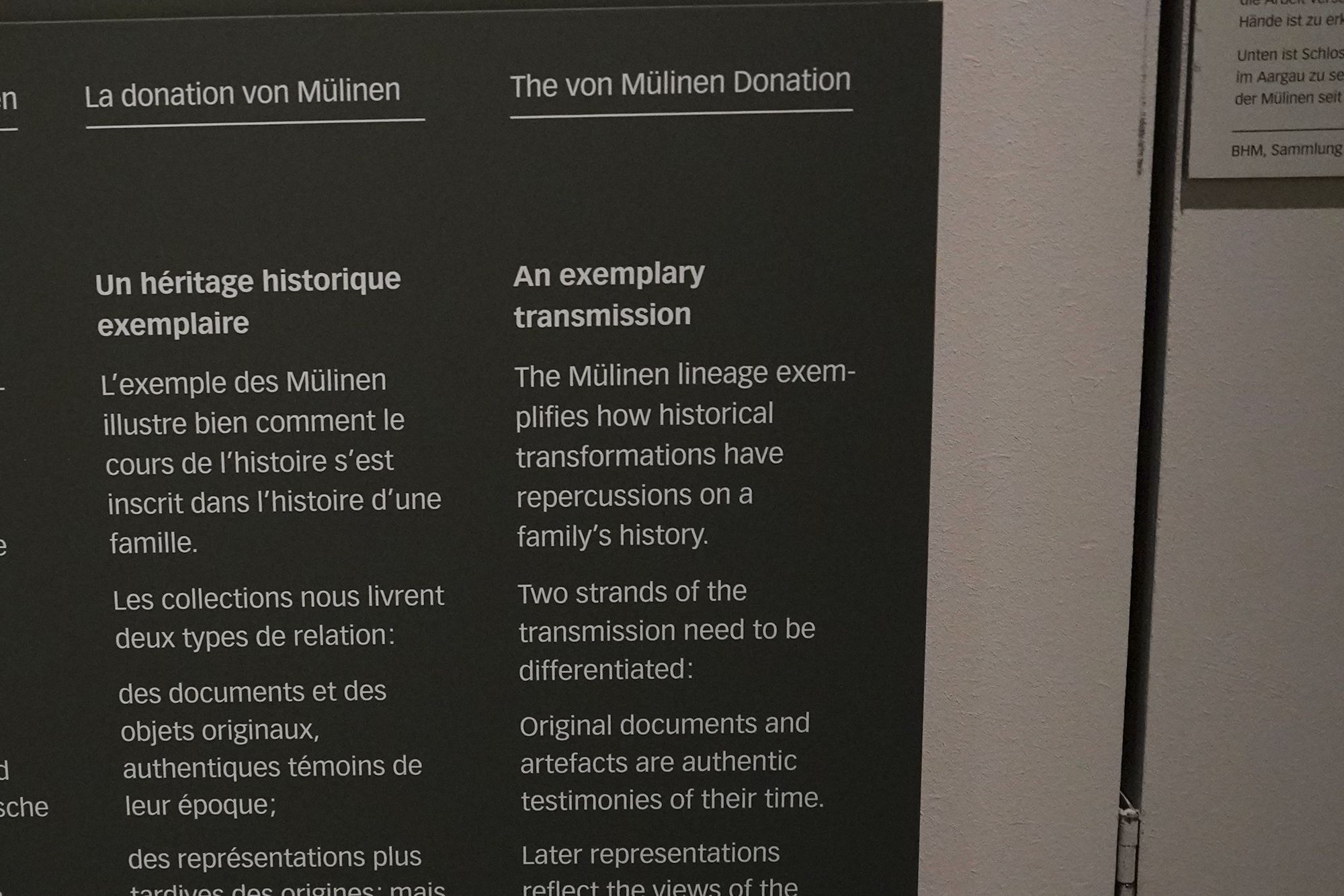
The von Mülinen collection illustrates how a family’s history changes over many generations. Original documents and objects provide direct evidence from the periods in which they were created, while later portraits, family histories, and other representations show how later generations interpreted and remembered their ancestors.
Beat Ludwig von Mülinen
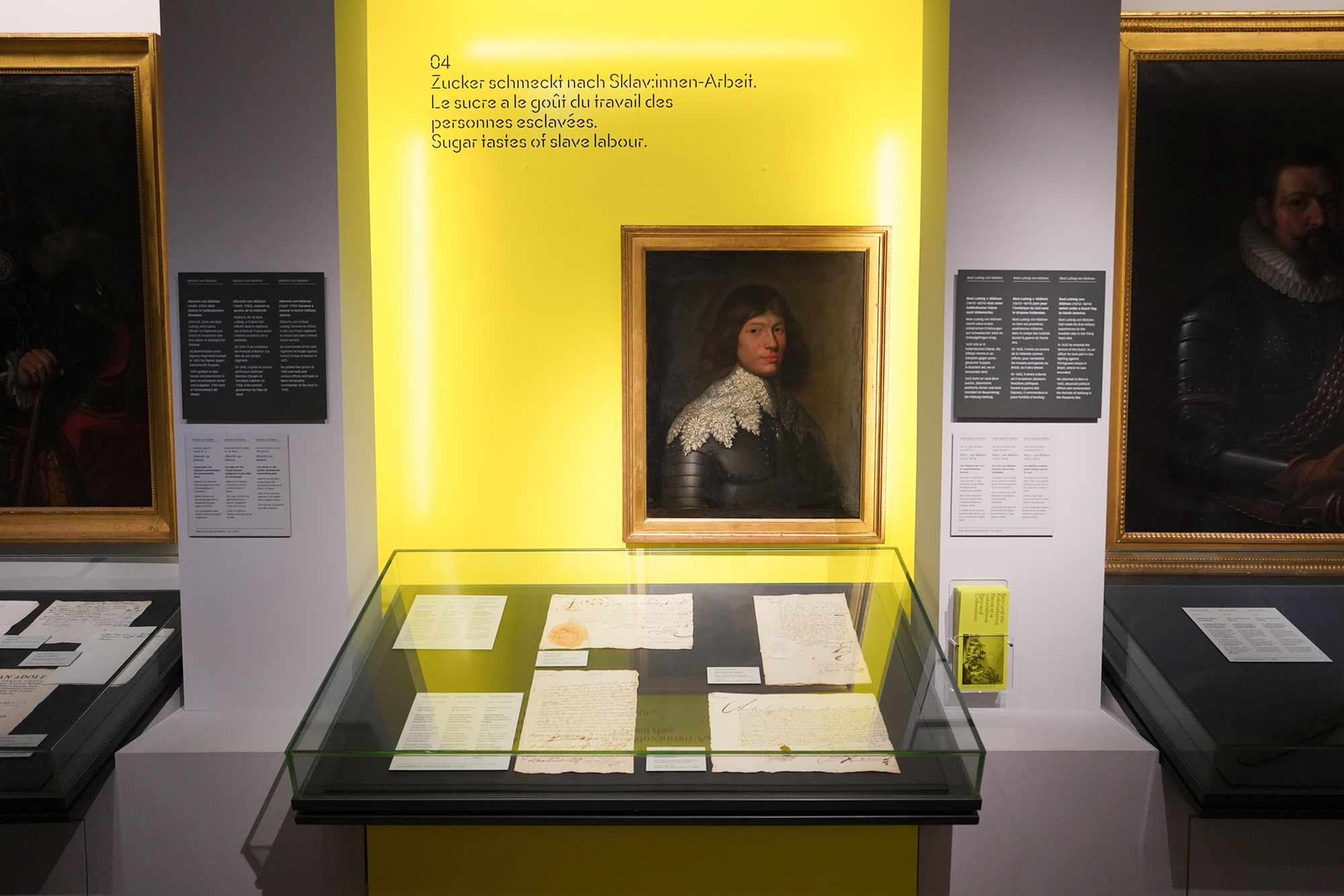
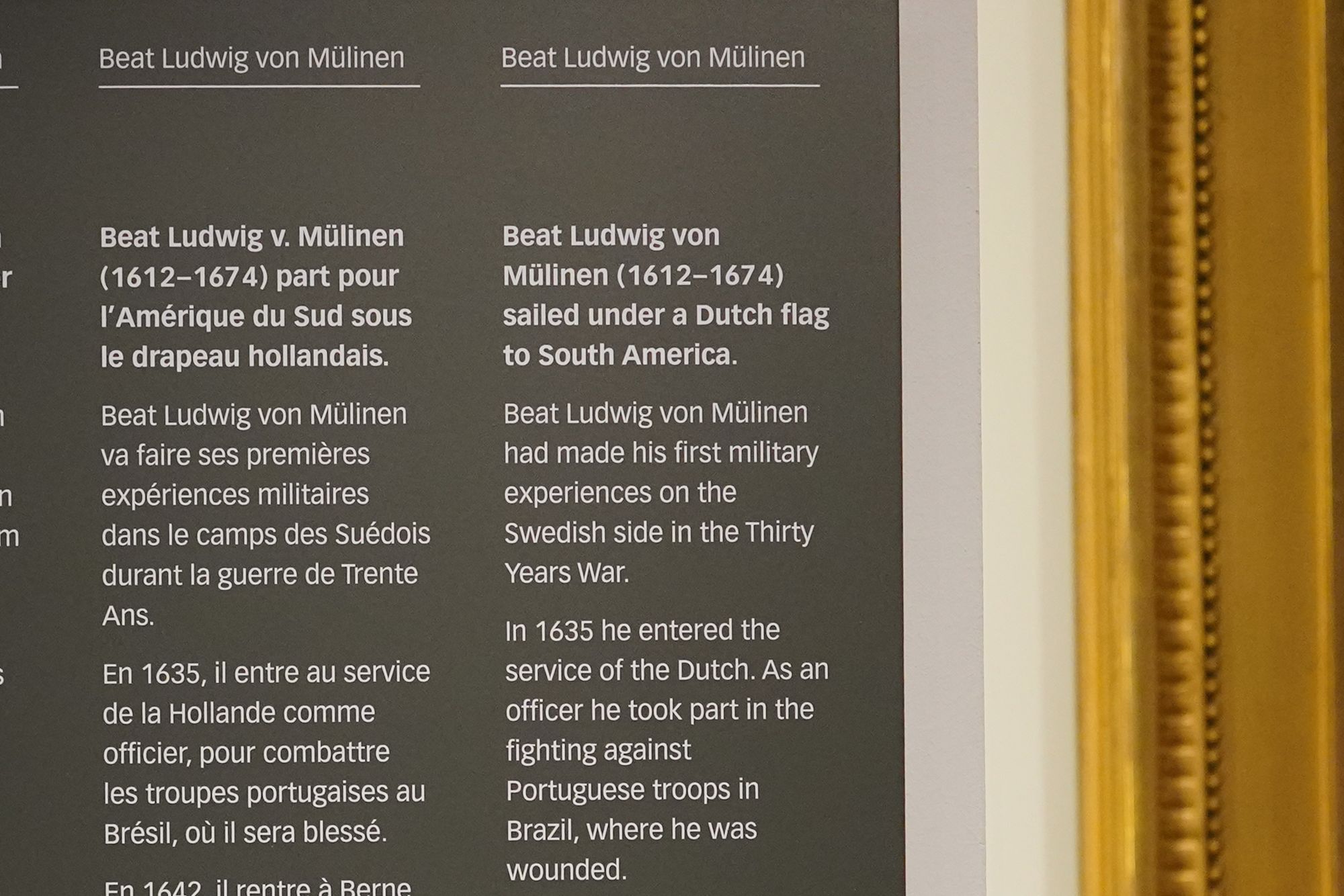
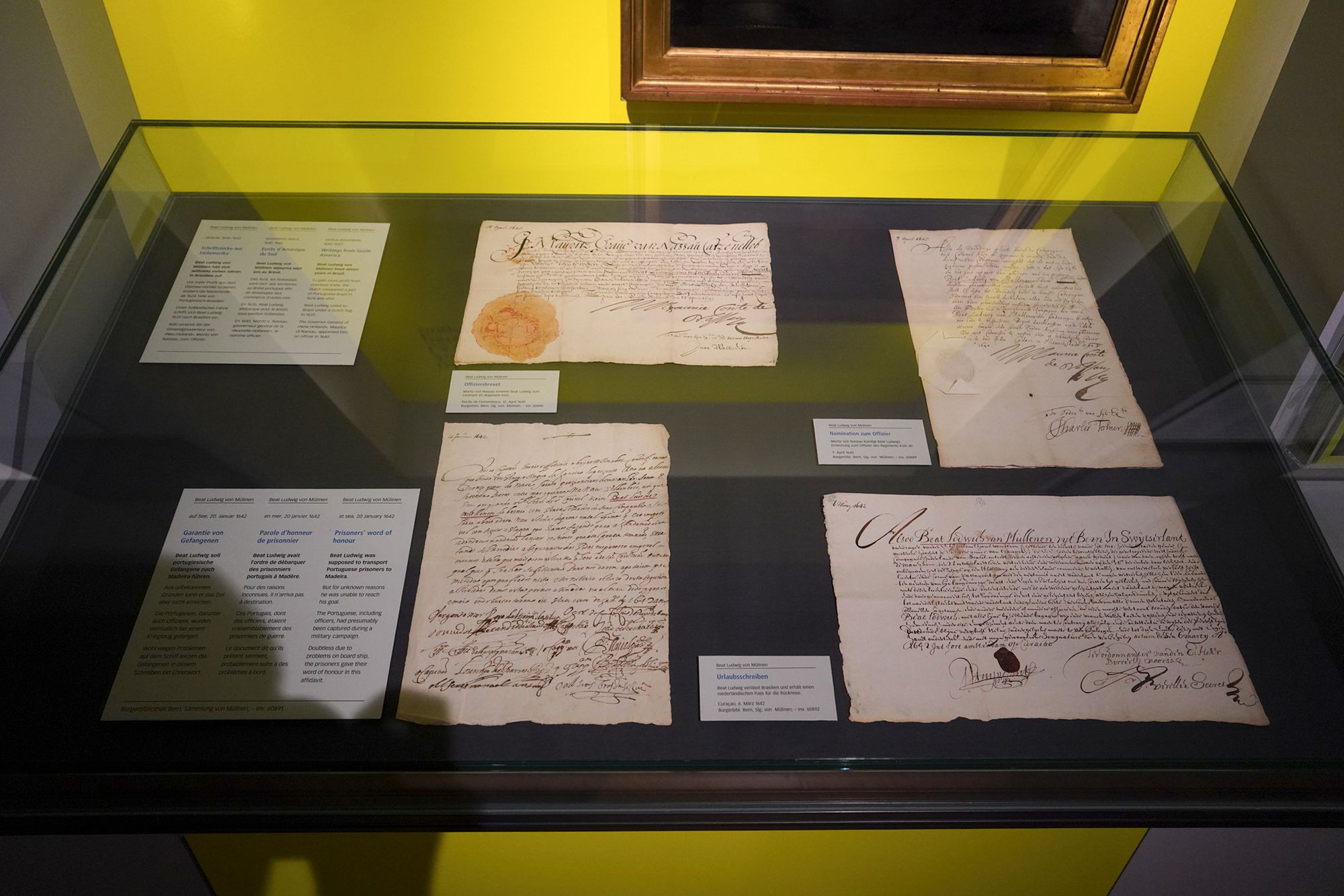
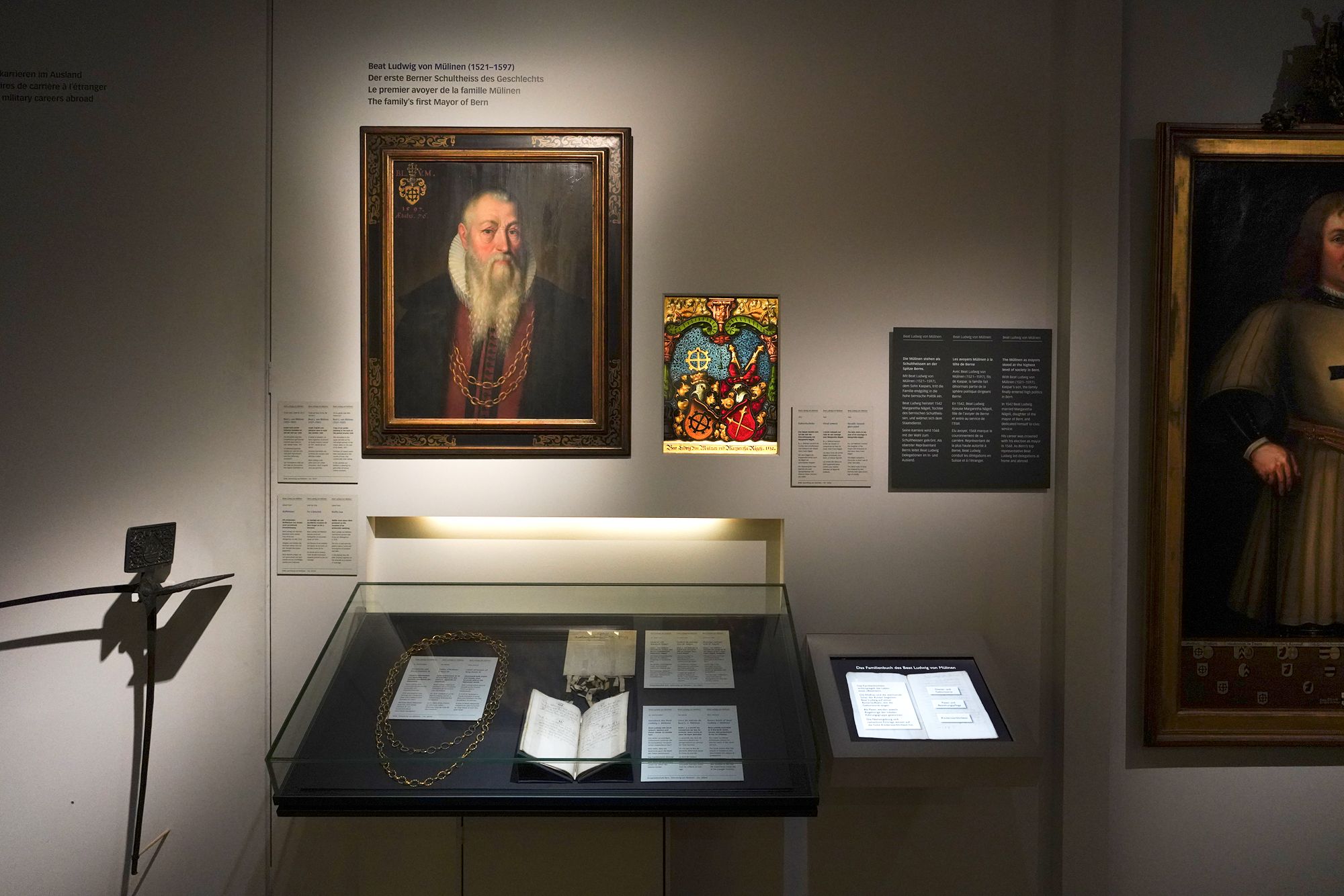
Beat Ludwig von Mülinen (1612–1674) followed the tradition of Swiss soldiers serving foreign powers. After gaining military experience with the Swedish forces during the Thirty Years’ War, he entered Dutch service in 1635. As an officer, he sailed to Brazil, where the Dutch were fighting Portuguese forces for control of colonial territories, and was wounded in combat.
The von Mülinen Family in Bern Politics
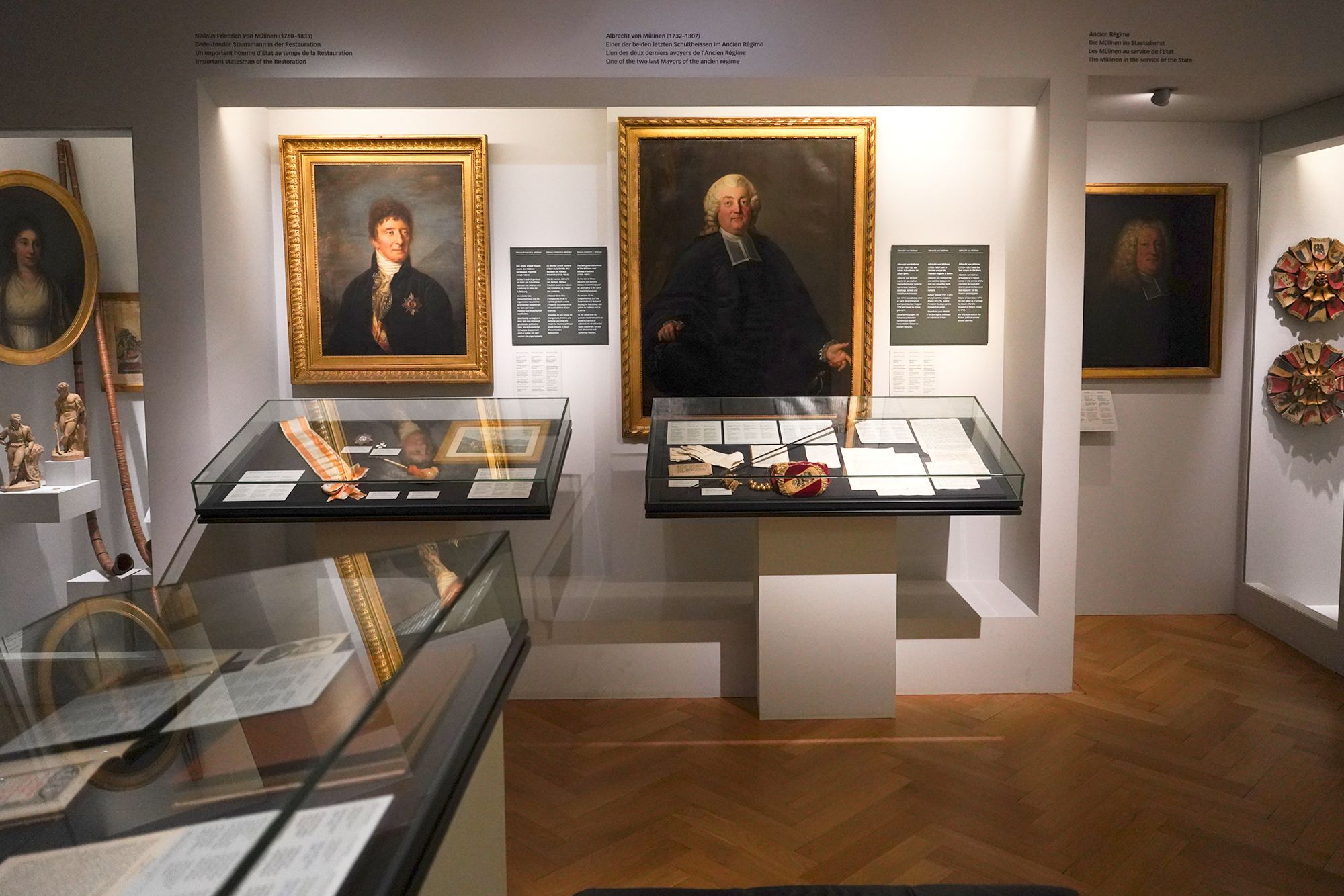
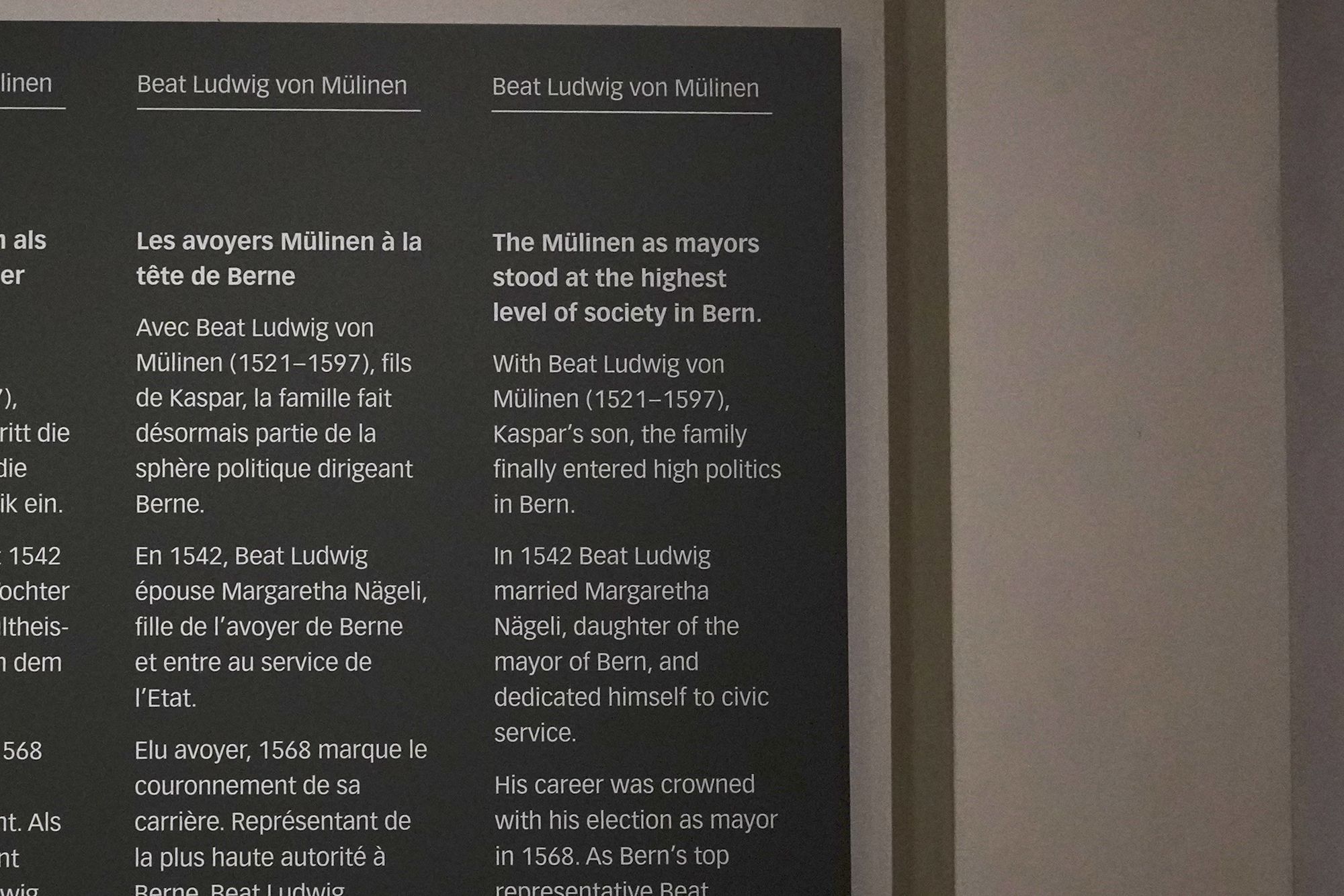
Another Beat Ludwig von Mülinen (1521–1597) brought the family into the highest levels of Bernese politics. His marriage to Margaretha Nägeli, daughter of a Bernese mayor, strengthened the family’s political connections. After a career in public service, he was elected mayor of Bern in 1568, establishing the von Mülinen family among Bern’s ruling elite.
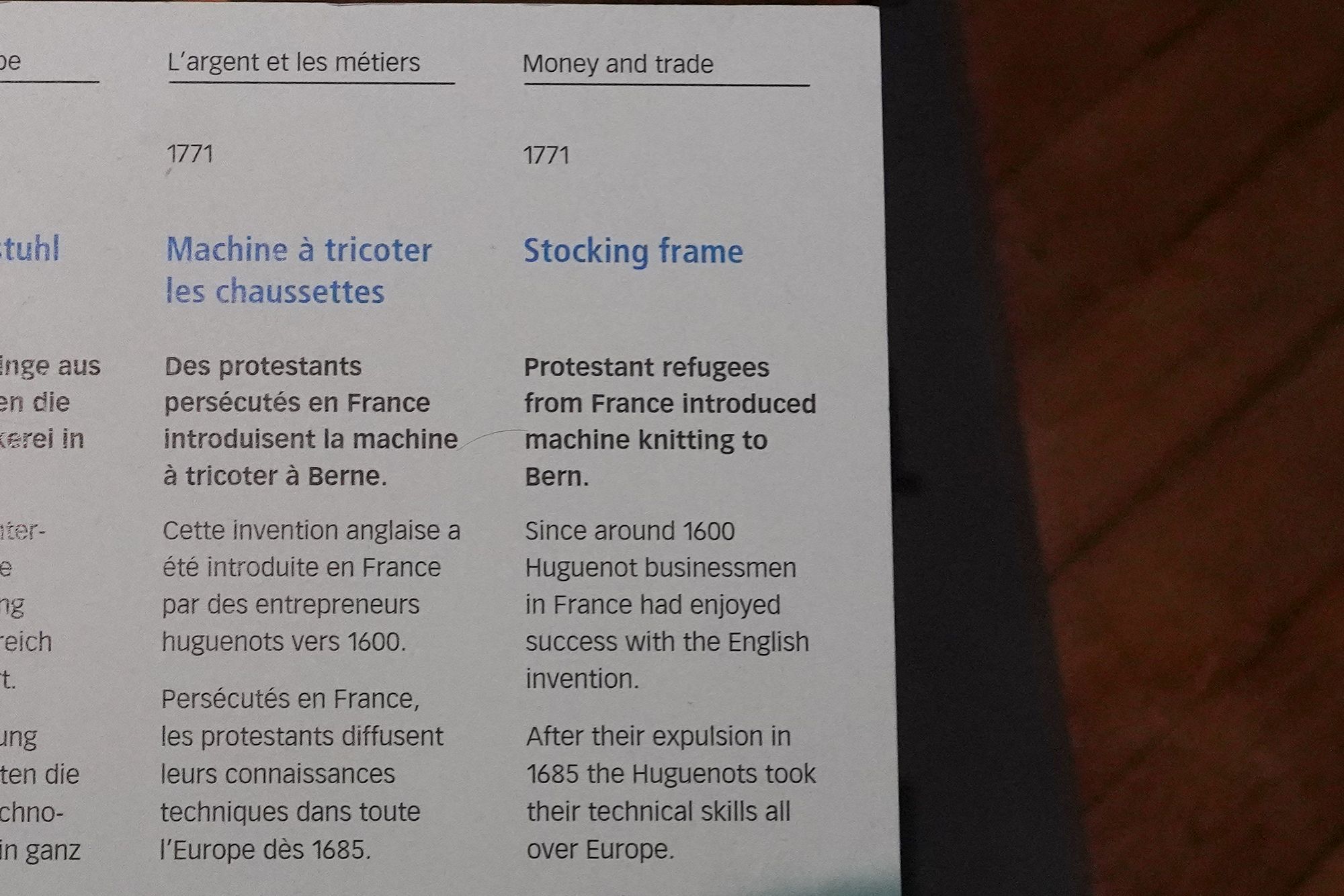
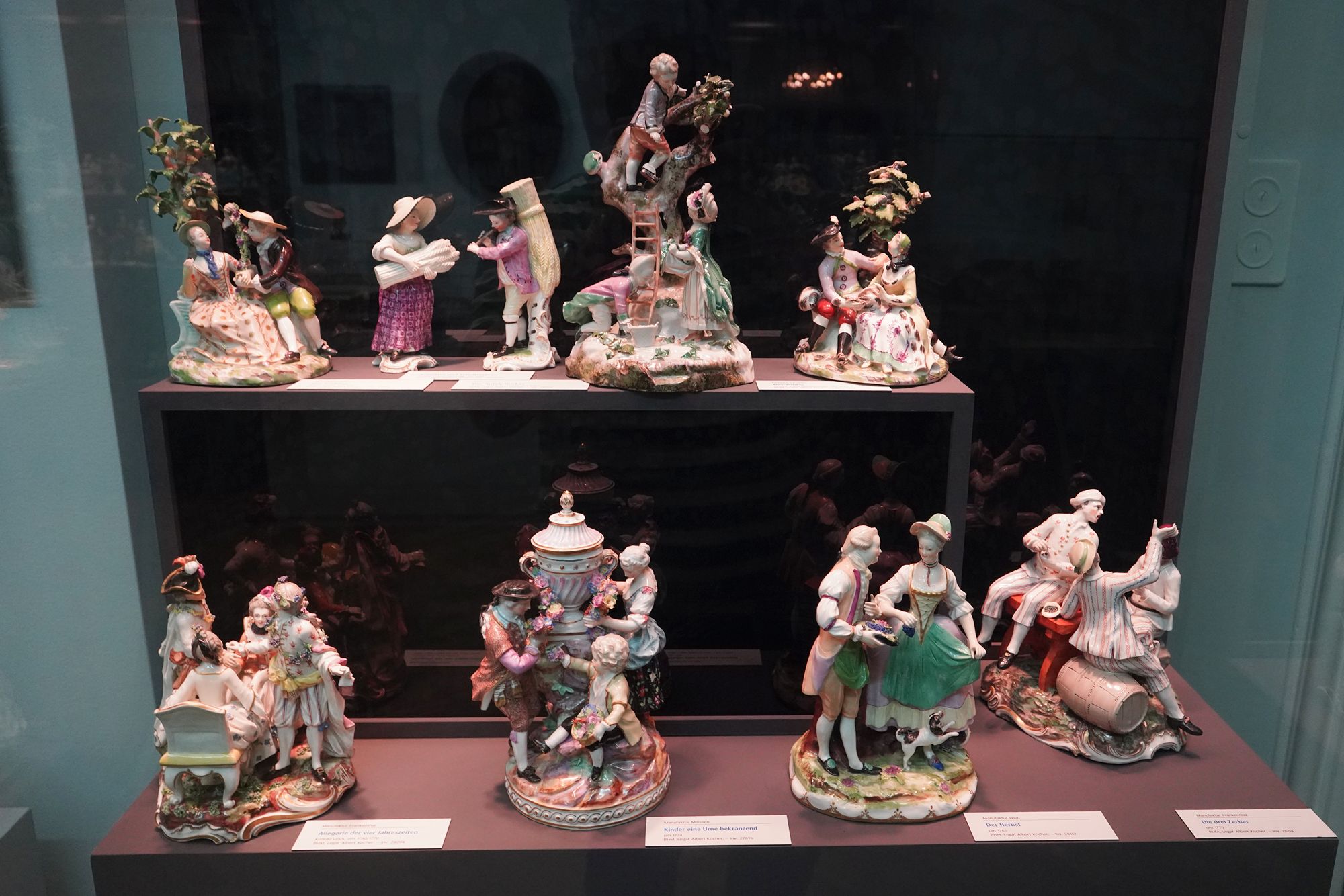
Porcelain in the 18th Century
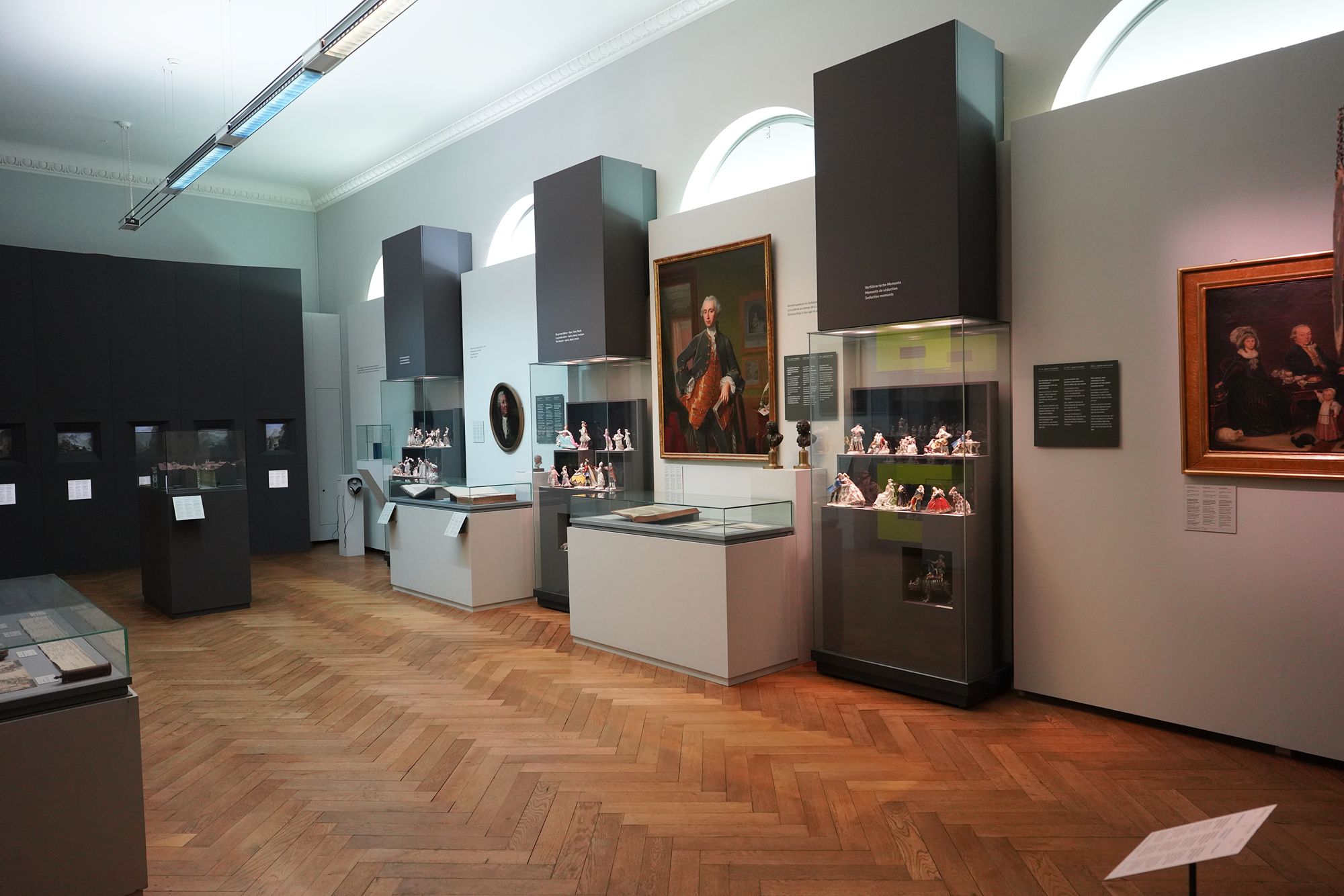
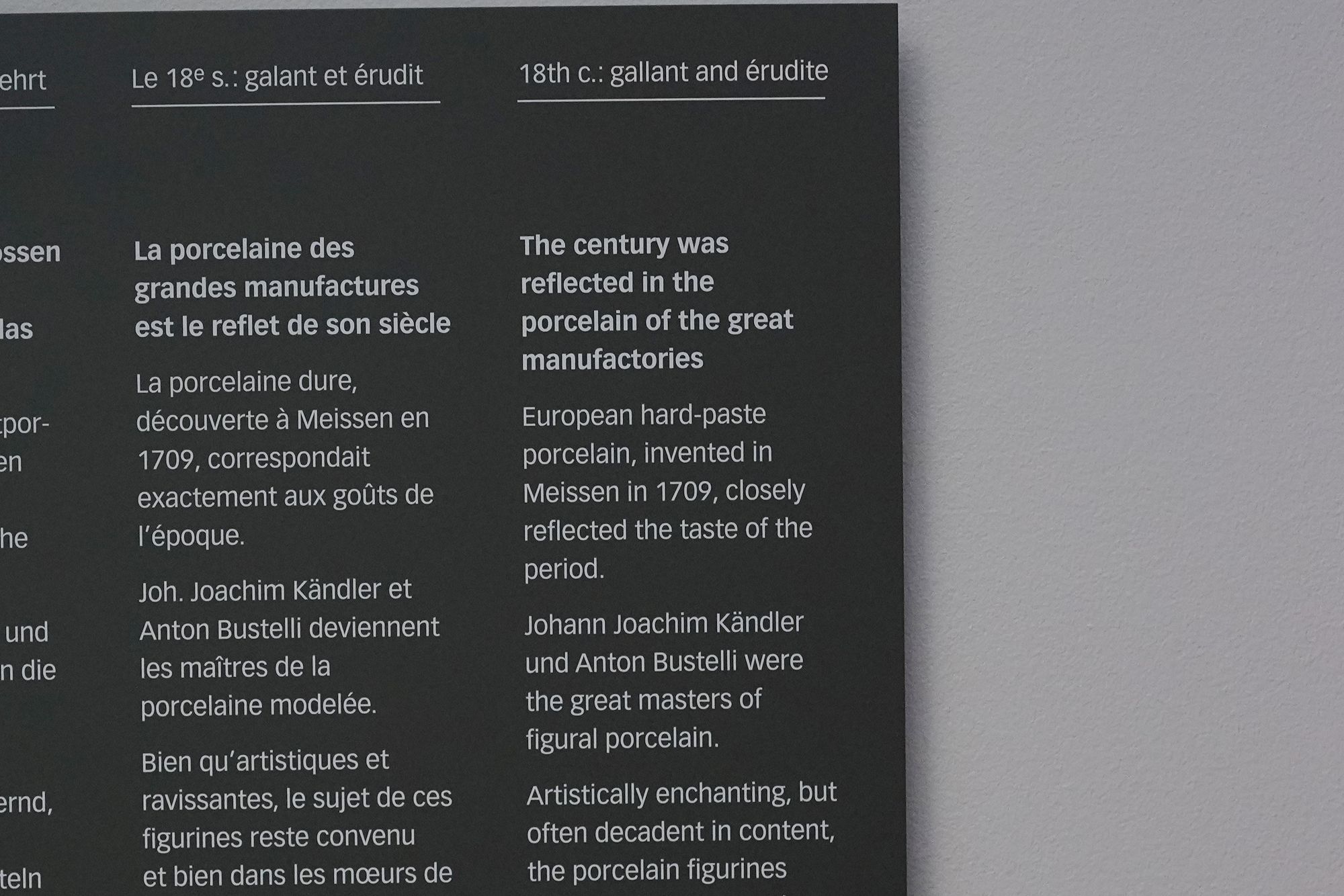
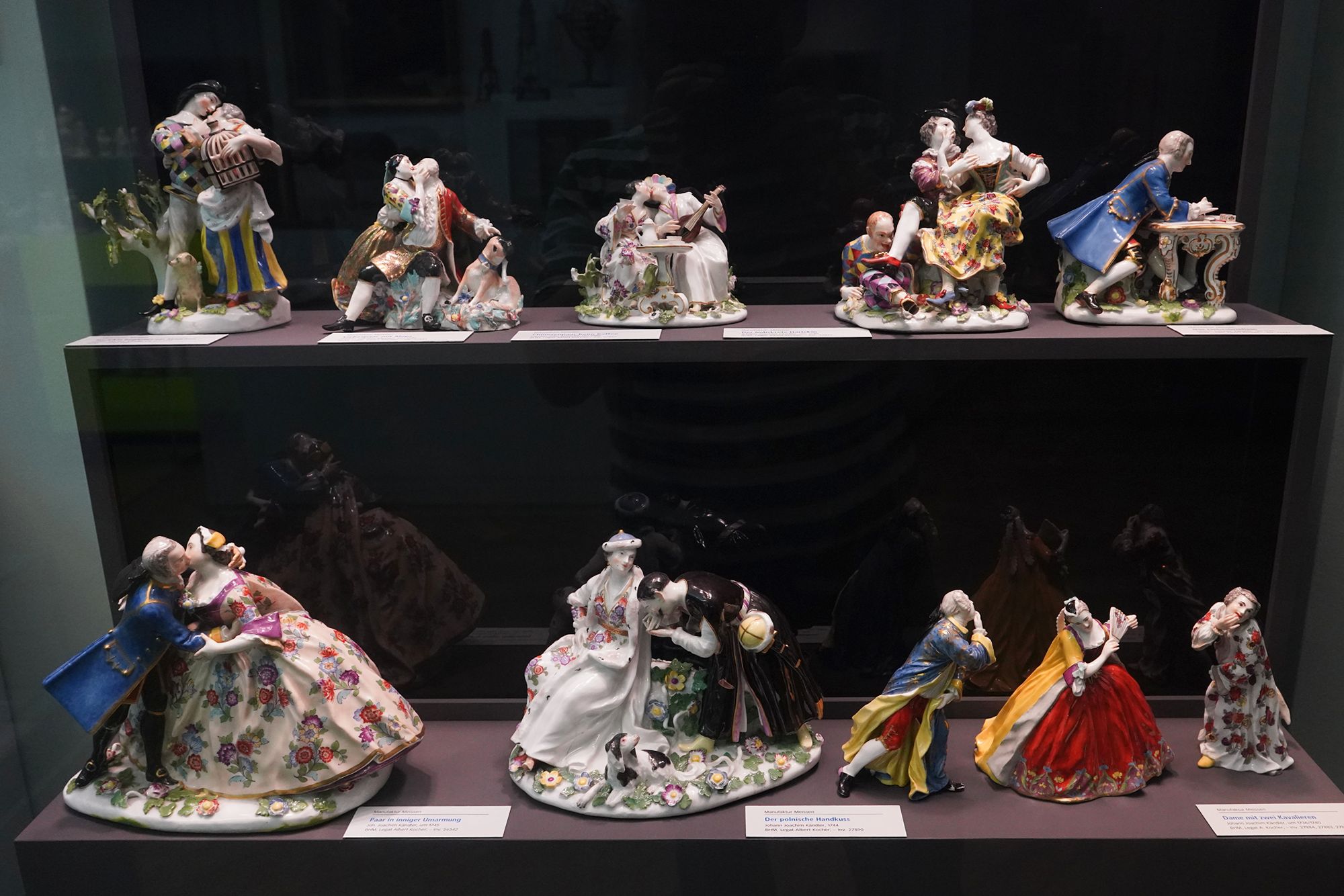
The 18th century saw porcelain become one of Europe’s most fashionable luxury arts. After European hard-paste porcelain was successfully produced at Meissen in 1709, major factories created increasingly elaborate pieces. Artists such as Johann Joachim Kändler and Franz Anton Bustelli became famous for graceful porcelain figures depicting fashionable society, theatrical characters, romance, and everyday life.
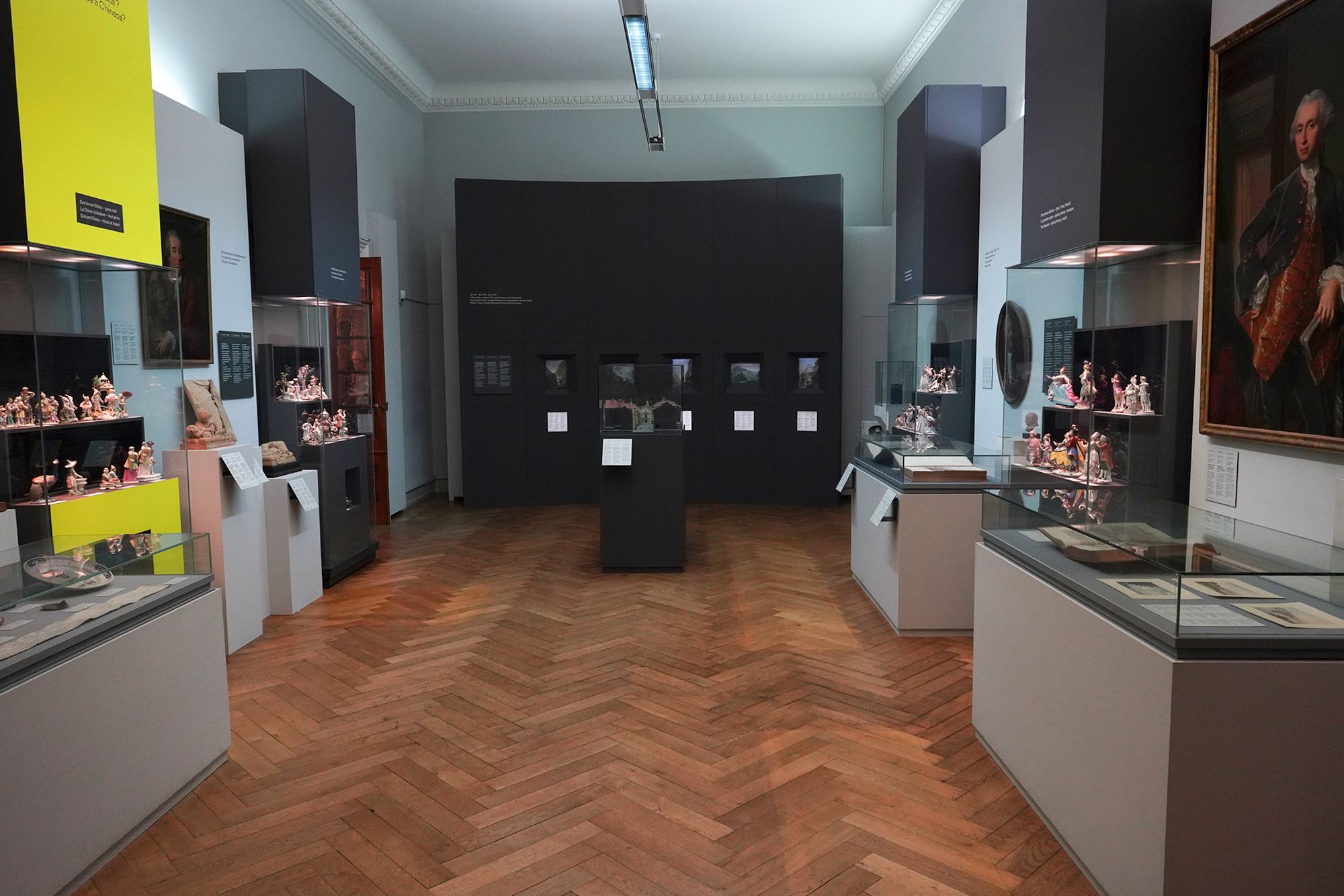
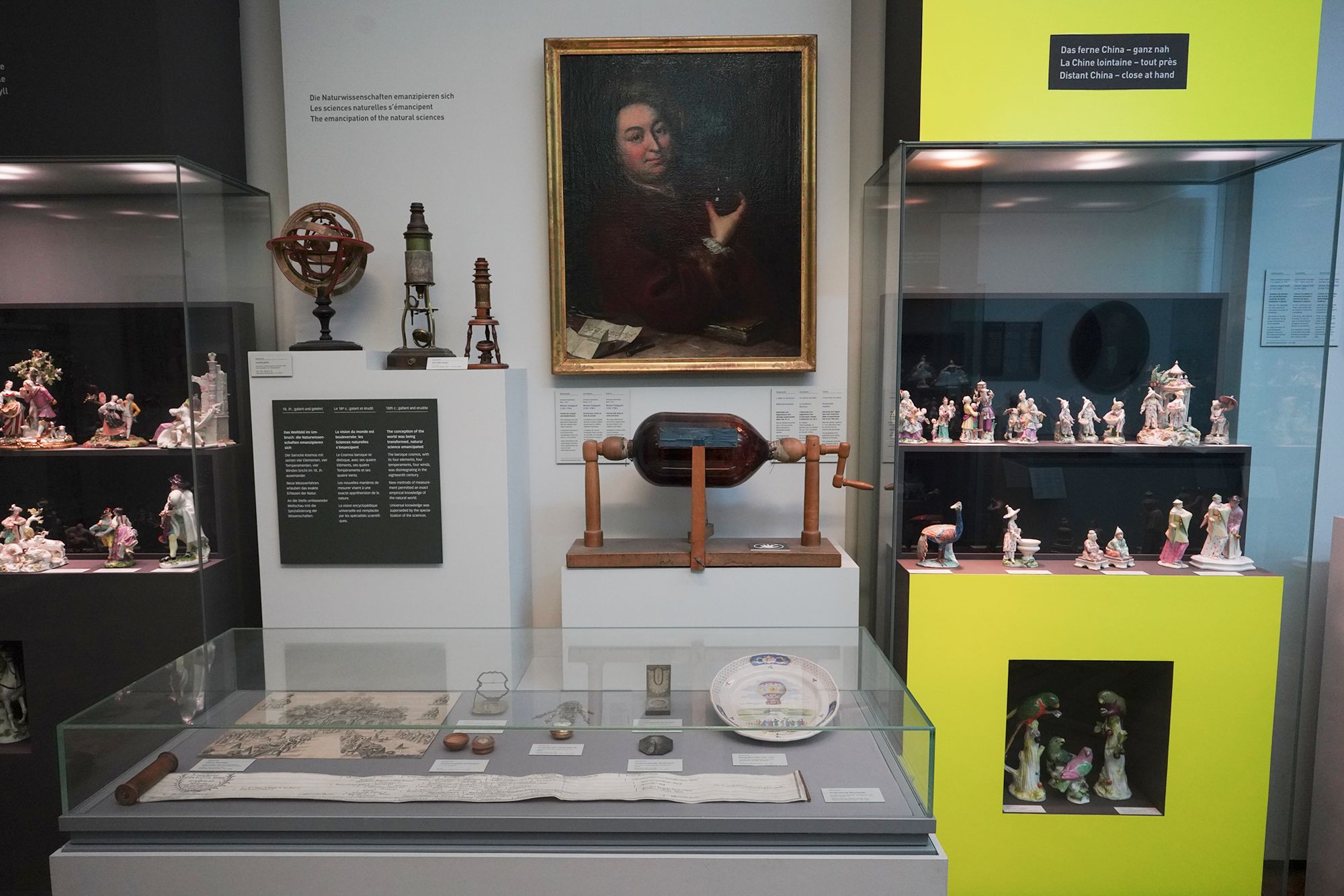
Science and the Enlightenment
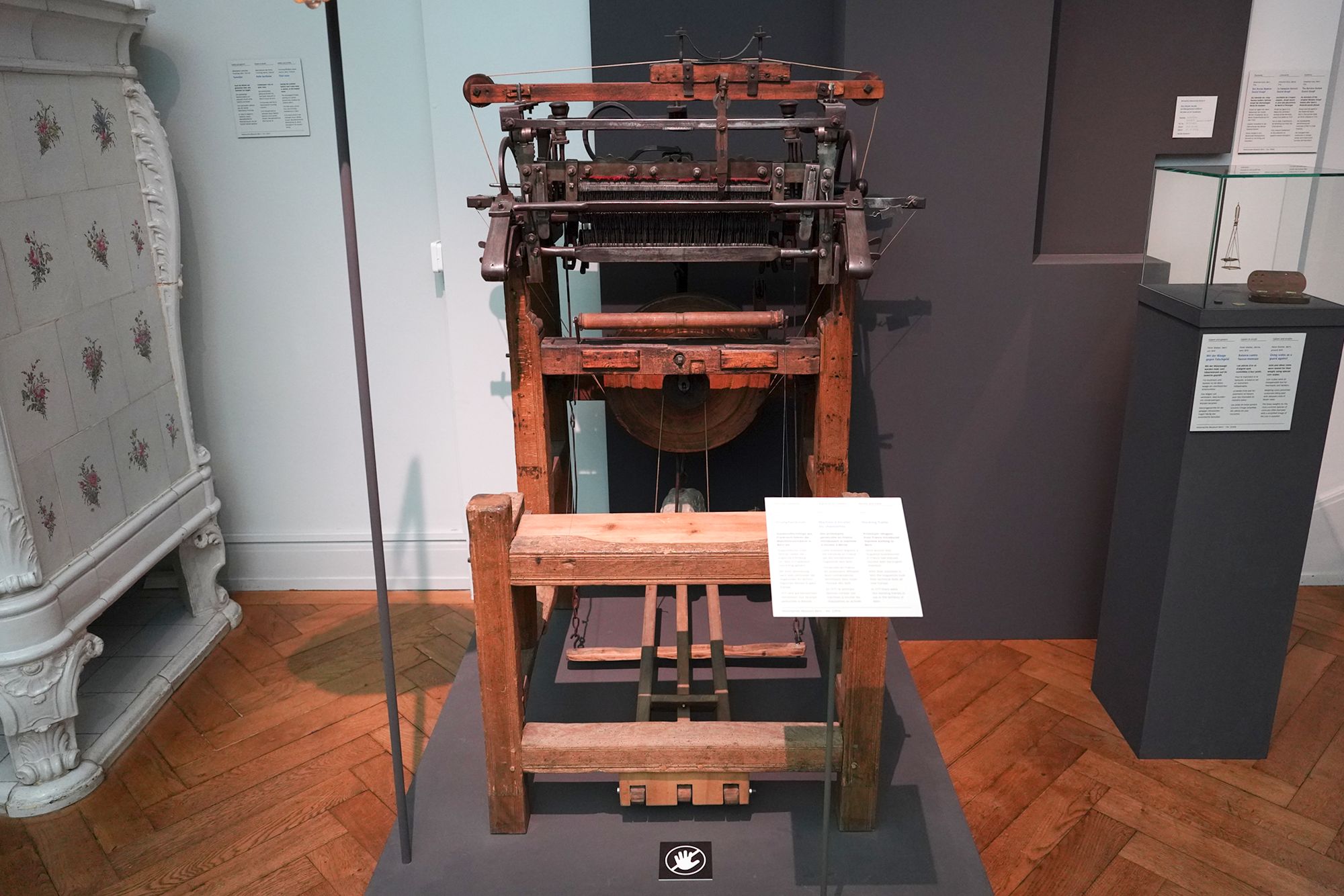
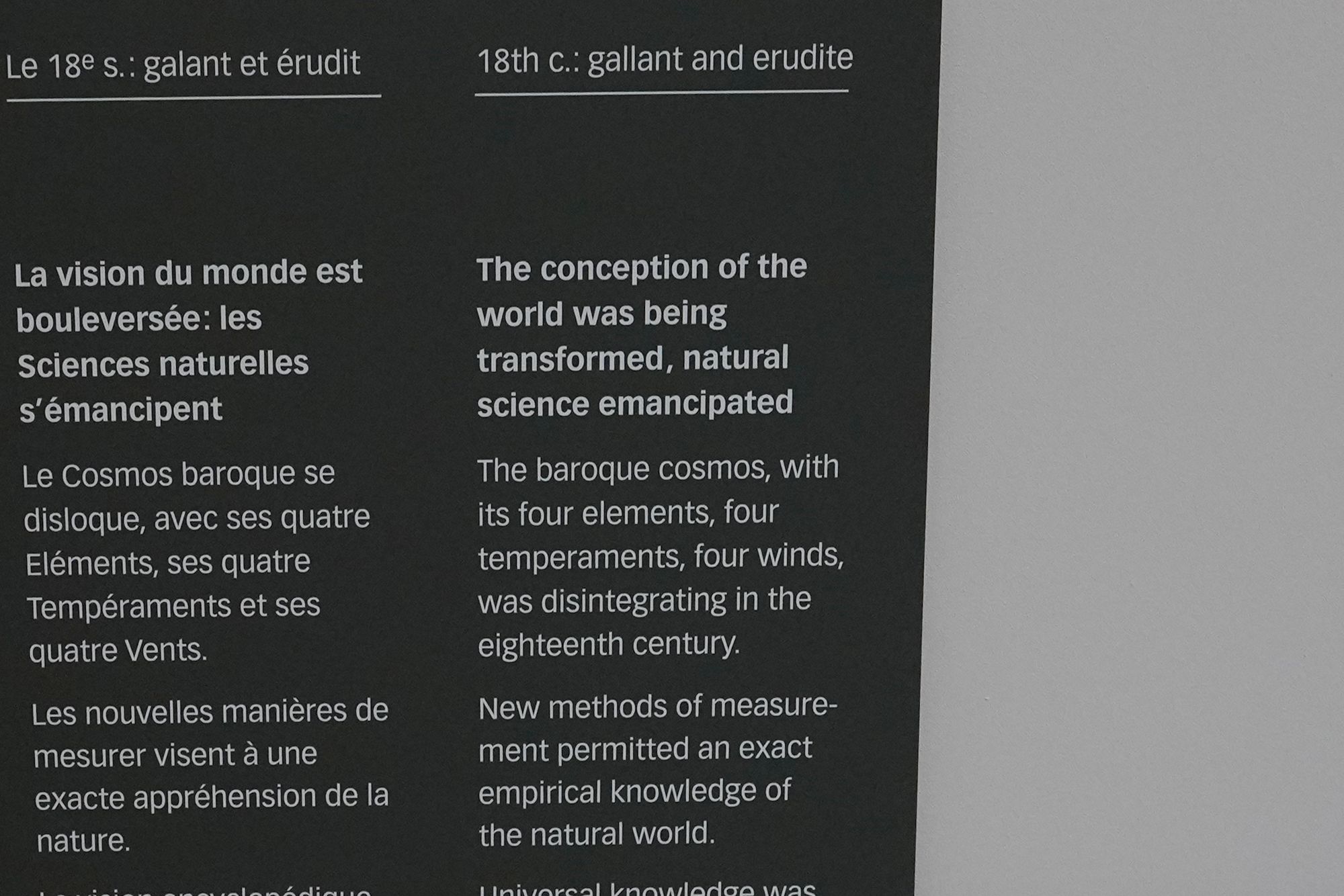
During the 18th century, Europeans increasingly turned toward observation, measurement, and experimentation to understand nature. Older ideas inherited from antiquity, such as explaining nature through the four elements, gradually gave way to more empirical scientific methods. This transformation was an important part of the Enlightenment, changing how people understood the natural world.
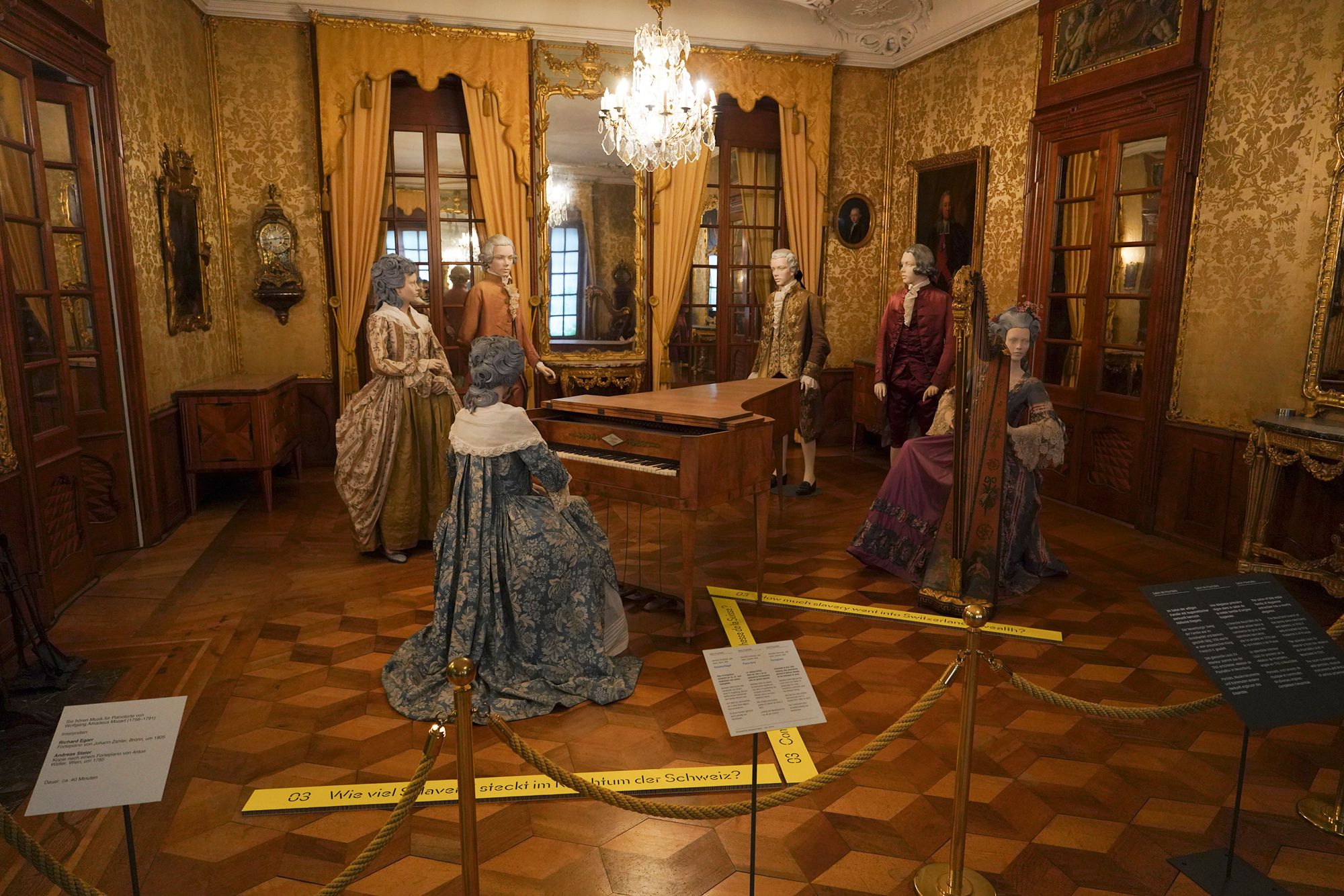
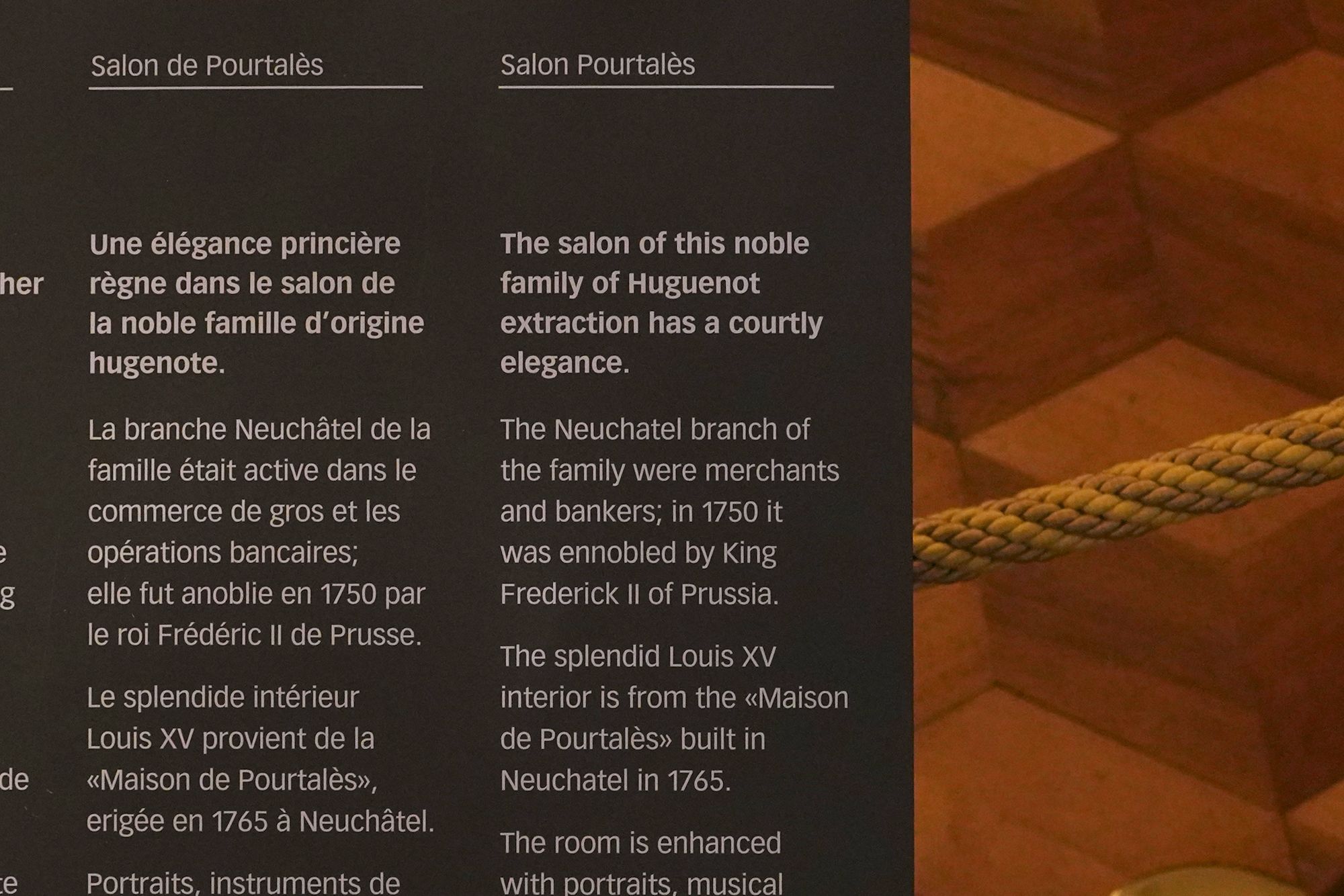
Salon Pourtalès
The Pourtalès family were wealthy merchants and bankers of Huguenot origin who settled in Neuchâtel. They were ennobled by King Frederick II of Prussia in 1750. This elegant salon came from their mansion, the Maison de Pourtalès, built in Neuchâtel in 1765, and reflects the refined Louis XV style fashionable among Europe’s wealthy elite.