Gdansk Walk II, Poland
This second Gdańsk walk followed the riverfront, passed gates, visited churches, and ended at the European Solidarity Centre. 1361
Green Gate: Długi Targ 24, 80-828 Gdańsk, Poland
St. Mary’s Church: Podkramarska 5, 80-834 Gdańsk, Poland
Great Armoury: Targ Węglowy 6, 80-836 Gdańsk, Poland
Basilica of St. Nicholas: Świętojańska 72, 80-840 Gdańsk, Poland
St. Catherine’s Church: Profesorska 3, 80-856 Gdańsk, Poland
Gdańsk Główny: Gdańsk, Poland
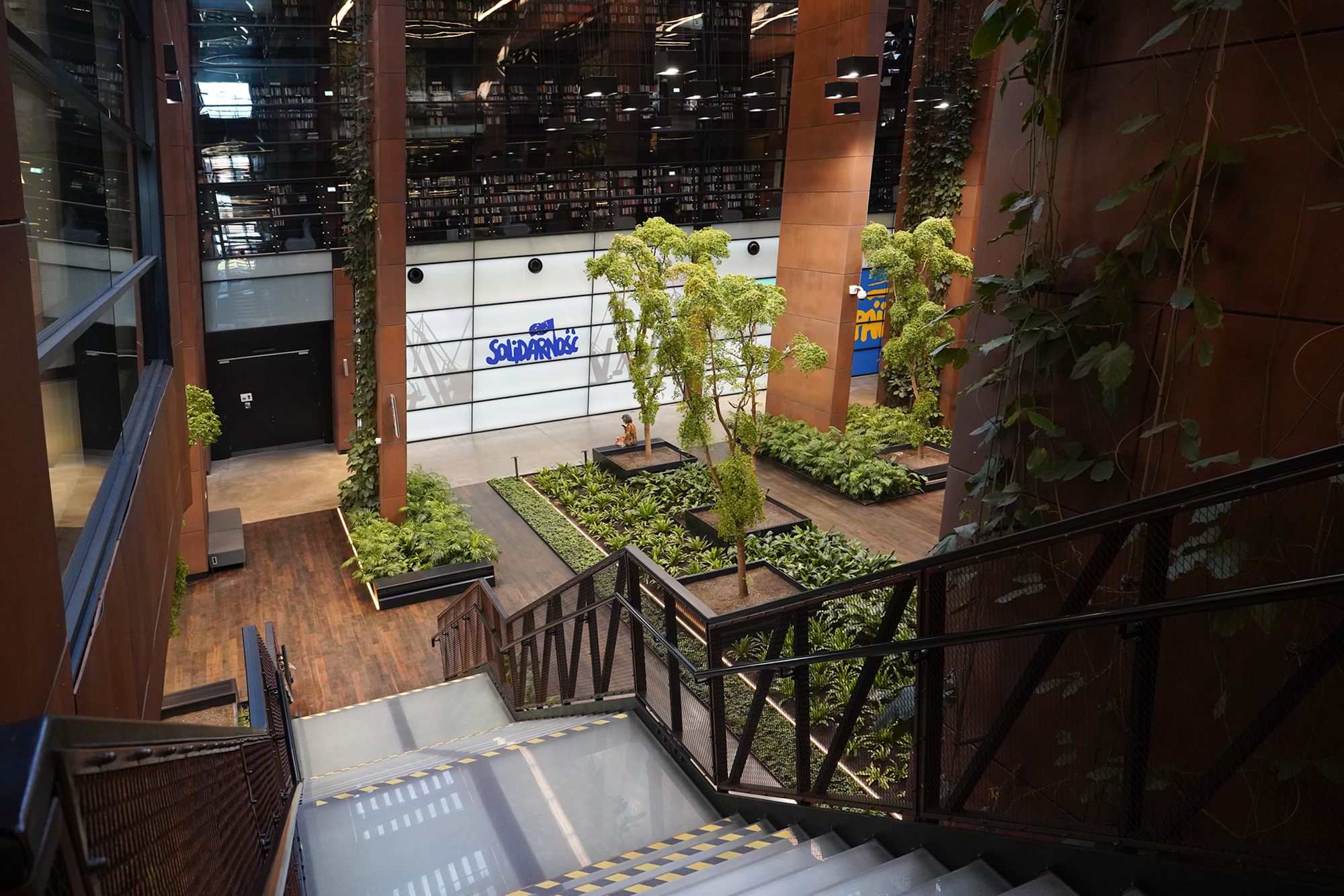
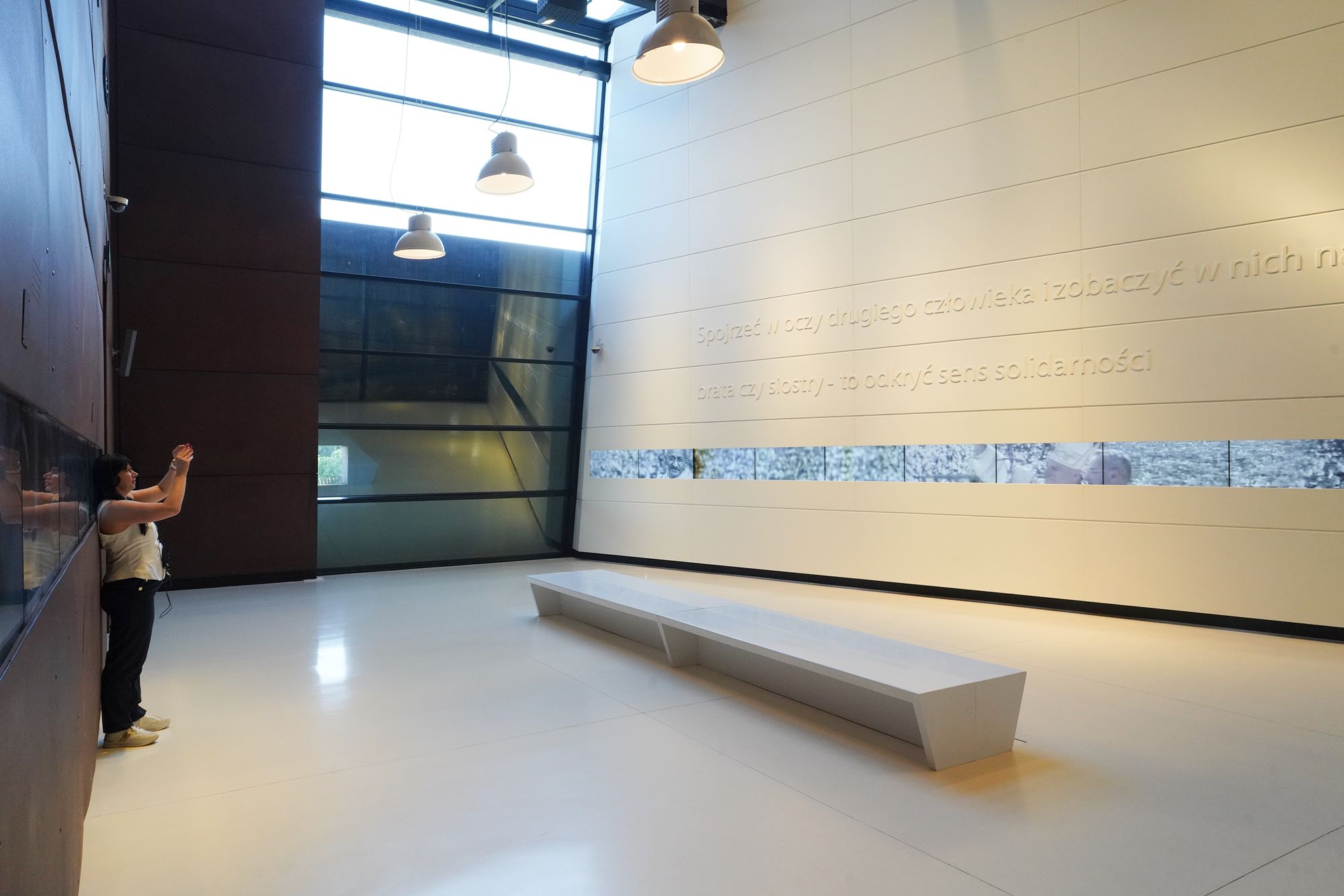
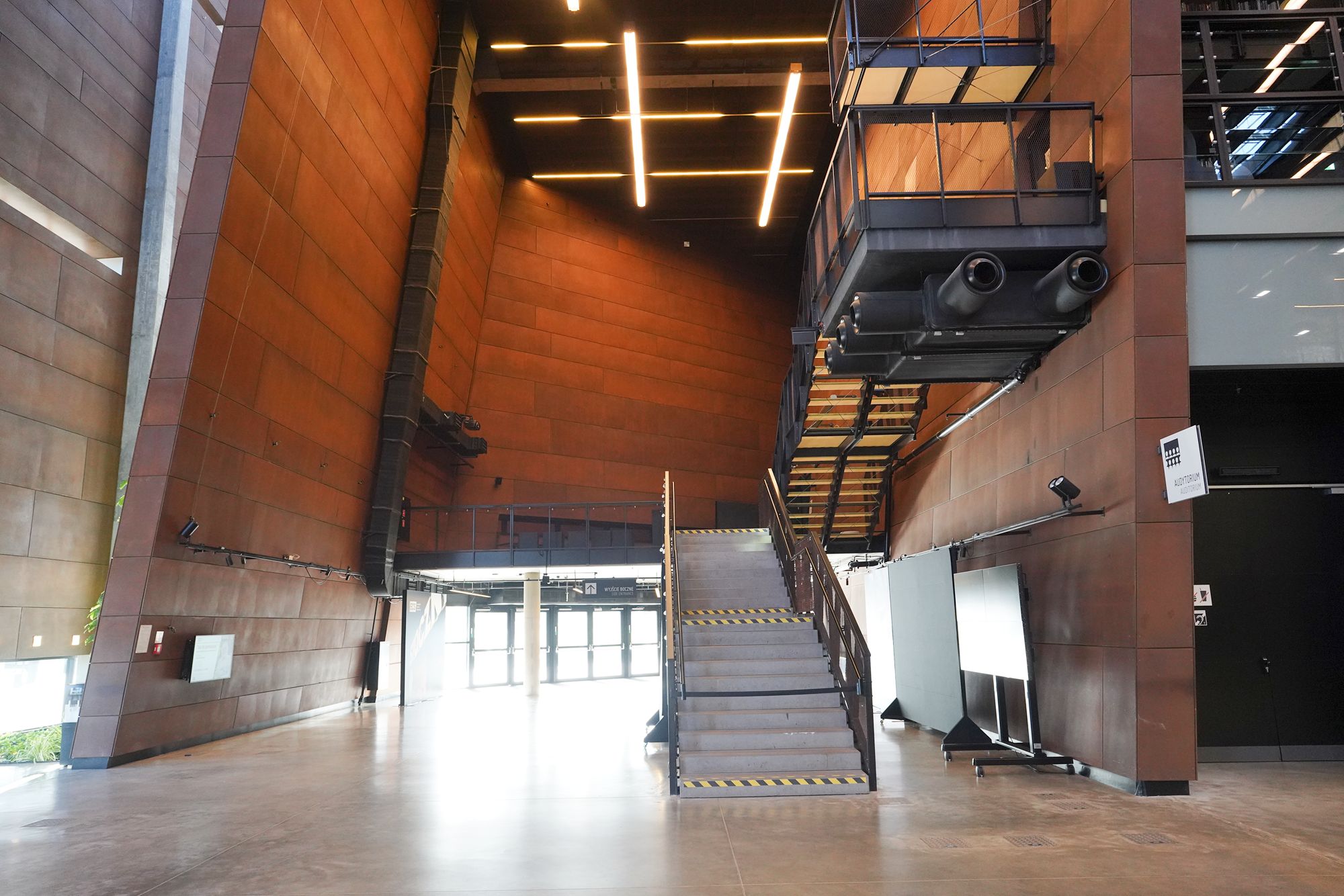
European Solidarity Centre: Plac Solidarności 1, 80-863 Gdańsk, Poland
Date Picture Taken: Jun, 2026
Starting at the first walk’s location, I followed the riverfront, passing through gates into Gdańsk’s old town. I visited St. Mary’s Church, admired the Great Armoury, and continued along Węglarska Street to St. Nicholas and St. Catherine’s churches. From Gdańsk Główny, I took a bus to the European Solidarity Centre.
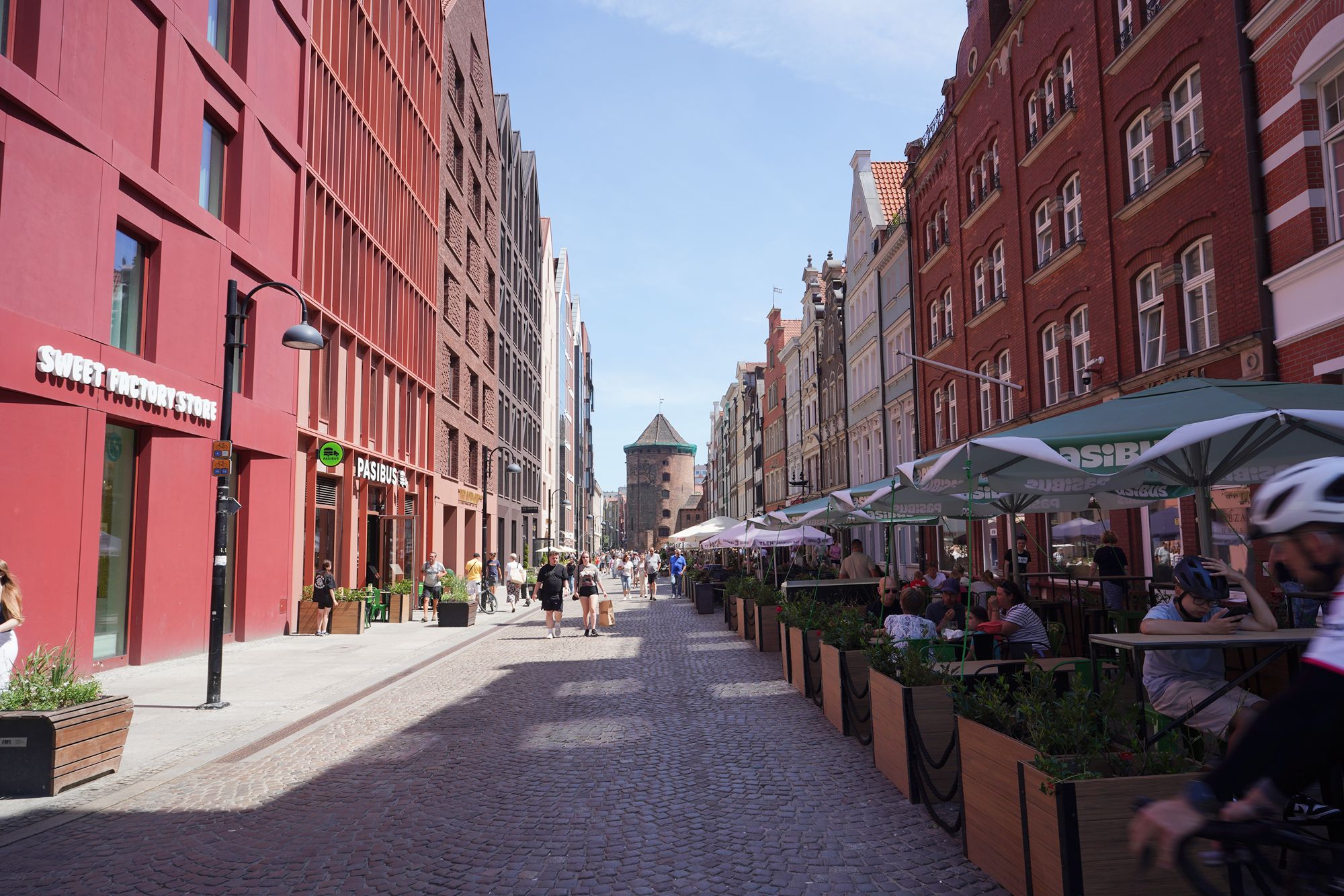
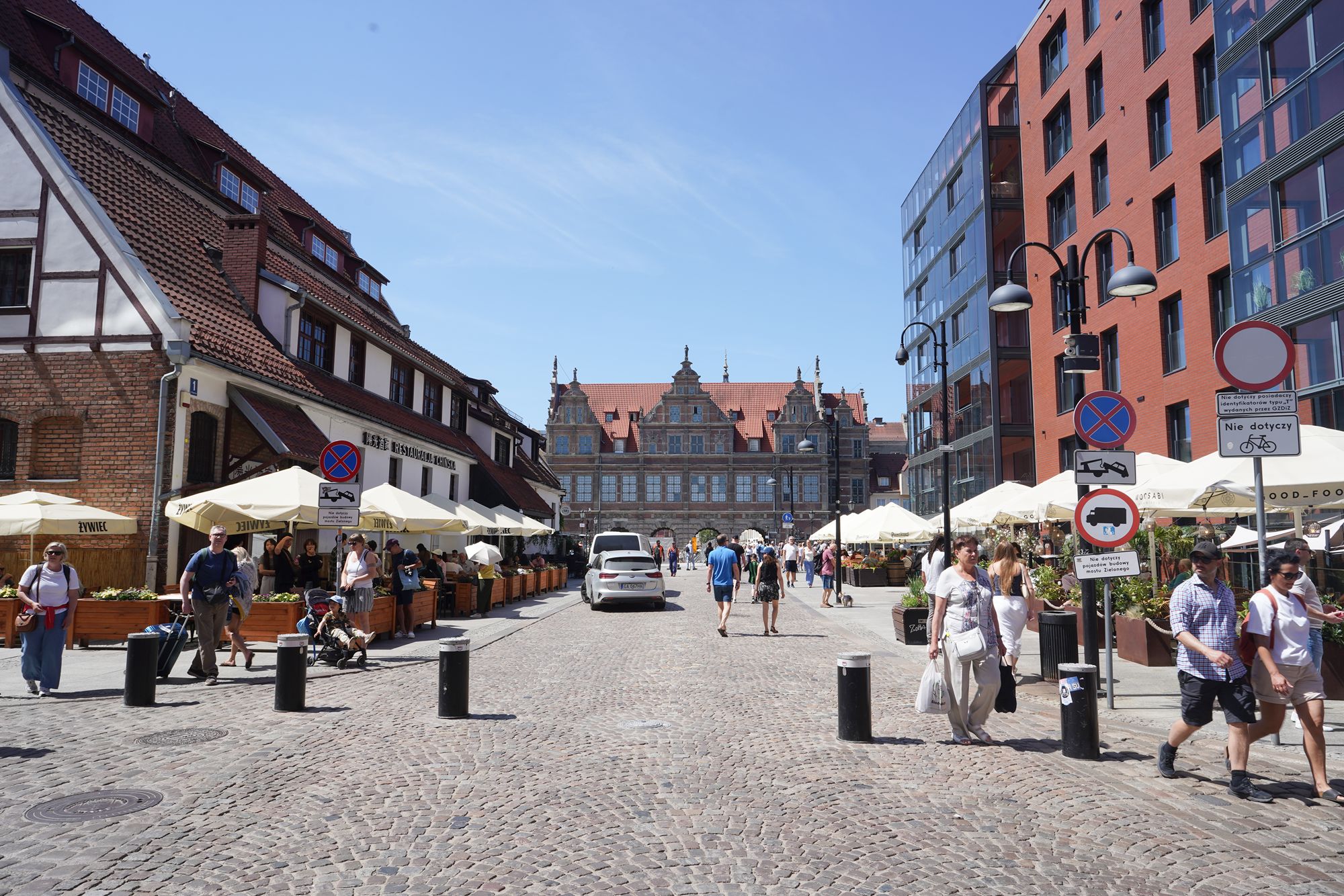
The Green Gate (Zielona Brama) is a grand Renaissance-style gateway at the end of Gdańsk’s Long Market. Built in 1564–1568, it was intended as a residence for visiting Polish monarchs, though it was rarely used for that purpose. Today, it houses part of the National Museum in Gdańsk.
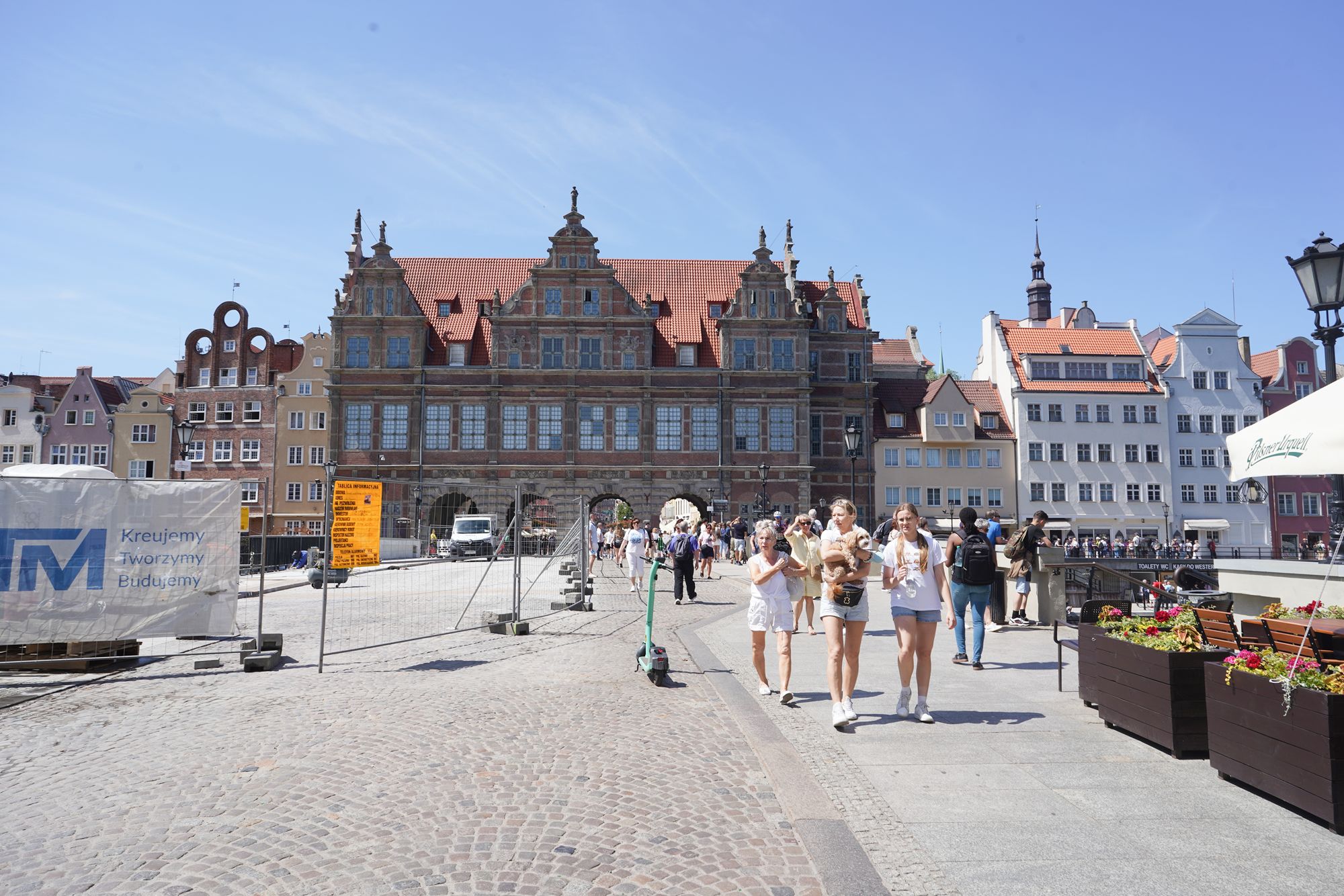
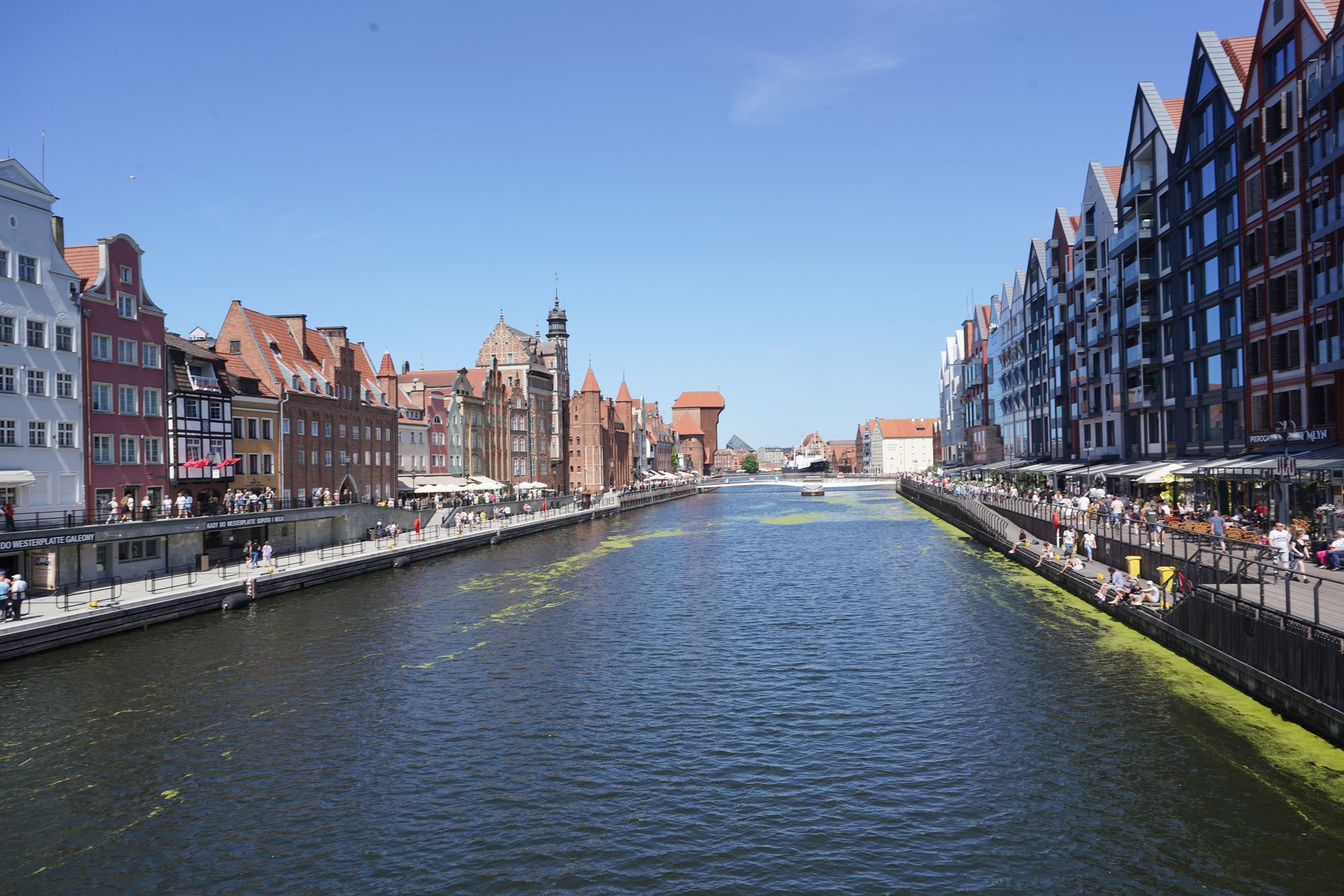
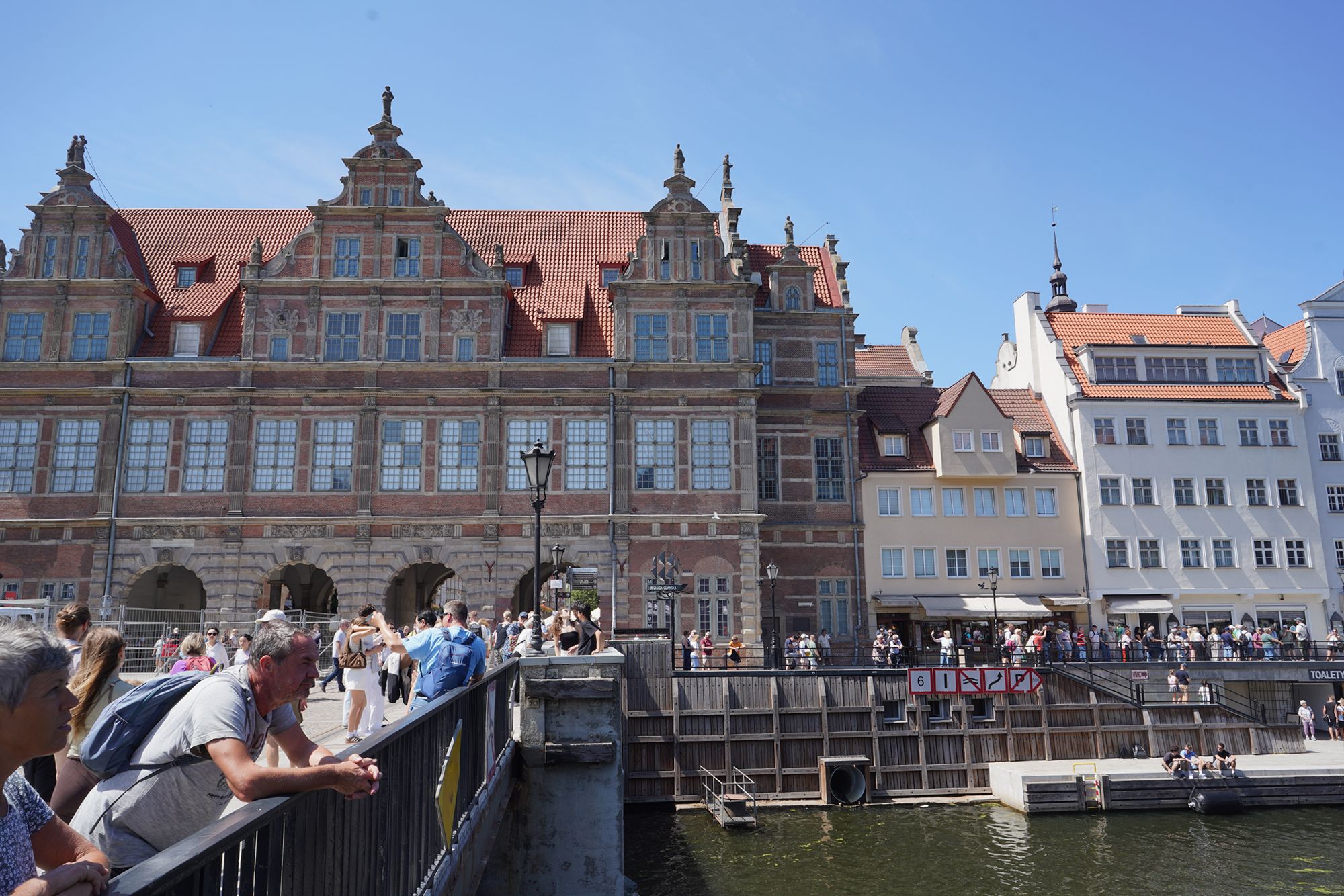
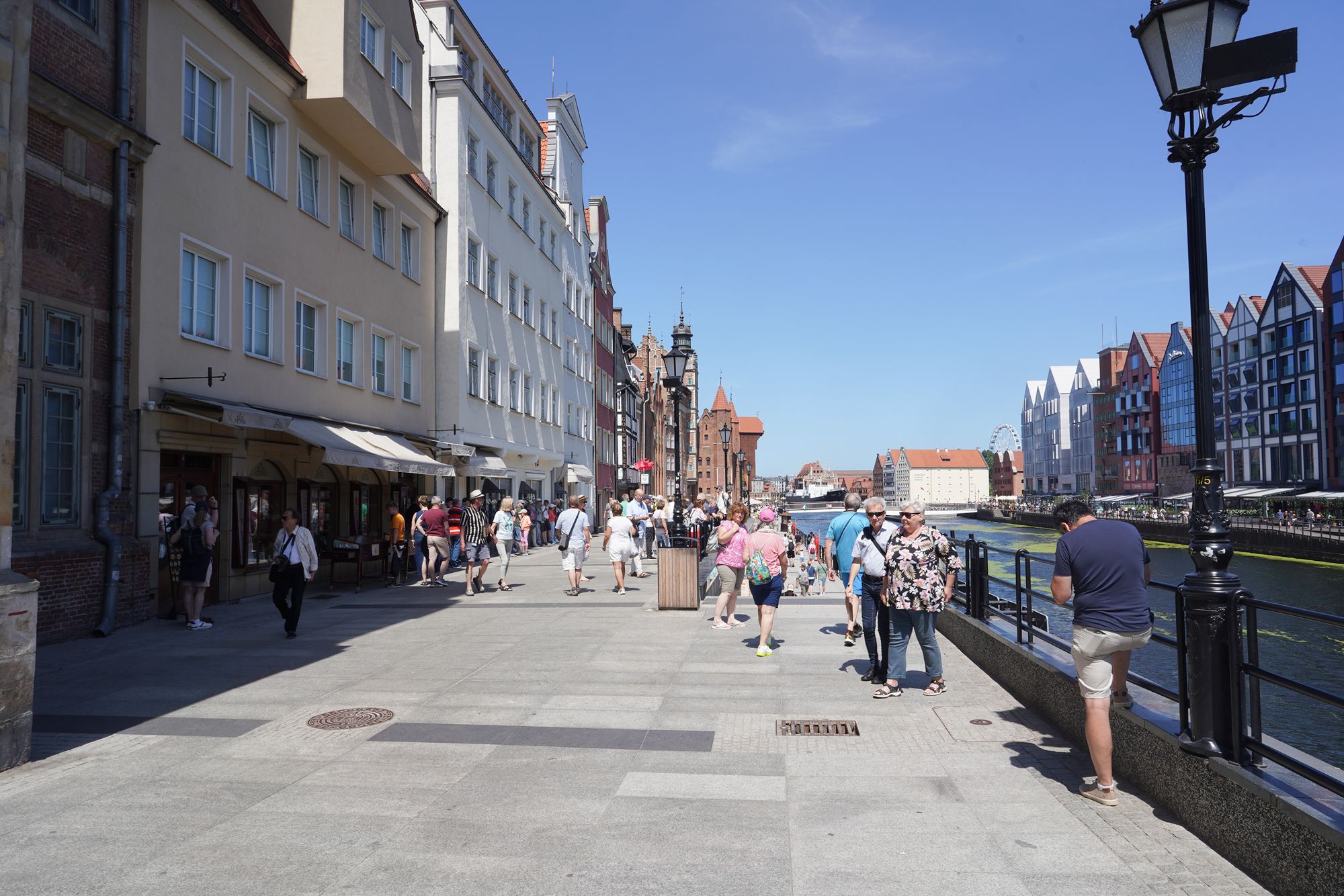
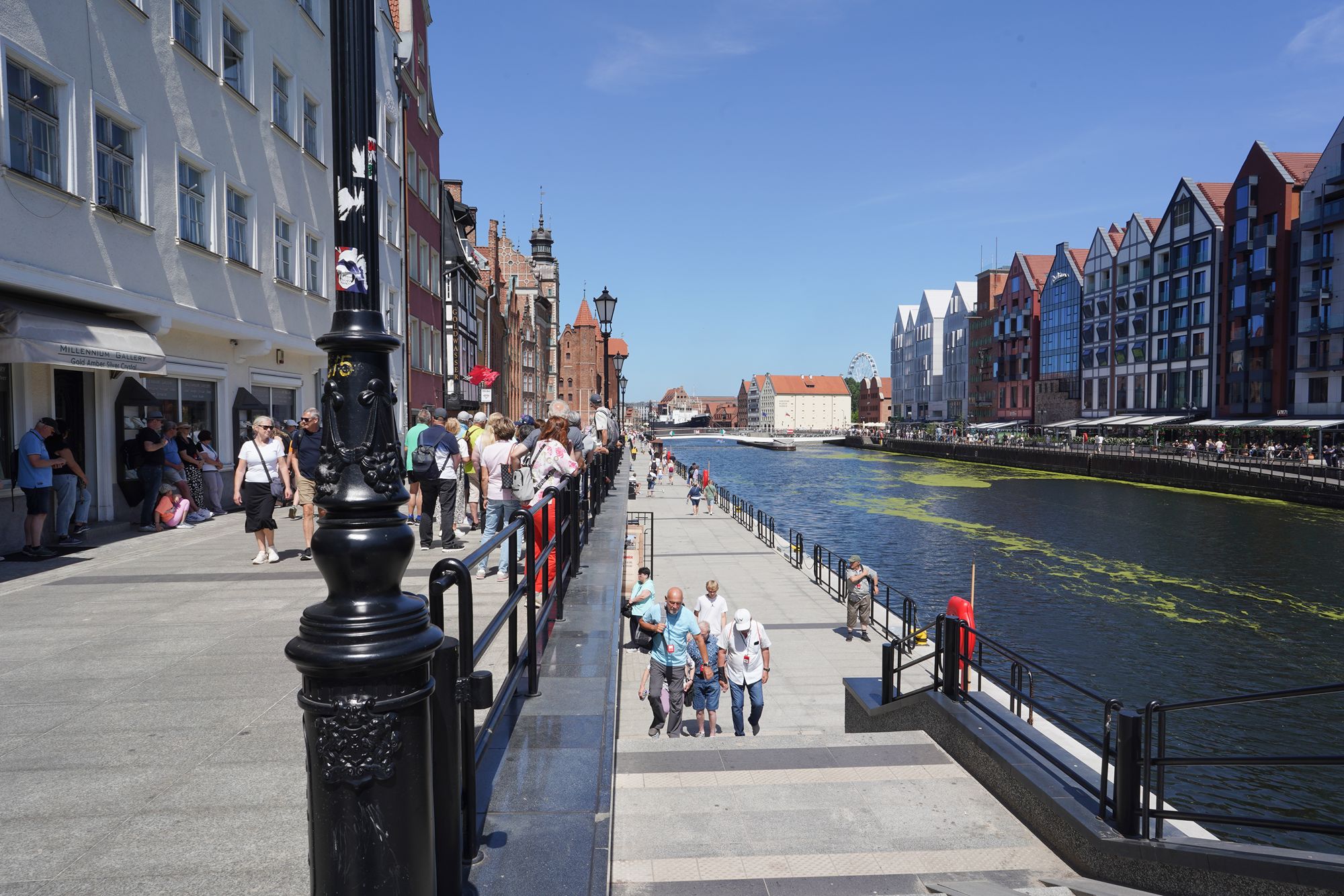
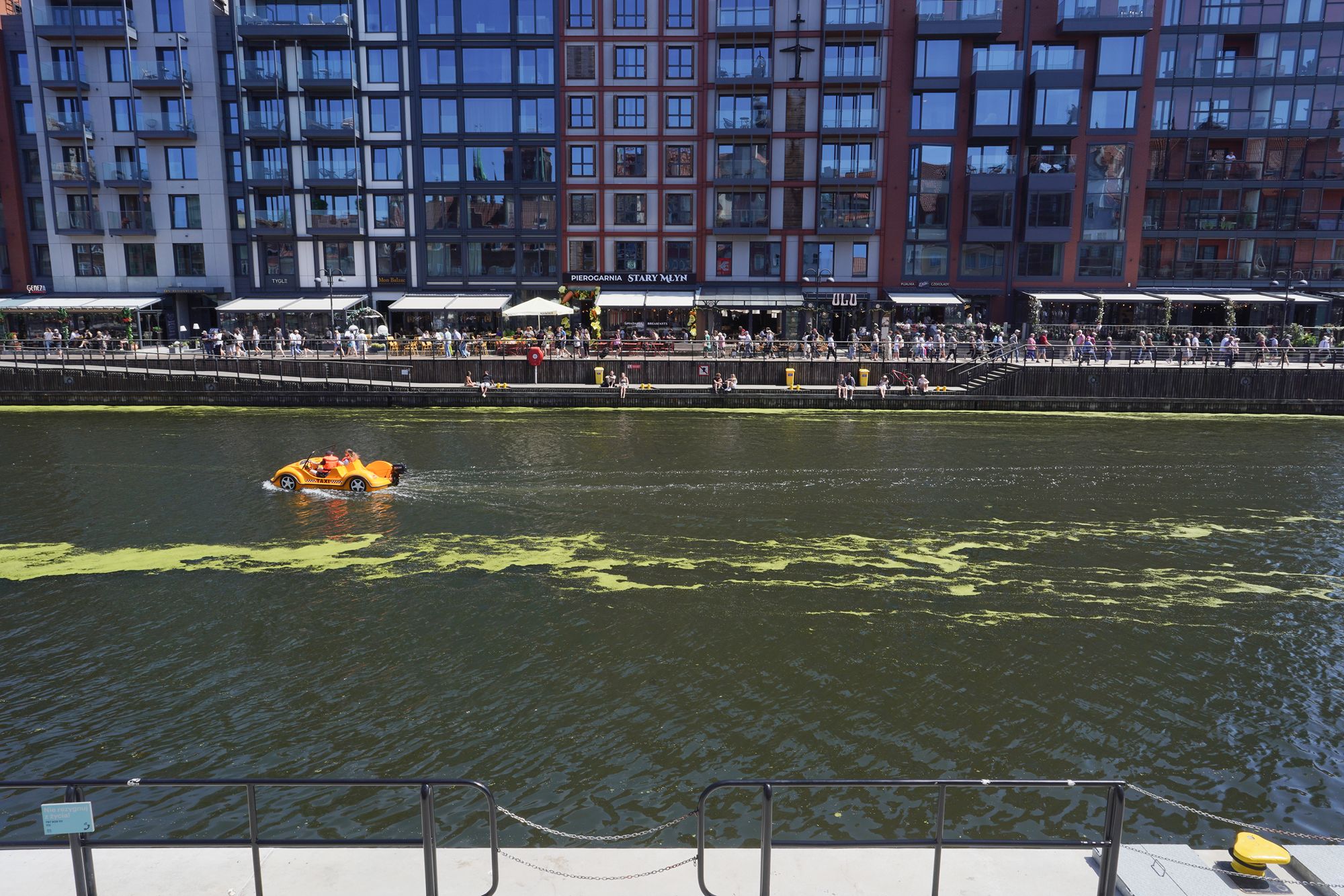
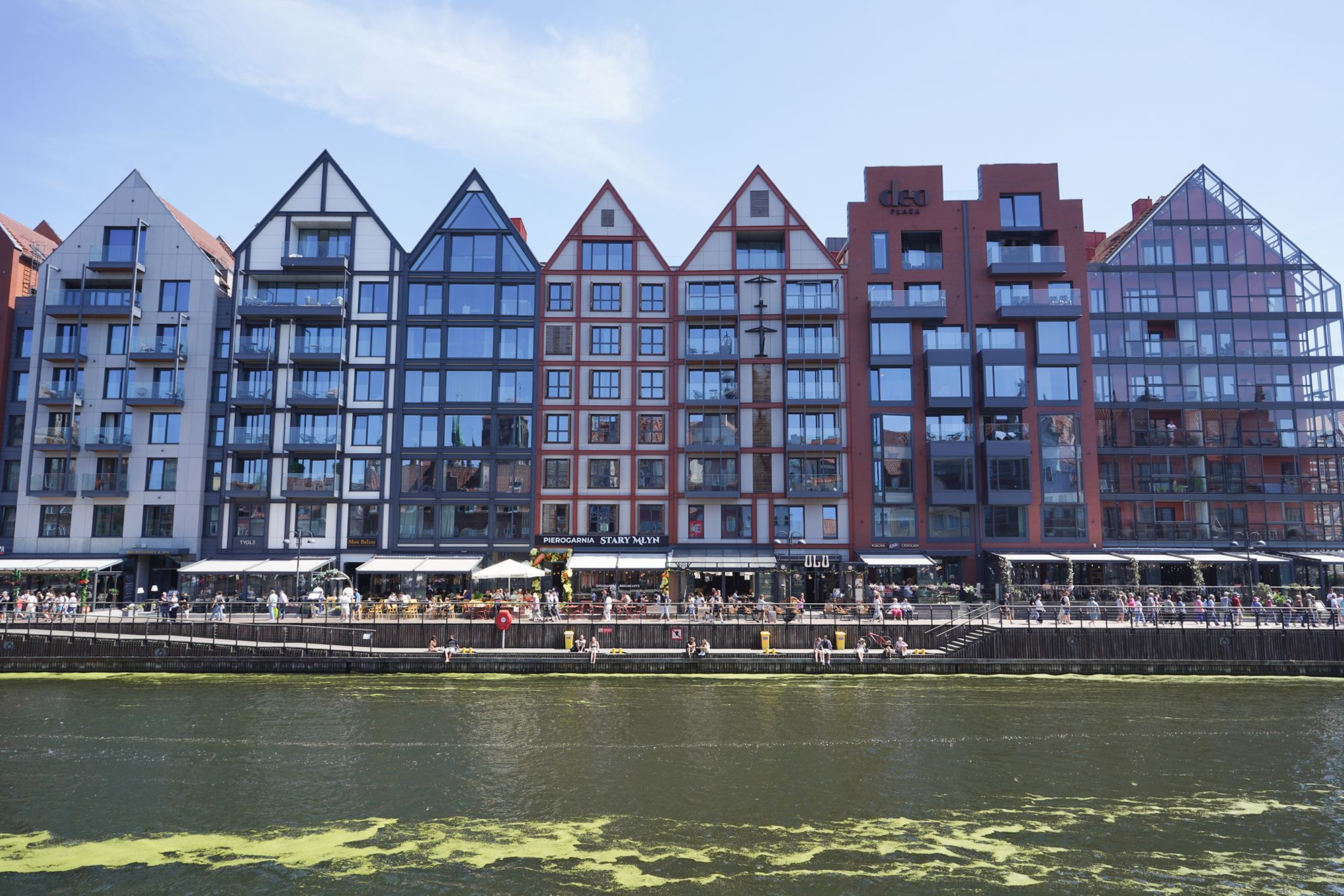
Instead of walking through the gate, I turned right and followed the sidewalk along the river.
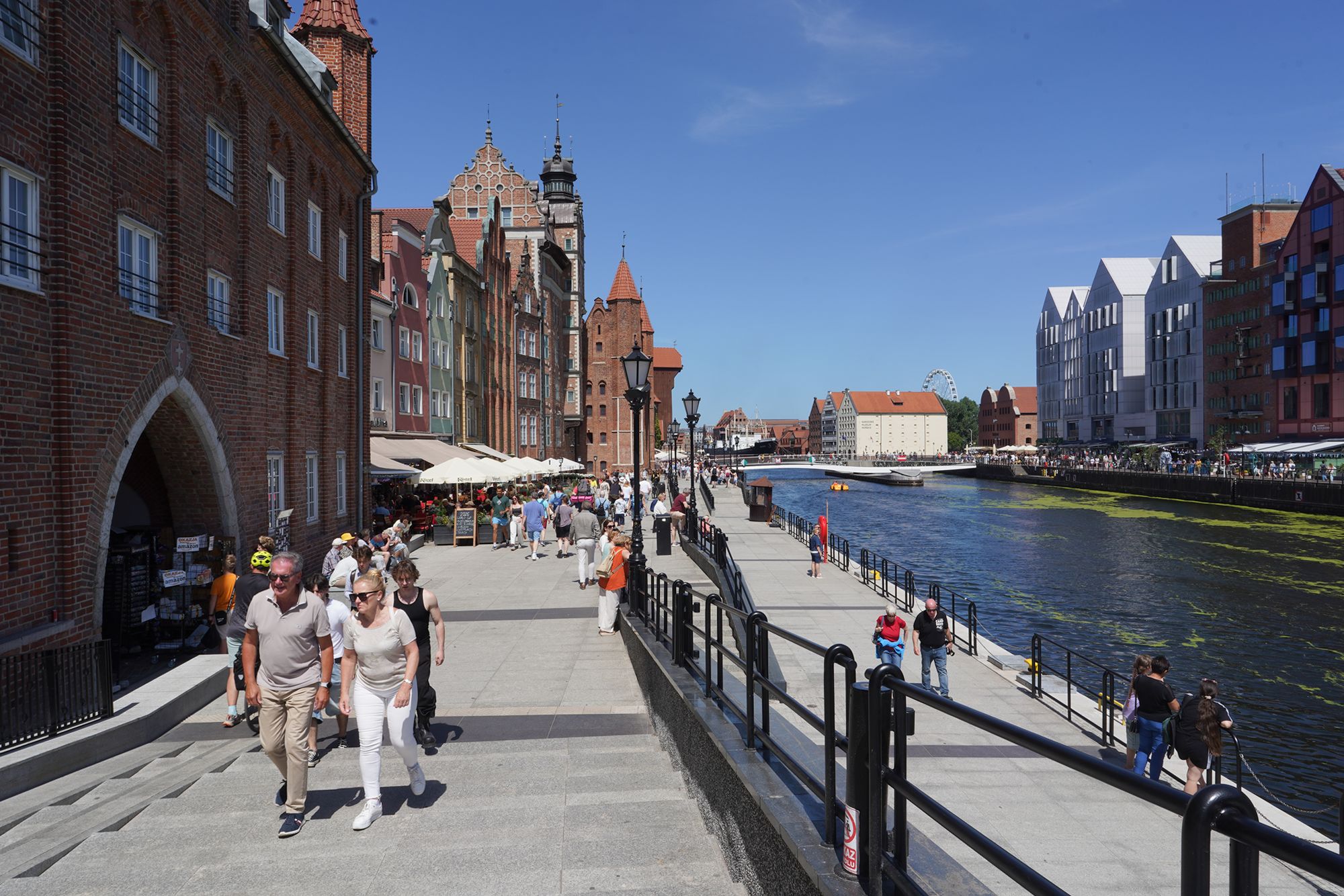
I noticed an opening leading into the old city, so I stepped inside to look around.
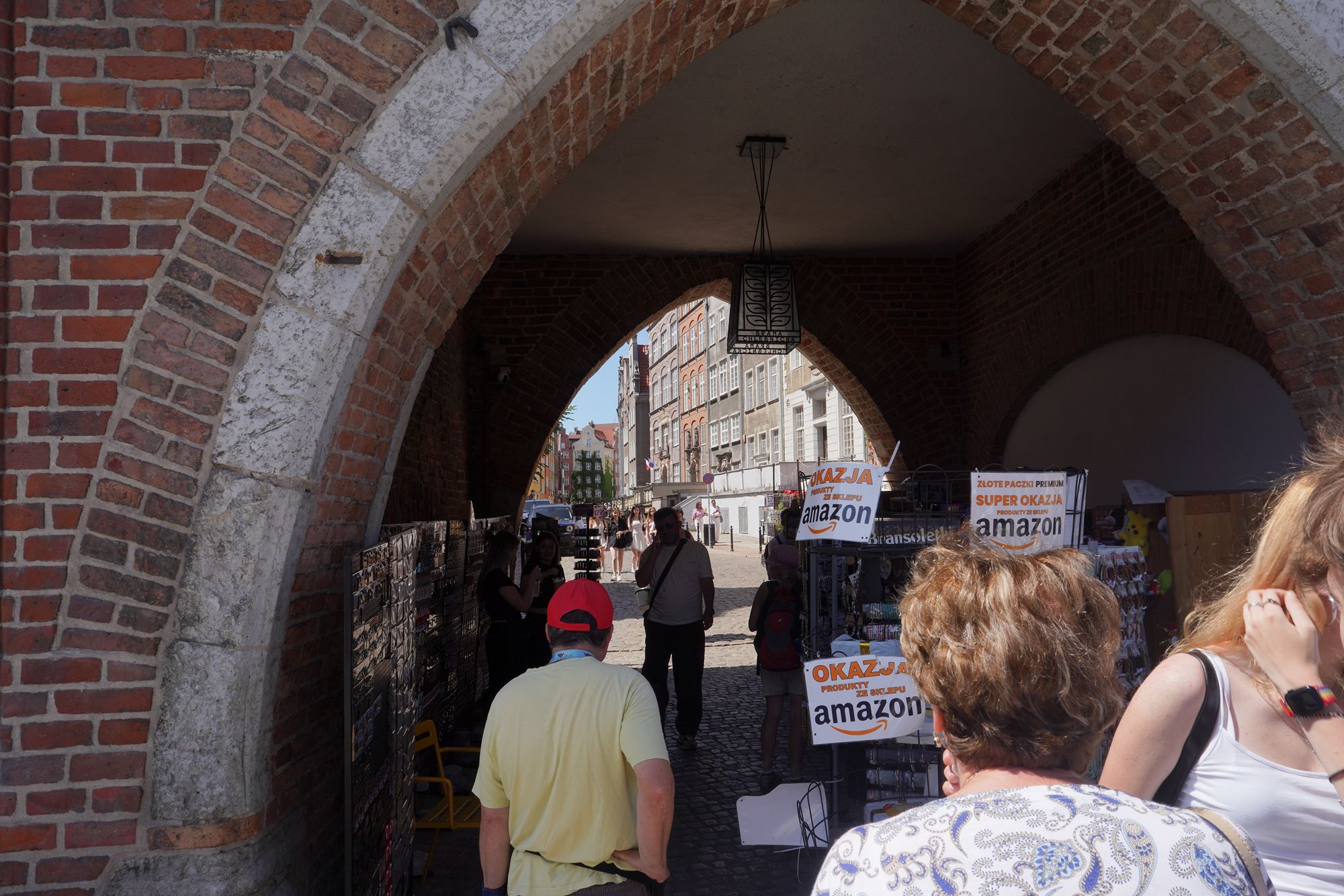
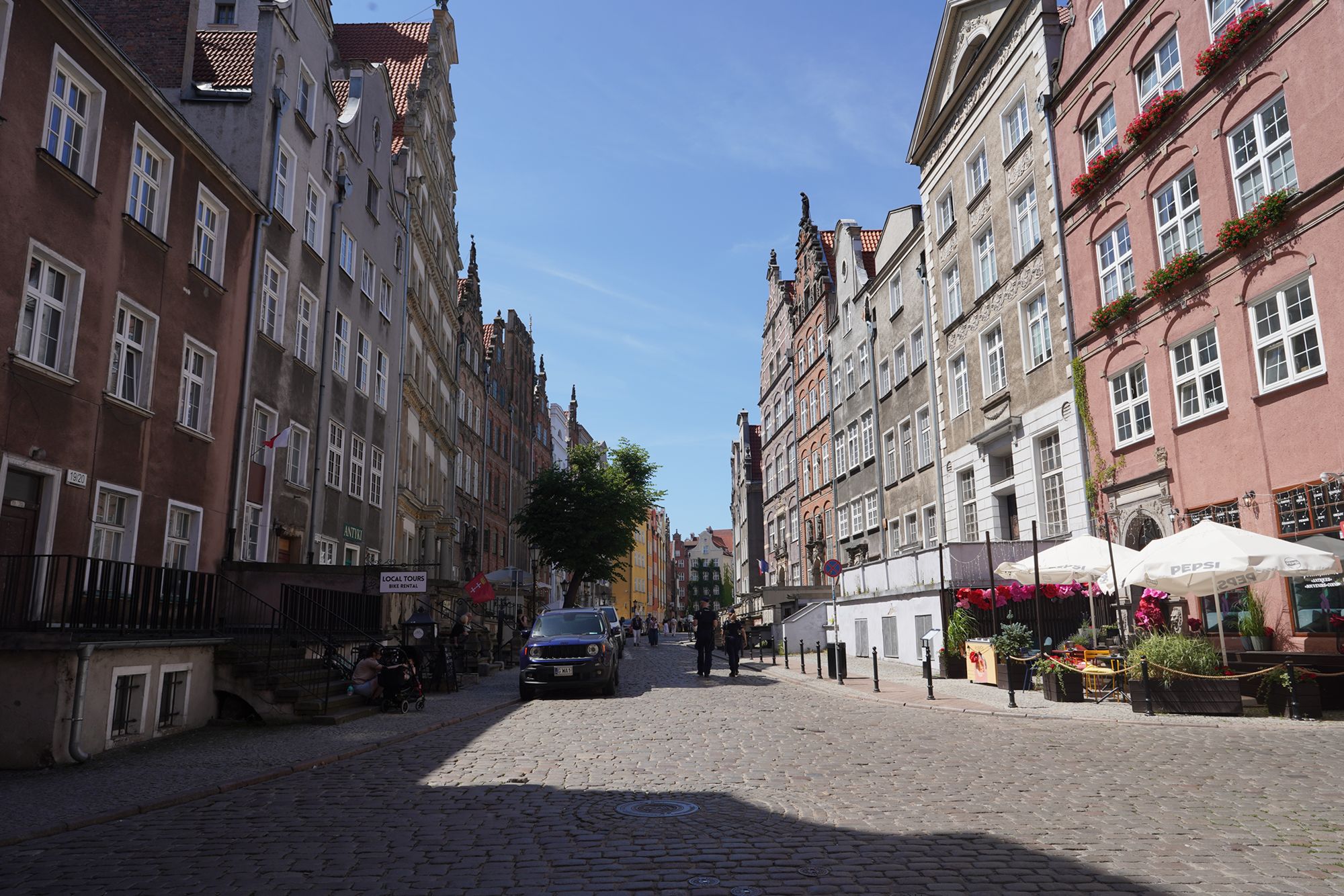
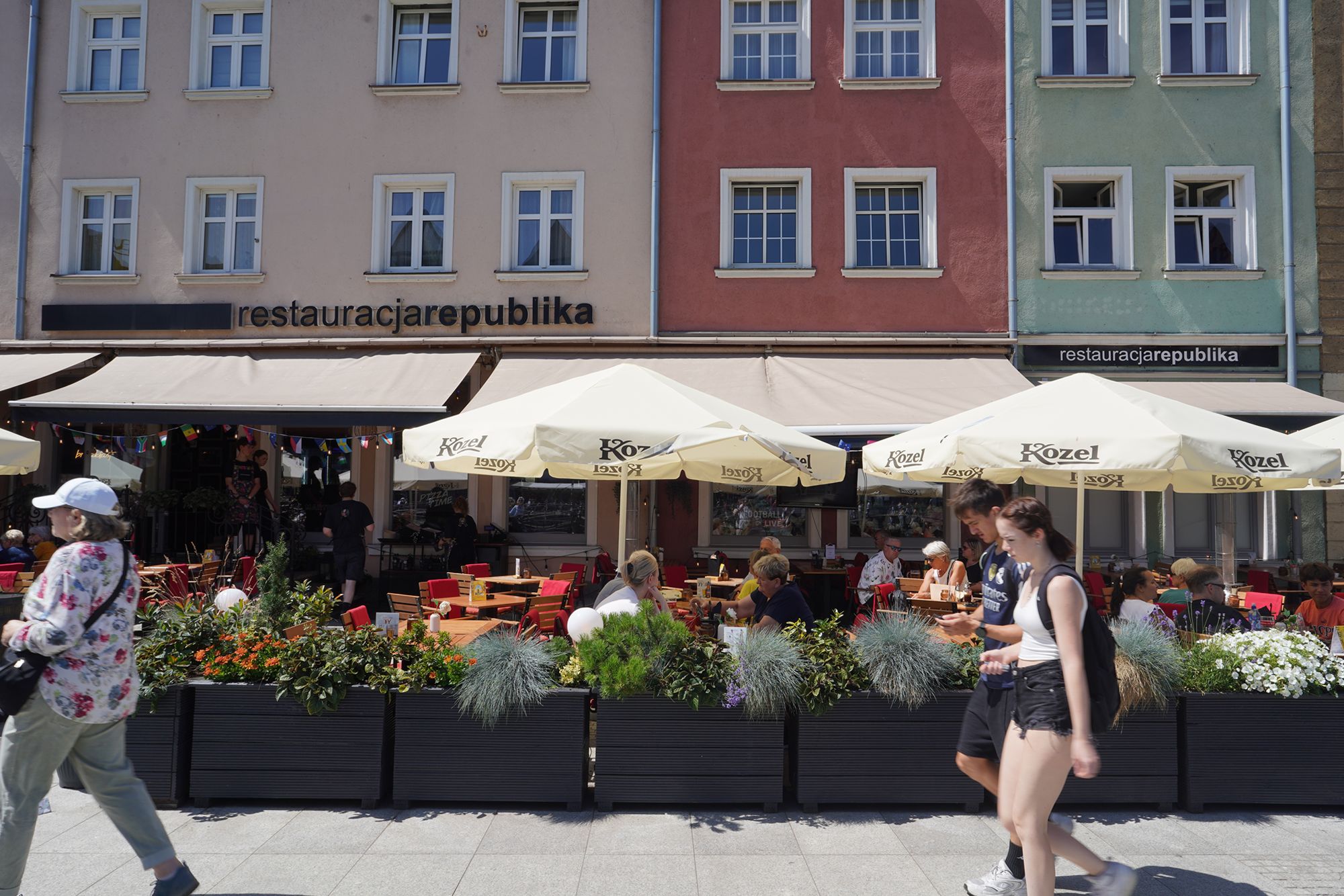
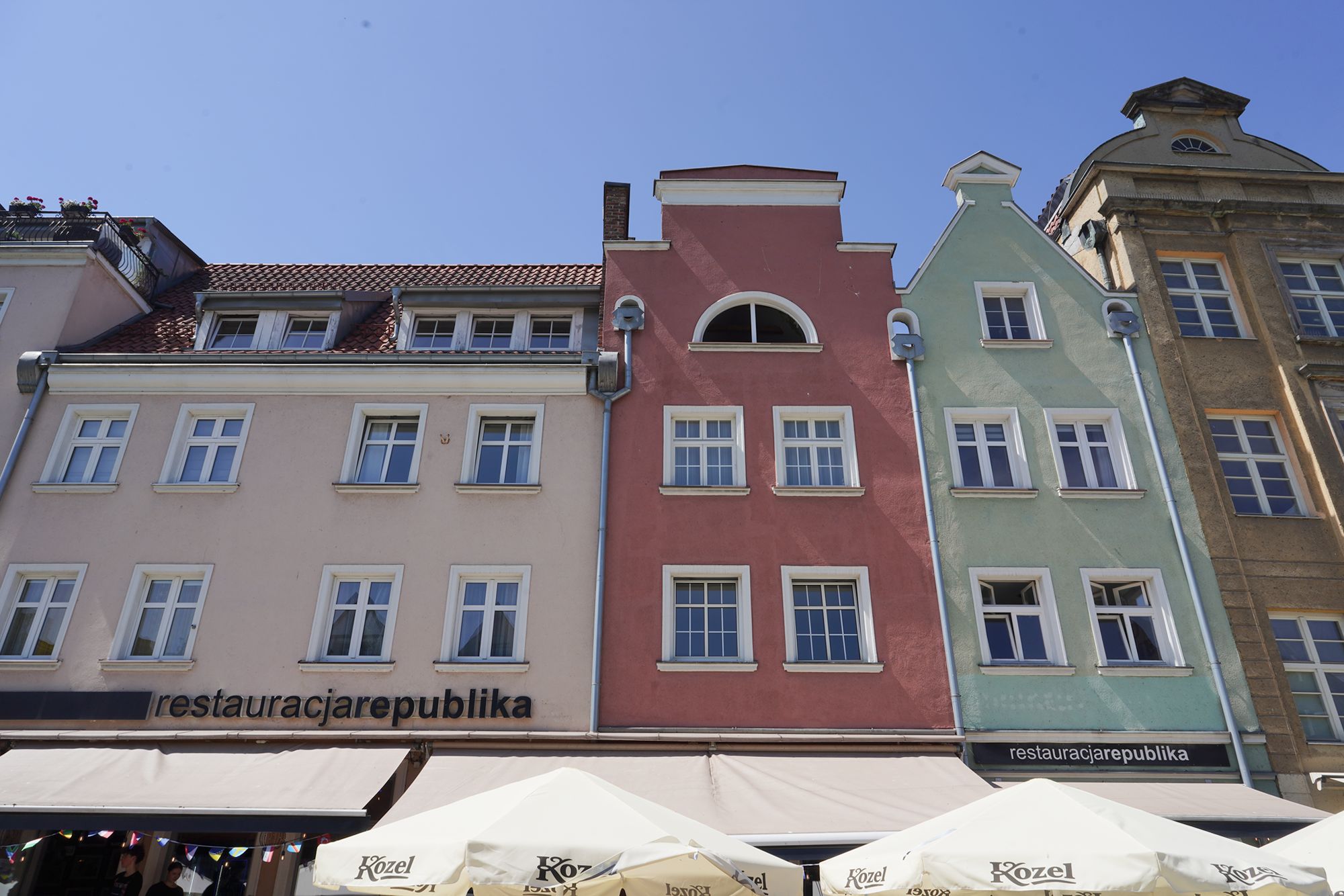
I took a brief look around, then turned back and returned to the riverfront.
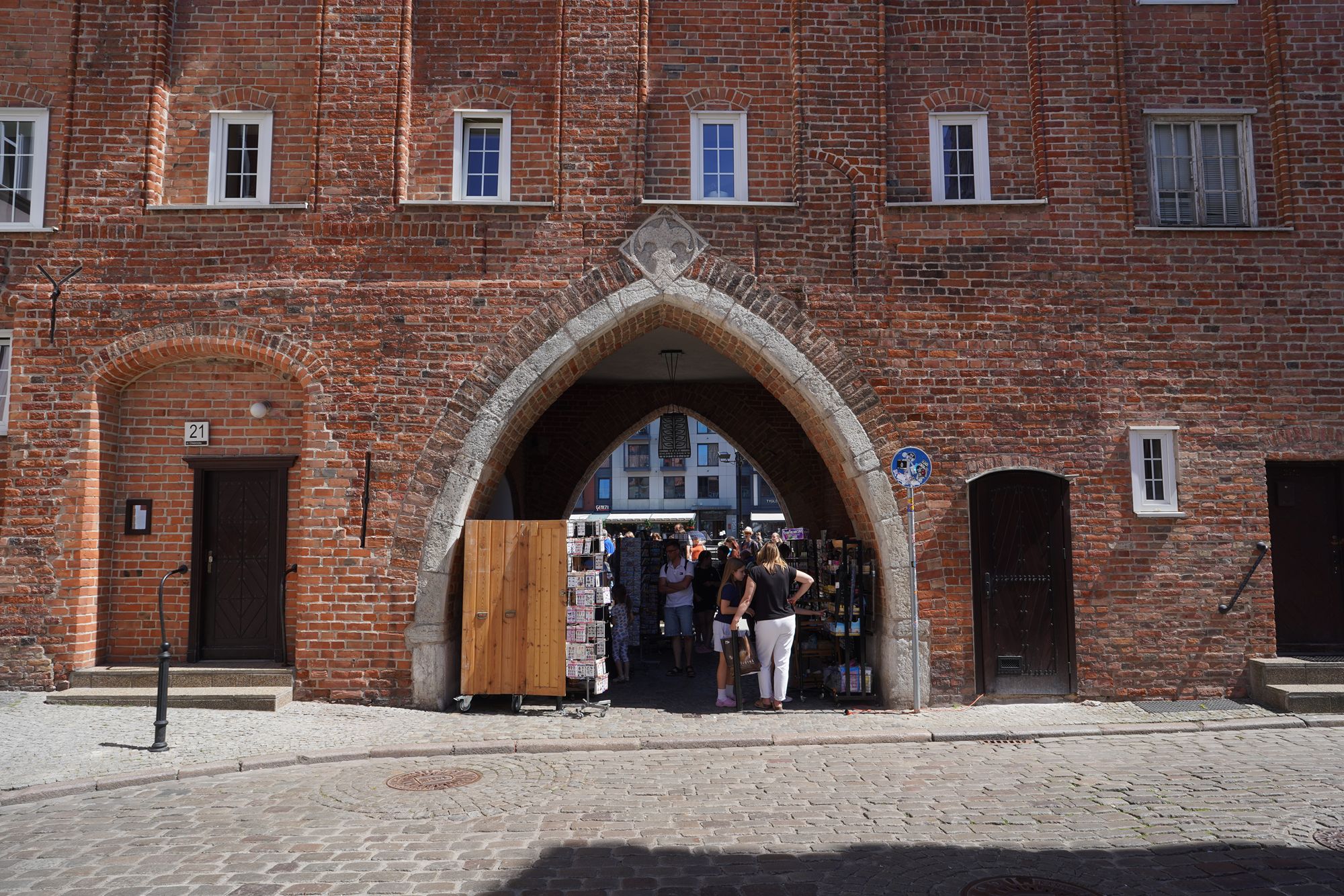
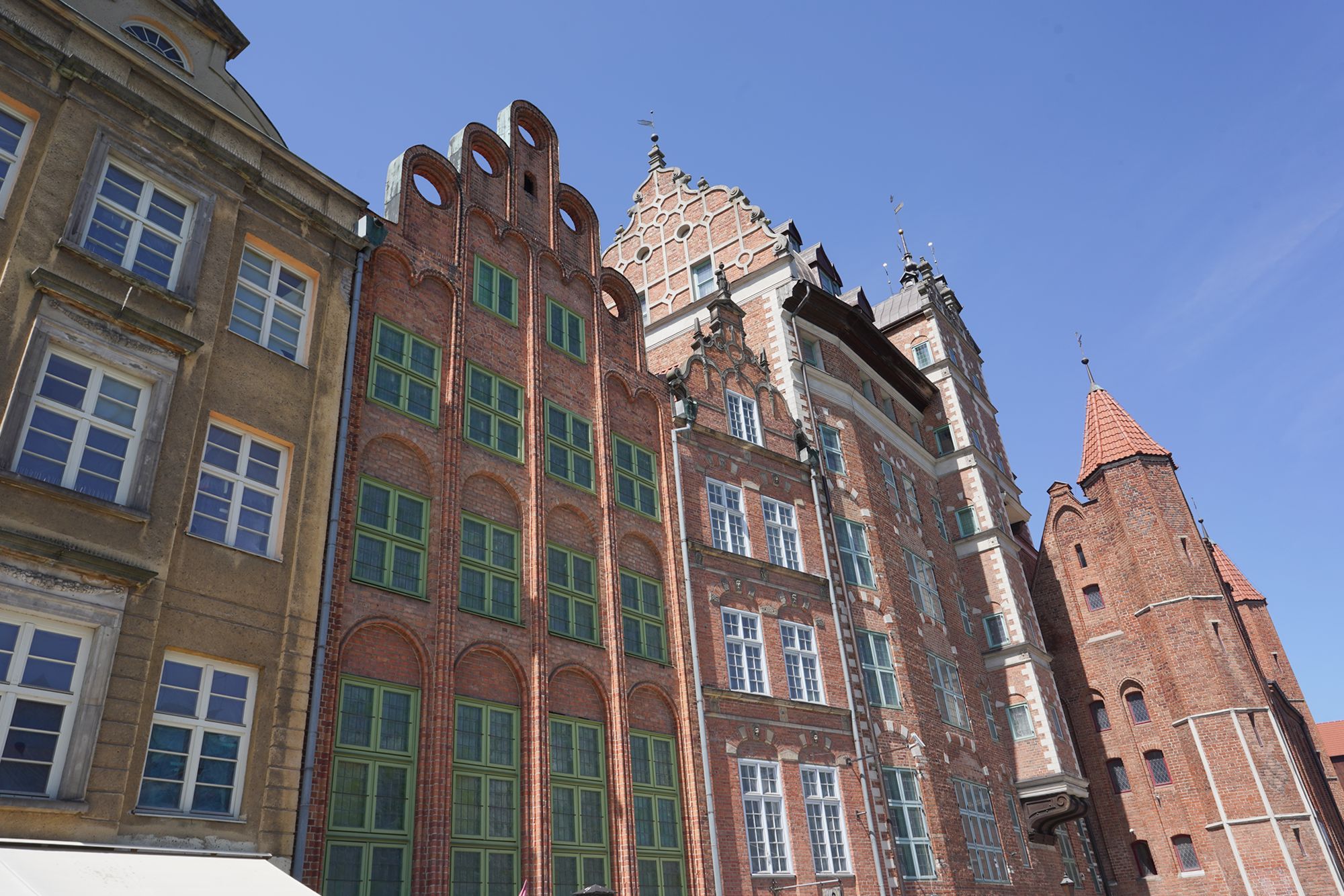
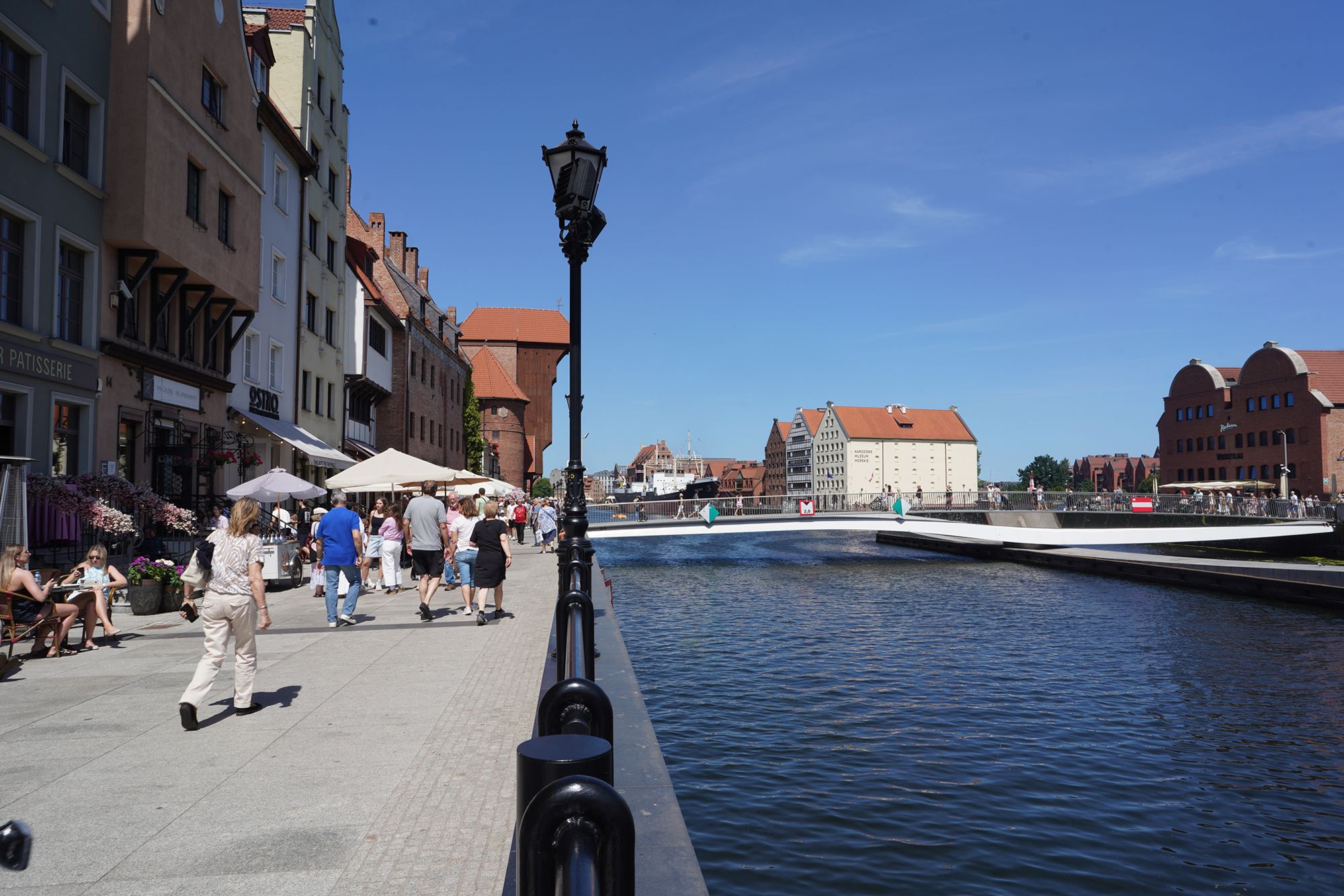
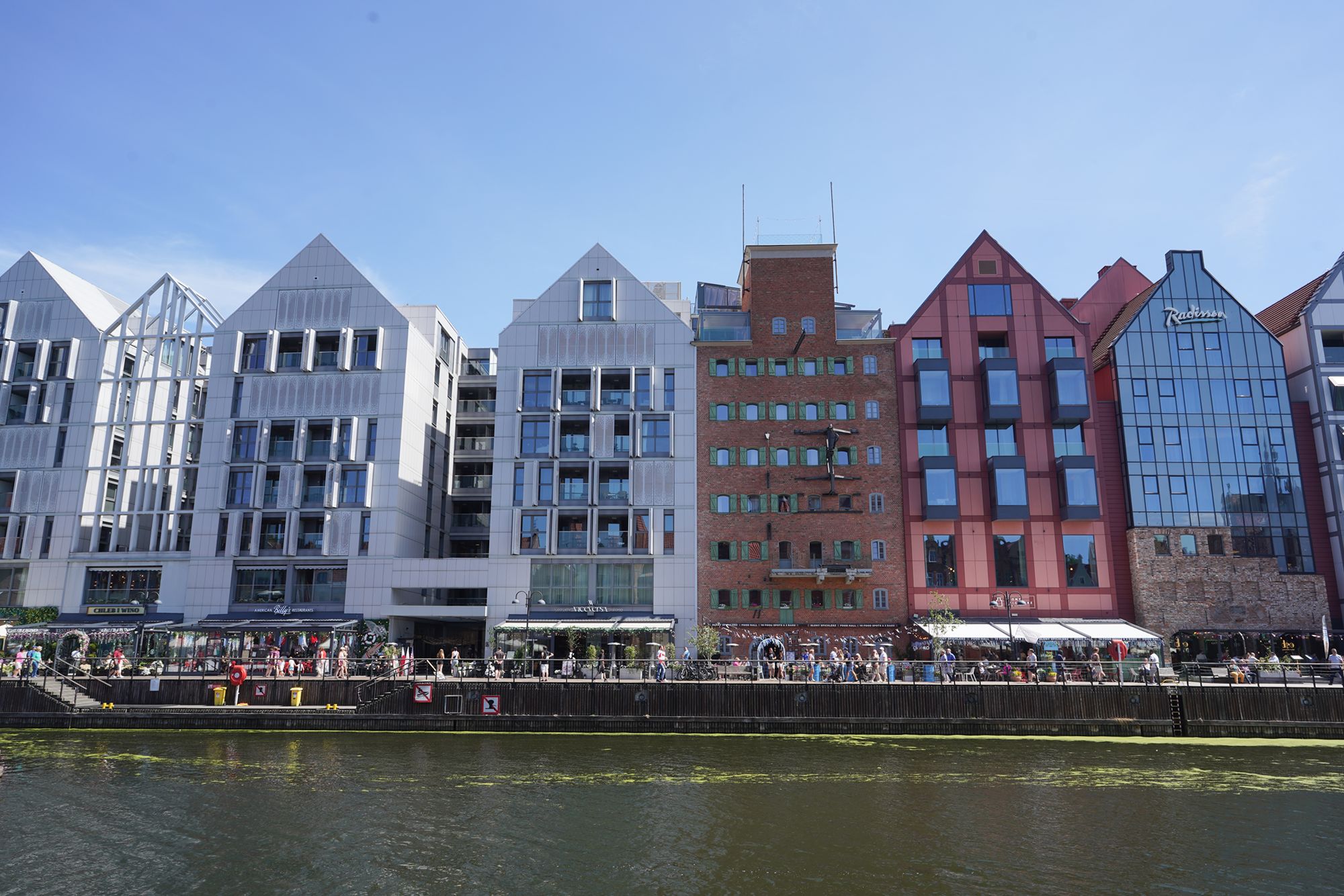
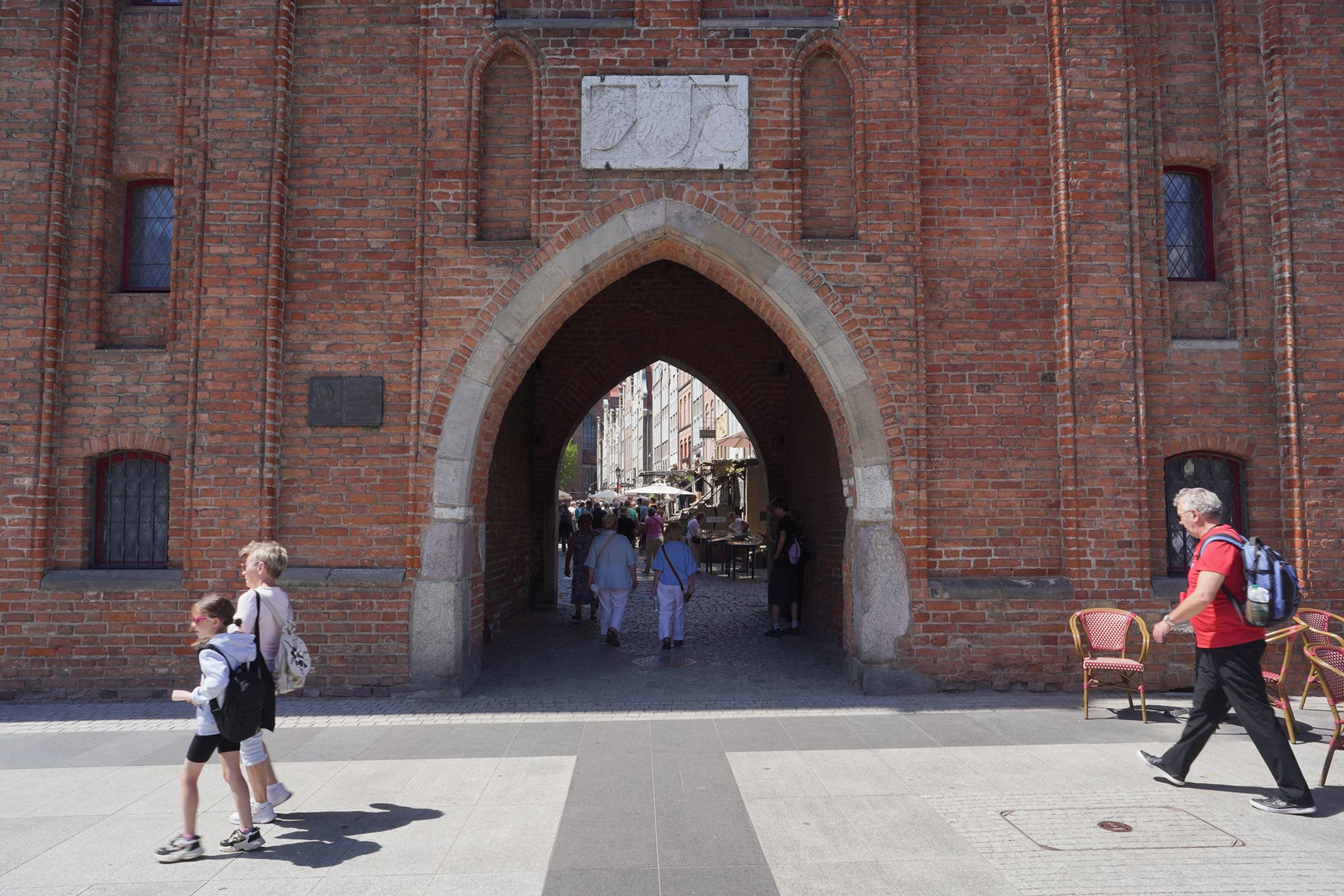
I came to another gate leading into the old town, so I walked through it.
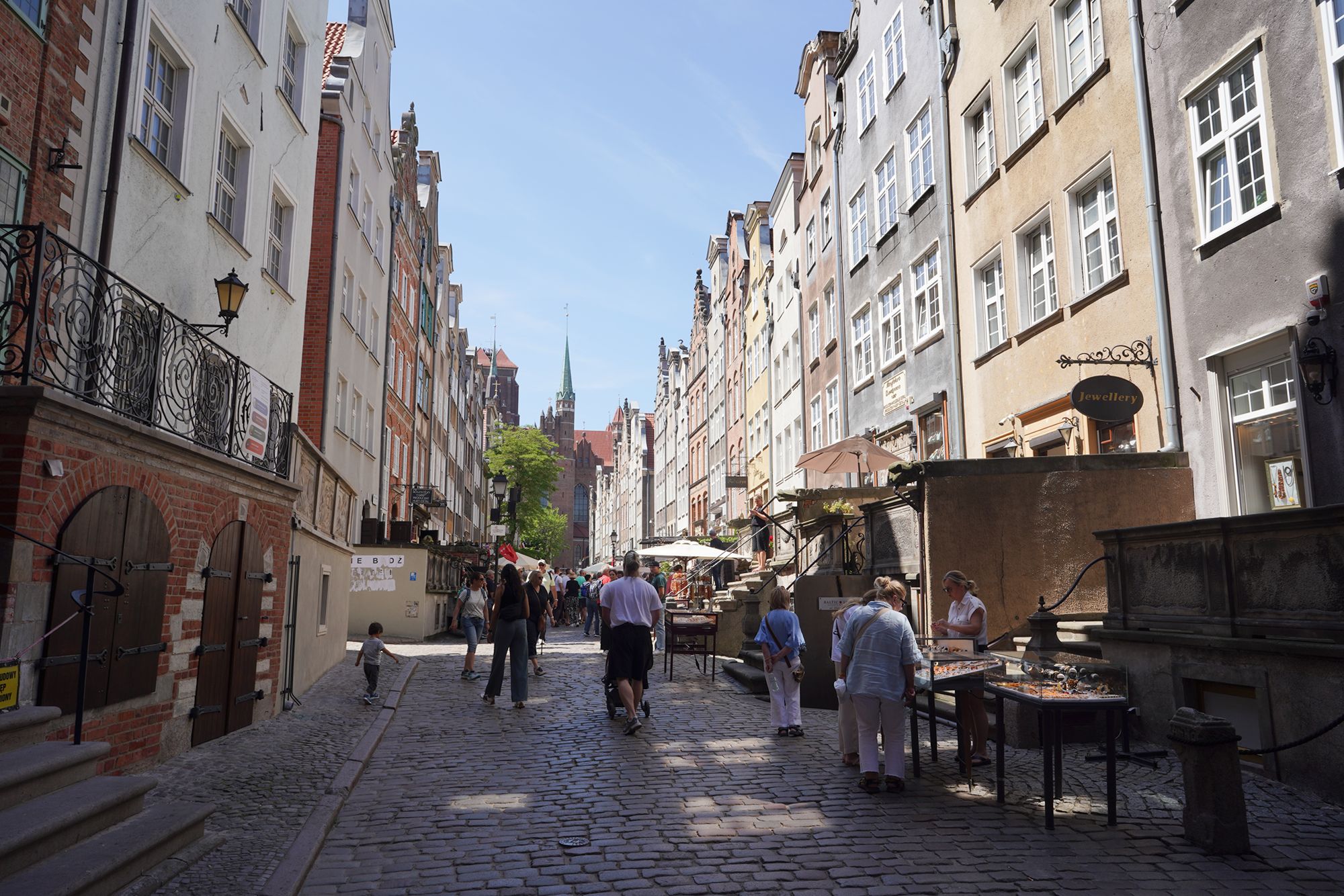
A view behind me
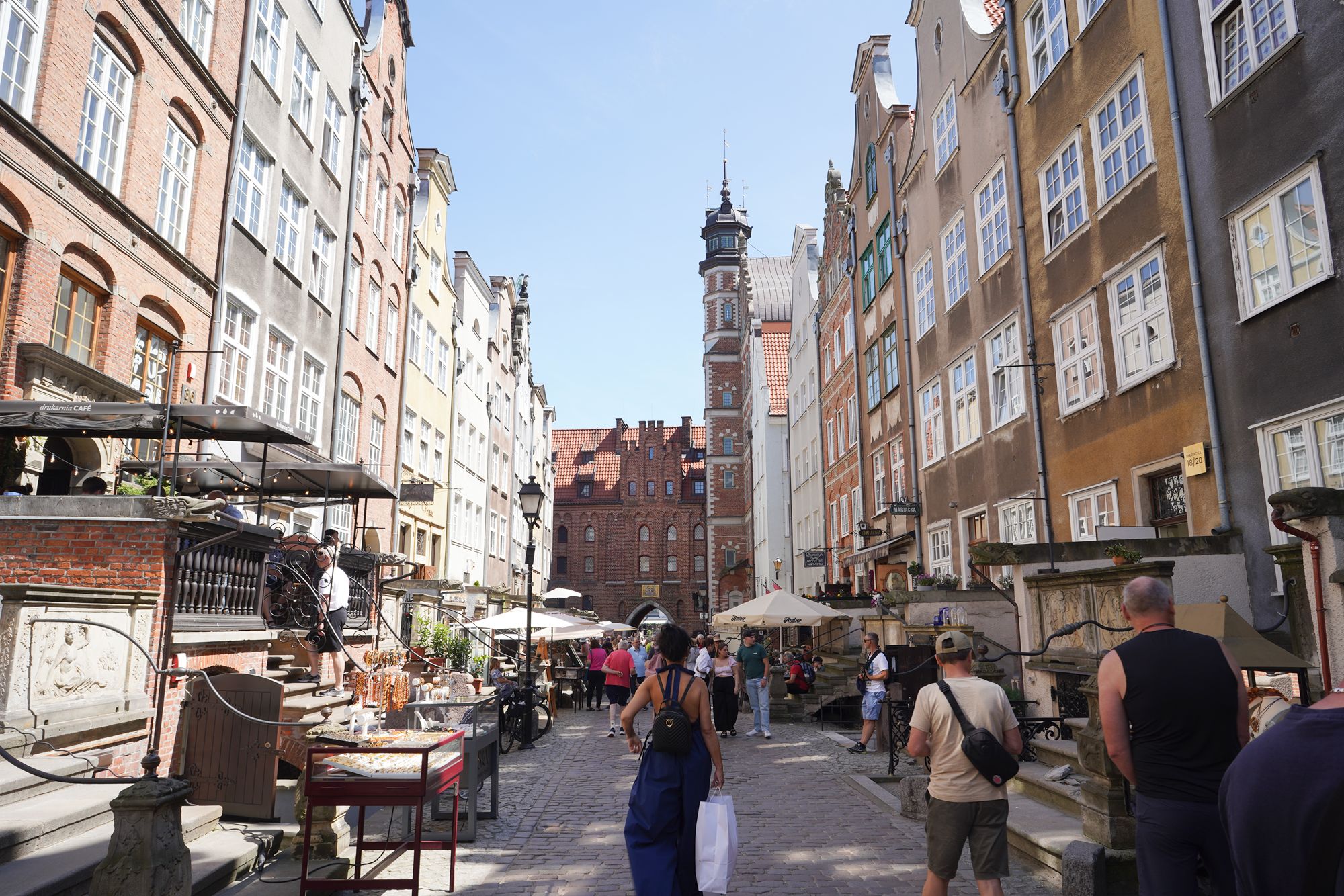
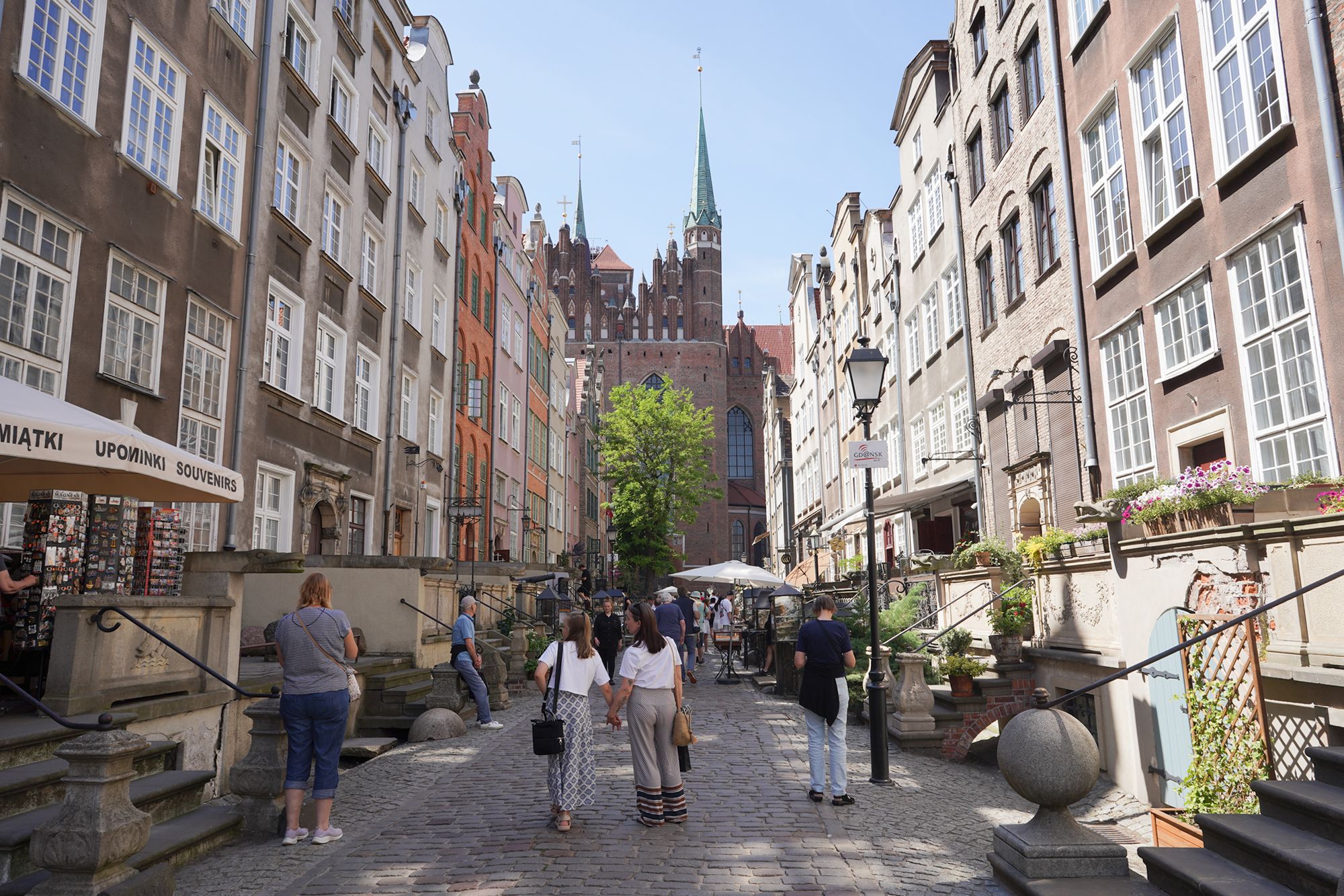
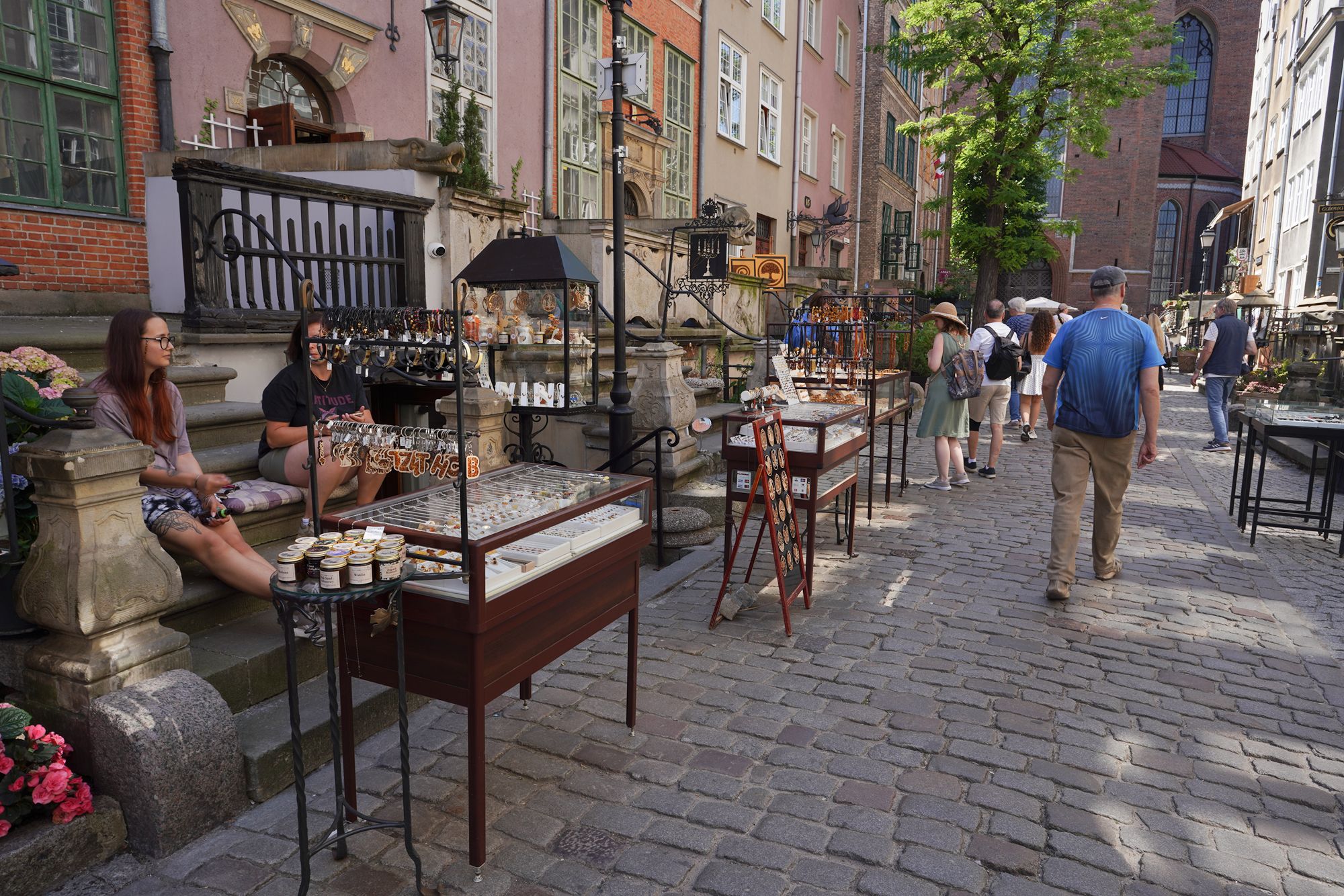
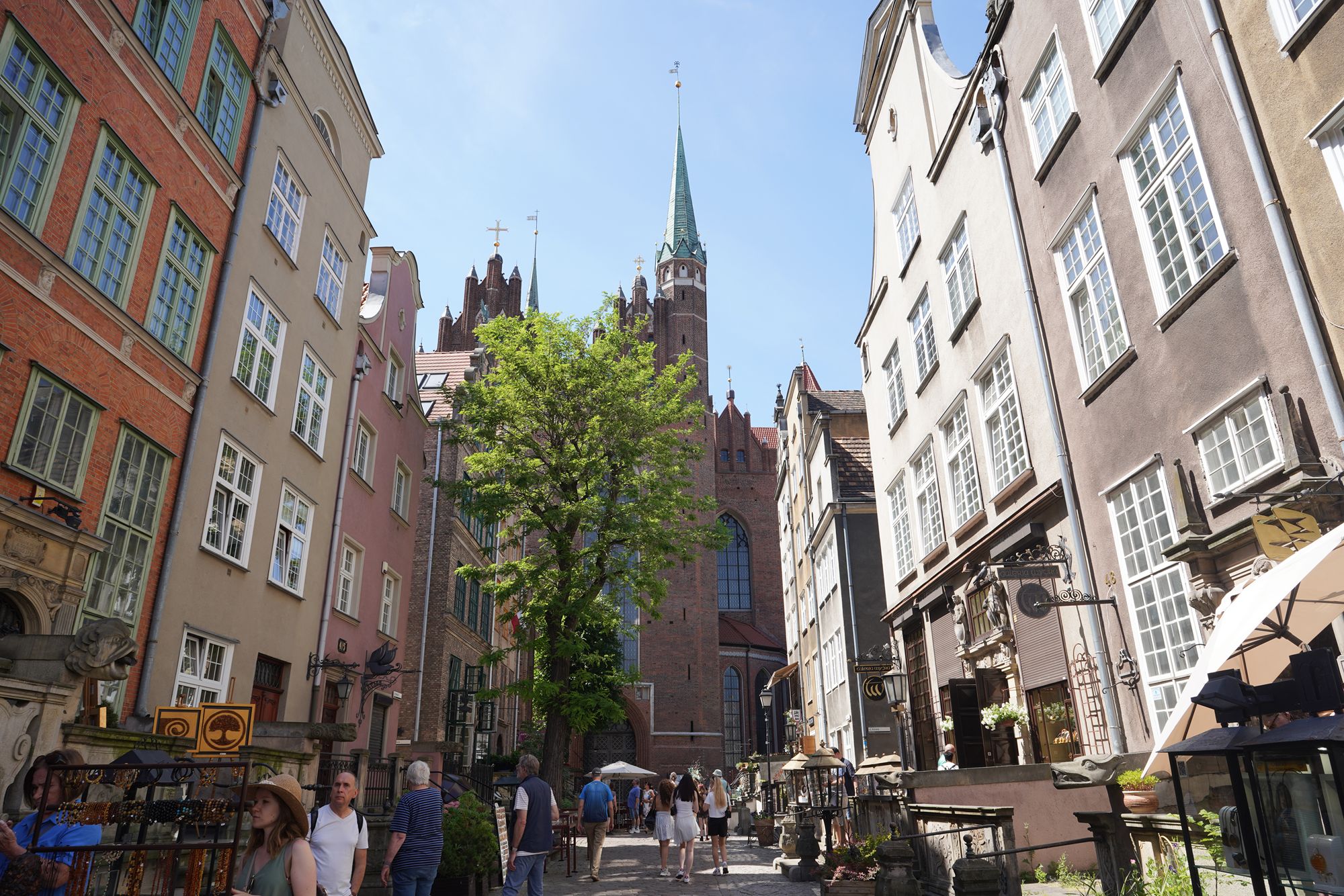
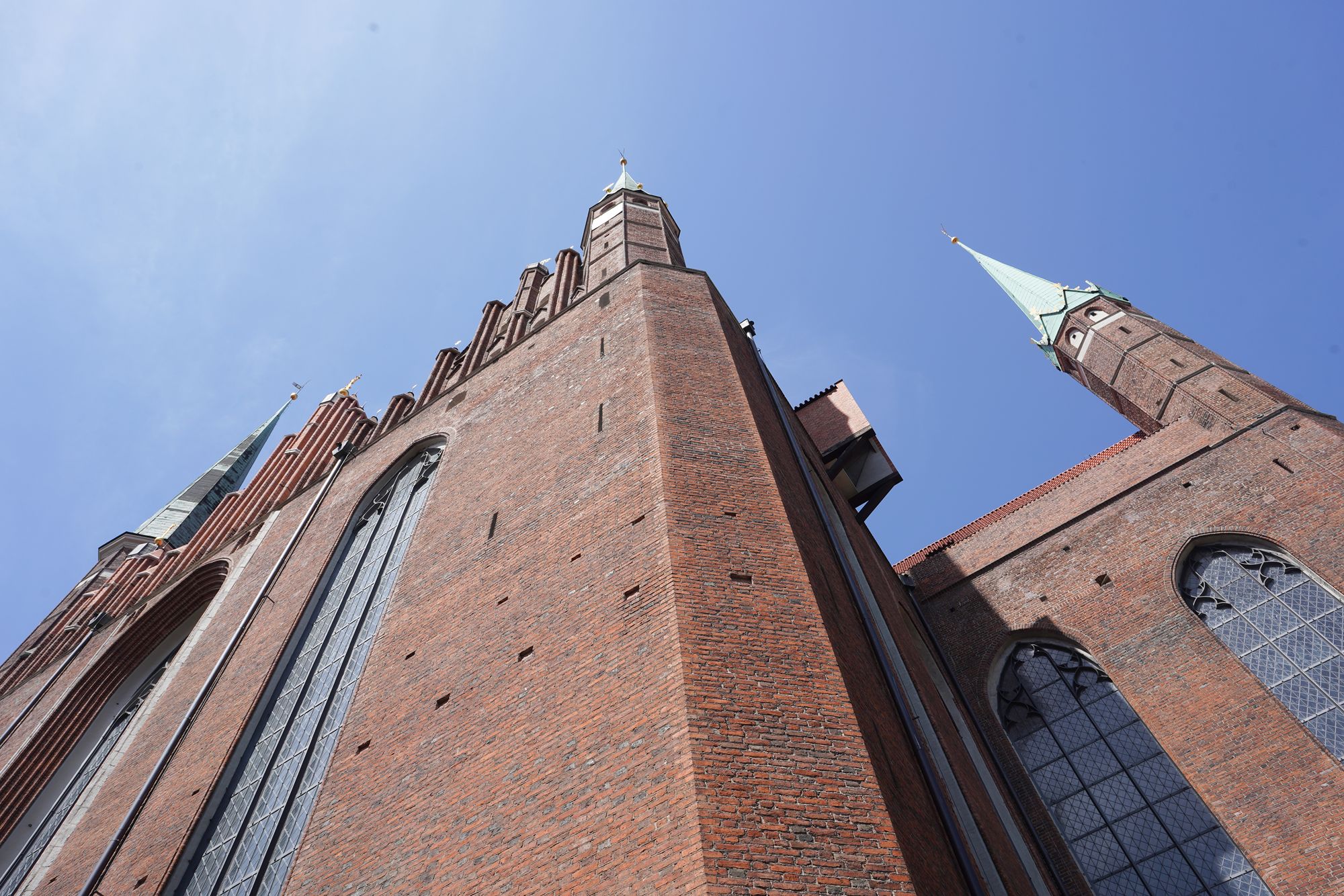
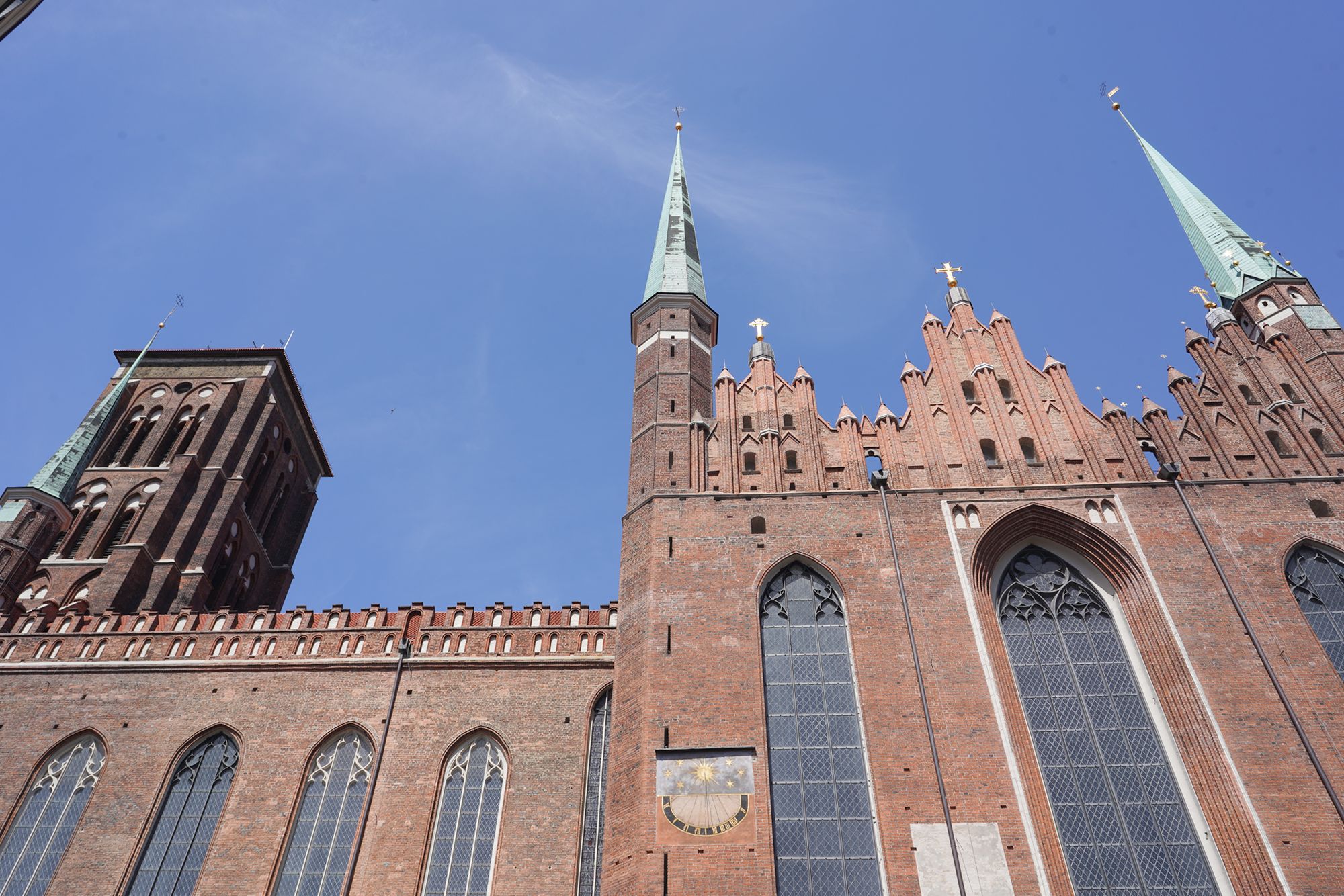
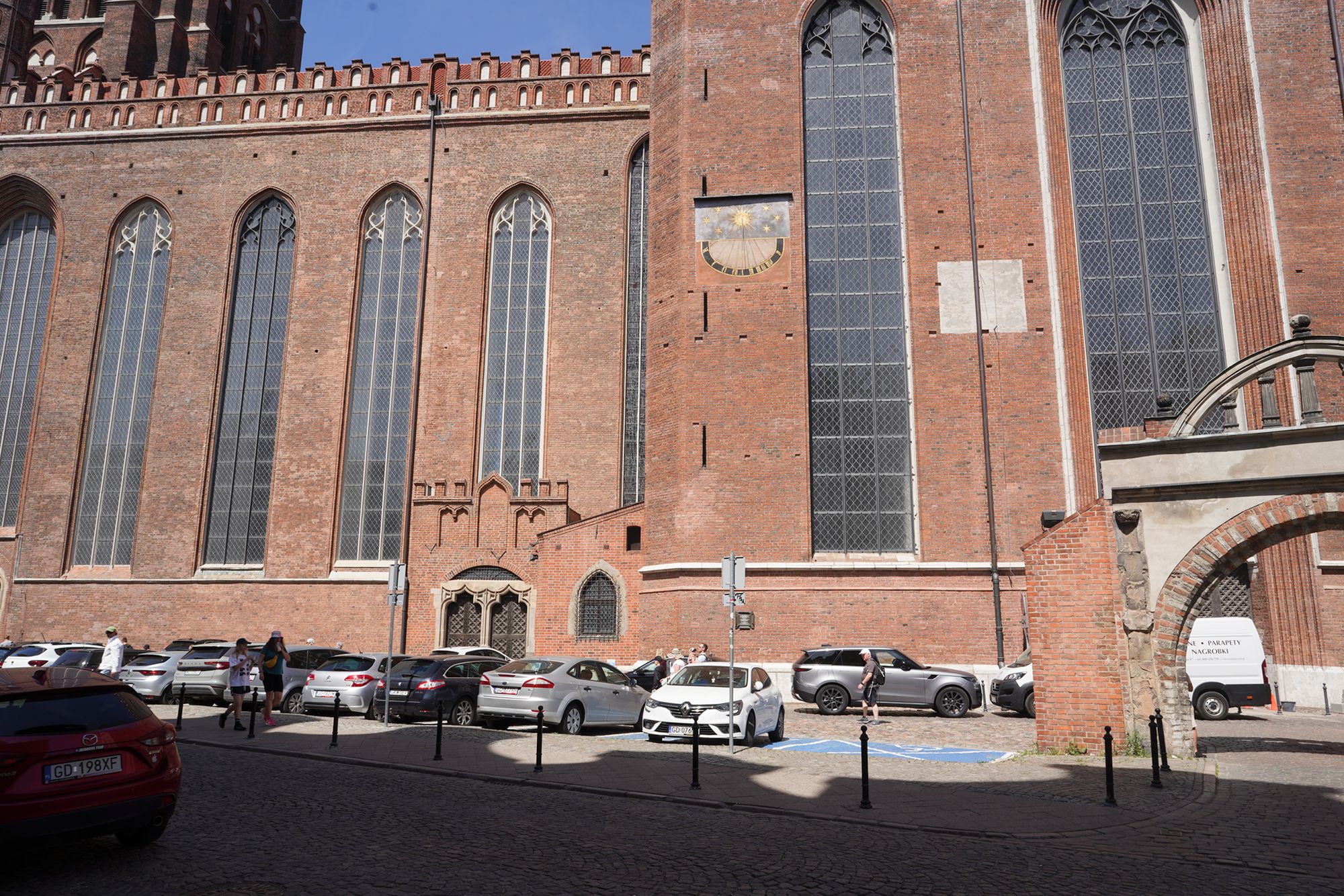
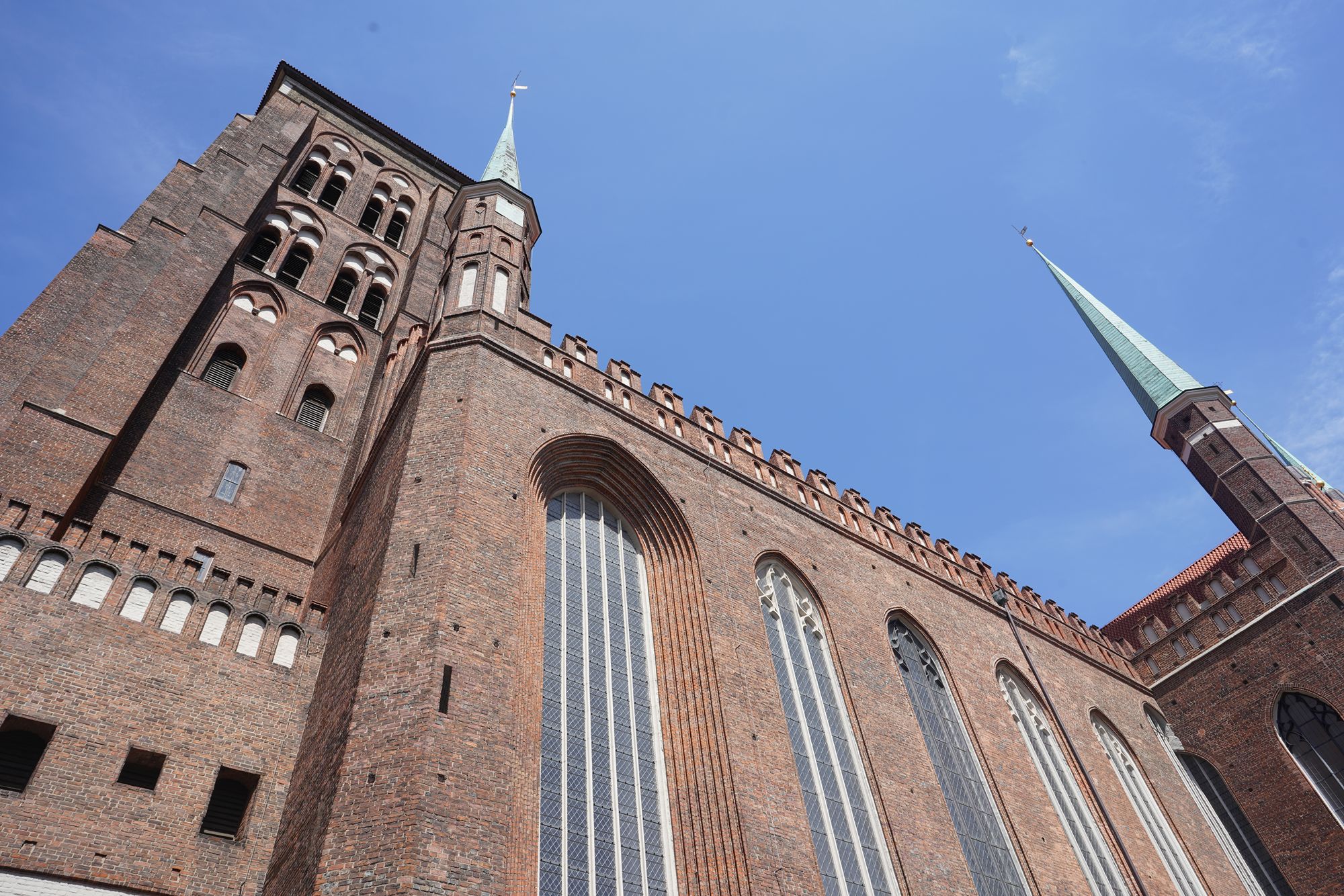
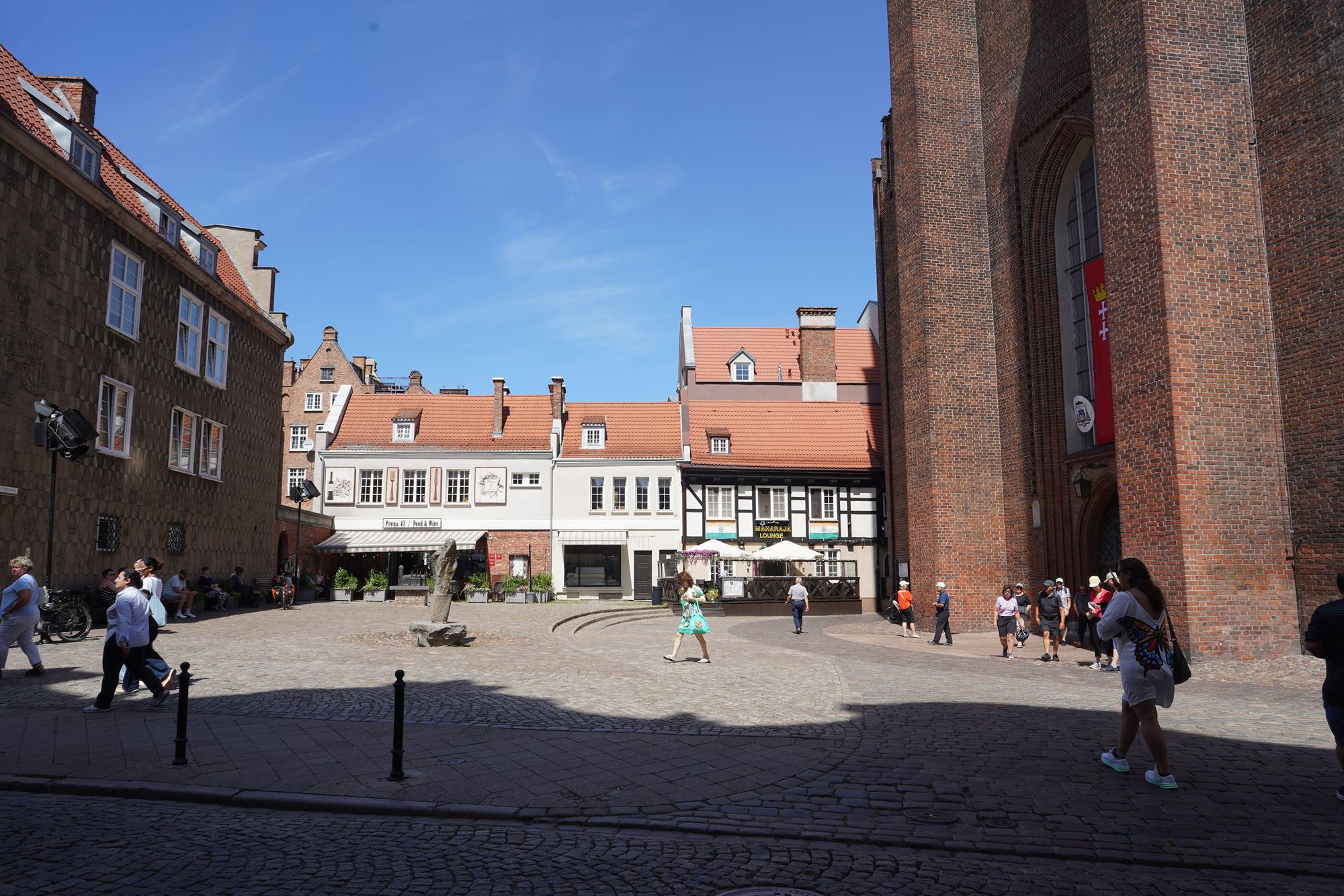
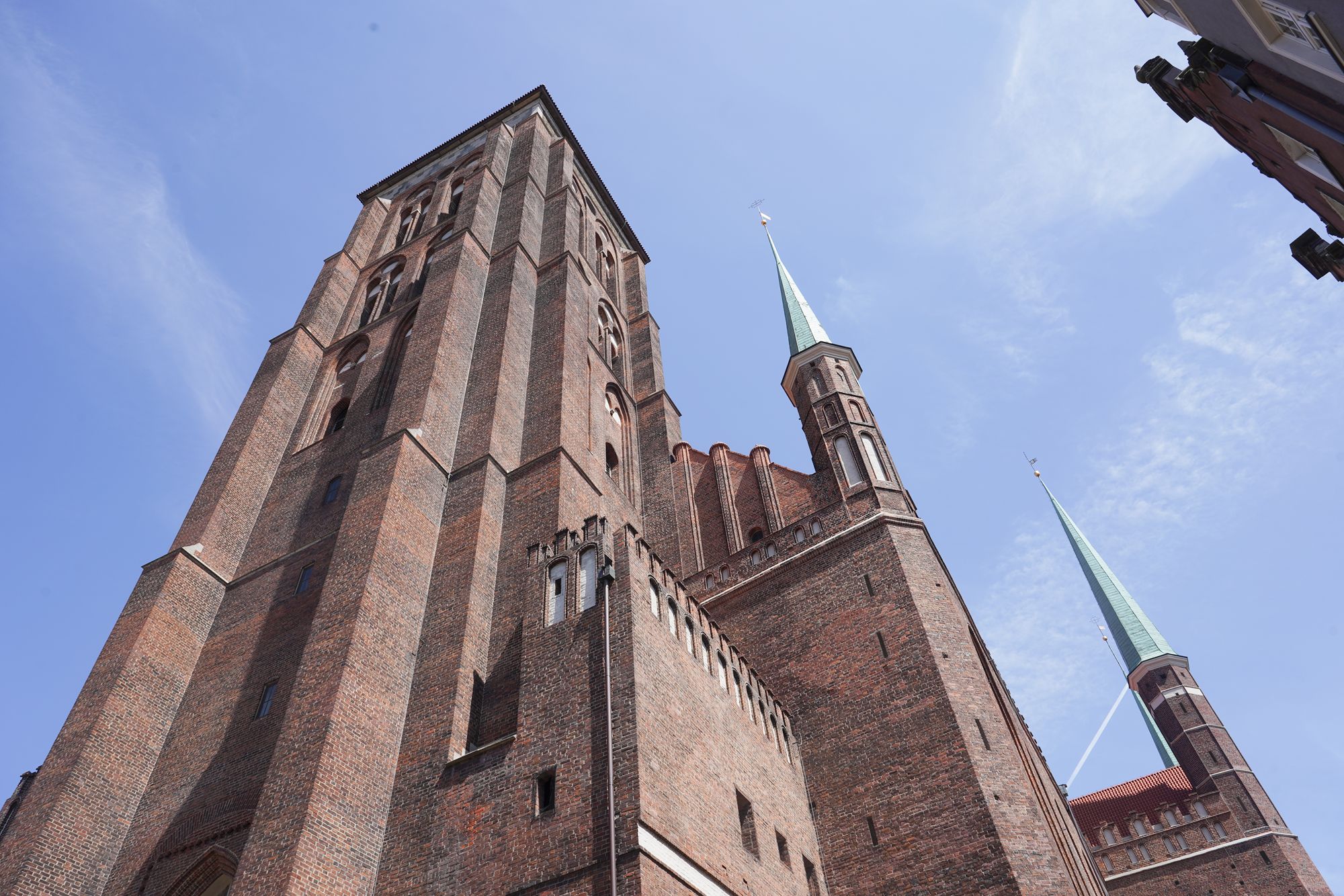
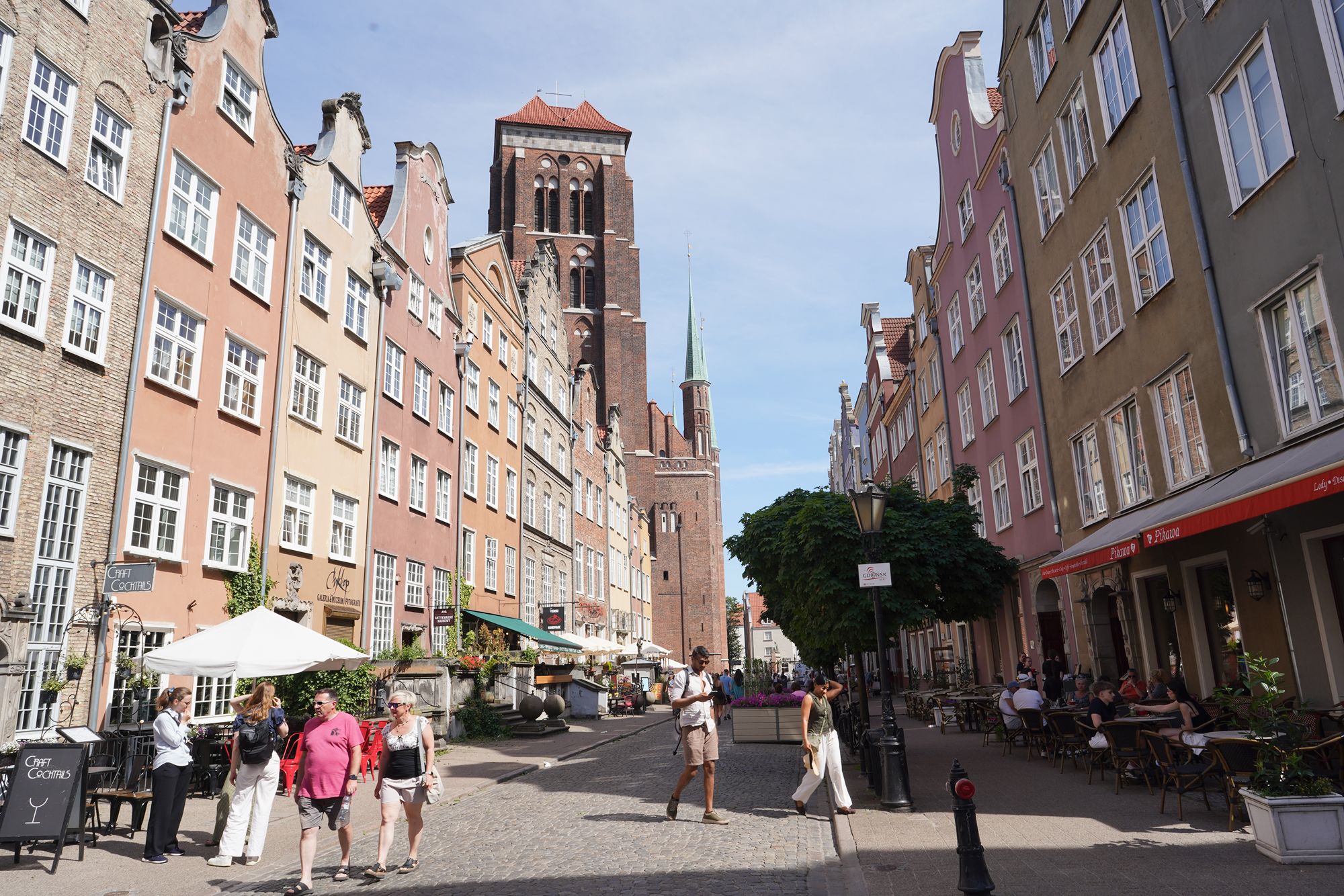
St. Mary’s Church, officially the Basilica of the Assumption of the Blessed Virgin Mary, is a huge Gothic brick church in Gdańsk’s Main Town. Construction began in 1343 and was completed in 1502. It is among the largest medieval brick churches in Europe and is often called the “Crown of Gdańsk.”
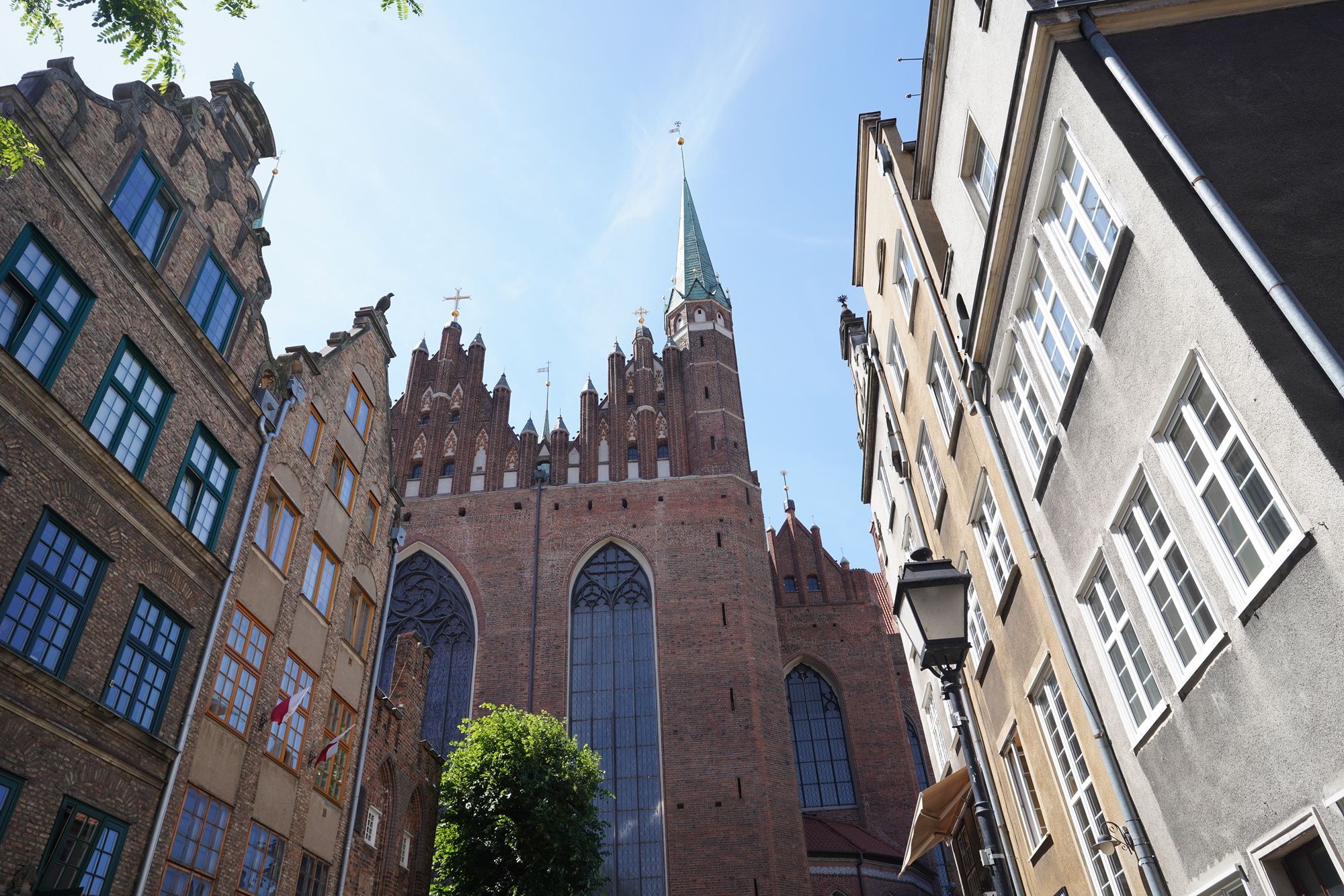
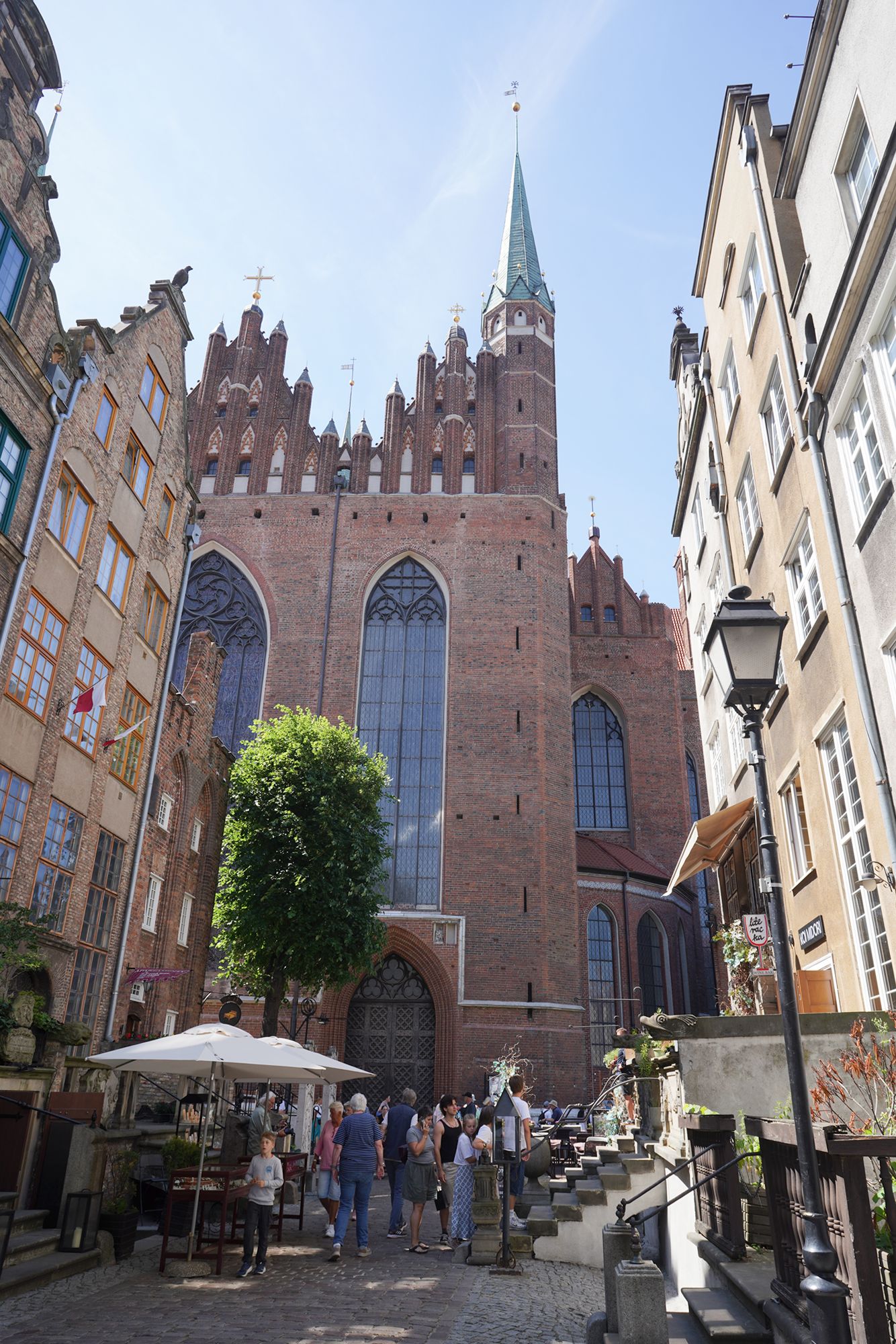
I walked around St. Mary’s Church
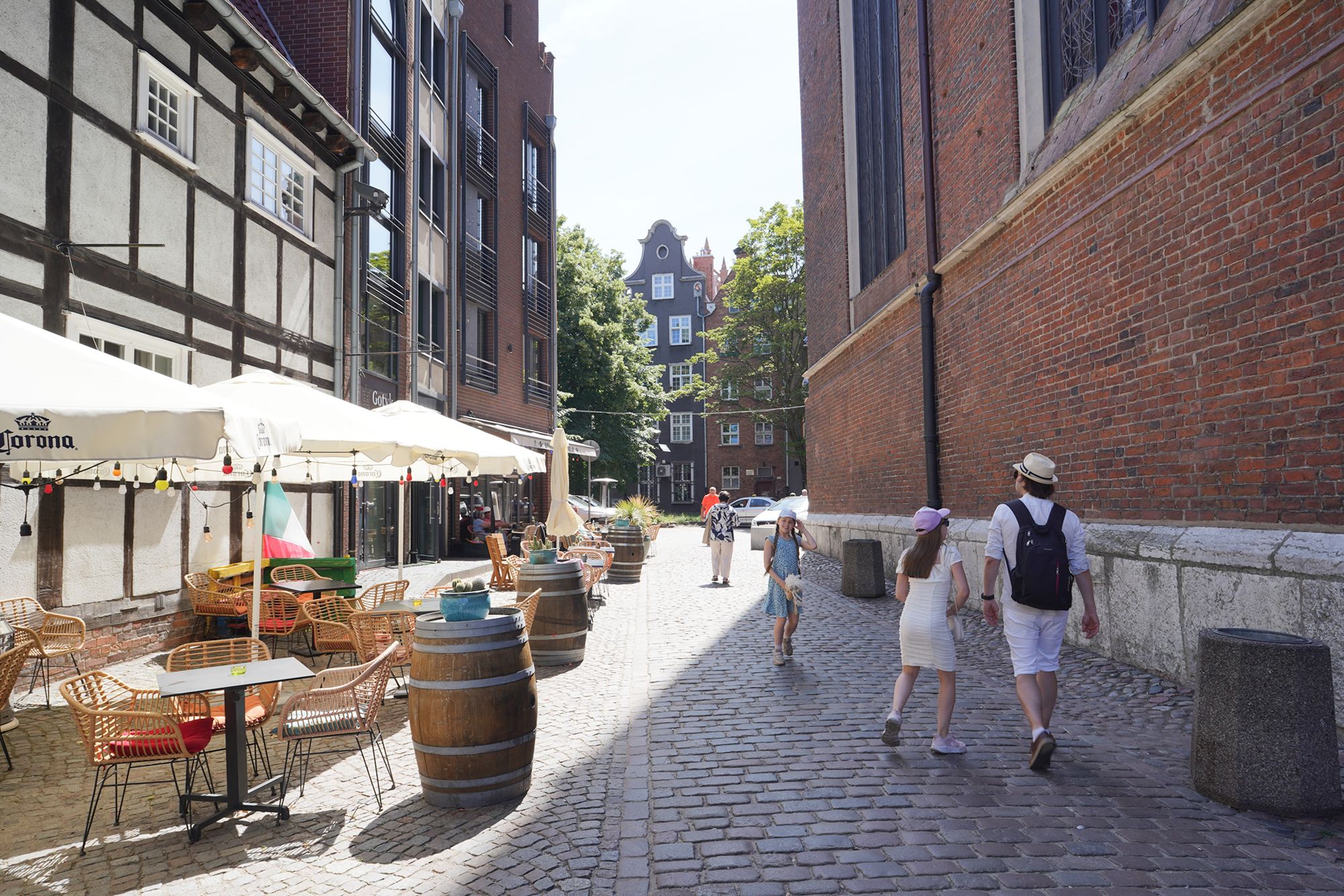
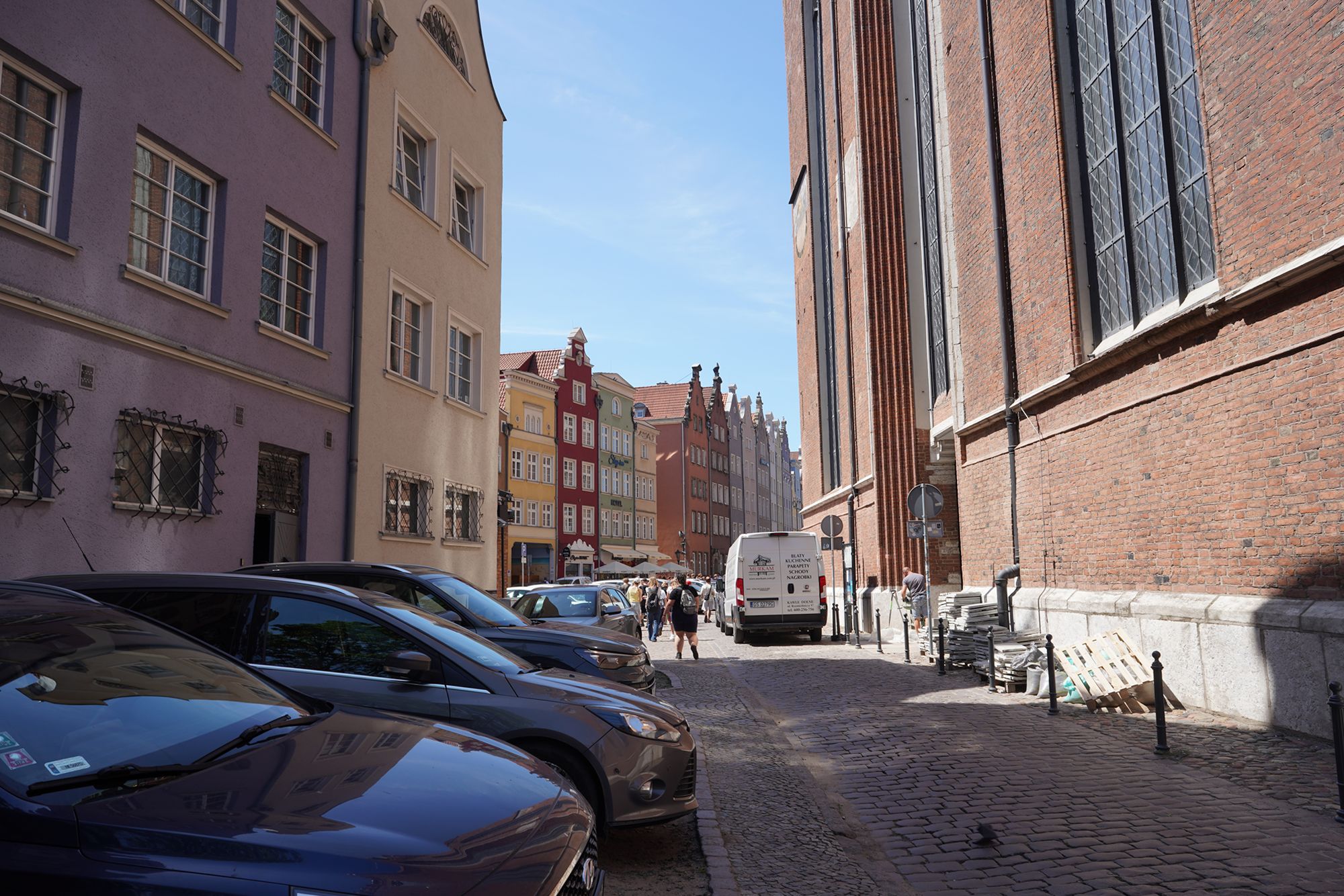
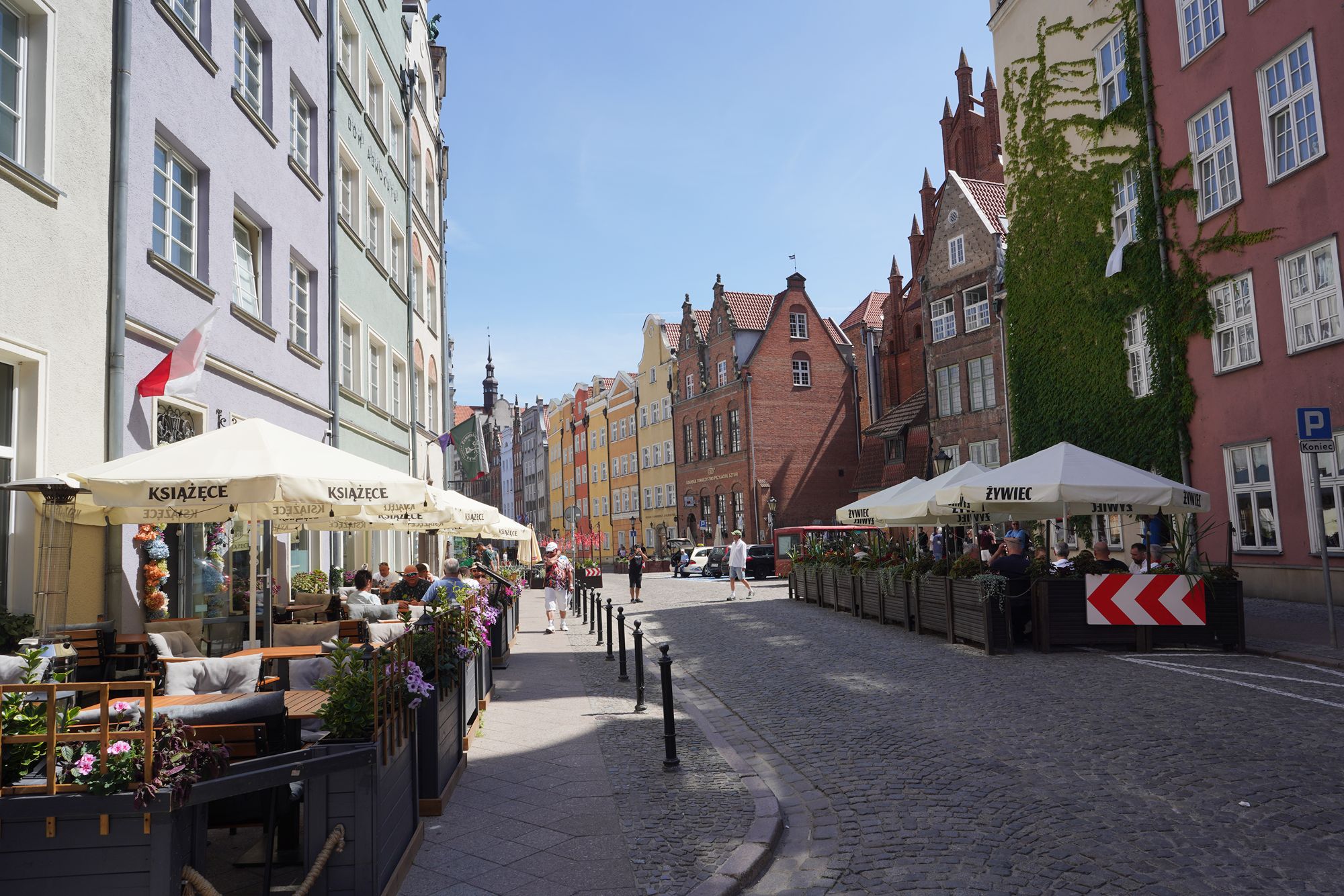
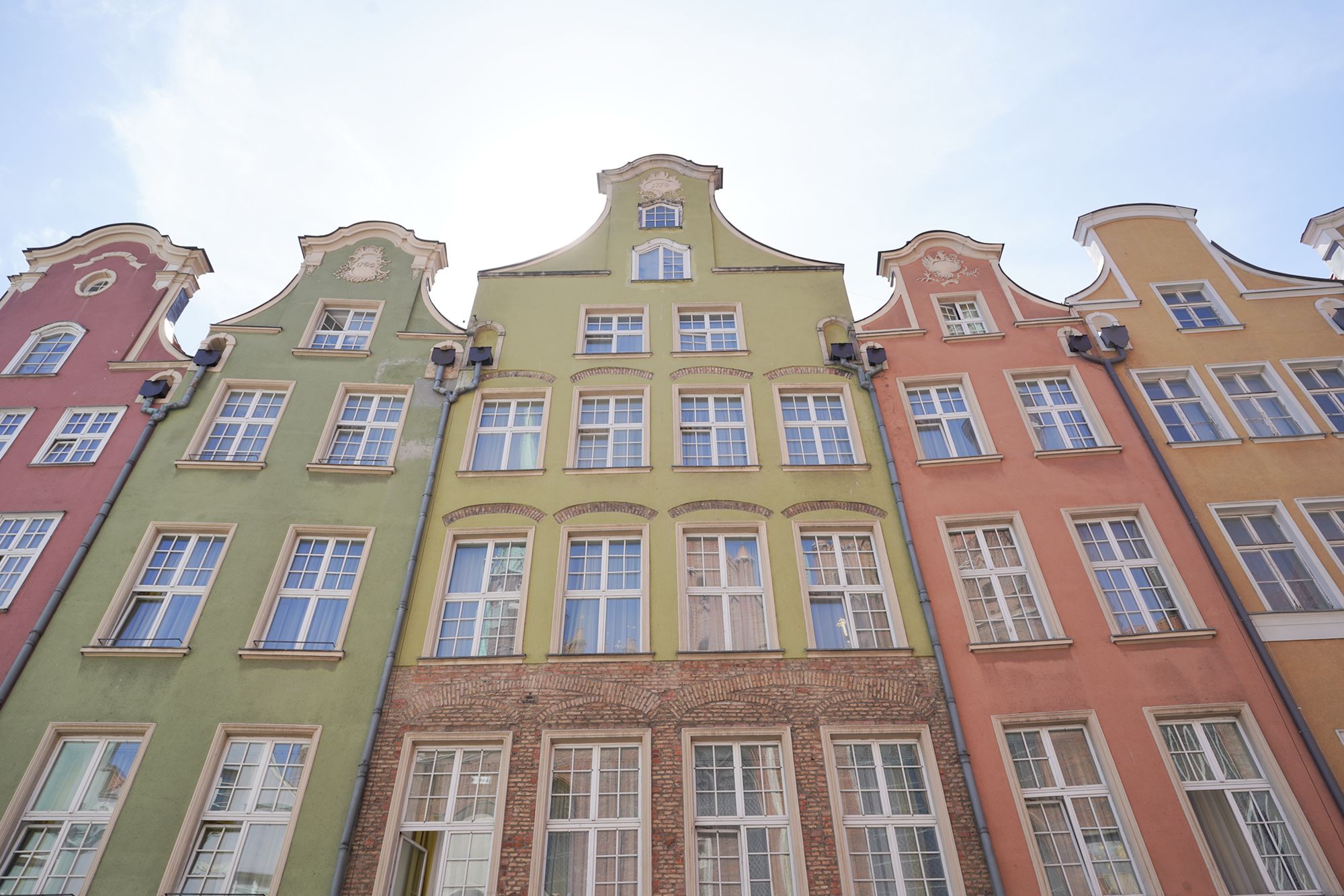
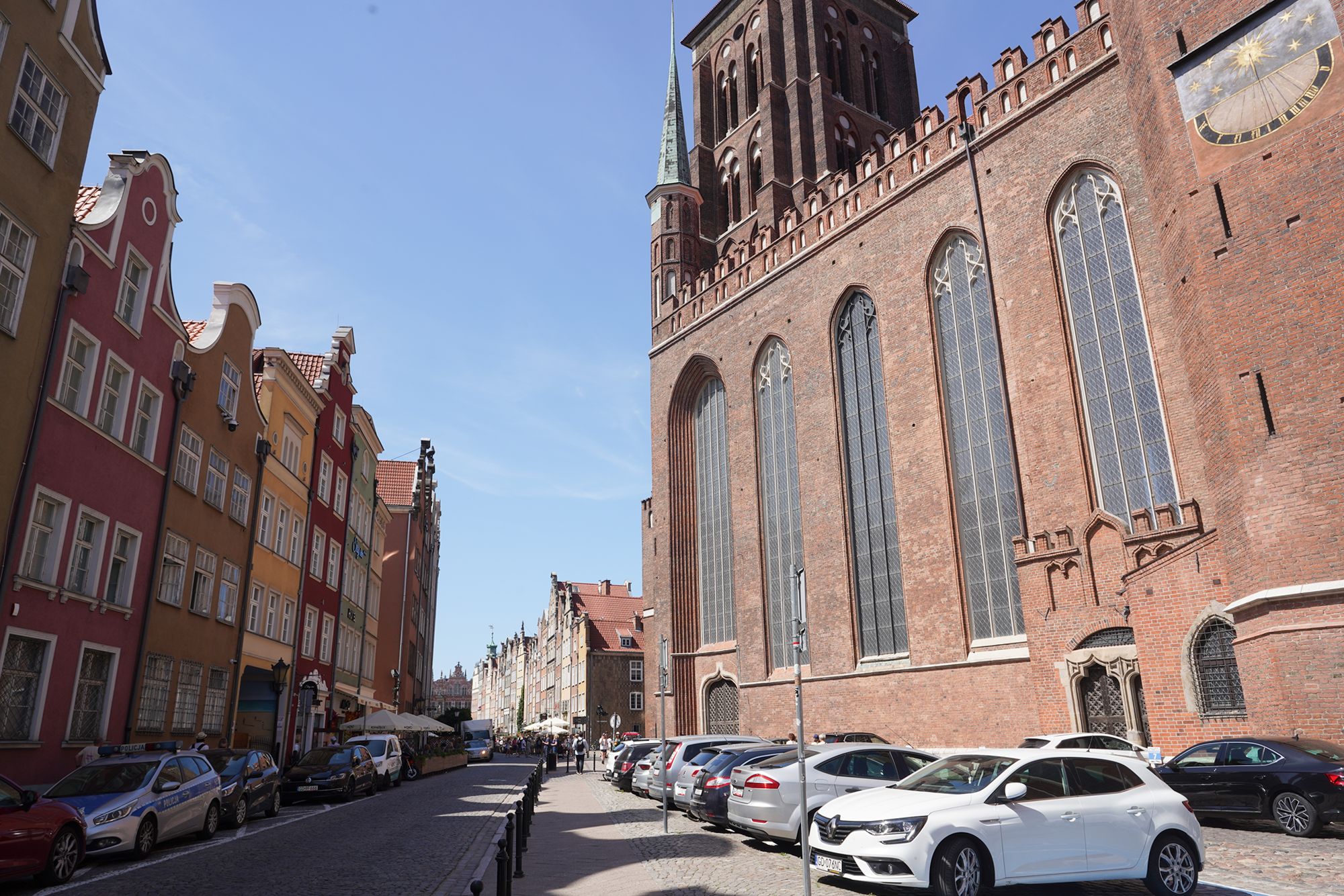
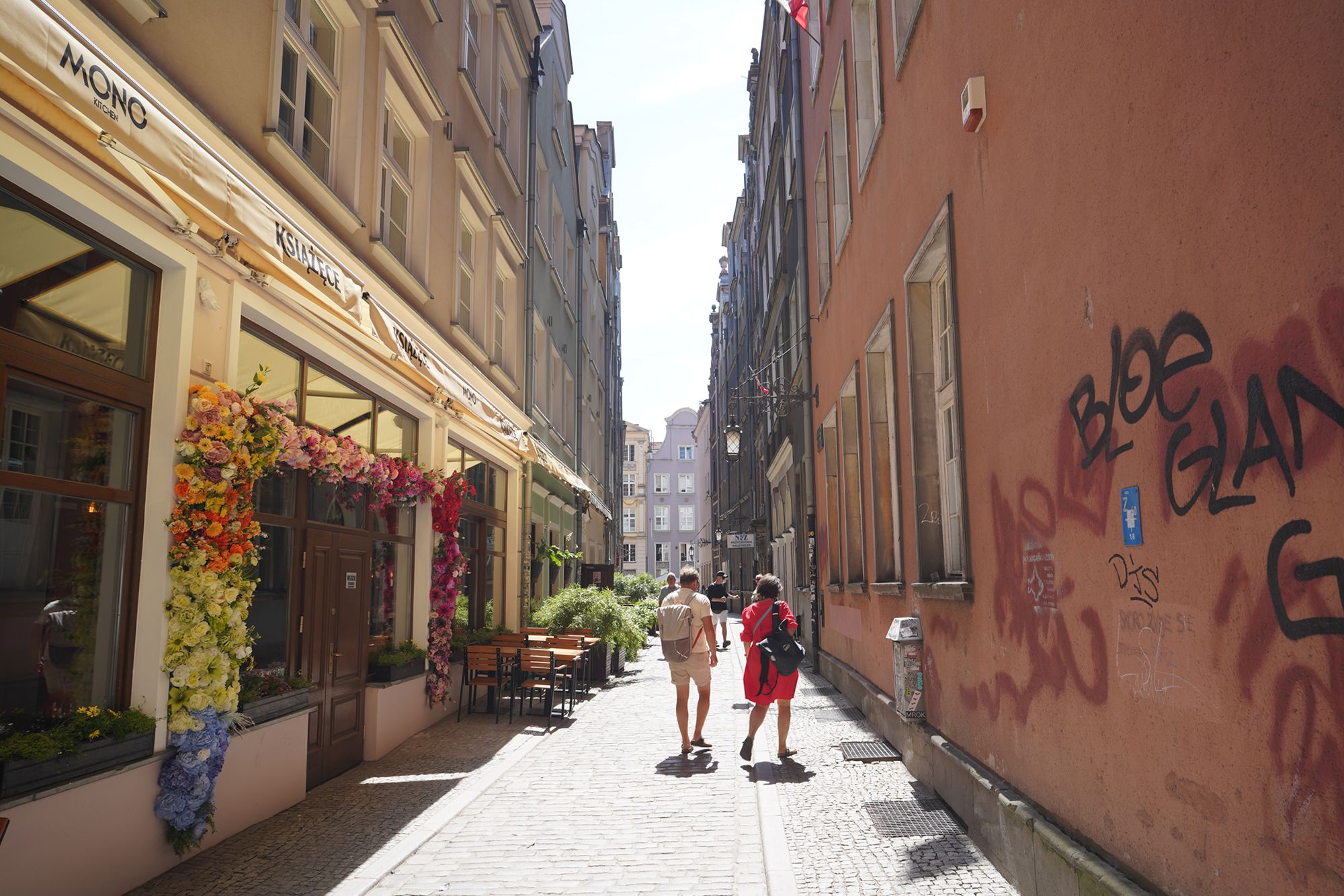
A view of a side street
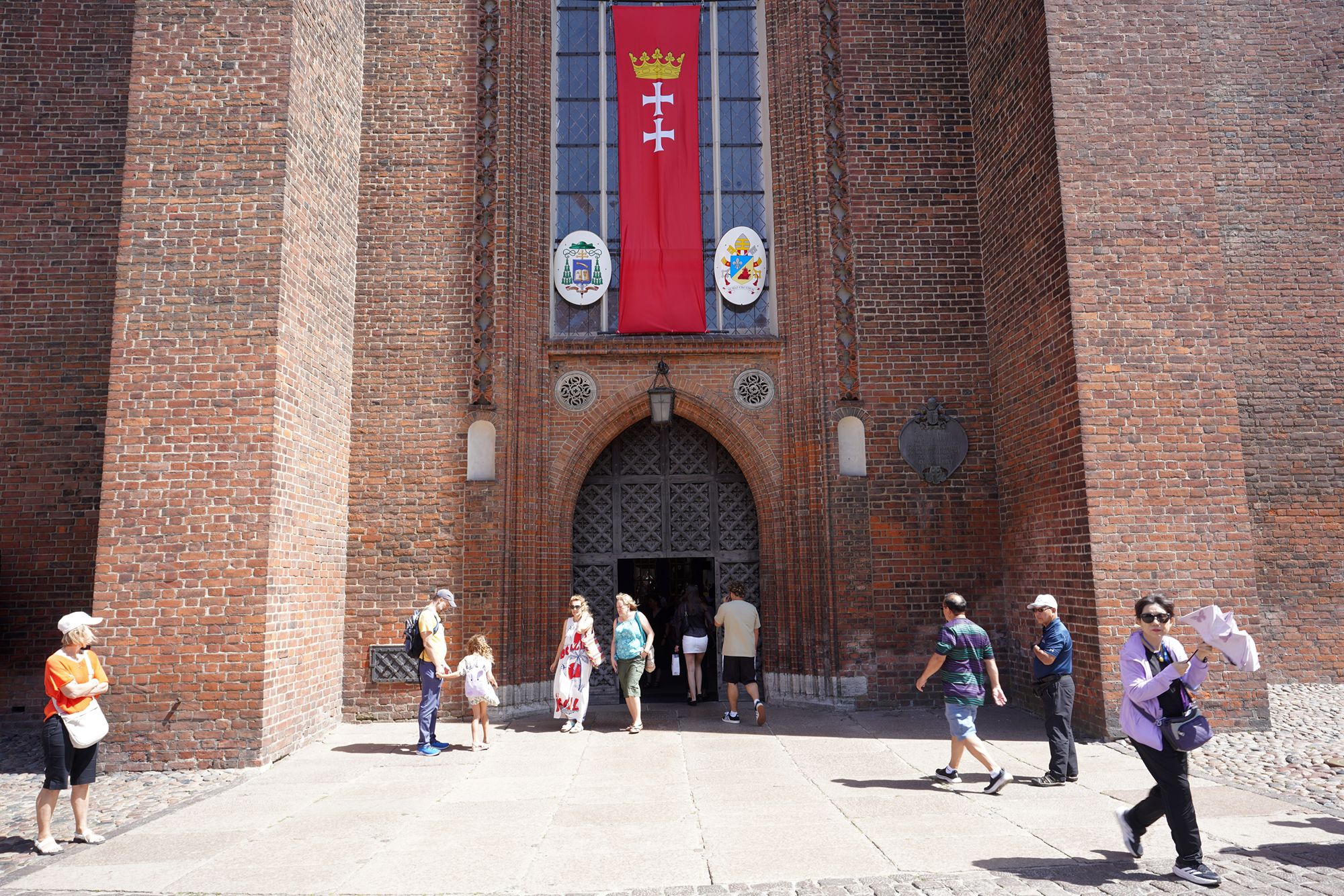
The entrance of the church
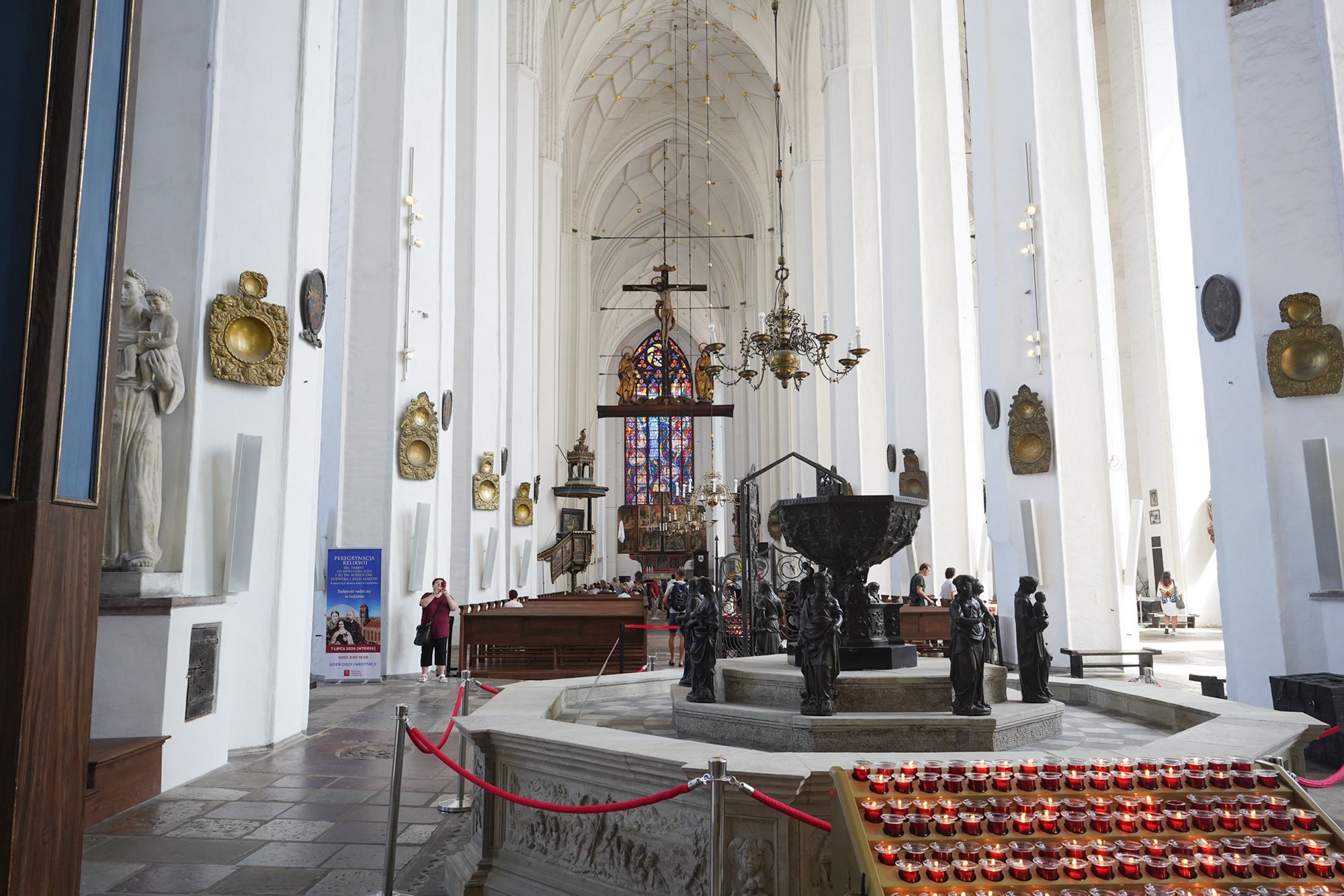
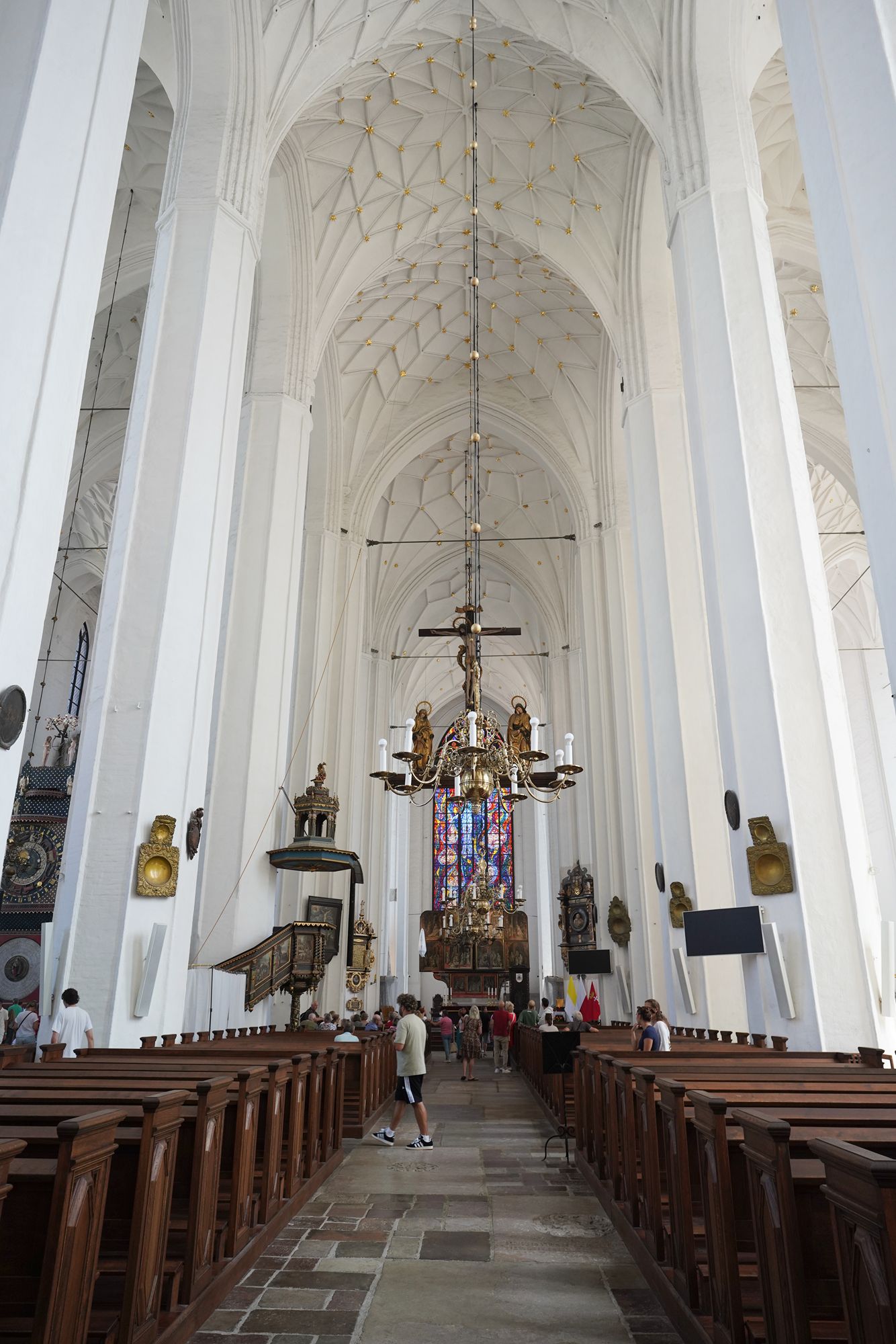
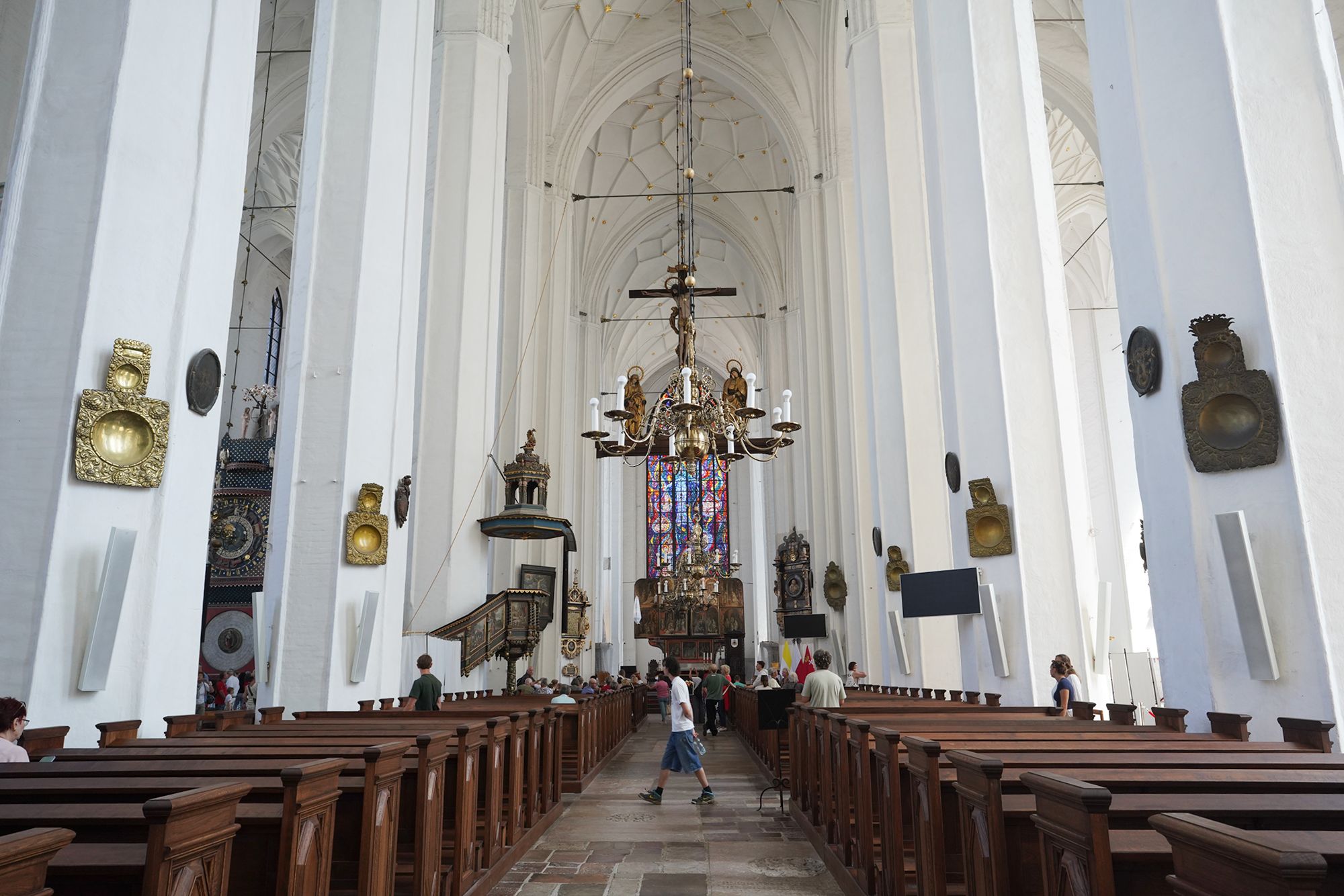
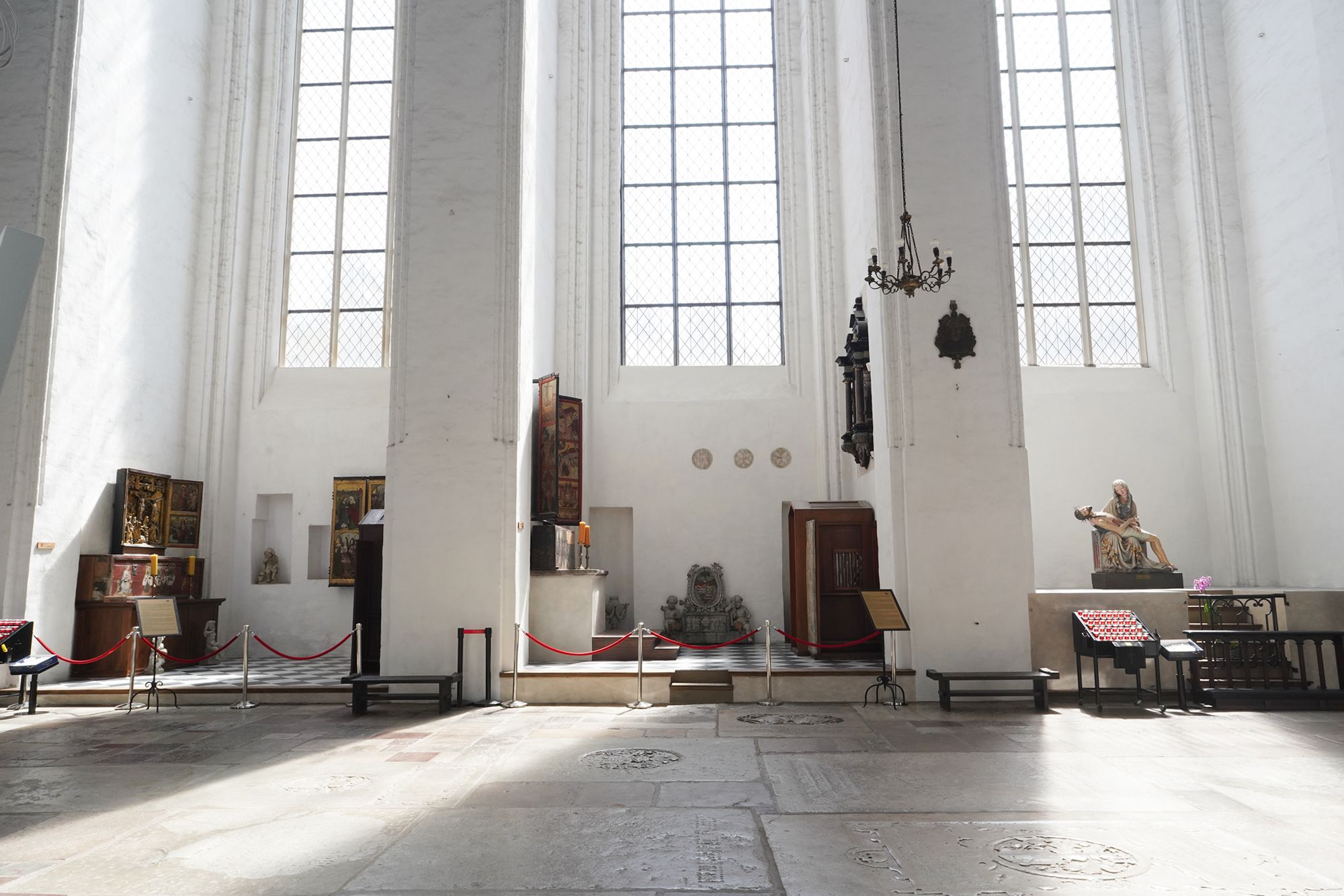
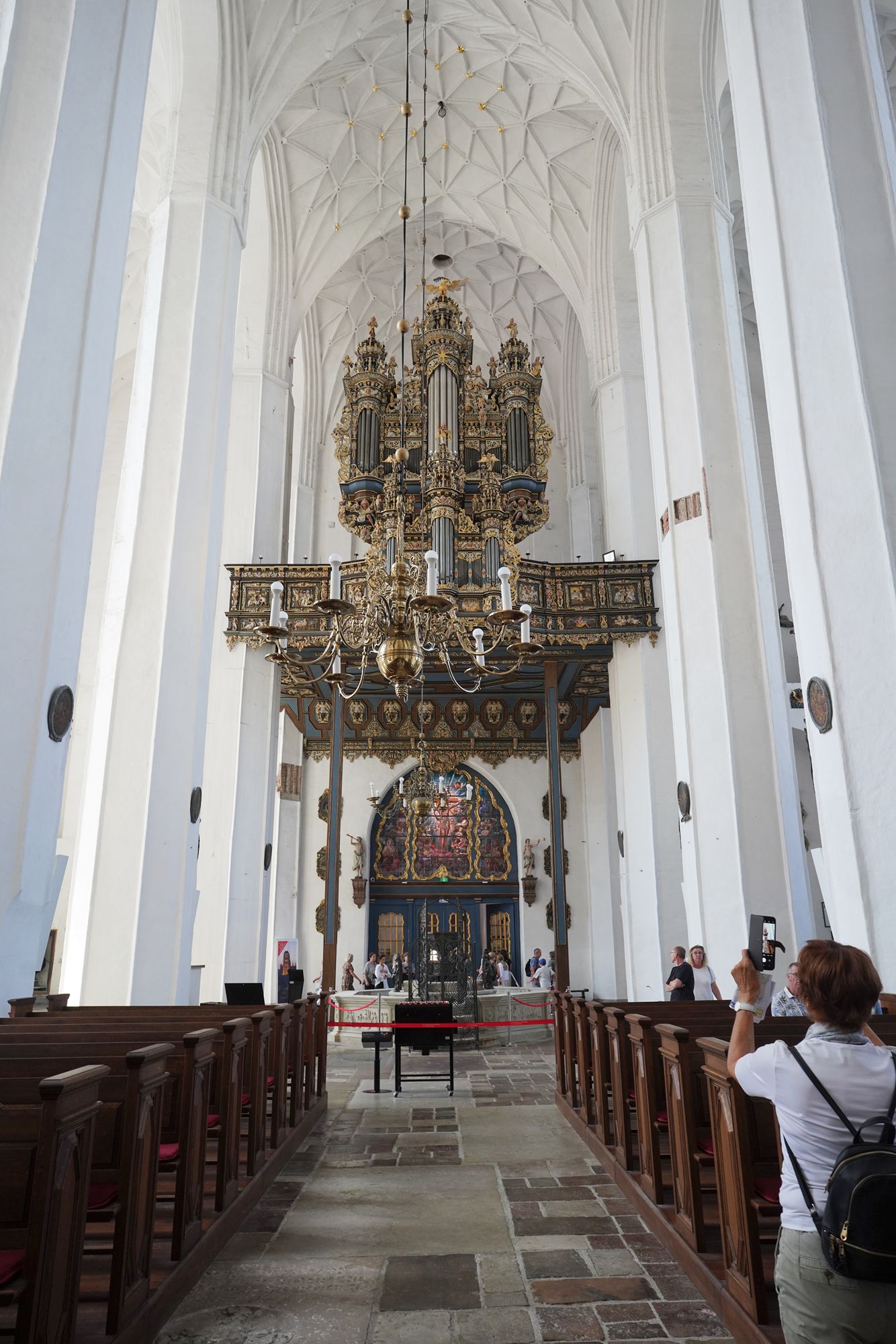
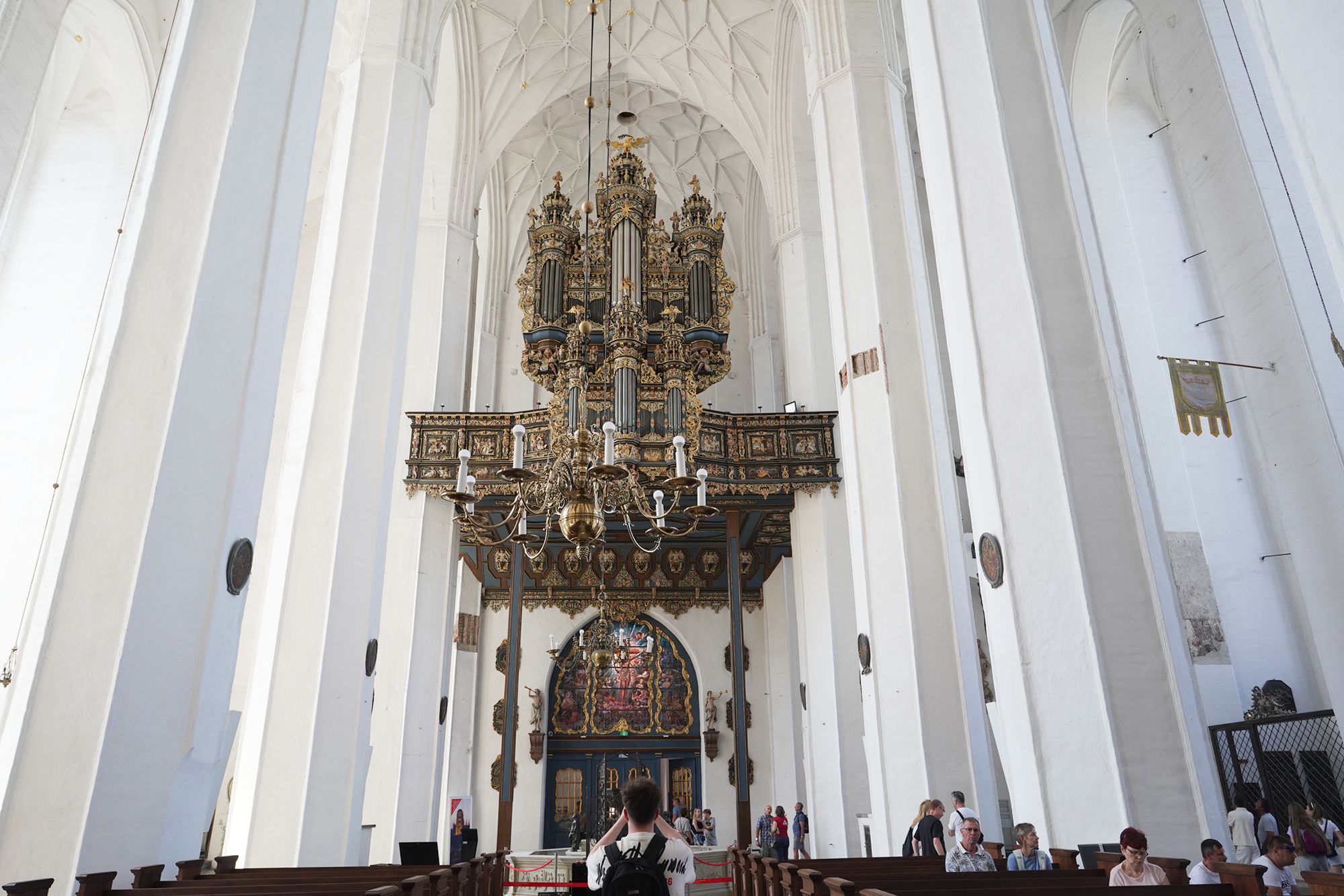
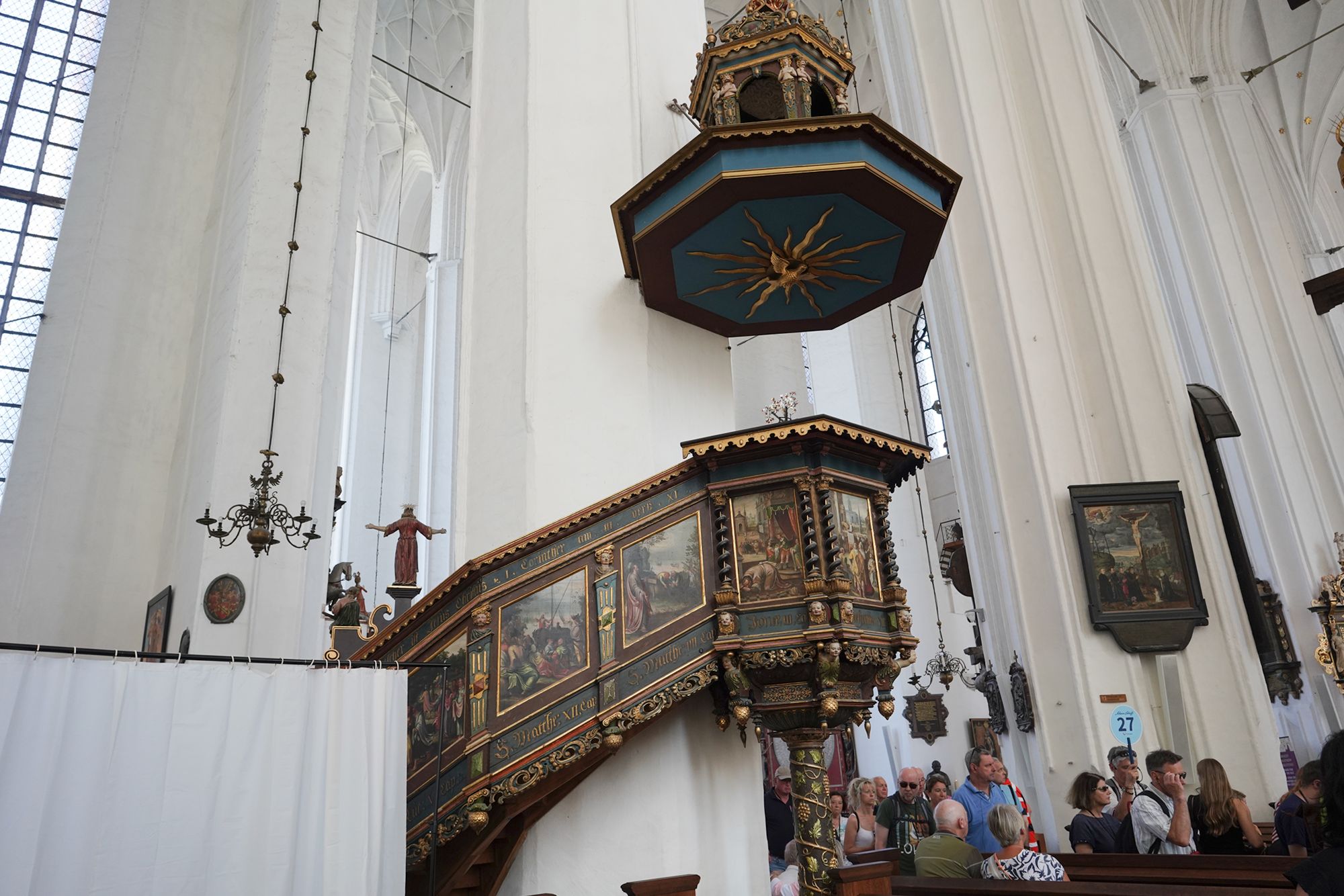
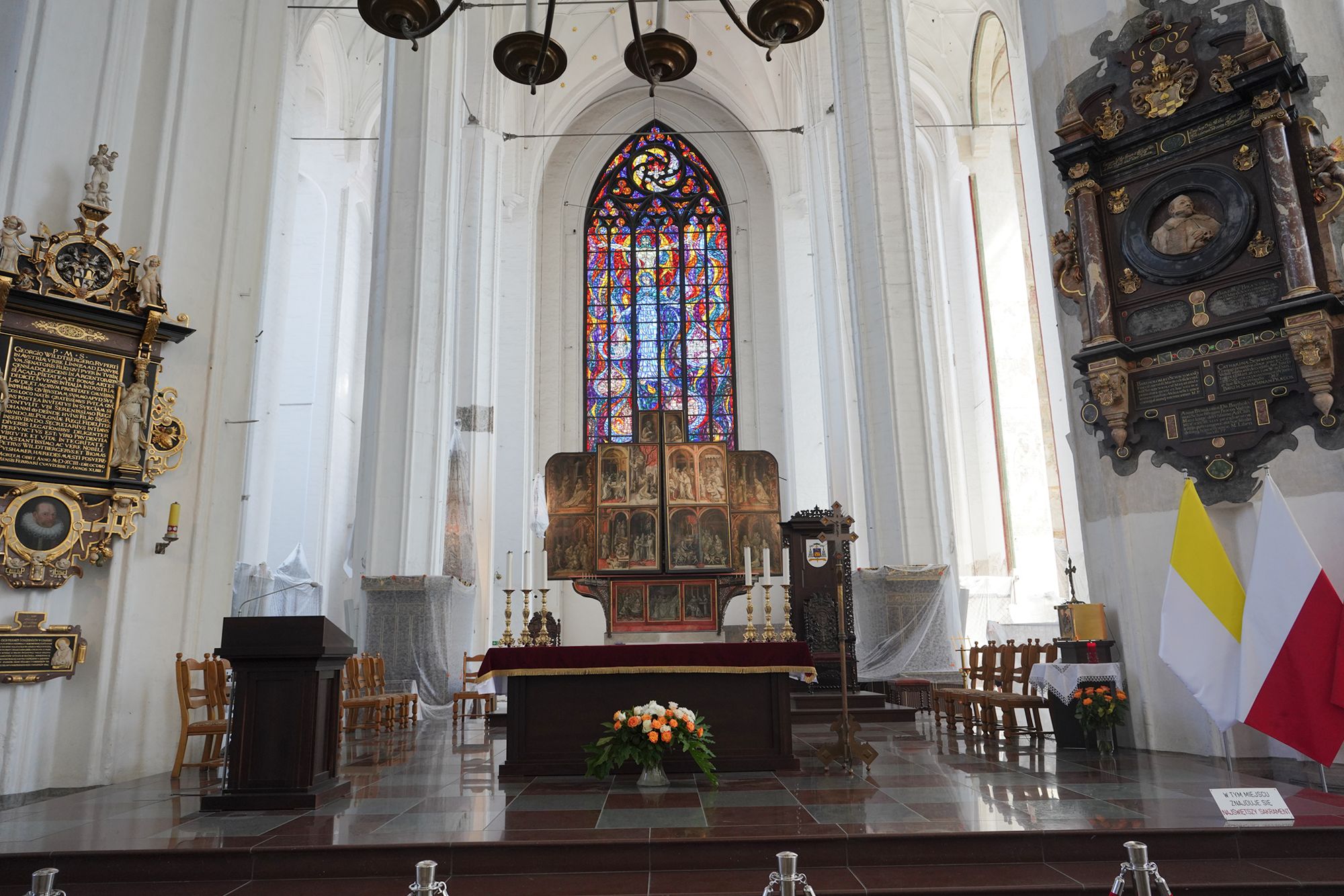
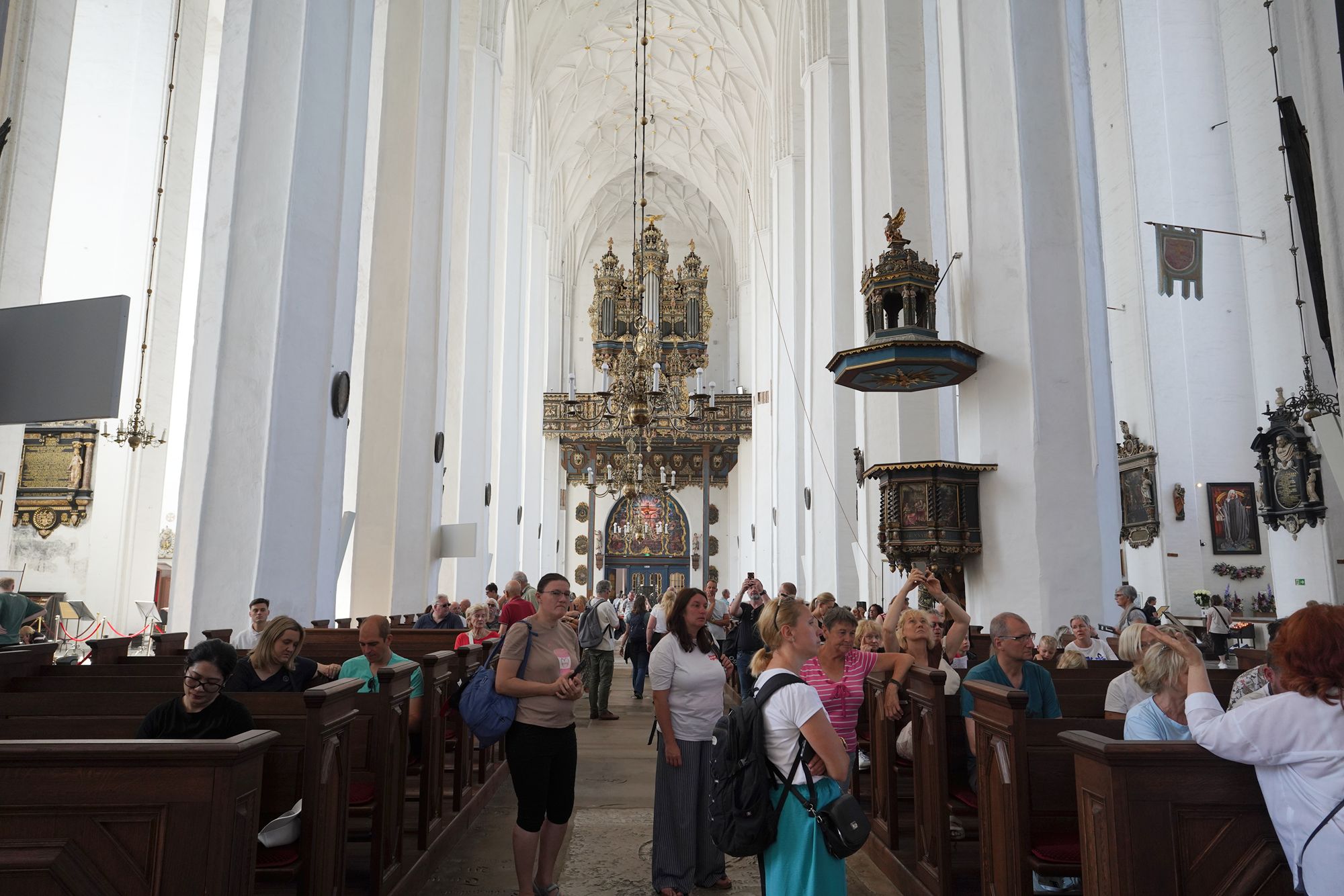
Inside, St. Mary’s Church feels vast, with tall pillars and high Gothic vaults. The church holds many works of art, including a late Gothic oak altar from 1517, a stone Pietà, and an enormous astronomical clock made by Hans Düringer between 1464 and 1470. Tombstones and family epitaphs cover parts of the floor and walls.
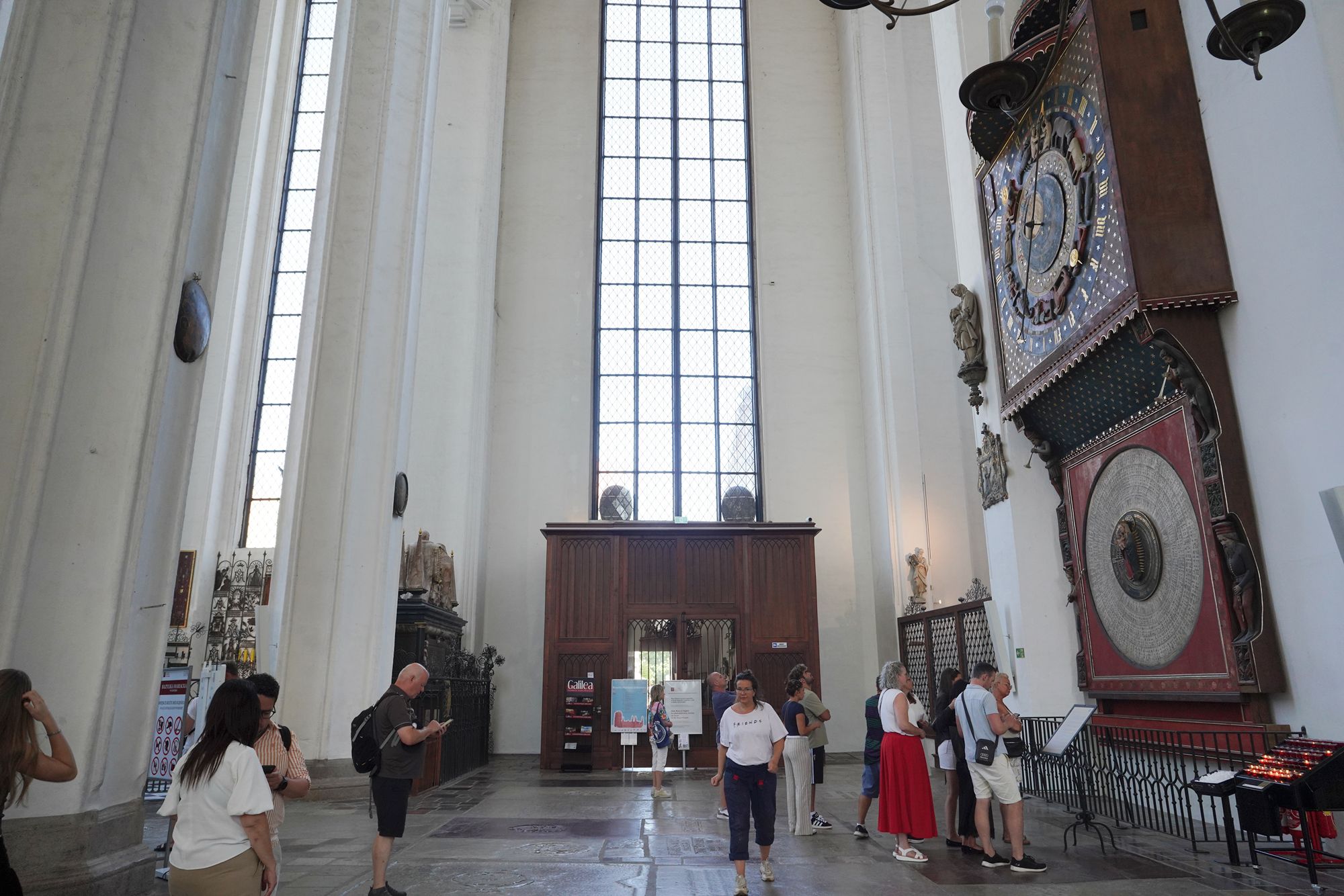
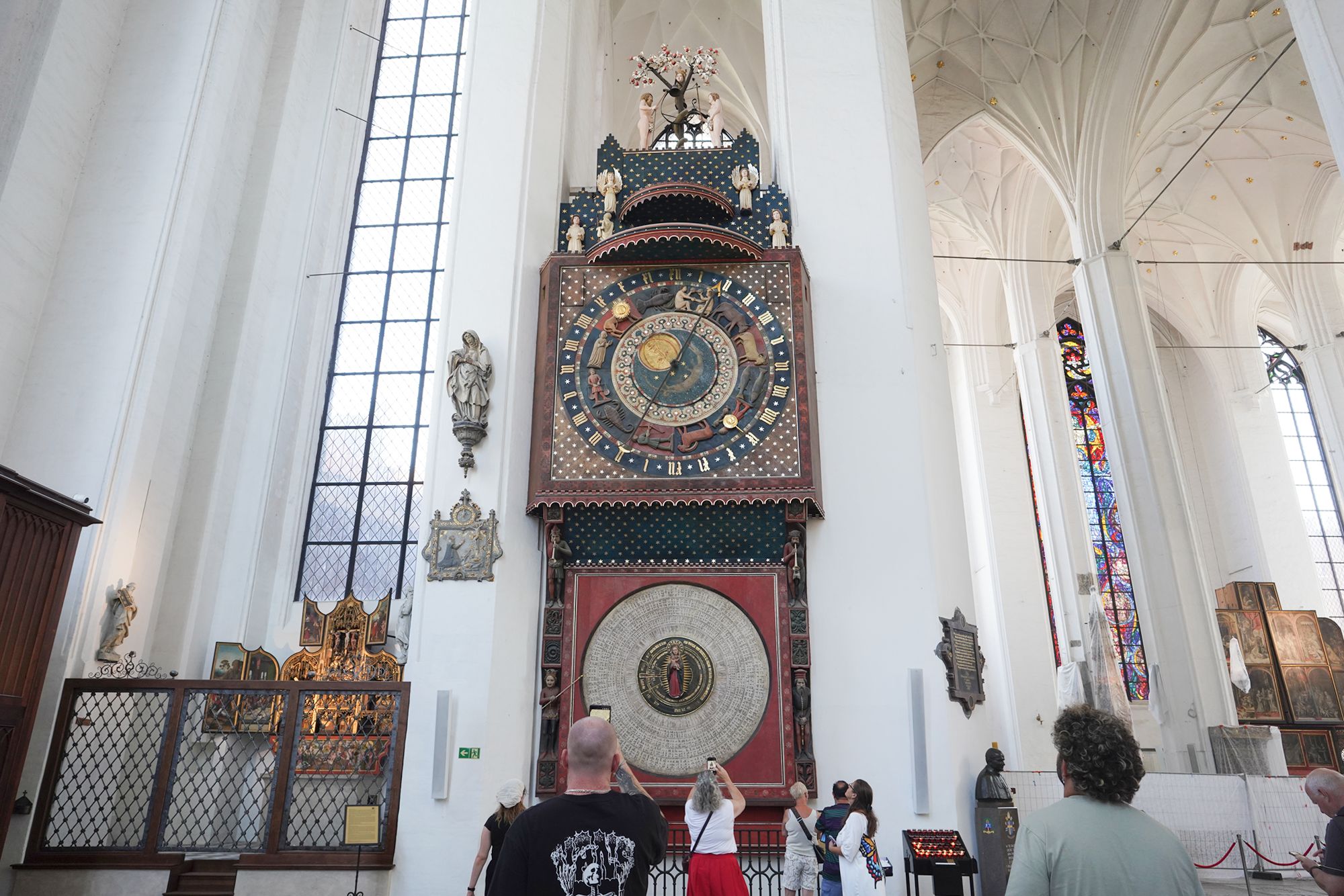
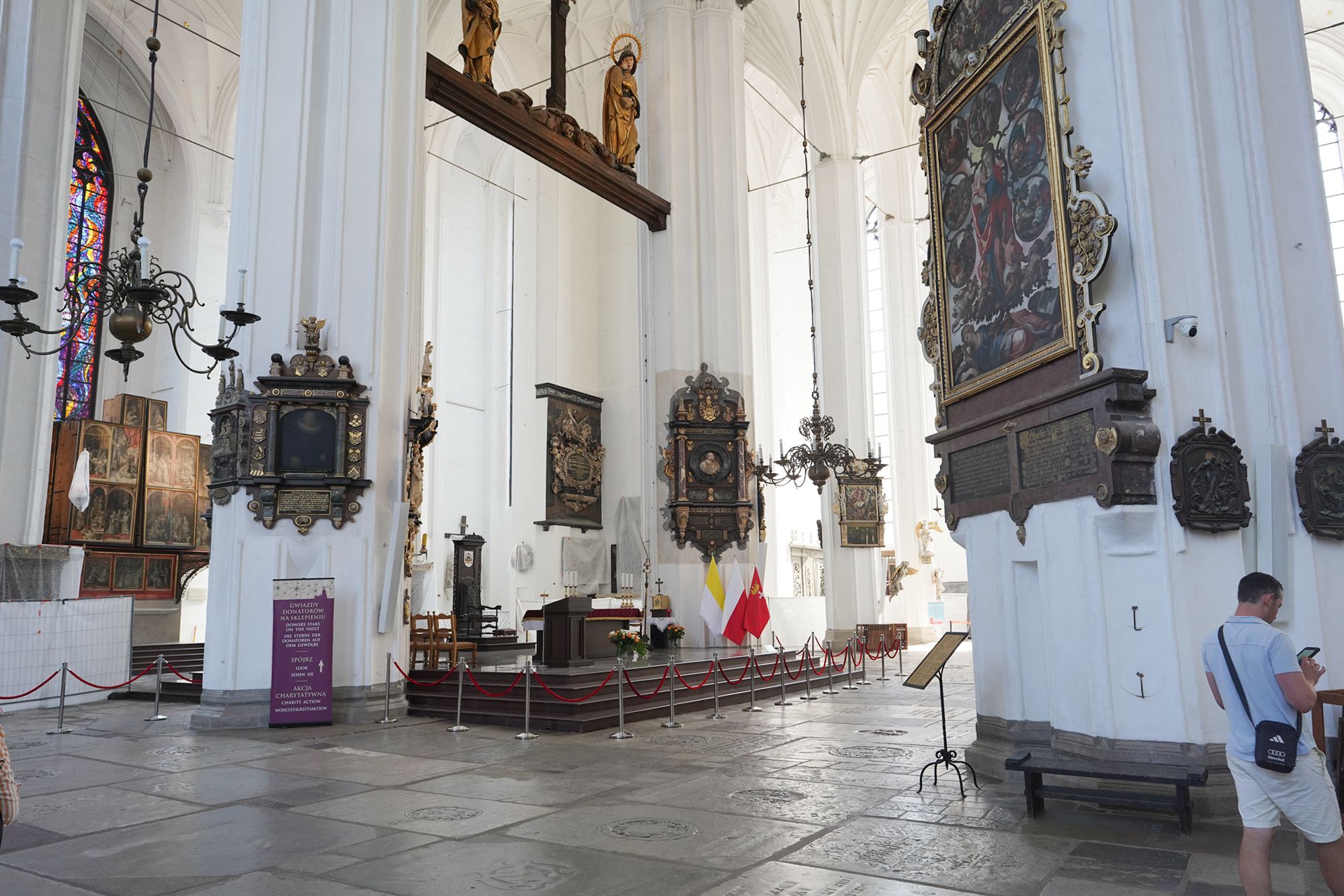
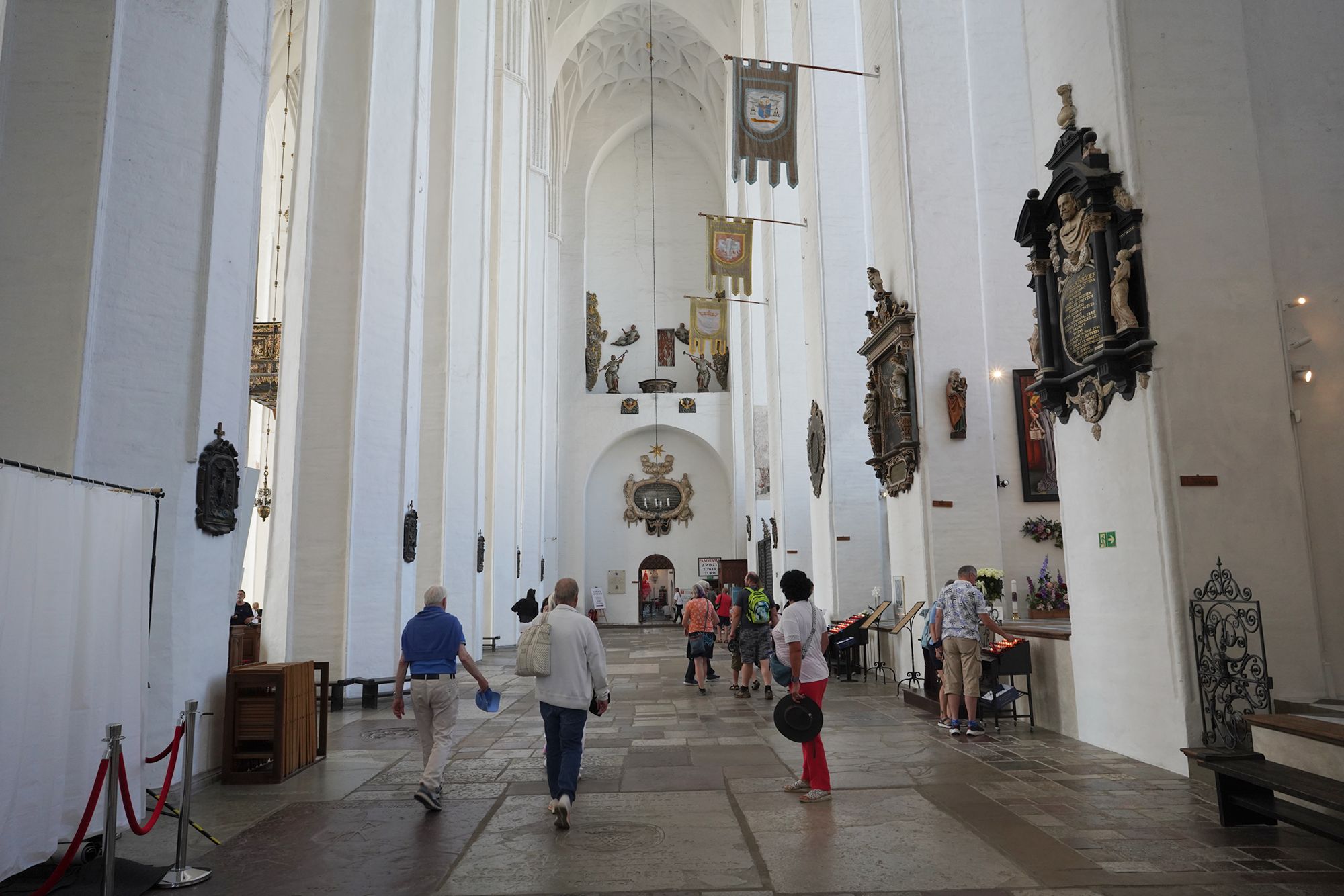
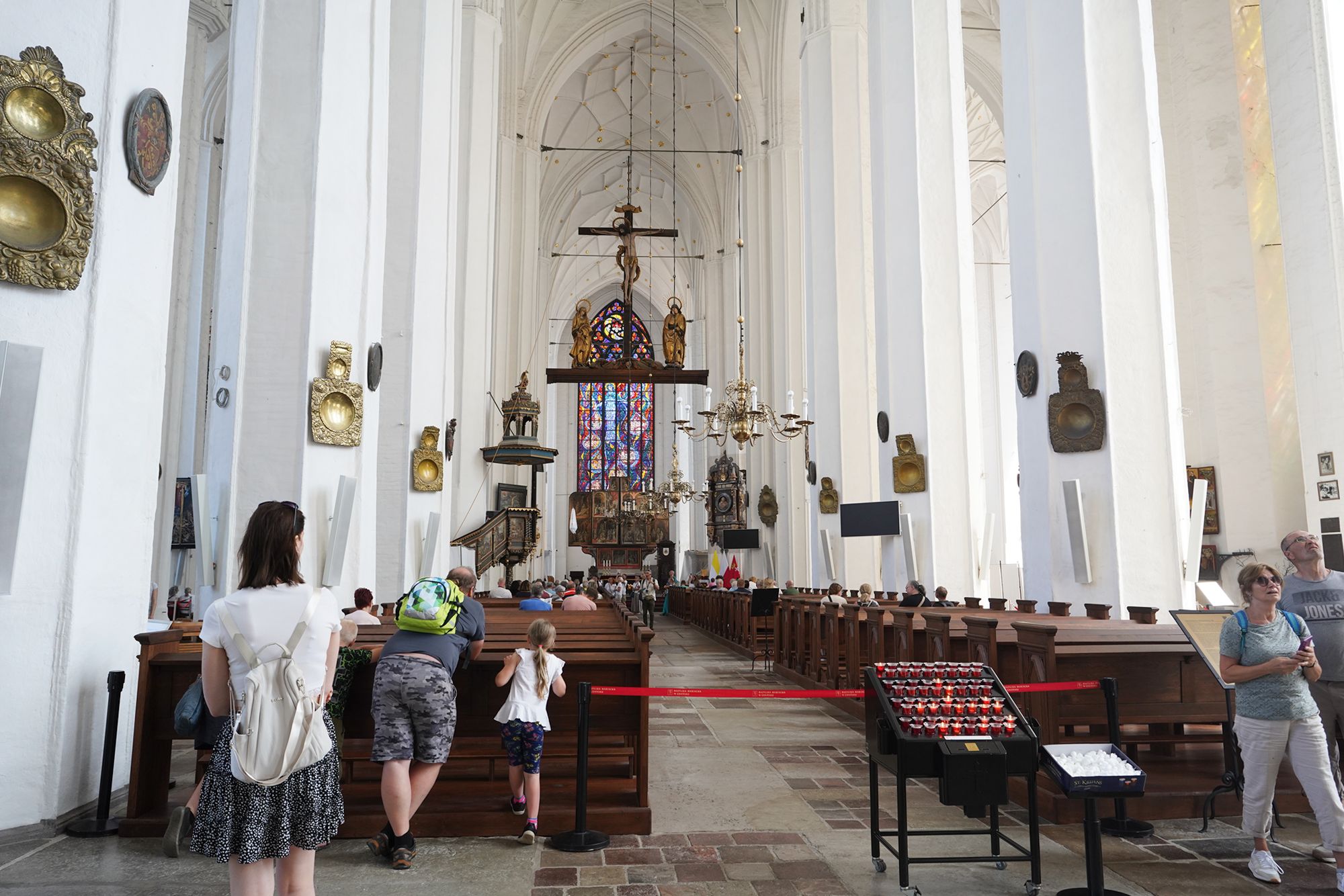
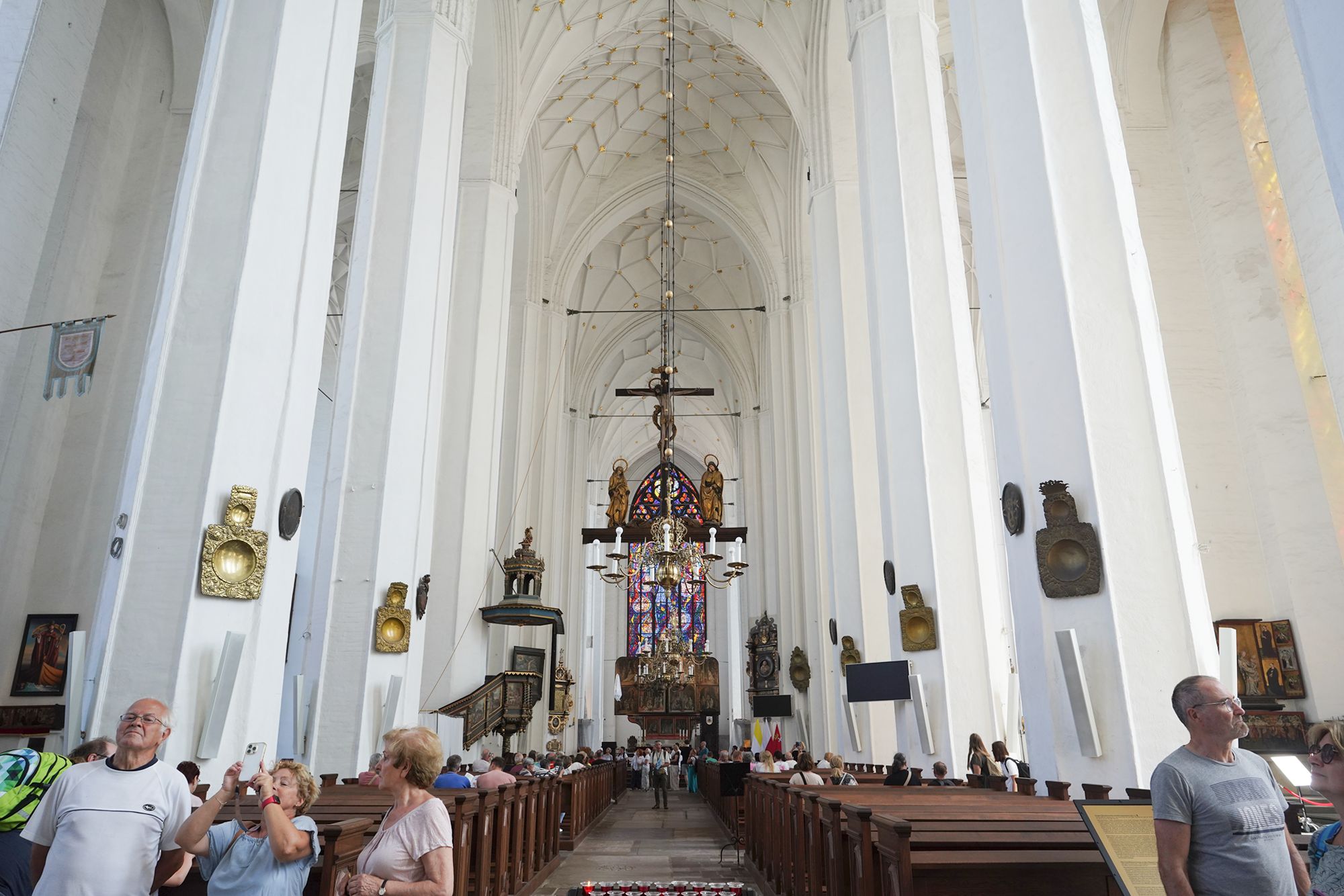
I came back out onto the street.
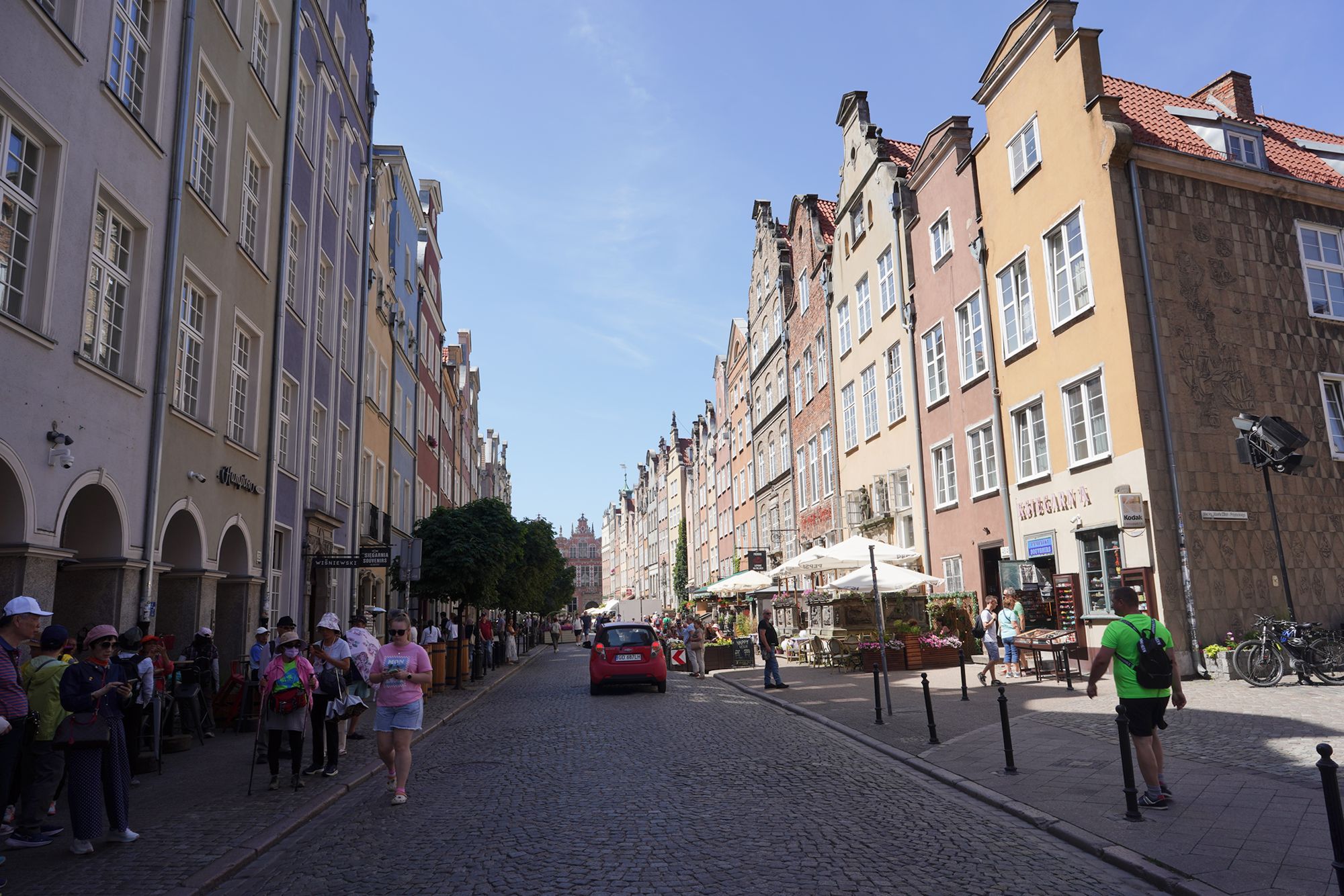
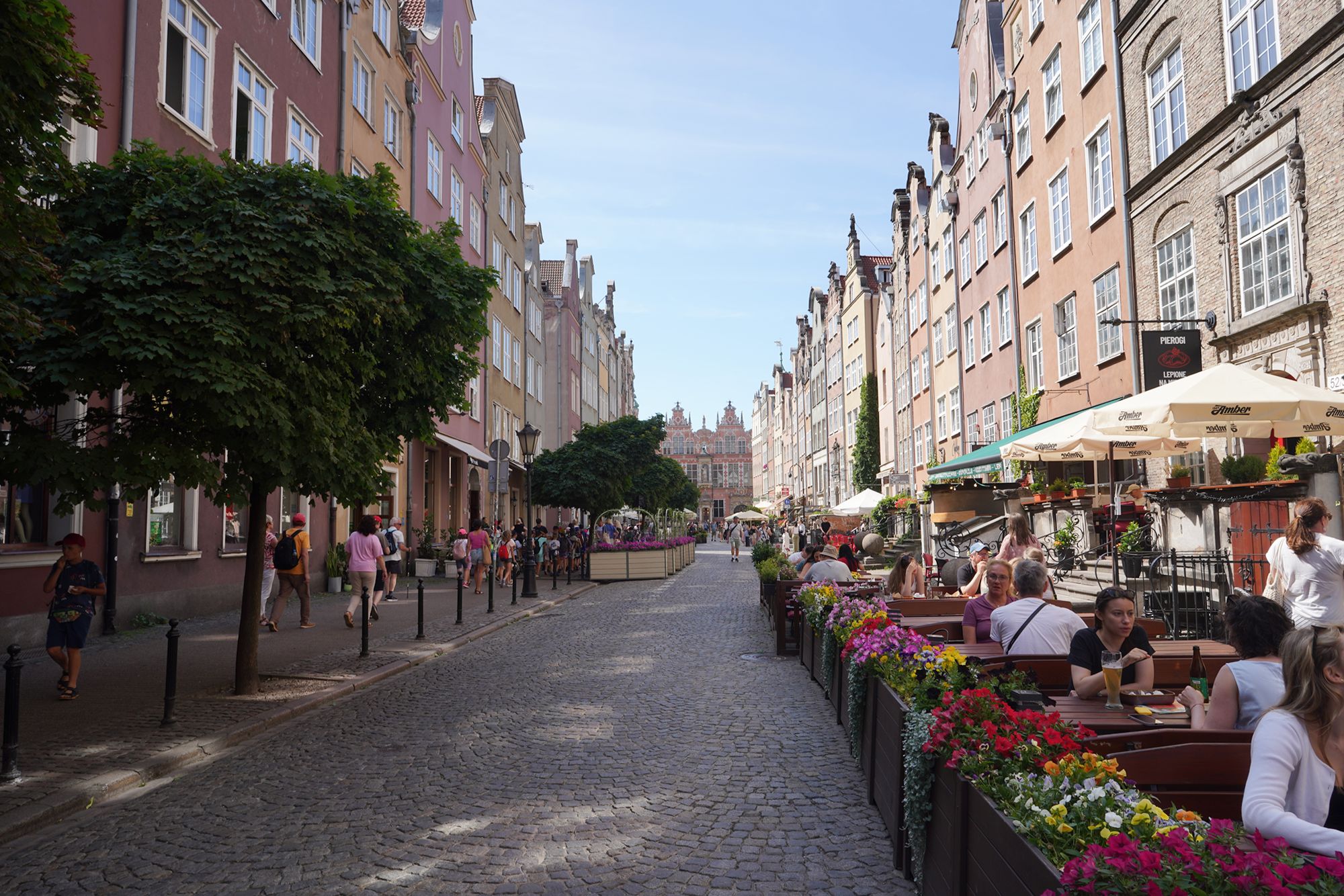
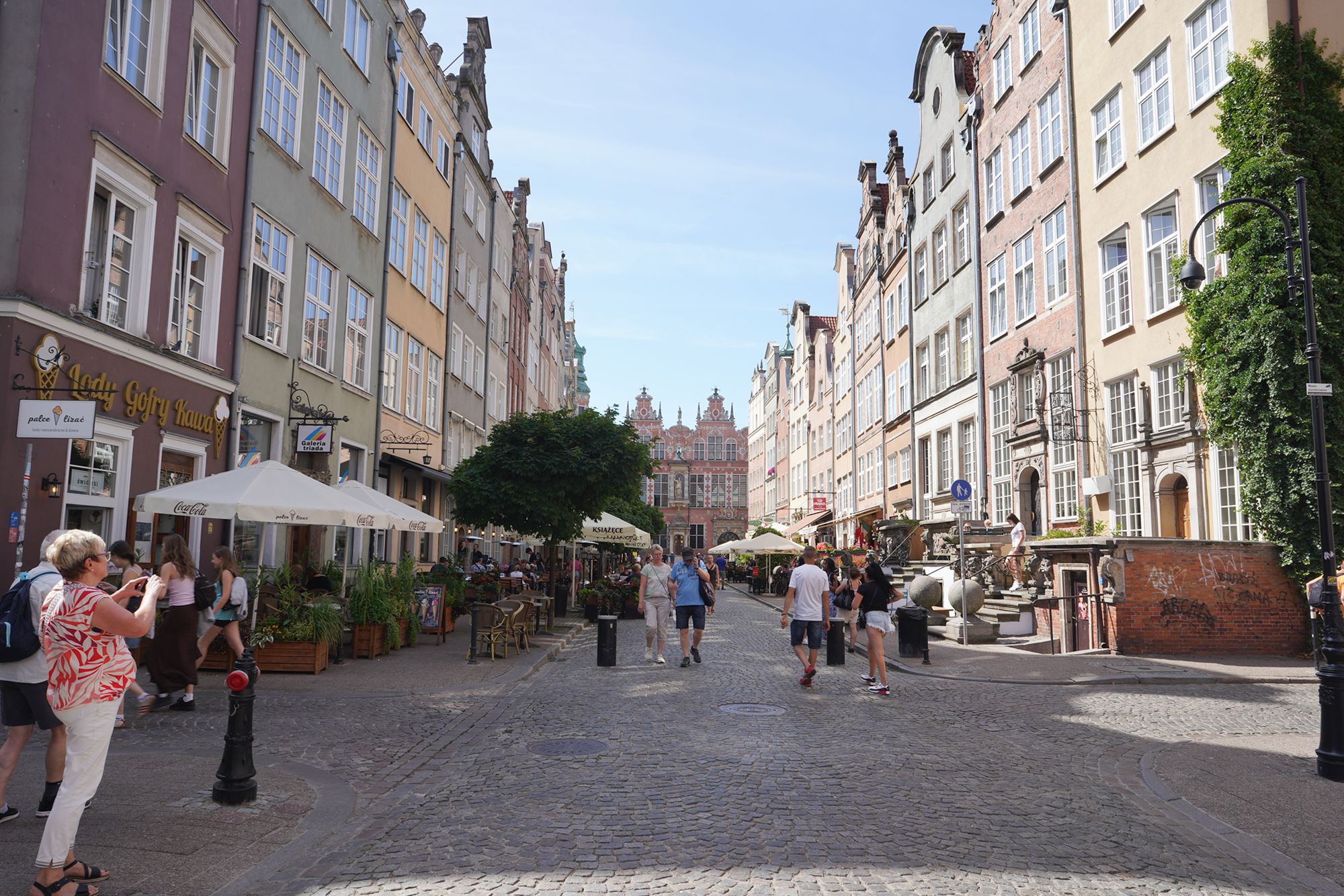
A view of a side street
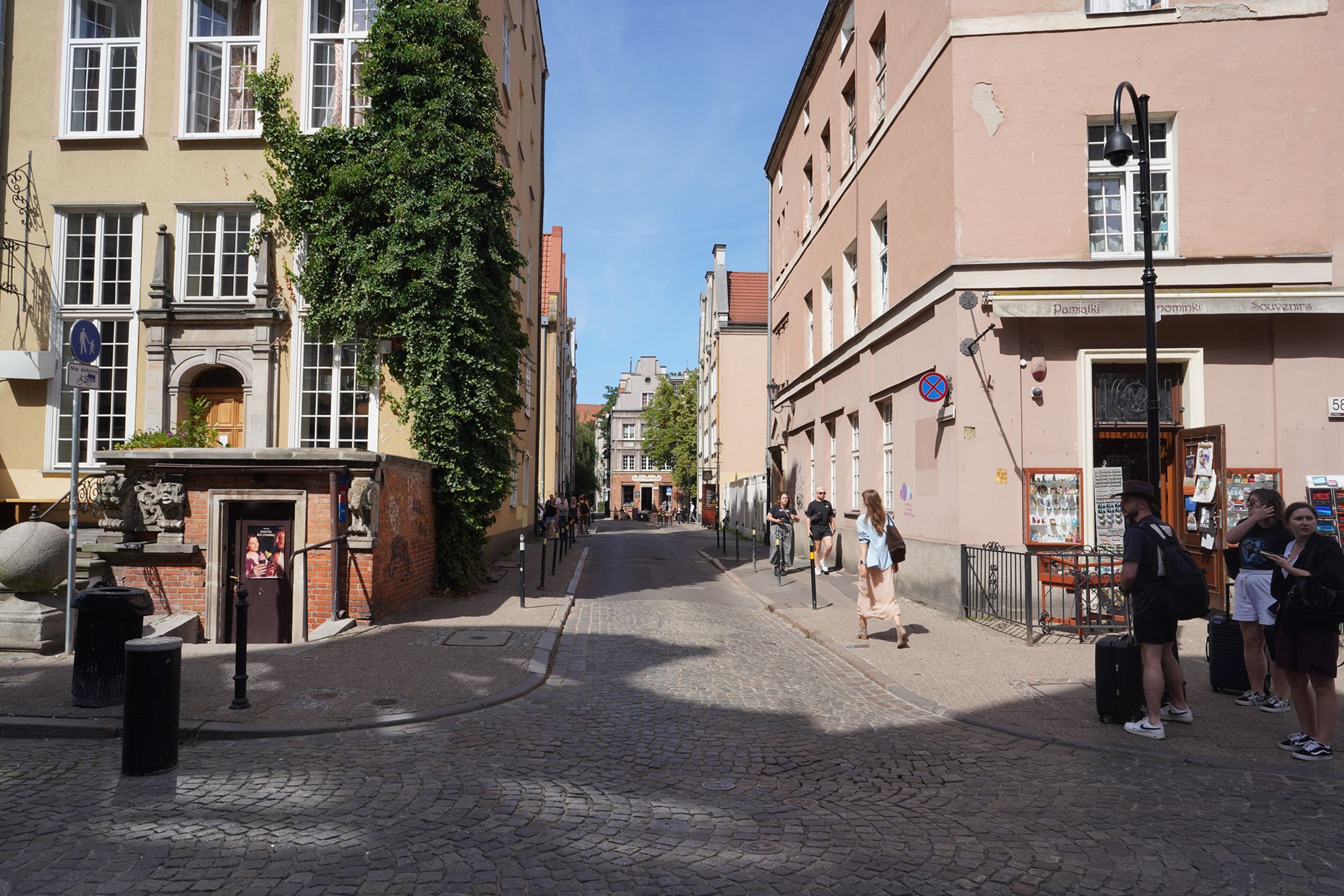
A view behind me
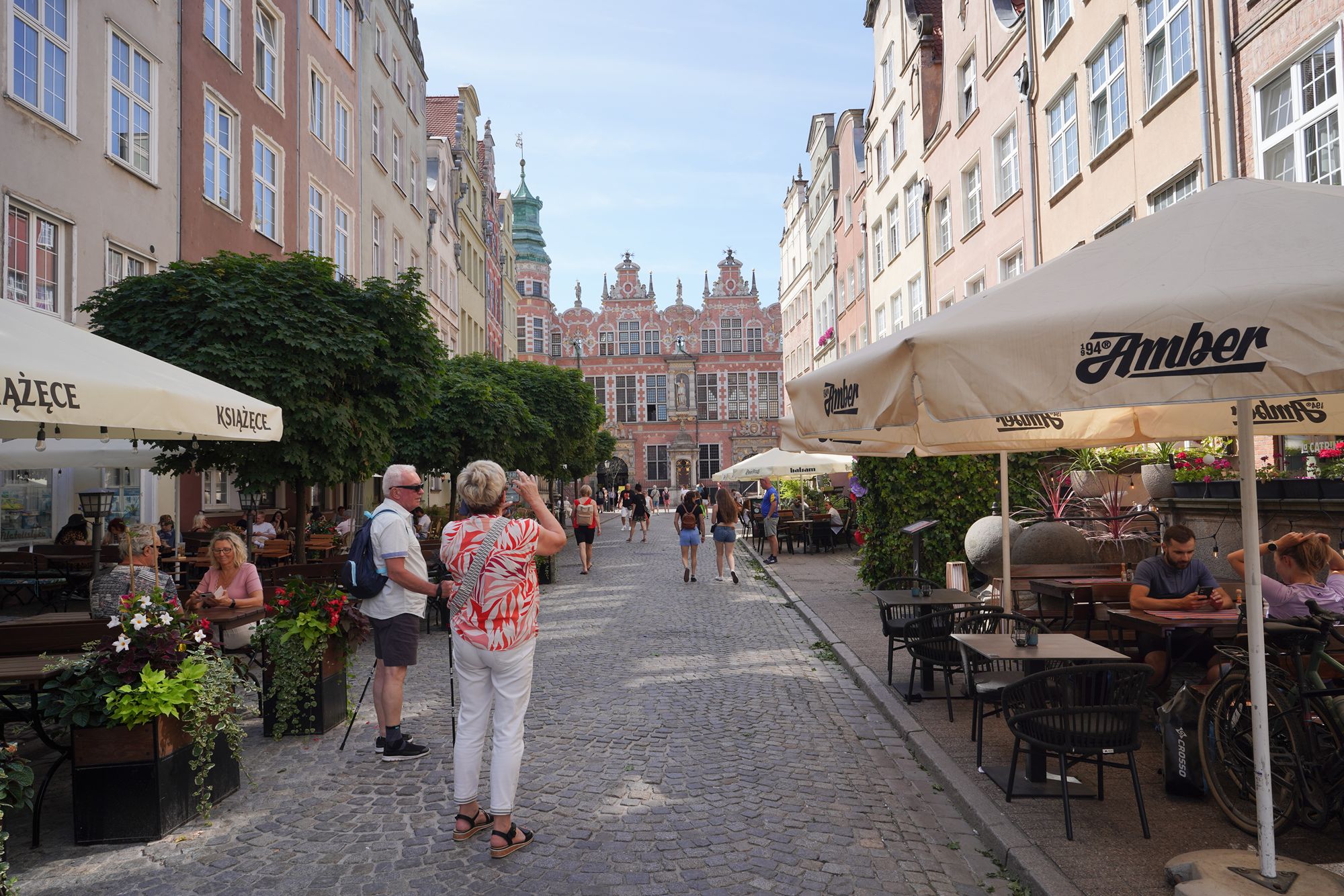
The Great Armoury (Wielka Zbrojownia) was built between 1600 and 1605 as Gdańsk’s main storehouse for weapons and ammunition. Its ornate brick façade, with sculpted details and exploding-grenade motifs, reflects Dutch Mannerist architecture. Today, the building houses Gdańsk’s Academy of Fine Arts.
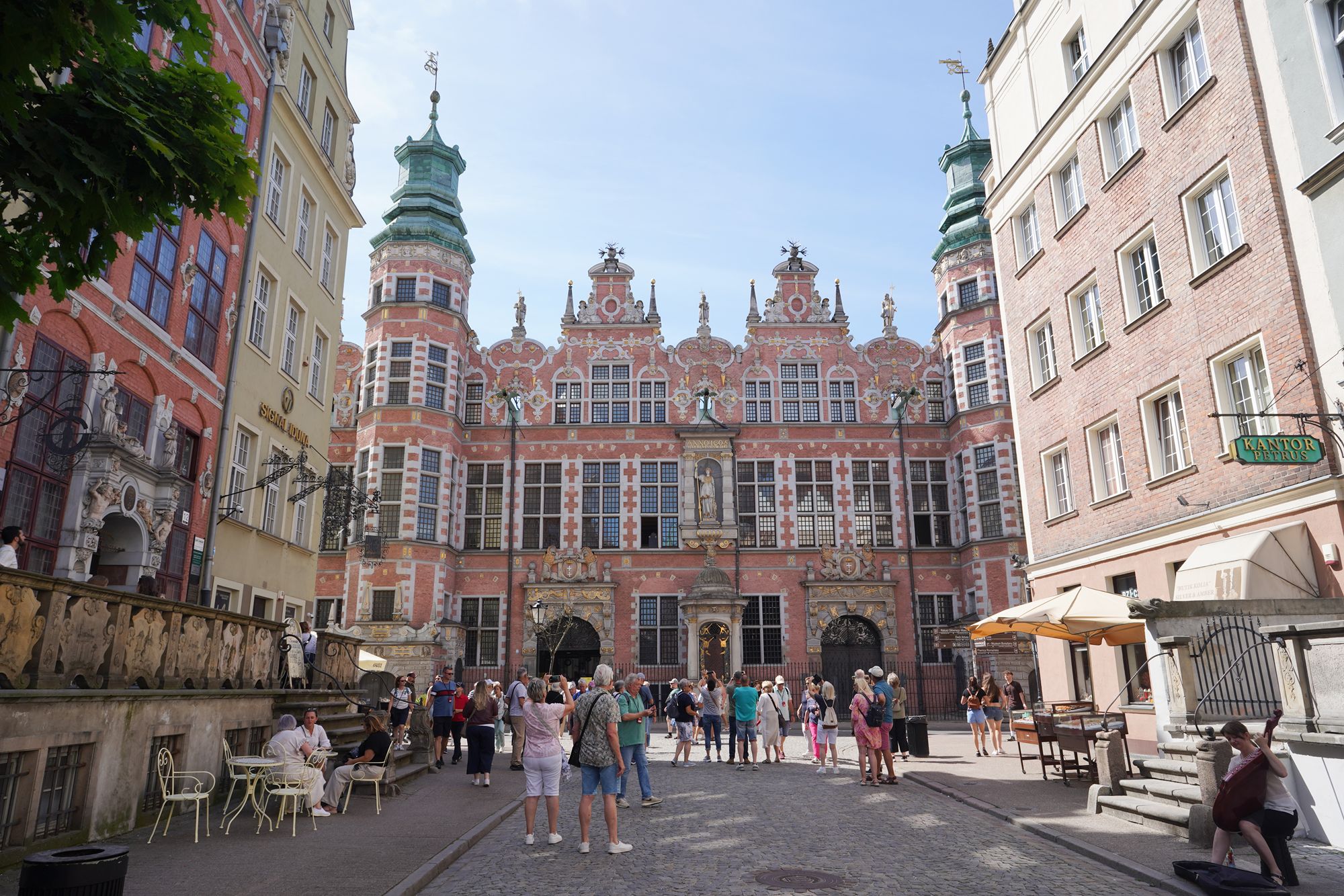
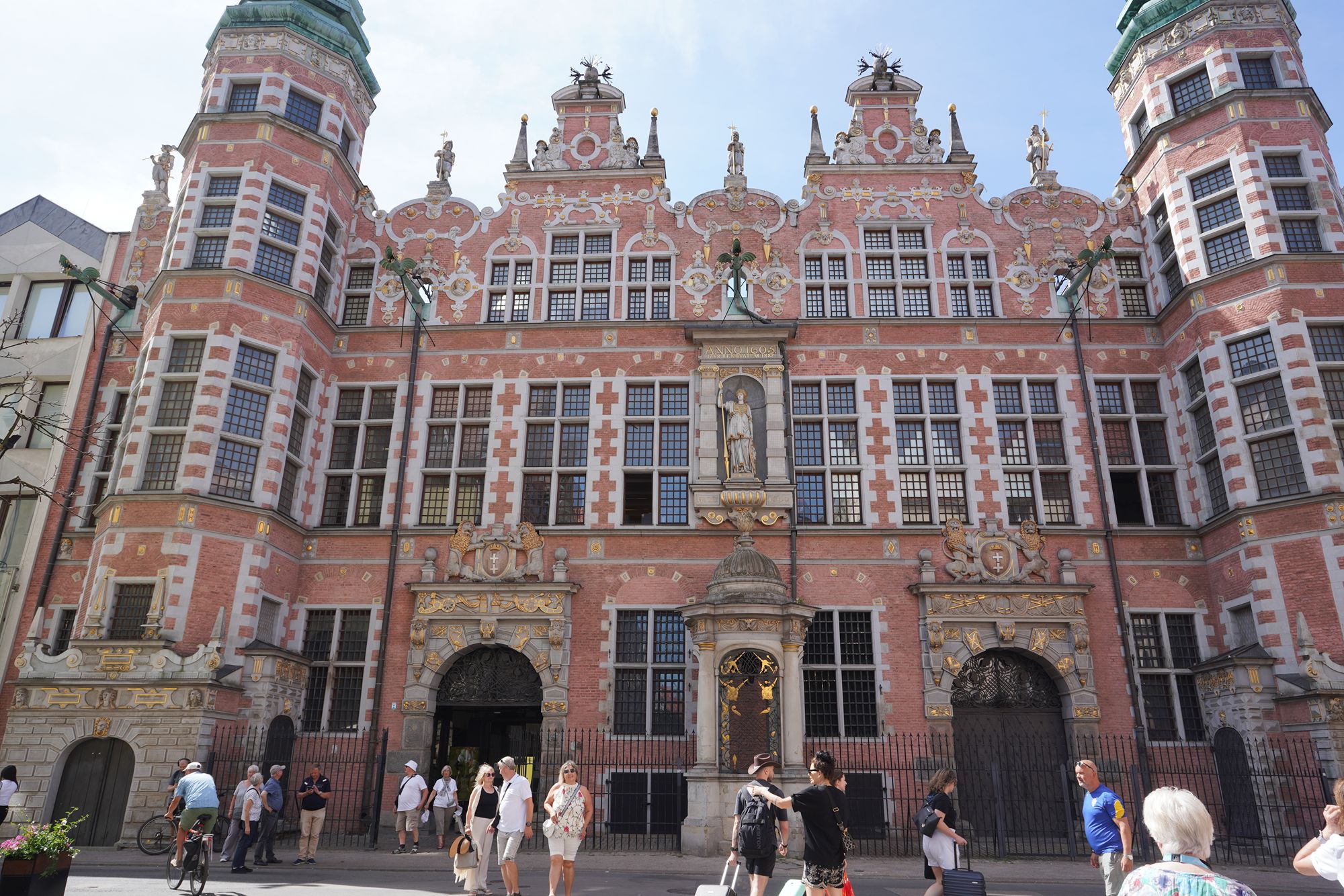
After leaving the Great Armoury, I turned right onto Węglarska Street.
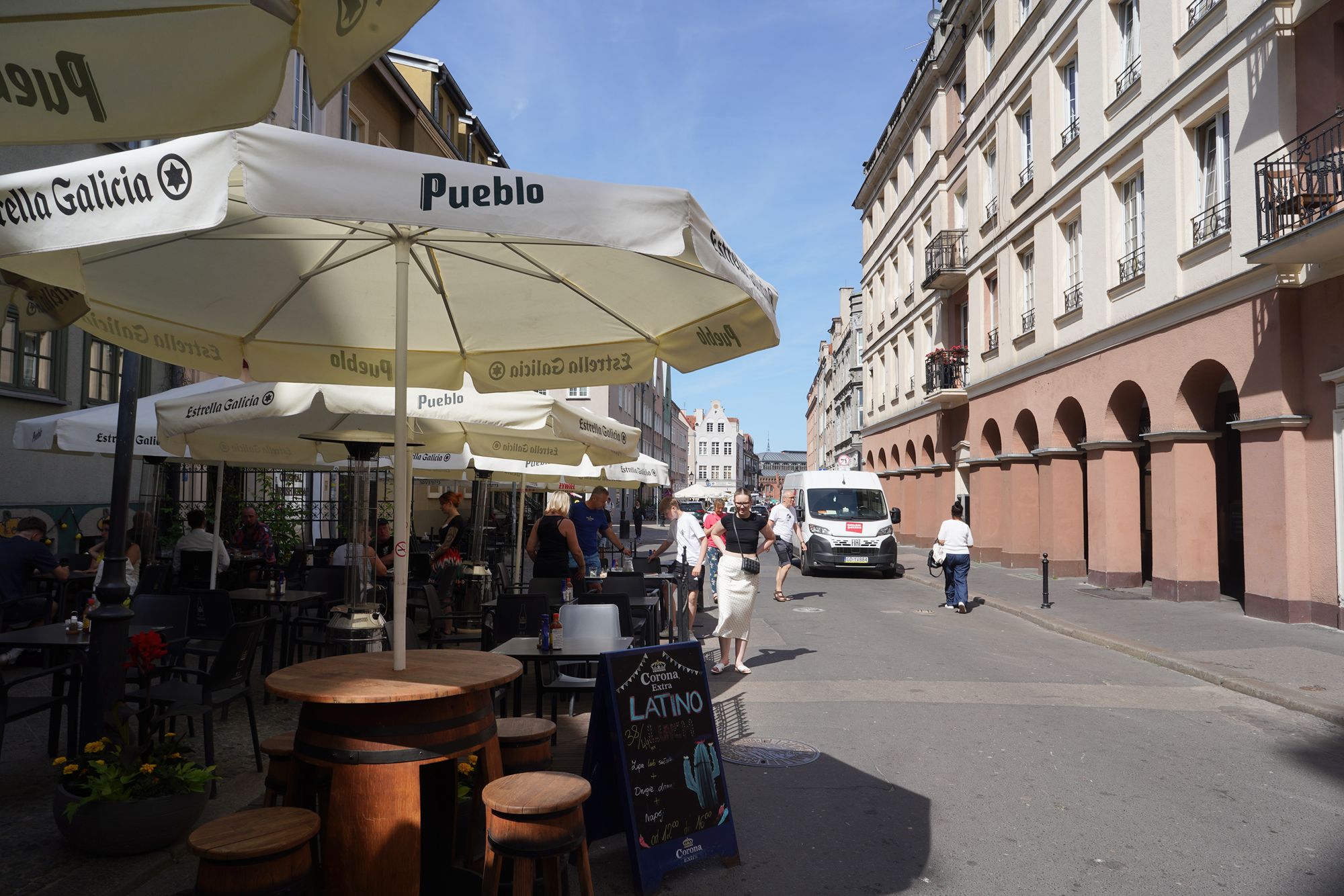
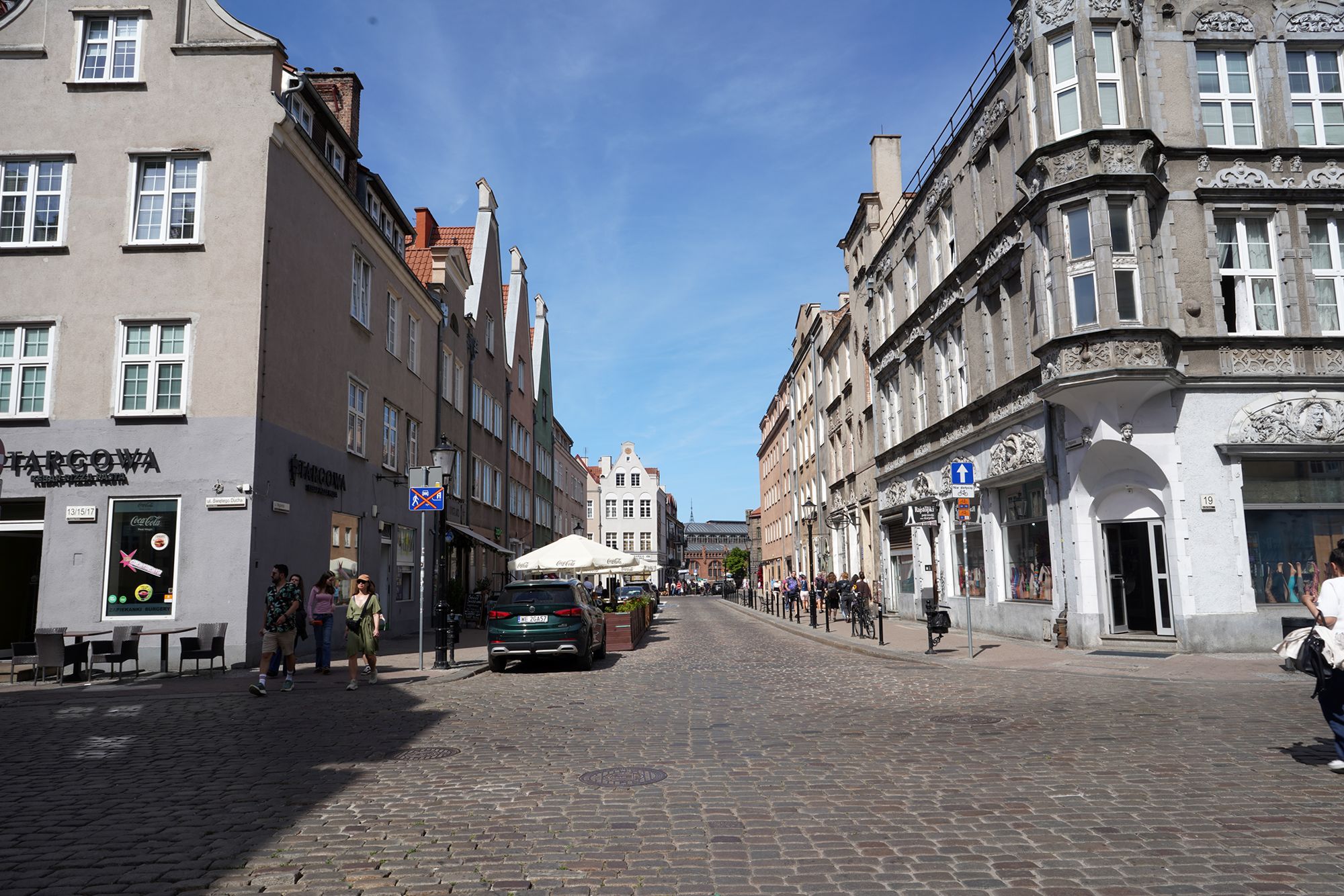
A view of the street on my left
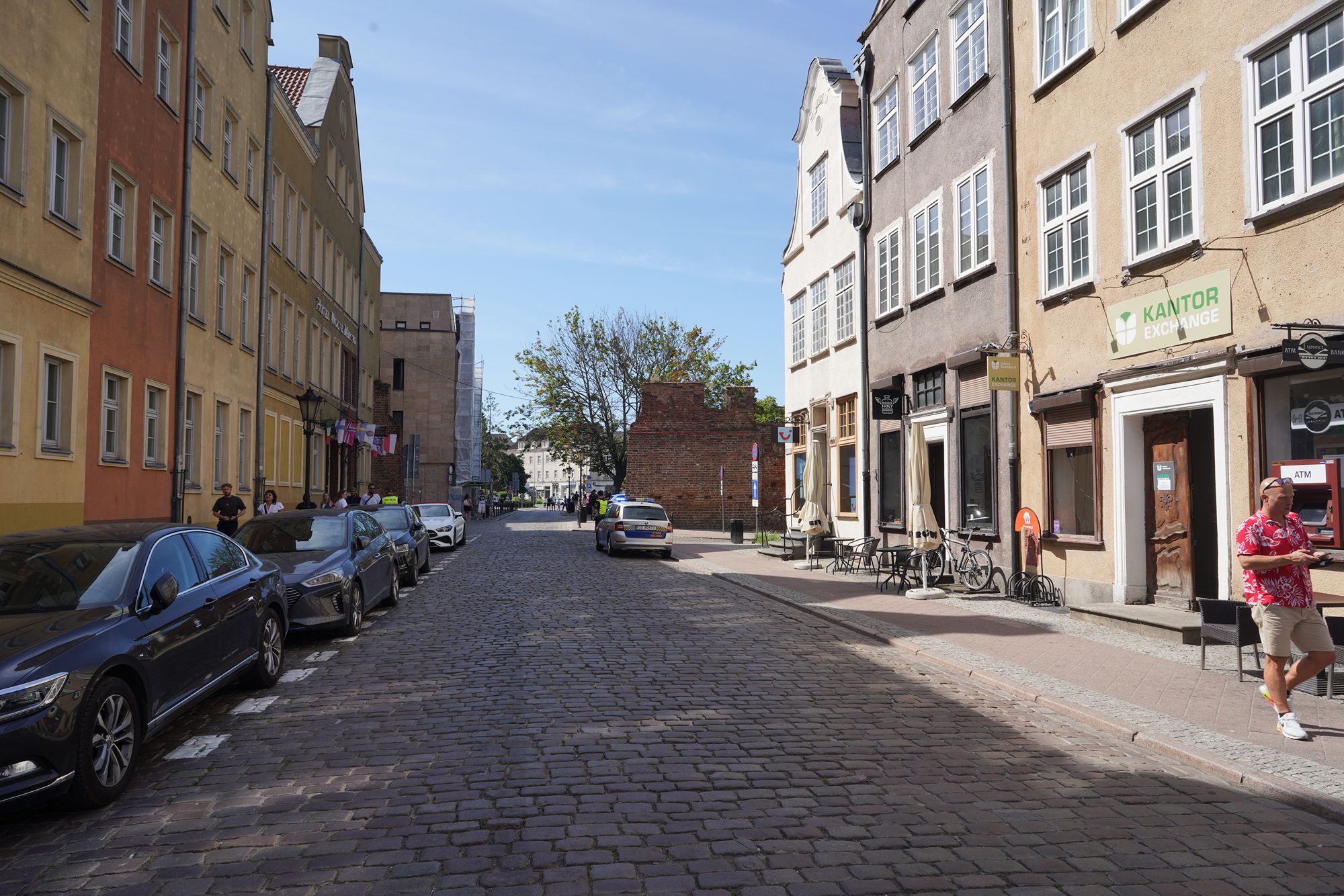
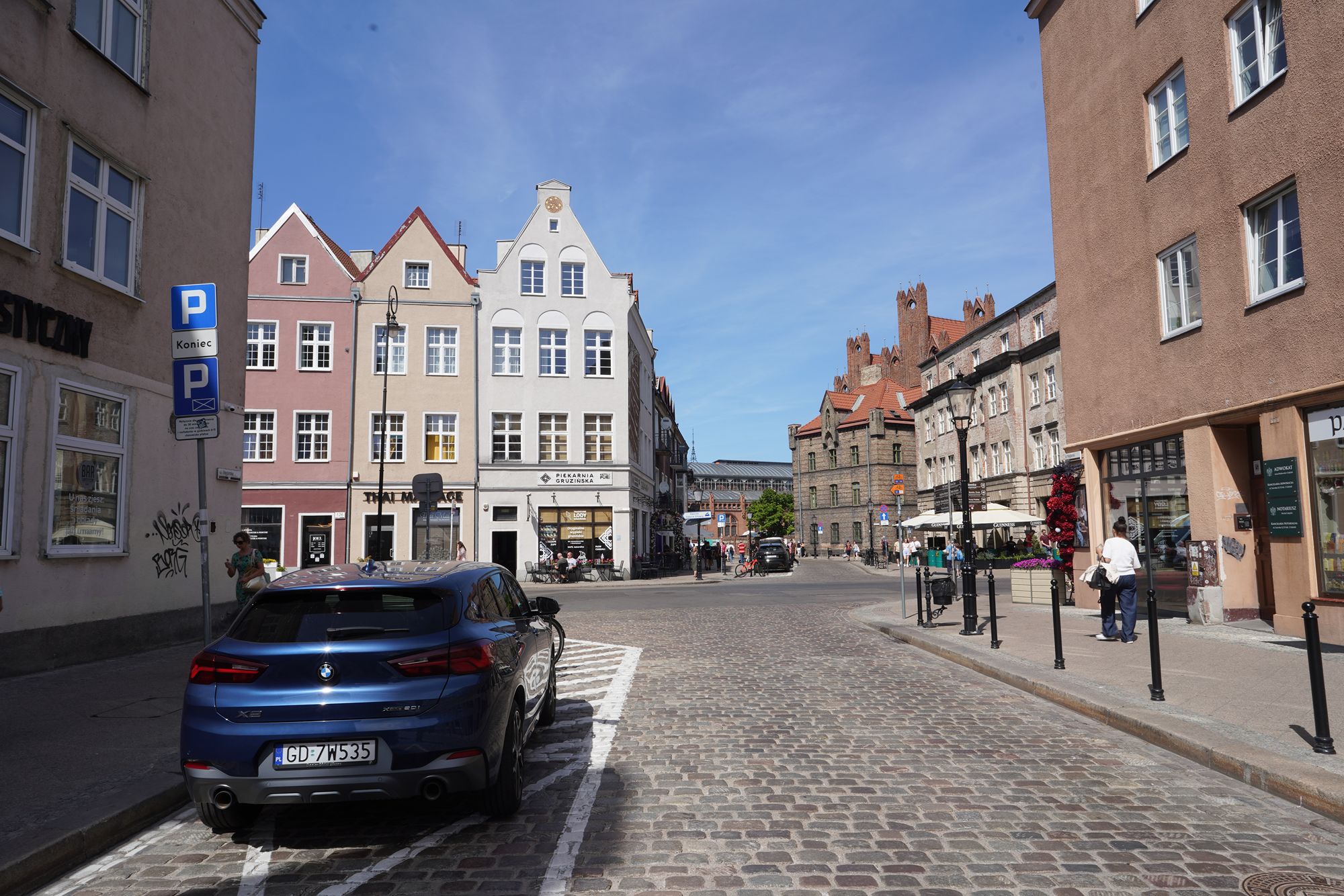
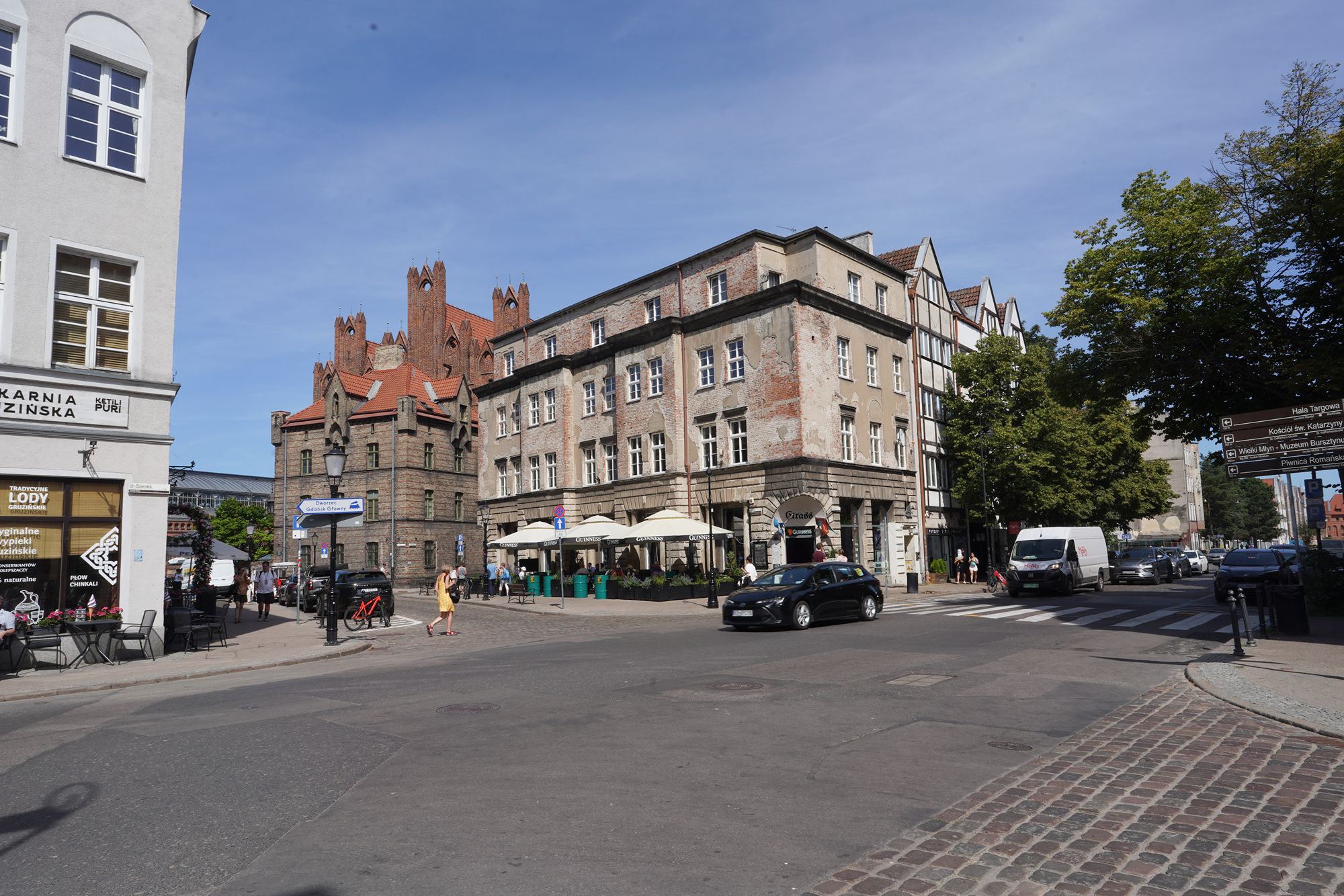
The Basilica of St. Nicholas is one of Gdańsk’s oldest churches. Its history reaches back to the 12th century, and in 1227 the Pomeranian duke Świętopełk entrusted it to the Dominican friars. The church survived World War II with little damage, unlike much of central Gdańsk. Today it remains an active Dominican church.
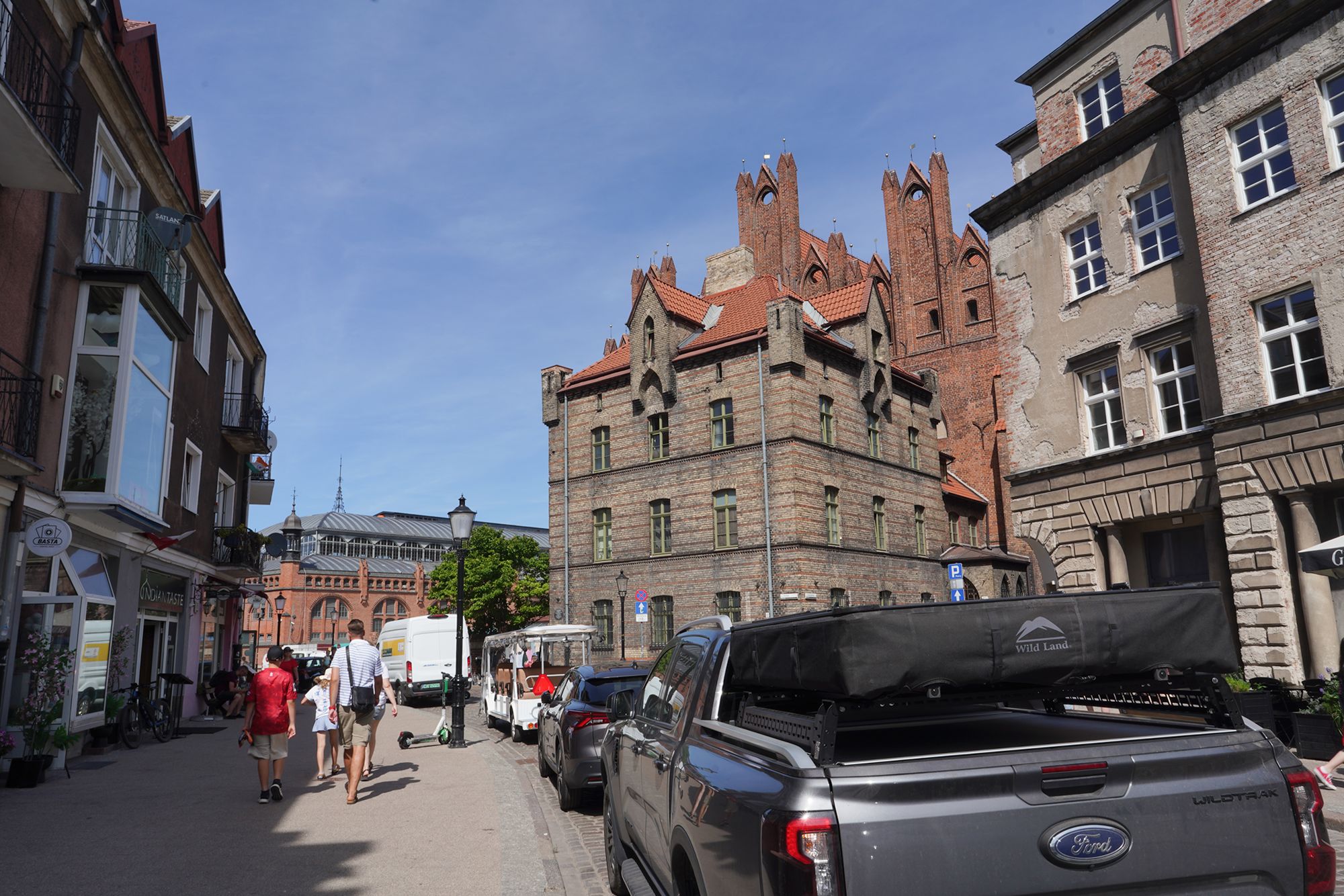
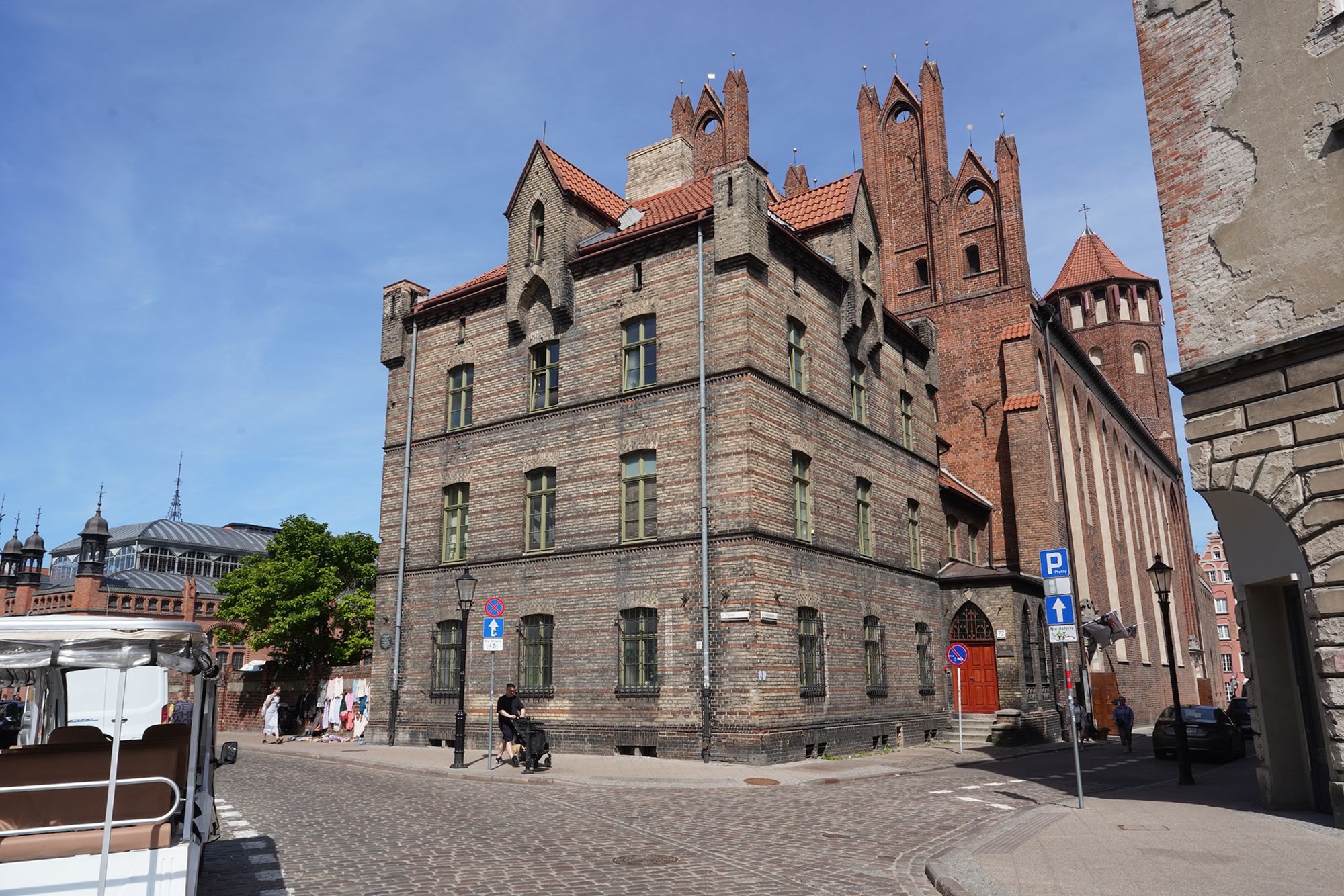
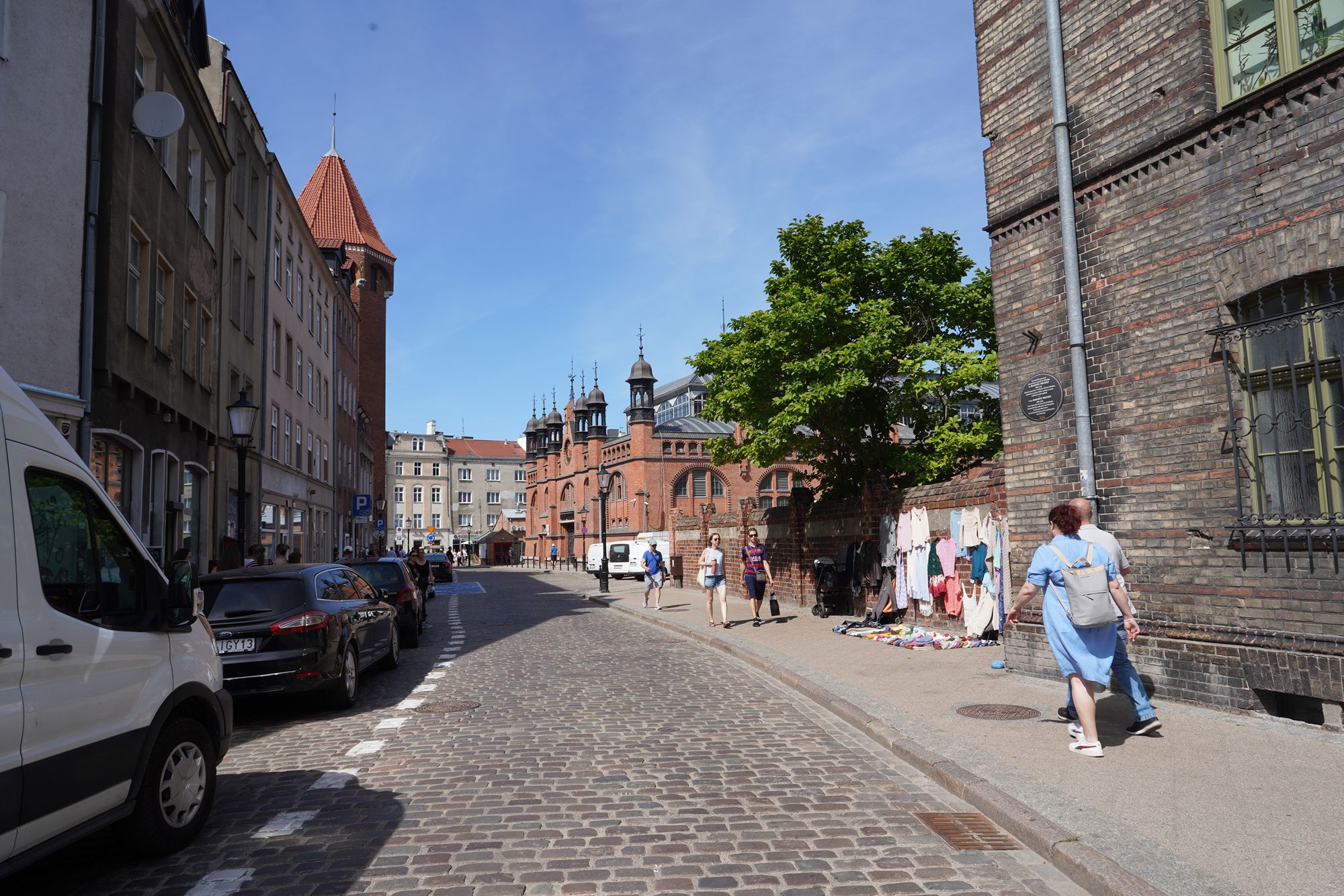
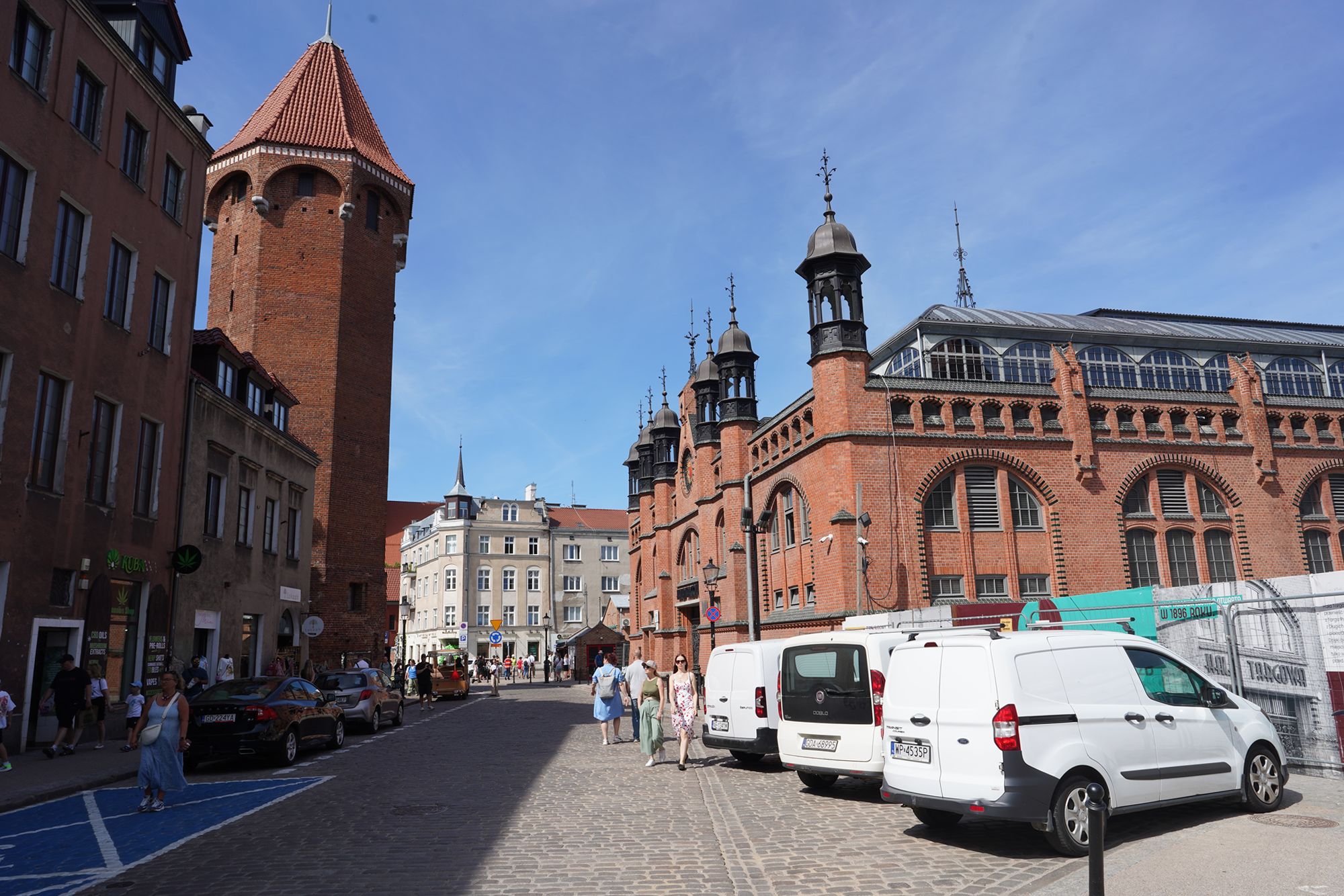
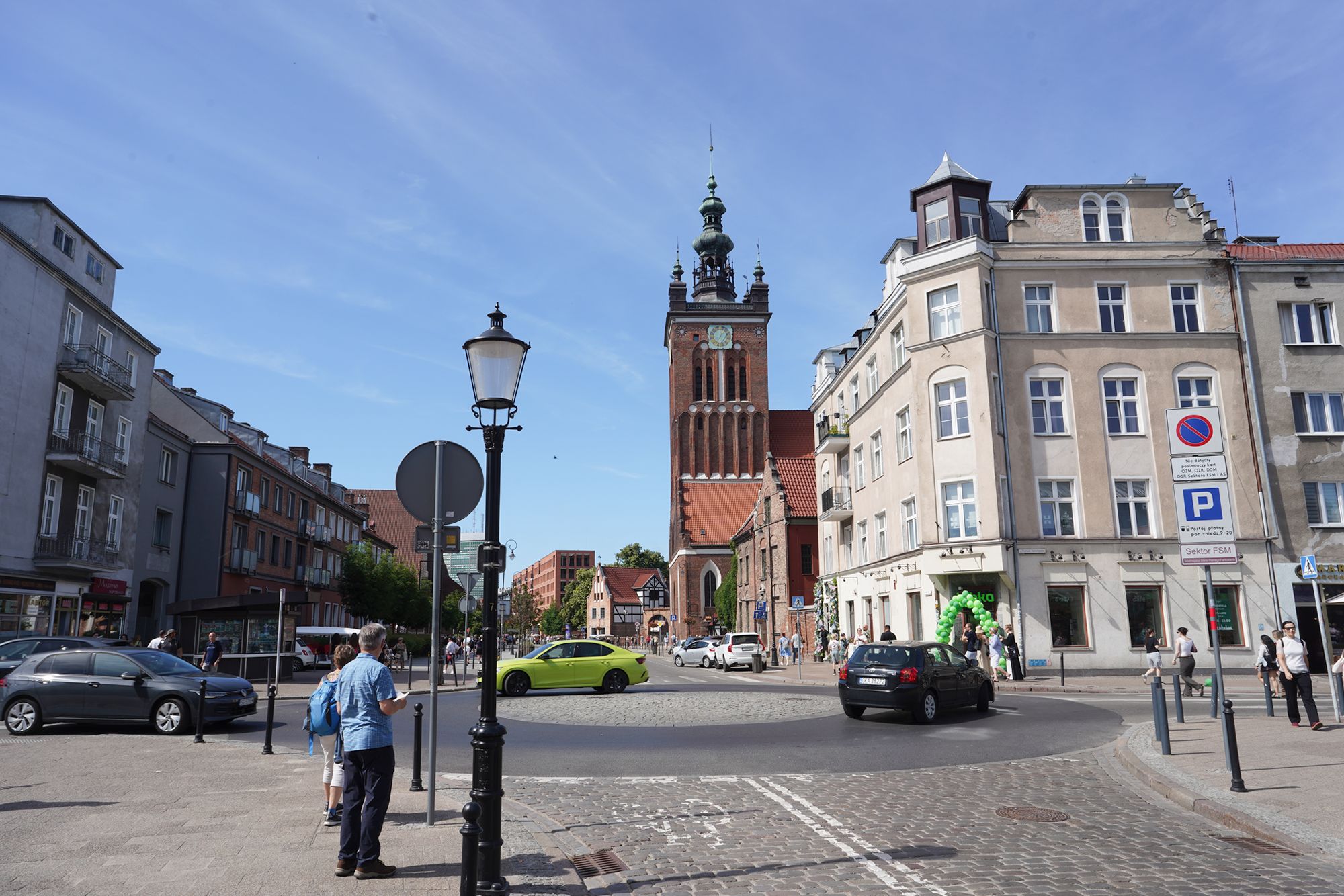
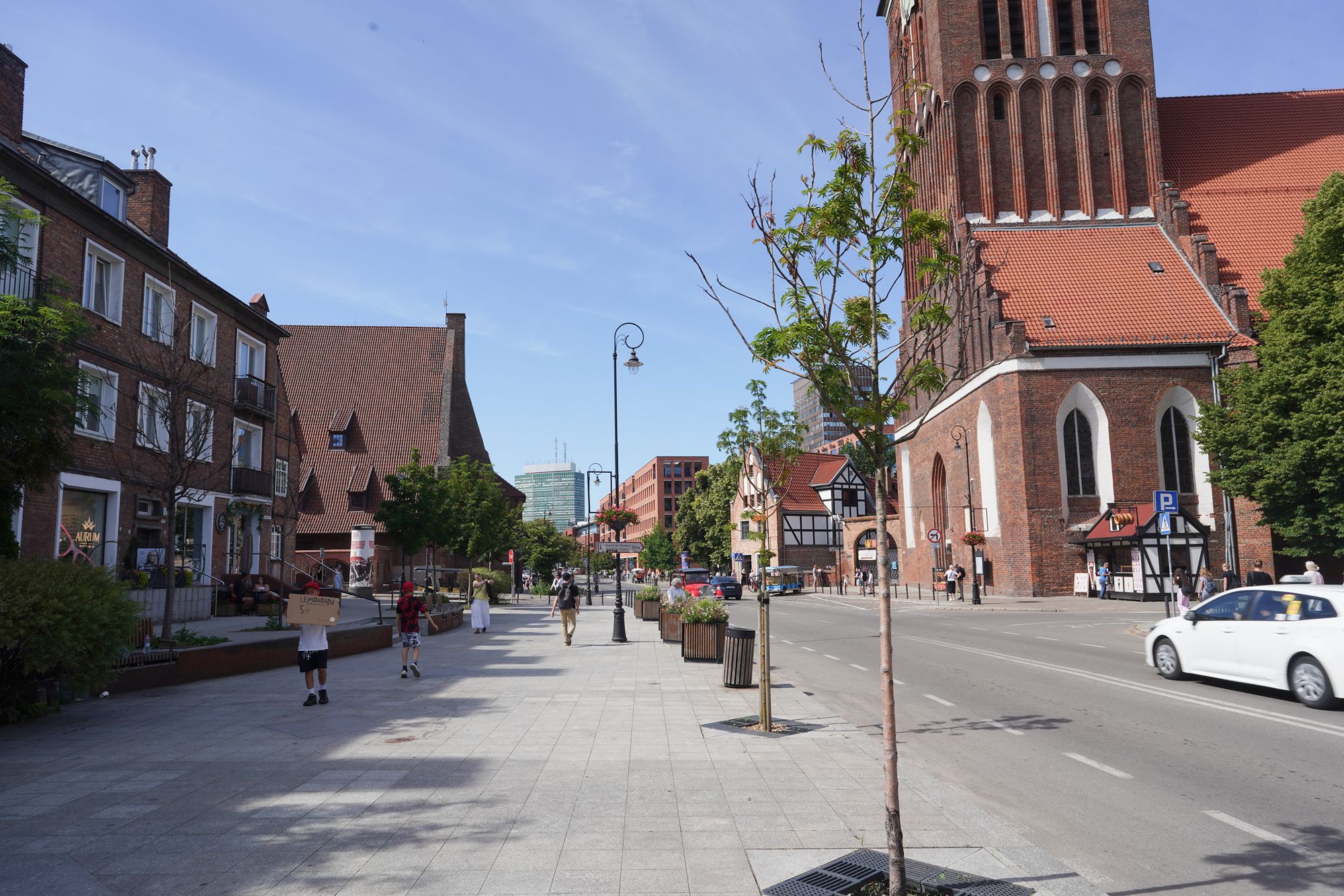
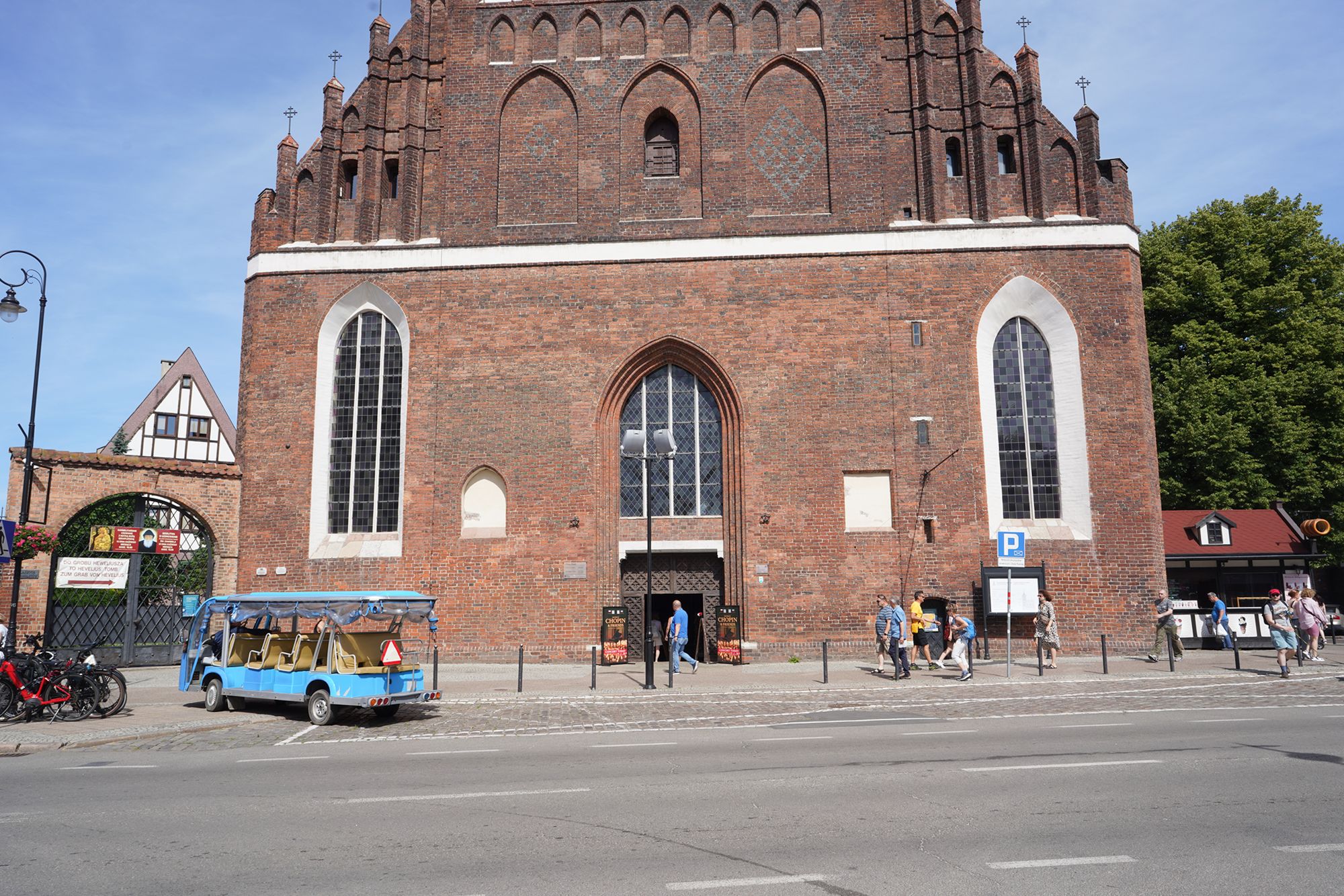
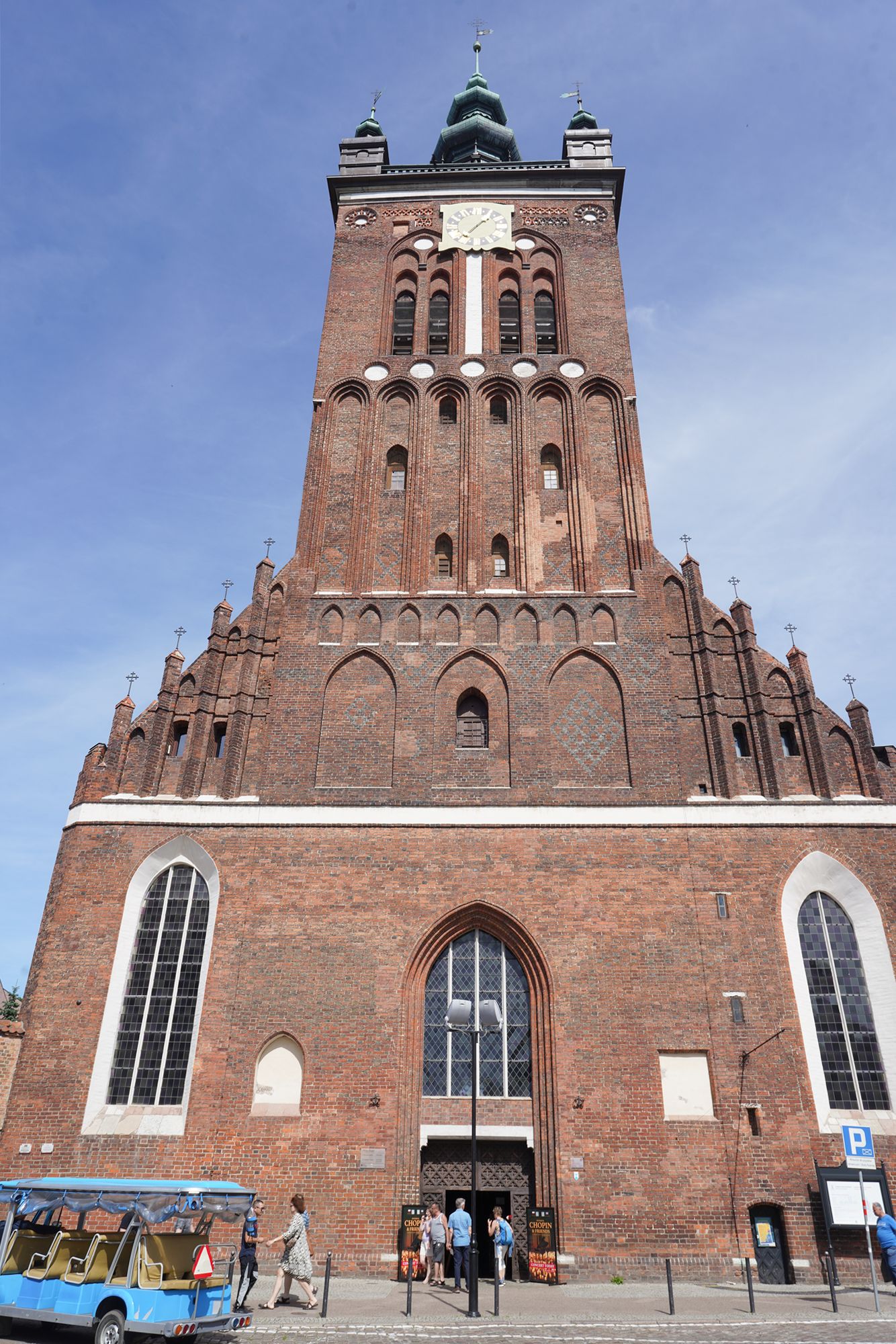
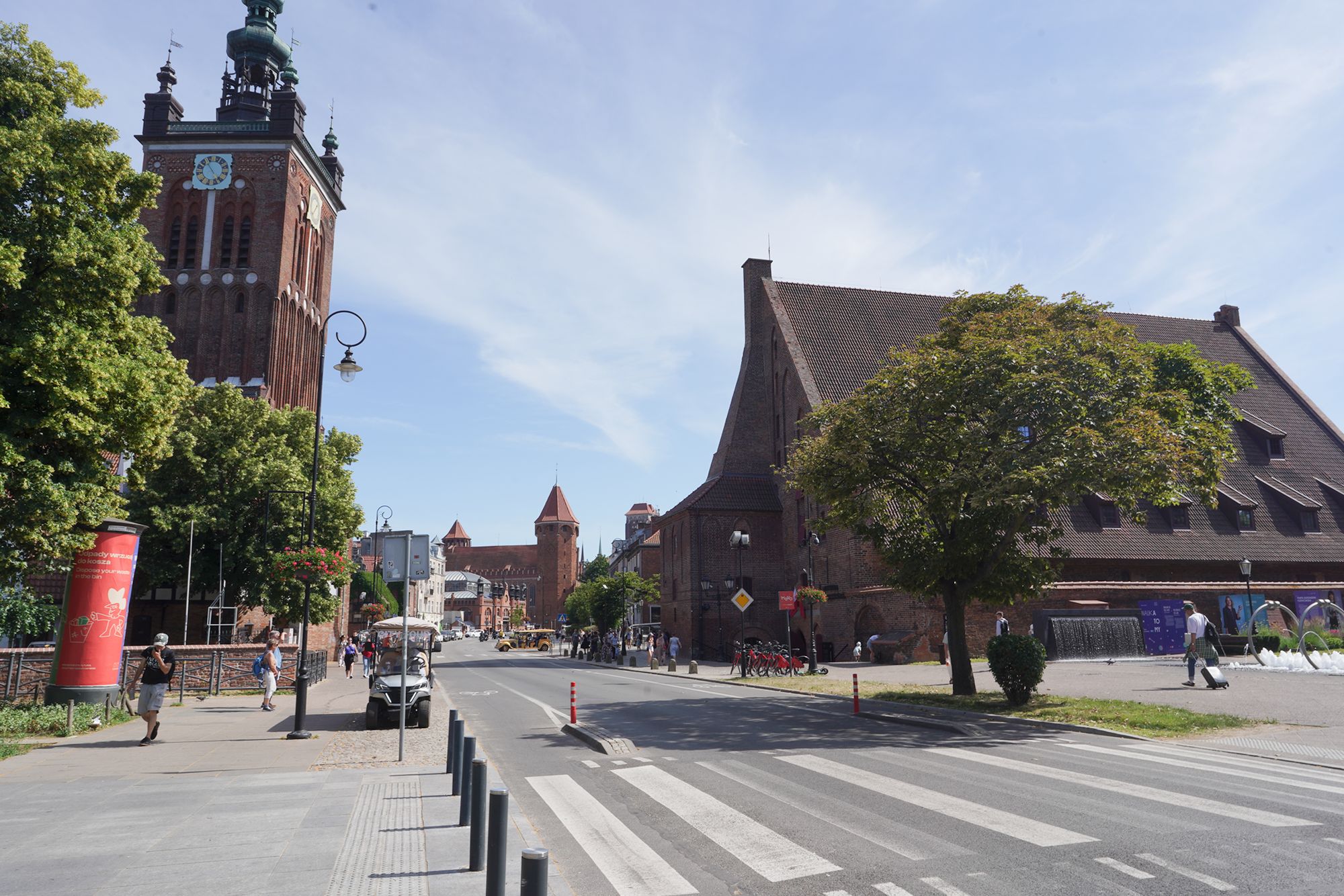
St. Catherine’s Church is generally considered Gdańsk’s oldest church. The Gothic church has served the city since the medieval period, and its tower is known for a 50-bell carillon. It is also associated with astronomer Johannes Hevelius, who is buried there.
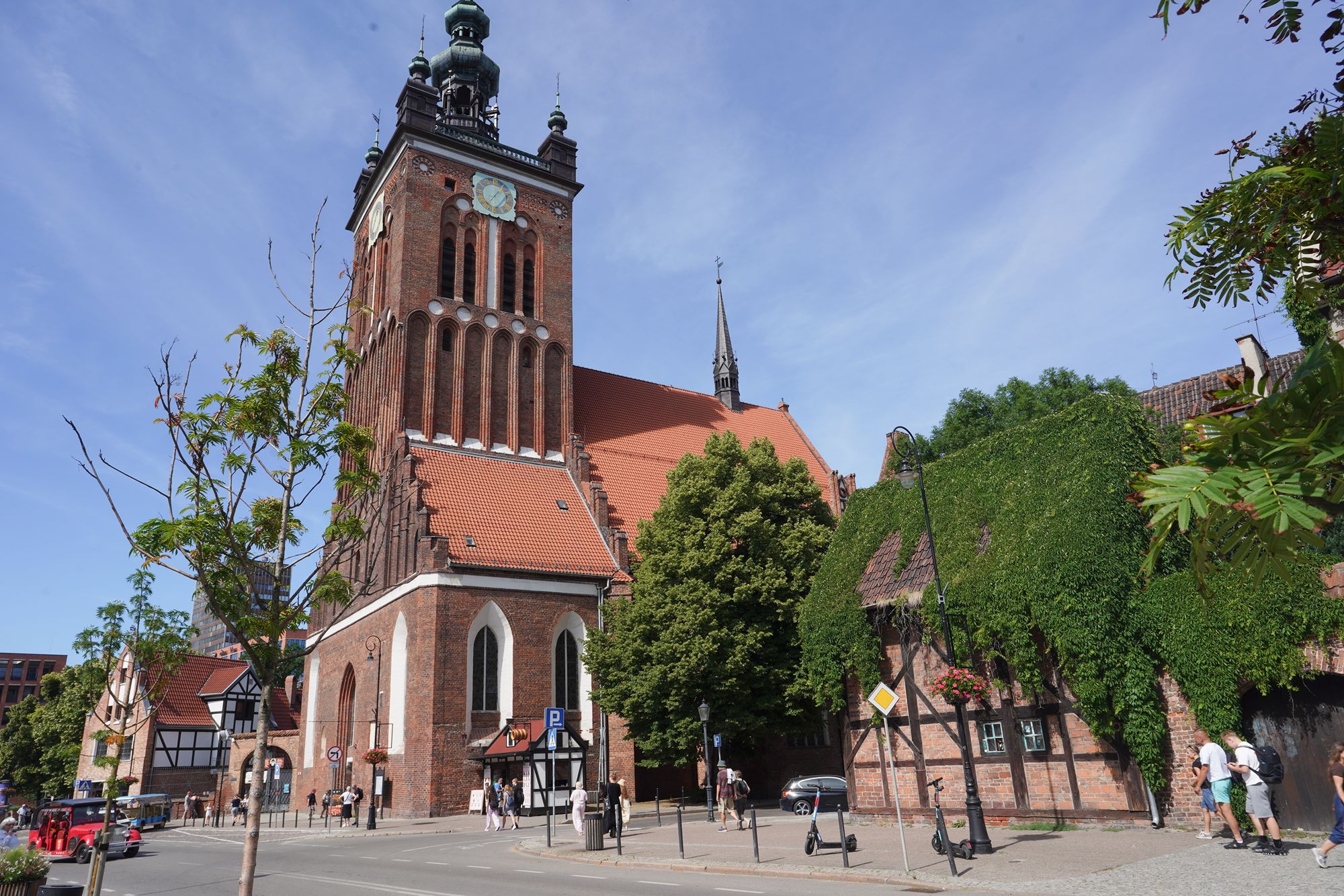
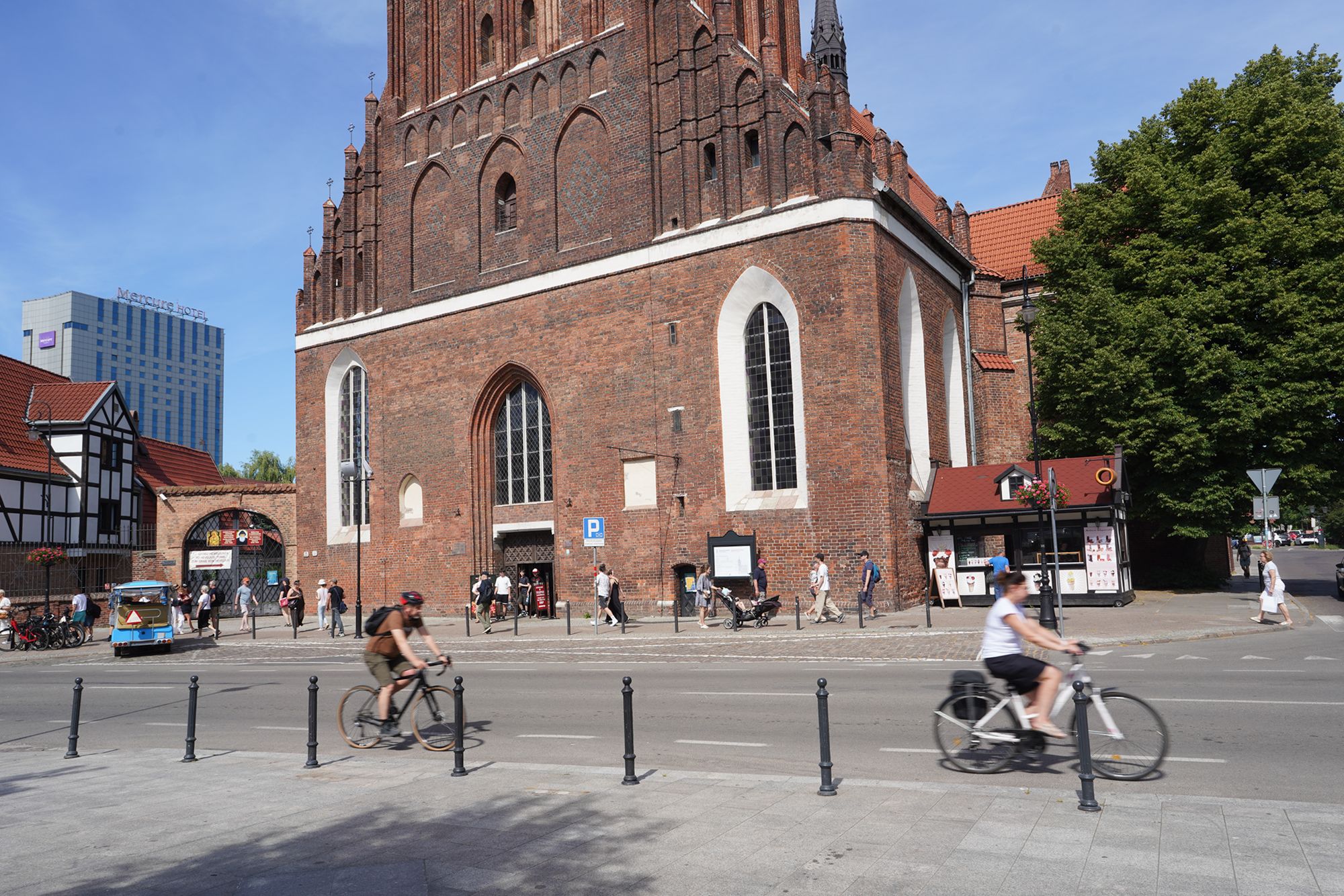
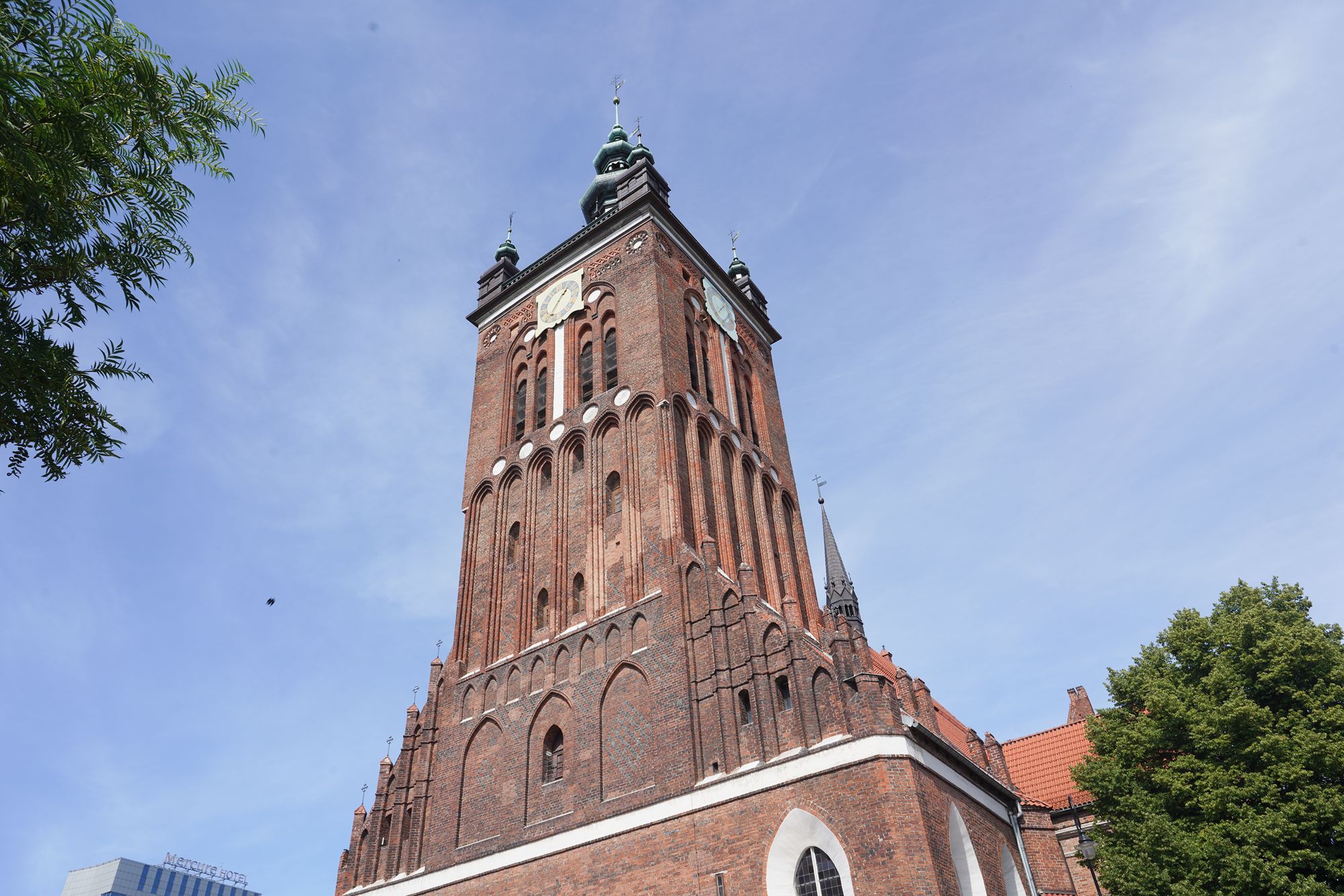
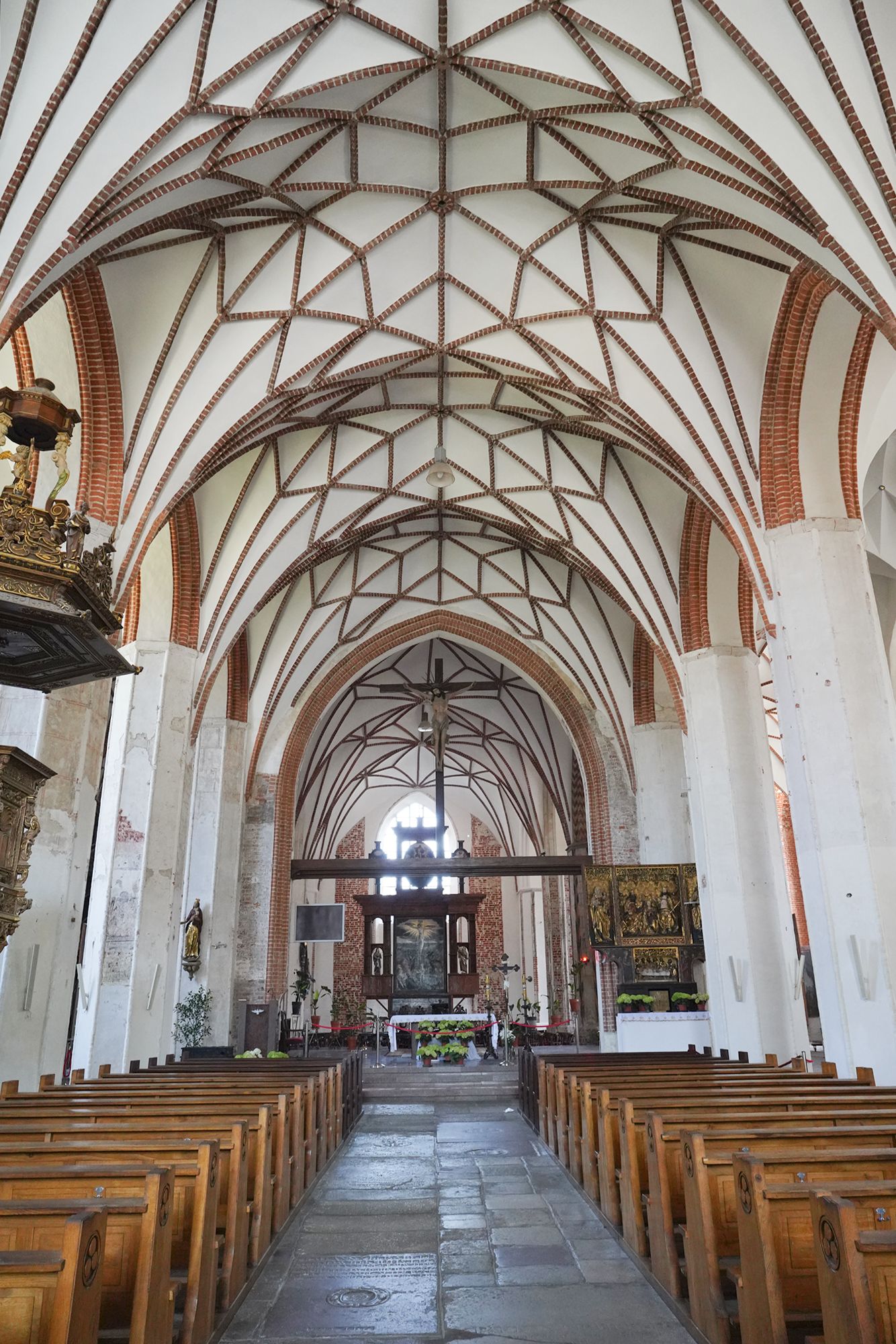
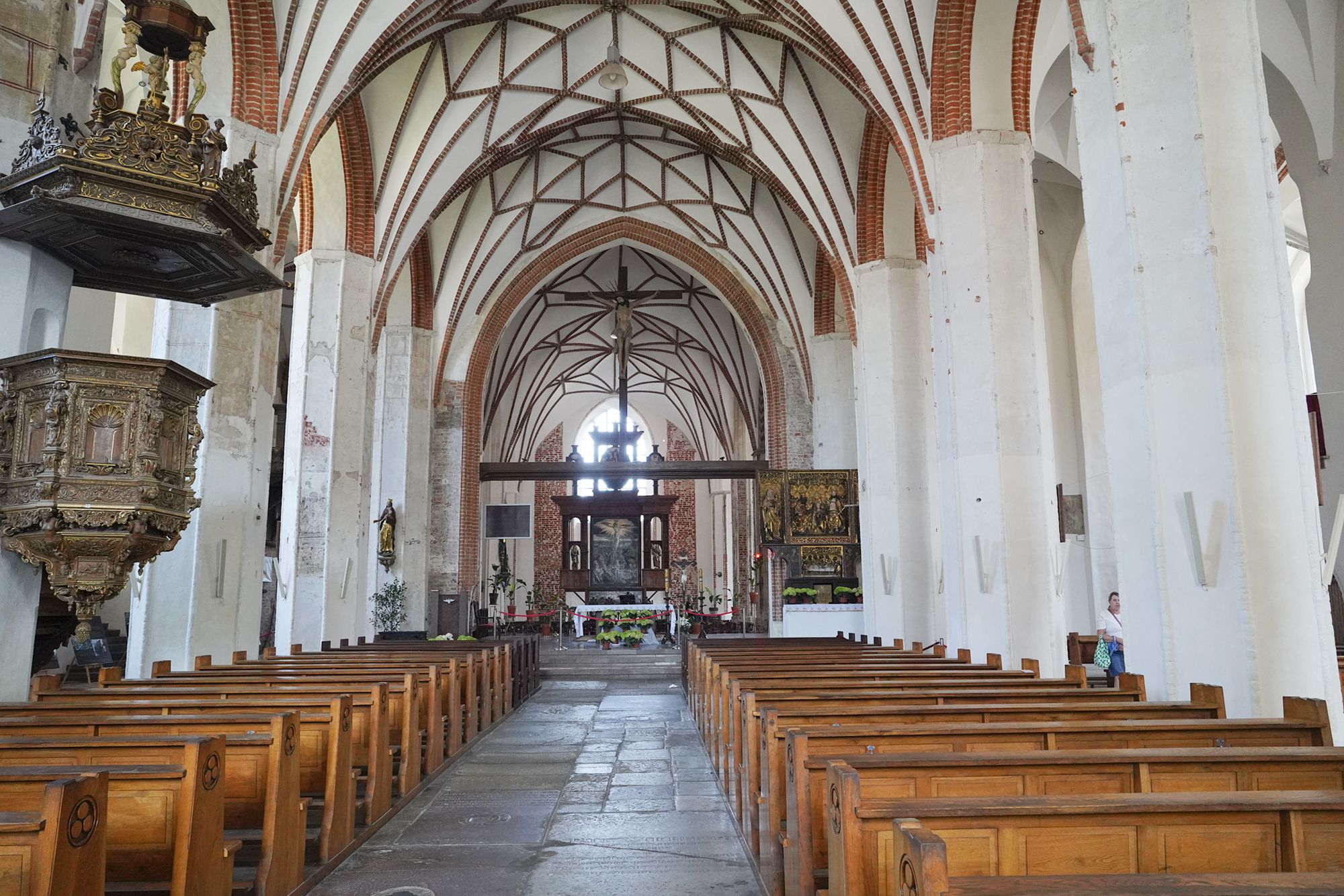
Inside, St. Catherine’s Church has a broad Gothic nave with vaulted ceilings.
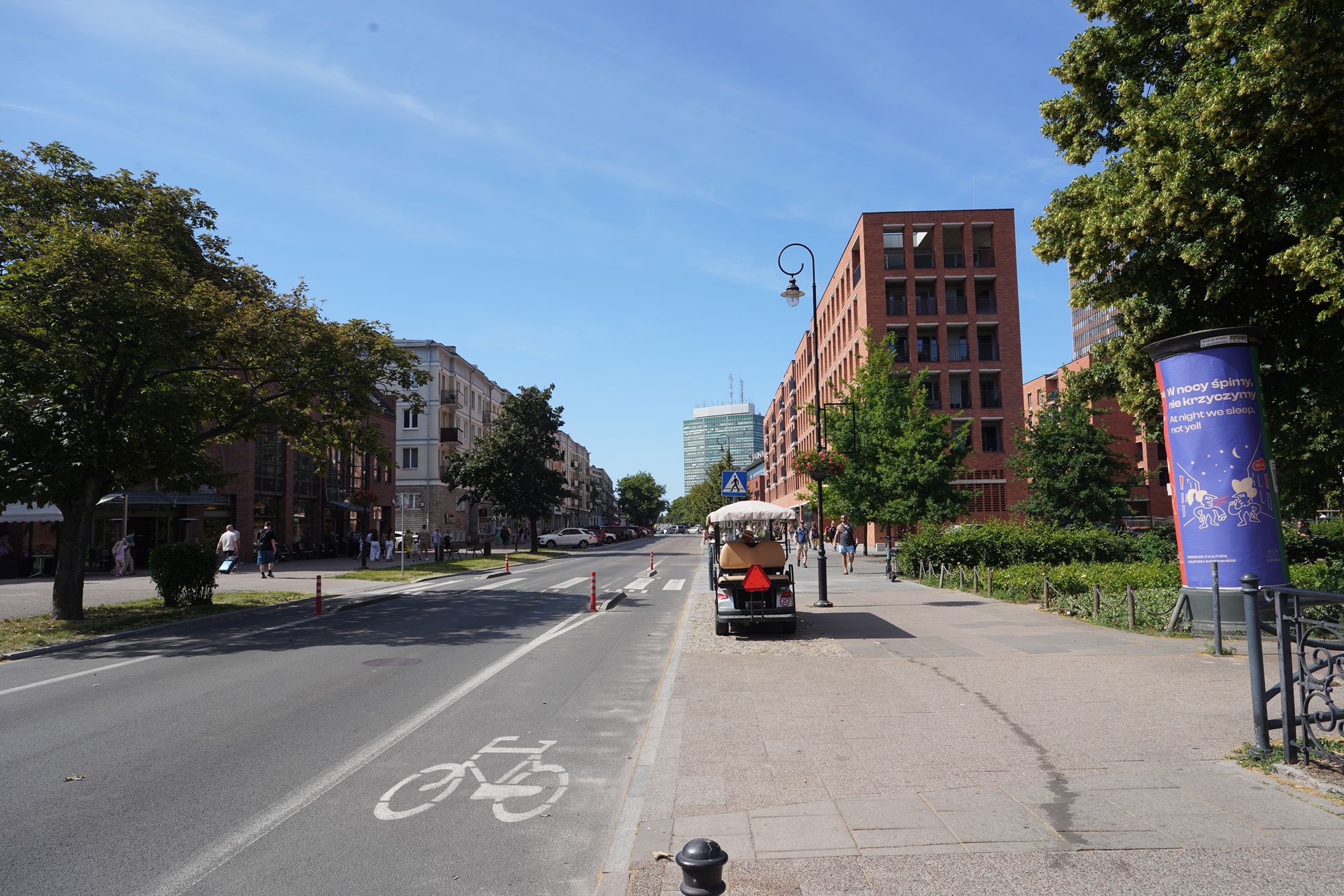
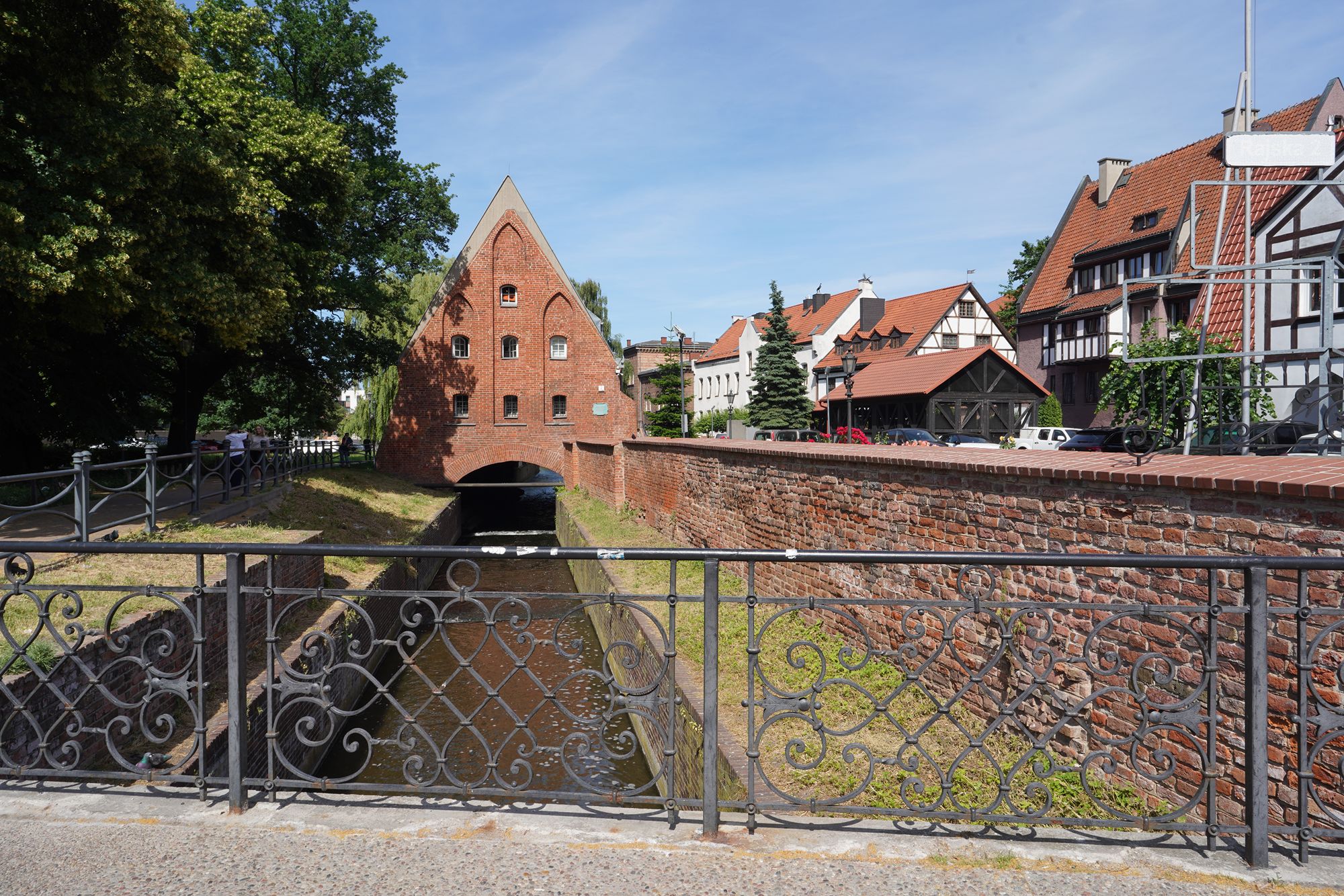
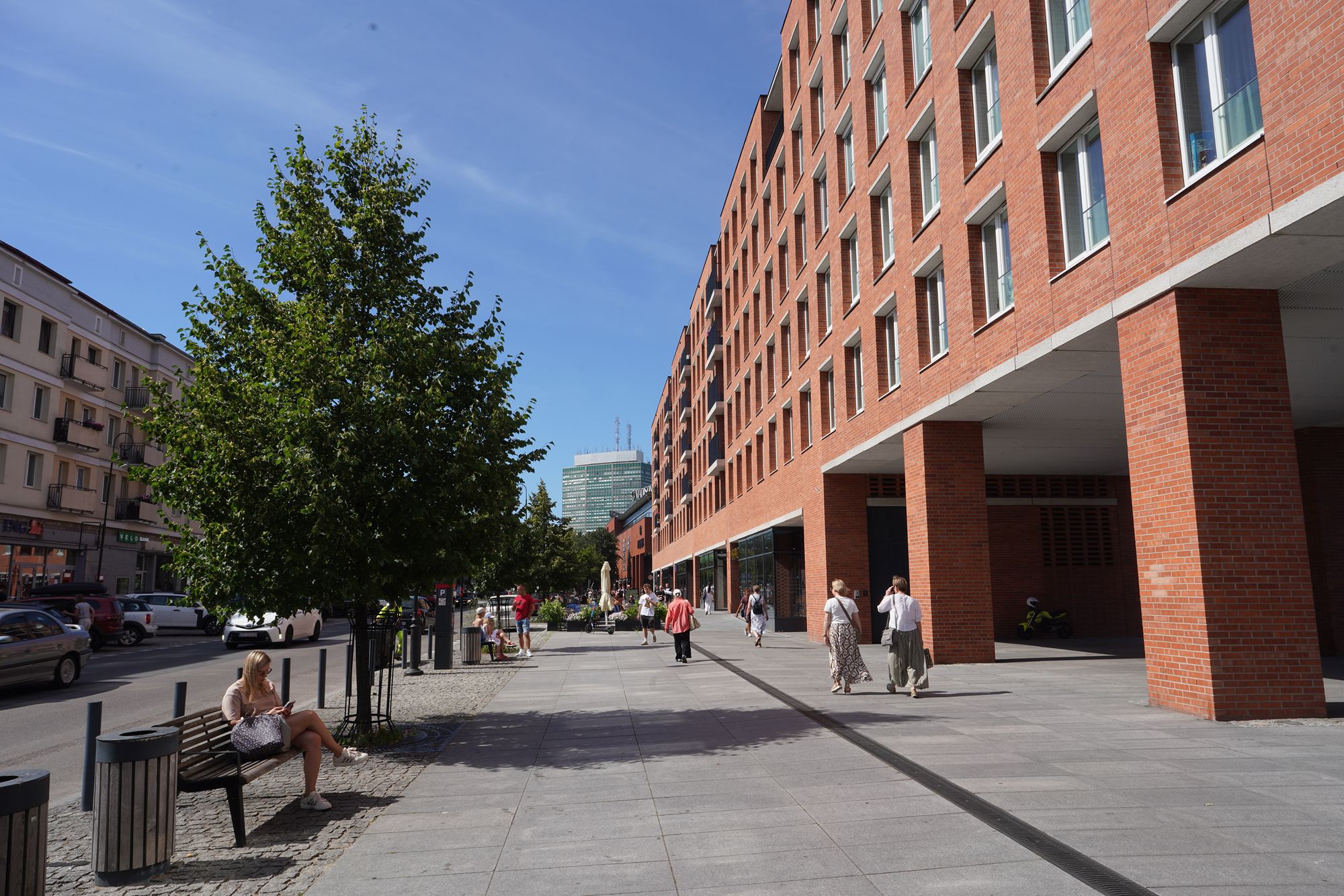
A view behind me
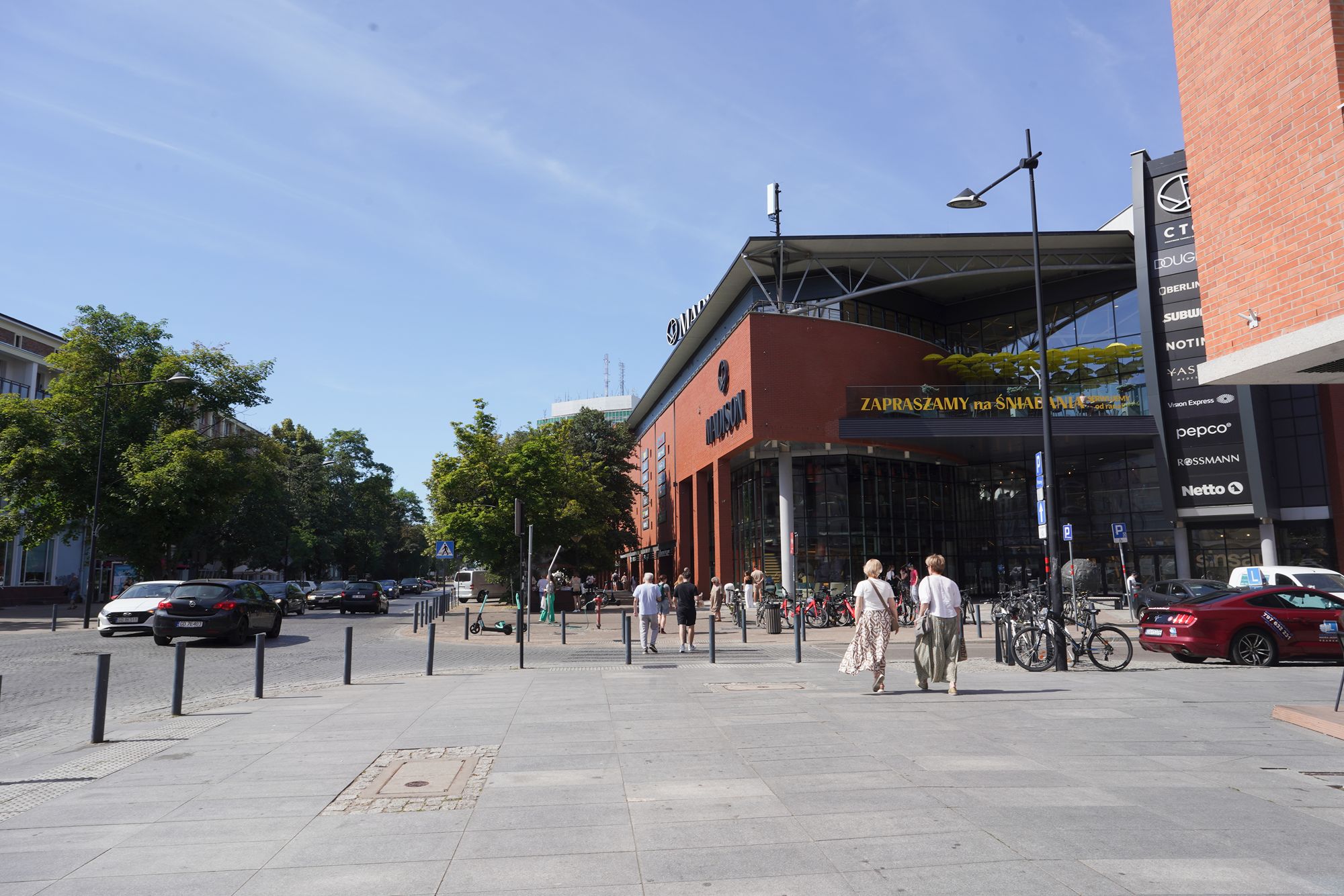
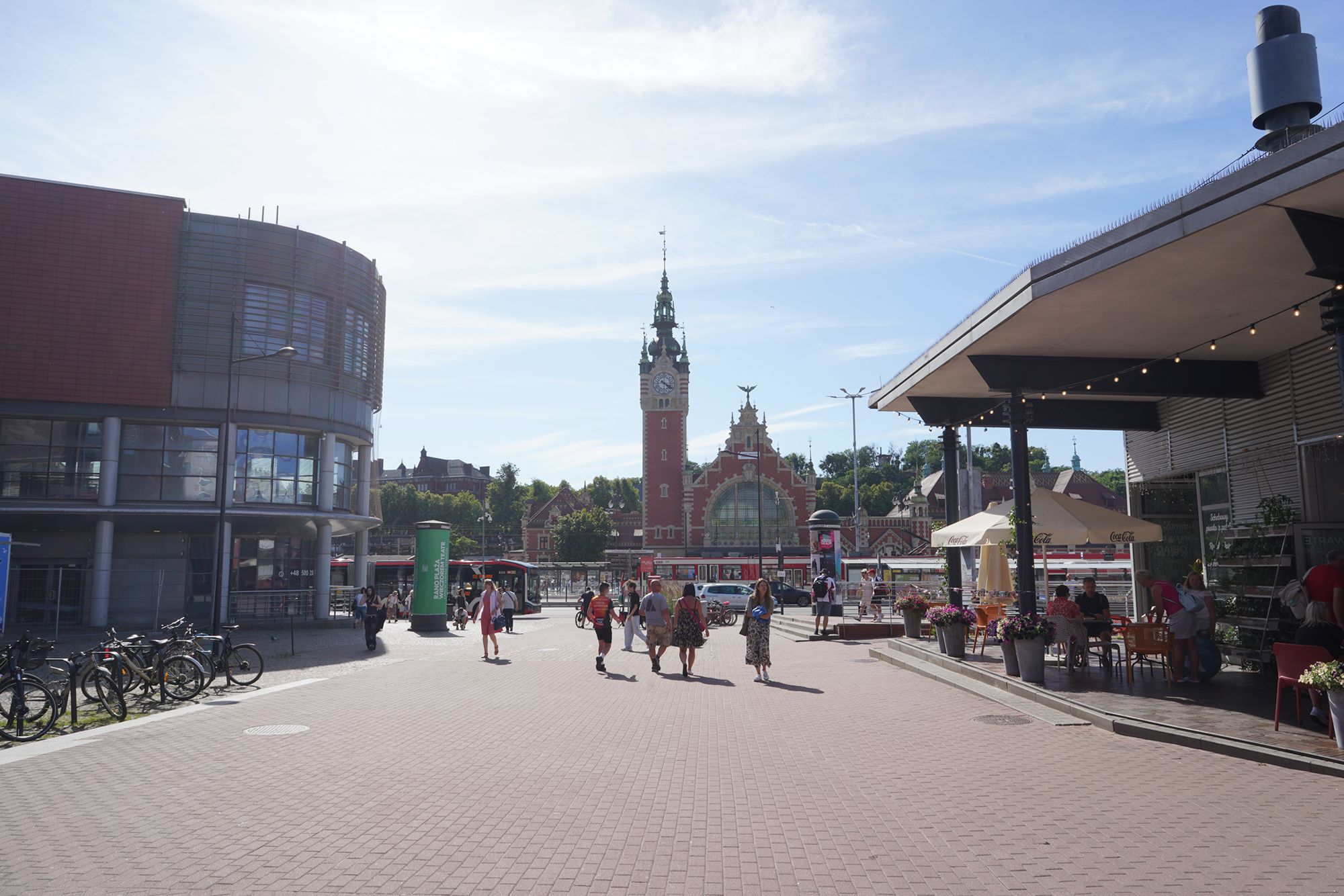
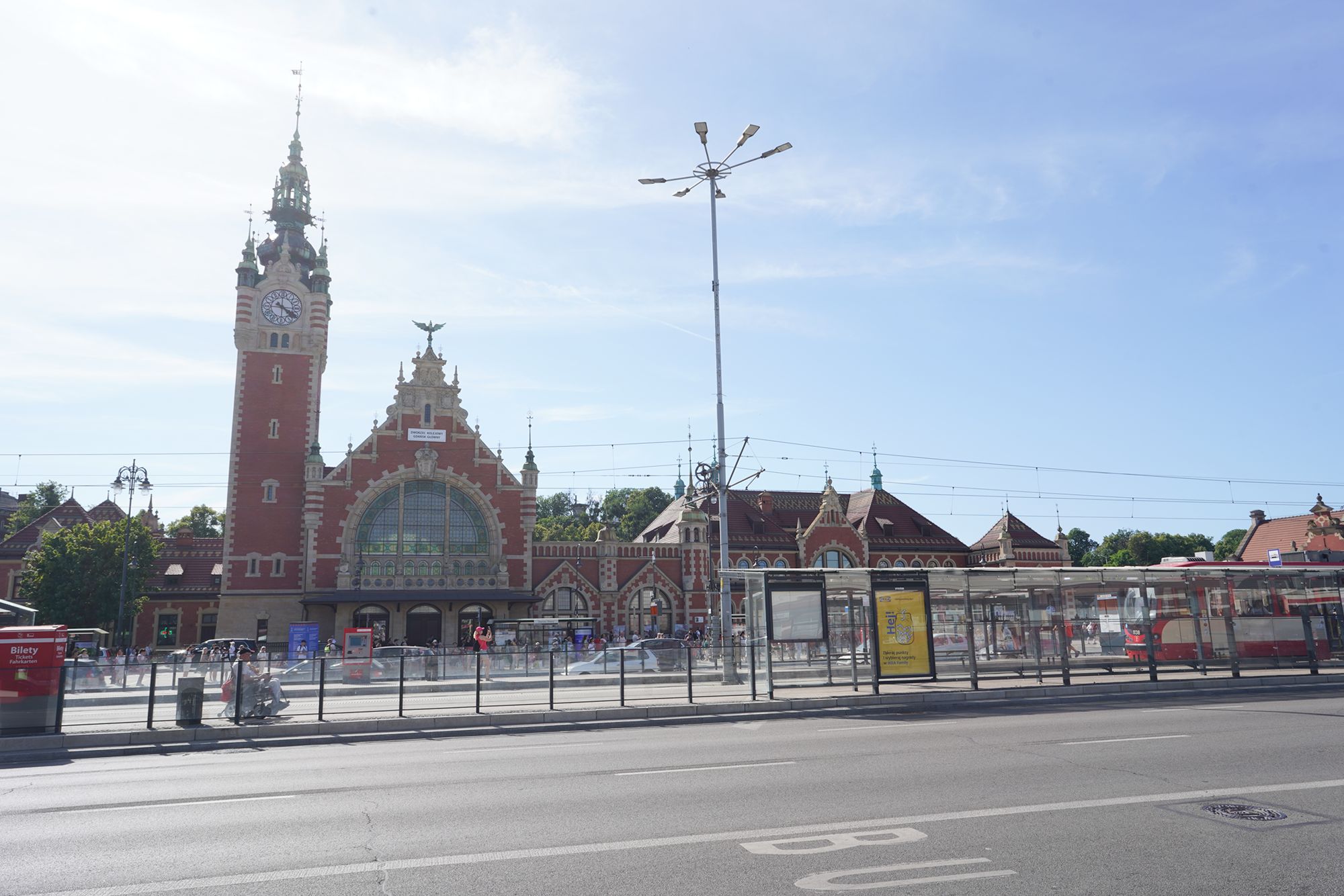
Gdańsk Główny is the city’s main railway station. Its red-brick building, completed in 1900, combines Gdańsk Neo-Renaissance details with a prominent clock tower.
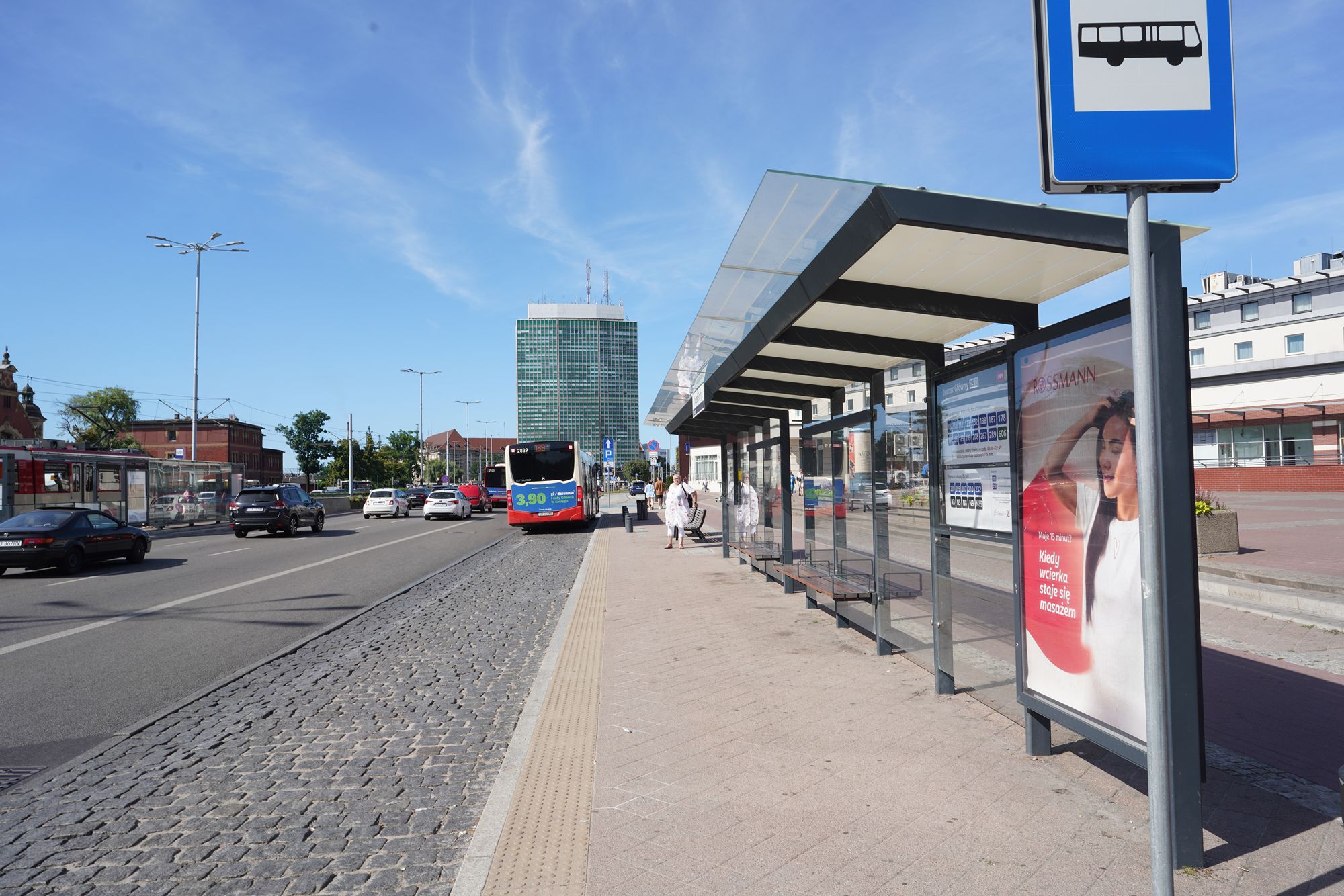
From a bus stop near the train station, I took a bus to the European Solidarity Centre.
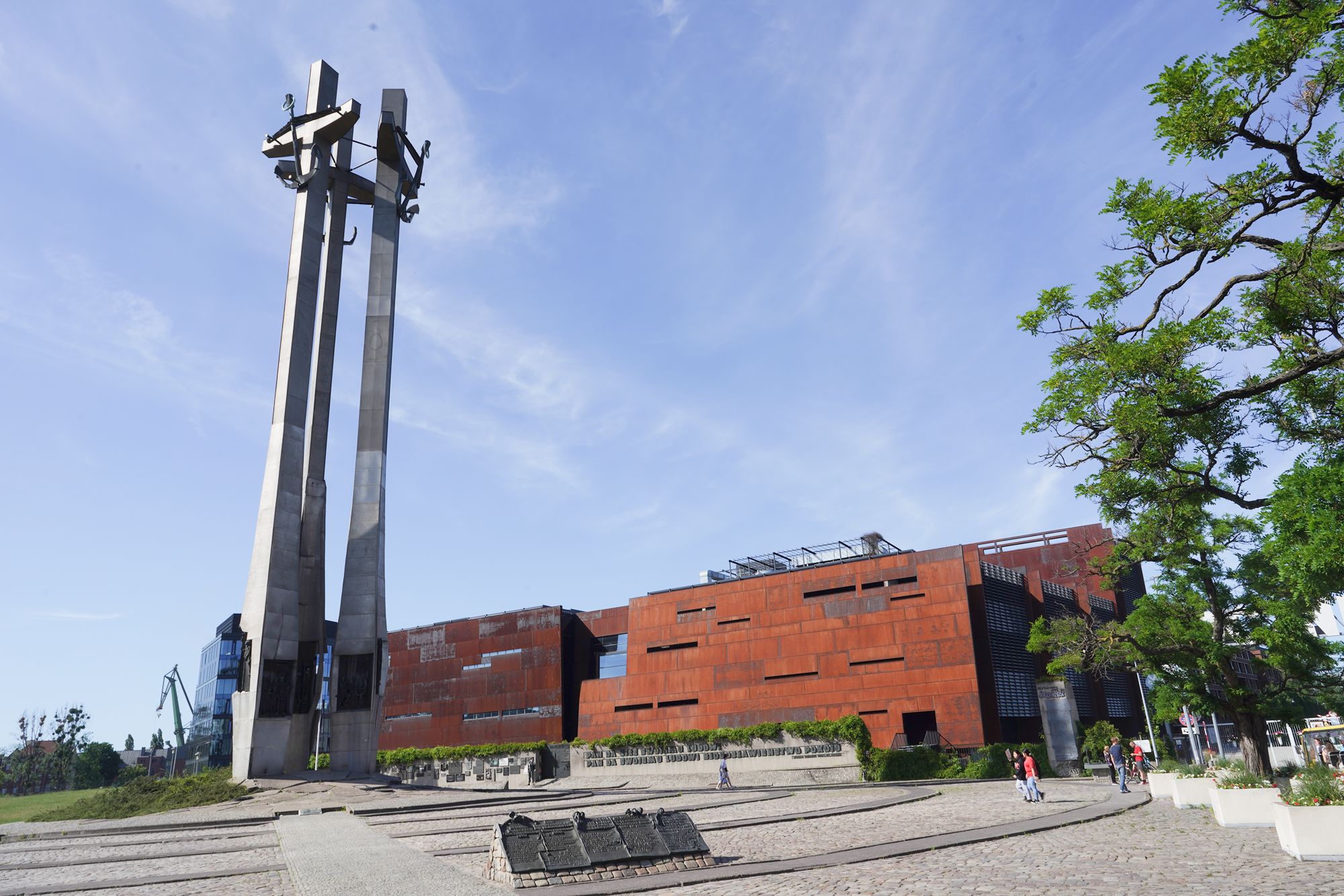
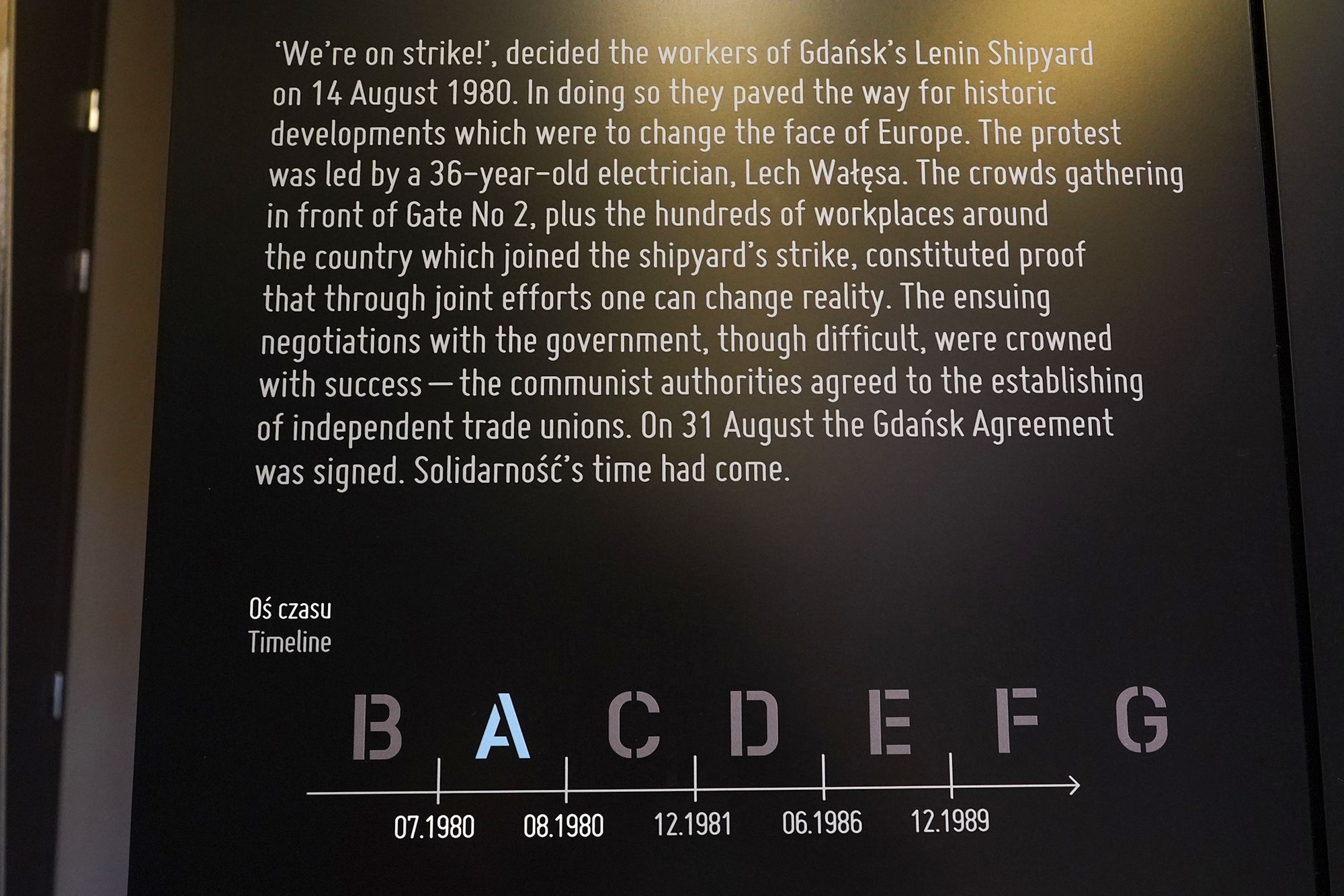
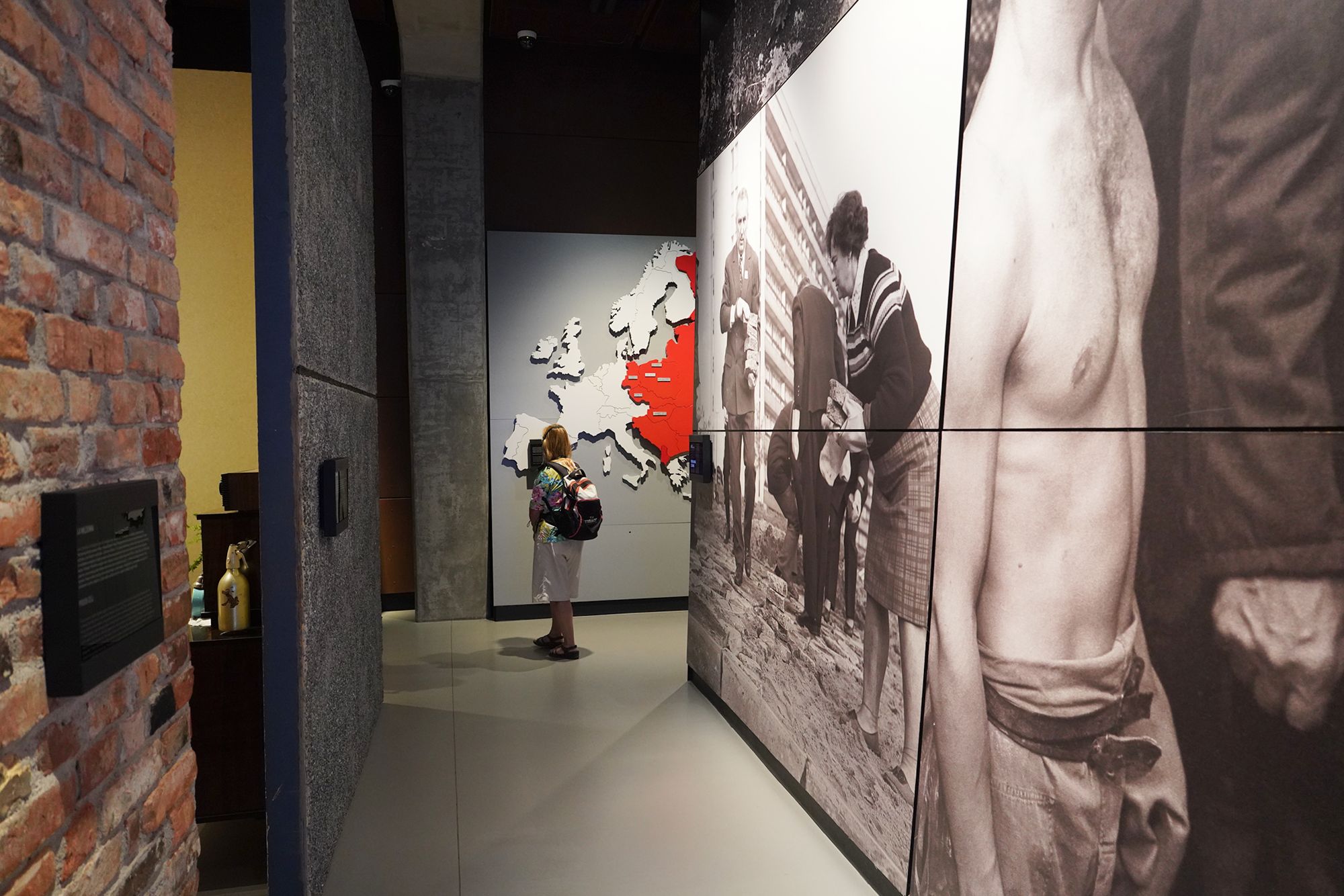
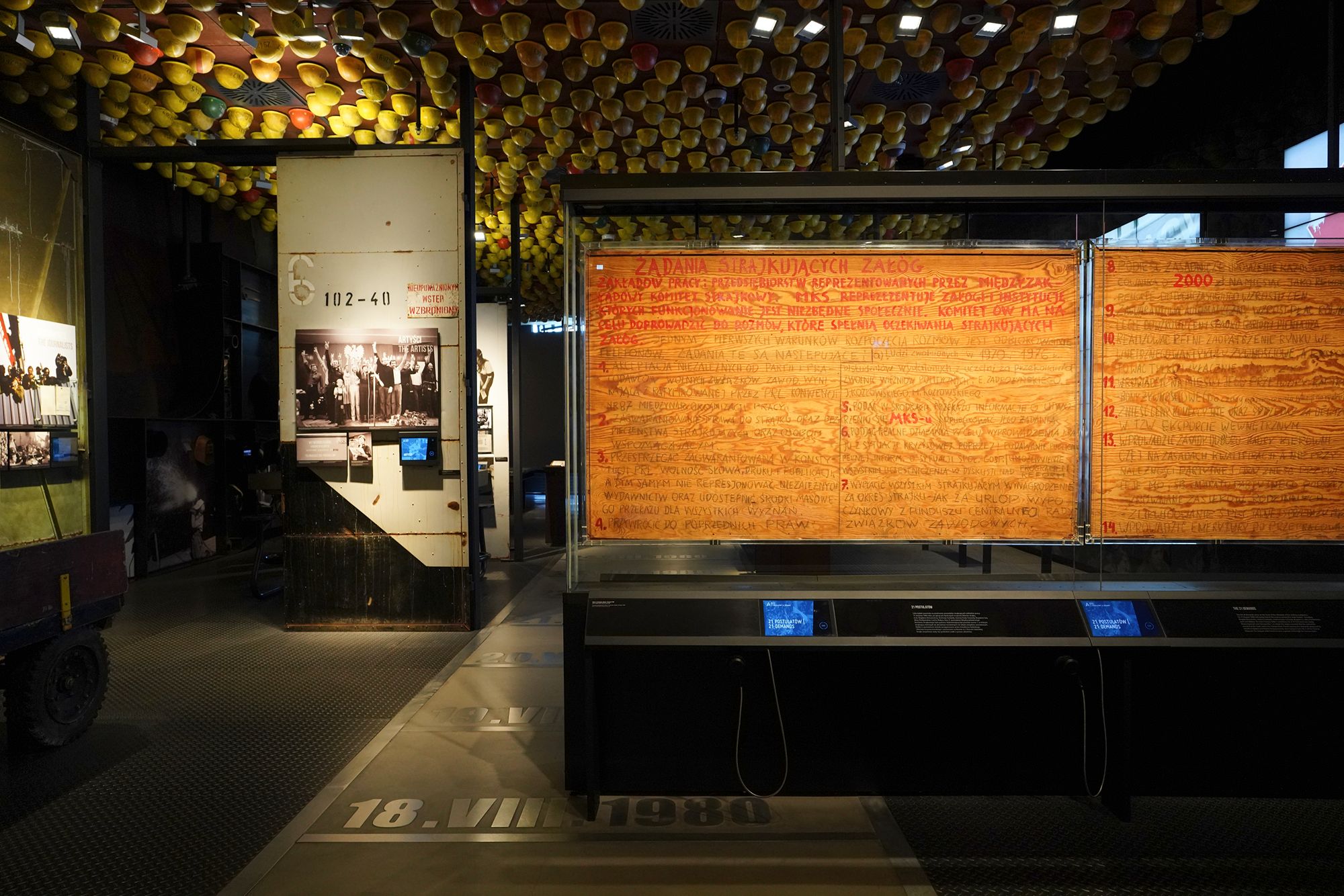
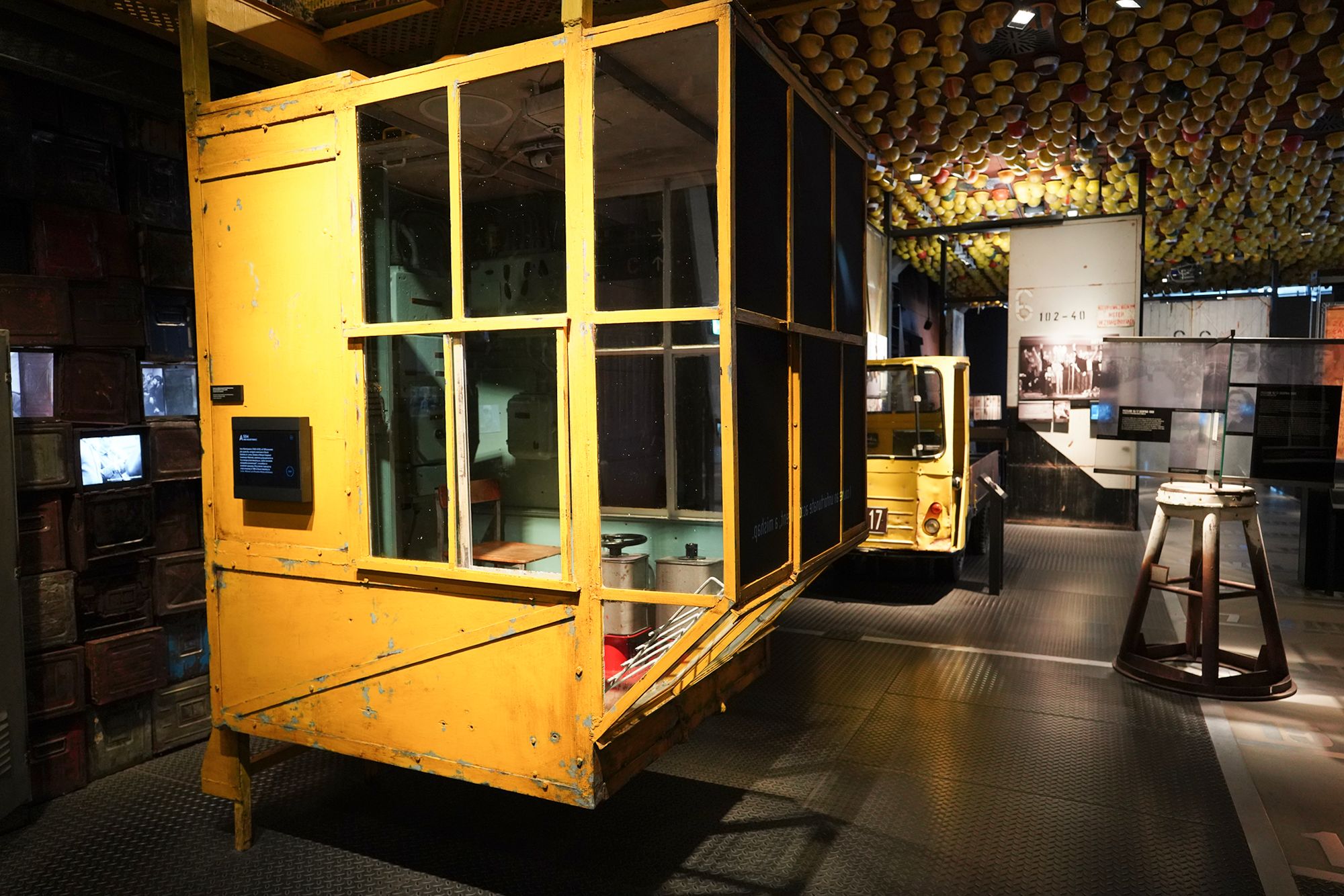
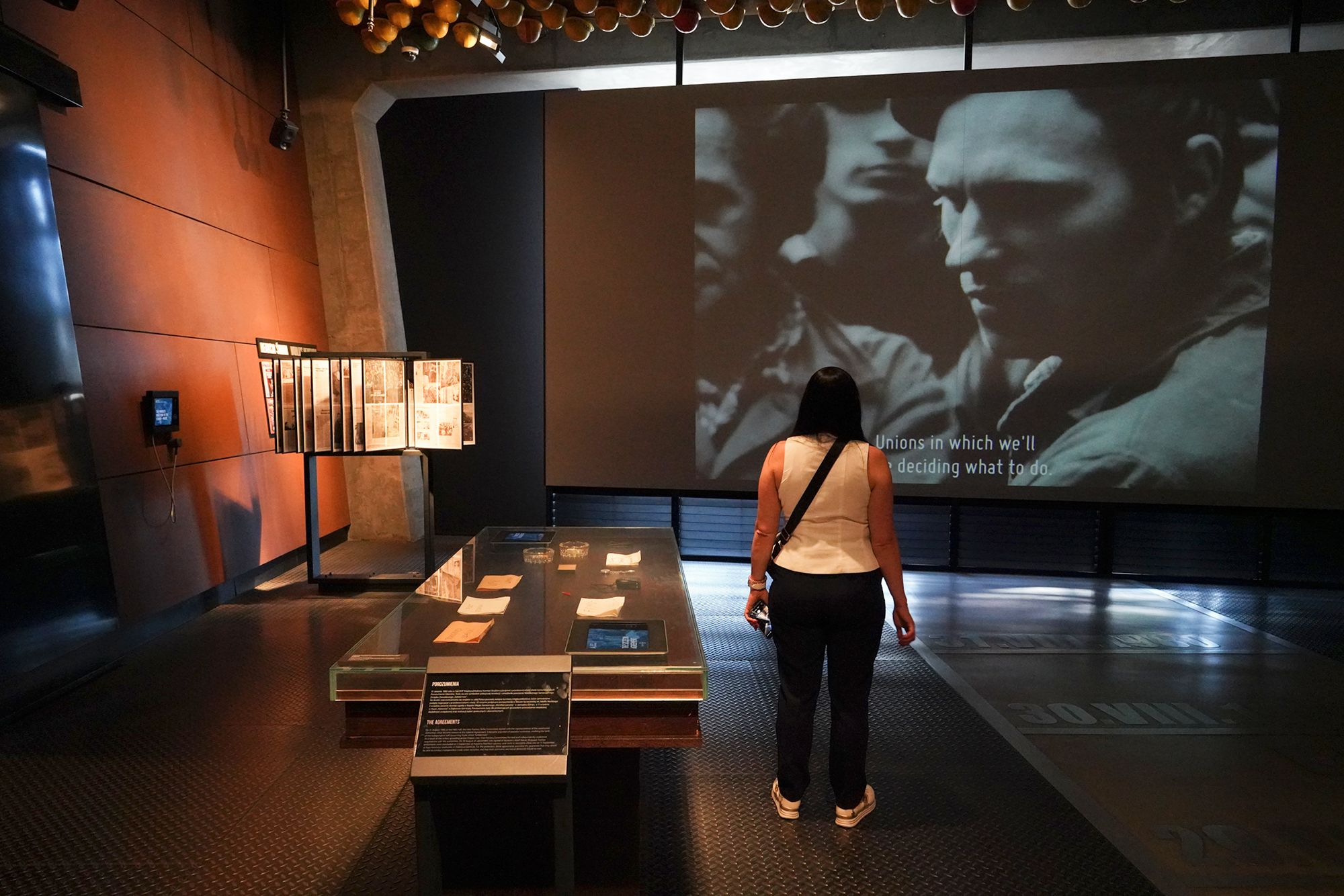
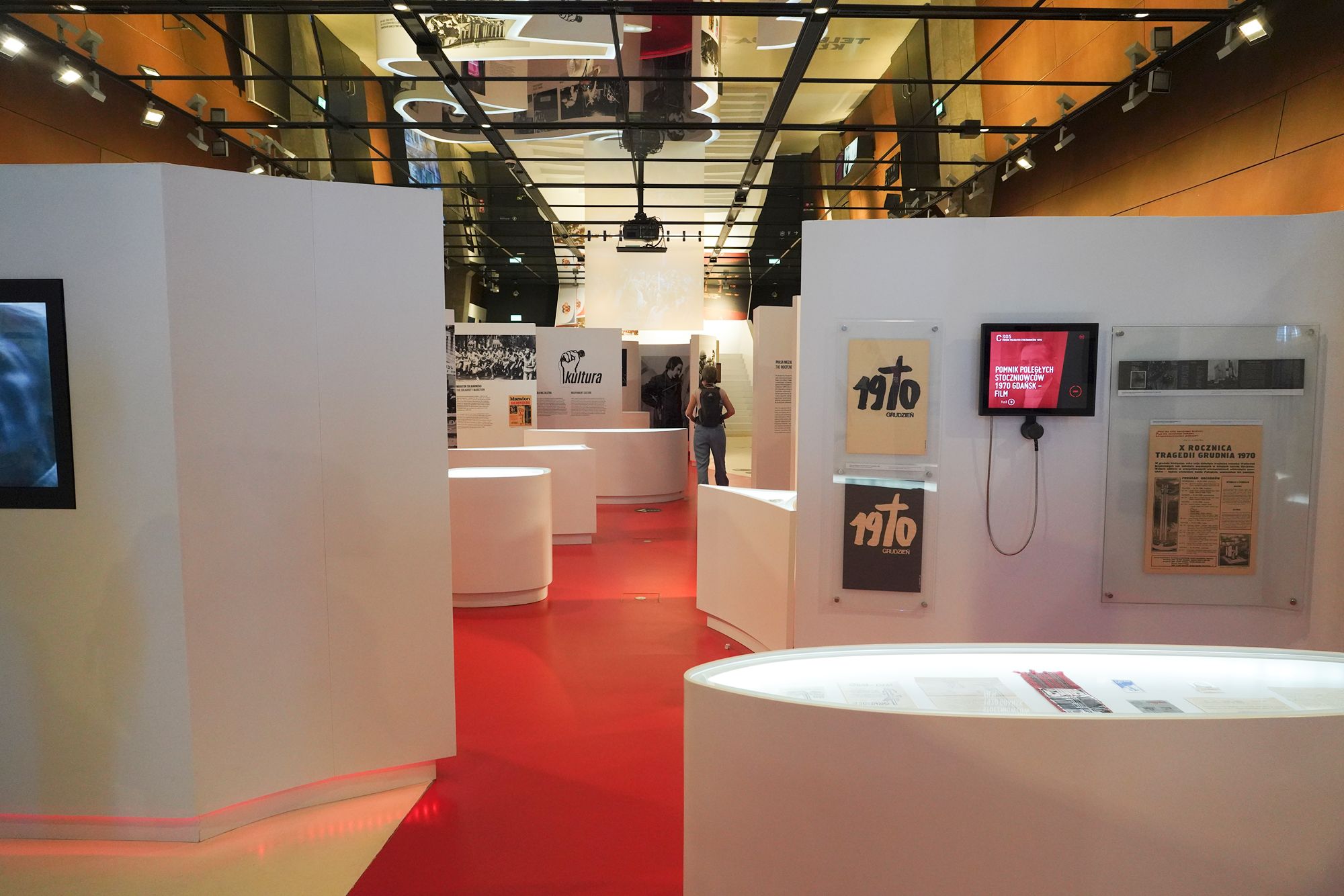
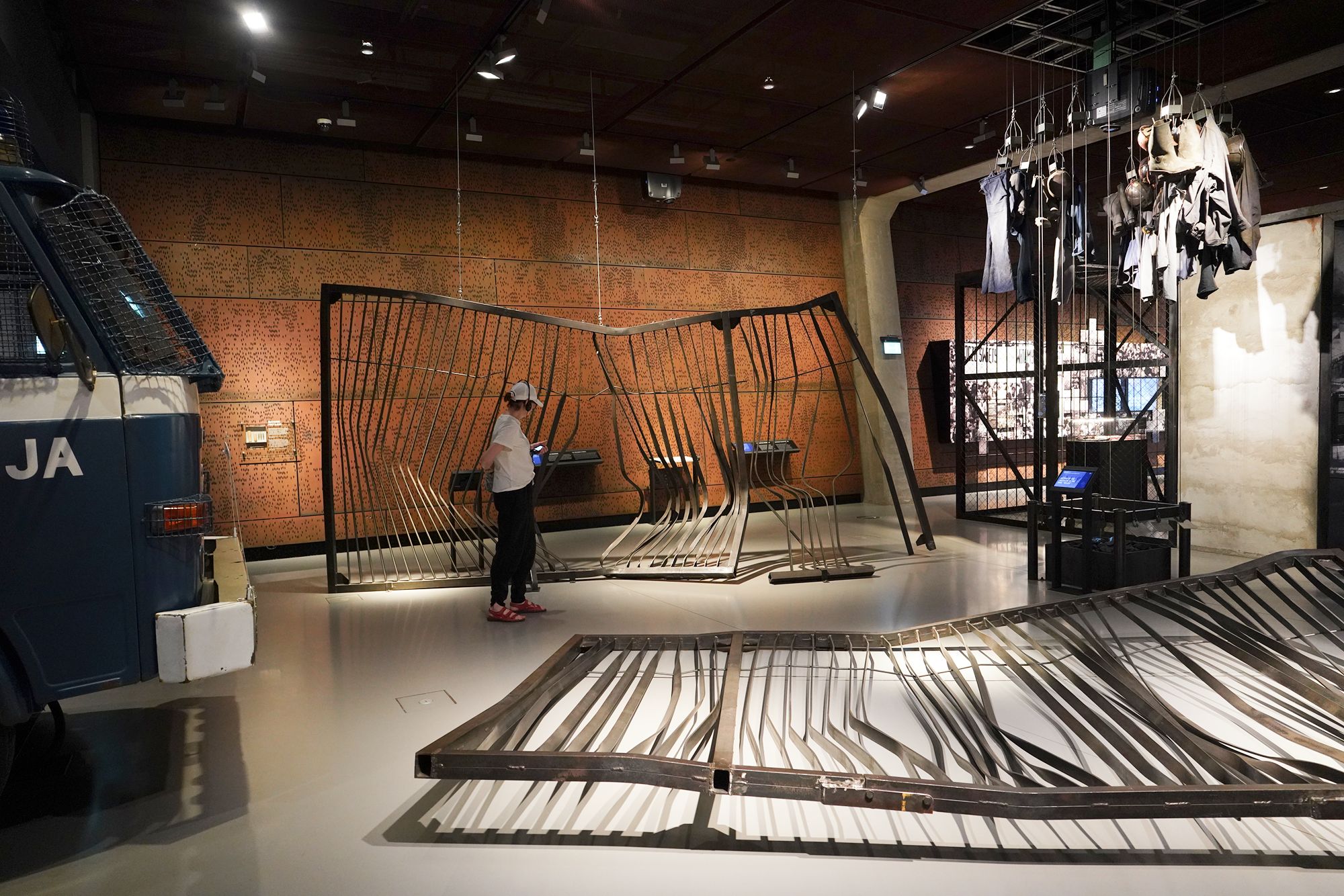
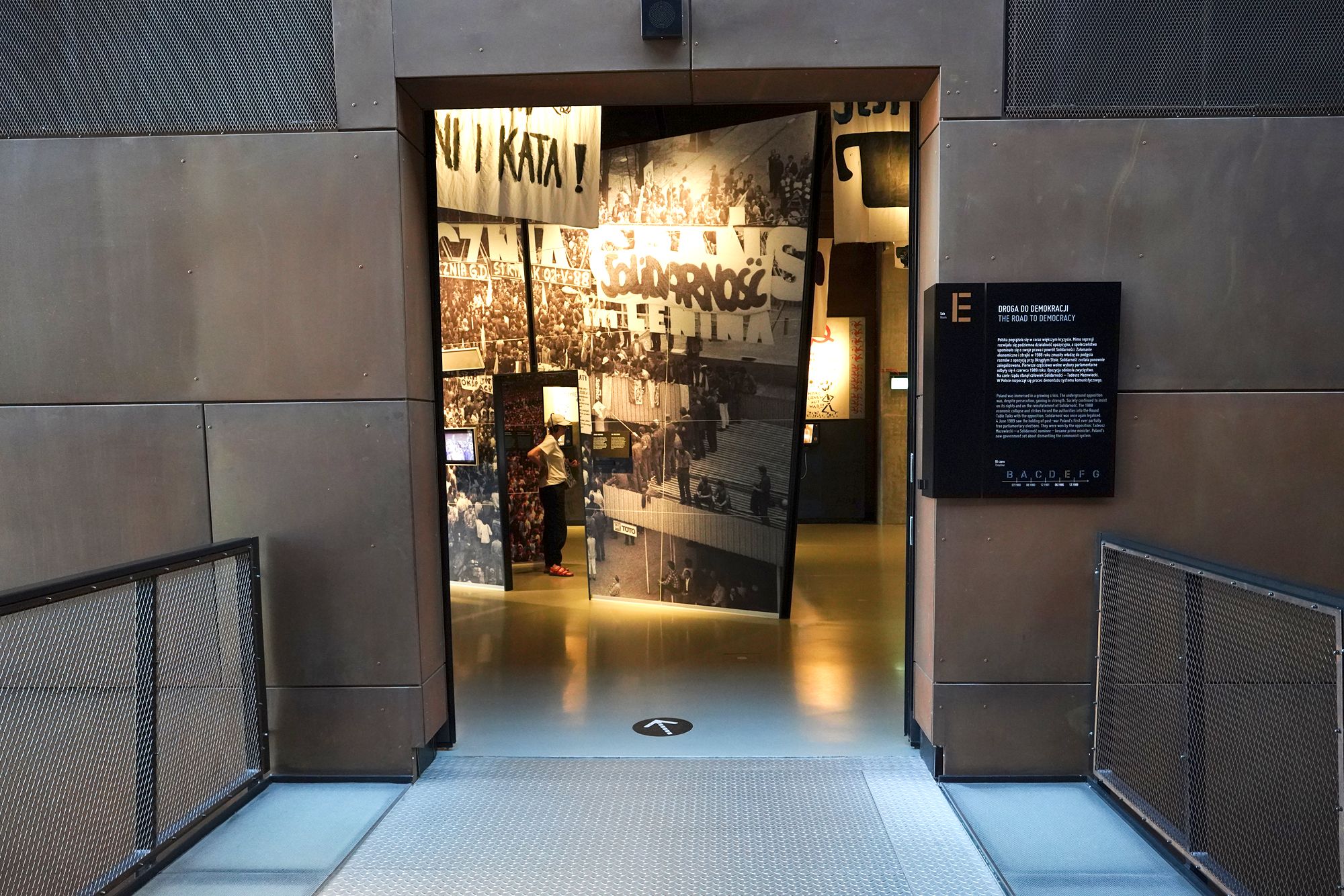
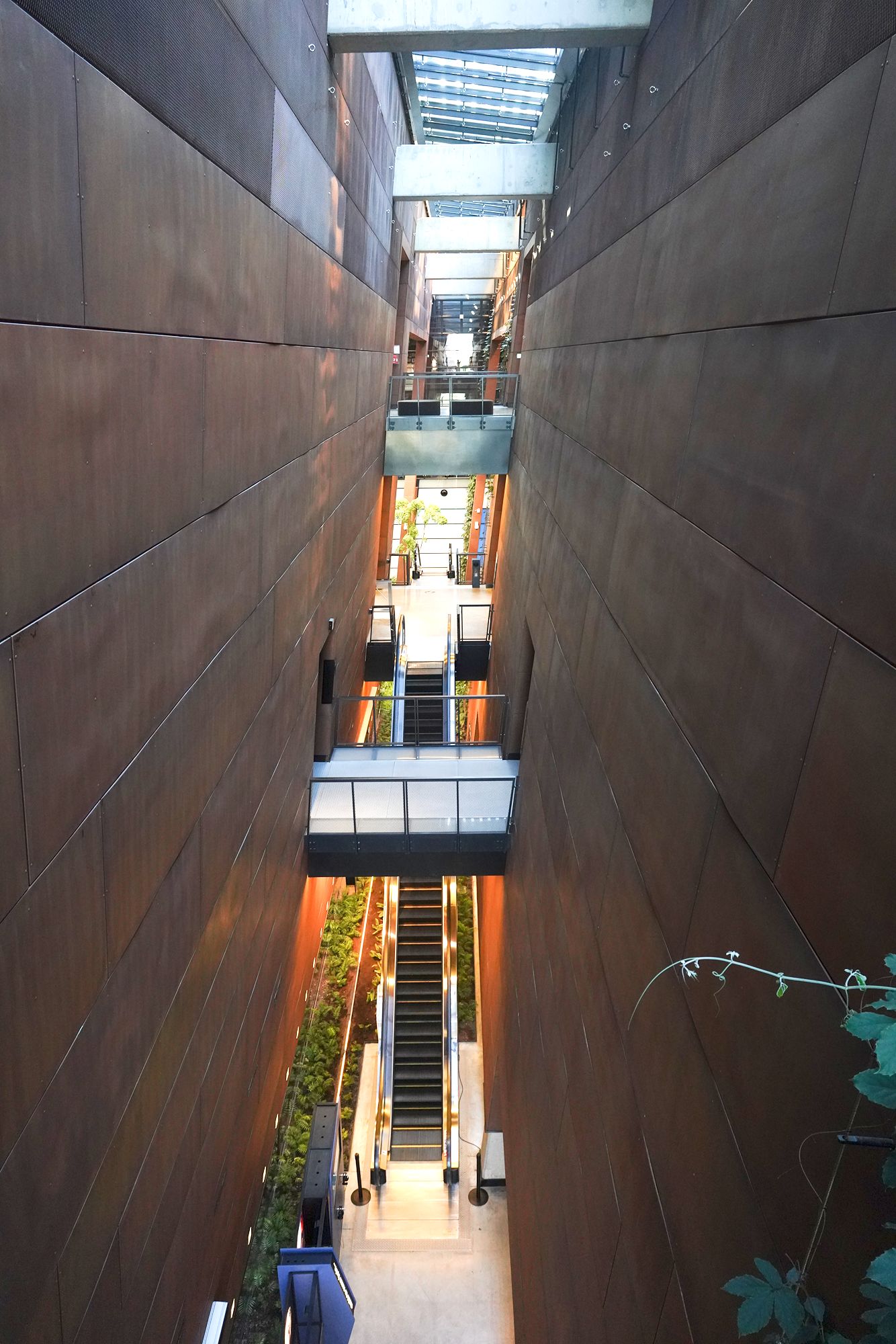
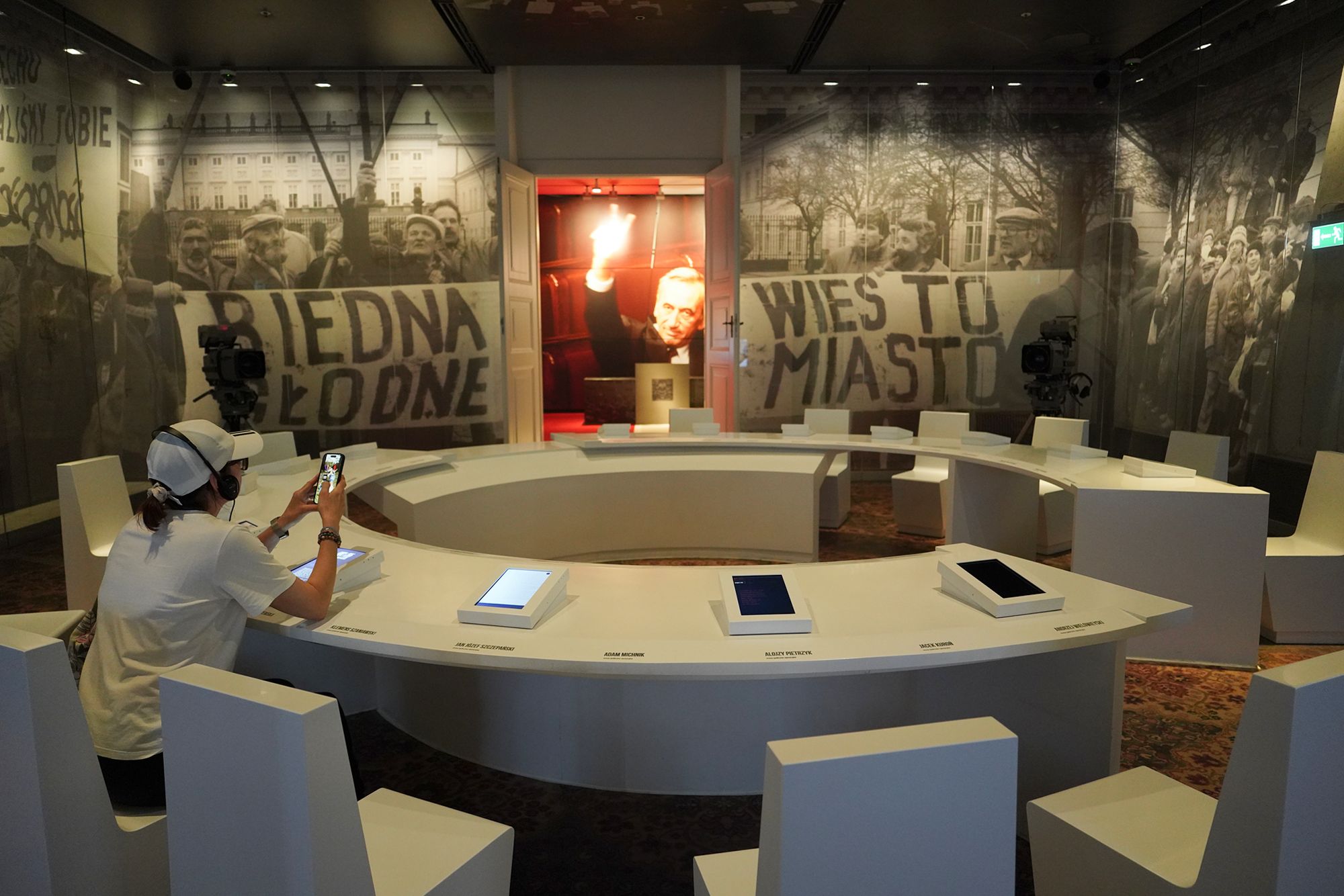
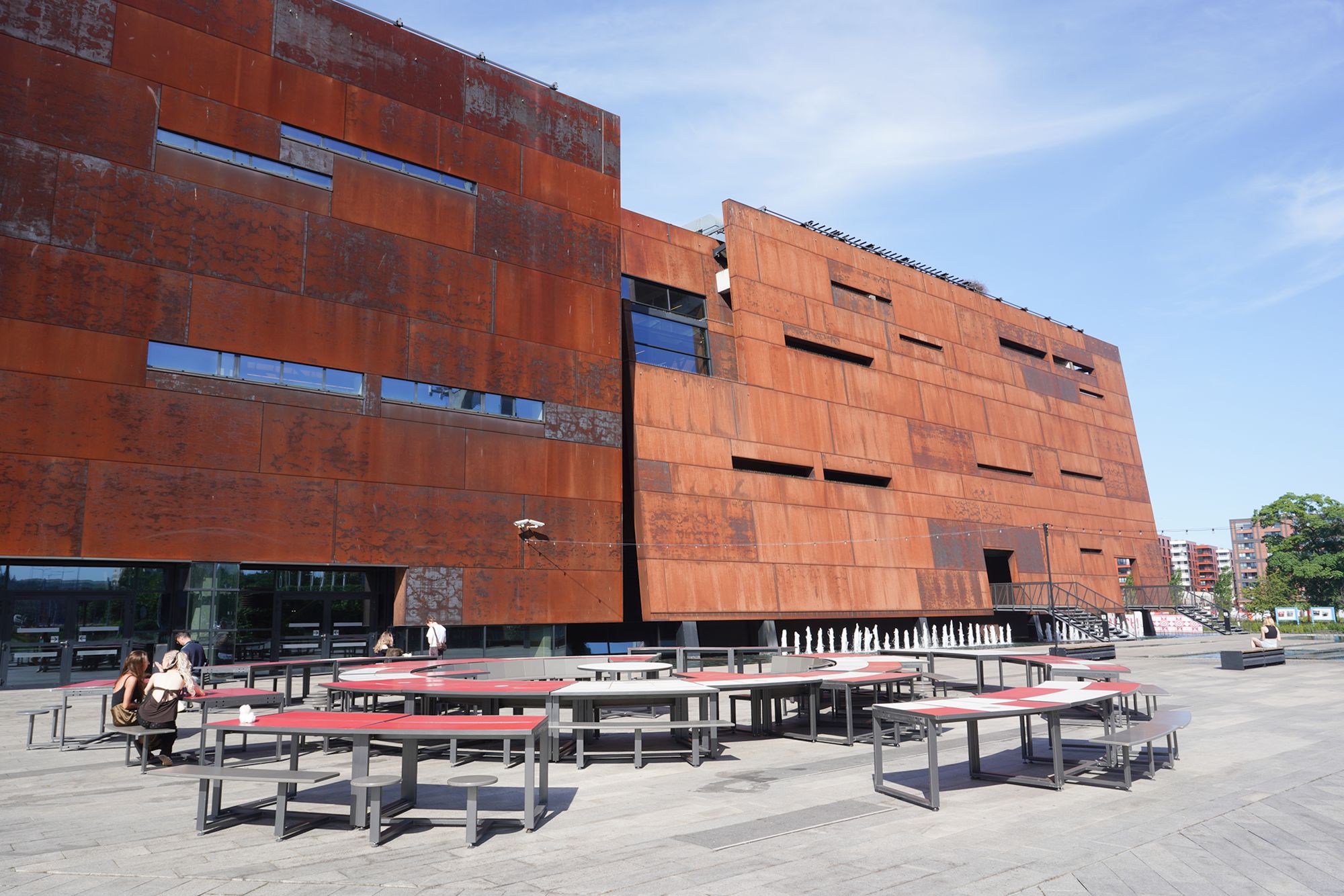
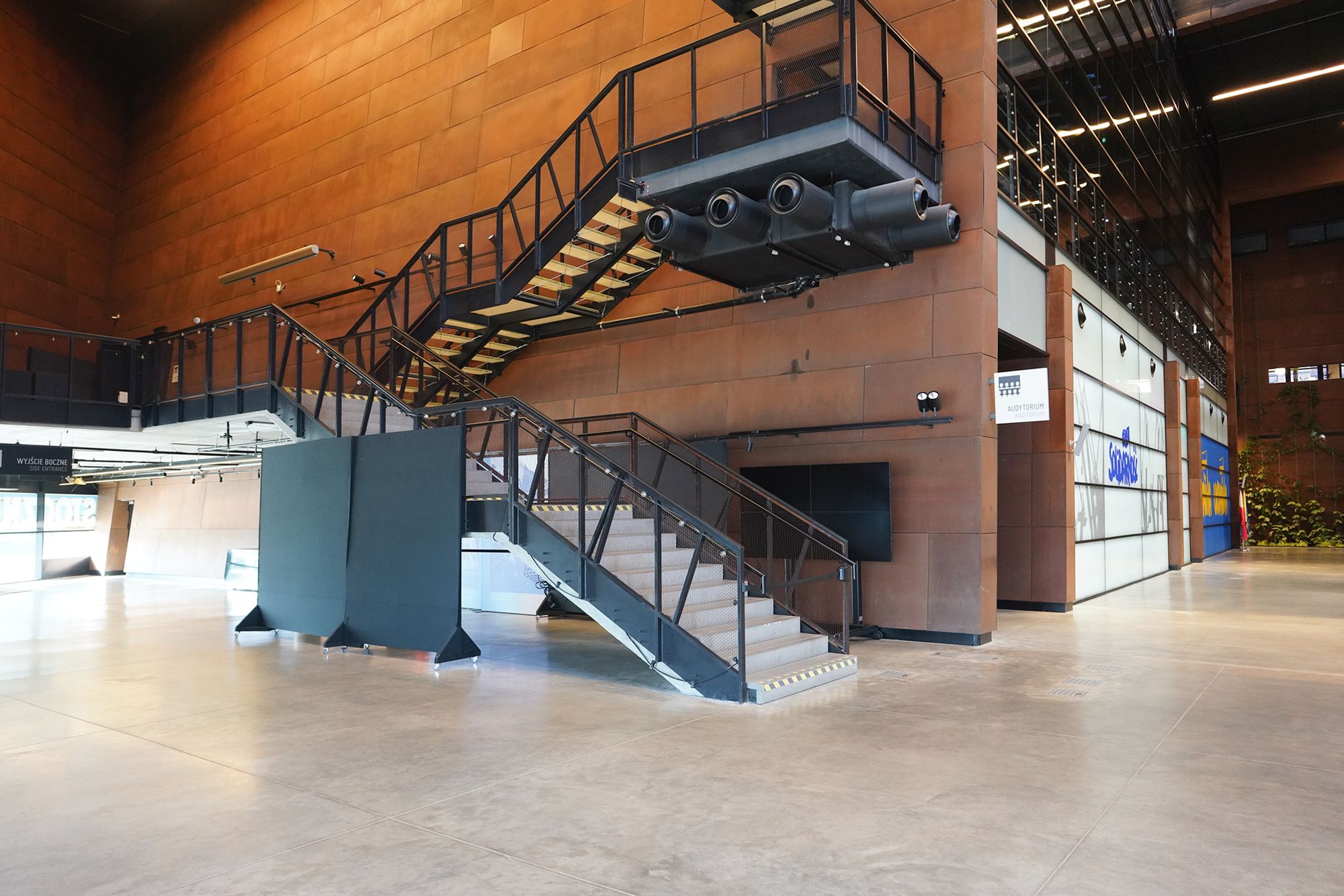
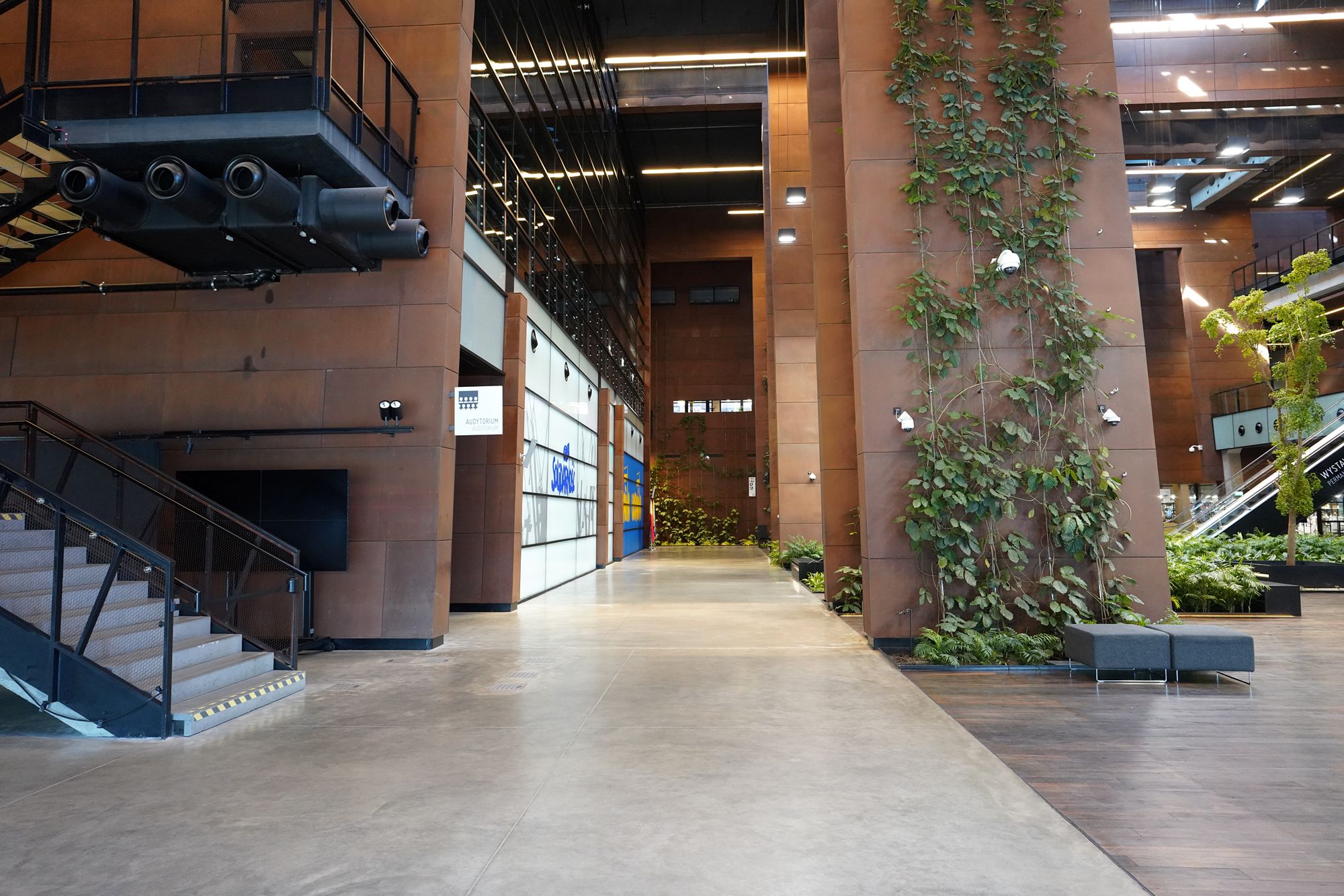
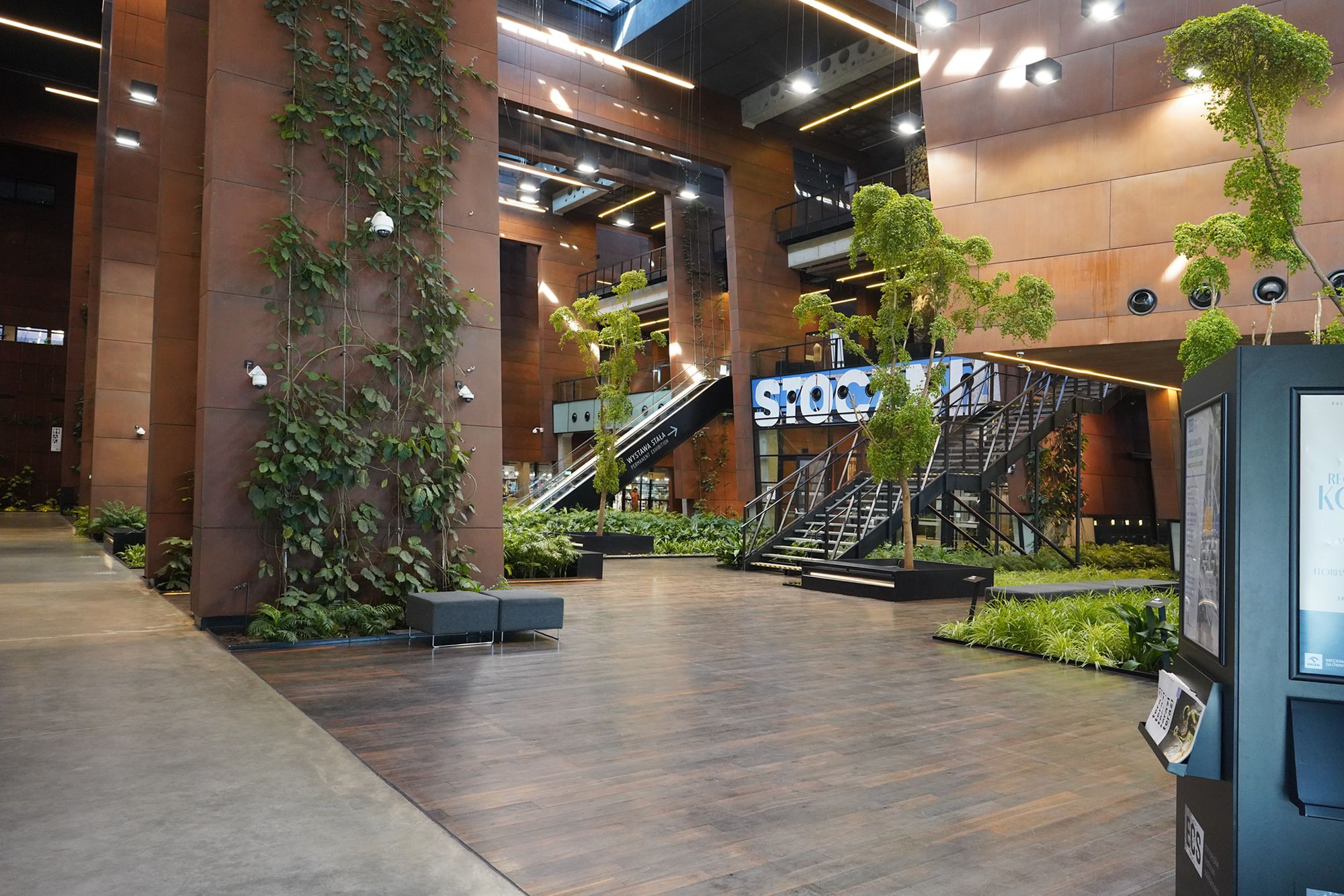
The European Solidarity Centre tells the story of the Solidarity movement, which grew out of the 1980 strikes at the Gdańsk Shipyard, and the political changes it helped bring to Poland and Central and Eastern Europe.
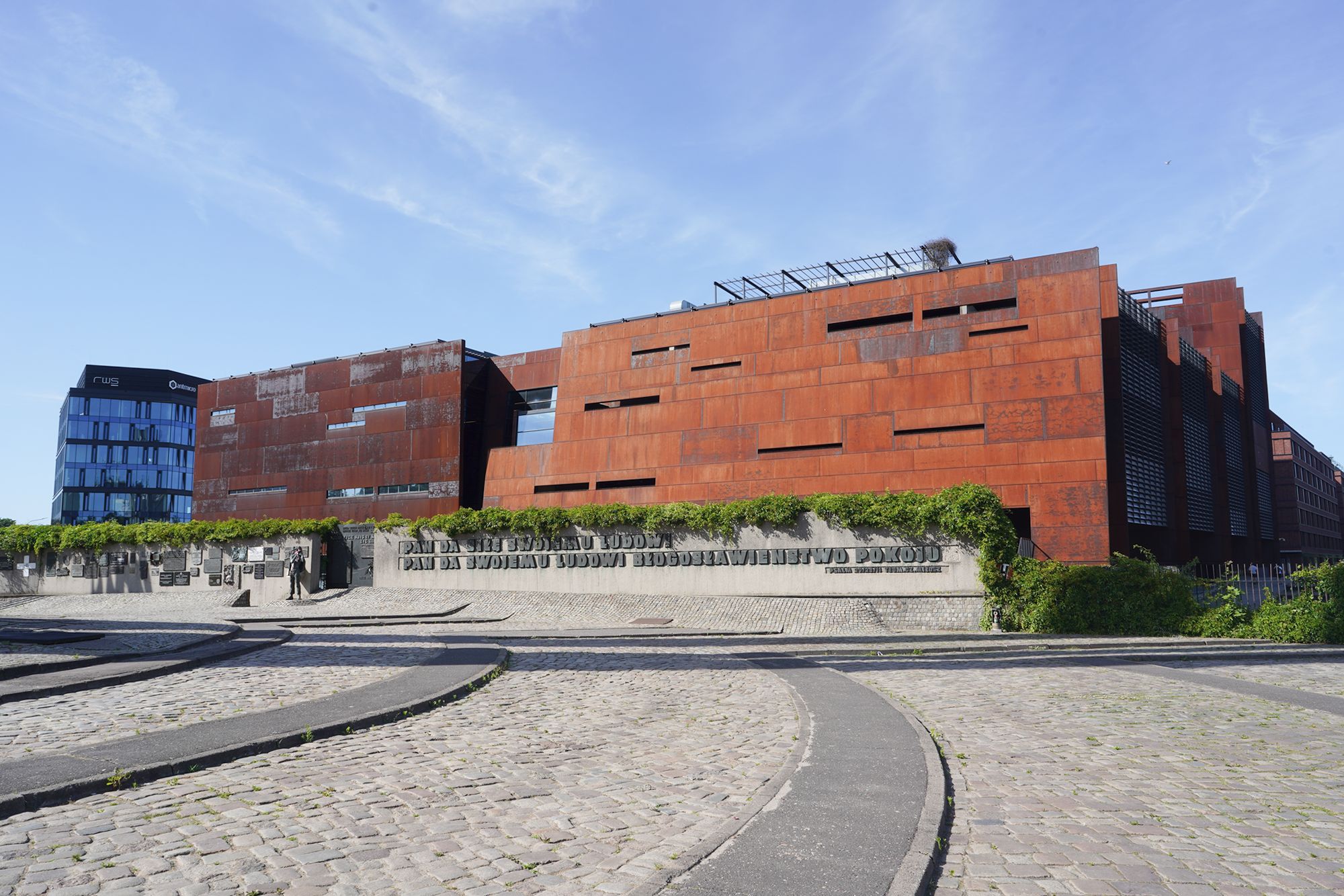
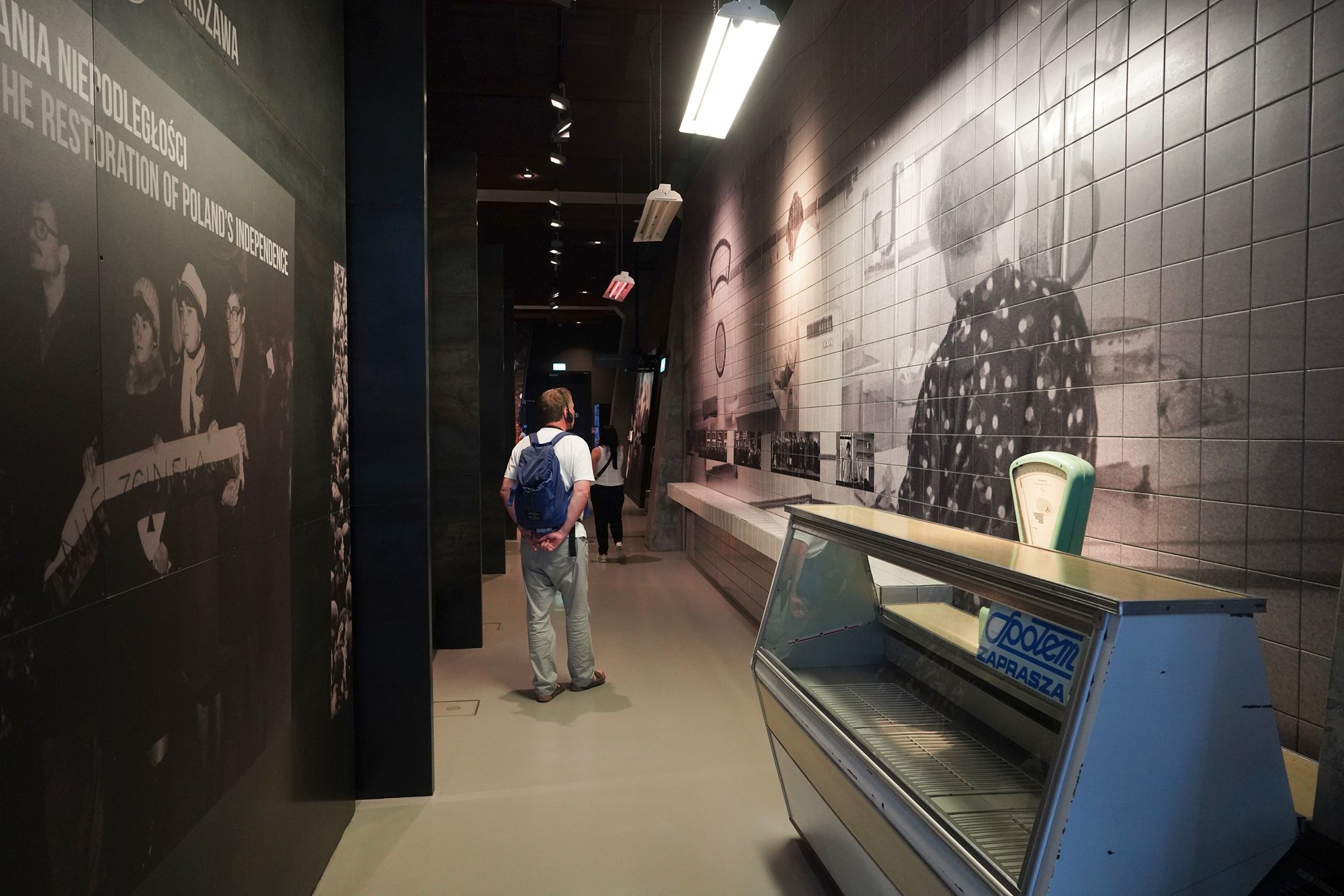
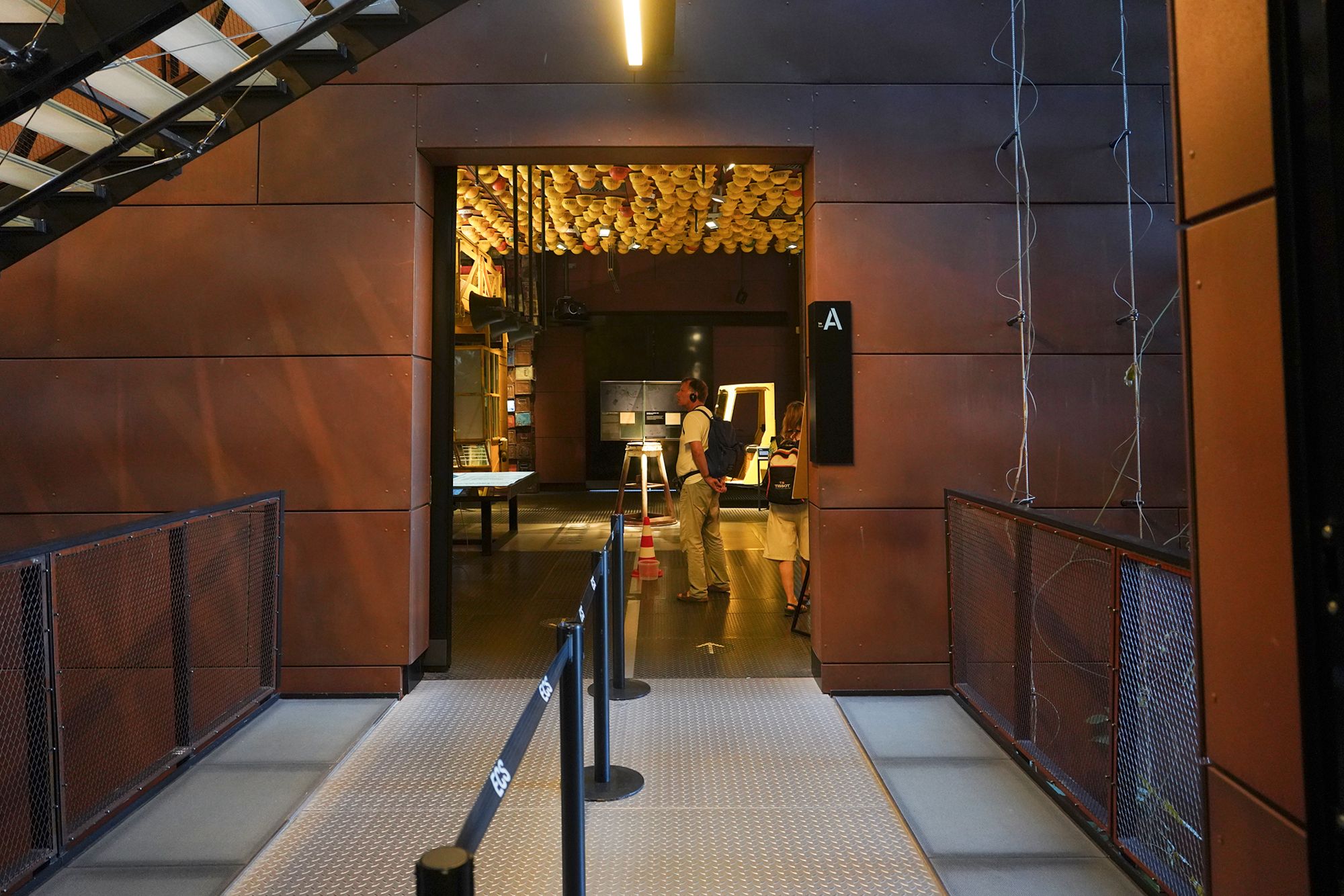
Its permanent exhibition uses photographs, documents, films, and objects—including the workers’ original 21 demands—to bring that history to life.
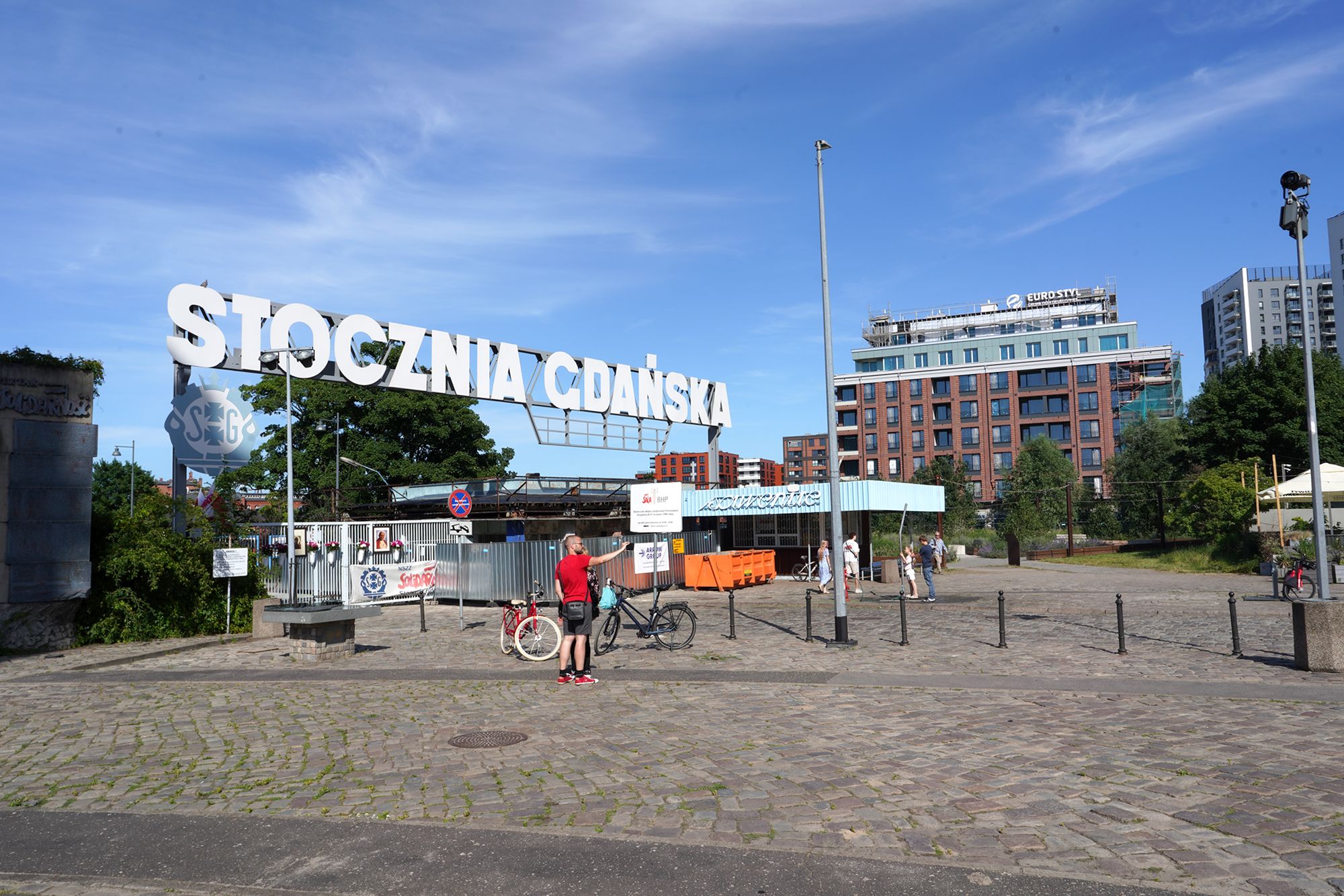
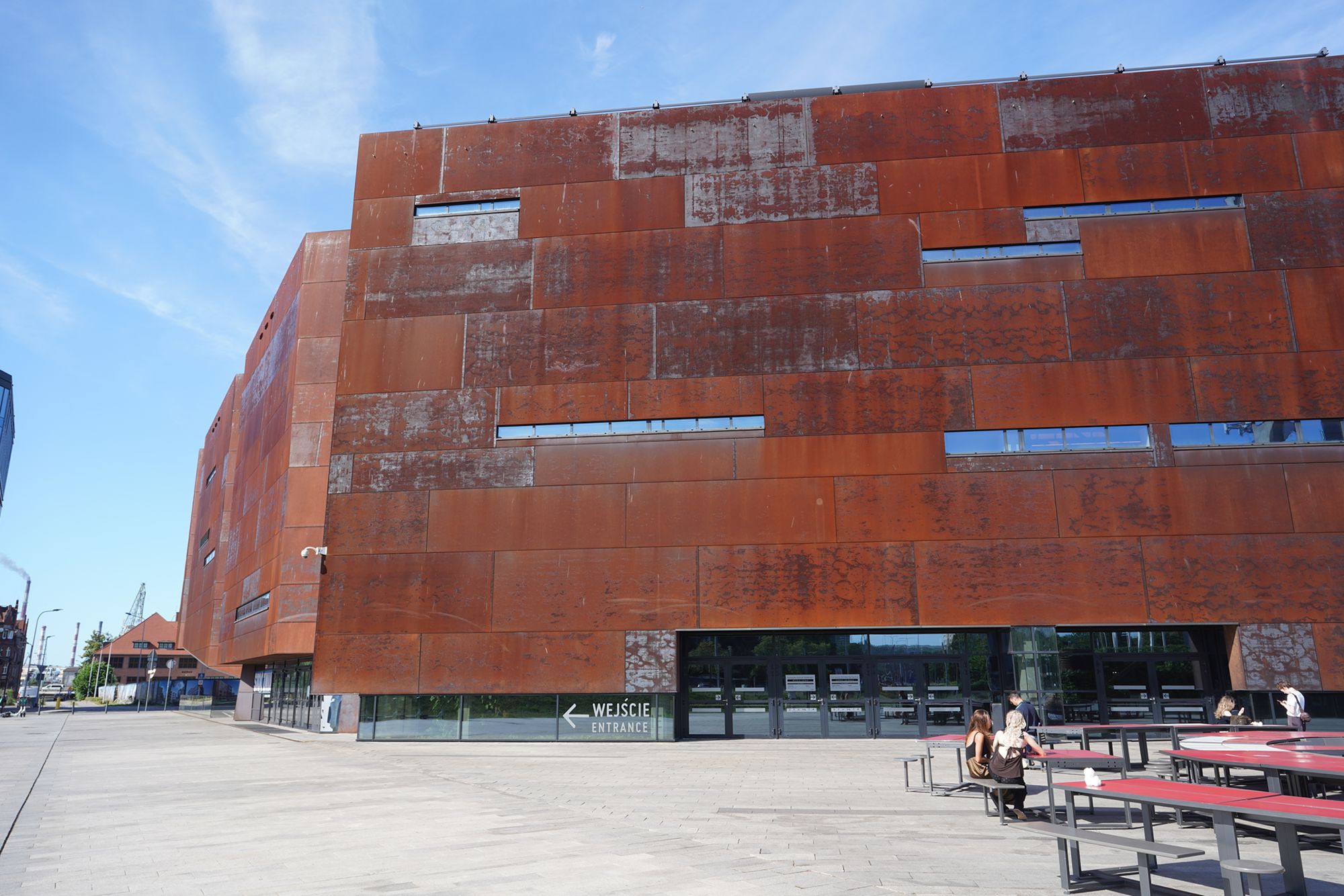
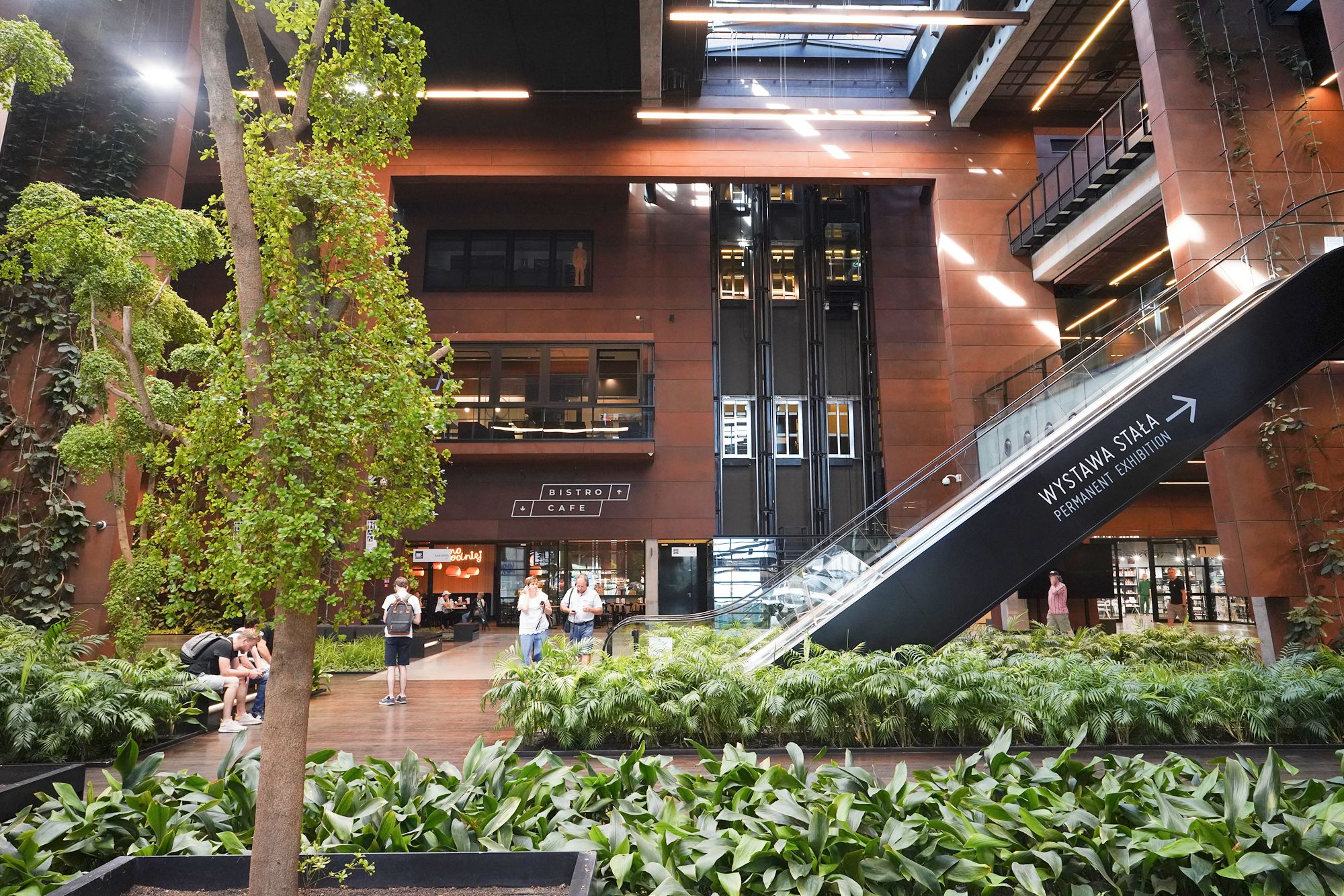
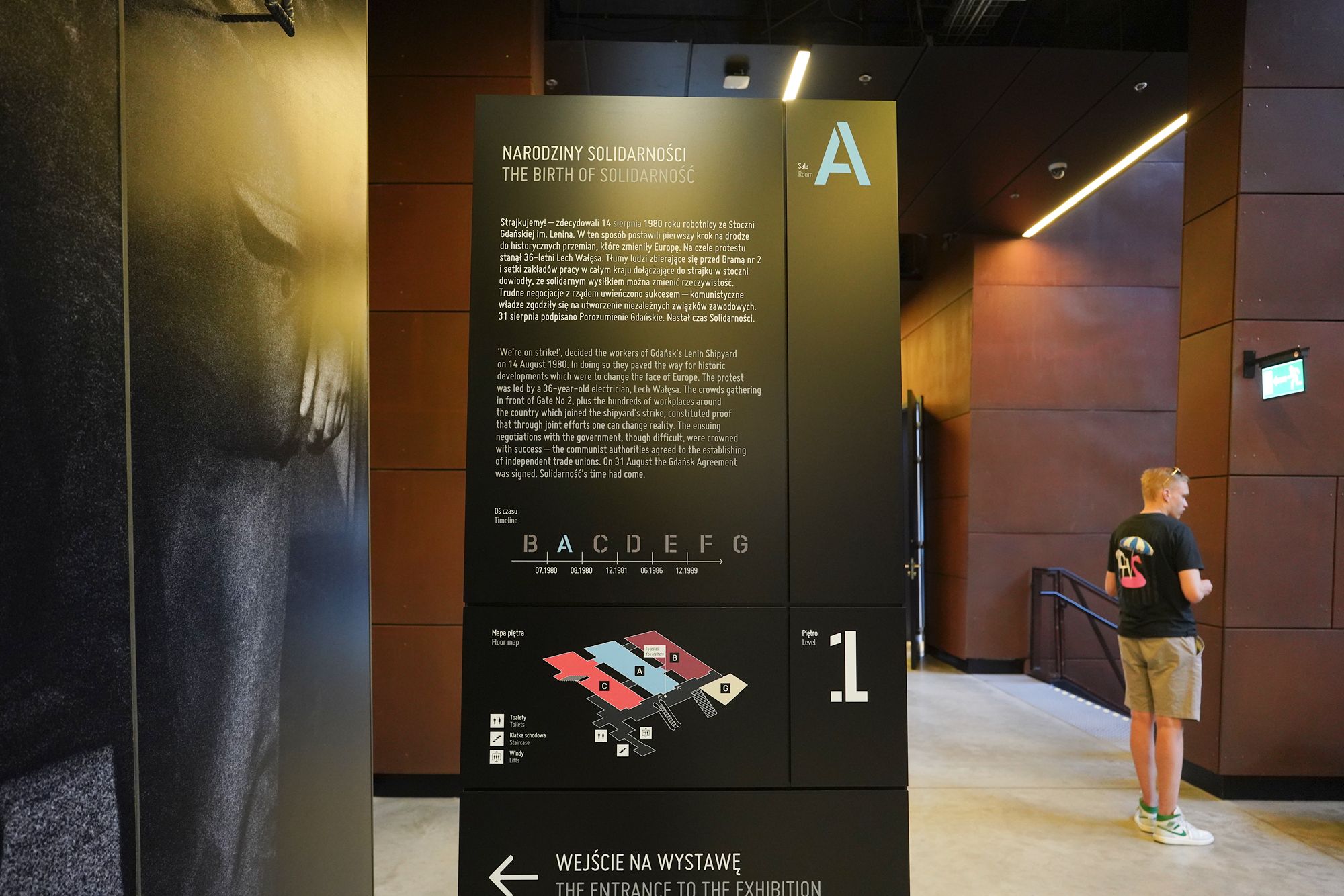
I’ll write a separate blog post about the European Solidarity Centre.