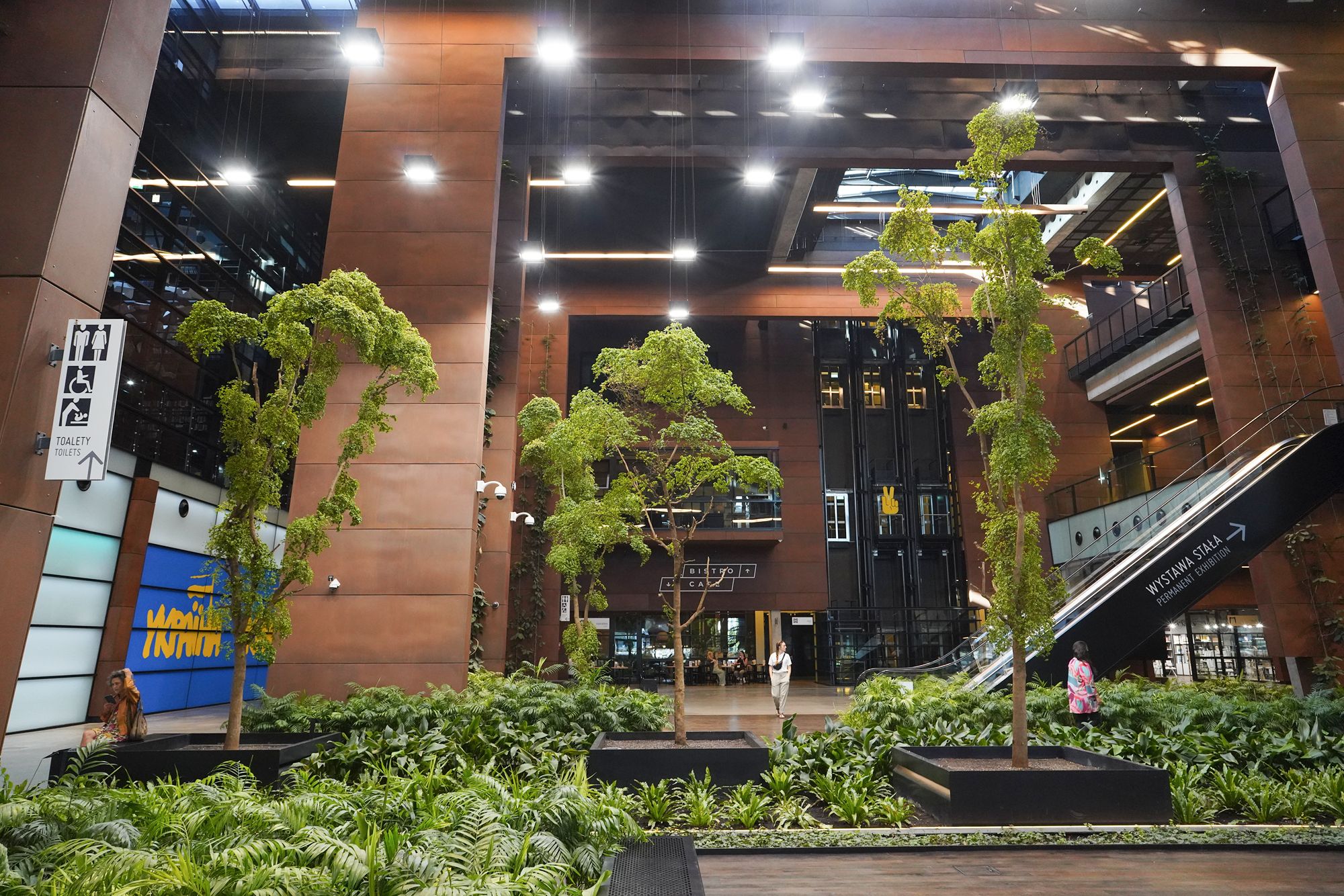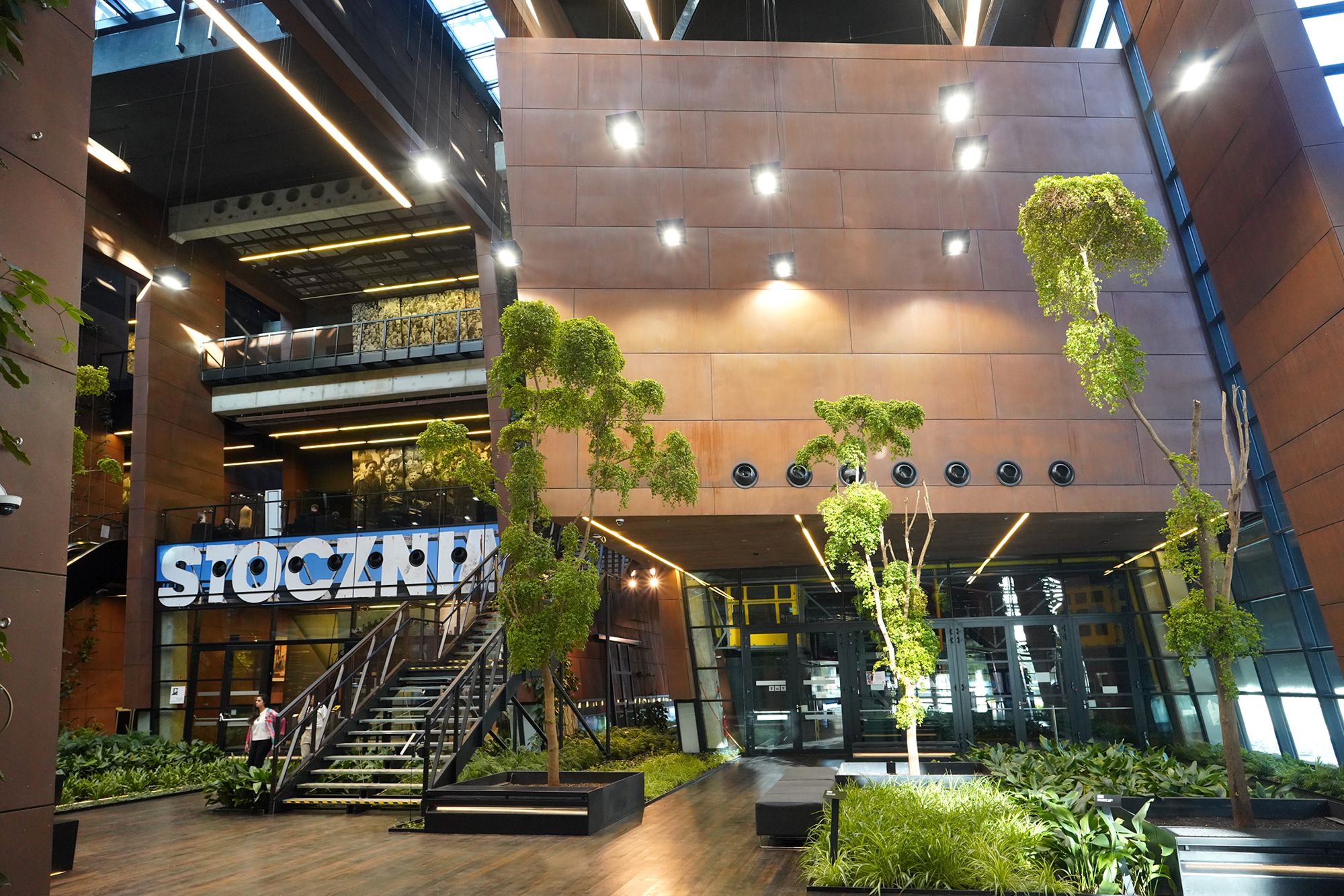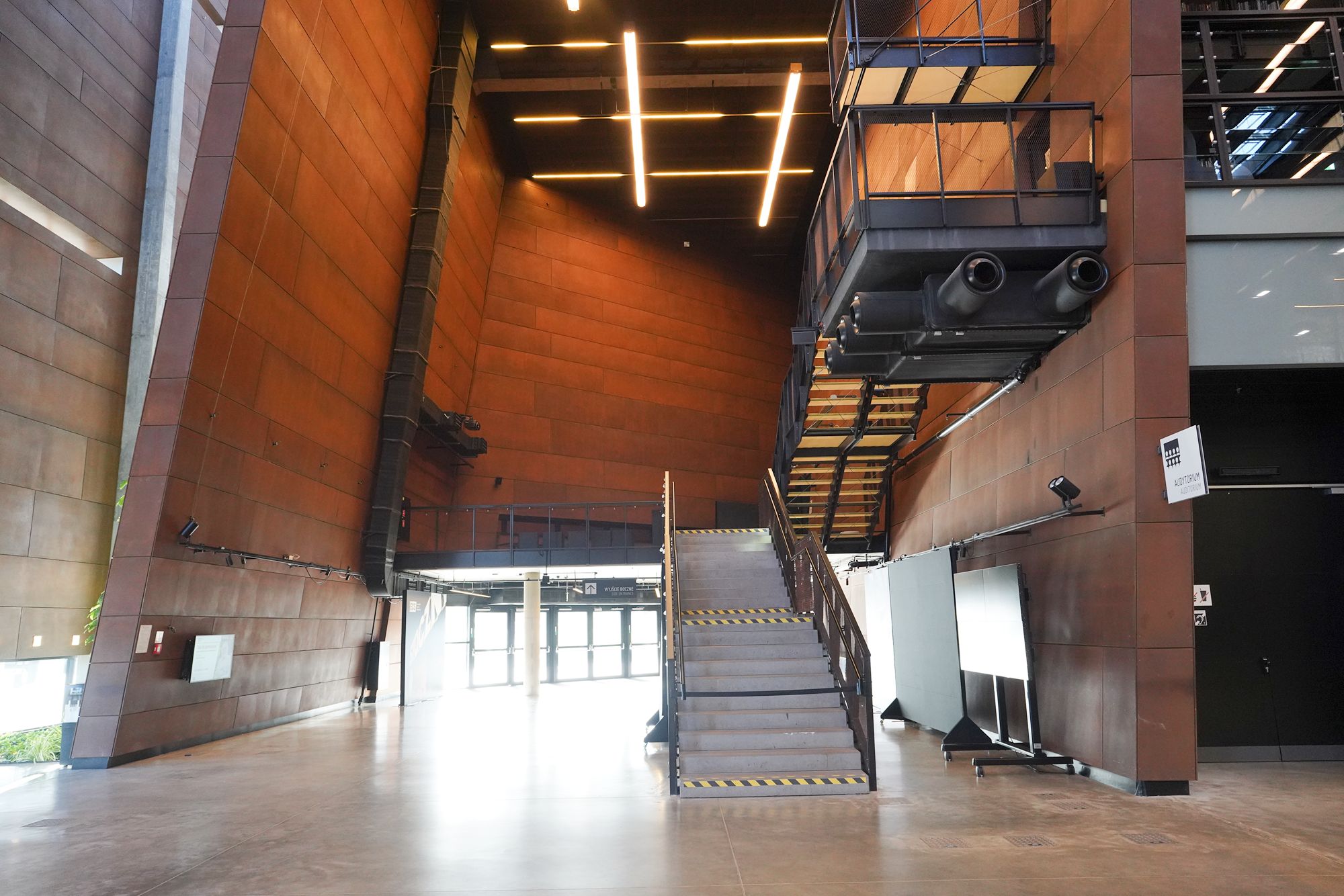
European Solidarity Centre, Gdansk, Poland
The European Solidarity Centre tells how Gdańsk workers’ movement helped Poland move peacefully from communism toward democracy. 1362
European Solidarity Centre: Plac Solidarności 1, 80-863 Gdańsk, Poland
Date Picture Taken: Jun, 2026
The European Solidarity Centre explores the Solidarity movement that grew from the 1980 shipyard strikes in Gdańsk. Through photographs, documents, films, and original objects, its permanent exhibition follows workers’ demands, the struggle against communist rule, and the movement’s influence on democratic change in Poland and across Central and Eastern Europe.
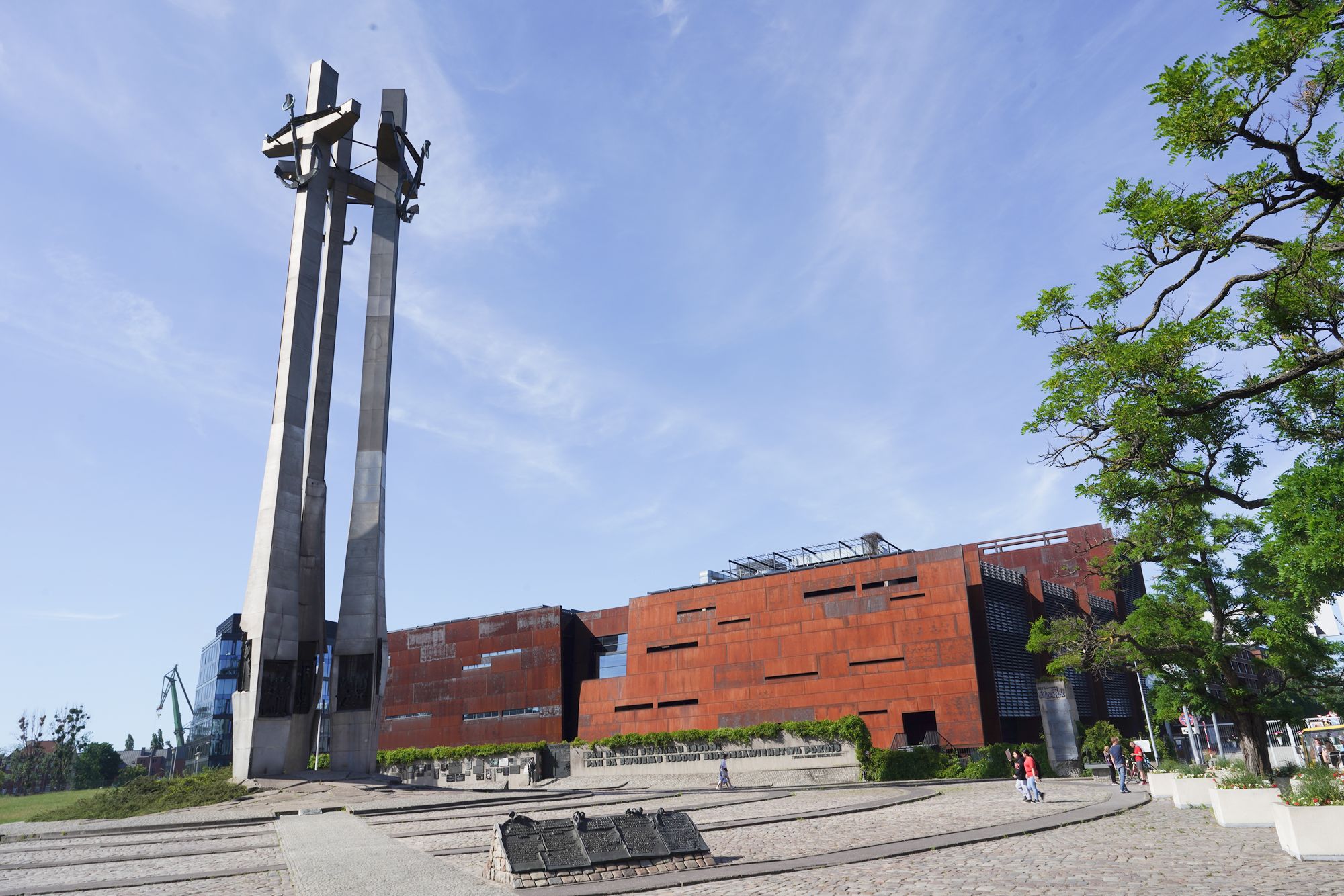
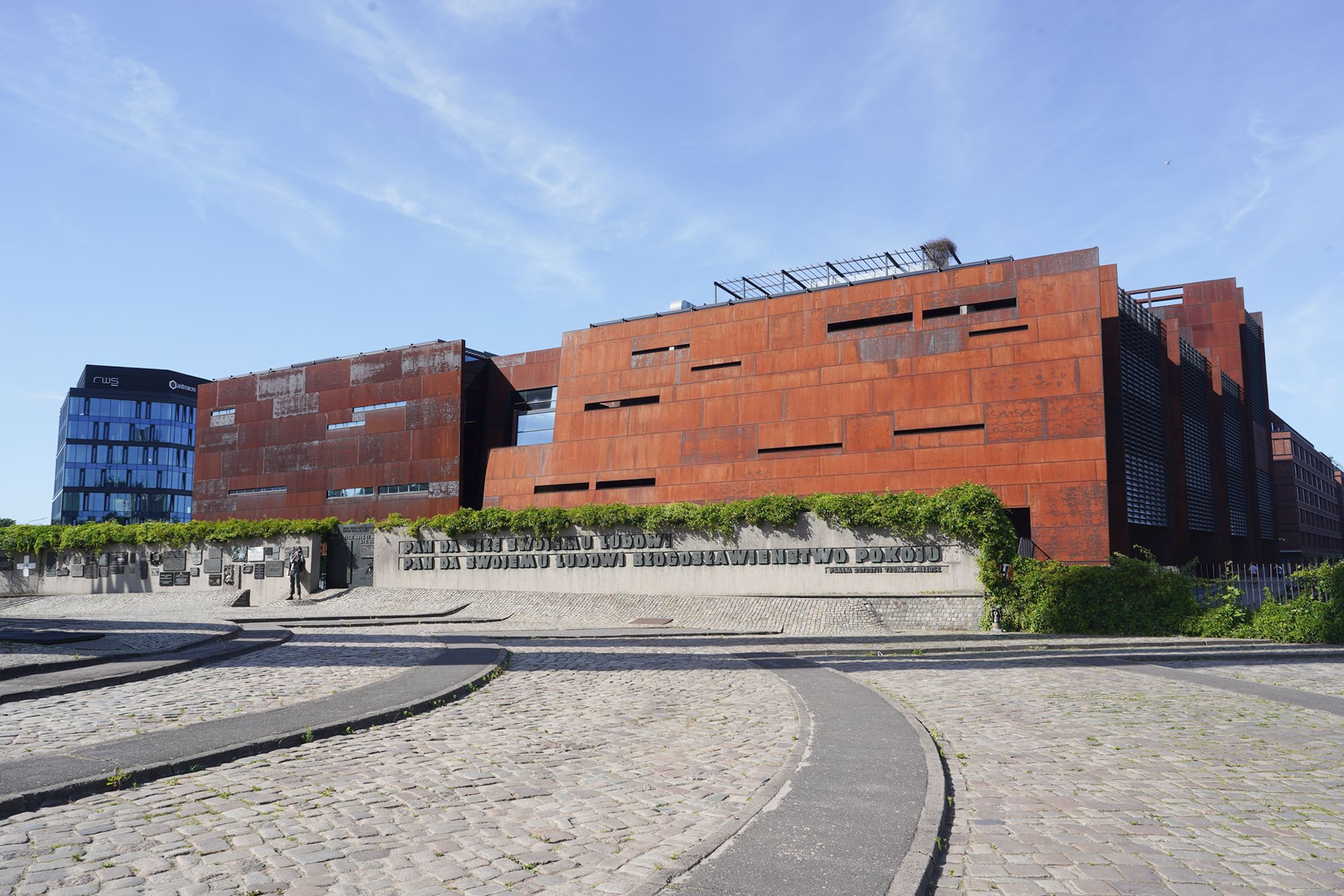
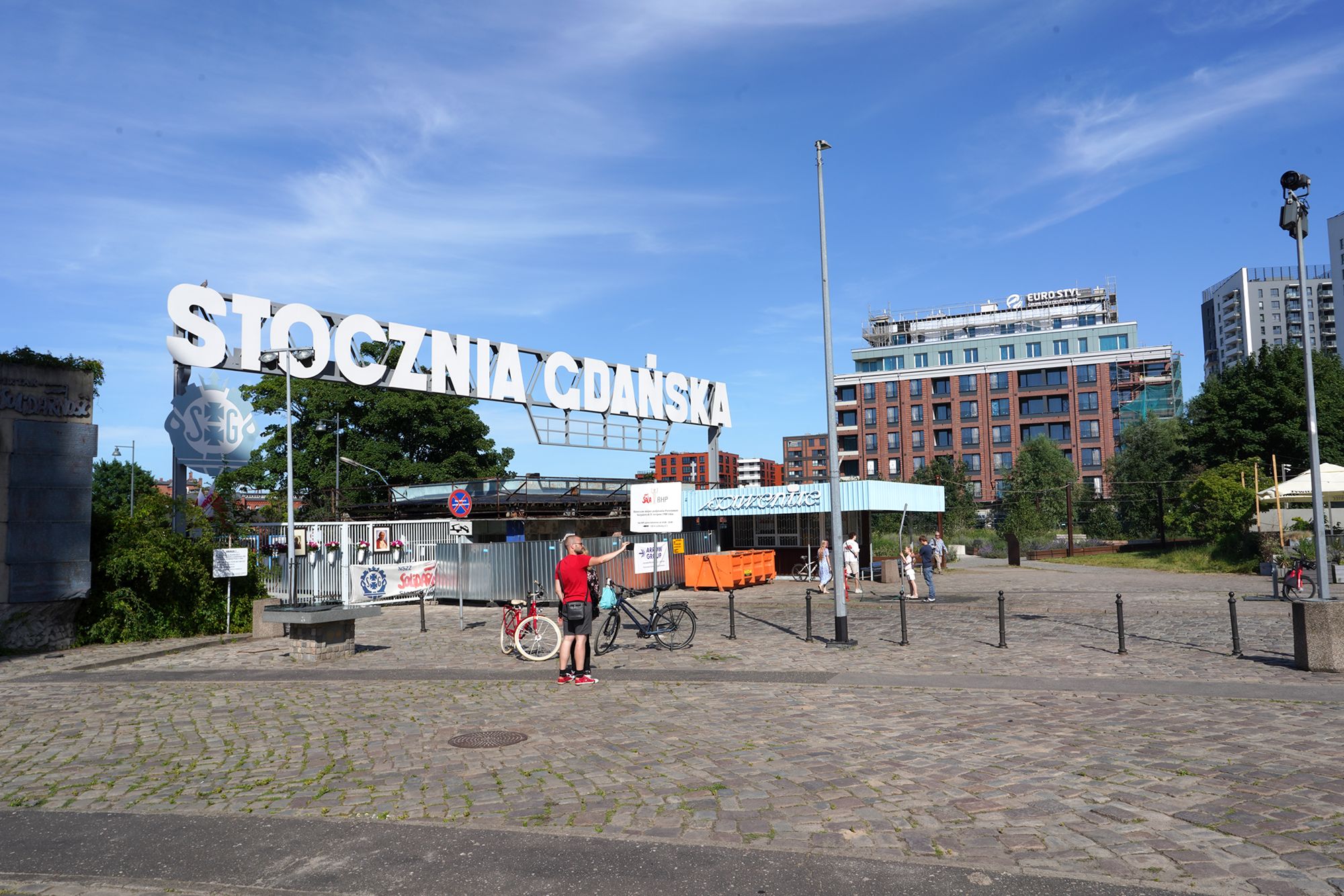
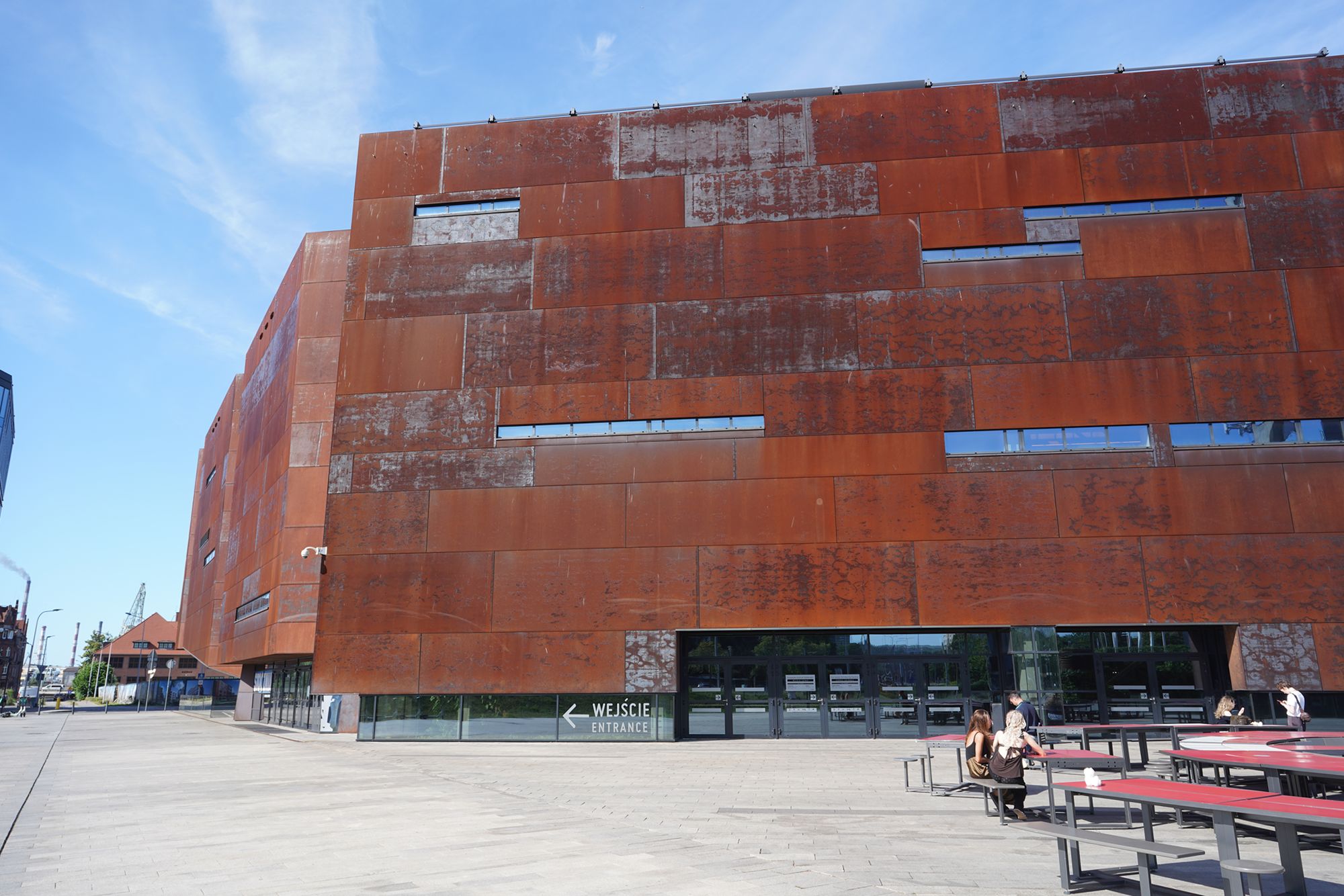
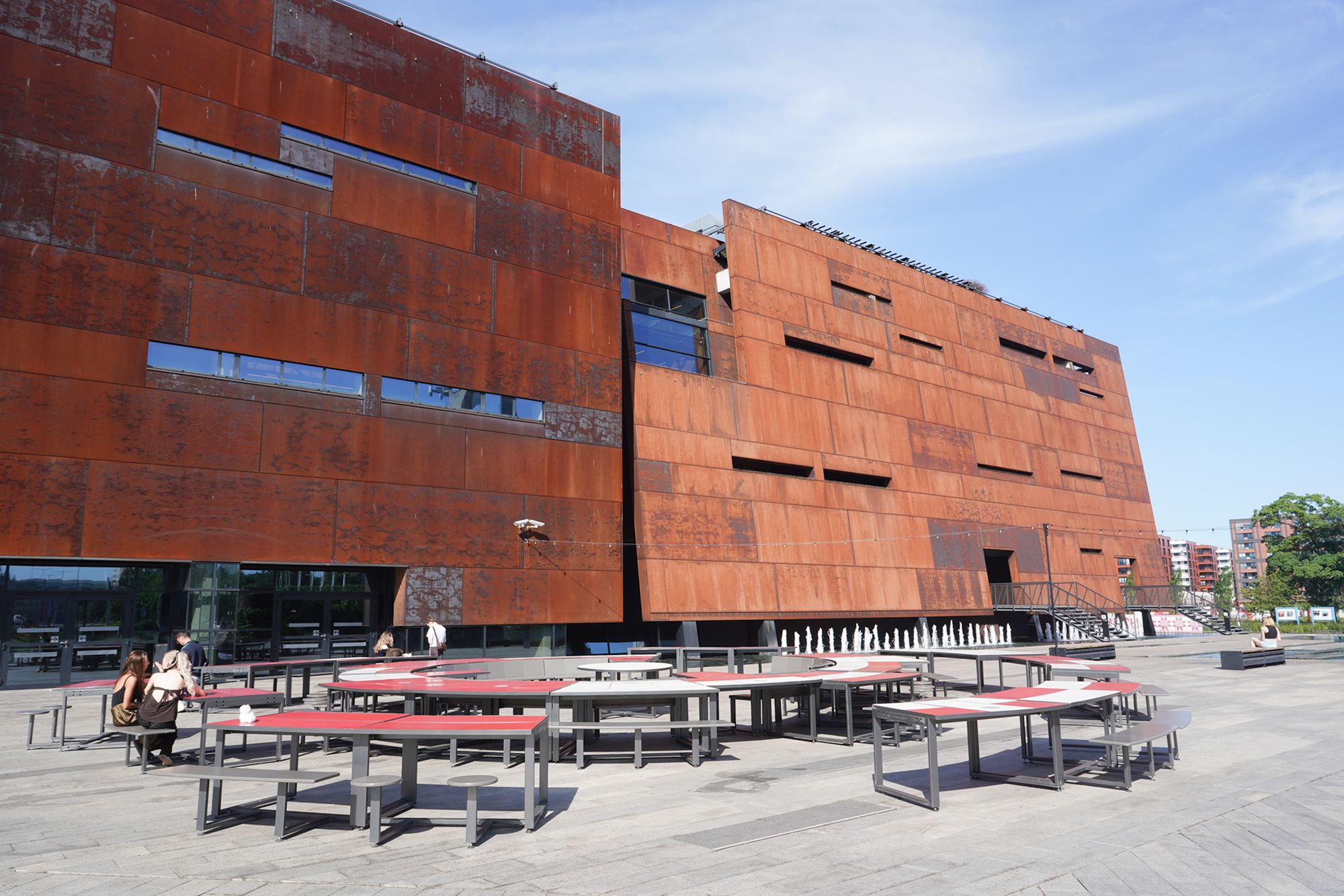
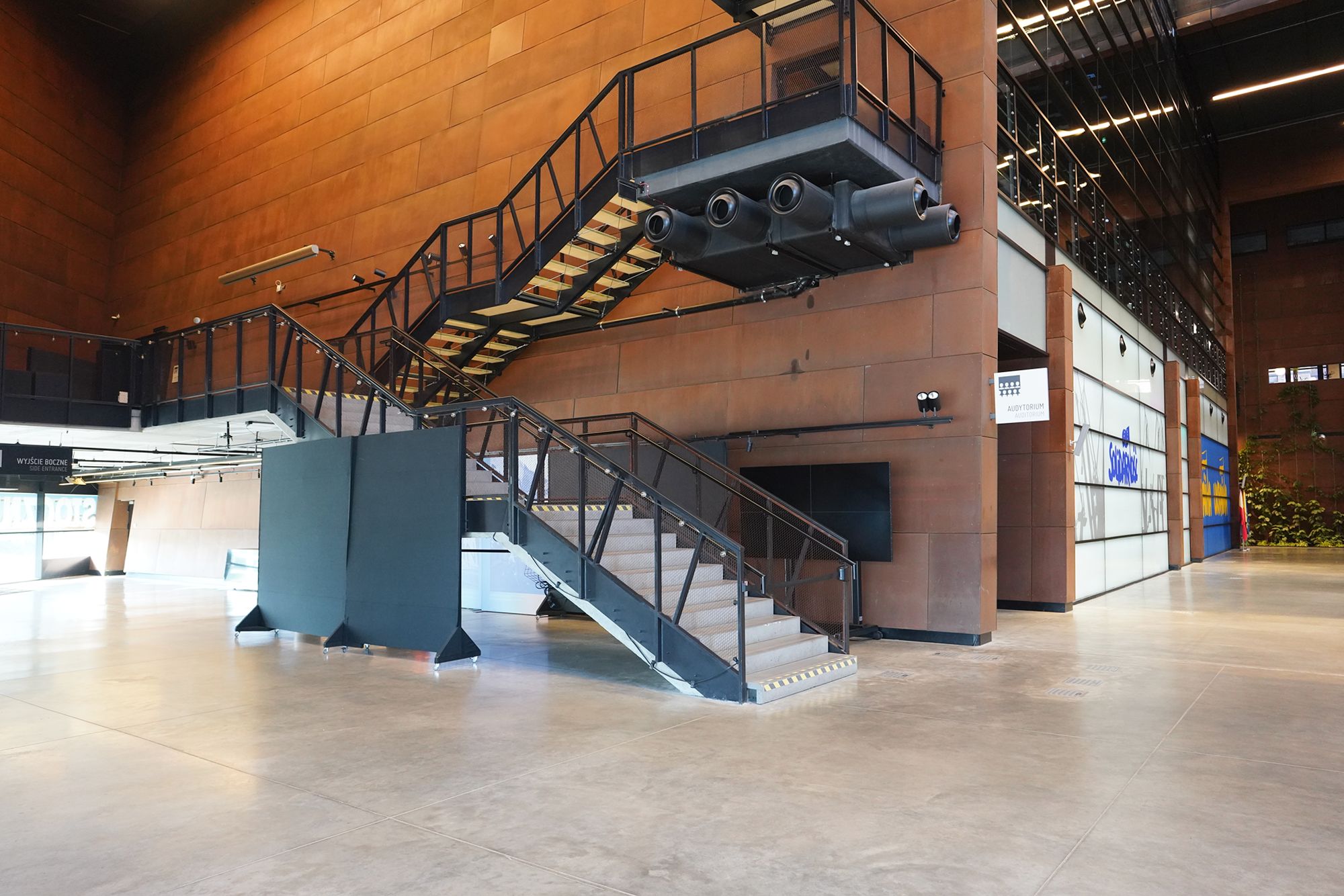
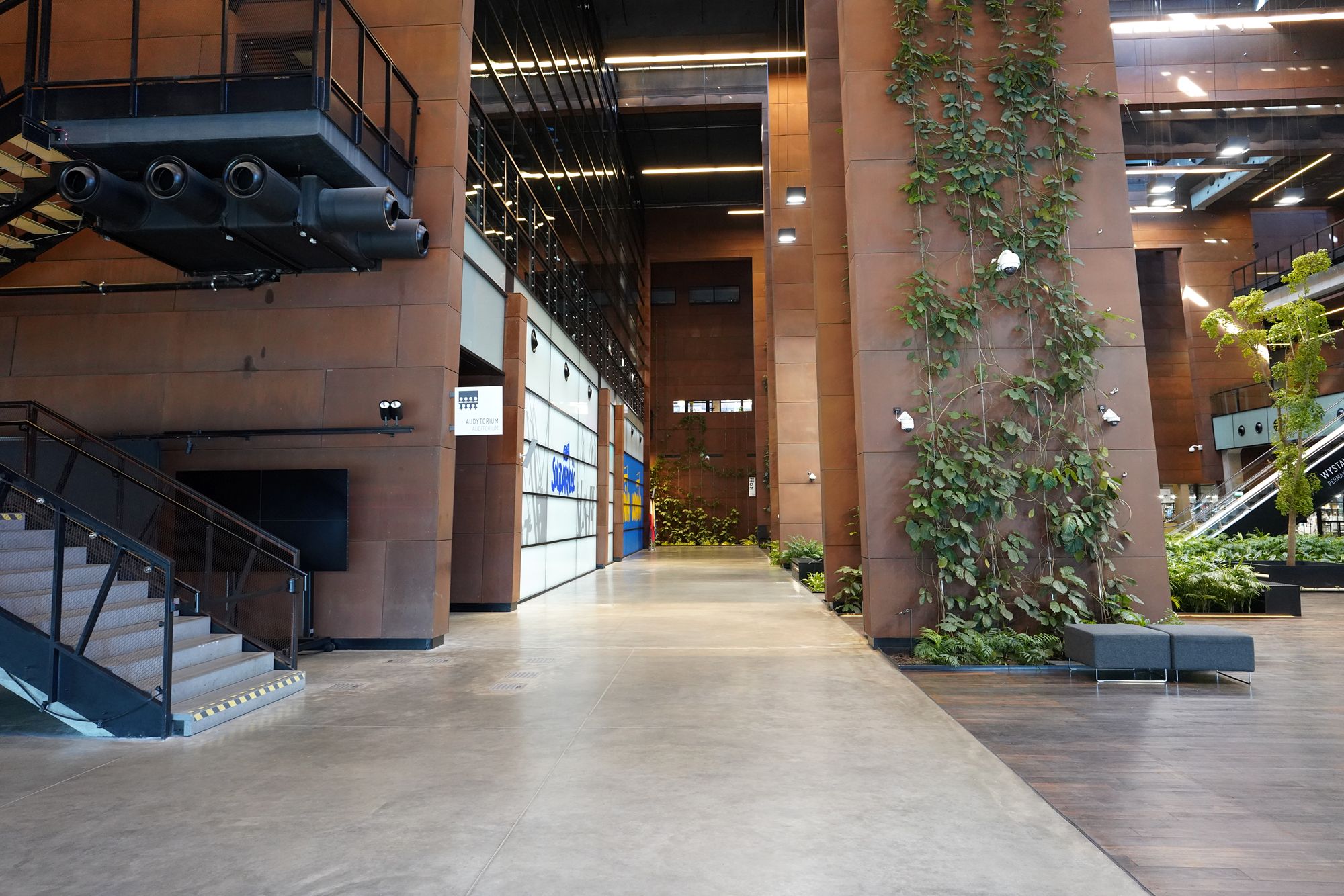
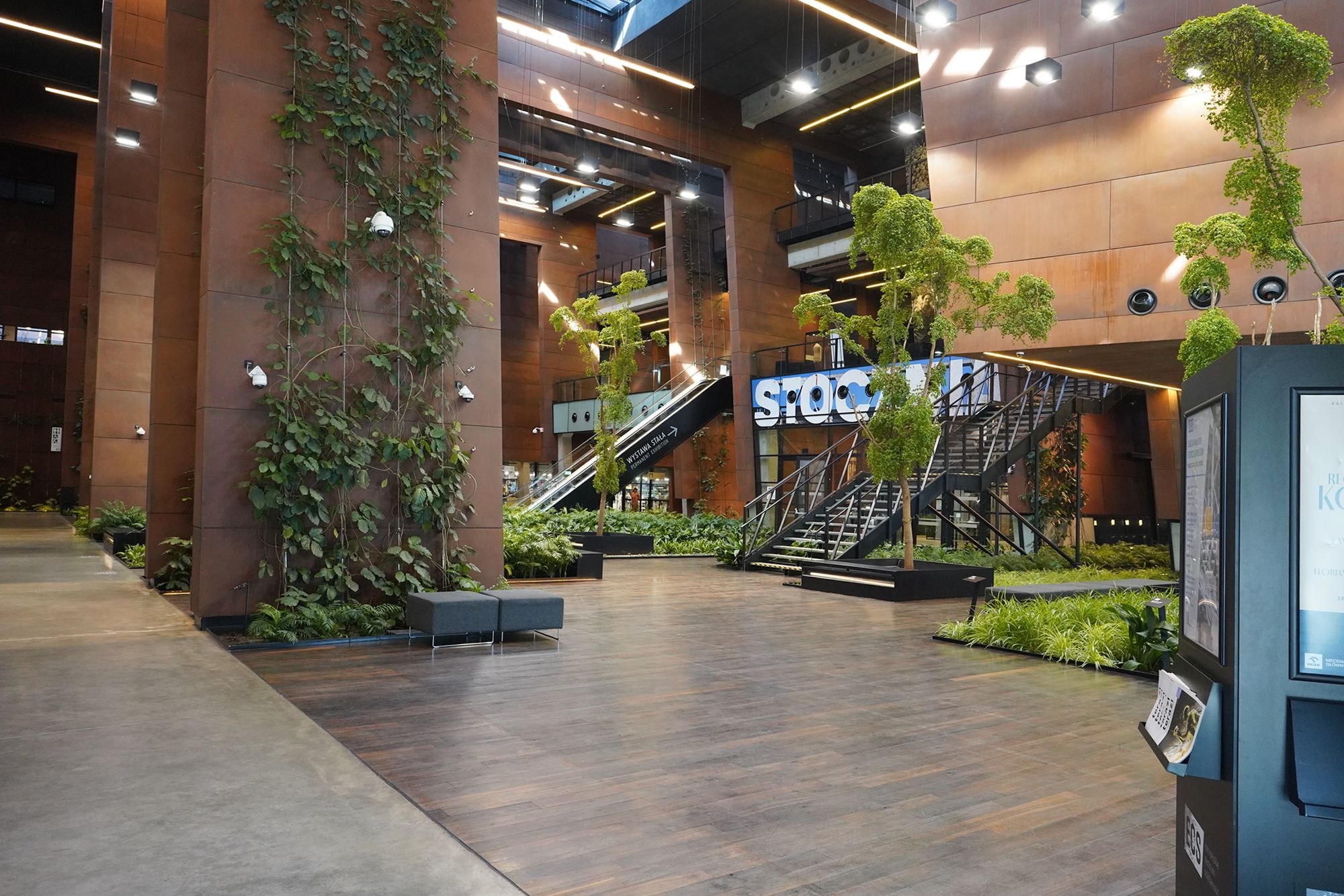
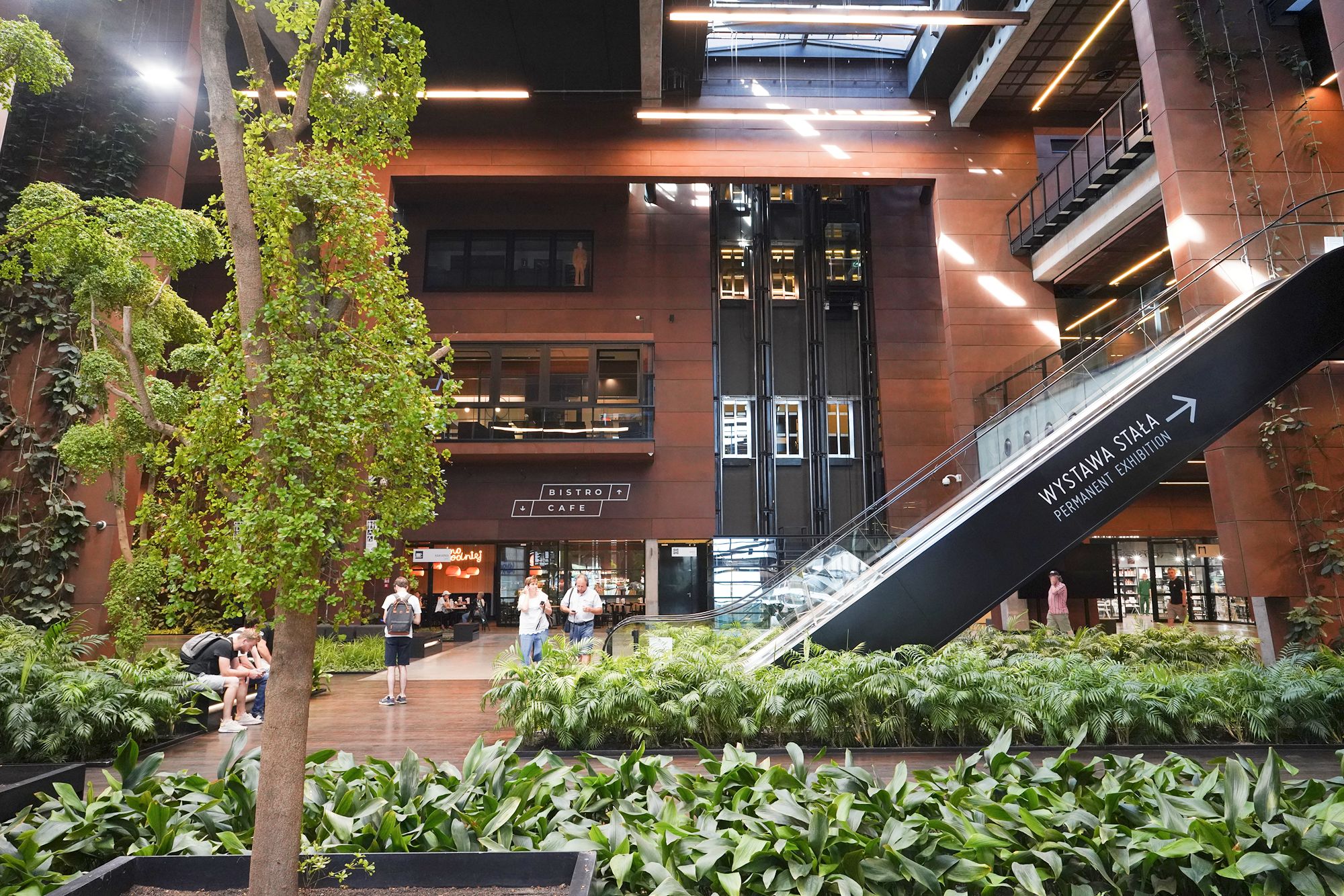
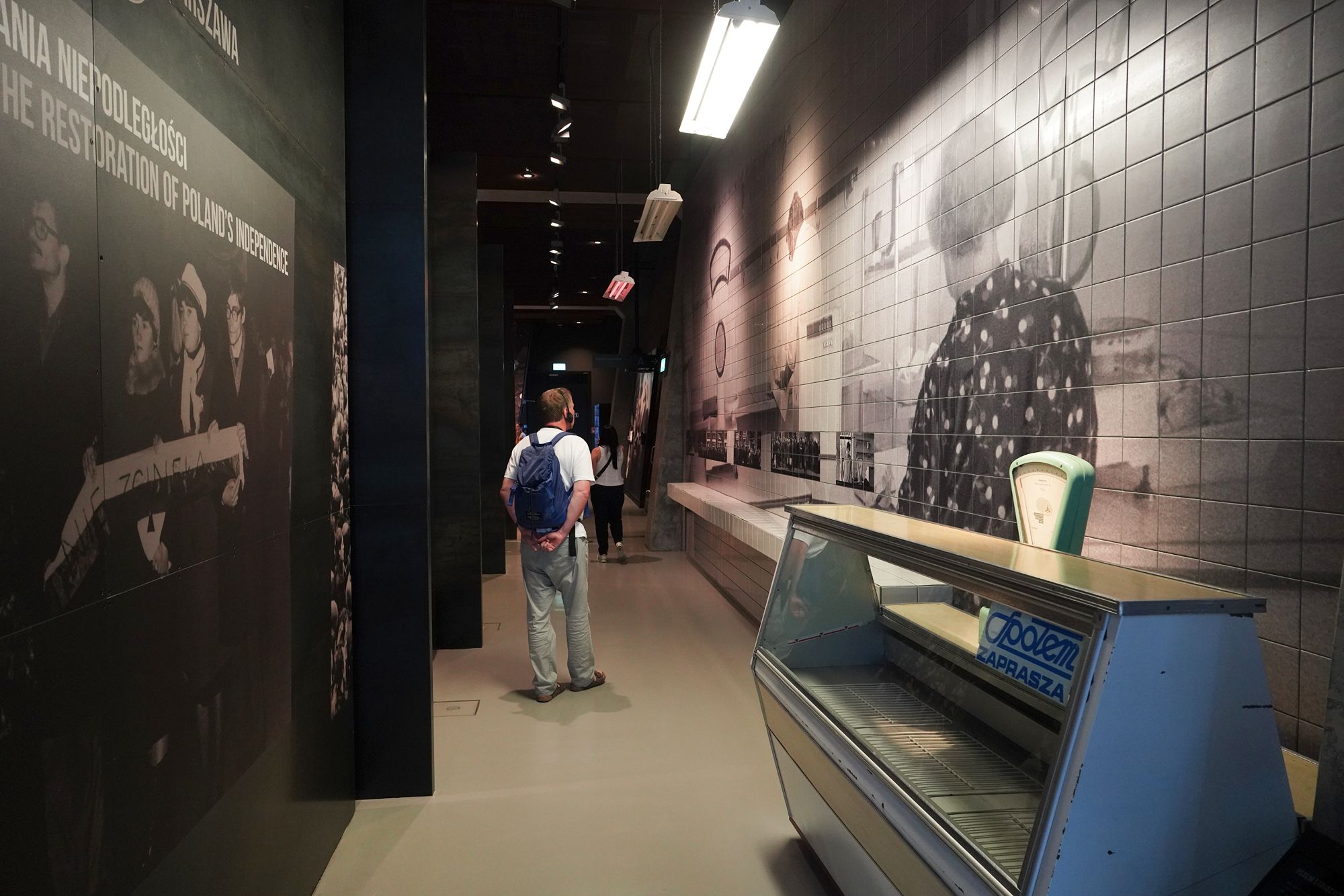
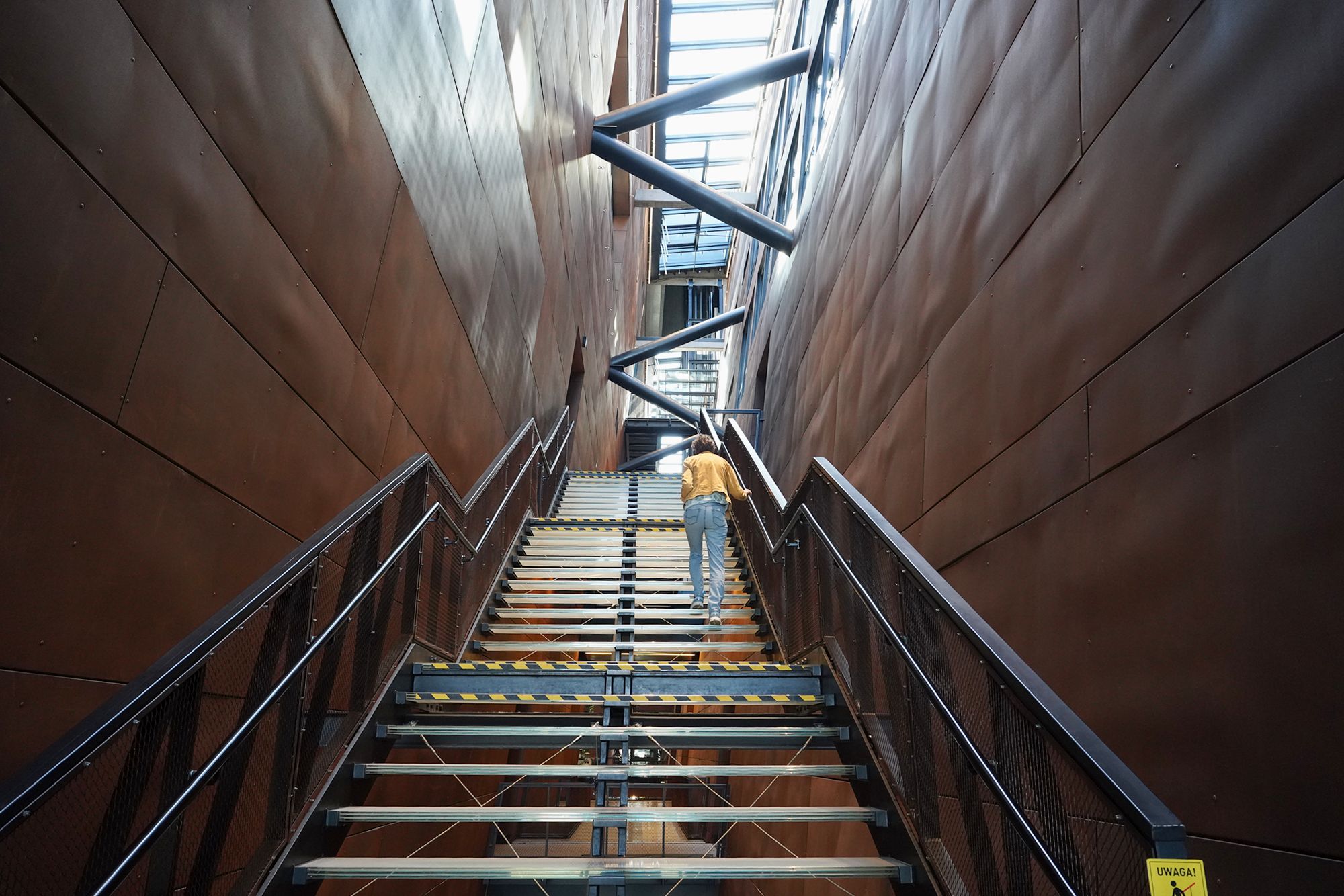
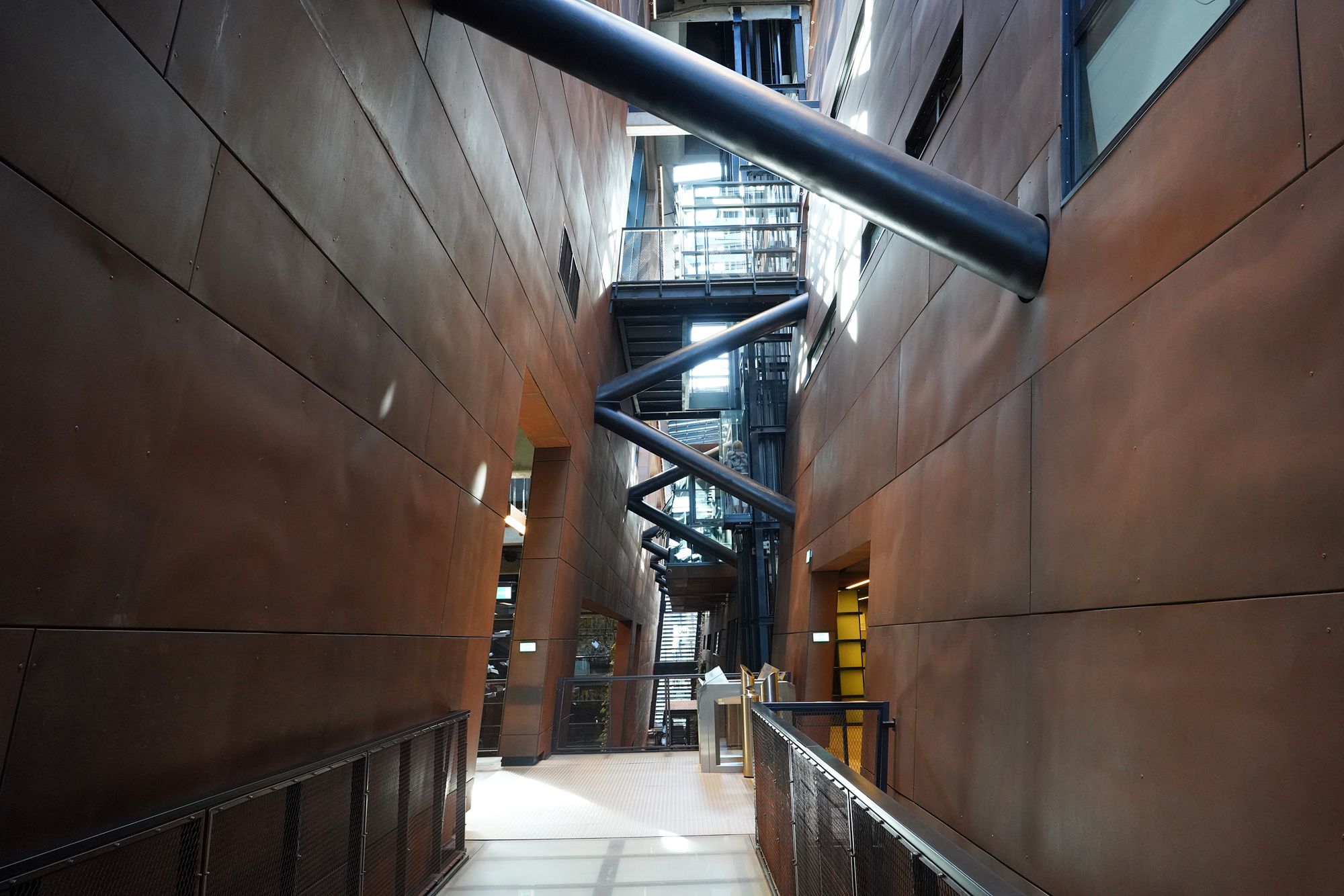
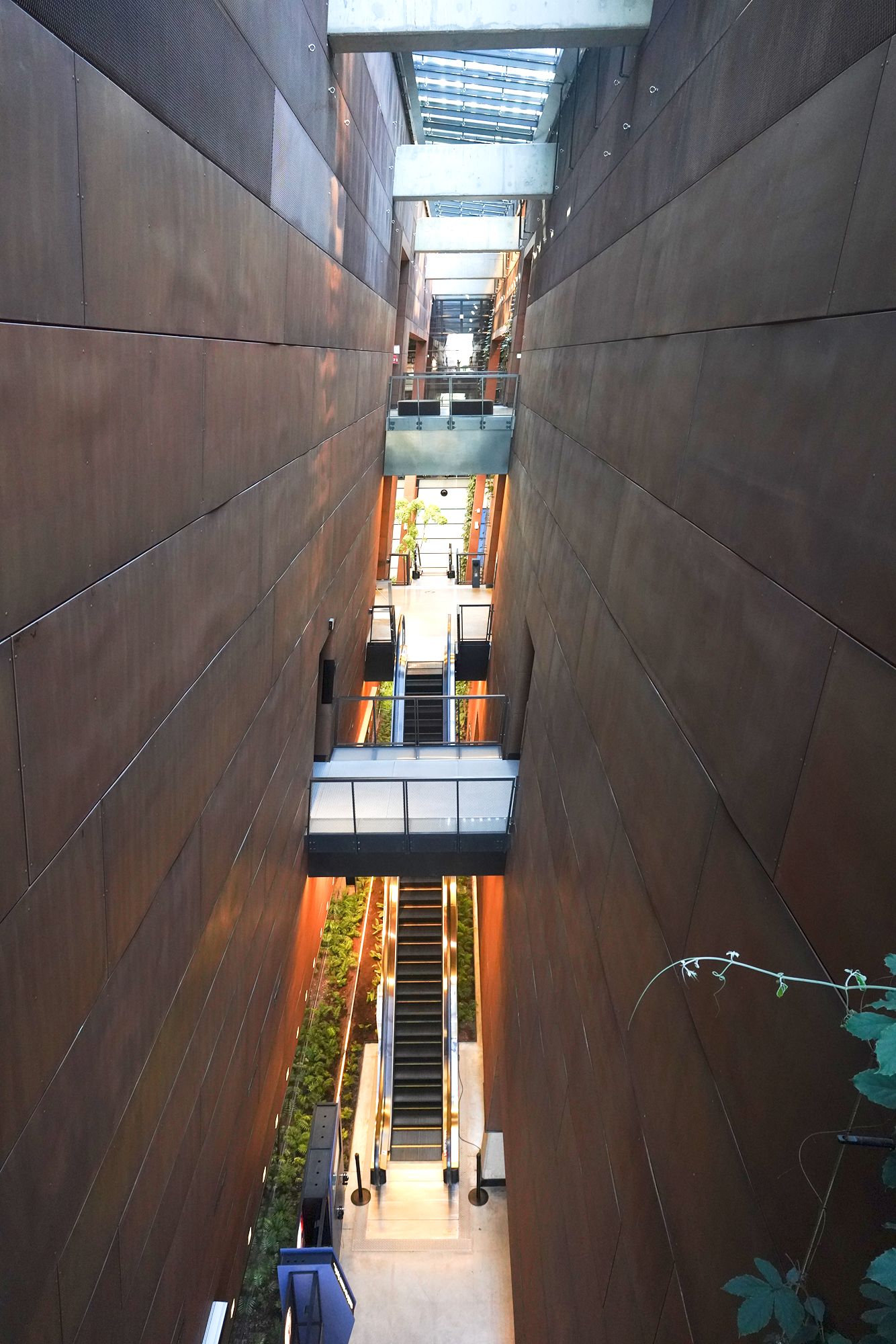
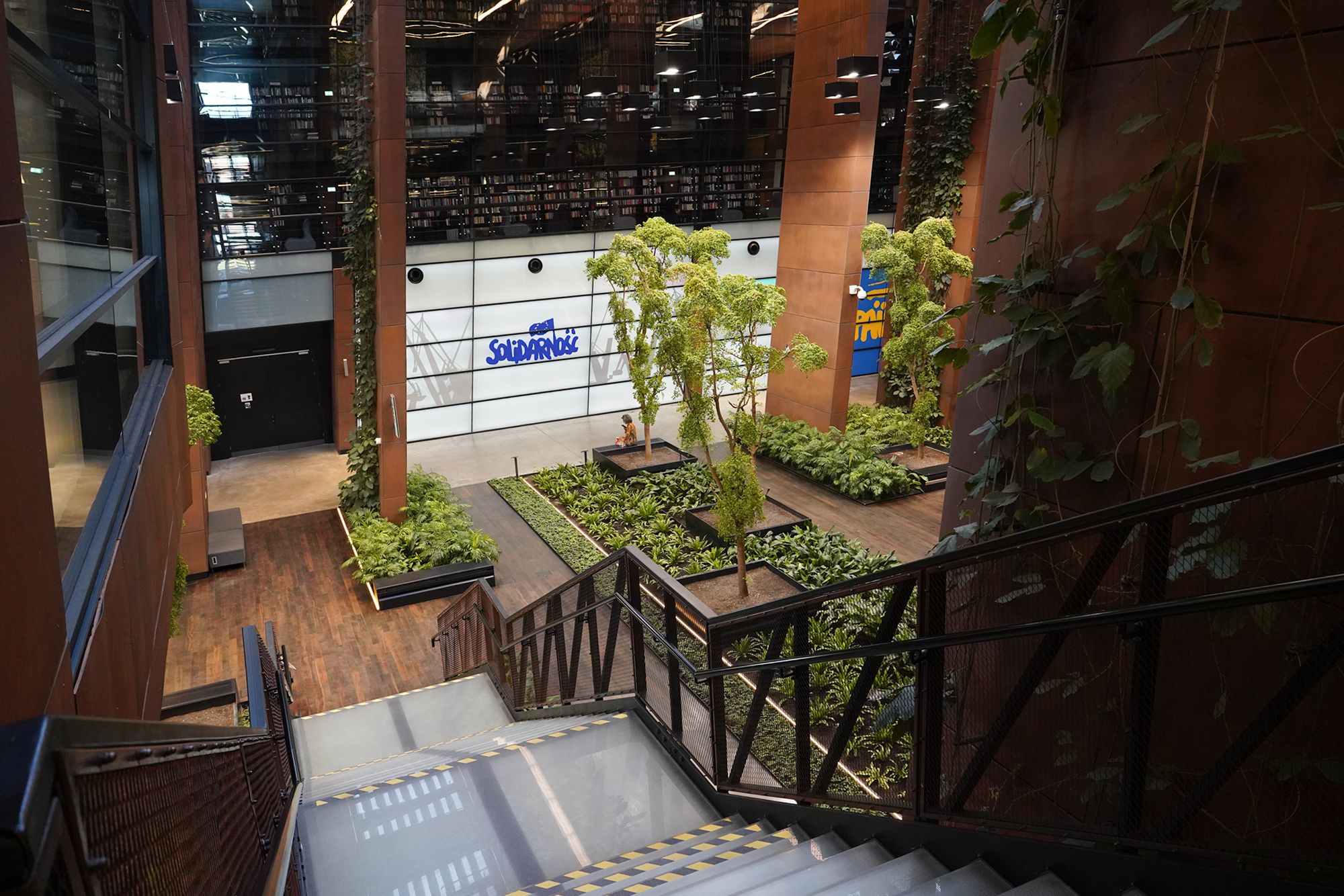
The museum’s modern design stands out, with rust-colored steel walls that recall a ship’s hull and the nearby shipyard.
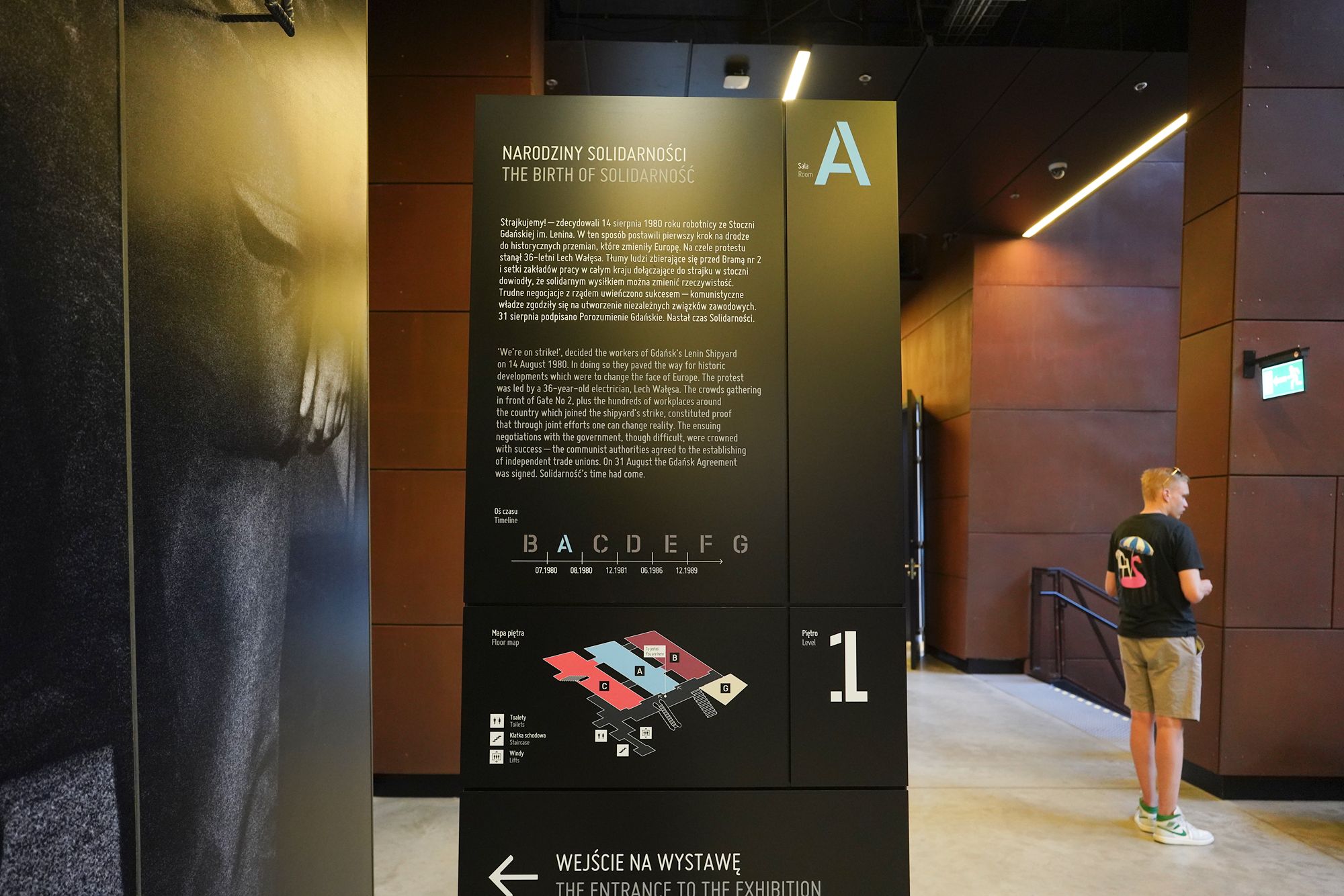
Poland emerged from World War II on the victorious side but remained under a communist system controlled by the Soviet Union. Protests in 1956, 1968, 1970, and 1976 showed public opposition, while Pope John Paul II’s 1979 visit renewed hope. This sets the stage for the Solidarity movement’s rise in 1980.
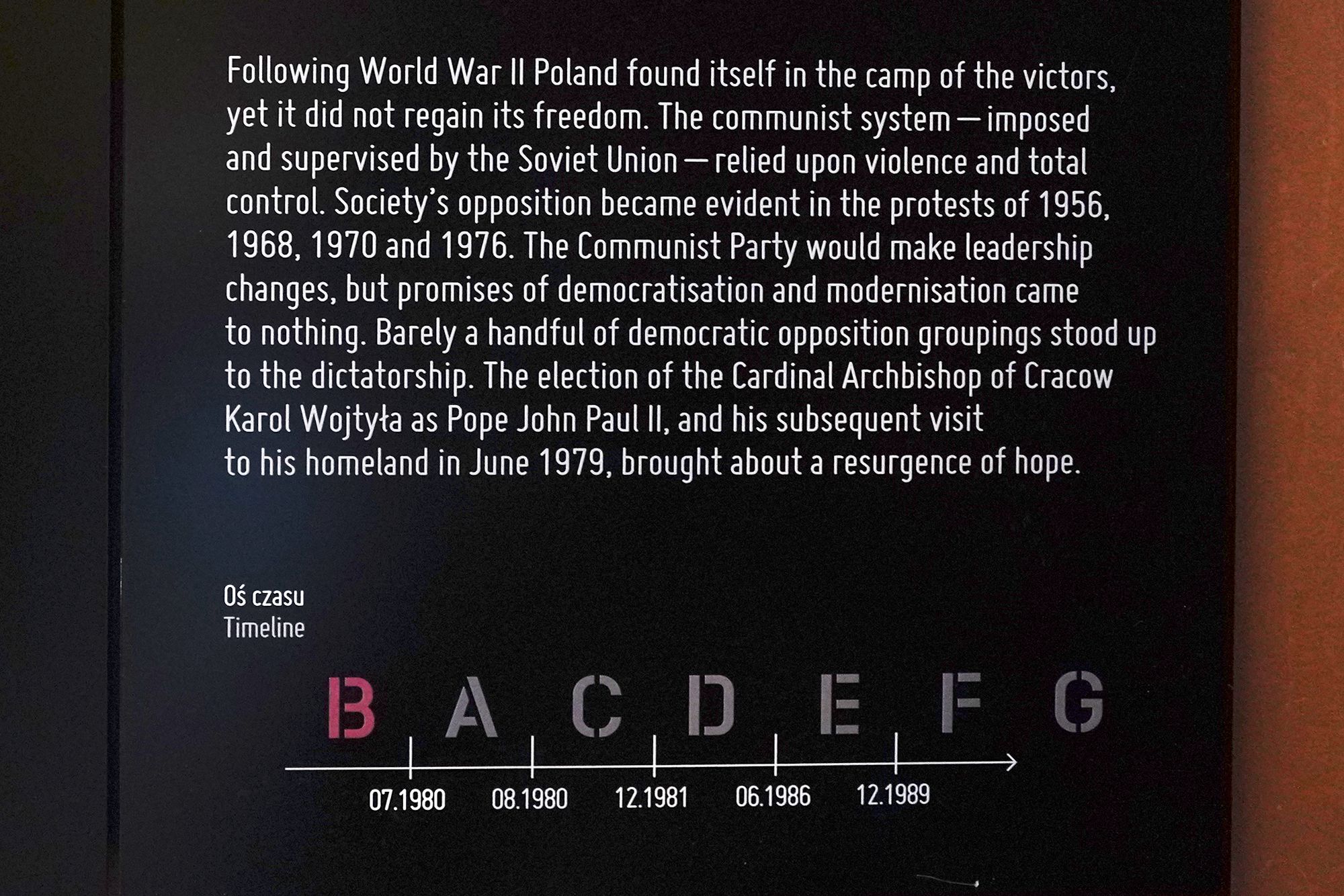
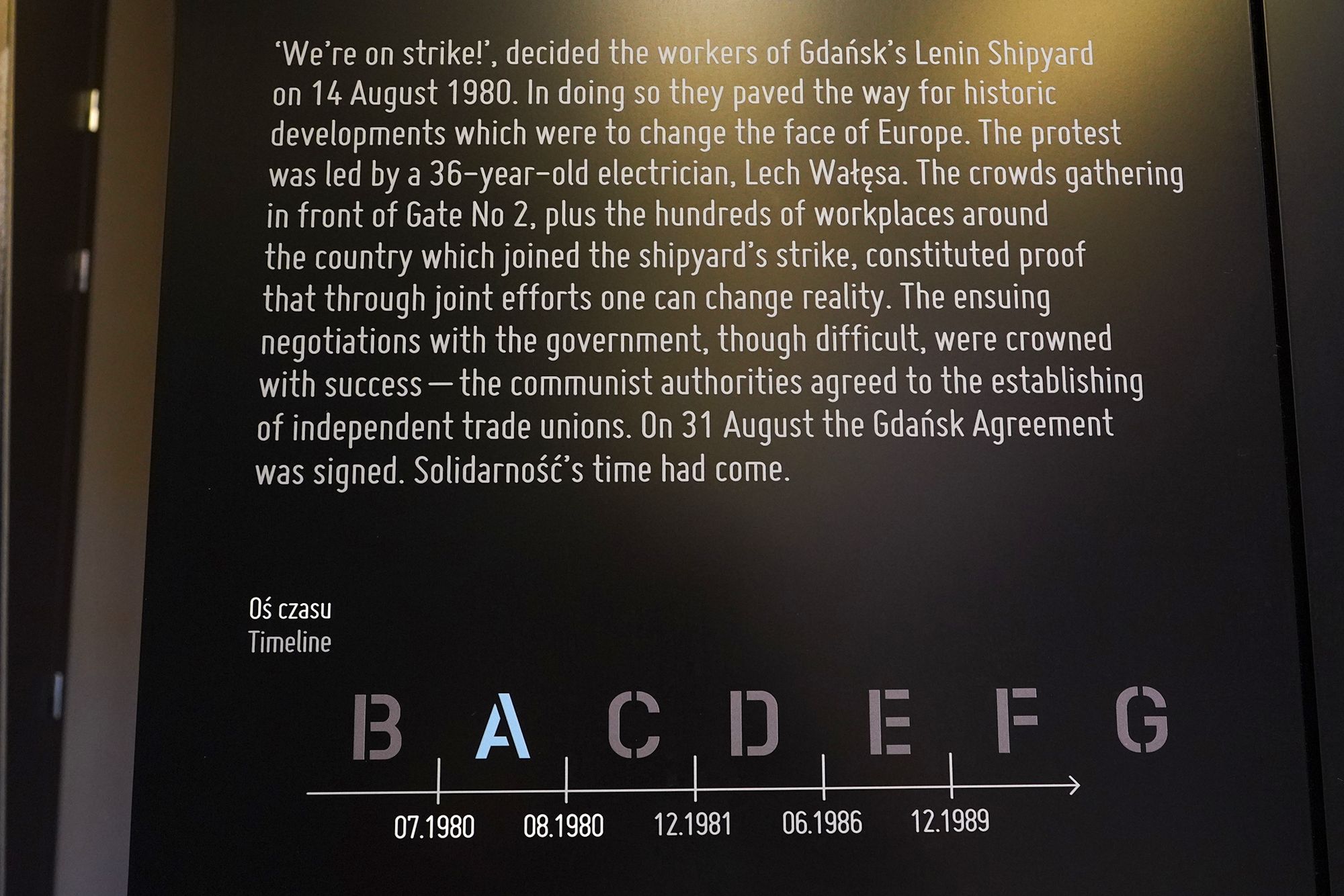
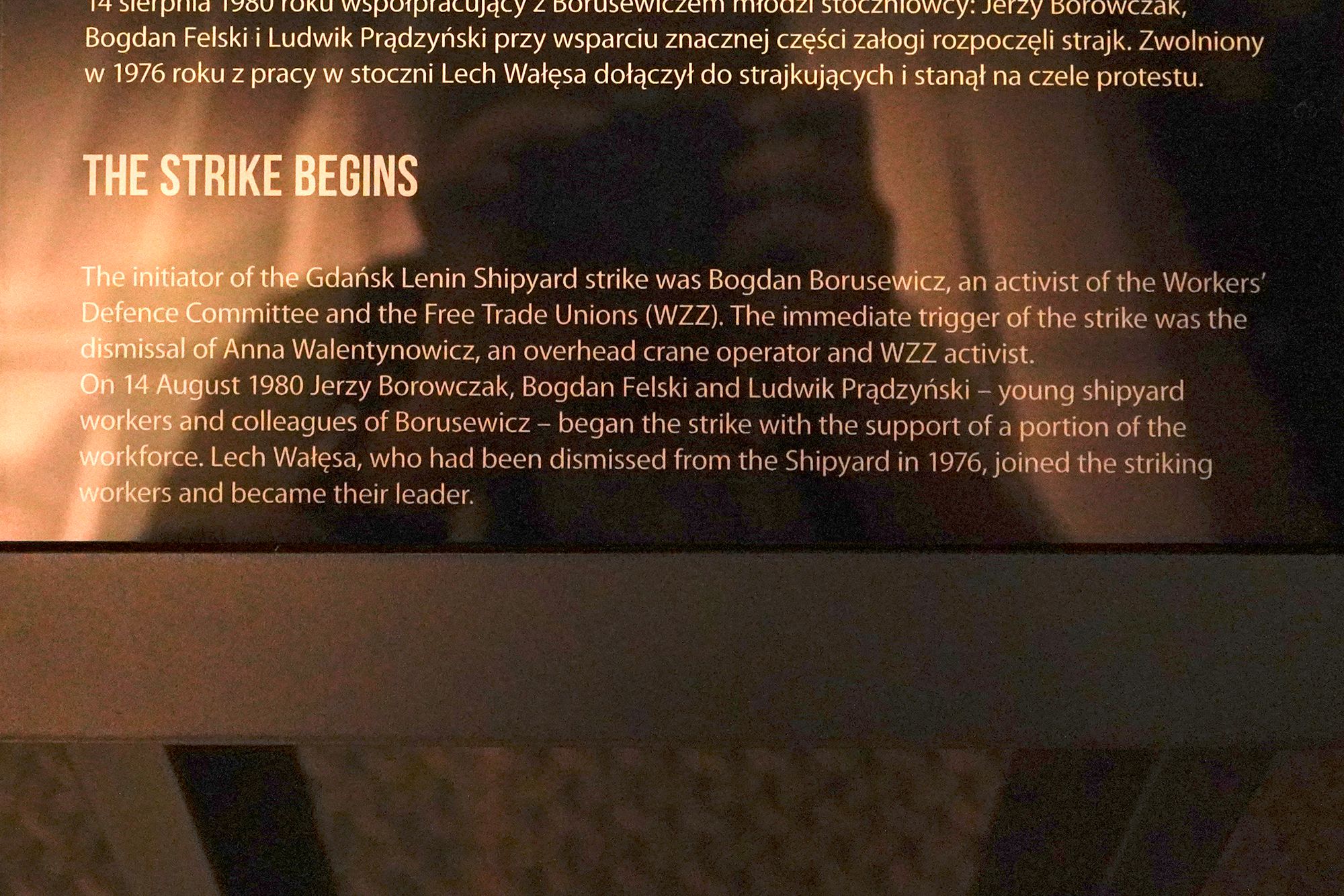
How the strike at Gdańsk’s Lenin Shipyard began on August 14, 1980, and spread to hundreds of workplaces across Poland. After difficult negotiations, the government agreed to allow independent trade unions. The Gdańsk Agreement was signed on August 31, marking a turning point for the Solidarity movement.
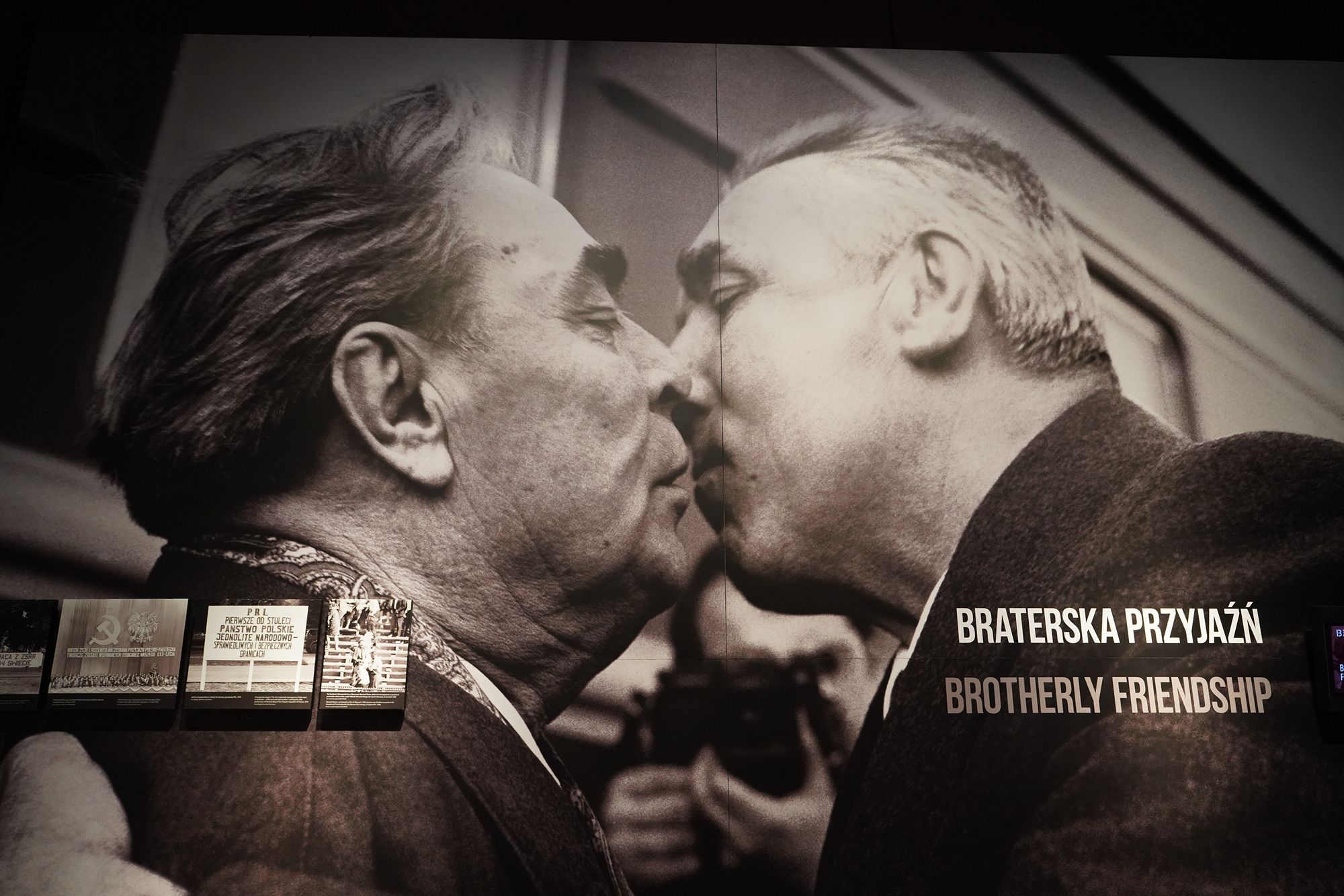
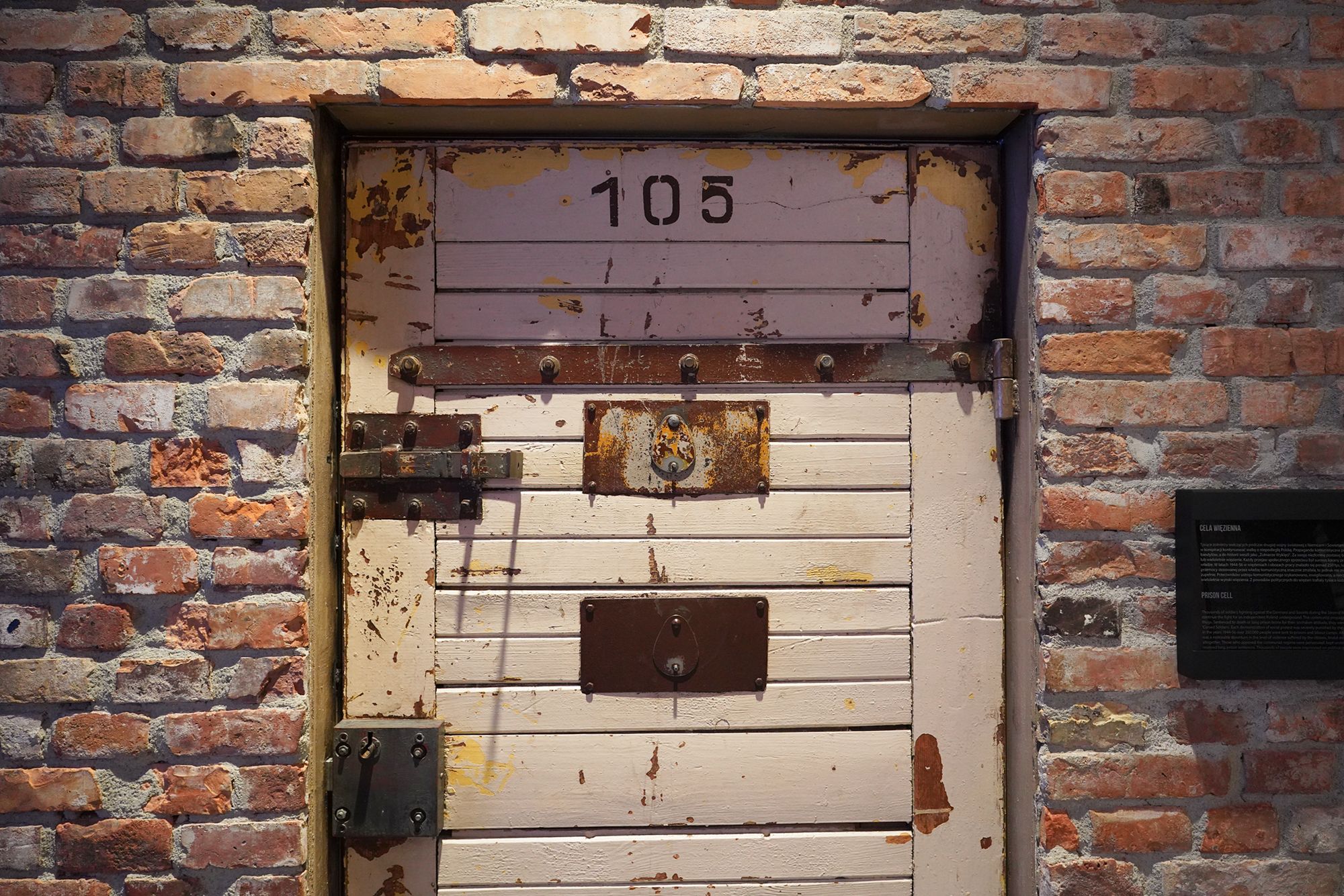
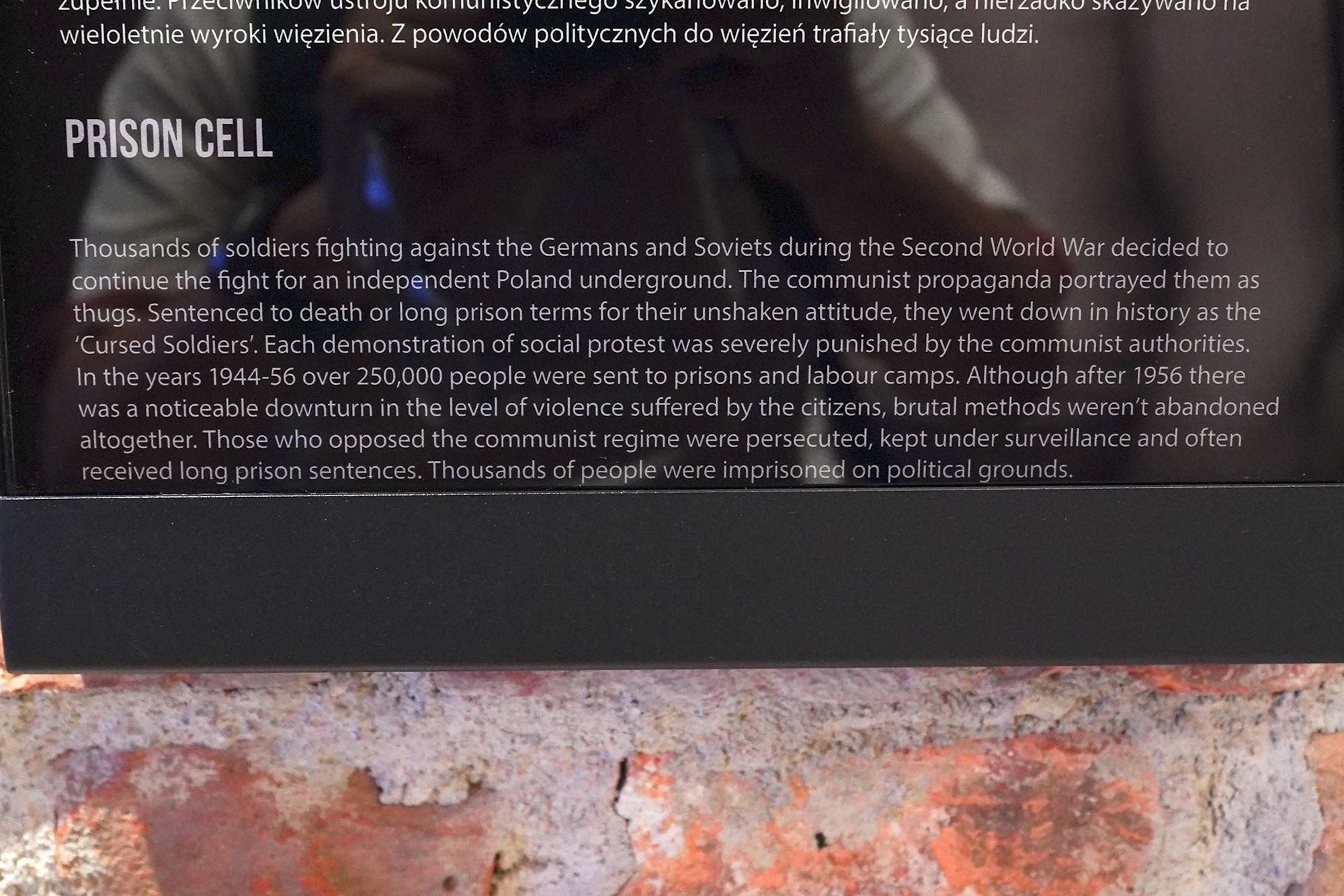
This display described how communist authorities imprisoned and persecuted people who opposed the regime, including former underground soldiers who had fought for an independent Poland. It says that more than 250,000 people were sent to prisons and labor camps between 1944 and 1956. Repression eased after 1956, but surveillance and political imprisonment continued.
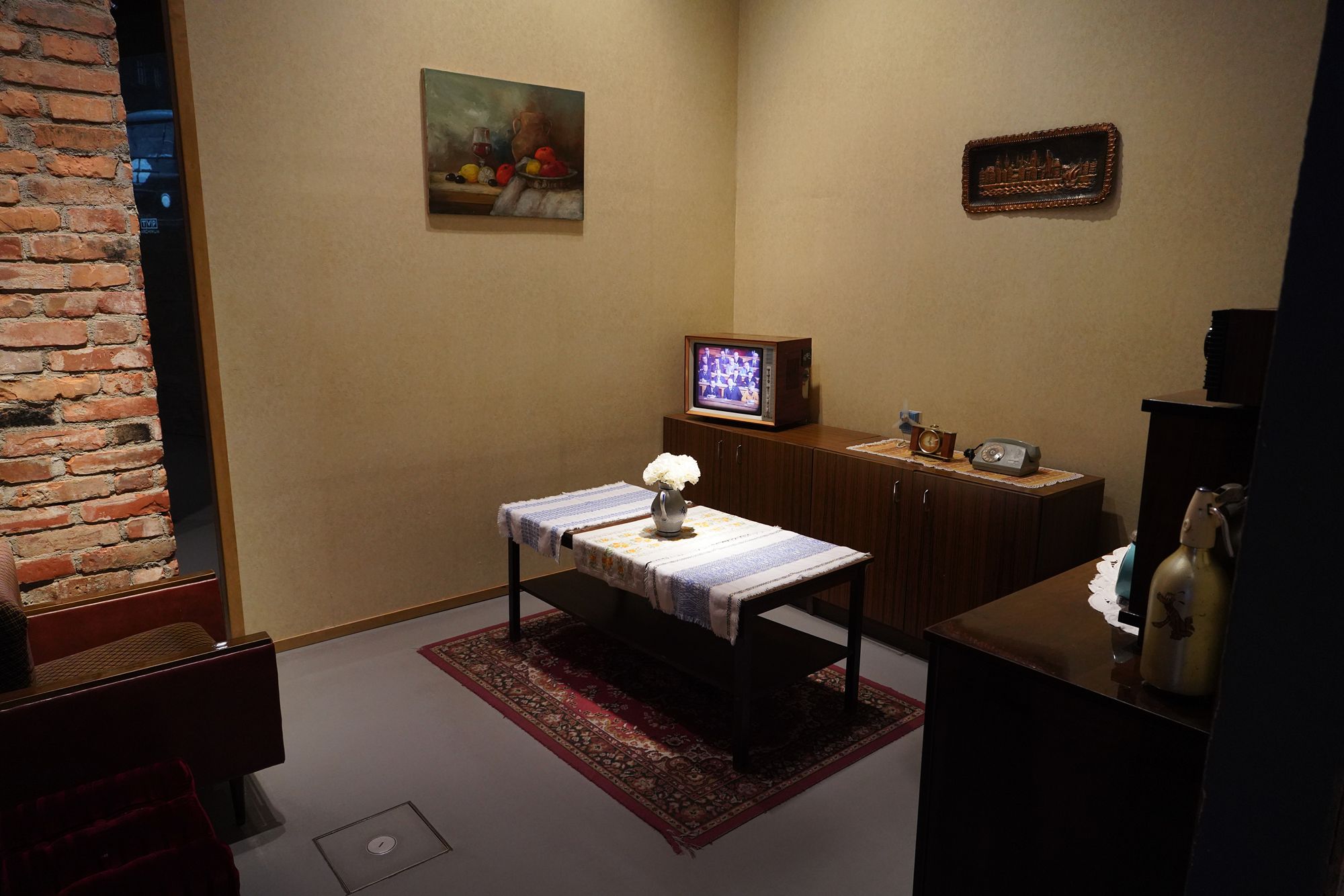
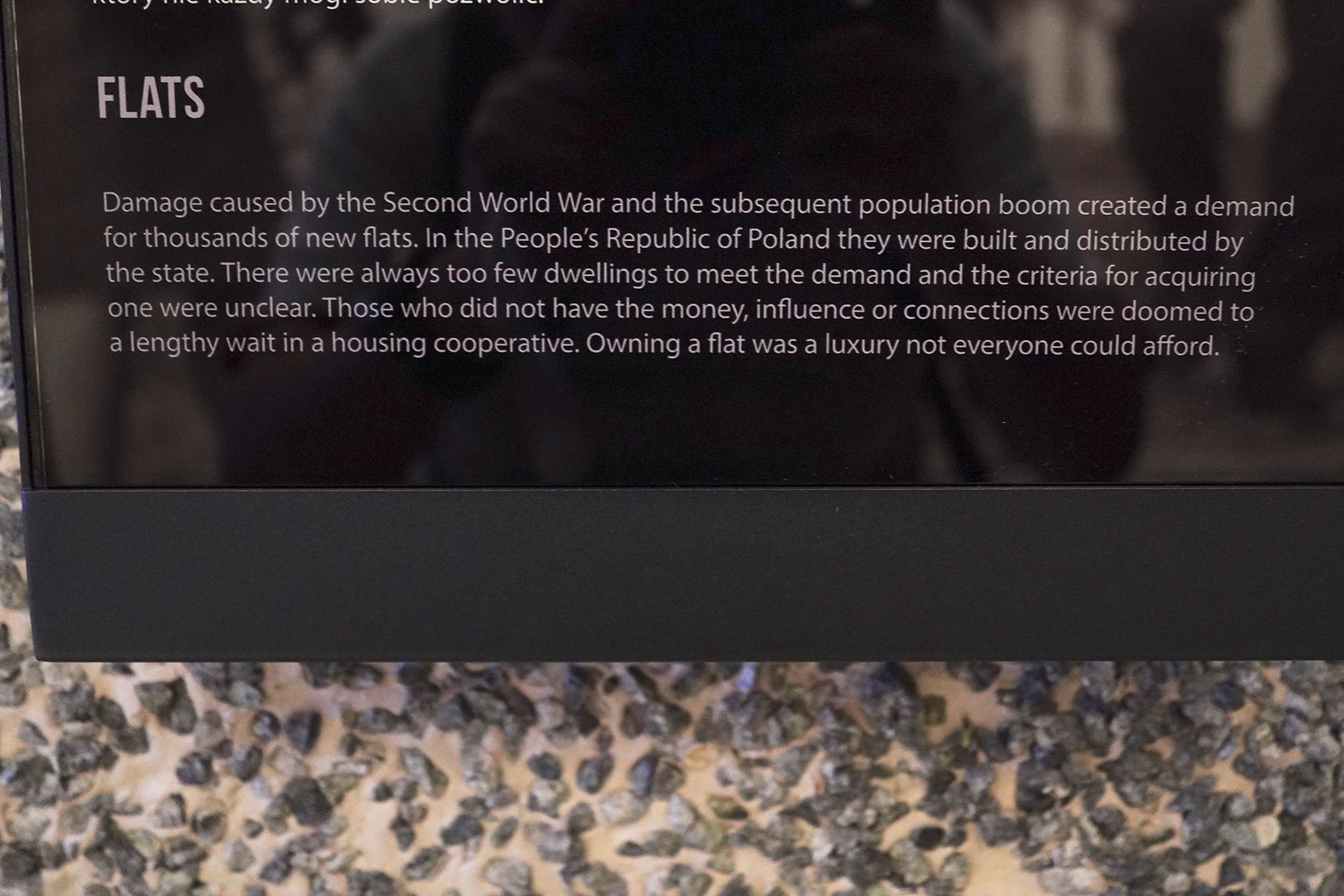
Another display showed how difficult it was to find housing in communist Poland. After the war, the state built and assigned new flats, but there were never enough. People without money or connections could face long waits through housing cooperatives, and owning a flat remained beyond many families’ reach.
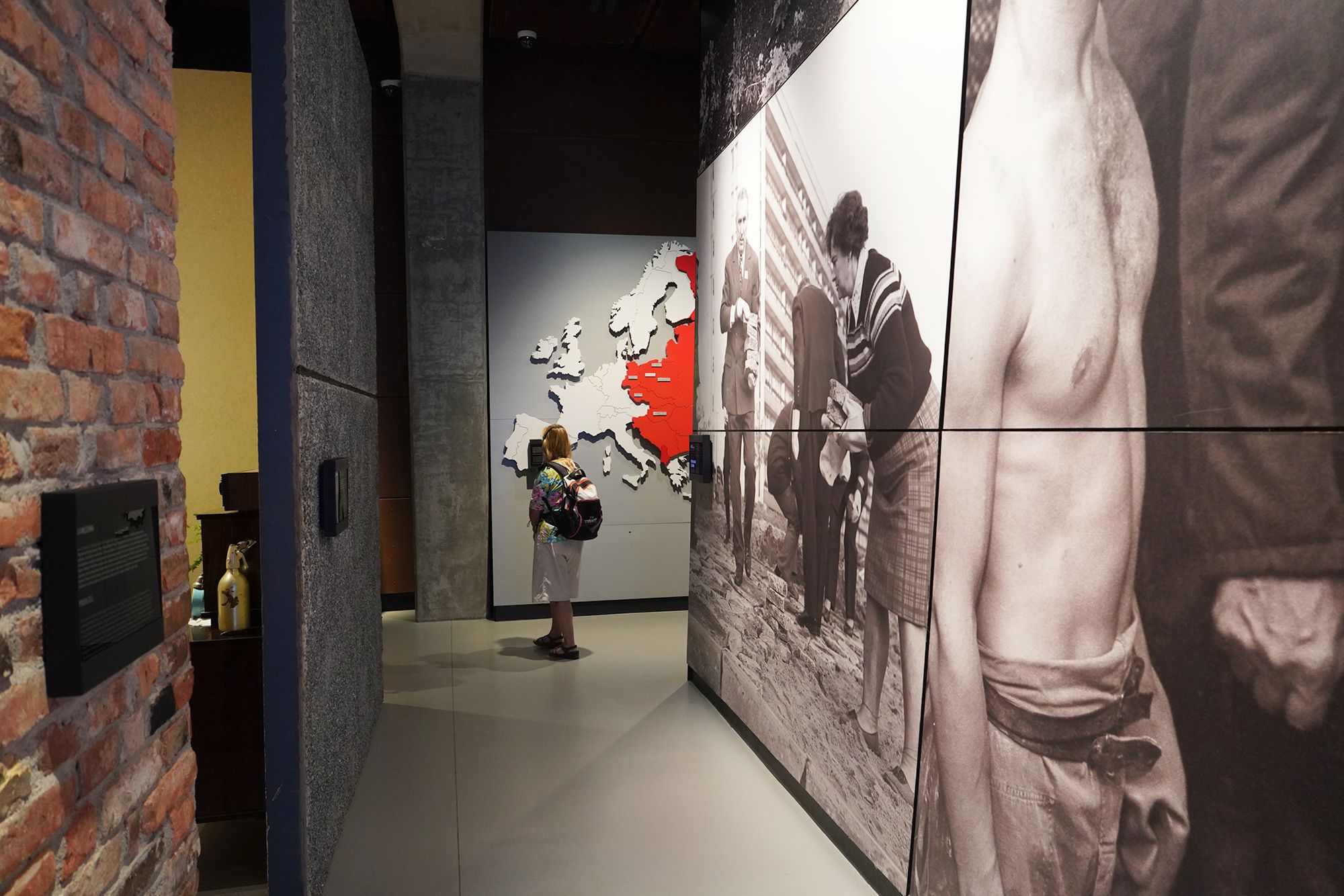
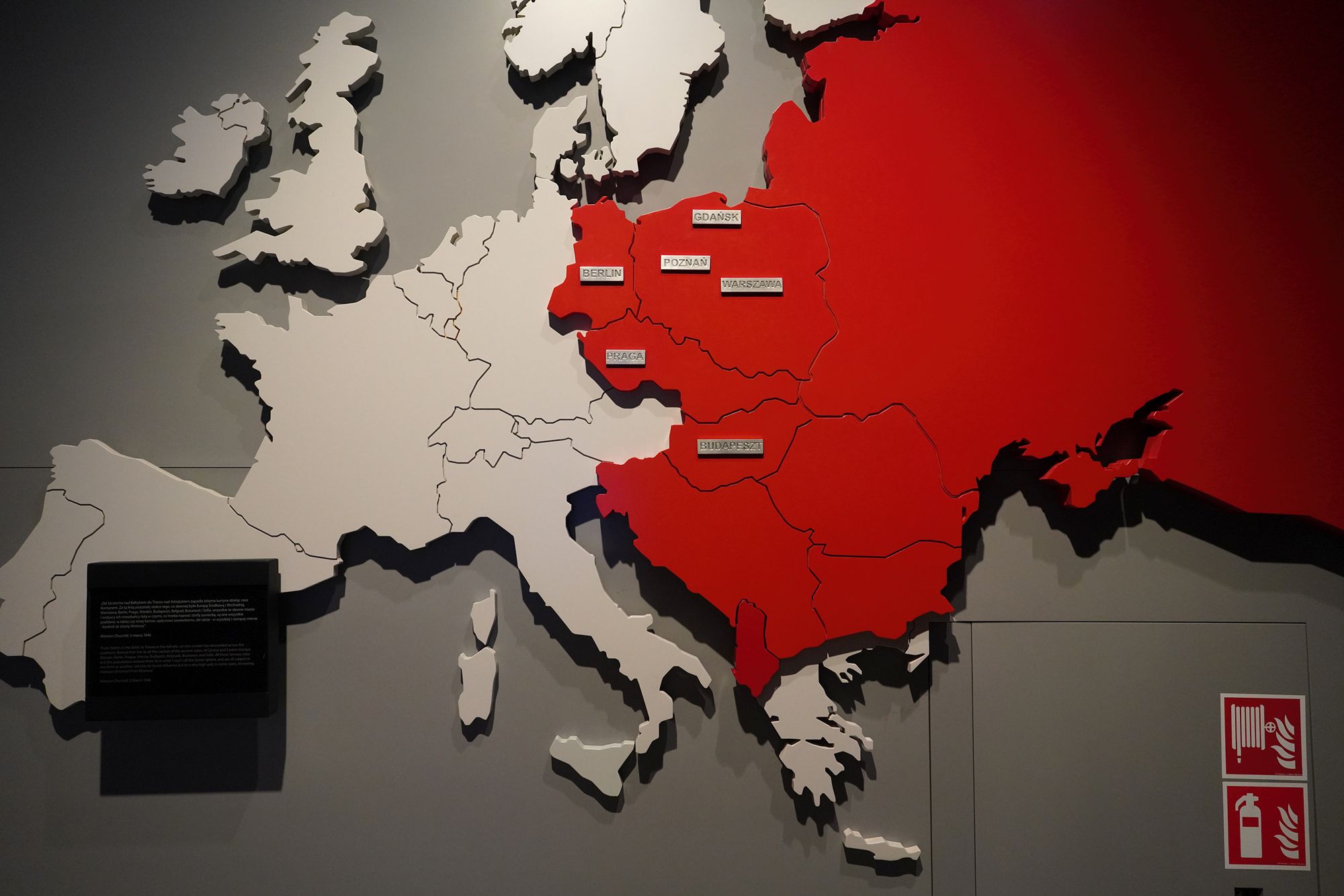
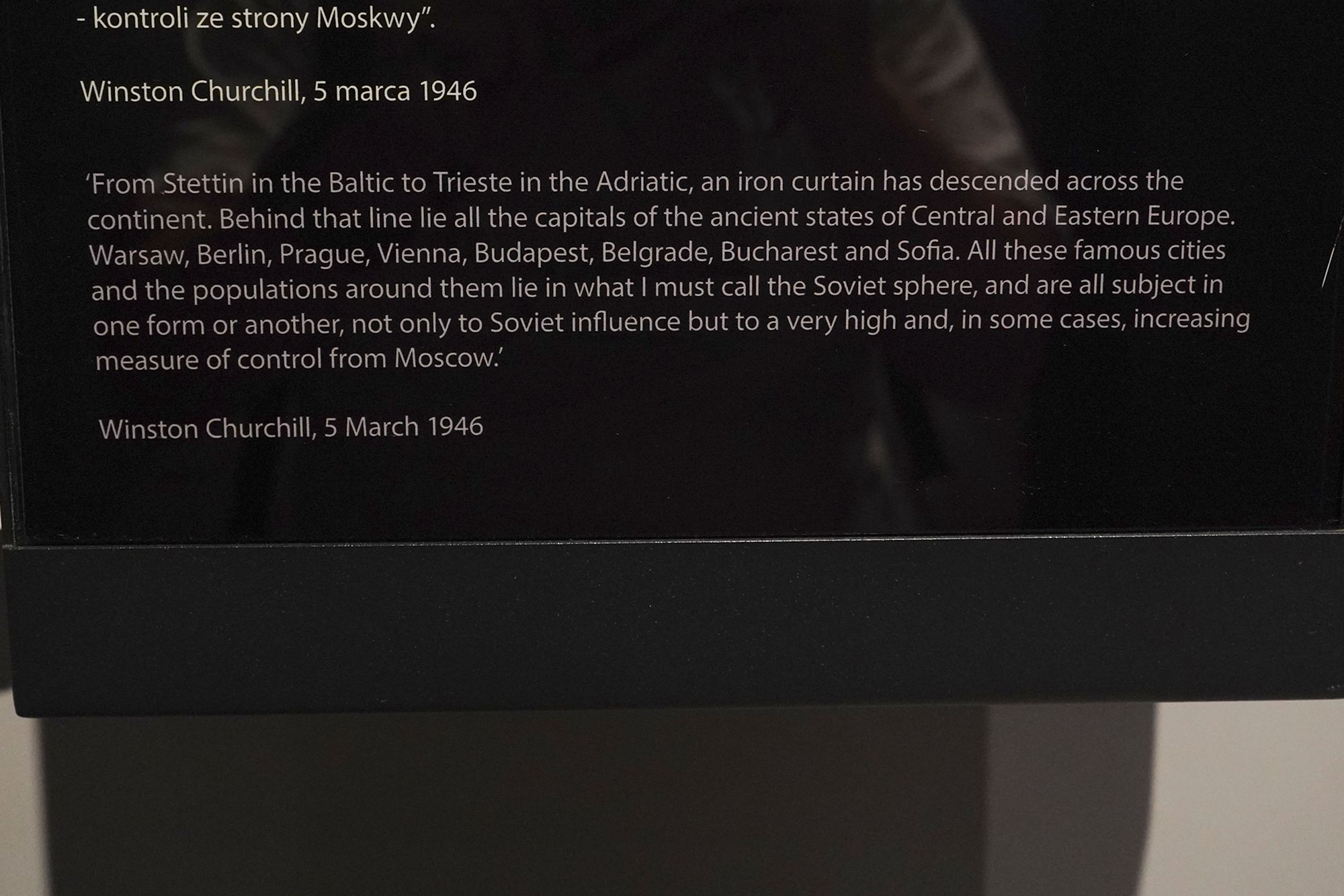
One display quoted Winston Churchill’s 1946 “Iron Curtain” speech. He described how Soviet influence and control were spreading across Central and Eastern Europe after World War II. The quote helped me understand the division of Europe that shaped Poland’s postwar history.
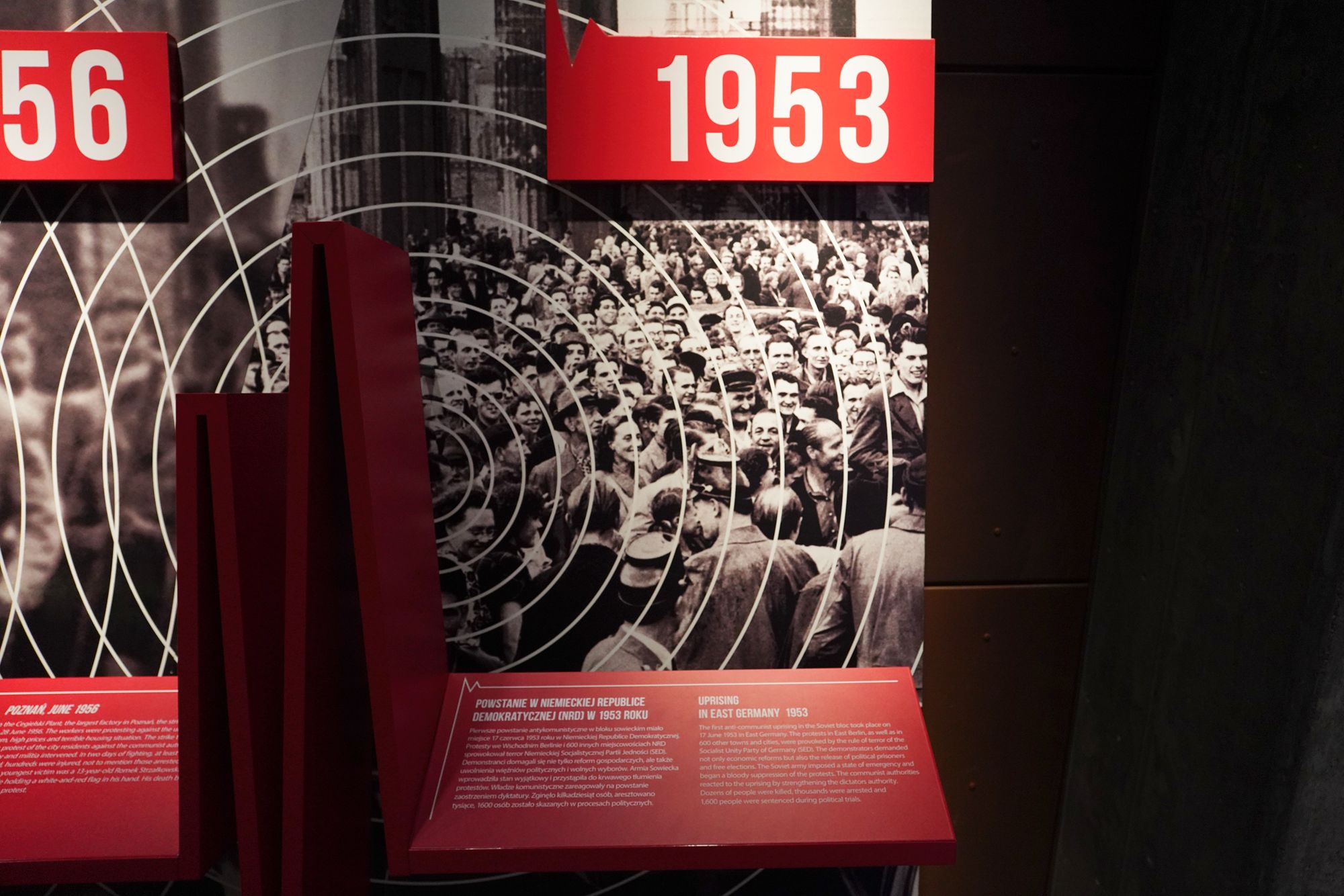
Another display described the 1953 uprising in East Germany. Protesters demanded economic reforms, the release of political prisoners, and free elections. Soviet troops violently suppressed the protests; dozens were killed, thousands arrested, and 1,600 people sentenced in political trials. The uprising was followed by even tighter communist control.
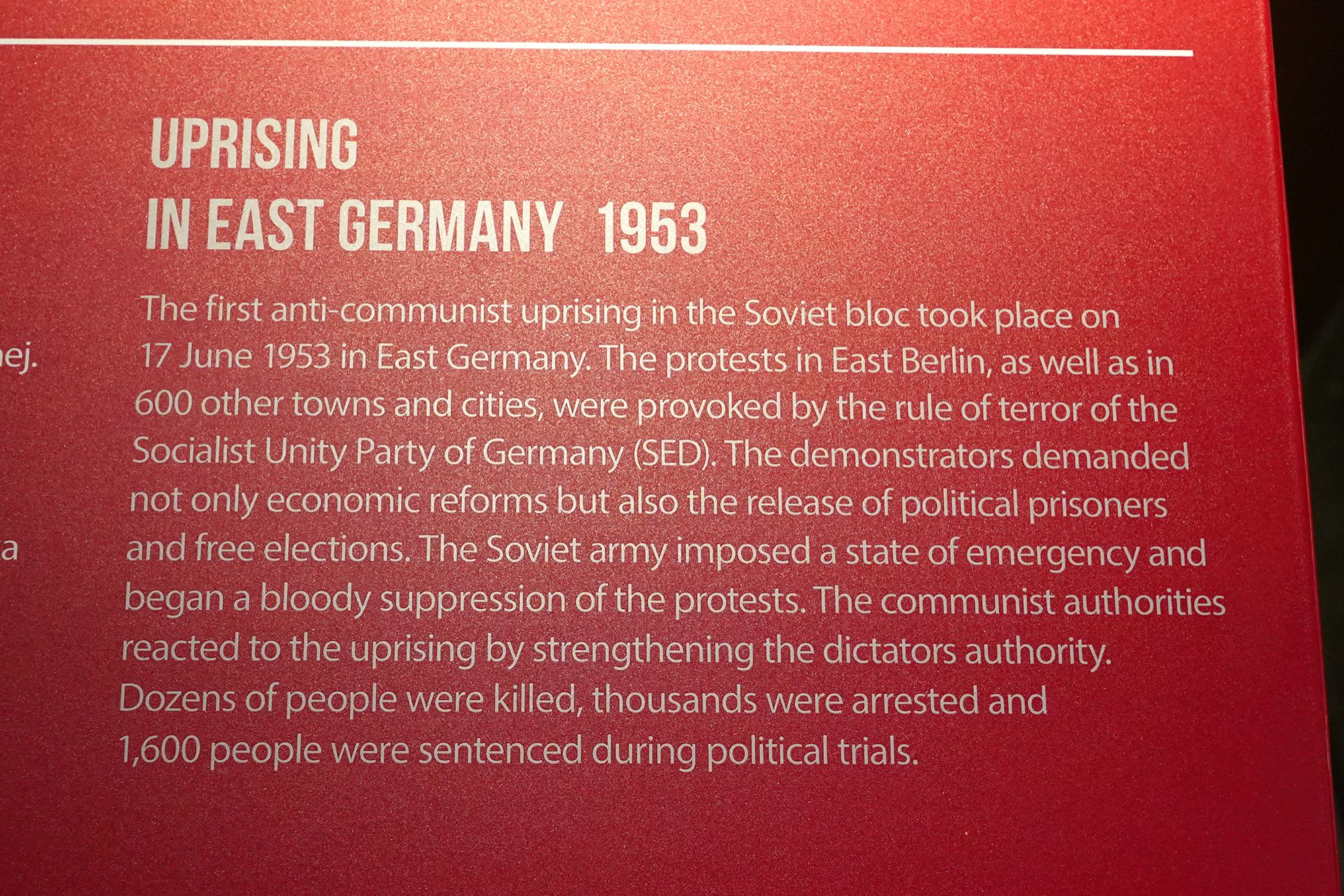
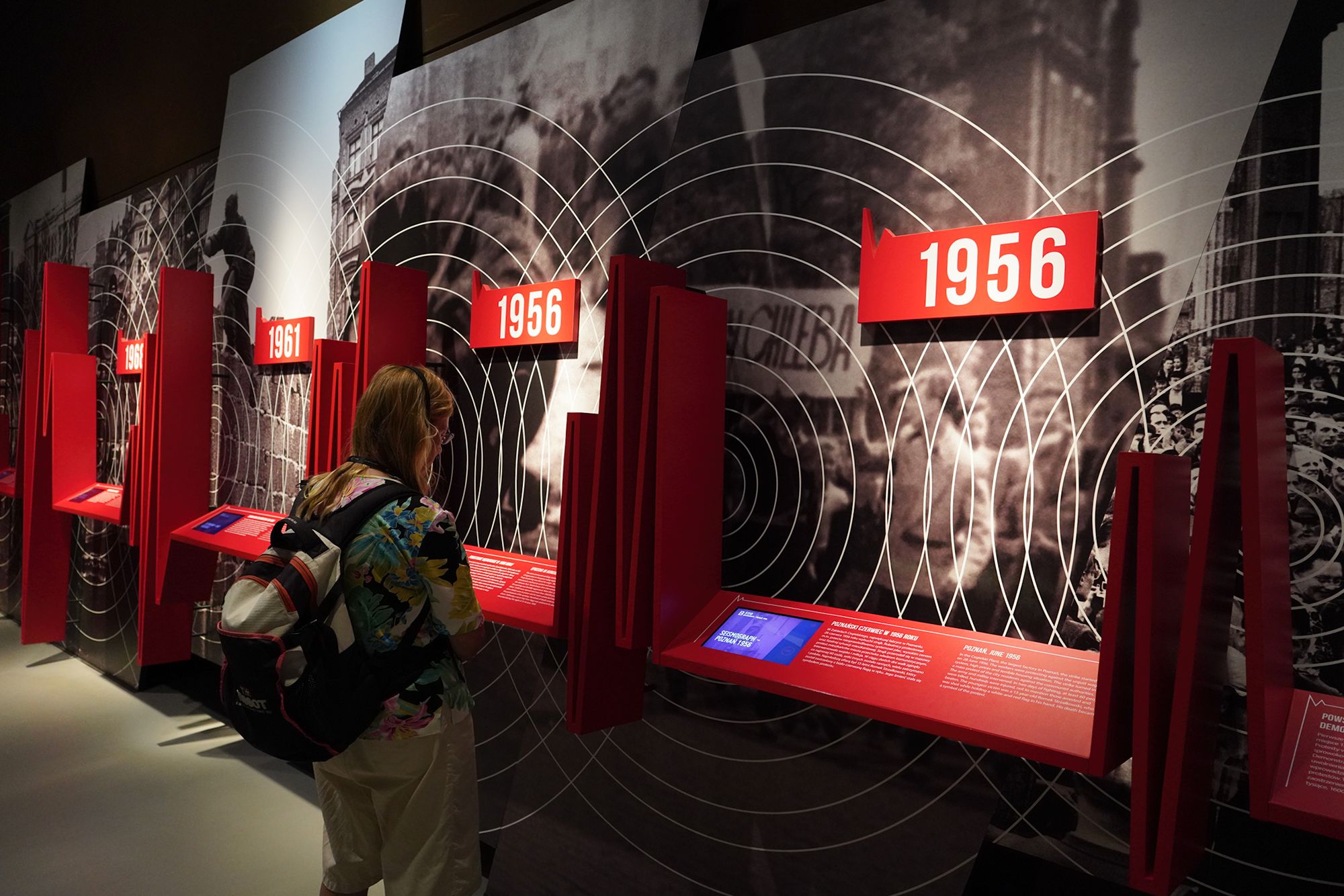
I read about the June 1956 Poznań protests, which began with a strike at the Cegielski factory over wages, prices, and poor housing. The protest spread through the city and was violently suppressed by the army and militia. At least 60 people were killed; 13-year-old Romek Strzałkowski became a symbol of the protest.
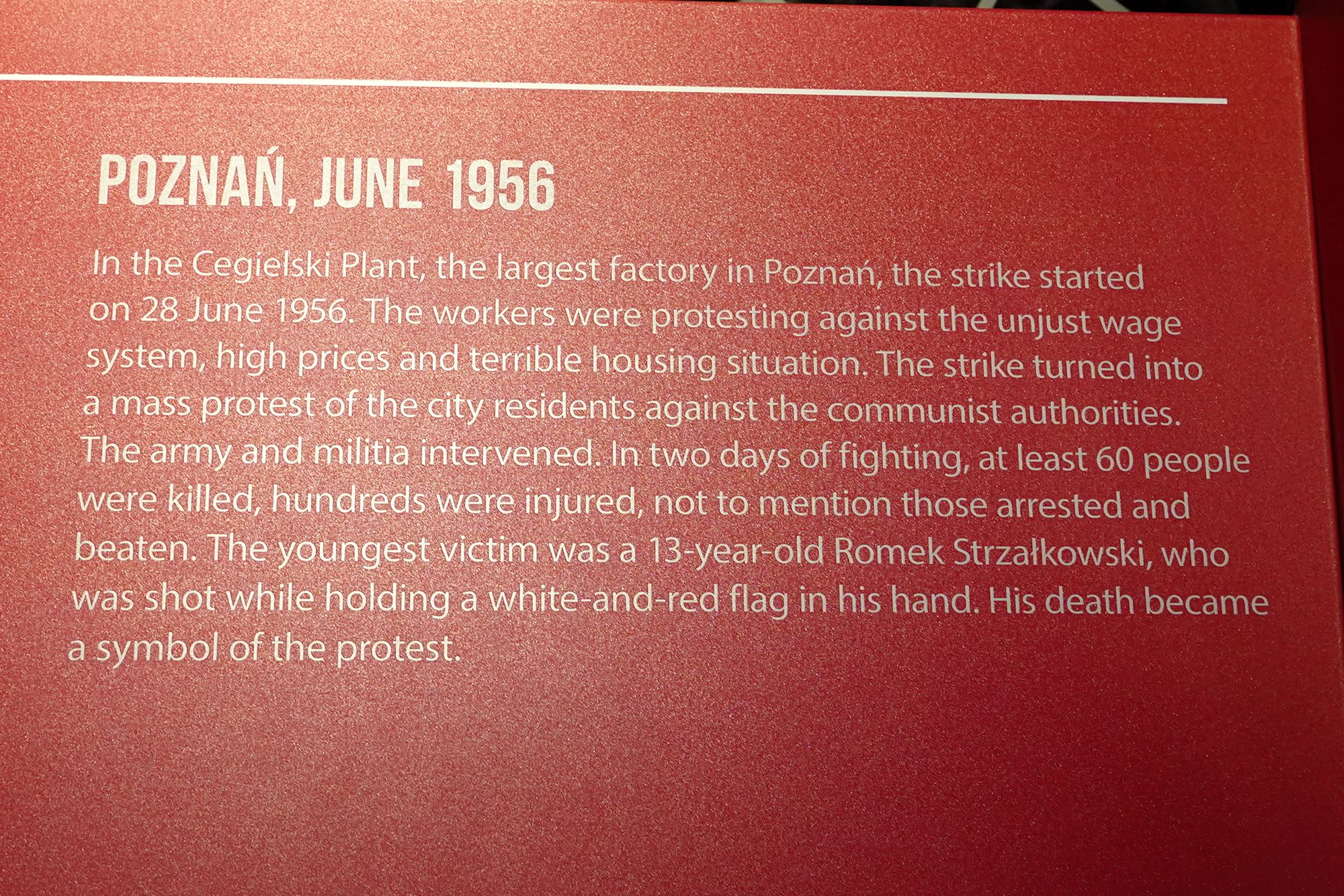
This panel described the 1956 Hungarian Uprising, which began with protests against communist rule. Imre Nagy’s government introduced political reforms and announced Hungary’s withdrawal from the Warsaw Pact, but Soviet troops intervened and crushed the revolt. More than 3,000 Hungarians were killed, and over 200,000 fled the country. Nagy was later executed.
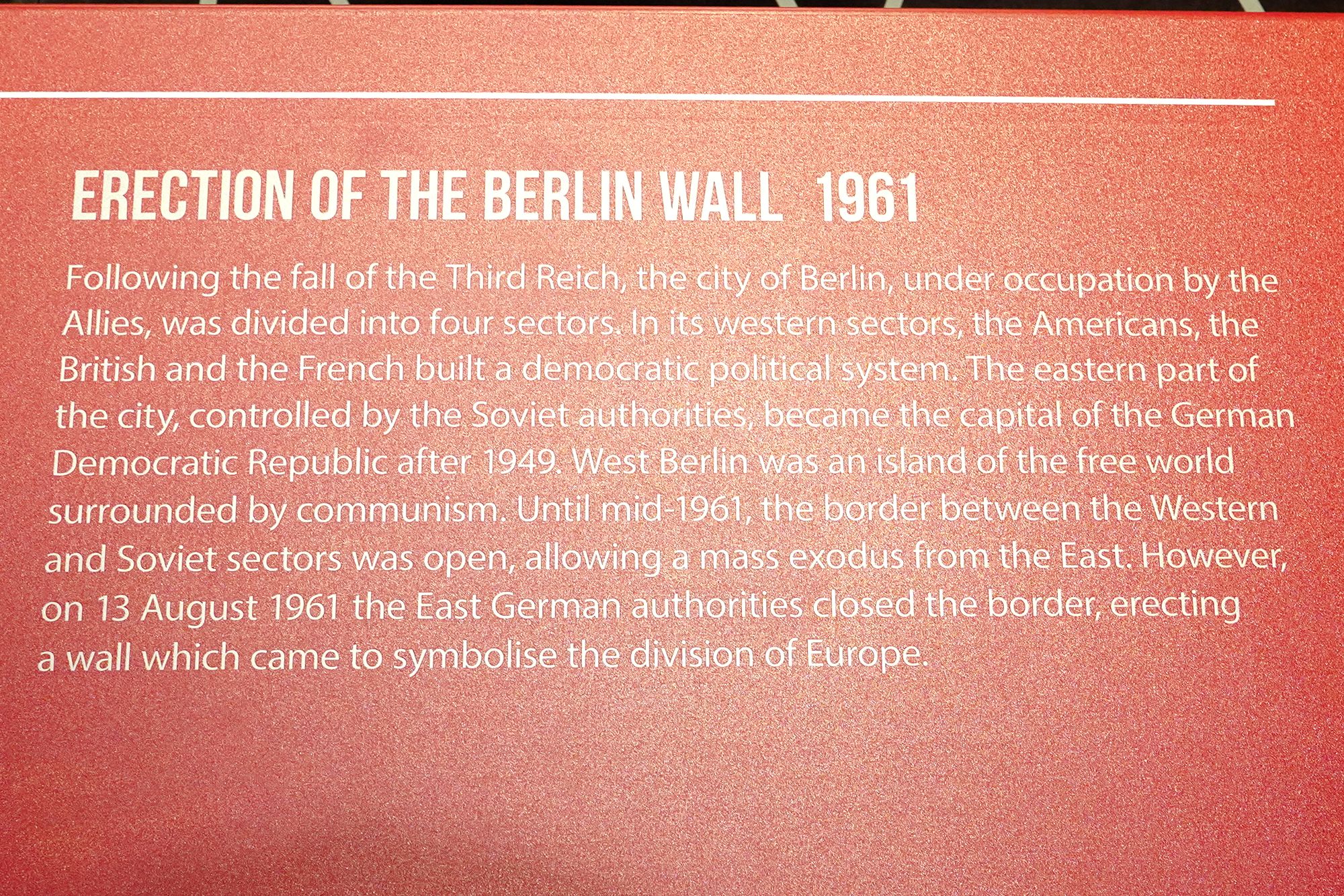
This panel explained how Berlin was divided after the Second World War. As many people left East Germany for the West through the open border, East German authorities closed it on 13 August 1961 and began building the Berlin Wall, a stark symbol of Europe’s division.
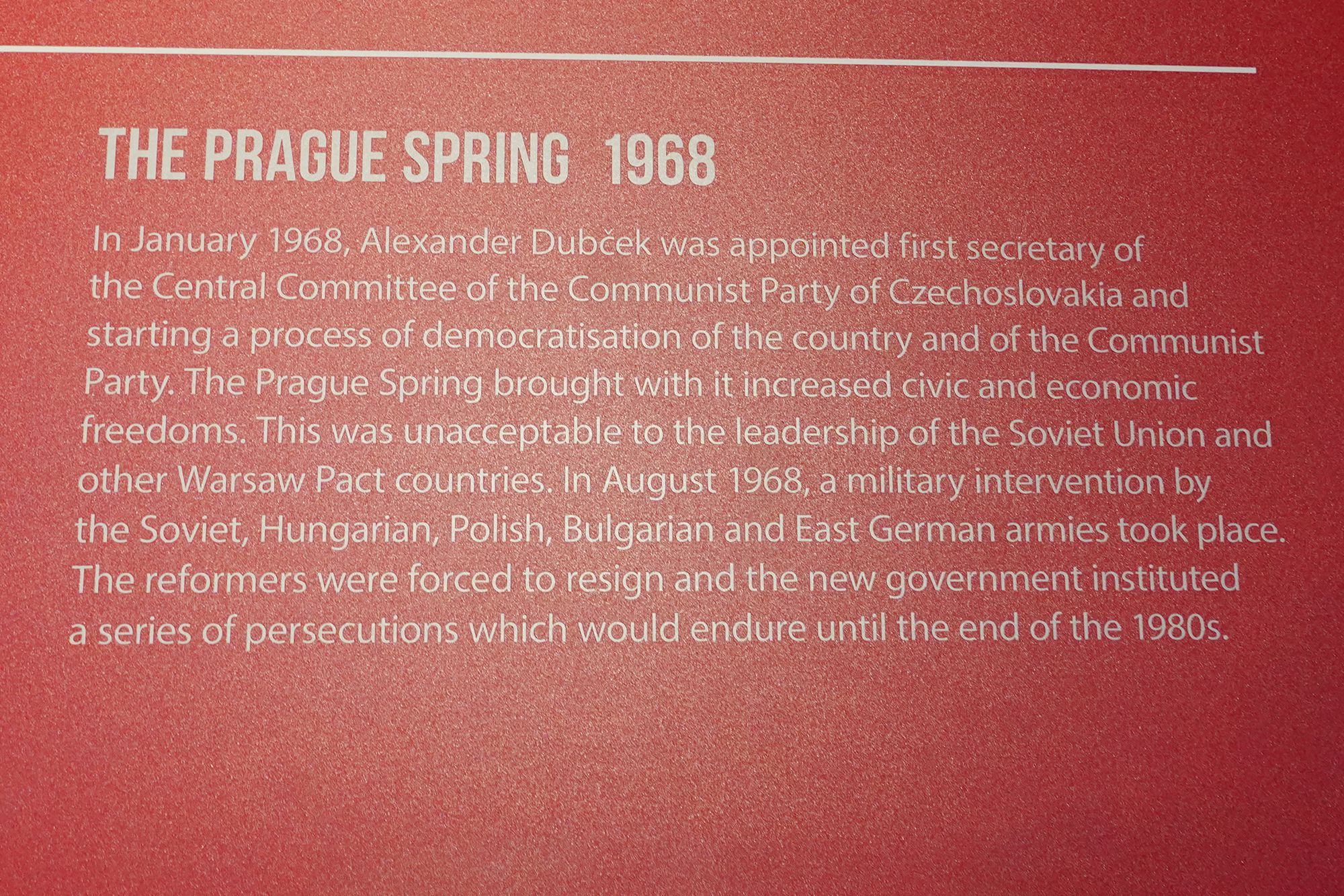
This panel described the Prague Spring of 1968, when Alexander Dubček introduced reforms that expanded civic and economic freedoms in Czechoslovakia. In August, Soviet-led Warsaw Pact forces invaded, ending the reforms. The government’s repression of reformers continued into the late 1980s.
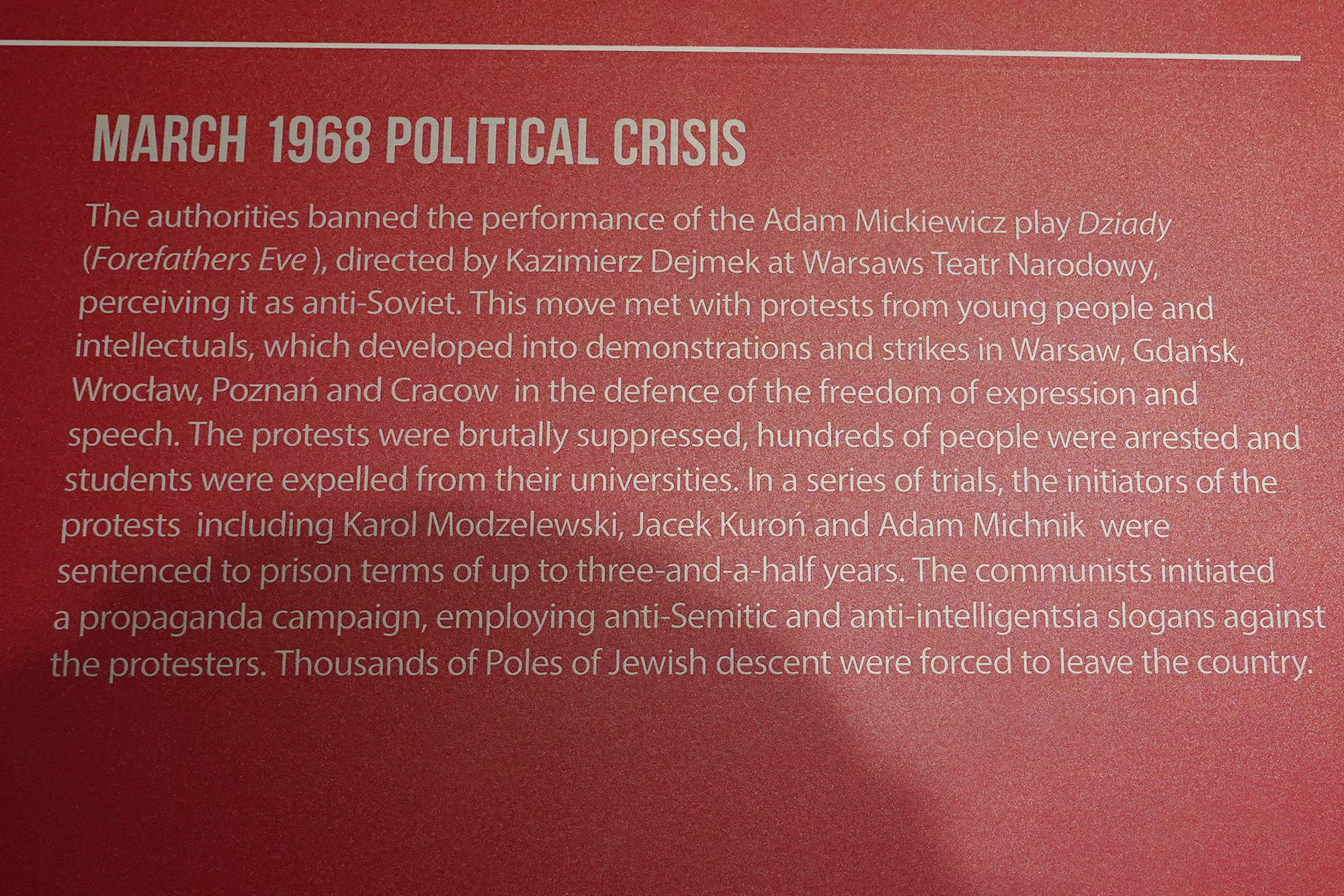
This panel described Poland’s March 1968 crisis. After the authorities banned a play by Adam Mickiewicz, protests for freedom of expression spread to several cities. The government suppressed them, arrested demonstrators, and expelled students from universities. It also launched an antisemitic campaign that forced thousands of people of Jewish descent to leave Poland.
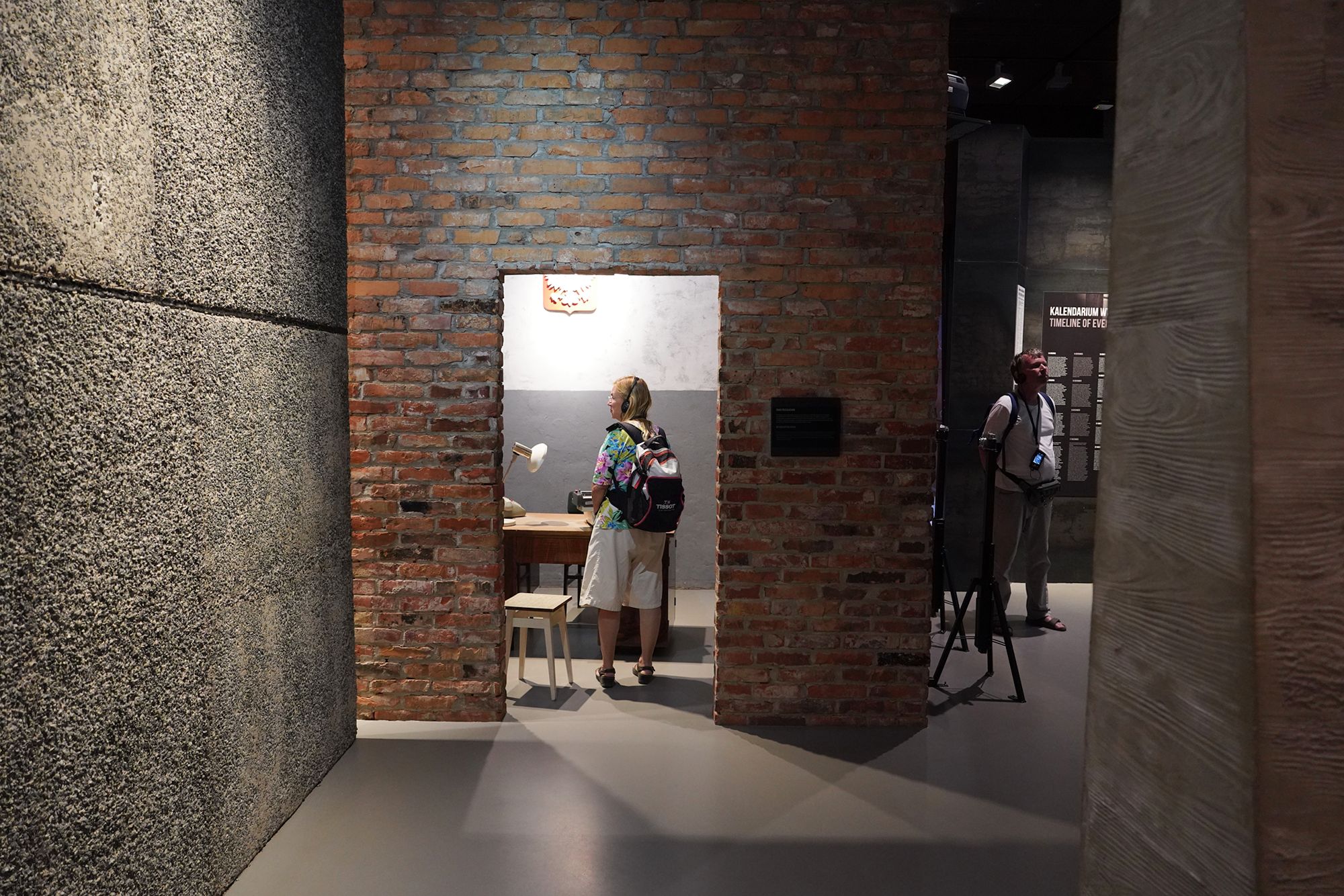
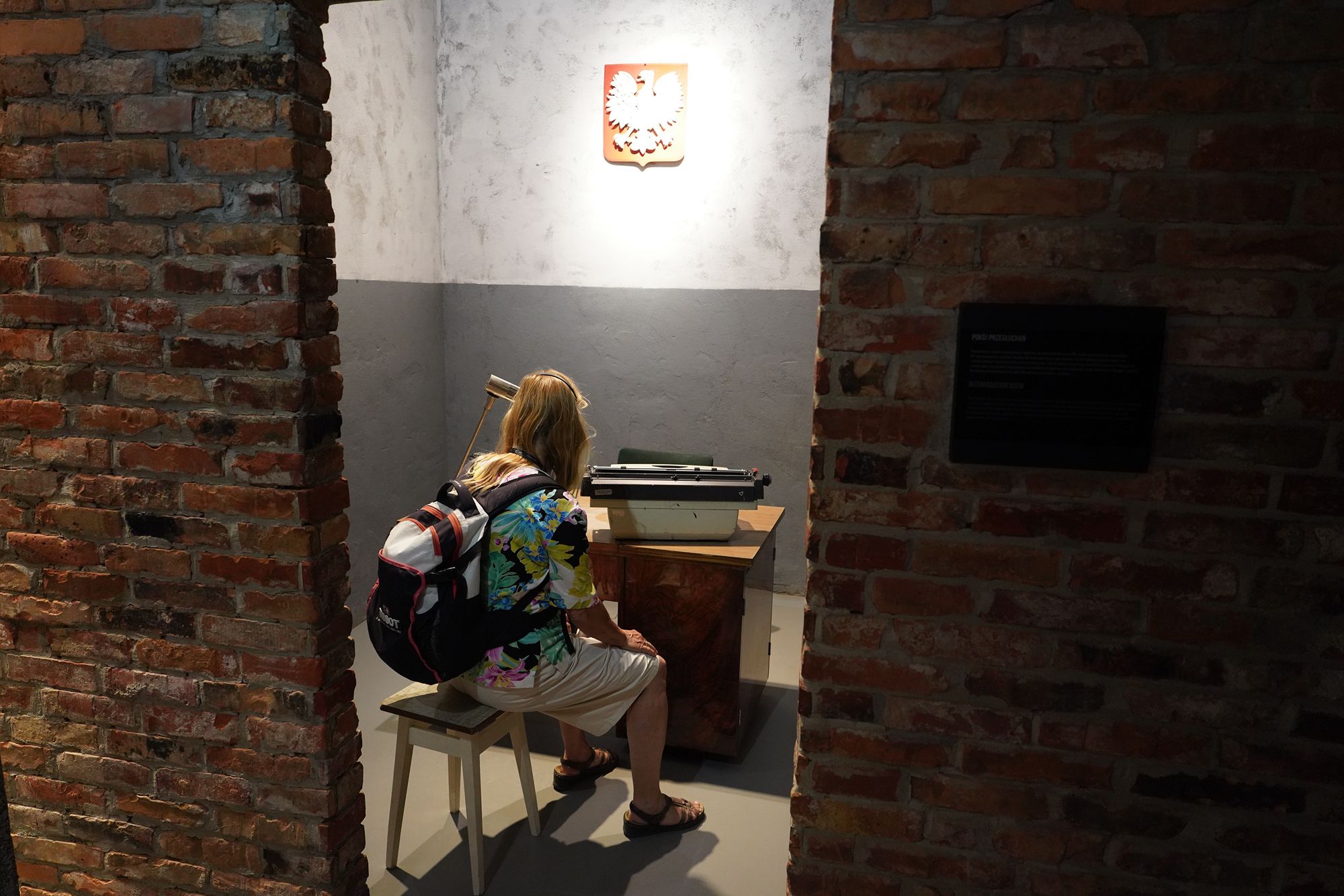
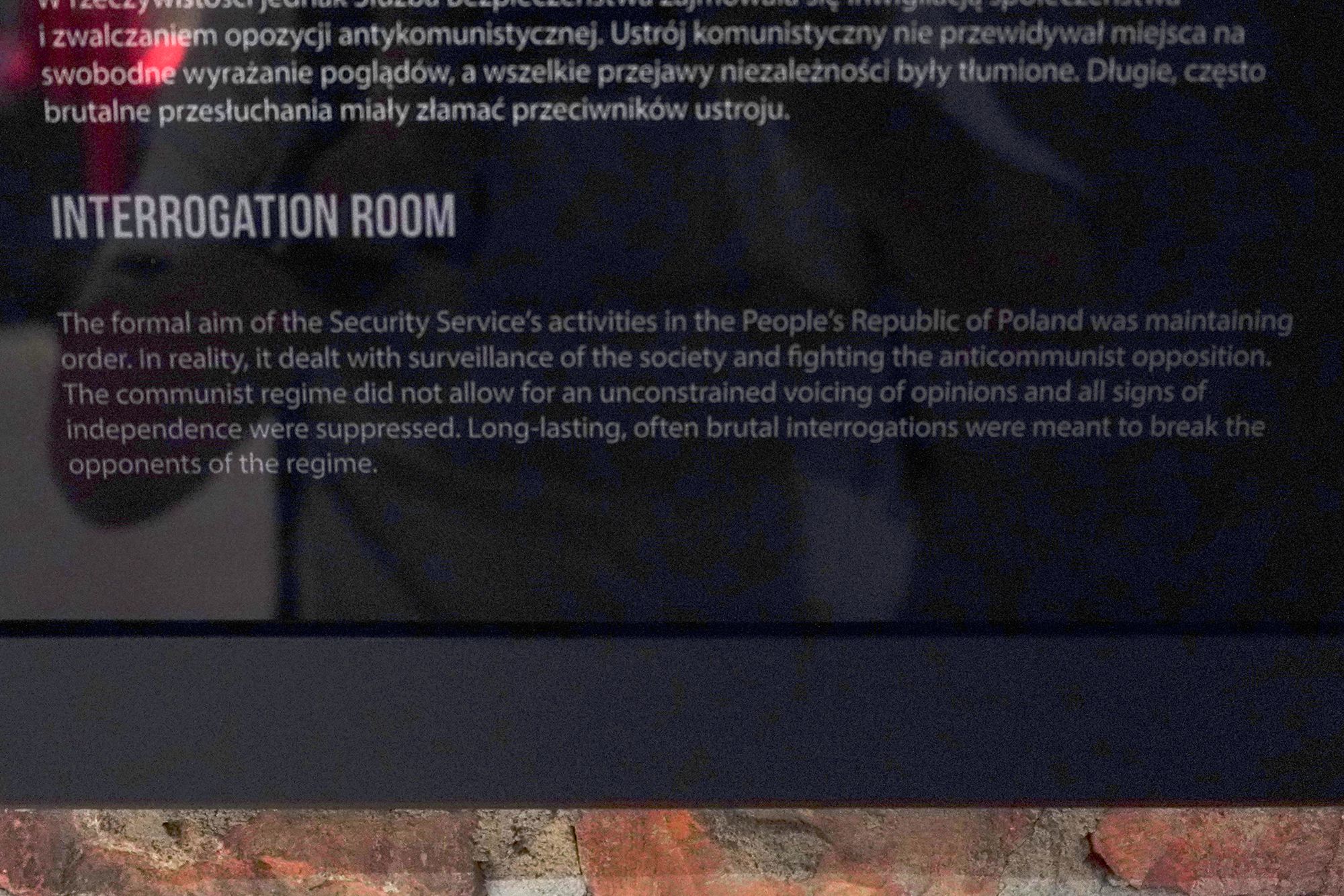
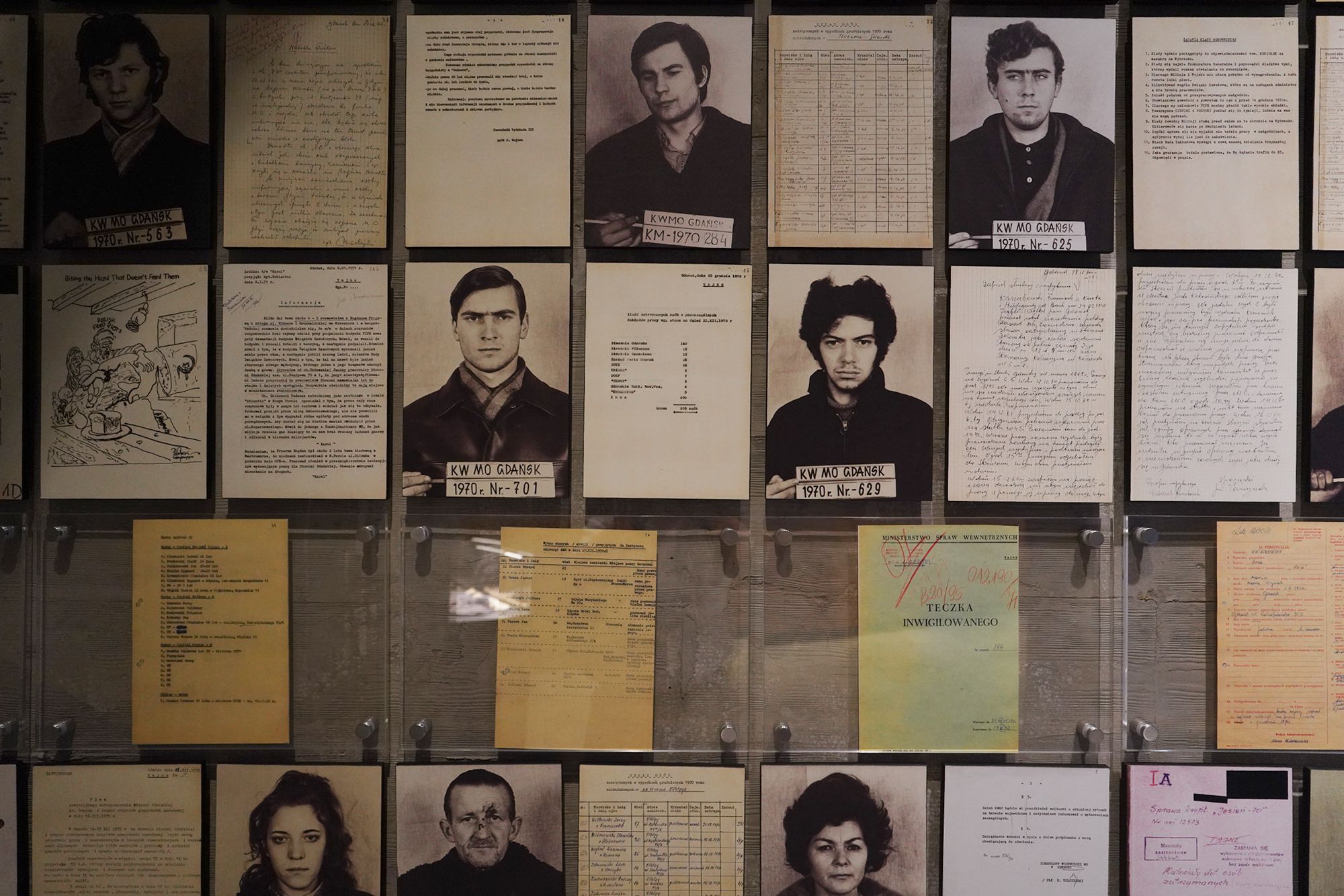
The exhibit showed how Poland’s communist Security Service monitored society and targeted people who opposed the regime. Its interrogation rooms were used for long, often brutal questioning intended to pressure and break its opponents.
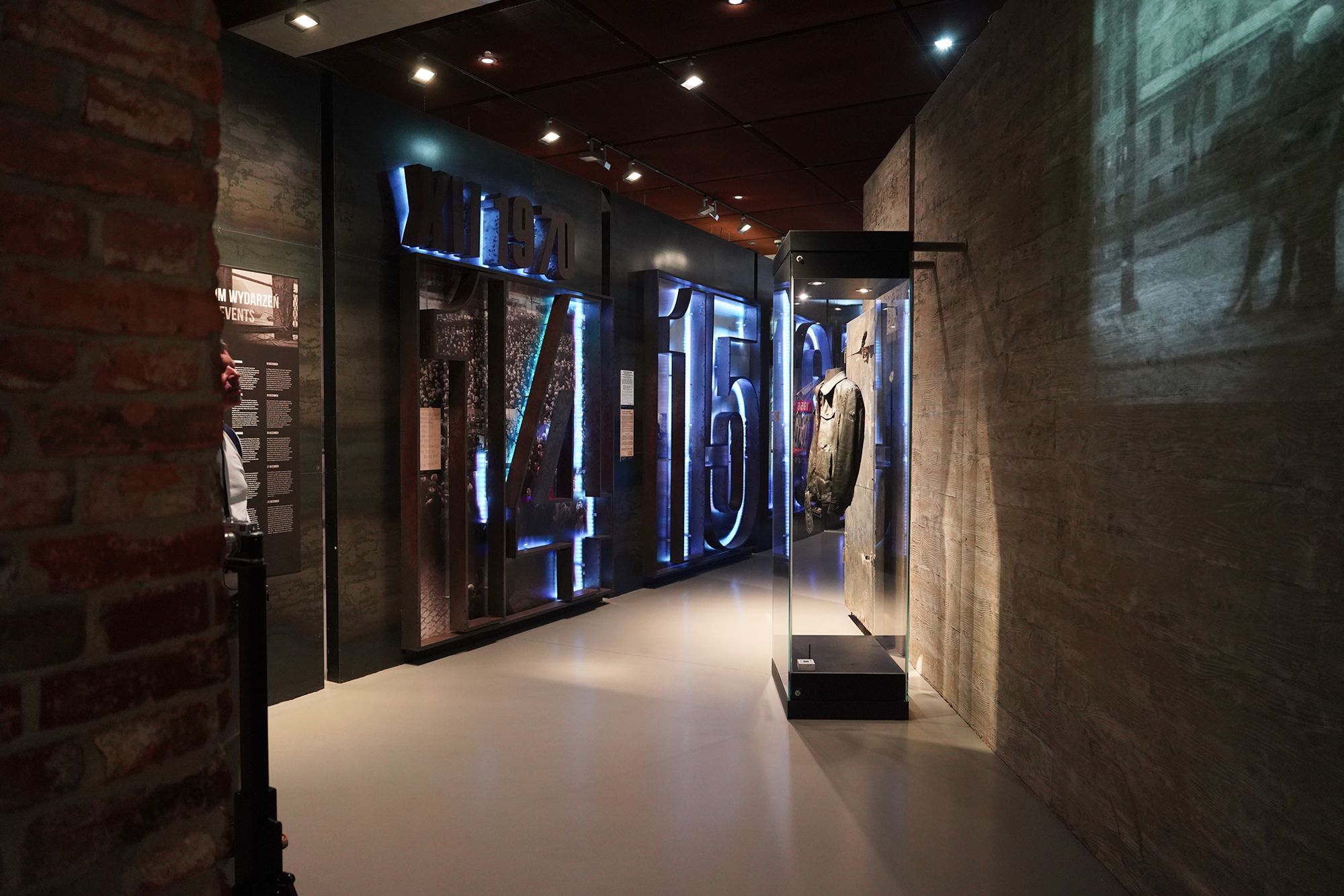
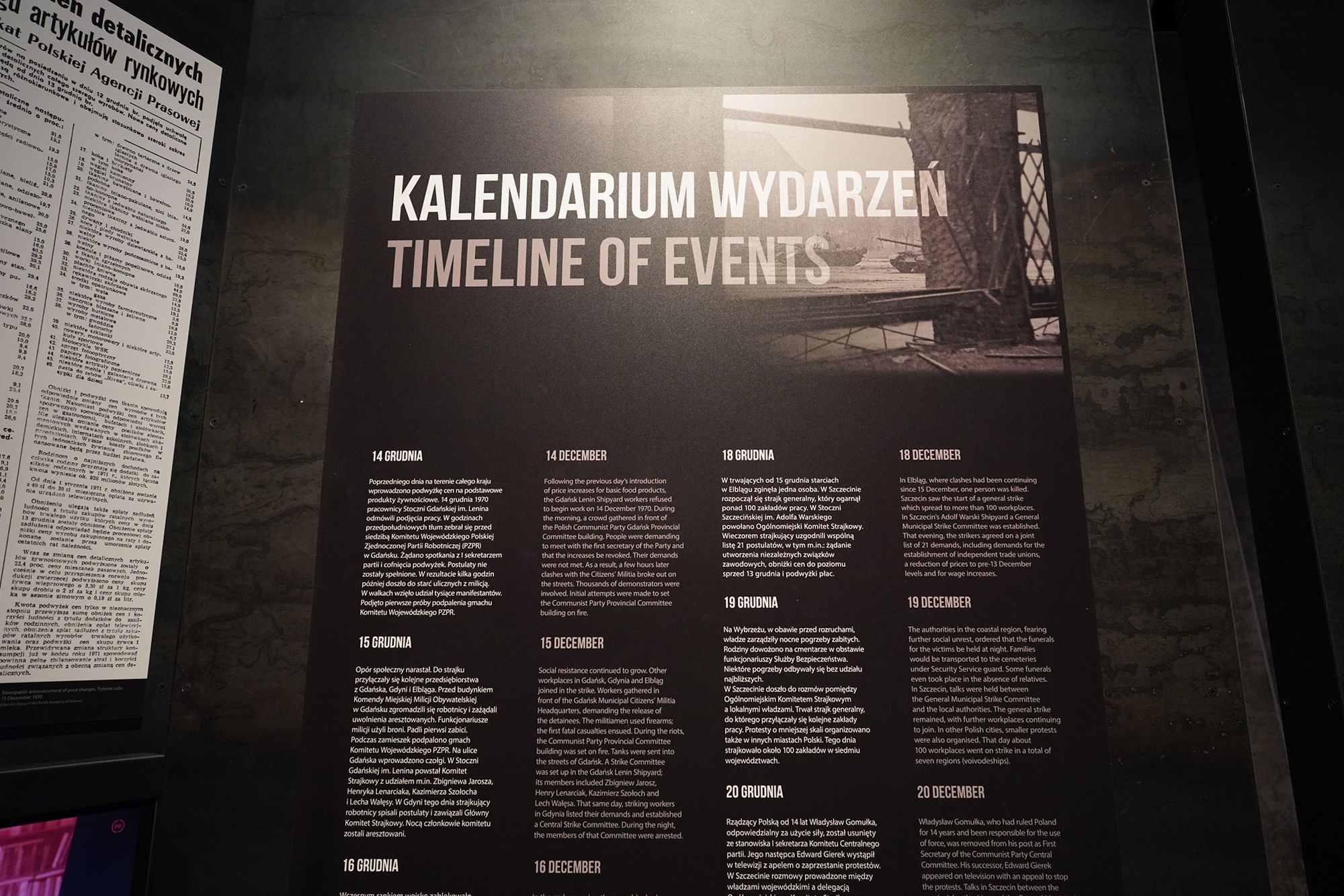
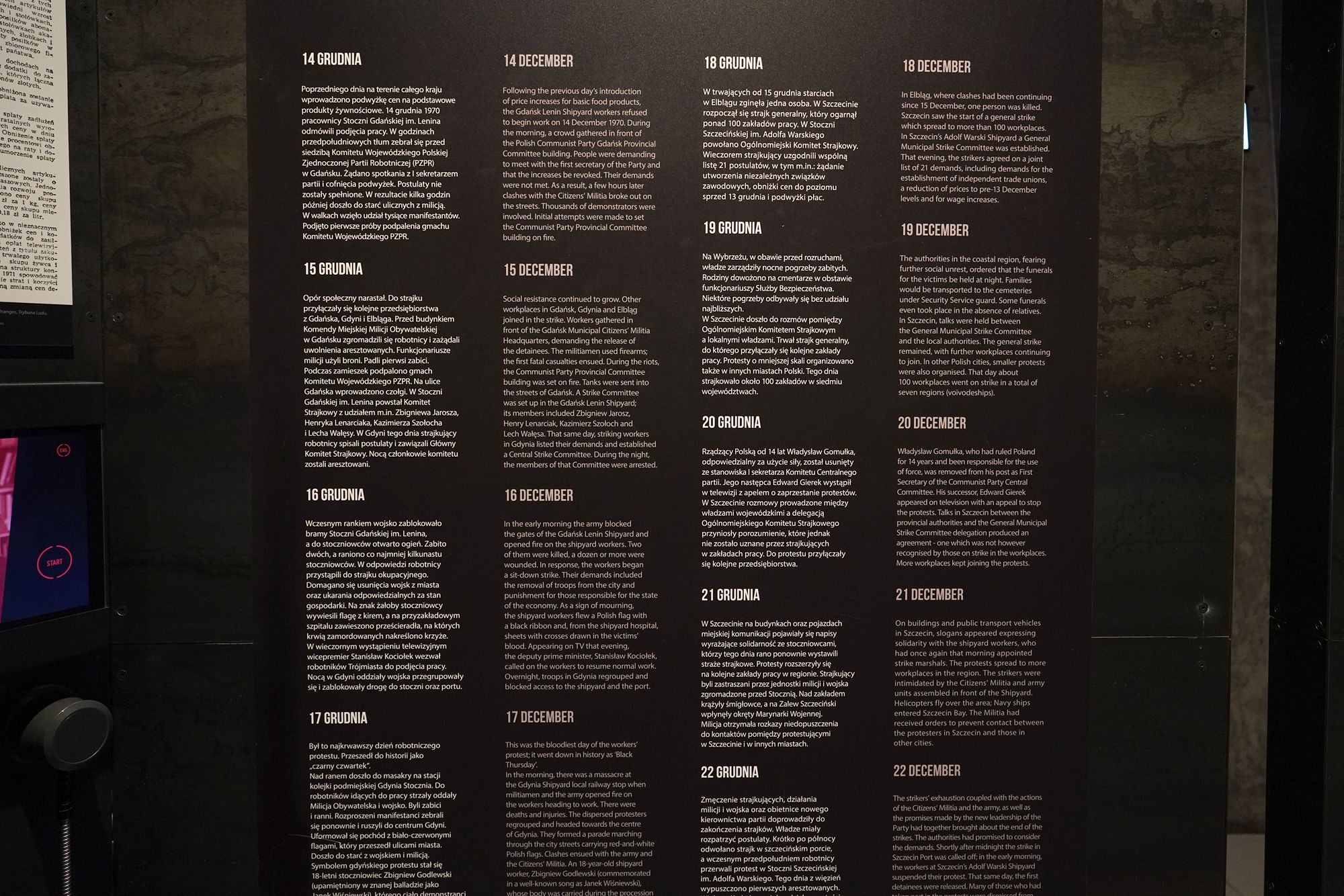
Timeline of Events
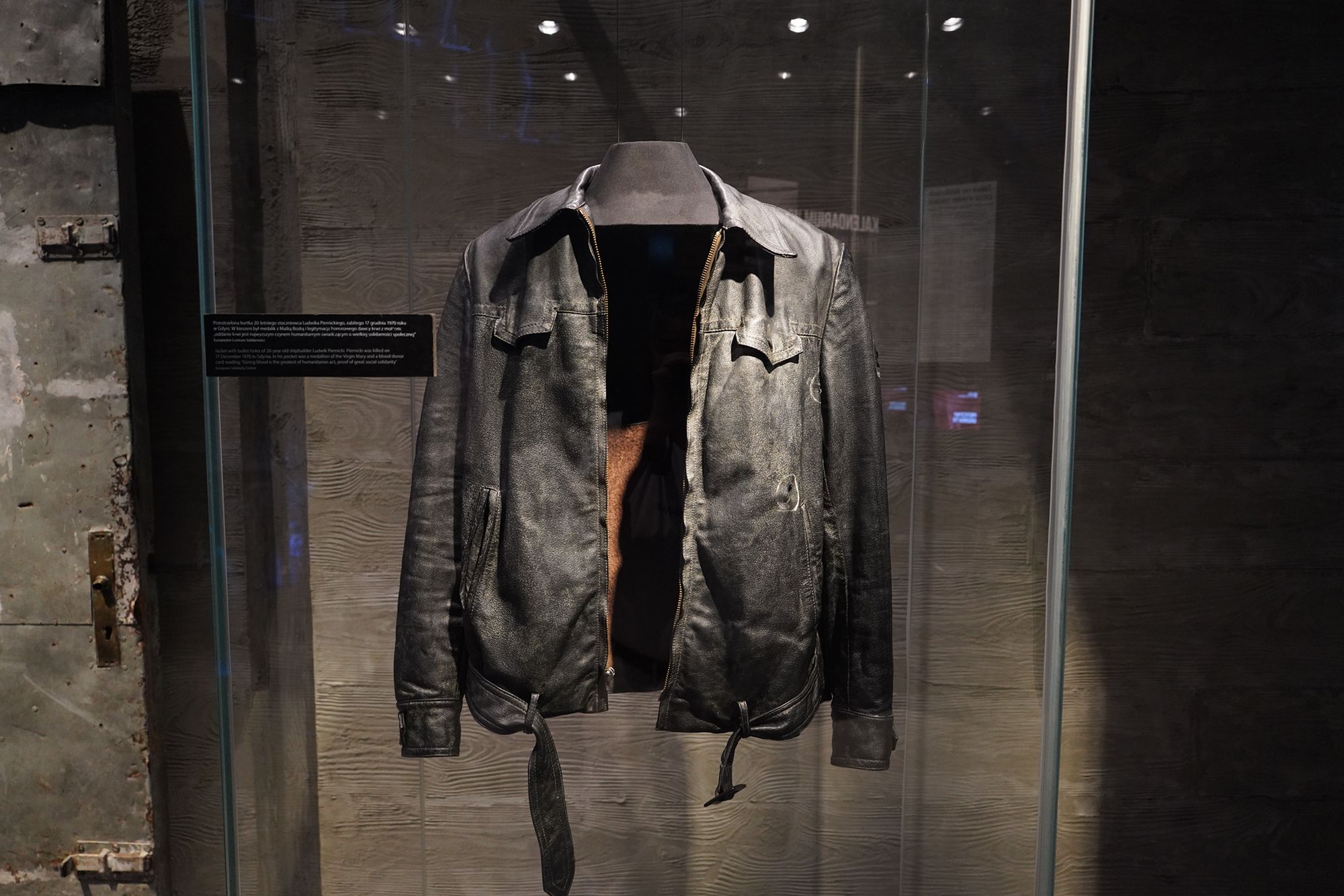
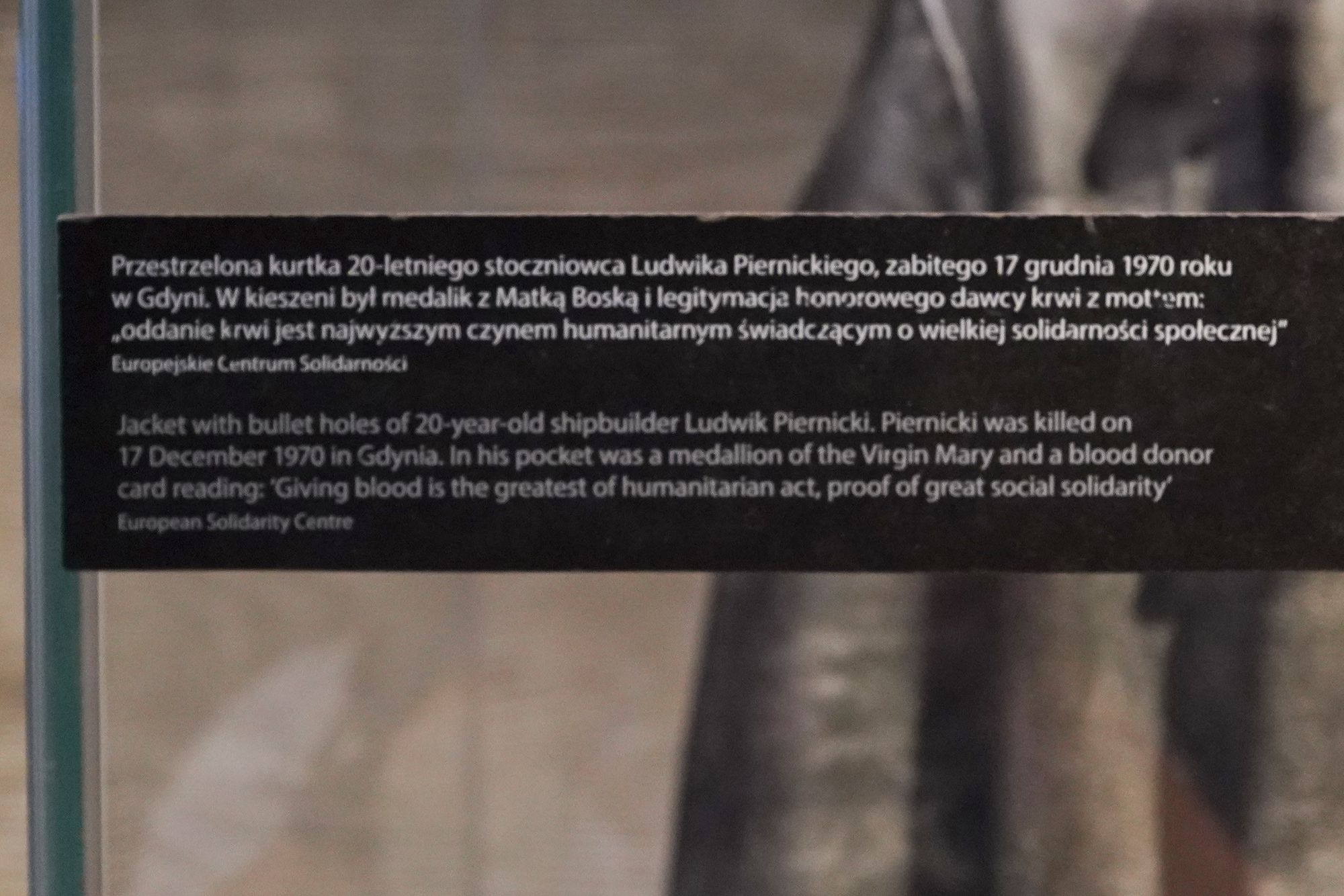
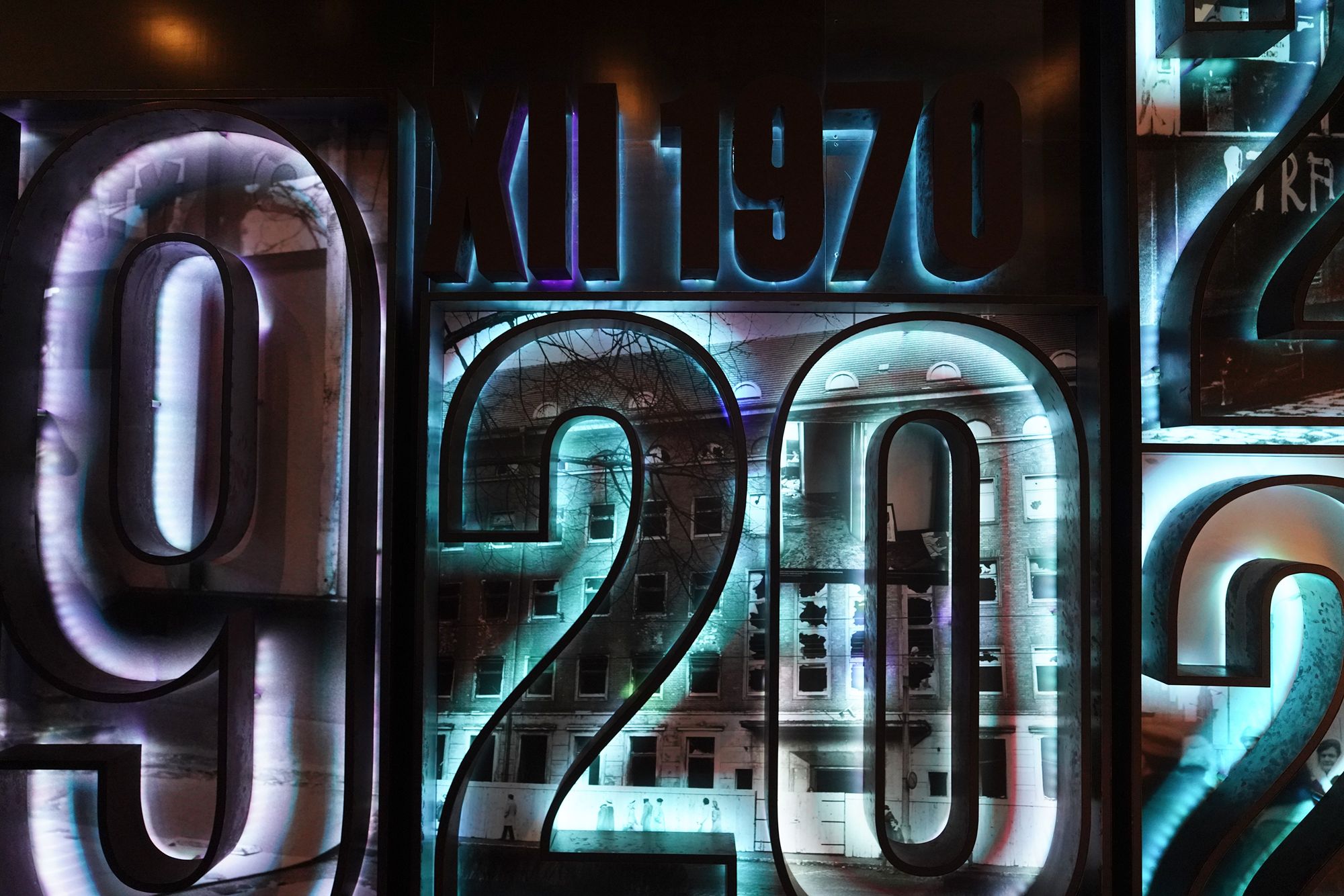
On display was the bullet-riddled jacket of Ludwik Piernicki, a 20-year-old shipyard worker killed in Gdynia on 17 December 1970. In his pocket were a medal of the Virgin Mary and a blood-donor card bearing the words, “Giving blood is the greatest of humanitarian acts.”
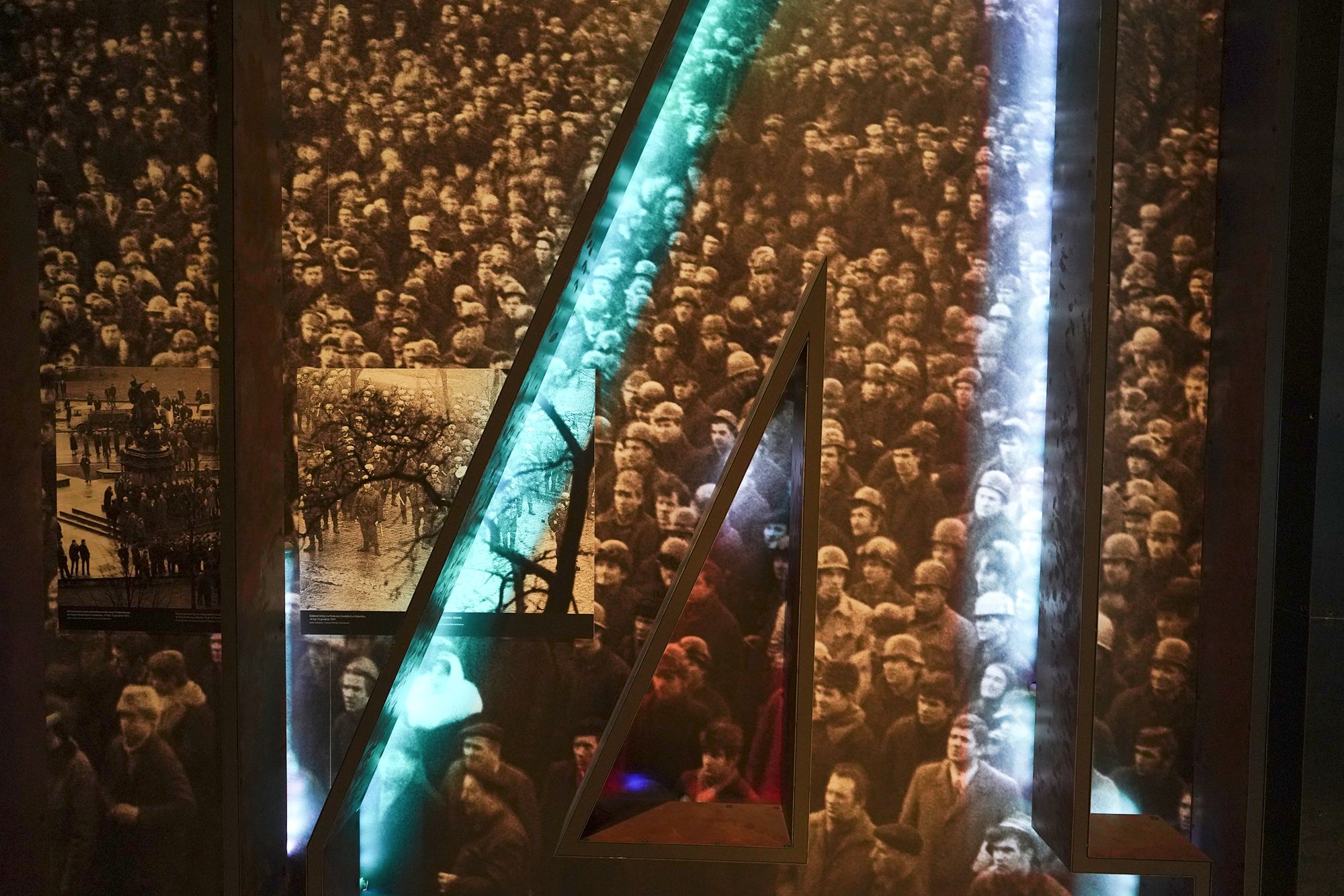
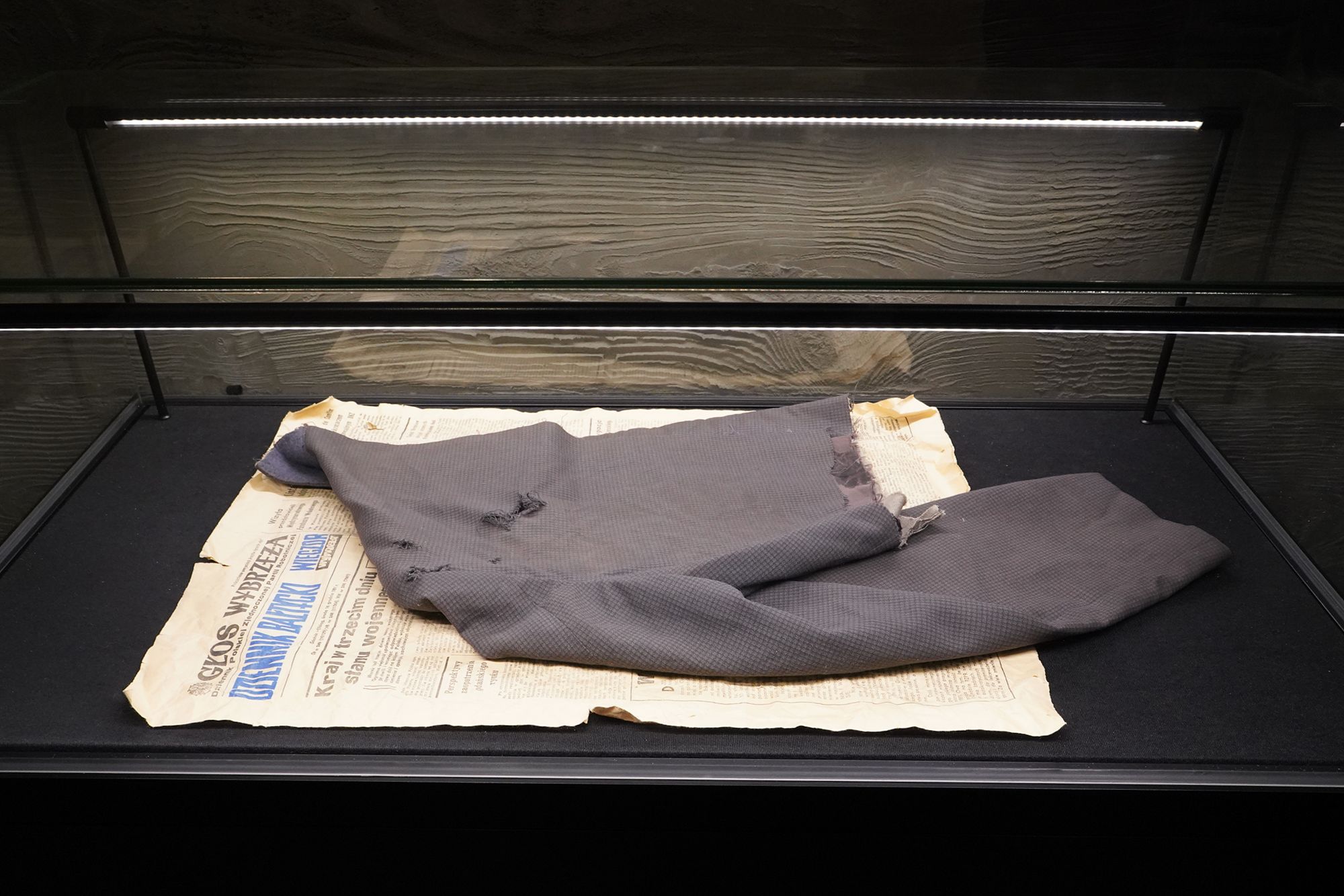
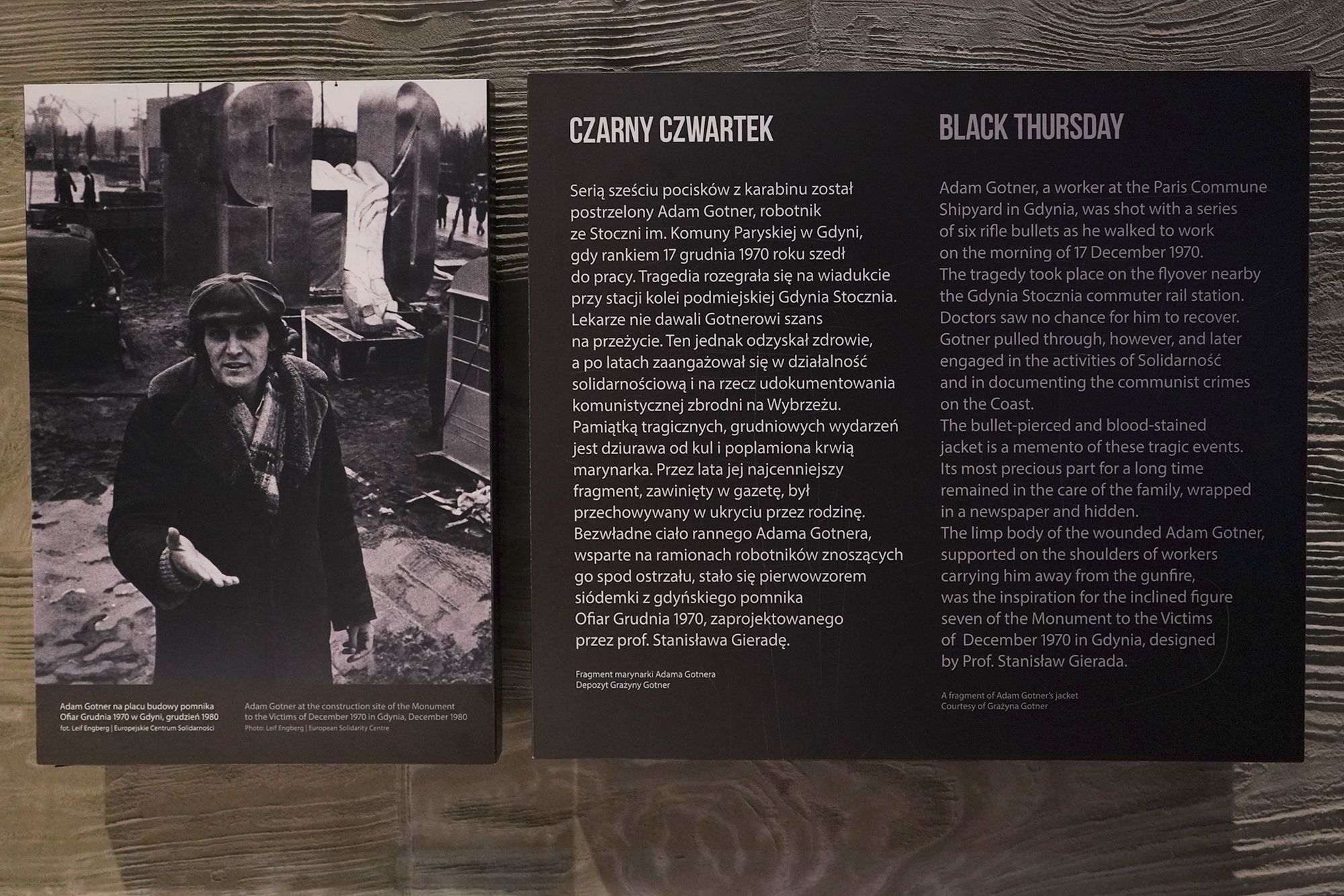
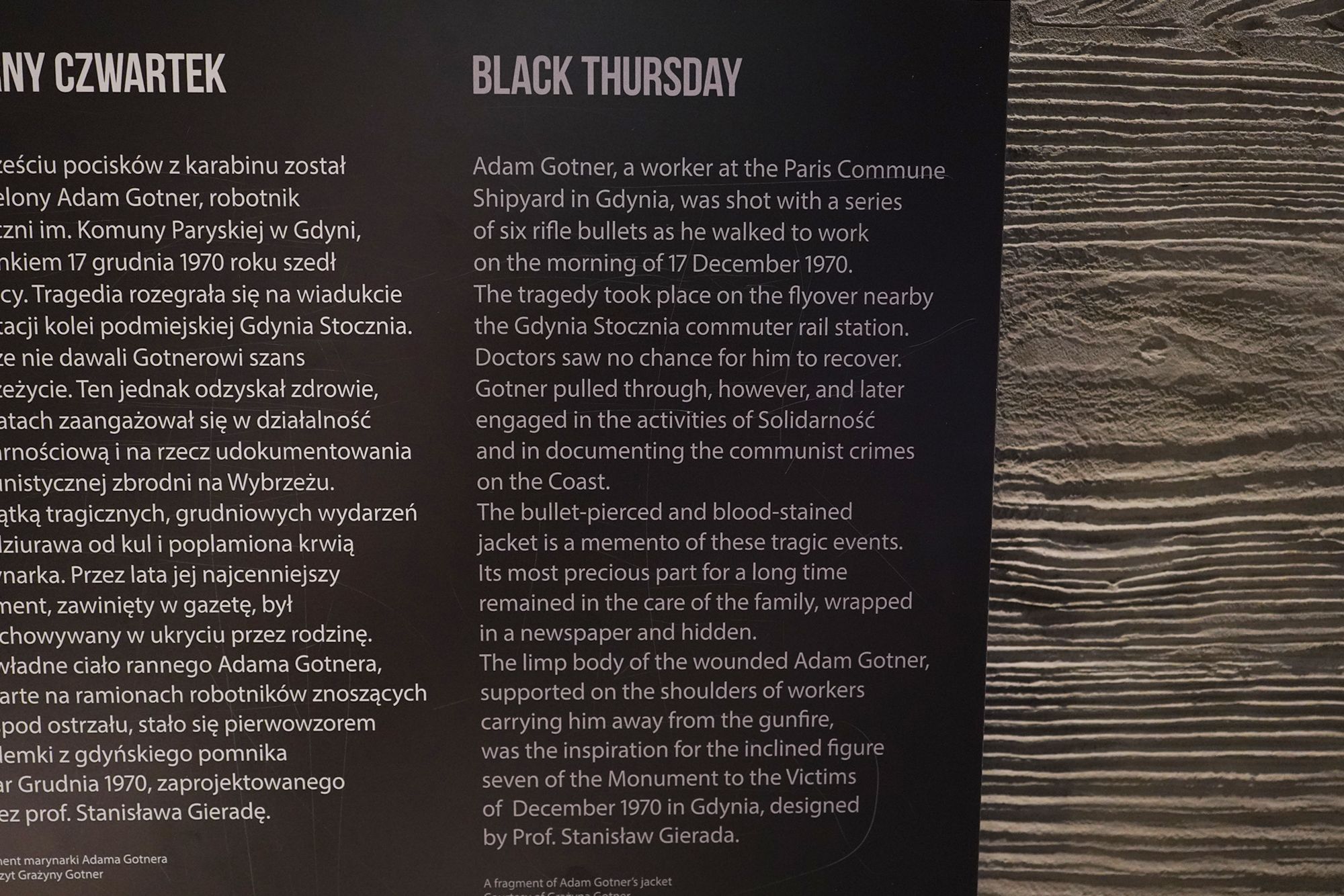
This display told the story of Adam Gotner, a shipyard worker shot six times while walking to work in Gdynia on 17 December 1970. Though doctors thought he would not survive, he recovered and later joined Solidarity. A fragment of his bloodstained jacket is preserved as a reminder of the violence of that day.
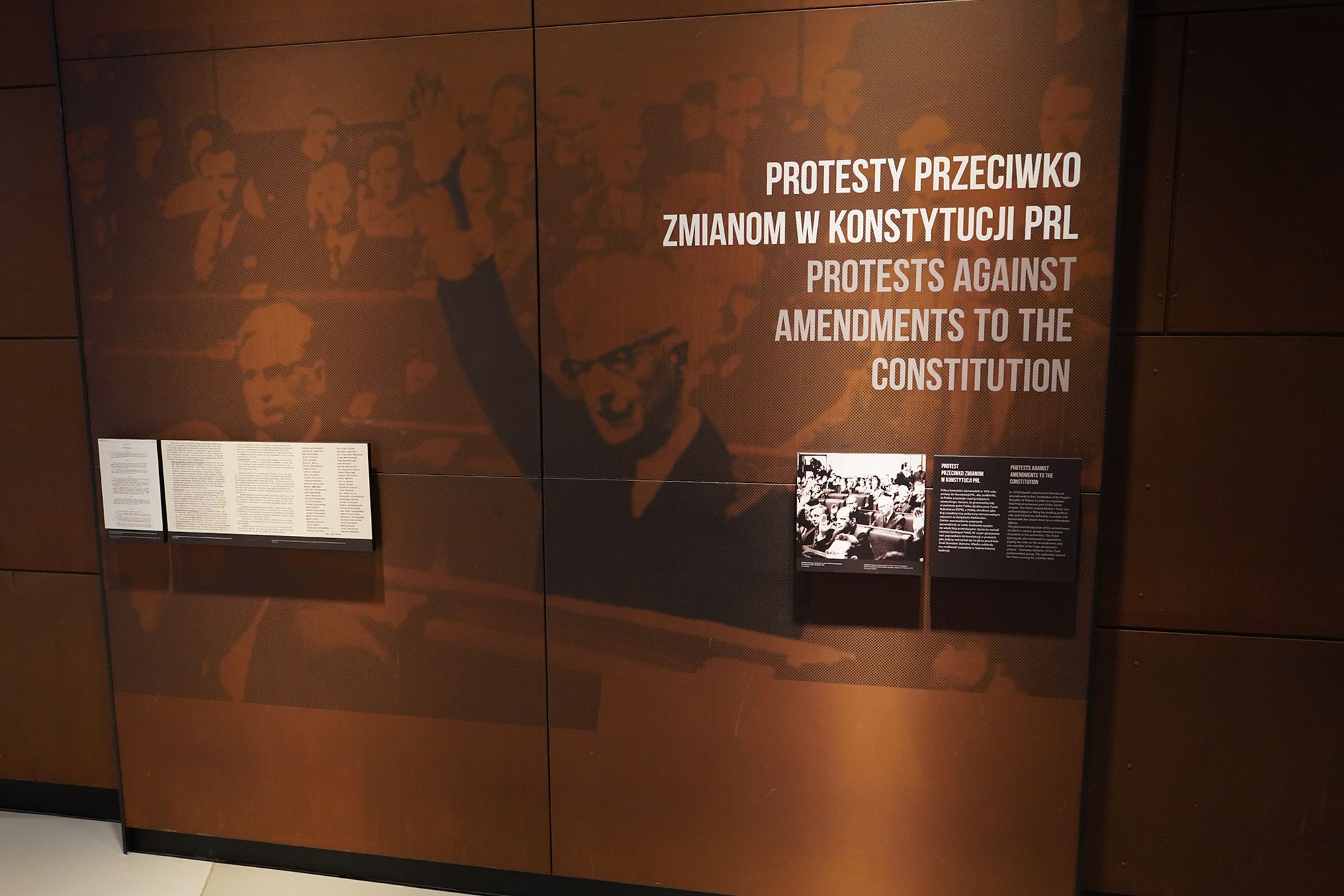
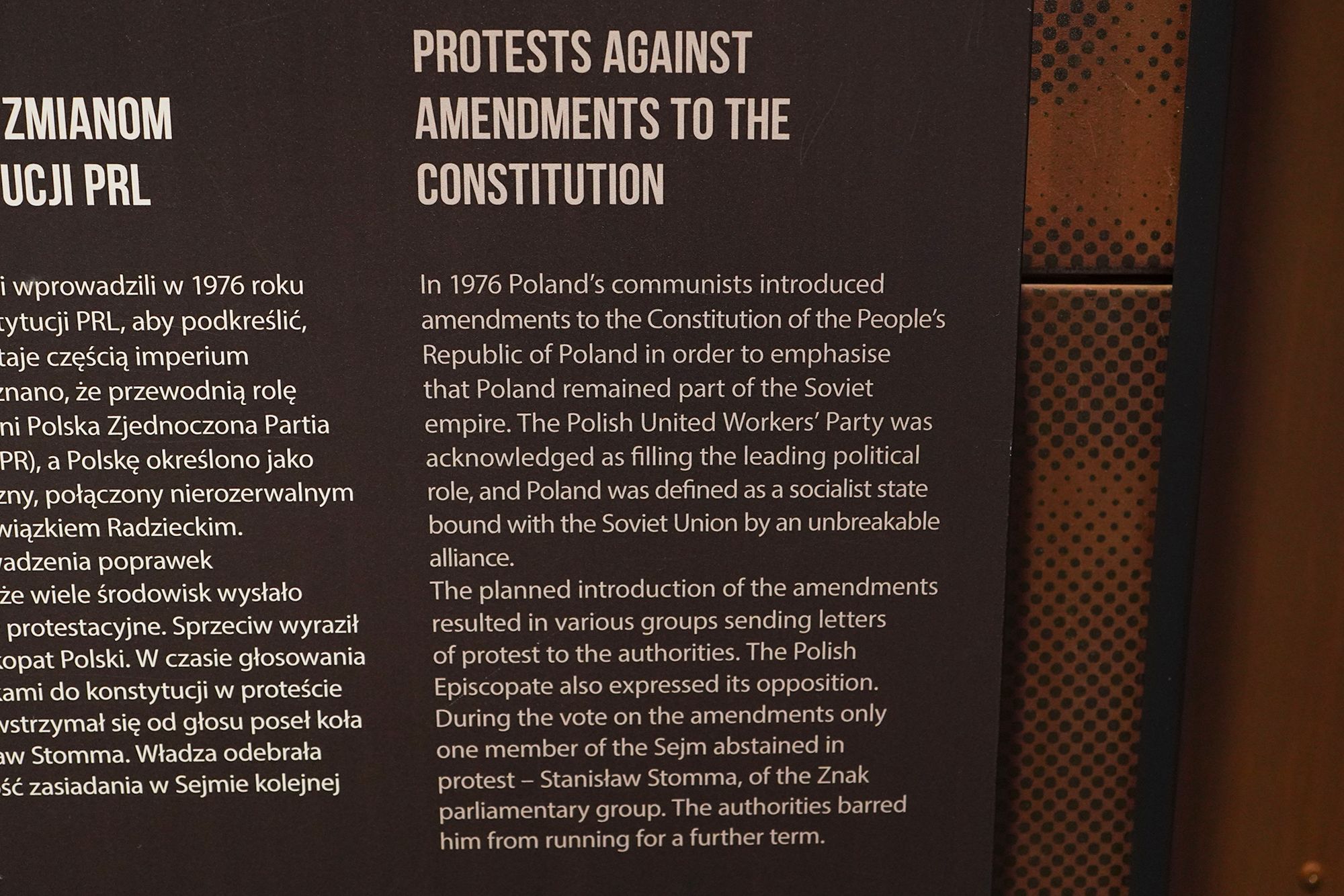
In 1976, Poland’s communist government proposed constitutional amendments declaring the Communist Party’s leading role and Poland’s “unbreakable alliance” with the Soviet Union. The changes drew letters of protest and opposition from the Polish bishops. One member of parliament abstained in protest and was later barred from running again.
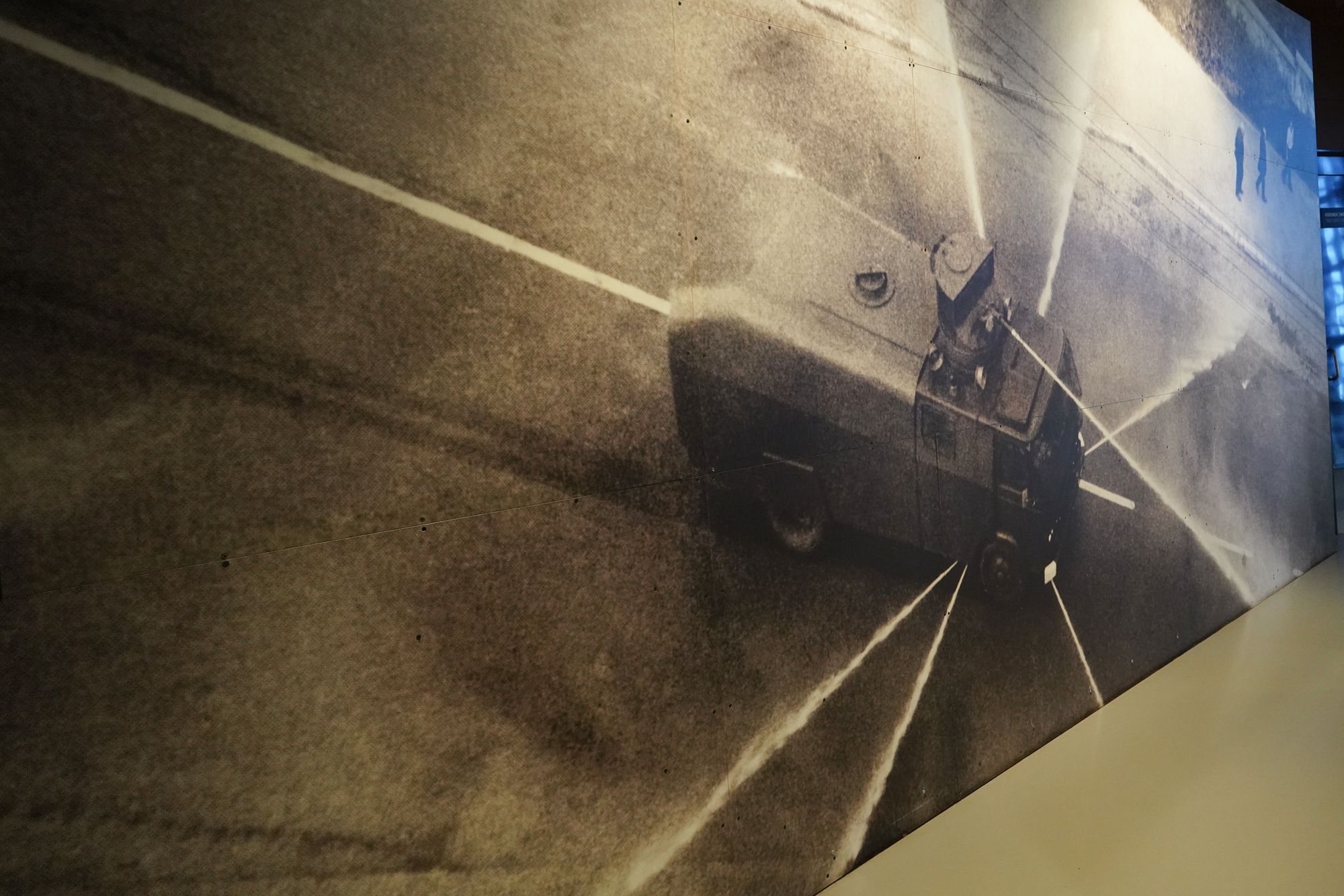
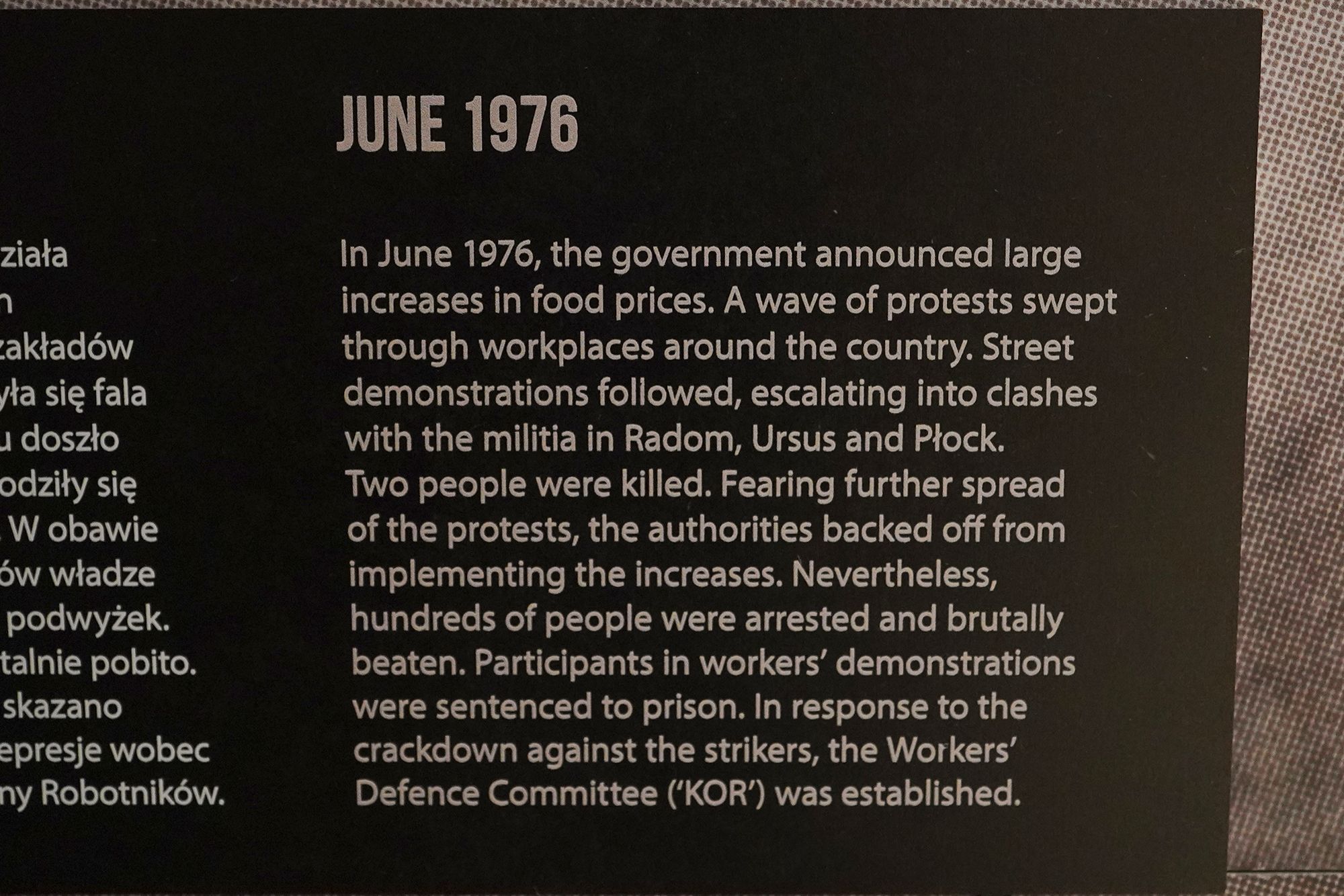
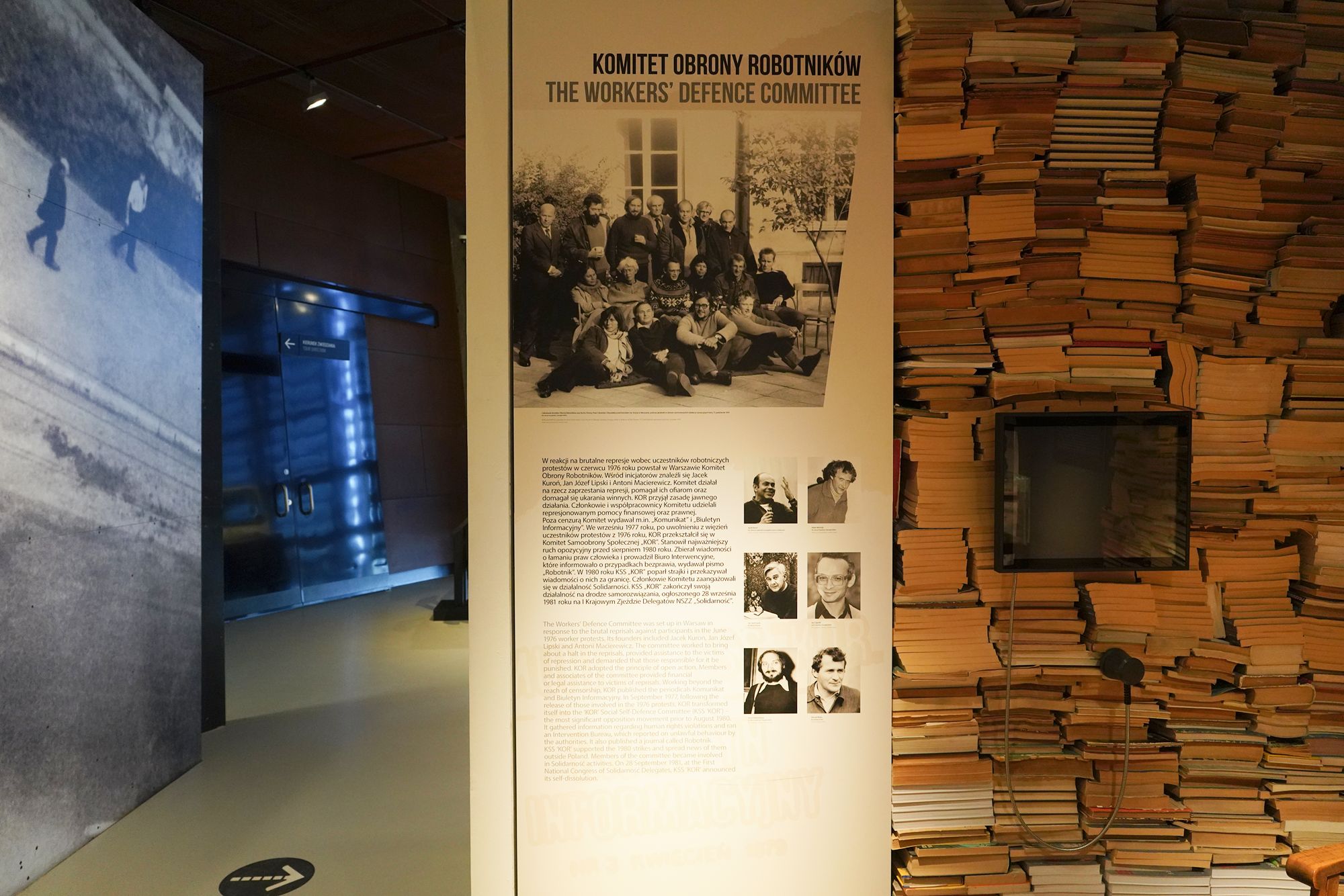
In June 1976, proposed food-price increases sparked strikes and protests across Poland. Clashes with the militia left two people dead. Although the government withdrew the increases, hundreds were arrested and beaten, and some workers were imprisoned. The crackdown led to the creation of the Workers’ Defence Committee (KOR).
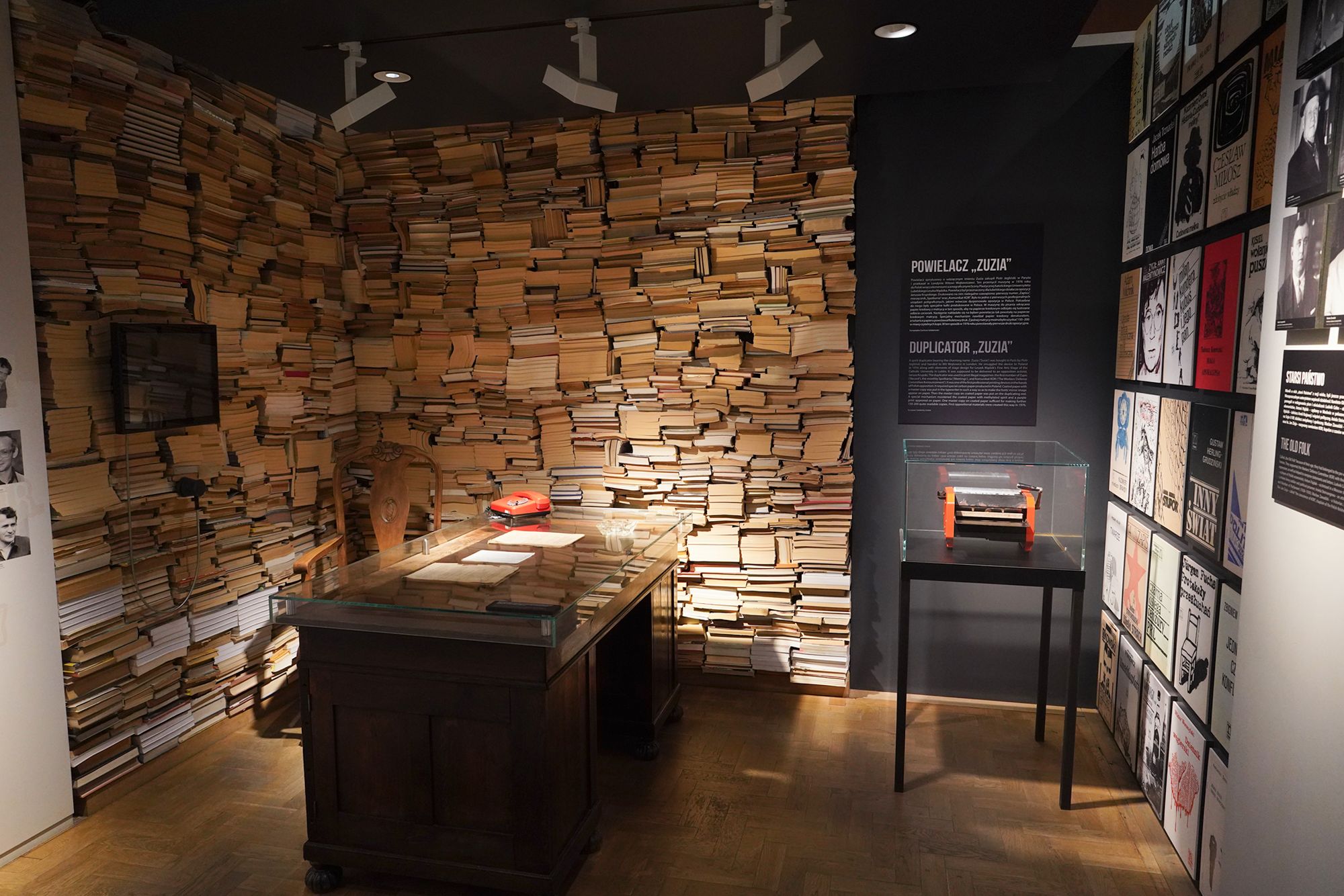
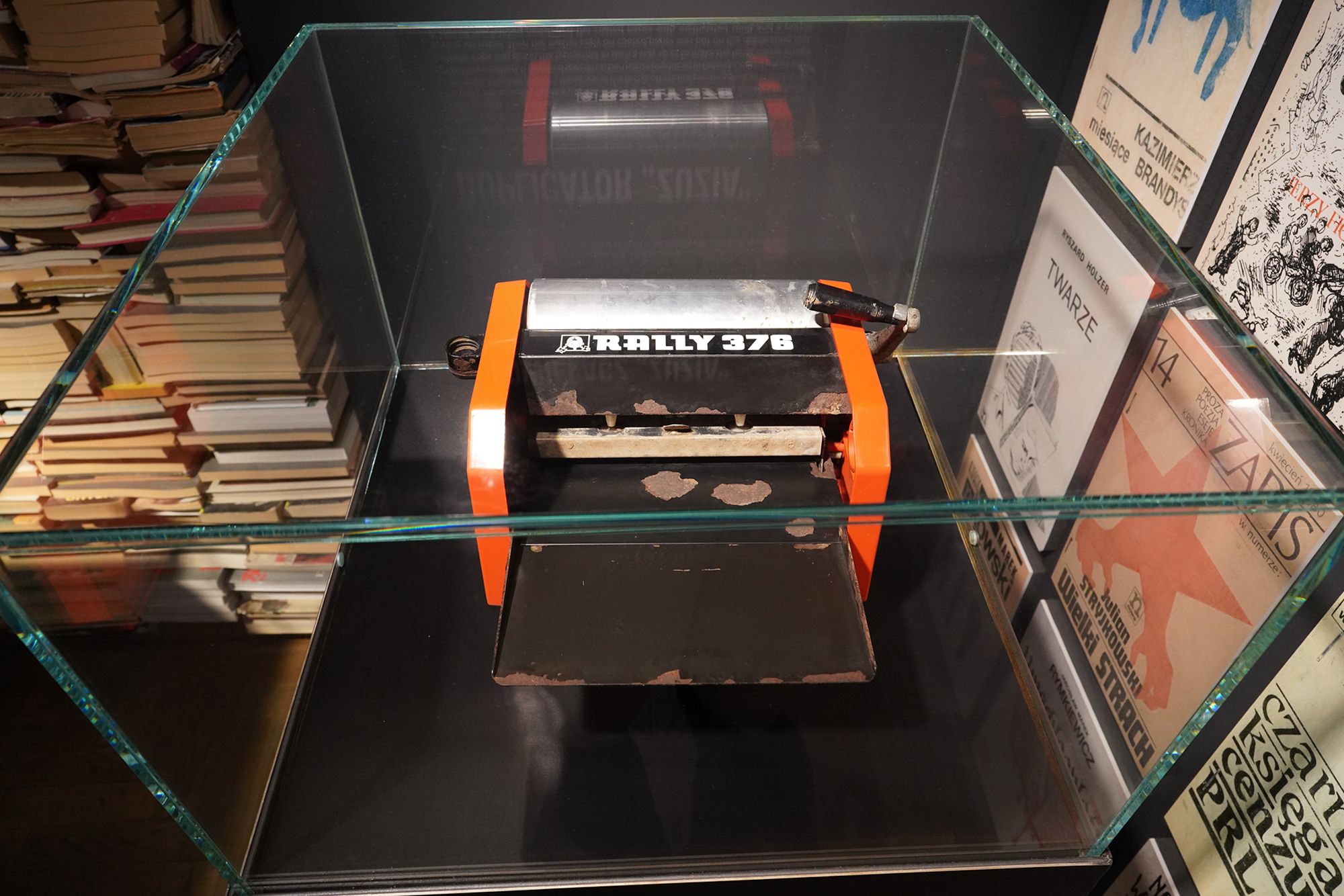
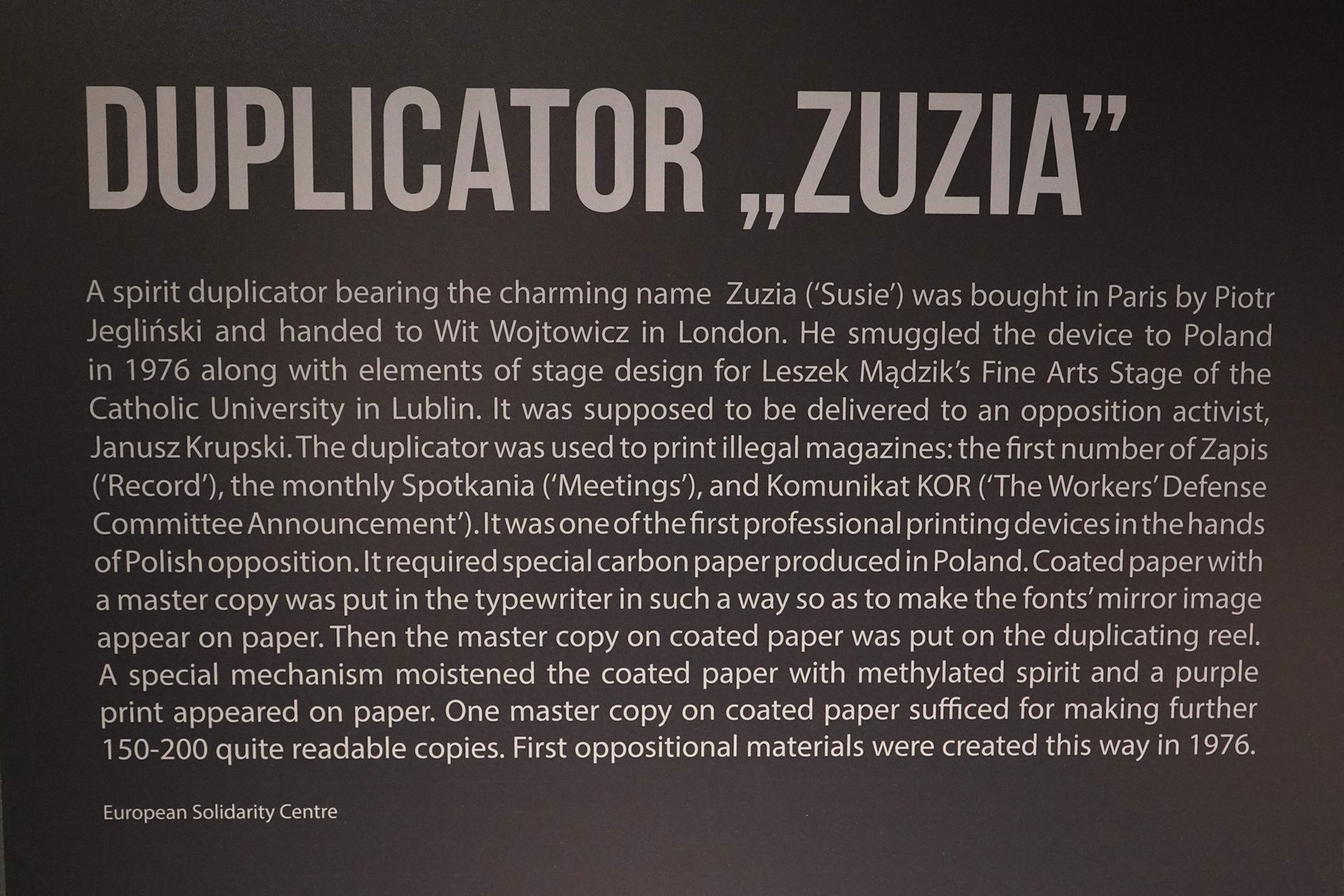
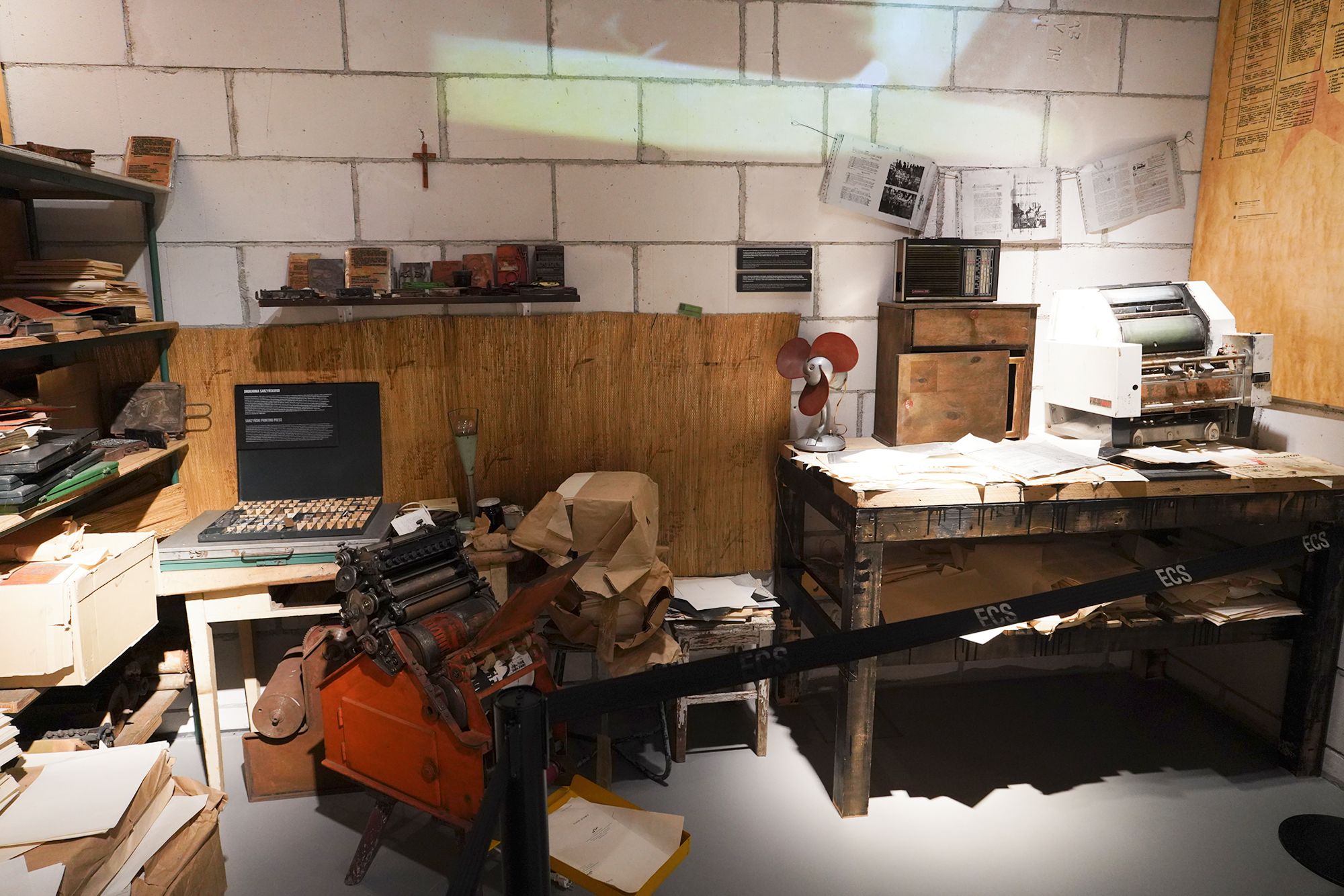
A spirit duplicator nicknamed “Zuzia” was smuggled into Poland in 1976 and used to print underground opposition publications, including announcements from the Workers’ Defence Committee (KOR). One master copy could produce up to 200 copies, helping dissidents circulate information under communist rule.
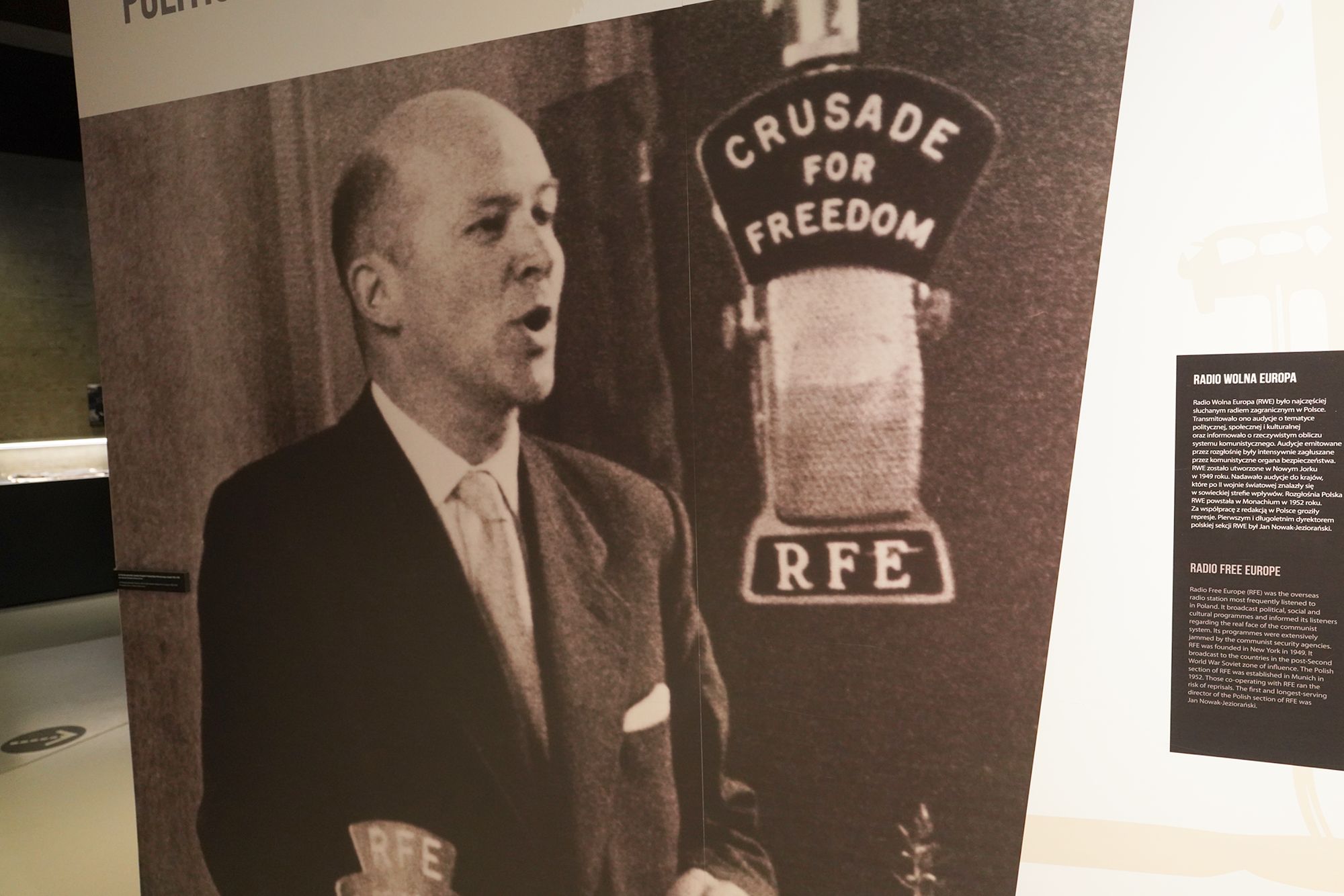
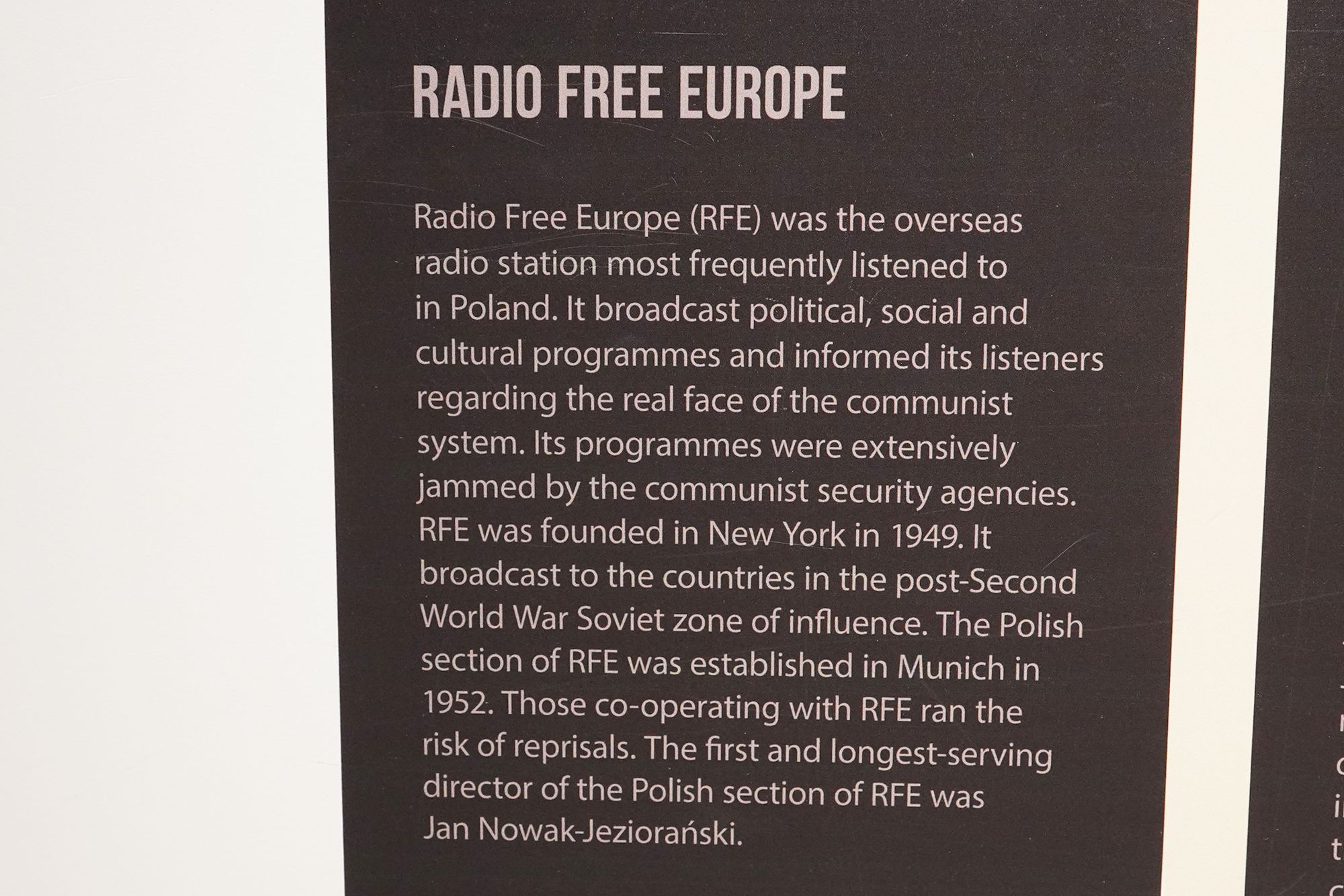
Radio Free Europe was one of the most widely heard foreign stations in Poland. Its broadcasts offered political, social, and cultural information about life beyond the communist government’s version of events, despite efforts to jam the signal. People who worked with the Polish service risked reprisals.
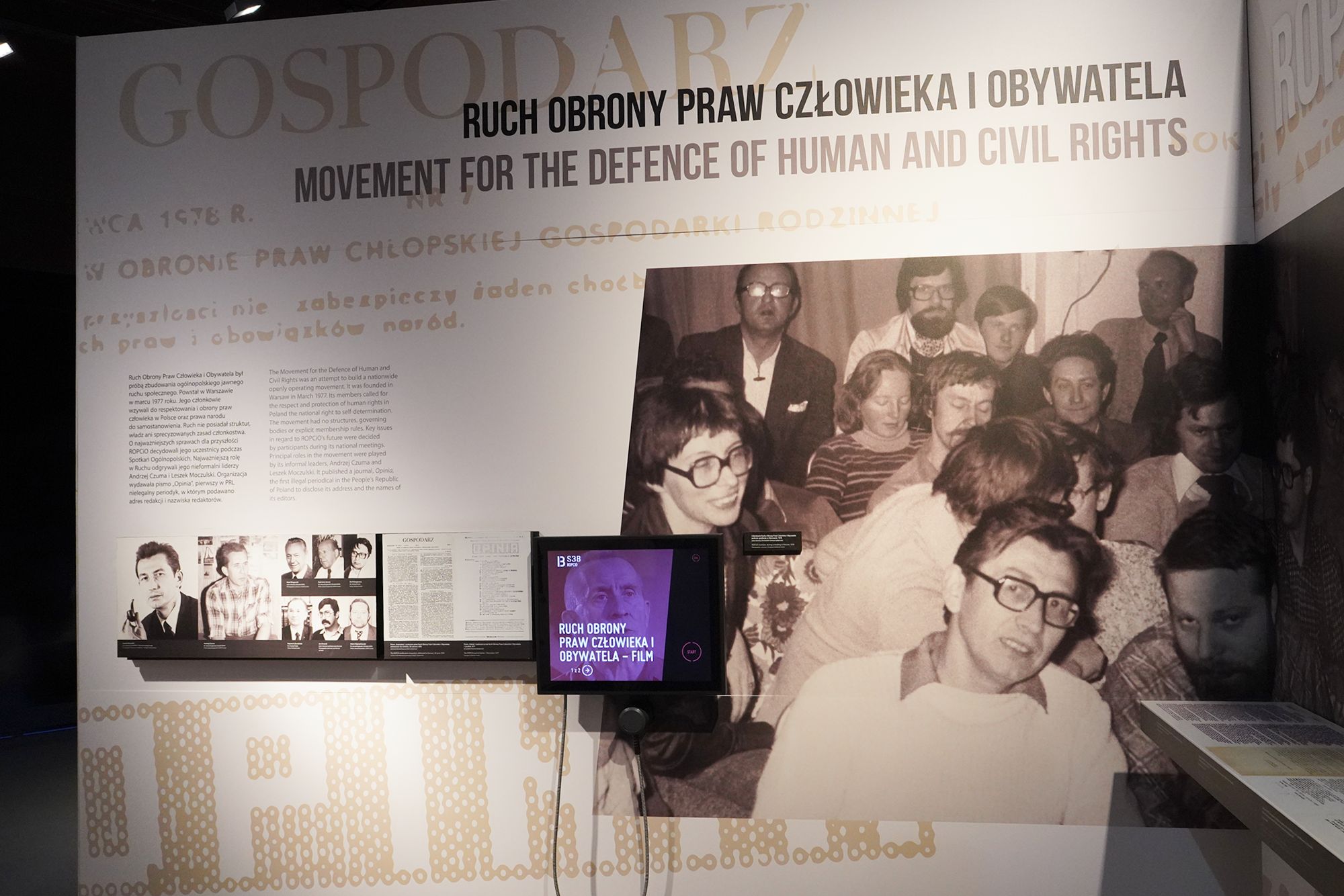
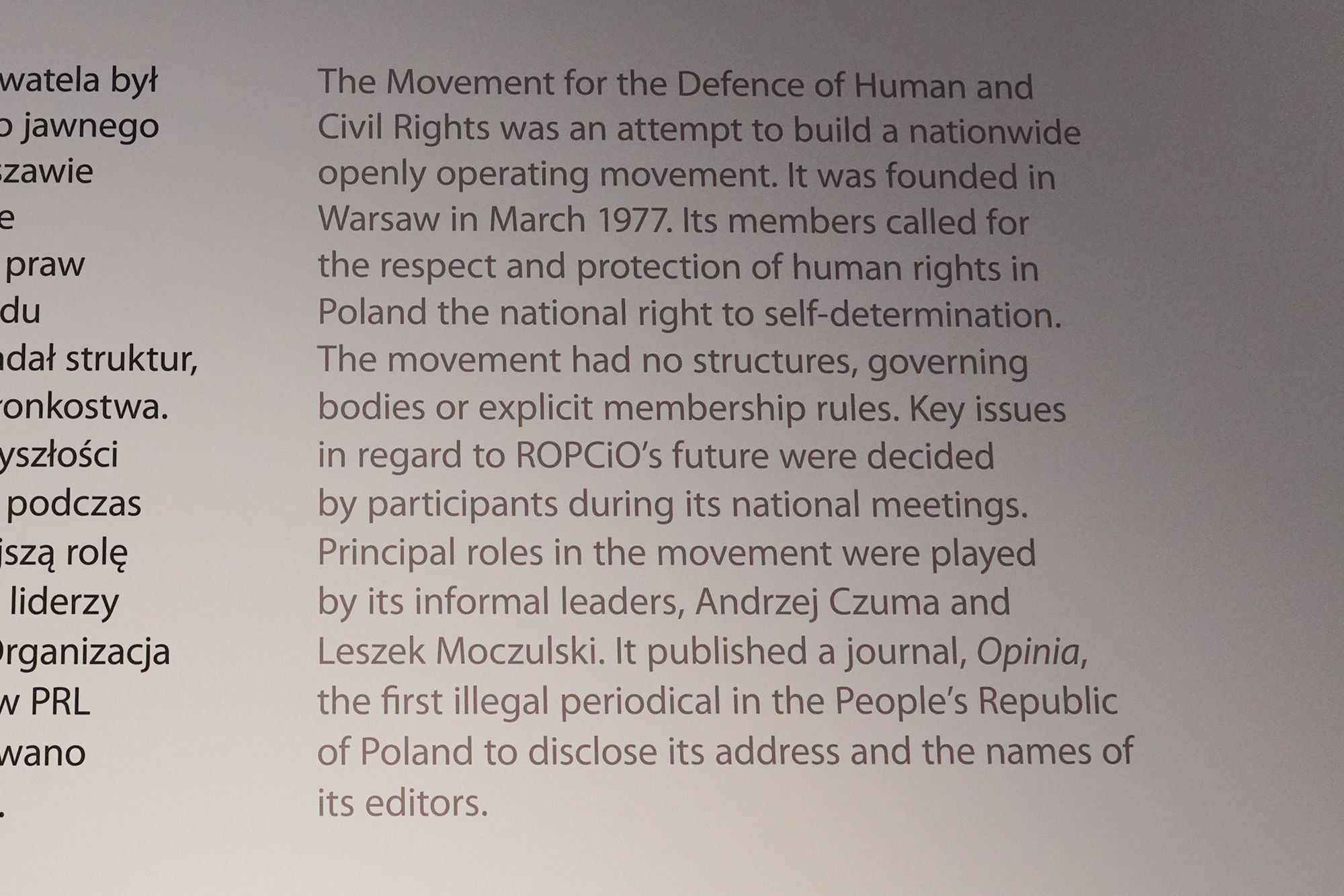
Founded in Warsaw in 1977, the Movement for the Defence of Human and Civil Rights (ROPCiO) sought to protect human rights and Poland’s right to self-determination. It had no formal leadership structure and published Opinia, an underground journal that openly named its address and editors.
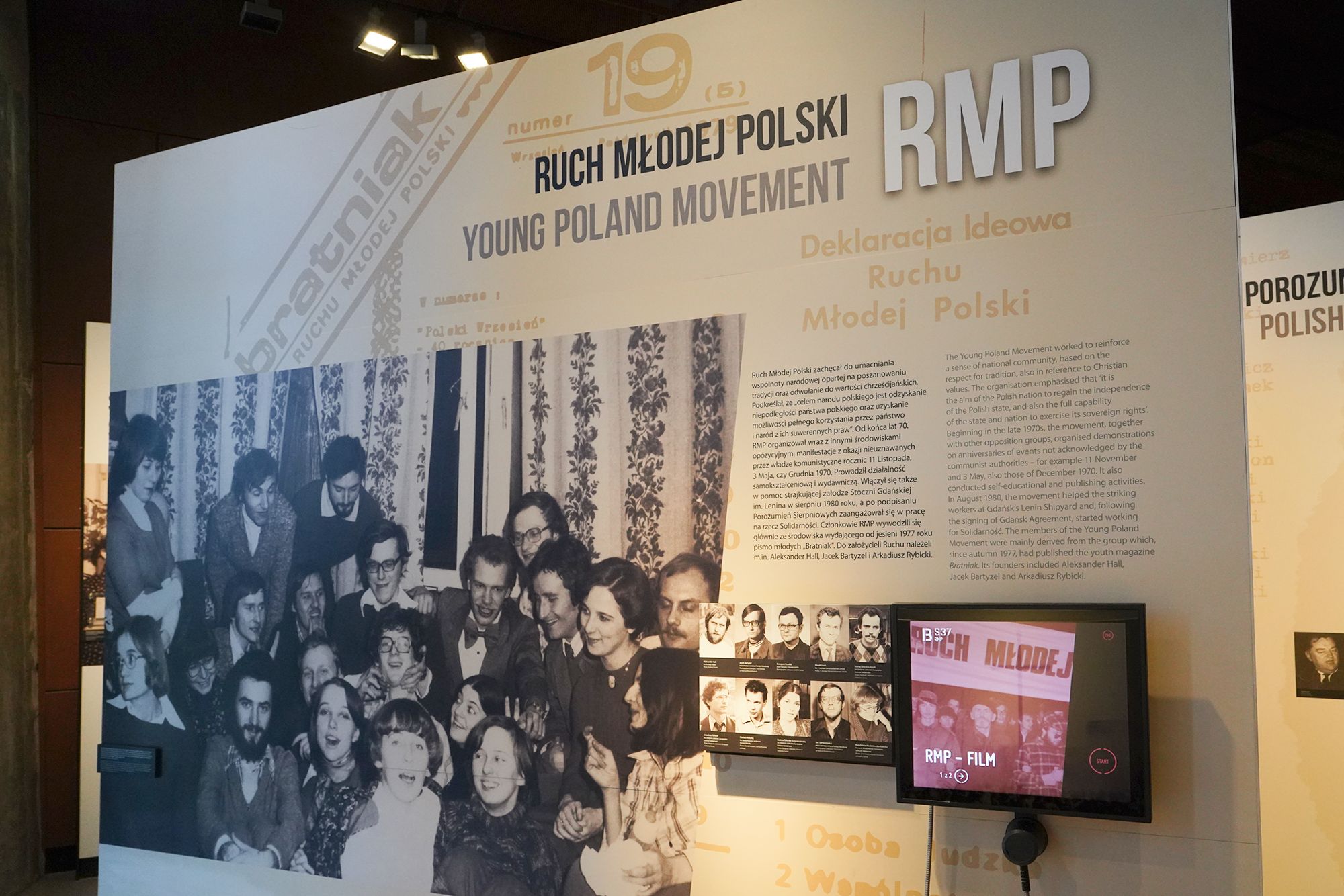
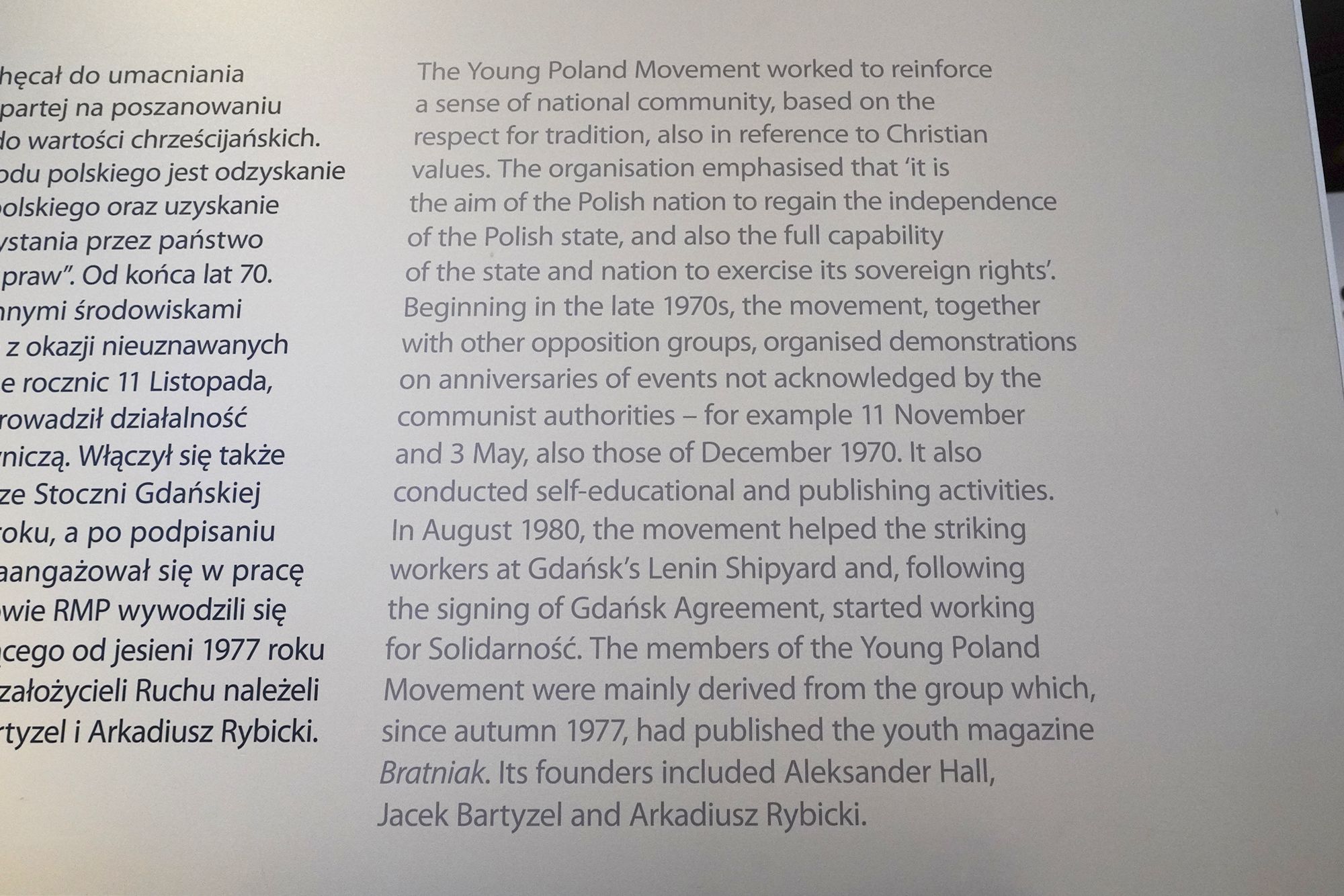
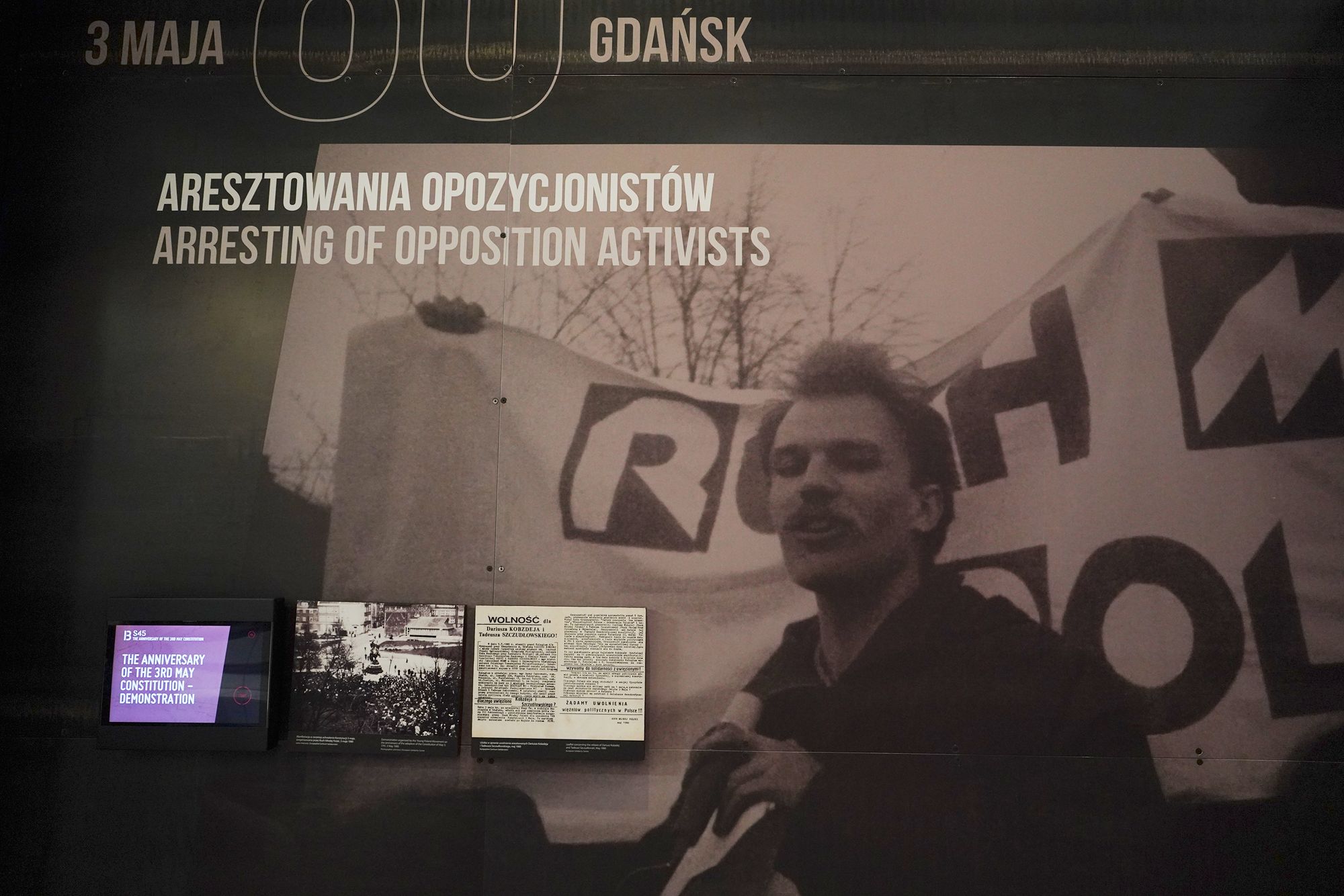
The Young Poland Movement promoted Polish independence, national traditions, and Christian values through demonstrations, educational activities, and publishing. In August 1980, it supported striking workers at Gdańsk’s Lenin Shipyard and later worked for Solidarity after the Gdańsk Agreement was signed.
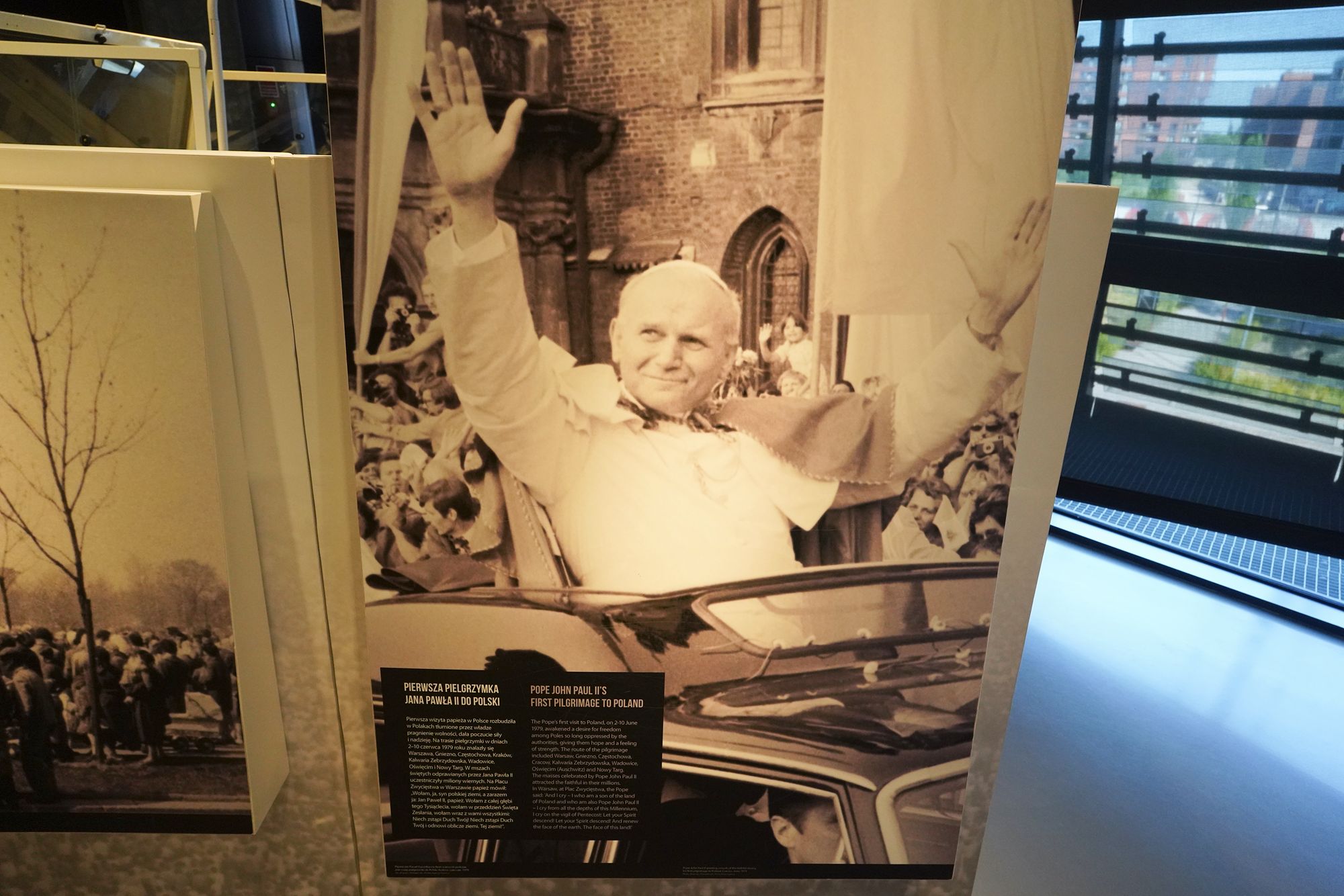
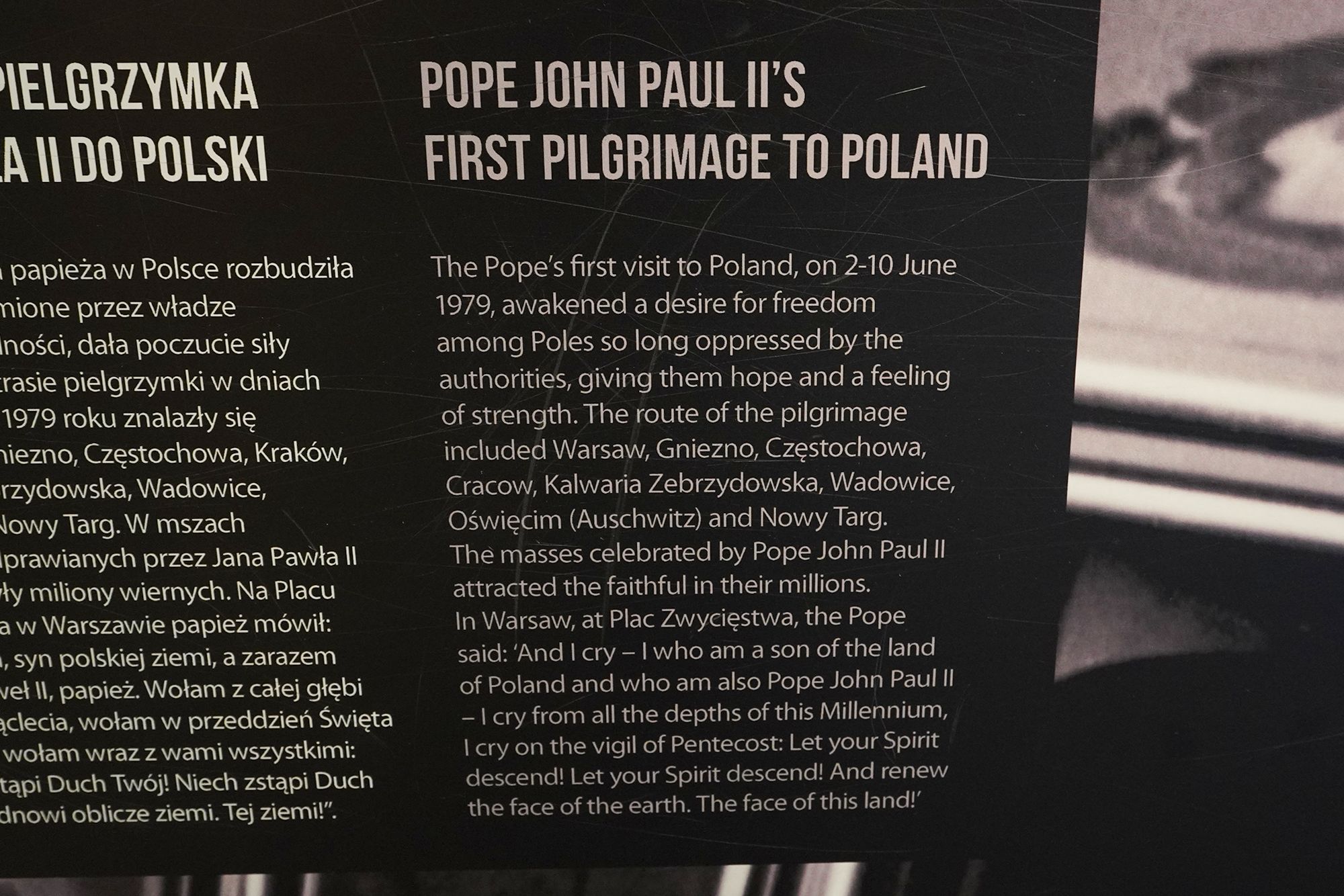
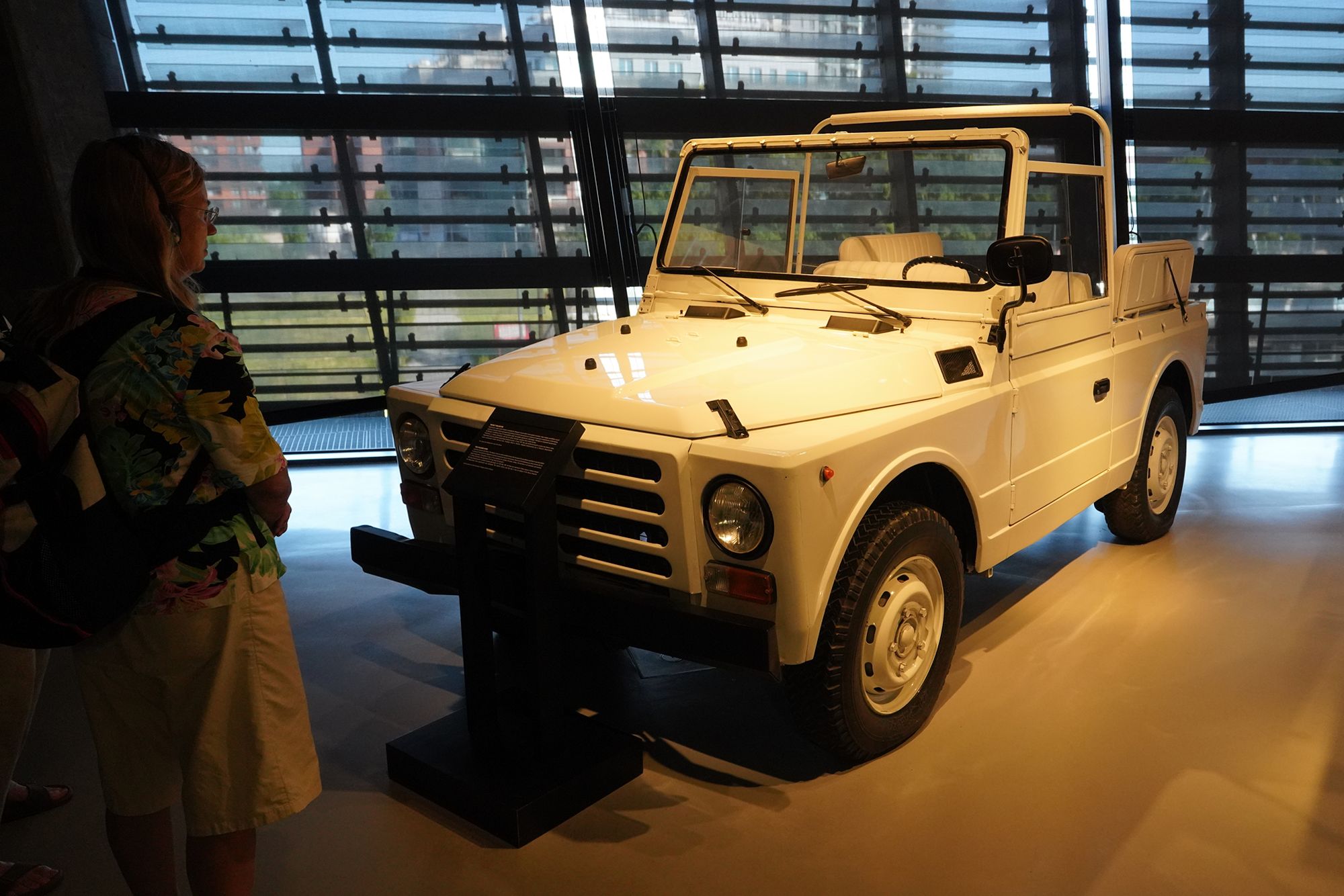
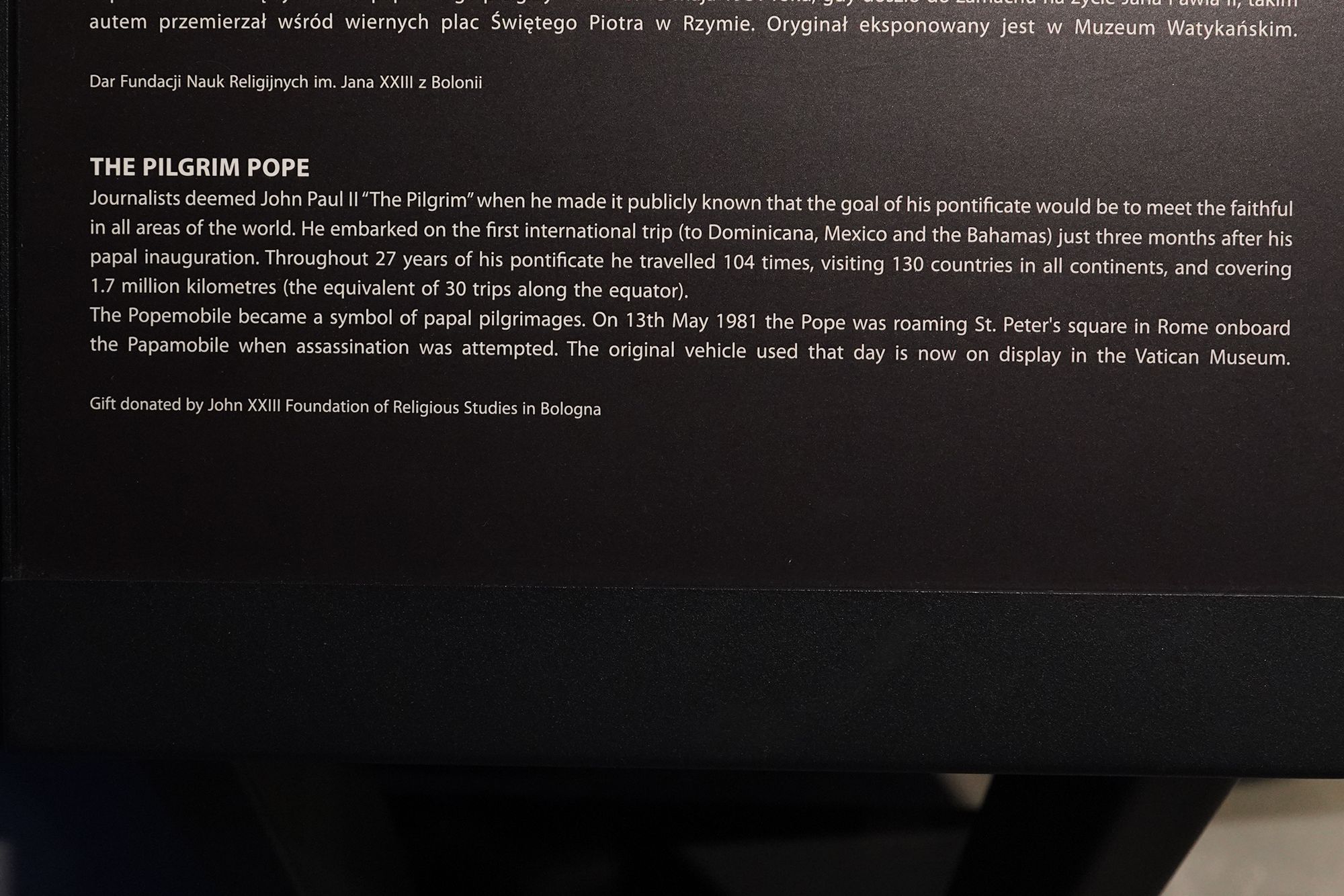
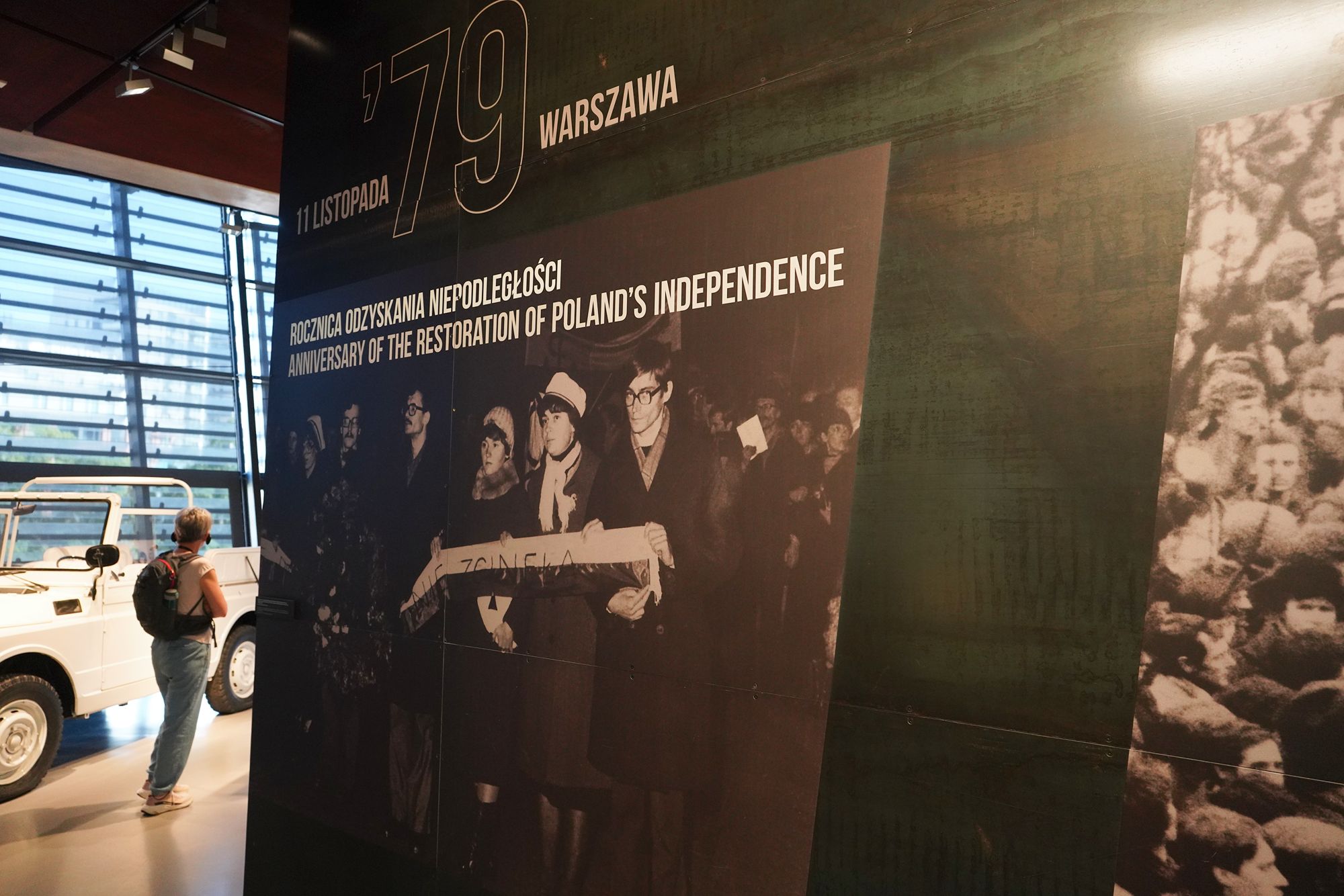
Pope John Paul II’s first visit to Poland in June 1979 drew millions of people and gave many a renewed sense of hope and strength. His call for the Holy Spirit to renew Poland became a powerful expression of the country’s growing desire for freedom.
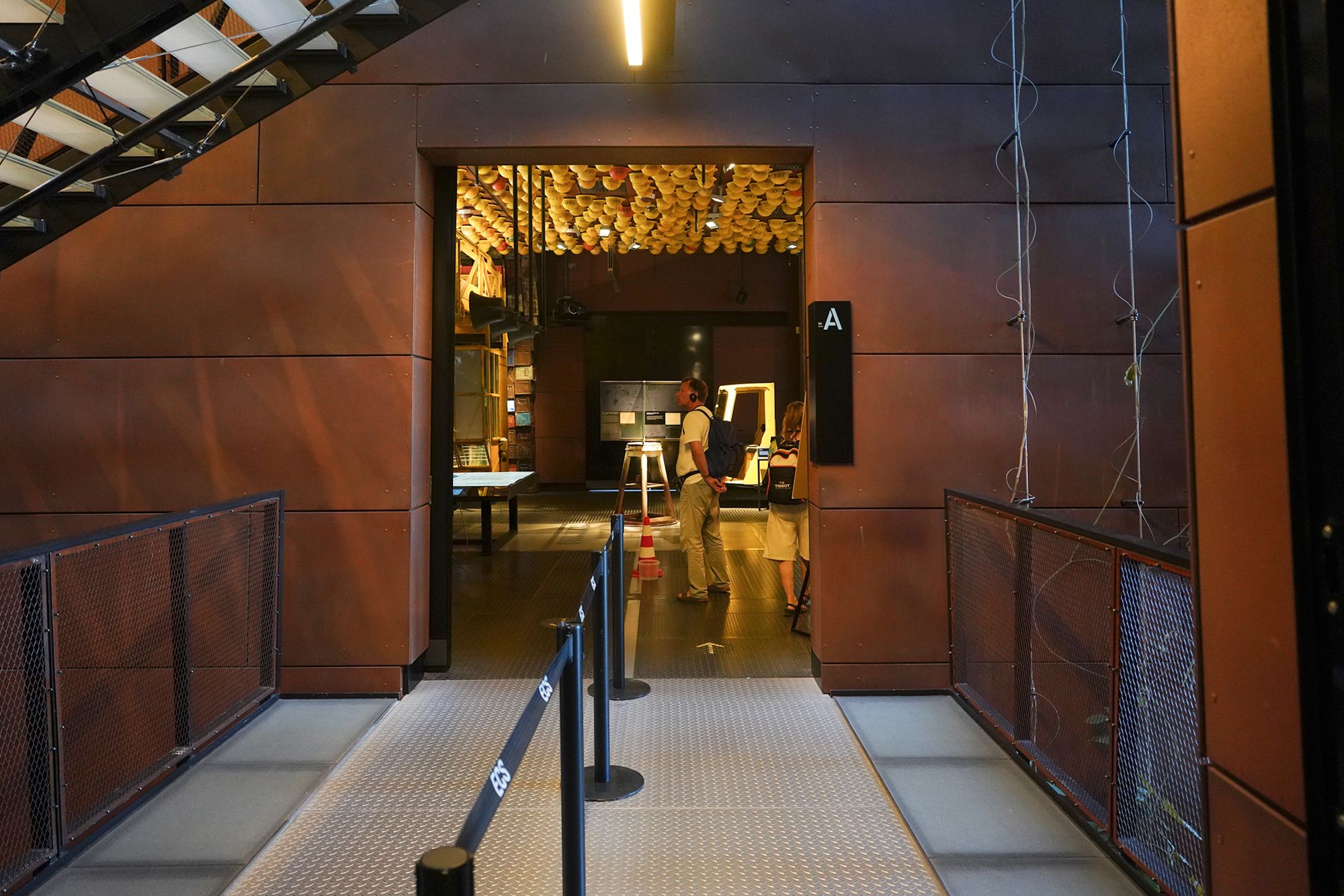
The Gdańsk Lenin Shipyard strike began on 14 August 1980, after crane operator and union activist Anna Walentynowicz was dismissed. Young workers started the walkout, and Lech Wałęsa, who had also been fired from the shipyard, joined them and became their leader.
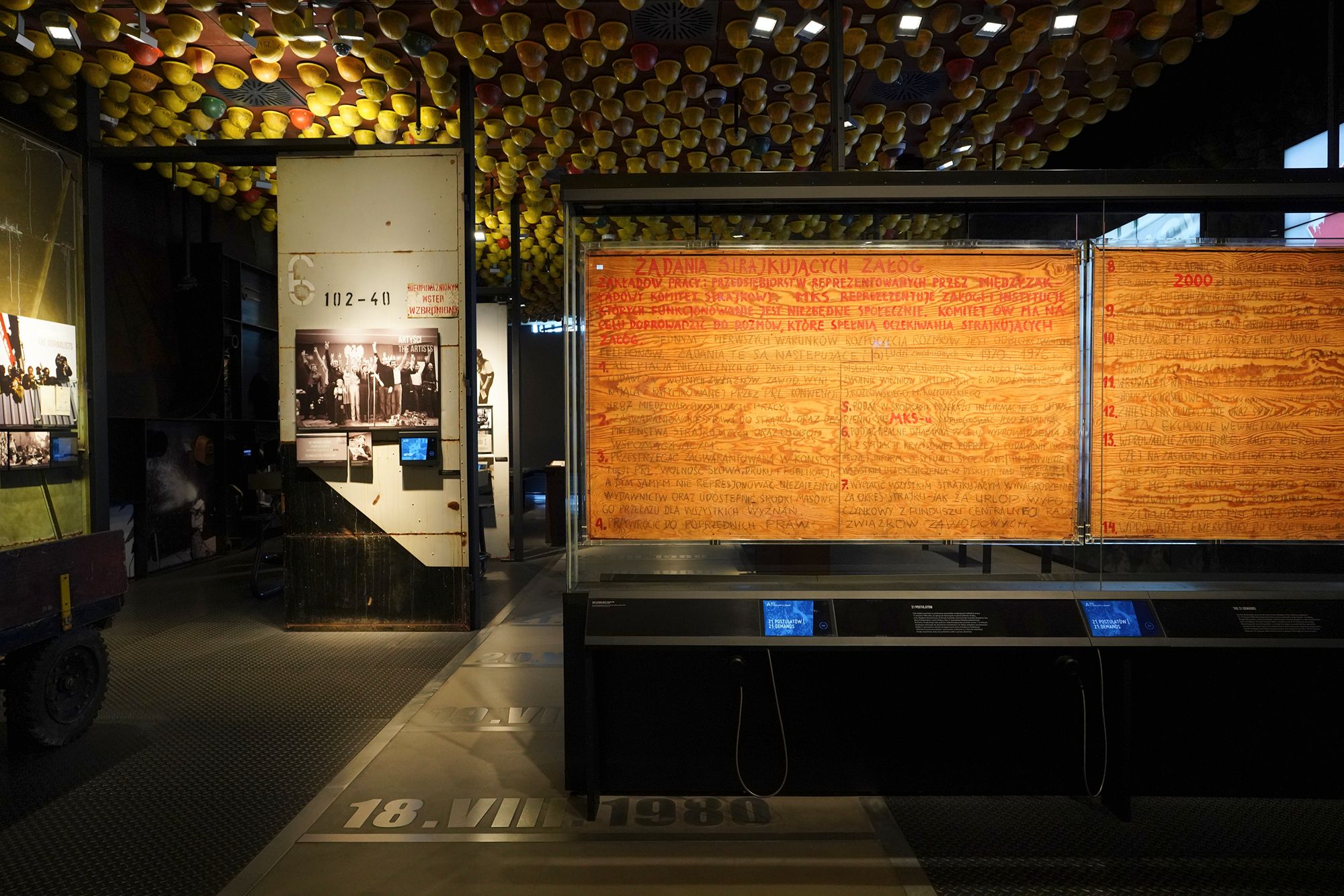
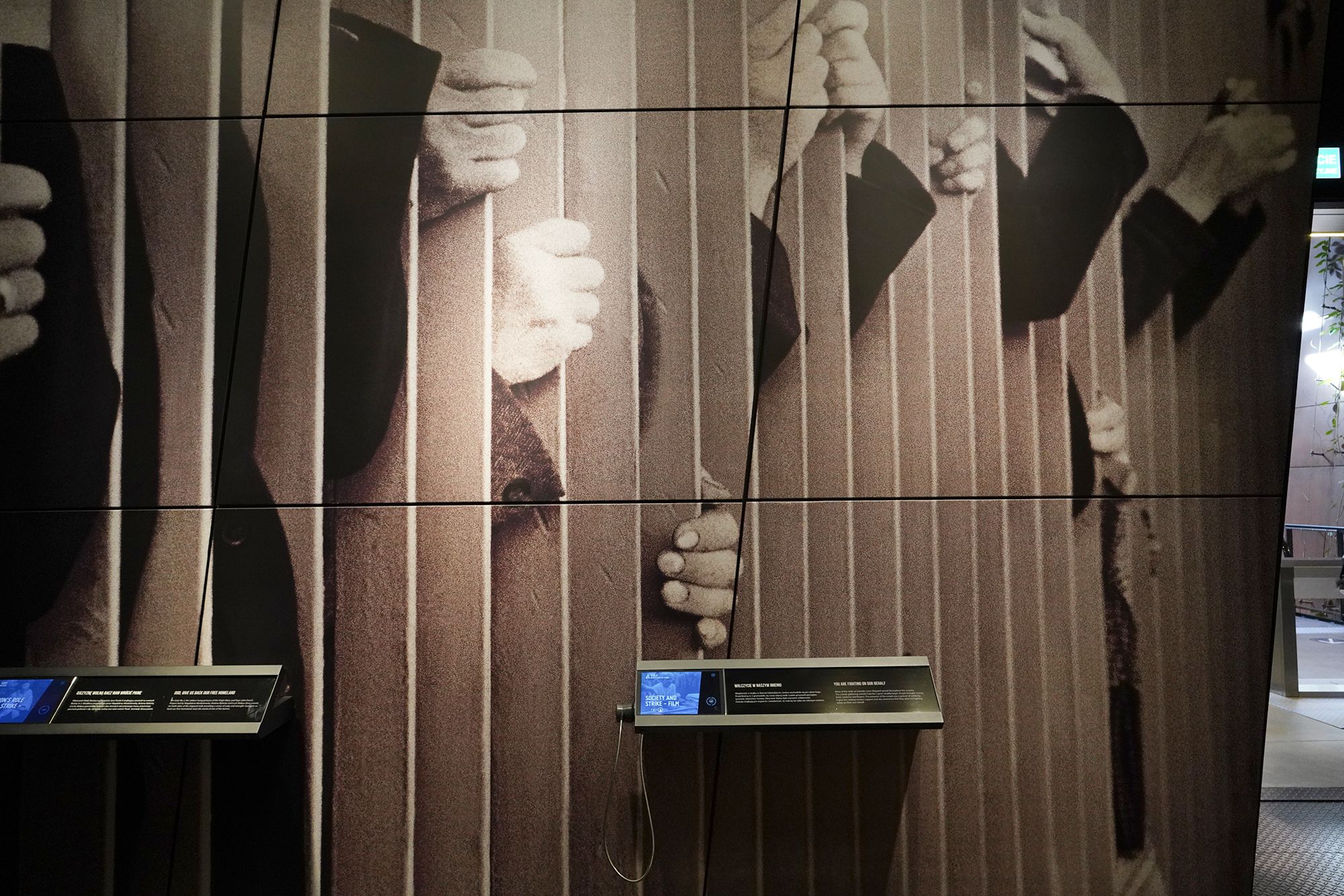
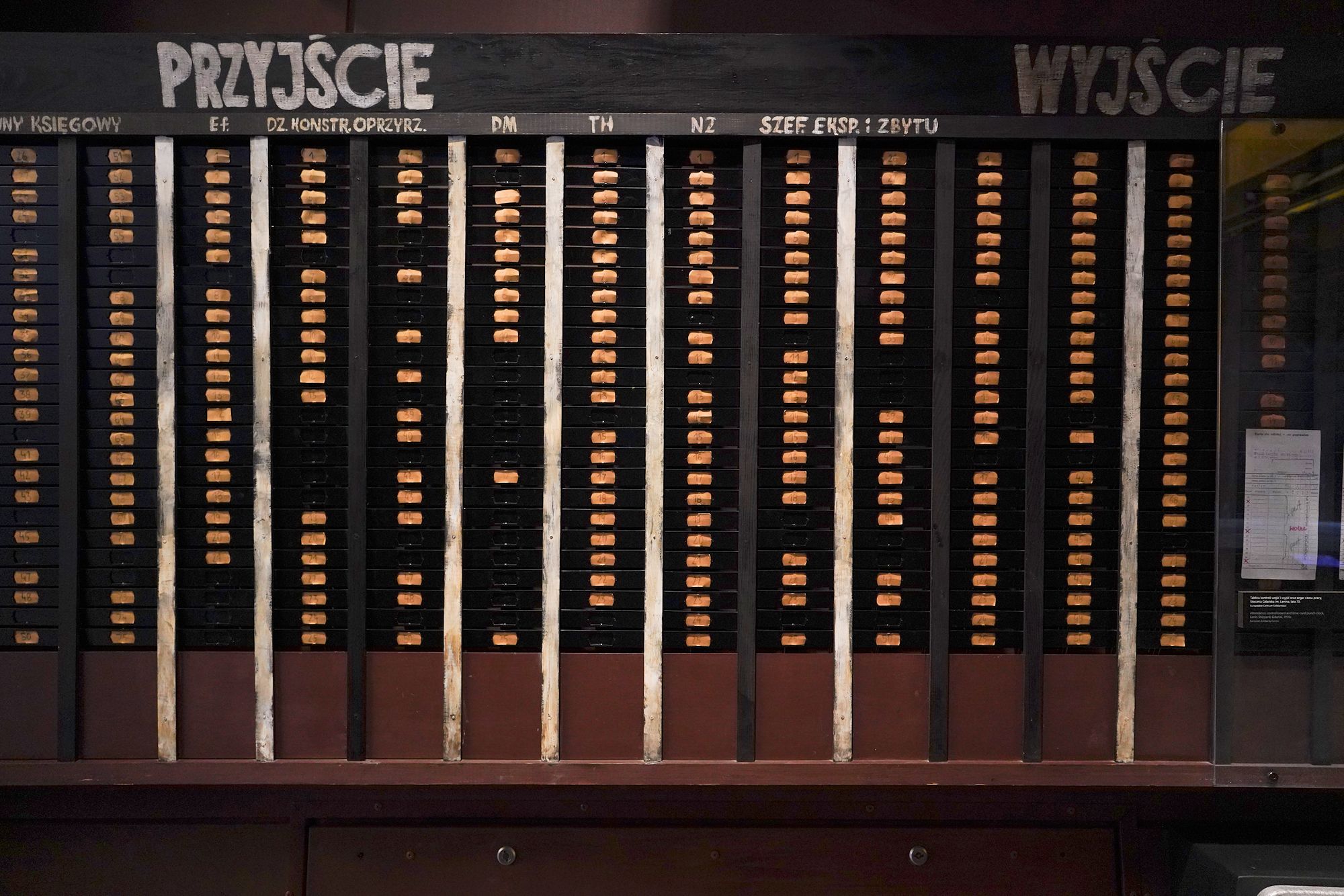
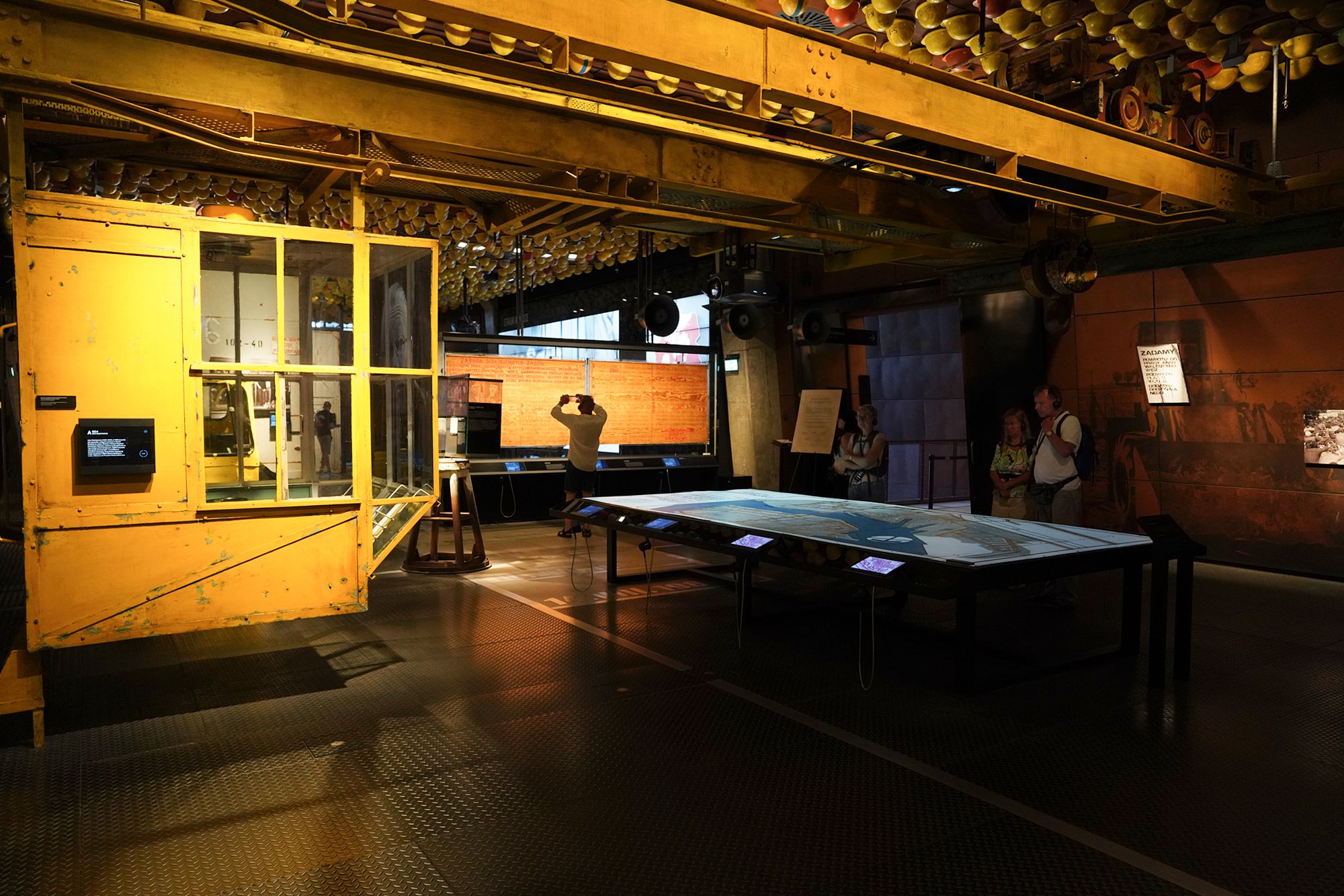
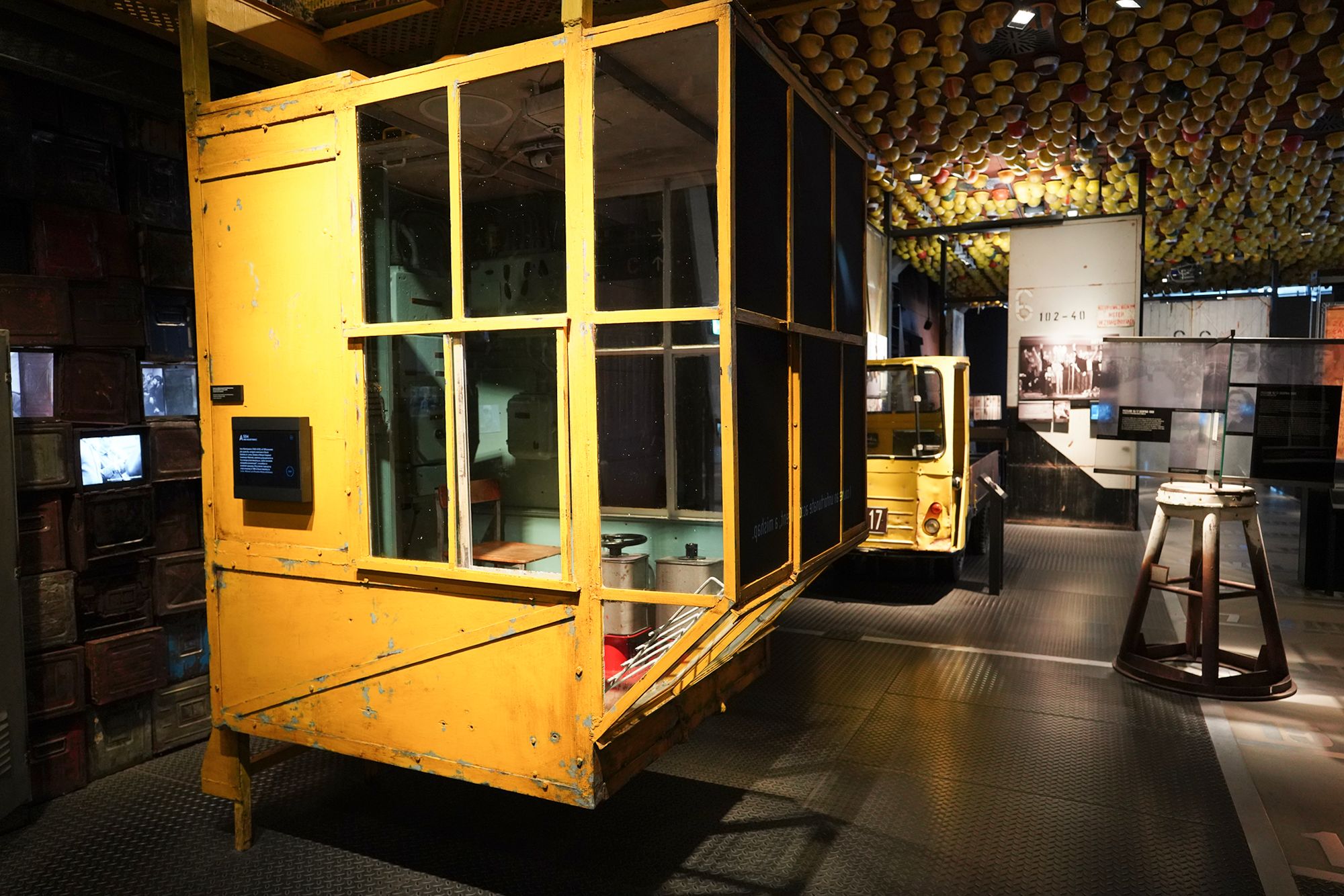
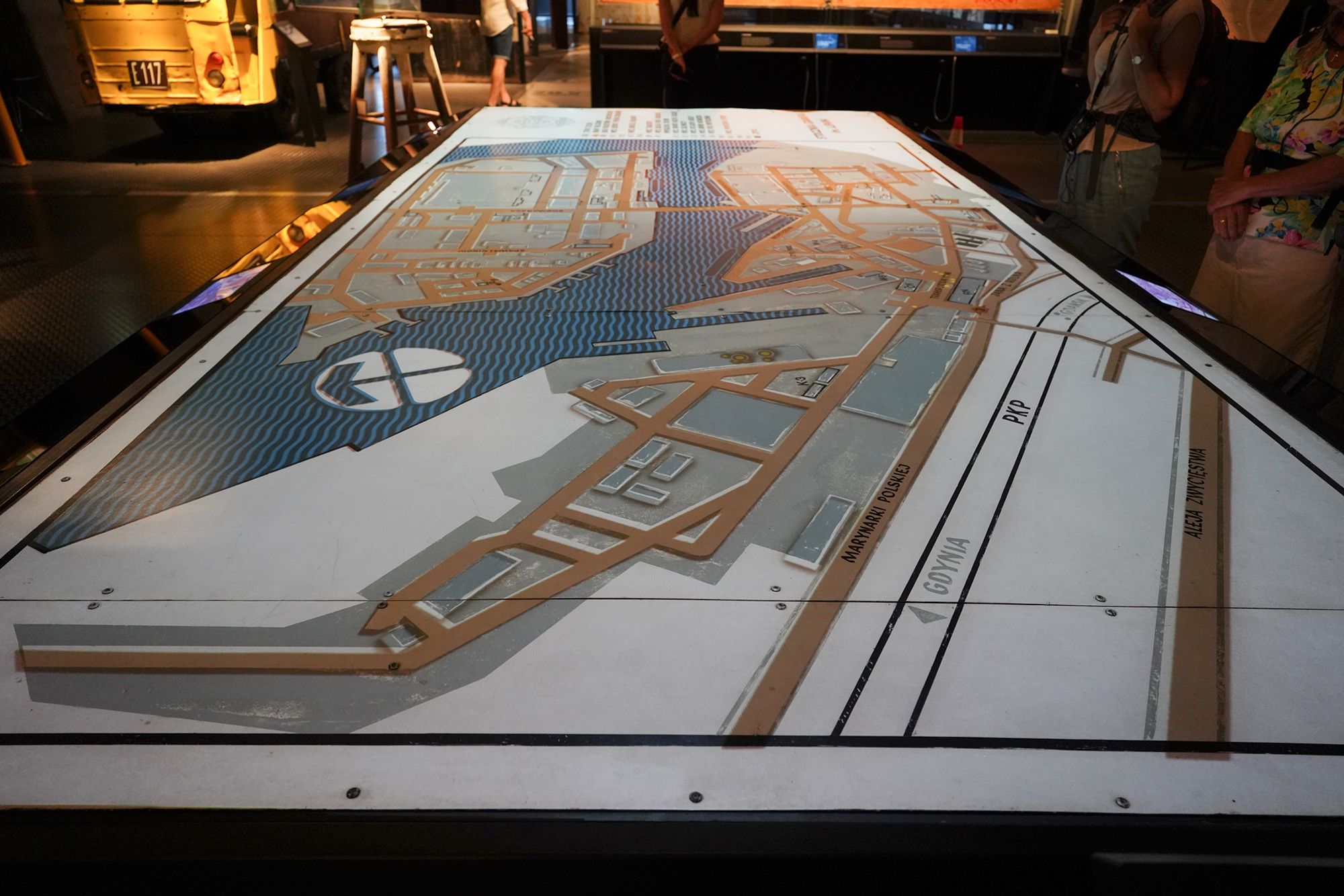
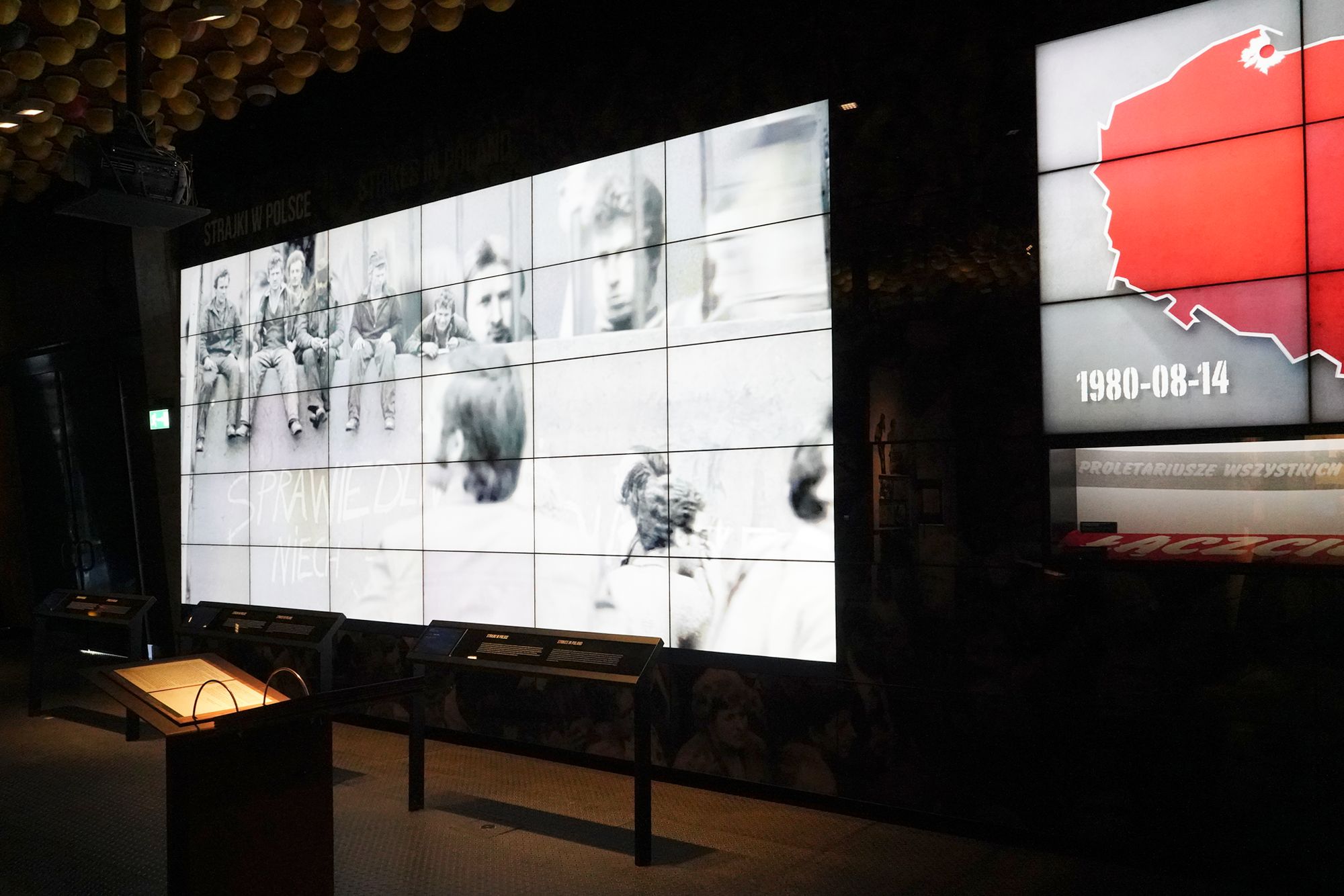
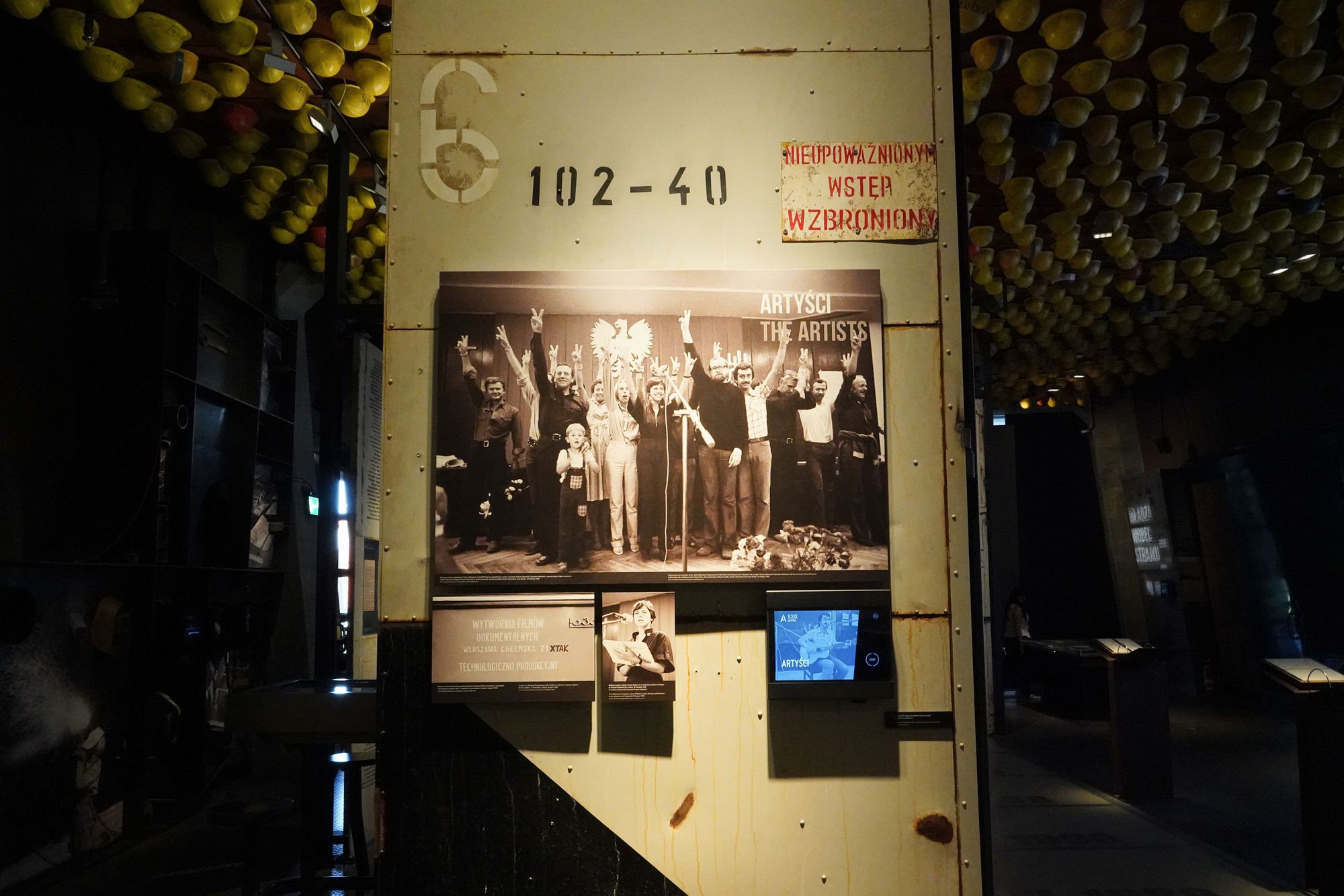
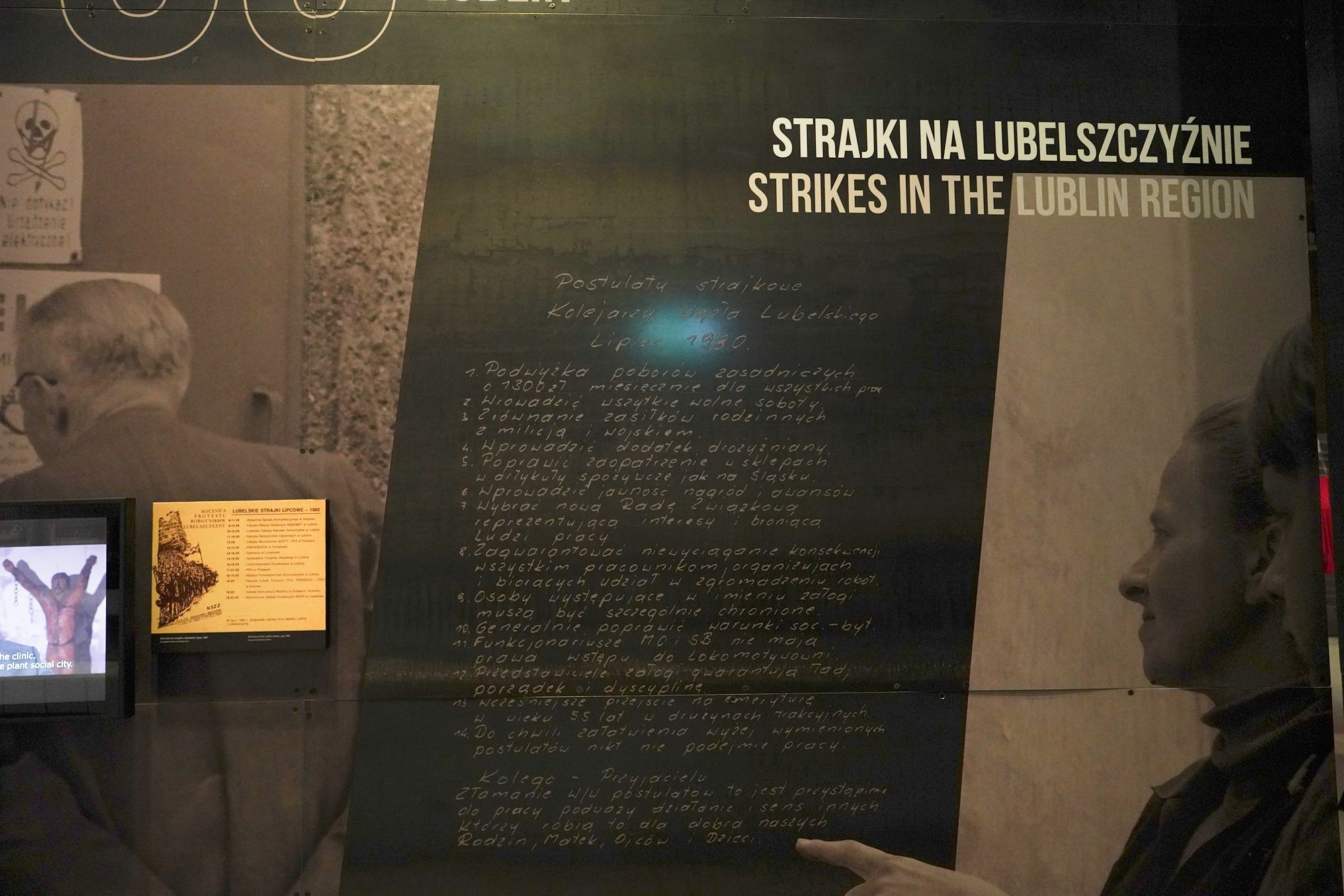
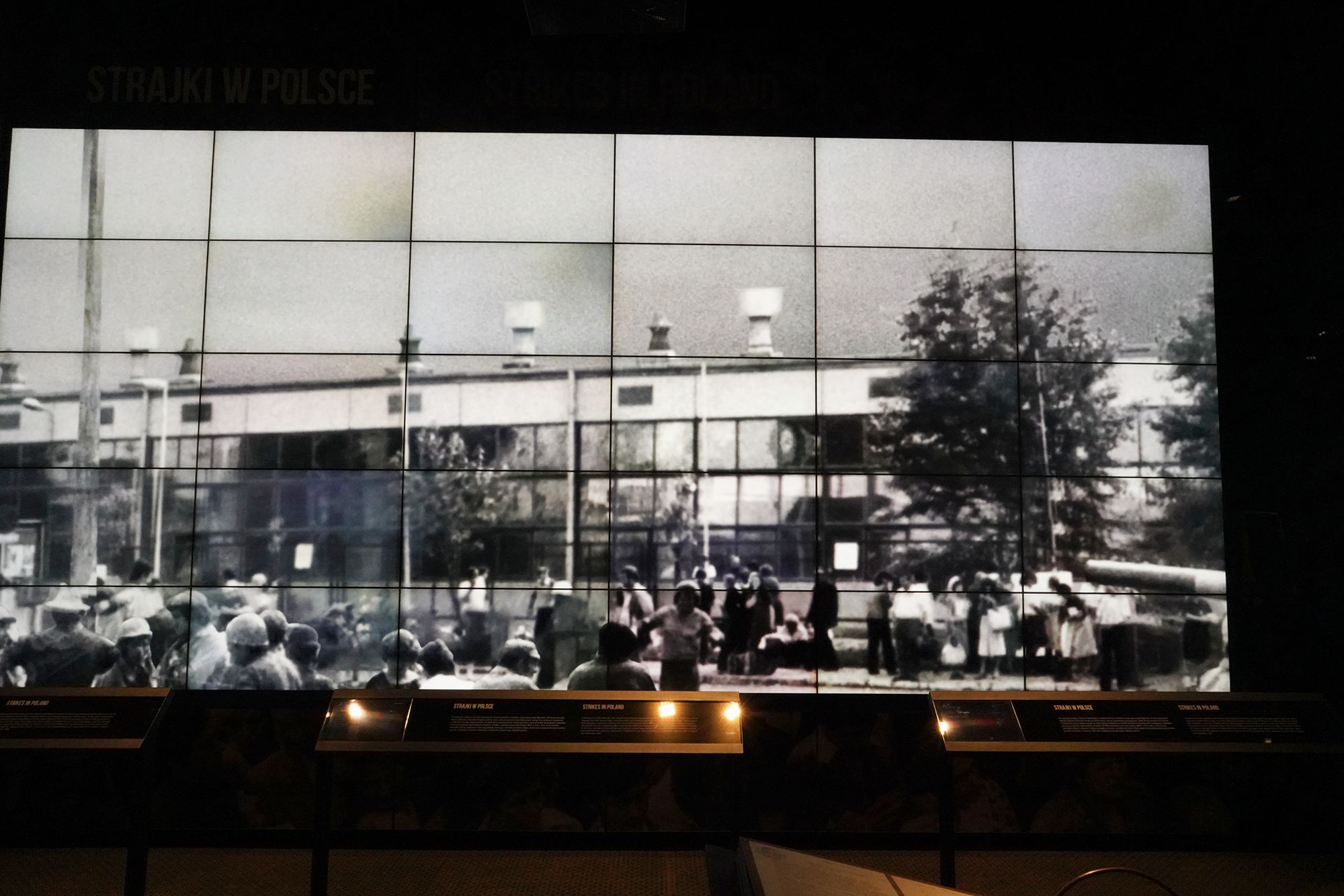
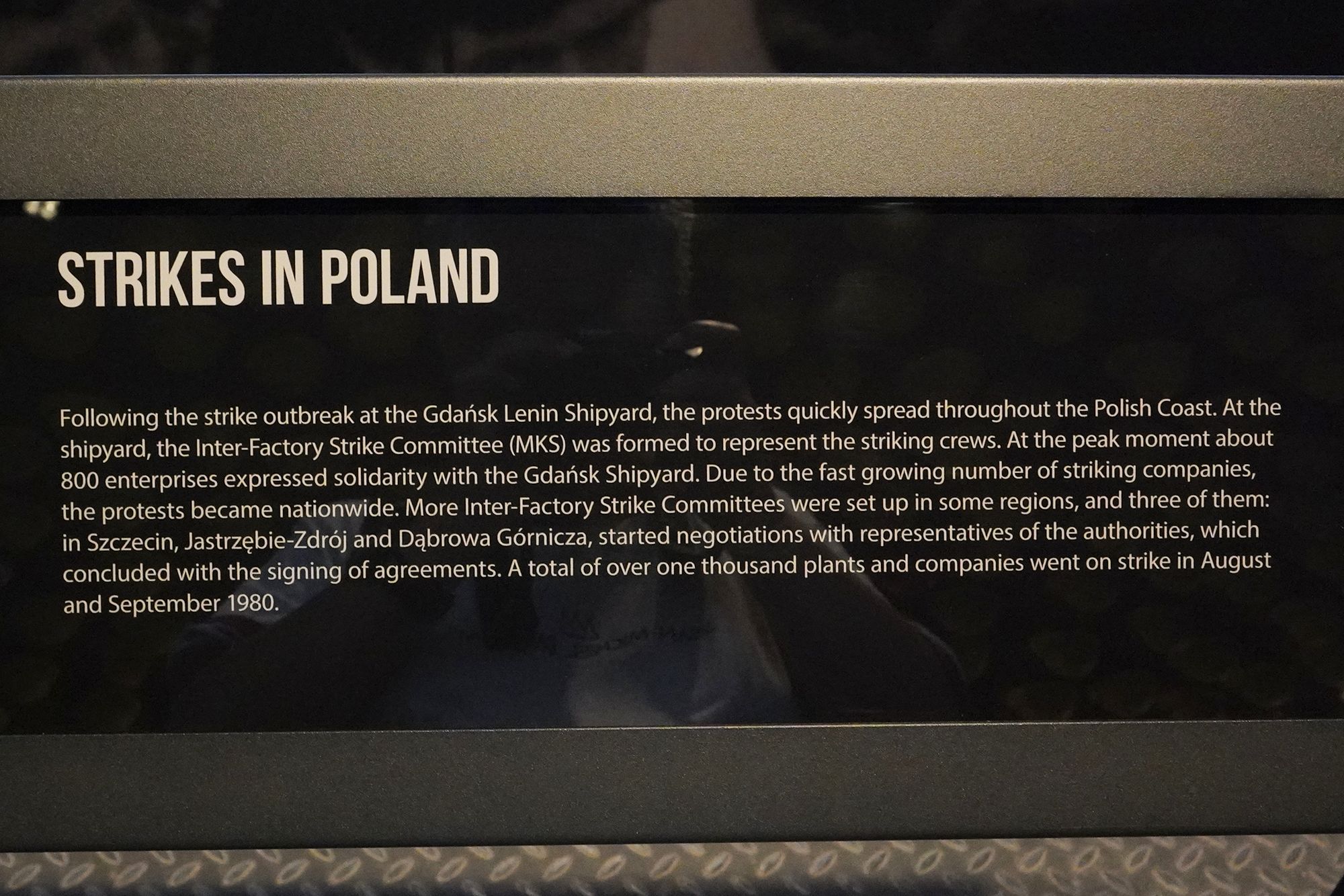
The Gdańsk shipyard strike quickly spread along the Polish coast and across the country. An Inter-Factory Strike Committee represented the workers, while more than 1,000 plants and companies joined the strikes. Committees in other regions negotiated with the authorities and signed agreements.
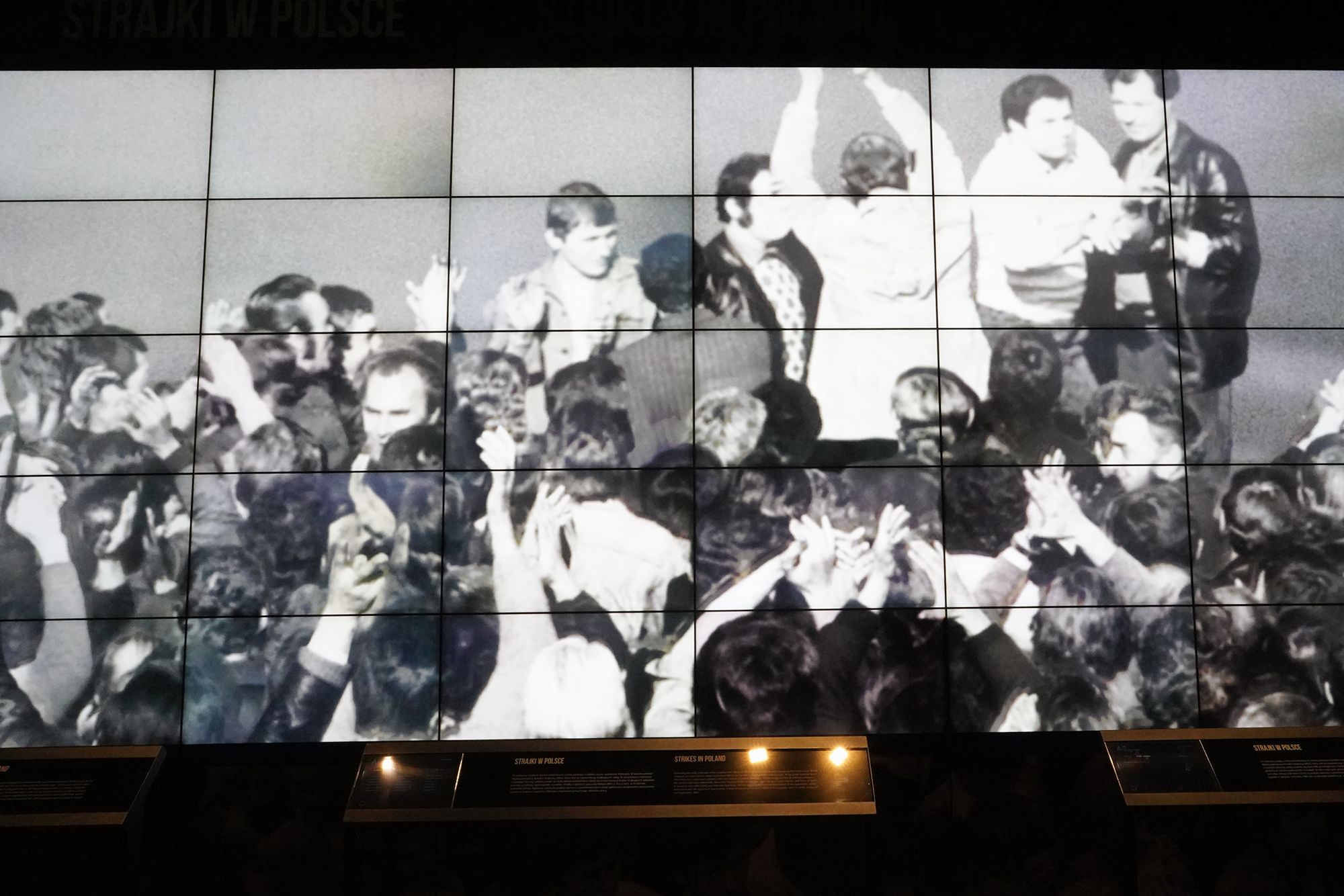
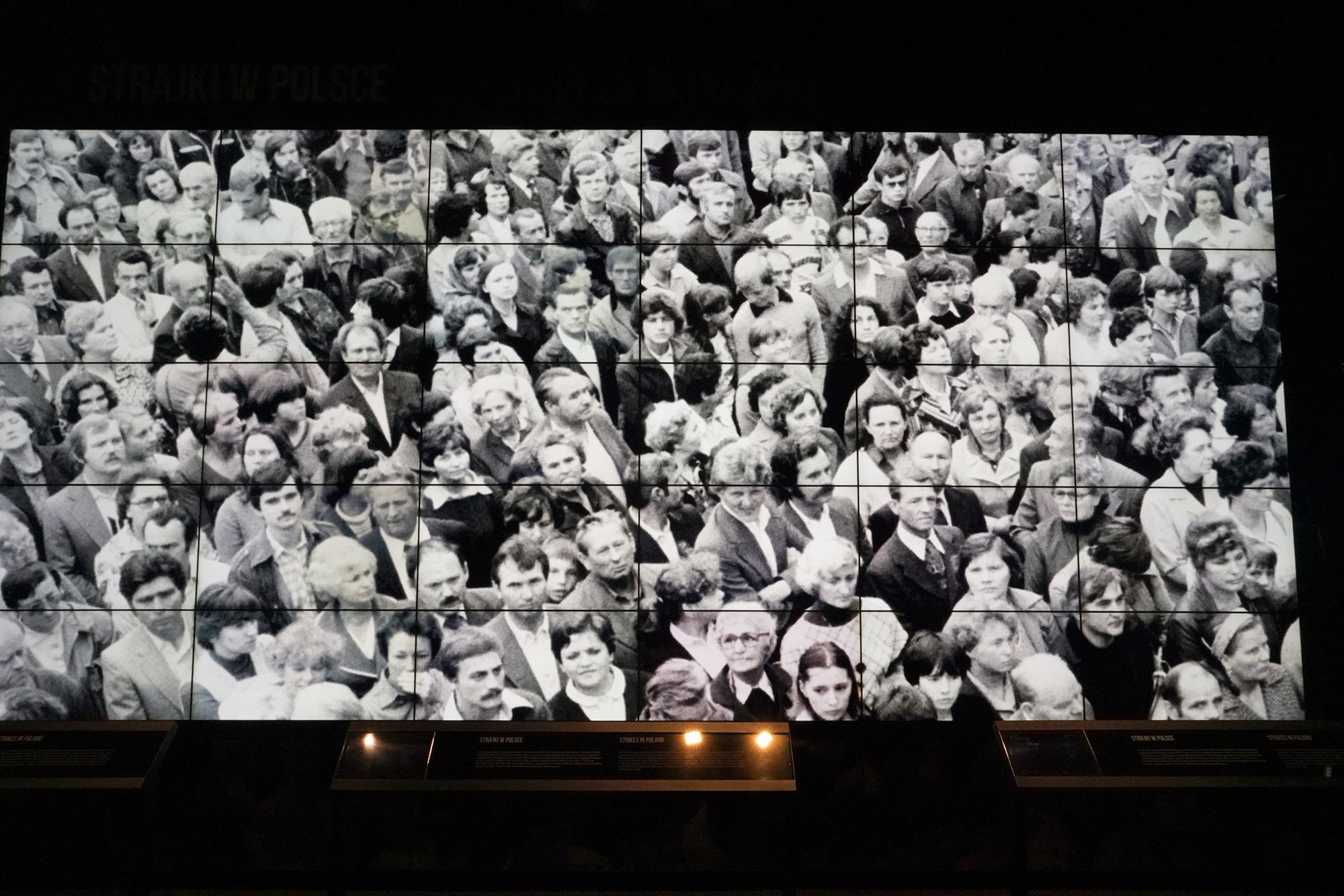
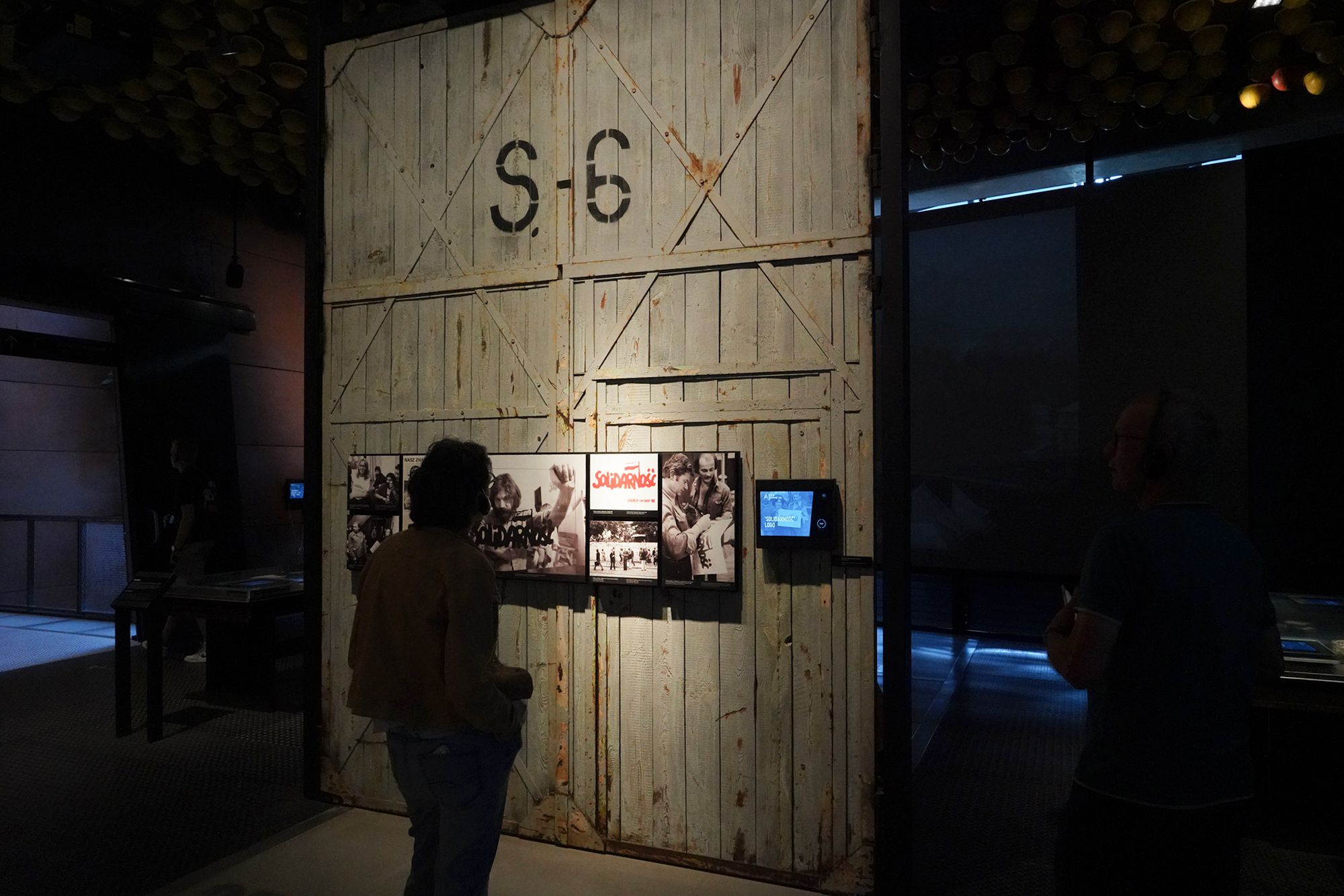
On 31 August 1980, the Inter-Factory Strike Committee signed the Gdańsk Agreement with the communist authorities. The agreement allowed the creation of the independent trade union Solidarity and promised workers the right to organize and pursue their social and economic demands. Similar agreements followed in other parts of Poland.
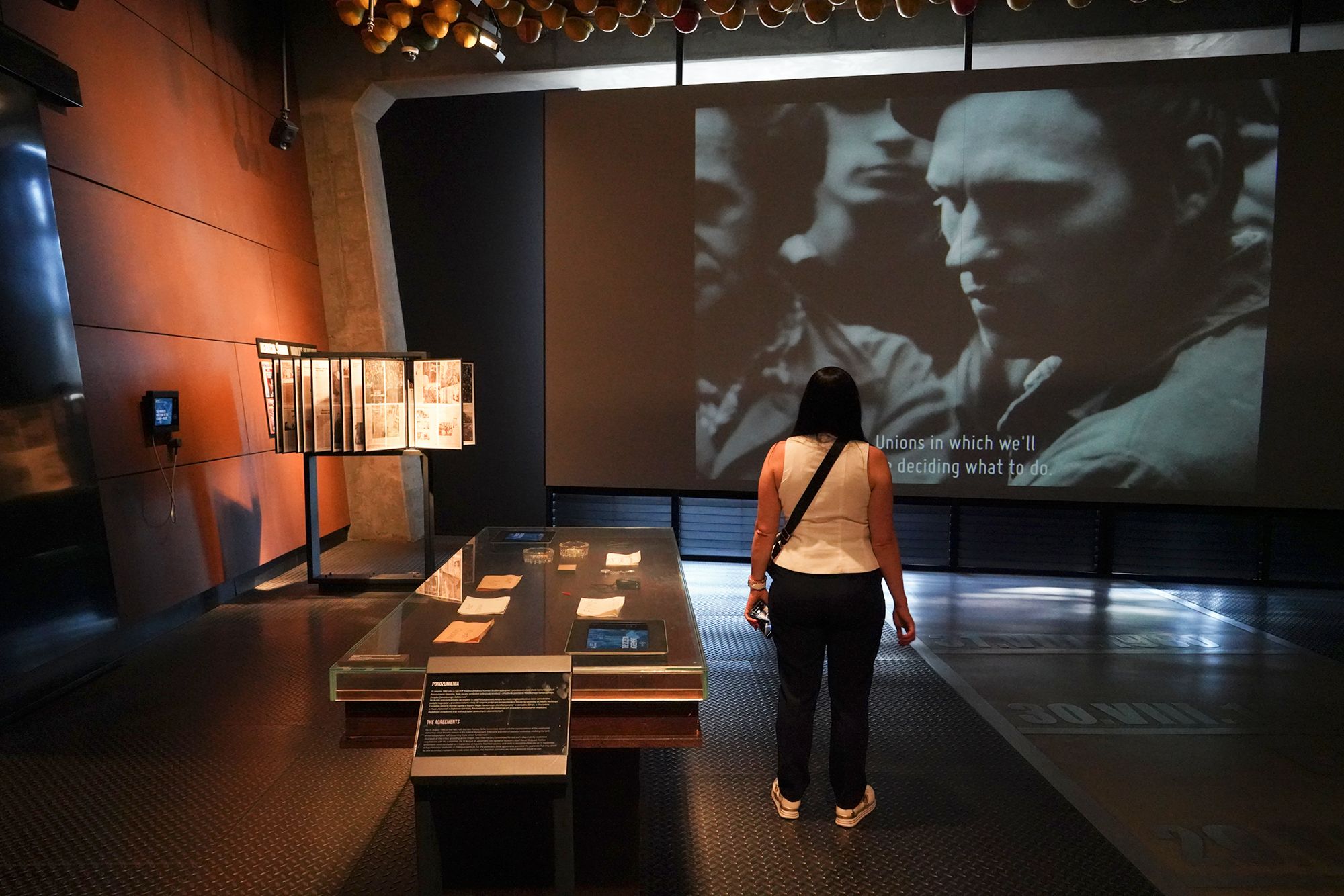
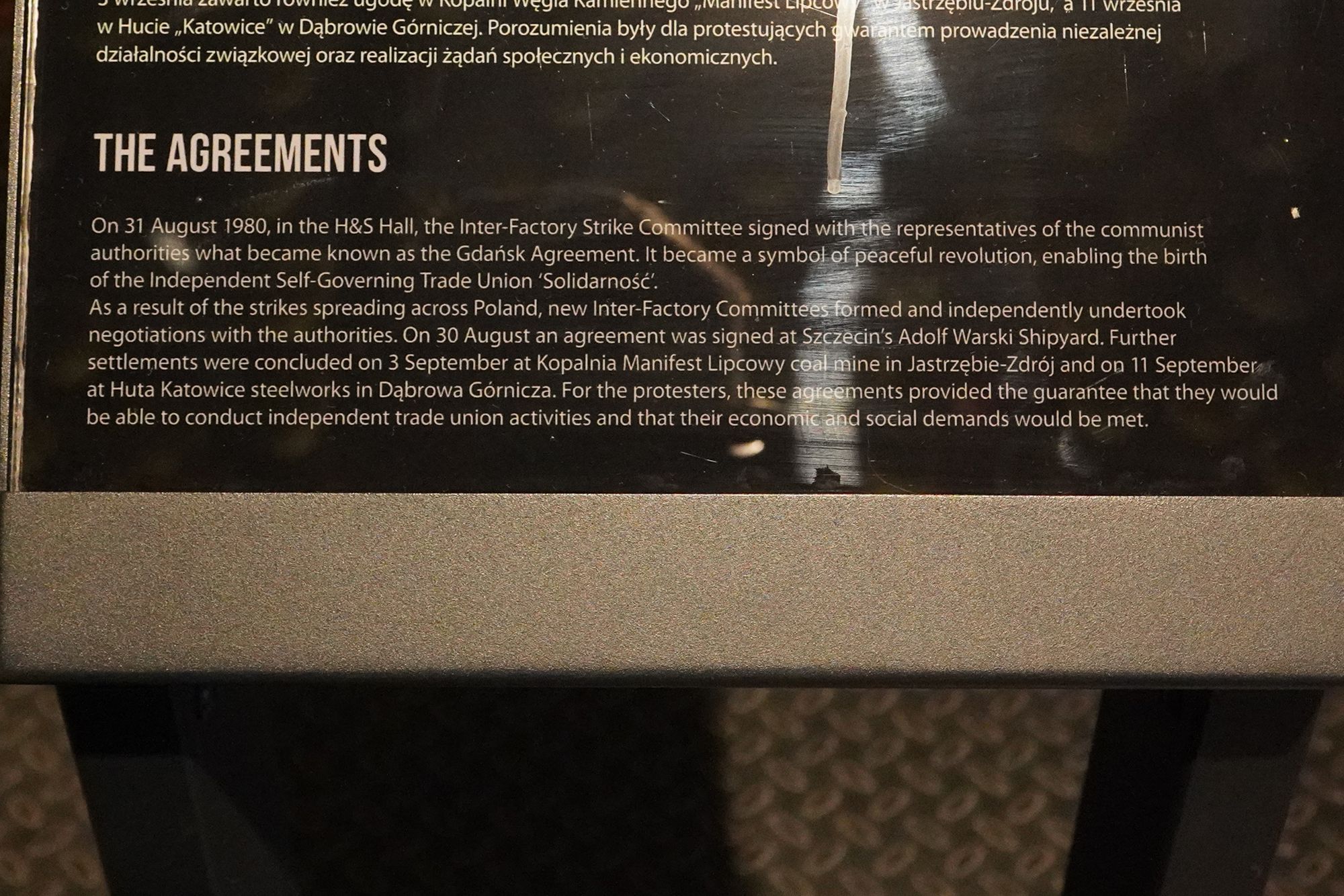
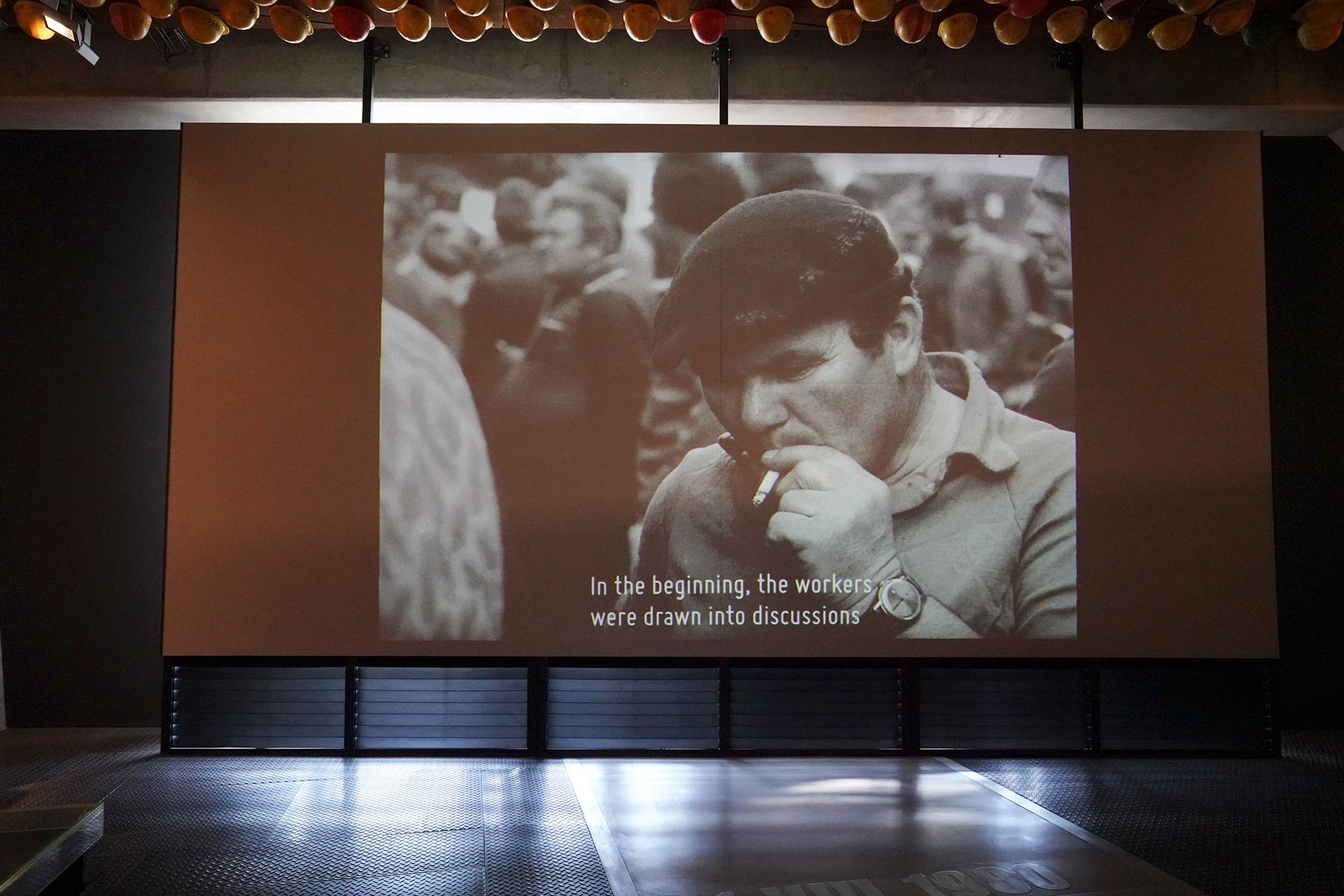
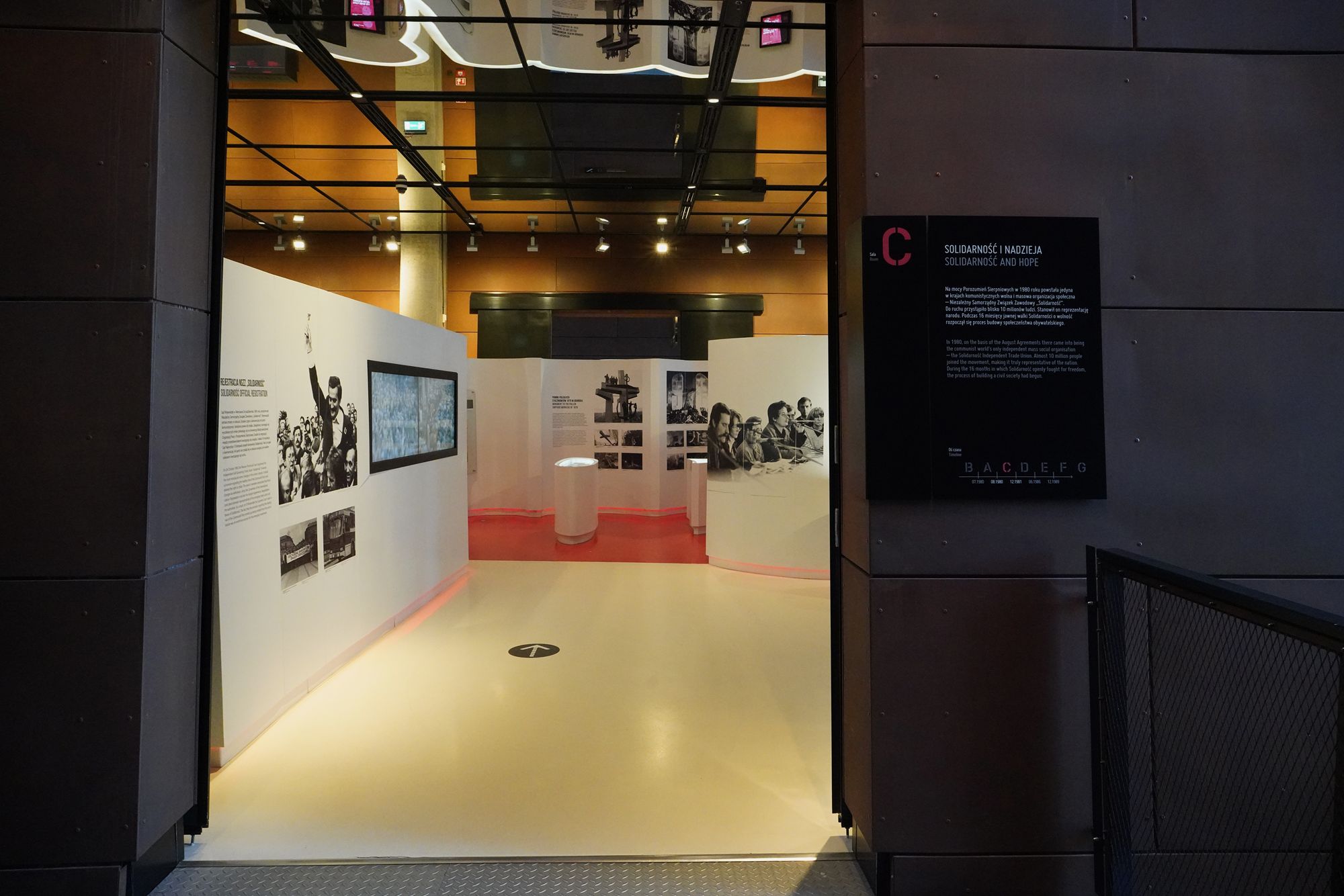
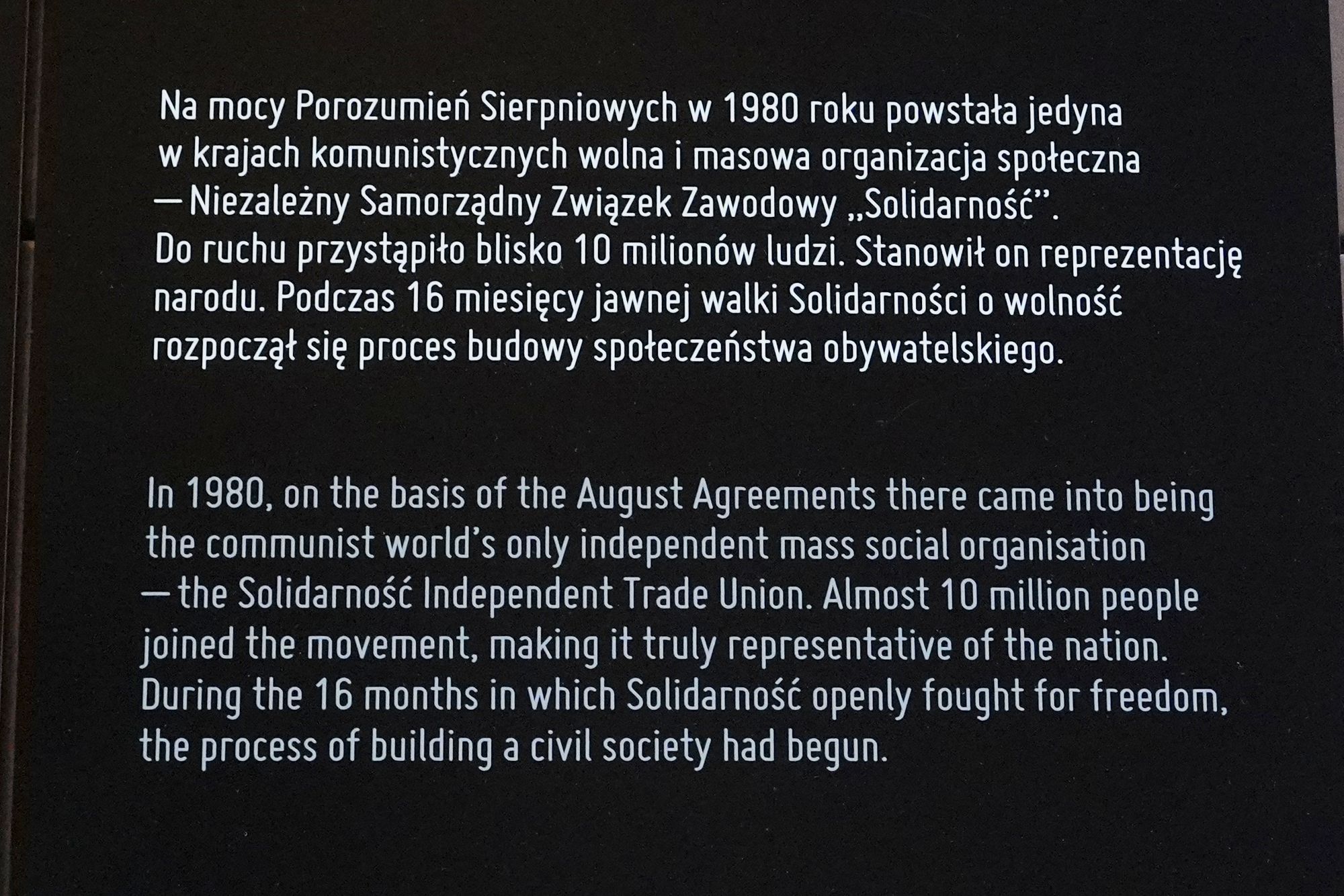
The August Agreements made it possible to form Solidarity, an independent trade union that grew to nearly 10 million members. During its 16 months of open activity, Solidarity became a nationwide movement and helped lay the foundations for civil society in communist Poland.
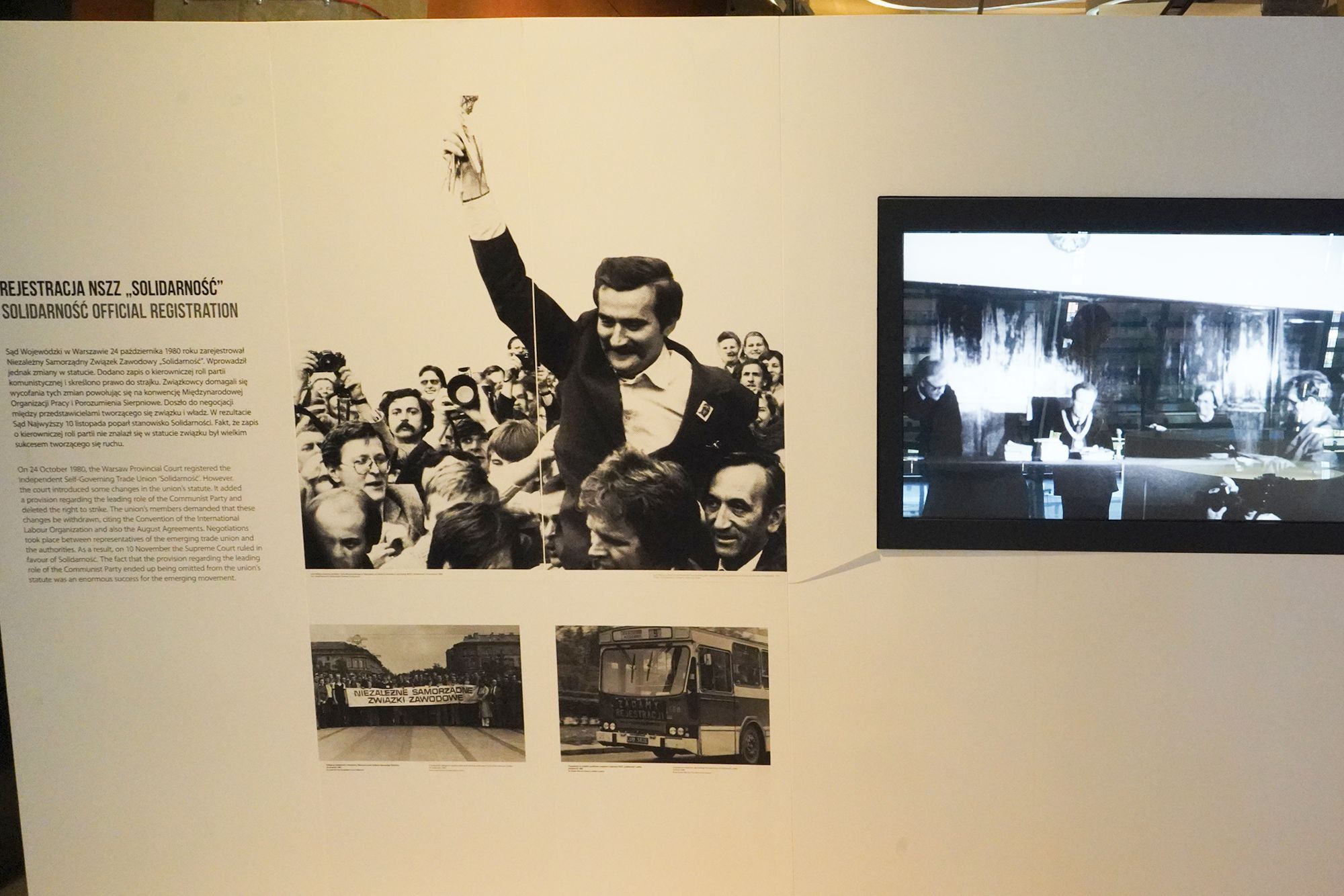
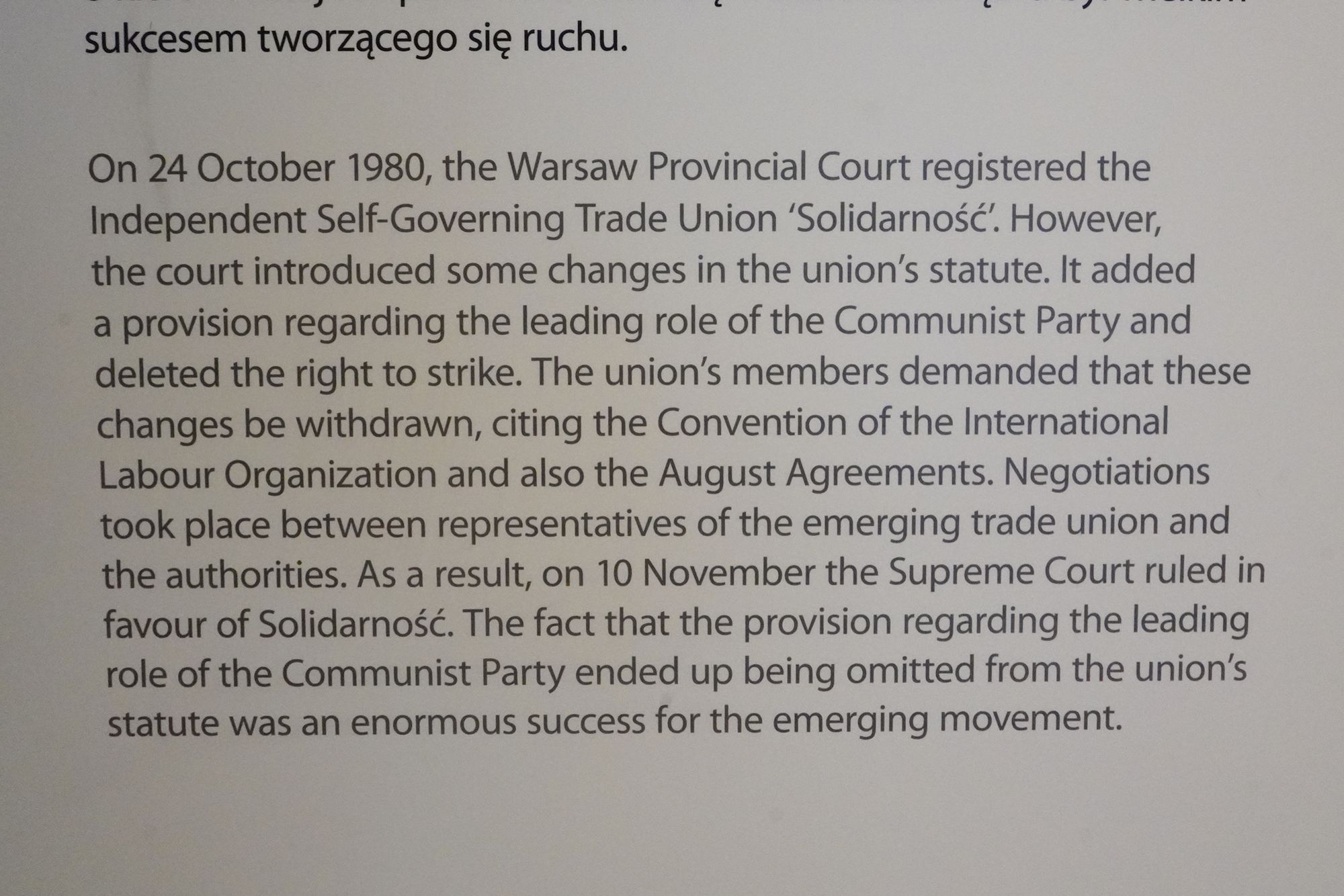
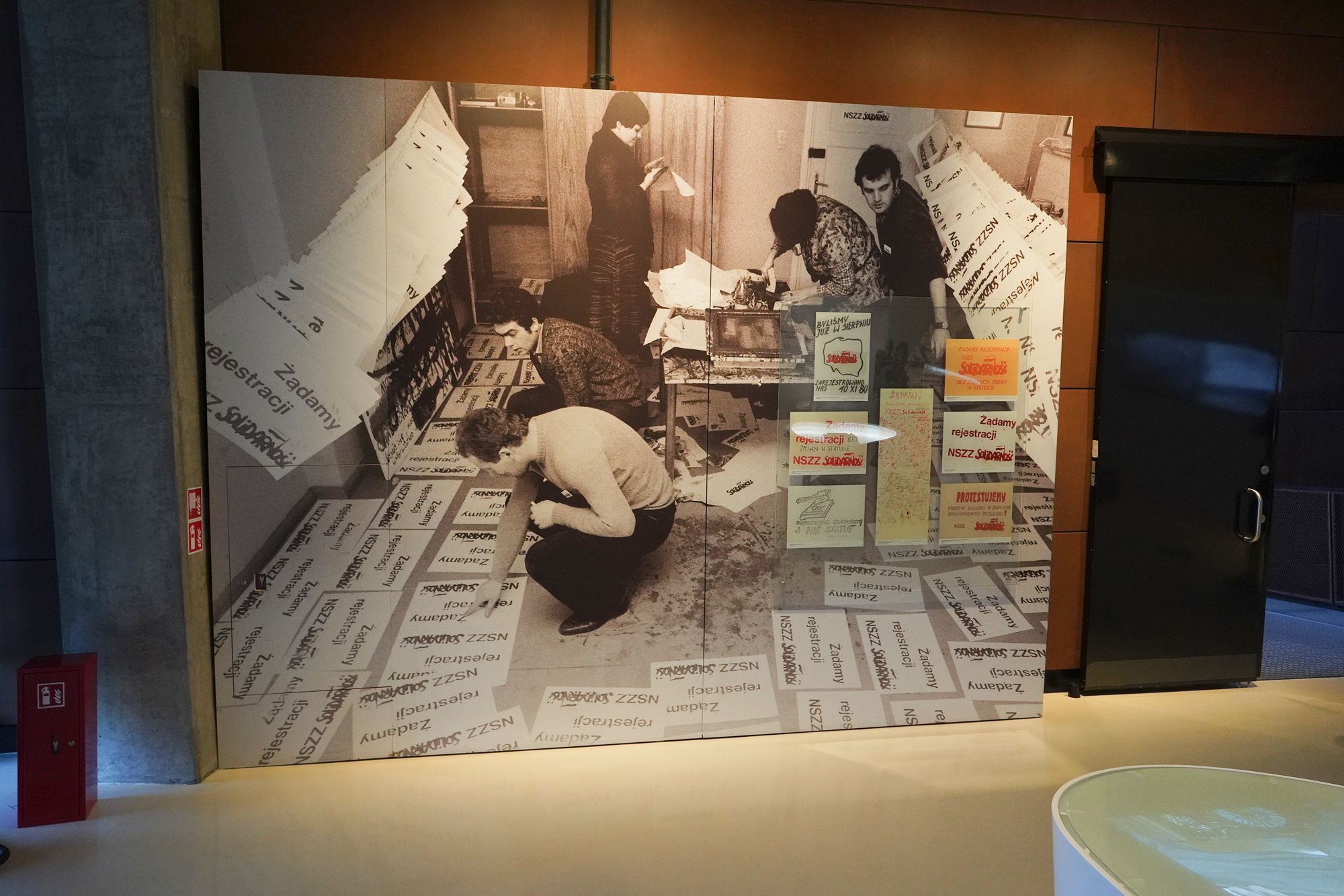
Solidarity was formally registered on 24 October 1980, but the court tried to alter its rules by recognizing the Communist Party’s leading role and removing the right to strike. After negotiations, Poland’s Supreme Court ruled in Solidarity’s favor on 10 November, a major success for the new movement.
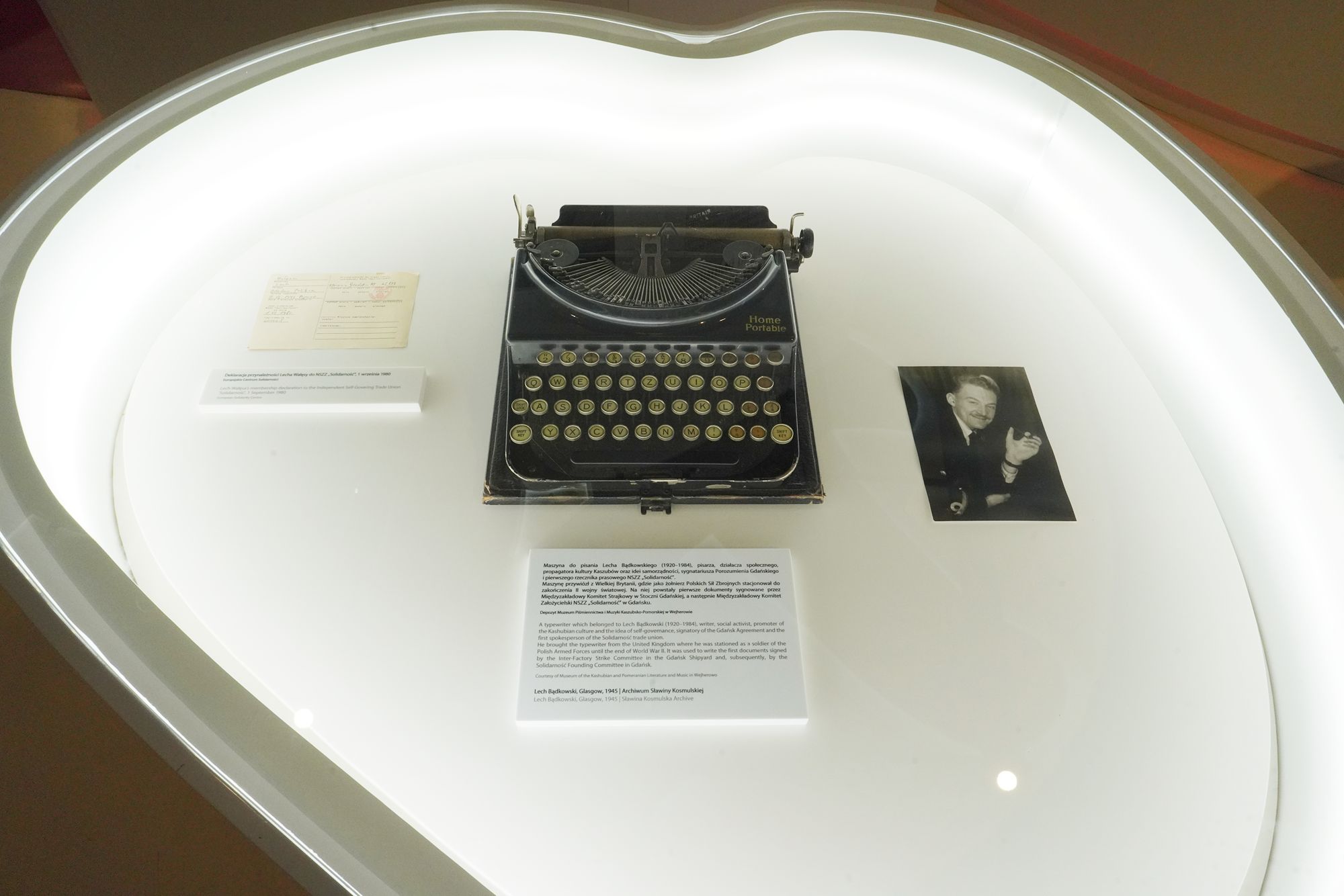
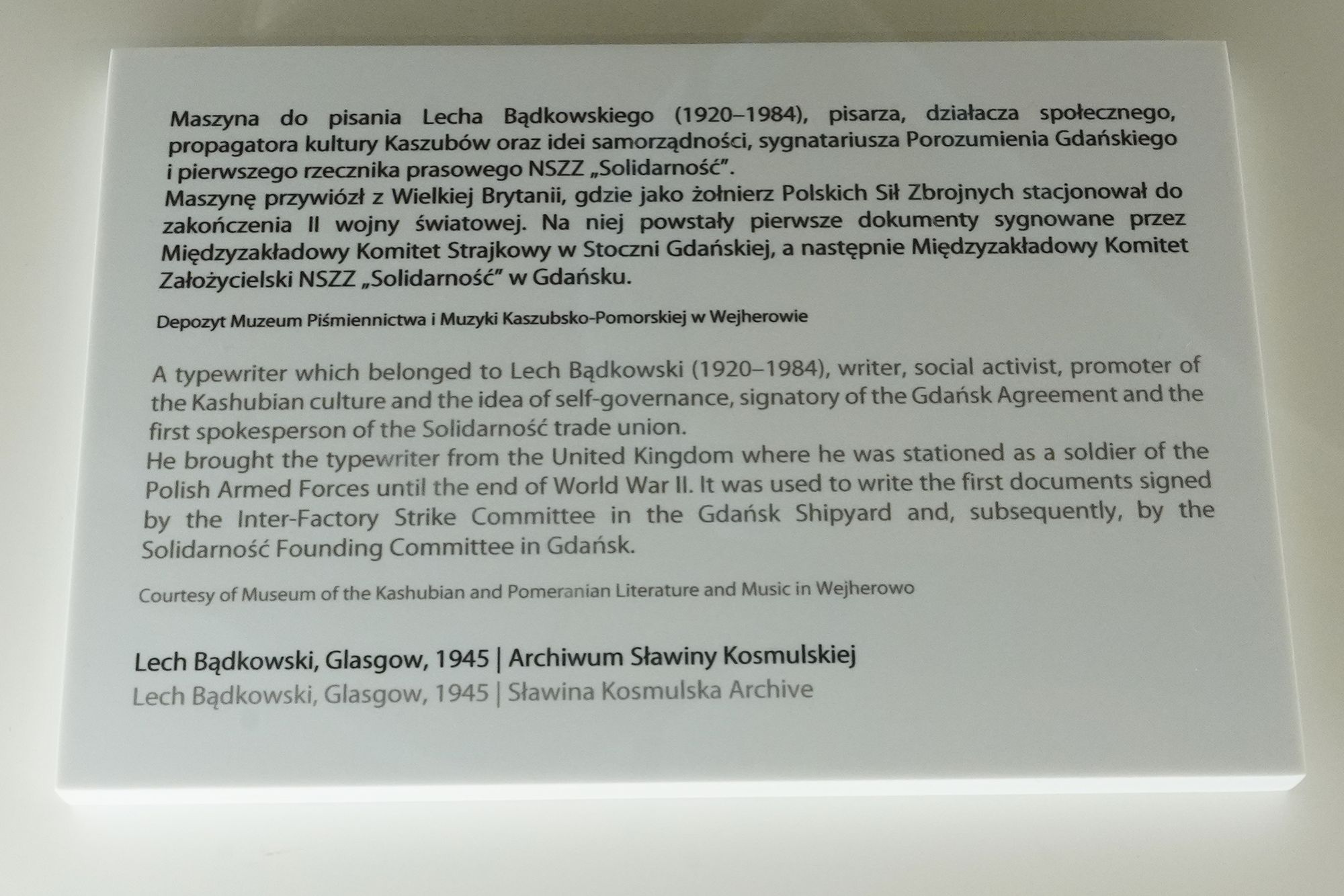
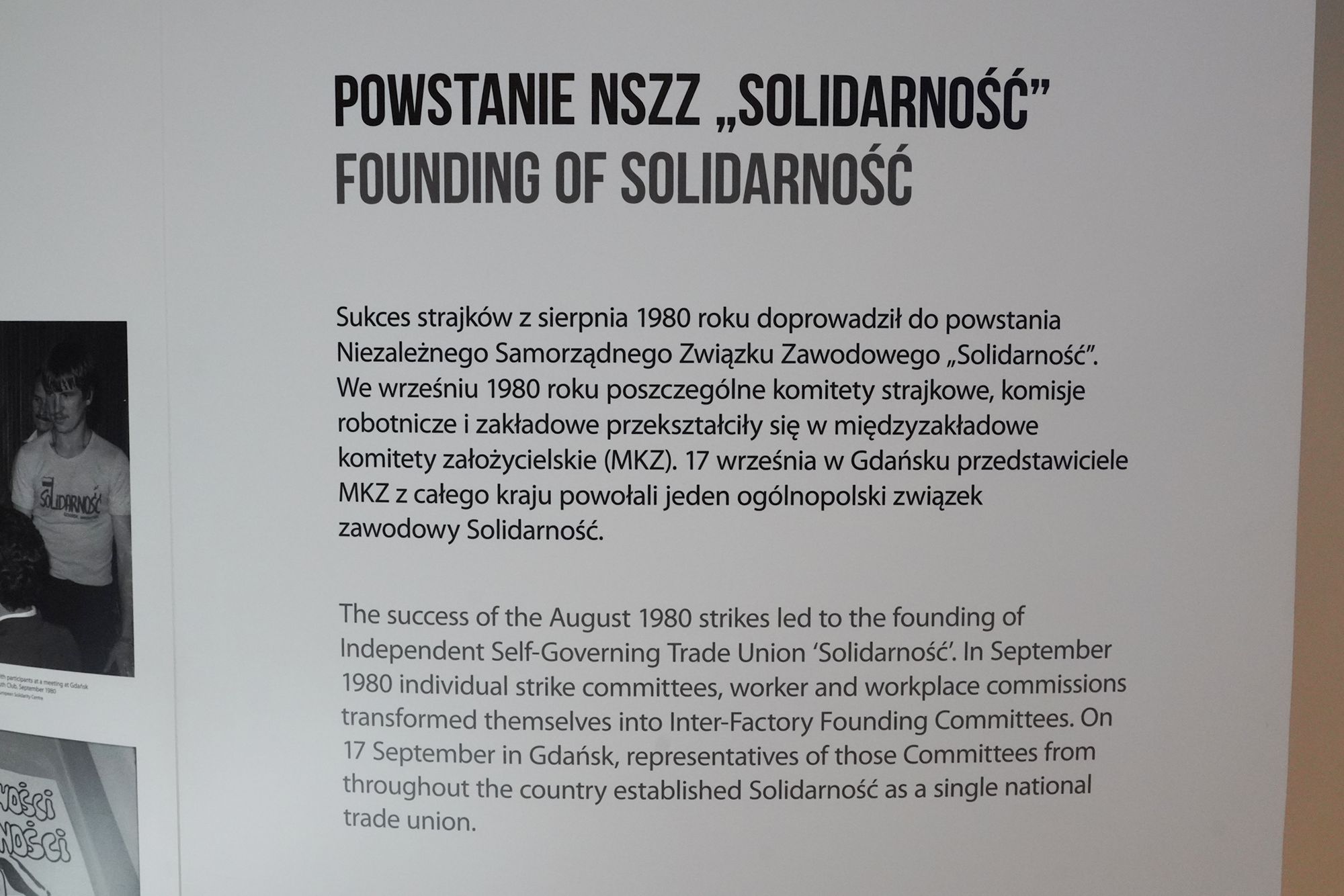
The success of the August 1980 strikes led to the founding of Solidarity, Poland’s first independent, self-governing trade union. On 17 September, representatives from strike committees across the country met in Gdańsk and united them into one national movement.
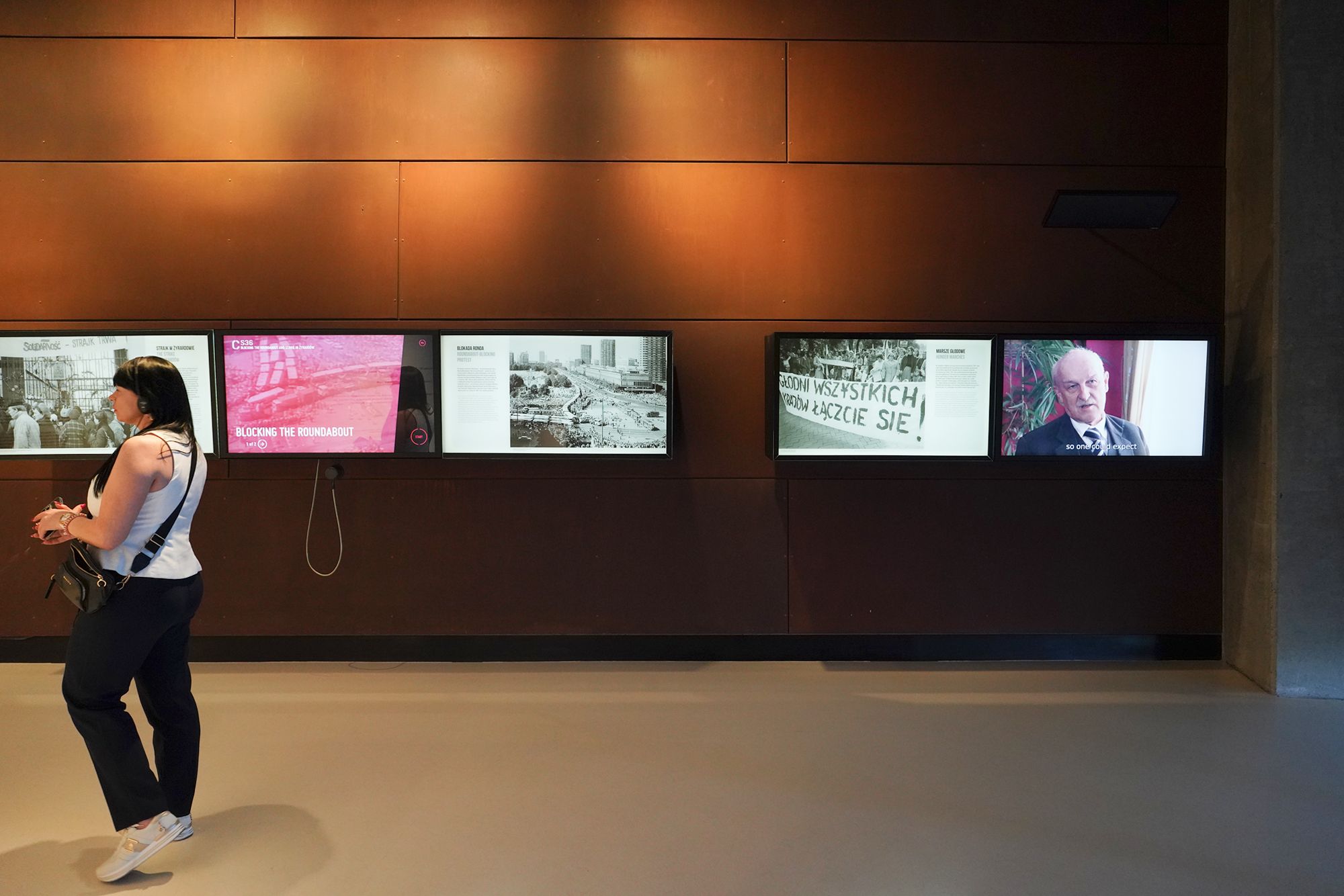
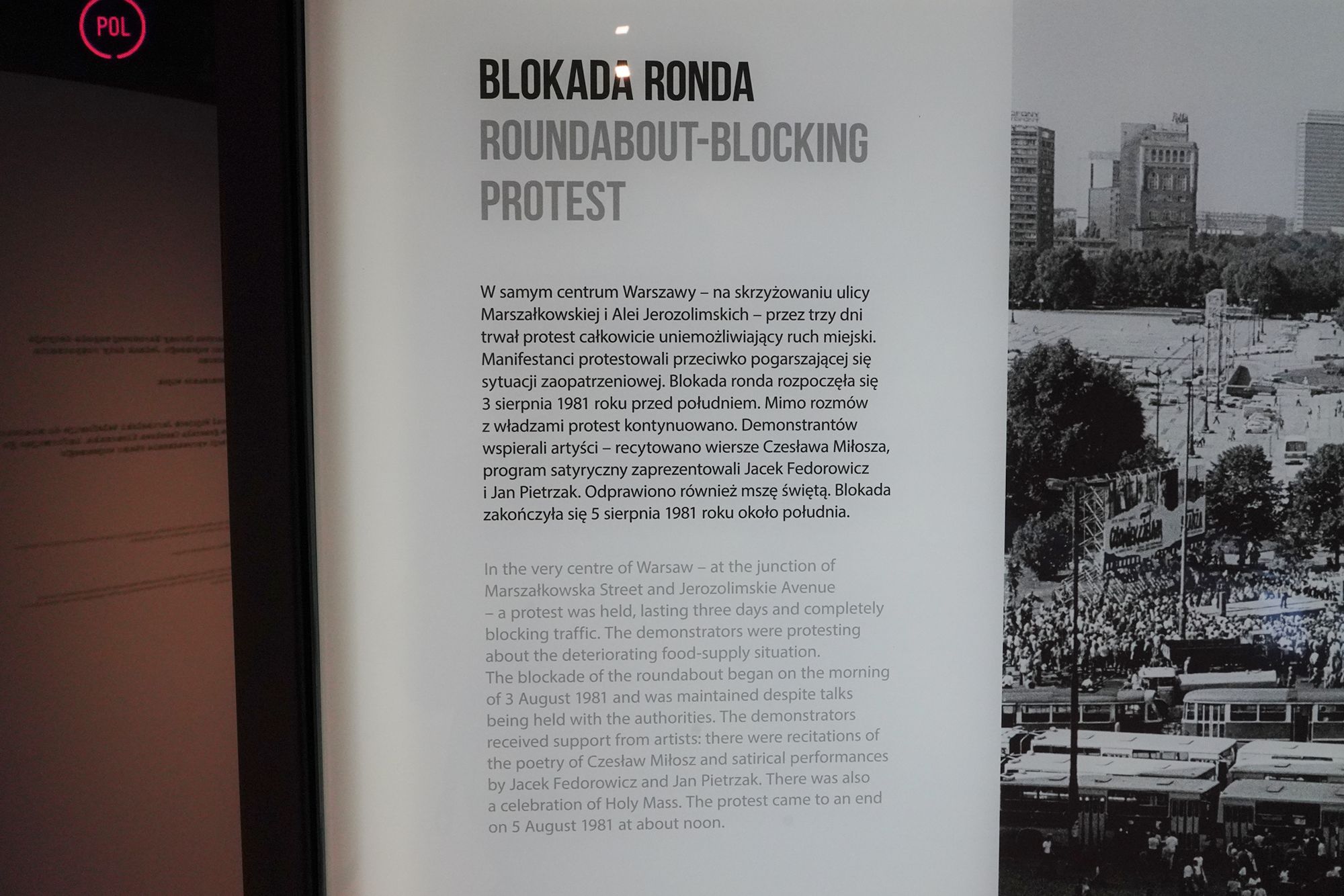
In August 1981, a three-day protest over worsening food shortages blocked a major Warsaw intersection. Despite talks with authorities, demonstrators held their ground, supported by poetry readings, satirical performances, and a Catholic Mass. The blockade ended on 5 August.
Solidarity’s national leaders met at the Gdańsk Shipyard on 11–12 December 1981 to discuss a possible general strike. Before the meeting ended, martial law was declared, and most executive members were slated for internment. The union’s lawful work was abruptly stopped in the same hall where it had been founded in August 1980.
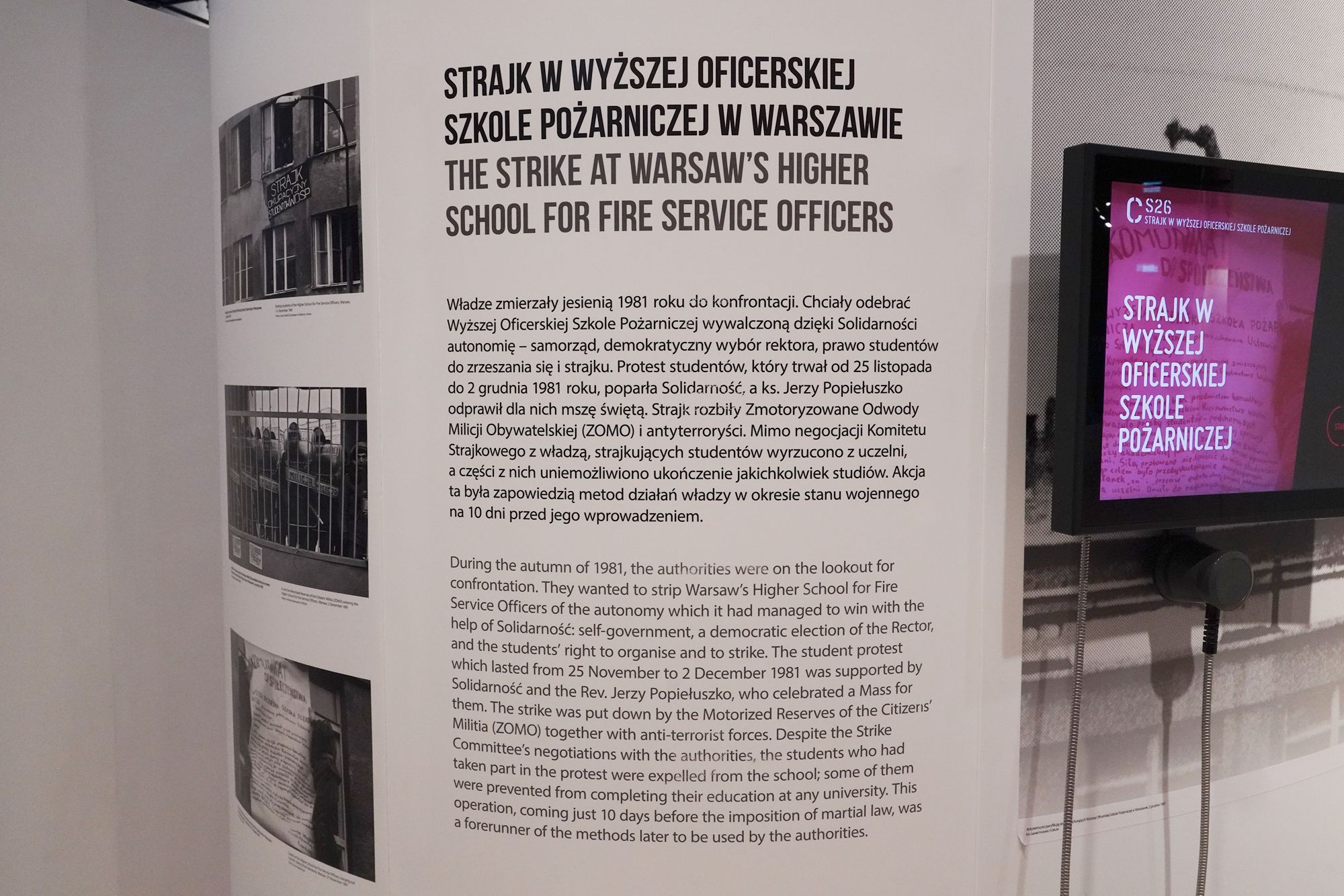
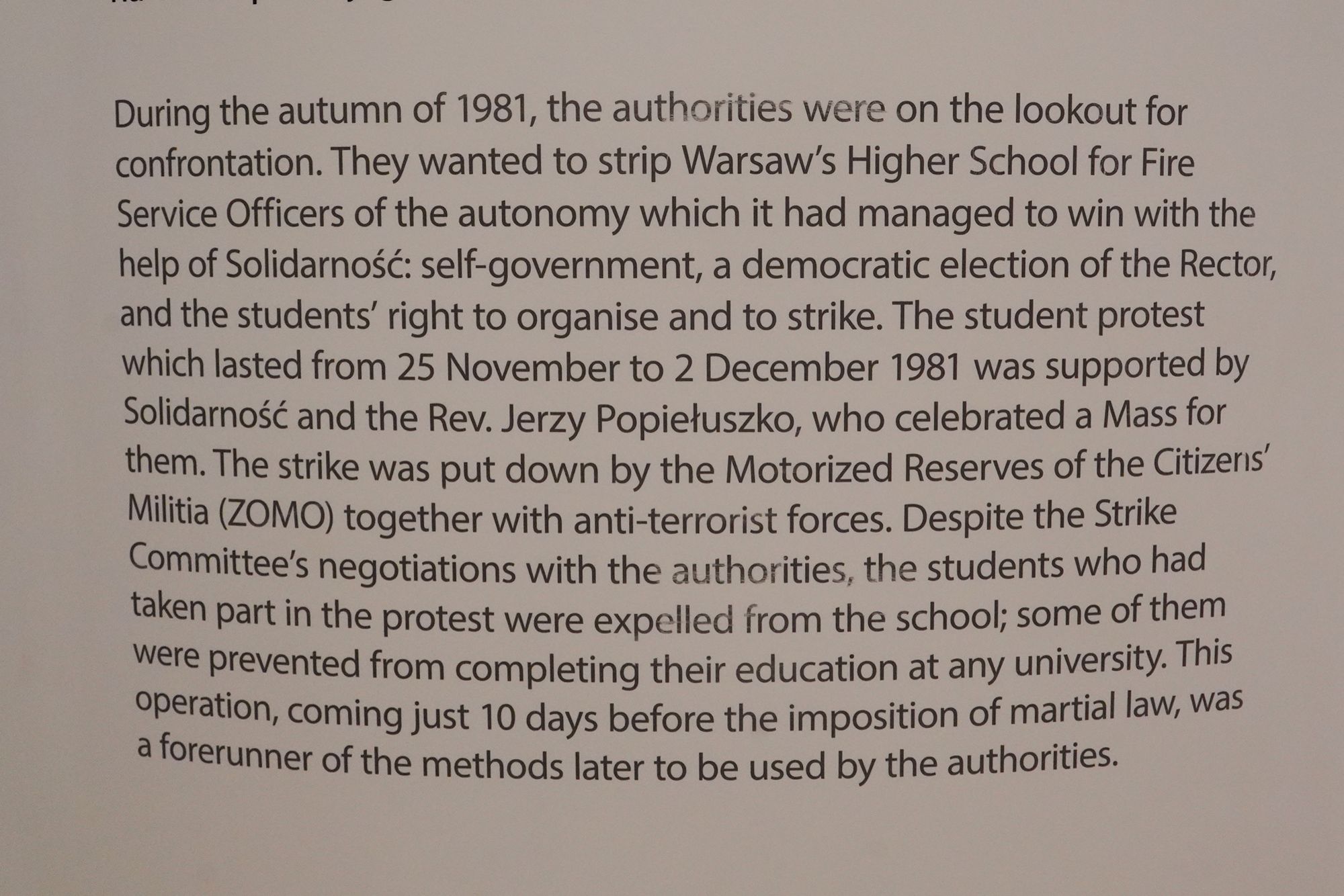
In late 1981, students at Warsaw’s Higher School for Fire Service Officers went on strike to defend the school’s autonomy, with Solidarity’s support. ZOMO and anti-terrorist forces ended the protest, and some students were expelled or barred from completing their education. The crackdown came just ten days before martial law was imposed.
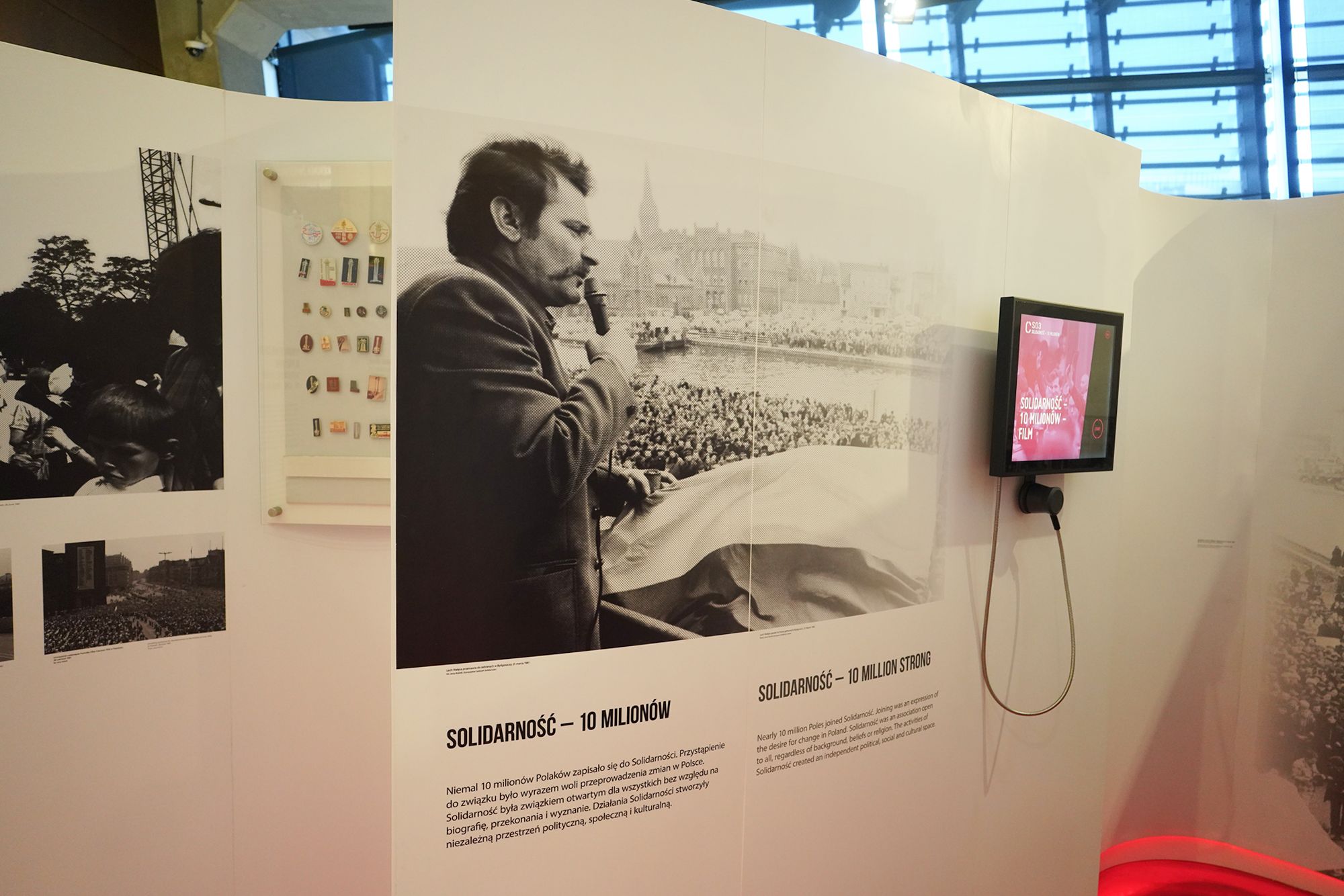
Nearly 10 million Poles joined Solidarity, making it a broad movement for change. Open to people of different backgrounds, beliefs, and faiths, the union helped create an independent space for political, social, and cultural life.
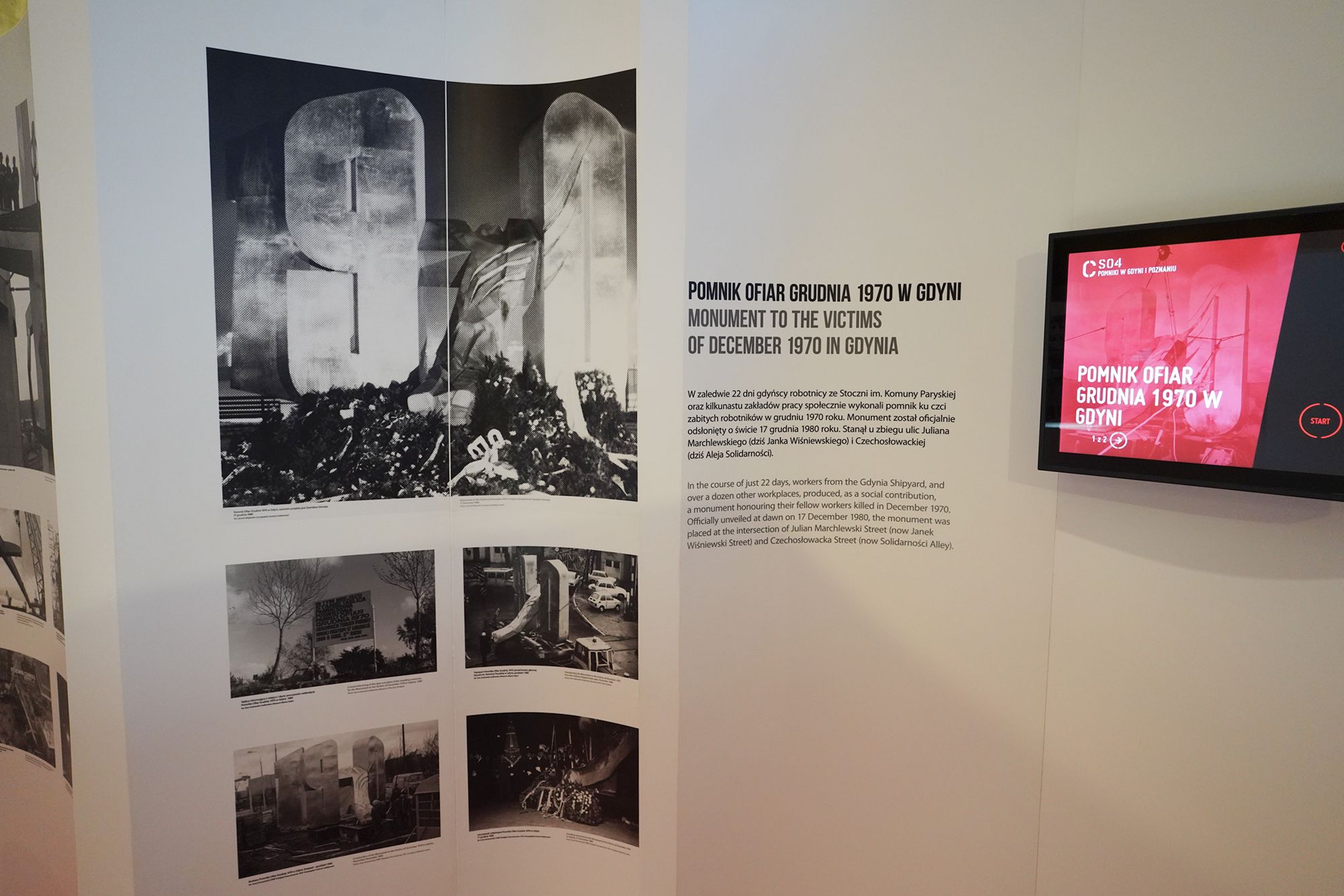
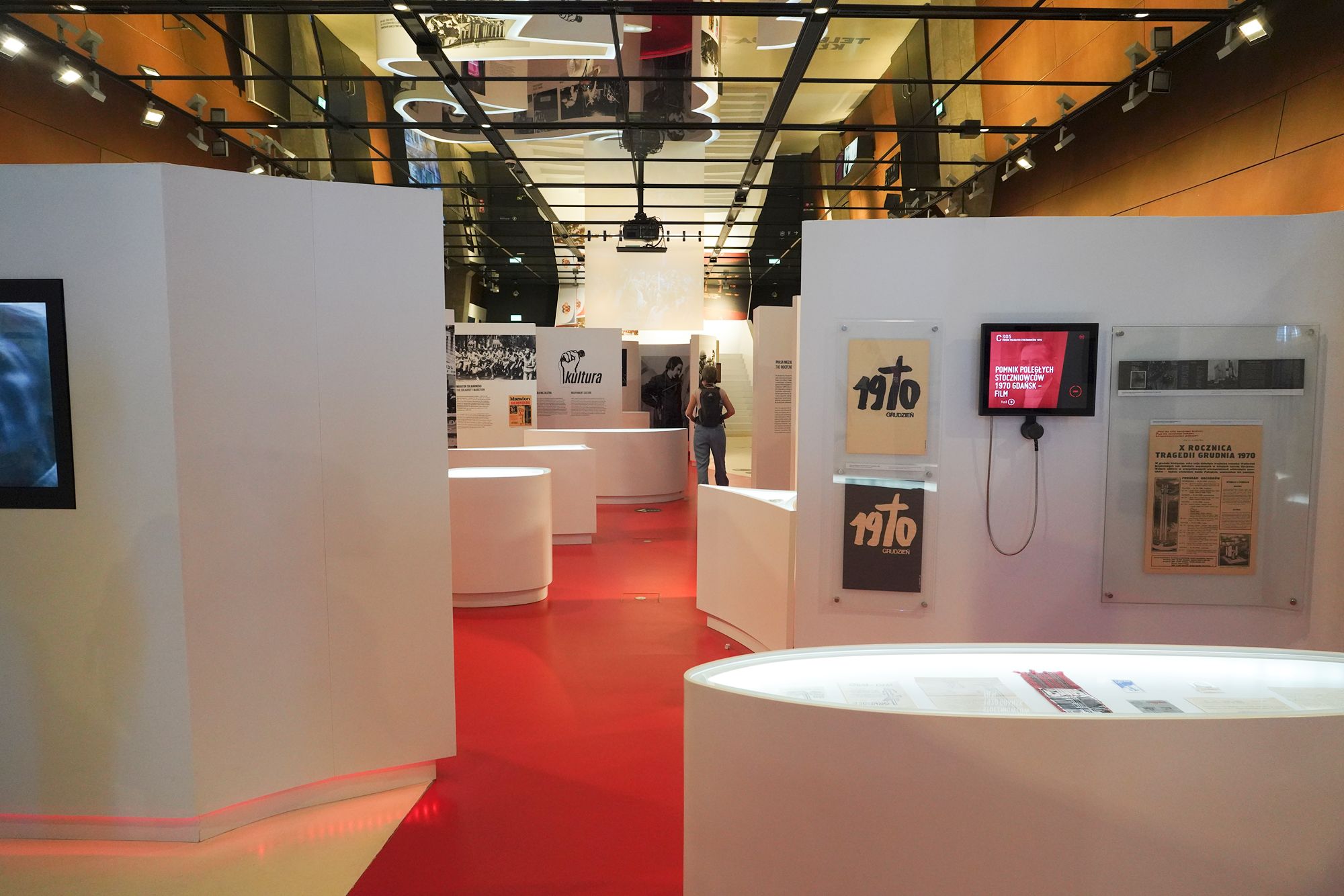
Workers from the Gdynia Shipyard and other workplaces built a monument in just 22 days to honor those killed in December 1970. It was unveiled at dawn on 17 December 1980, ten years after the violence, at the intersection now known as Janek Wiśniewski Street and Solidarity Avenue.
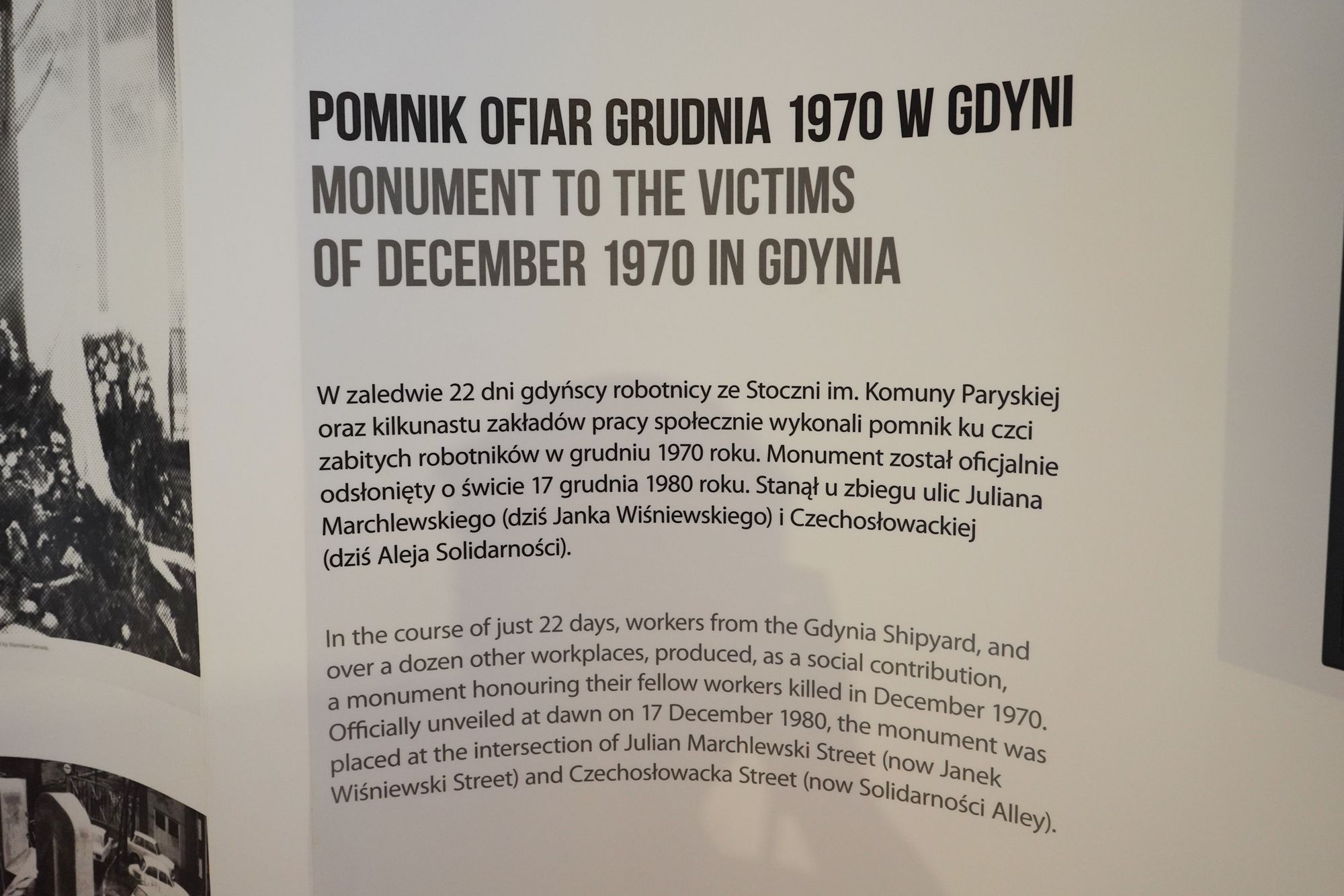
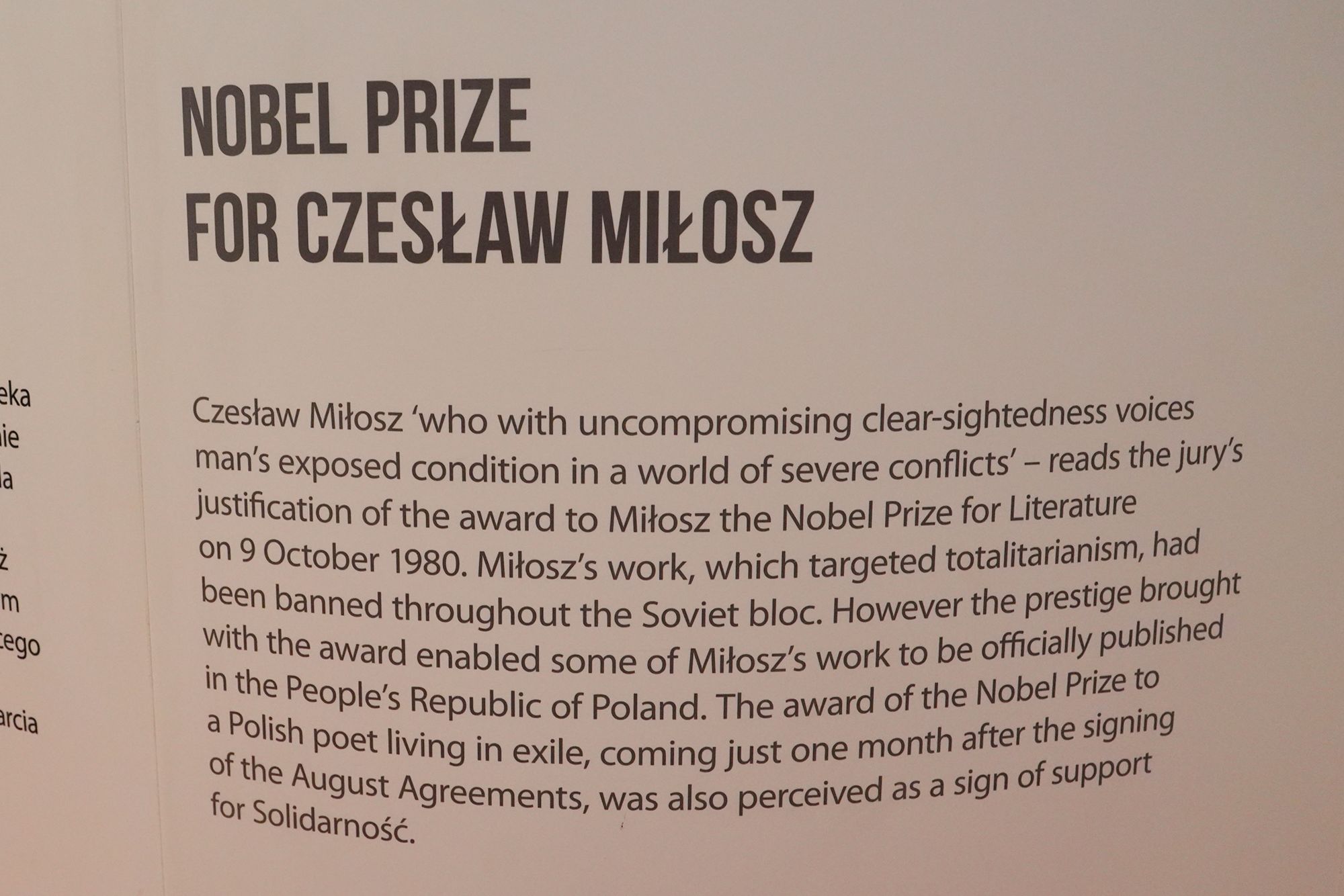
Czesław Miłosz received the 1980 Nobel Prize in Literature for poetry that confronted totalitarianism. His work had been banned across the Soviet bloc, but the award’s prestige helped bring some of it into official publication in Poland. Coming a month after the August Agreements, the prize was also seen as support for Solidarity.
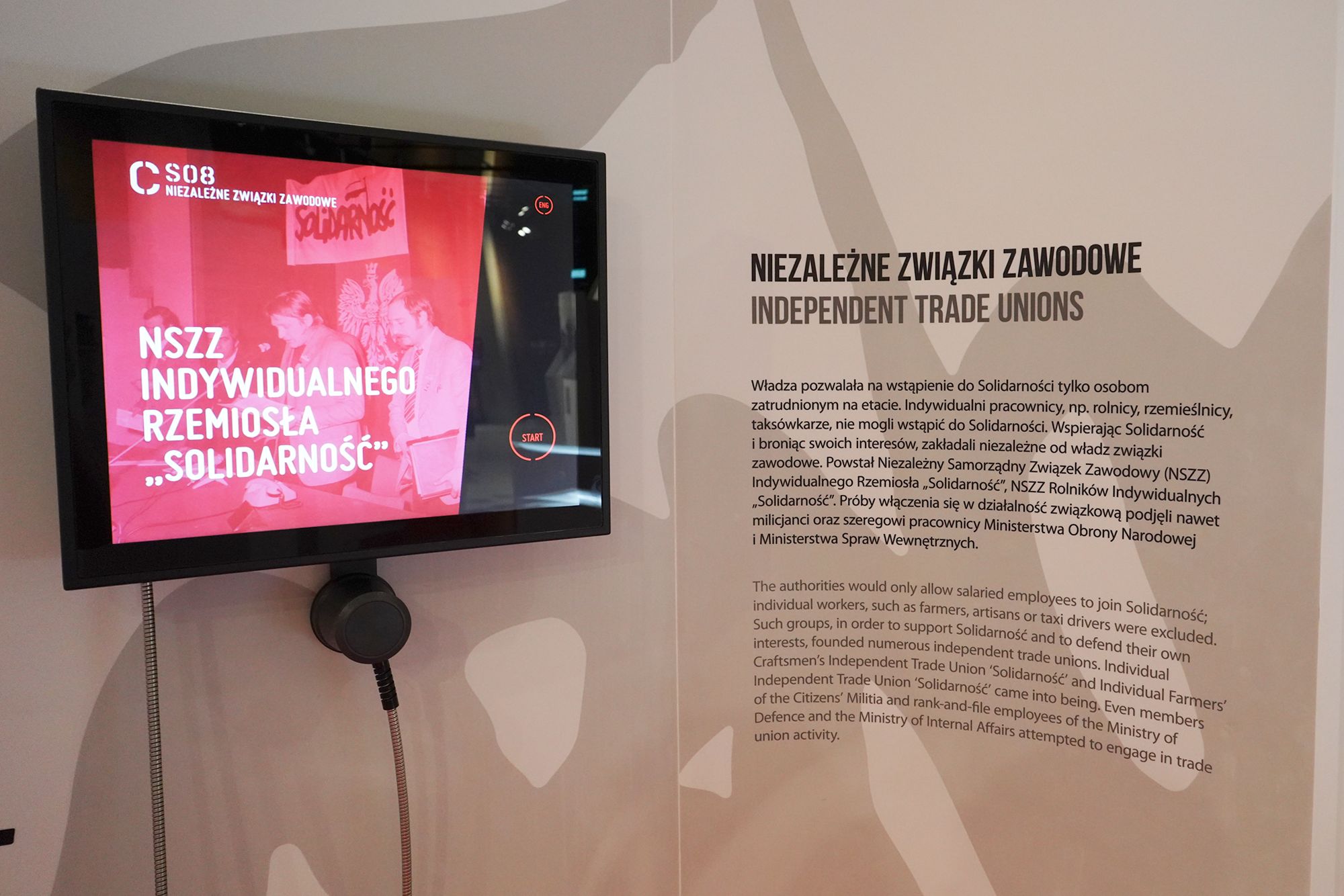
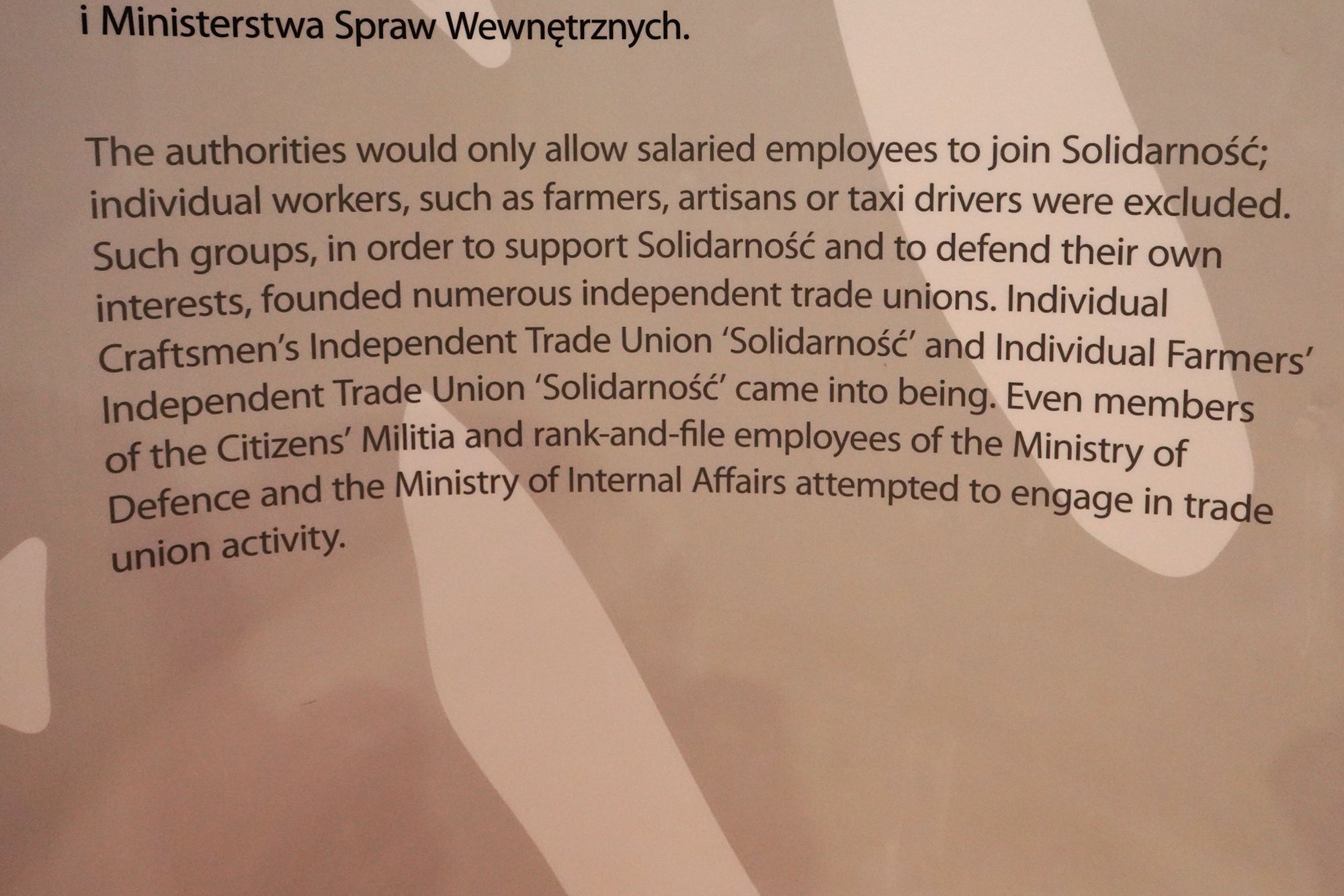
The authorities limited Solidarity membership to salaried employees, excluding farmers and independent workers. In response, craftspeople and farmers formed their own independent unions to support the movement and represent their interests. Even some militia members and government ministry employees tried to organize.
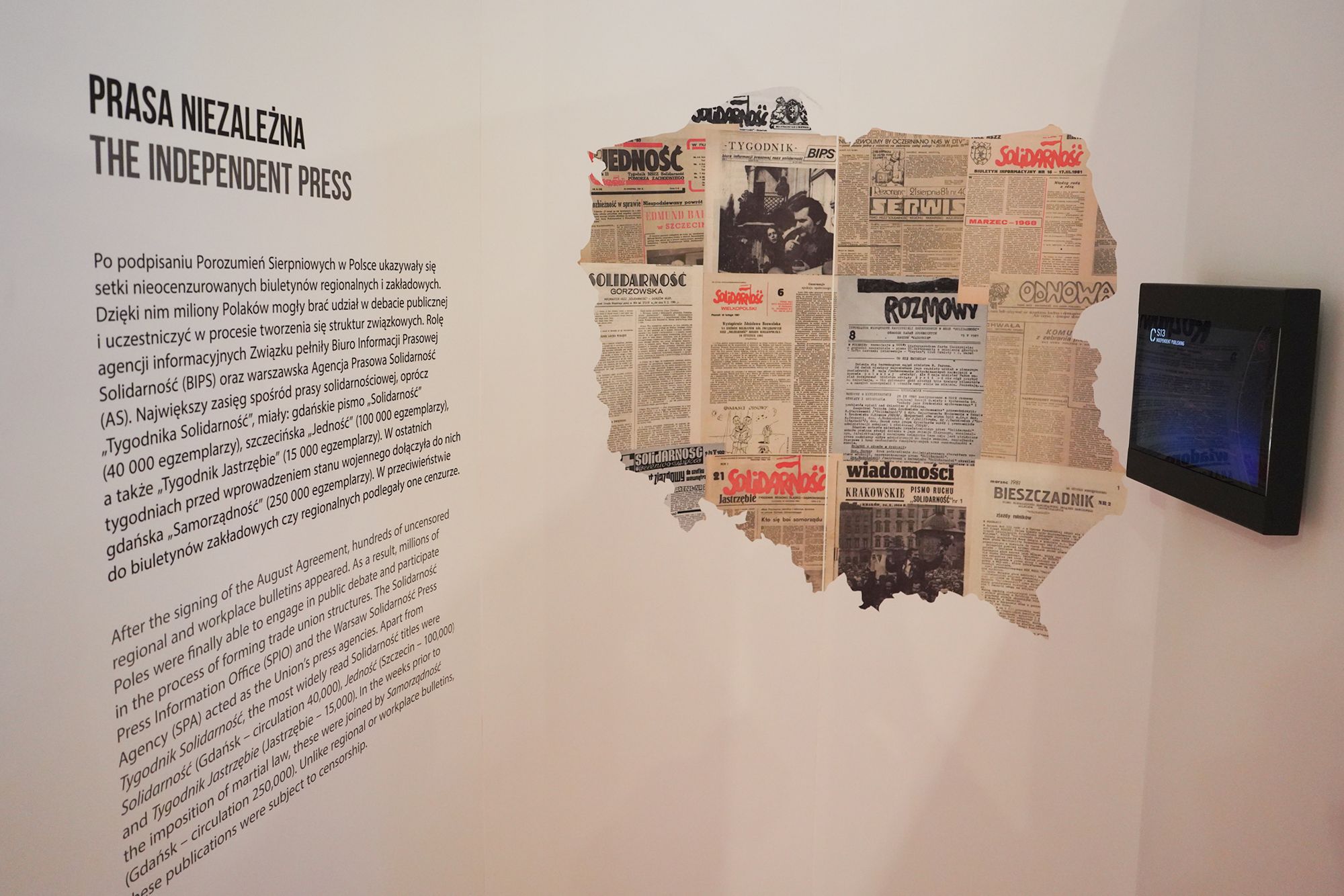
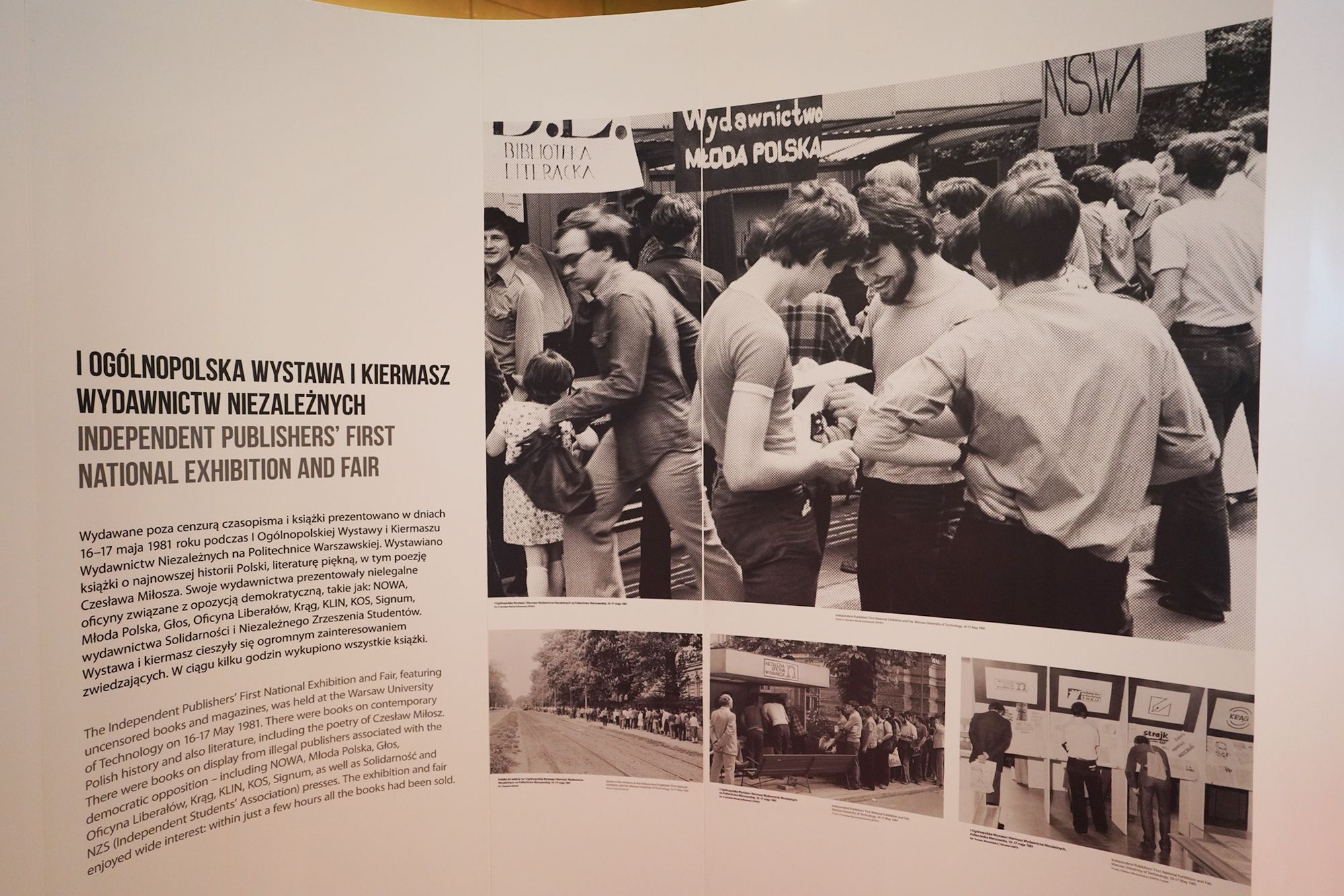
After the August Agreements, hundreds of uncensored workplace and regional bulletins gave Poles new ways to share information and take part in public debate. Solidarity also published widely read newspapers, though its larger publications remained subject to censorship.
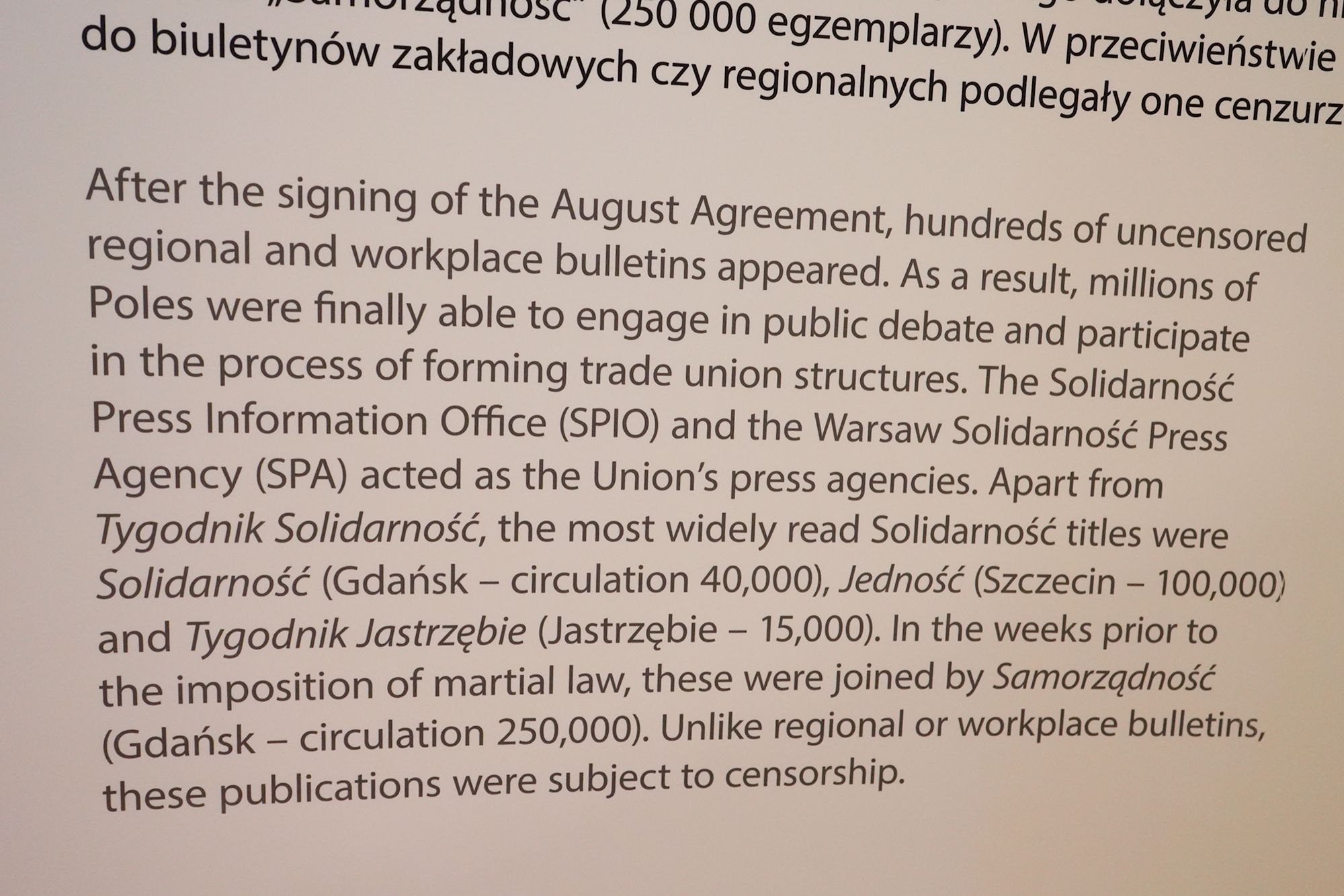
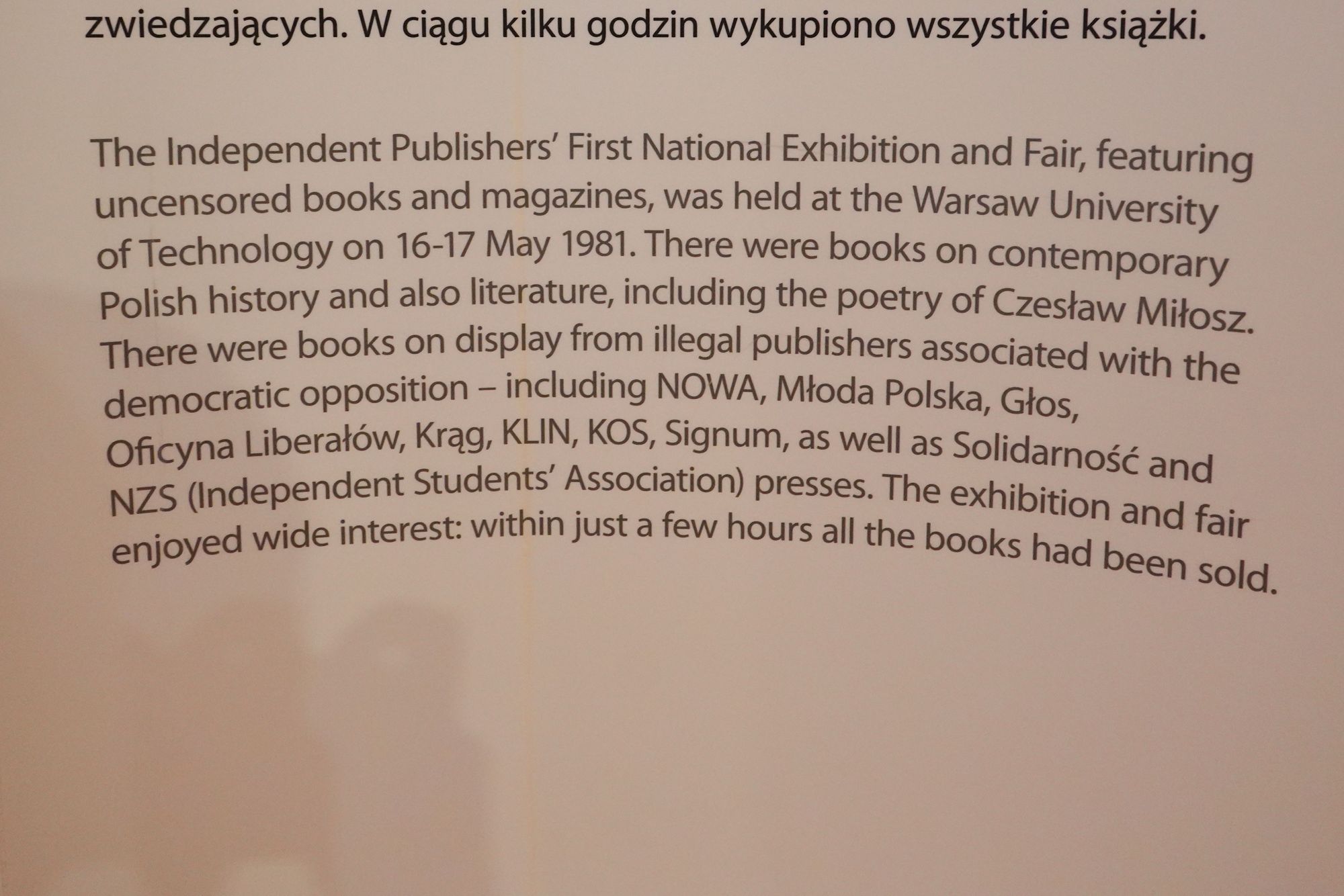
In May 1981, Warsaw hosted Poland’s first national fair of independent publishers, featuring uncensored books and magazines on Polish history and literature, including Czesław Miłosz’s poetry. The event drew strong interest: all the books sold within a few hours.
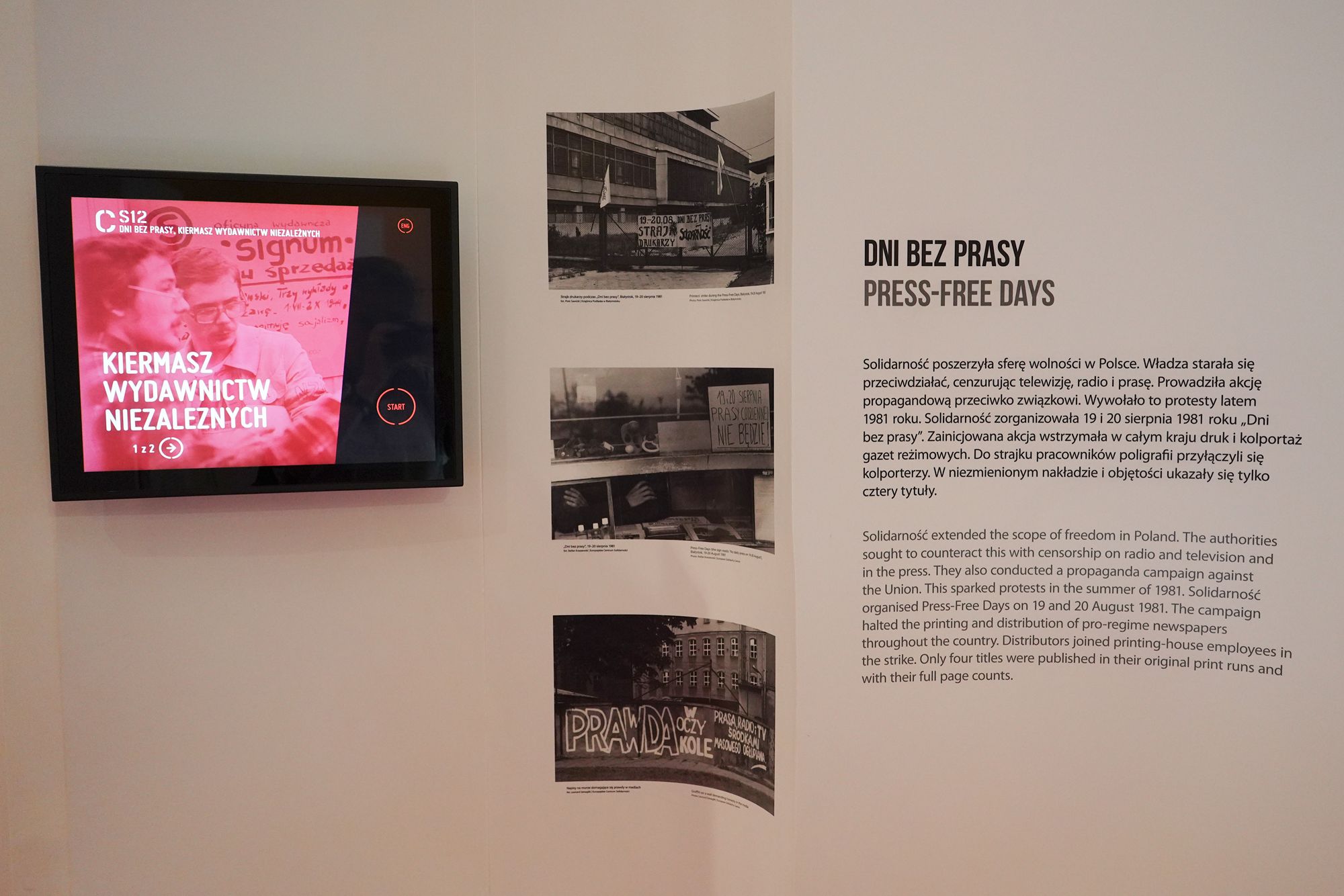
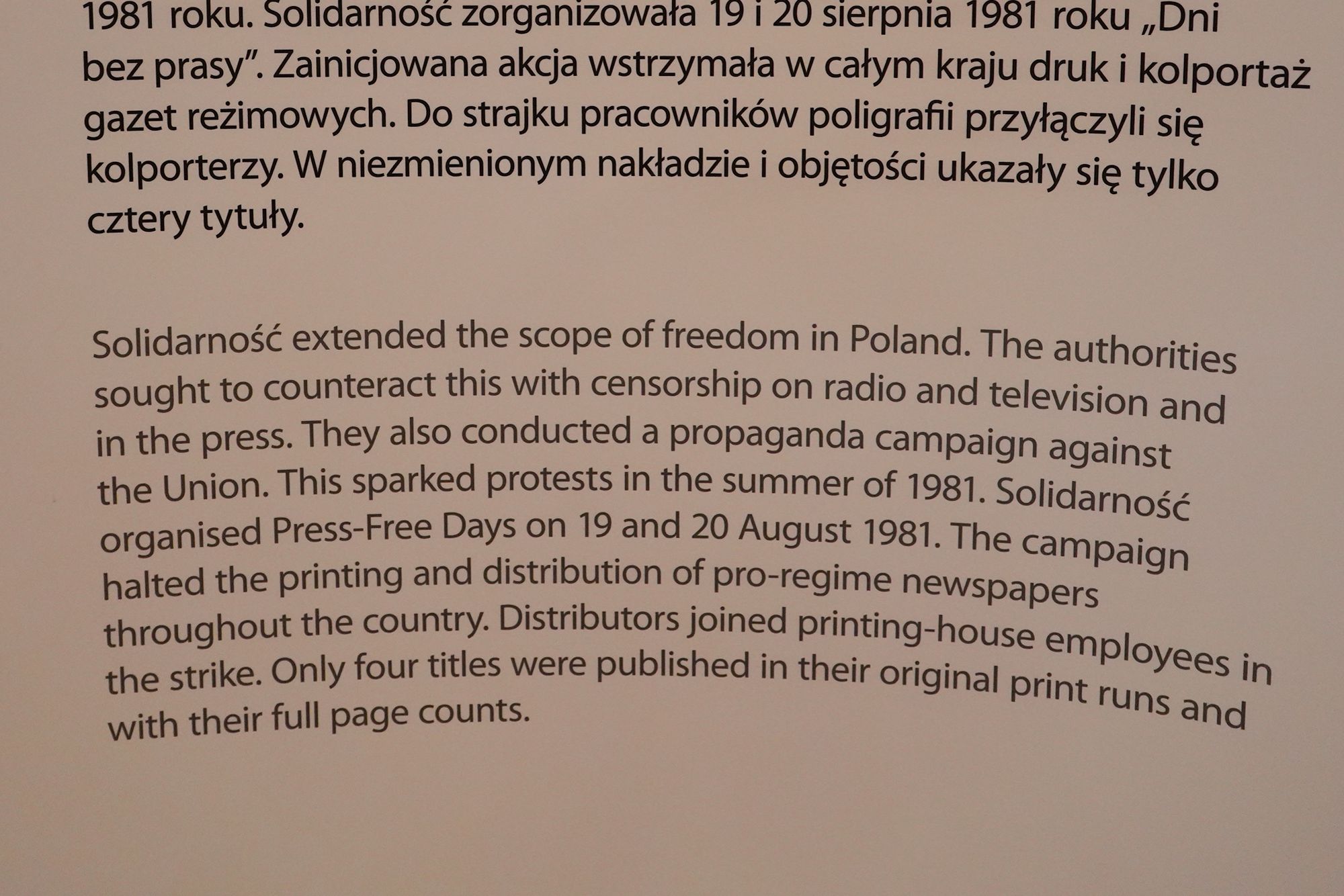
In response to censorship and a government campaign against Solidarity, the union organized Press-Free Days on 19–20 August 1981. Newspaper distributors and printing workers joined the protest, halting most pro-government papers; only four appeared with their full pages.
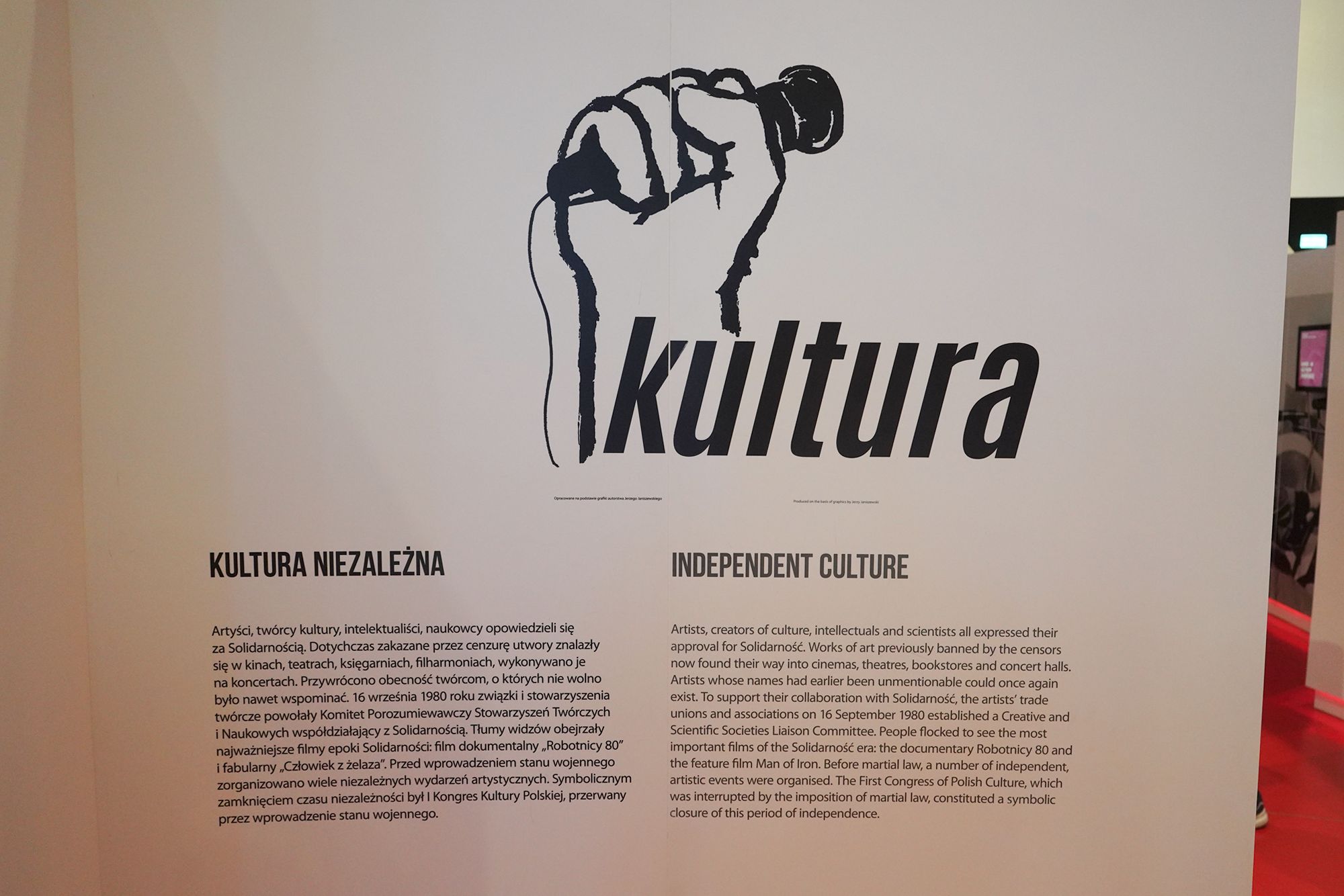
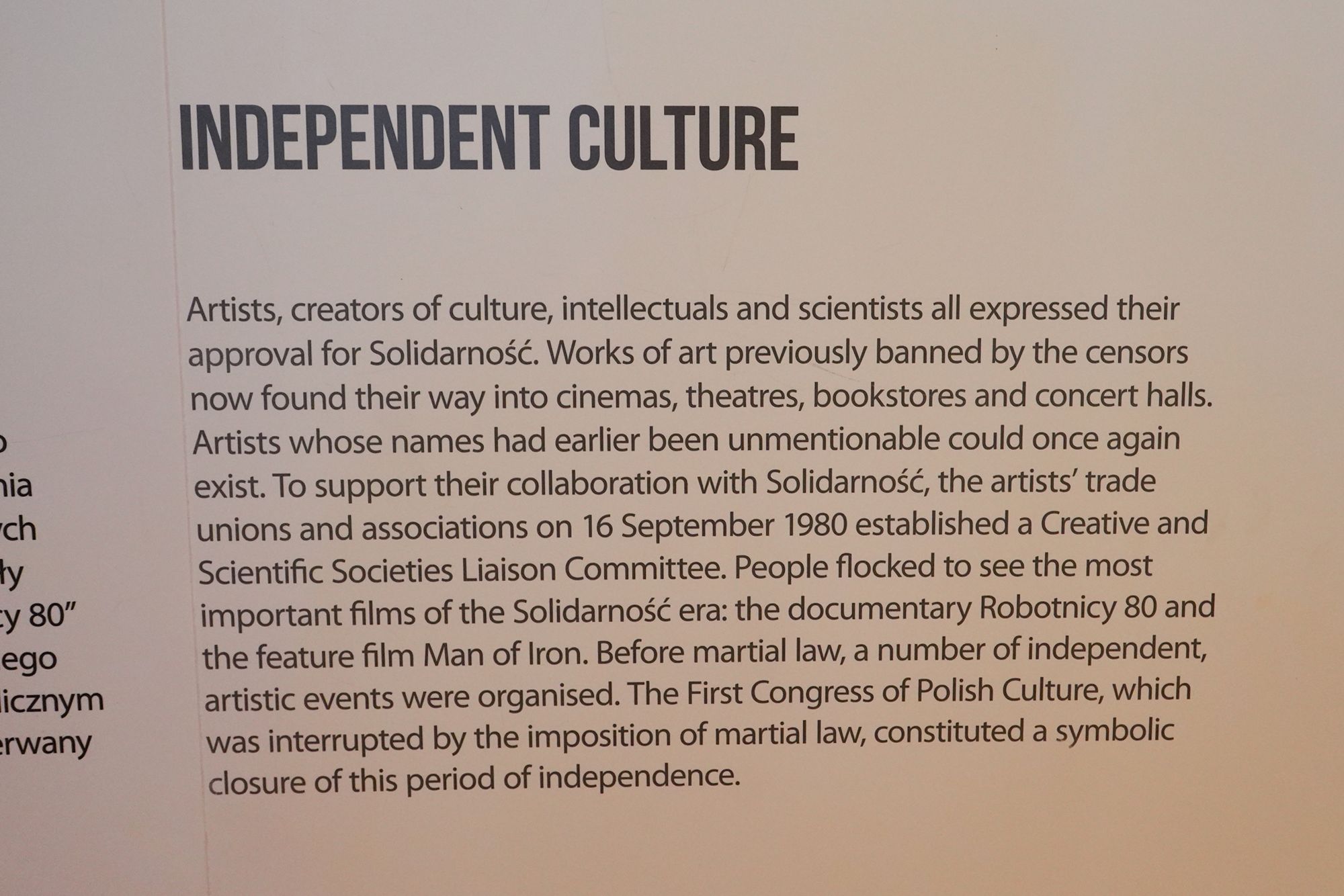
Solidarity’s rise opened space for independent culture in Poland. Banned works returned to cinemas, theaters, bookstores, and concert halls, while films such as Workers ’80 and Man of Iron drew large audiences. The First Congress of Polish Culture was interrupted by martial law, marking the end of this brief period of greater freedom.
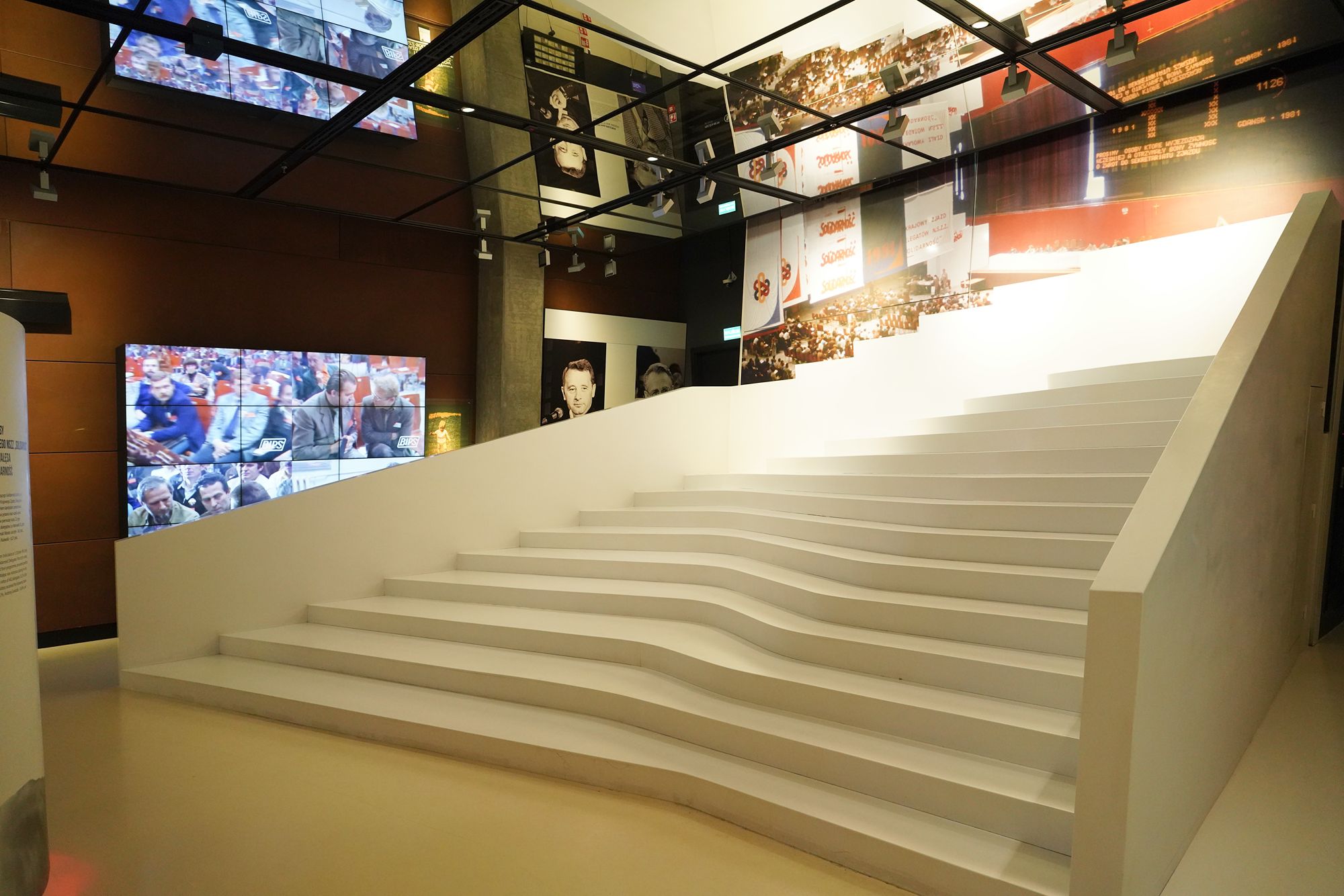
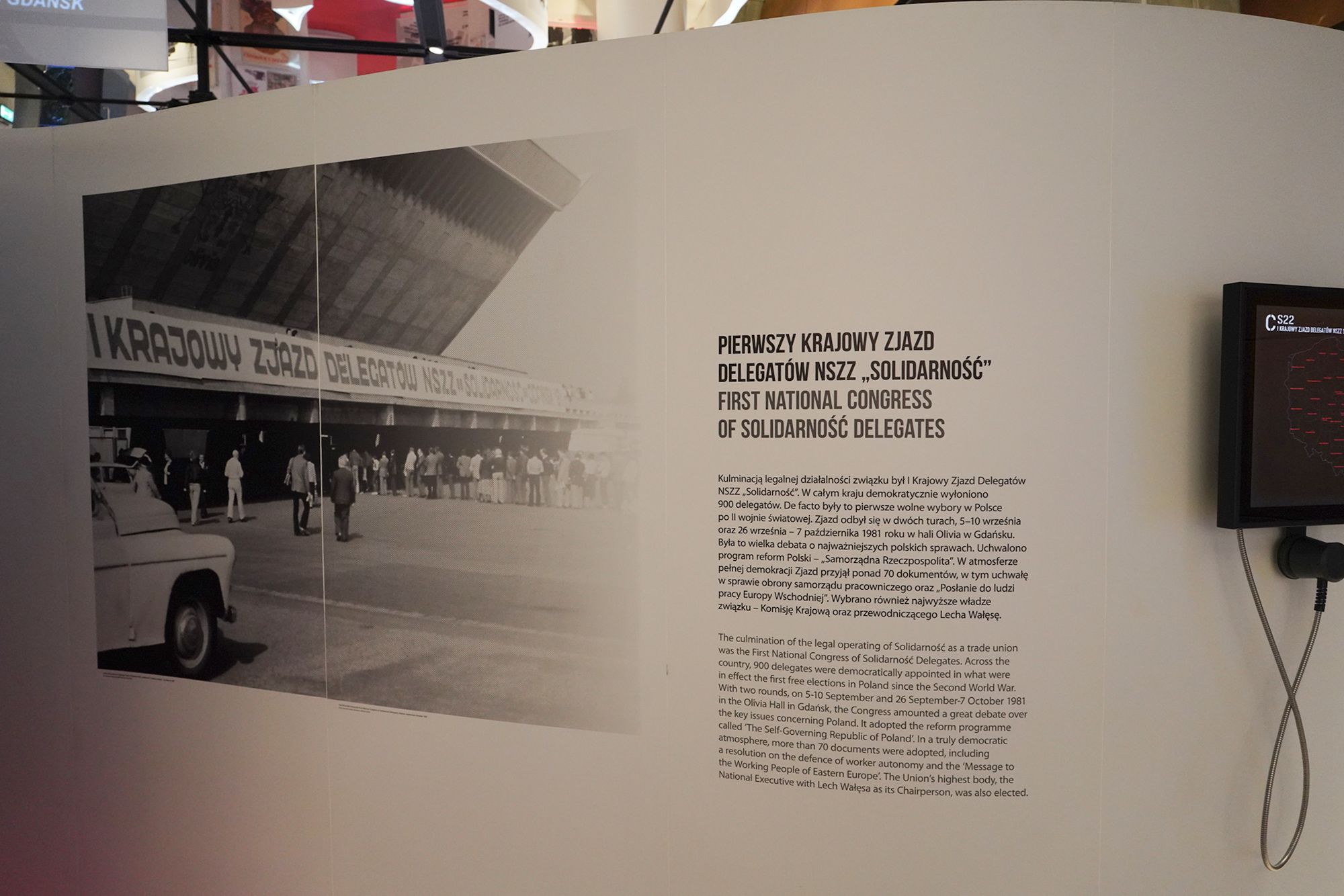
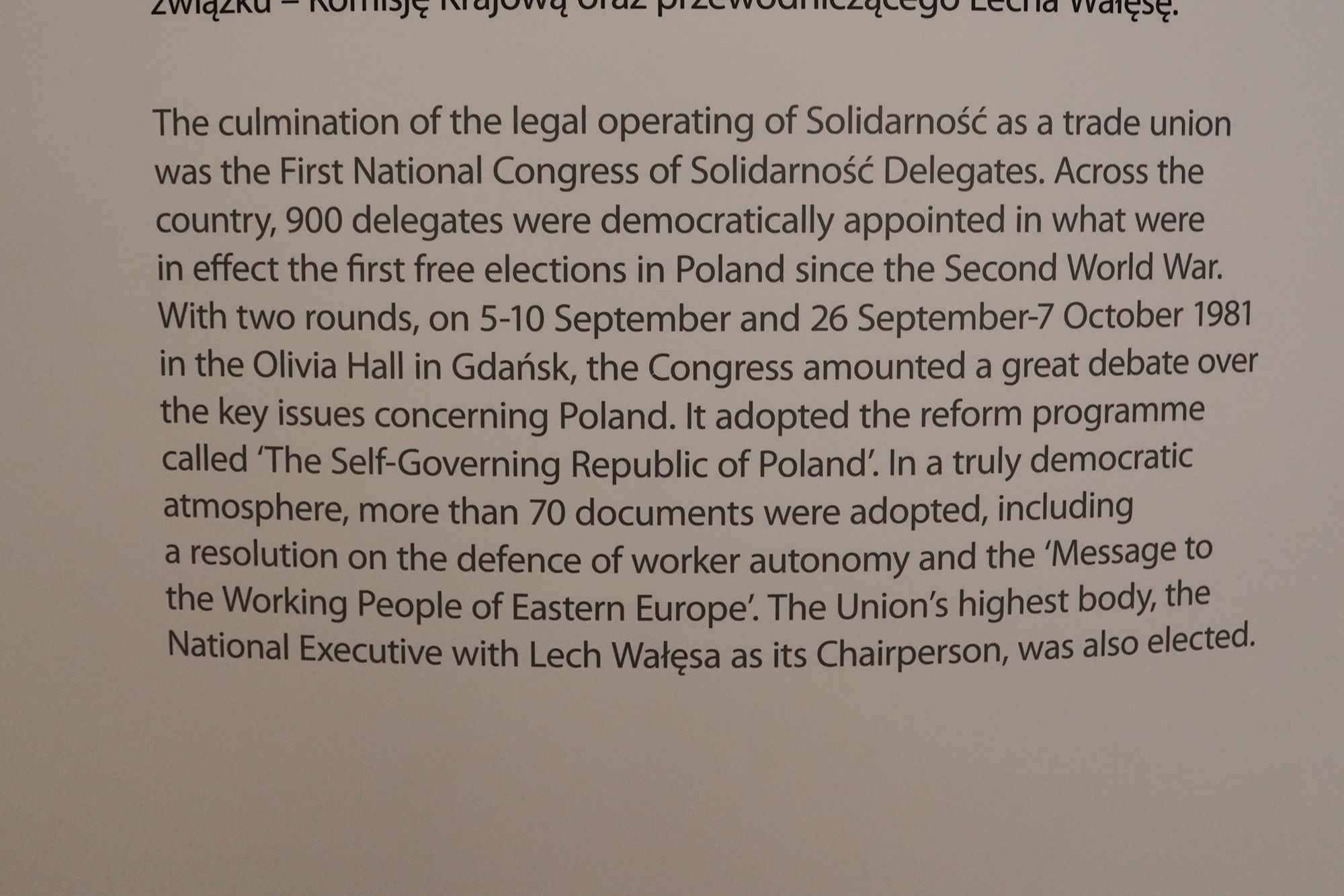
Solidarity’s first national congress brought together 900 democratically elected delegates in Gdańsk, in what the exhibit describes as Poland’s first free elections since World War II. The delegates debated reforms, adopted a program for a “Self-Governing Republic of Poland,” and elected Lech Wałęsa to lead the union’s National Executive.
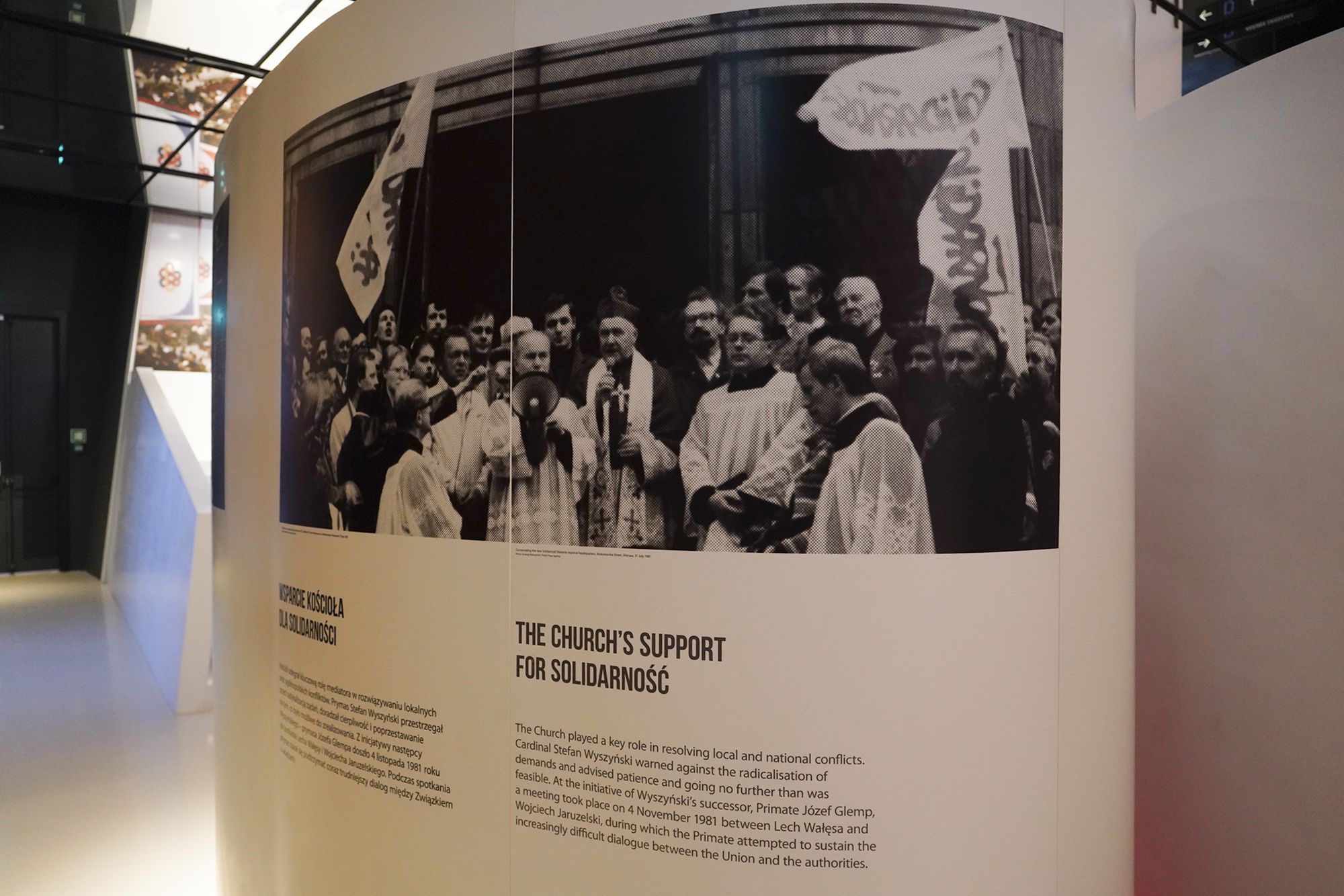
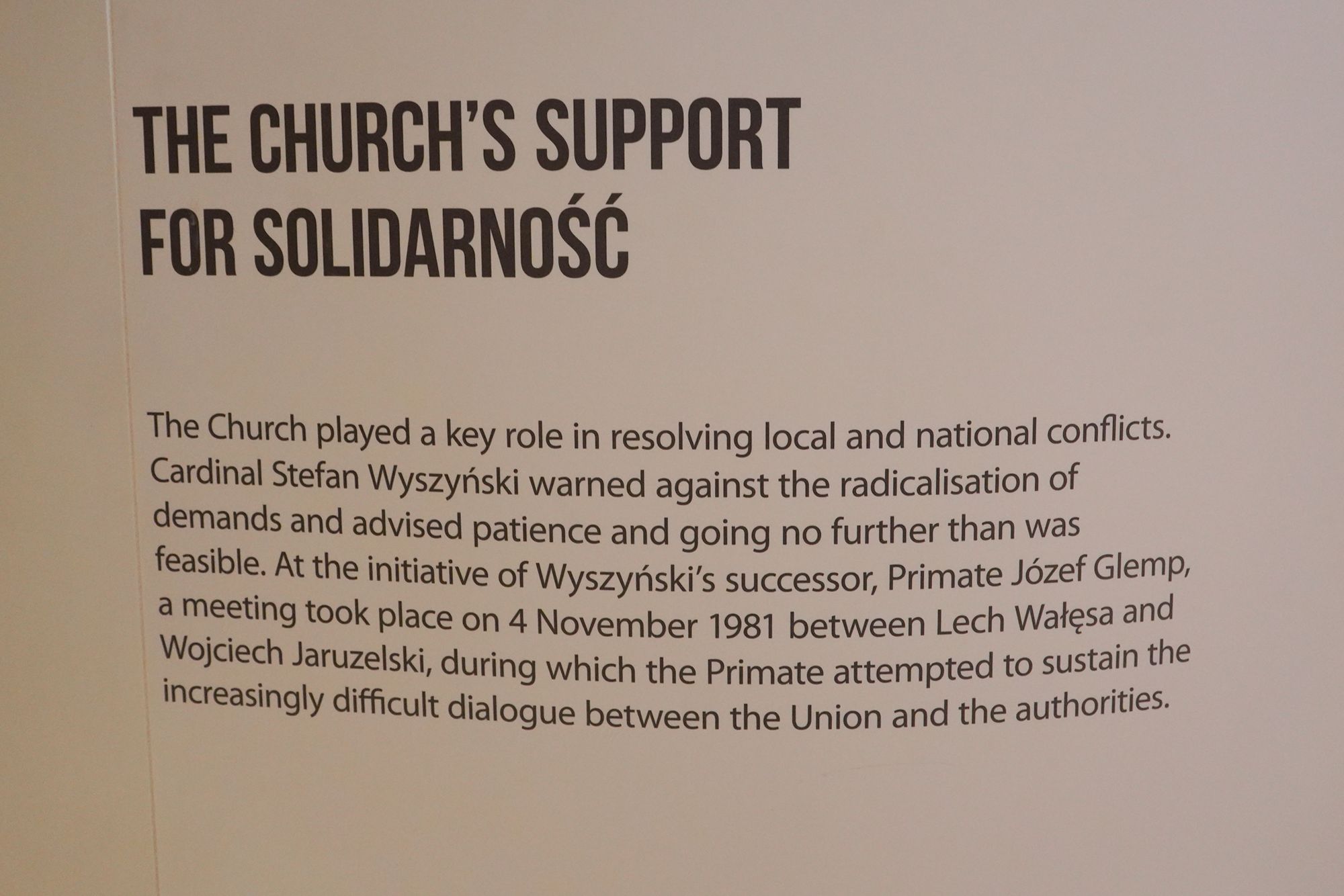
The Catholic Church helped mediate conflicts between Solidarity and the authorities. Cardinal Stefan Wyszyński urged patience and realistic demands. On 4 November 1981, his successor, Primate Józef Glemp, brought Lech Wałęsa and Wojciech Jaruzelski together to try to keep the increasingly strained dialogue going.
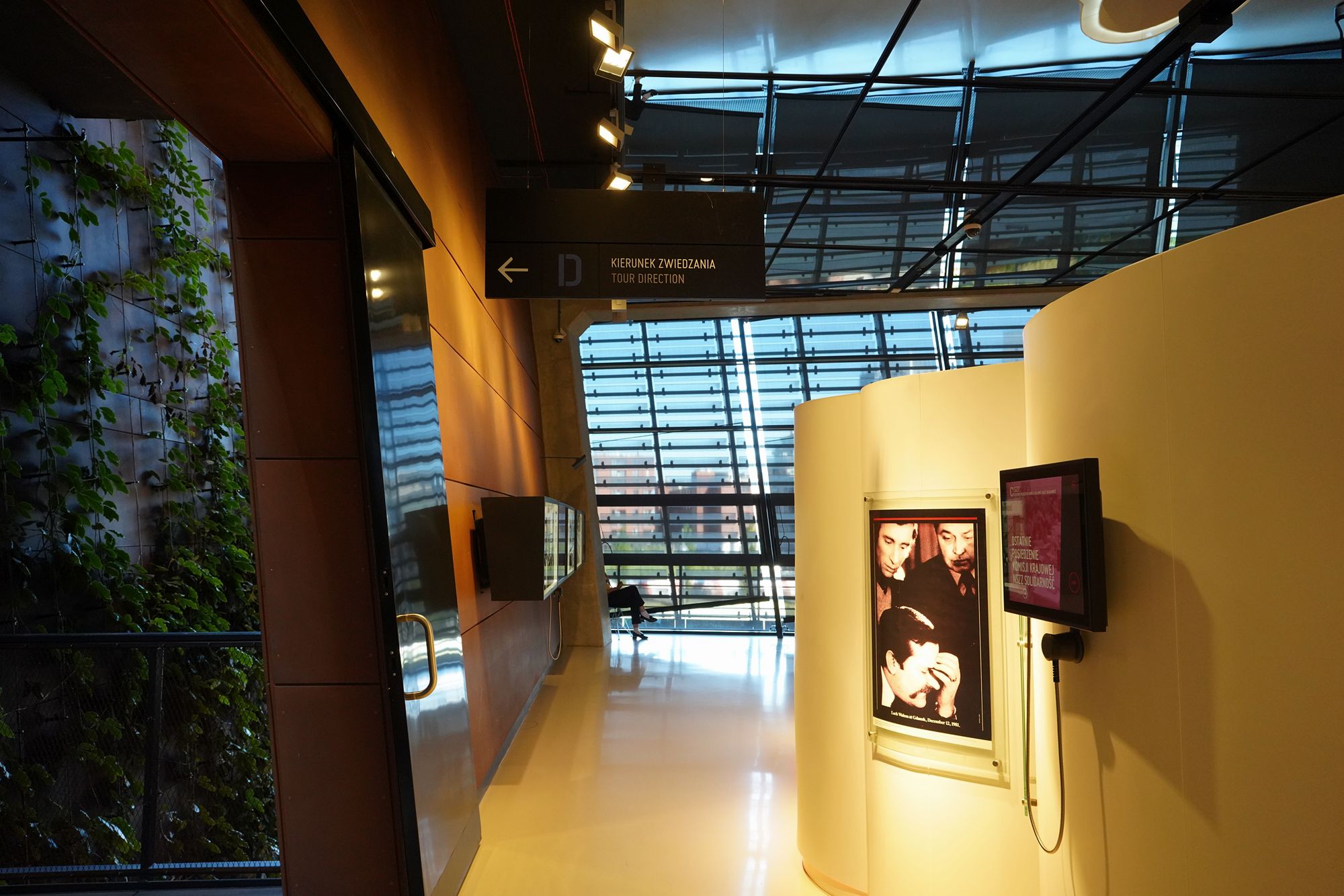
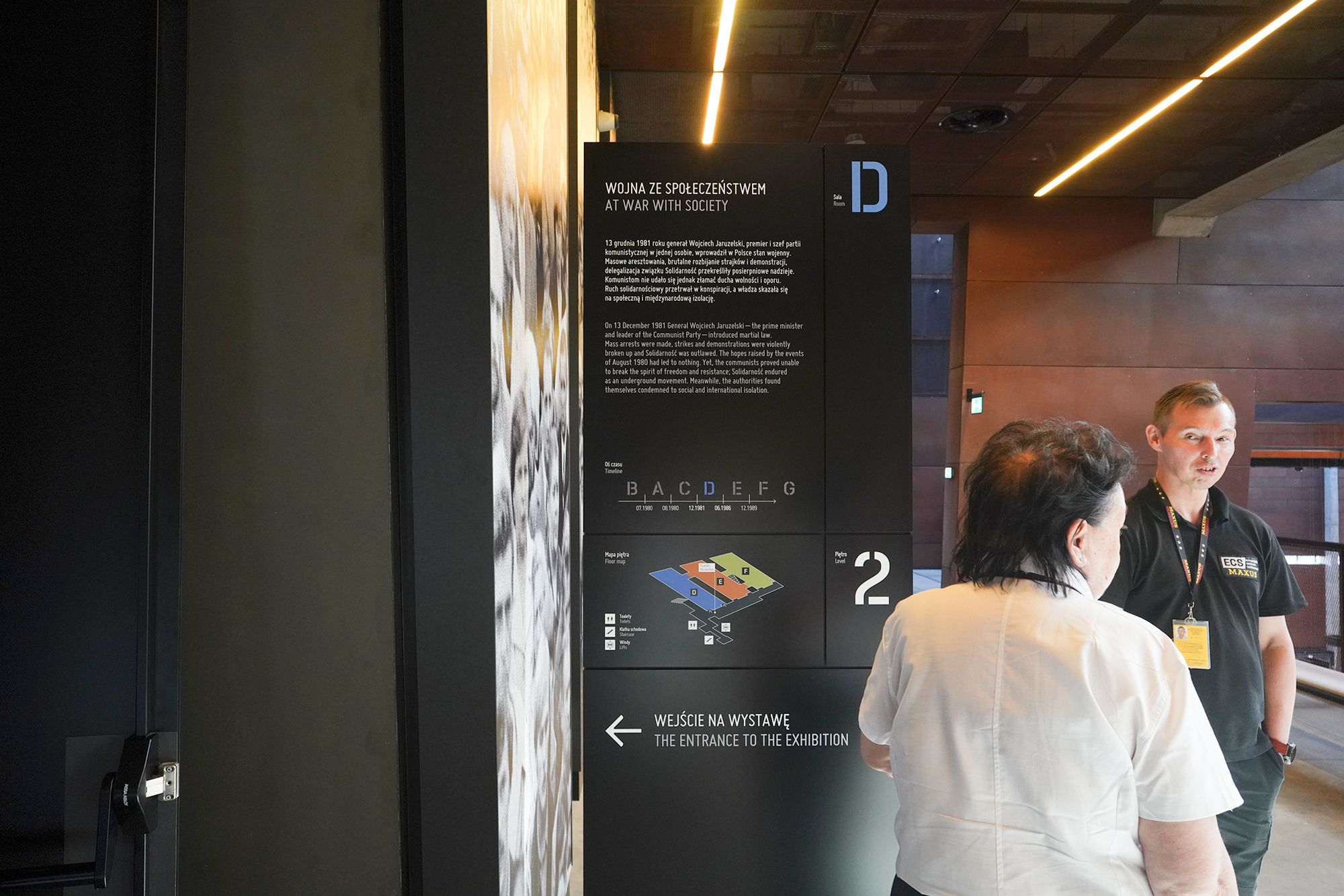
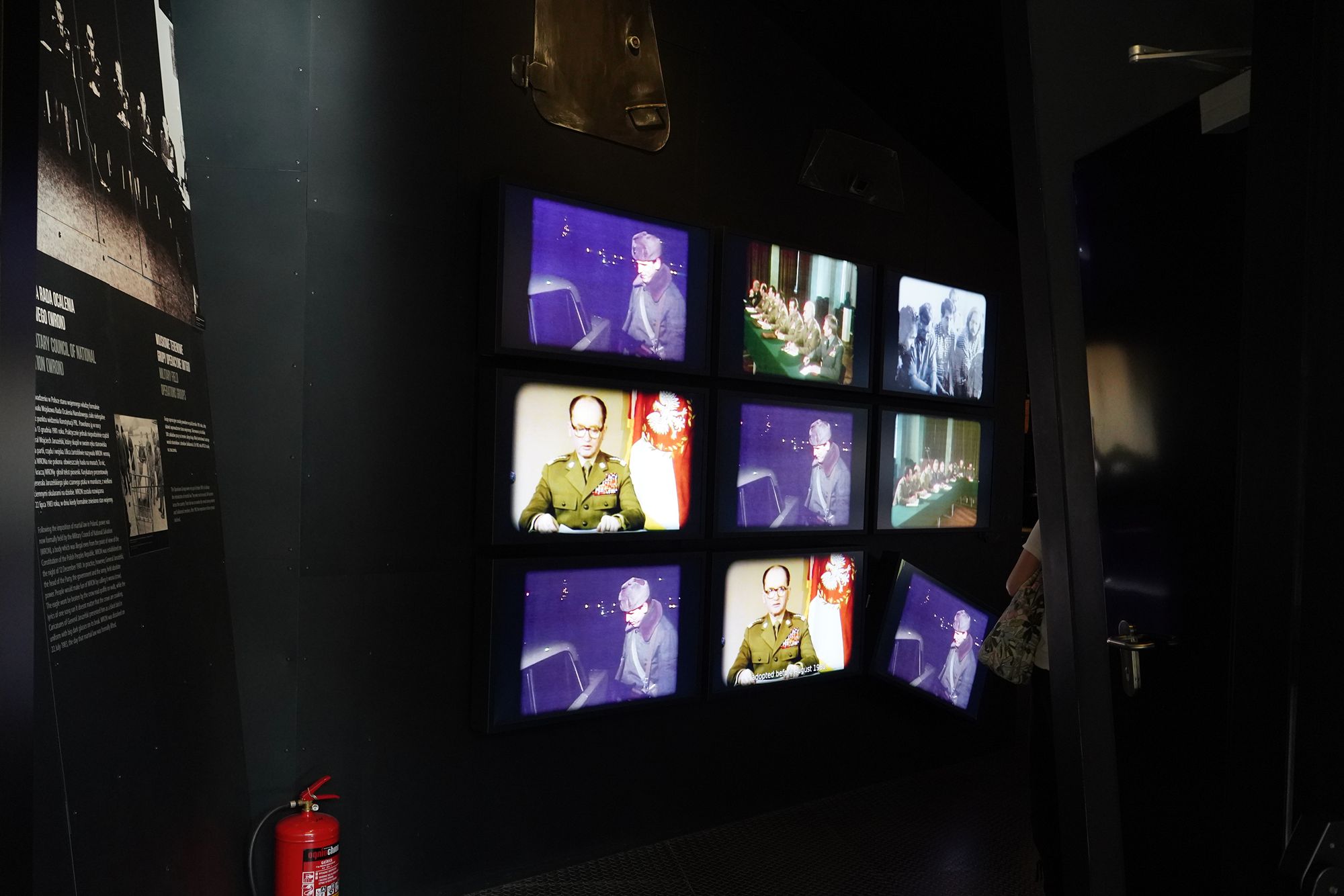
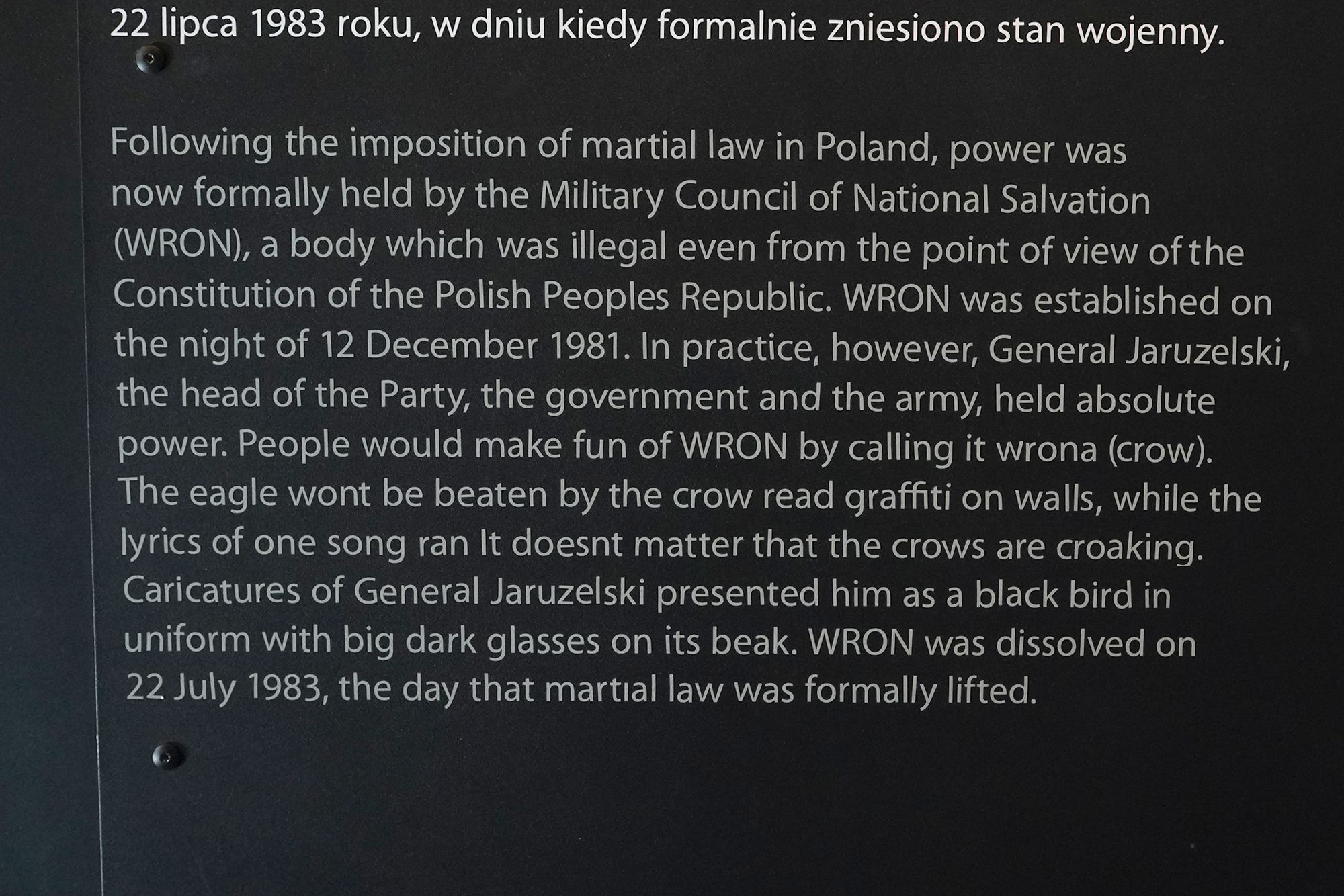
After martial law was imposed in December 1981, the Military Council of National Salvation (WRON) formally held power, though the exhibit notes it was unconstitutional. General Jaruzelski remained in control. Poles mocked WRON with the word wrona, meaning “crow”; the council was dissolved when martial law was lifted in July 1983.
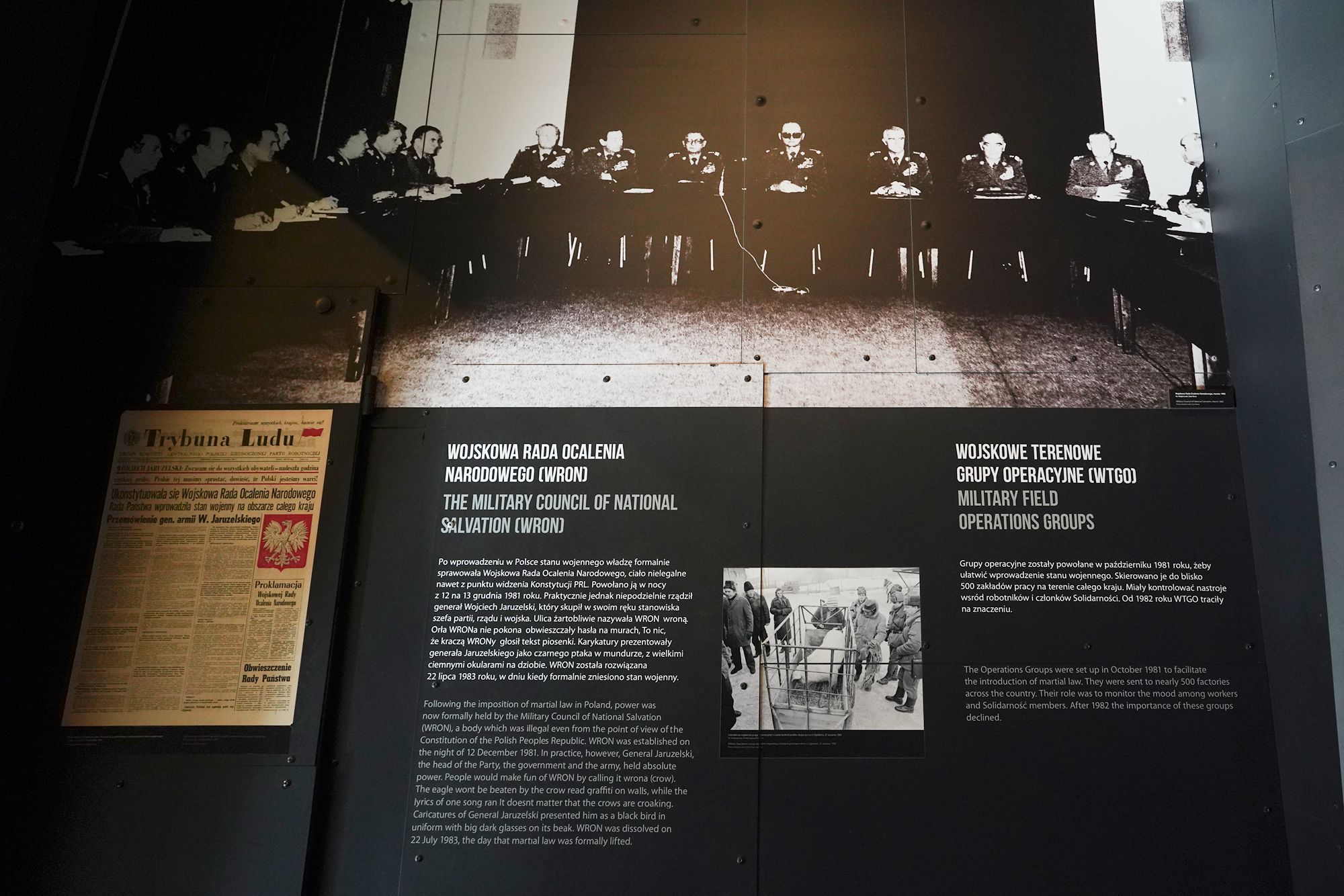
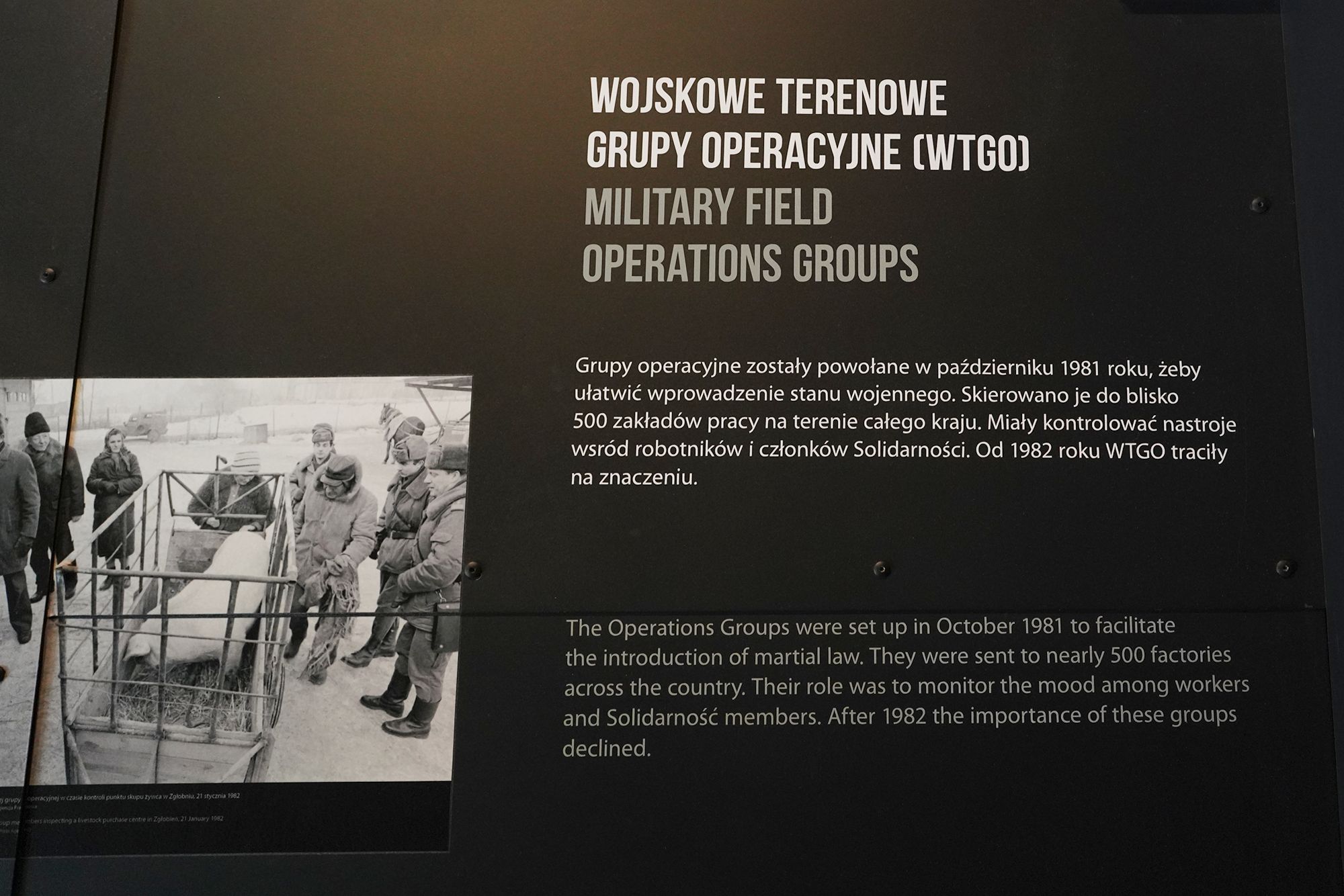
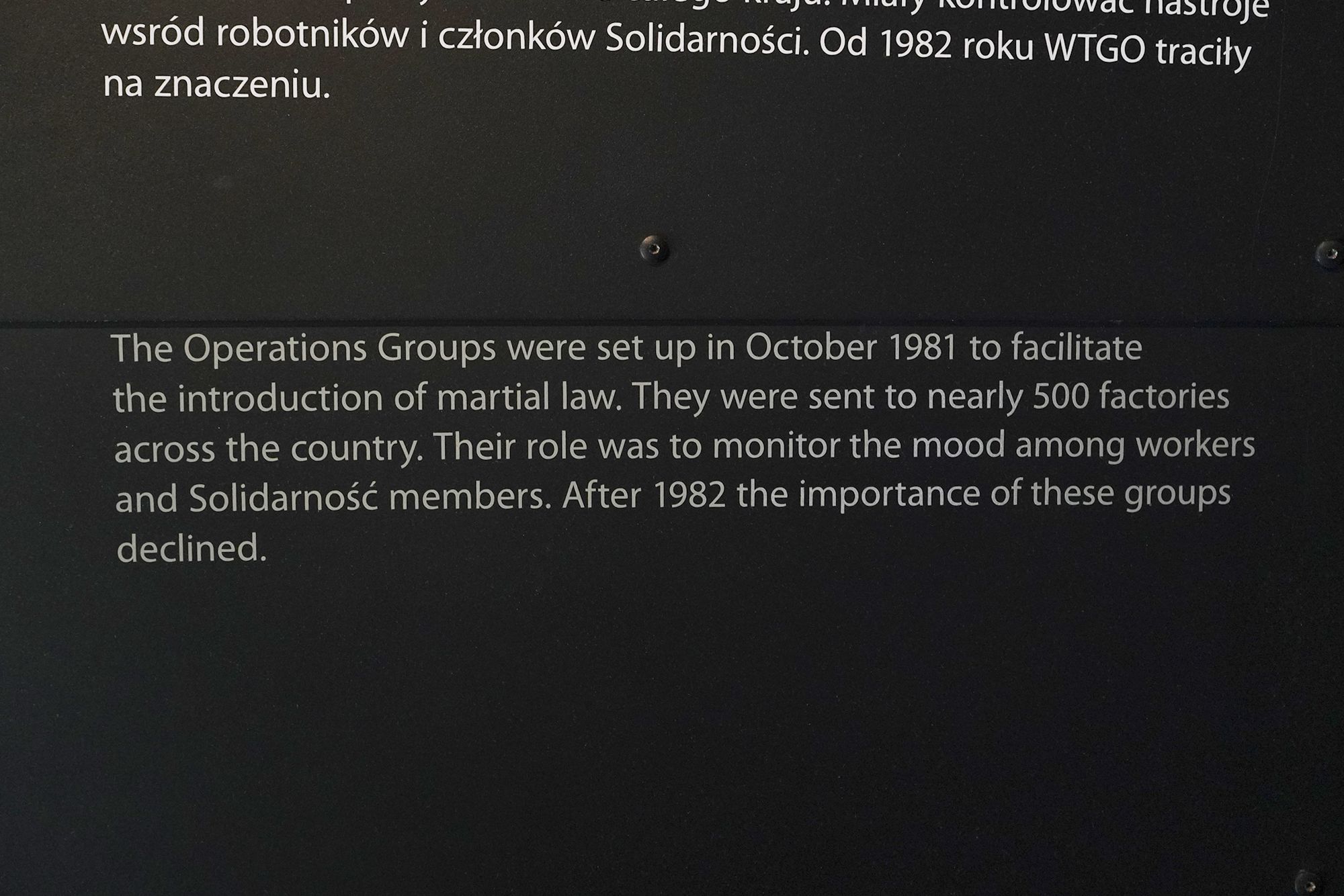
Operations Groups were established in October 1981 to prepare for martial law. Sent to nearly 500 factories, they monitored workers’ attitudes and Solidarity members. Their influence declined after 1982.
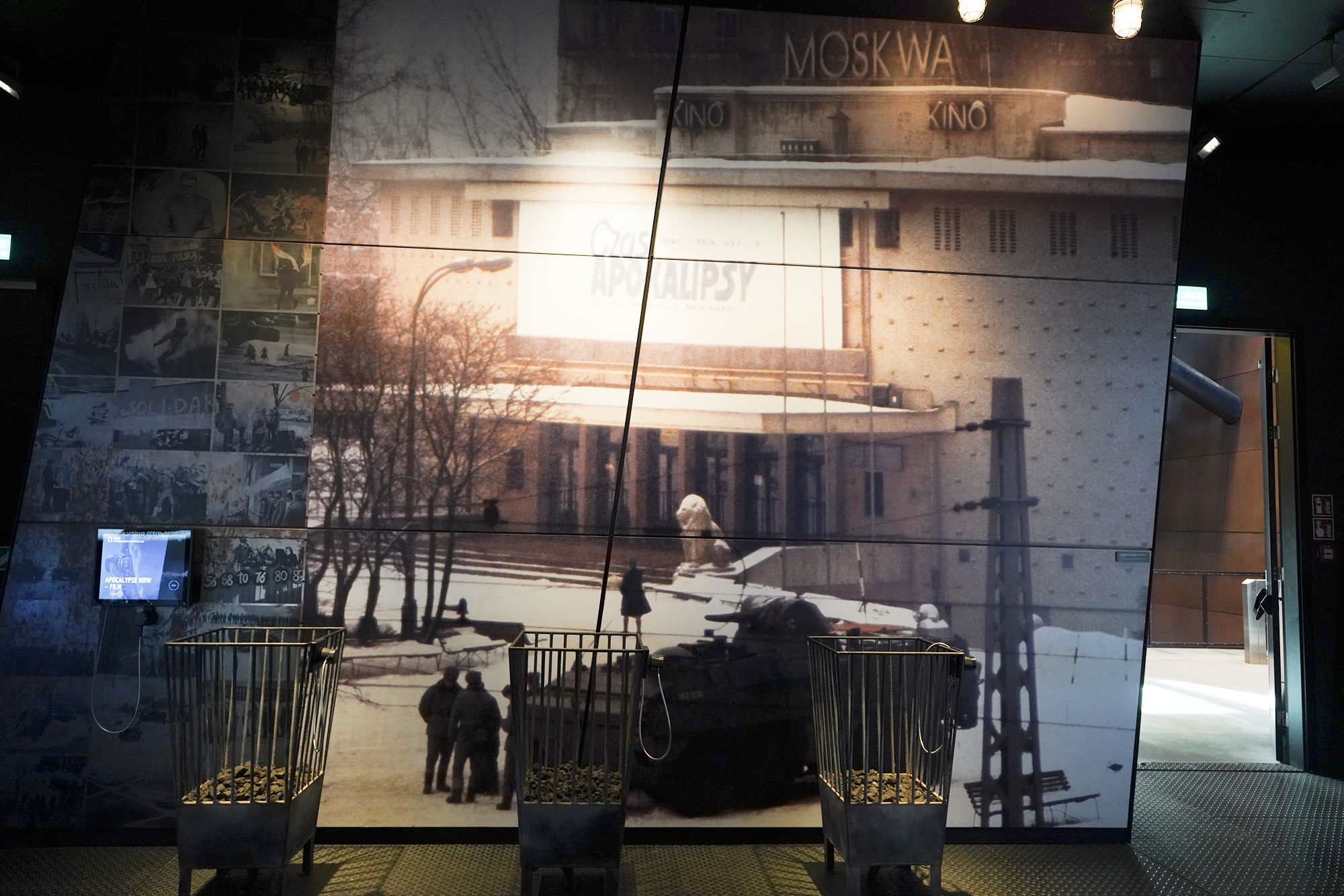
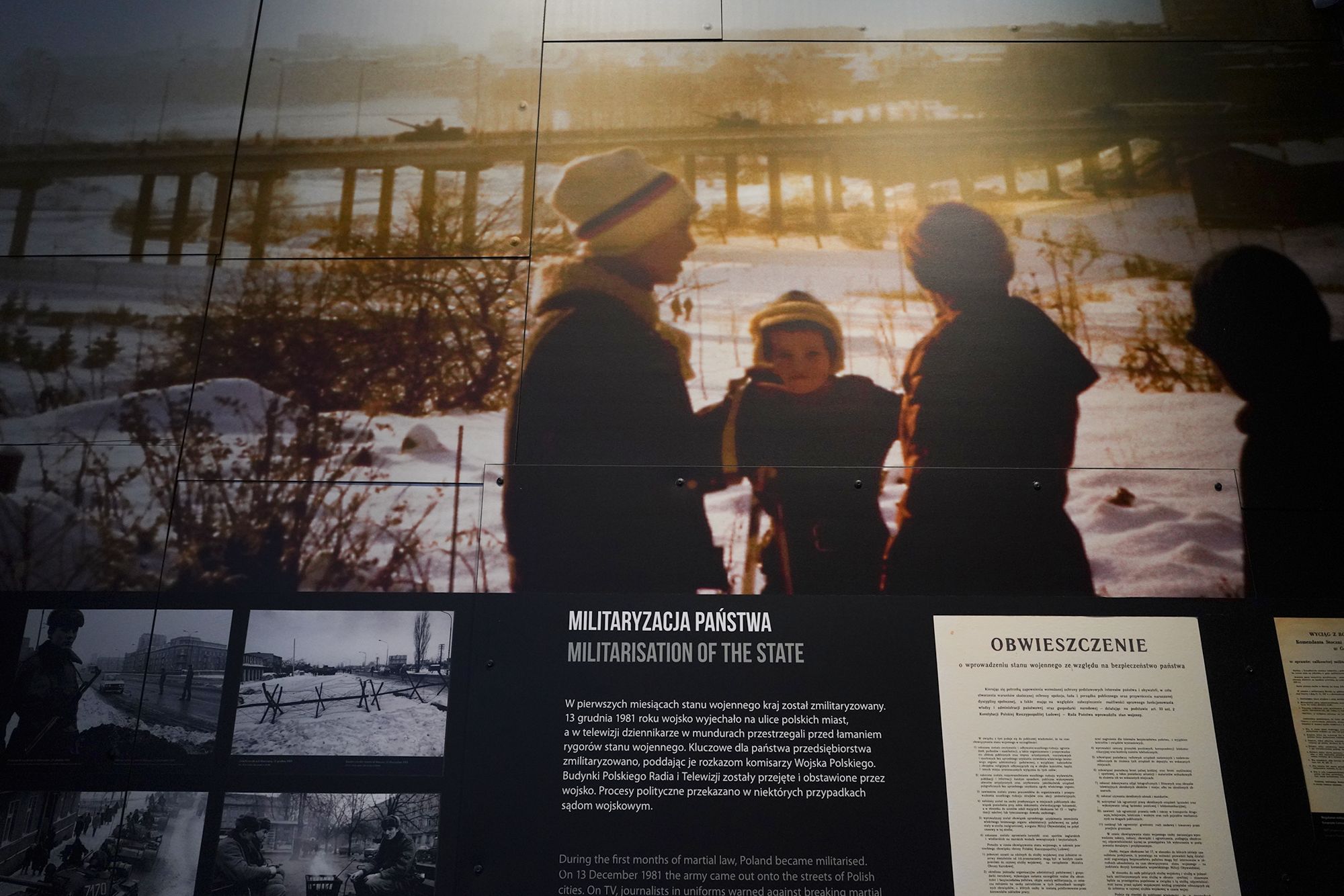
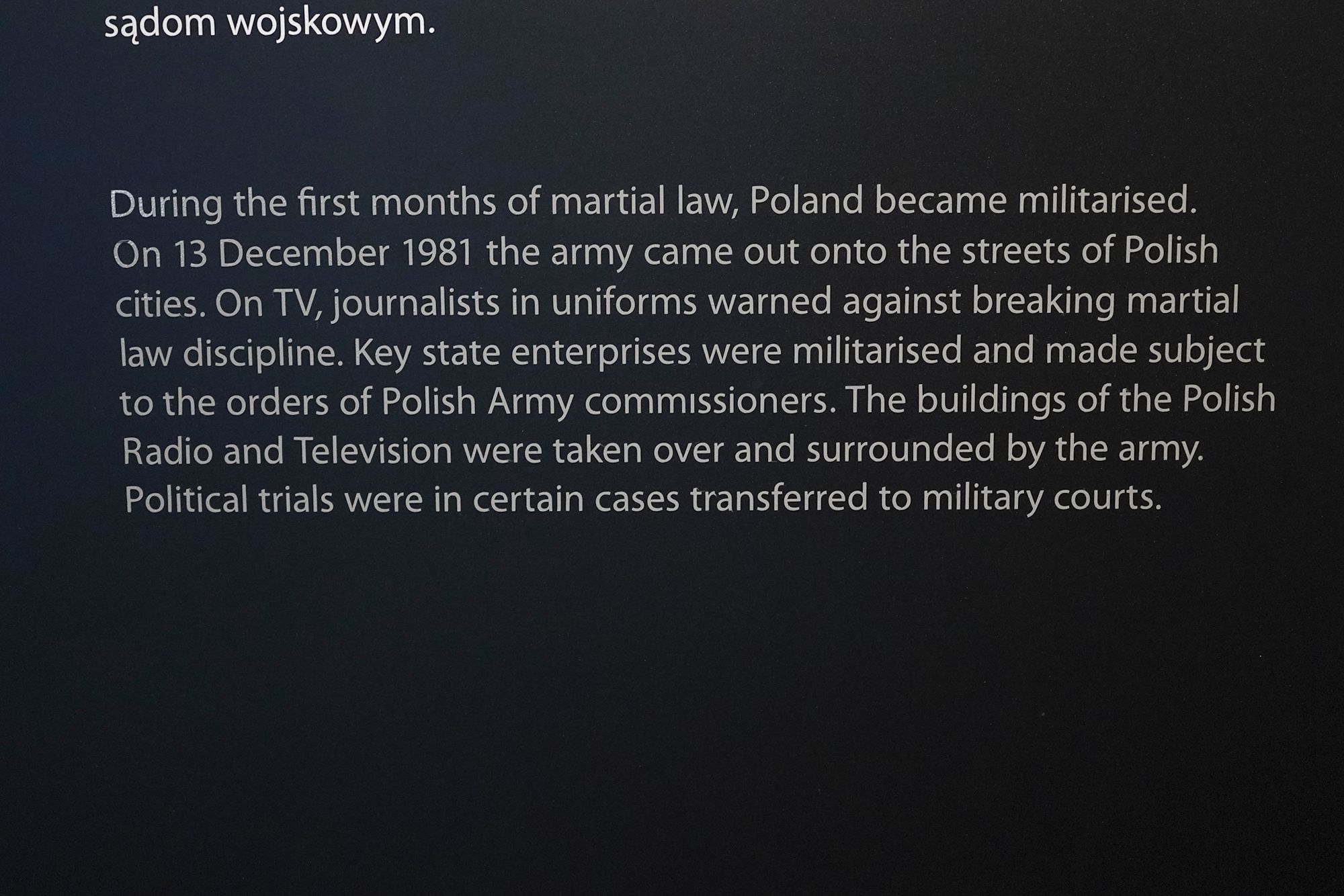
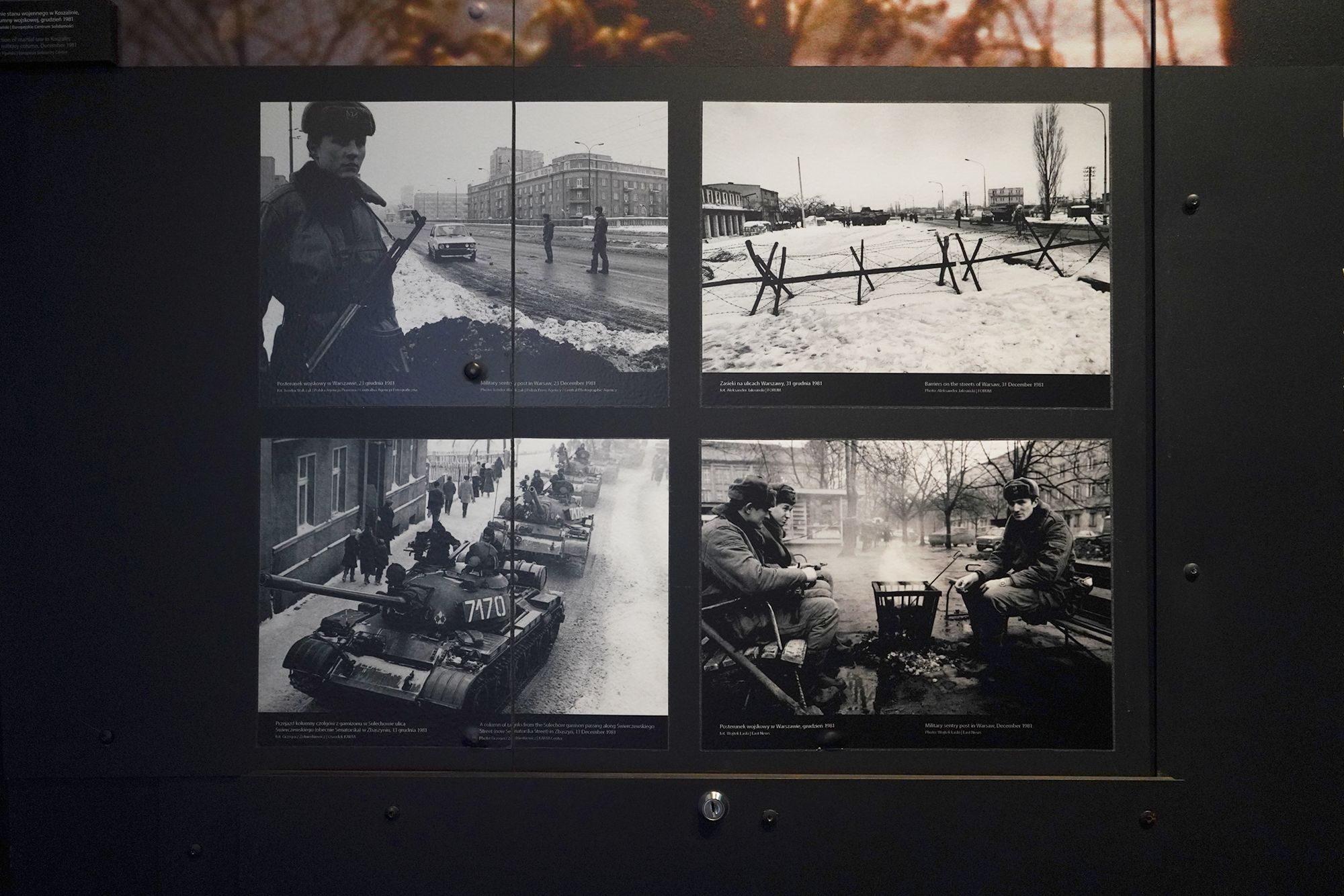
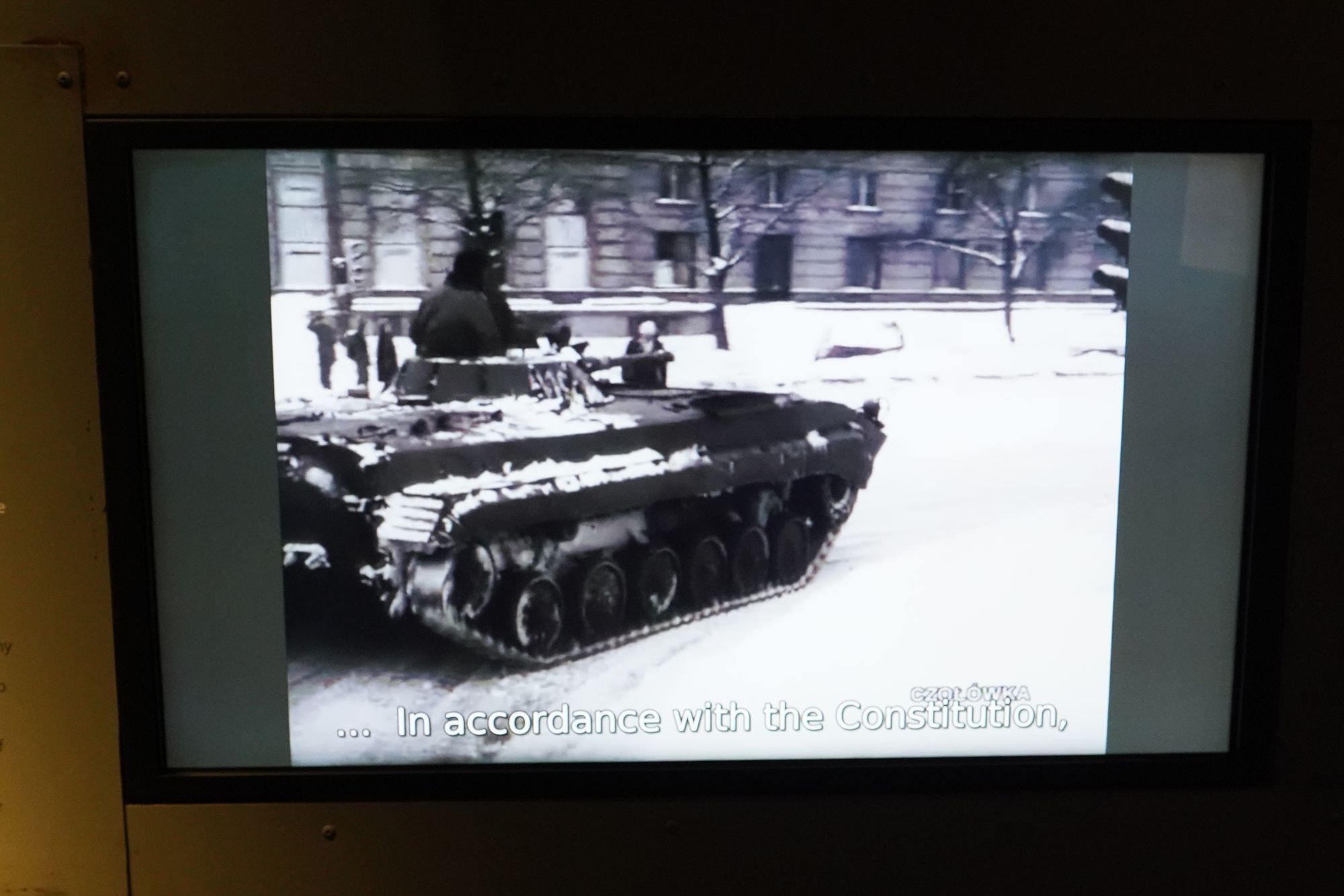
After martial law began on 13 December 1981, Poland was placed under tighter military control. Soldiers appeared in city streets, key state enterprises came under army commissioners, and the army took over radio and television buildings. Some political trials were transferred to military courts.
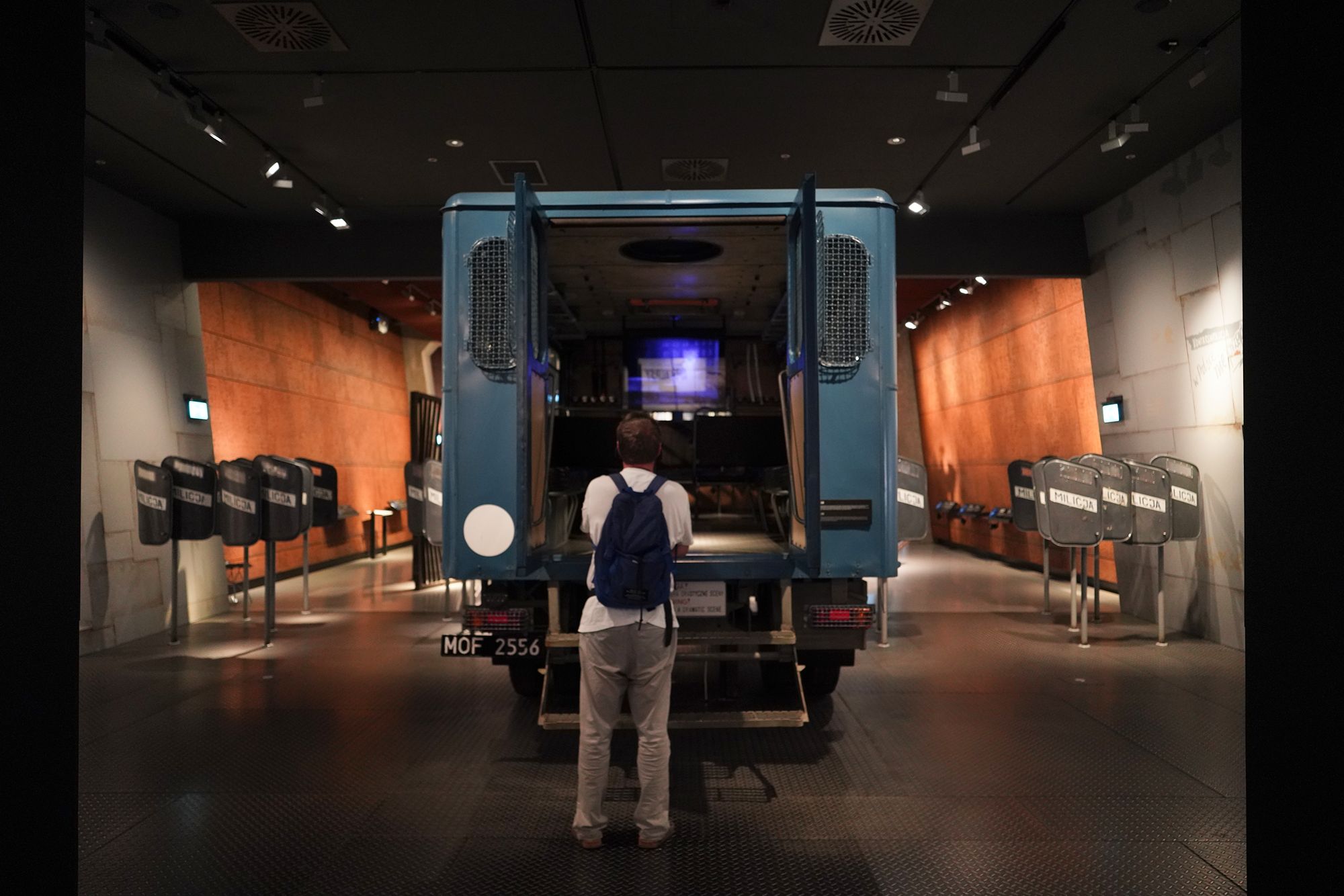
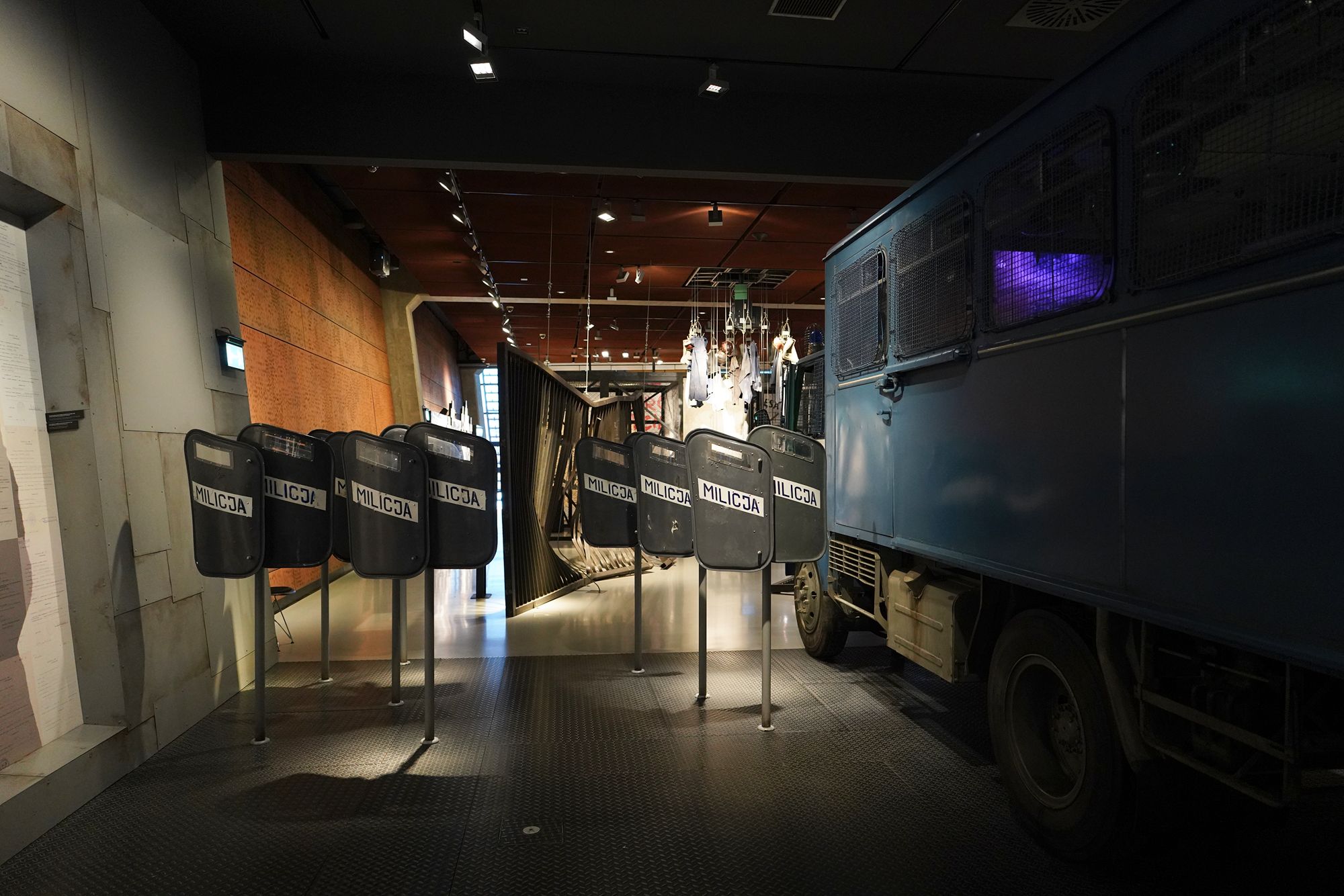
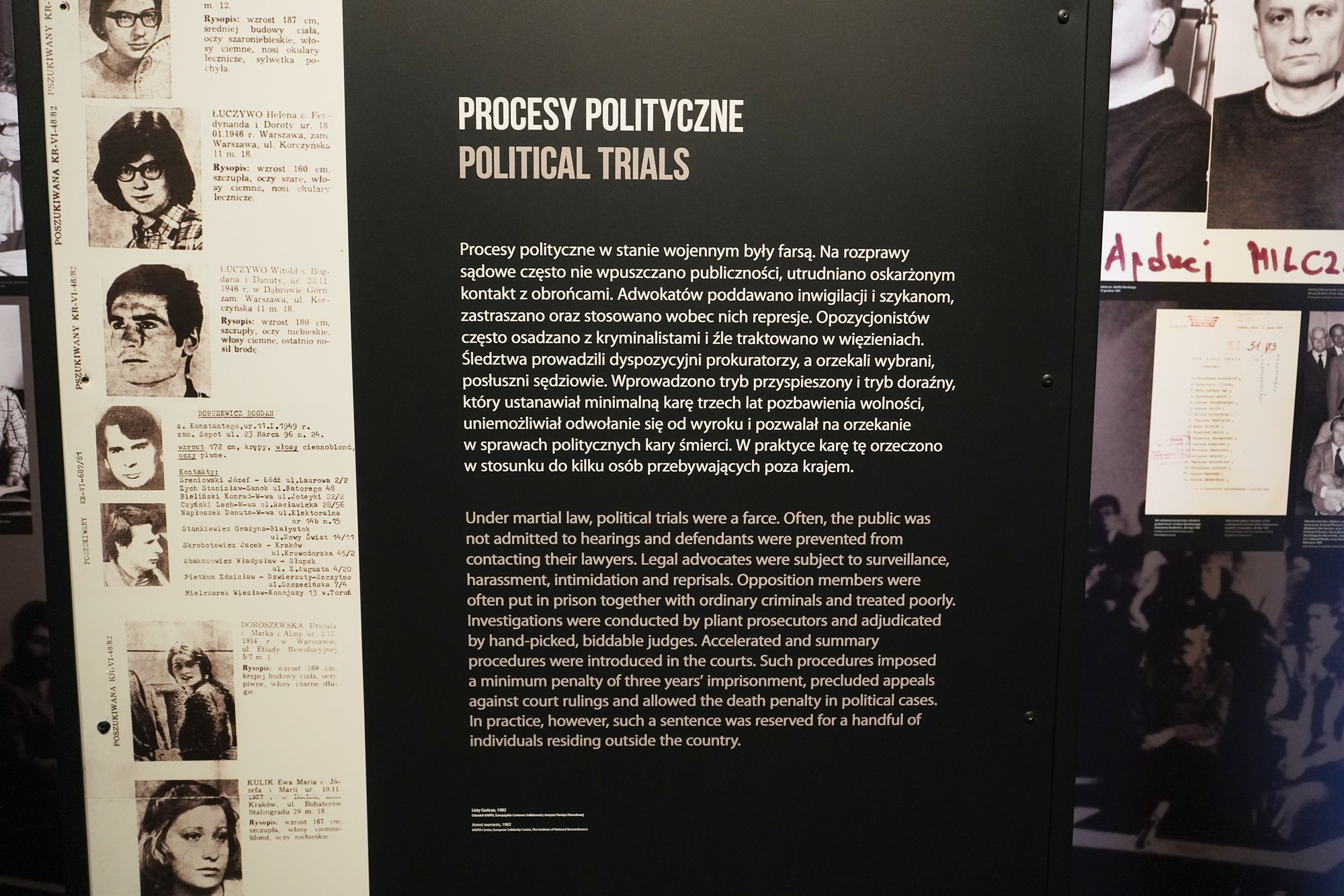
Under martial law, political trials often denied defendants basic protections: hearings were closed, access to lawyers restricted, and opposition members faced intimidation and harsh prison conditions. Accelerated court procedures brought severe sentences with no appeals, while the death penalty was permitted in political cases but rarely used.
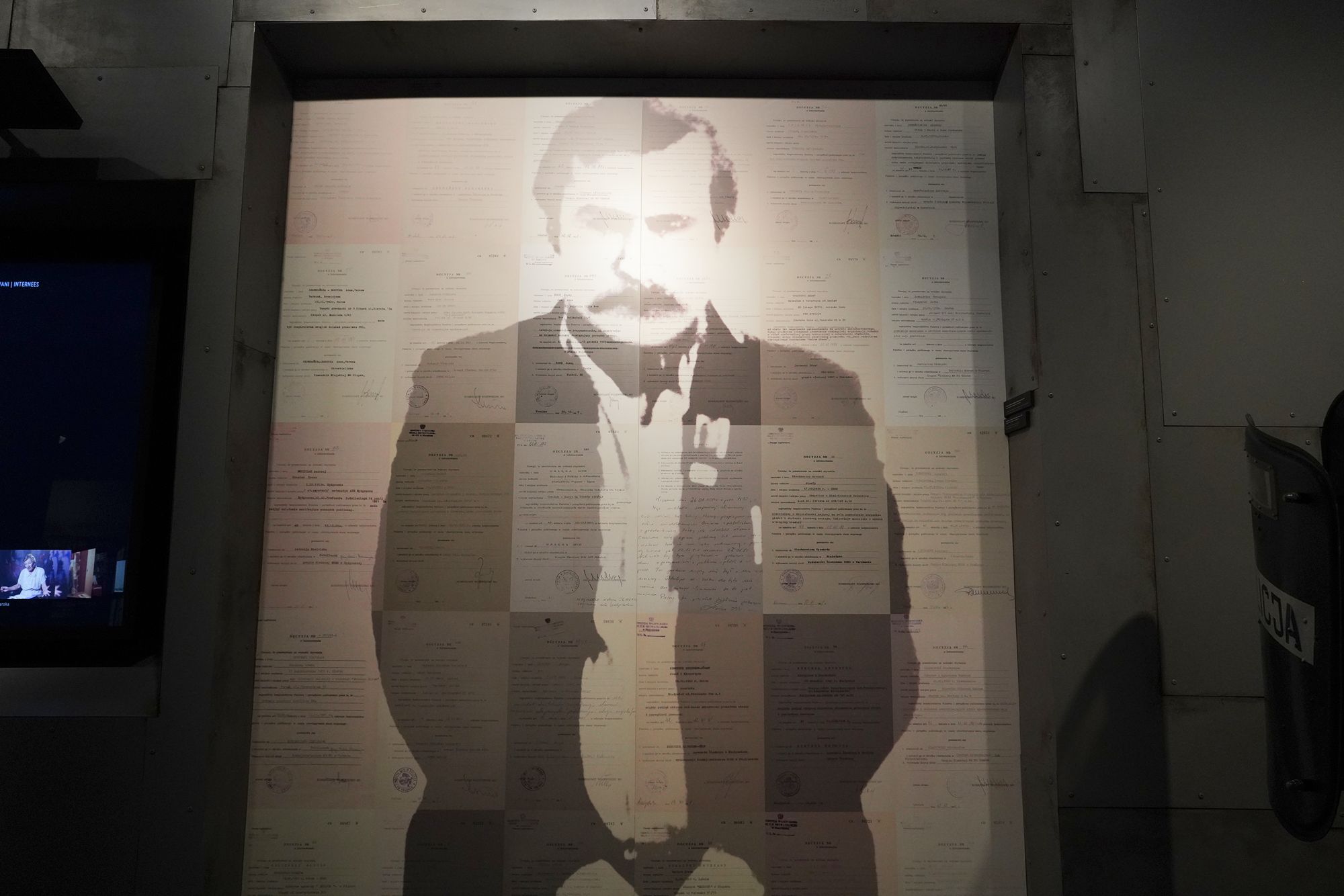
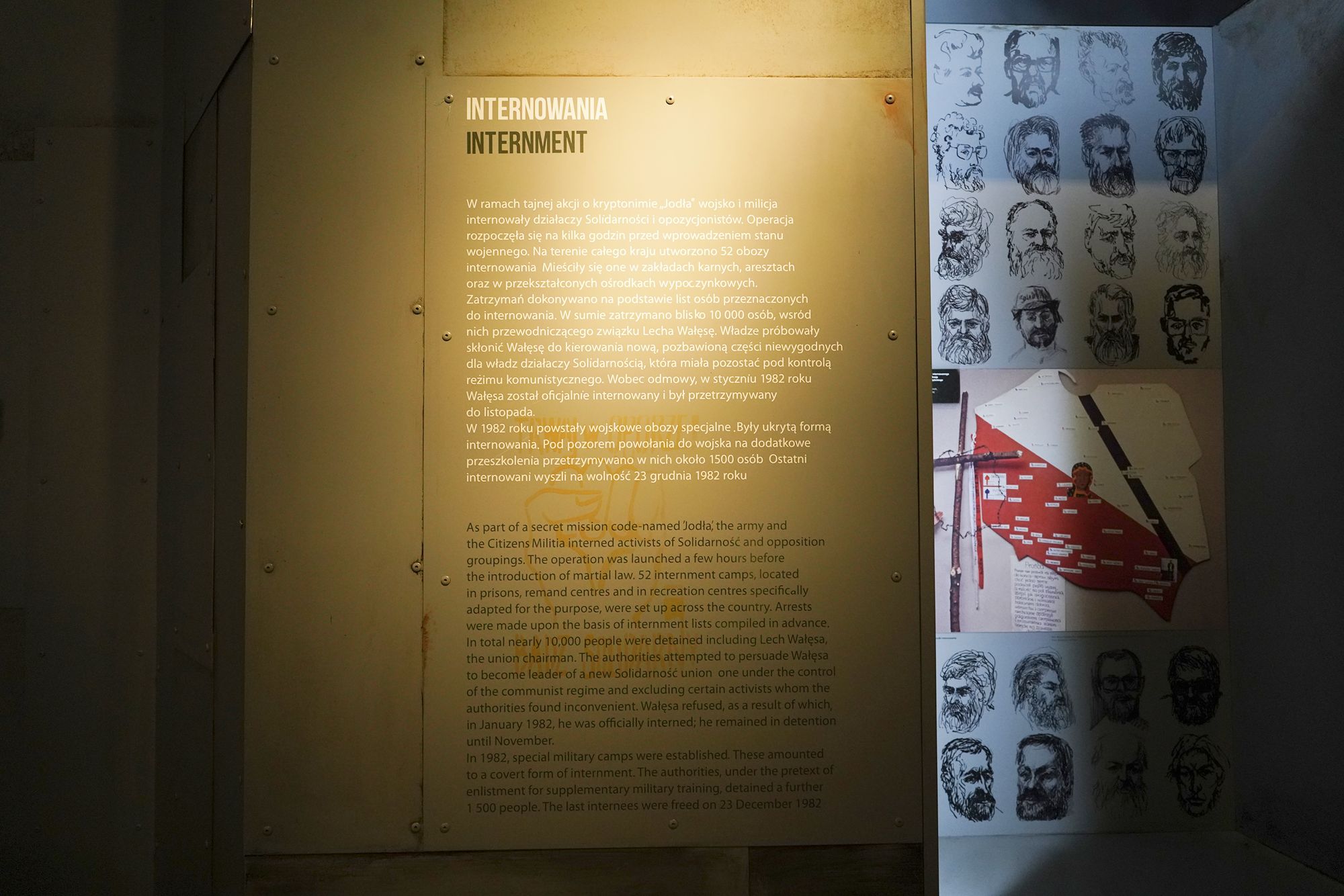
In the hours before martial law began, a secret operation code-named “Jodła” led to the detention of nearly 10,000 Solidarity and opposition activists in 52 camps across Poland. Lech Wałęsa was among them. Authorities tried to persuade him to lead a new, regime-controlled union, but he refused and remained in detention until November 1982. Thousands more were held in military camps; the last internees were released on December 23, 1982.
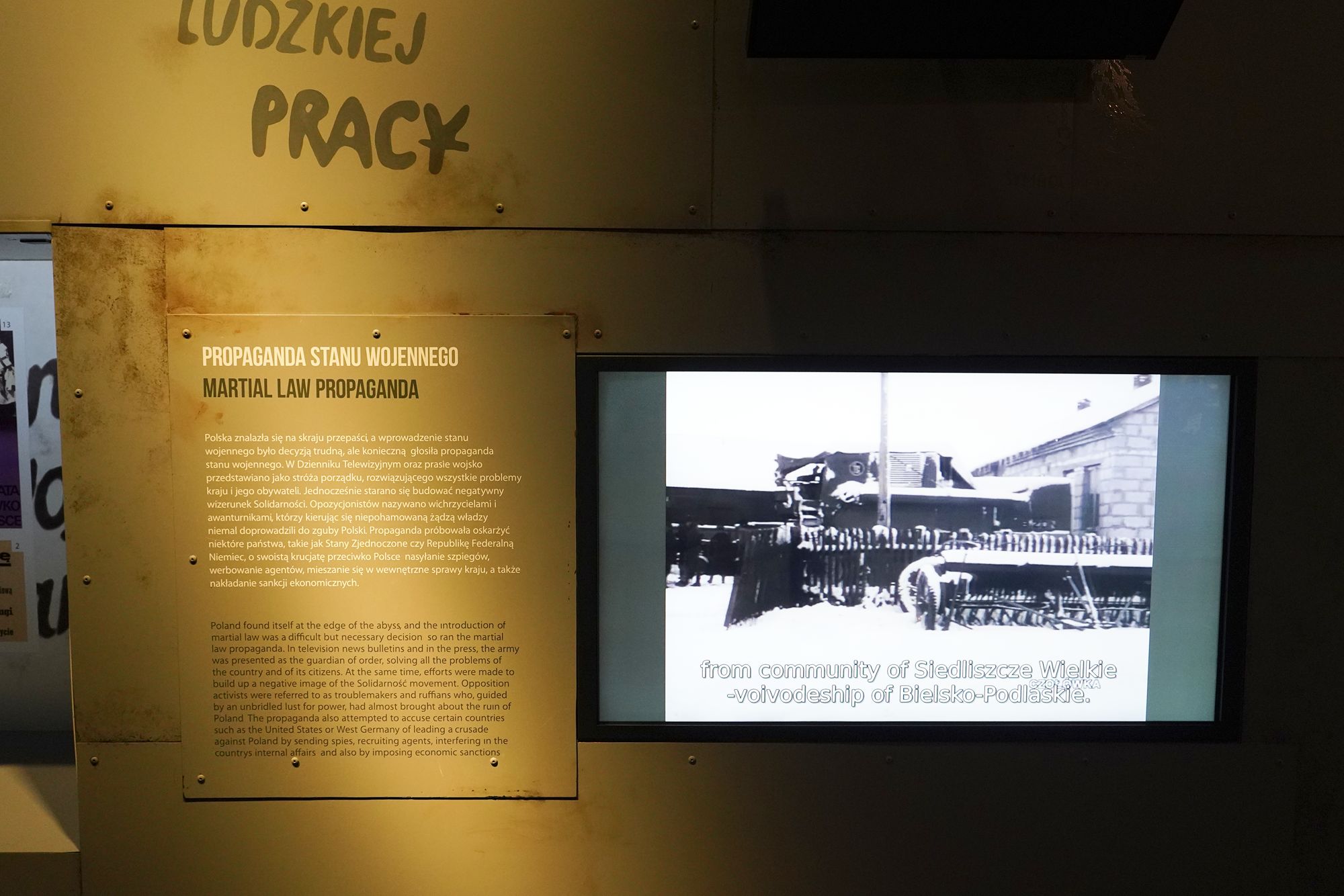
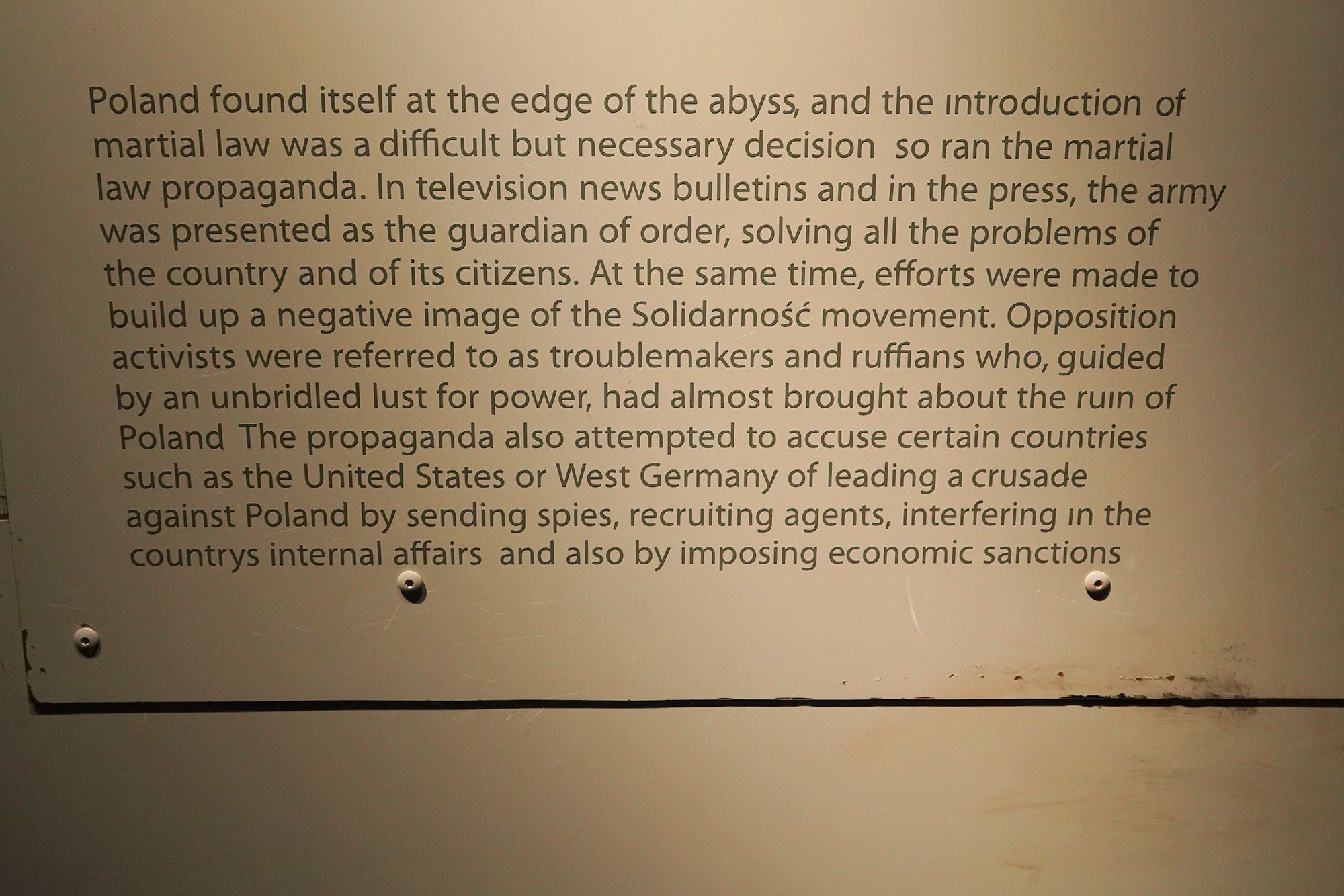
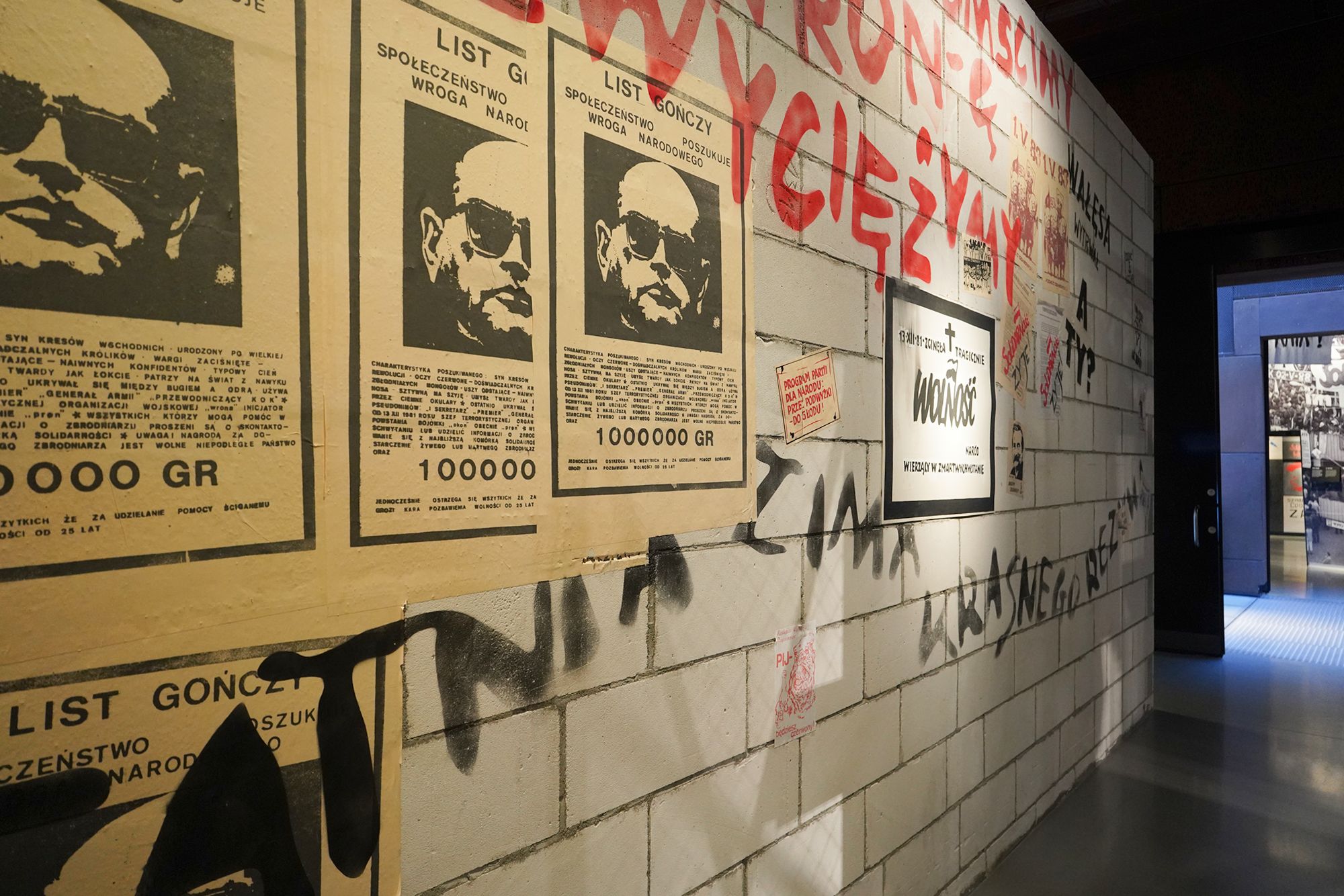
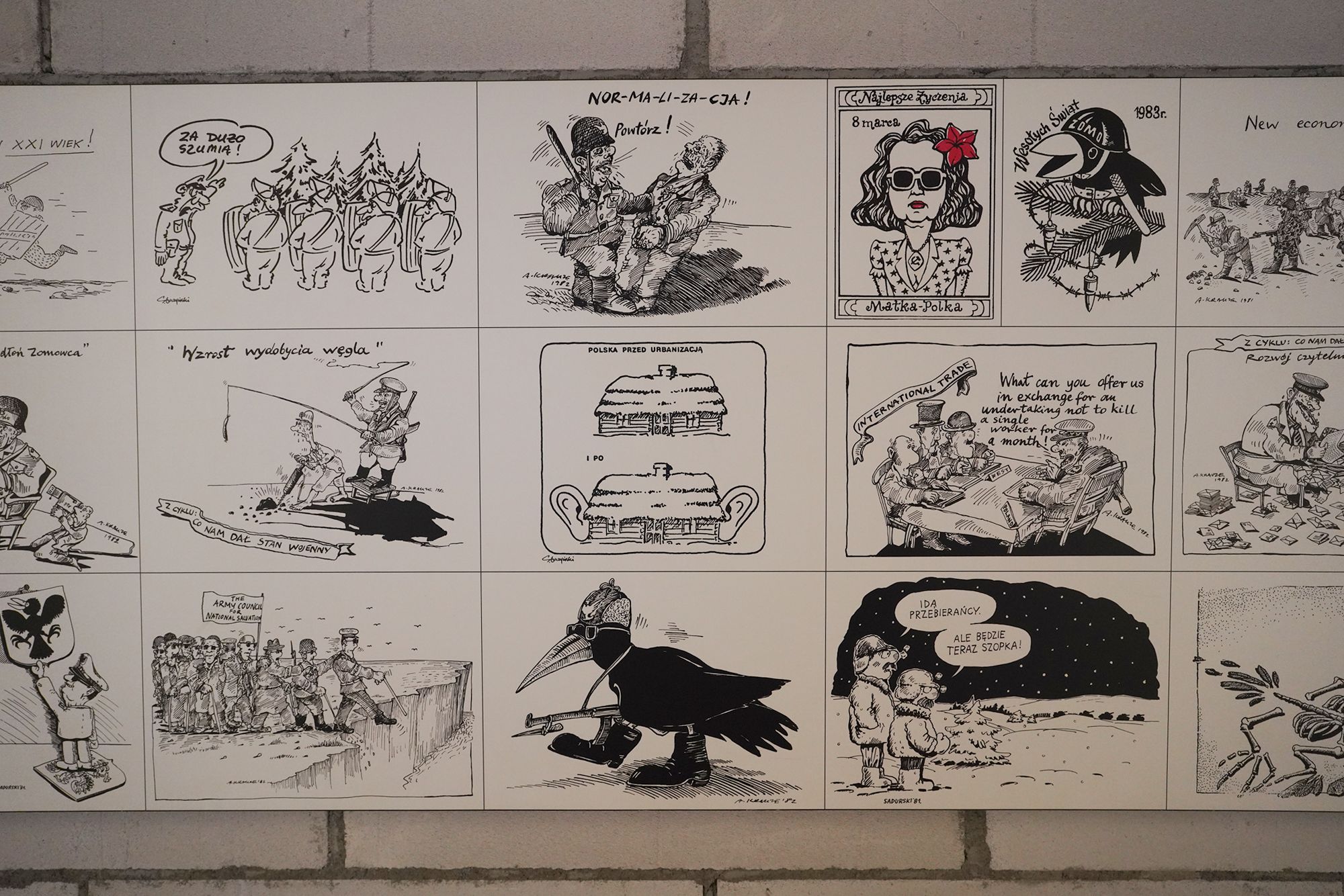
The communist government portrayed martial law as a difficult but necessary step to save Poland. State media presented the army as a guardian of order and cast Solidarity activists as troublemakers responsible for the country’s problems. Propaganda also accused the United States and West Germany of interfering in Poland’s affairs.
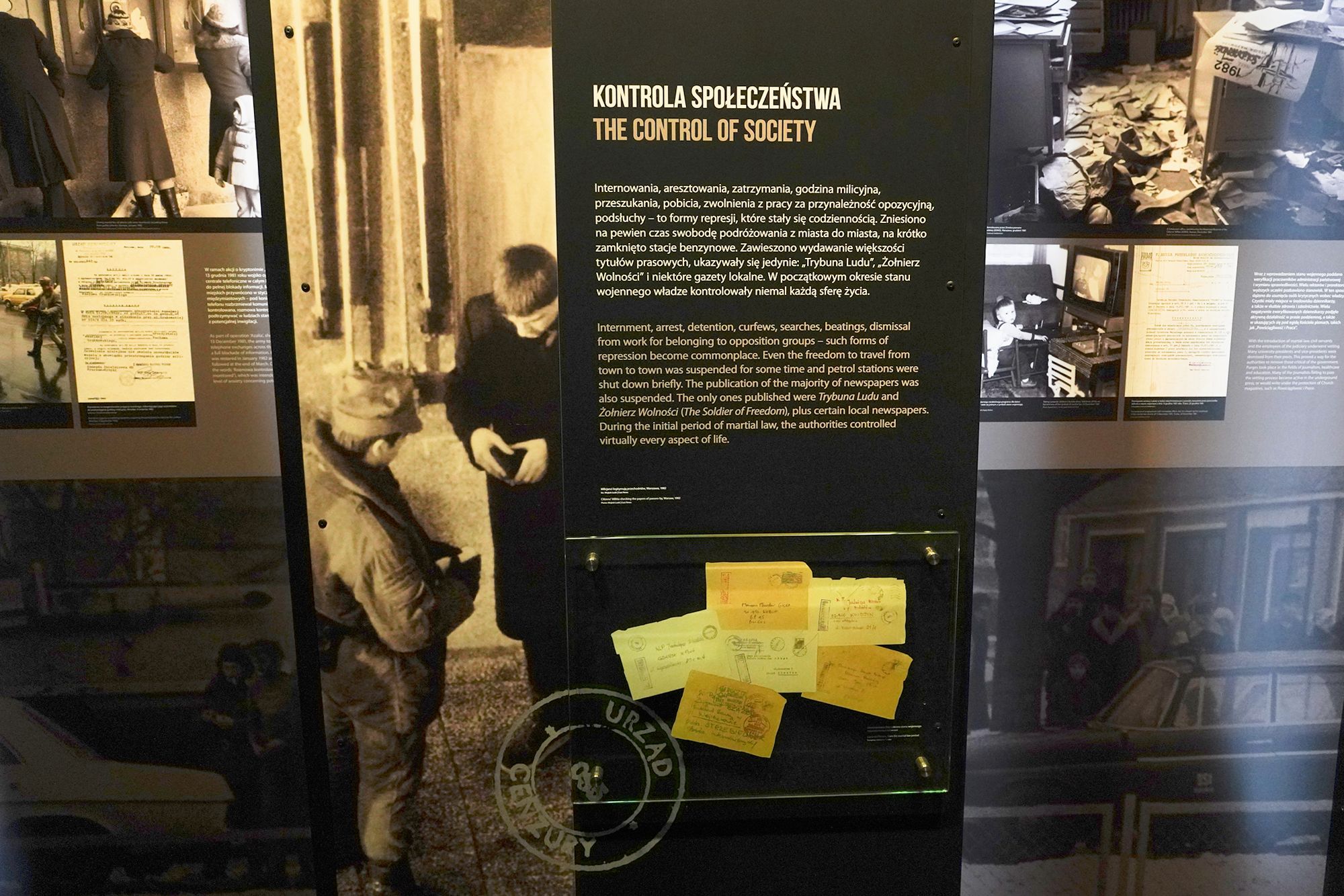
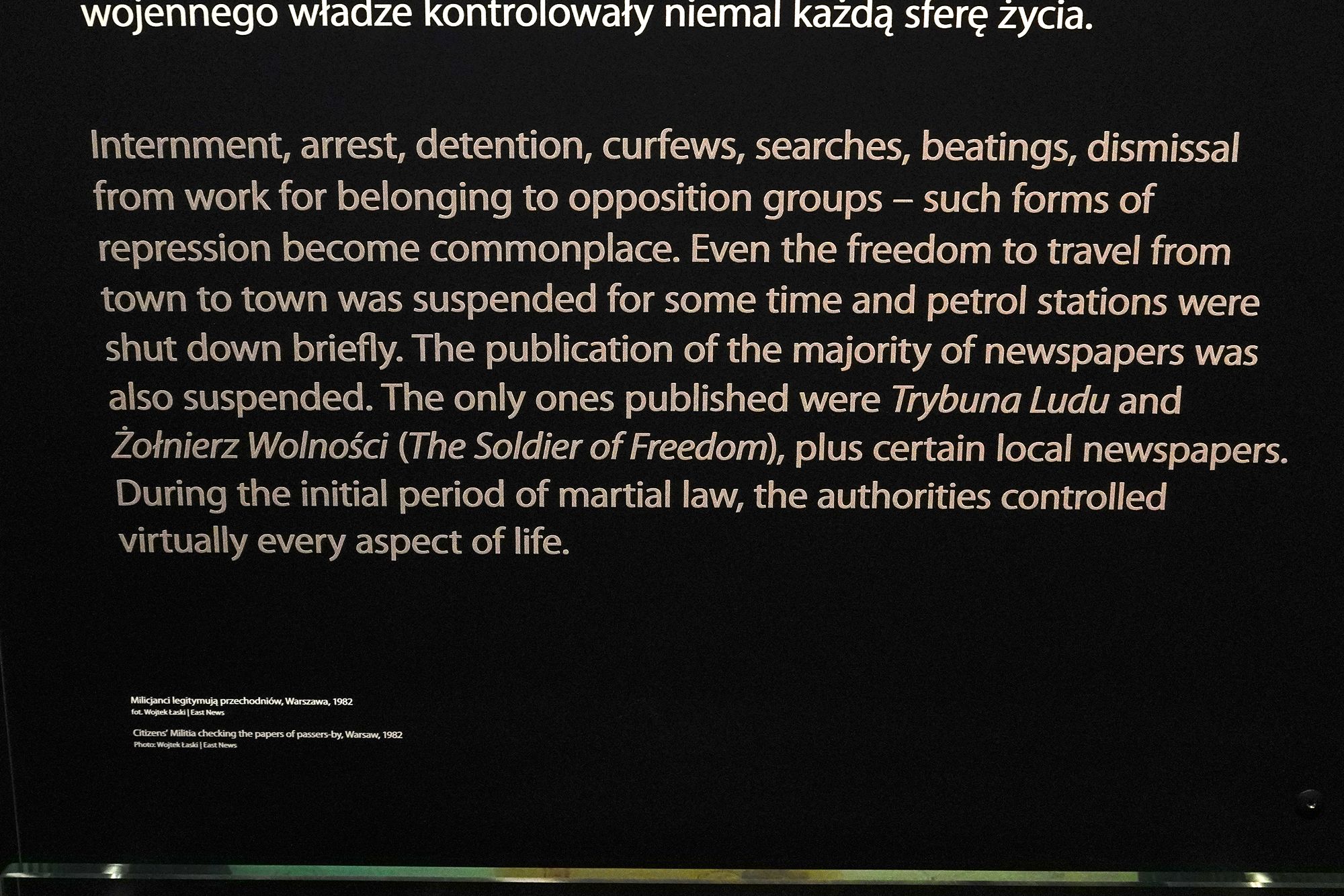
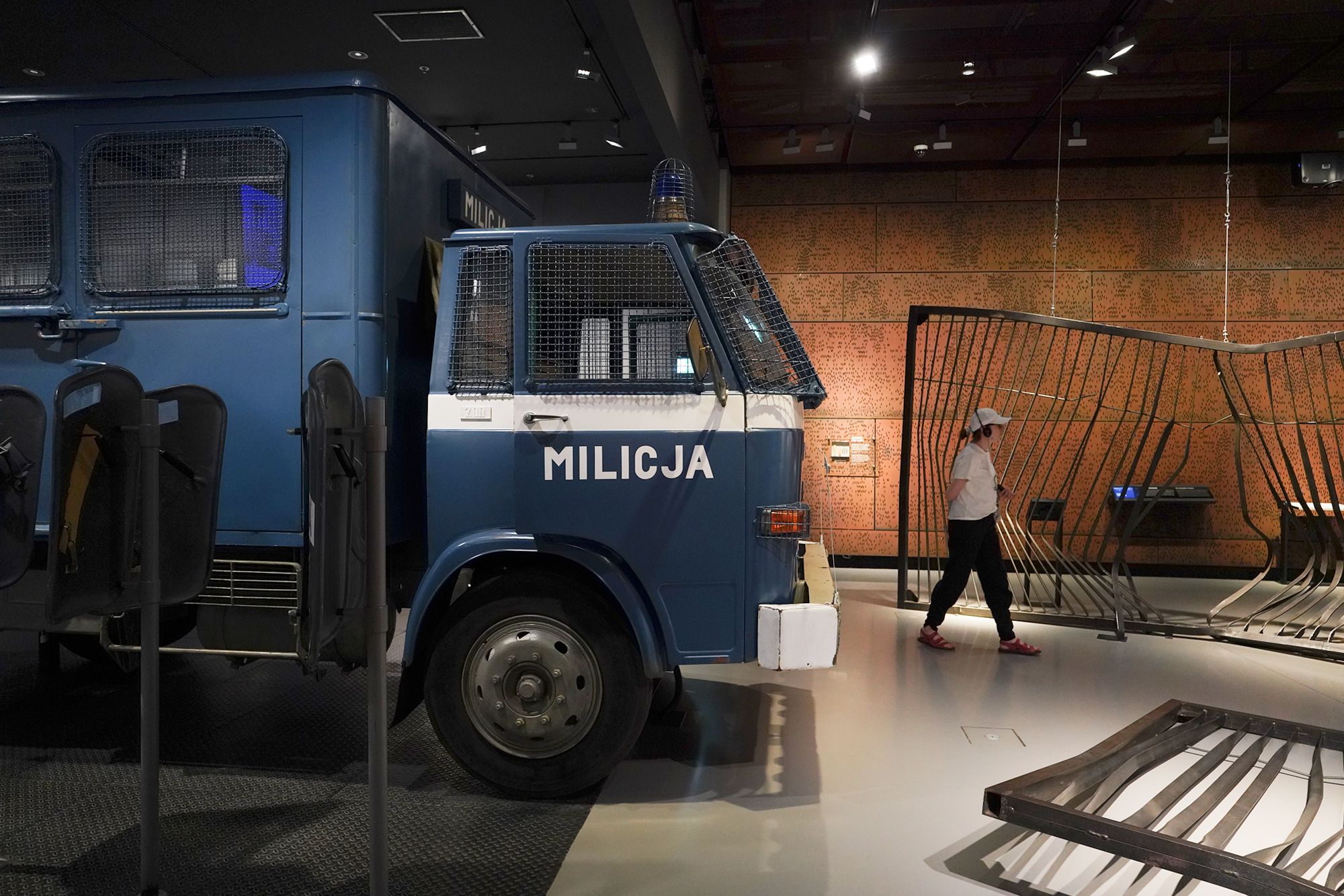
During the first months of martial law, repression shaped daily life in Poland. People faced arrests, searches, beatings, curfews, and dismissal from work for opposition ties. Travel between towns was restricted, most newspapers stopped publishing, and the authorities controlled nearly every aspect of life.
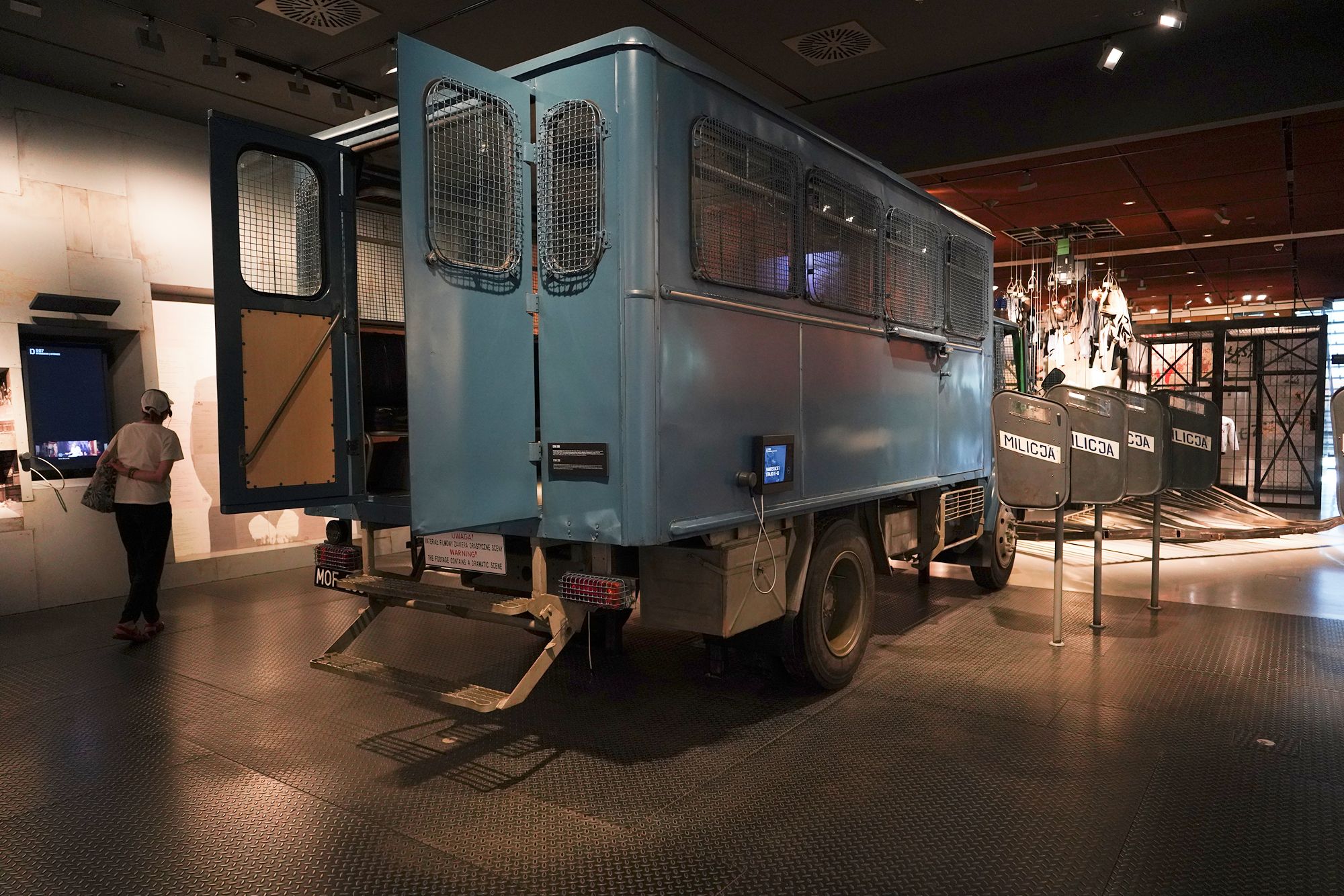
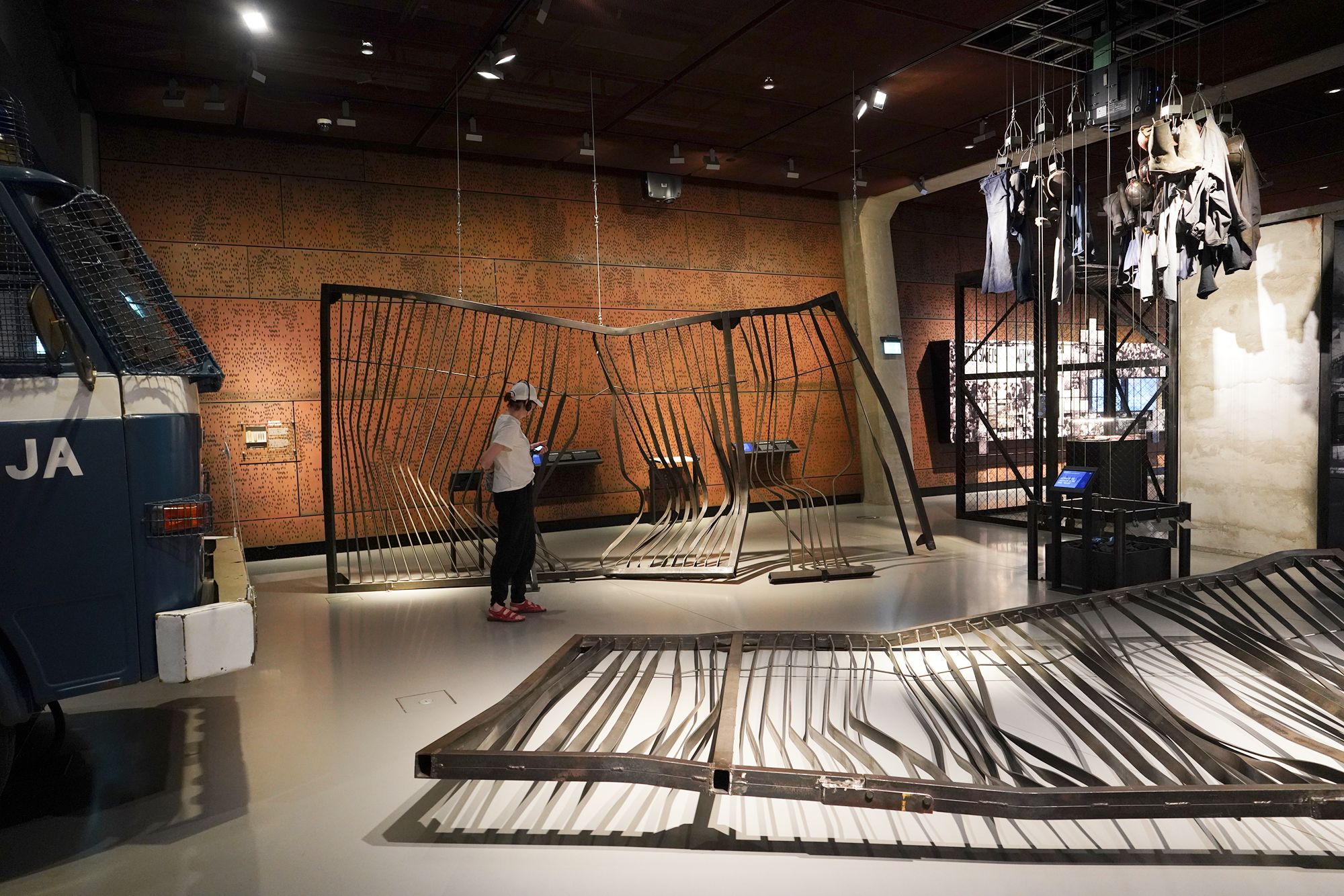
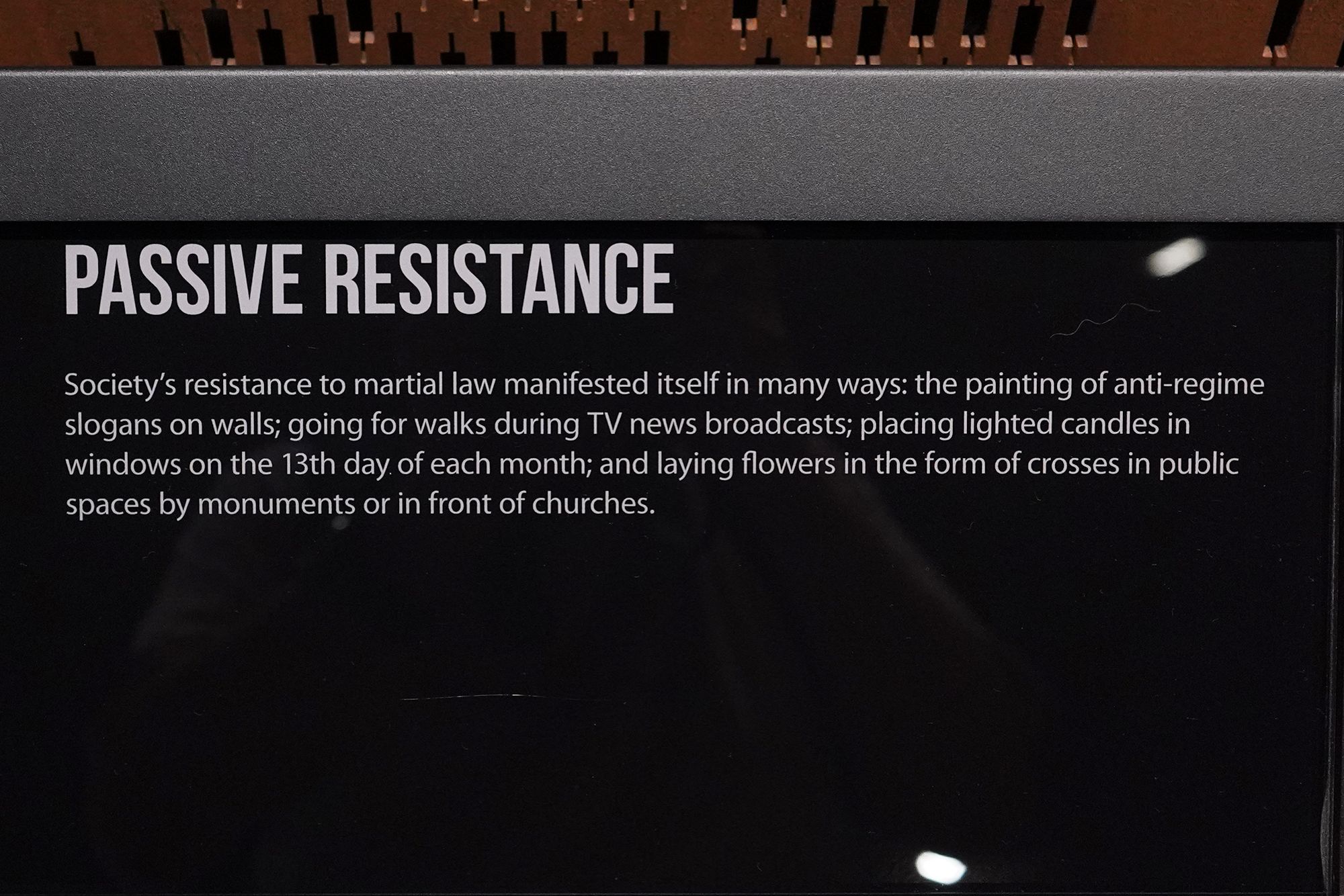
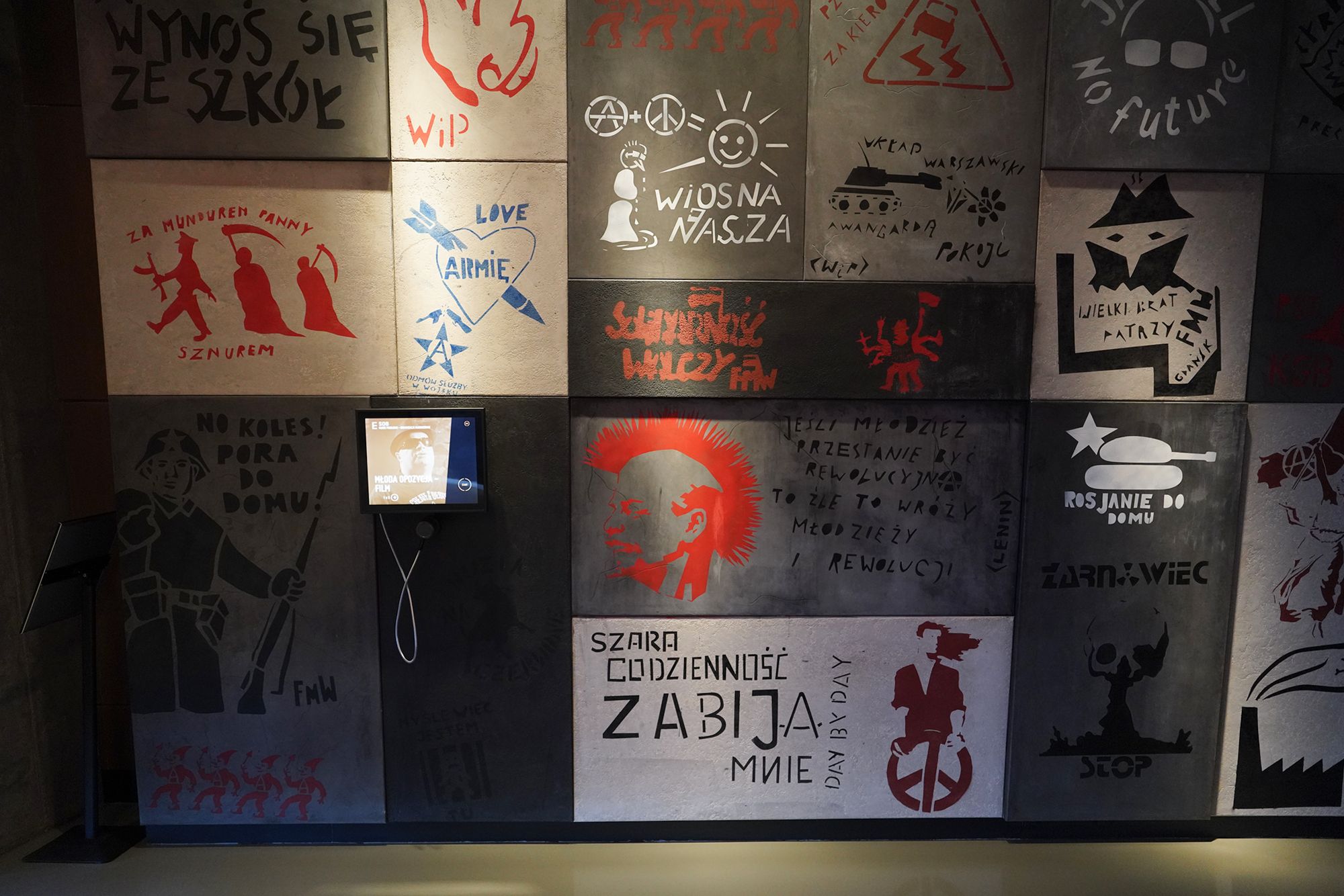
Under martial law, resistance continued through quiet, symbolic acts. People painted anti-government slogans, went for walks during television news broadcasts, lit candles in their windows on the 13th of each month, and arranged flowers in the shape of crosses near monuments and churches.
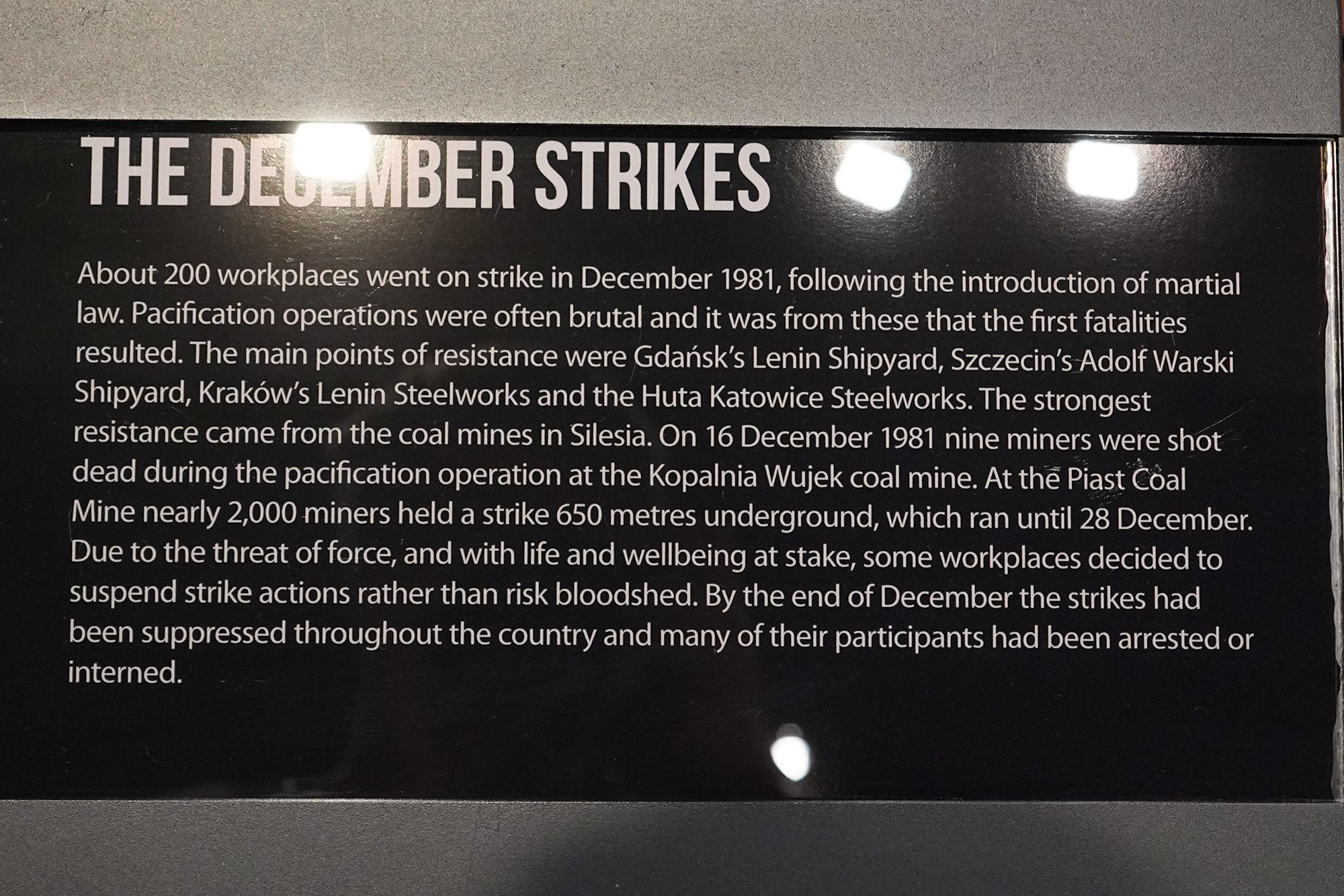
After martial law was declared, about 200 workplaces went on strike across Poland. The crackdown was especially brutal at the Wujek coal mine, where nine miners were killed on December 16, 1981. At the Piast mine, nearly 2,000 miners held out underground until December 28. By month’s end, the strikes had been suppressed, and many participants were arrested or interned.
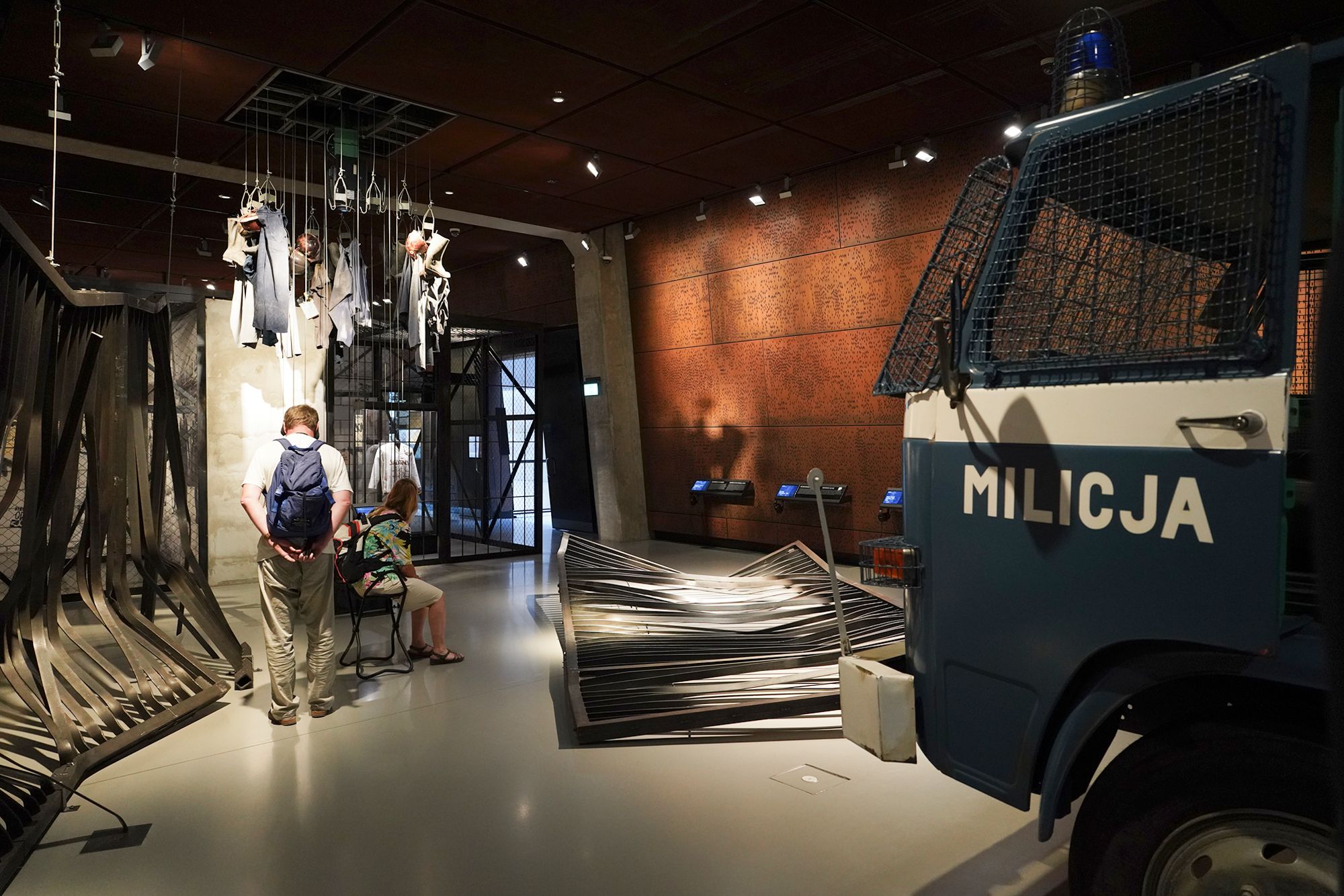
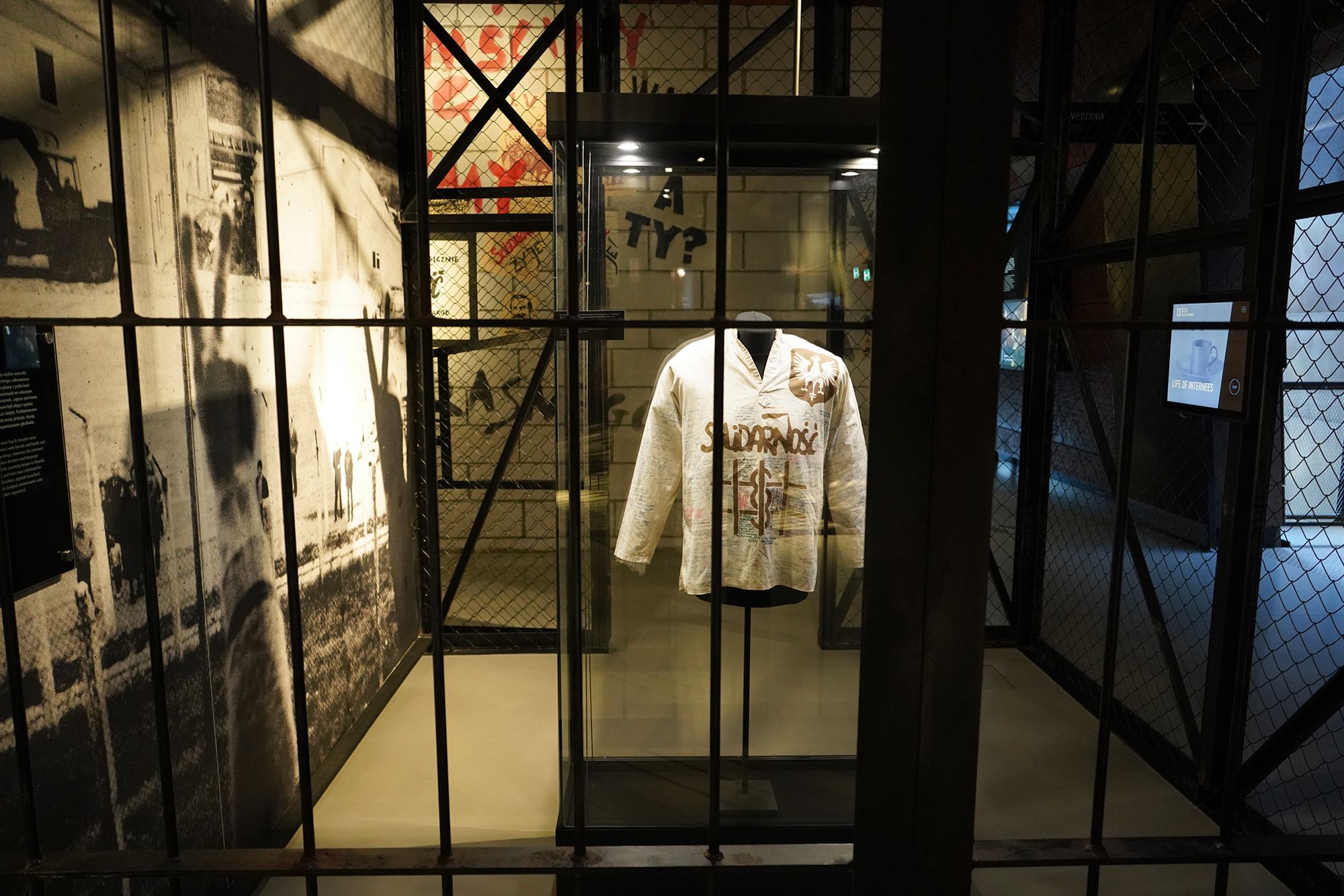
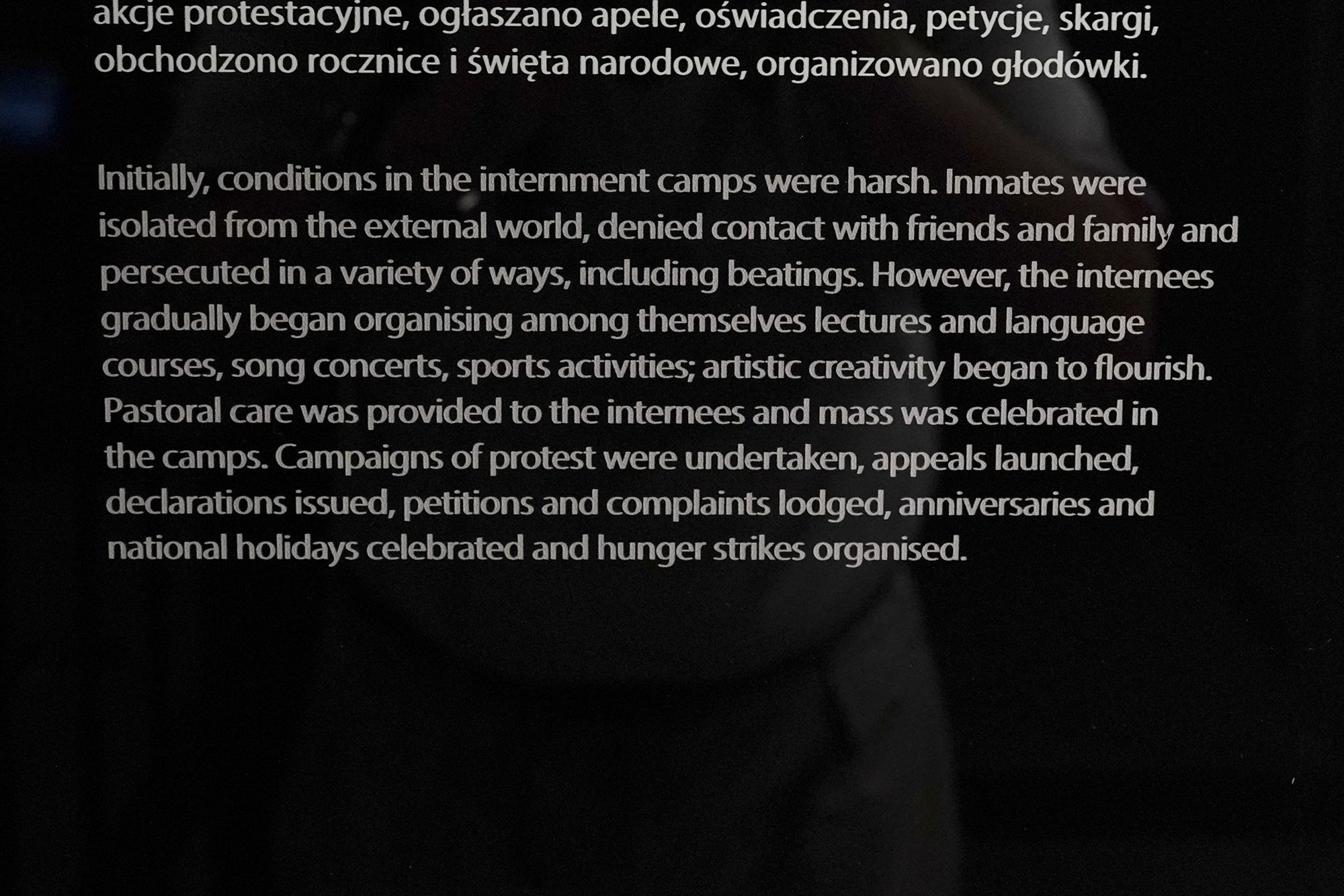
Conditions in the internment camps were harsh: detainees were isolated from the outside world, separated from family, and sometimes beaten. Still, they organized lectures, language classes, concerts, and sports, while protest campaigns, petitions, and hunger strikes continued inside the camps.
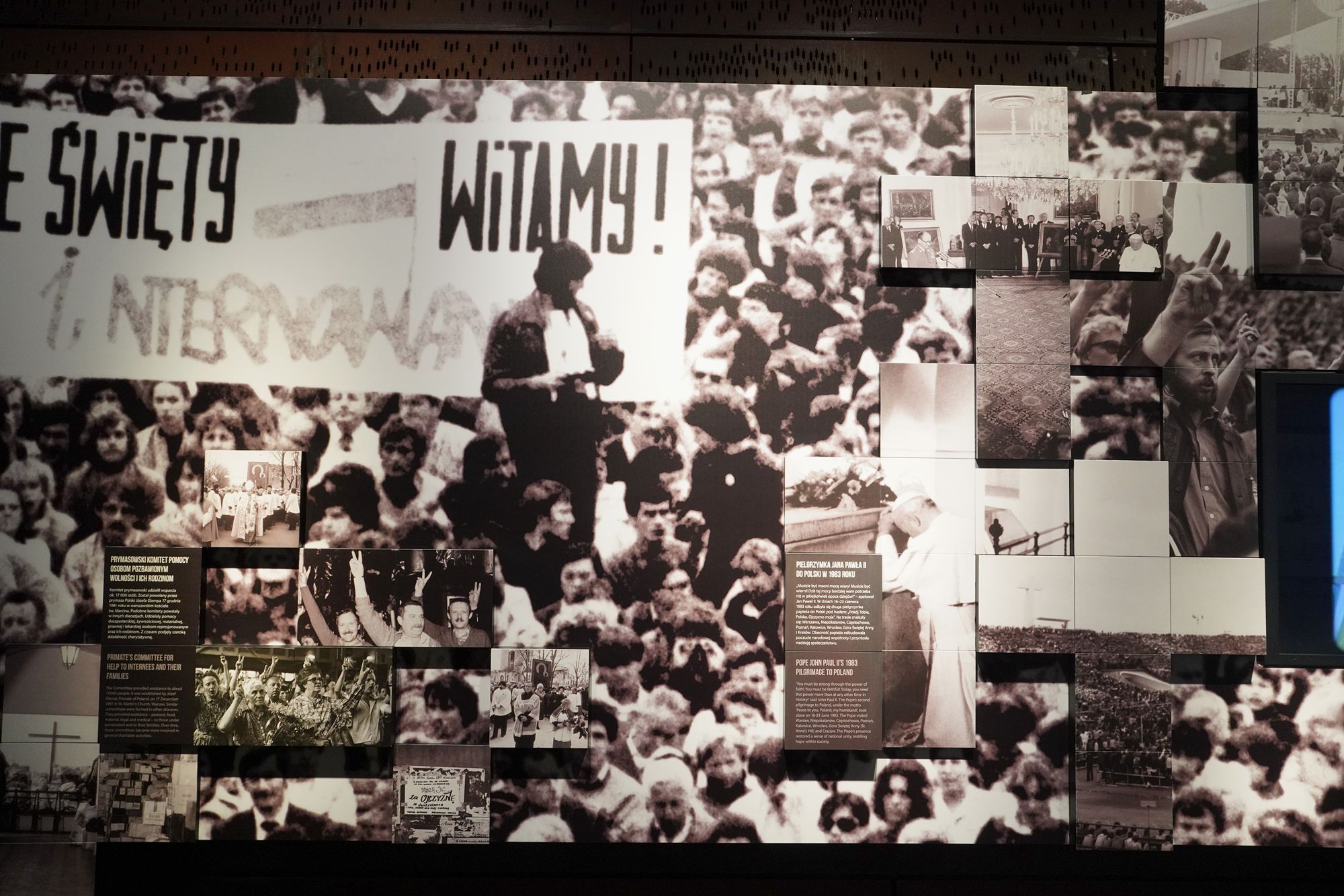
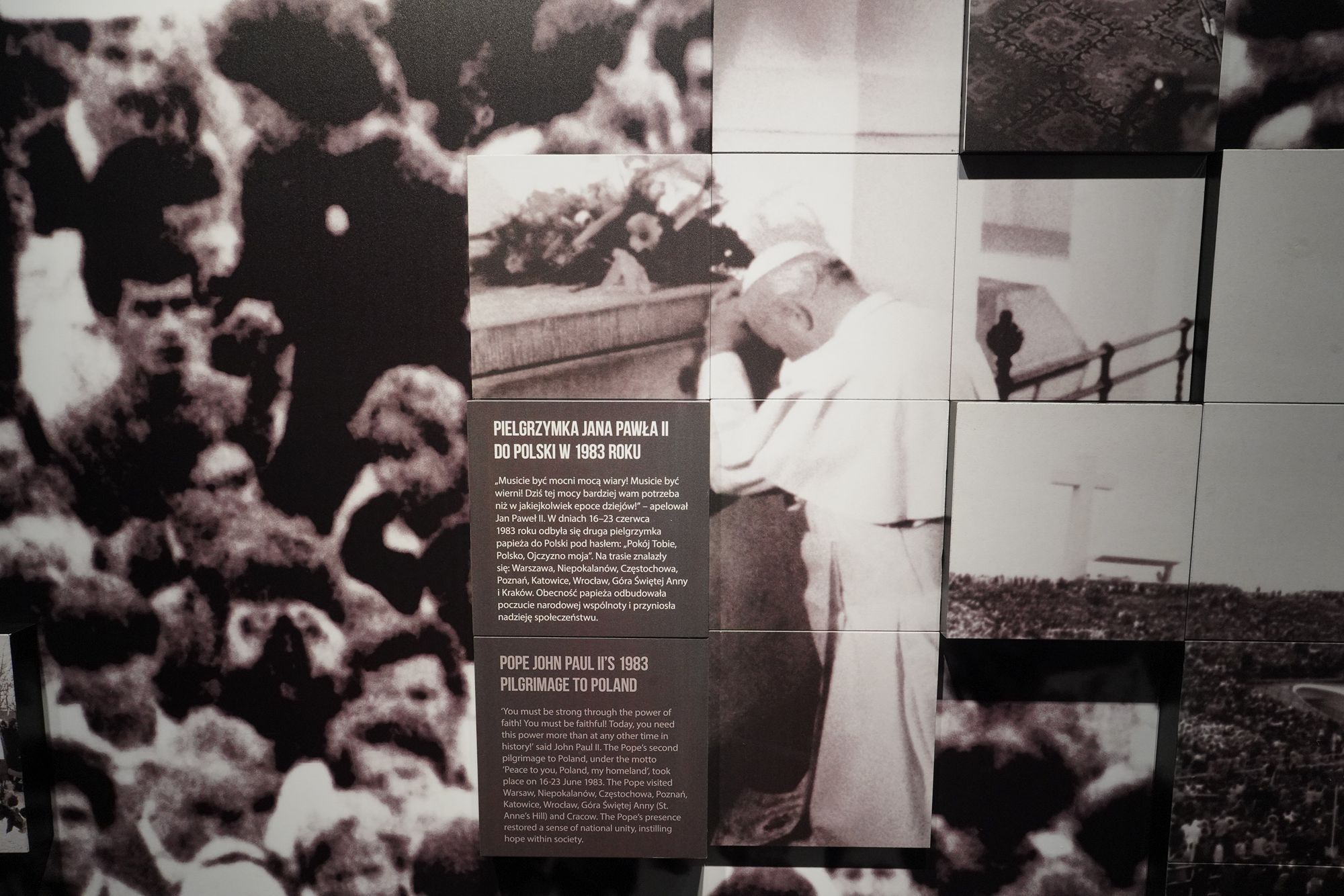
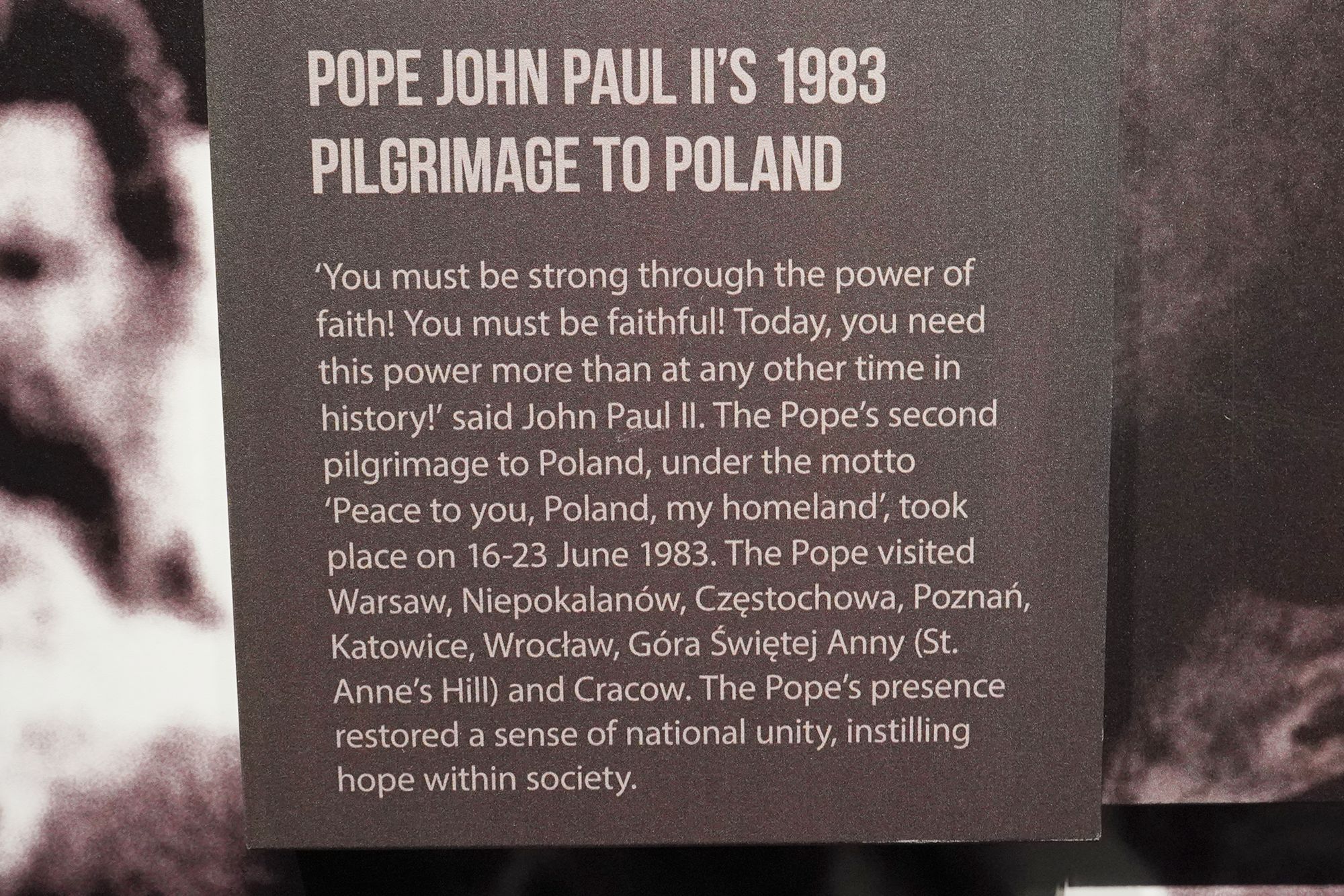
During Pope John Paul II’s 1983 pilgrimage, he urged Poles to remain strong and faithful. His visit came while martial law was still in force, and the crowds who gathered found a renewed sense of national unity and hope. The pope traveled to several cities, including Warsaw, Poznań, Wrocław, and Kraków.
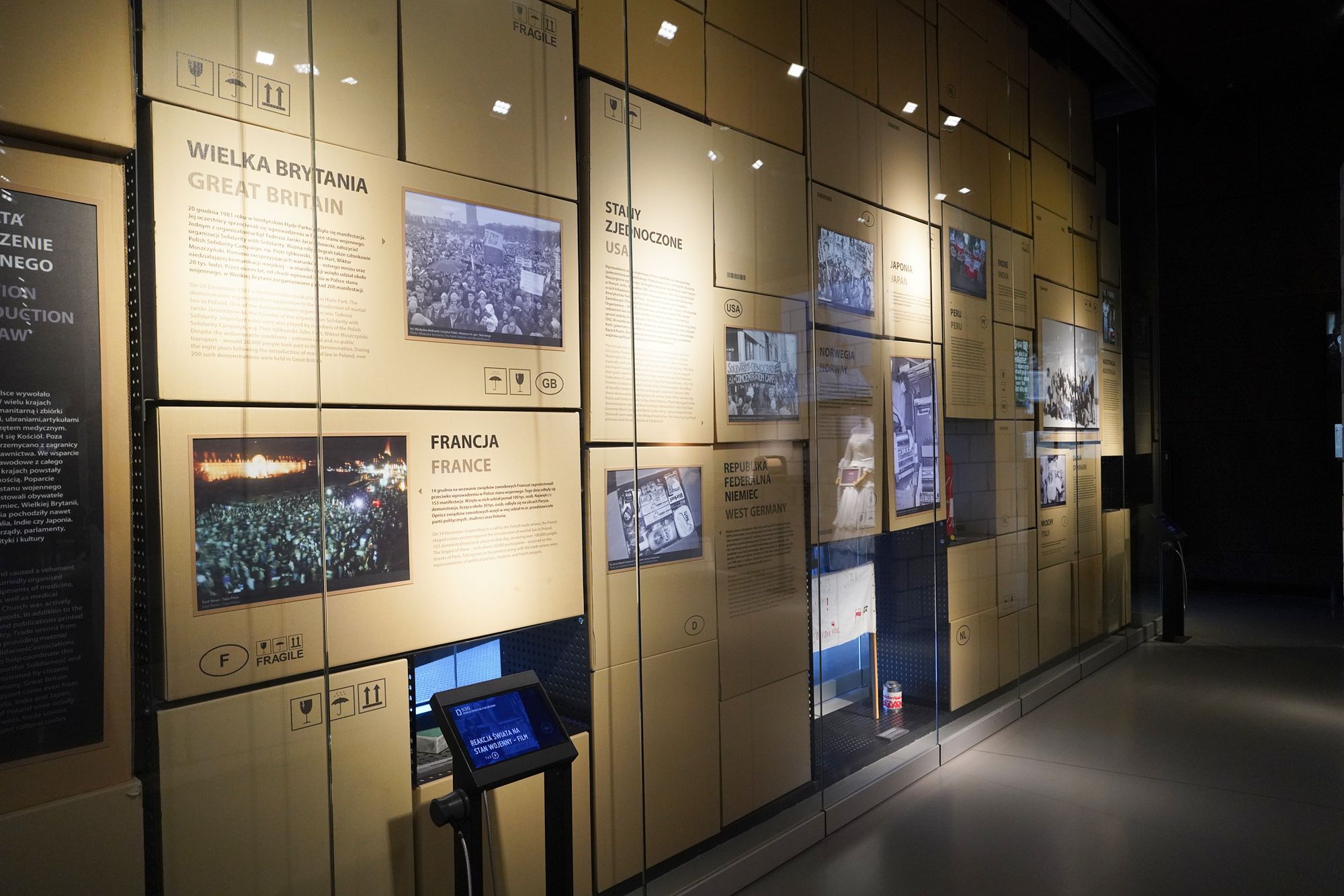
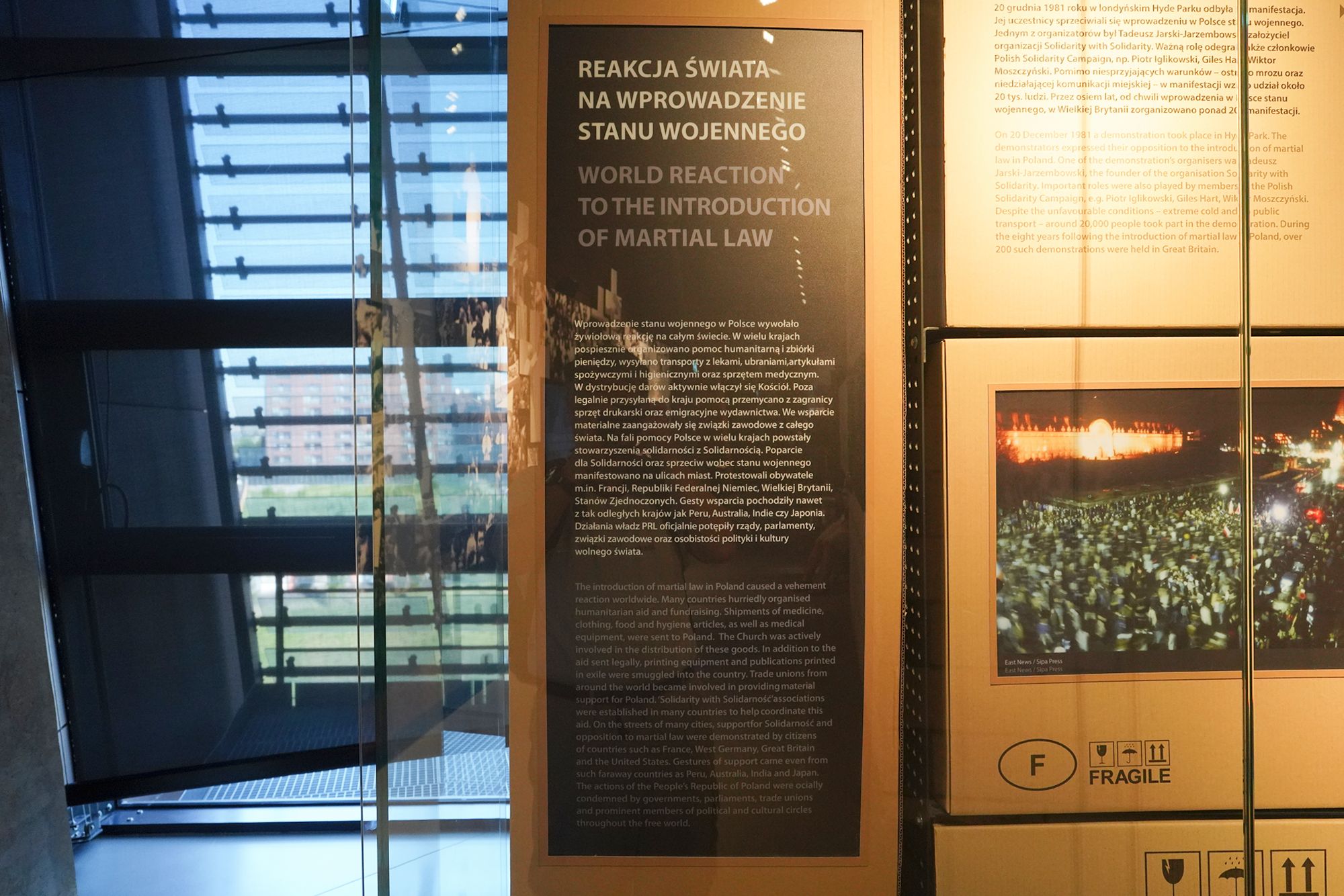
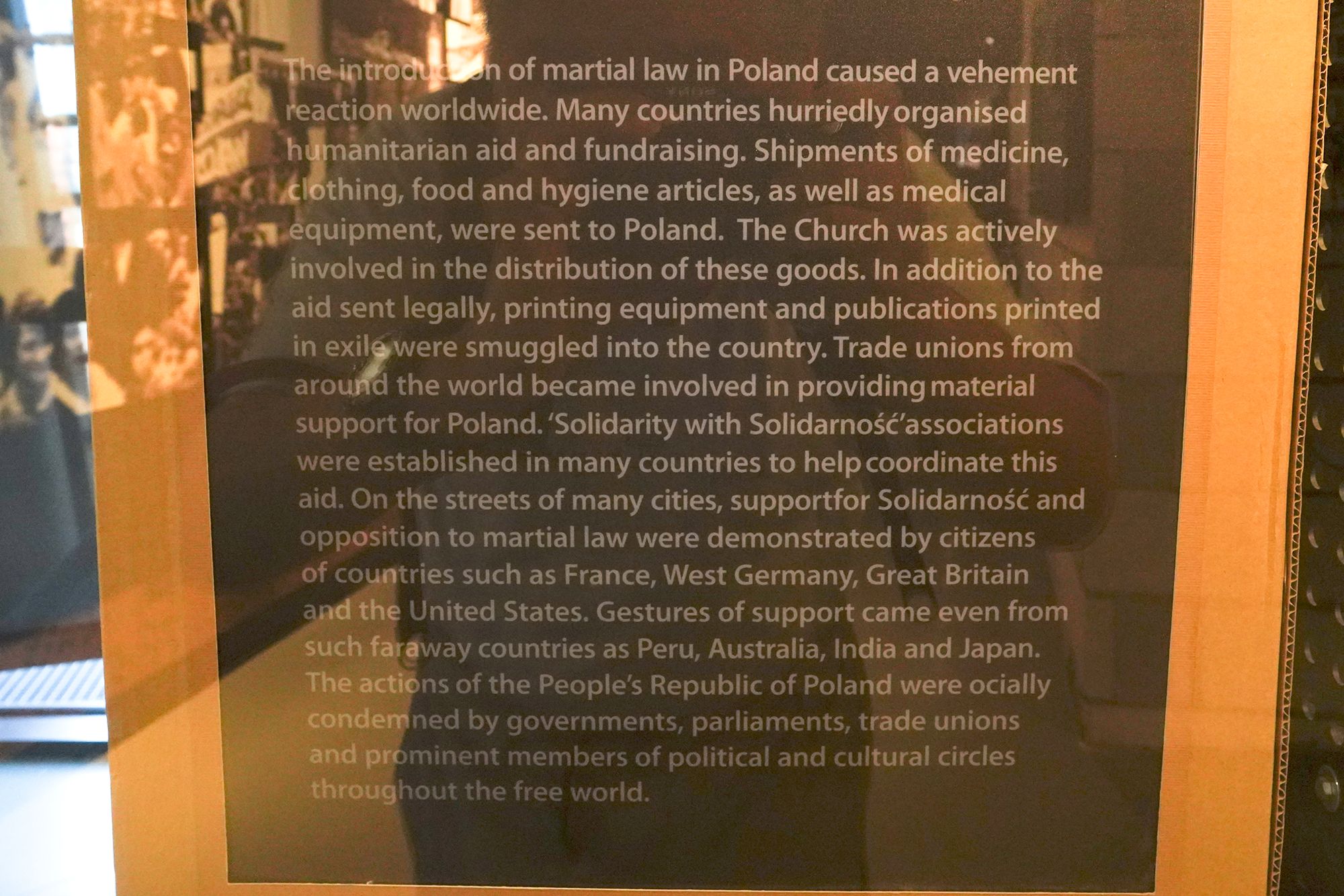
The declaration of martial law drew strong international opposition. Countries and trade unions organized aid for Poland, sending food, medicine, clothing, and medical equipment. The Church helped distribute supplies, while publications and printing equipment were smuggled into the country. Demonstrations and “Solidarity with Solidarność” groups showed support abroad.
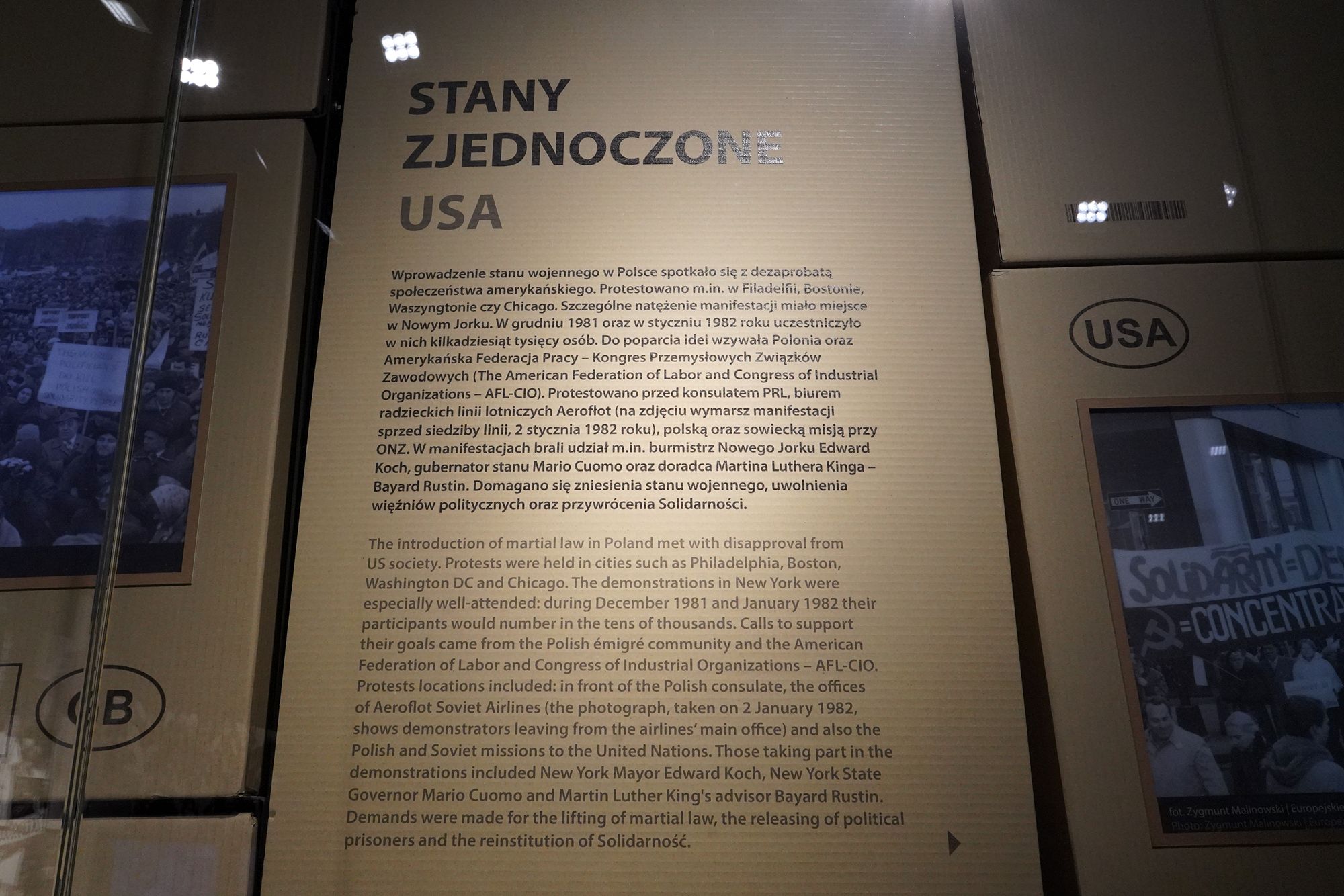
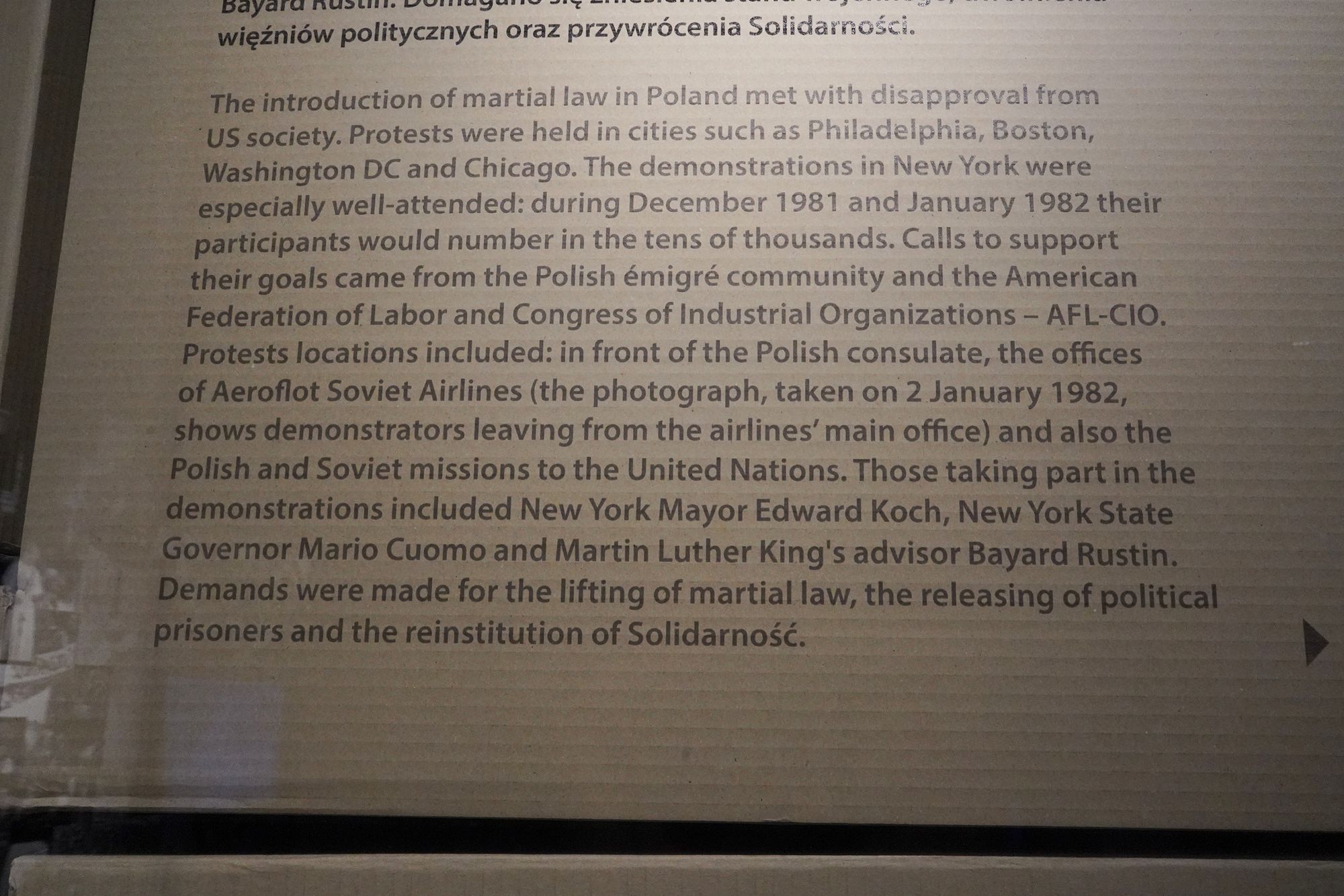
Martial law in Poland sparked protests across the United States. Demonstrations in New York drew tens of thousands in December 1981 and January 1982, with support from Polish Americans and the AFL-CIO. Protesters called for martial law to end, political prisoners to be released, and Solidarity to be restored.
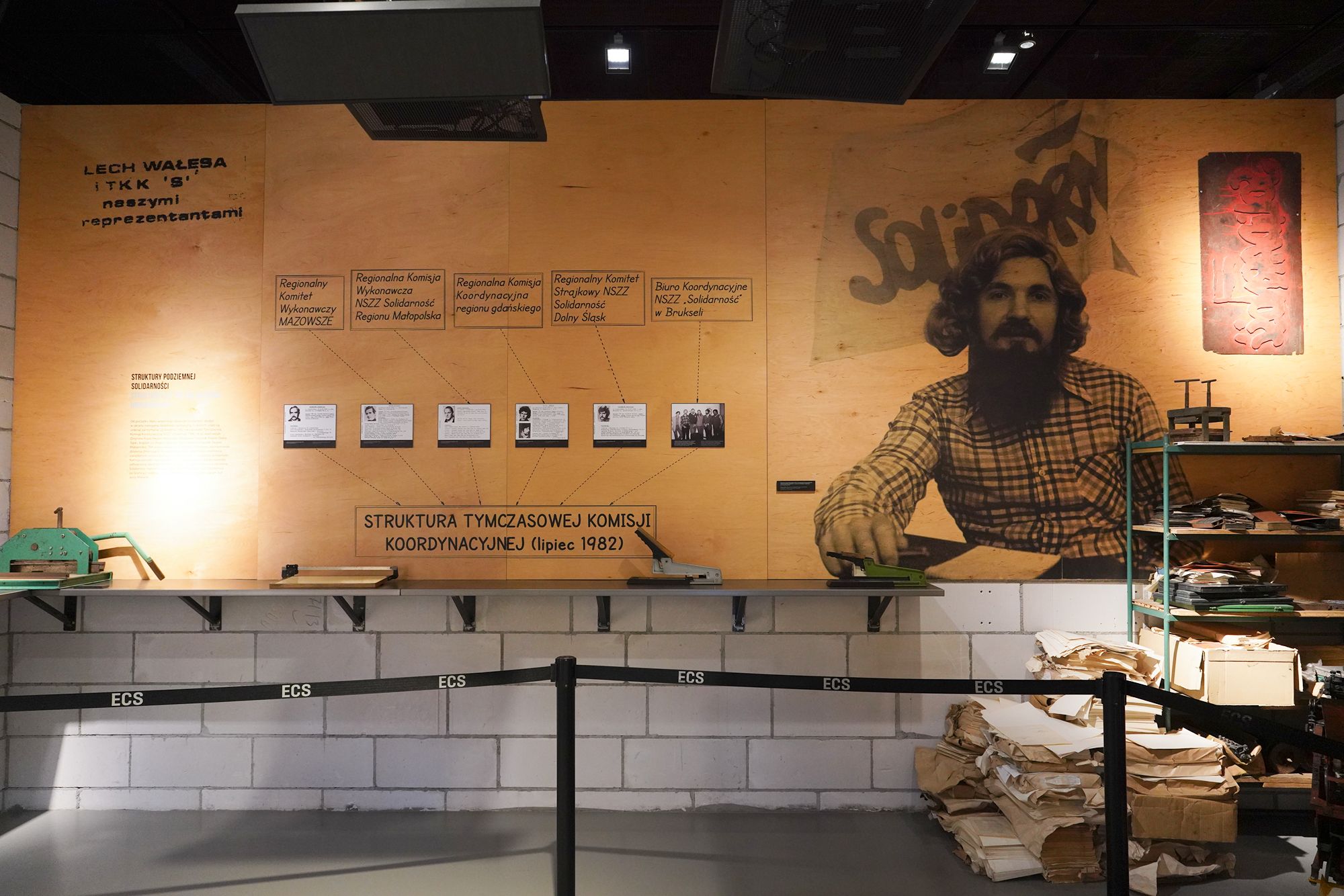
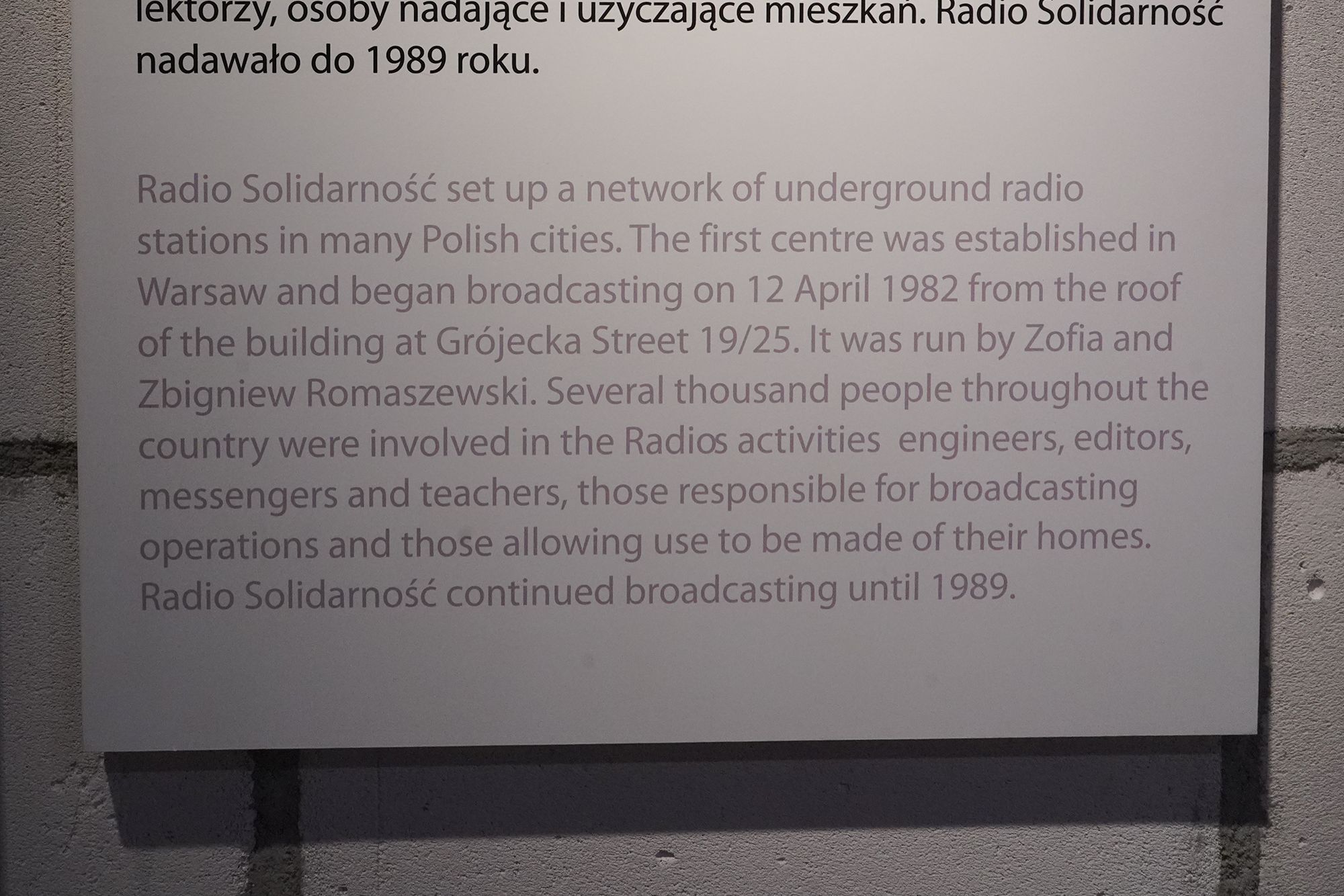
Radio Solidarność built an underground broadcasting network that gave listeners access to news outside state control. Its first station began broadcasting from a Warsaw rooftop in April 1982, with engineers, editors, messengers, teachers, and residents helping the effort. The clandestine broadcasts continued until 1989.
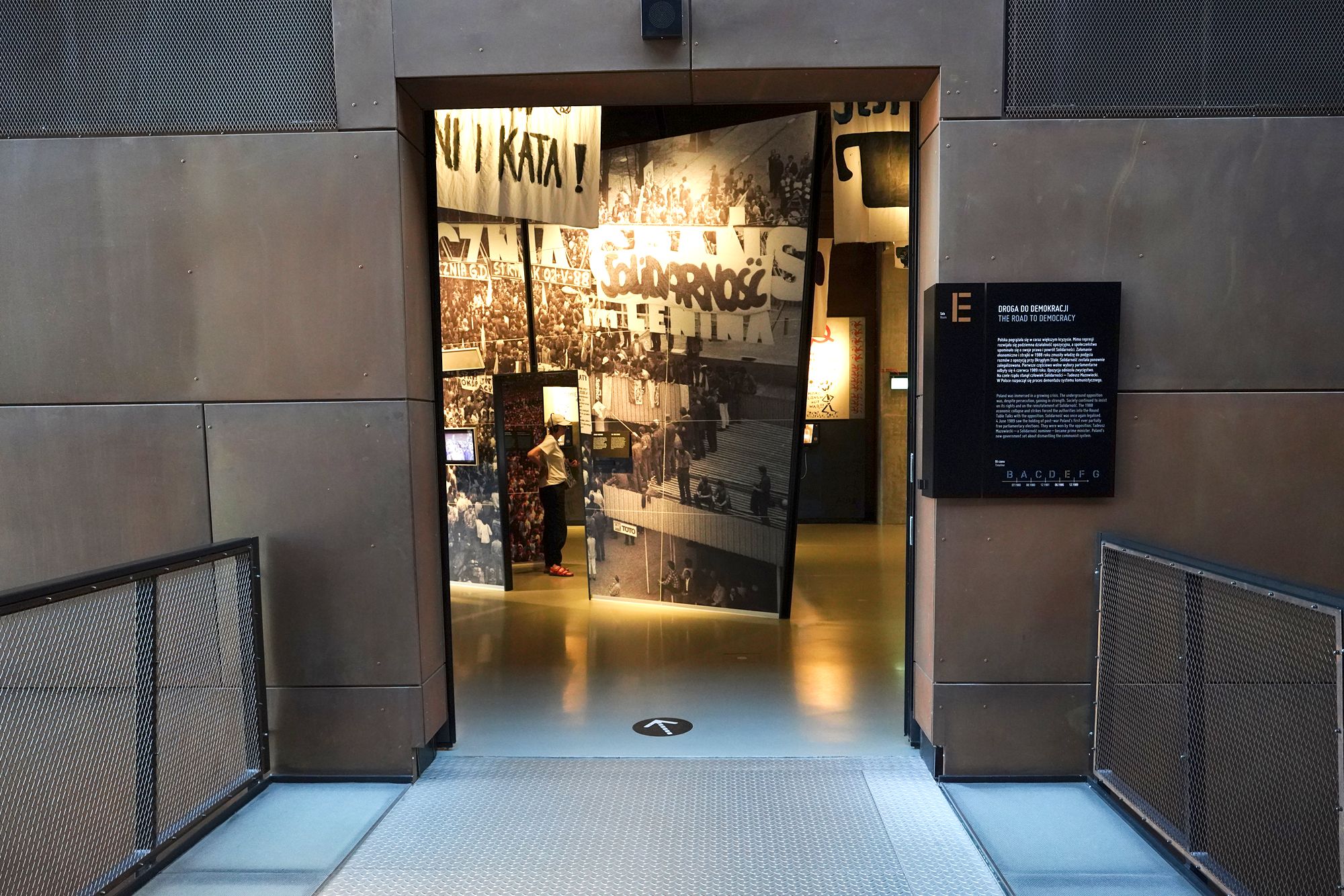
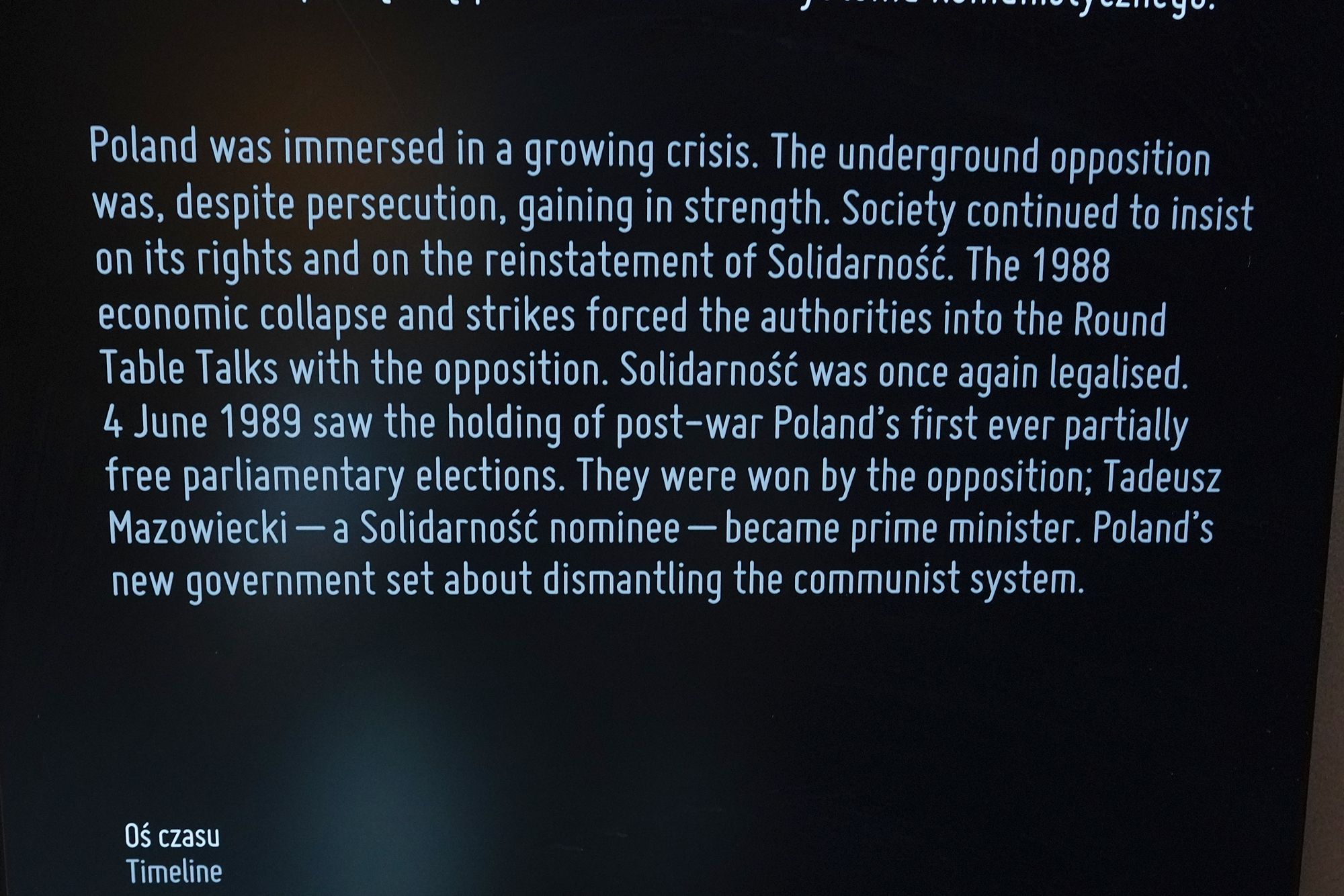
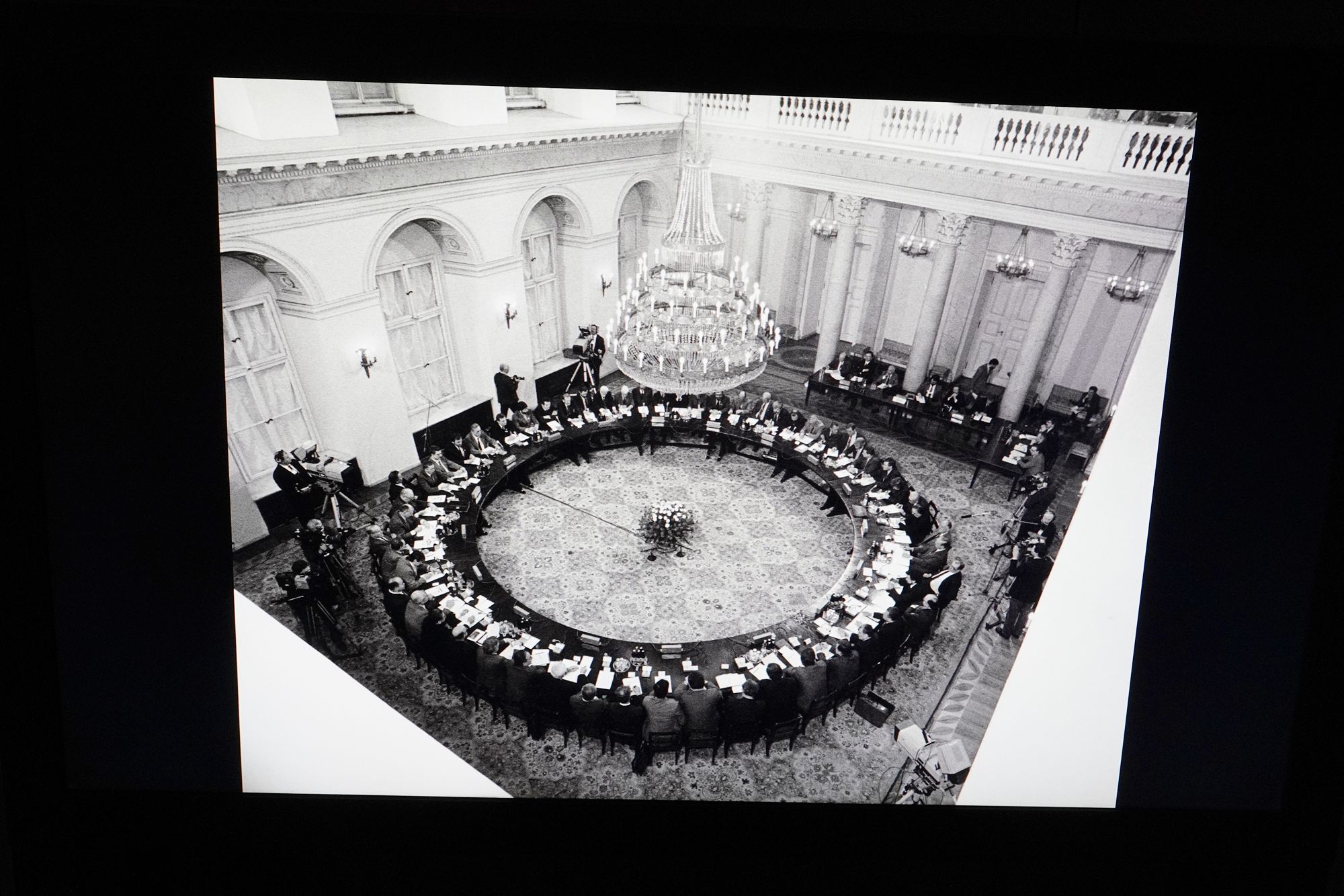
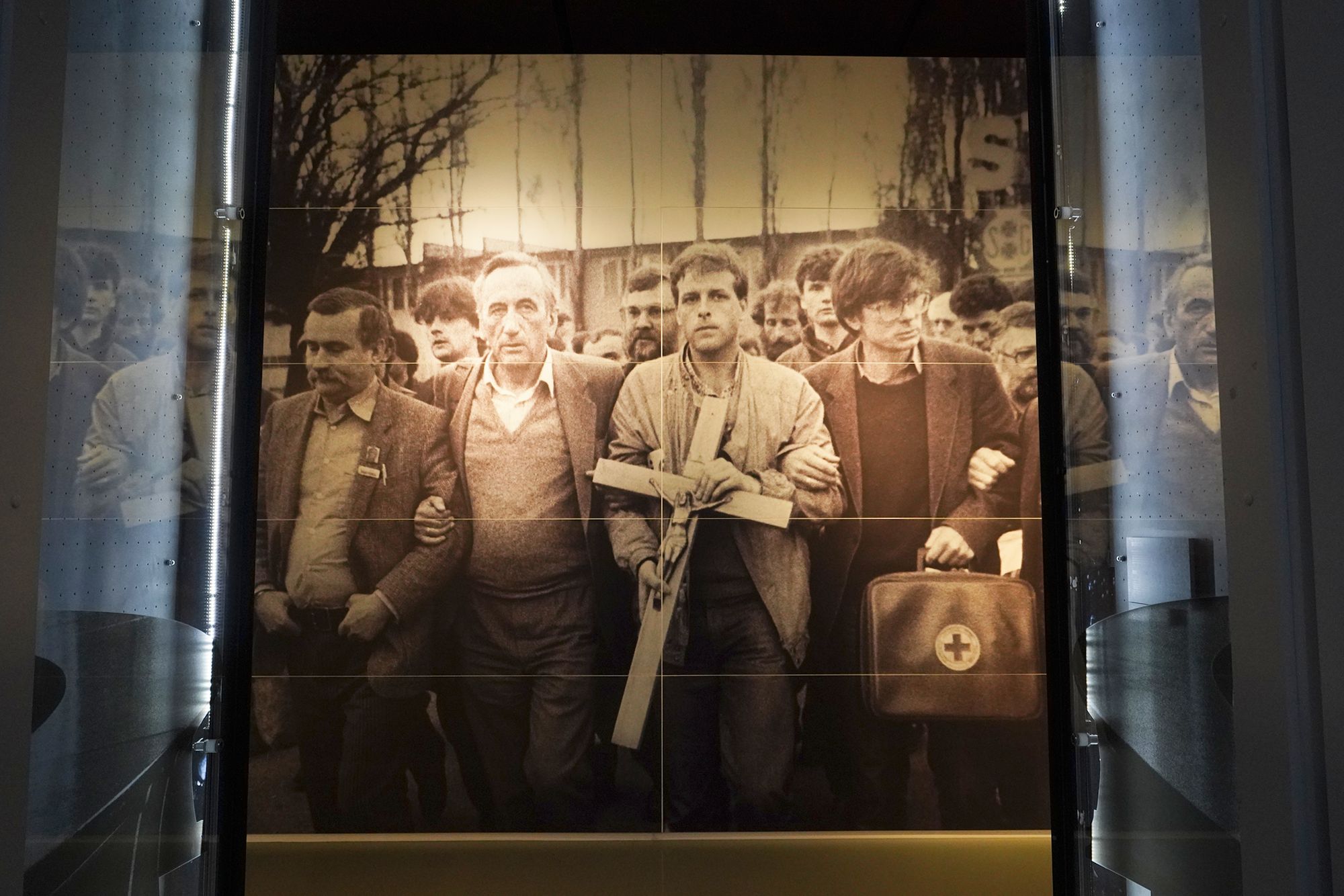
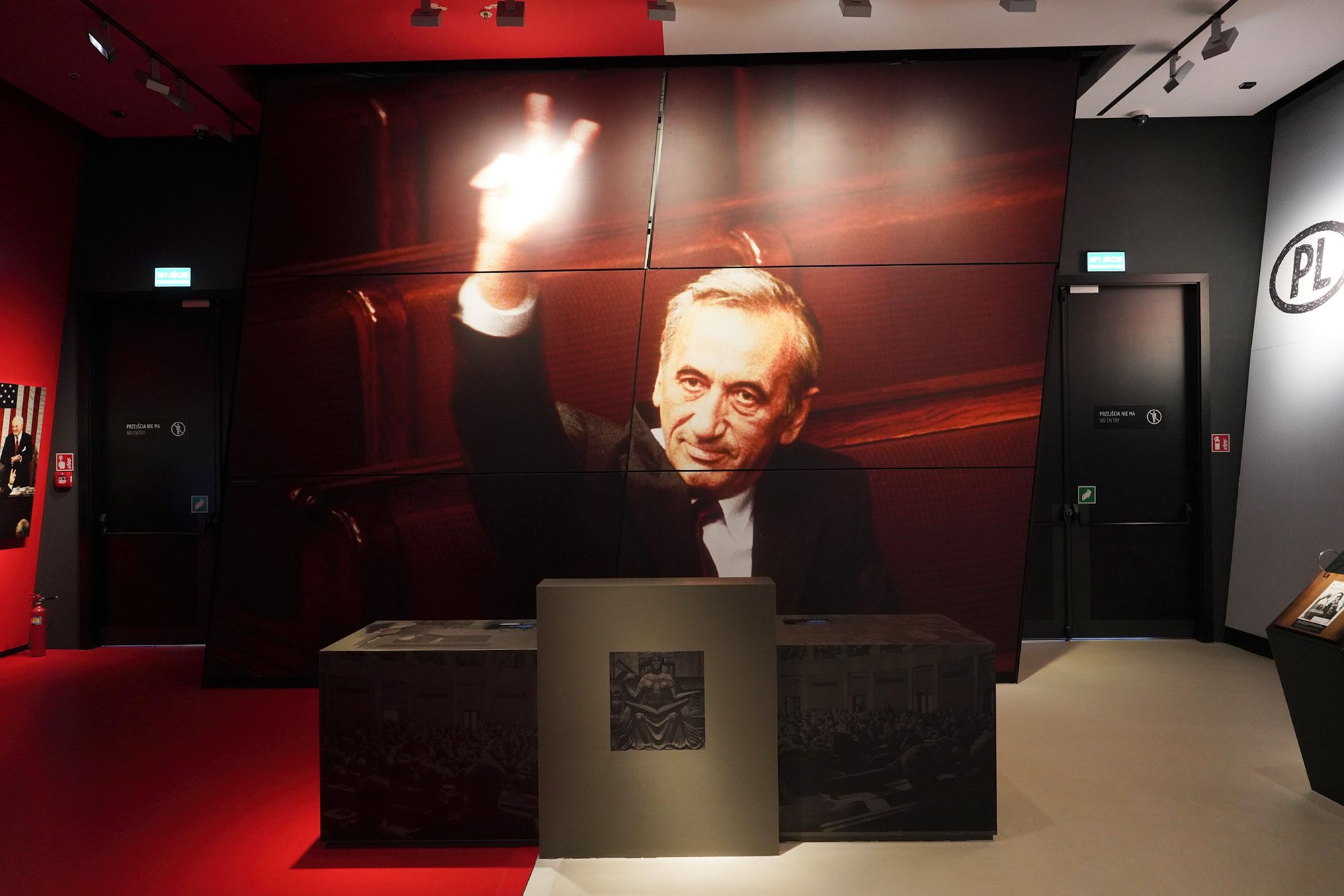
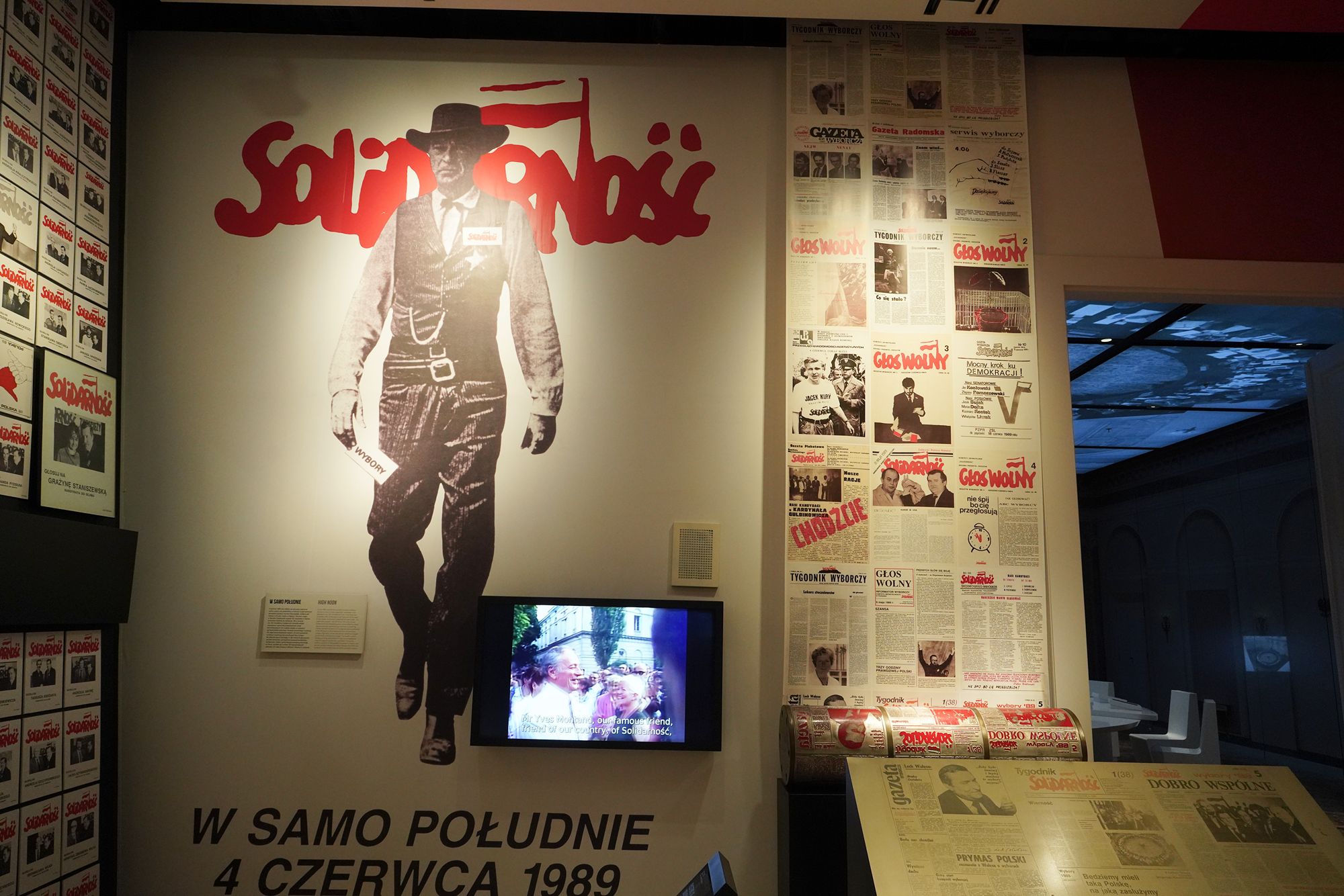
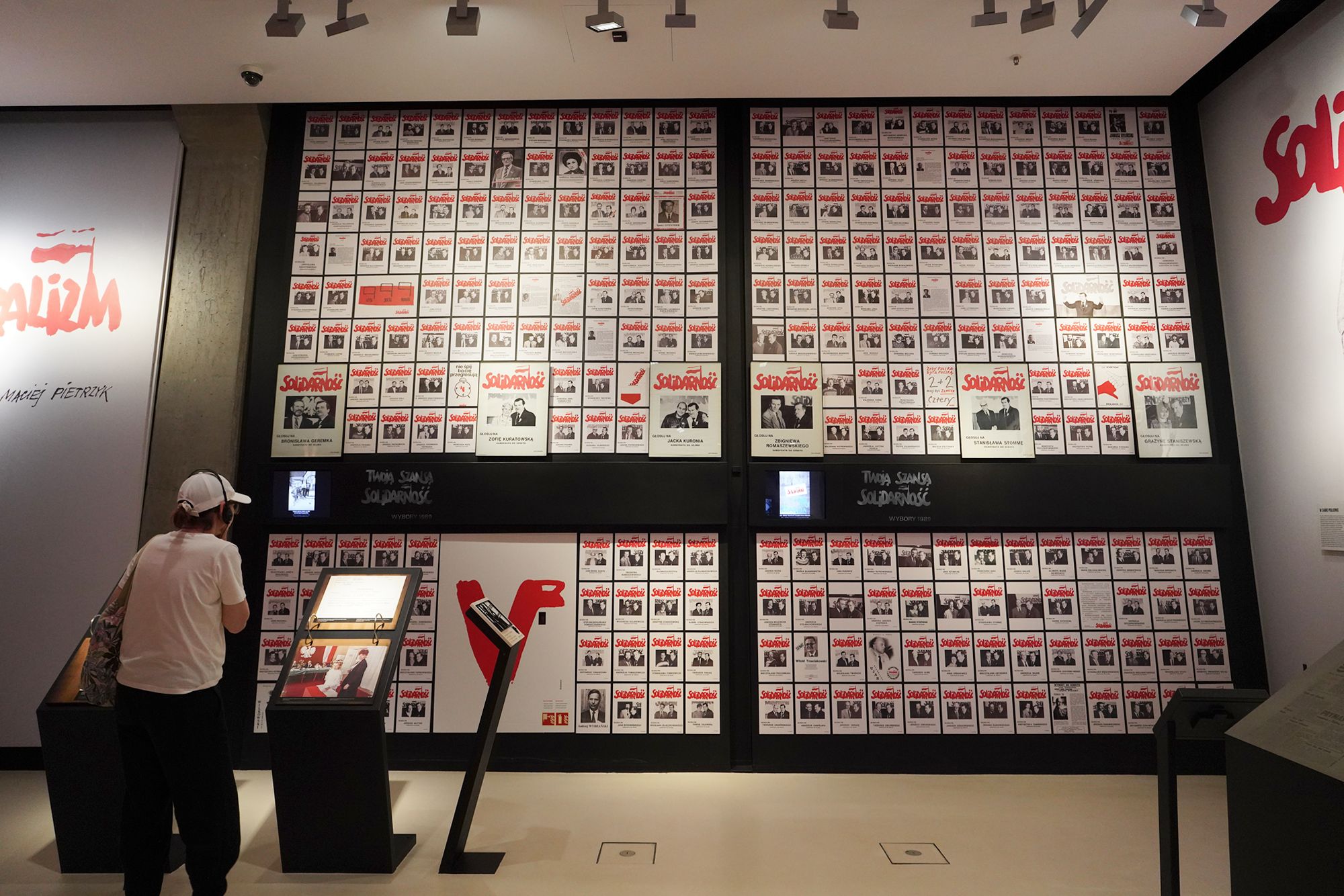
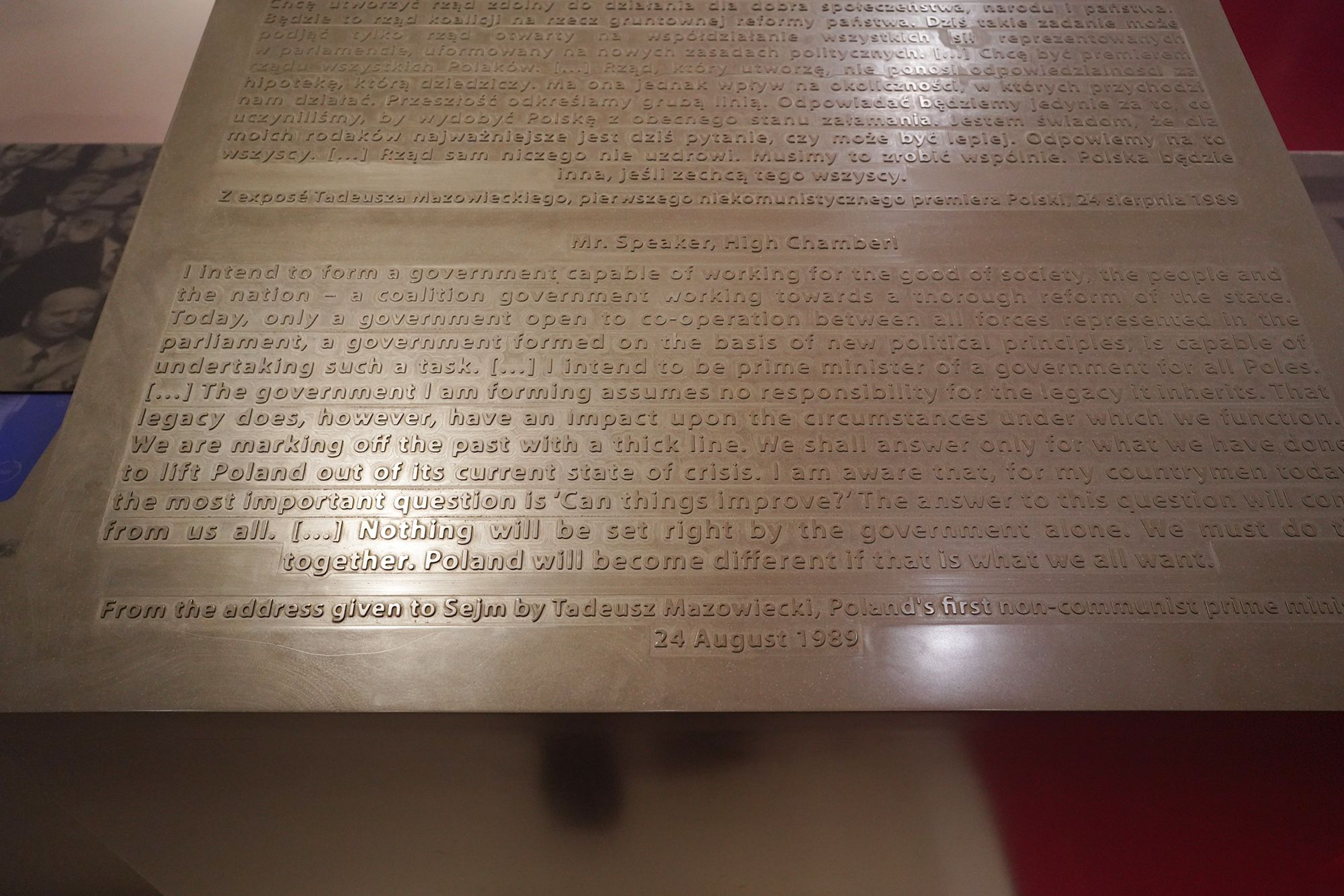
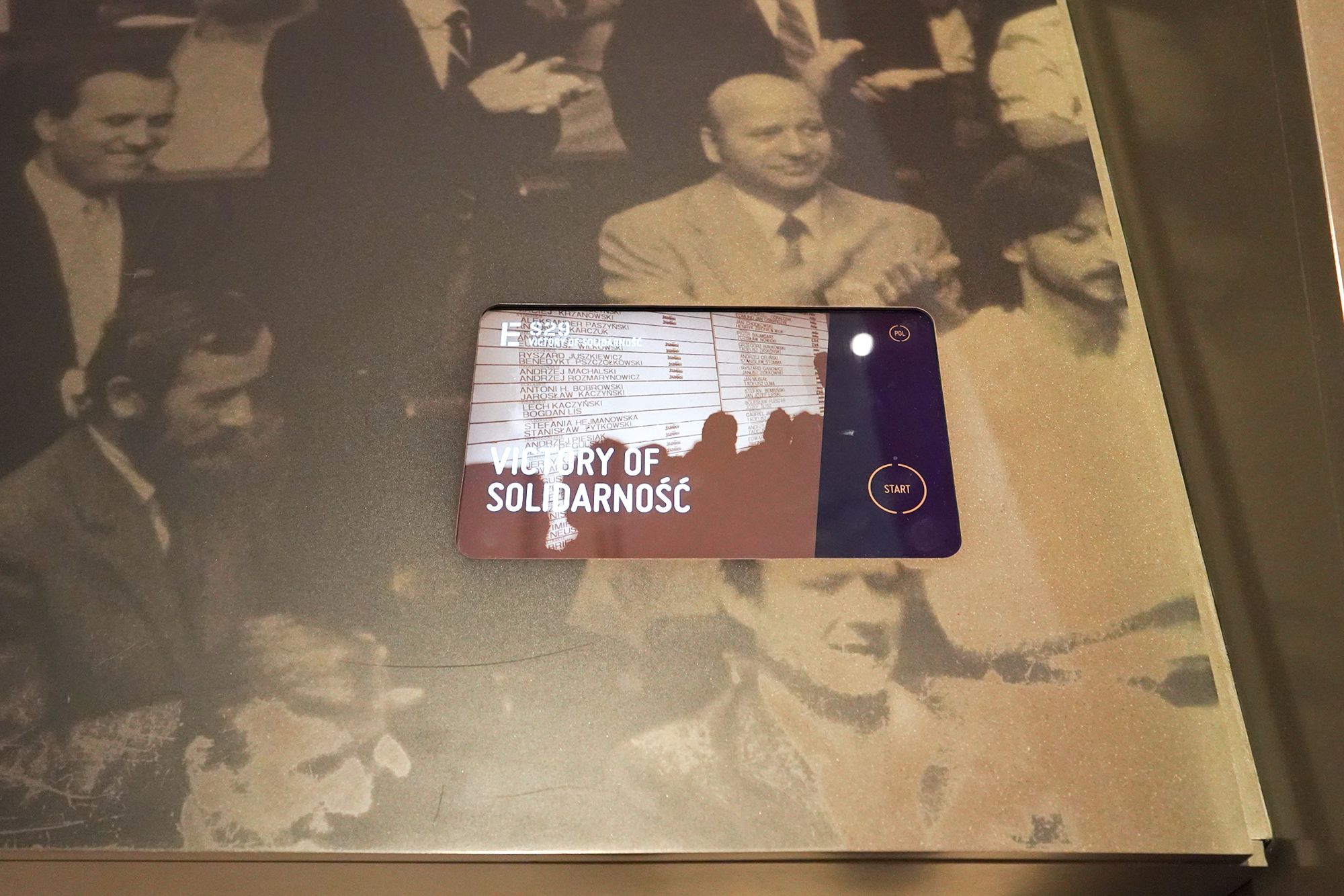
By 1988, economic crisis and renewed strikes pushed the government into talks with the opposition. The Round Table agreements legalized Solidarity and led to partially free elections on June 4, 1989, which the opposition won. Solidarity nominee Tadeusz Mazowiecki became prime minister, and his government began dismantling communist rule.
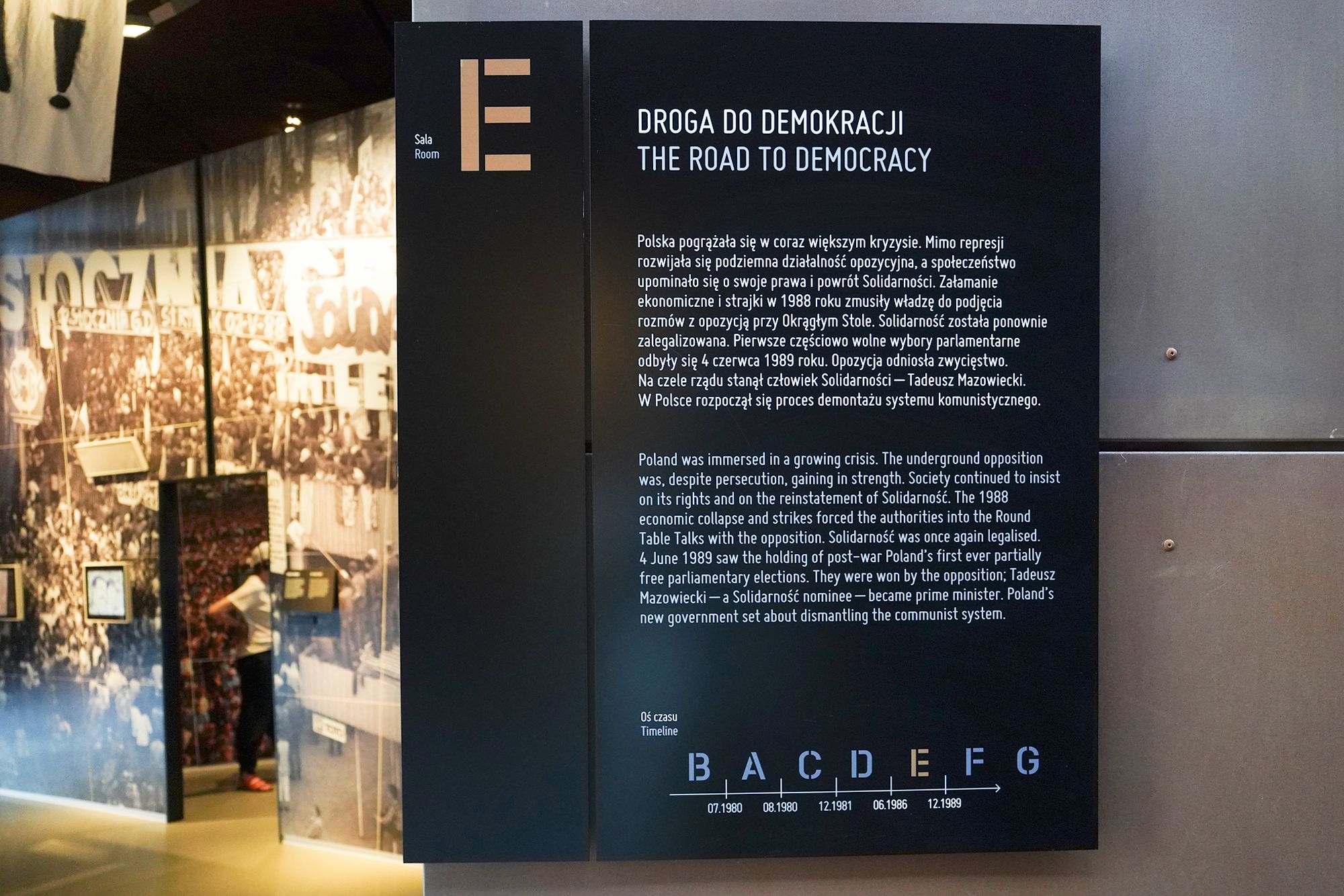
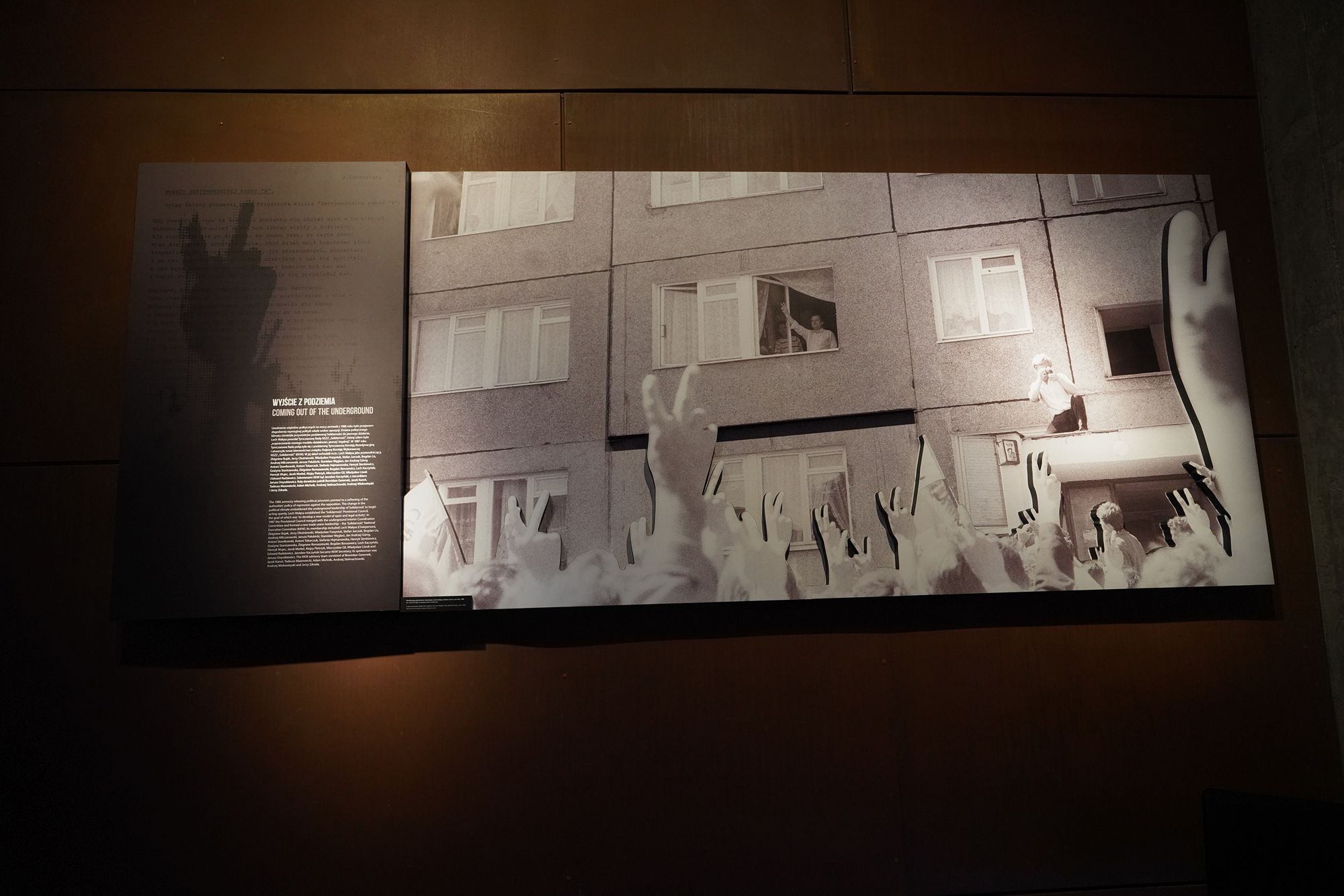
The 1986 amnesty, which freed political prisoners, signaled a lessening of repression. Lech Wałęsa then organized the Solidarity Provisional Council to pursue open, legal activity. In 1987, it joined with the underground coordinating committee to form a new national leadership, preparing the movement for renewed public action.
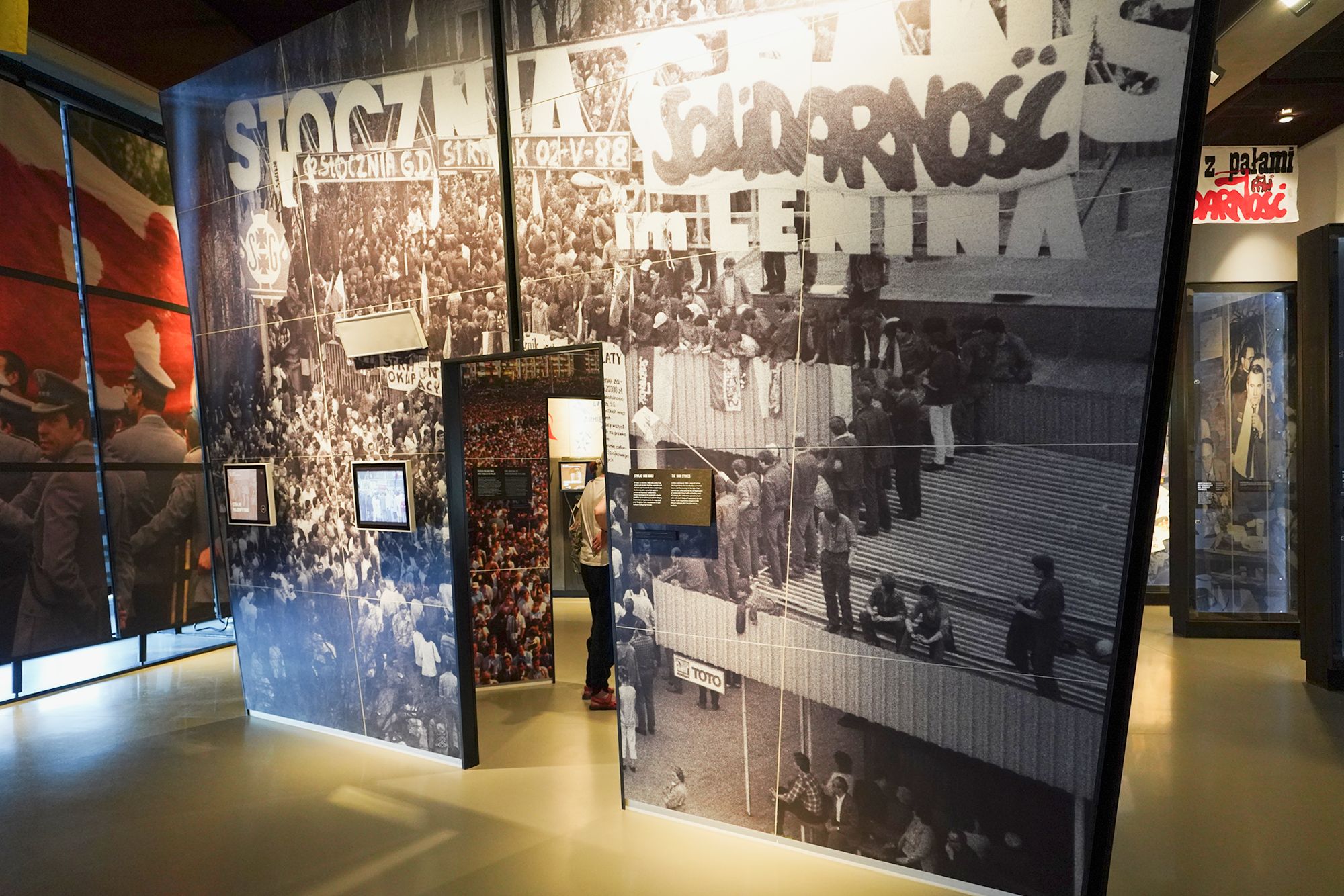
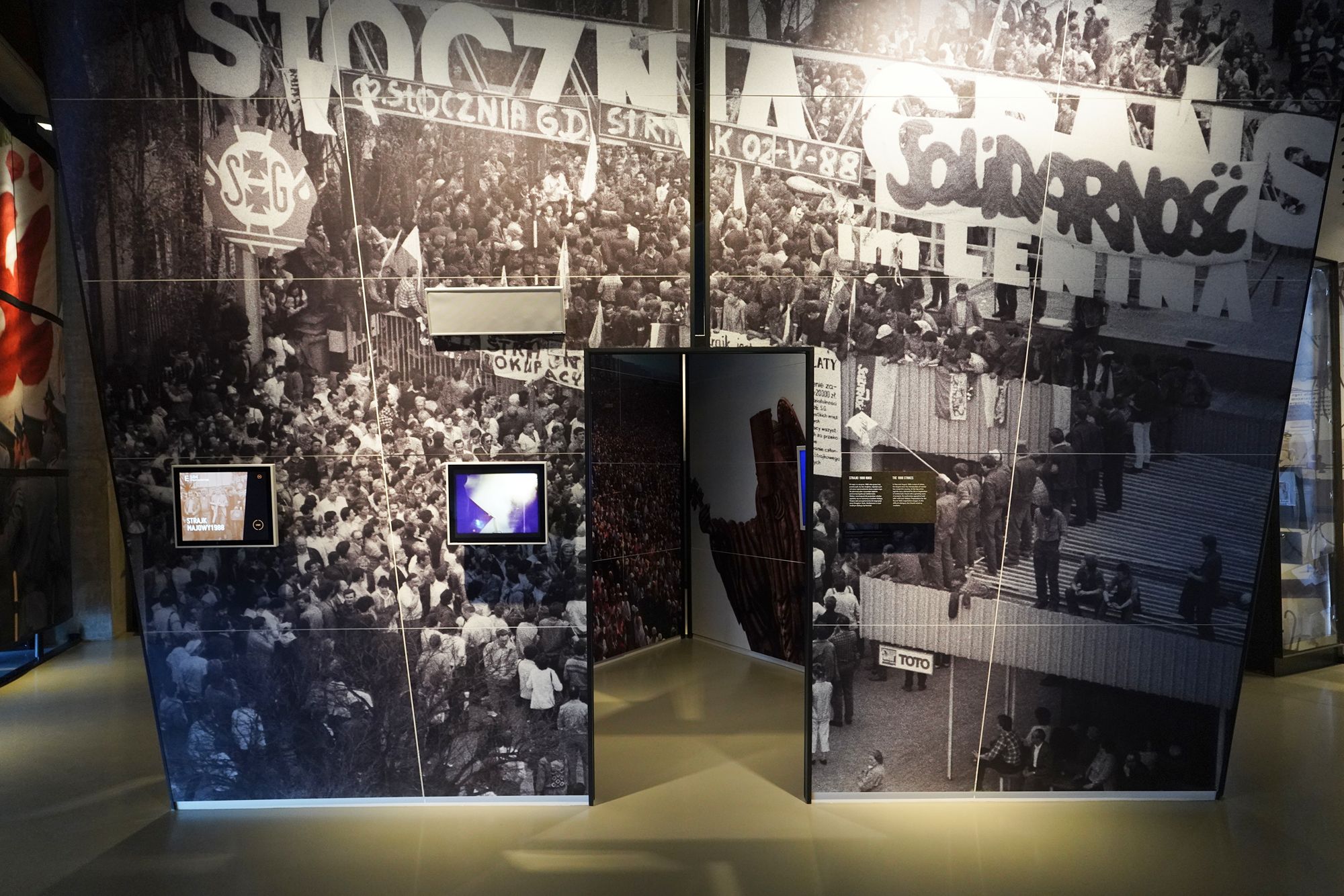
A new wave of strikes in May and August 1988 brought Solidarity’s legalization back to the forefront. Faced with growing protests, the authorities agreed to talks with Lech Wałęsa. Preparations for the Round Table negotiations began, with the Catholic Church serving as mediator.
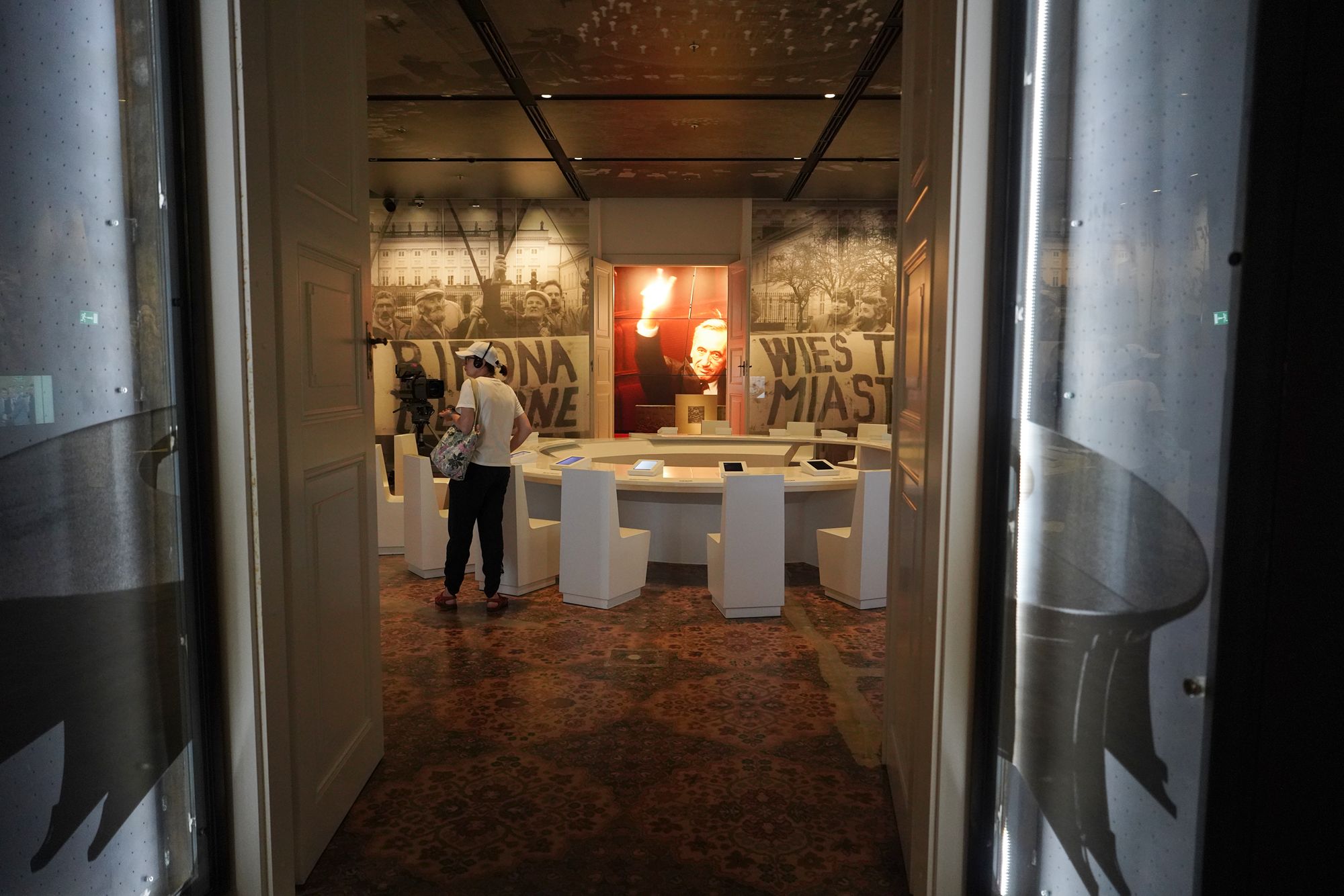
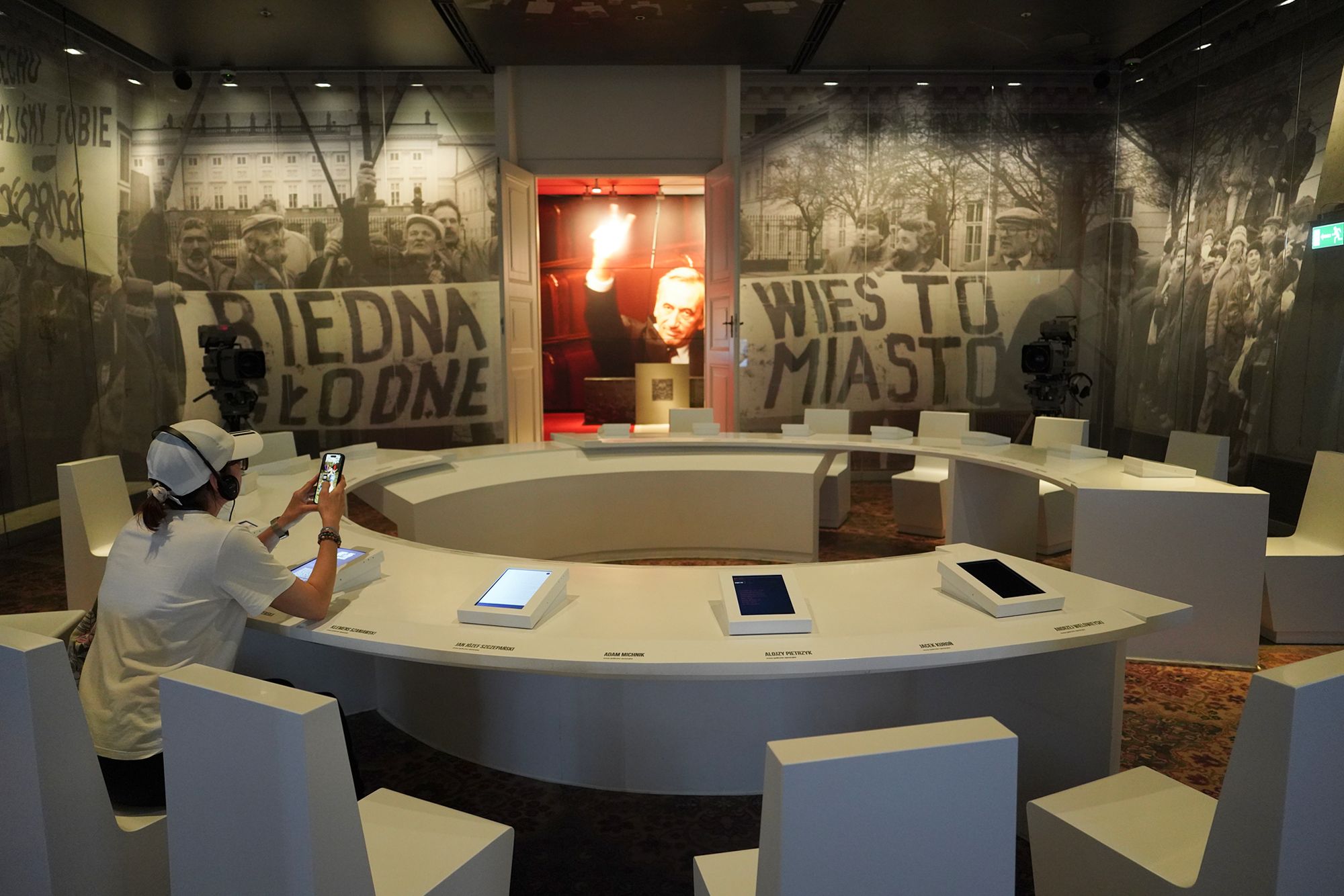
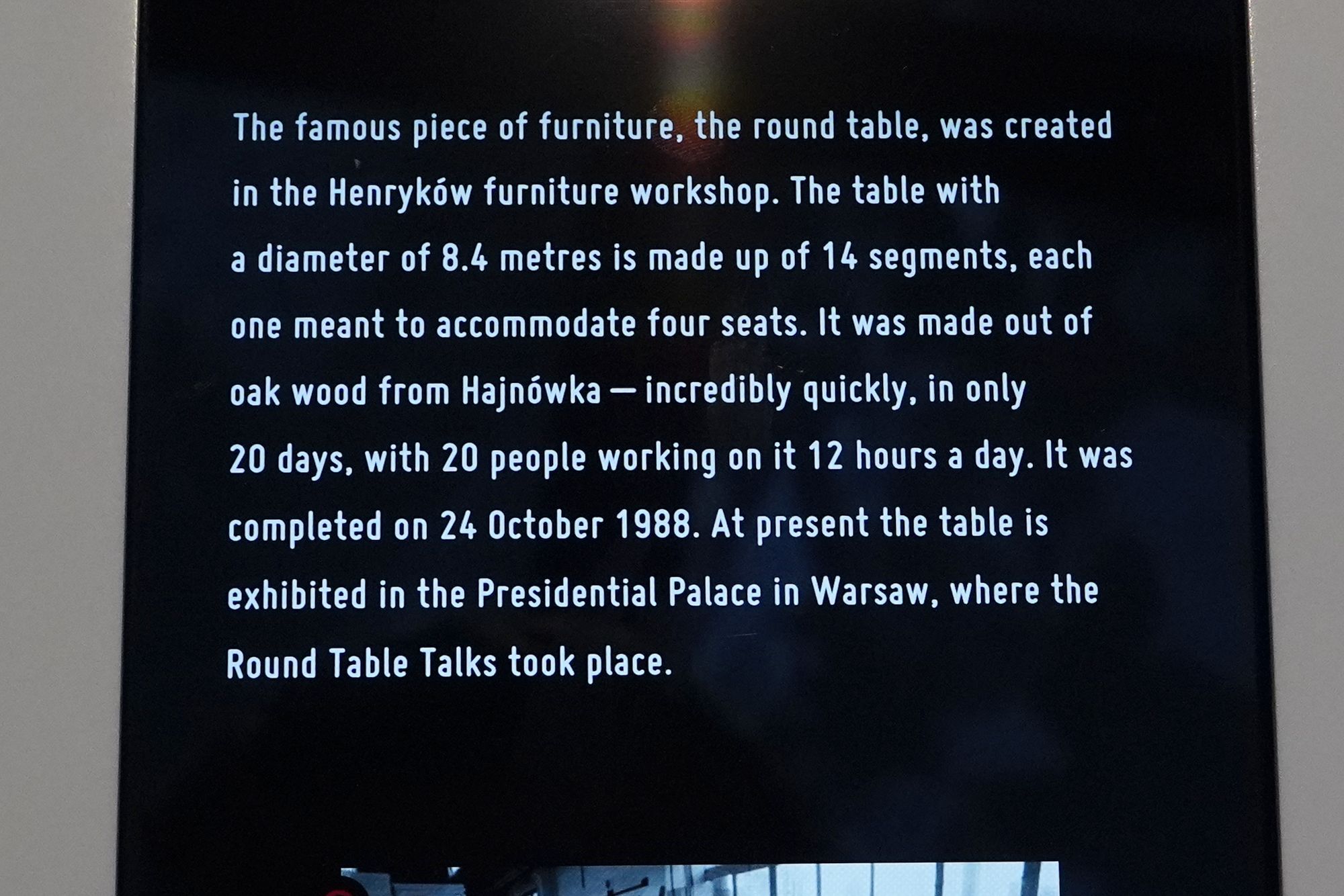
The Round Table Talks were held around an enormous 8.4-meter table, built in just 20 days by 20 workers using oak from Hajnówka. Made of 14 sections, it now stands in Warsaw’s Presidential Palace, where the negotiations took place.
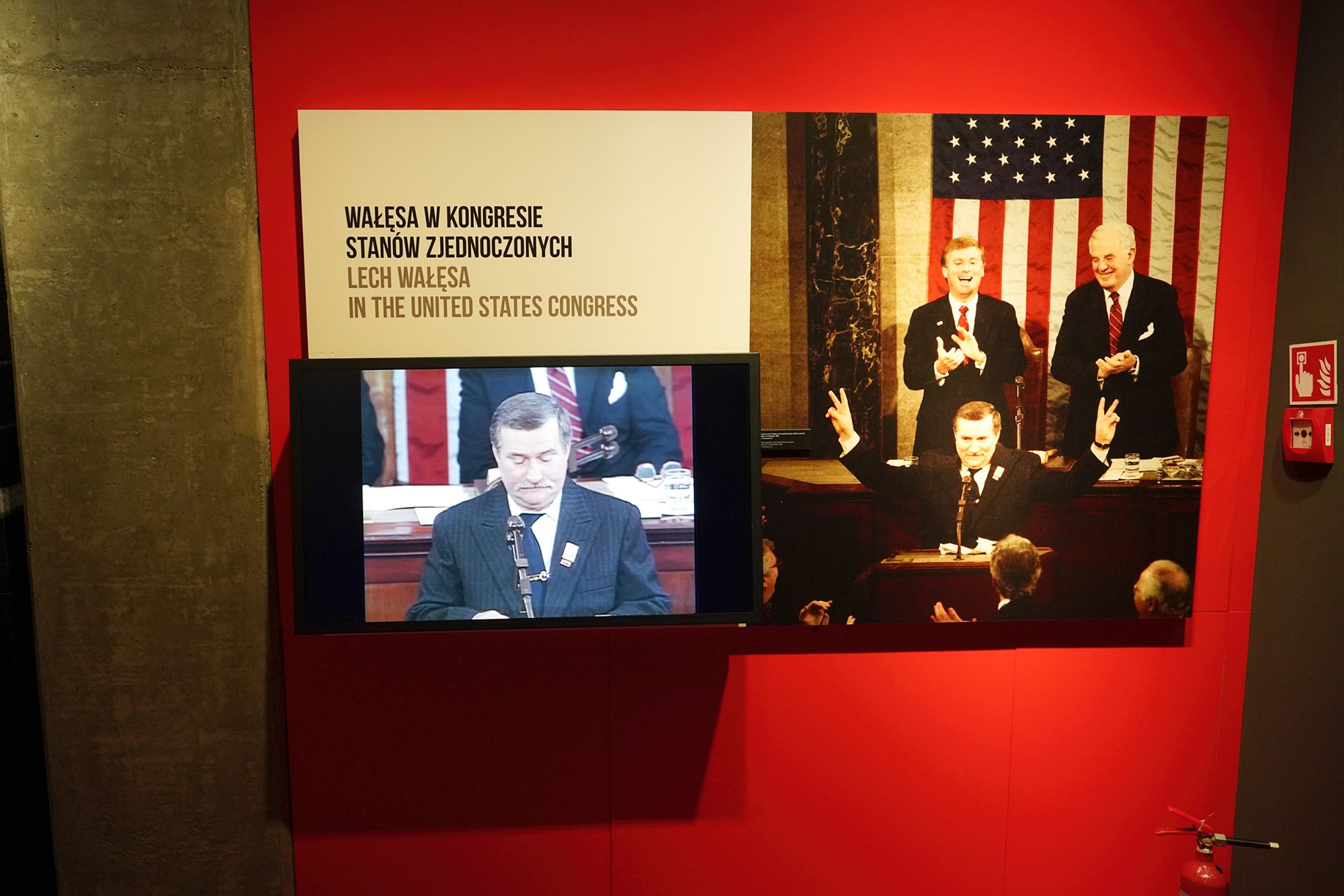
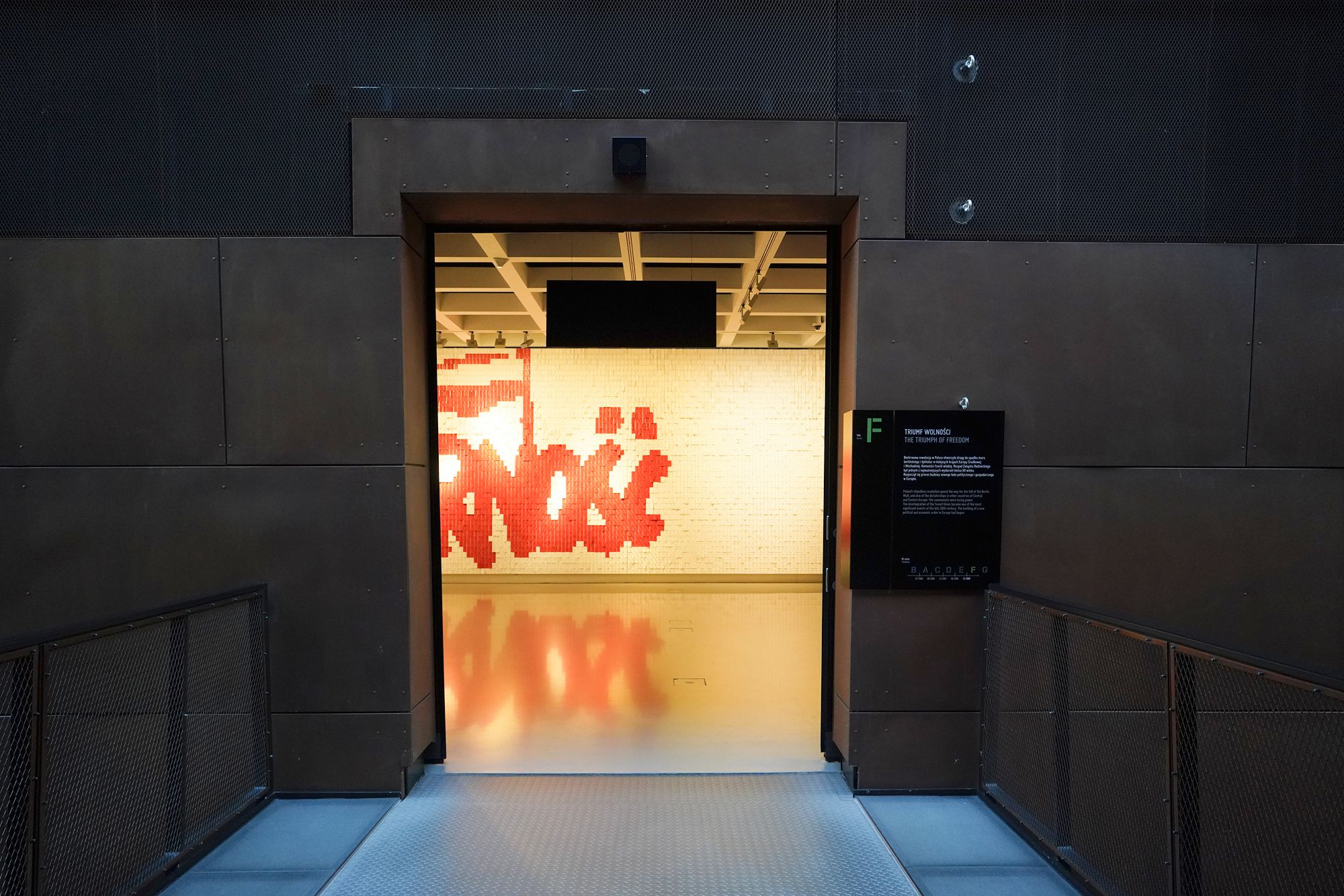
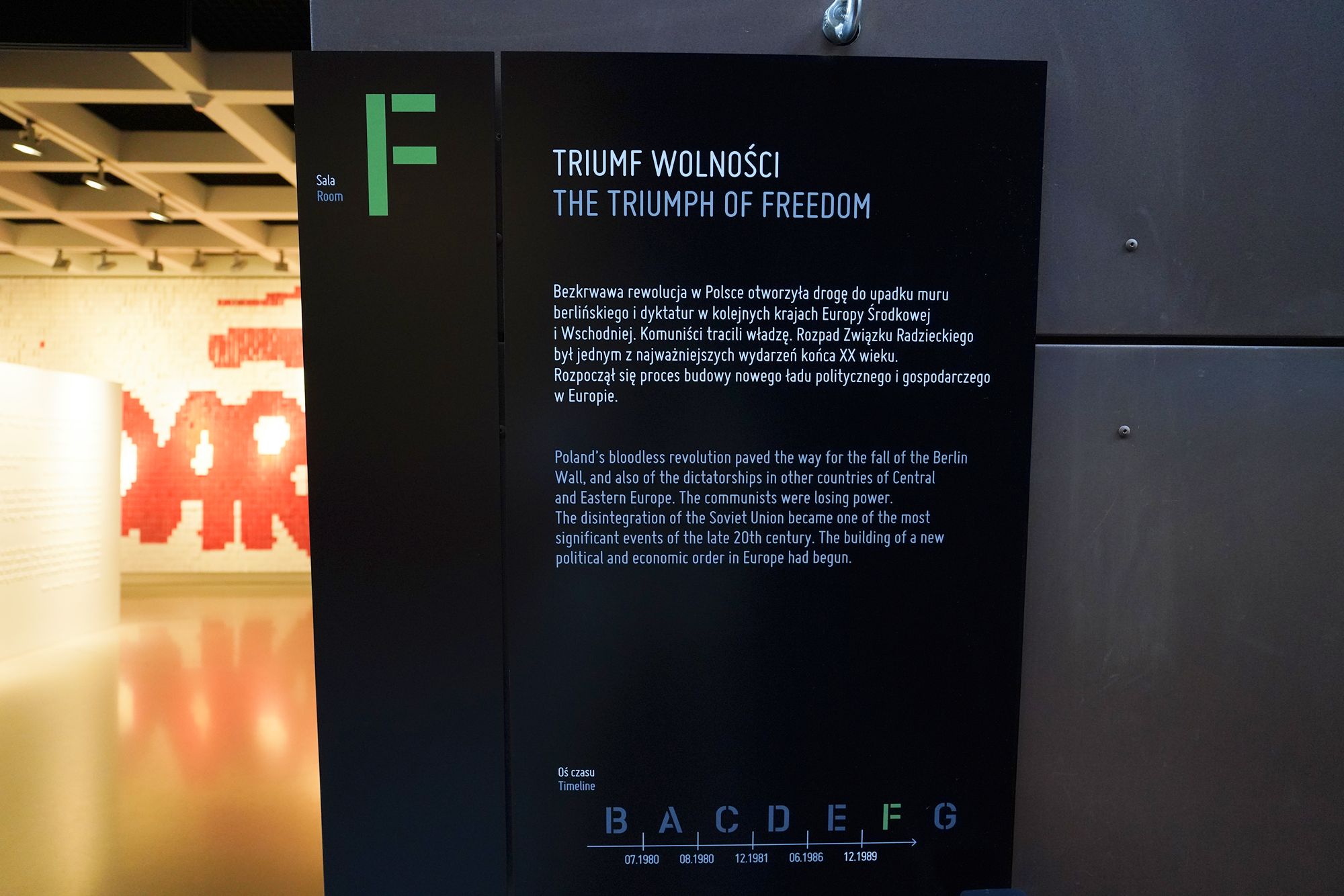
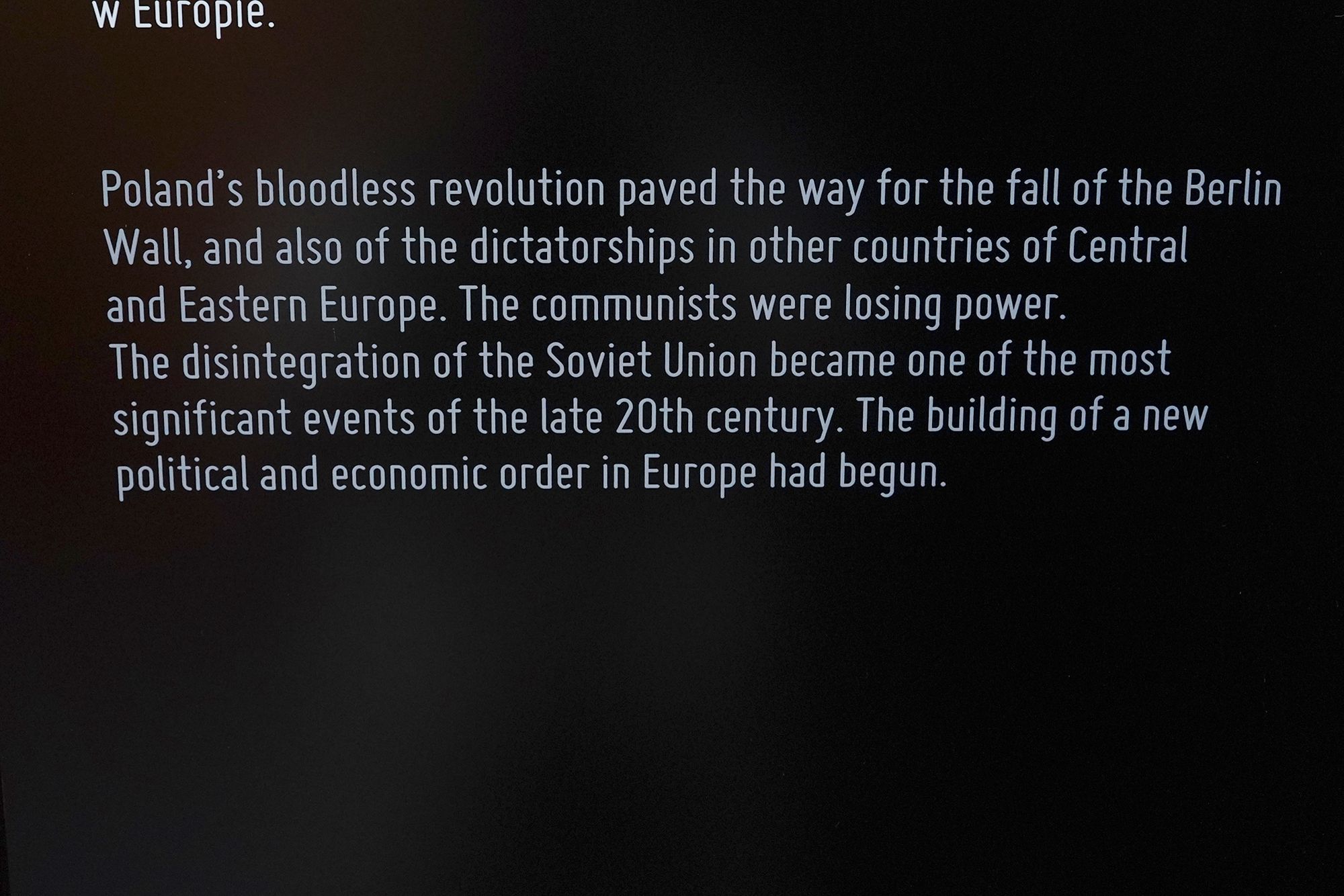
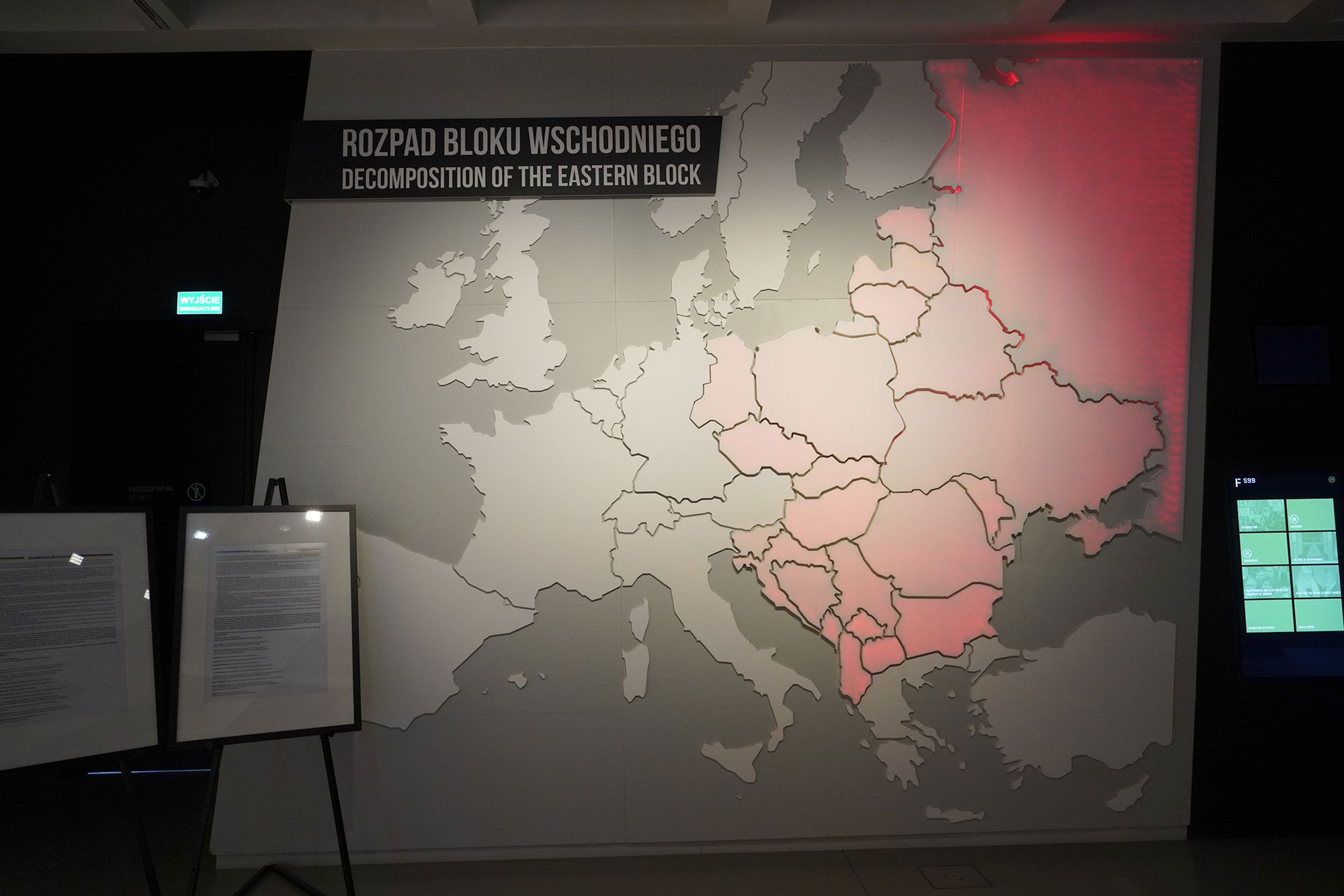
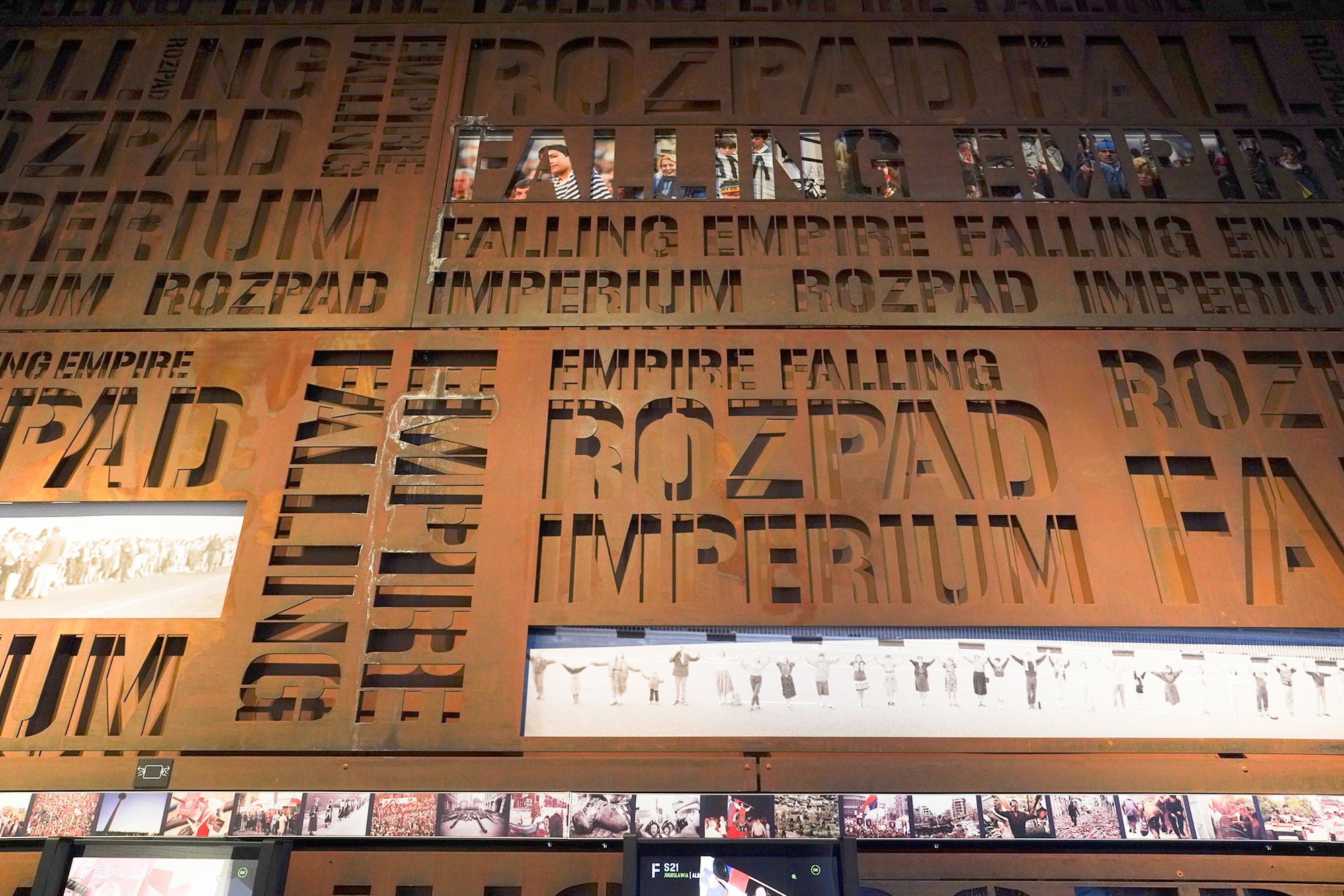
Poland’s largely peaceful transition away from communist rule helped open the way for change across Central and Eastern Europe, including the fall of the Berlin Wall. Communist governments were losing power, and the Soviet Union’s eventual breakup became one of the defining events of the late 20th century.
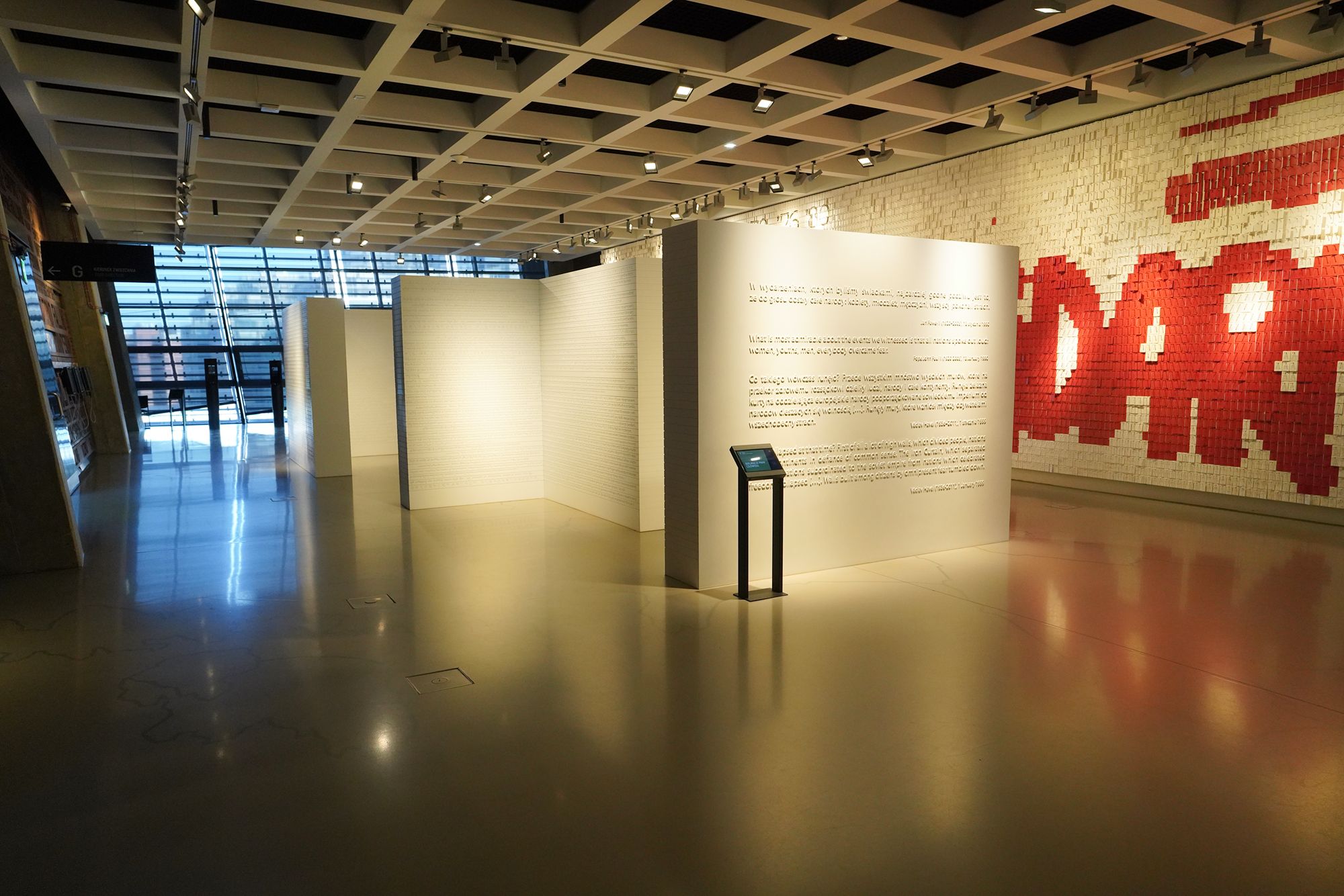
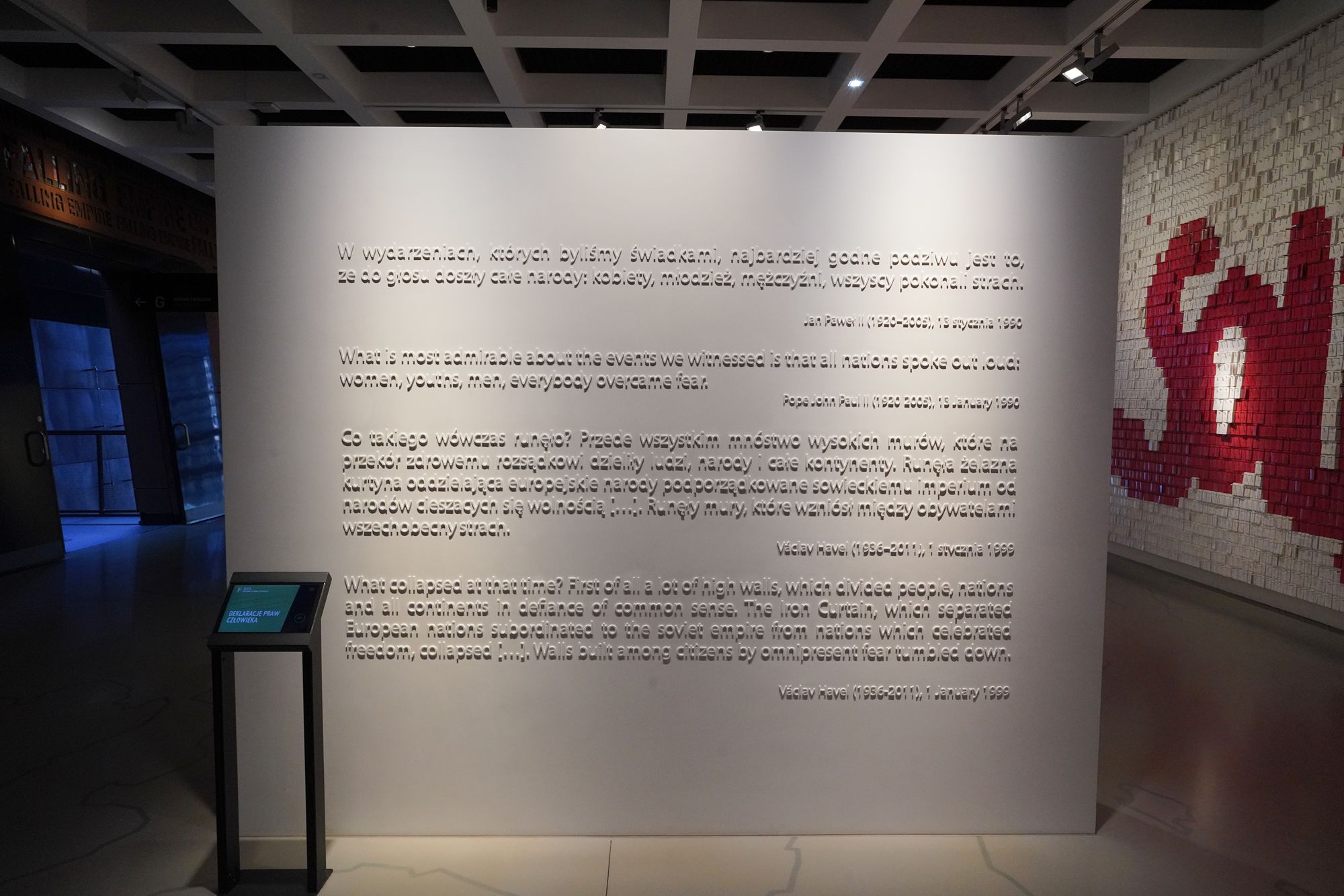
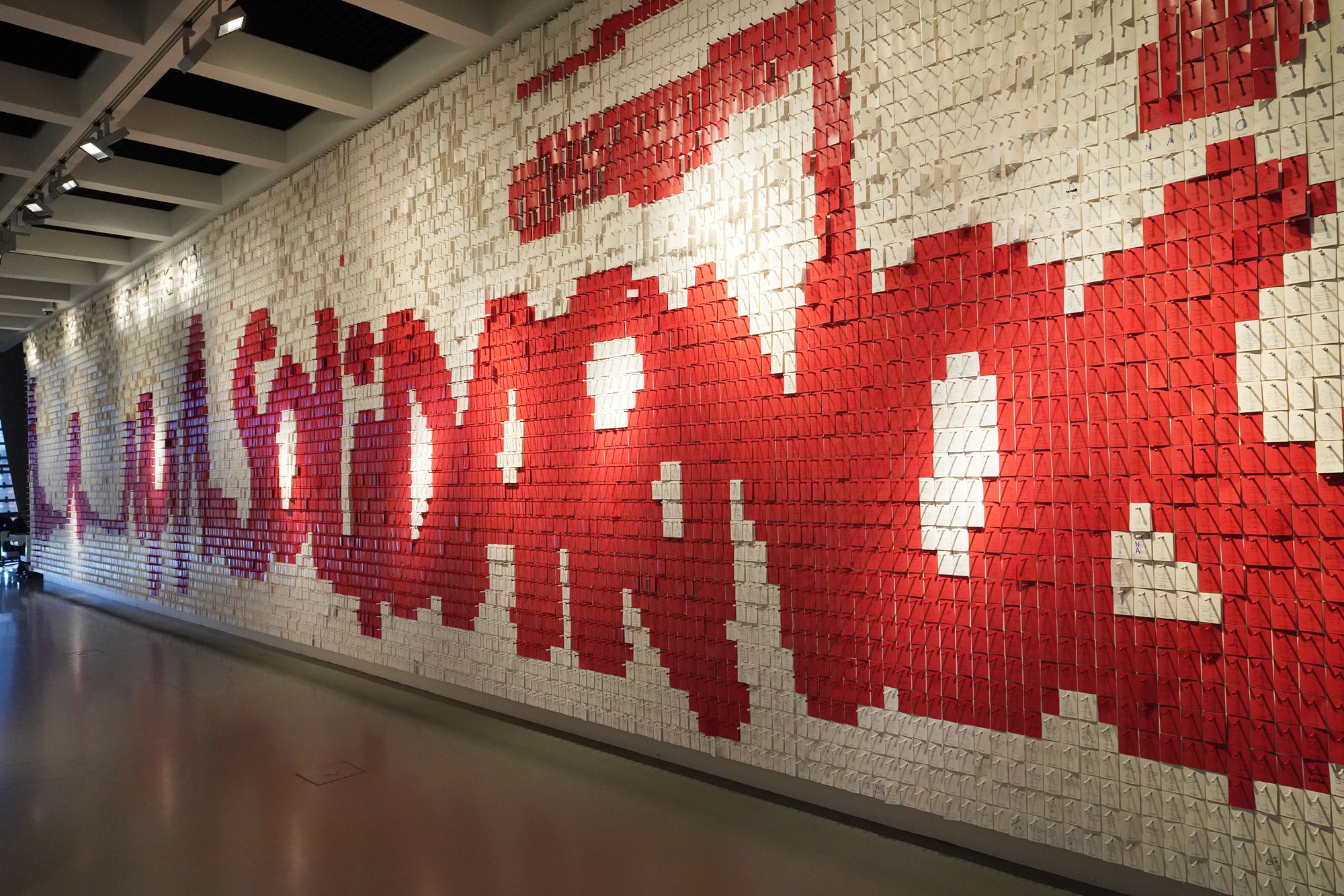
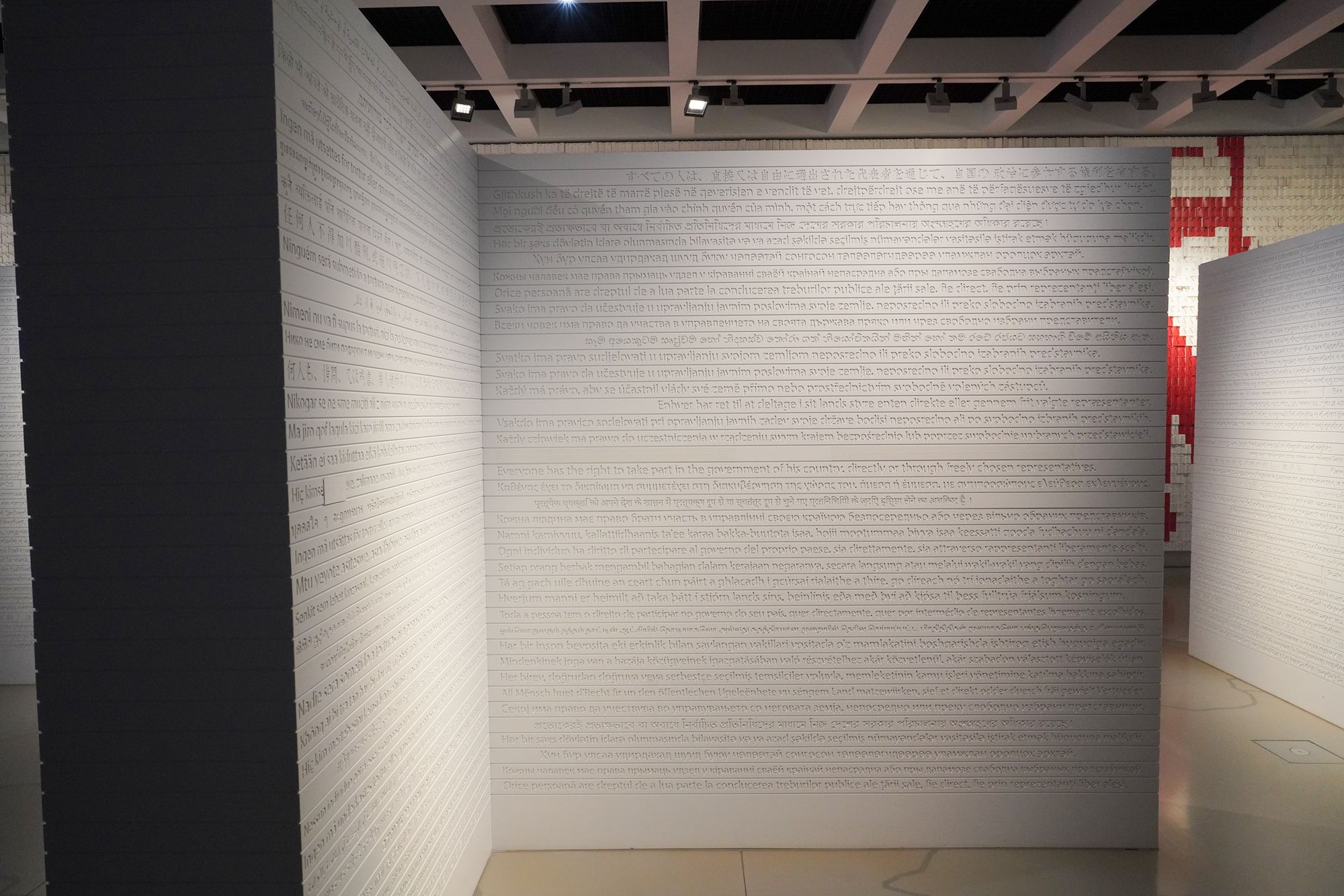
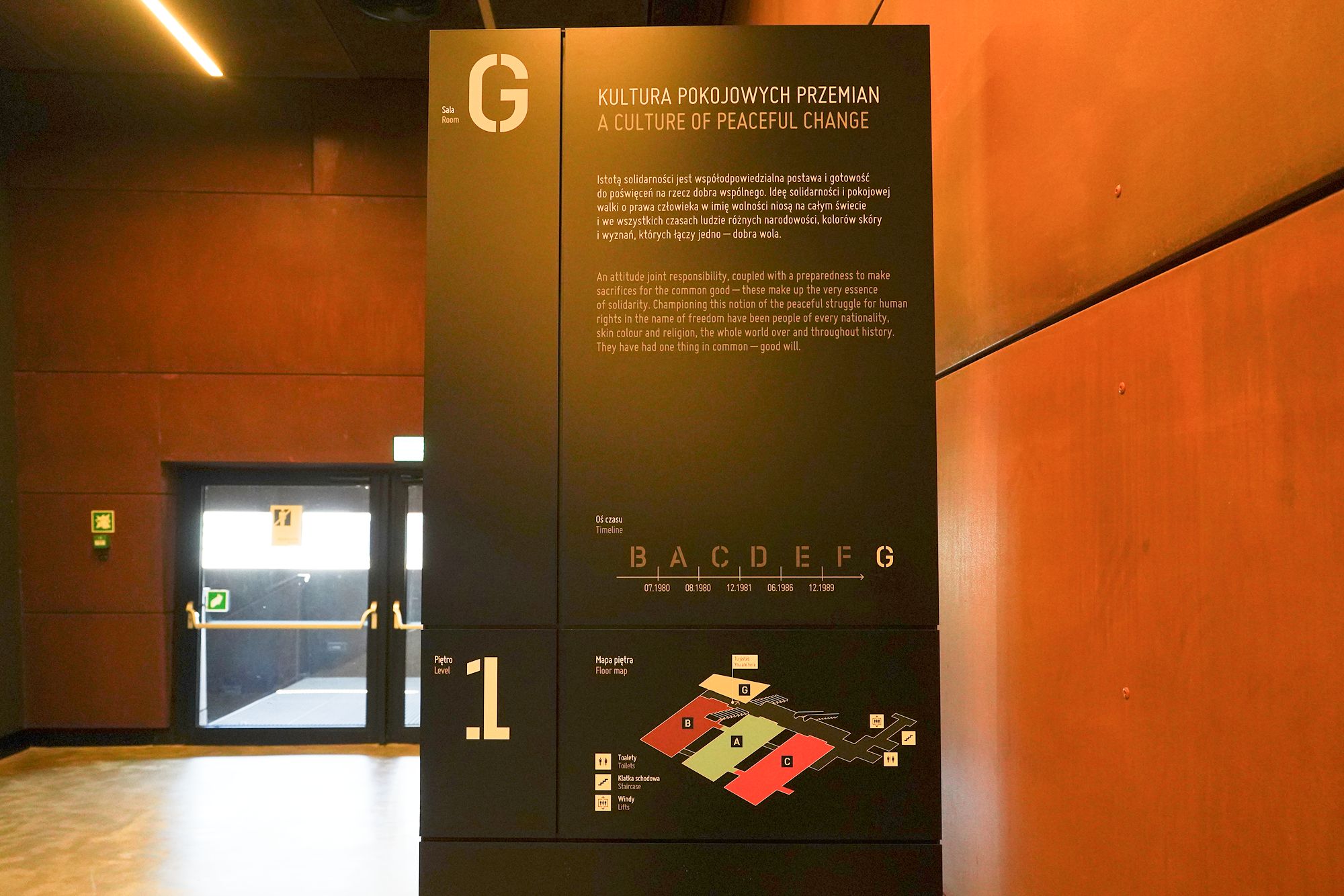
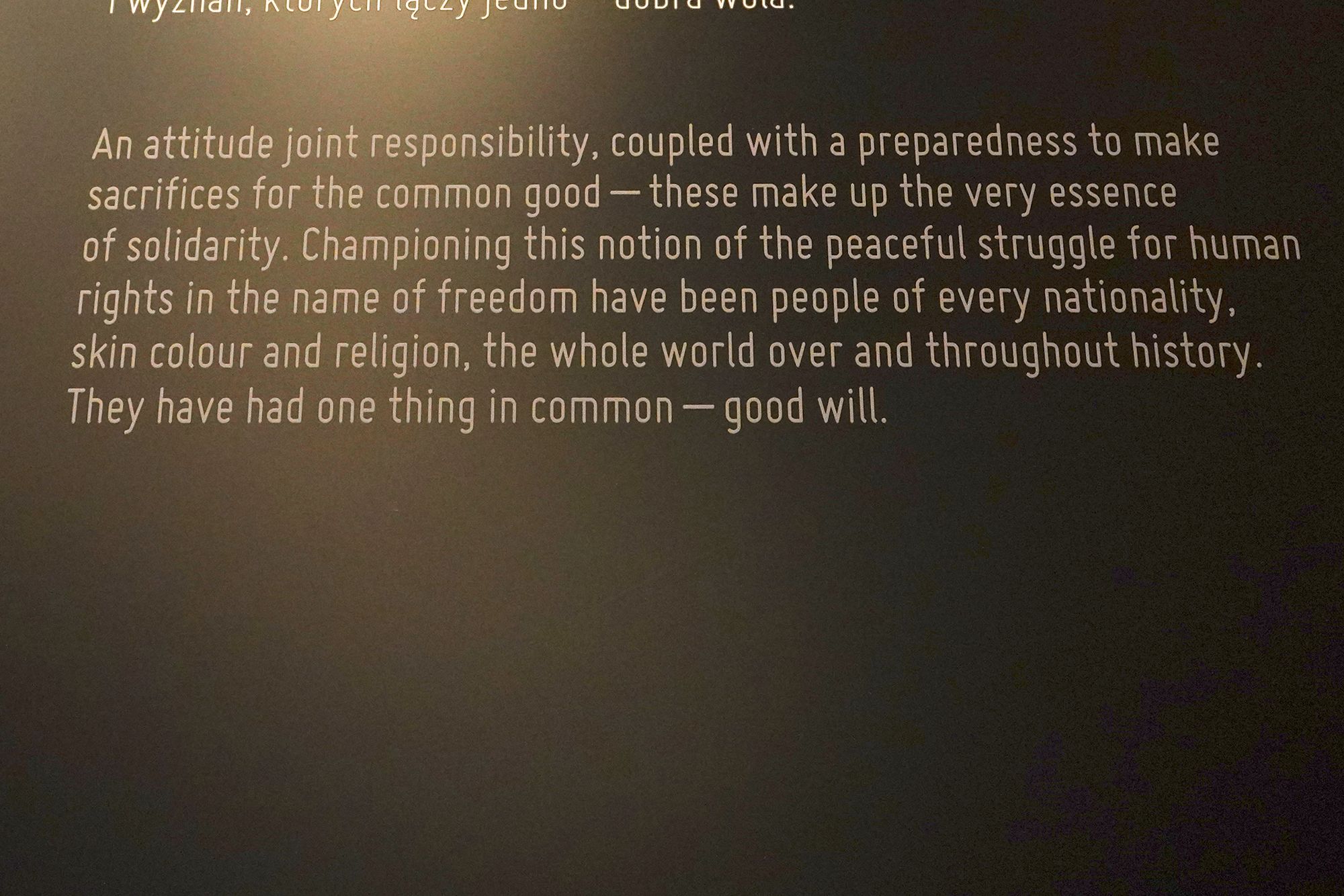
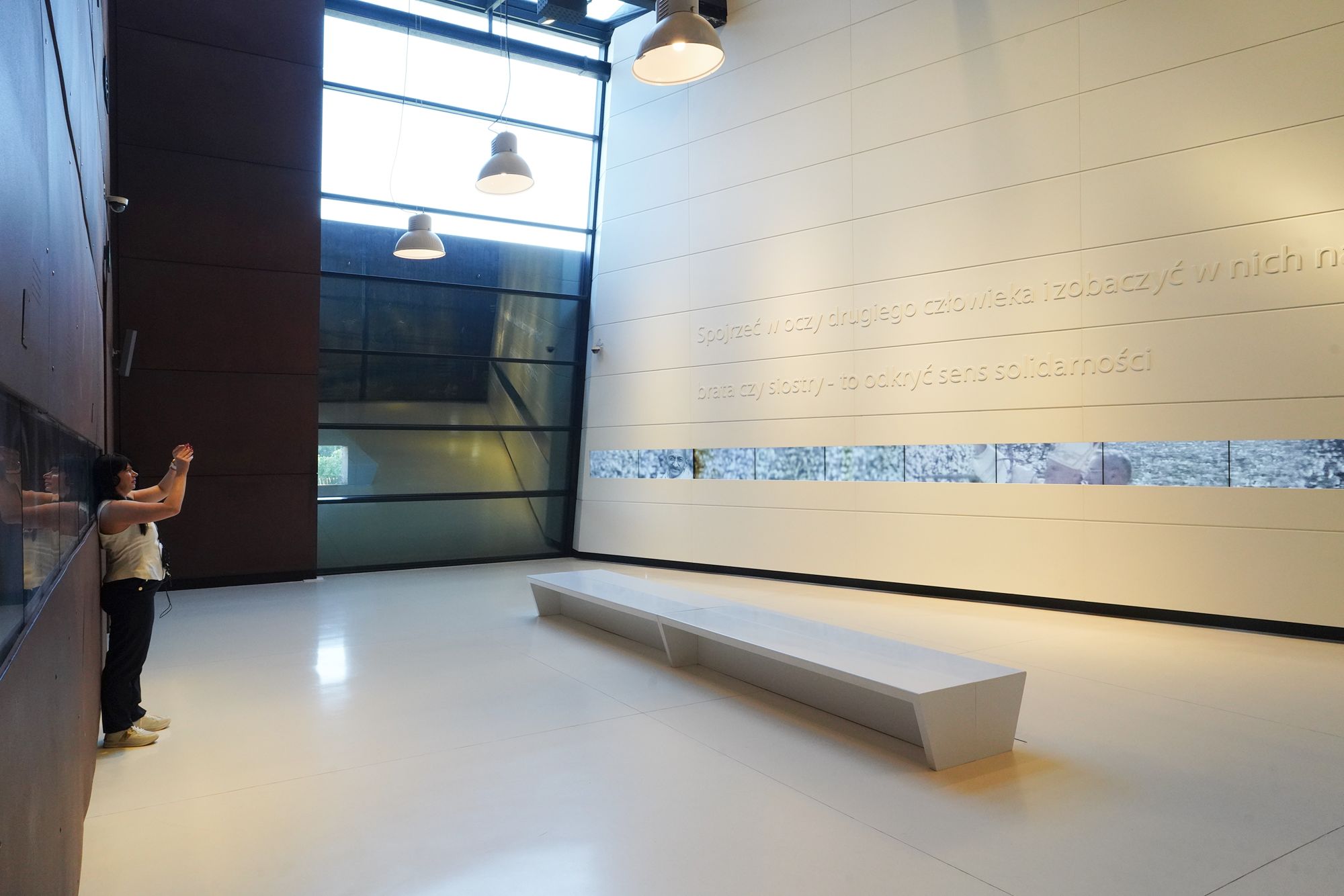
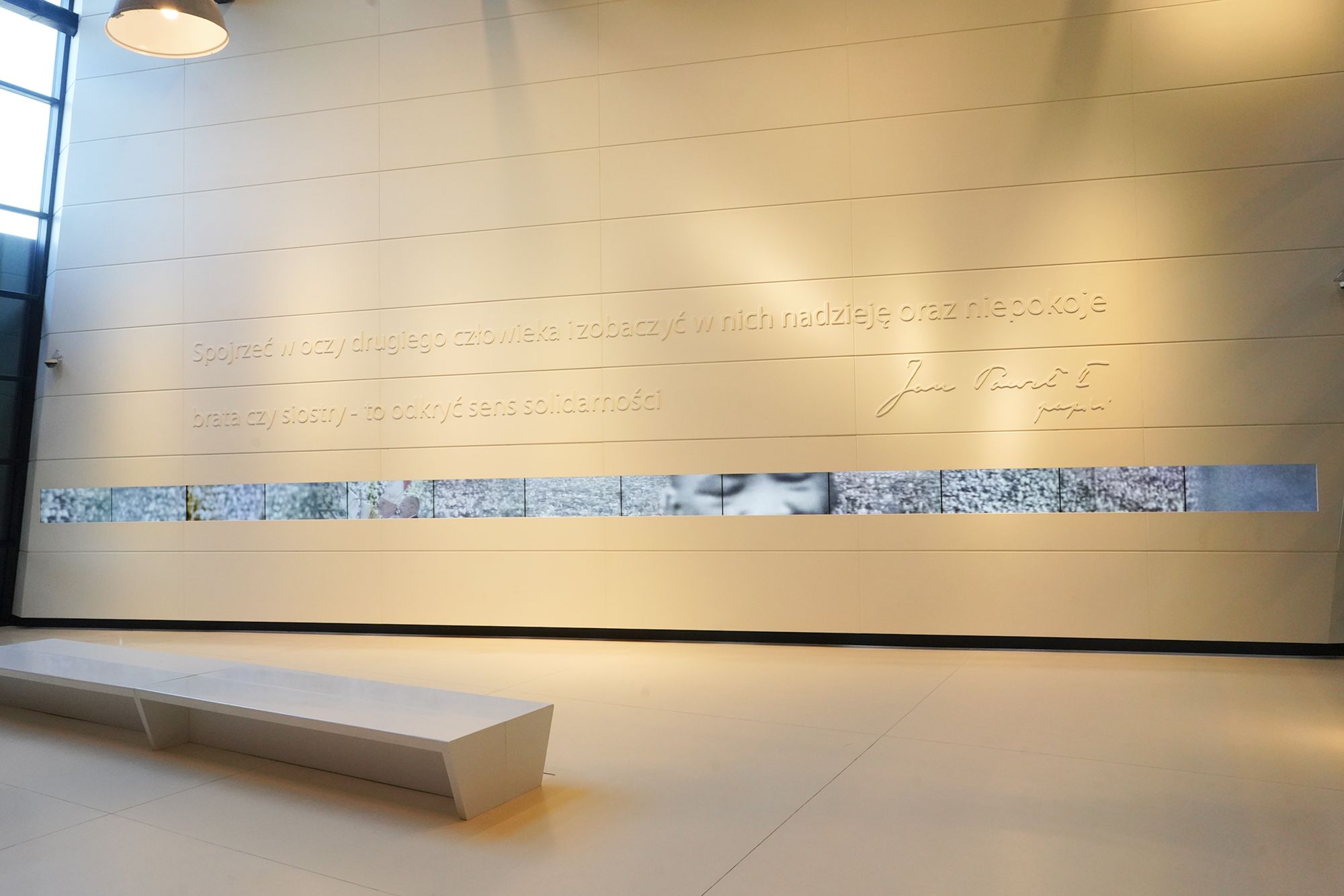
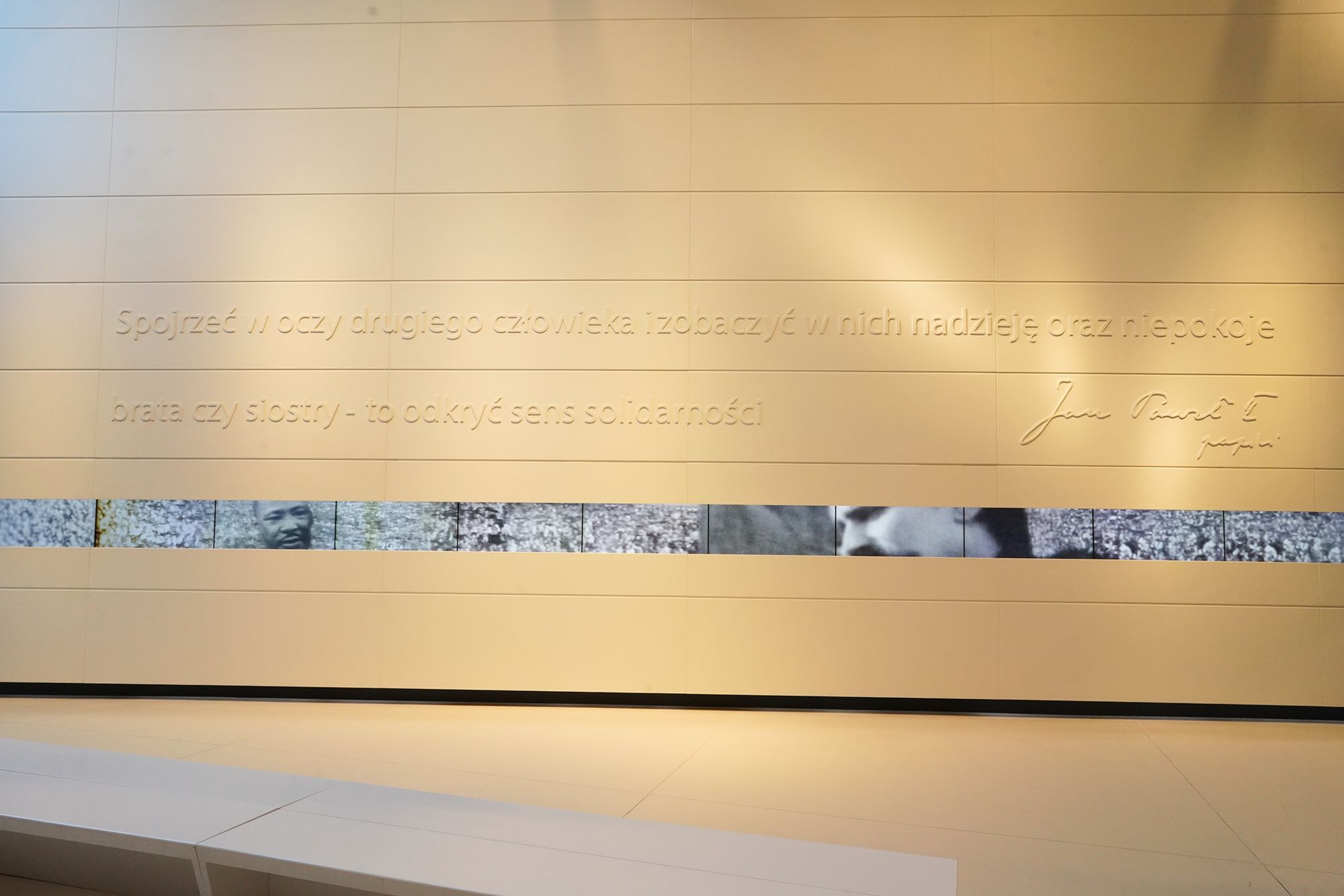
The exhibit closes with a reflection on solidarity as shared responsibility and a willingness to make sacrifices for the common good. Across nationalities, skin colors, and religions, peaceful struggles for freedom and human rights have been united by goodwill.