Malbork Castle Part I, Malbork, Poland
I began at Malbork Castle, exploring its brick walls, courtyards, and the history of the Teutonic Knights. 1363
Malbork Castle:Starościńska 1, 82-200 Malbork, Poland
Date Picture Taken: Jun, 2026
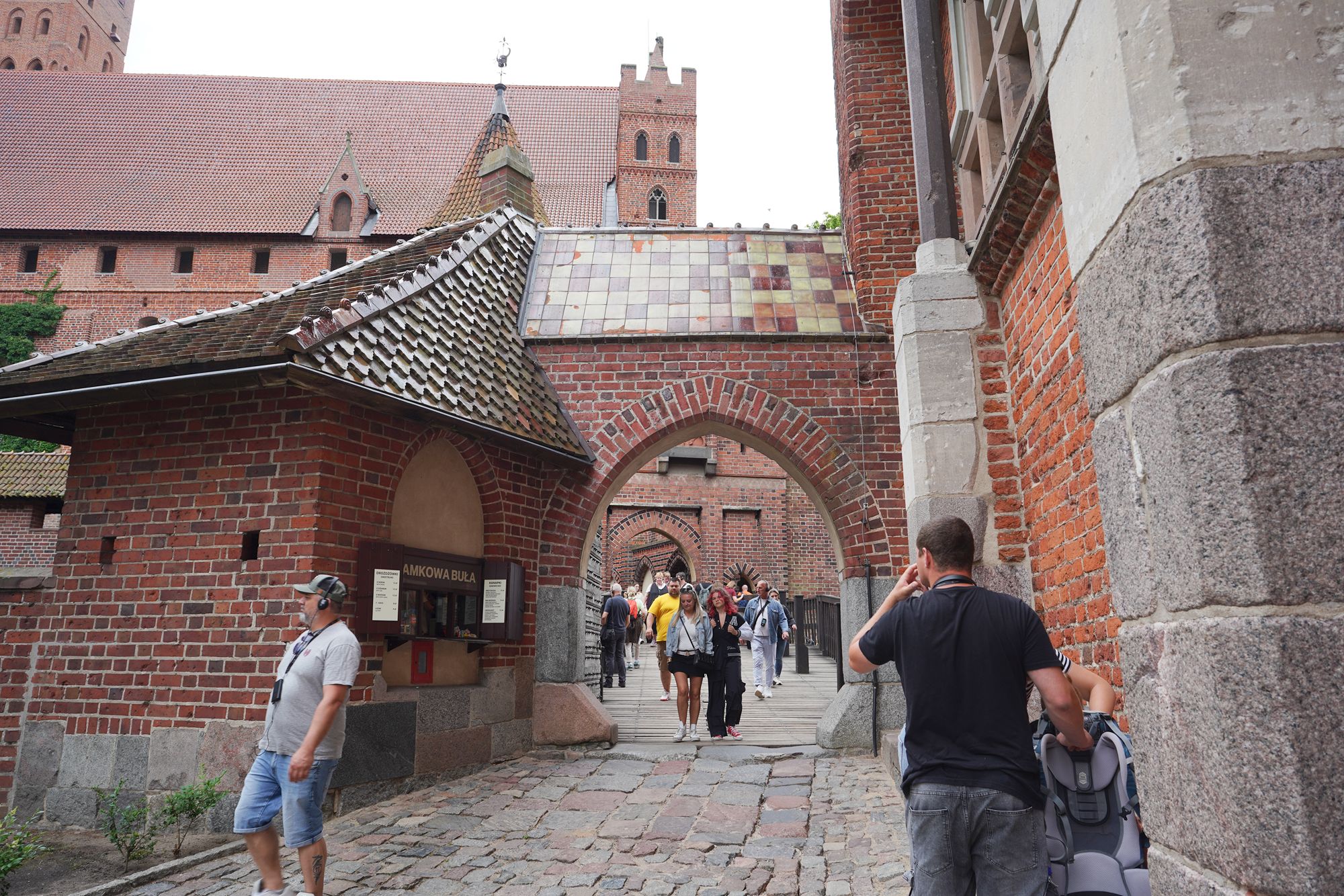
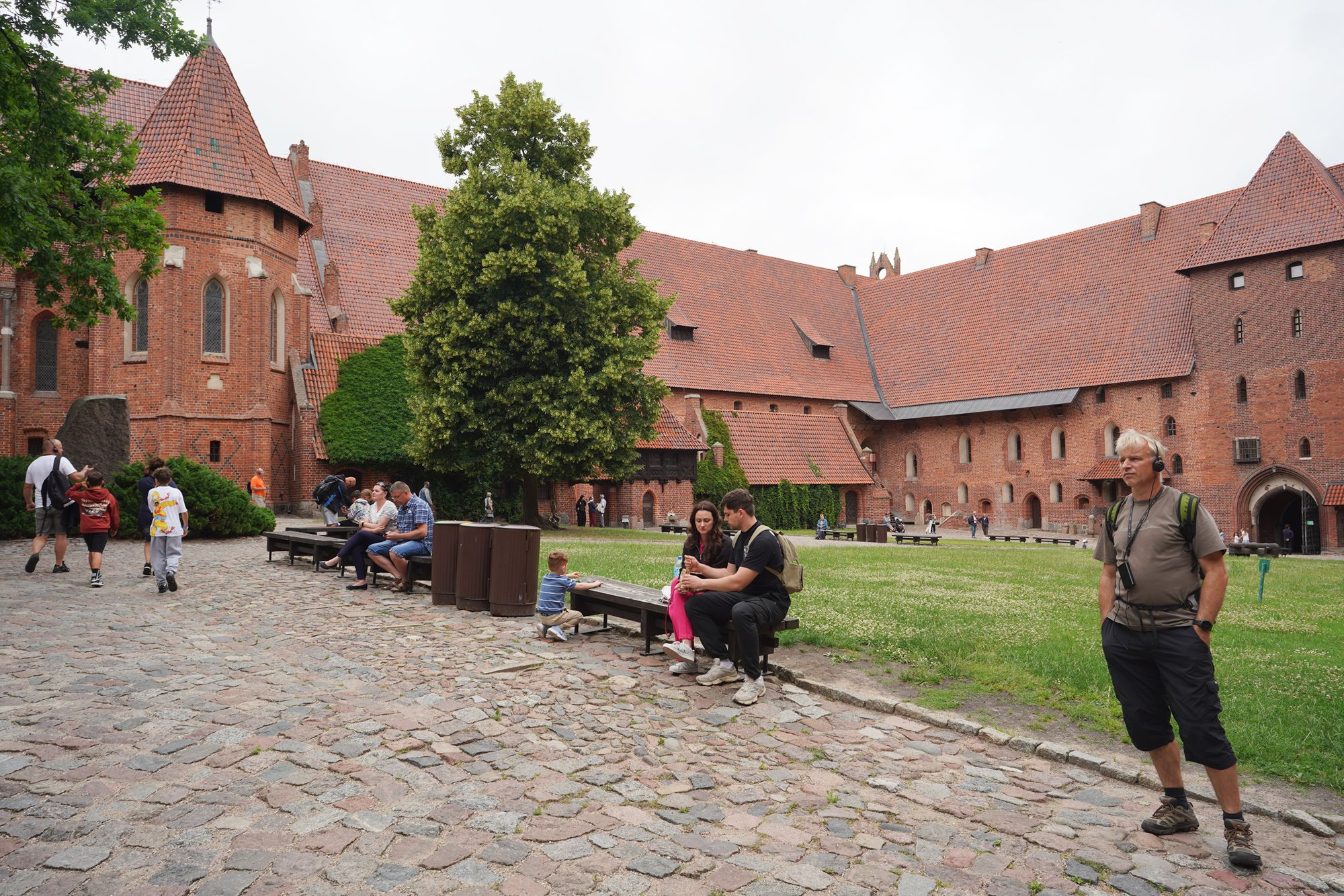
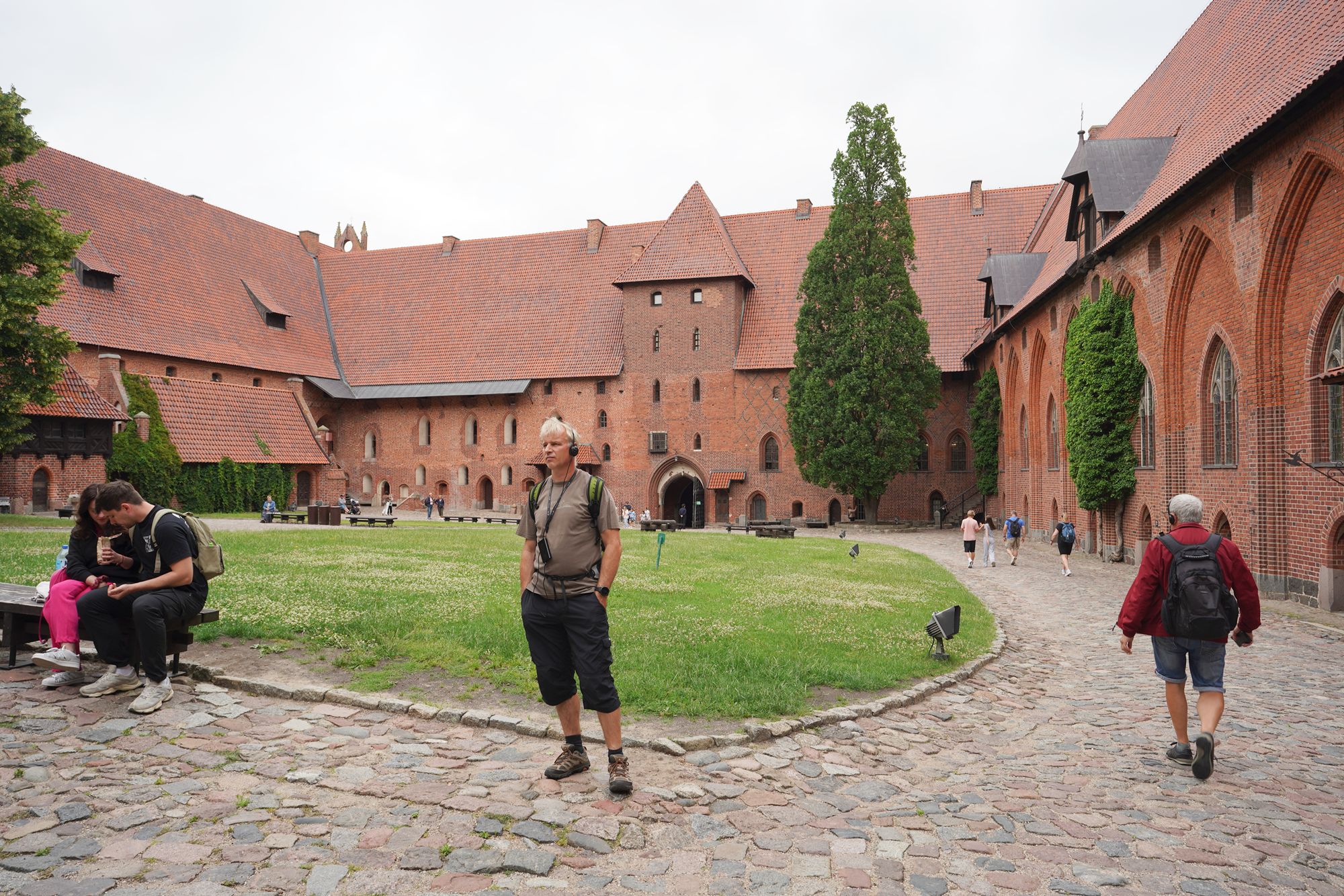
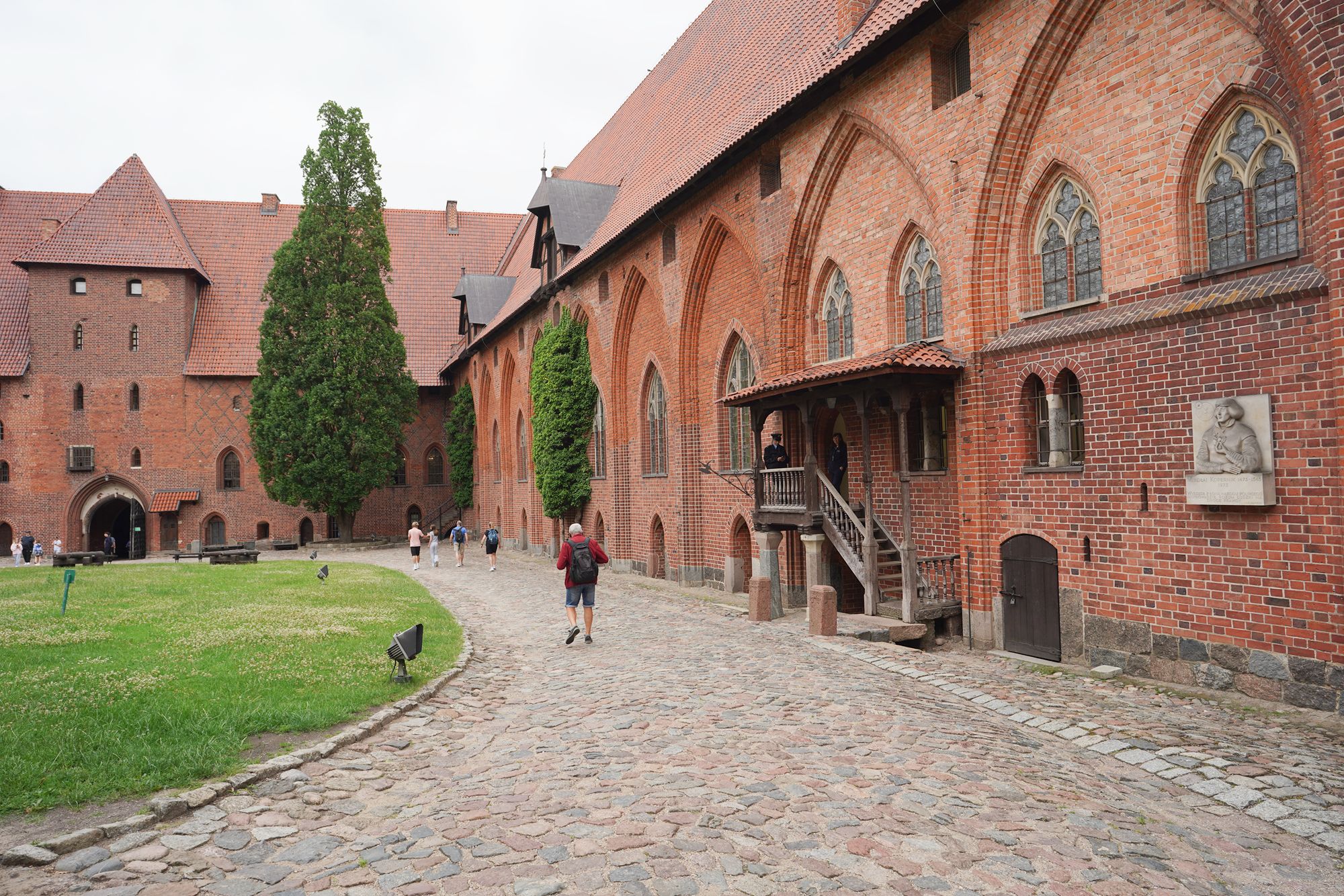
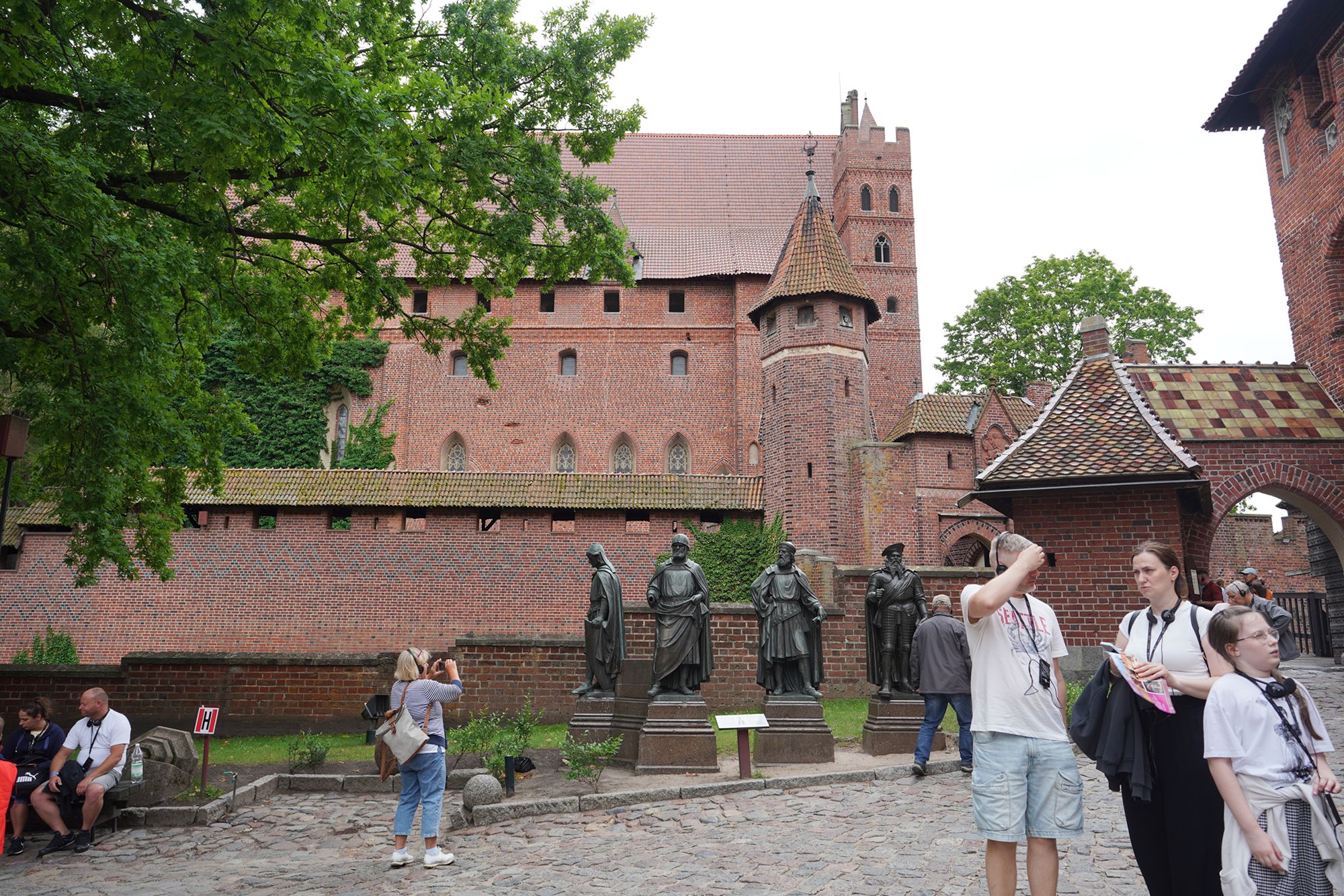
Malbork Castle is an enormous brick complex built by the Teutonic Knights and later used by Polish rulers. I began by walking through its outer grounds, where high walls, towers, and courtyards give a sense of its scale. This introduces the castle’s history and prepares me for its interior rooms.
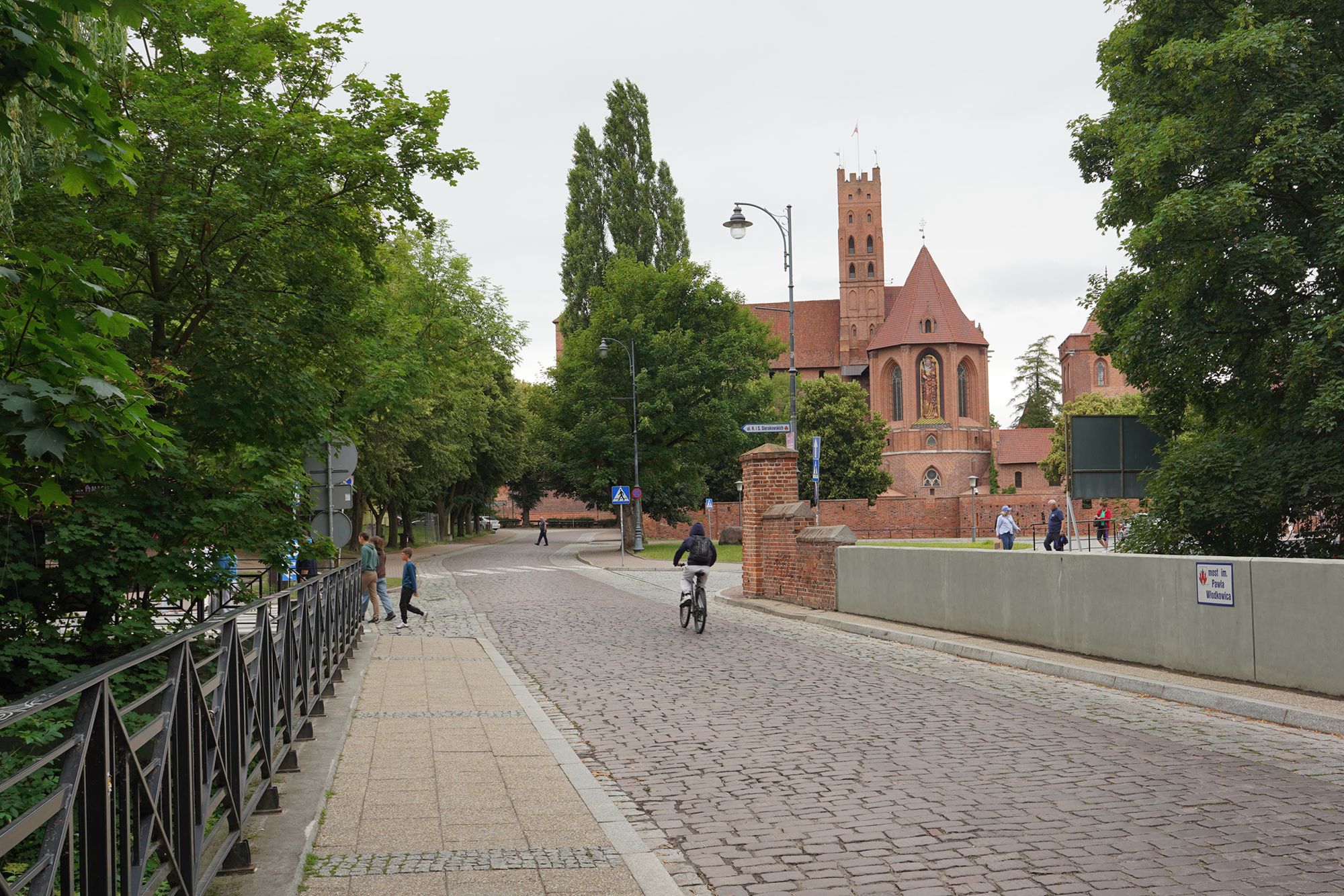
Malbork Castle is in the town of Malbork, about 60 kilometers southeast of Gdańsk. I took a direct train from Gdańsk Główny to Malbork, a journey of about 50 minutes. From the station, it was a 15- to 20-minute walk to the castle.
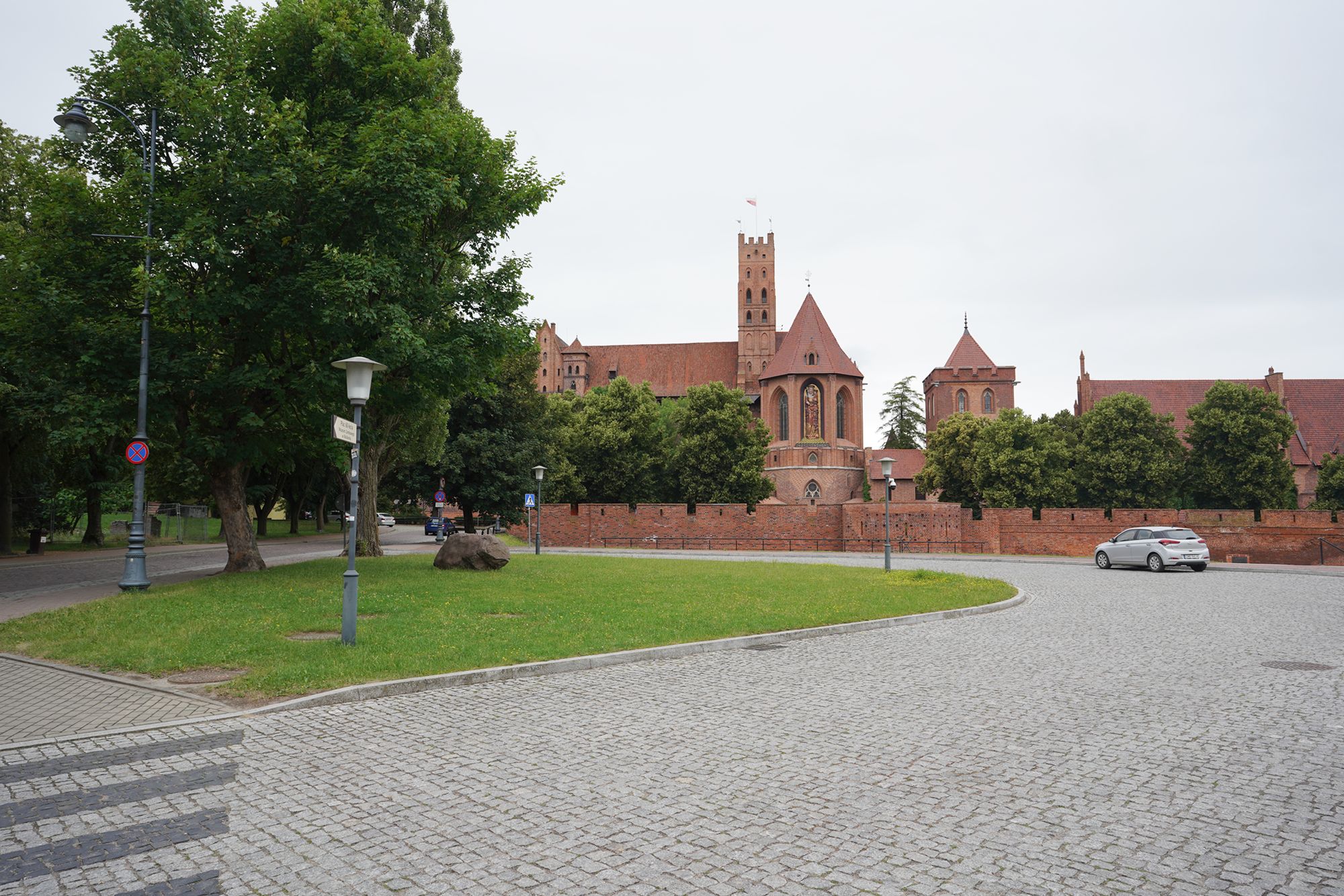
Malbork Castle was built by the Teutonic Knights in the late 13th century. In 1309, their Grand Master moved the Order’s headquarters here, and the castle grew into a major stronghold on the Baltic.
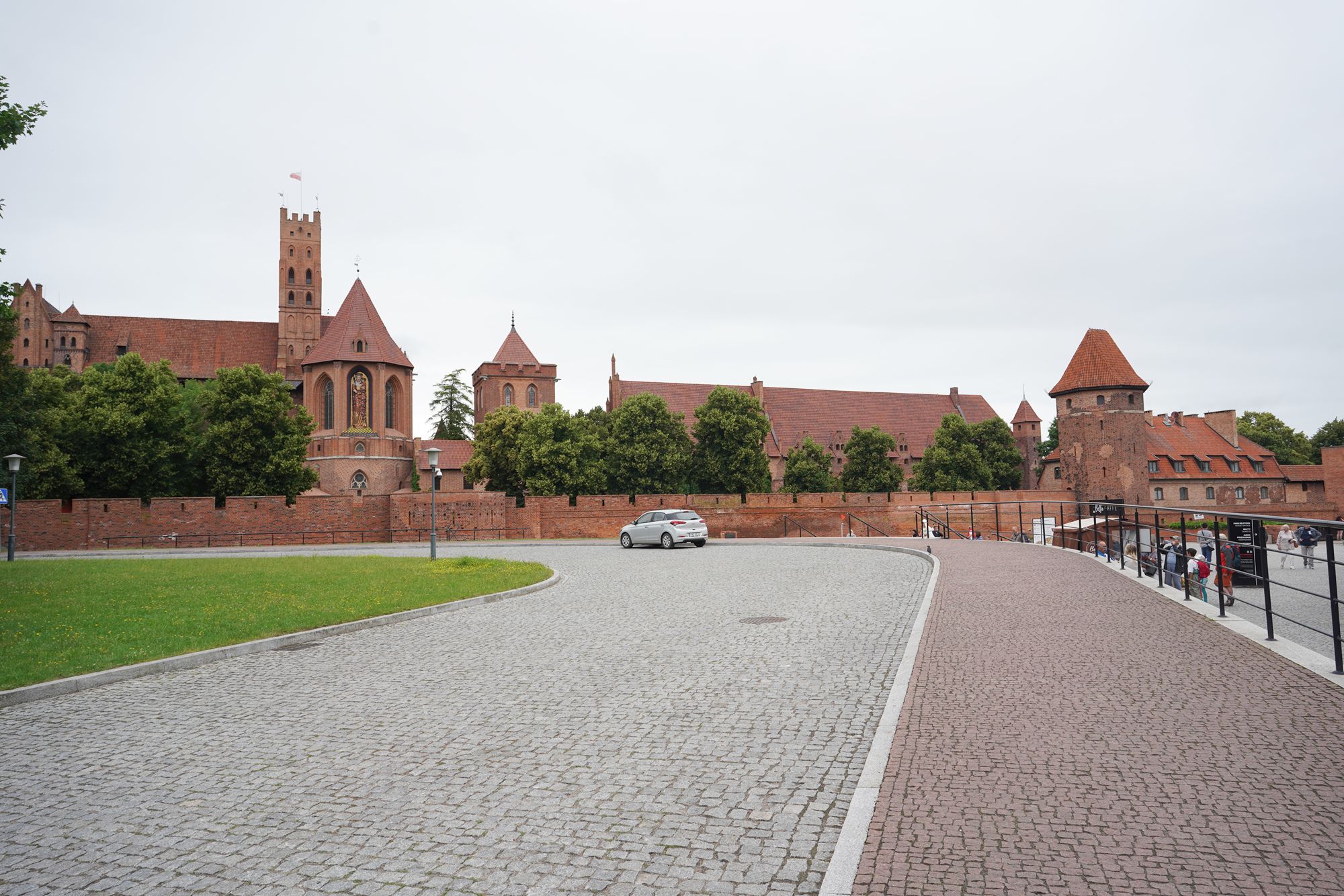
Polish forces took it in 1457, and it later served as a royal residence. After centuries of changes and damage during World War II, the castle was rebuilt and restored. Today it is a museum and a UNESCO World Heritage Site.
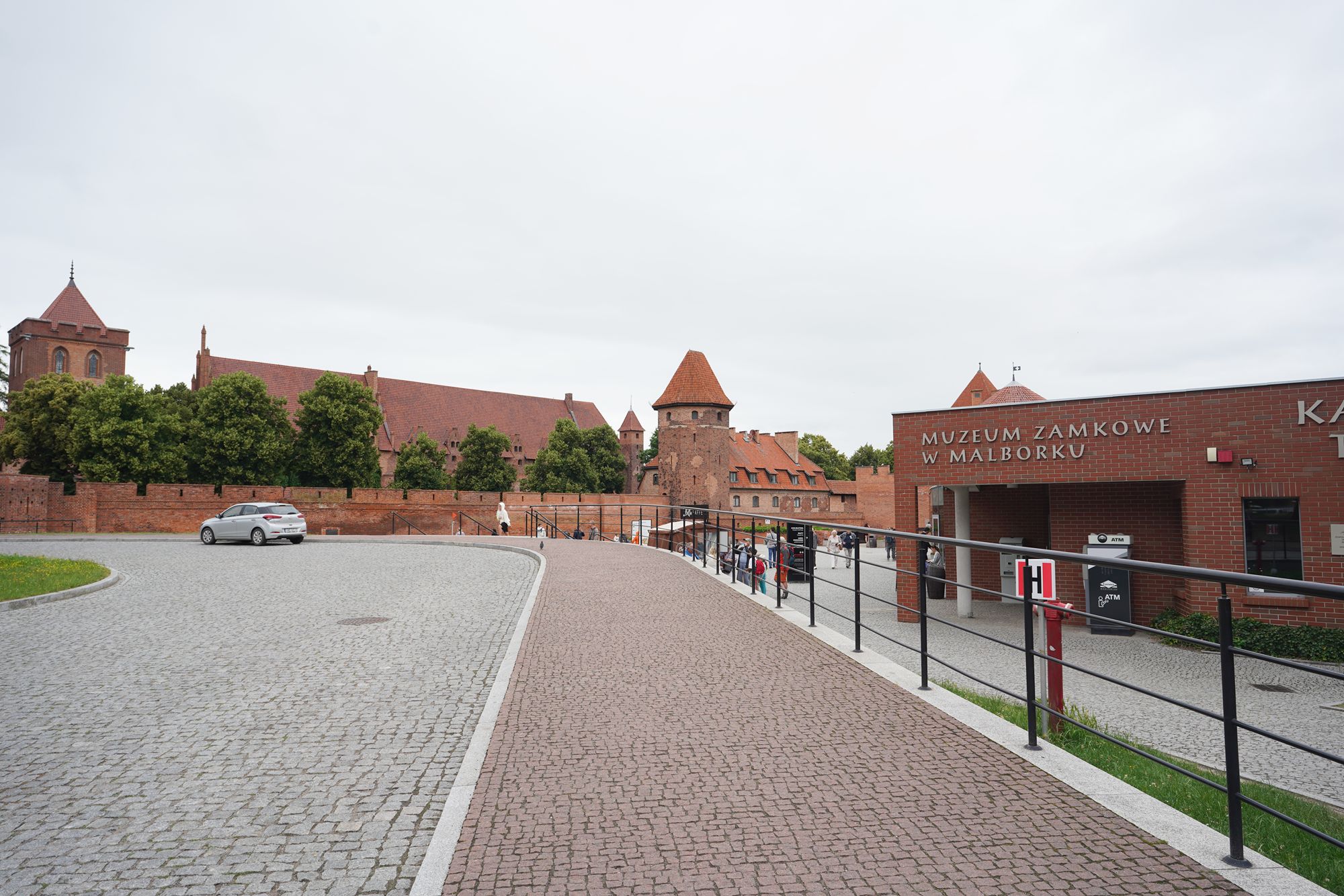
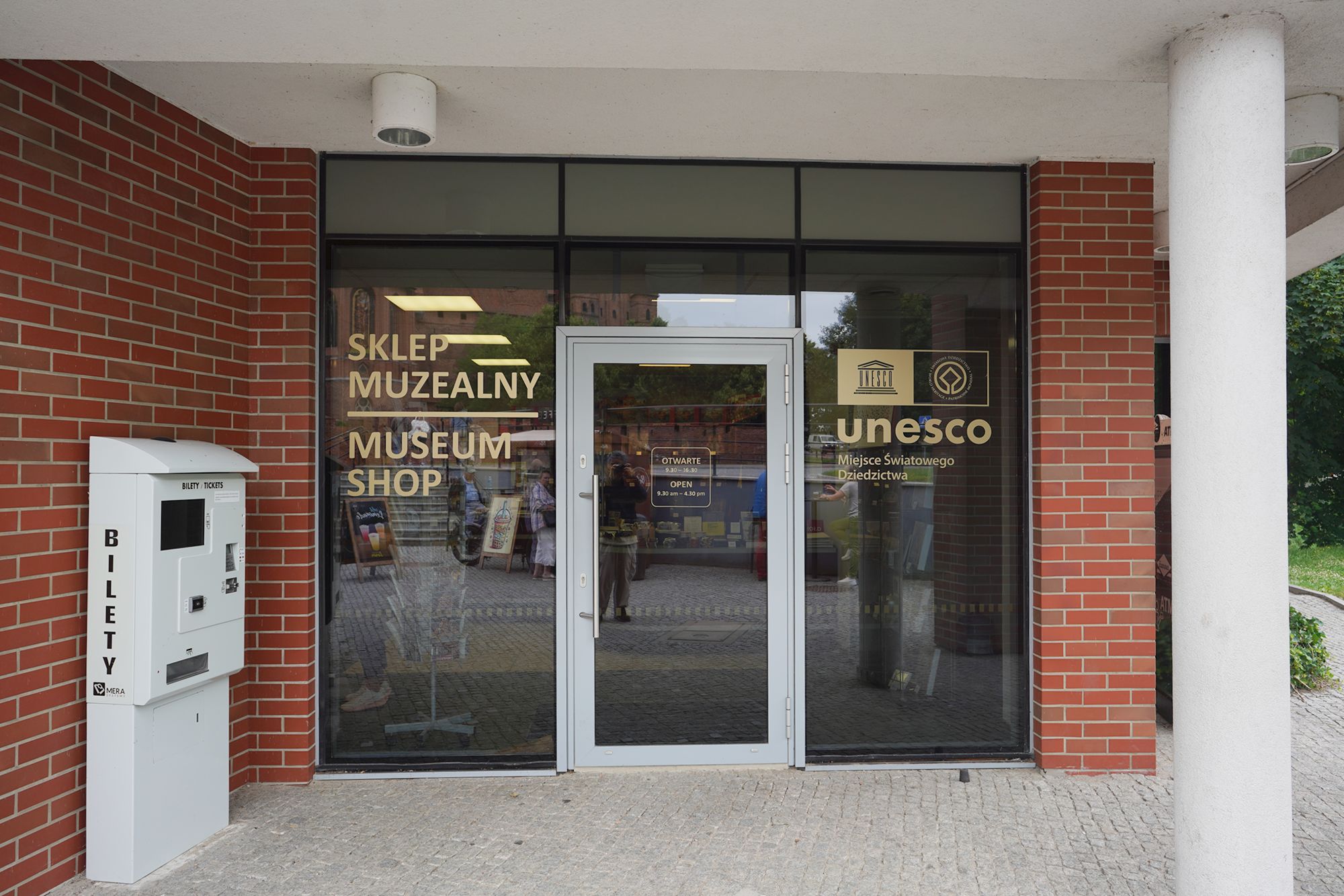
The Teutonic Knights were a religious military order: its members took monastic vows but also fought as knights. Duke Konrad of Masovia invited them to the region in the 13th century to help defend his lands and convert the Old Prussians to Christianity. The Order then conquered territory and built its own powerful state. Malbork Castle became the headquarters of its Grand Masters in 1309.
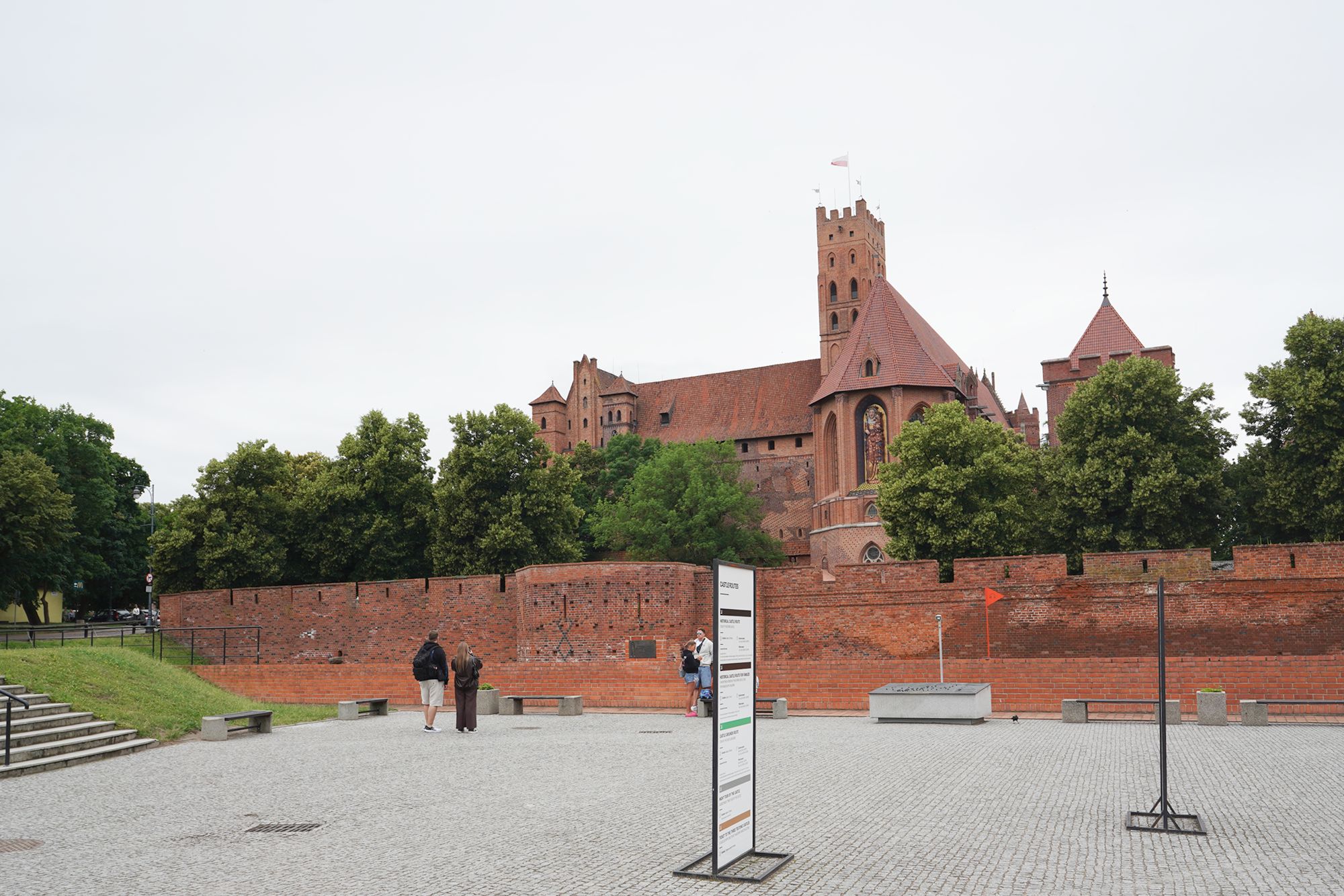
Poland existed then, but in 1226 it was divided into regional duchies rather than ruled as one unified kingdom. Duke Konrad of Masovia invited the Teutonic Knights to help defend his territory and convert the Old Prussians. The relationship later turned hostile: the Order built its own state and fought Poland and Lithuania for control of nearby lands.
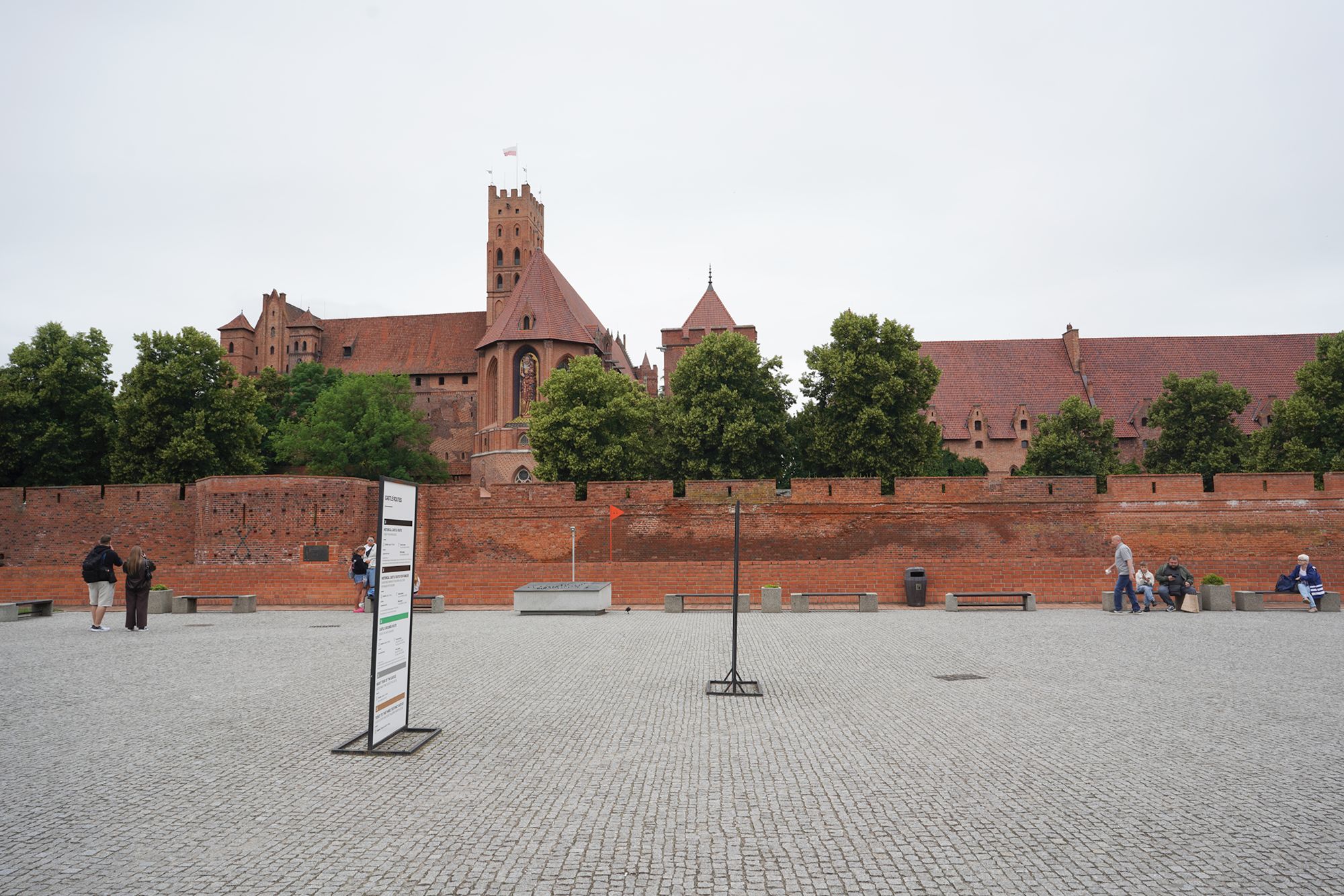
After Poland and Lithuania defeated the Knights at Grunwald in 1410, Malbork remained in their hands. Polish forces took the castle in 1457, and the 1466 peace treaty confirmed Polish rule over the region.
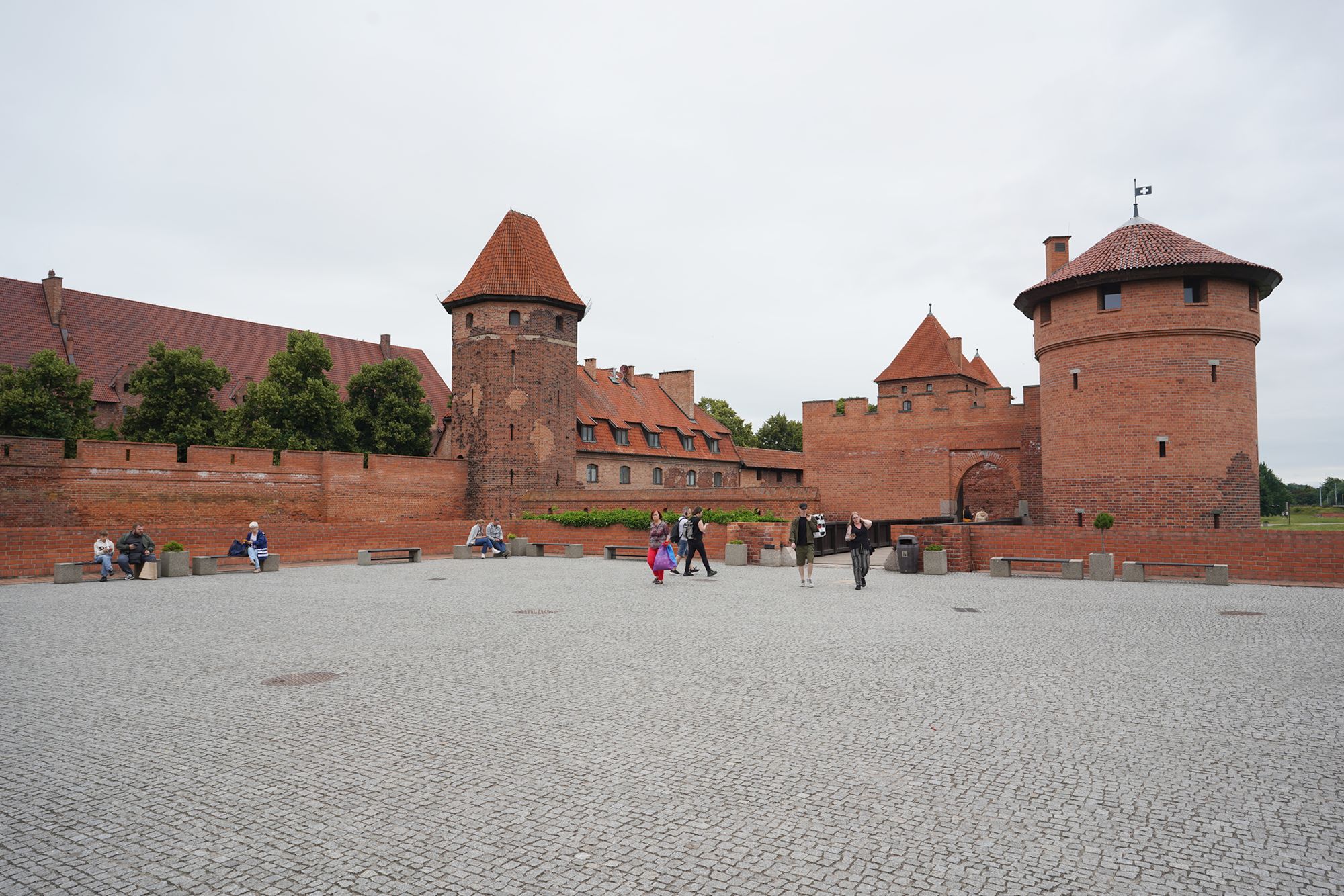
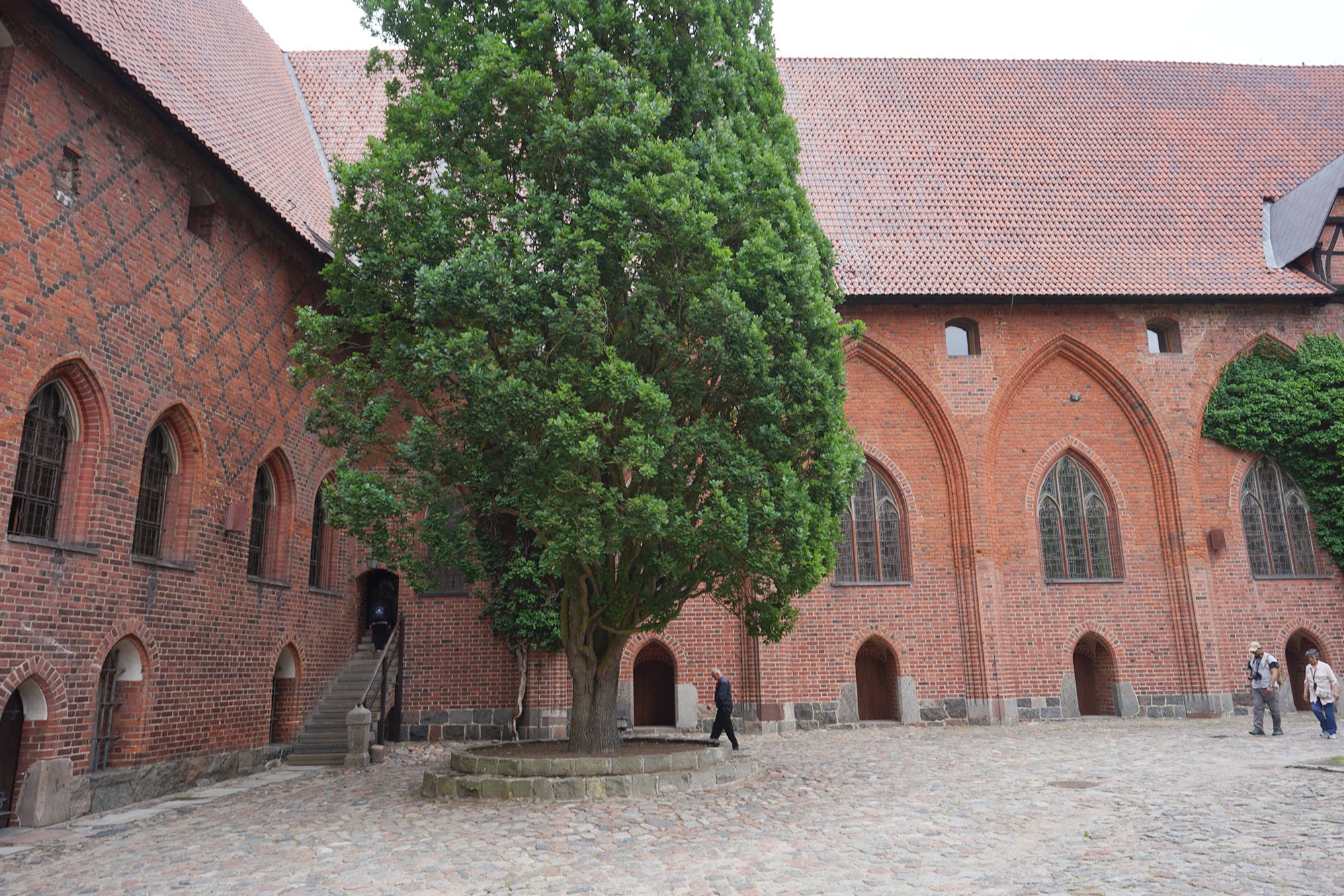
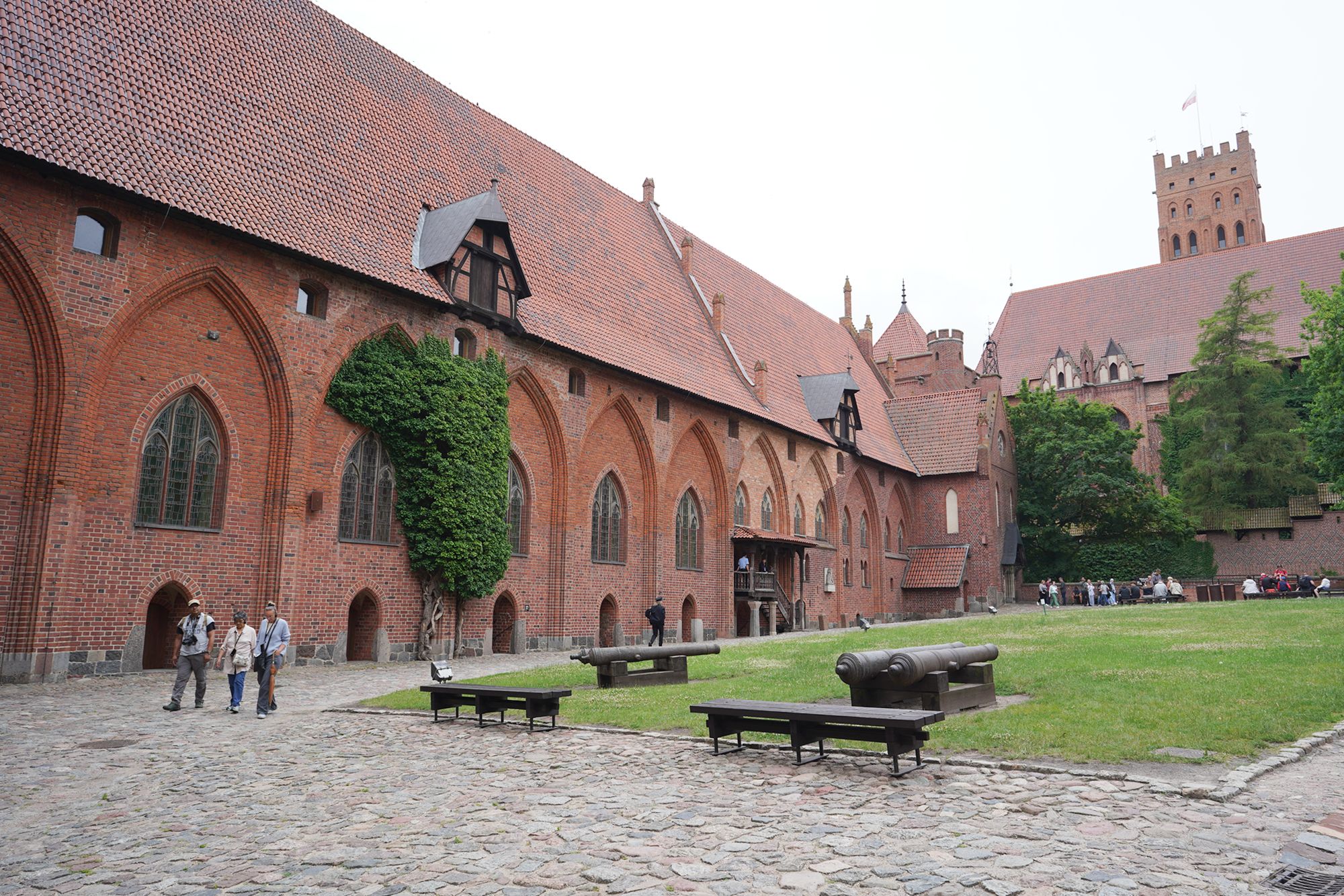
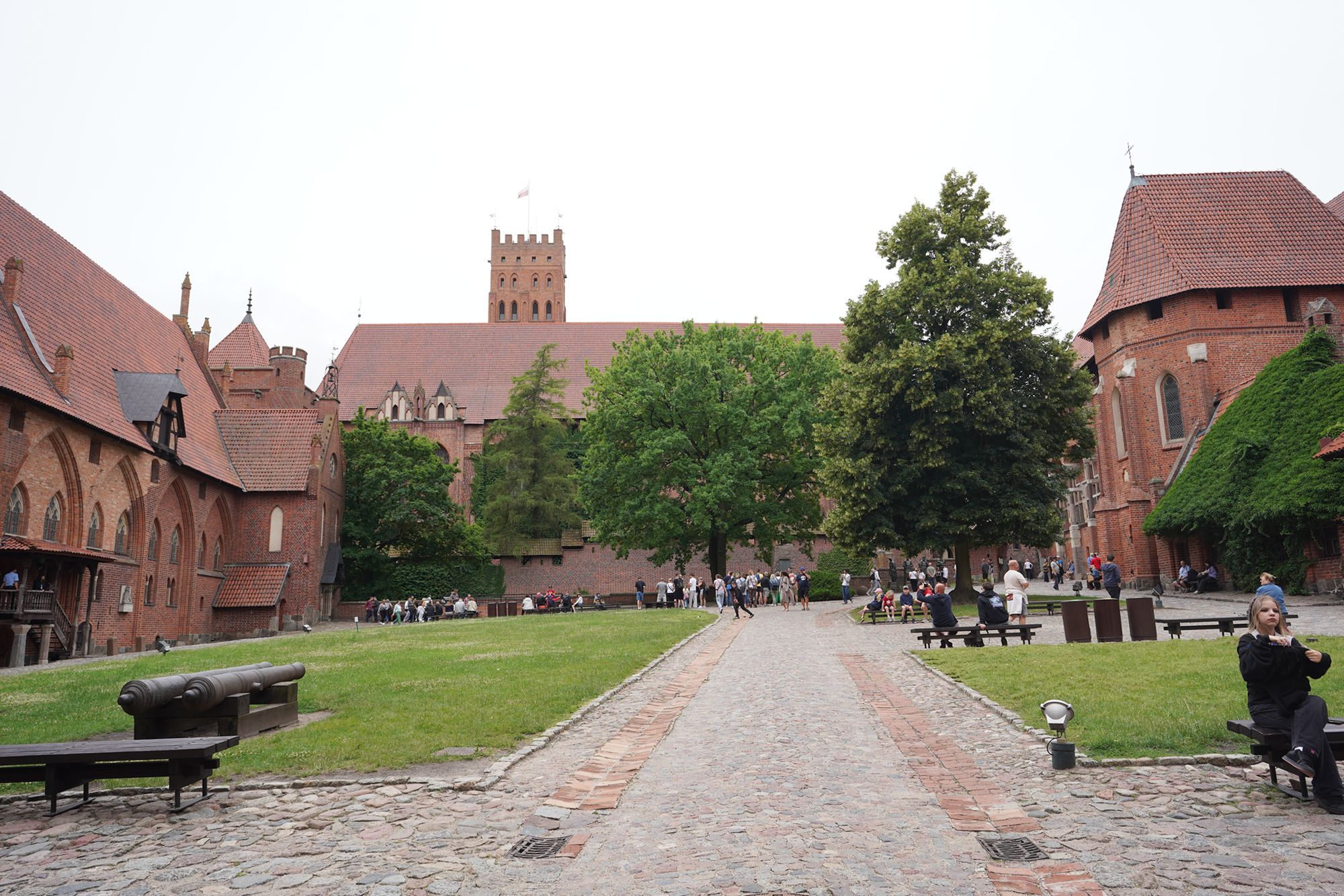
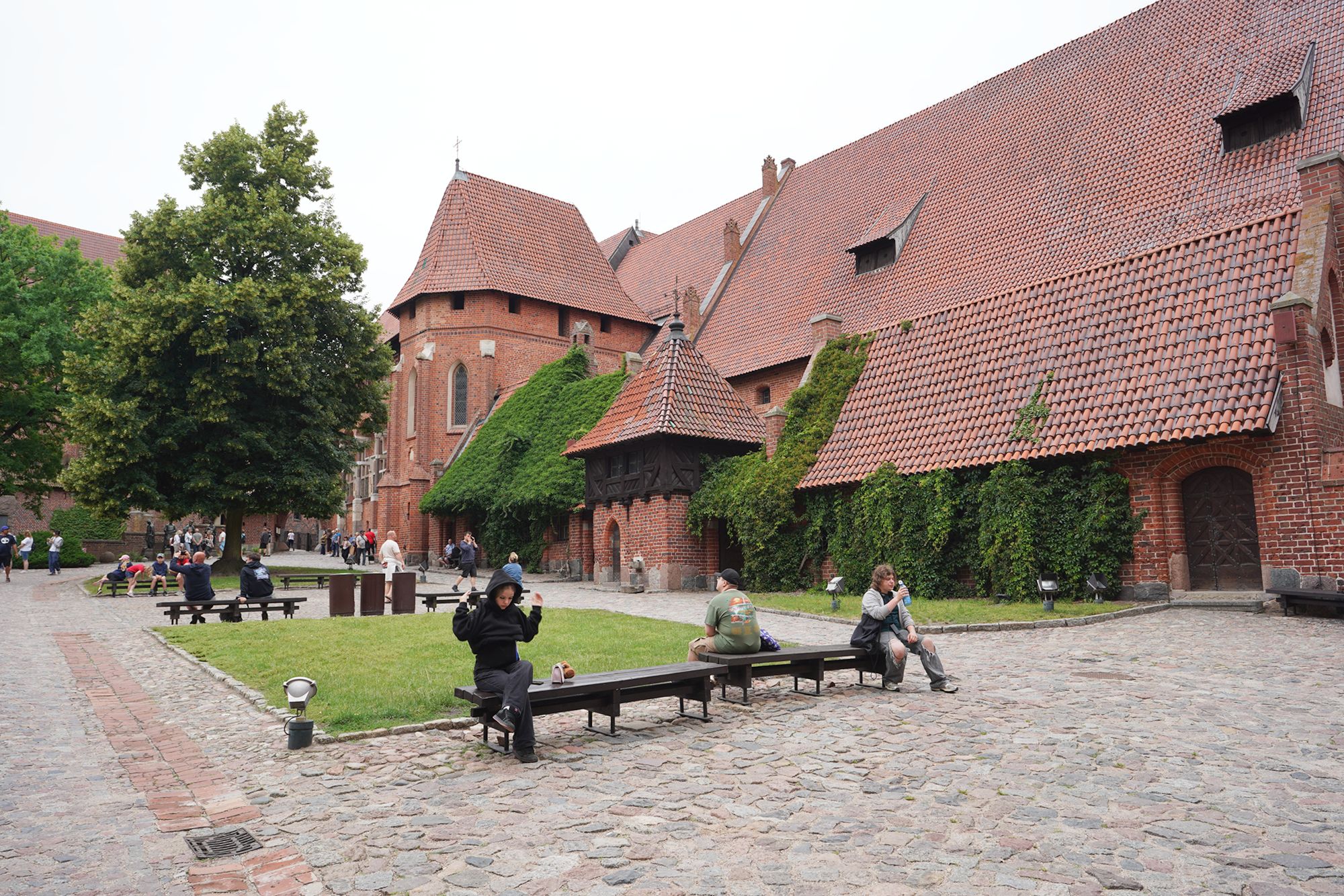
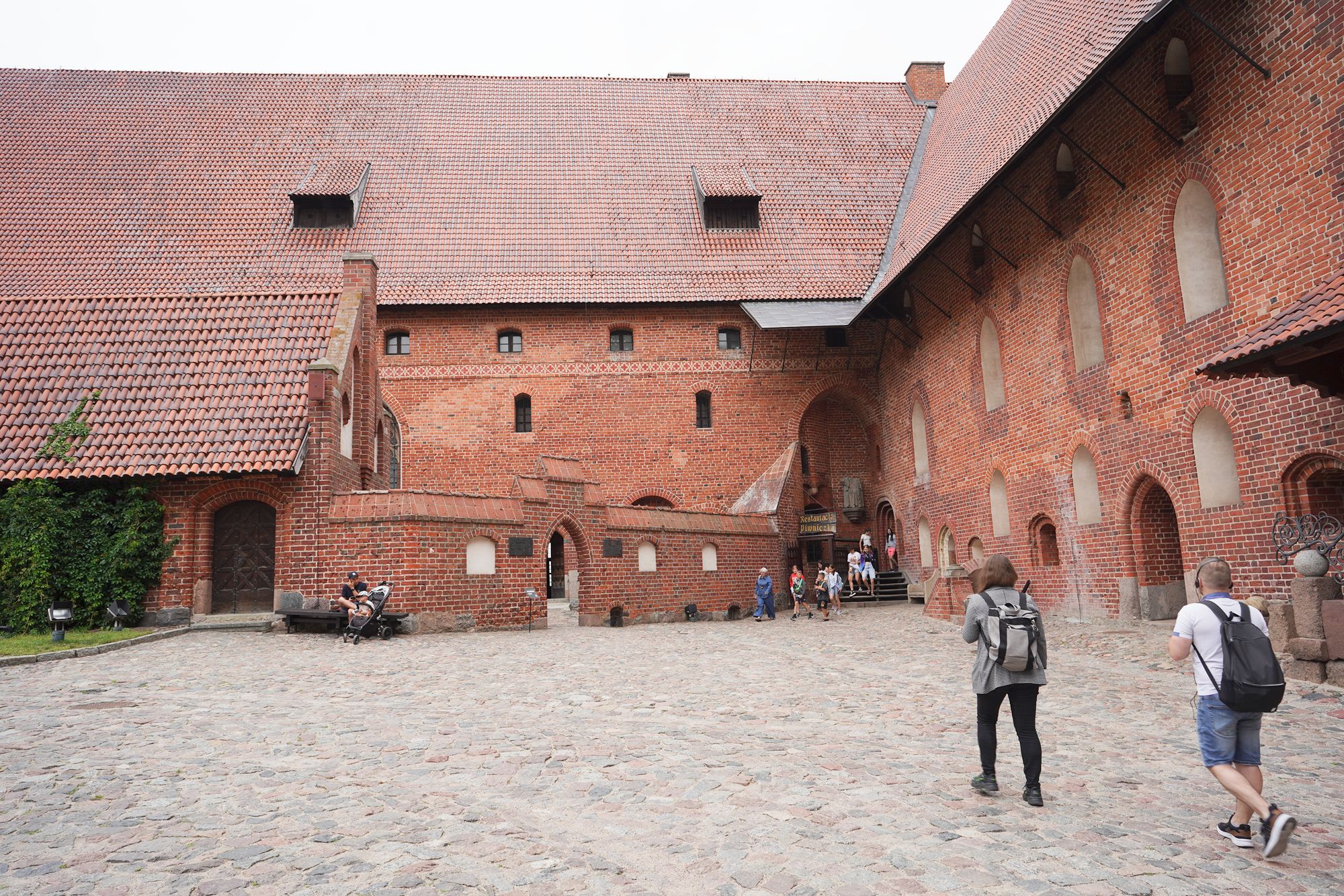
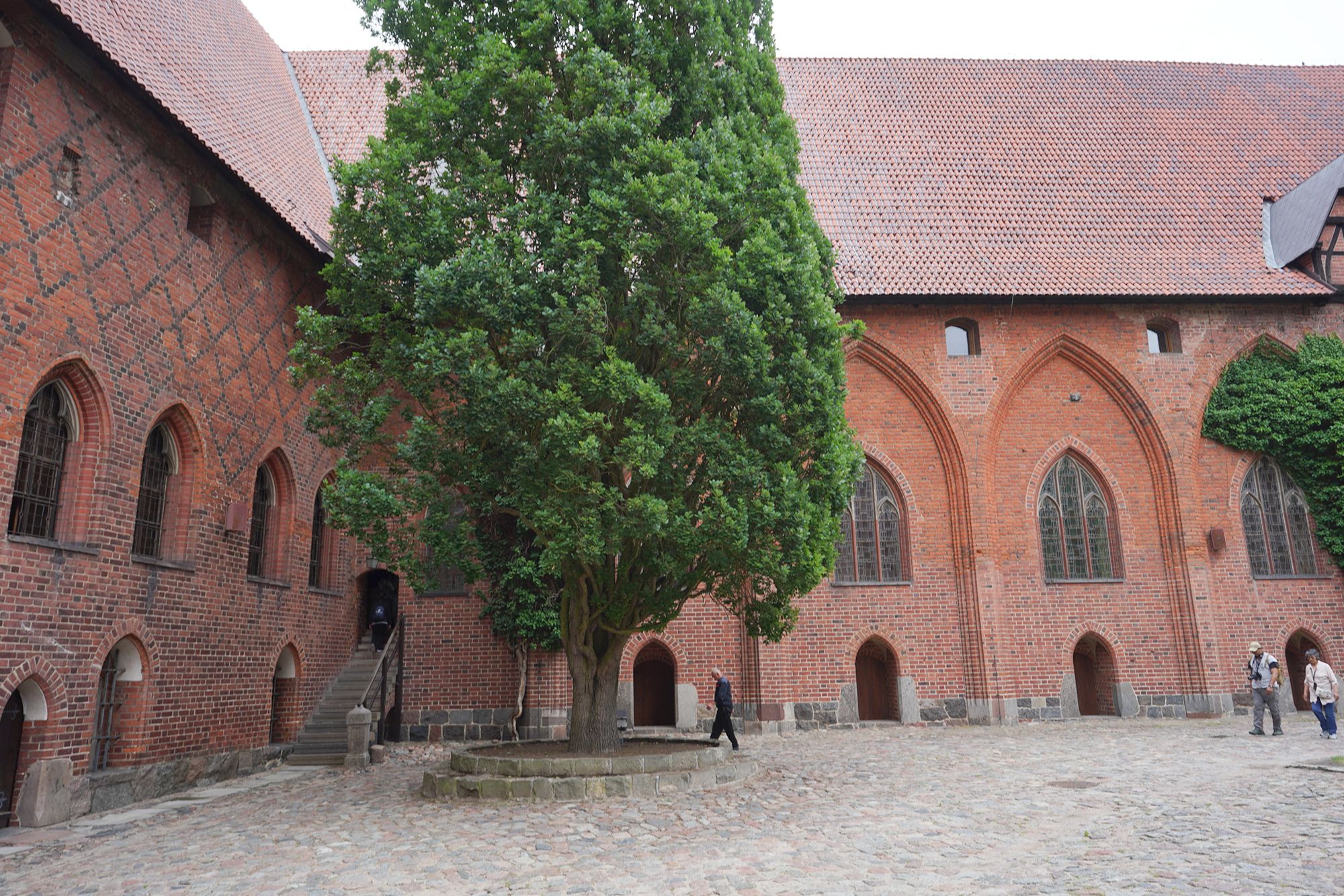
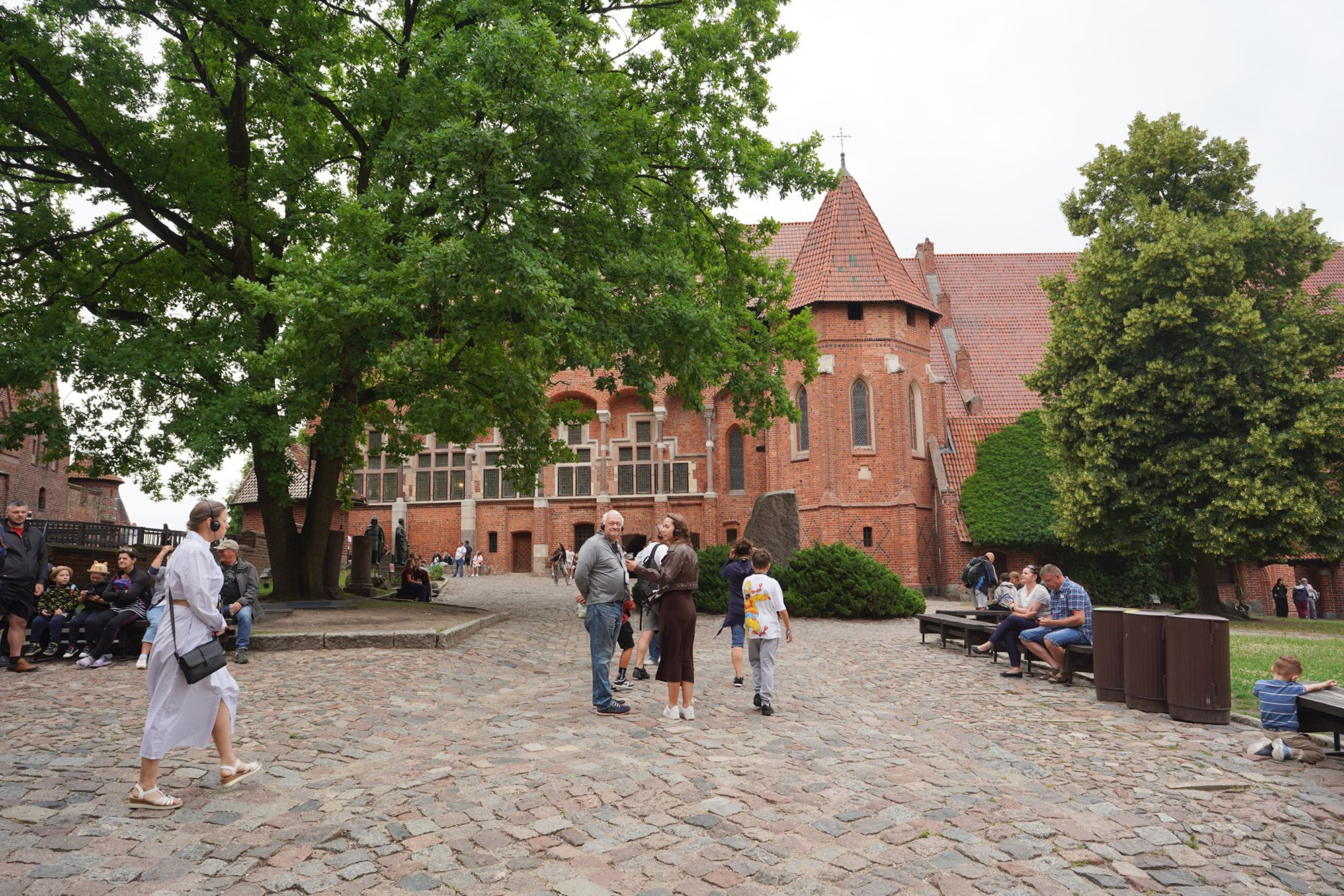
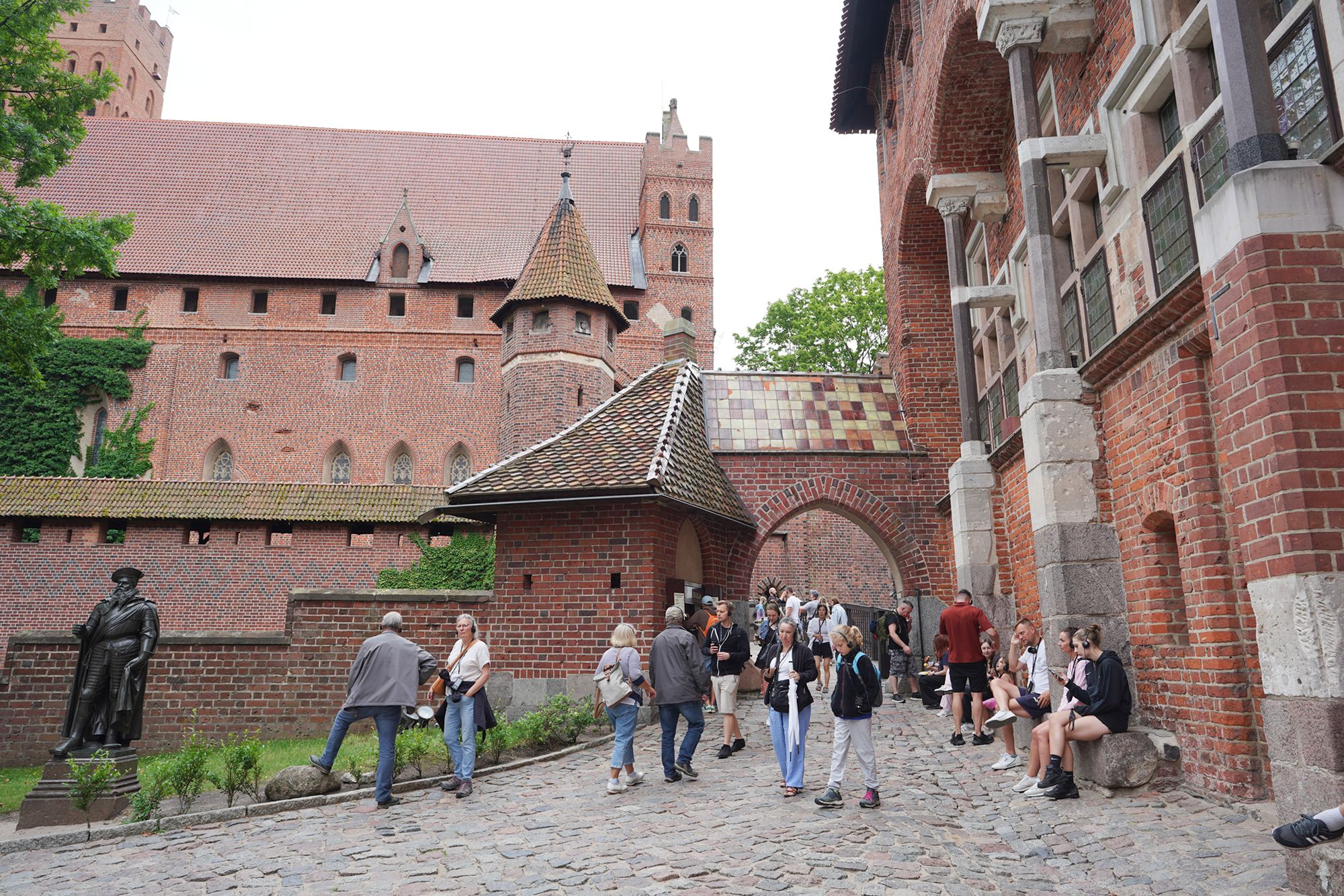
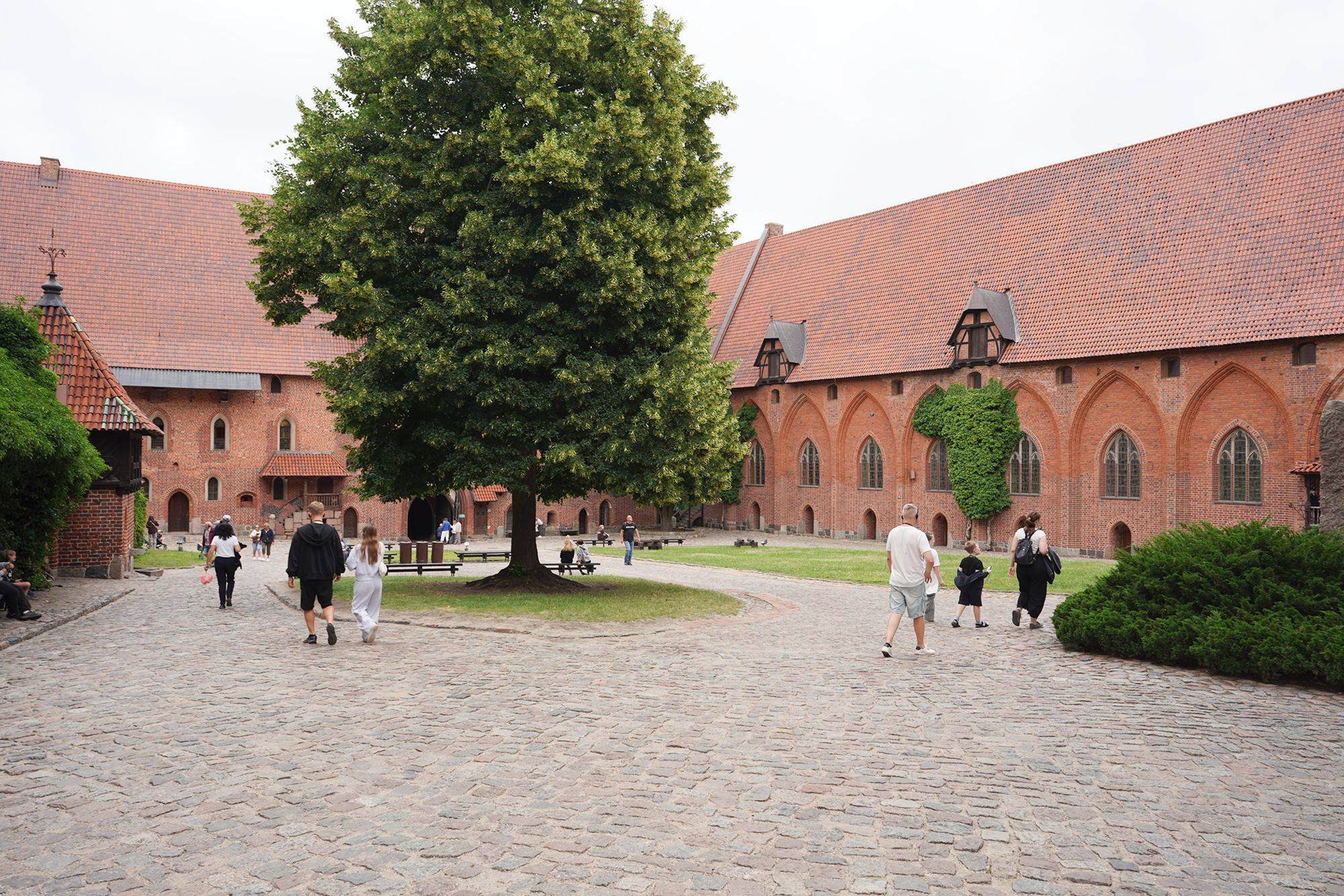
Malbork Castle is made up of three connected sections: the High Castle, the Middle Castle, and the Low Castle, also known as the Outer Bailey. The High Castle was the Order’s fortified convent. The Middle Castle held the Grand Master’s palace and the Great Refectory, while the Low Castle contained the armory, workshops, stables, and other service buildings. Walls, courtyards, and moats separate the sections.
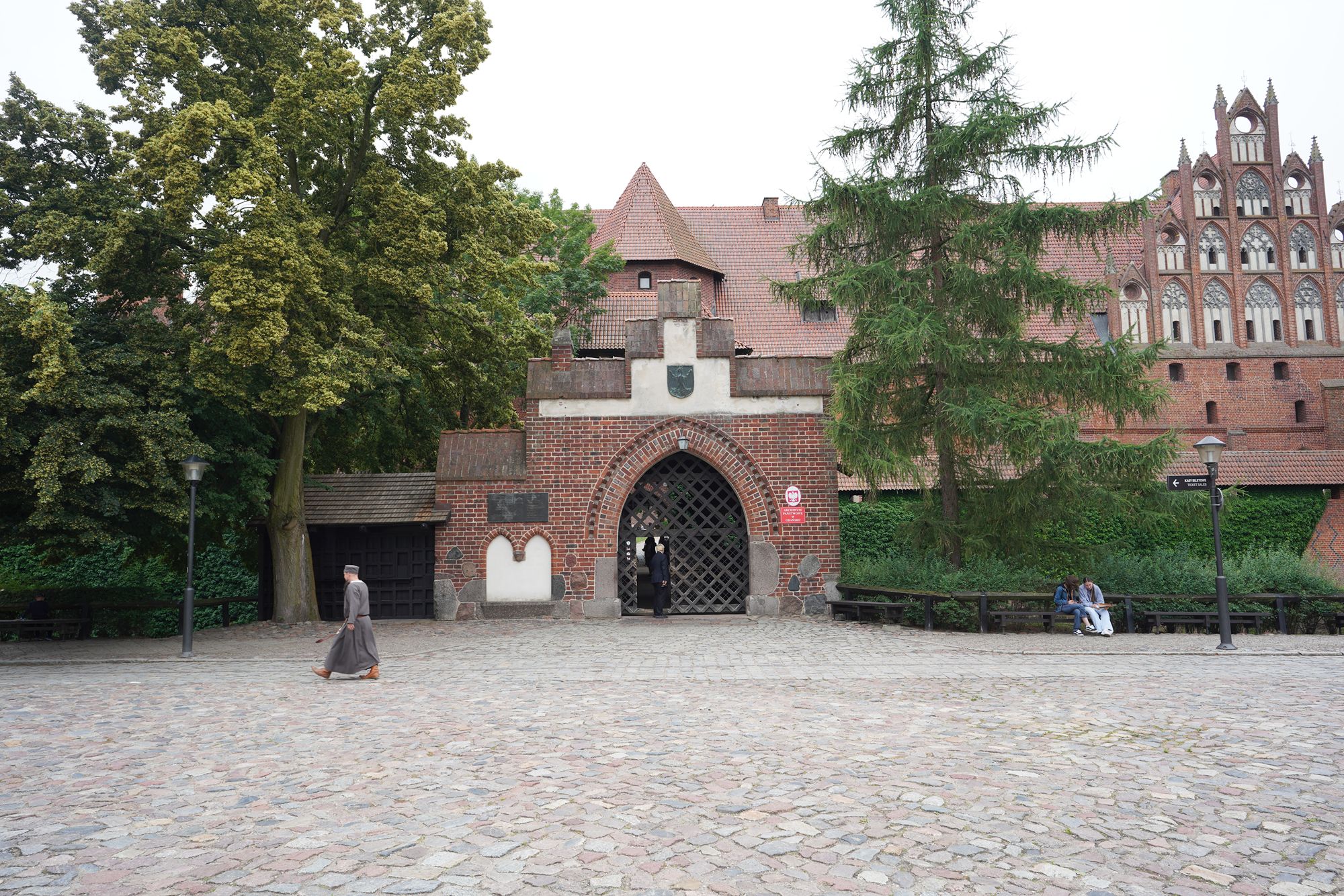
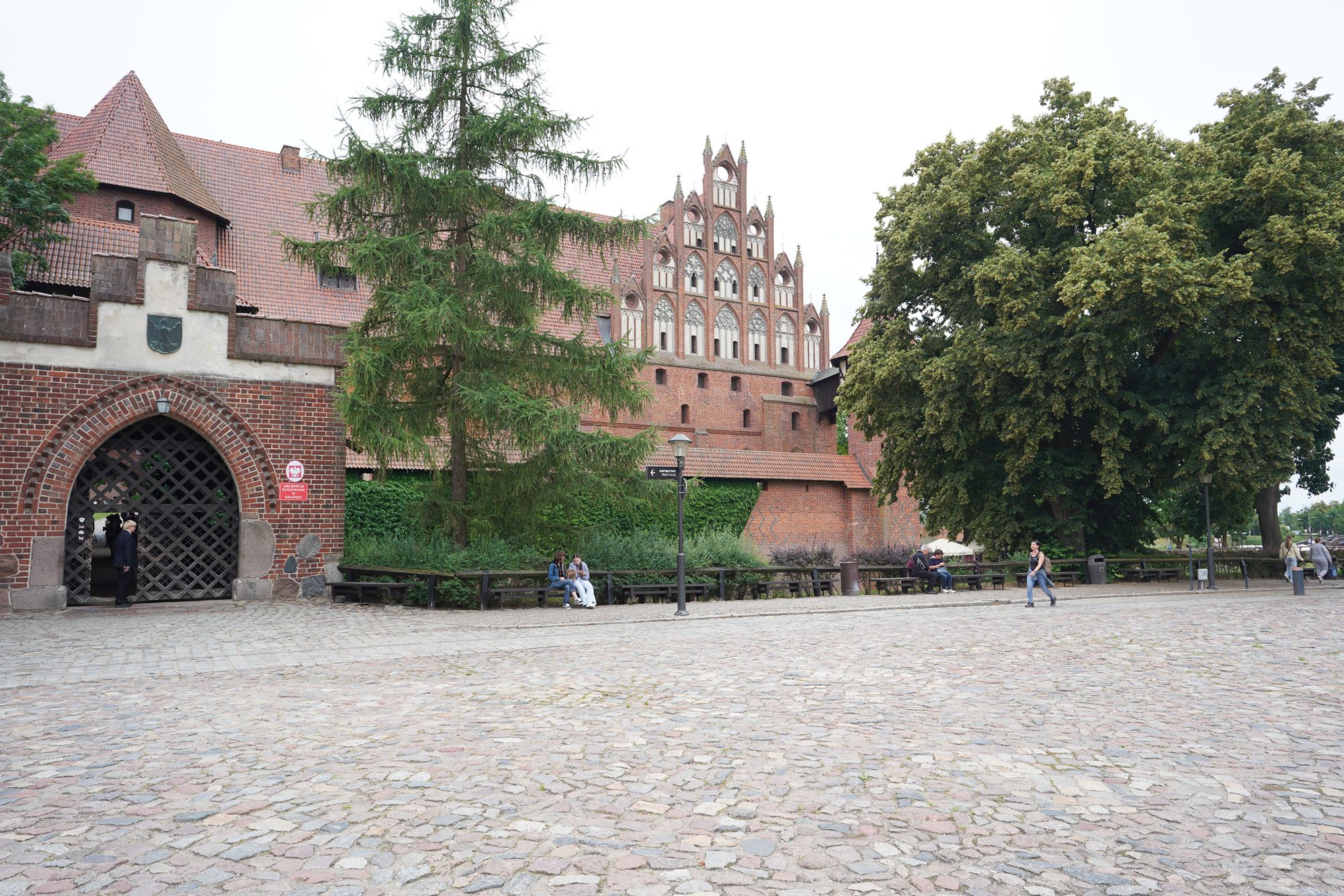
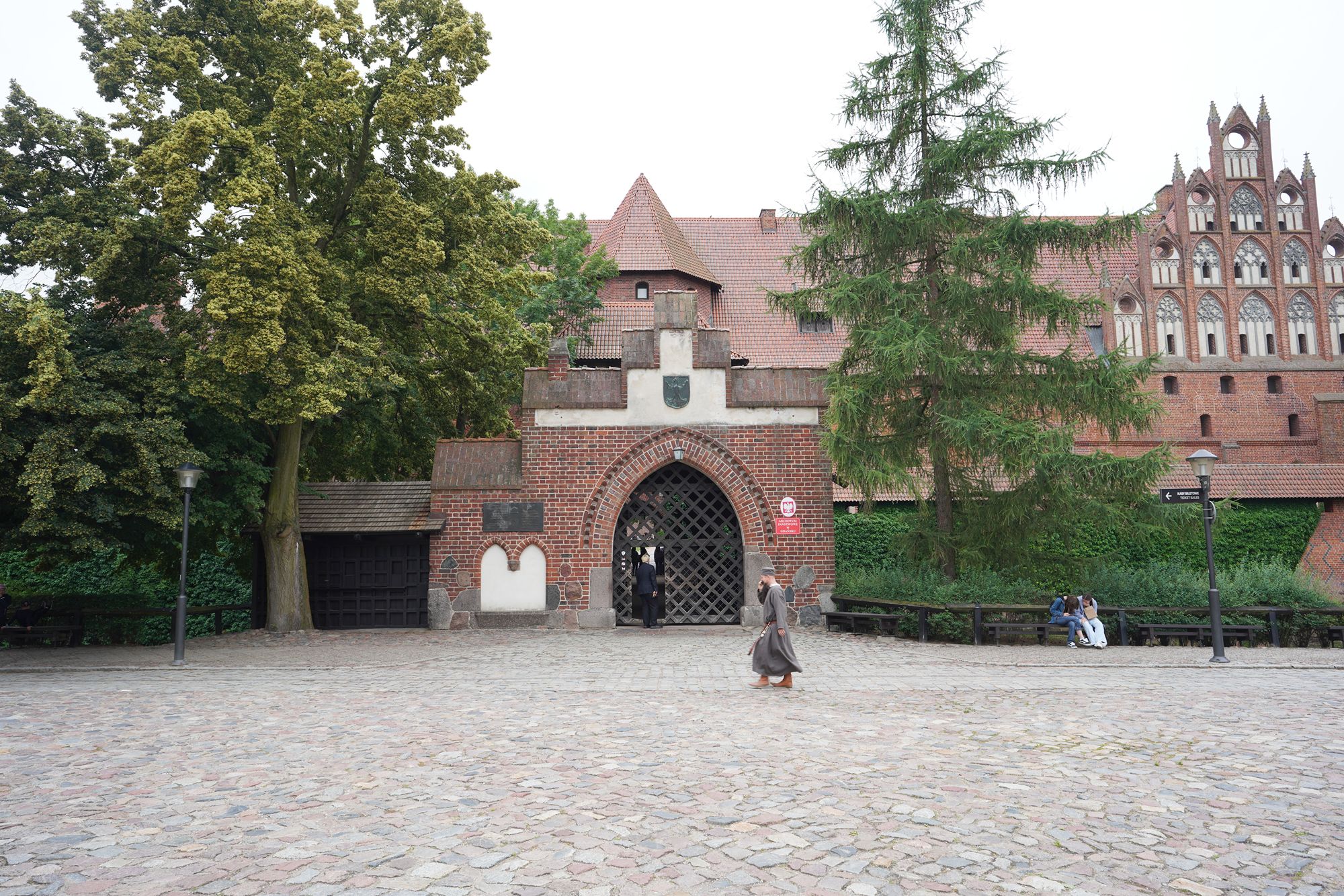
This gate leads into the Castle ground.
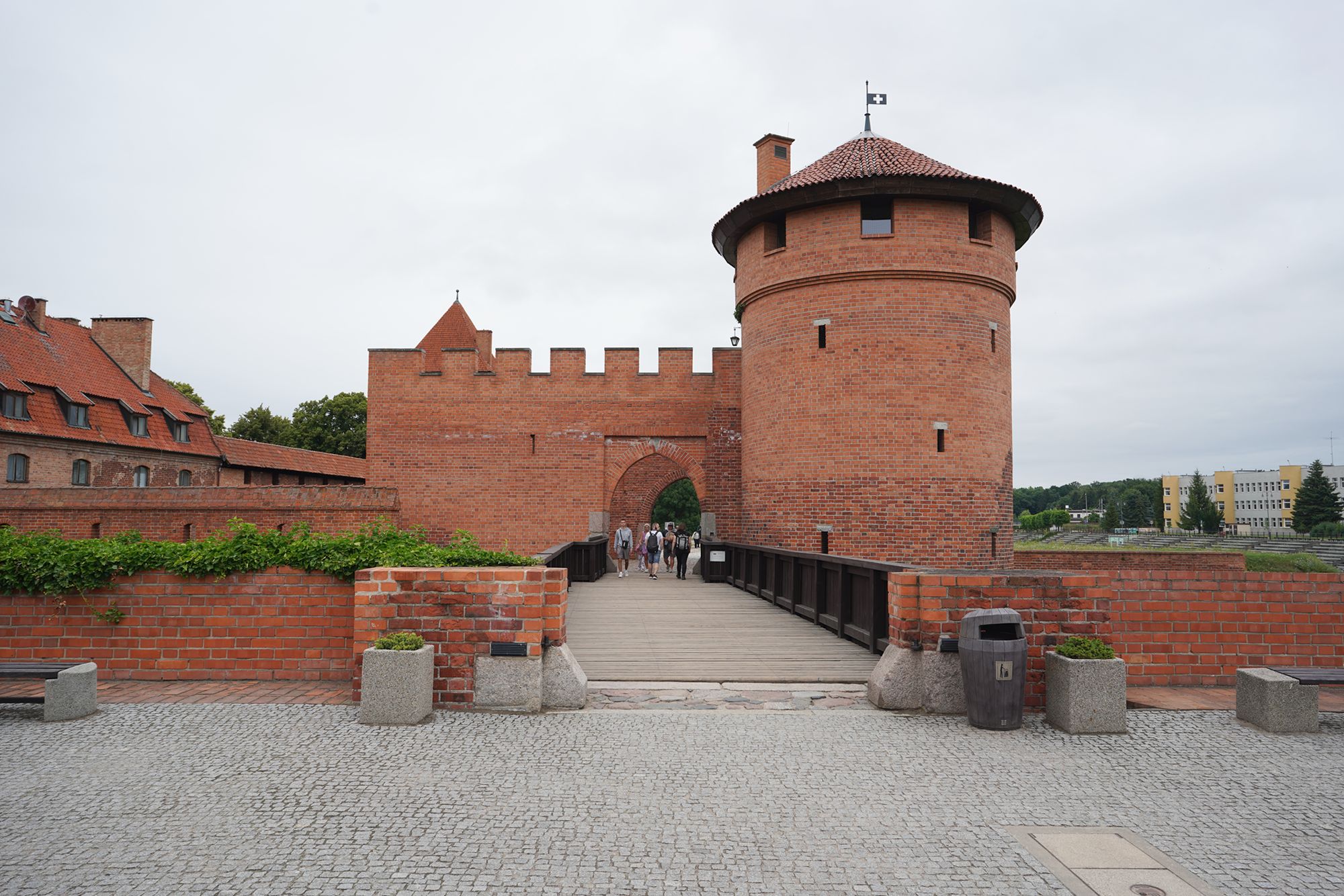
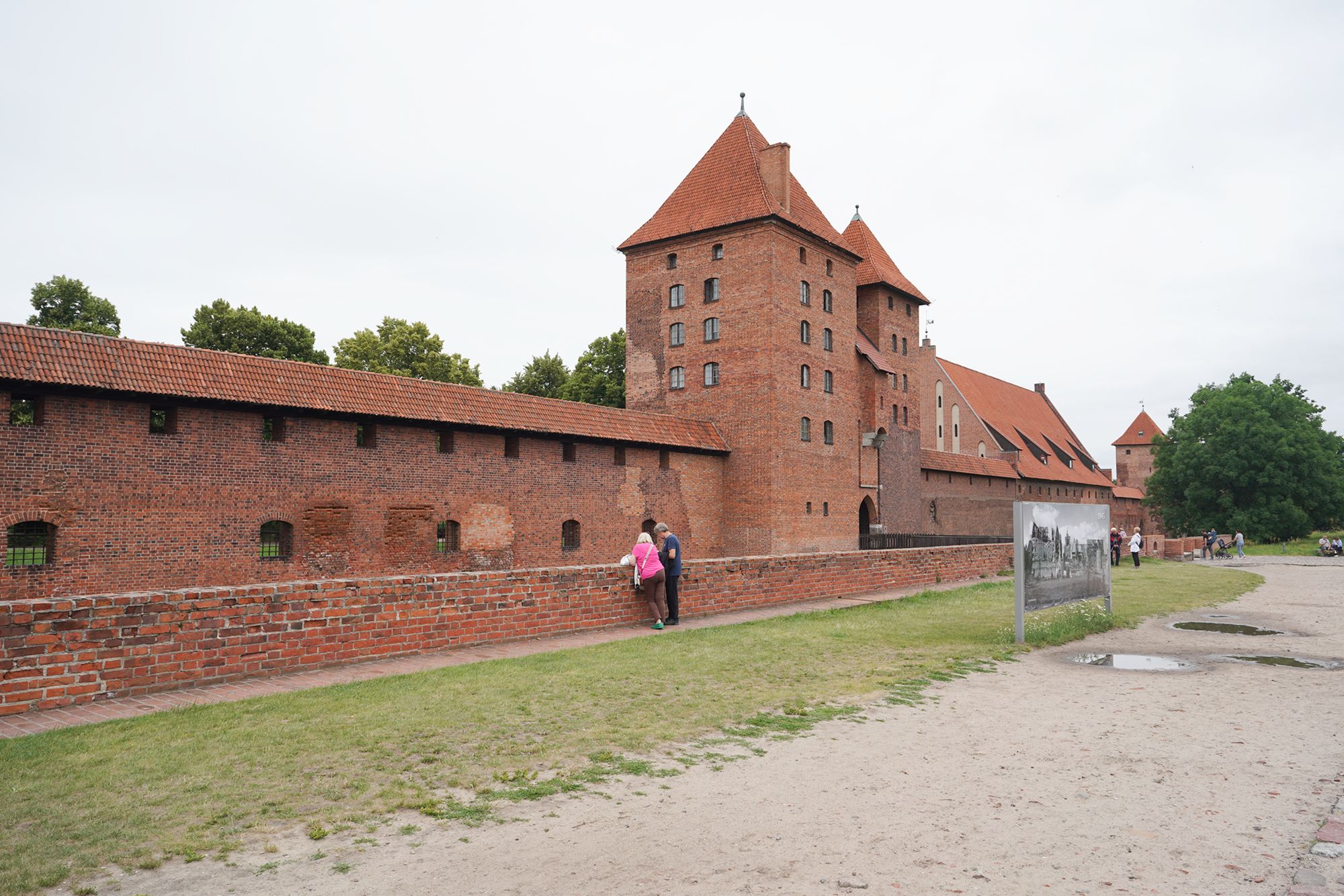
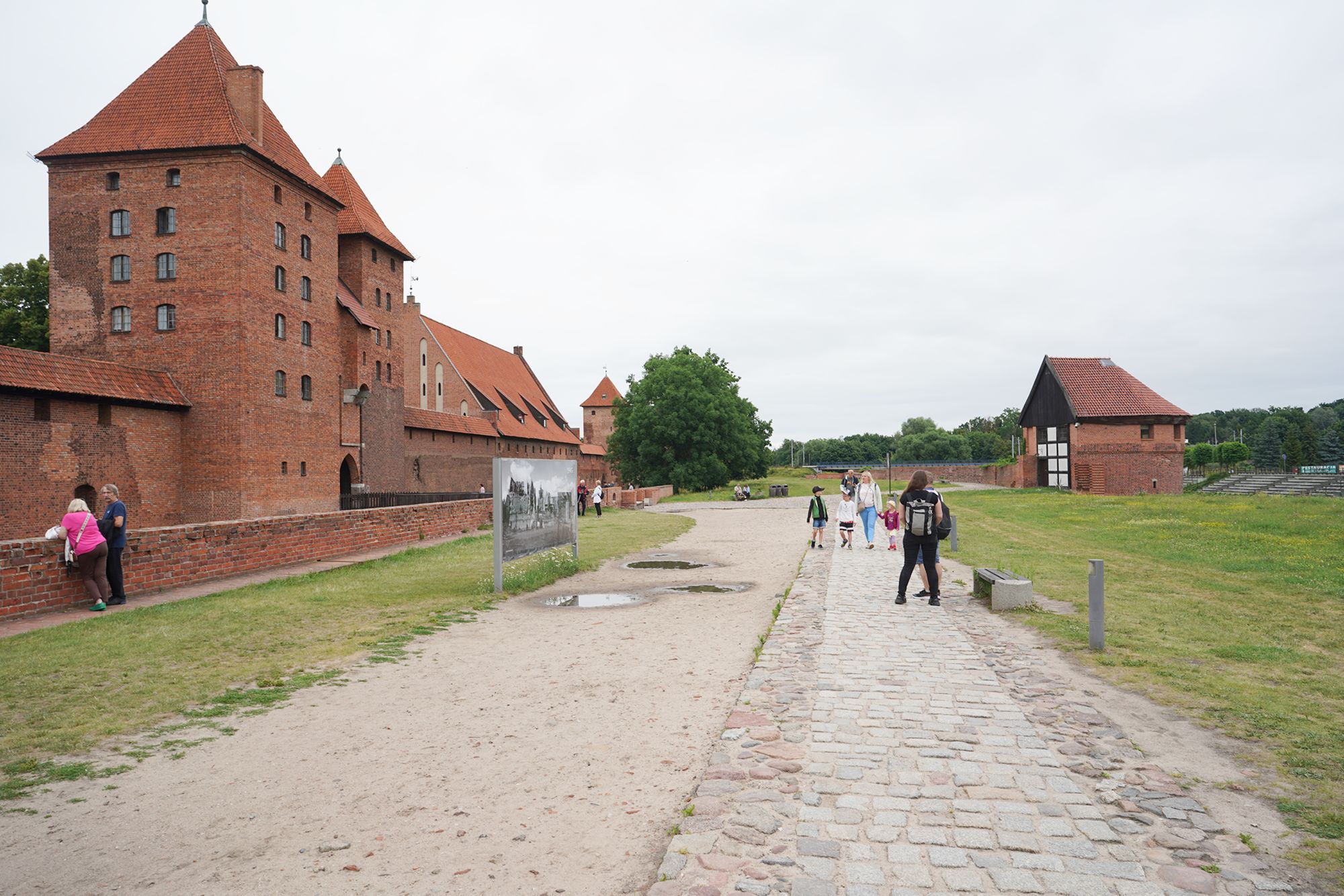
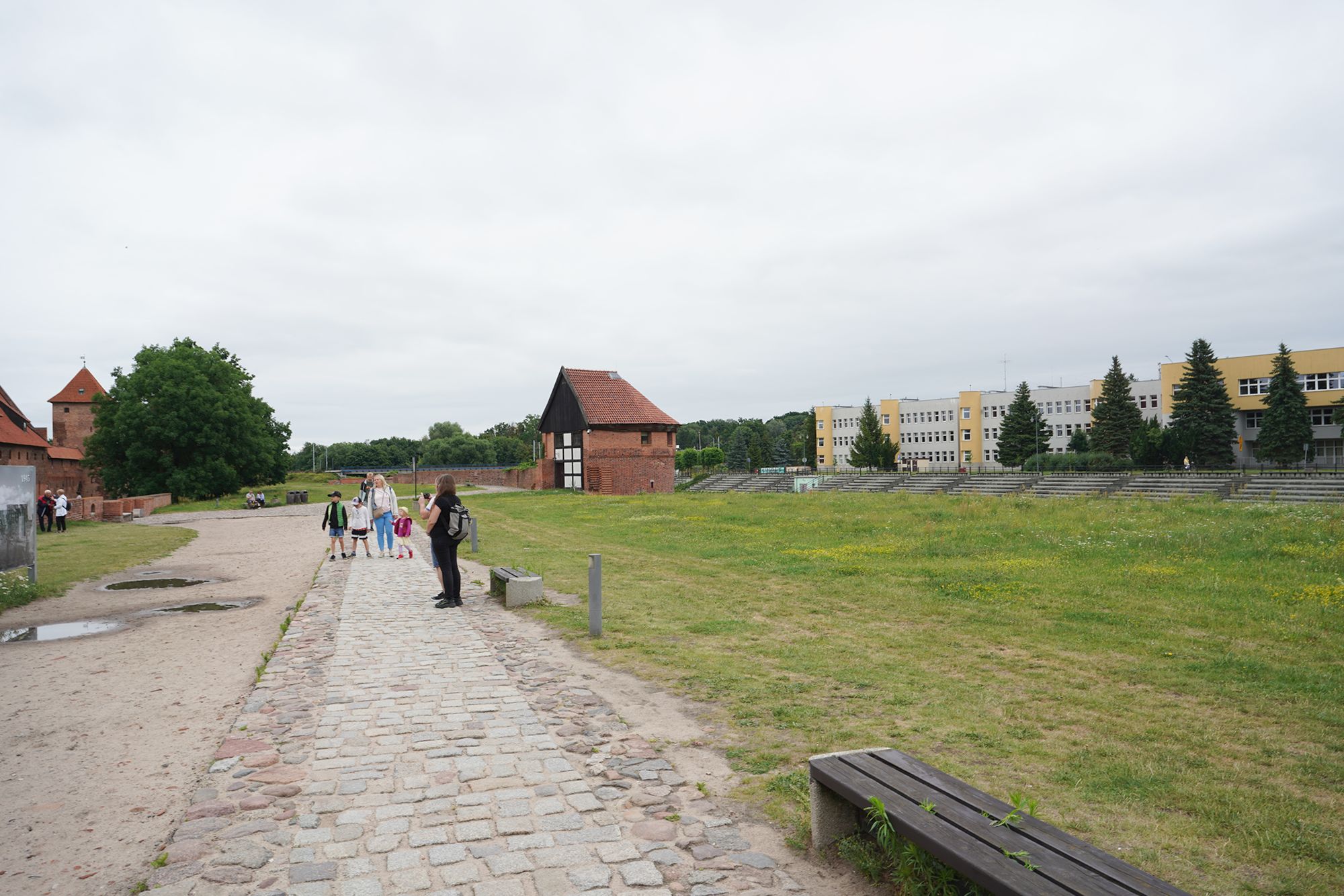
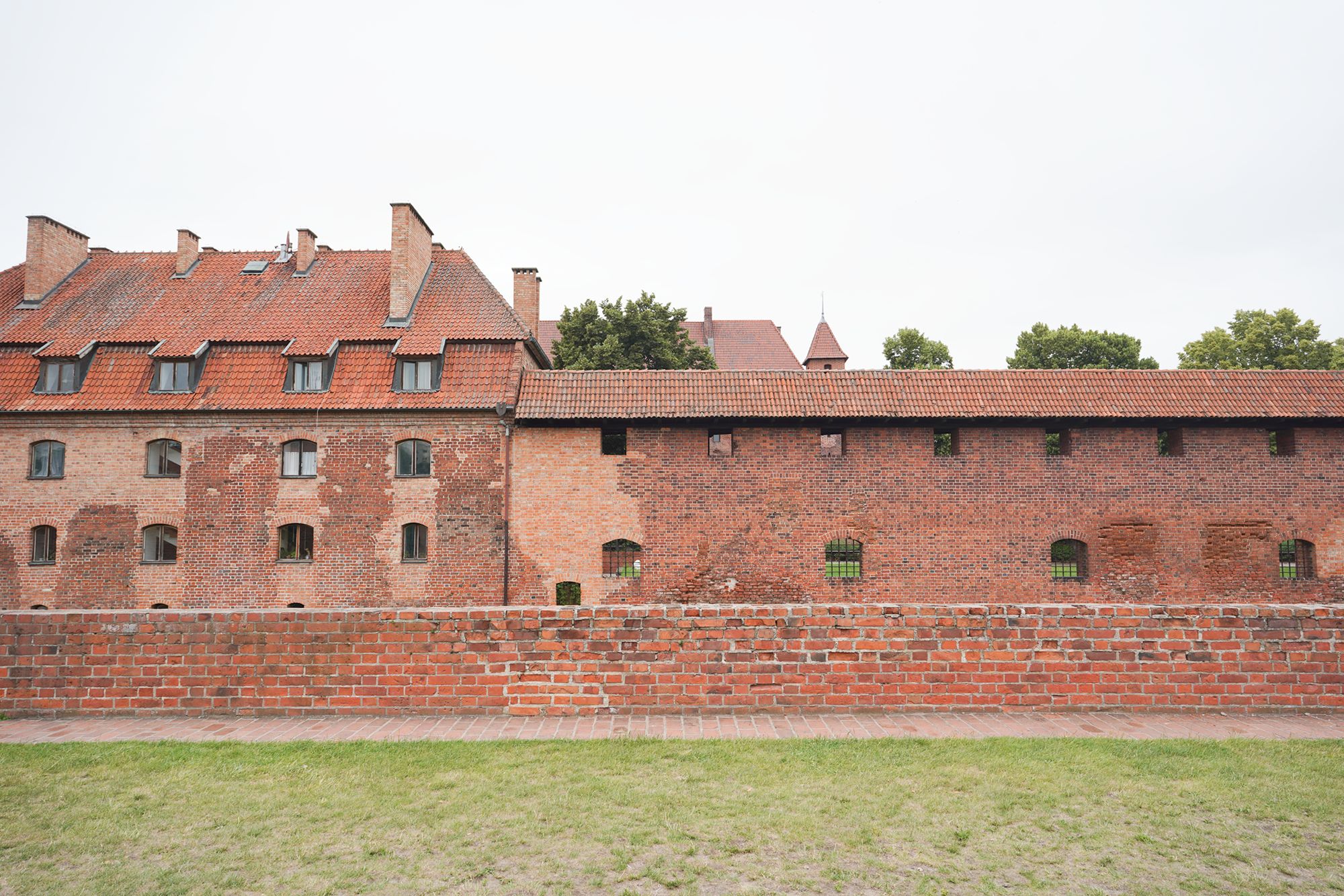
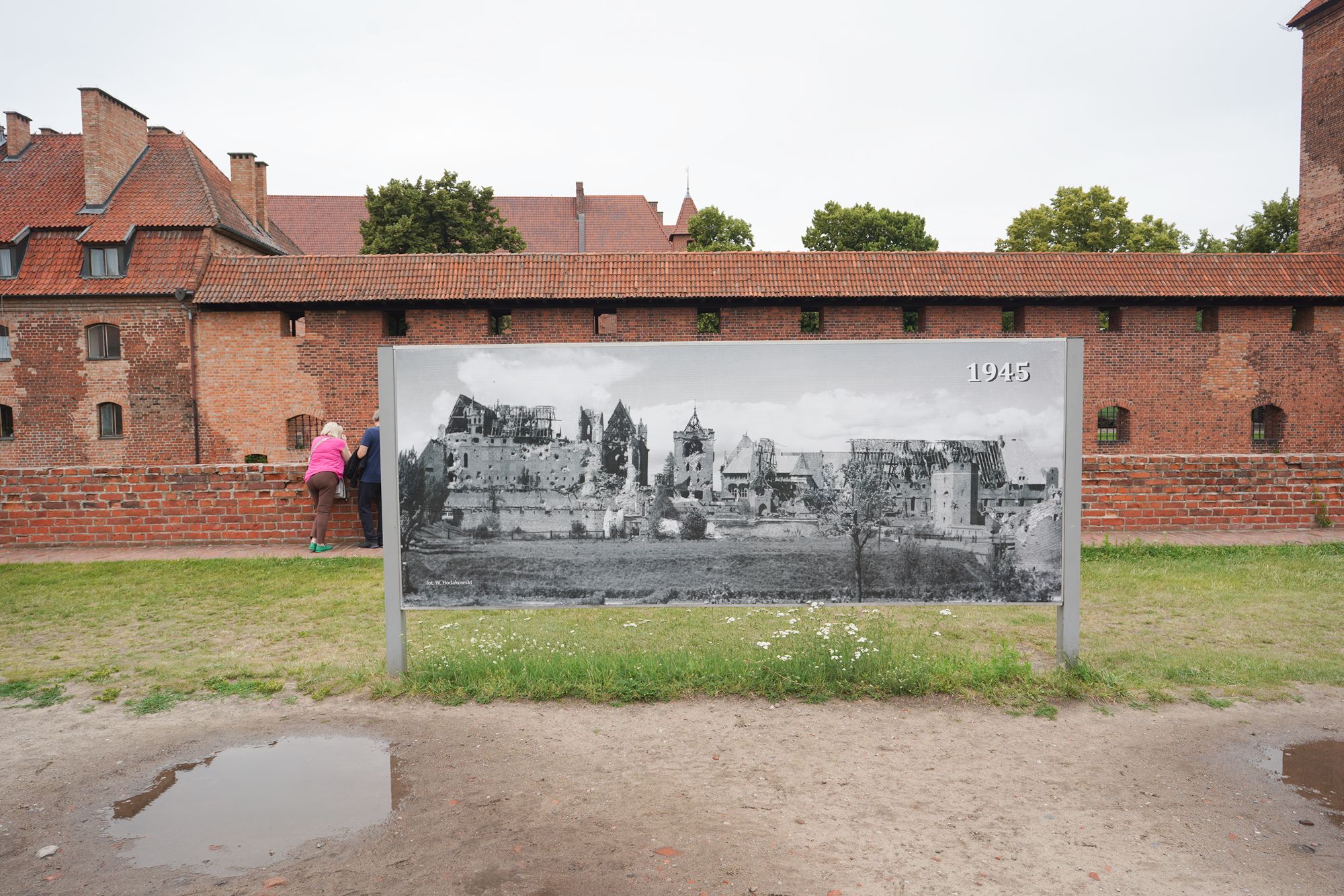
The castle was severely damaged during World War II, especially during the fighting in 1945. Reconstruction began after the war.
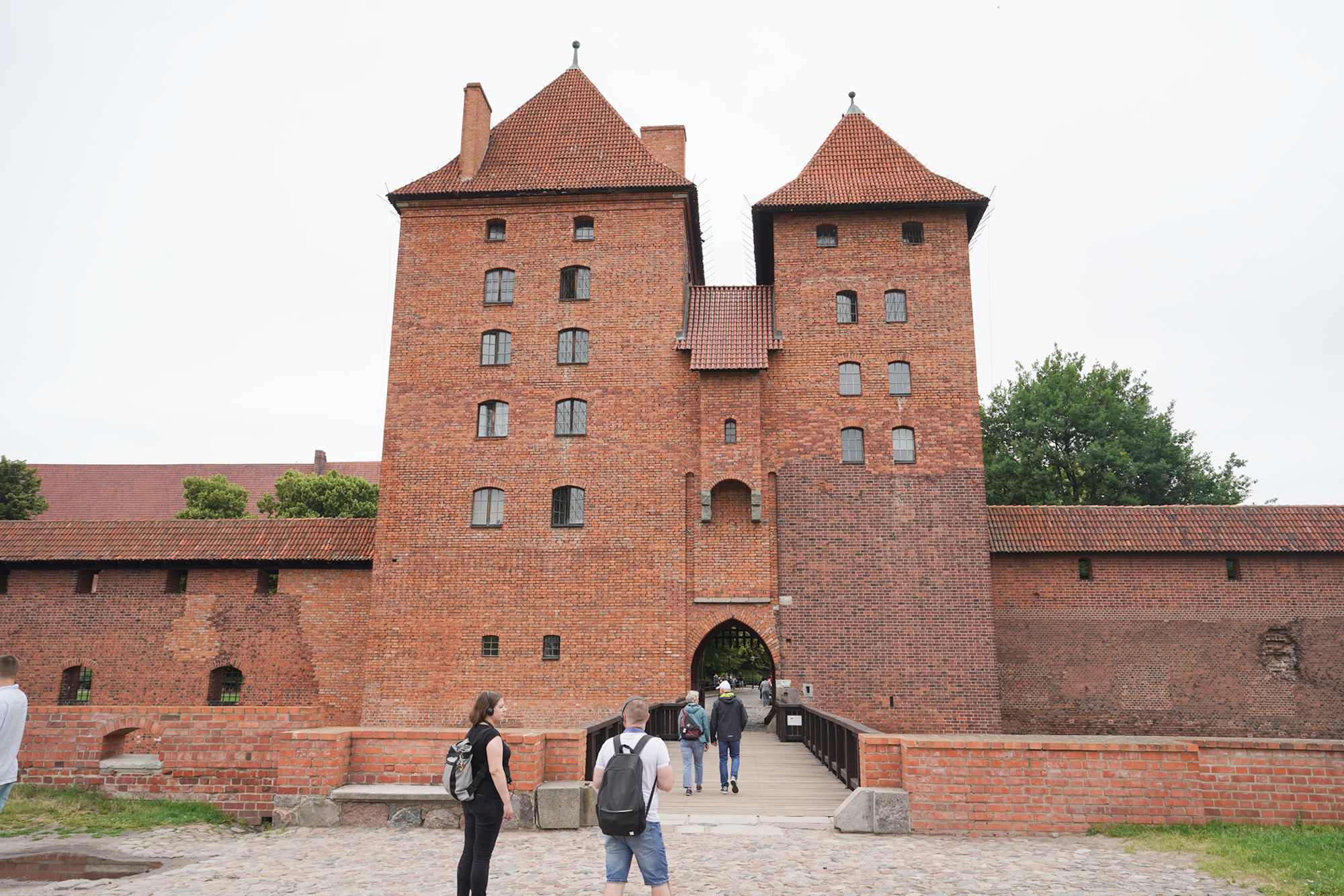
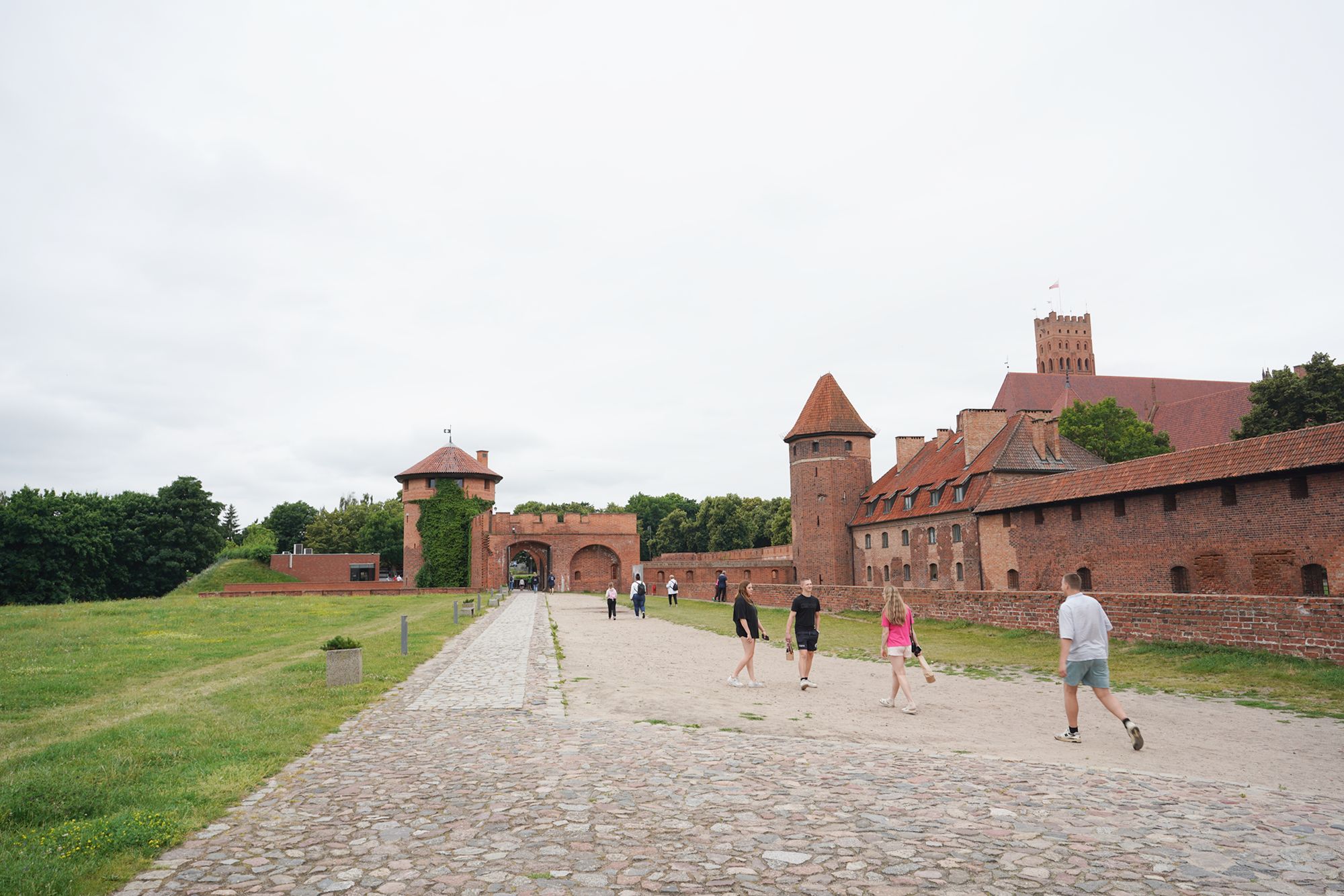
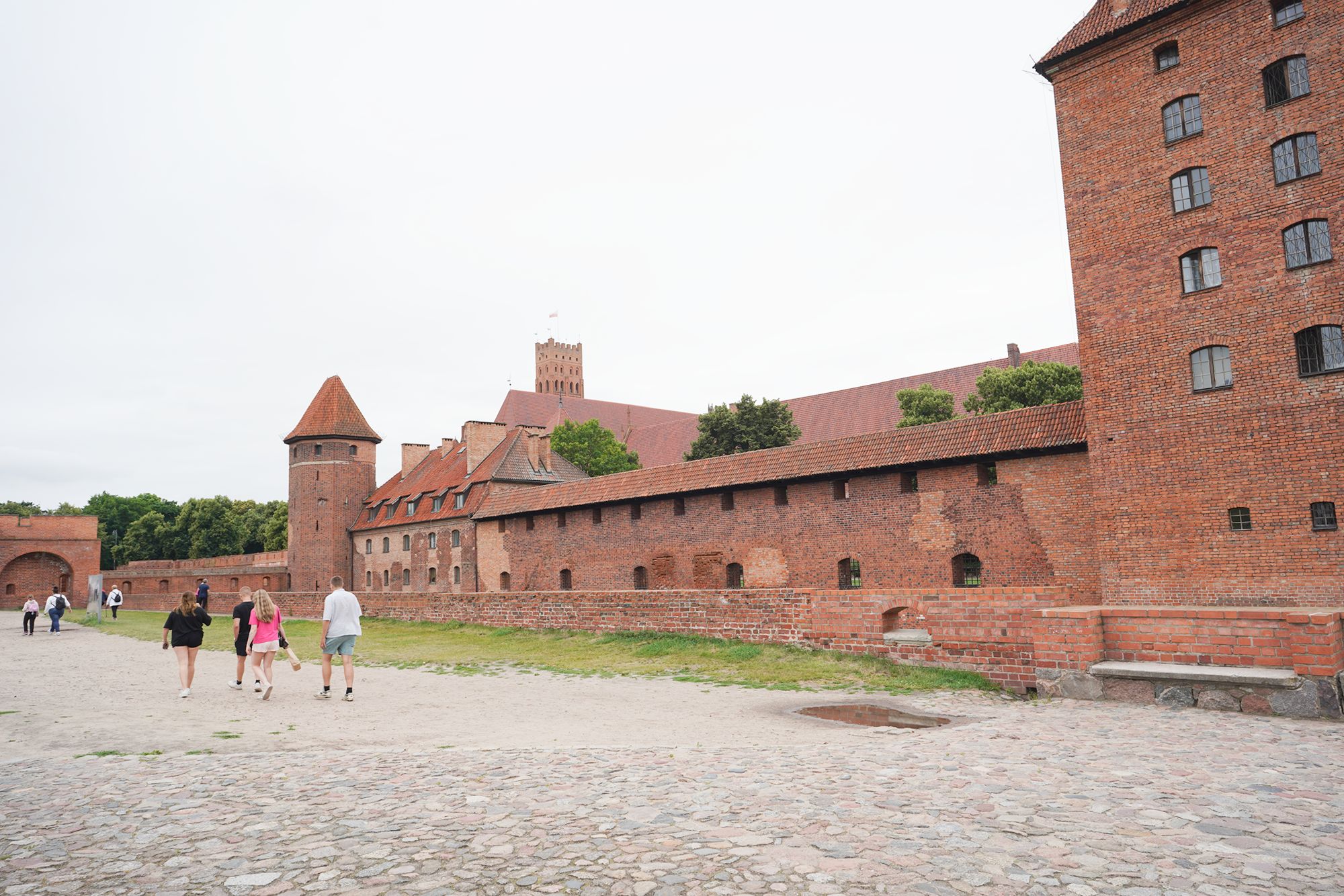
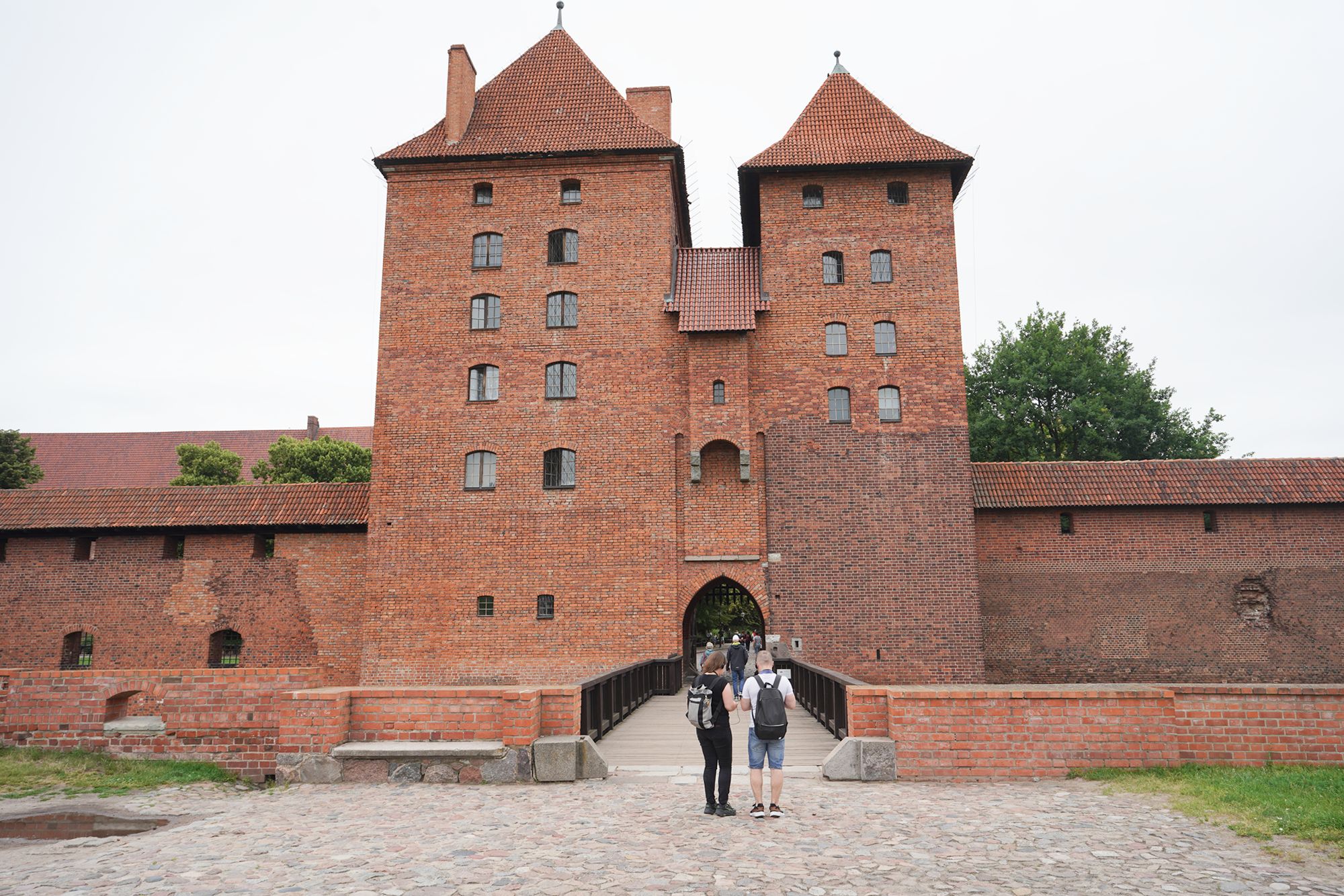
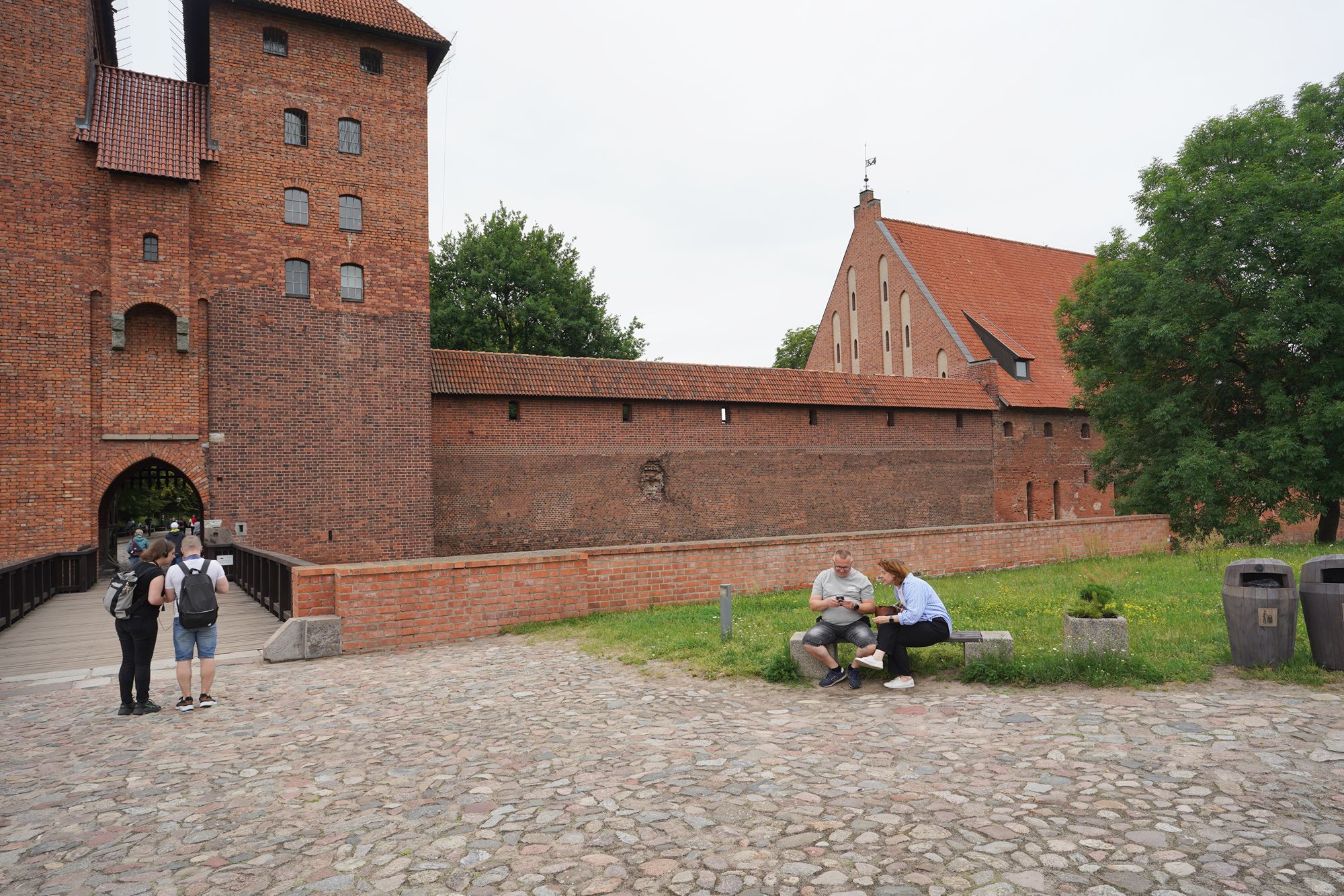
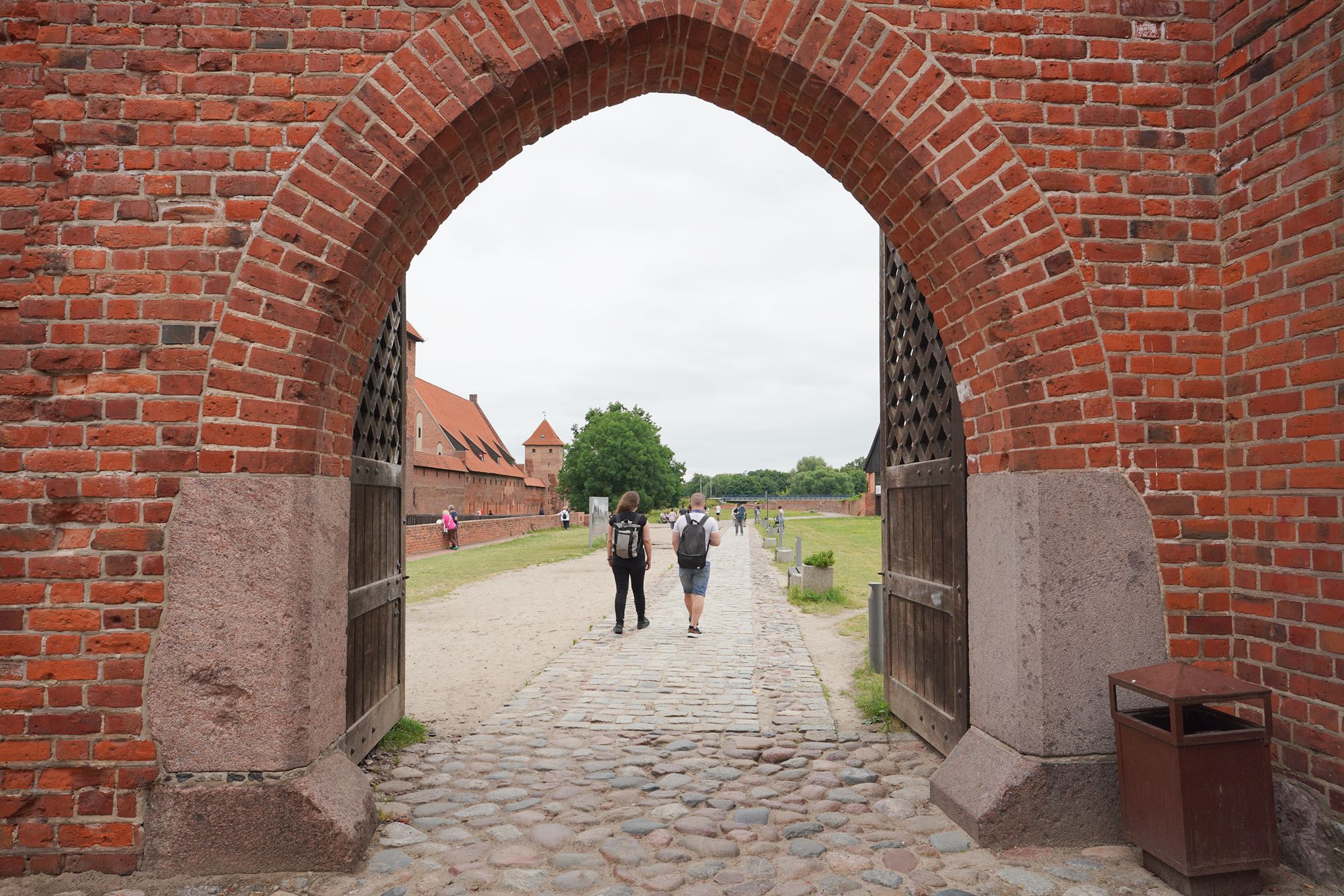
I entered the Low Castle through this gate.
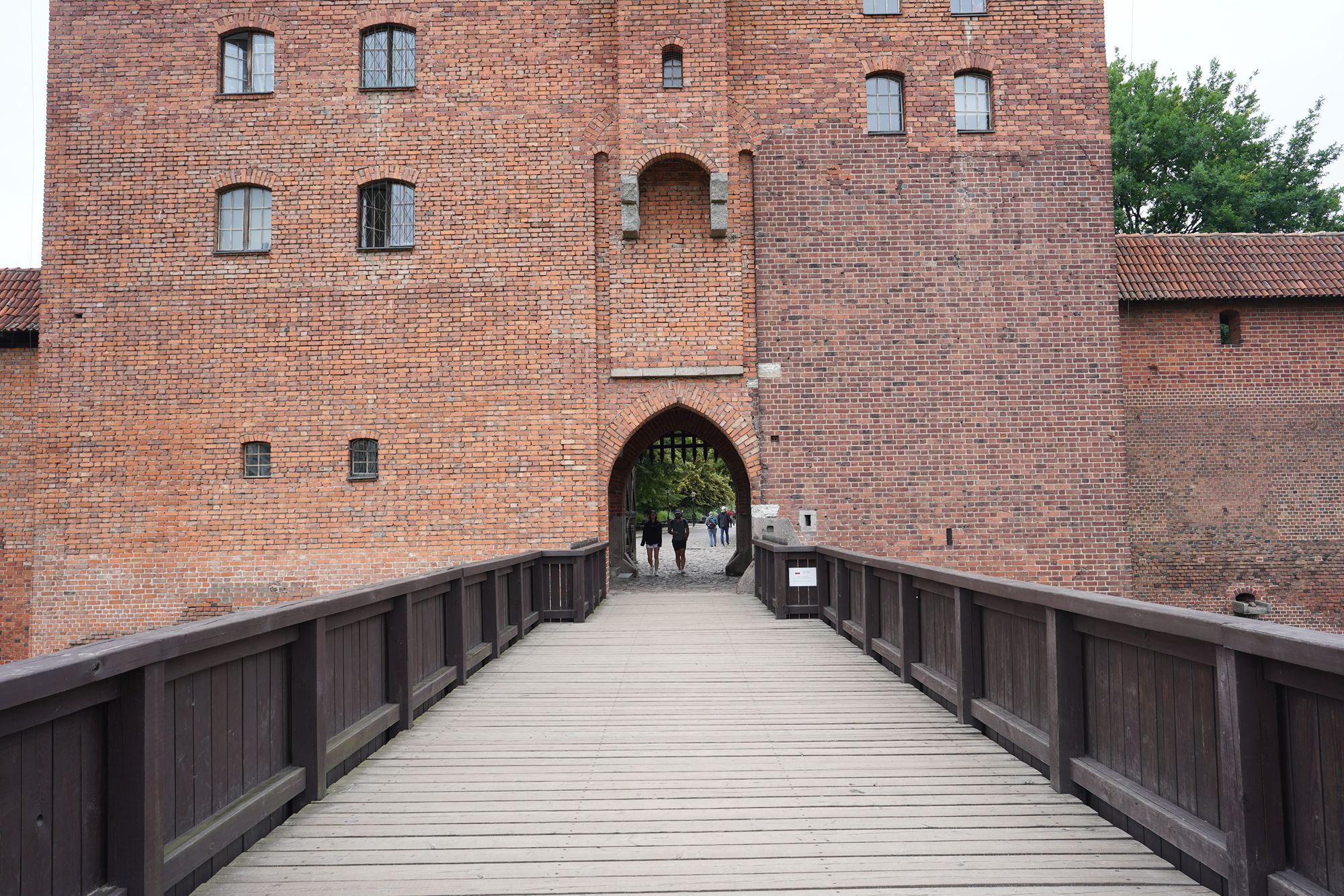
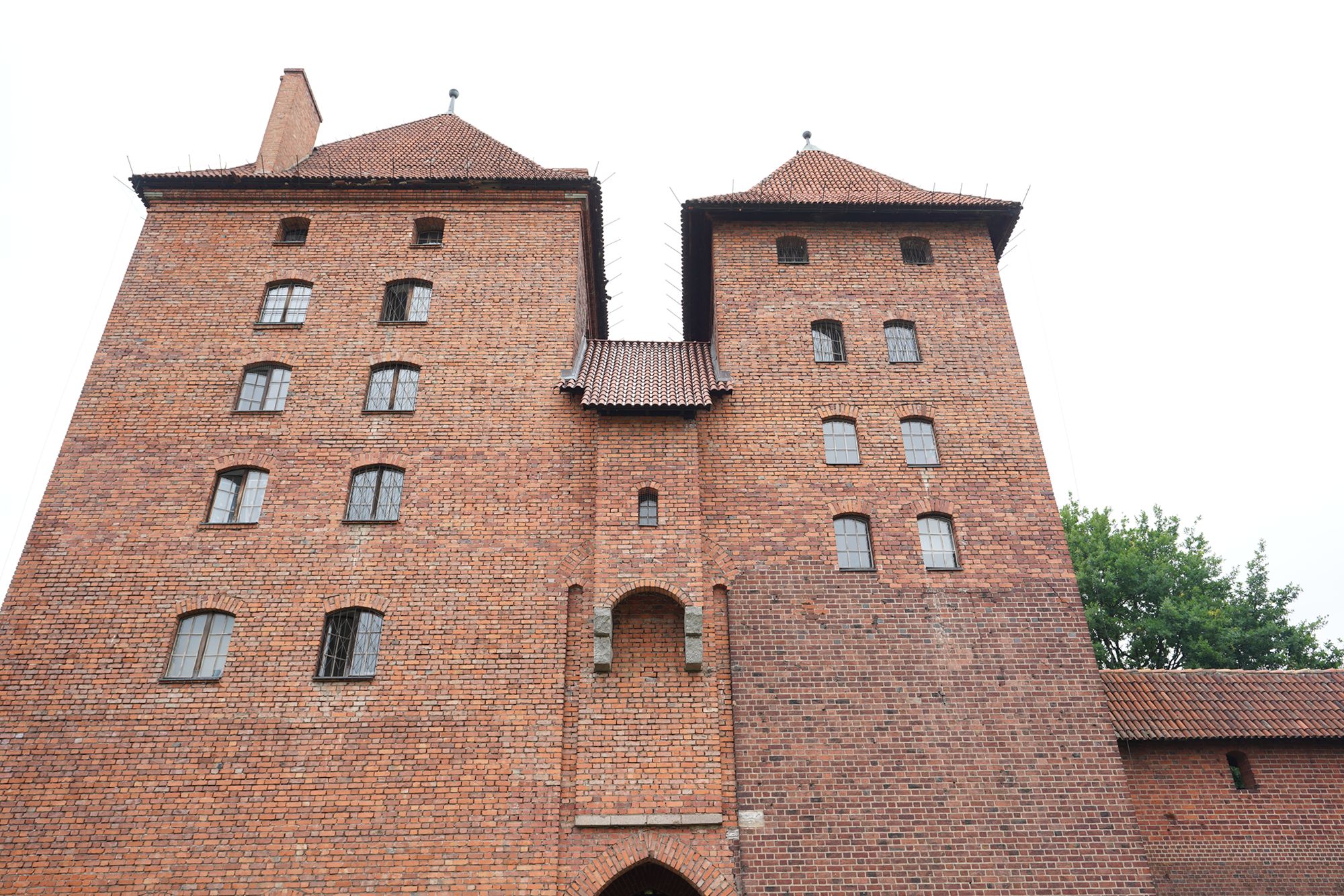
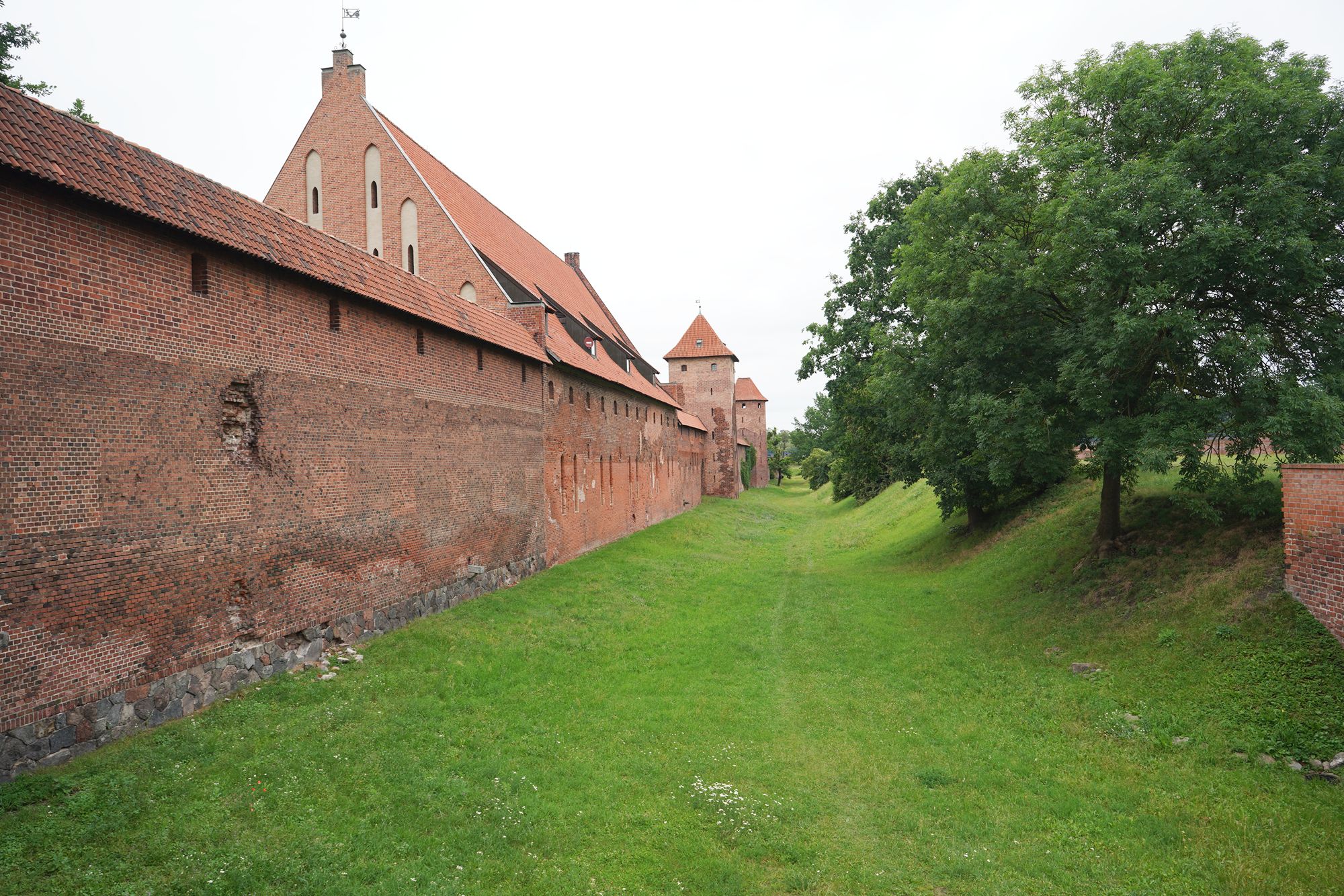
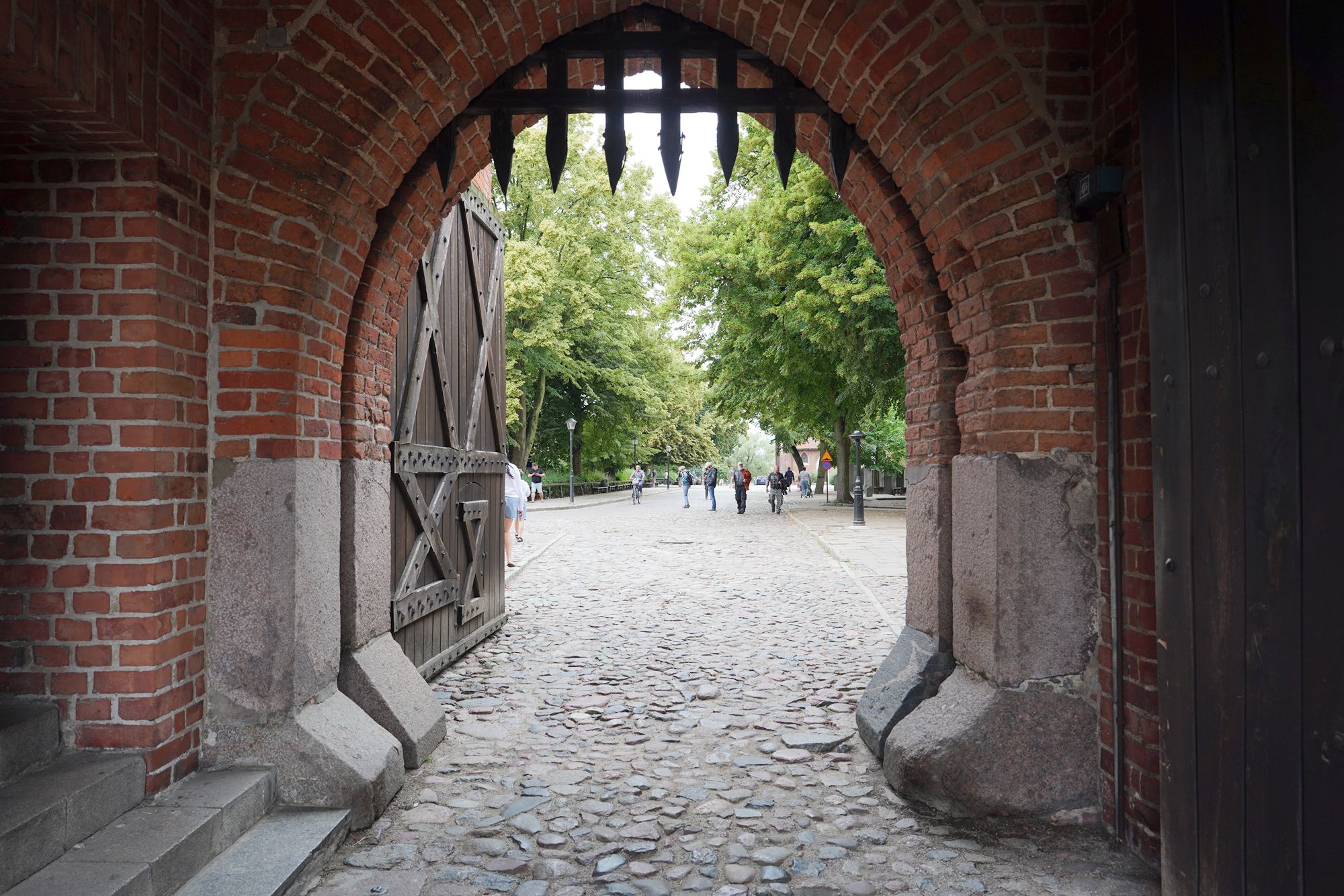
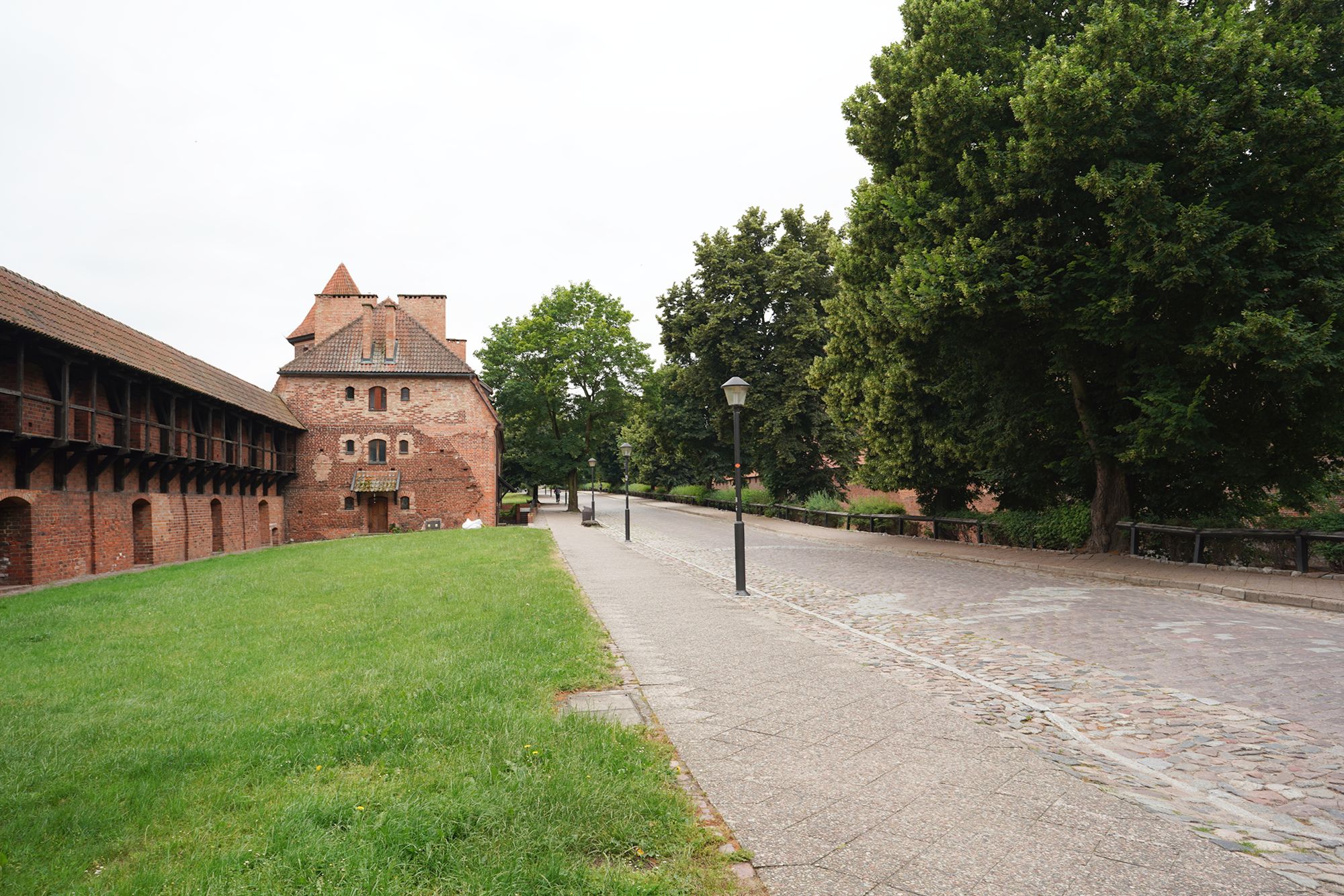
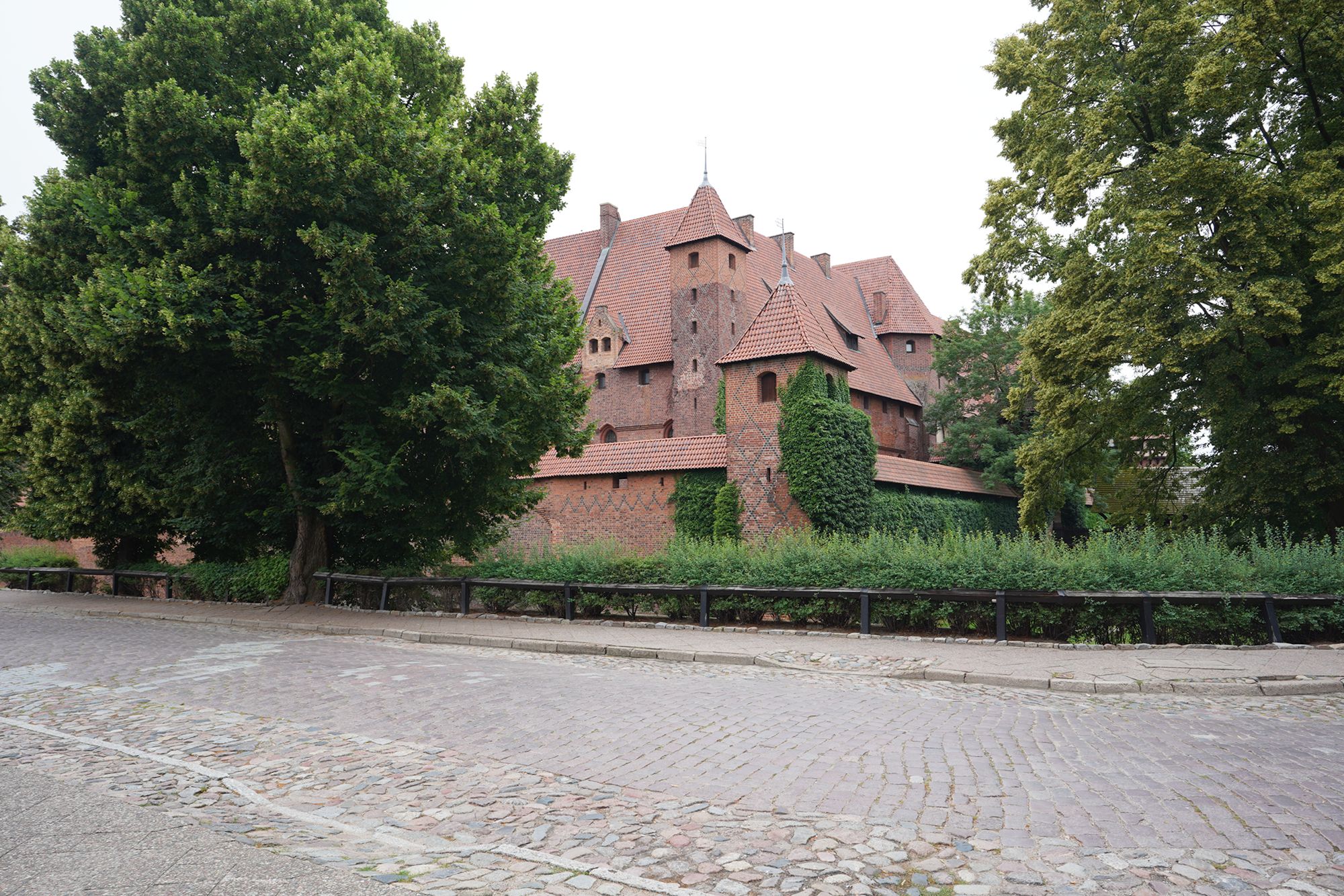
The Low Castle included quarters for the Order’s servants, along with workshops, an armory, stables, and other service buildings. It was a working area of the complex, while the Grand Master and senior members of the Order lived in the upper sections.
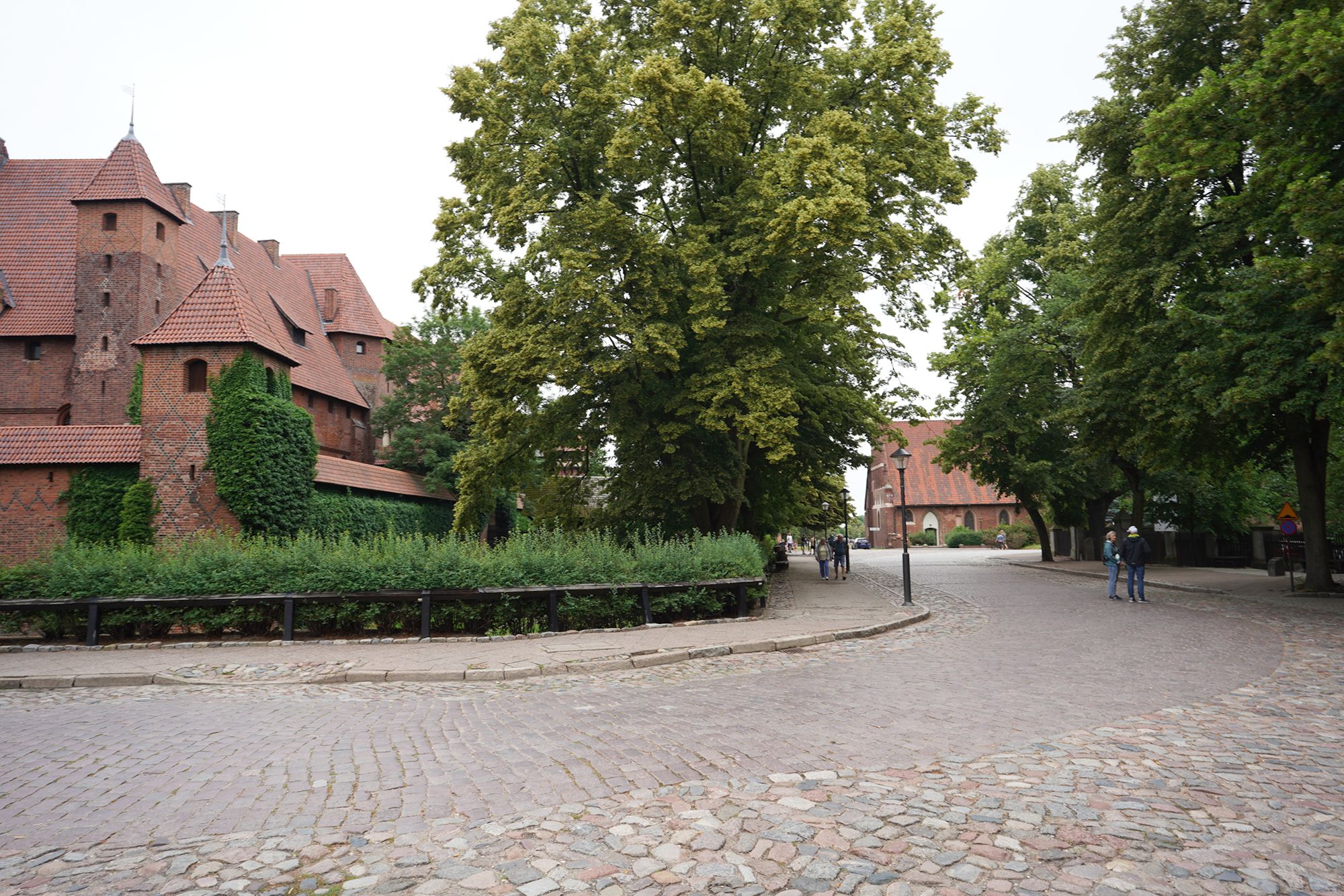
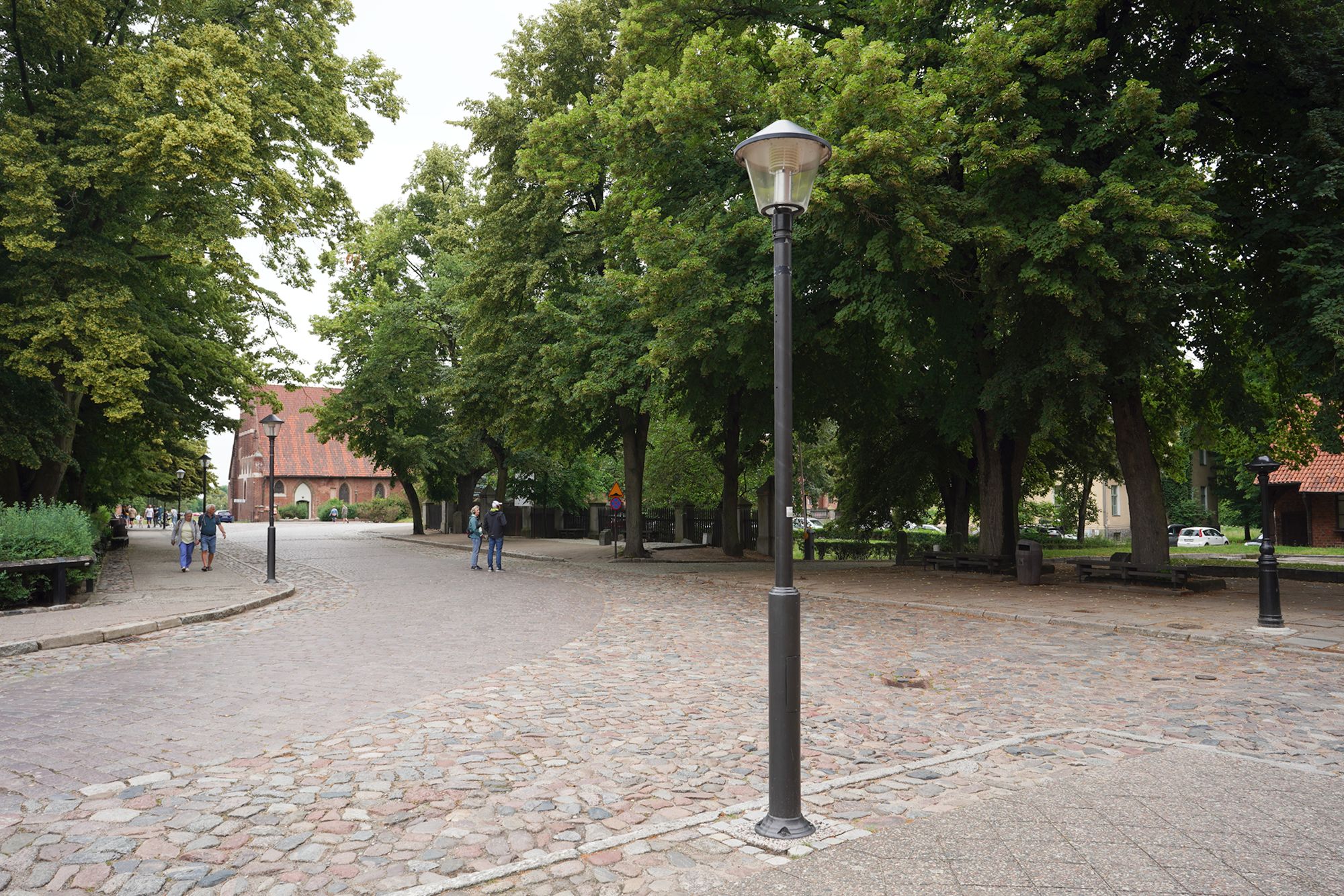
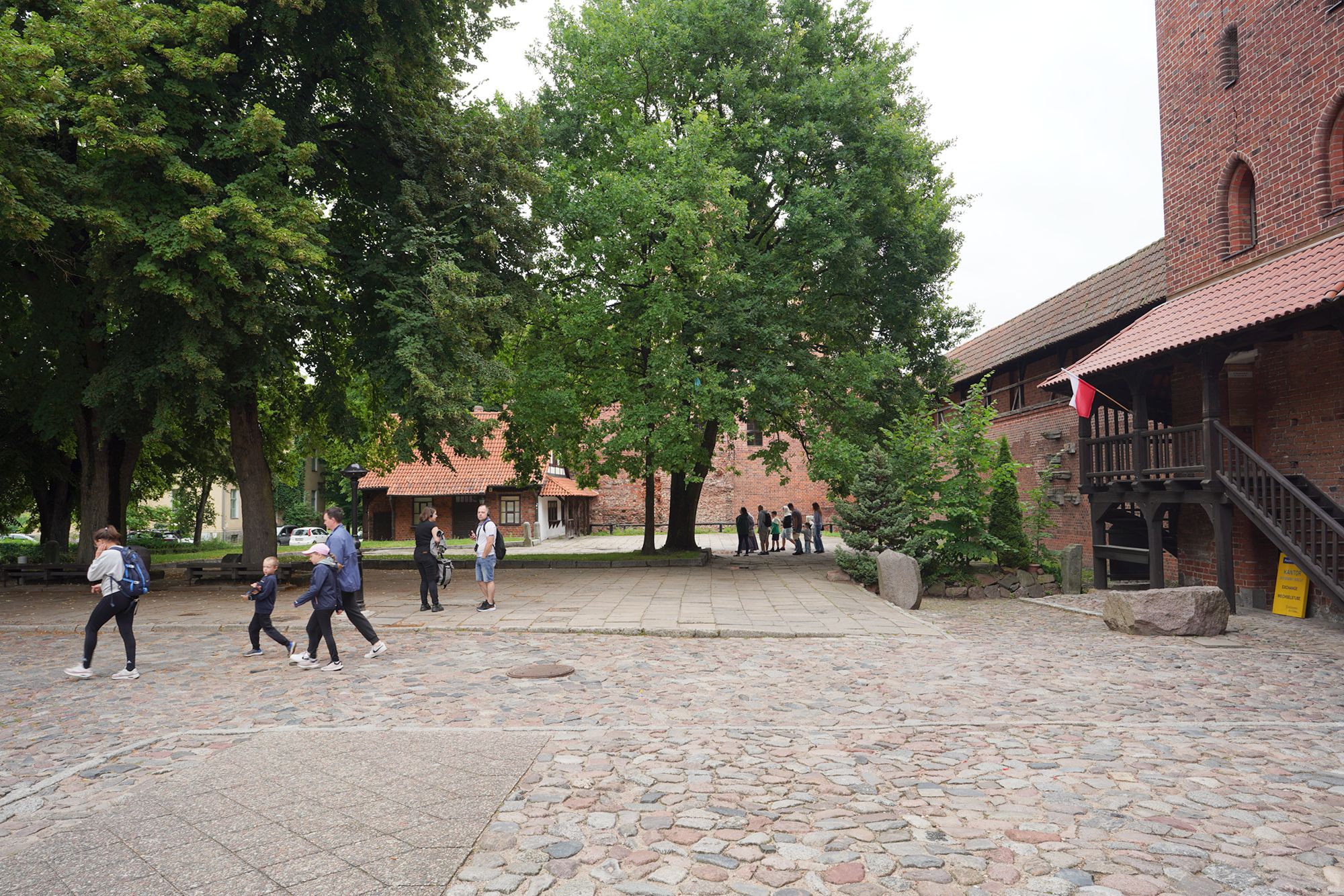
I looked back at the gate I had just passed through.
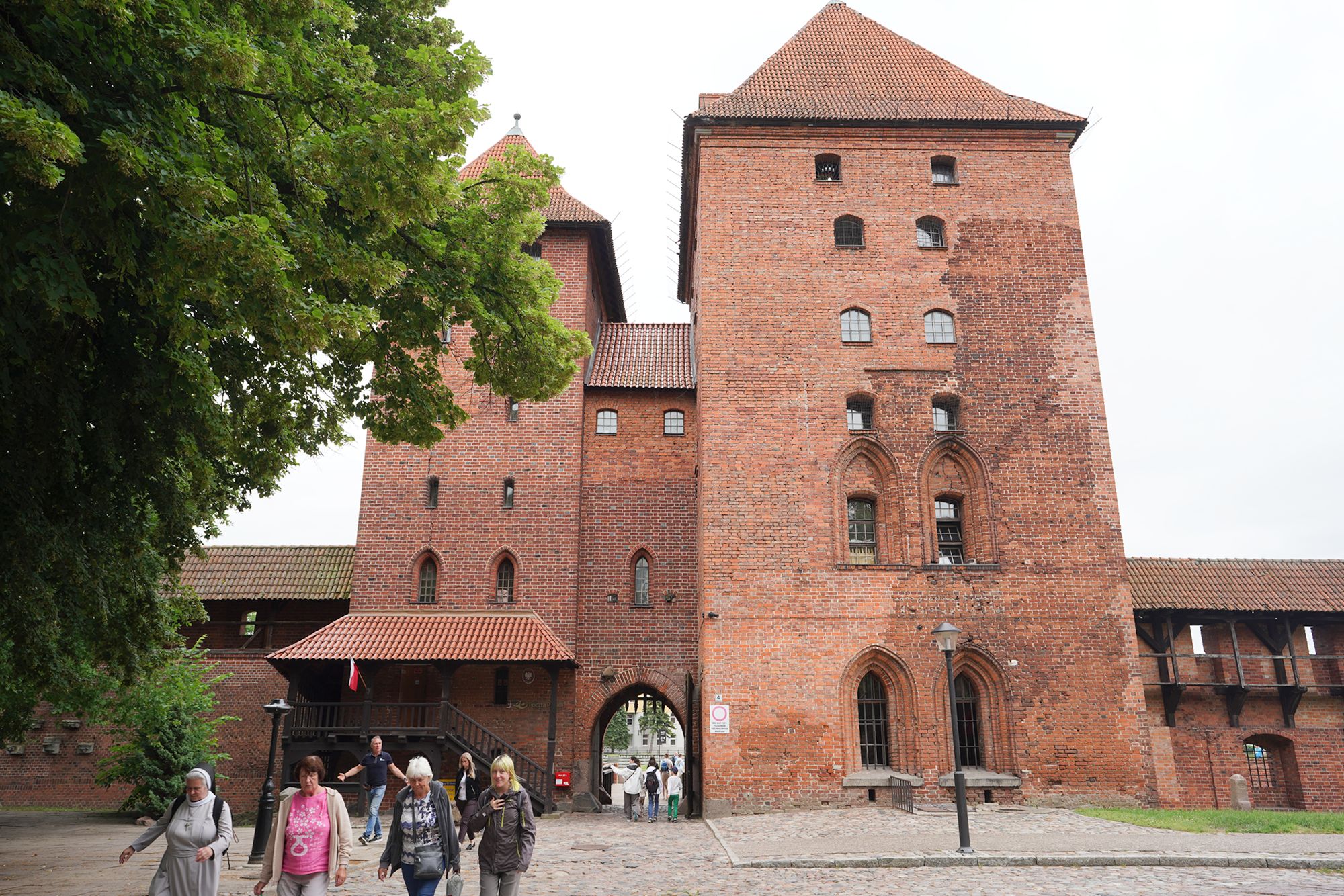
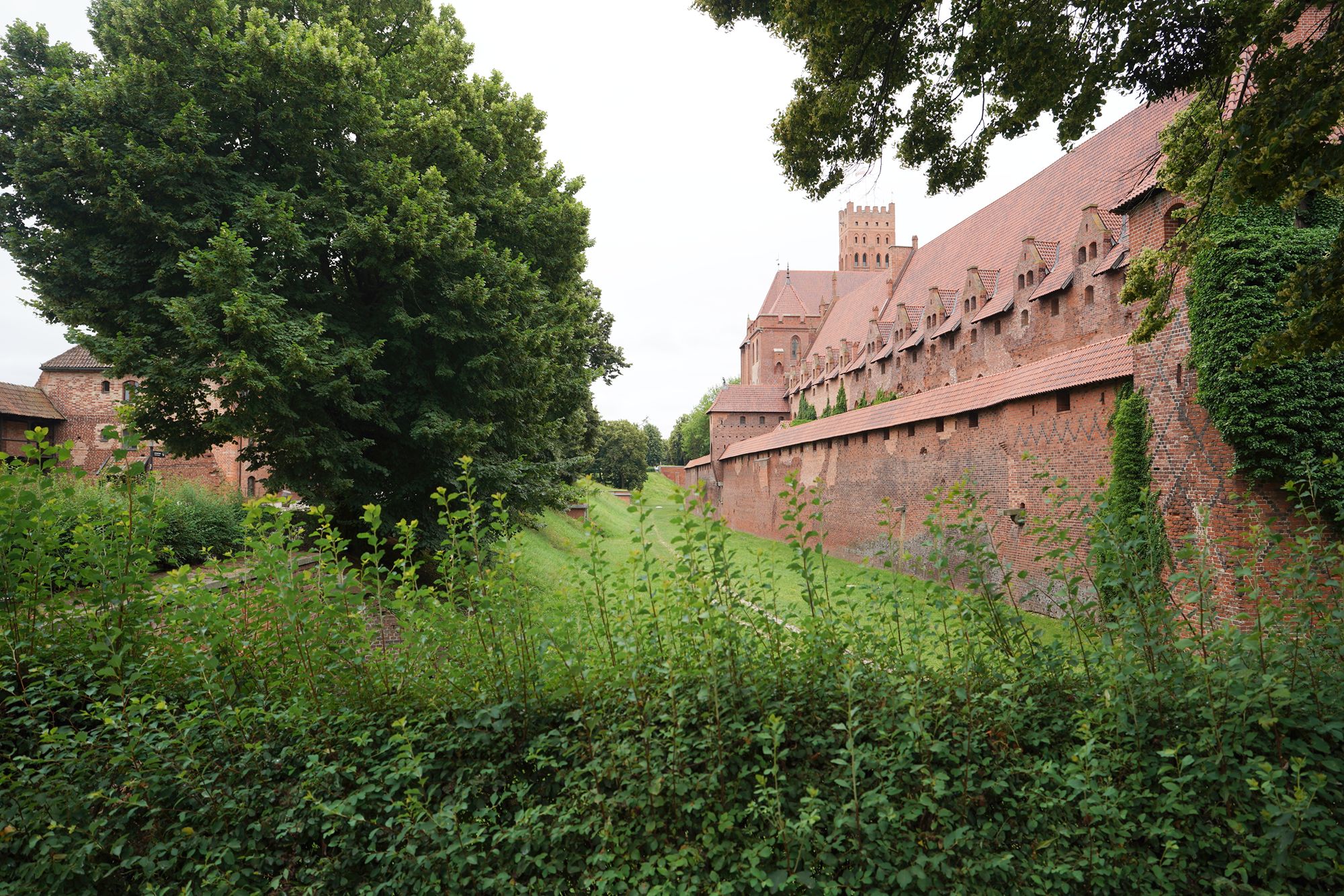
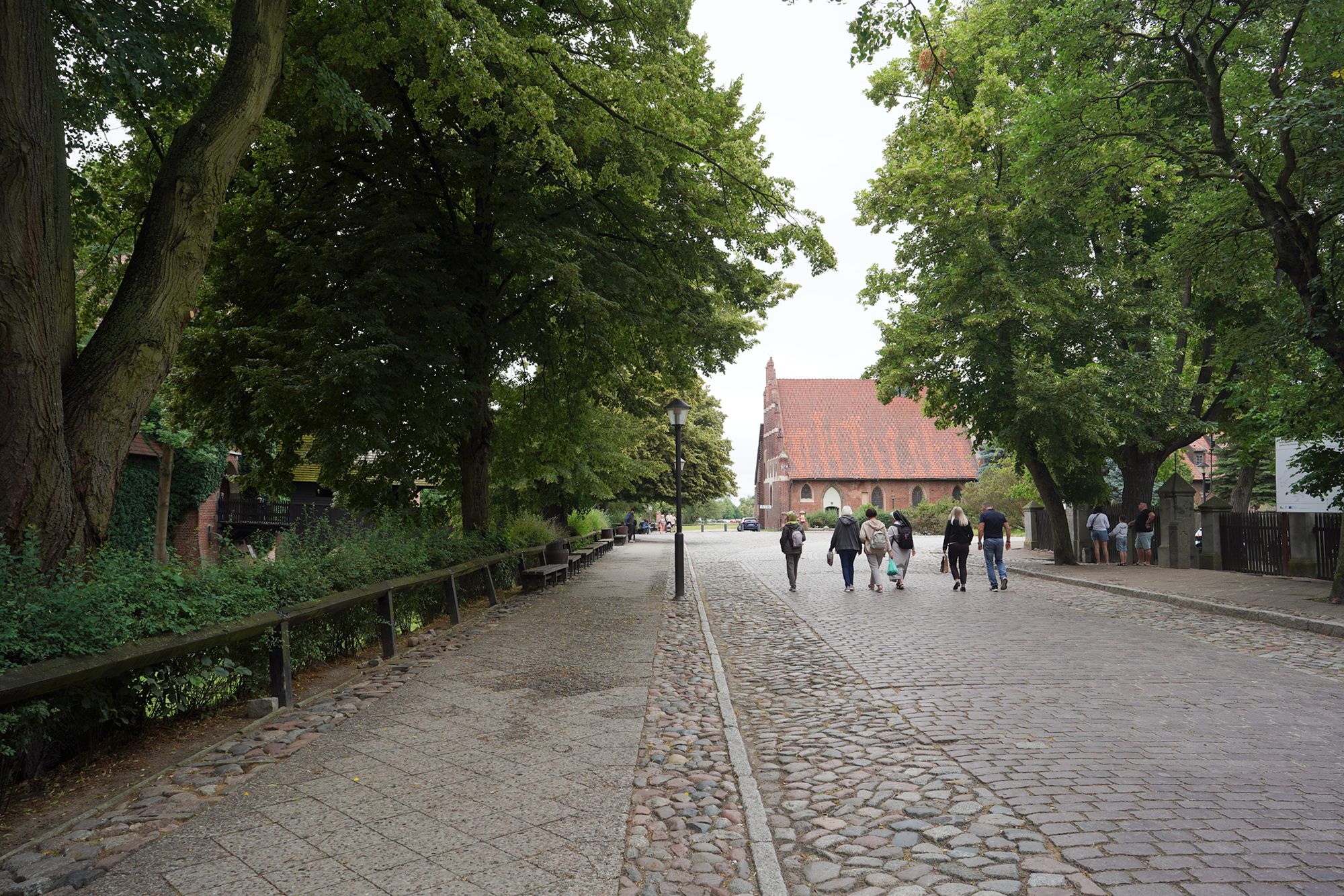
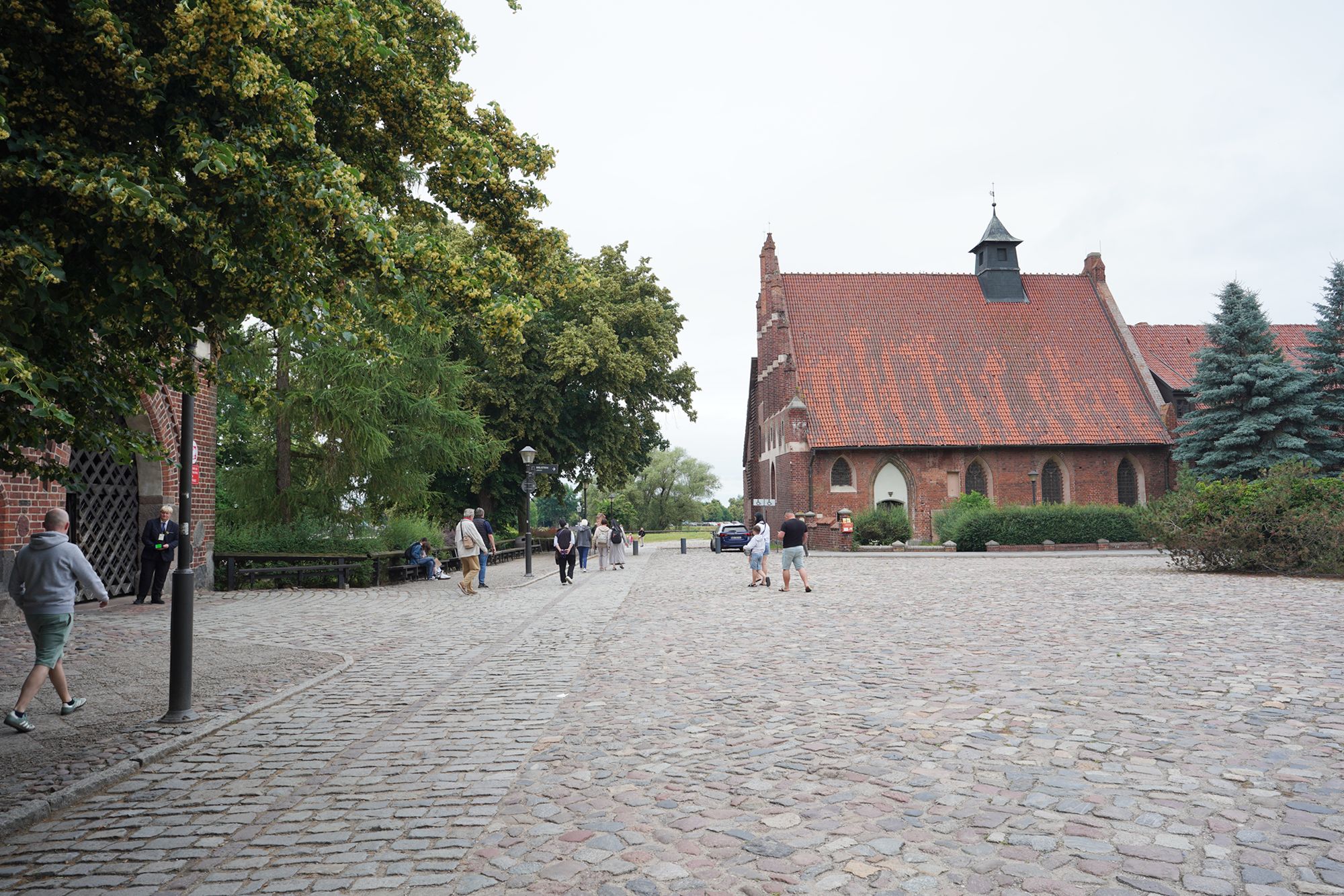
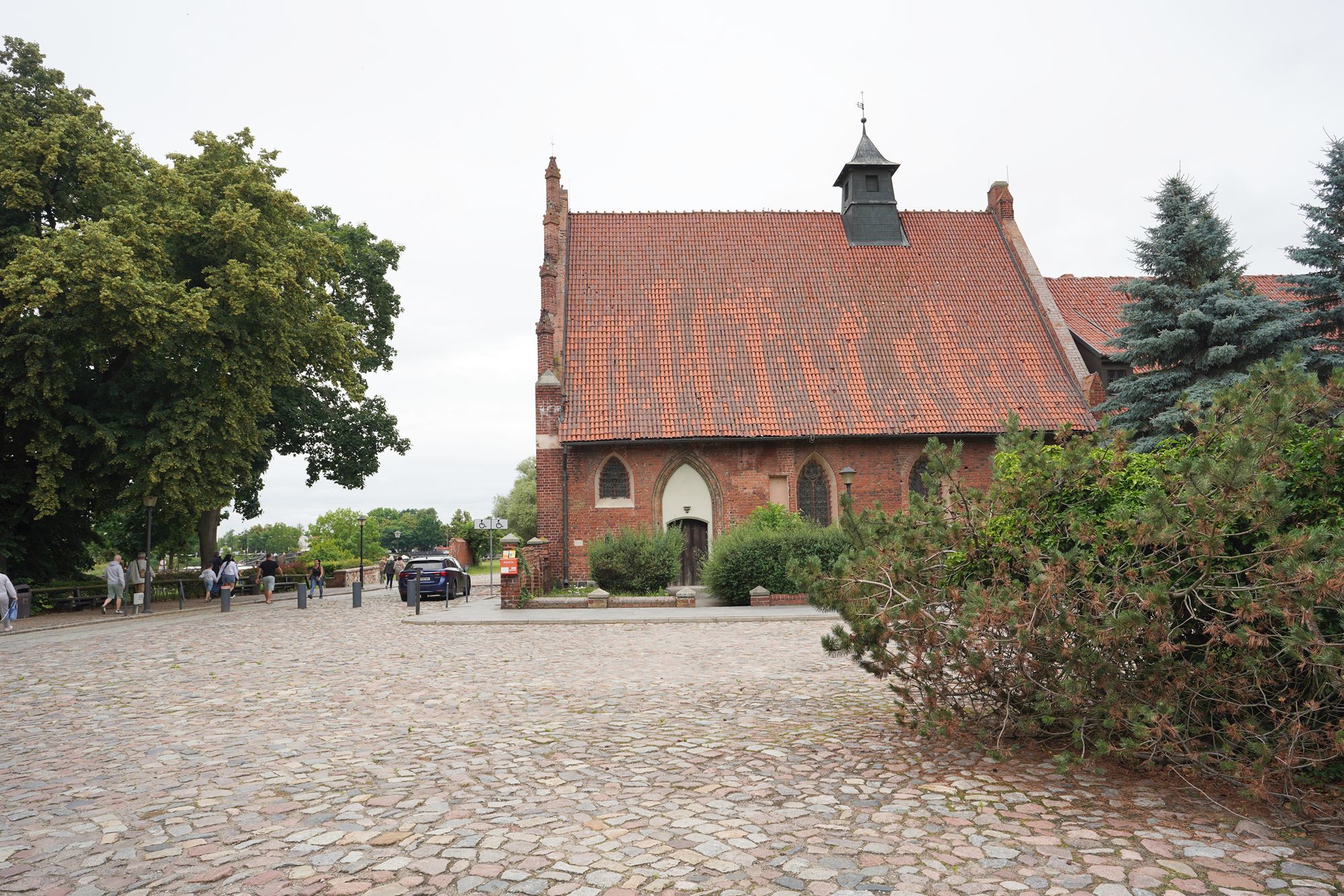
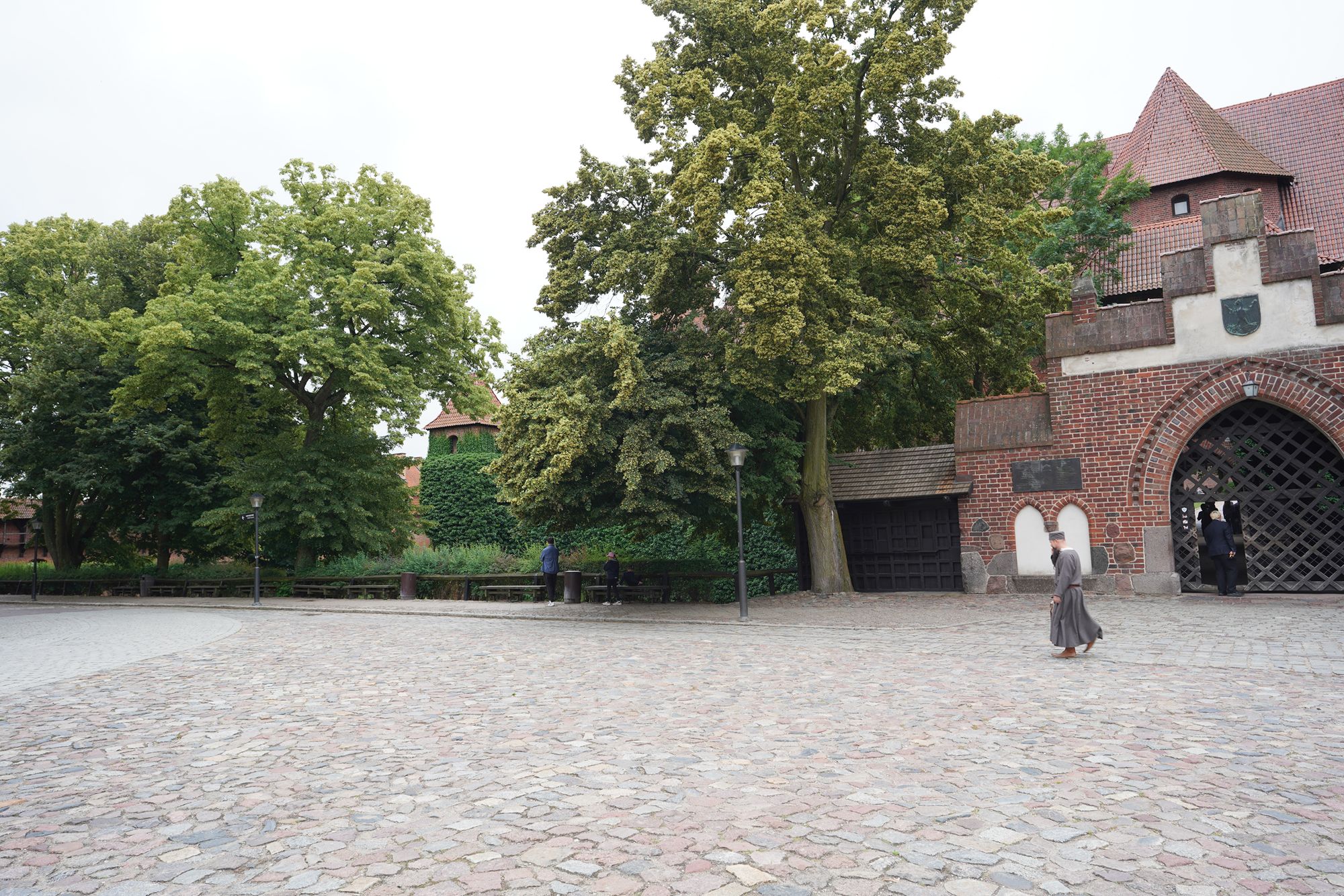
The gate leading into the Middle Castle.
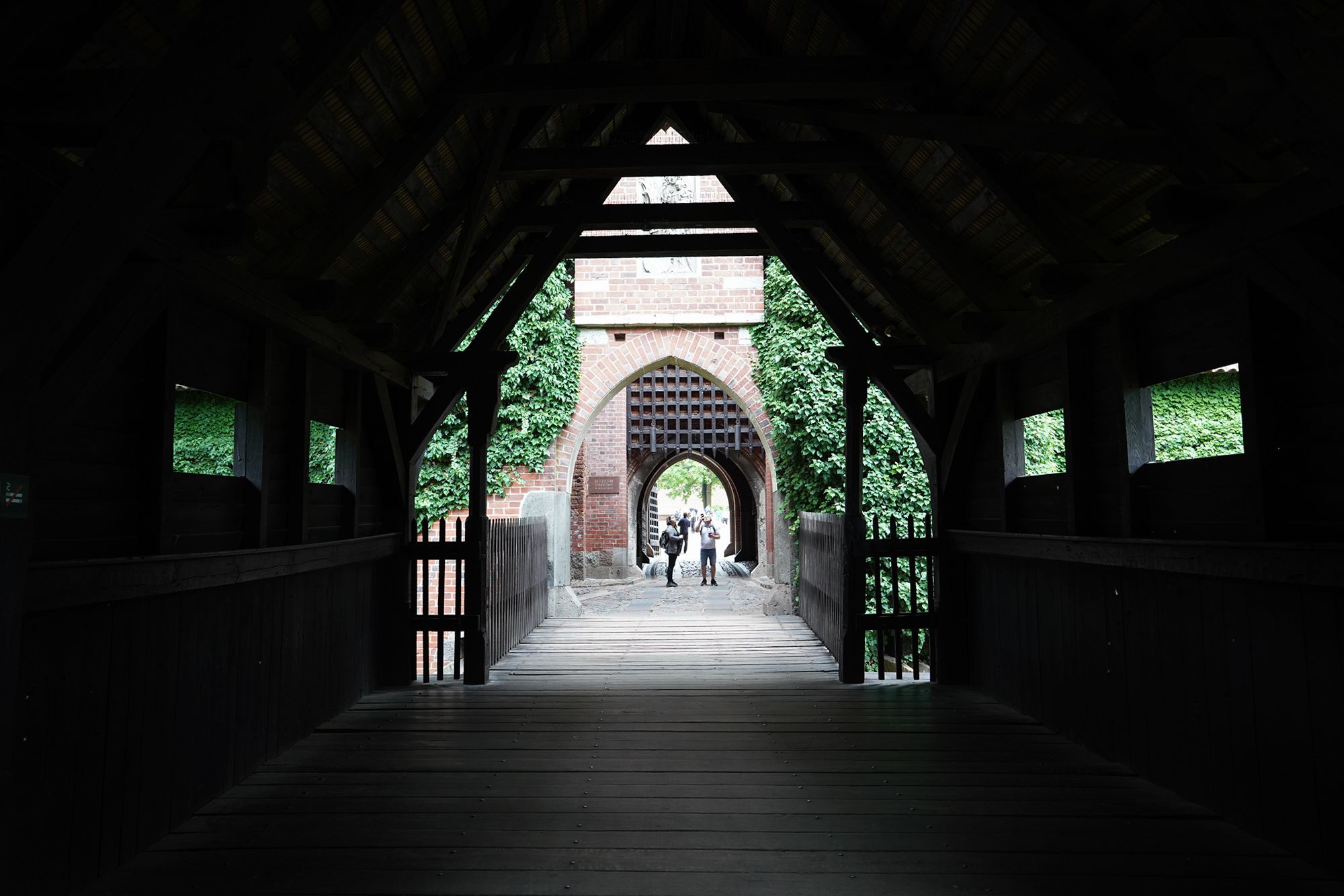
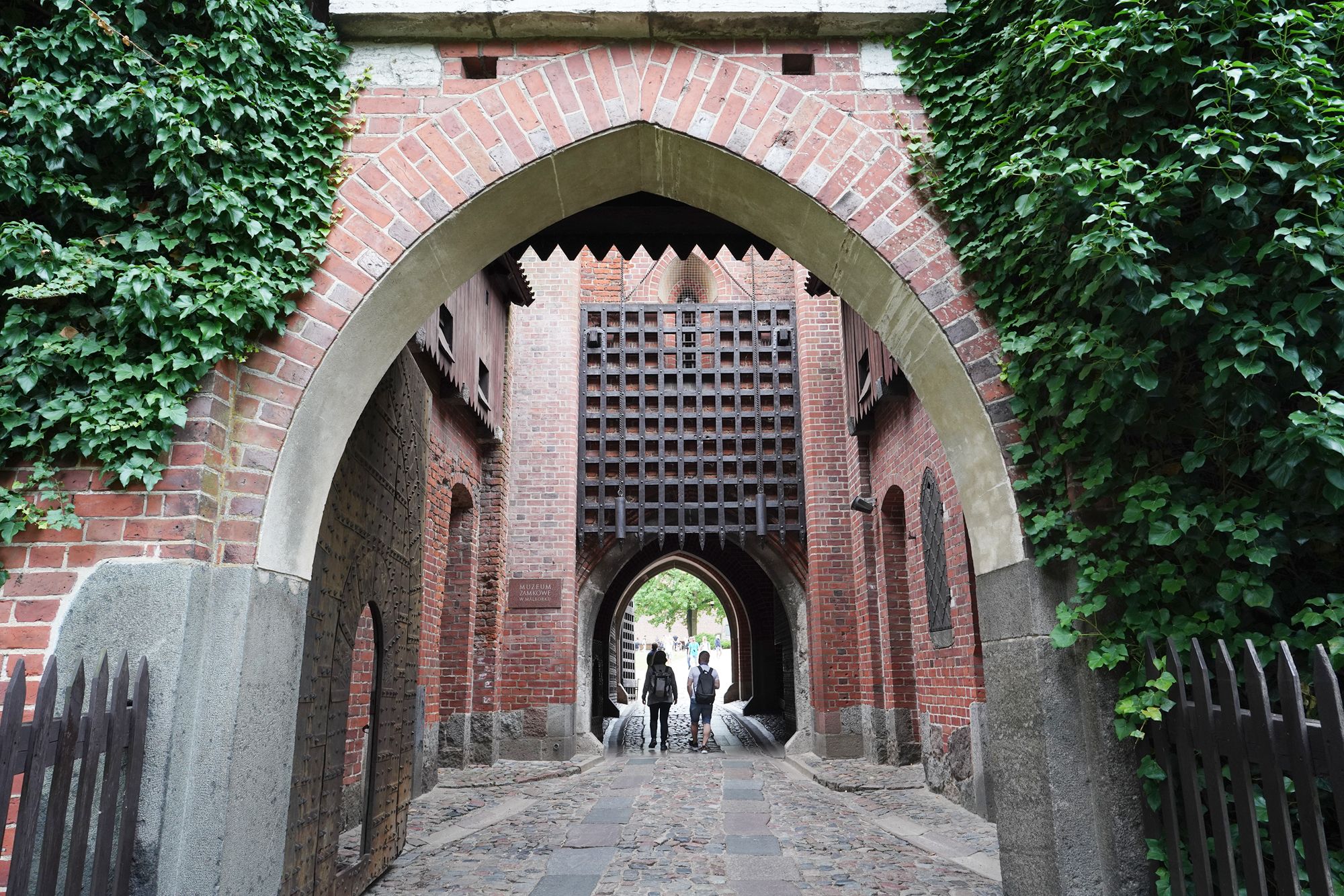
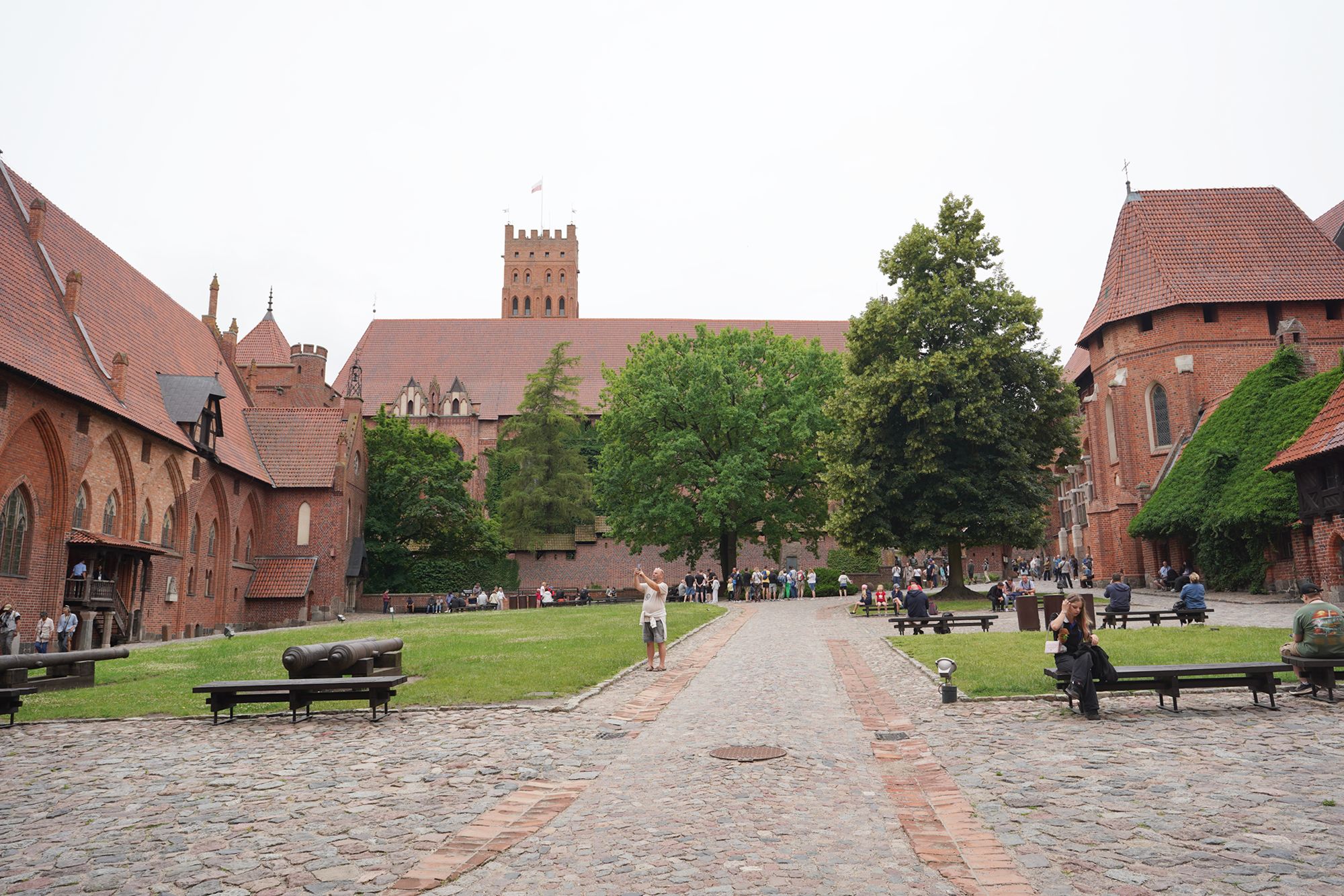
The Middle Castle was home to the Grand Master, whose palace stood here. It also provided quarters for visiting knights and housed important rooms for meetings and meals. Later, under Polish rule, military personnel and officials lived here.
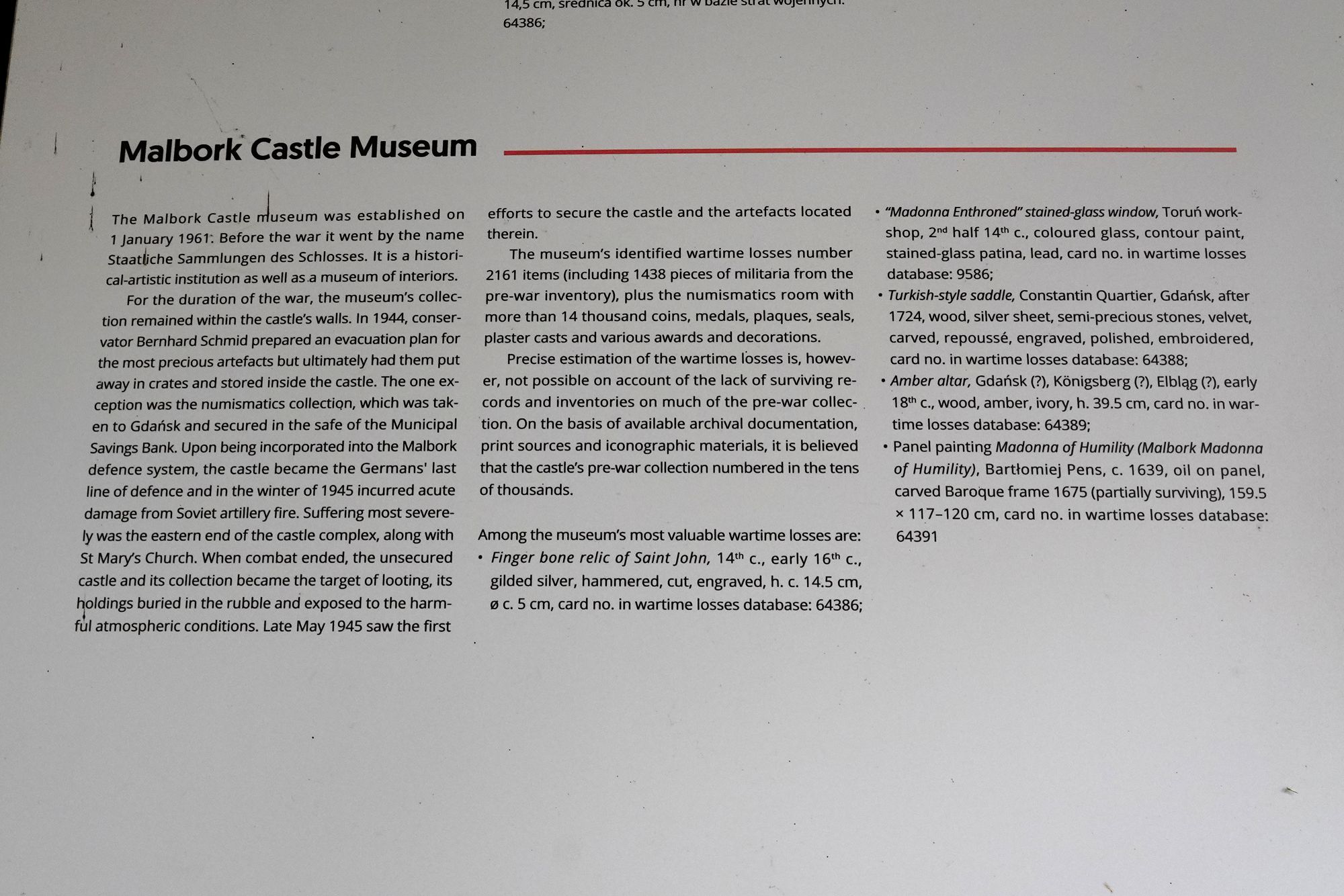
It says the Malbork Castle Museum was established in 1961. During the war, many artifacts were kept inside the castle. In 1945, Soviet artillery severely damaged the eastern end, including St. Mary’s Church. After the fighting, looting and exposure to the weather caused further losses.
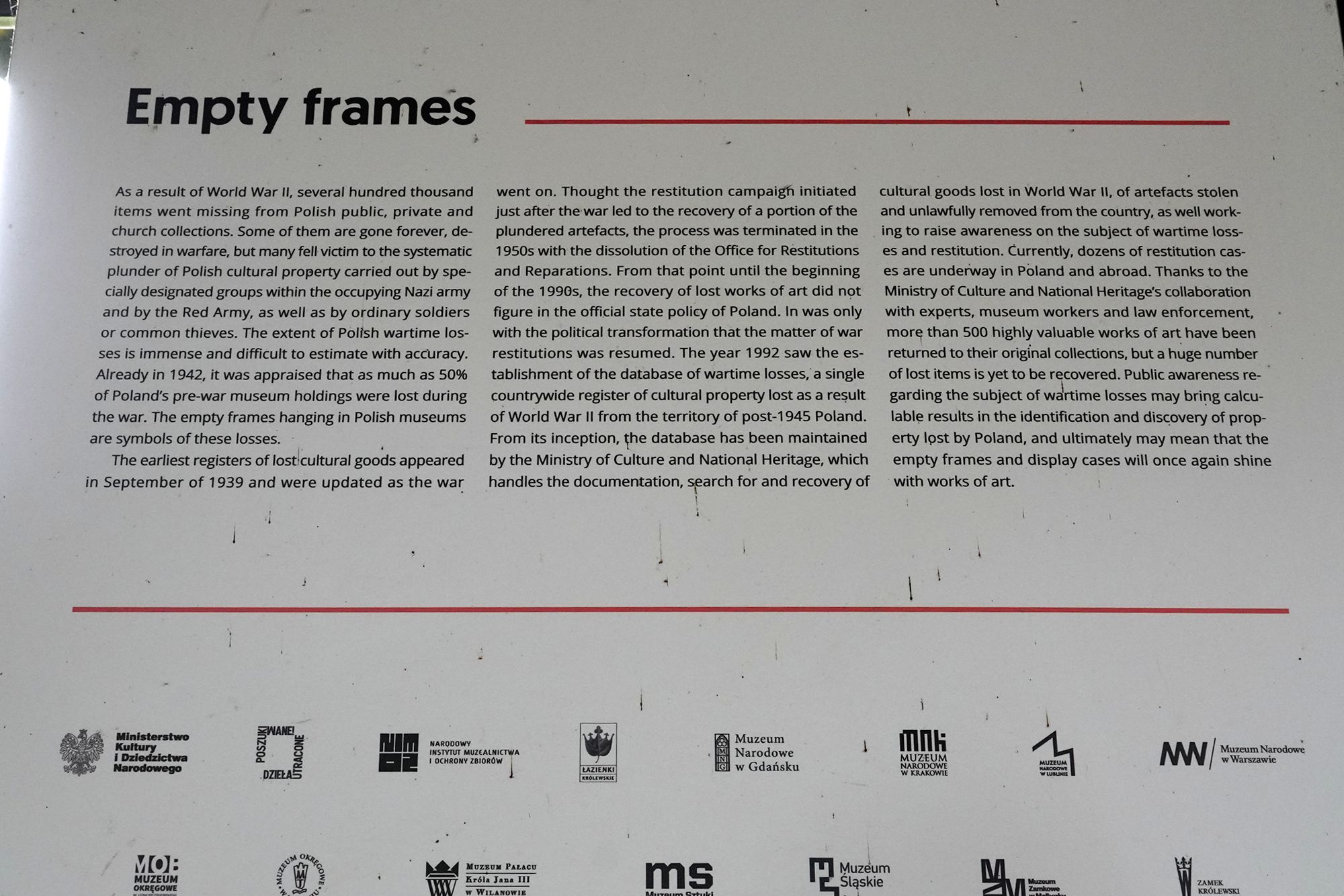
It shows a museum panel titled “Empty frames,” about Polish artworks and cultural objects looted or destroyed during World War II. Empty frames in Polish museums symbolize what was lost. The panel says more than 500 valuable works have been returned, while many others are still missing.
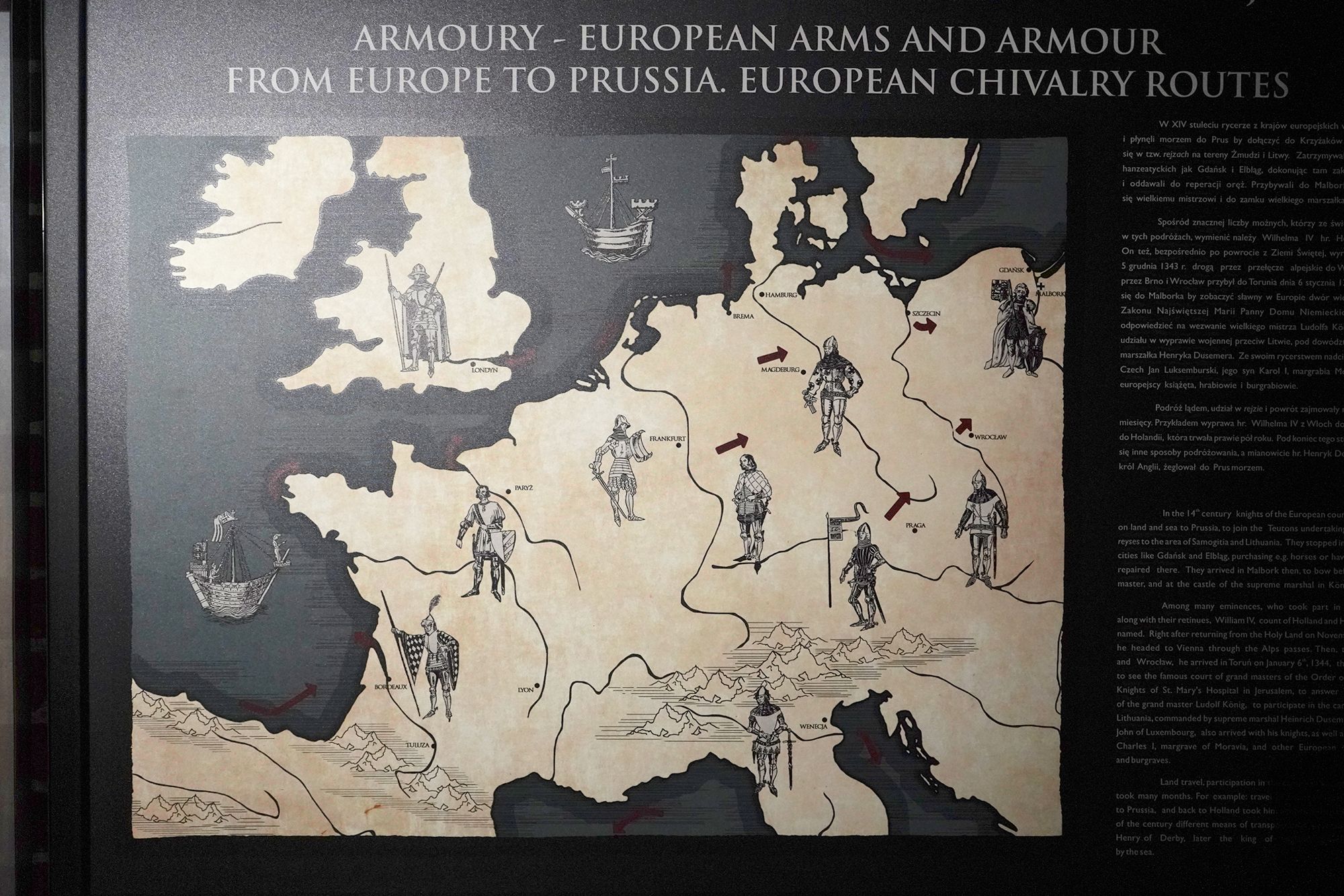
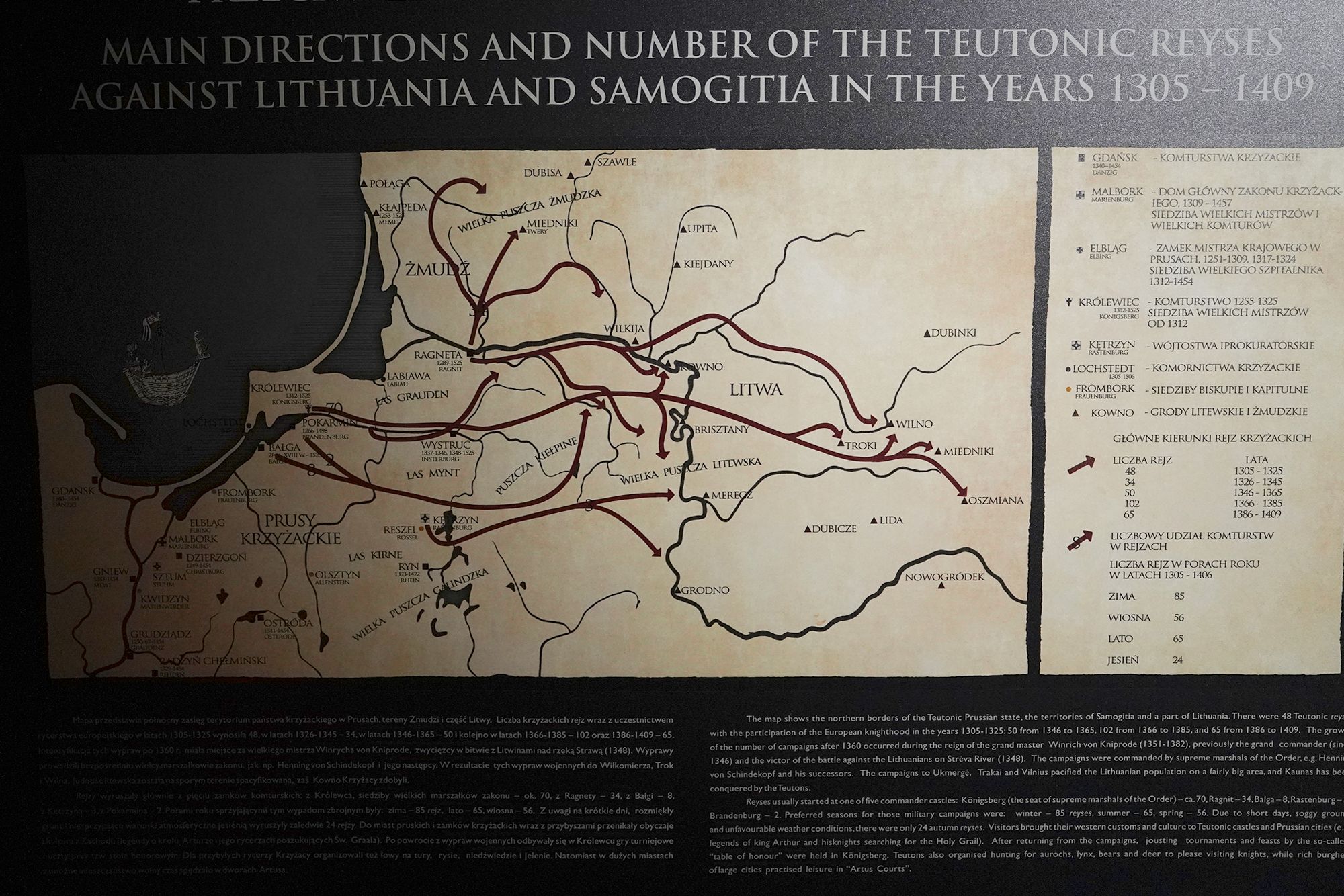
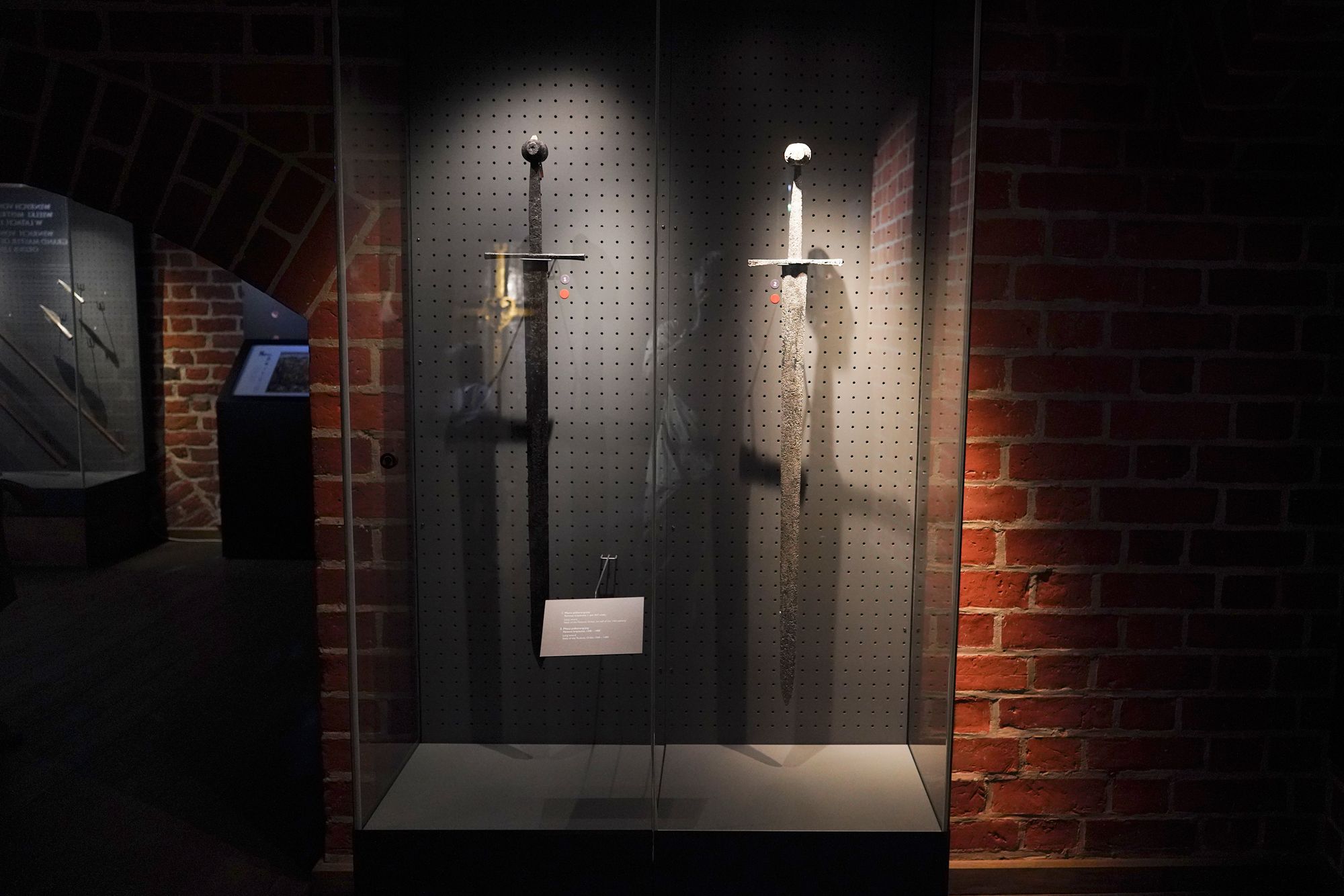
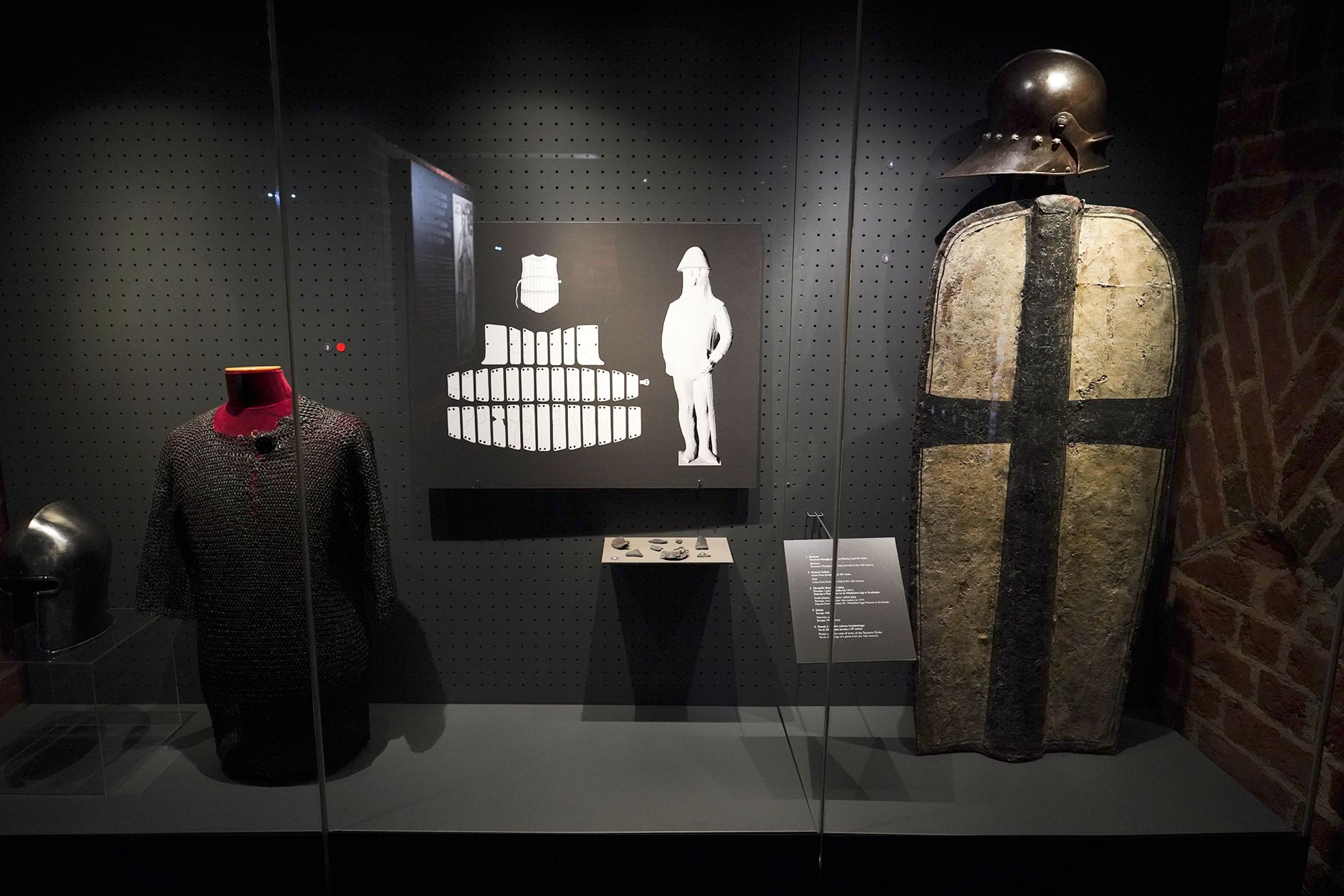
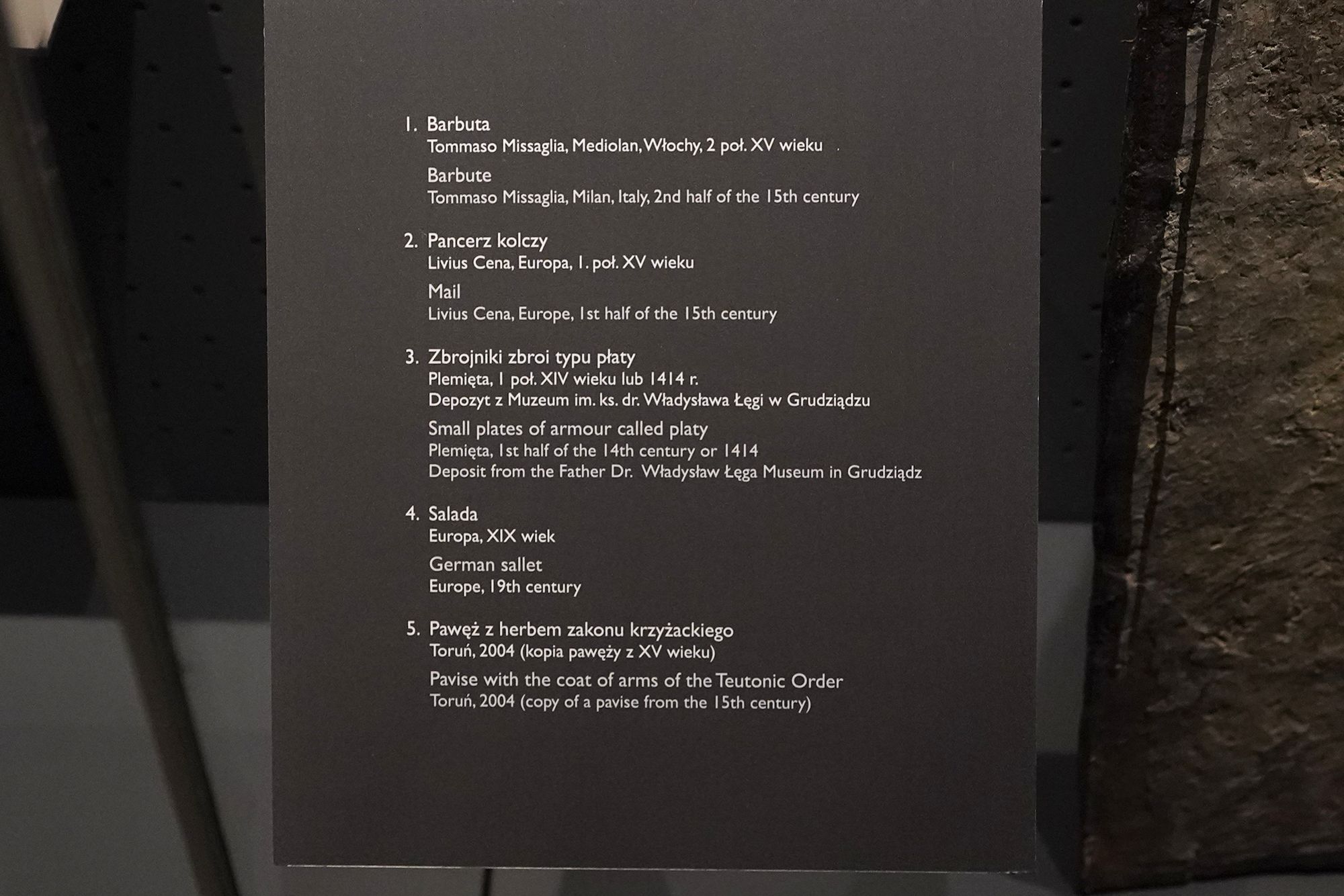
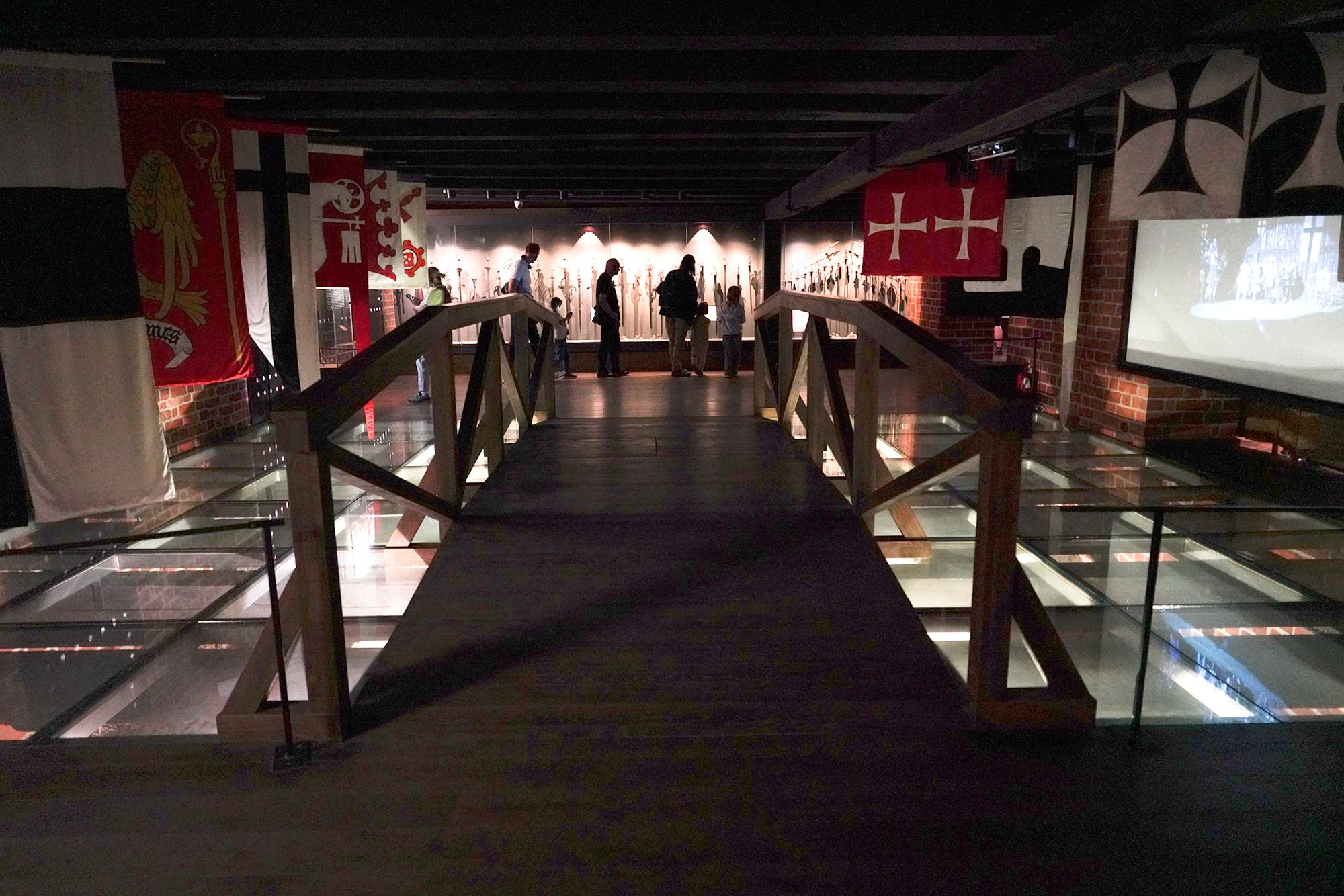
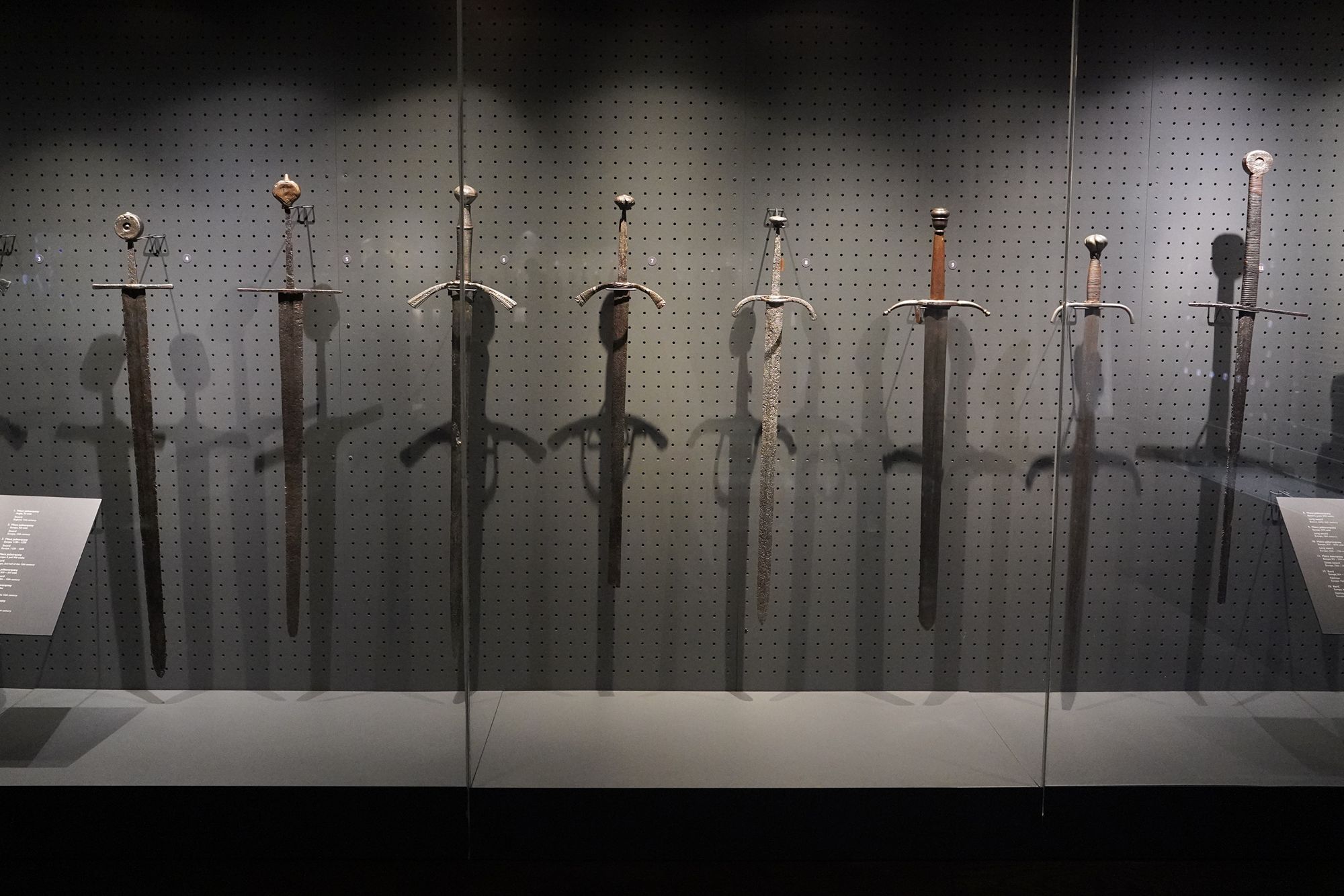
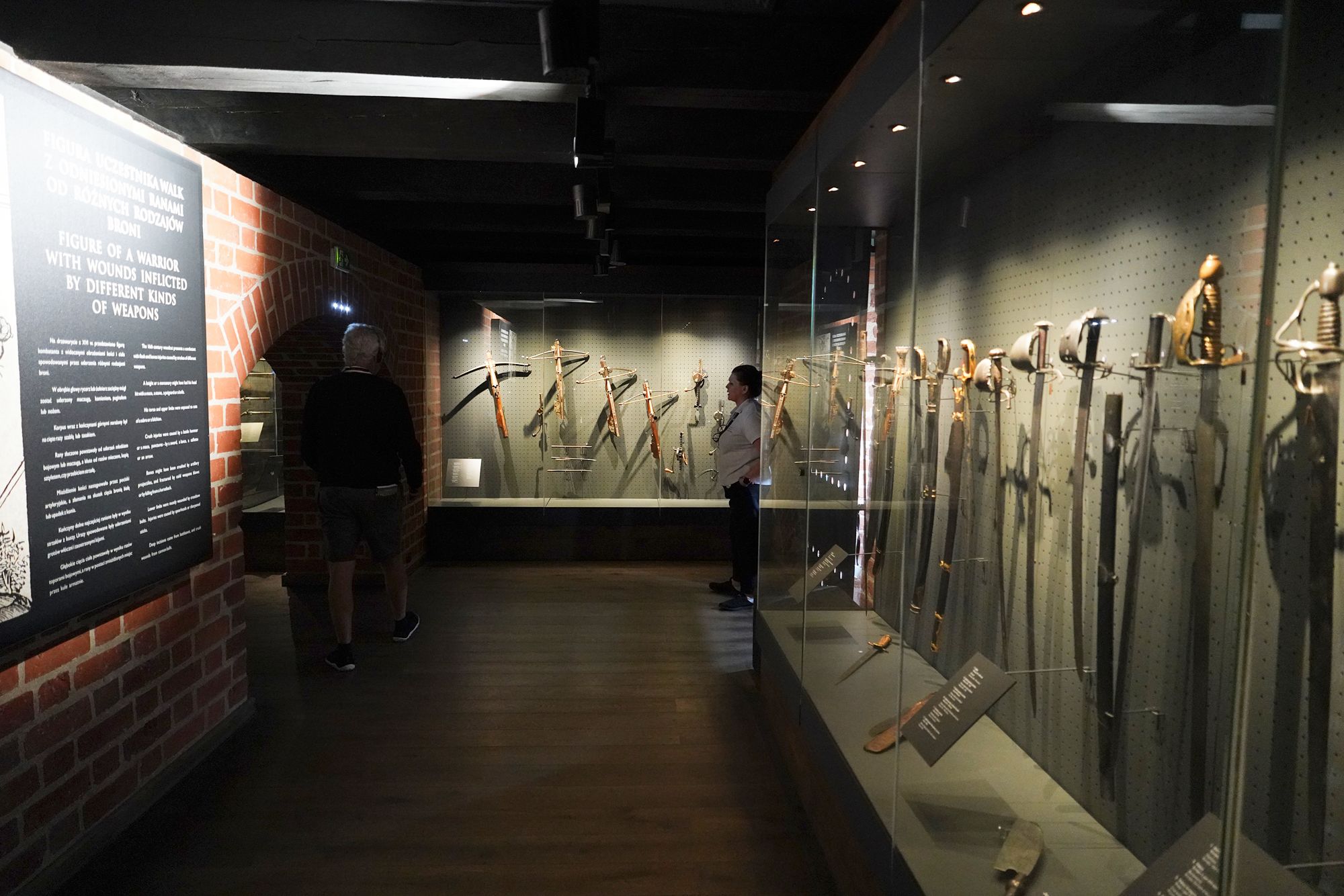
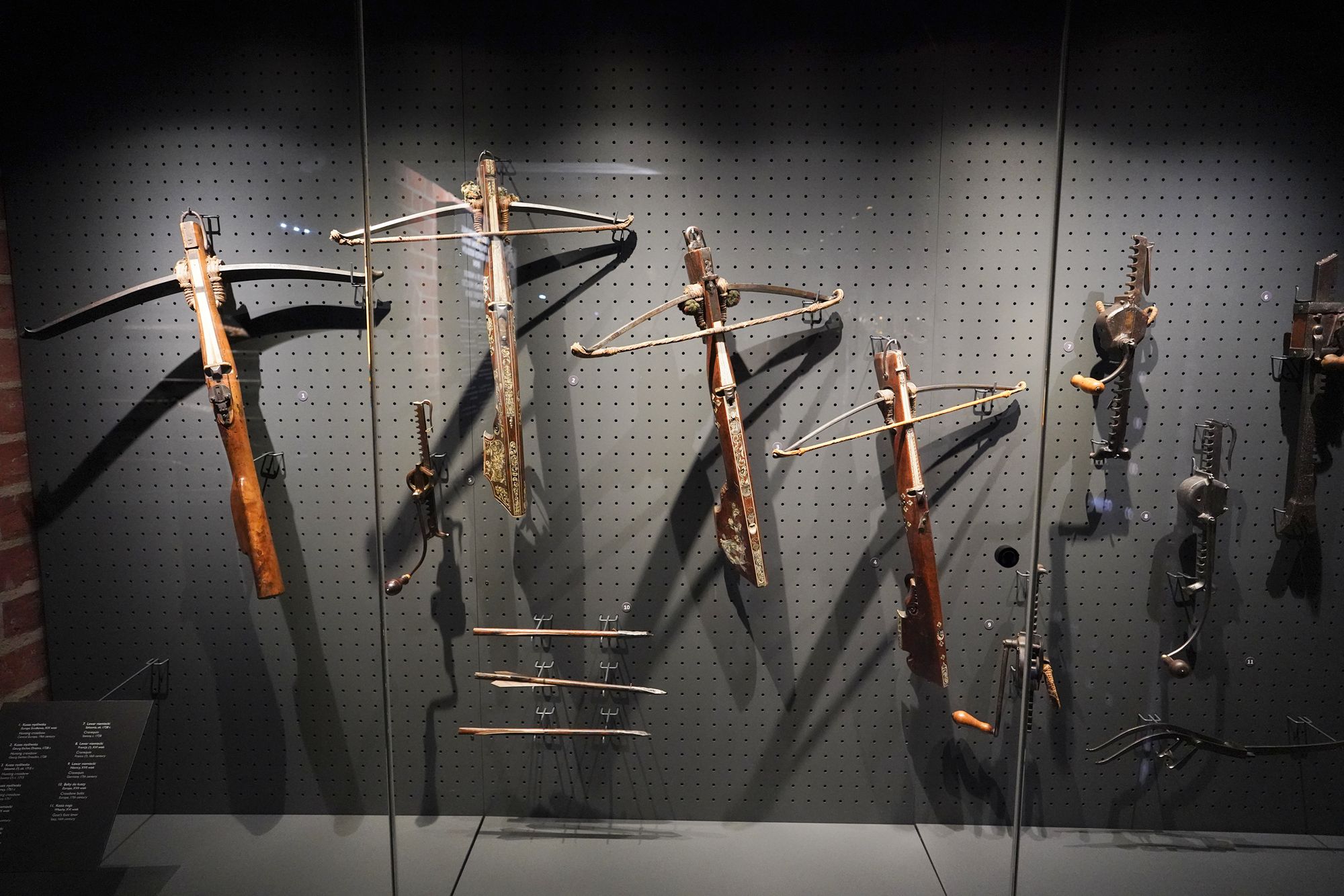
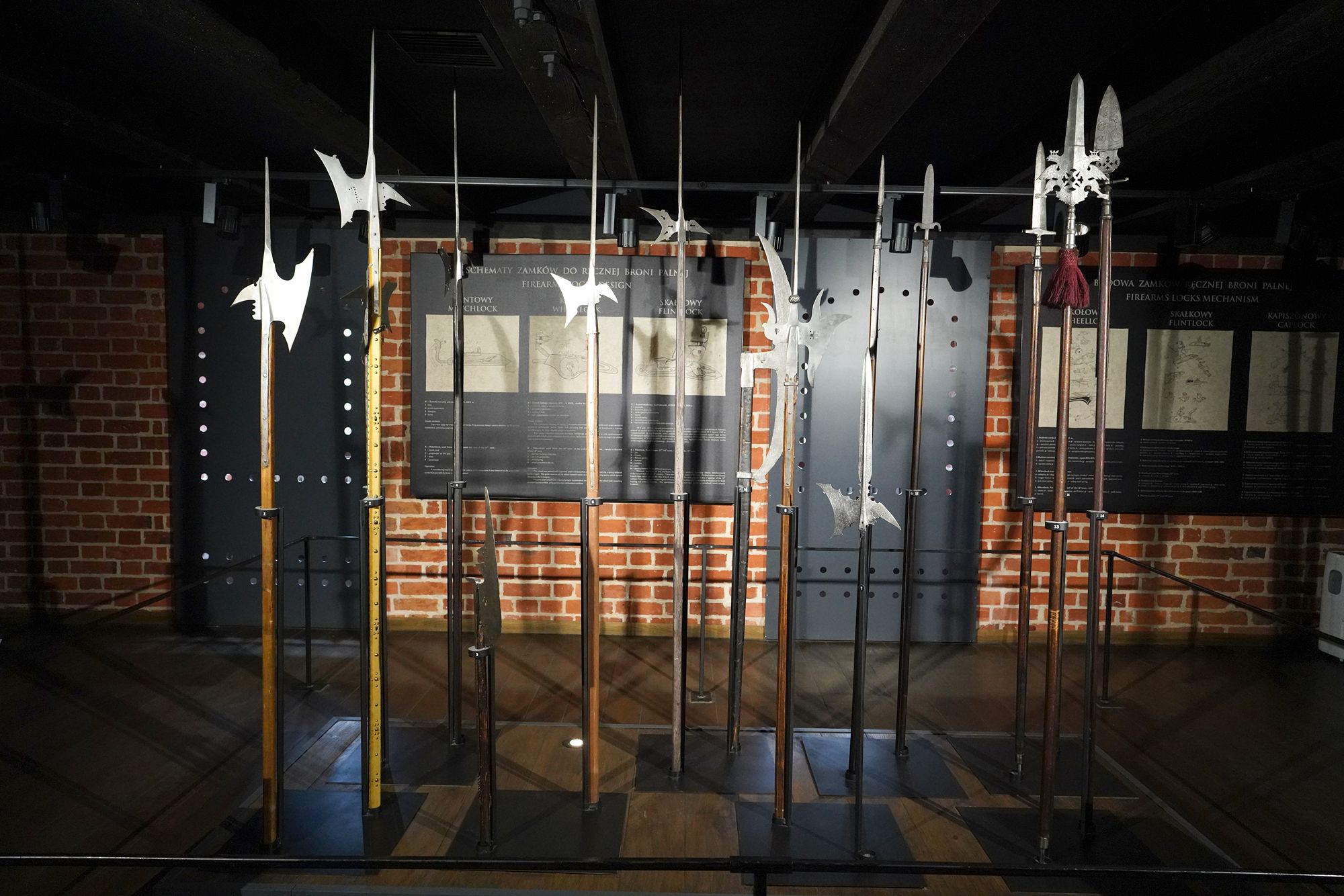
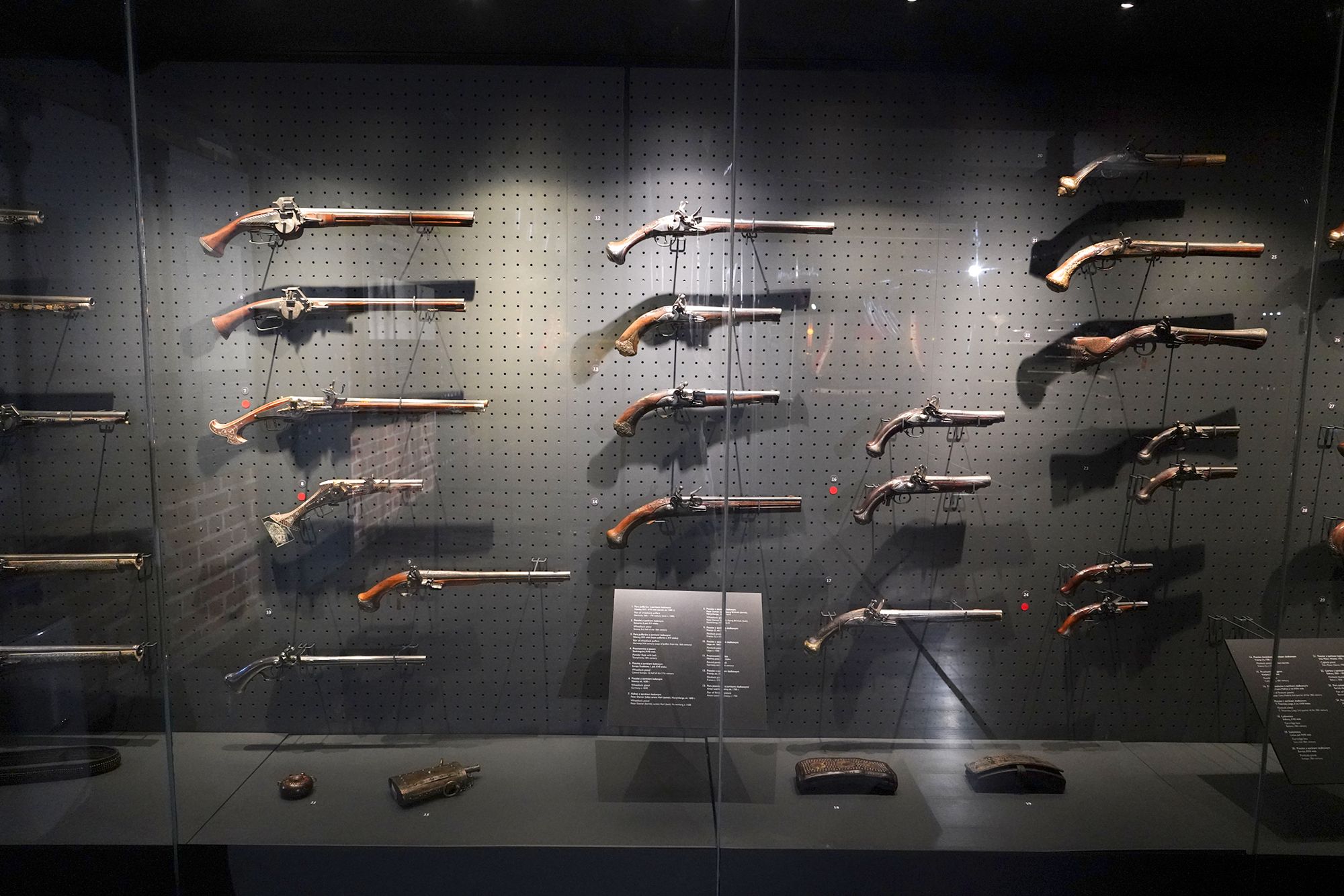
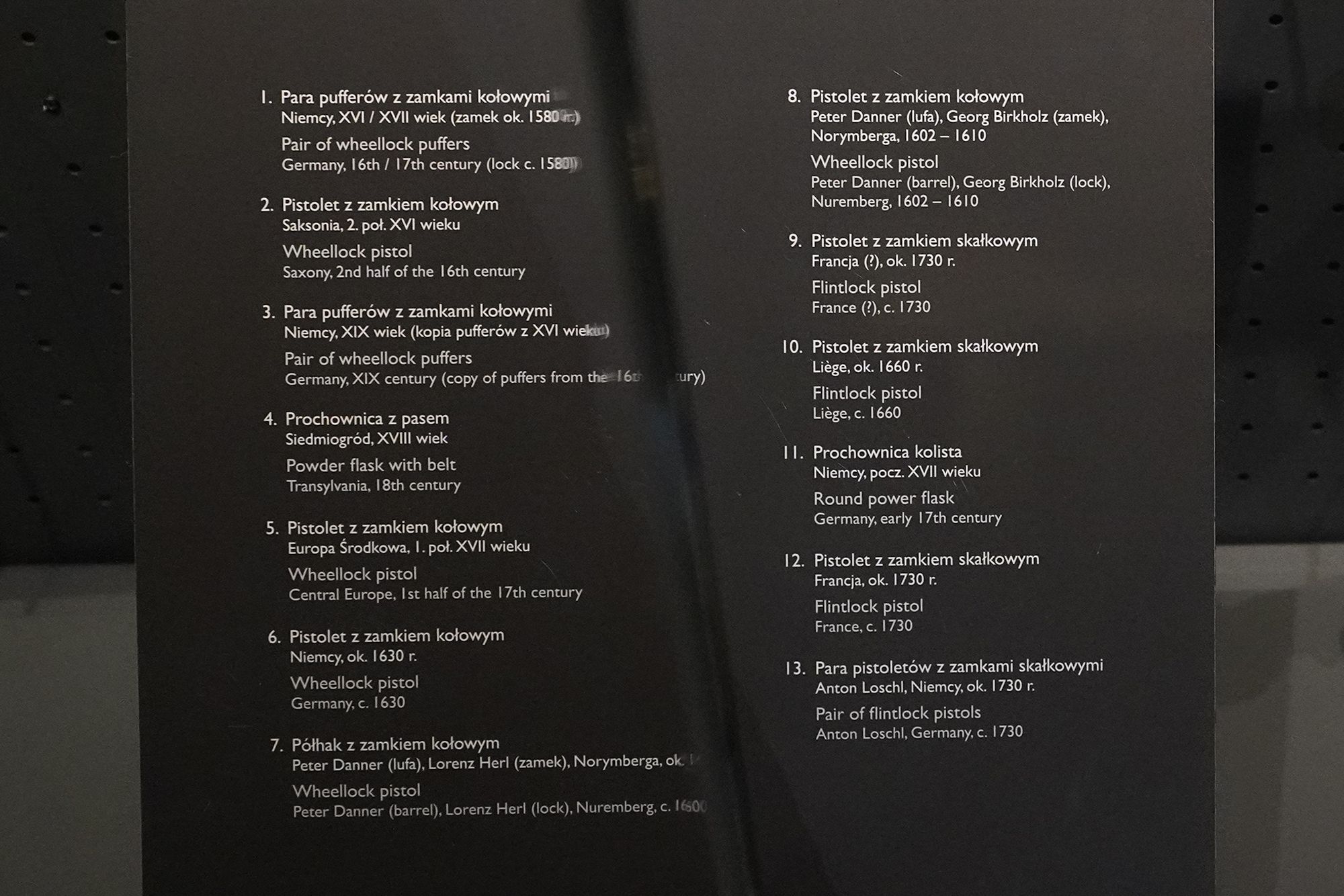
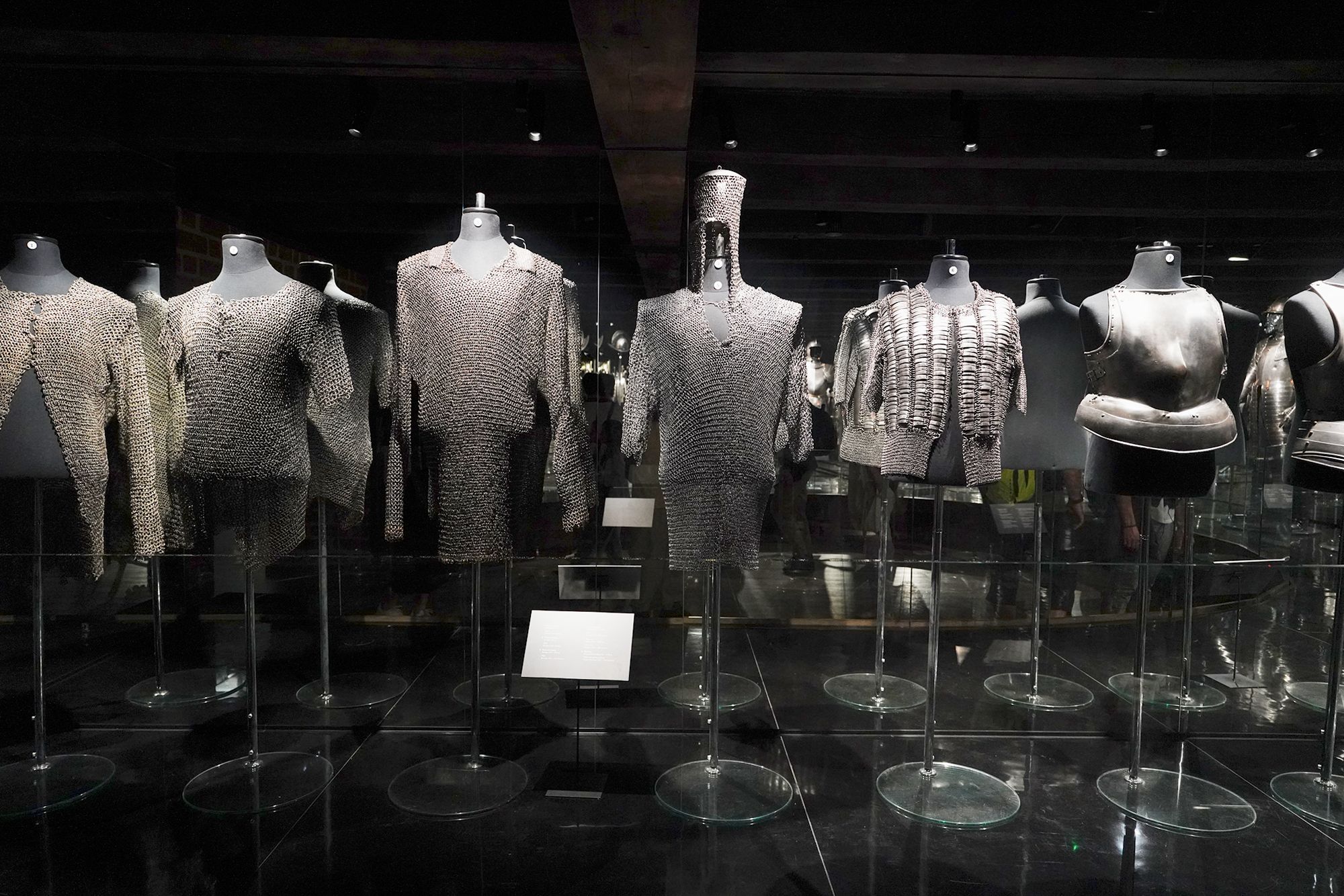
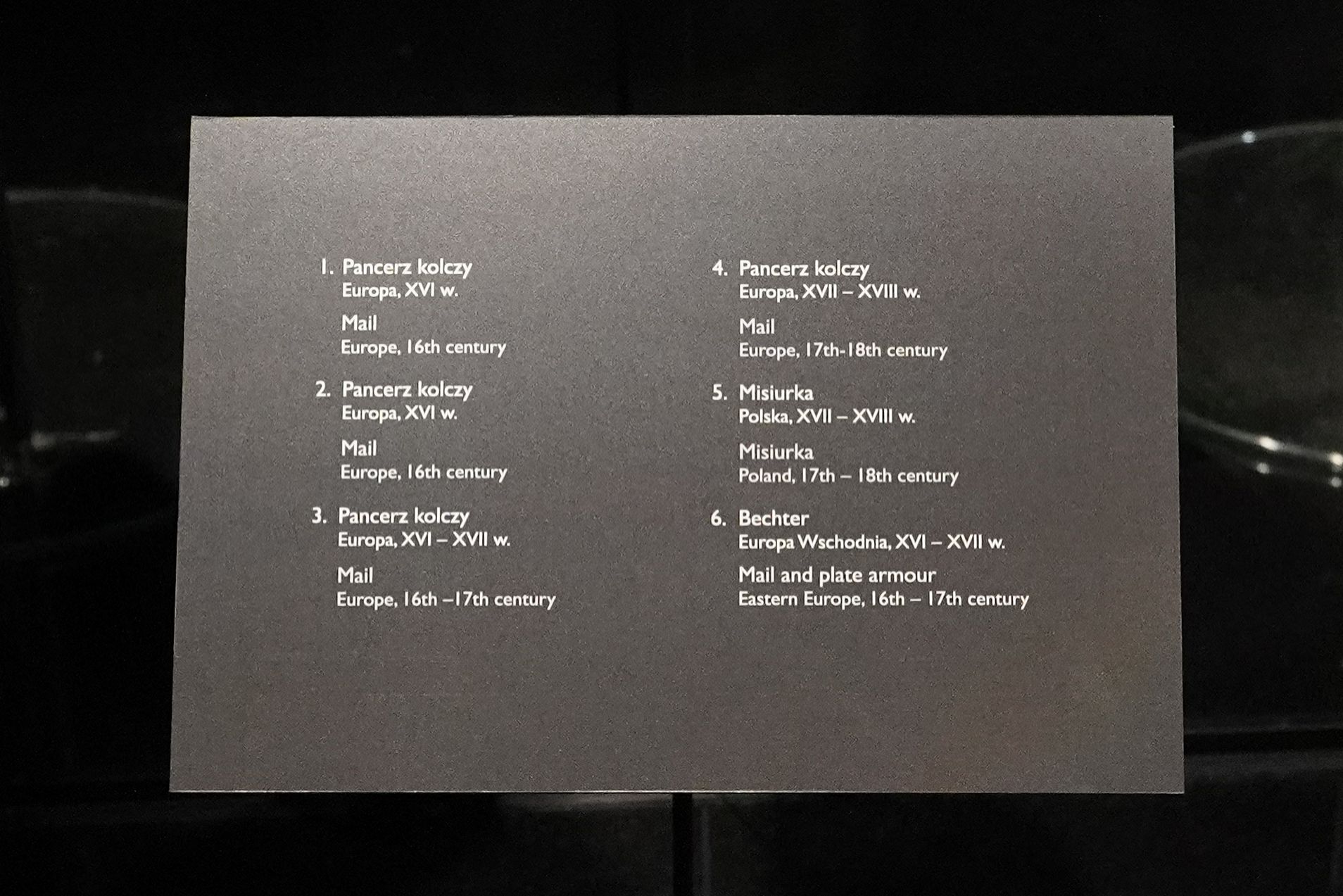
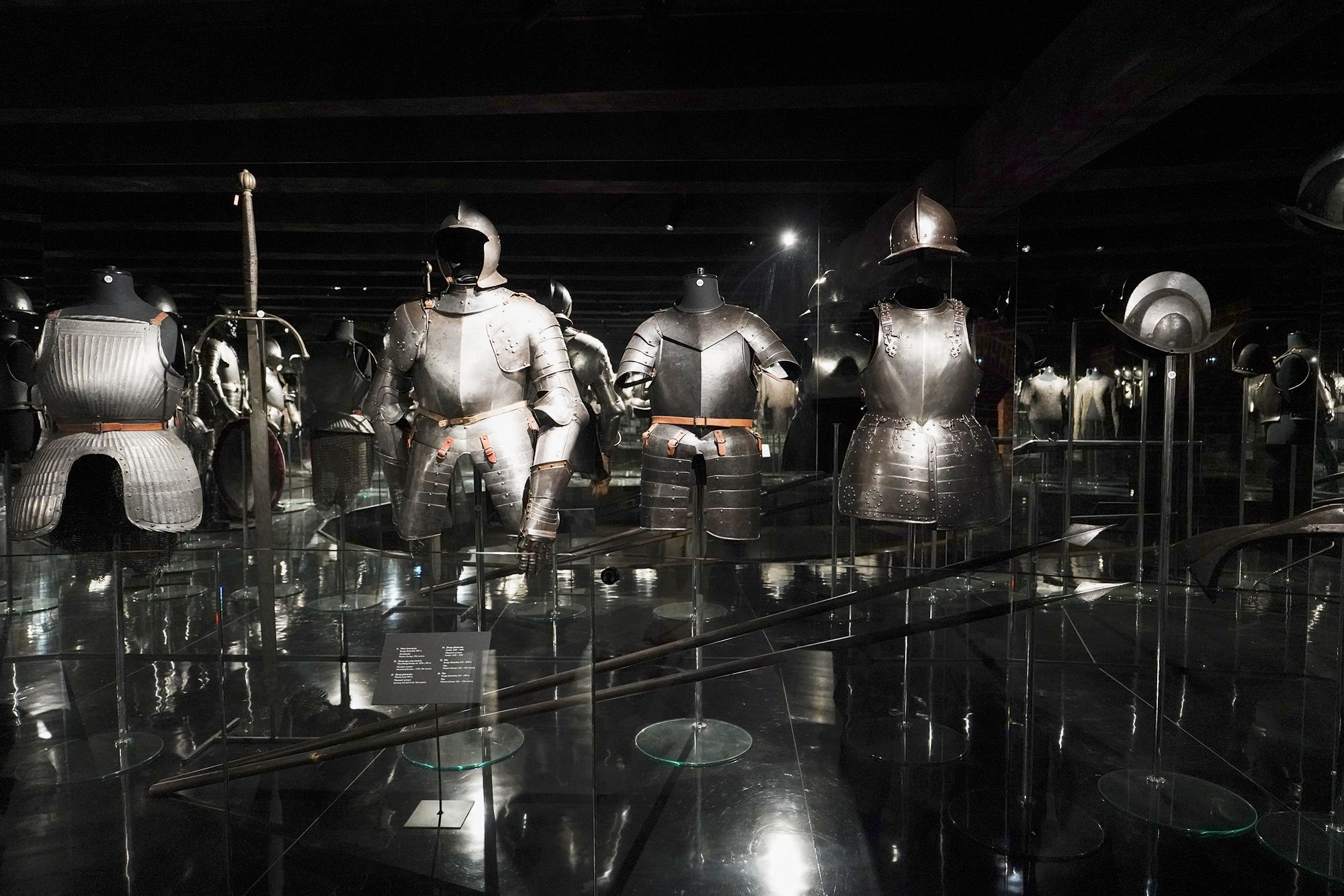
It shows a map of European knights’ routes to Prussia. In the 14th century, knights traveled from across Europe to join the Teutonic Order’s campaigns in the region. The exhibit is part of the castle’s armory display on European arms and armor.
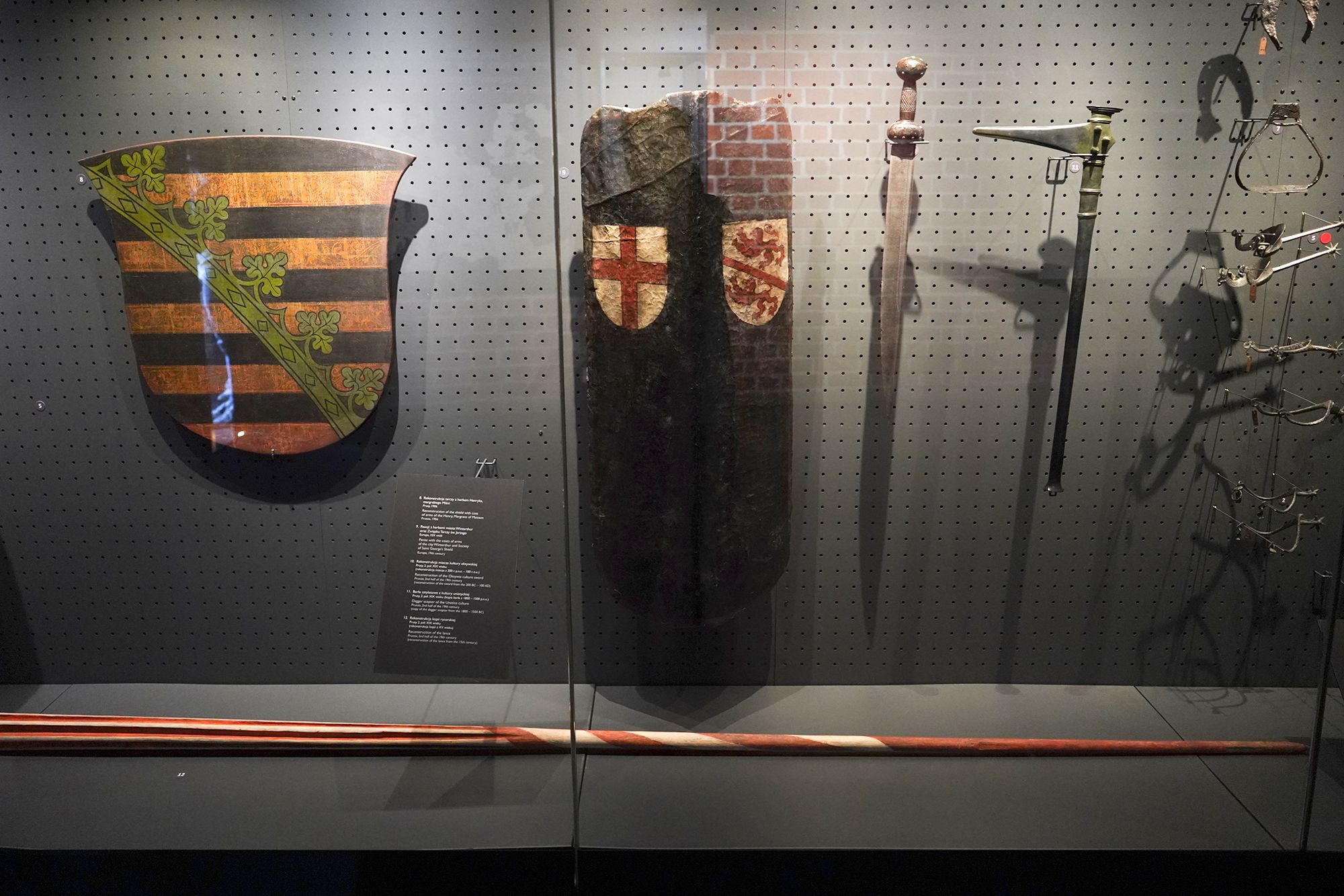
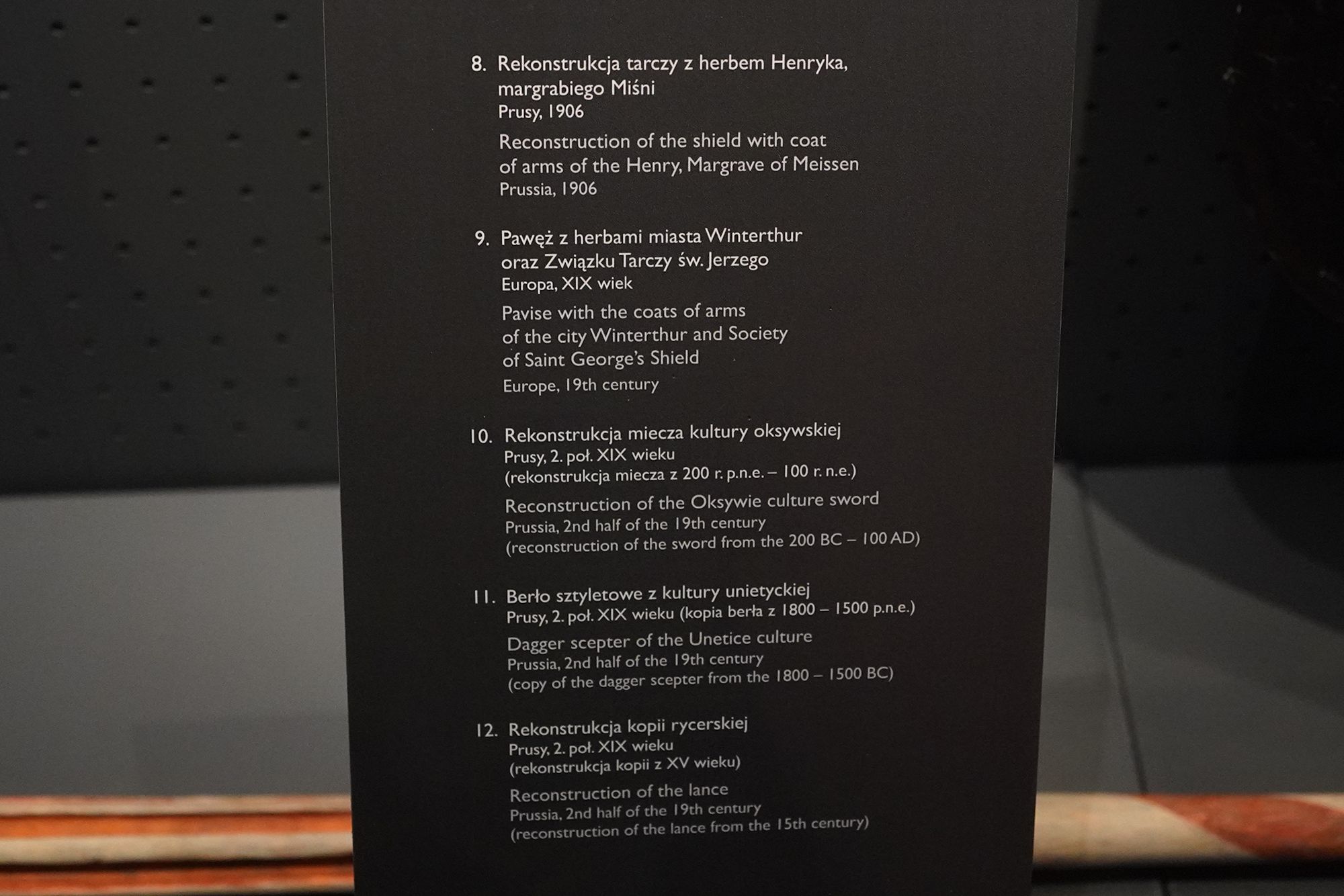
This map traces the Teutonic Knights’ military raids from Prussia into Samogitia and Lithuania between 1305 and 1409. The arrows show the routes they took, while the figures on the right record the number of raids in each period. The display shows a sharp rise in campaigns from 1366 to 1385.
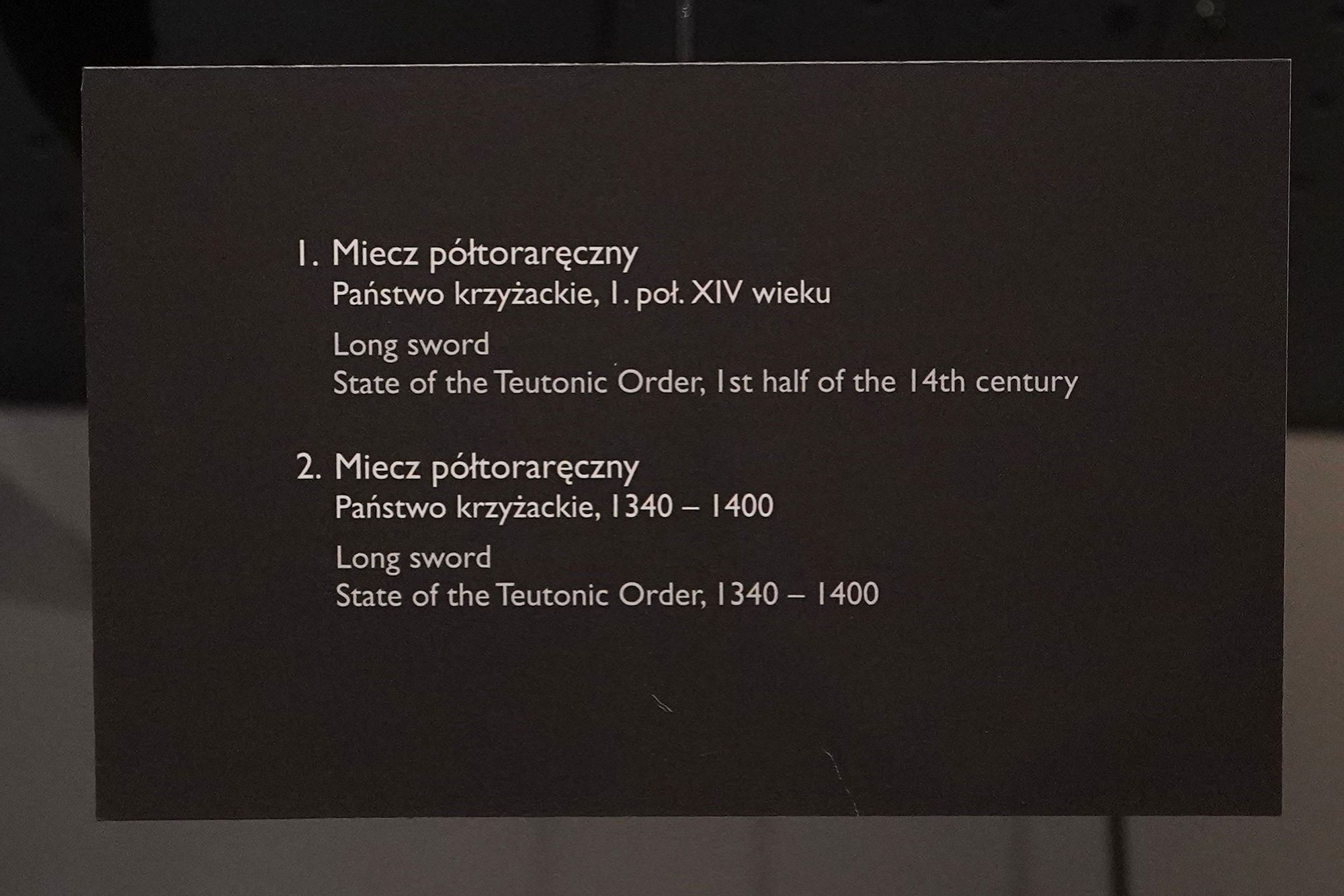
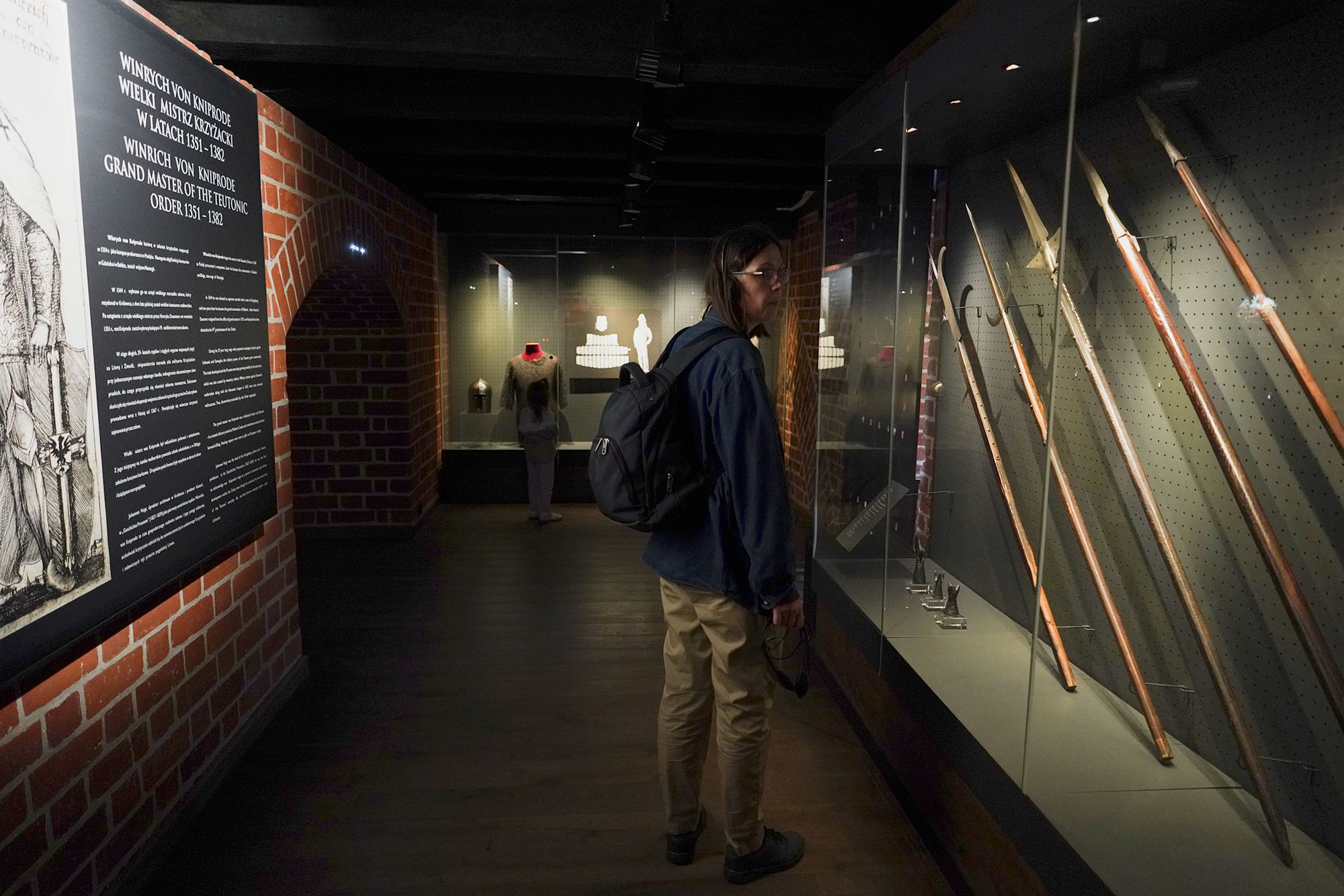
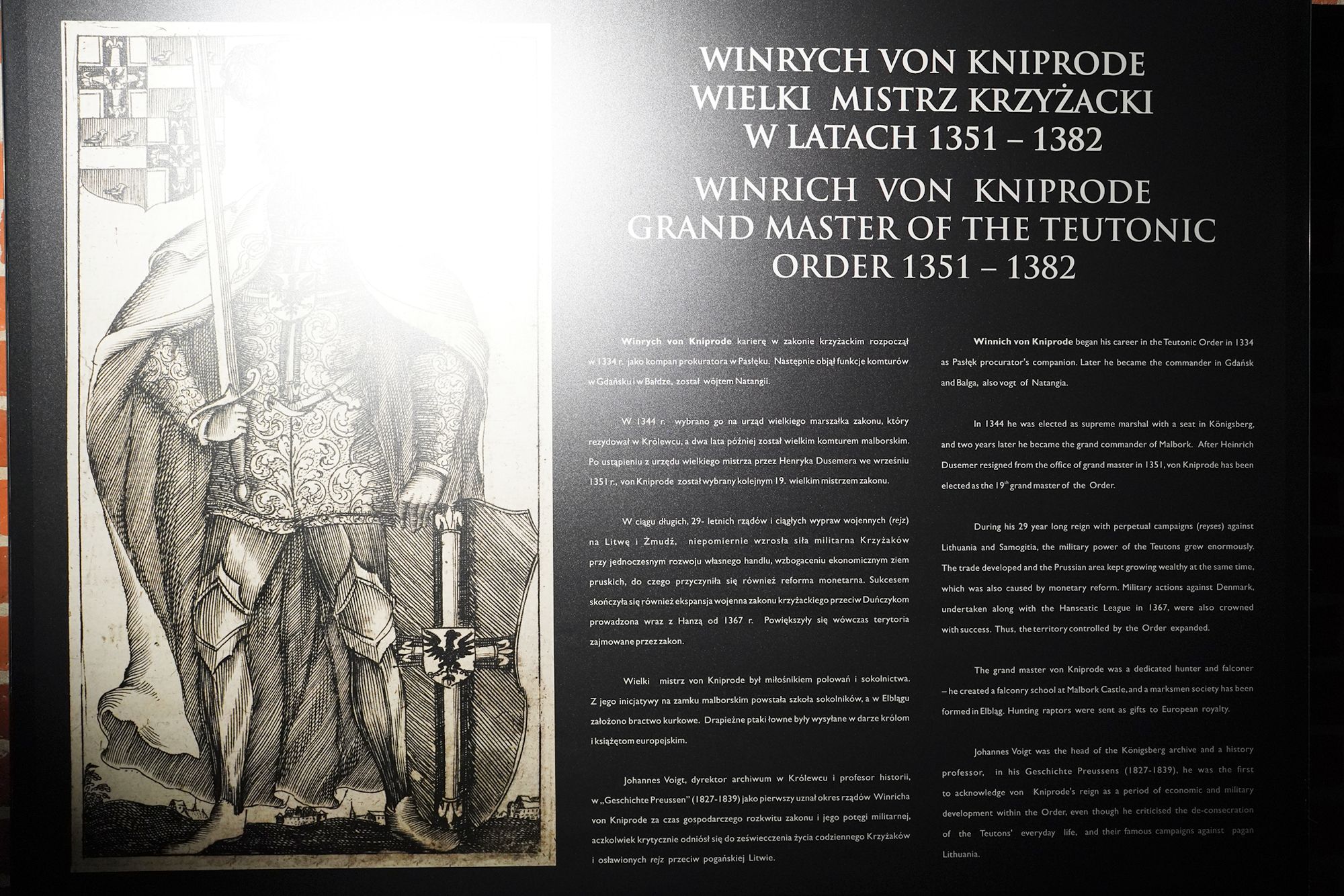
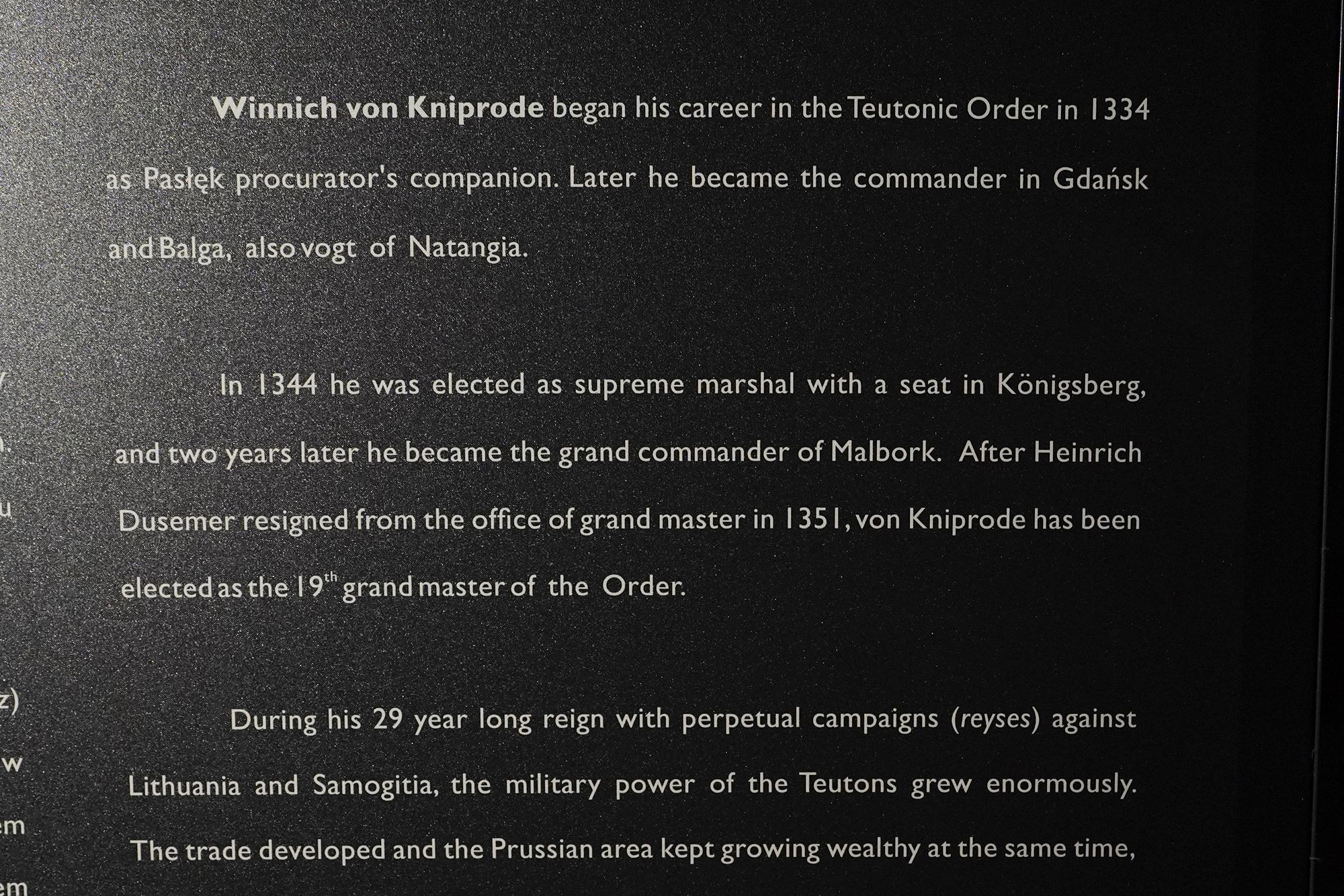
This panel describes Winrich von Kniprode, who became the Teutonic Order’s 19th Grand Master in 1351. During his long rule, the Order expanded its military campaigns against Lithuania and Samogitia. Trade also grew, and the Prussian lands became wealthier.
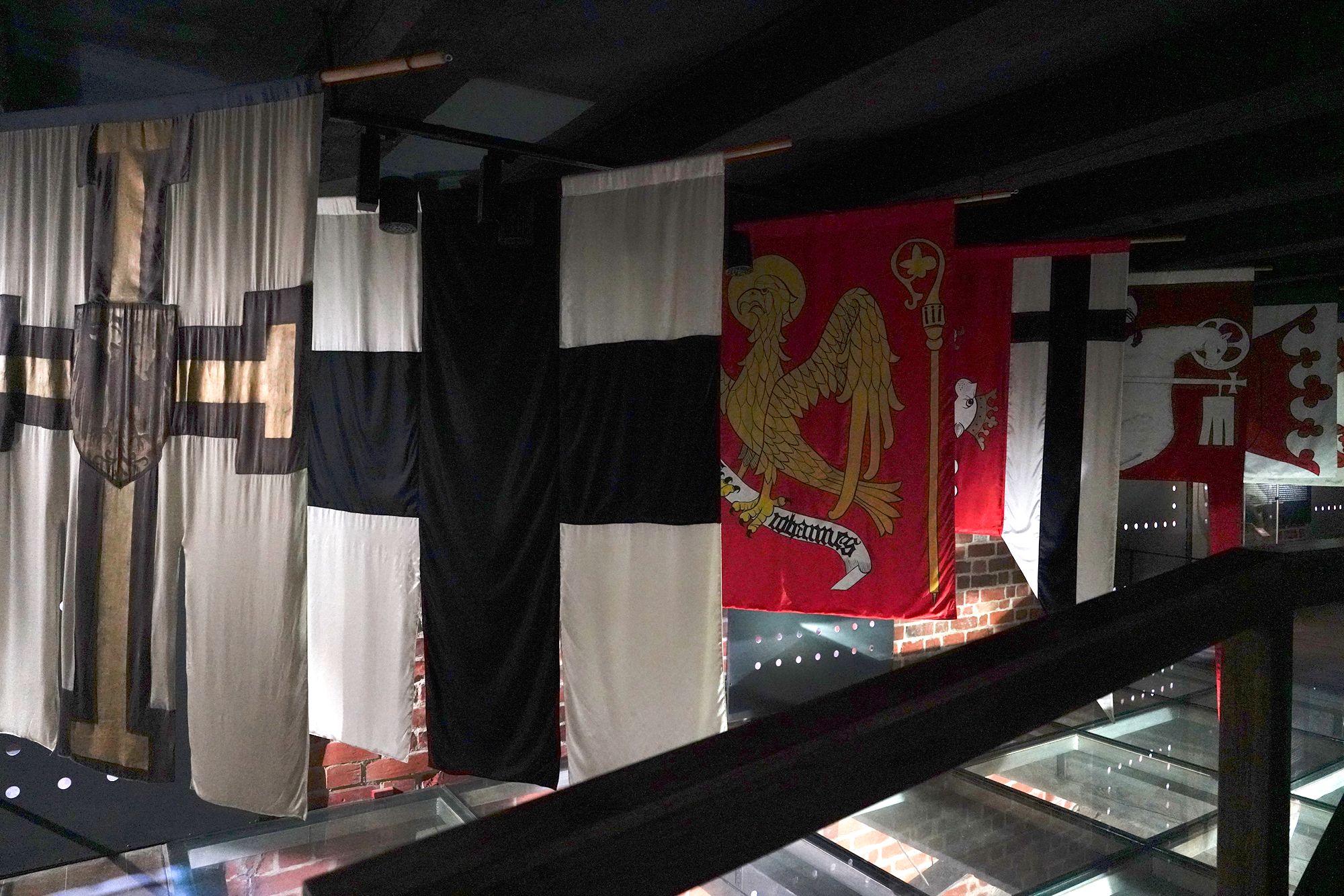
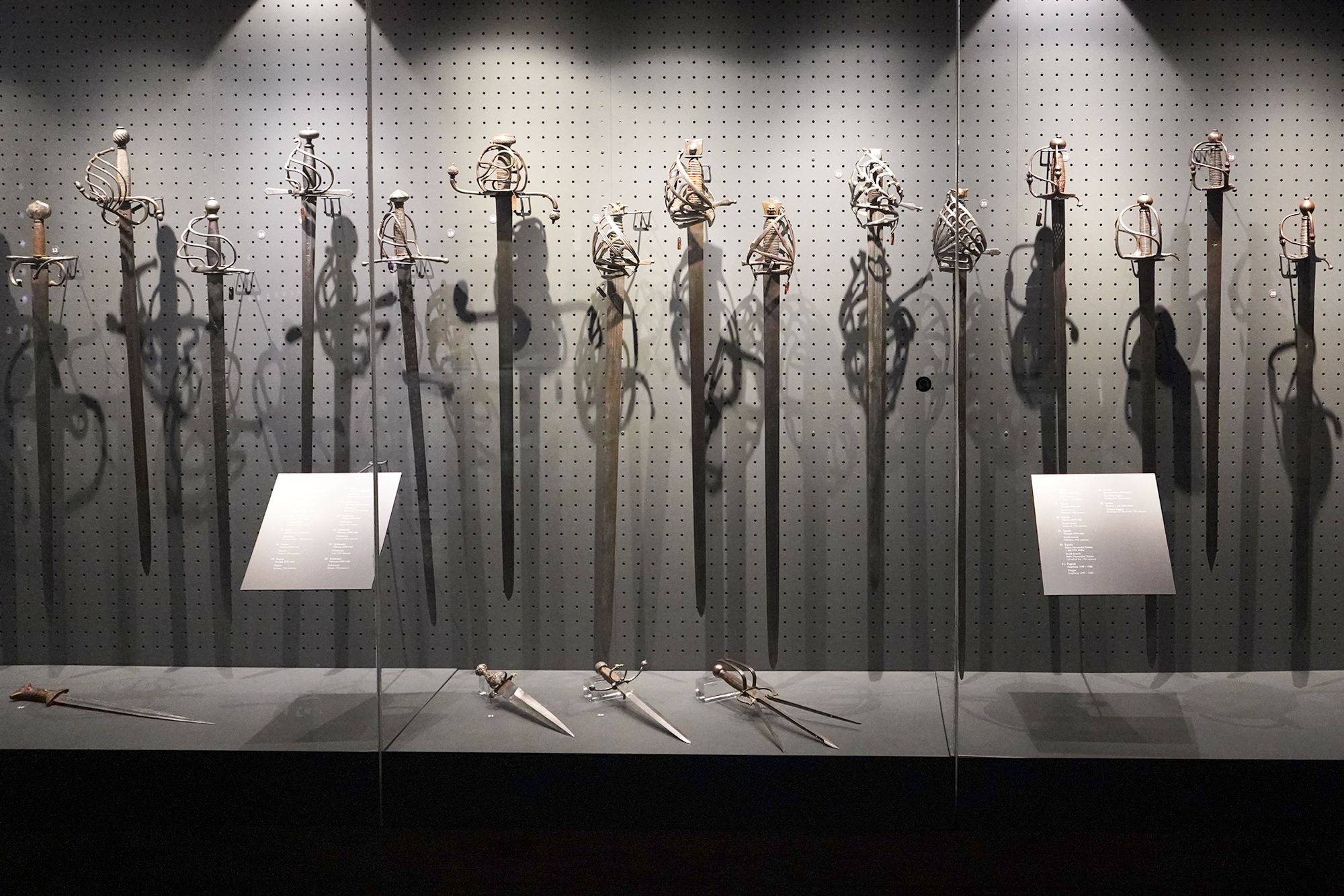
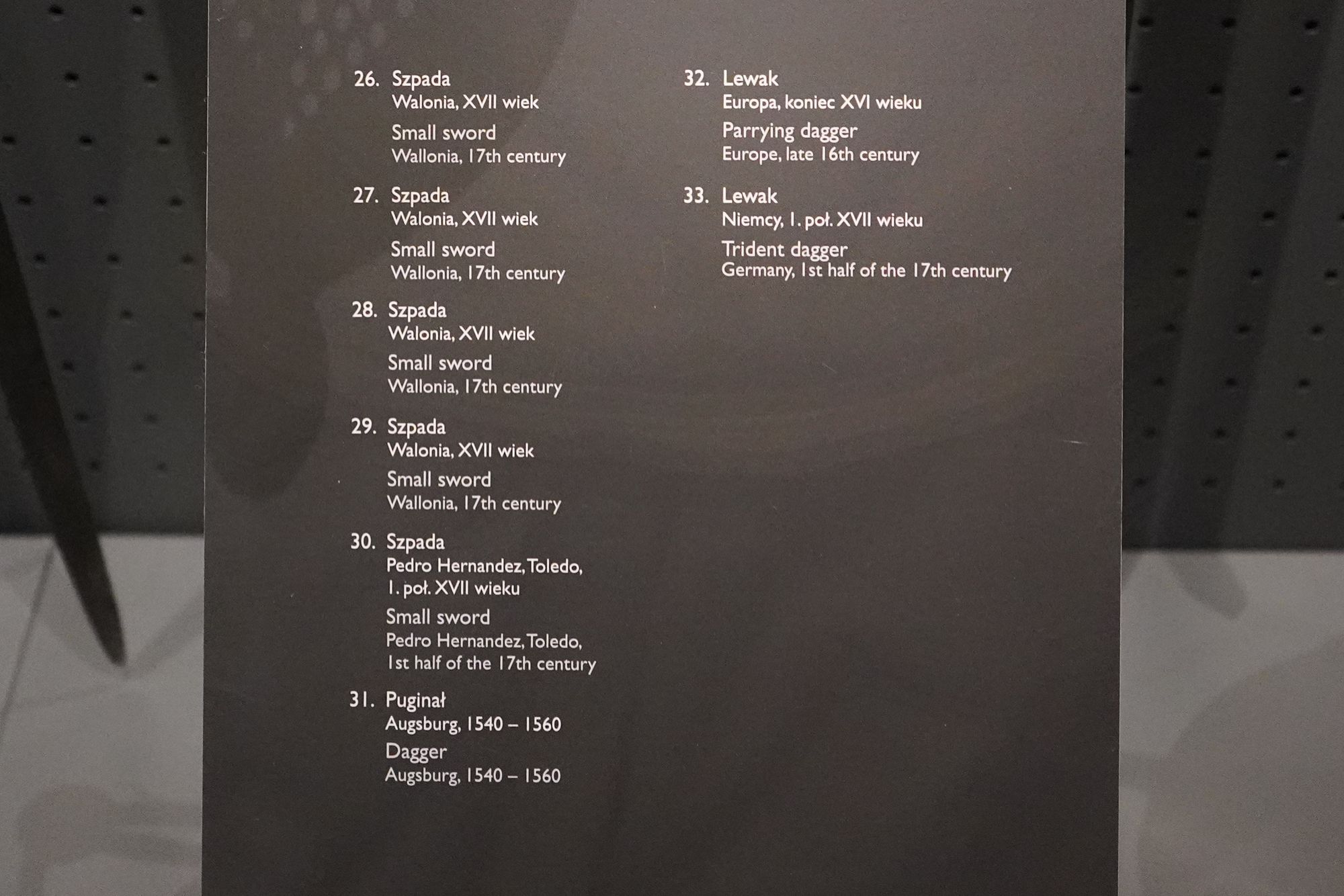
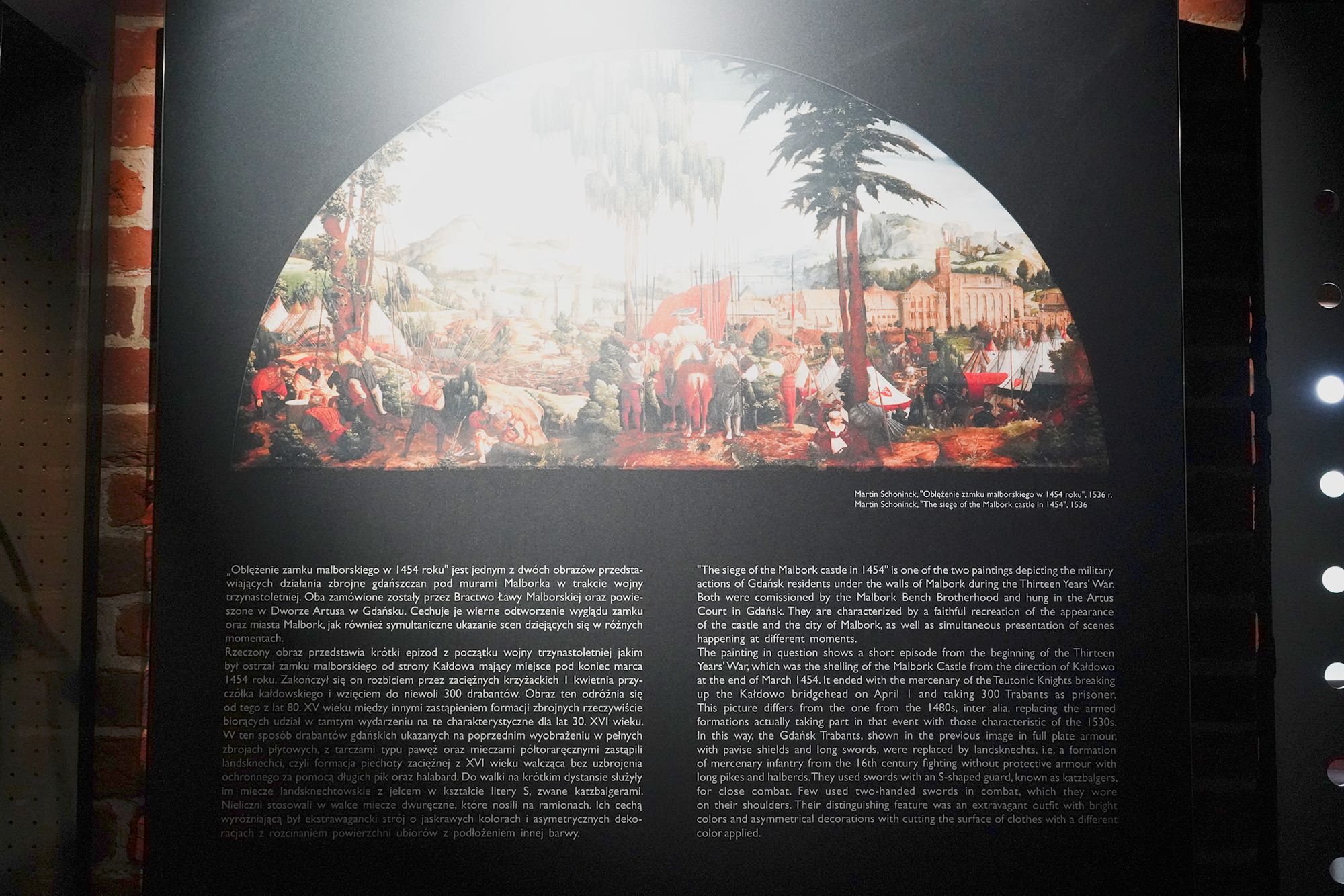
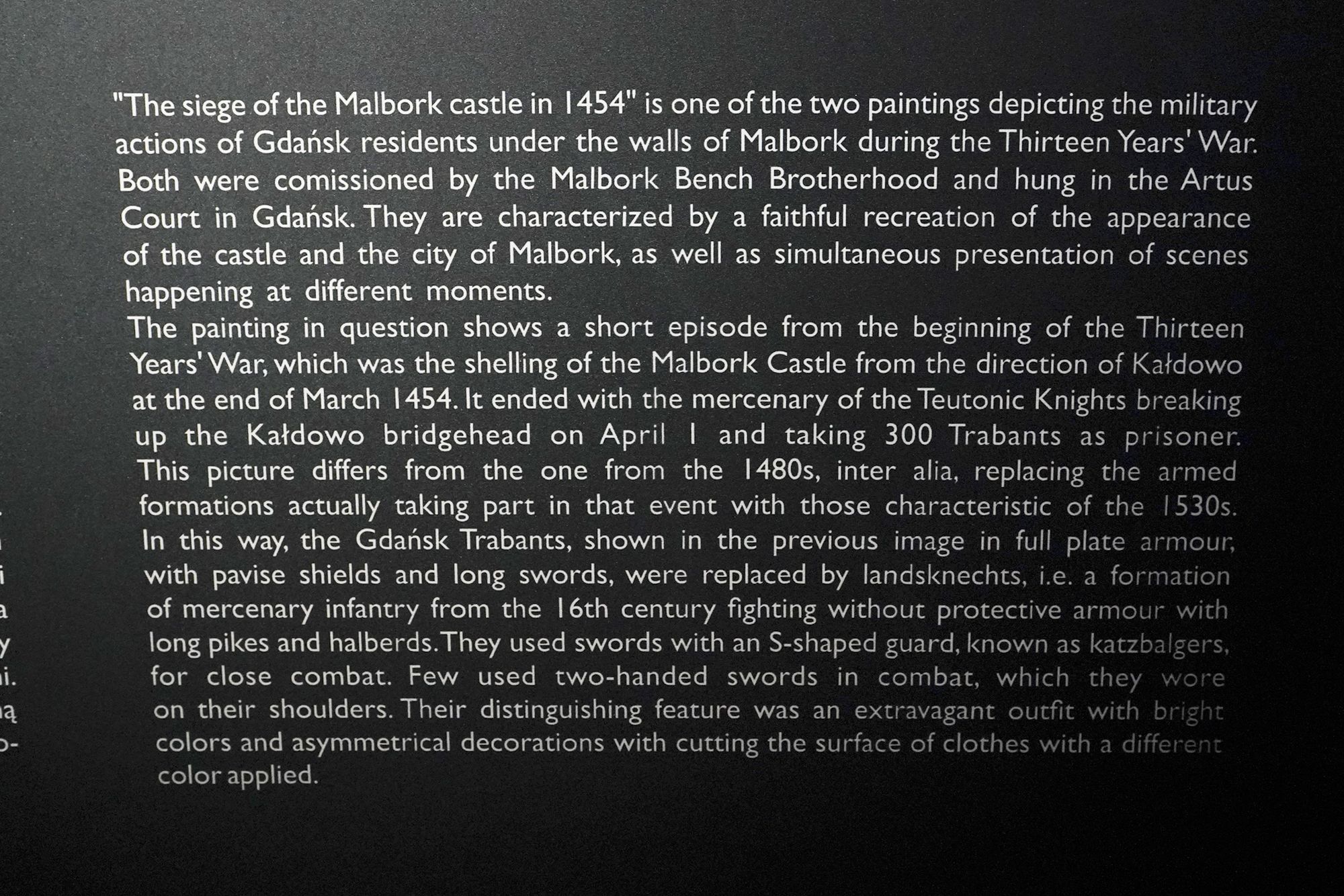
This panel explains that the painting depicts Gdańsk forces shelling Malbork Castle in March 1454, during the Thirteen Years’ War. The attack ended when Teutonic mercenaries broke through the Gdańsk forces’ position at Kałdowo. The scene was painted later, and its soldiers wear clothing and carry weapons from the 1530s rather than 1454.
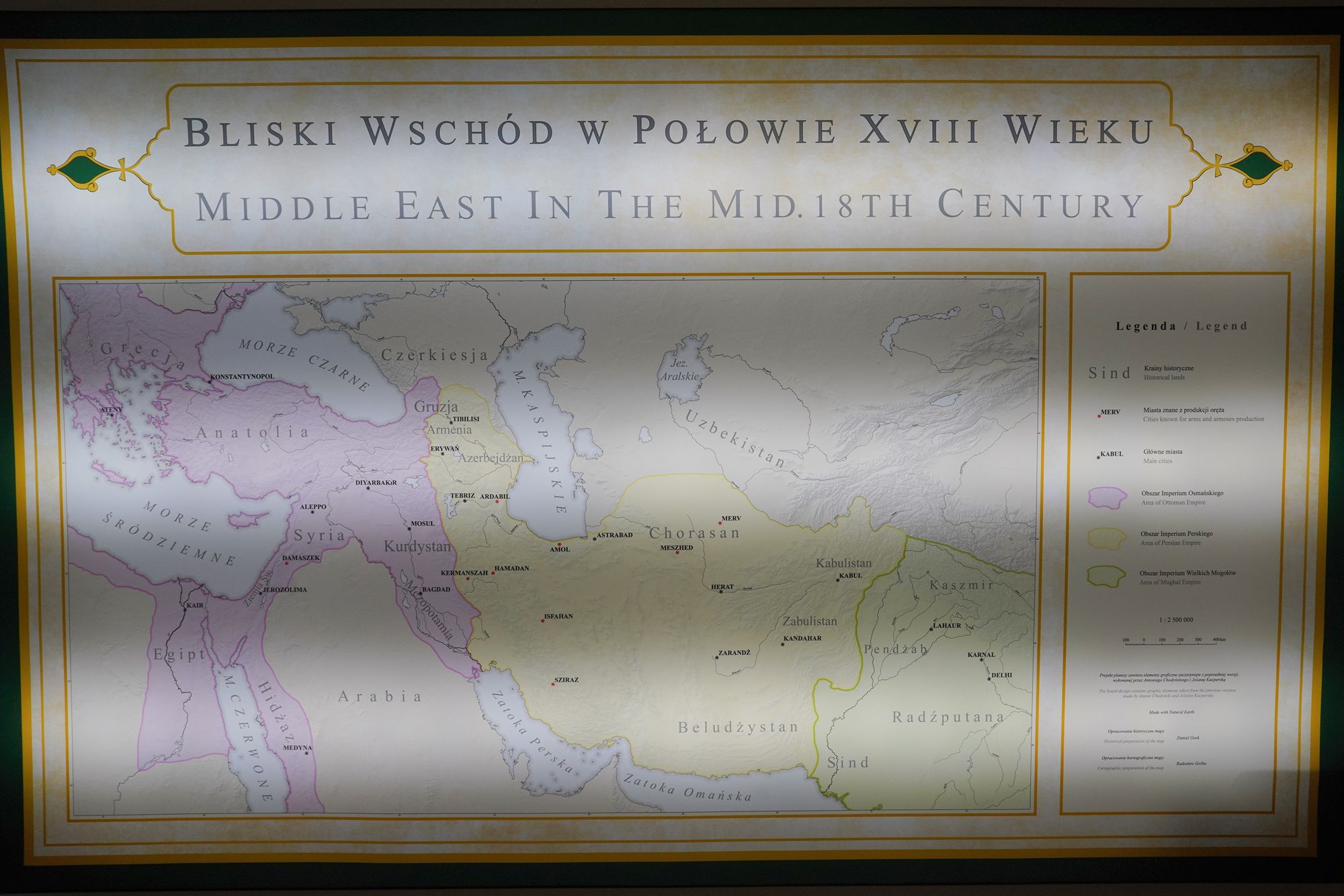
This map shows the Middle East in the mid-18th century, with the territories of the Ottoman, Persian, and Mughal empires marked in different colors. It also names the region’s provinces and major cities, including Aleppo, Isfahan, Kabul, and Delhi.
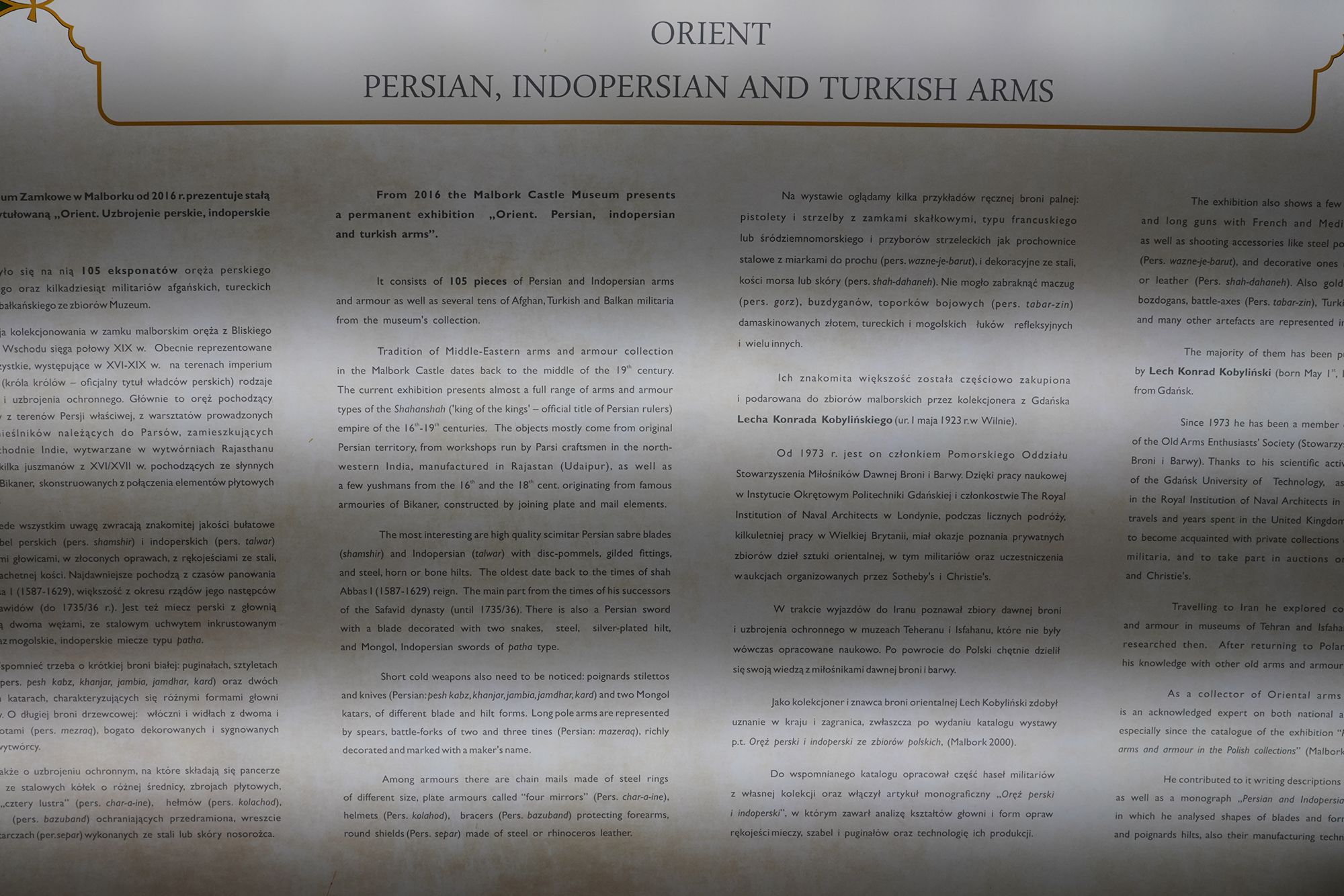
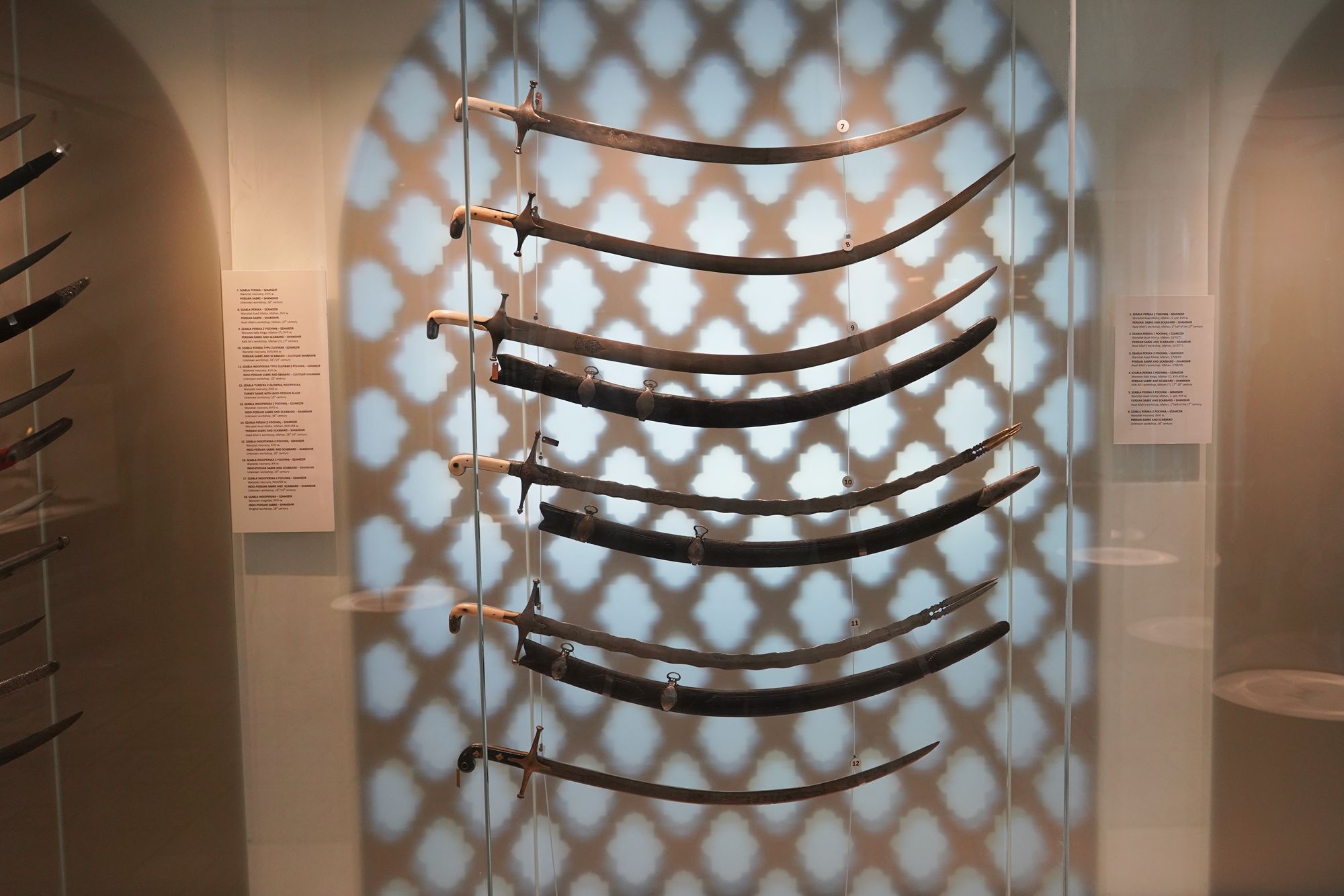
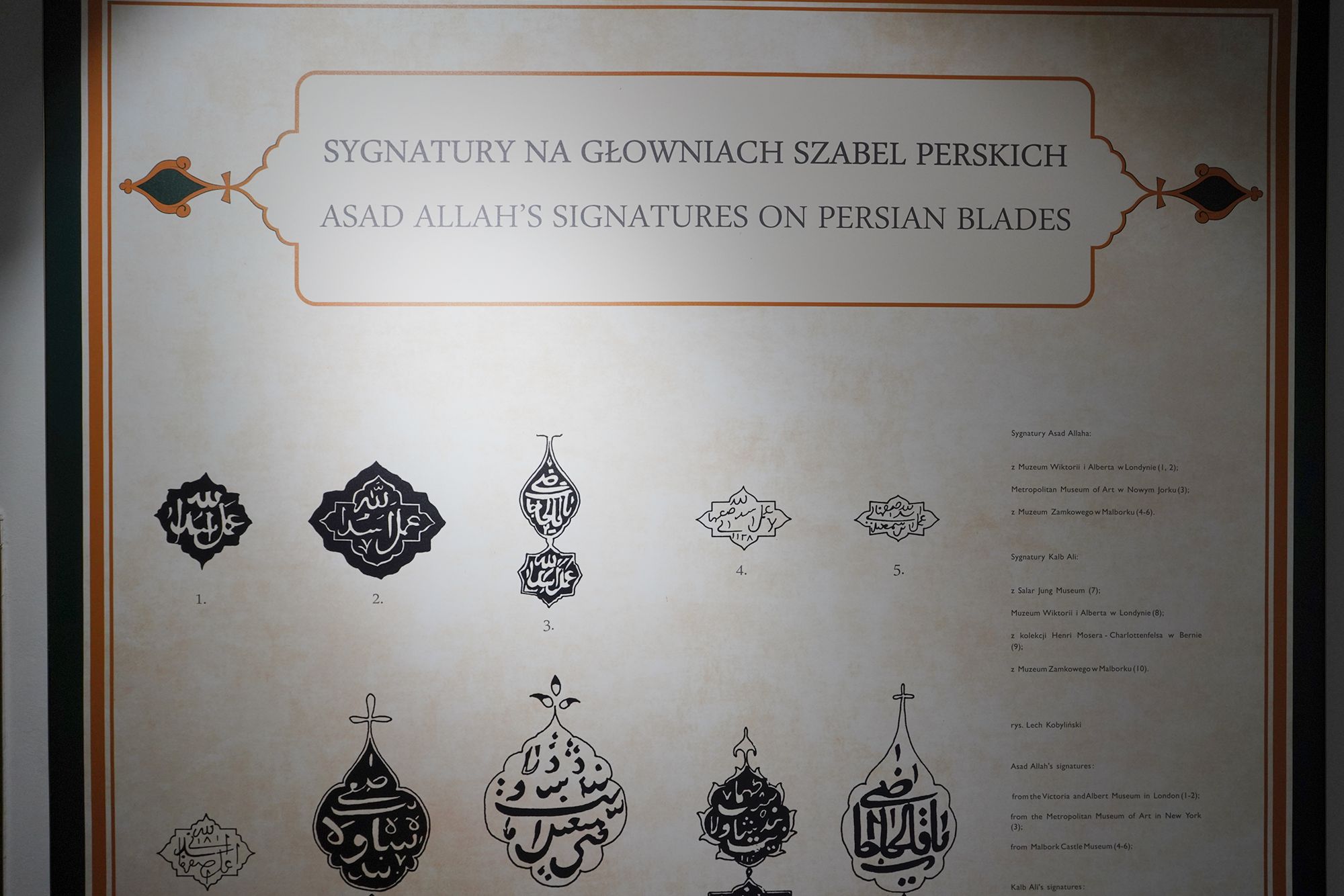
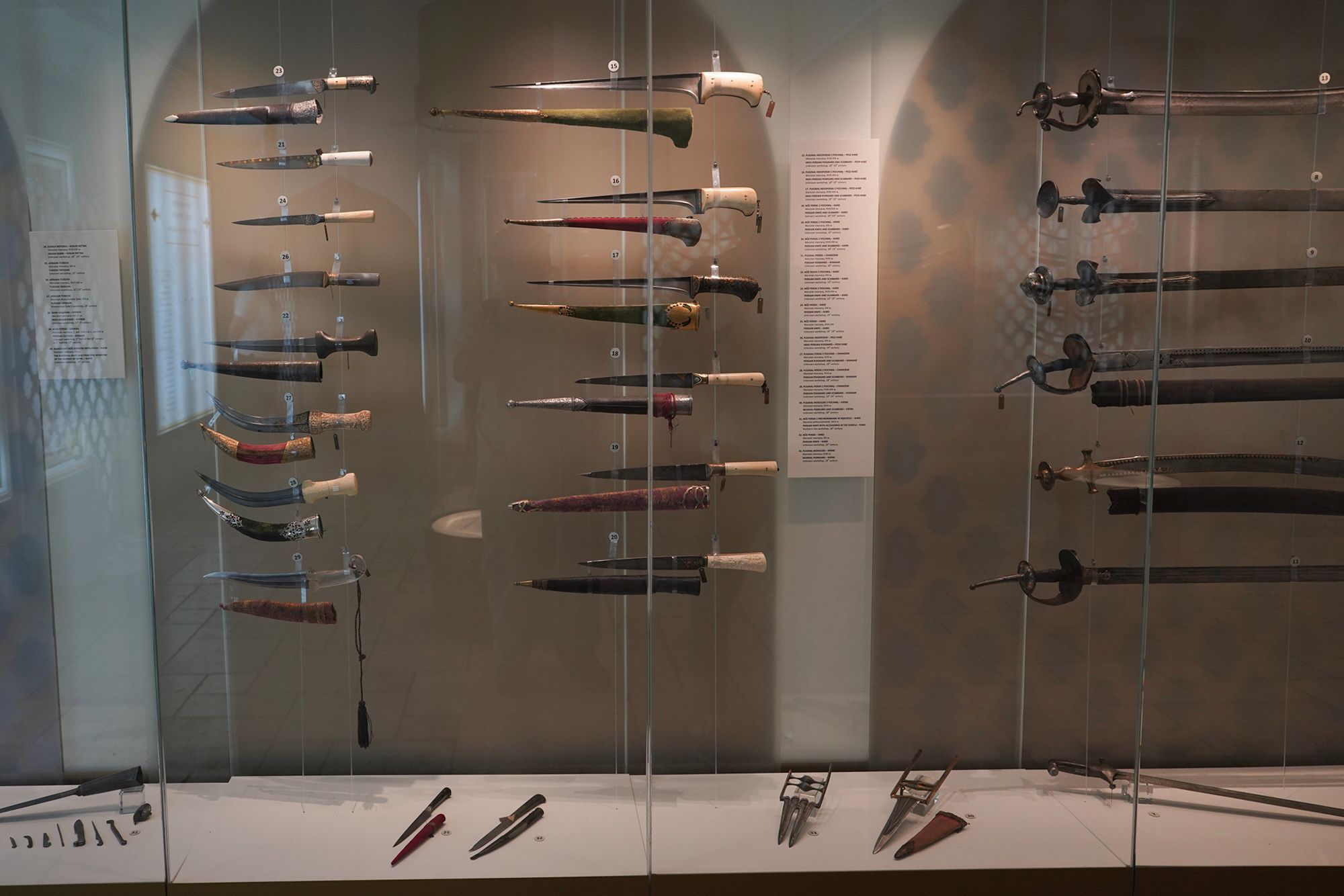
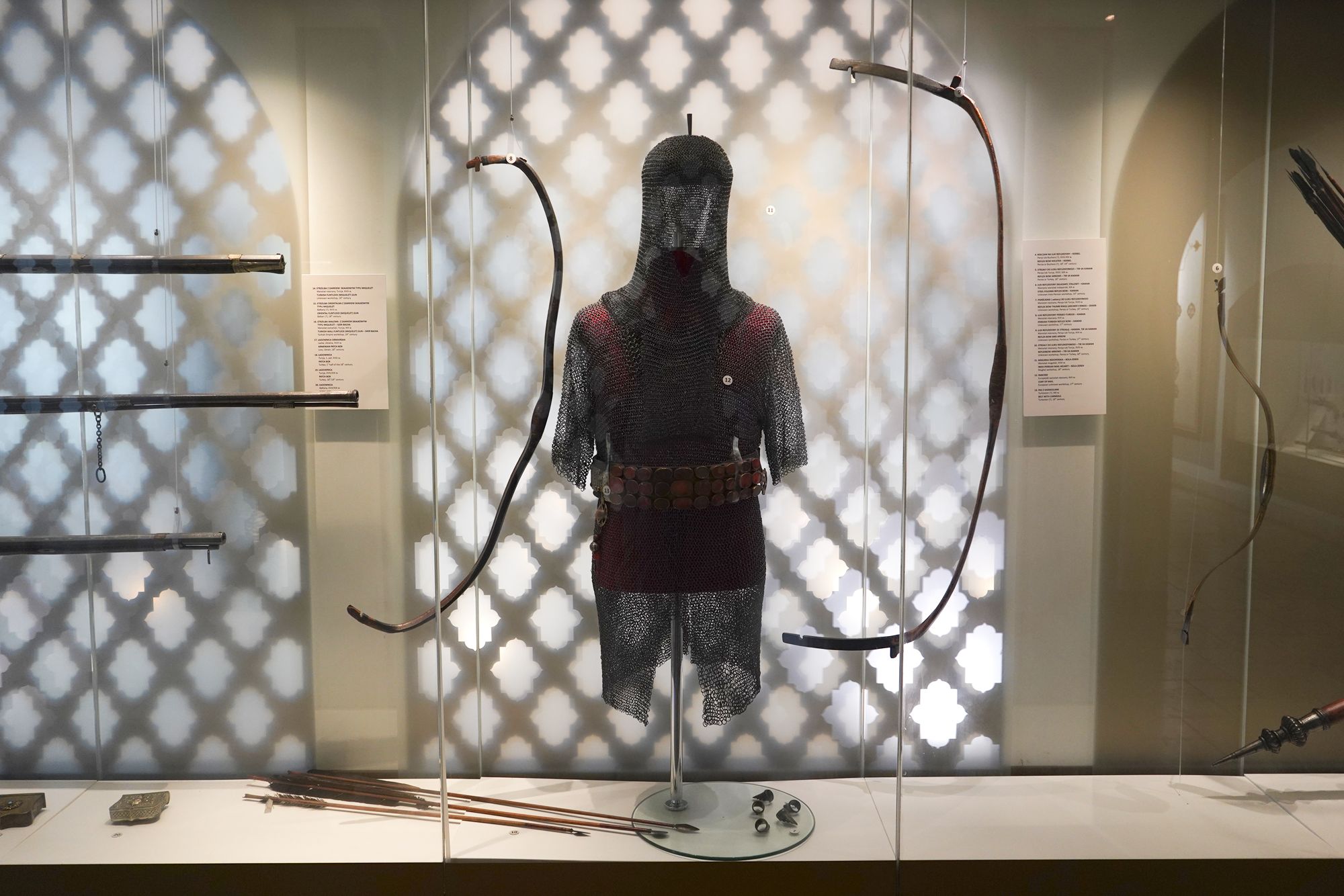
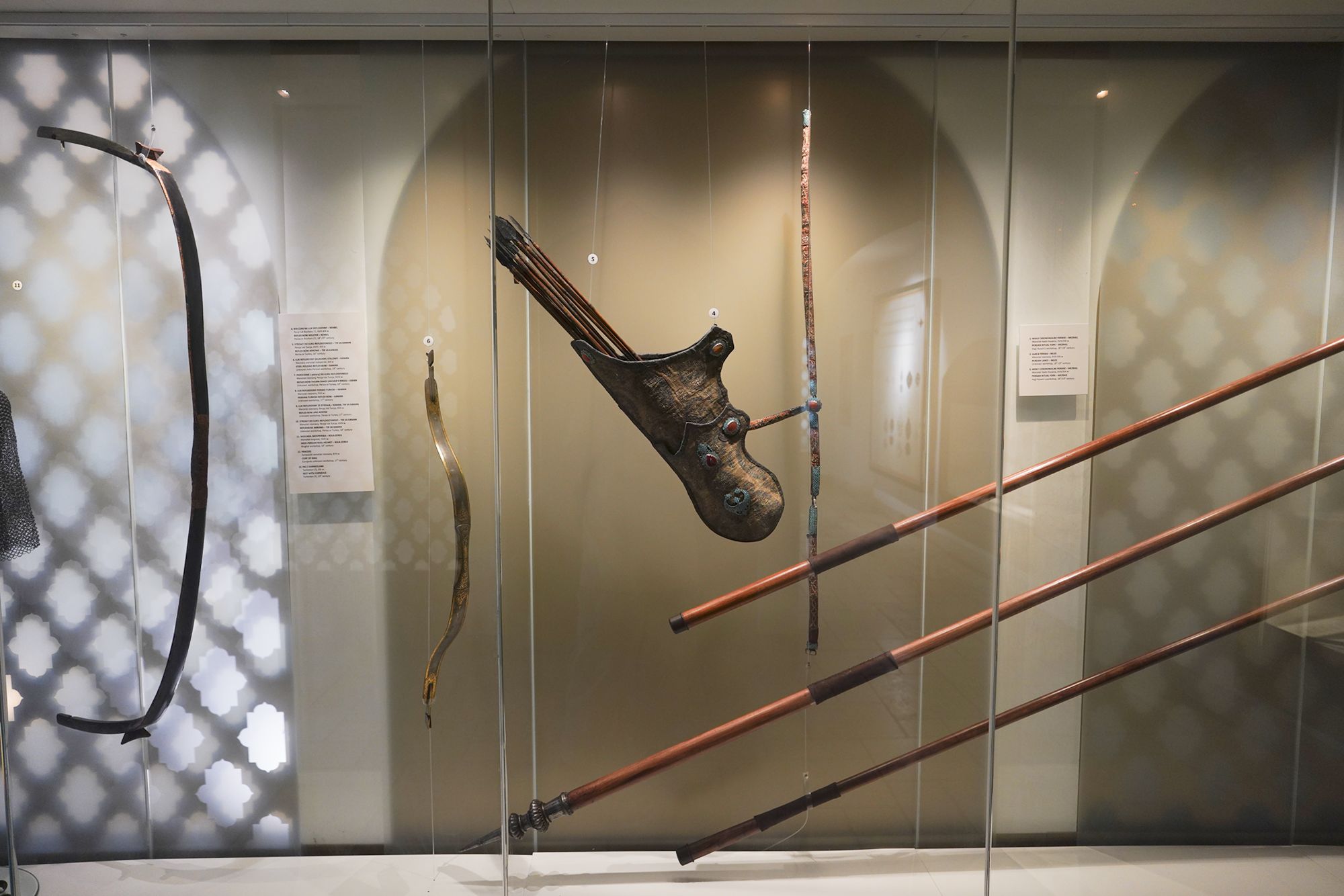
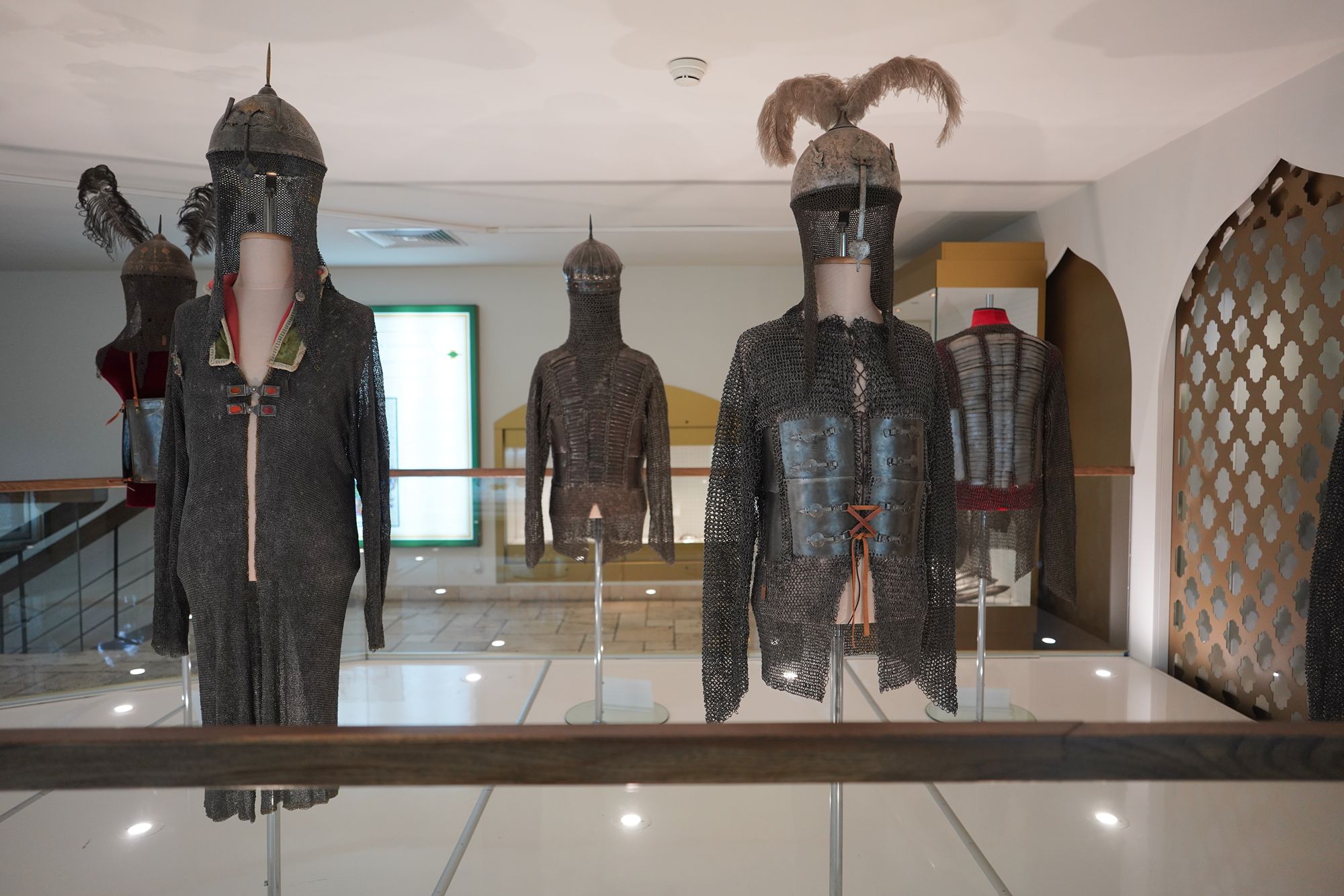
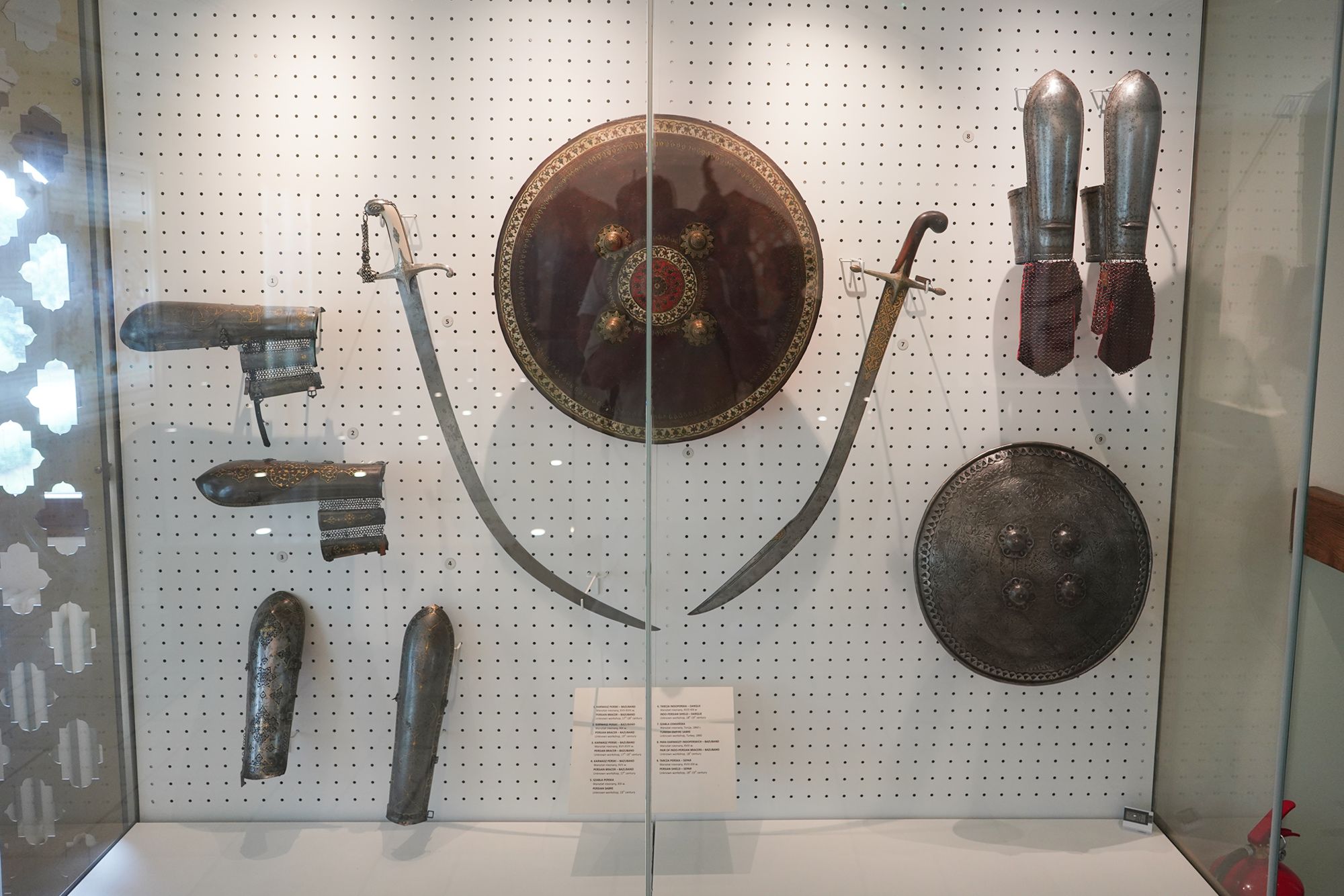
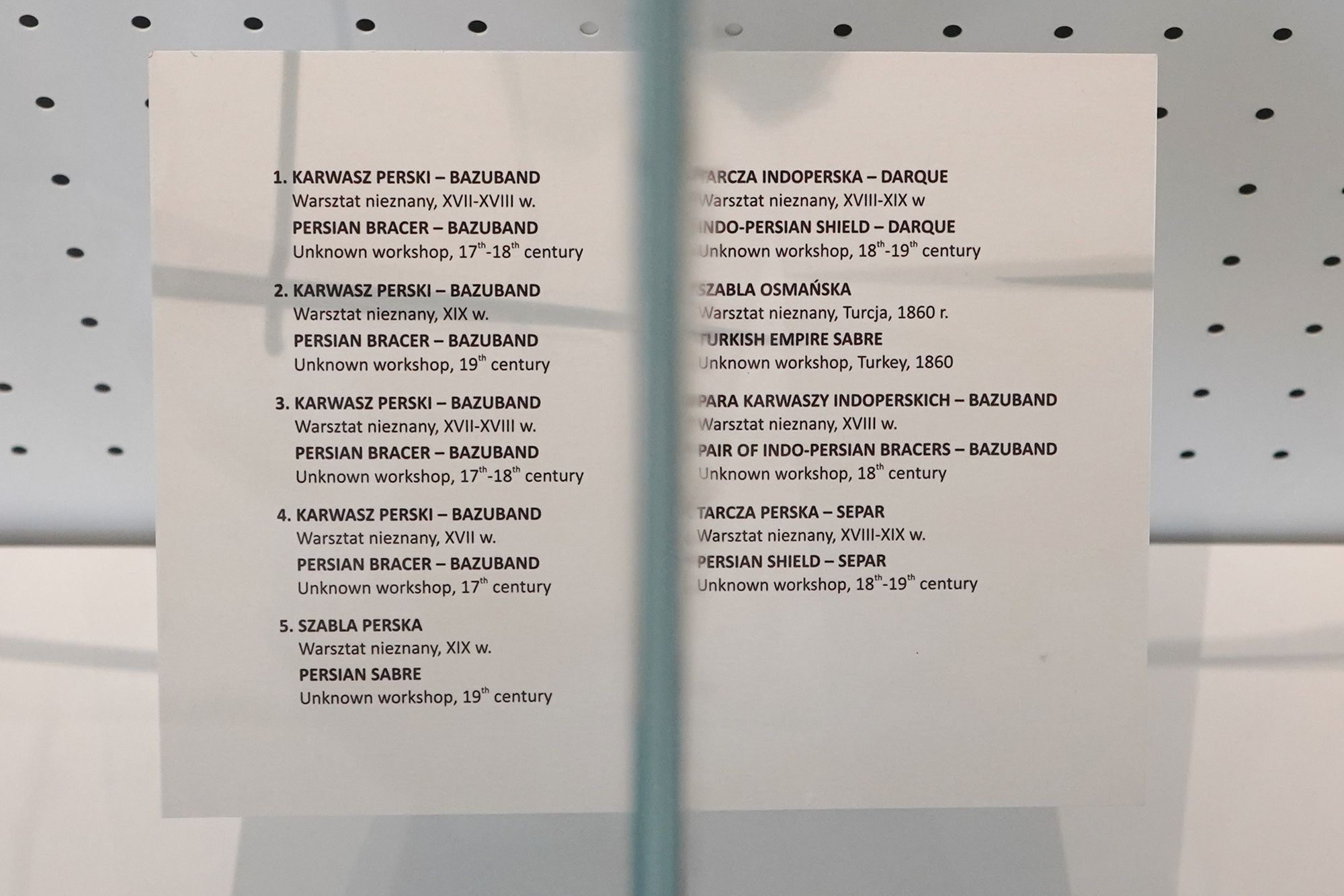
This gallery presents 105 examples of Persian, Indo-Persian, and Turkish arms and armor. The collection includes curved Persian sabers, daggers, bows, pole weapons, armor, and firearms, with many pieces dating from the 16th to 19th centuries. Much of the collection came from the Gdańsk collector Lech Konrad Kobyliński.
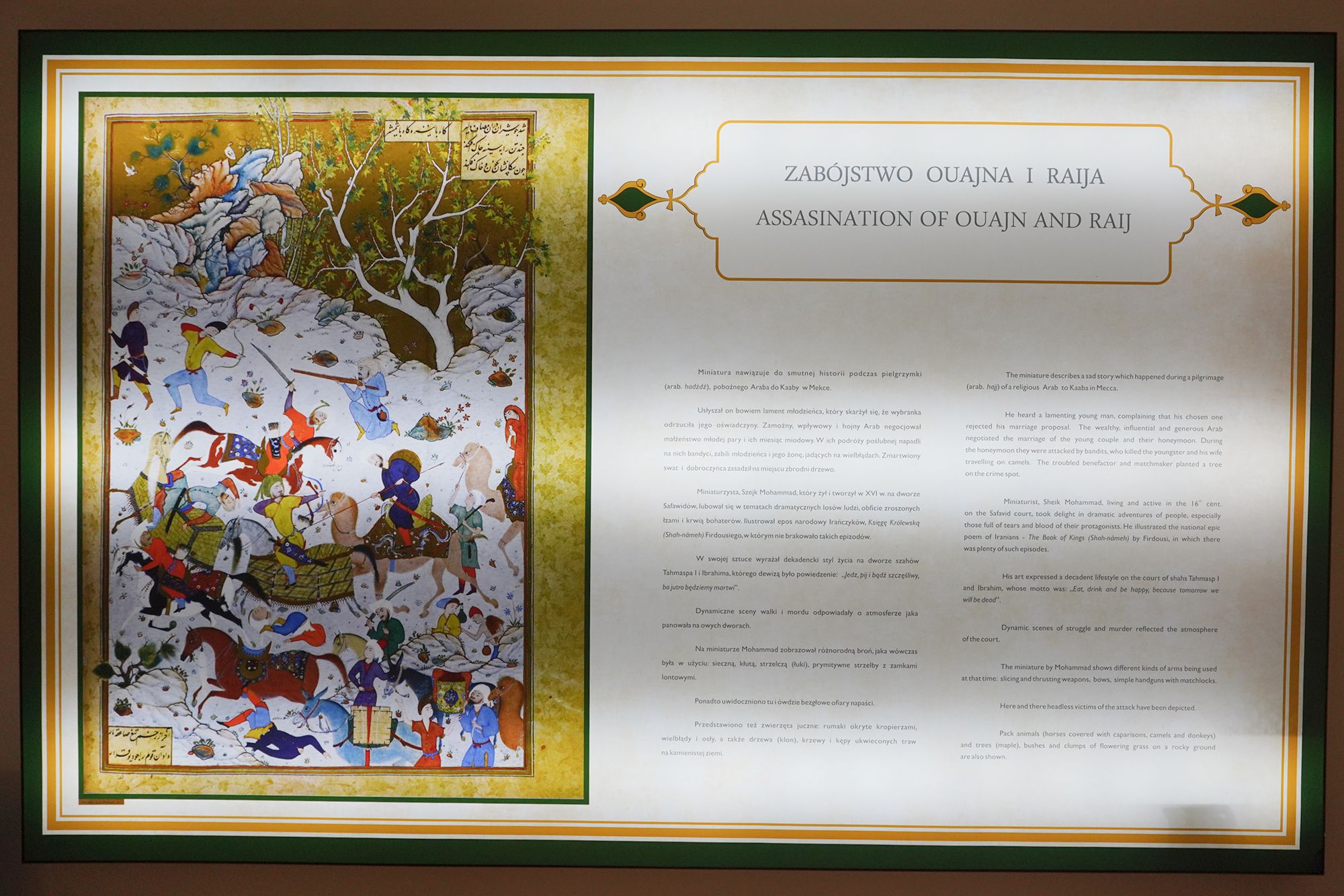
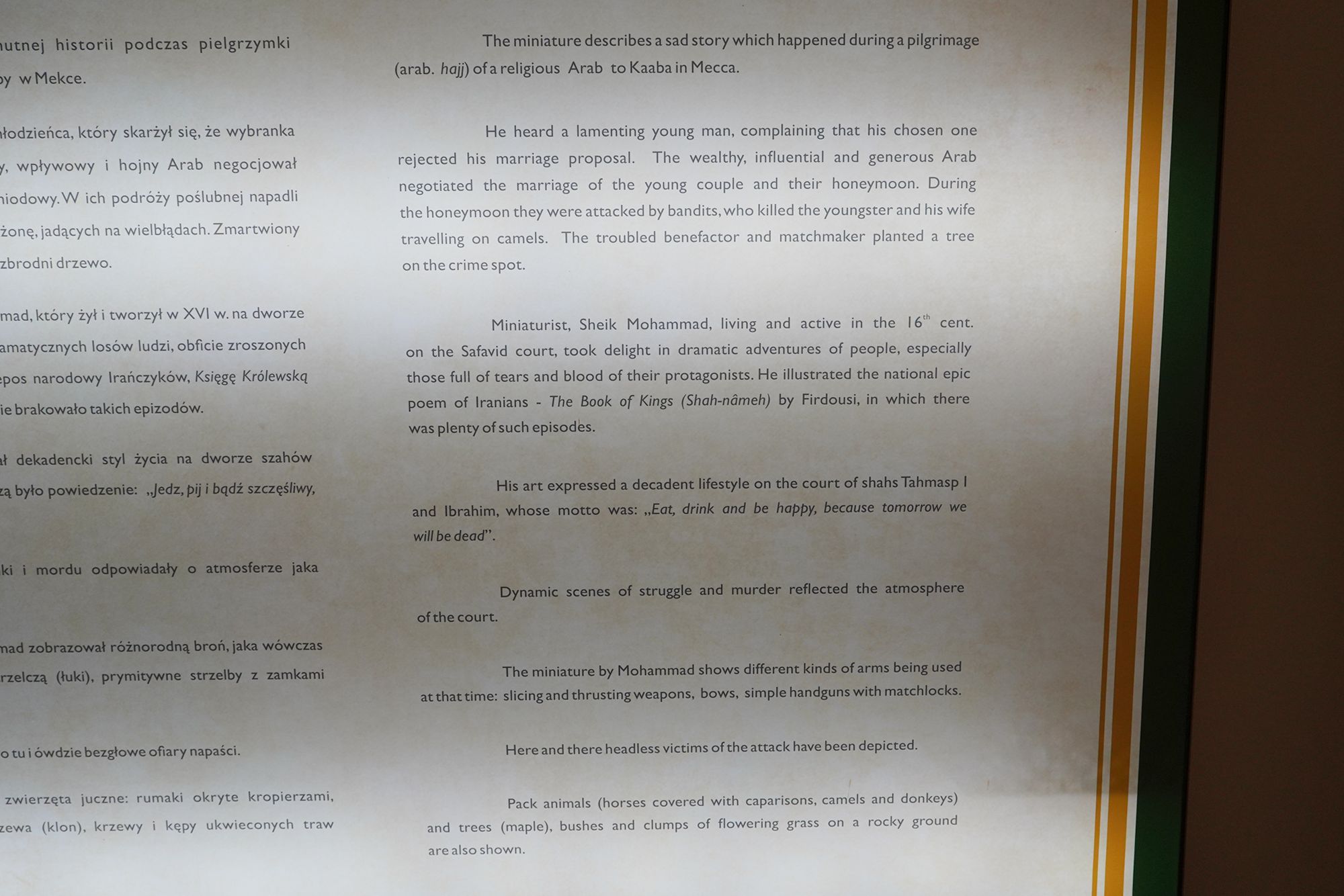
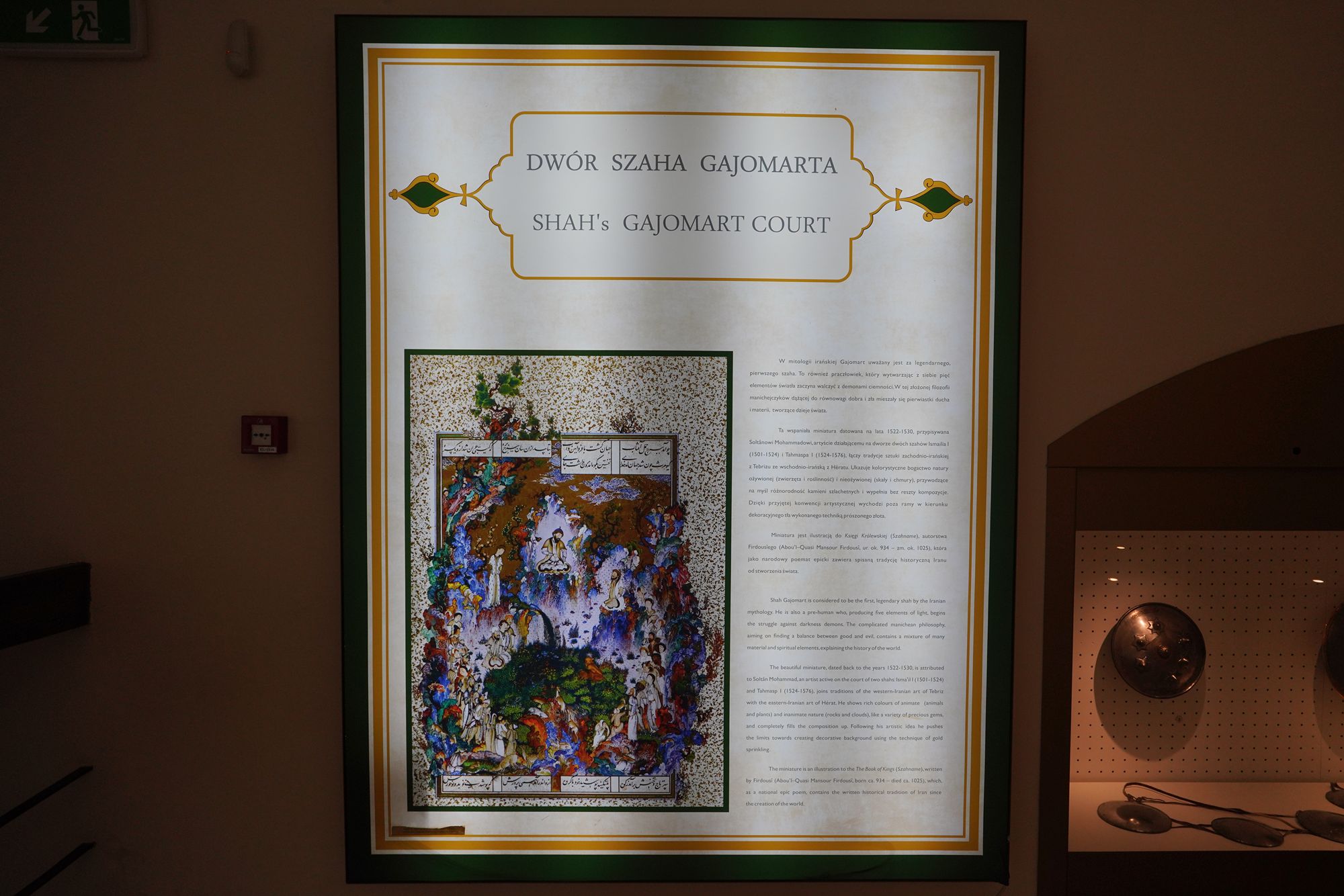
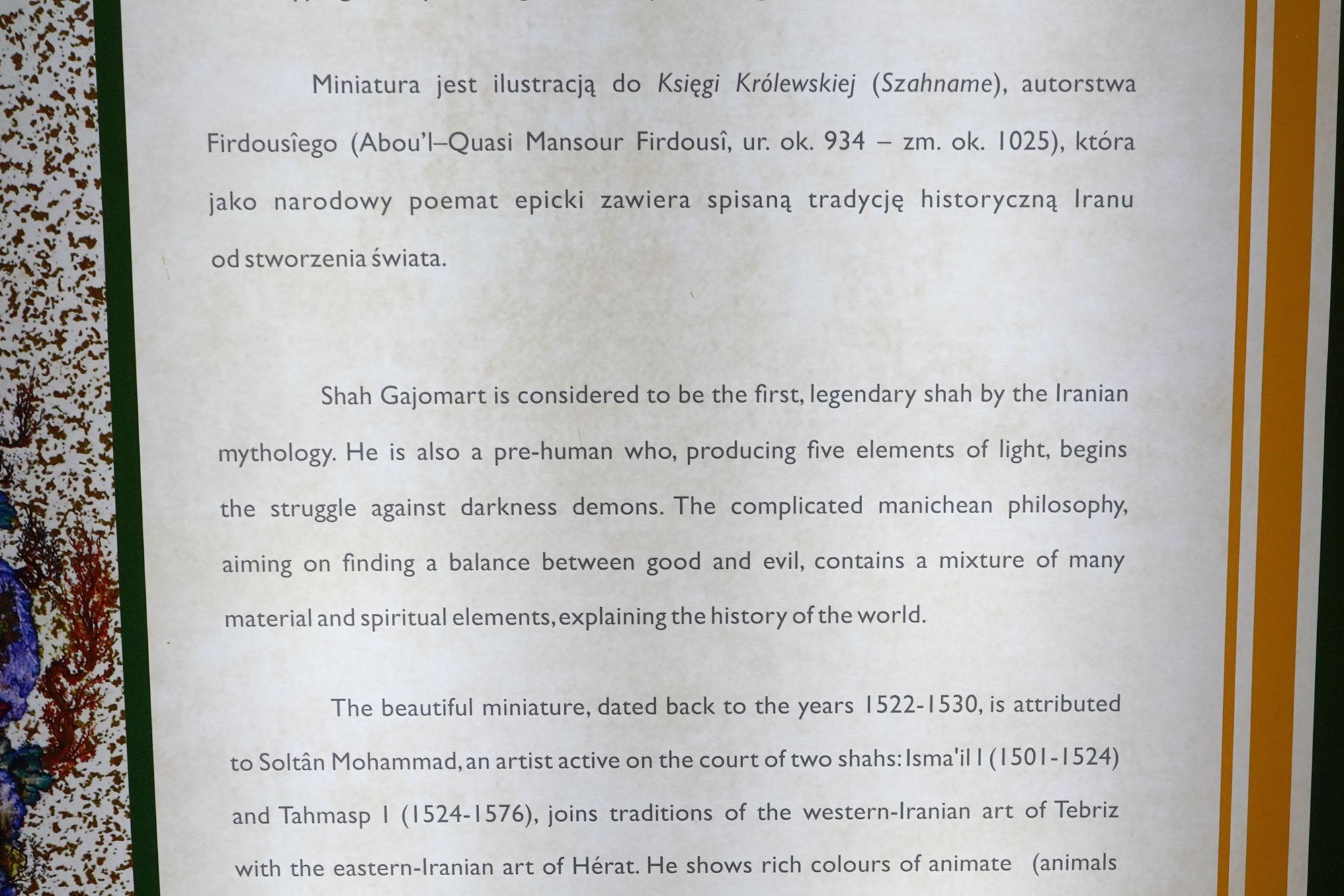
This miniature illustrates a story from the Shahnameh, Iran’s epic “Book of Kings.” It depicts Shah Gajomart, the legendary first shah, whose creation of the elements of light begins the struggle against darkness. Painted around 1522–1530, the work combines artistic traditions from Tabriz and Herat.
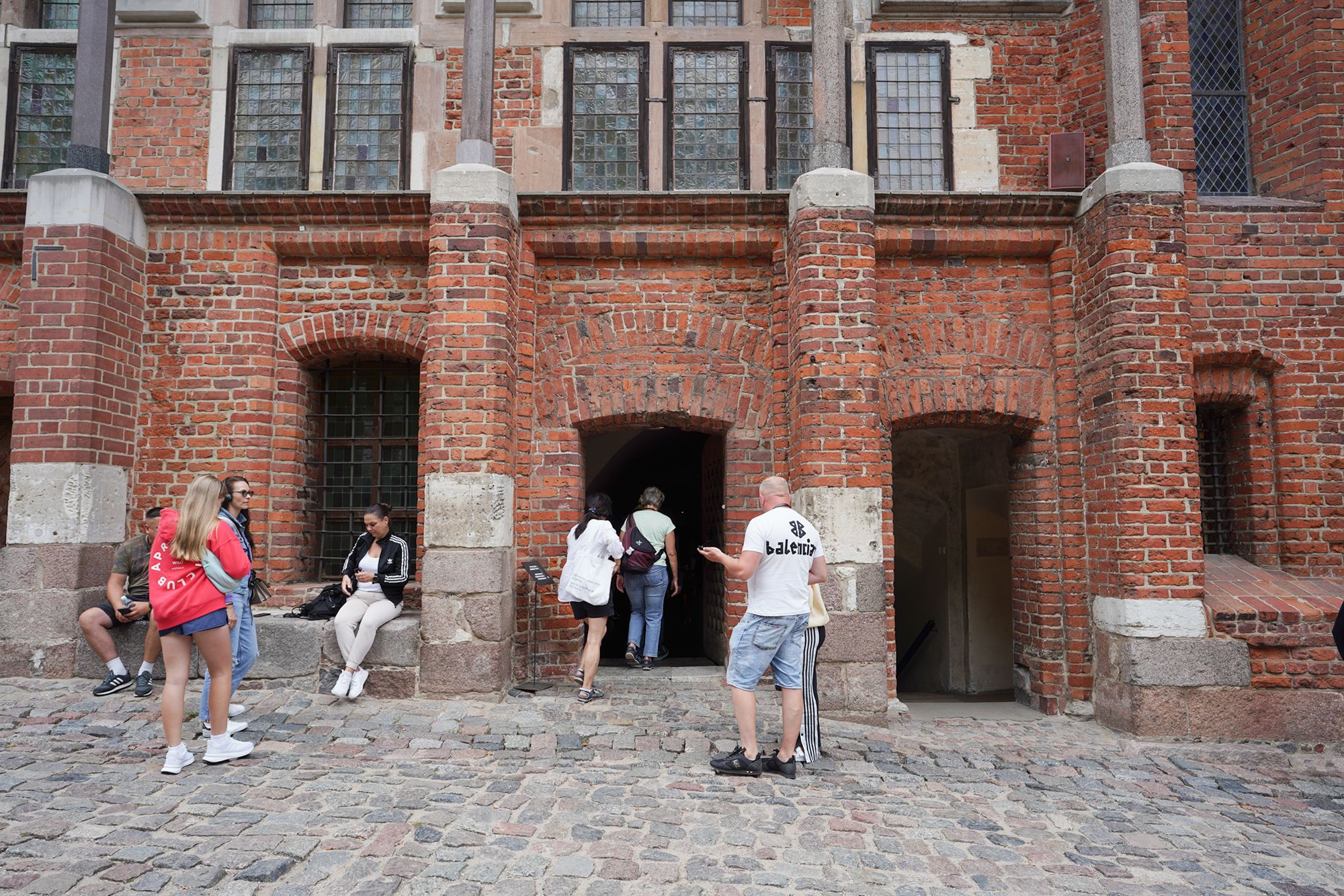
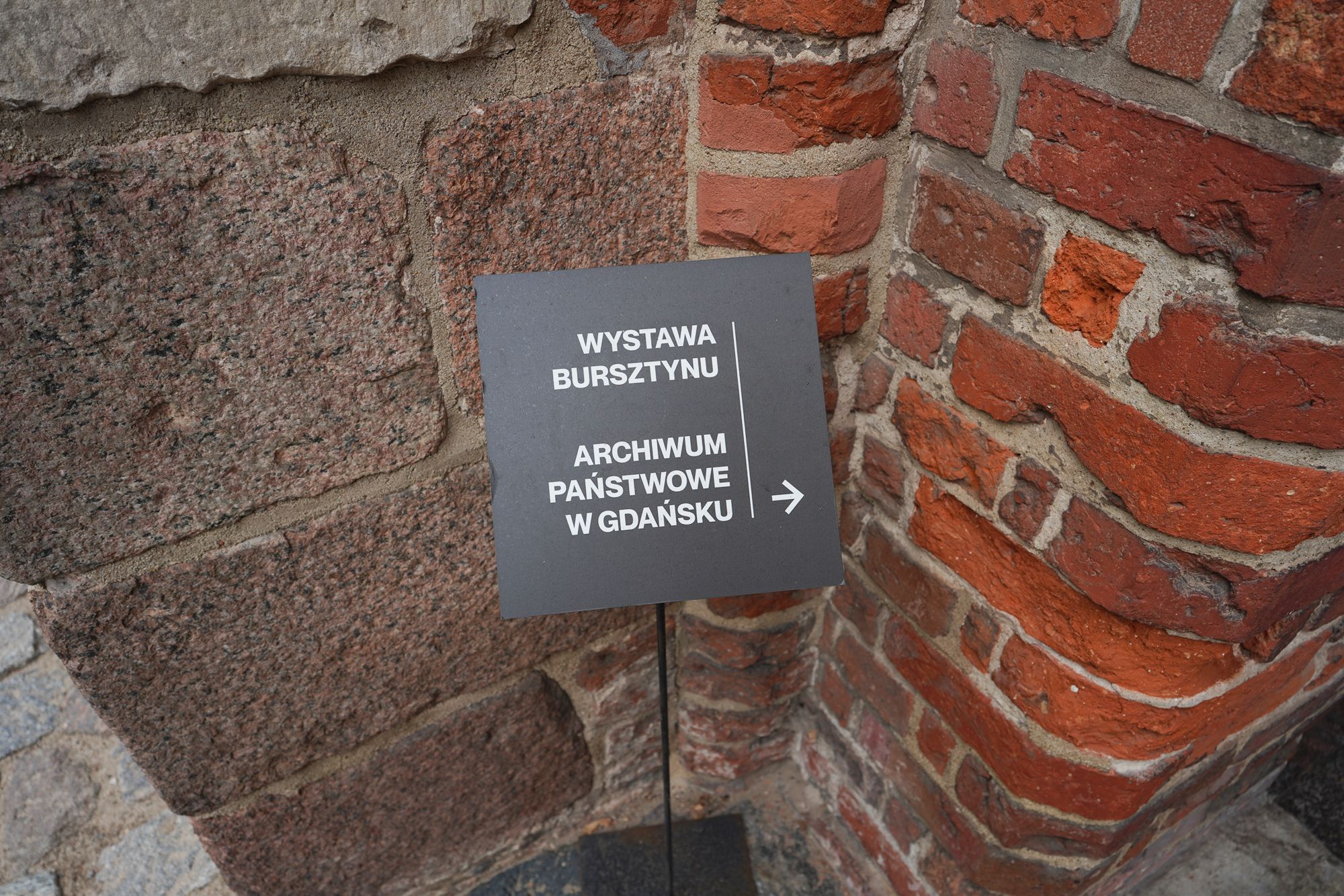
This sign points to the Amber Exhibition and the State Archives in Gdańsk.
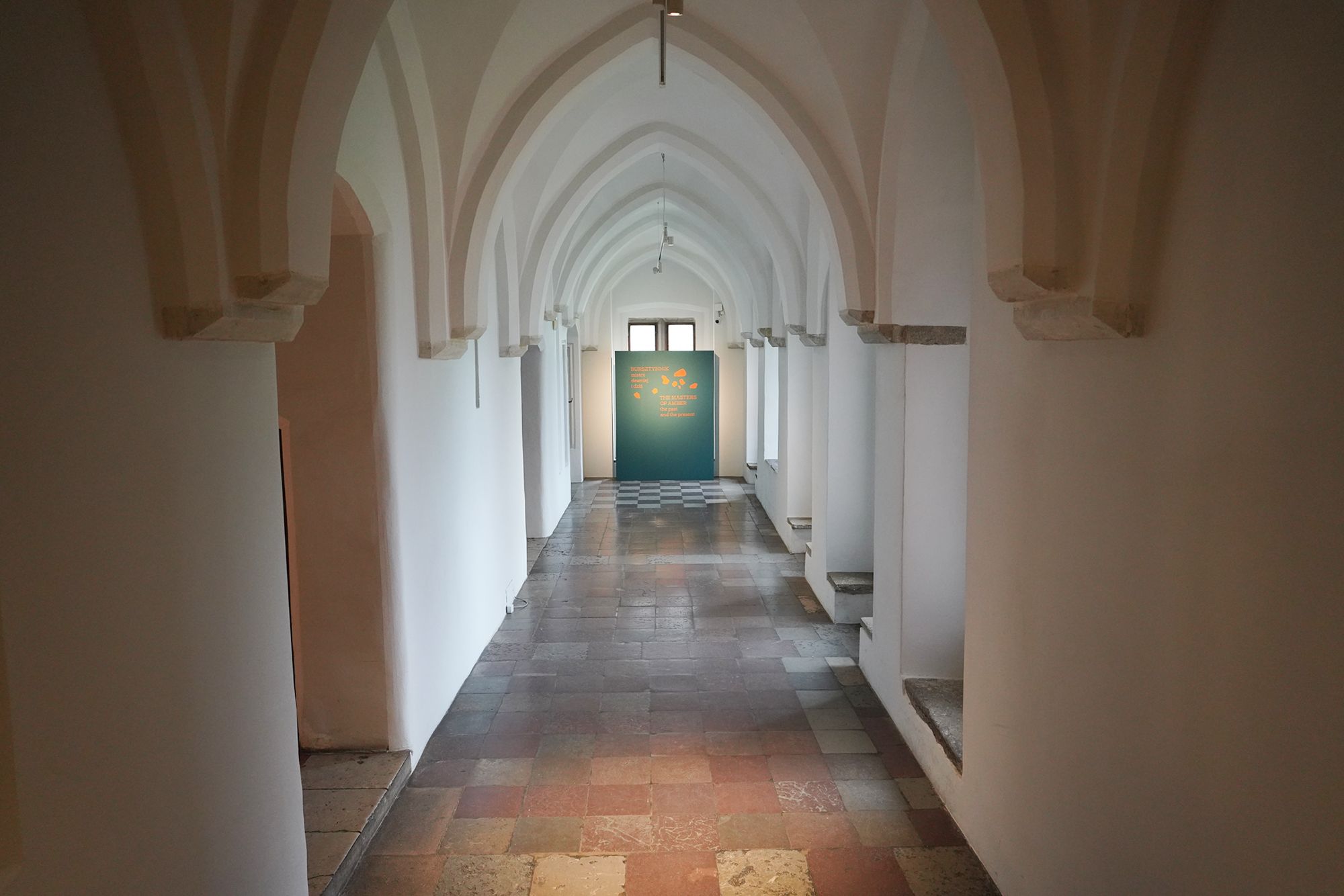
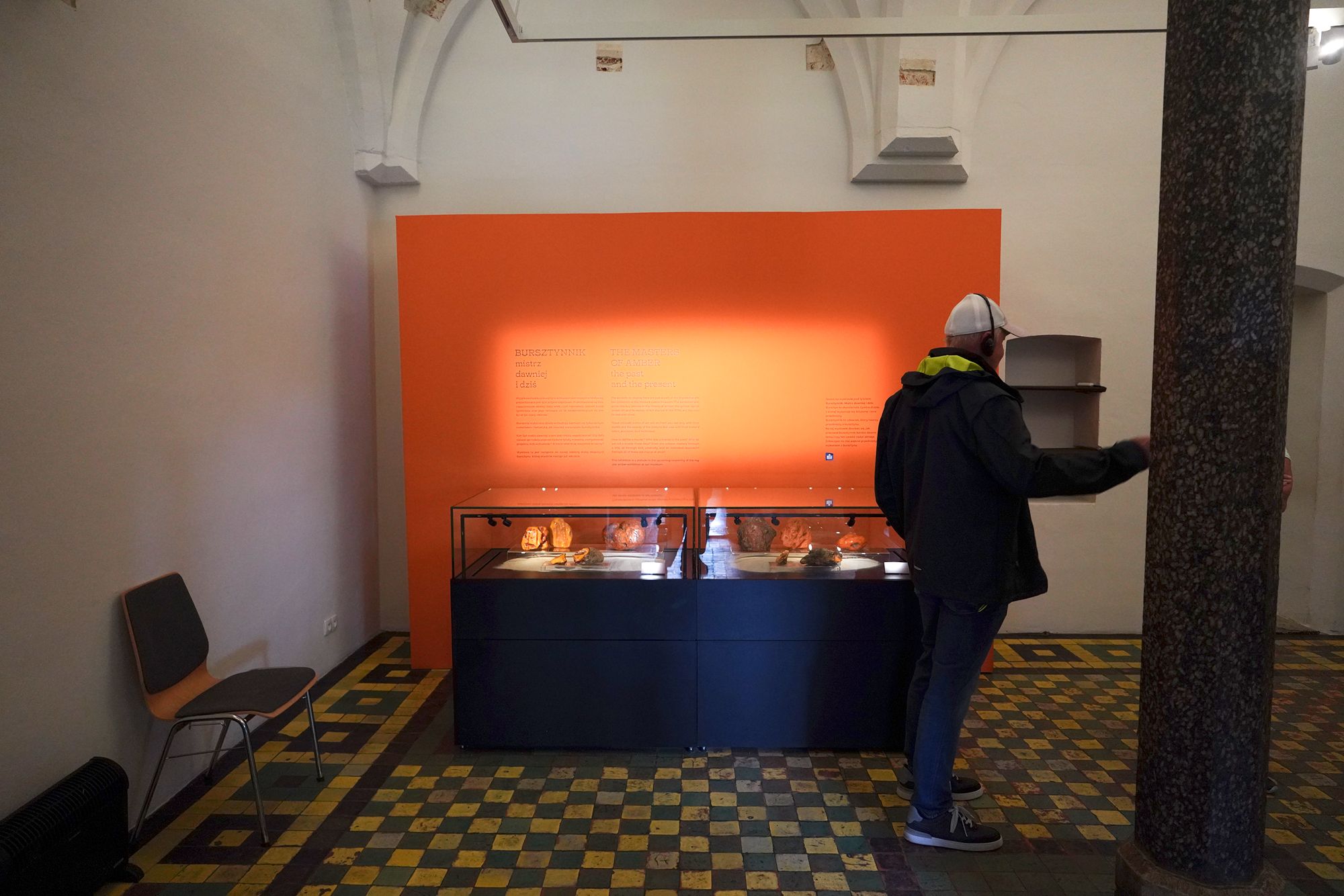
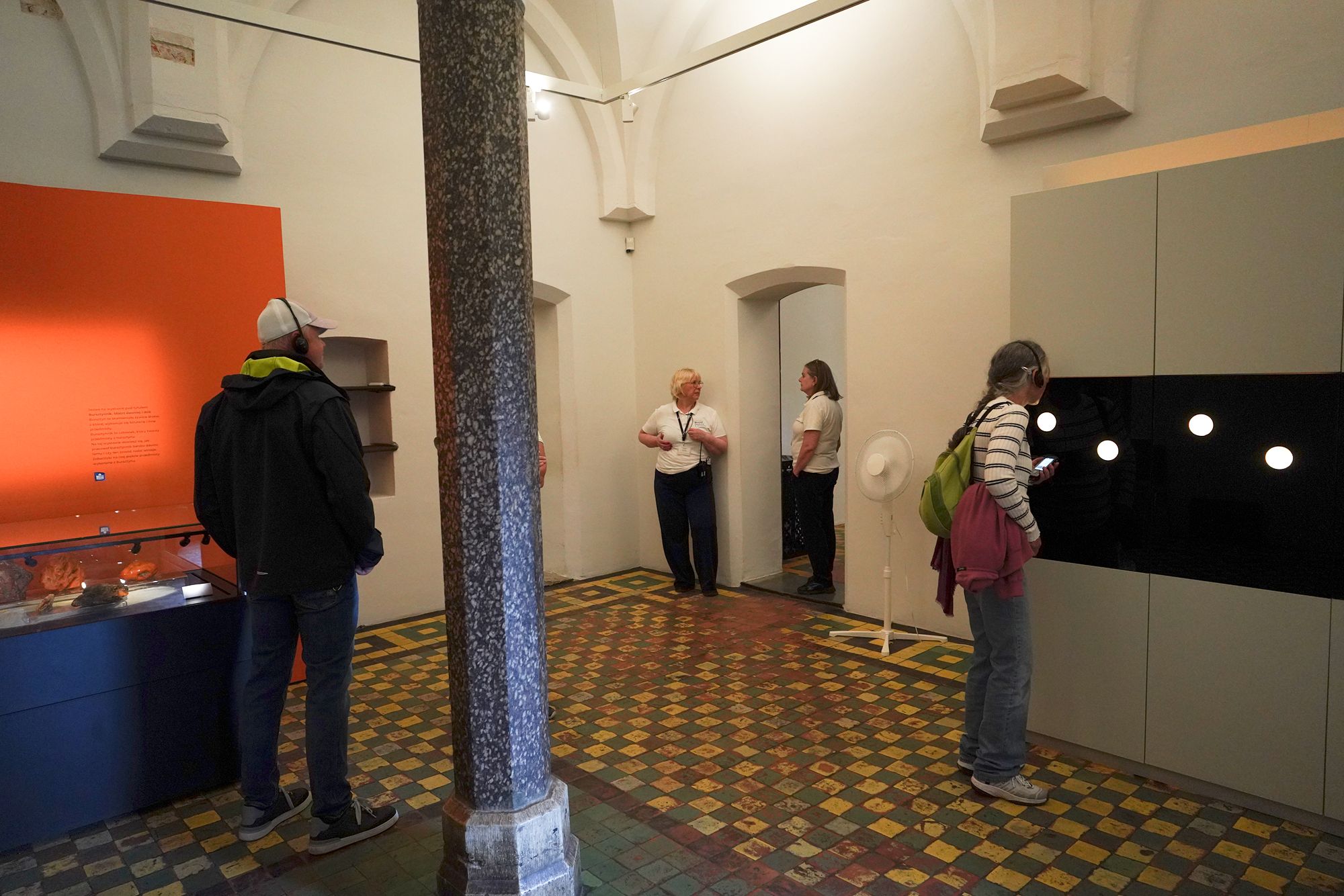
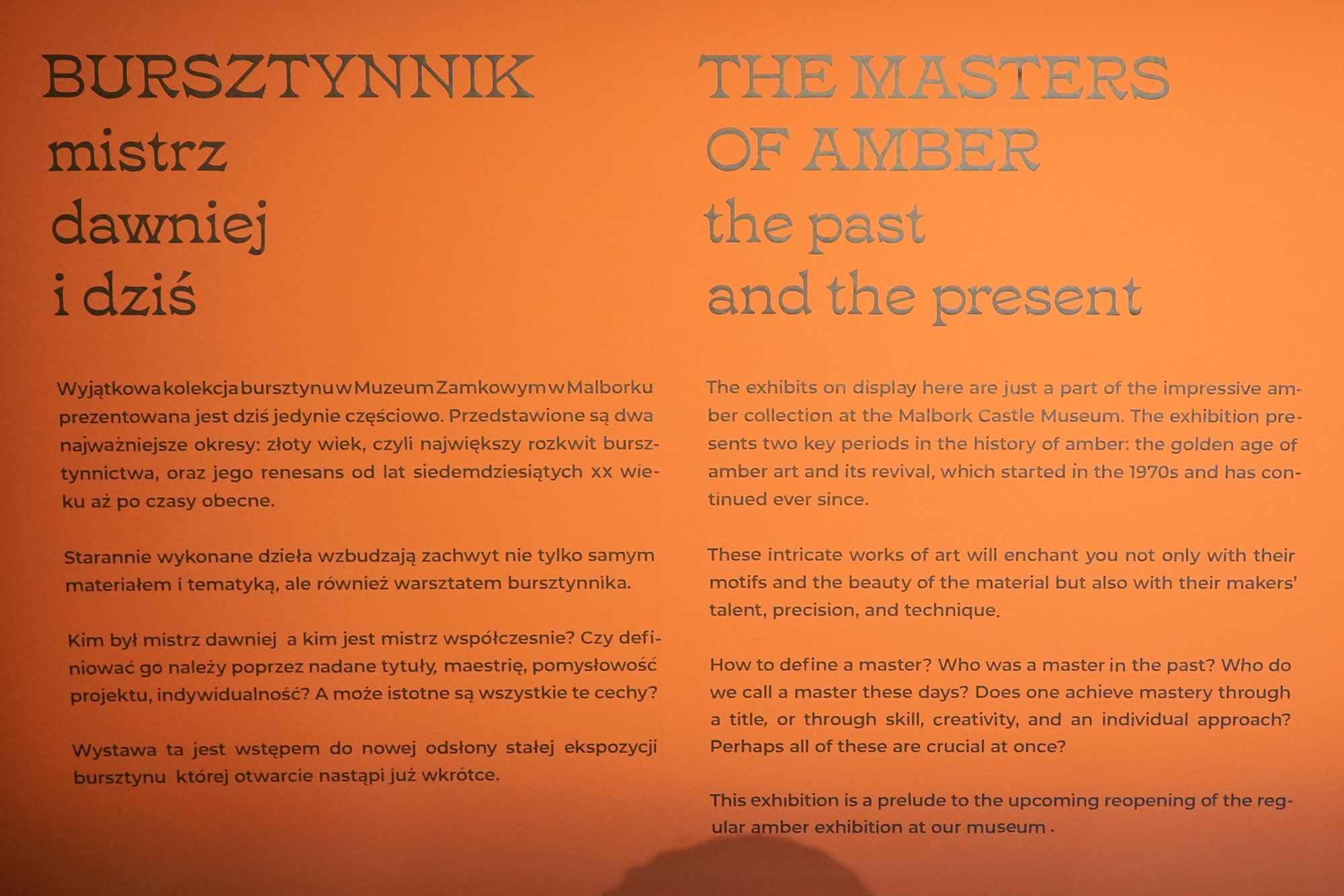
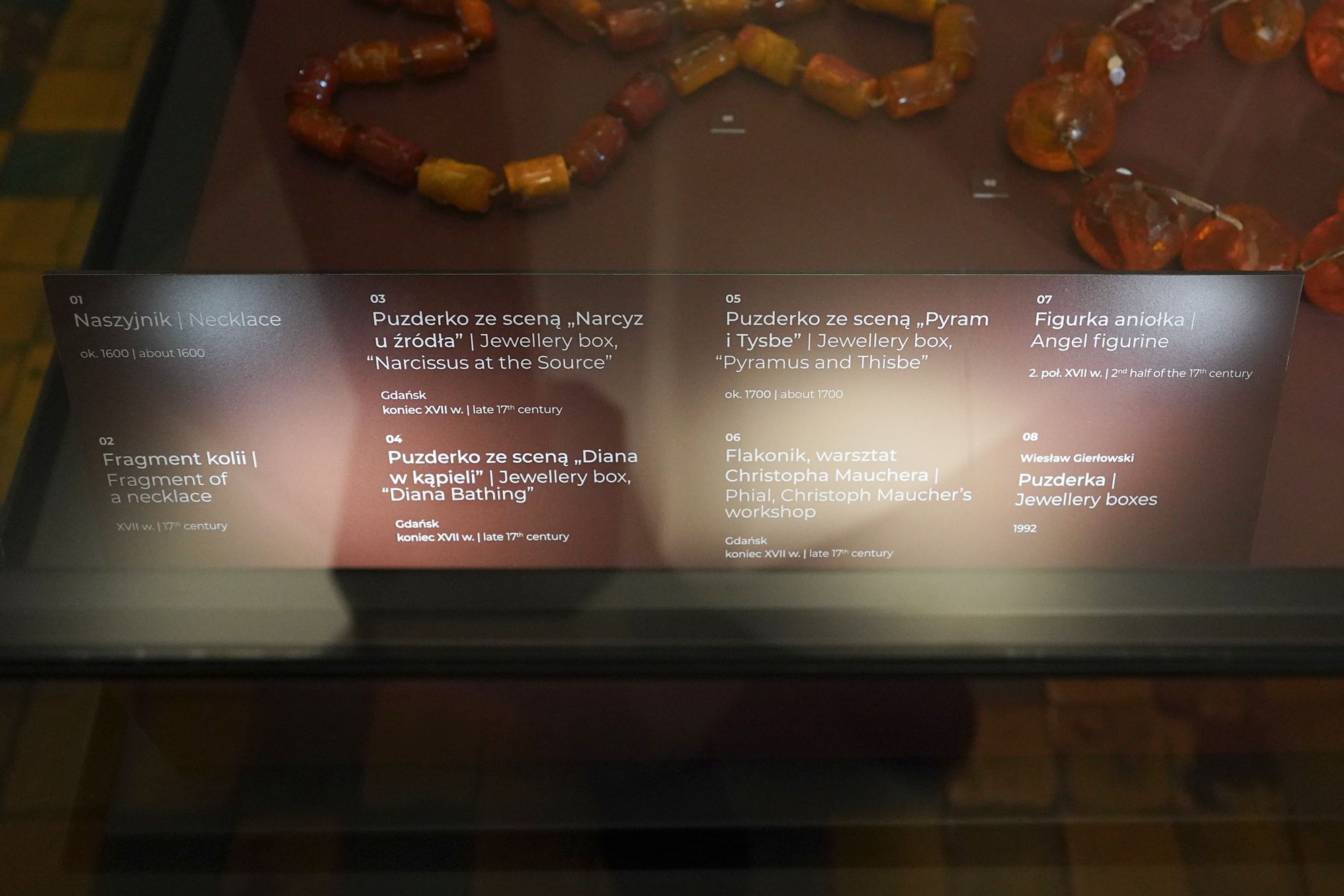
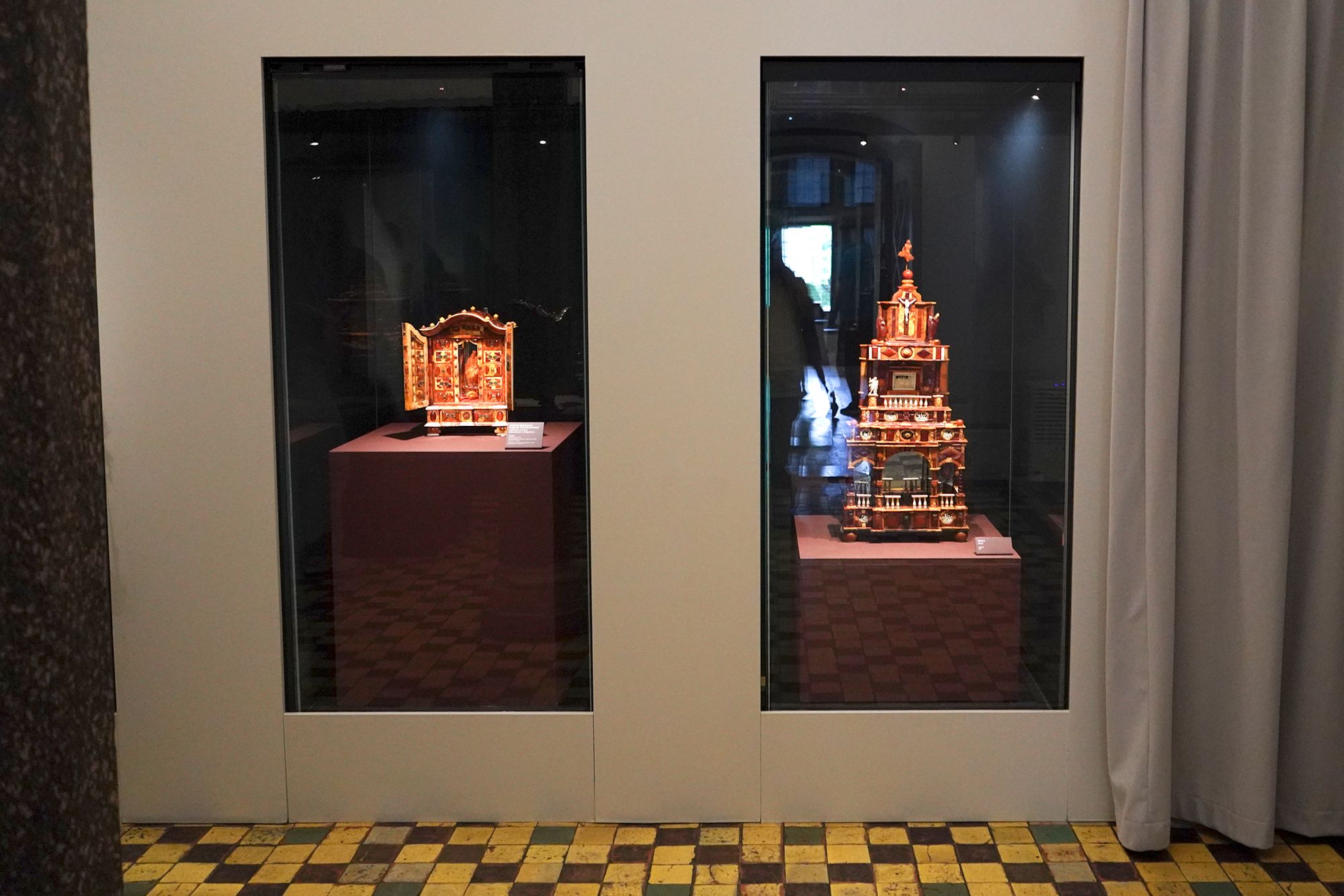
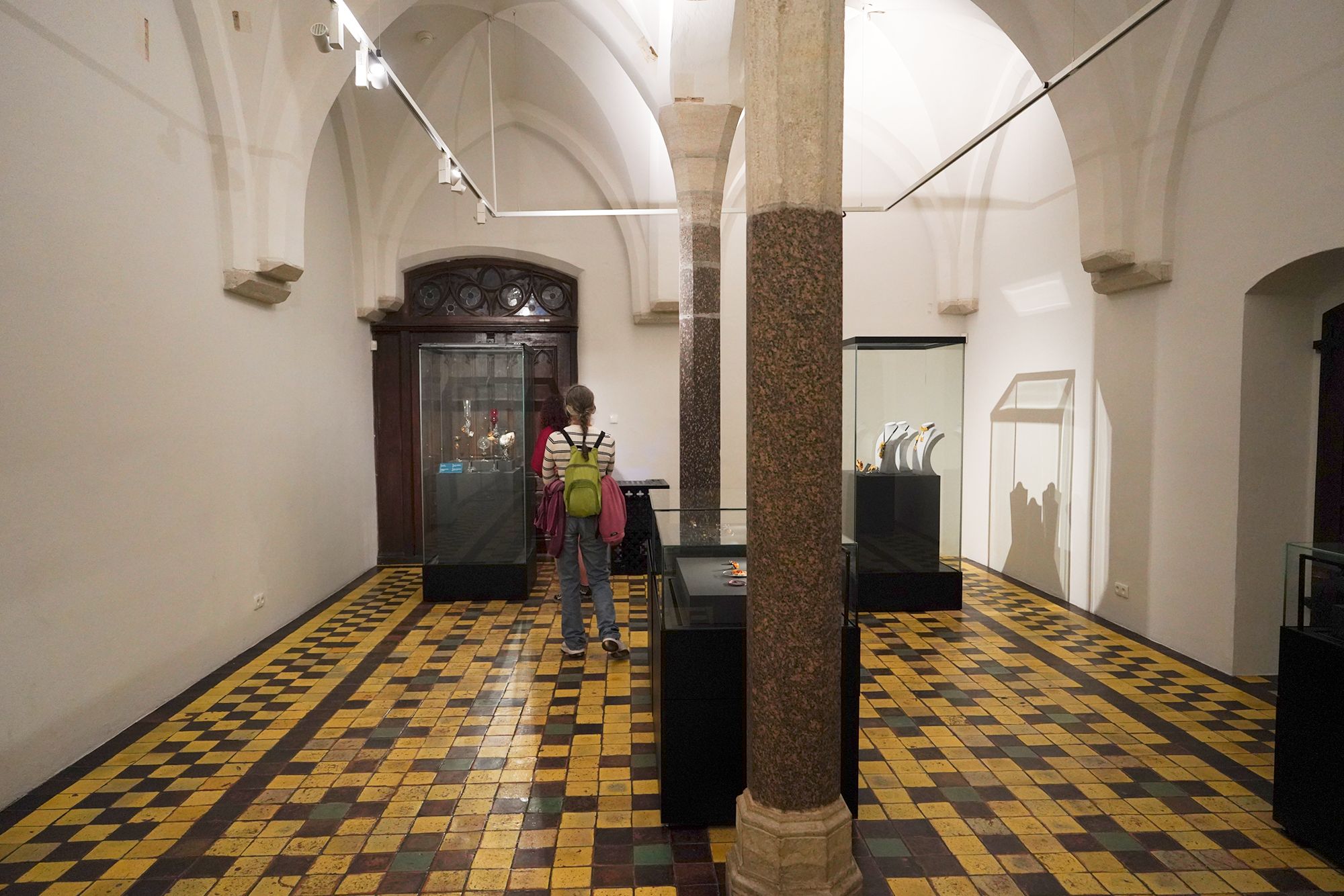
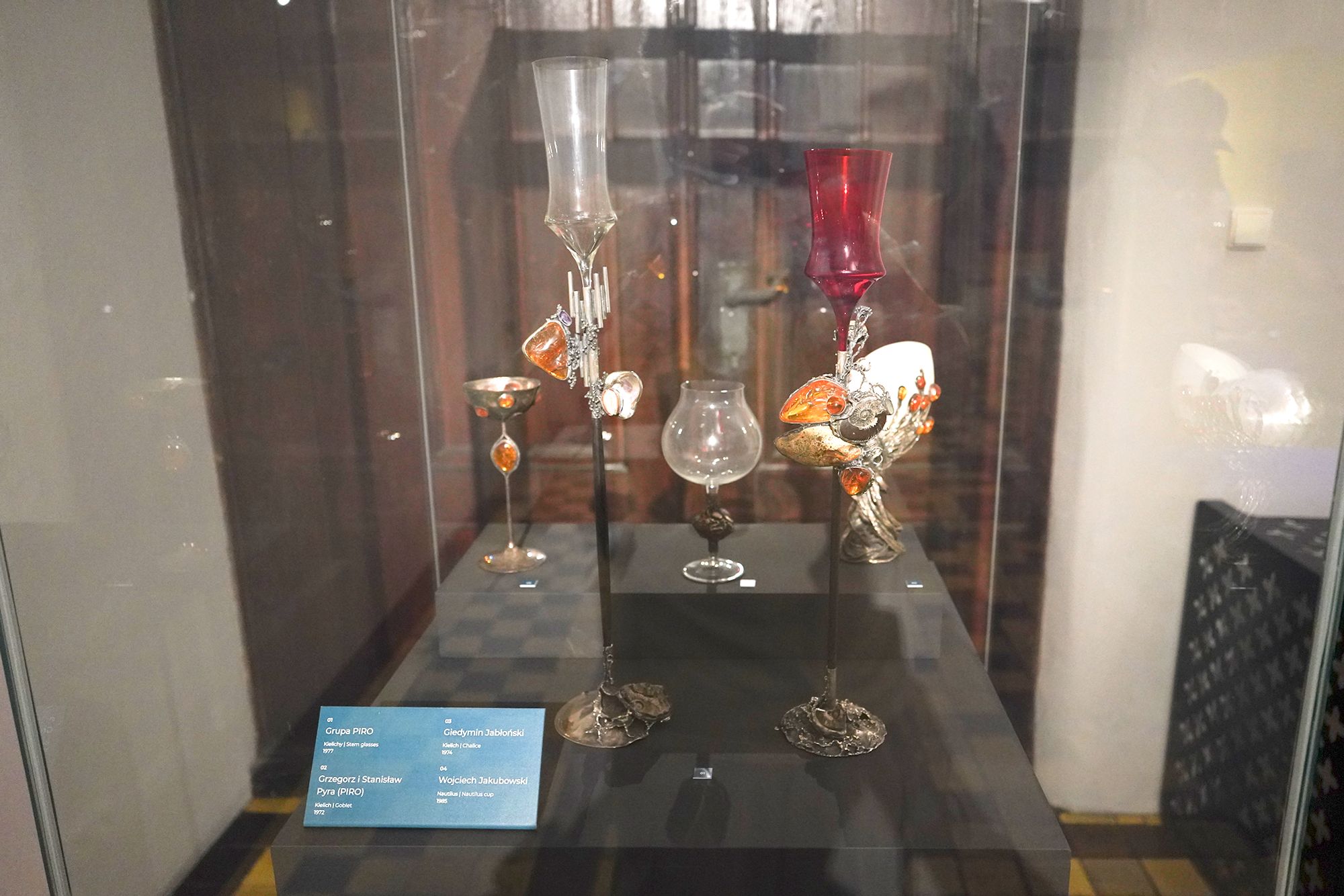
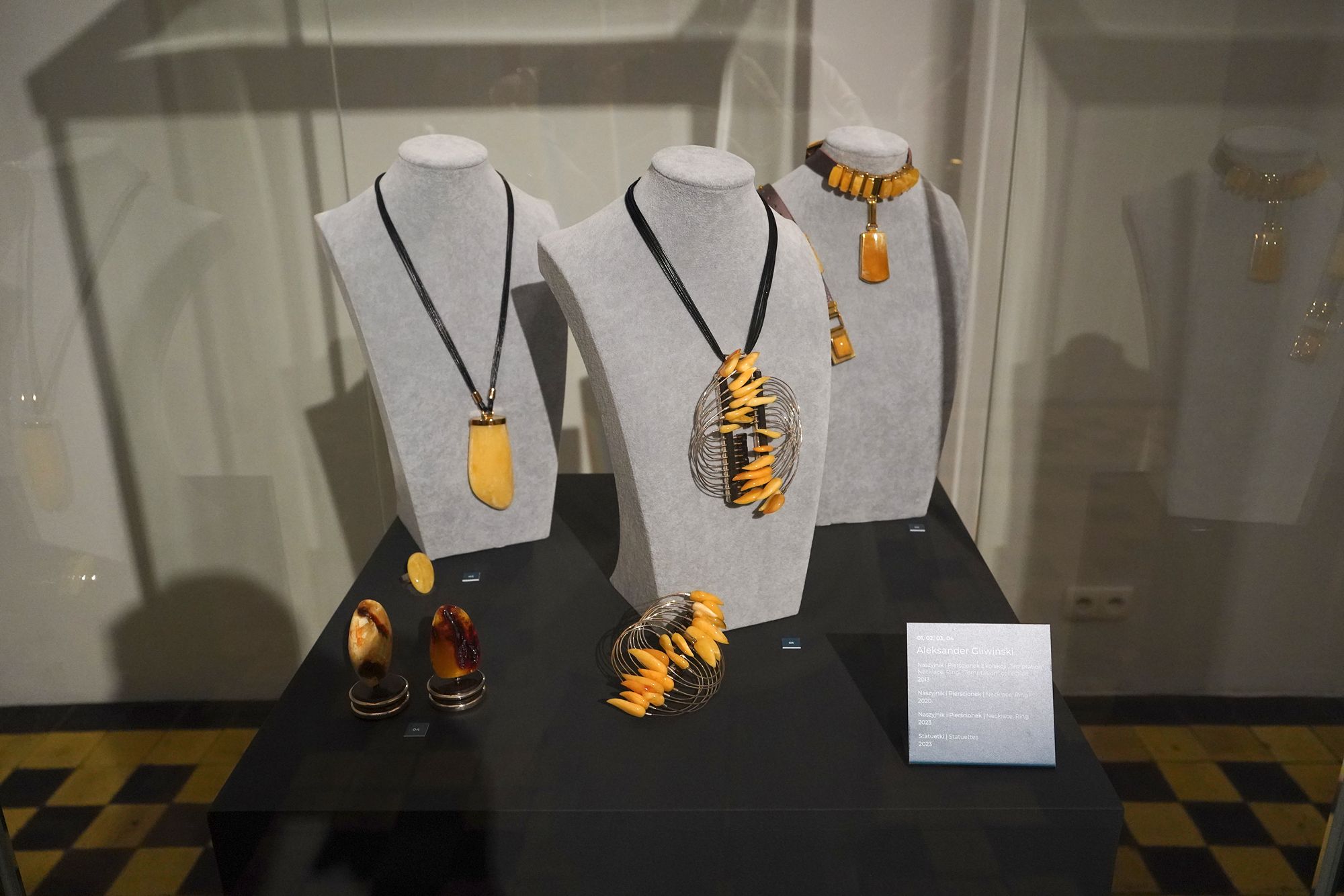
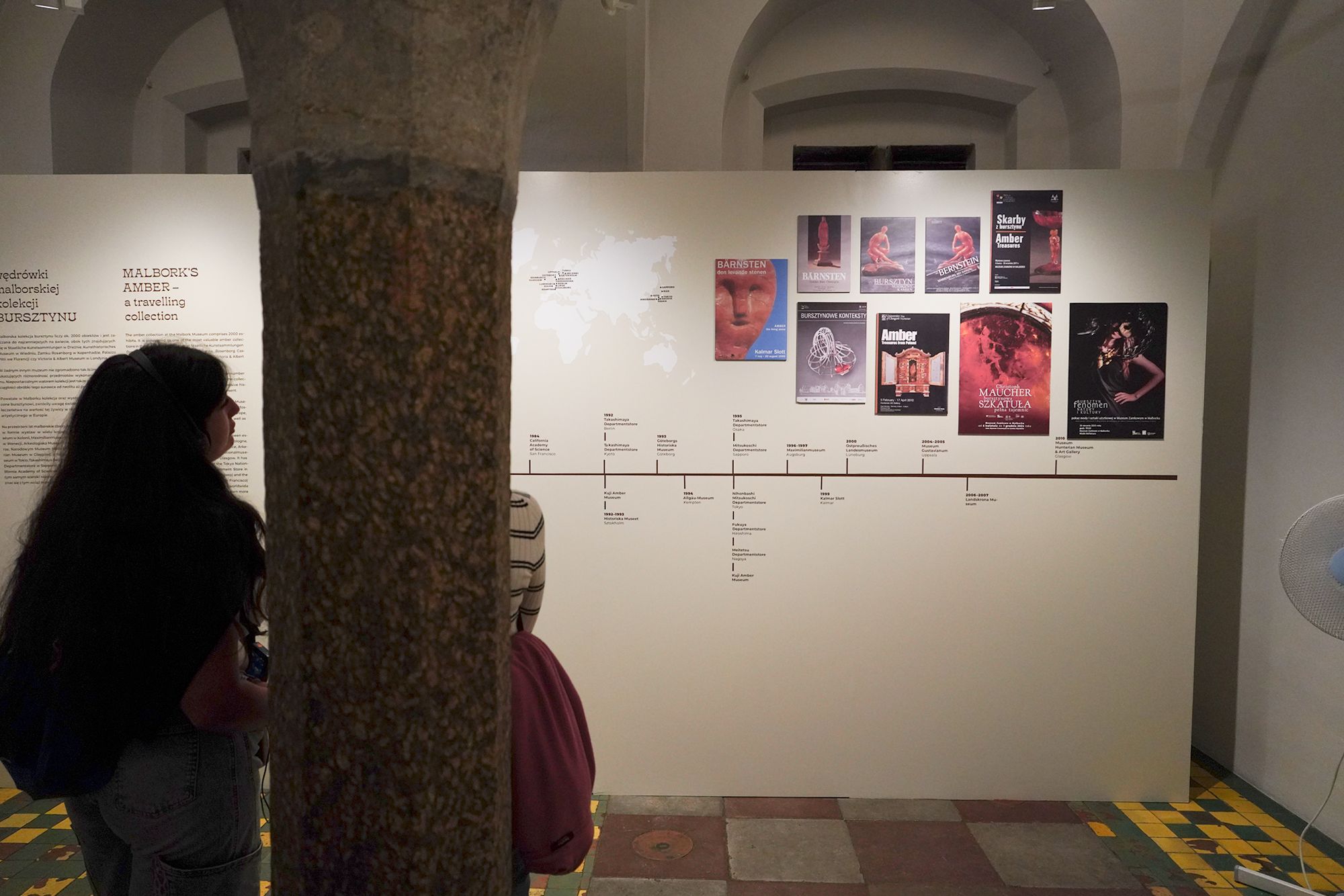
The “Masters of Amber: The Past and the Present” exhibition showed just a small part of the Malbork Castle Museum’s collection. It highlighted amber art from its golden age and its revival beginning in the 1970s, with attention to the makers’ skill and technique.
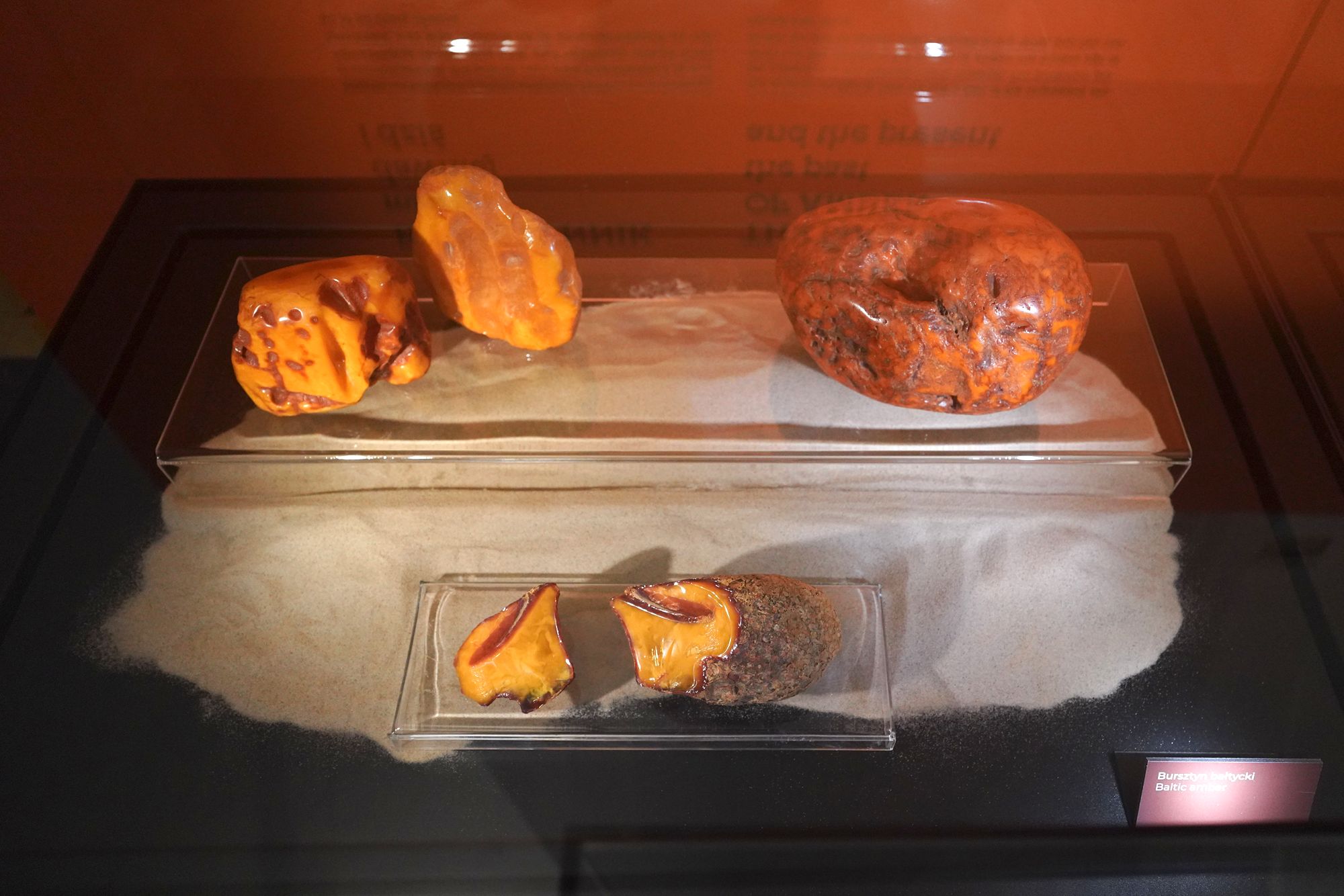
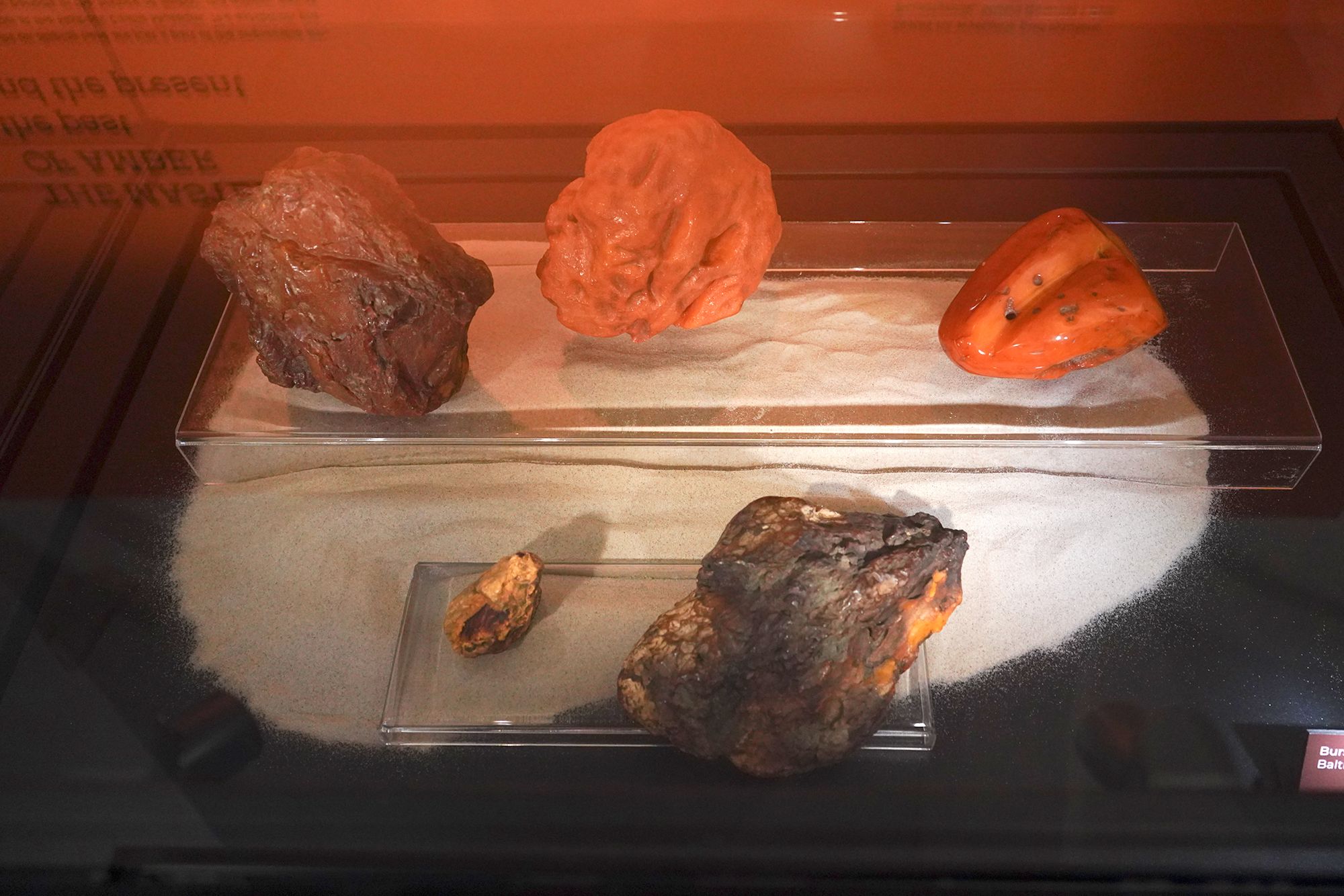
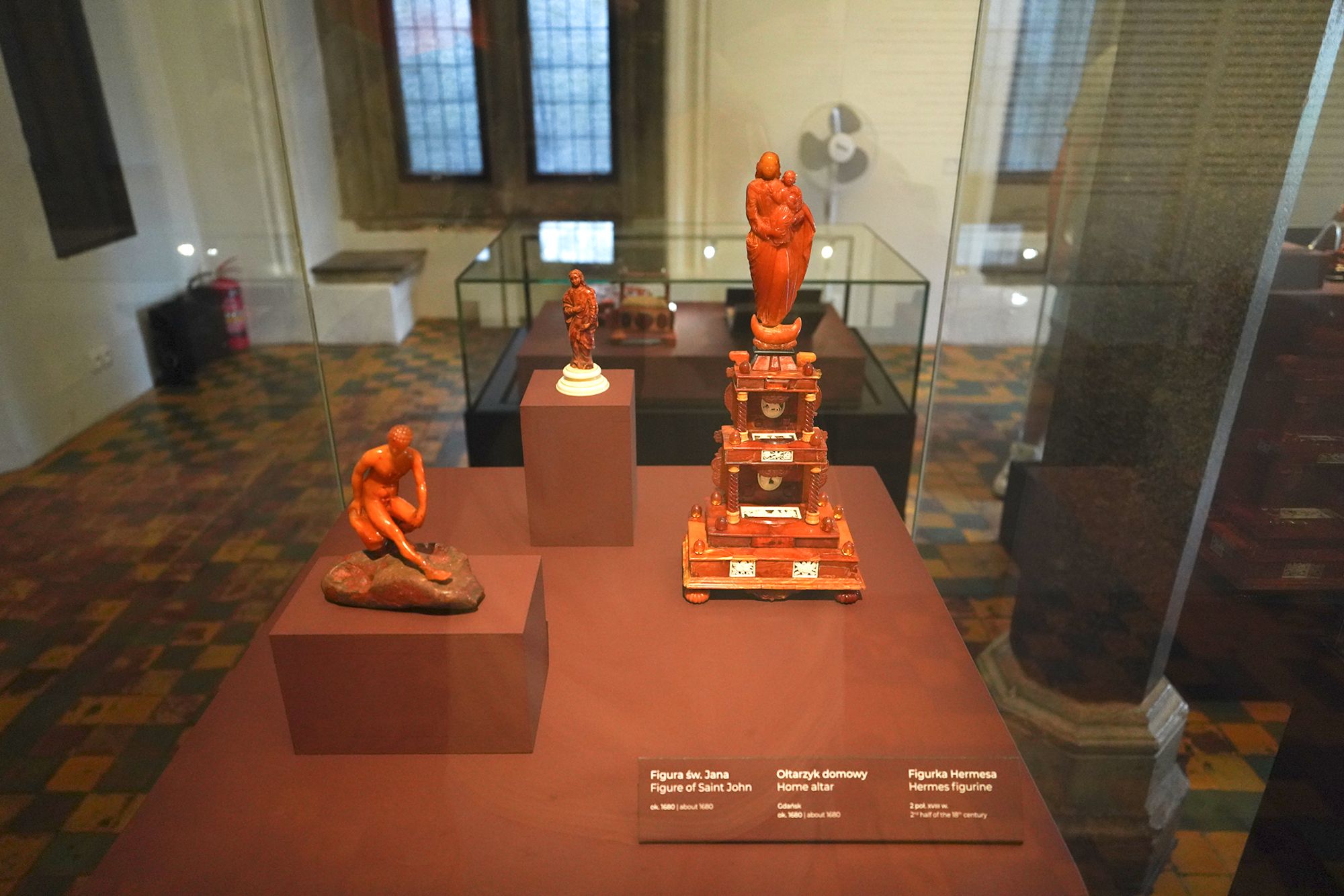
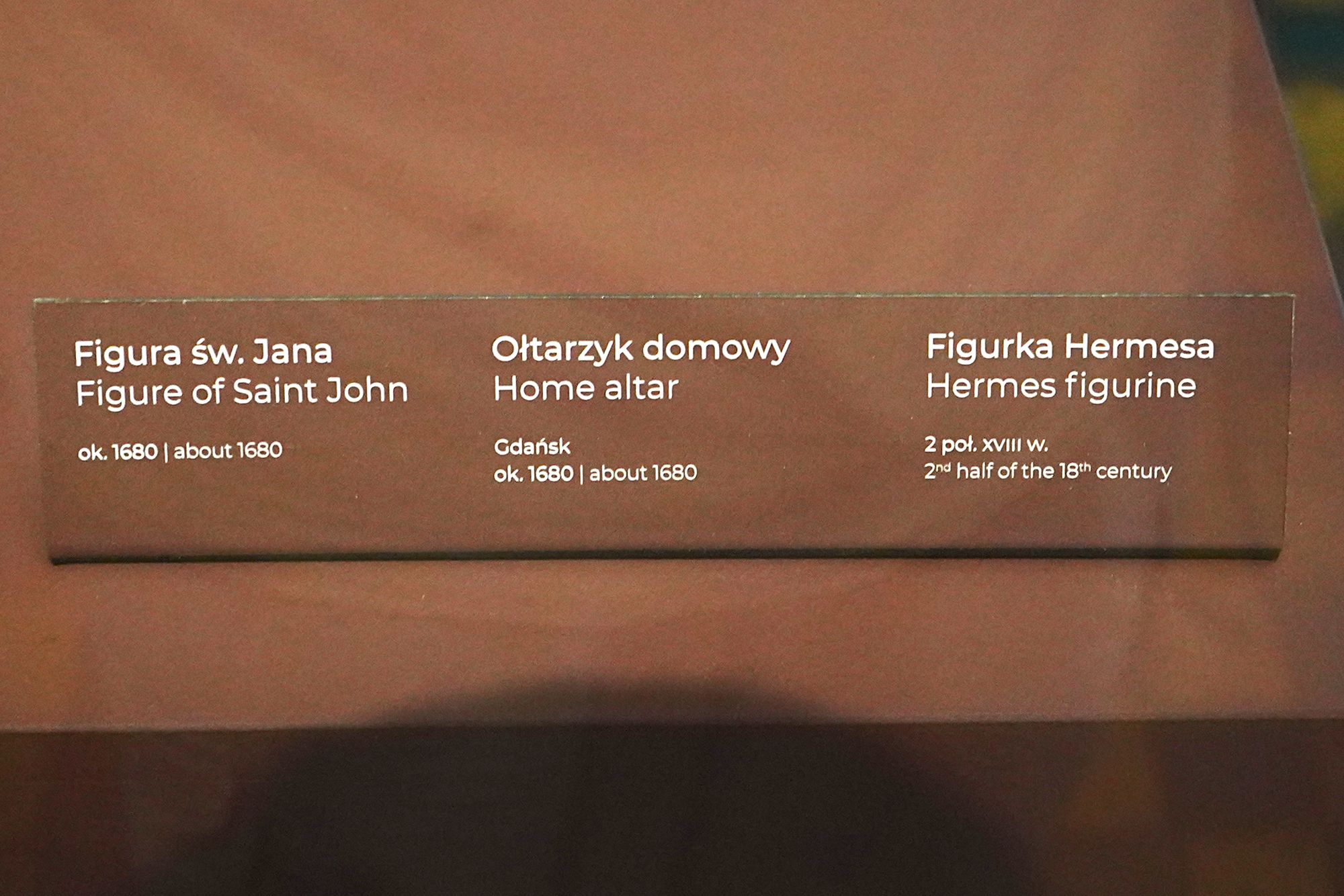
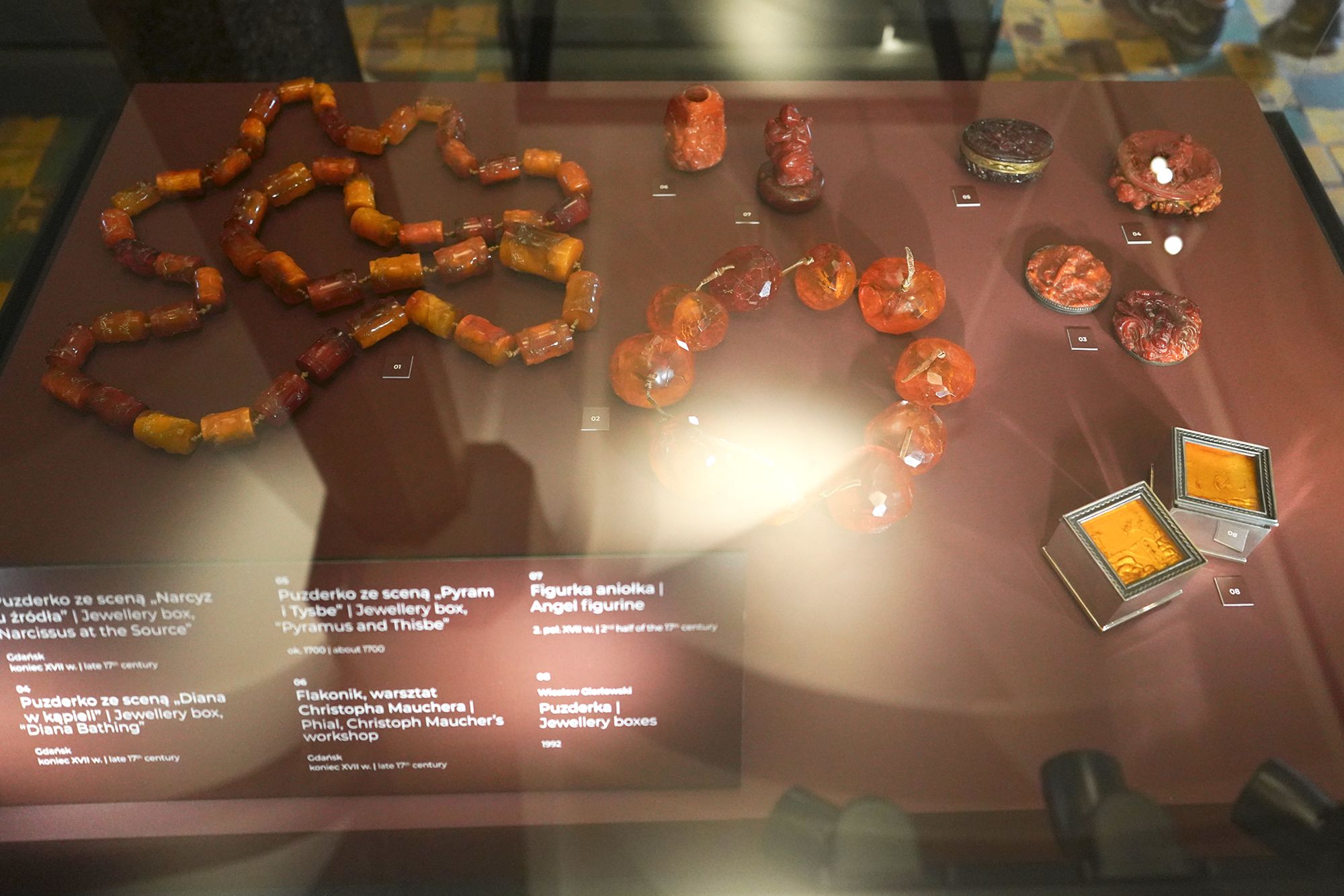
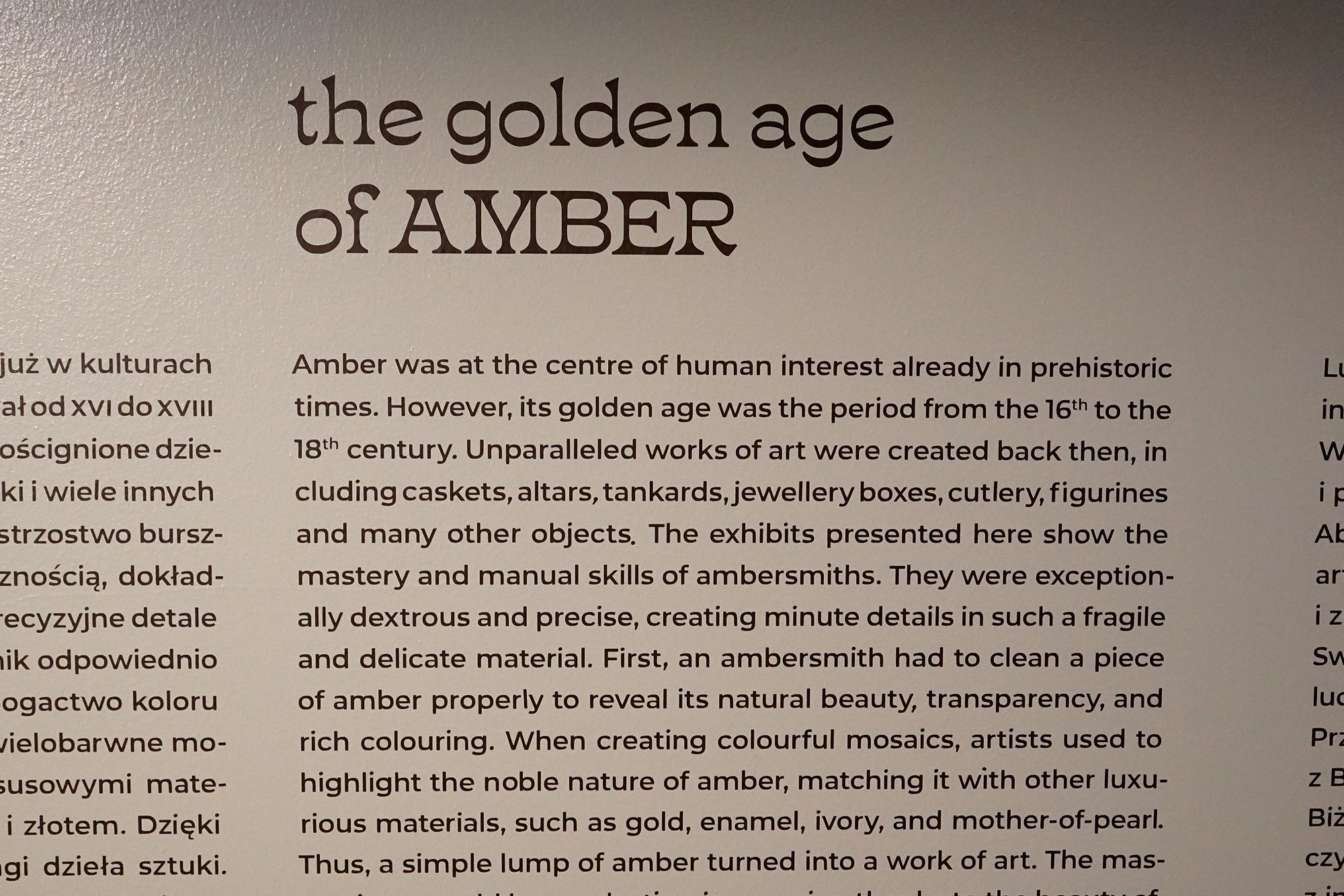
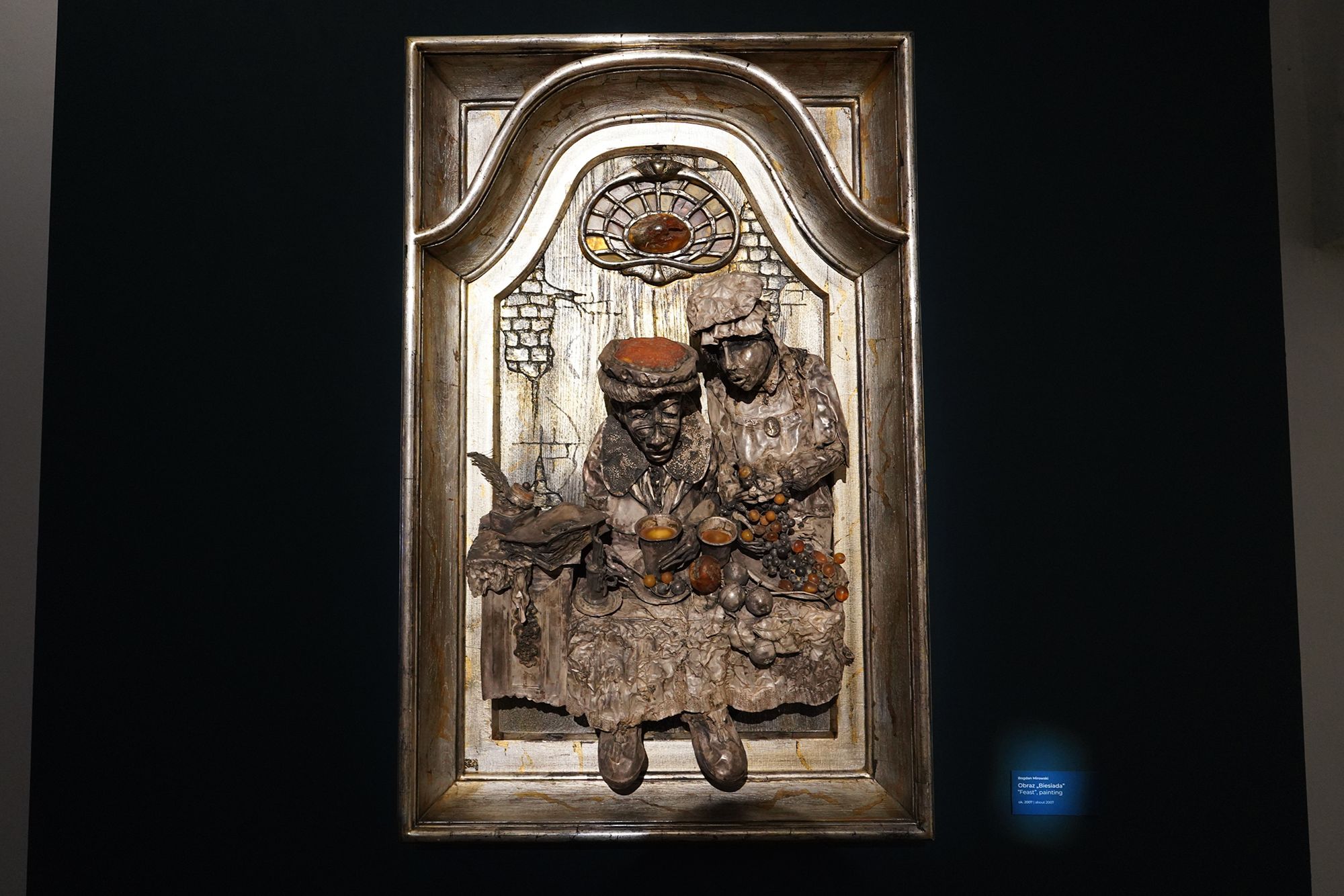
Amber has been valued since prehistoric times, but its golden age came between the 16th and 18th centuries. Skilled amber workers made jewelry boxes, figurines, tankards, and other objects, carefully shaping the fragile material and combining it with gold, enamel, ivory, and mother-of-pearl.
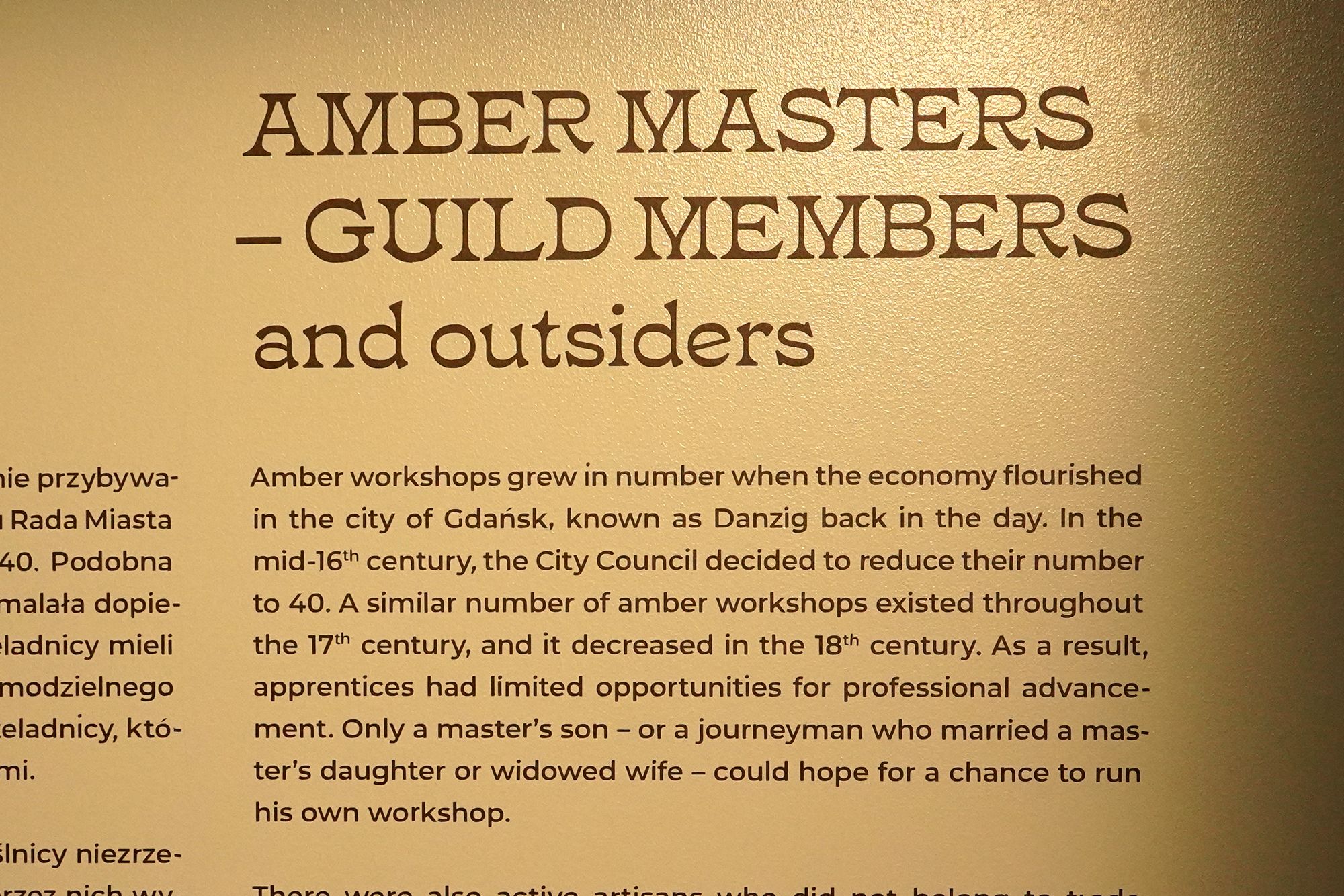
As Gdańsk’s economy flourished, its amber workshops grew in number. But becoming a master was difficult: apprentices had few paths to run their own shop, usually through family ties or marriage to a master’s daughter or widow. In the mid-16th century, the city council limited the number of workshops to 40.
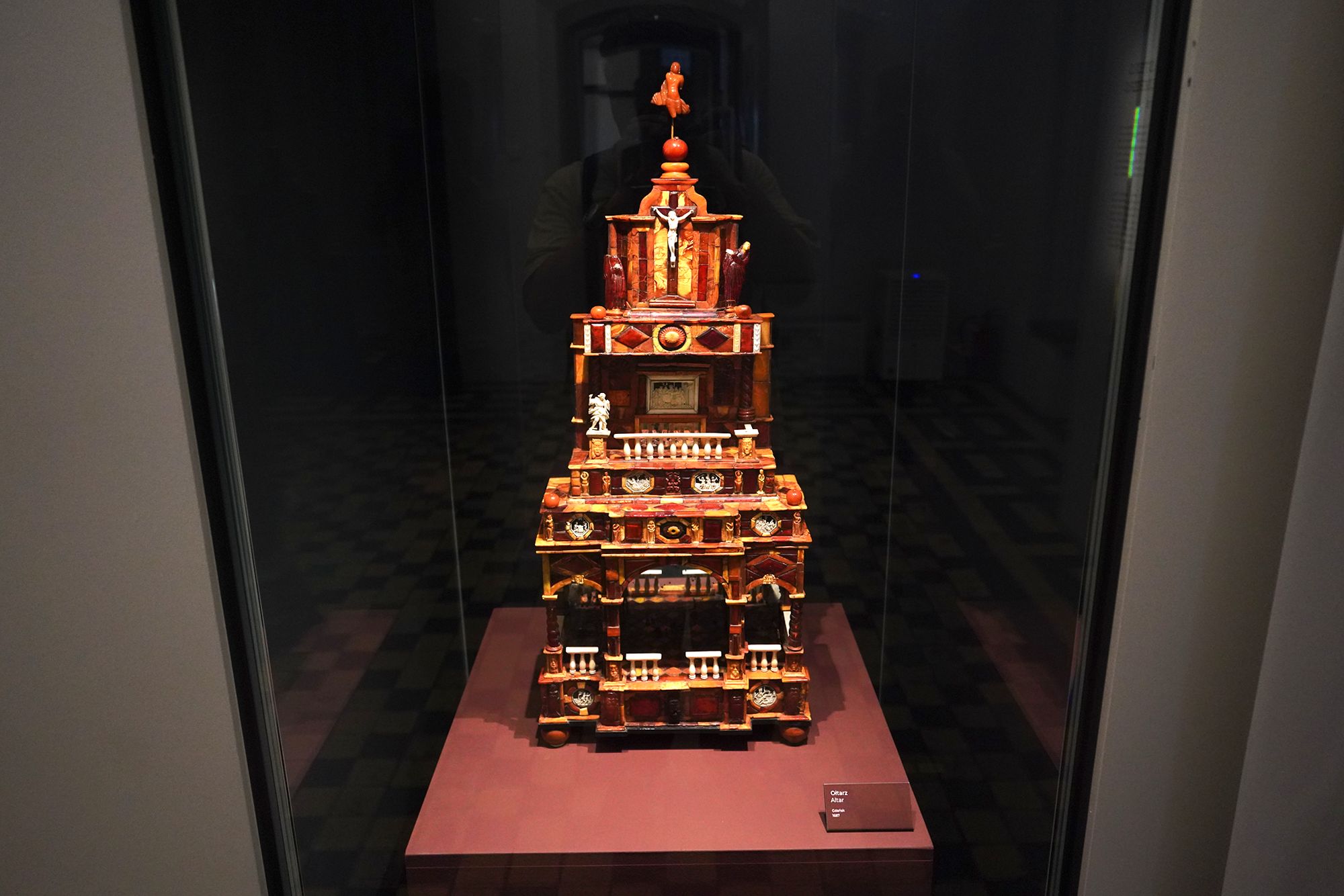
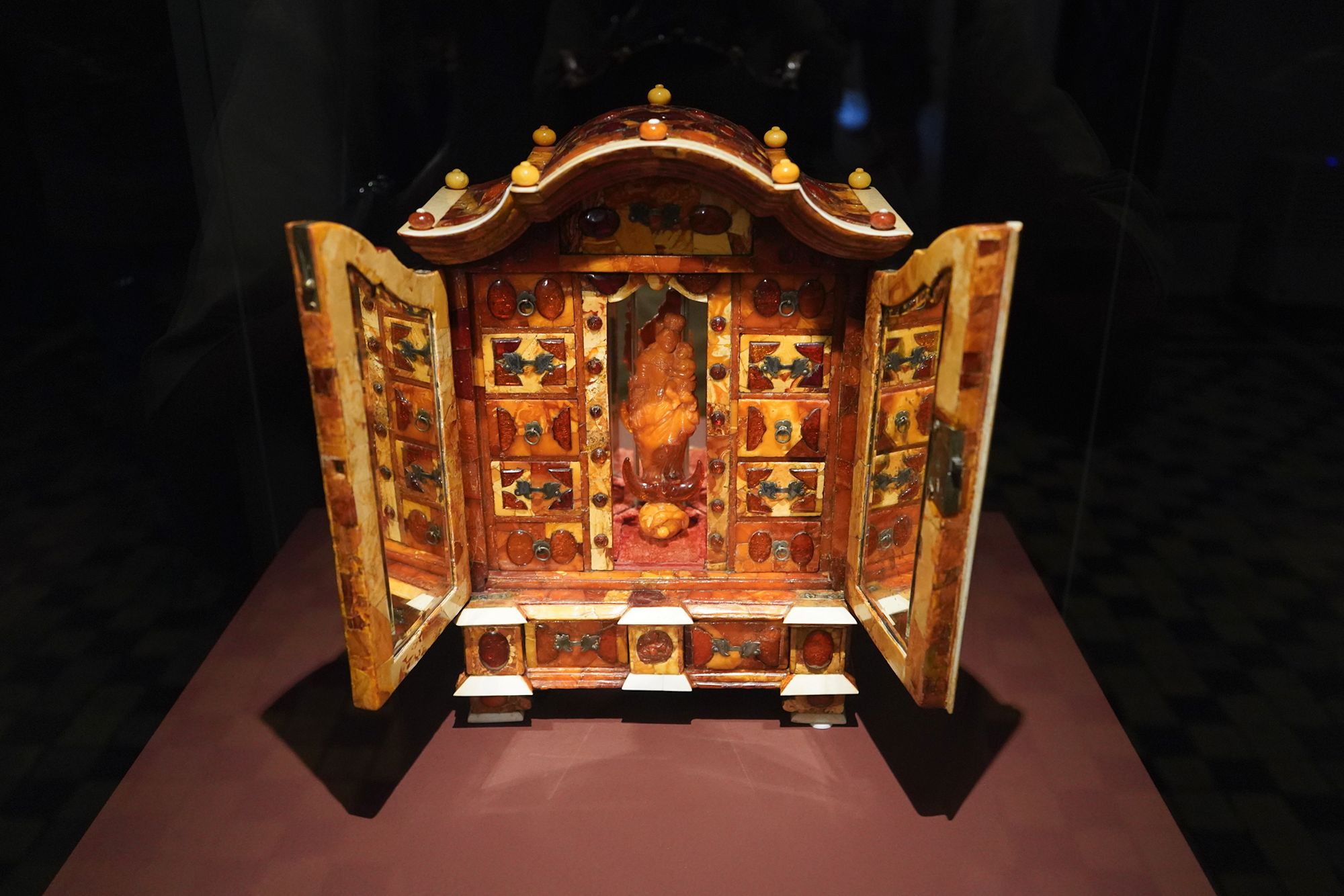
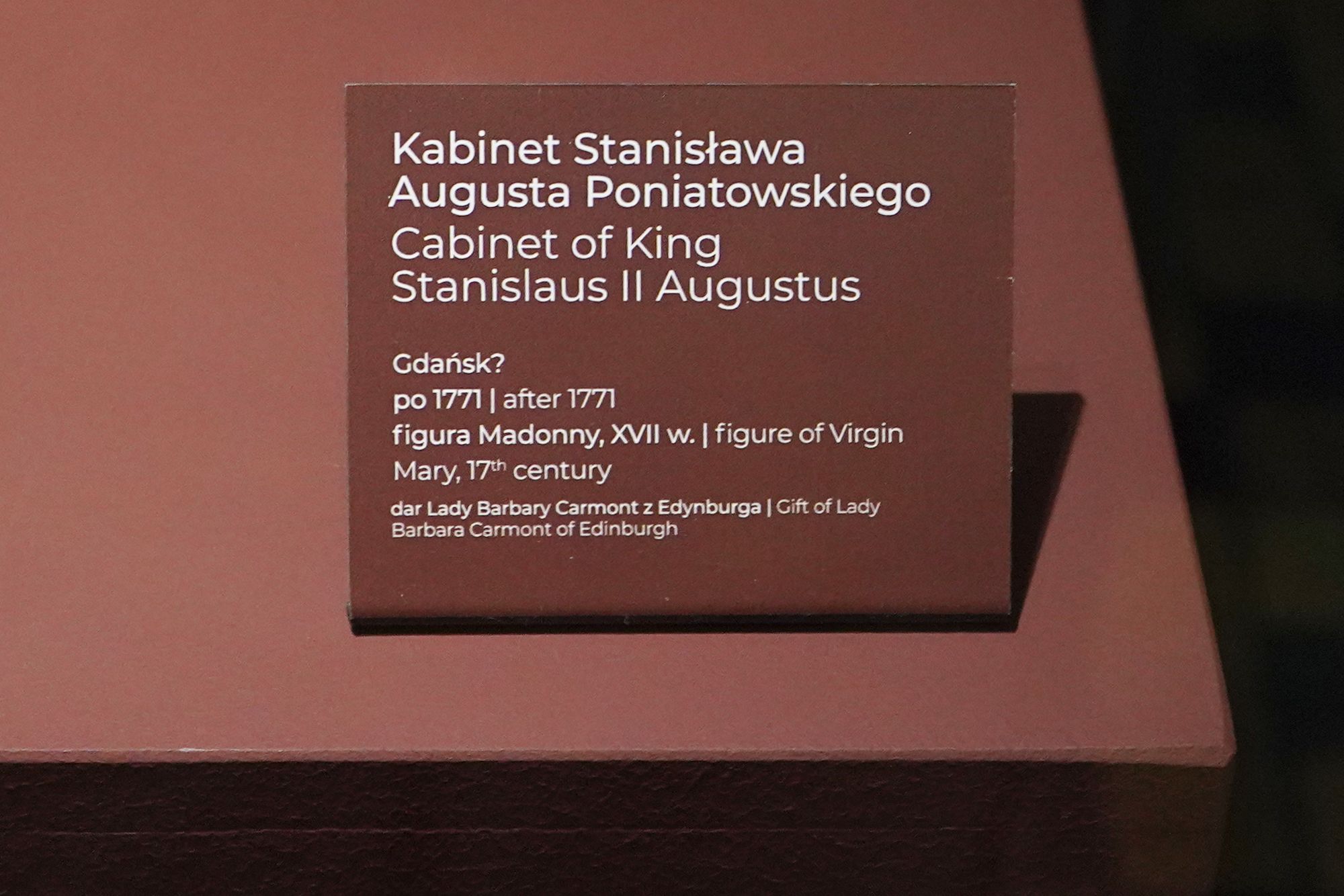
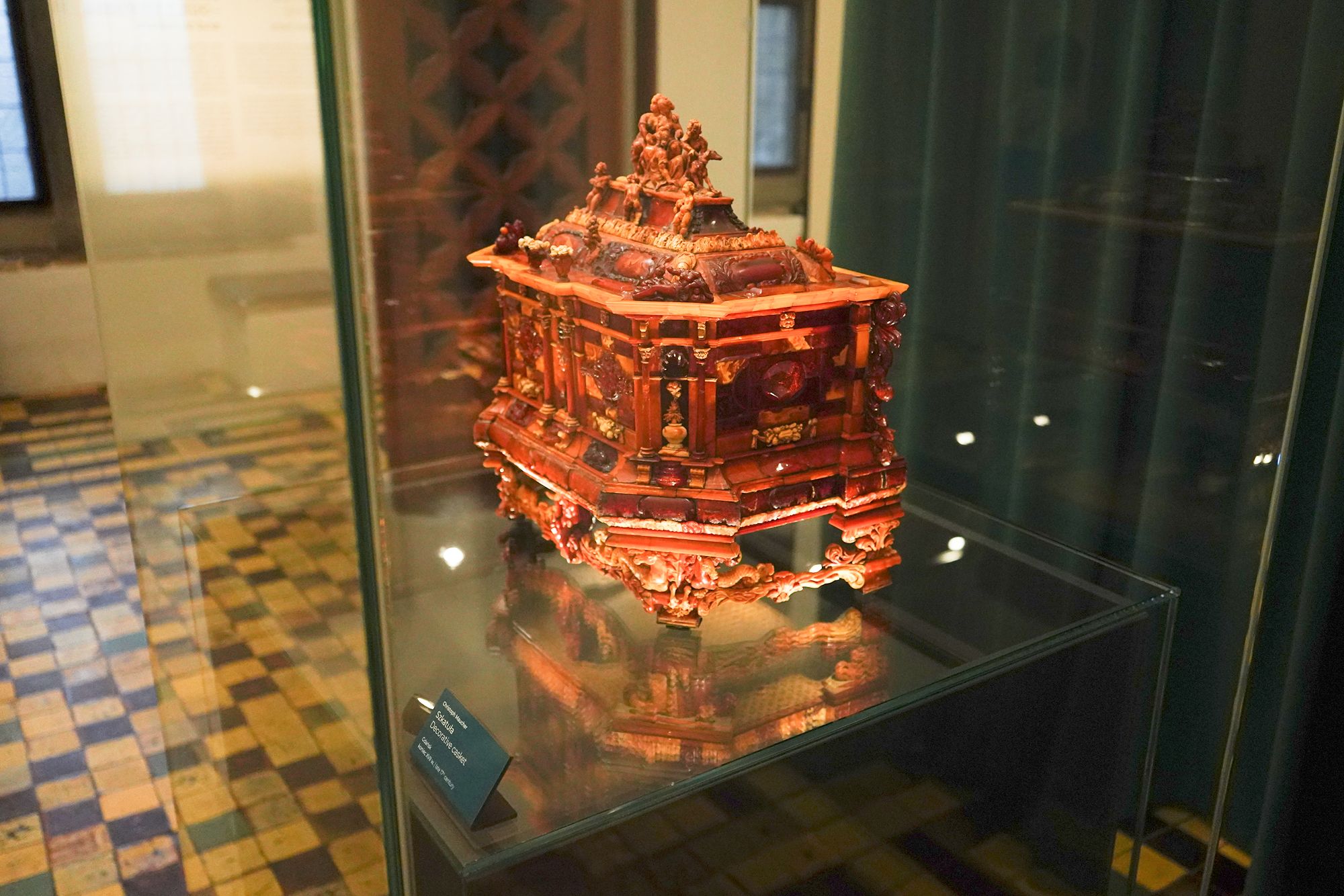
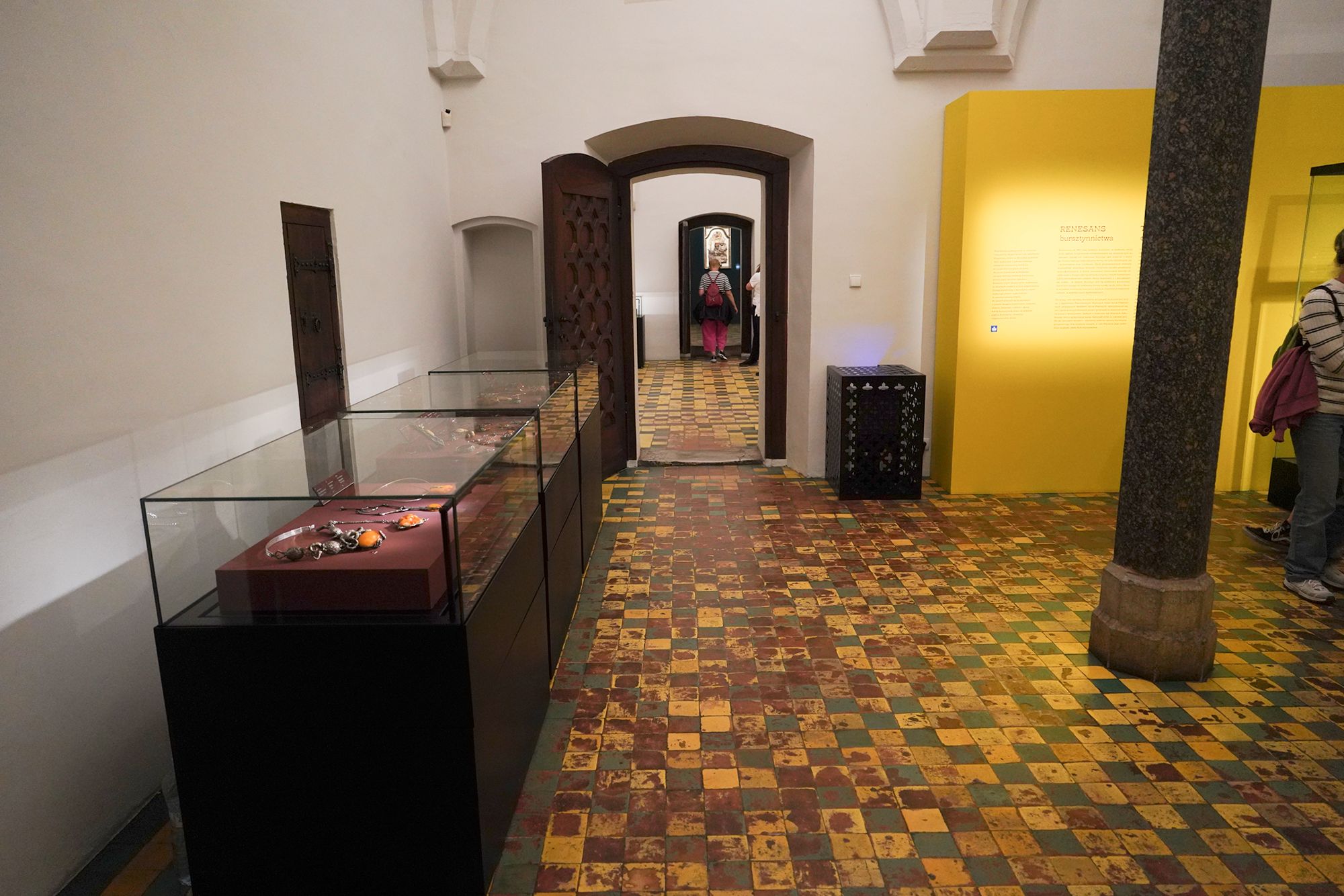
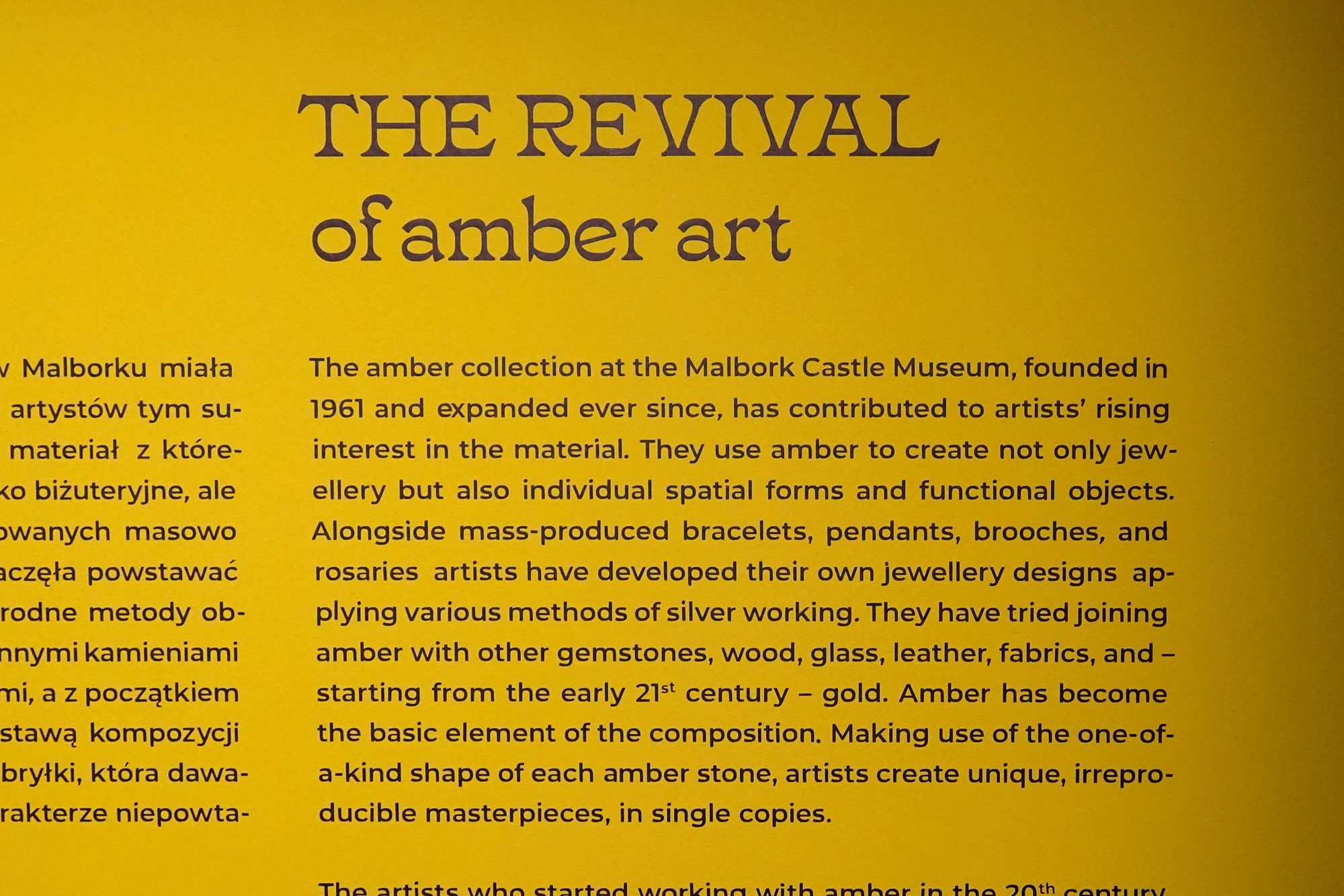
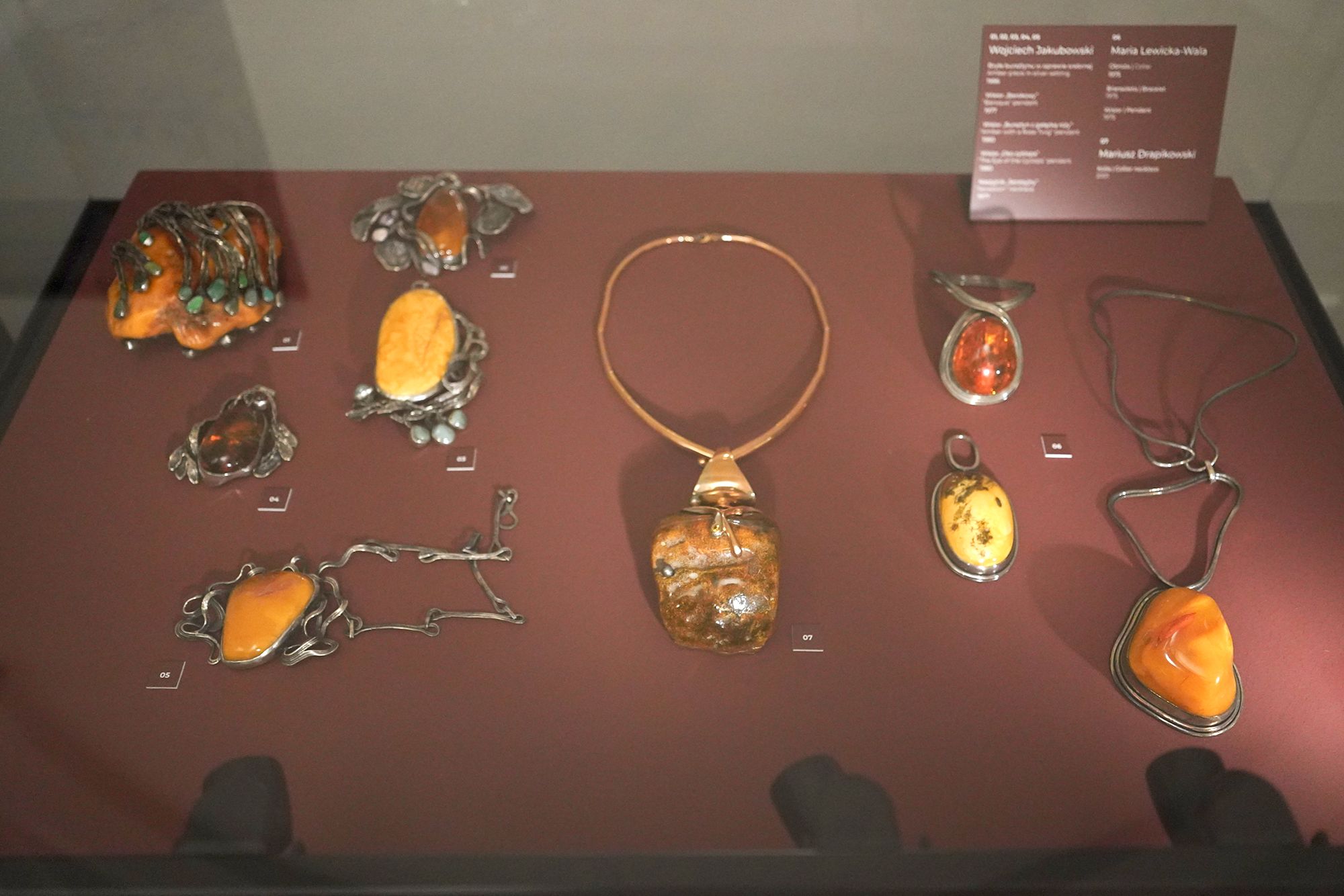
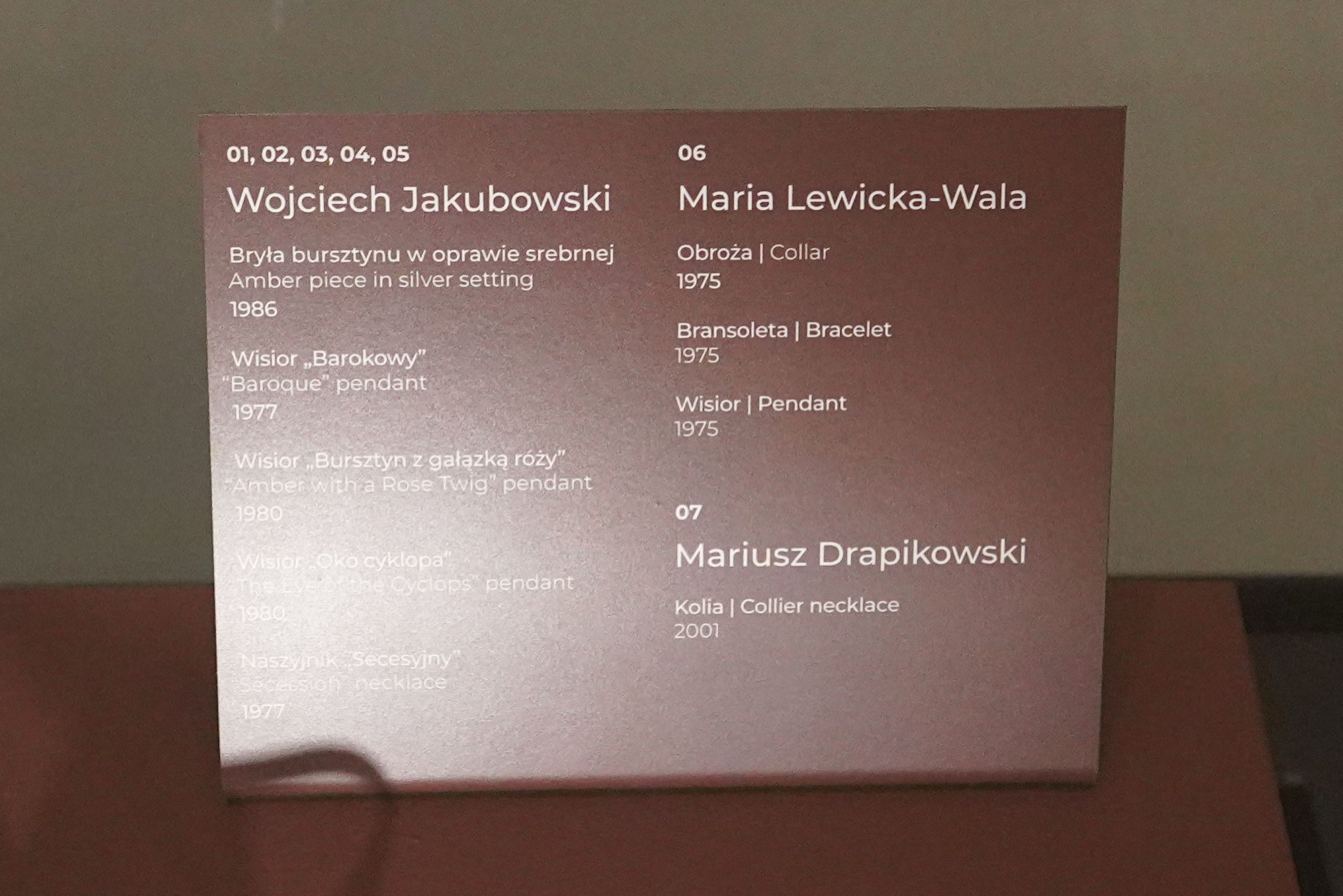
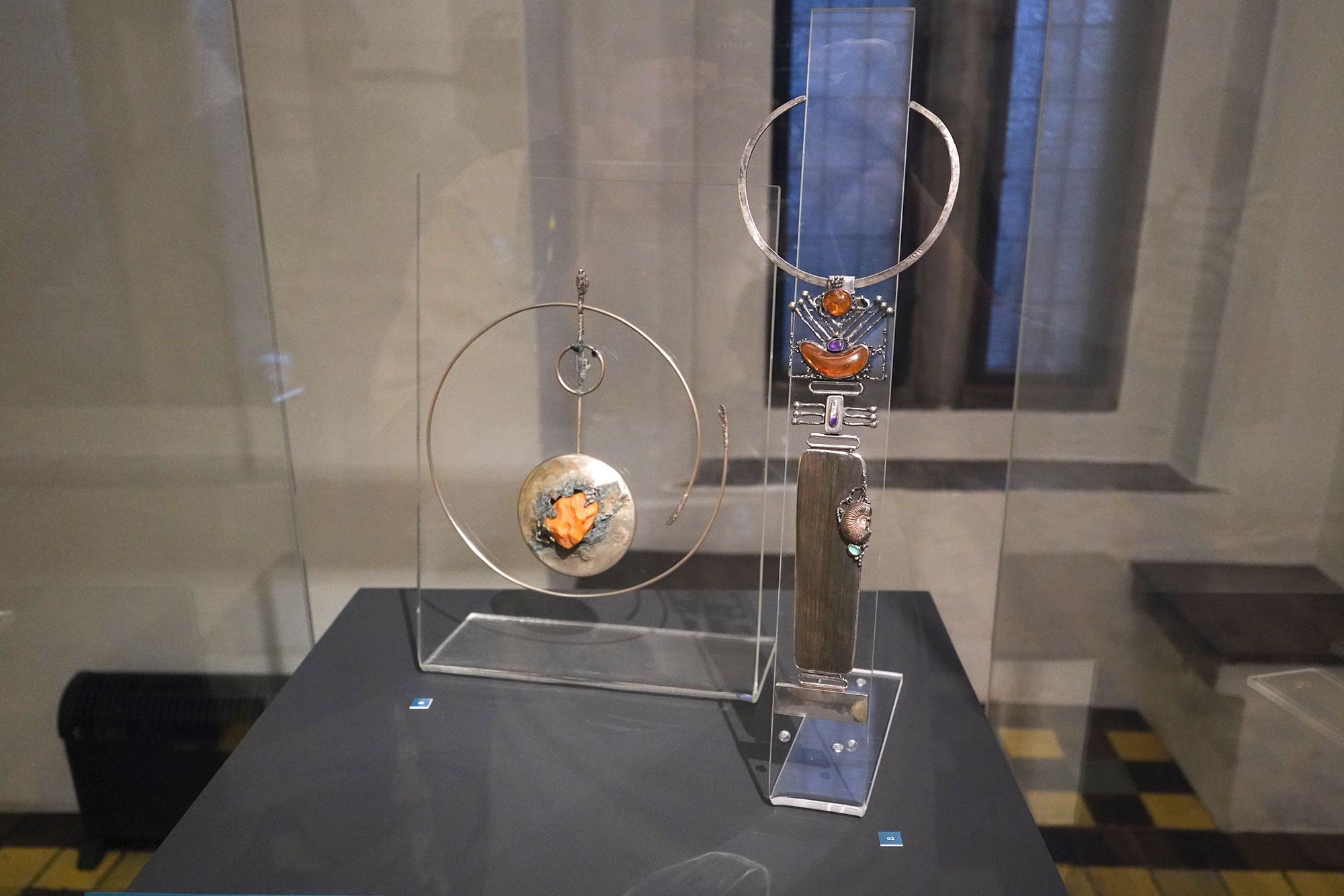
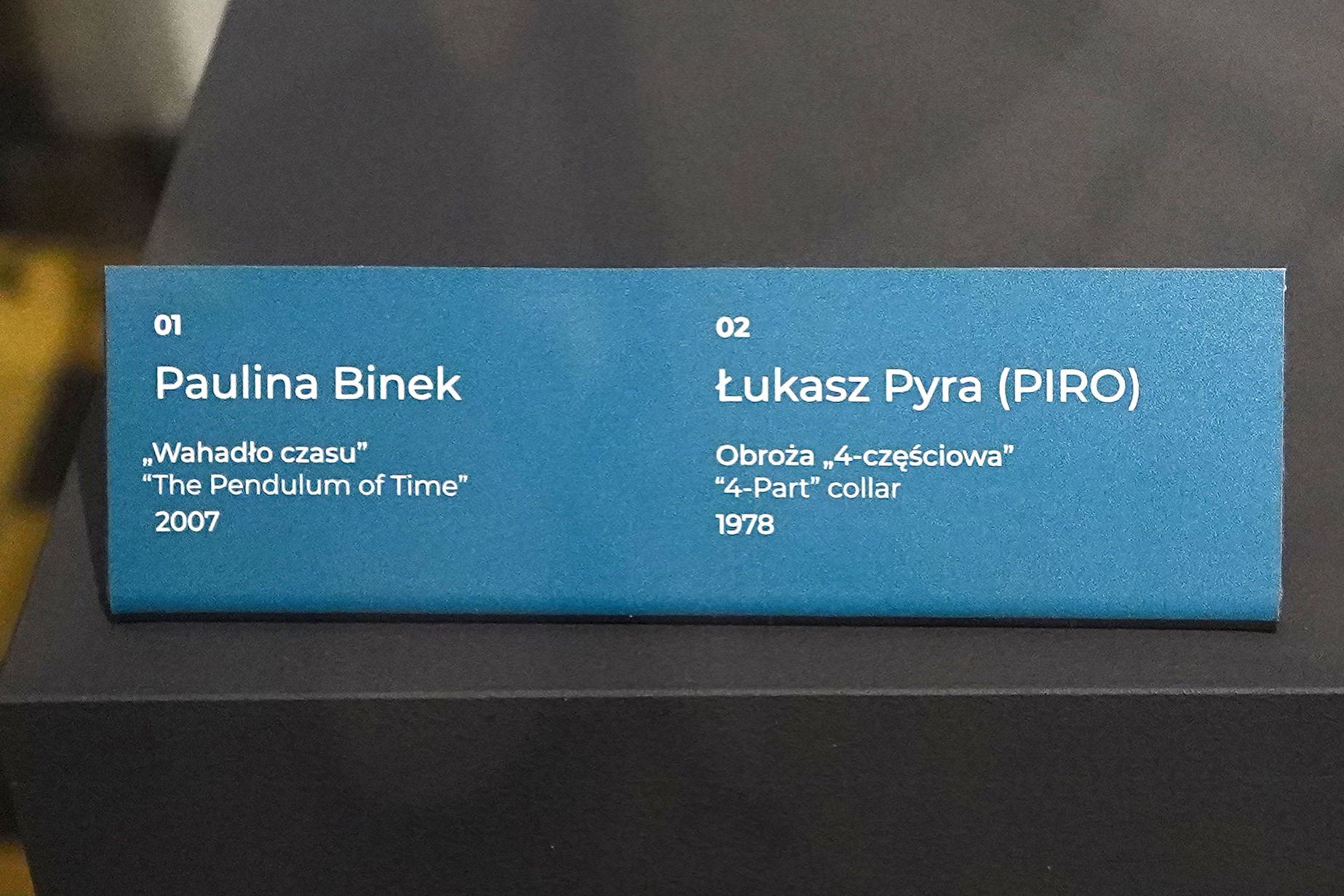
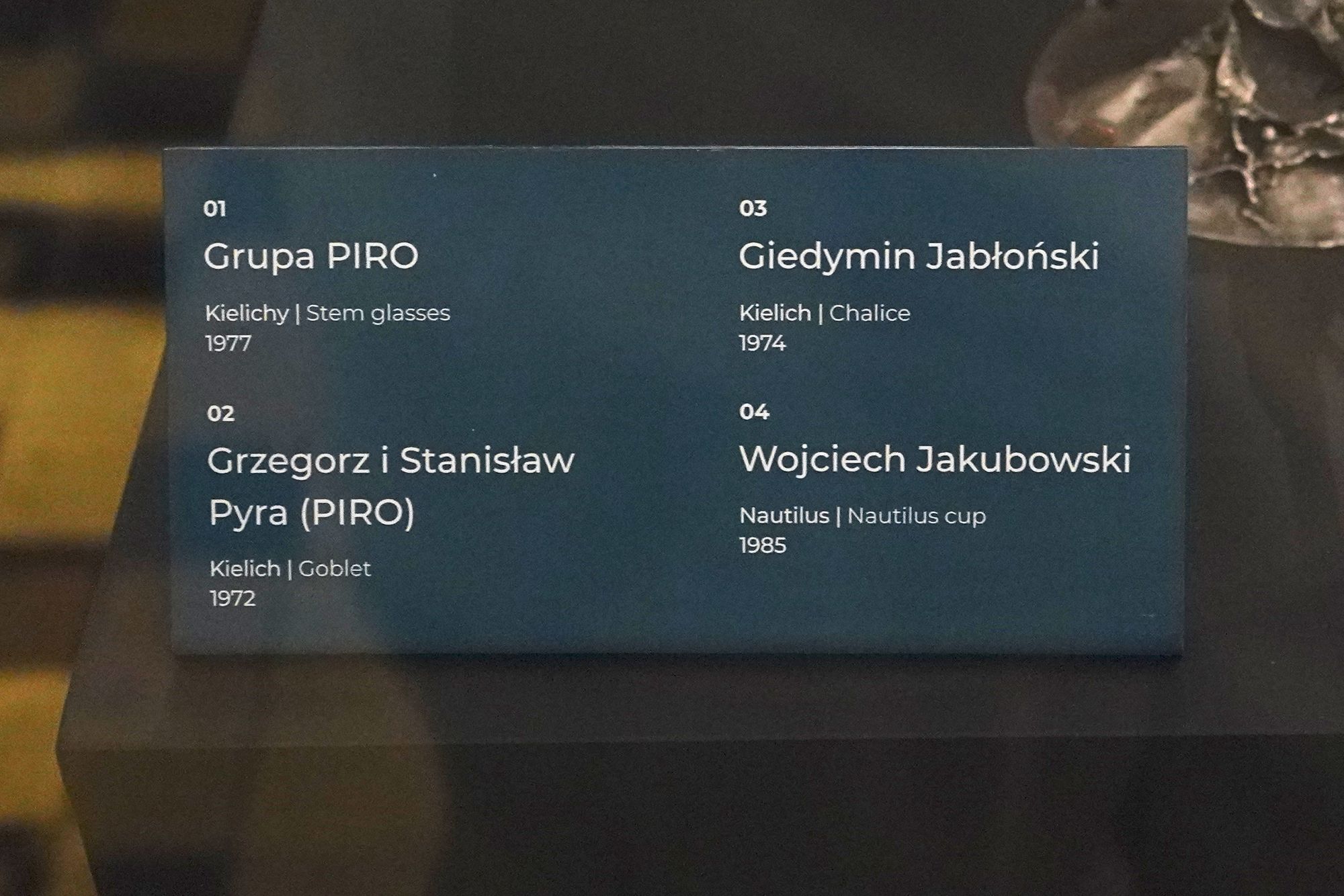
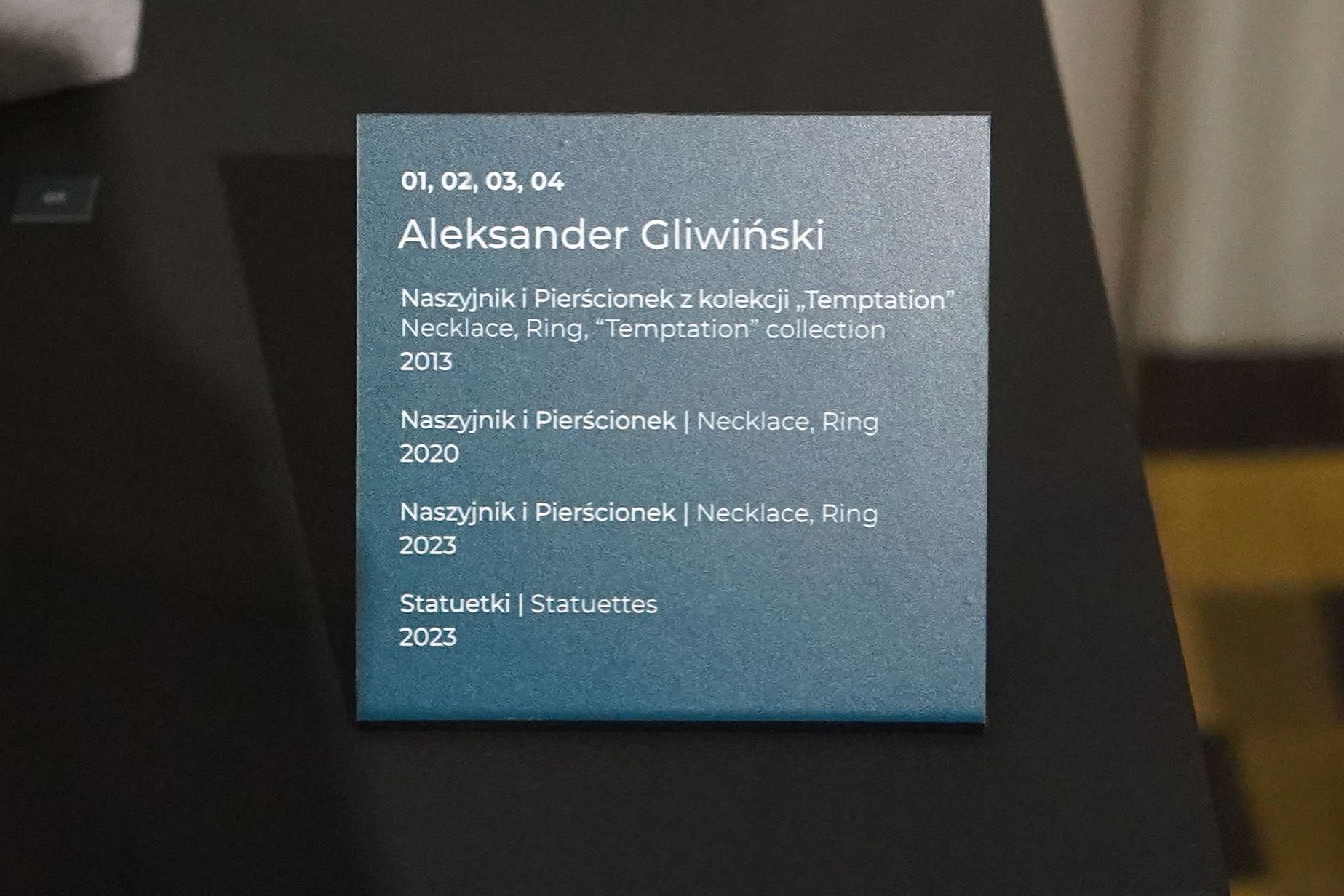
The exhibit is about the revival of amber art. The Malbork Castle Museum’s amber collection, founded in 1961, helped inspire artists to create new kinds of work. Alongside familiar jewelry, they made sculptural and functional objects, combining amber with silver, wood, glass, leather, fabric, and even gold. Because each piece of amber has a different shape, the artists’ works are usually one of a kind.
A Timeless Craft
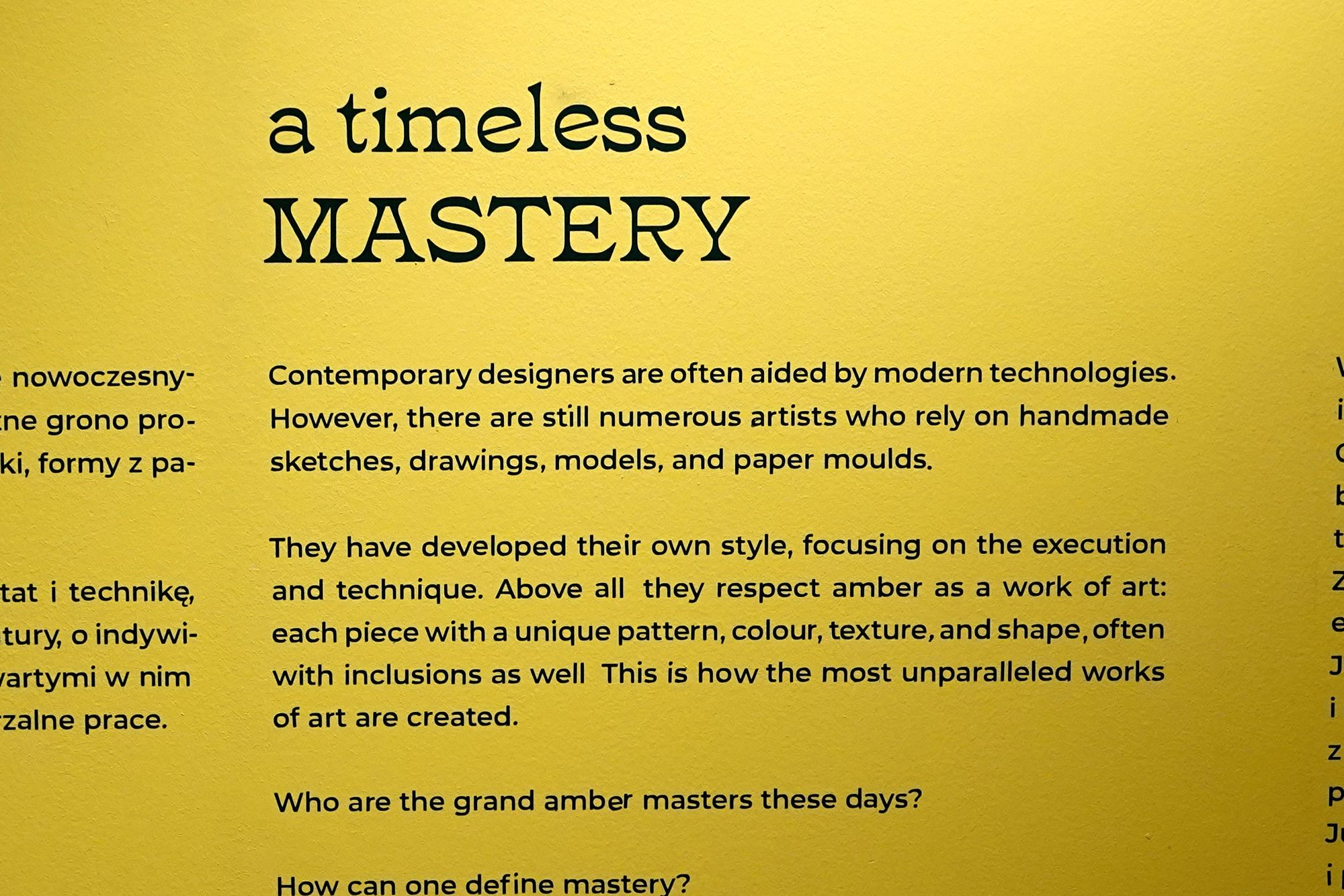
Even with modern technology, many amber artists still begin with hand-drawn sketches, models, and paper moulds. Their work celebrates both careful technique and the stone itself: every piece of amber has its own colour, texture, shape, and natural inclusions, making each finished creation one of a kind.
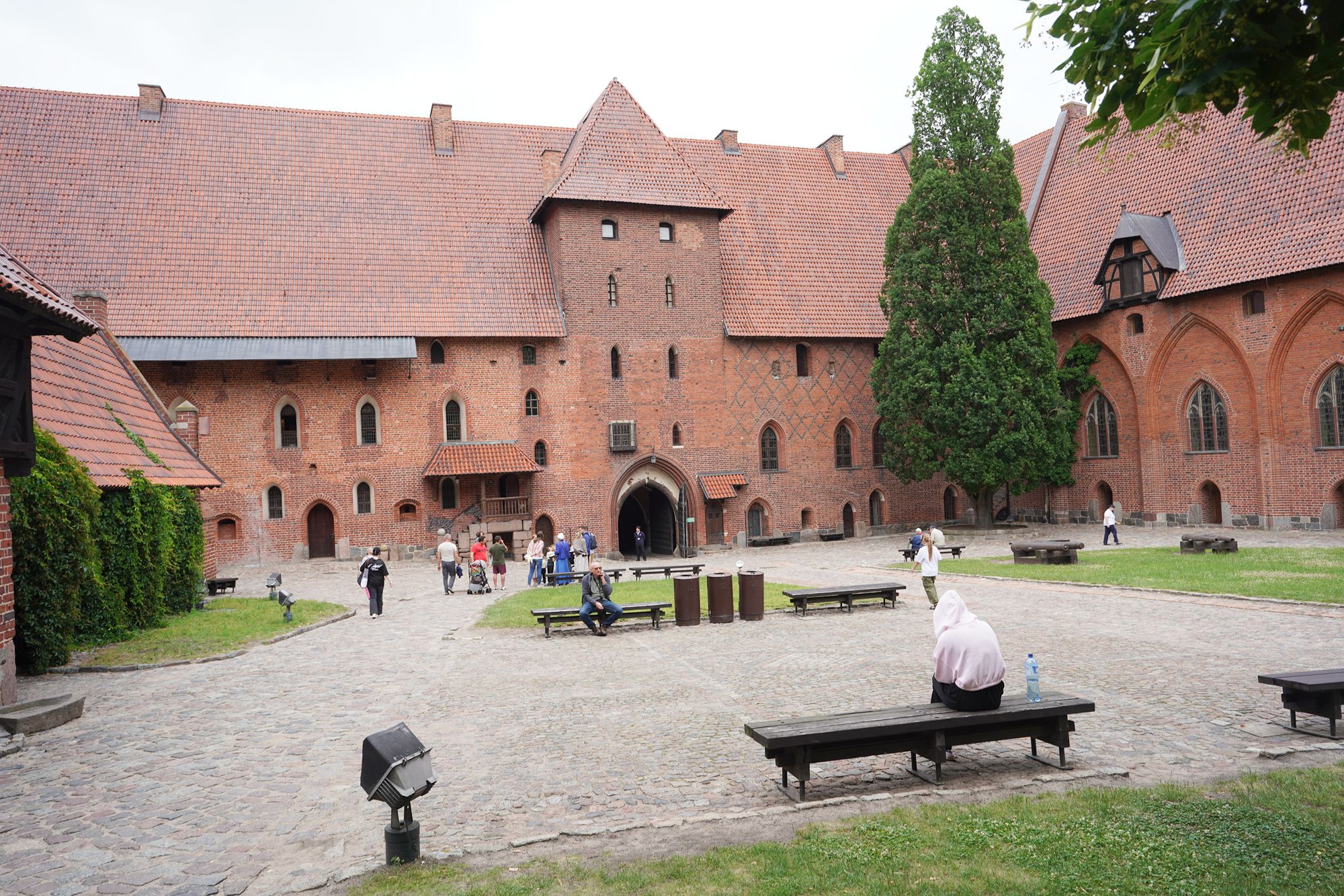
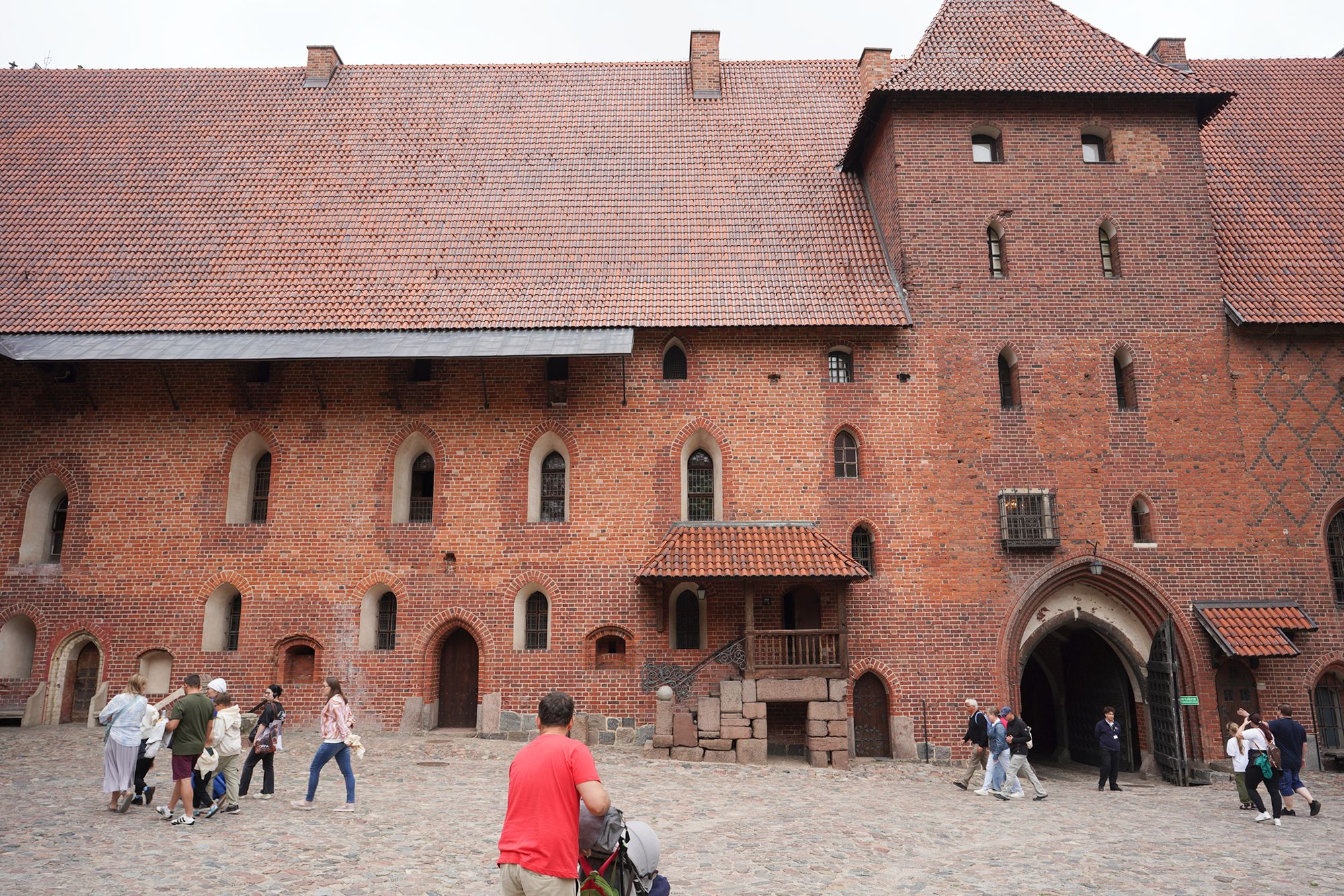
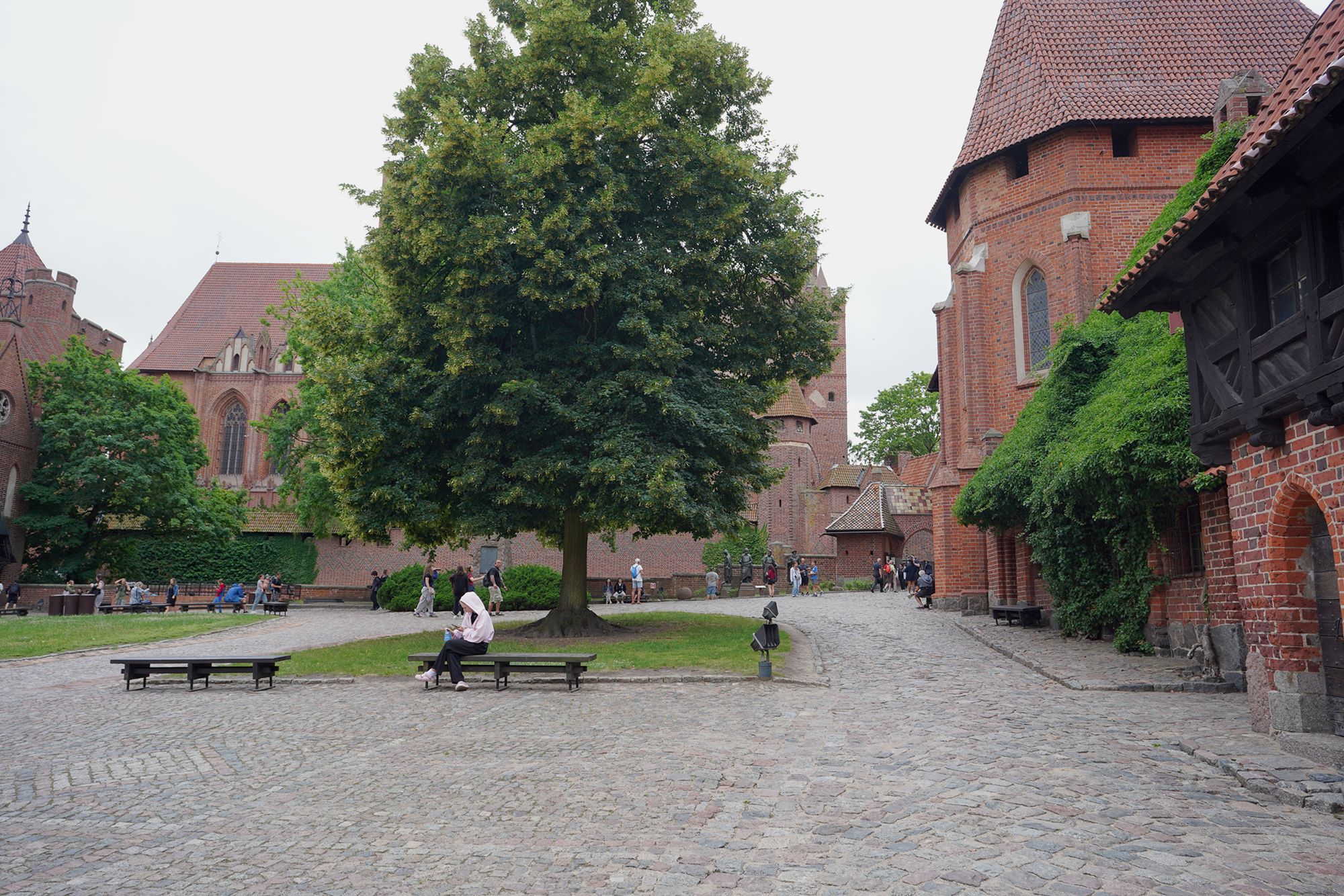
This gate leads into the High Castle, the innermost and most fortified section of Malbork Castle.
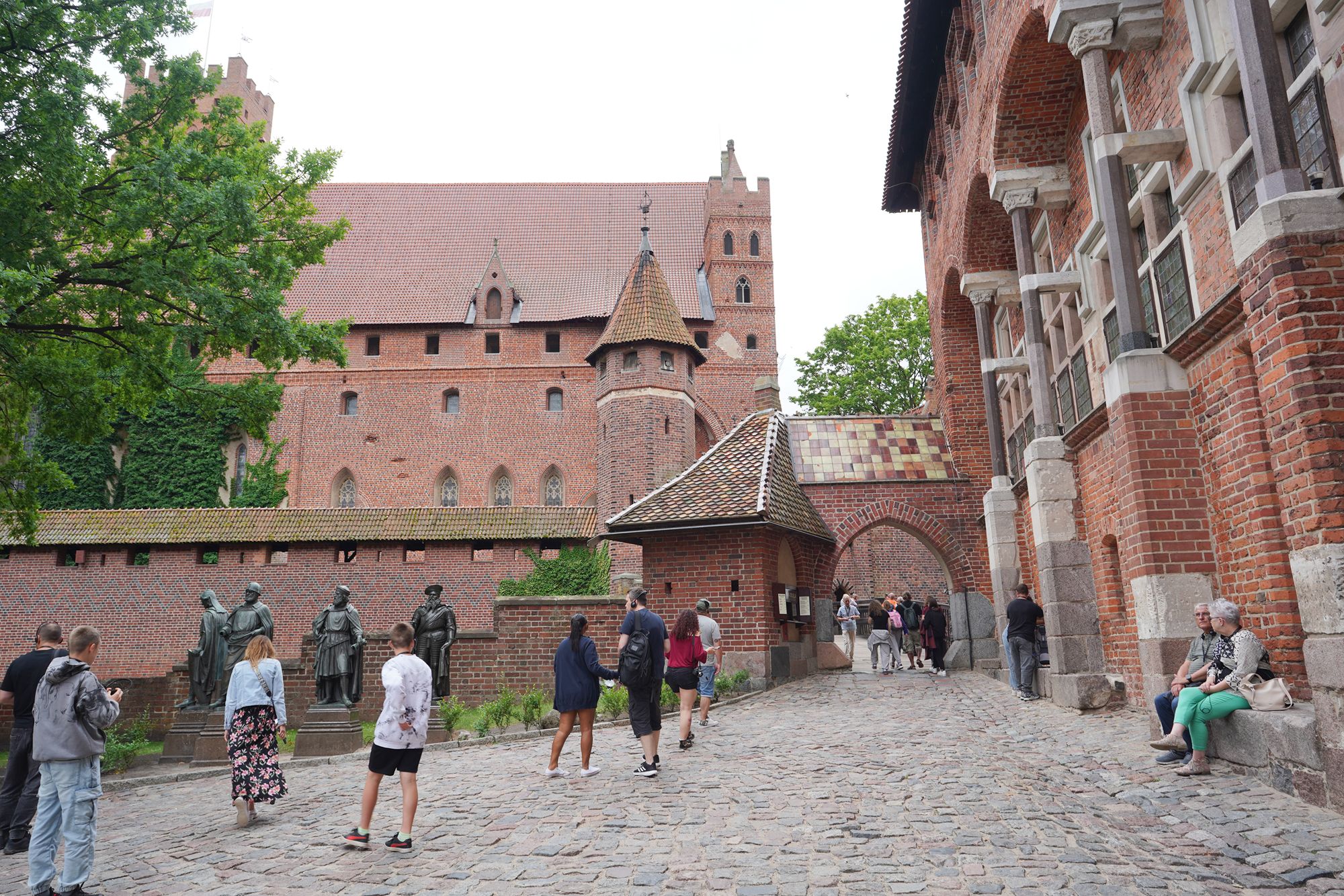
I’ll continue exploring the High Castle in my next blog post.