Malbork Castle Part II, Malbork, Poland
Exploring Malbork Castle’s High Castle through its courtyard, medieval art, church, kitchen, chapel, and surrounding garden paths. 1364
Malbork Castle:Starościńska 1, 82-200 Malbork, Poland
Date Picture Taken: Jun, 2026
This is a continuation of my visit to Malbork Castle in Malbork, Poland. The previous post covered the Low and Middle Castles. In this post, I explore the High Castle.
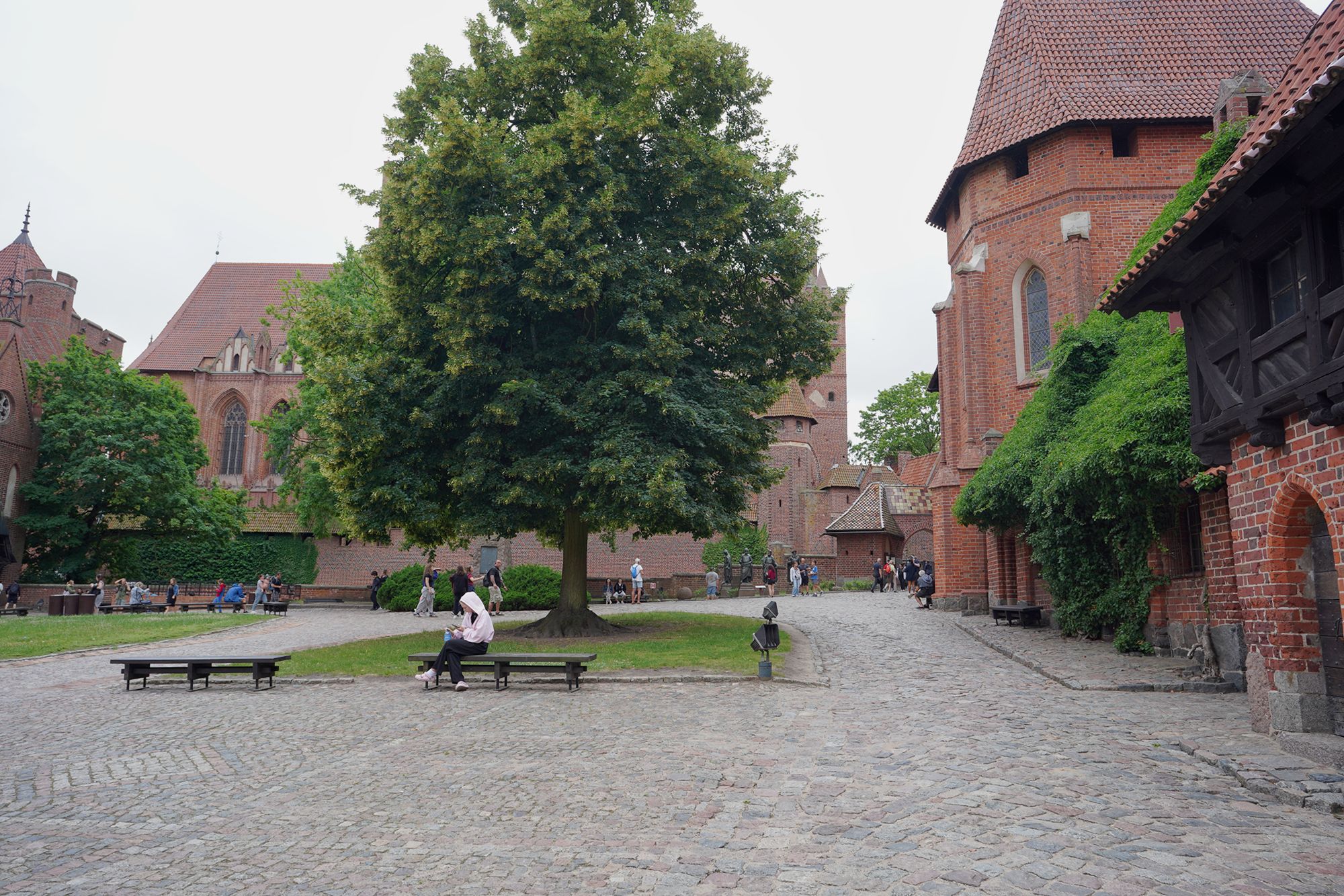
I’m still in the Middle Castle, before continuing to the High Castle.
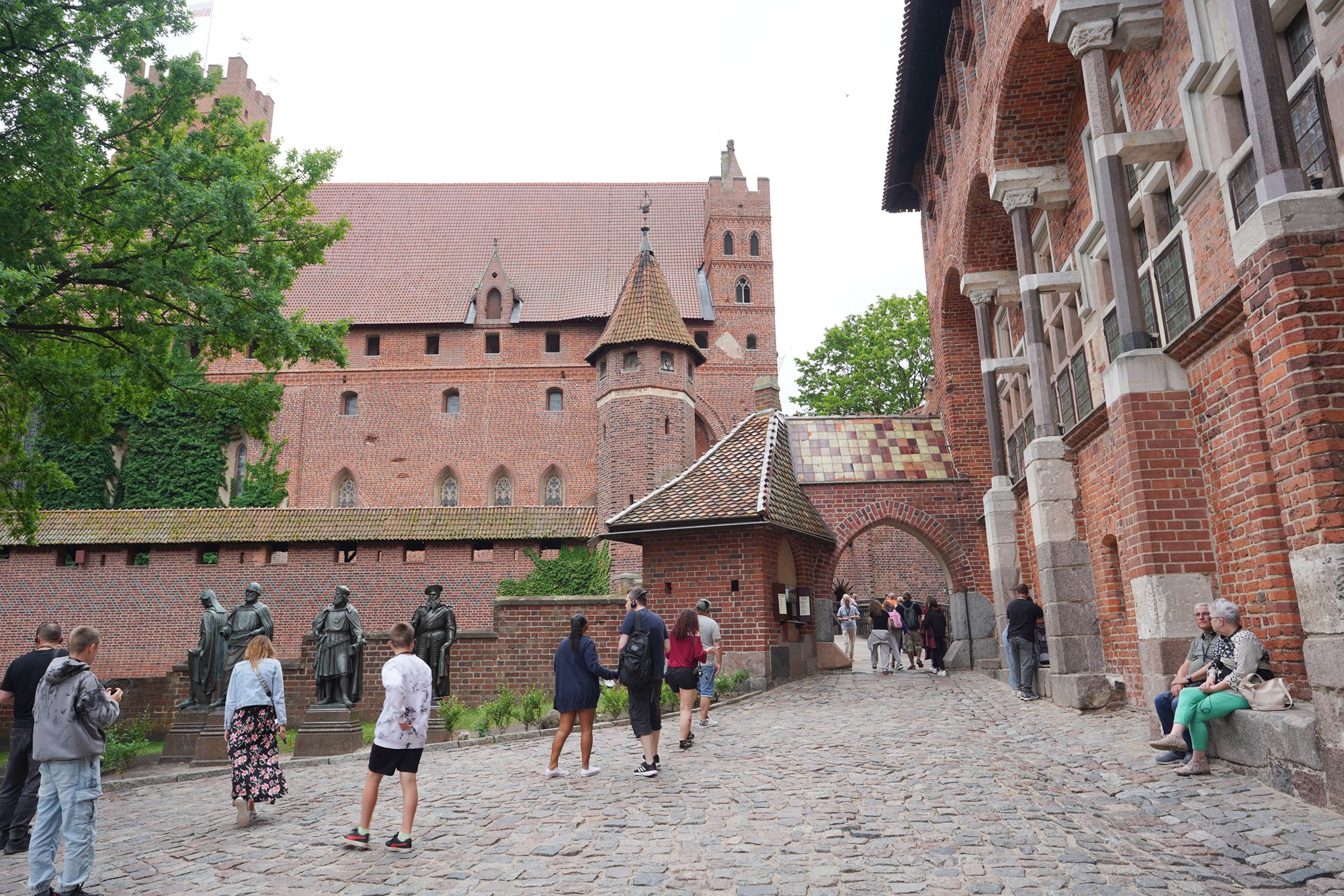
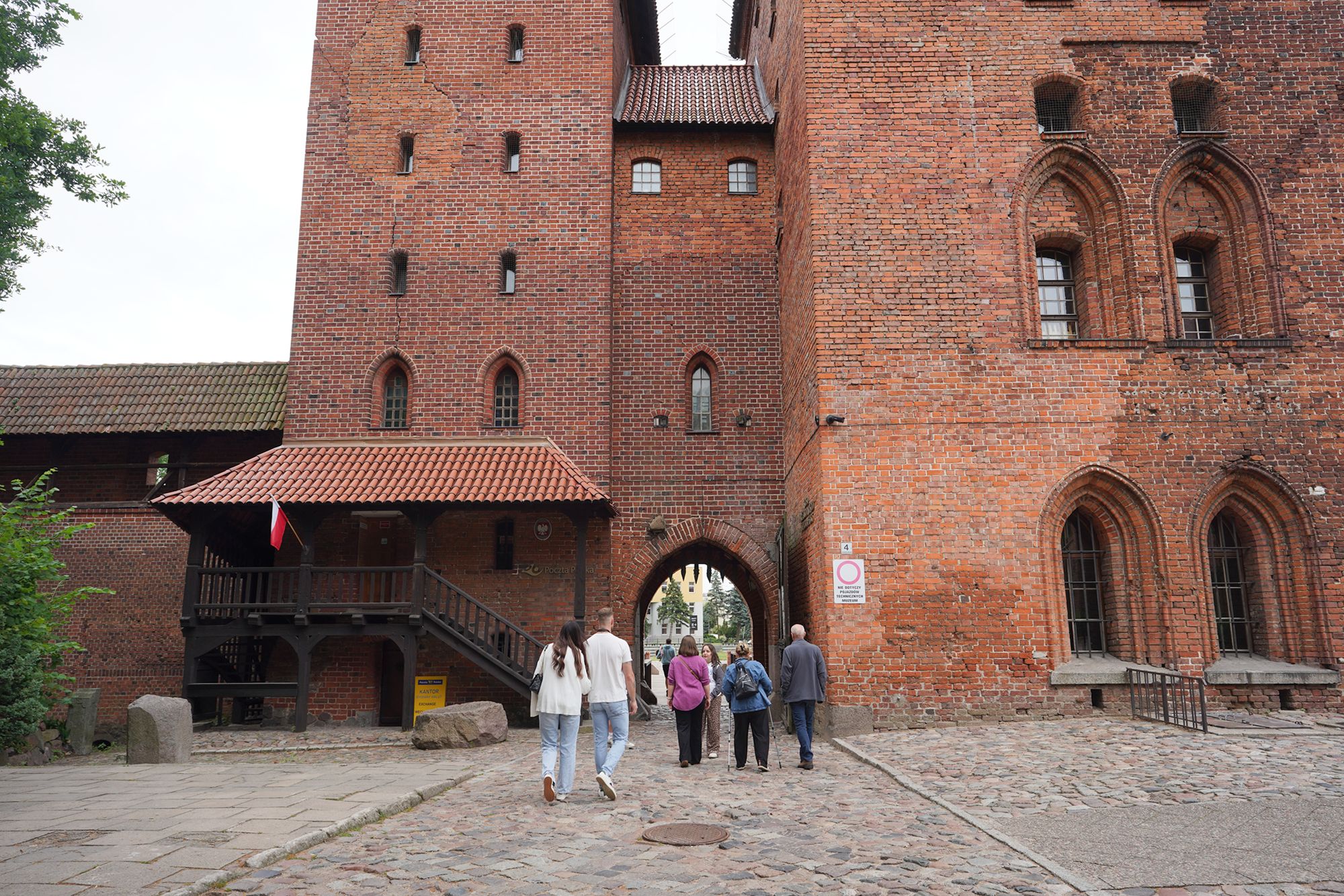
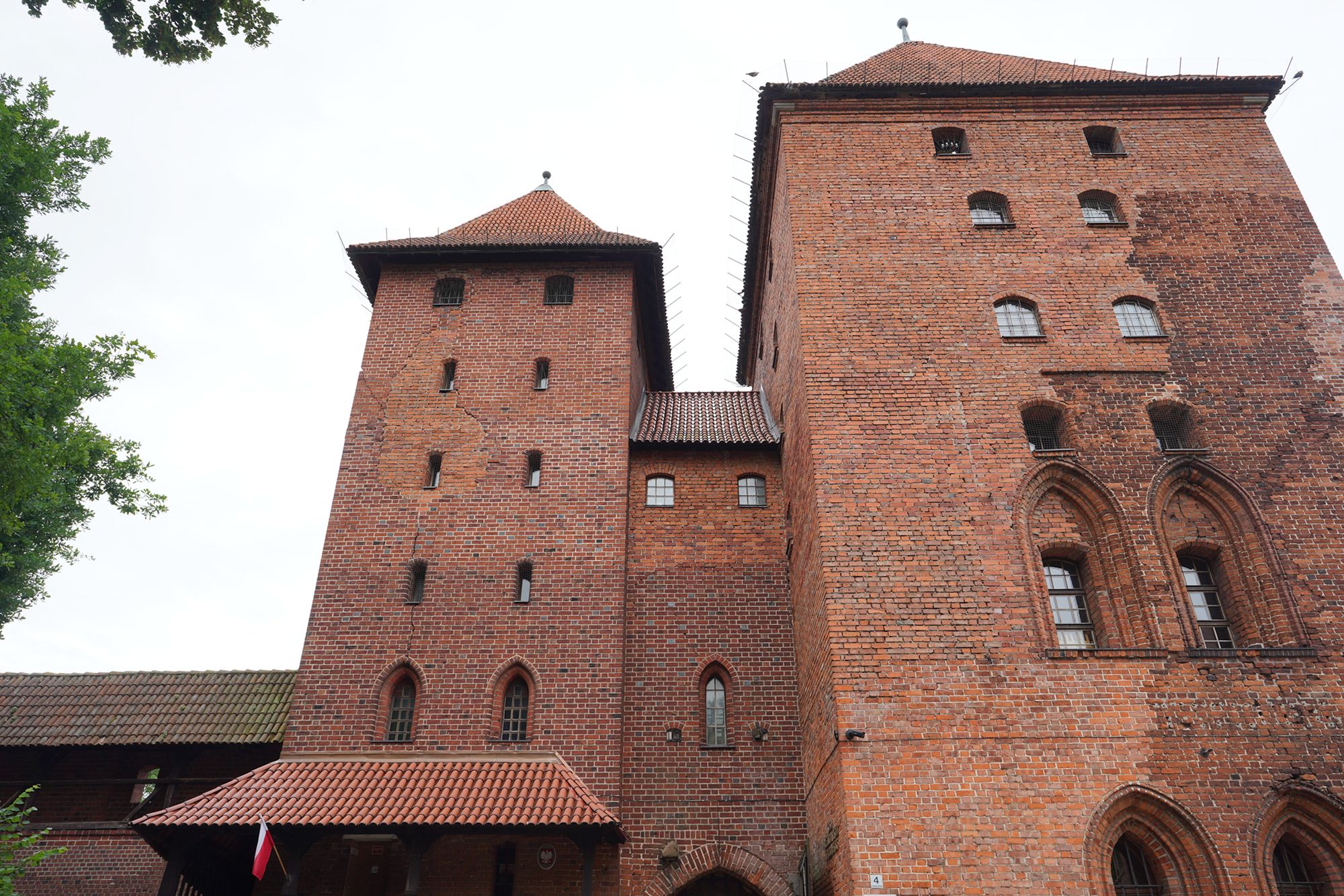
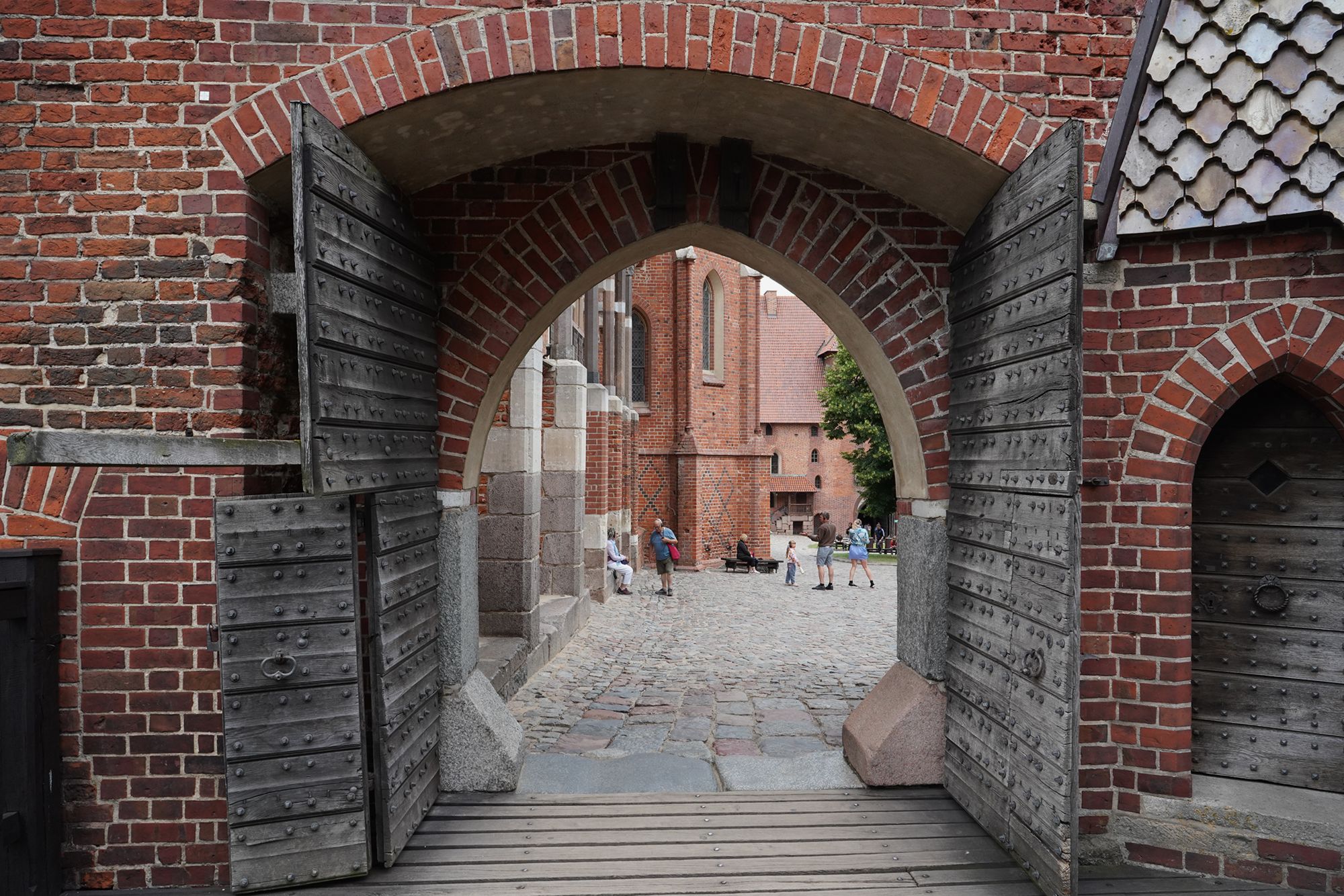
This is the entrance to the High Castle
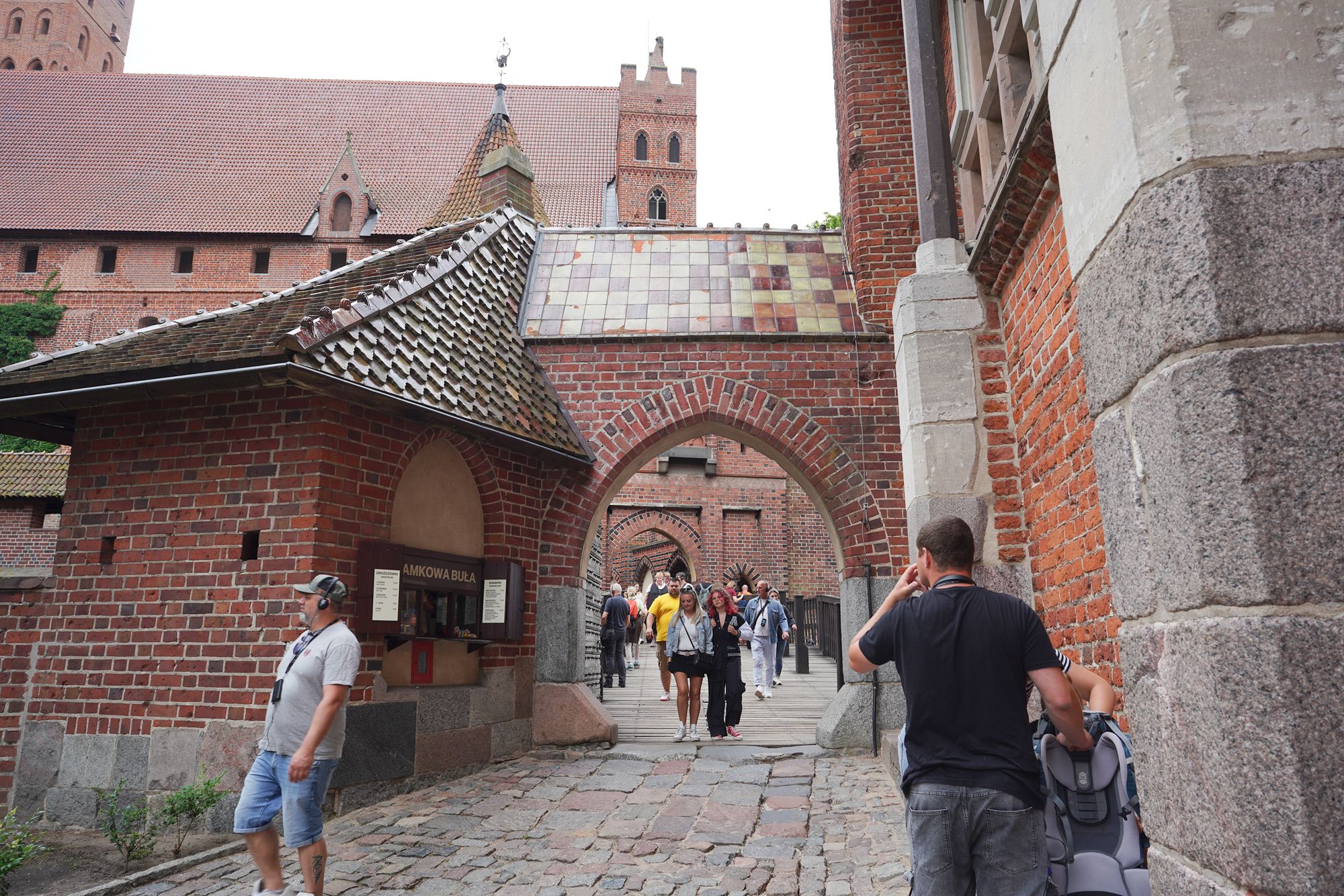
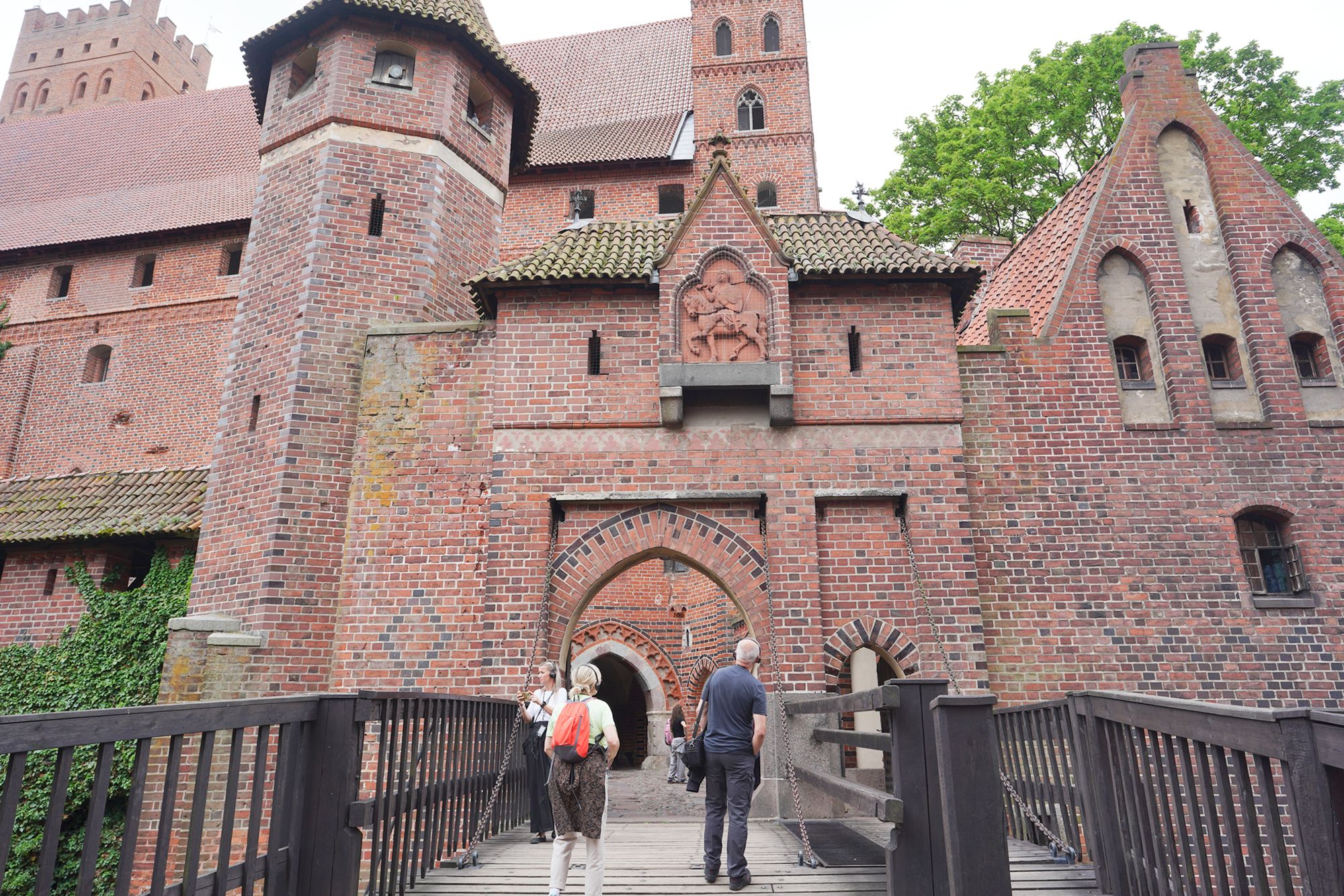
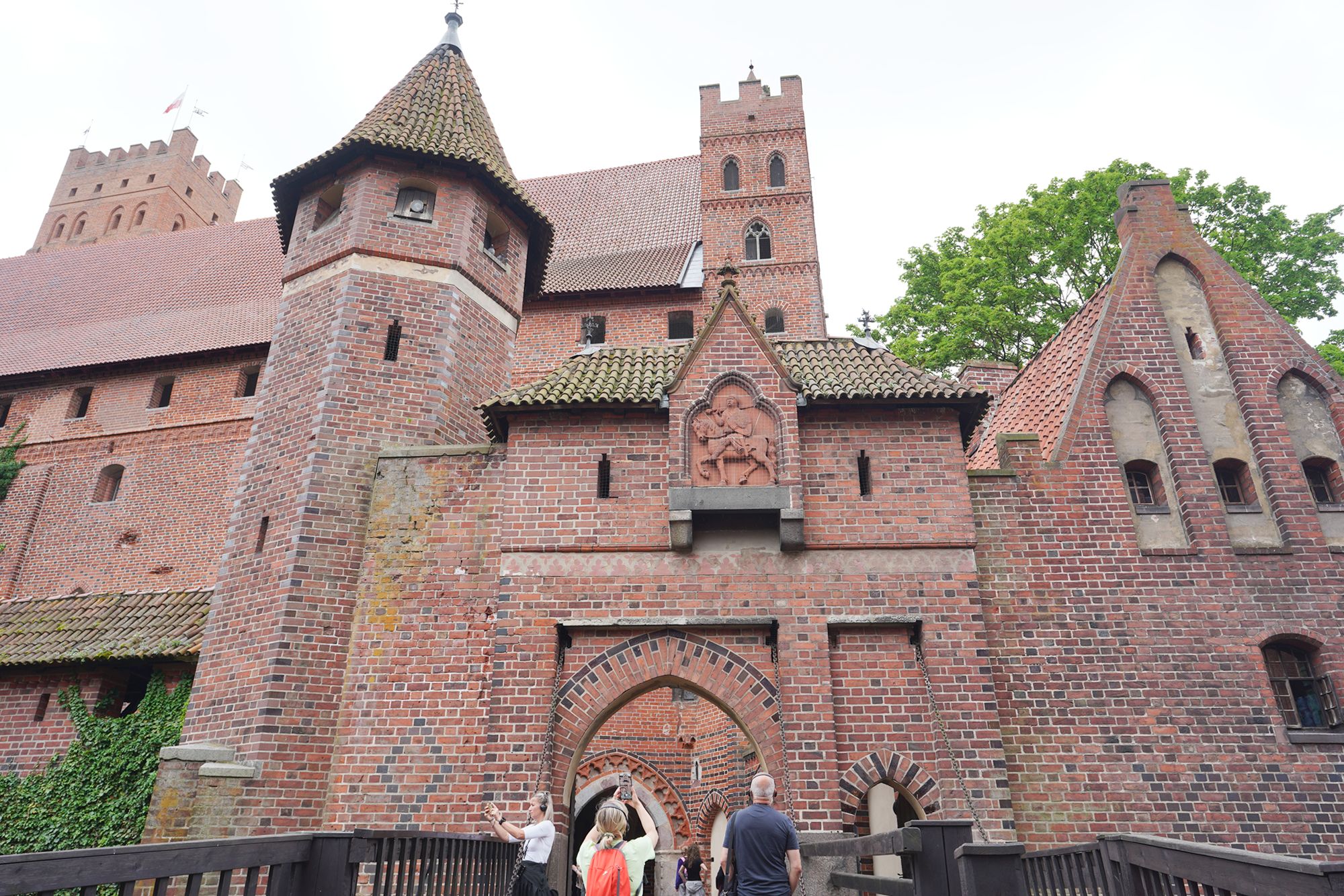
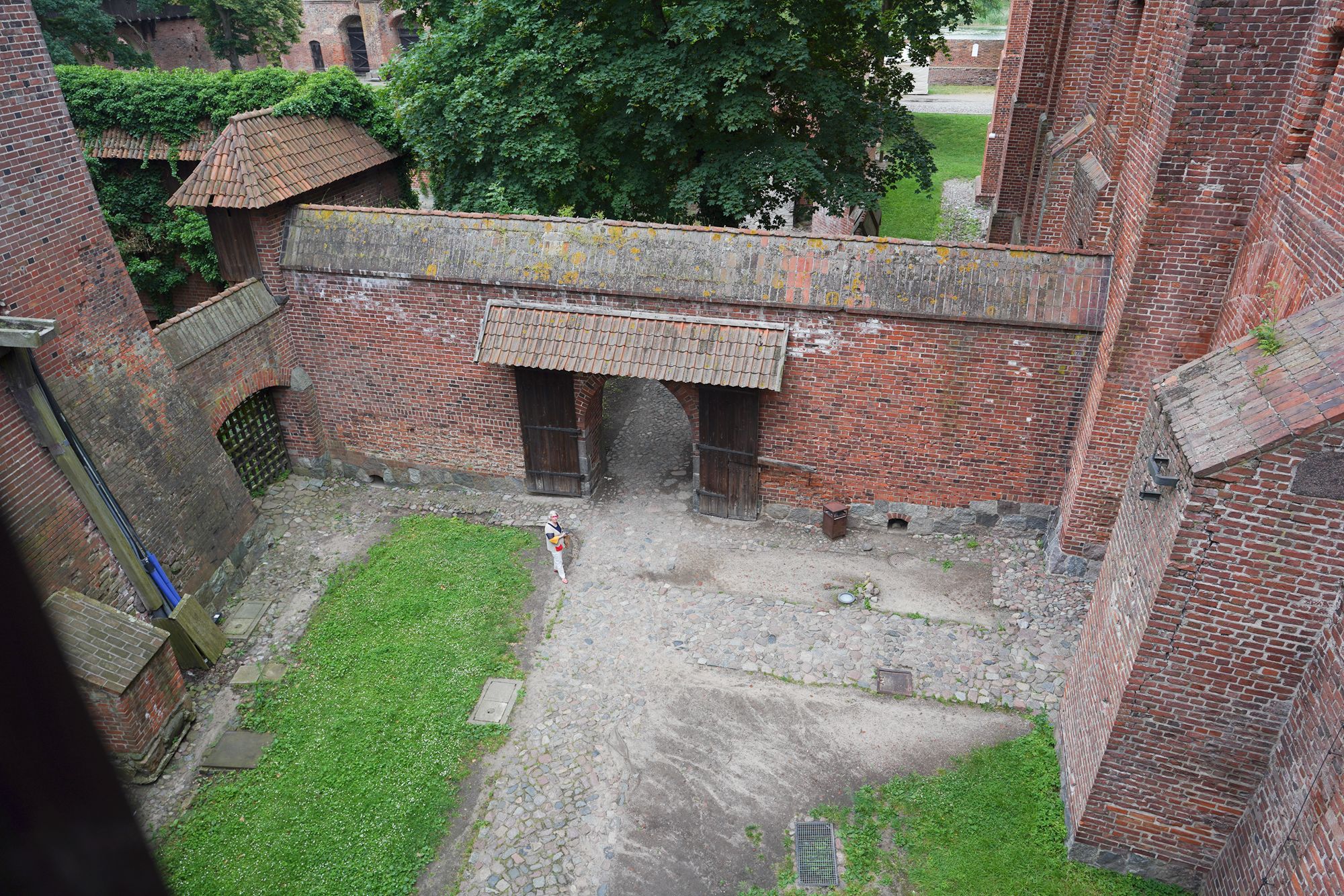
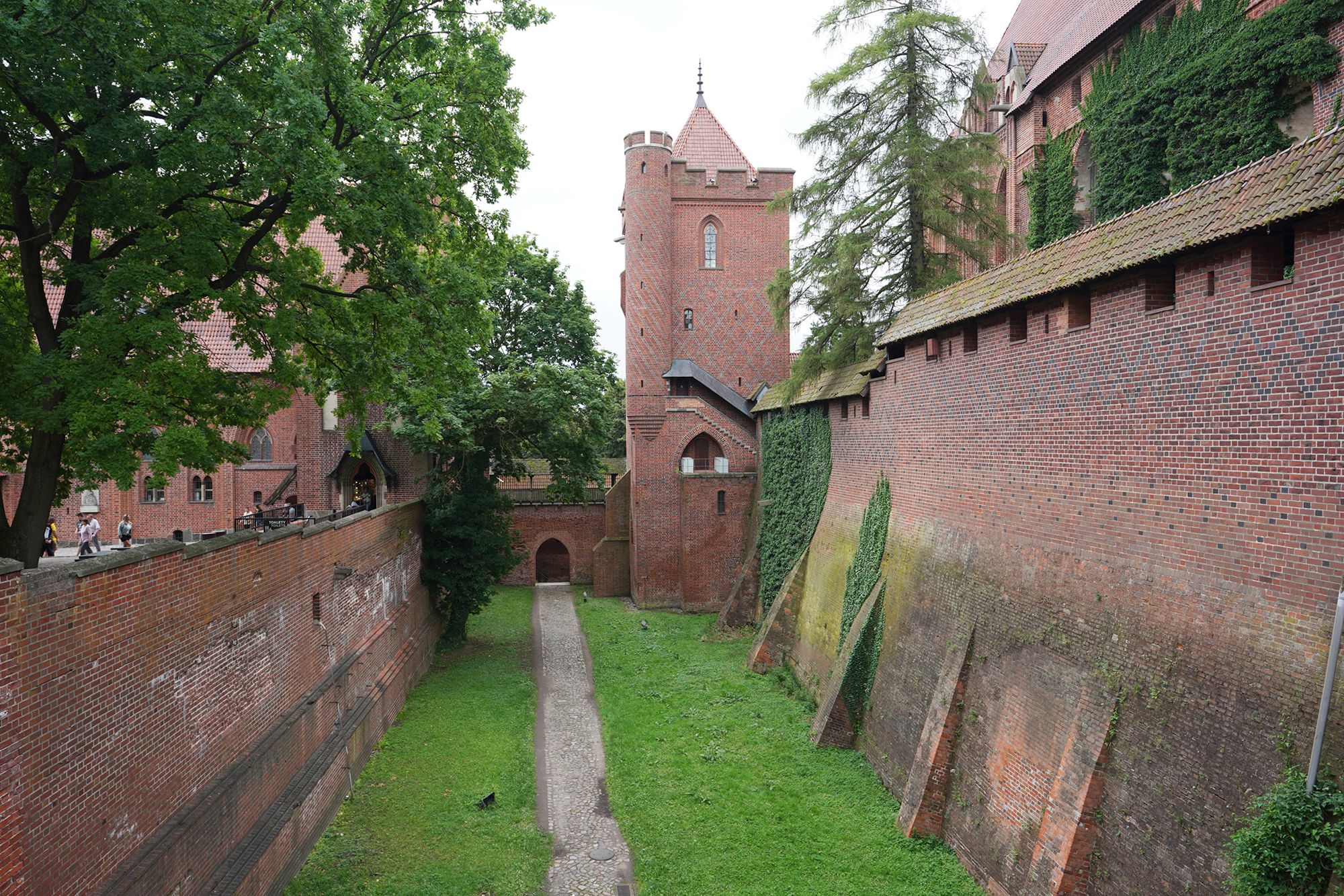
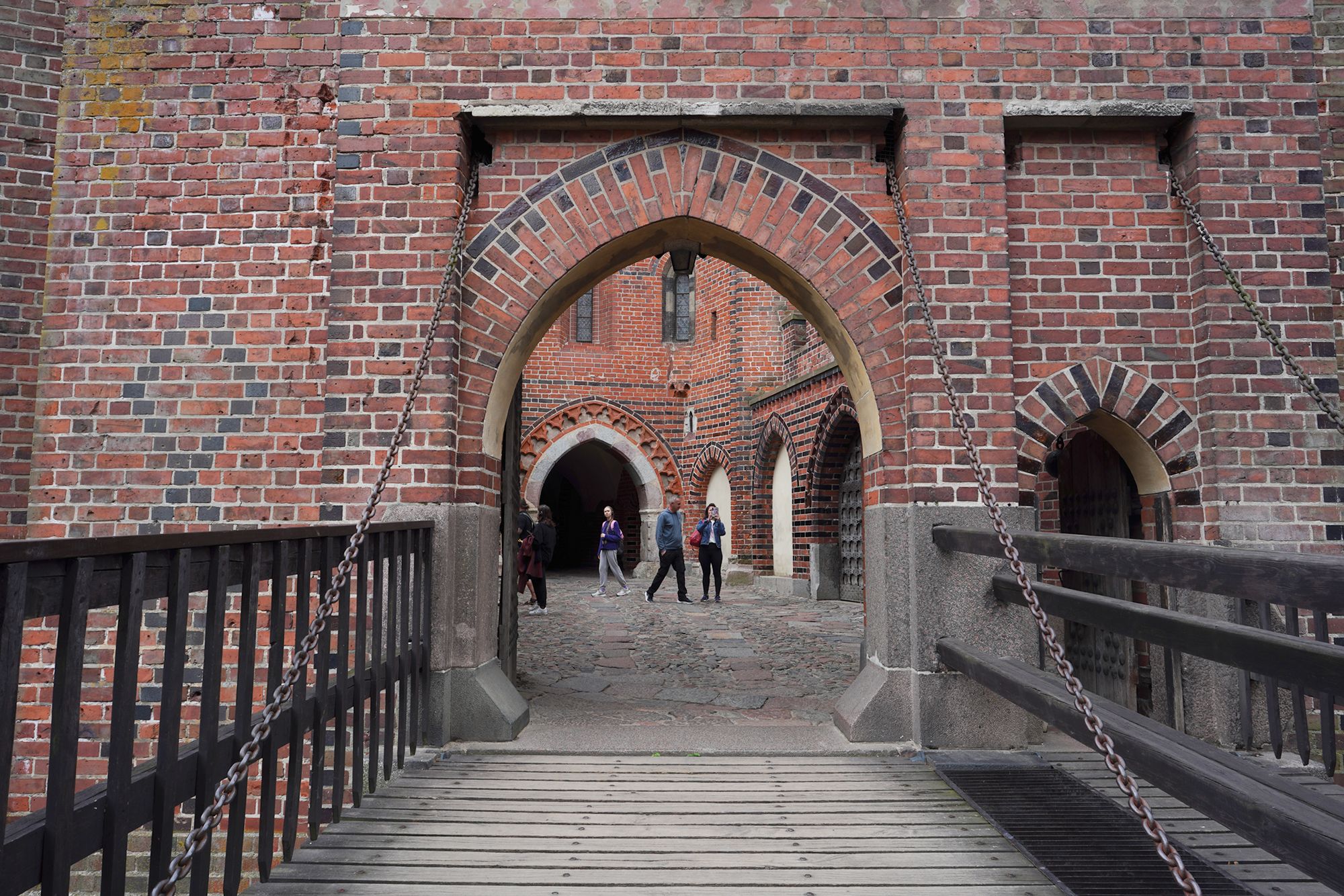
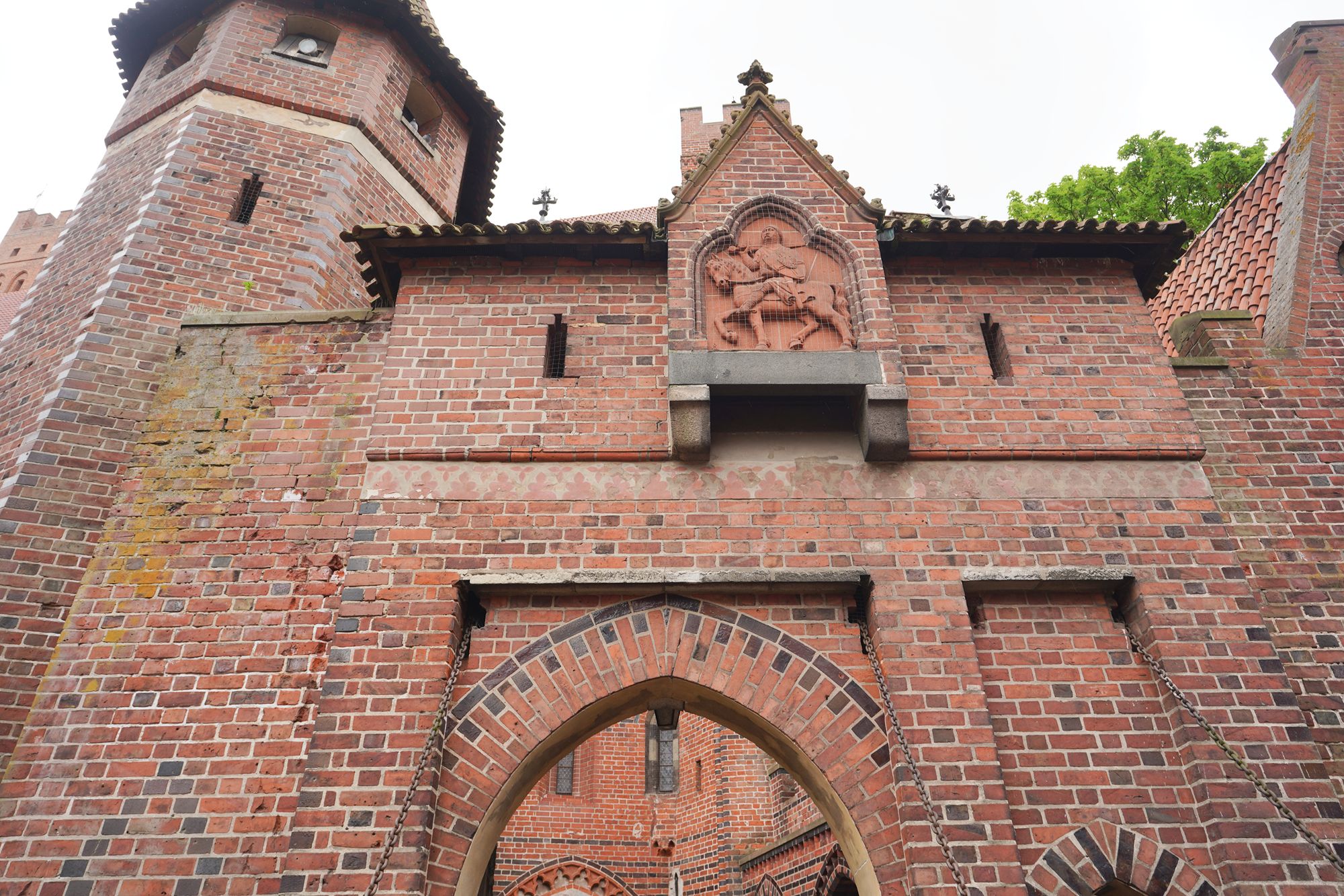
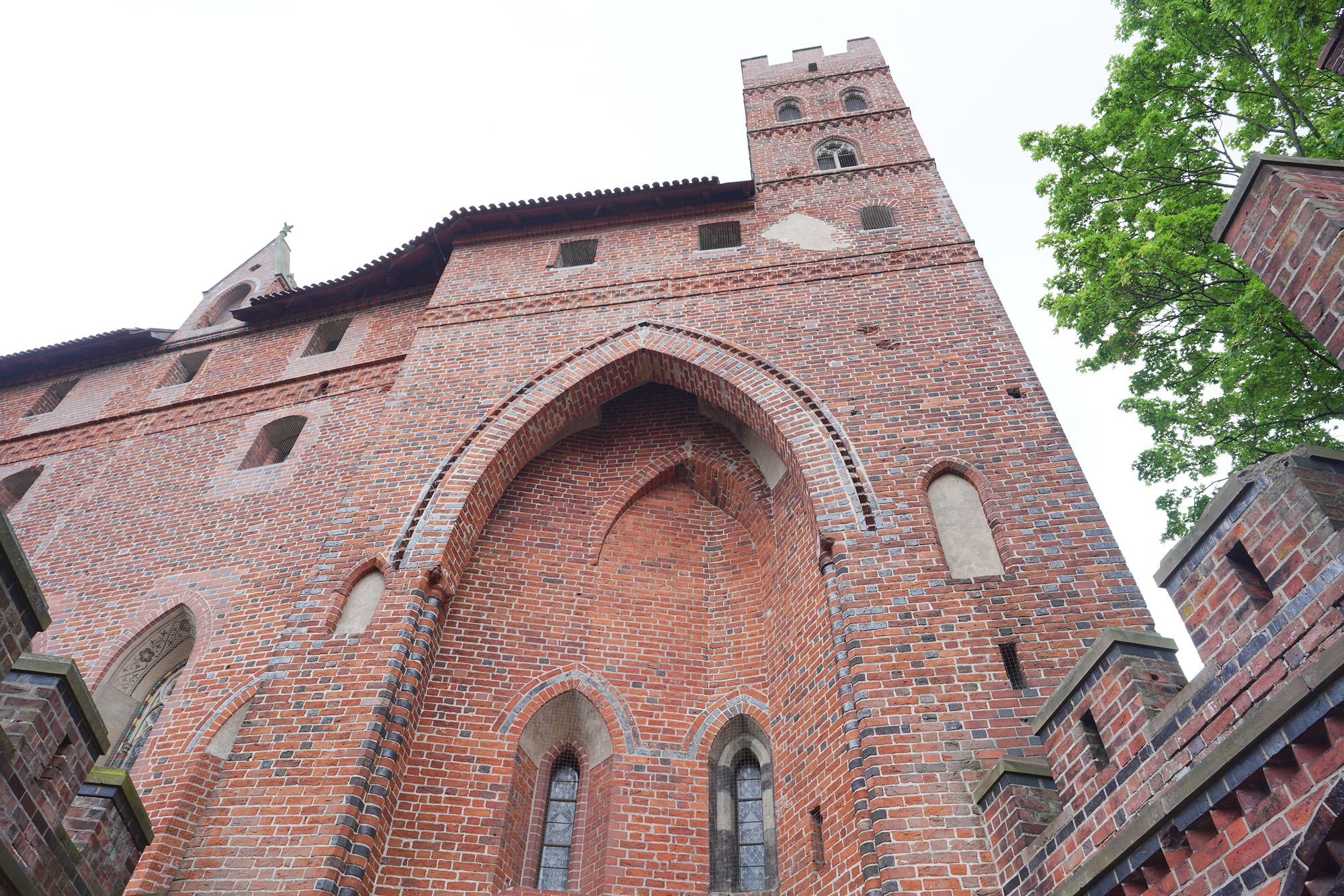
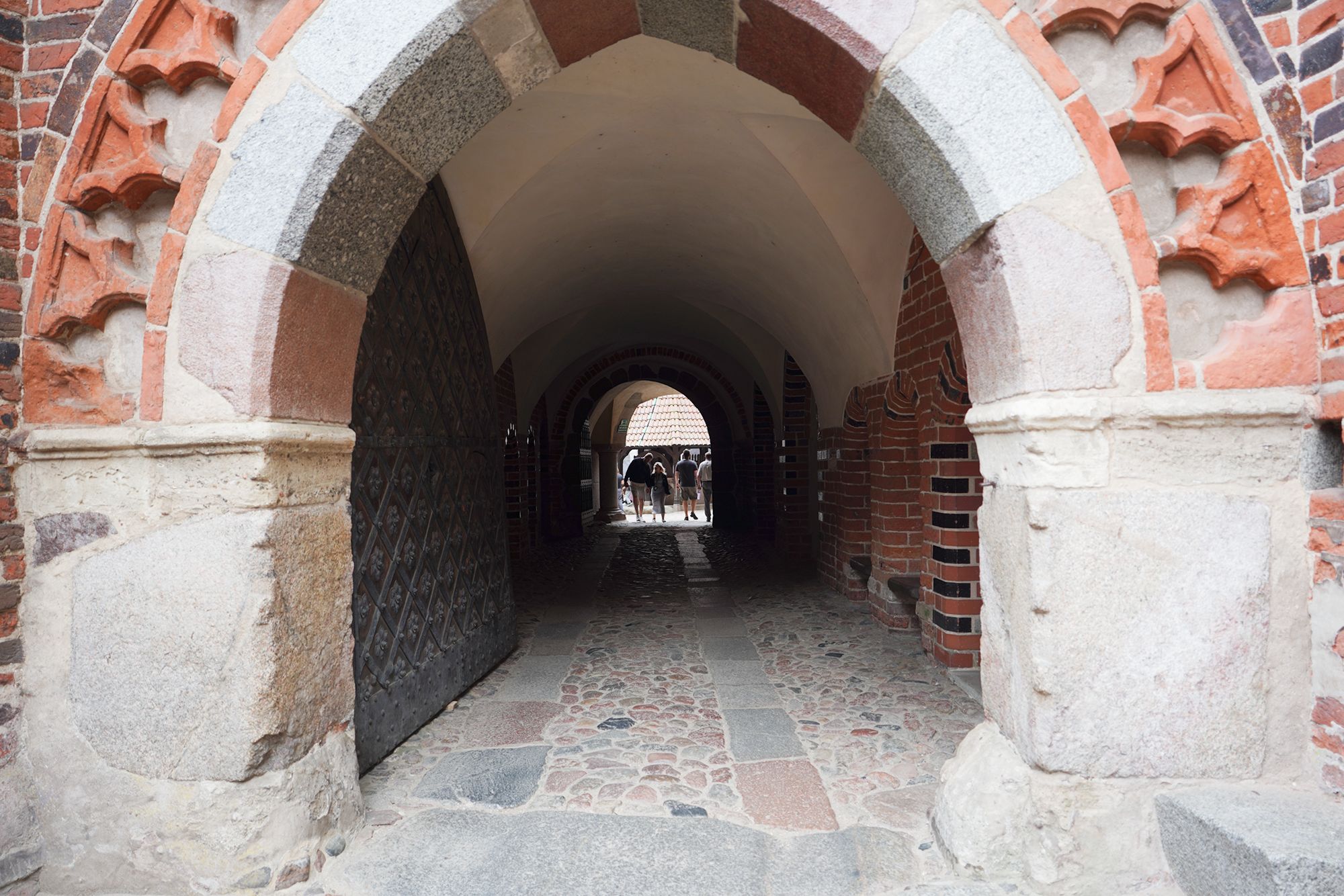
This passage leads into the courtyard of the High Castle.
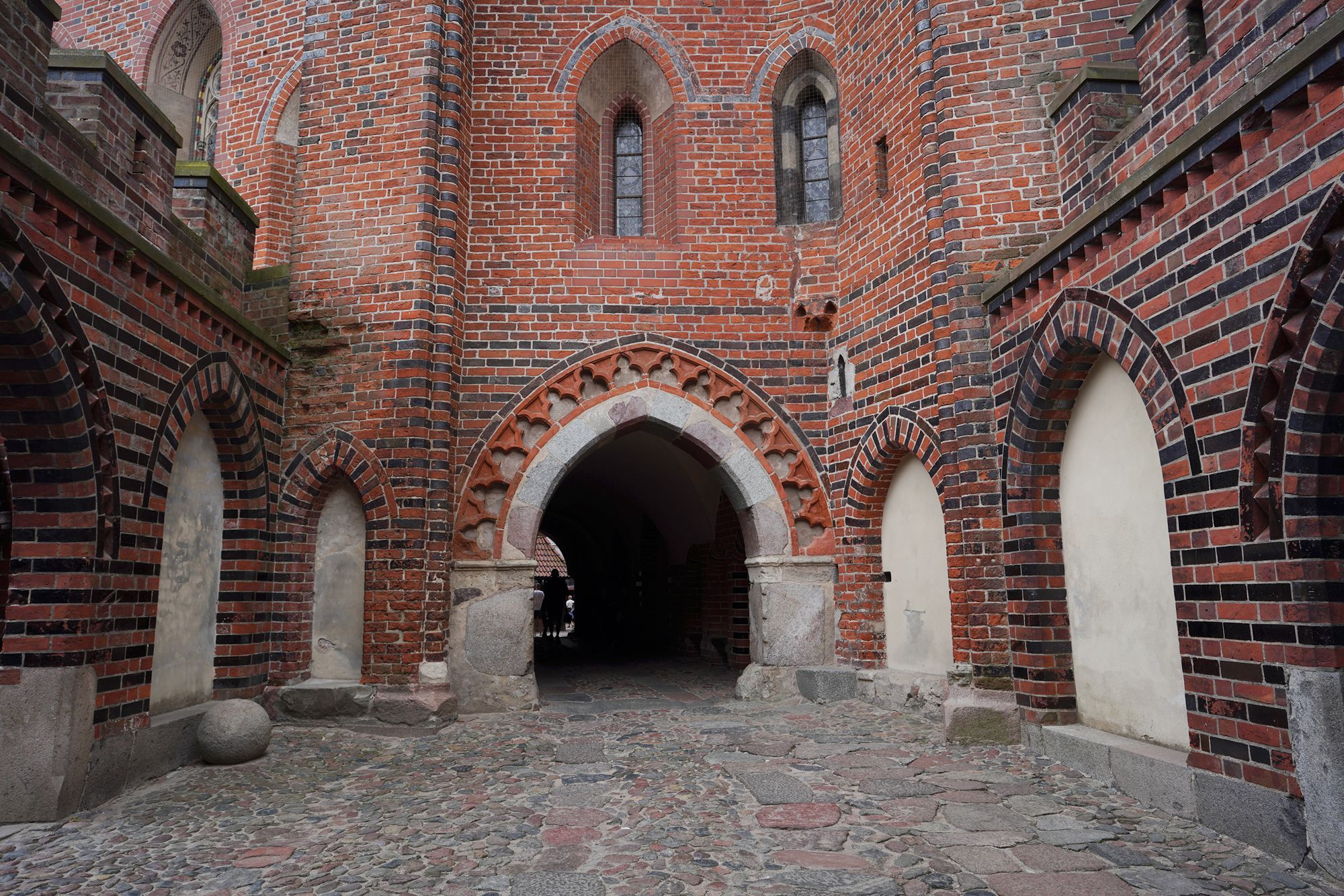
To my right, another passage leads around the outside of the High Castle. I will come back here later.
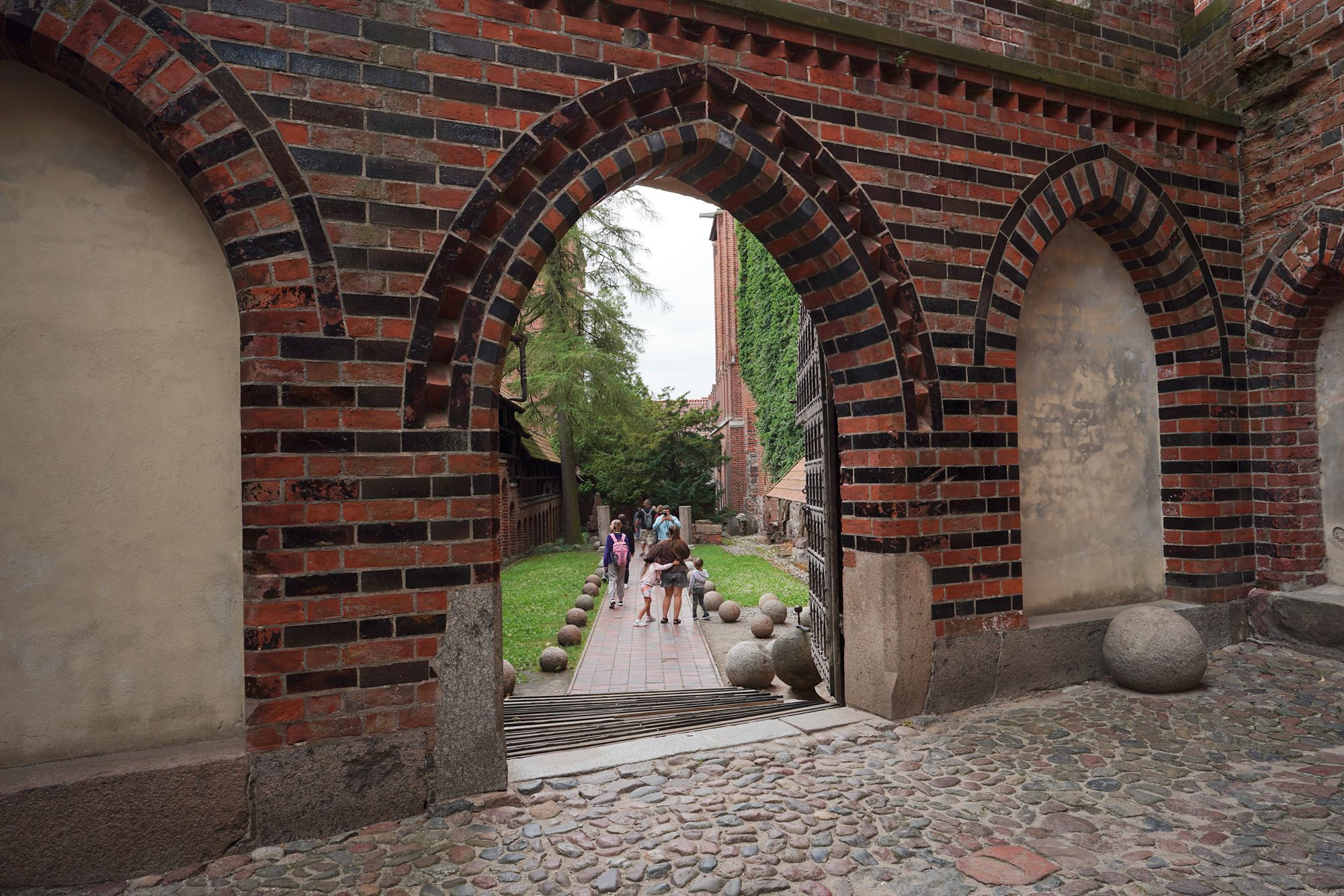
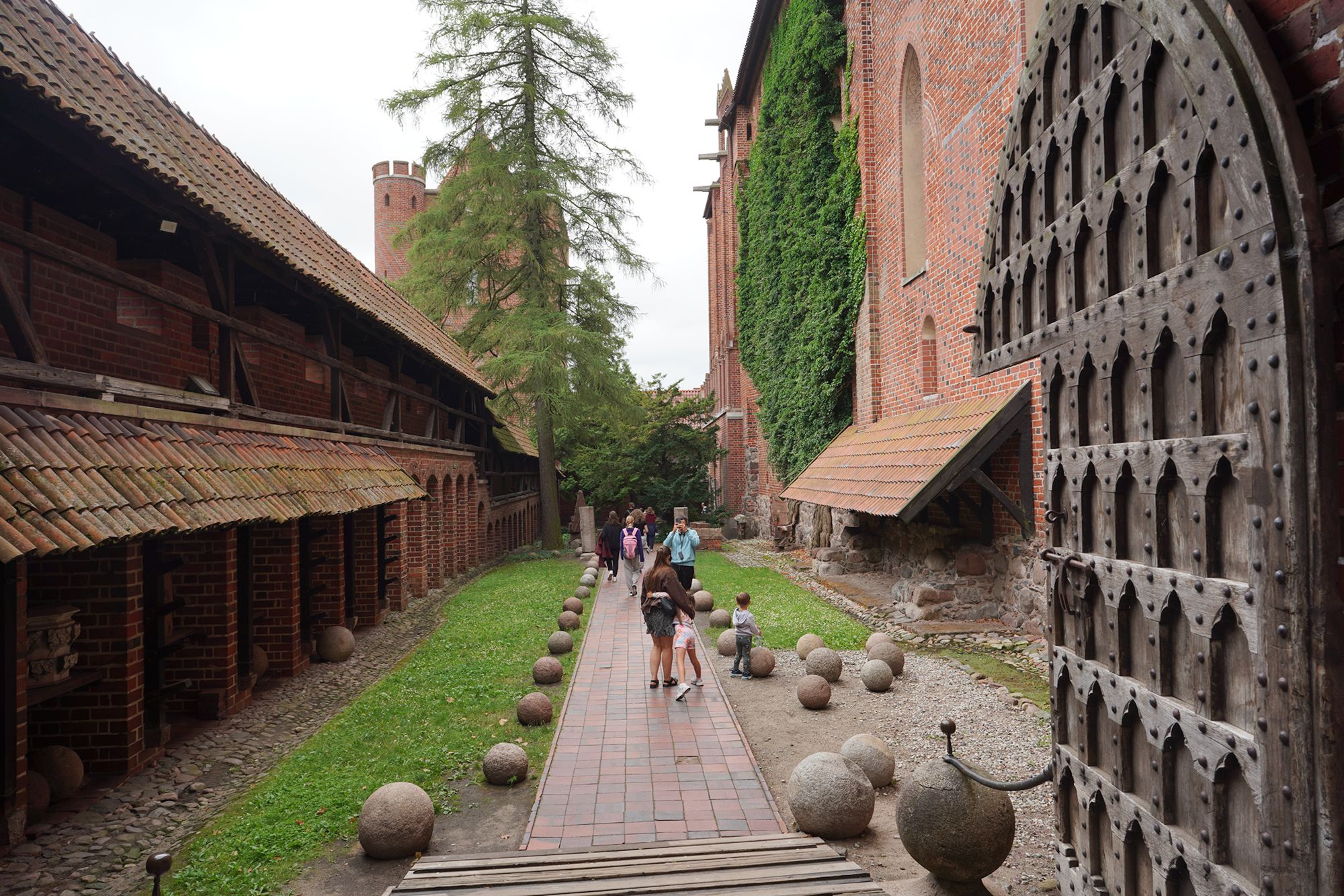
To my left, another passage leads around the High Castle in the opposite direction.
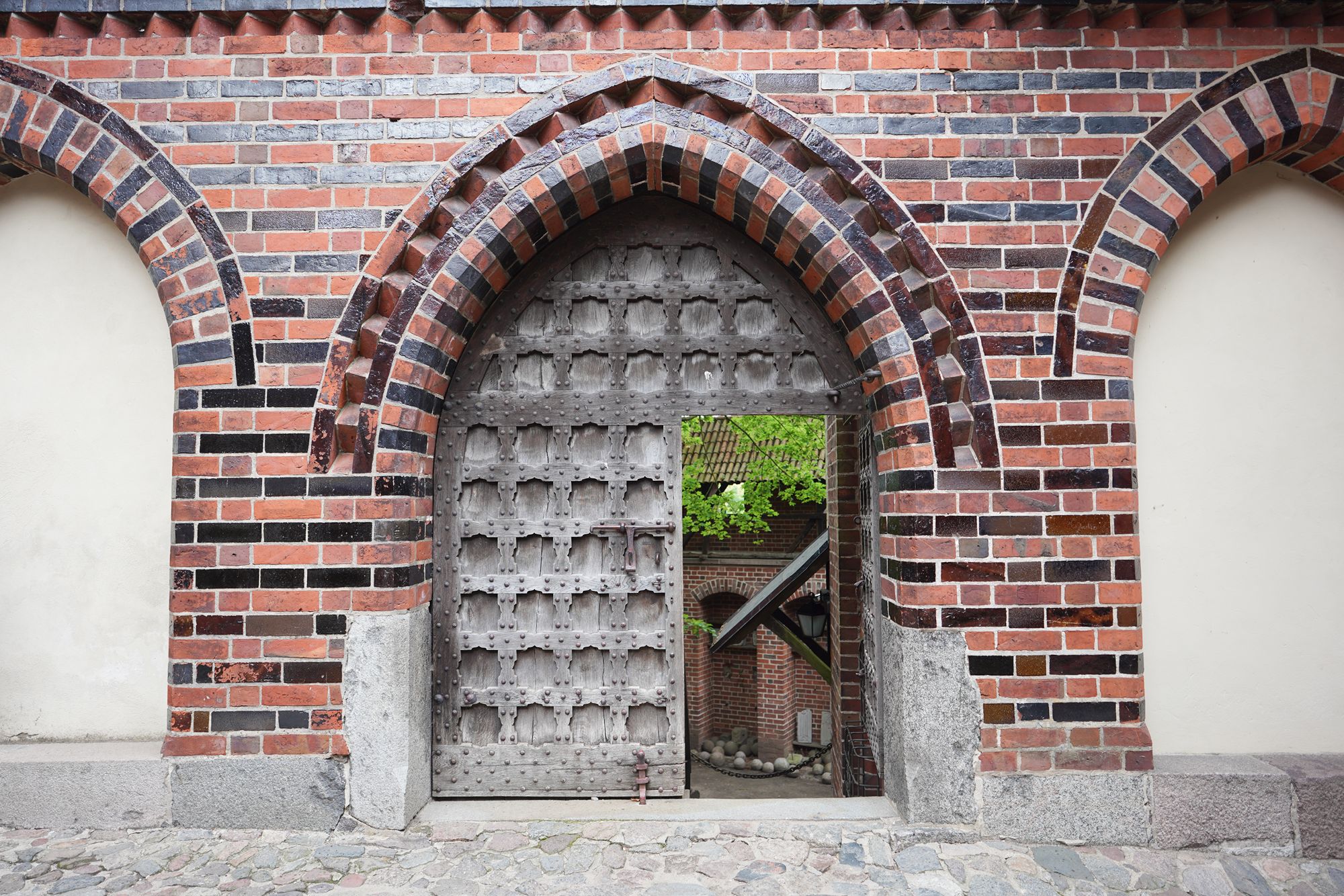
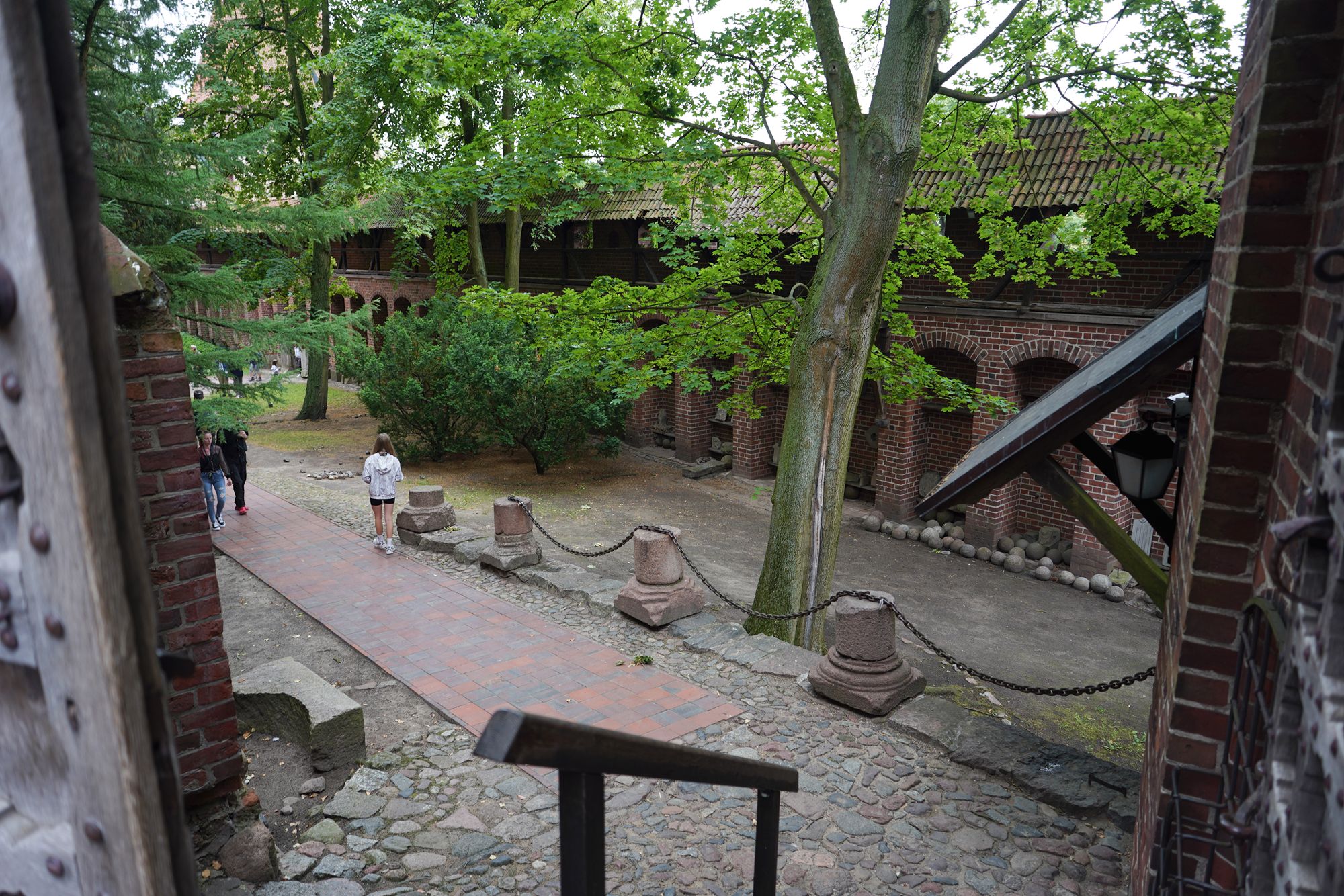
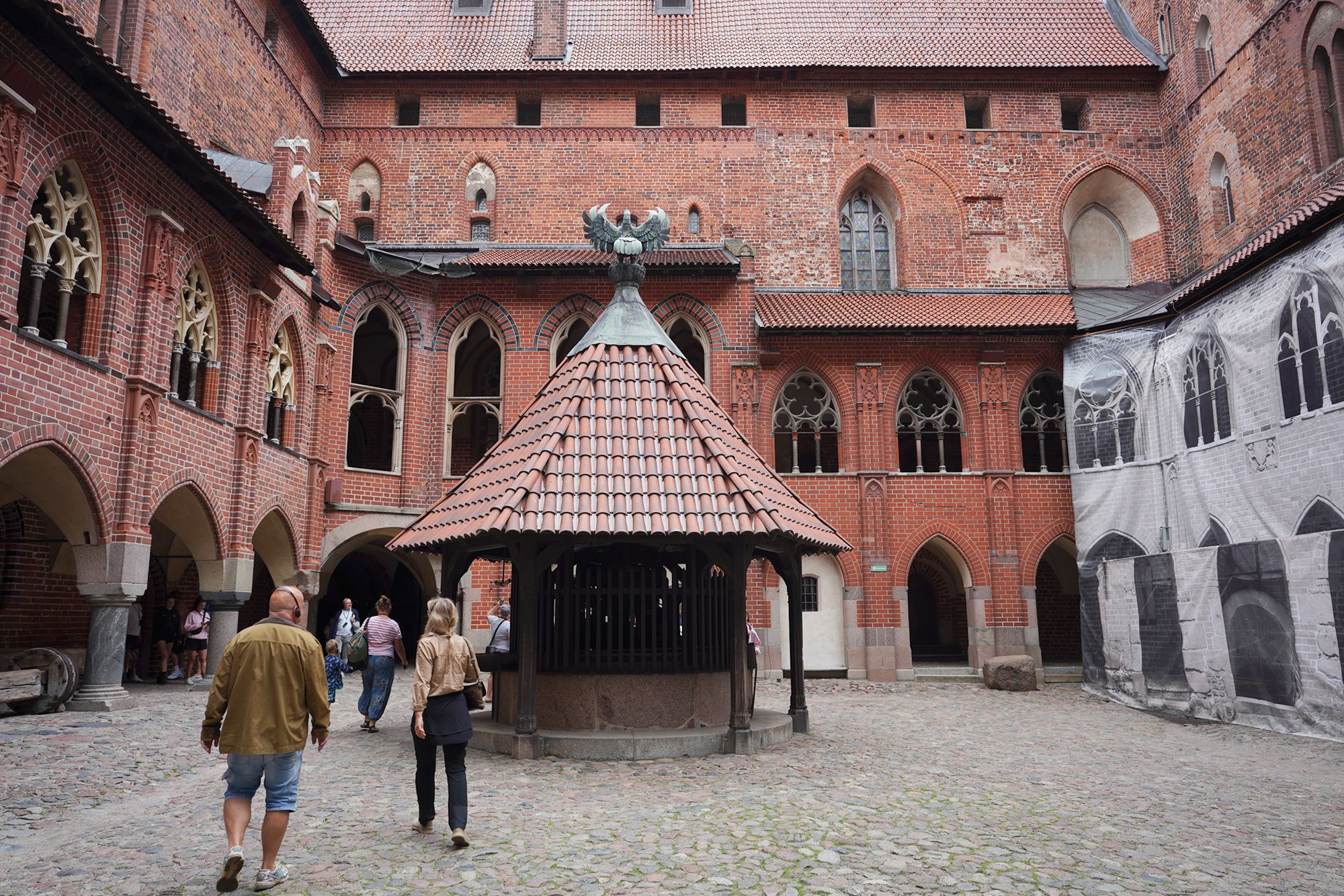
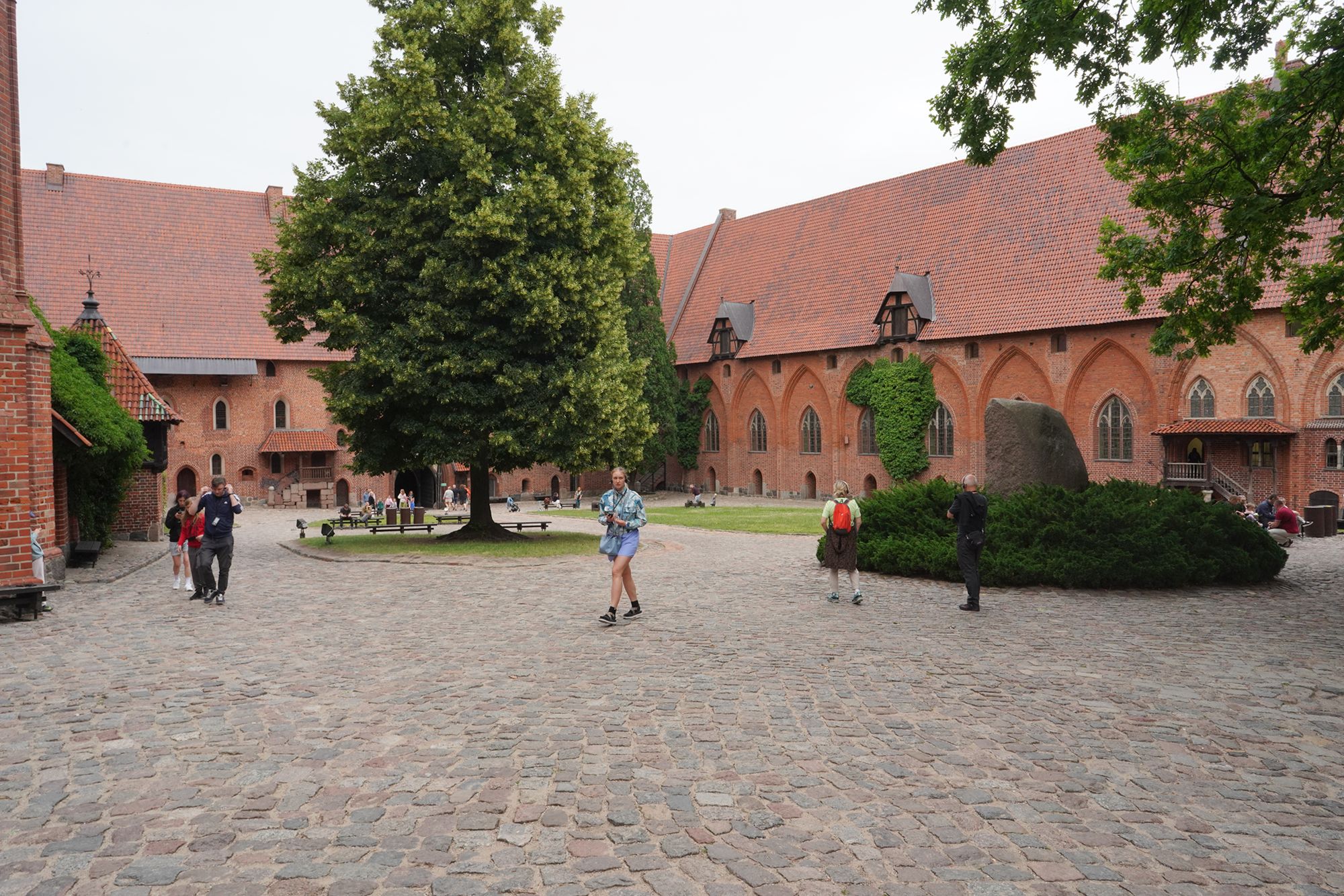
For now, I continued straight ahead into the courtyard of the High Castle.
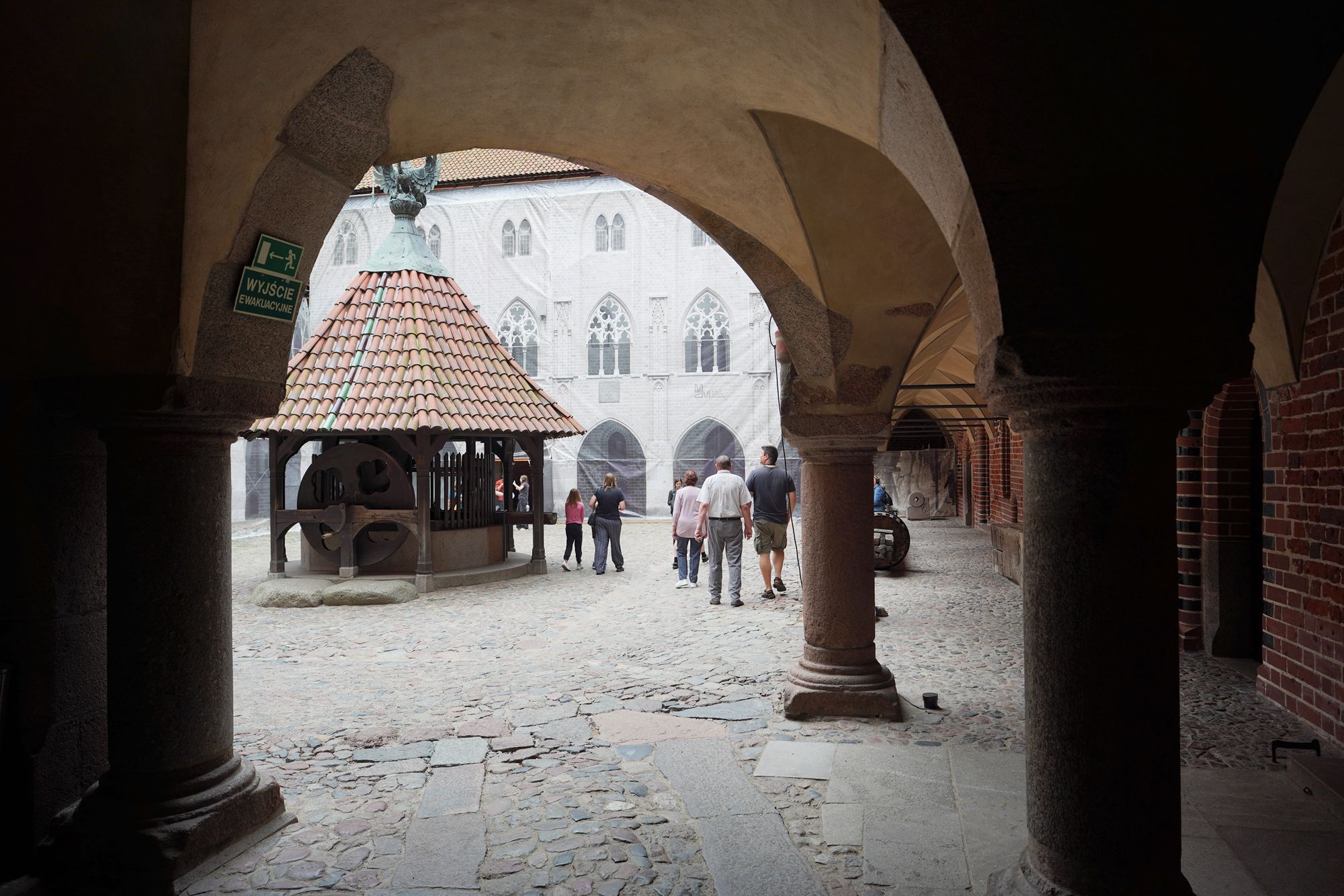
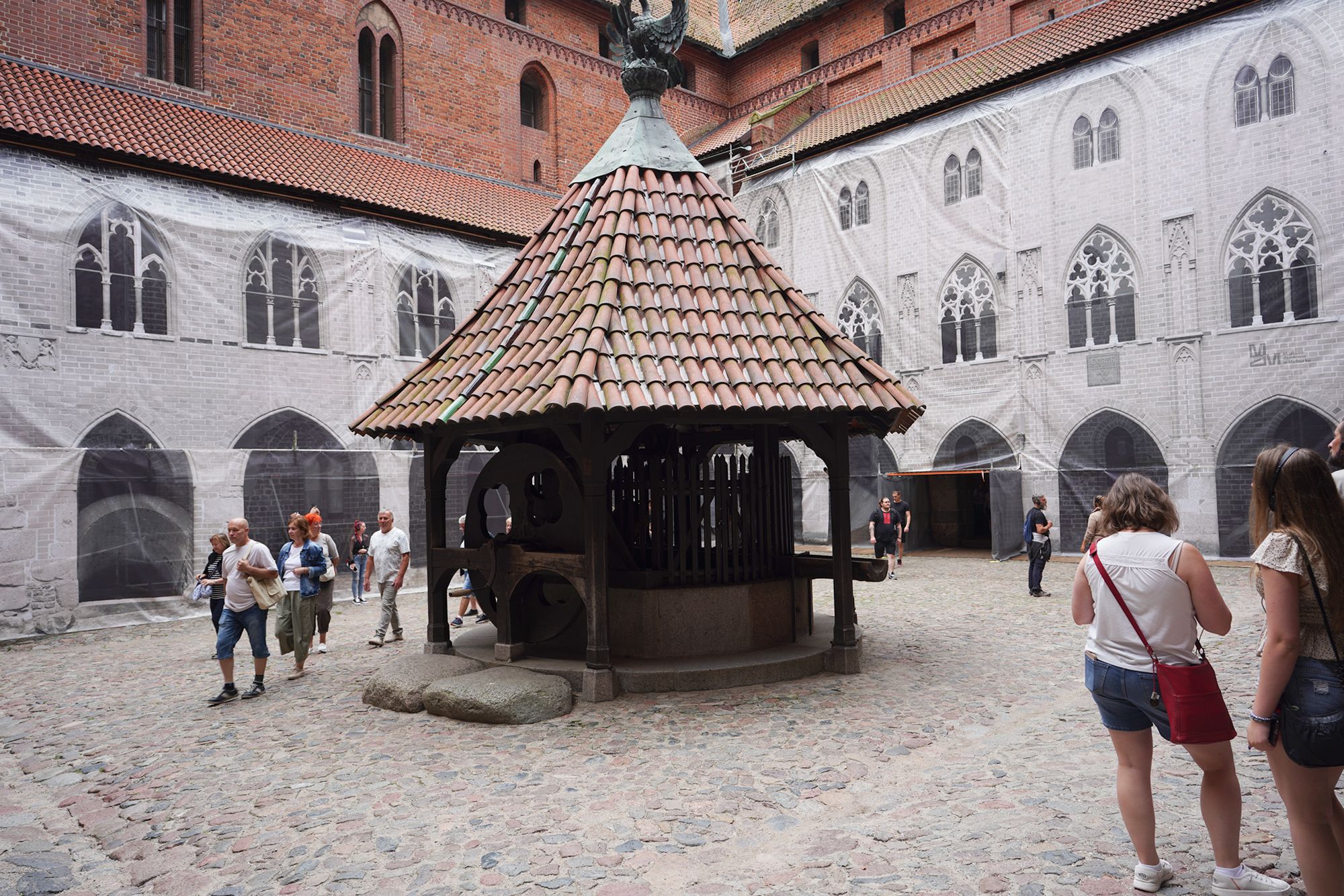
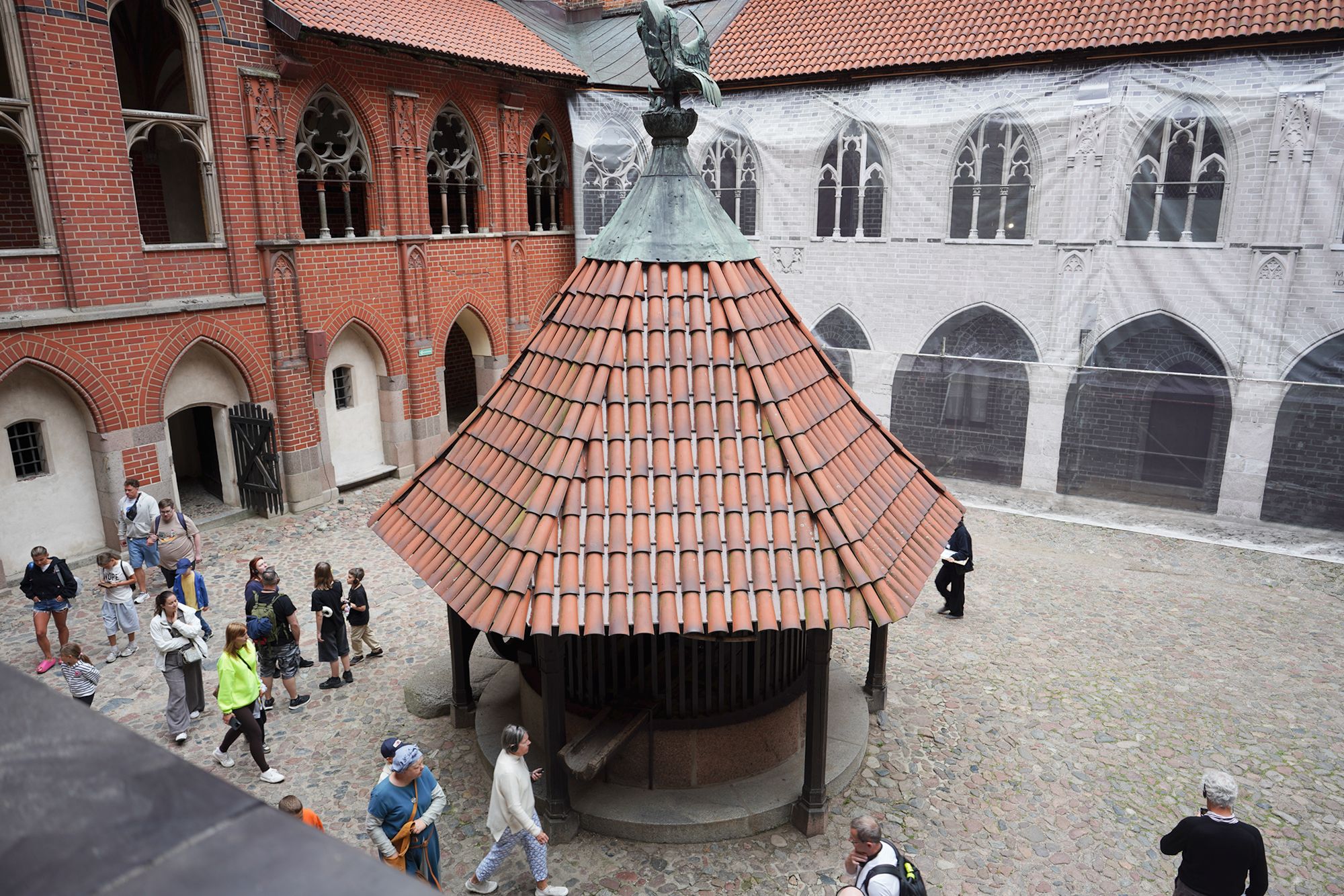
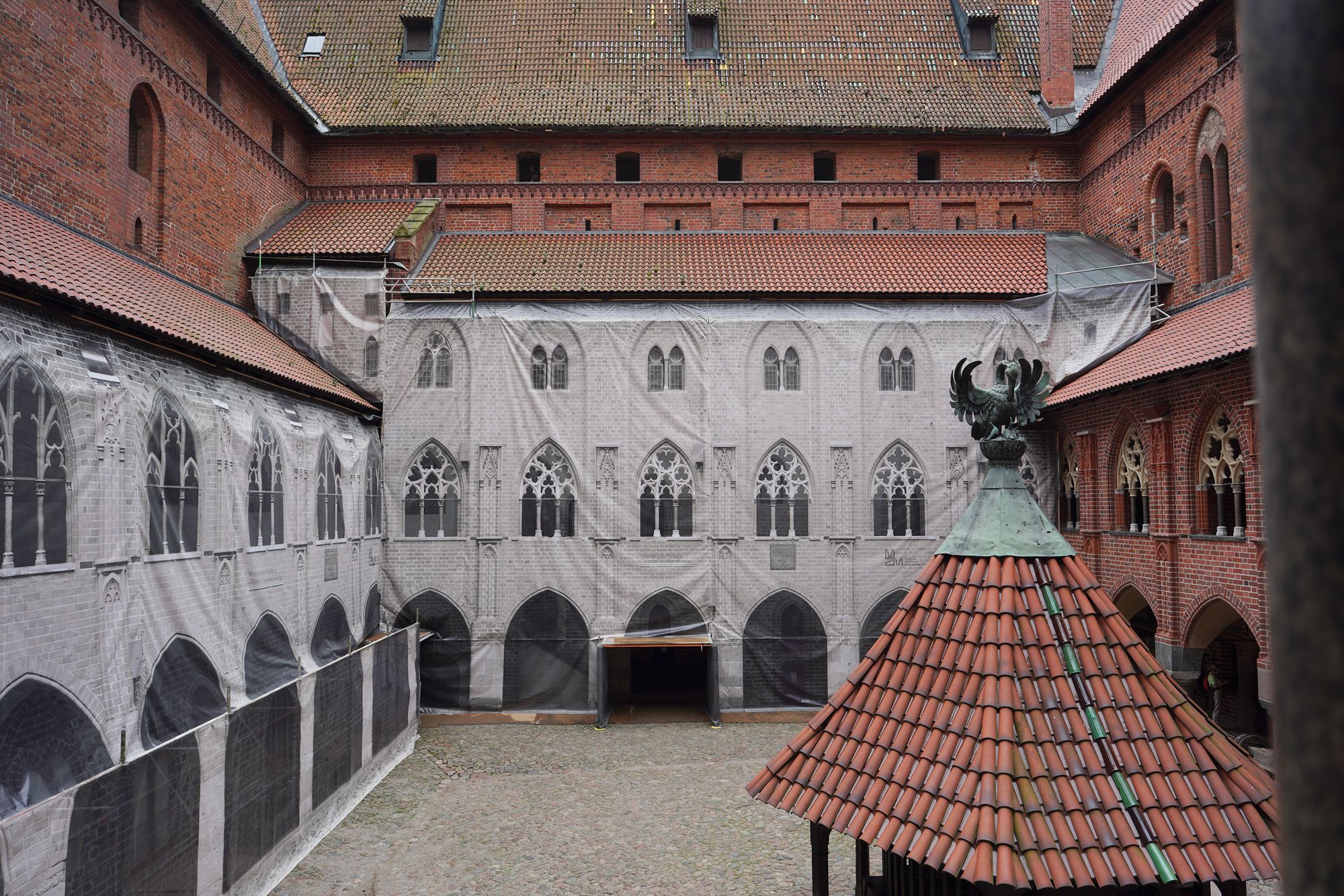
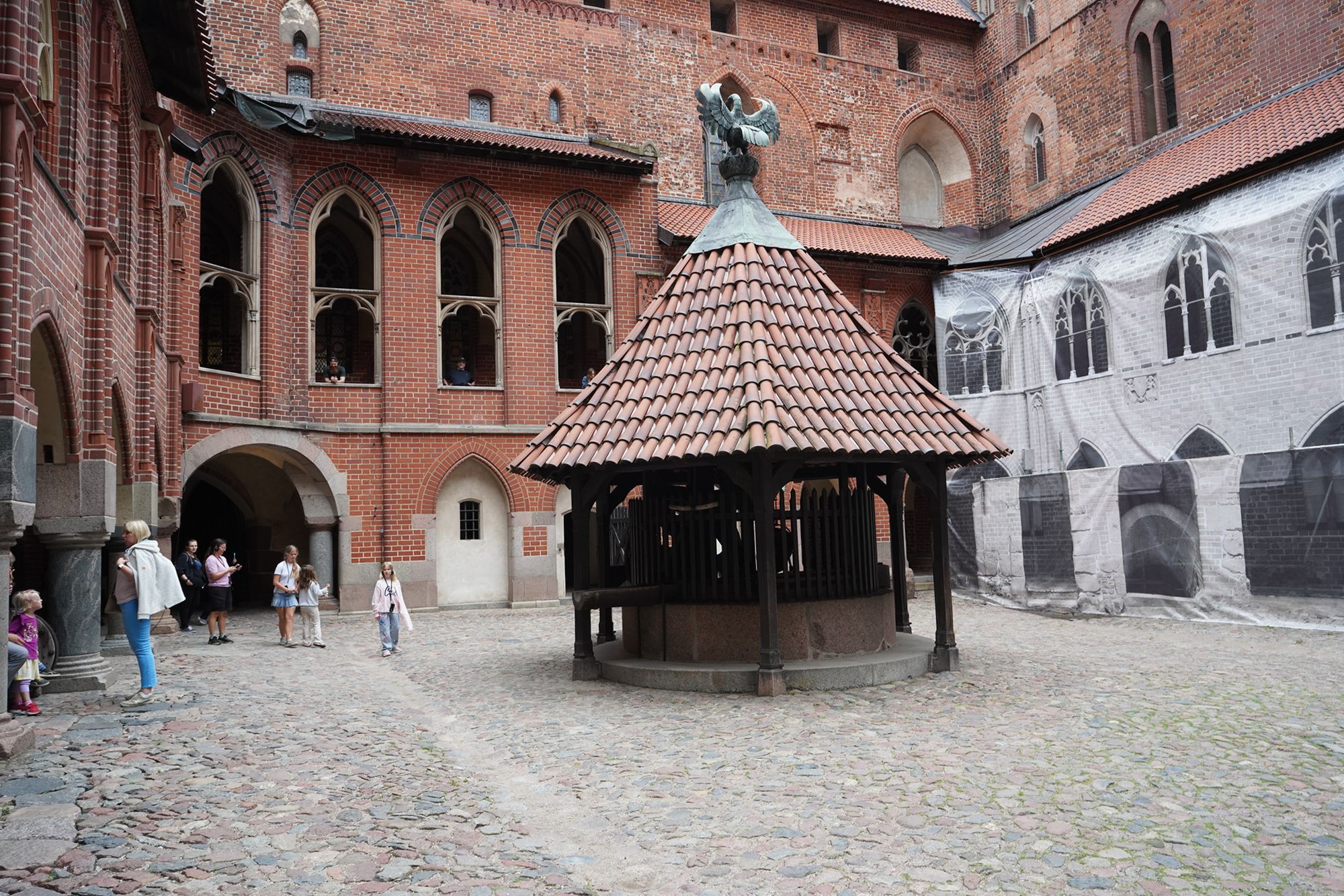
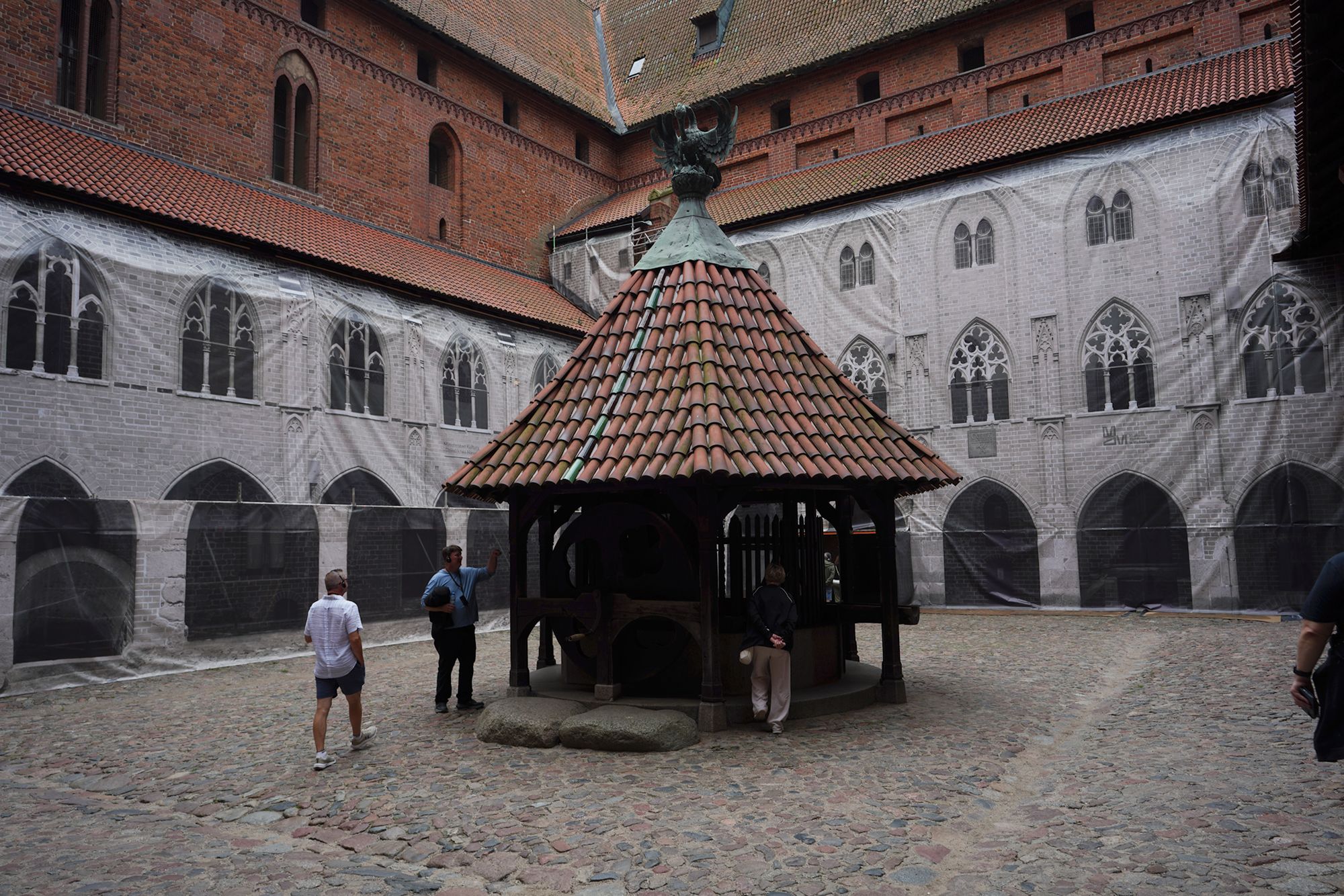
The courtyard of the High Castle
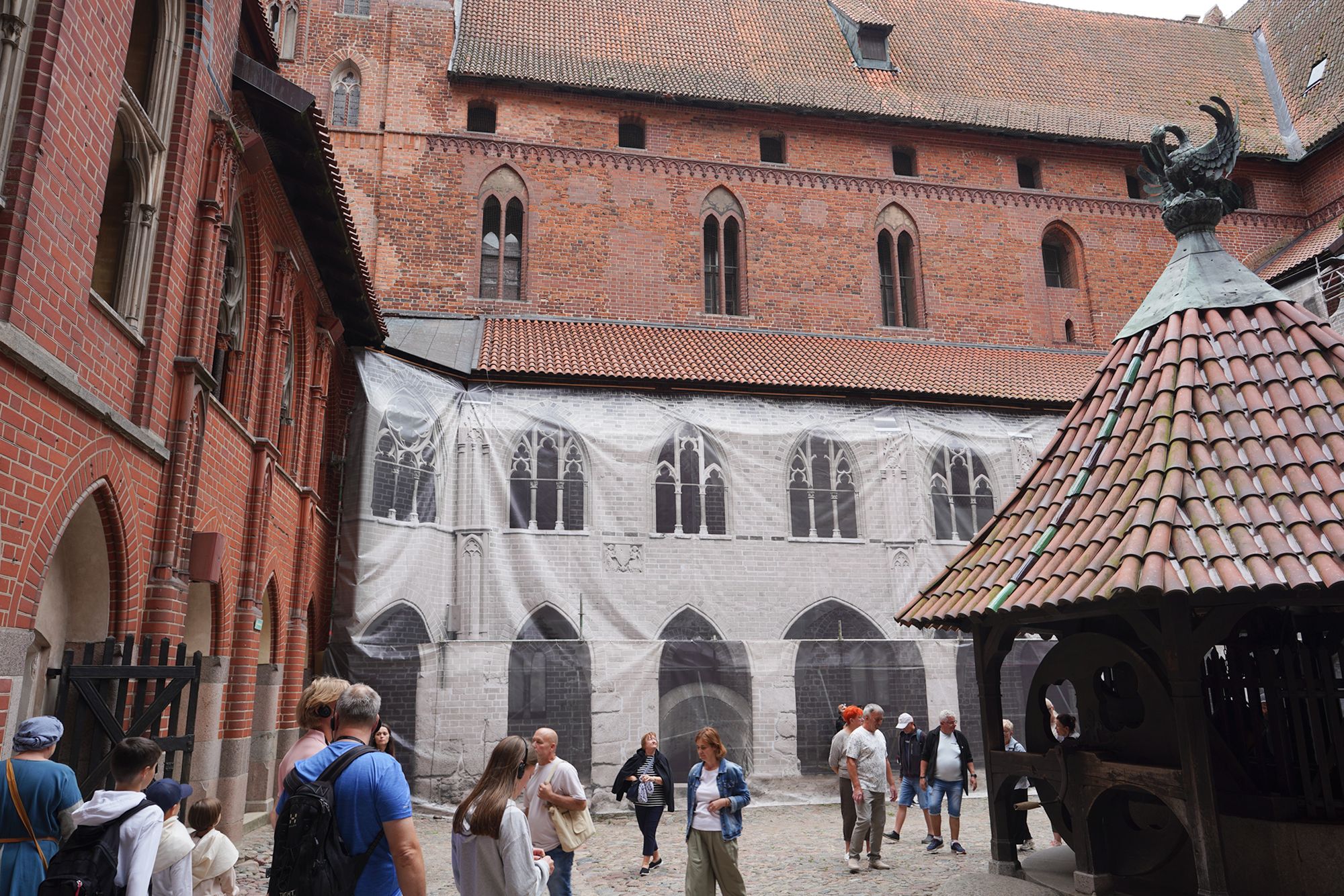
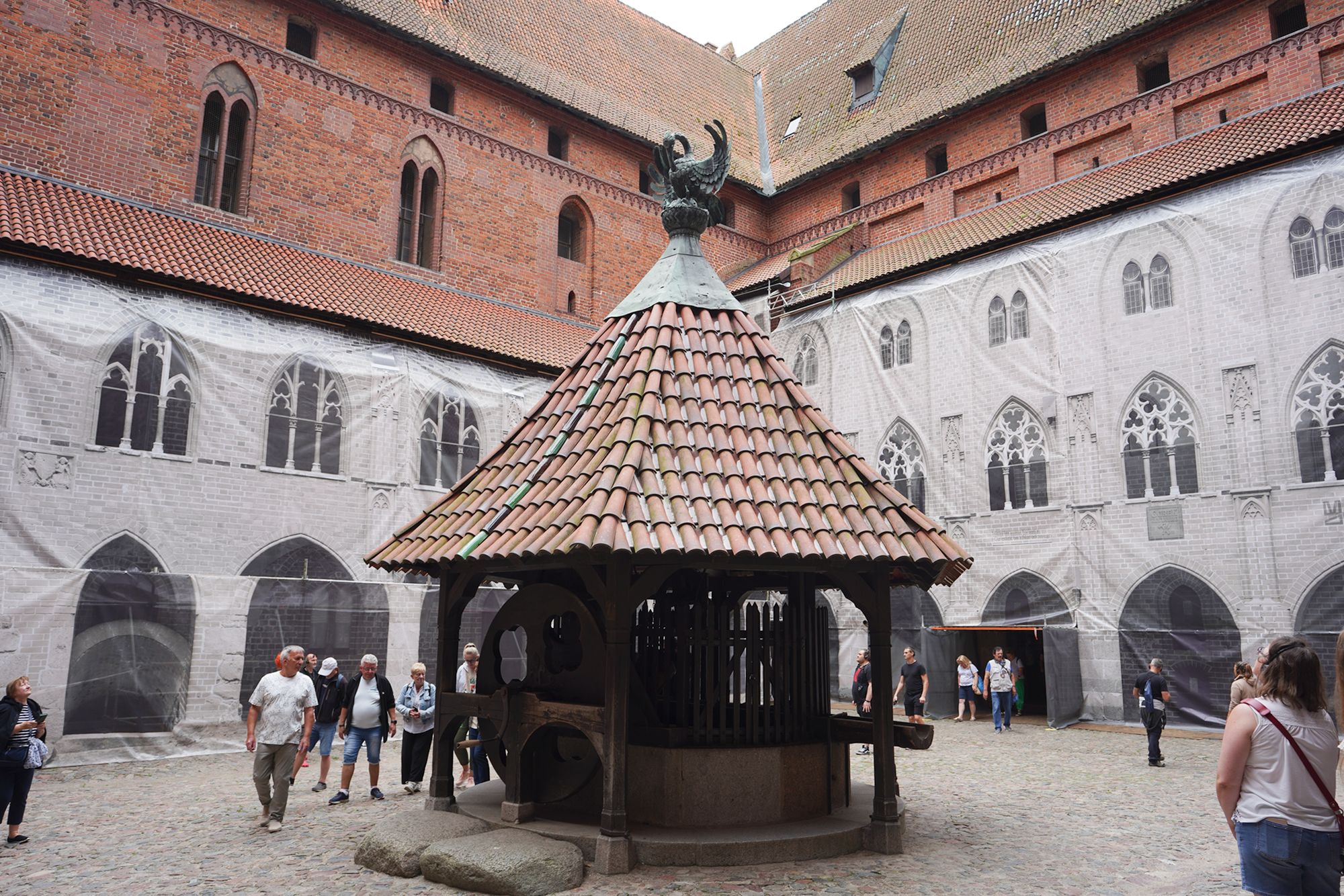
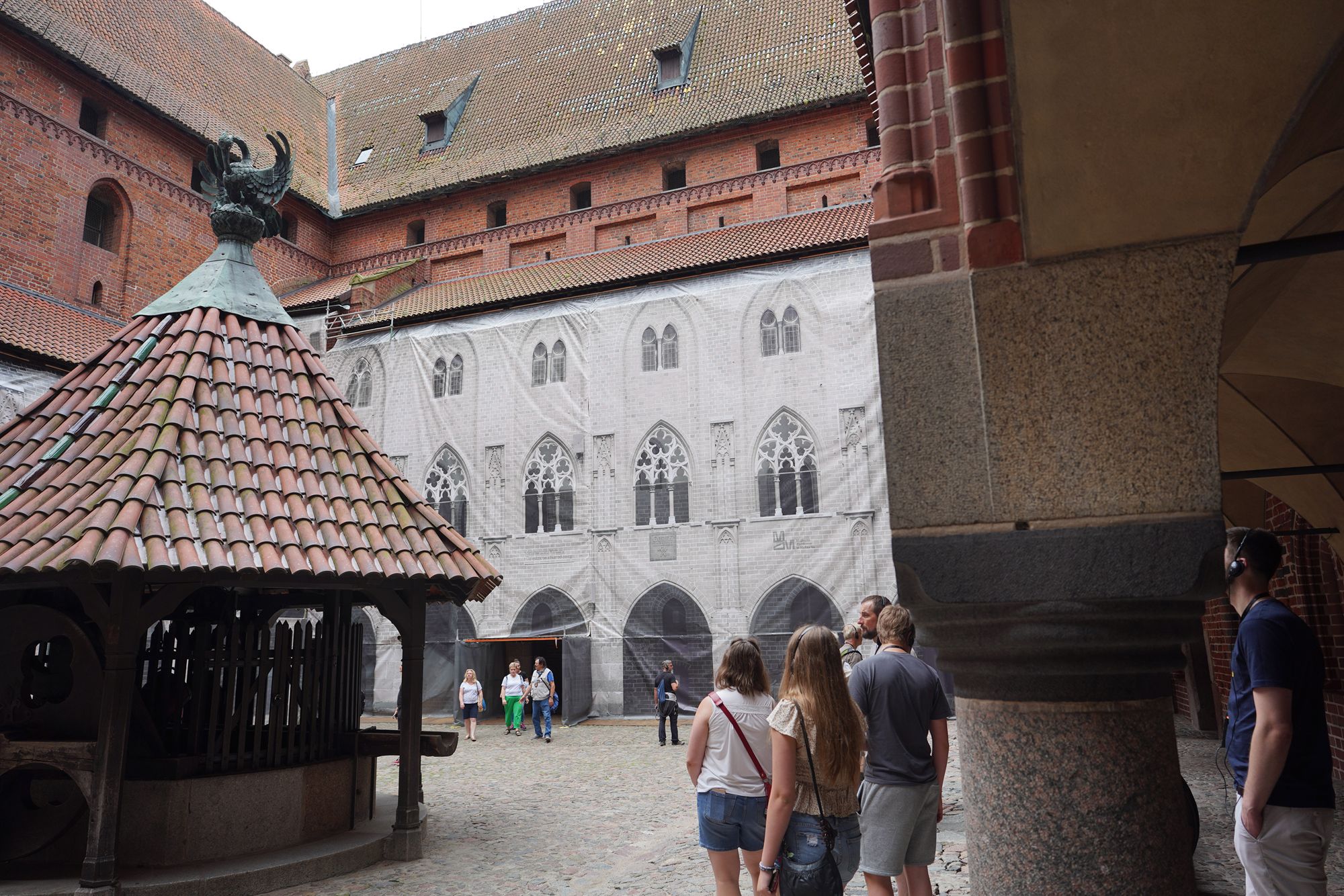
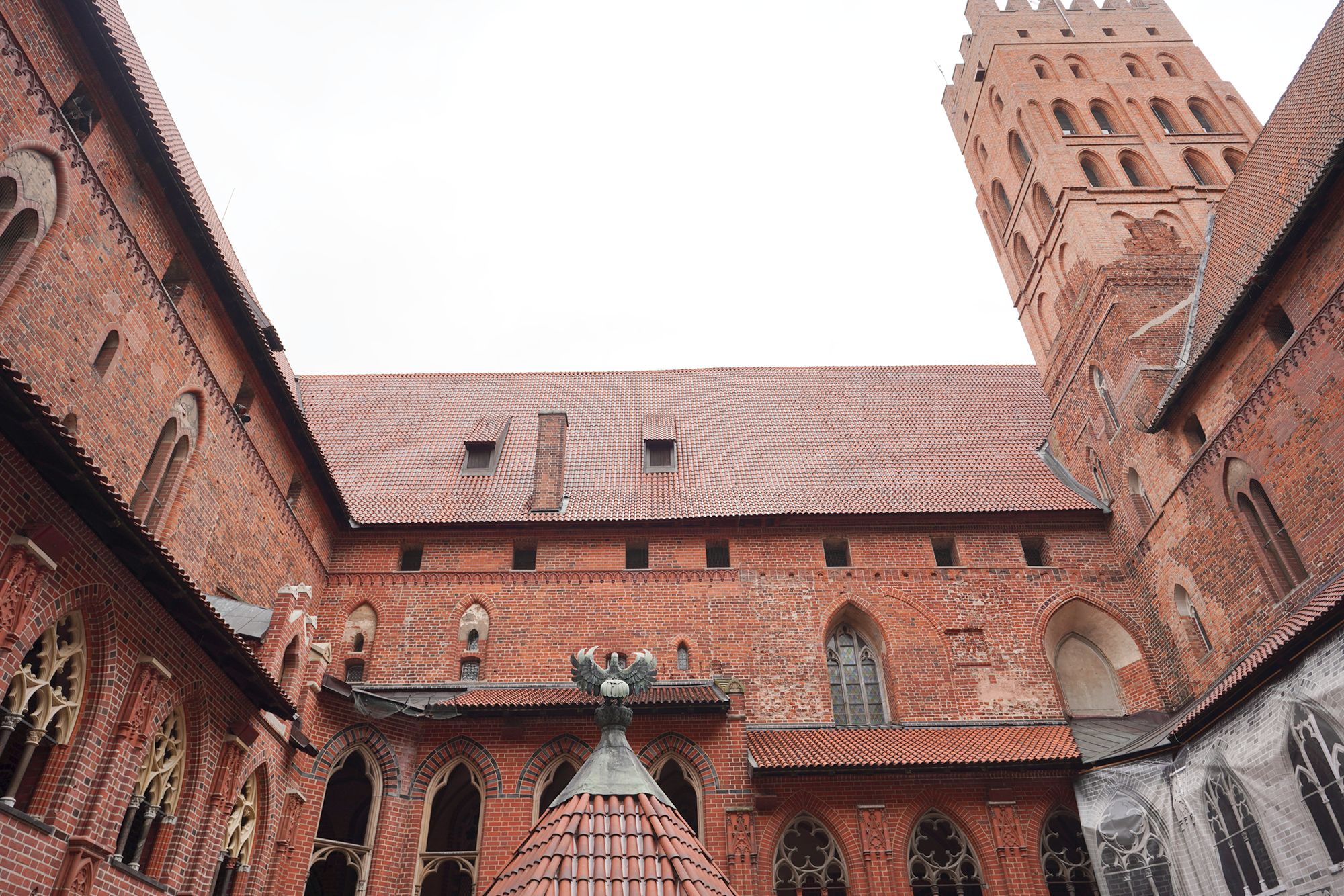
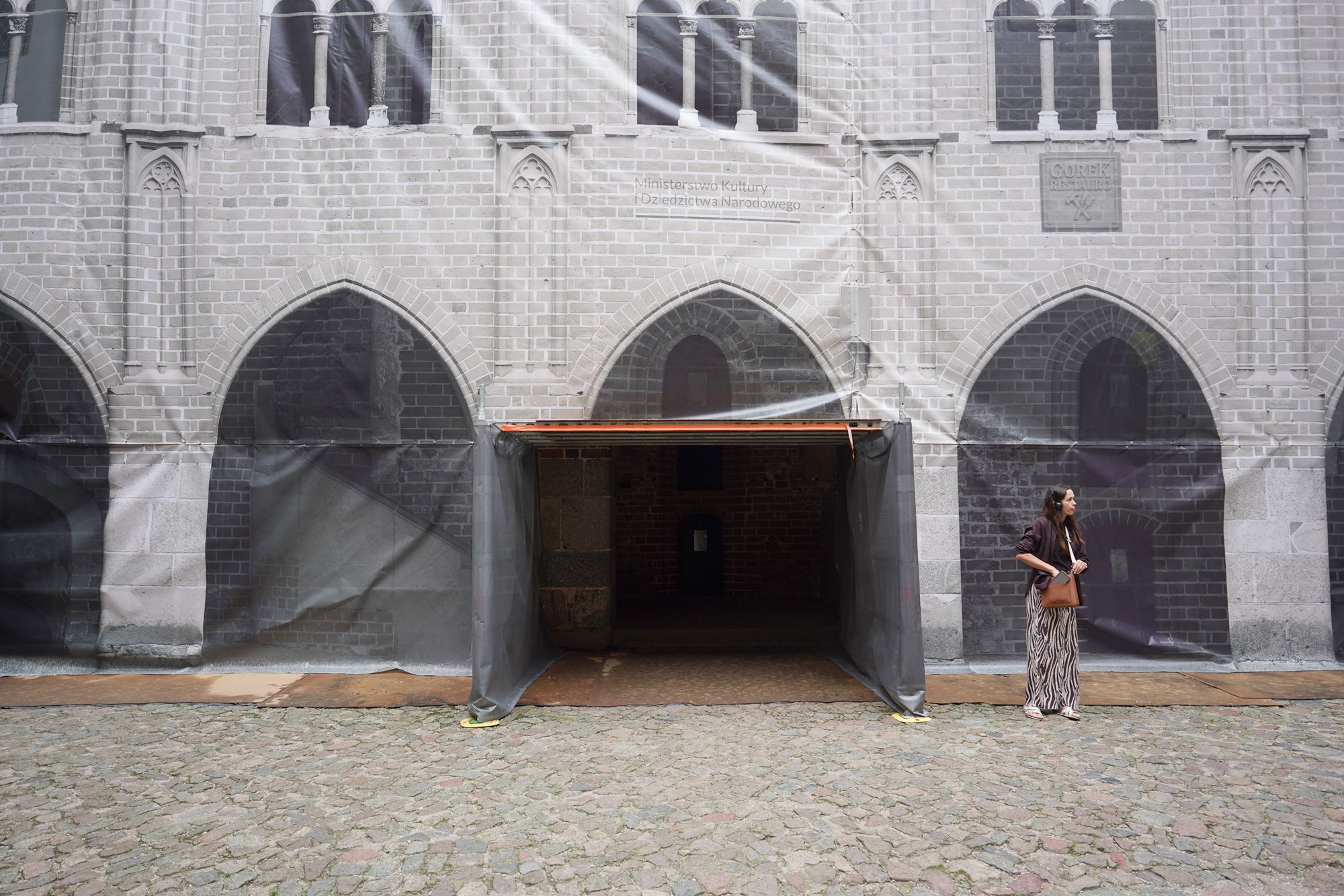
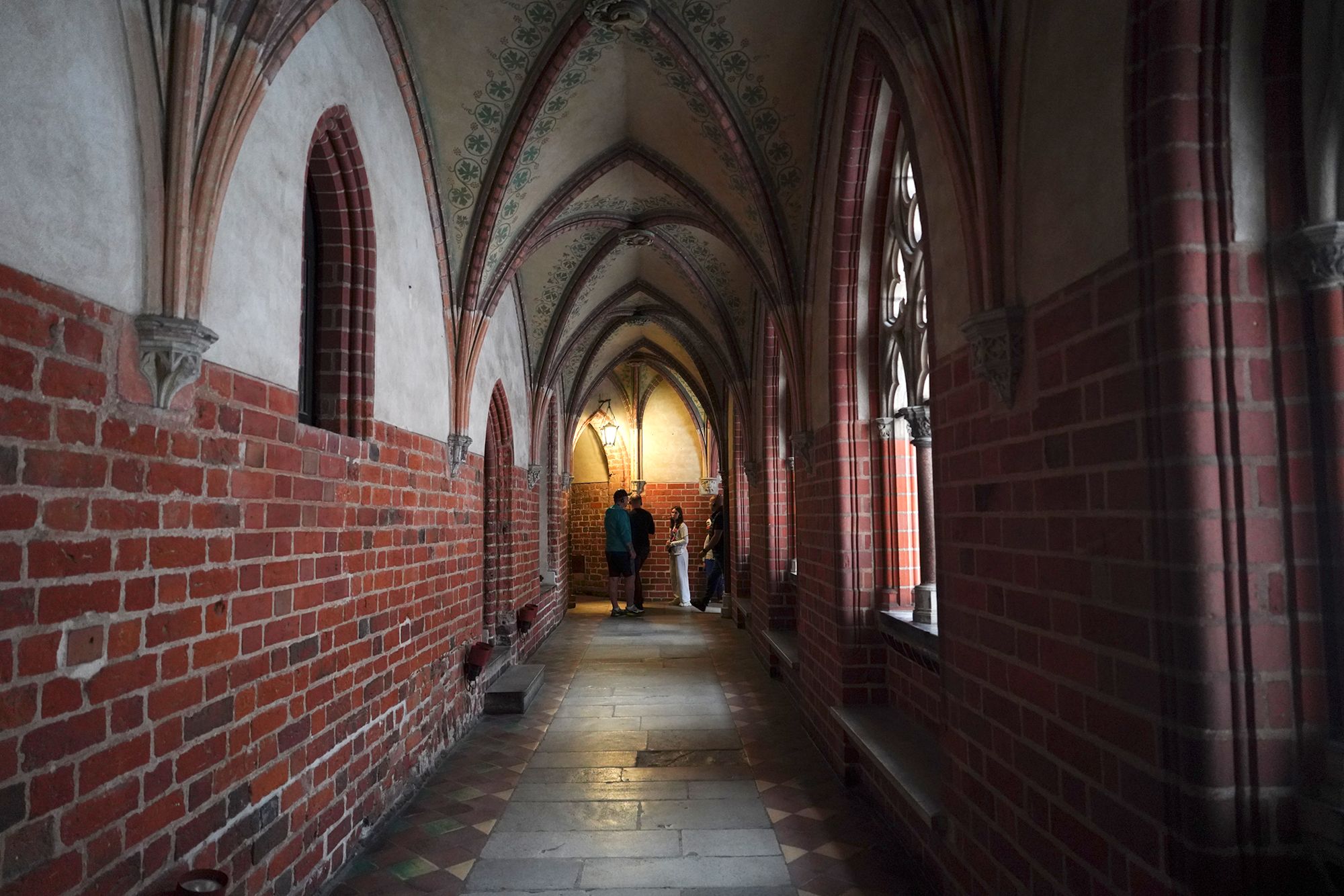
I followed this passage into one of the buildings surrounding the courtyard.
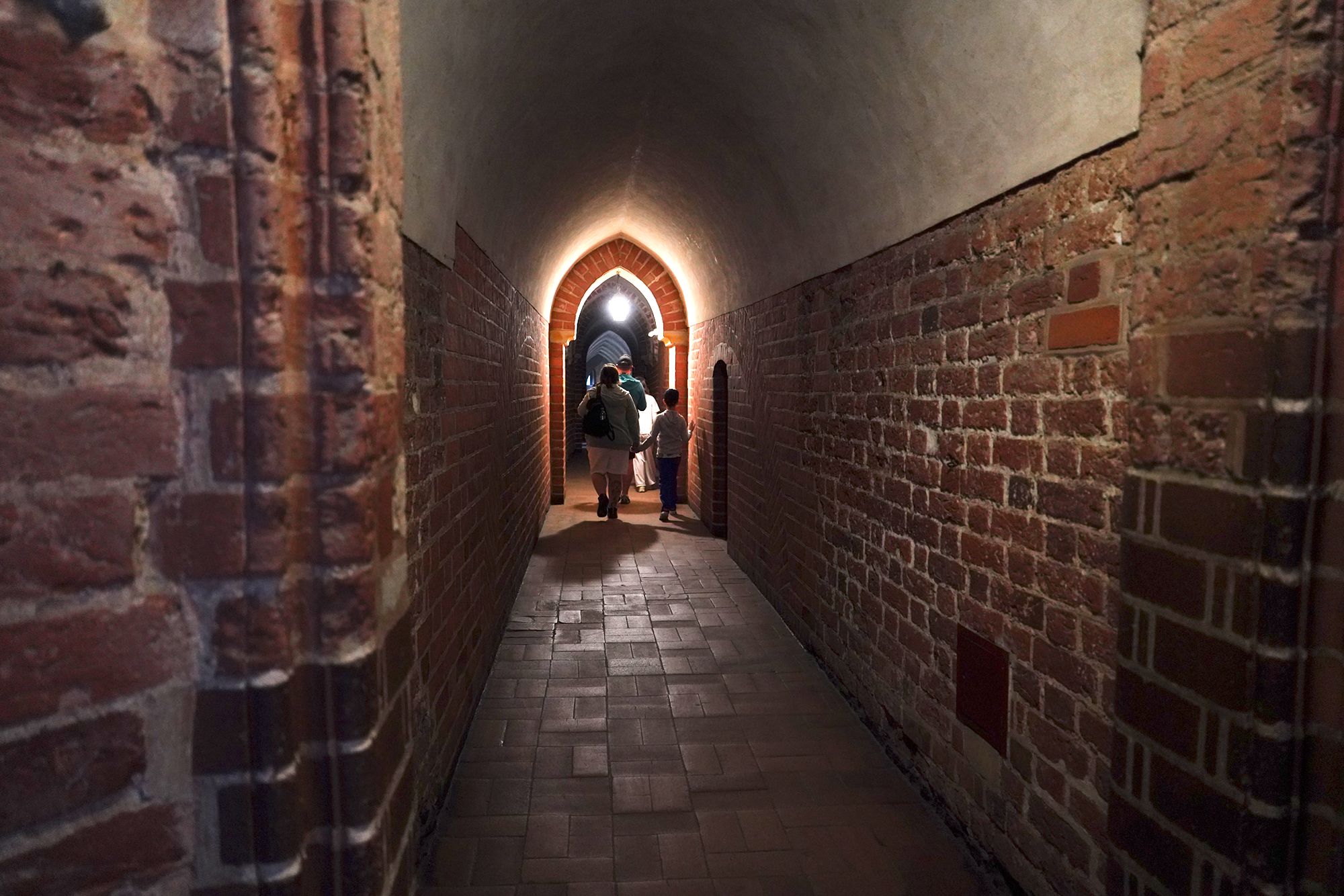
I took the stairs to the upper floor.
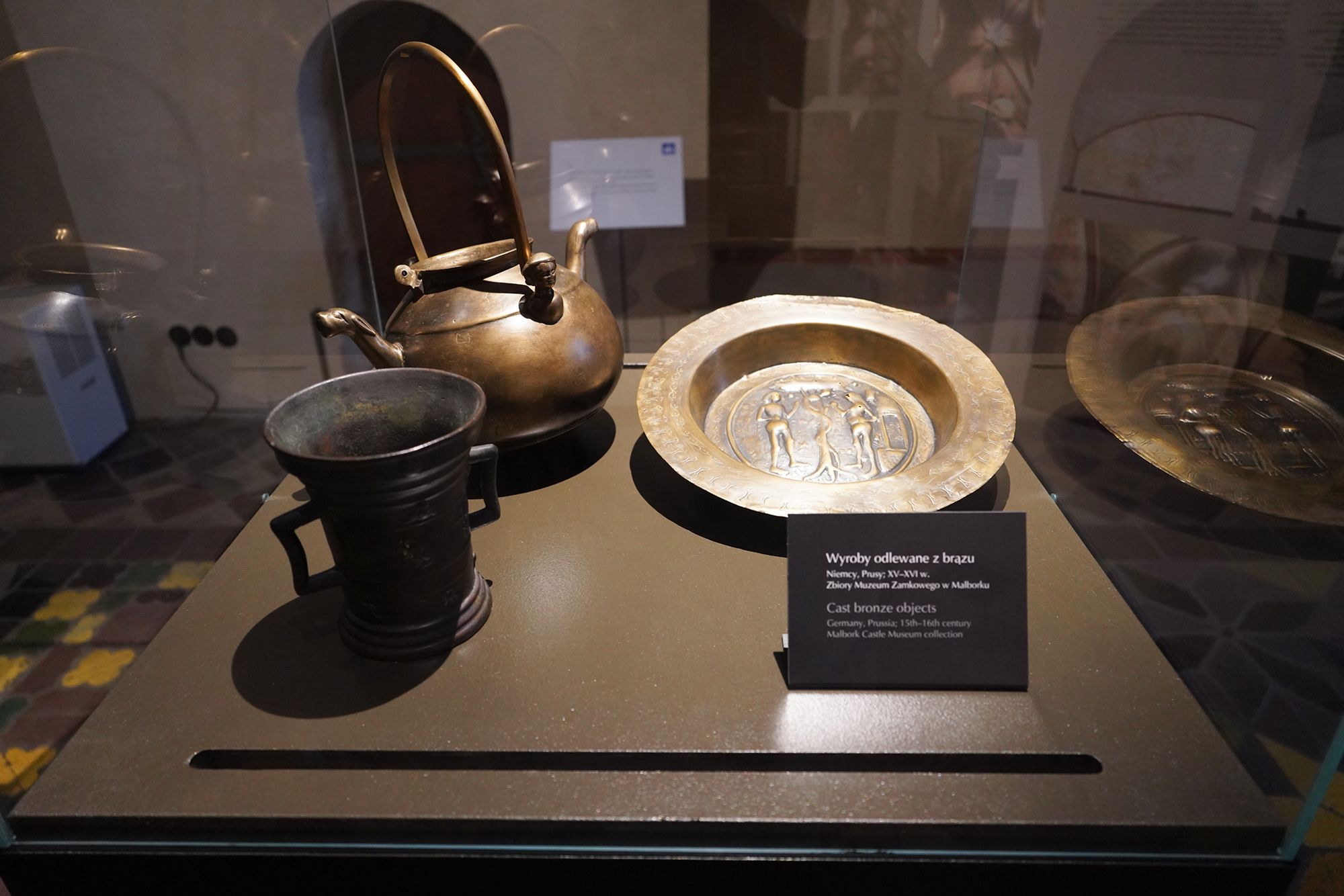
Information on the building
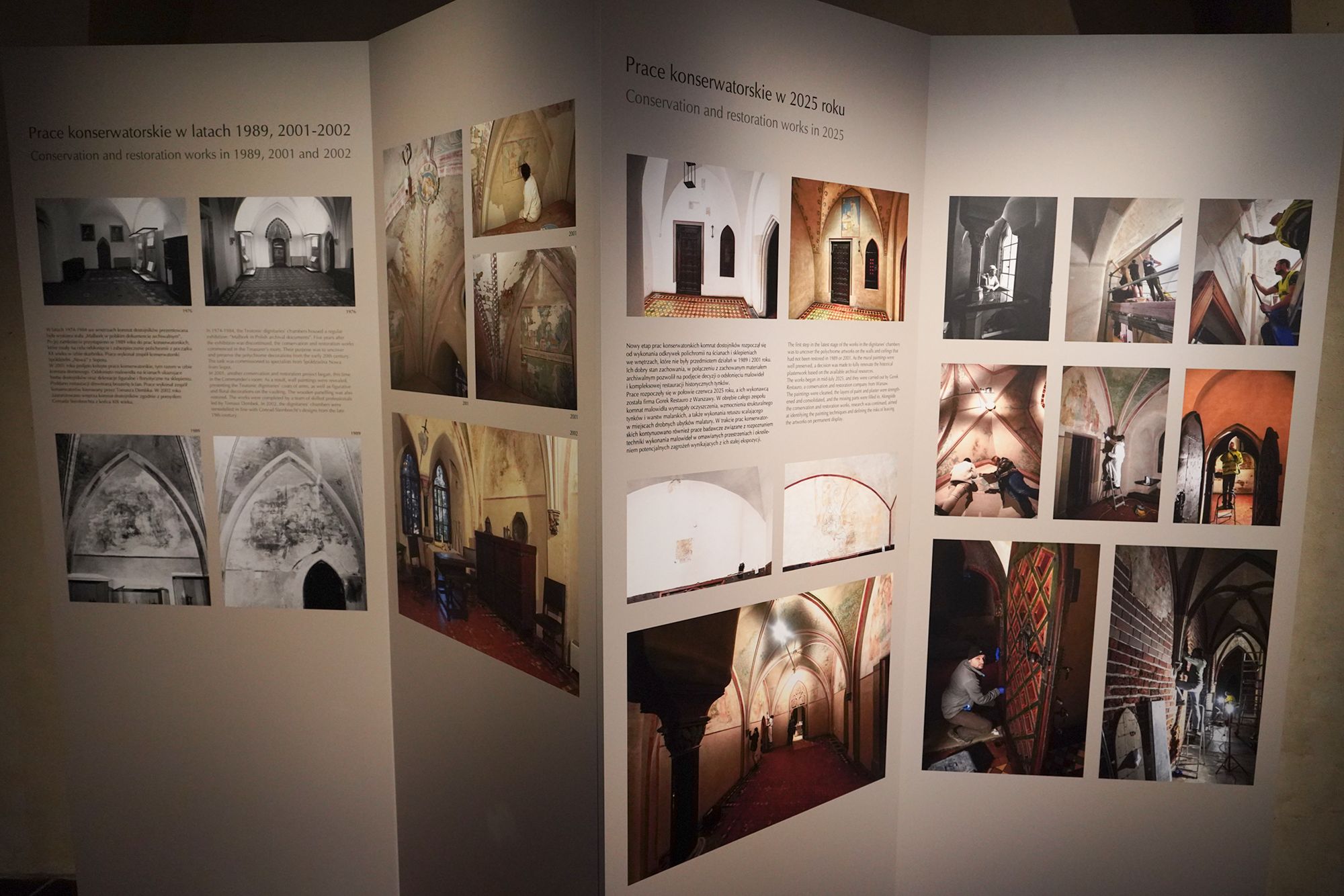
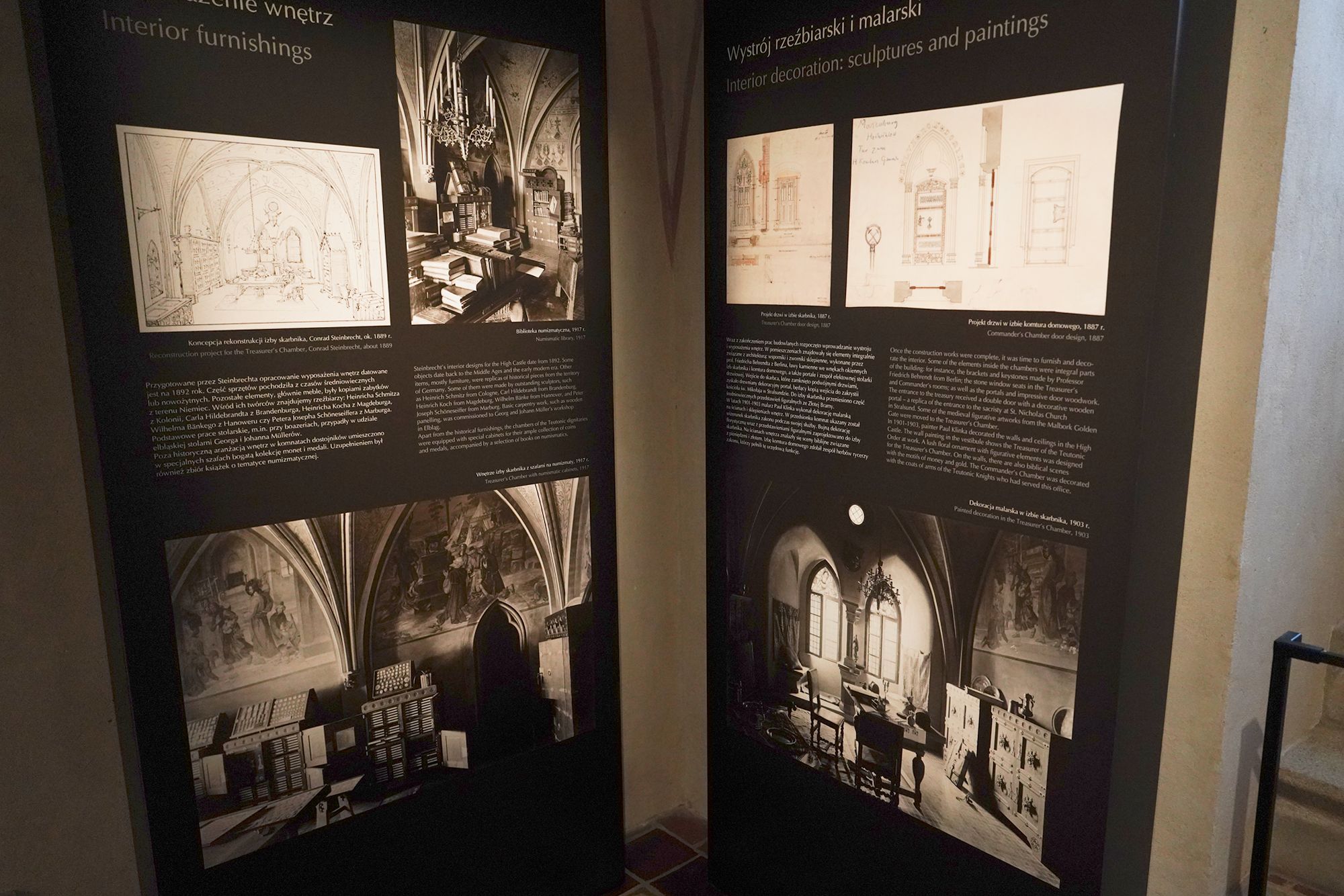
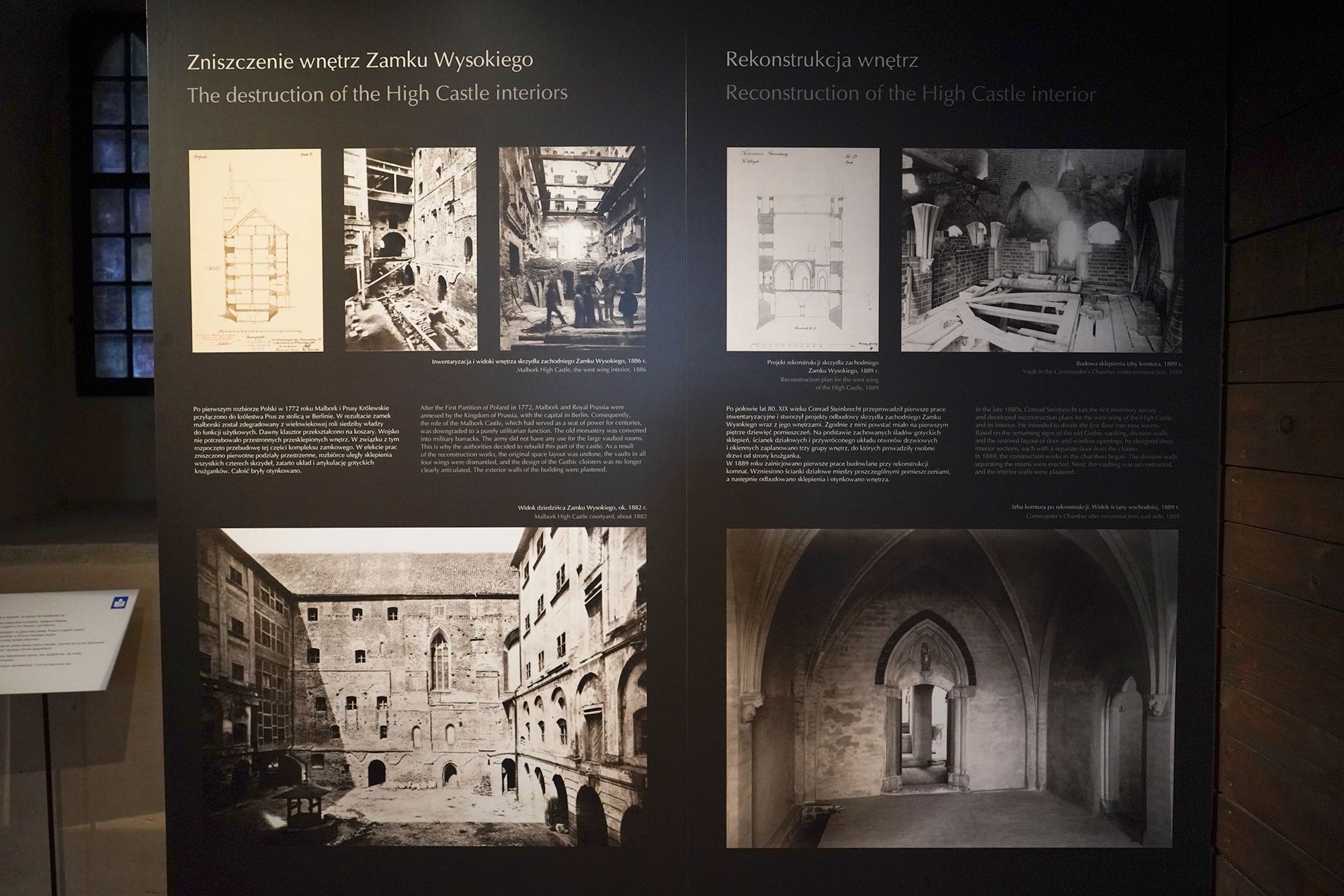
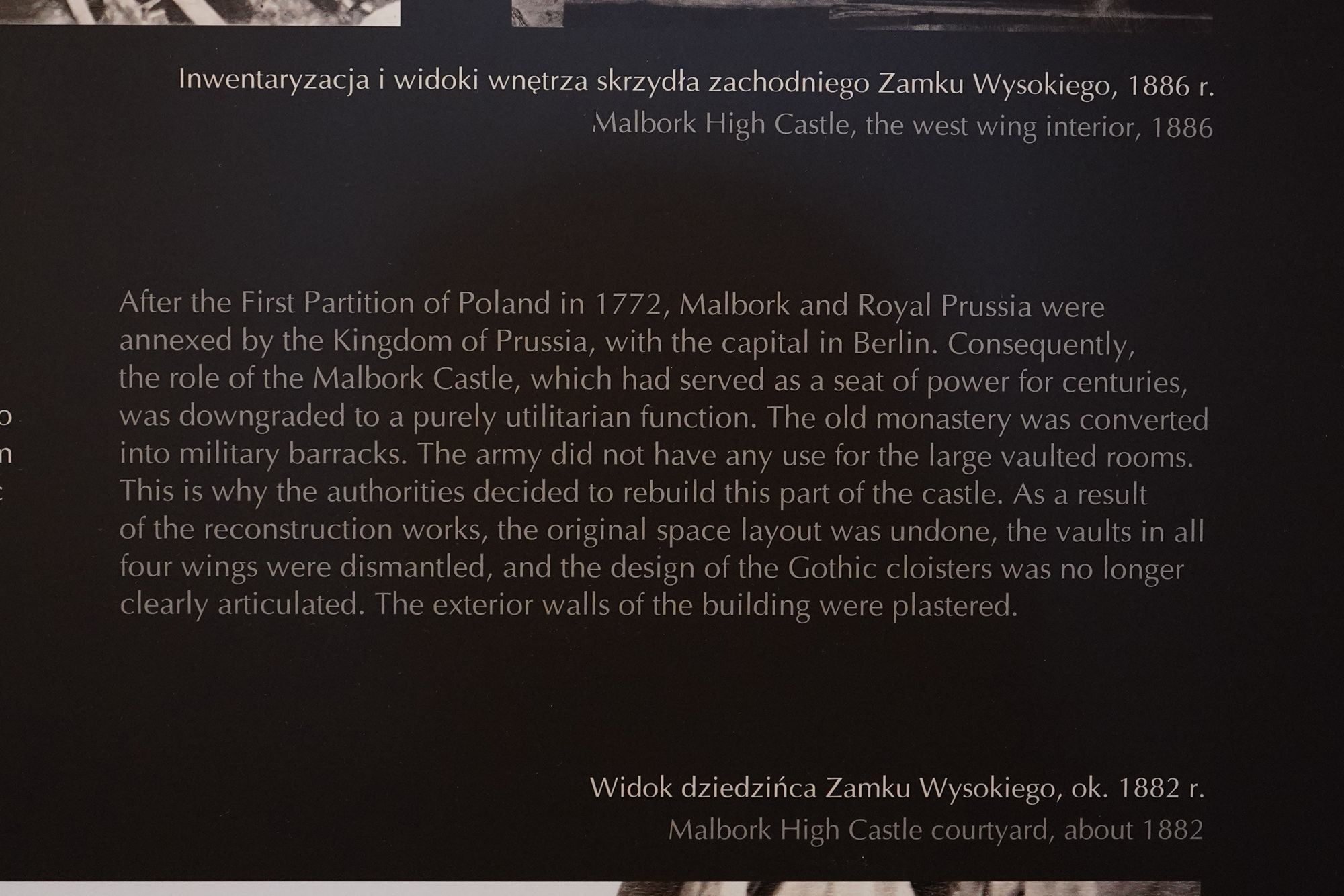
After Prussia annexed Malbork in 1772, the High Castle was converted into military barracks. Its original room layout was altered, the vaulted ceilings in all four wings were dismantled, and the exterior walls were plastered, obscuring much of its Gothic character.
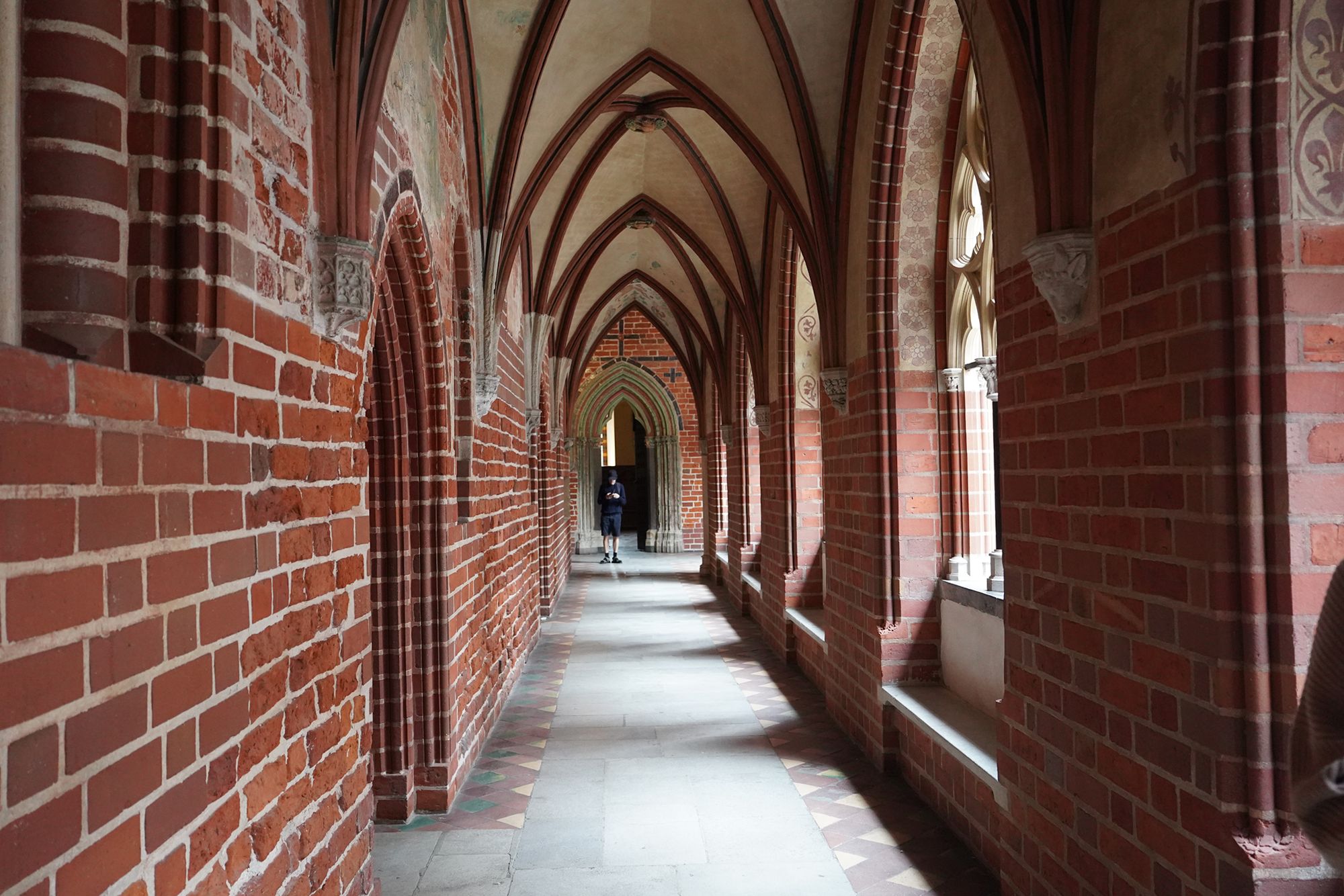
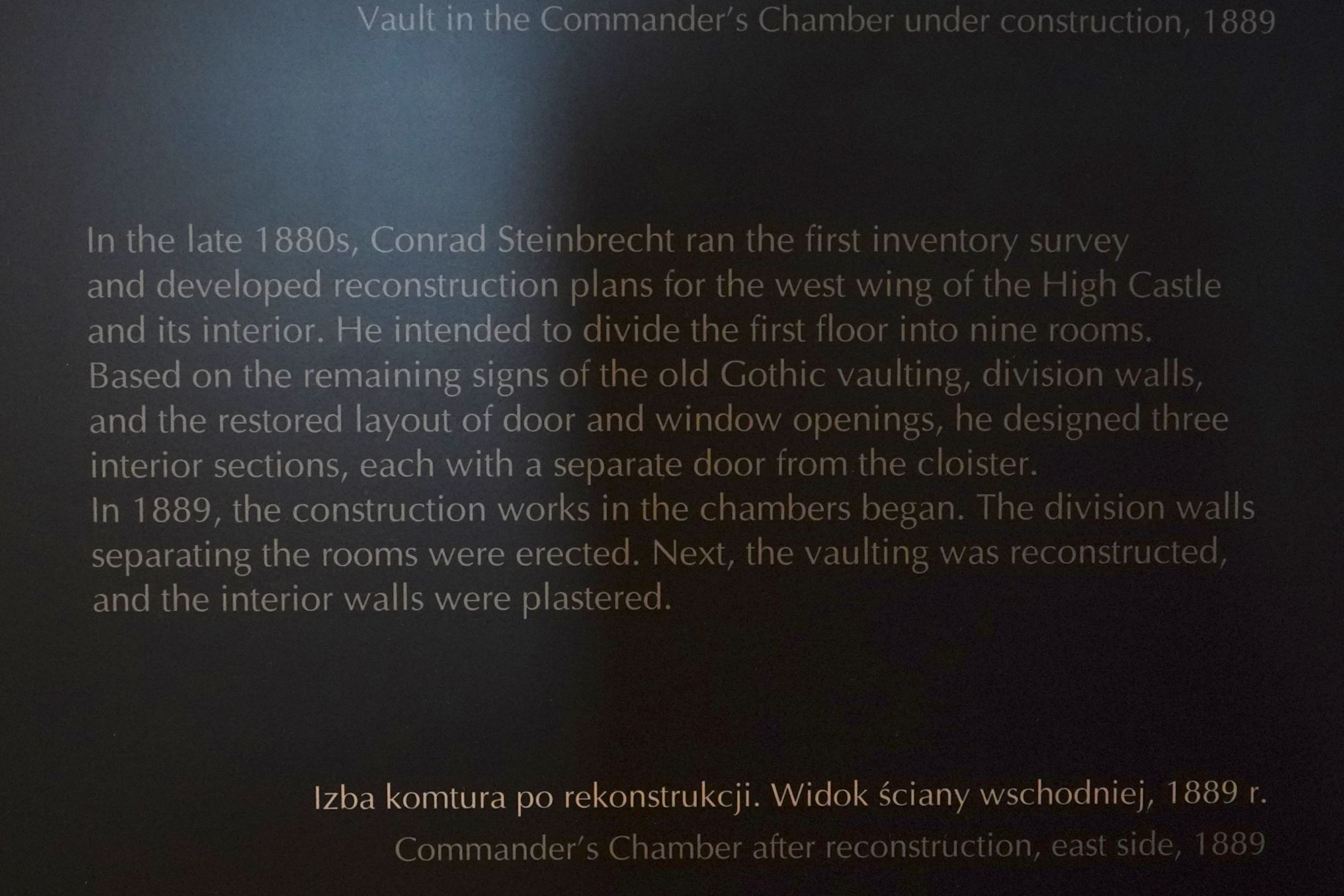
In the late 1880s, Conrad Steinbrecht planned the reconstruction of the High Castle’s west wing, using surviving traces of its Gothic architecture. Work began in 1889, creating nine rooms arranged in three sections with separate entrances from the cloister. The dividing walls and vaulted ceilings were rebuilt, and the interior walls were plastered.
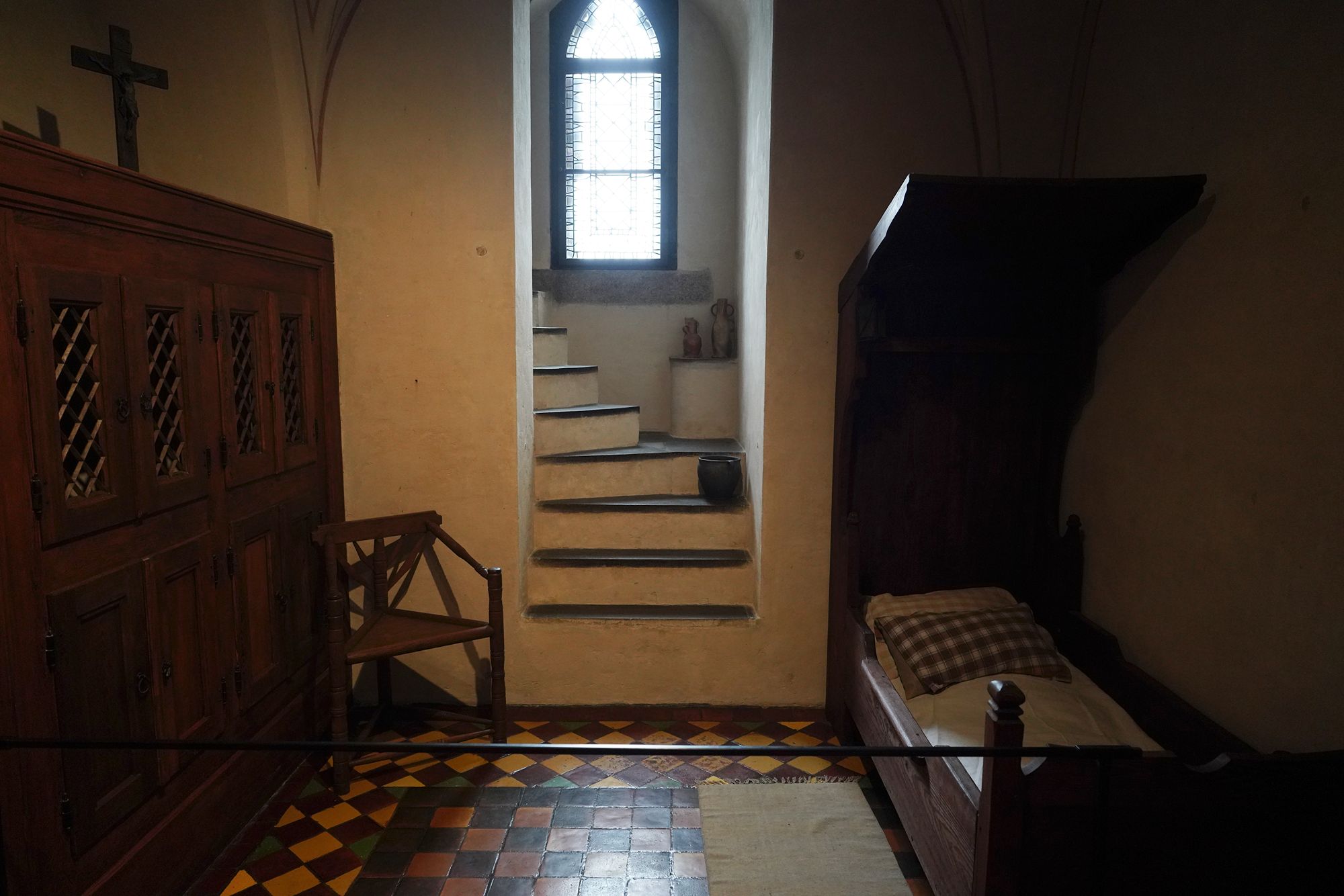
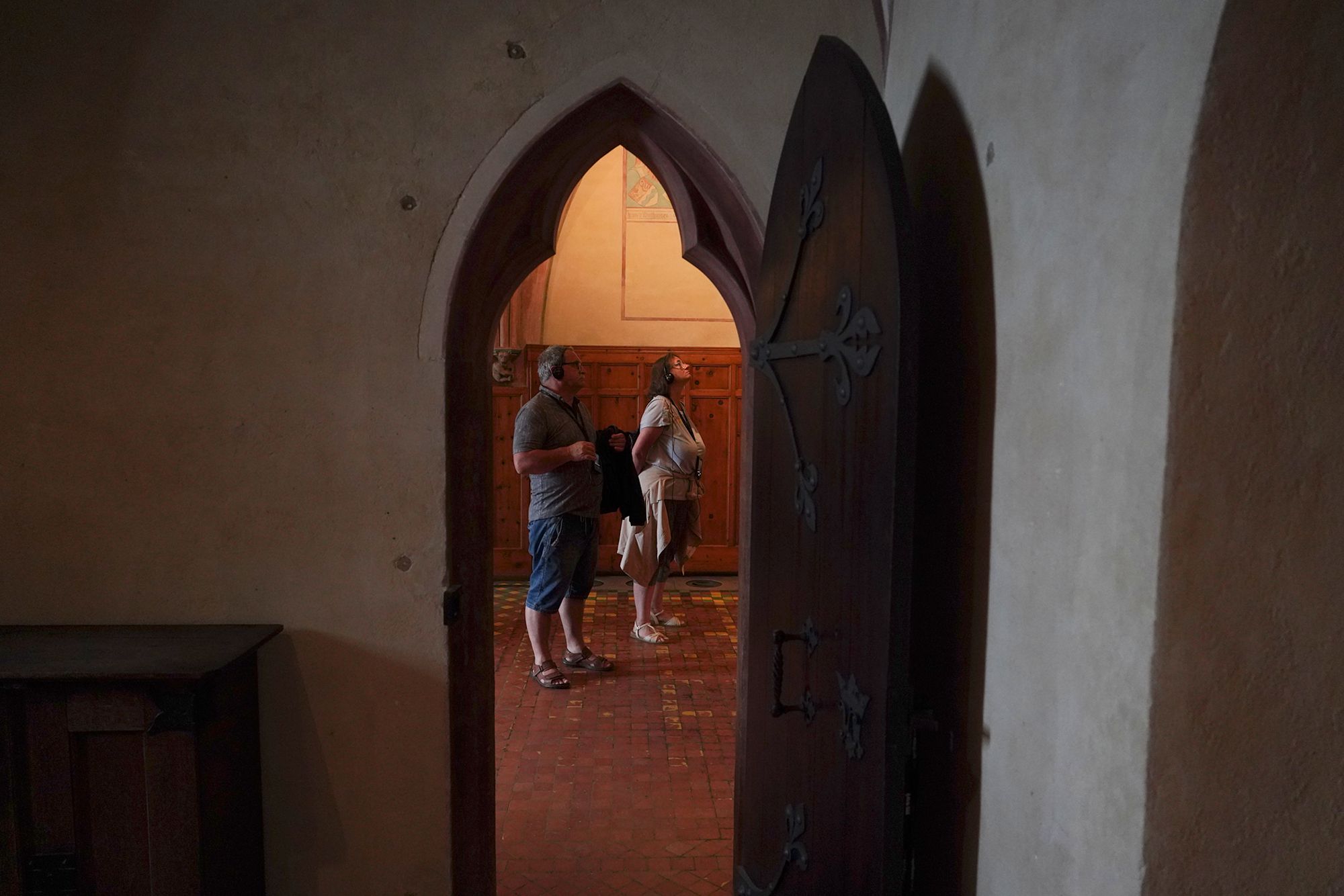
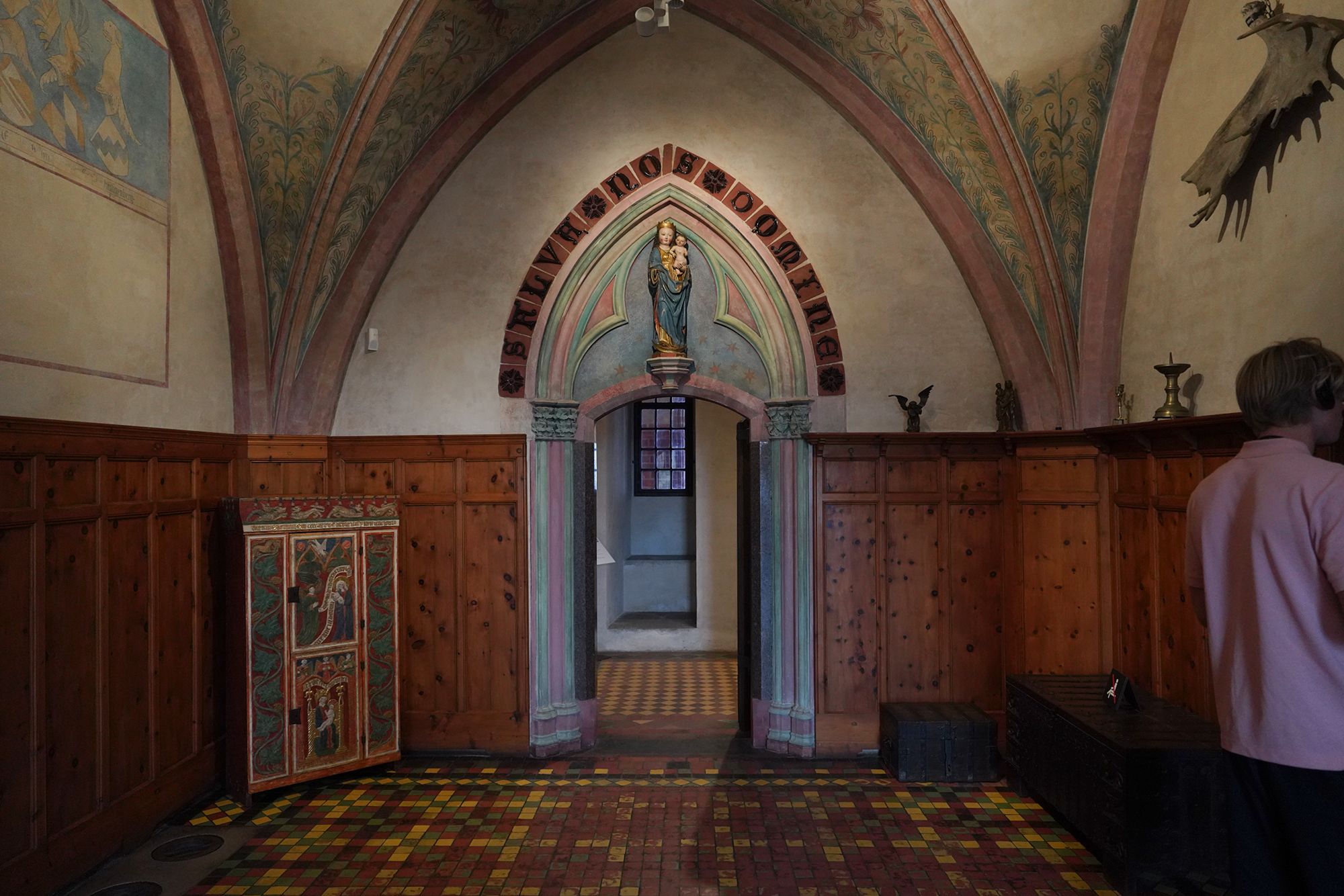
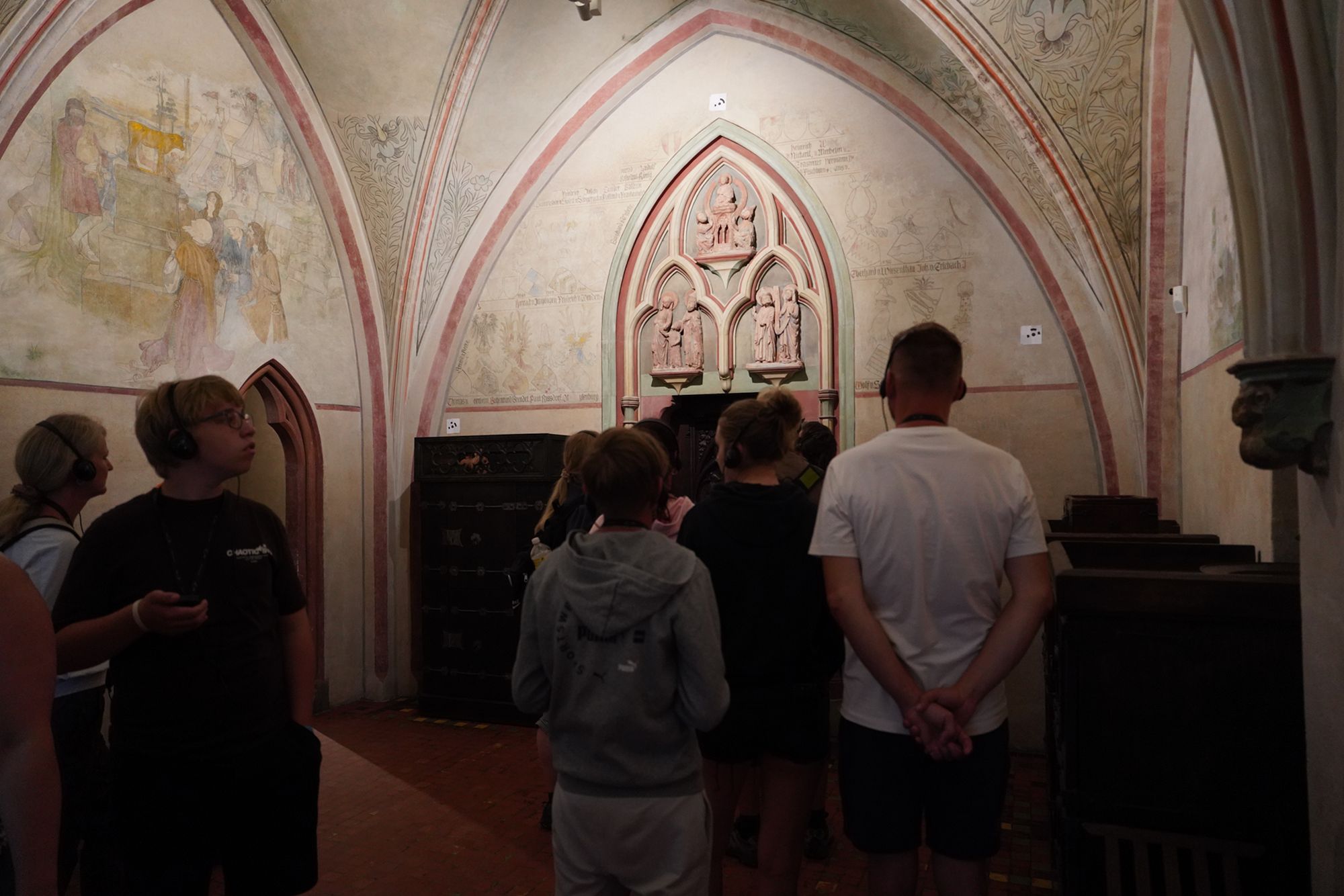
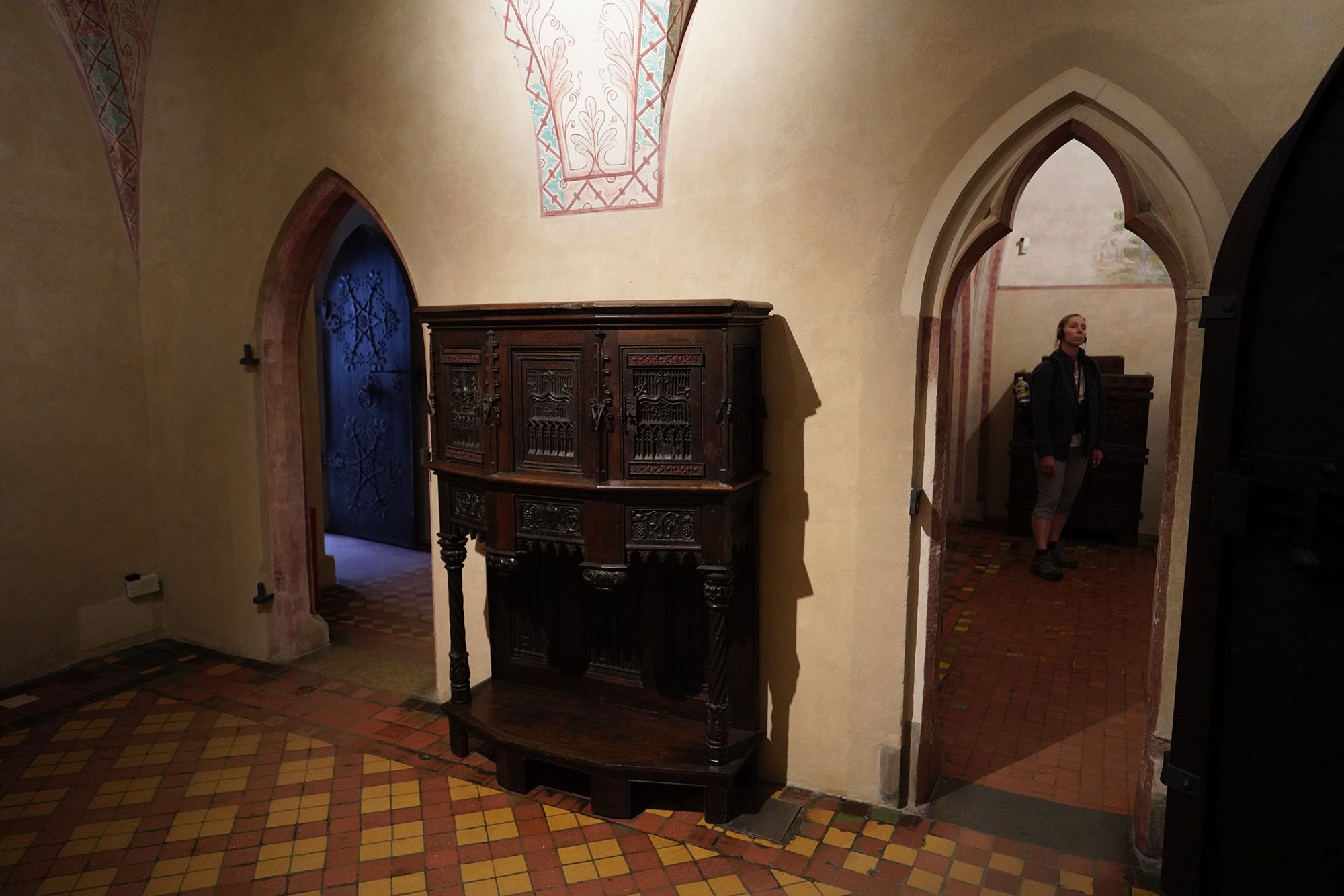
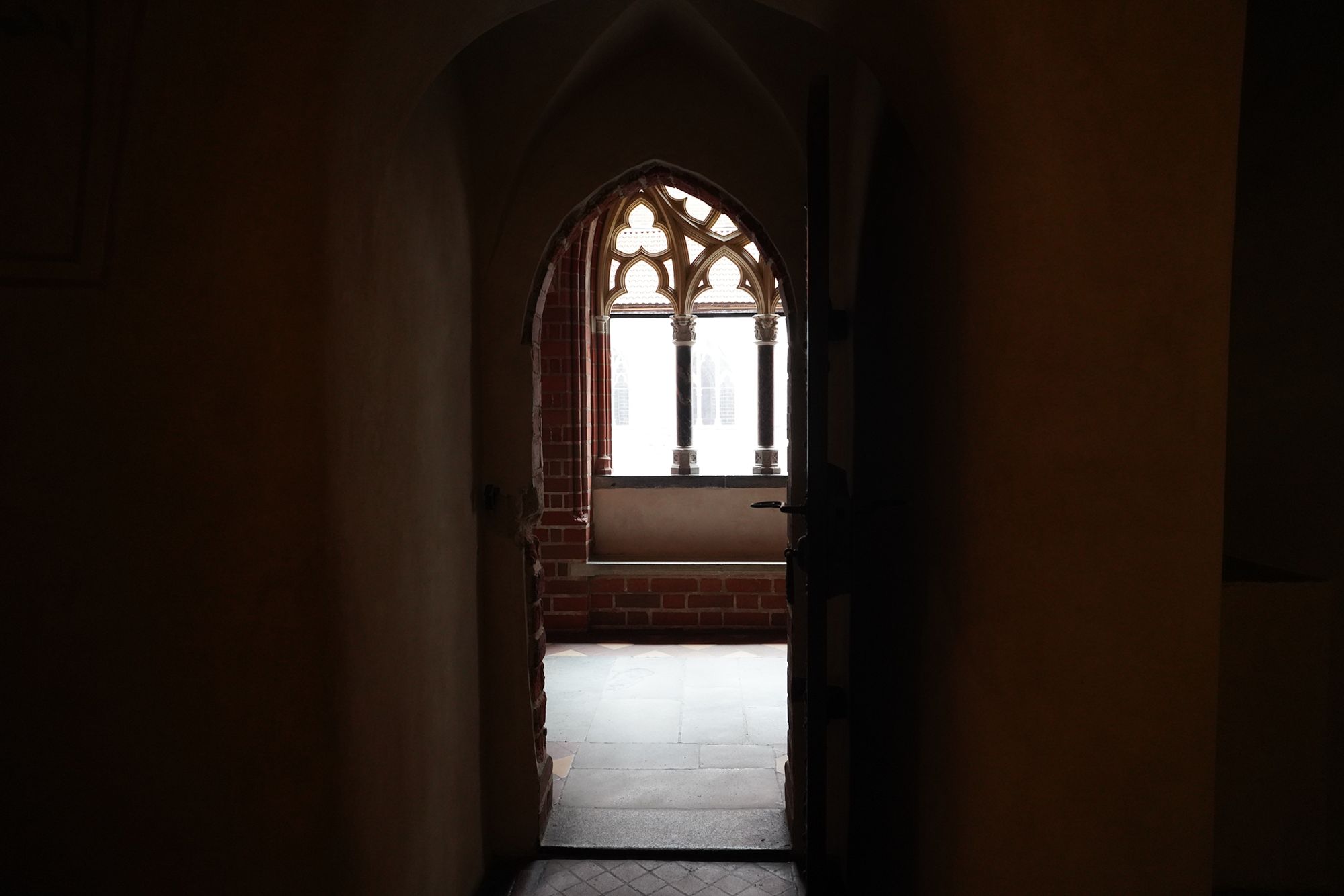
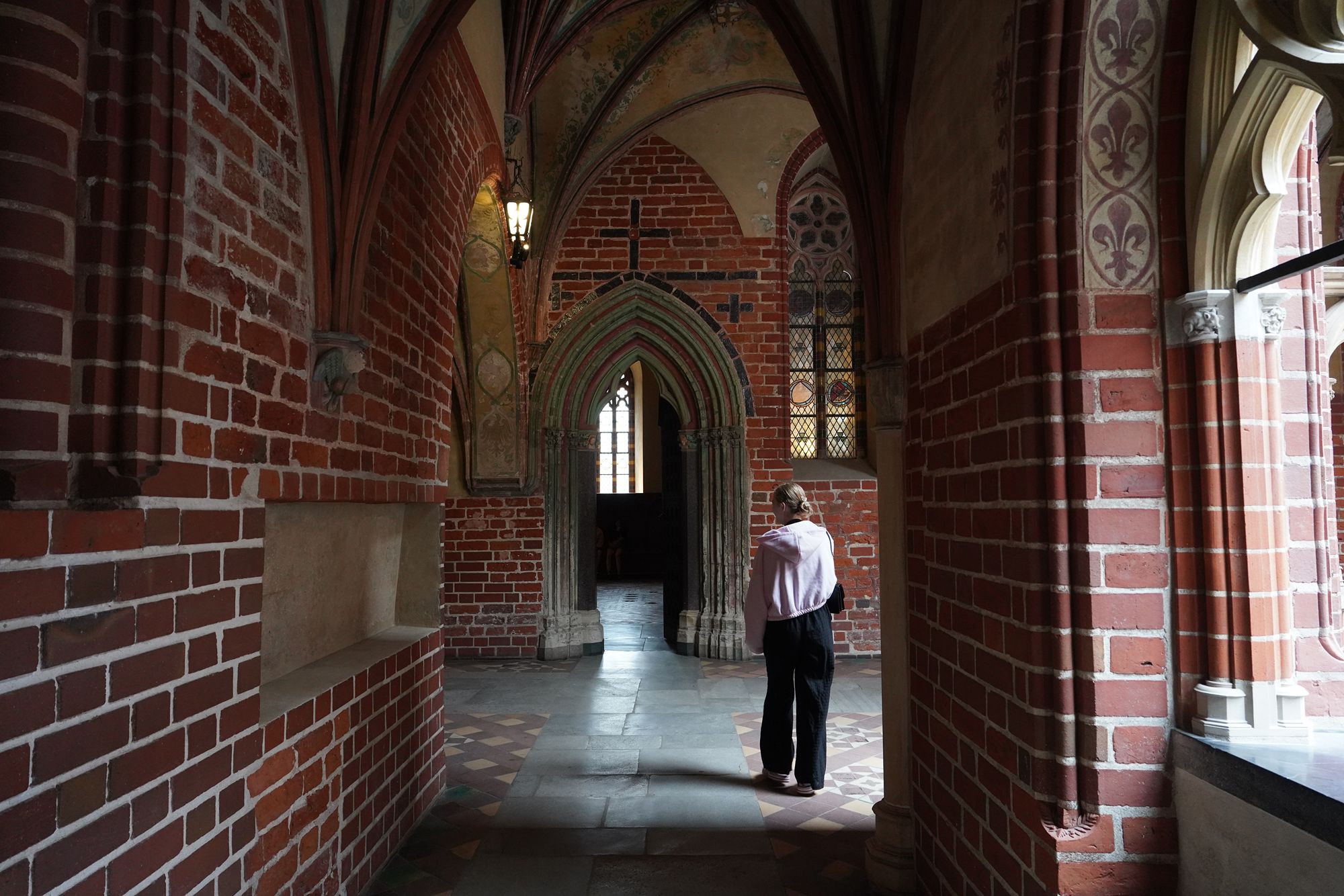
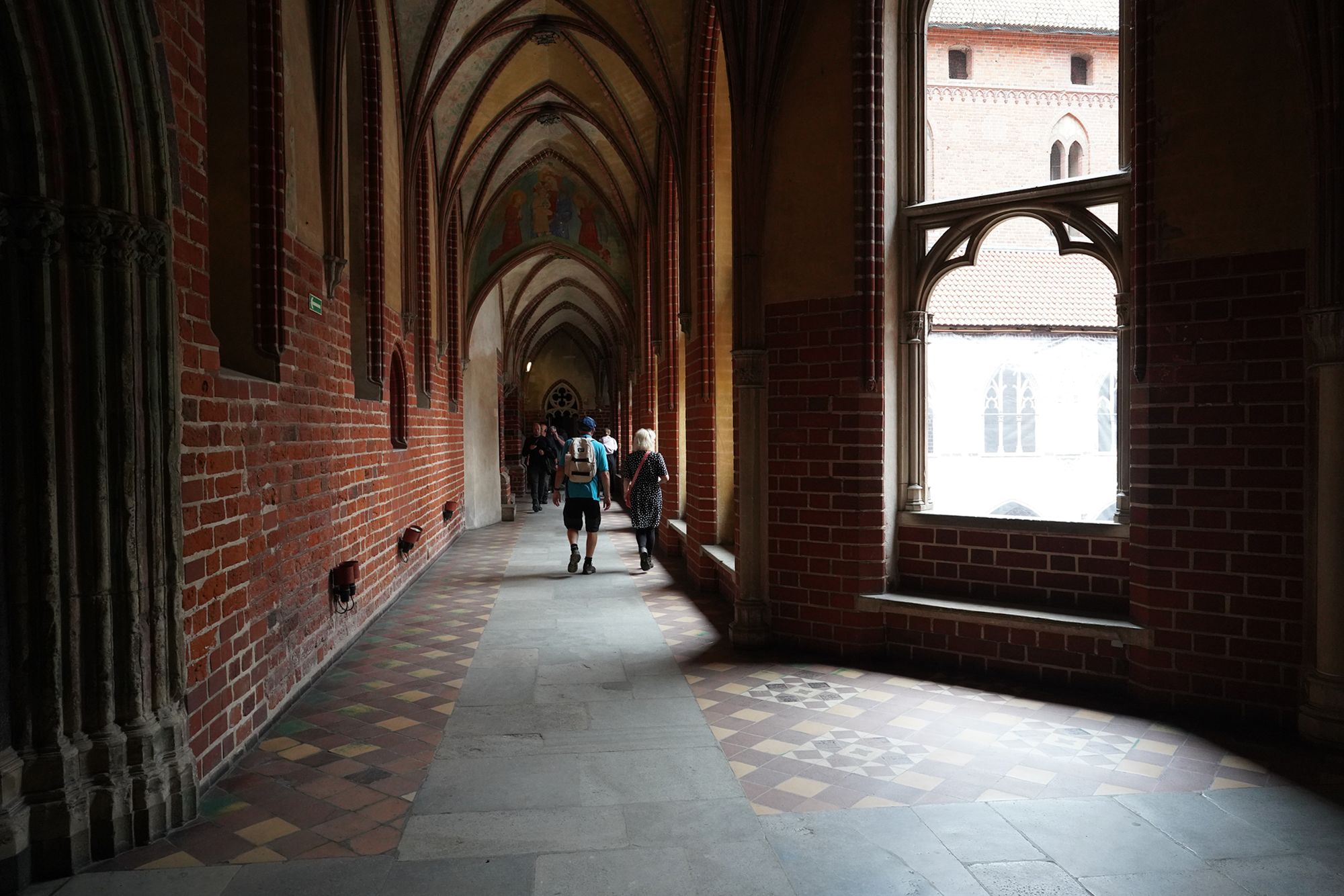
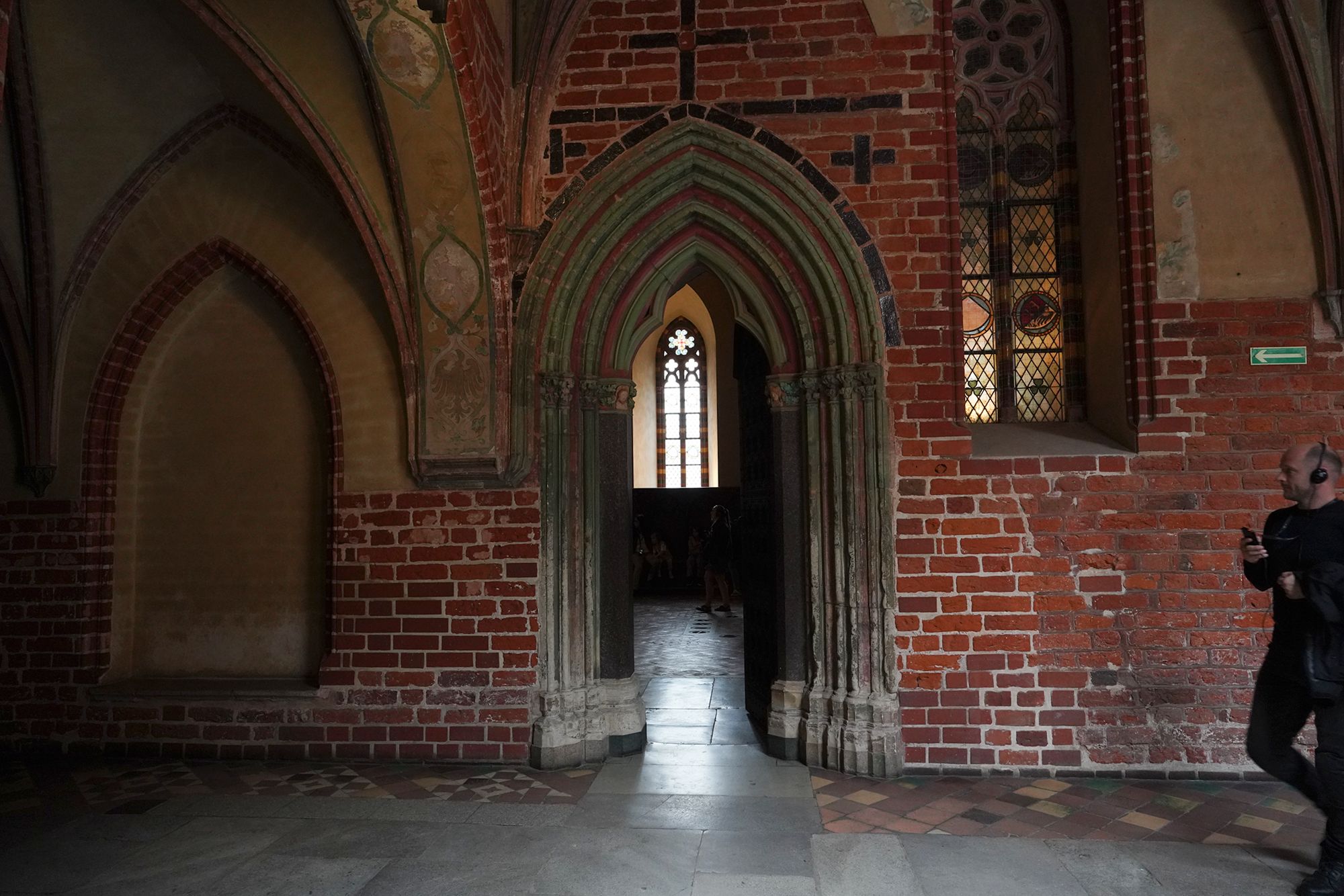
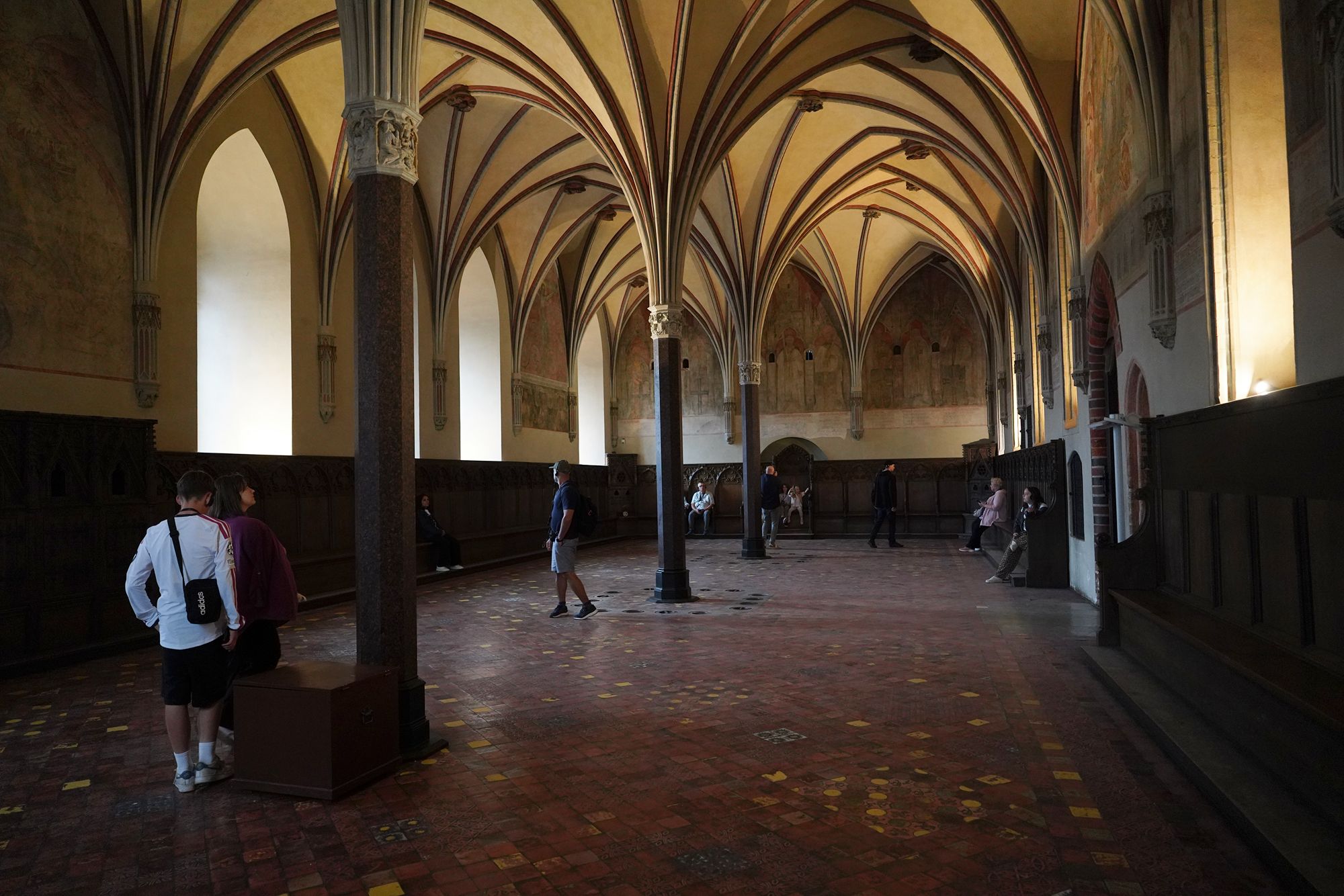
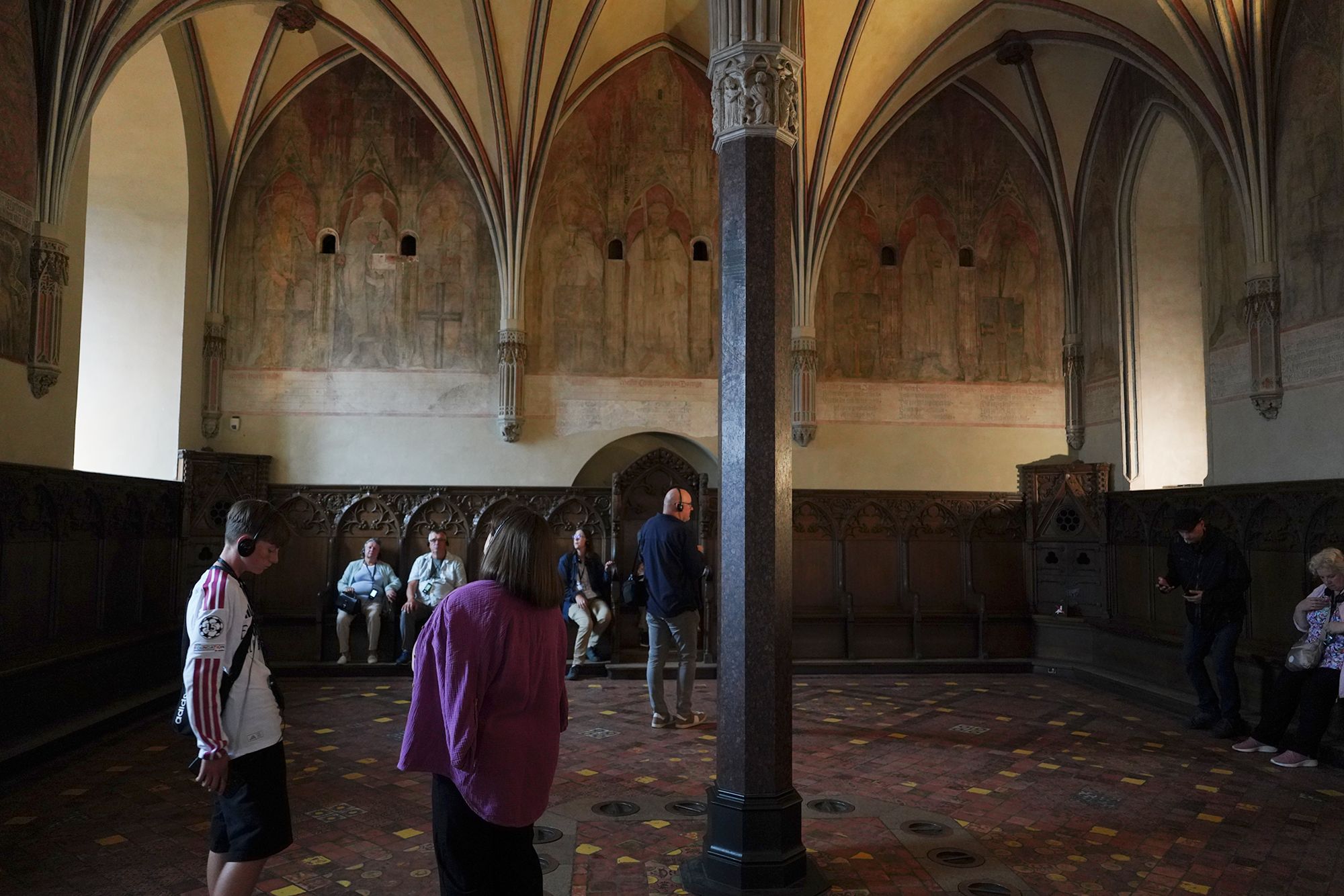
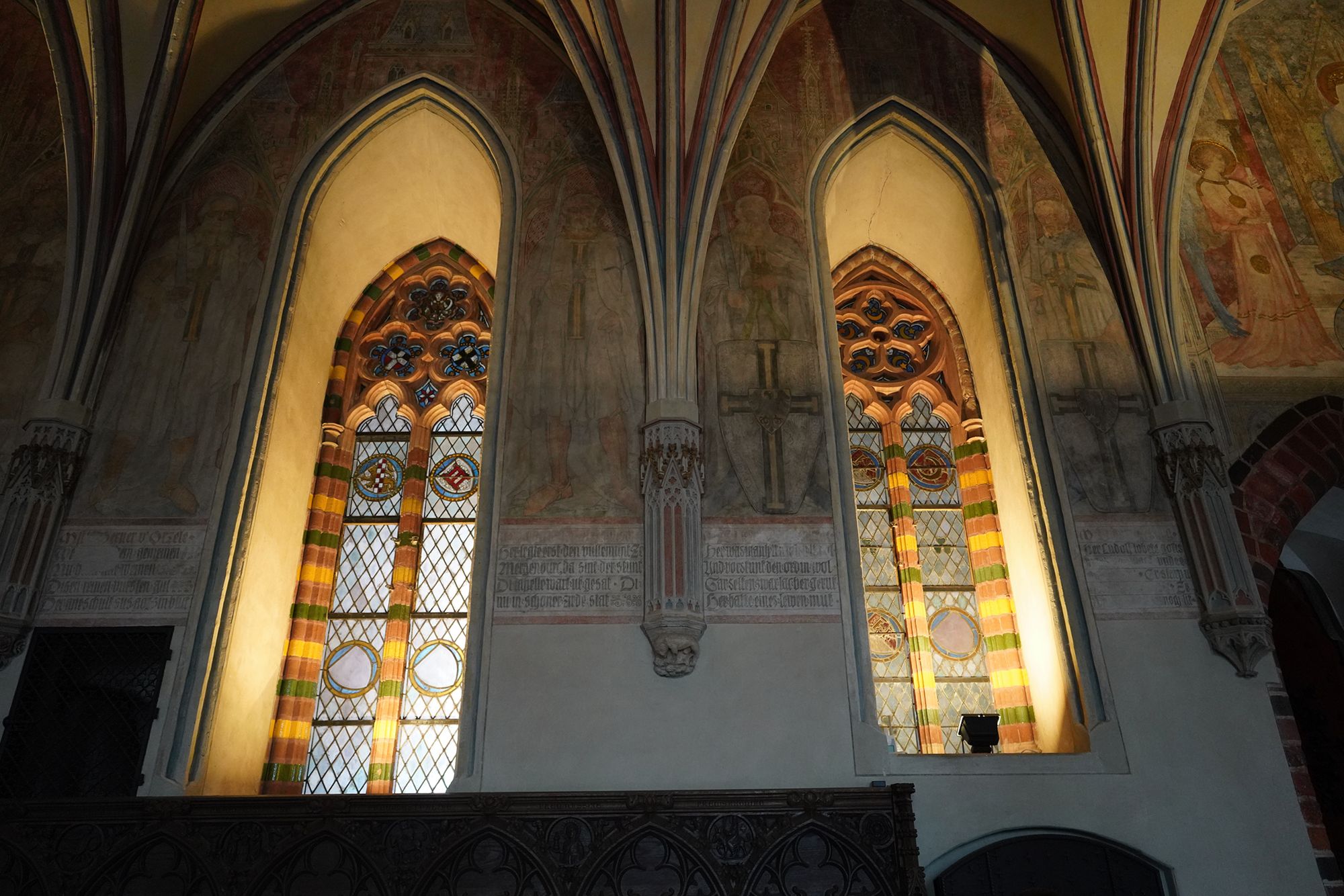
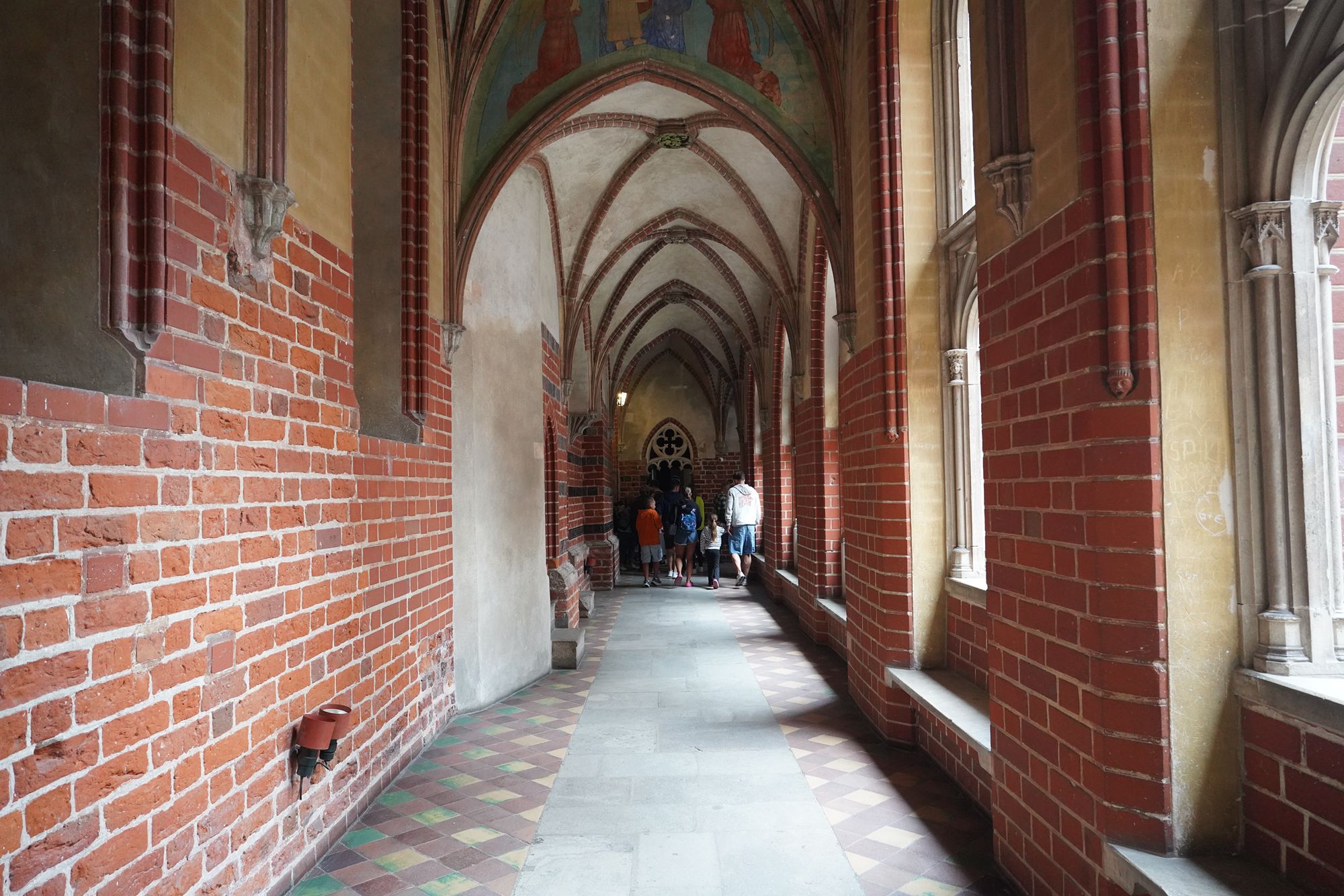
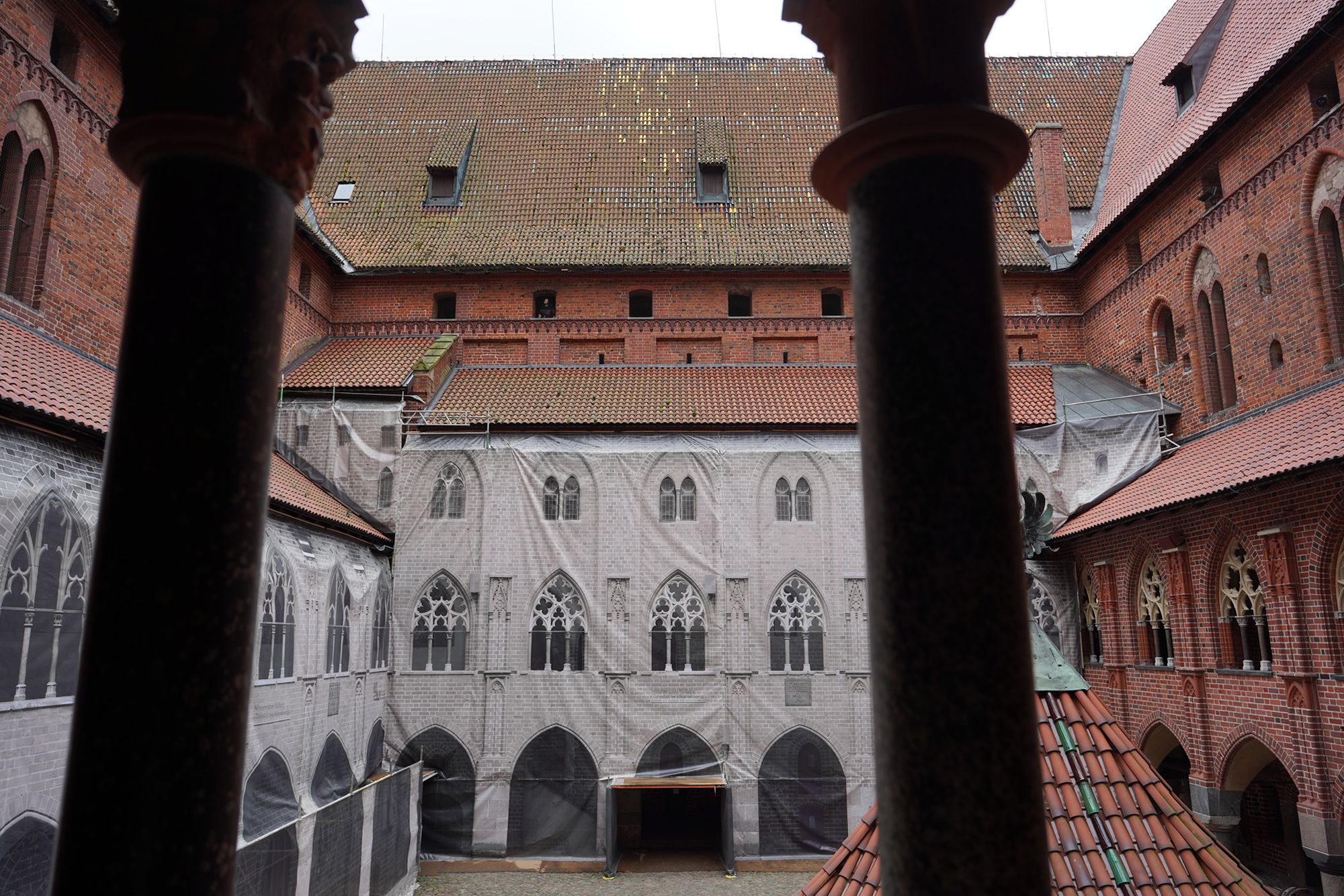
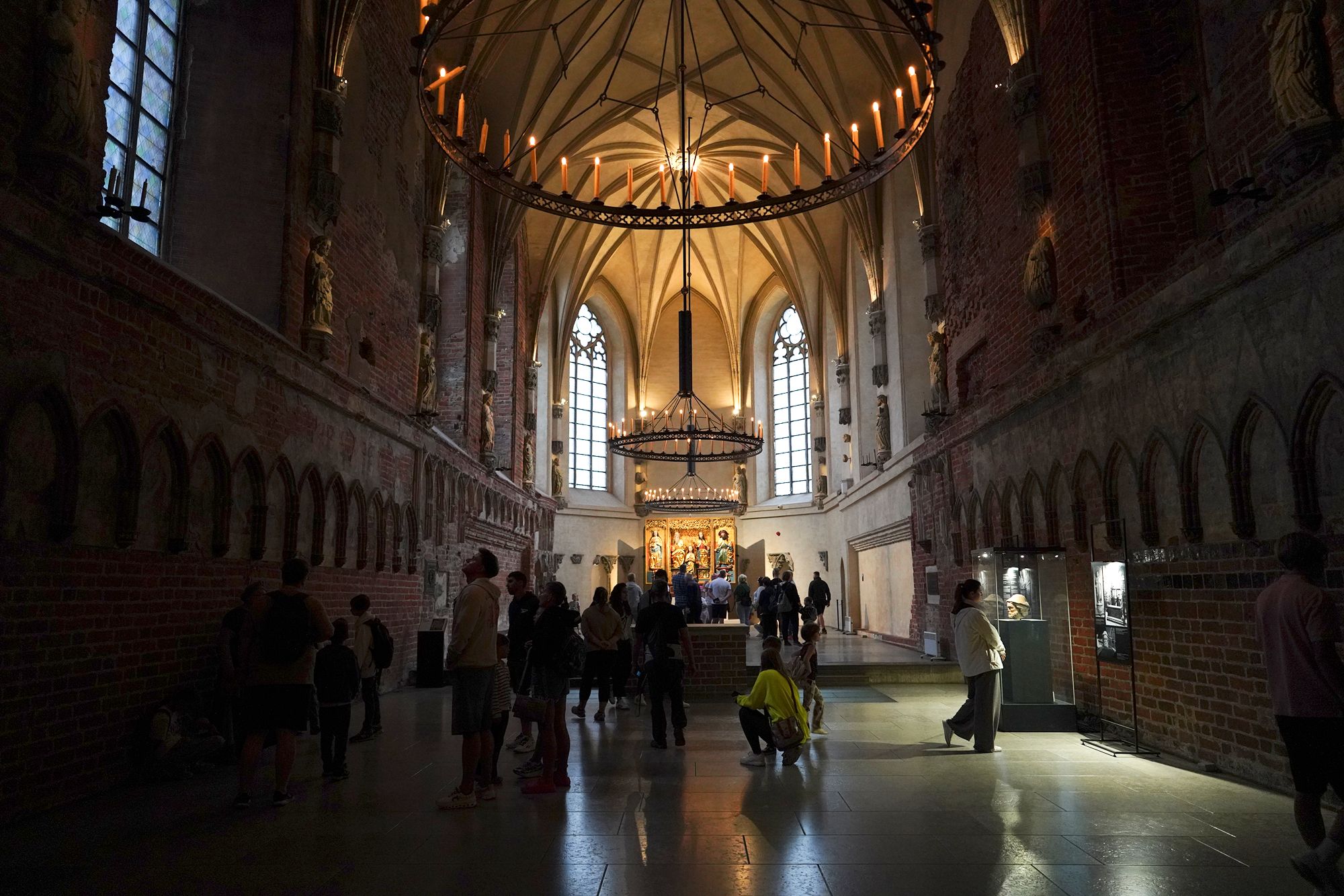
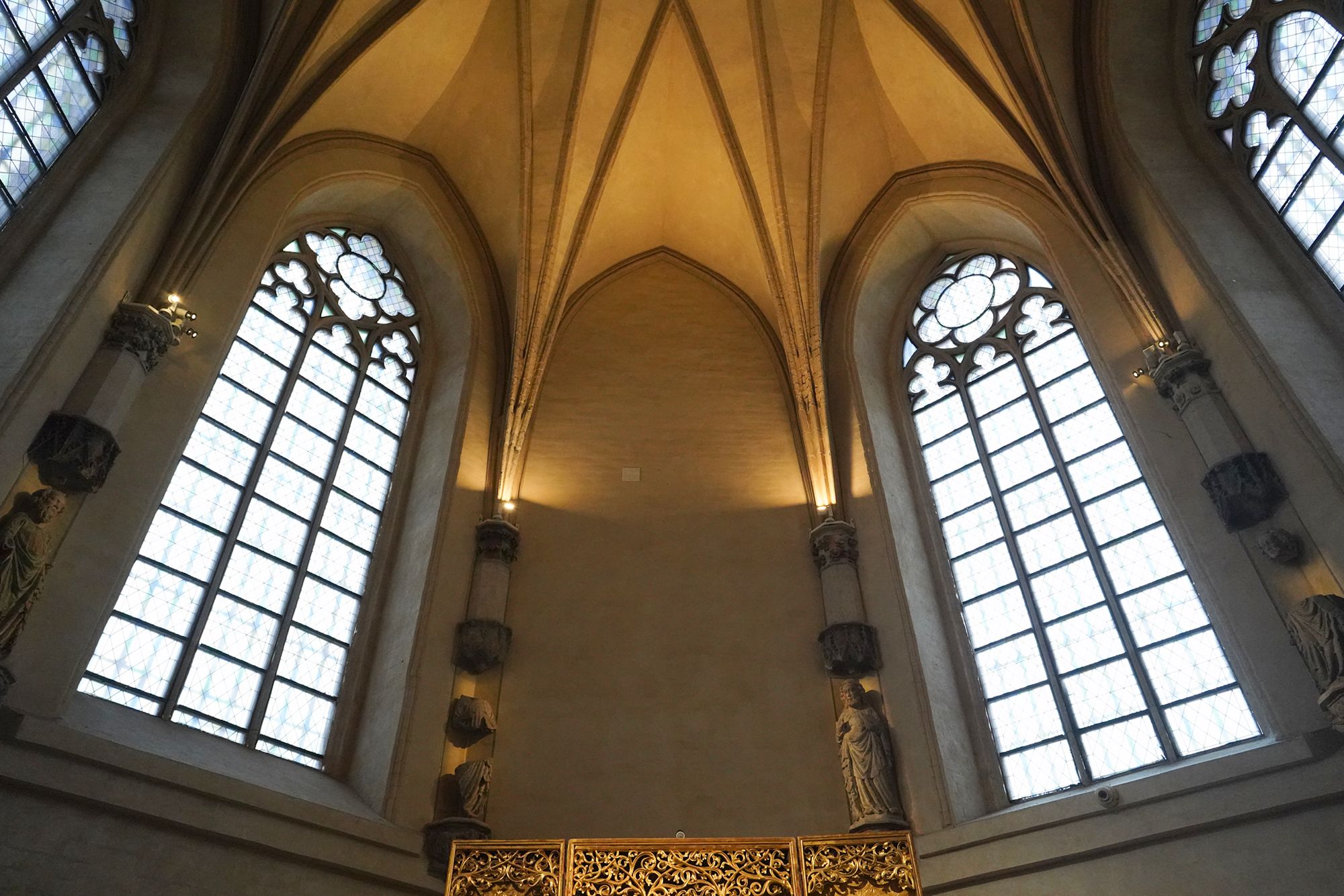
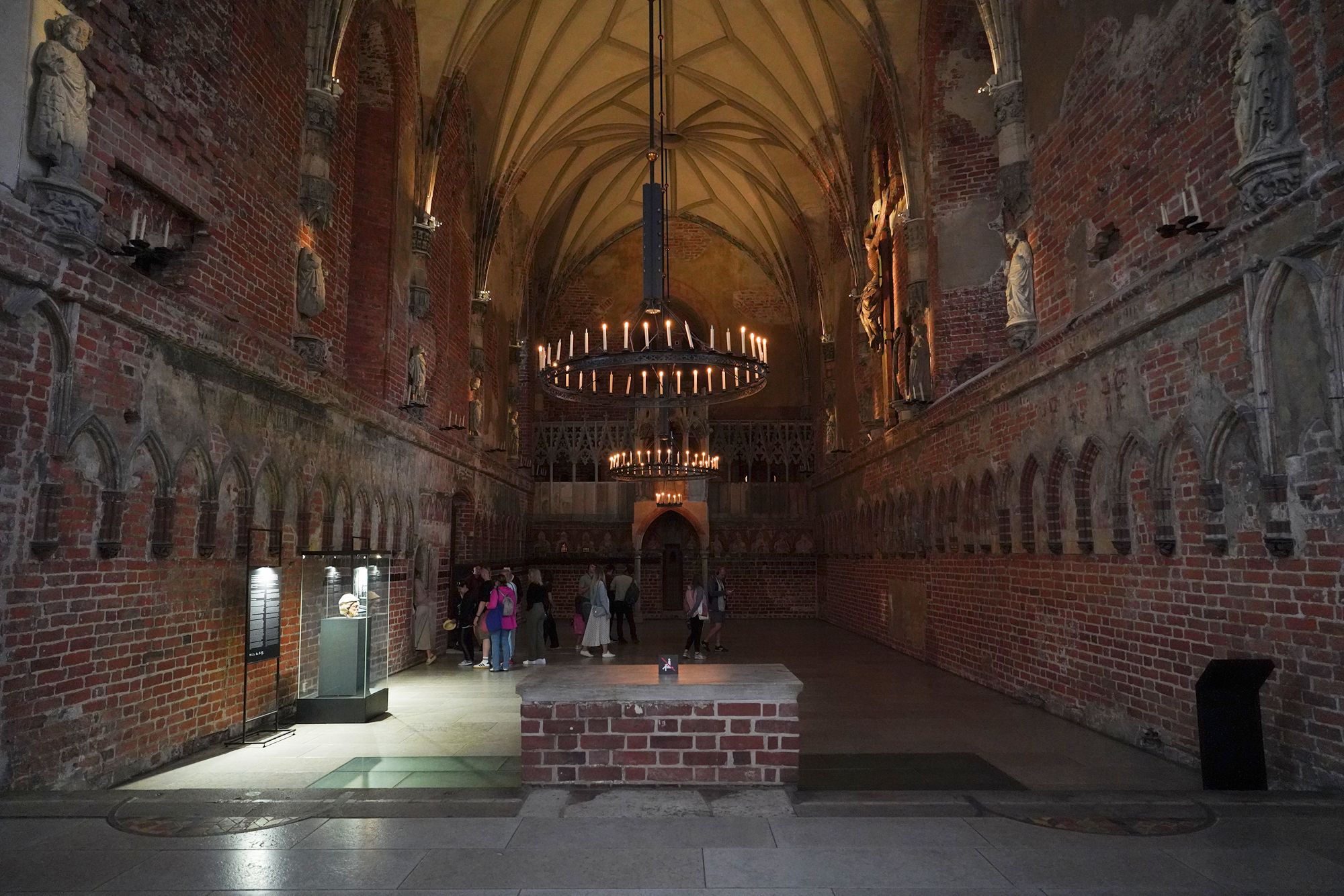
I entered St. Mary’s Church, where tall Gothic windows, vaulted ceilings, and large circular chandeliers rise above the long interior.
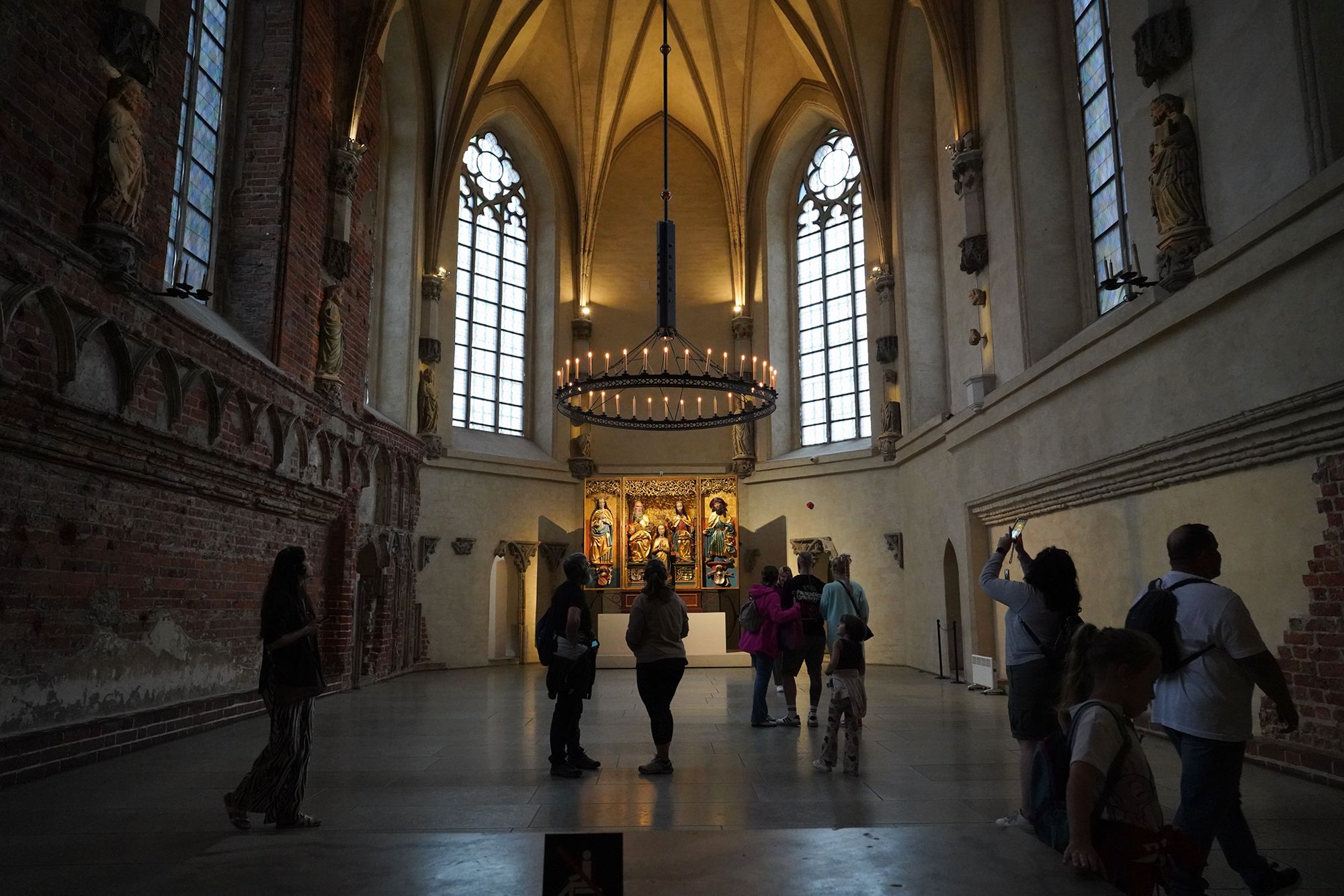
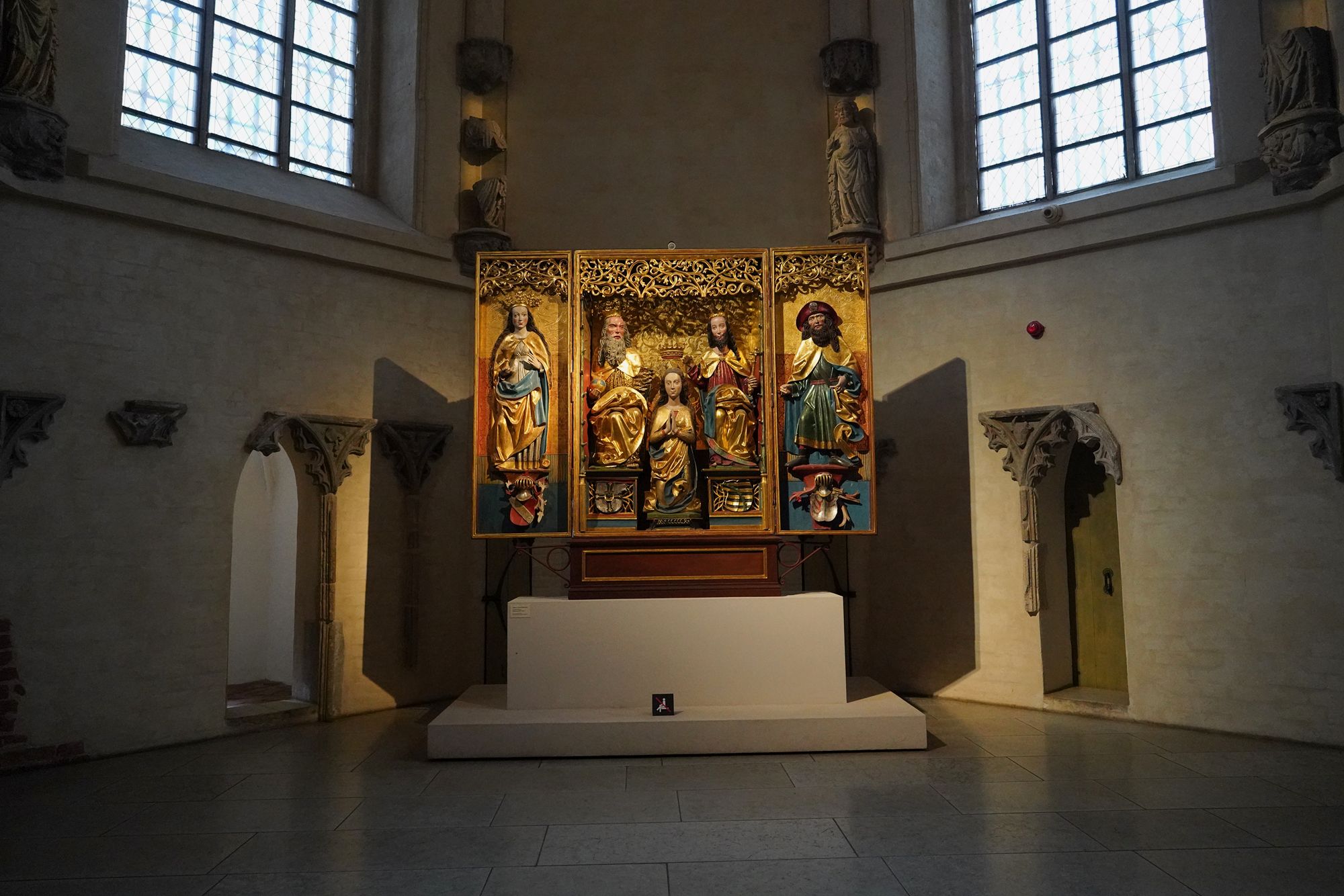
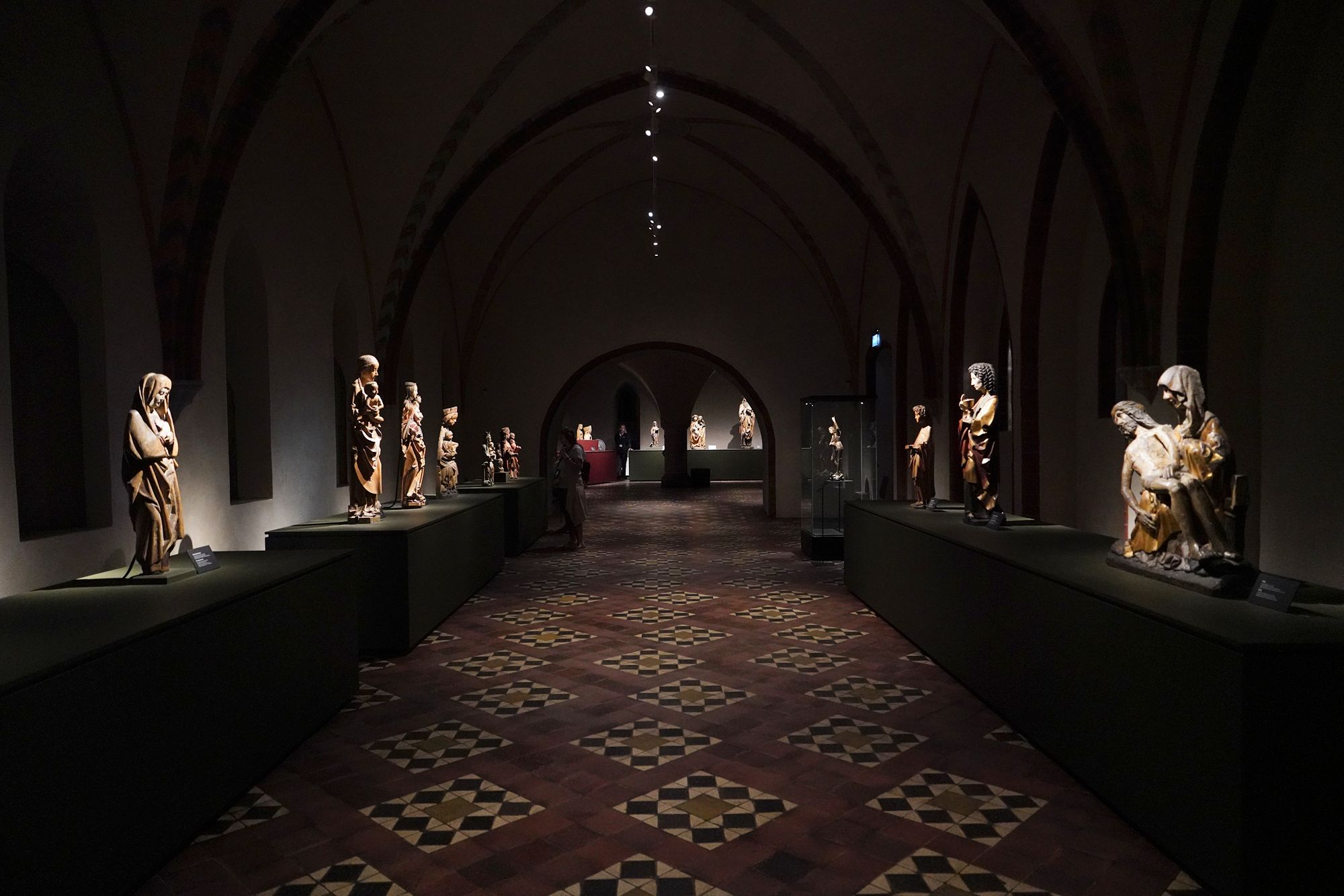
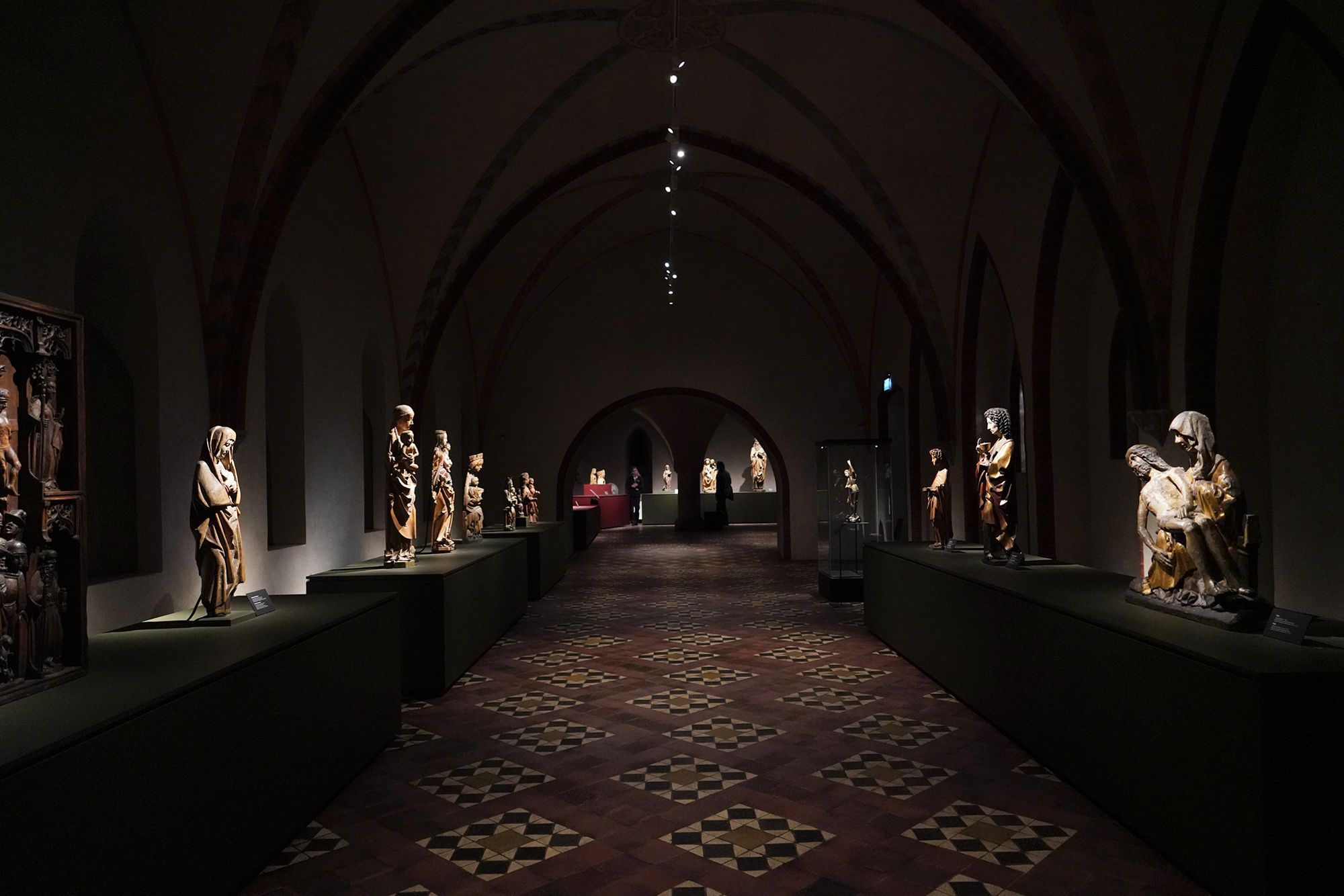
The former dormitories now display Gothic religious sculptures beneath vaulted ceilings. Figures of saints and the Virgin Mary line both sides of the gallery.
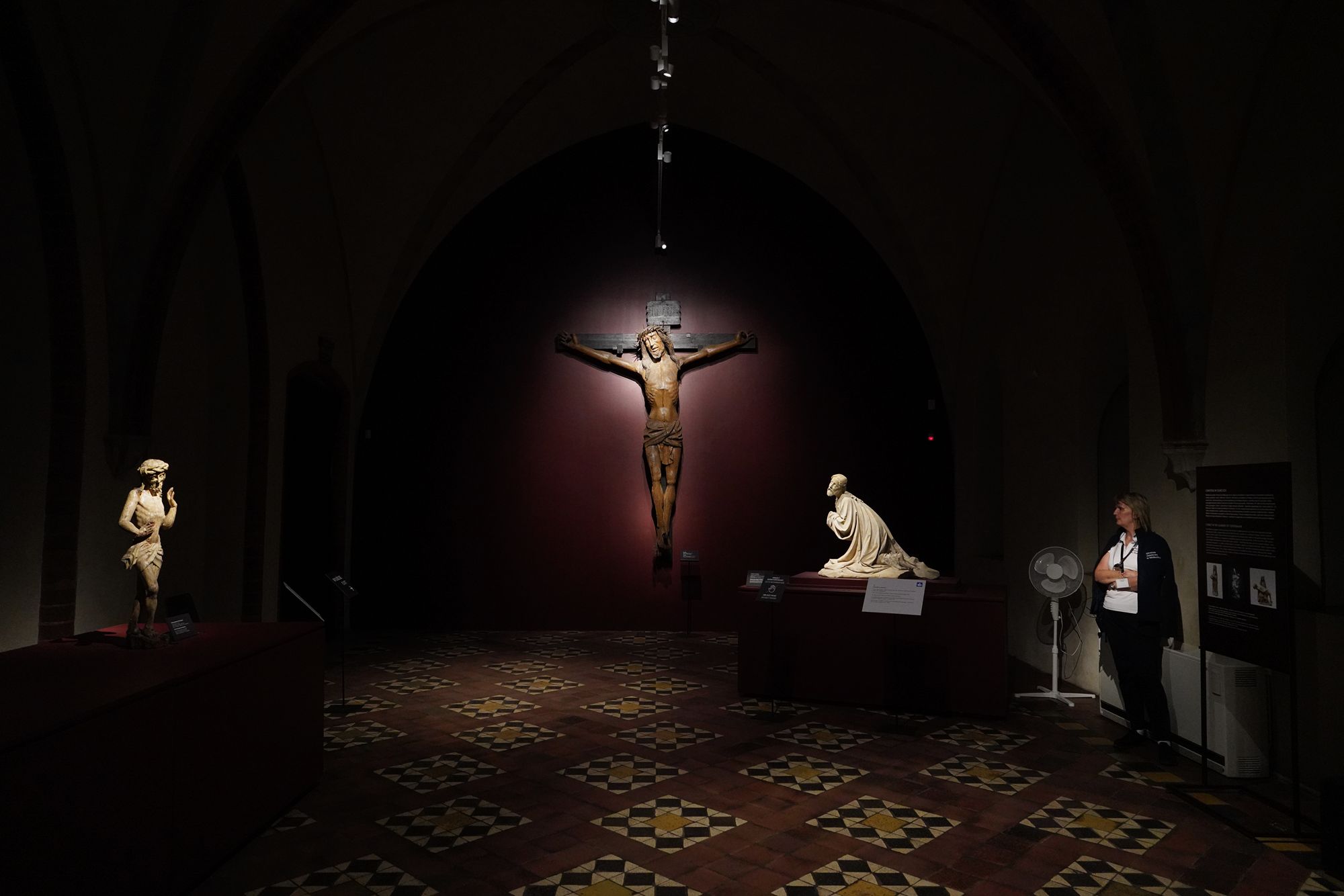
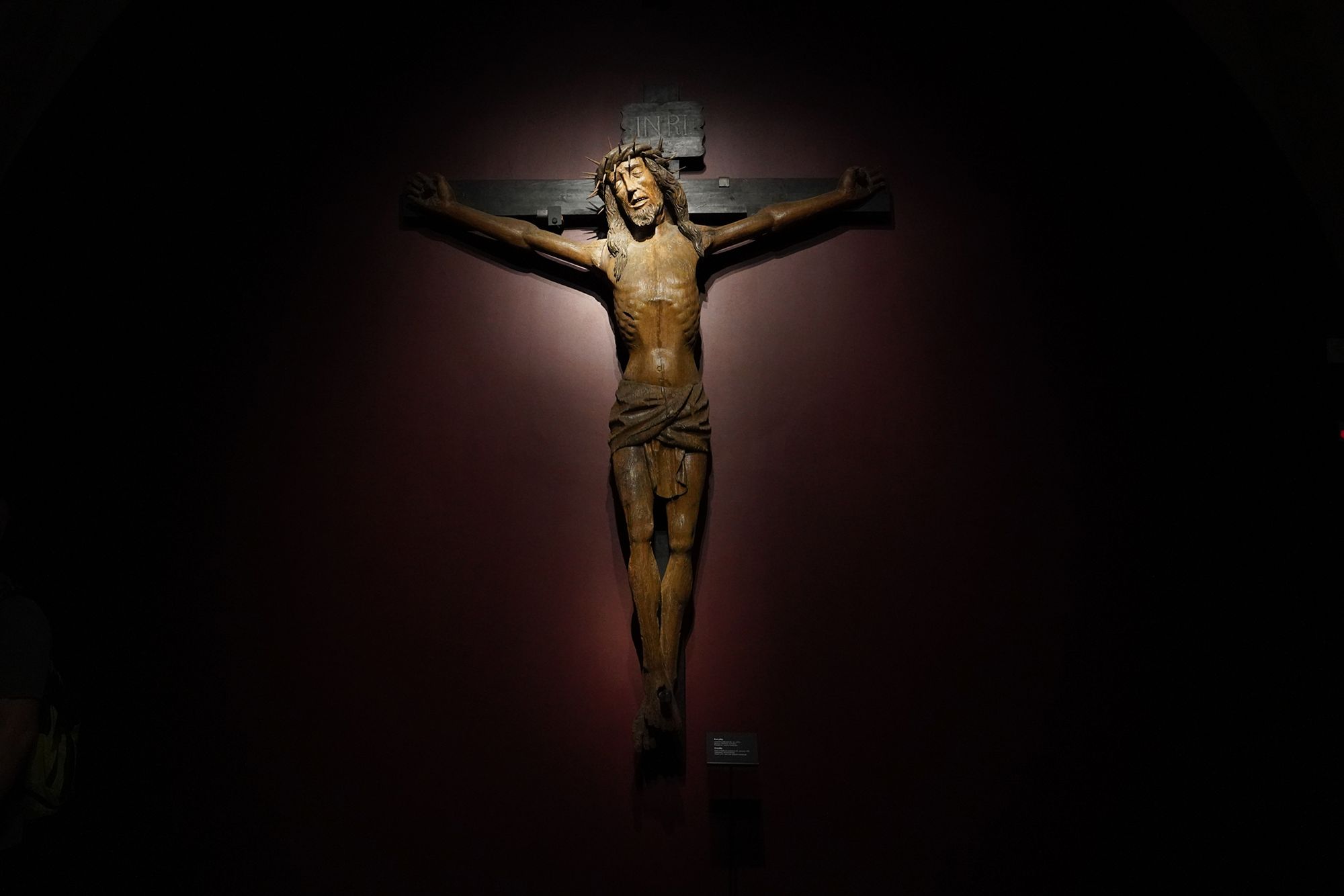
Behind me is a sculpture of Christ on the cross.
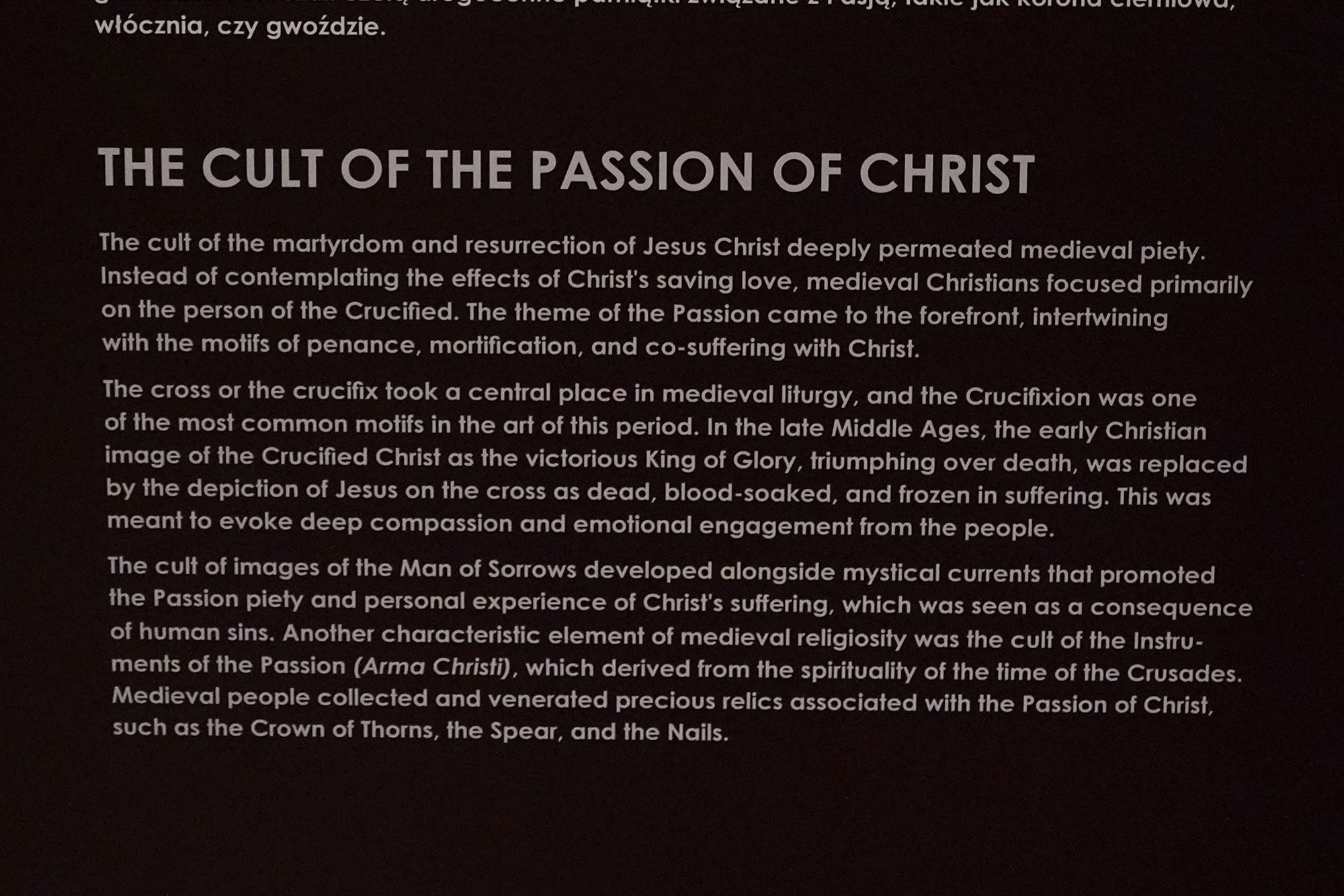
The panel explains how Christ’s suffering became a central theme in medieval devotion and art. Crucifixion images increasingly emphasized his wounds and pain to encourage compassion, repentance, and reflection on human sin. Believers also venerated relics associated with his Passion, including the Crown of Thorns, spear, and nails.
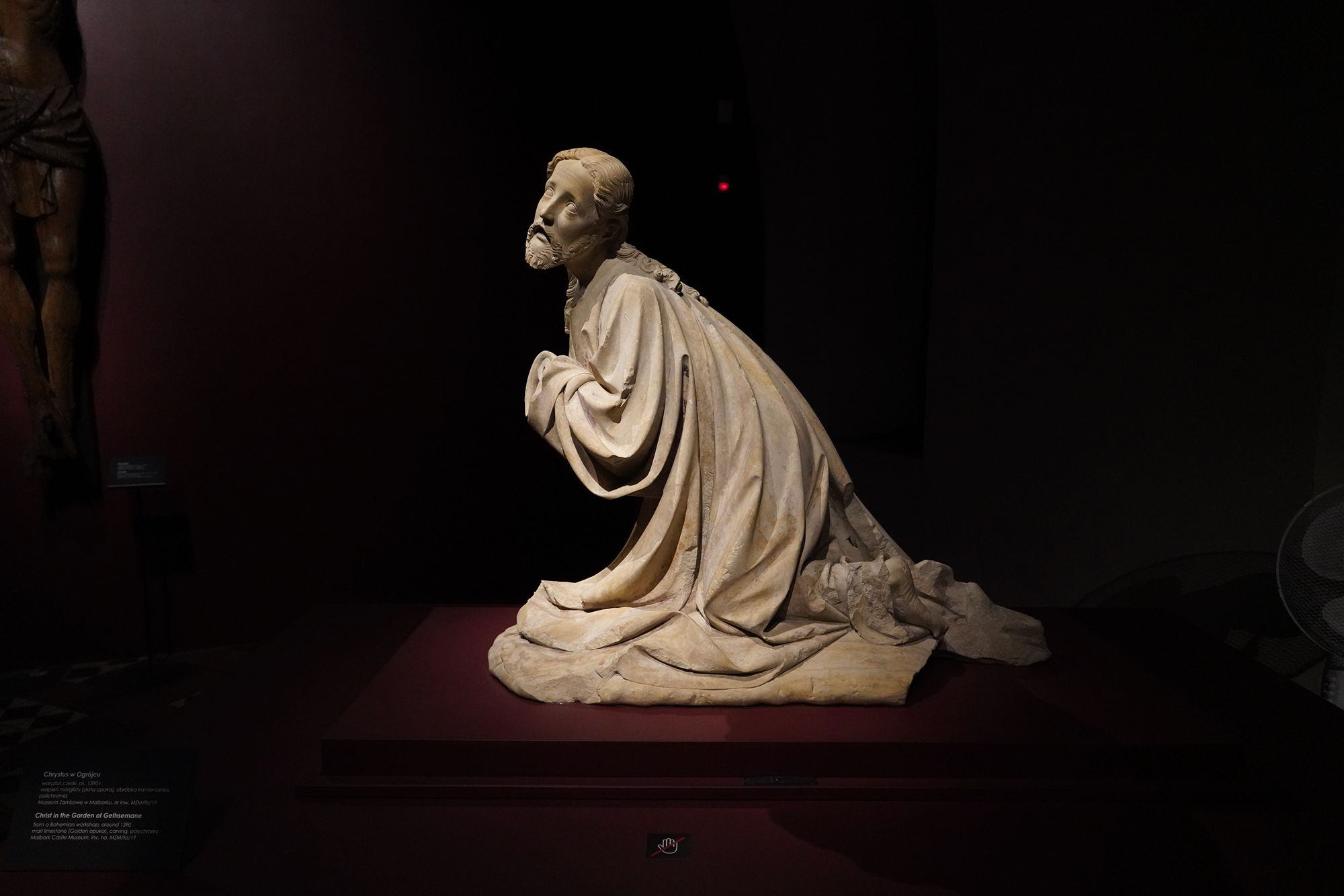
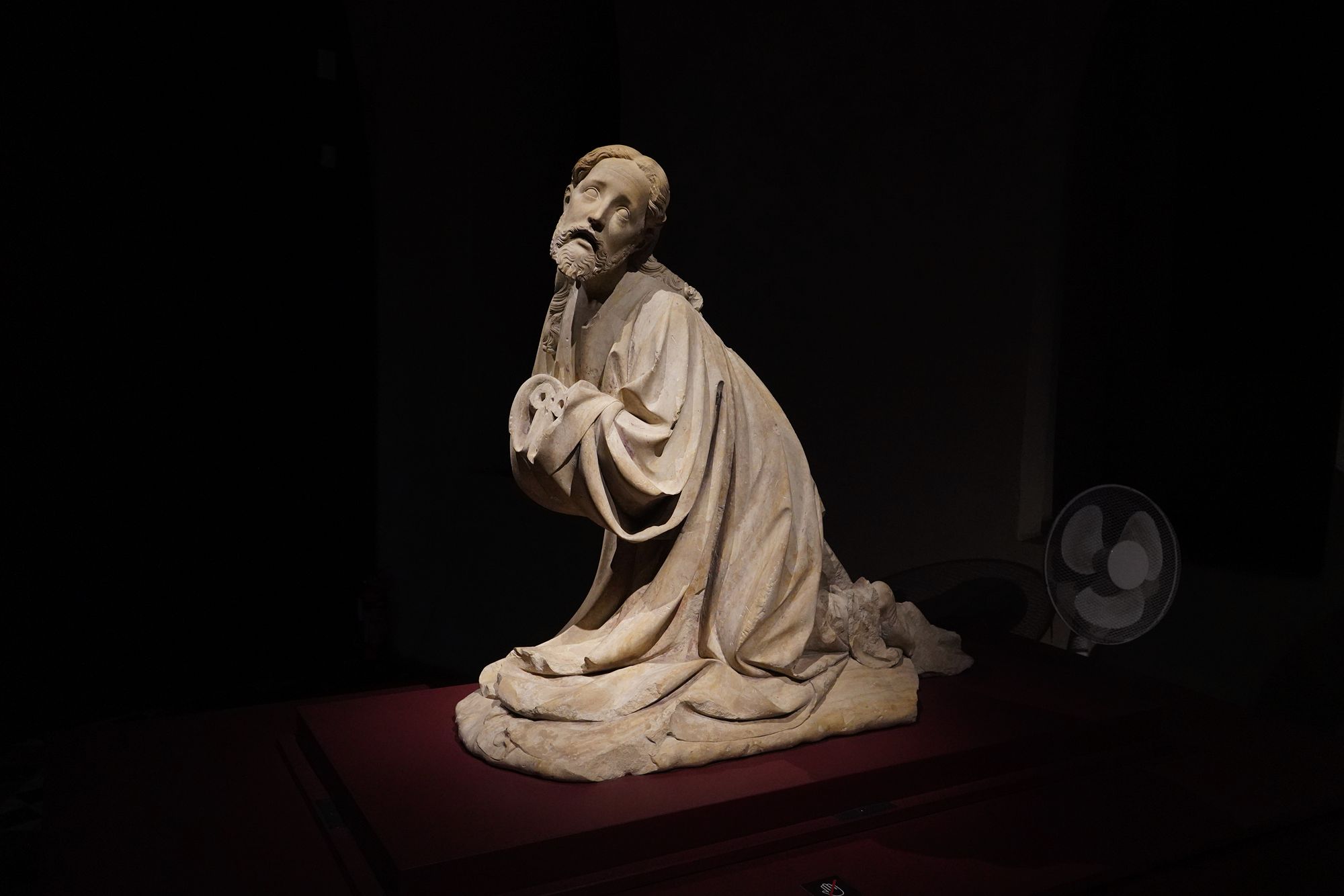
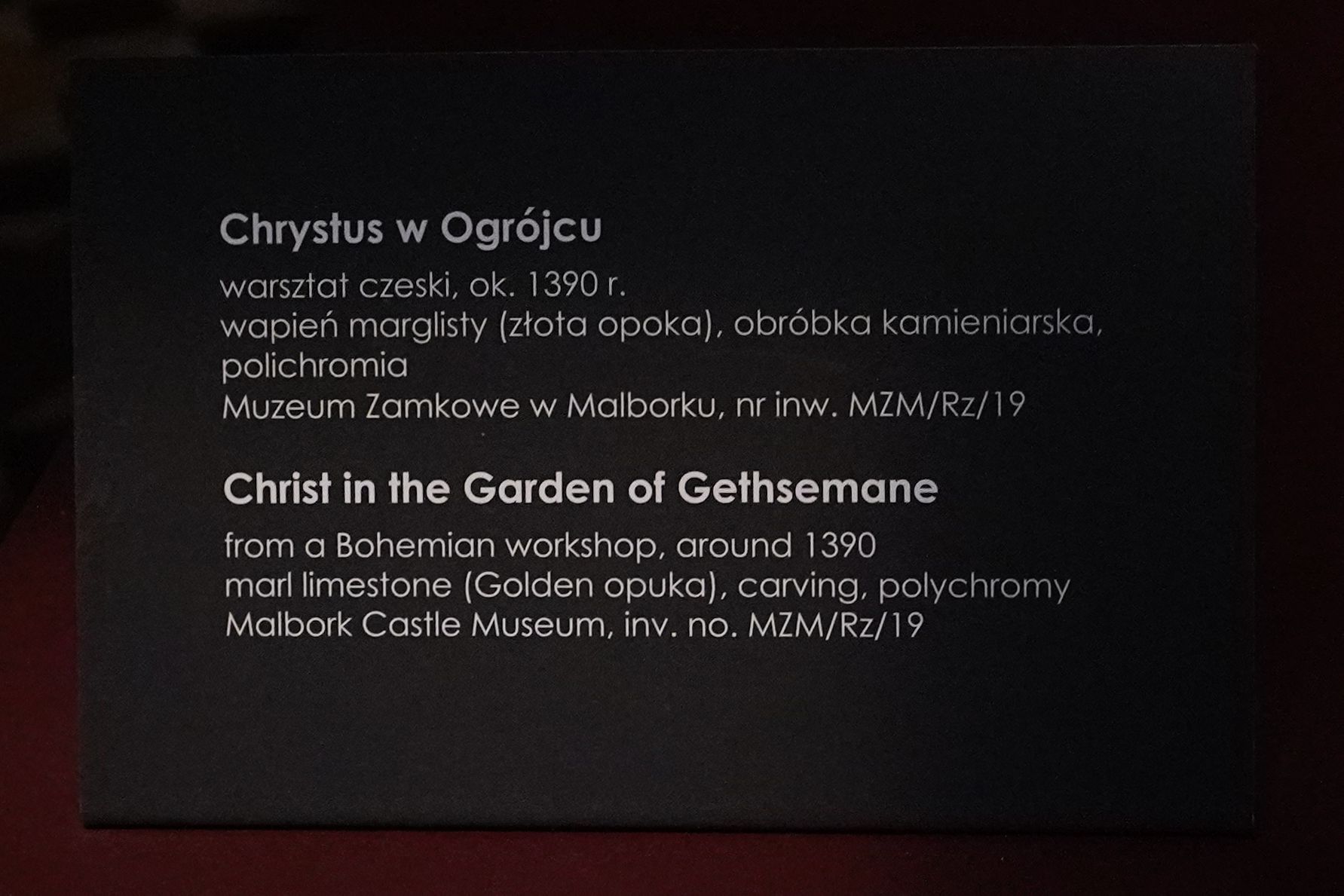
Christ in the Garden of Gethsemane, made in a Bohemian workshop around 1390. The sculpture is carved from marl limestone known as “golden opuka,” with painted decoration (polychromy).
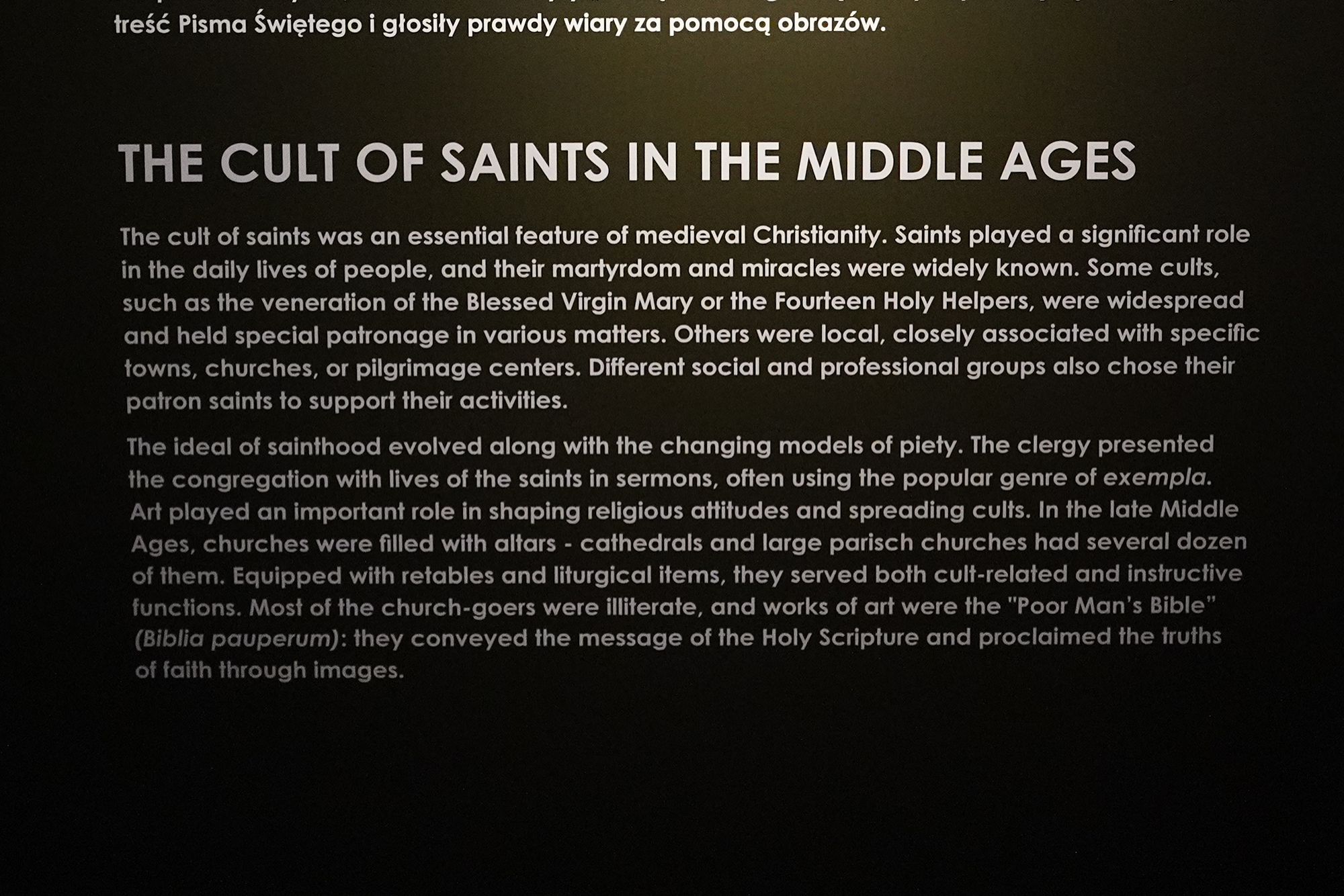
The panel explains how saints played an important role in medieval daily life. Towns, churches, and professional groups chose patron saints for protection and support. Sermons told stories of their lives and miracles, while religious paintings and sculptures taught biblical stories to people who could not read.
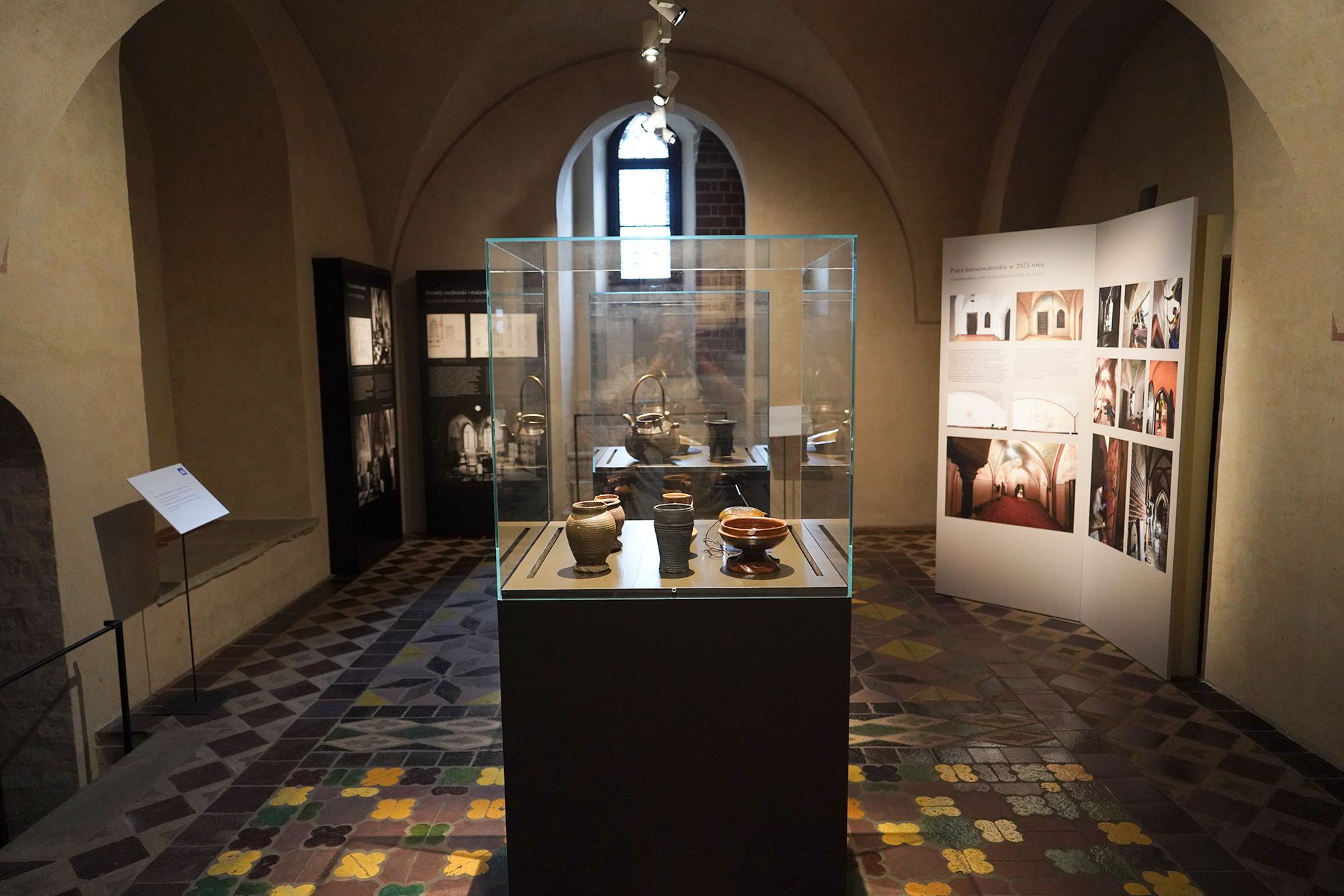
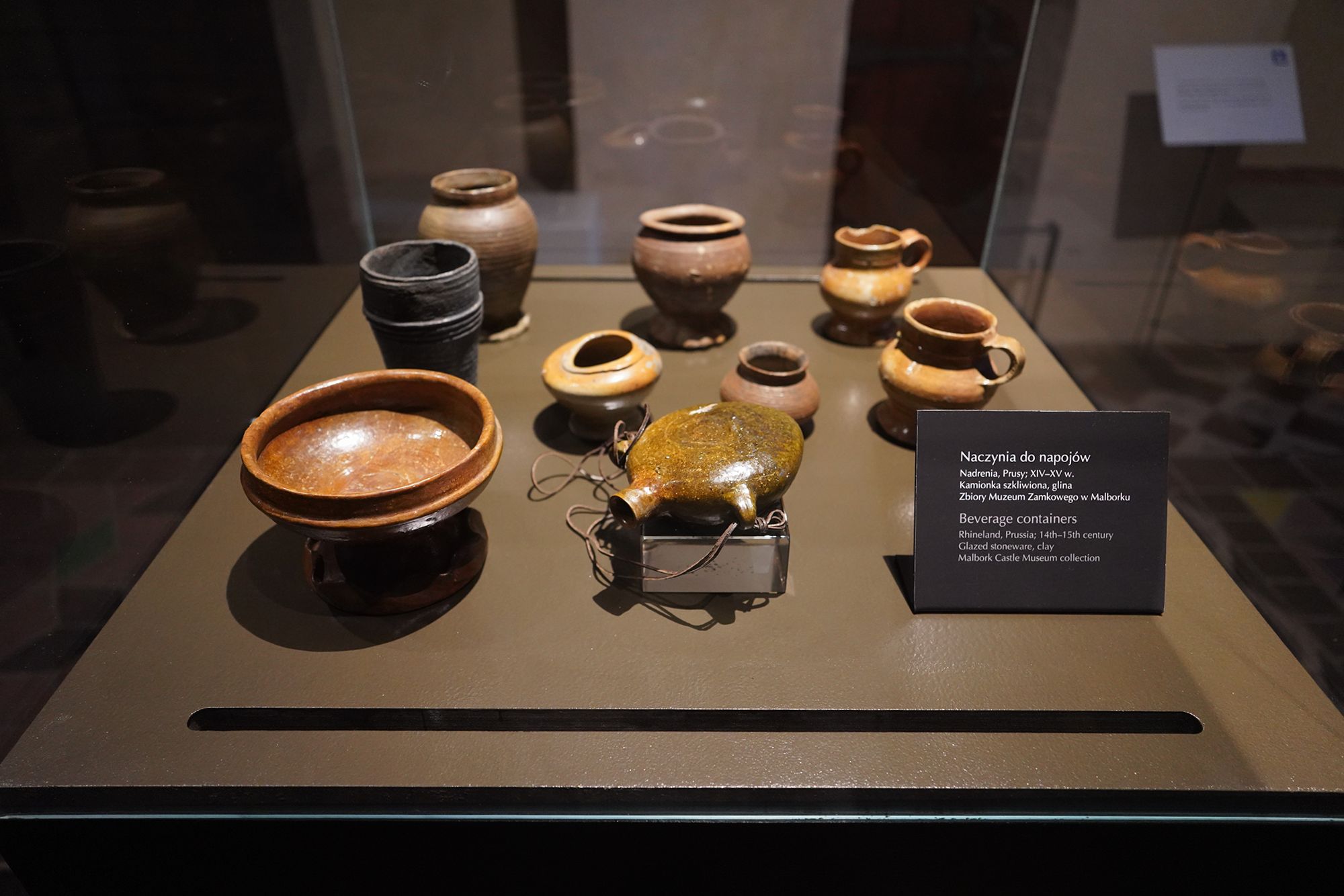
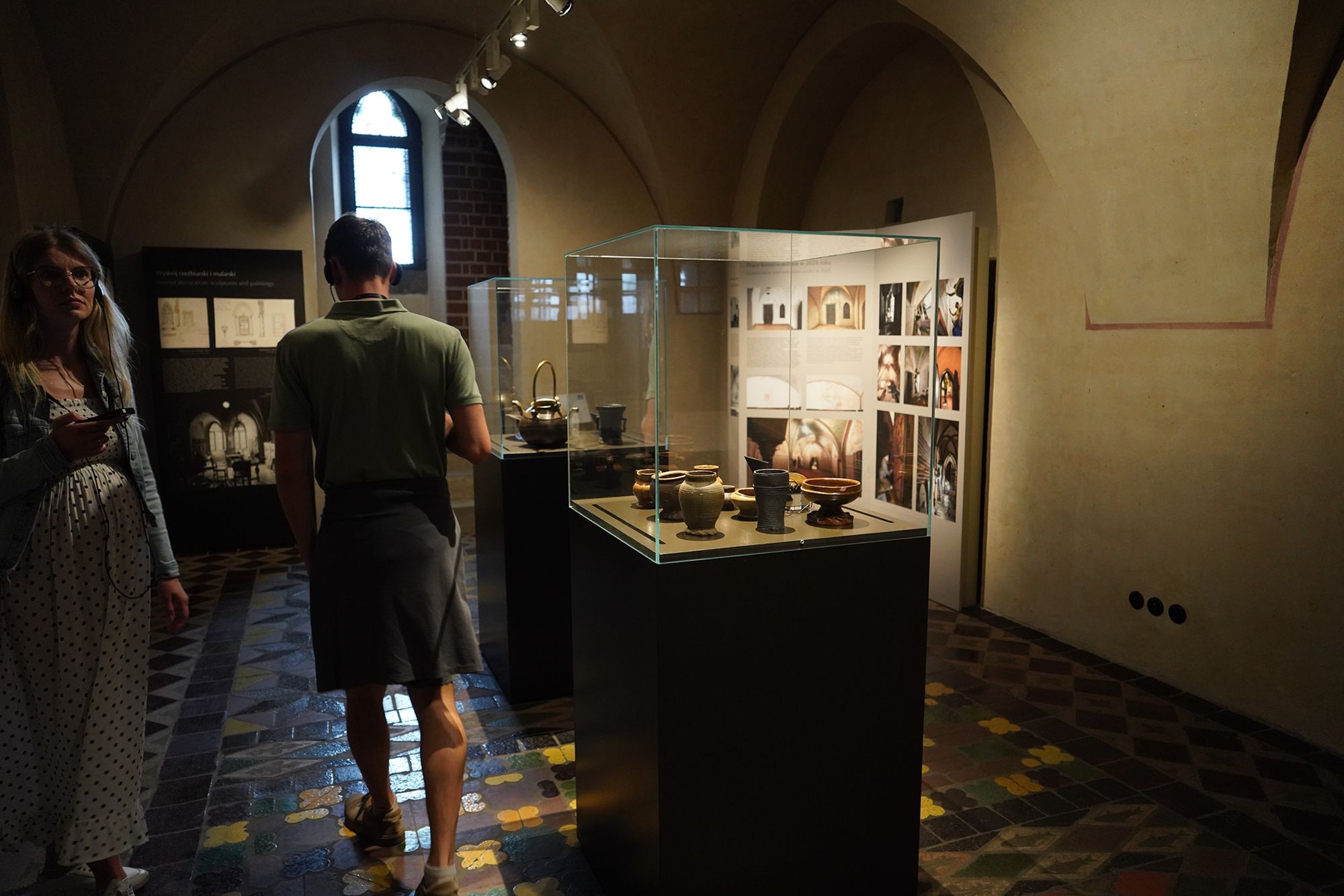
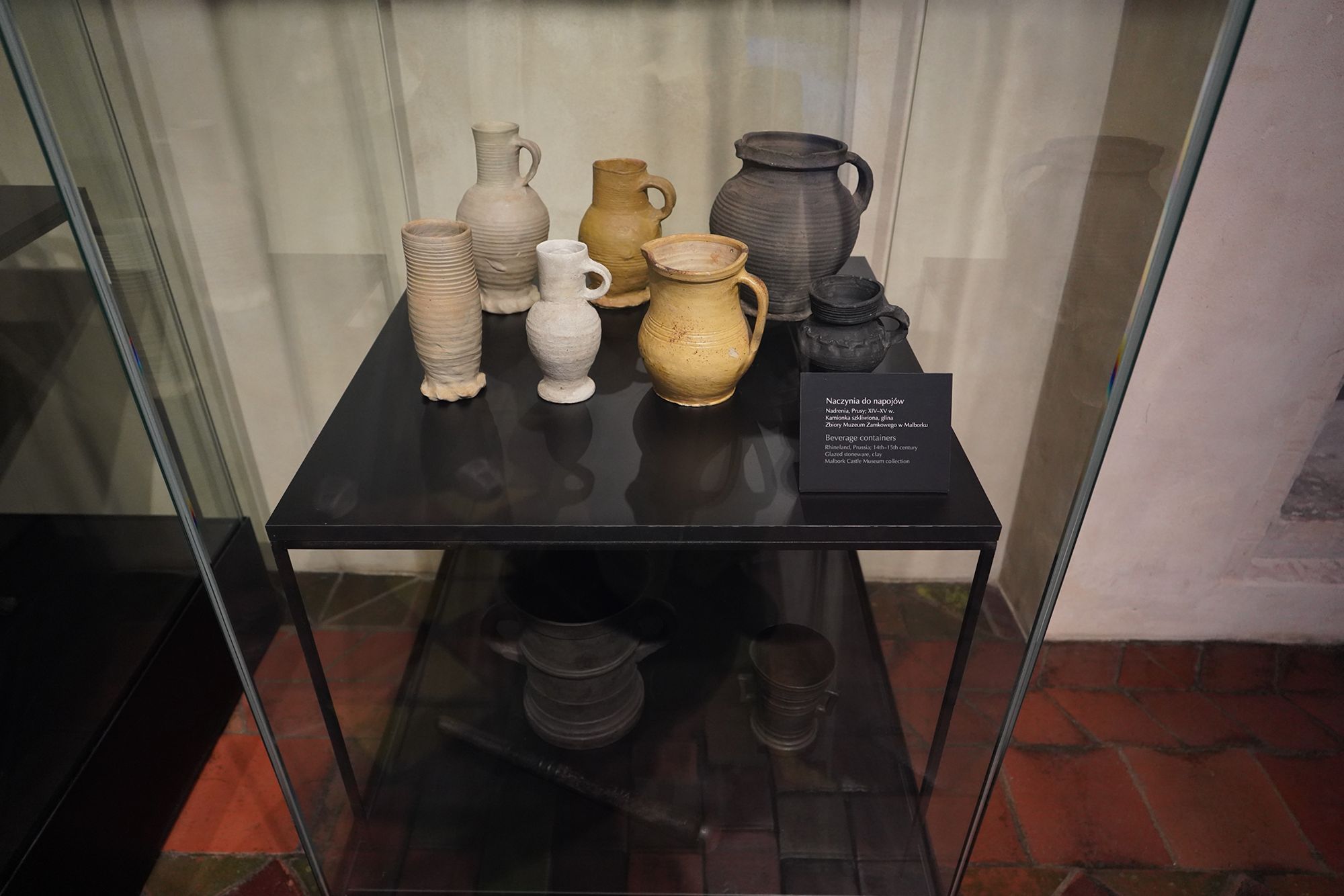
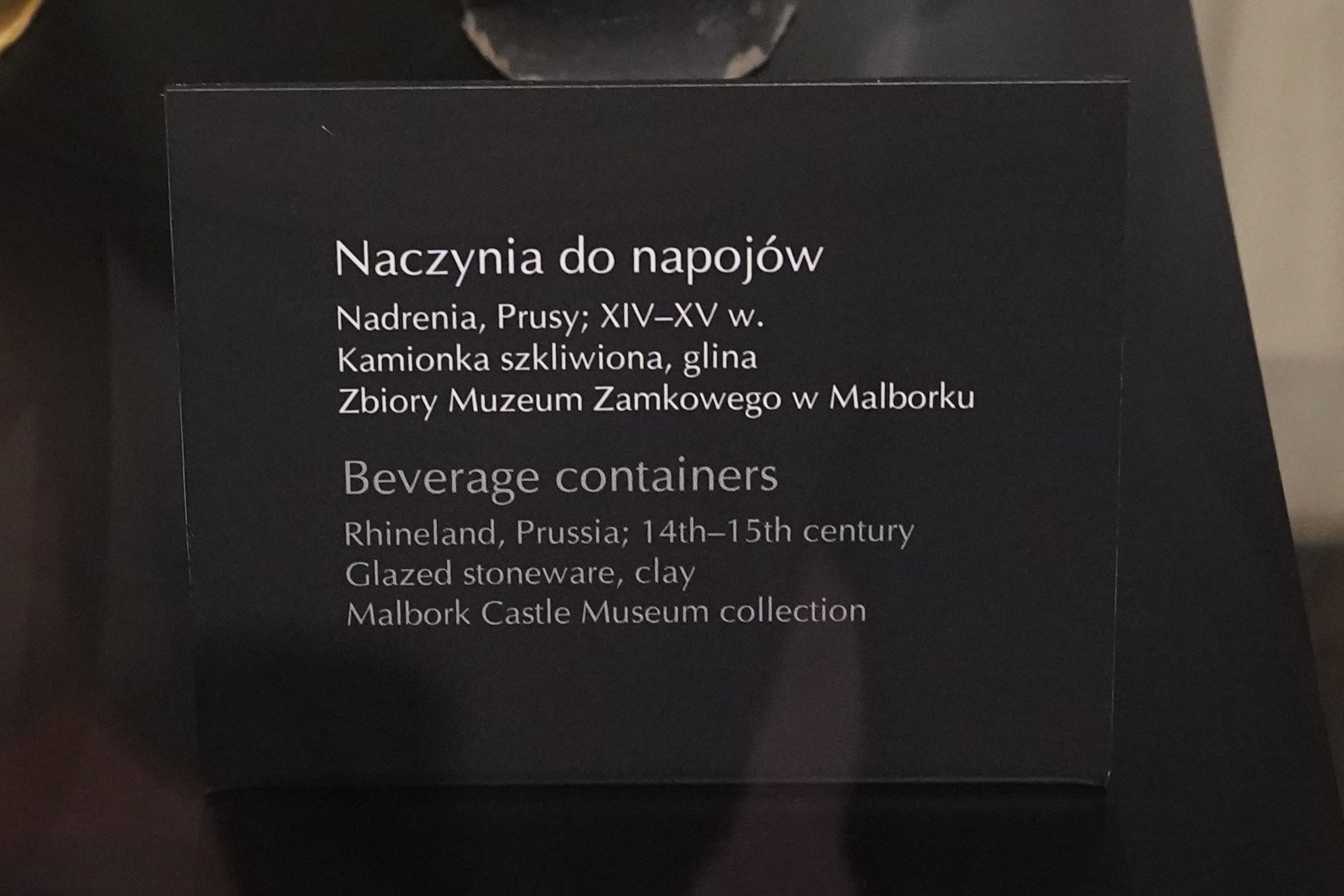
Inside the building, I found several exhibitions of medieval art.
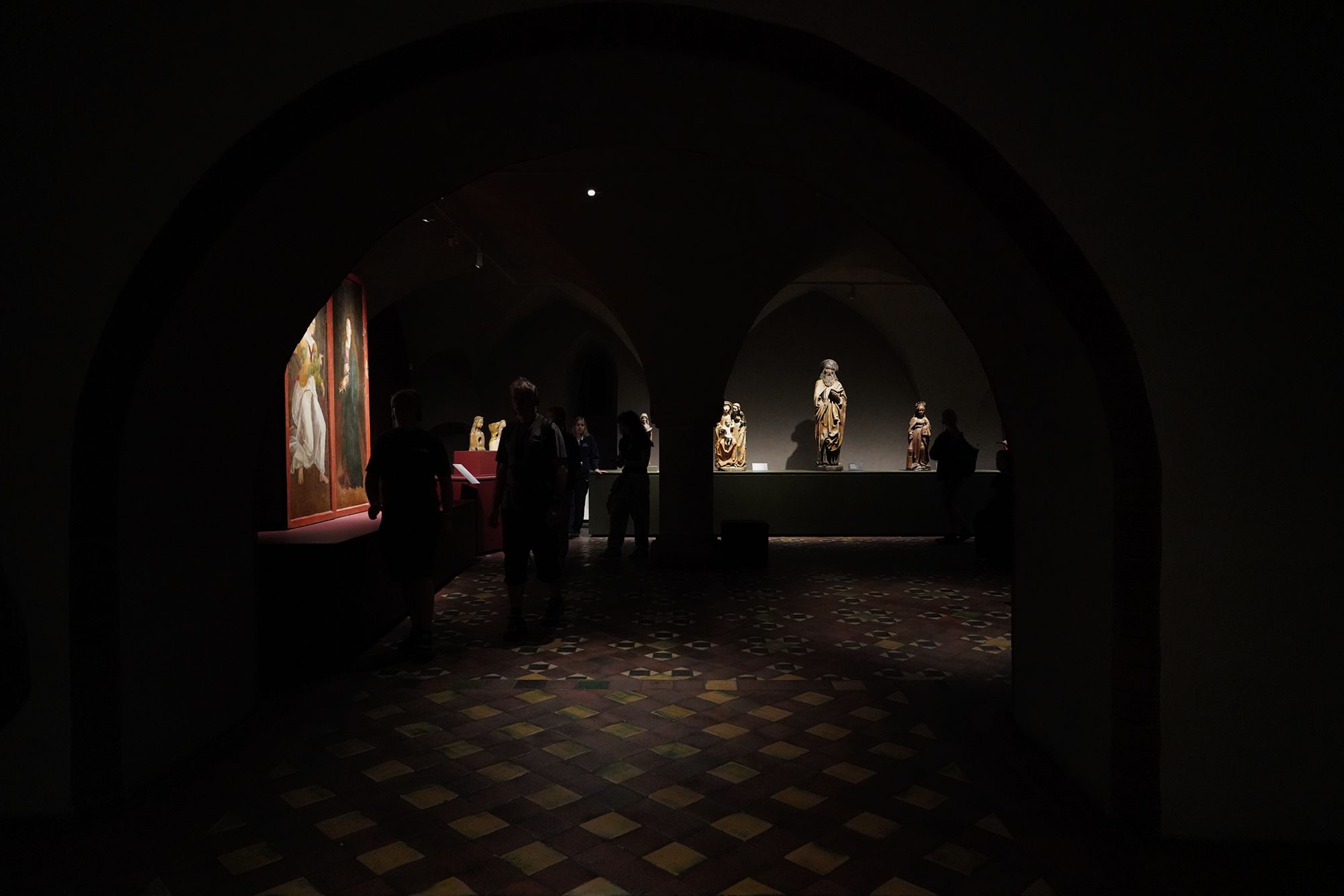
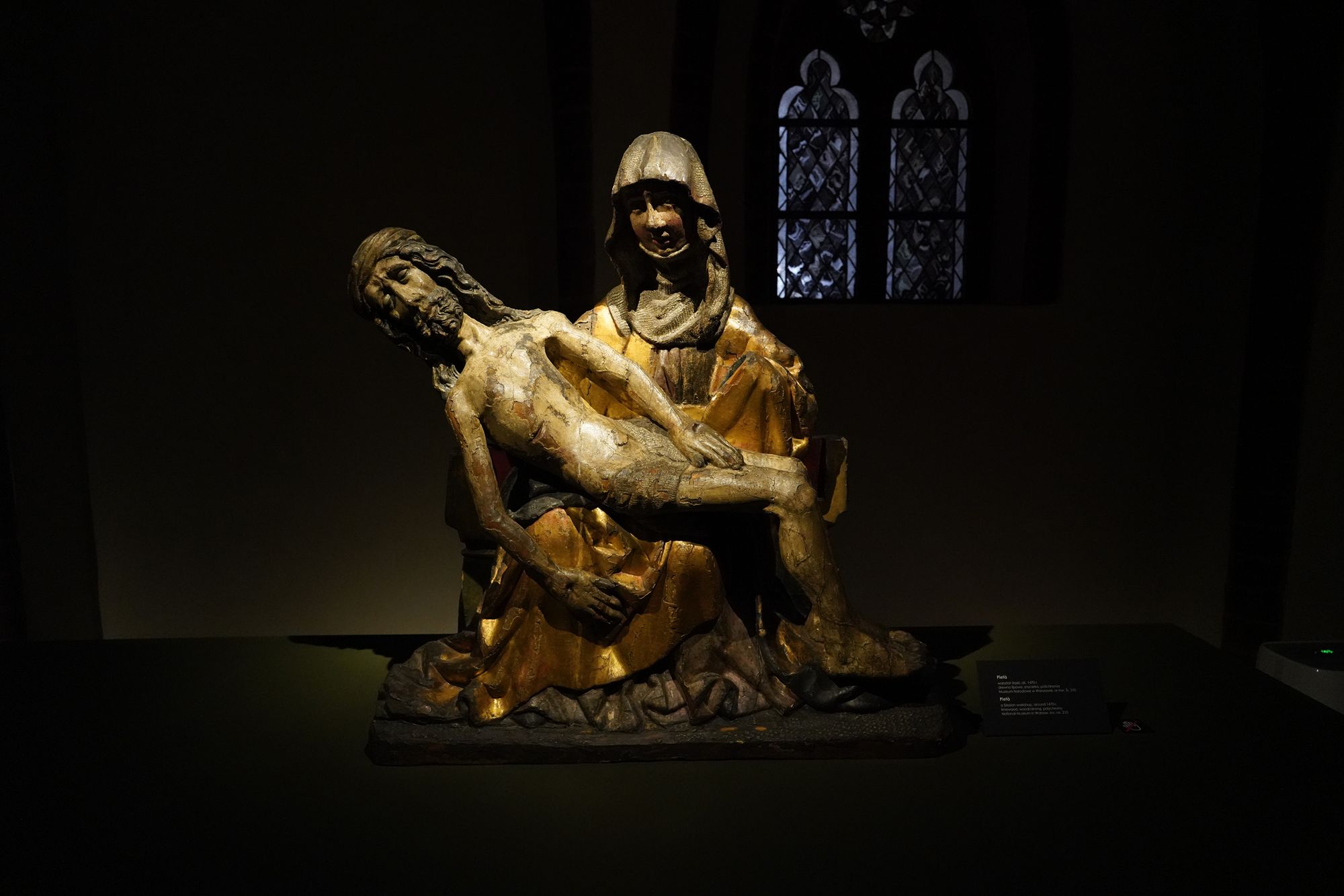
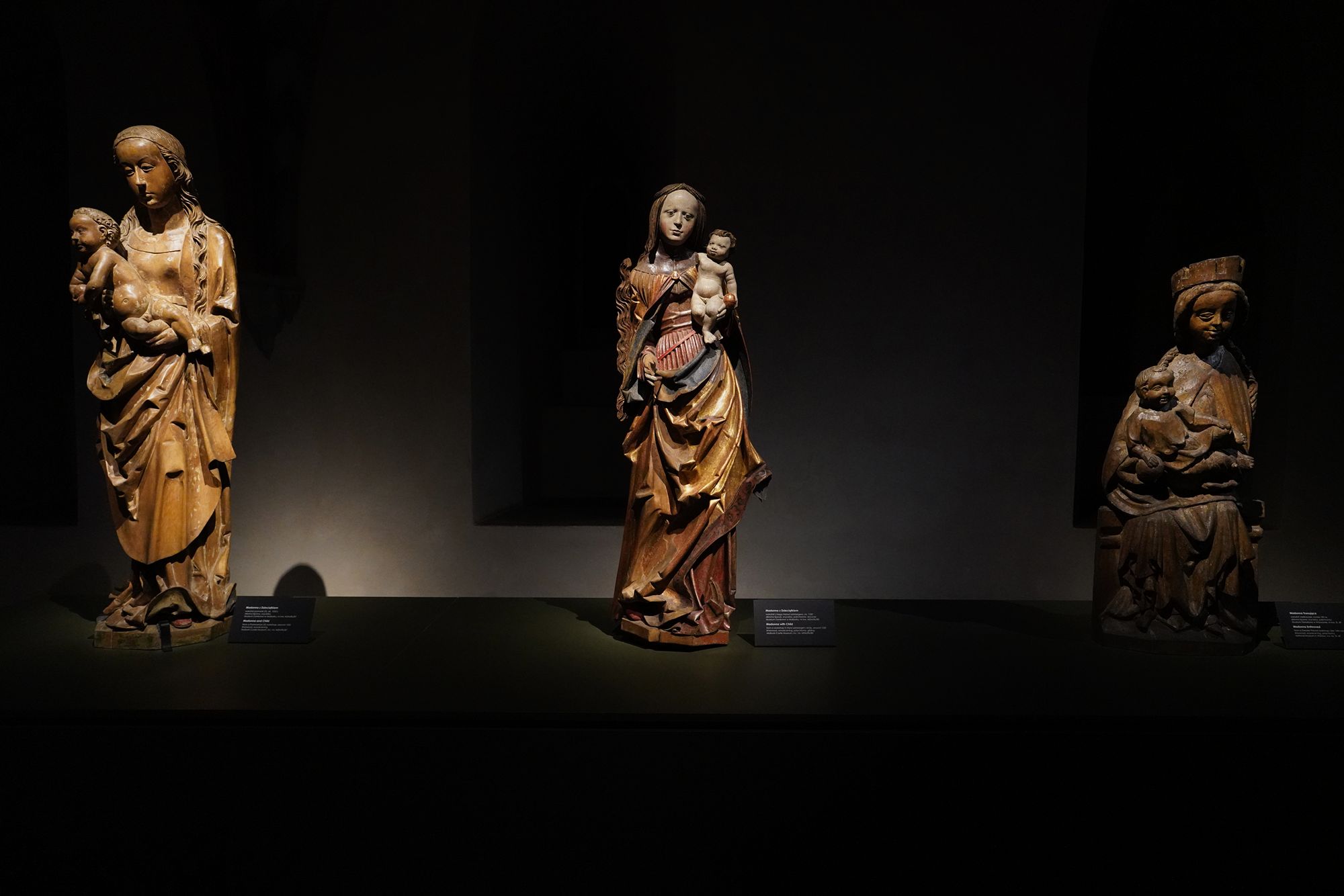
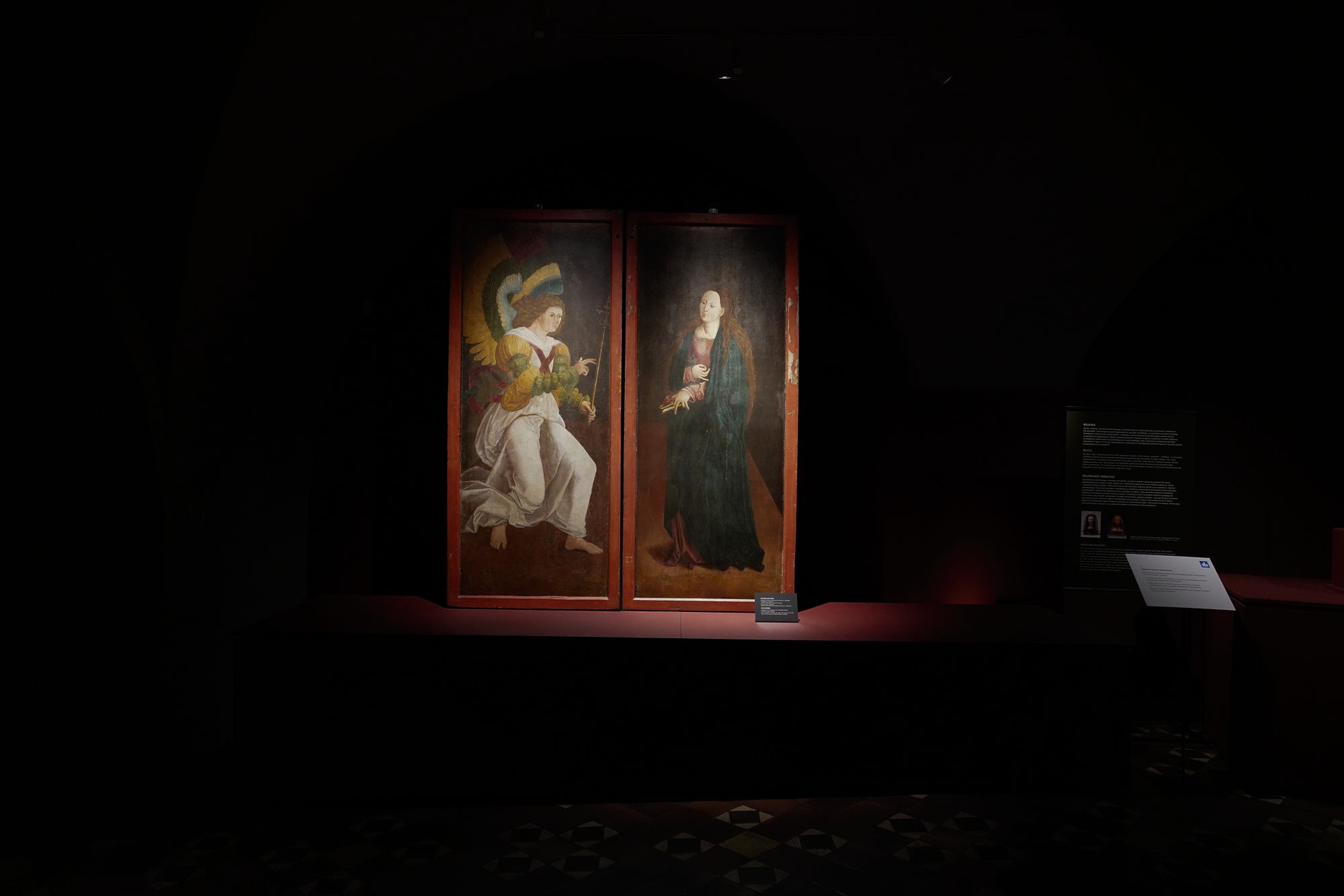
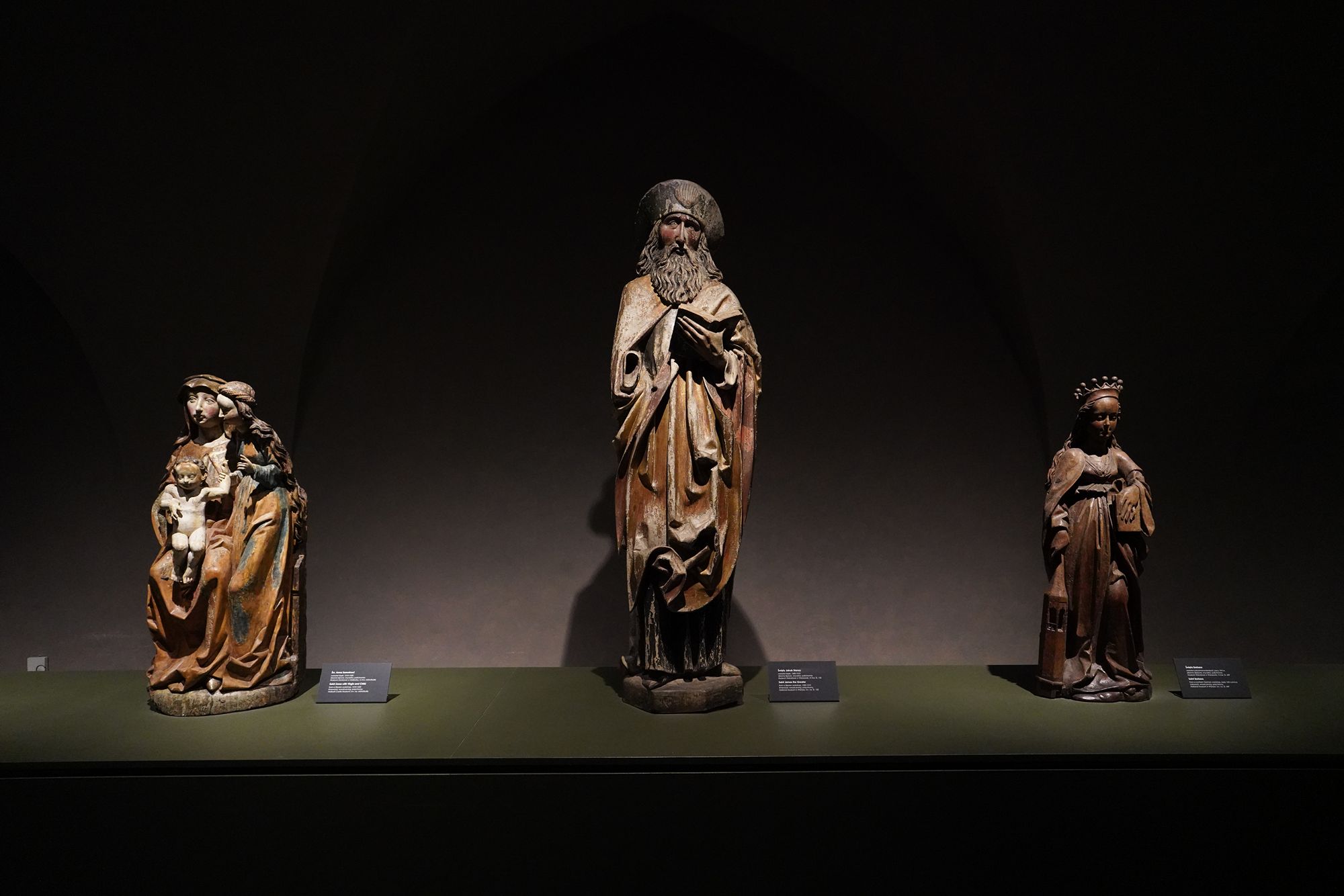
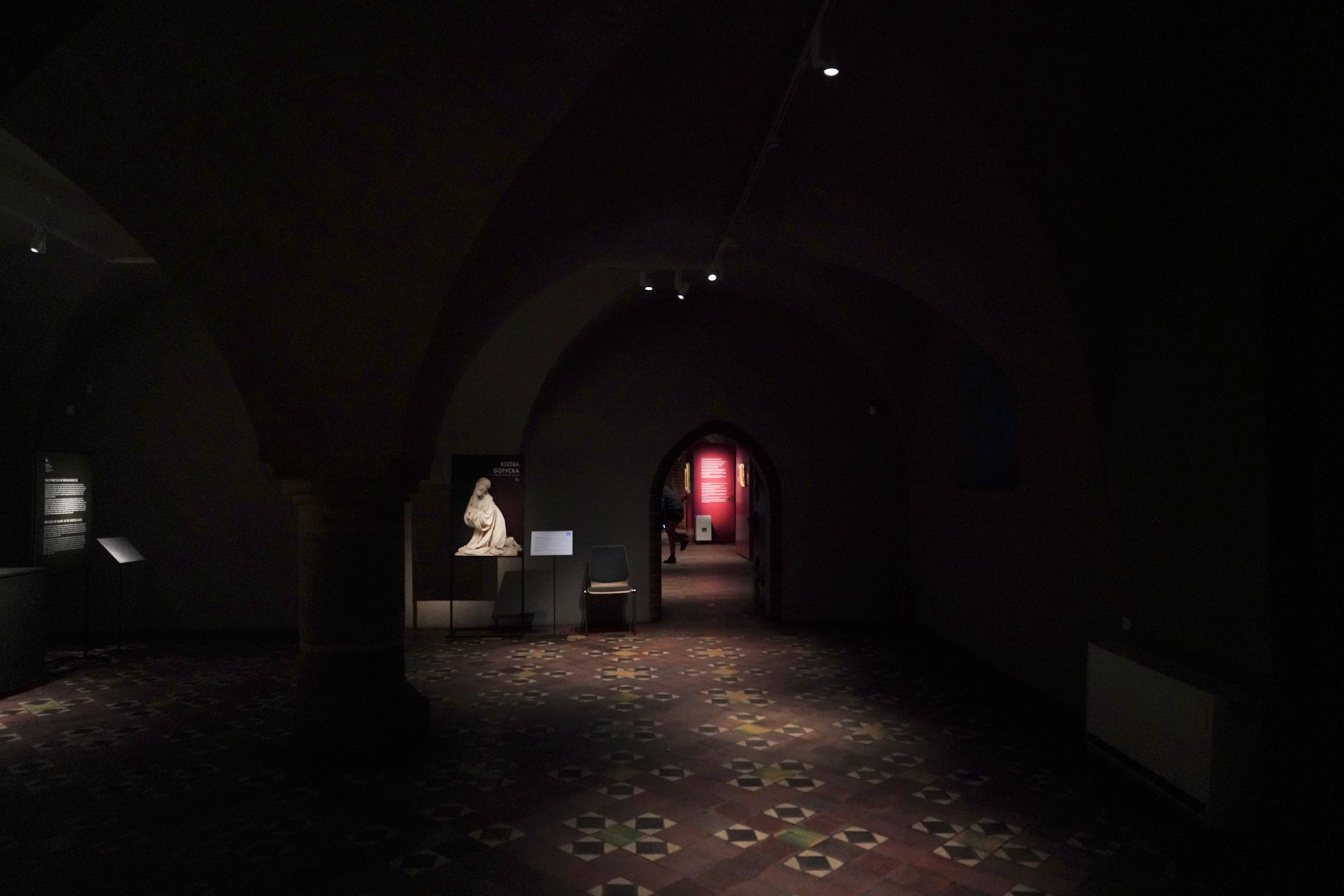
Another Exhibition
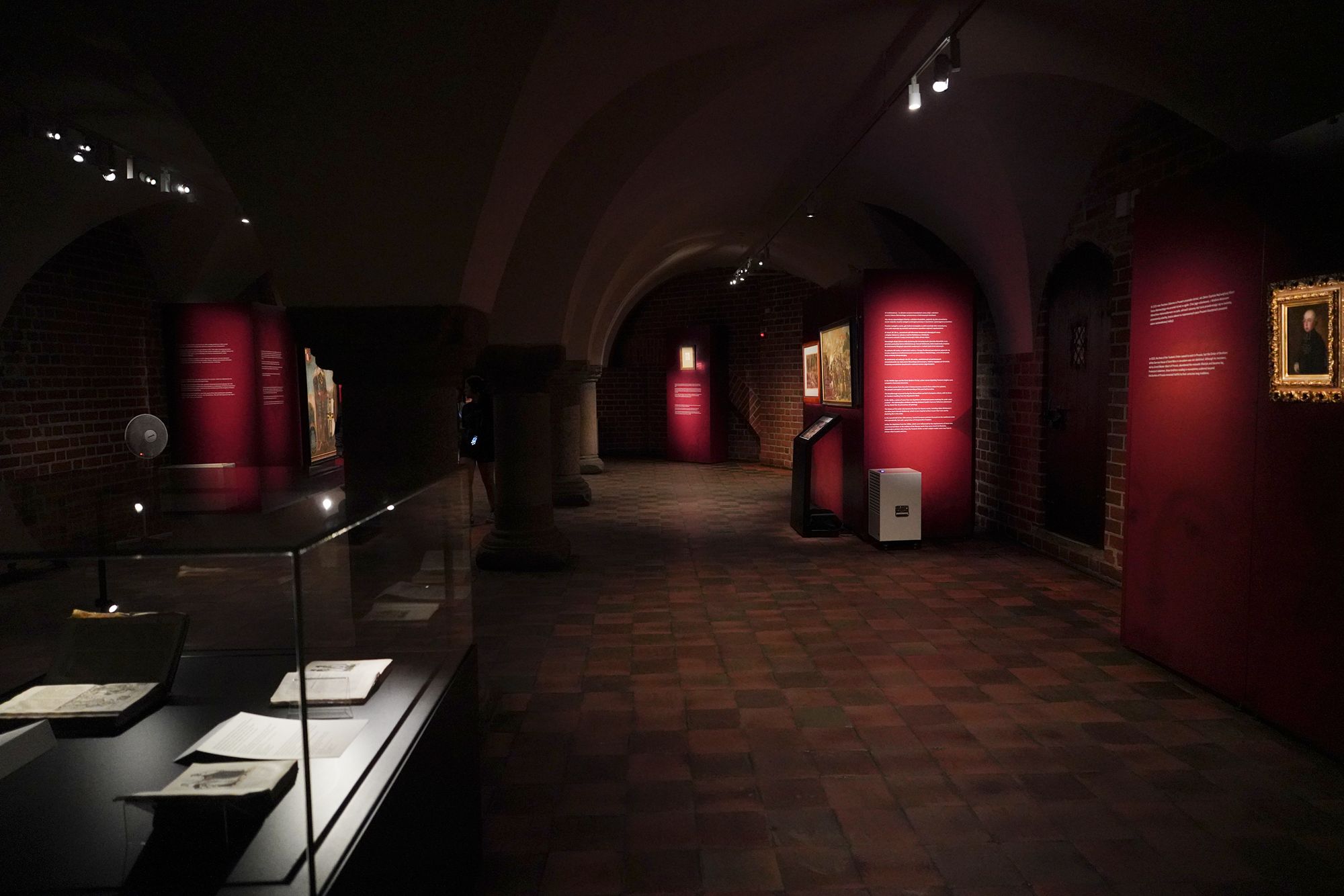
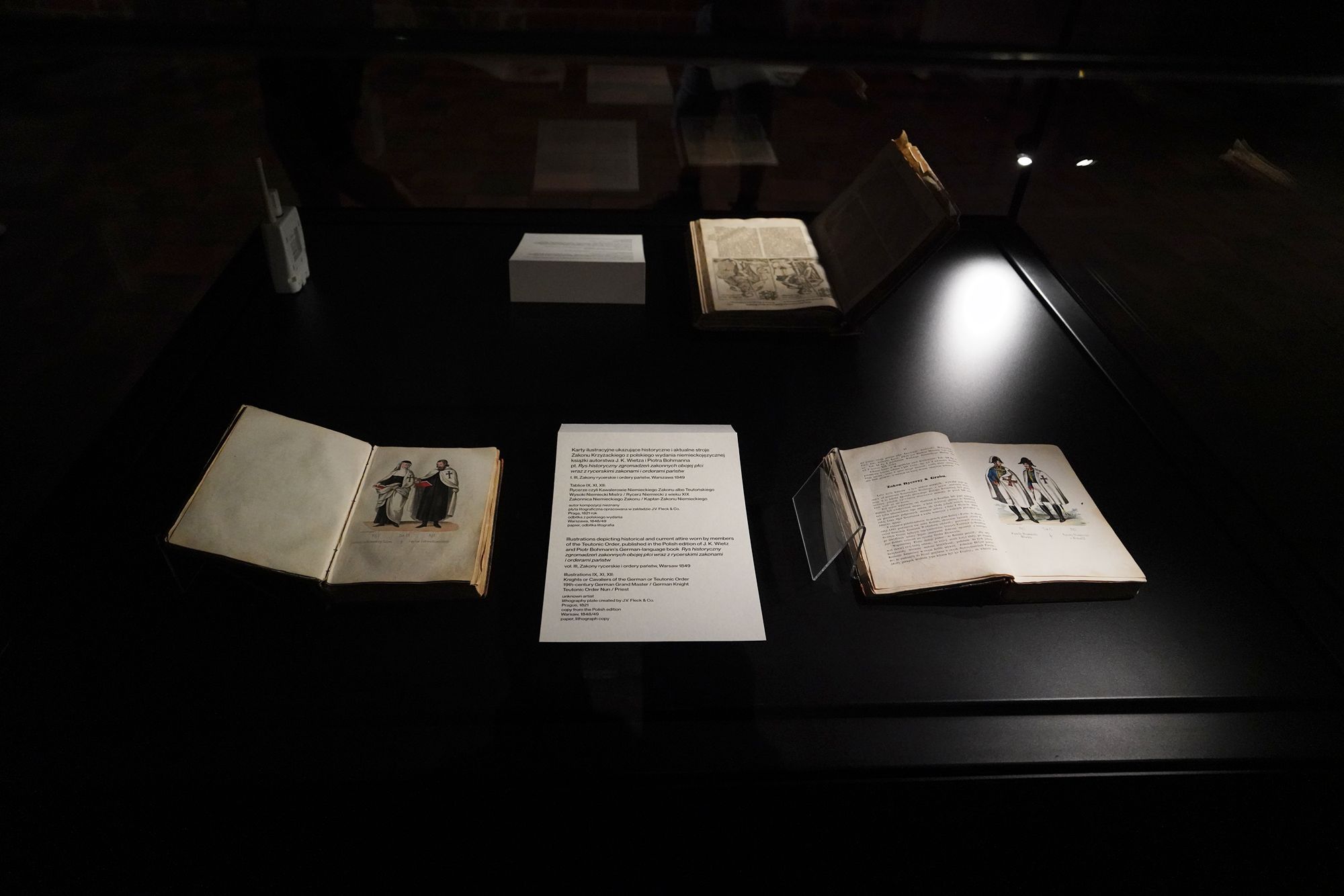
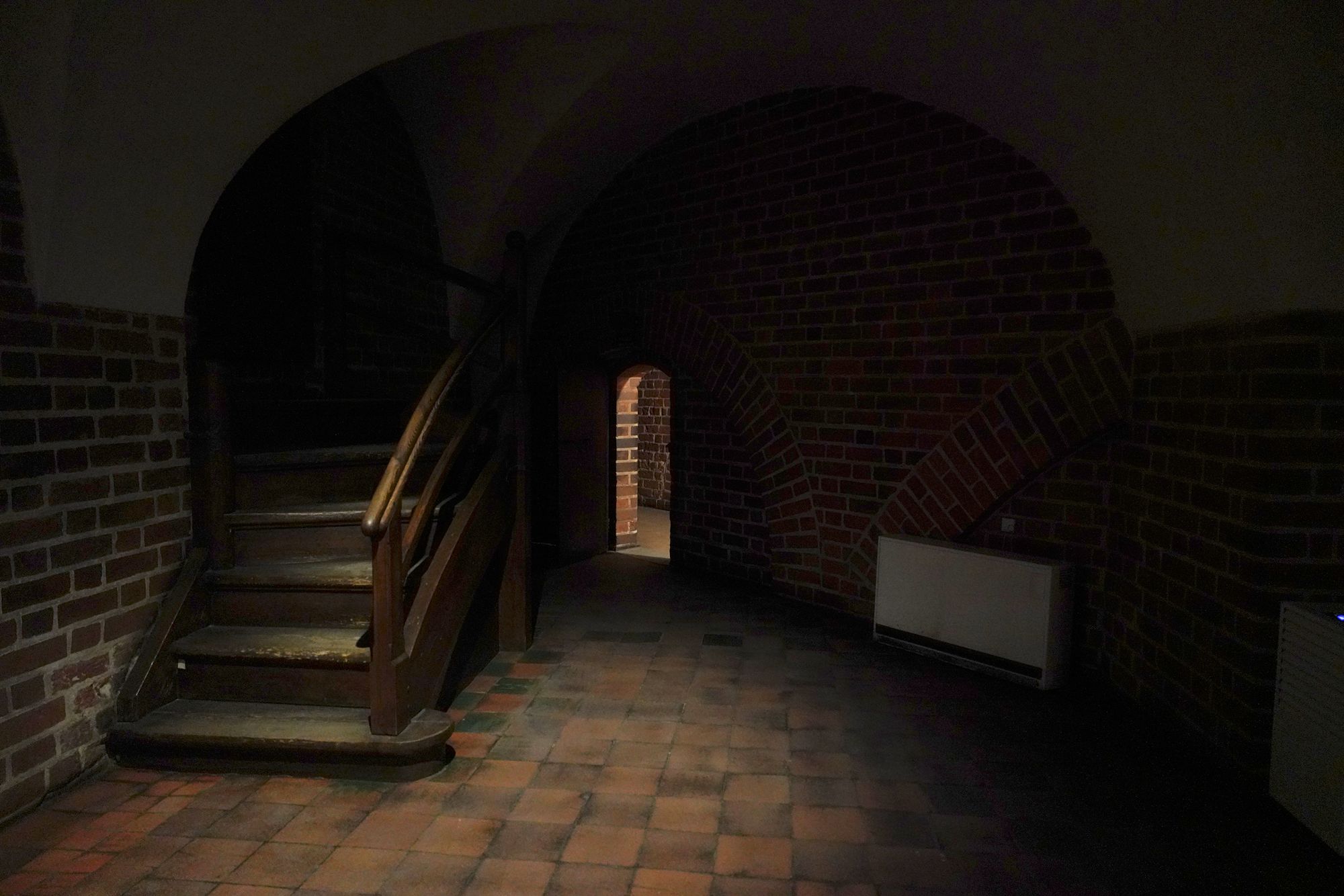
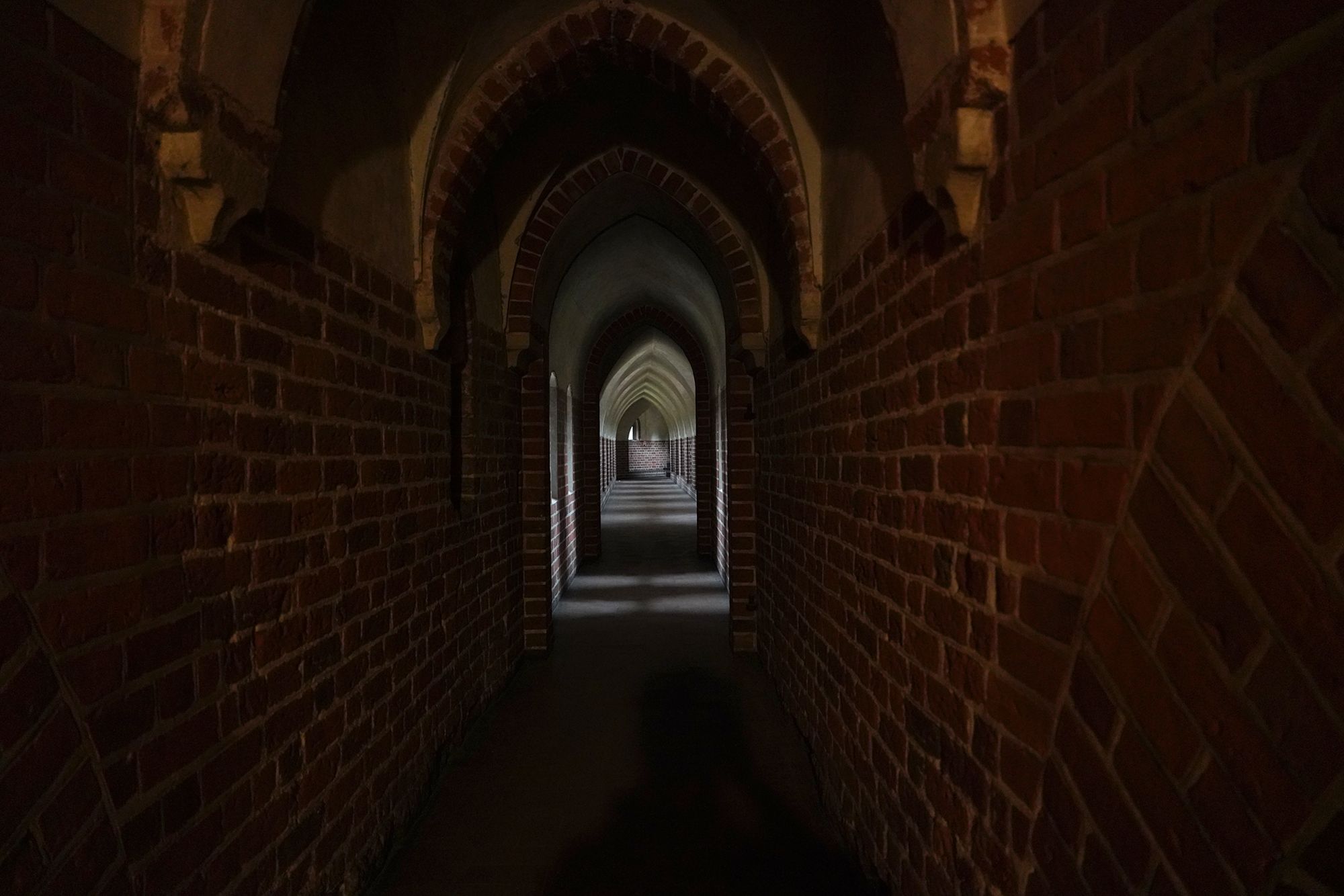
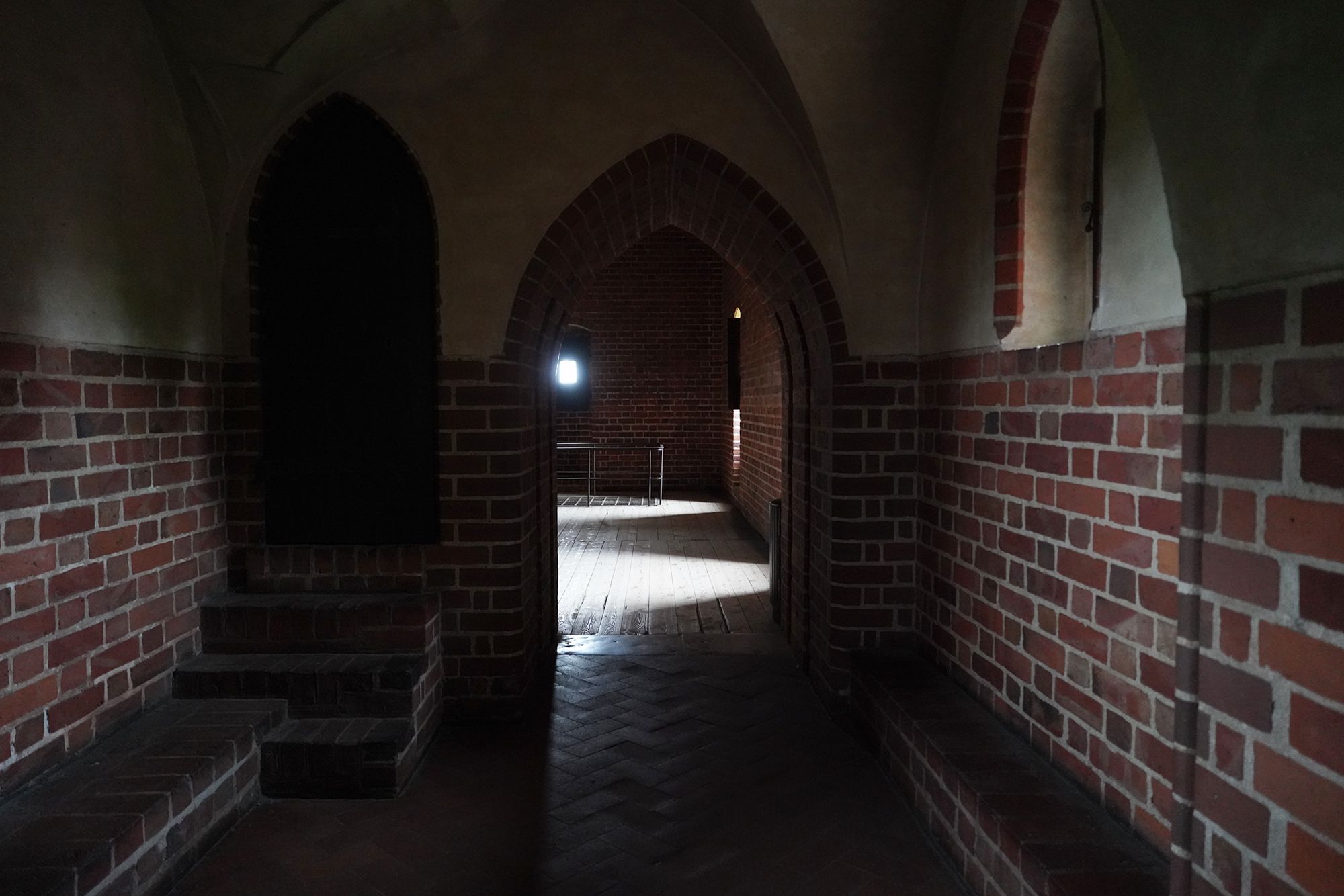
Another exhibition
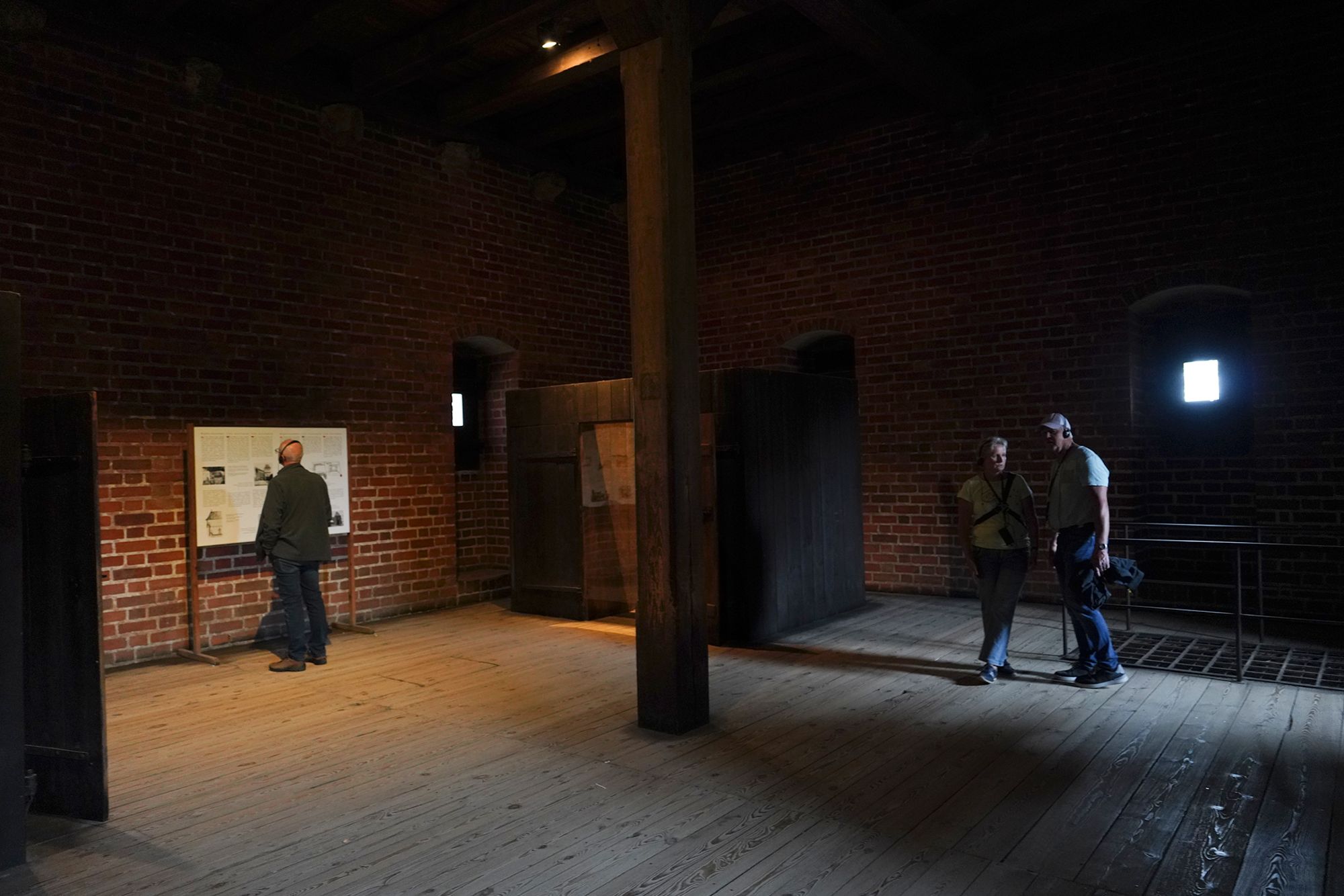
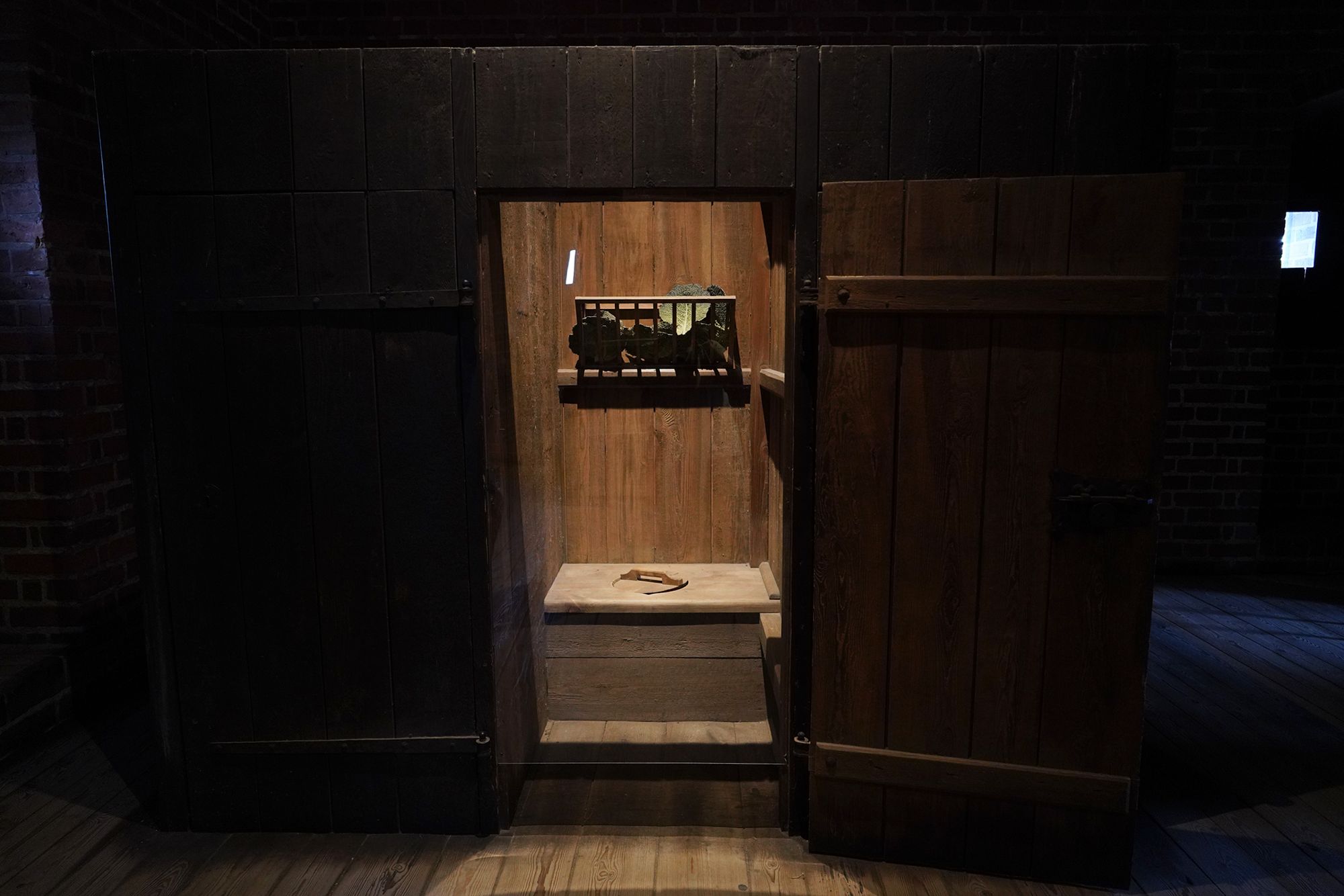
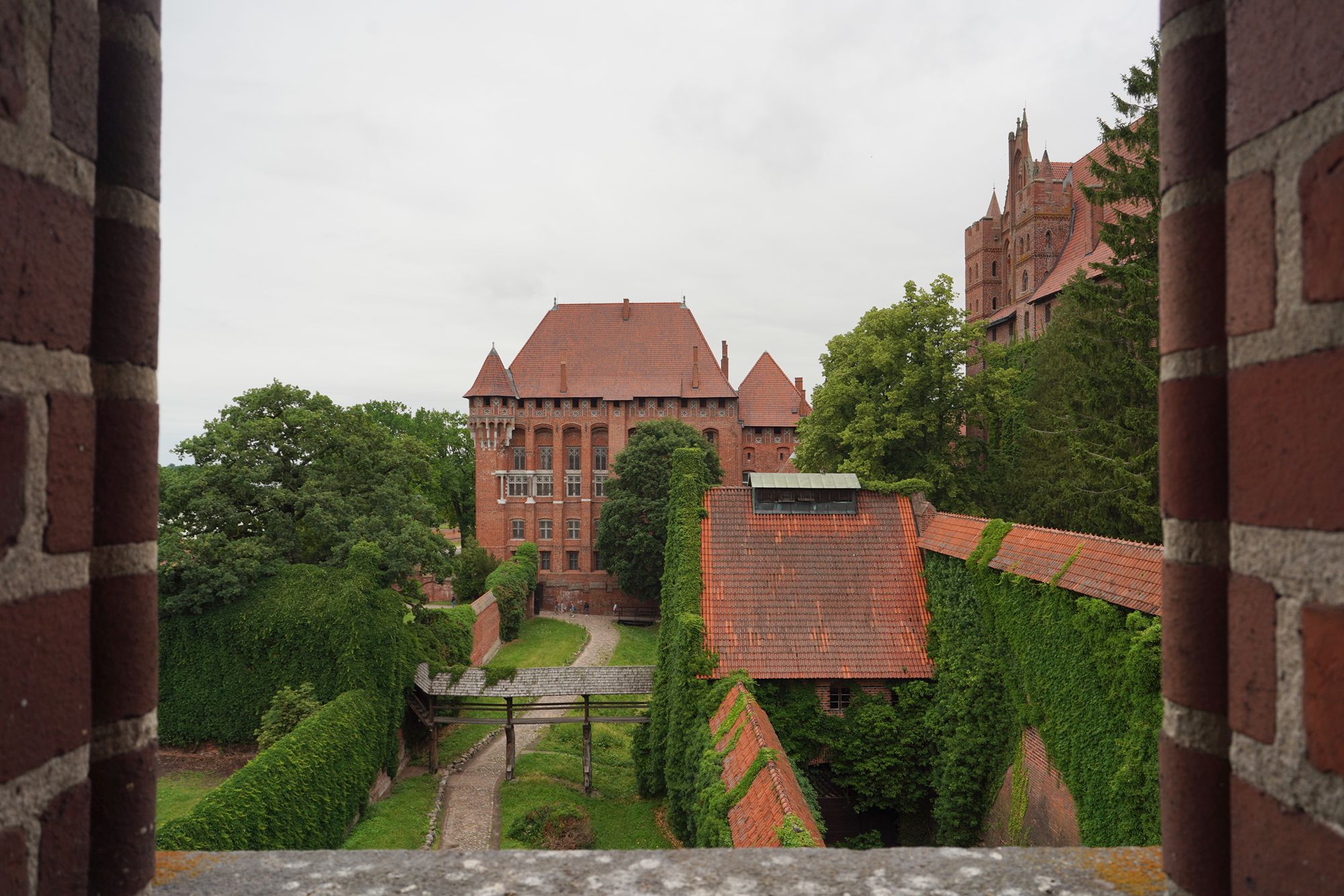
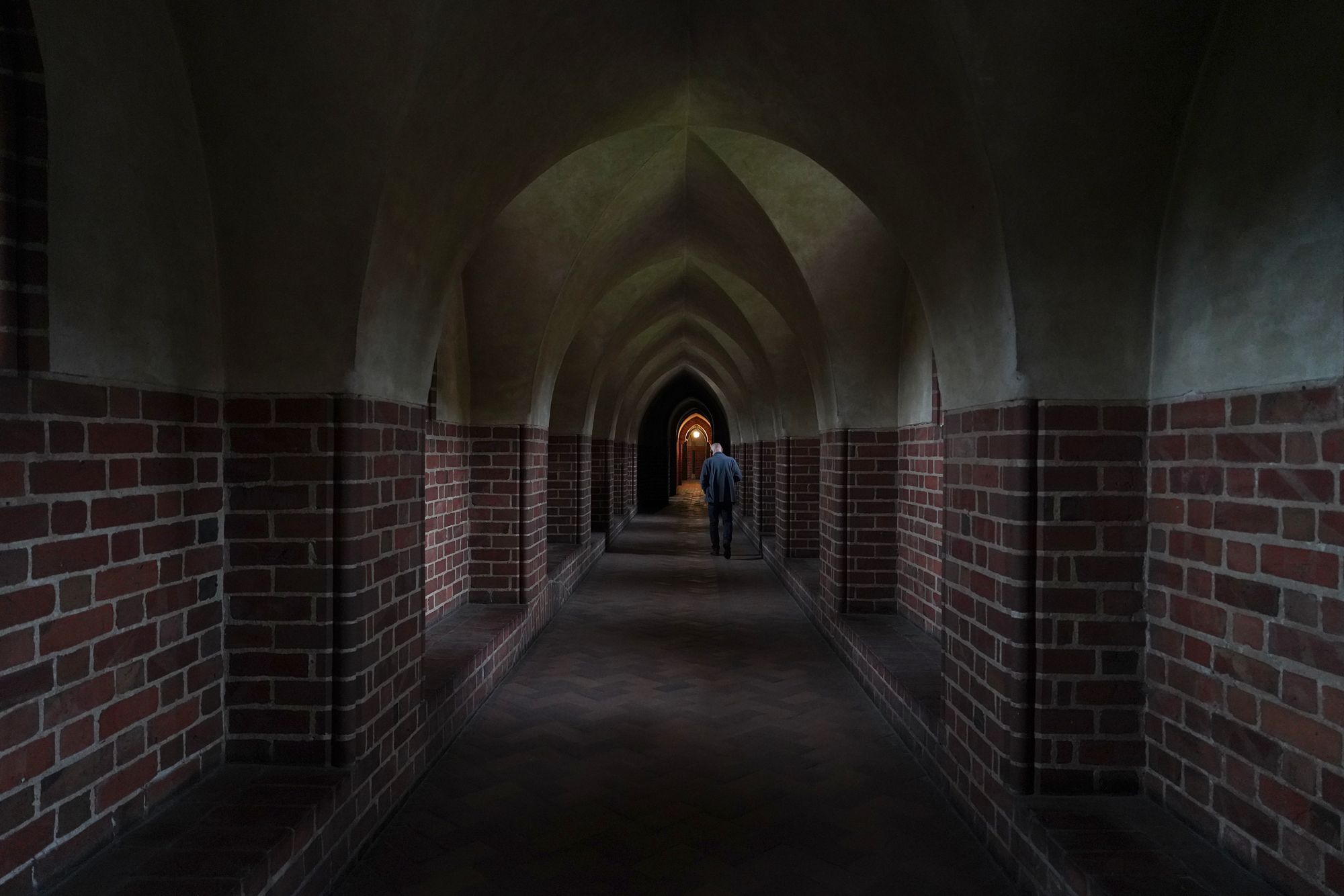
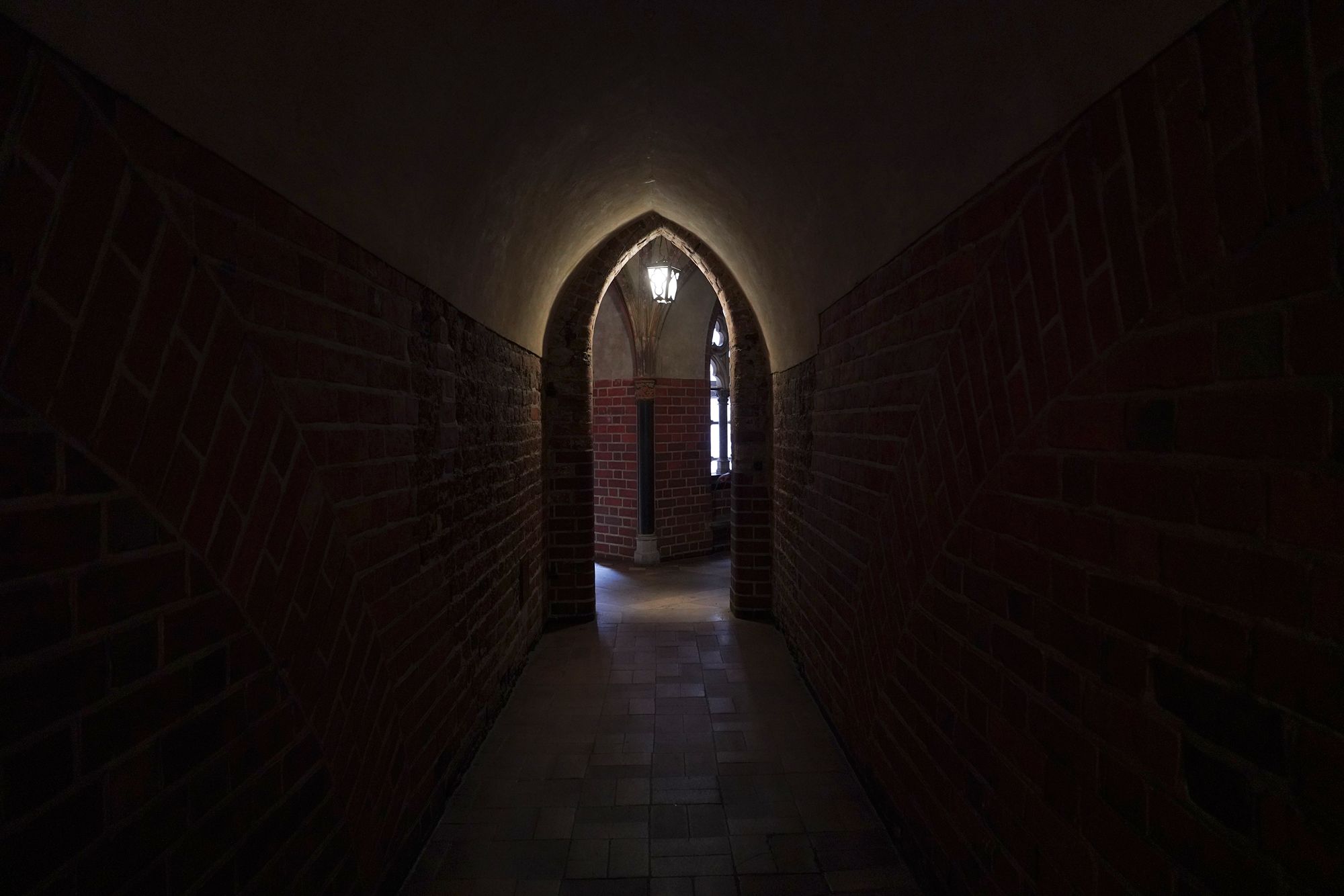
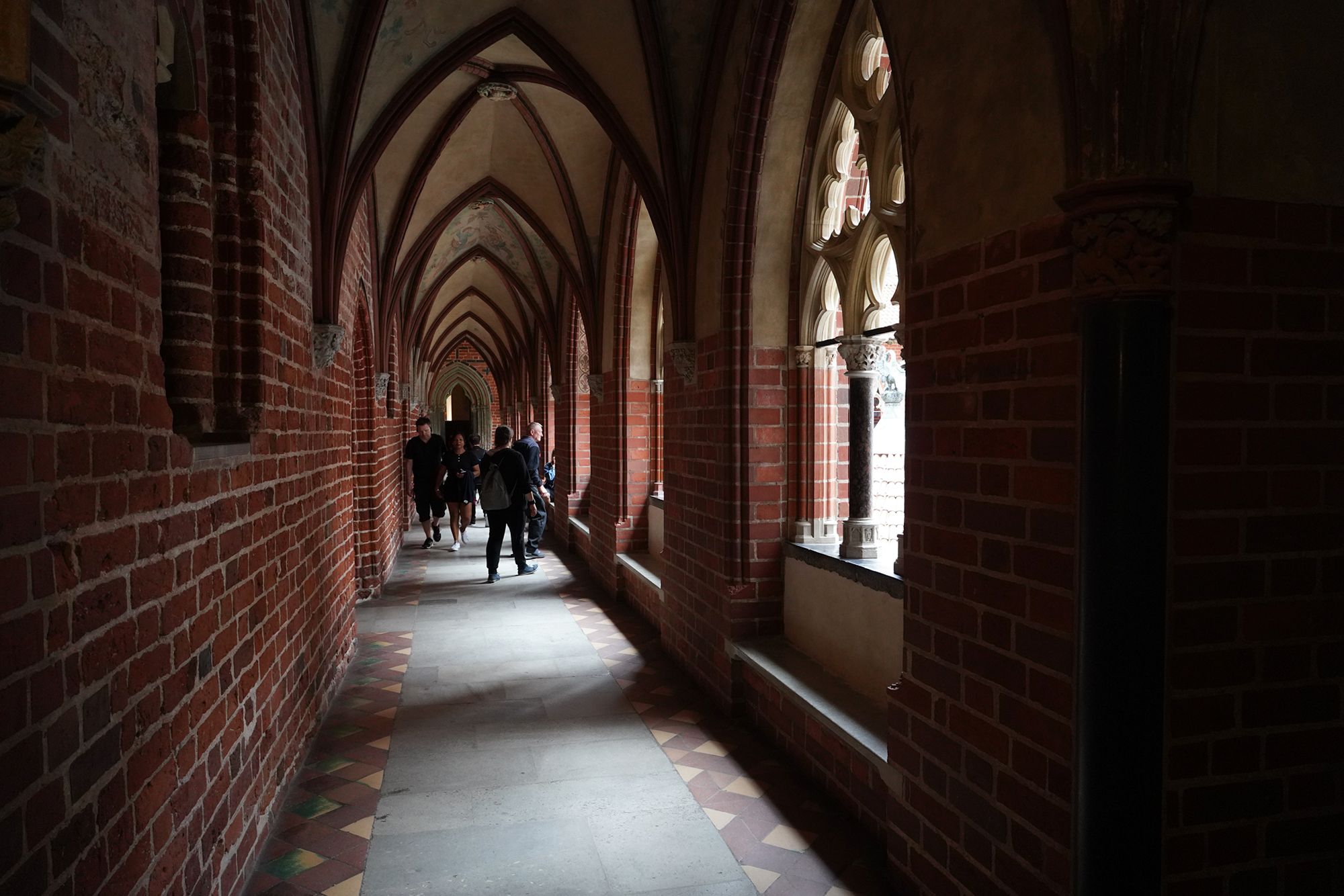
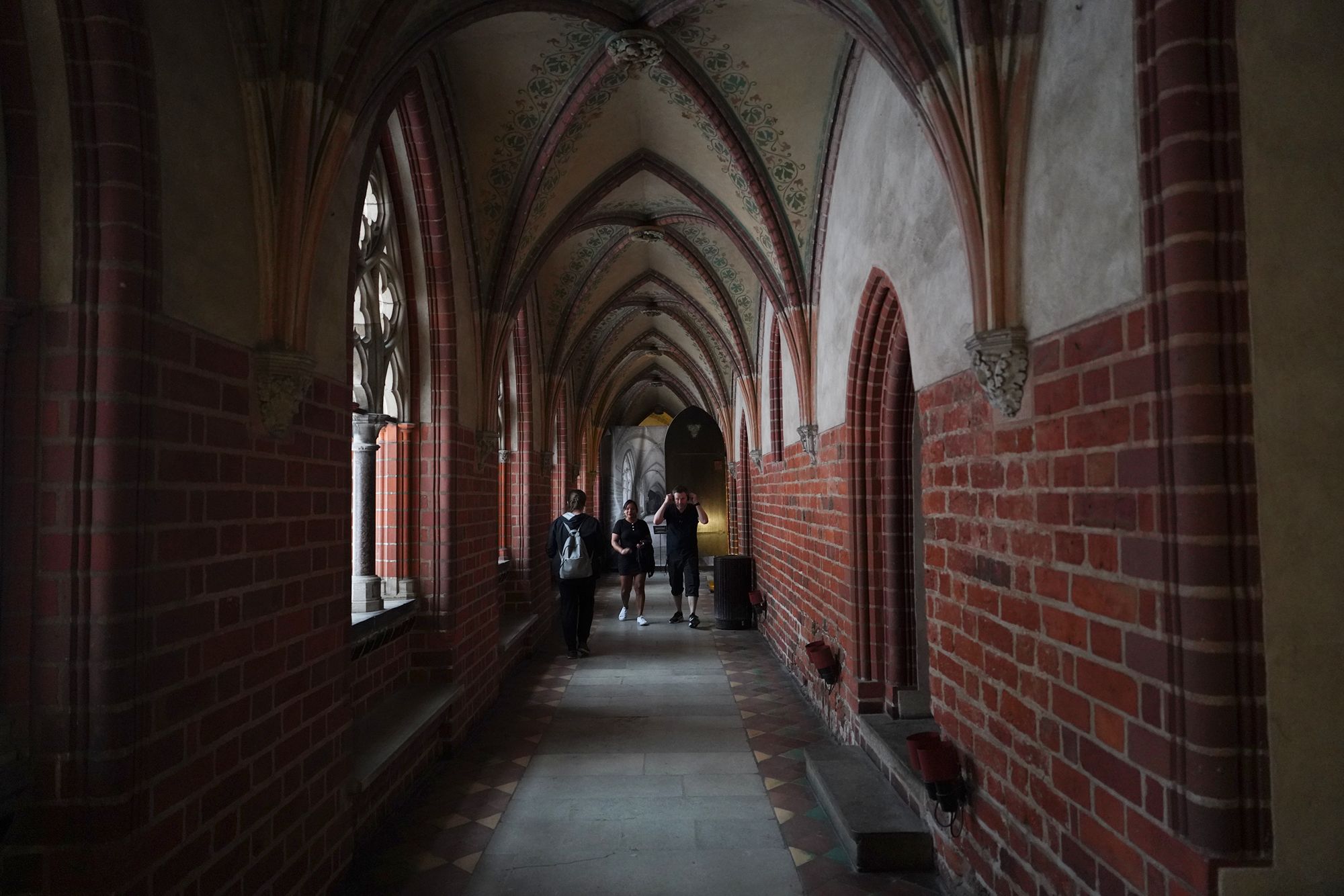
I went back downstairs to the courtyard.
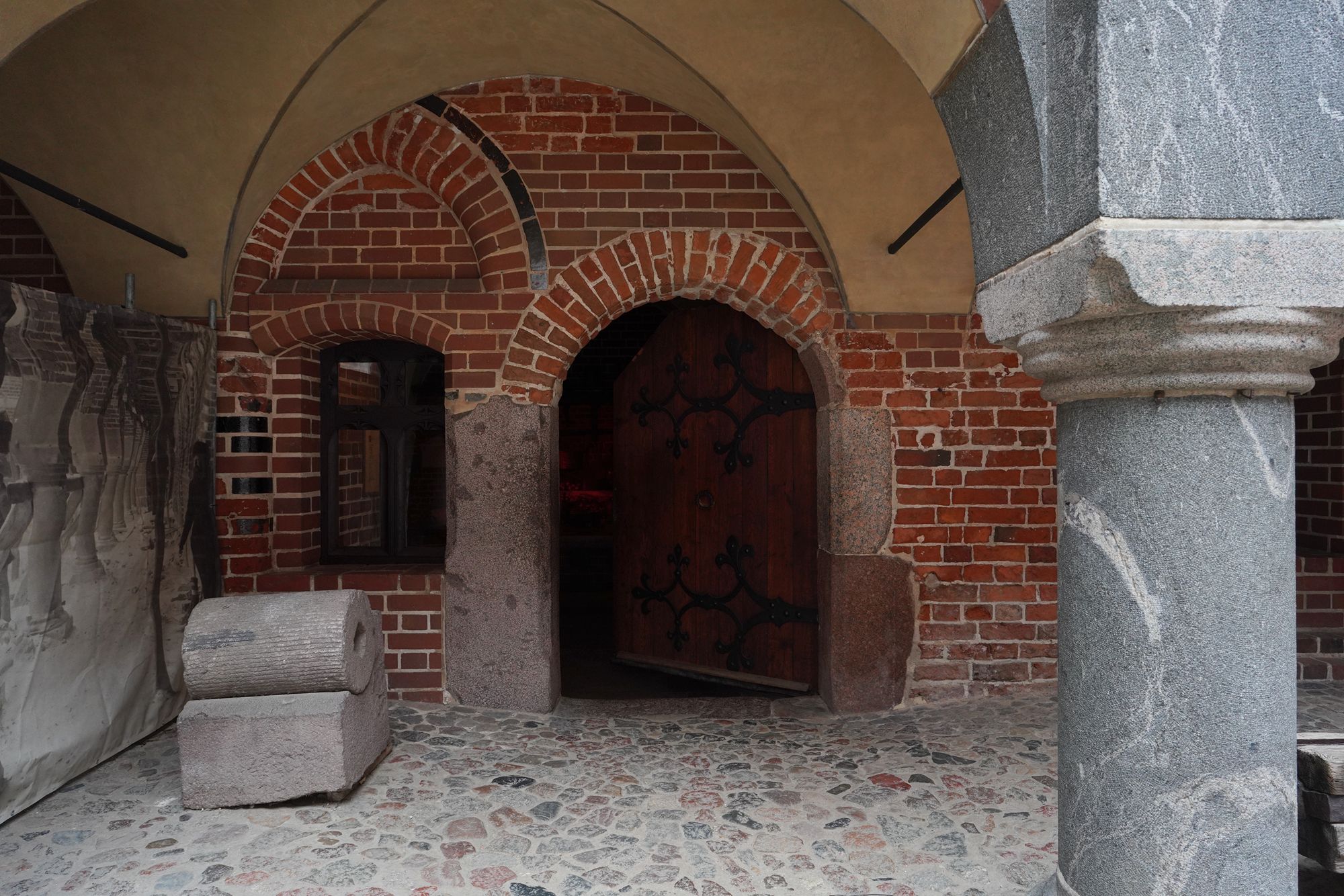
The kitchen area is on the building’s ground floor.
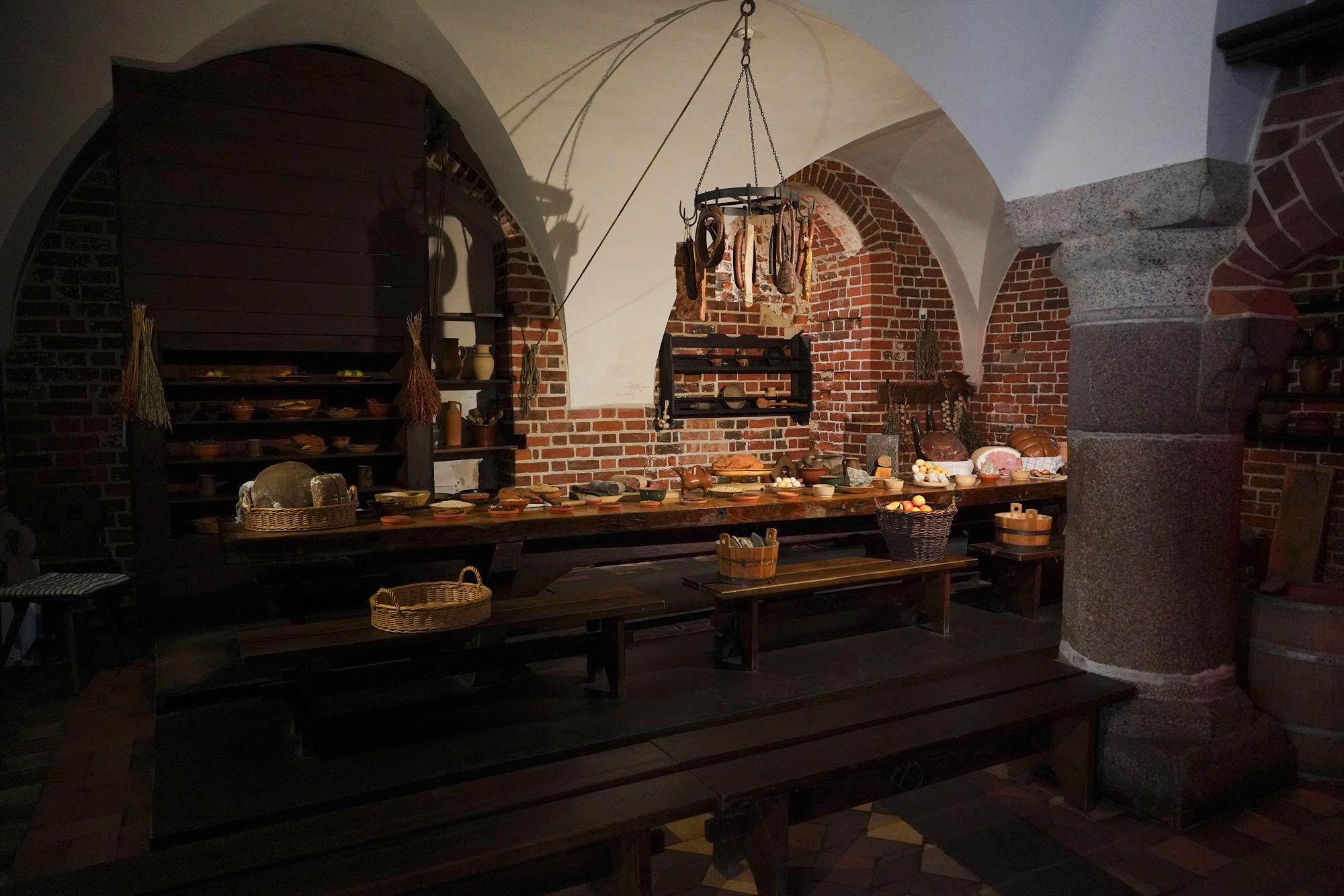
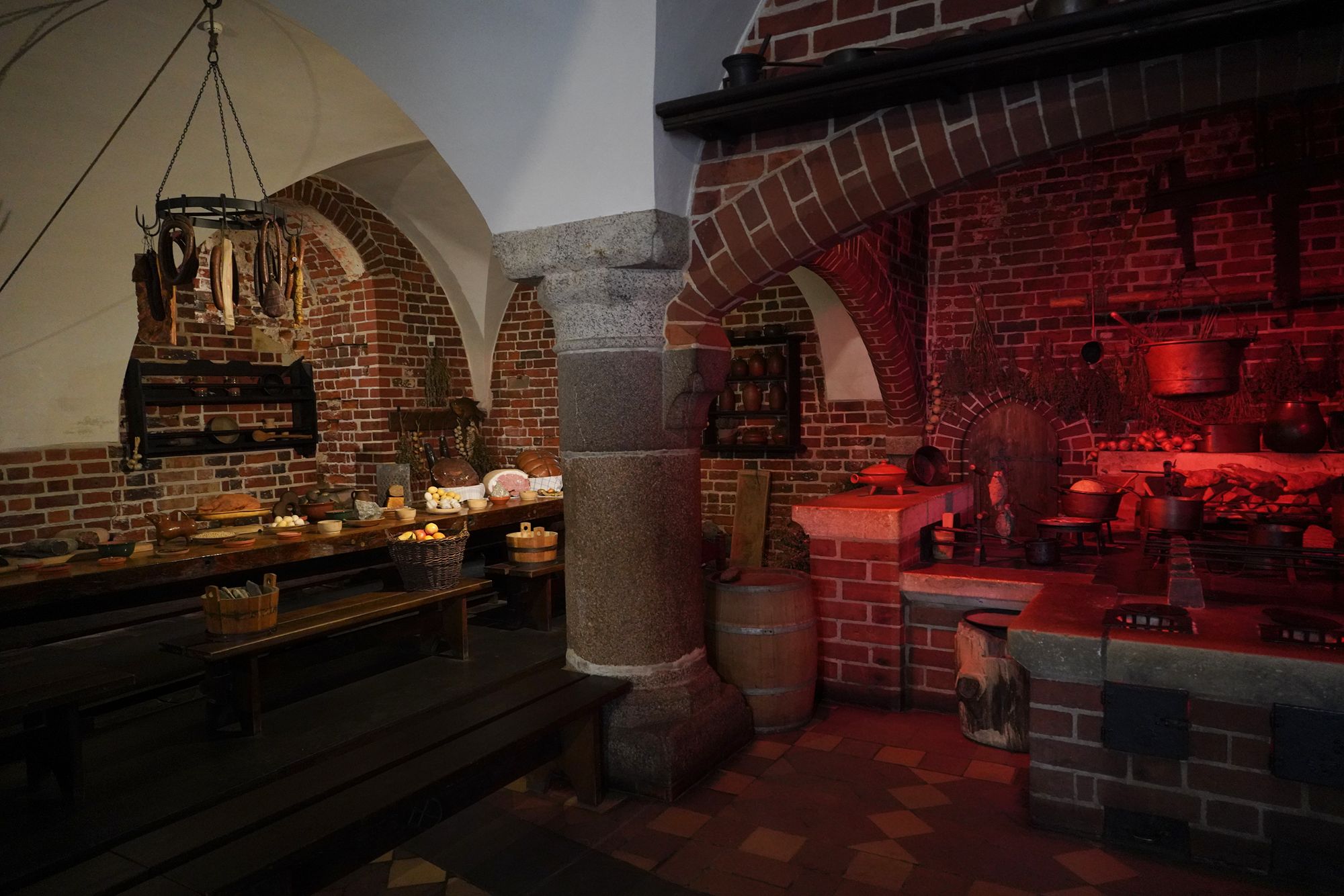
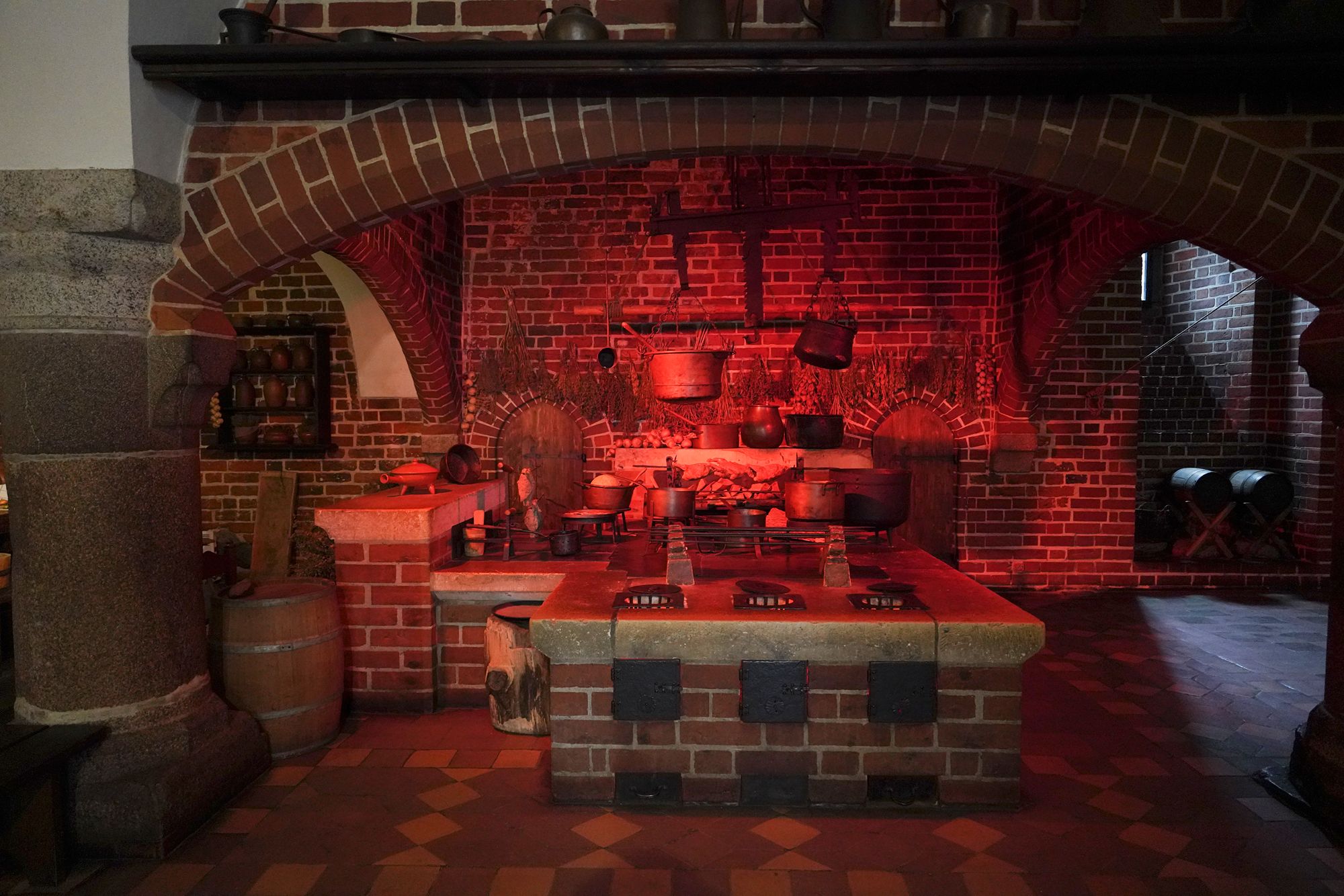
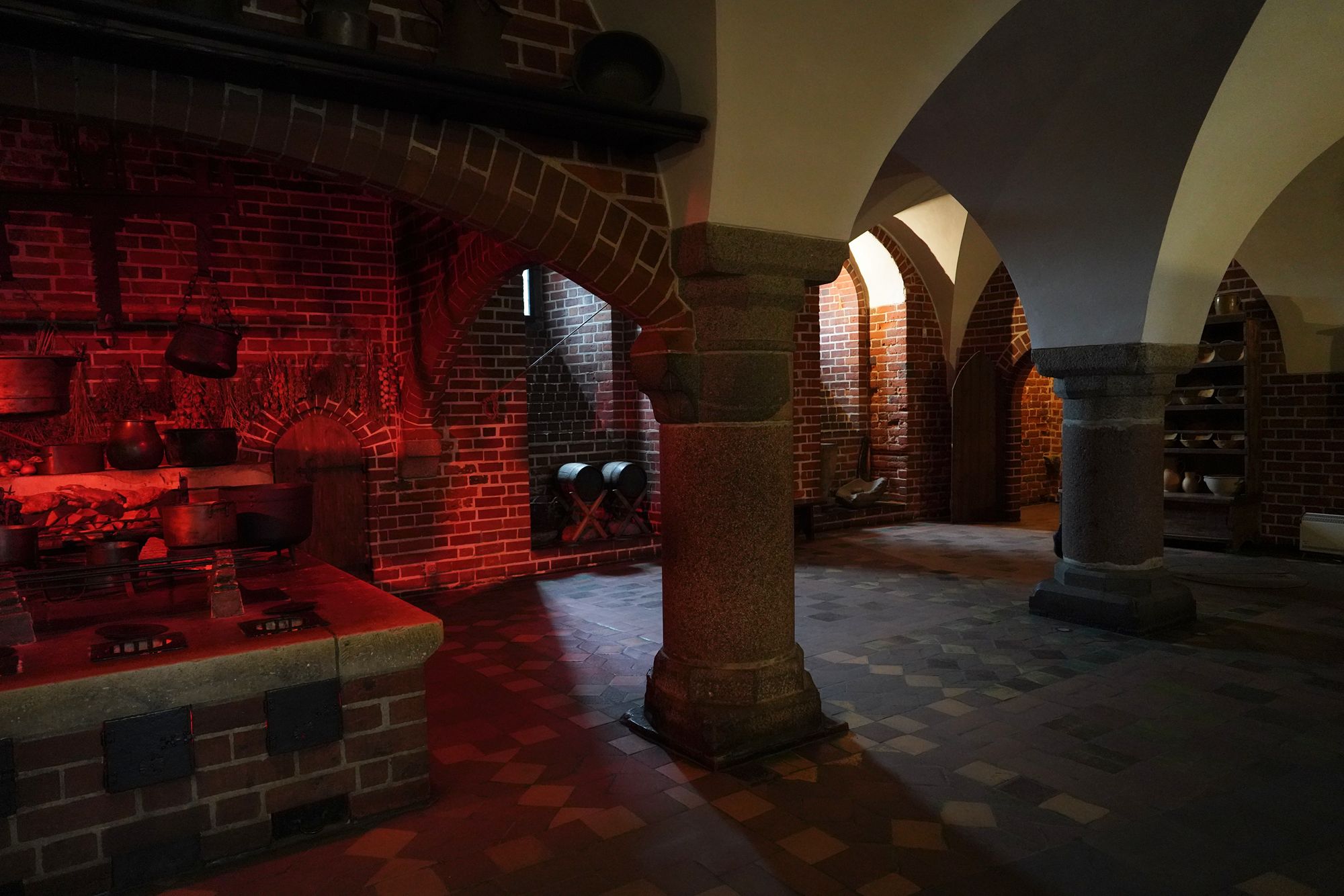
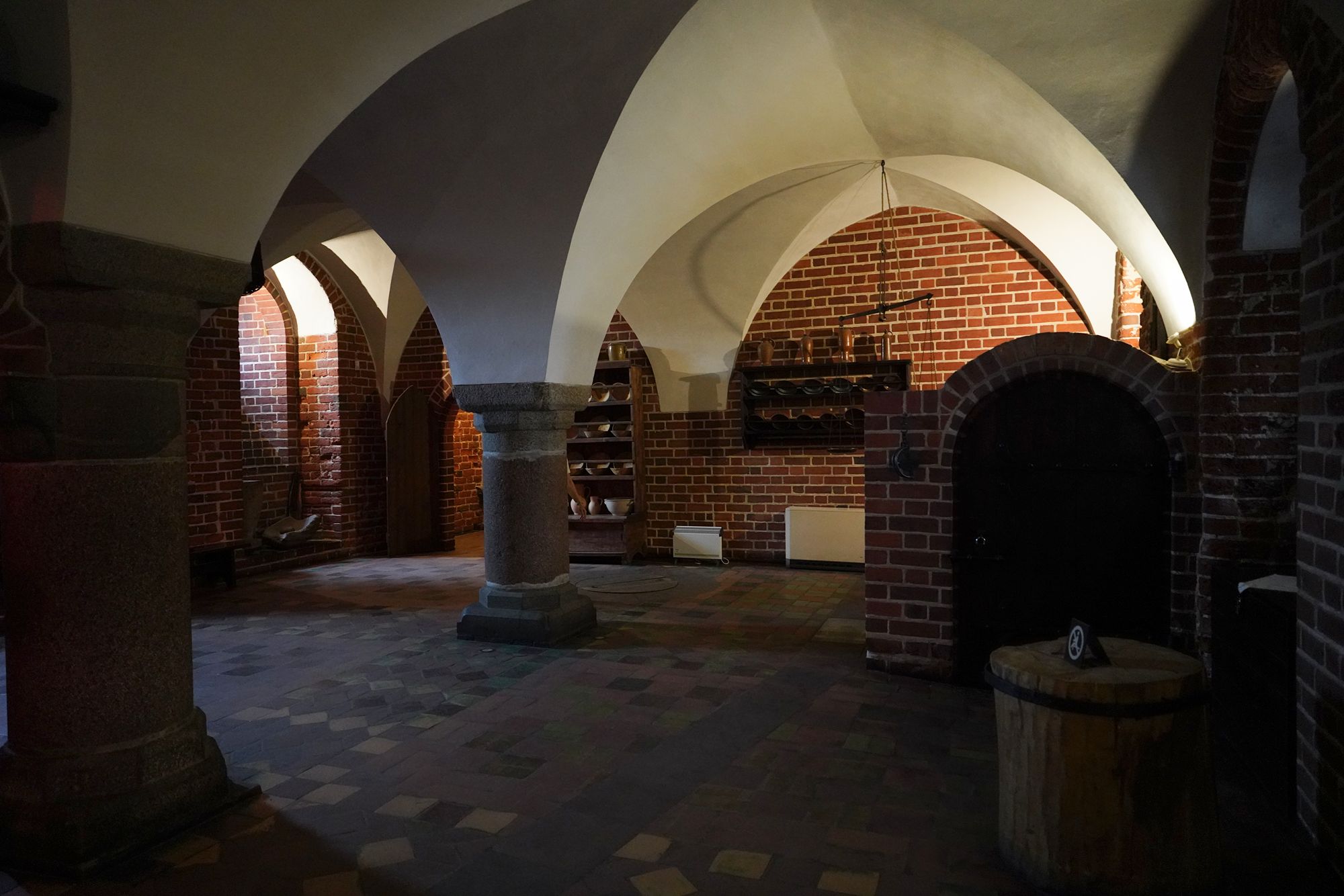
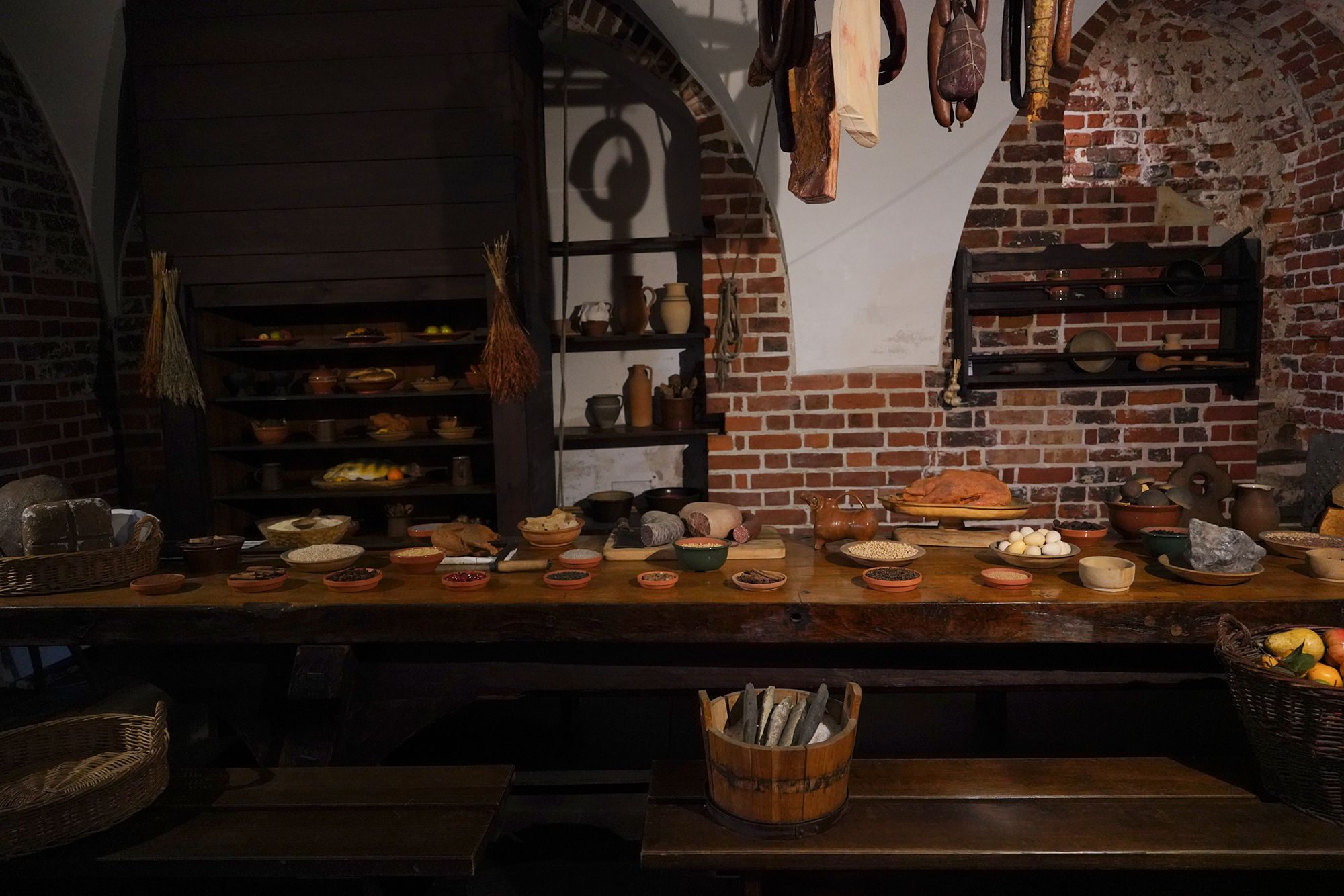
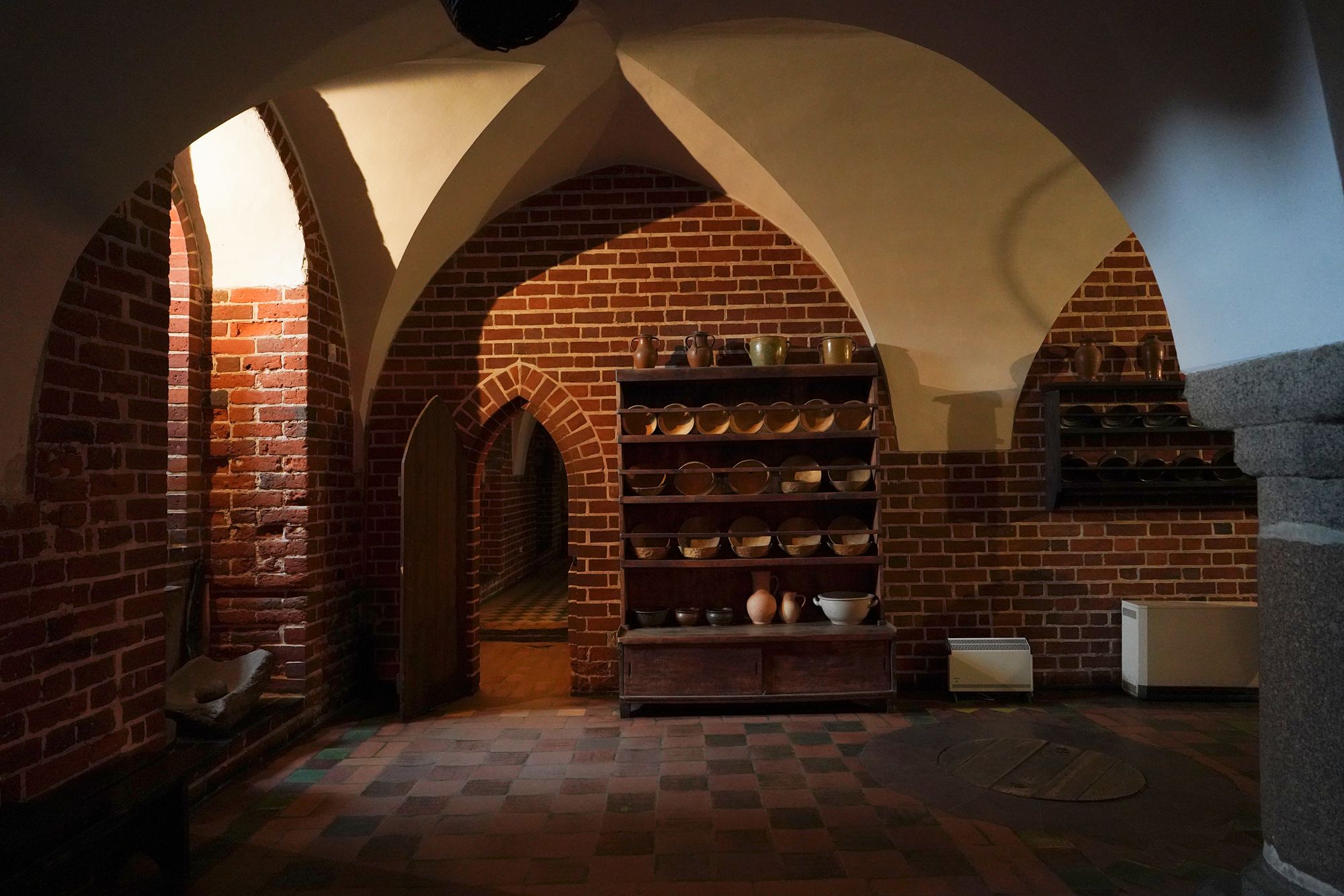
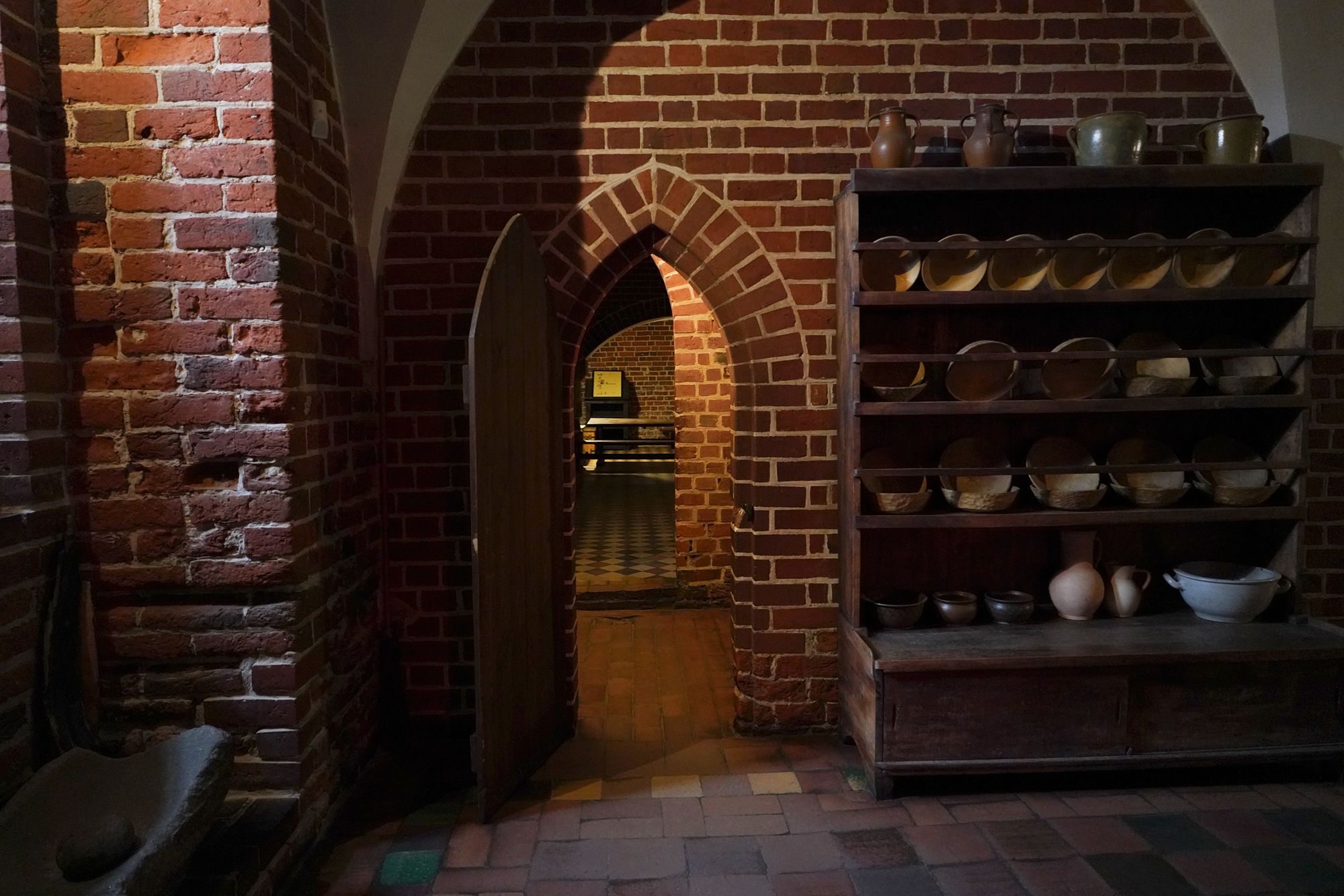
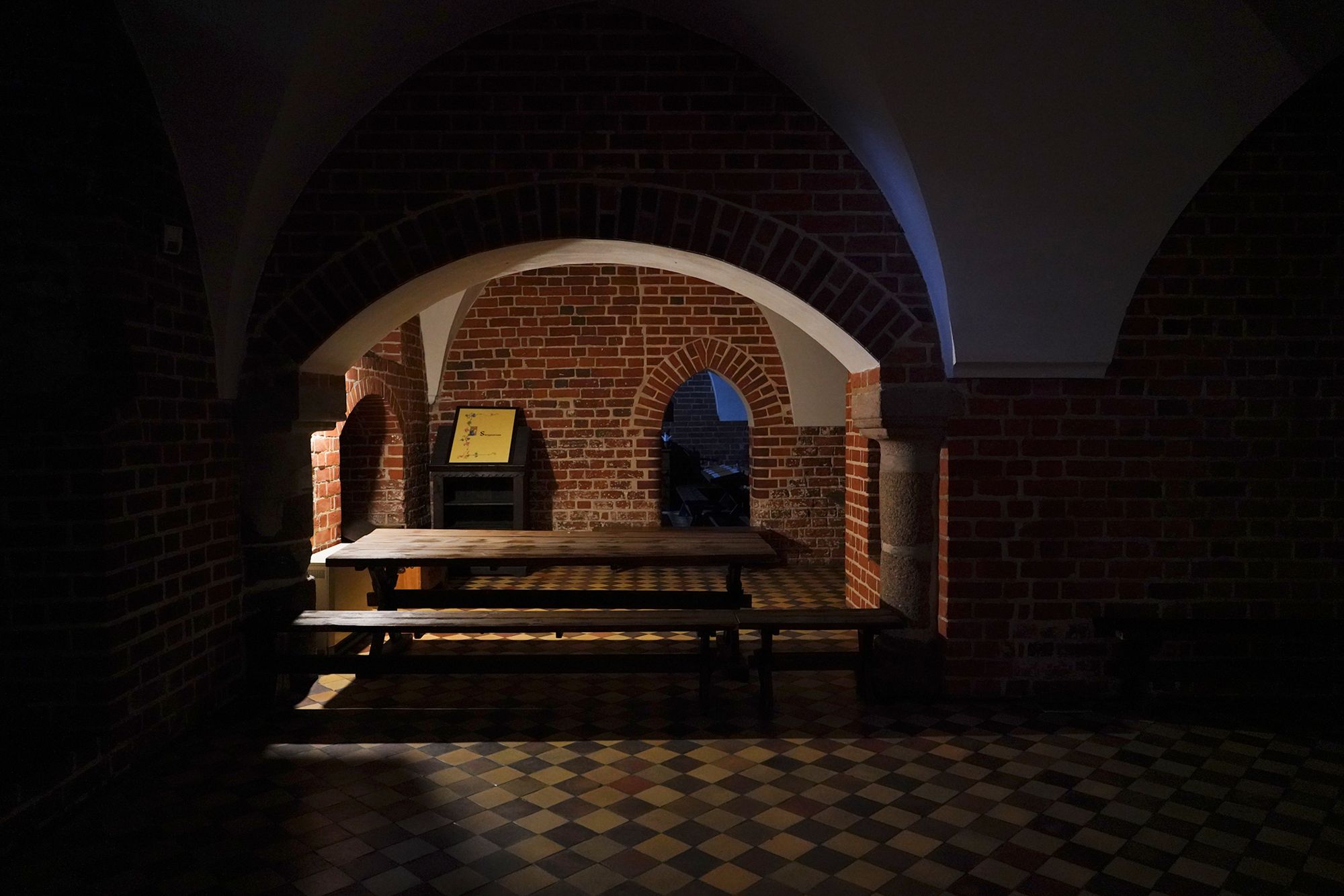
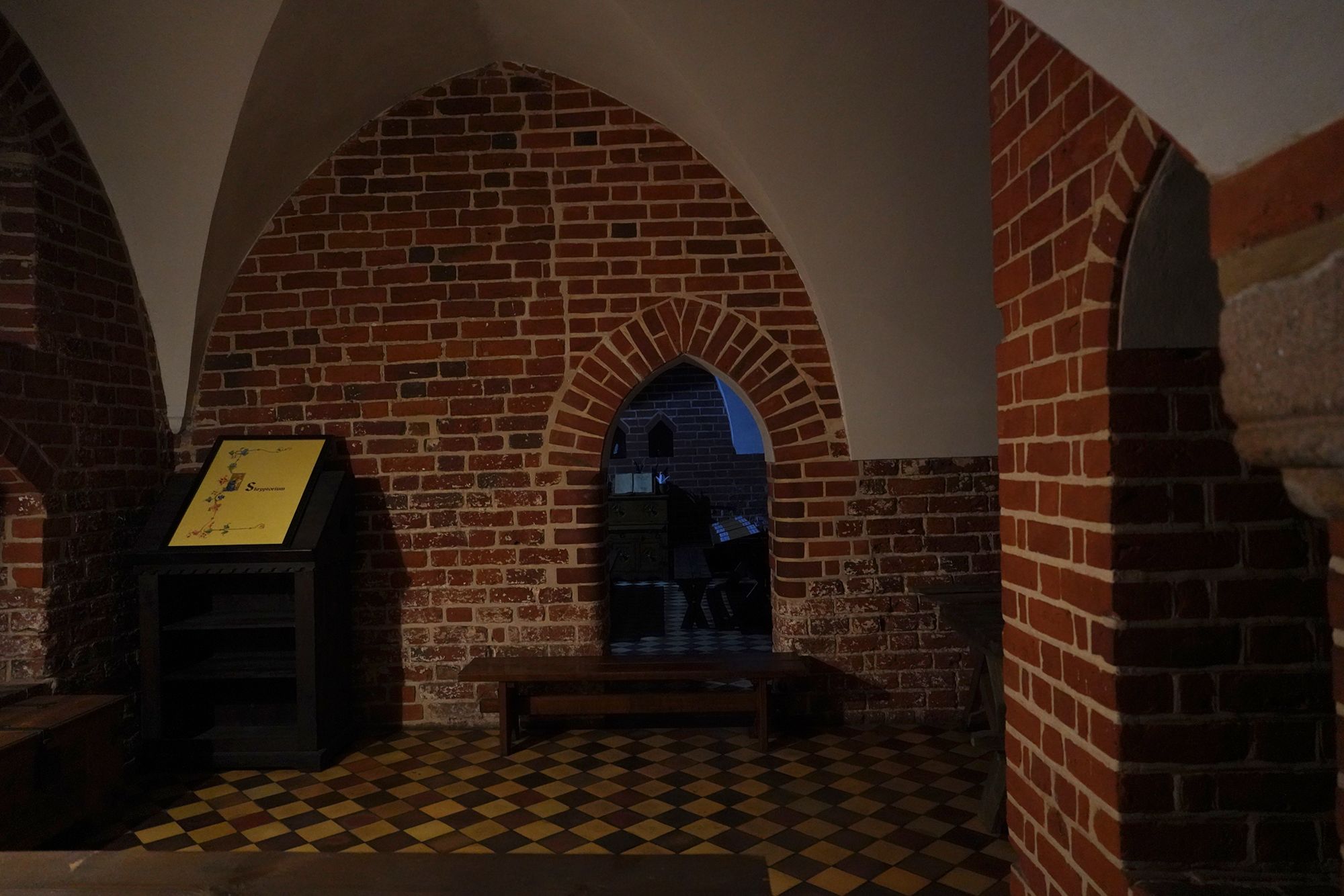
Then I went upstairs again to visit an area I had missed.
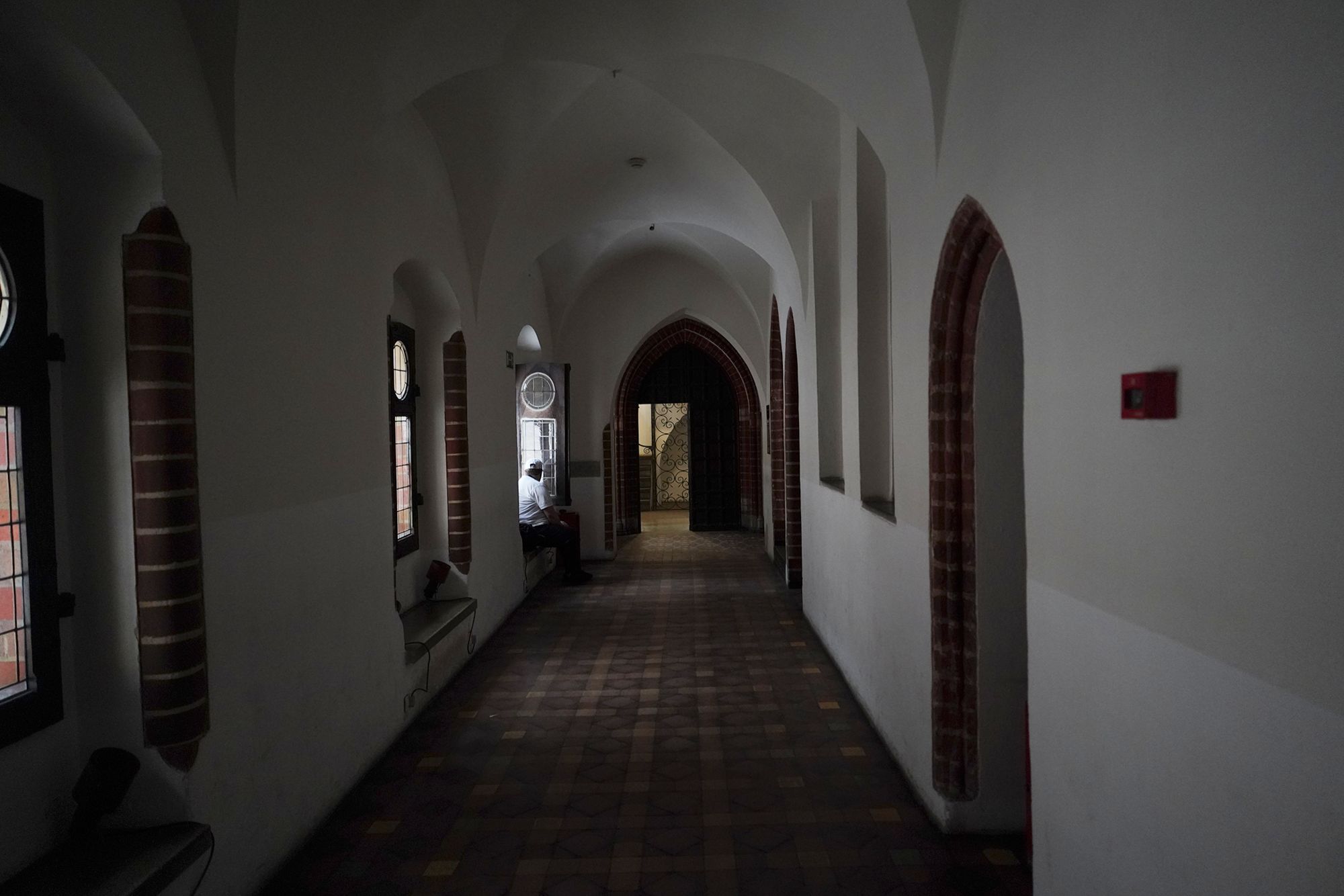
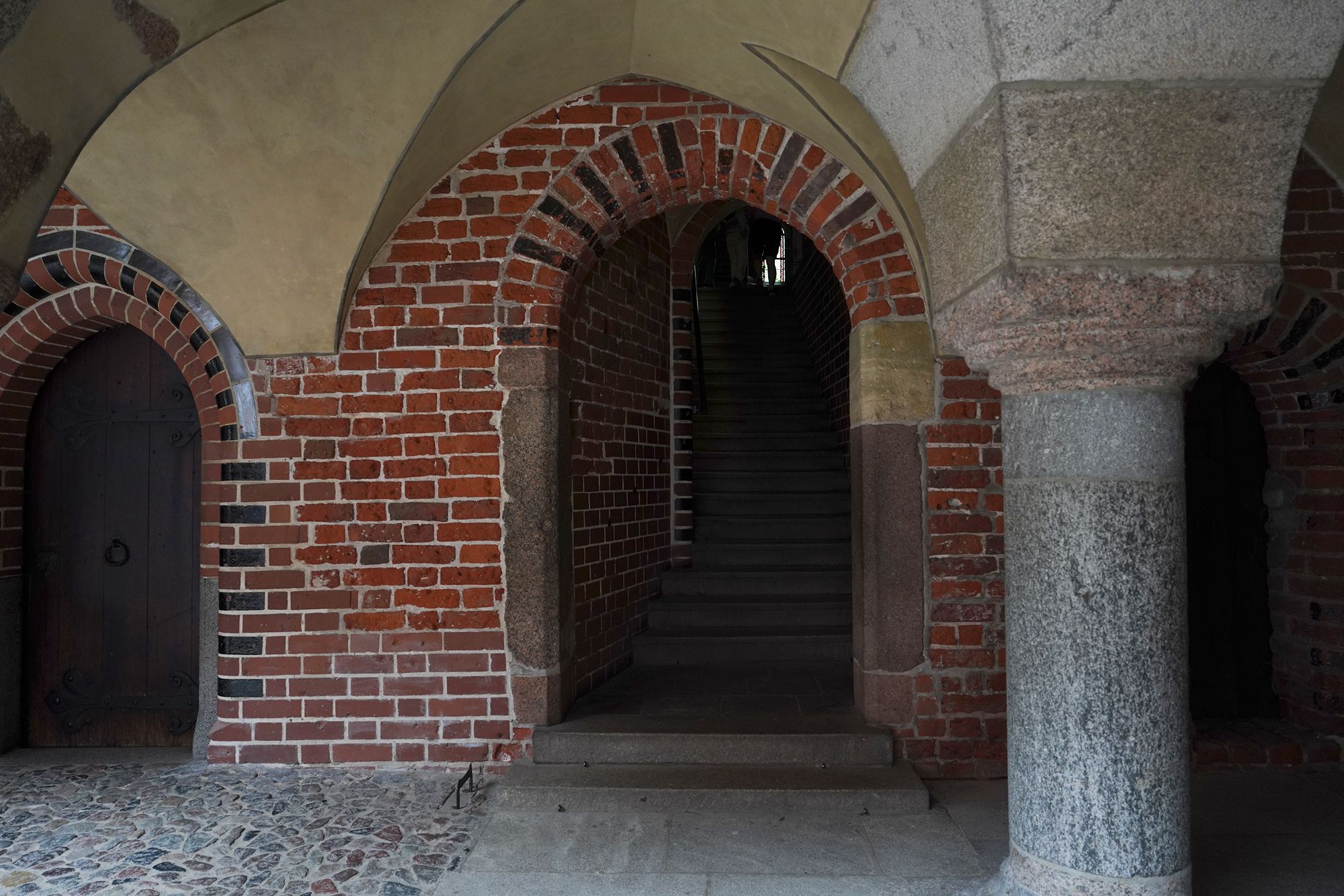
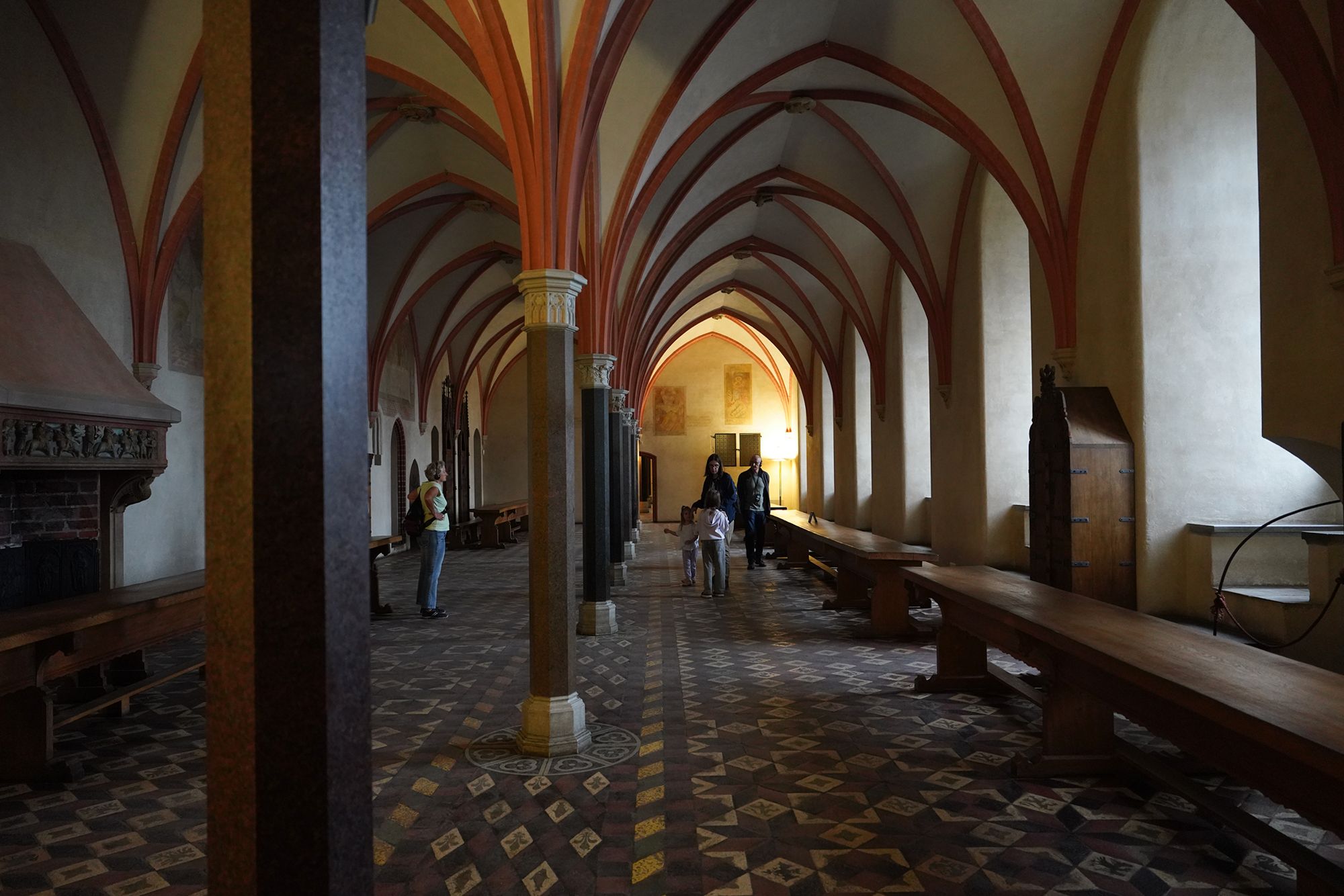
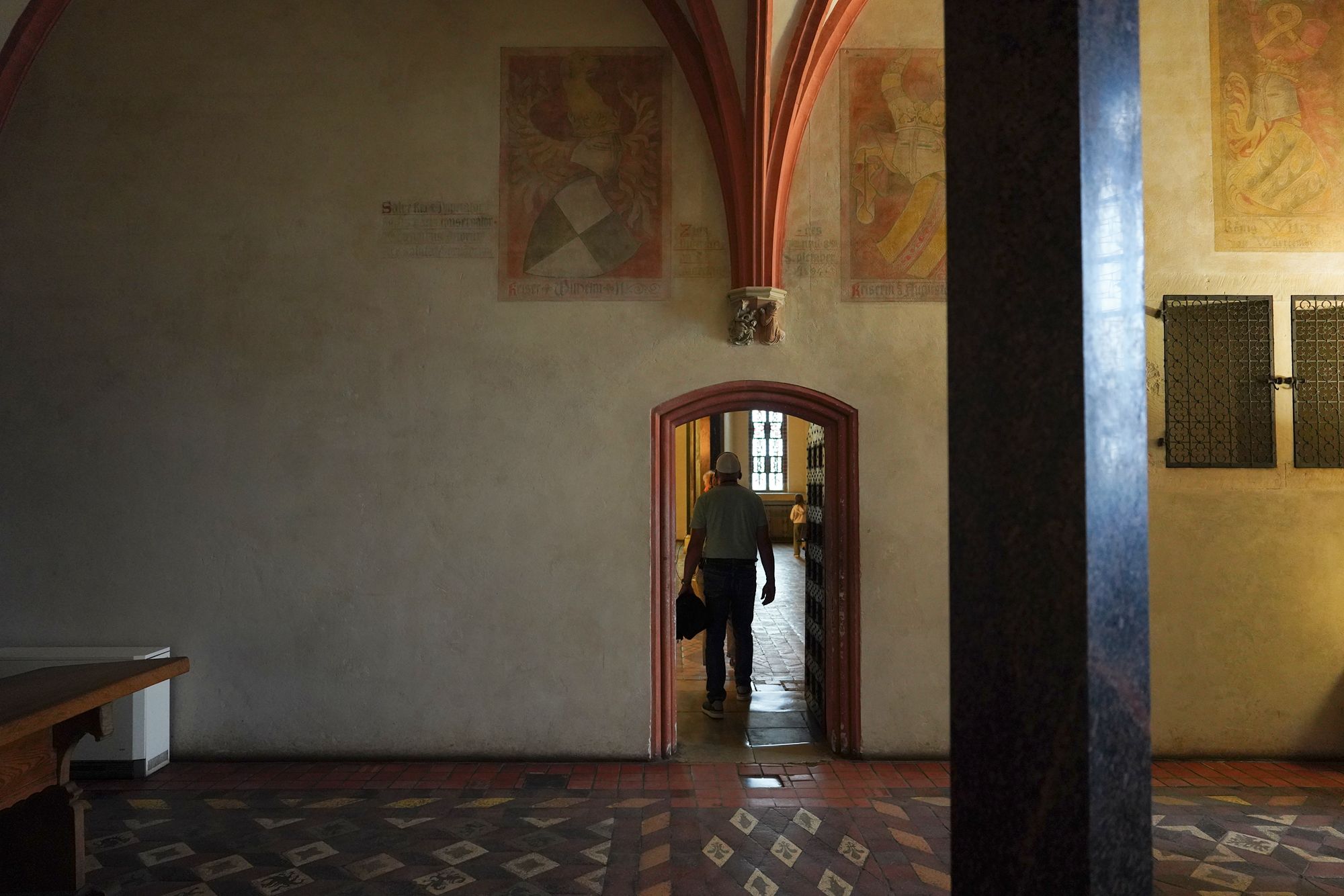
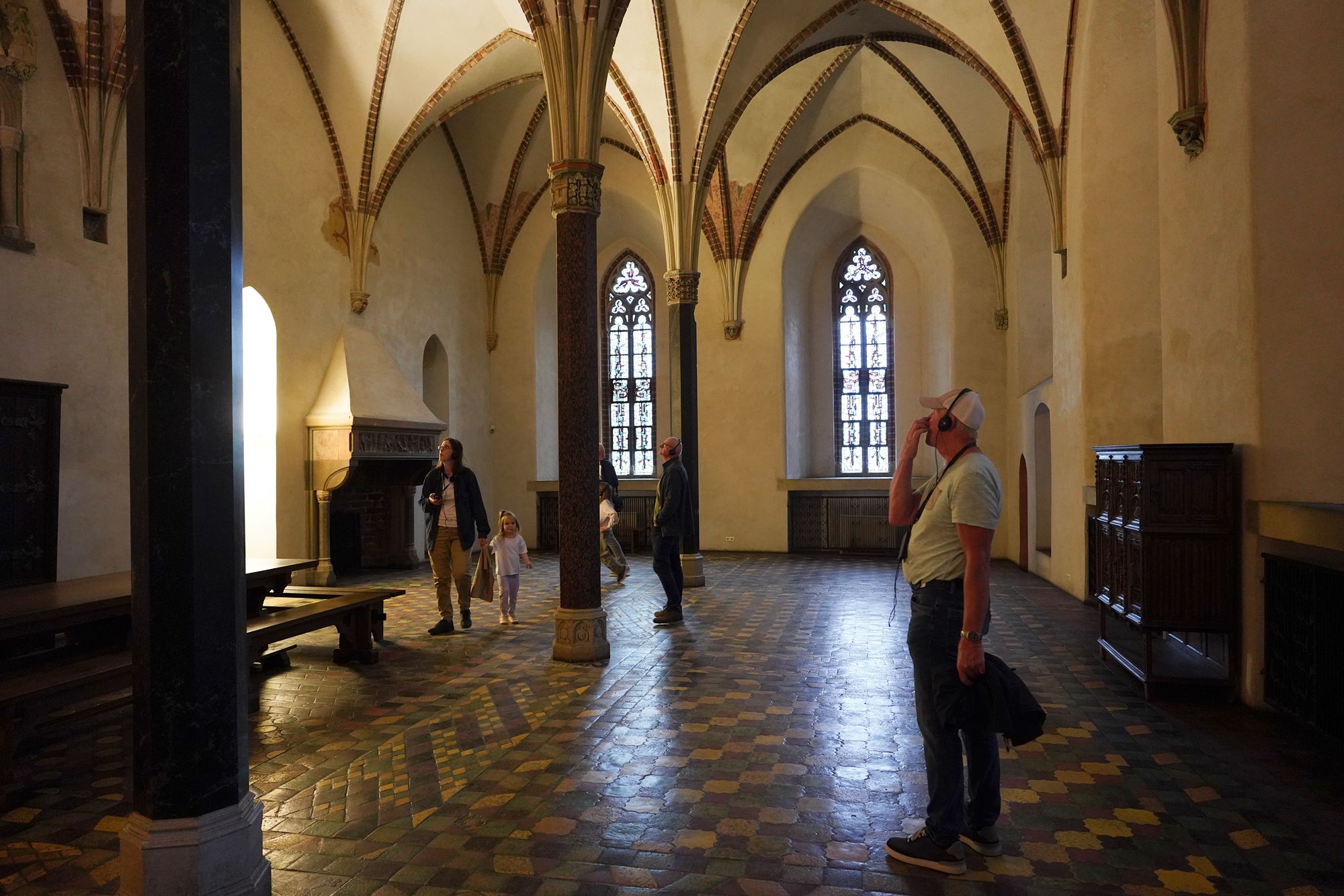
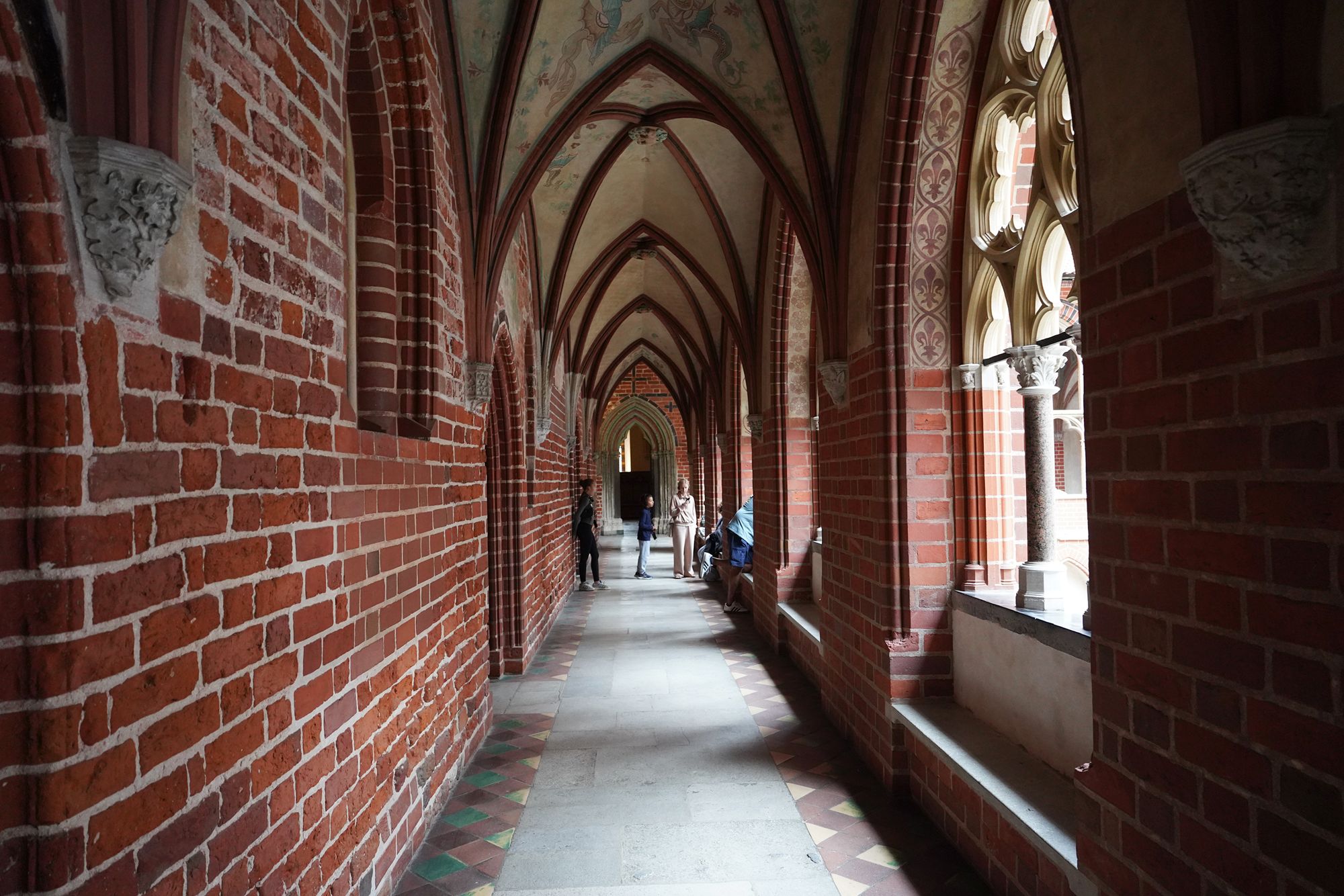
Then I returned downstairs to the courtyard and left through the same entrance I had used to come in.
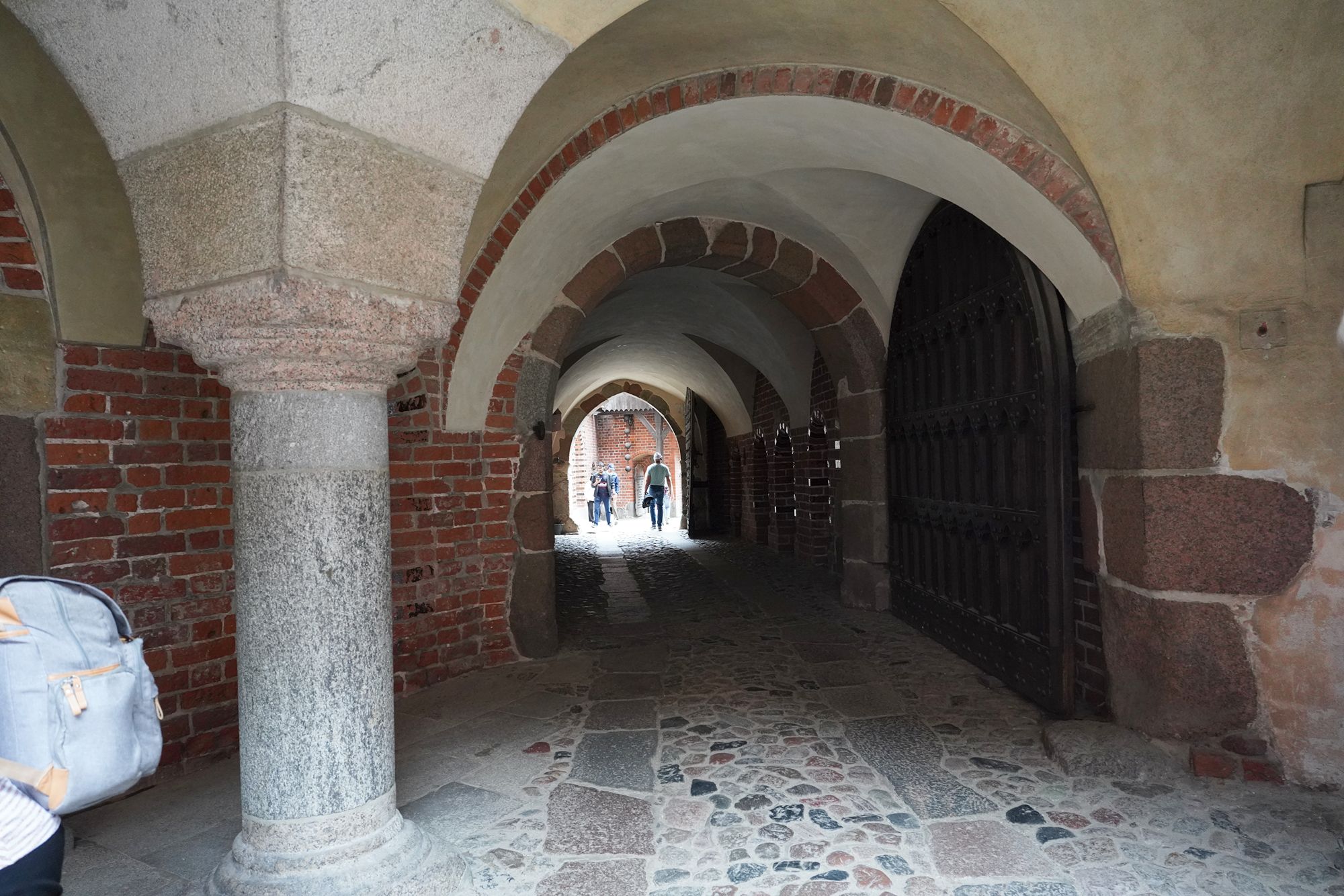
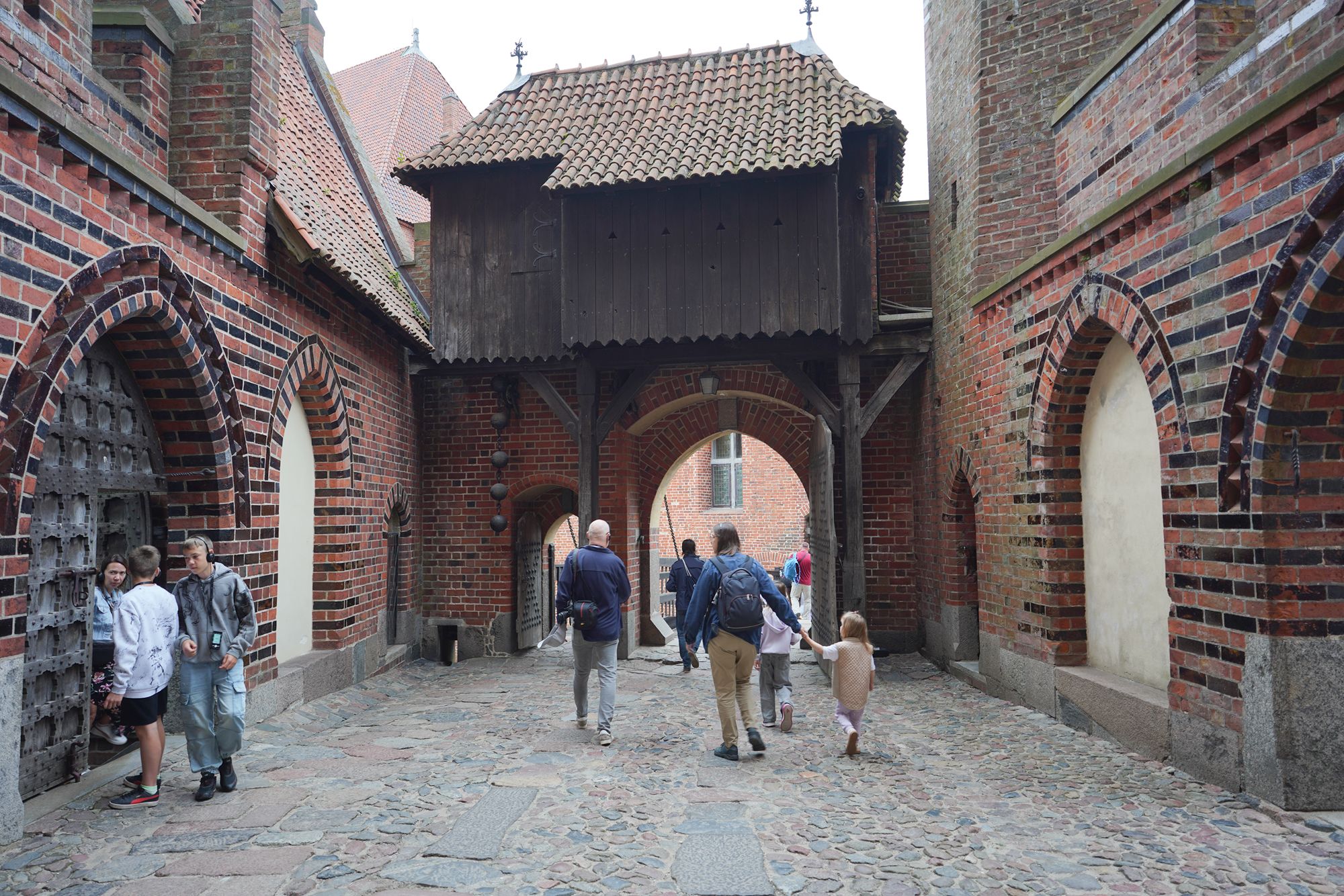
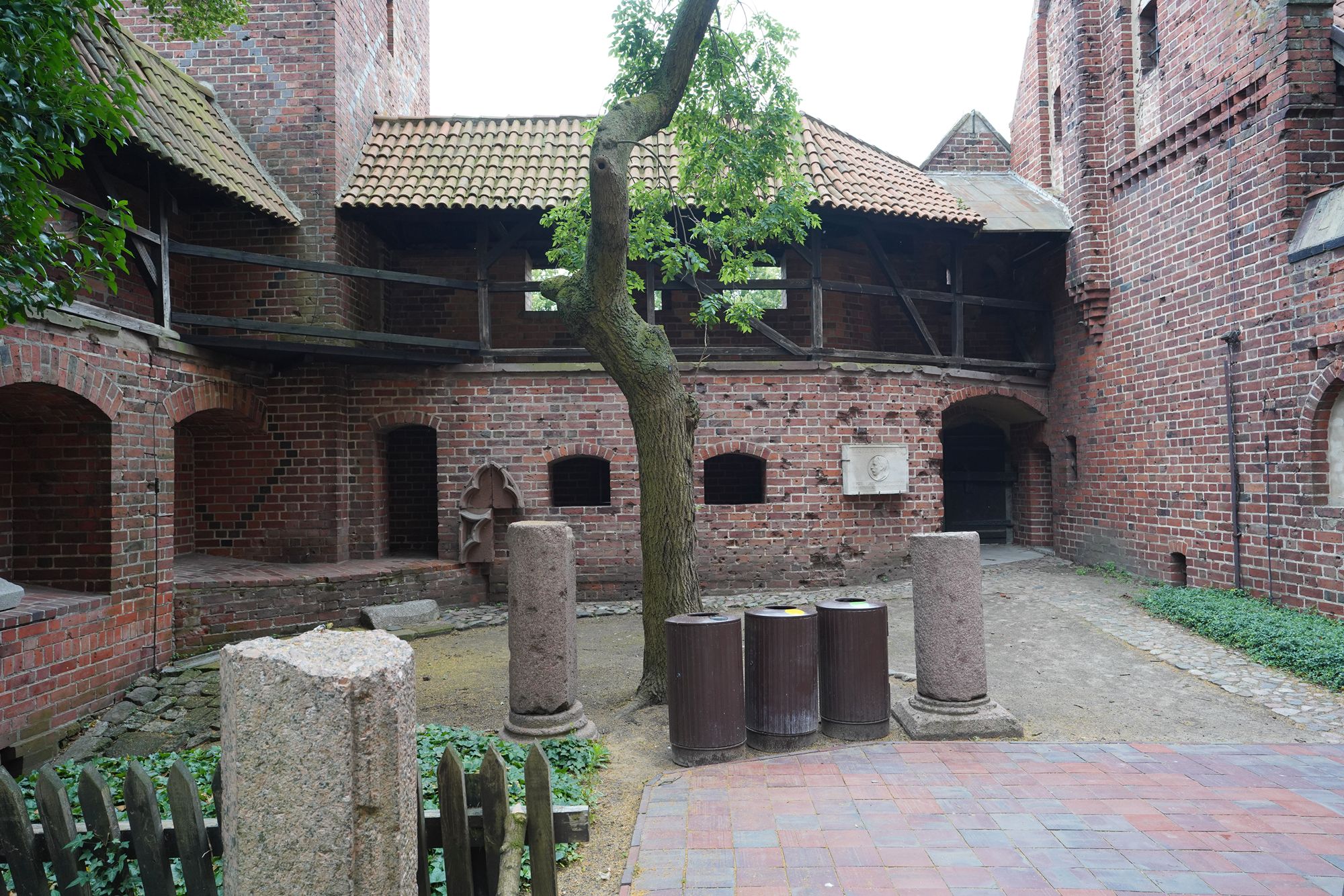
This passage was on my right when I first walked through the High Castle entrance gate. It leads around the High Castle, and now I had time to explore it.
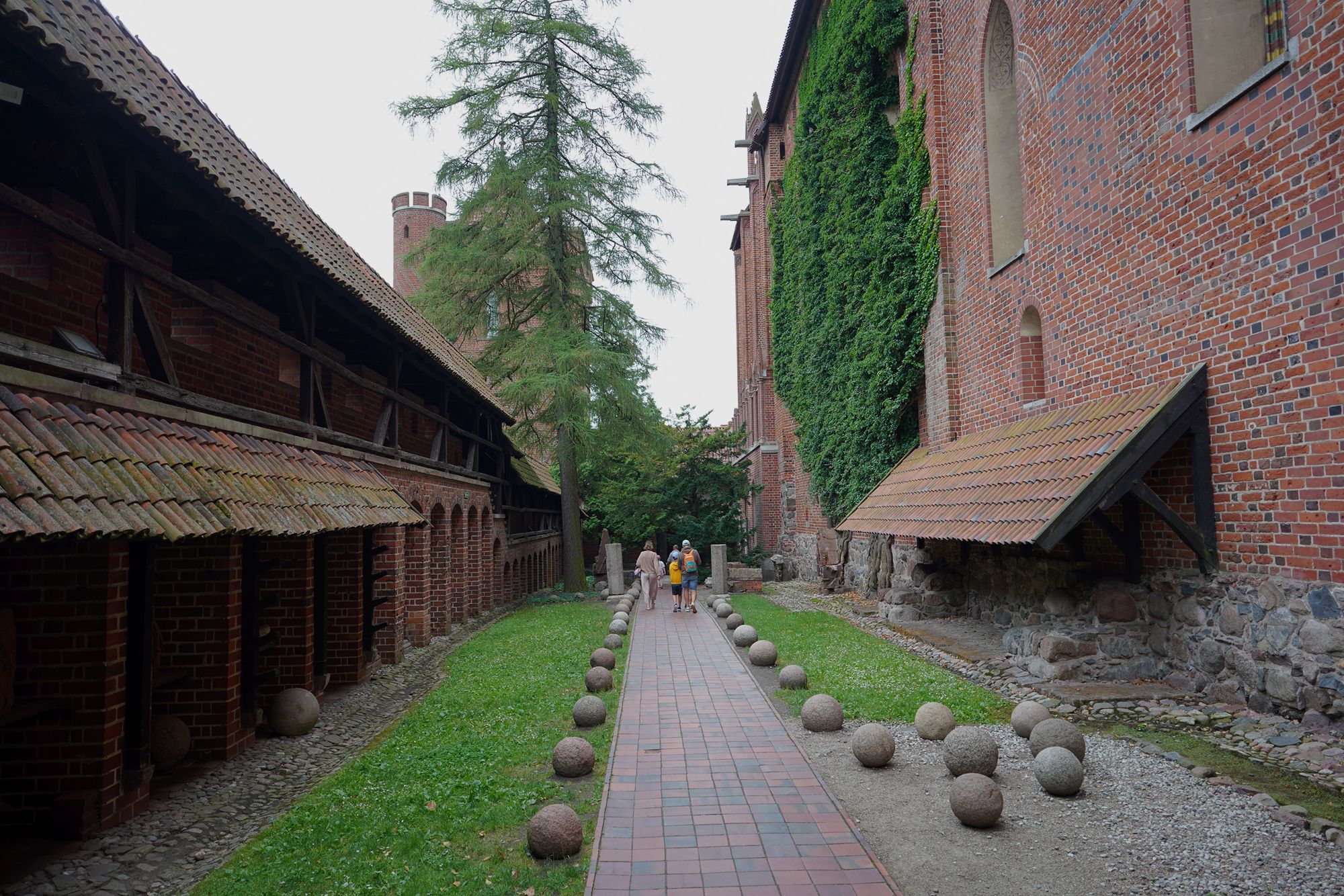
I entered this building because it was along the path and looked like a chapel.
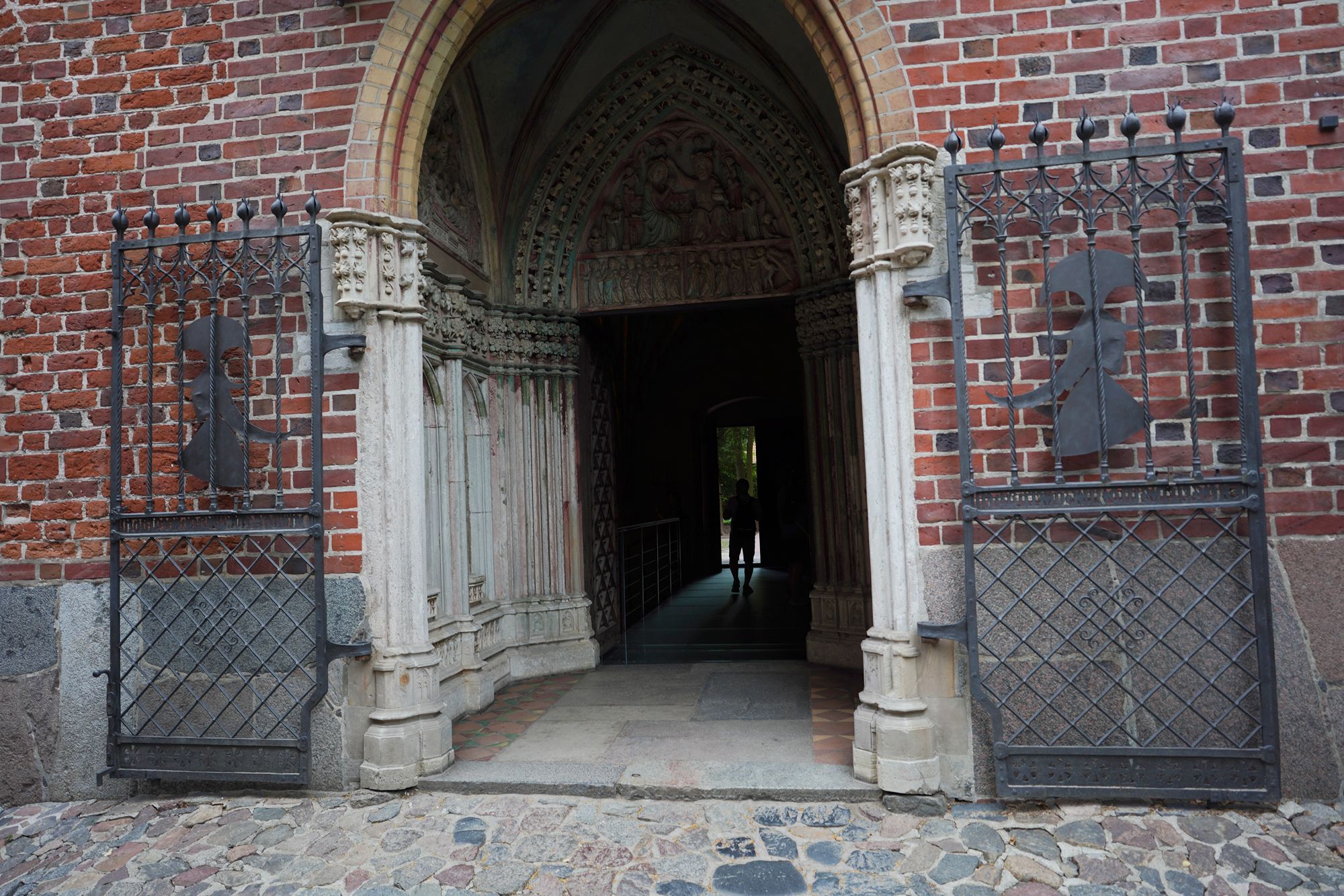
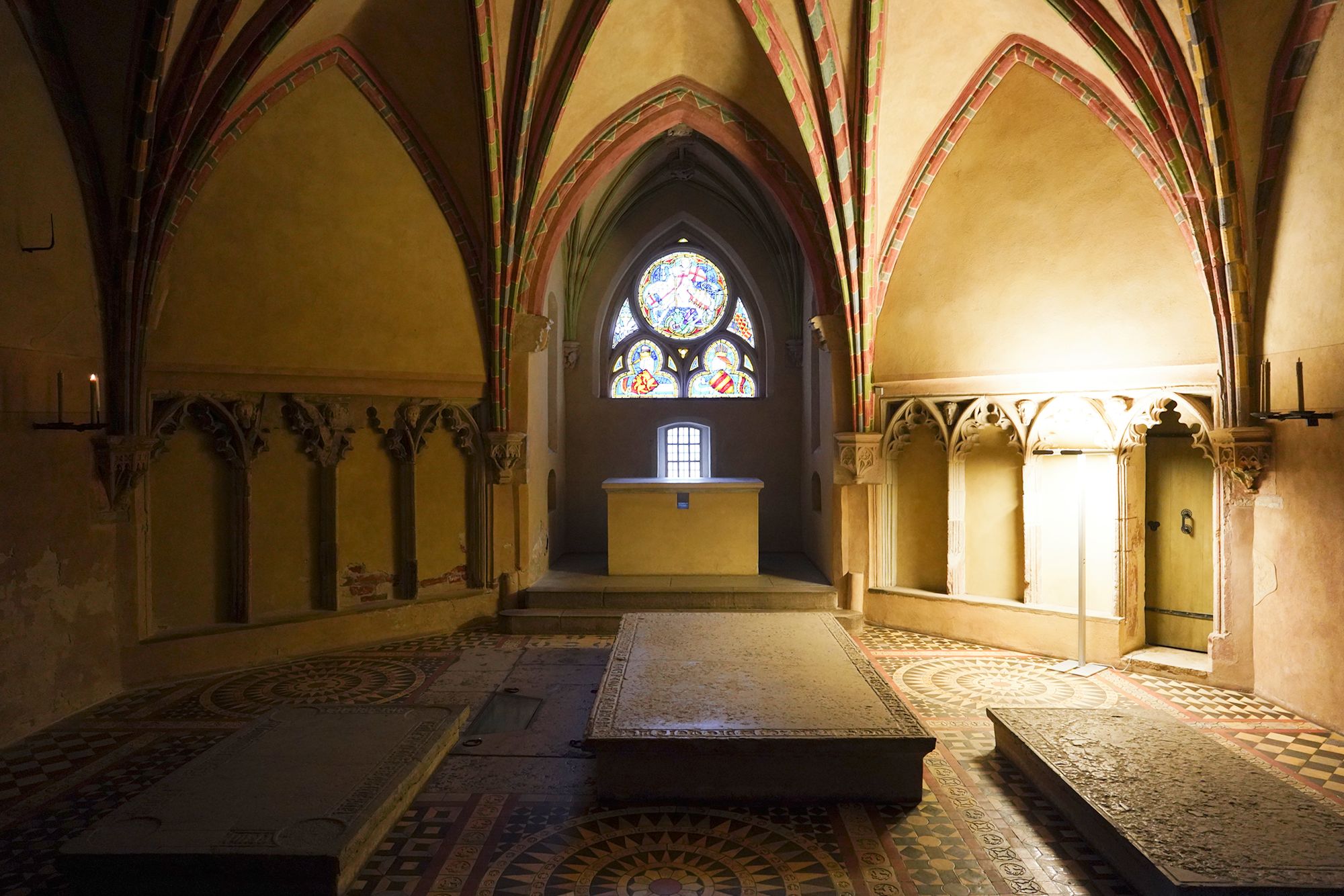
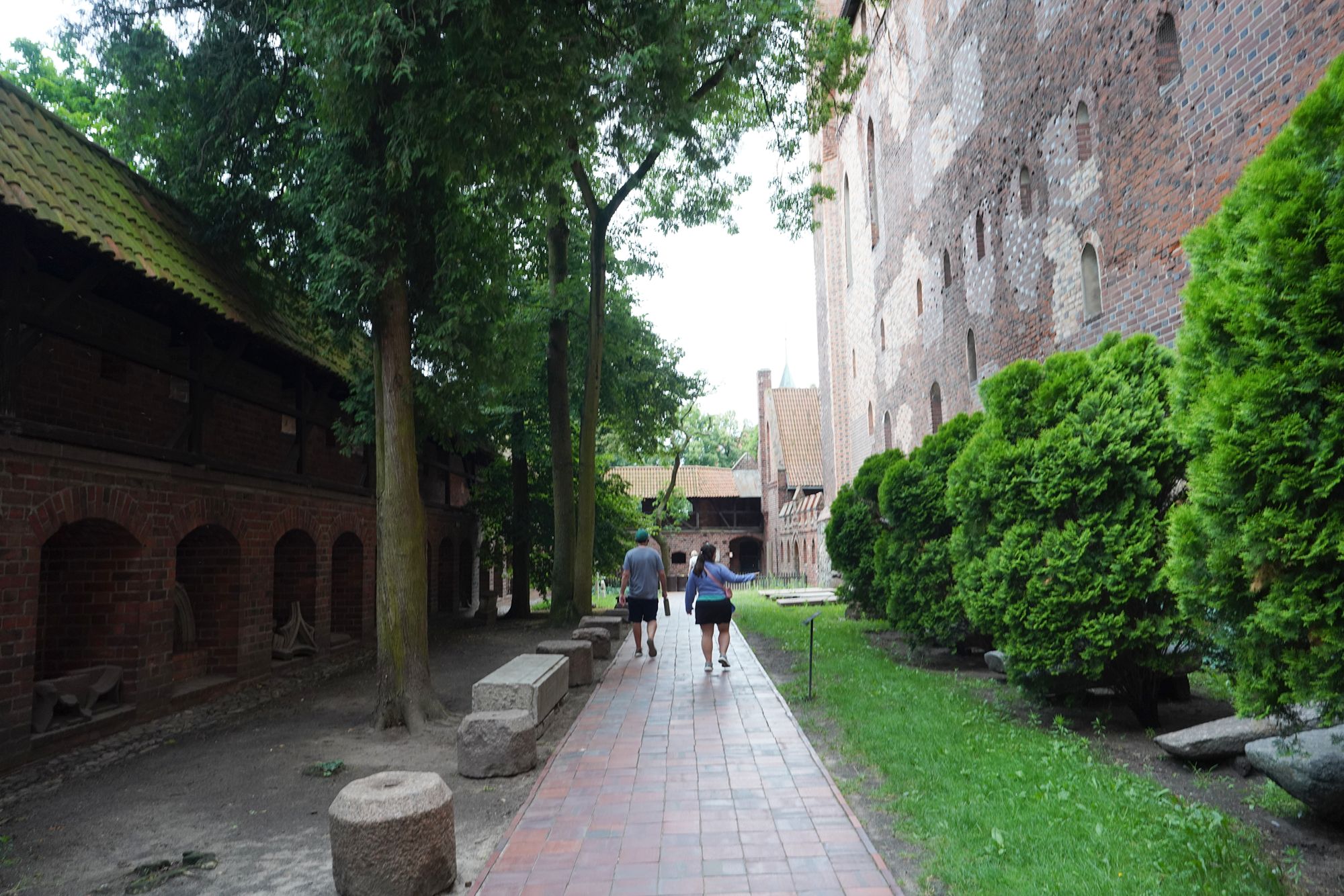
Looking back at the chapel I had just passed.
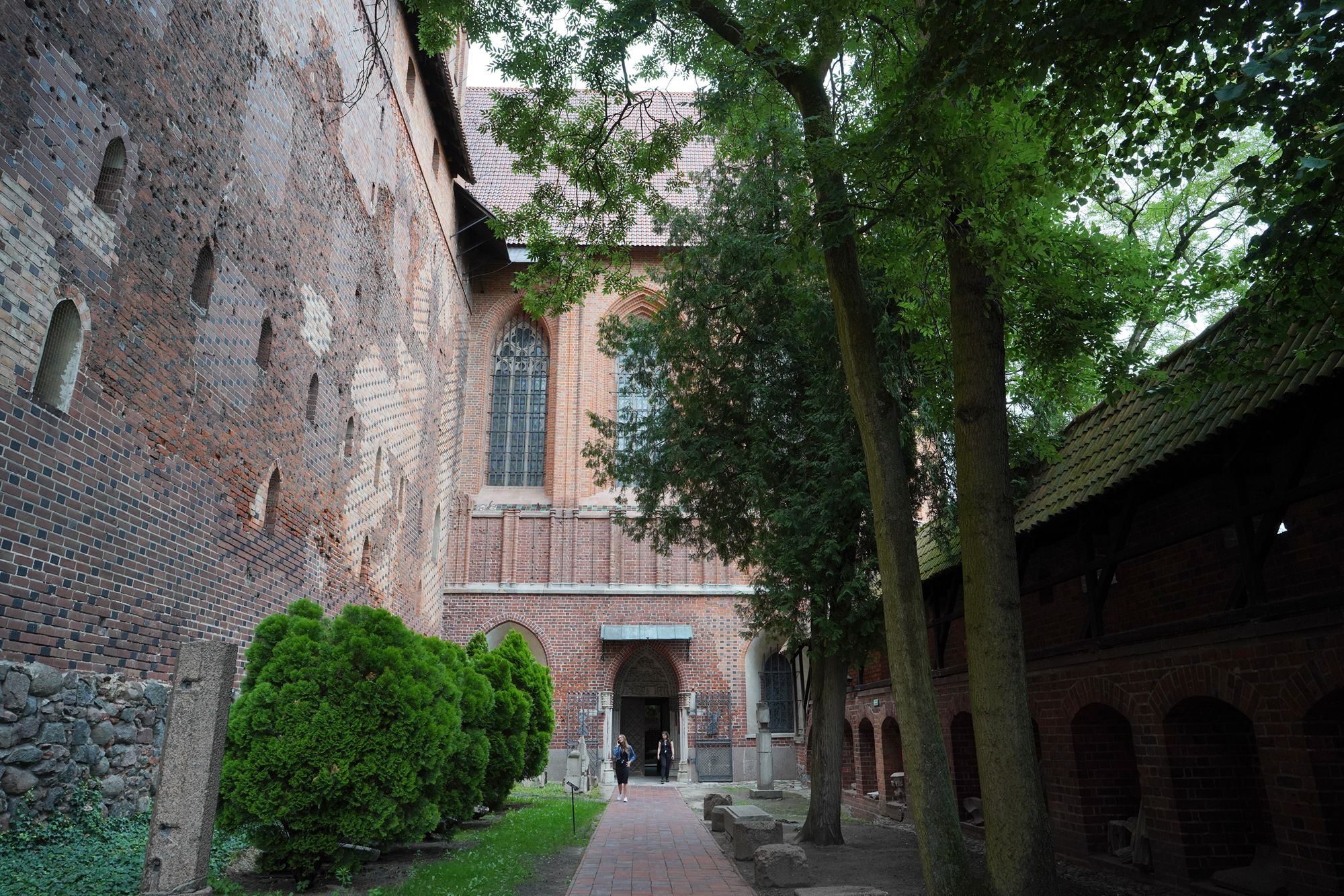
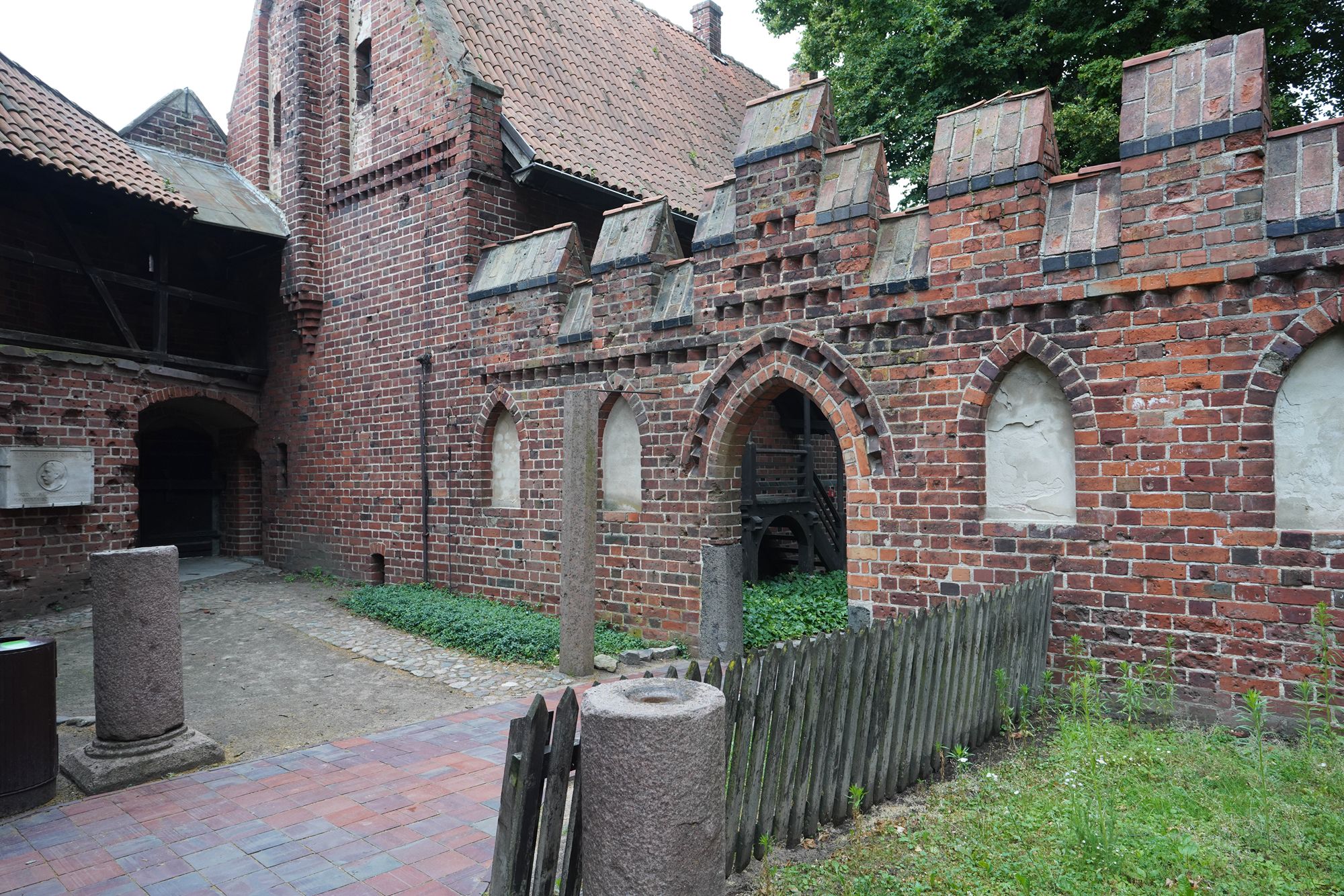
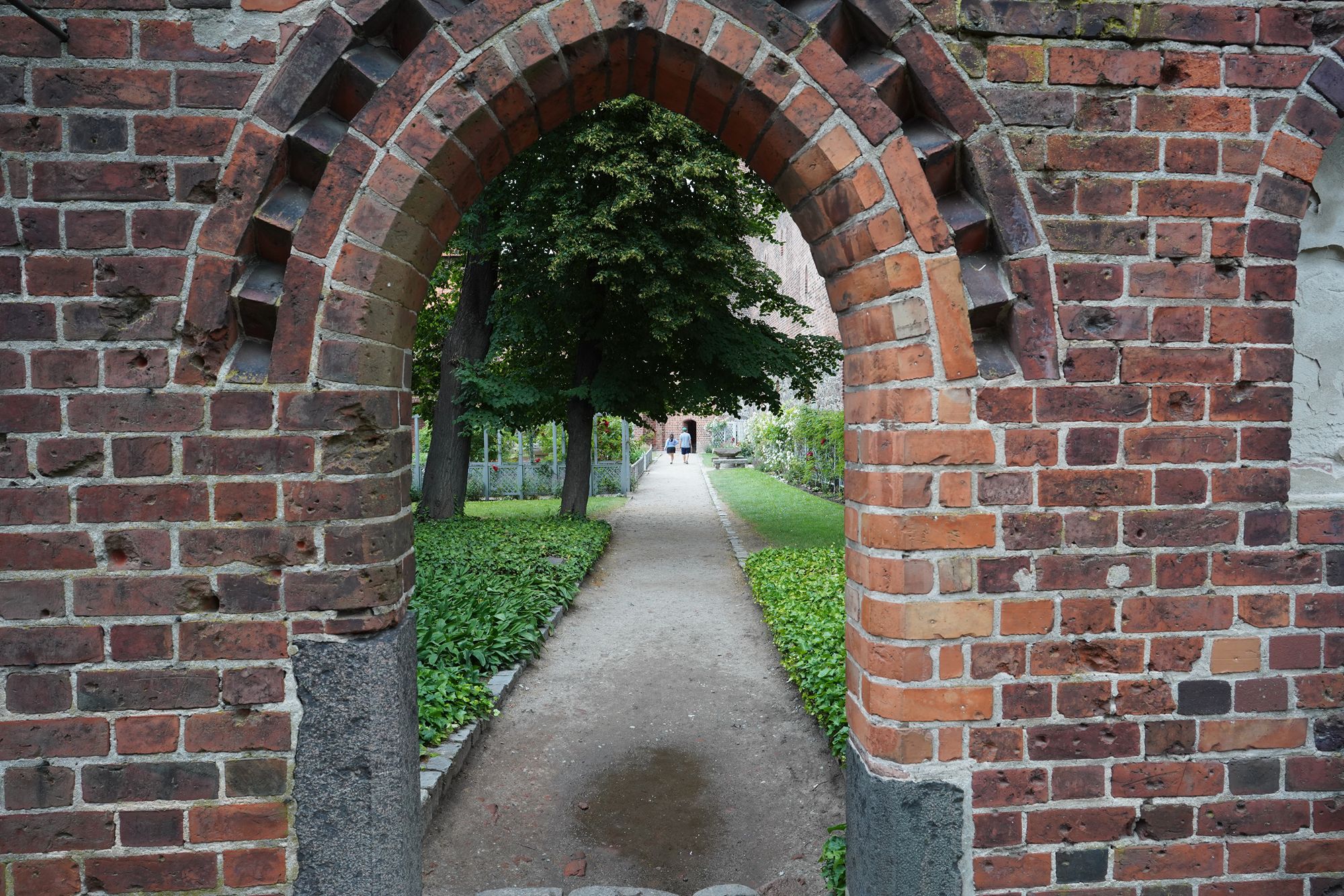
A garden beside the High Castle.
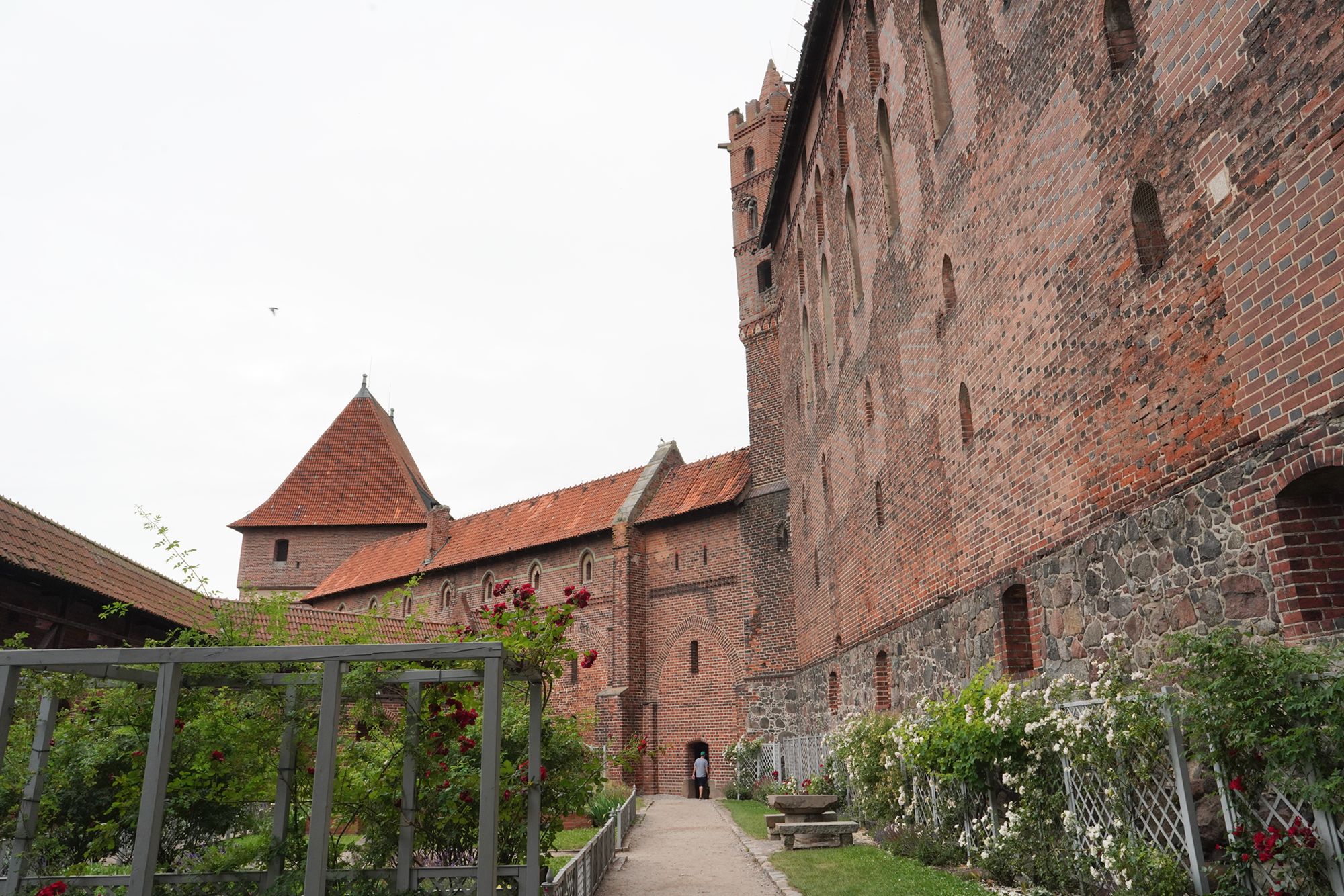
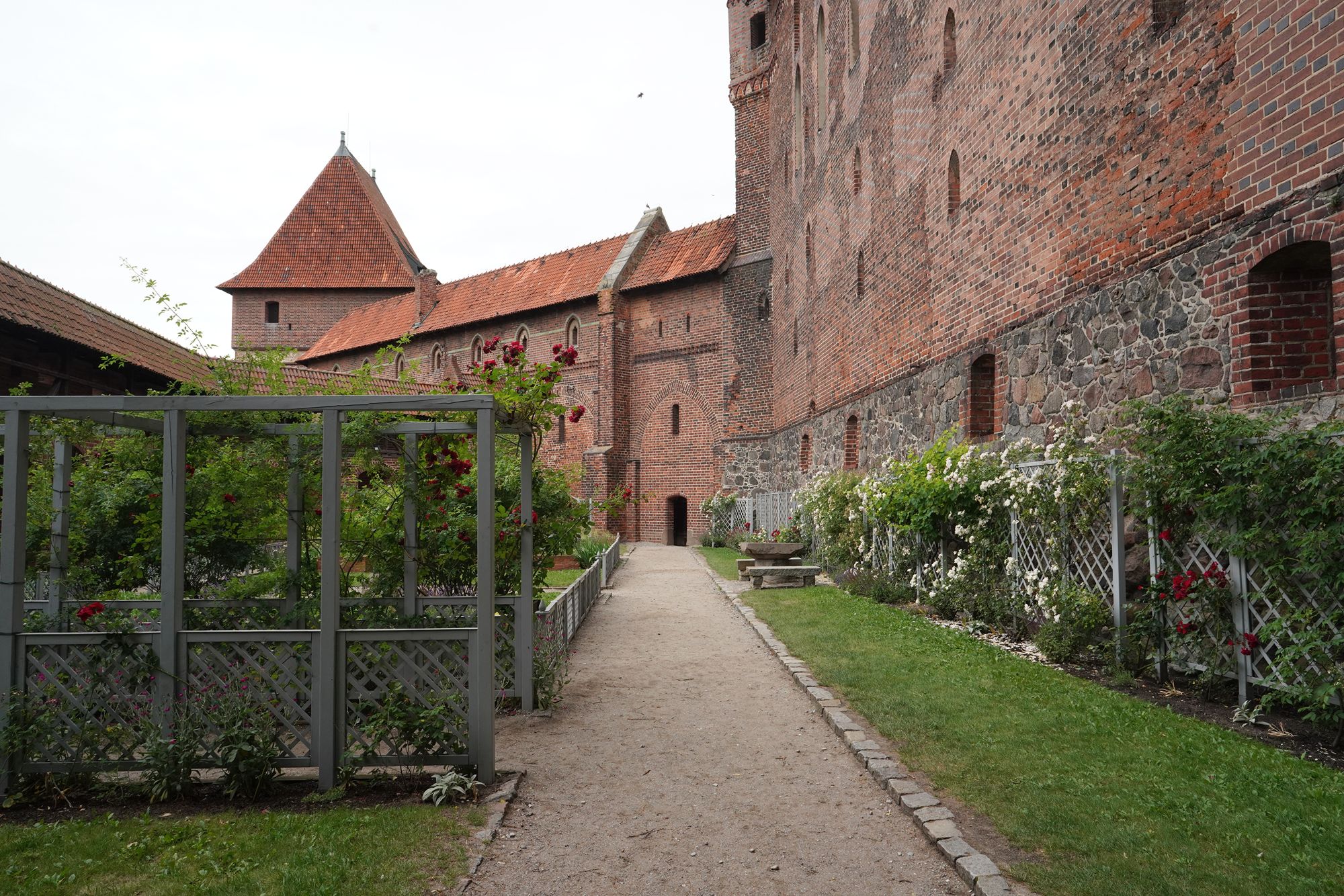
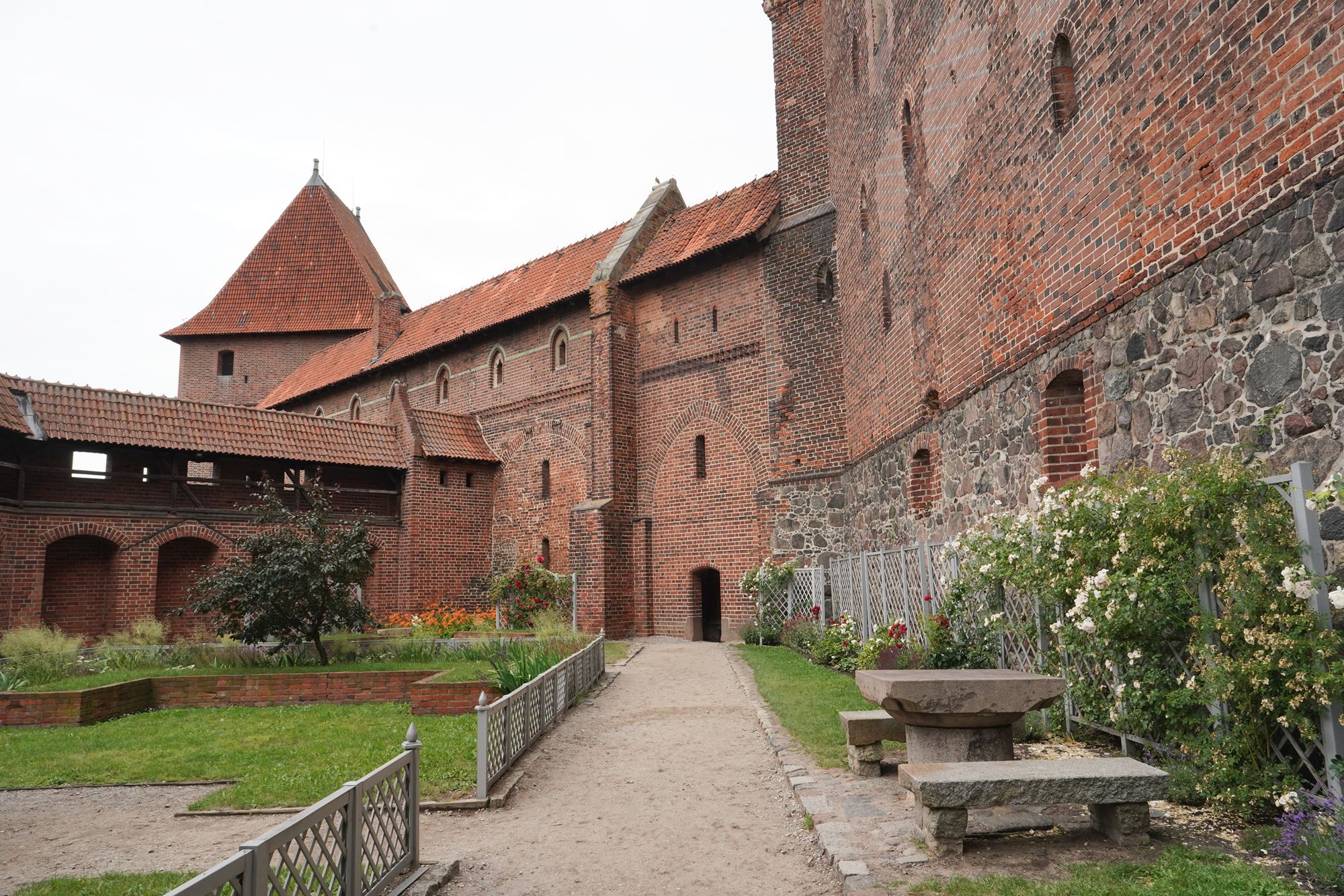
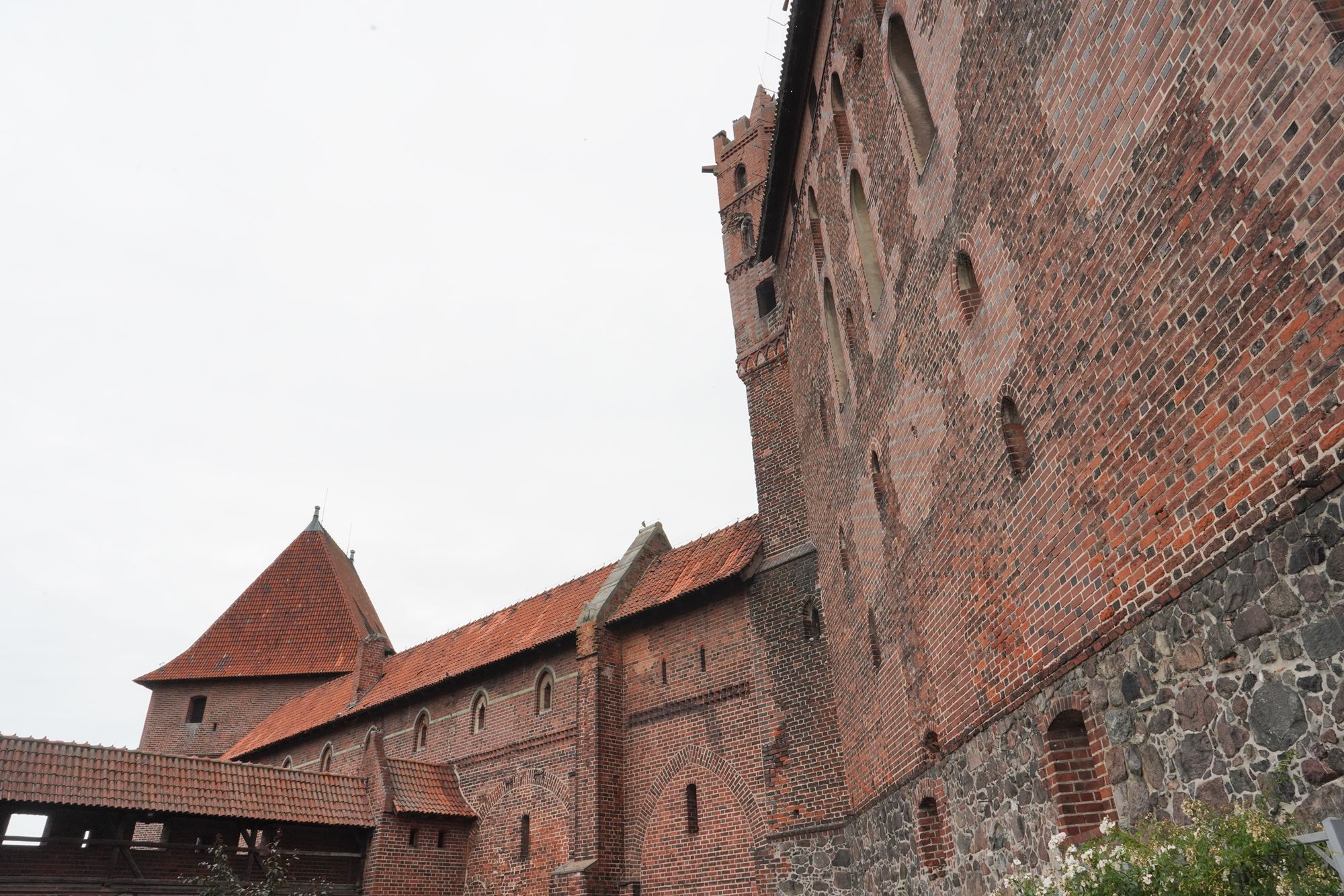
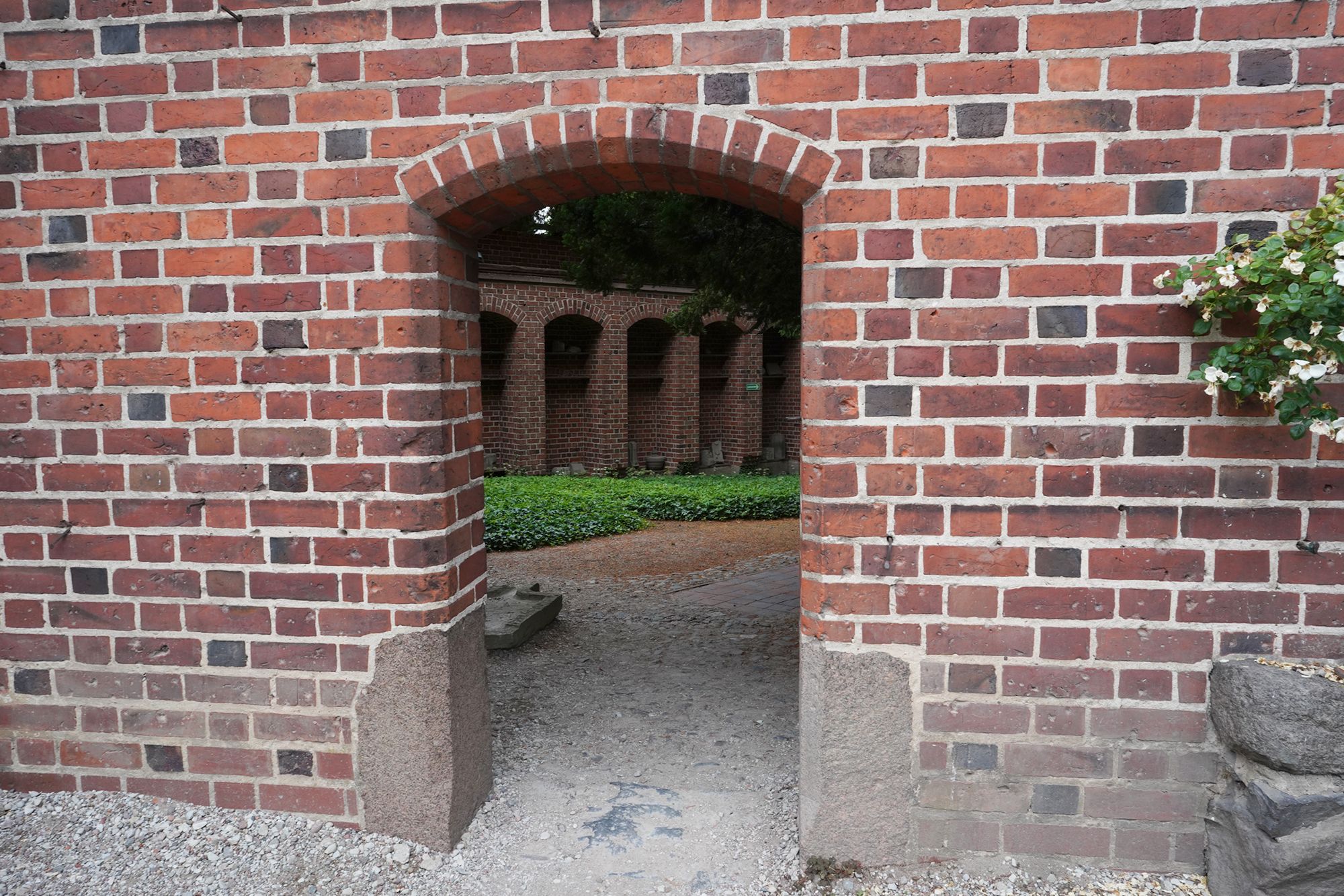
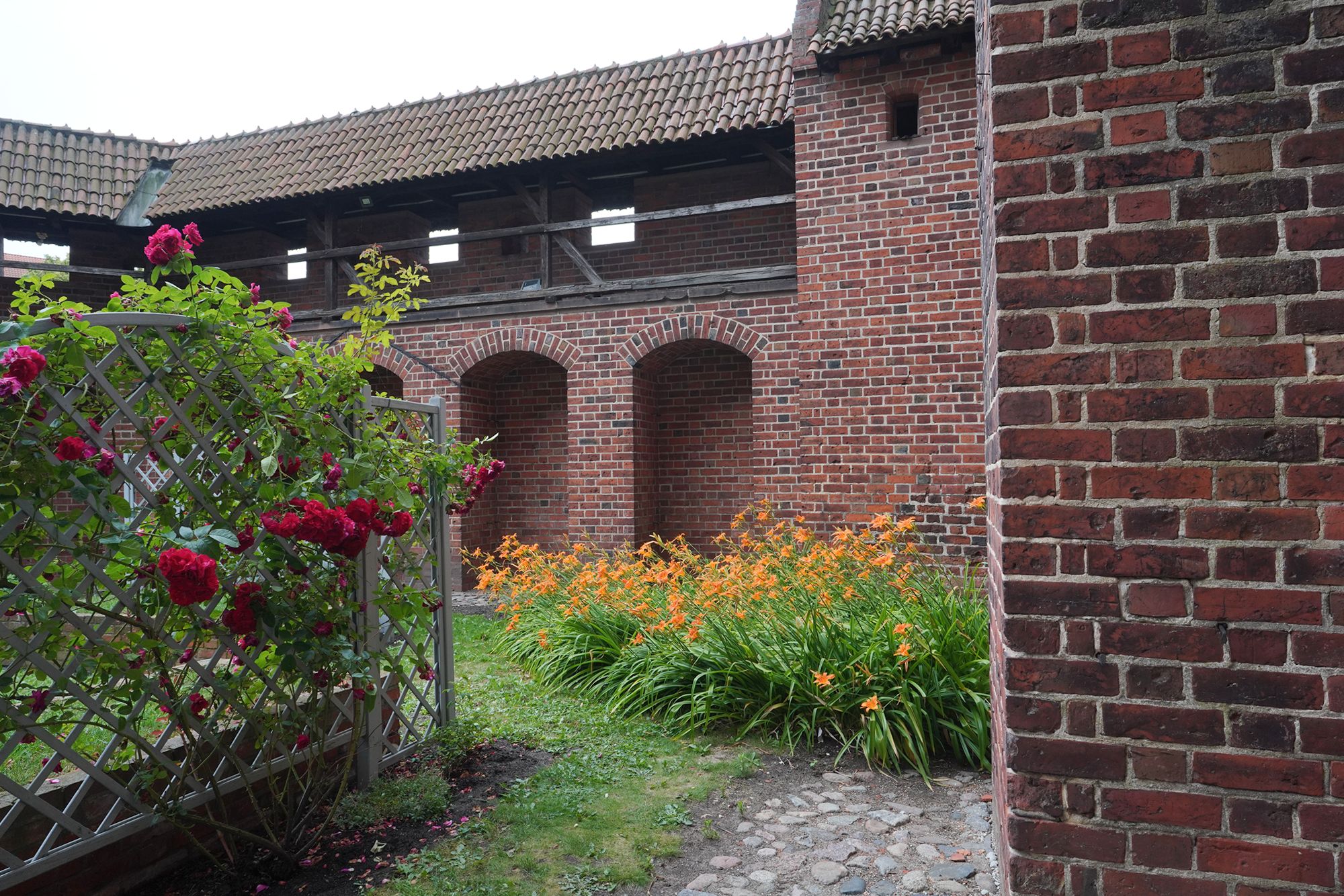
I continued walking around the High Castle.
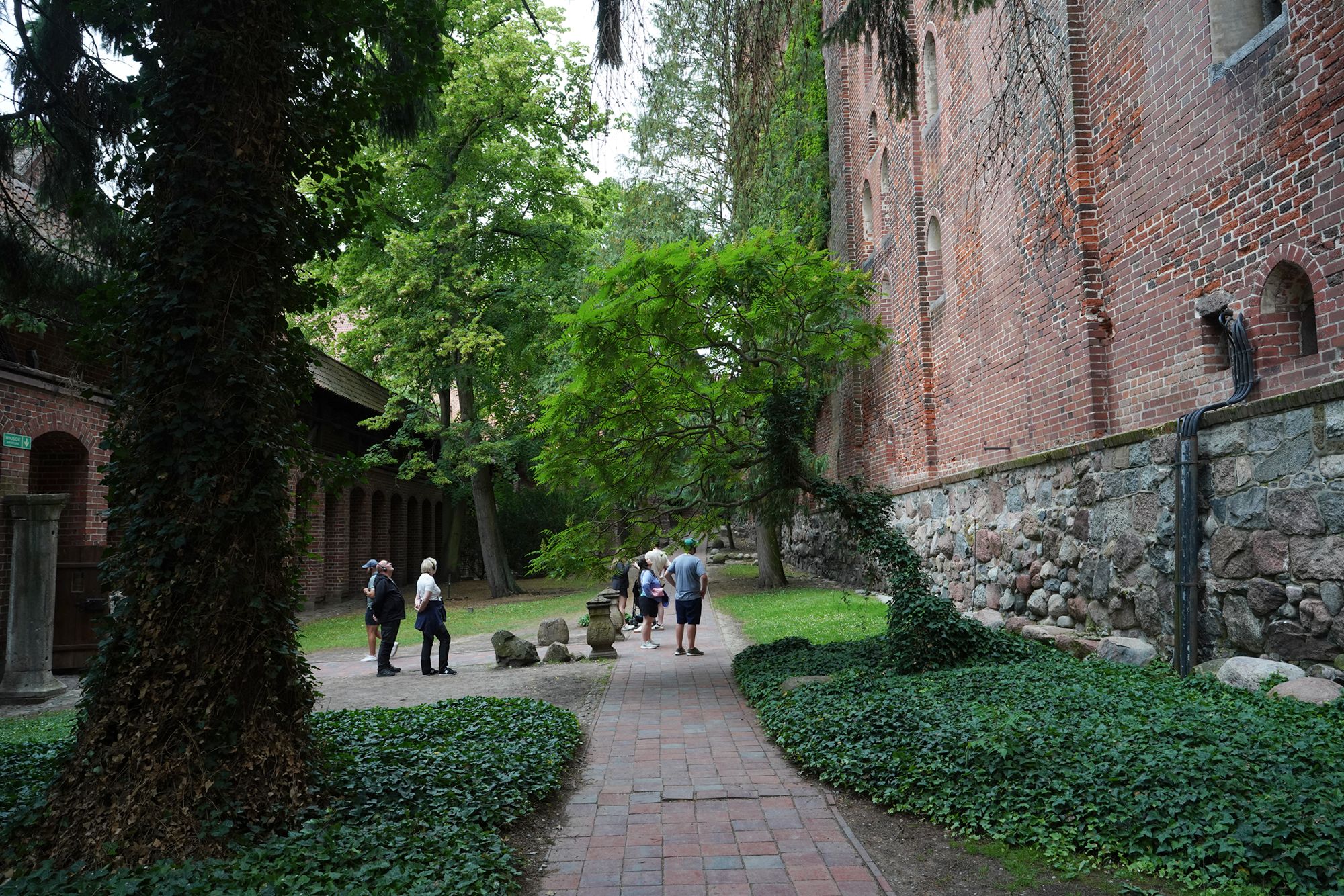
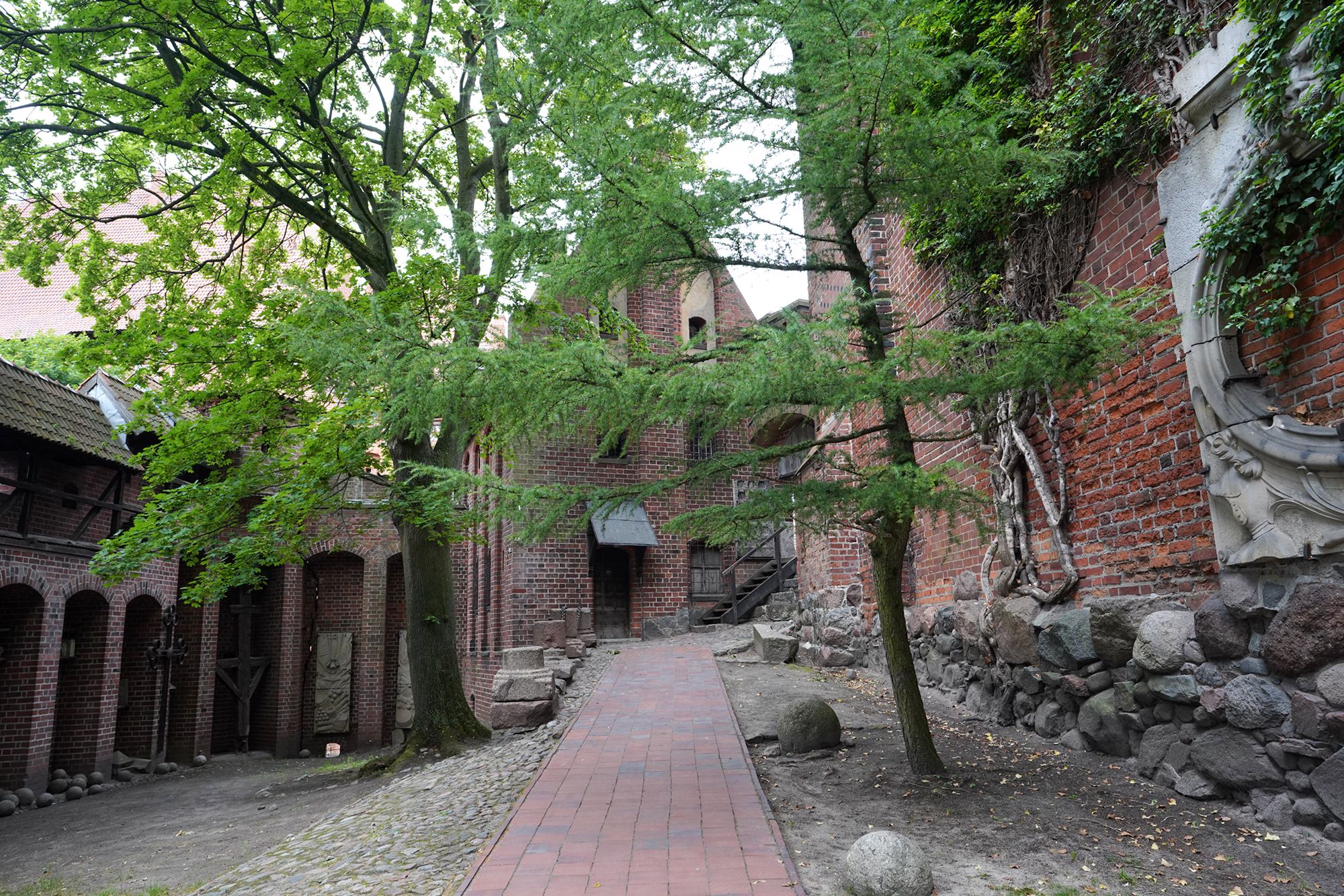
I returned to the gate connecting the High Castle to the Middle Castle and left the High Castle.
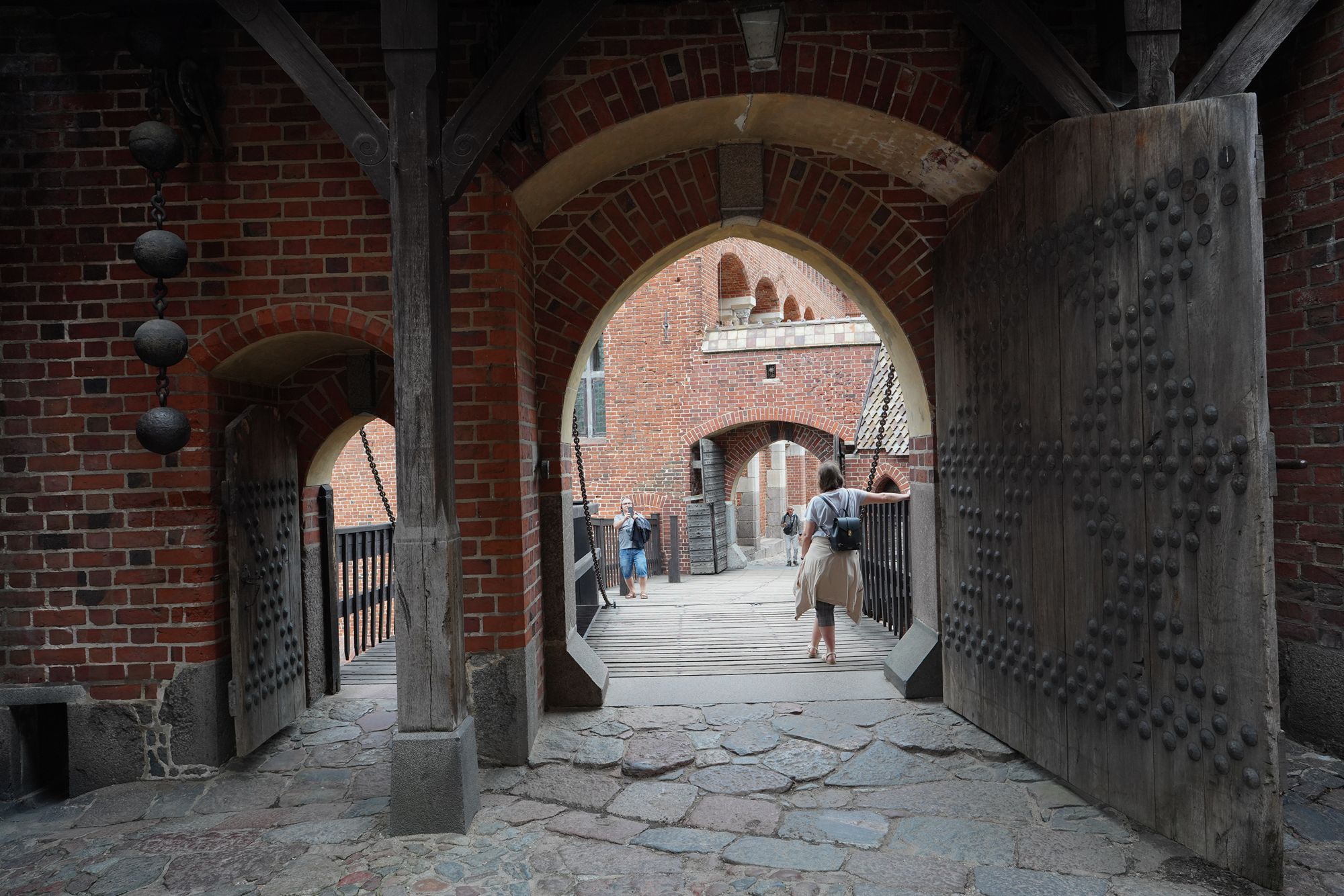
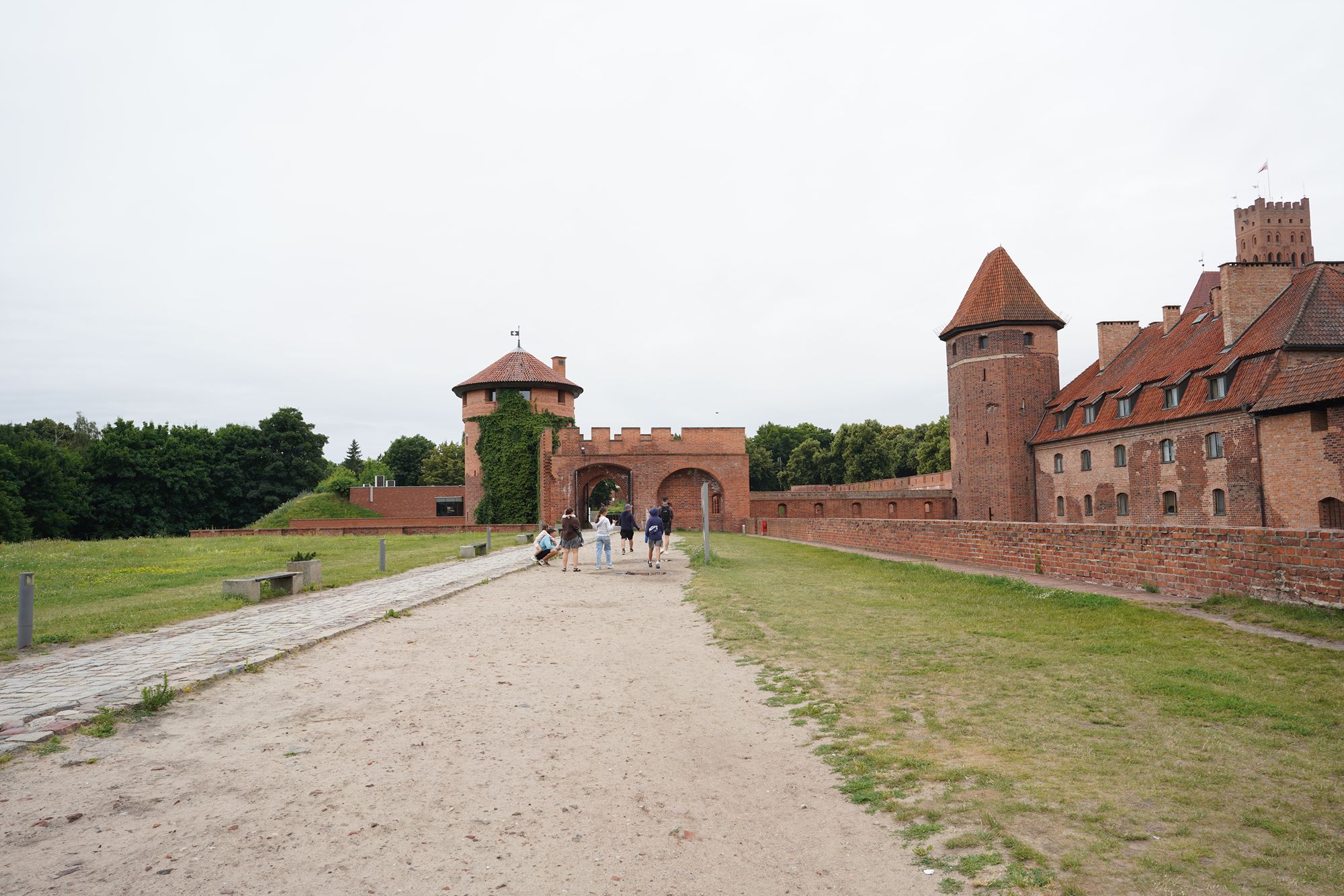
The Middle Castle
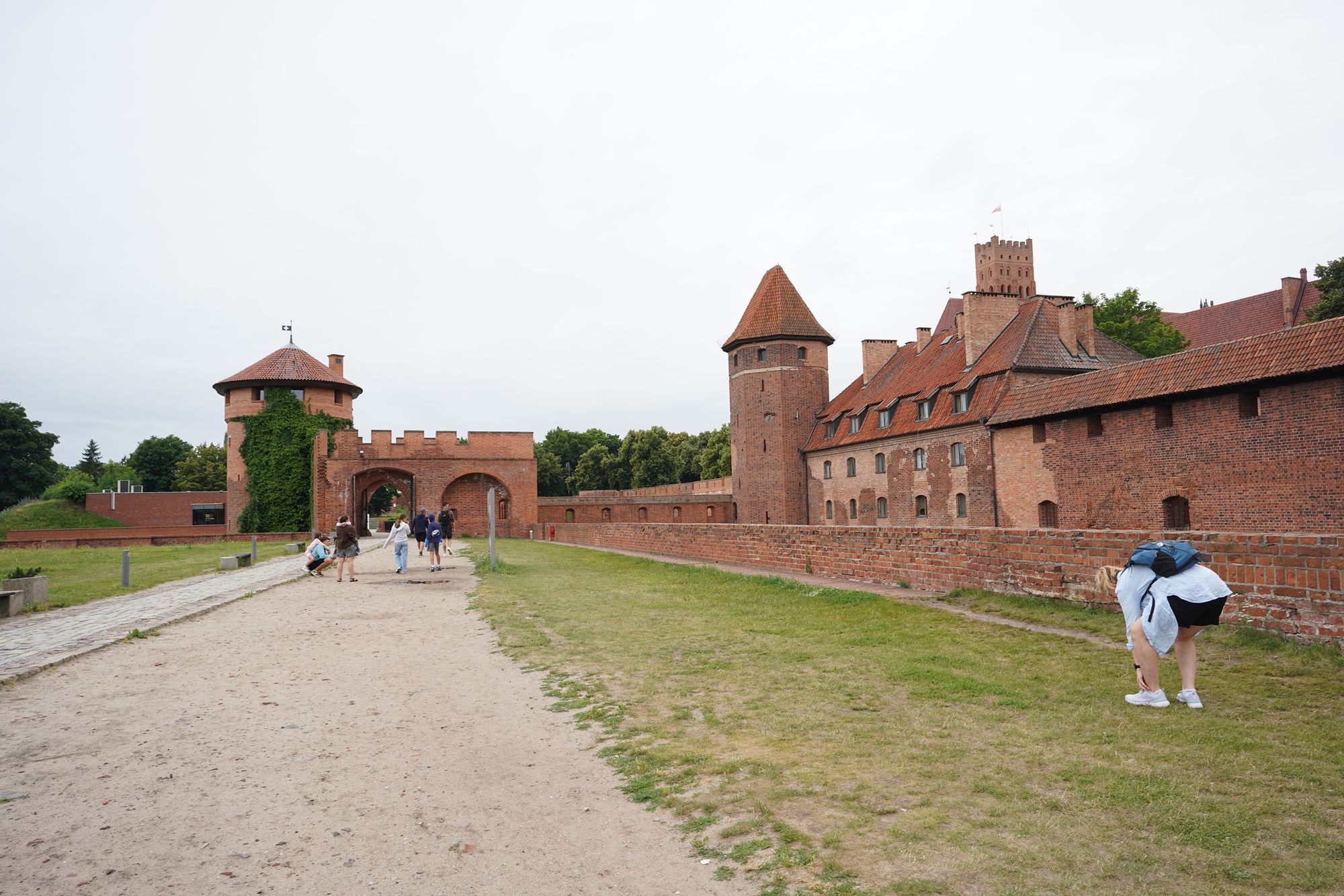
The gate connecting the Middle Castle to the Lower Castle.
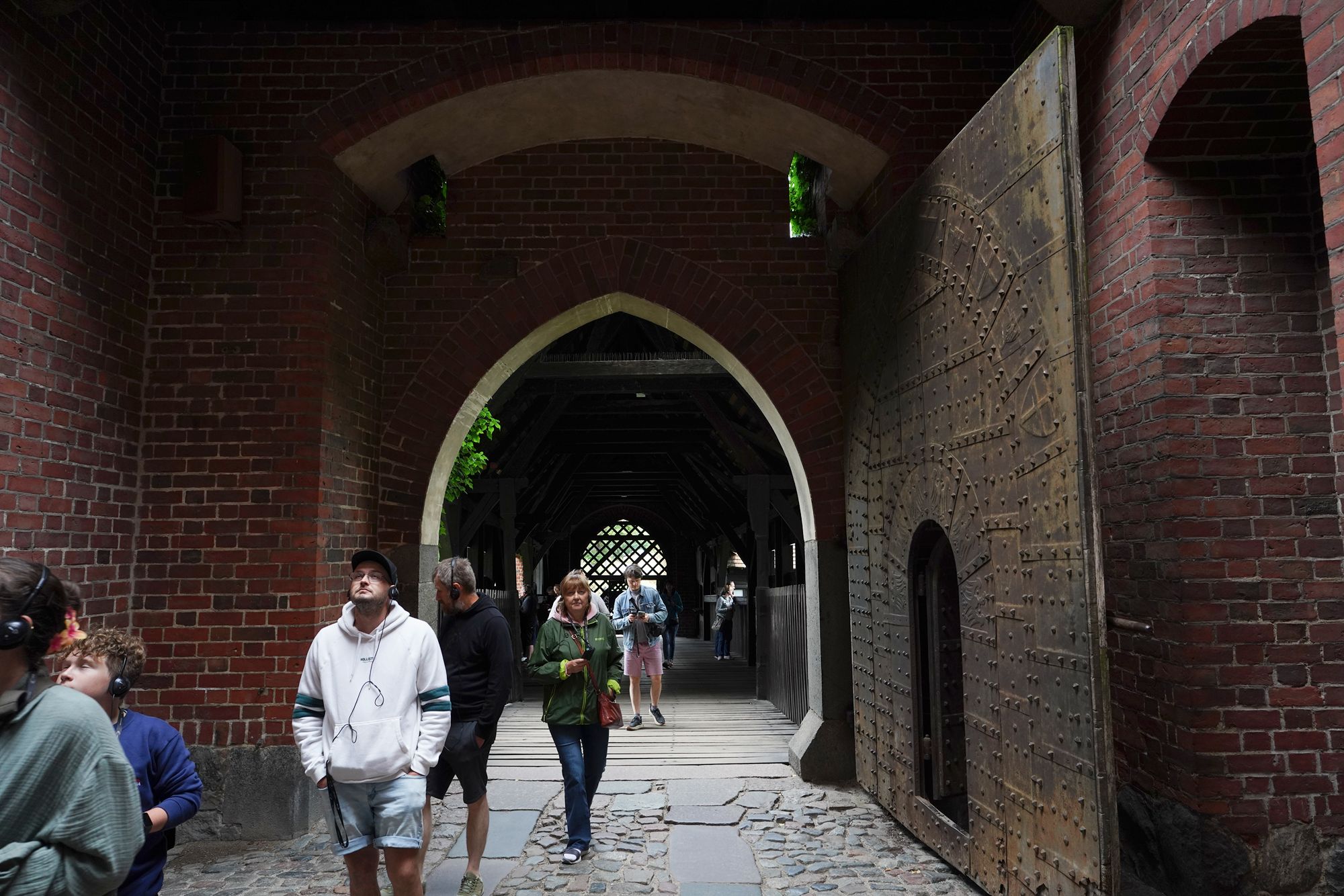
The Lower Castle
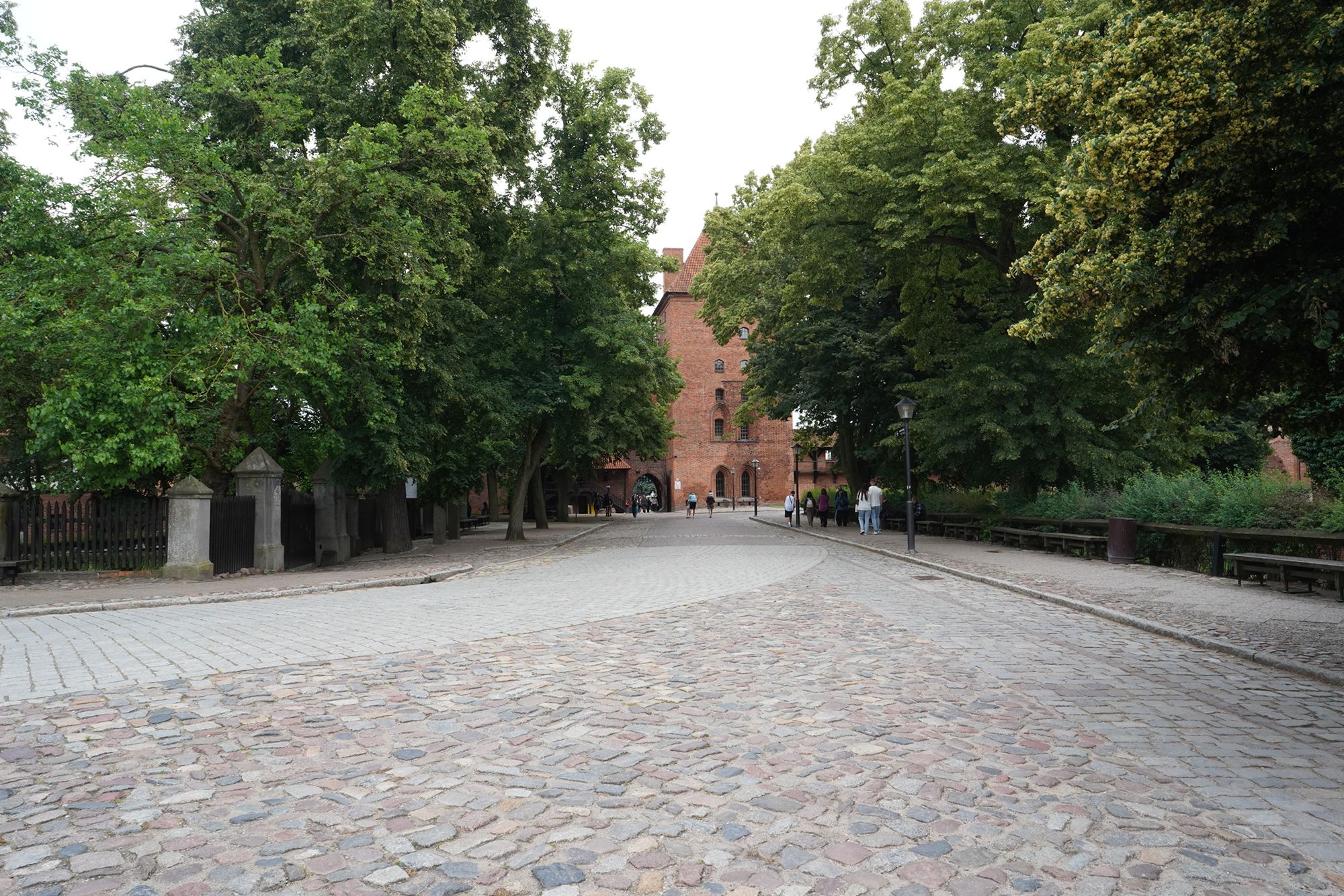
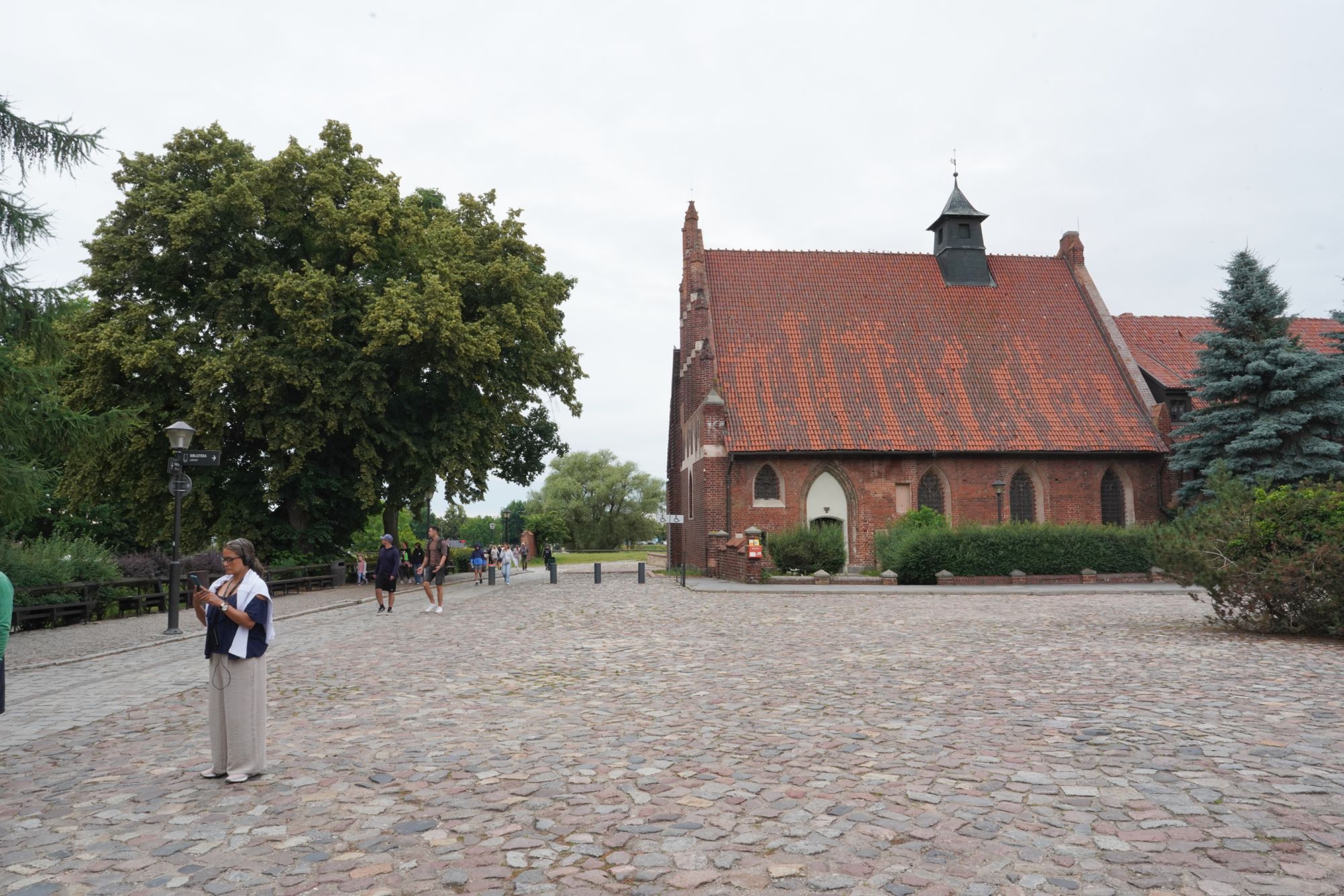
Then, finally, I left the Lower Castle