Coimbra Walk II, Coimbra, Portugal
This Coimbra walk explored churches, shopping streets, and the Mondego River, ending with a fado concert. 1376
University of Coimbra: Paço das Escolas, 3004-531 Coimbra, Portugal
Igreja de São João de Almedina: Largo Feira dos Estudantes, 3000-214 Coimbra, Portugal
The Old Cathedral of Coimbra: Largo da Sé Velha, 3000-383 Coimbra, Portugal
Praça do Comércio: 3000-116 Coimbra, Portugal
Monastery of the Holy Cross: Praça 8 de Maio, 3001-300 Coimbra, Portugal
Statue of Joaquim António de Aguiar: 3000-382 Coimbra, Portugal
Ponte de Santa Clara: Pte. de Santa Clara, Coimbra, Portugal
Igreja de São Tiago: Pte. de Santa Clara, Coimbra, Portugal
Date Picture Taken: Jul, 2026
This walk continues from Coimbra Walk Part I, starting at the square in front of the University of Coimbra.
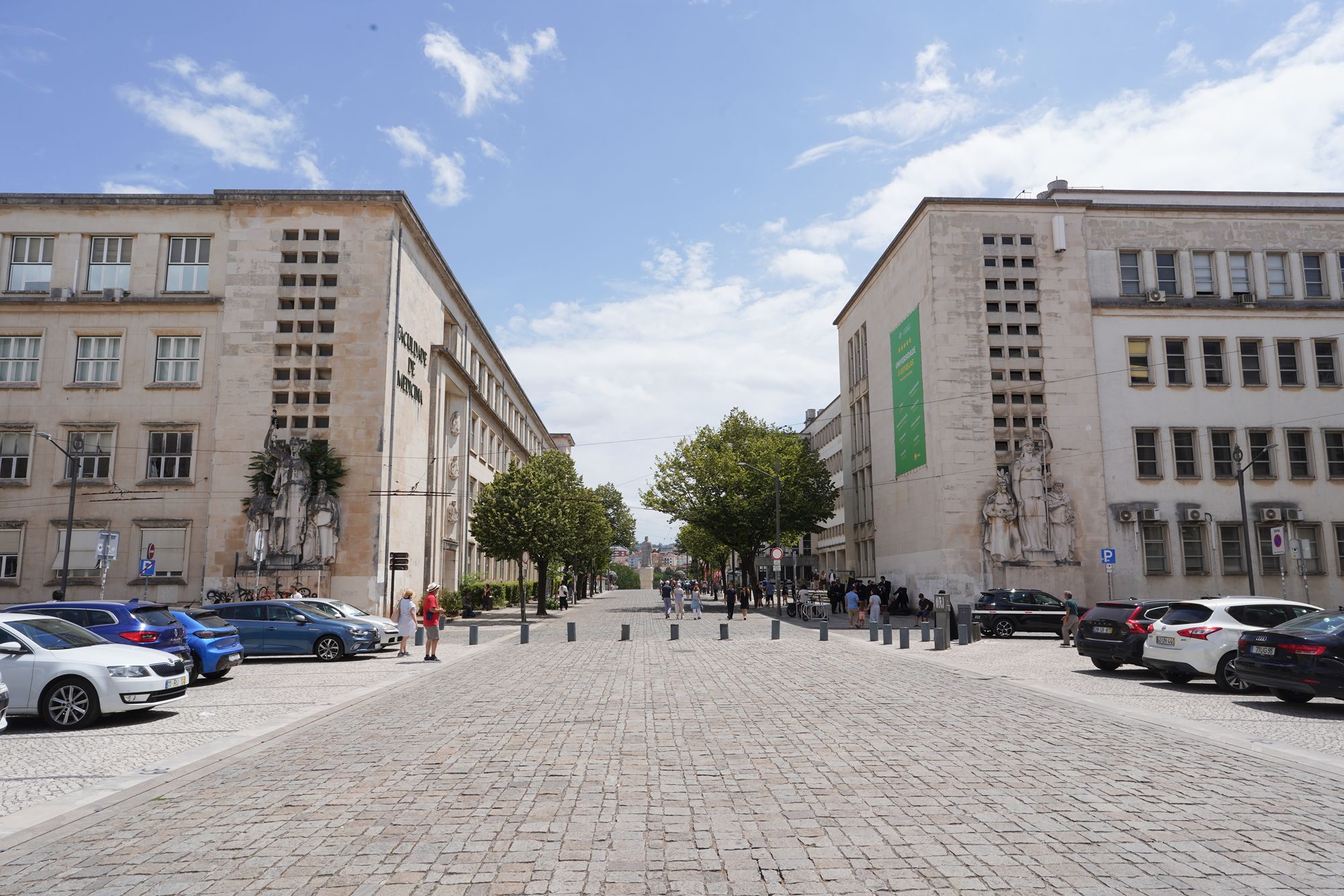
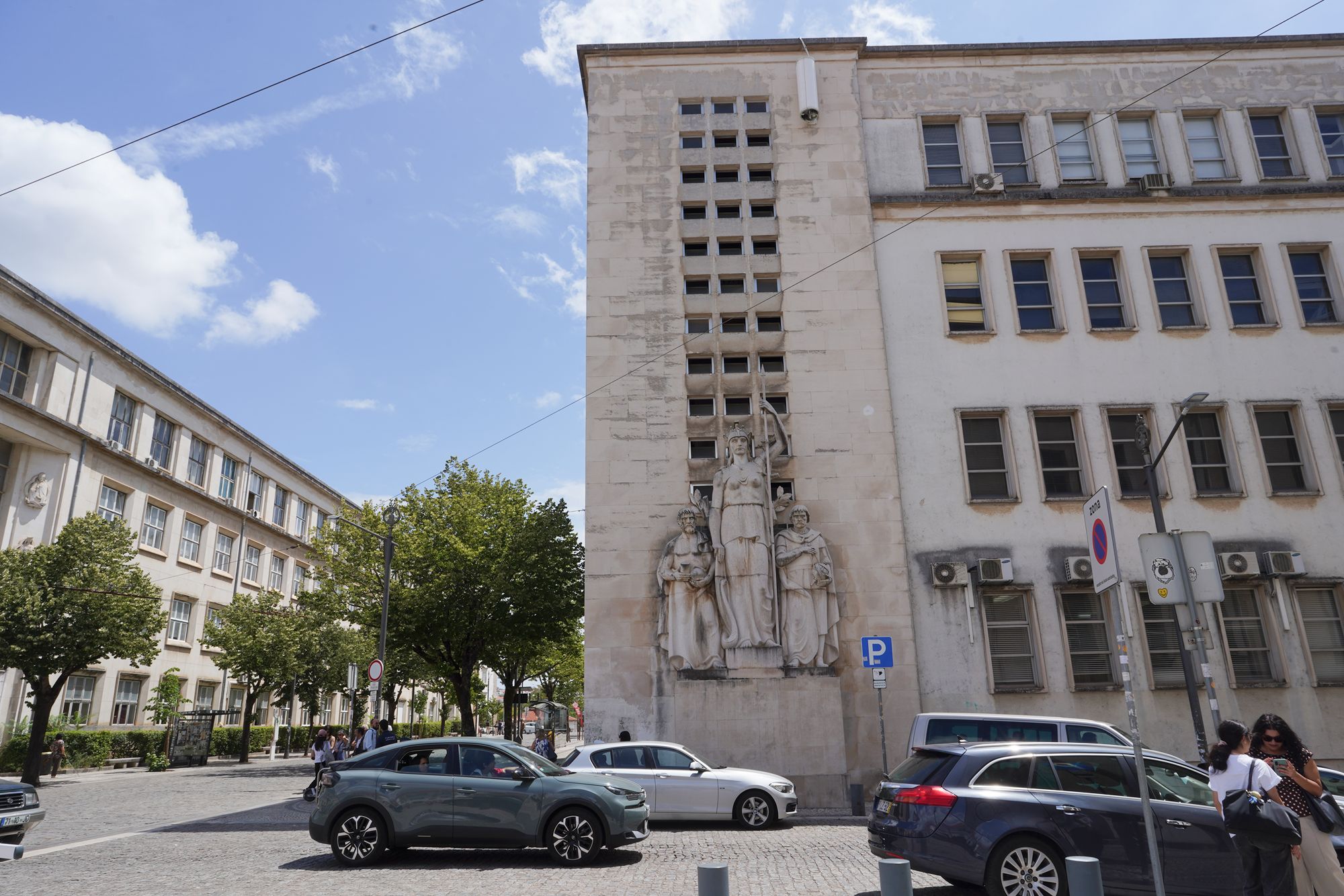
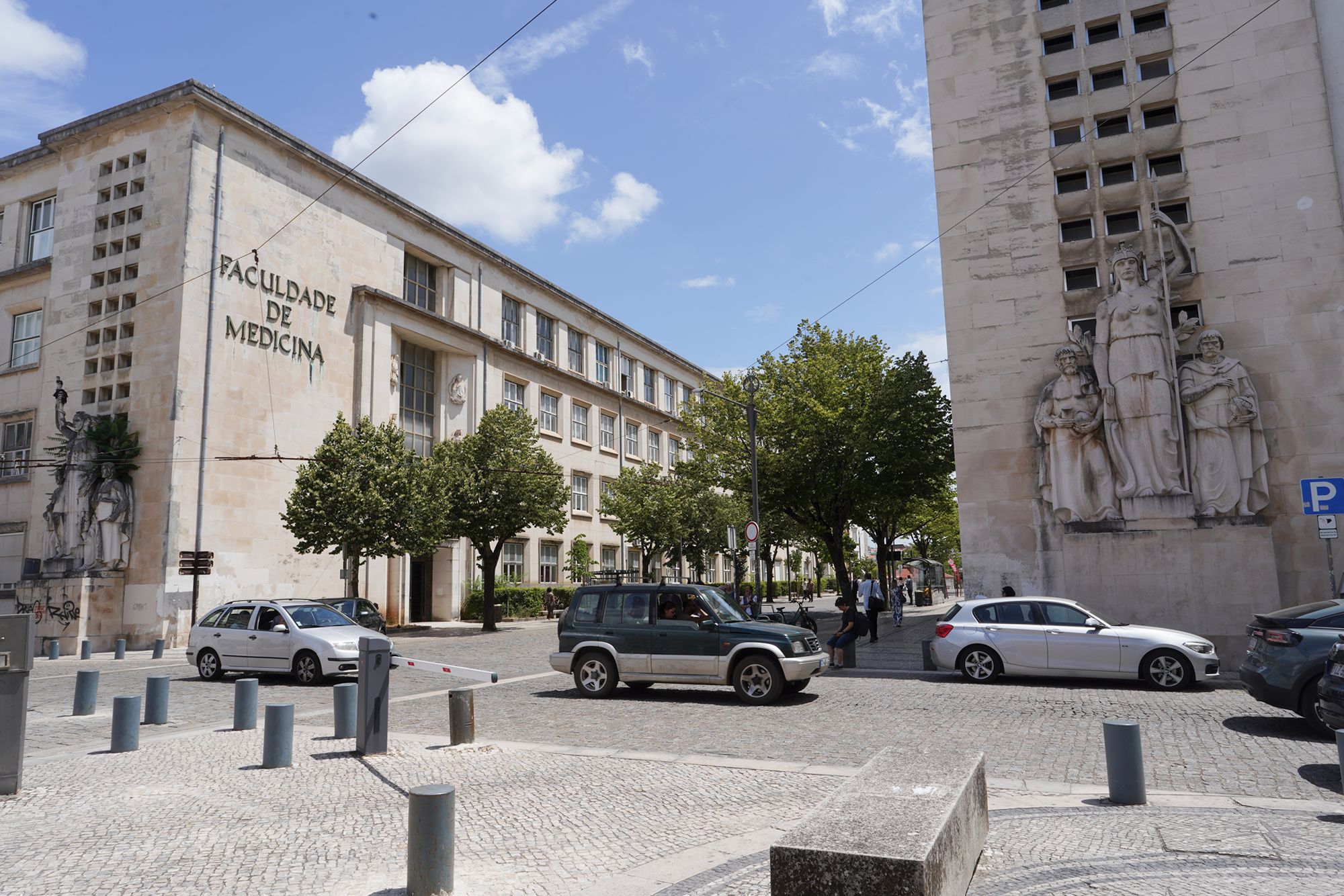
University of Coimbra
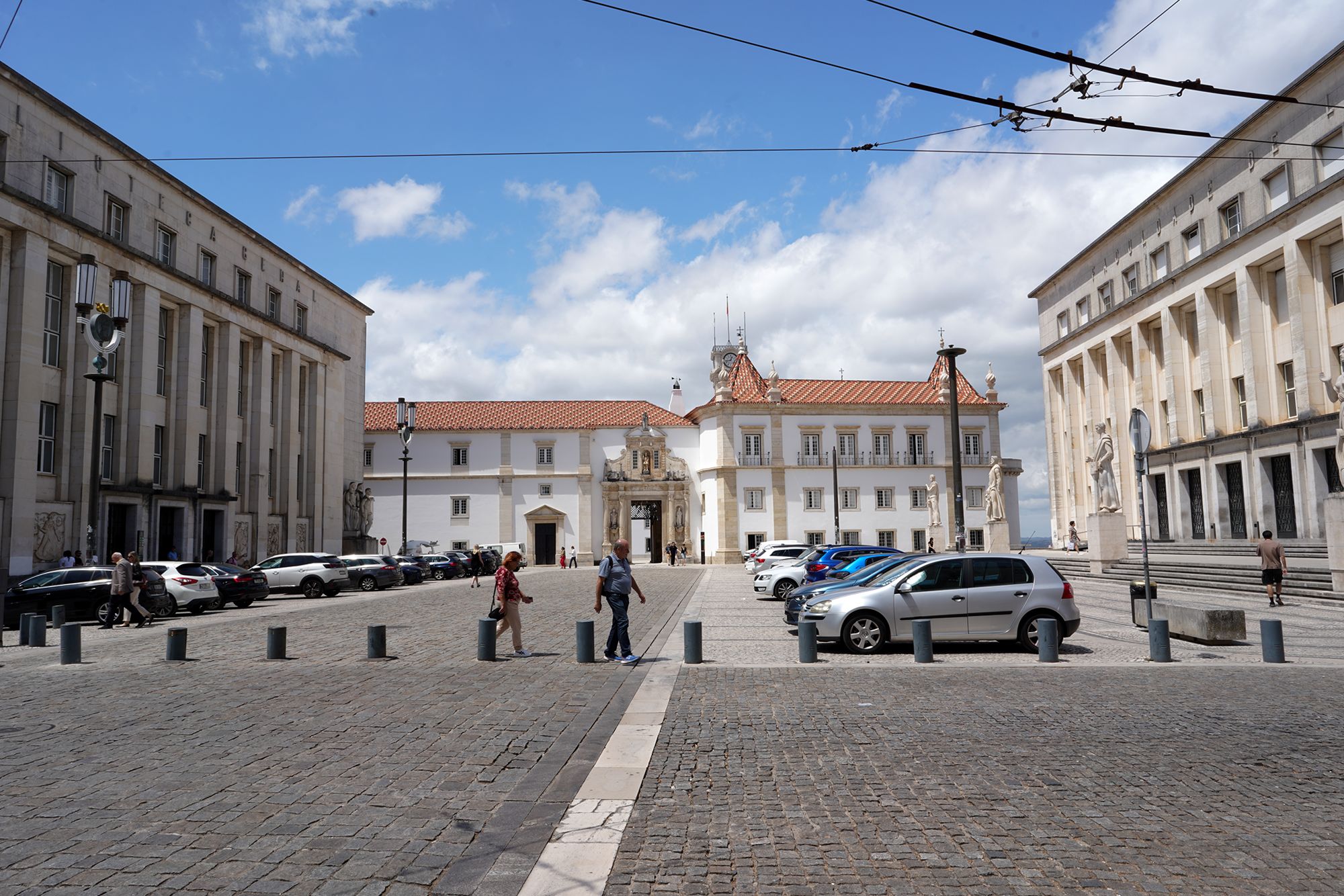
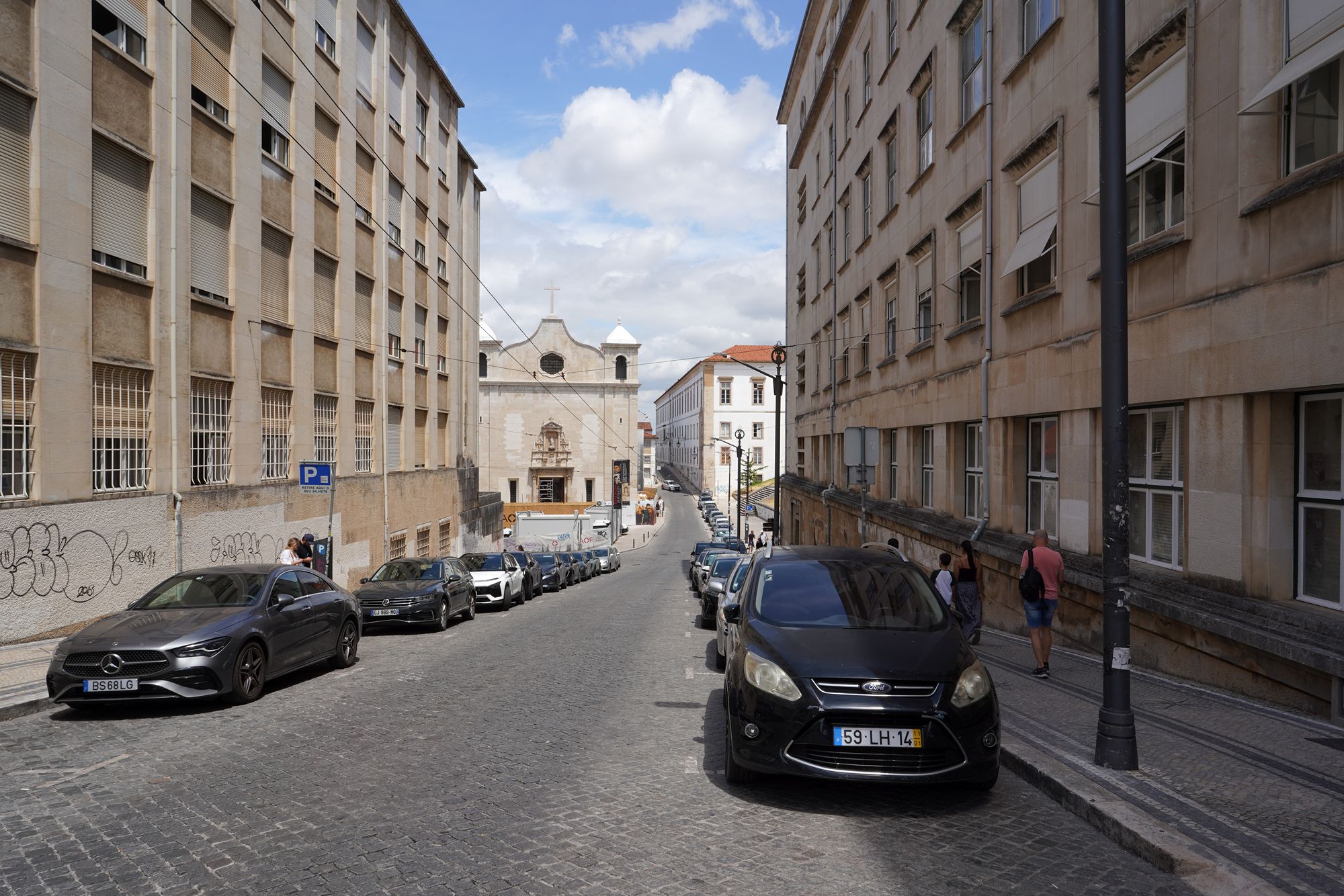
The New Cathedral of Coimbra
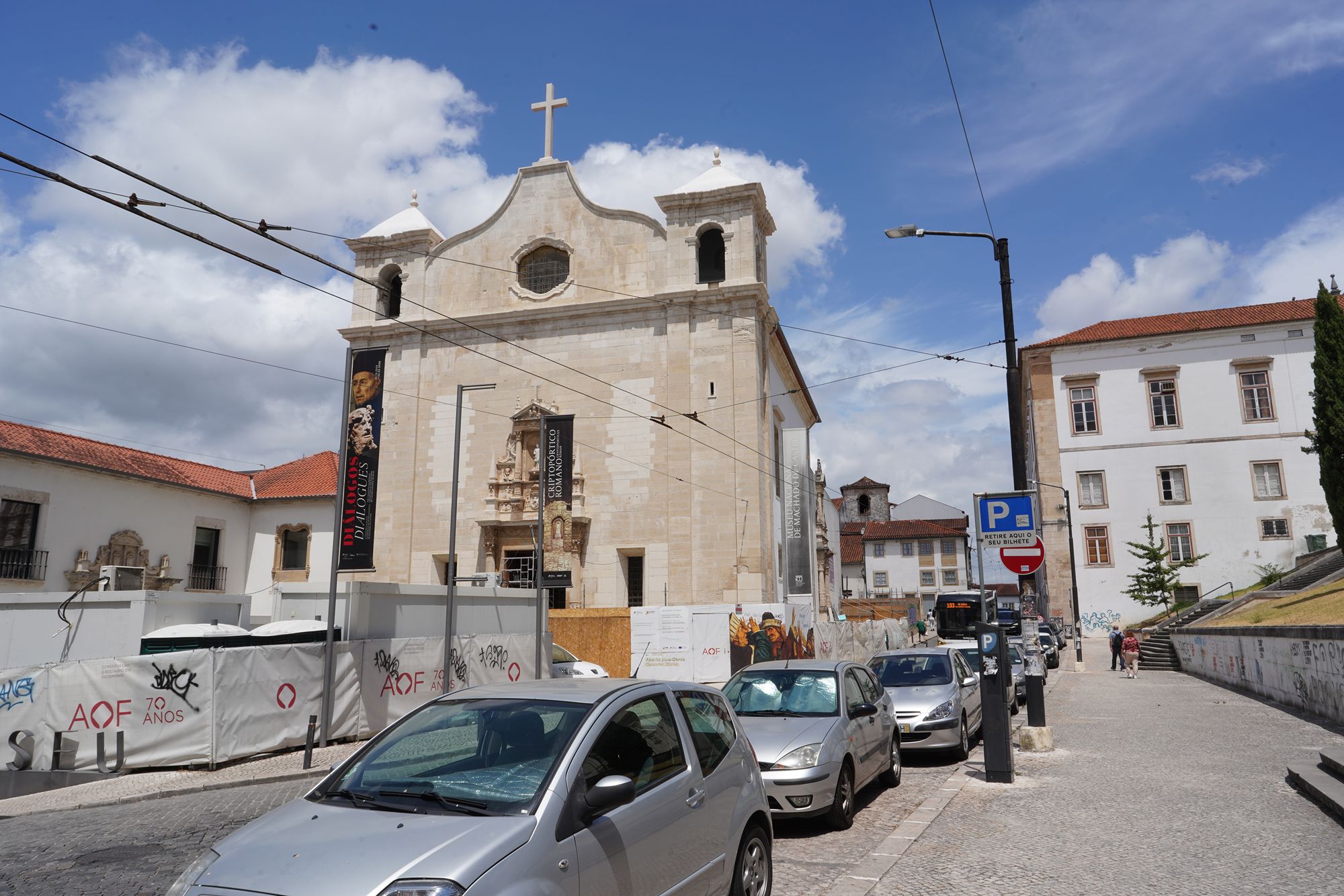
Igreja de São João de Almedina
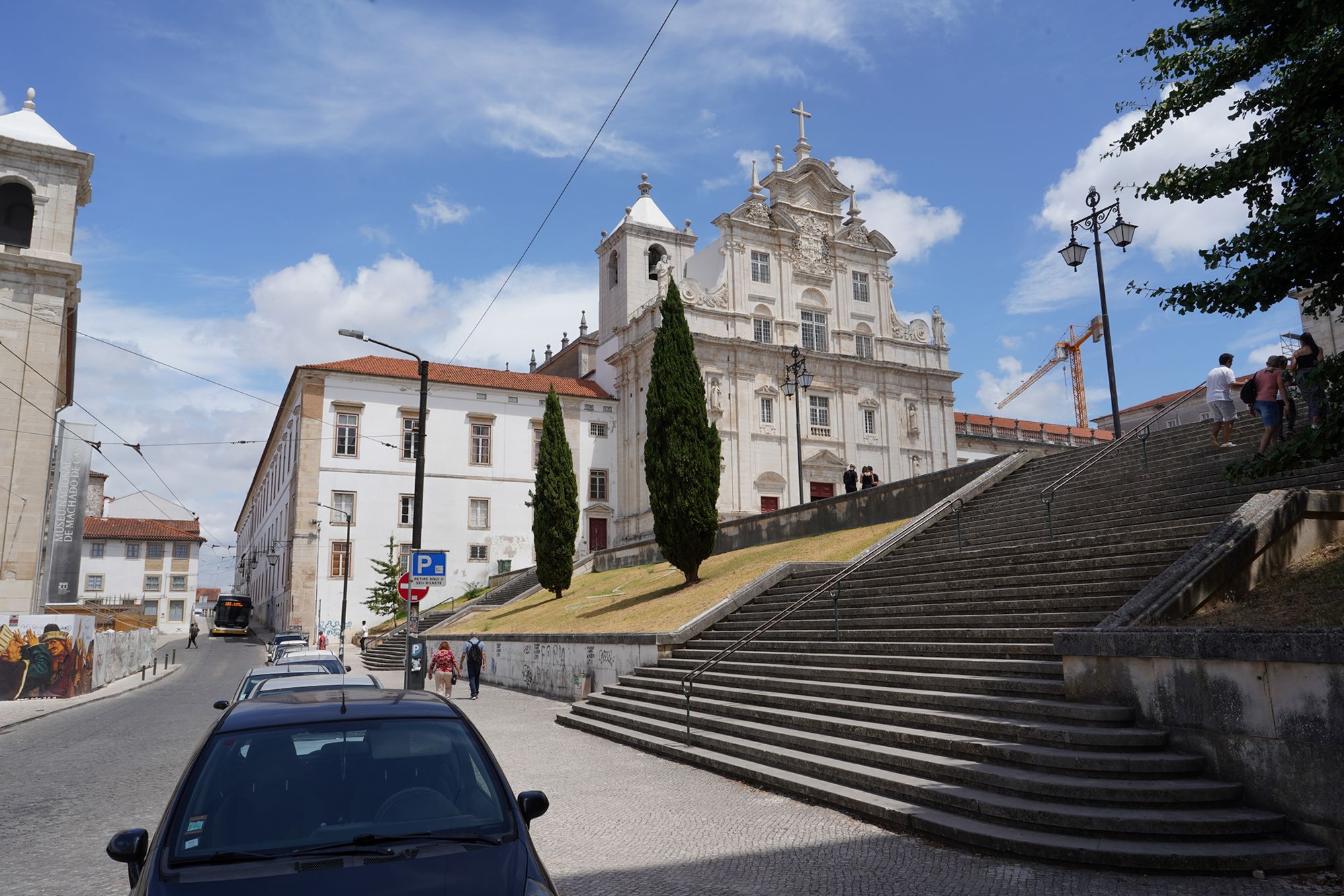
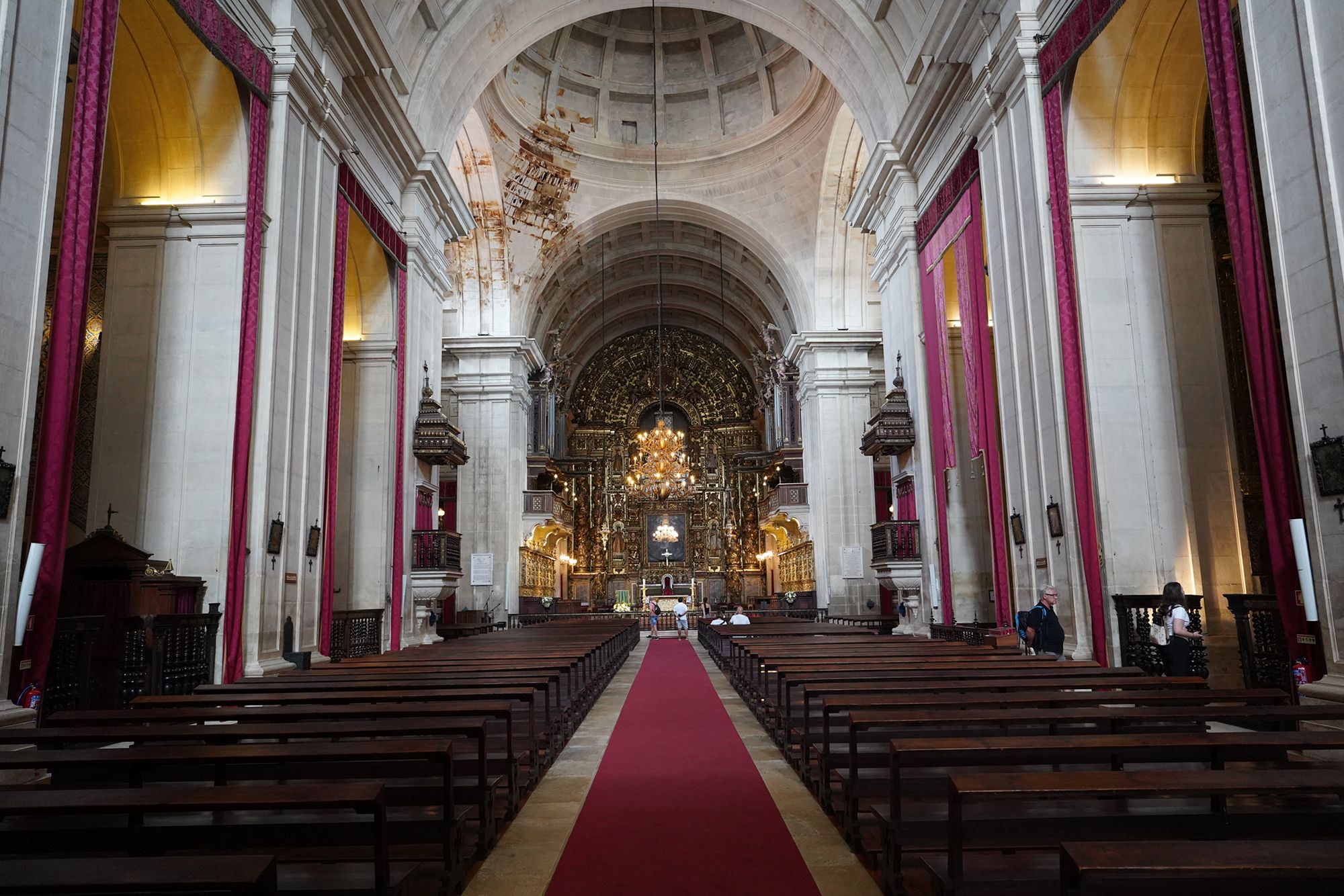
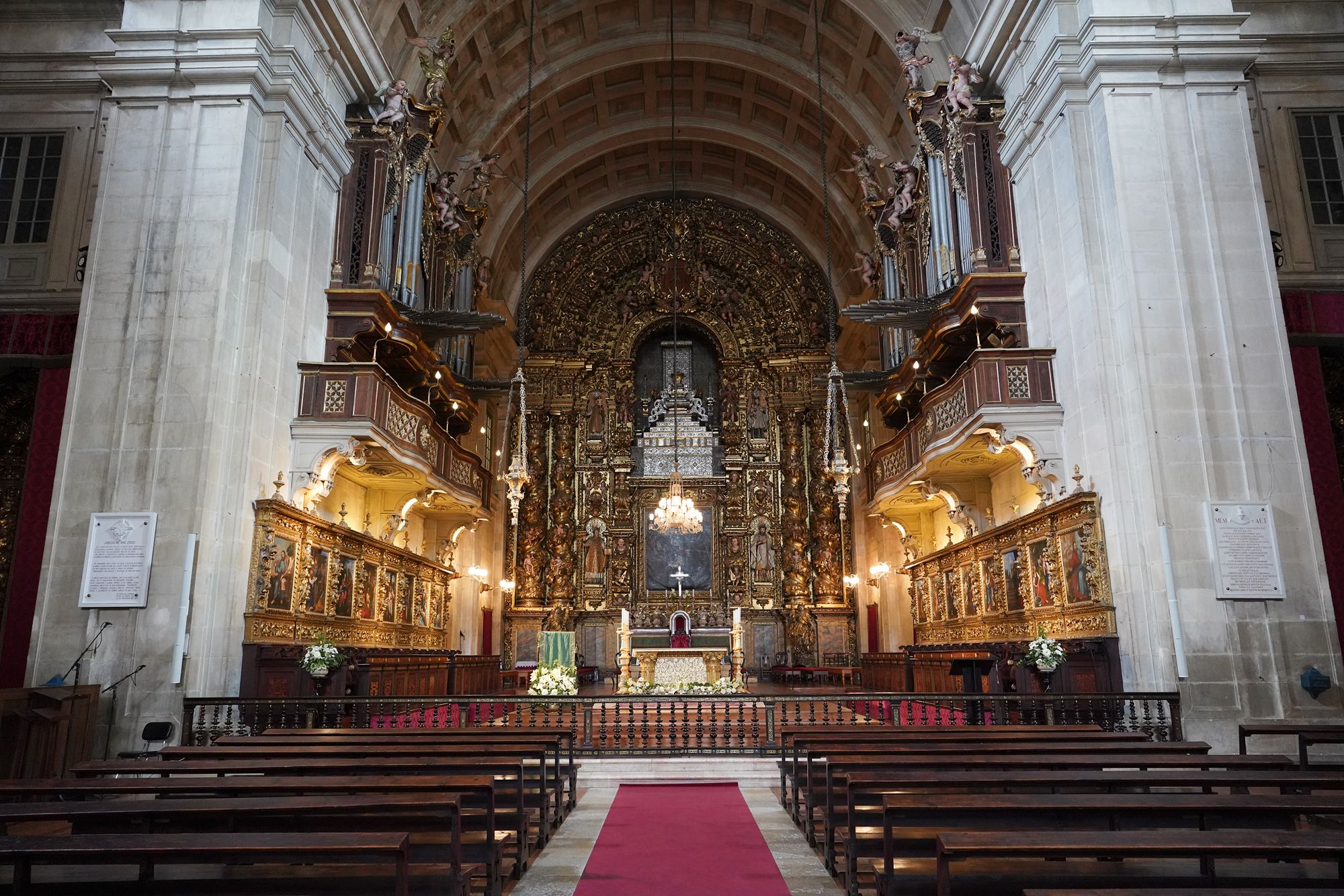
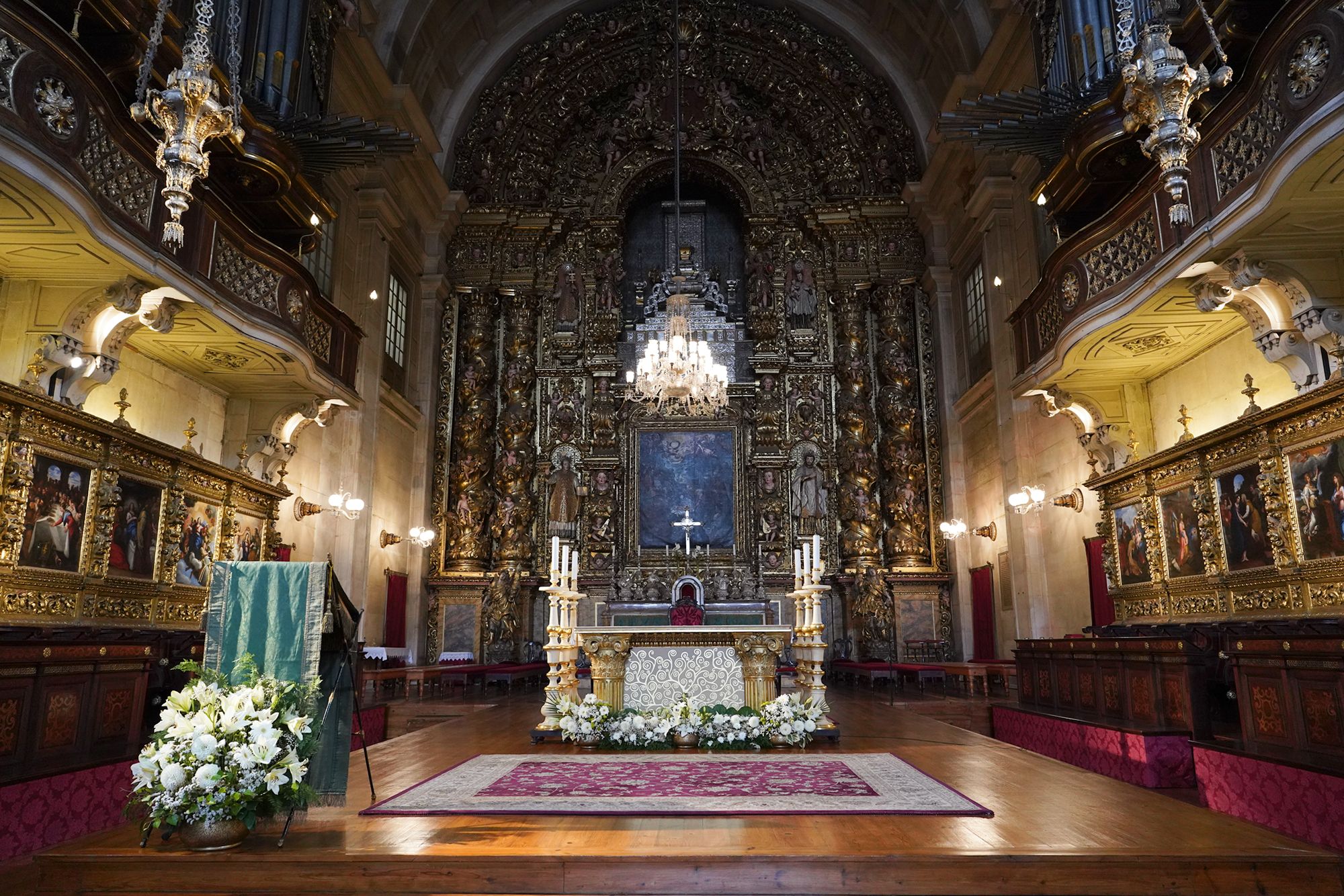
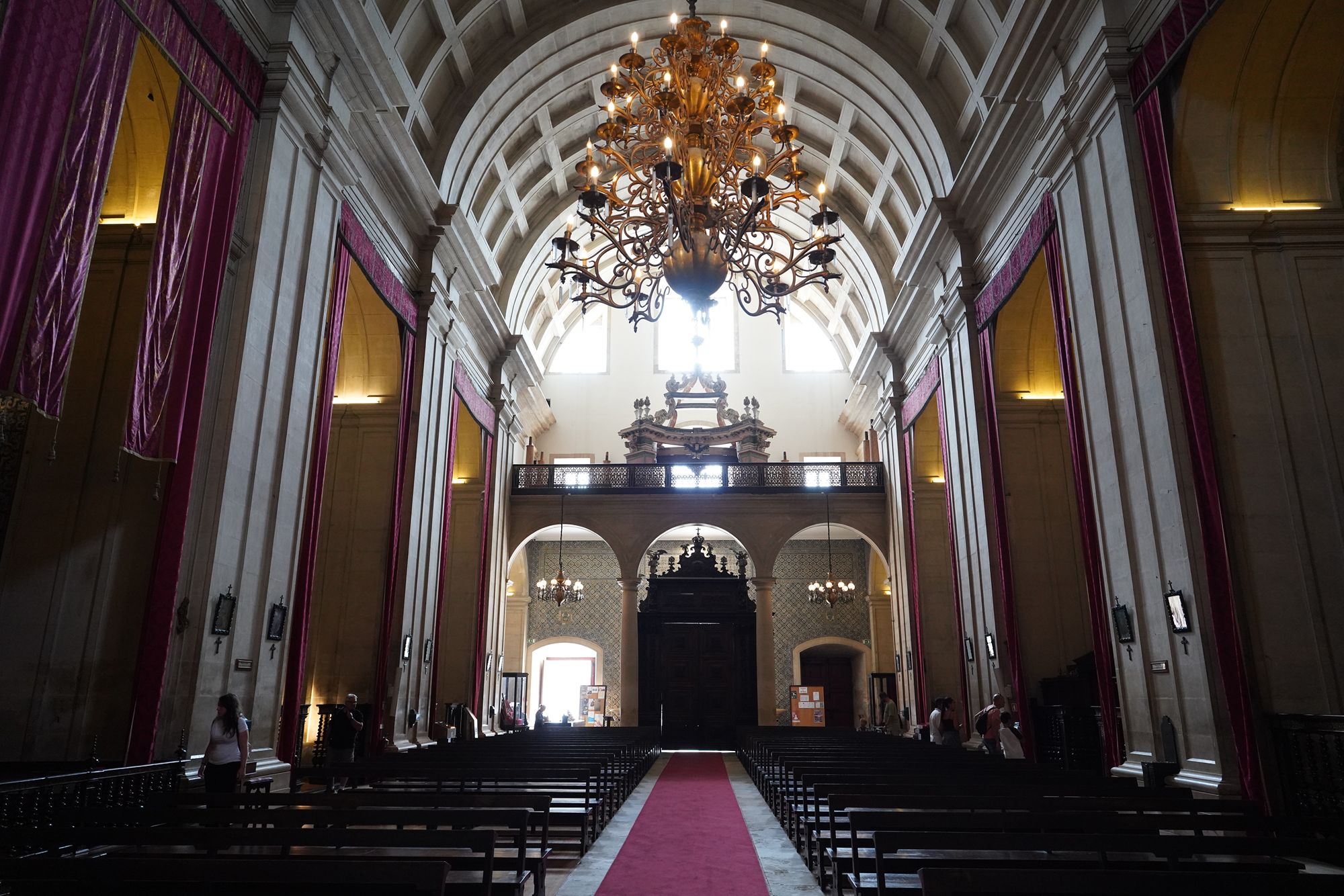
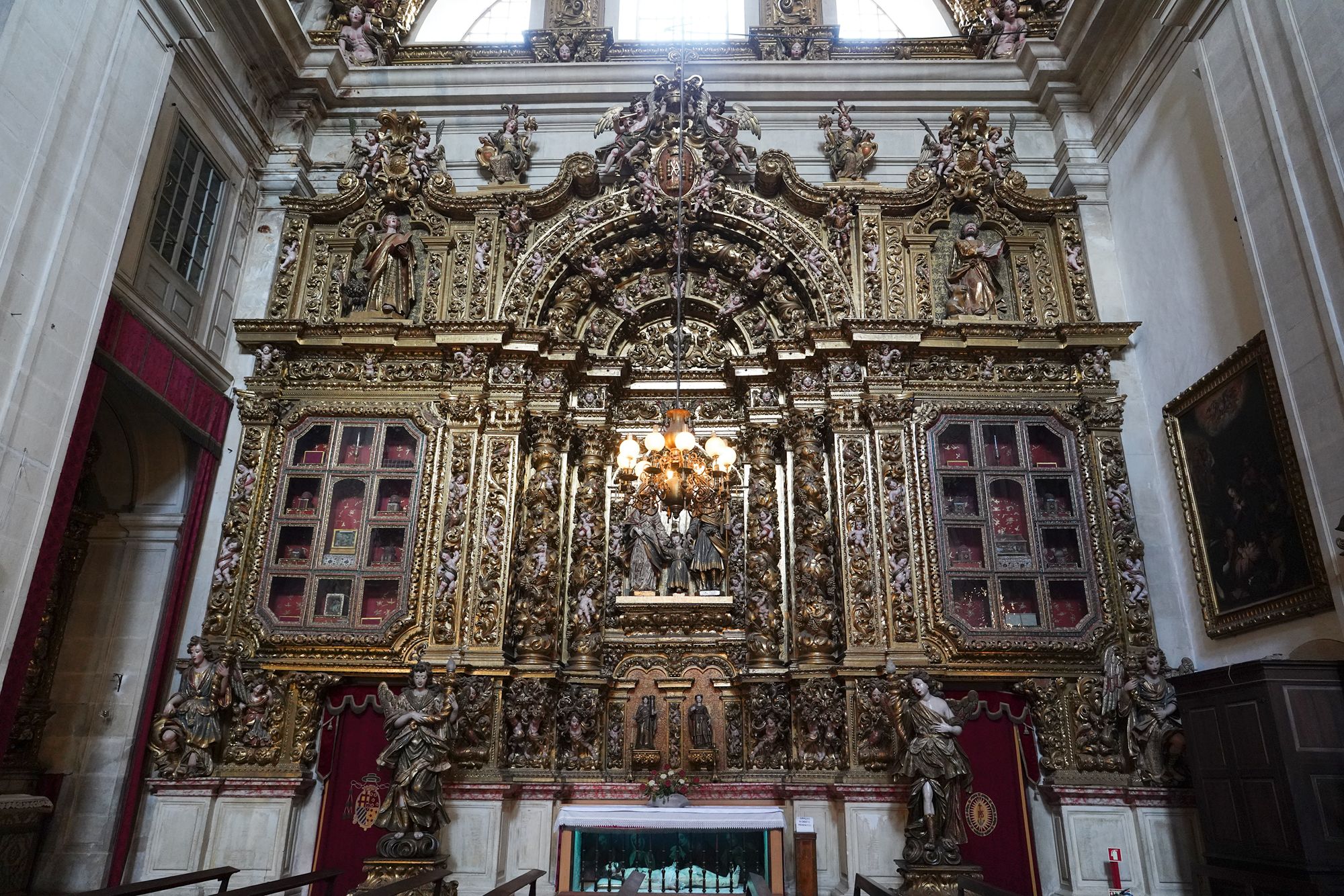
The New Cathedral of Coimbra (Sé Nova) was originally a Jesuit church, with construction beginning in 1598. It became the city’s cathedral in 1772, replacing the Old Cathedral as the bishop’s seat. Its imposing façade features statues of Jesuit saints, while the interior contains elaborate gilded altarpieces.
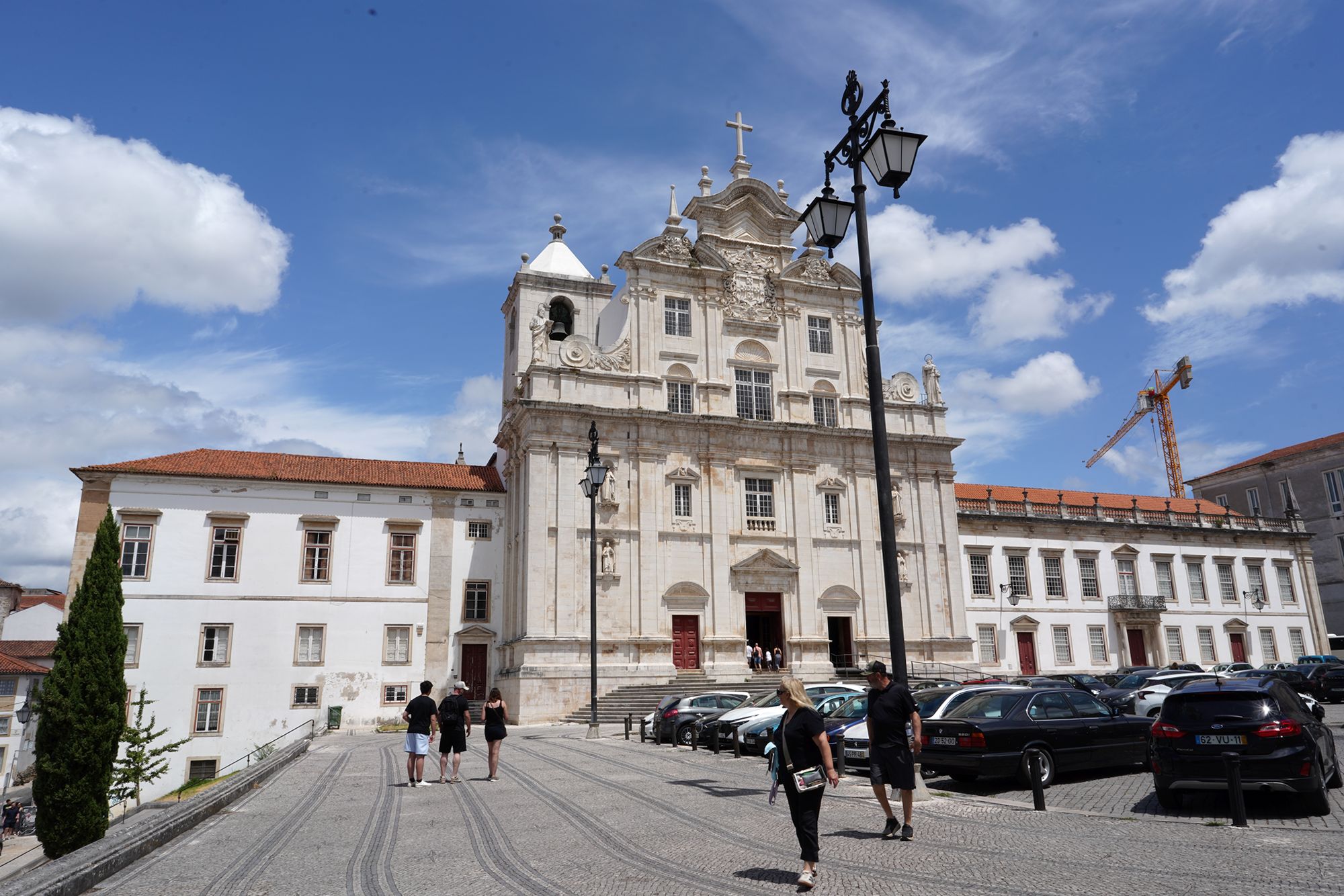
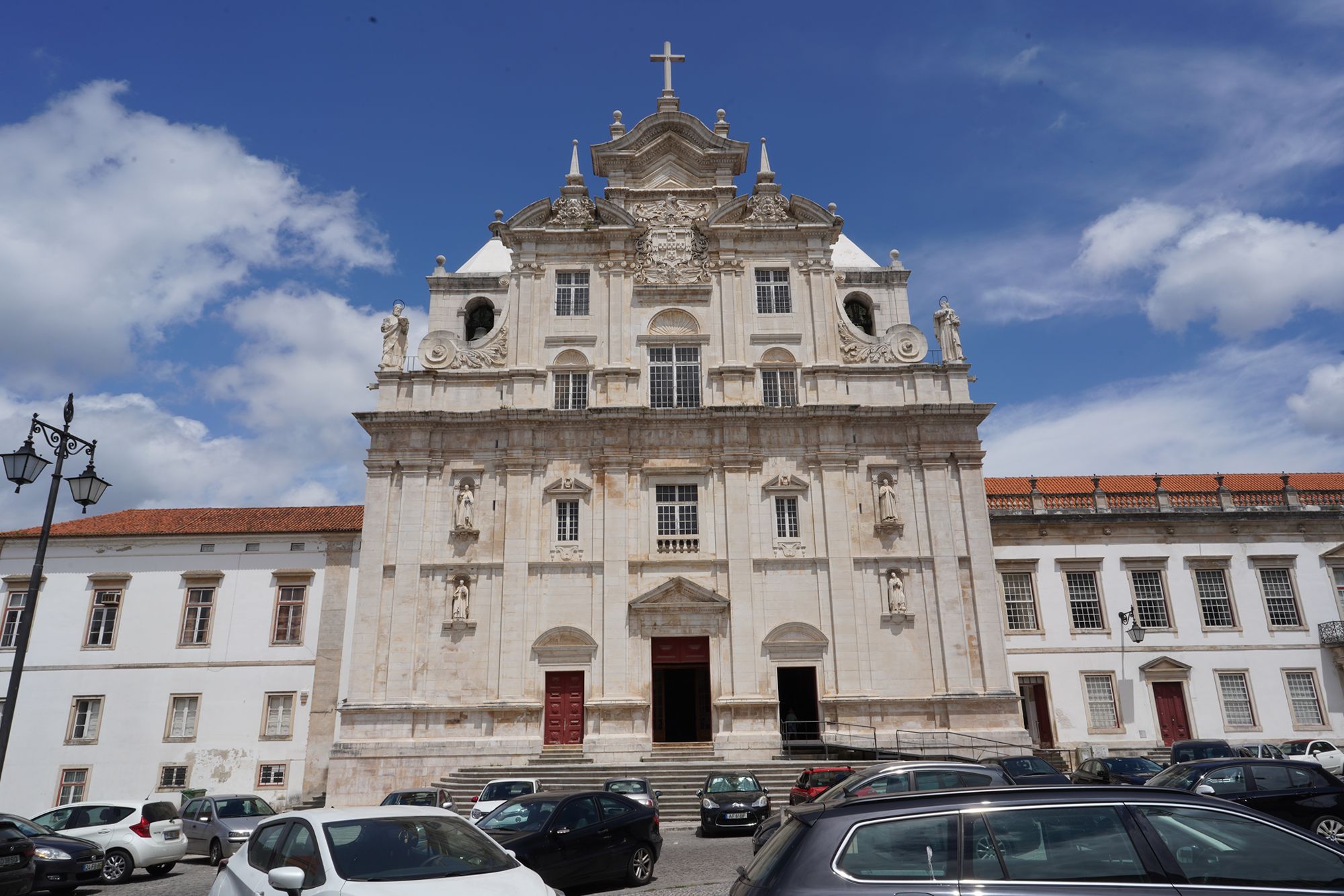
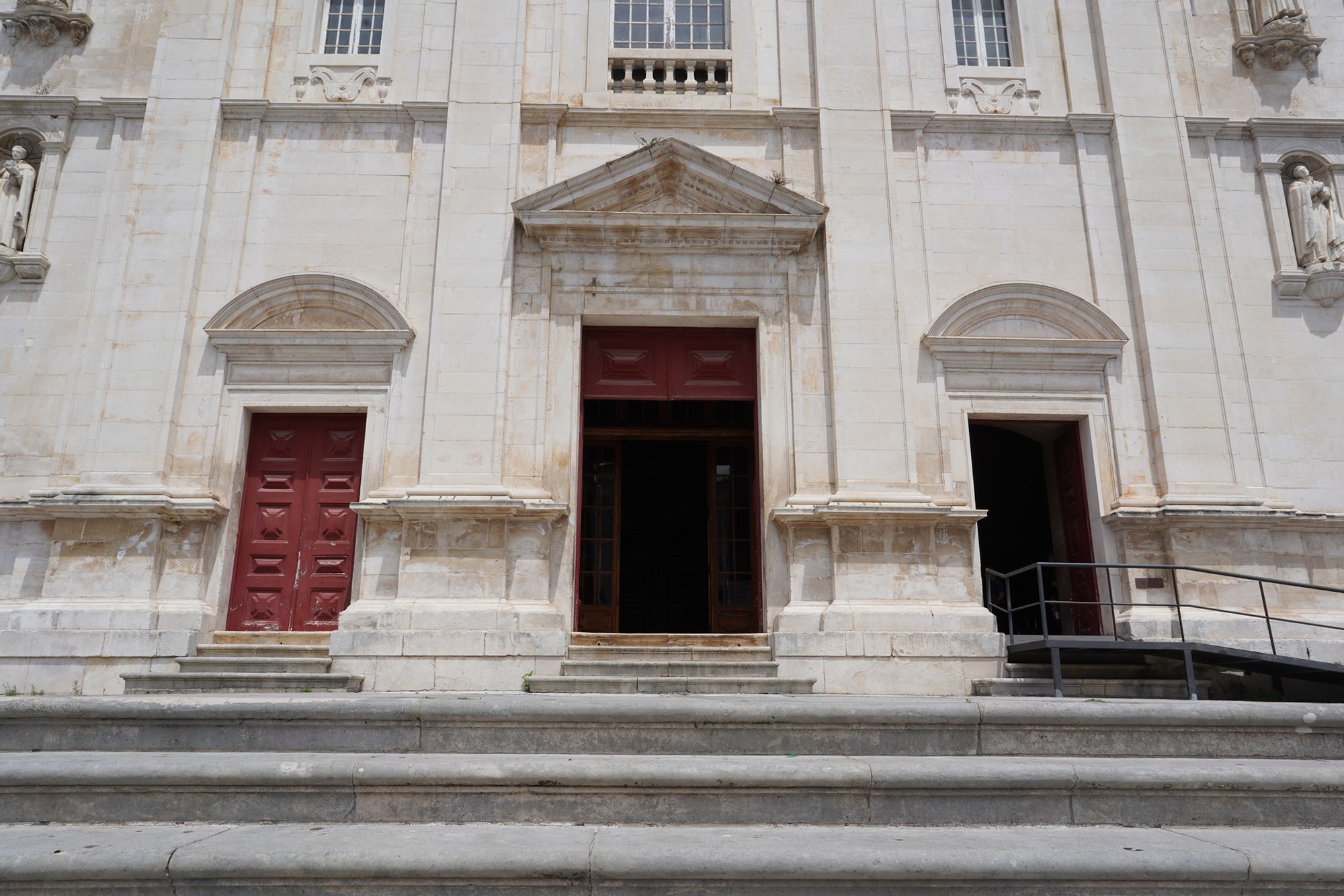
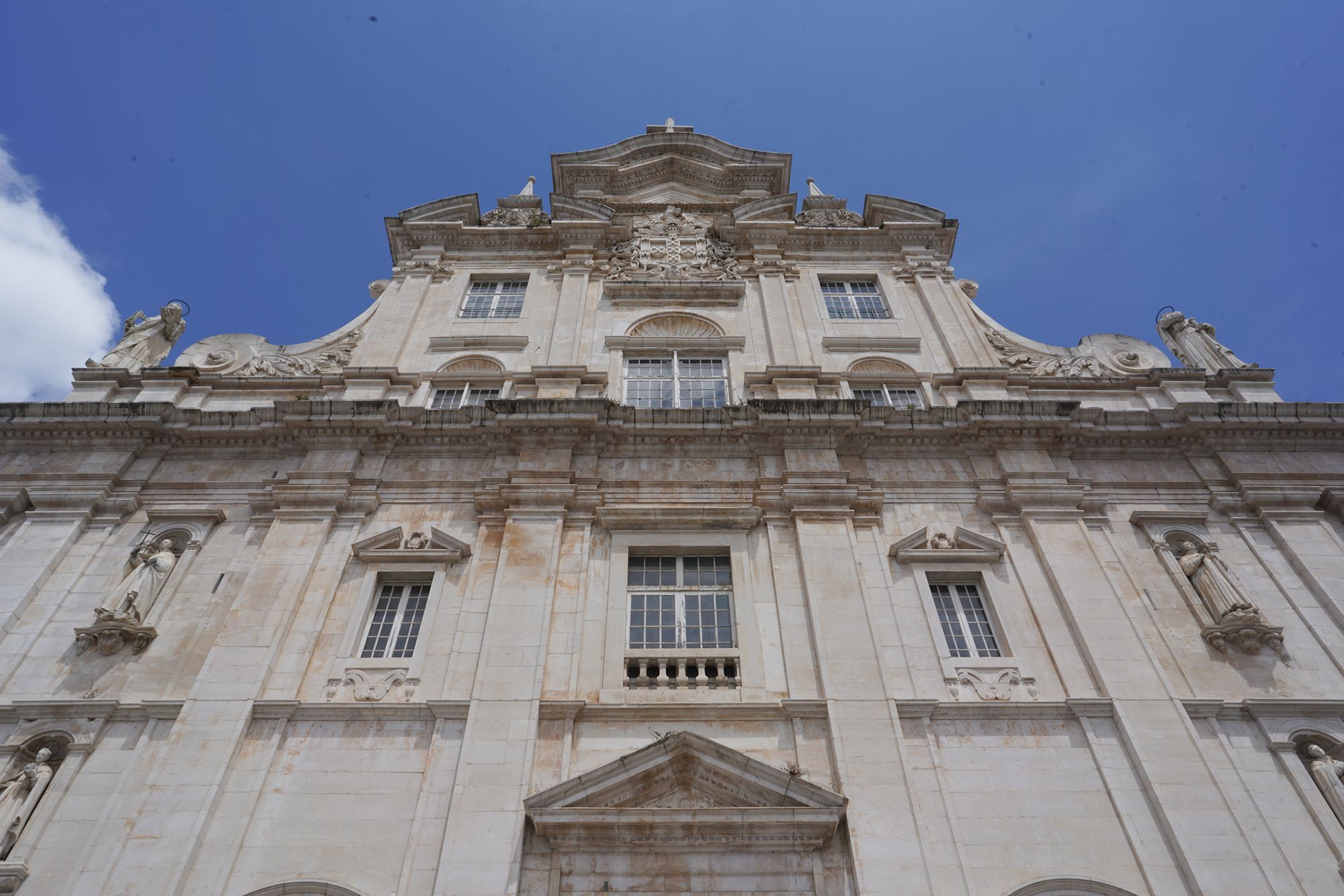
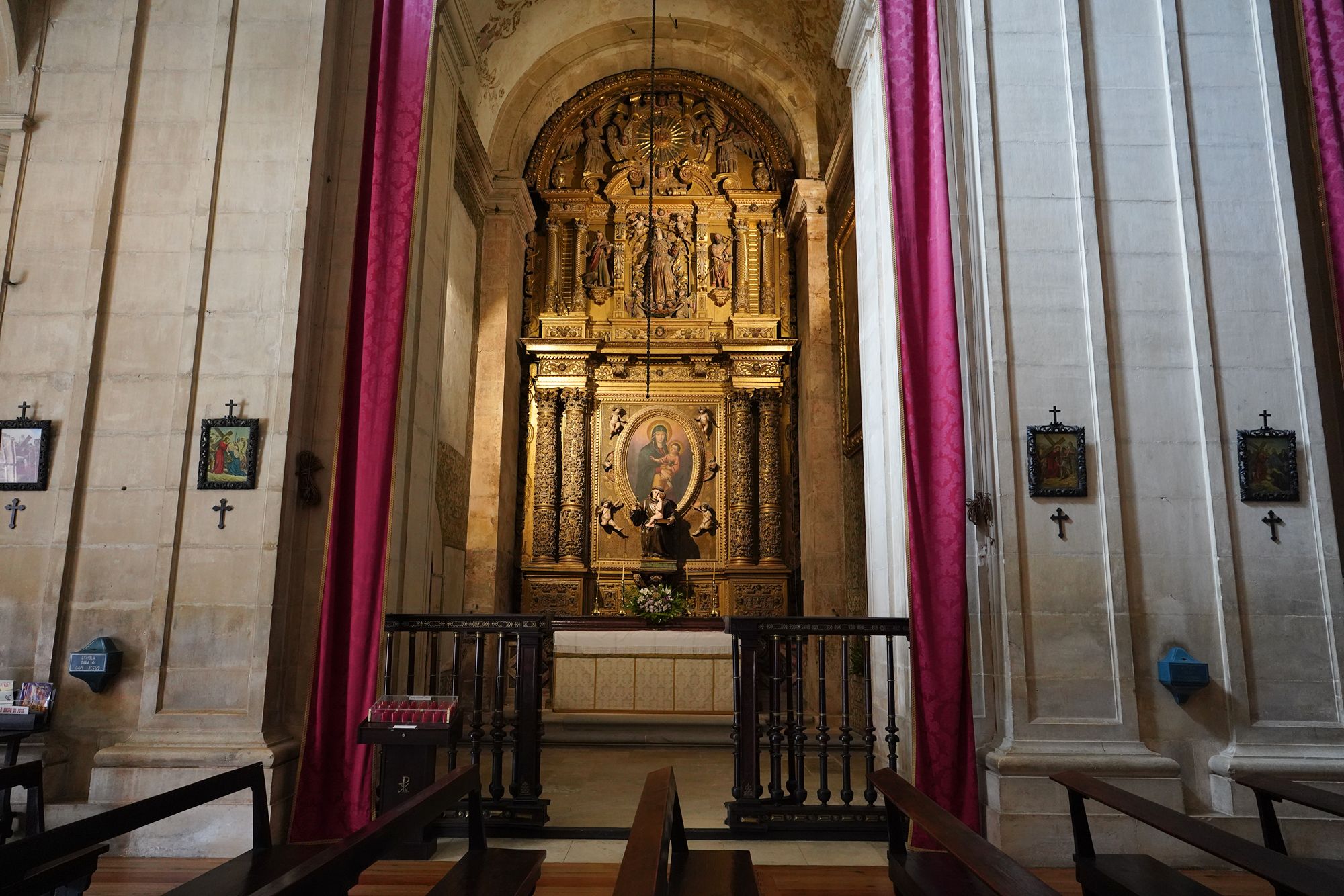
Inside the New Cathedral, a spacious nave leads toward an elaborate gilded main altarpiece. Its niches contain statues of Jesuit saints, including Saint Ignatius of Loyola and Saint Francis Xavier. Side chapels add further religious artwork and carved decoration to the interior
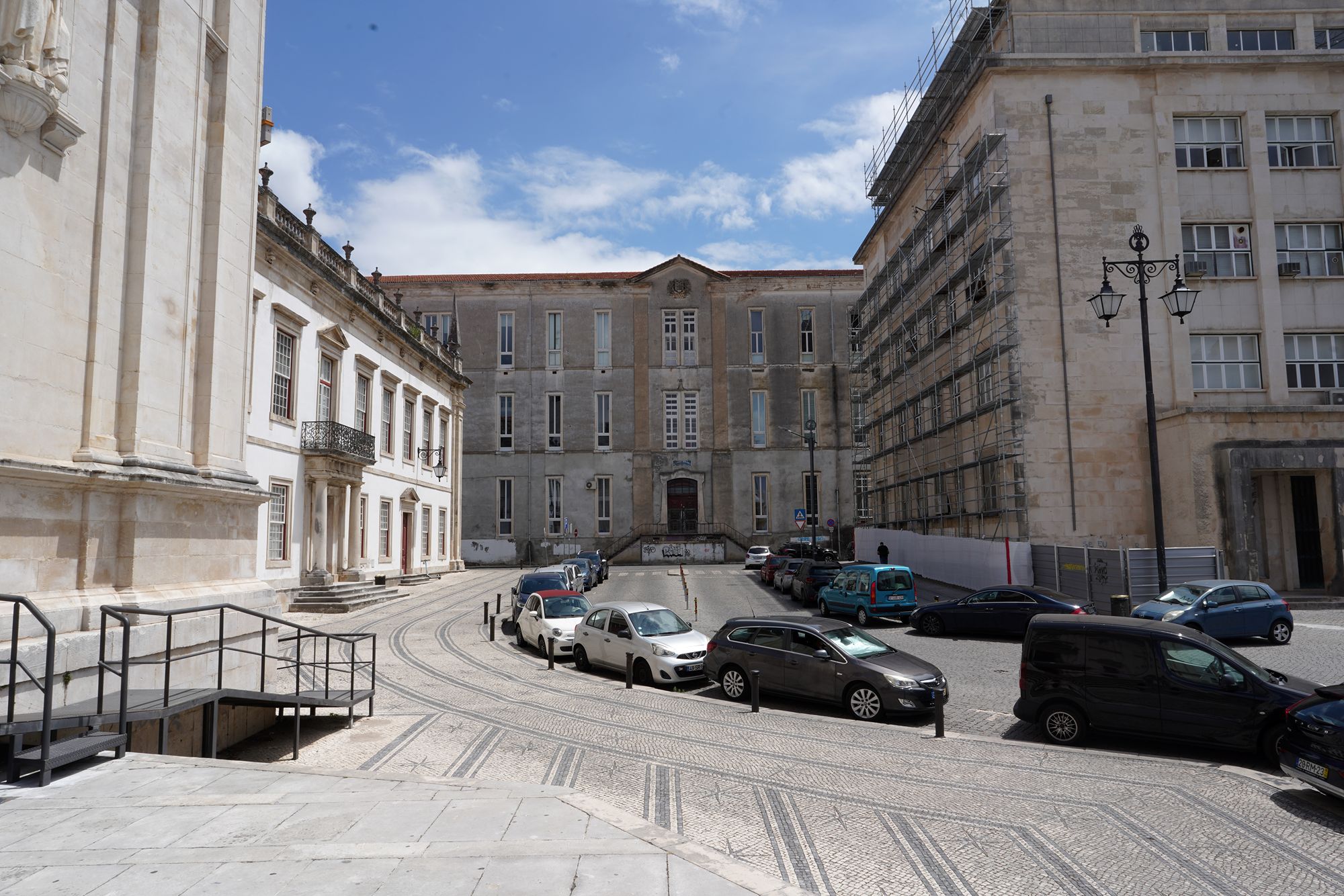
After visiting the church, I continued walked downhill toward the old town.
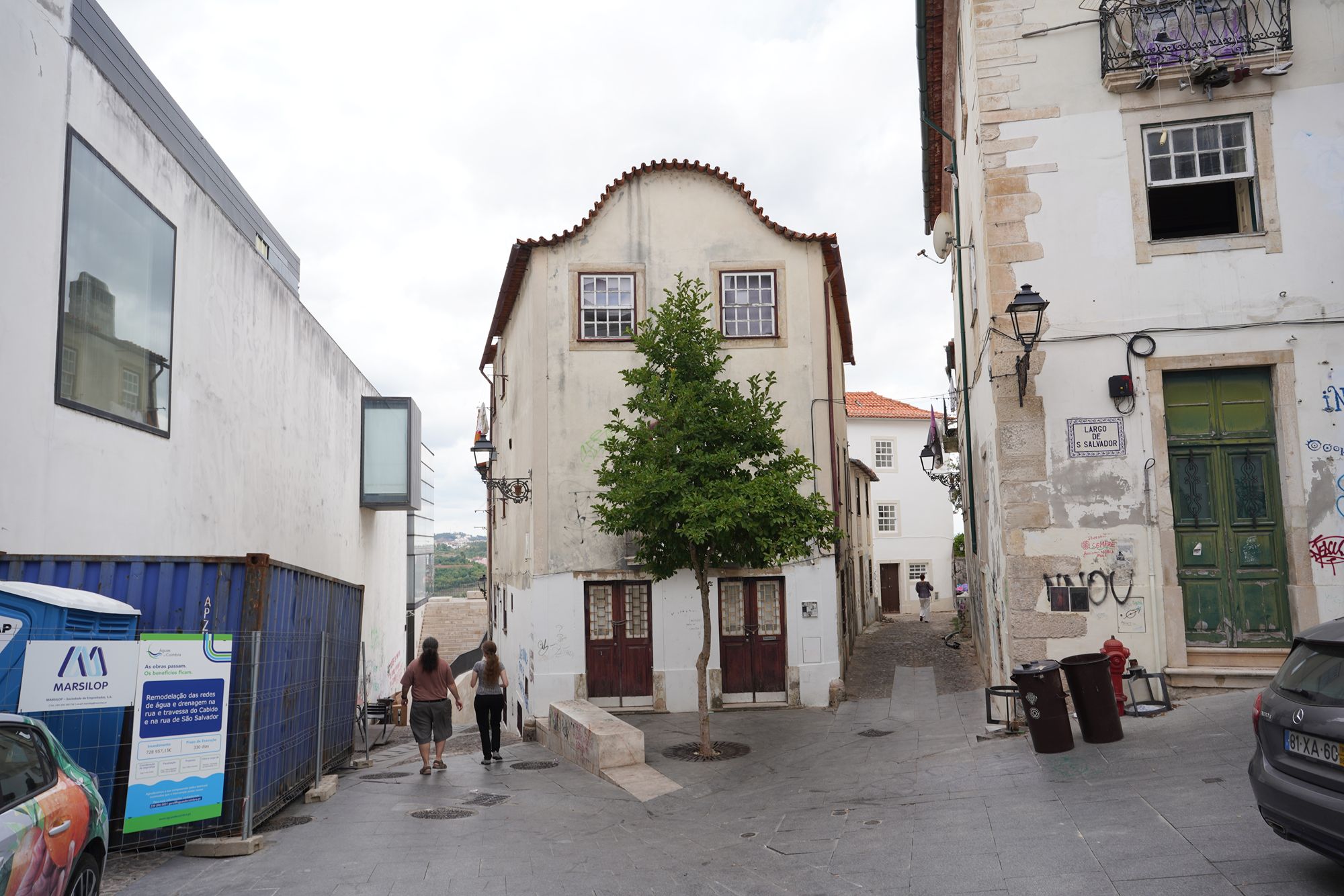
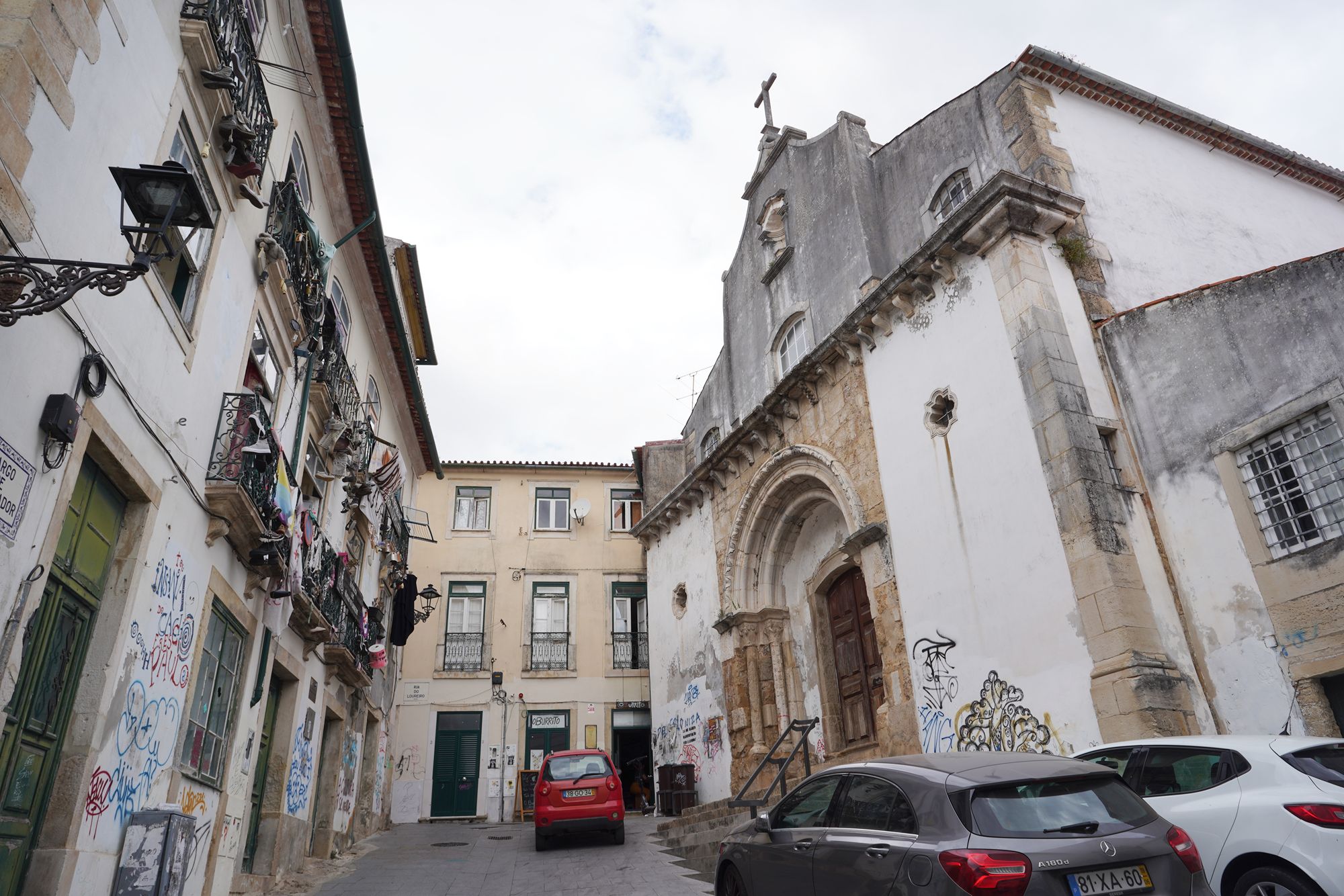
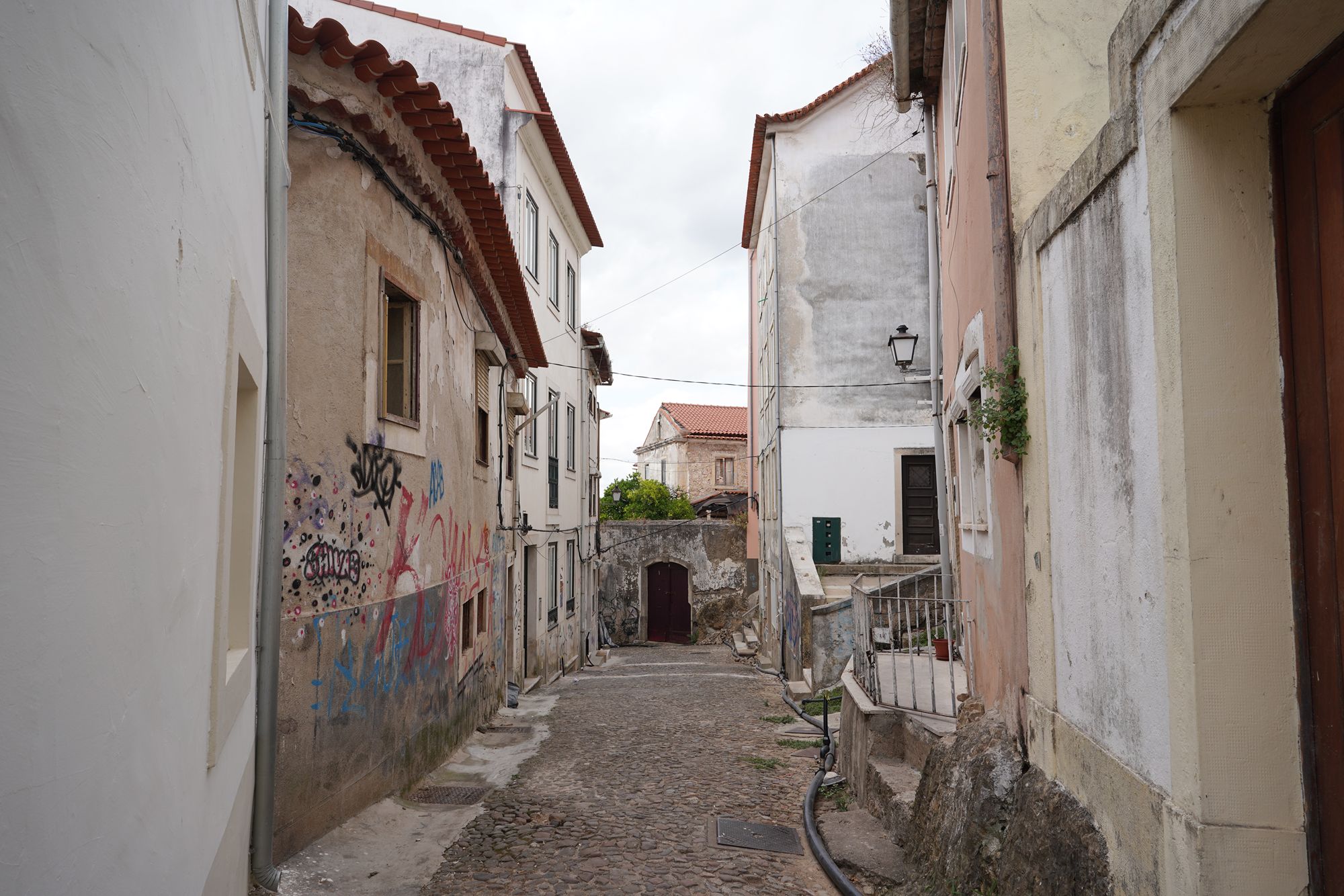
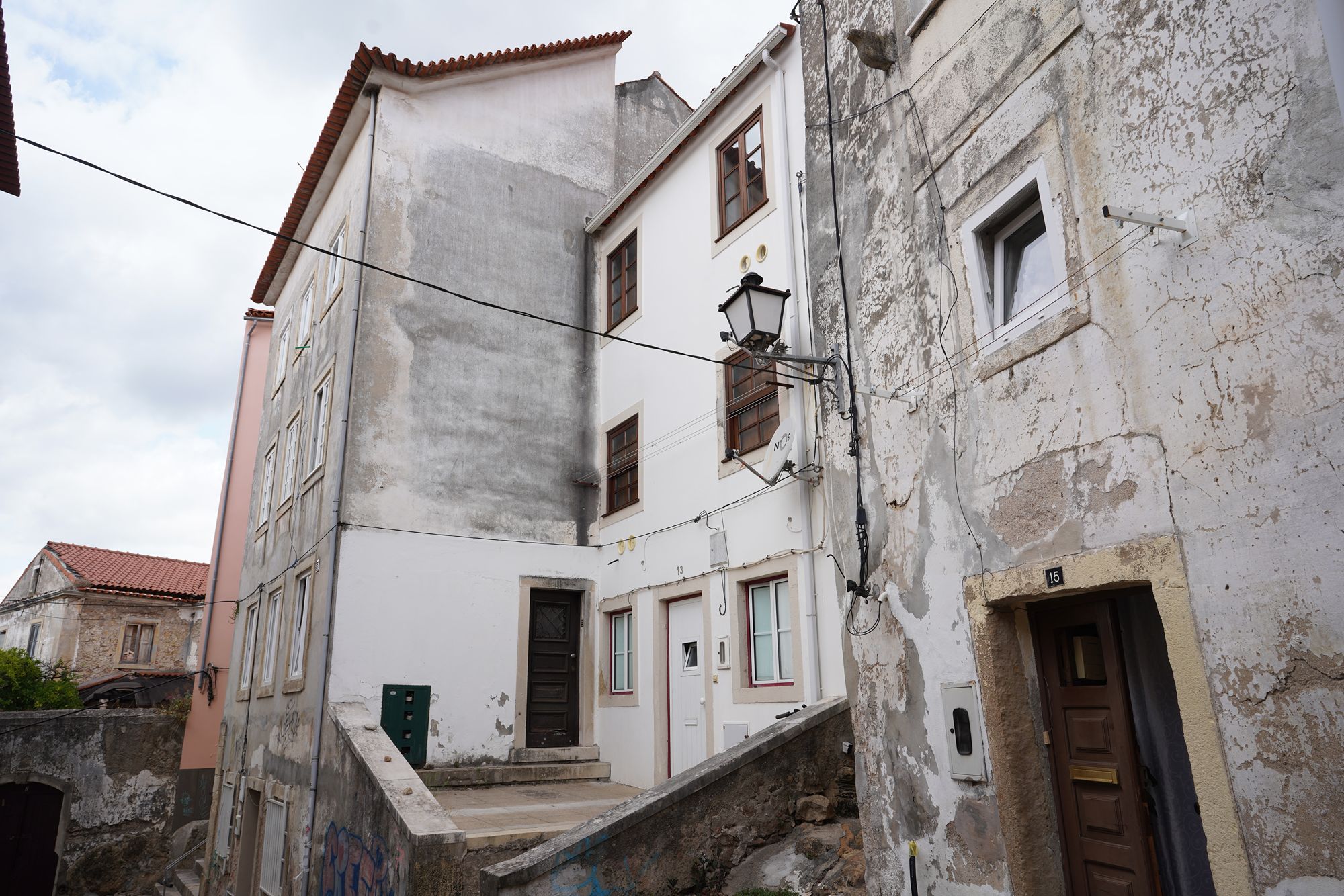
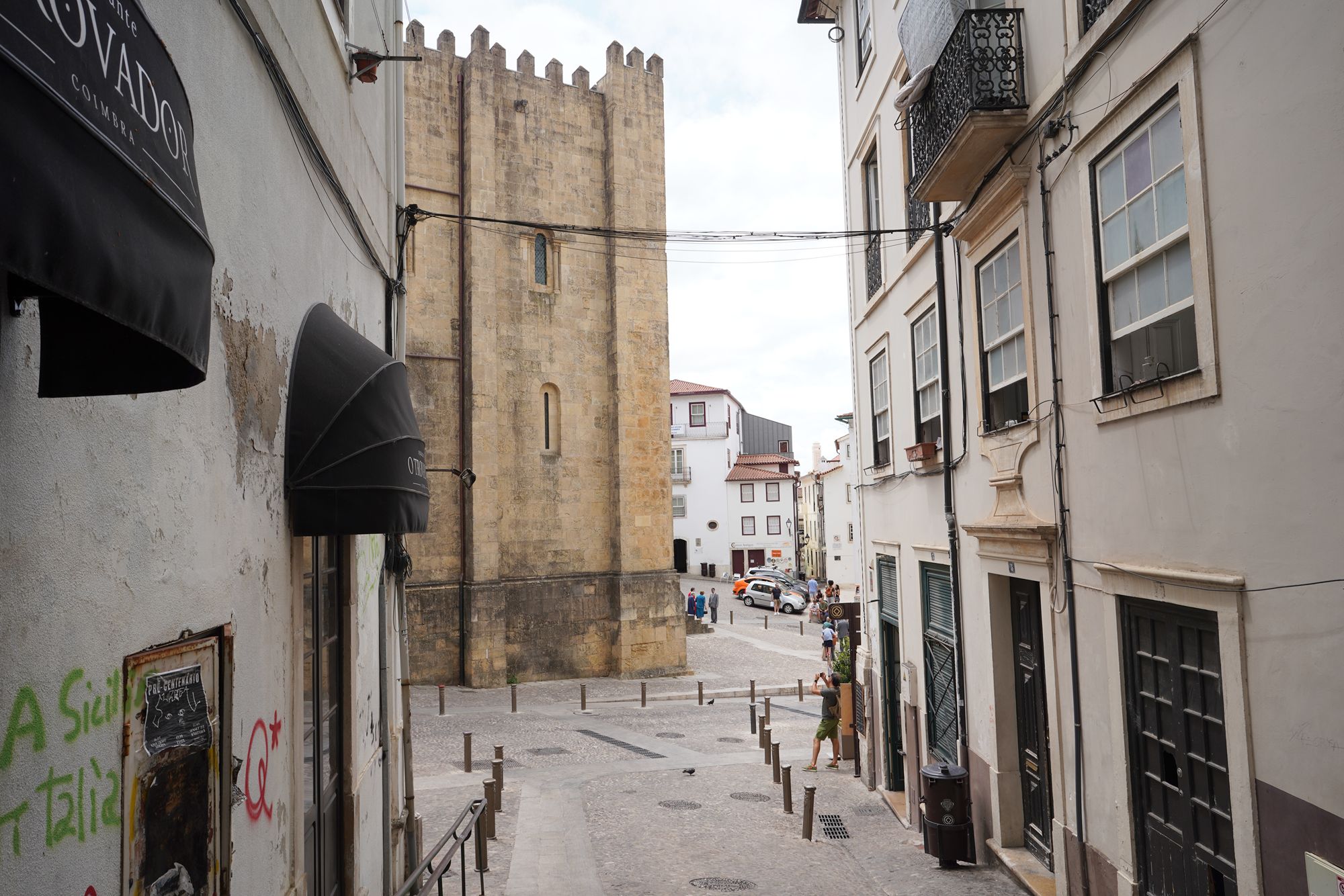
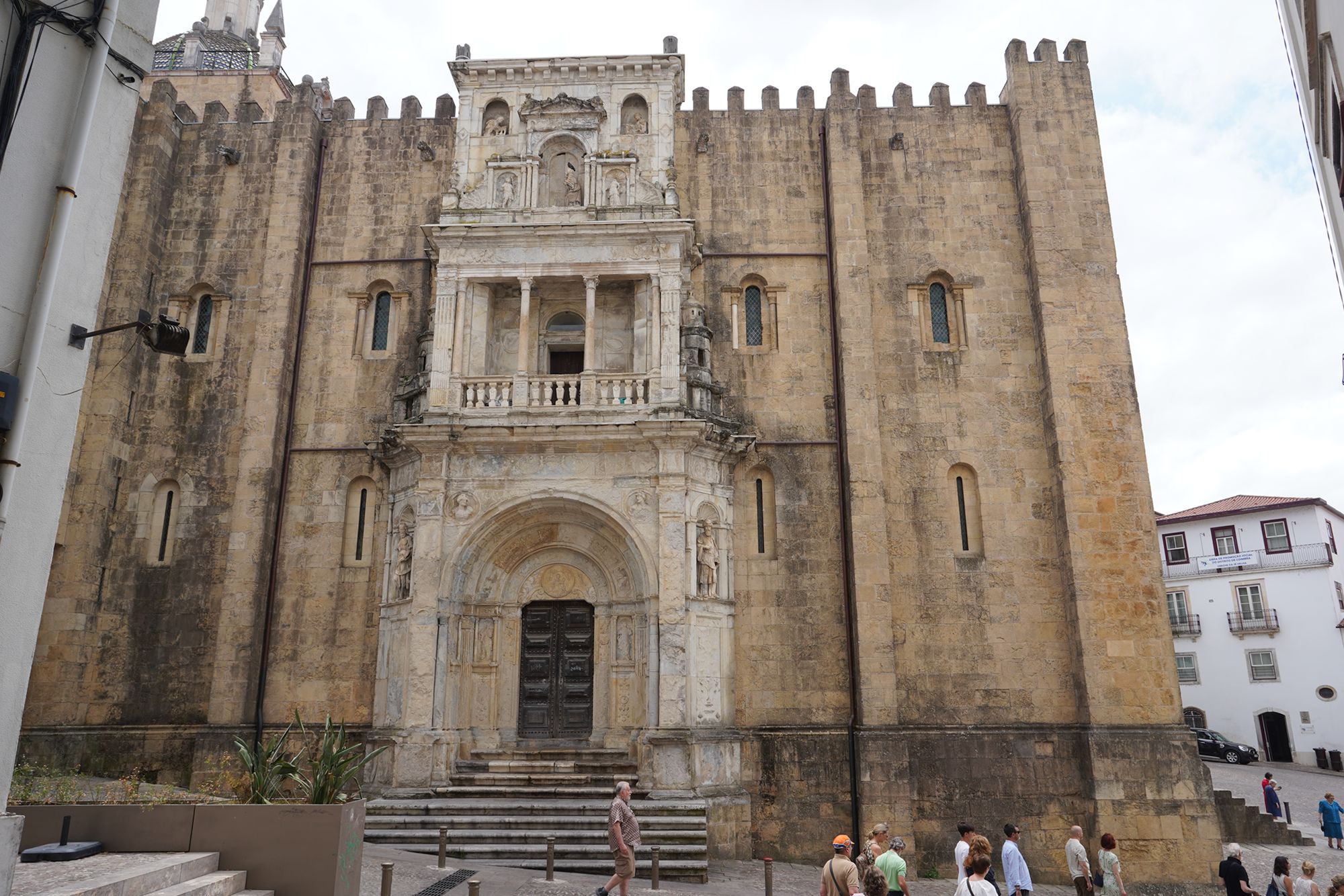
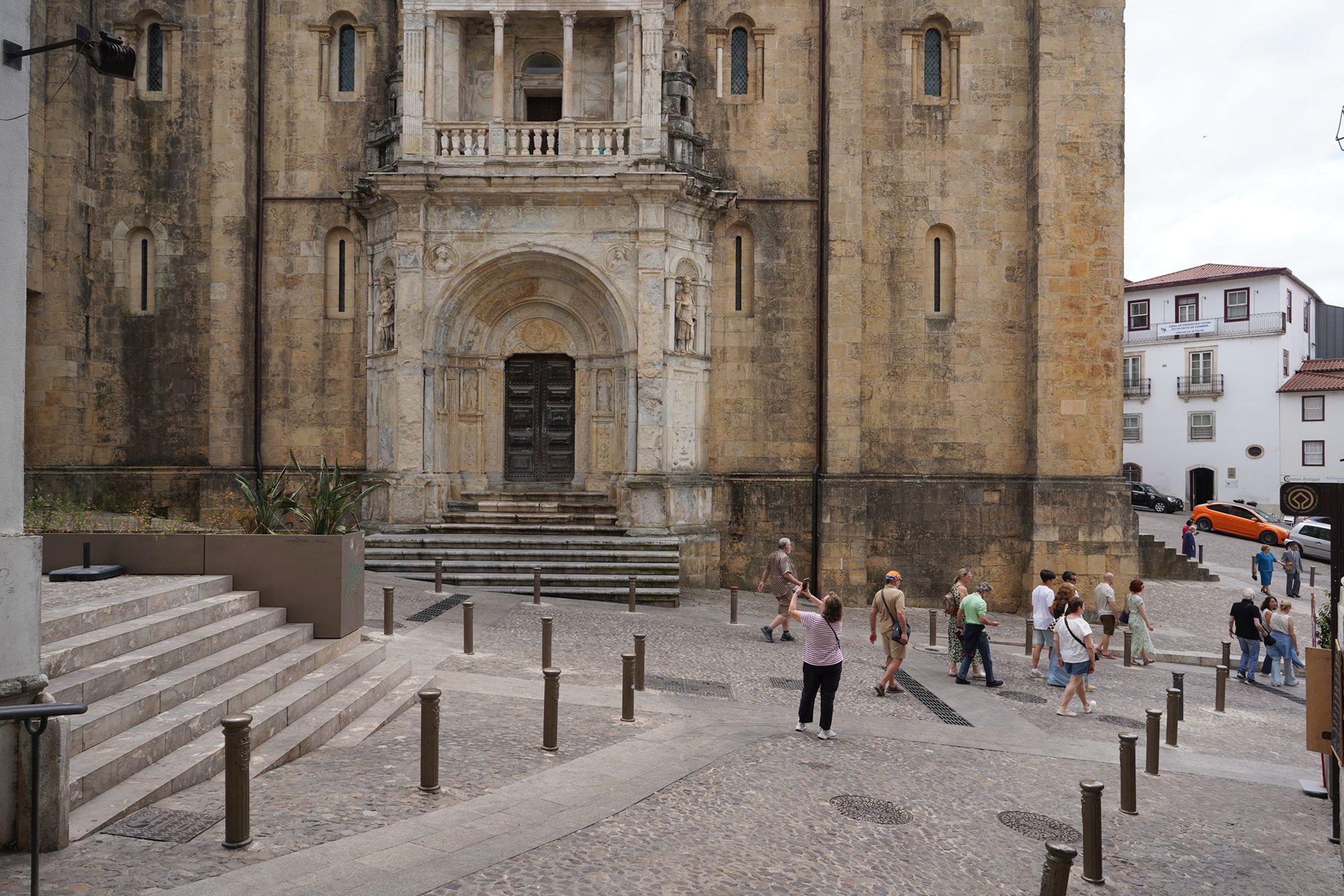
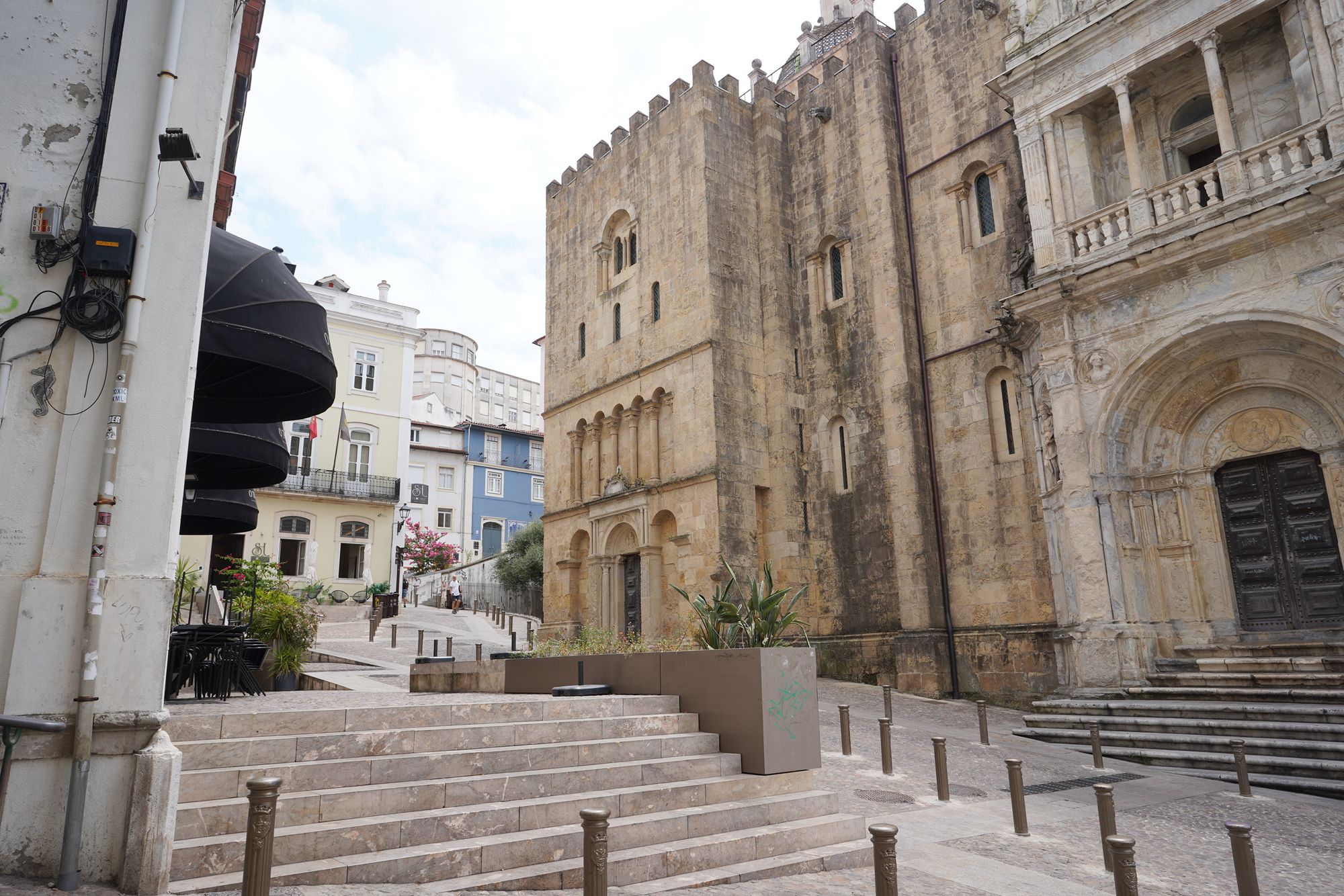
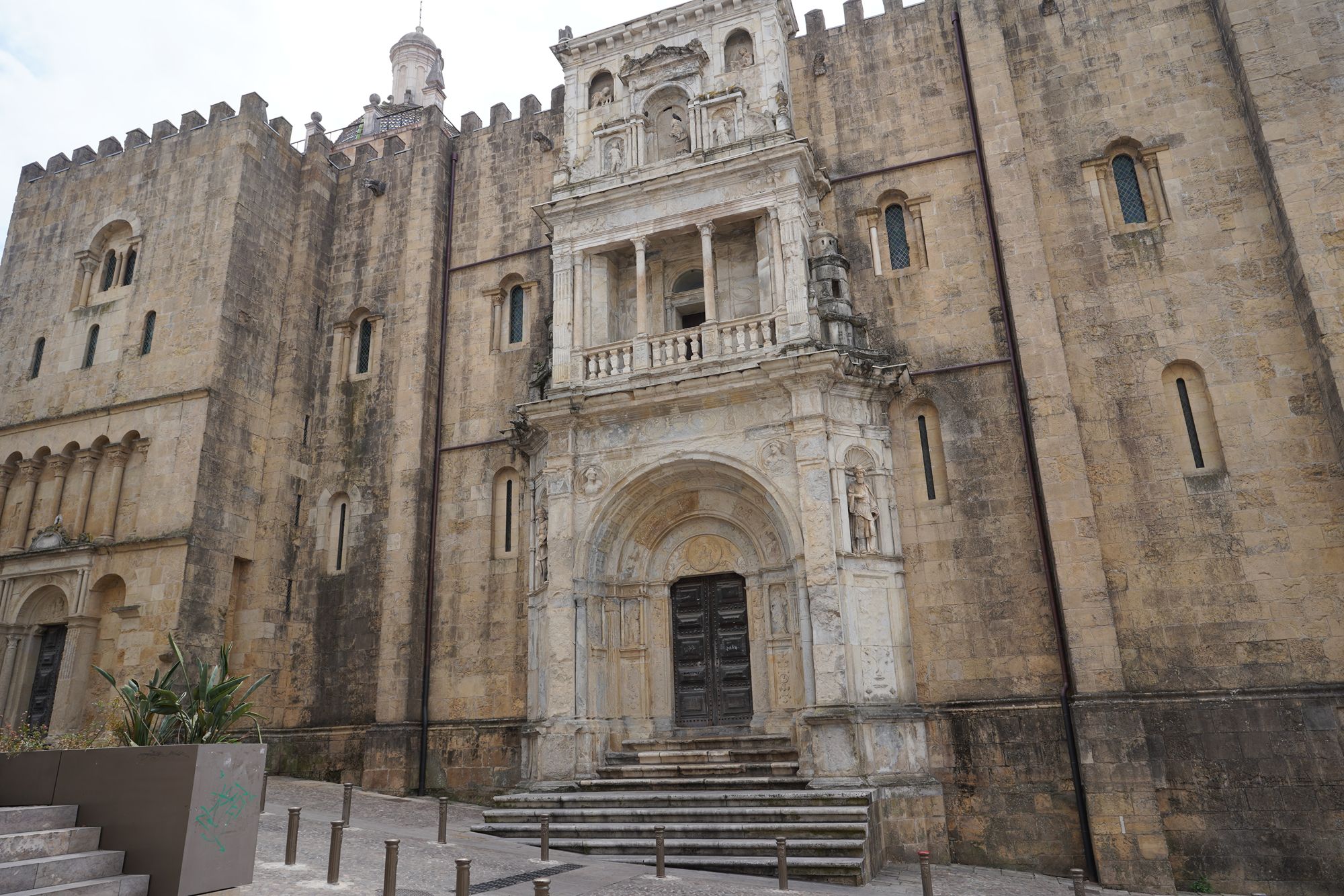
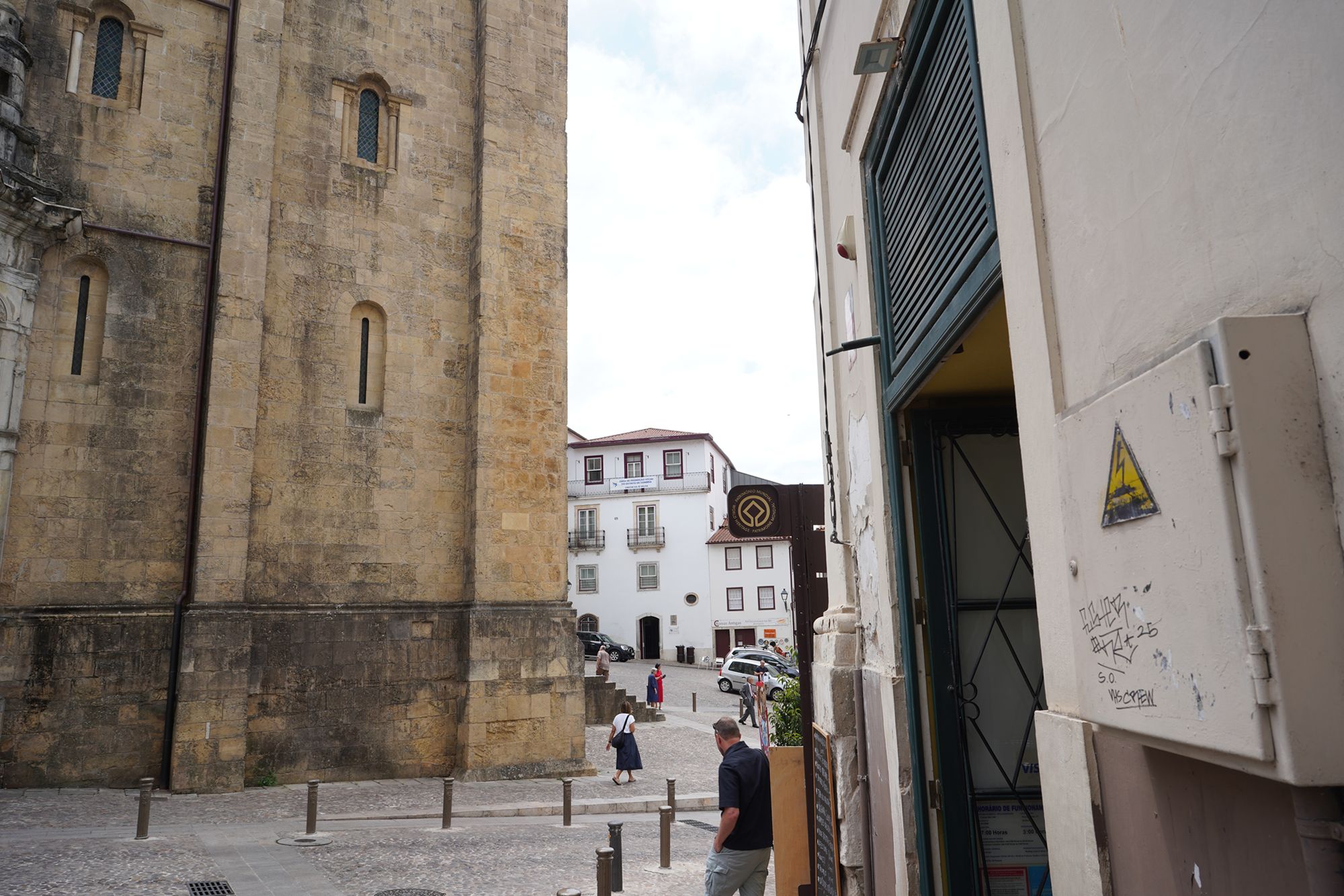
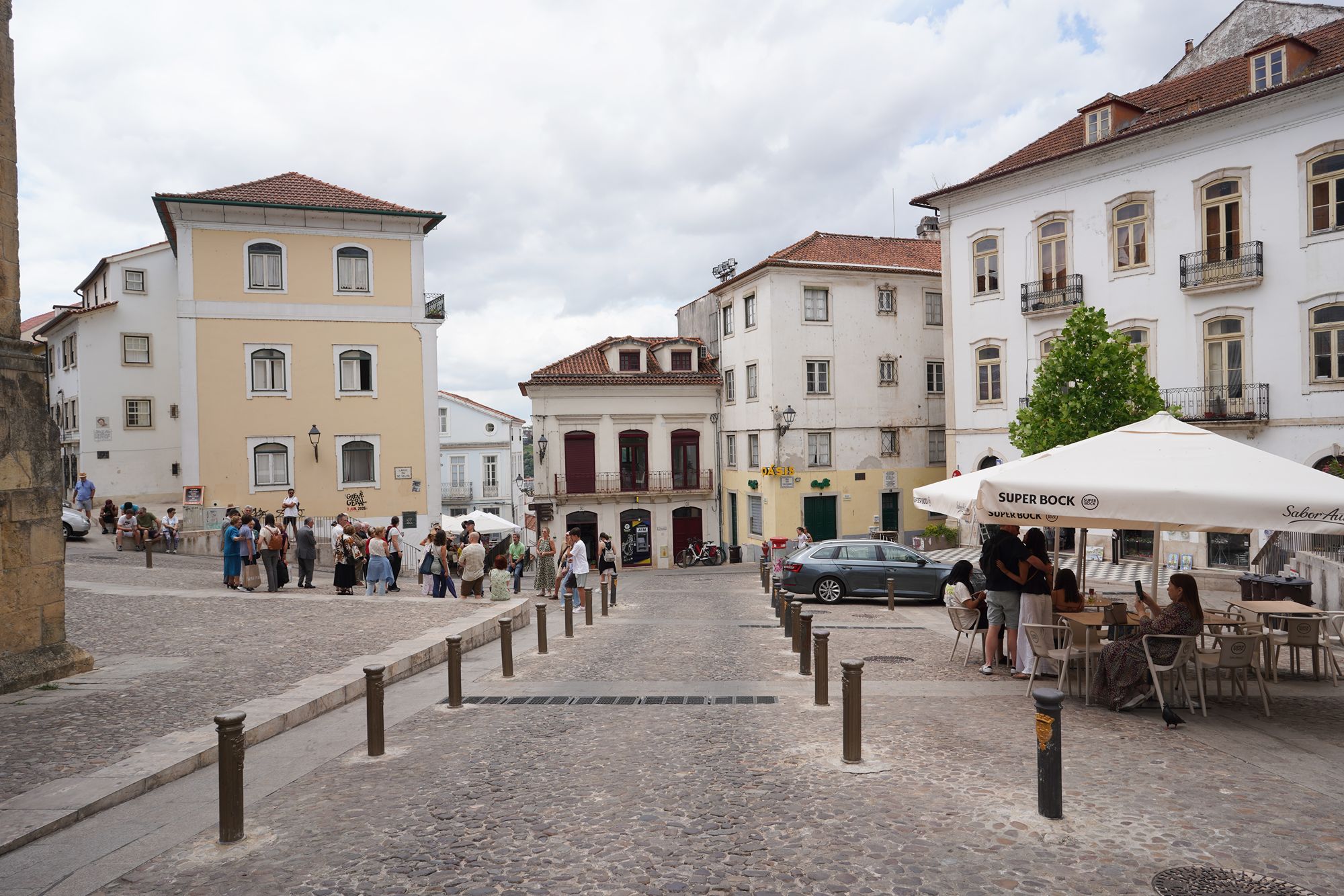
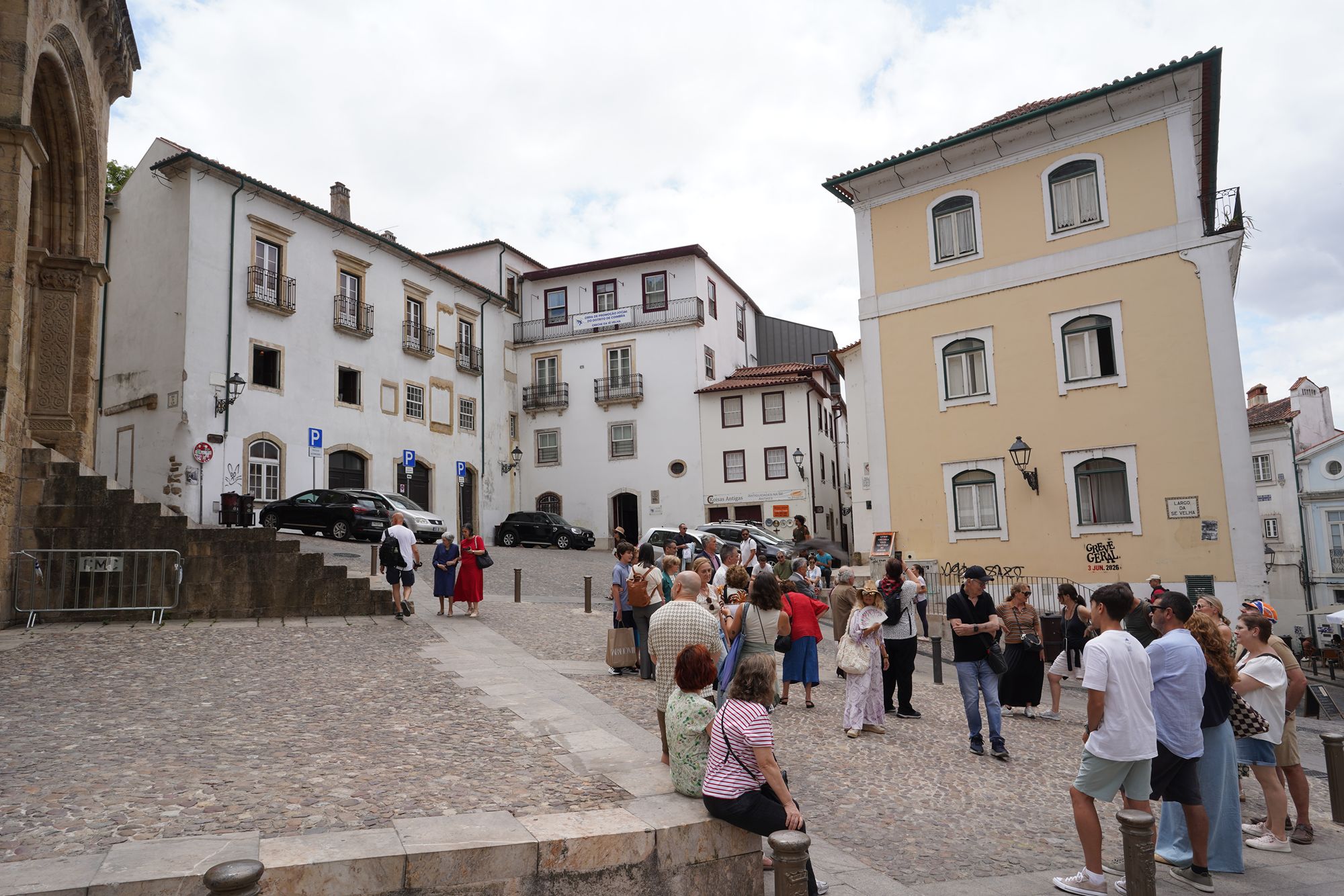
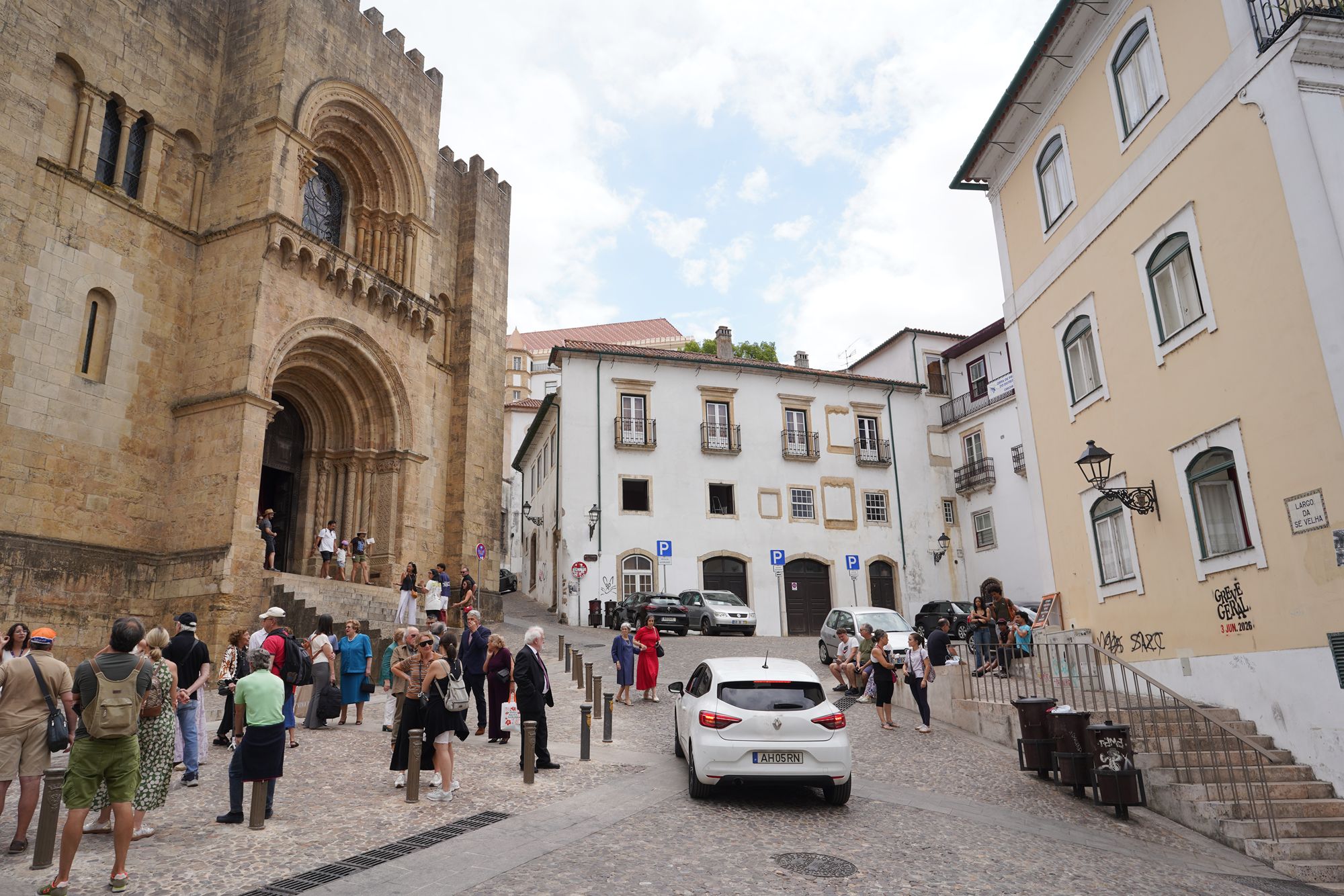
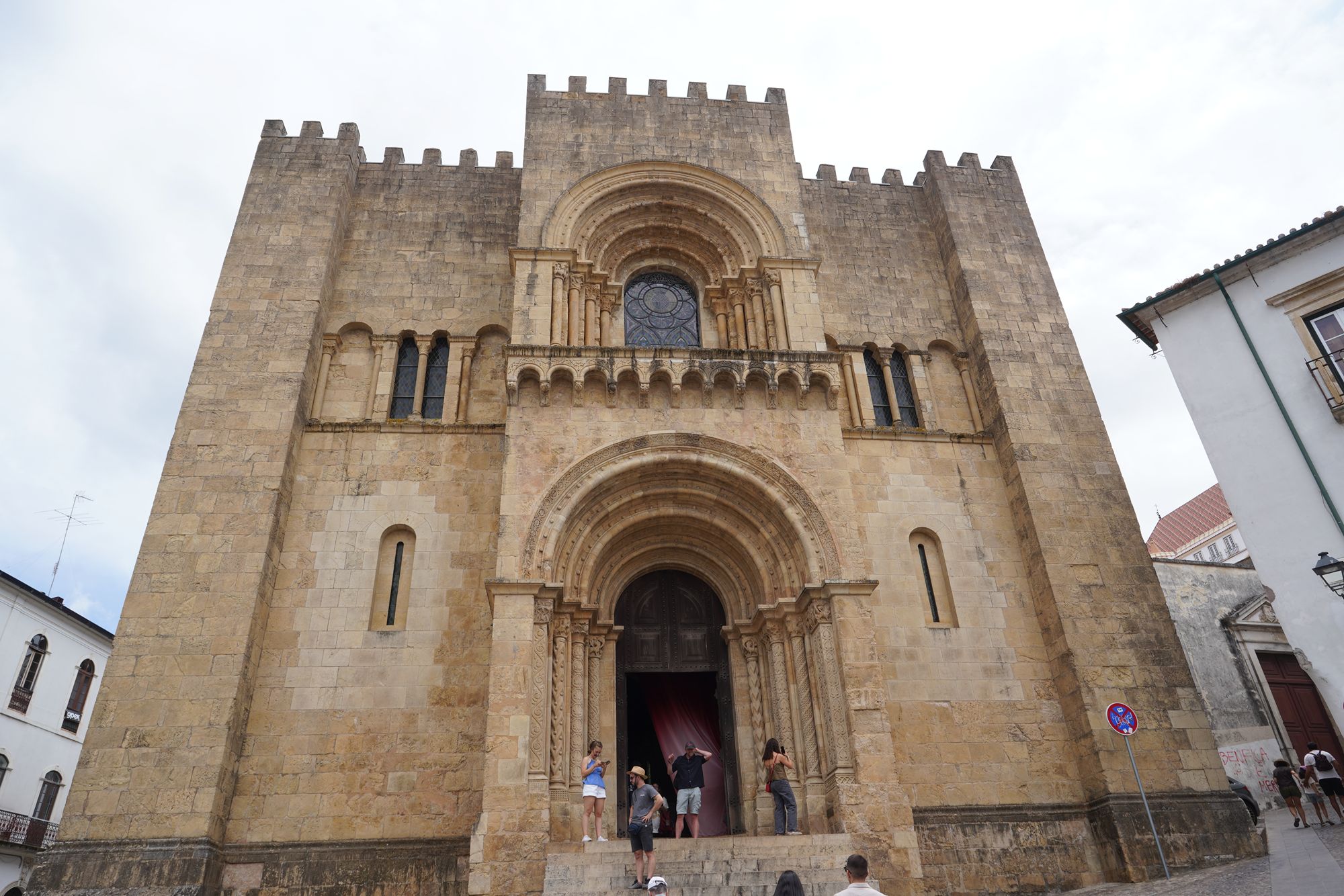
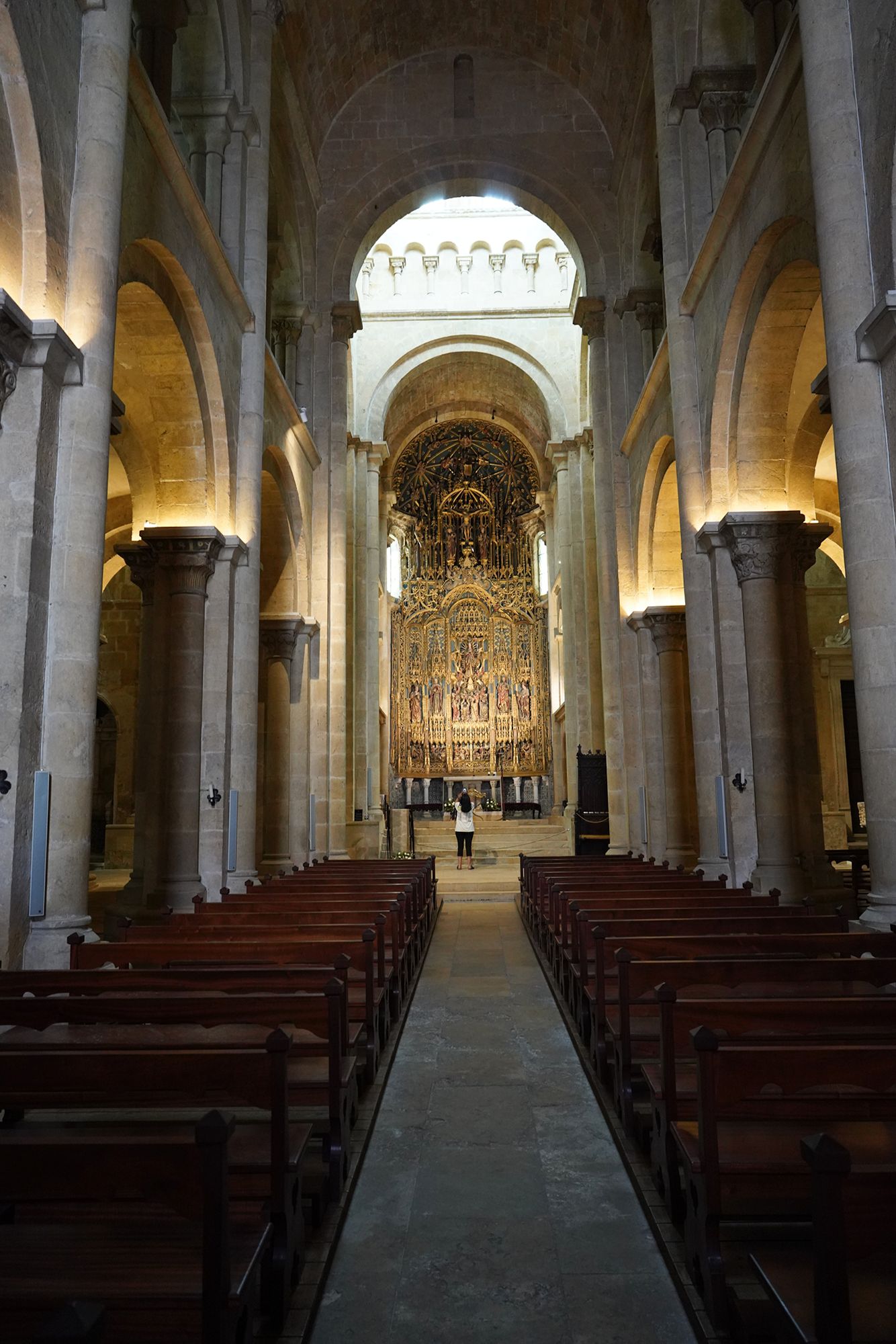
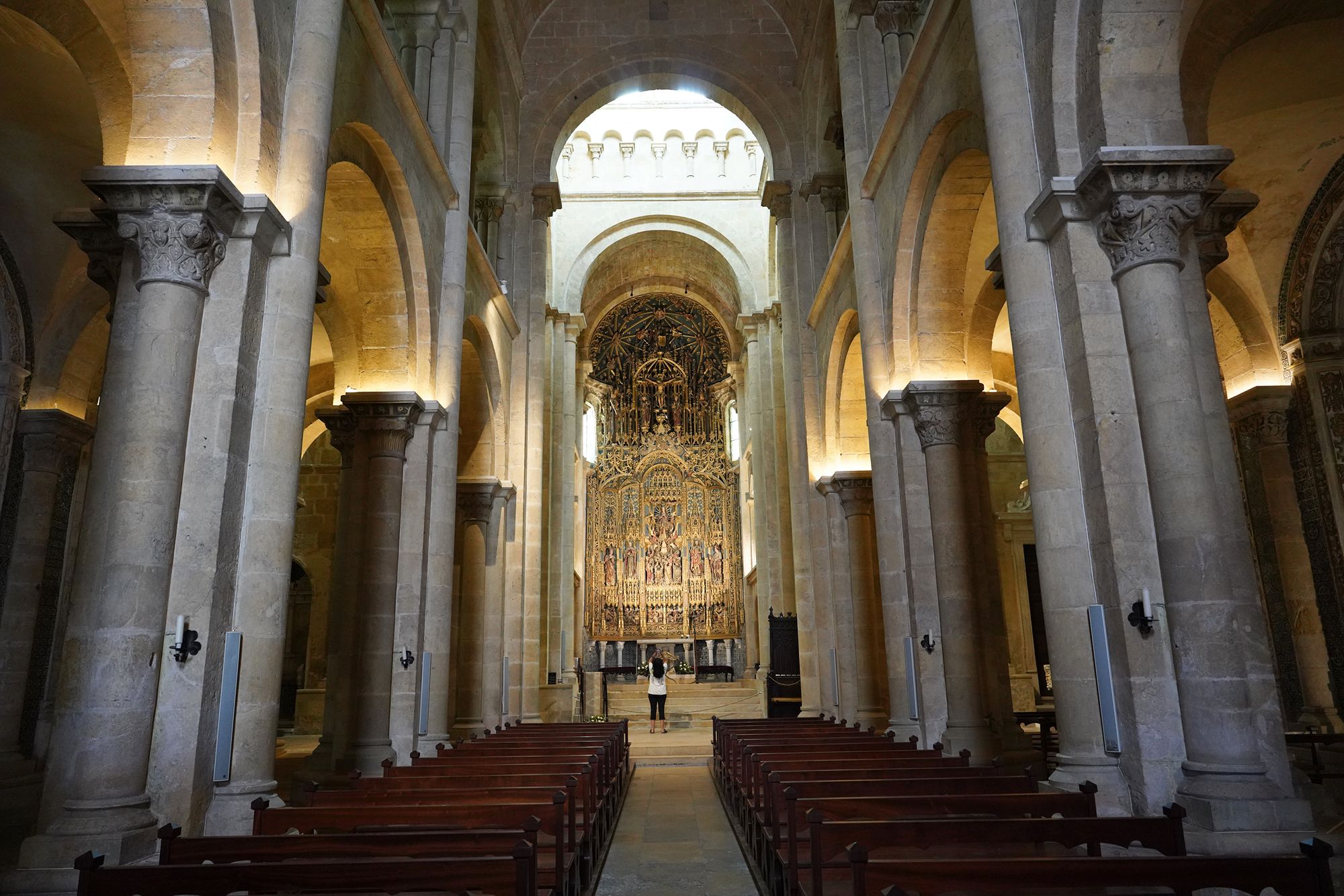
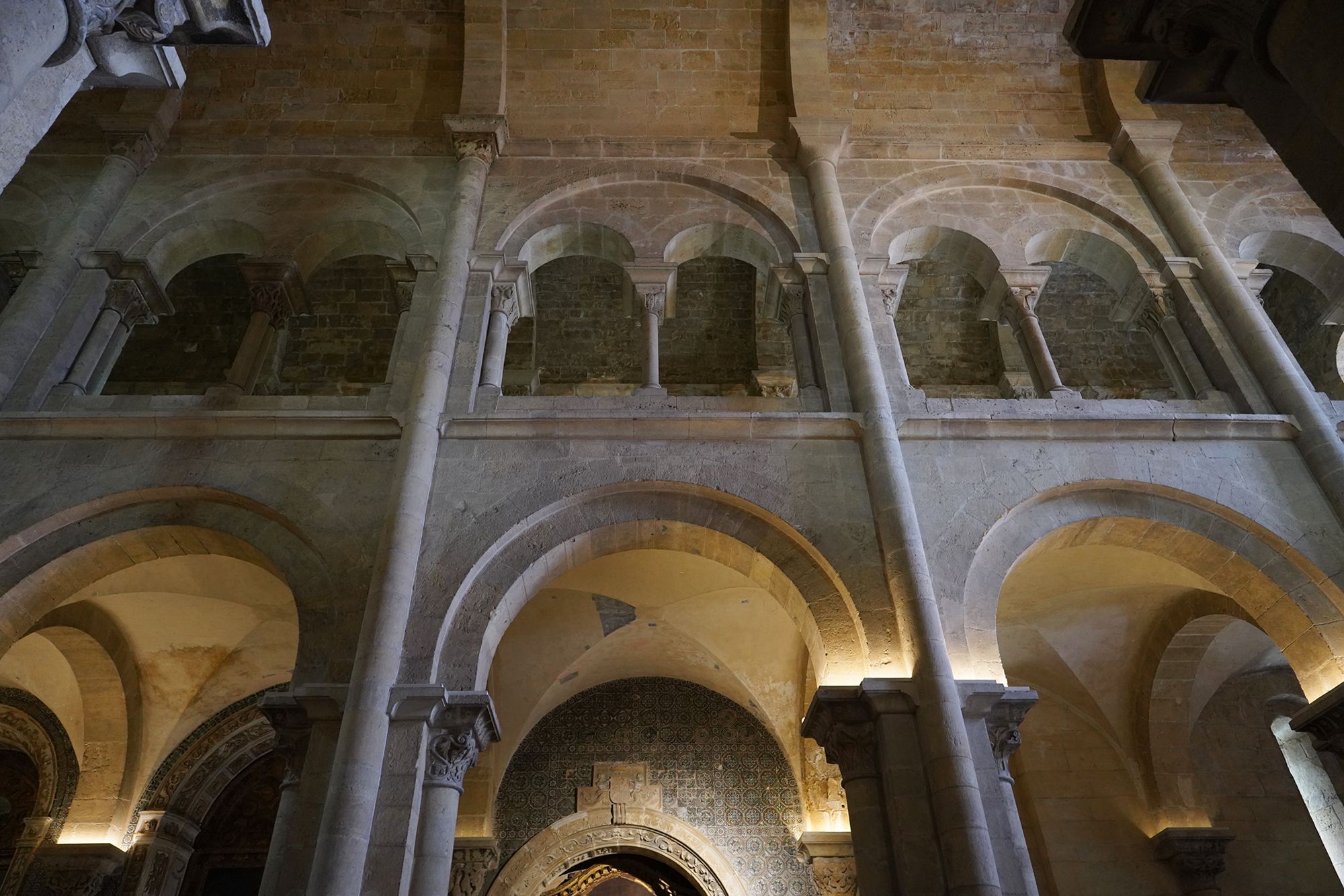
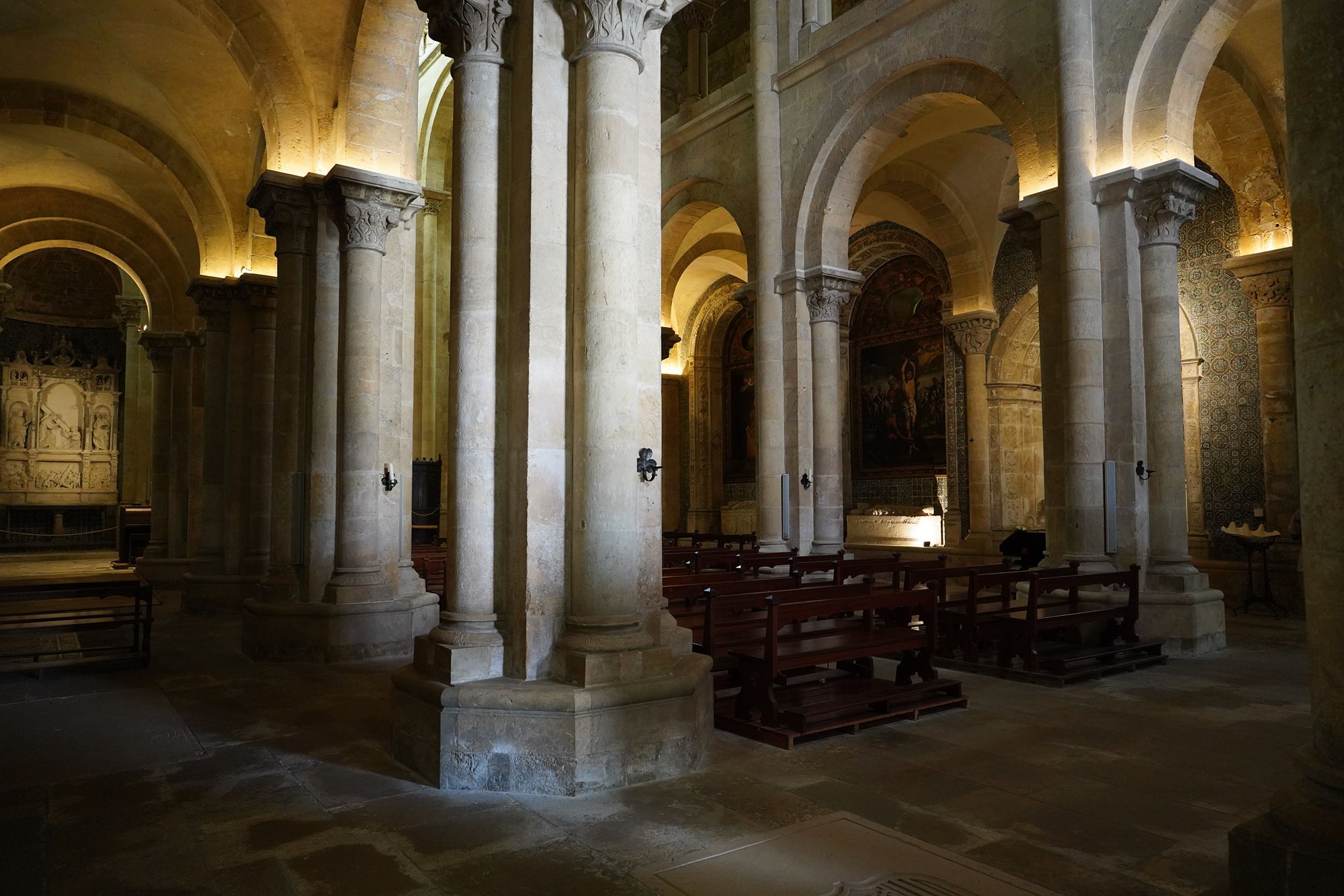
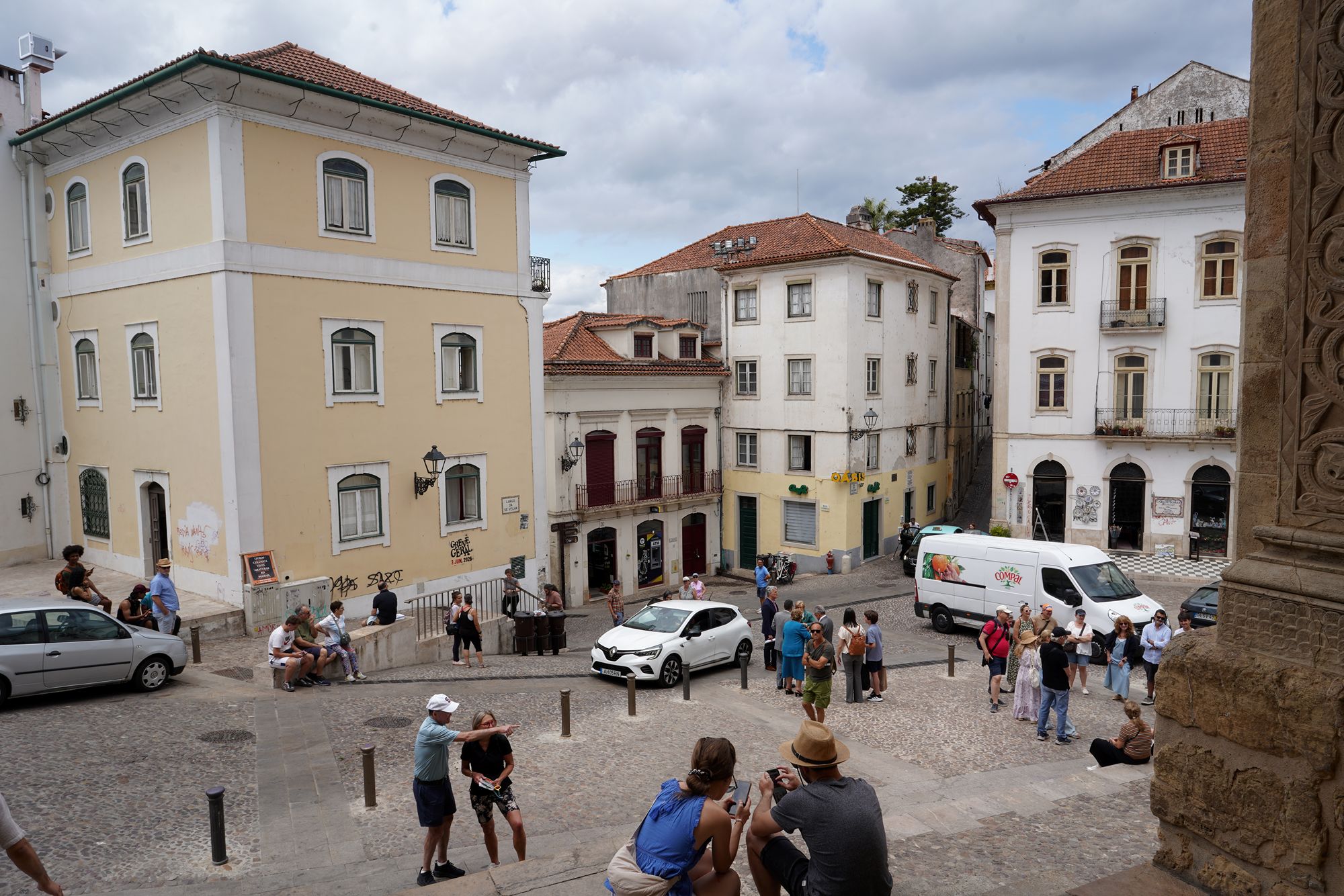
The Old Cathedral of Coimbra (Sé Velha) dates from the 12th century and is an important example of Romanesque architecture in Portugal. Its thick stone walls, narrow windows, and battlements give it the appearance of a fortress. Inside are carved stone capitals and an elaborate gilded Gothic altarpiece. Its adjoining cloister, begun in 1218, is among Portugal’s earliest examples of Gothic architecture.
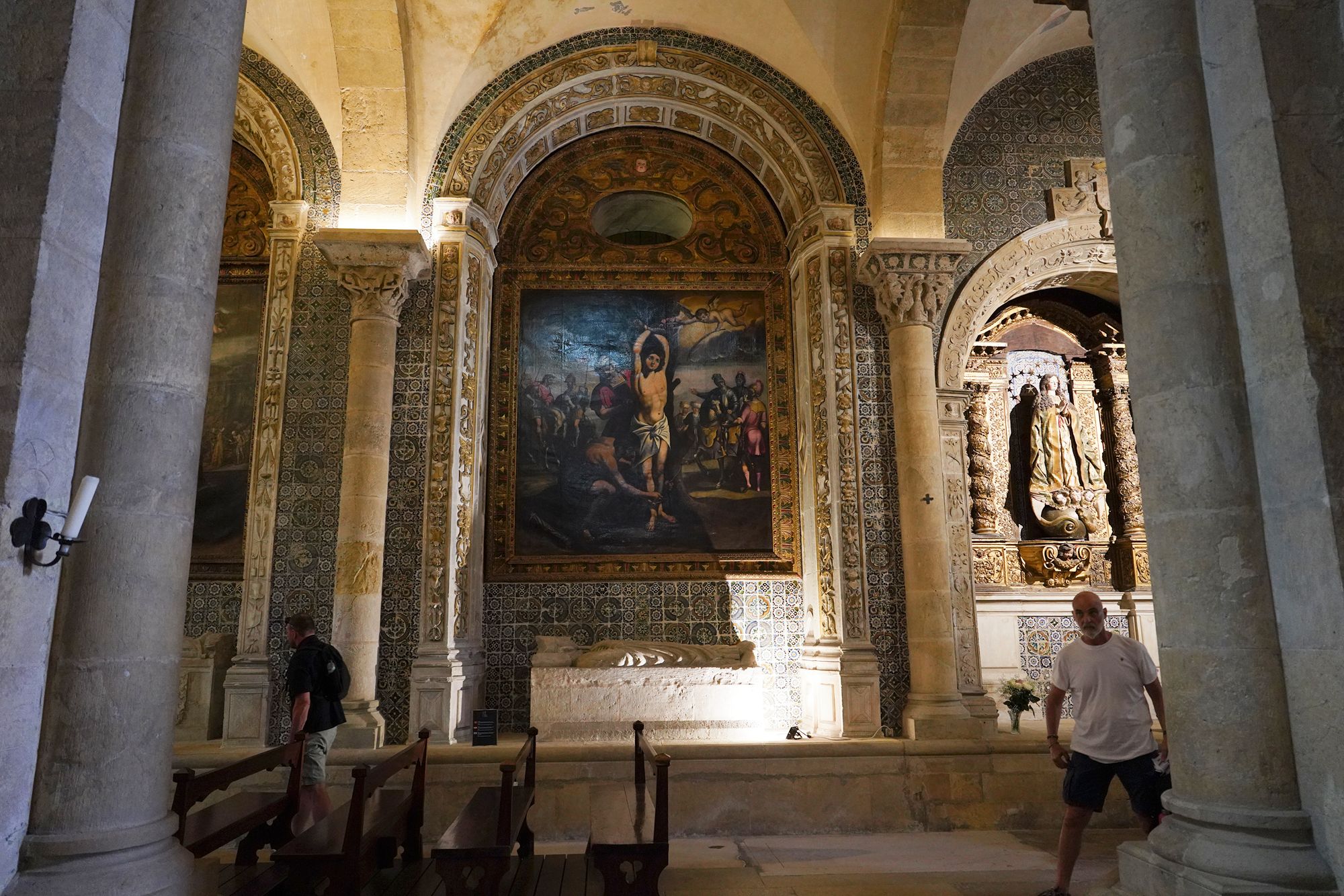
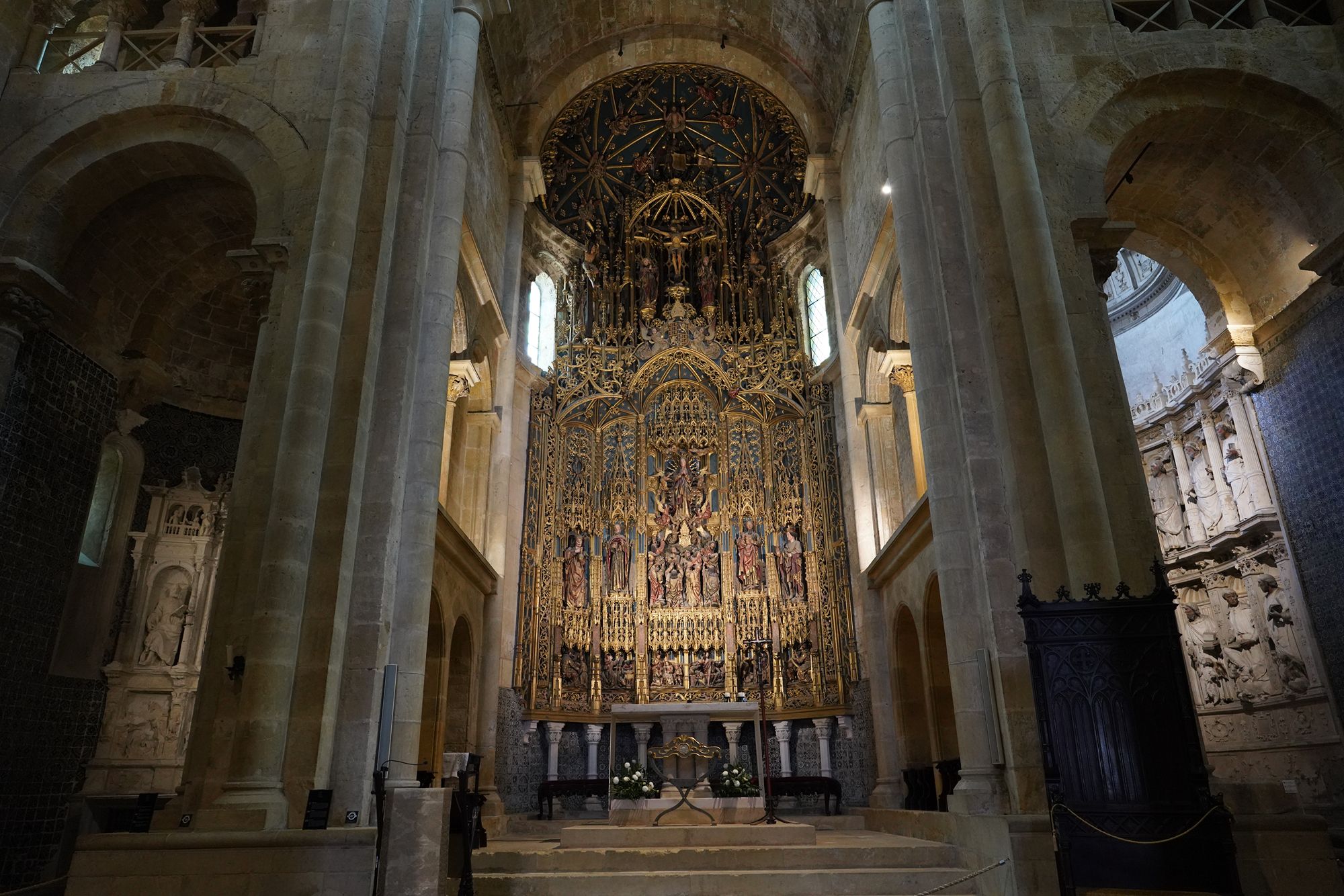
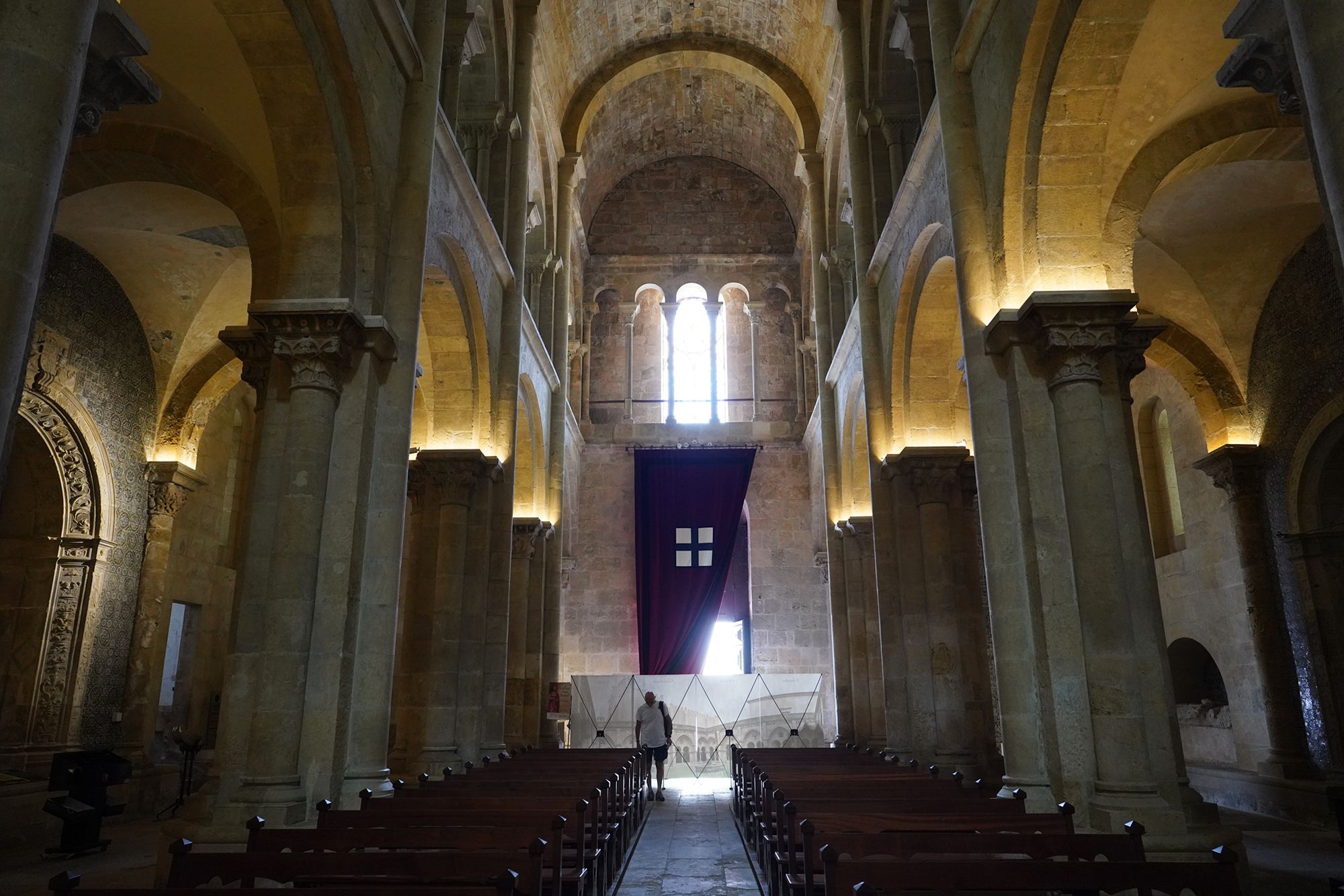
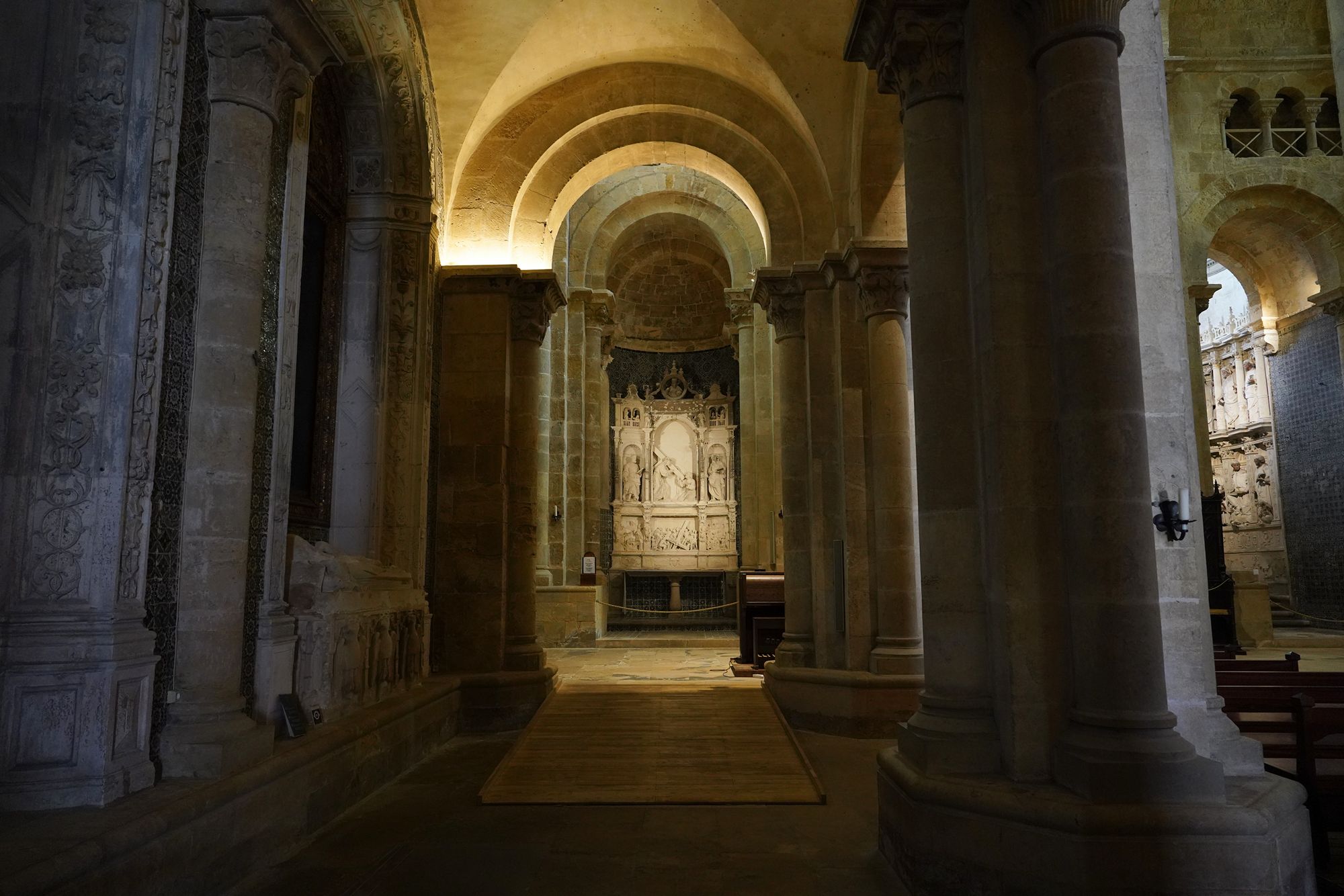
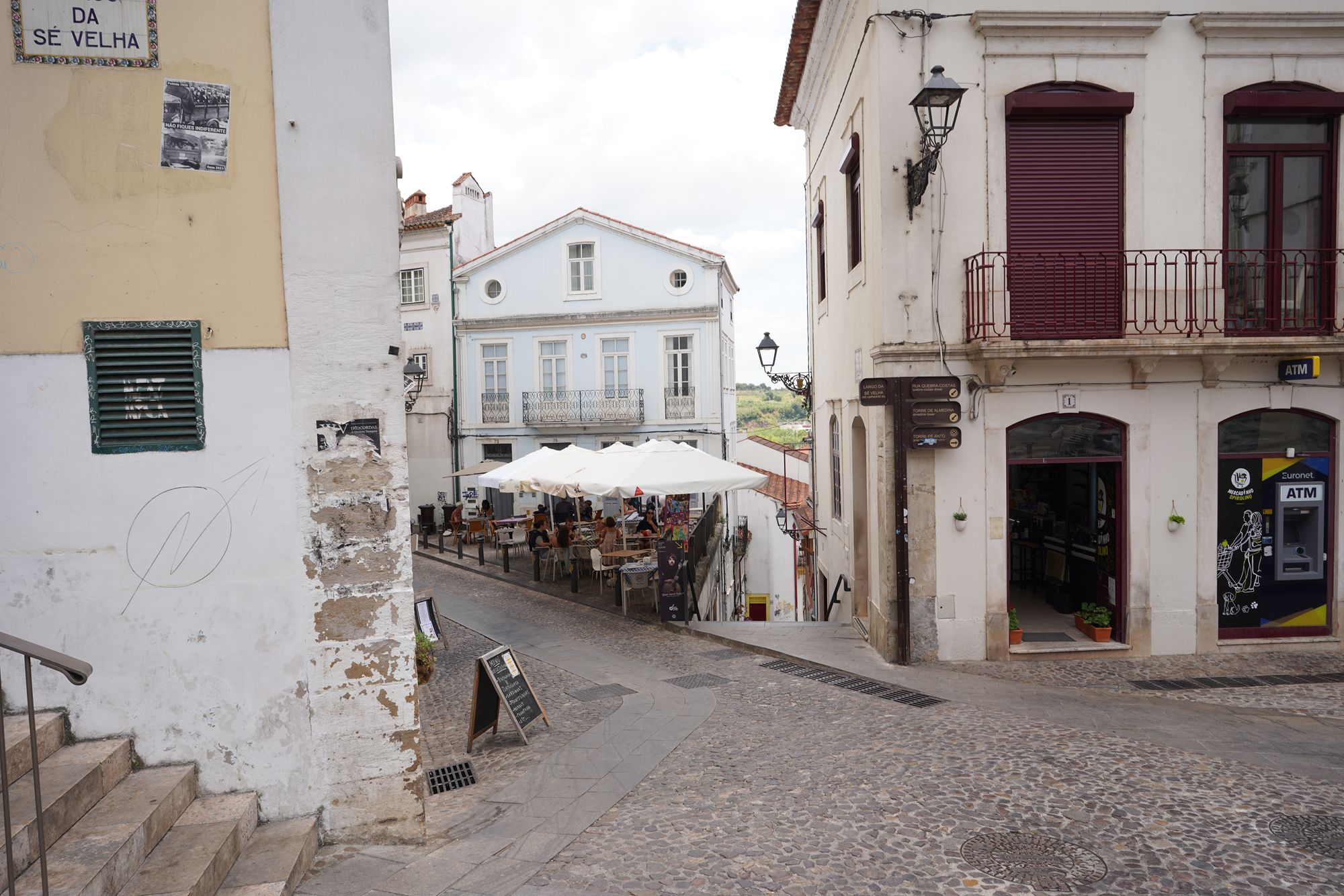
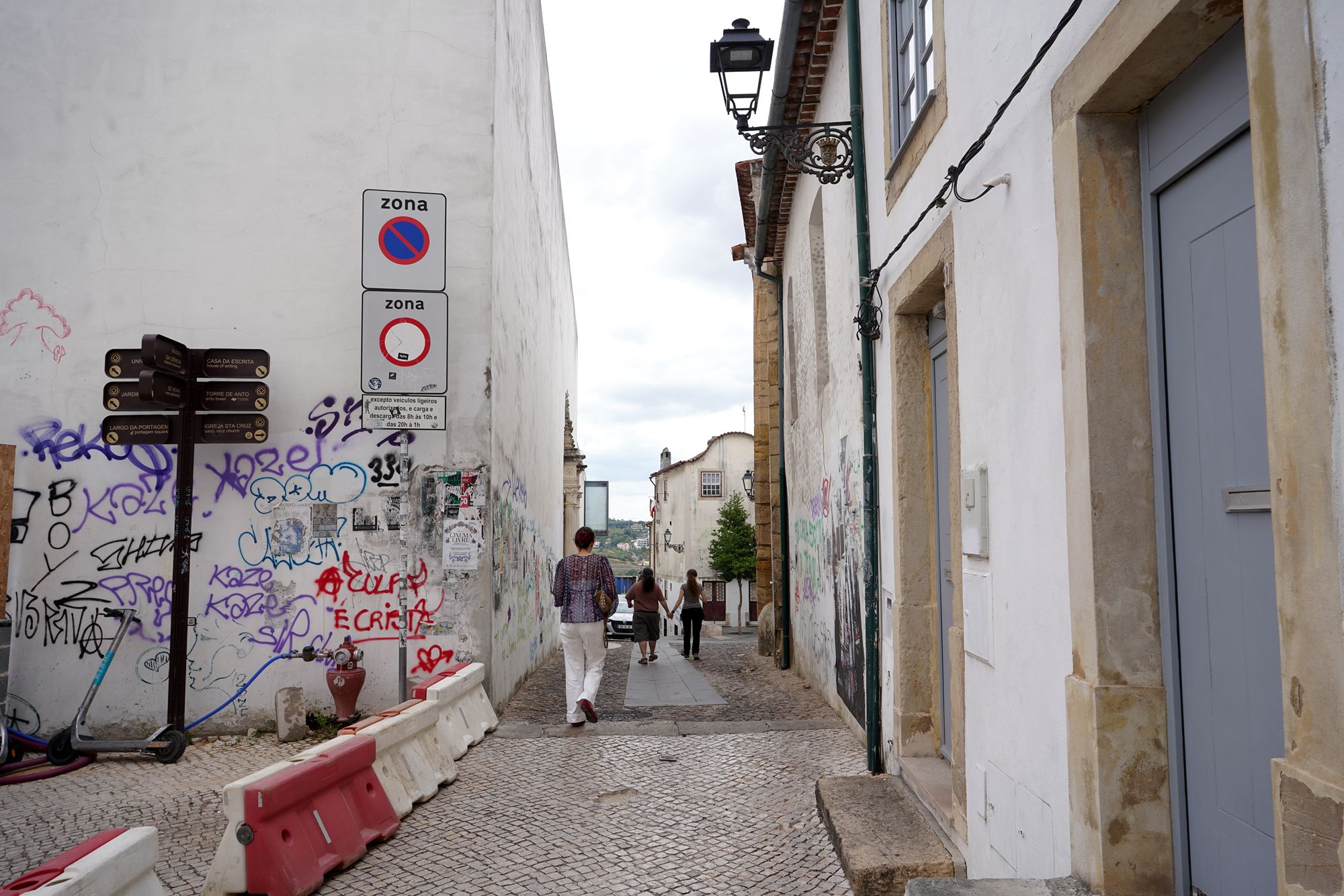
After leaving the church, I continued downhill through the old town.
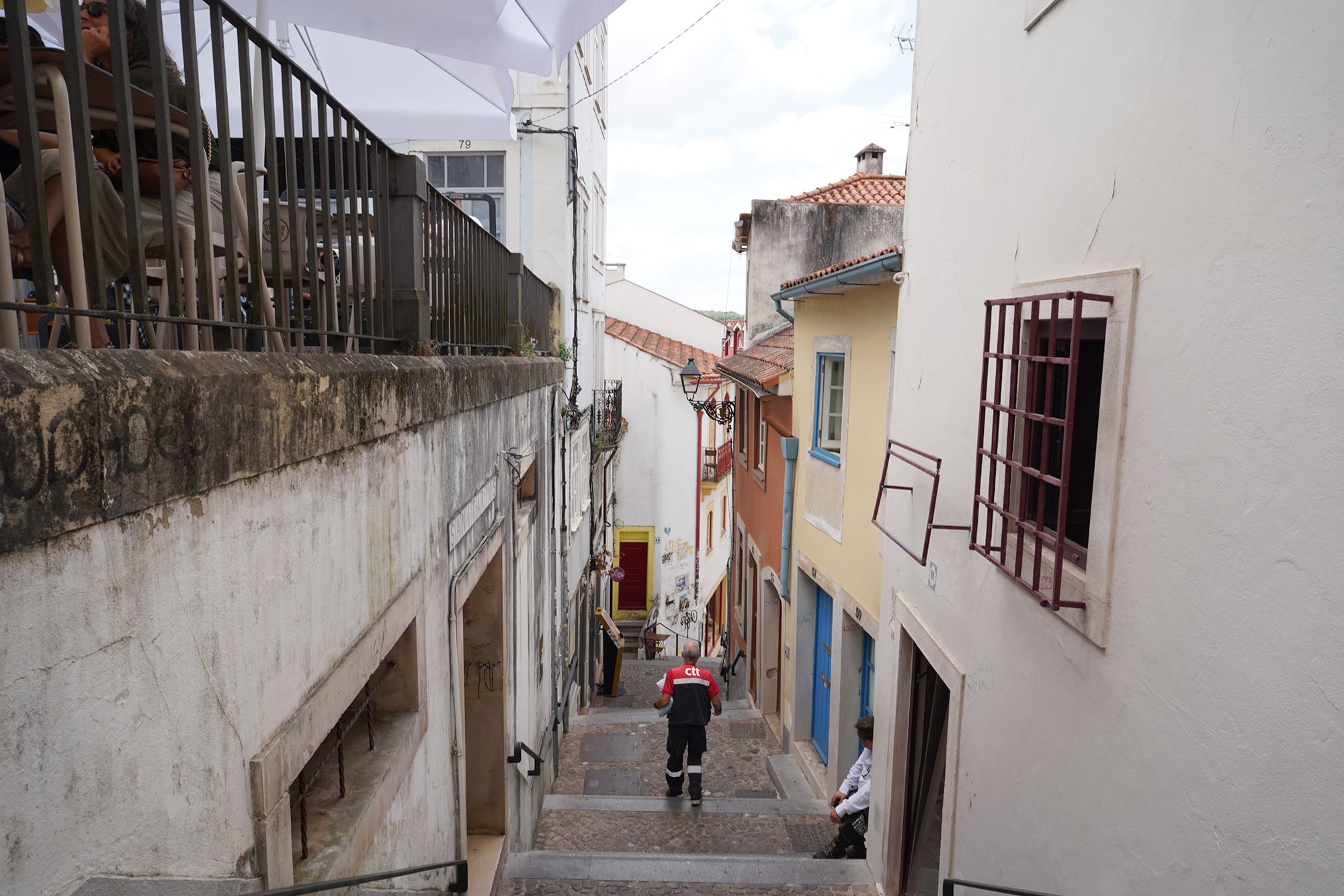
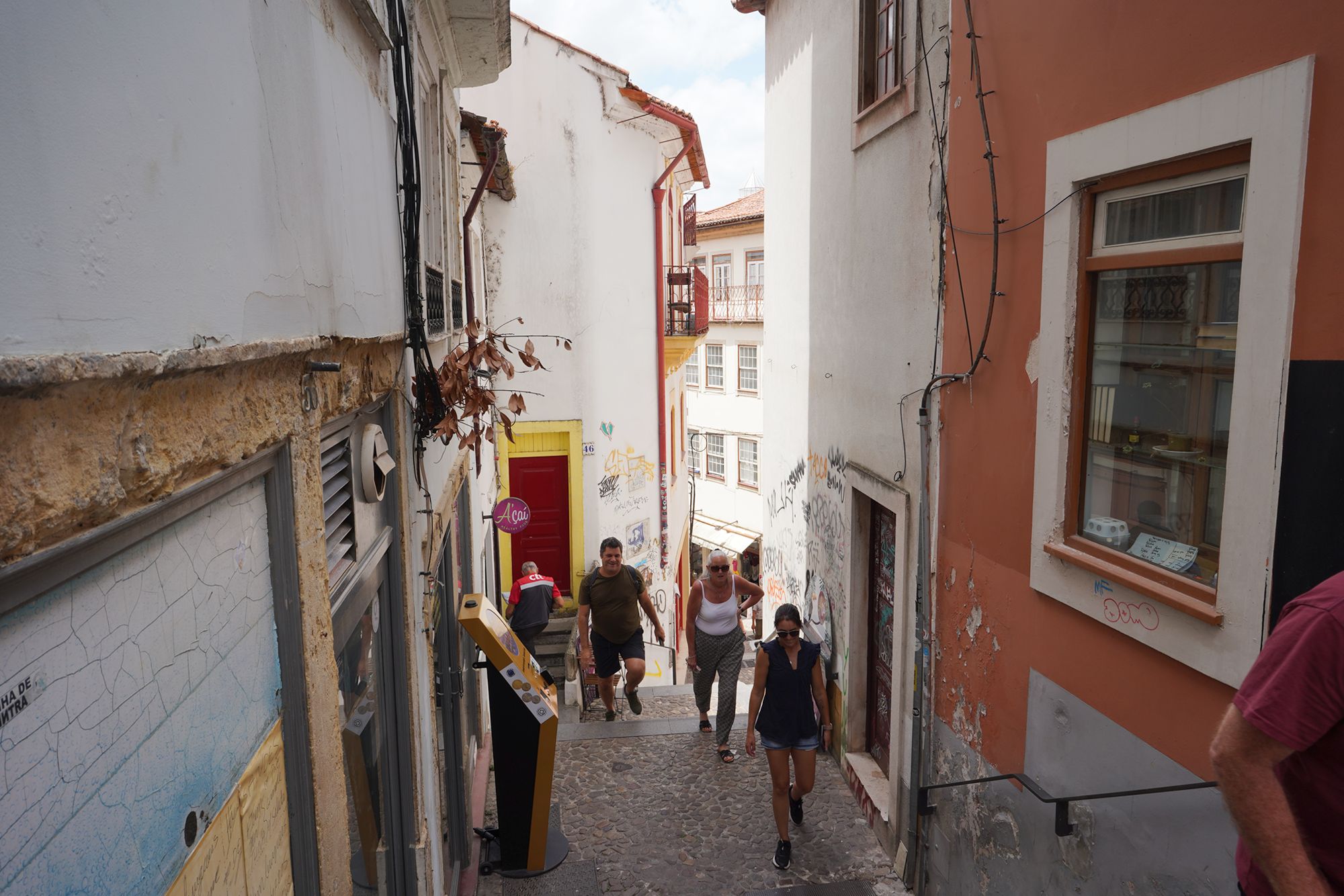
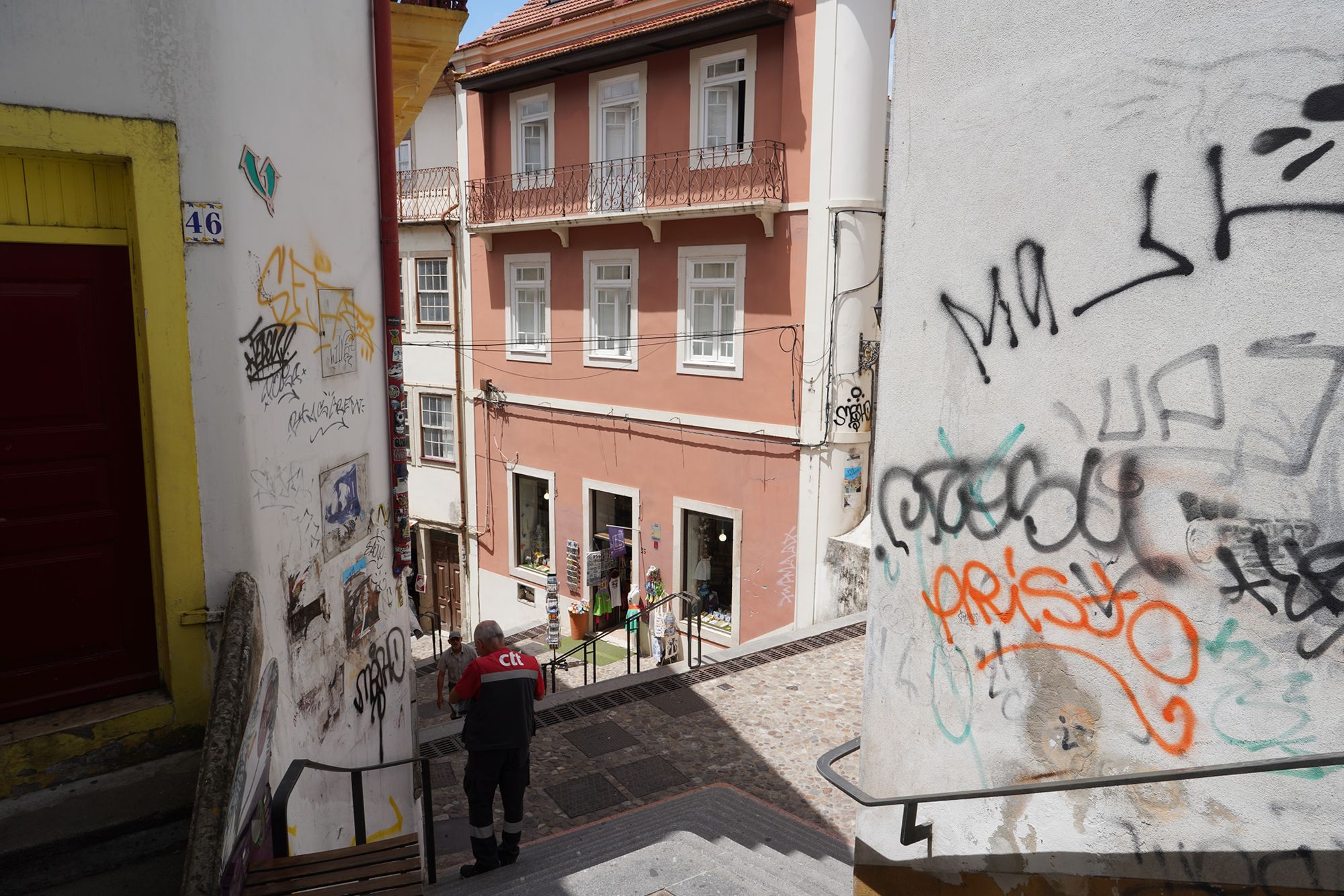
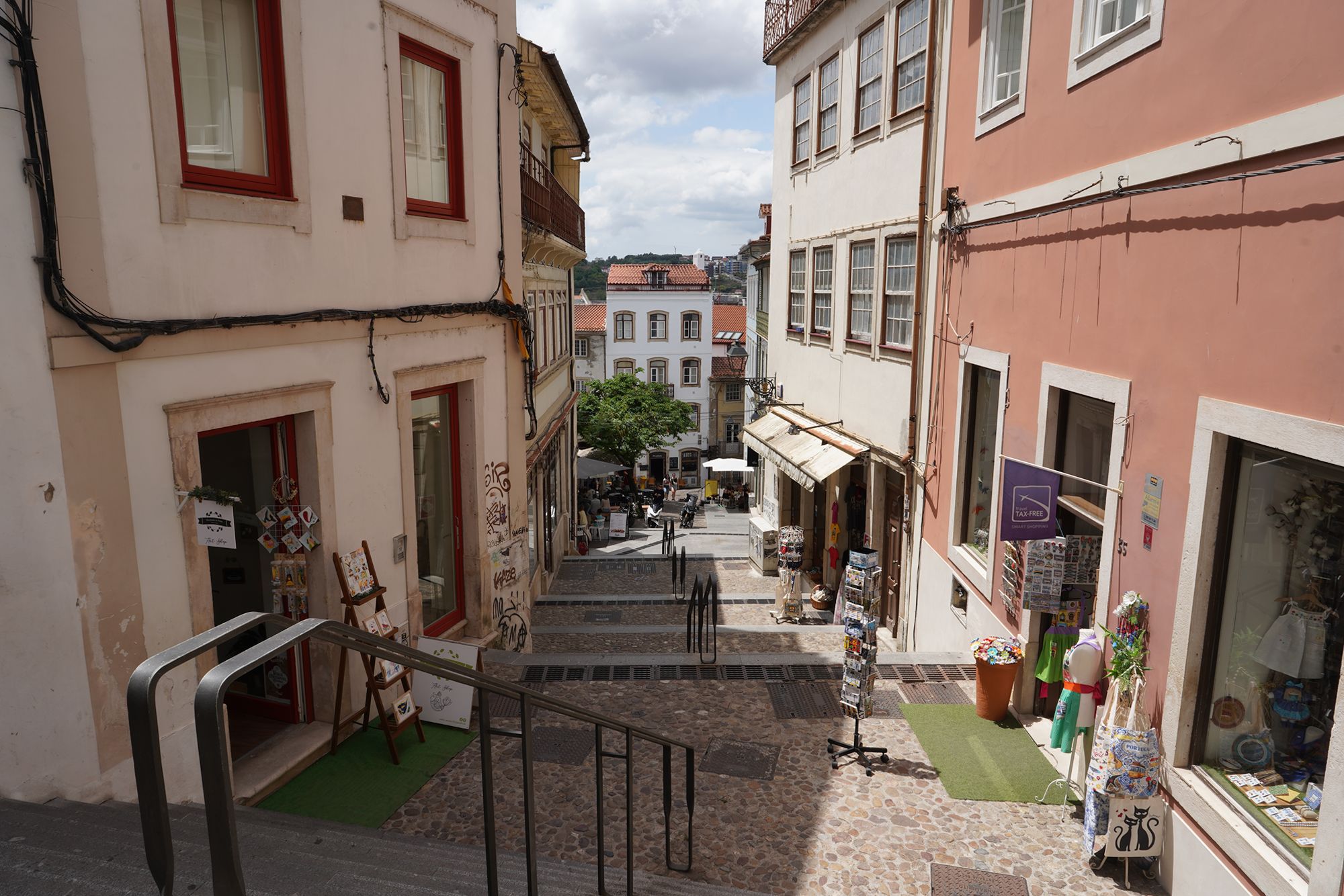
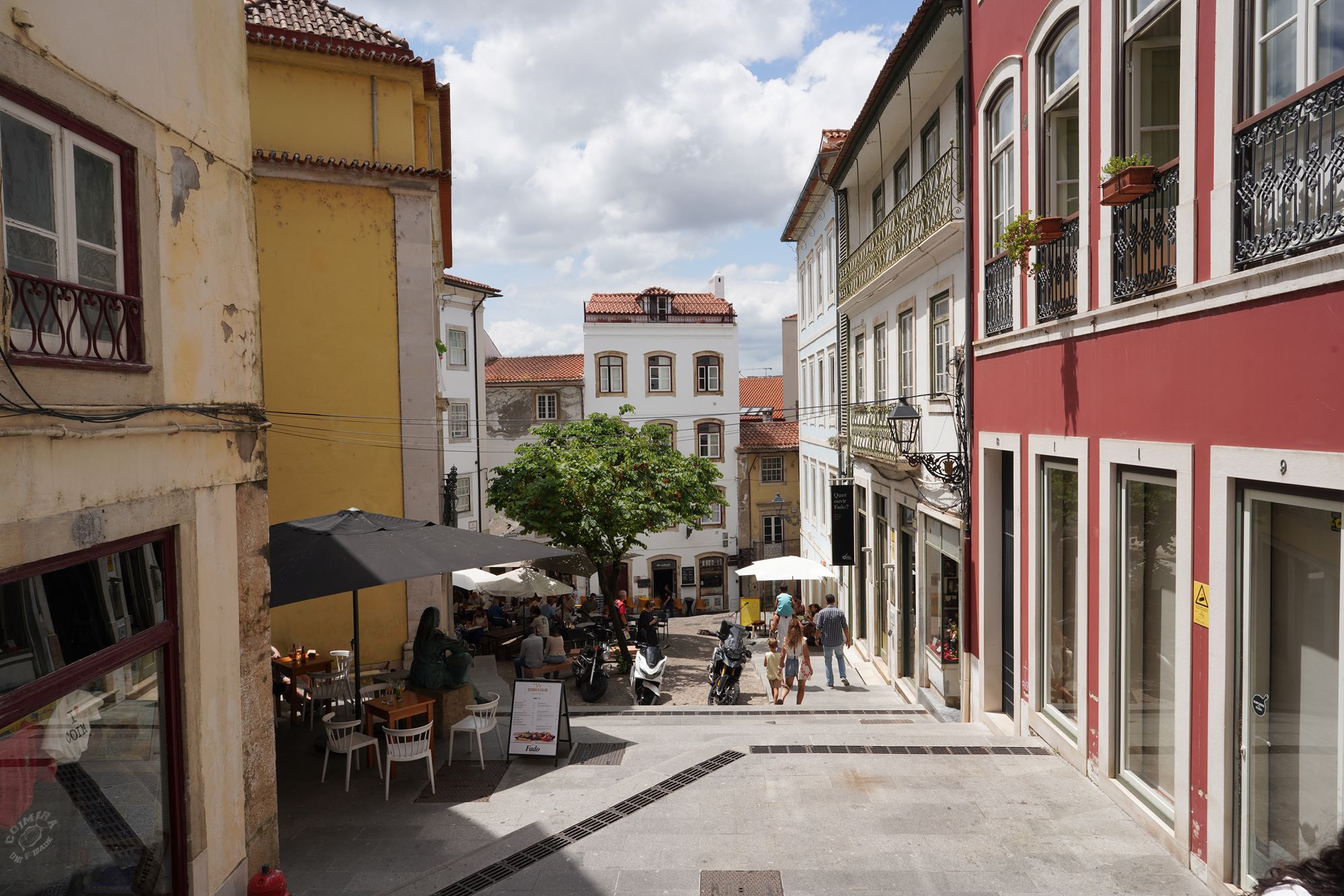
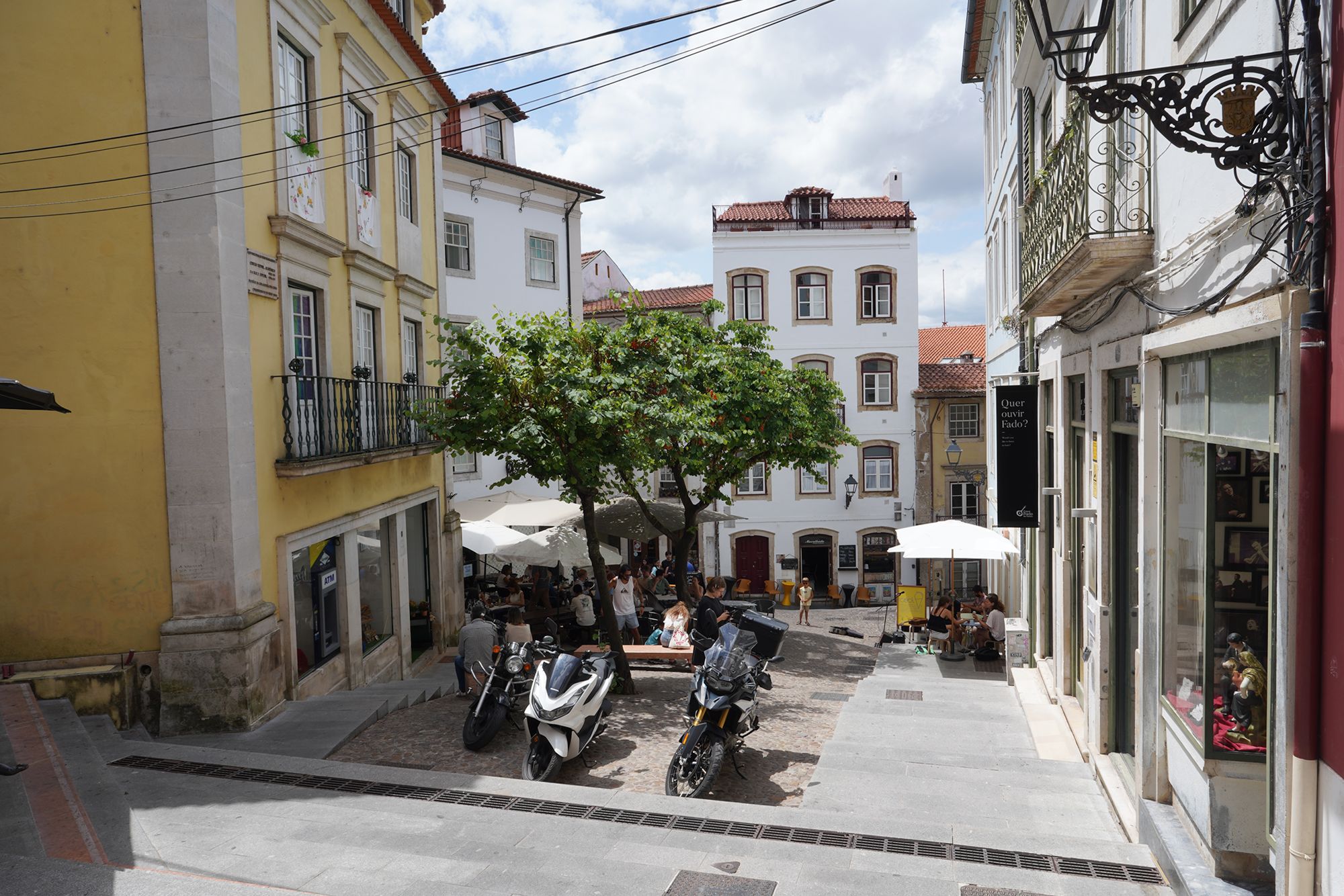
This looked like a gate connecting the old town to the newer part of the city.
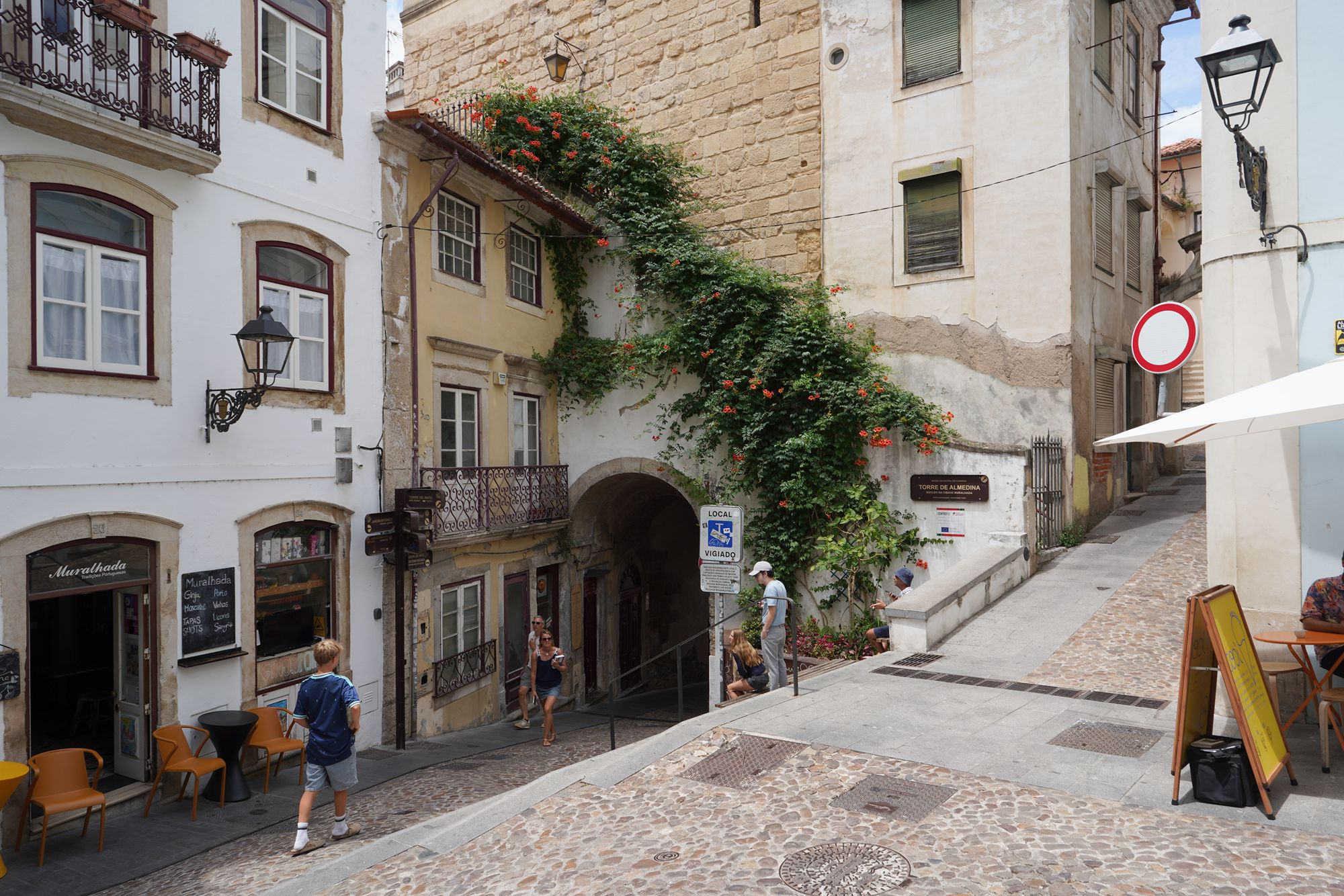
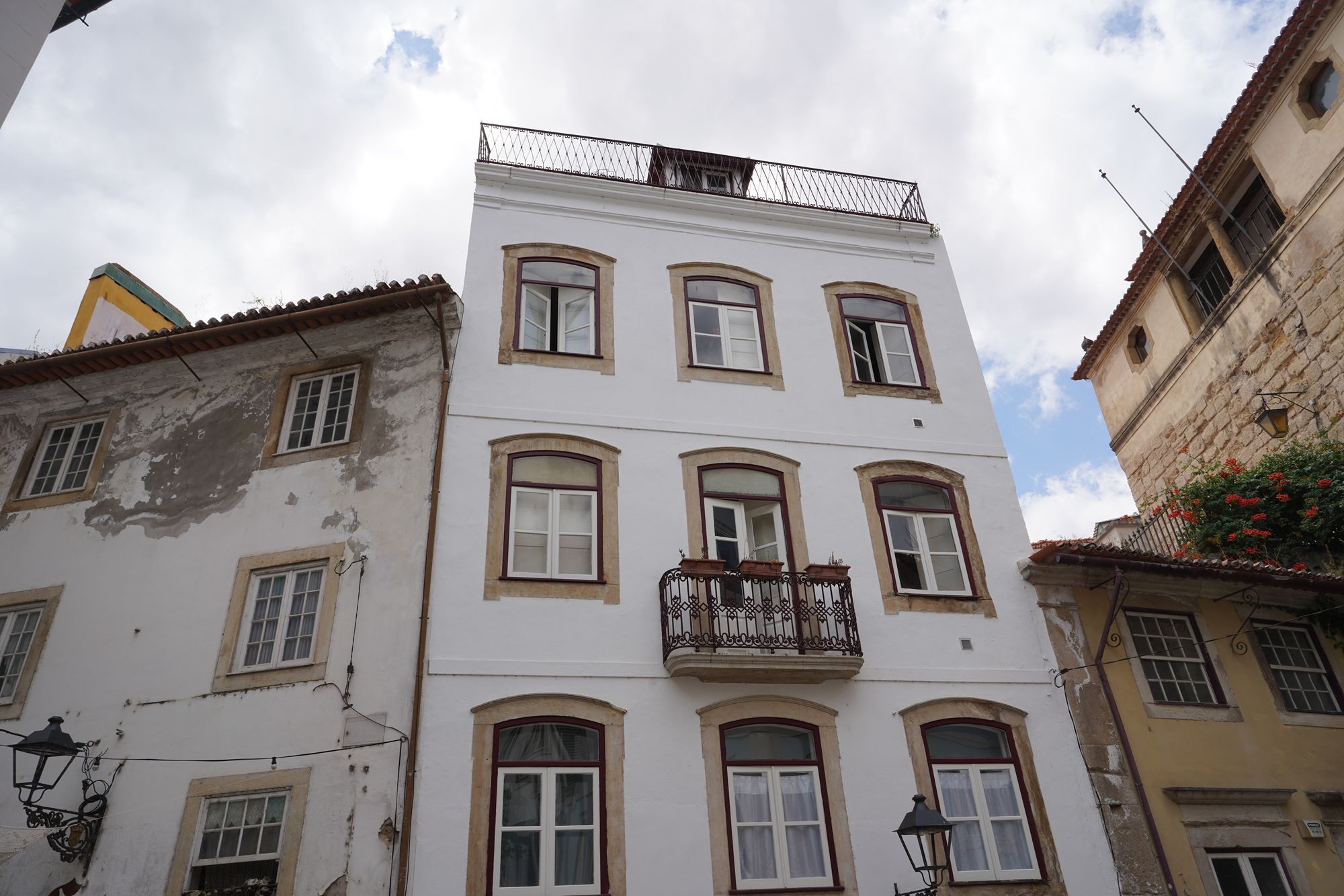
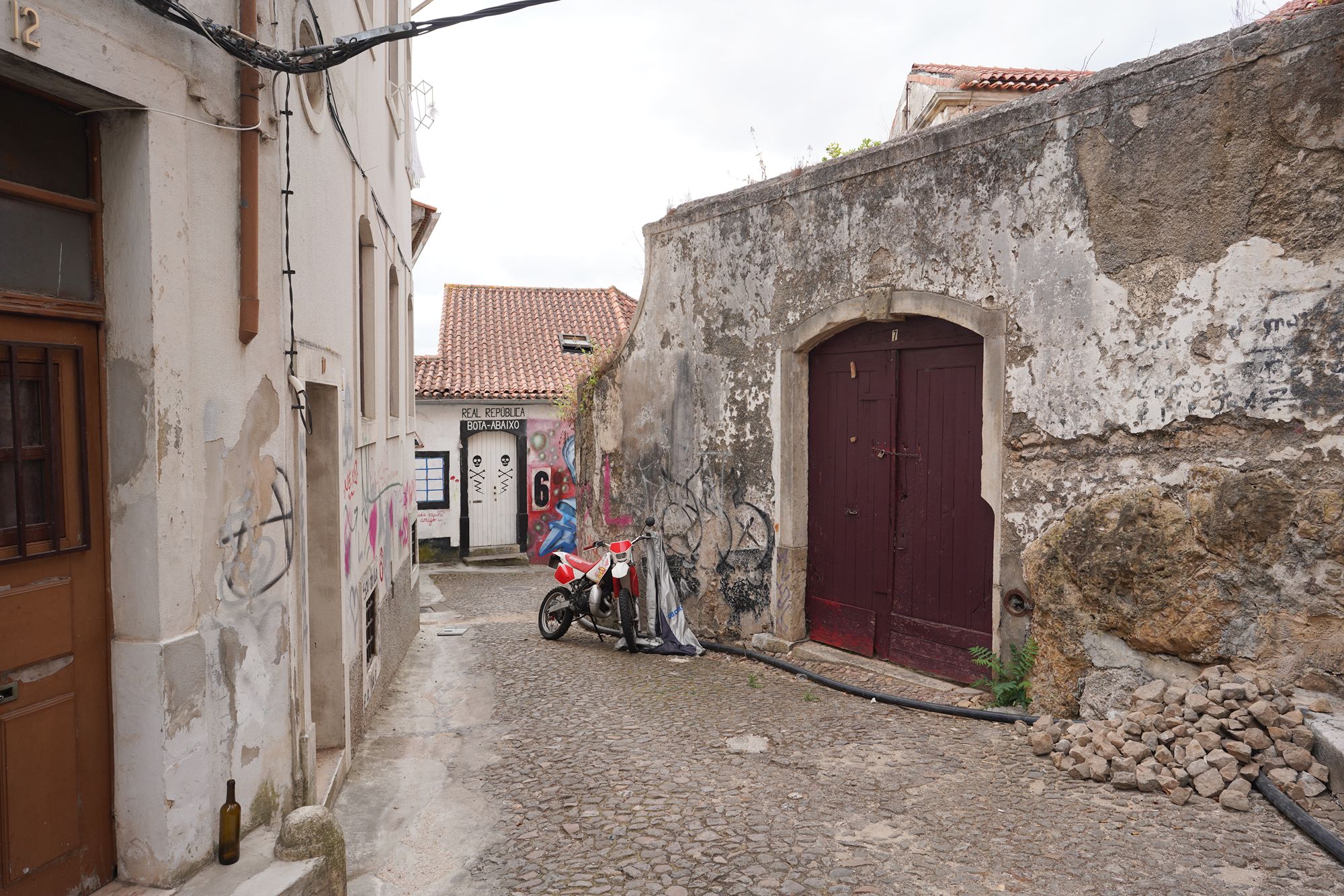
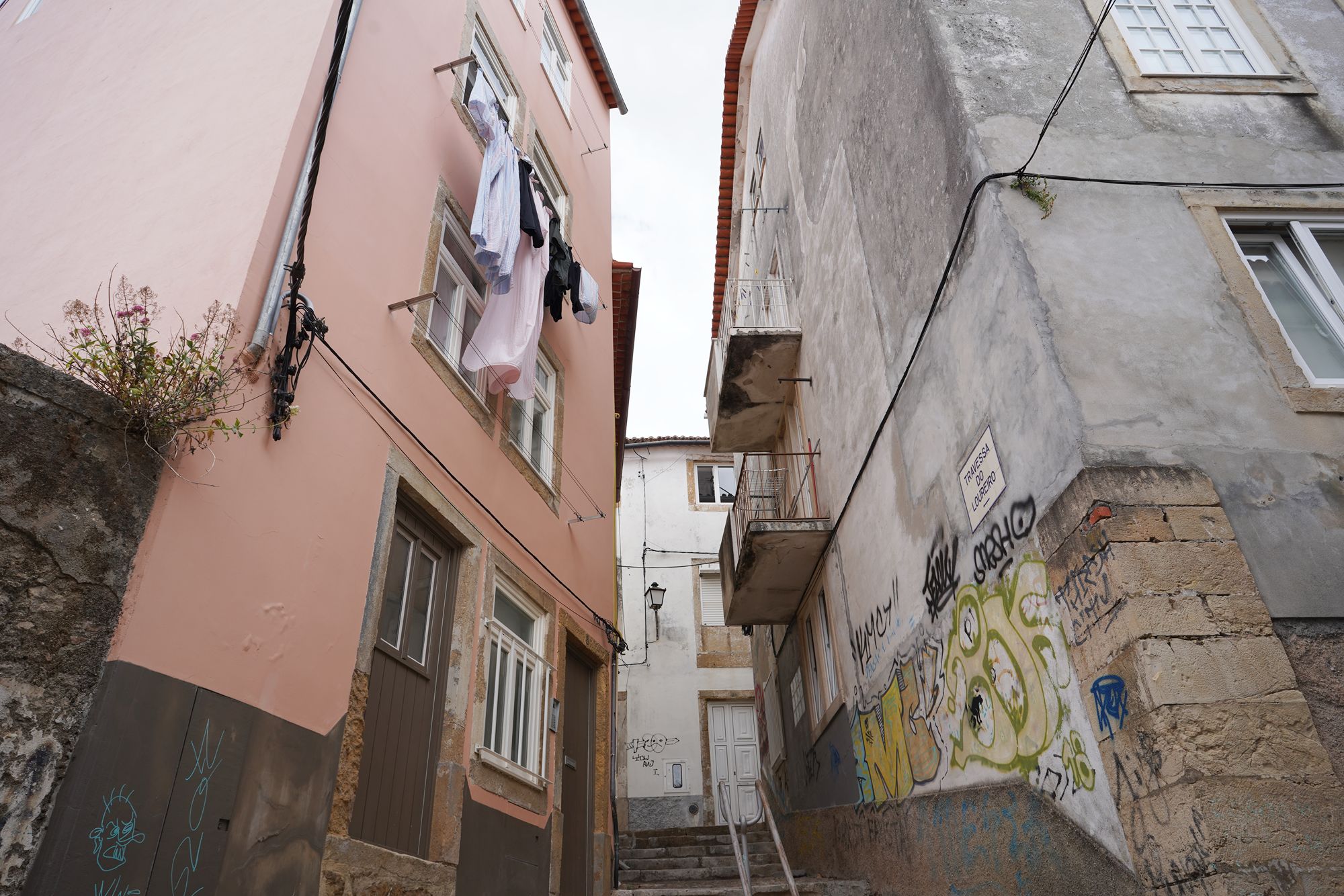
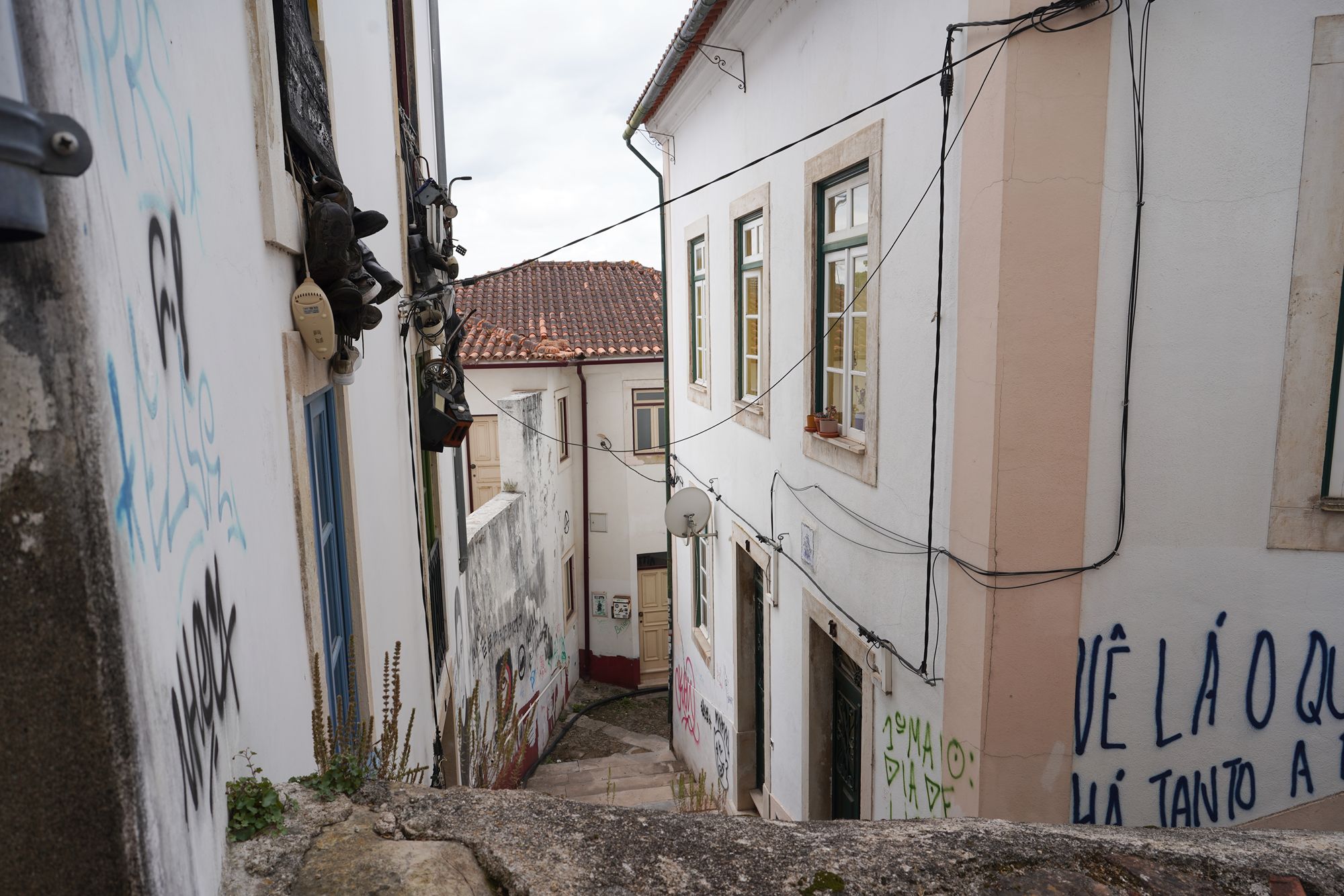
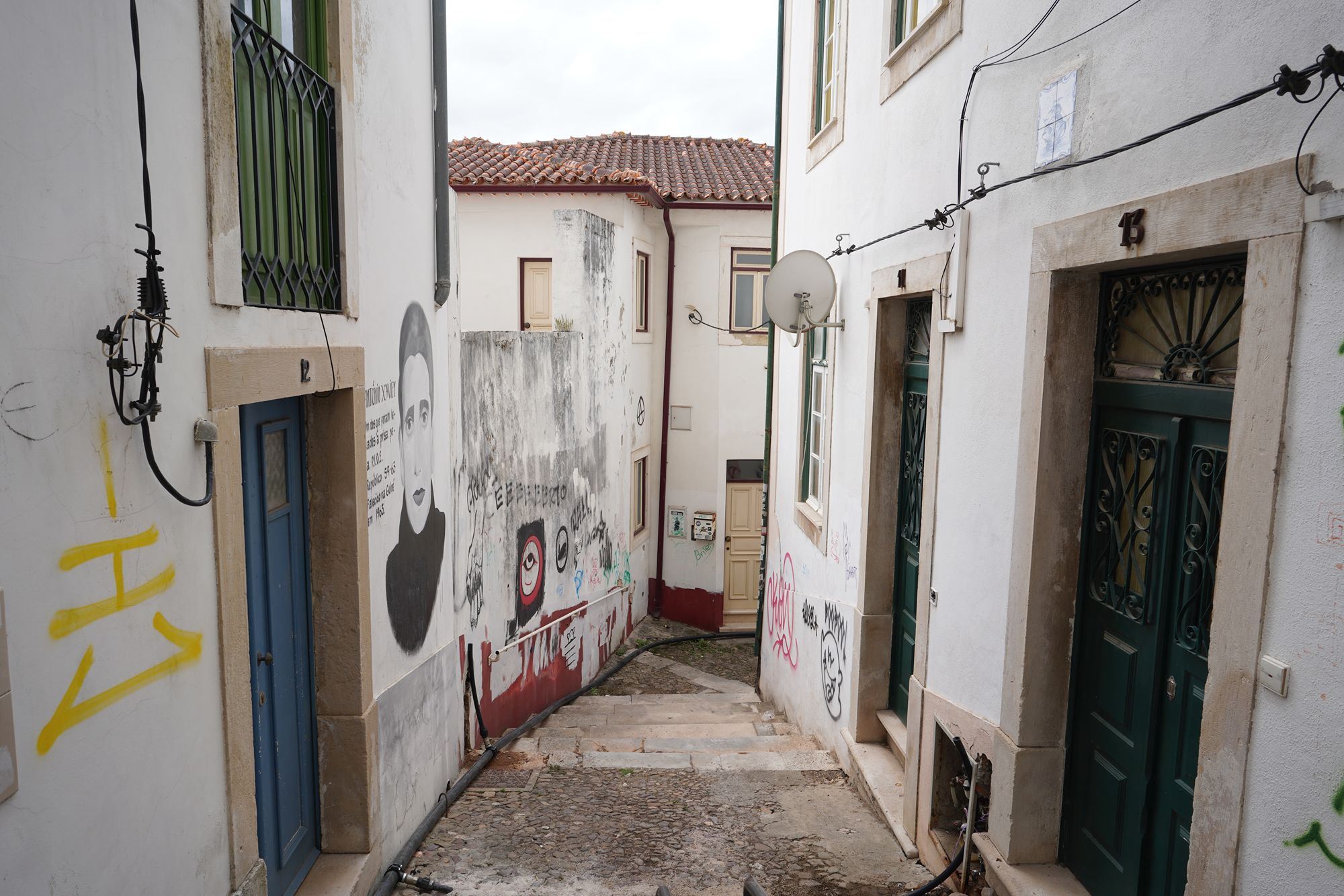
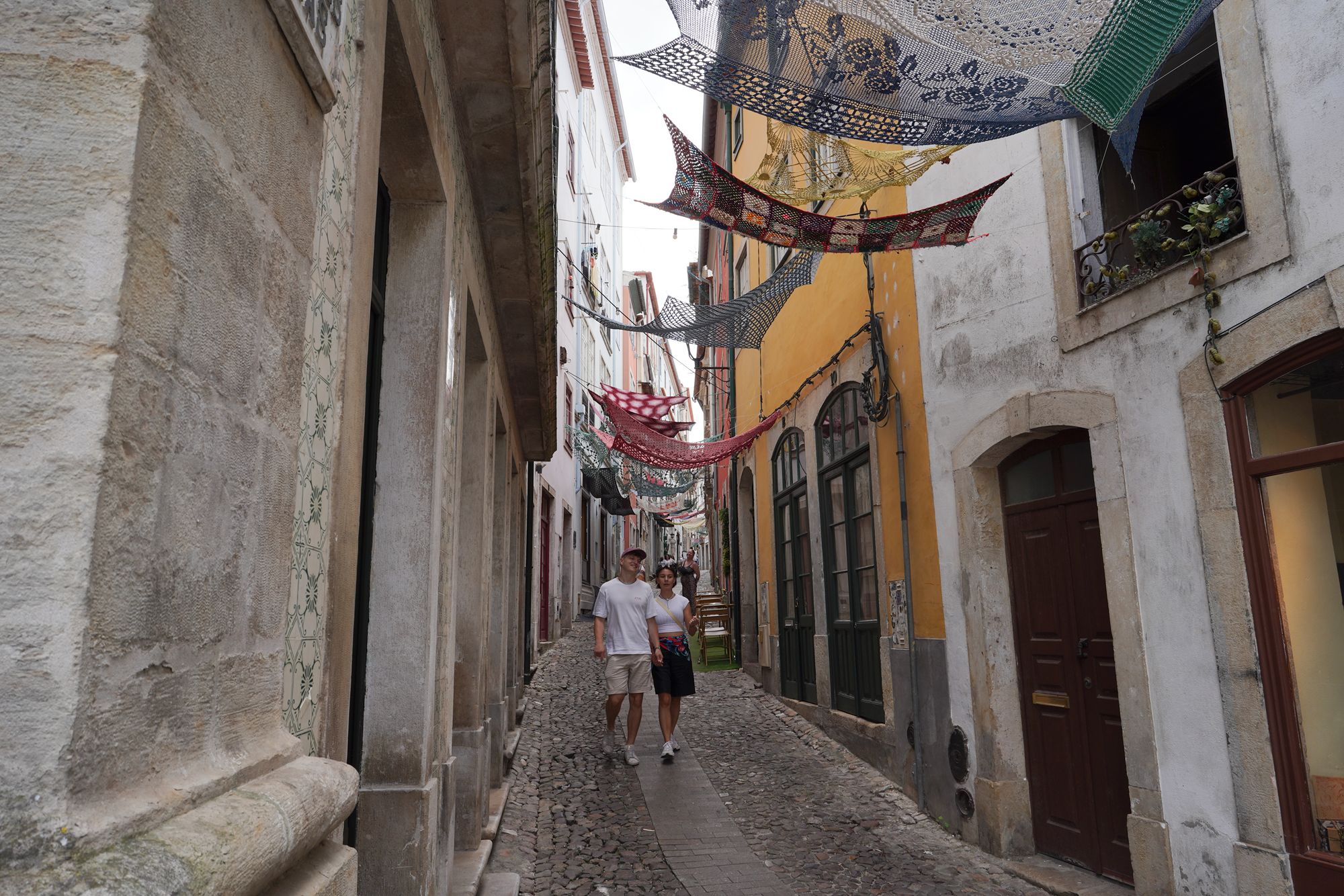
A narrow side street
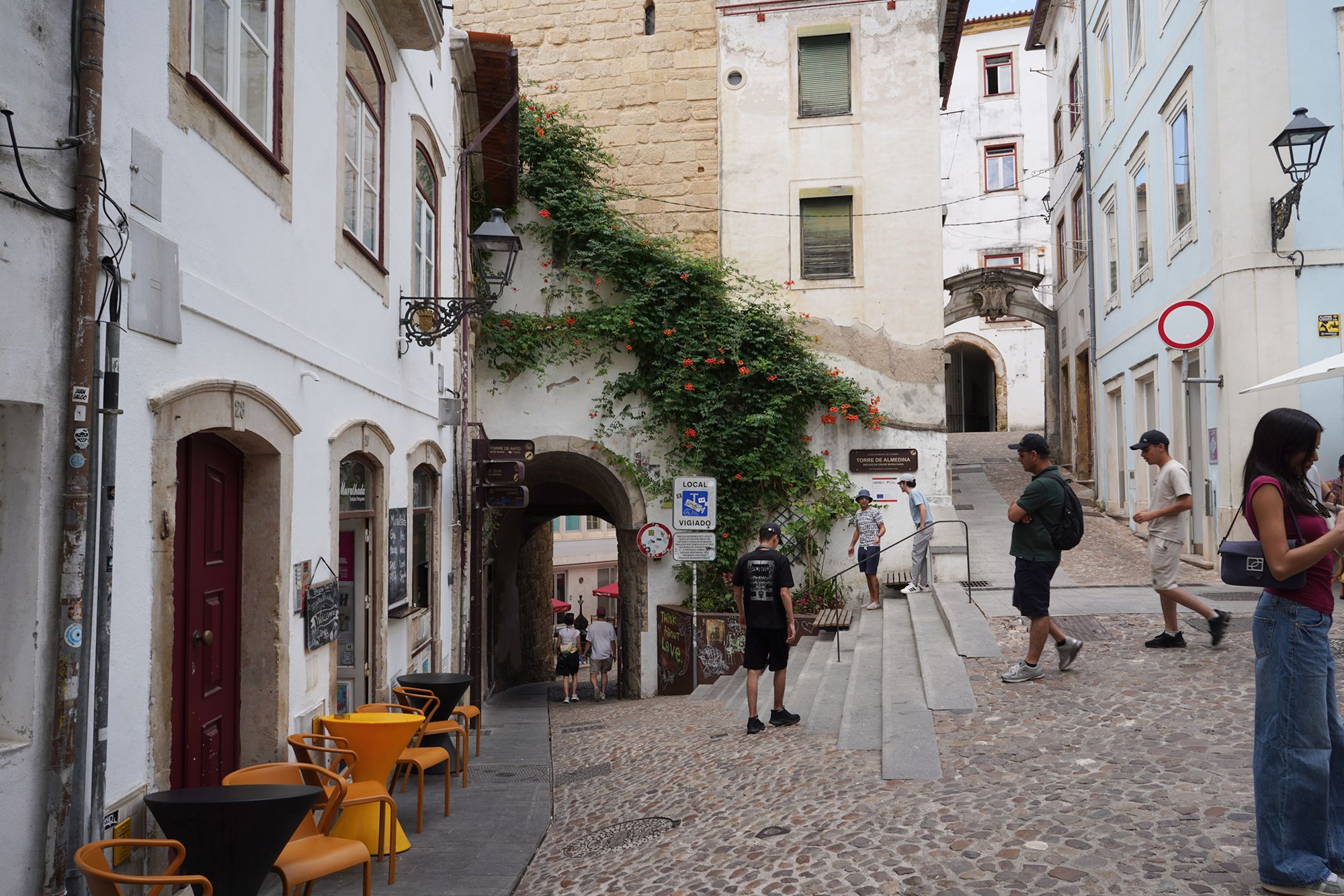
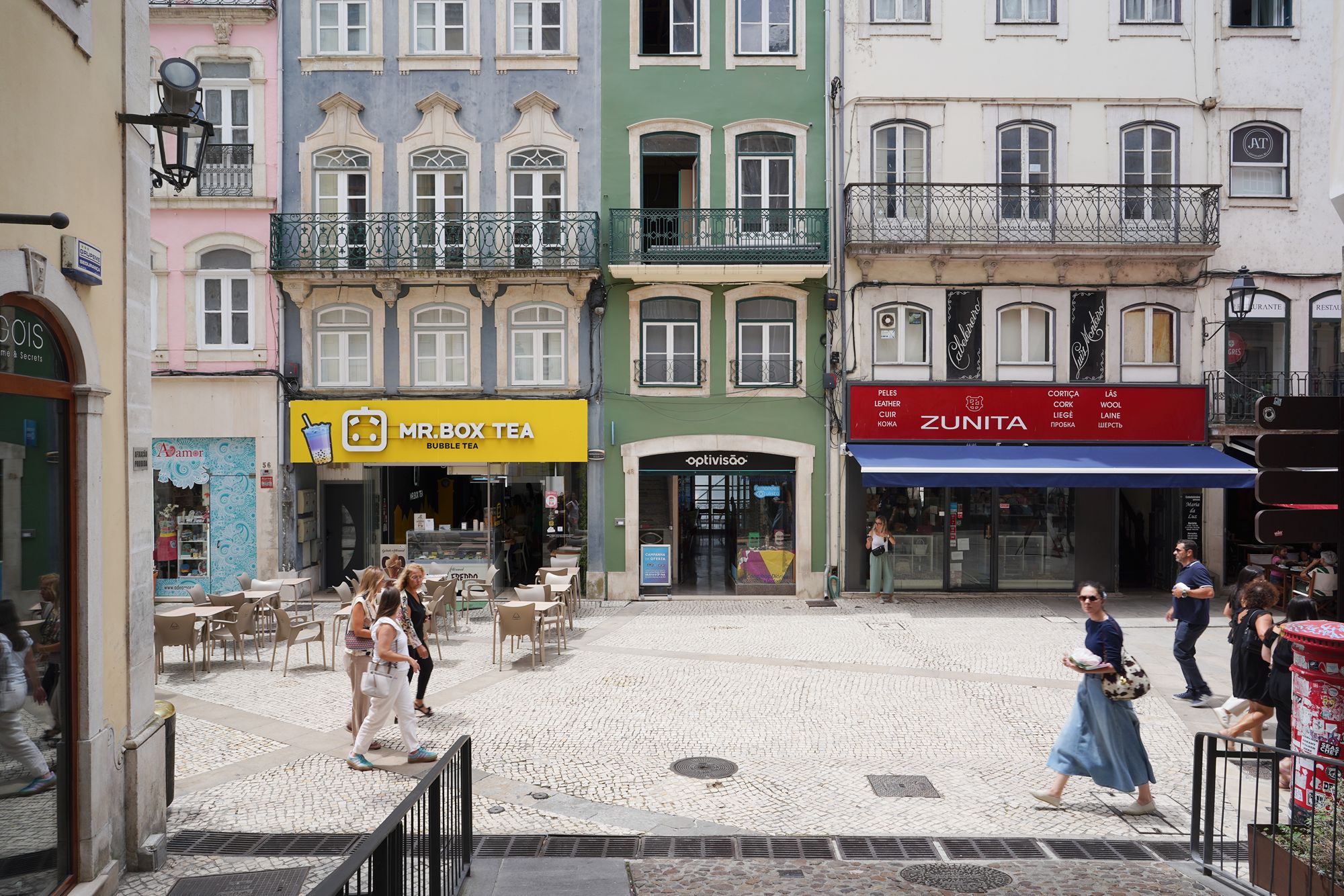
I walked through the gate into the newer part of the city.
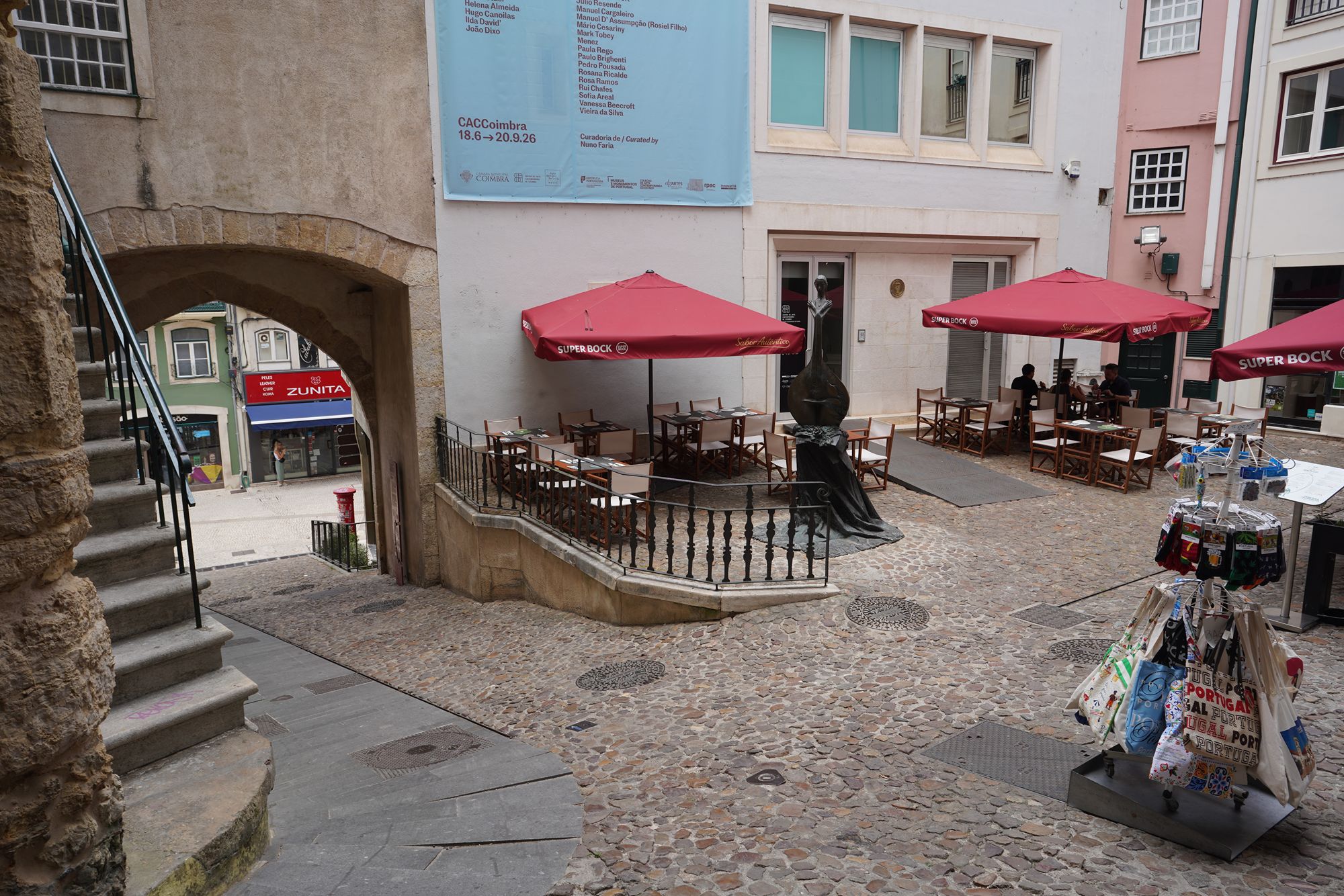
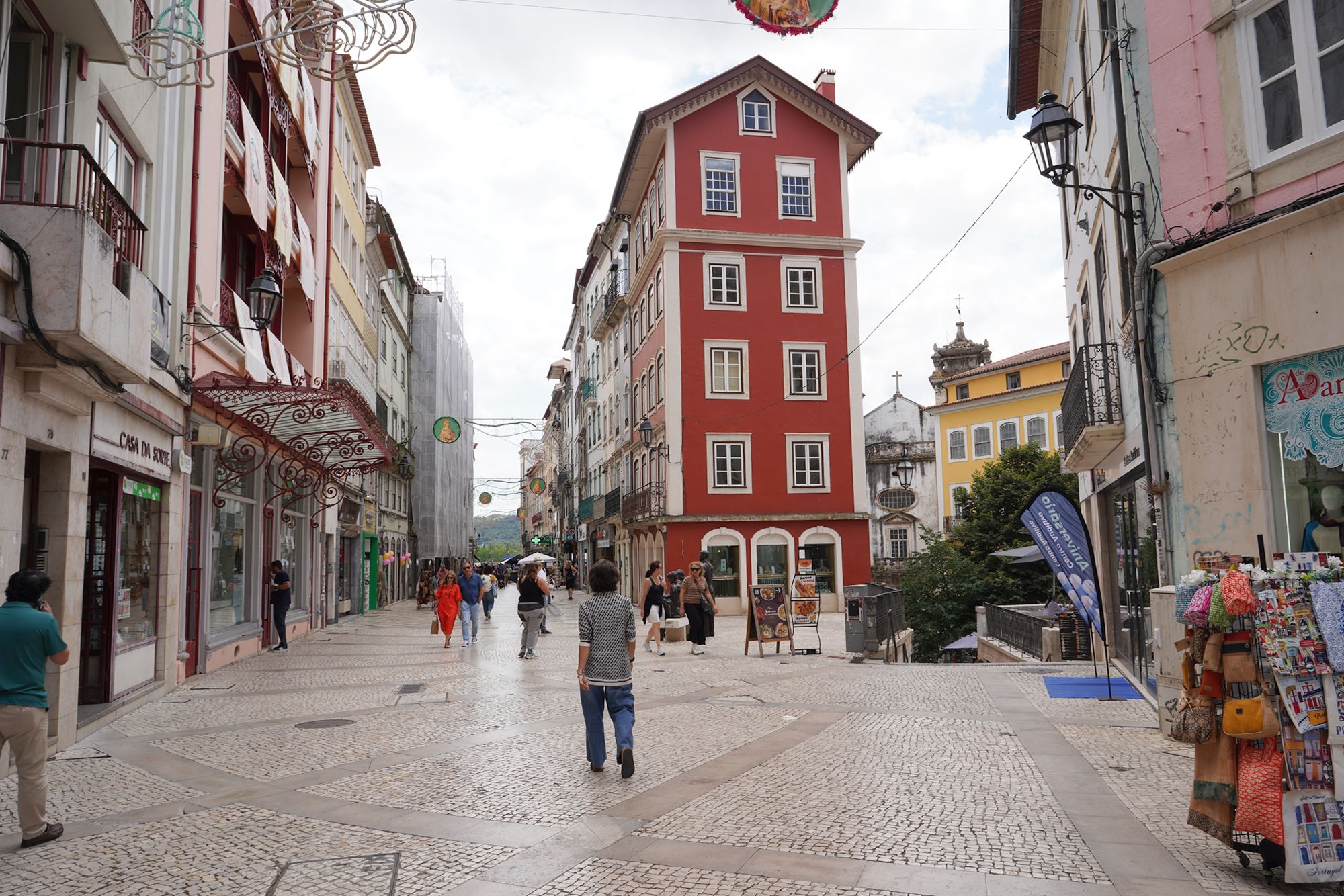
Looking back at the old town gate
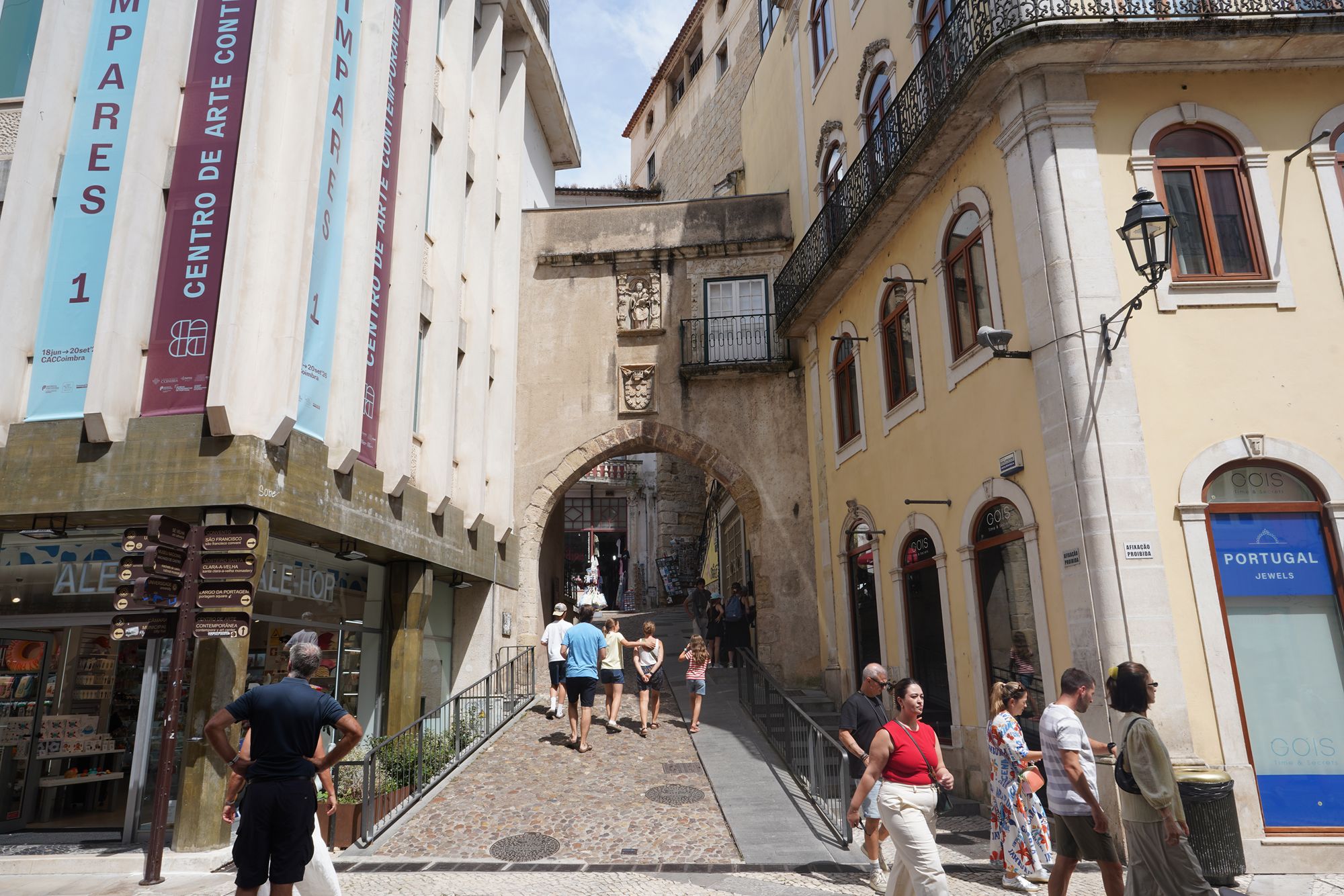
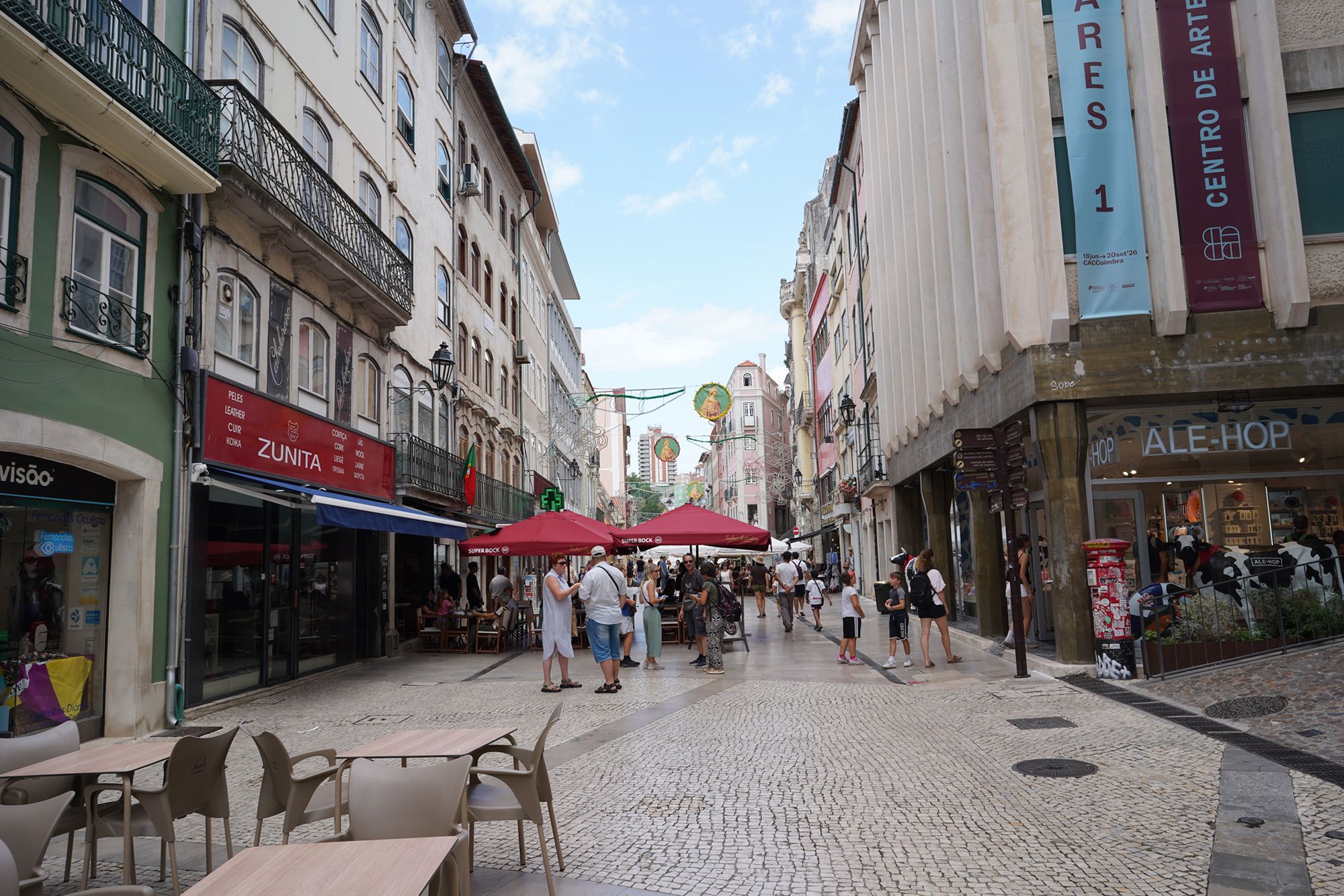
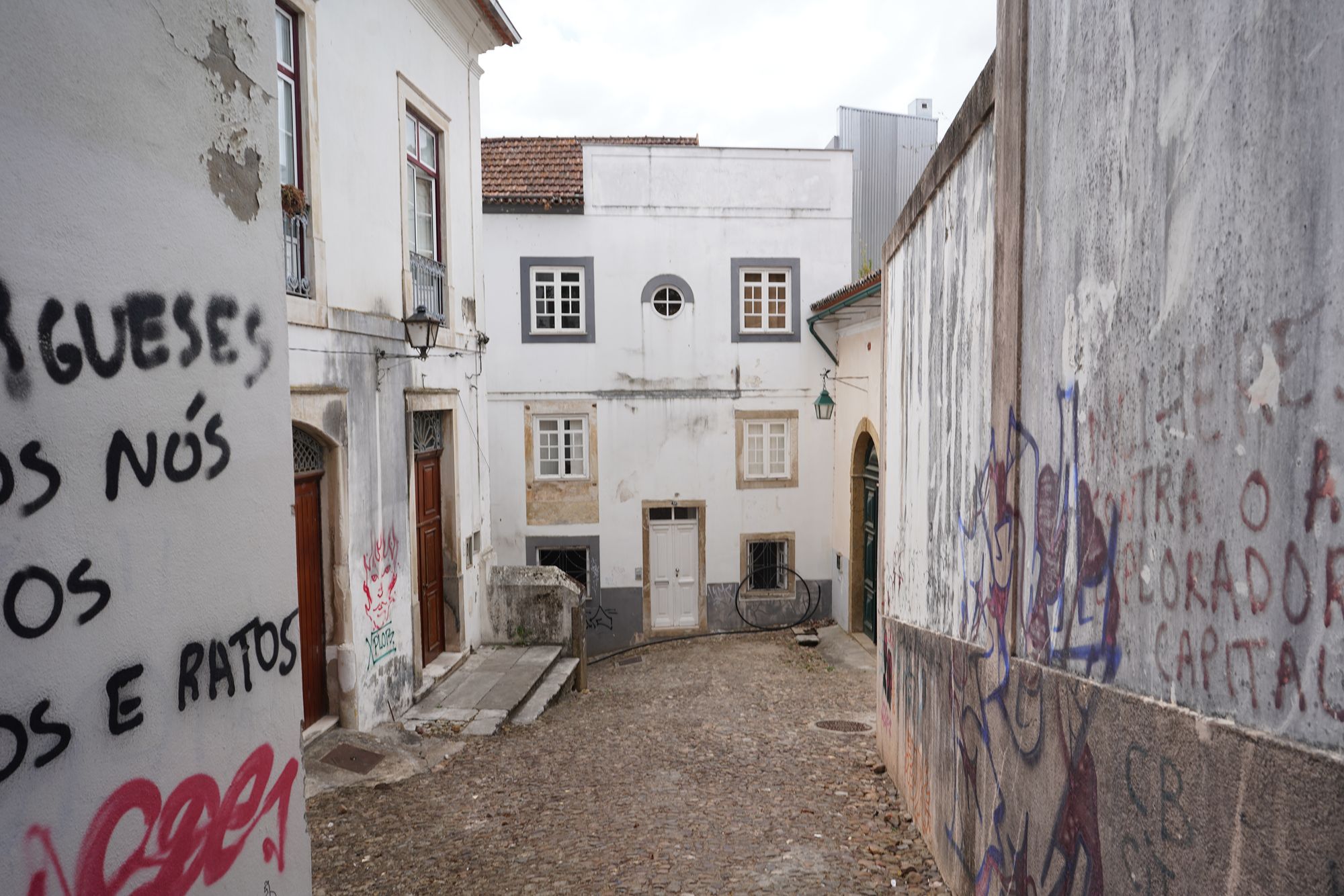
An opening between the buildings led to the street below, but I wanted to explore this area first.
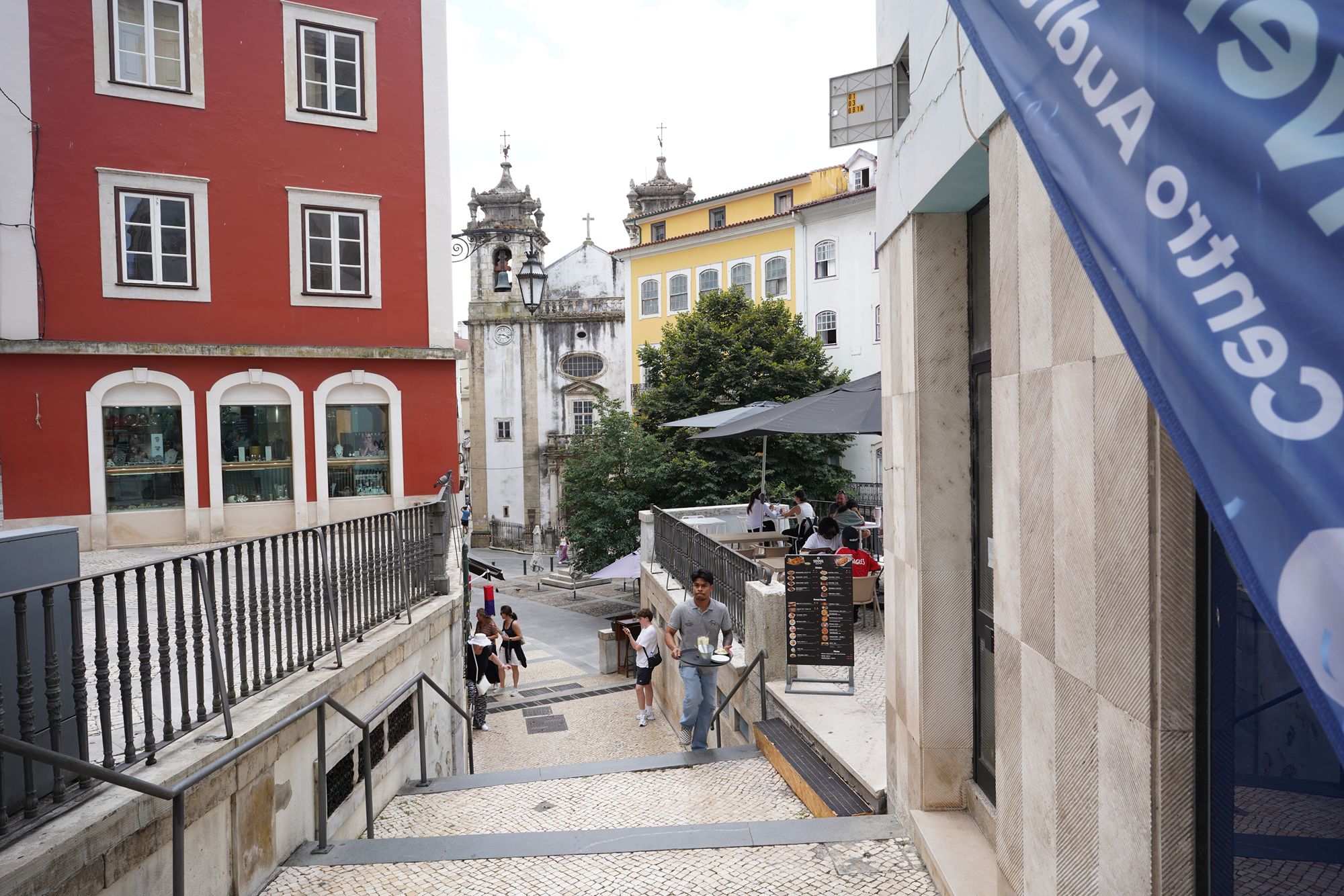
Praça do Comércio, also known as Praça Velha, was once the main market square supplying Coimbra. Located in the lower town, it is bordered by historic buildings, with the Romanesque Church of São Tiago at one end and the Baroque Church of São Bartolomeu at the other.
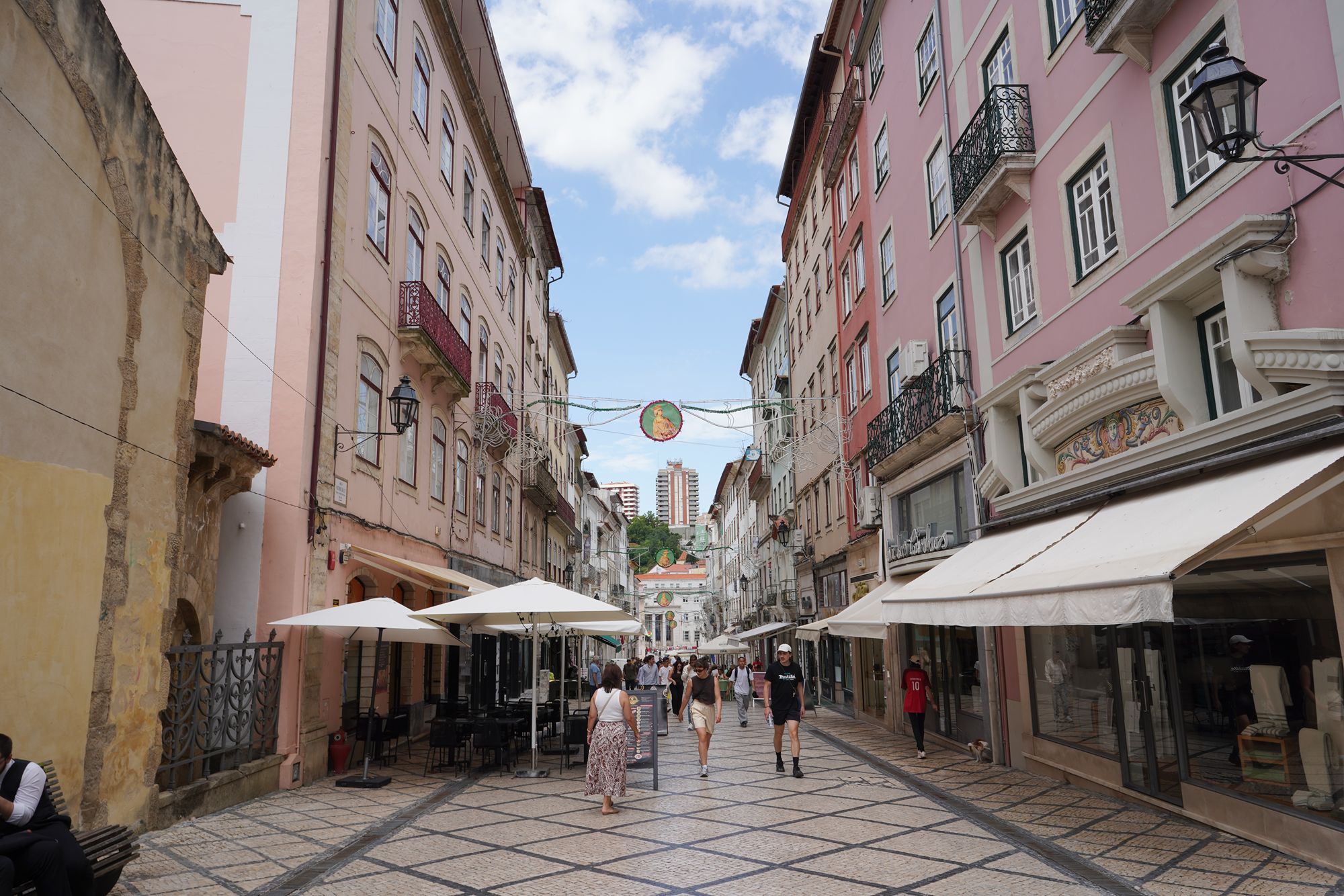
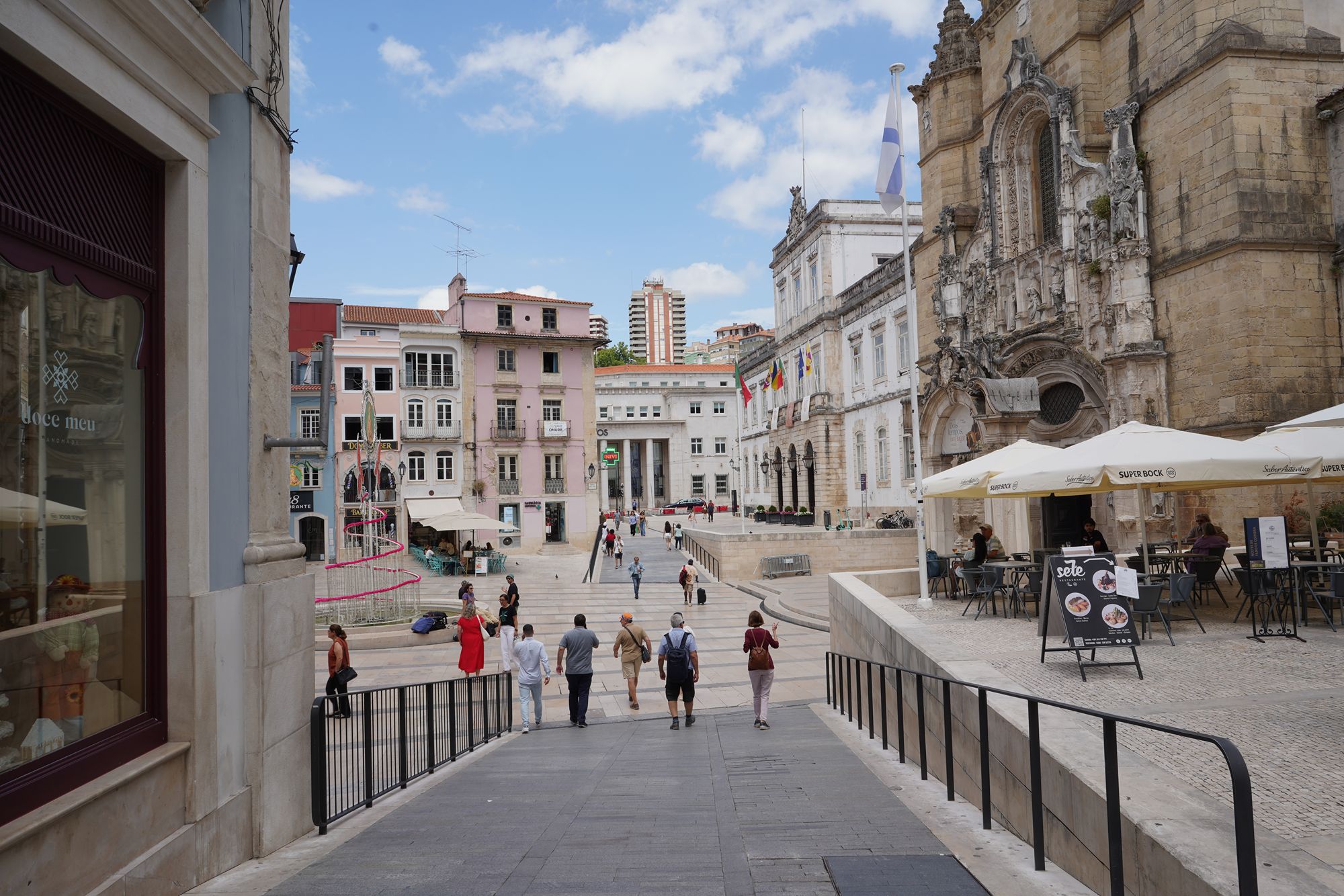
At one end of the street stood this church.
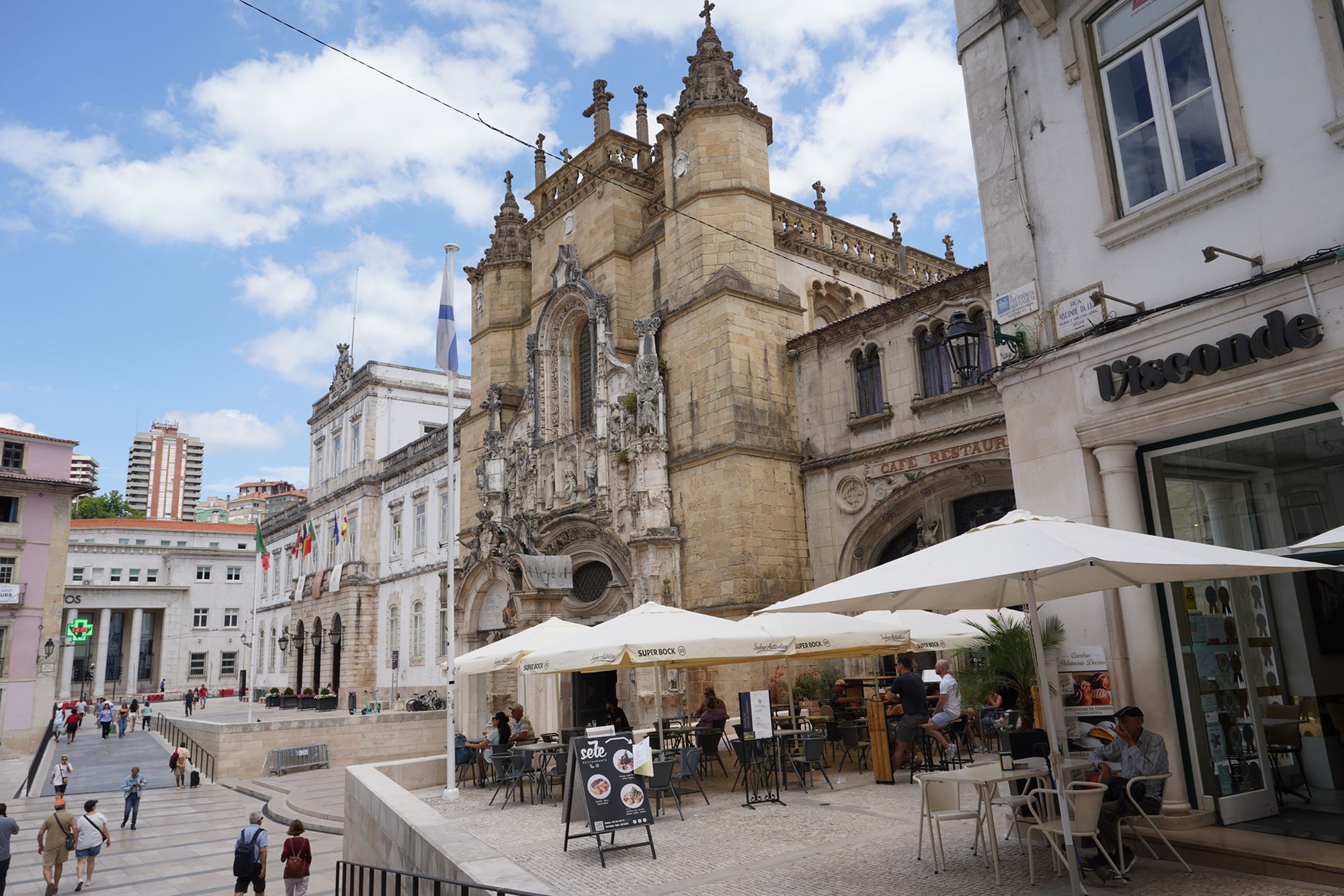
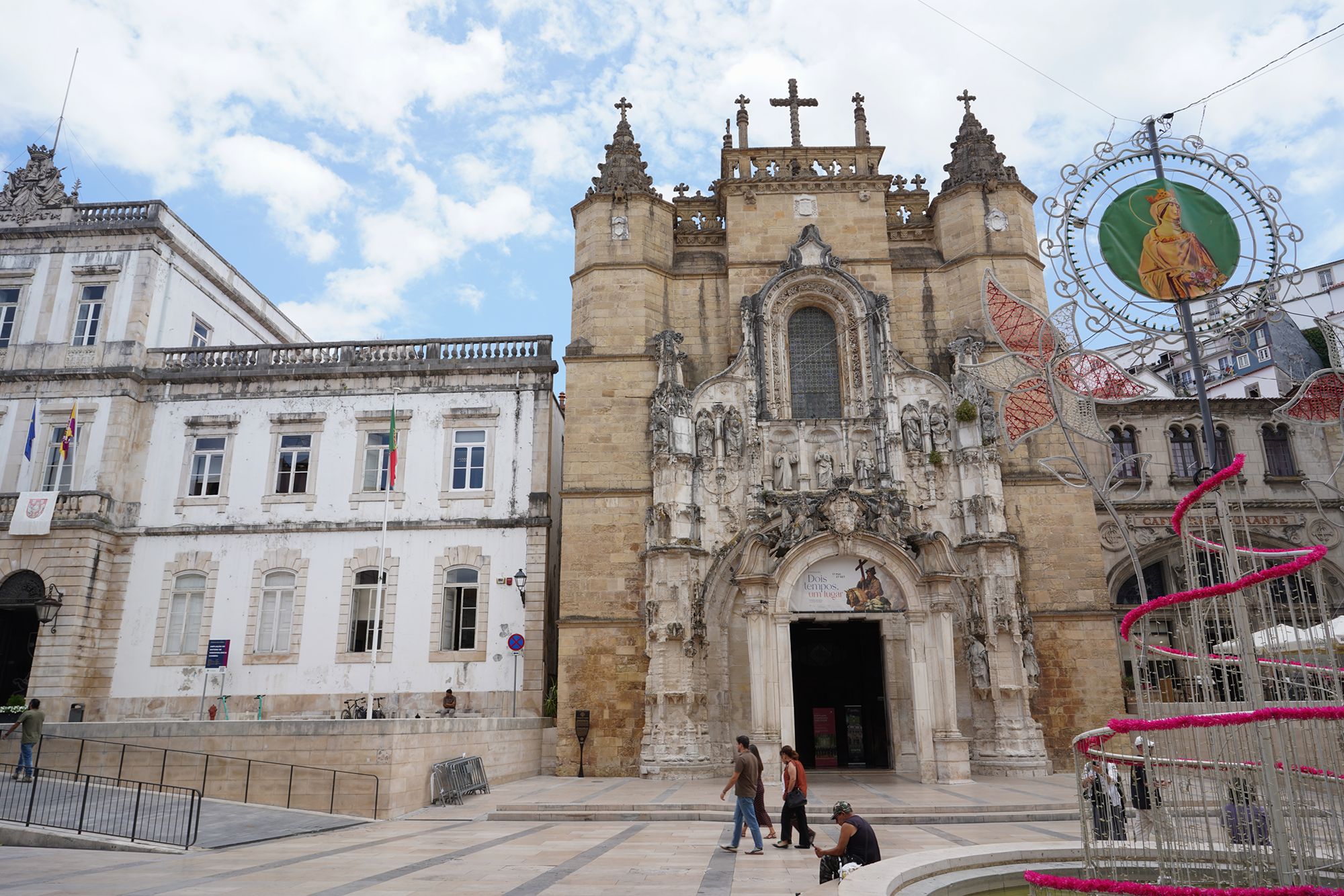
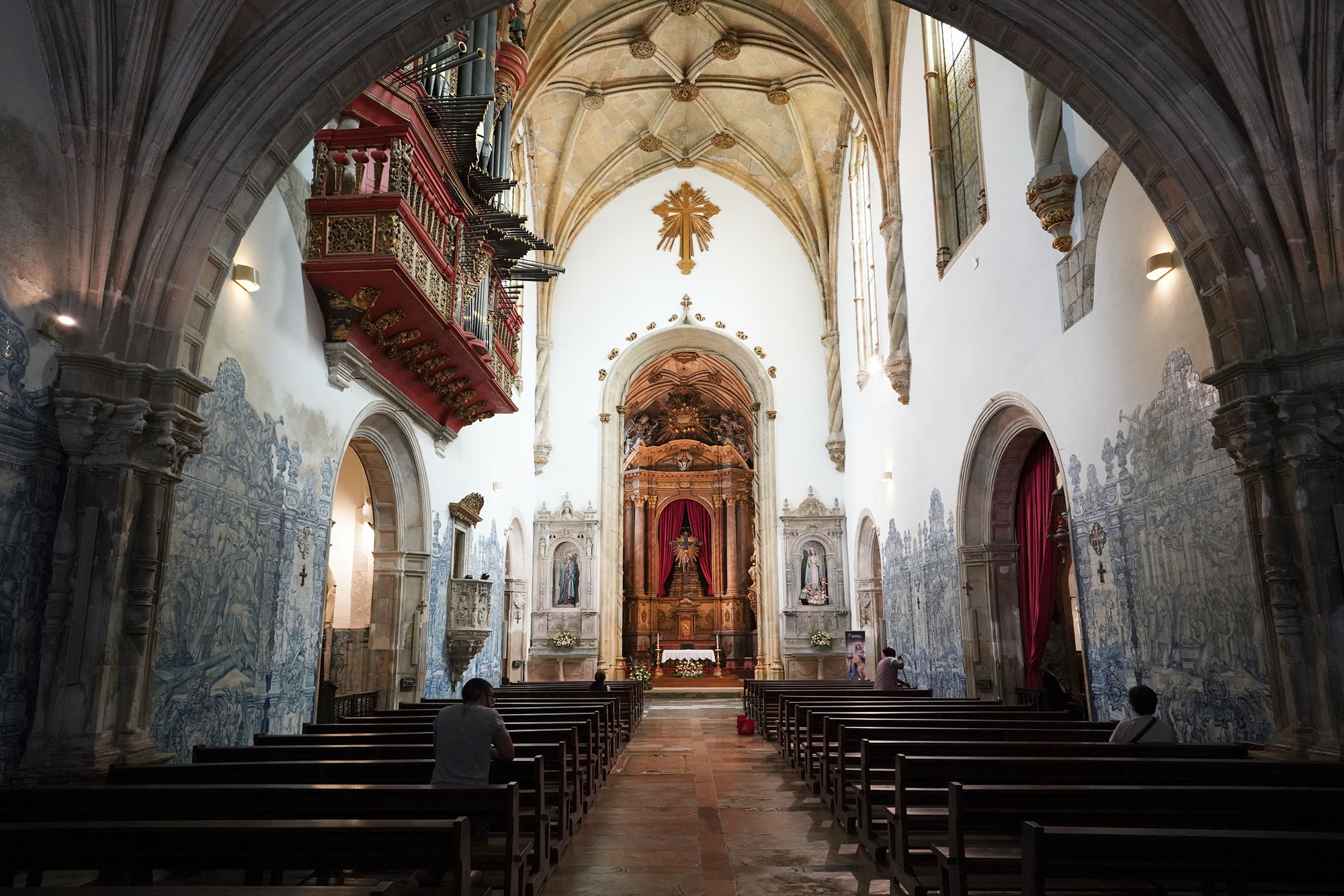
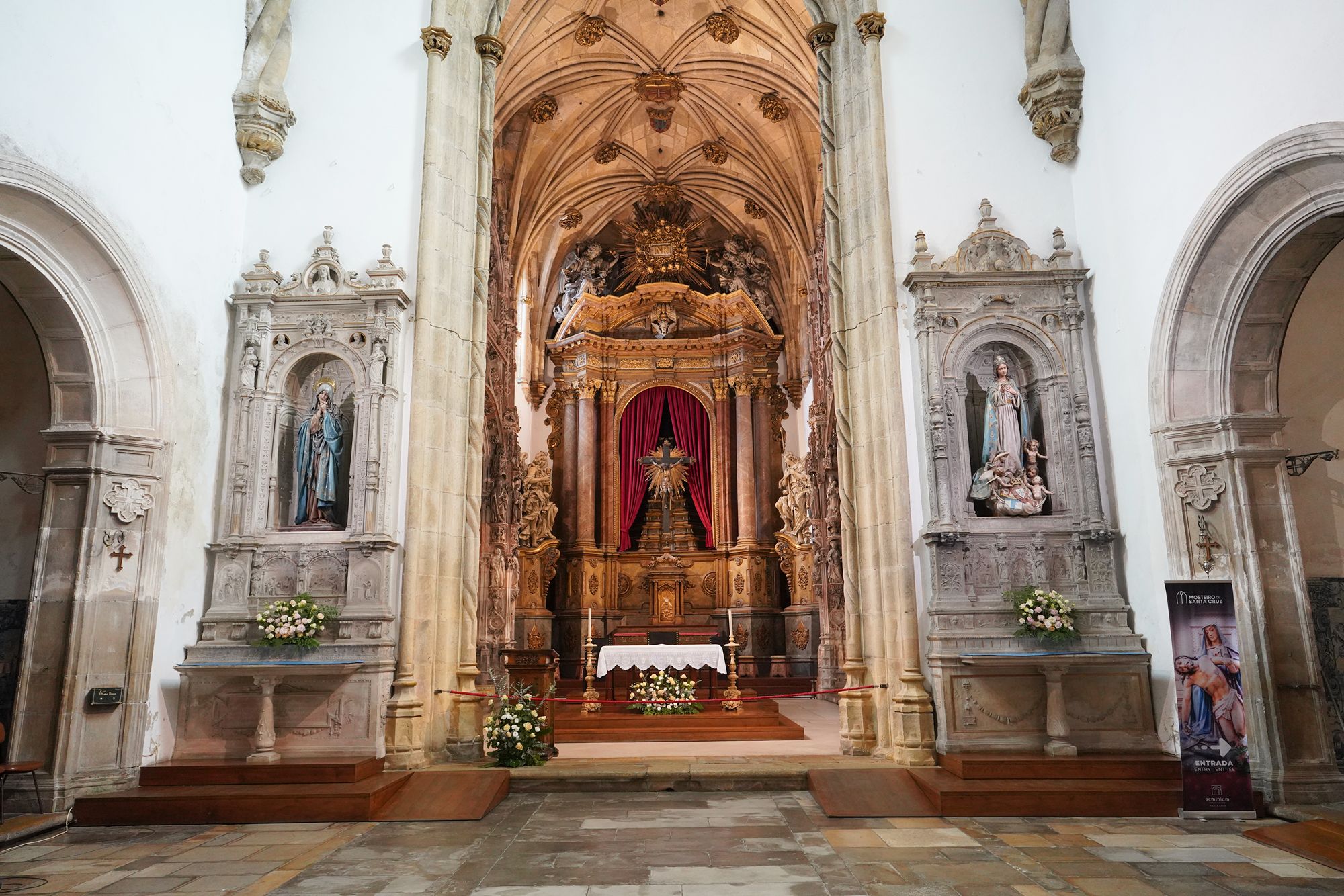
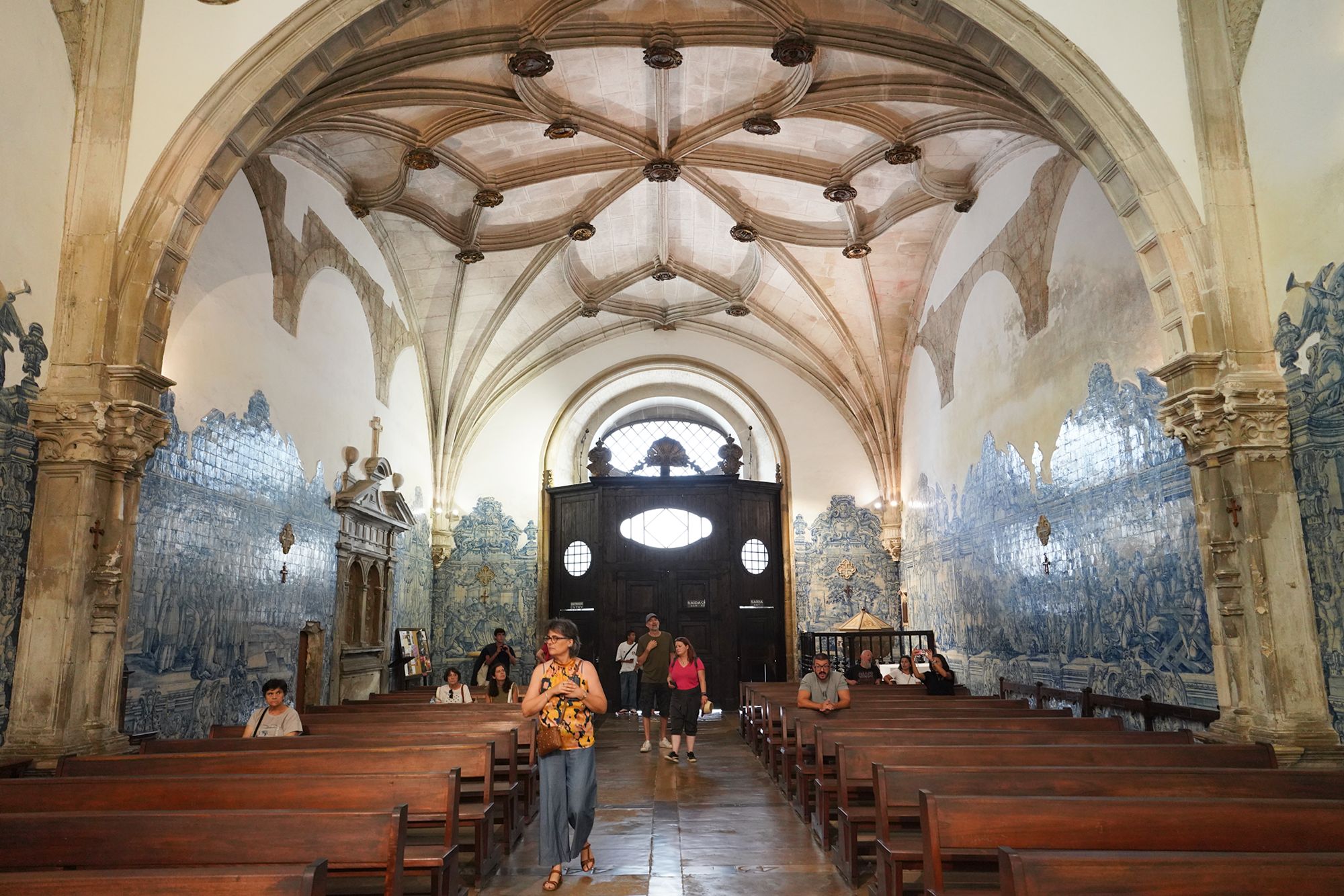
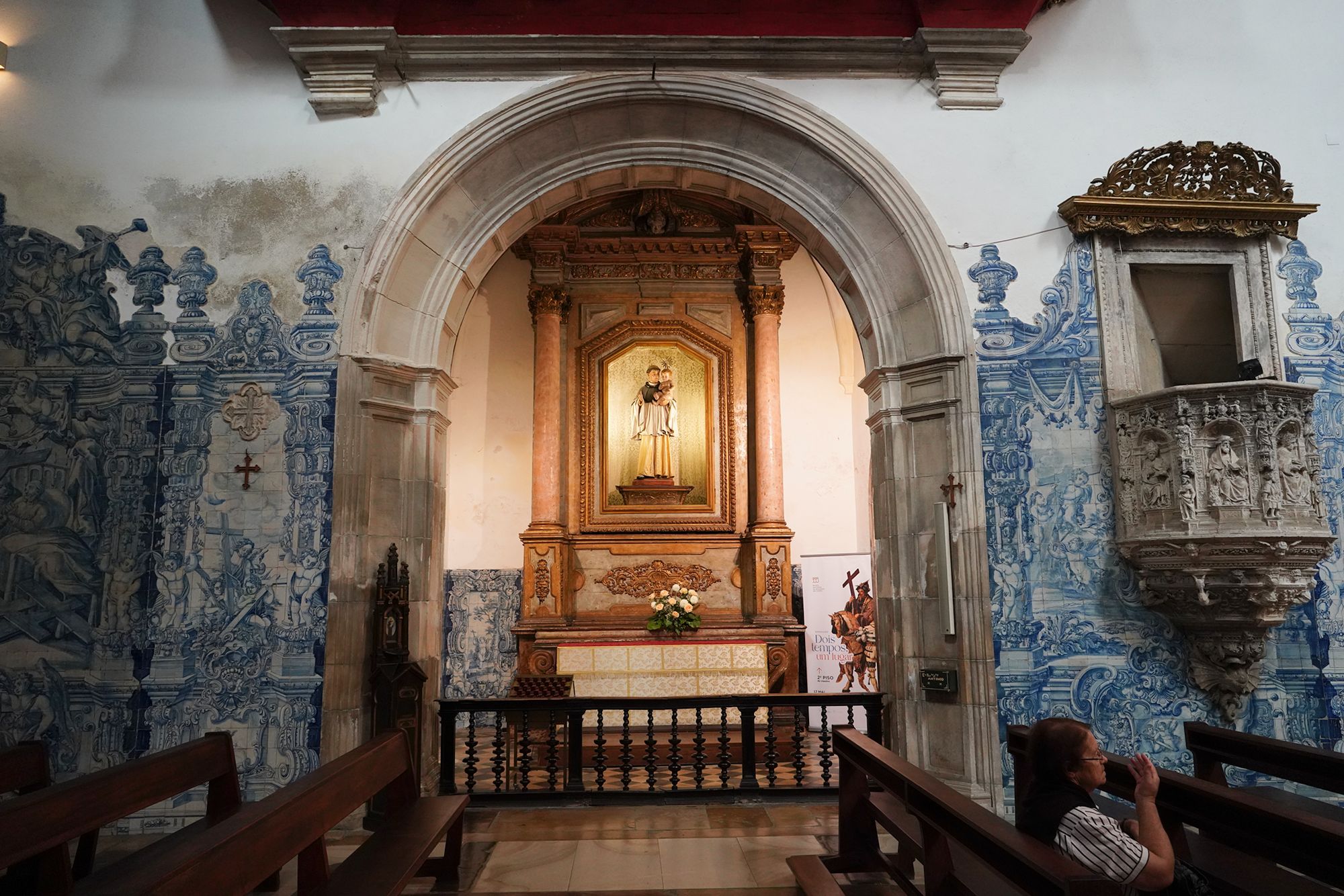
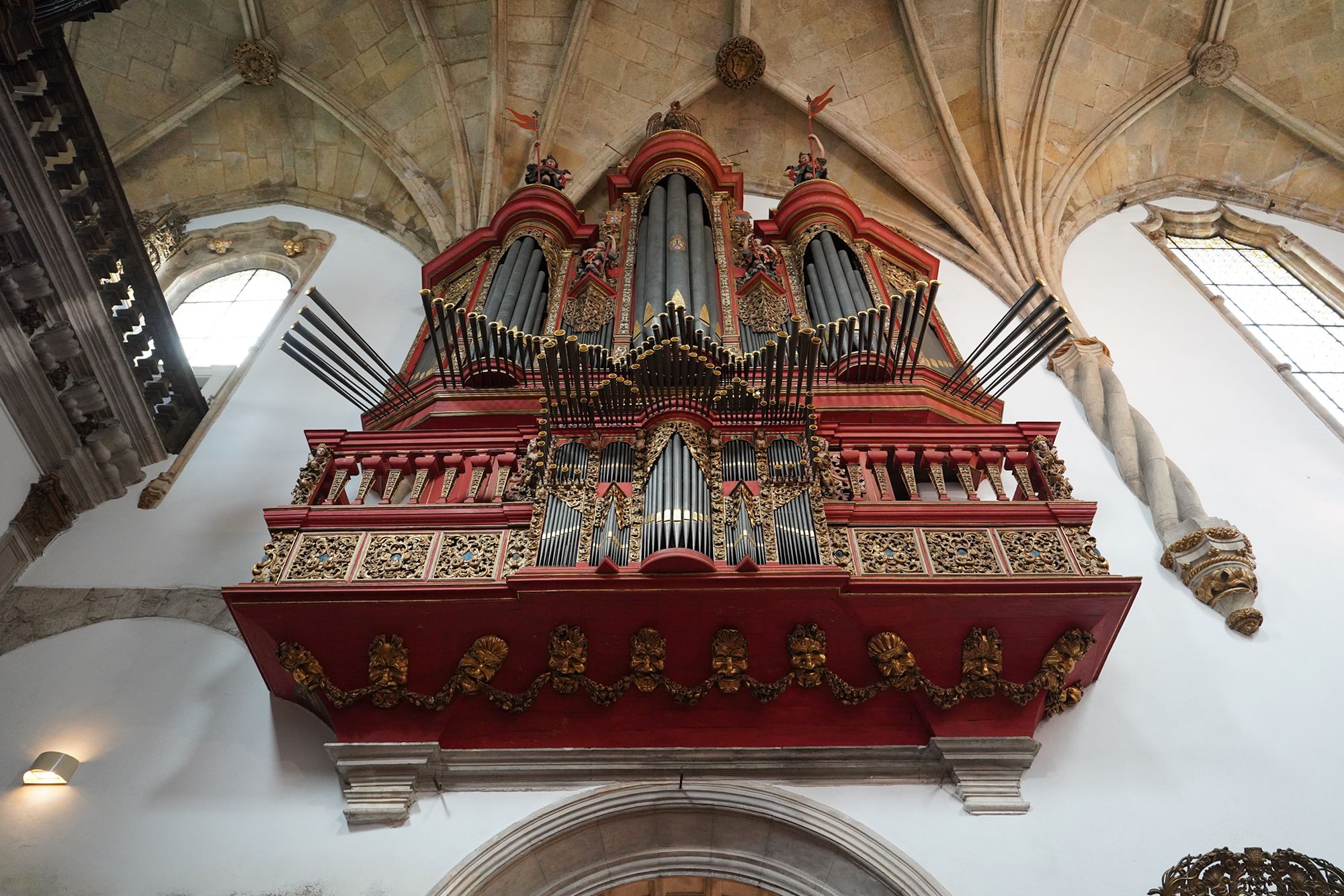
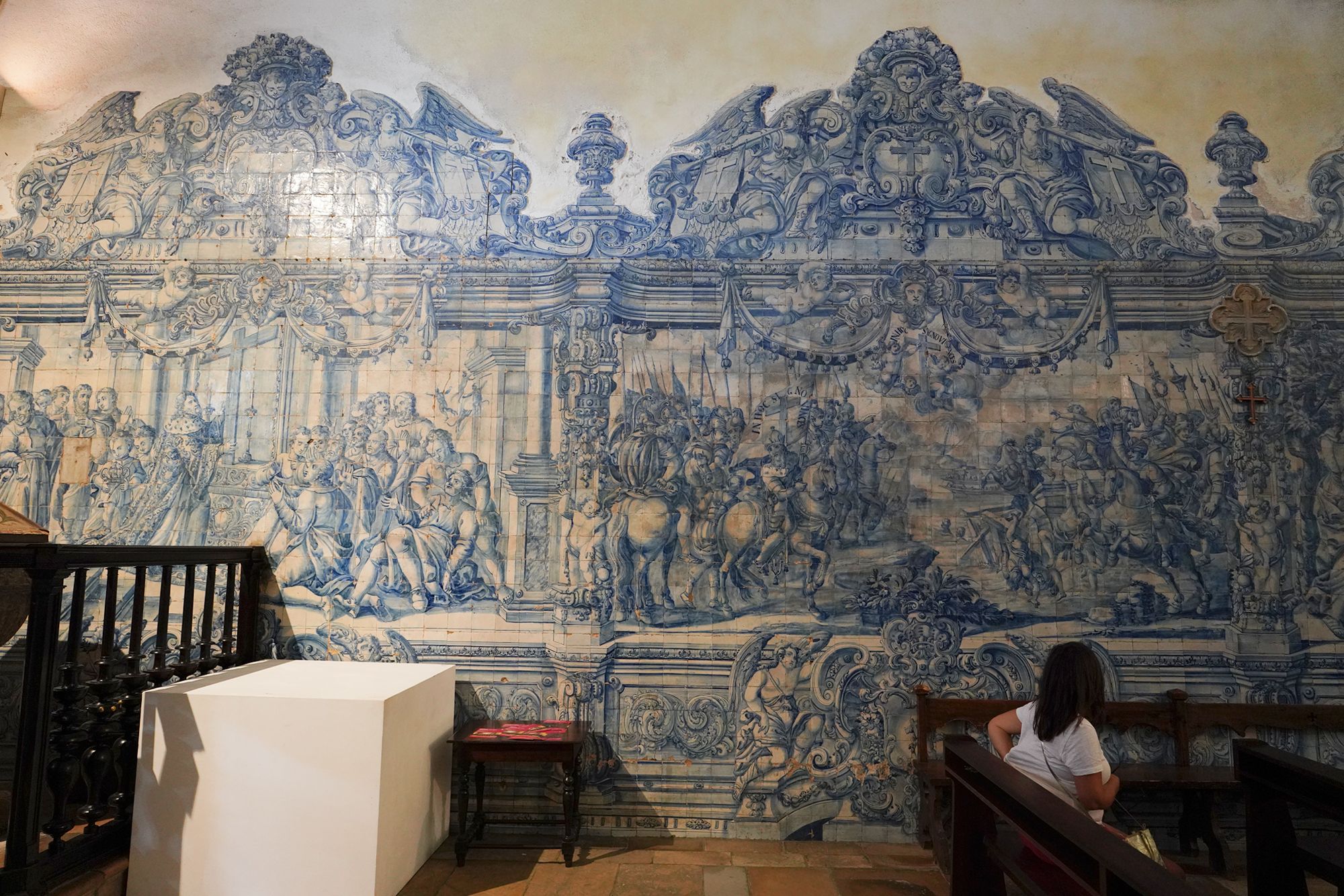
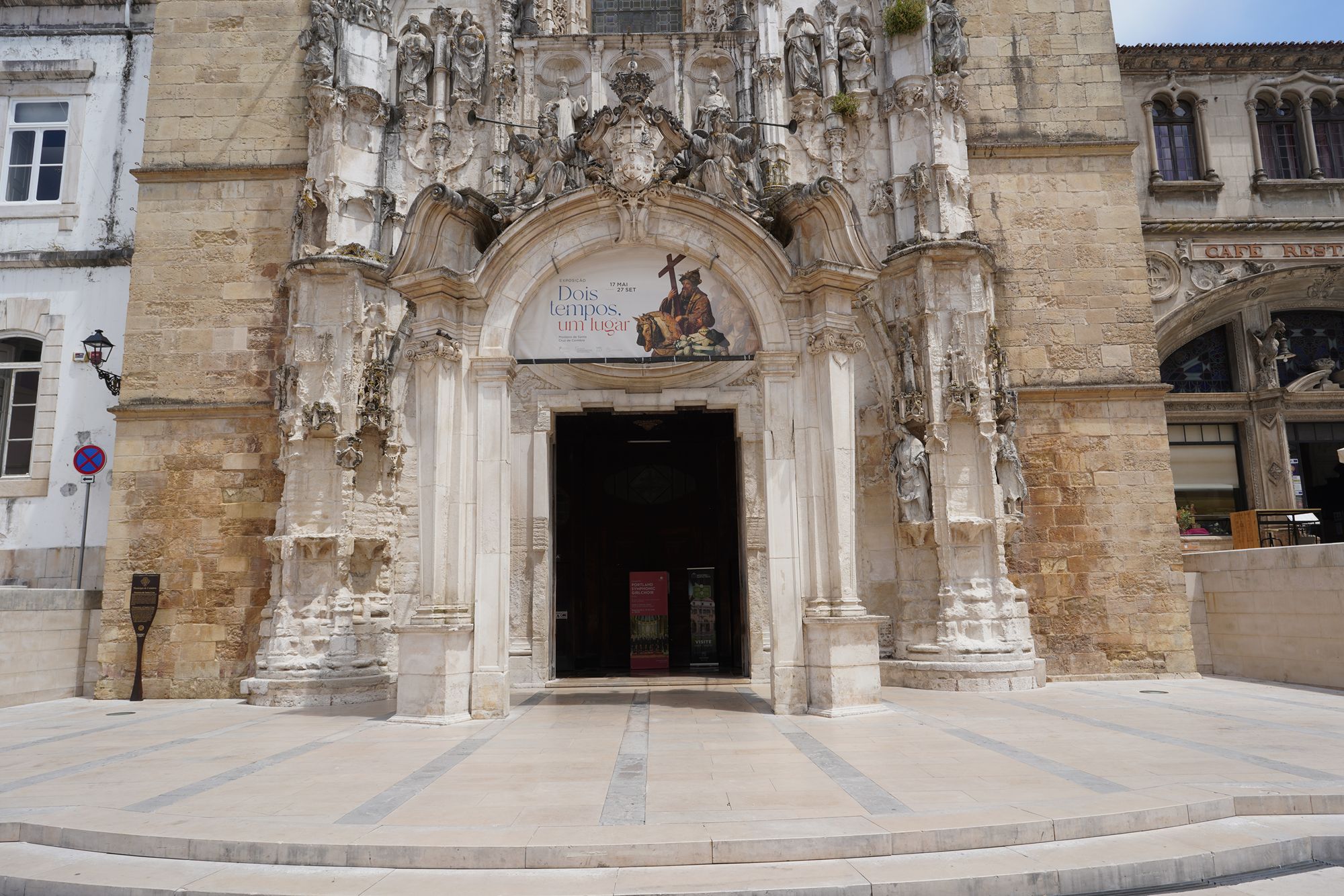
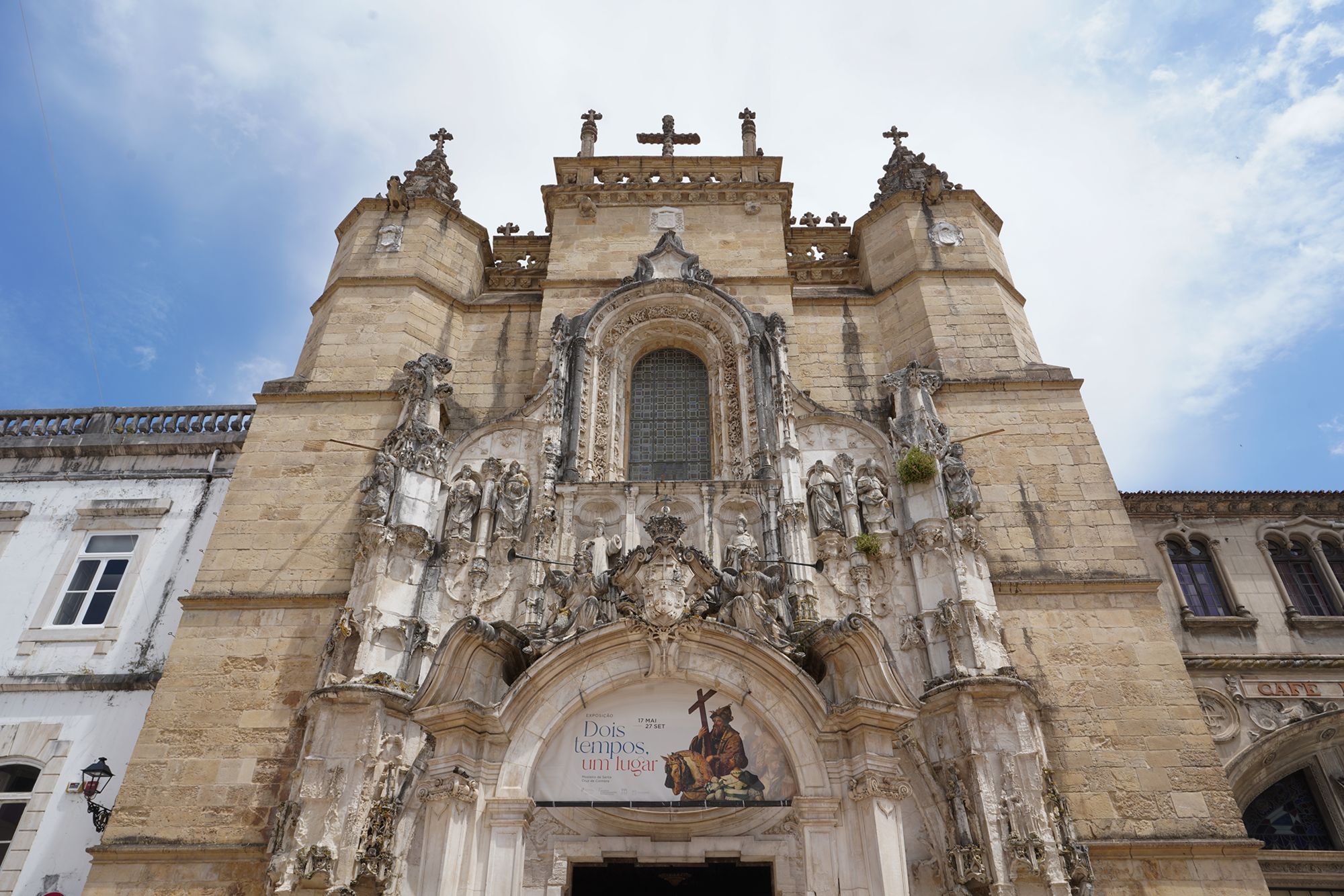
Monastery of the Holy Cross (Coimbra)
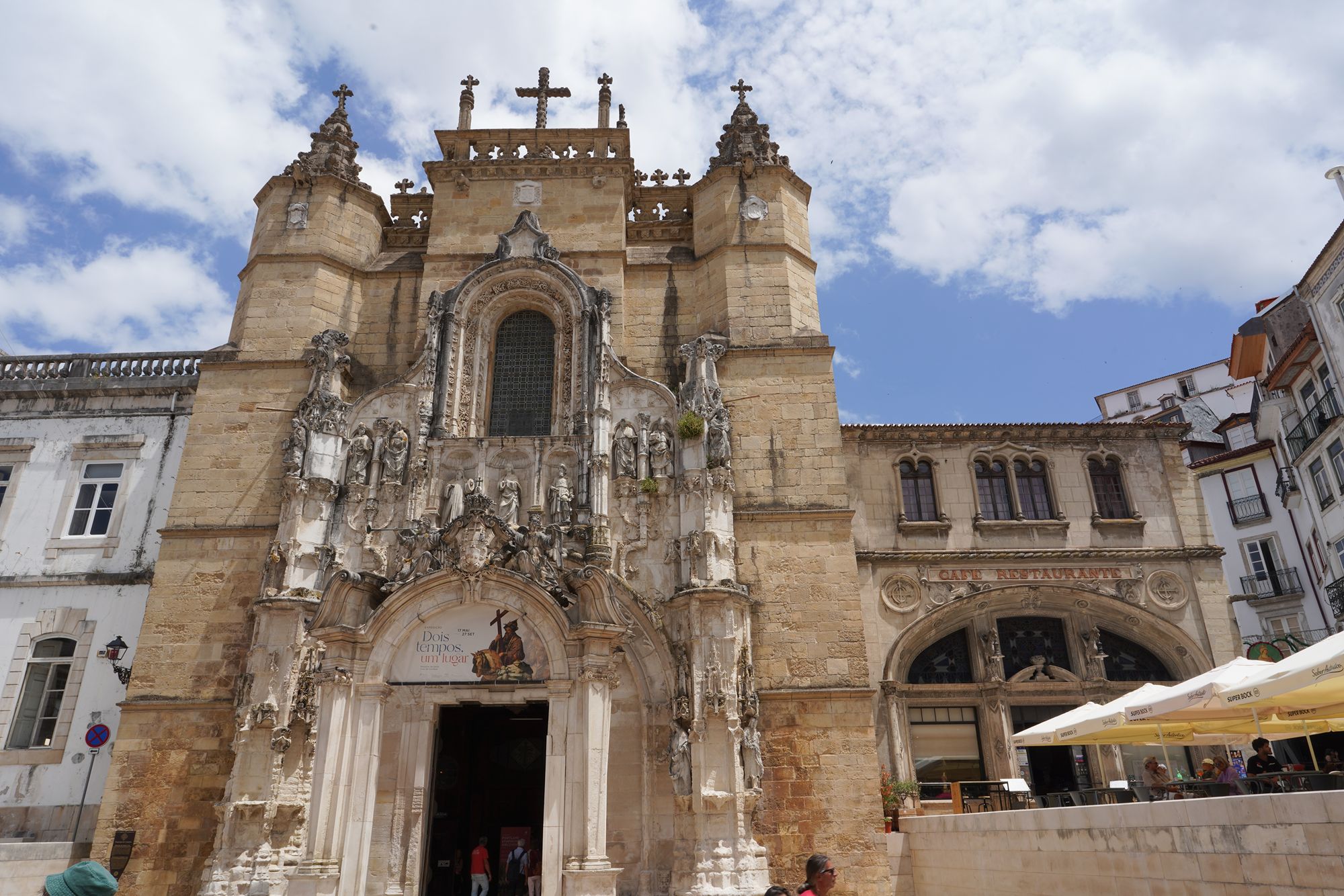
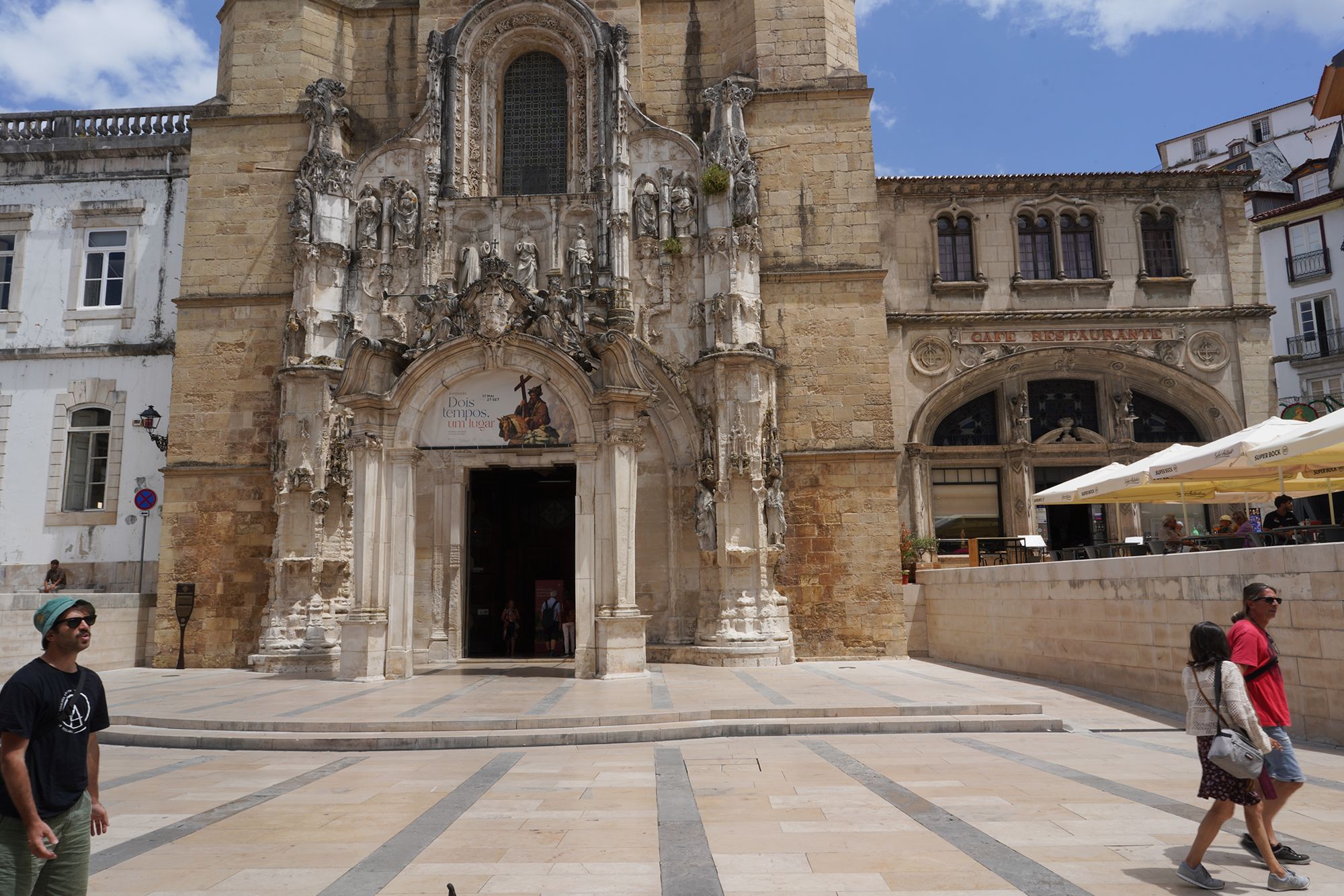
The Monastery of the Holy Cross (Mosteiro de Santa Cruz) was founded in 1131 and became an important religious and cultural center in medieval Portugal. Its church contains the tombs of Portugal’s first two kings, Afonso Henriques and his son Sancho I. The monastery also supported learning through its library and a writing room where manuscripts were copied by hand.
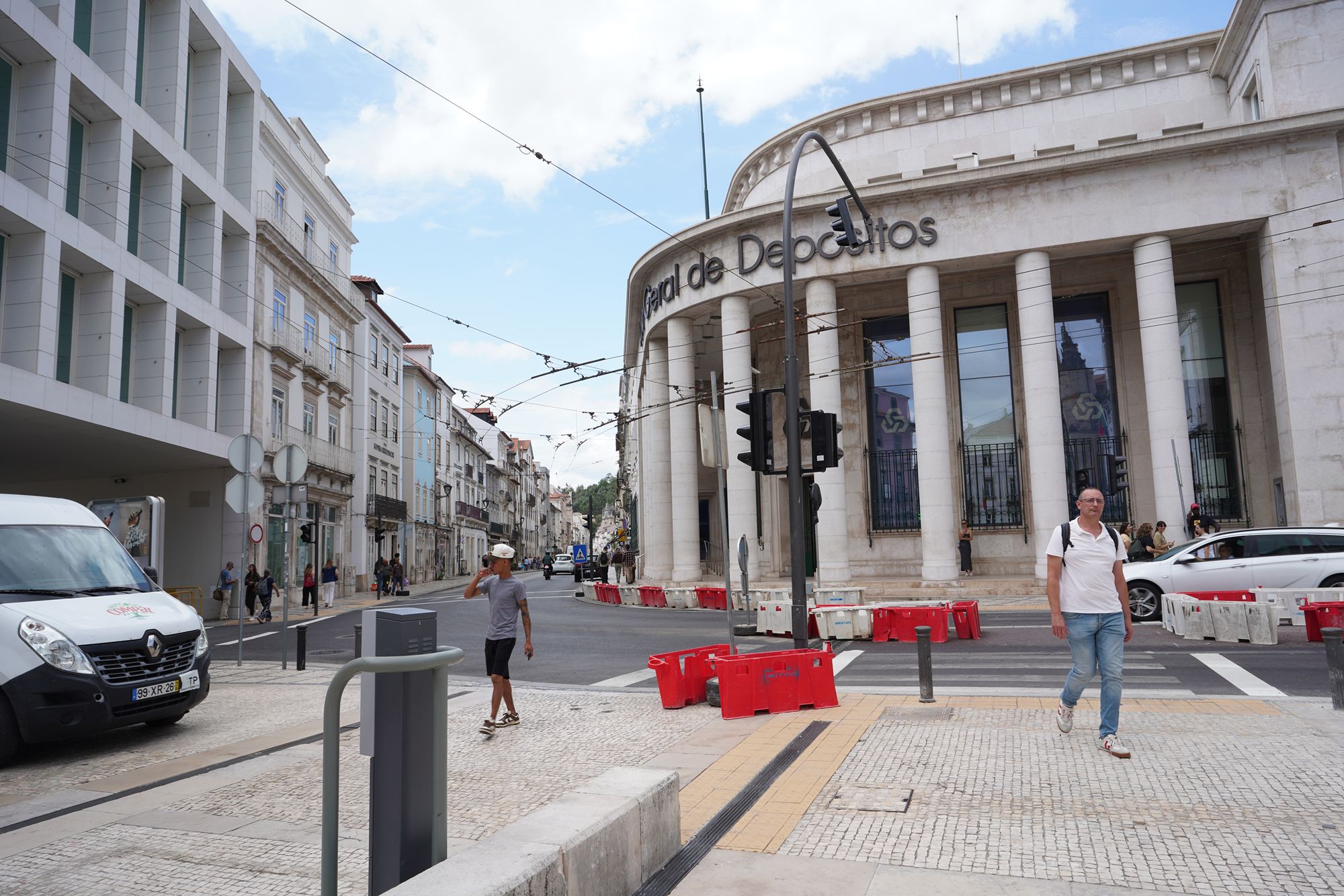
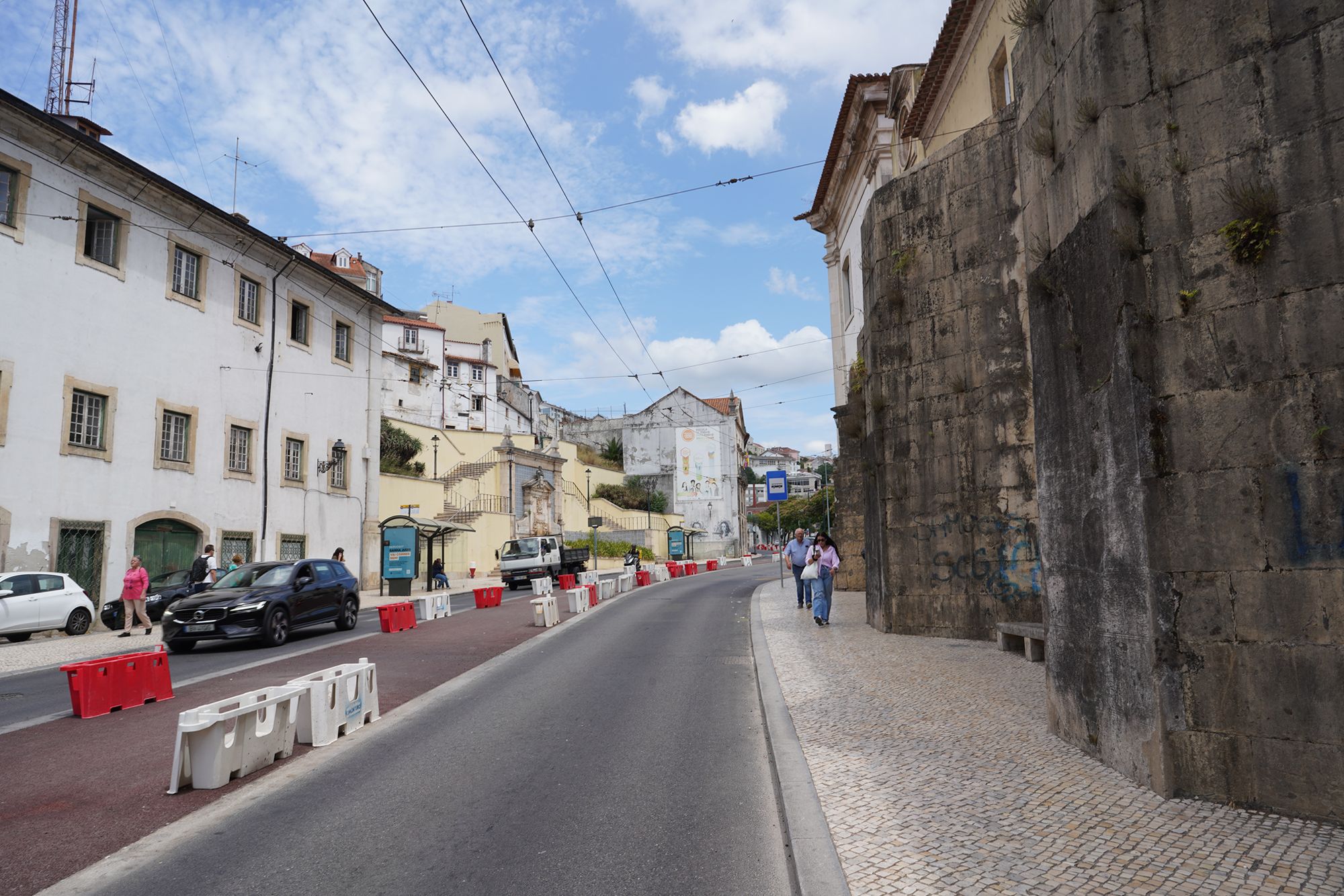
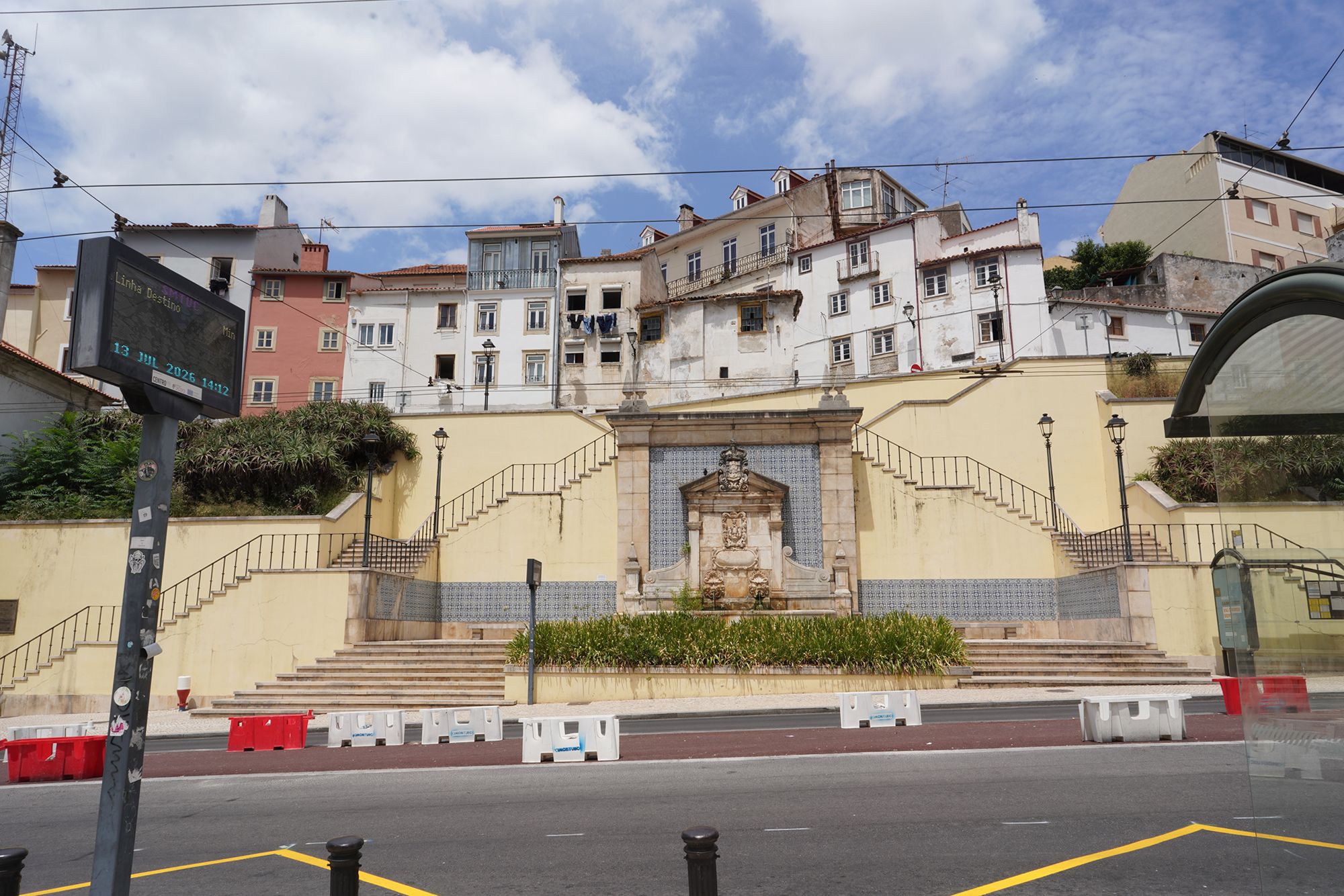
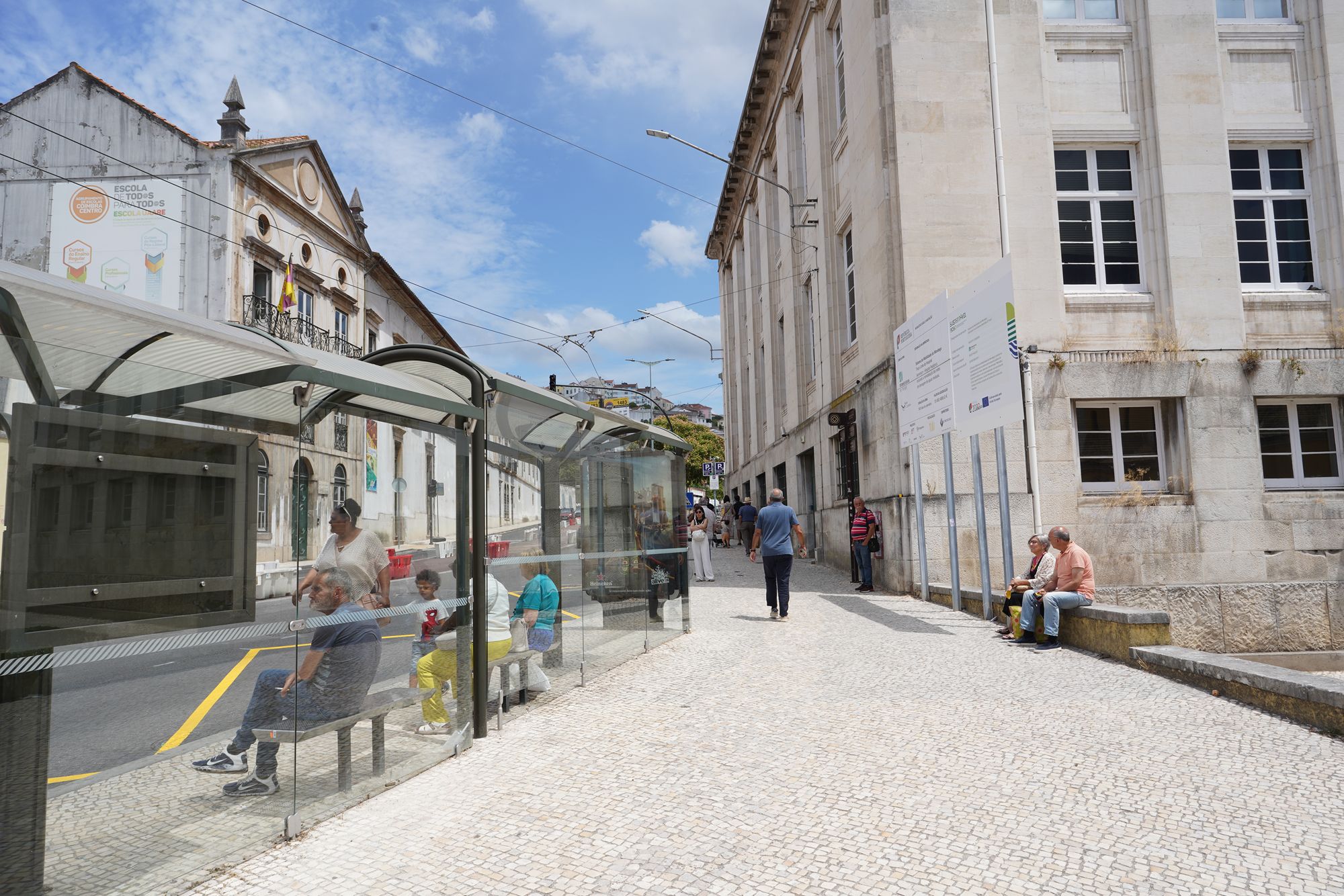
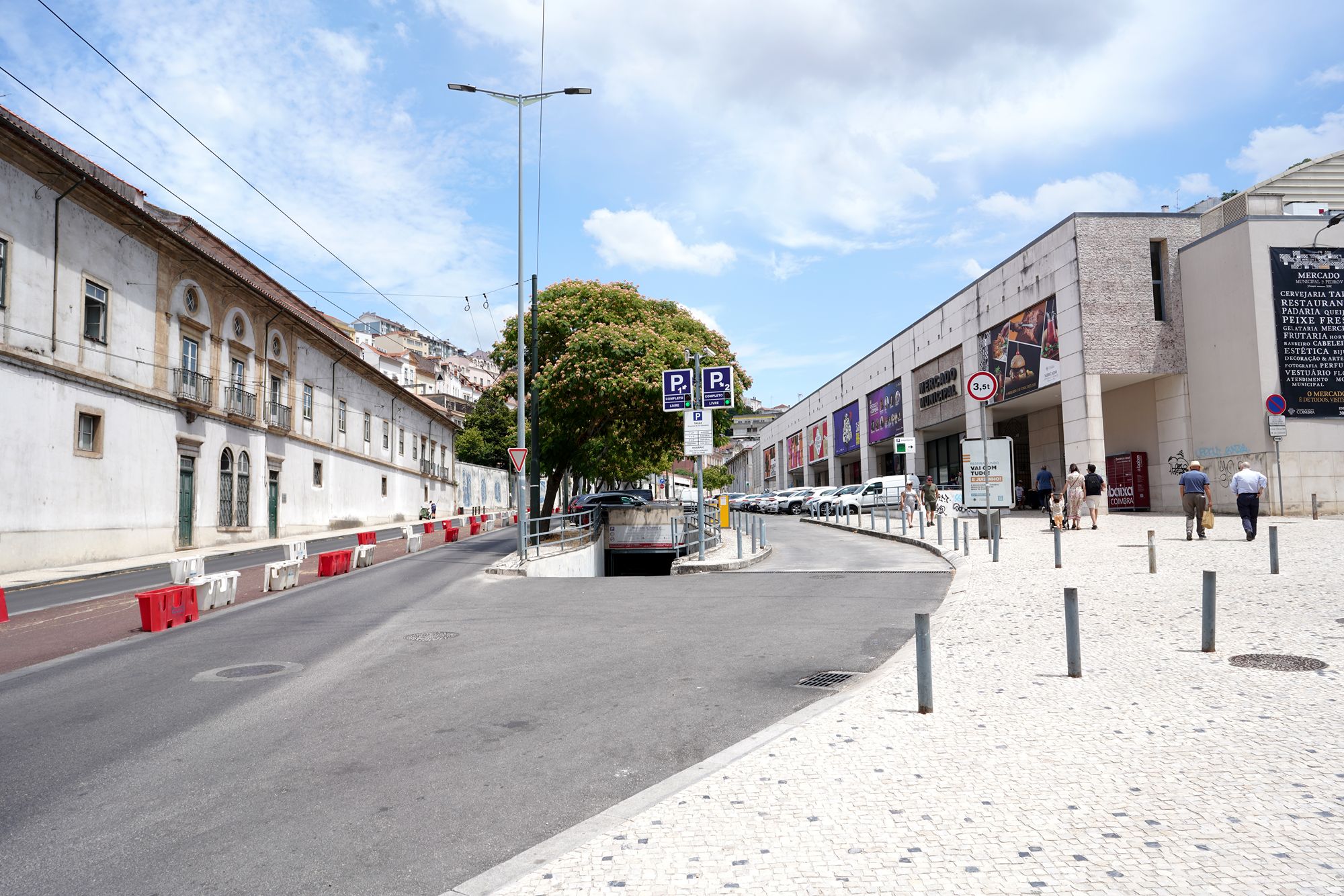
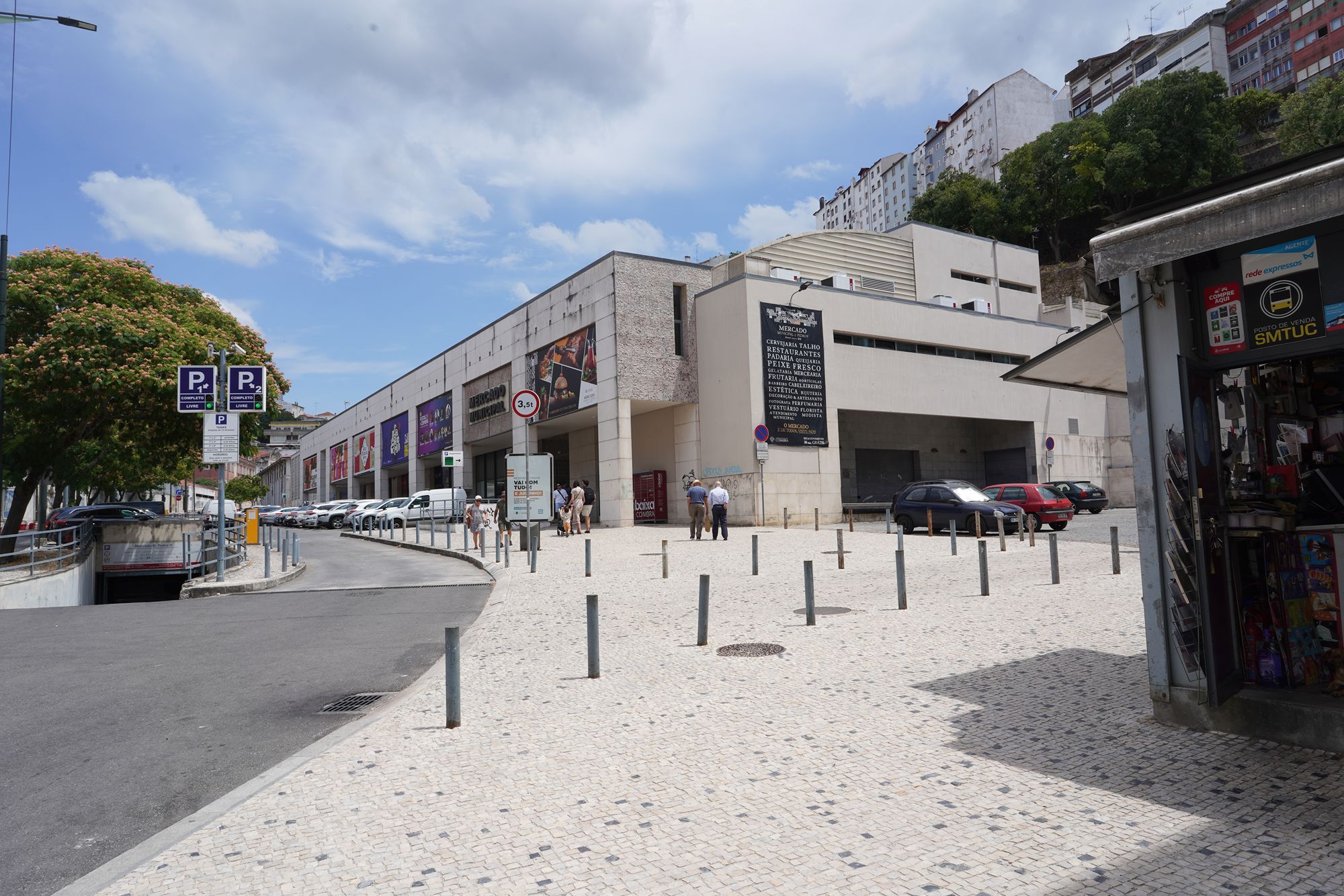
The shopping street gave way to a more modern city street. I continued along Rua Olímpio Nicolau Rui Fernandes.
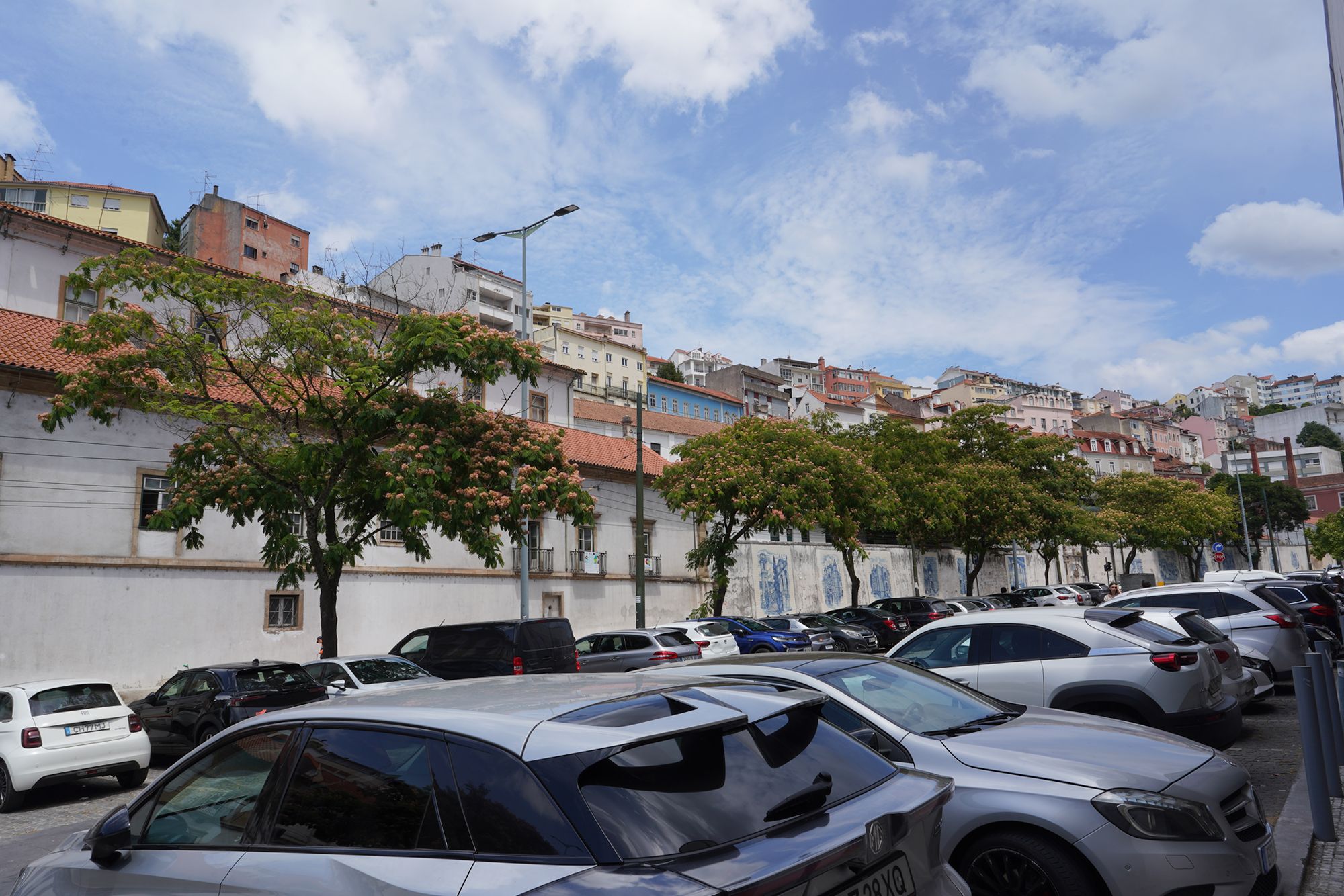
Then I turned around and walked back to the shopping street.
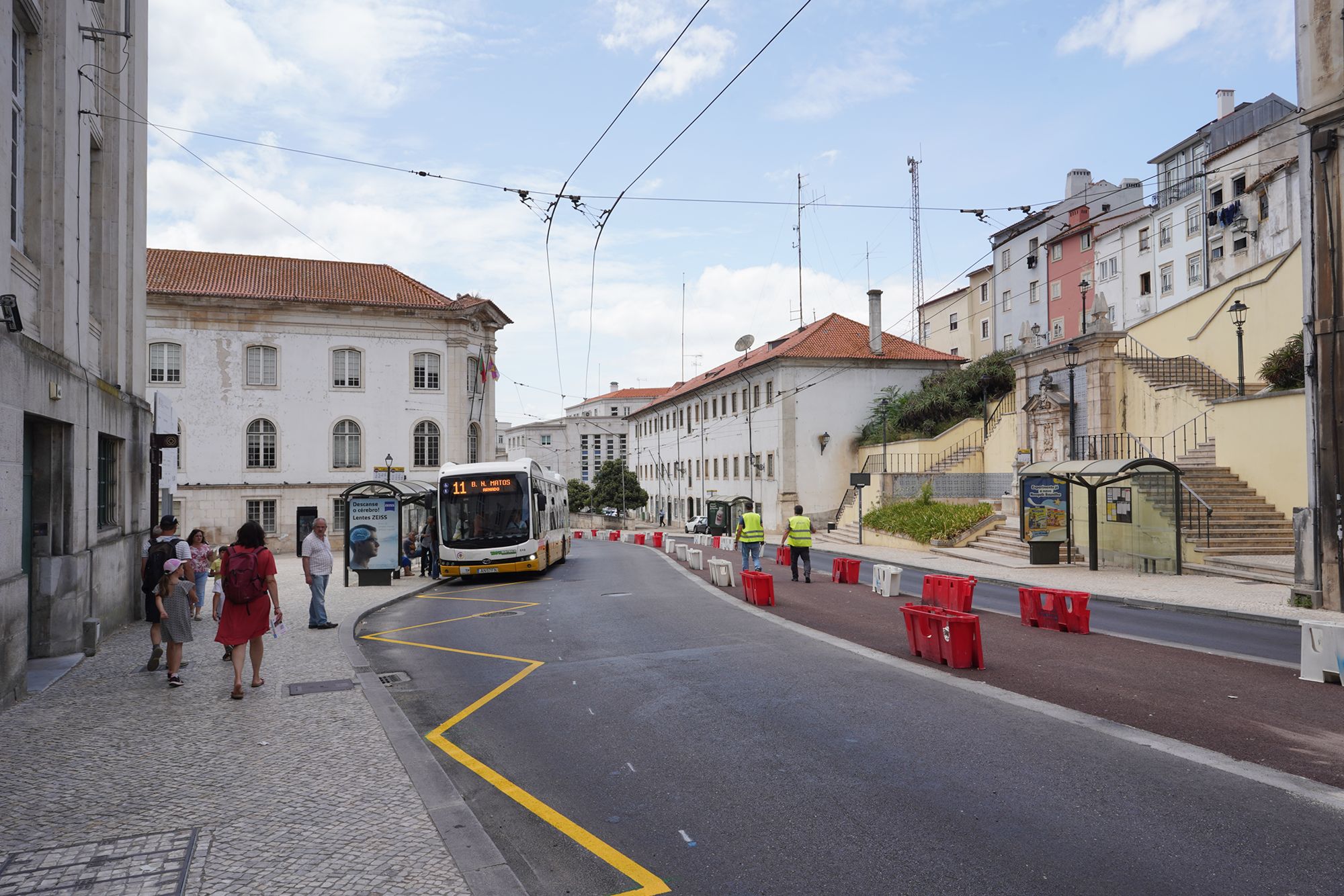
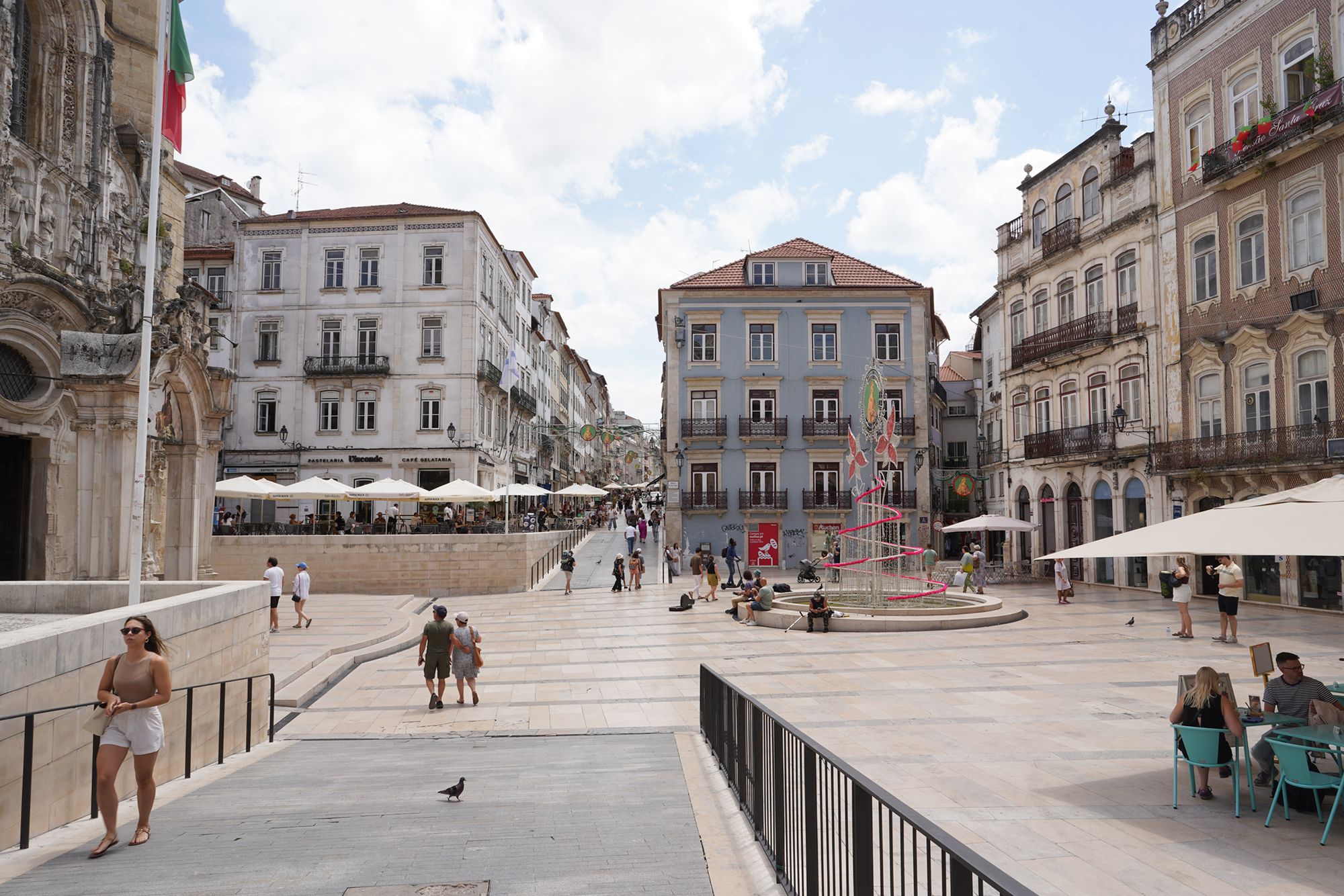
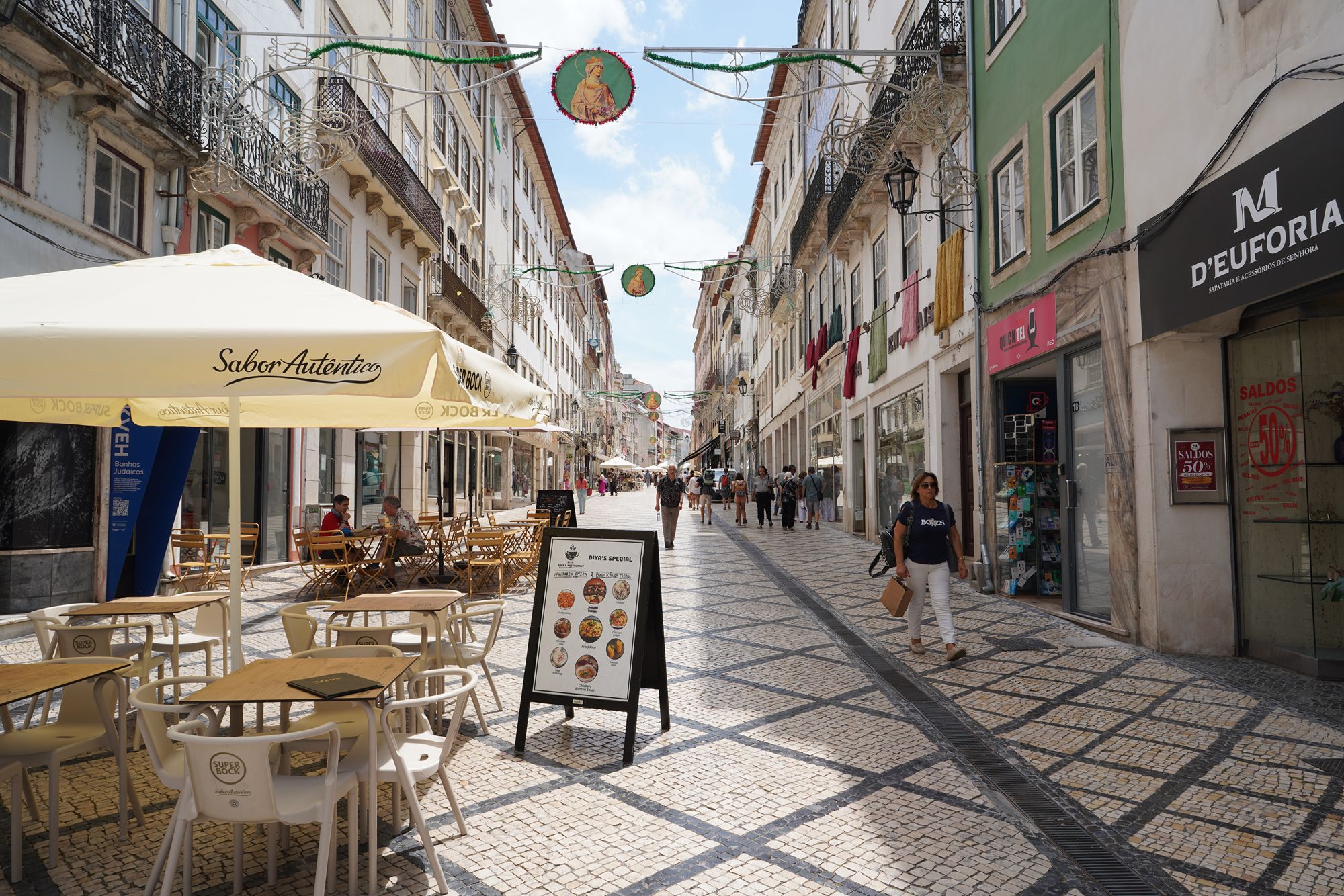
At the other end of the shopping street stood the statue of Joaquim António de Aguiar.
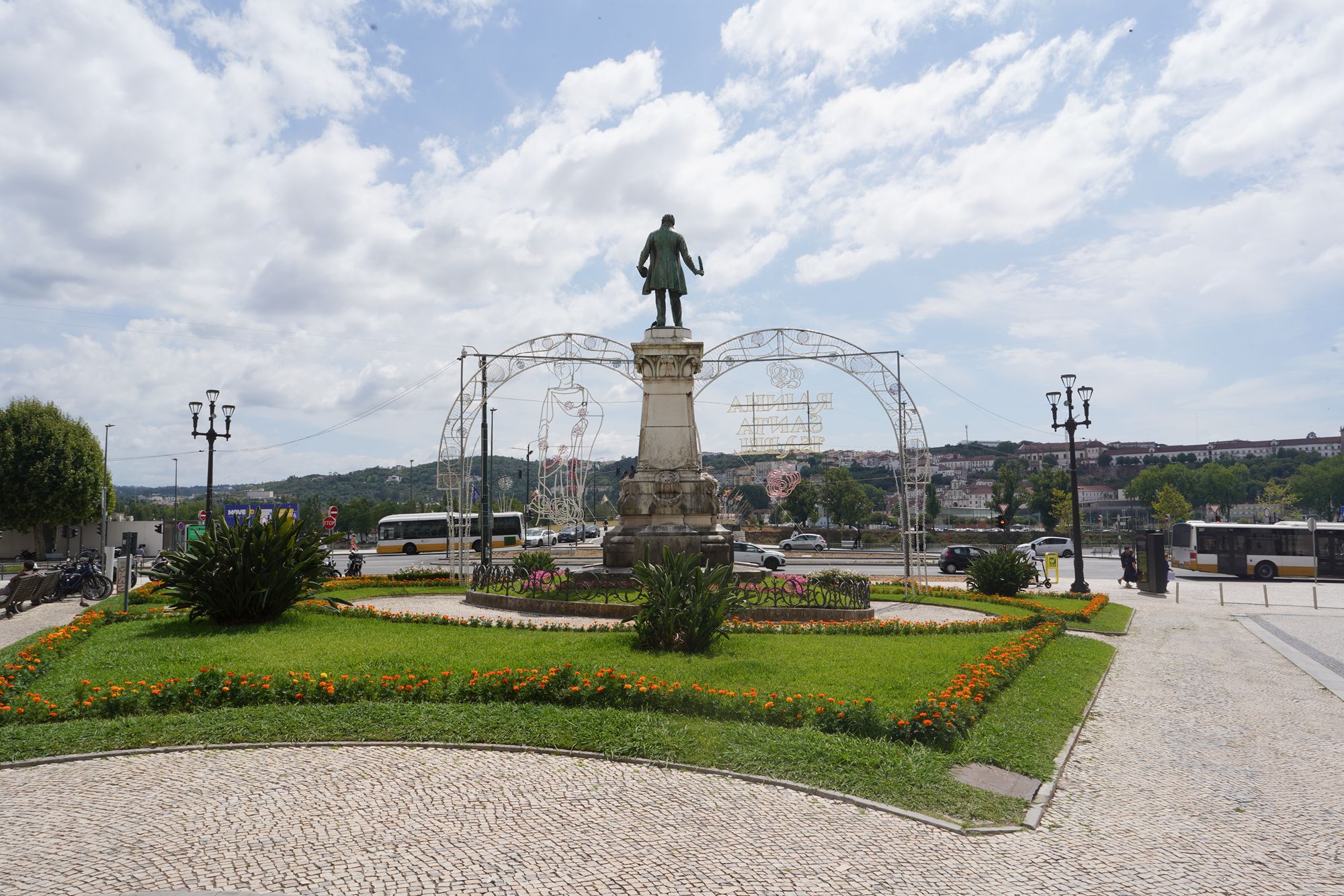
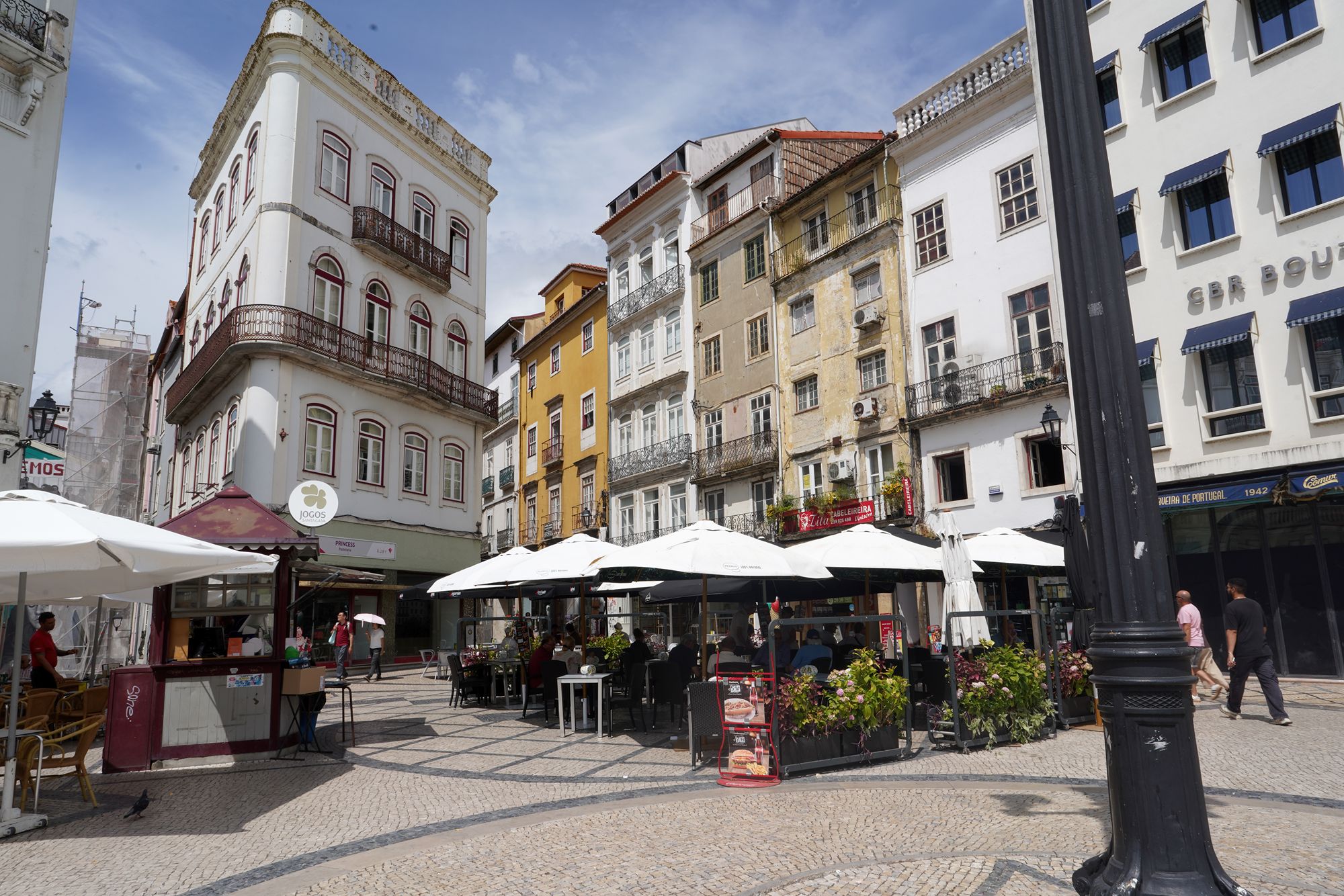
Looking back at the shopping street
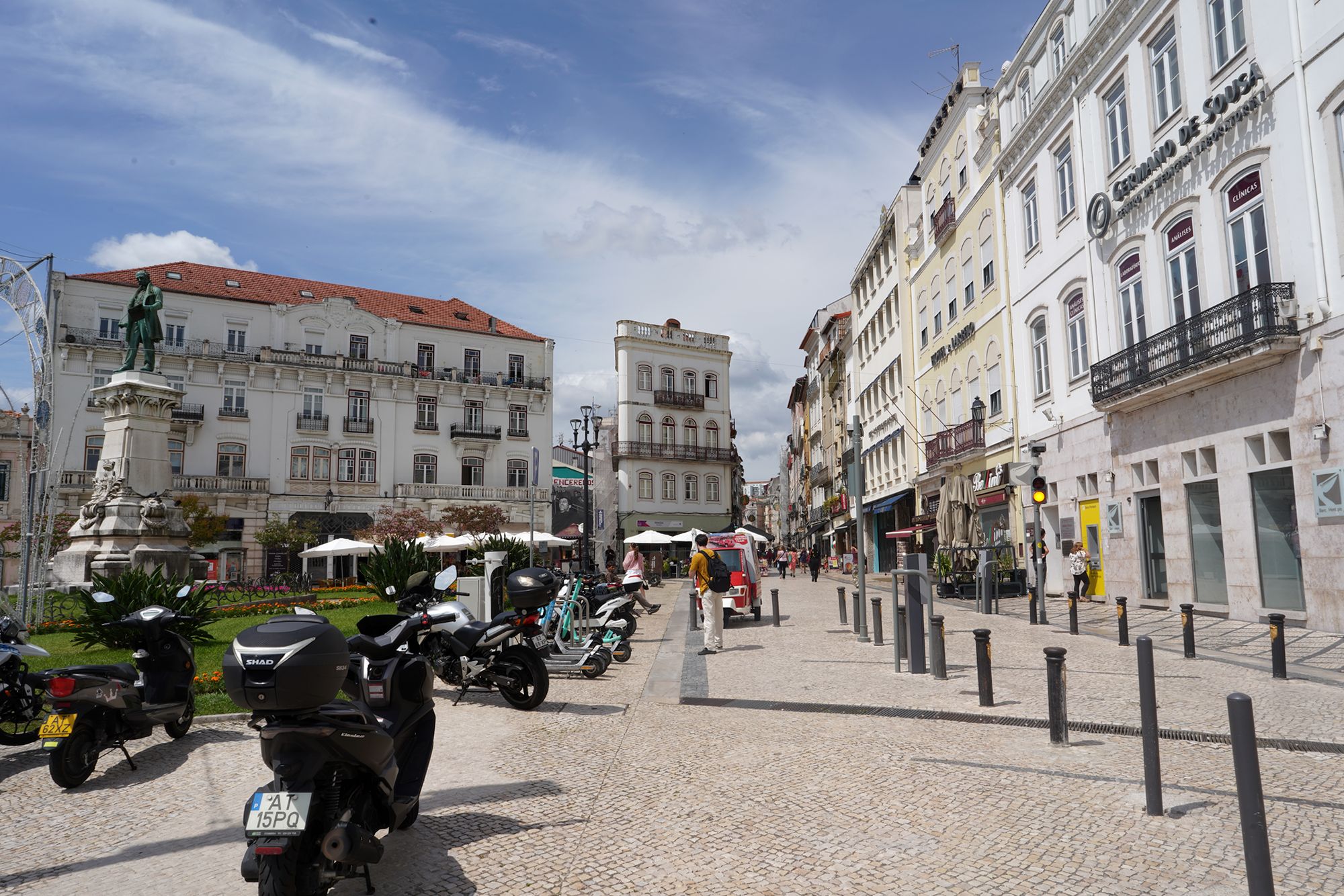
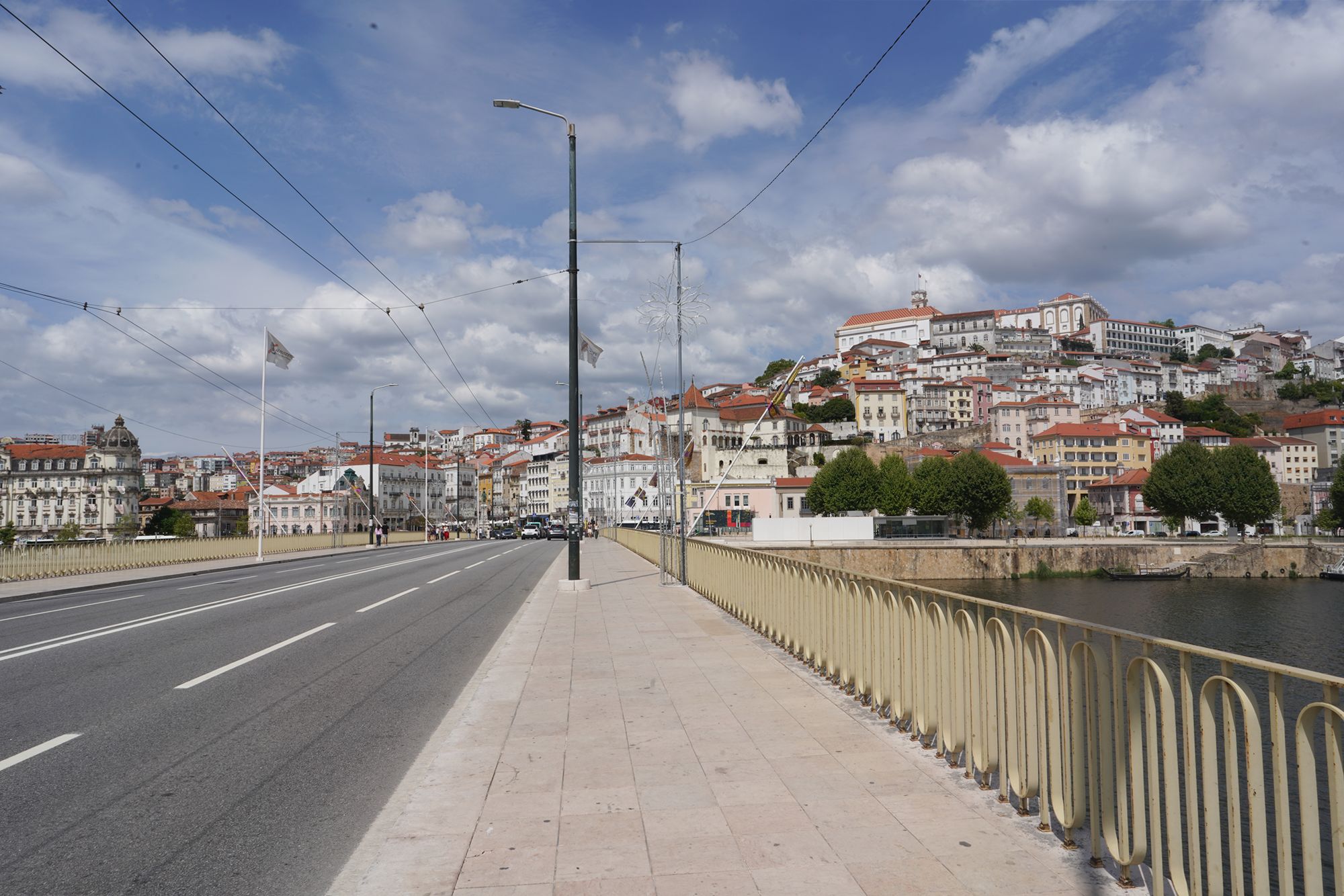
This end of the shopping street led to a bridge over the Mondego River.
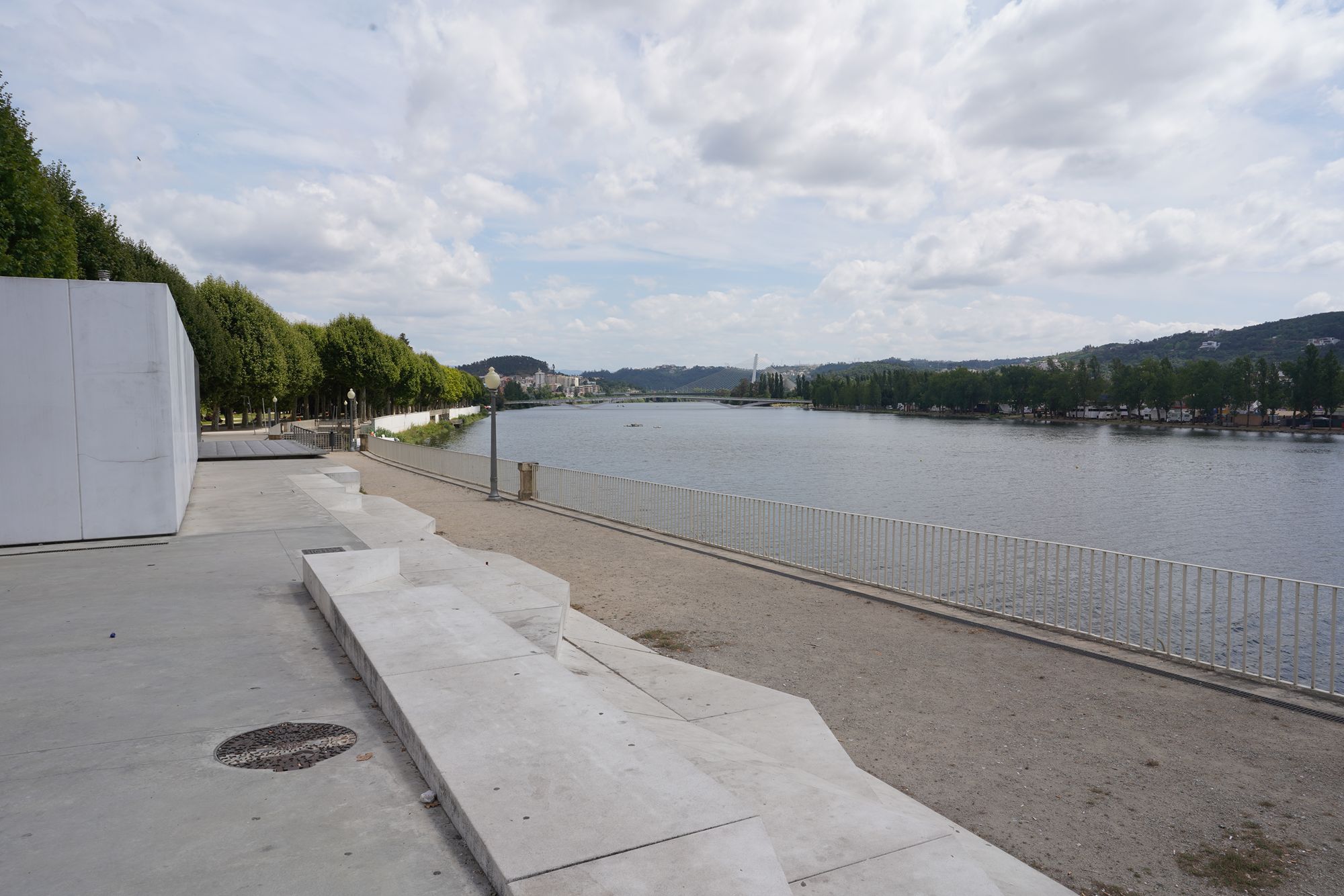
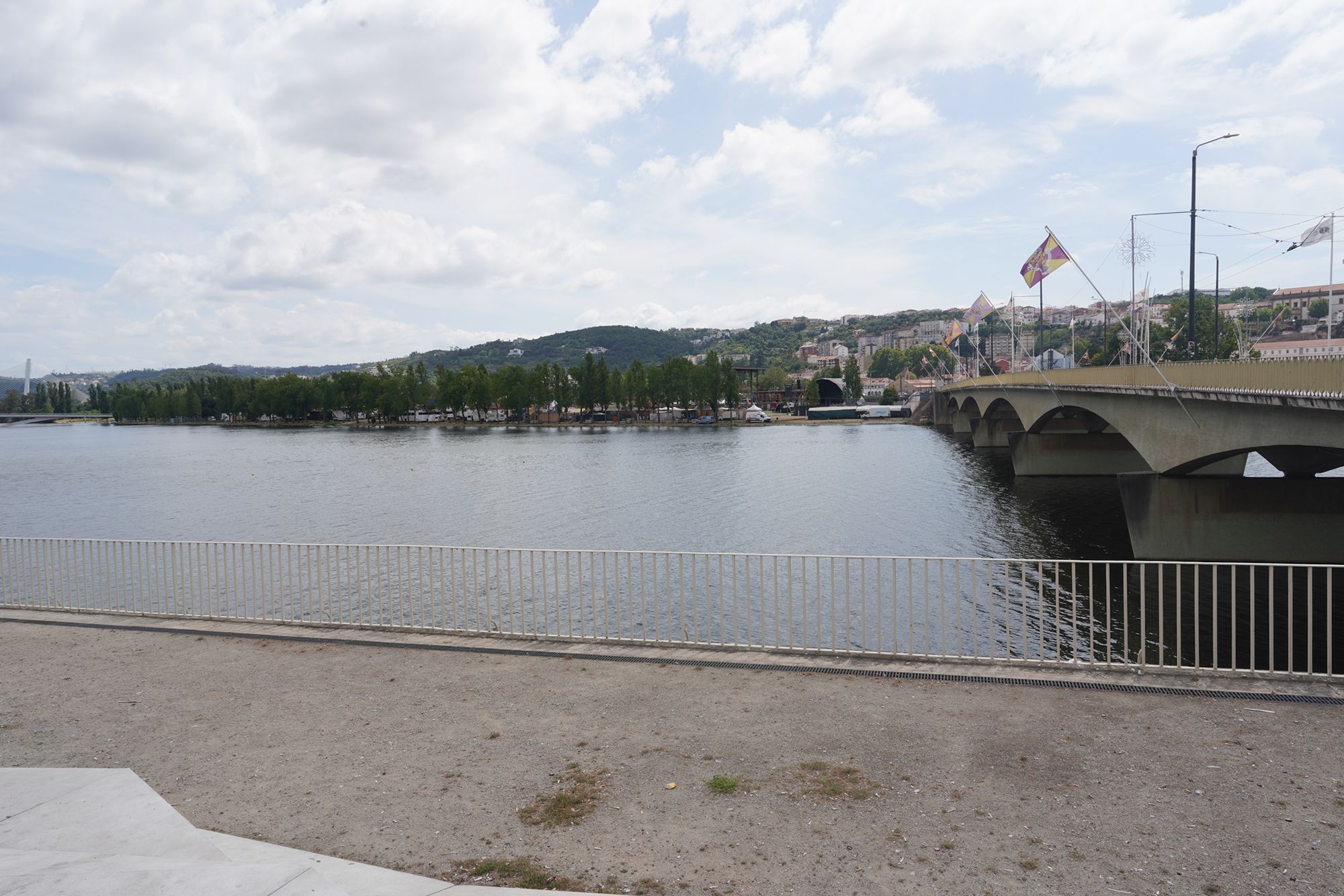
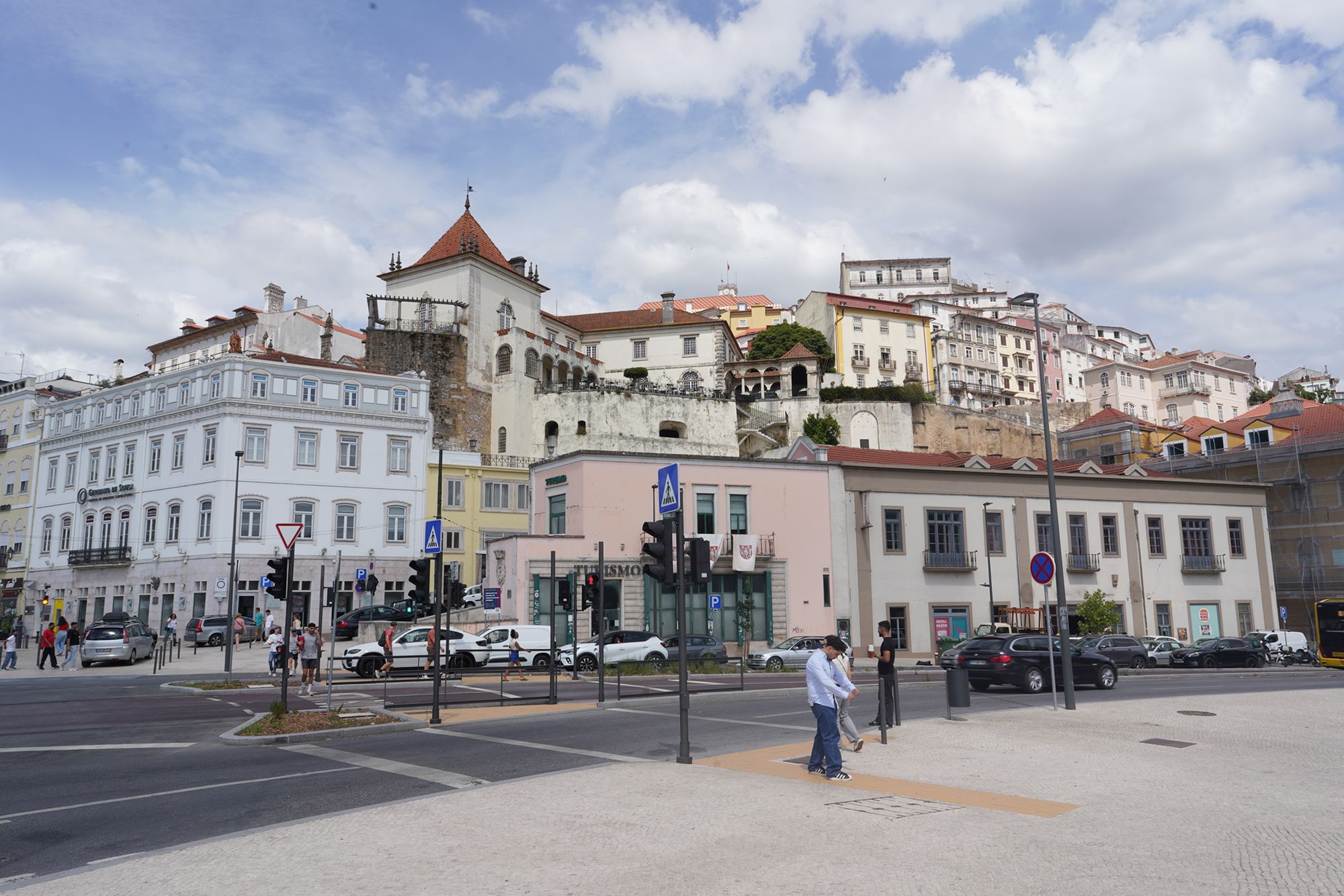
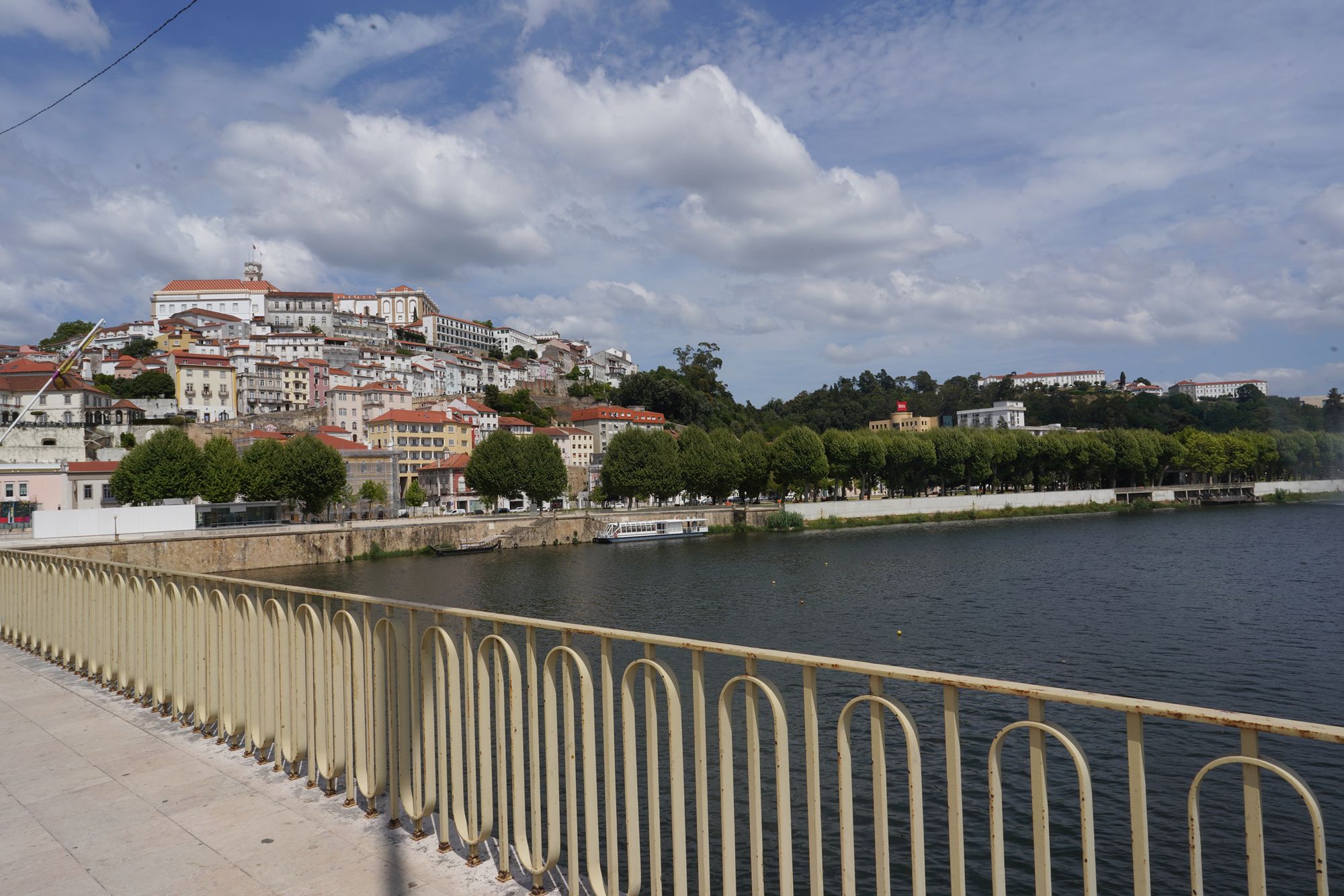
Looking back at the old town on the hill.
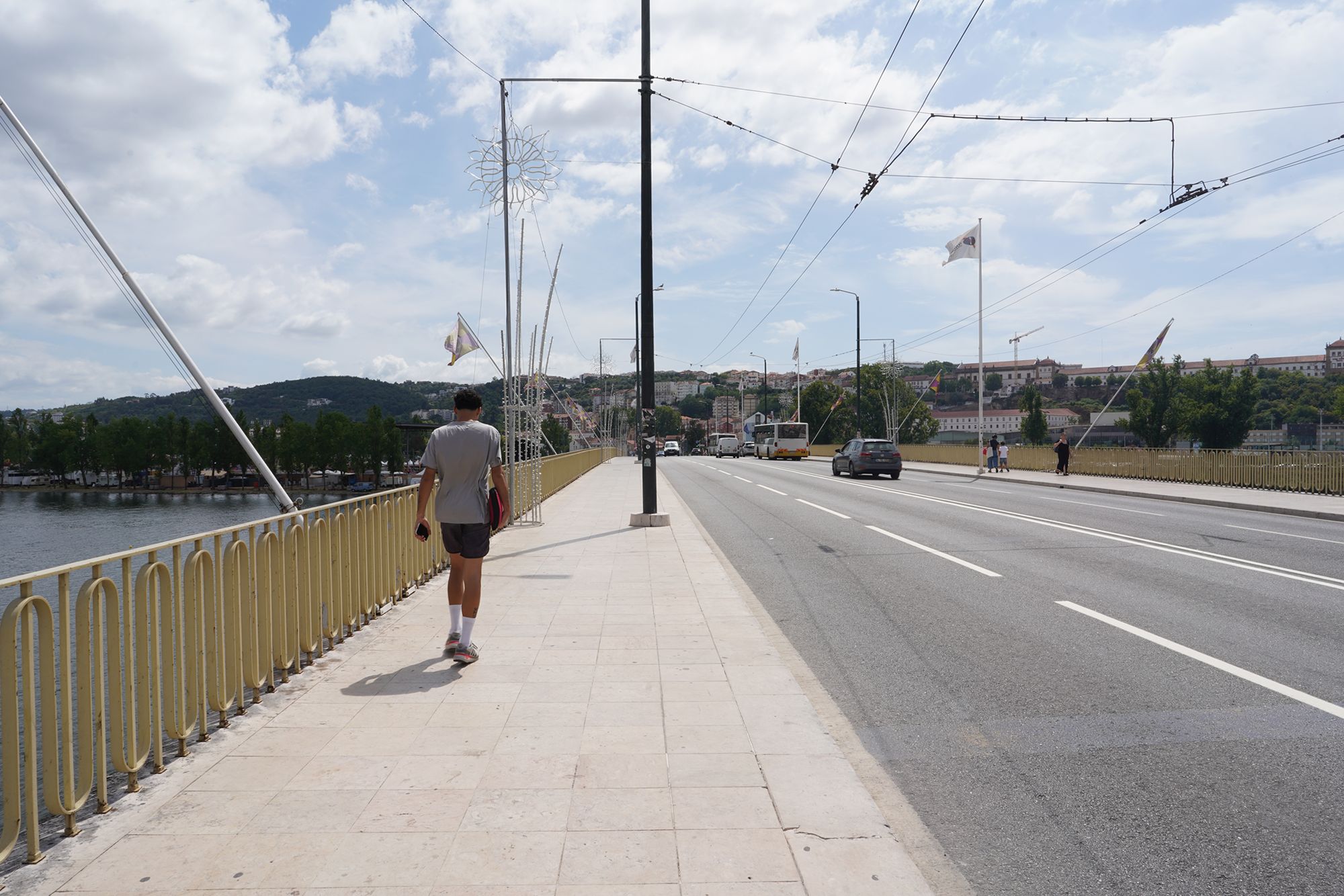
Walking across the Ponte de Santa Clara bridge over the Mondego River.
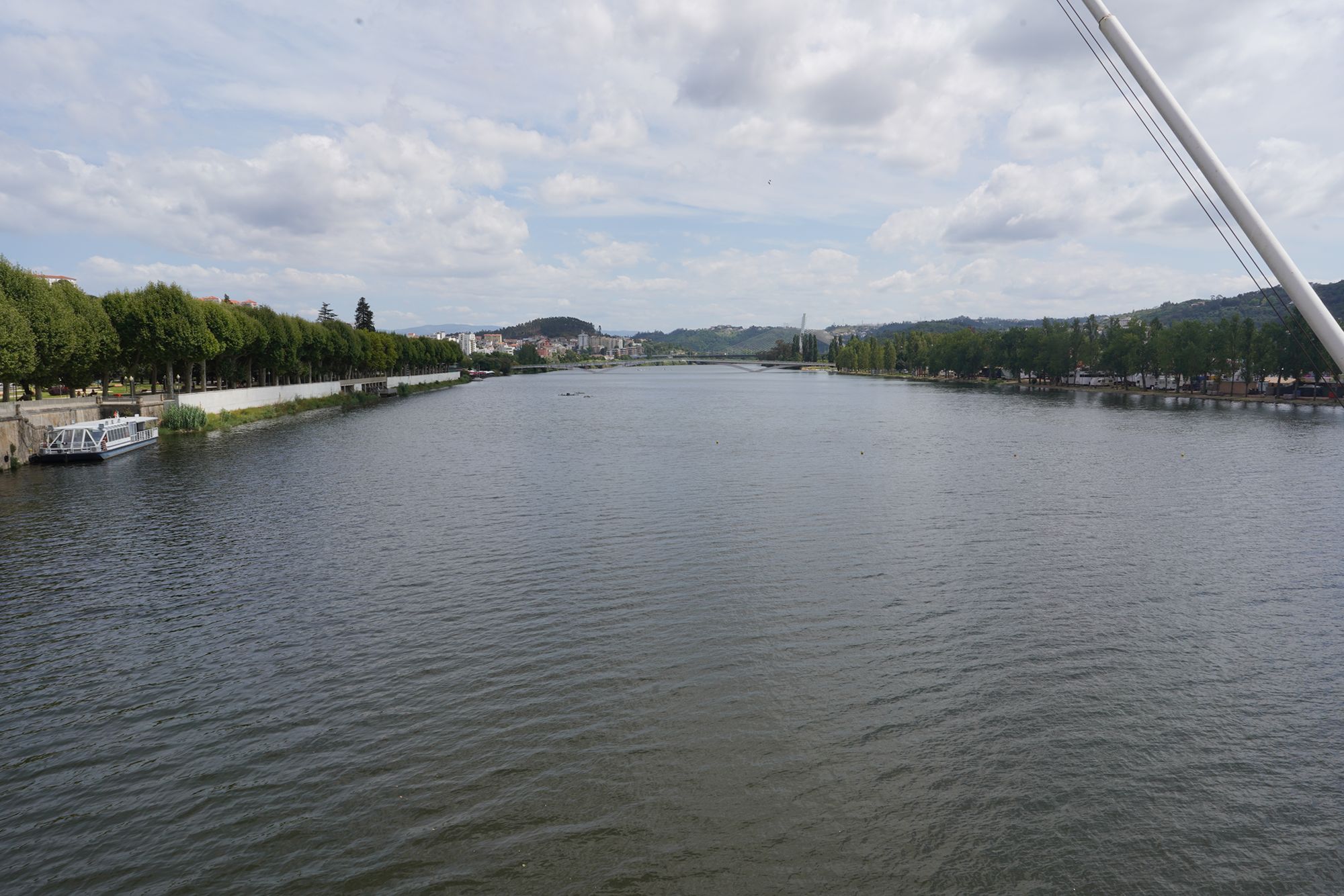
Views behind me
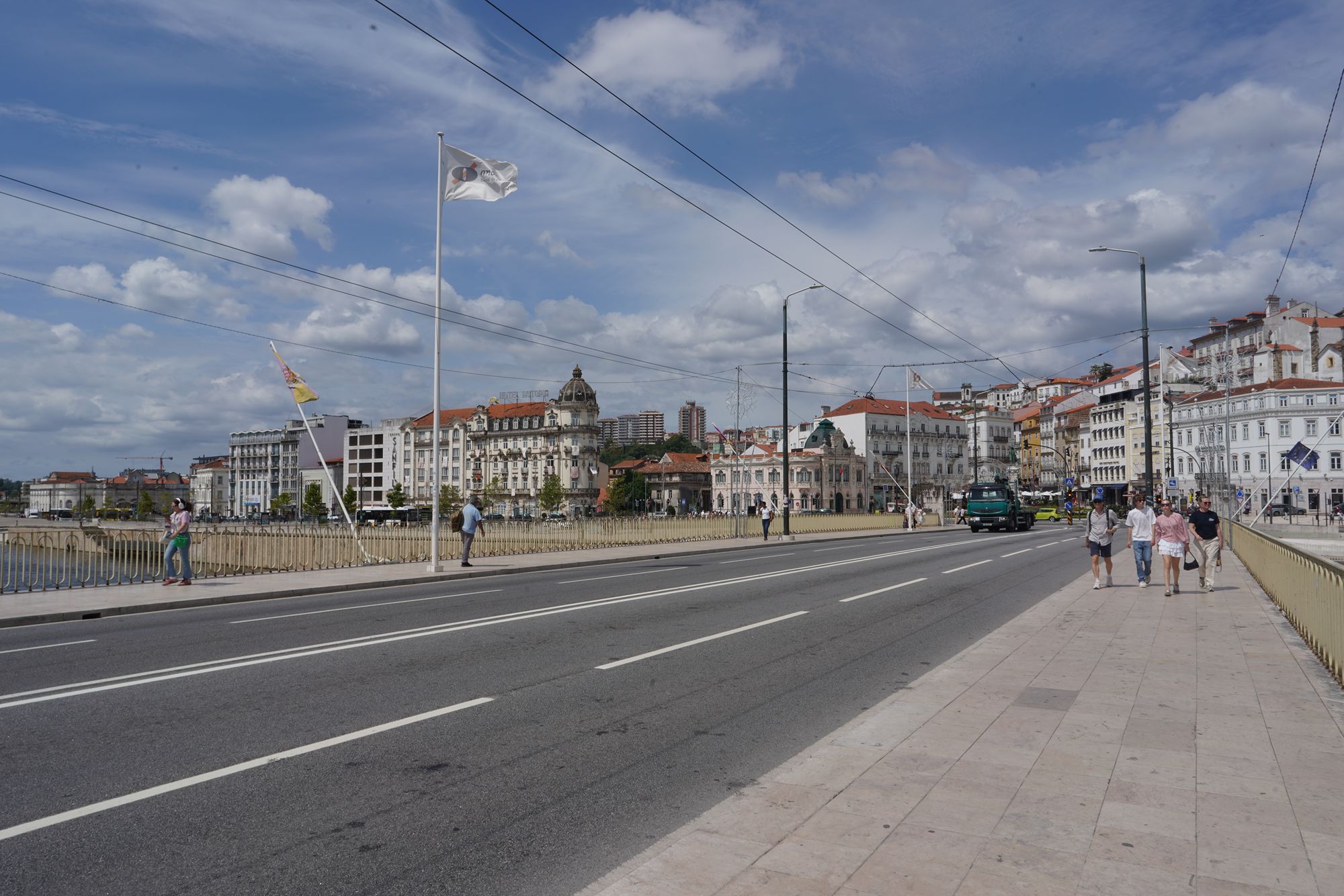
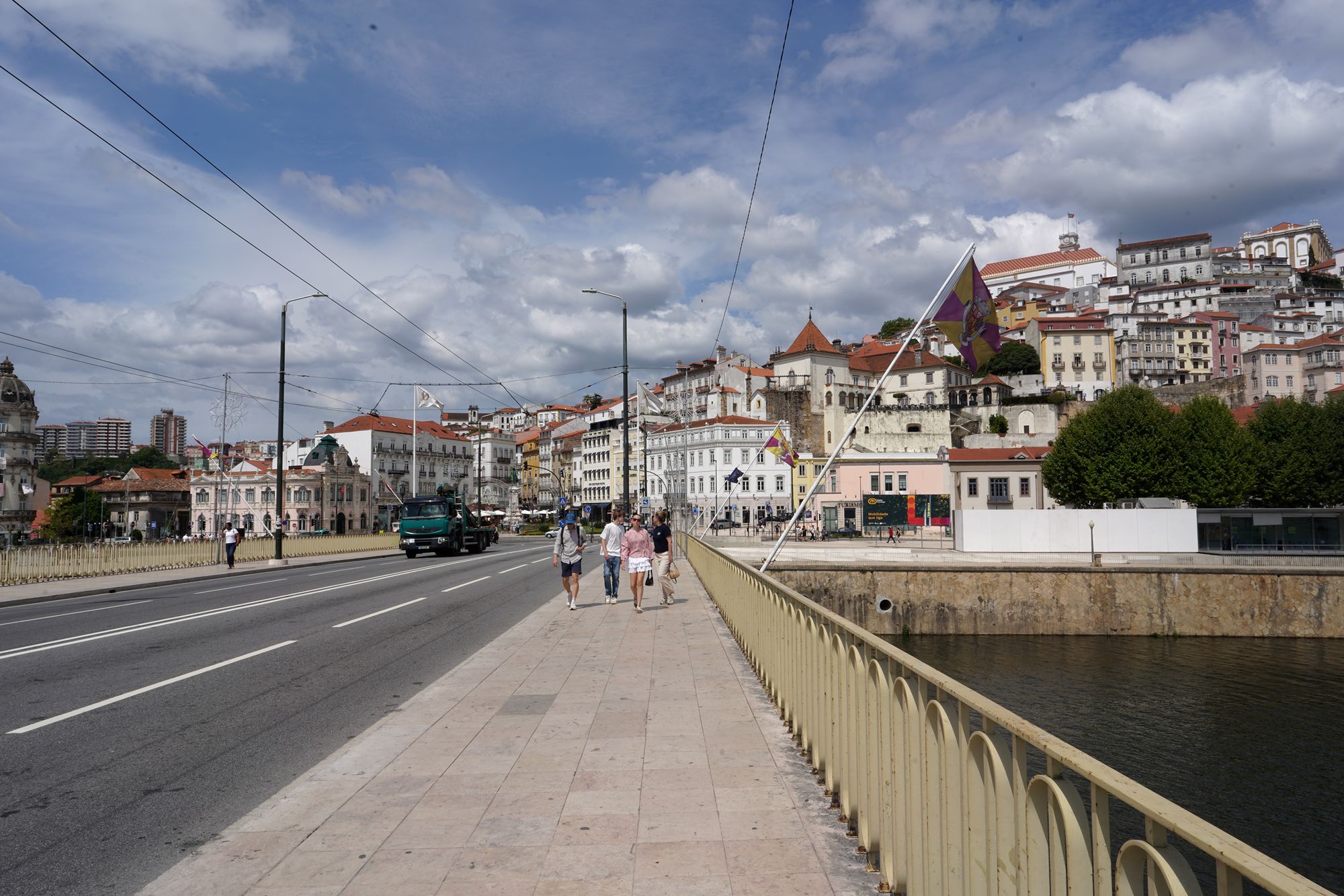
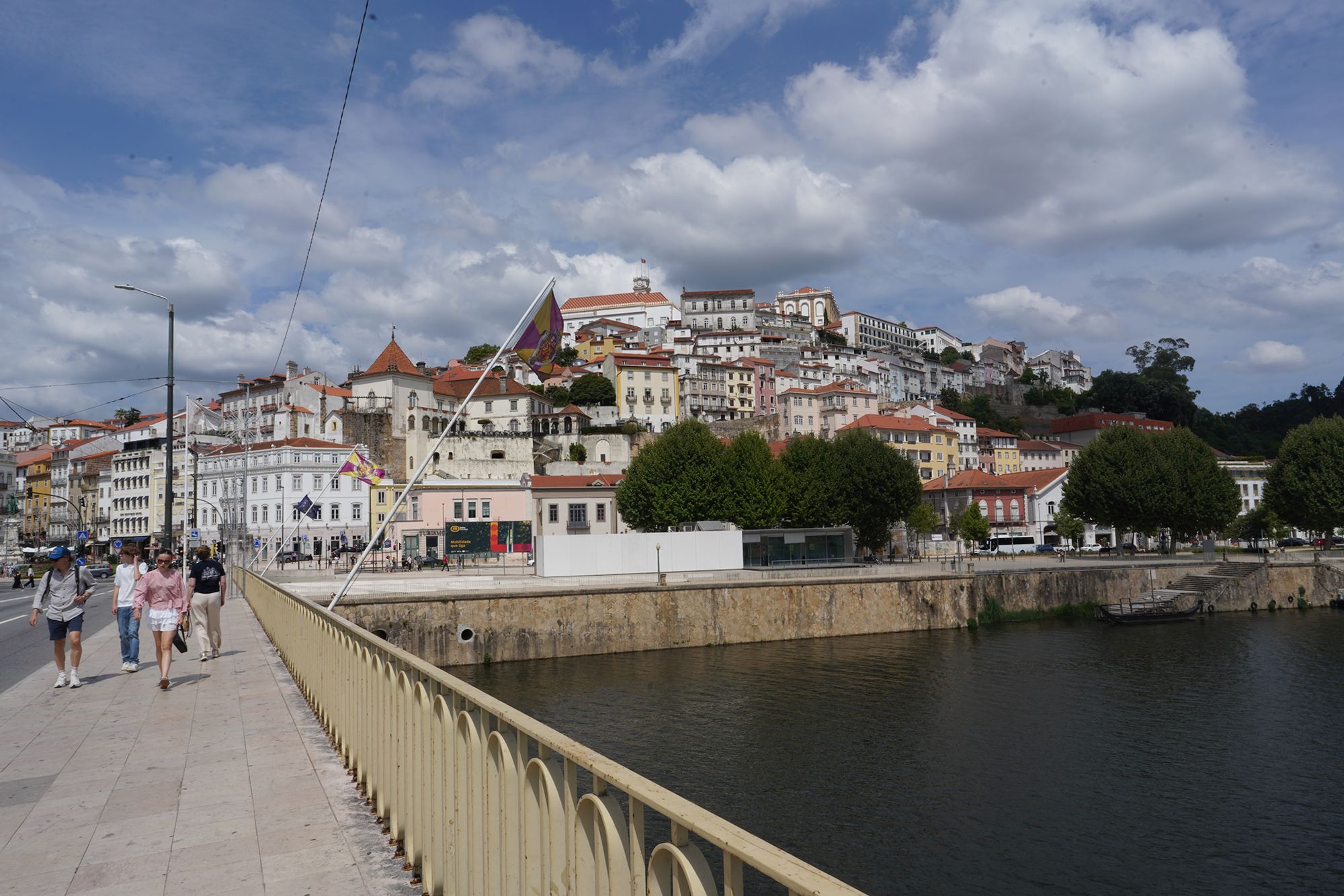
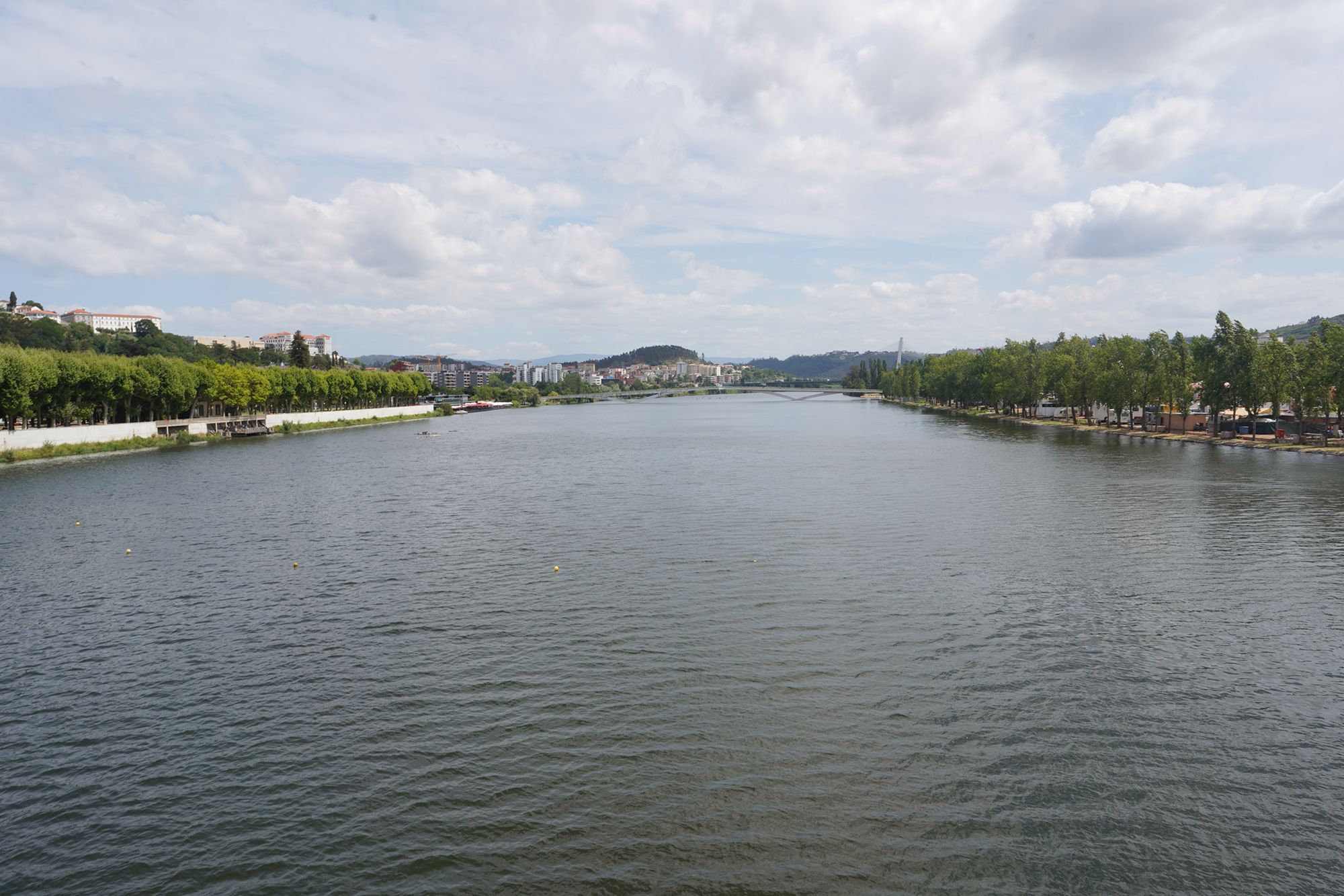
Views of the hilltop old town from farther away.
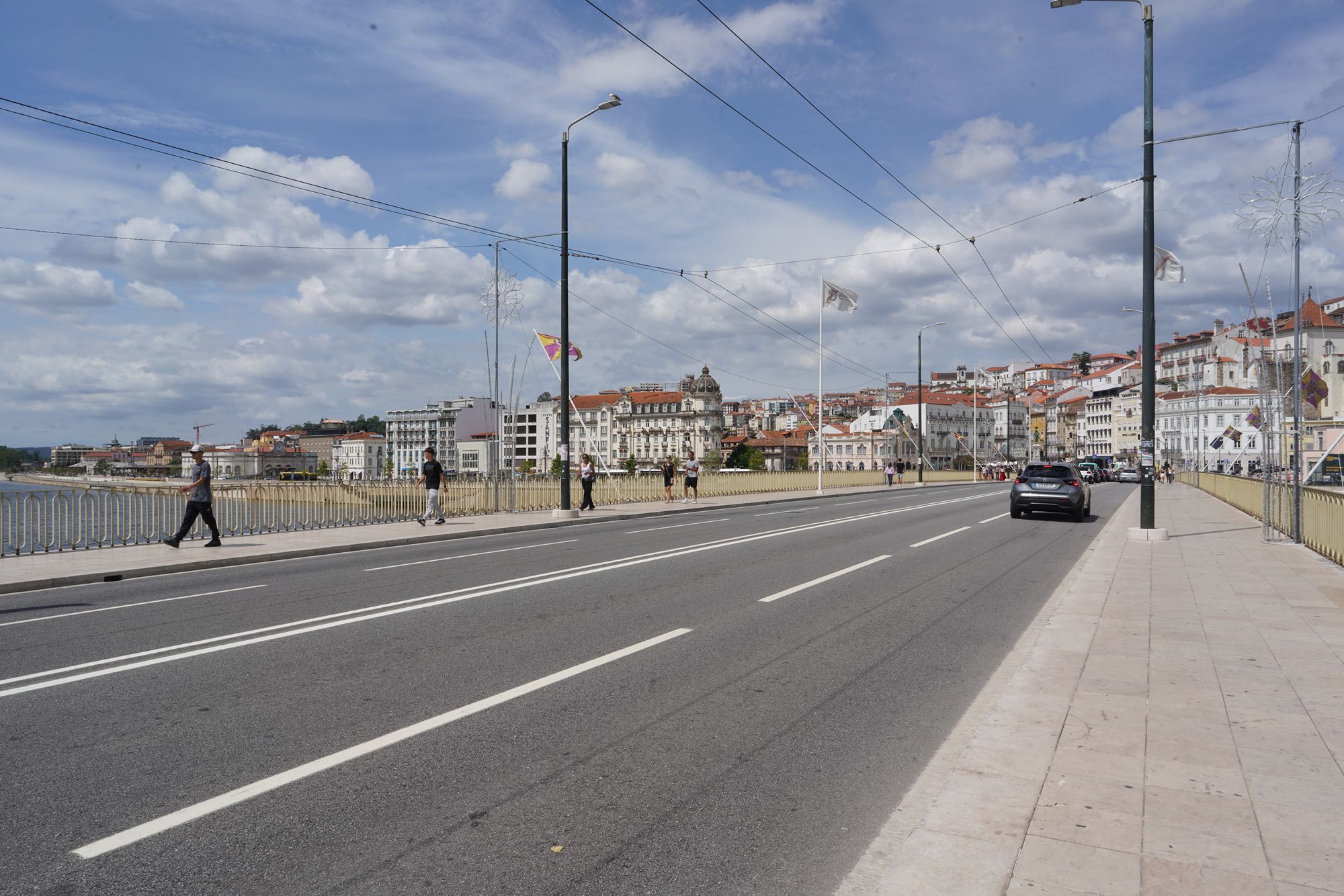
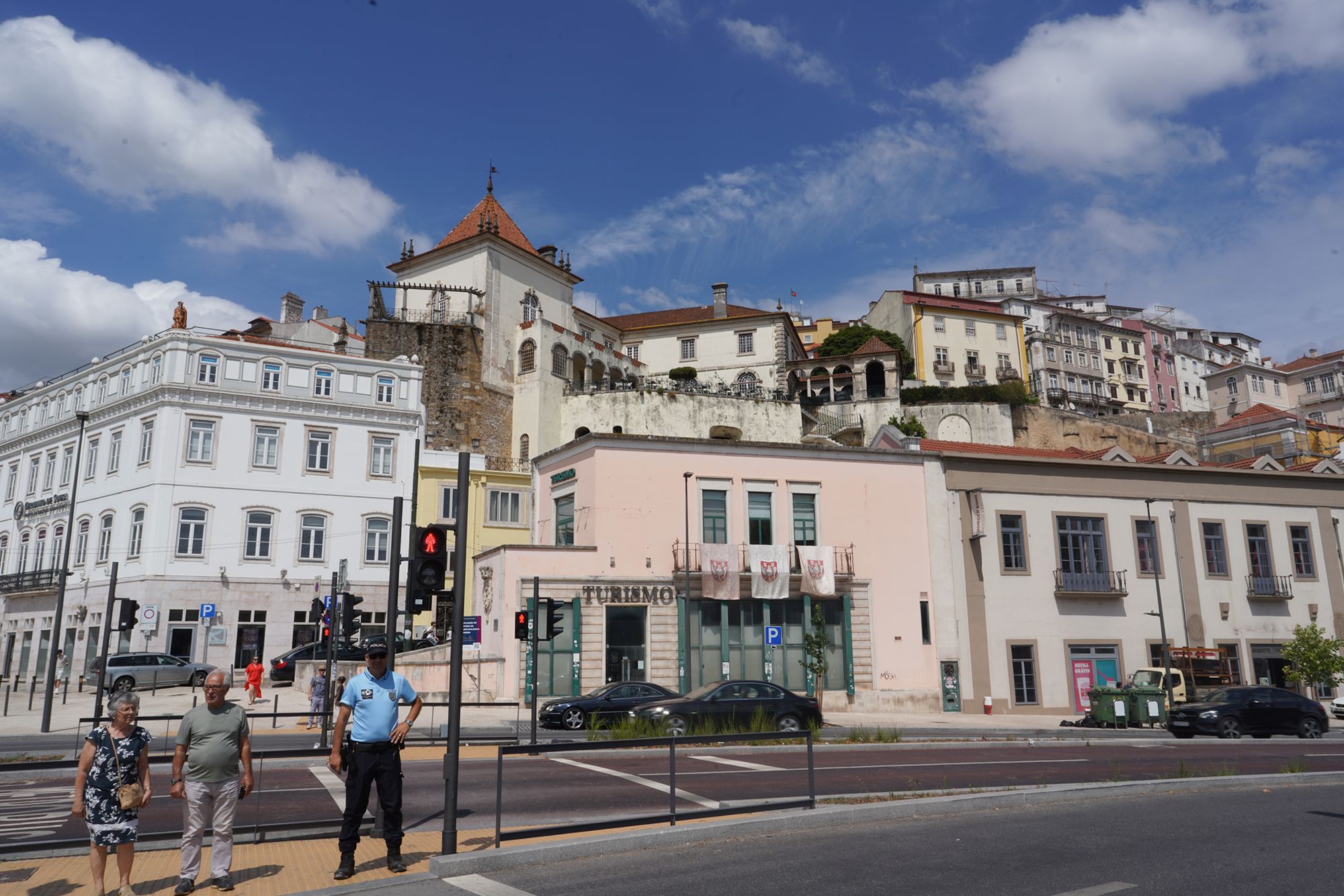
I came back to the beginning of the shopping street.
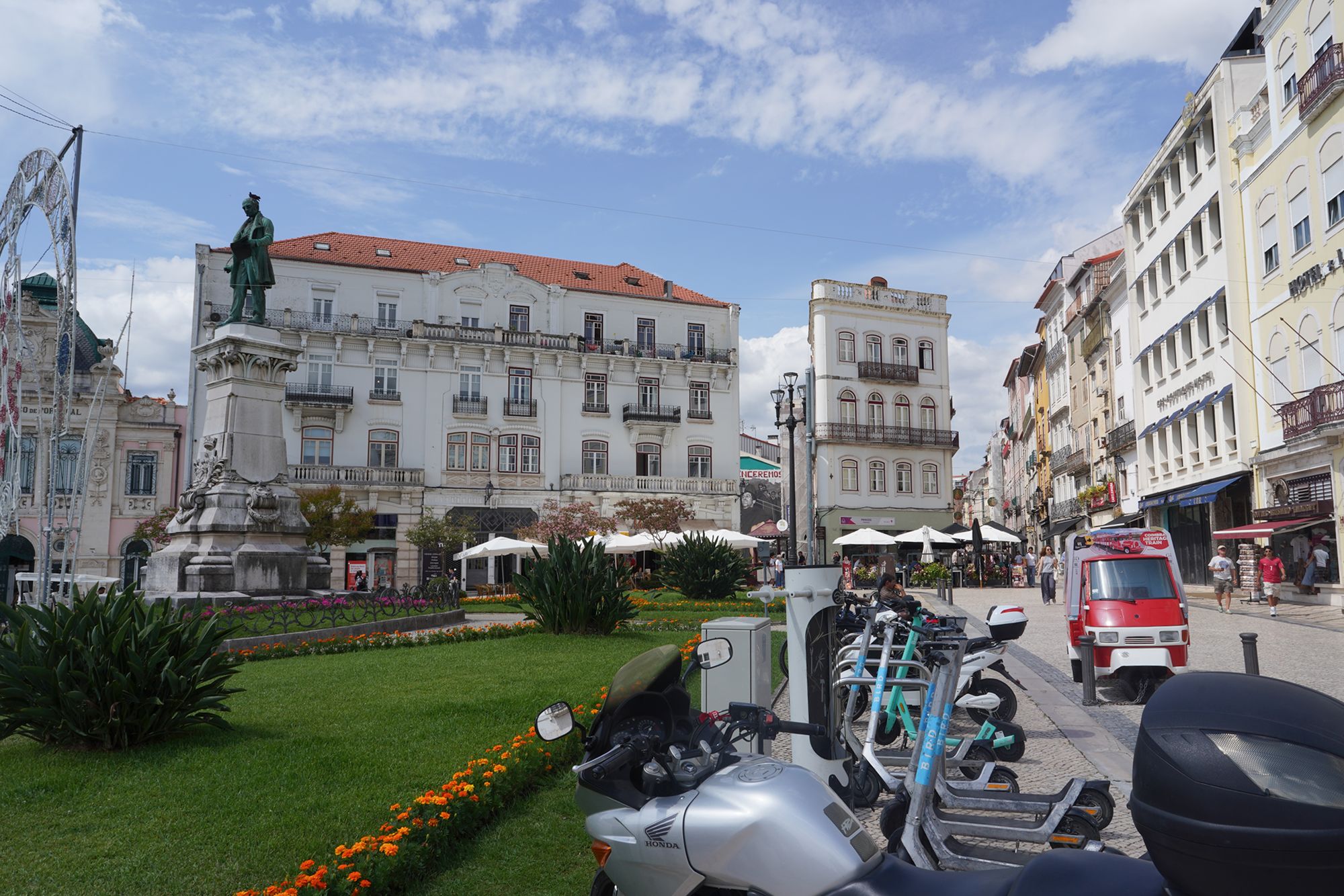
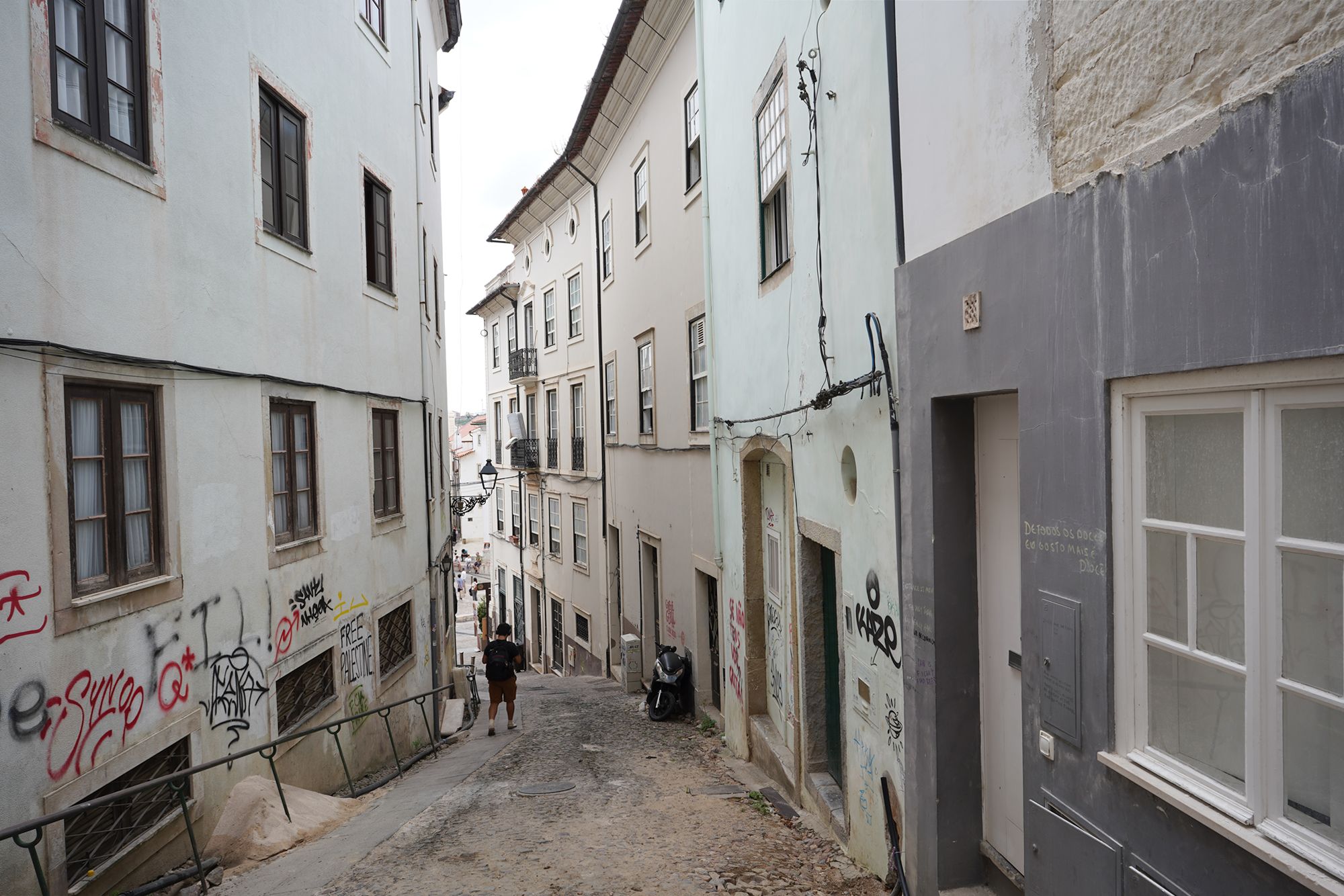
Instead of walking along the same shopping street, I chose a side street that led in the same direction.
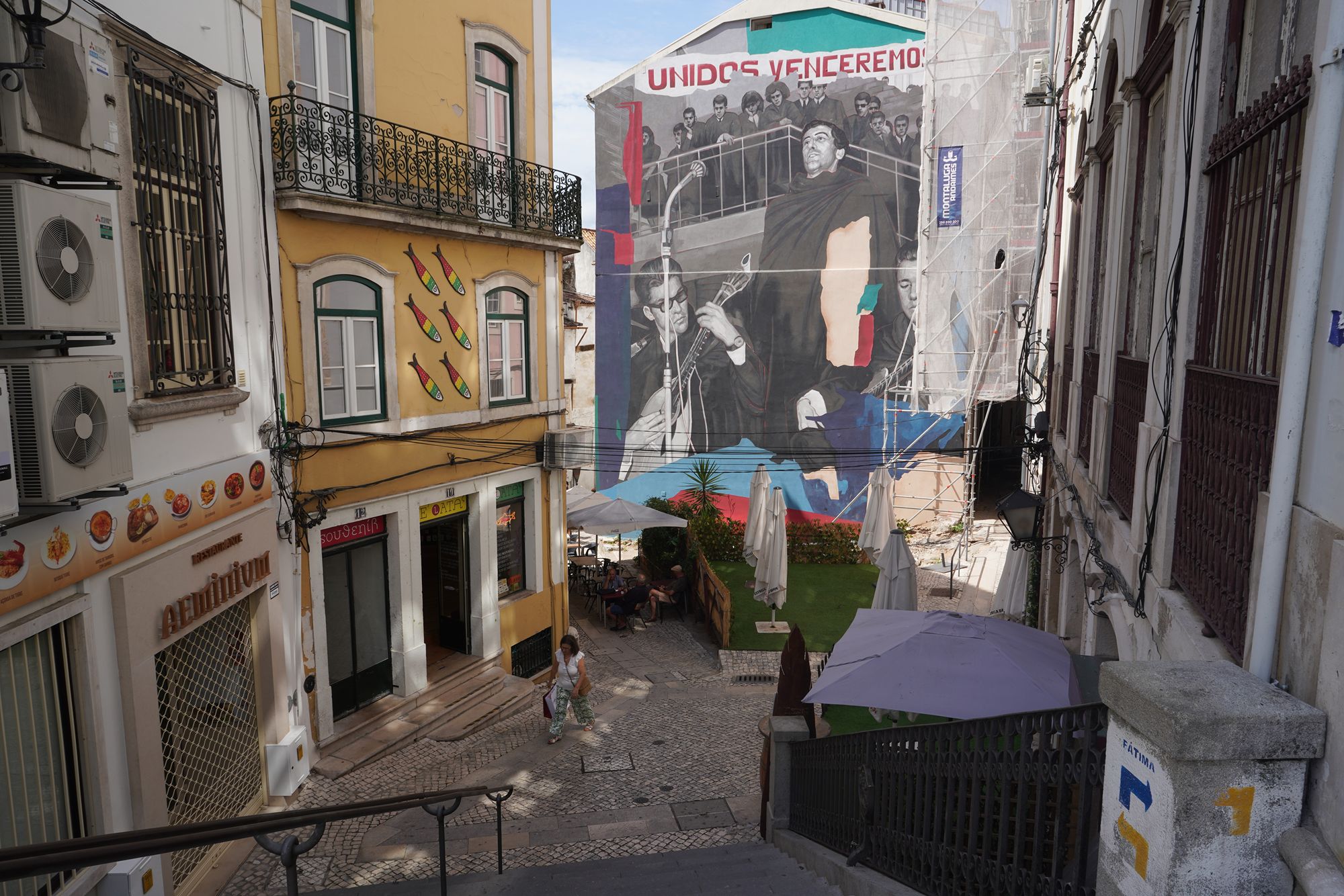
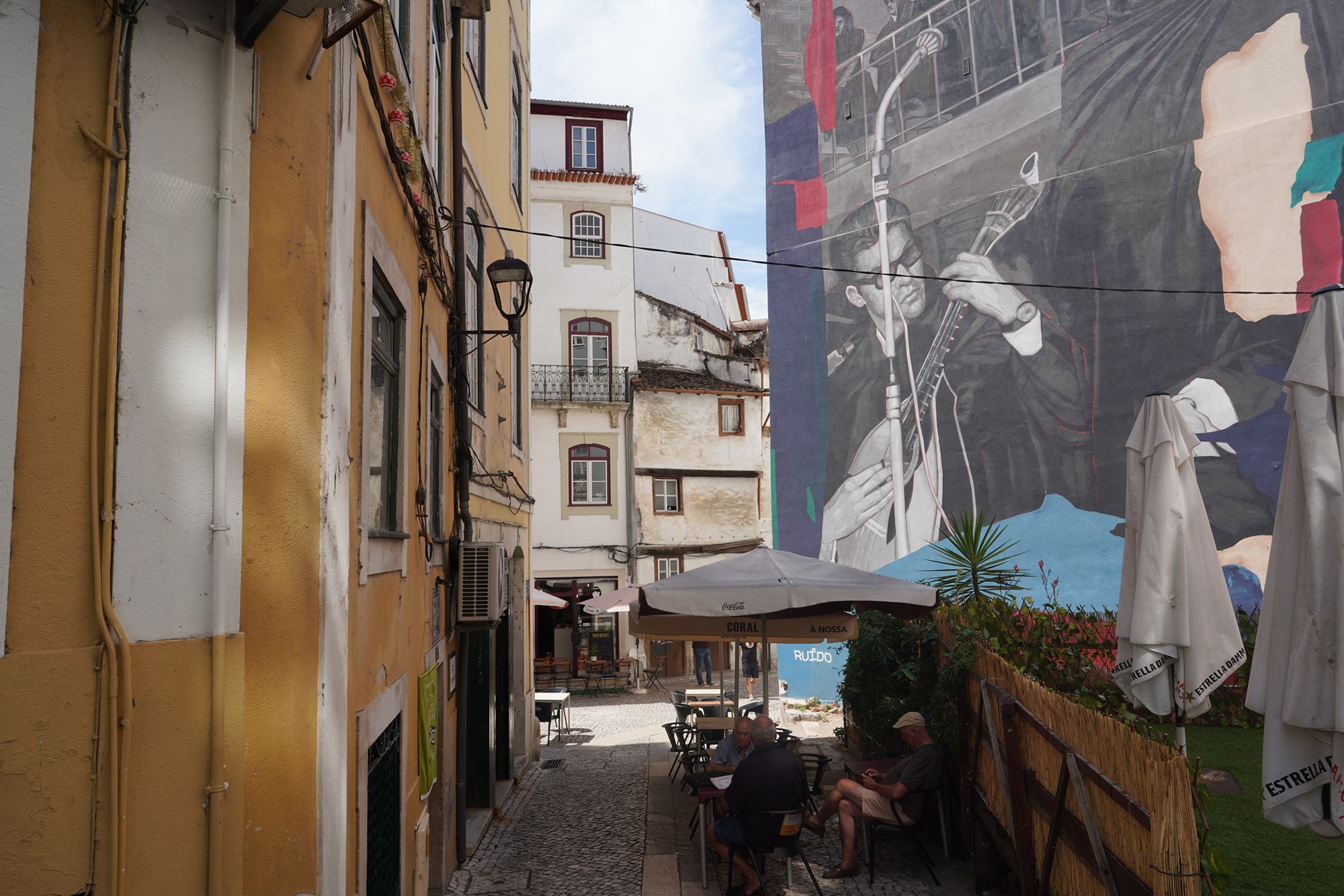
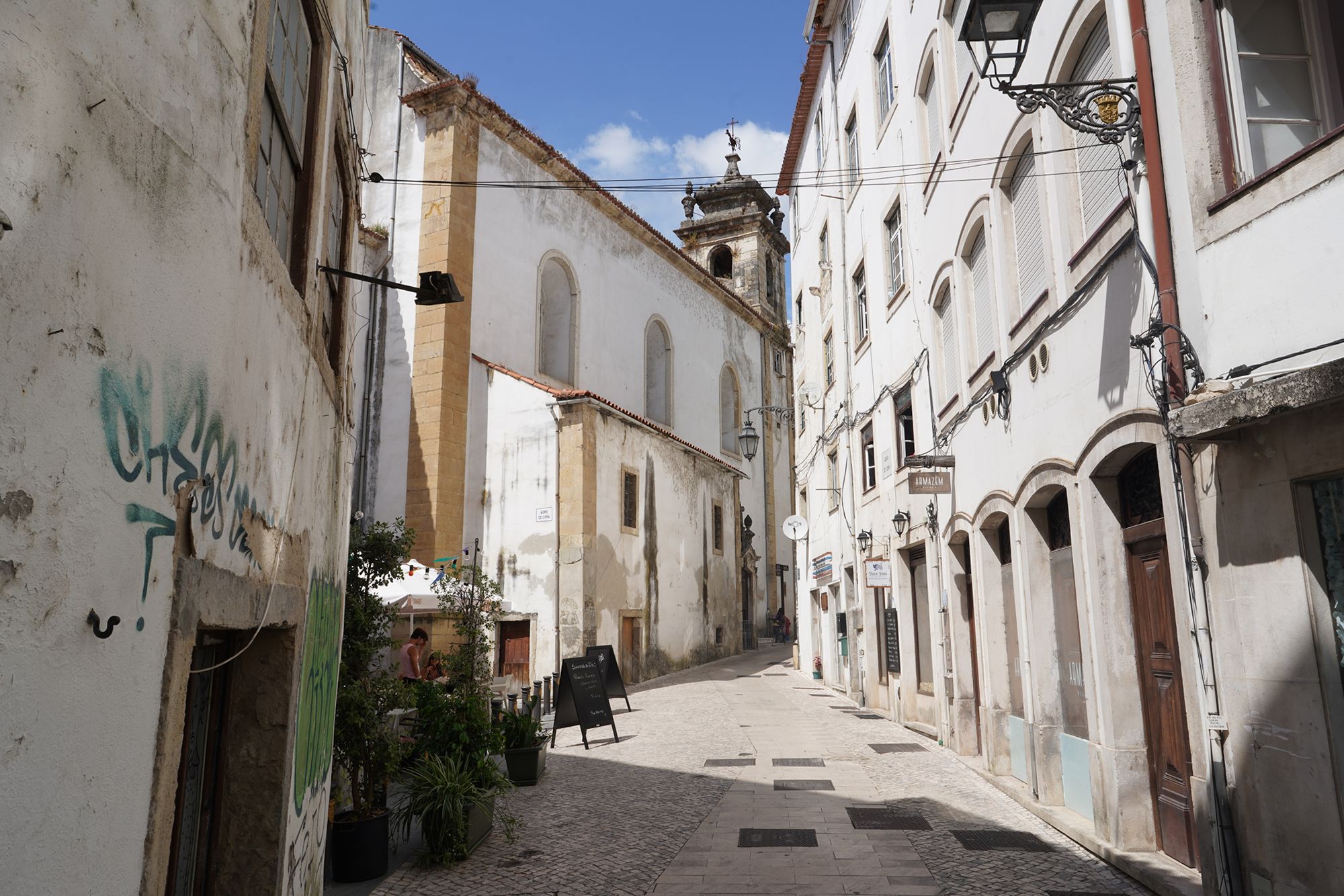
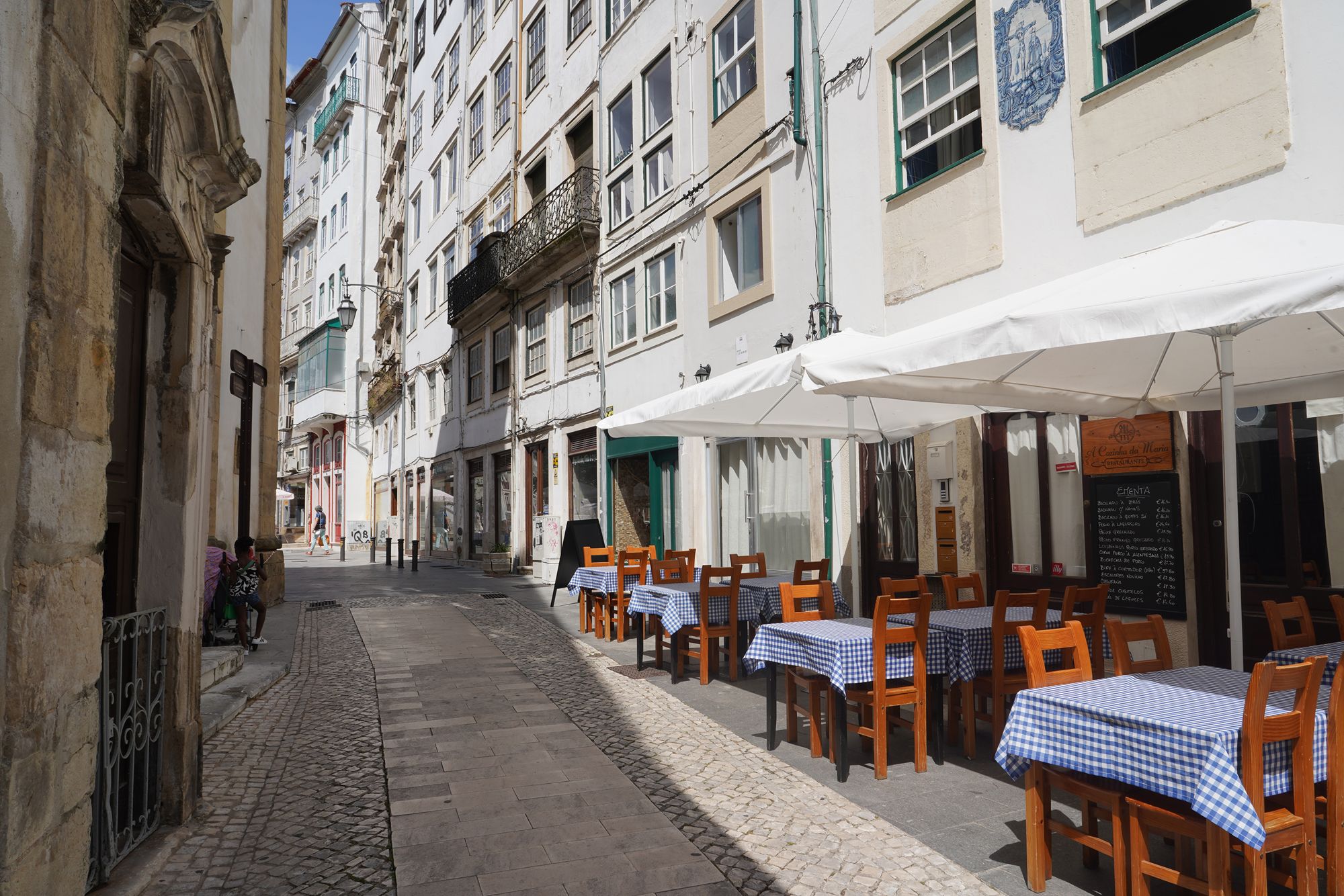
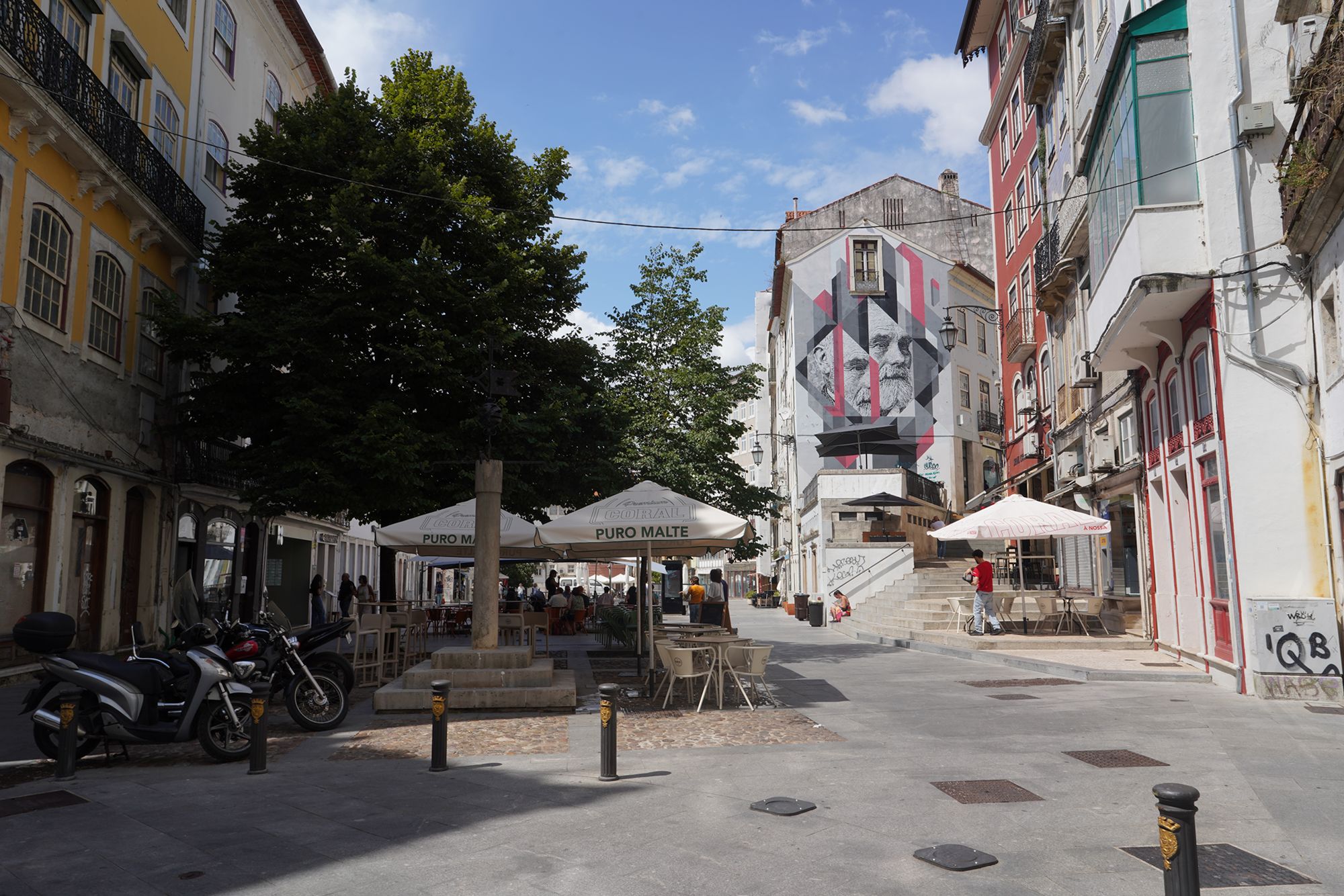
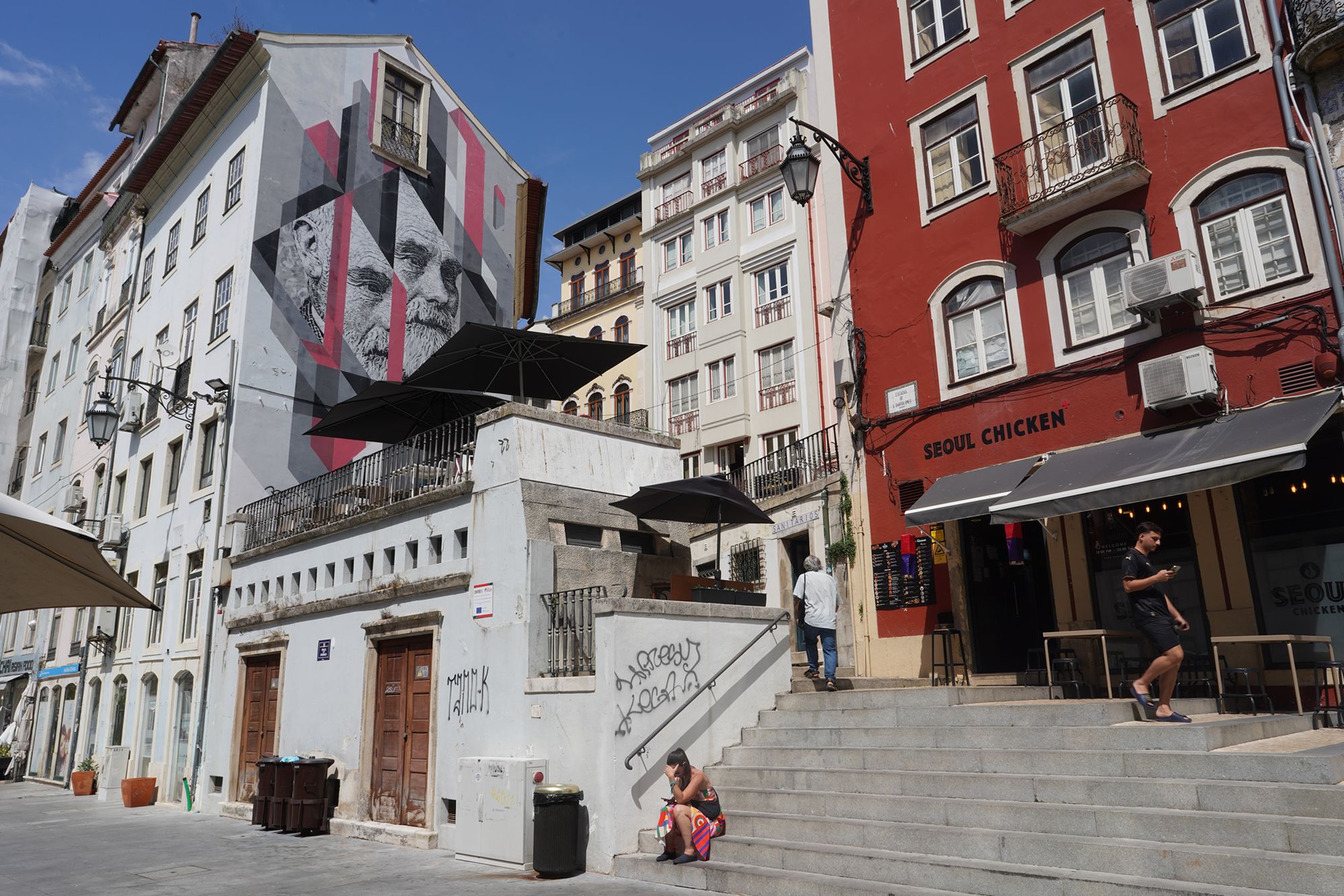
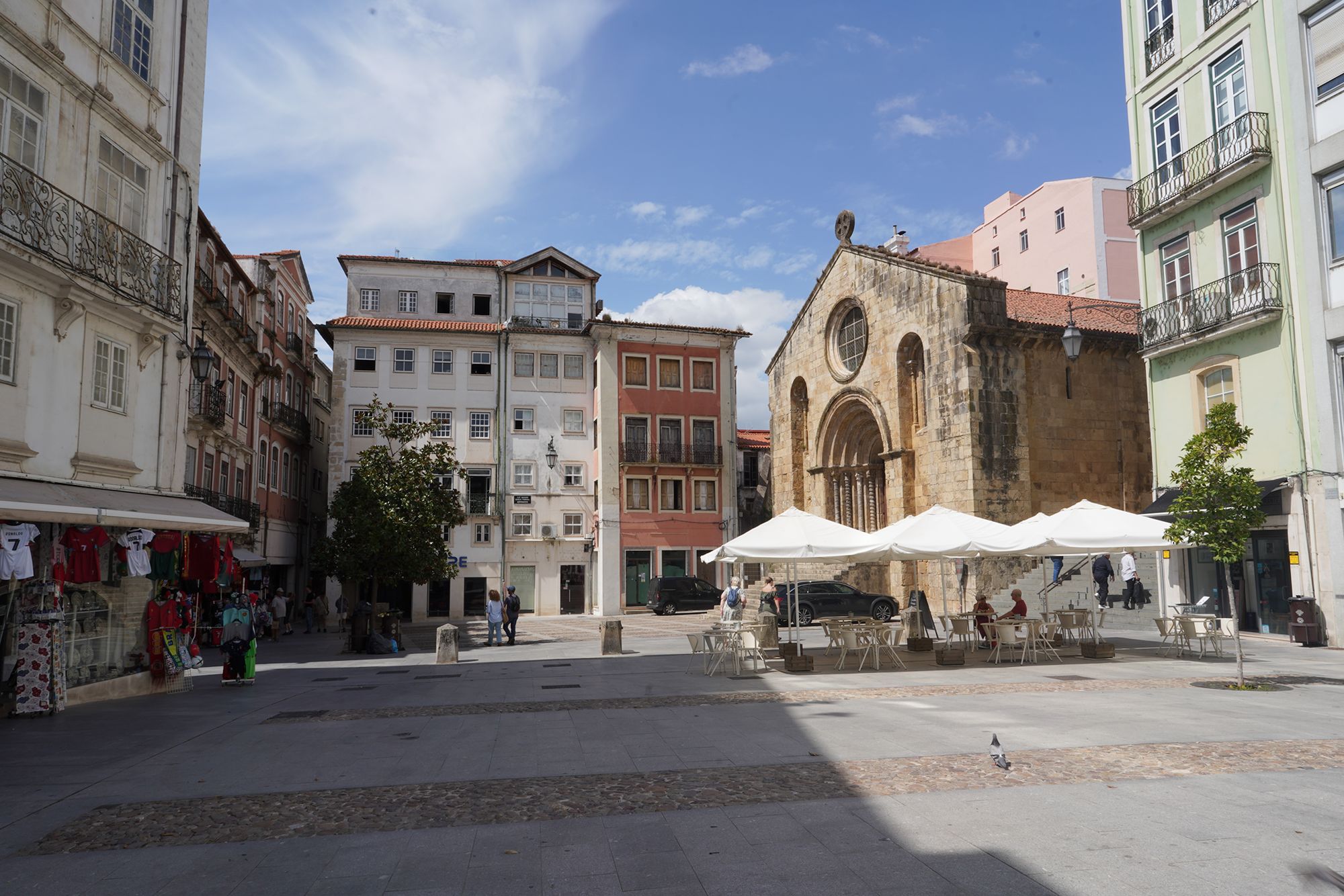
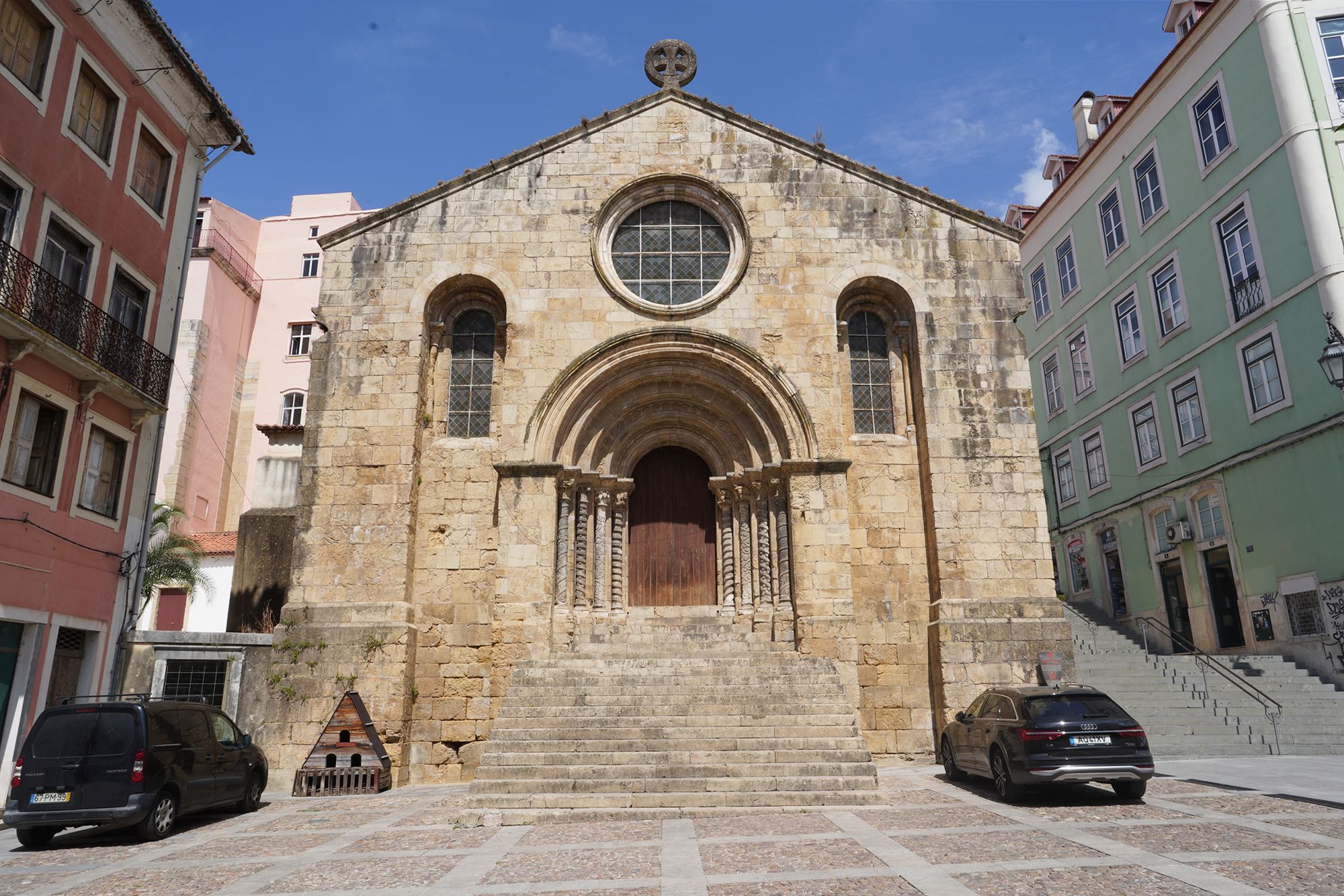
Igreja de São Tiago, also known as the Church of Santiago, stands at one end of Praça do Comércio. Built in the late 12th century and consecrated in 1206, it is an important example of Coimbra’s Romanesque architecture. Its carved stone doorways are especially notable. After centuries of alterations, an early 20th-century restoration sought to recover its medieval appearance.
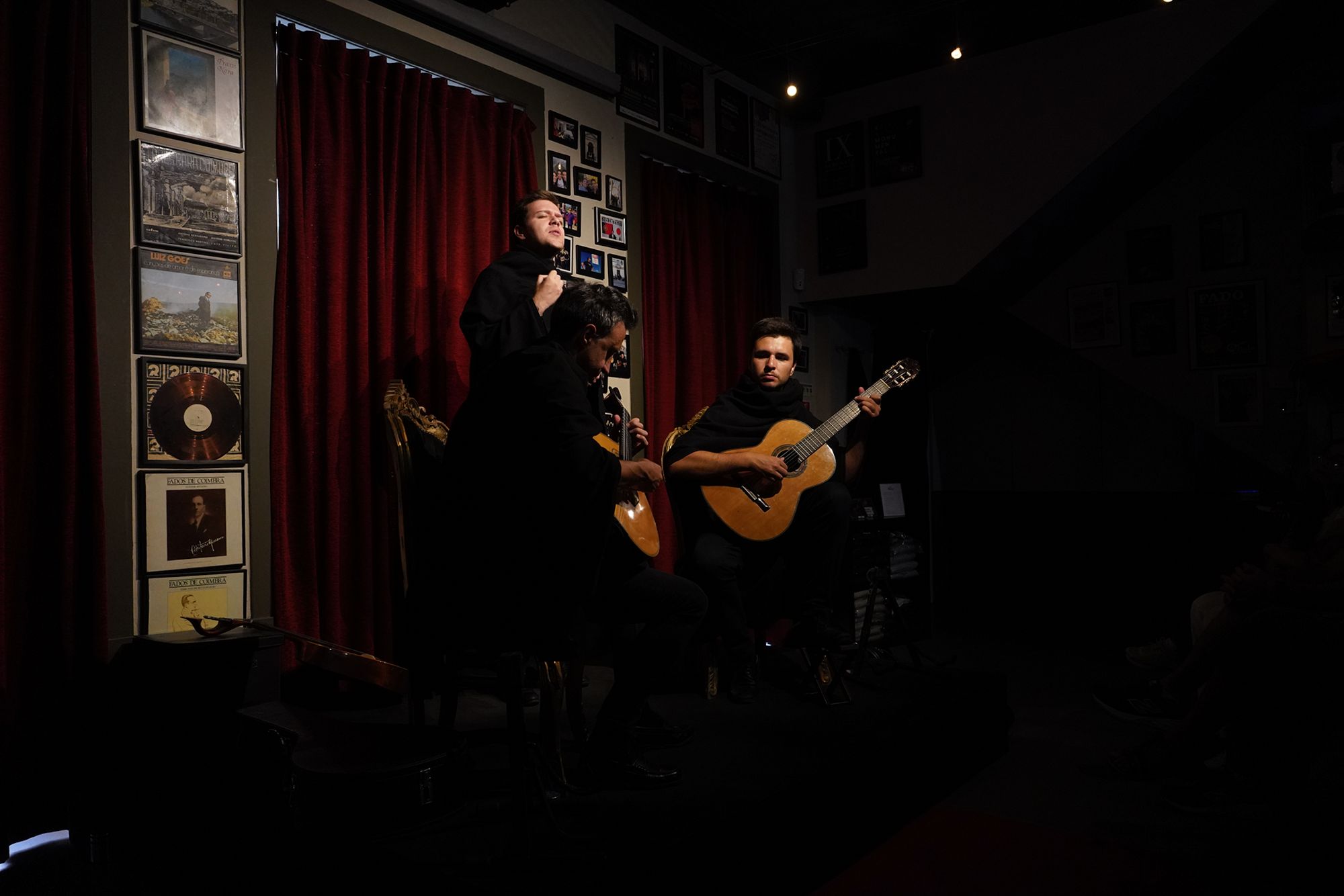
After my walk, I attended a fado concert.
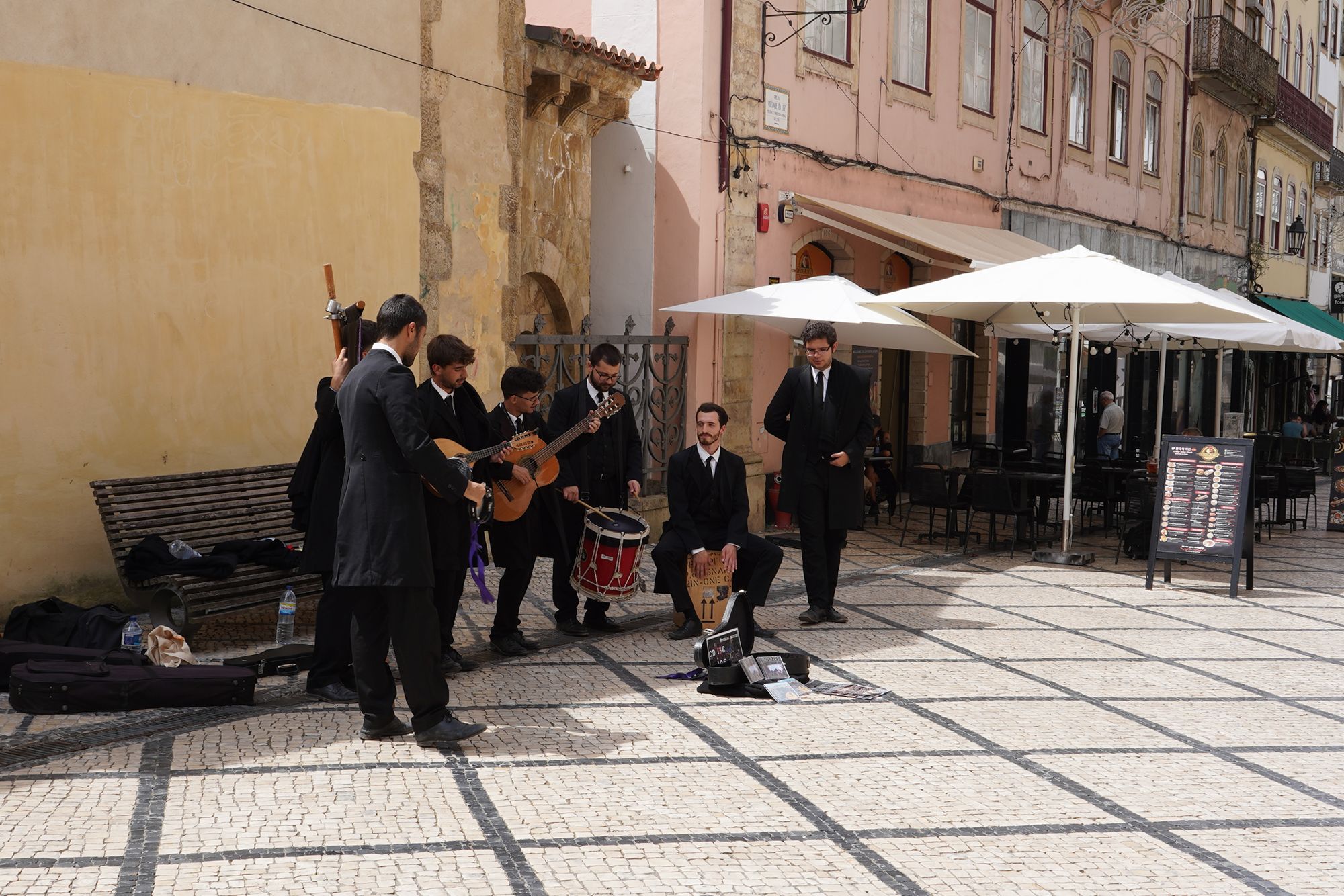
Coimbra fado is closely connected to the University of Coimbra and its student traditions. Traditionally performed by men wearing black academic capes, its songs express love, longing, and memories of university life. Singers are usually accompanied by a Portuguese guitar and a classical guitar.
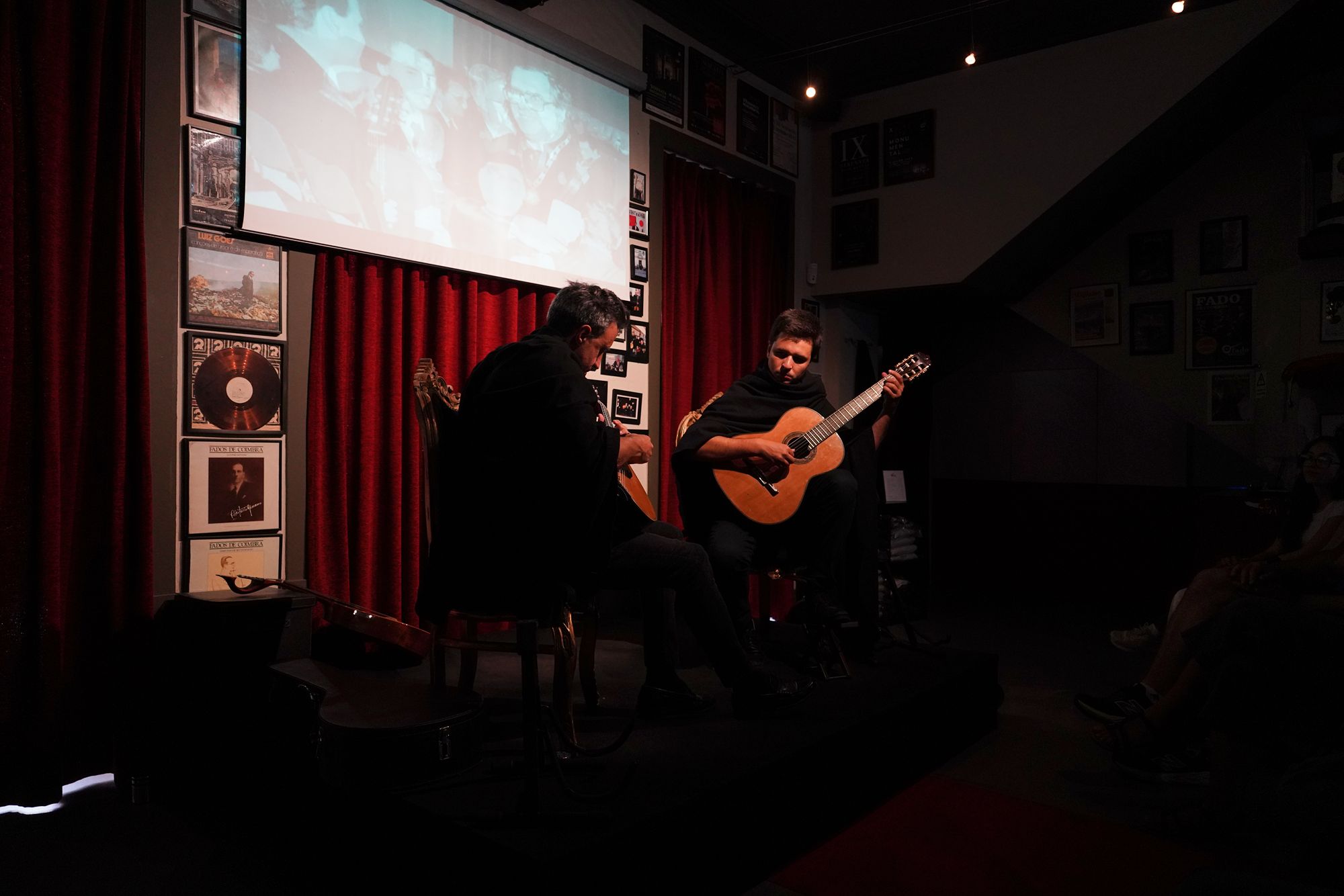
Unlike Lisbon fado, which developed around taverns and neighborhood life, Coimbra fado grew from student serenades performed in the city’s streets. One of its best-known traditions is the nighttime serenade on the steps of the Old Cathedral.