Sintra Walk, Sintra, Portugal
A day trip to Sintra, visiting Pena Palace and exploring historic streets and other landmarks on foot. 1383
Sintra Town Center: Praça da República Nº 6, 2710-616 Sintra, Portugal
National Palace of Pena: Estrada da Pena, 2710-609 Sintra, Portugal
National Palace of Sintra: Largo Rainha Dona Amélia, 2710-616 Sintra, Portugal
Quinta da Regaleira: 2710-567 Sintra, Portugal
Date Picture Taken: Jul, 2026
I took a day trip to Sintra from Lisbon. Sintra is a historic town set among wooded hills, known for its palaces, gardens, and castle.
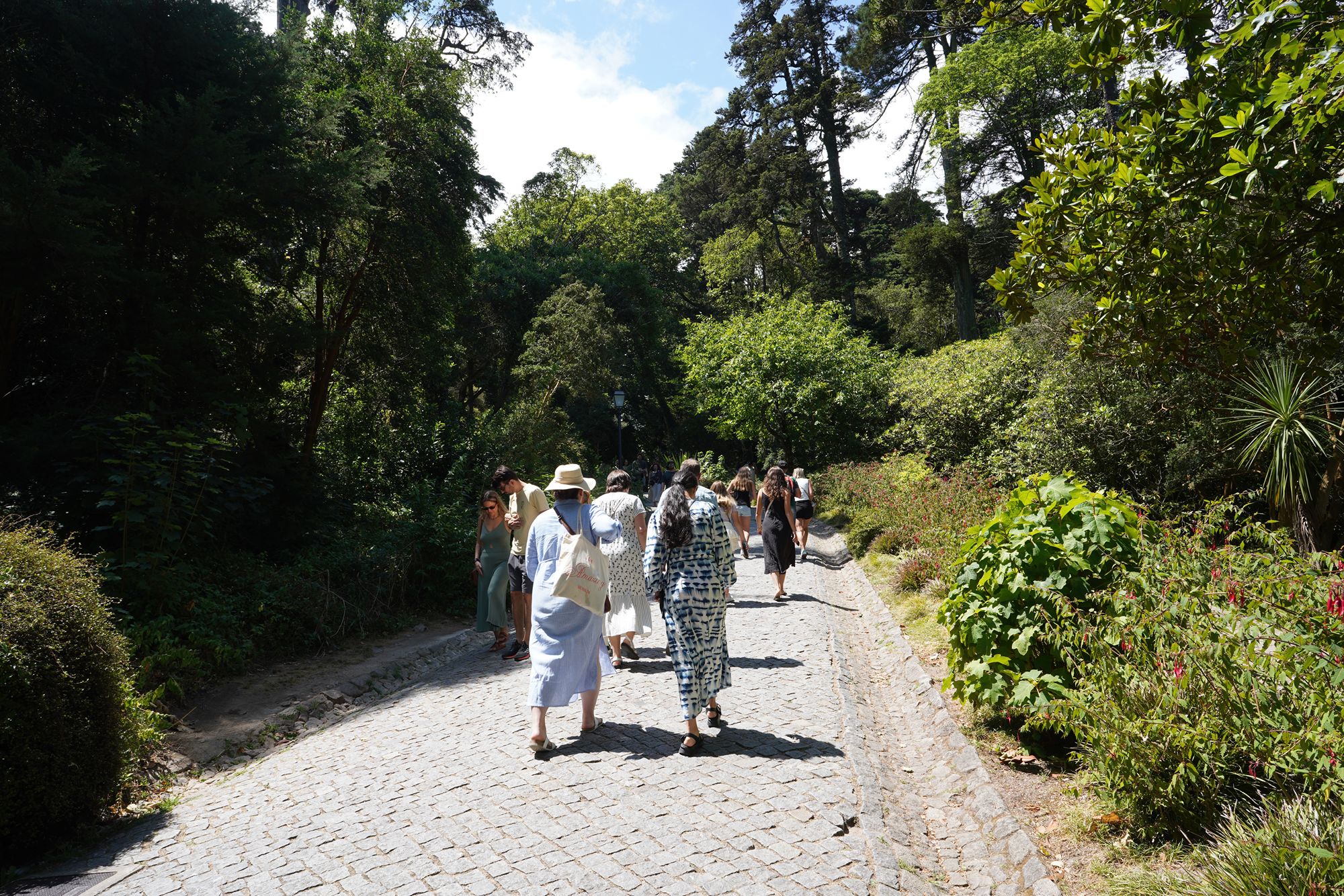
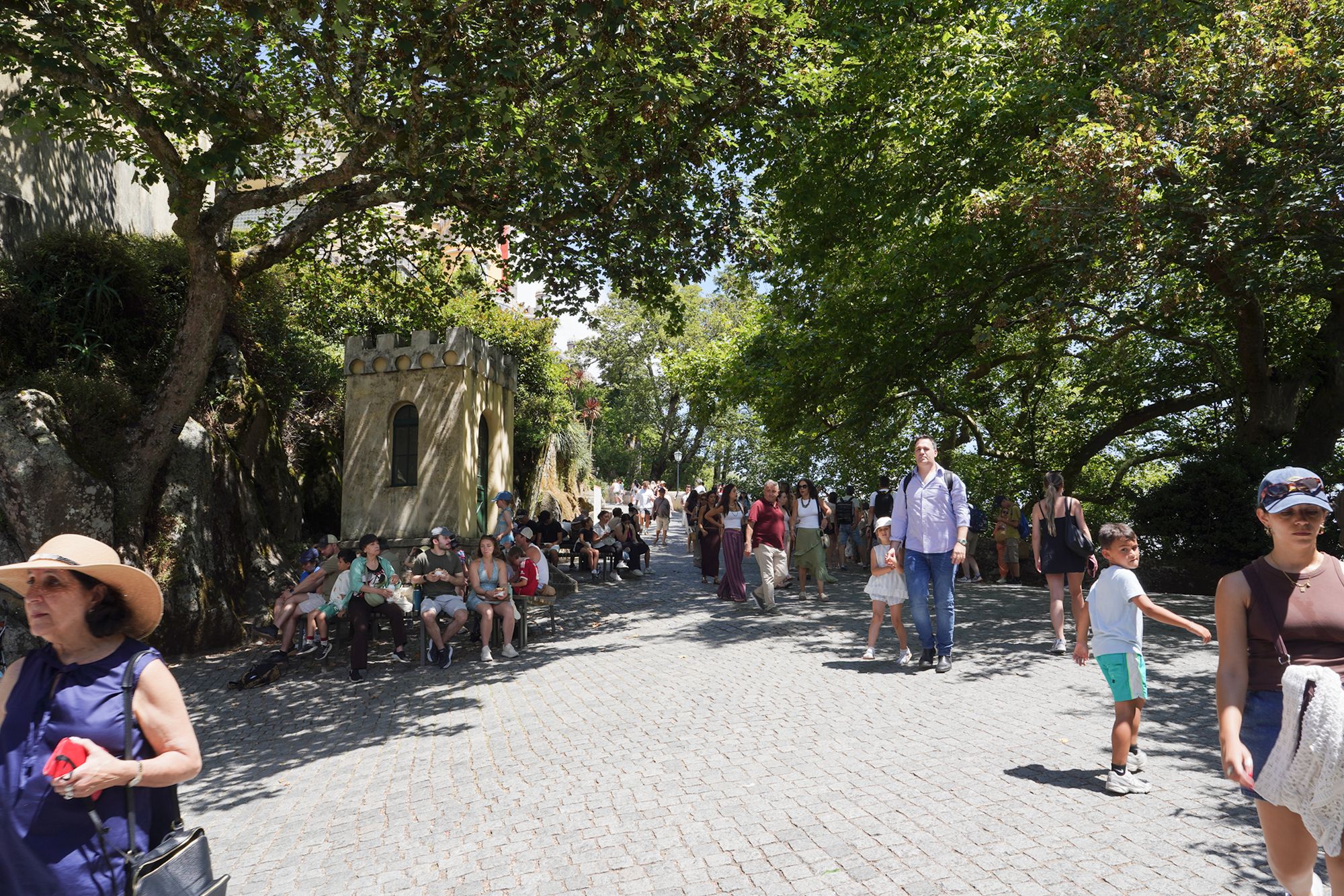
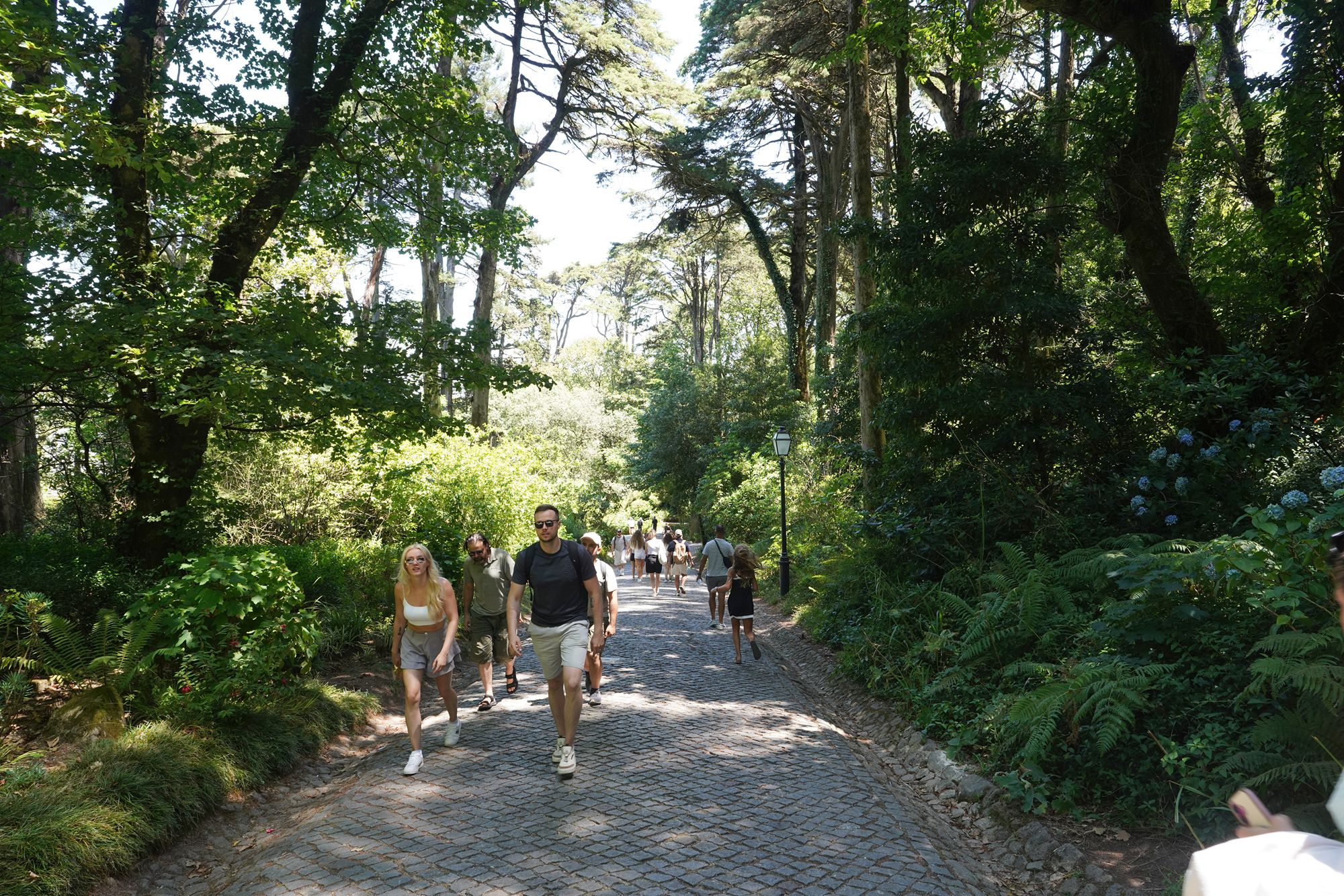
I took a train from Lisbon to Sintra, then caught a bus up the hill to Pena Palace. From the park entrance, I continued uphill on foot toward the palace.
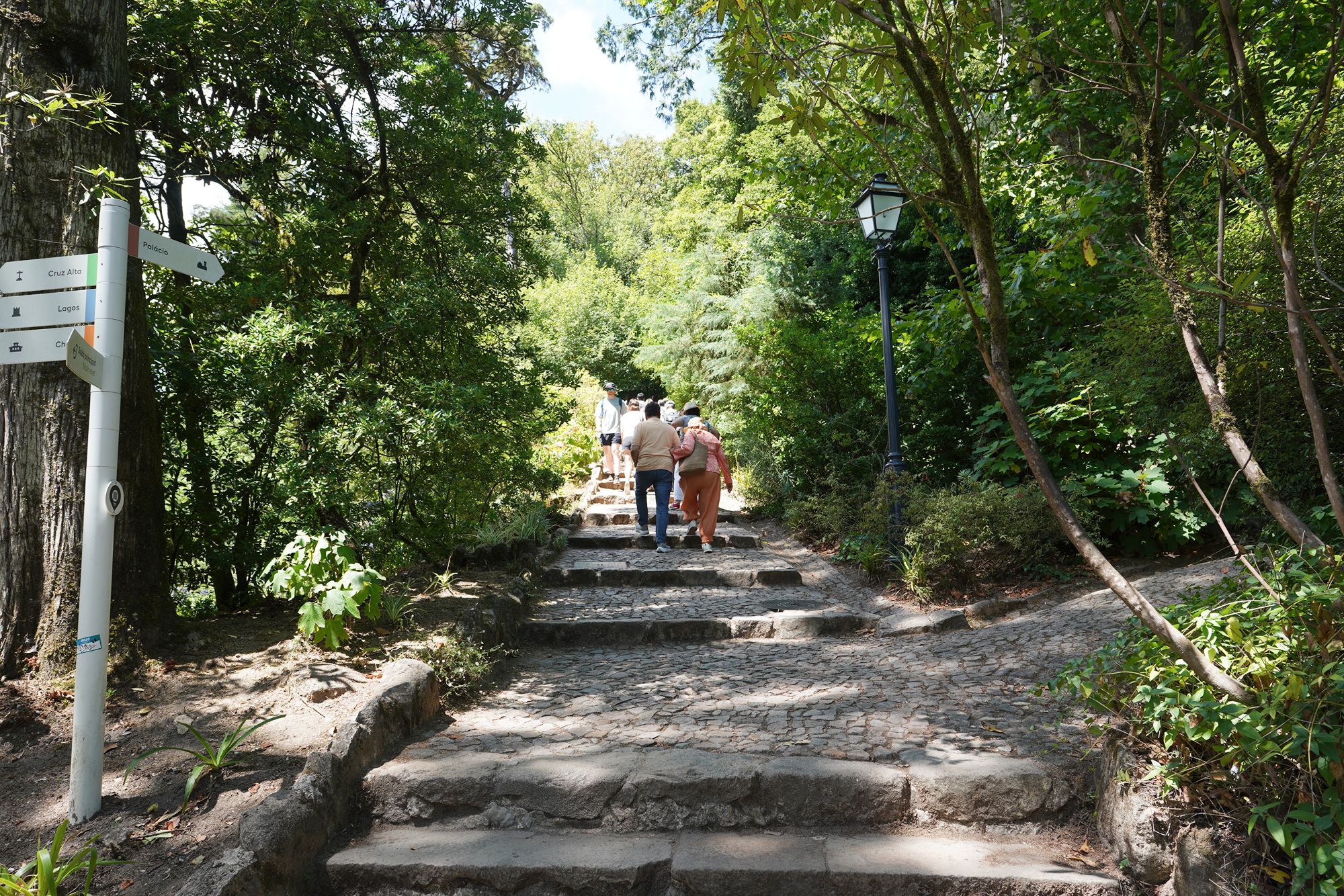
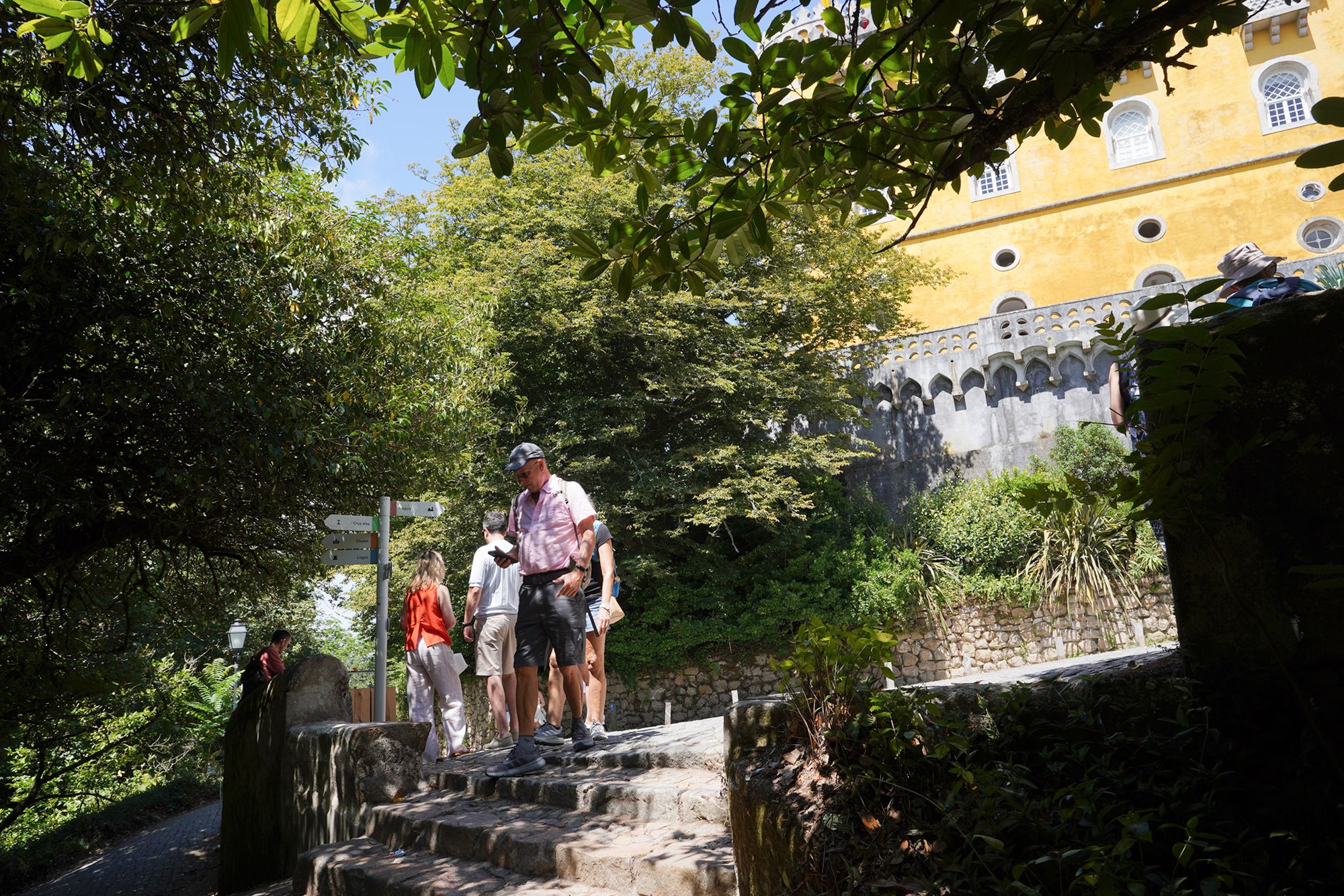
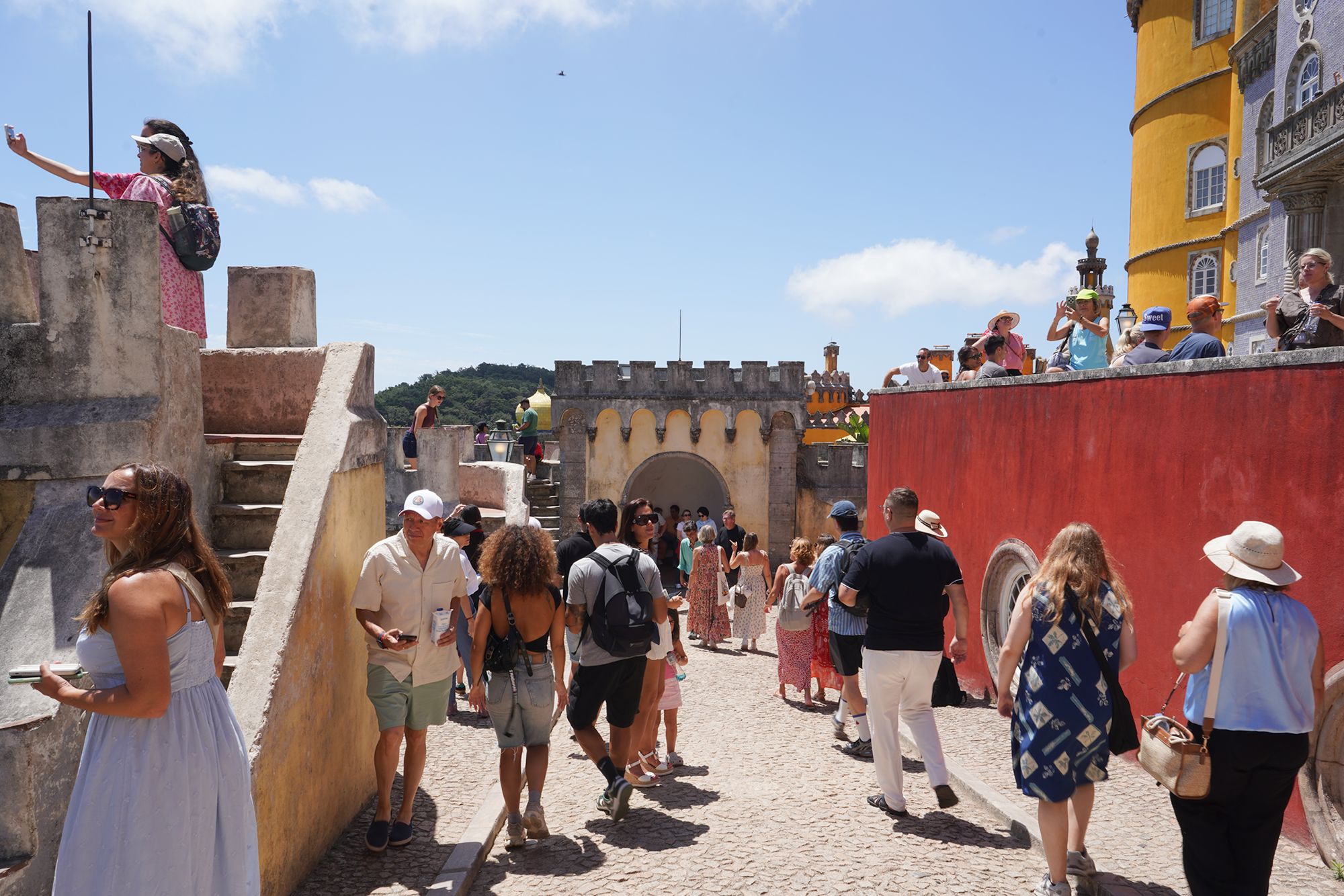
The National Palace of Pena.
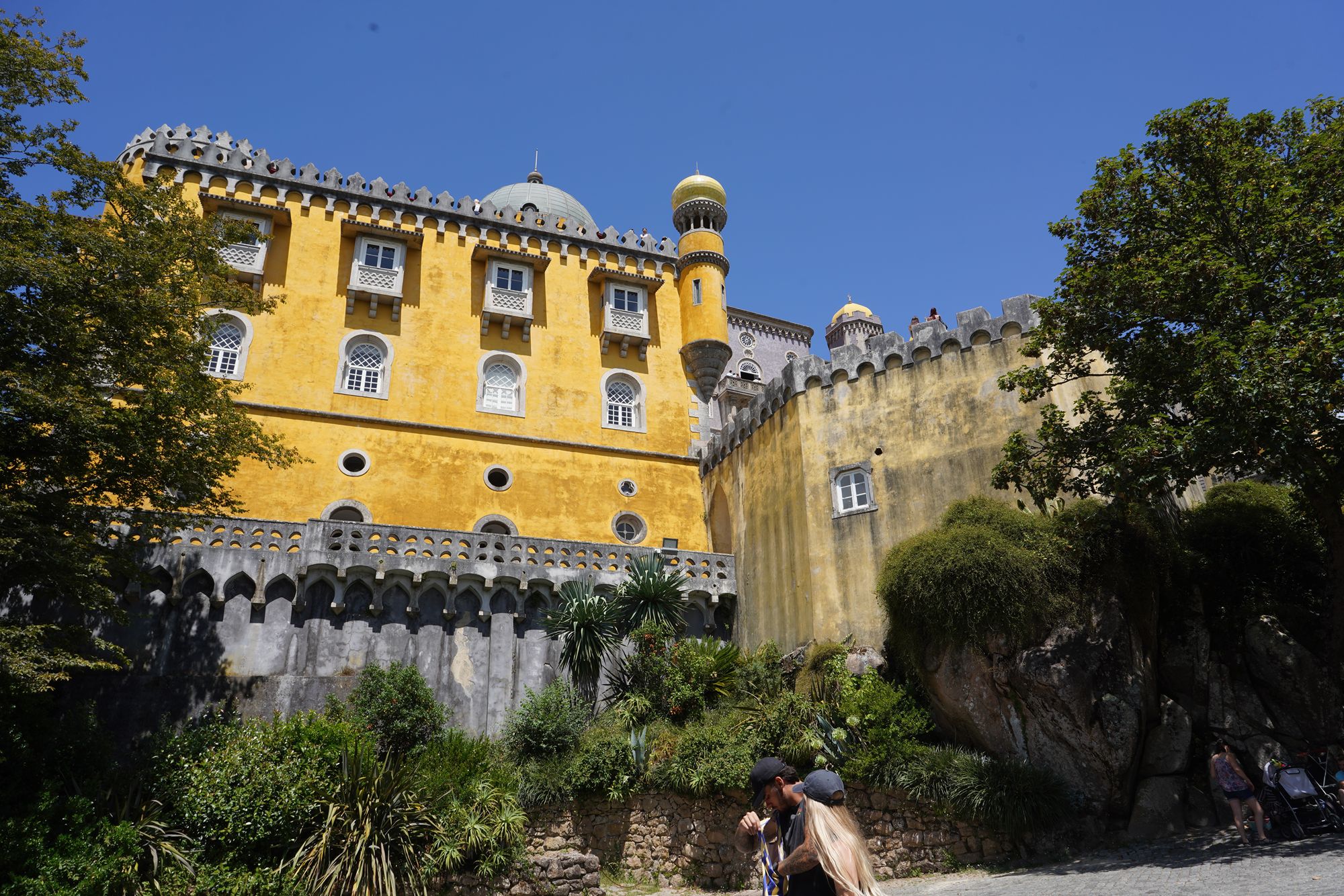
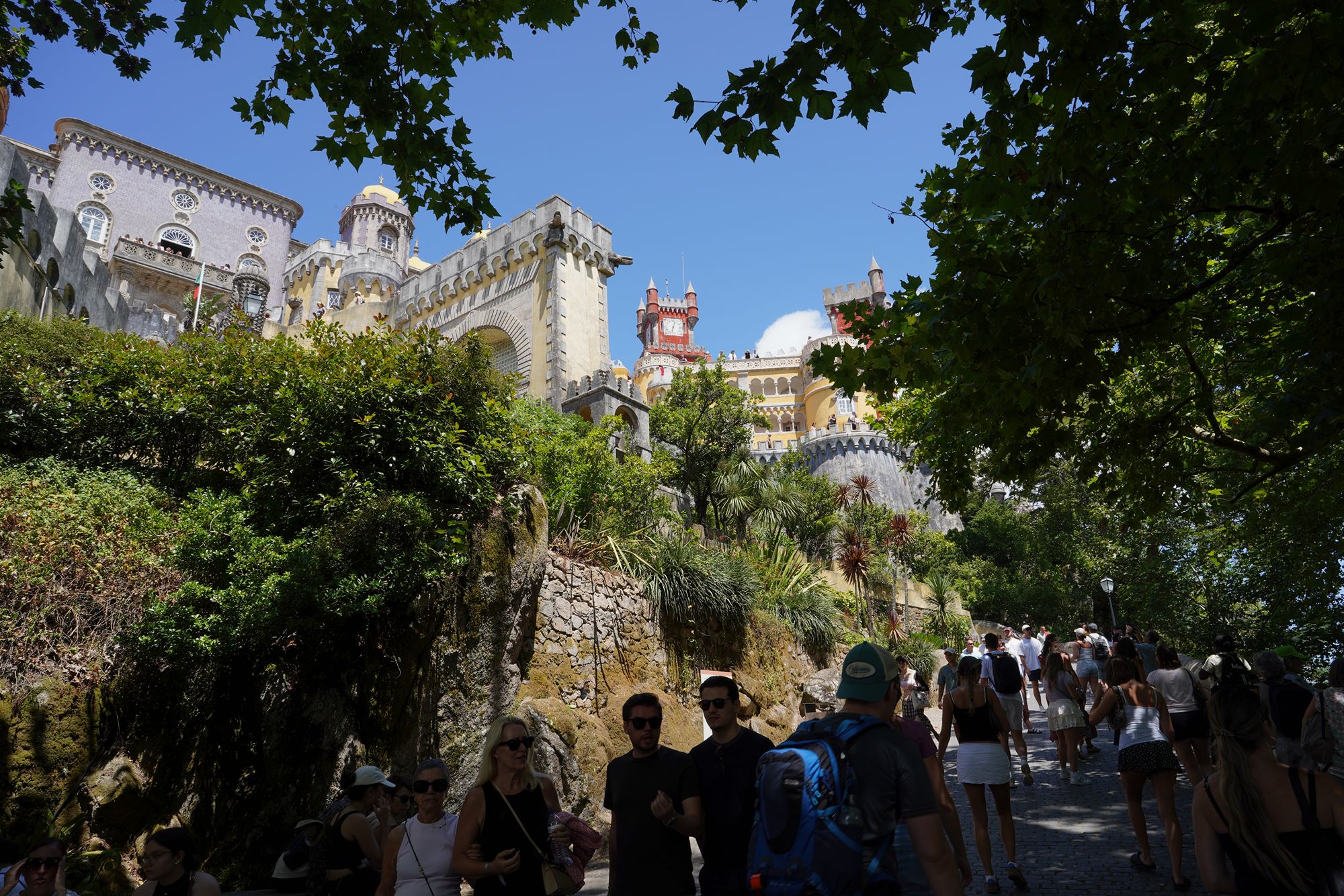
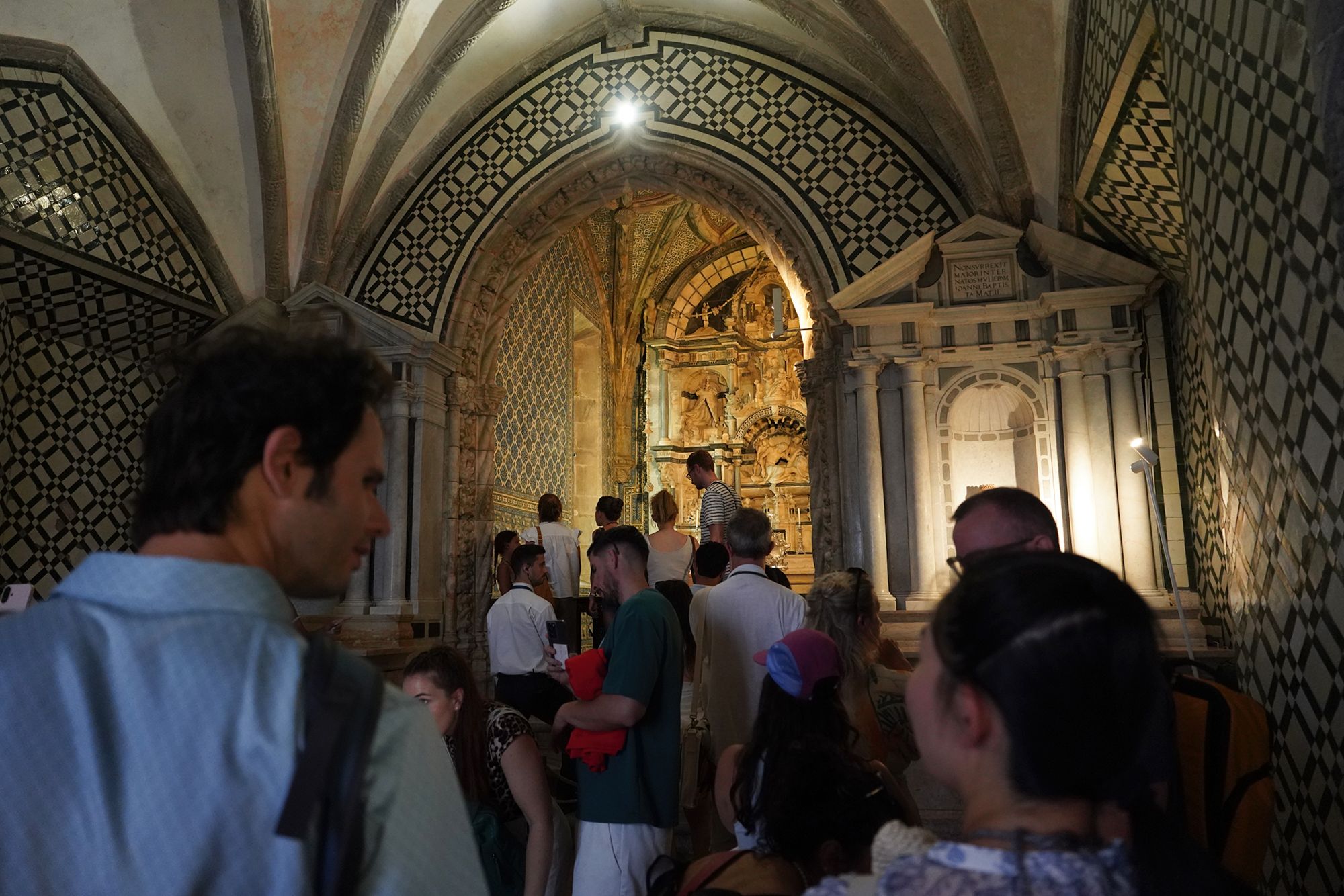
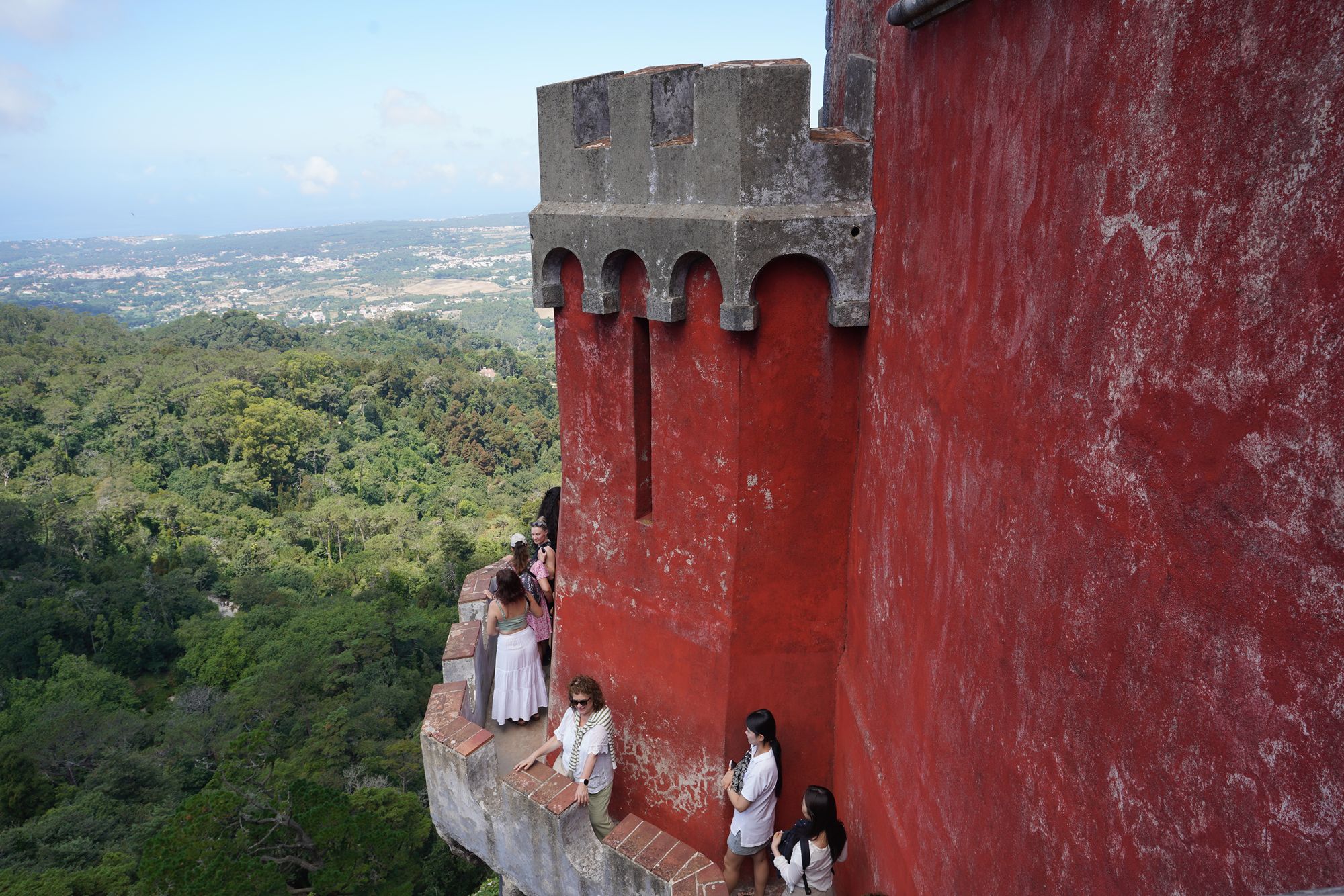
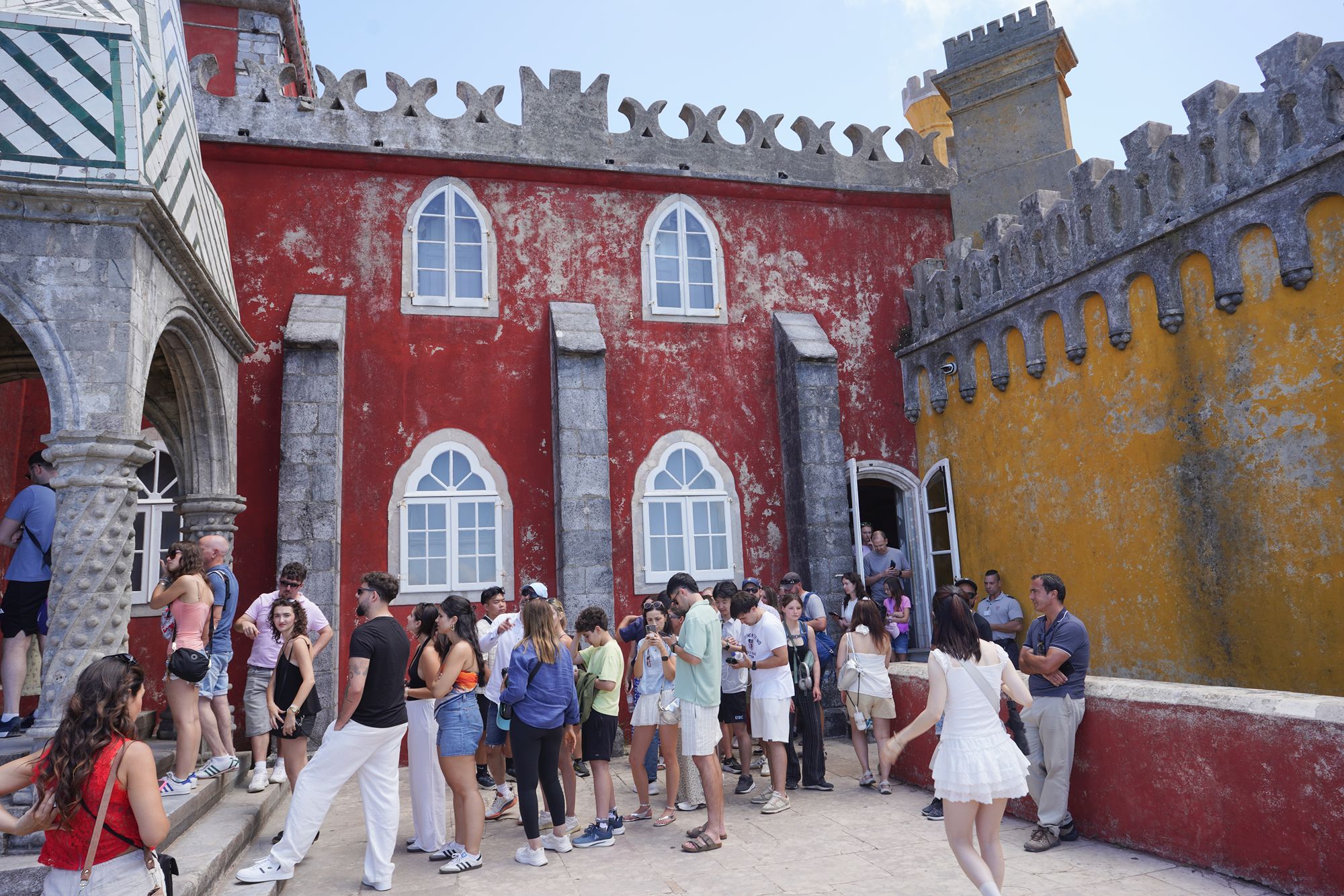
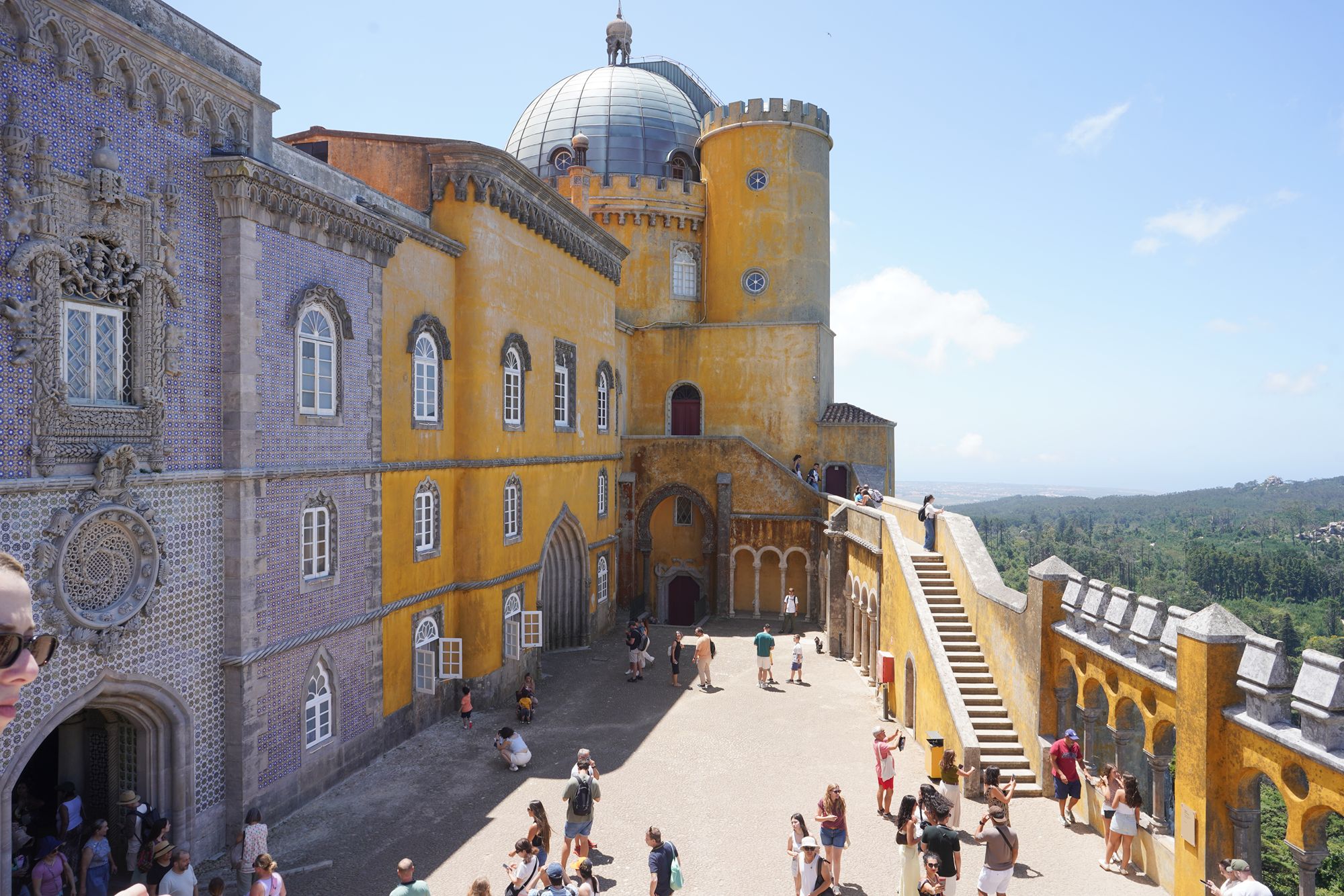
The National Palace of Pena stands on a wooded hill above Sintra, its red and yellow towers making it one of Portugal’s most recognizable palaces. In 1838, King Ferdinand II purchased a former 16th-century monastery and transformed it into a royal residence, preserving the older building while adding a new palace wing. It became a leading example of 19th-century Romantic architecture, blending historical styles with an imaginative, castle-like appearance
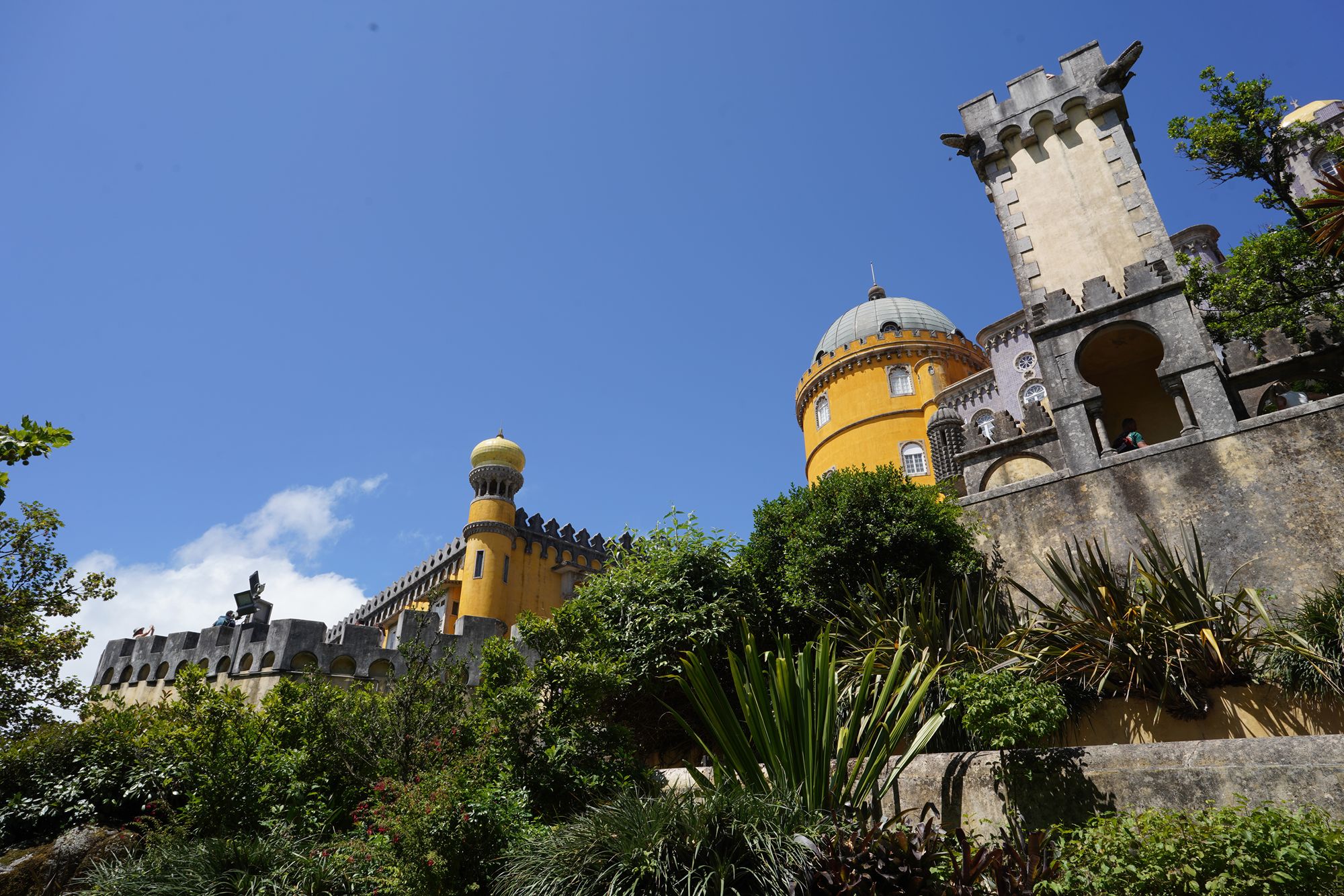
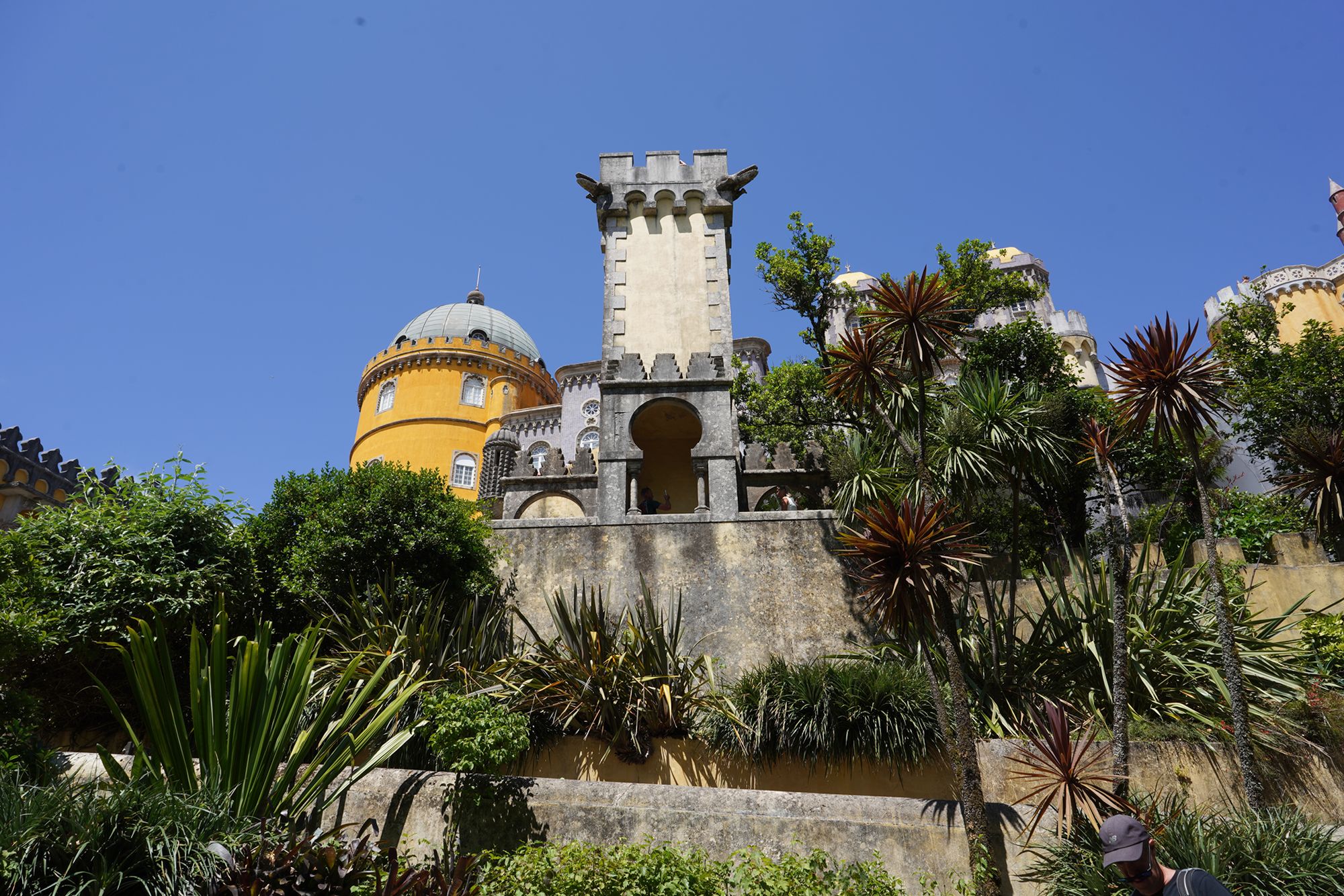
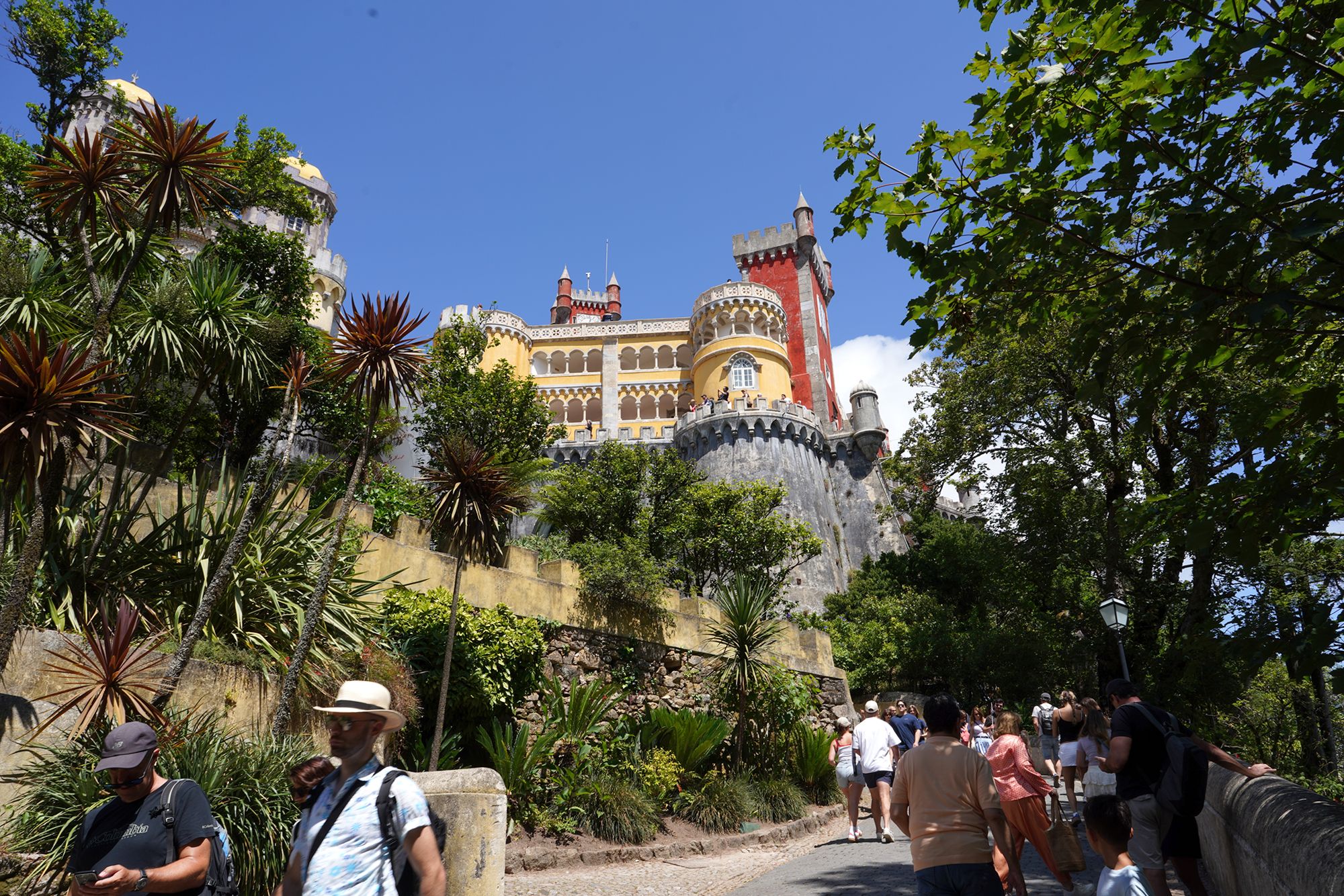
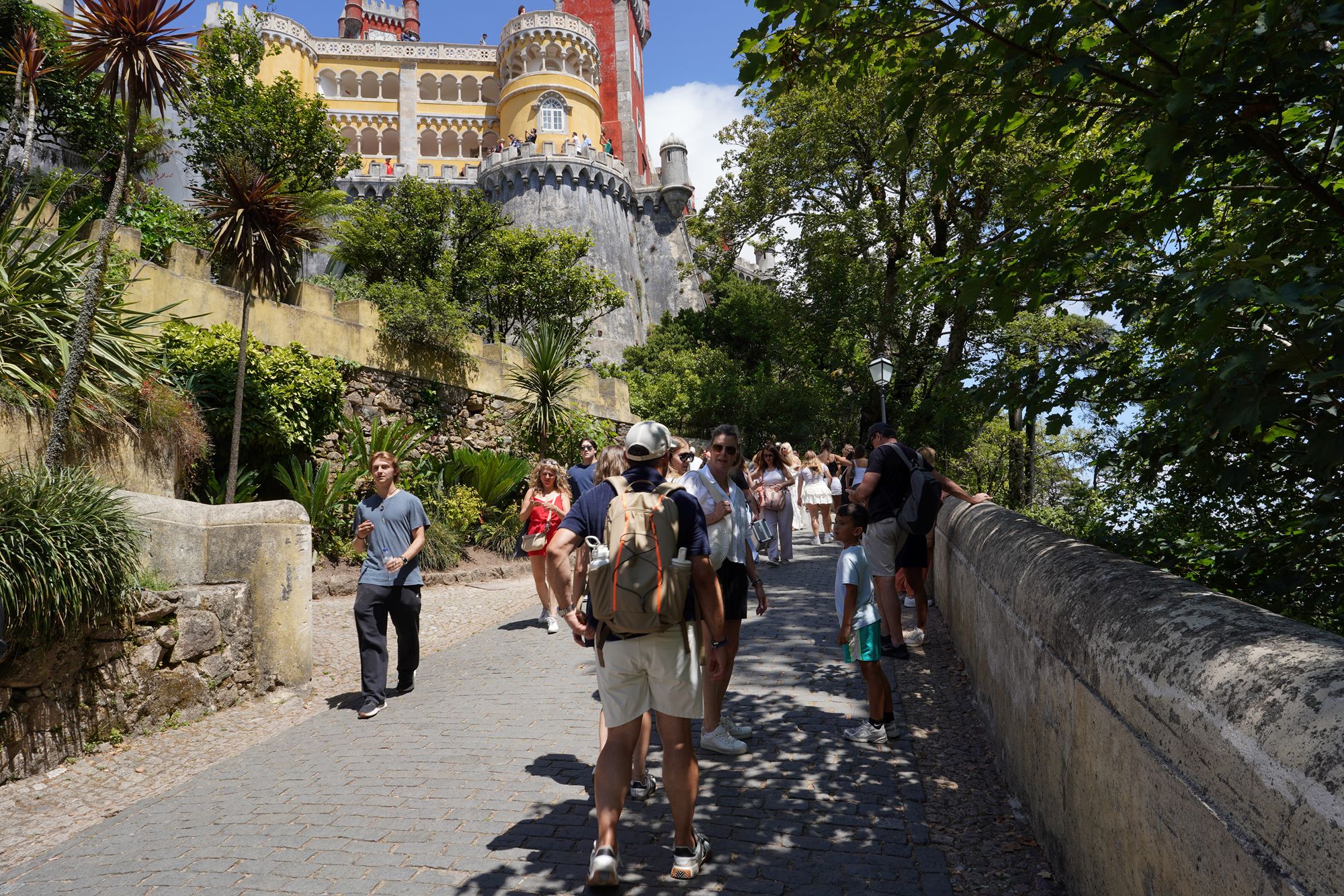
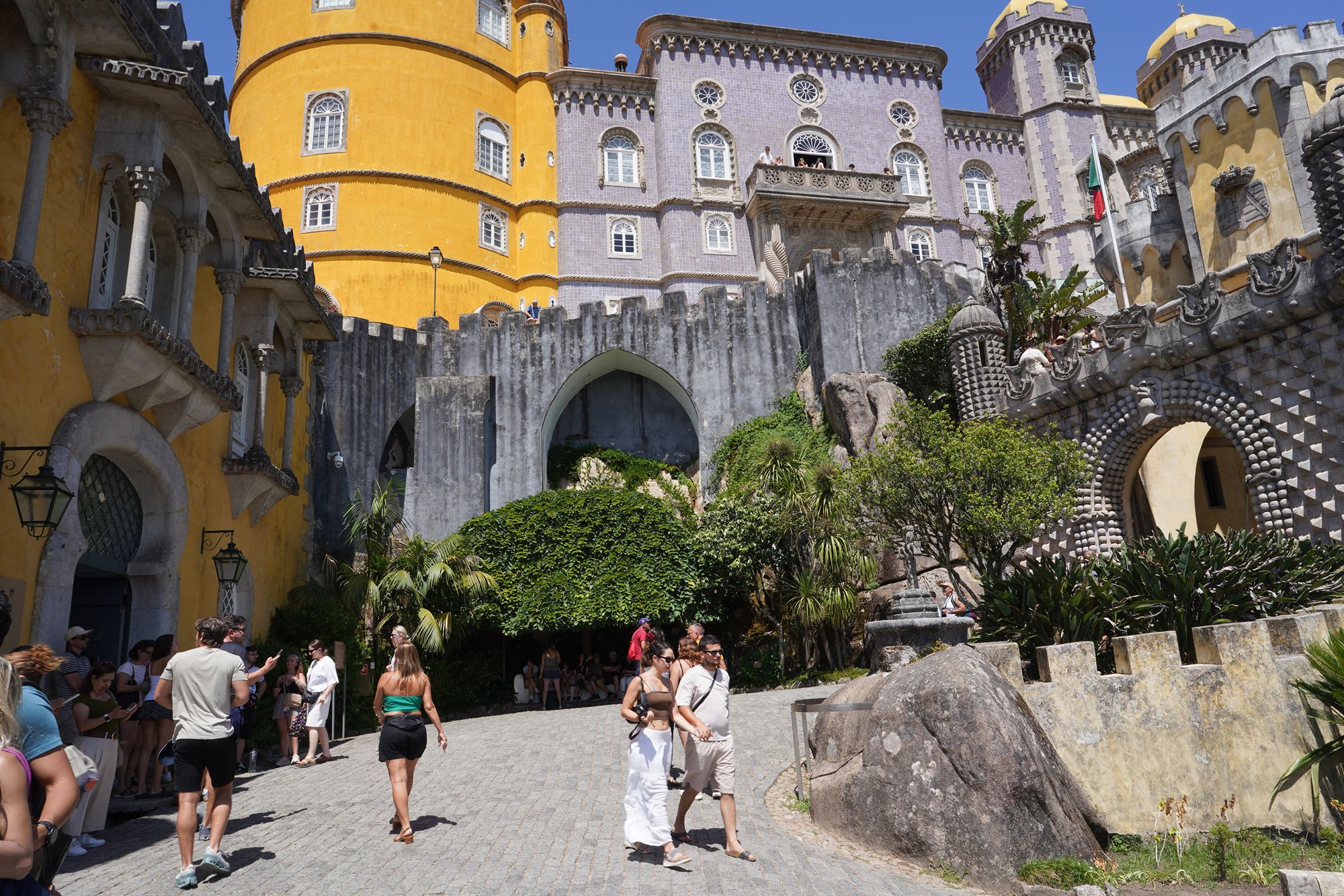
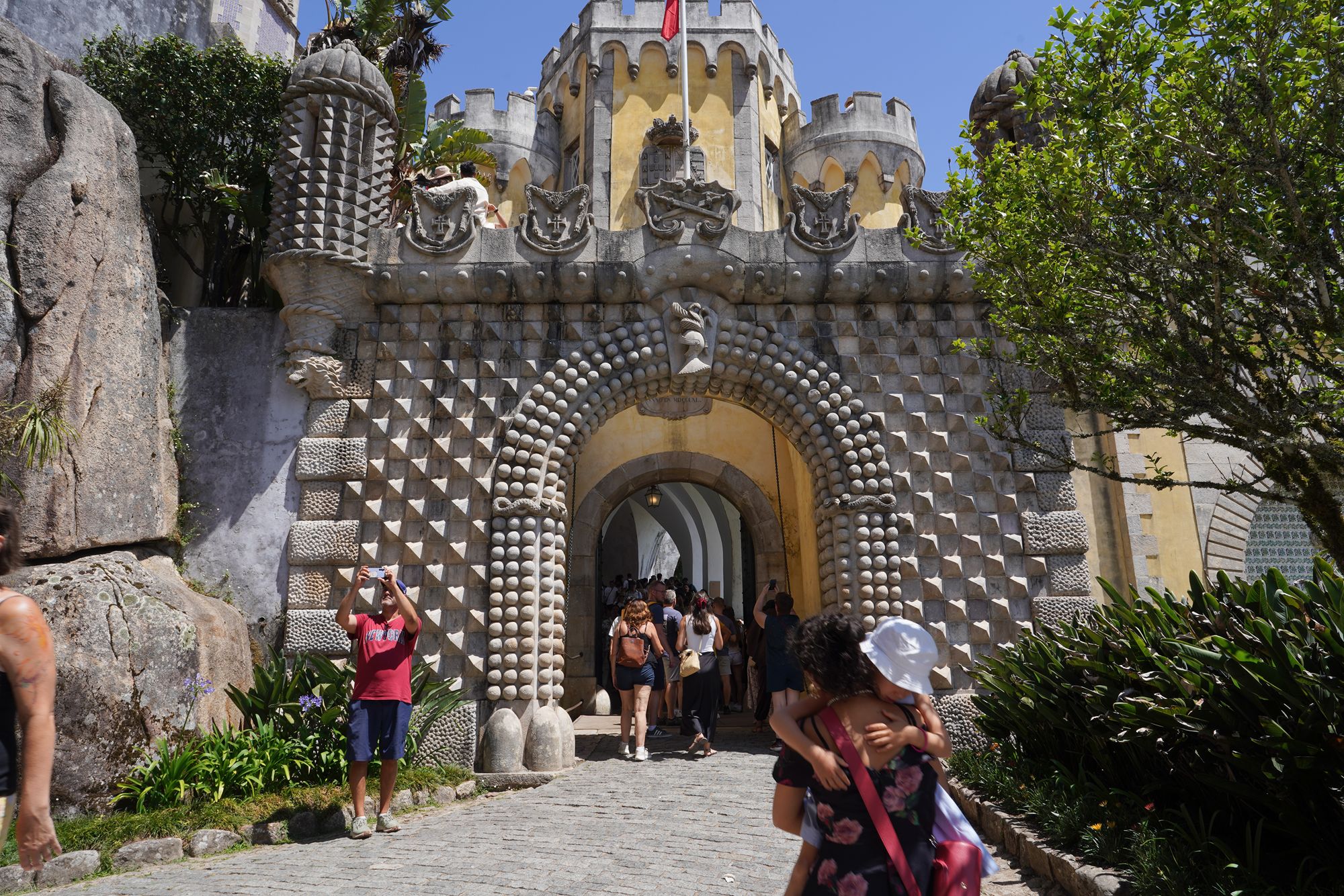
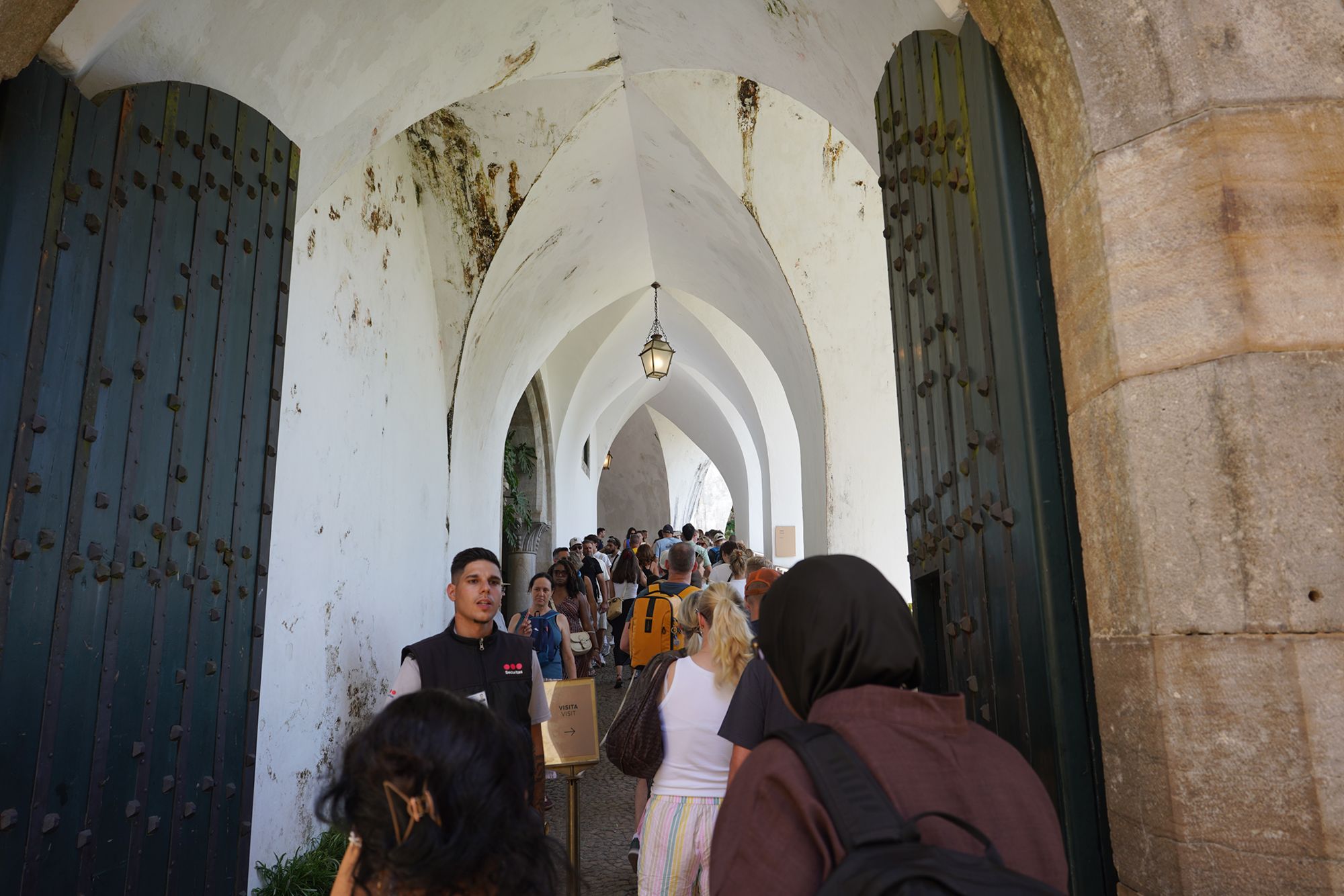
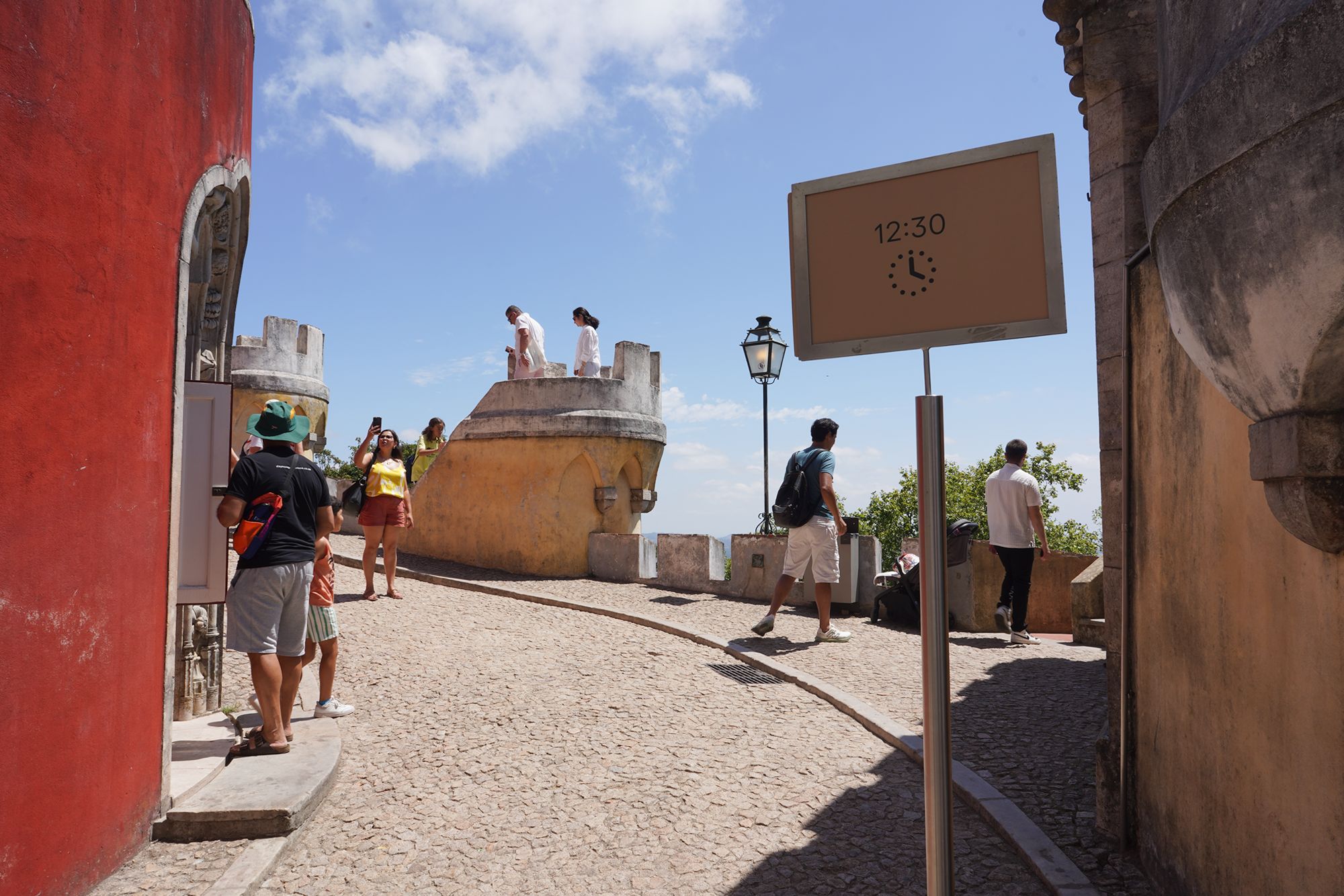
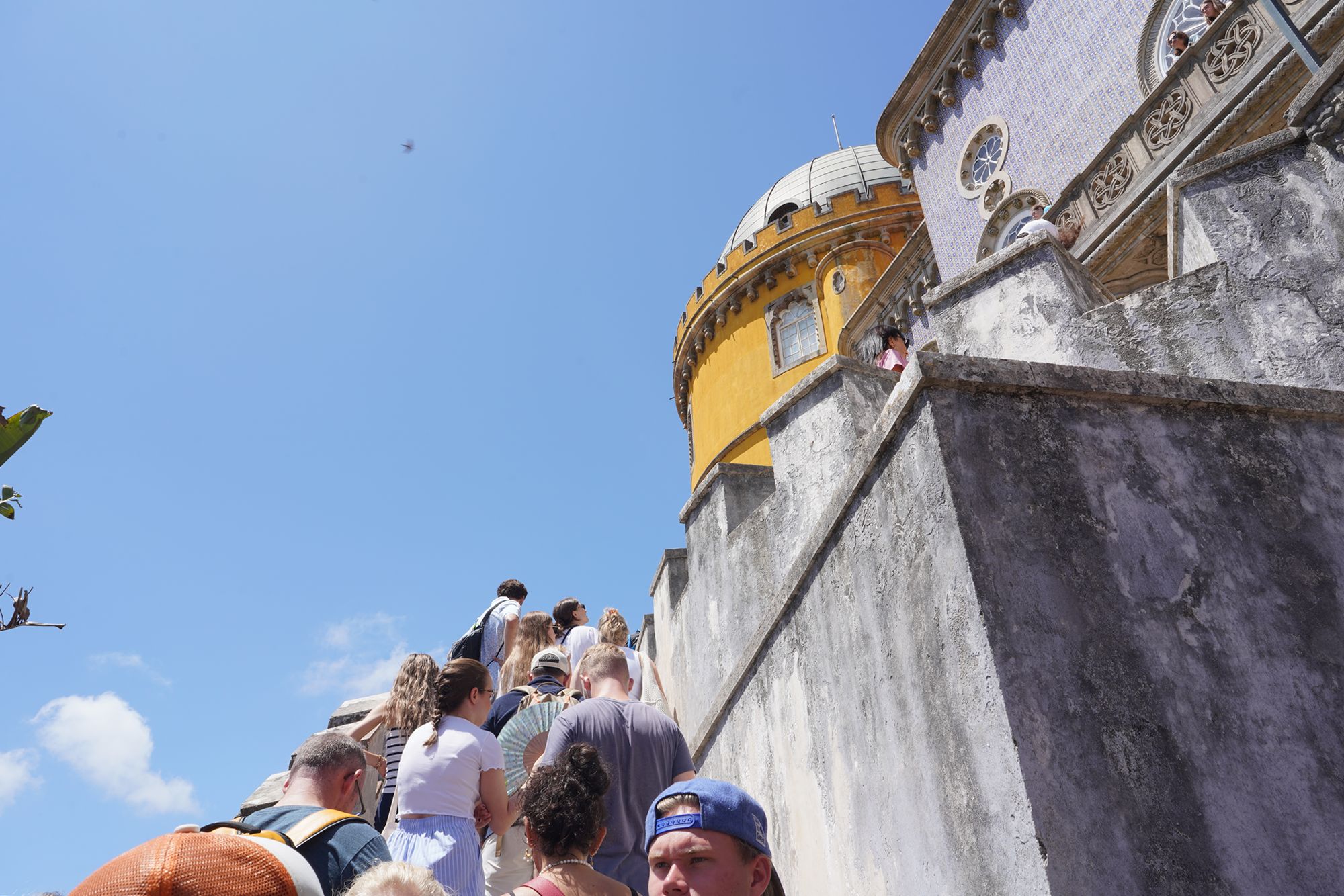
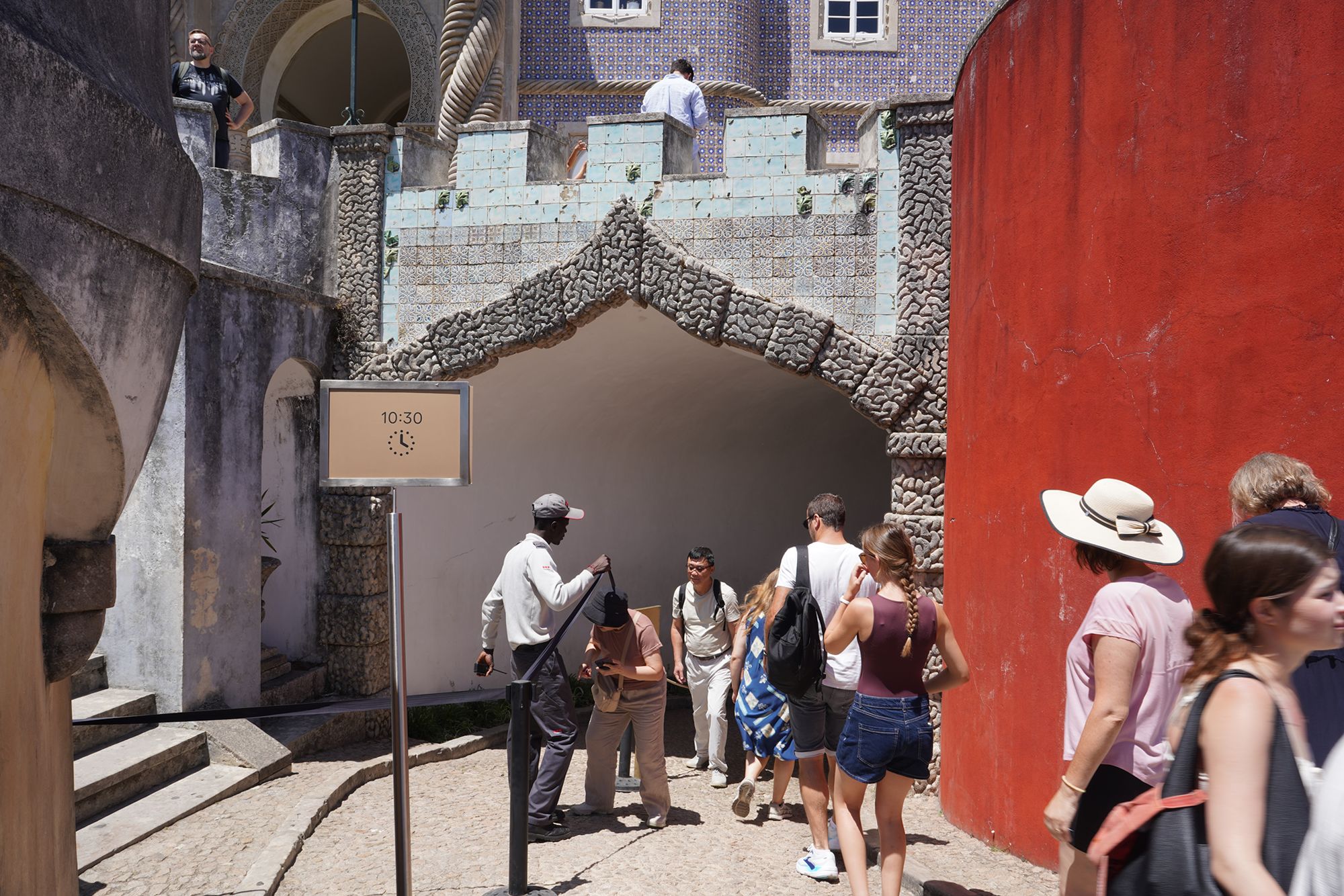
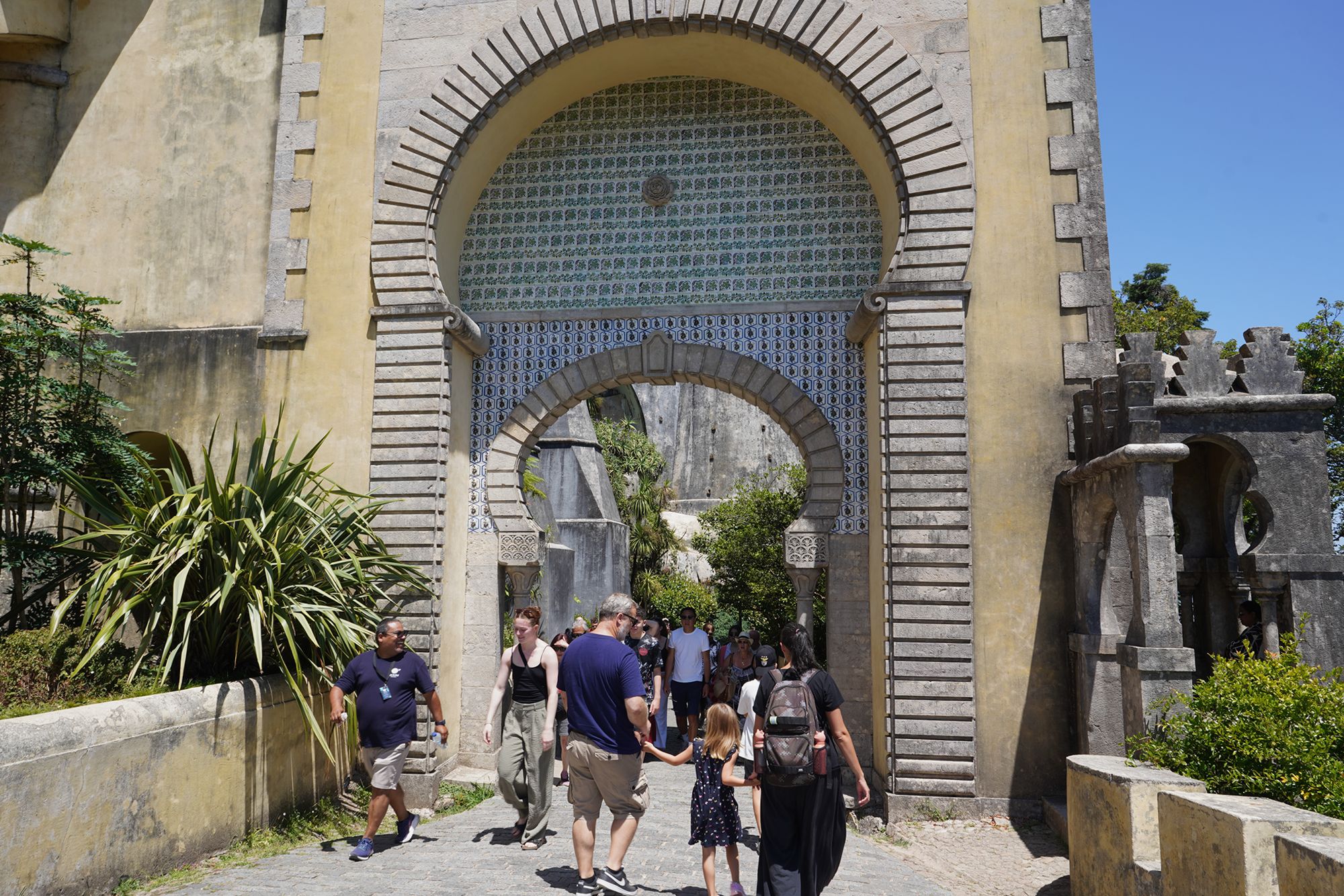
Although Pena Palace looks like a colorful medieval castle, much of it was built in the 19th century. King Ferdinand II transformed a former monastery into a royal retreat, combining the older structure with new towers, gateways, and terraces. The result reflects the Romantic taste for imagination, history, and dramatic settings.
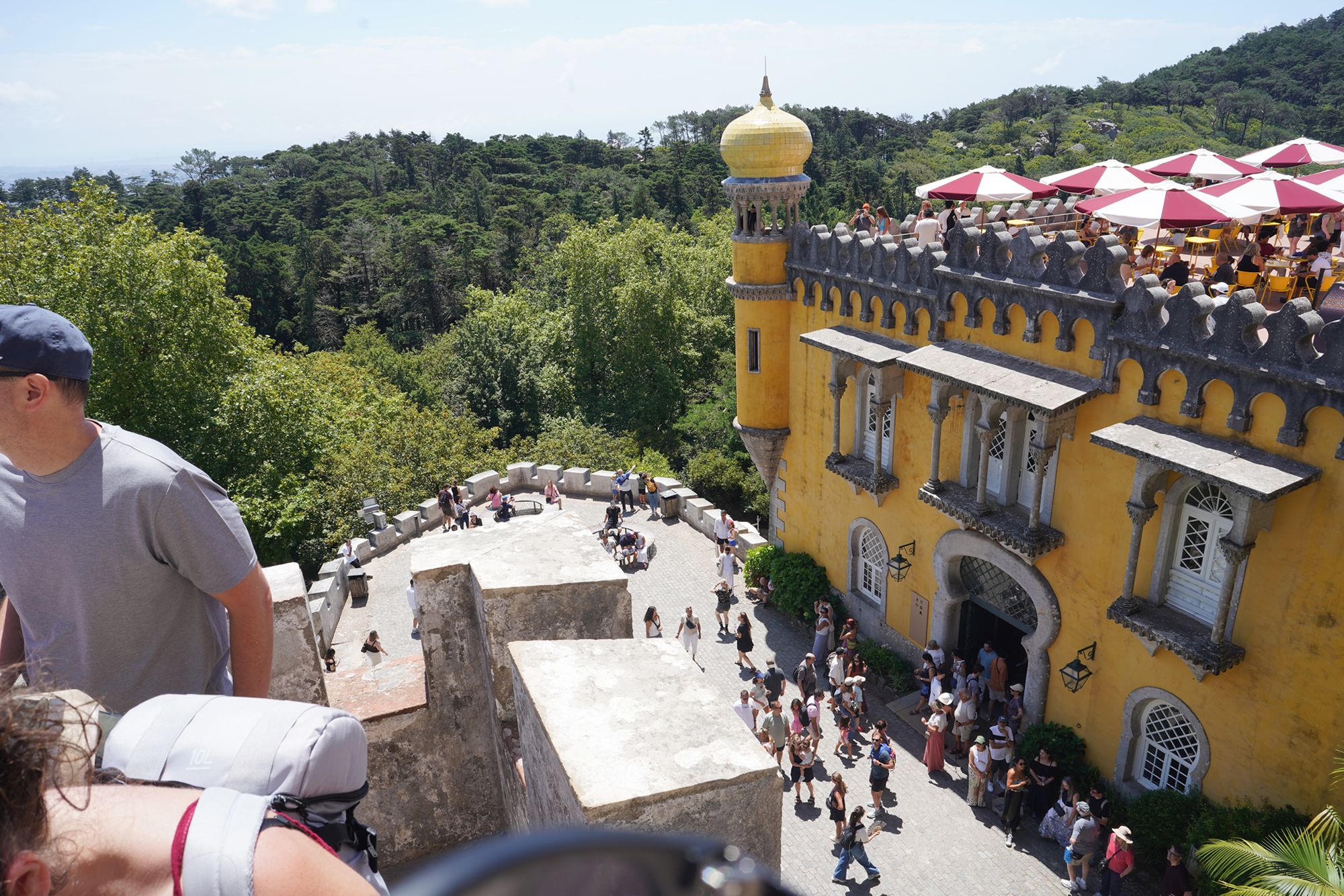
The palace’s red and yellow walls give its different sections distinct appearances. Walking around the exterior, visitors can see decorative arches, patterned tiles, and details inspired by several architectural traditions. Its hilltop setting adds to the experience, with views across the wooded Sintra hills.
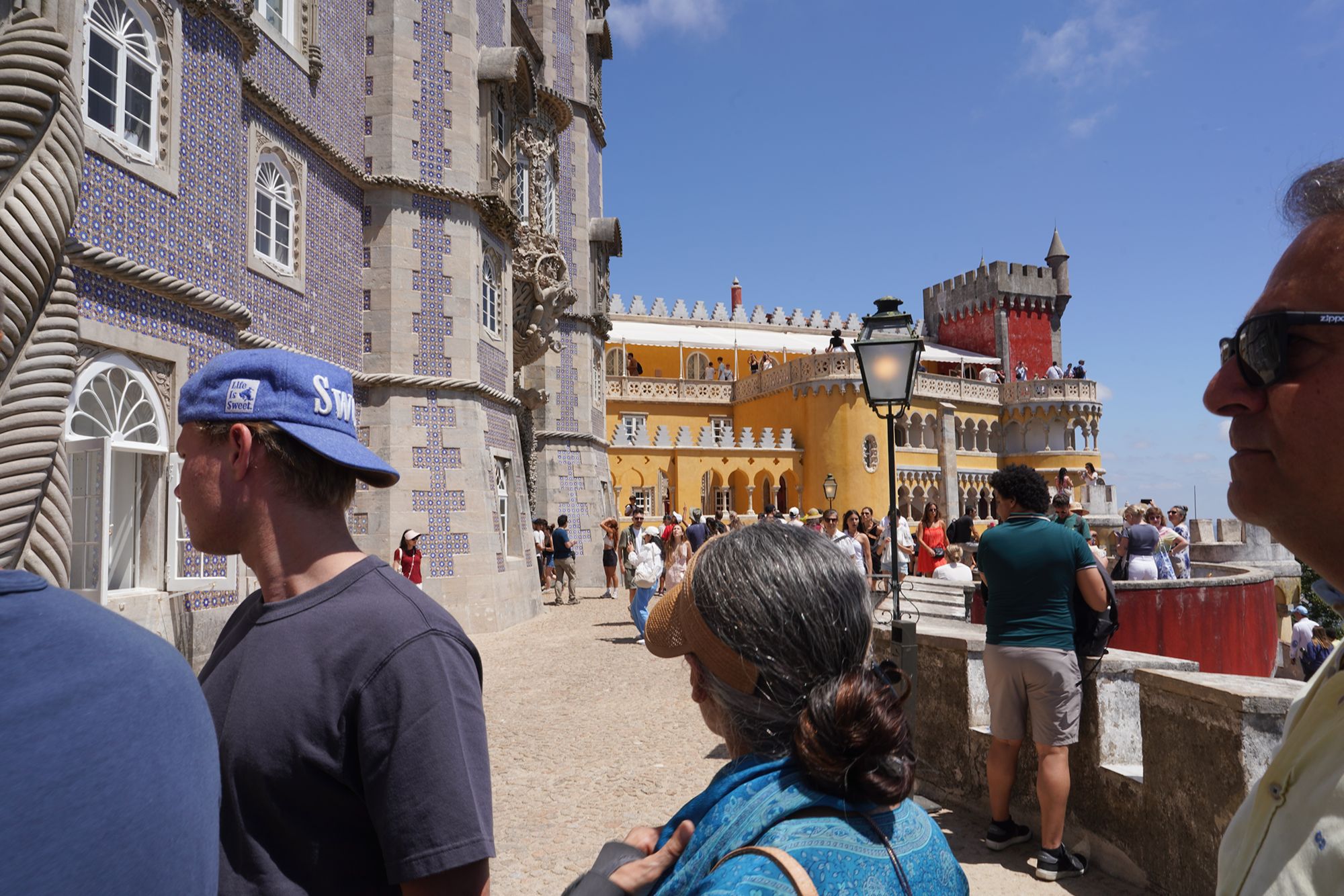
Inside, the palace feels more like a royal home, with furnished bedrooms and other living spaces. The surrounding park extends the visit beyond the building, with winding paths and trees brought from different parts of the world.
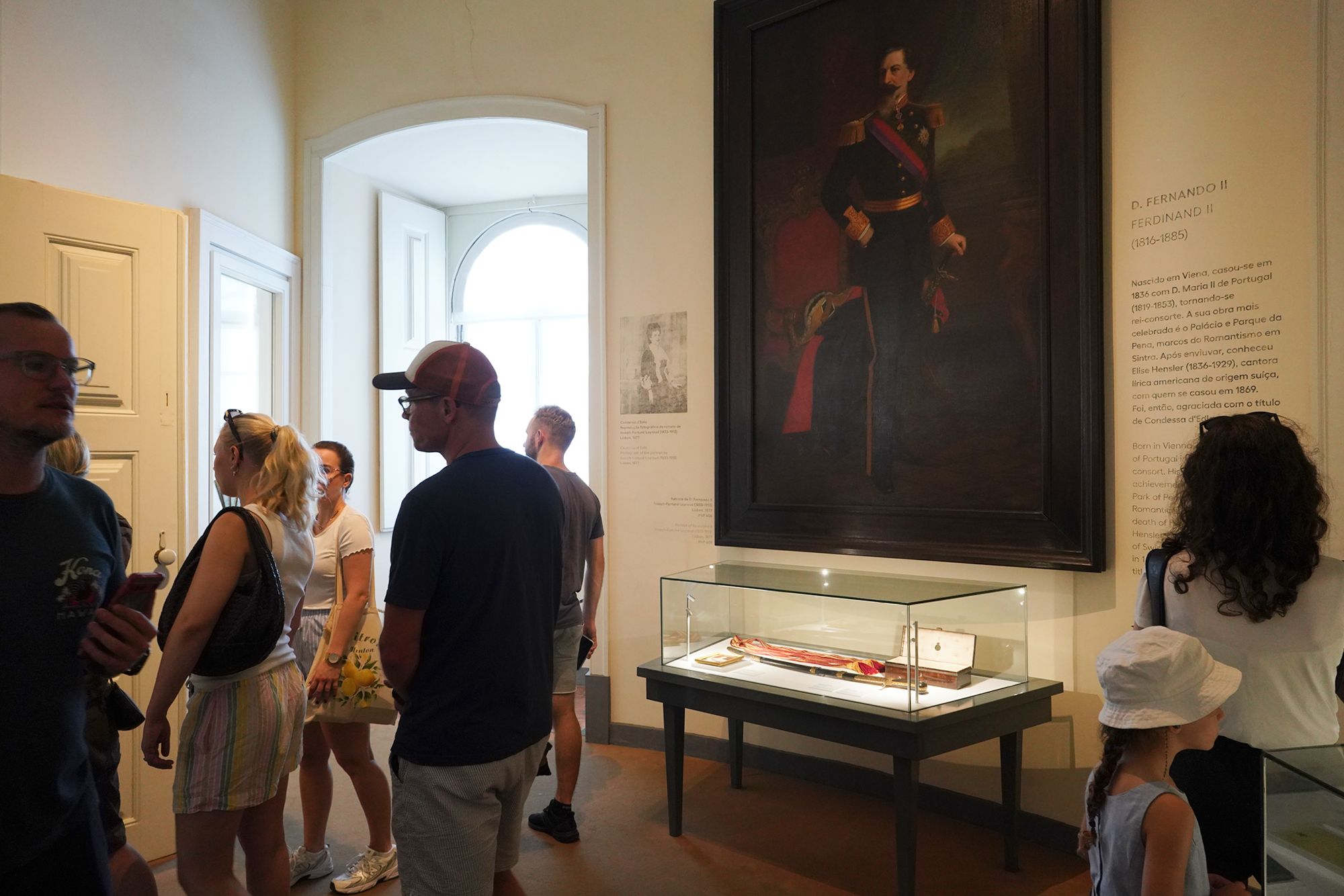
I’ll cover the Pena Palace in a separate blog post, so here I’ll share just a glimpse of it.
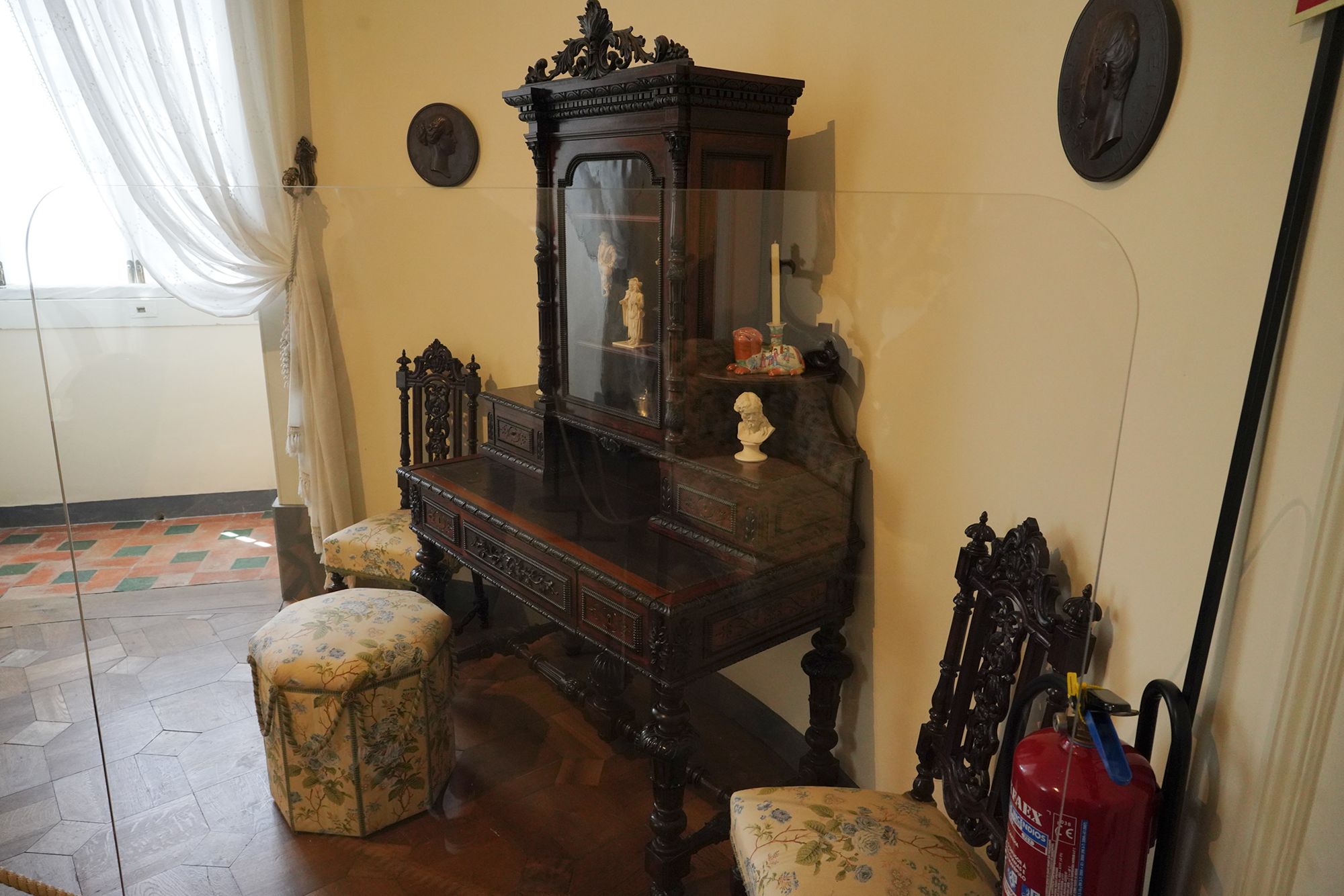
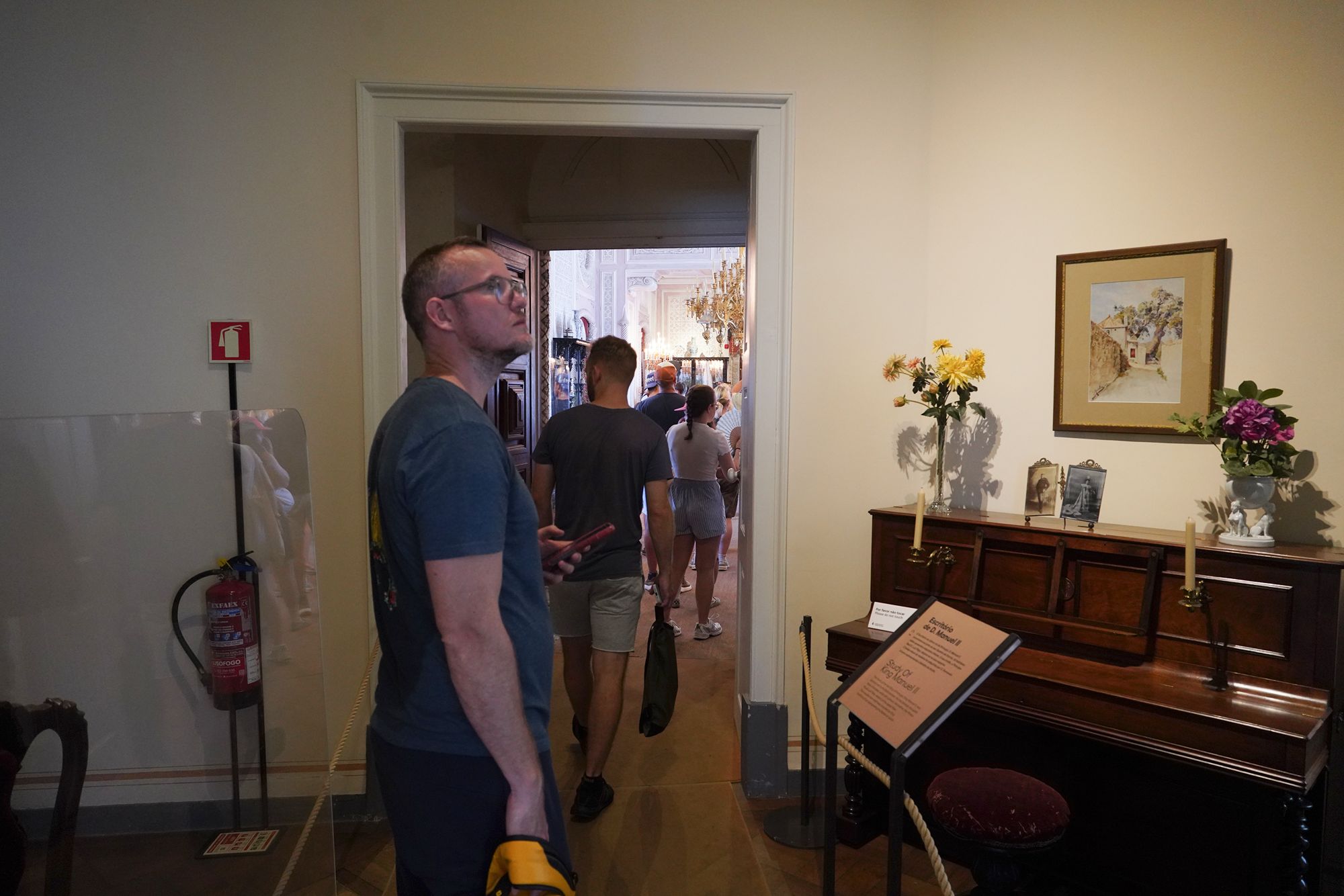
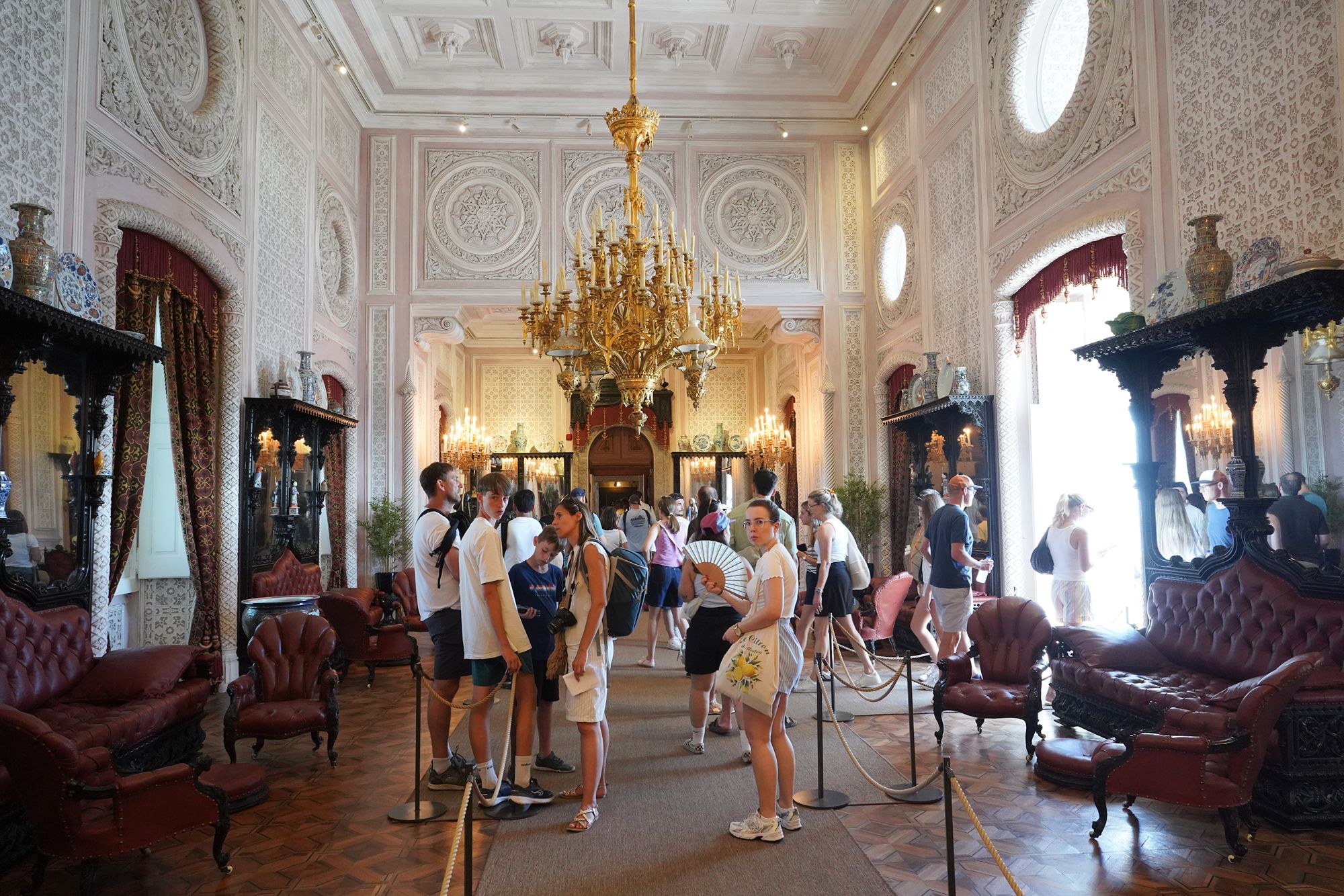
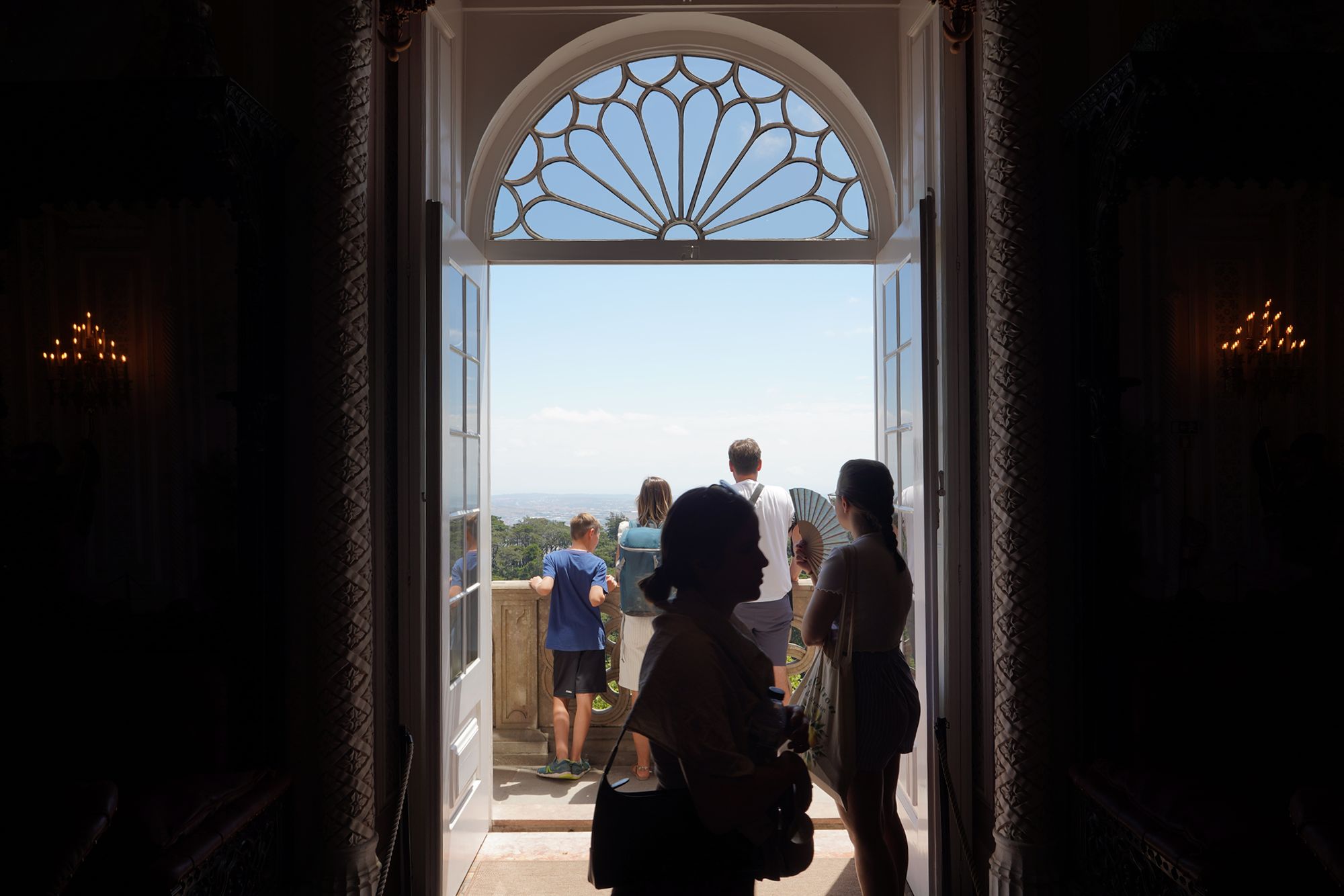
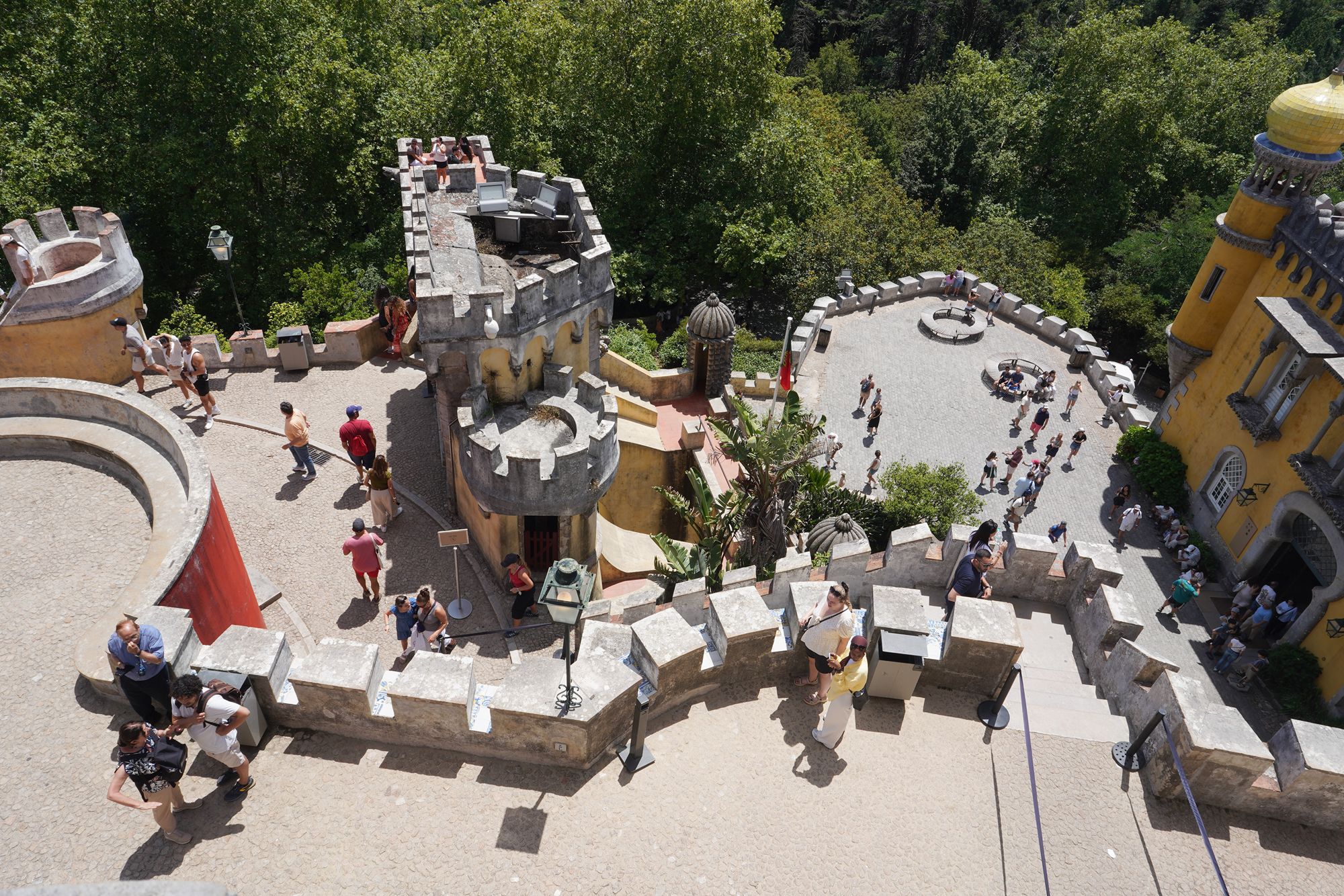
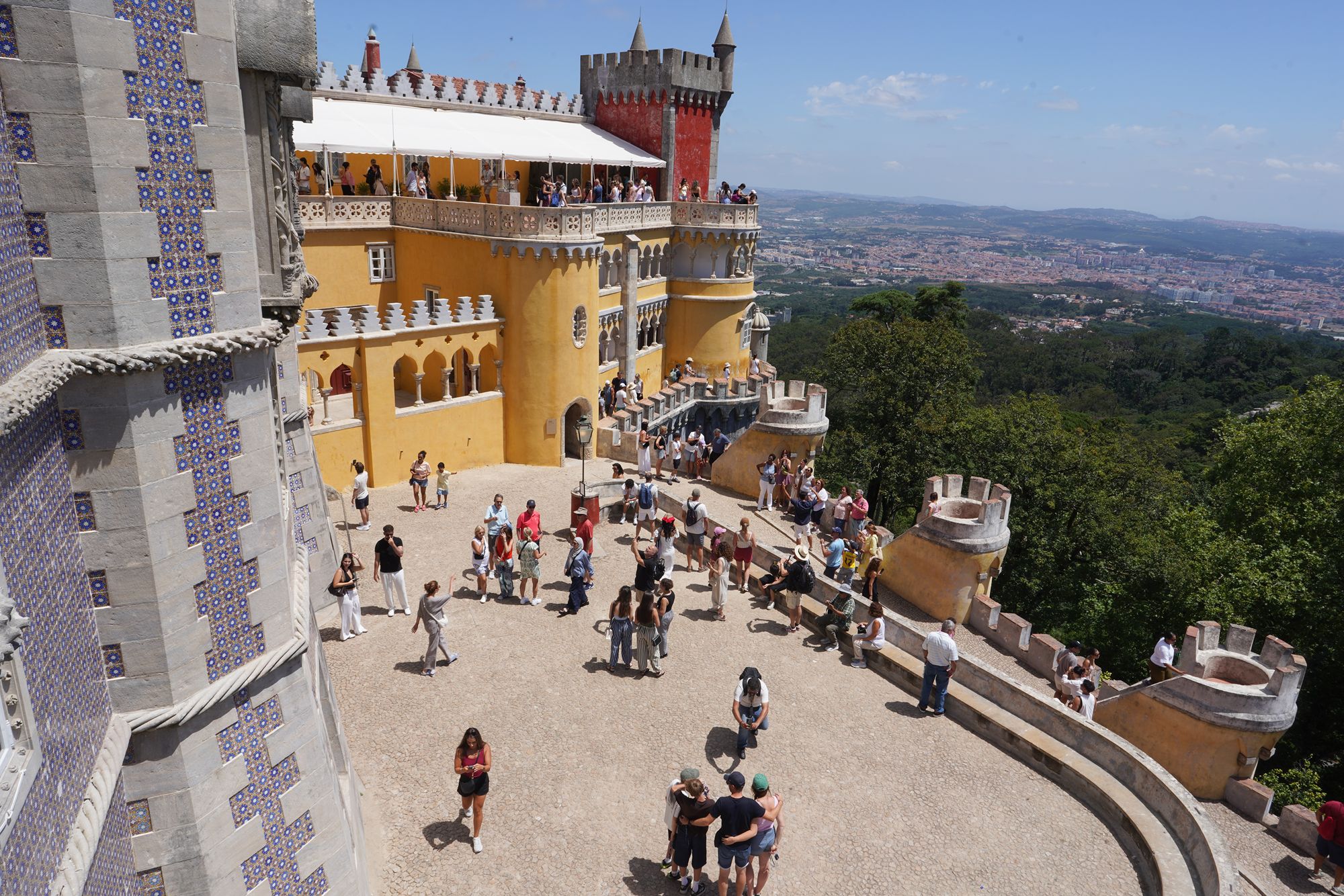
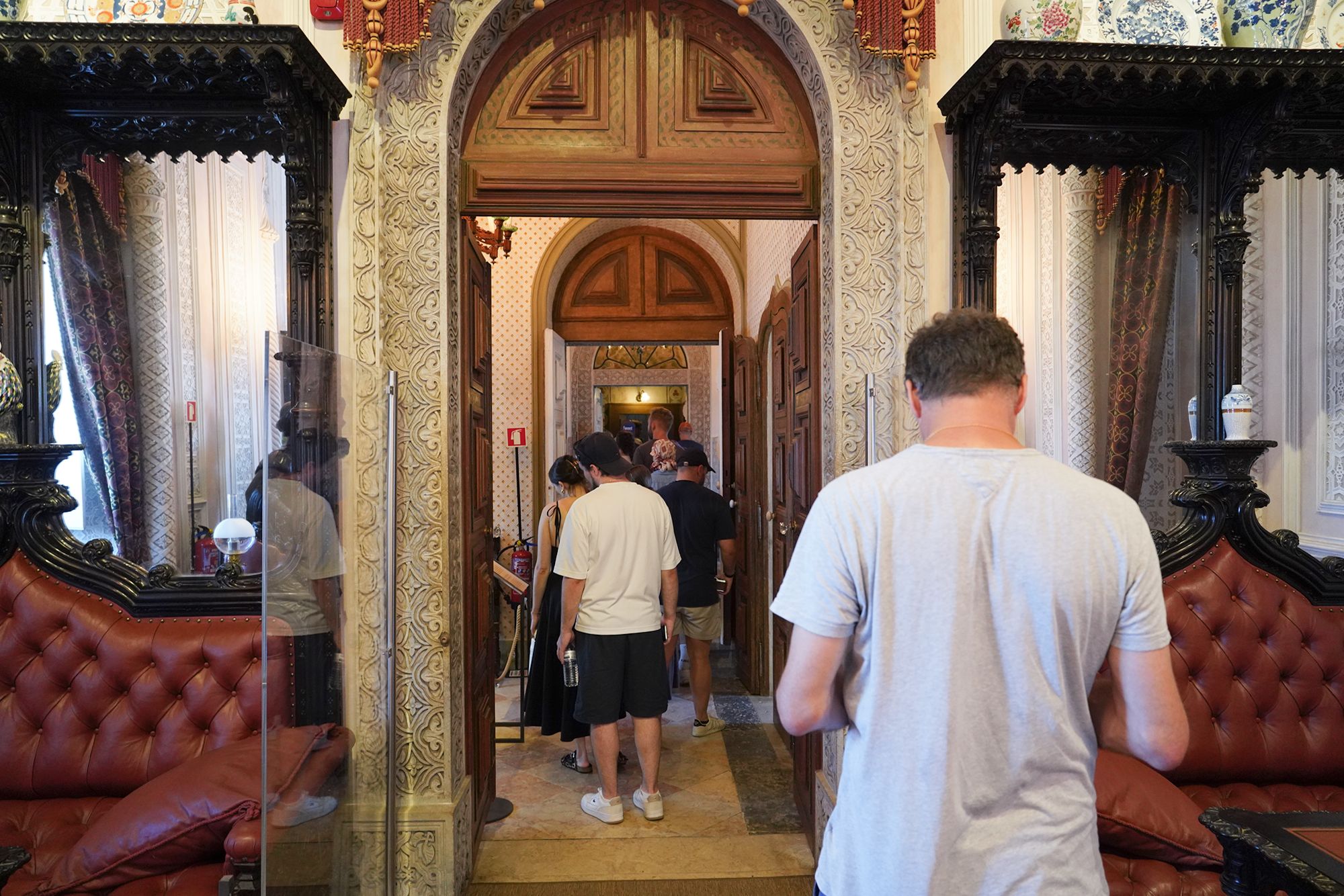
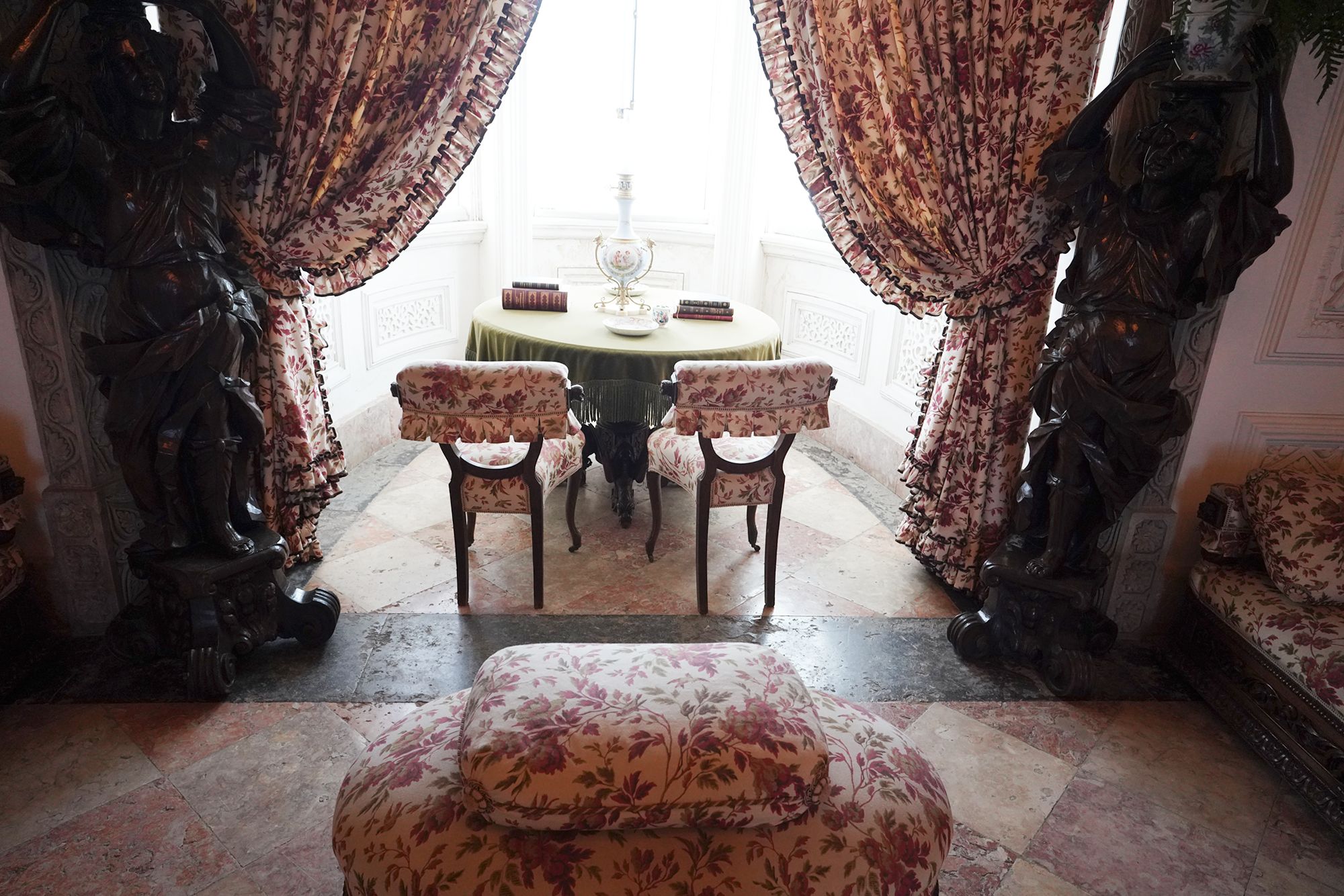
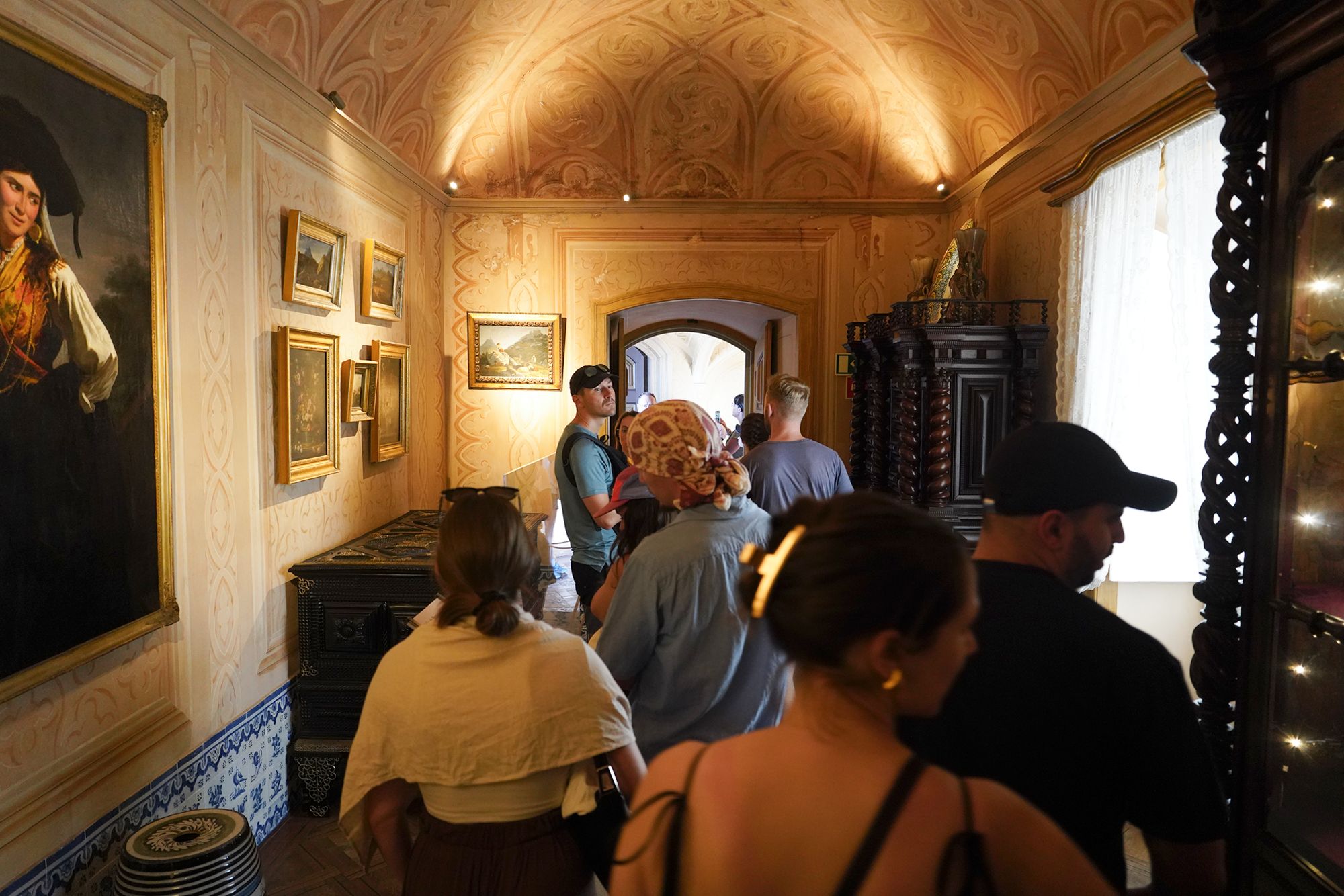
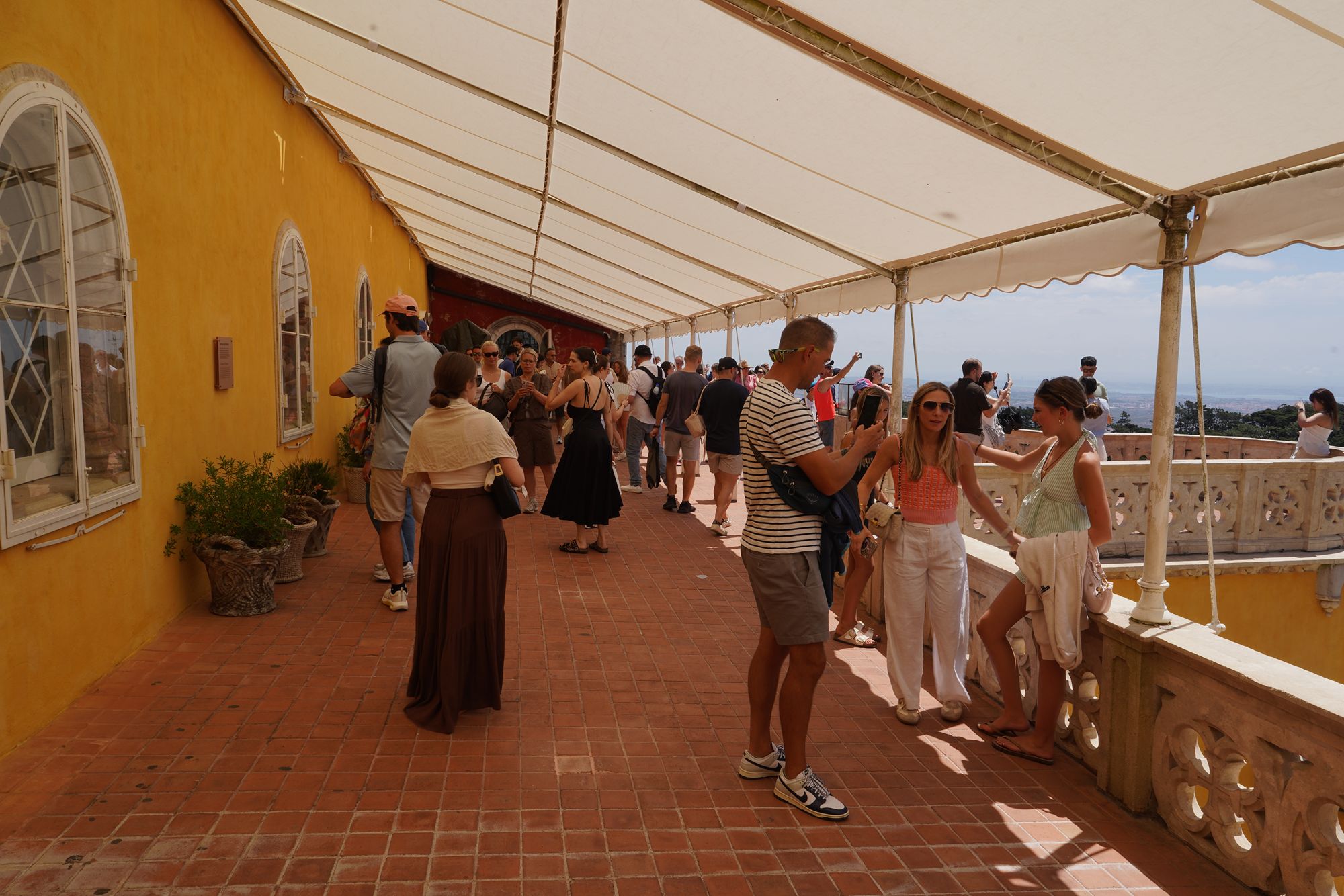
Pena Palace began as a 16th-century monastery, which was badly damaged by the 1755 earthquake. King Ferdinand II purchased it in 1838 and transformed it into a royal retreat, restoring the surviving monastery and adding a colorful new palace wing. After Portugal became a republic in 1910, the palace was preserved as a museum.
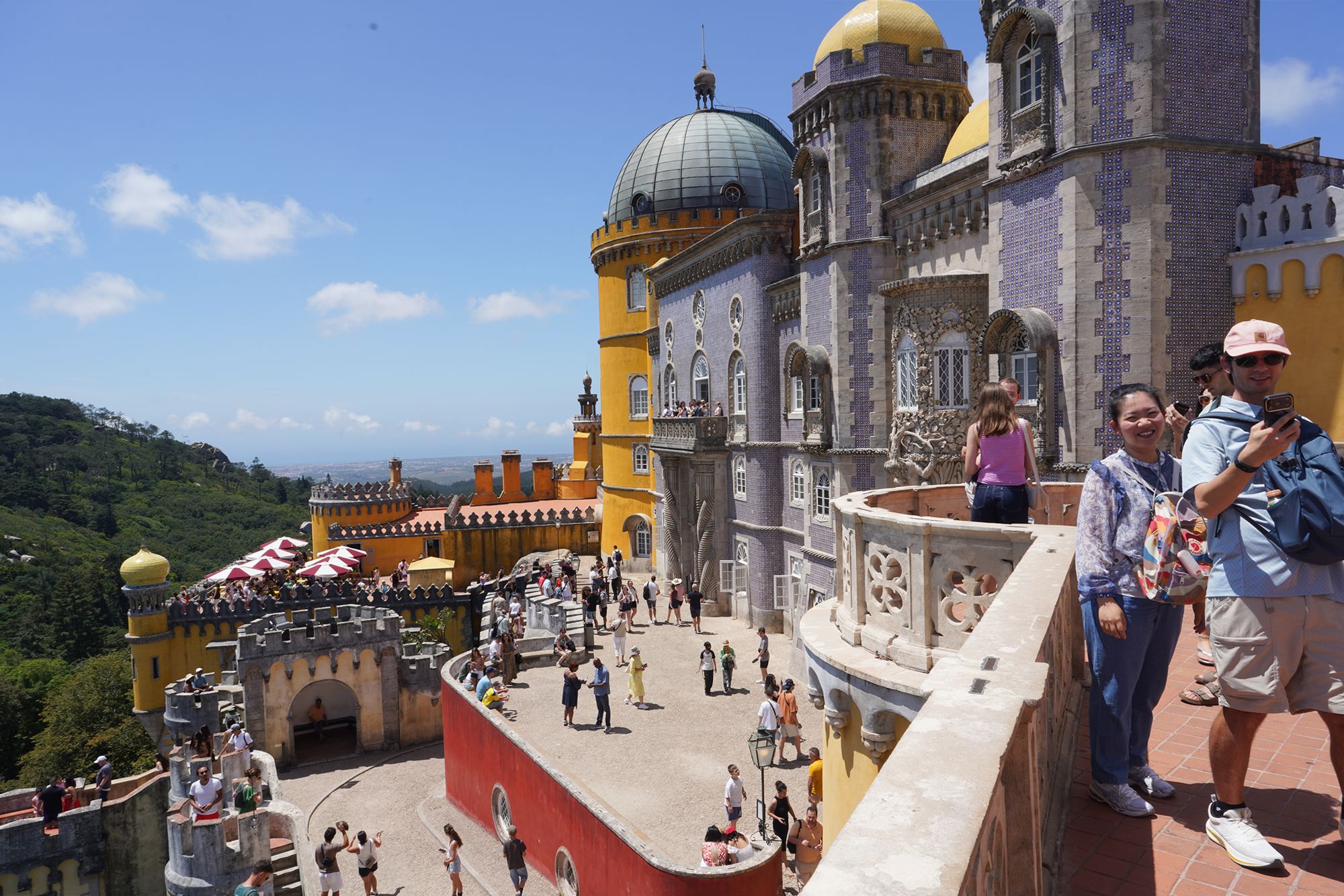
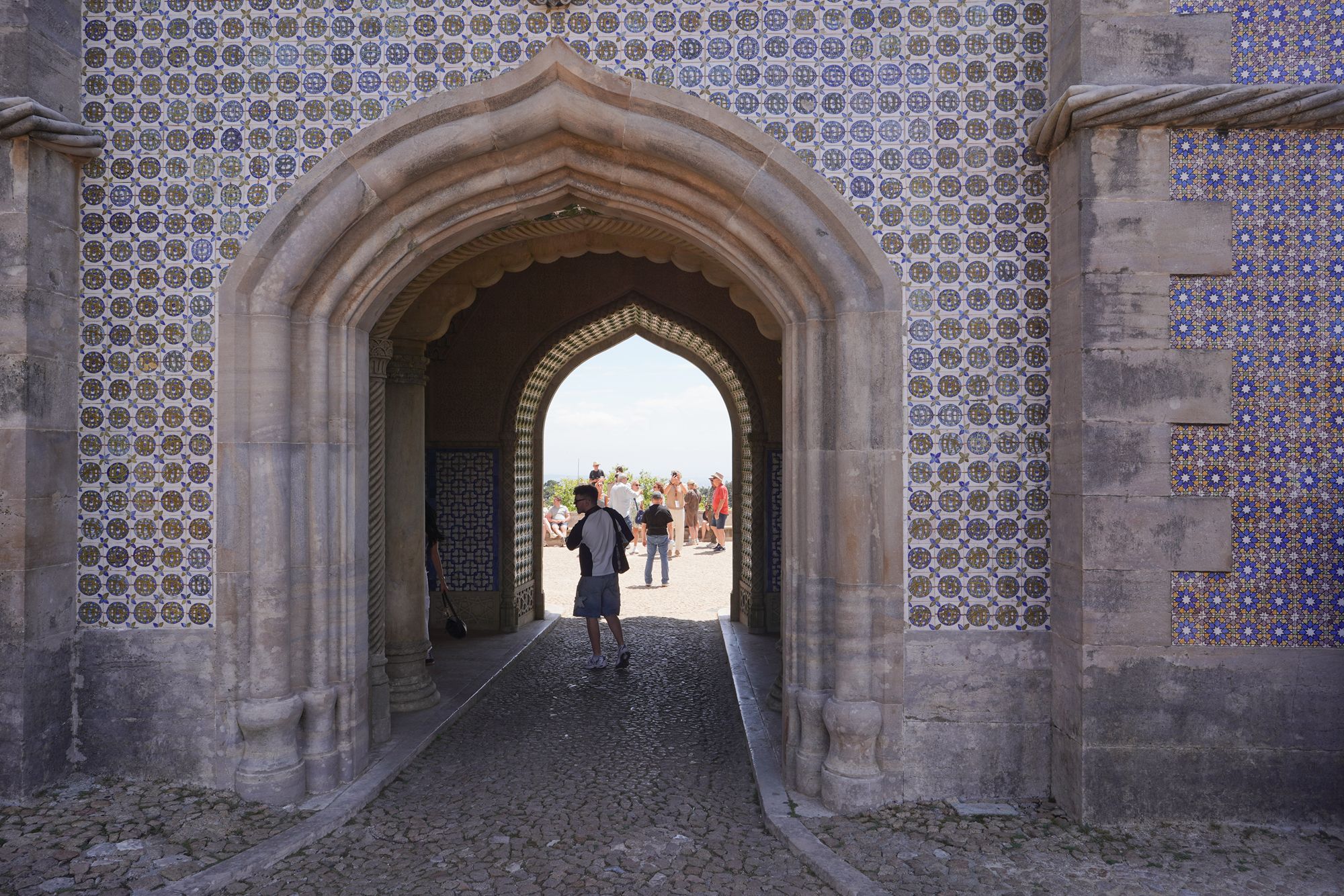
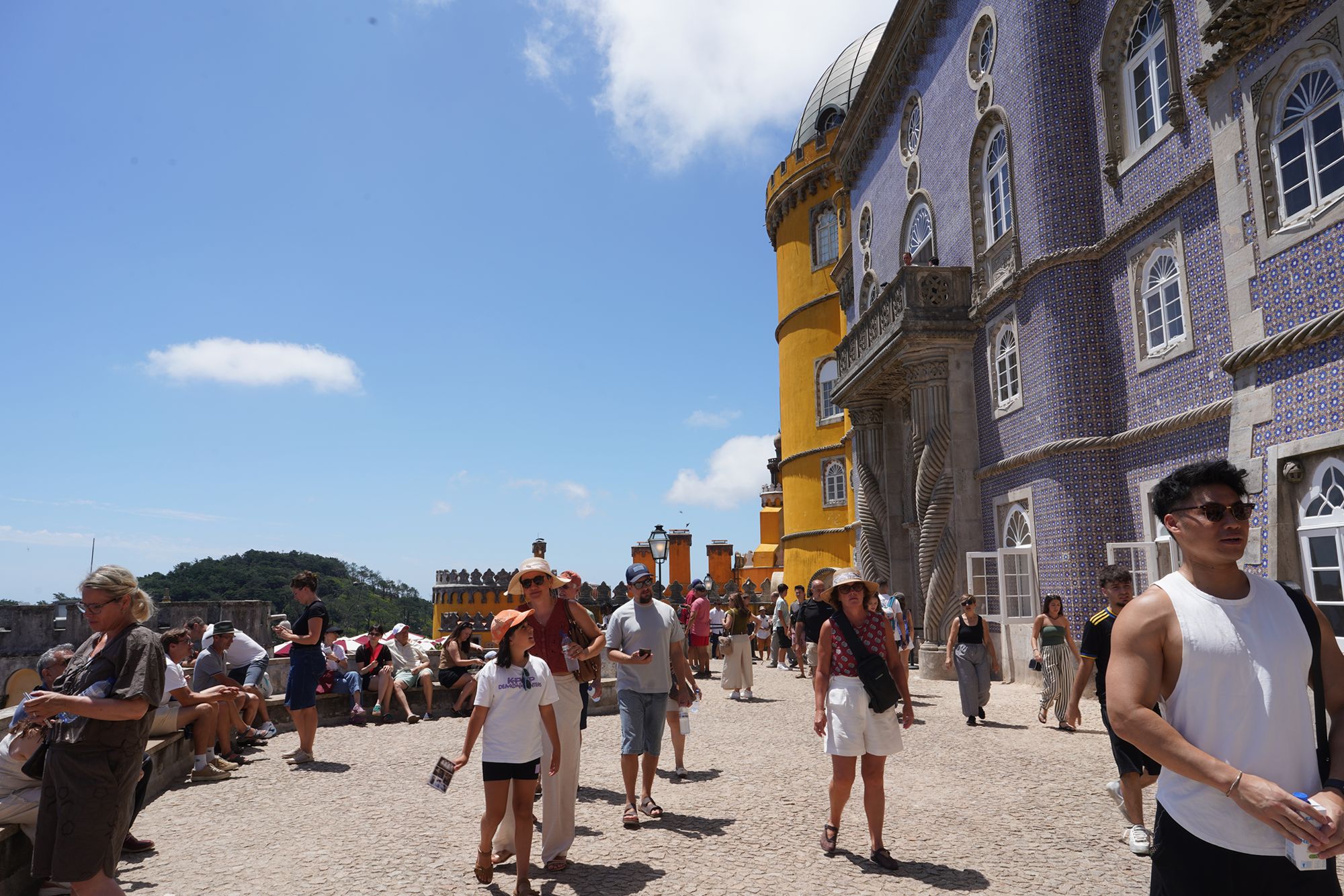
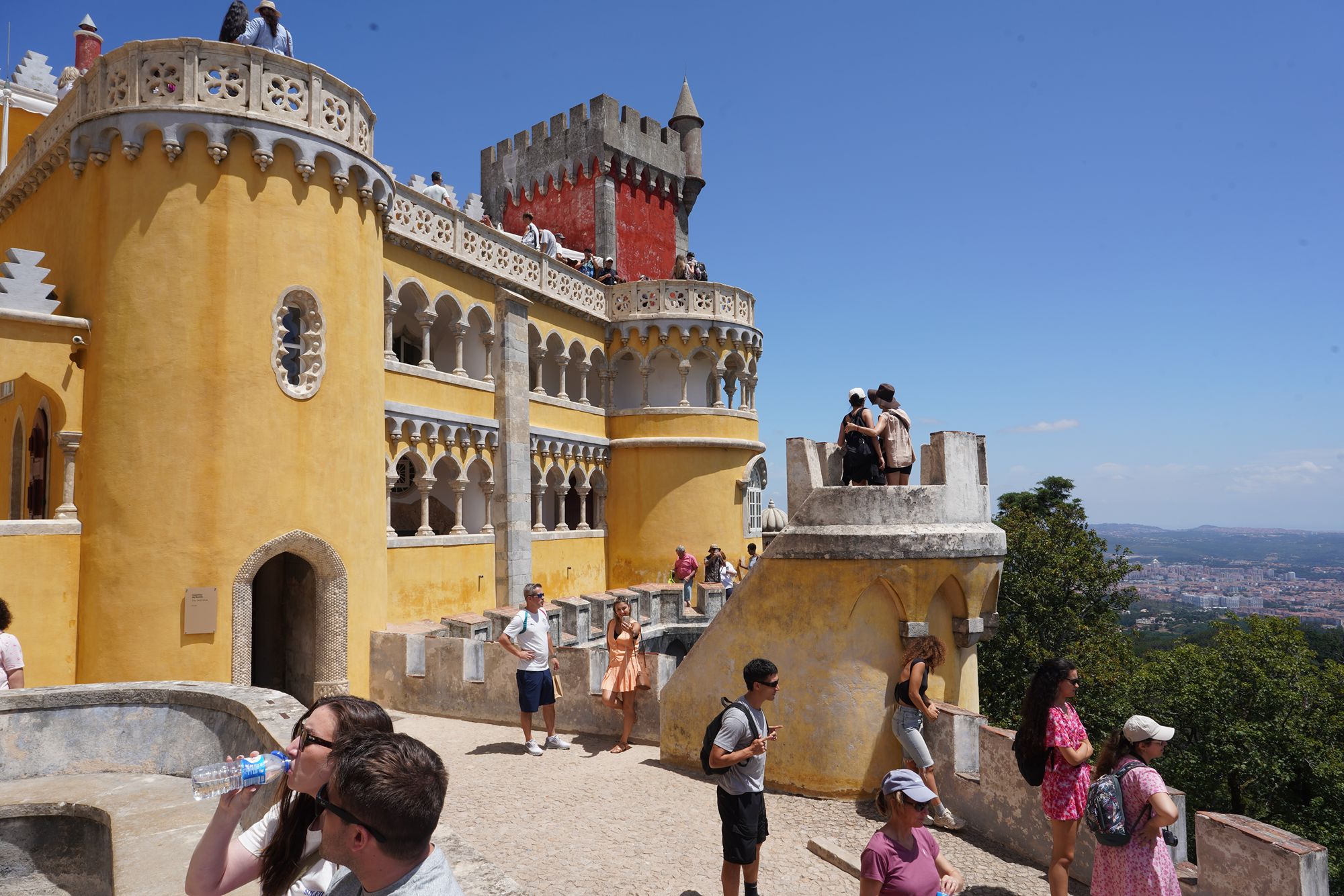
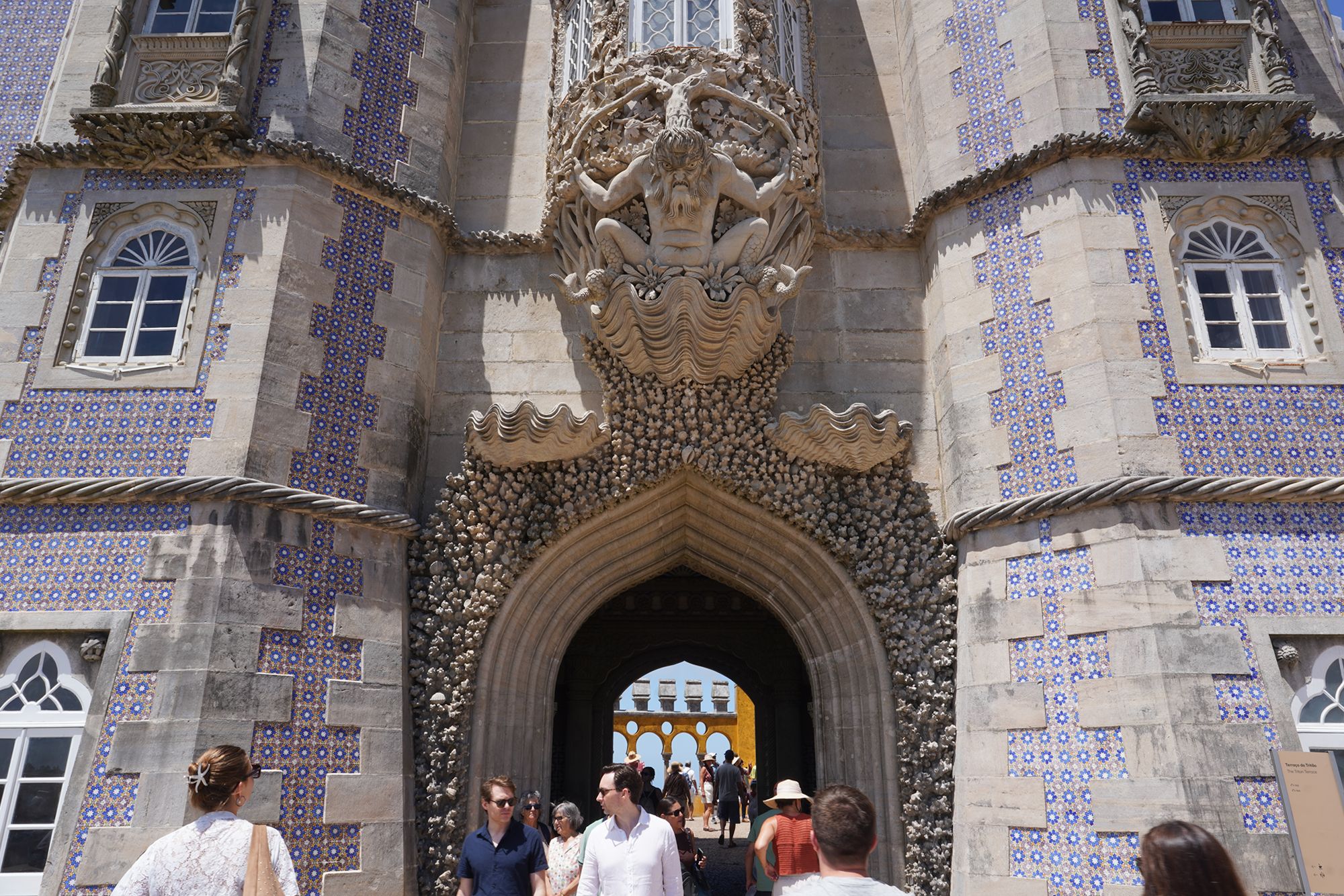
I walked back down to the palace park entrance. From there, I took a bus to the town of Sintra.
Sintra Town
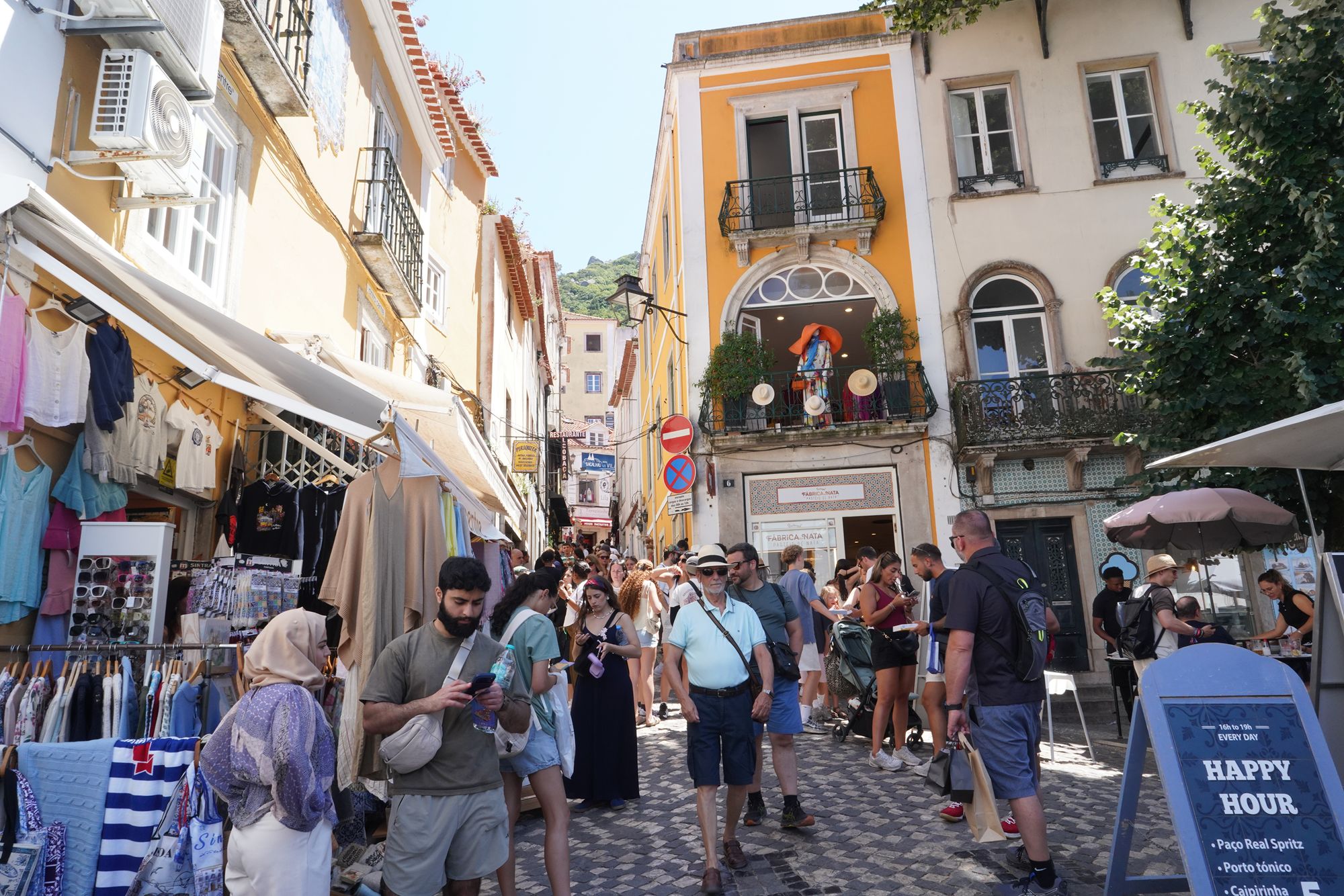
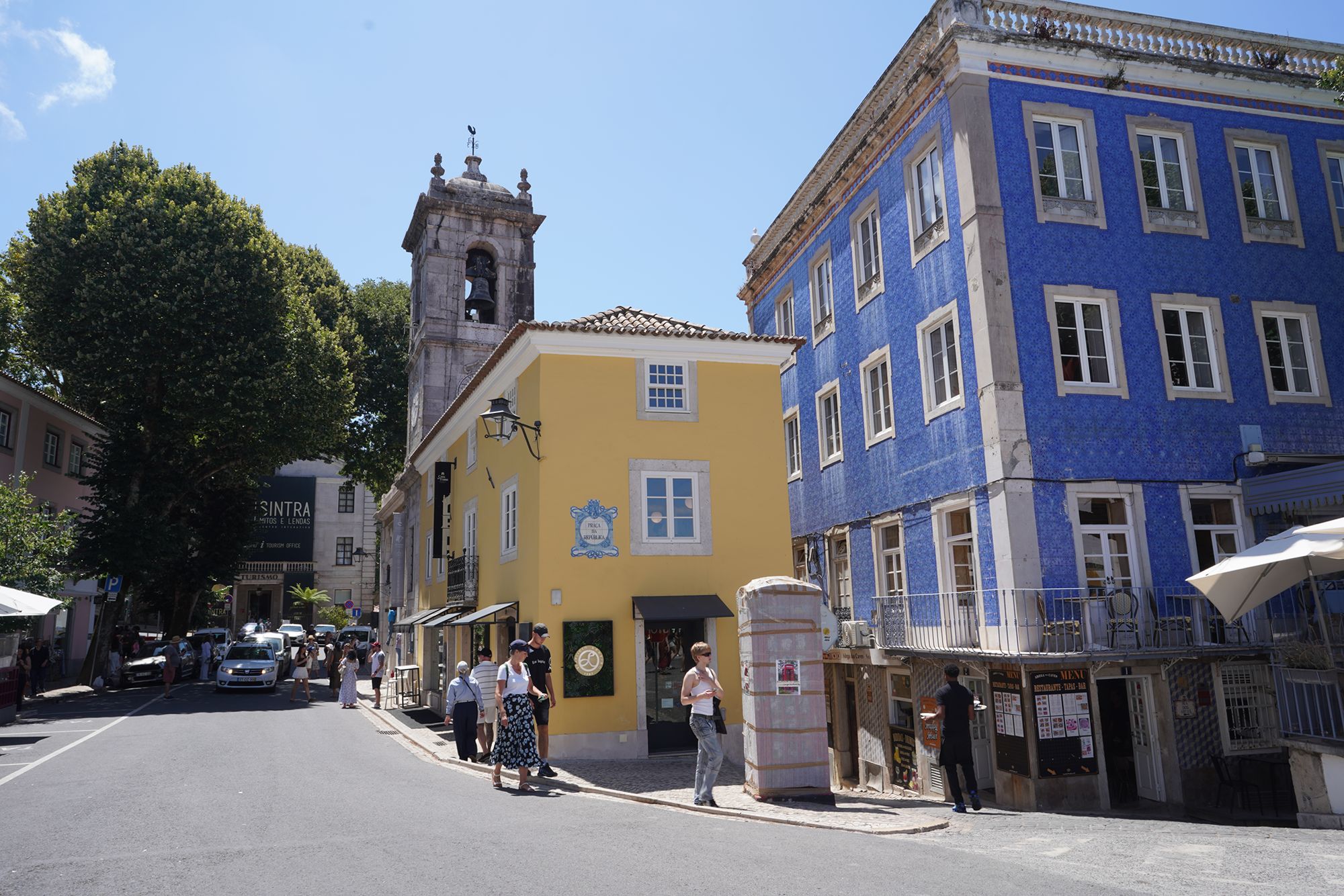
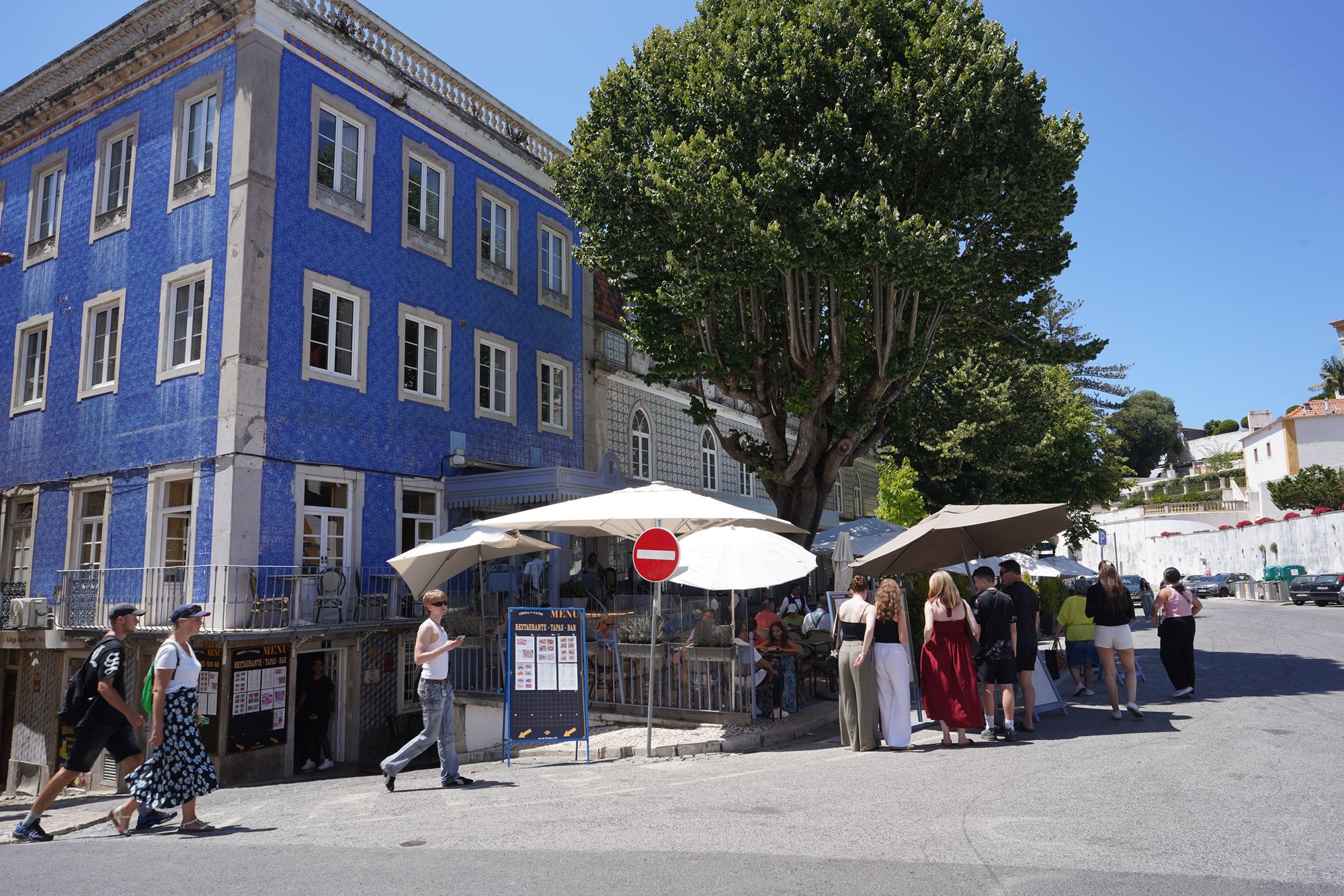
National Palace of Sintra
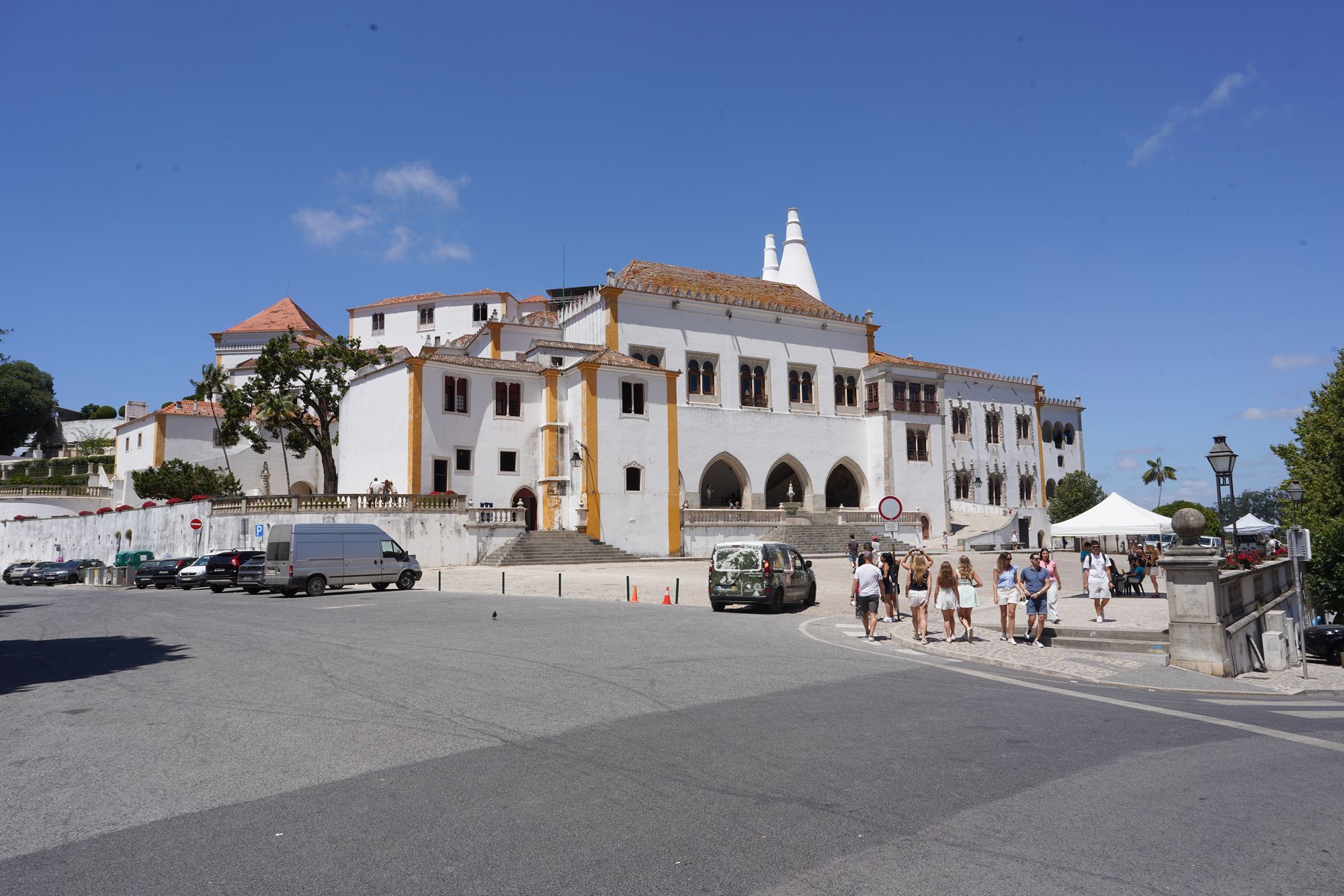
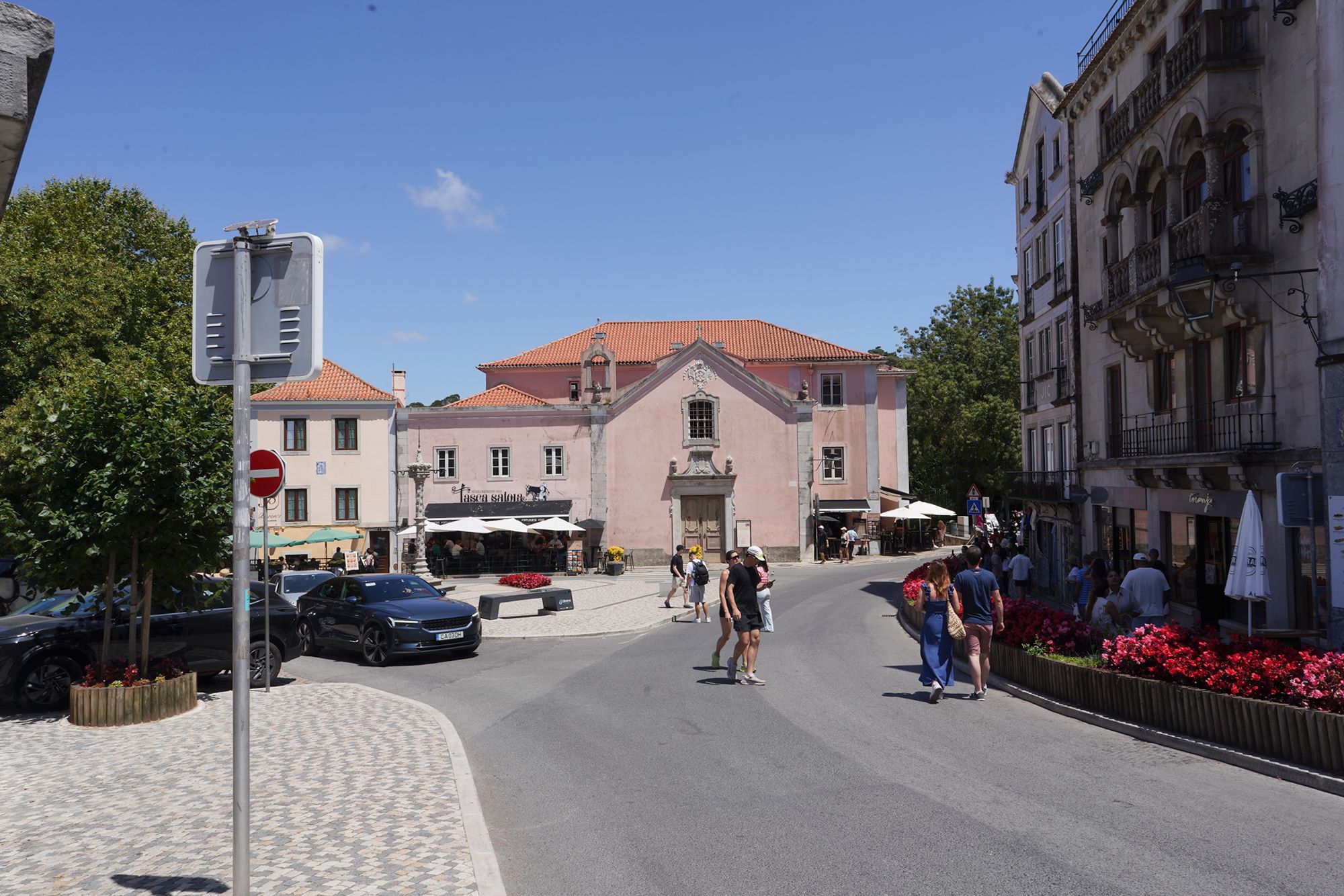
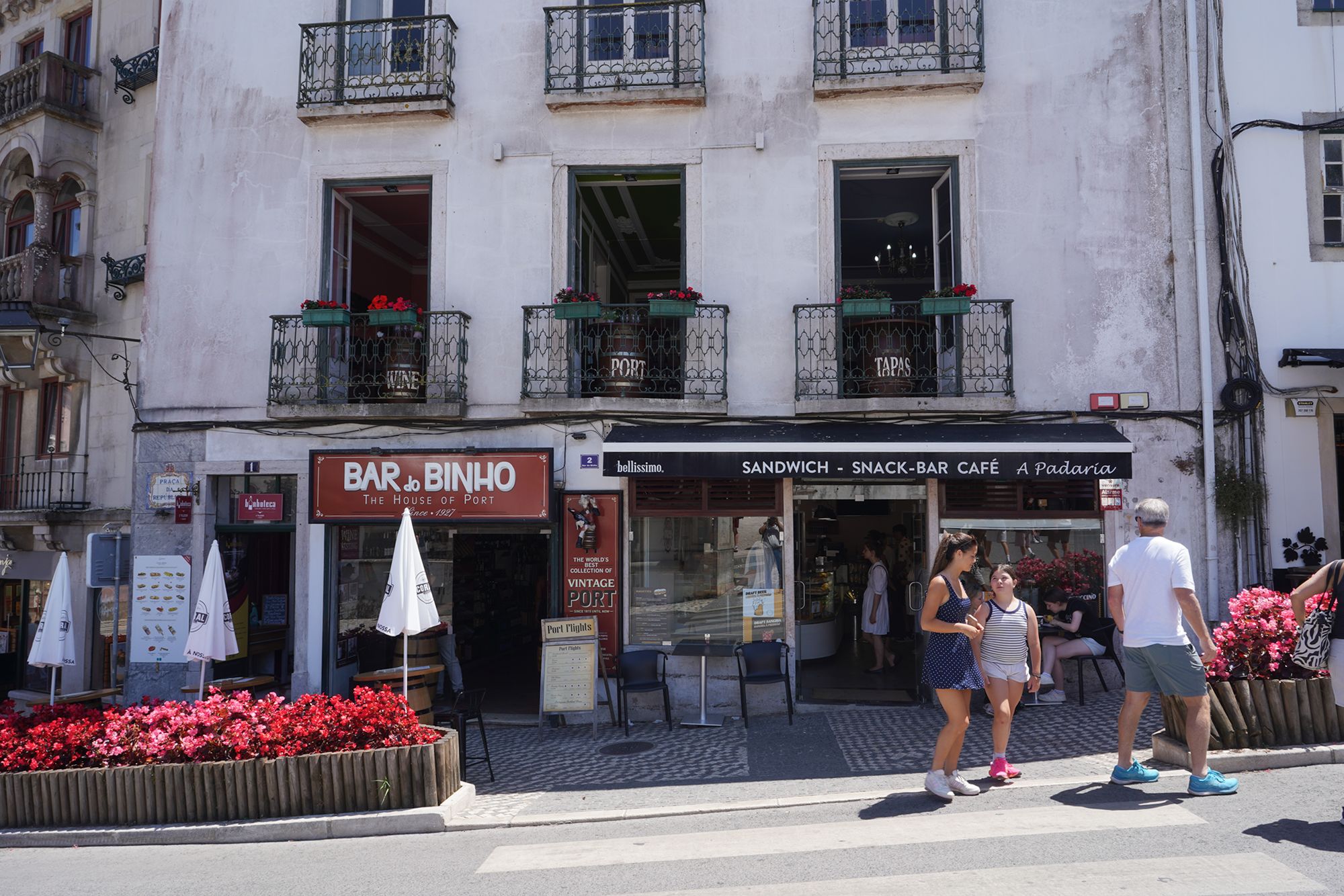
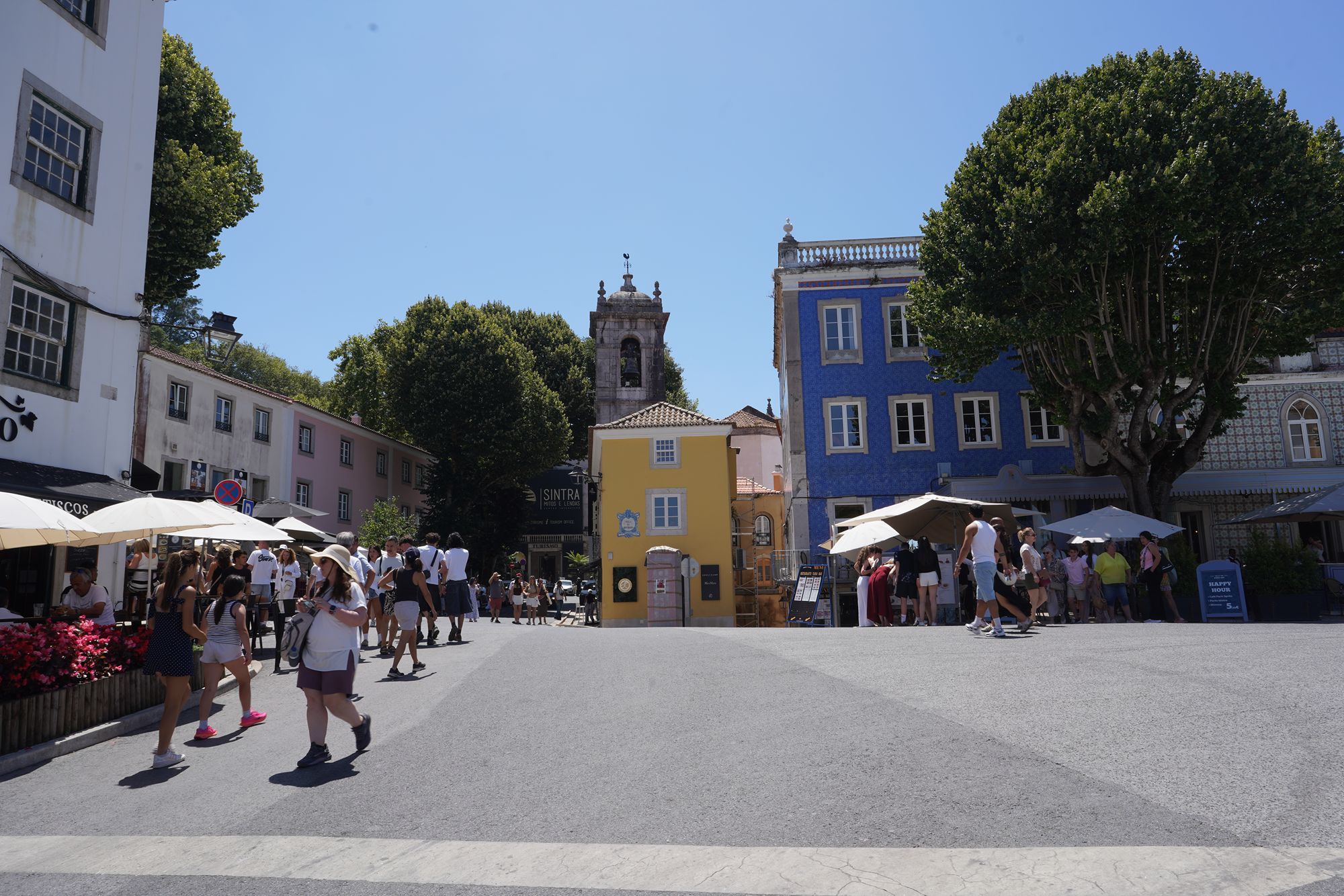
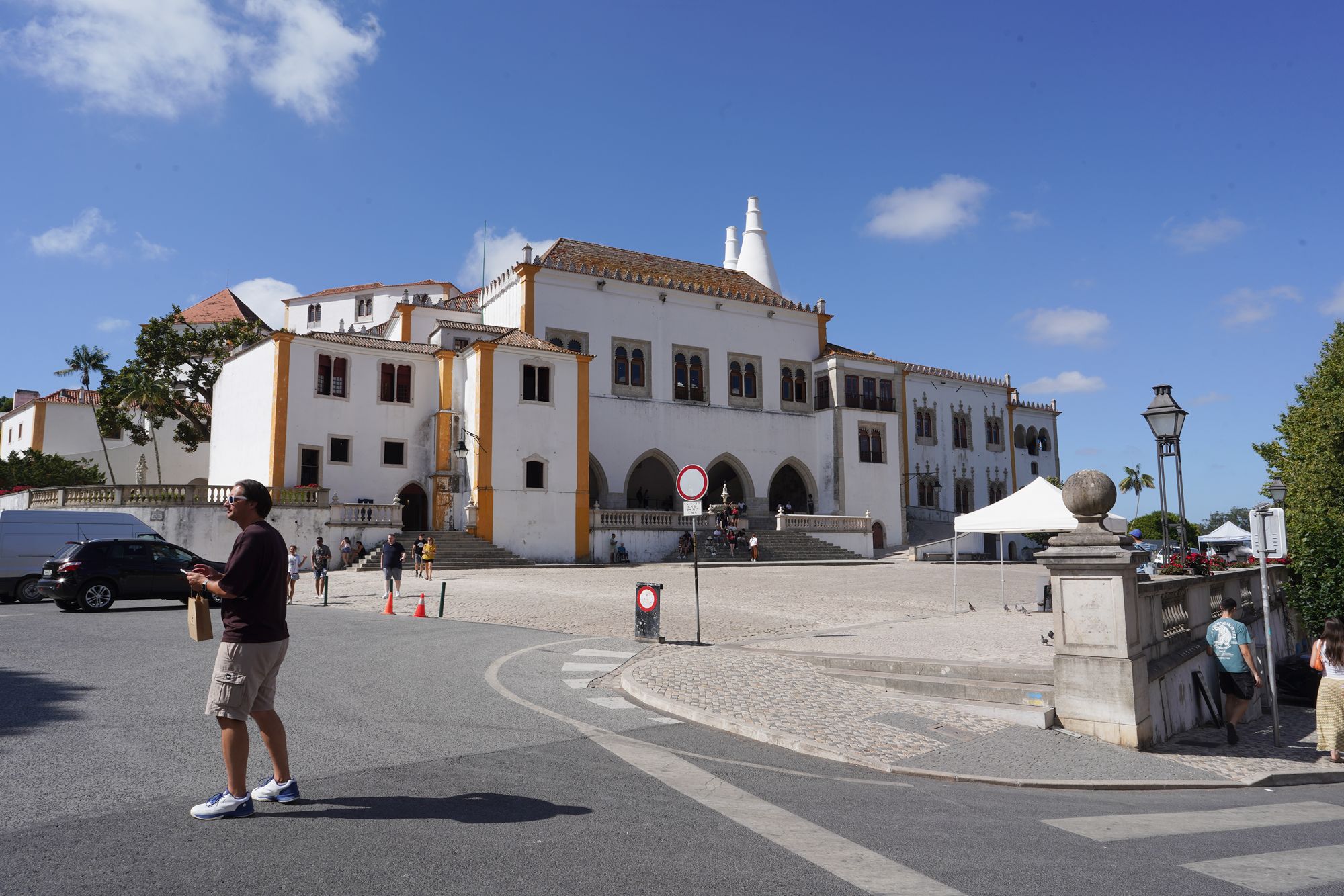
I walked over to the National Palace of Sintra for a visit.
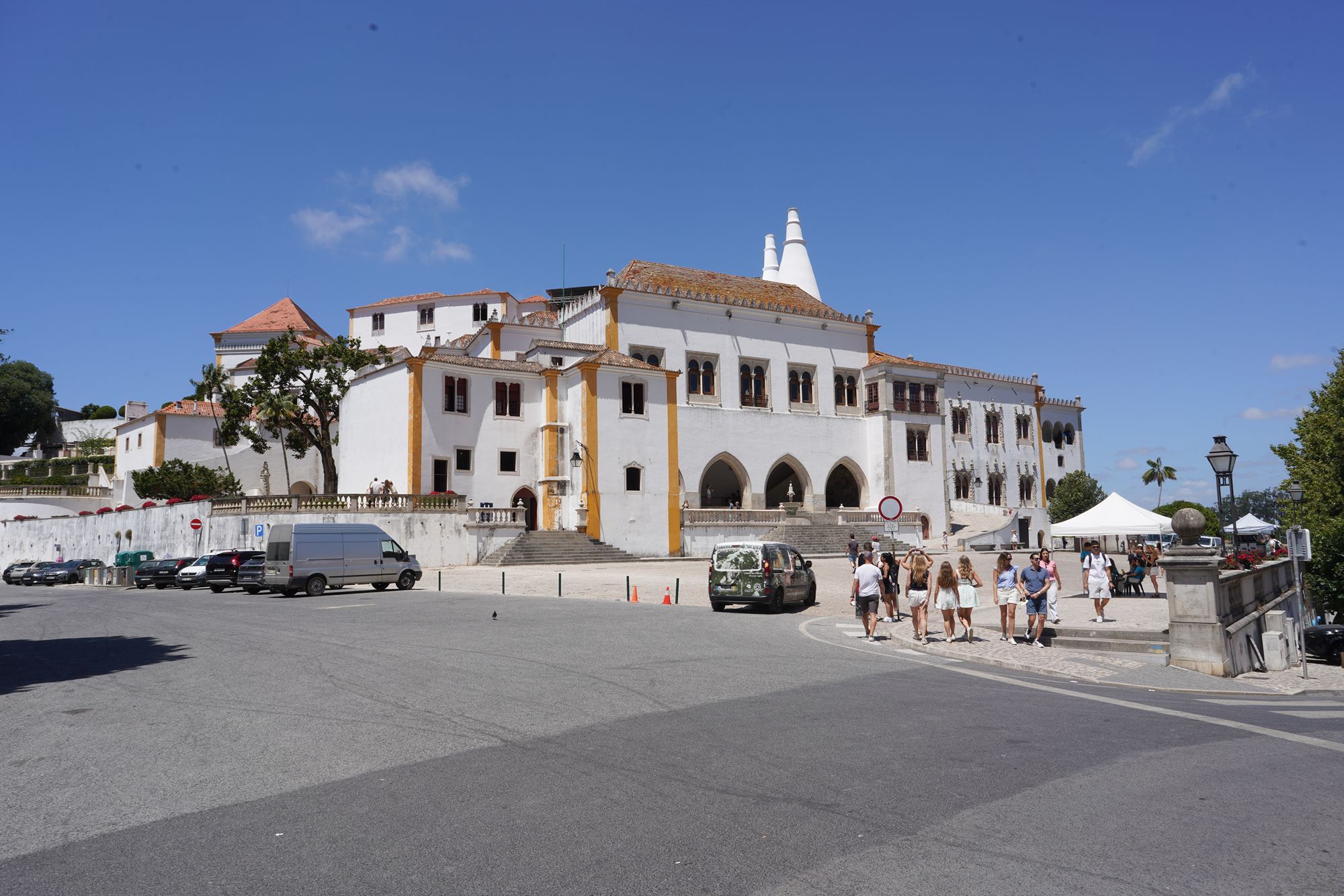
The National Palace of Sintra stands in the town’s historic center, easily recognized by its two tall, white conical chimneys rising above the royal kitchen. Portuguese kings and queens used the palace for centuries, coming to Sintra to hunt, enjoy its milder summers, and sometimes escape outbreaks of disease in Lisbon.
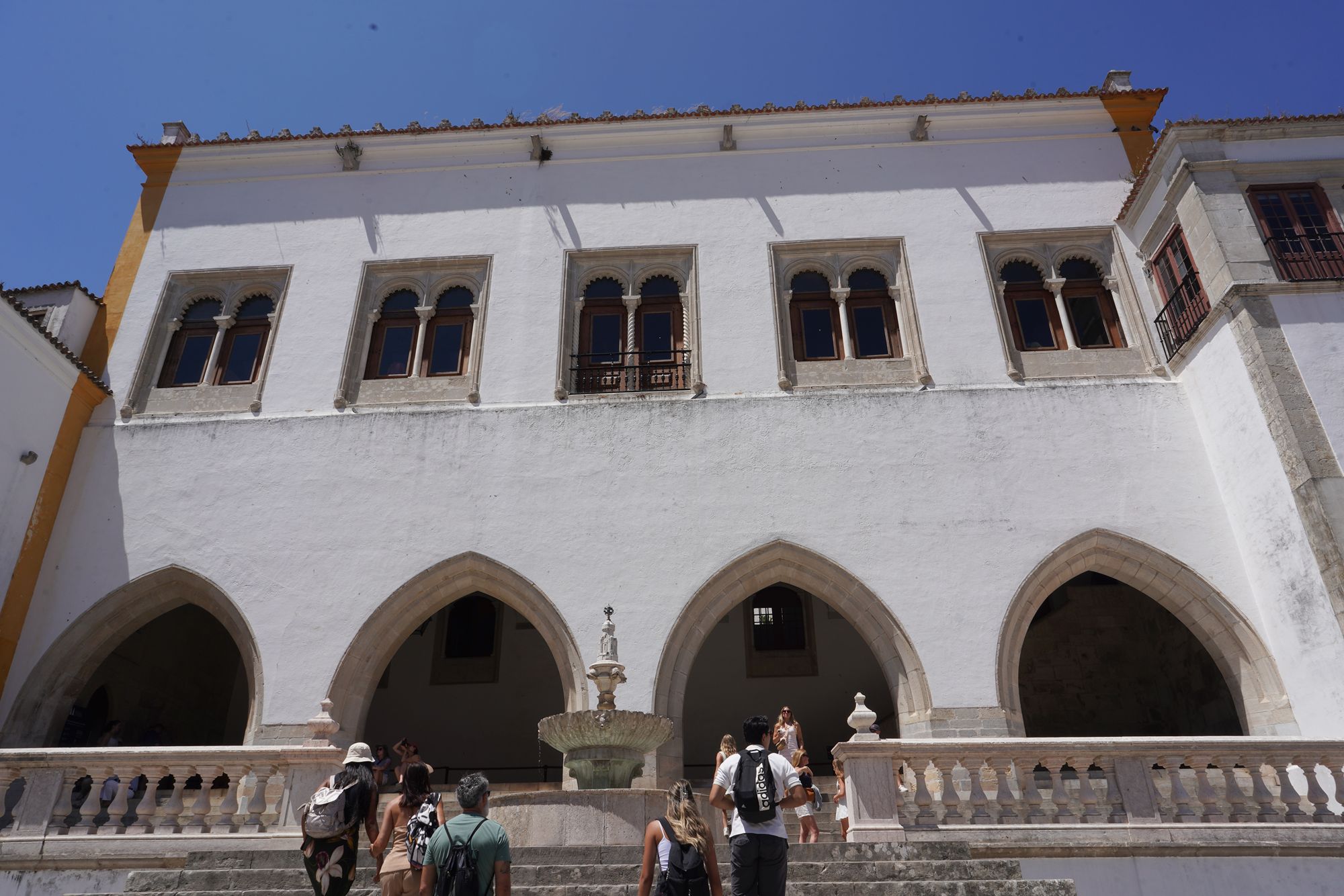
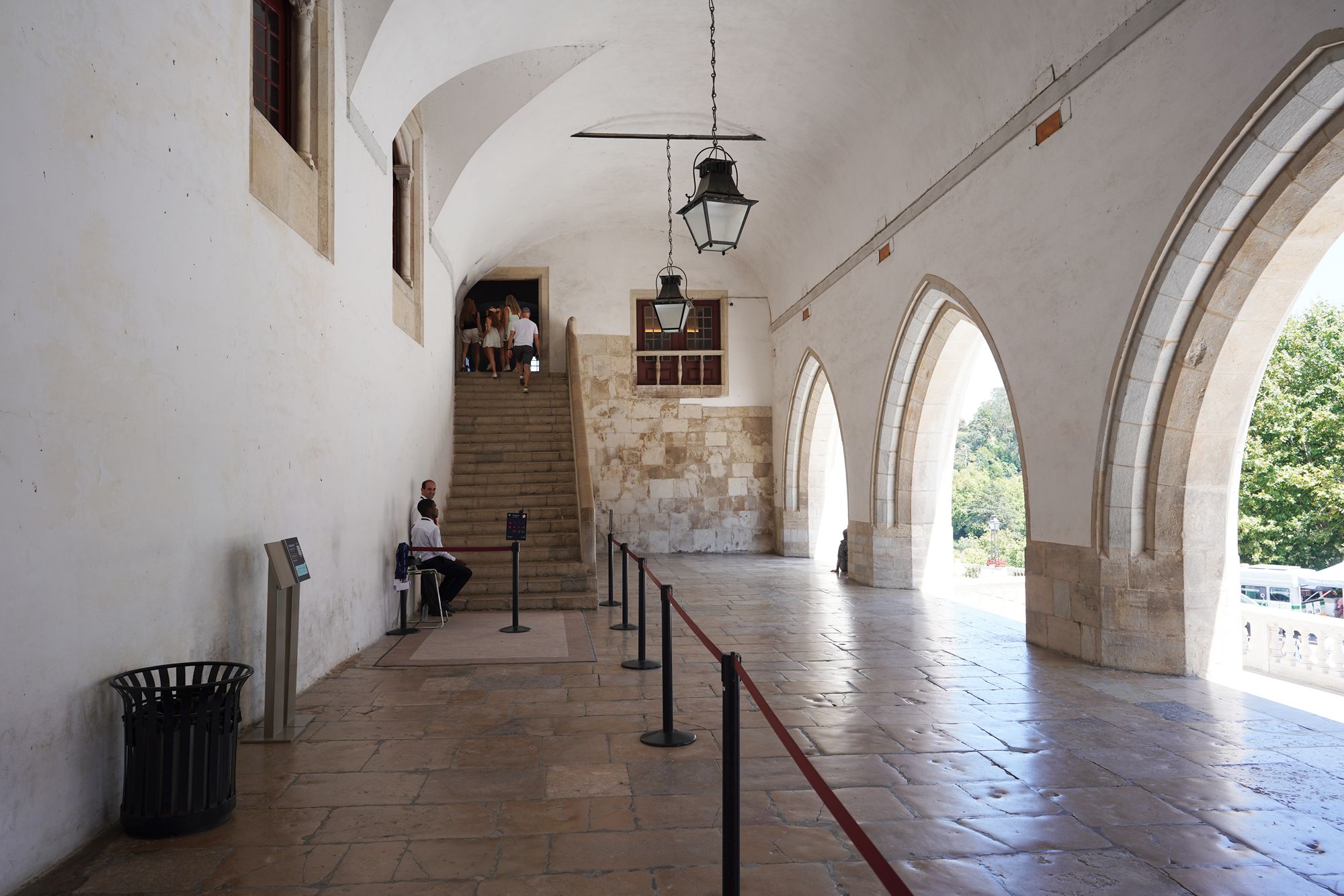
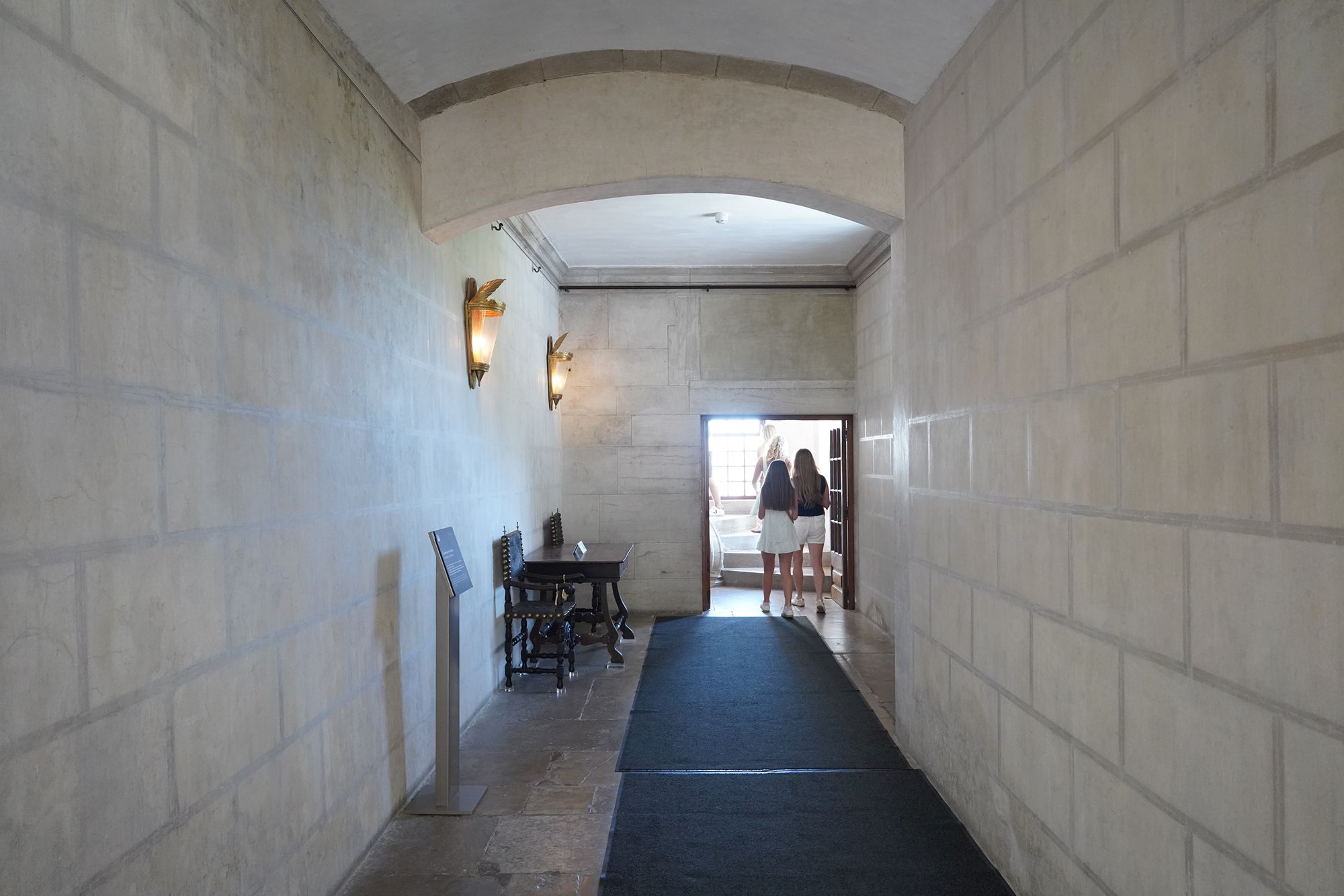
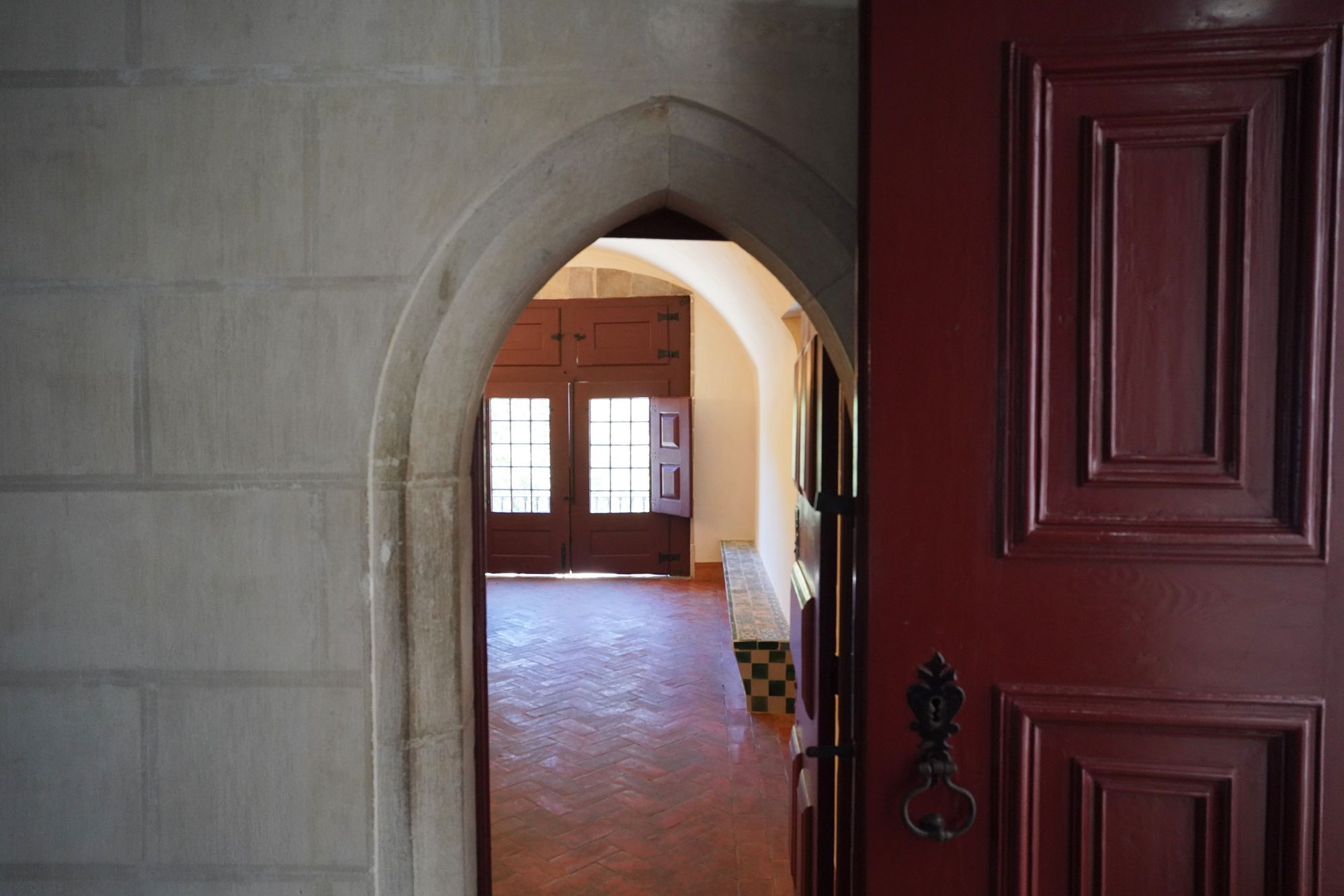
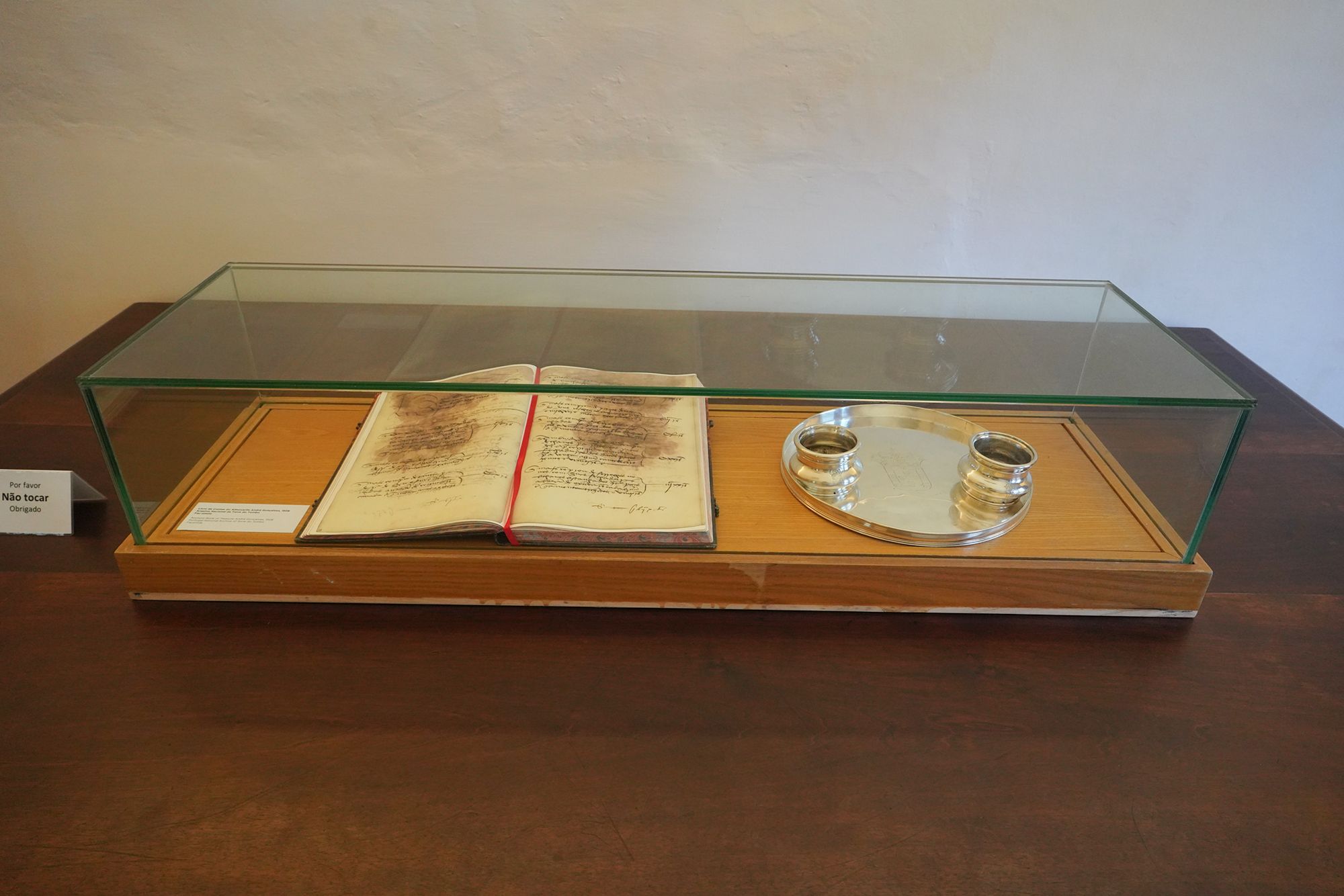
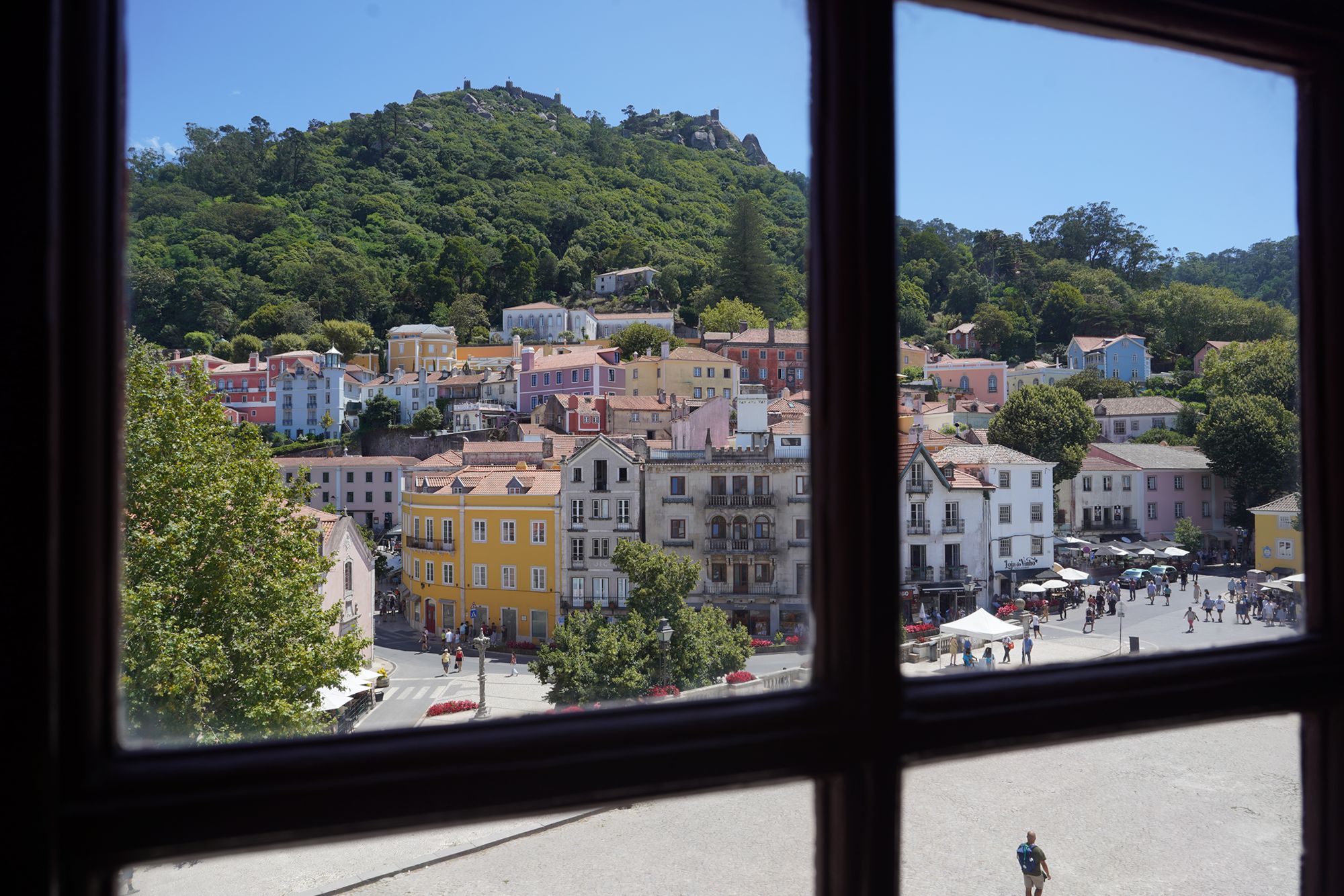
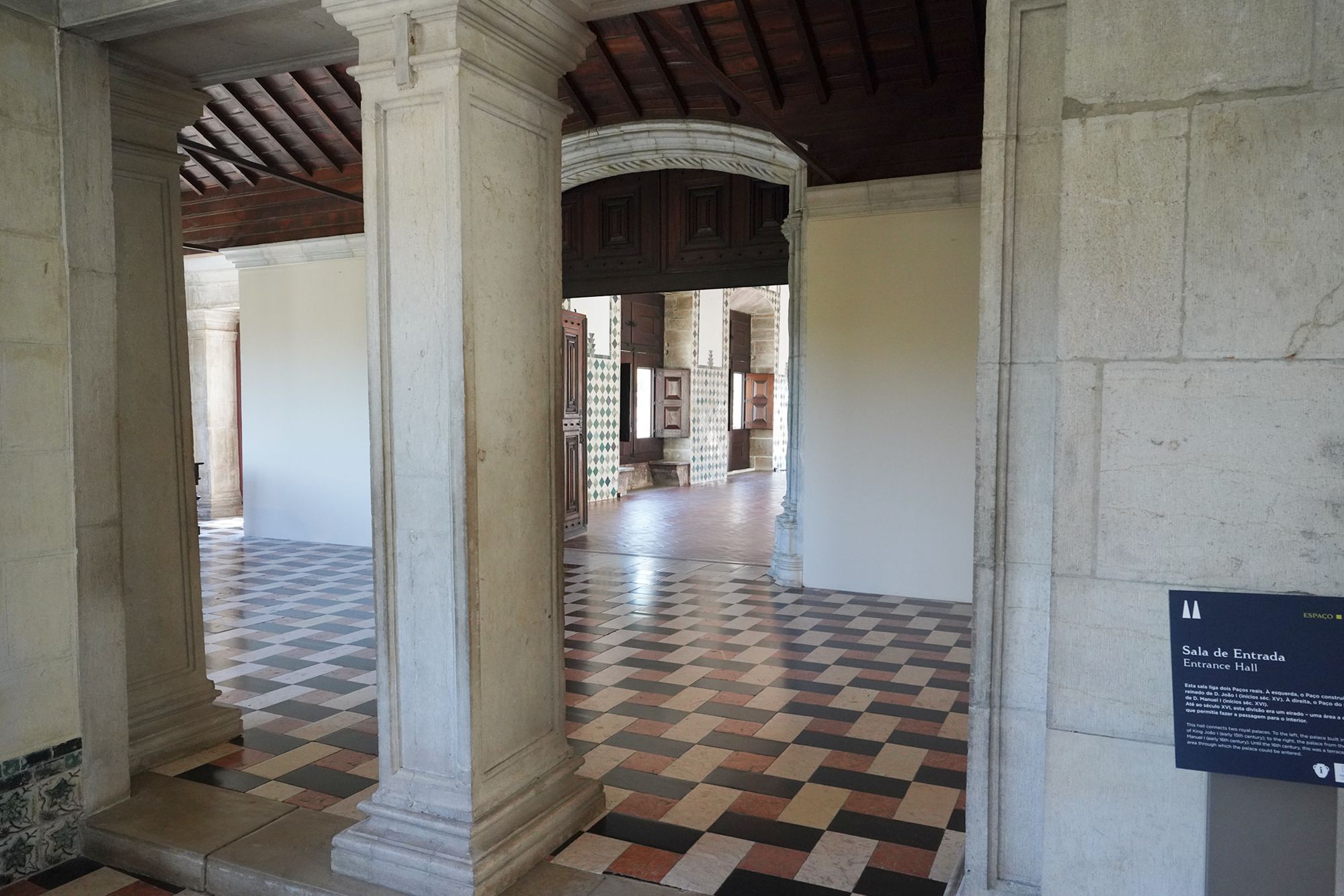
Inside, the palace is known for its decorated ceilings and patterned tiles. The Swan Room and Magpie Room take their names from the birds painted overhead, while the royal kitchen reveals the purpose of the enormous chimneys. Its rooms combine Gothic, Moorish, and Renaissance influences, reflecting the generations of royalty who left their mark on the building.
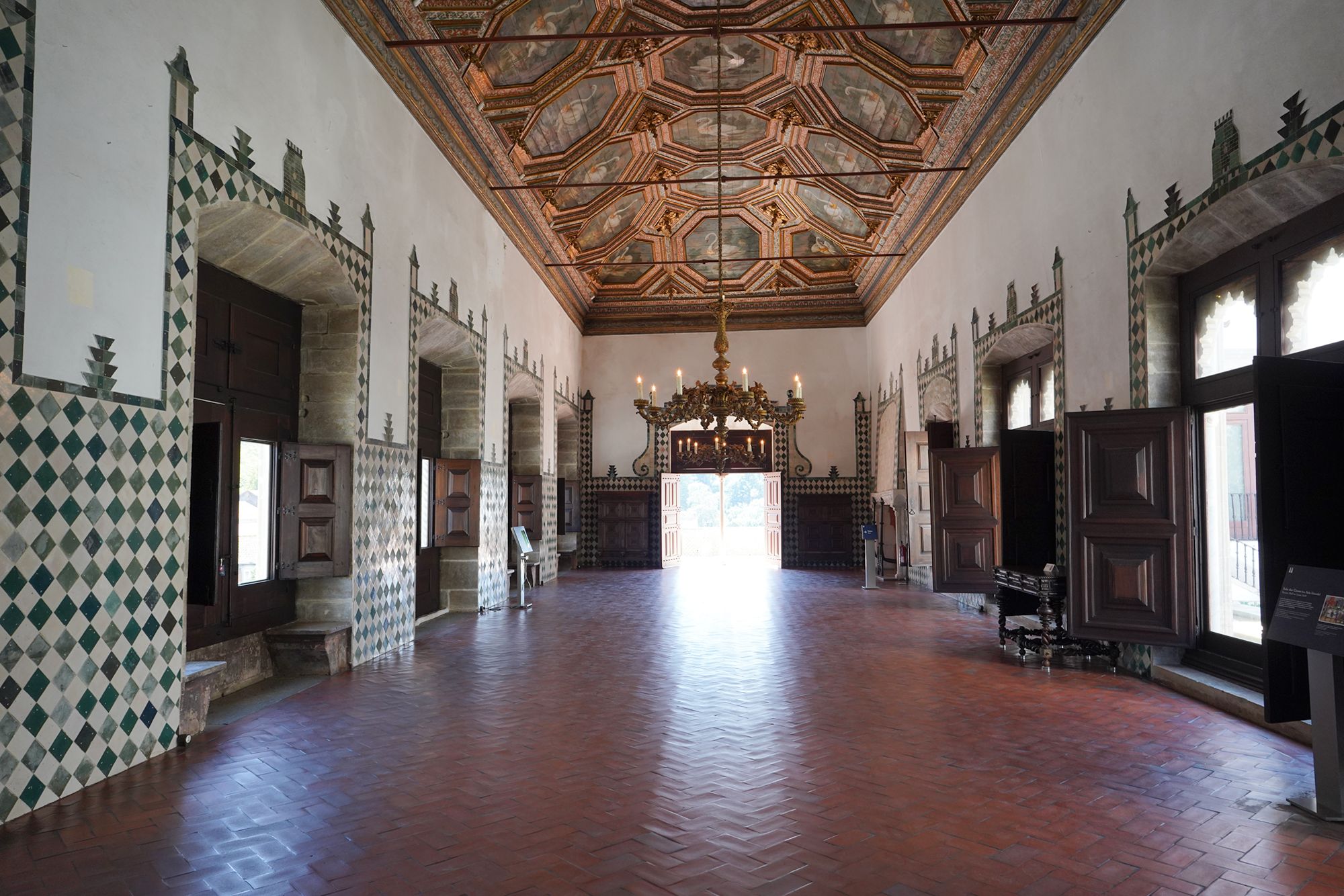
I’ll cover the National Palace of Sintra in a separate blog post, so here I’ll share just a glimpse of it.
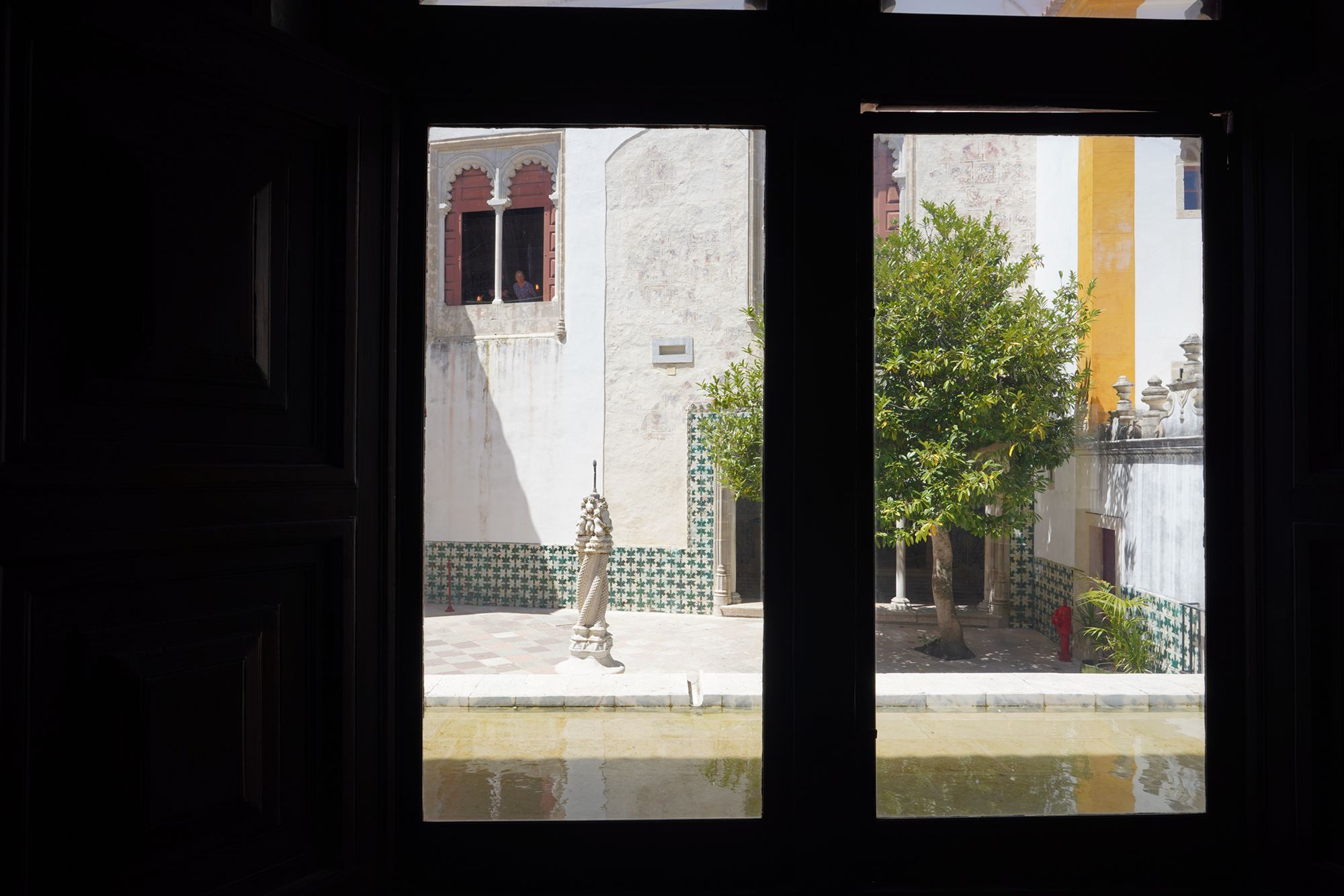
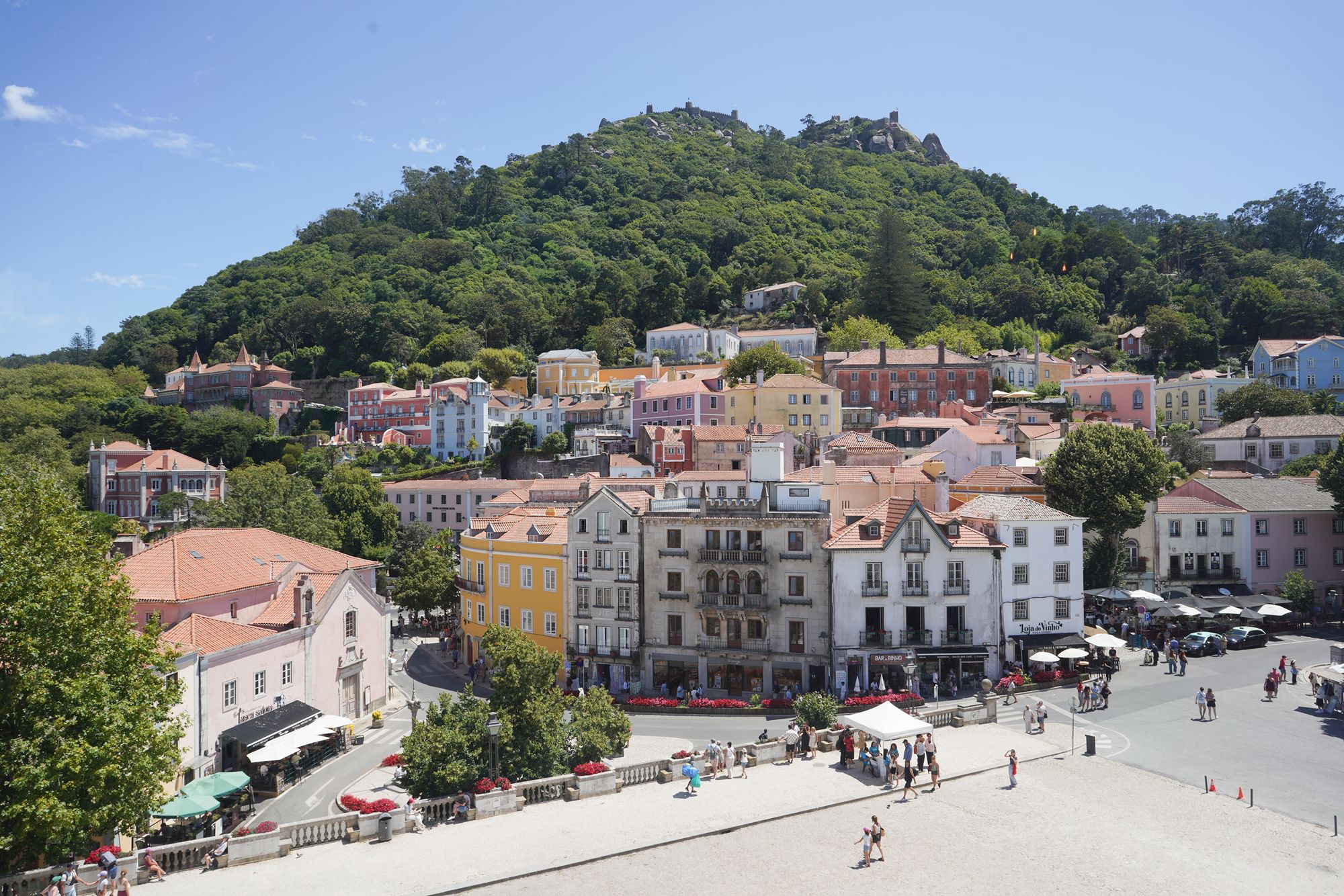
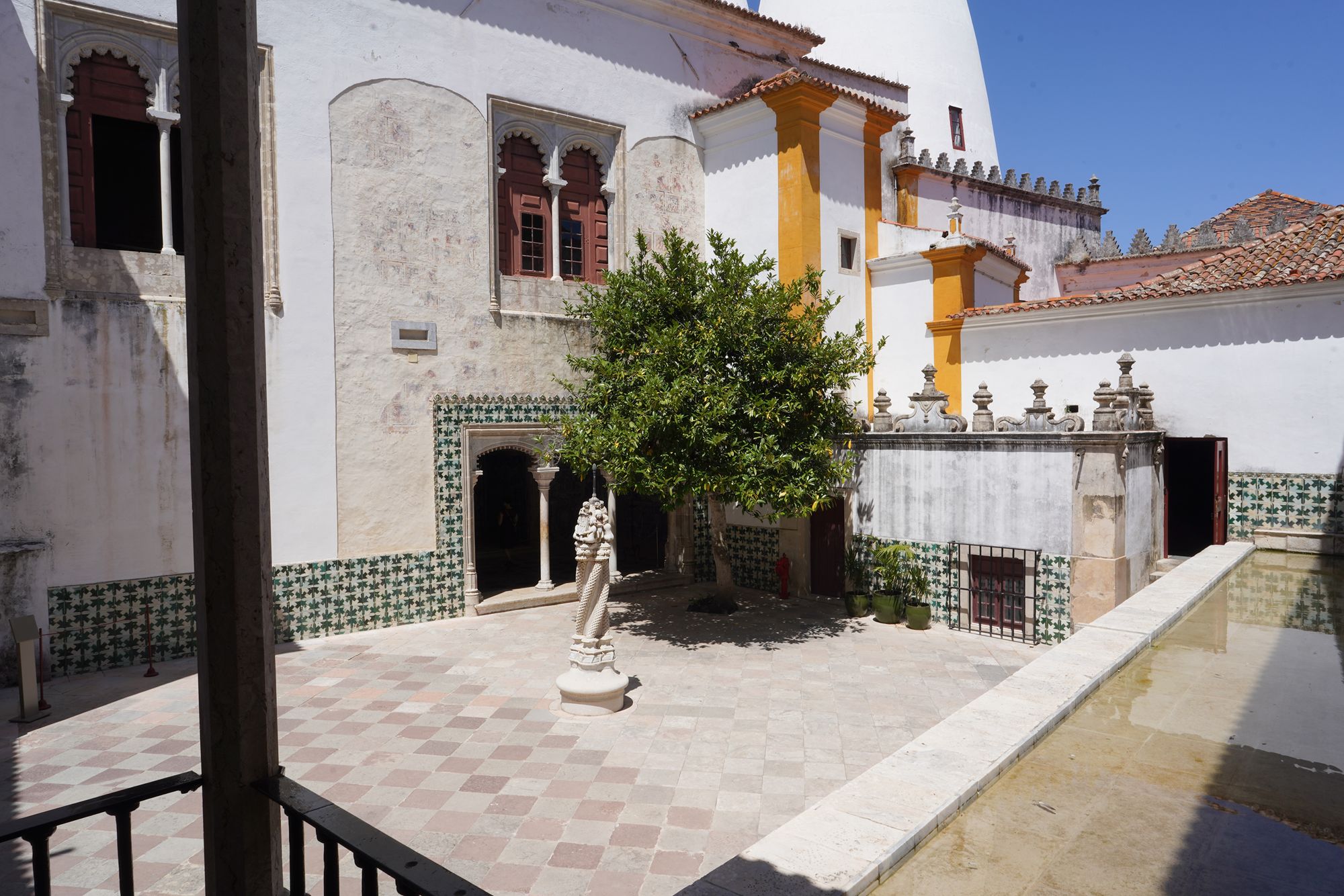
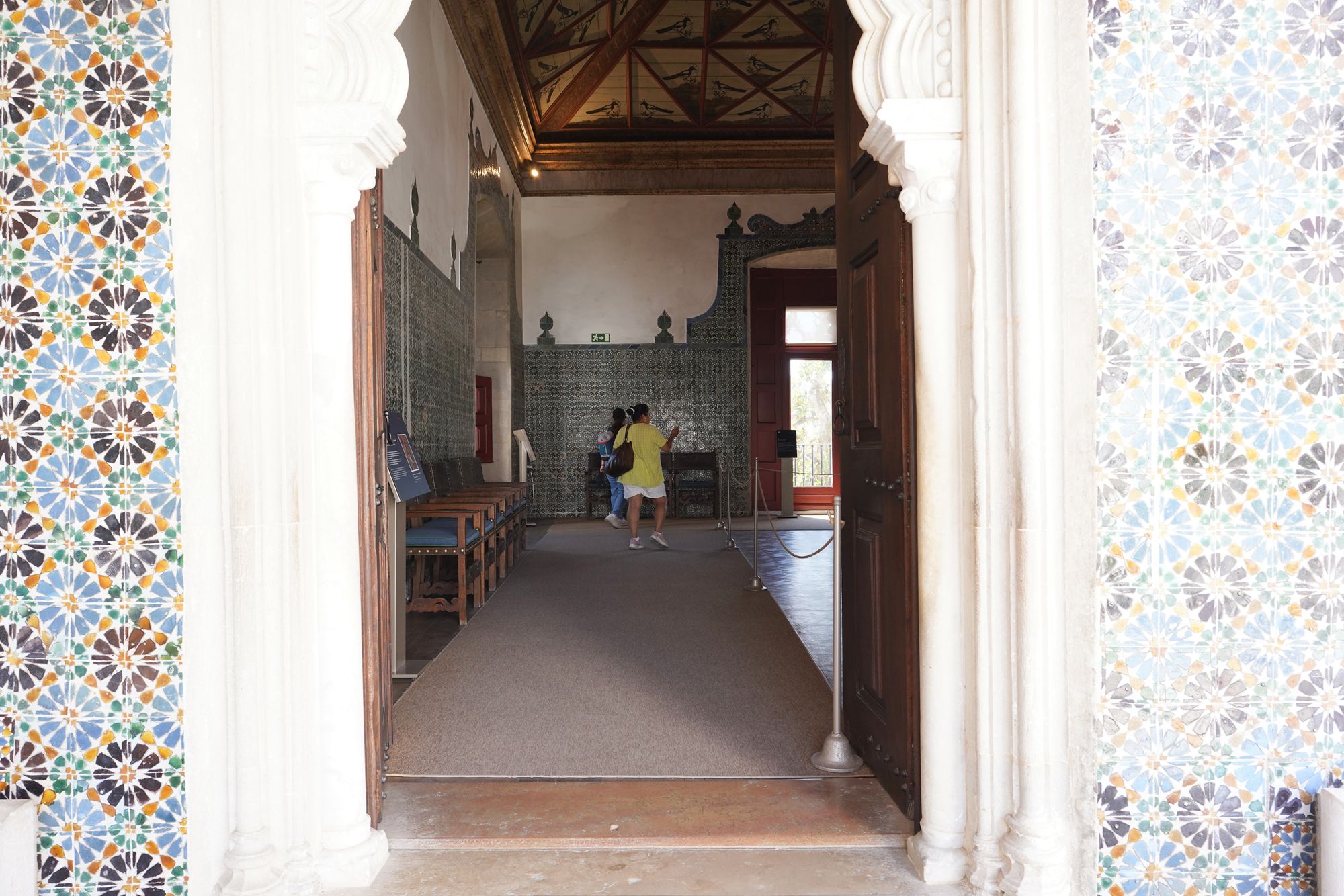
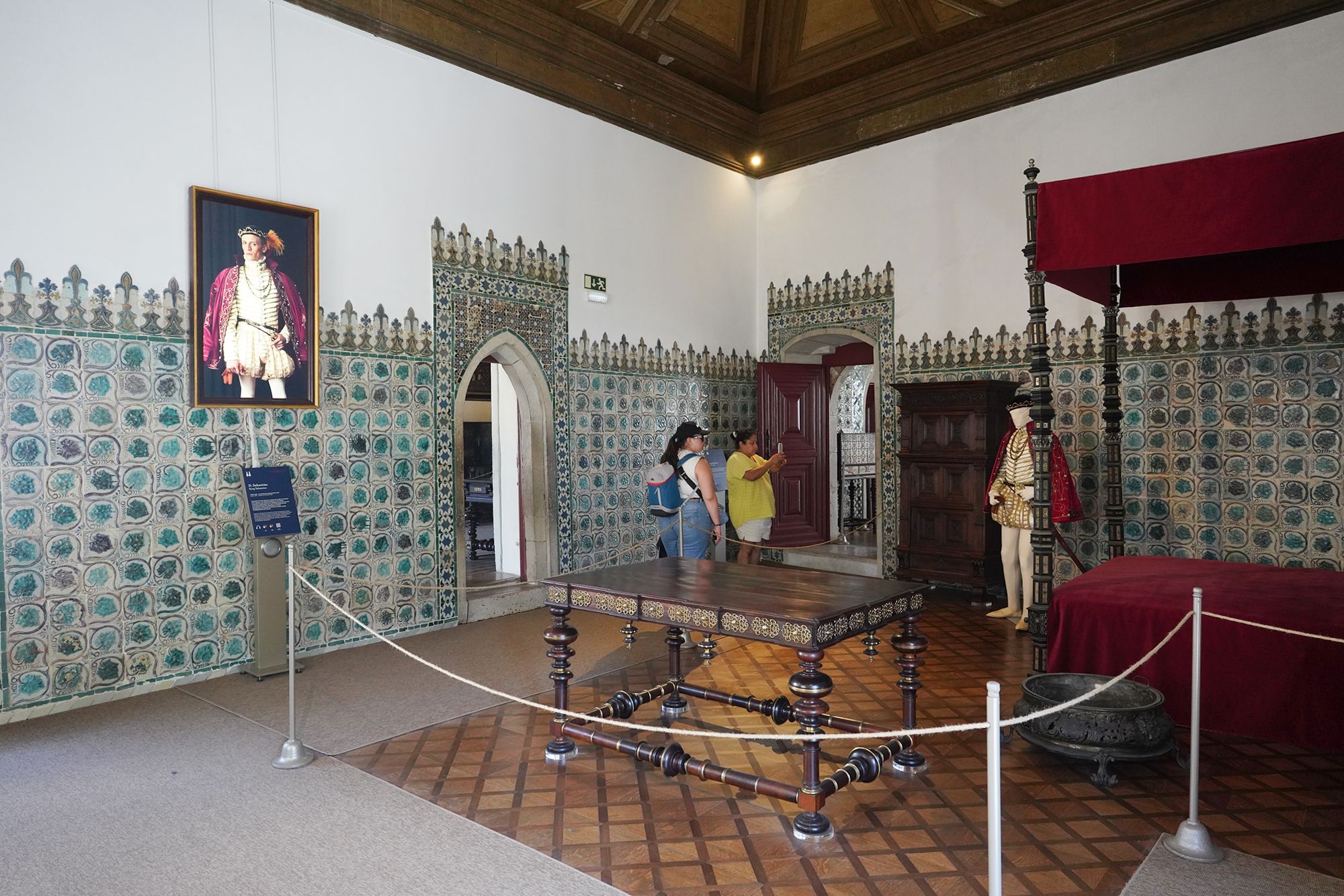
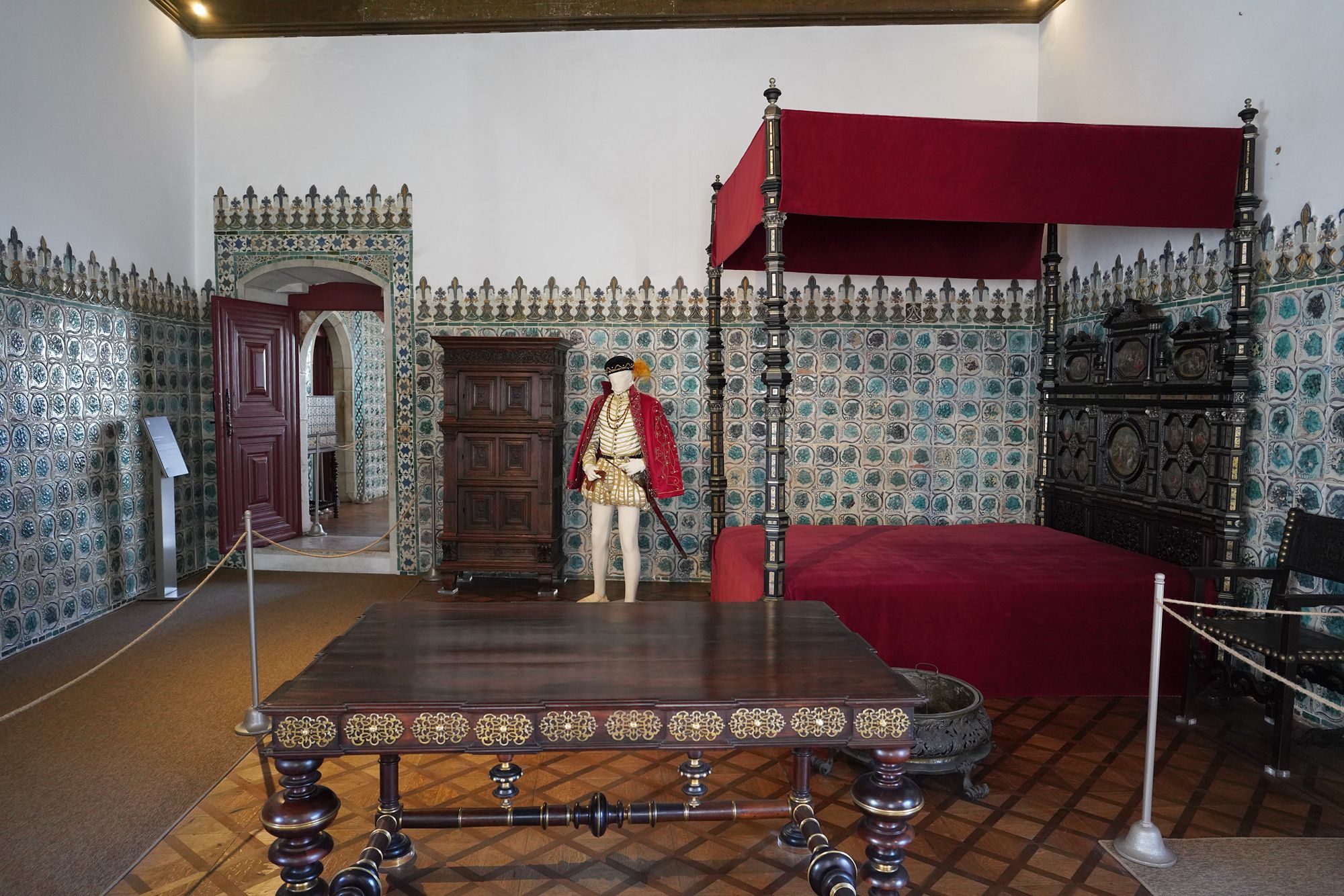
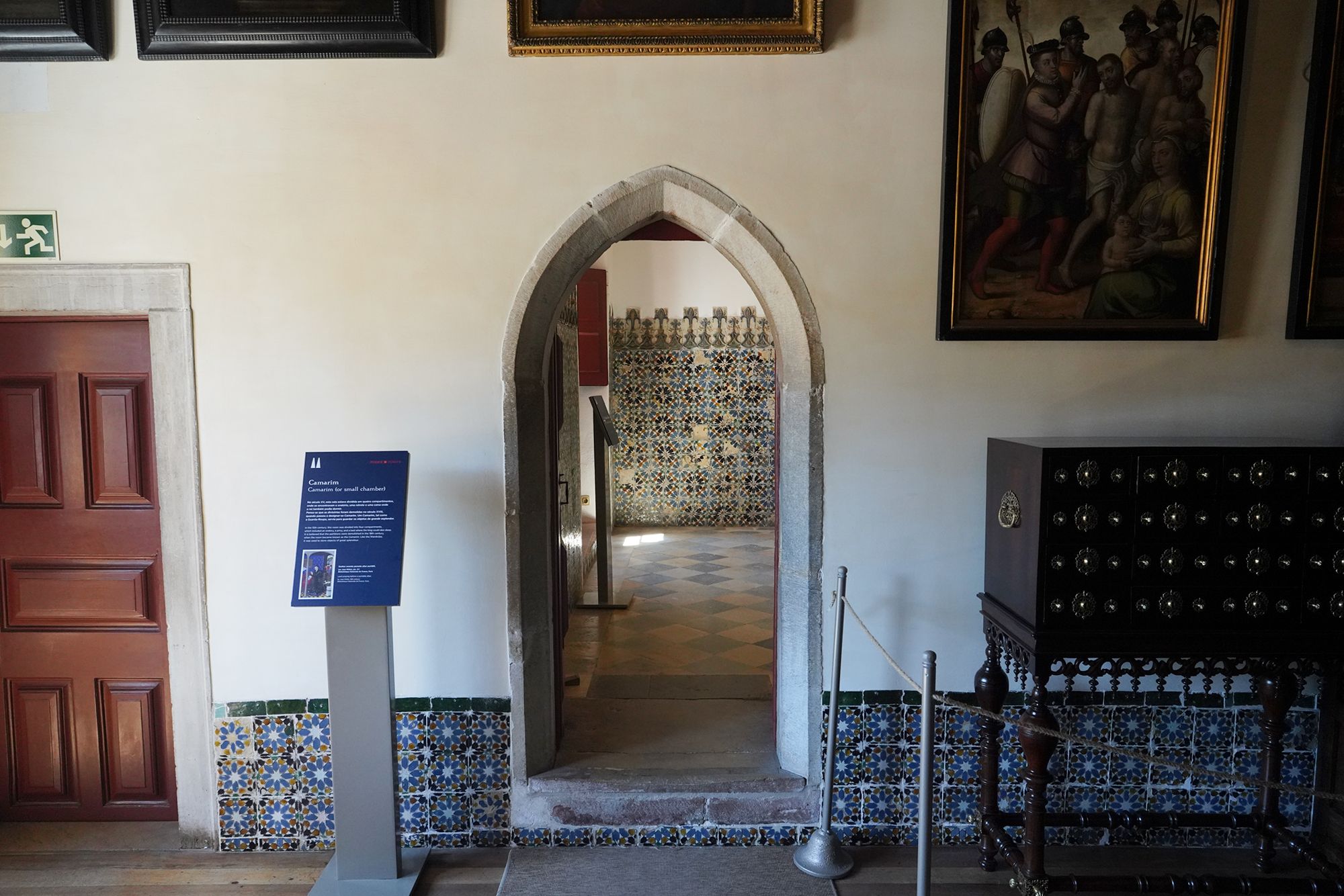
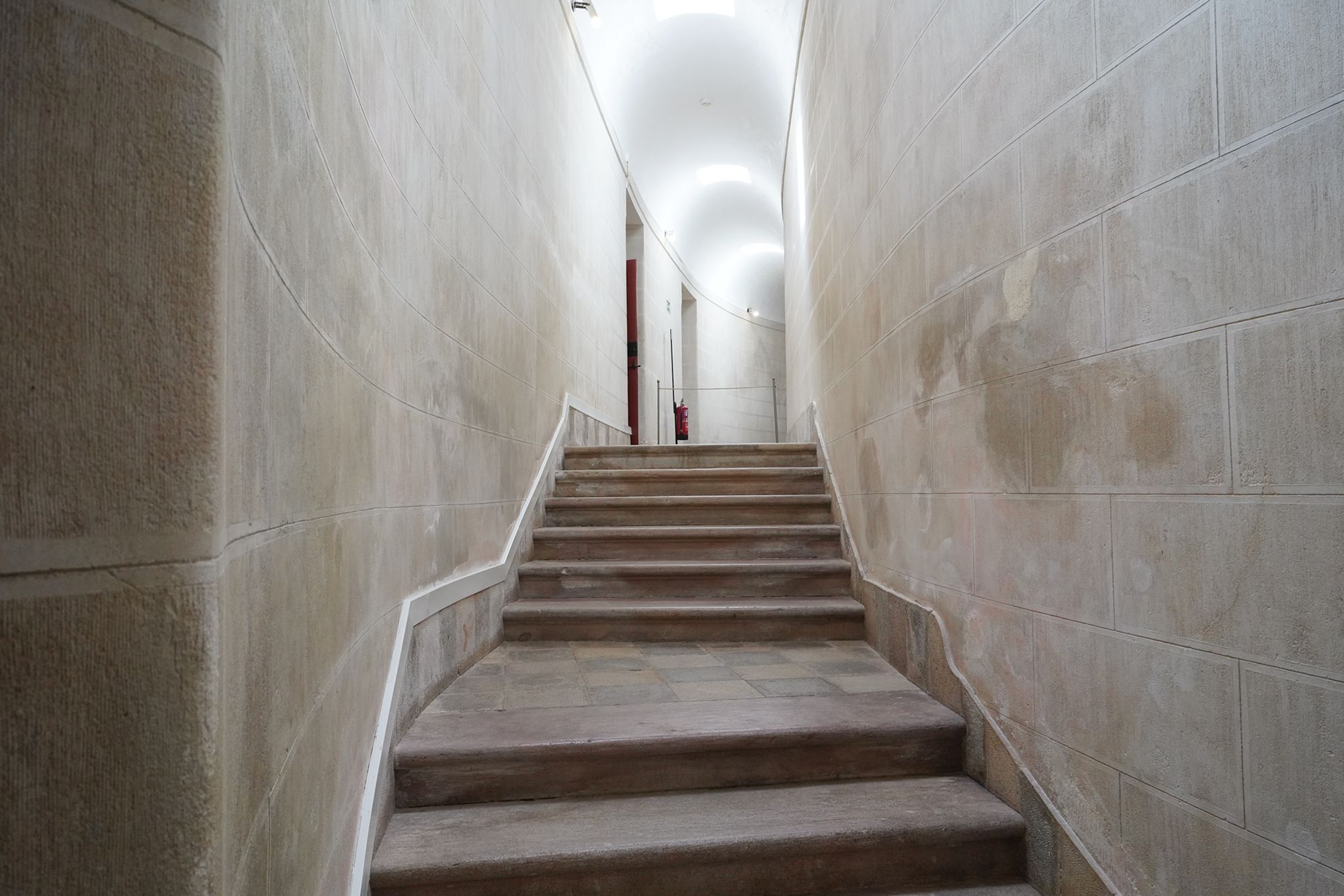
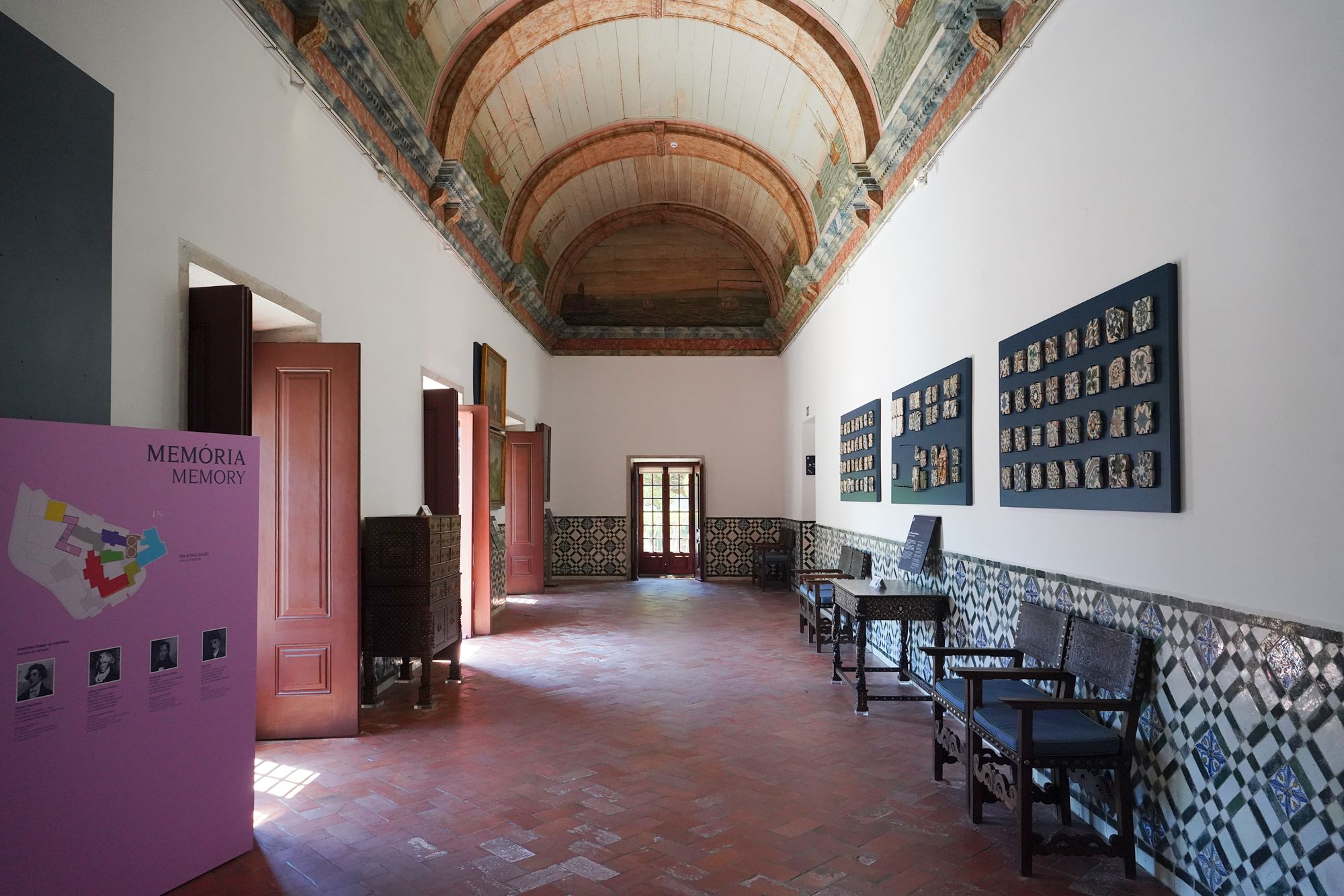
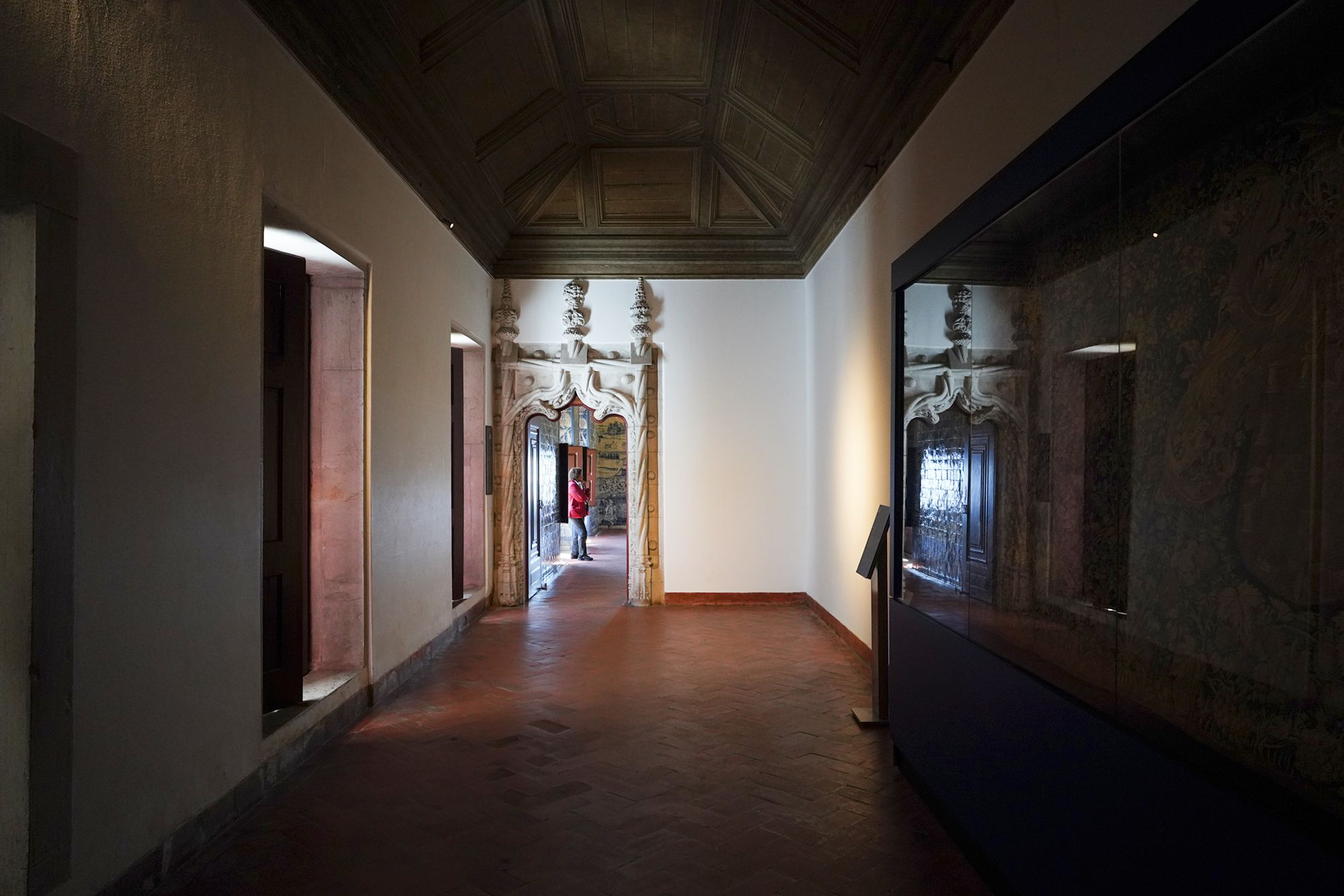
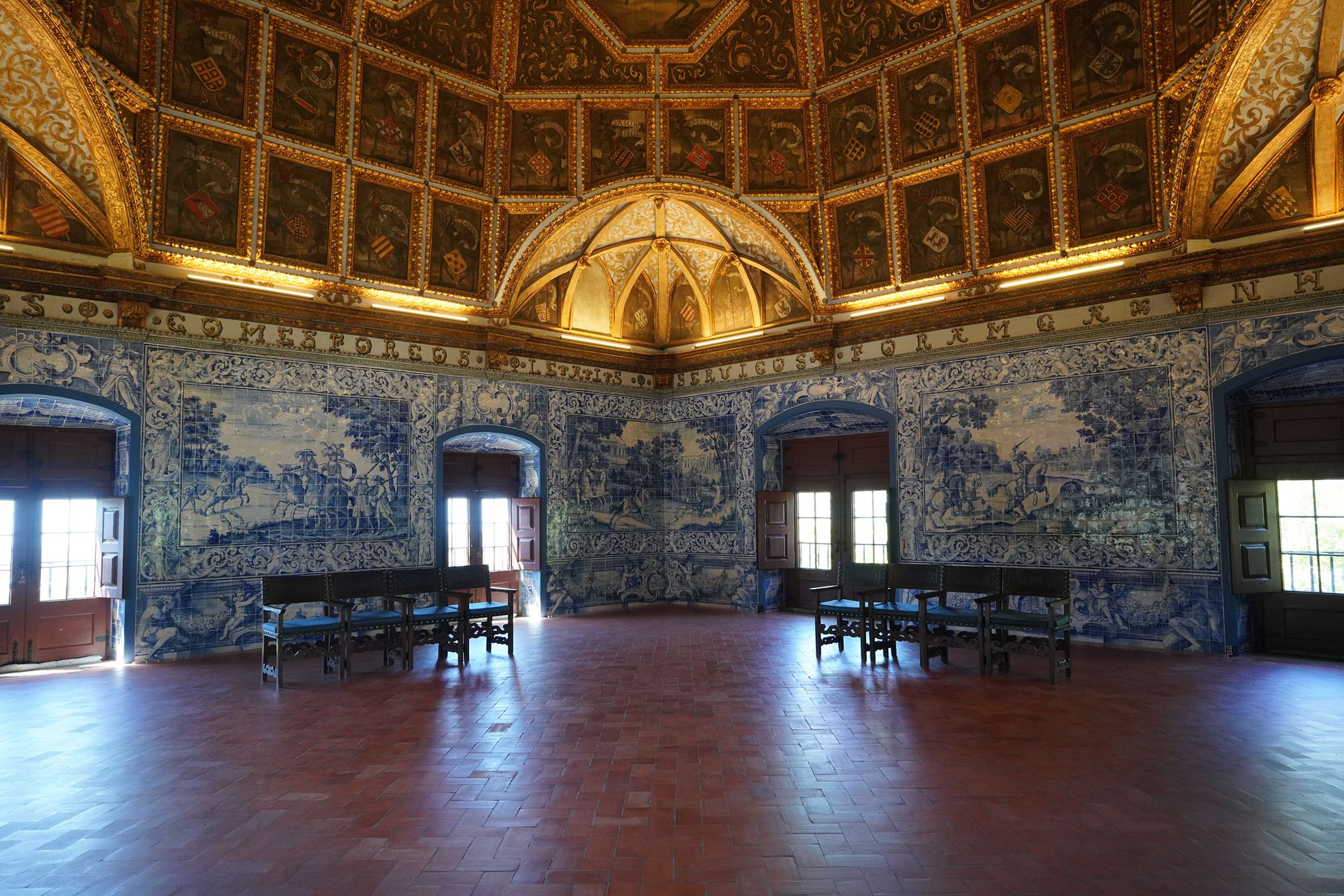
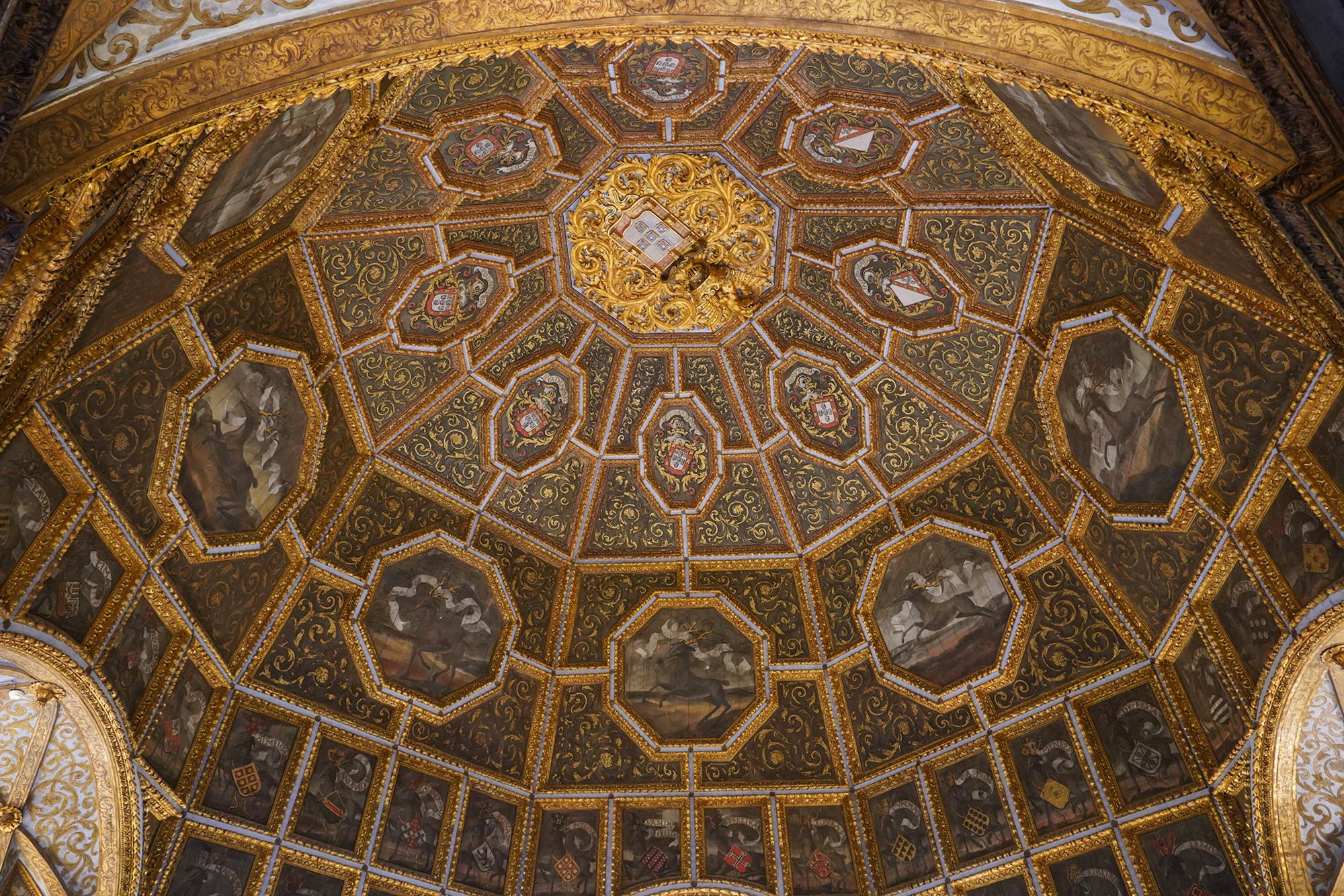
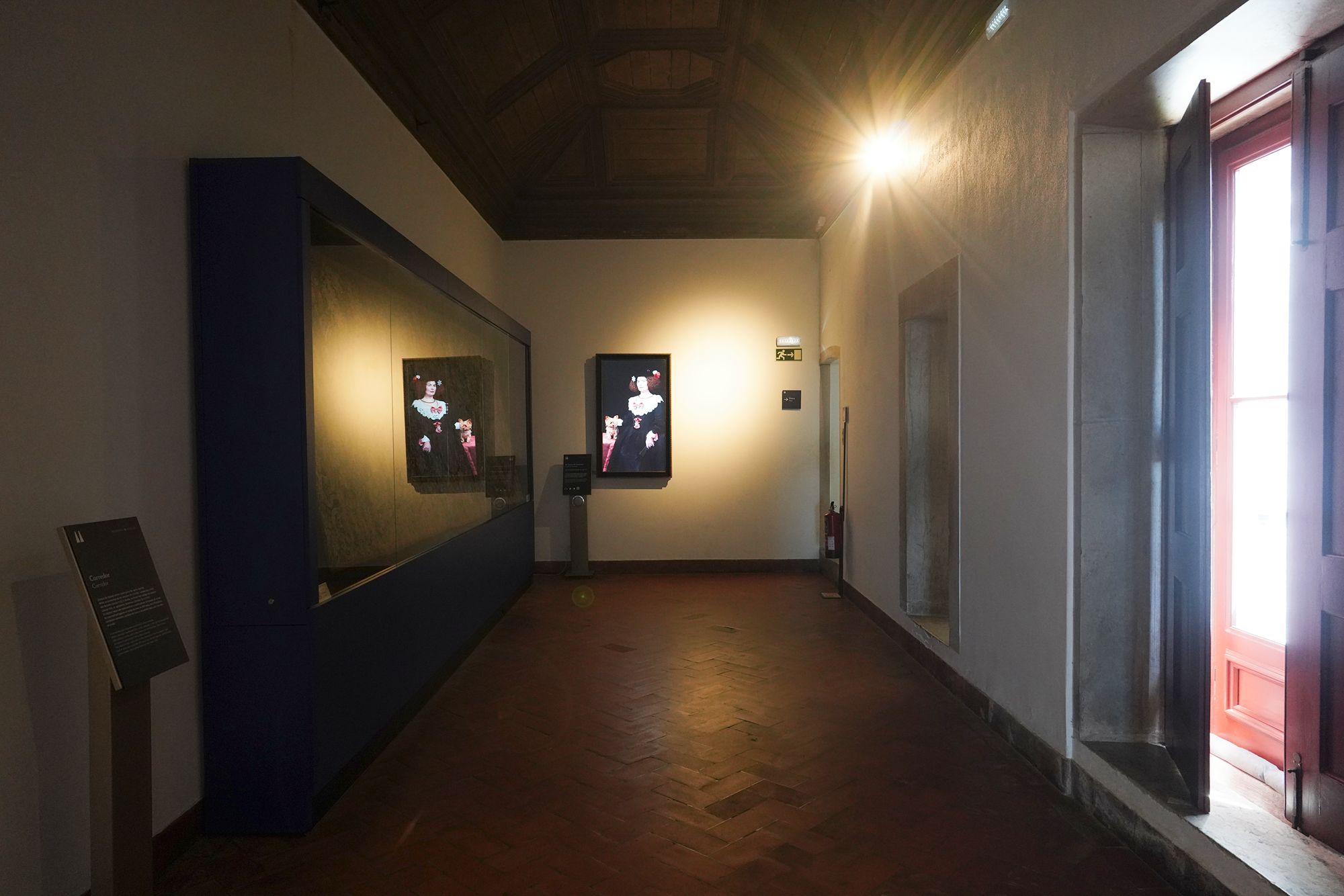
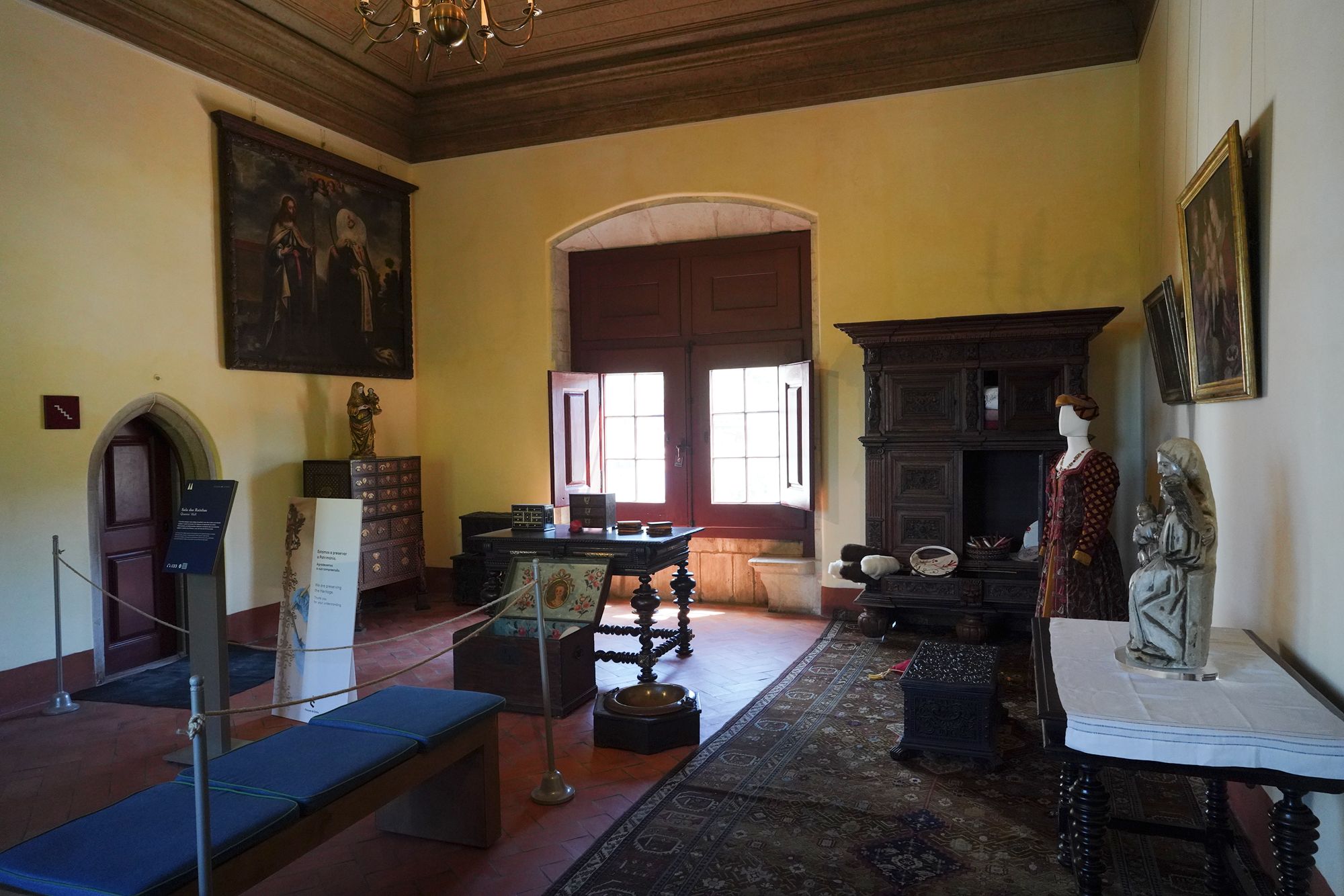
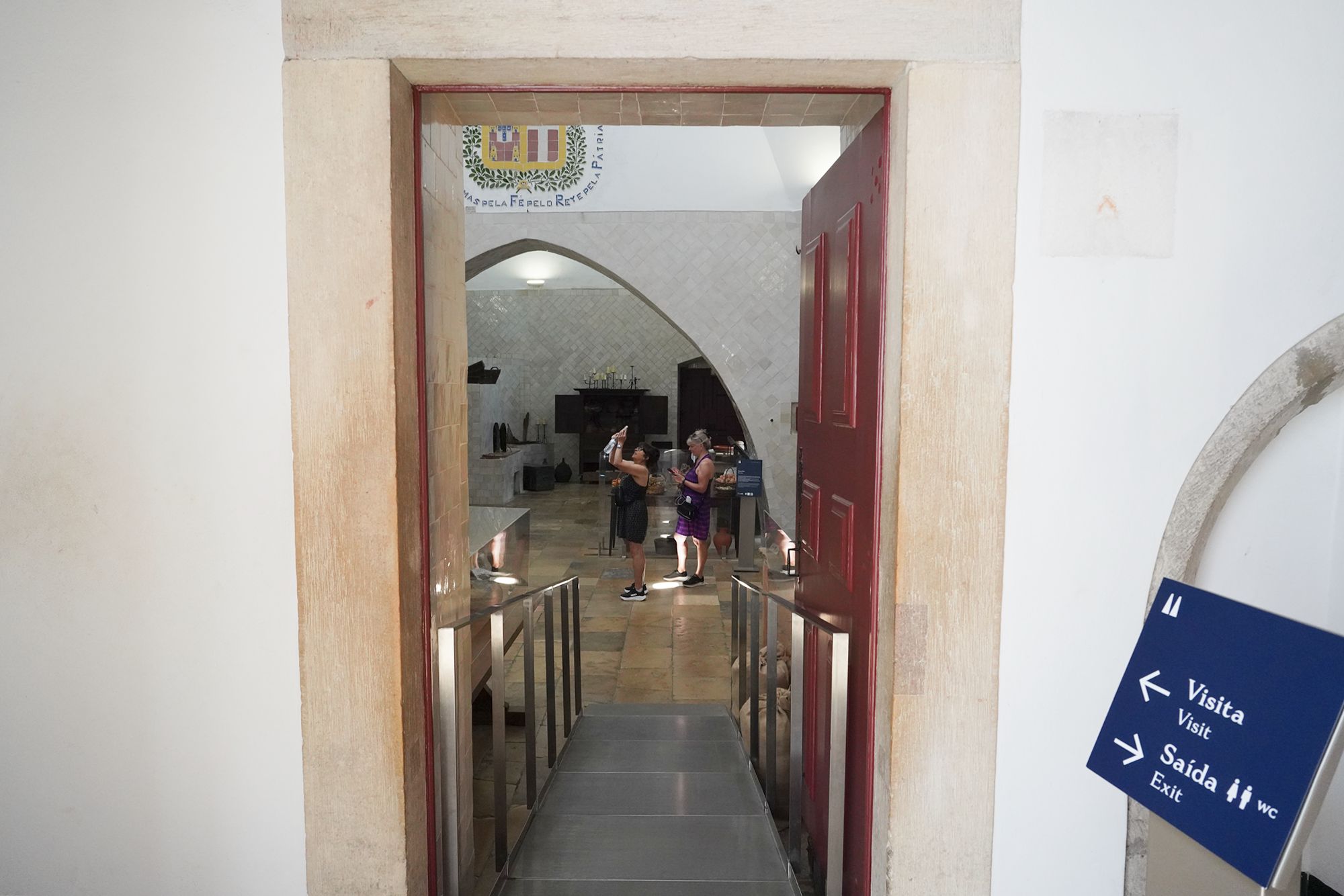
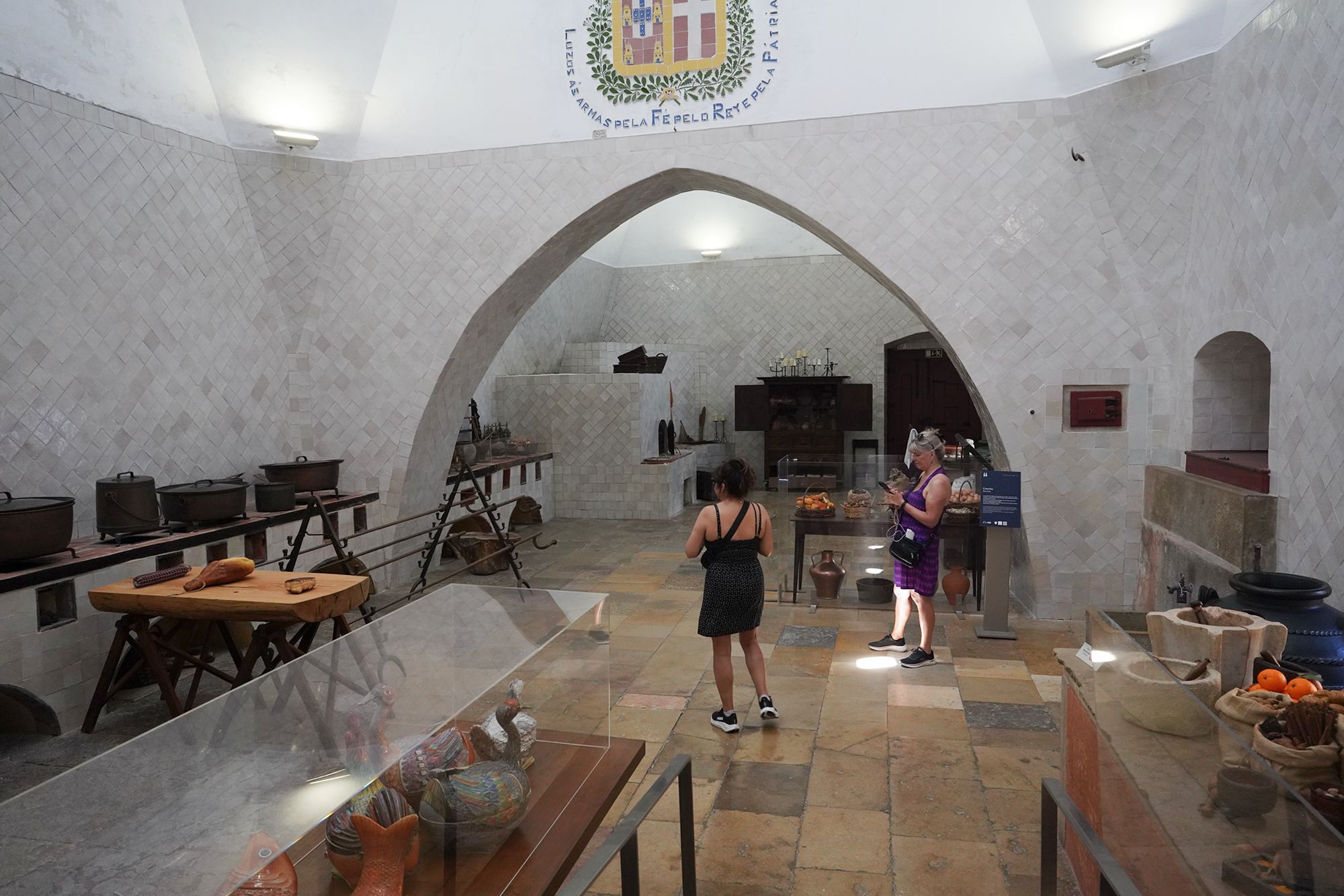
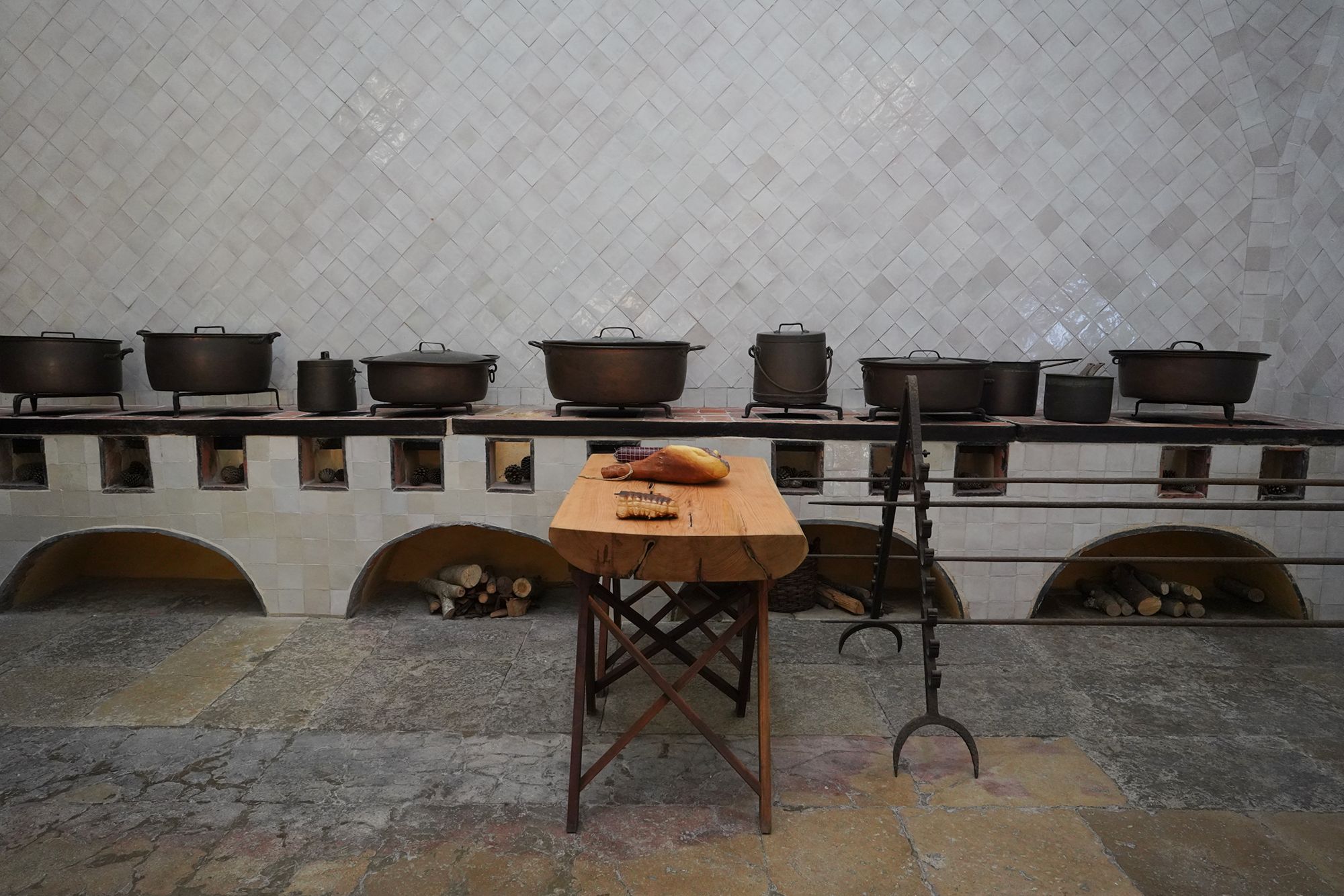
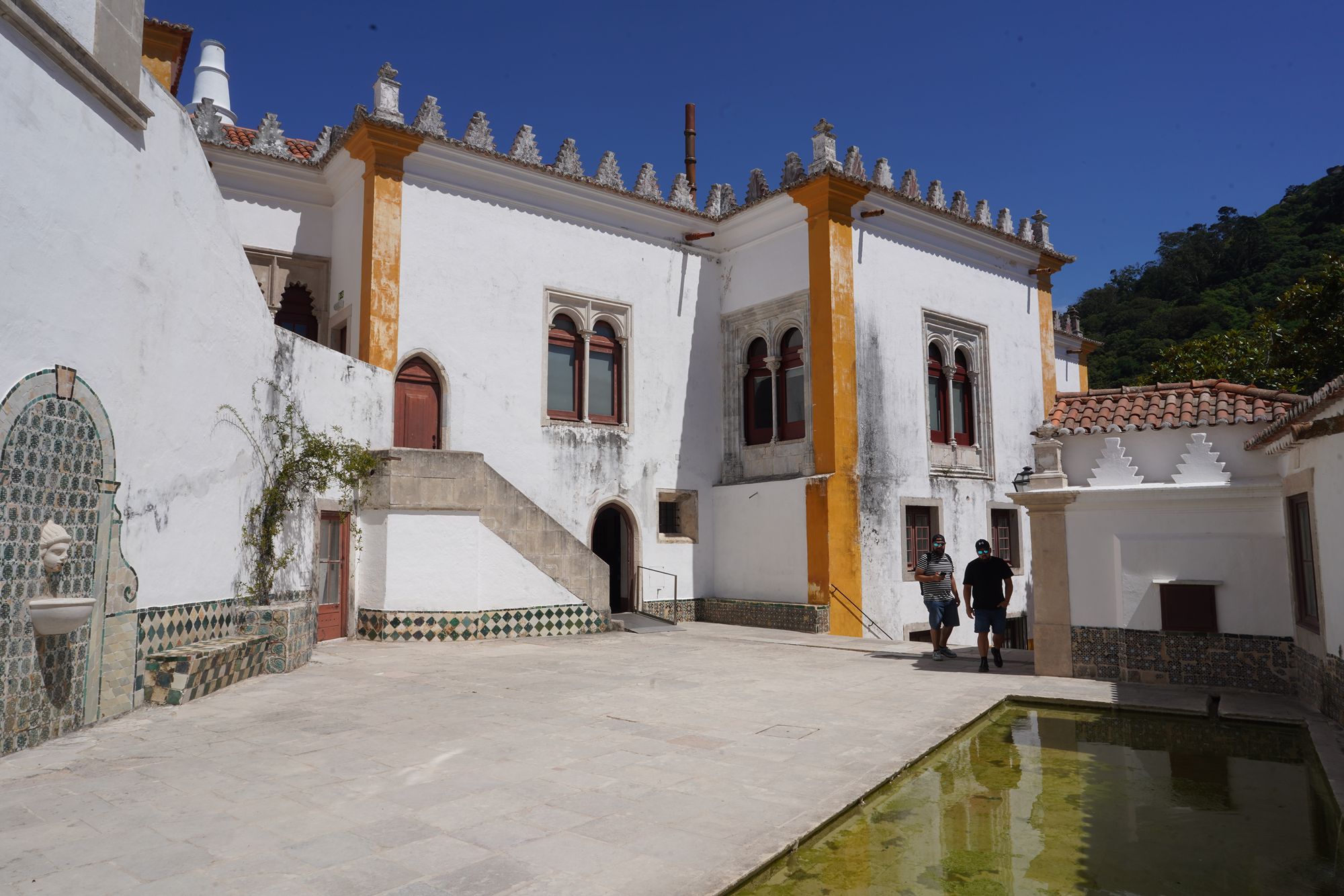
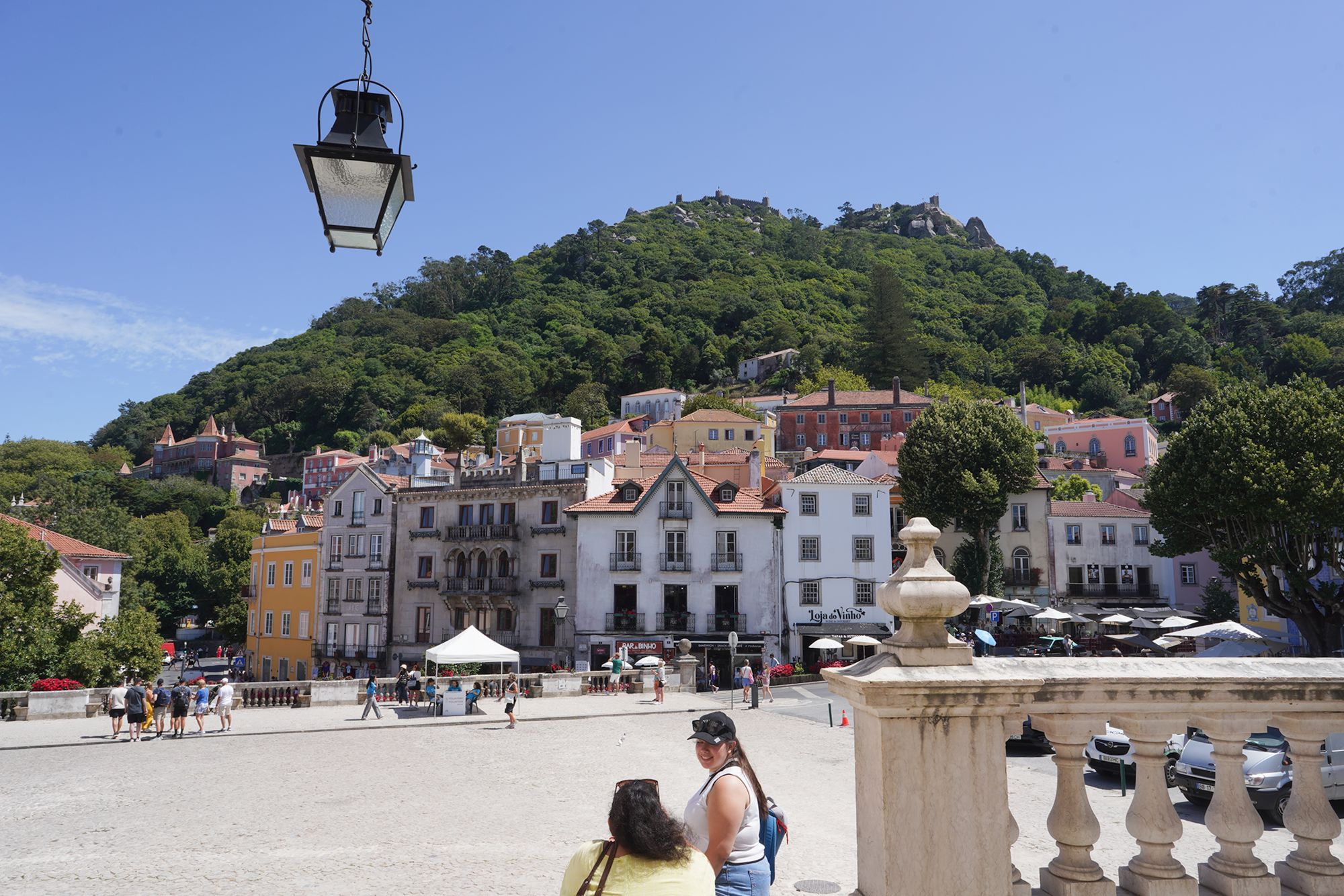
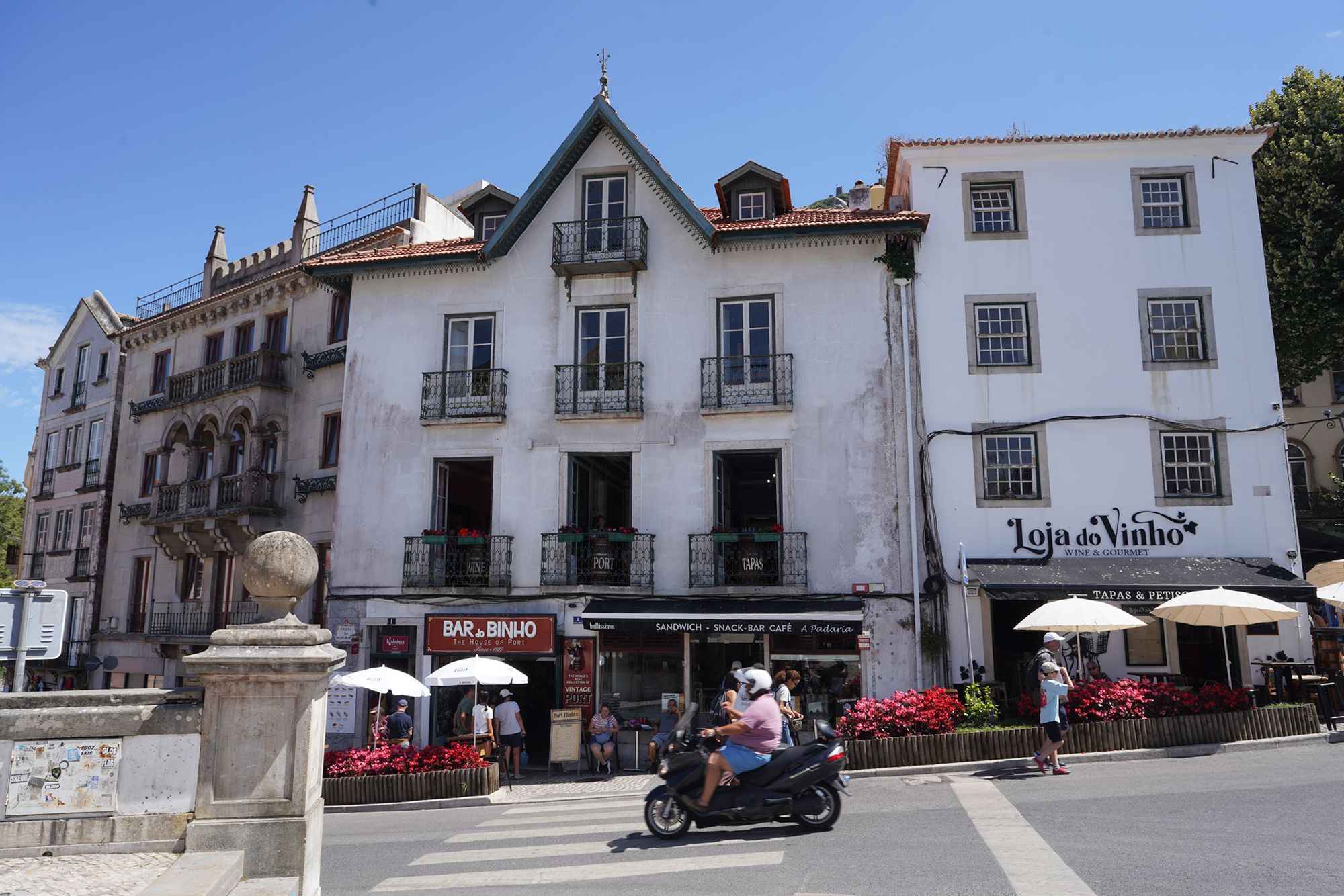
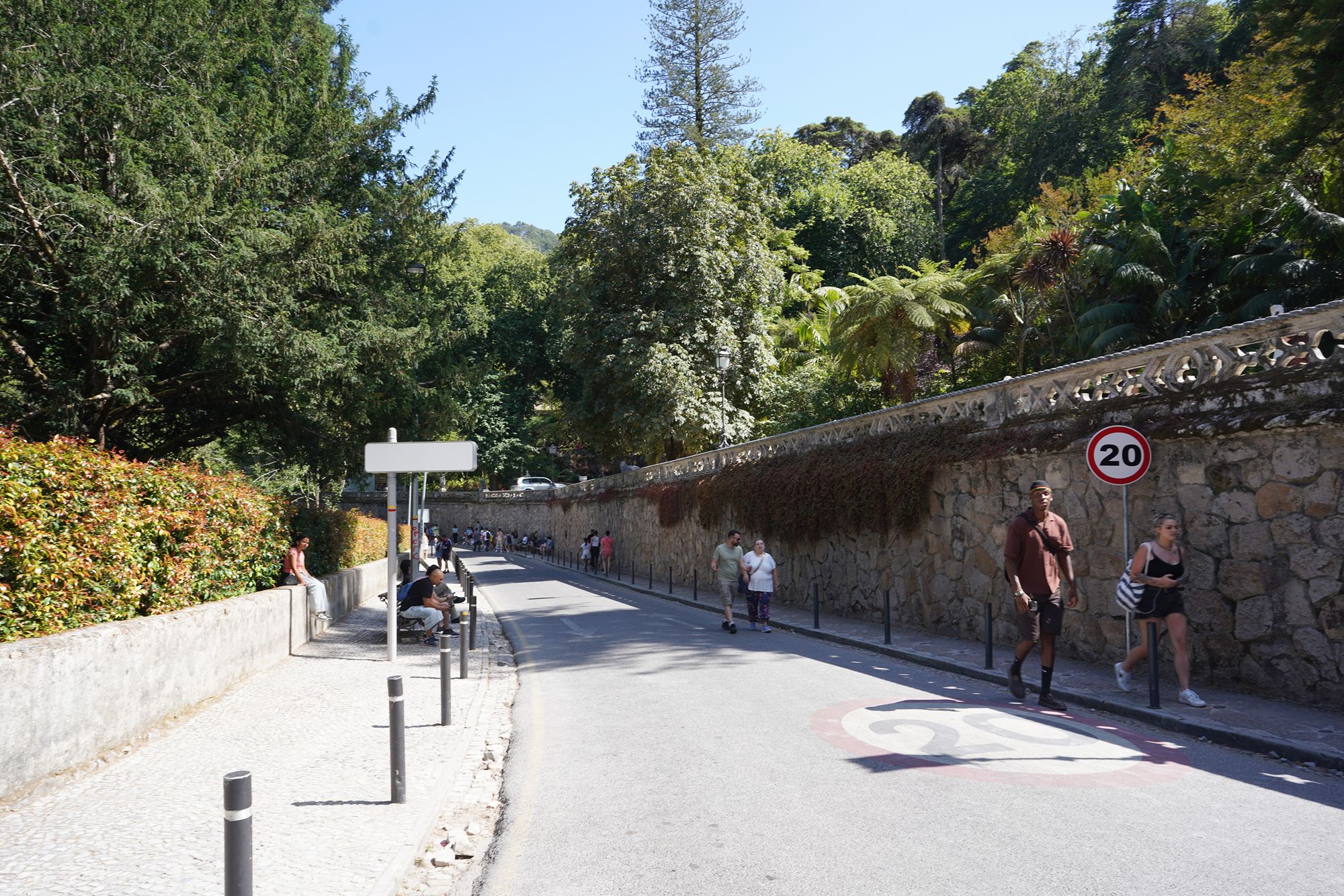
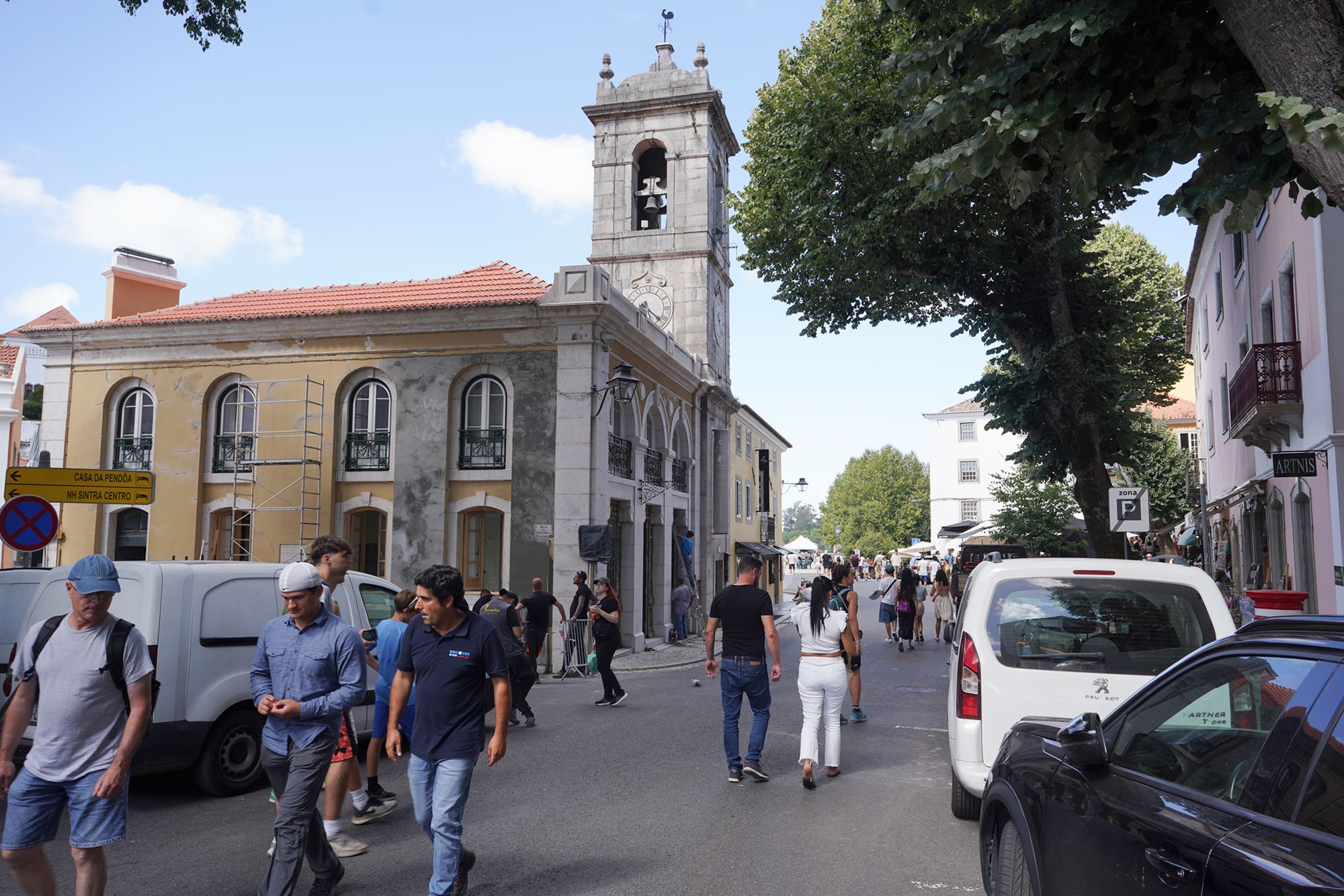
This area seemed to be the heart of the town. I decided to walk uphill to explore more of Sintra.
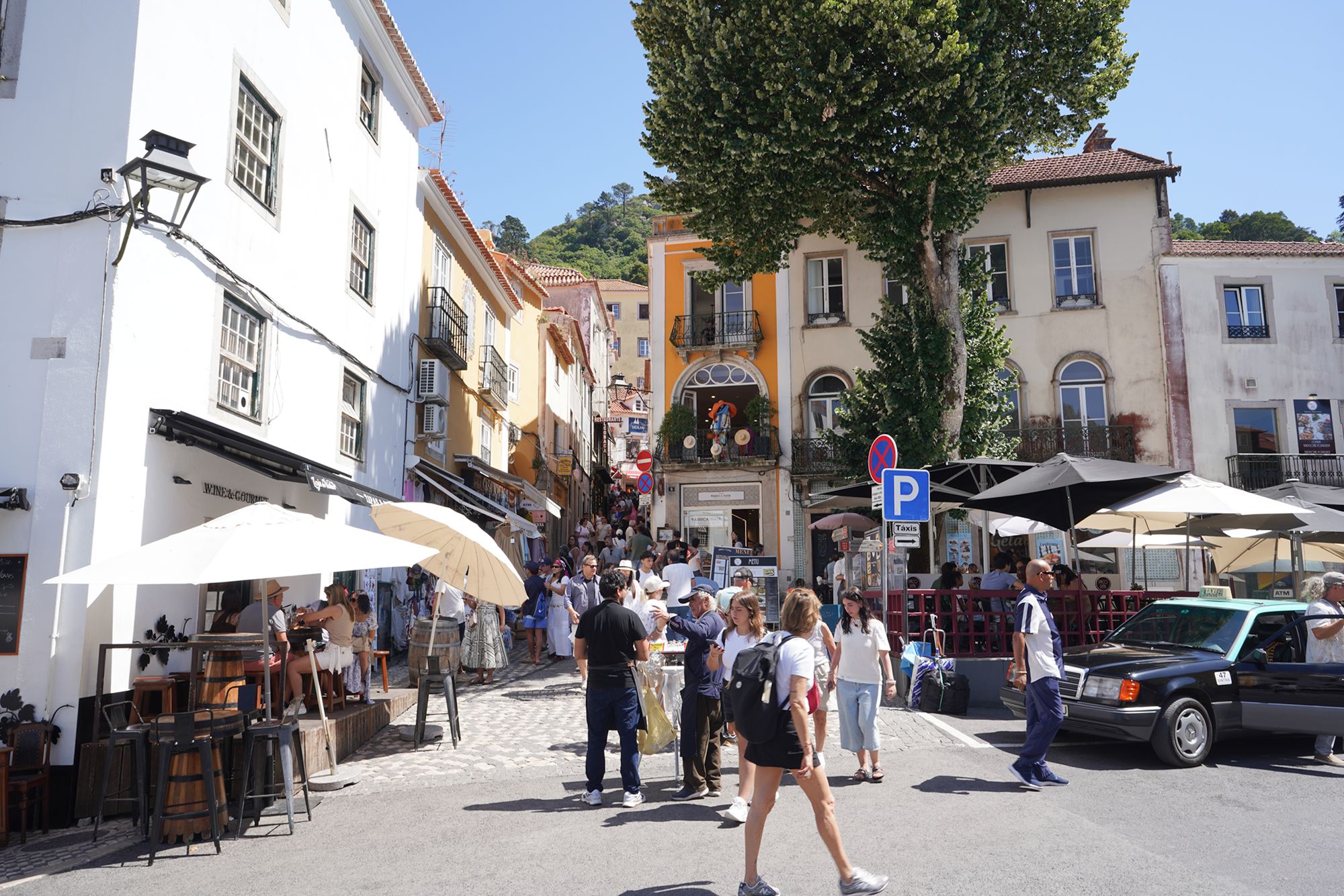
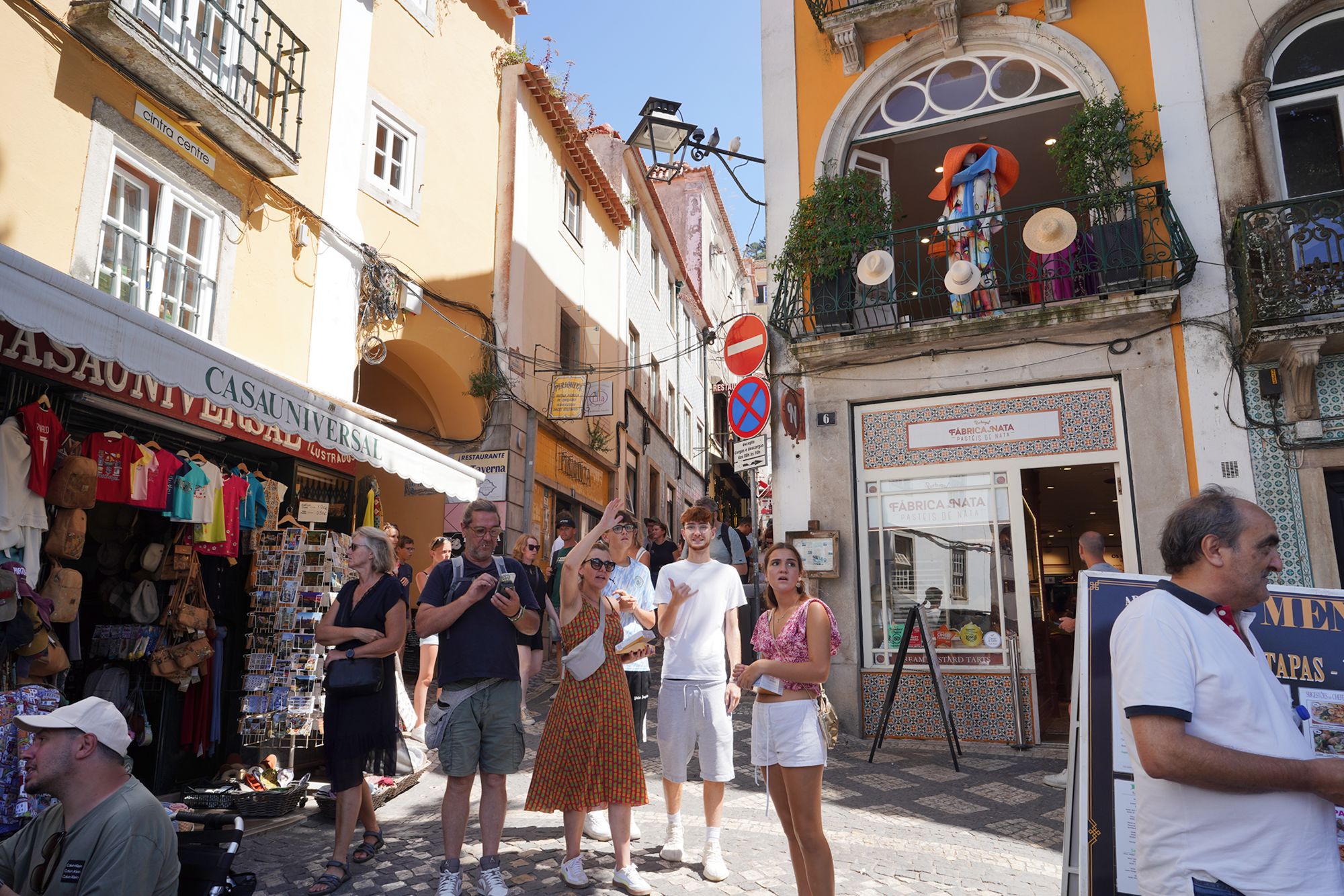
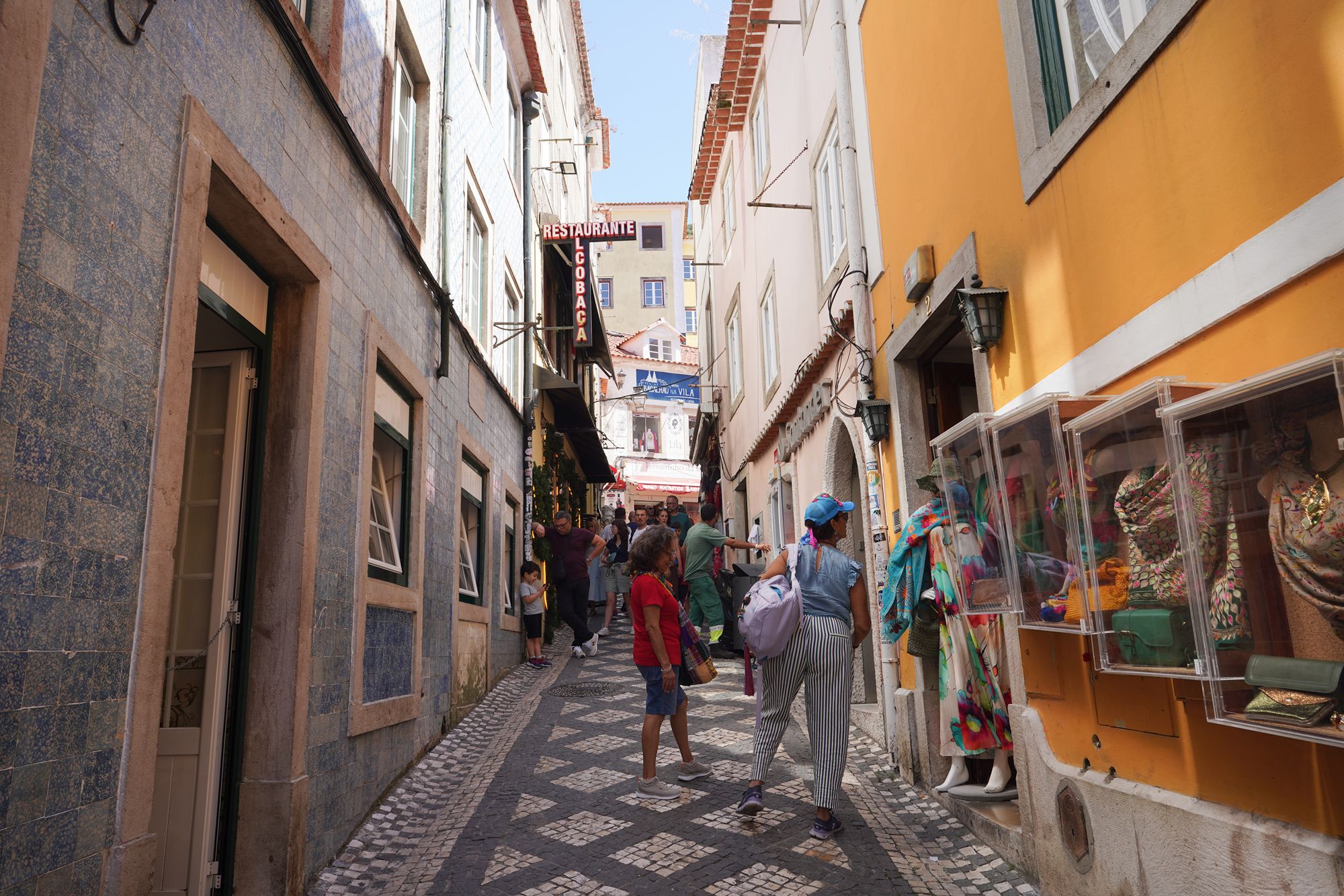
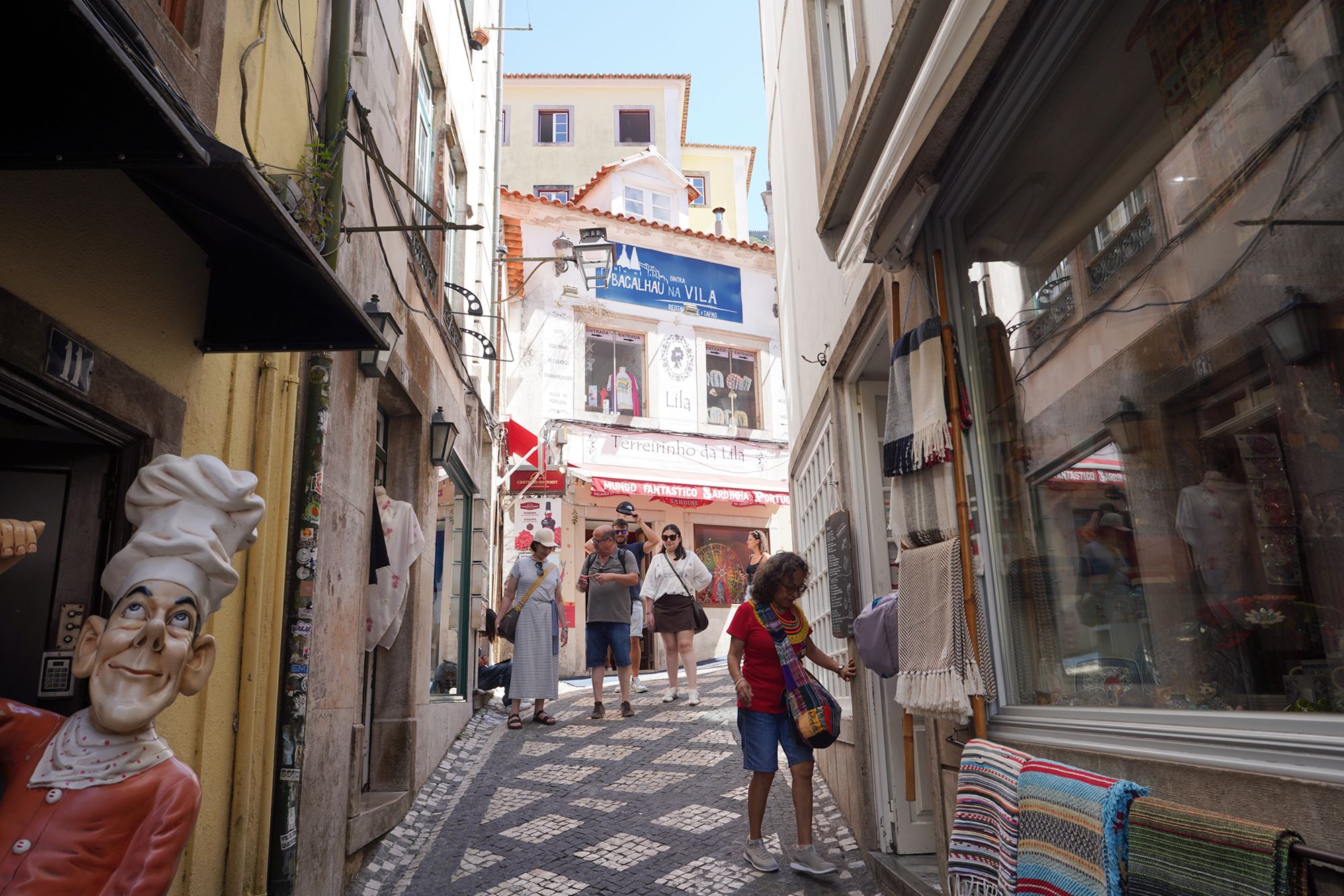

A street on my left
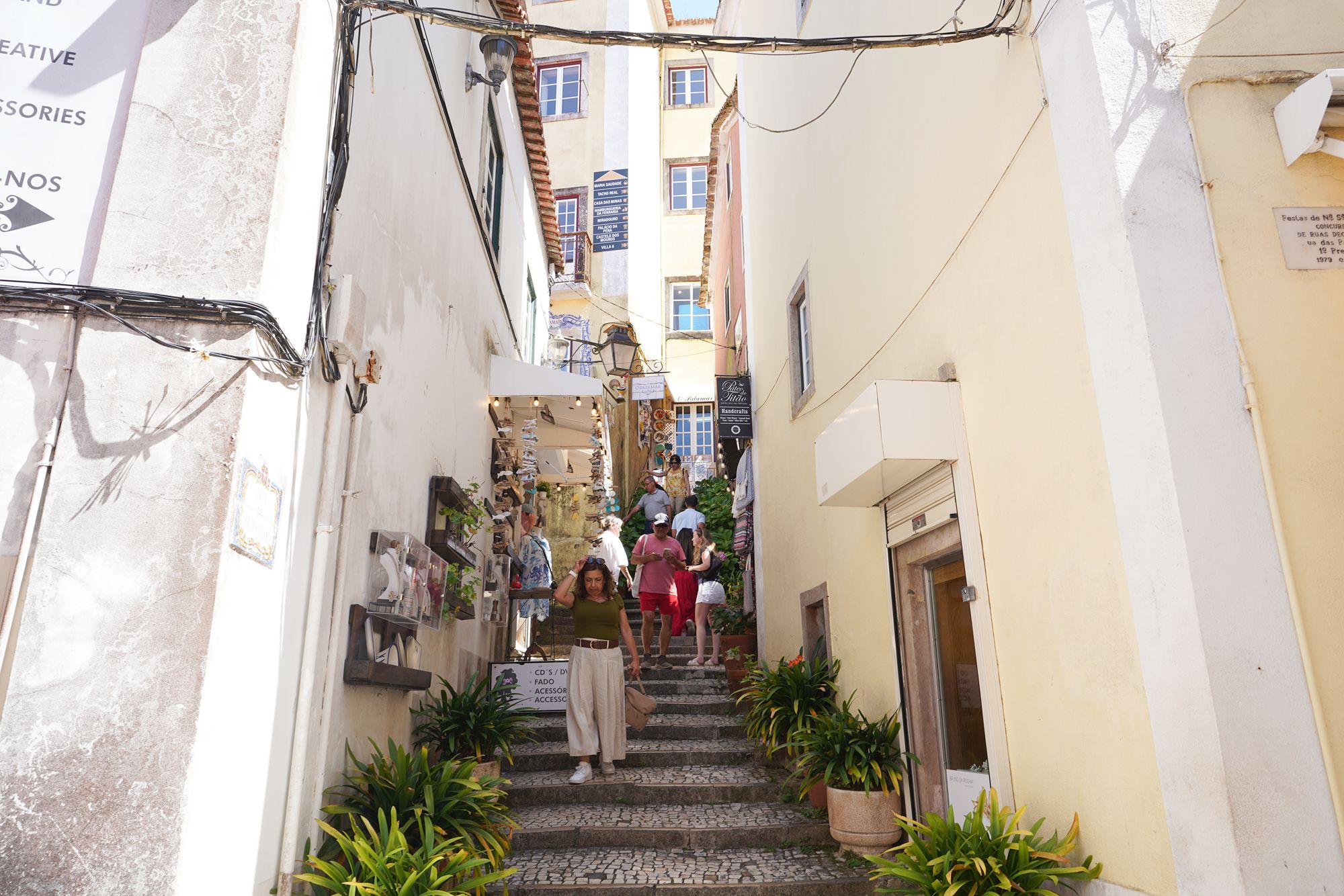
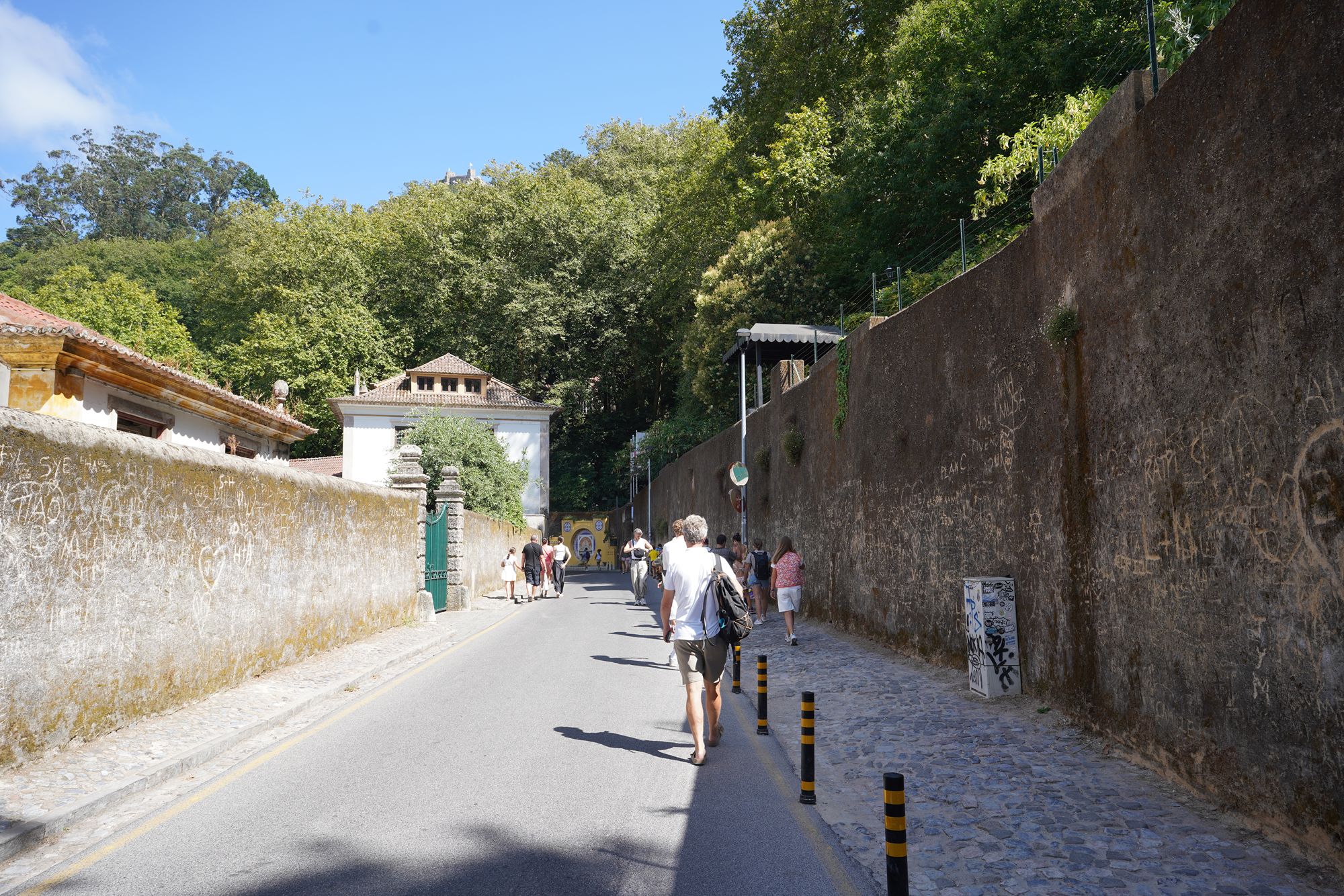
Then I turned around here and went other direction
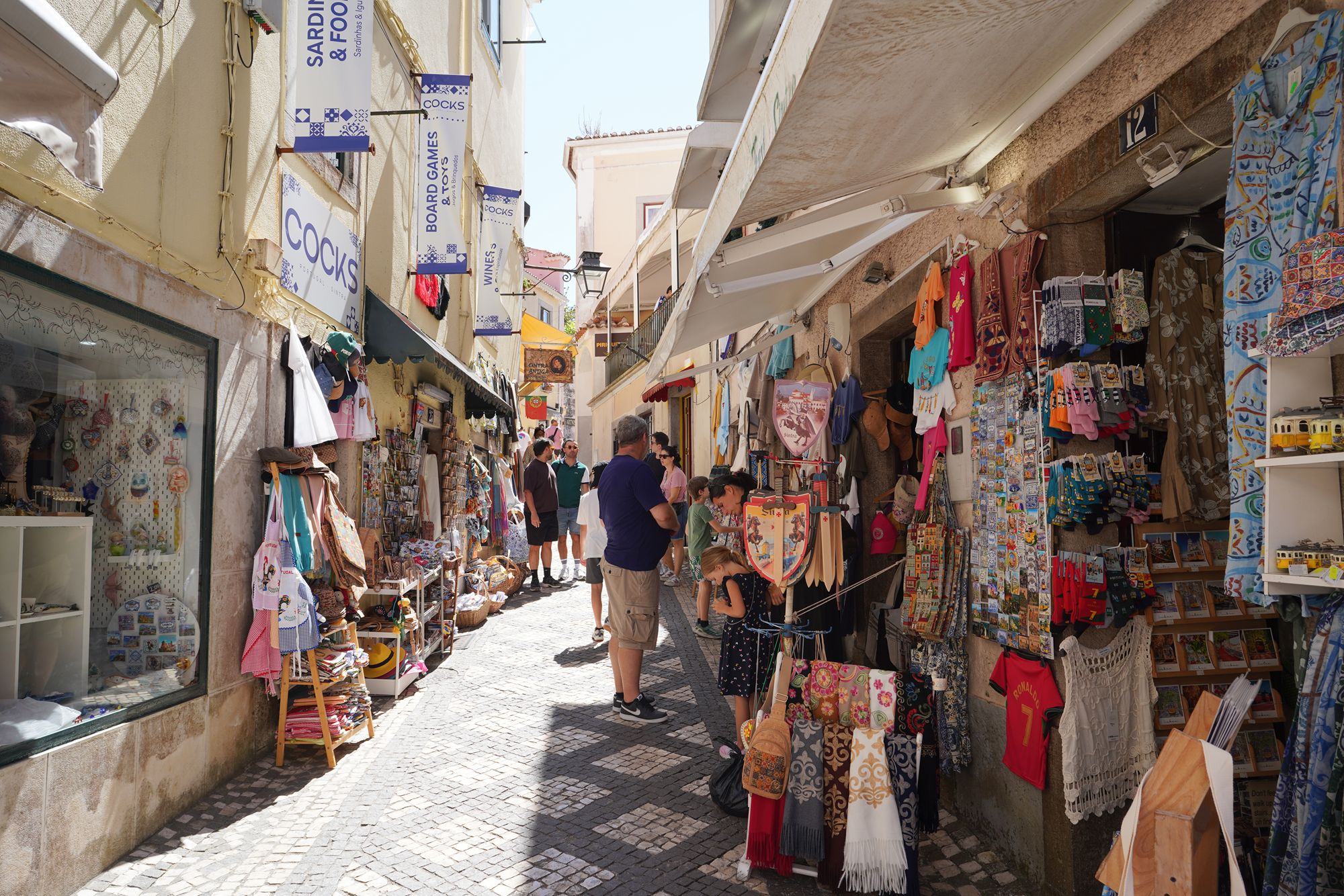
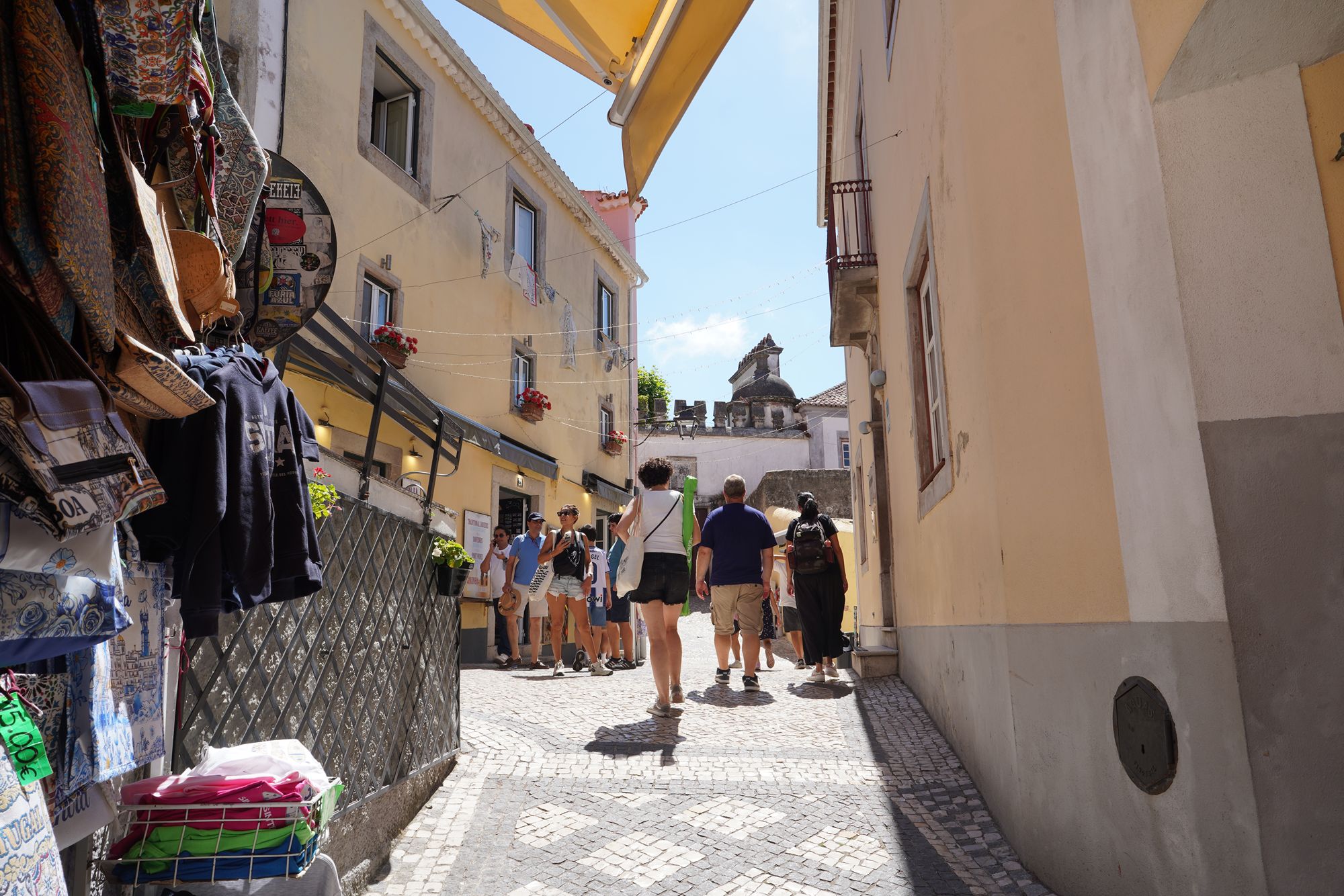
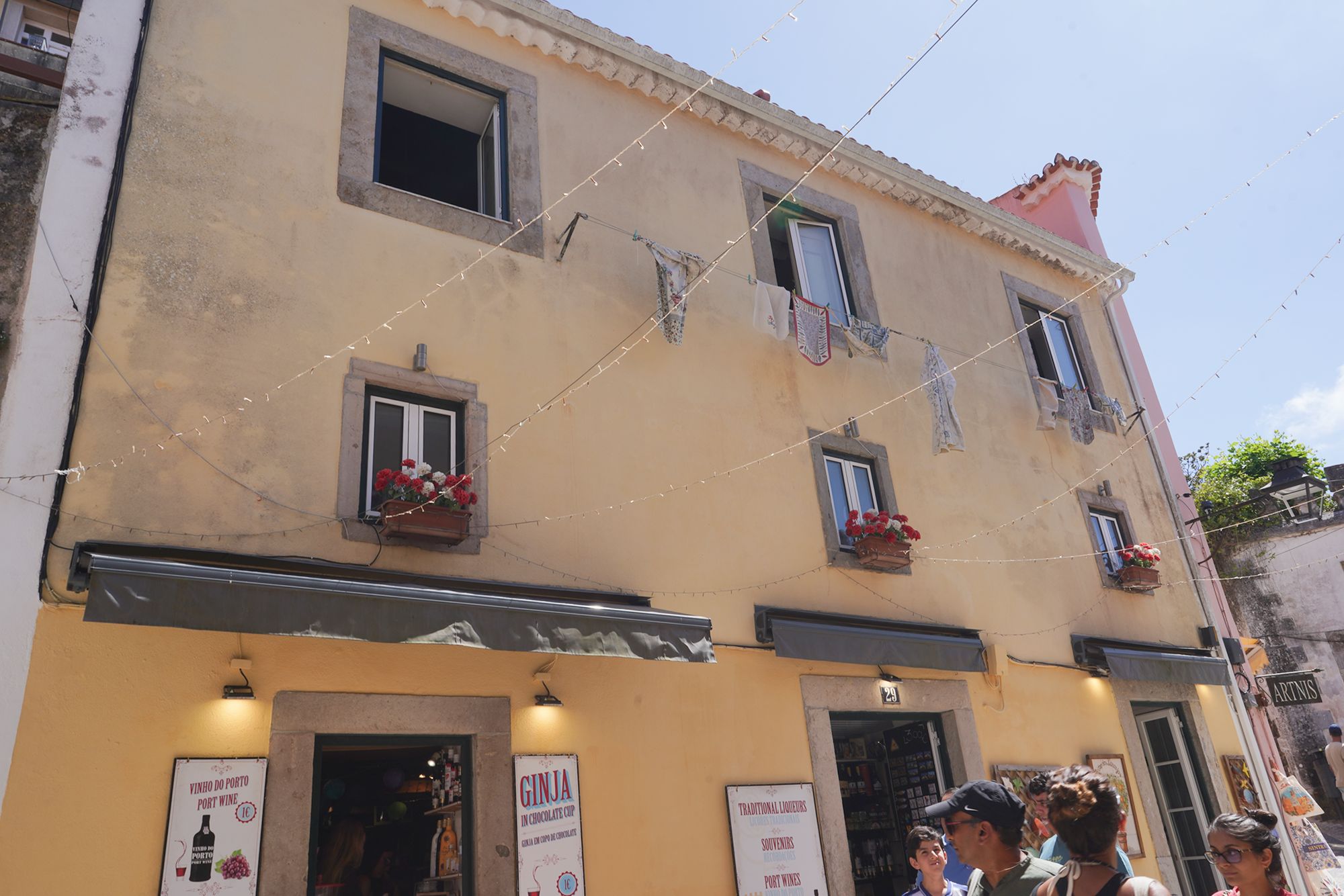
More hills up ahead
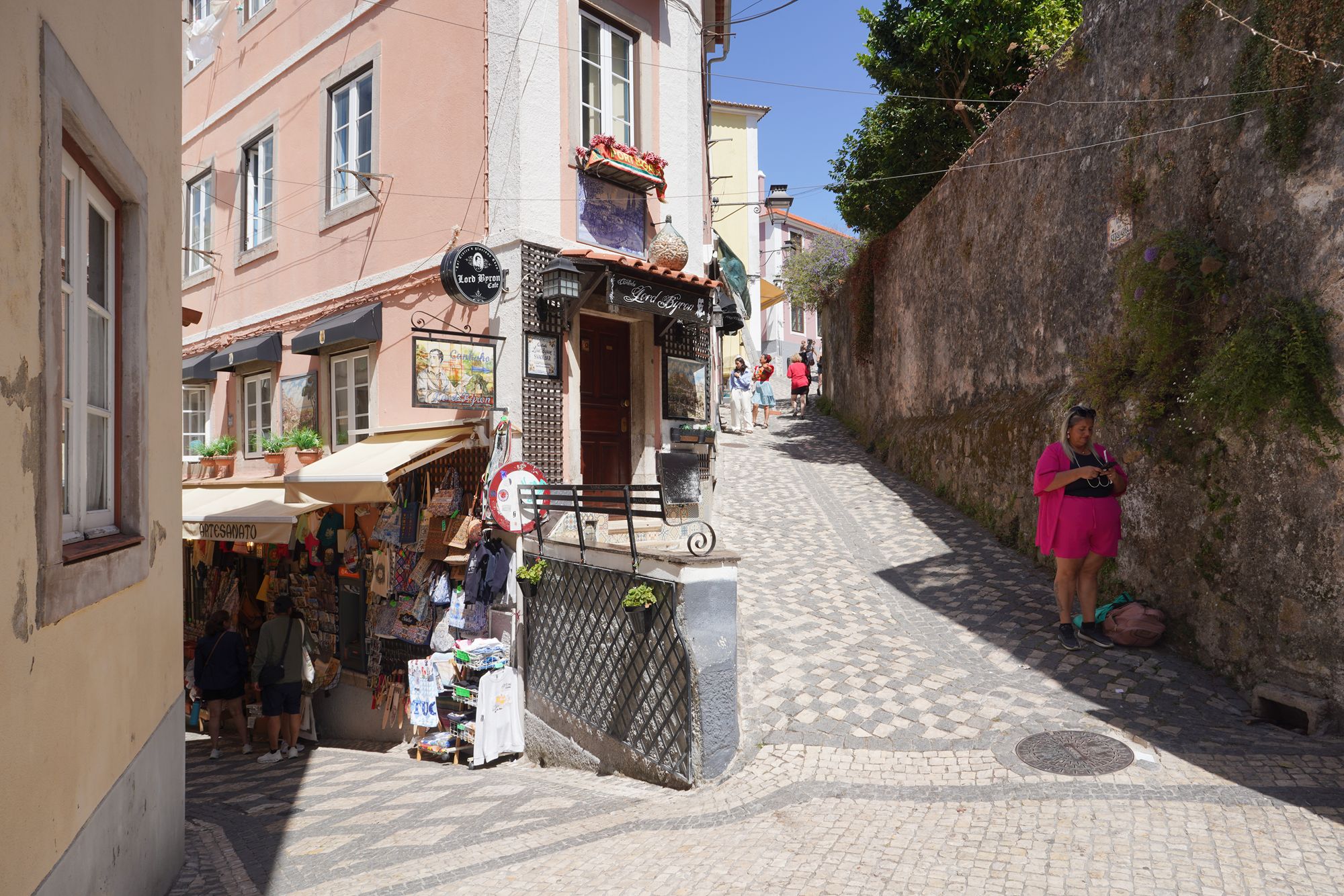
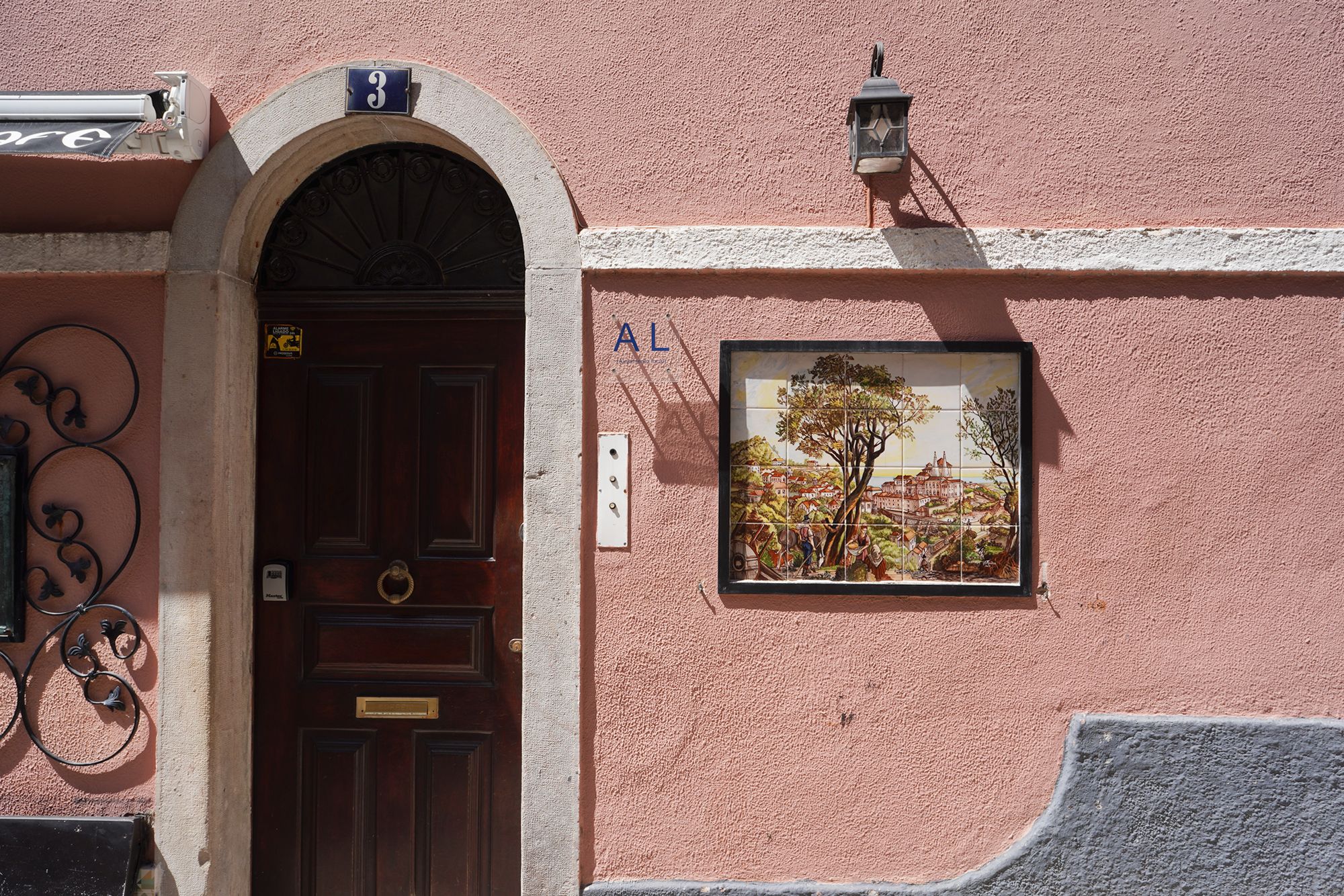
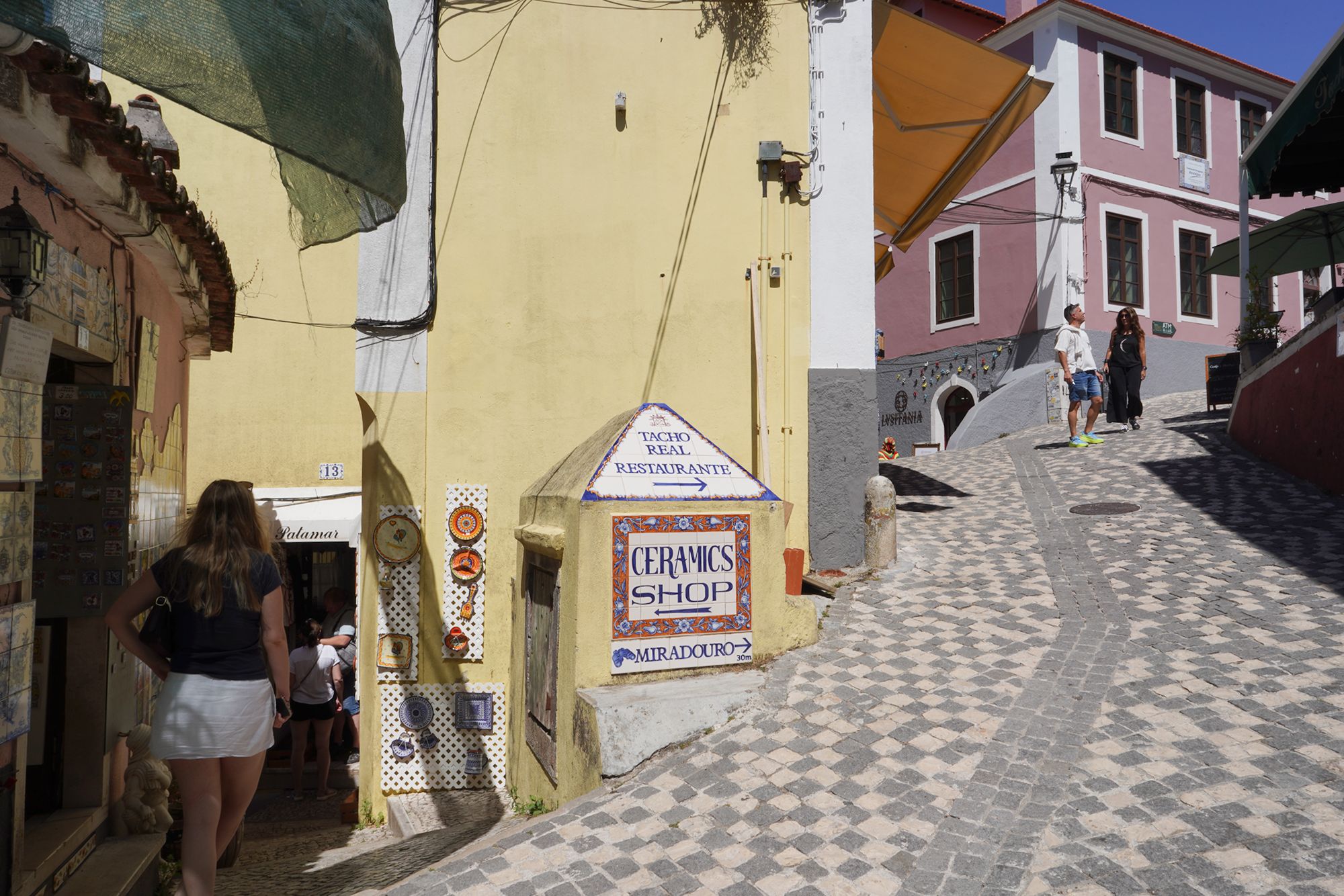
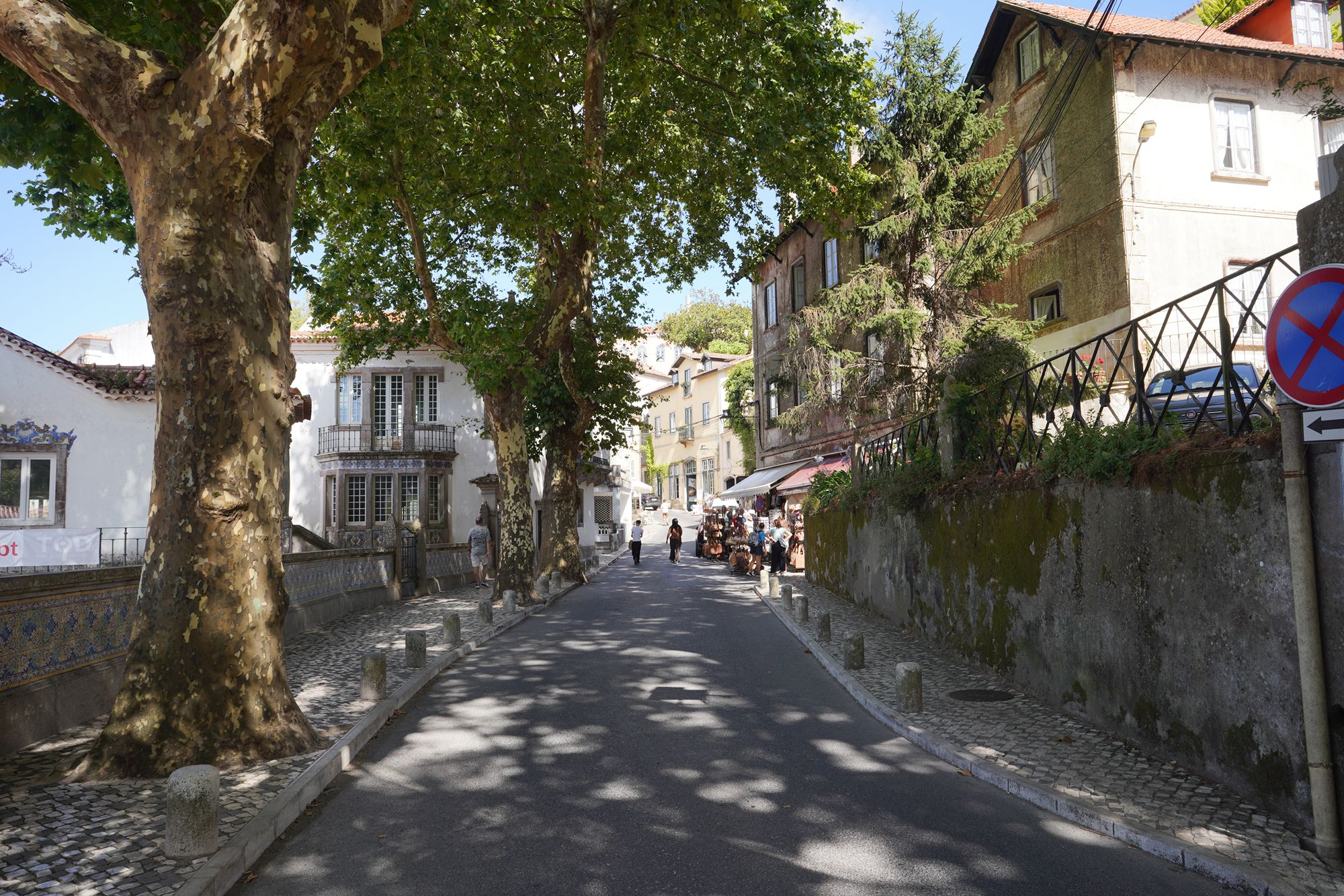
A view of a side street on my left
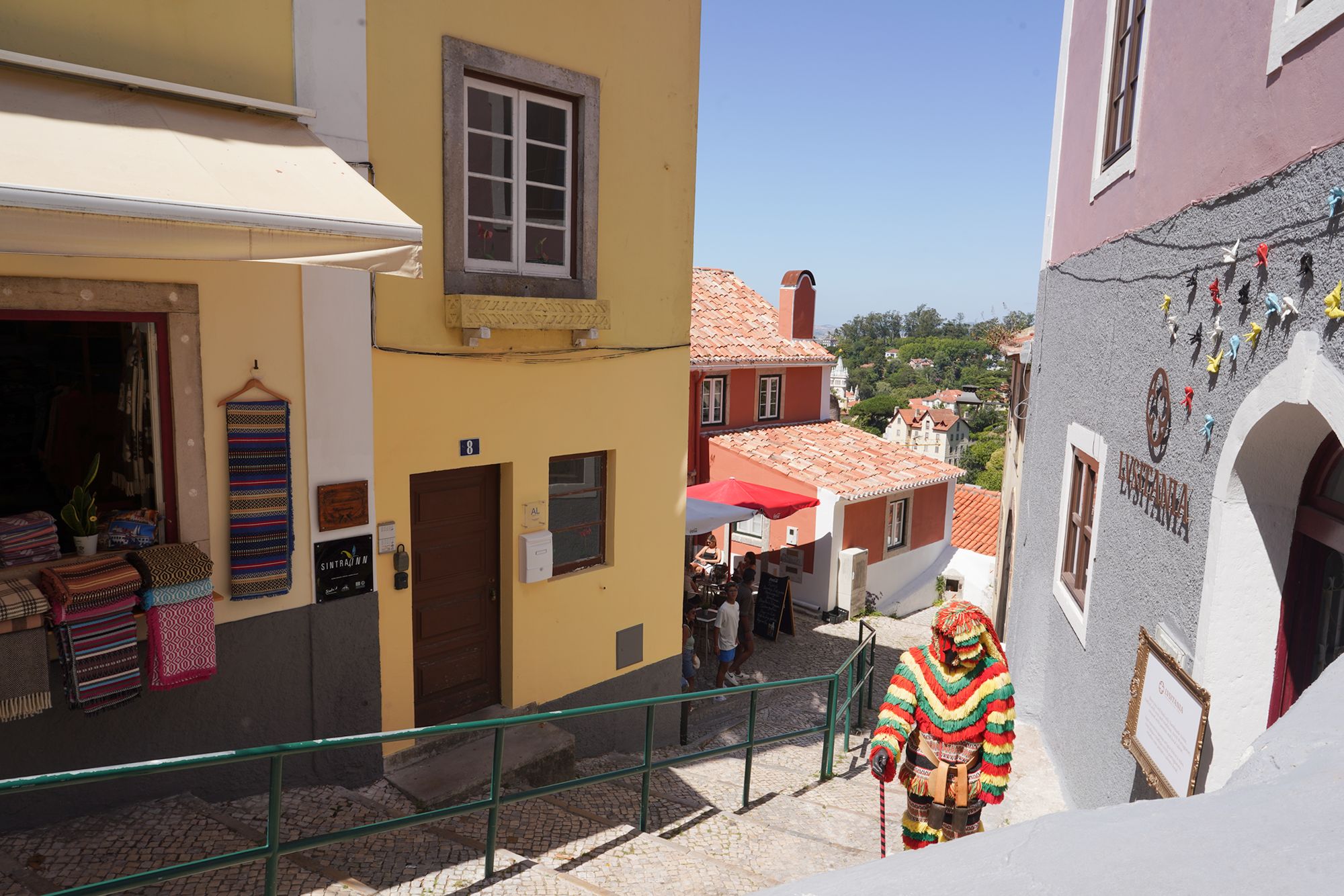
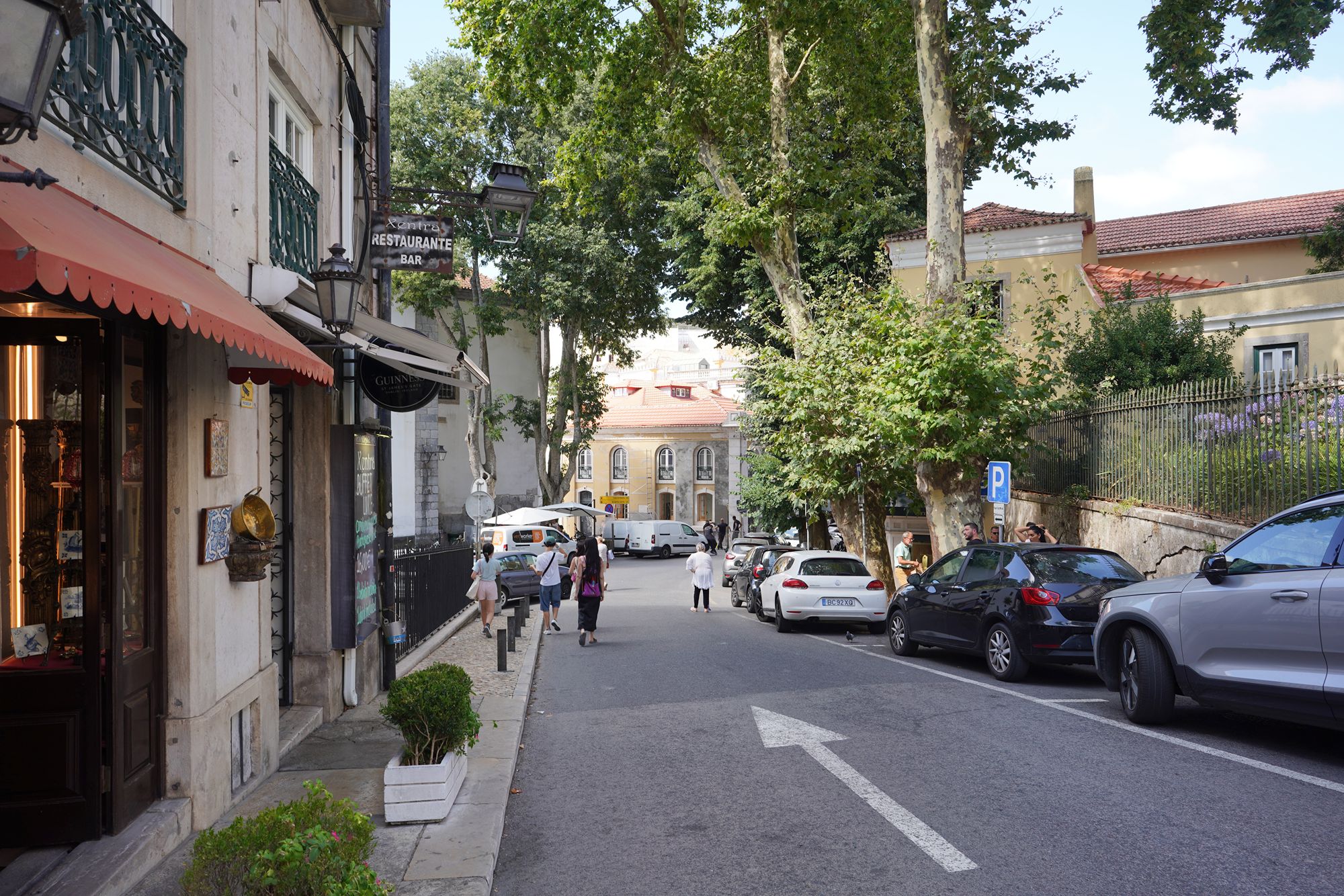
Here, I turned around and walked back downhill.
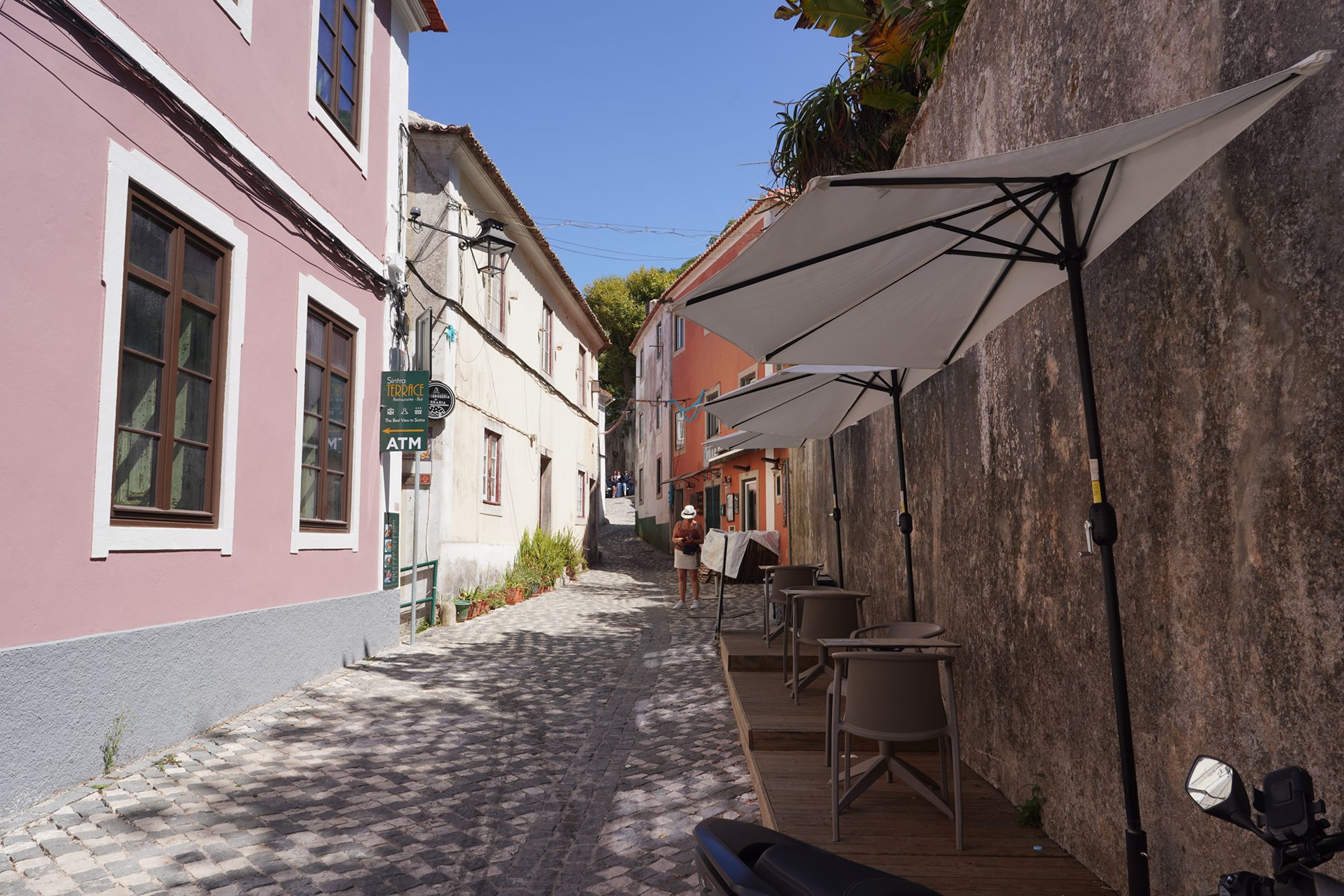
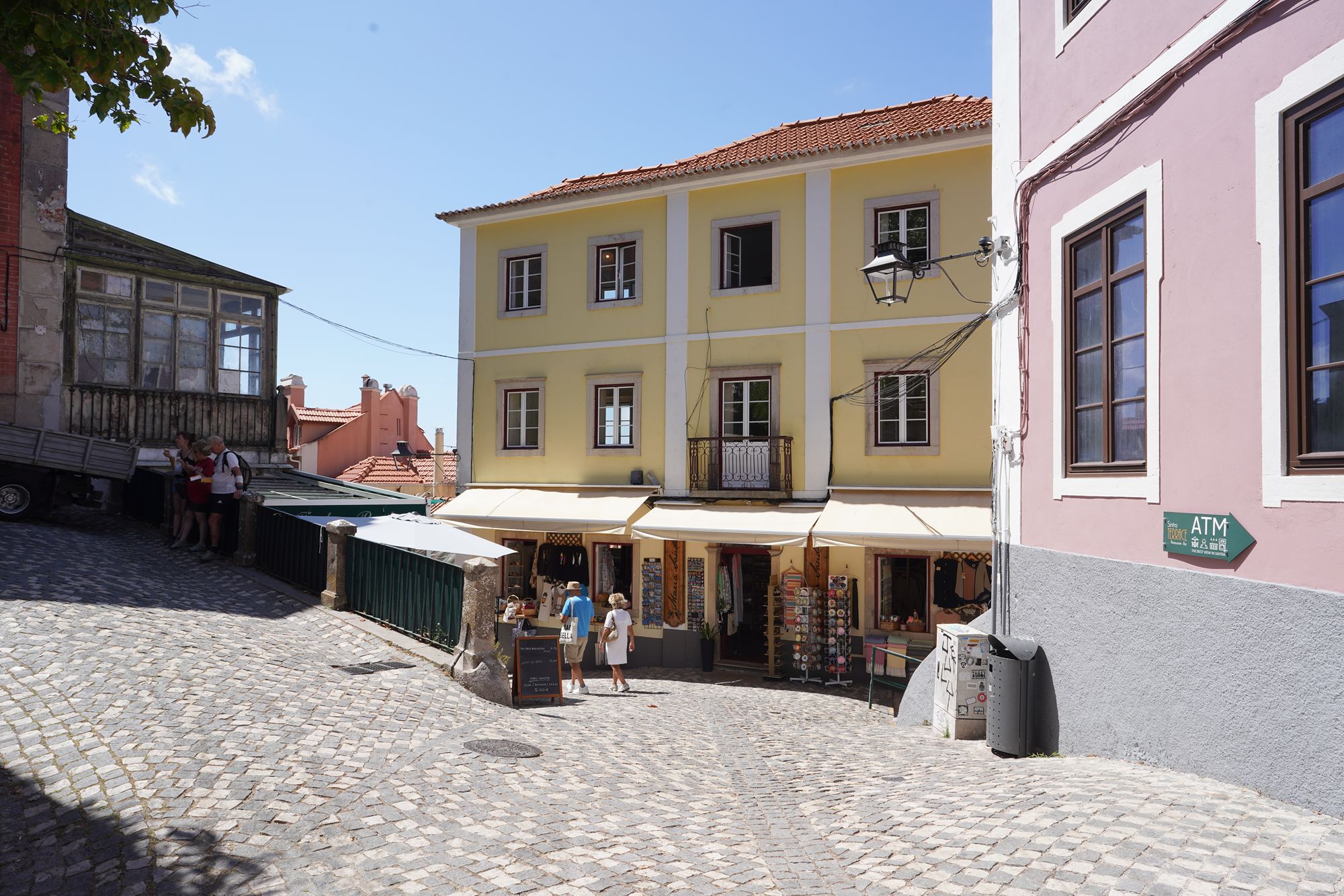
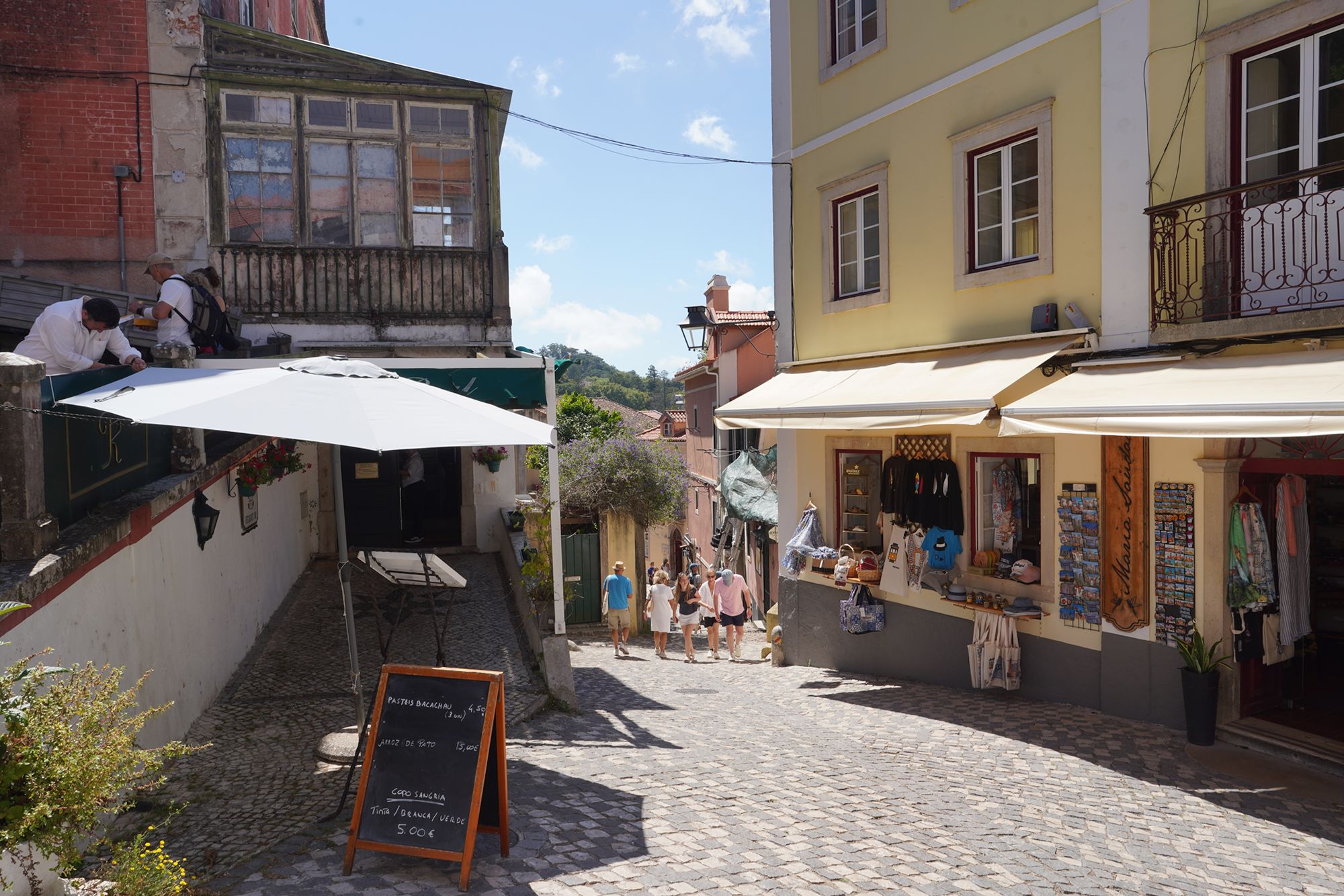
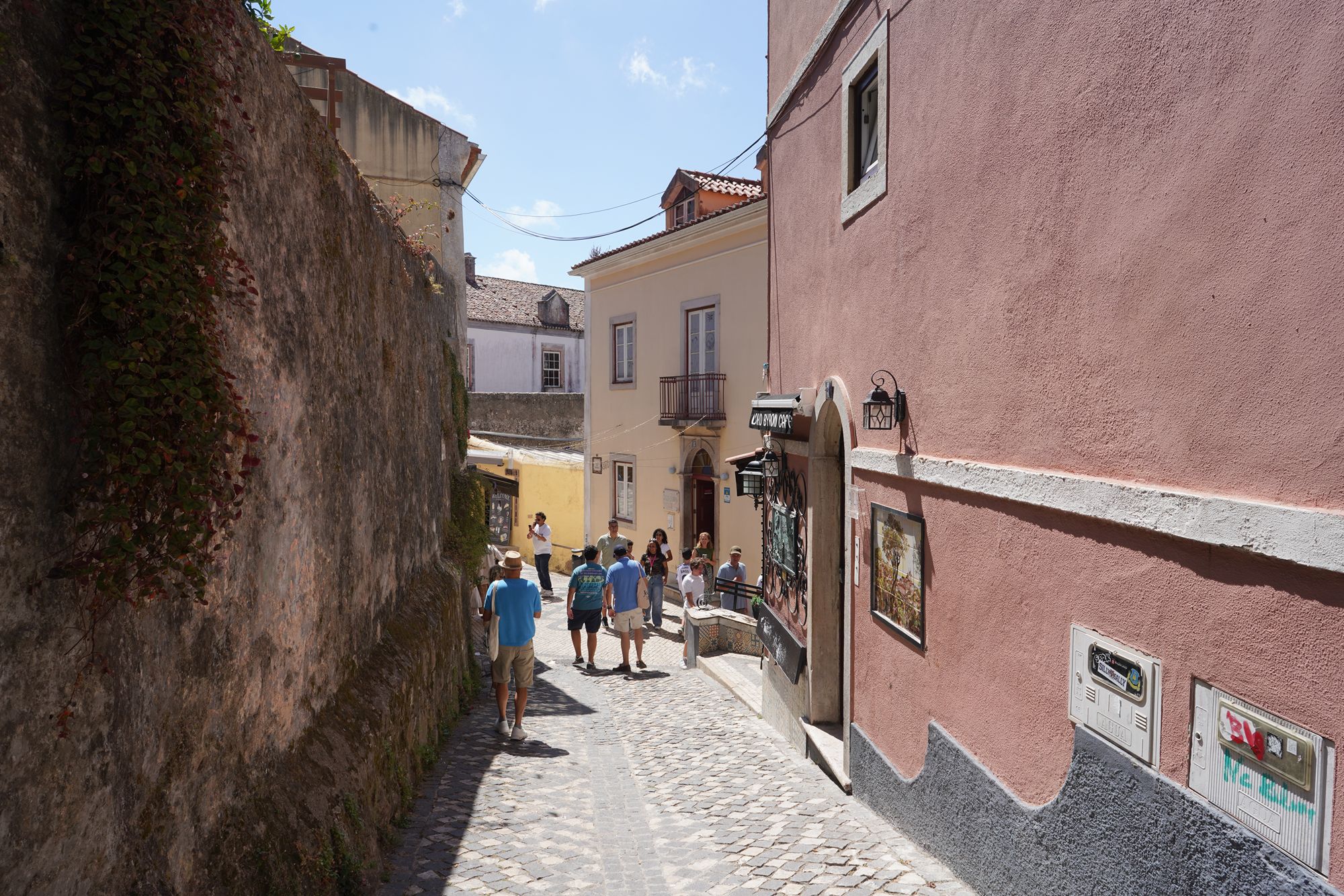
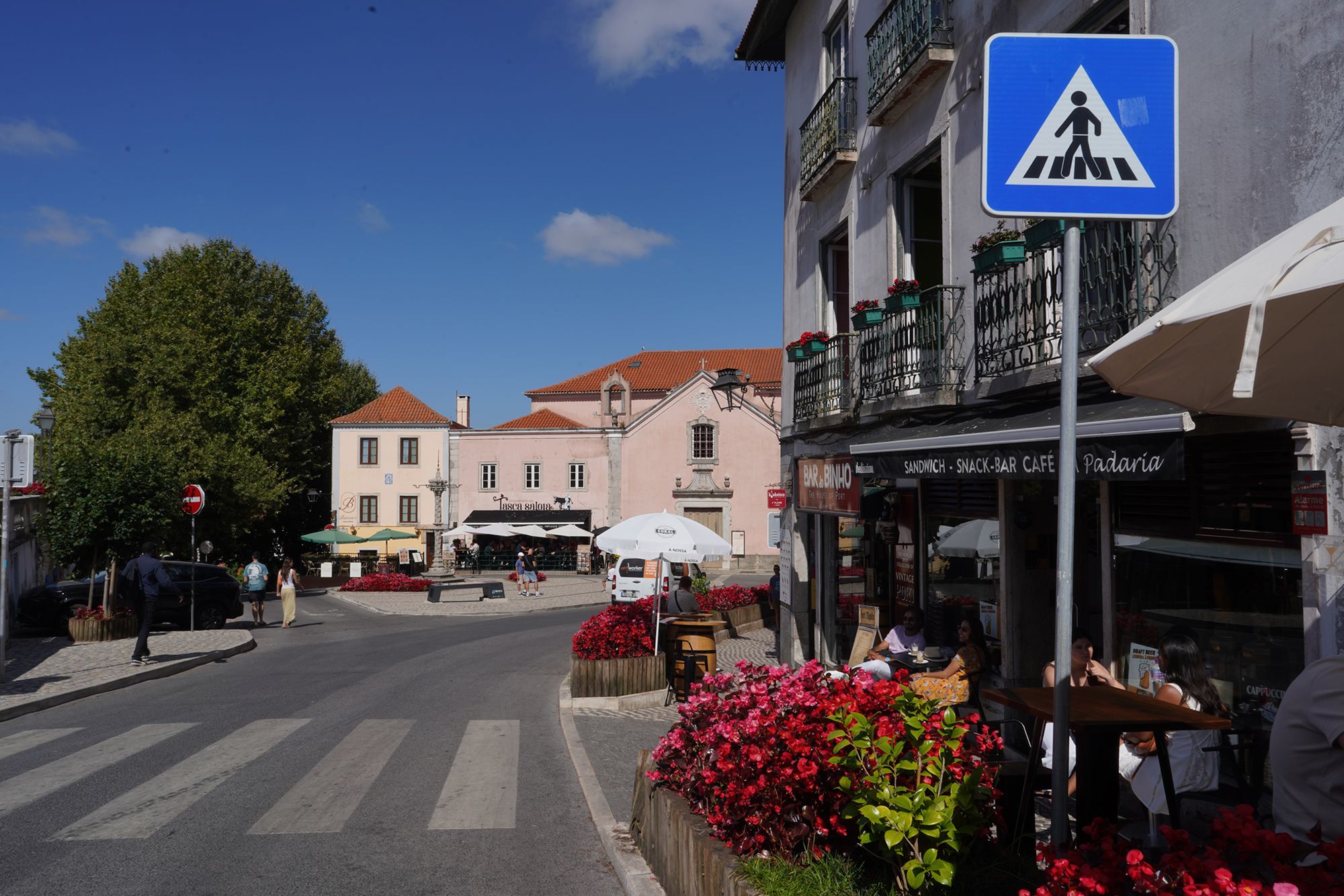
I returned to the town center.
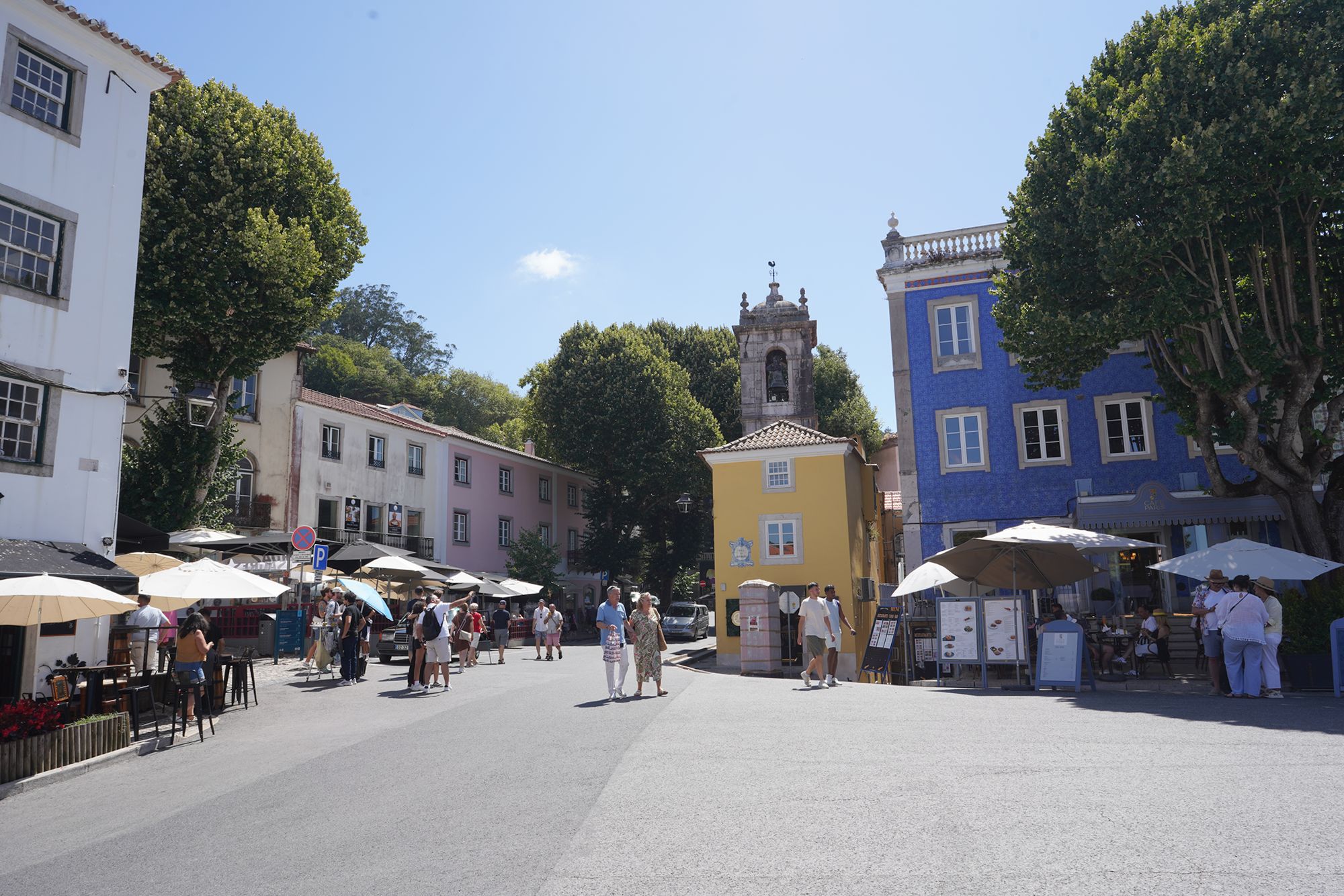
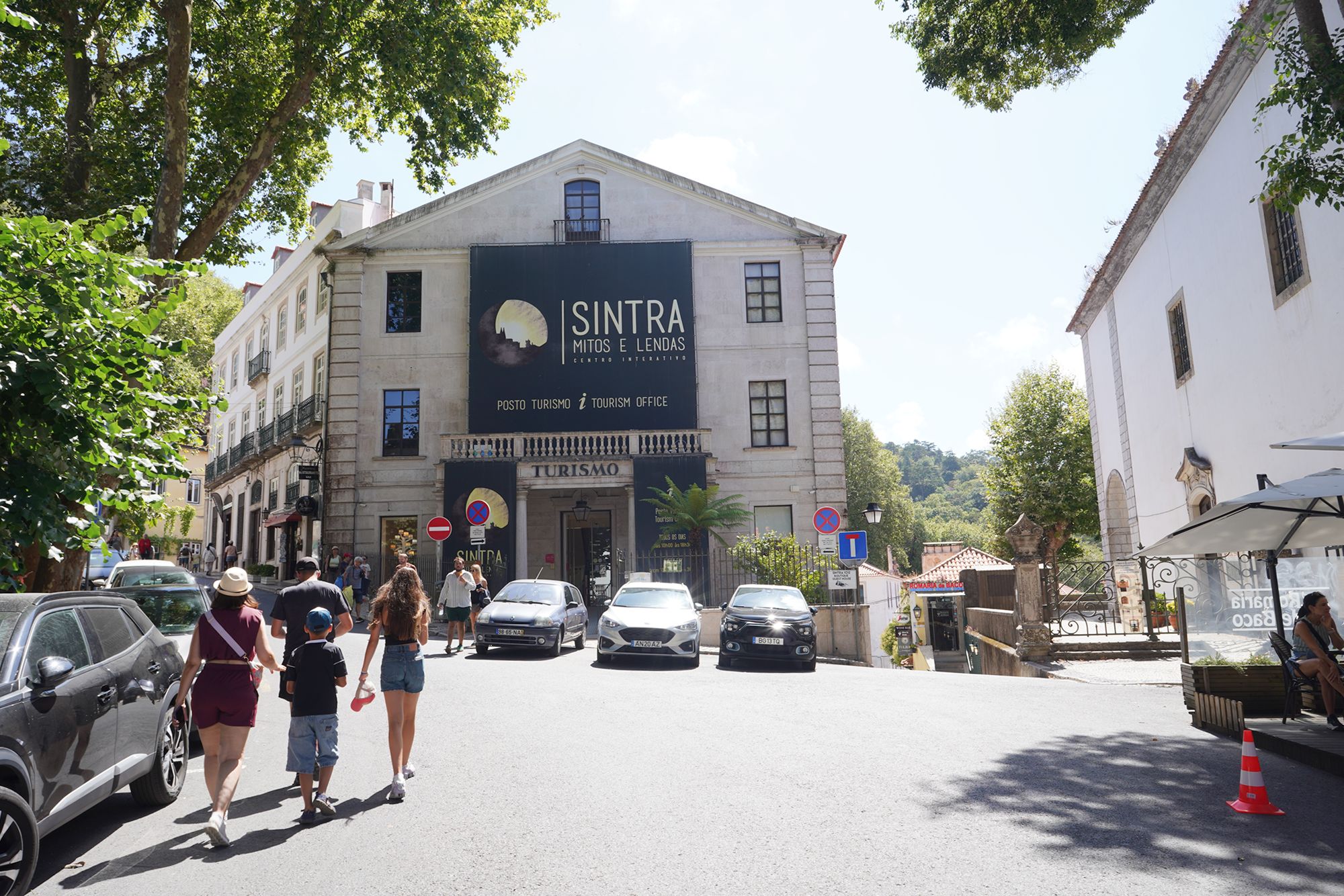
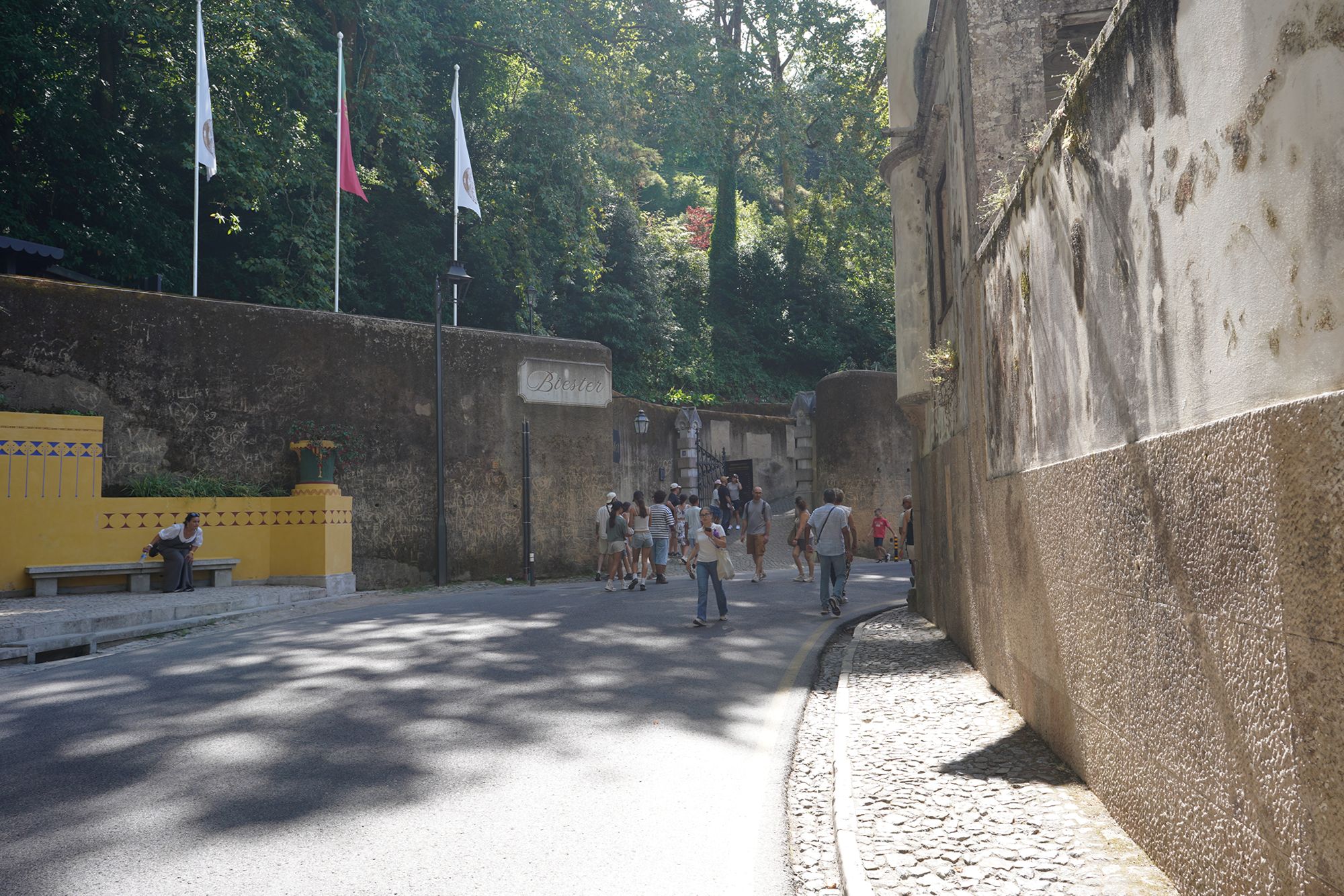
Then I walked toward Quinta da Regaleira.
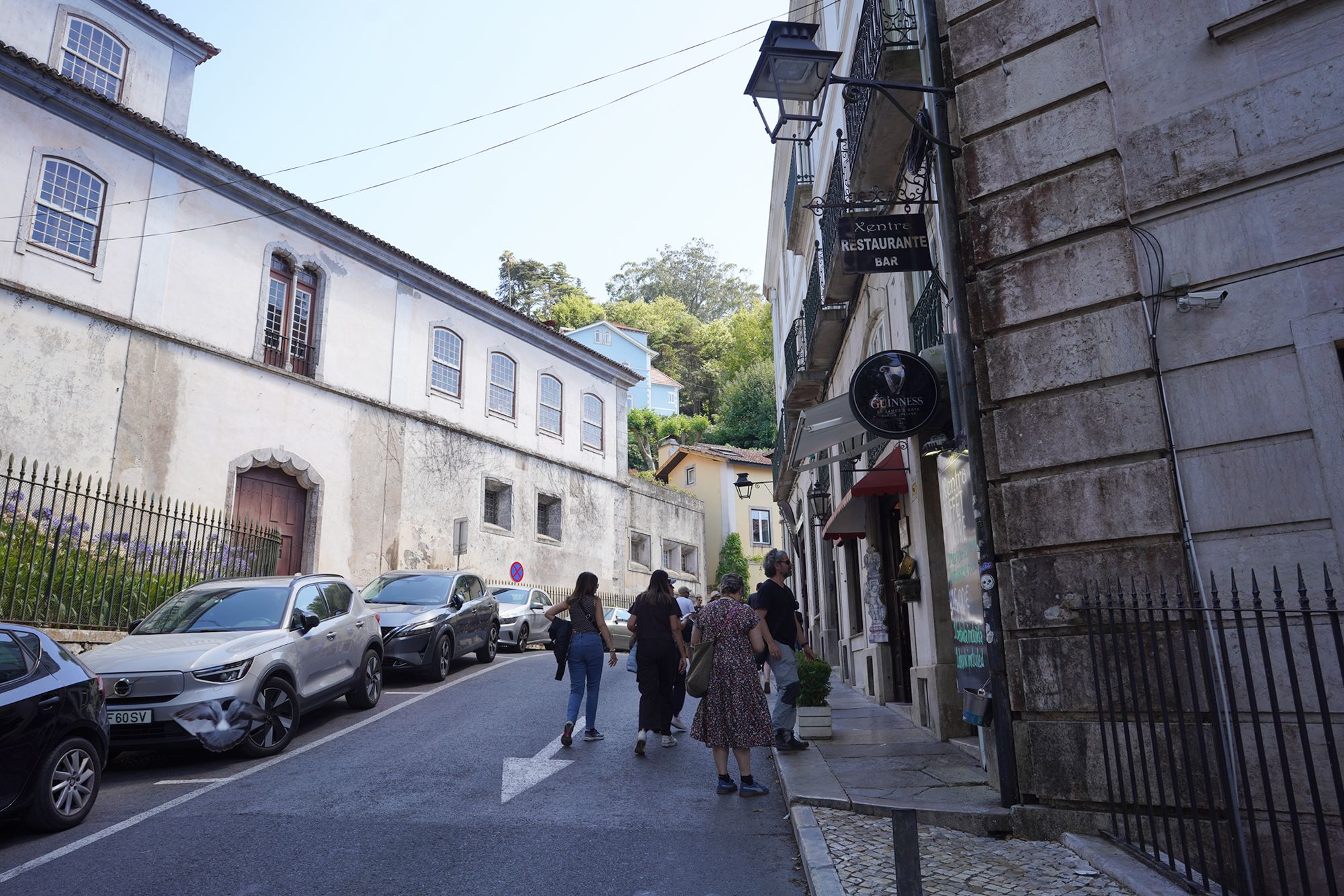
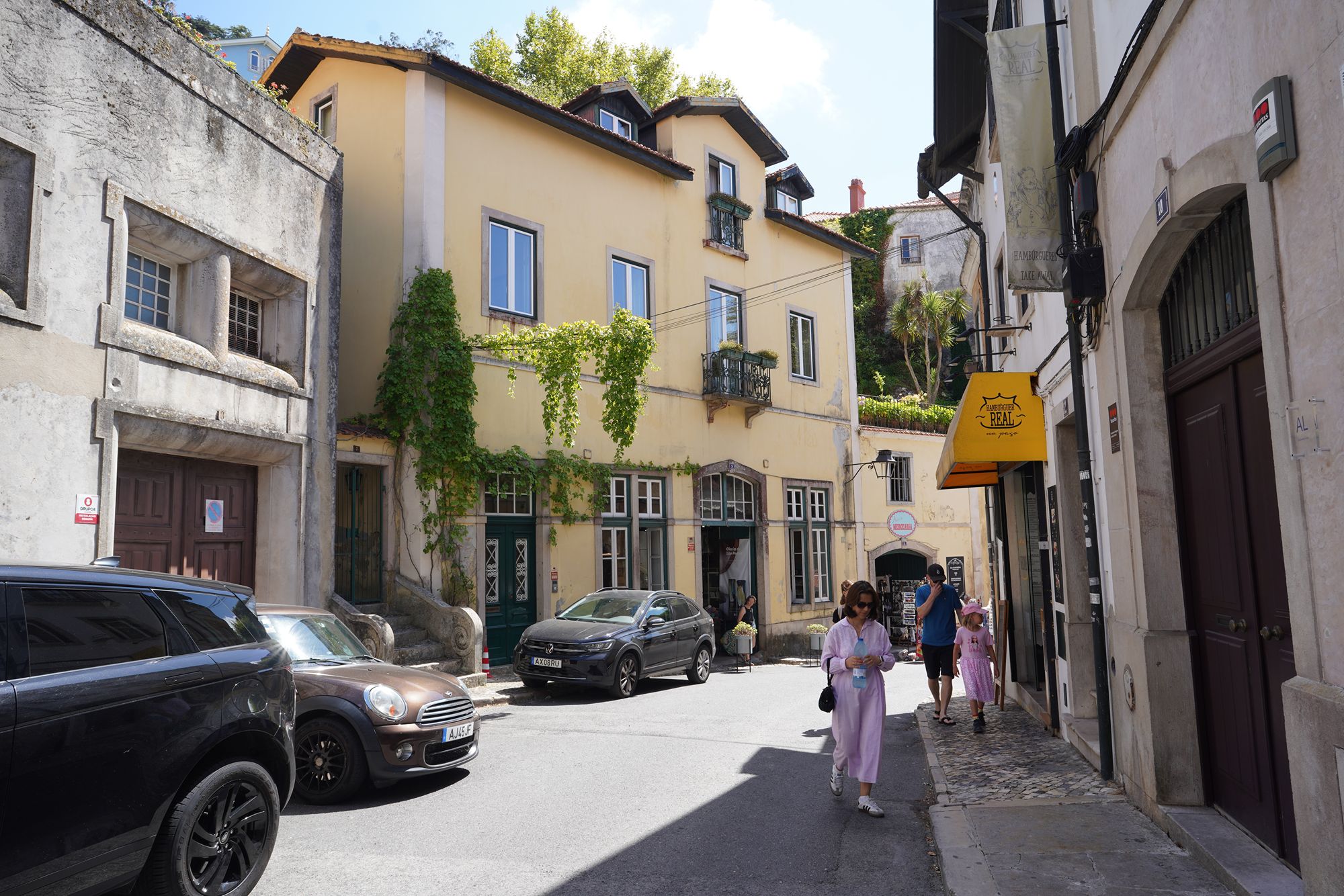
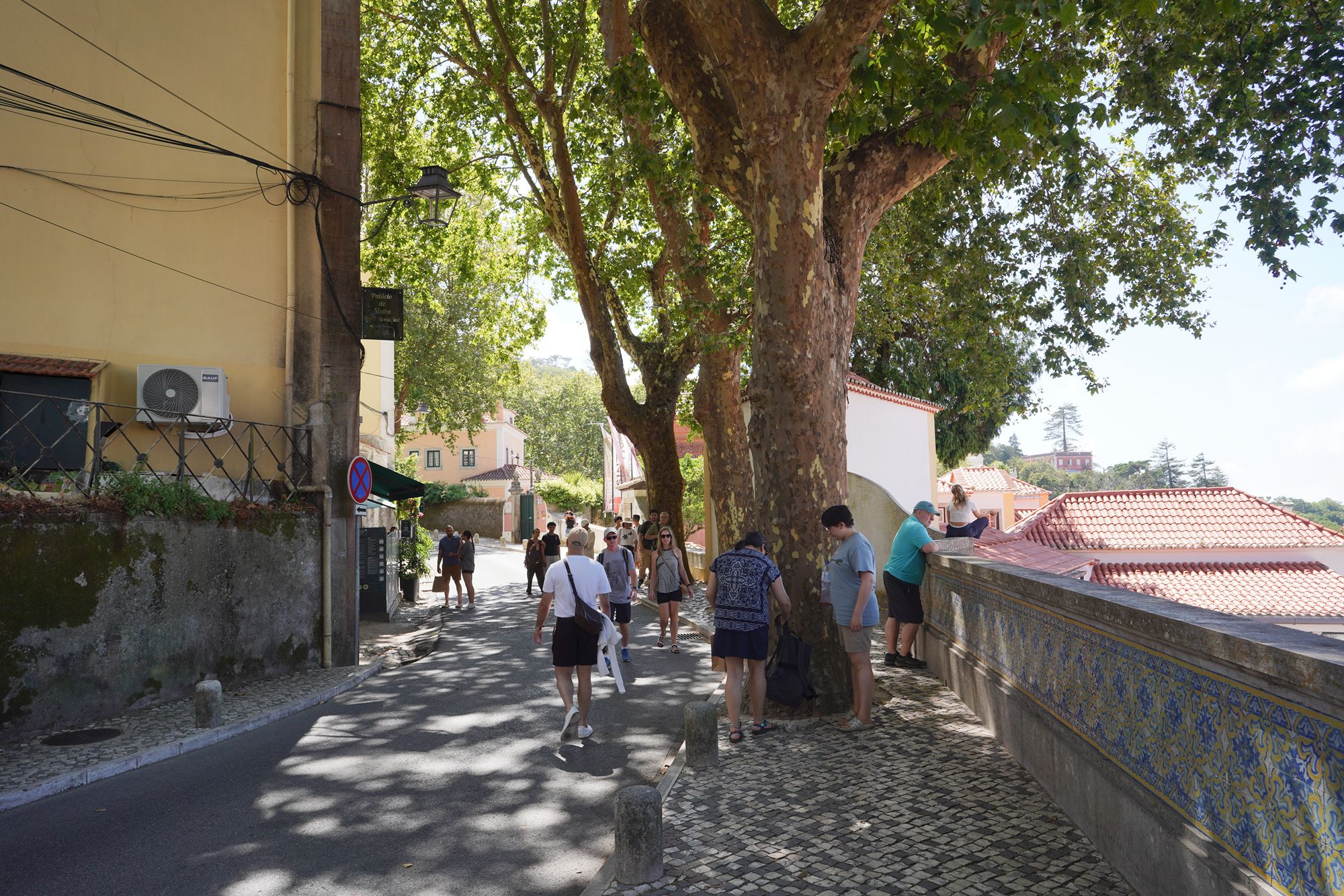
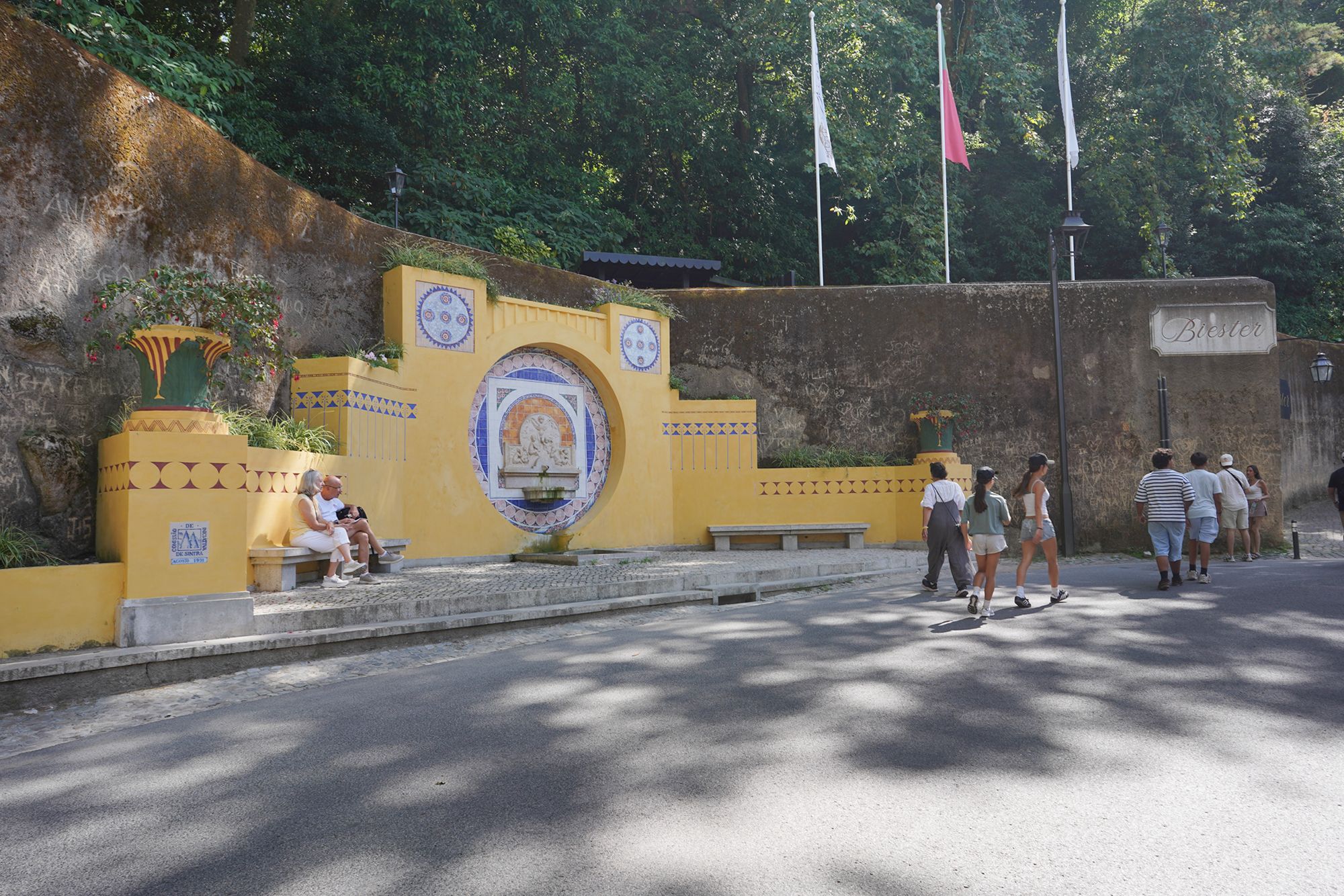
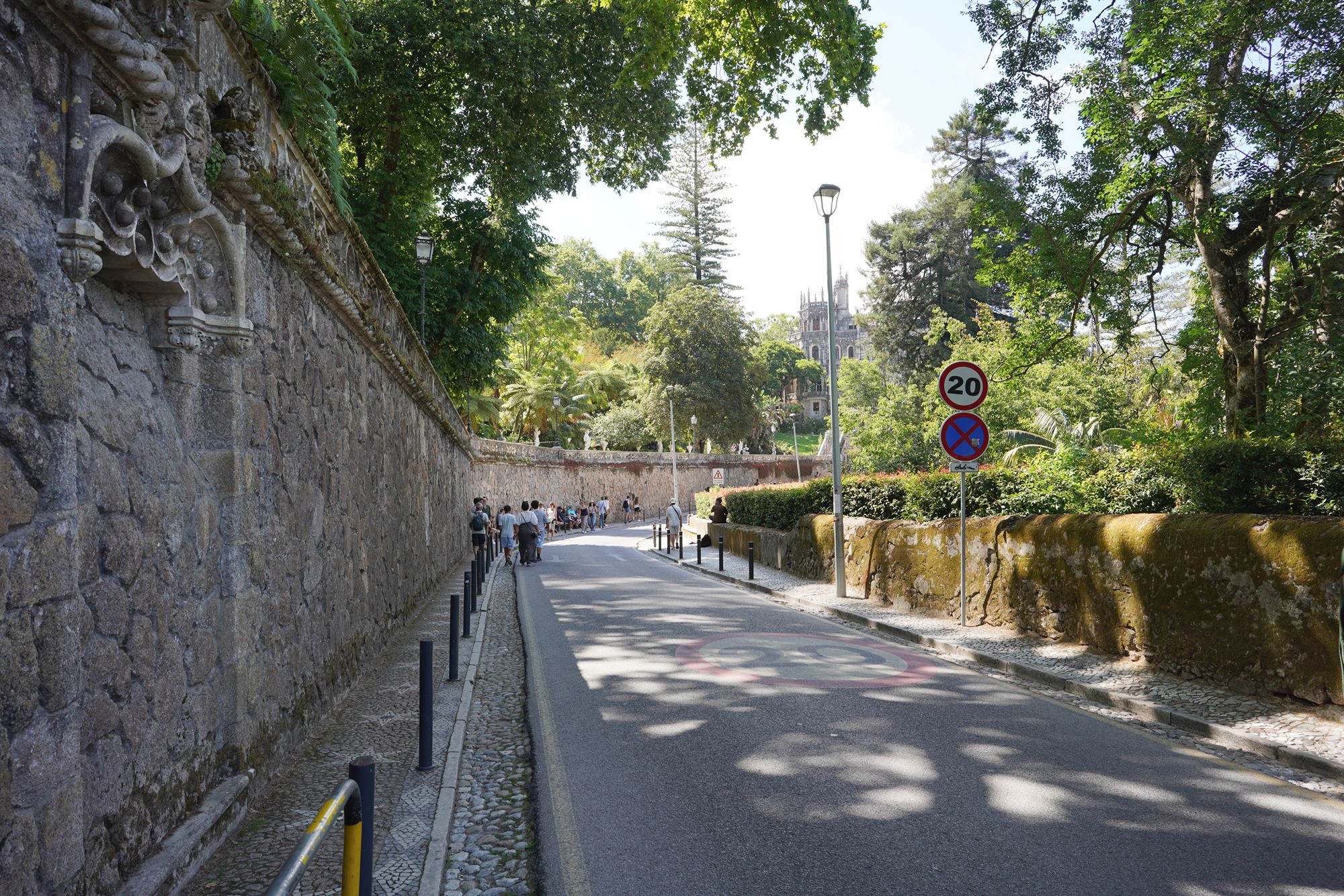
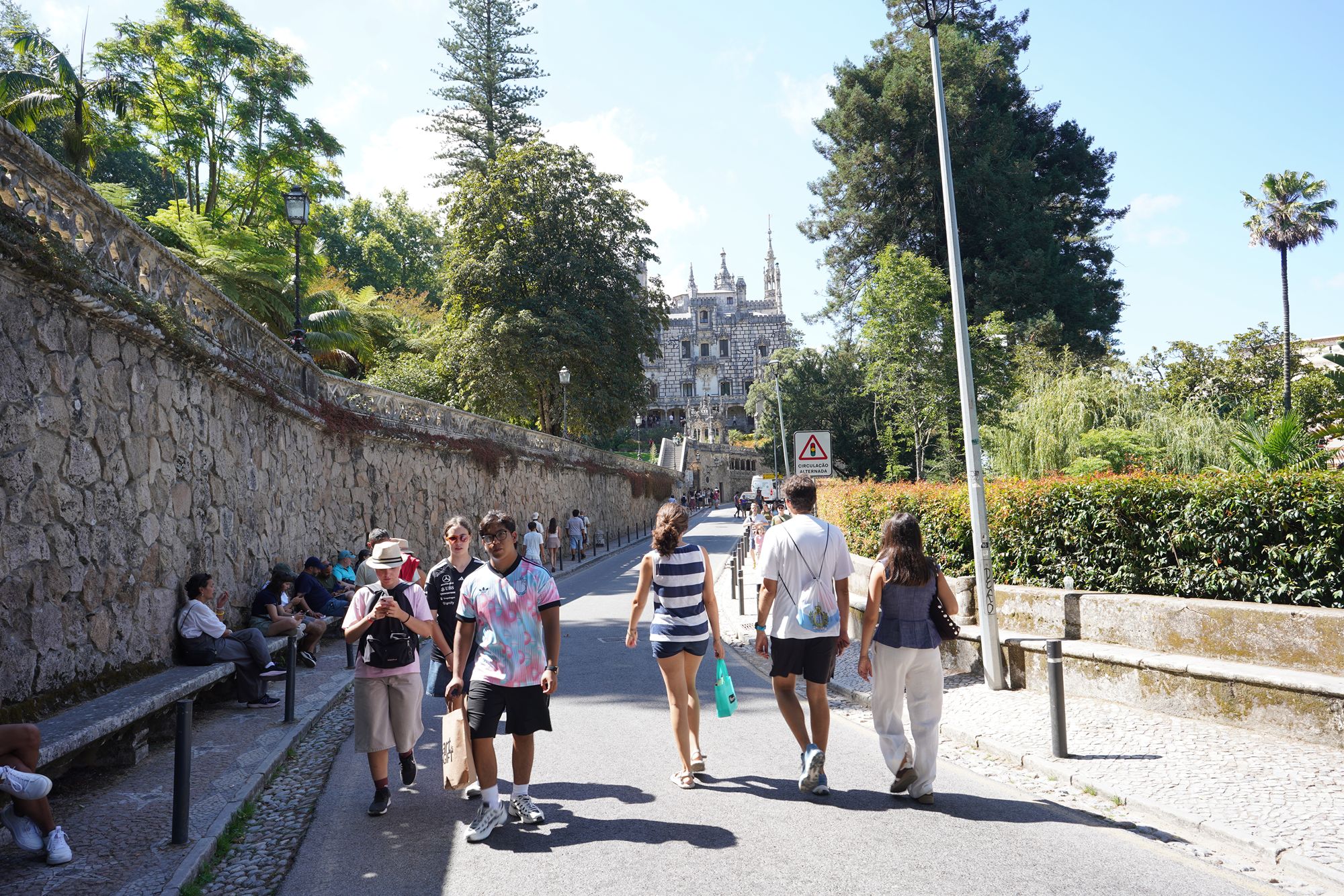
Quinta da Regaleira is a historic estate just beyond Sintra’s town center, with an ornate palace, a chapel, and gardens filled with towers, grottoes, lakes, and underground passages. Its imaginative design grew from the interests of its wealthy owner, António Augusto de Carvalho Monteiro, and the work of Italian architect and stage designer Luigi Manini.
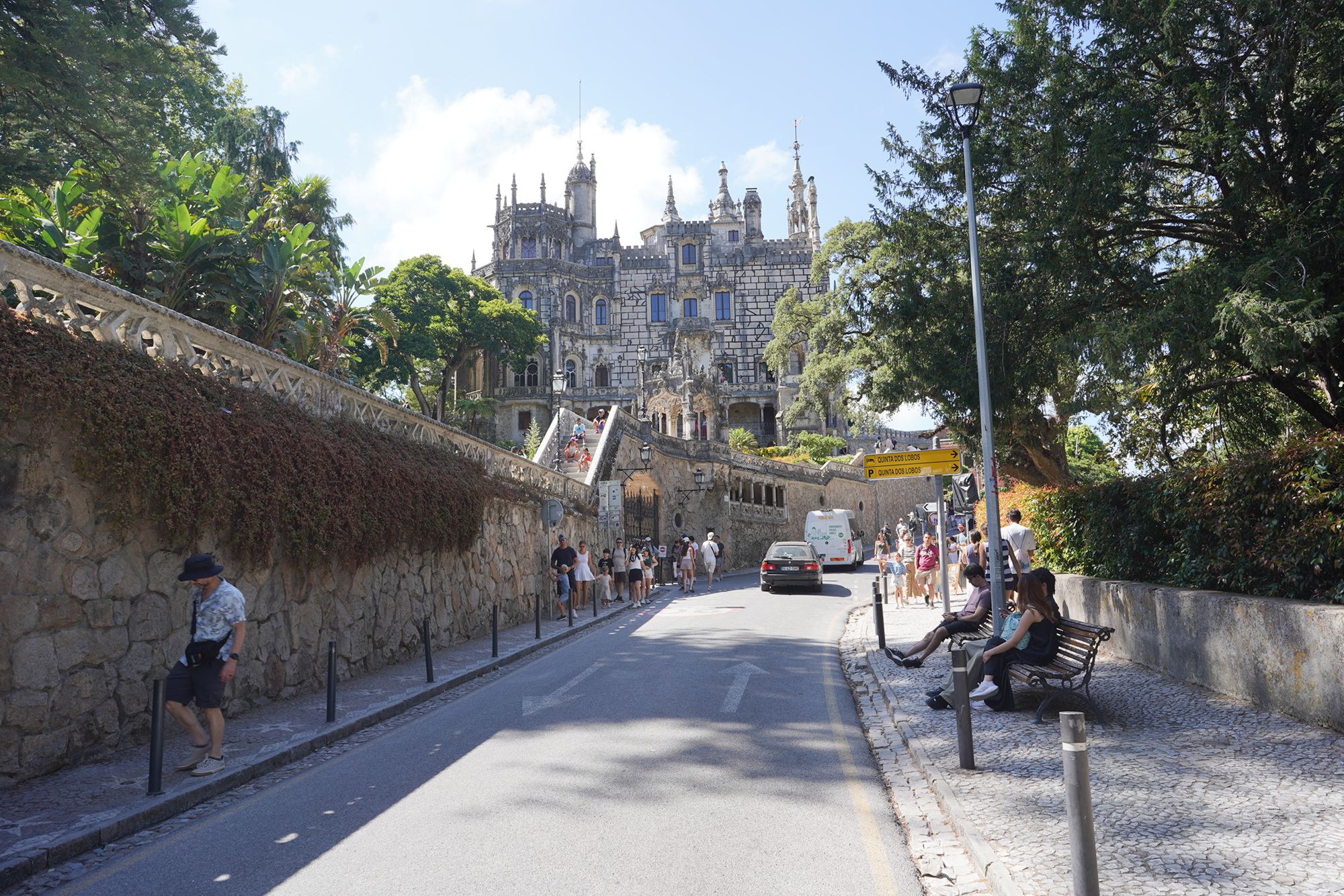
Quinta da Regaleira was a private estate and summer residence, created for the wealthy owner António Augusto de Carvalho Monteiro. The palace provided living quarters, while the gardens expressed his interests in religion, mythology, and symbolism.
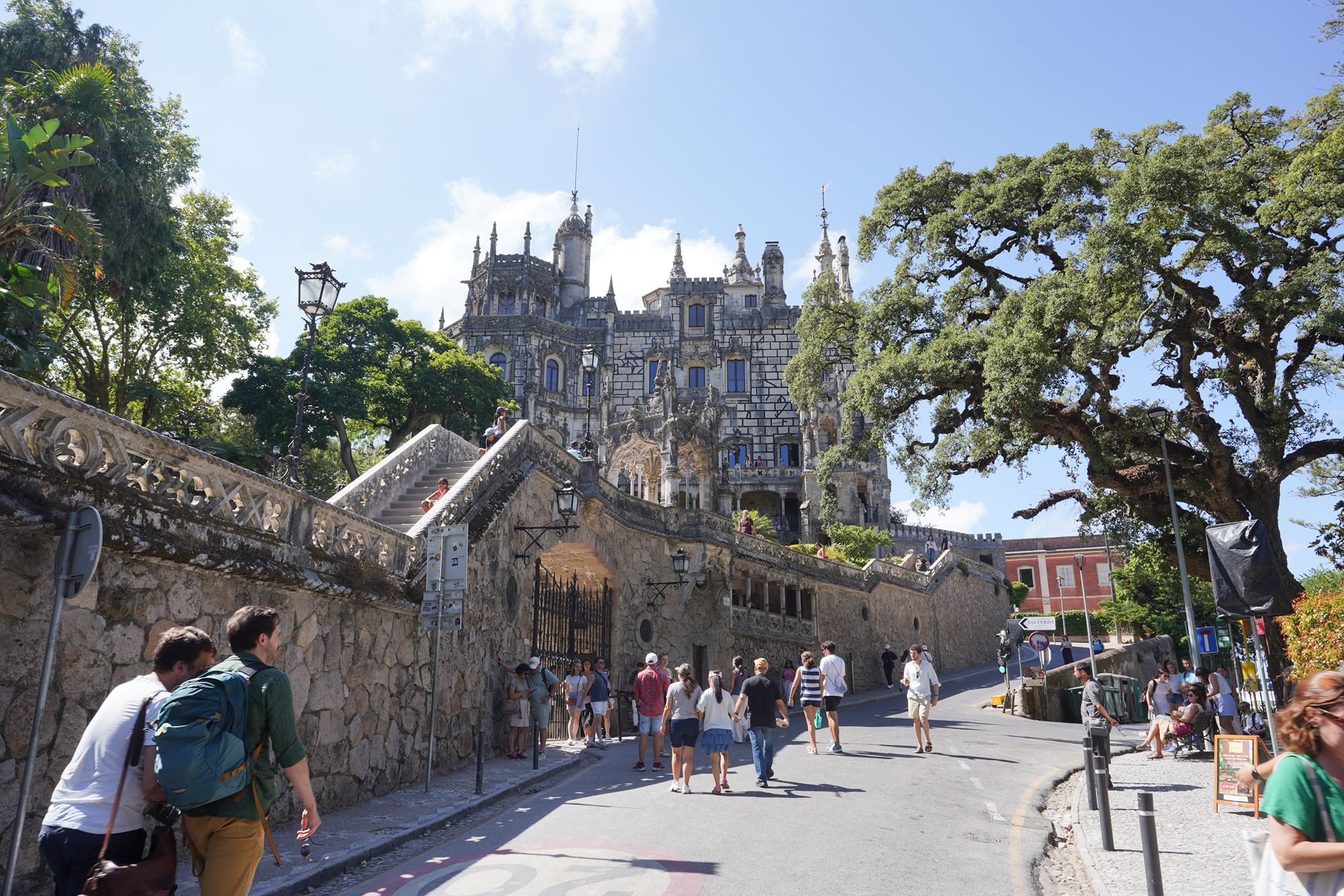
The palace was closed when I arrived, so I couldn’t go inside.
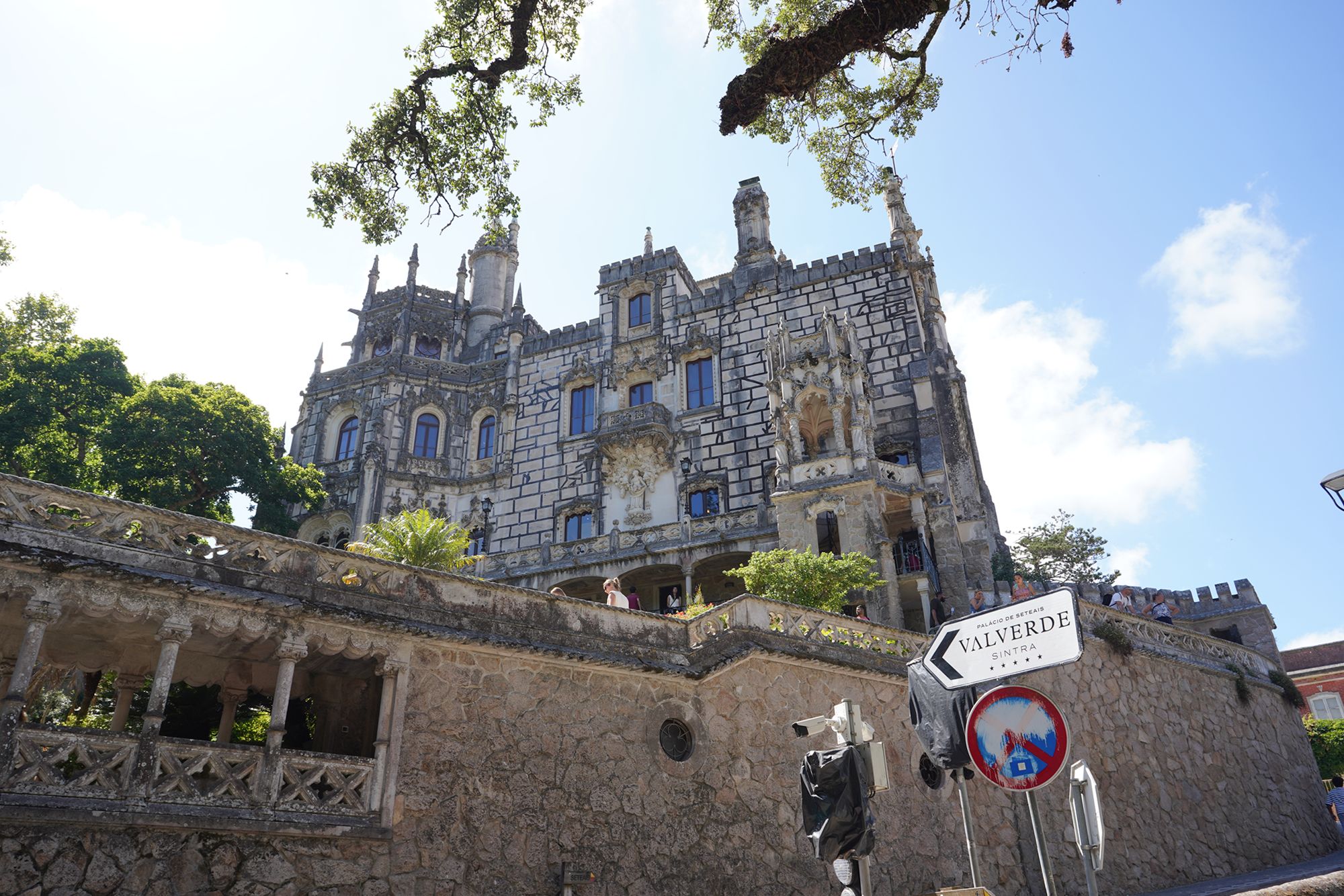
I walked back to the town center.