Busan Lotte Premium Outlets is an open-air shopping mall that carries luxury name-brand products. IKEA in Busan seems to sell the same items as in the USA. 286
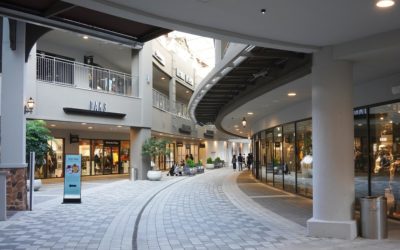

Busan Lotte Premium Outlets is an open-air shopping mall that carries luxury name-brand products. IKEA in Busan seems to sell the same items as in the USA. 286
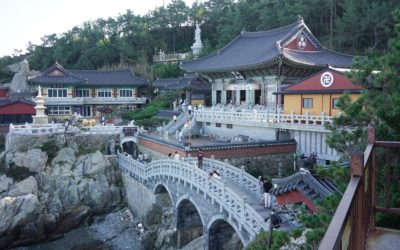
Haedong Yonggung Buddhist Temple was built in 1376 by the teacher known as Naong during the Goryeo Dynasty. 285
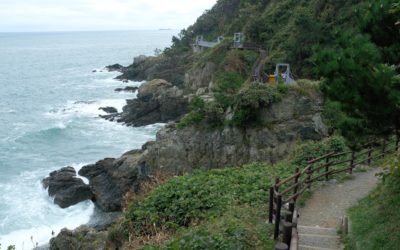
The hike follows the coastal area for 3 miles, with one end of the trail leading to Orukdo Island. 284
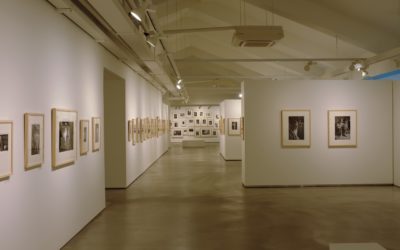
Go Eun Museum of Photography regularly exhibits photographic materials for the public. Lotte Department Store is one of the large department stores in Korea. 283
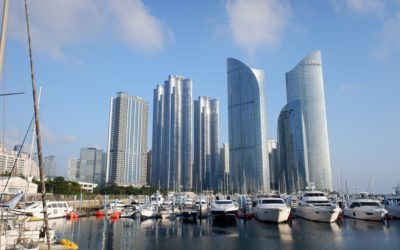
Marine City has many tall buildings in Busan. 282
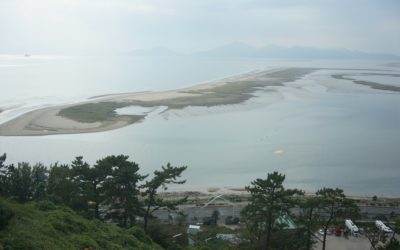
I visited many locations today, and they are all adjacent to one another. Busan is where the Nakdong River meets the ocean, creating a unique natural look. 281
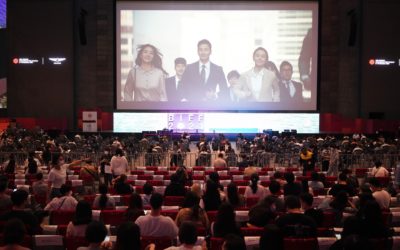
The Busan Cinema Center features multiple movie theaters, including a large outdoor theater. Next to it is Shinsegae Centum City Department Store. 280
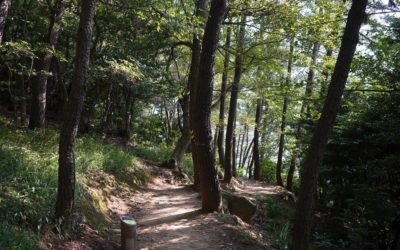
Busan Moontan Road is a short hiking trail that runs near the sea. At one end of the hiking trail is the tiny fishing village of Cheongsapo. 279
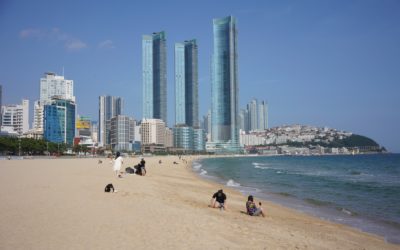
The Busan Haeundae area is famous because Haeundae Beach is the largest in Busan. 278