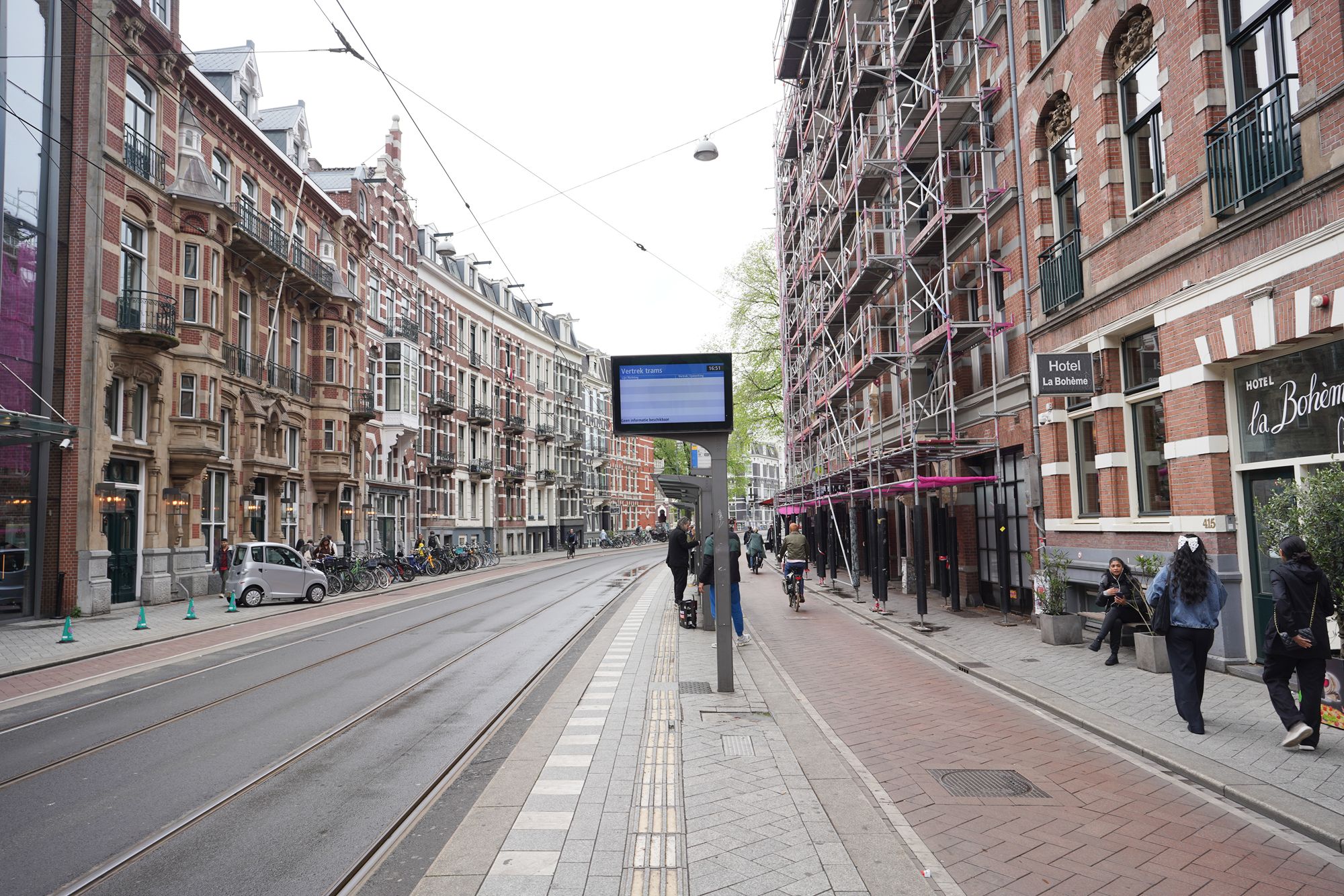
Amsterdam Walk 2, Netherland
This was my second walk around Amsterdam. 1292
Central Train Station: 1012 AB Amsterdam, Netherlands
Dam Square: Amsterdam, Netherlands
Kalverstraat: Kalverstraat 3-5, 1012 NX Amsterdam, Netherlands
De Papegaai Church: Kalverstraat 58, 1012 PG Amsterdam, Netherlands
Begijnhof: Begijnhof 1, 1012 WS Amsterdam, Netherlands
Munttoren, or Mint Tower: Muntplein 12/14, 1012 WR Amsterdam, Netherlands
Flower Market: Singel 630, 1017 AZ Amsterdam, Netherlands
Date Picture Taken: May, 2026
For this second walk around Amsterdam, I started at Amsterdam Central Station. Unlike my first aimless walk through the city, this time I had a route planned and set out from the station to visit some of Amsterdam’s important sights and landmarks.
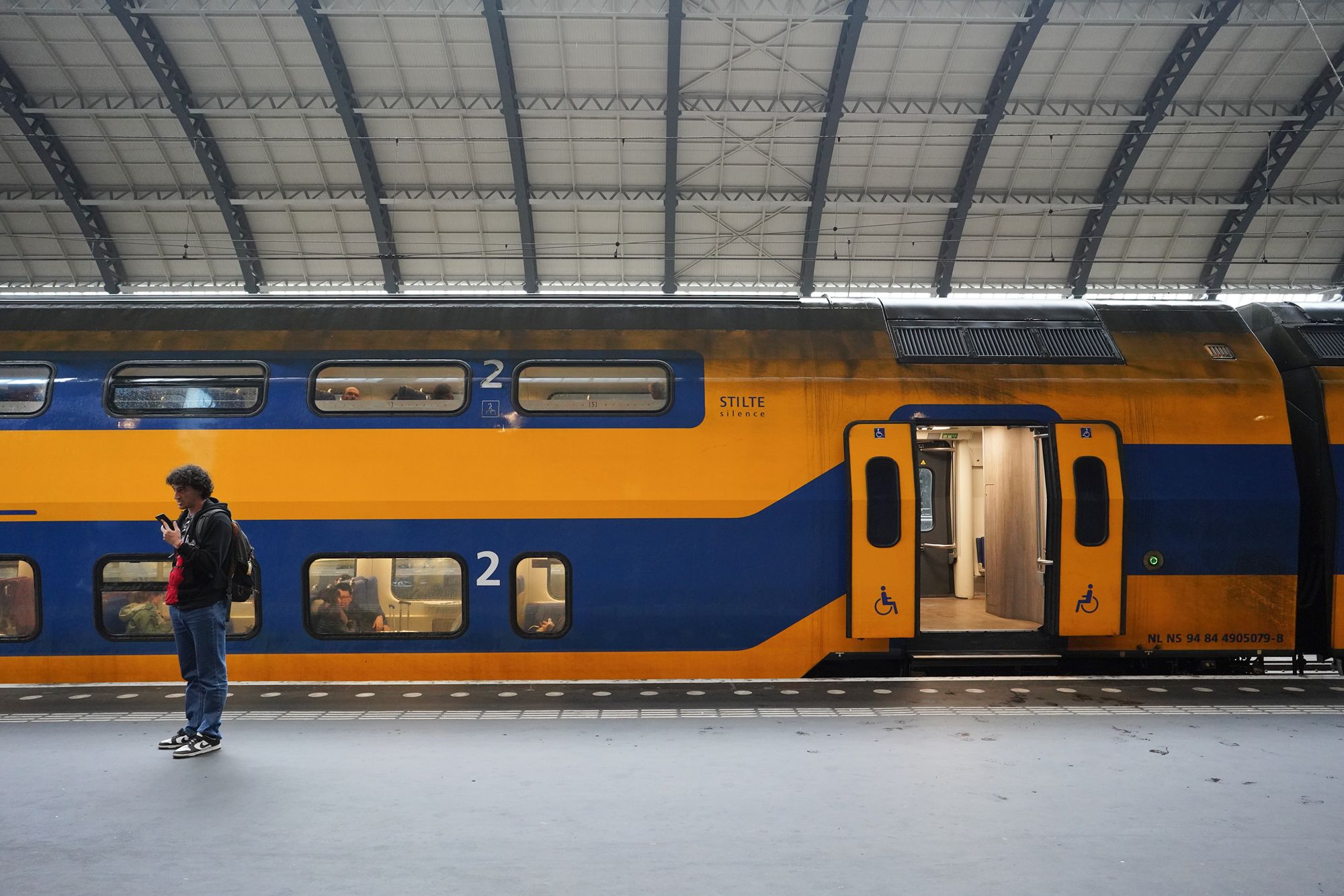
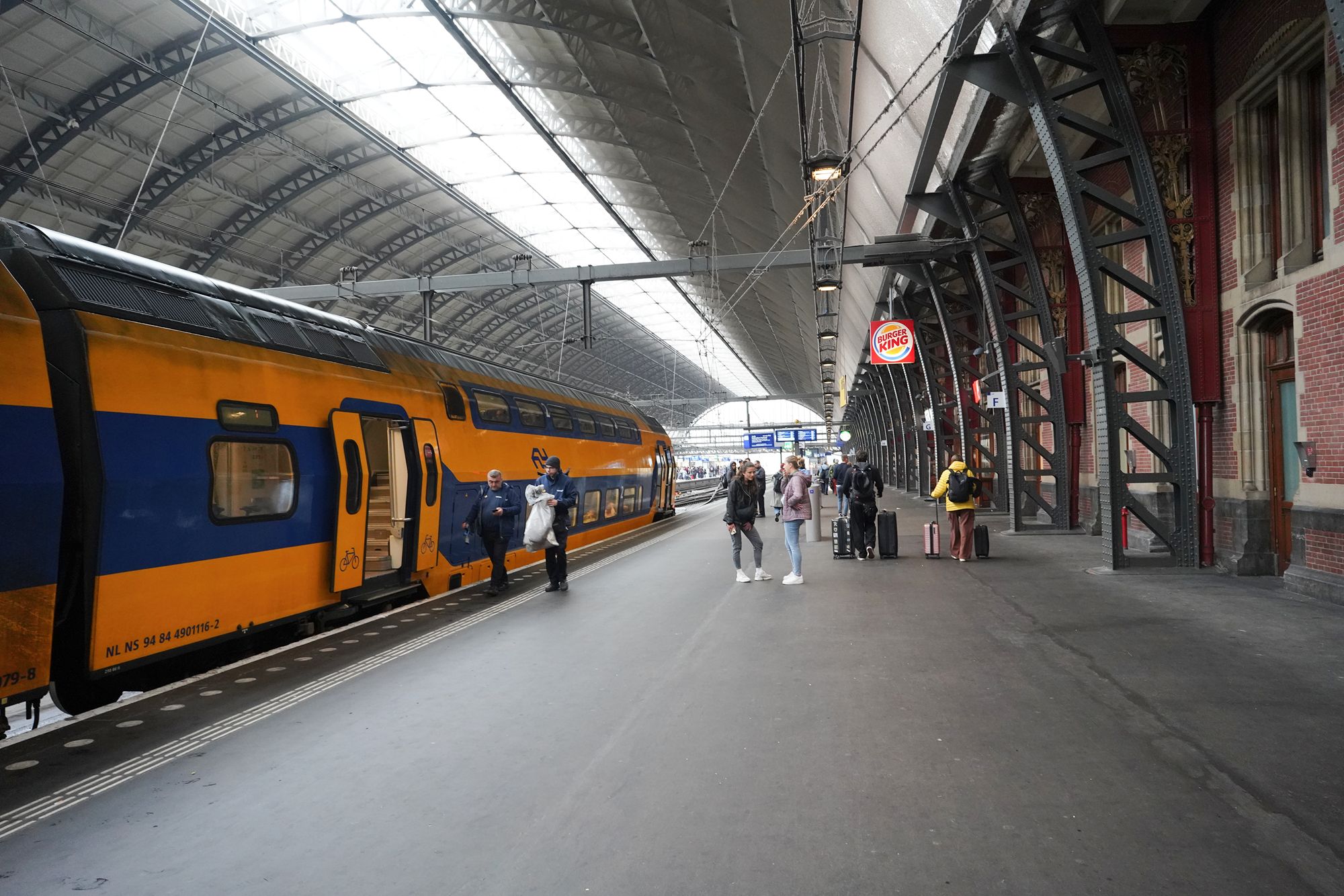
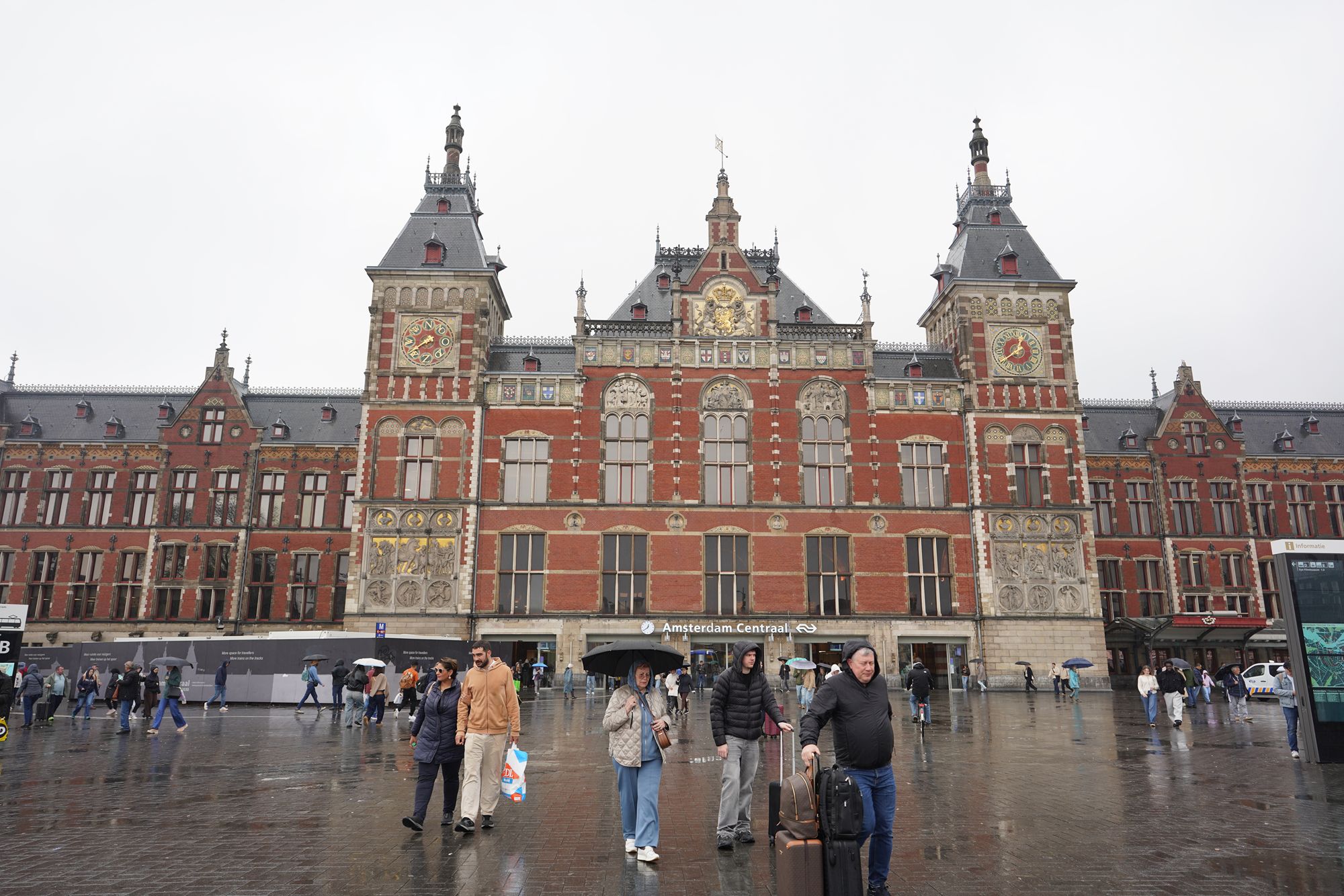
Amsterdam Central Station is the main railway station in Amsterdam and one of the city’s most recognizable landmarks. It opened in 1889 and was designed by Dutch architect Pierre Cuypers, who also designed the Rijksmuseum.
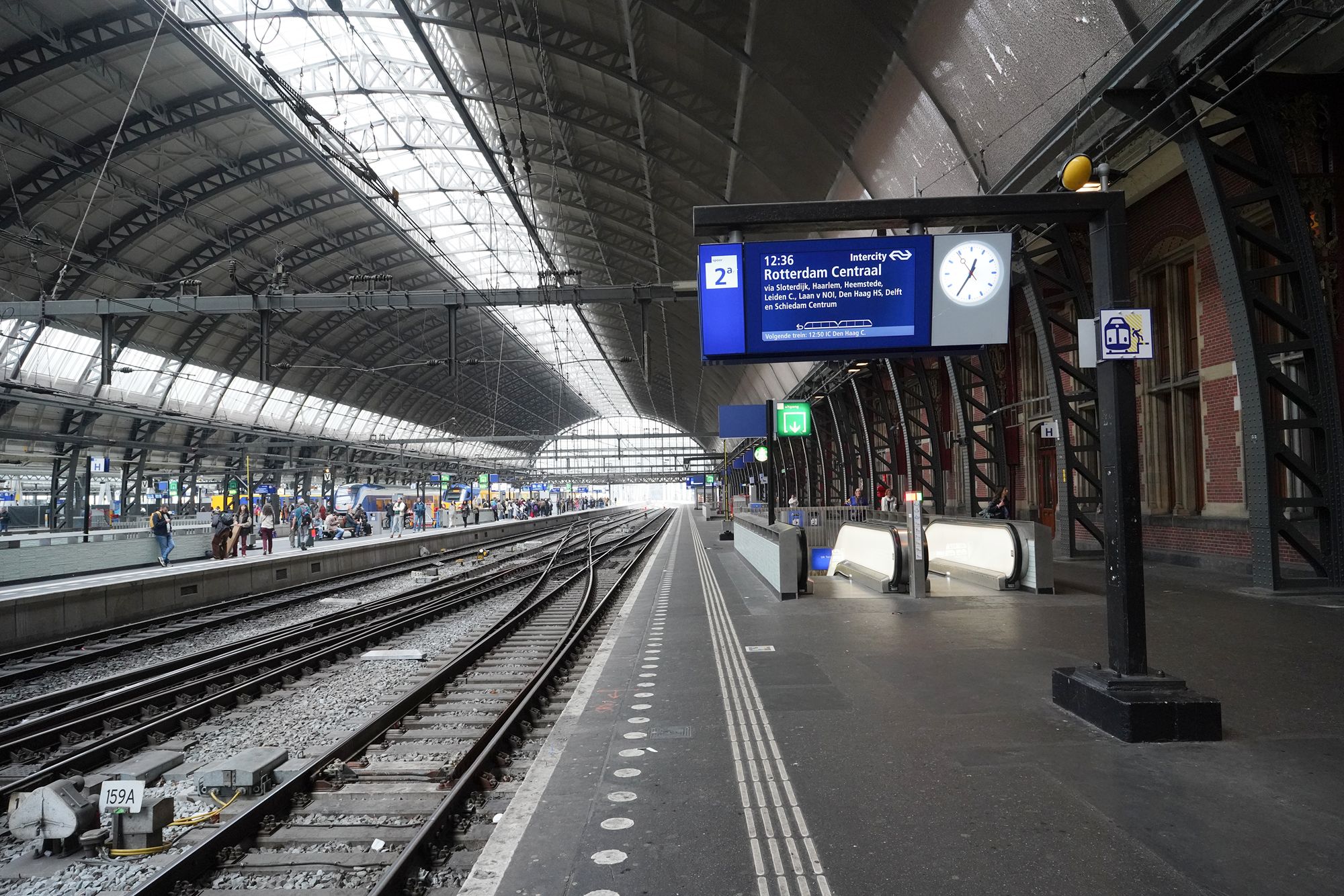
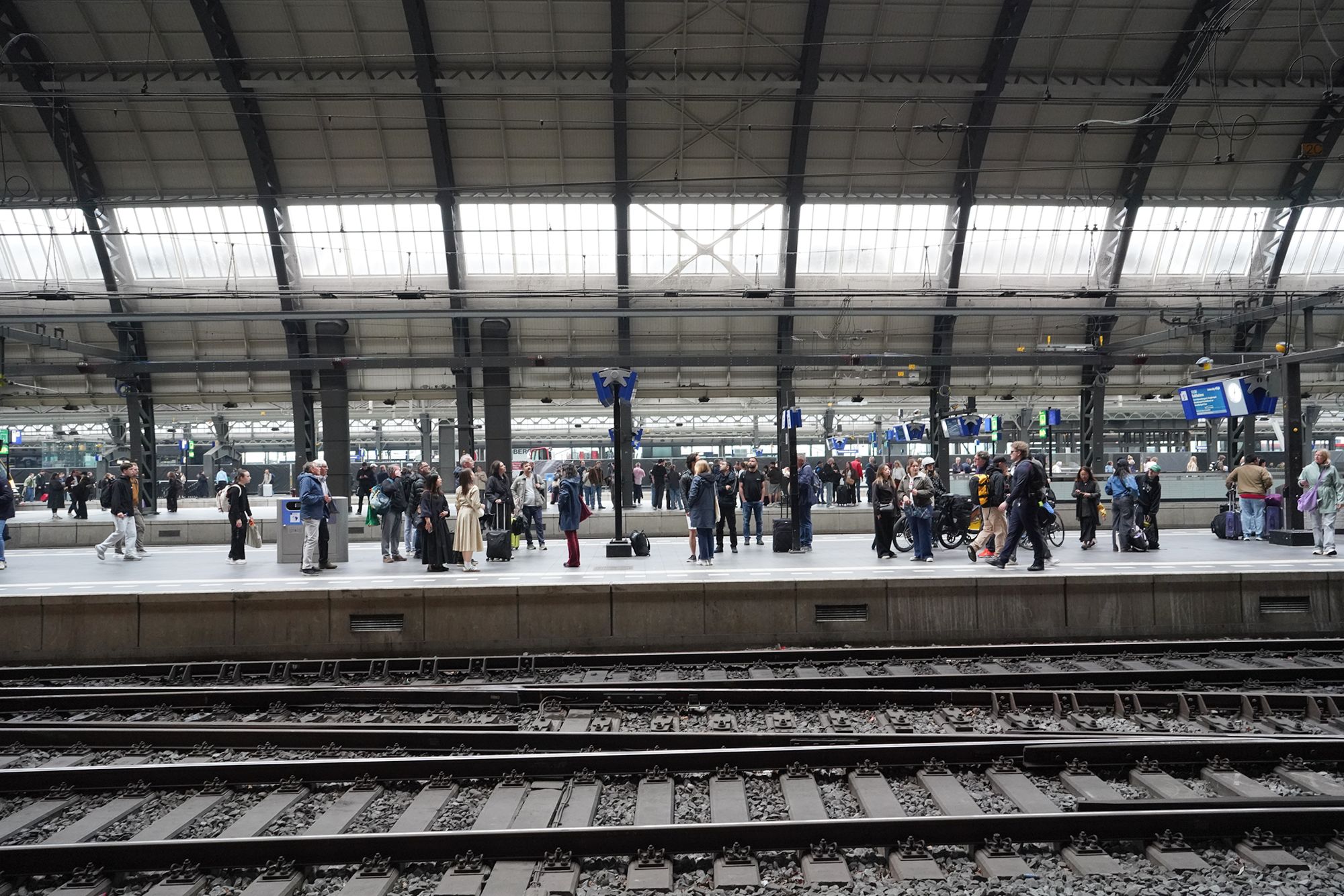
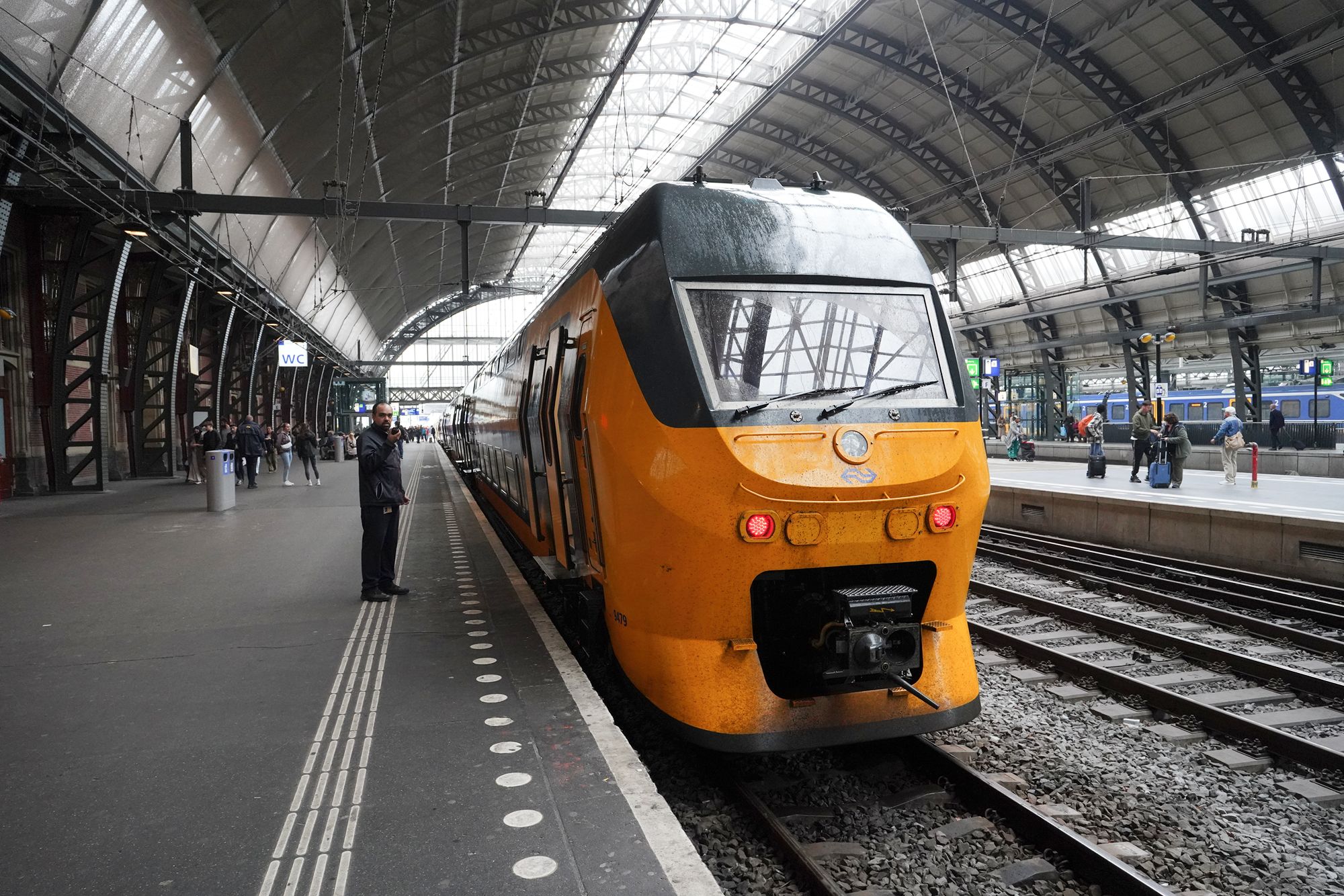
The large red-brick building, with its towers and elaborate decoration, looks almost like a palace rather than a train station. Built on artificial islands along the waterfront, the station became an important transportation hub connecting Amsterdam with the rest of the Netherlands and Europe.
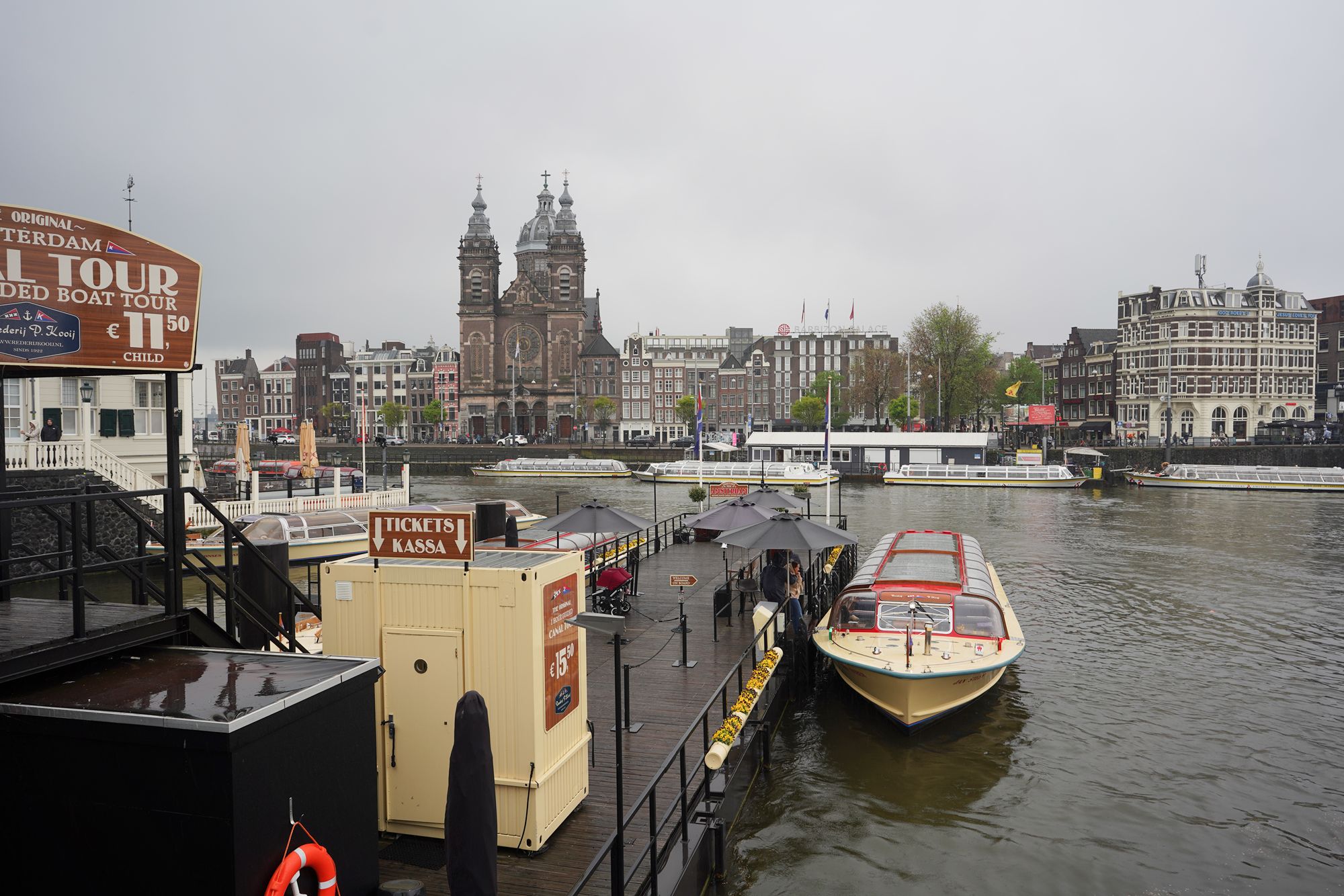
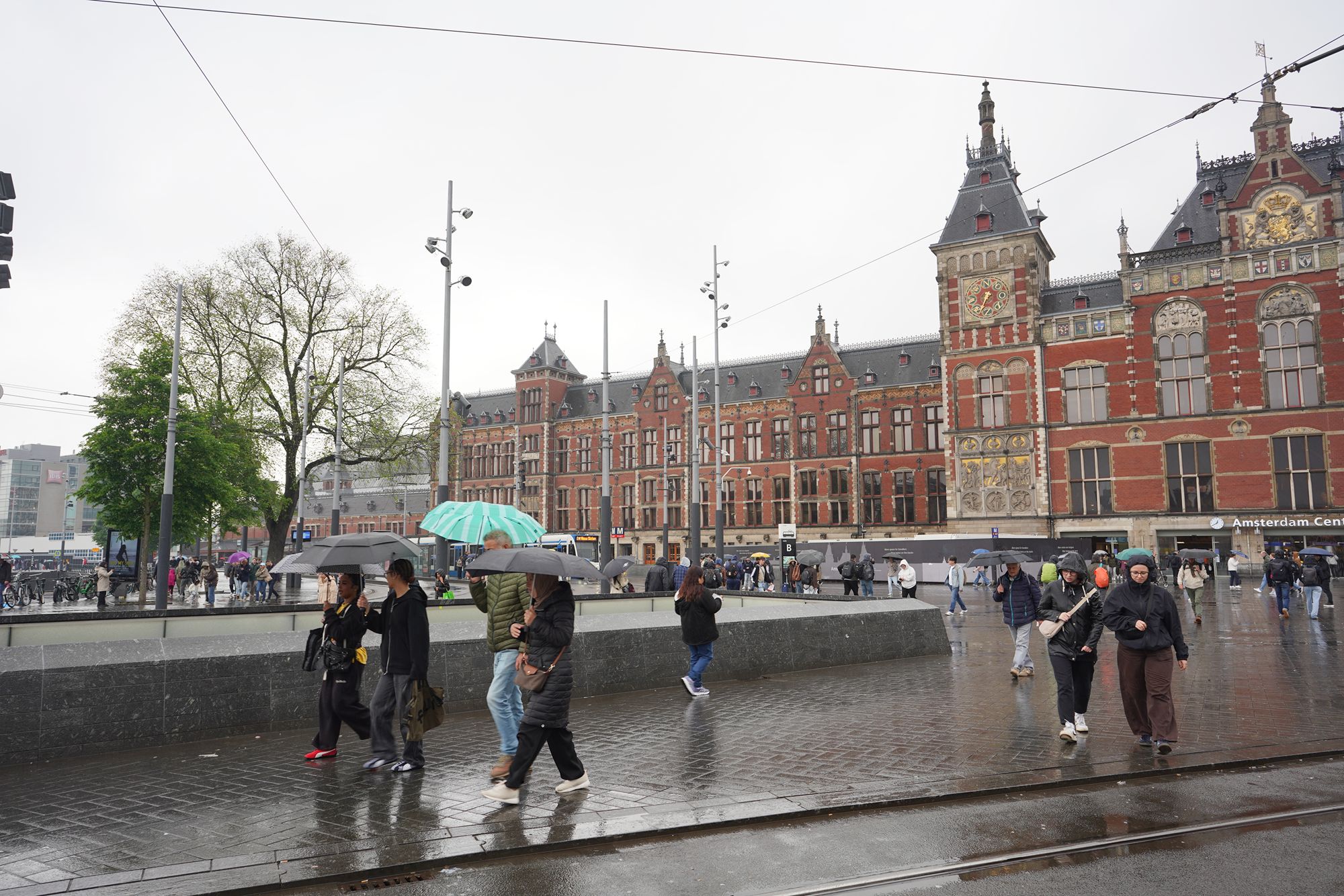
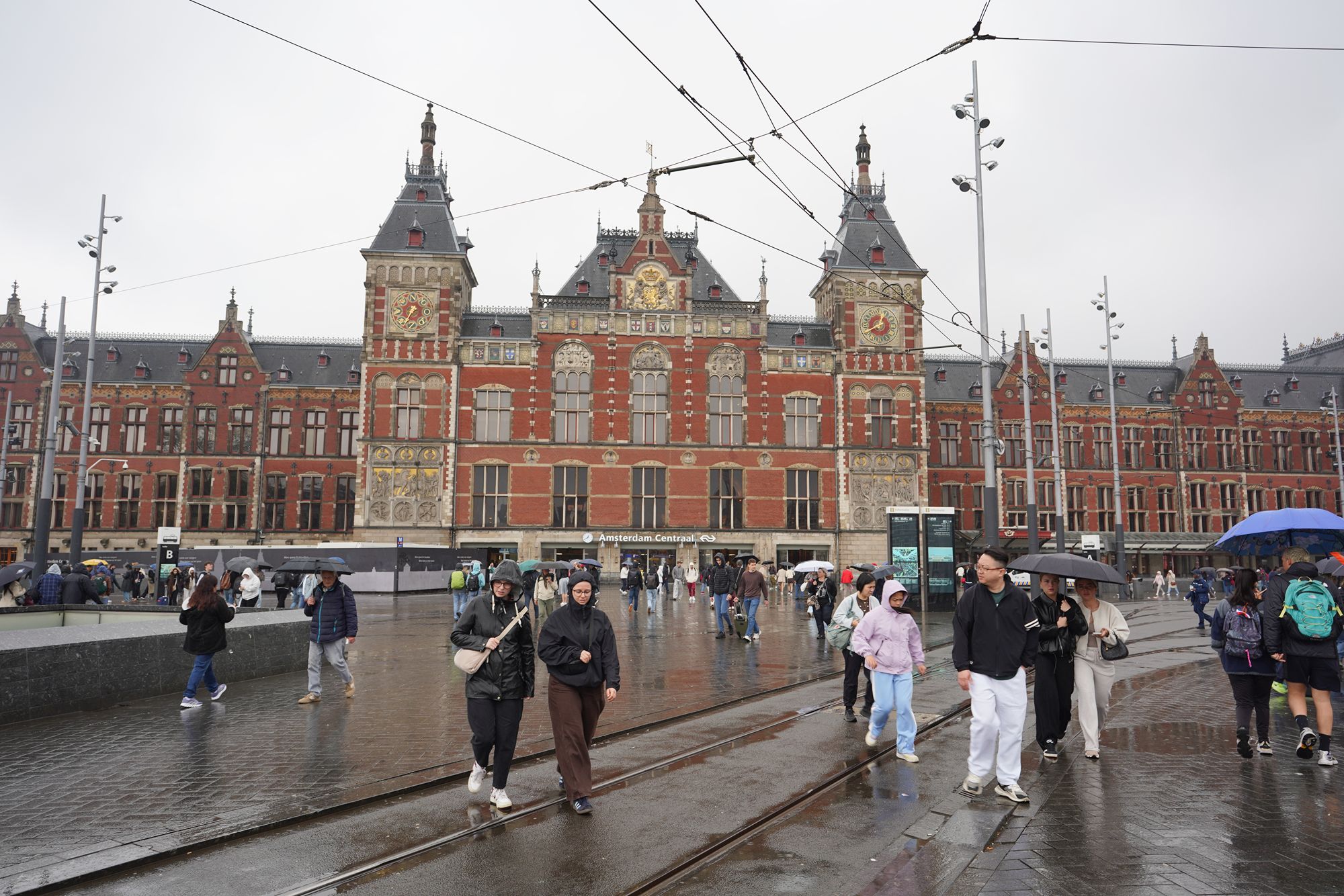
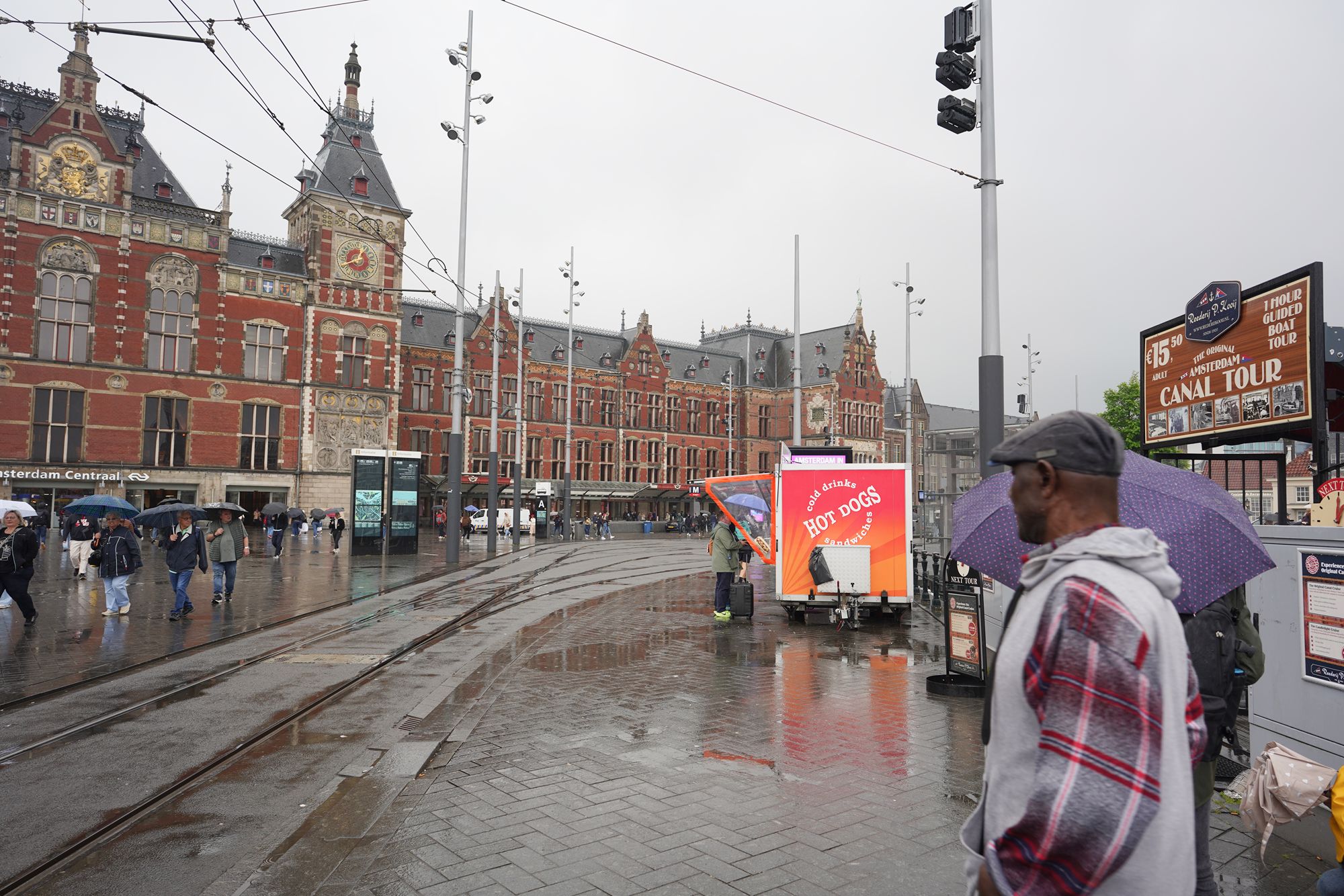
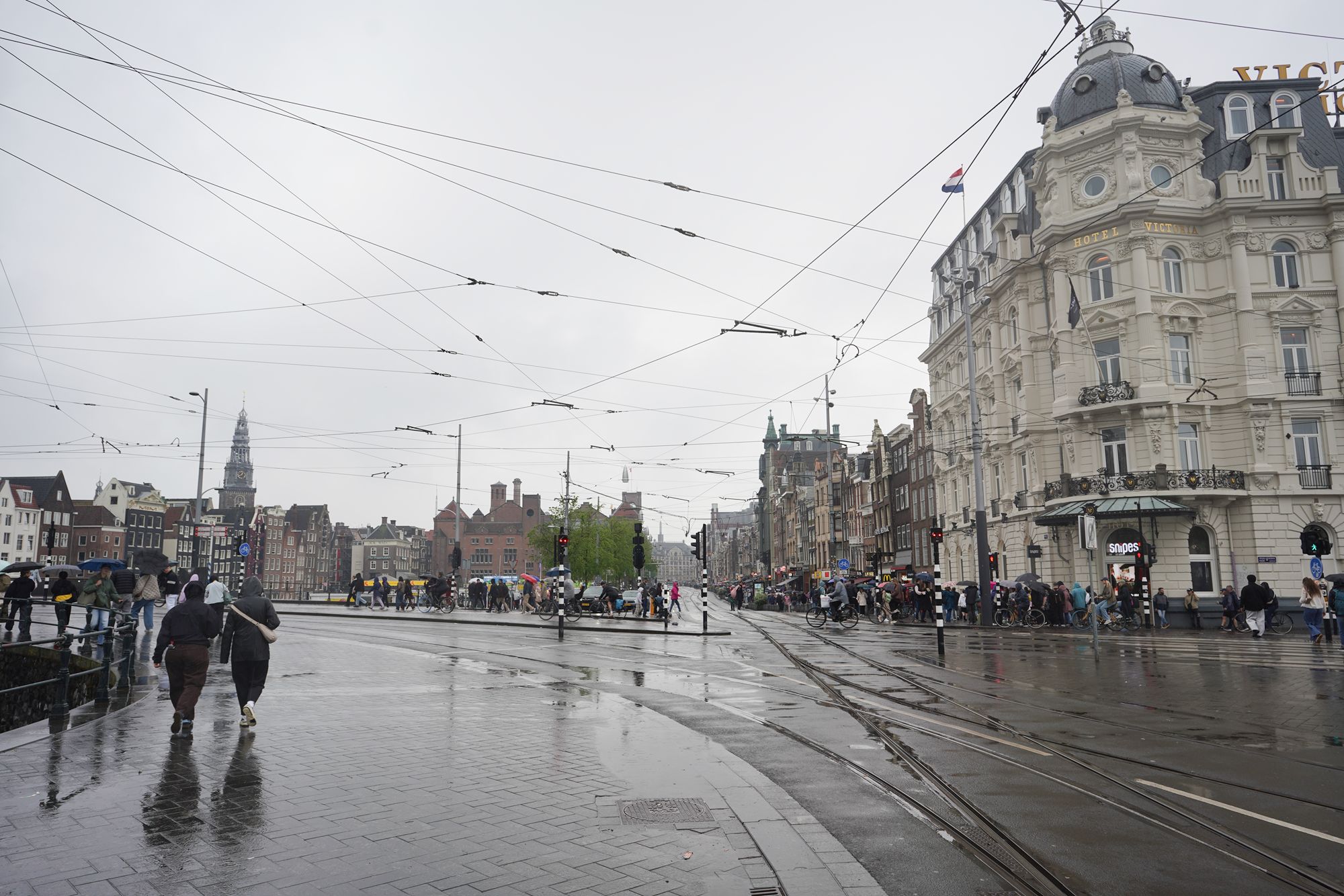
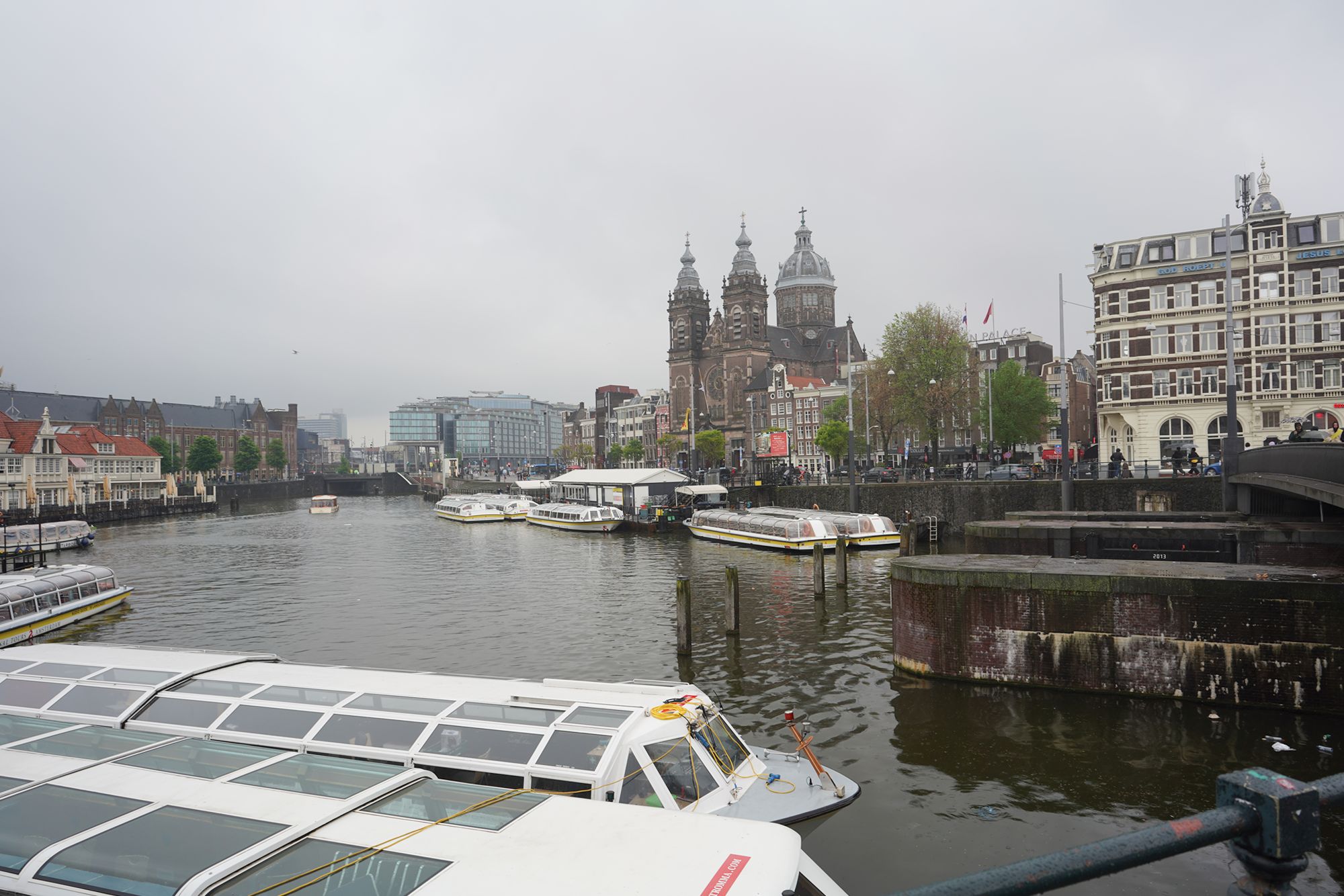
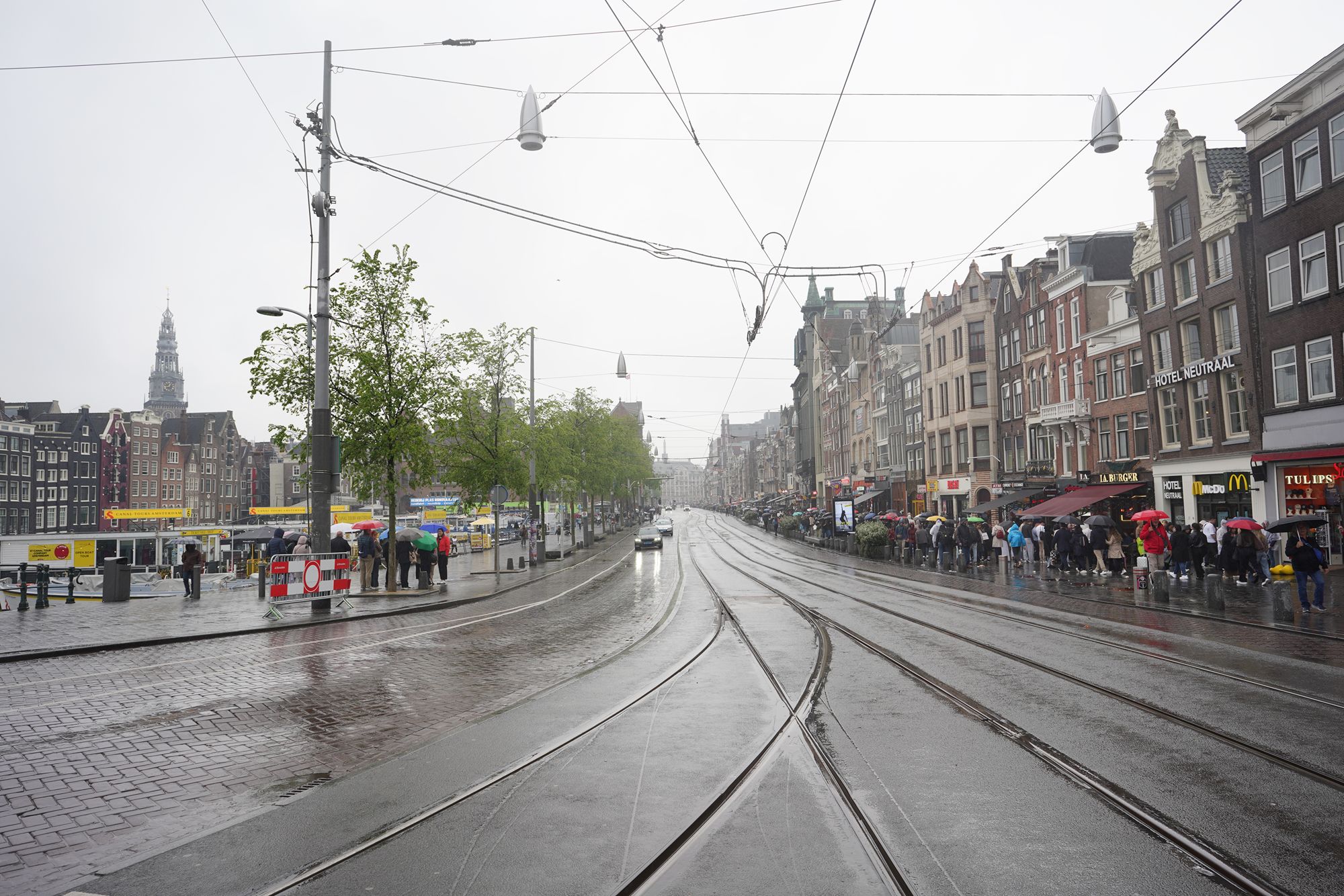
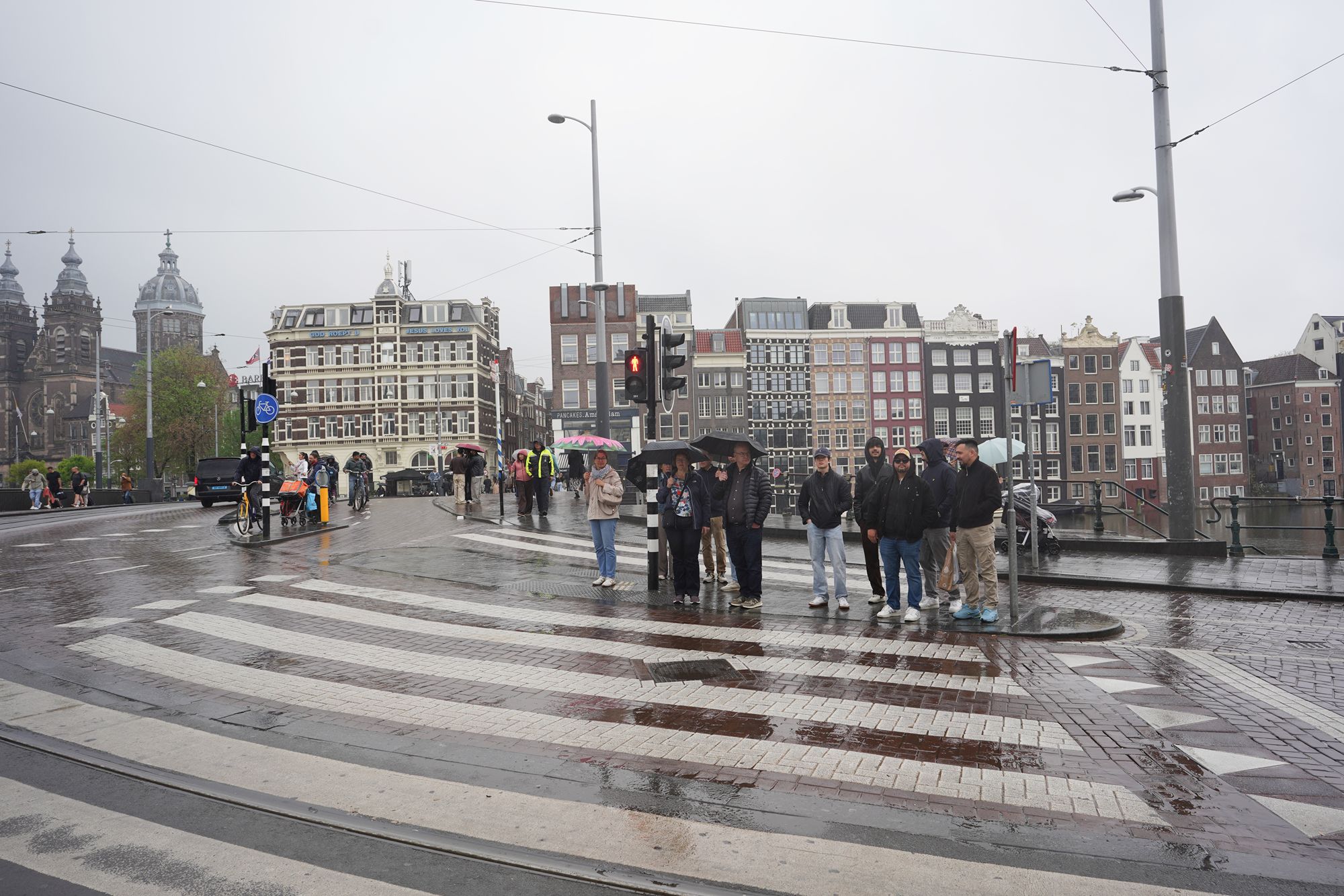
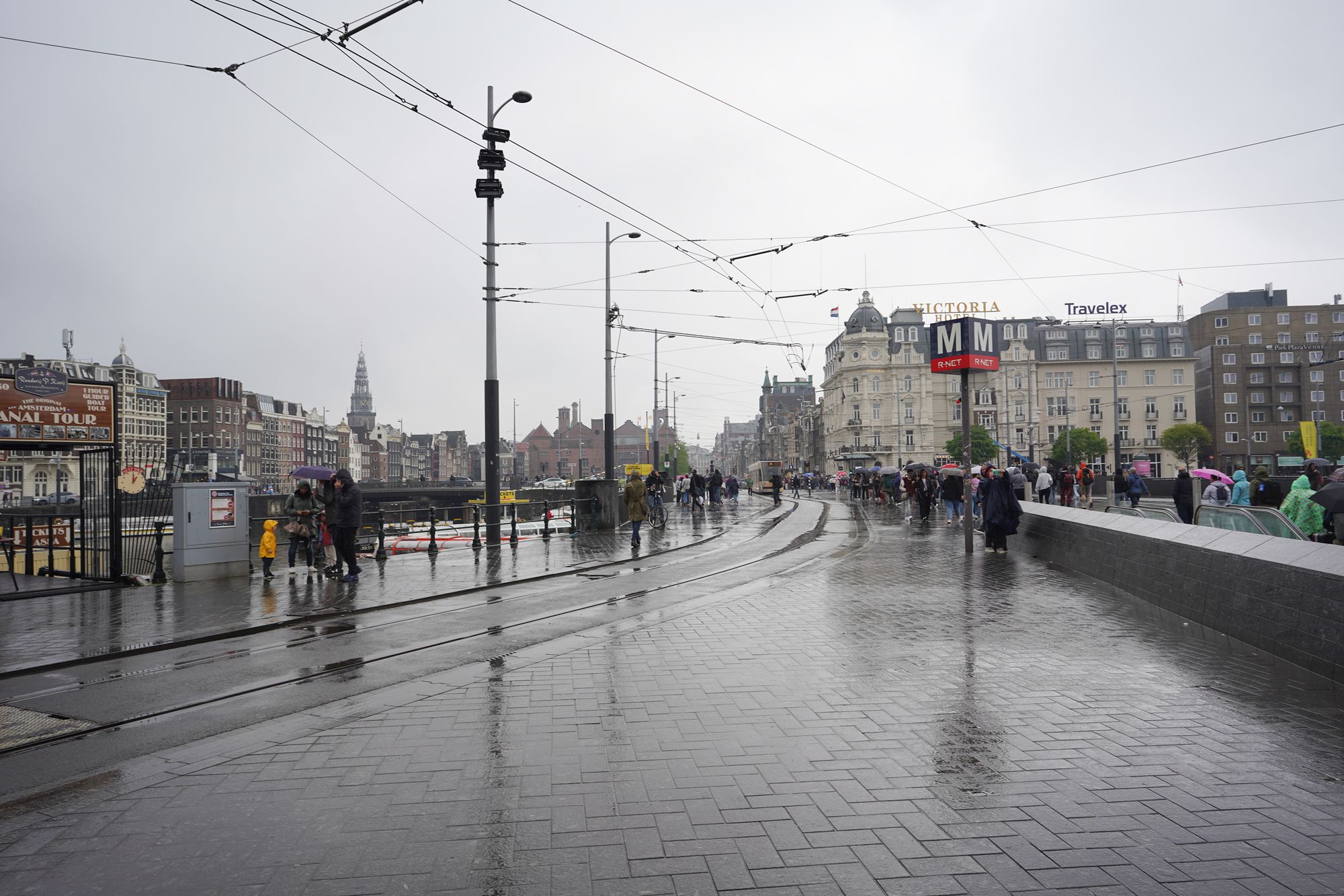
It was a rainy day in Amsterdam, but I started my walk anyway. From Amsterdam Central Station, I headed toward Dam Square, walking through the busy streets of the city center in the rain.
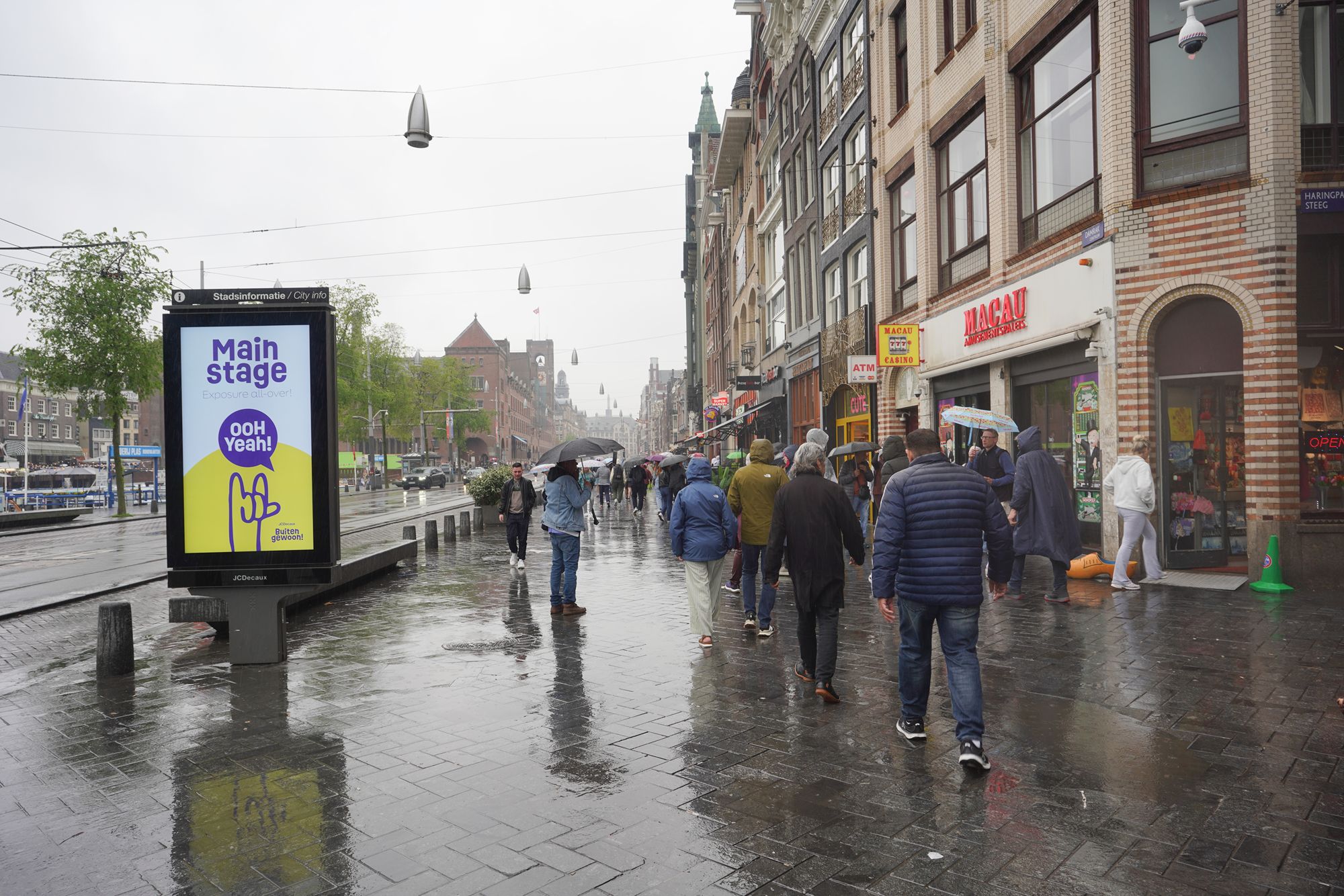
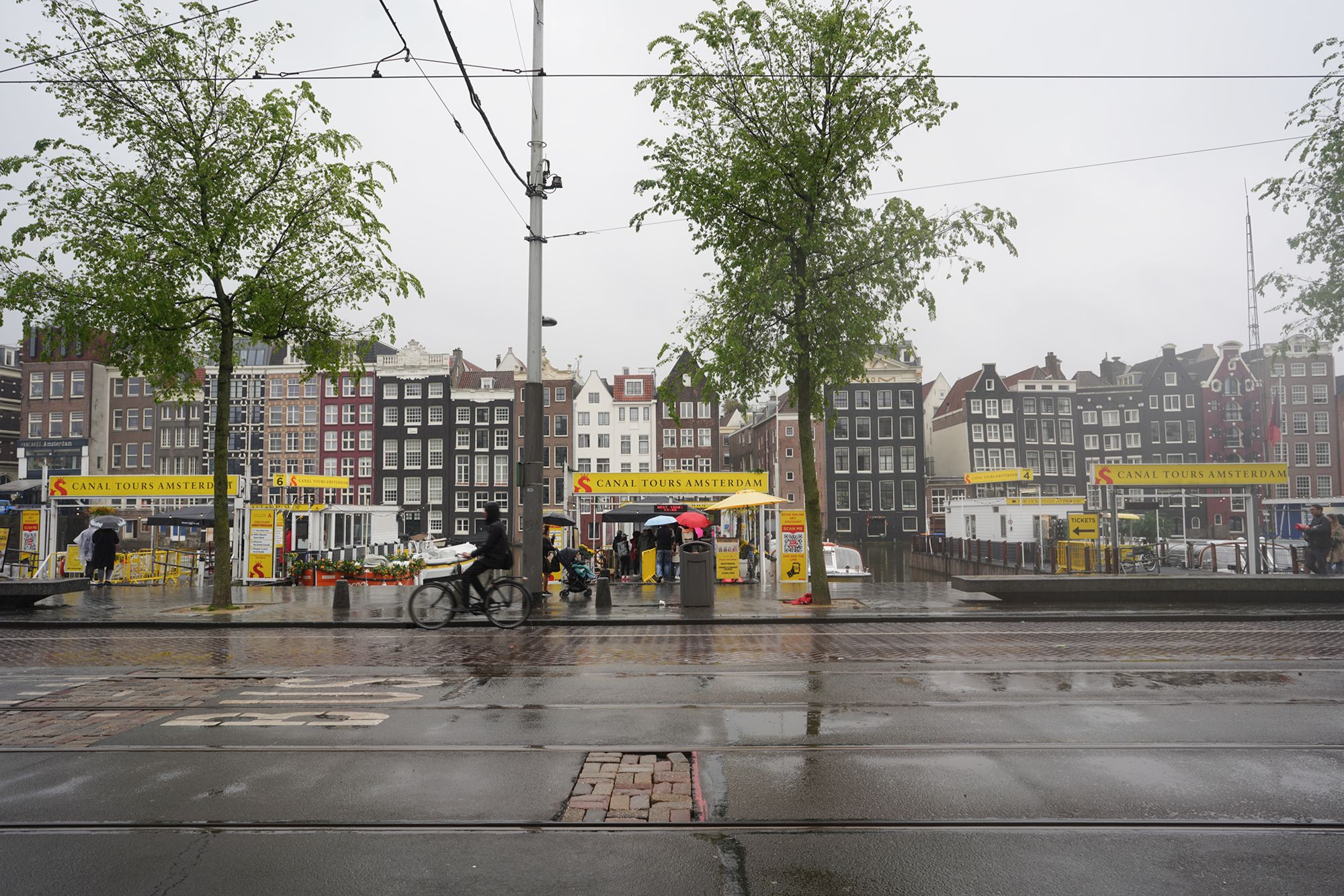
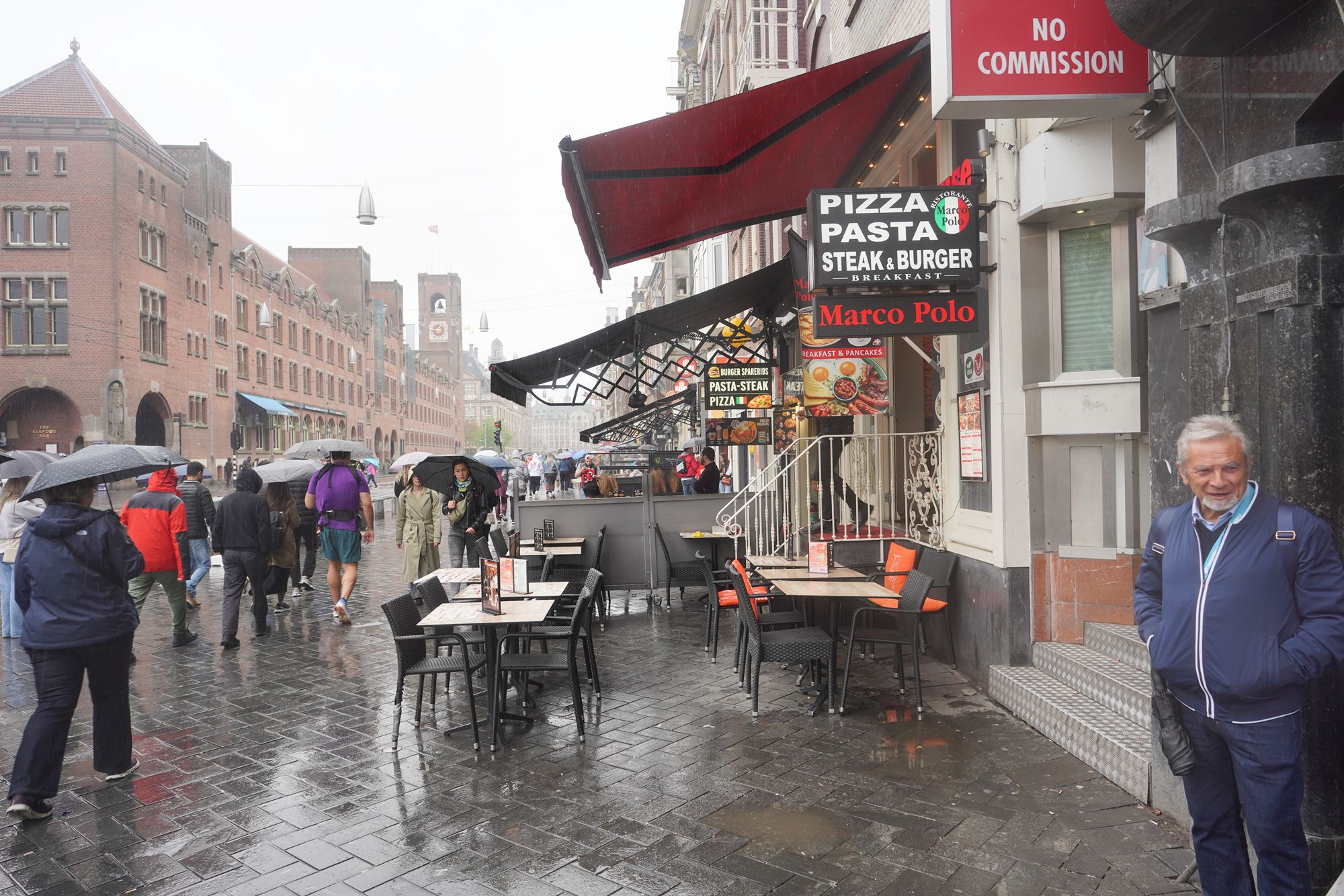
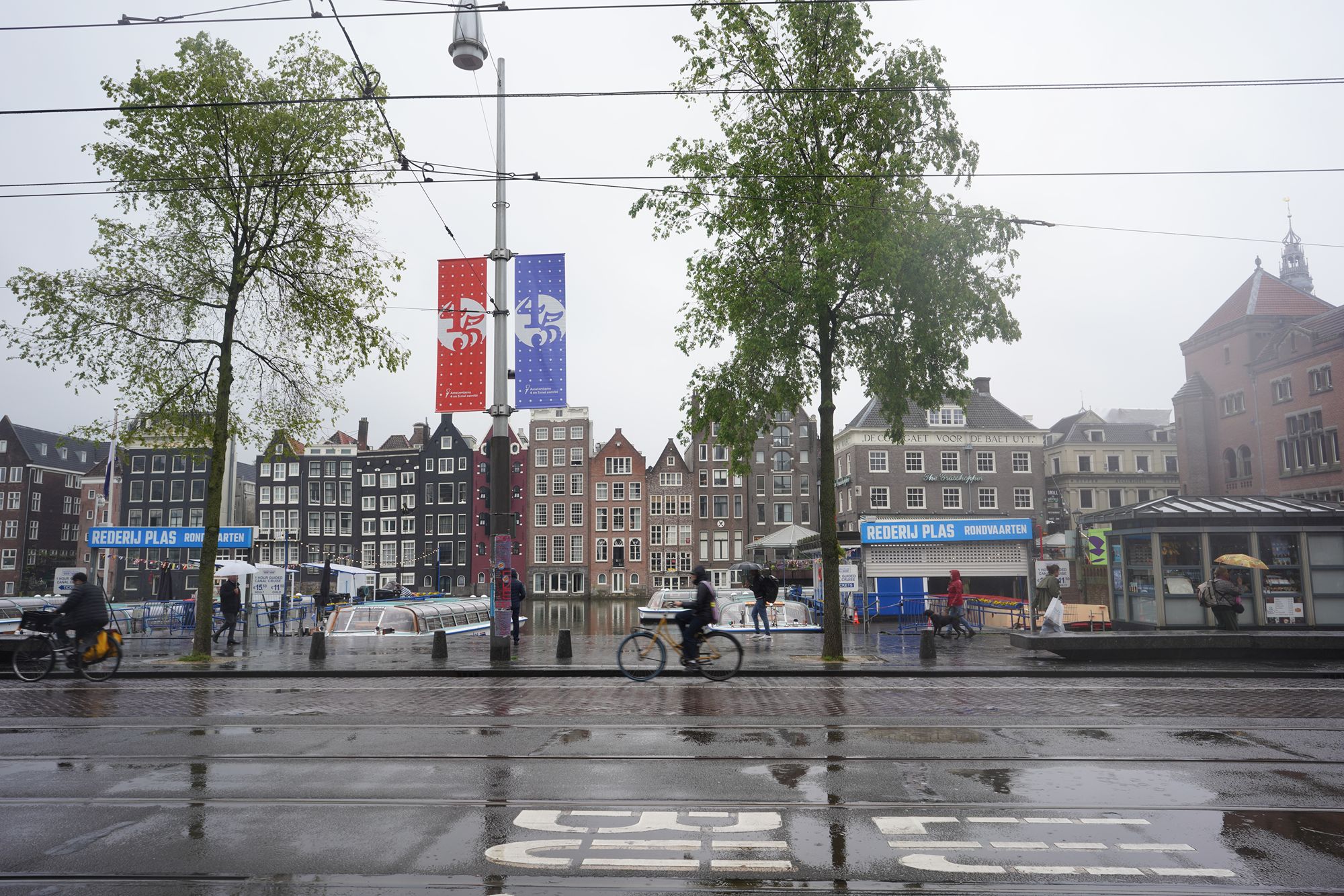
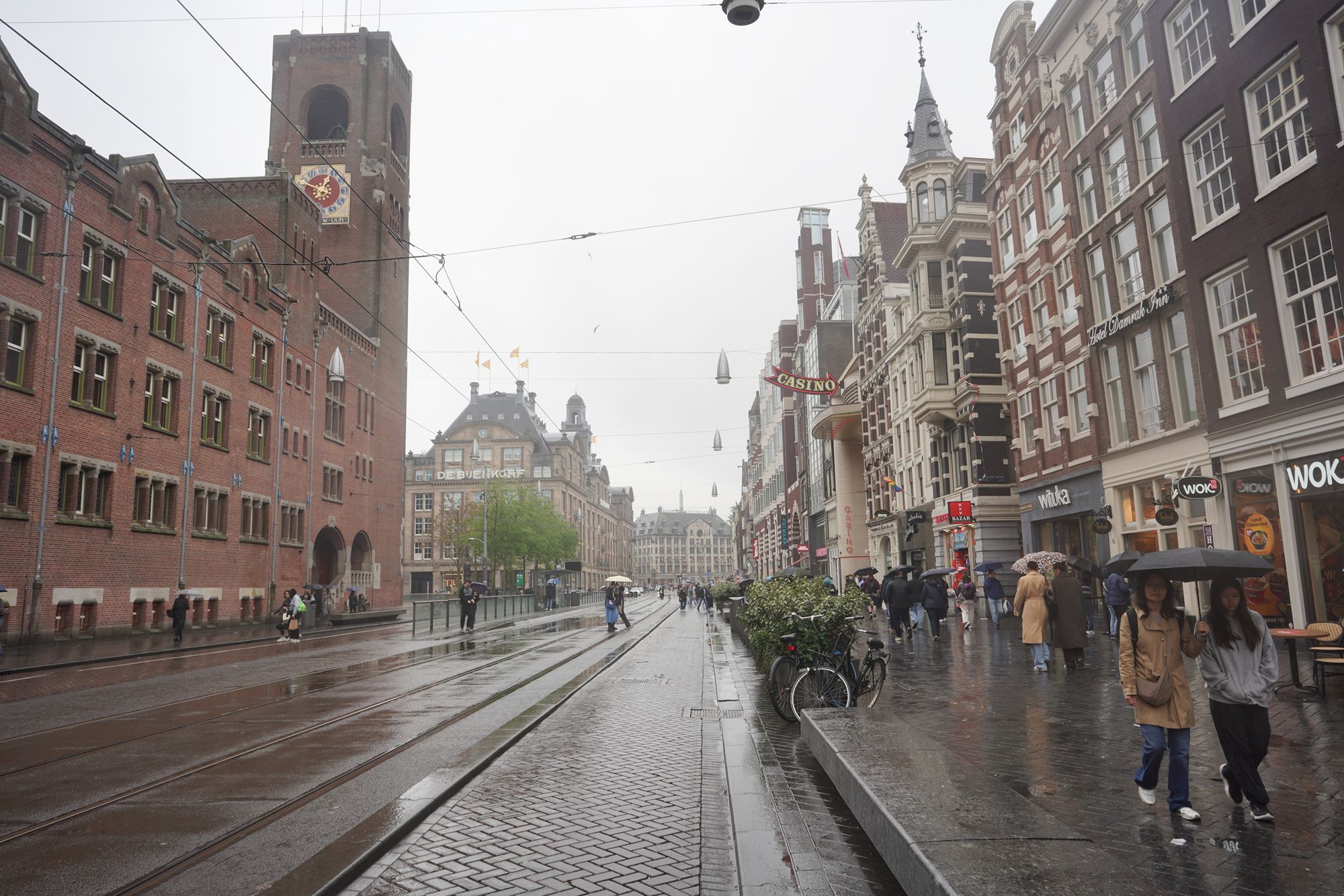
A view behind me
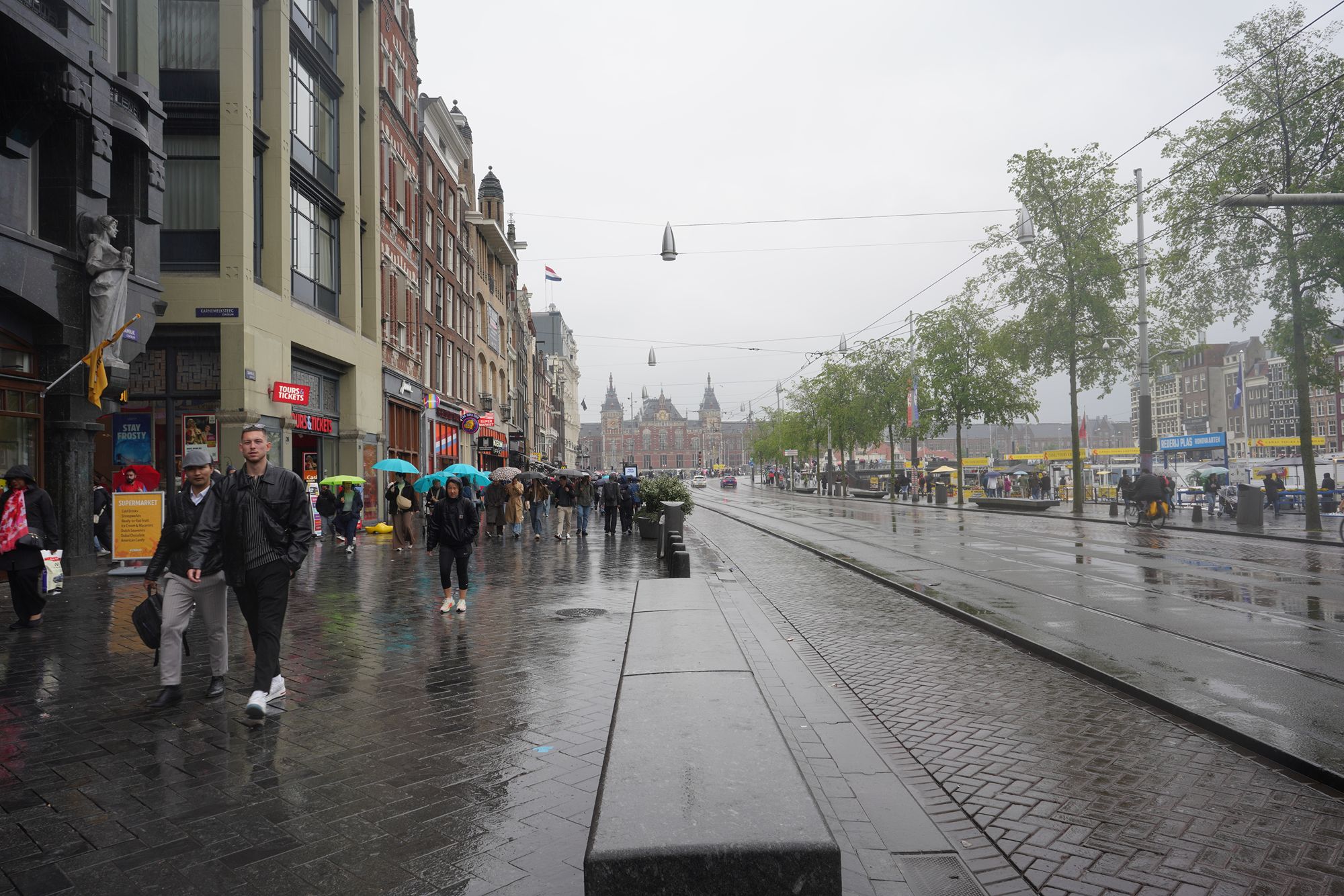
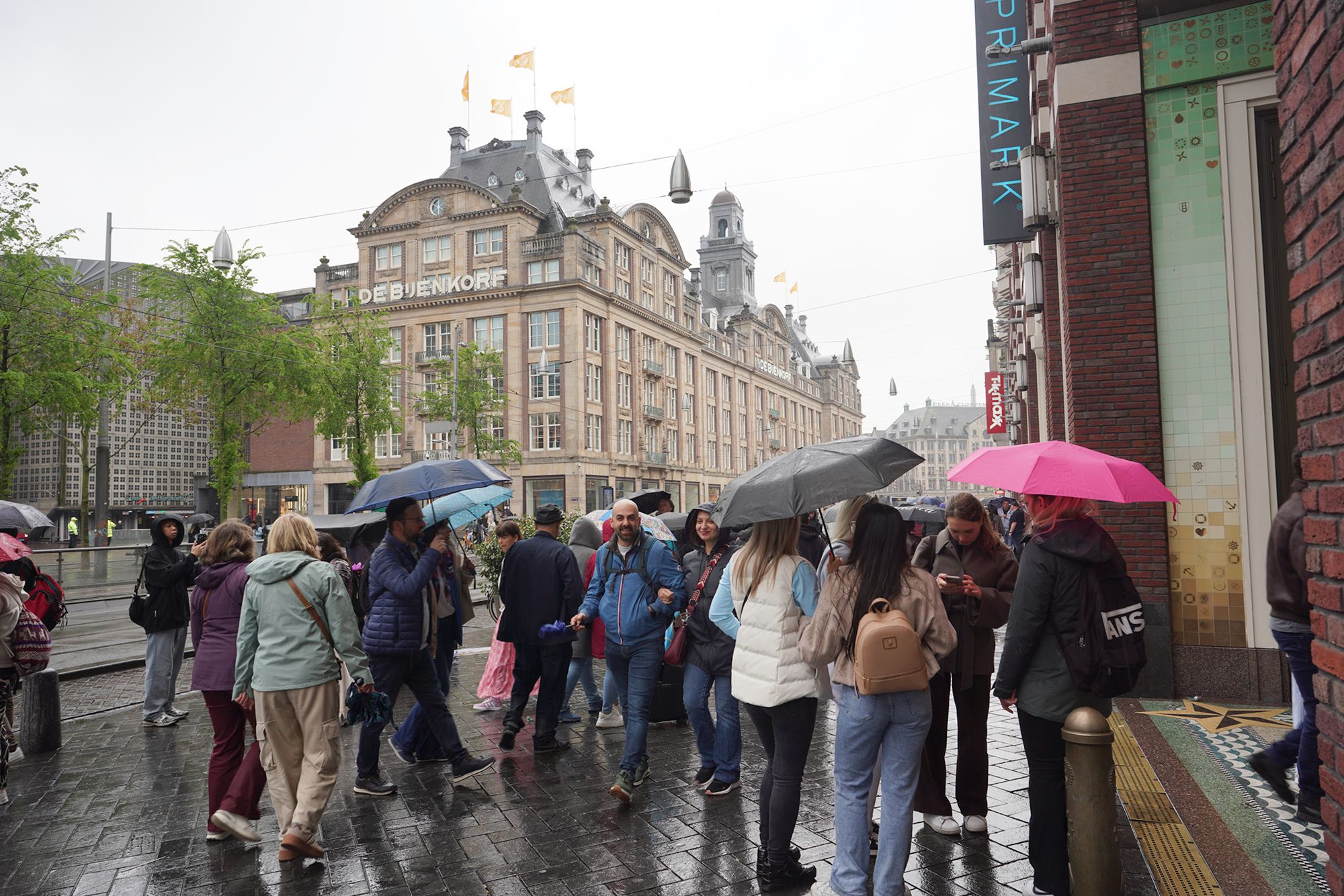
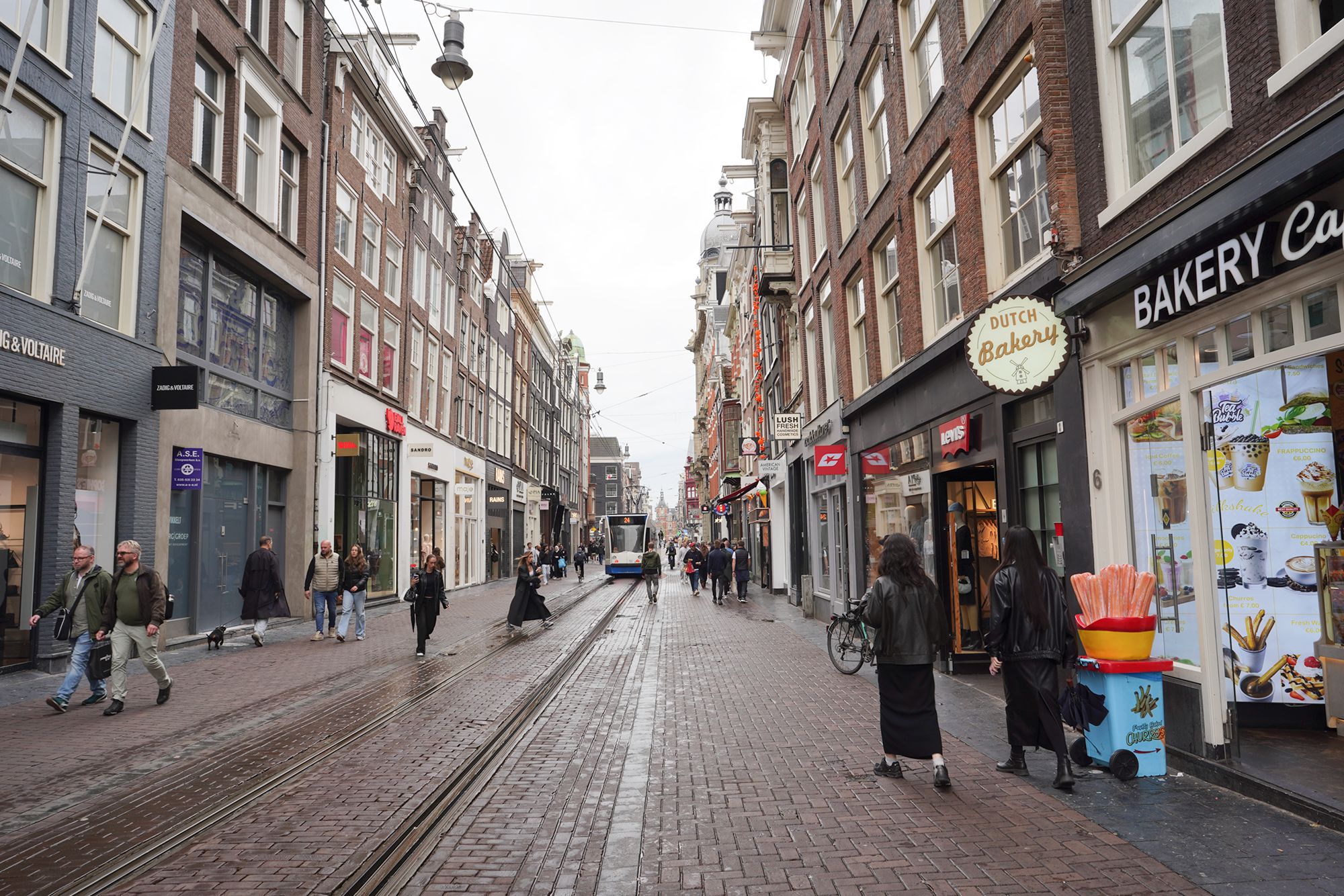
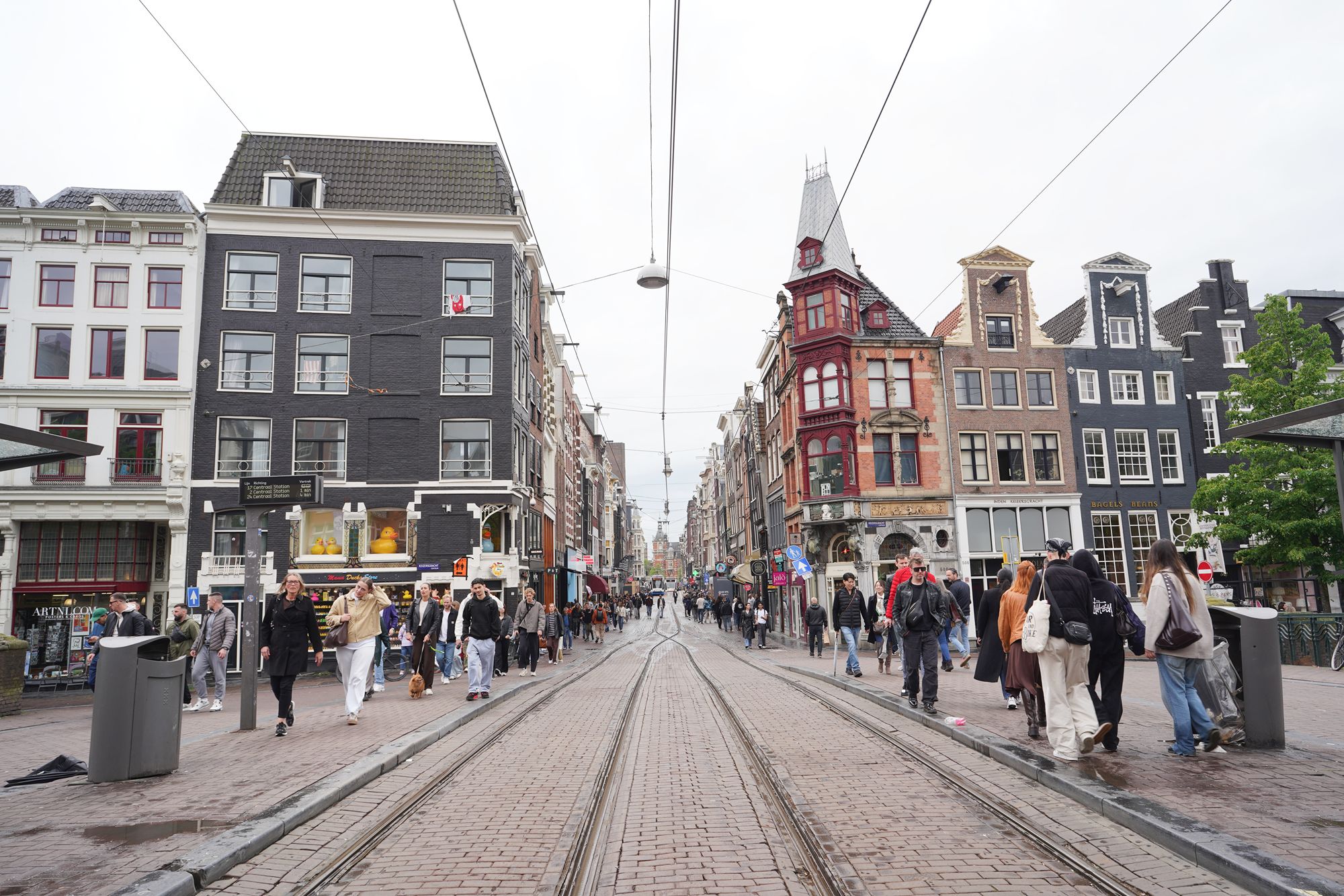
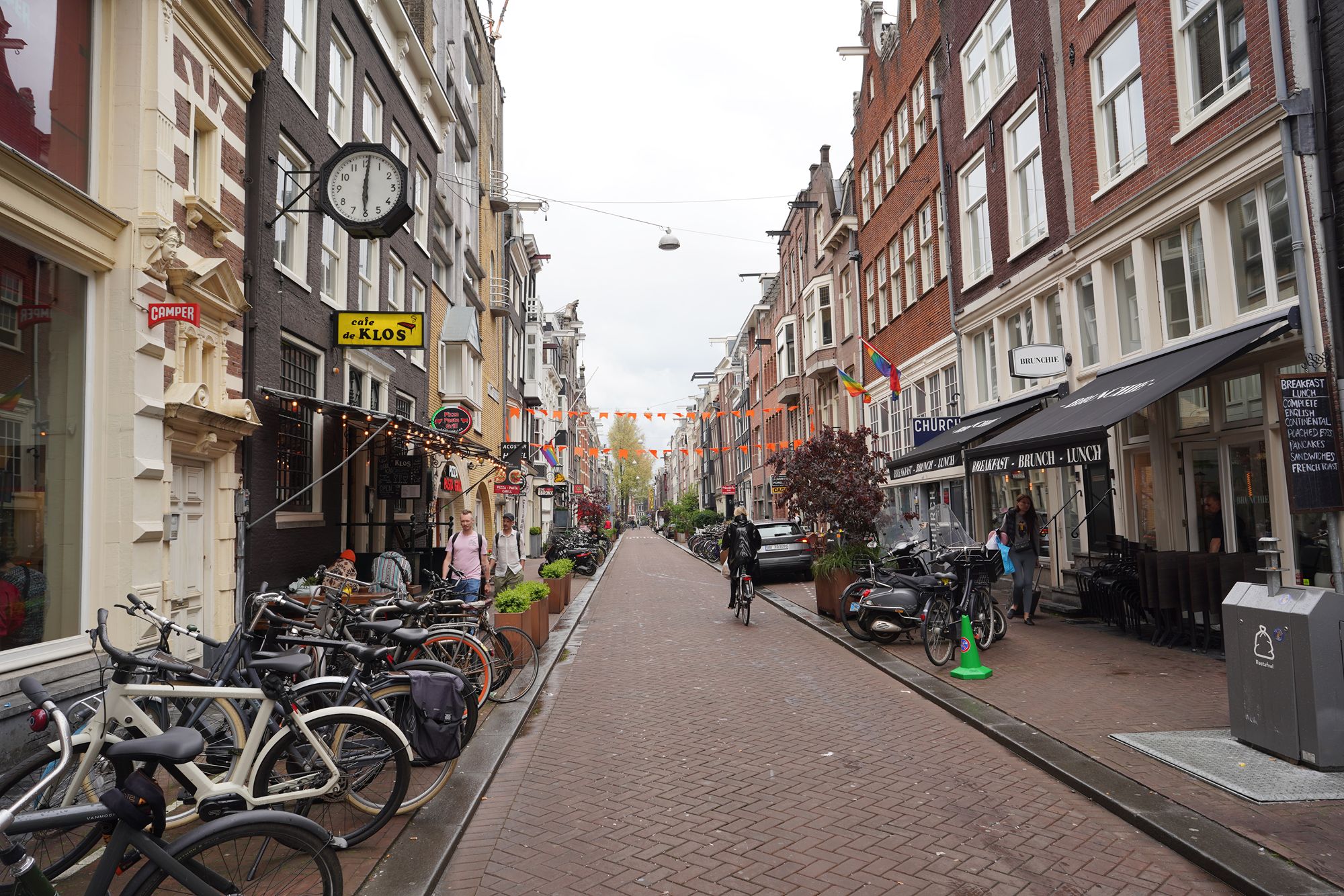
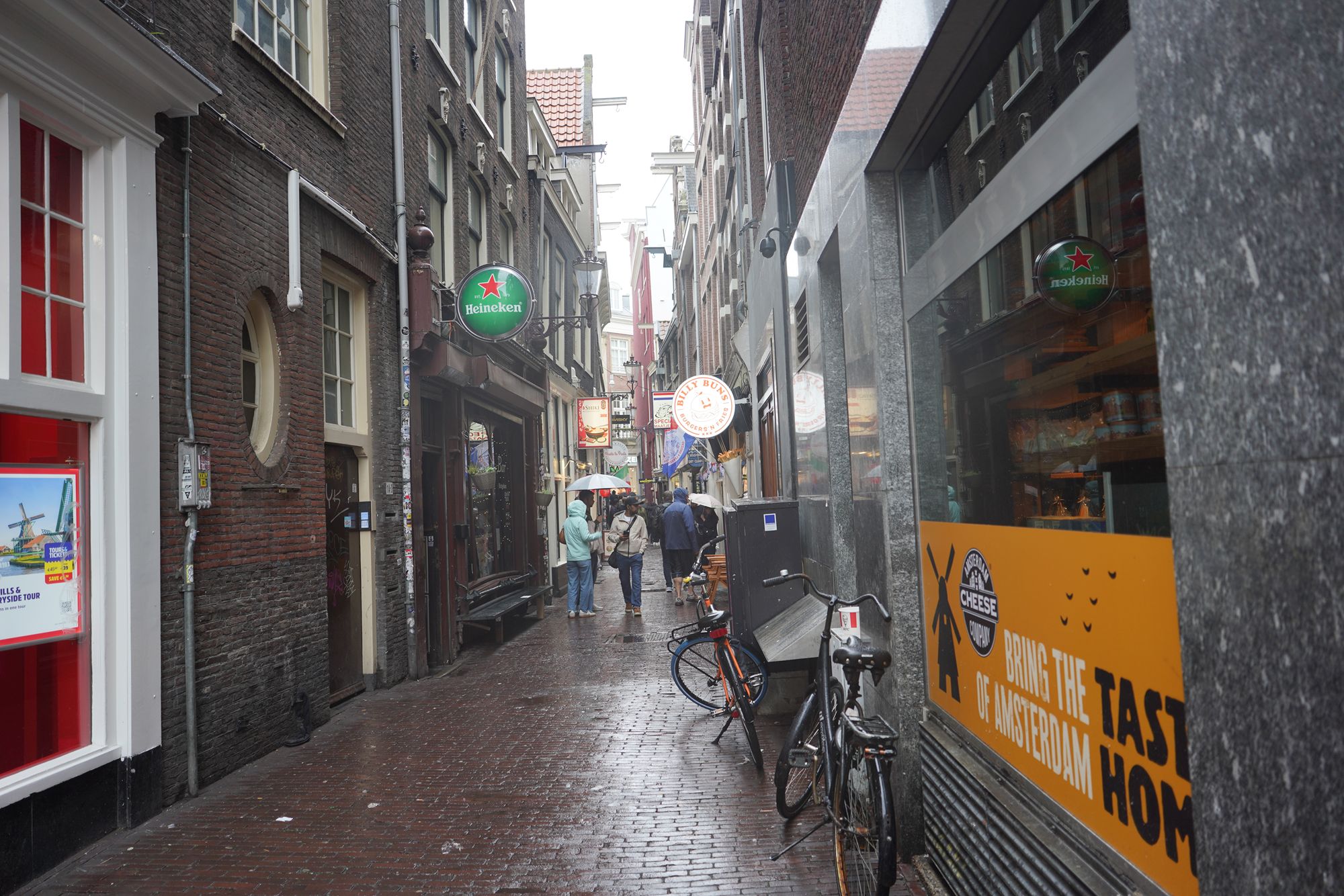
Instead of continuing along the larger main street, I turned into one of Amsterdam’s narrower side streets. I still headed in the direction of Dam Square, but the smaller streets made the walk much more interesting.
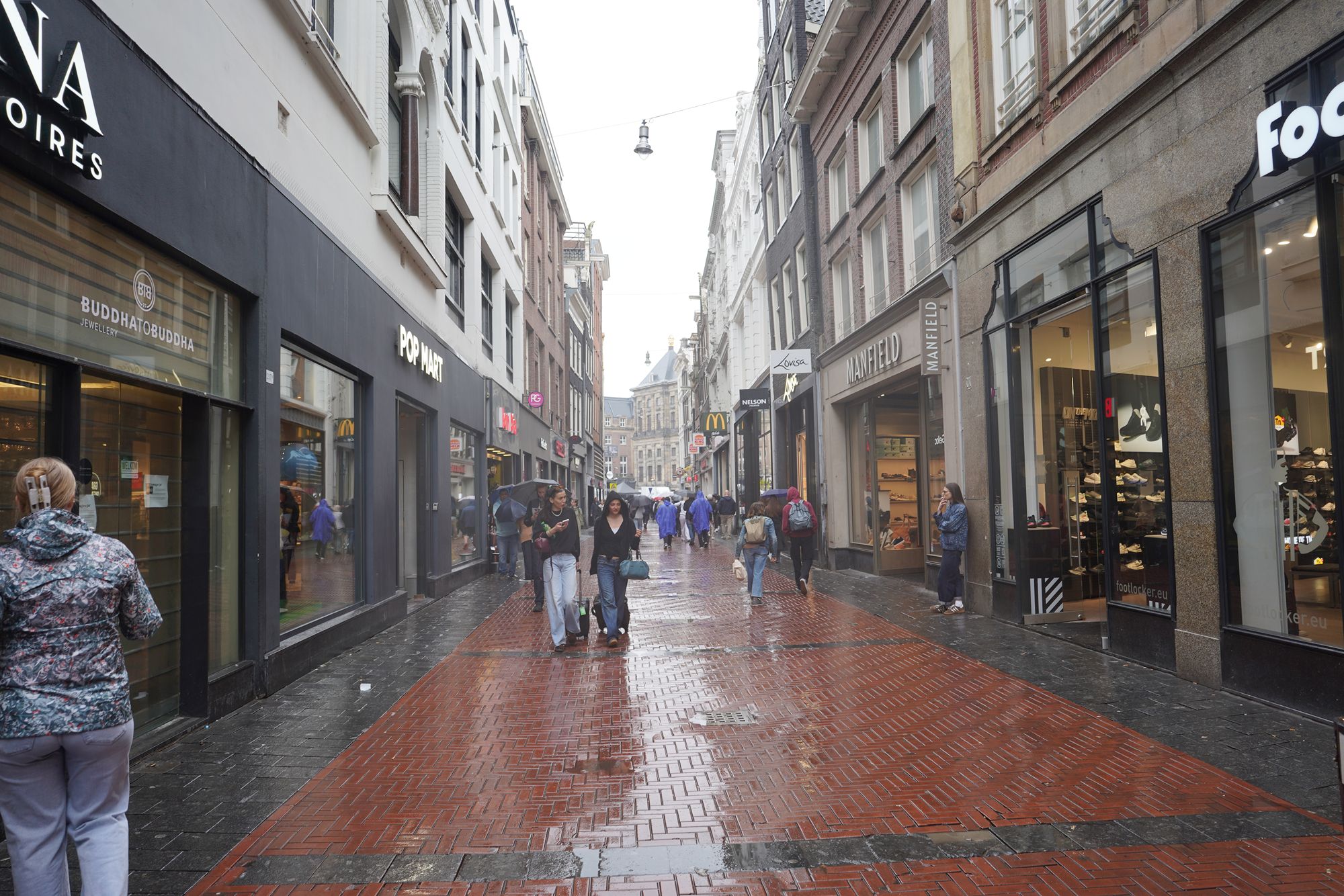
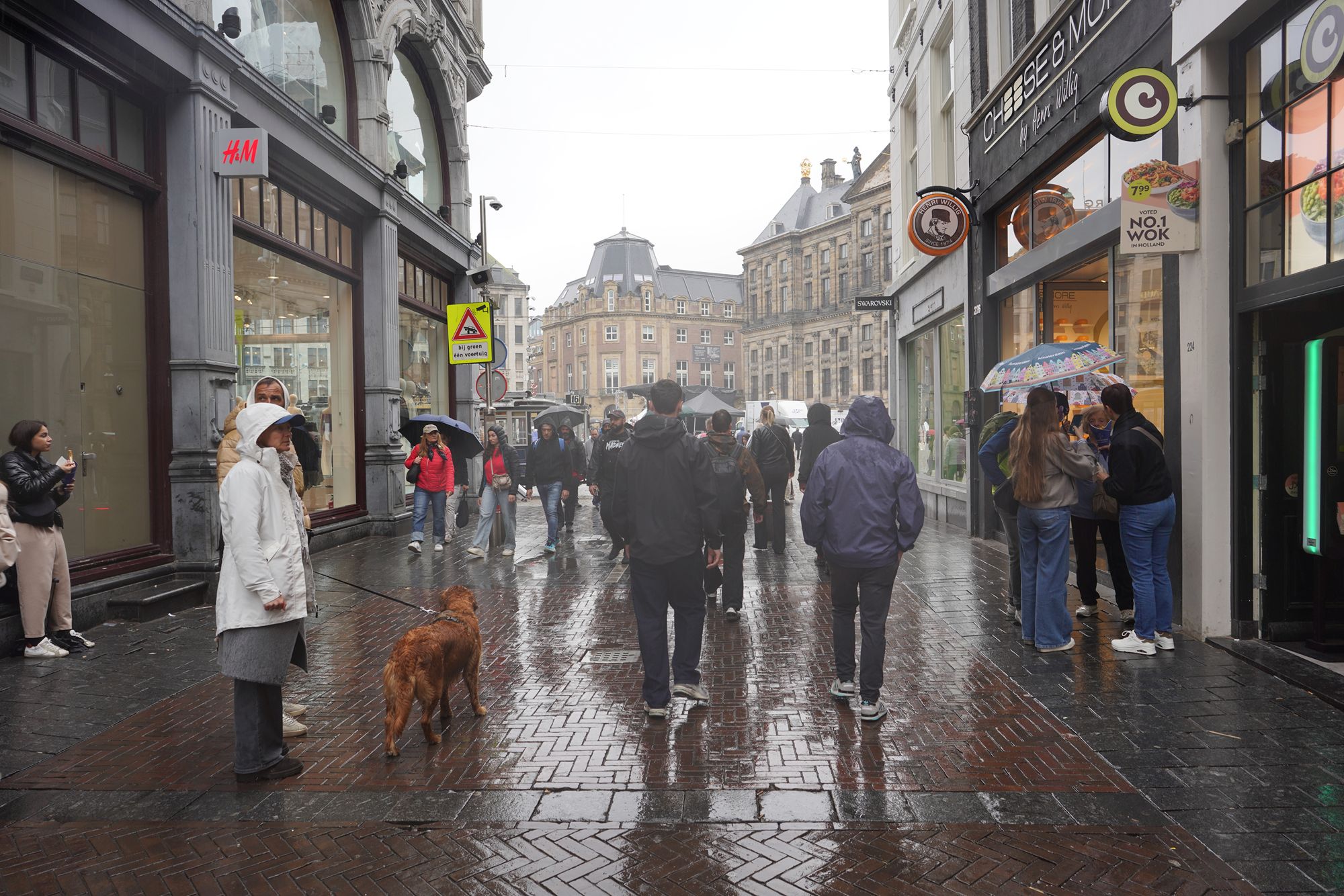
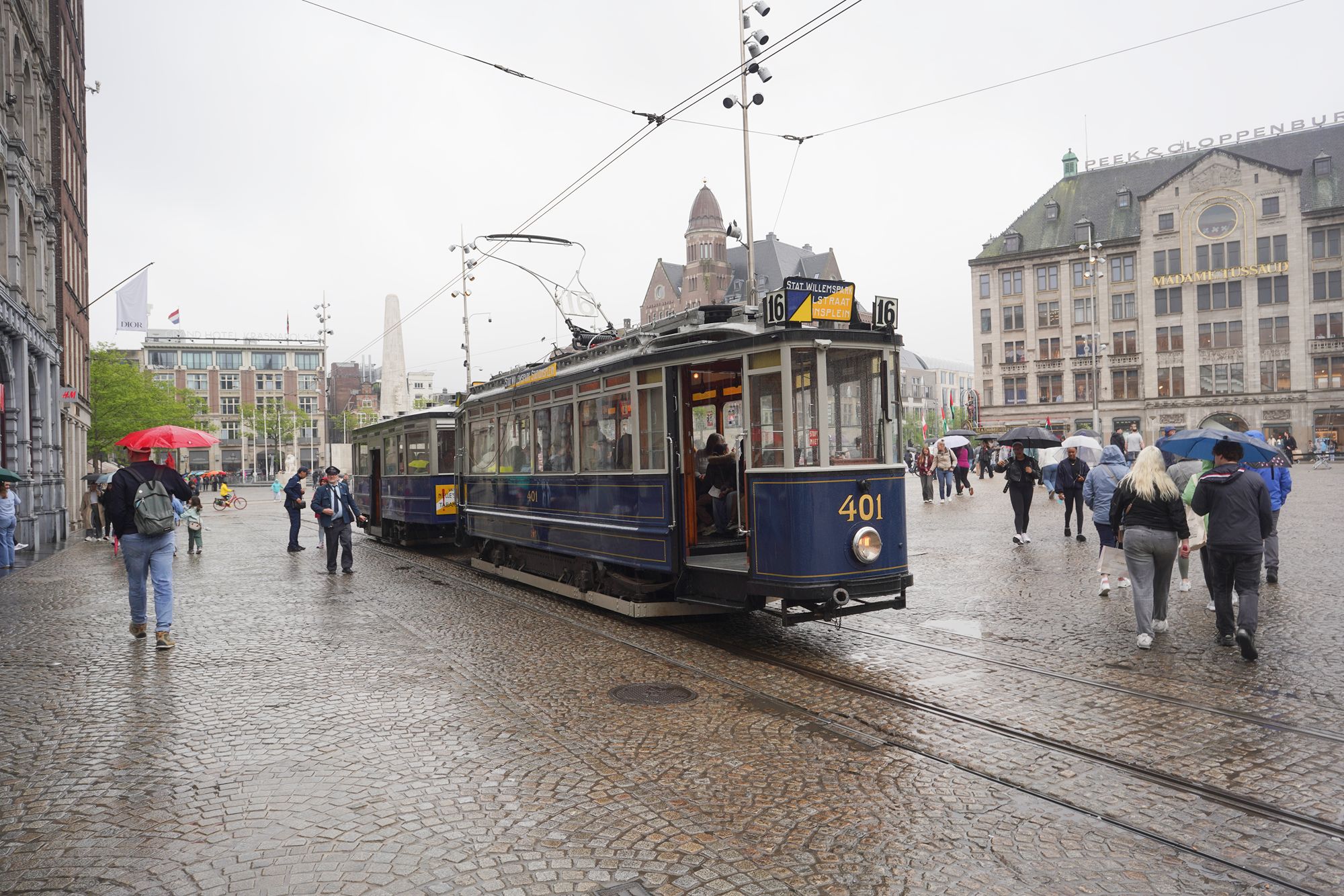
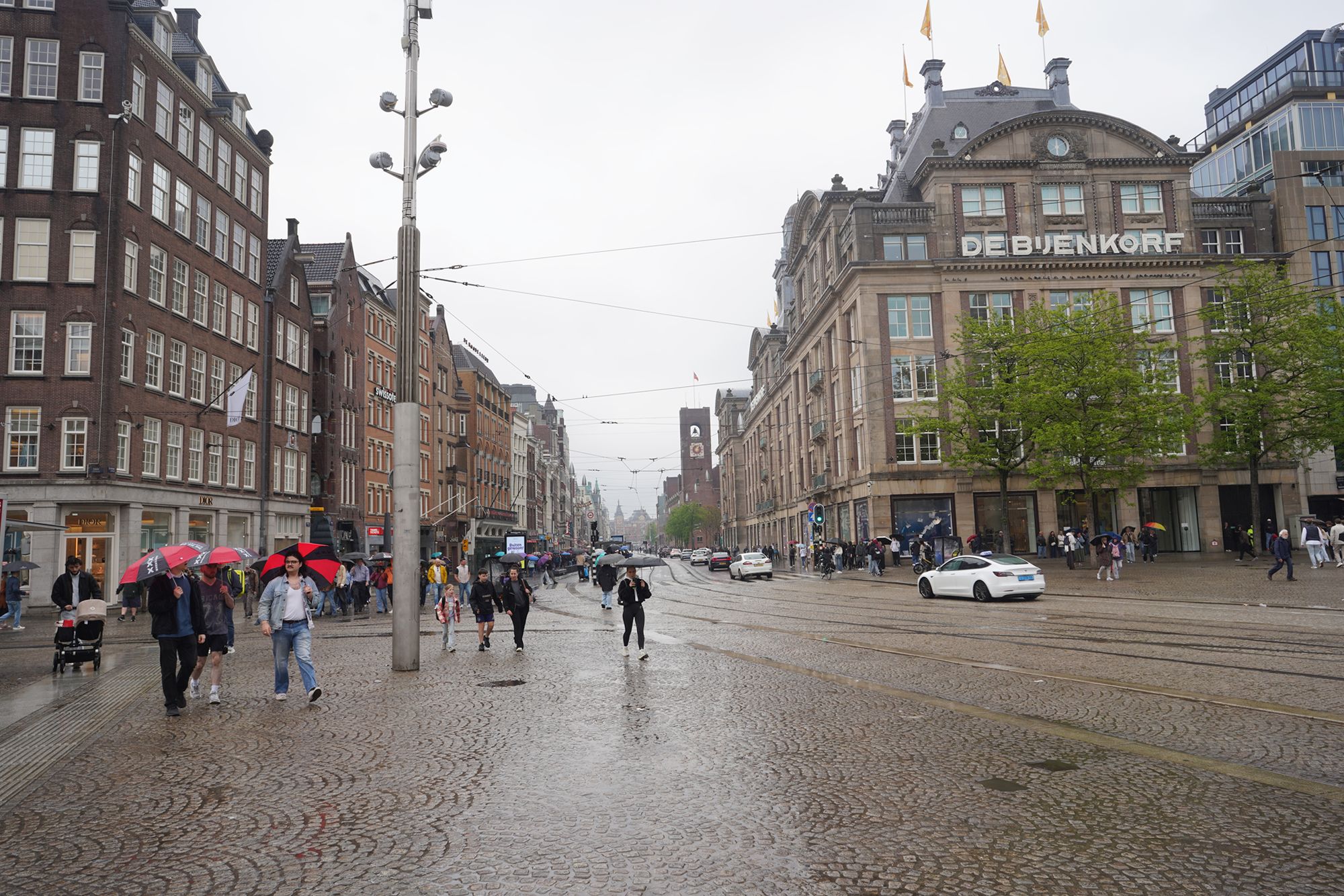
After walking through the narrow streets, I eventually reached Dam Square, one of the most famous and historic public squares in the heart of Amsterdam.
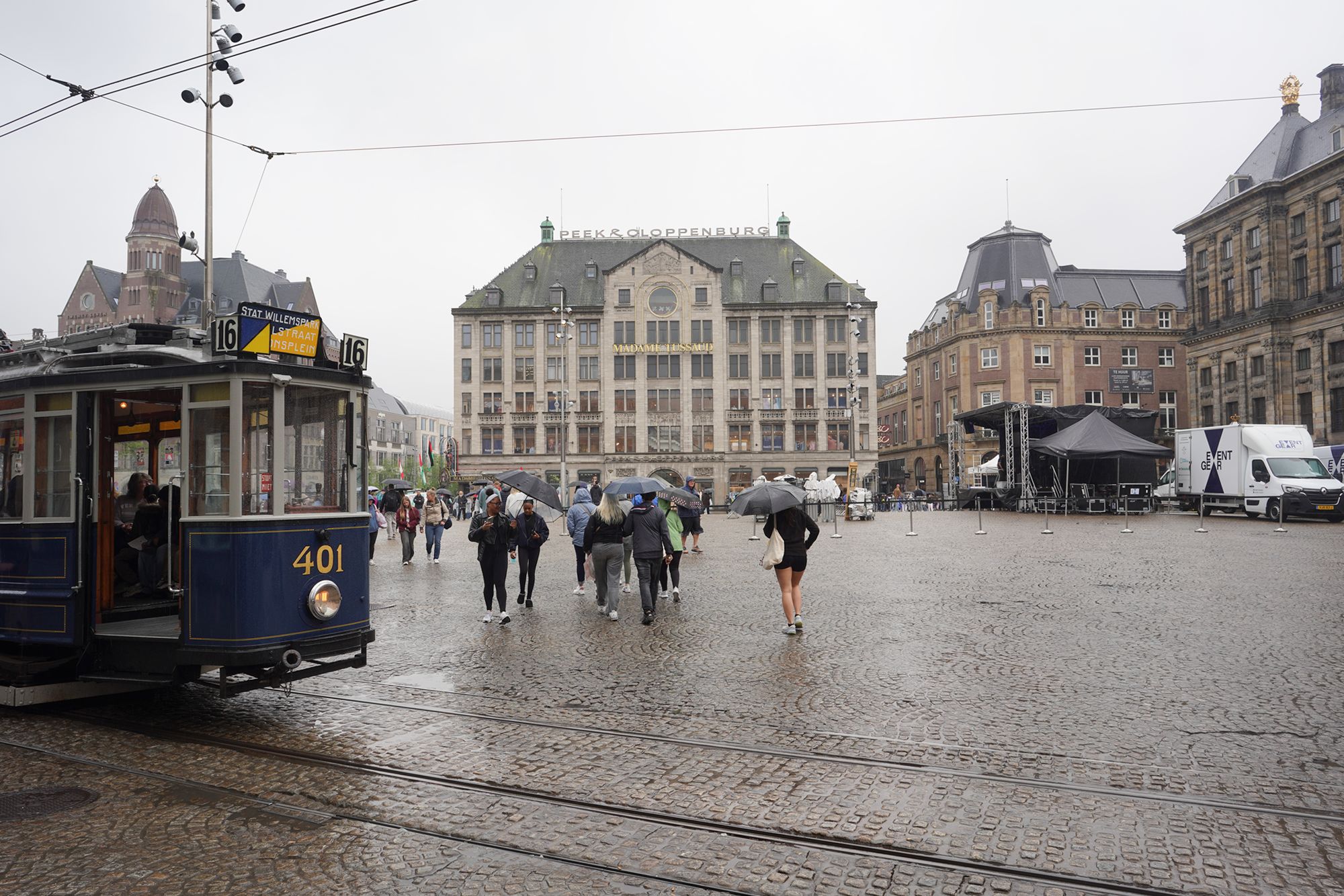
Dam Square is the historic heart of Amsterdam and one of the city’s best-known public spaces. Its history goes back to the 13th century, when a dam was built across the Amstel River—giving Amsterdam its name, which originally meant “dam on the Amstel.”
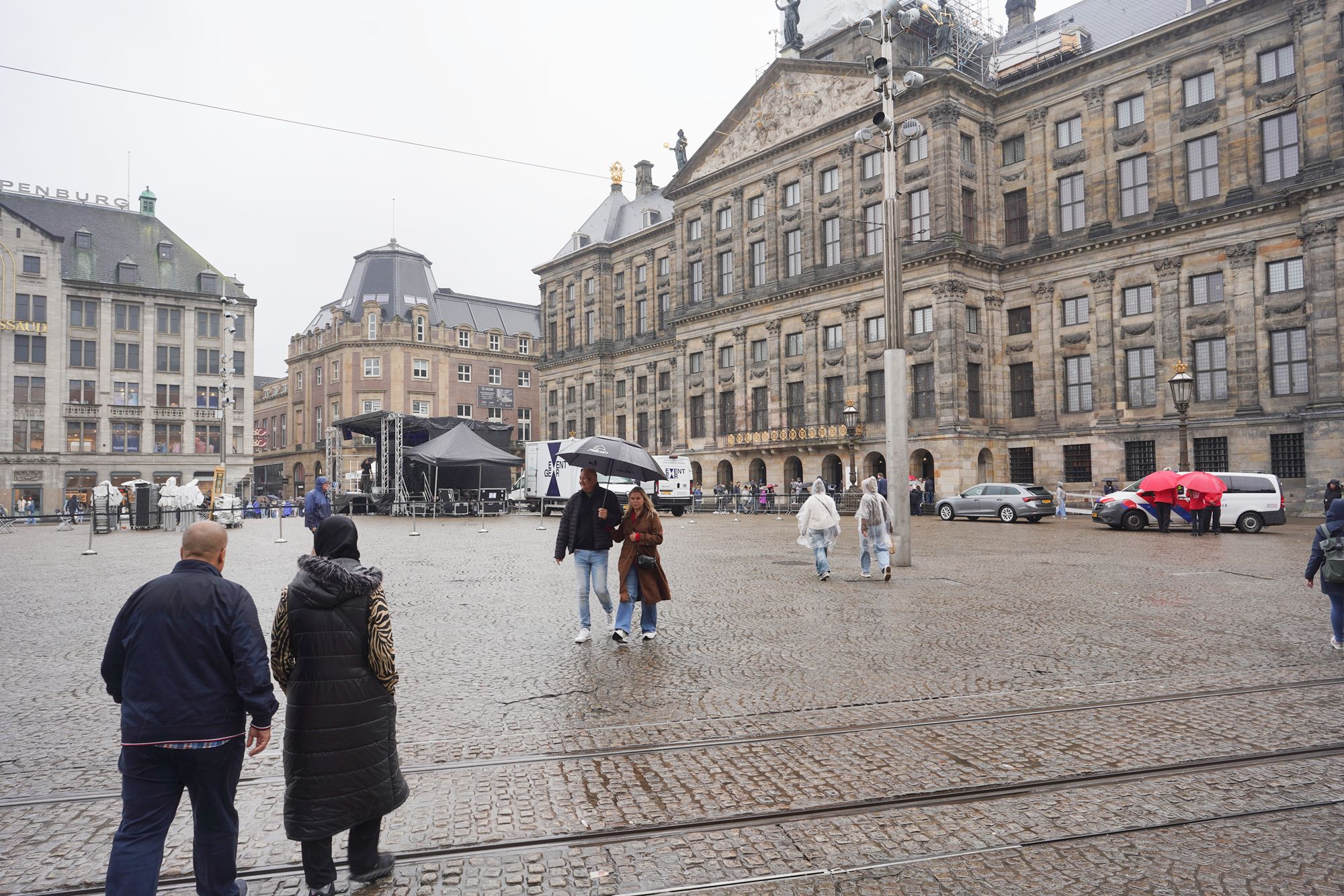
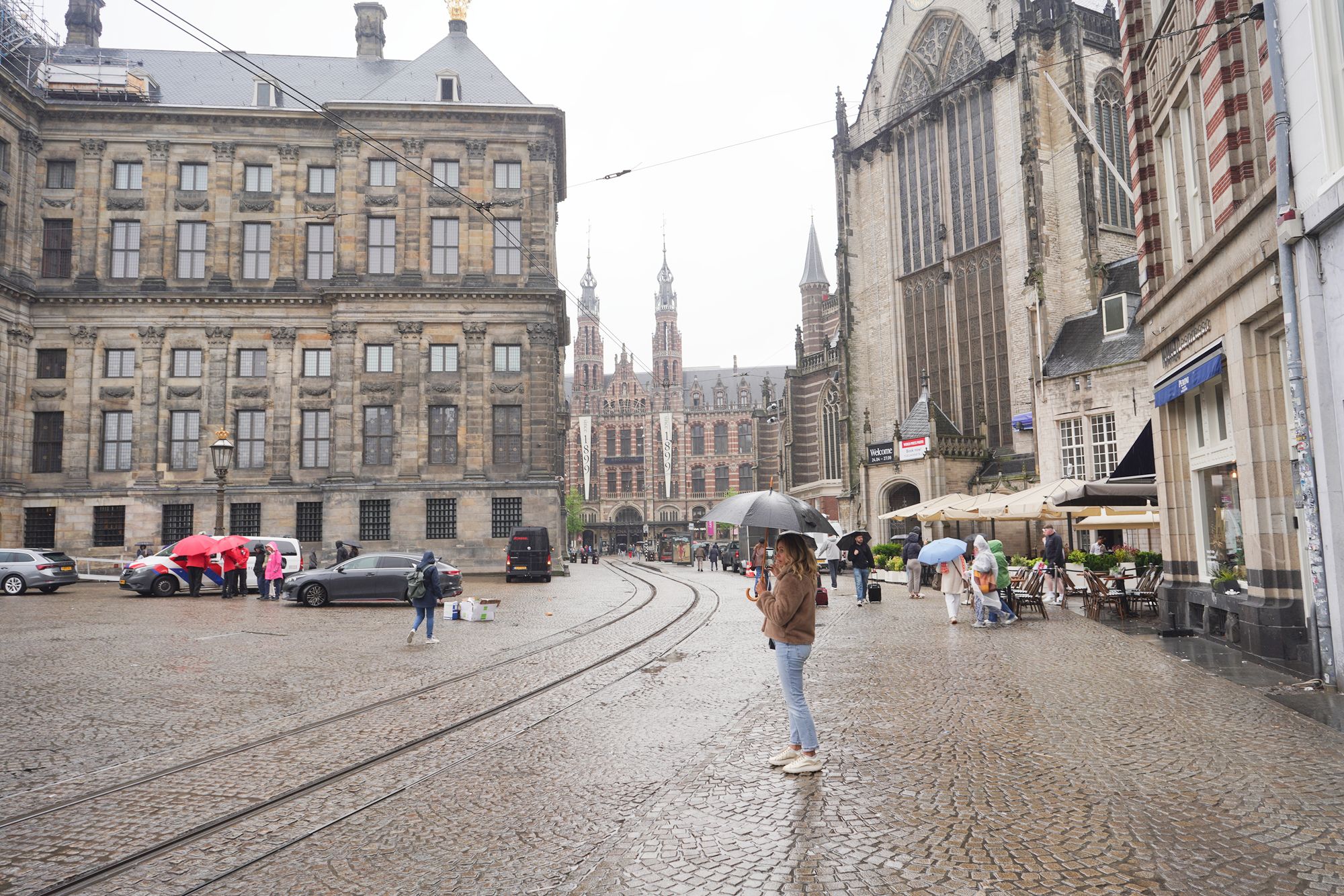
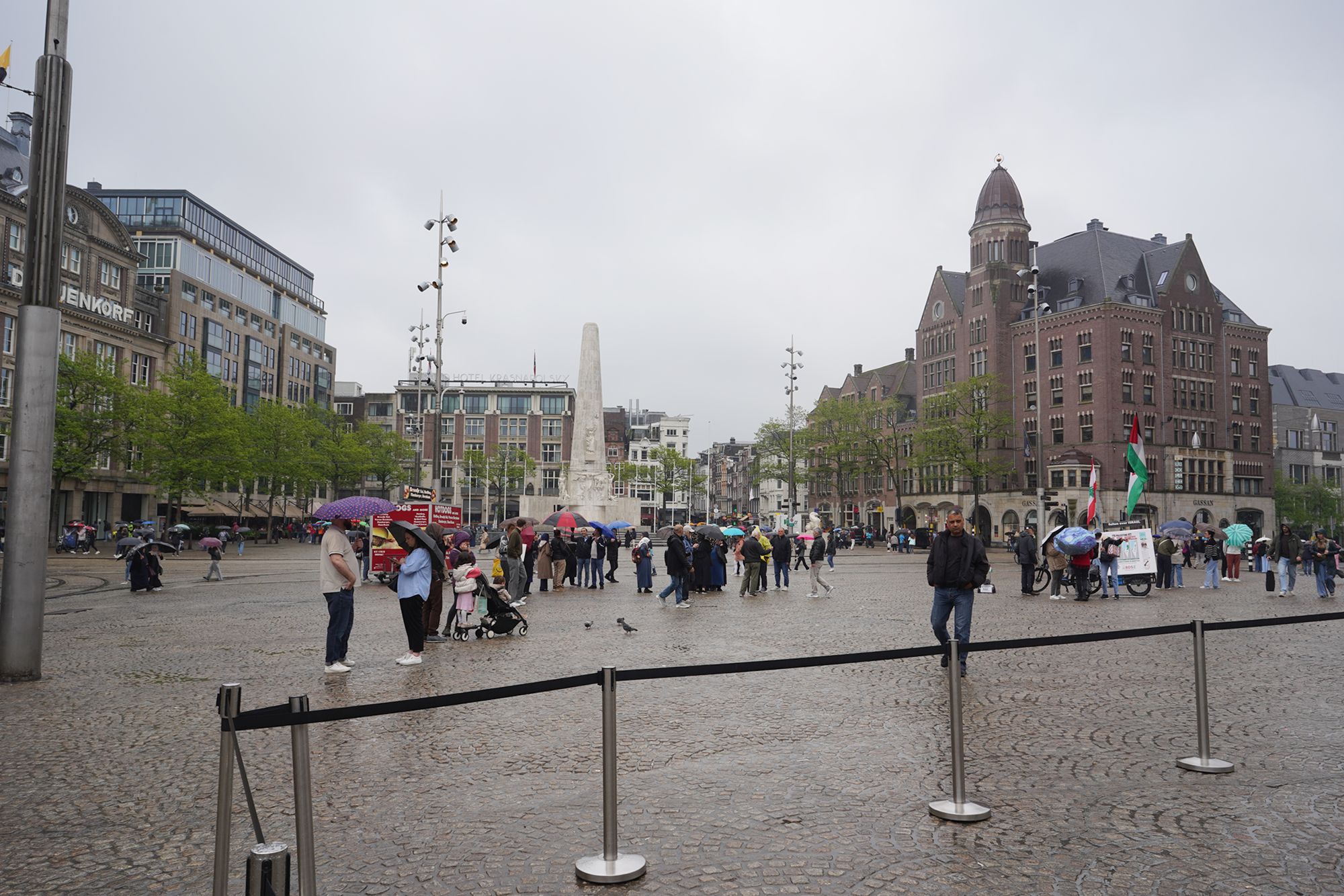
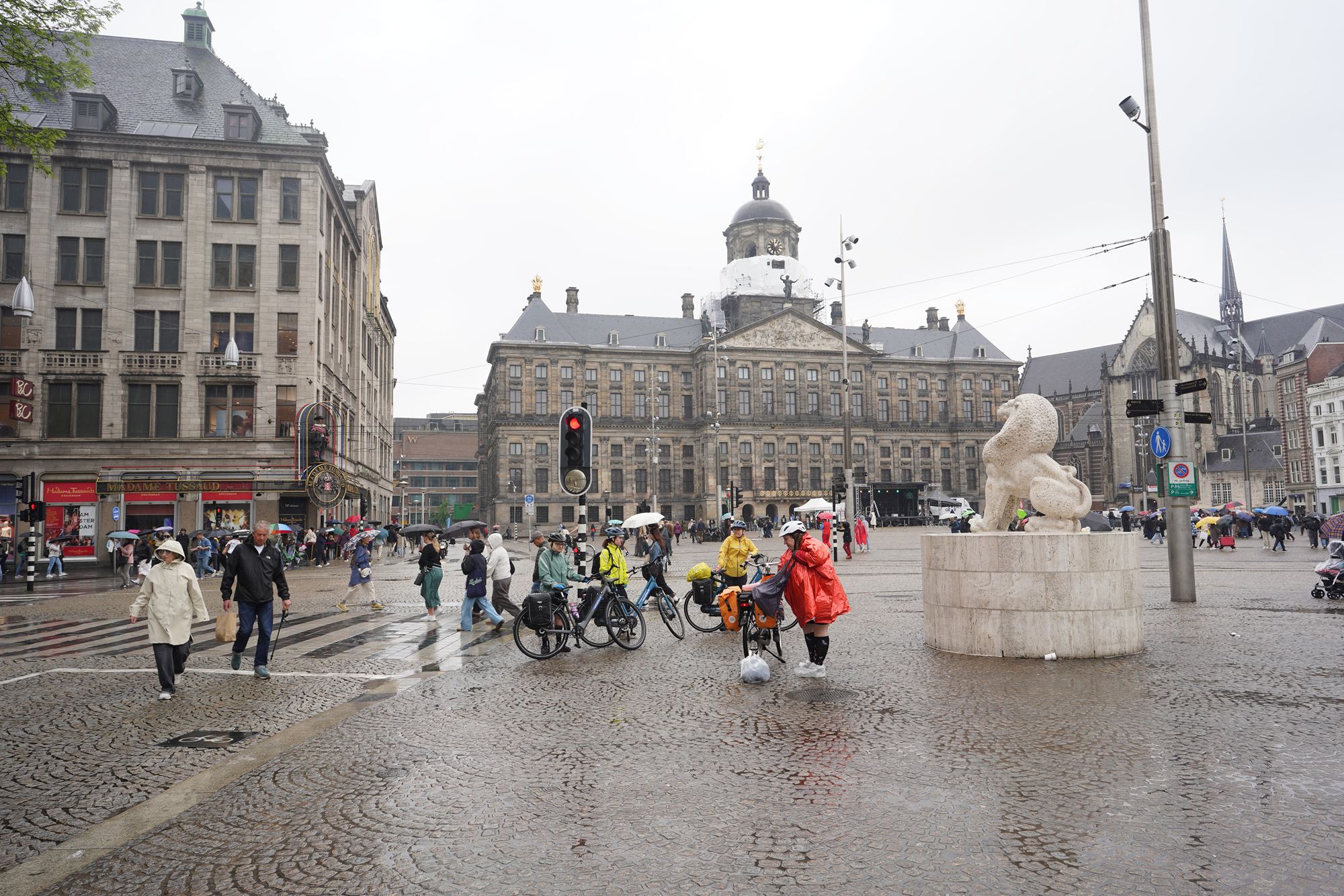
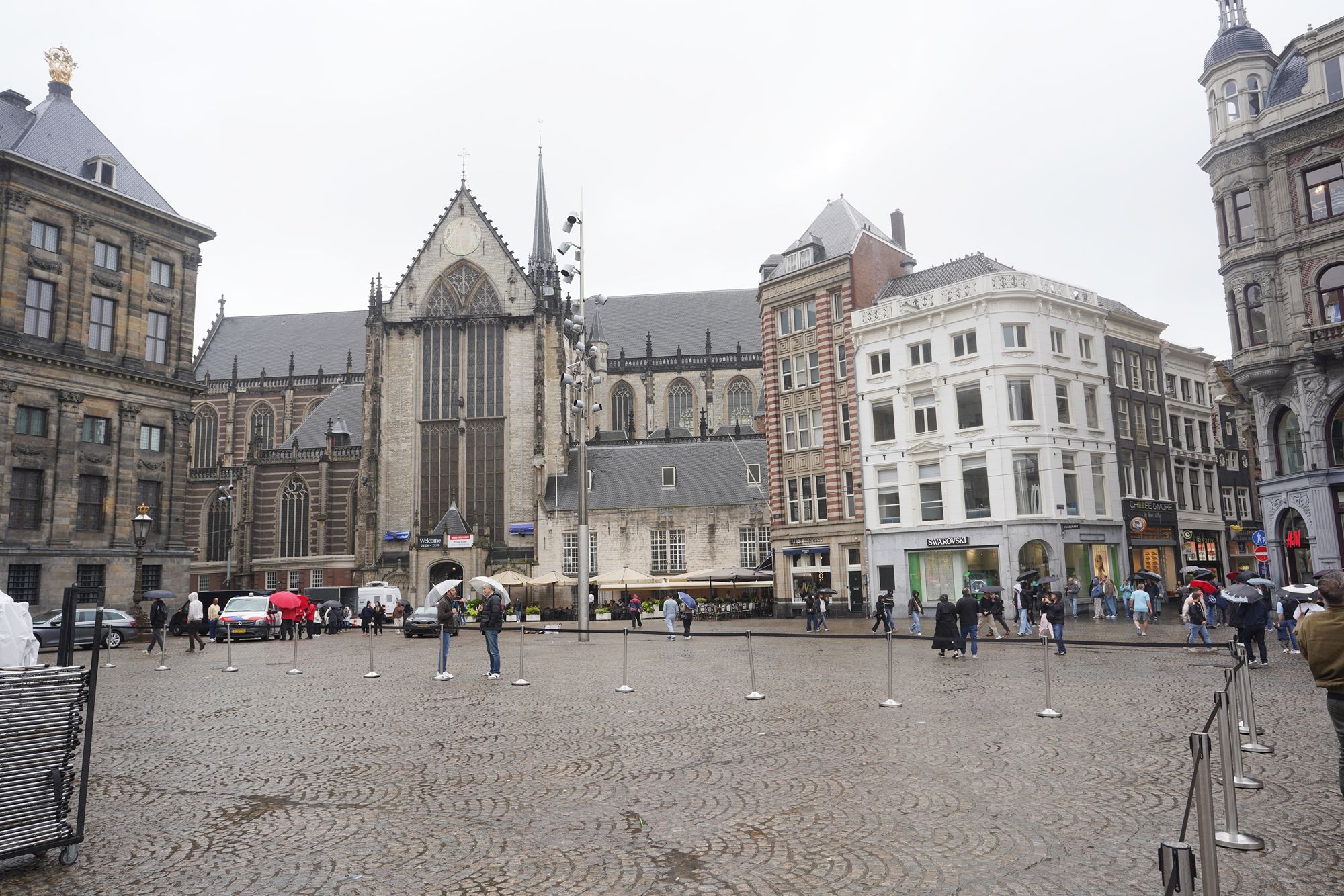
Over the centuries, the area around the dam developed into the center of the growing city. Today, several important landmarks surround the square, including the Royal Palace, the Nieuwe Kerk (New Church), and the National Monument.
The tall white stone structure in the square is the National Monument. It was unveiled in 1956 as a memorial to the victims of World War II.
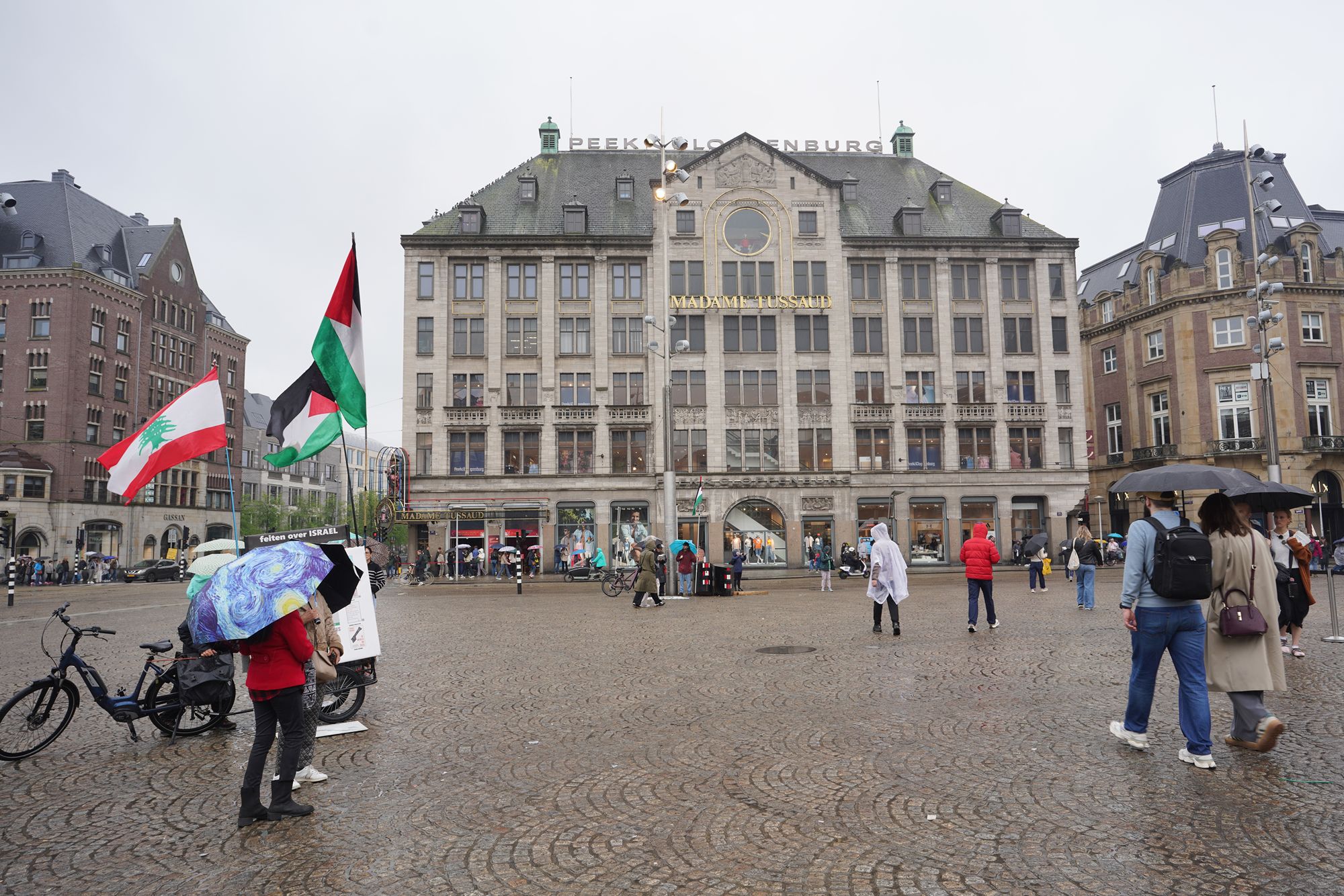
The Royal Palace Amsterdam is one of the most impressive buildings on Dam Square. It was originally built in the 17th century as Amsterdam’s City Hall, during the Dutch Golden Age, and was completed in 1655. At the time, Amsterdam was one of the wealthiest and most important trading cities in the world, and the enormous building was intended to reflect the city’s prosperity and power.
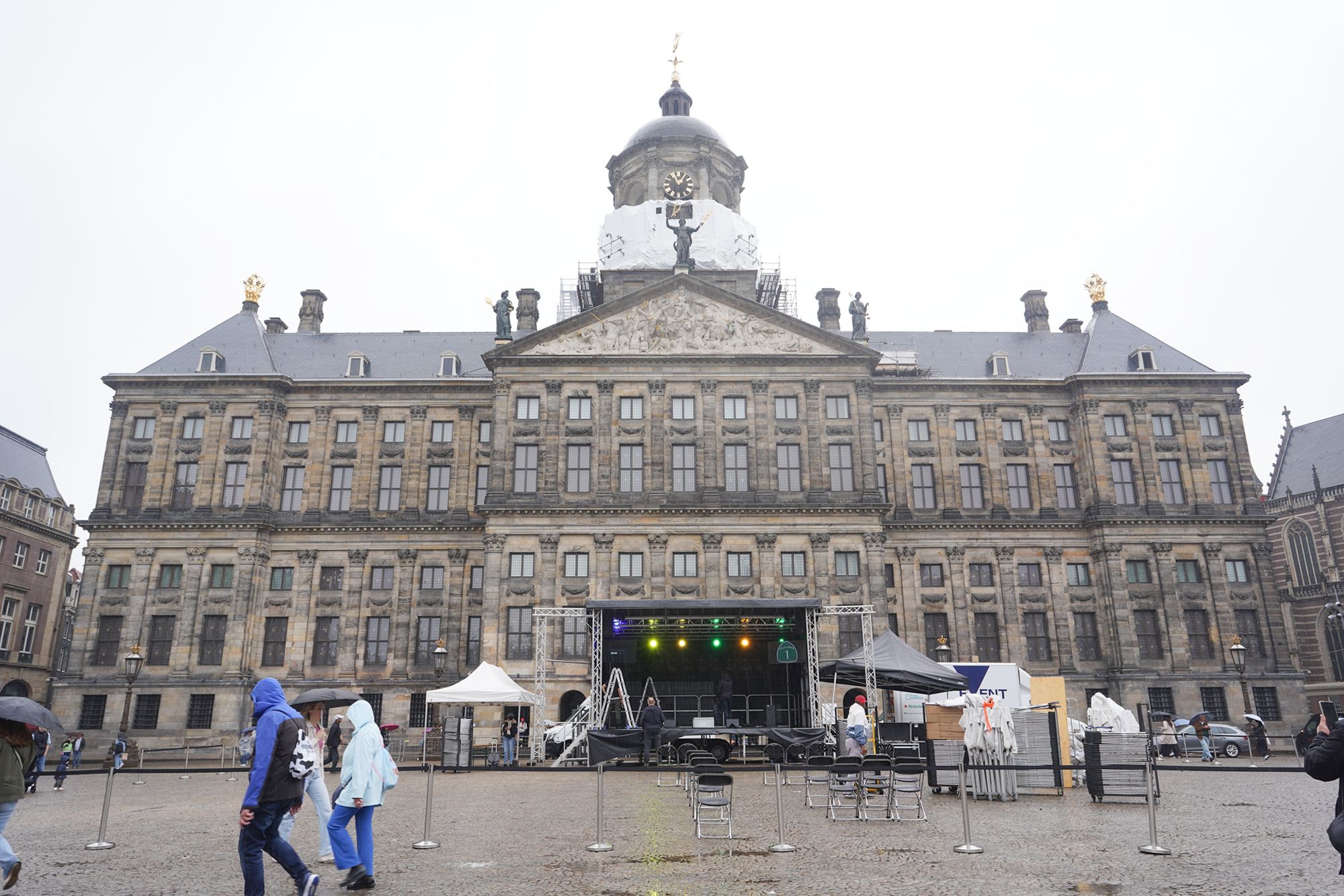
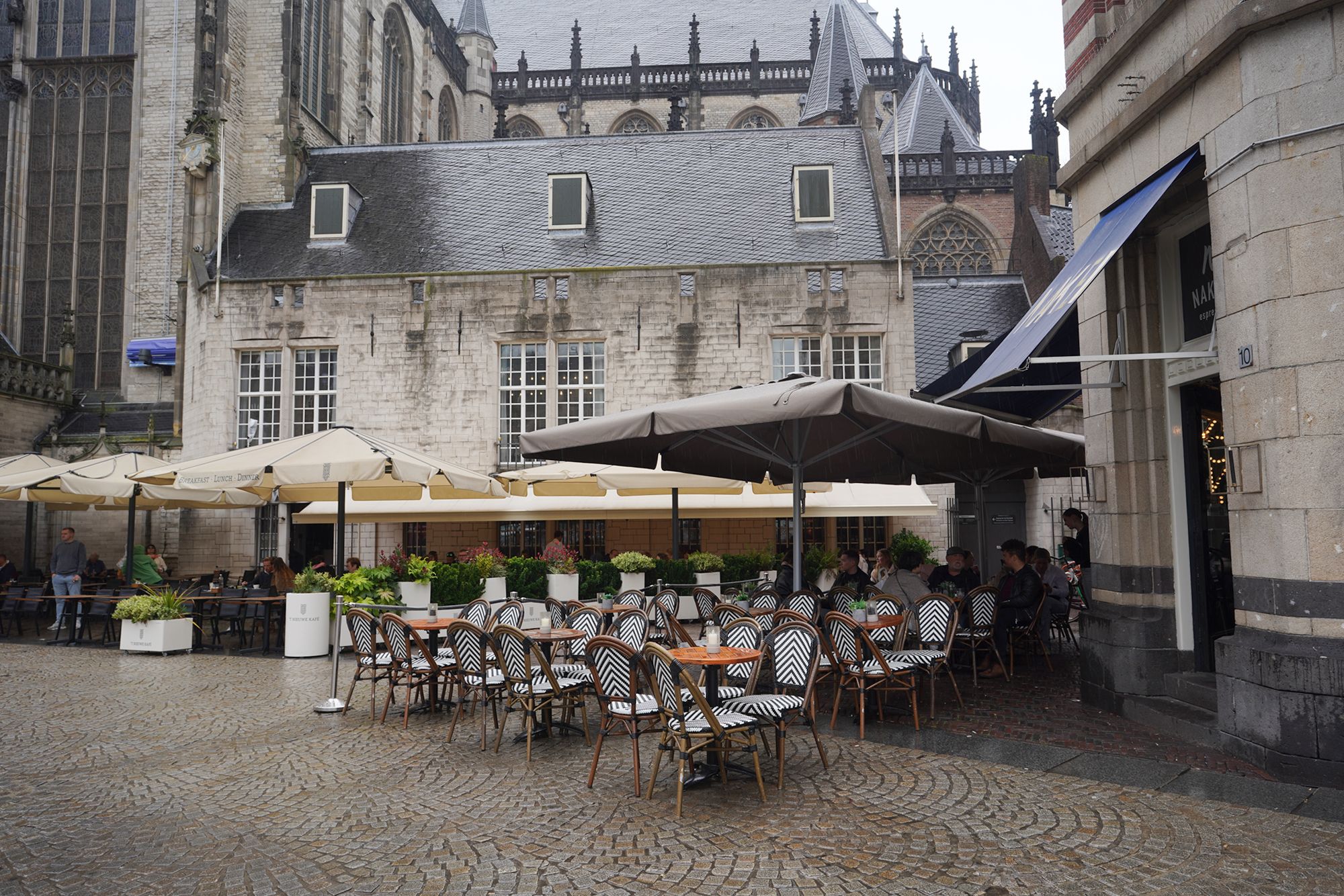
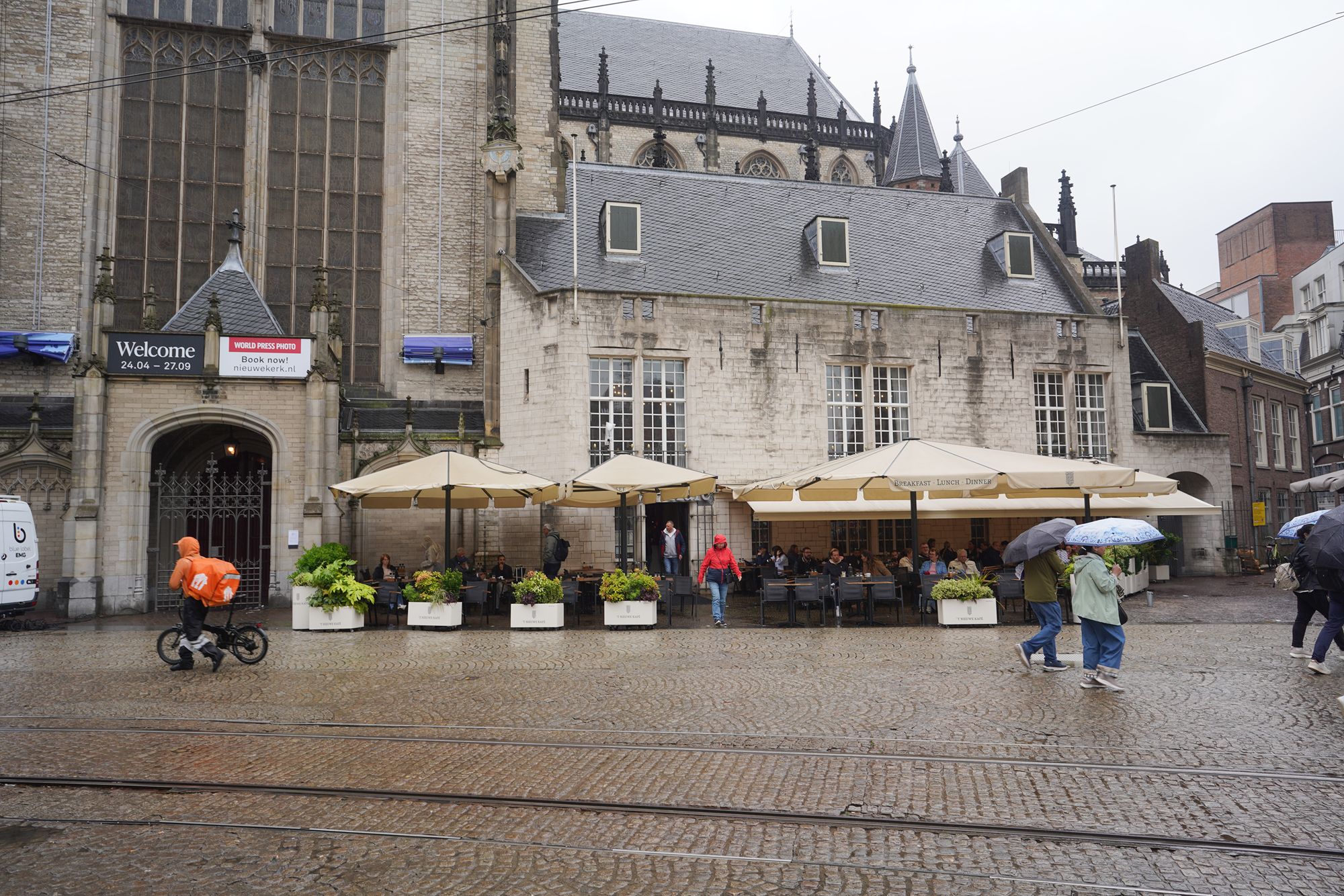
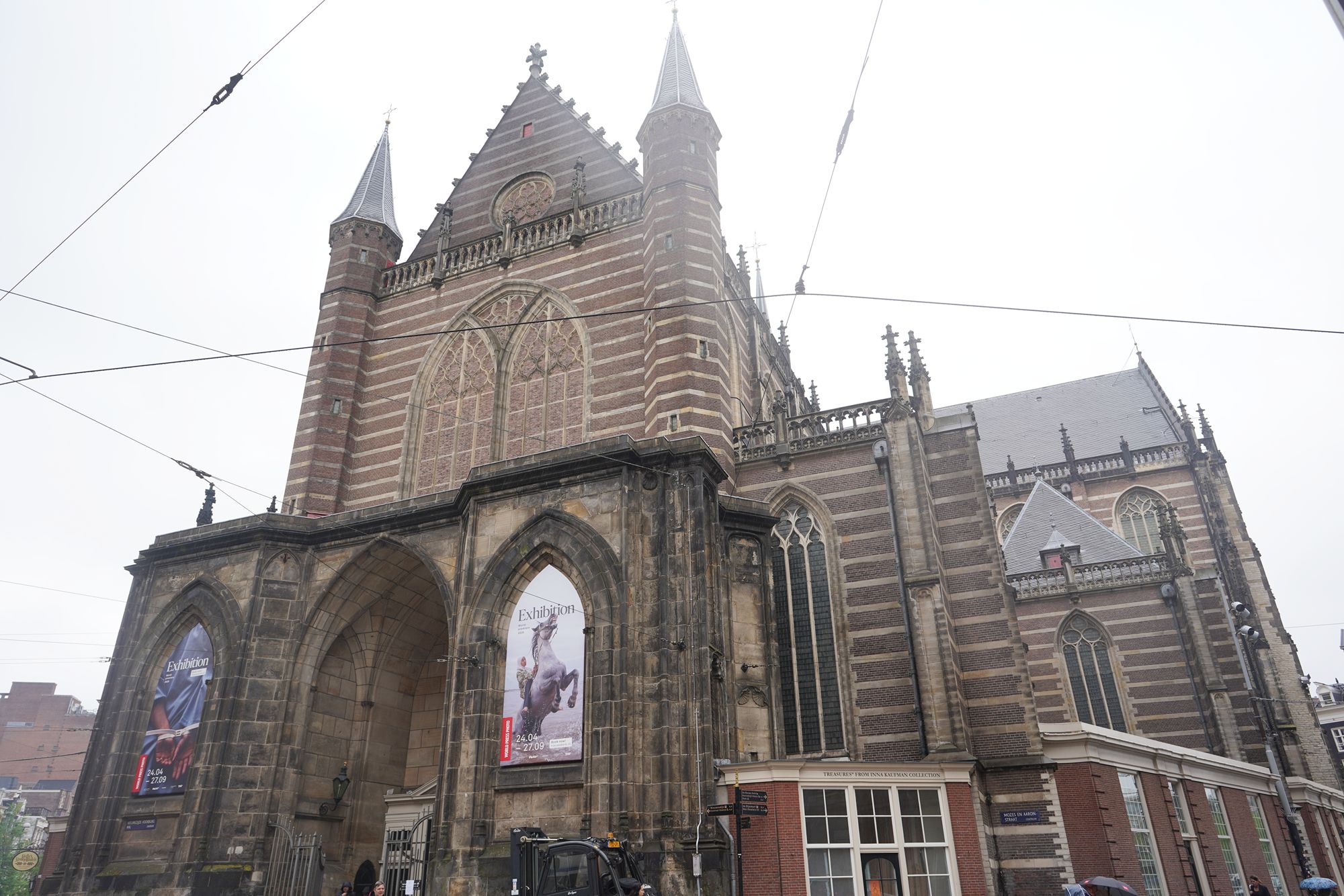
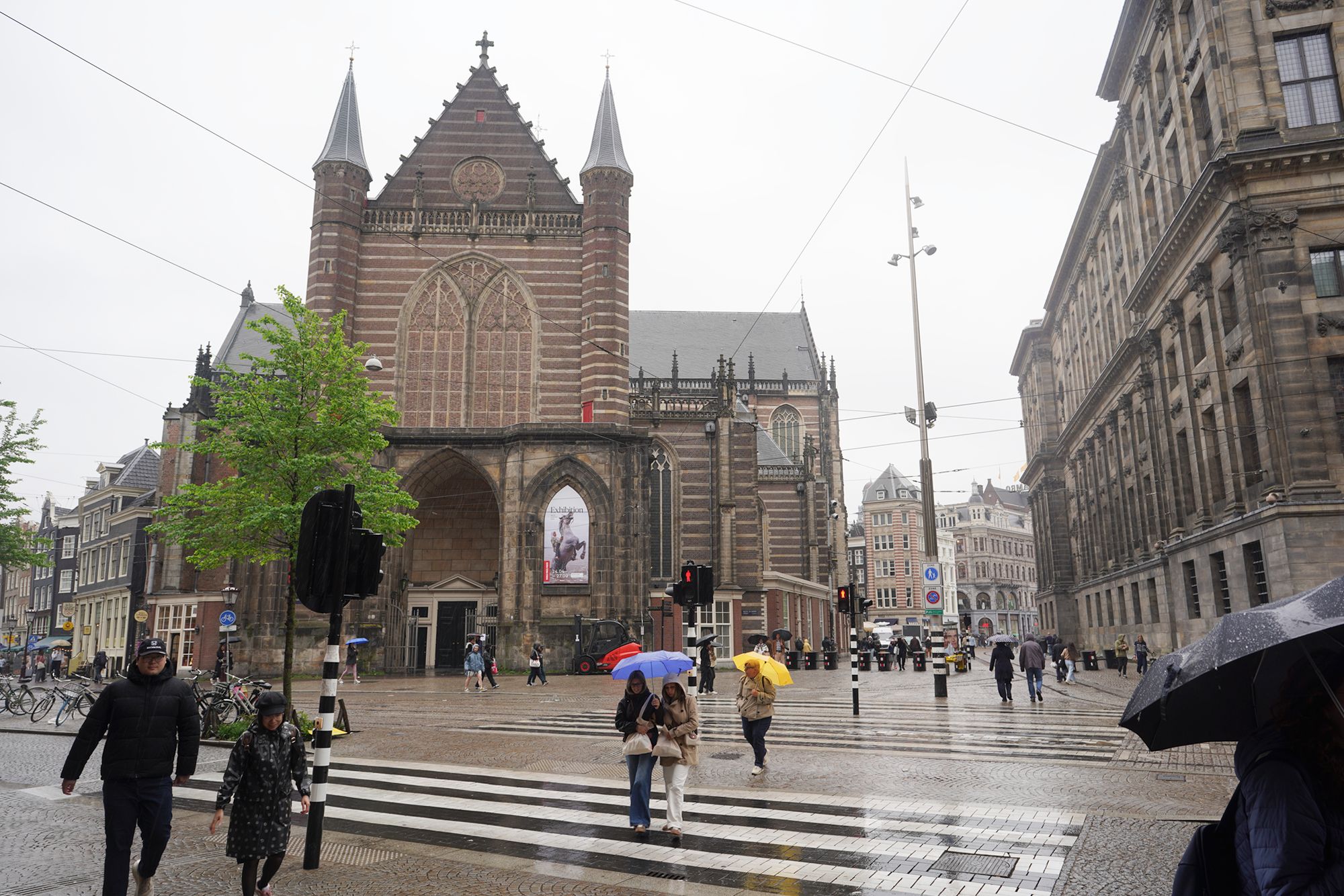
The Nieuwe Kerk, or “New Church,” stands next to the Royal Palace on Dam Square. Despite its name, it is actually a very old church, dating back to the early 15th century. It was built after Amsterdam’s older Oude Kerk, or “Old Church,” became too small for the growing city.
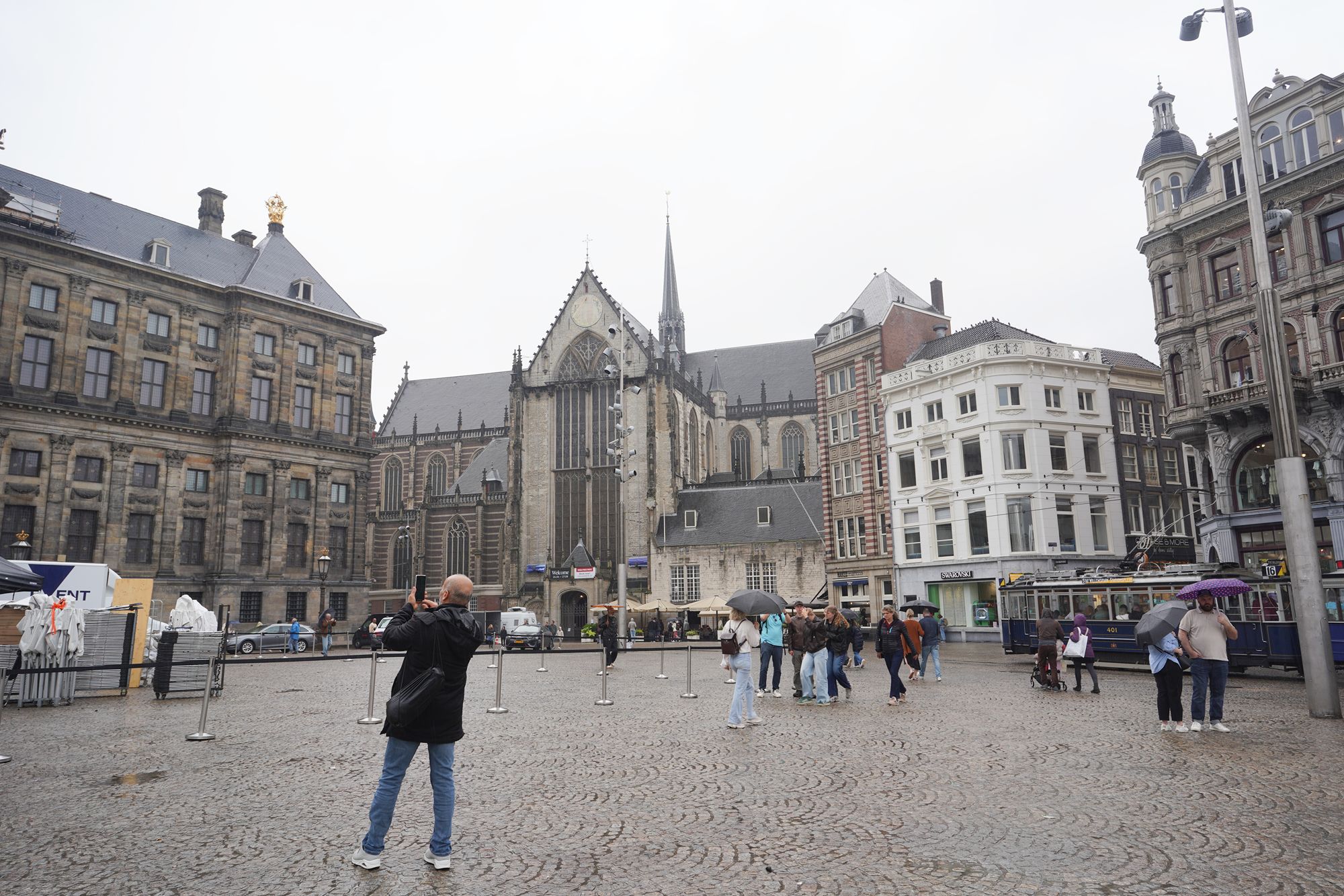
On the opposite side of Dam Square from the Royal Palace and the New Church stands the National Monument, the tall white stone memorial commemorating the victims of World War II.
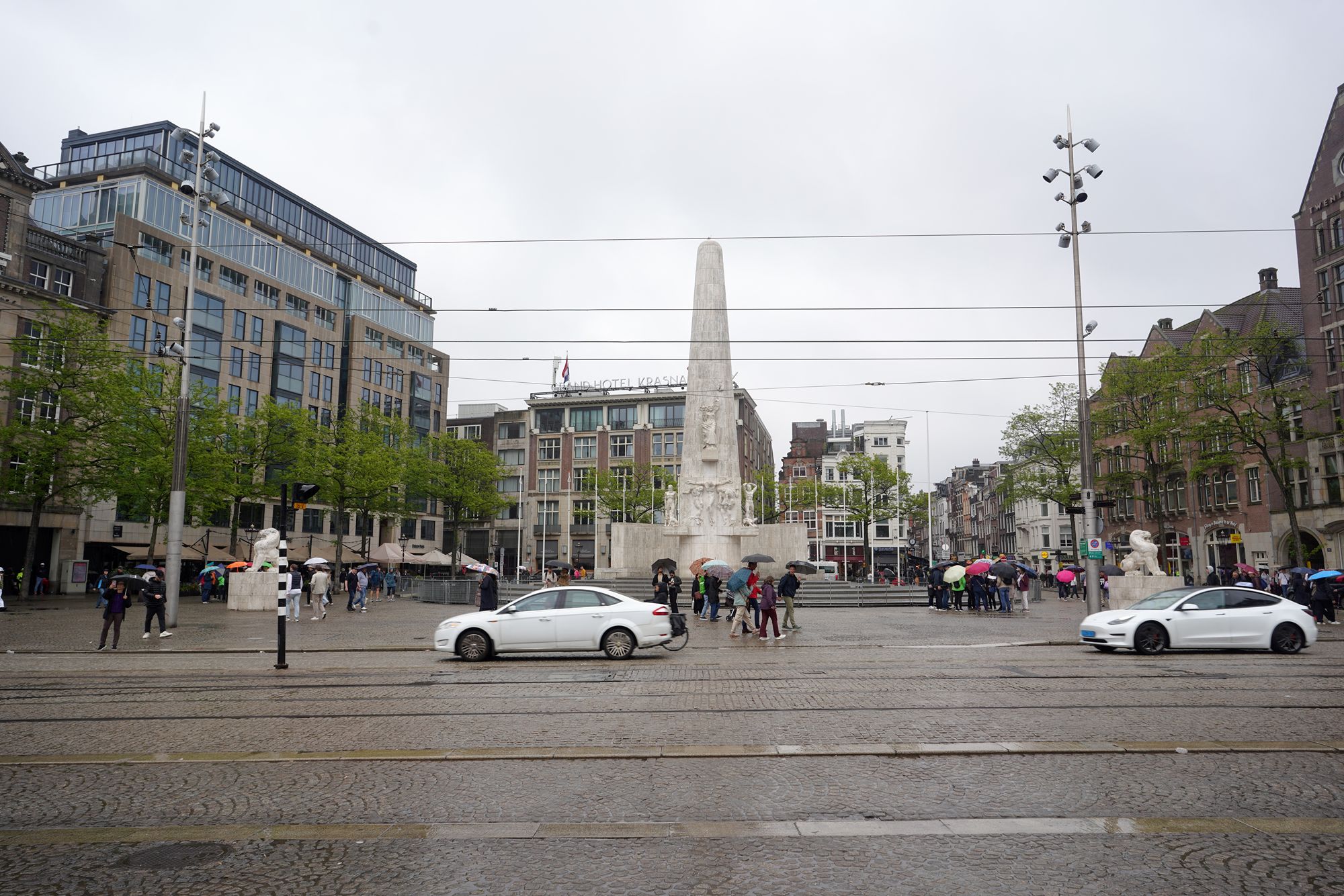
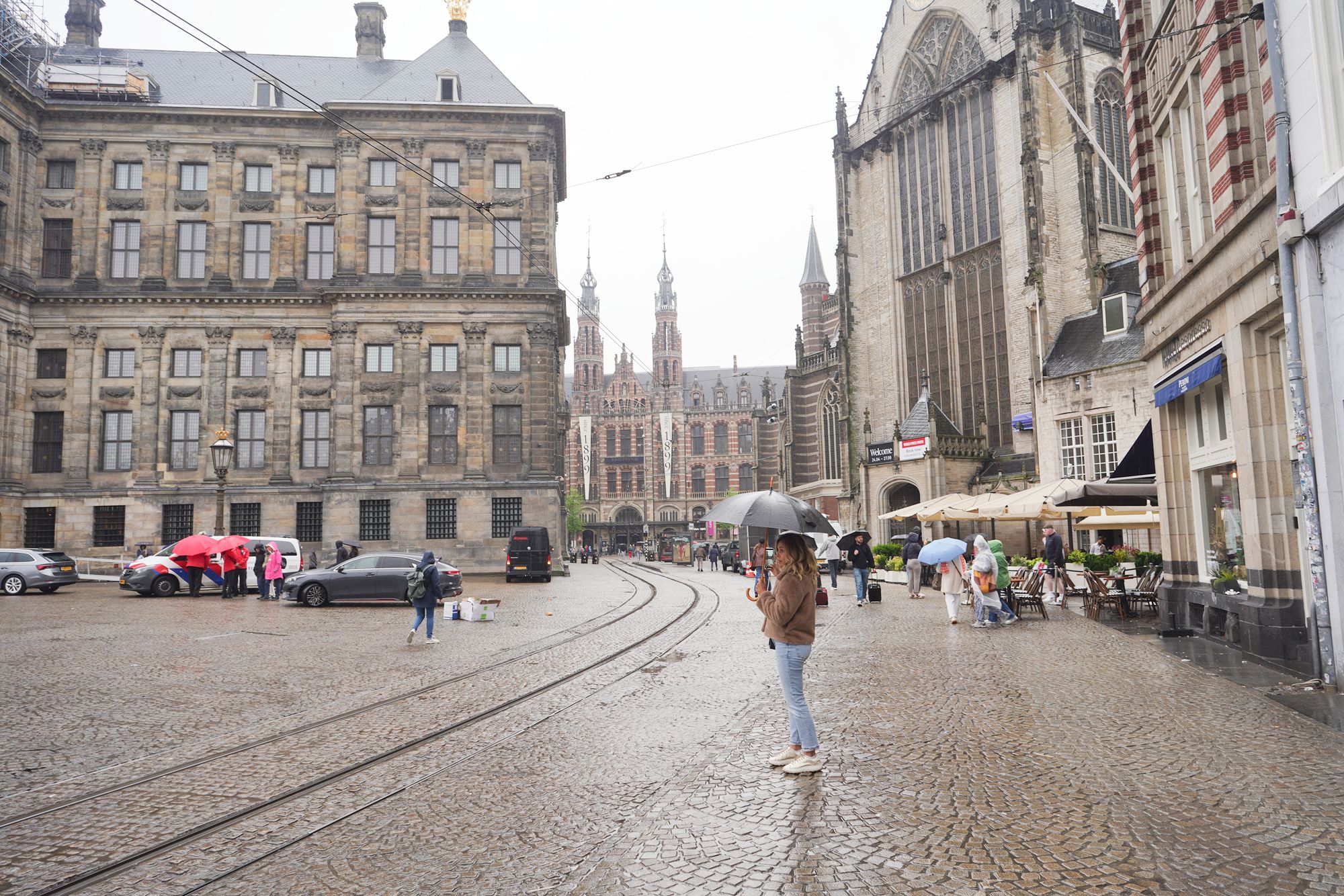
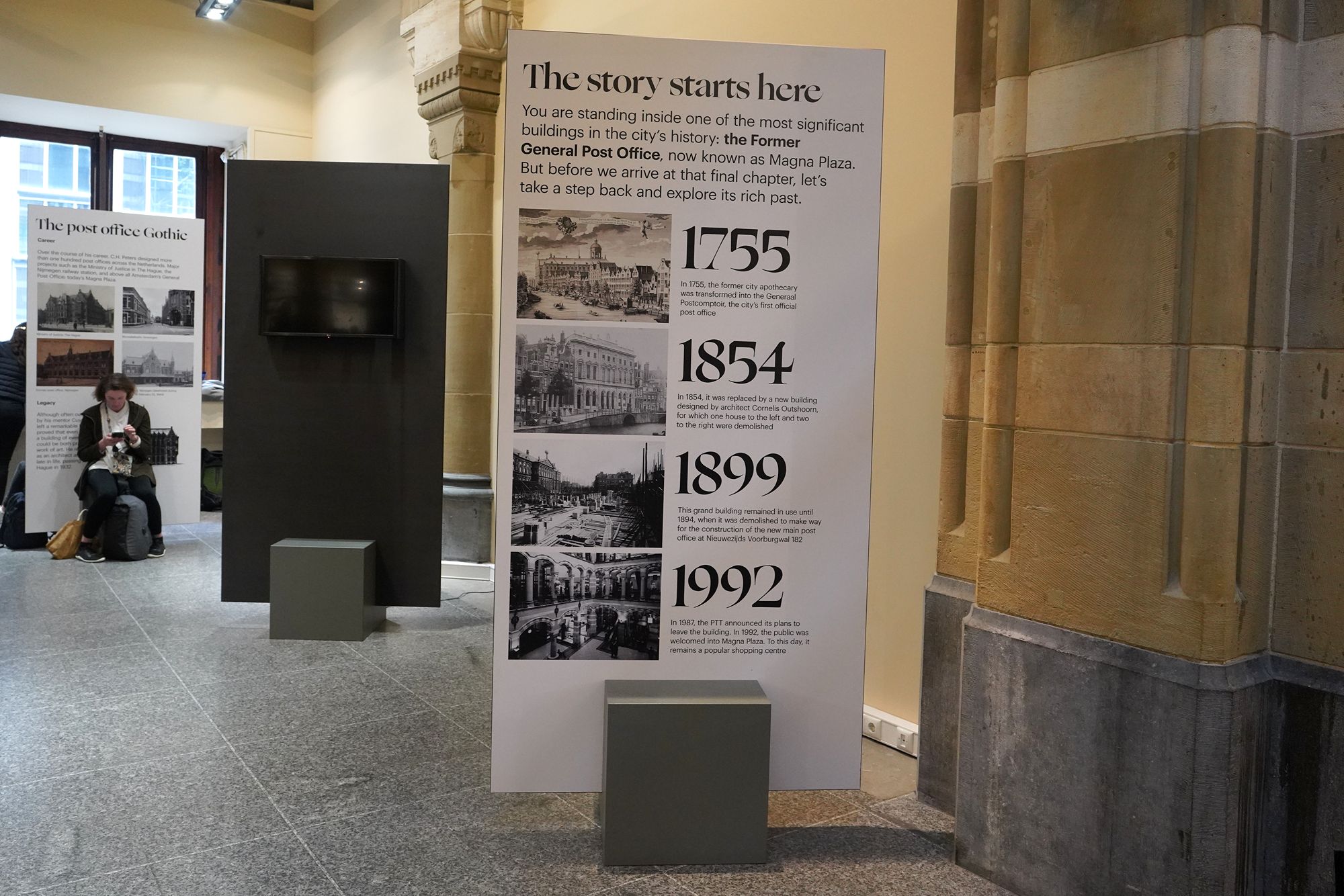
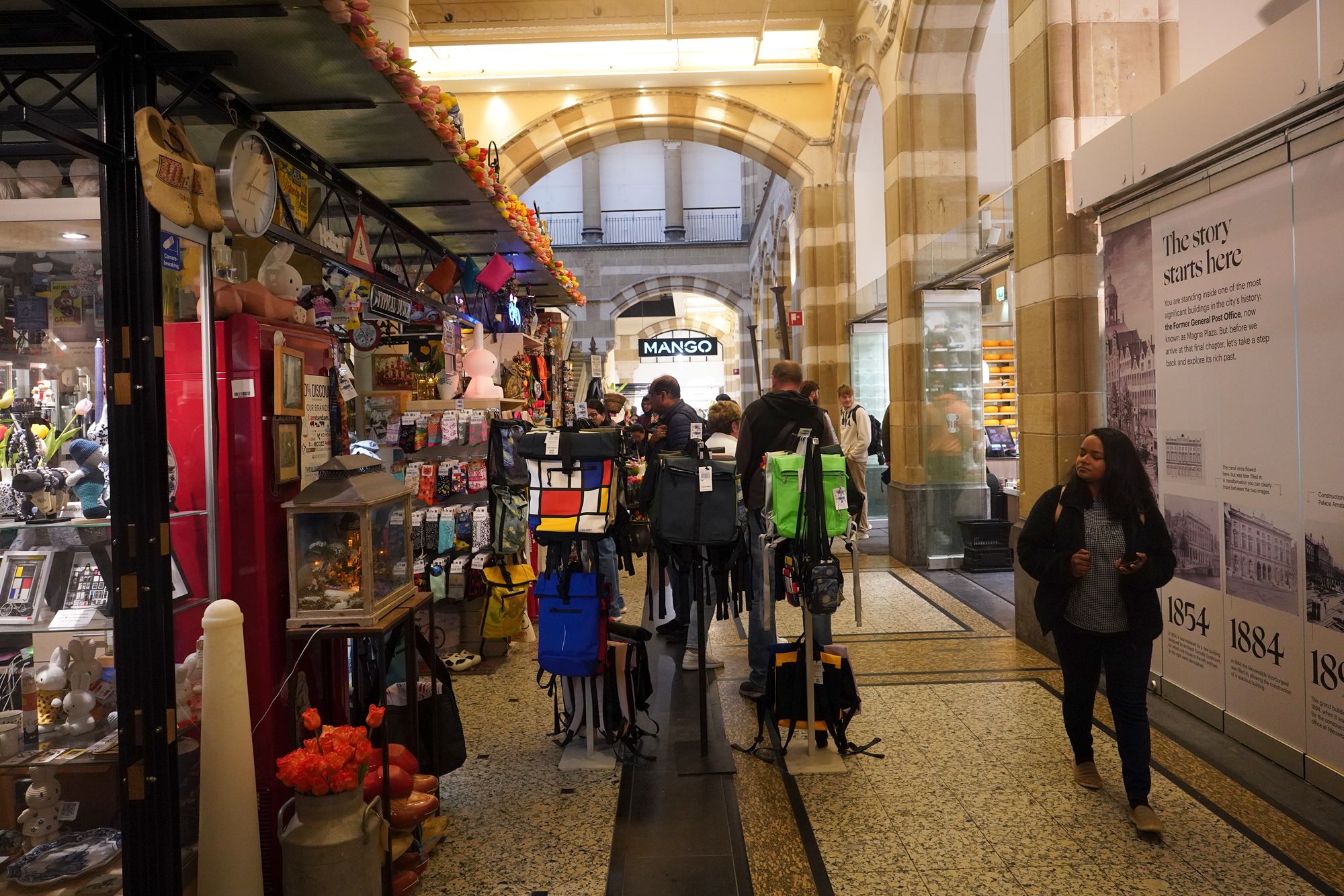
Magna Plaza is a striking historic building located just behind the Royal Palace, near Dam Square. It was originally built as Amsterdam’s main post office and opened in 1899. Designed in an elaborate Neo-Gothic style, the building is especially recognizable by its ornate brickwork, towers, and decorative façade.
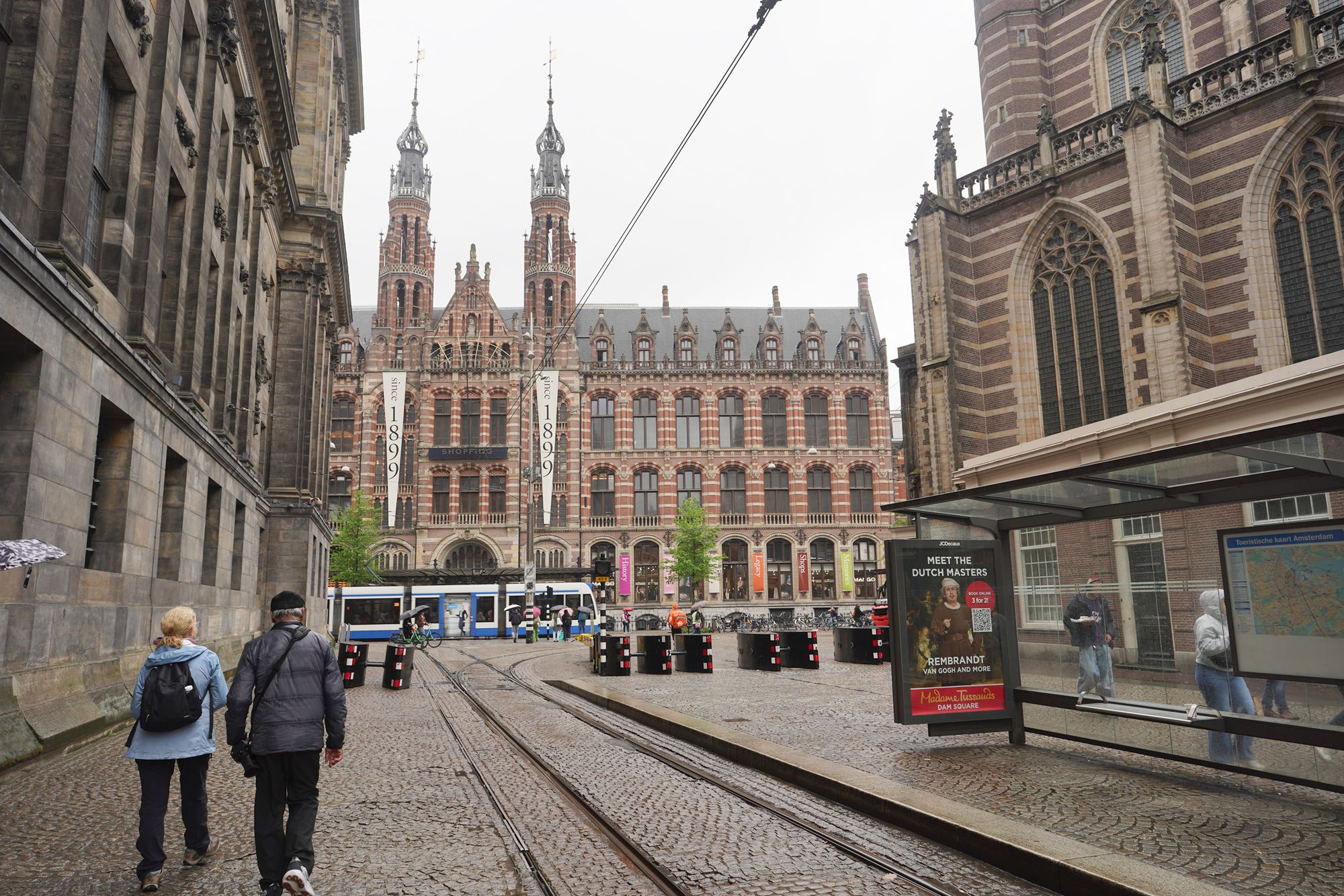
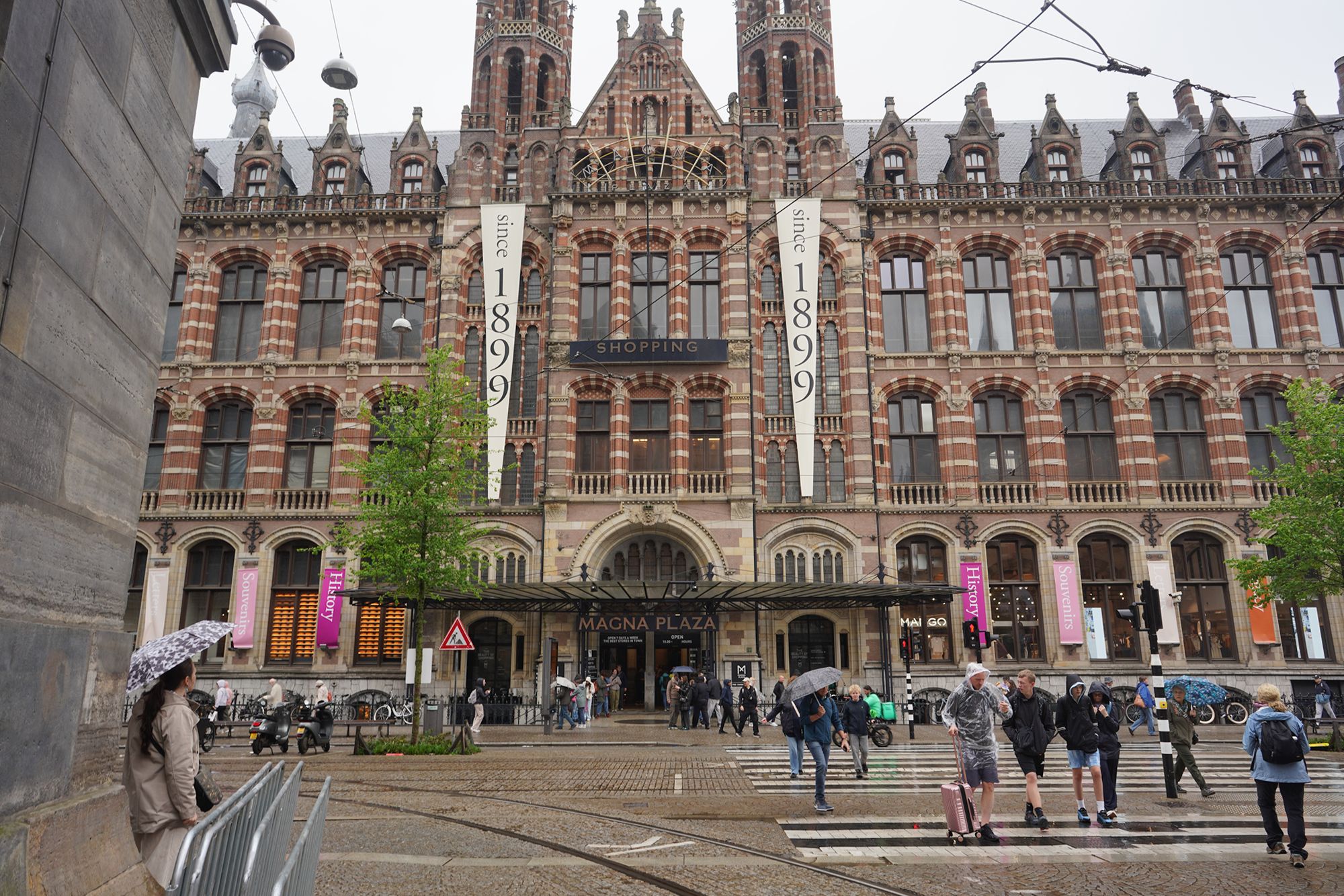
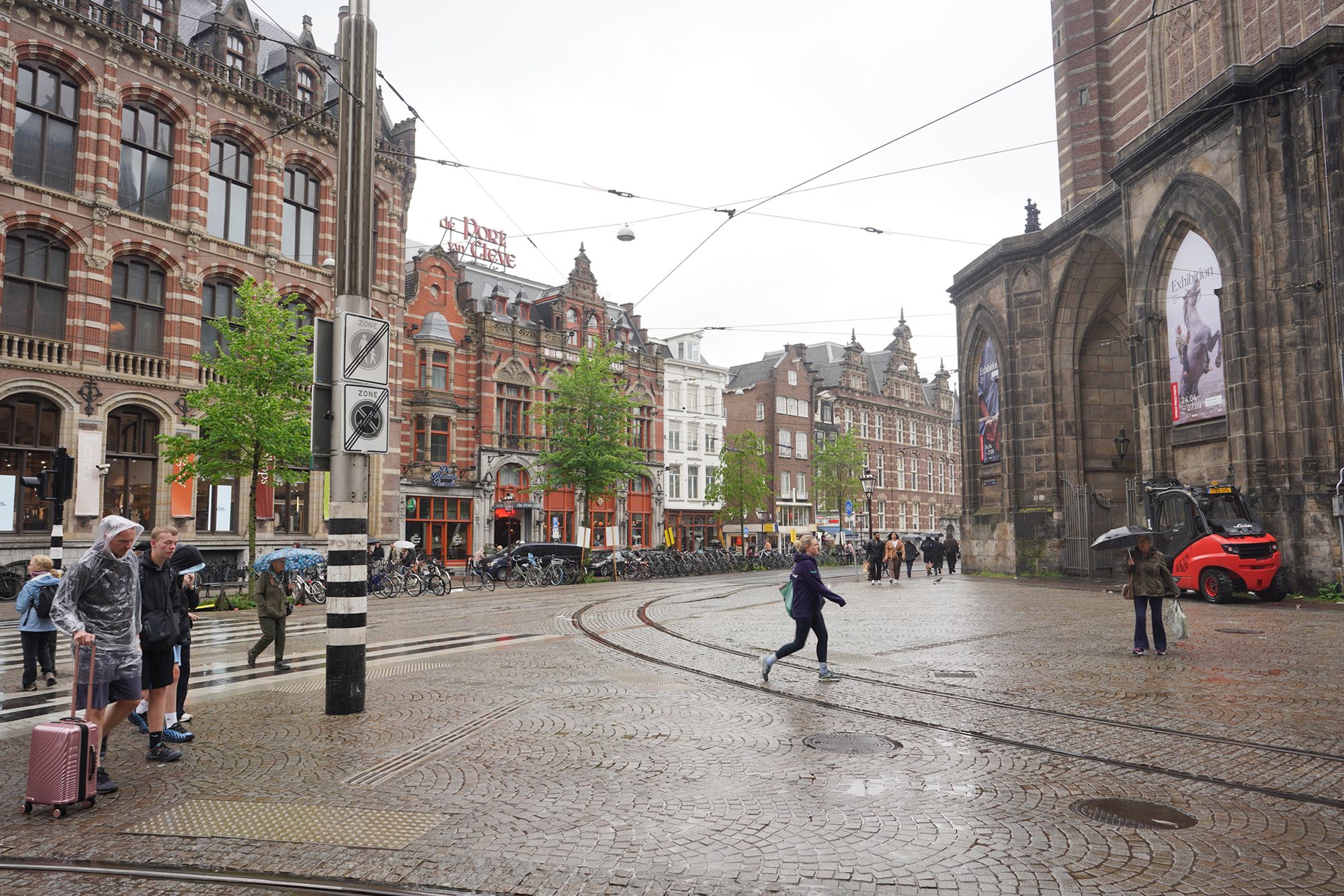
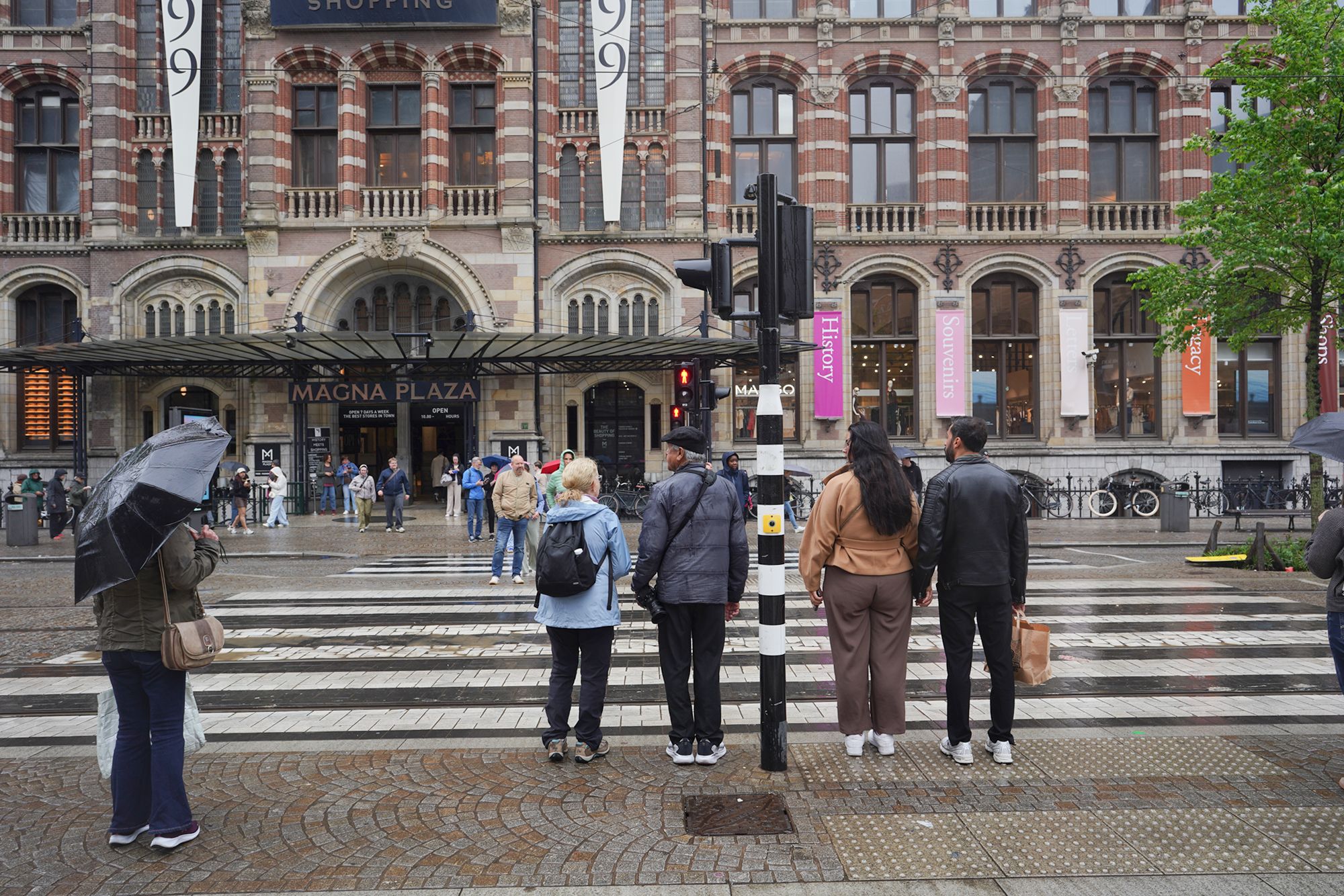
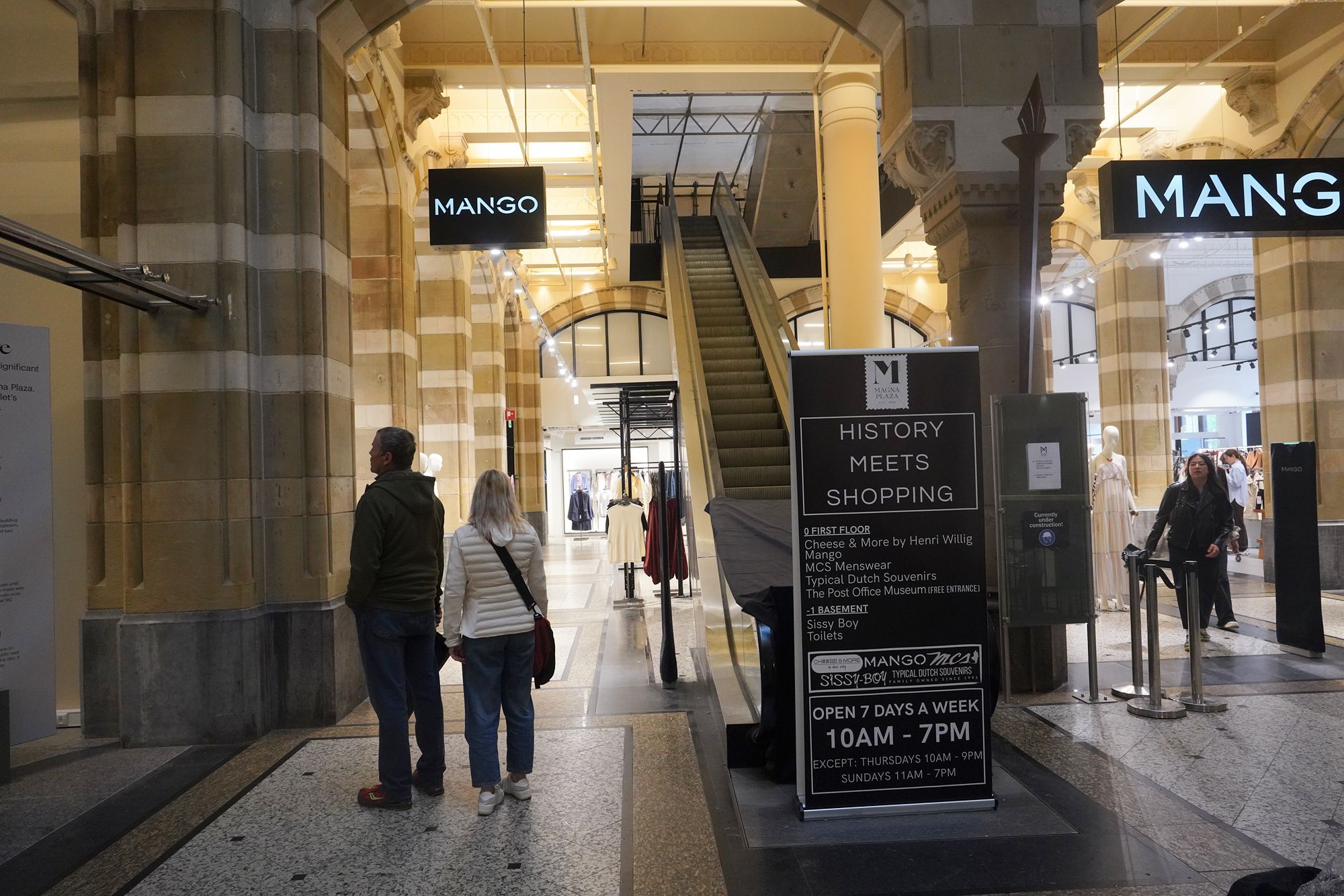
The former post office was later converted into a shopping center and reopened as Magna Plaza in 1992. Its grand interior still retains much of the character of the original building, making it interesting to visit even without doing any shopping.
The New Church
Today, the Nieuwe Kerk is no longer used for regular church services. Instead, it hosts exhibitions, ceremonies, and major national events. It has a particularly important connection with the Dutch monarchy and has been used for royal inaugurations and weddings, including the wedding of King Willem-Alexander and Queen Máxima in
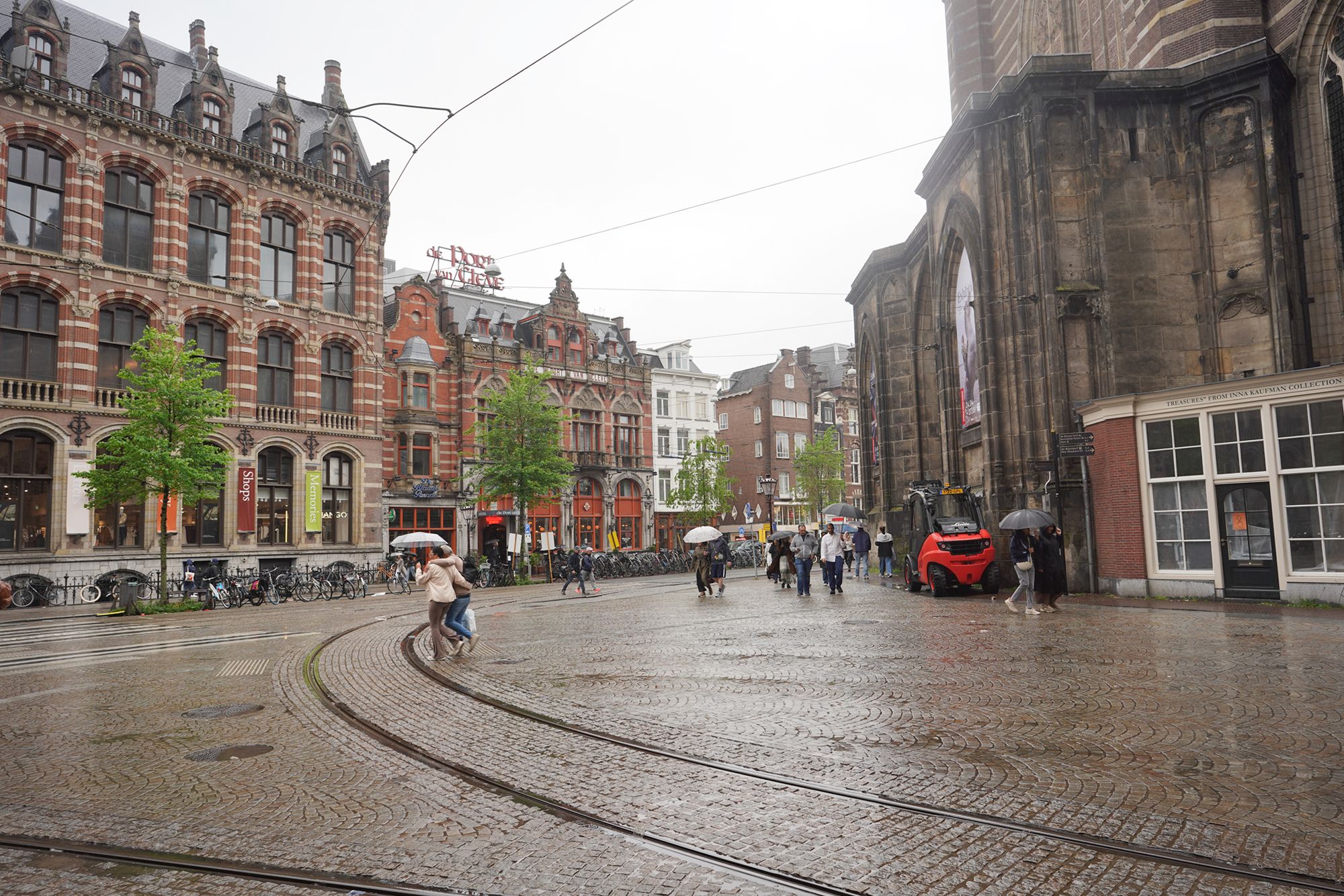
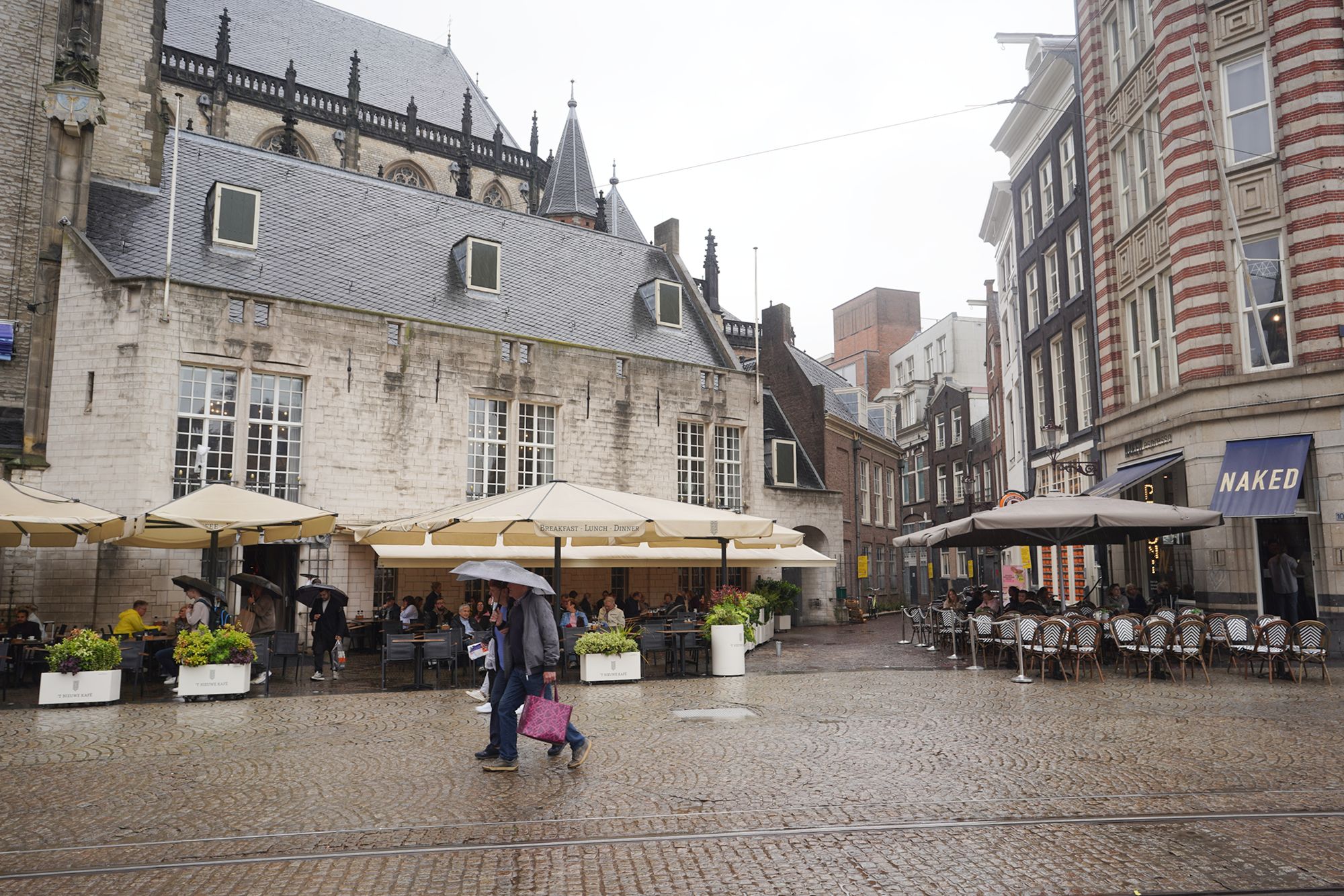
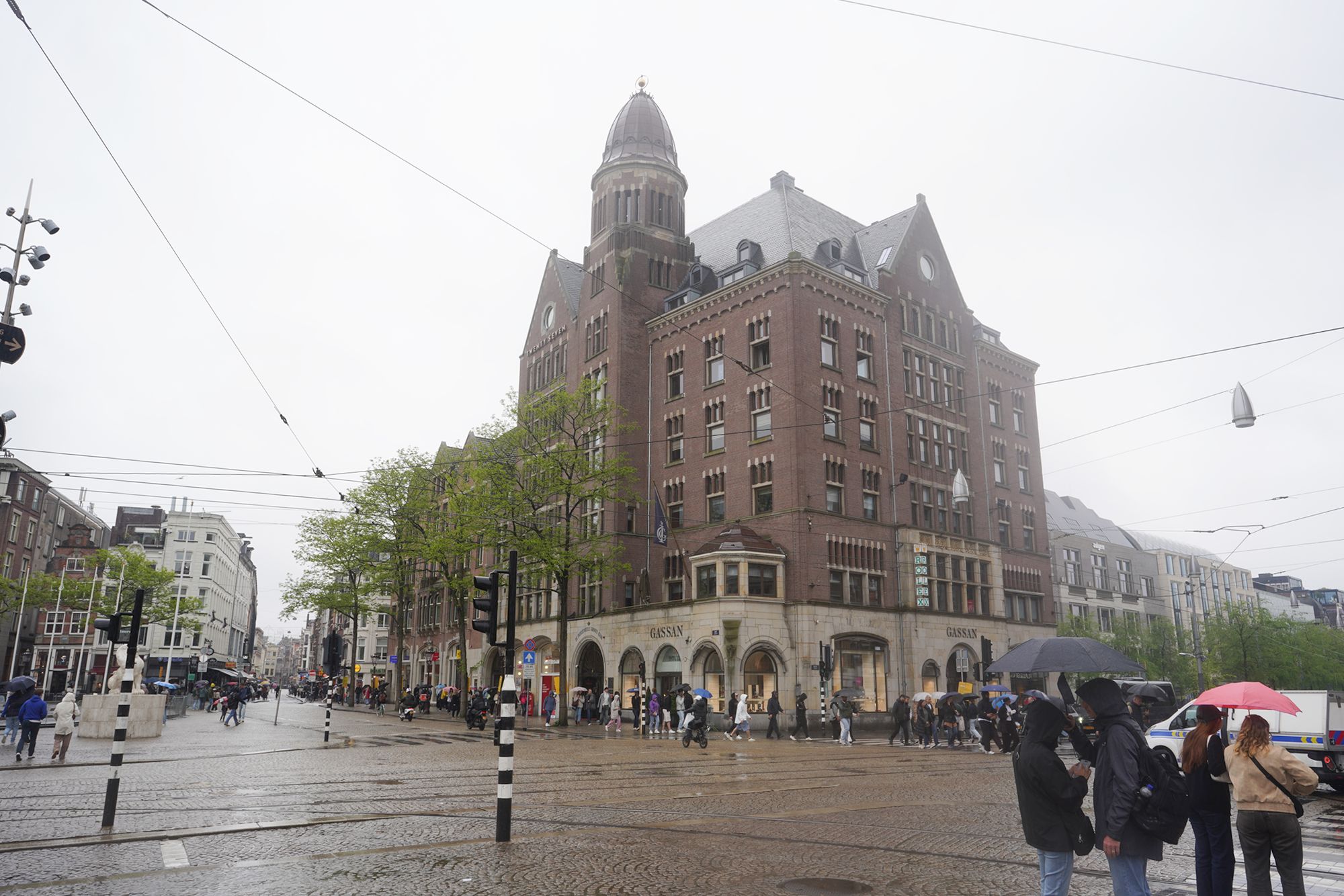
After taking a look at Magna Plaza, I walked back toward Dam Square and returned to the National Monument before continuing my walk through Amsterdam.
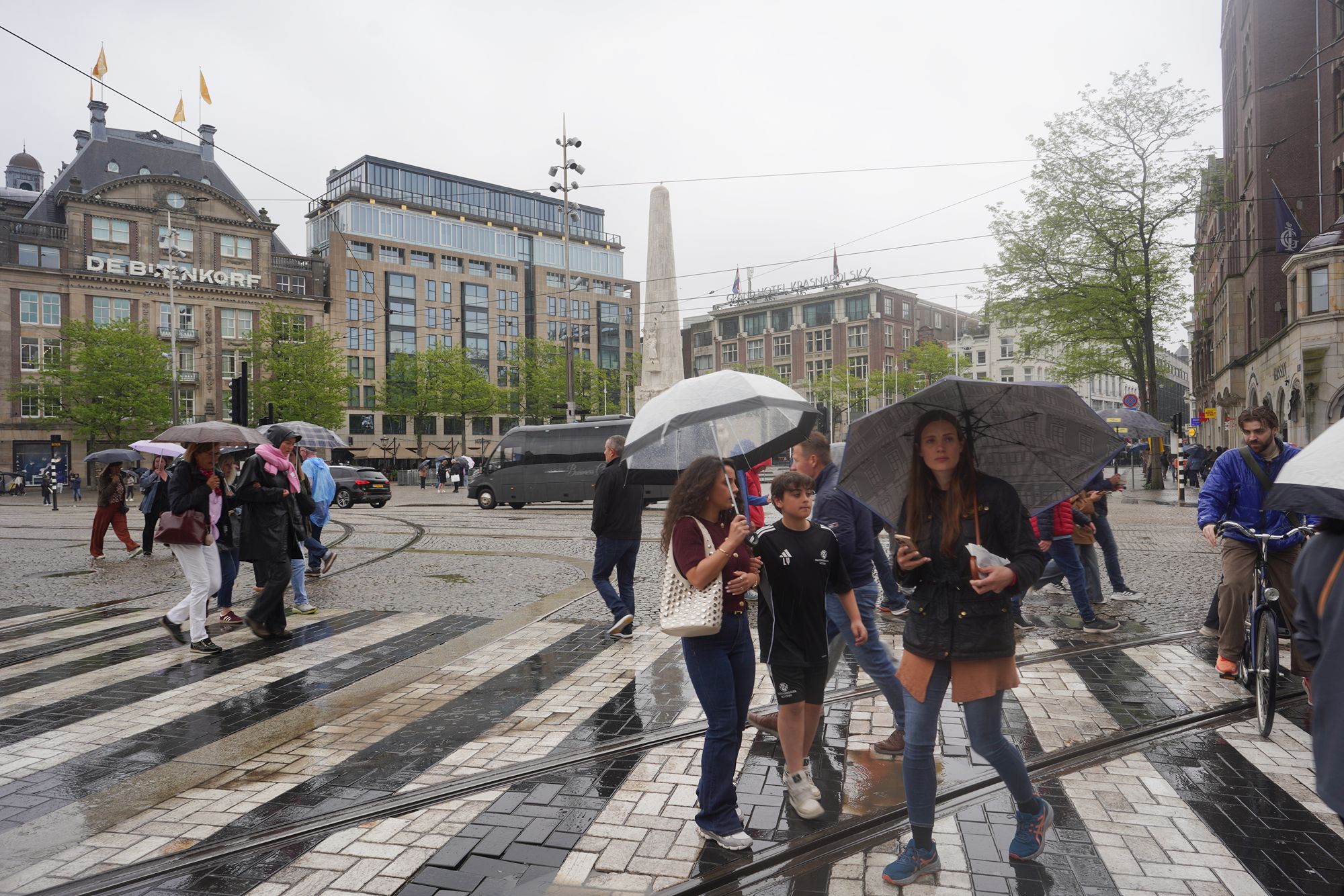
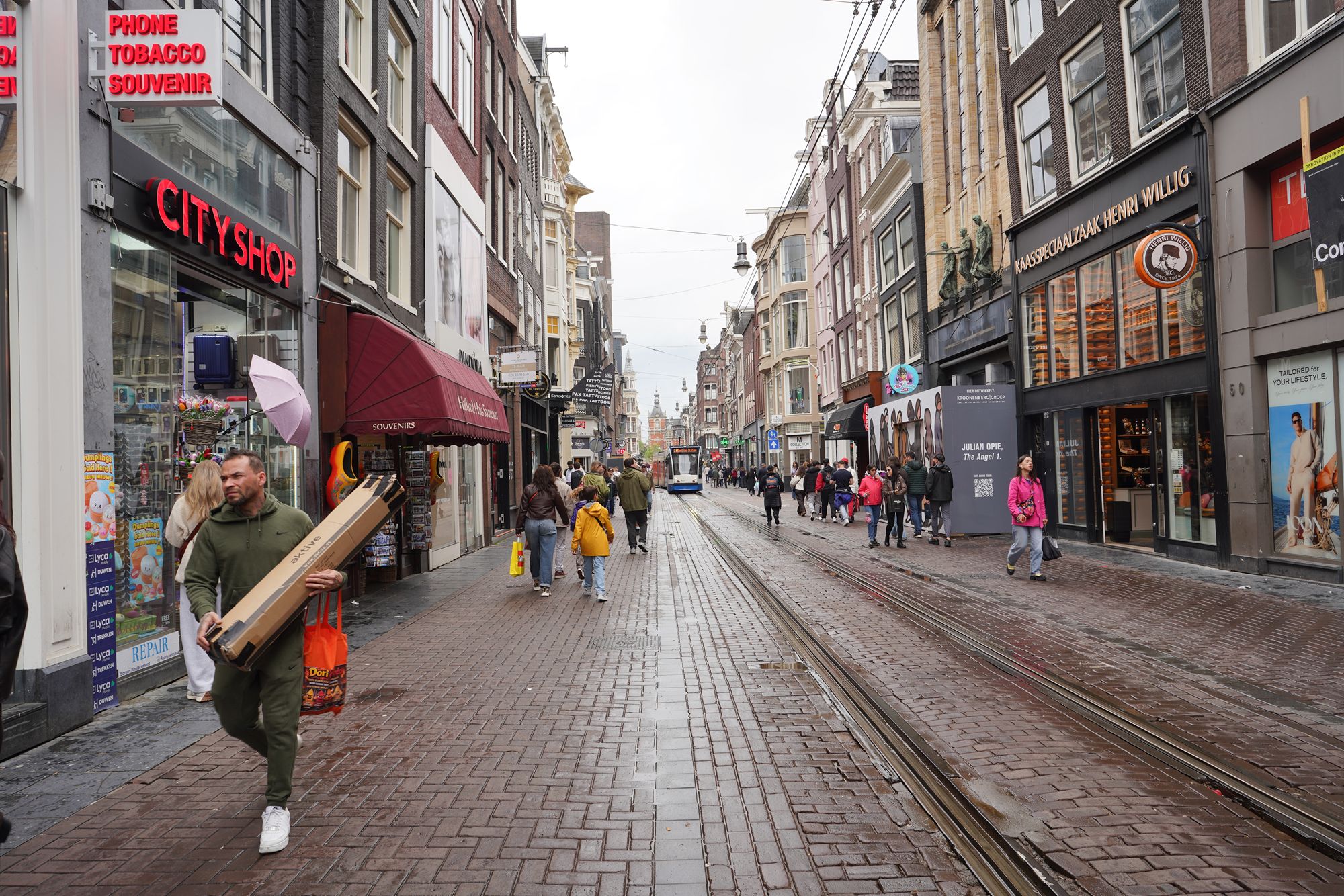
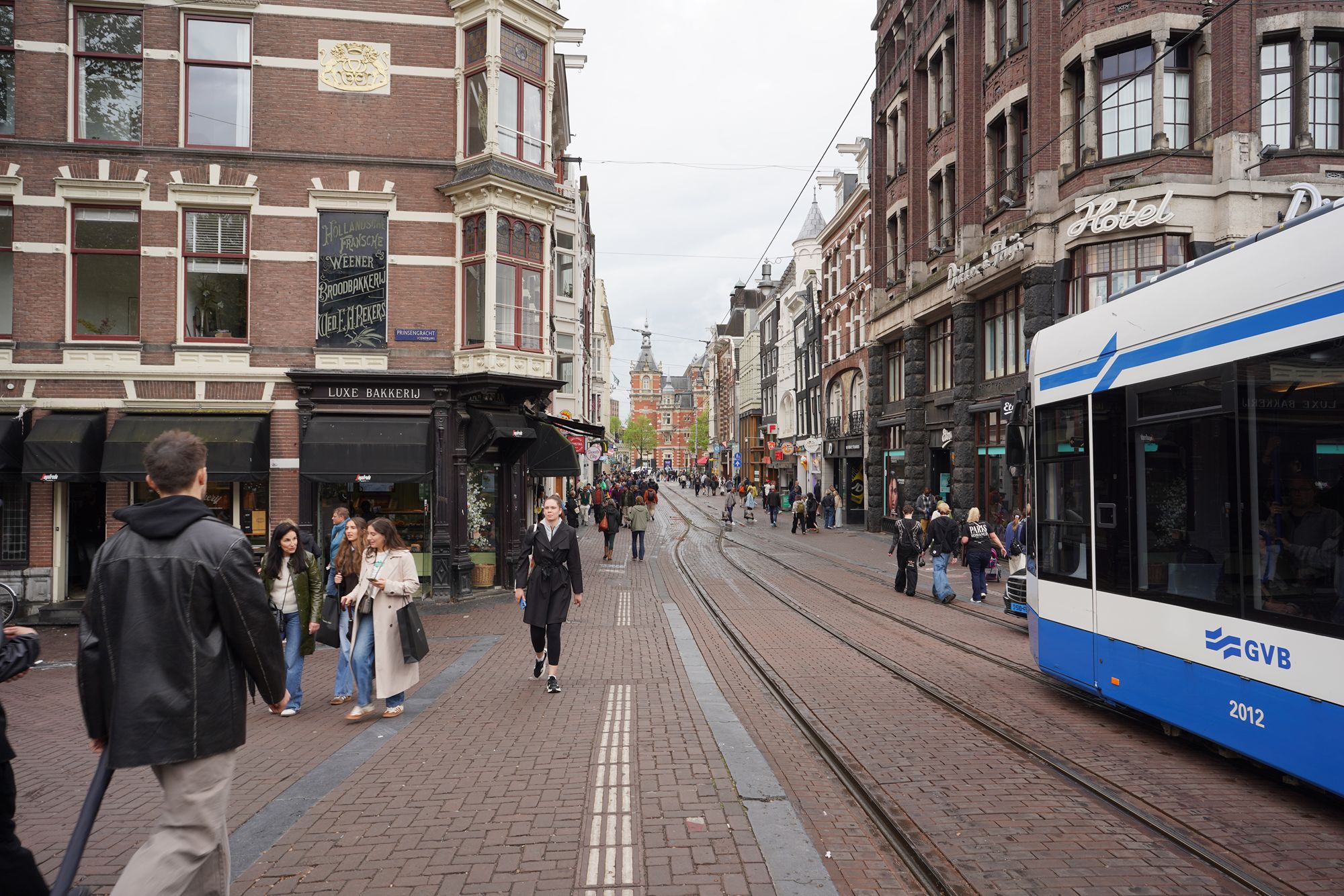
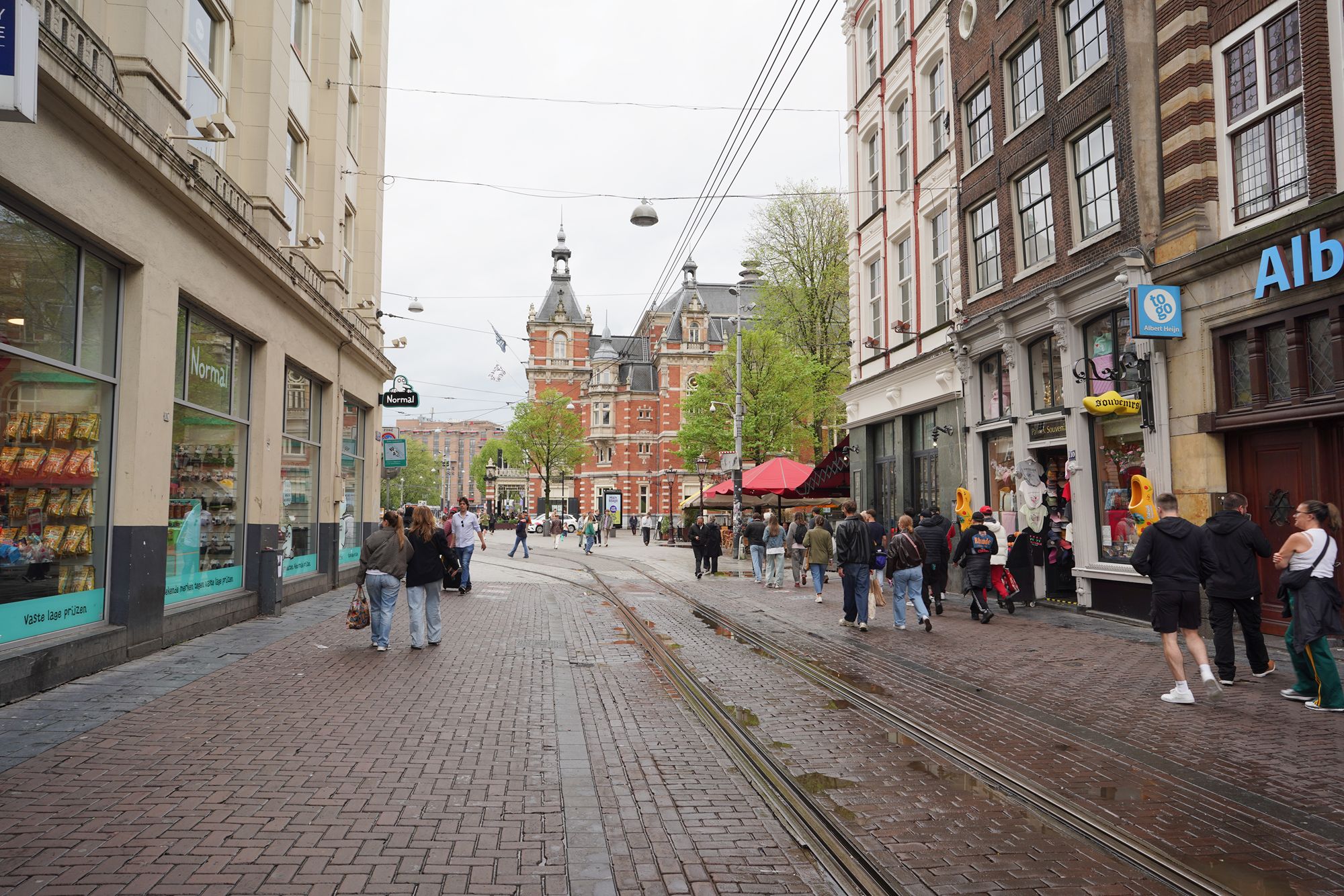
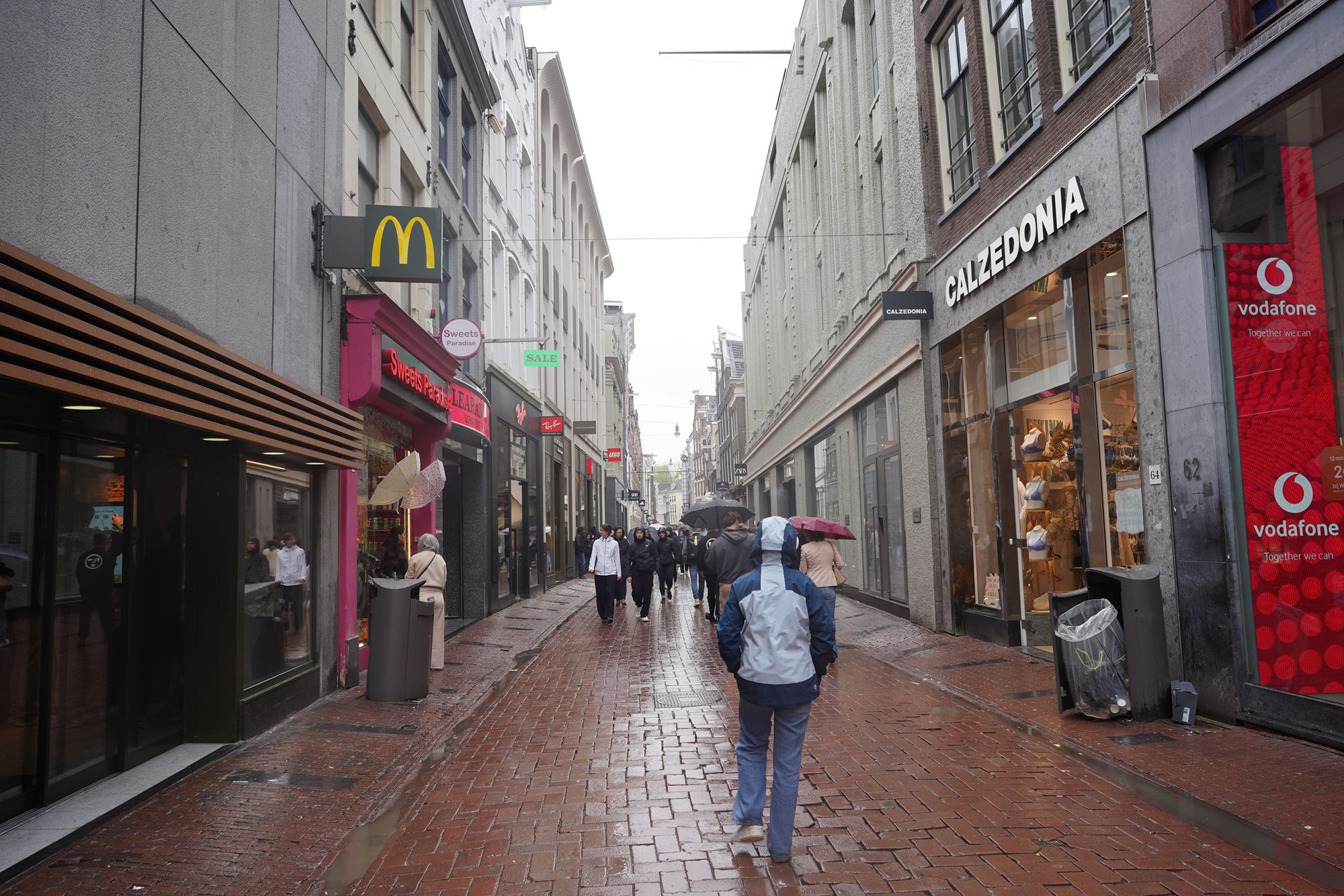
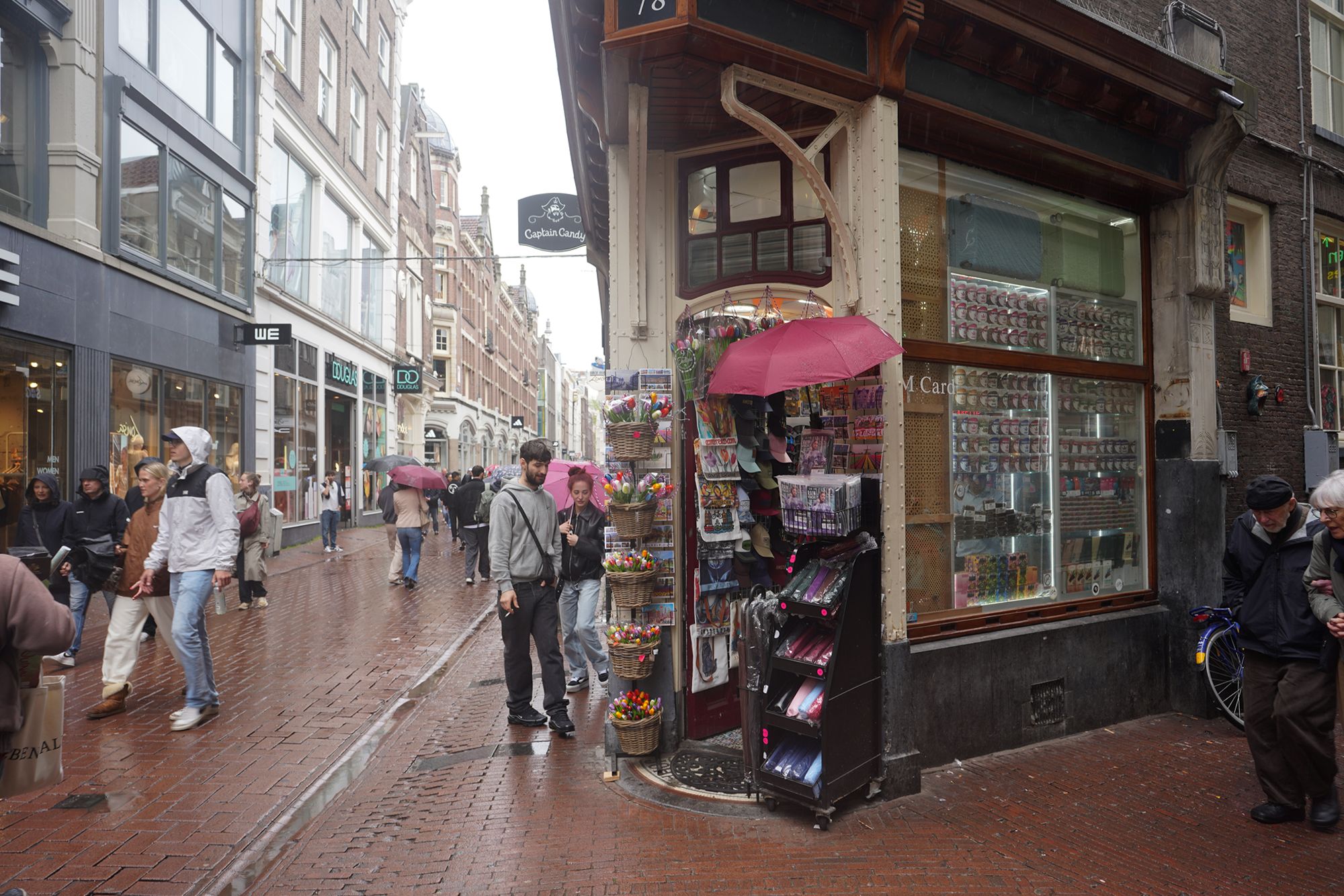
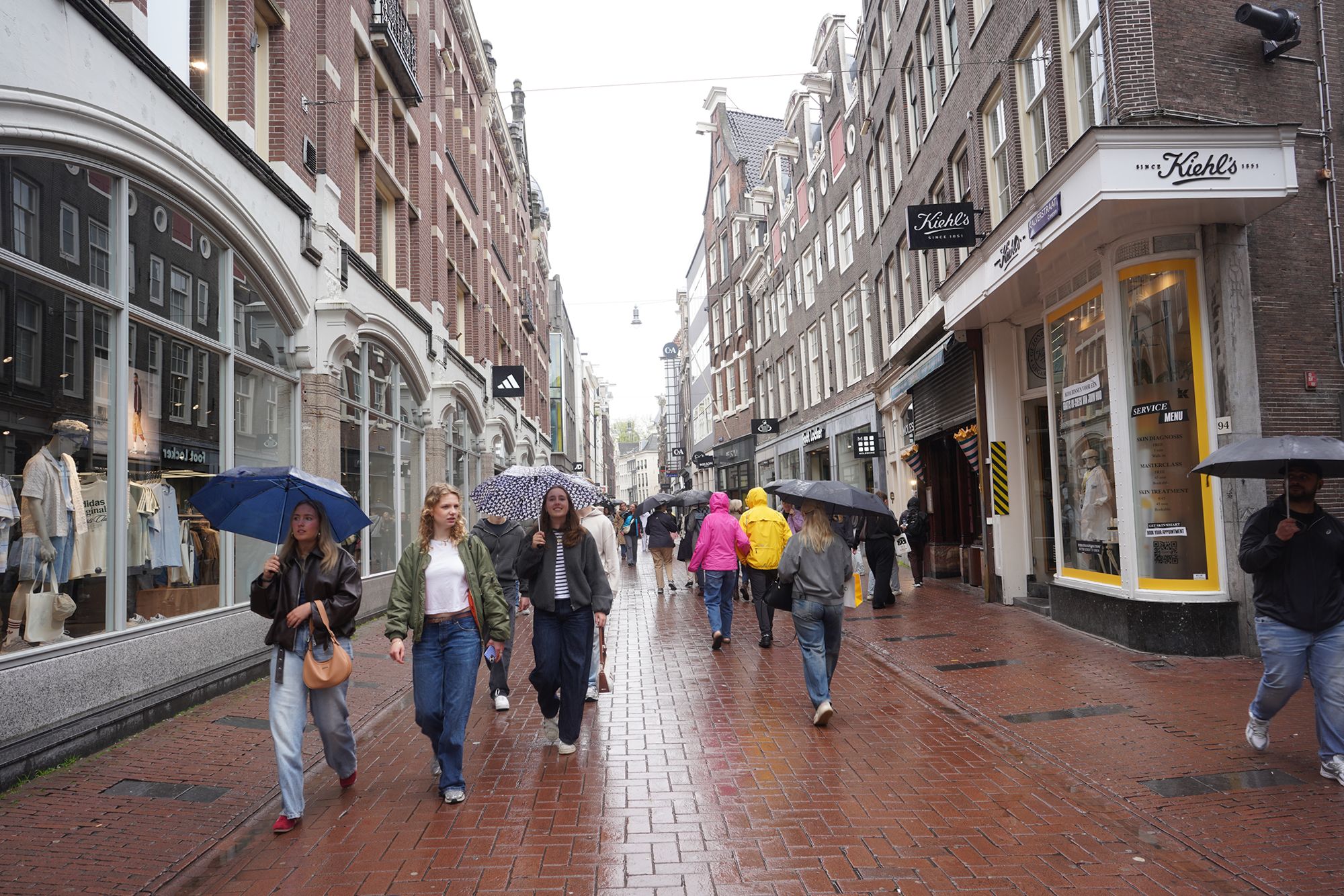
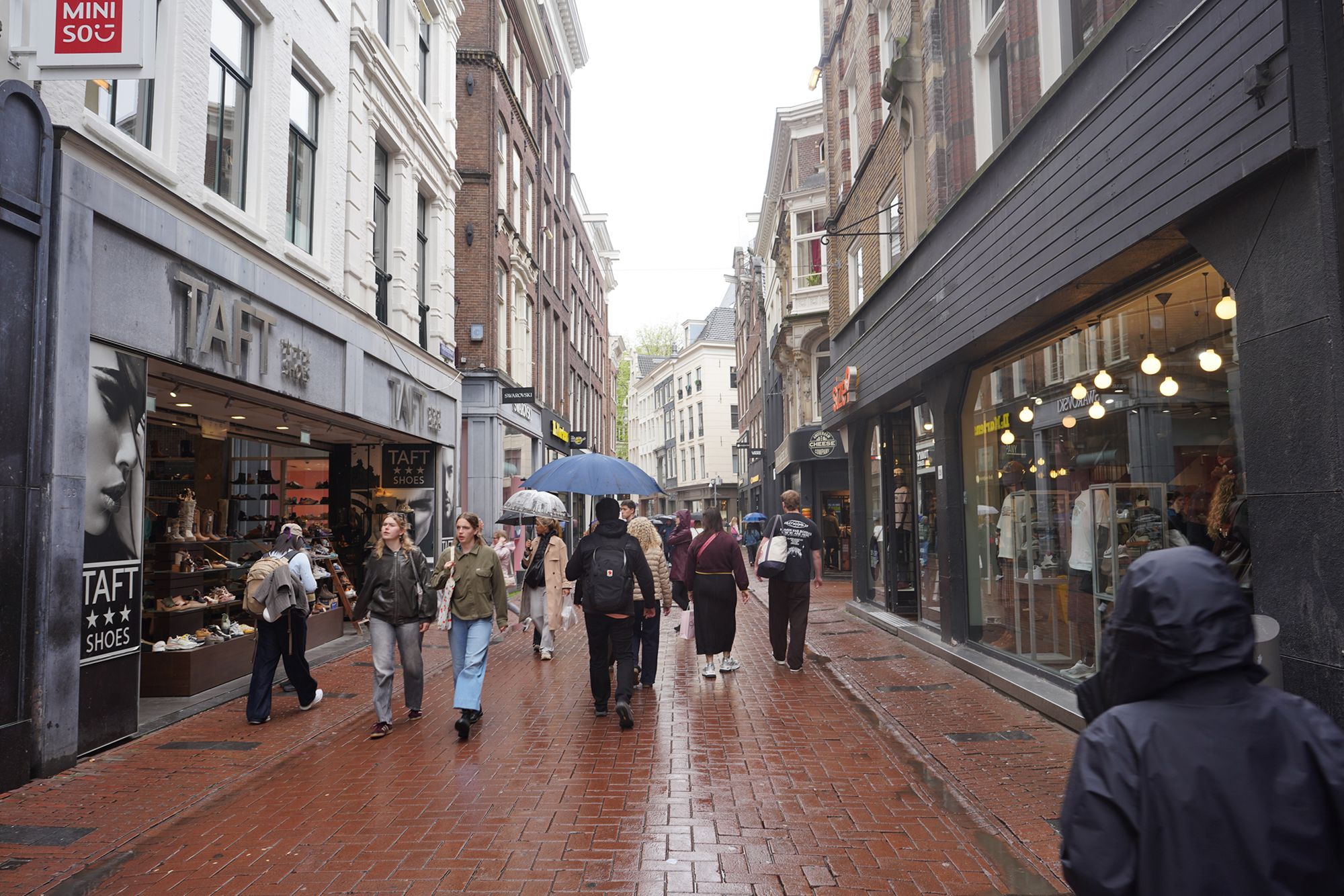
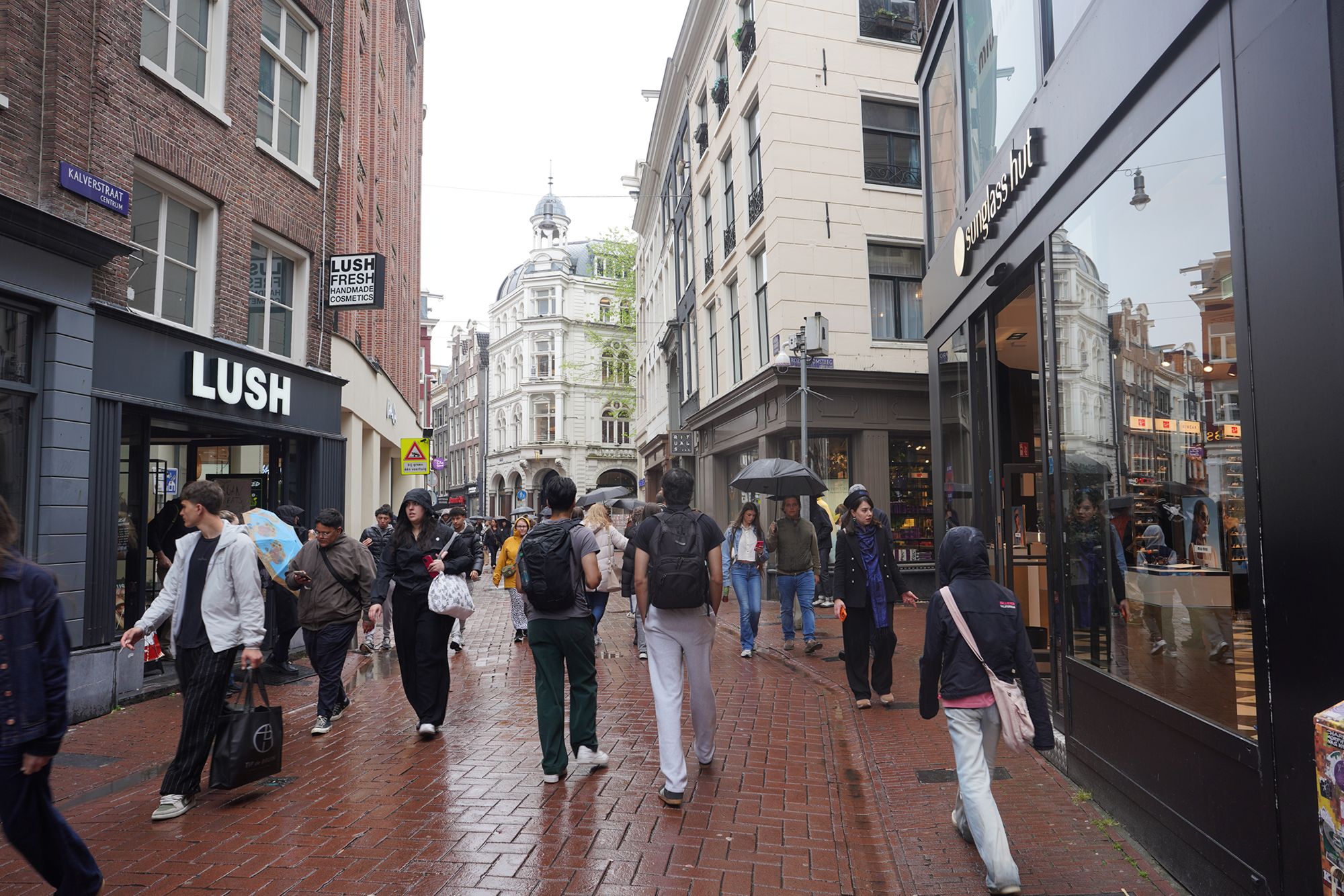
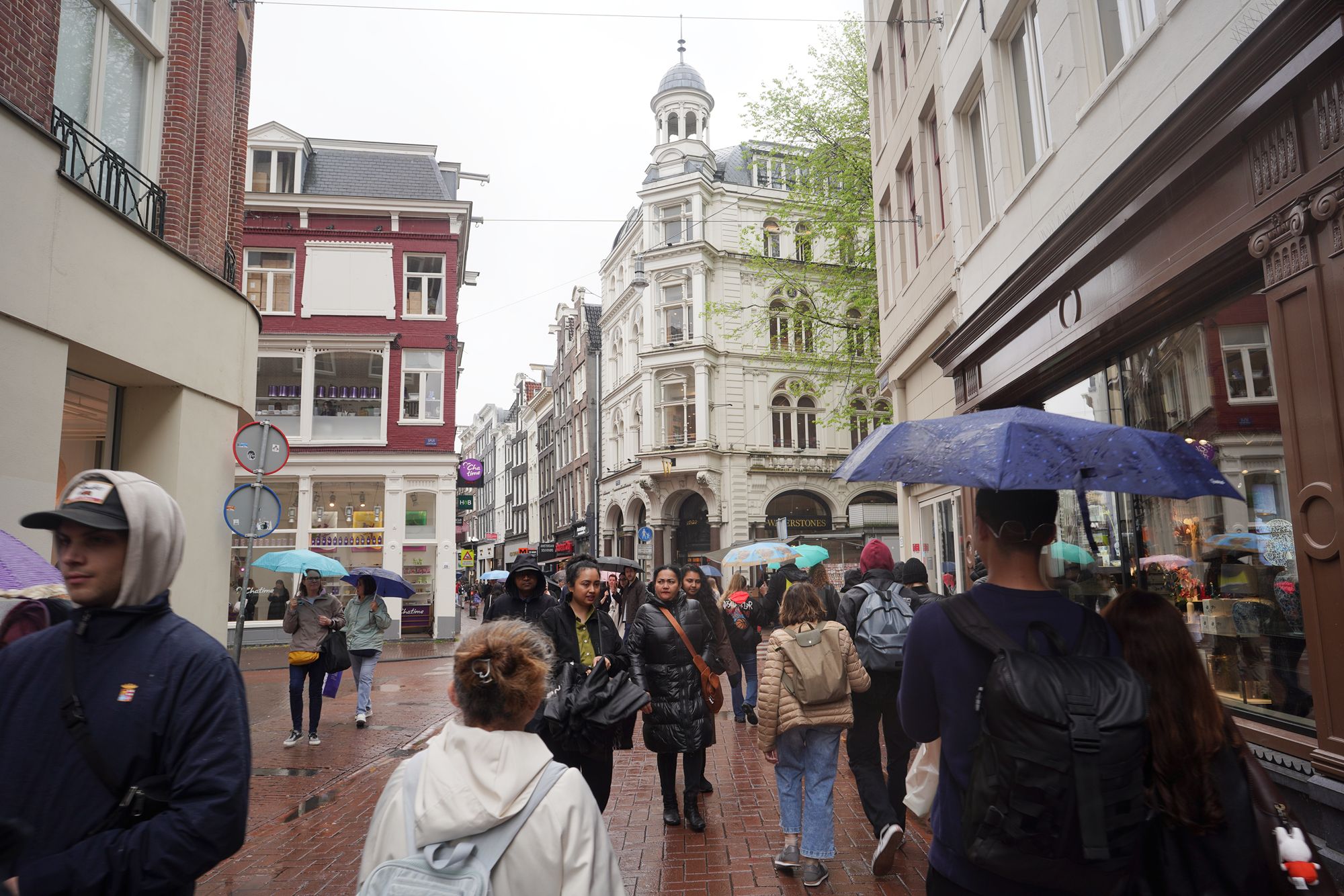
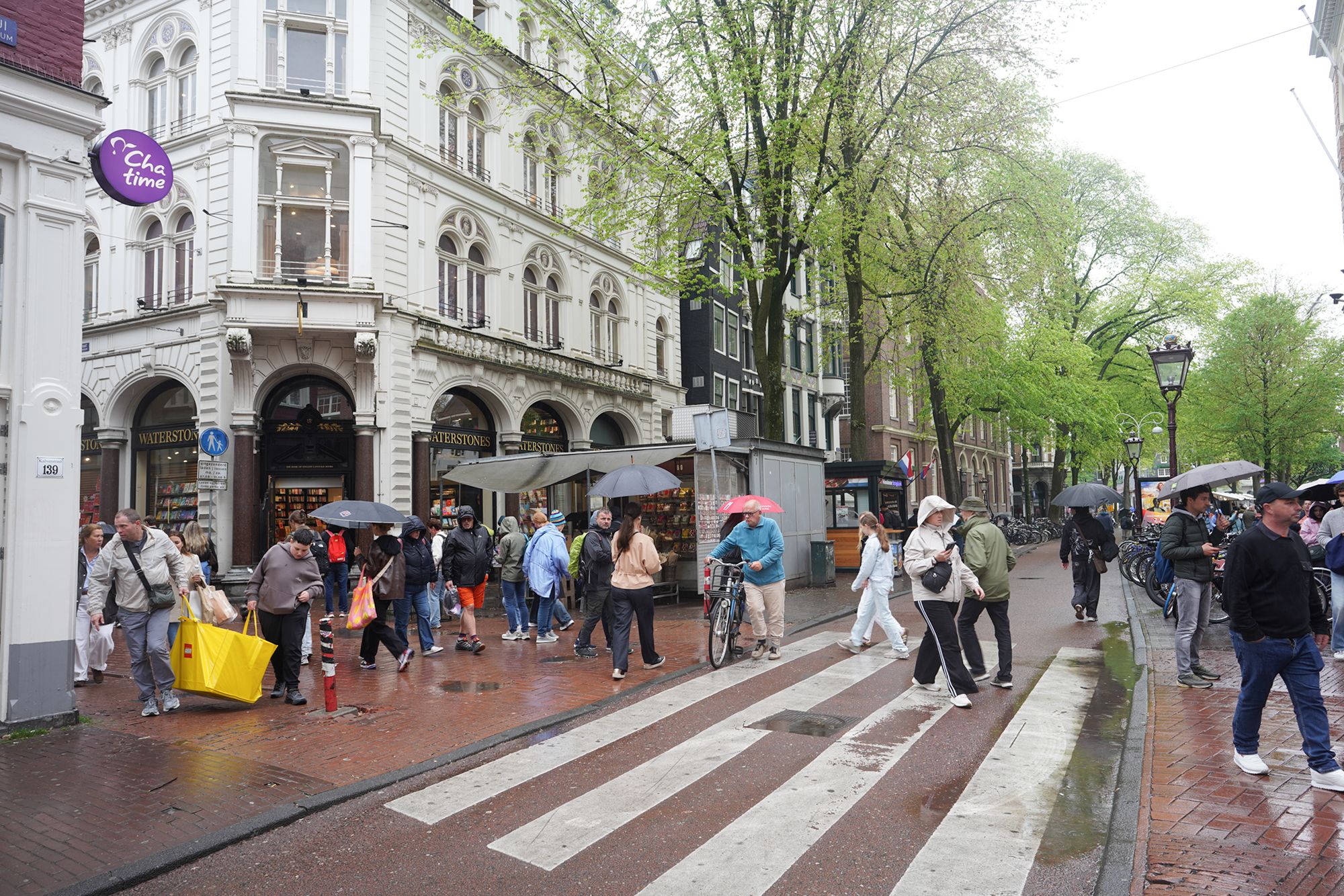
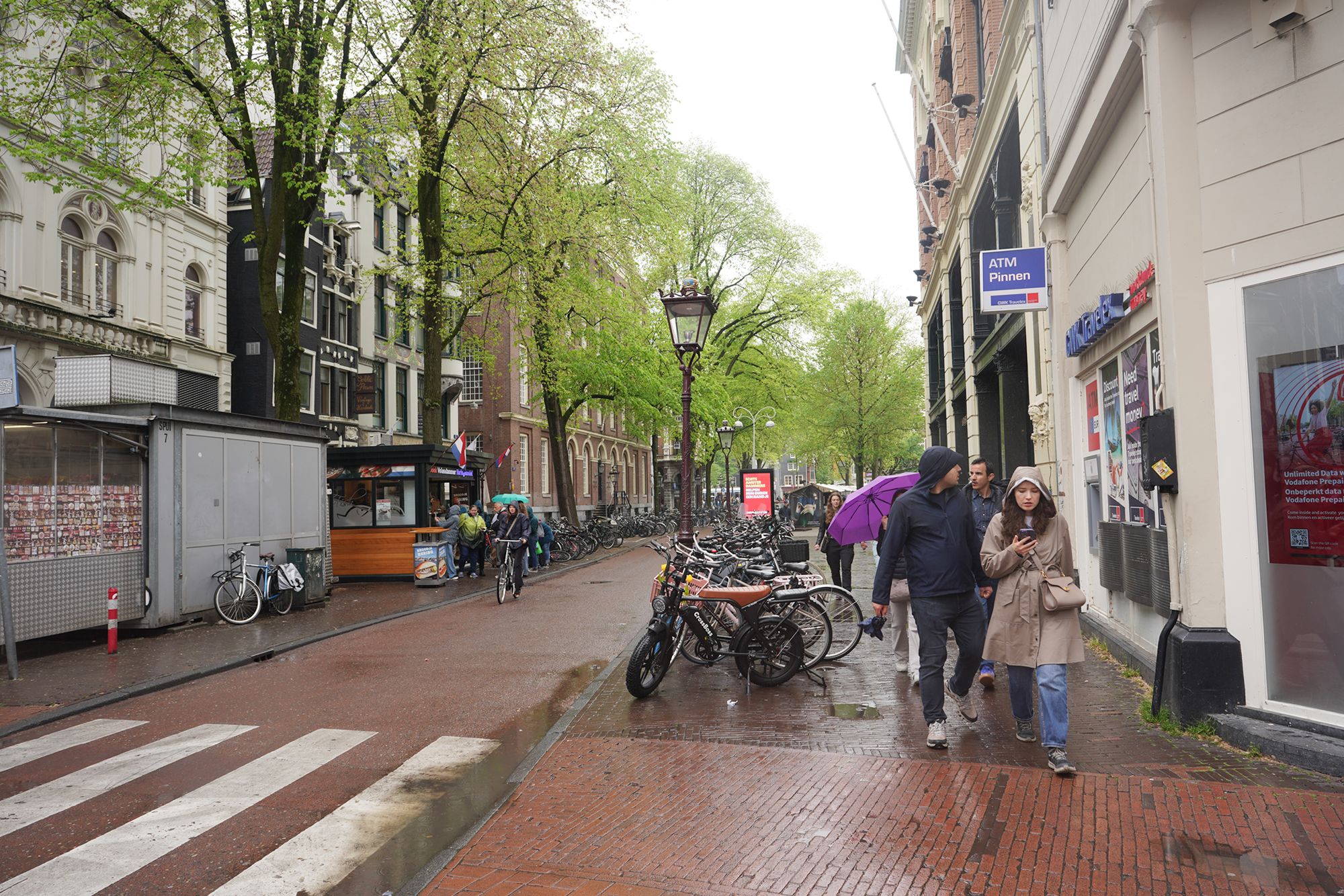
From Dam Square, I continued onto Kalverstraat, one of Amsterdam’s best-known shopping streets. This long, narrow pedestrian street runs through the historic city center and is lined with clothing stores, cafés, and other shops. It has been an important commercial street for centuries and today remains one of the busiest shopping areas in Amsterdam.
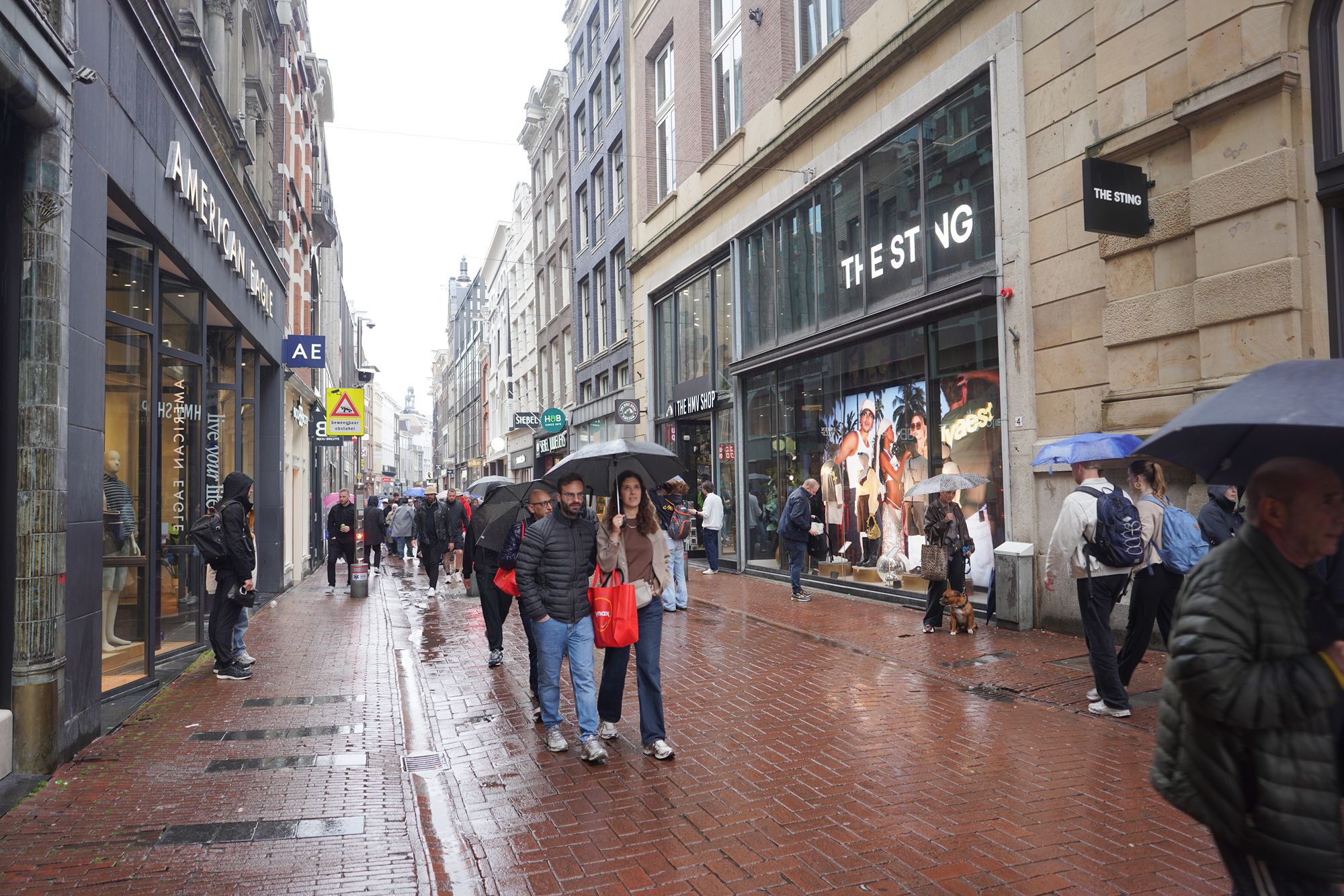
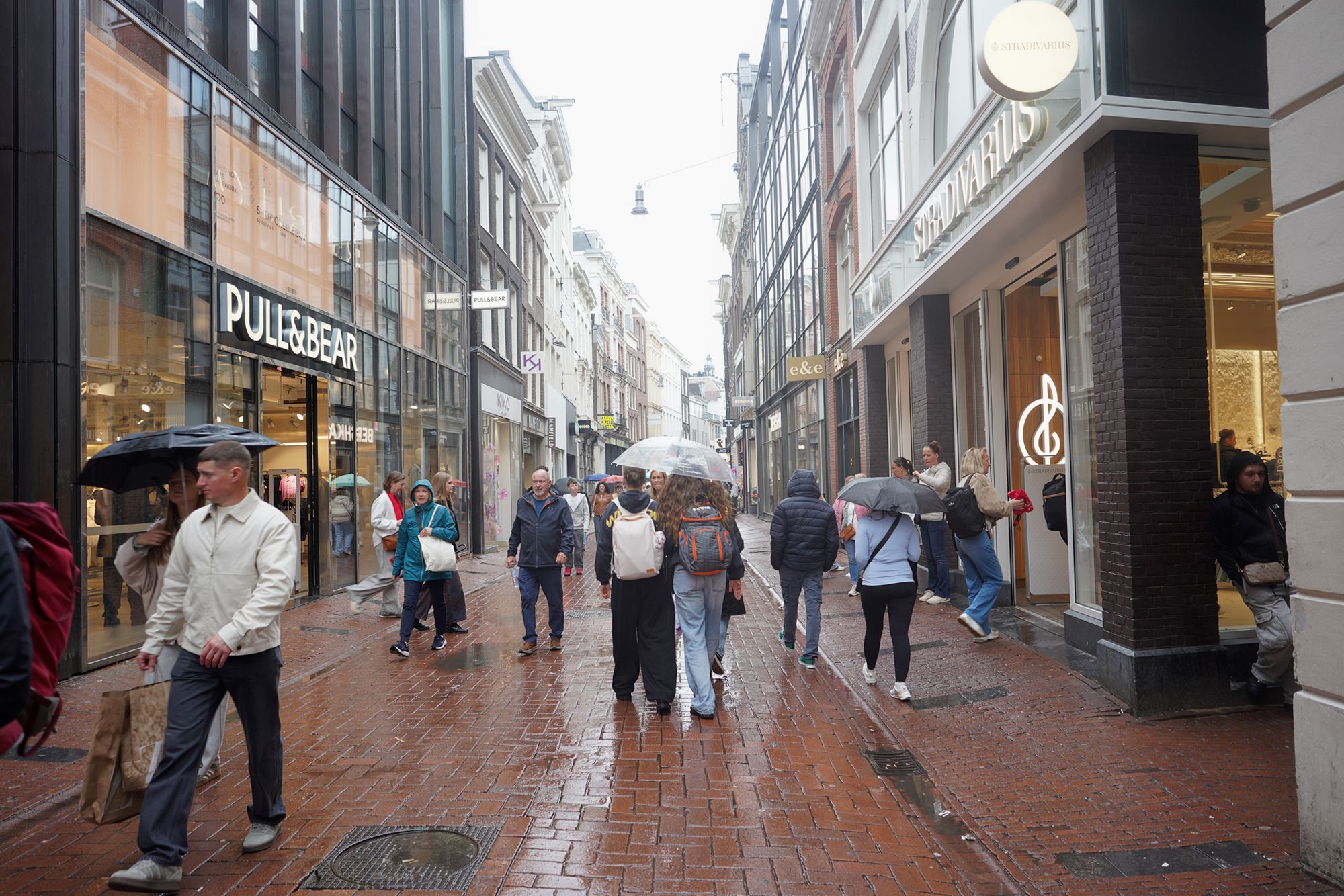

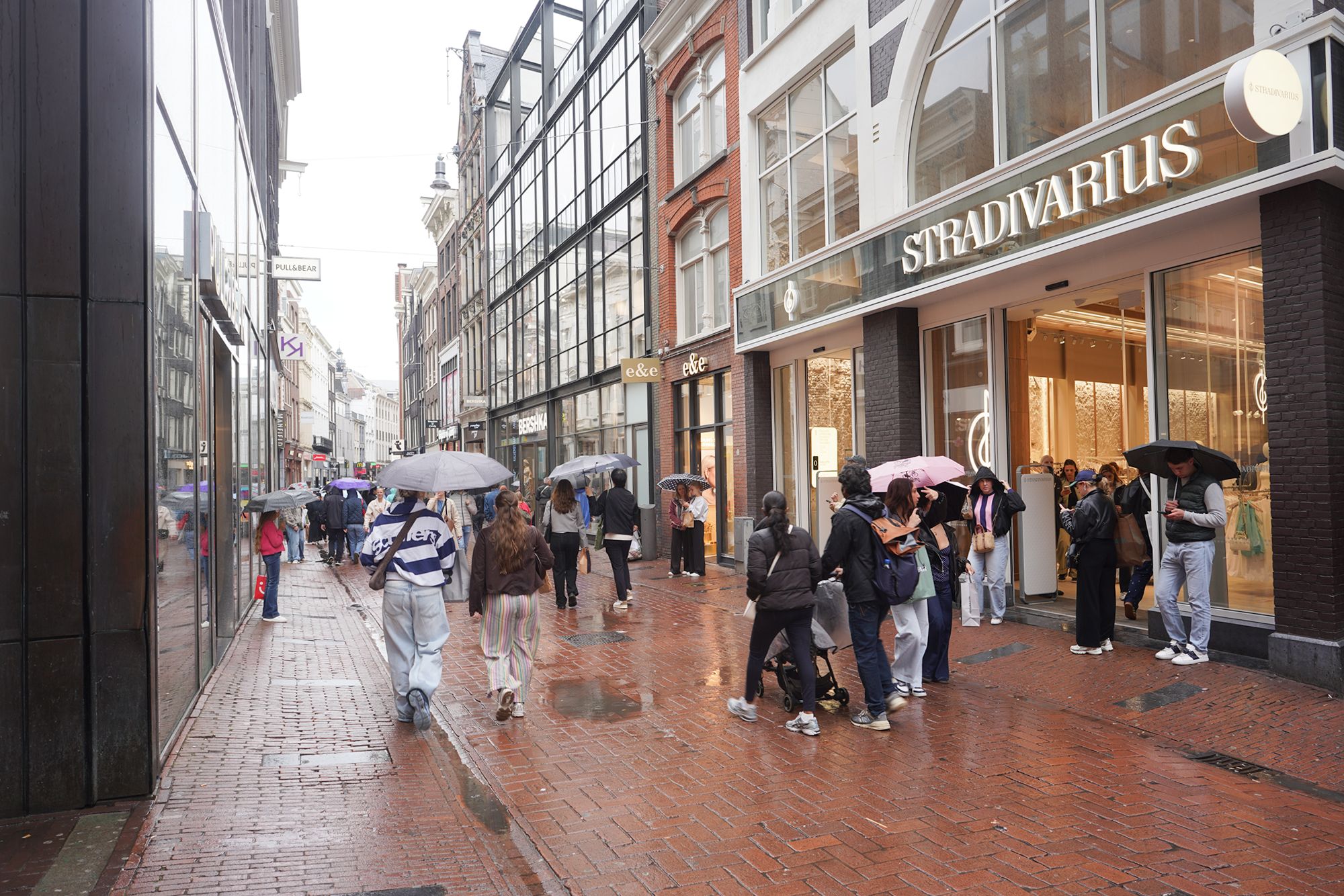
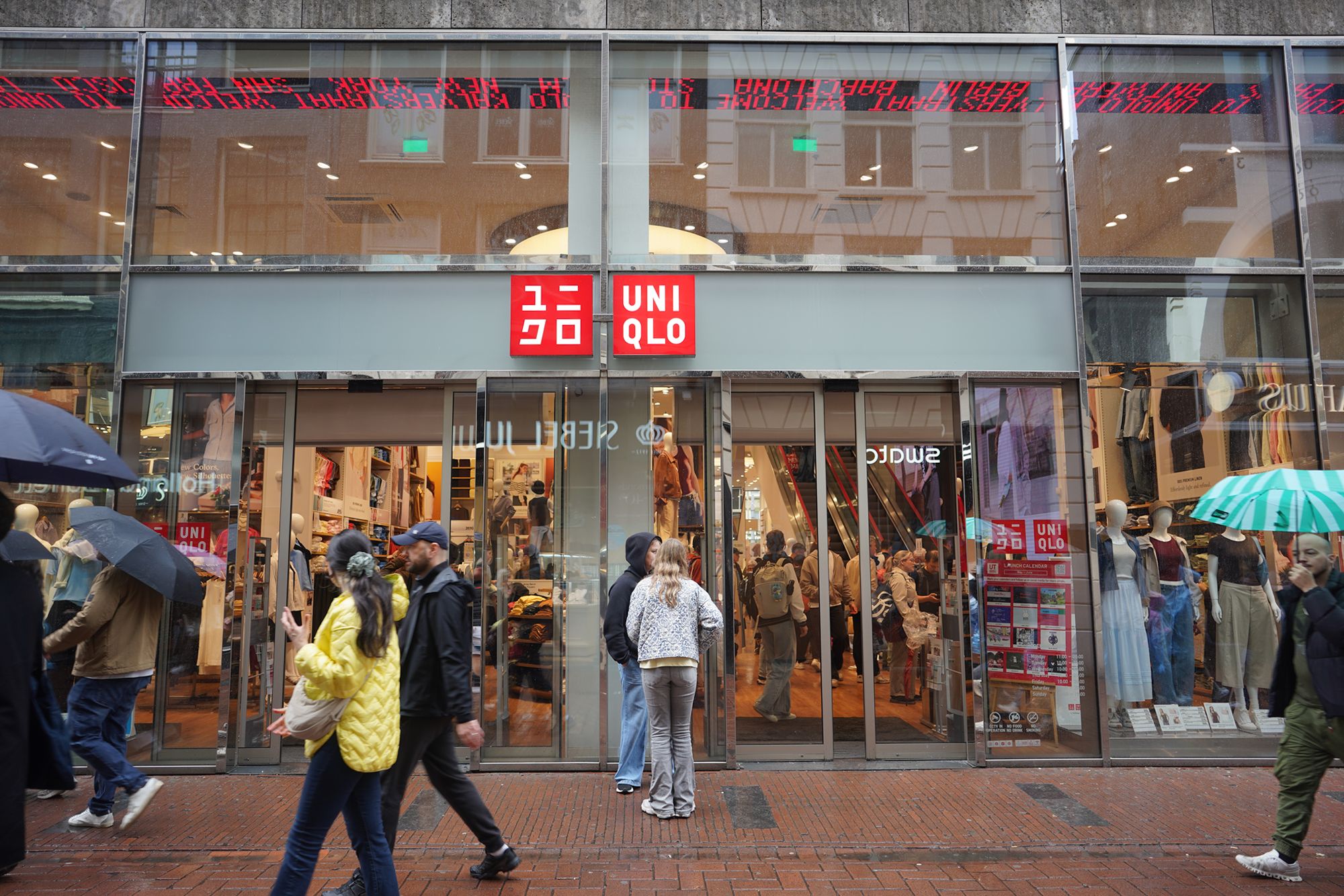
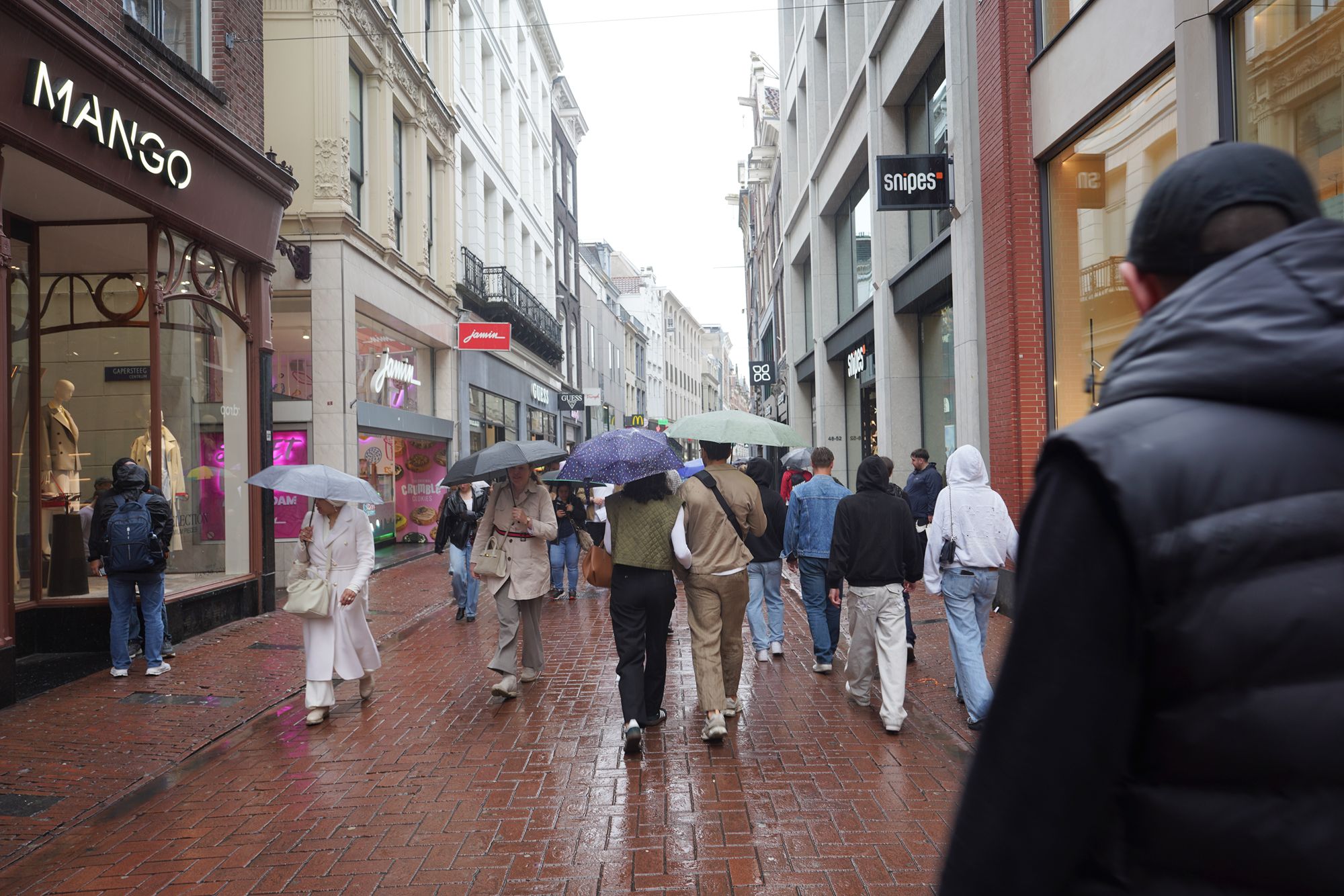
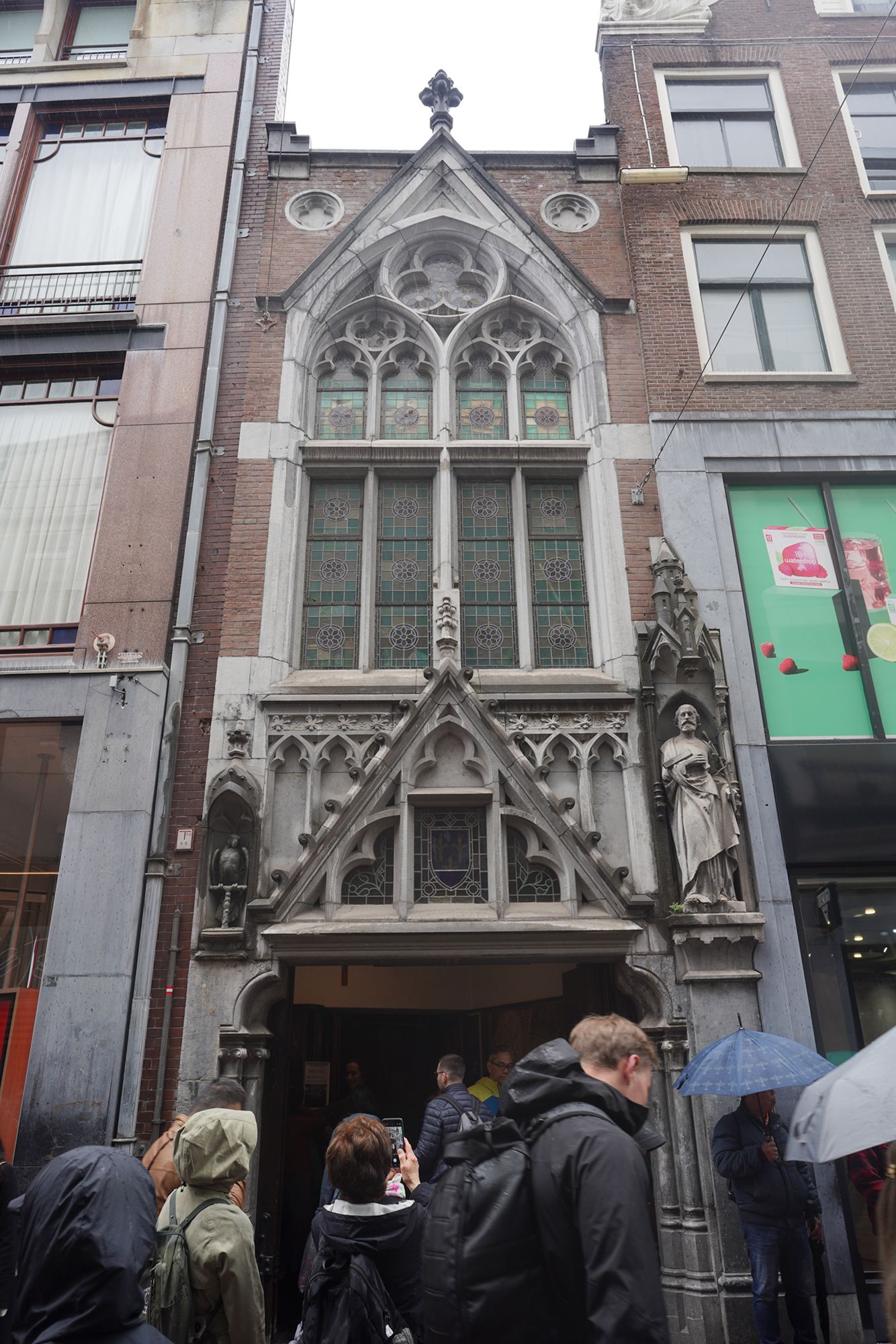
Along Kalverstraat, I came across De Papegaai, a small Catholic church hidden behind the storefronts of the busy shopping street. Its official name is the Church of Saints Peter and Paul, but it is commonly known as De Papegaai, meaning “The Parrot.”
The church has its roots in the period after the Protestant Reformation, when Catholics in Amsterdam were no longer permitted to worship openly and attended concealed churches inside ordinary-looking buildings. The present church building dates from the 19th century, but it continues the tradition of a Catholic church hidden away from the street. From busy Kalverstraat, its narrow entrance is easy to walk past without realizing that a surprisingly large church lies behind it.
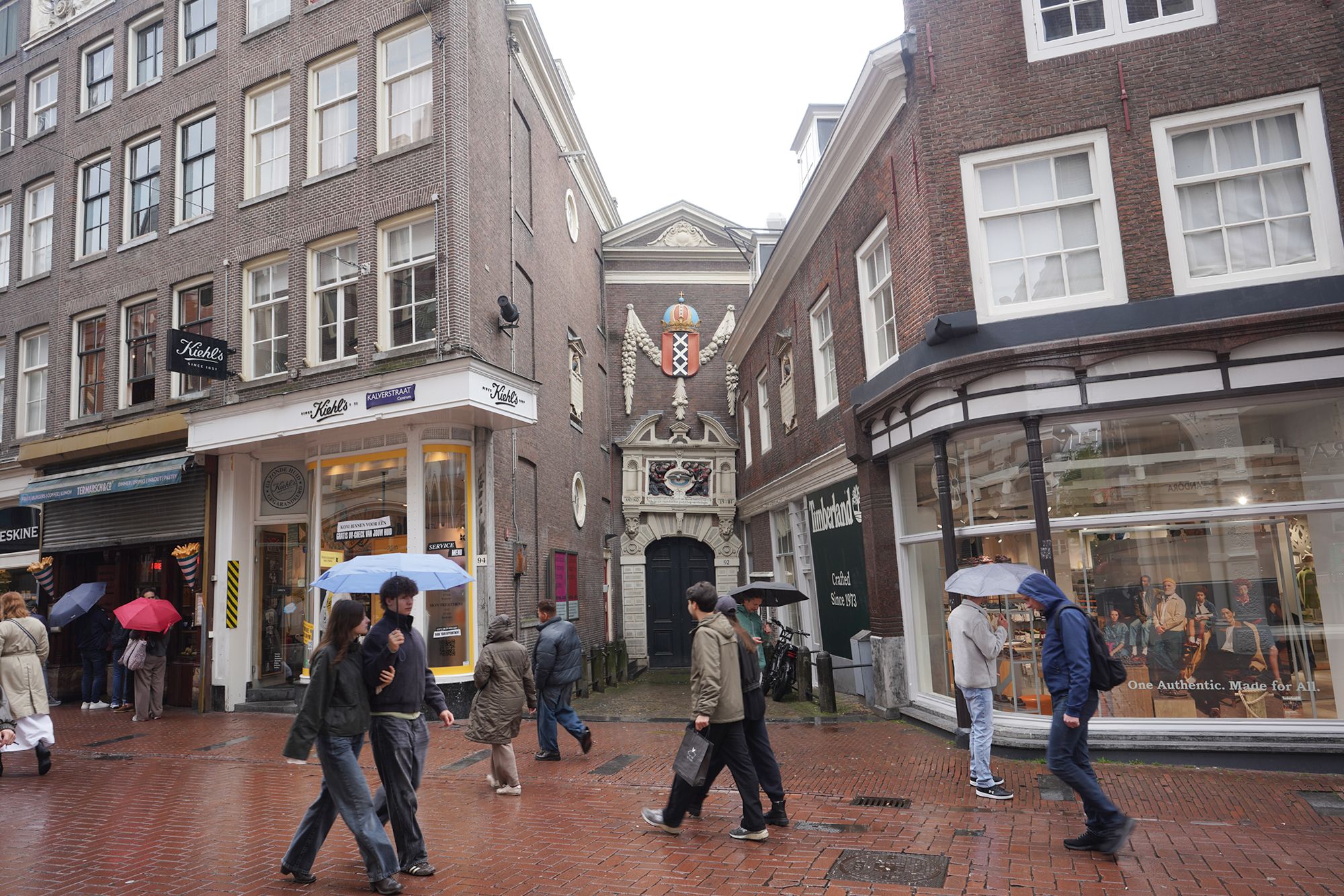
Continuing my walk, I reached the Amsterdam Museum, which tells the story of Amsterdam from its early beginnings through its development into the modern city of today. The museum covers the city’s history, culture, people, trade, and growth over the centuries.
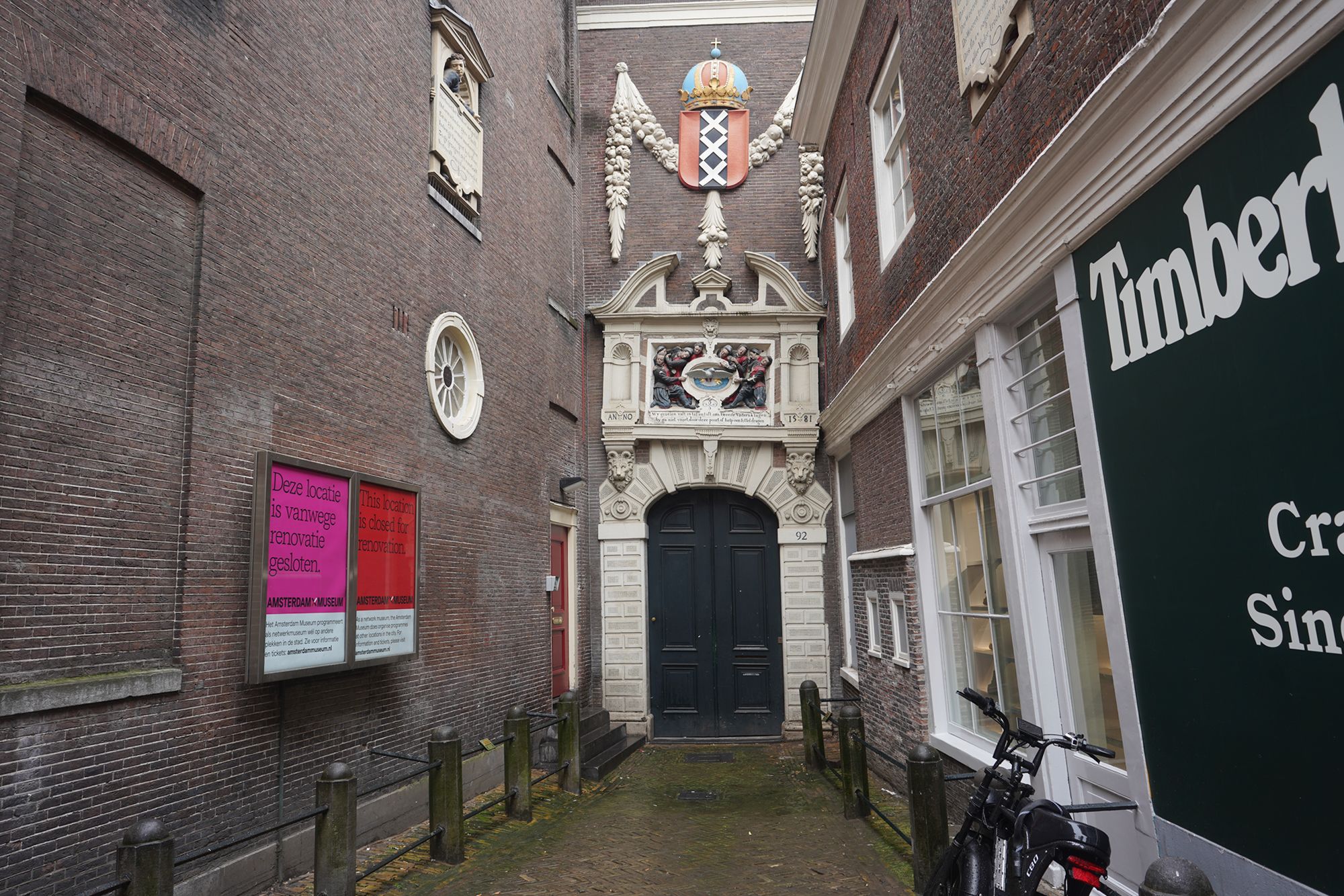
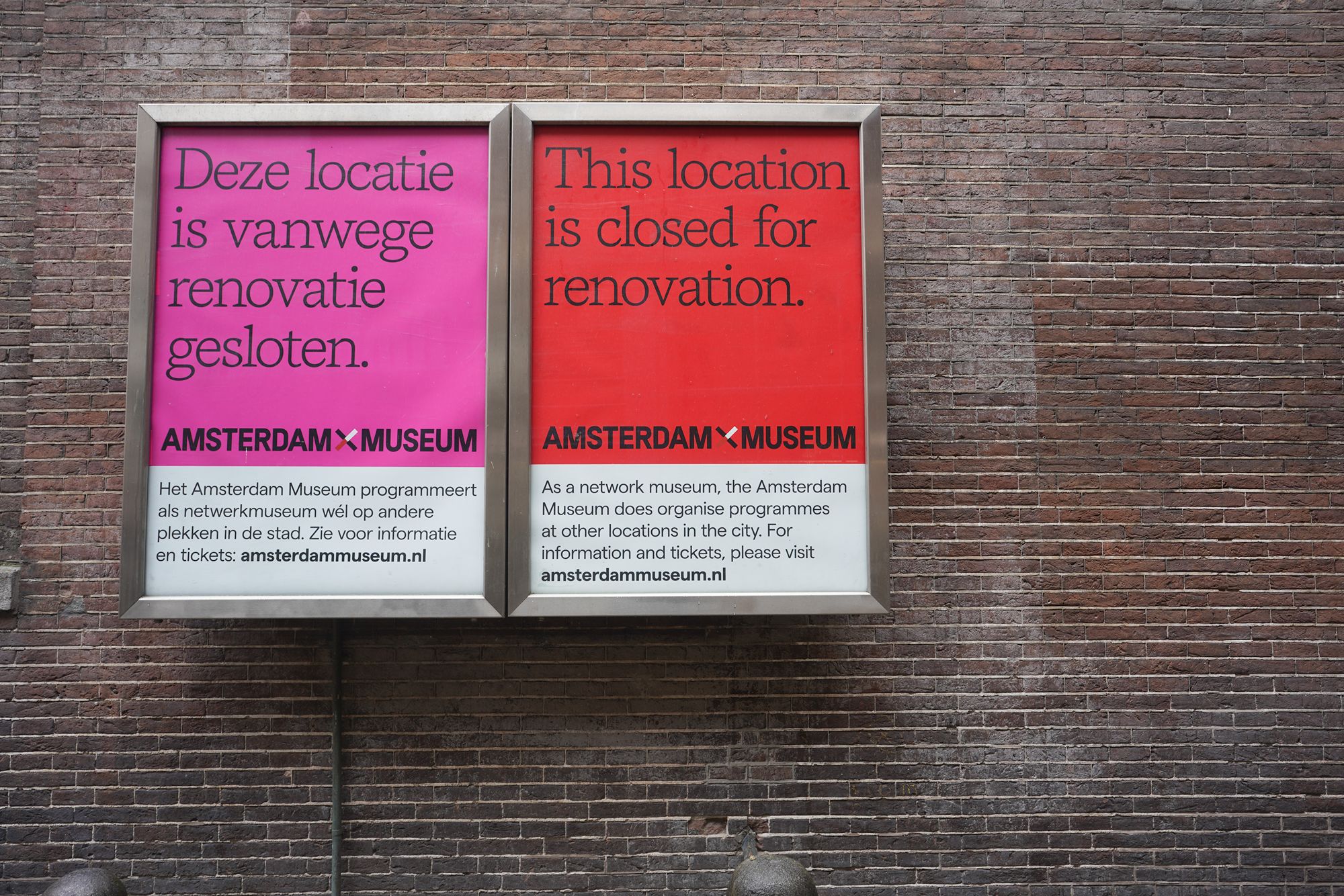
The museum was closed when I visited it.
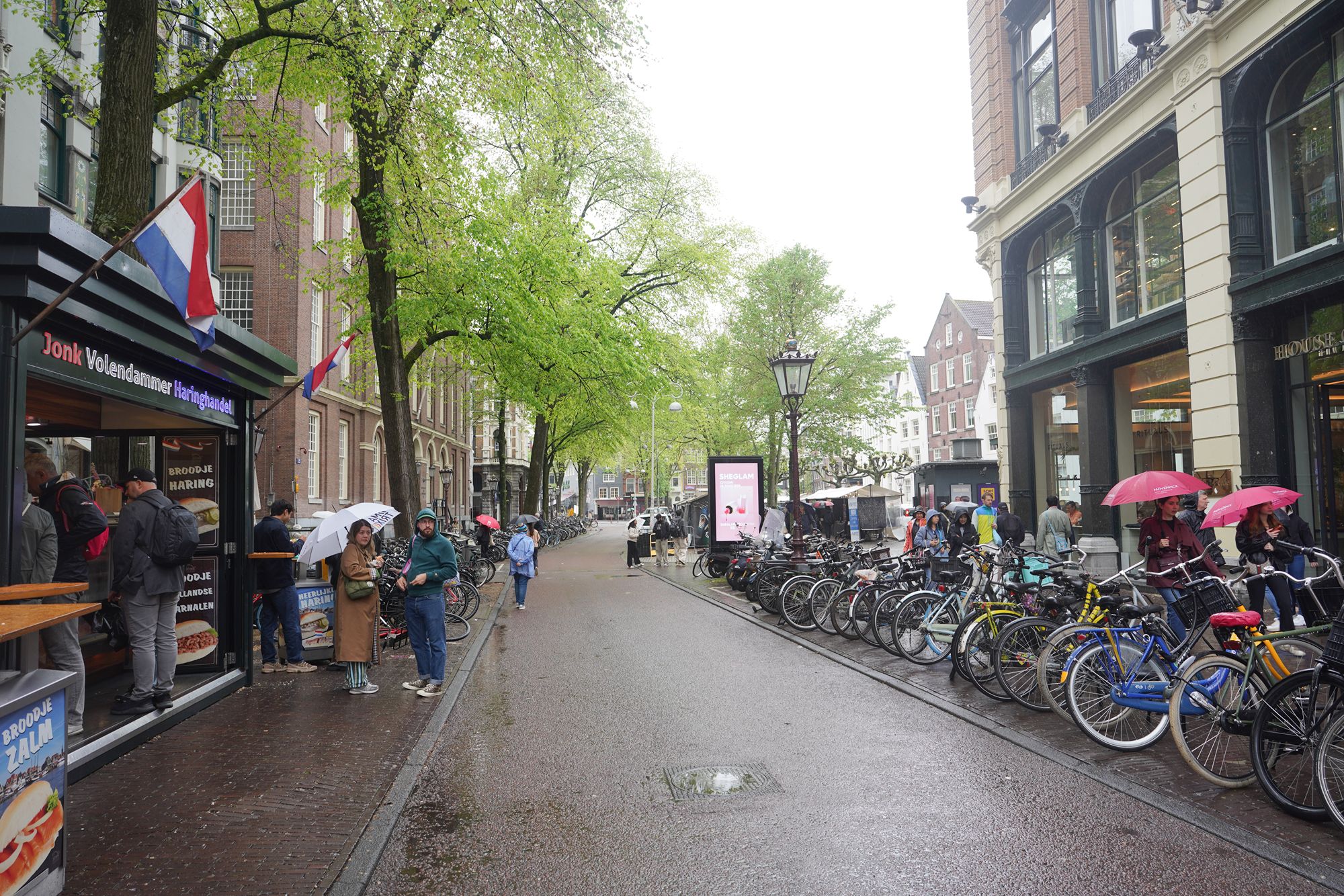
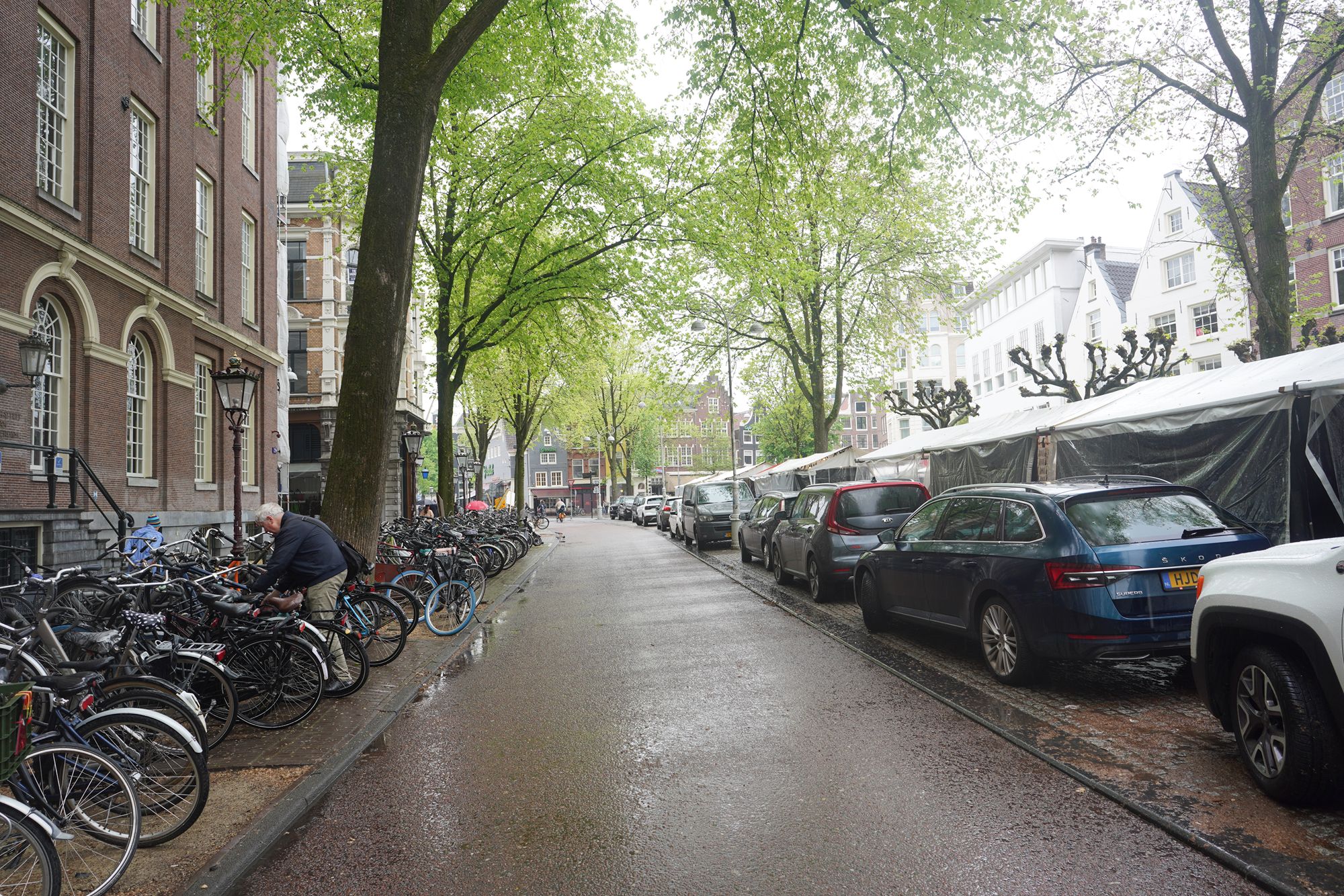
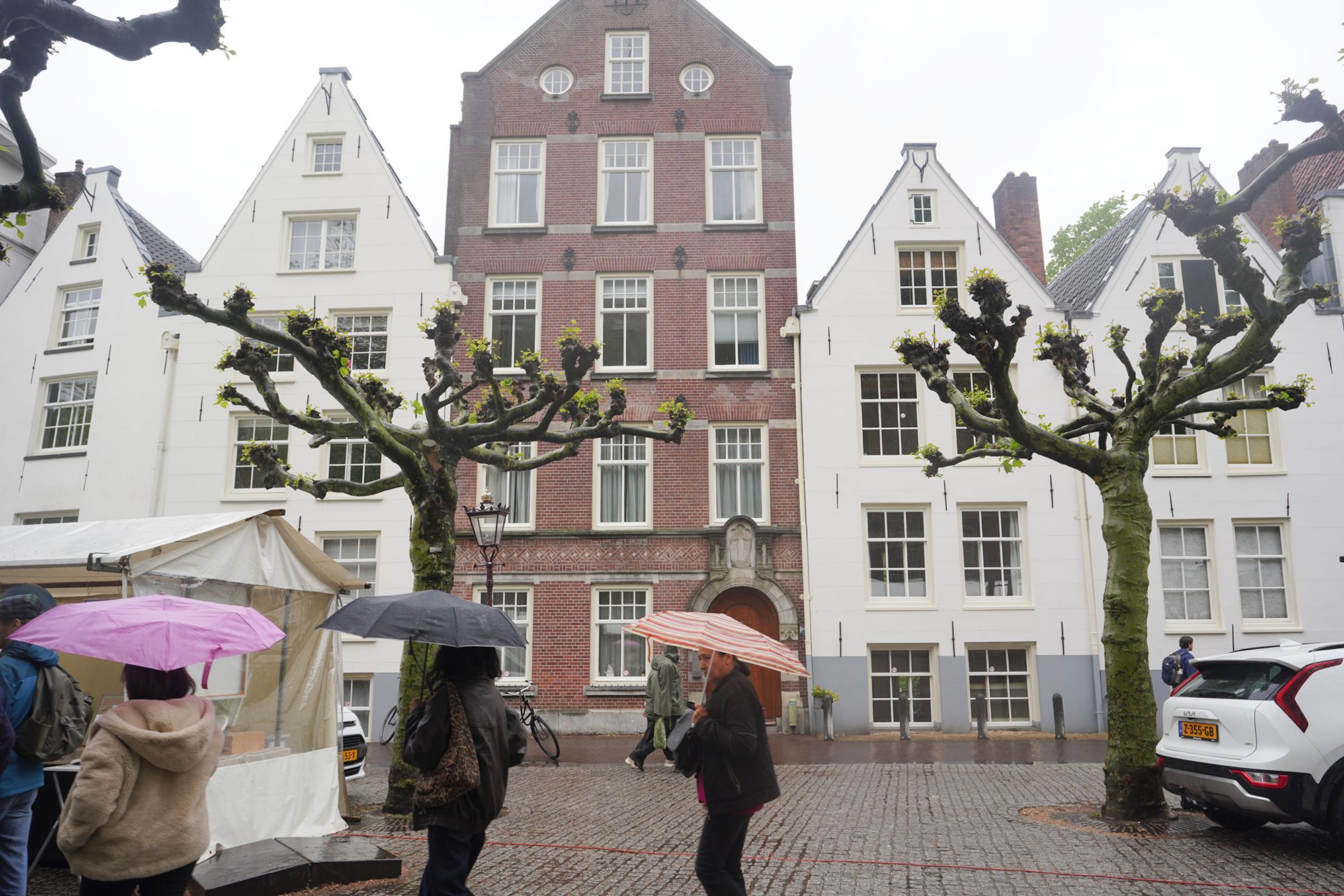
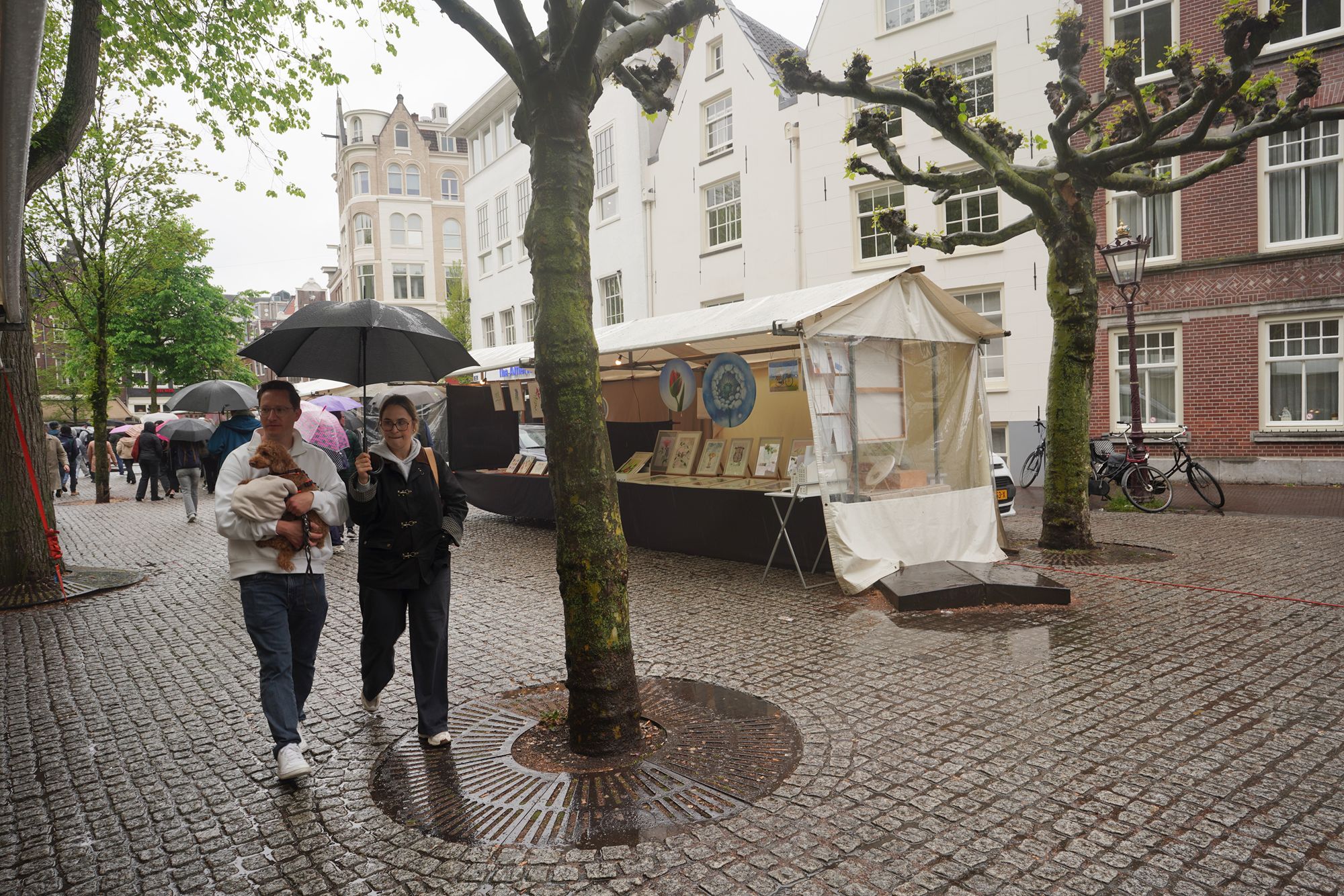
Just off the busy streets of central Amsterdam, I entered the Begijnhof, a quiet historic courtyard surrounded by old houses. It was originally established during the Middle Ages as a community for the Beguines, religious Catholic women who lived together but did not take permanent monastic vows like nuns.
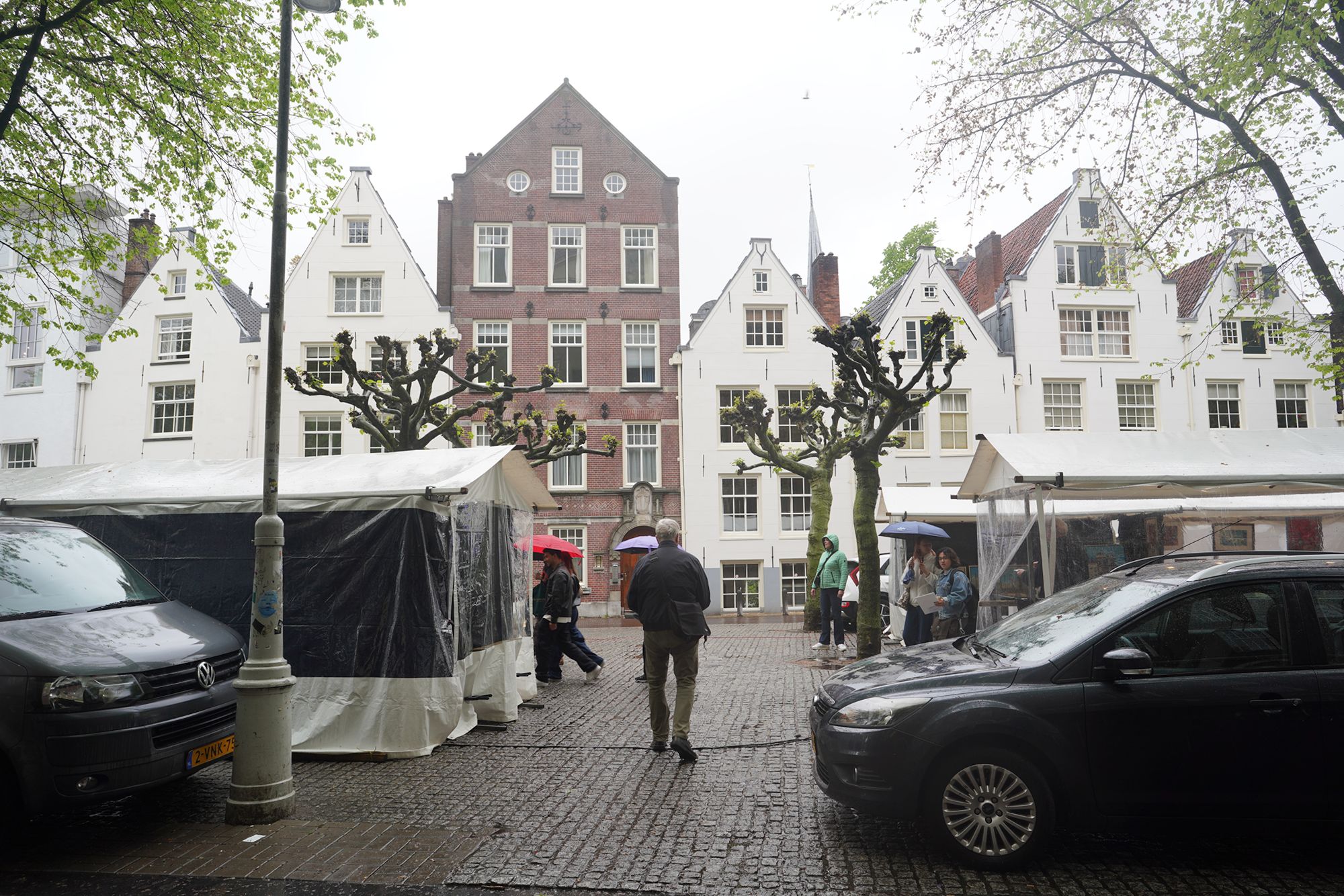
The peaceful courtyard feels surprisingly secluded from the busy city outside. Among its historic buildings is the English Reformed Church, as well as a hidden Catholic chapel that was used during the period when Catholics were not permitted to worship openly. The Begijnhof is also home to one of Amsterdam’s oldest surviving wooden houses, dating from around the 15th or 16th century.
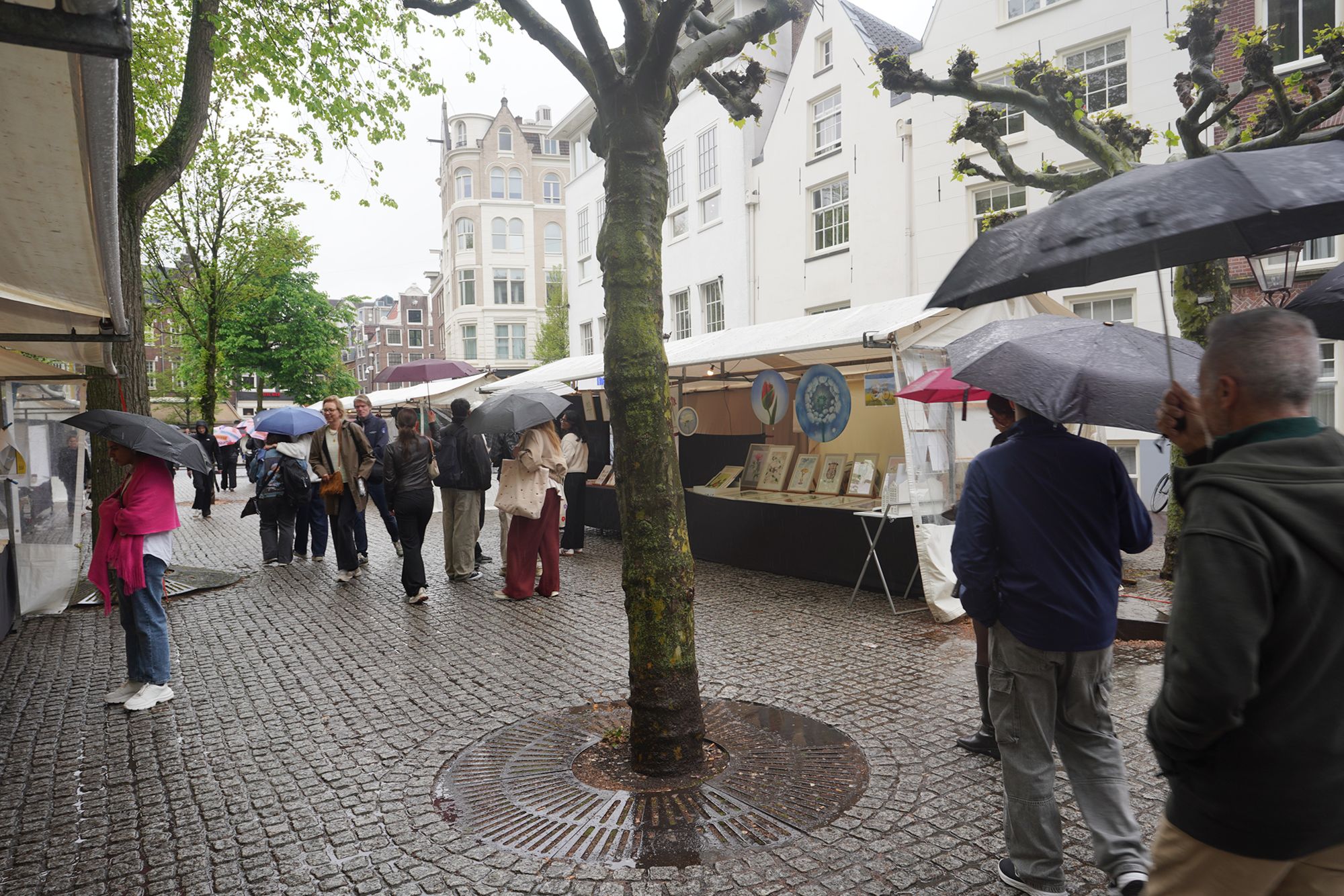
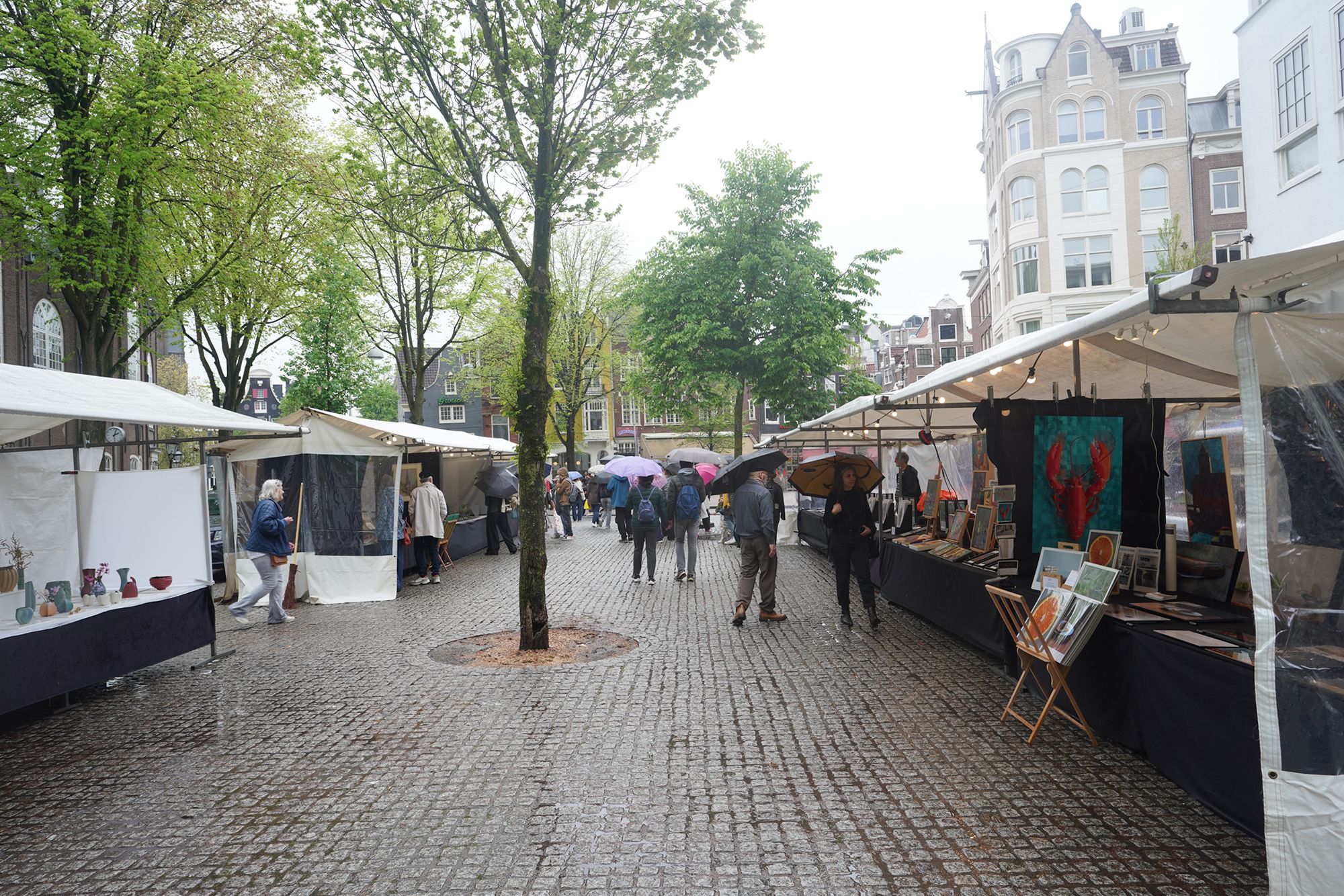
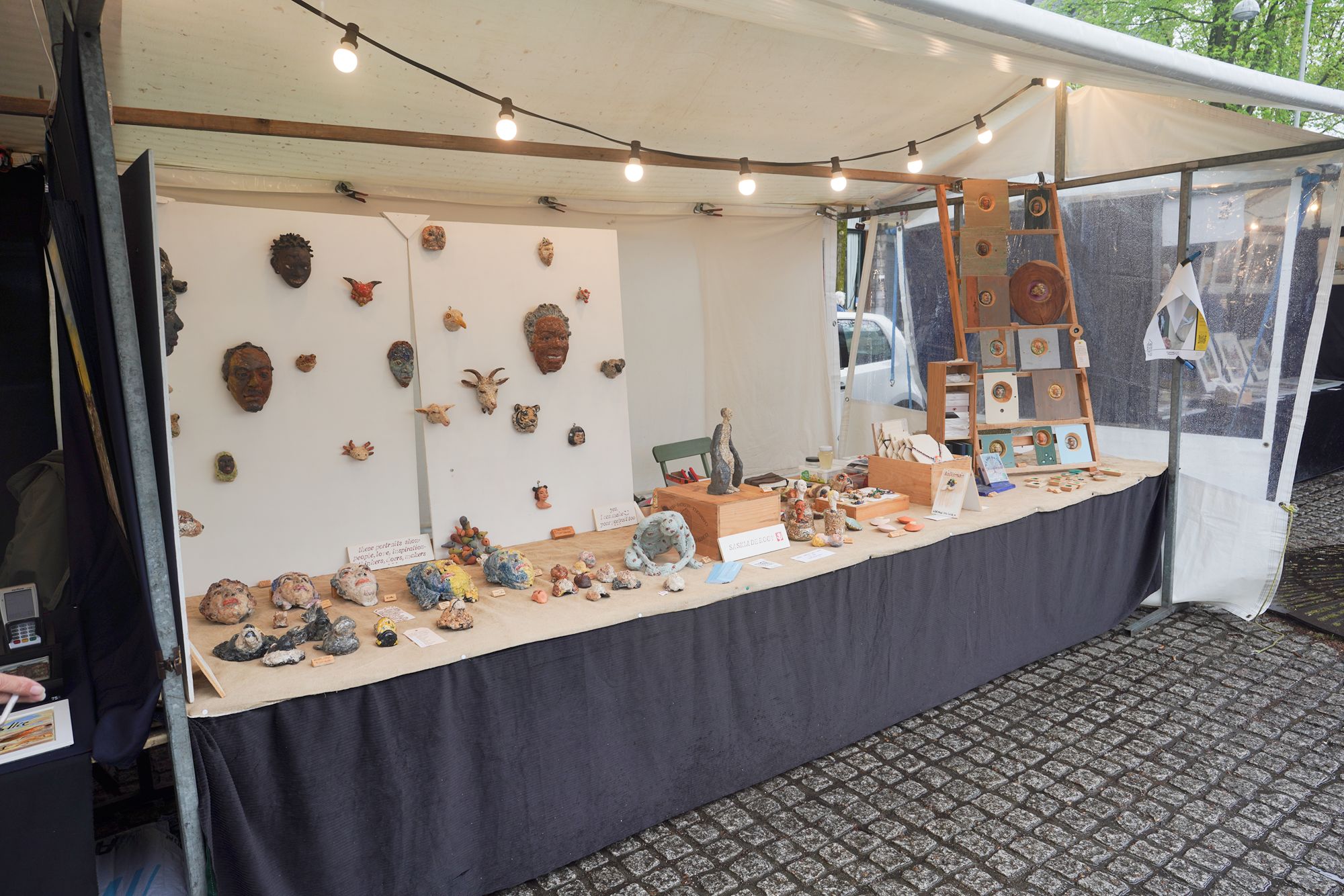
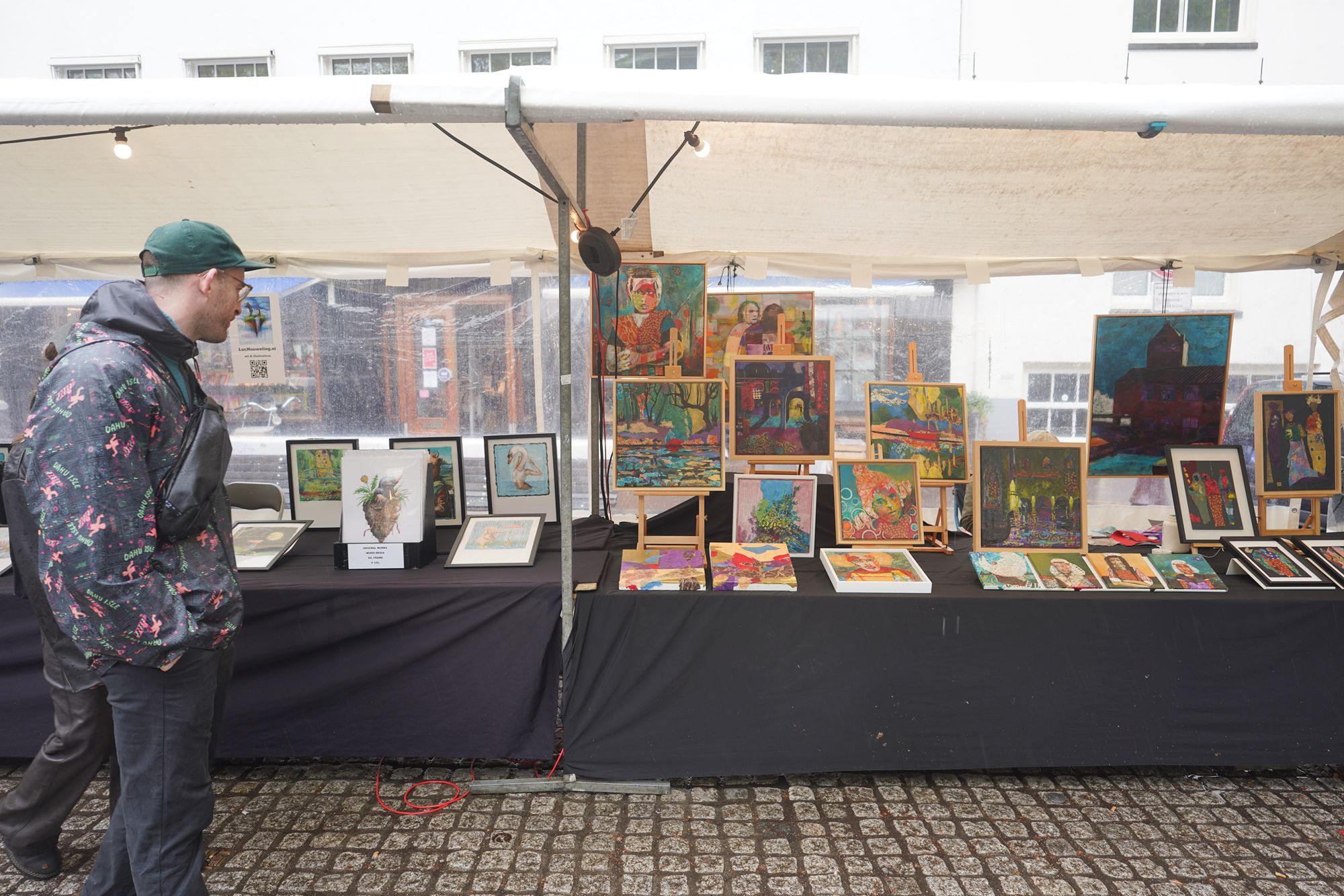
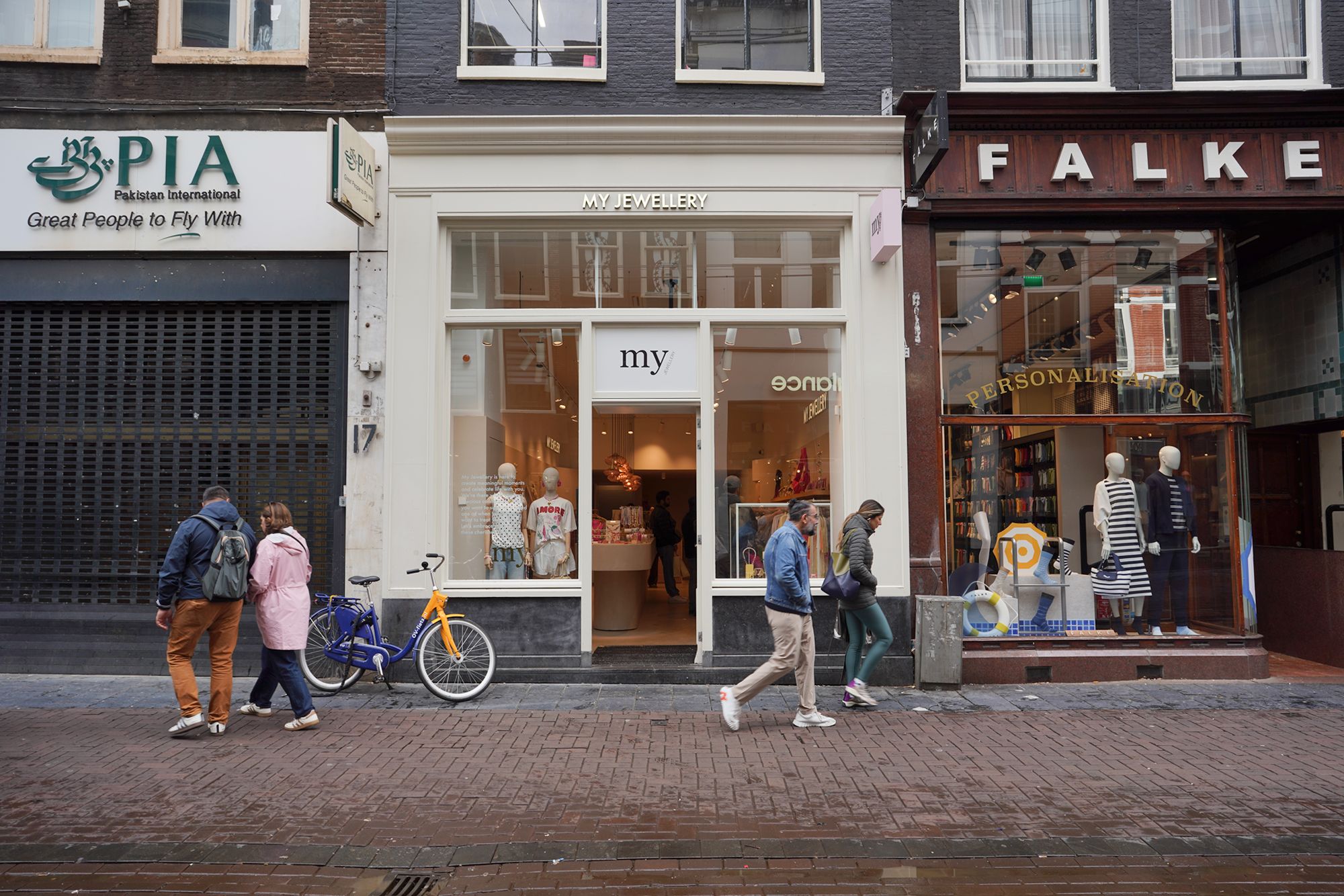
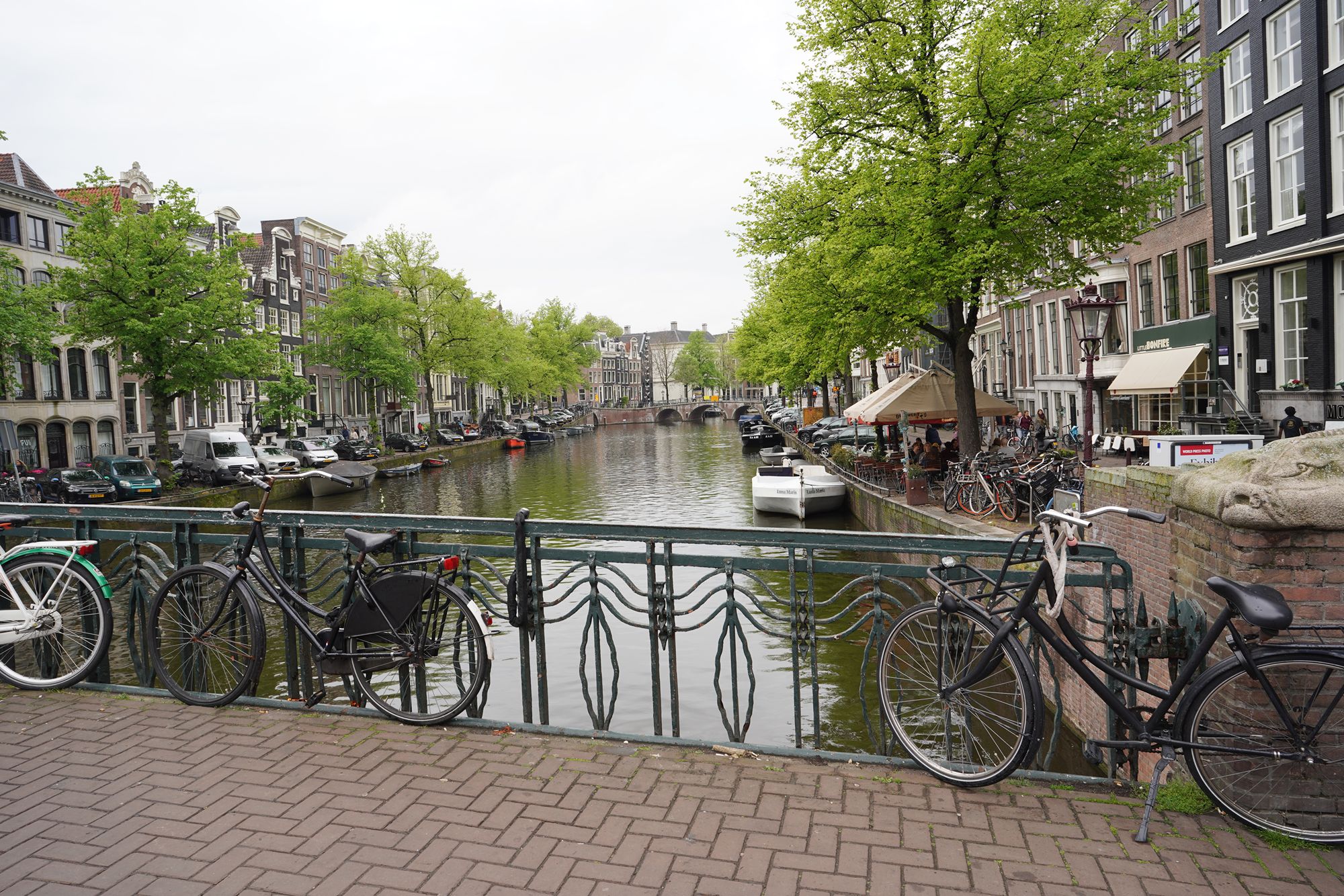
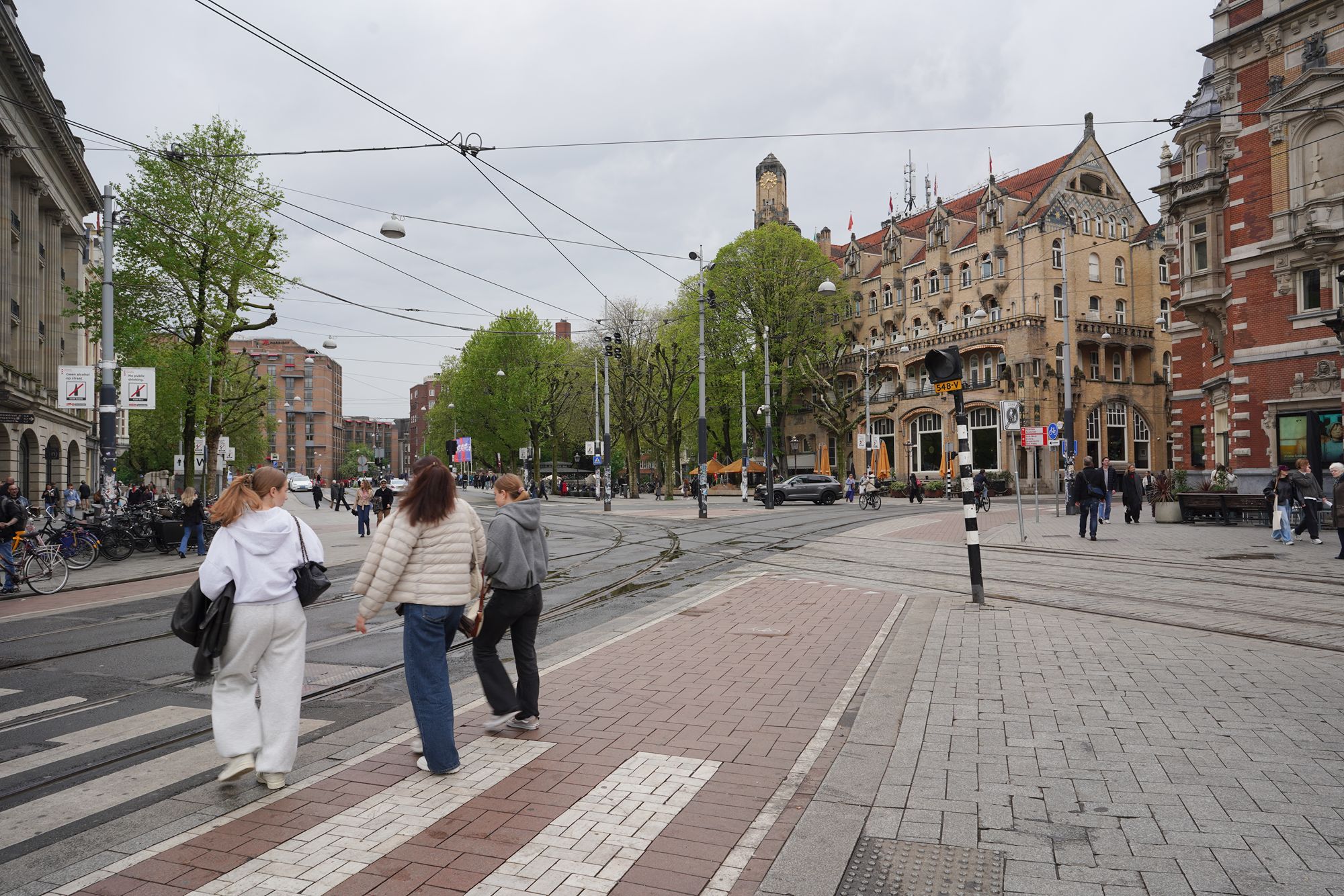
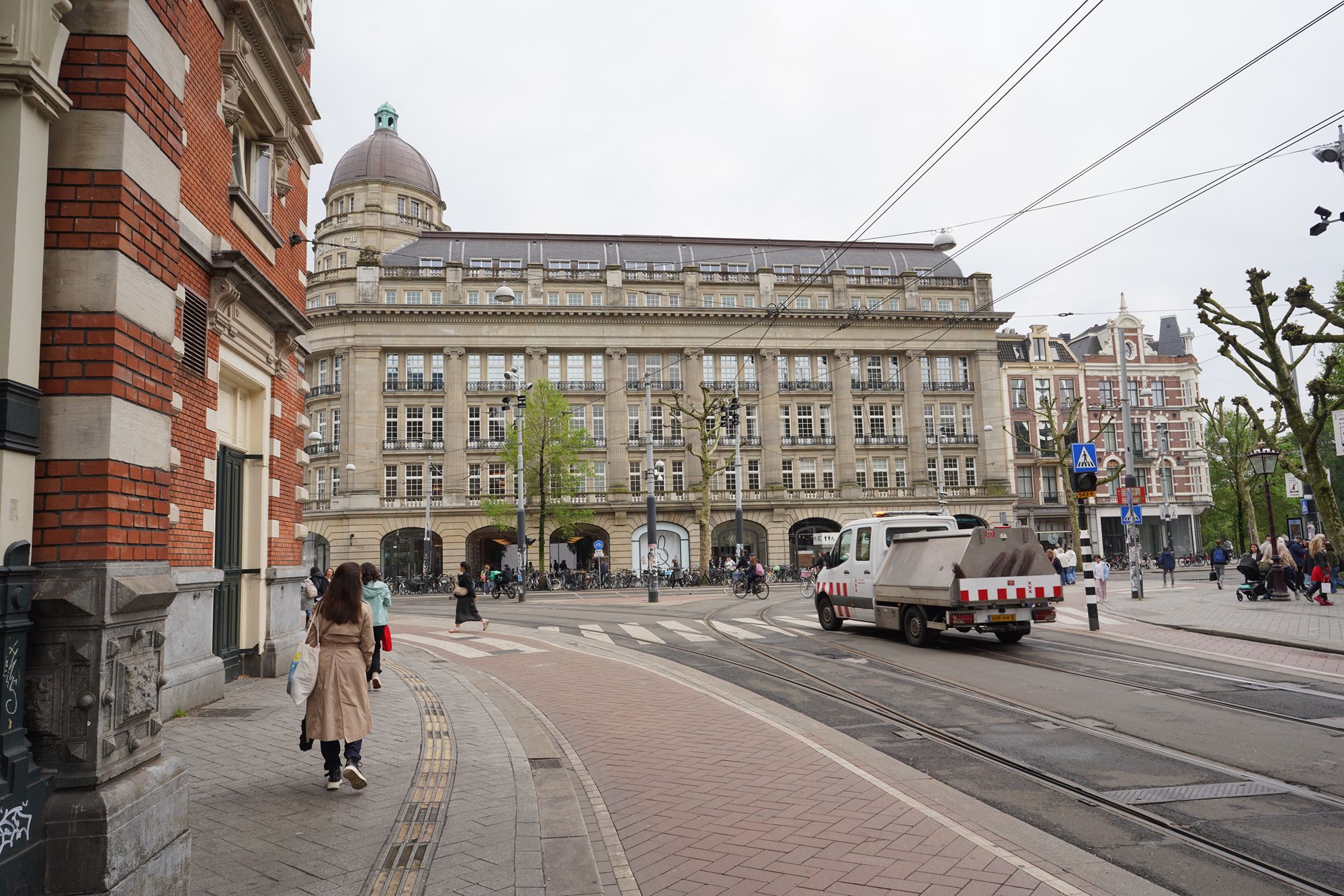
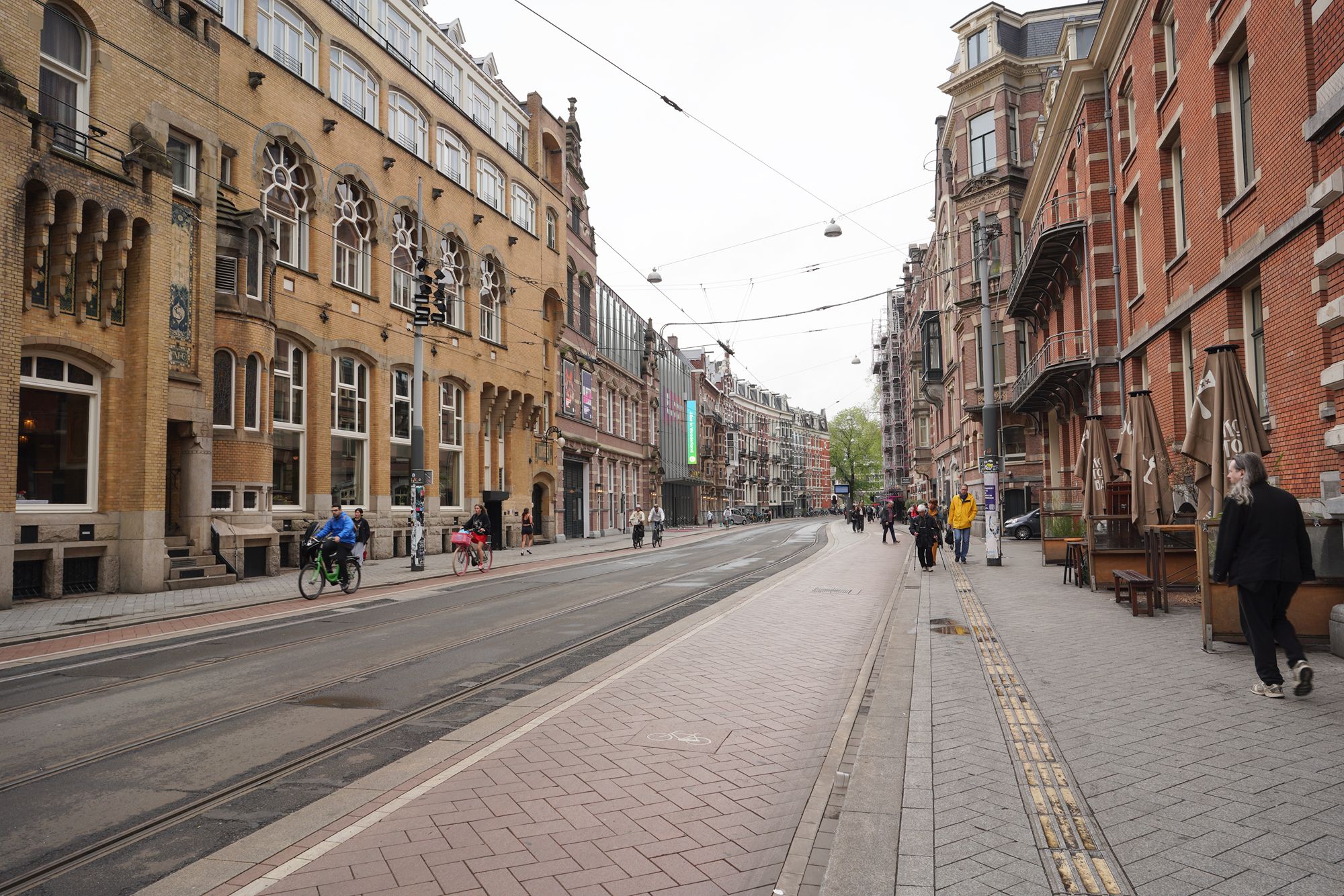
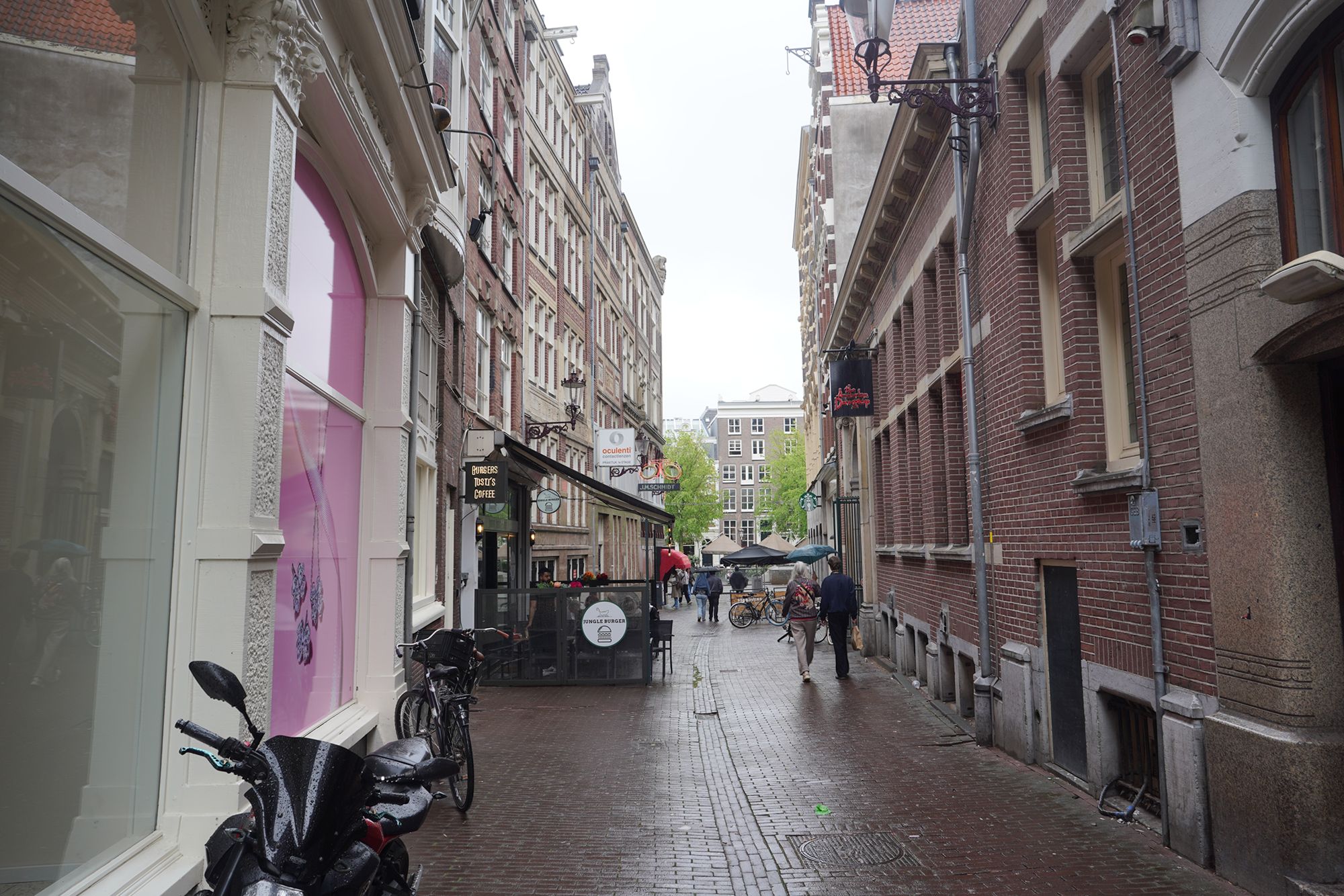
After leaving the Begijnhof, I somehow lost track of my planned route and began wandering around the nearby streets. For a while, my planned city walk turned into another aimless walk through Amsterdam.
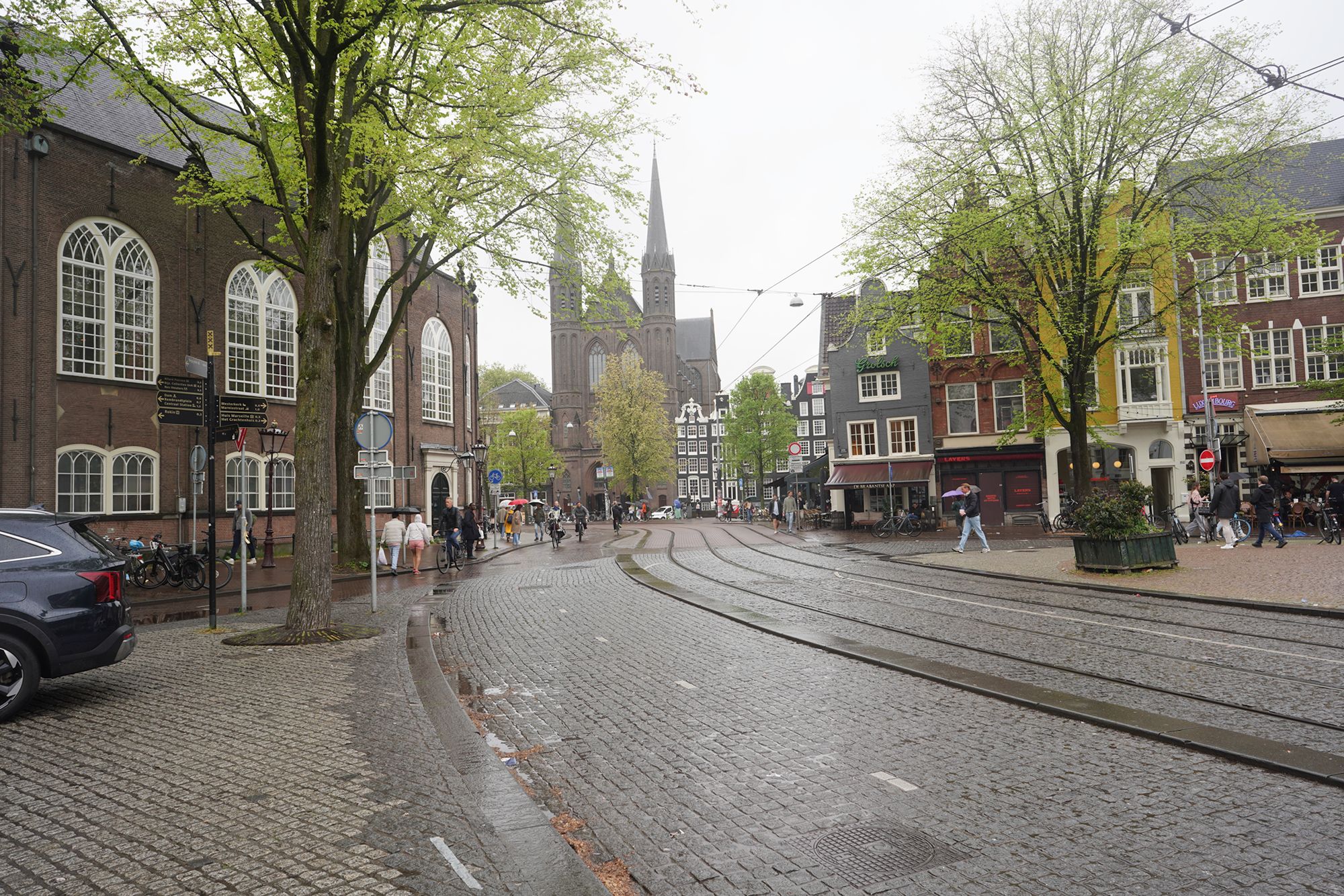
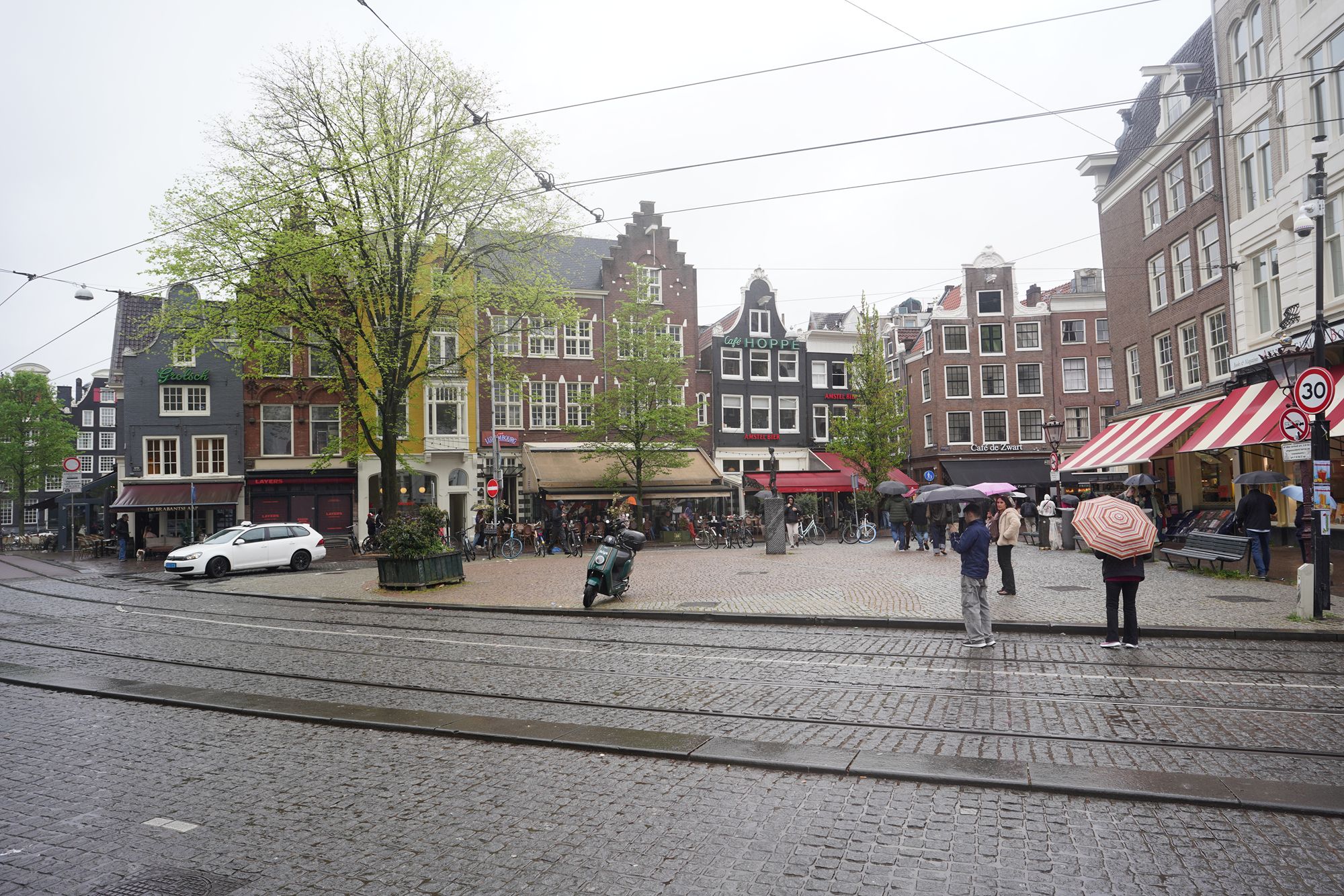
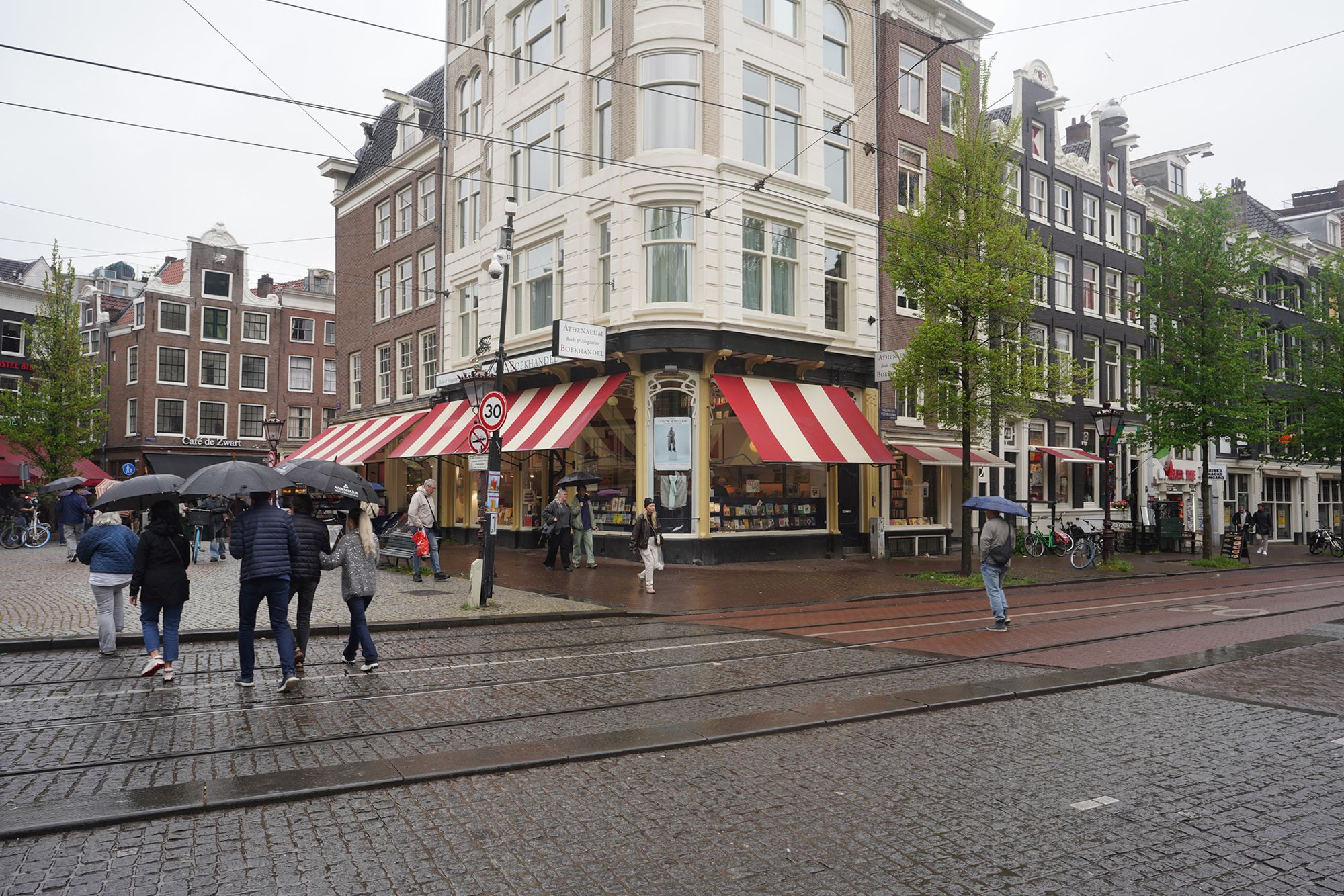
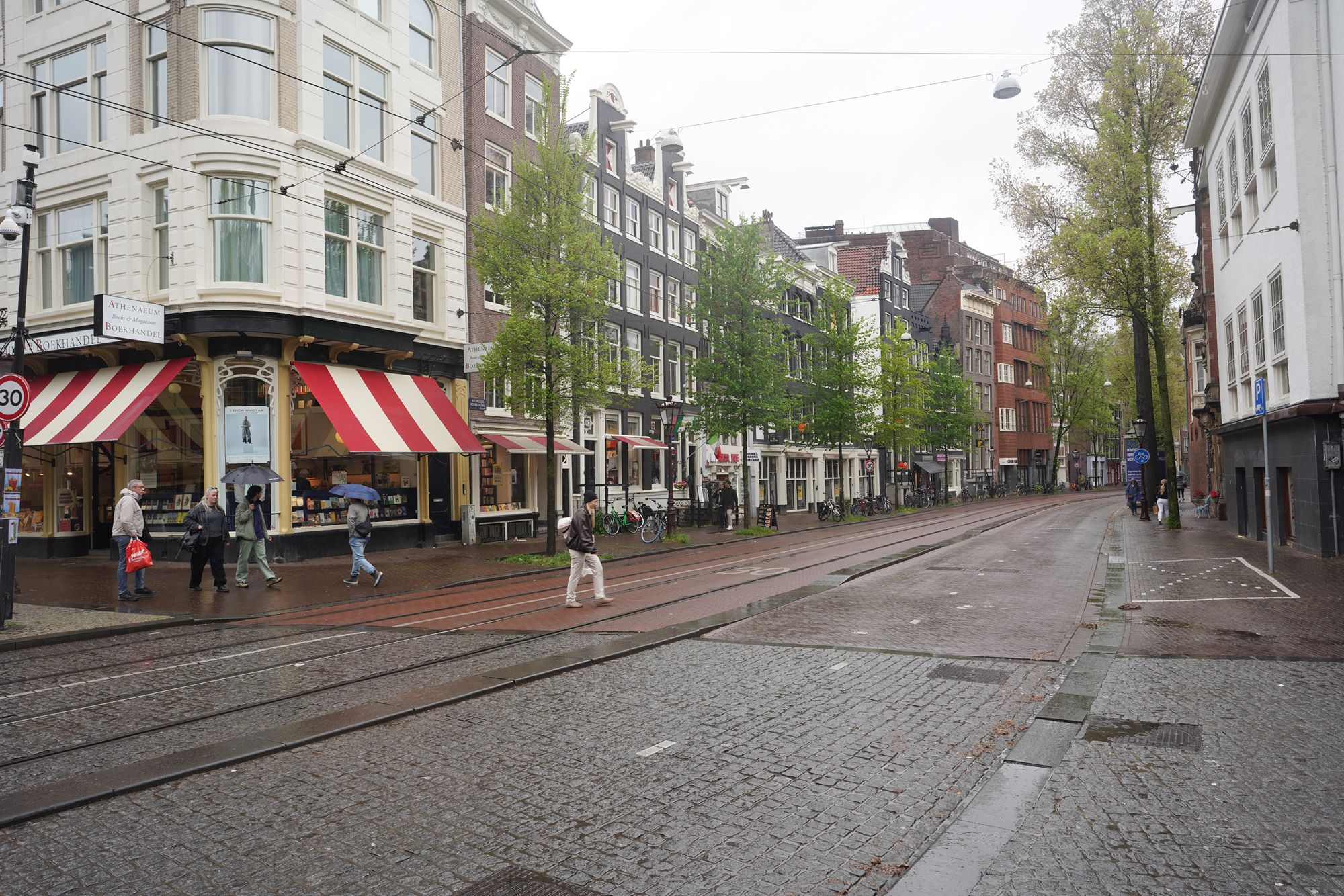
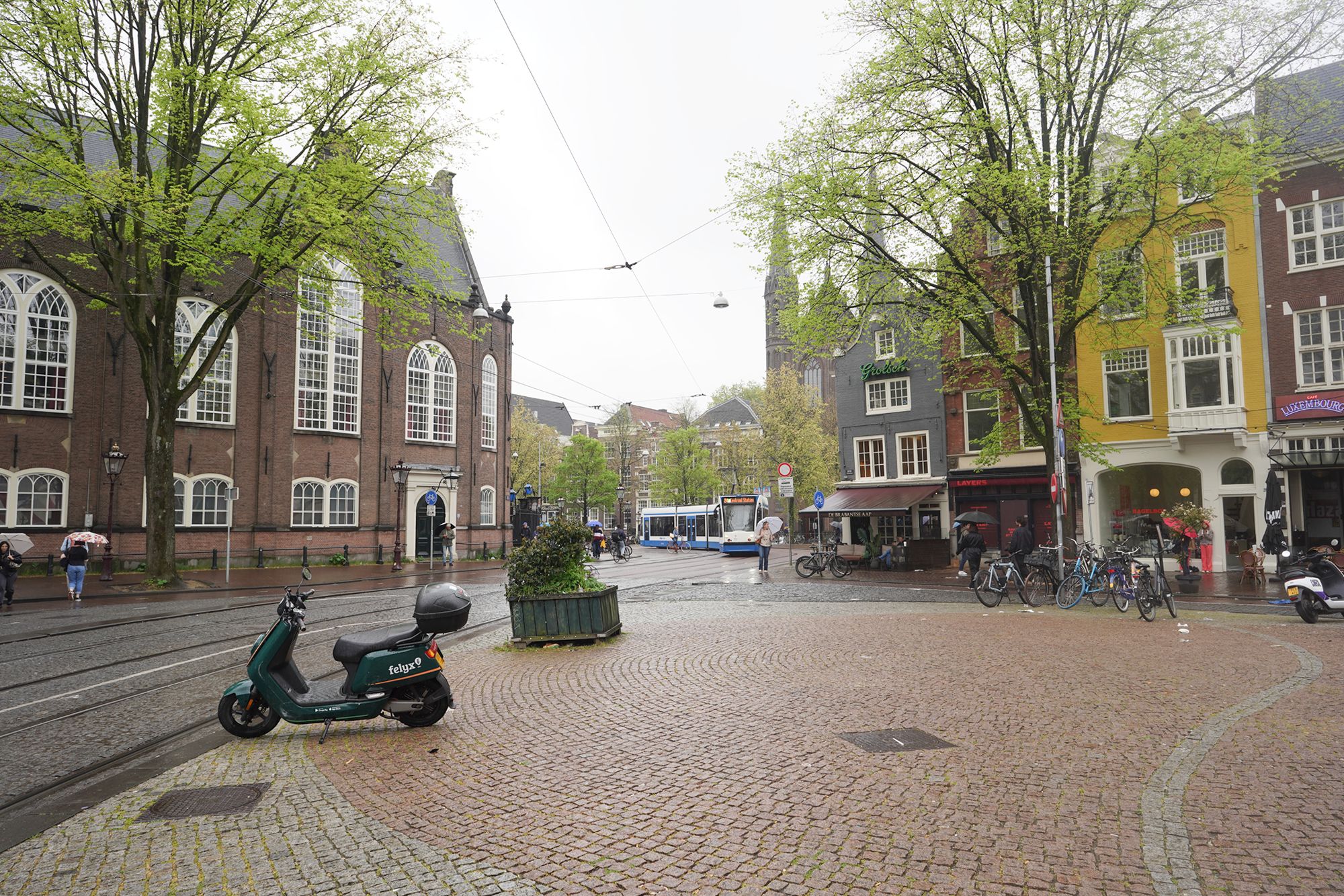
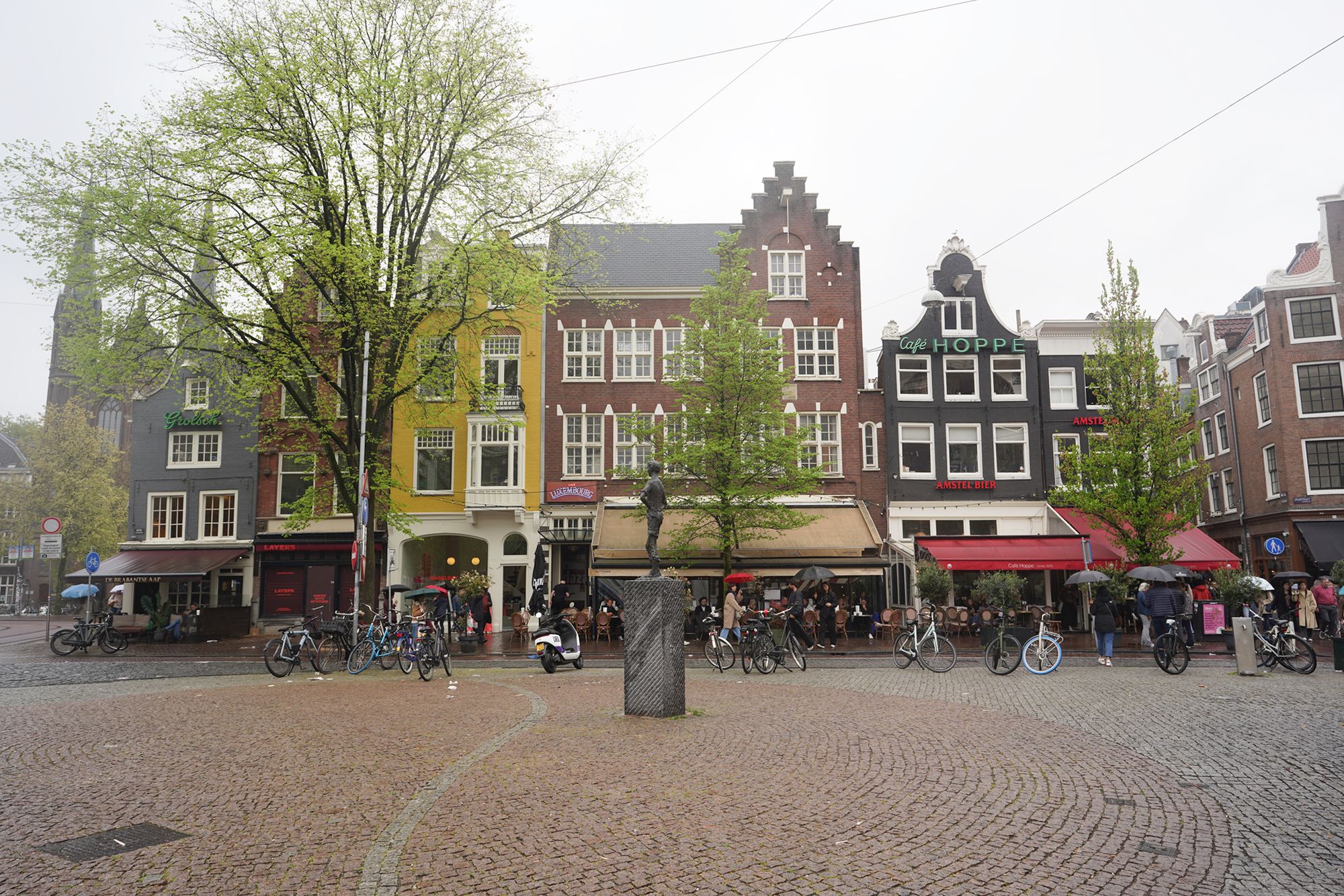
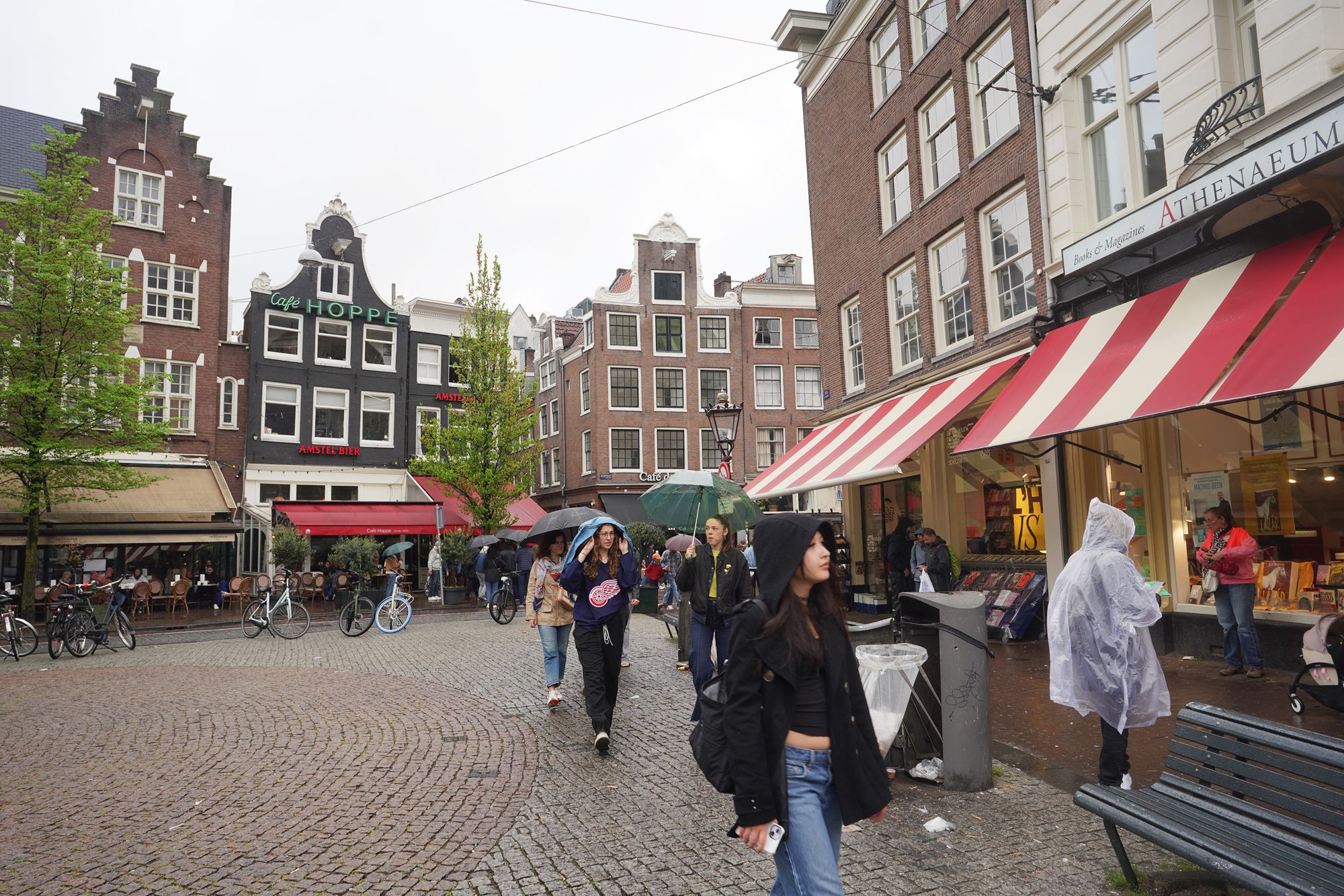
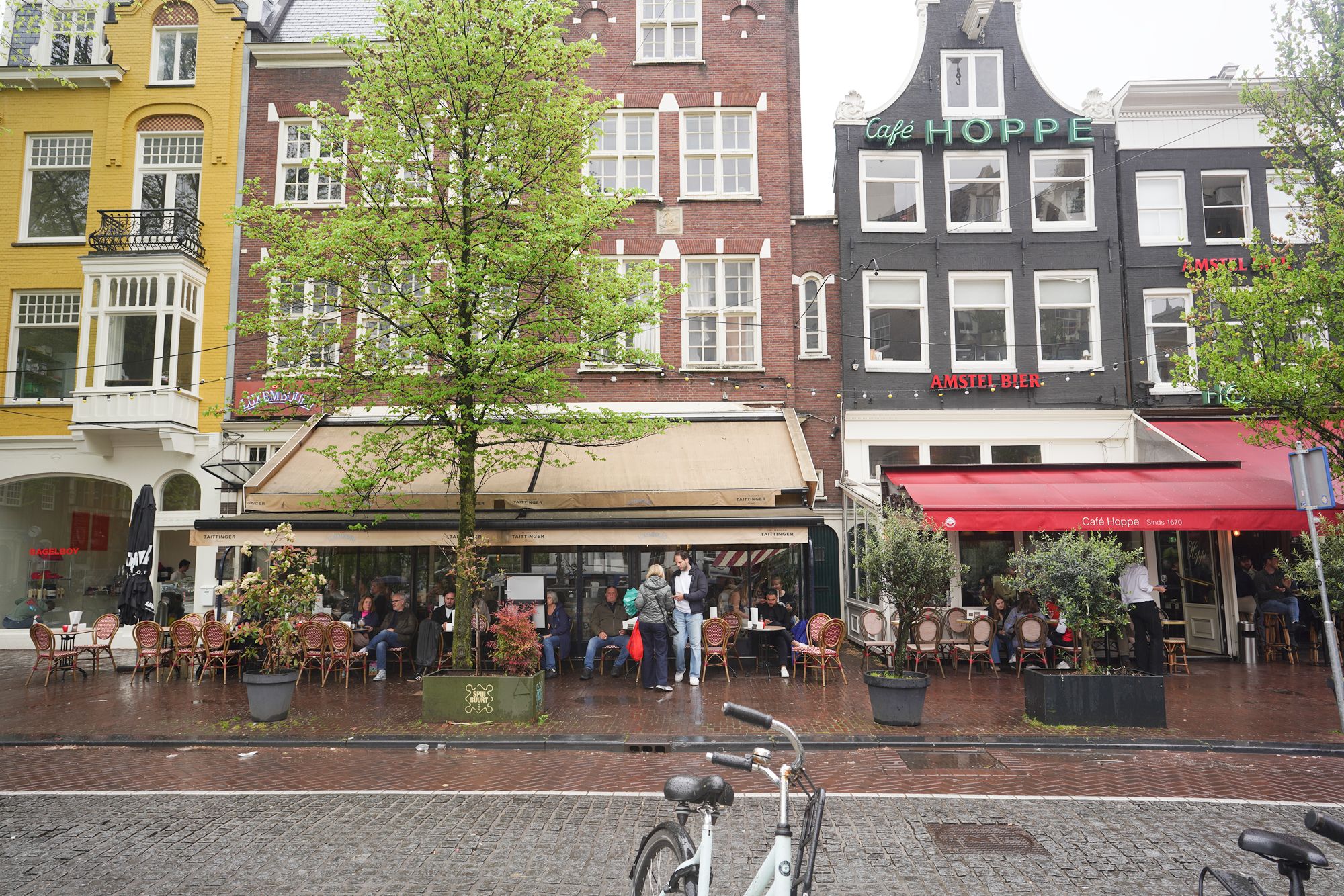
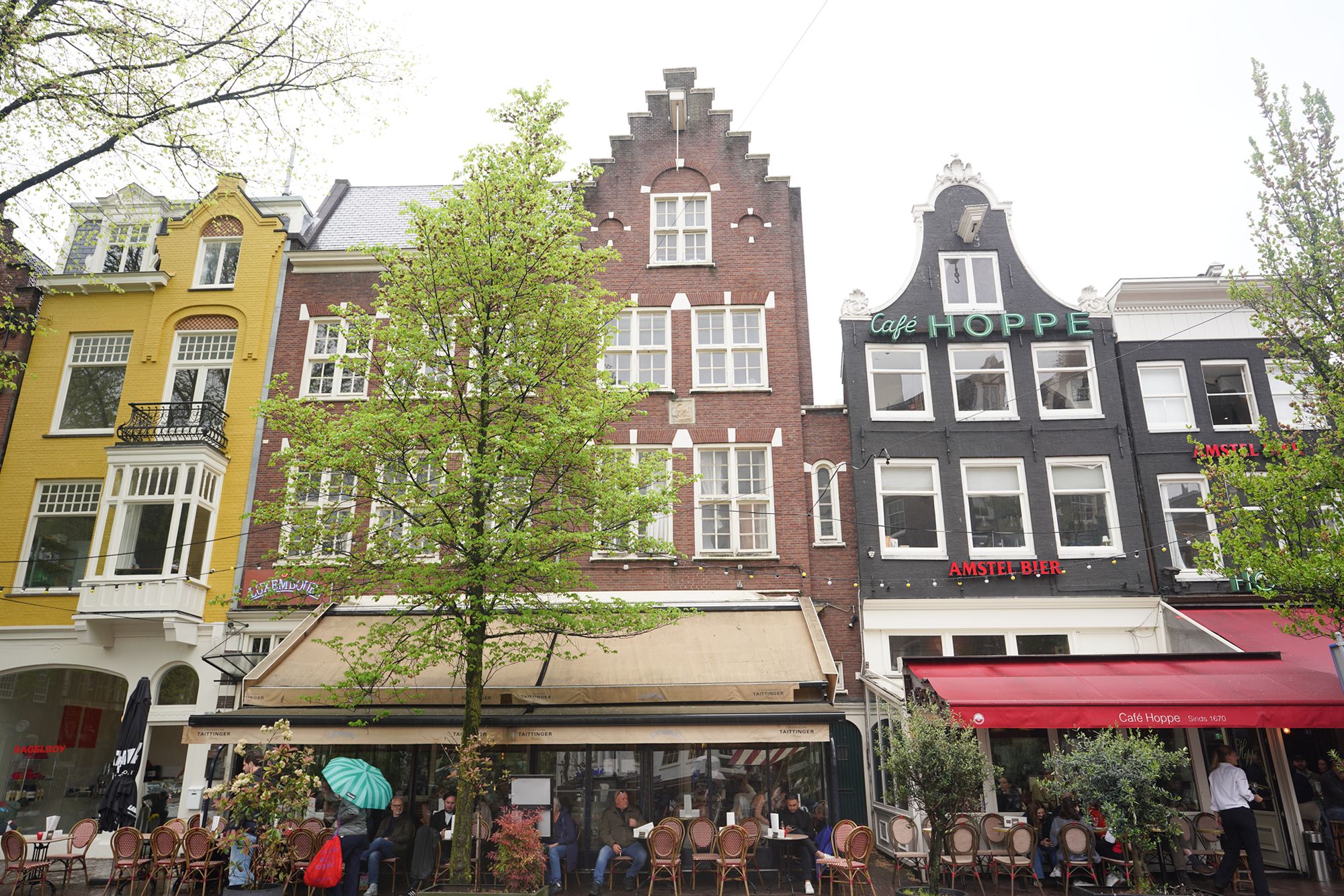
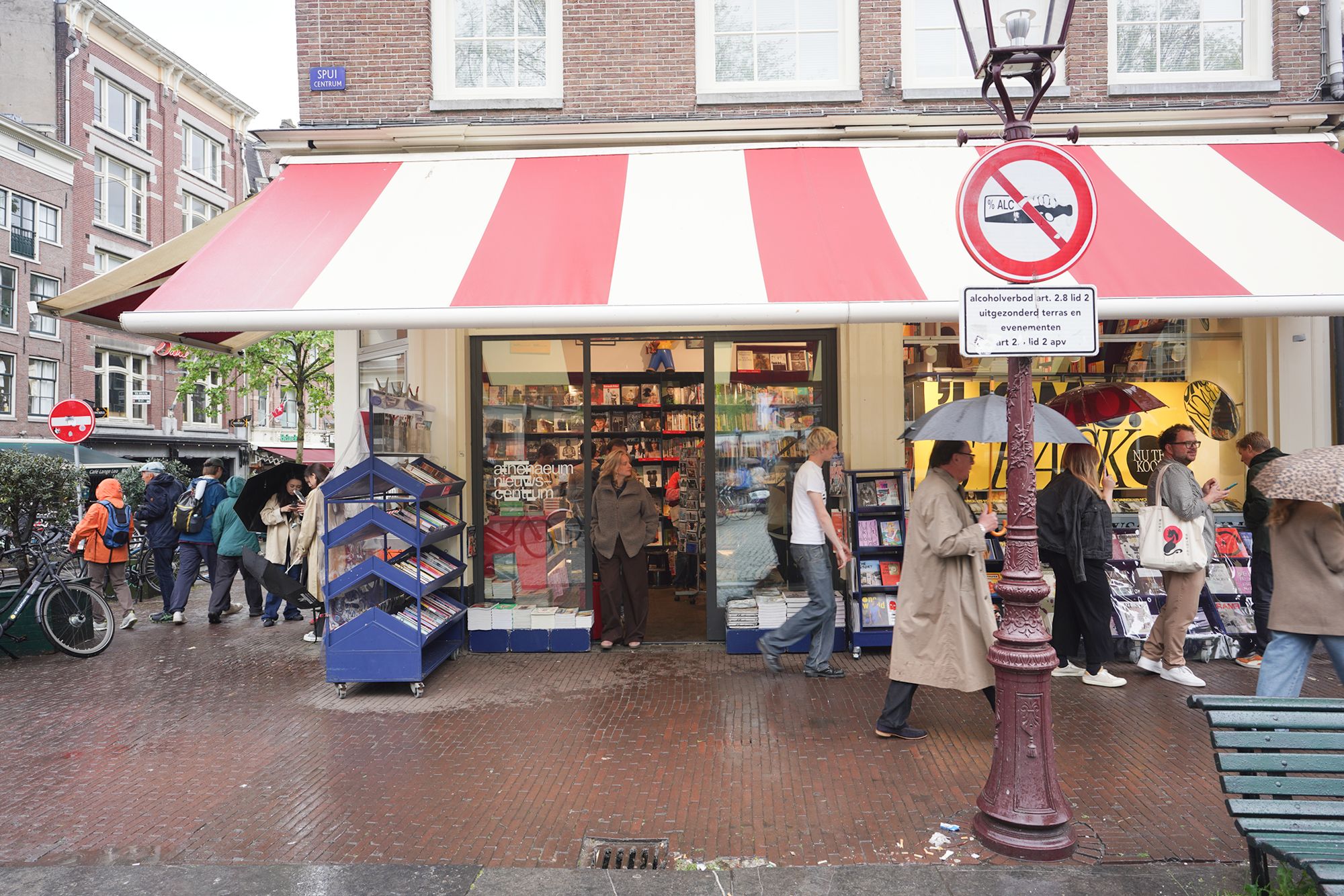
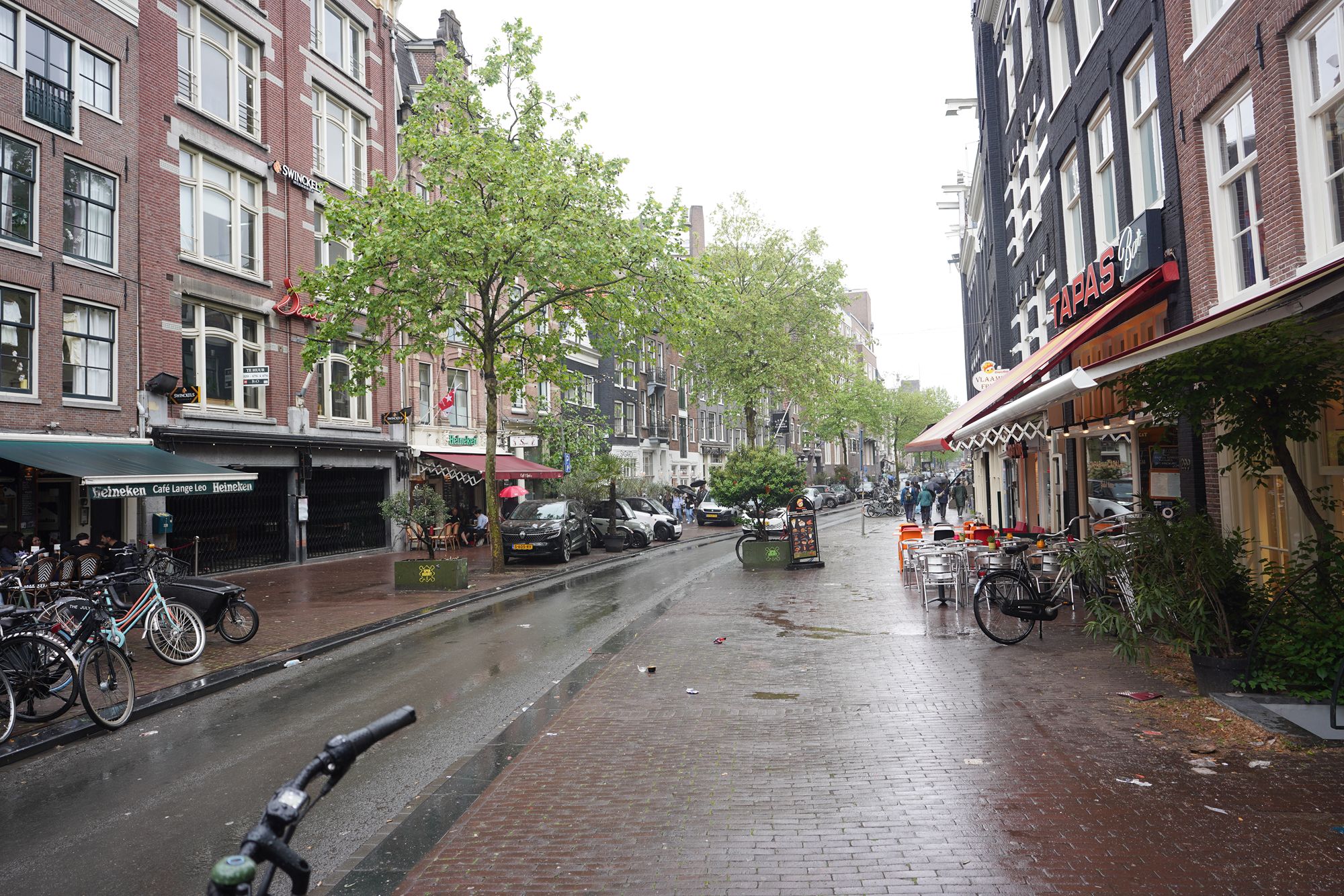
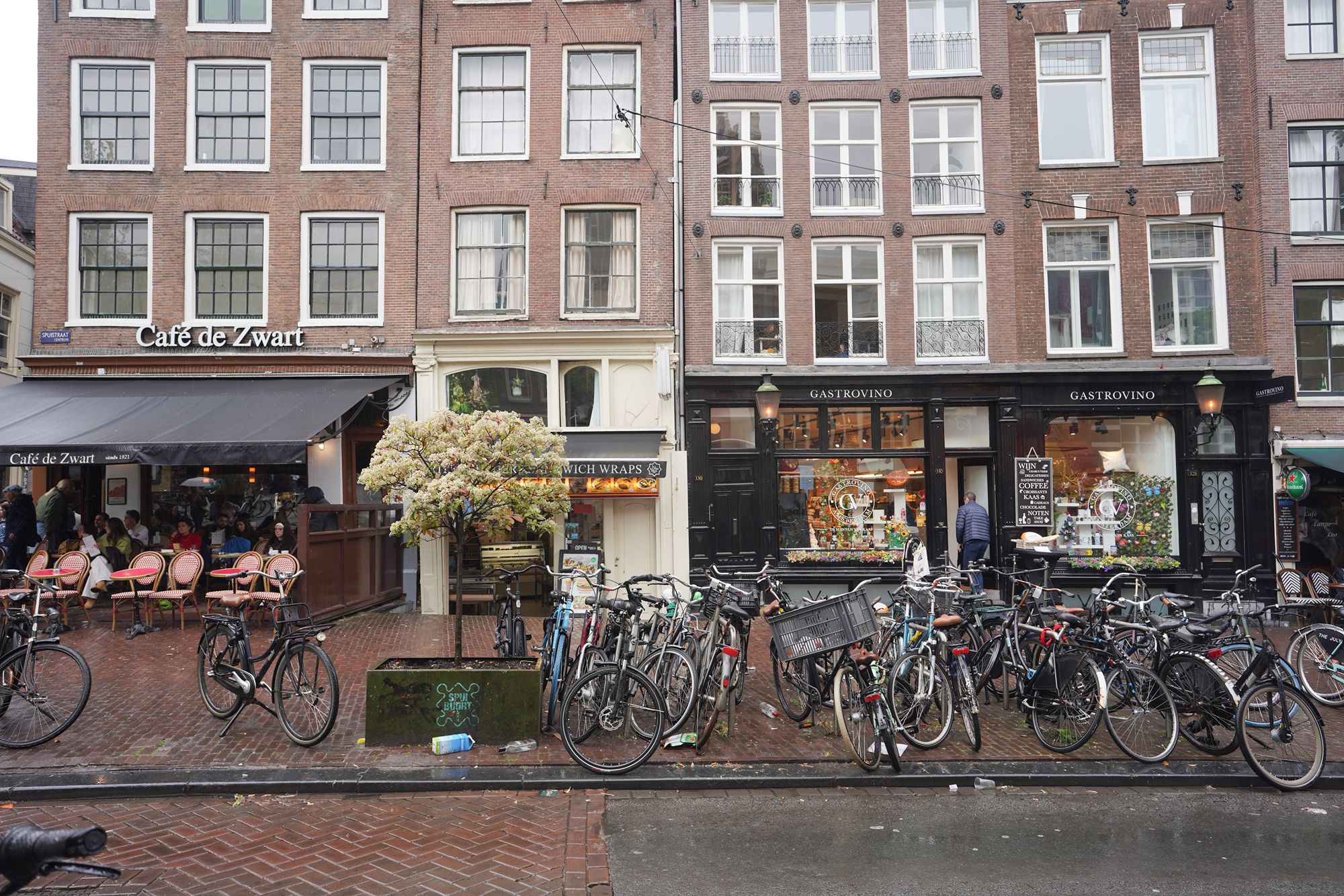
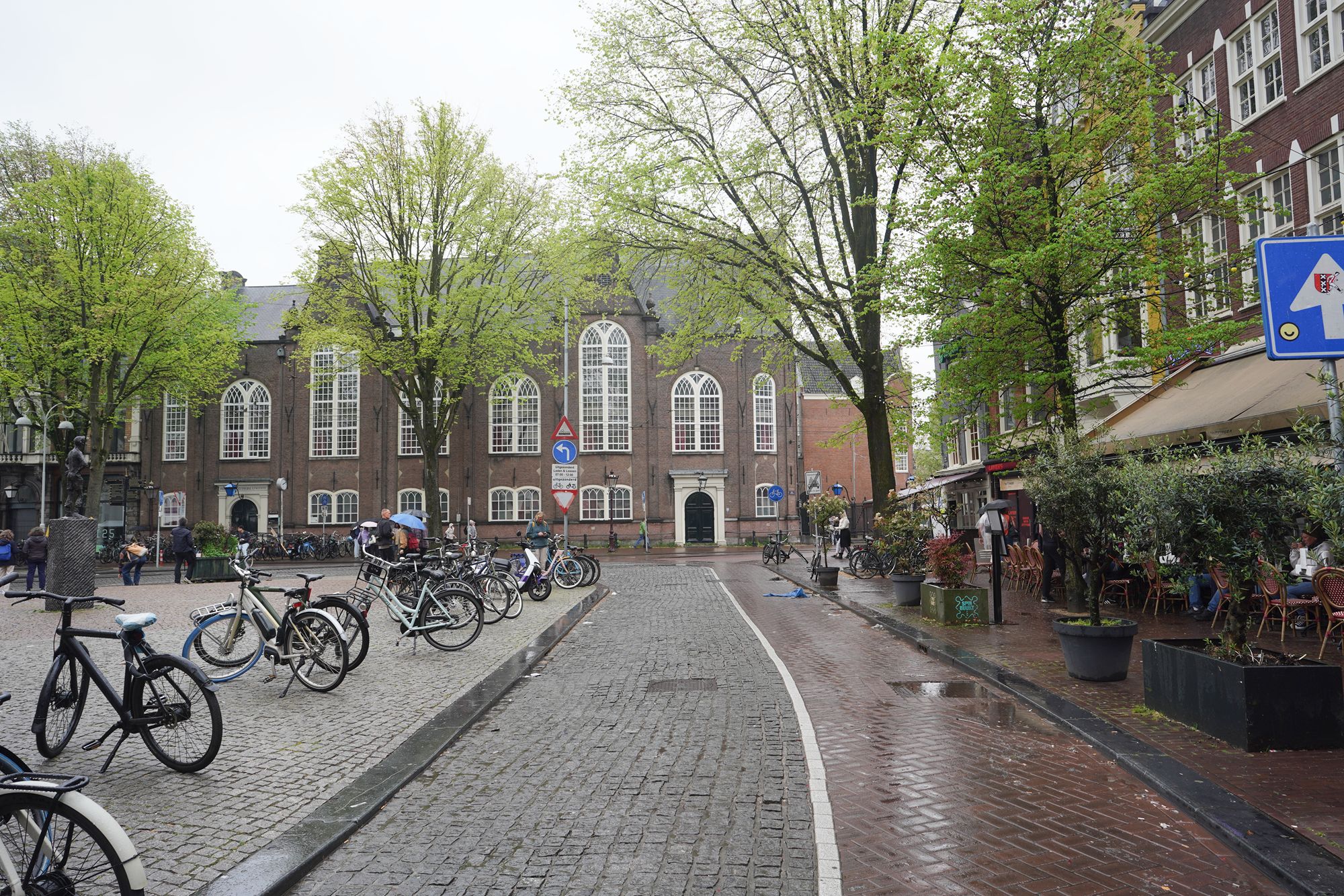
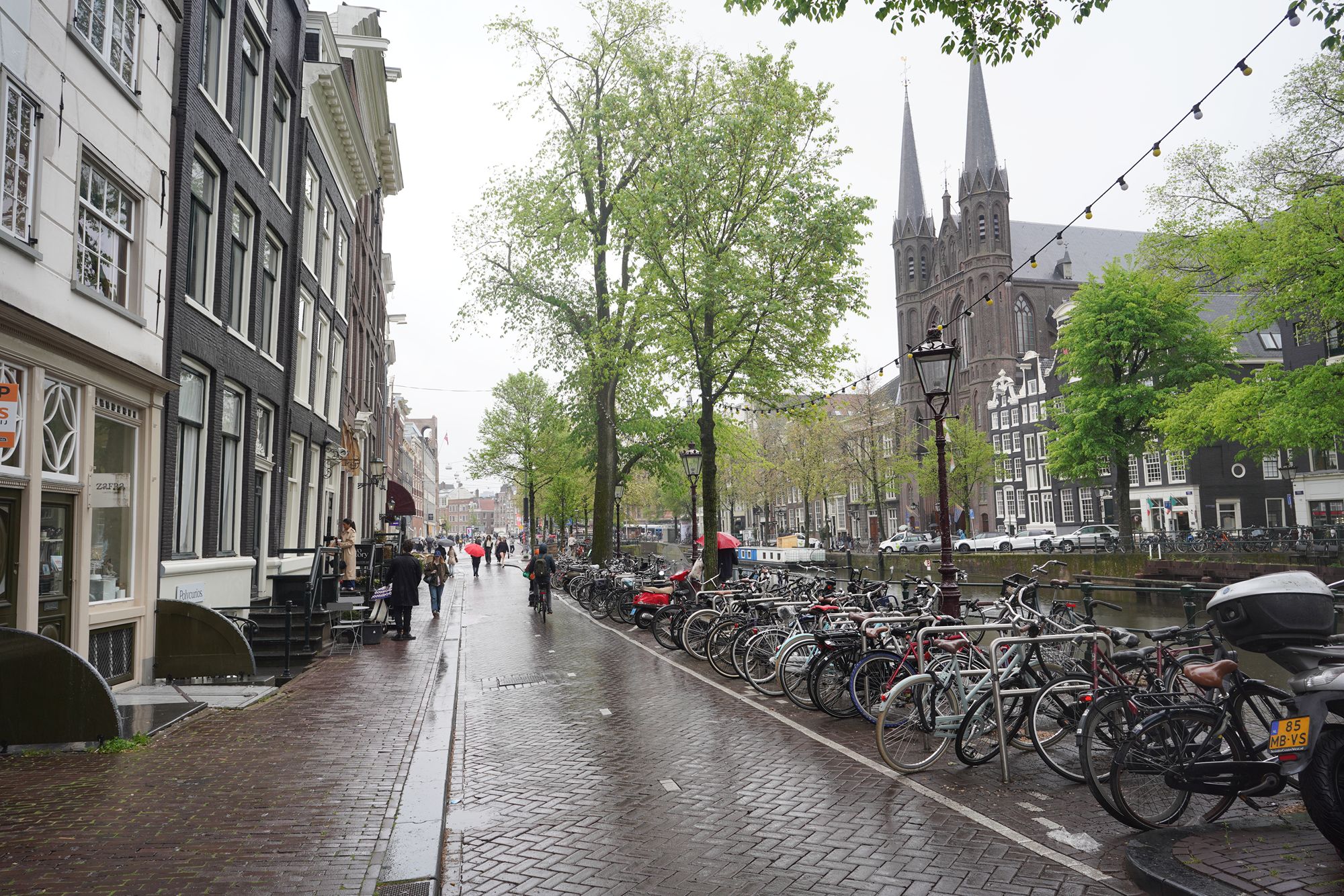
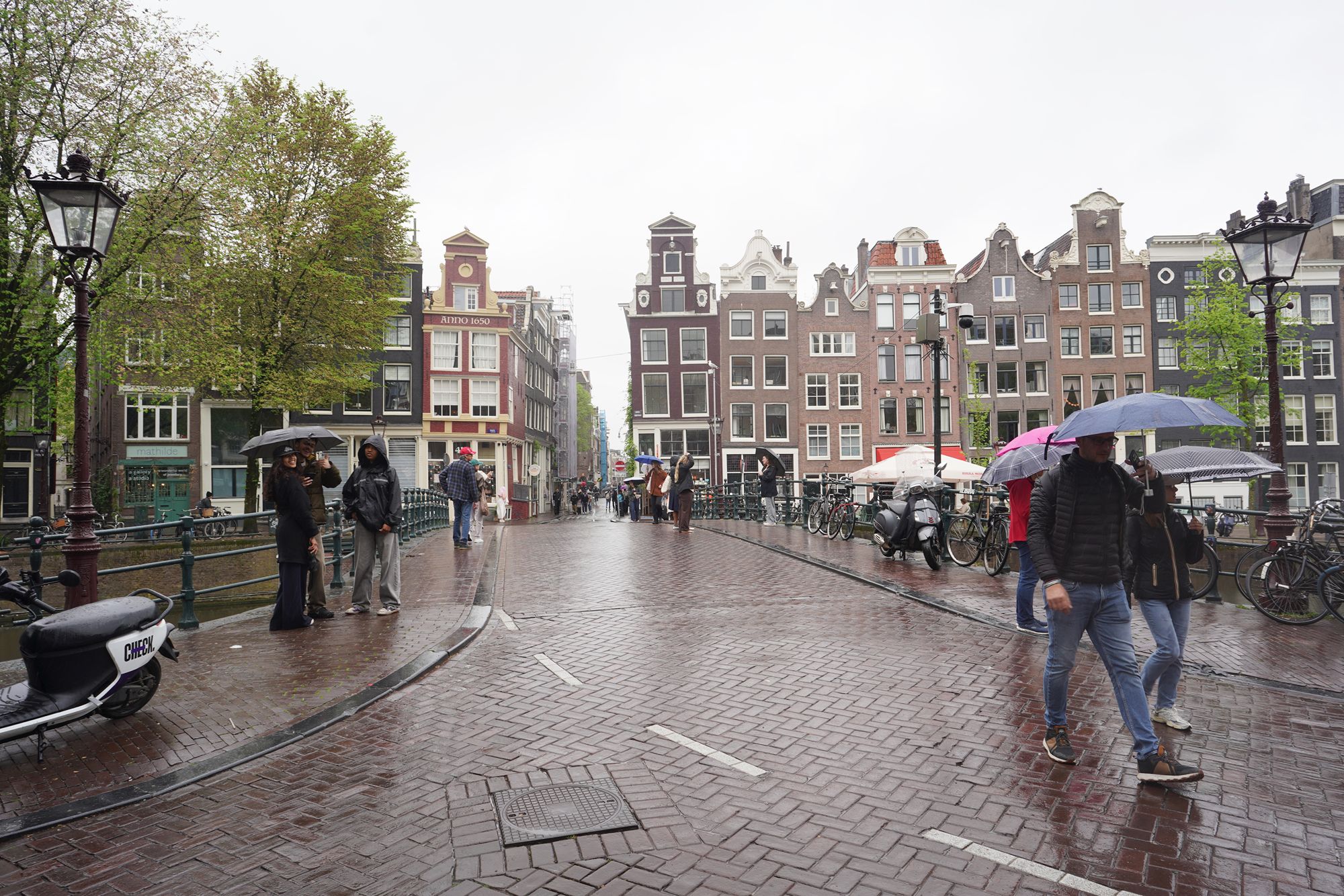
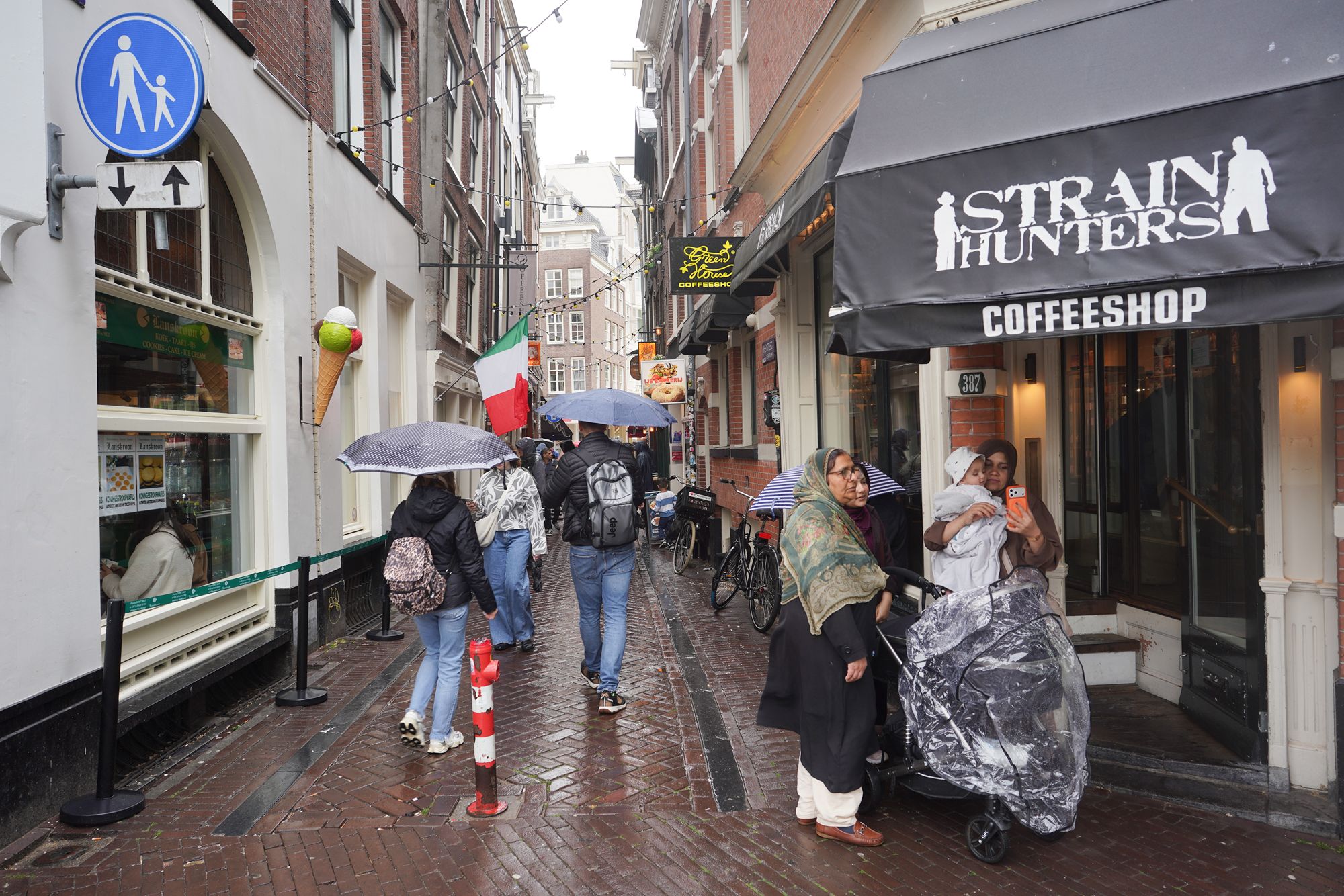
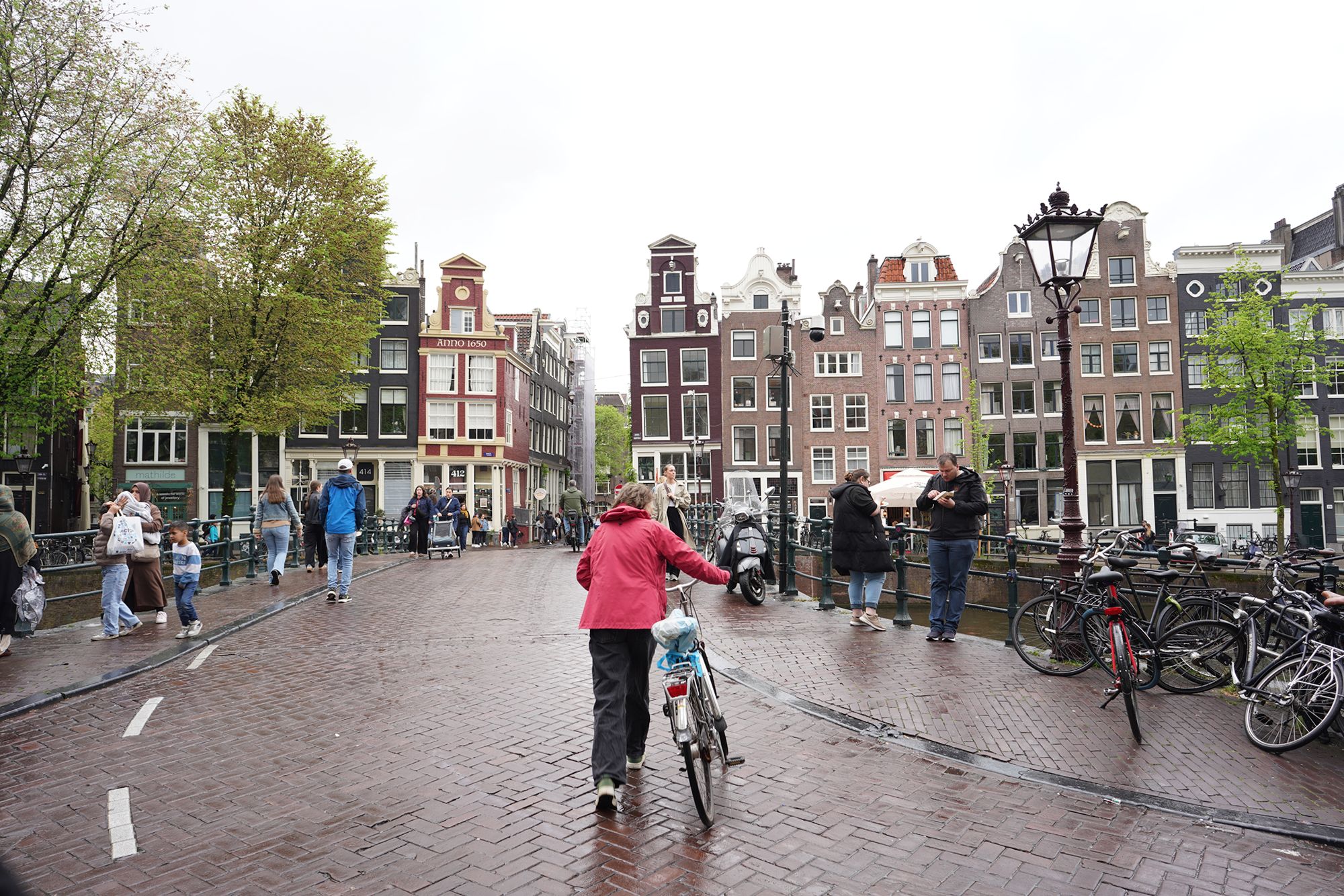
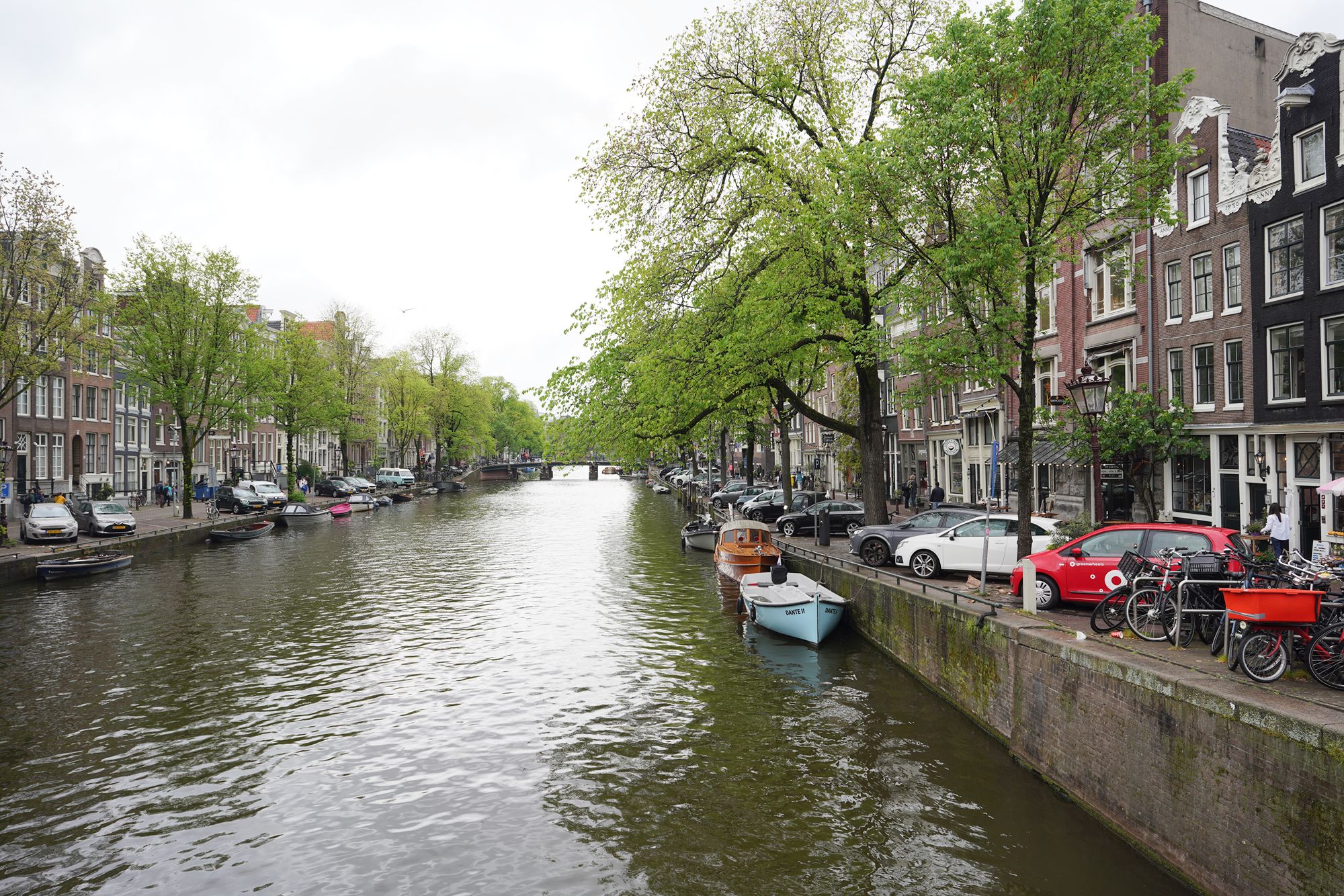
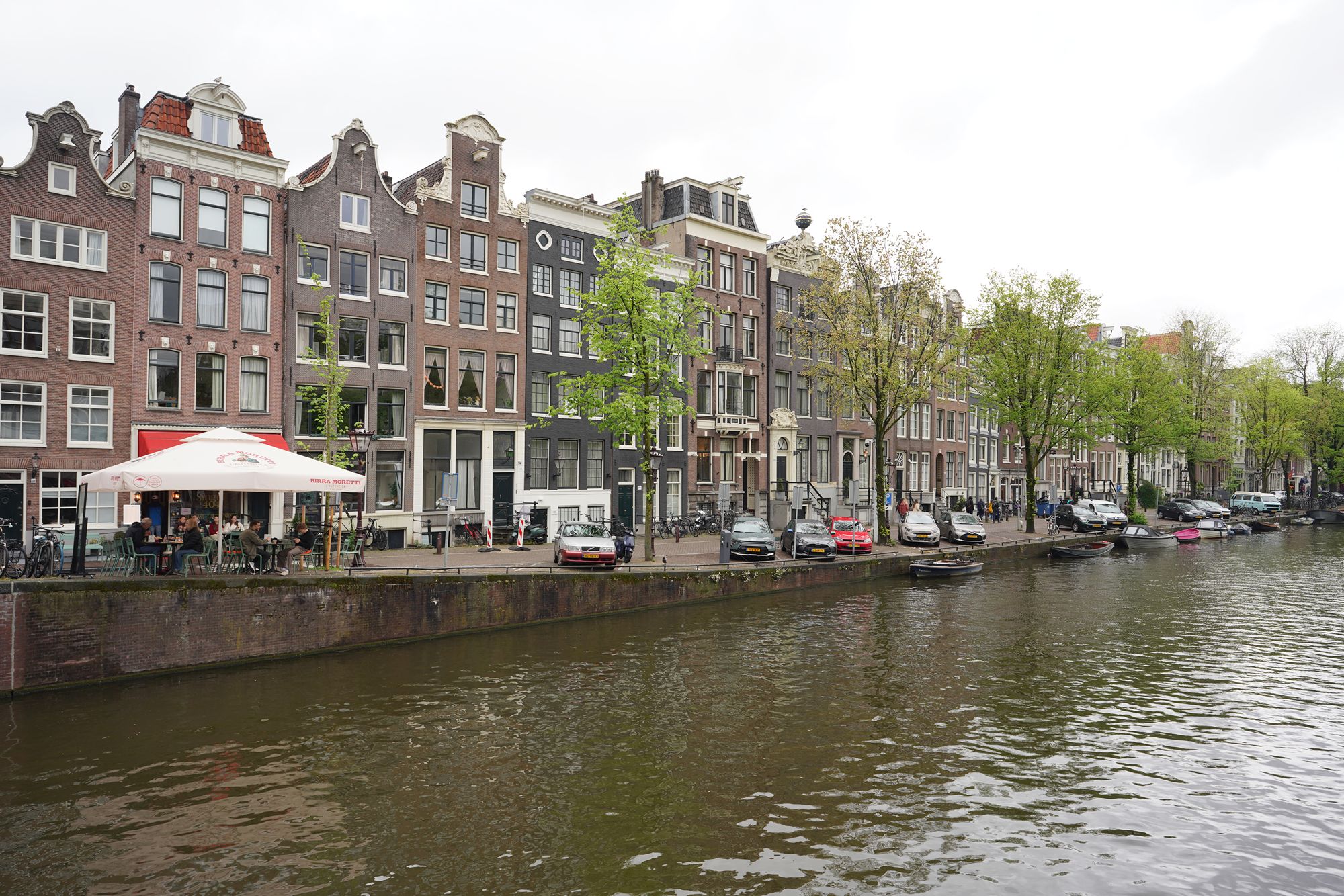
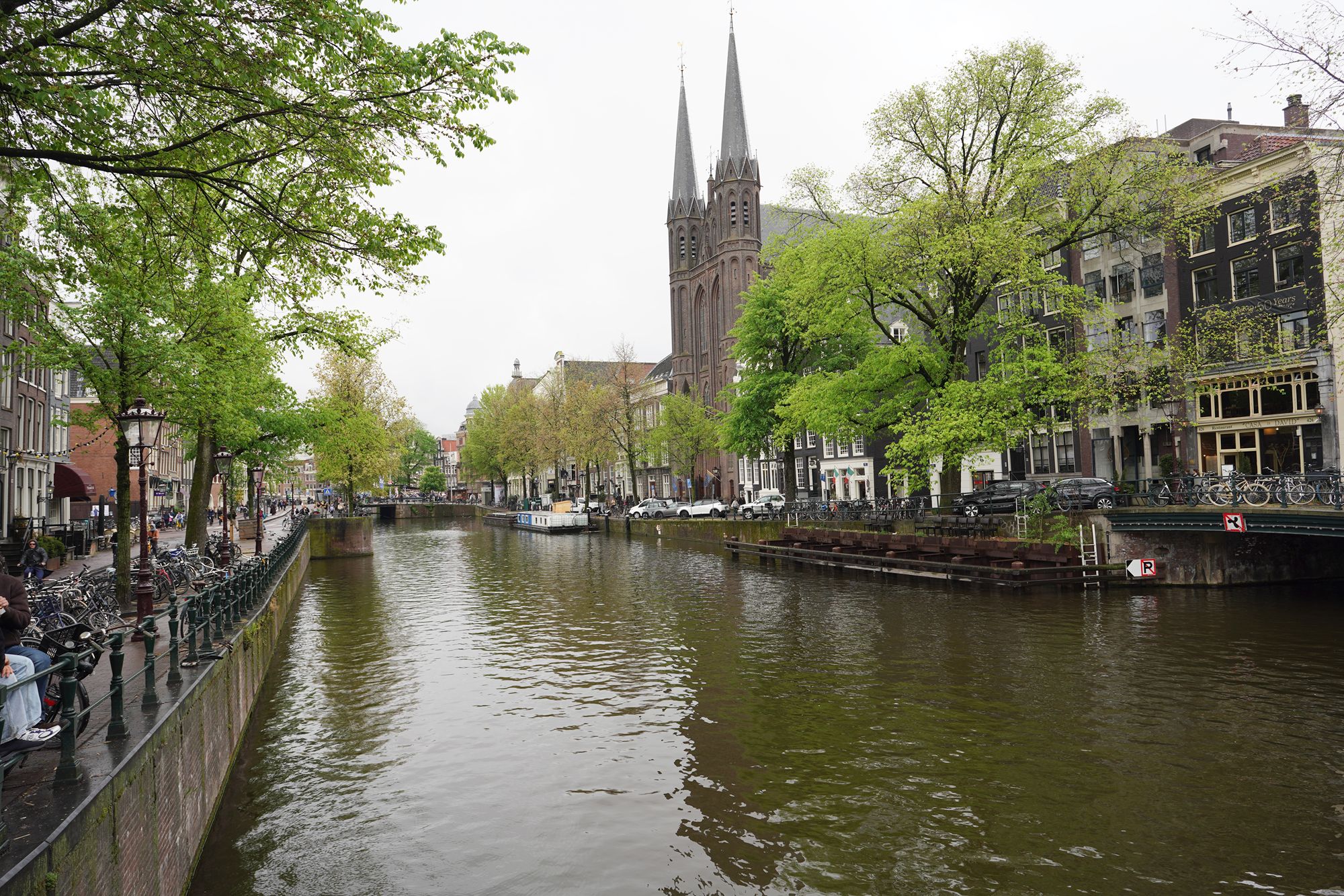
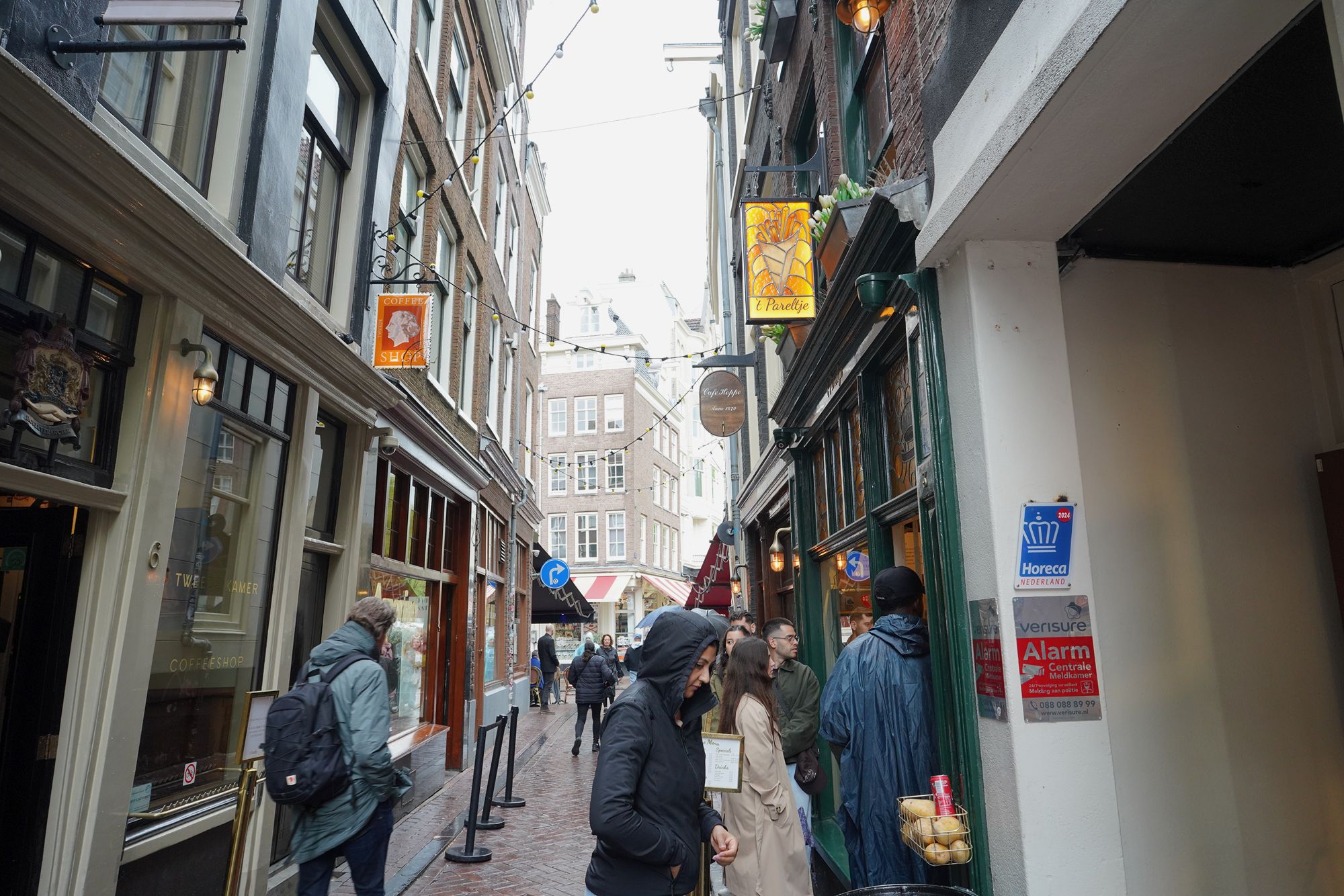
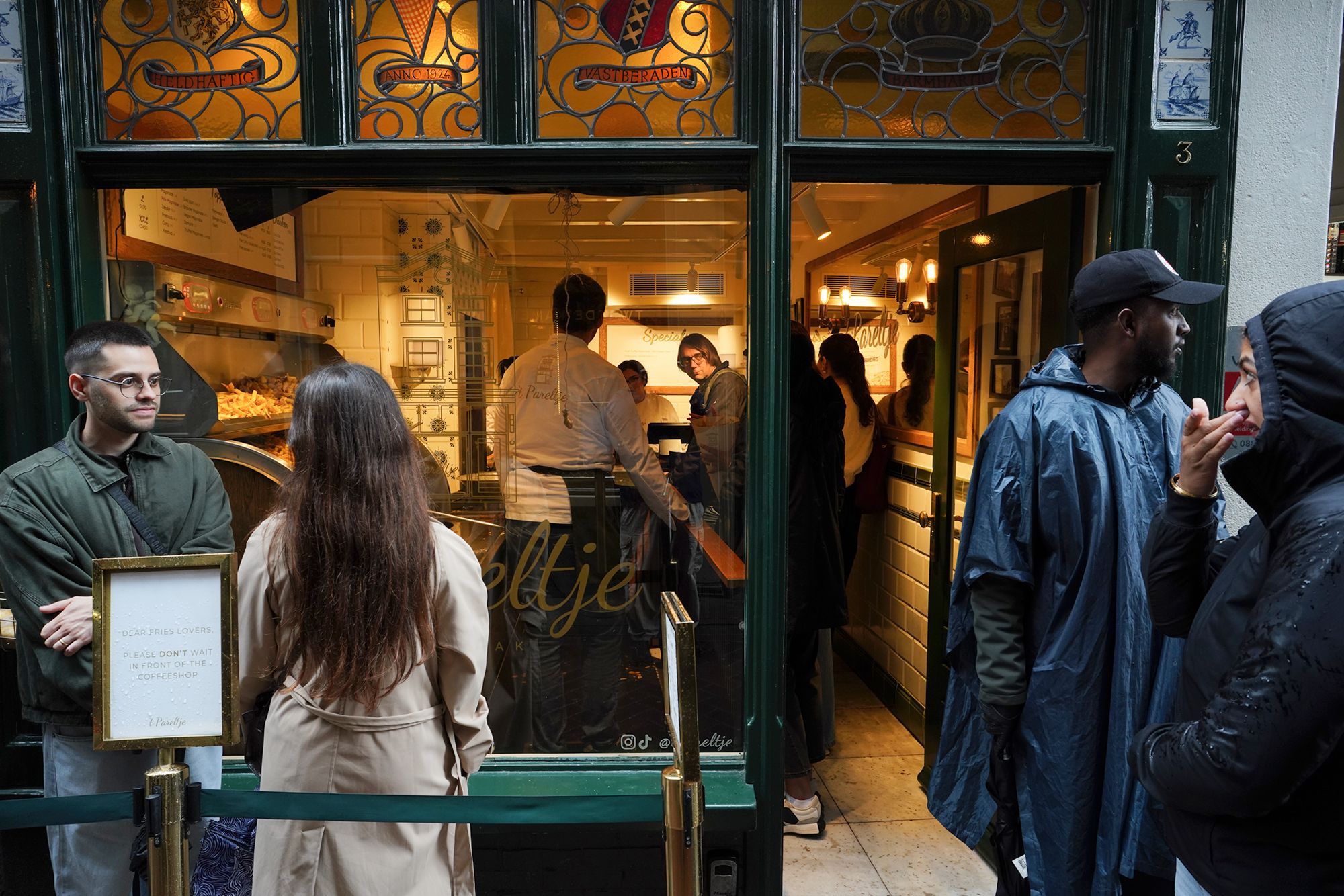
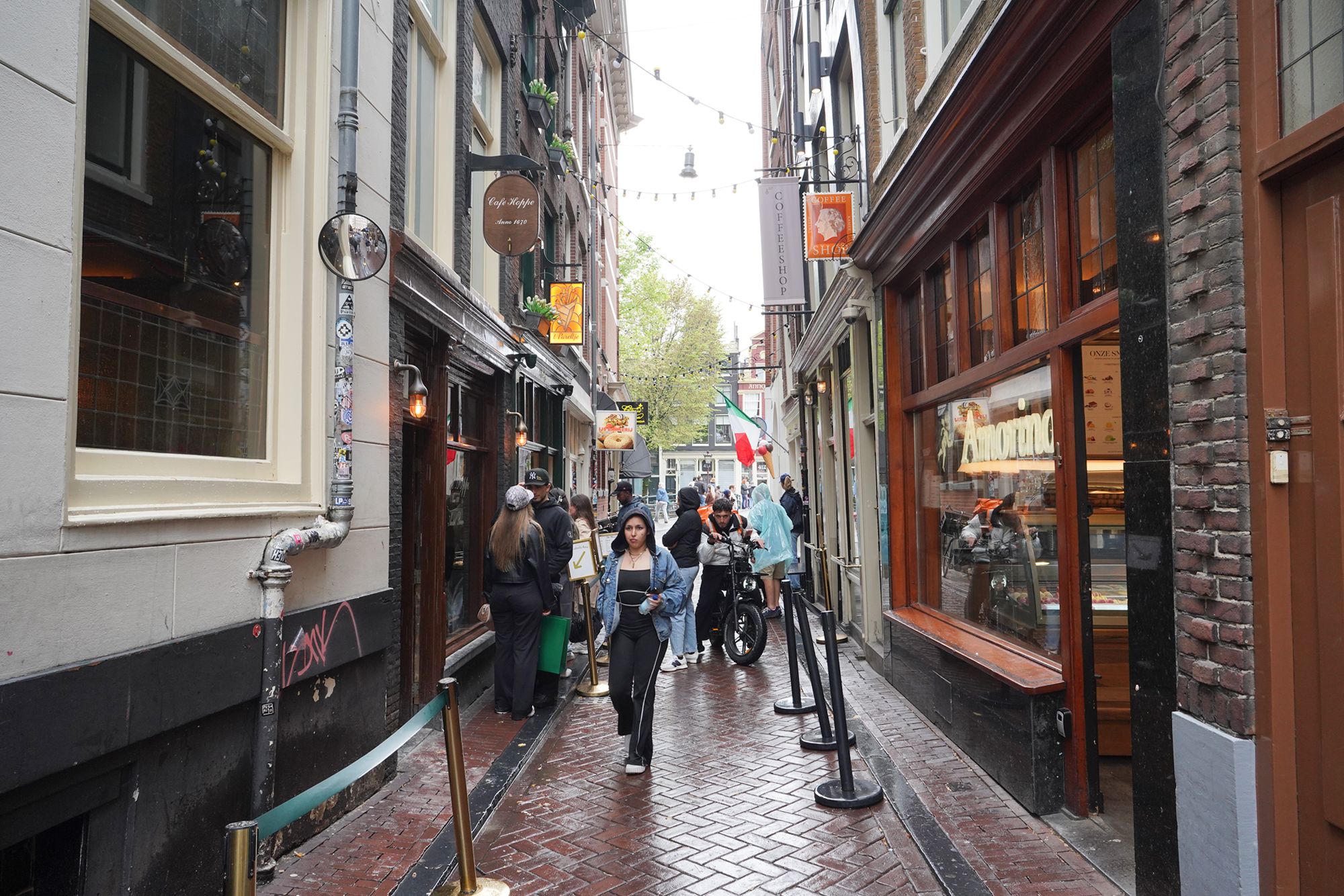
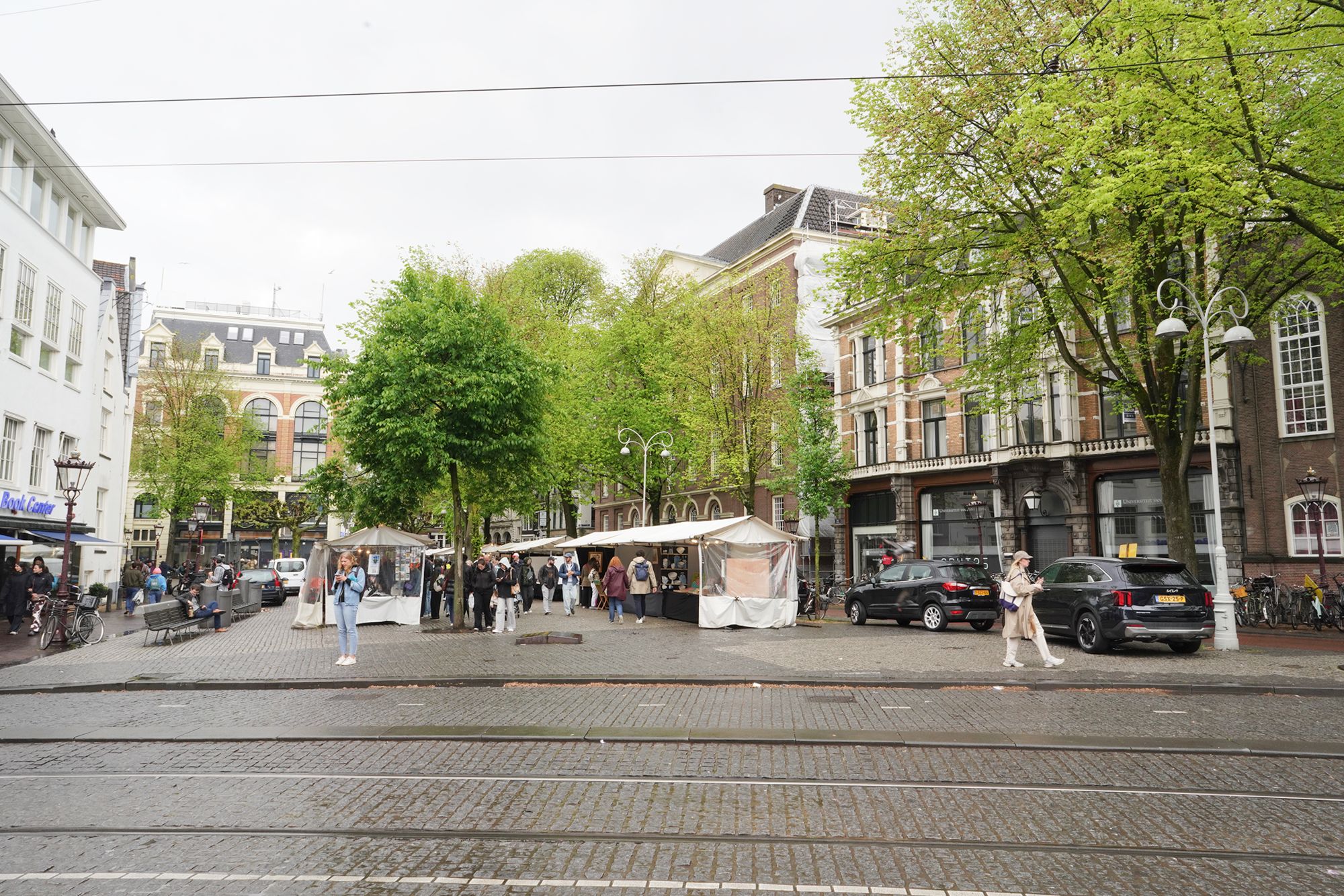
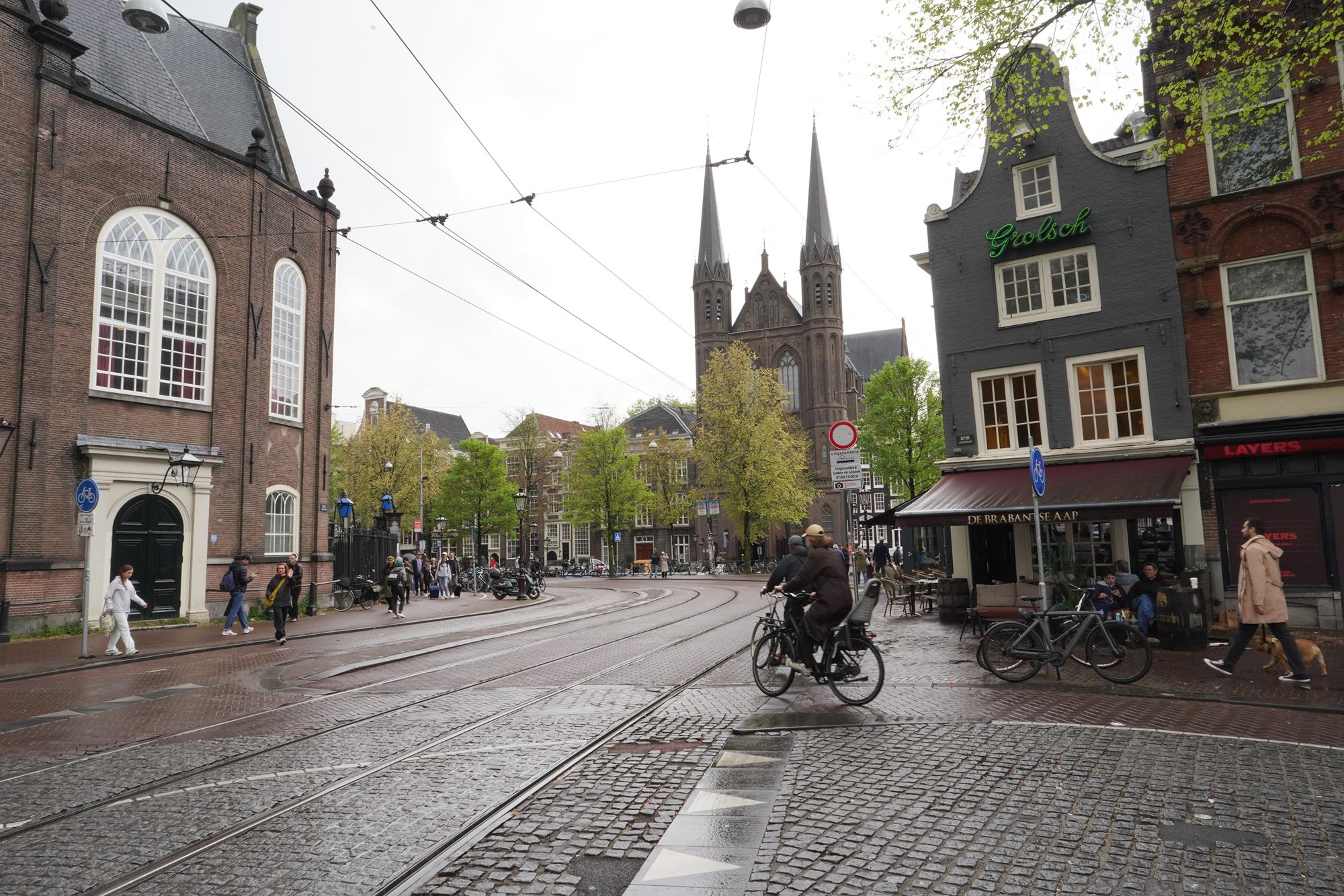
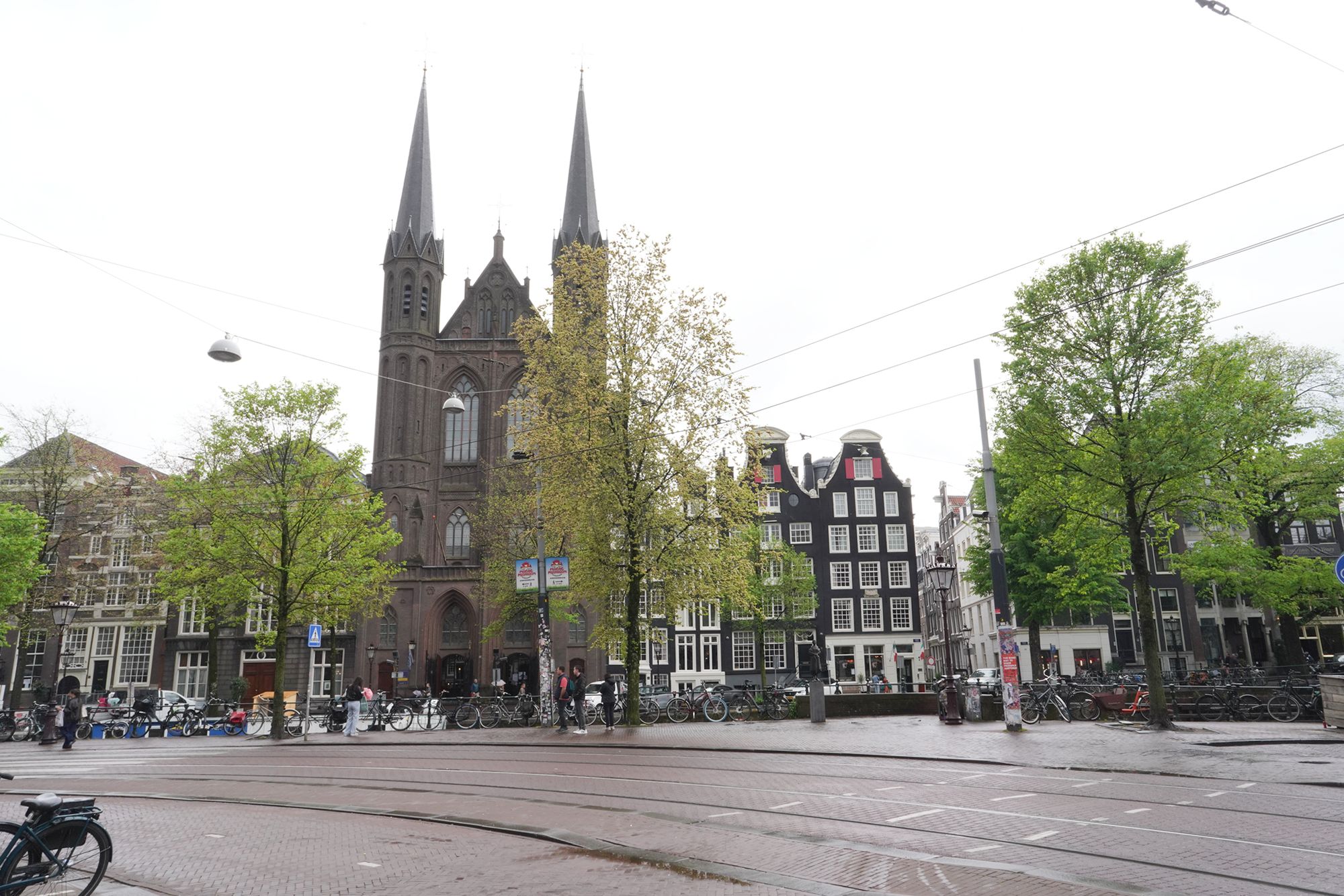
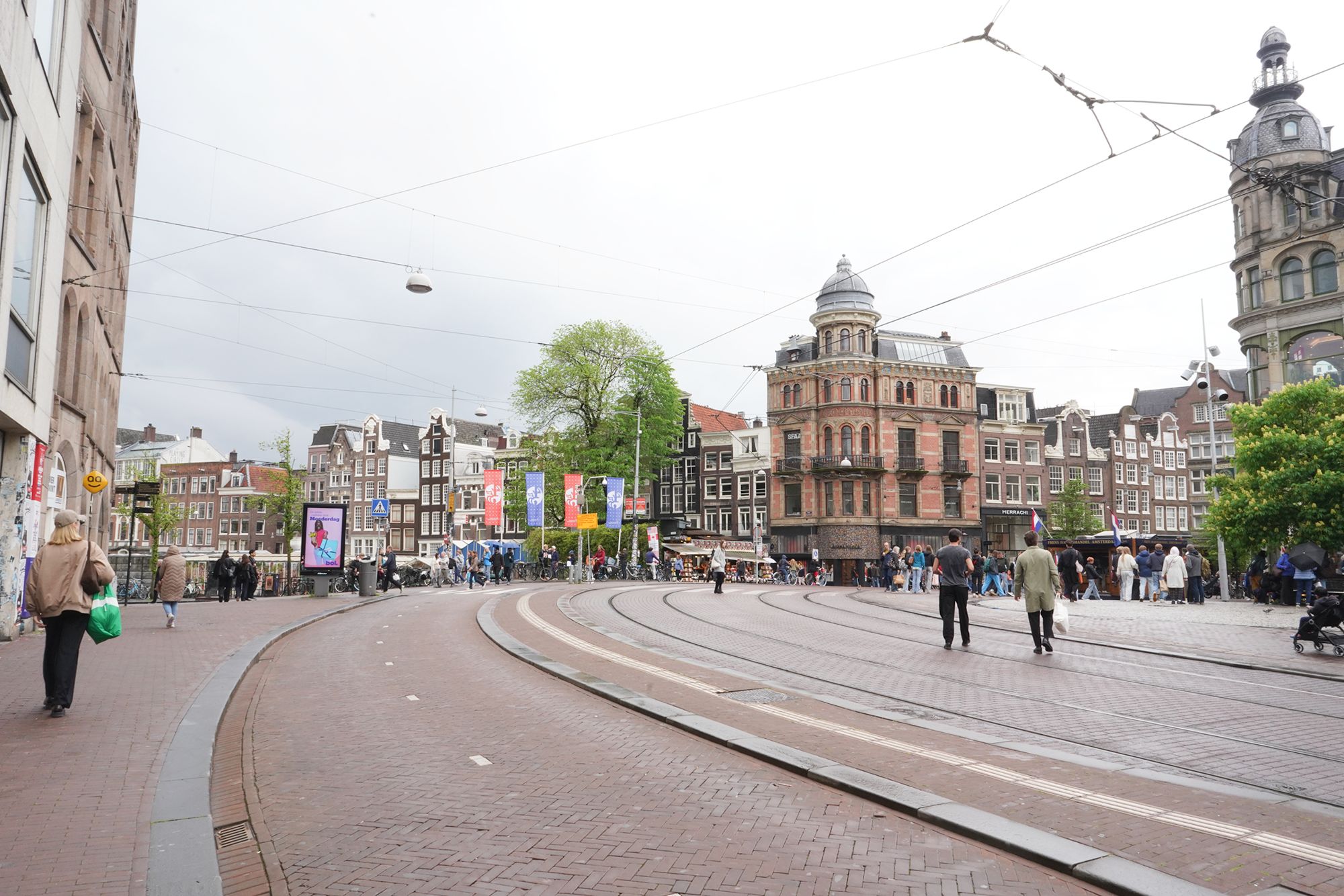
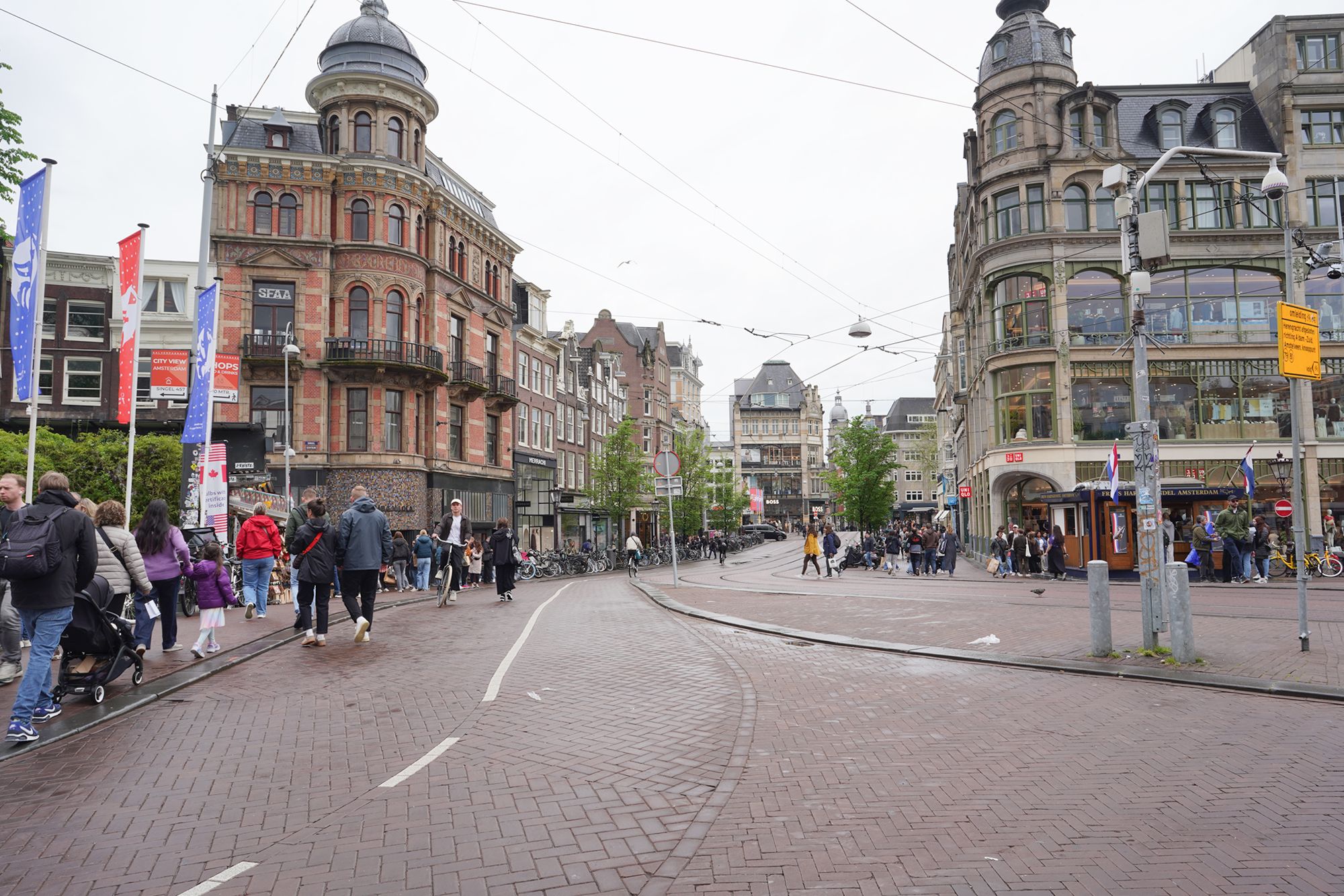
After wandering around for a while, I eventually found Kalverstraat again and got back on track with my planned walking route.
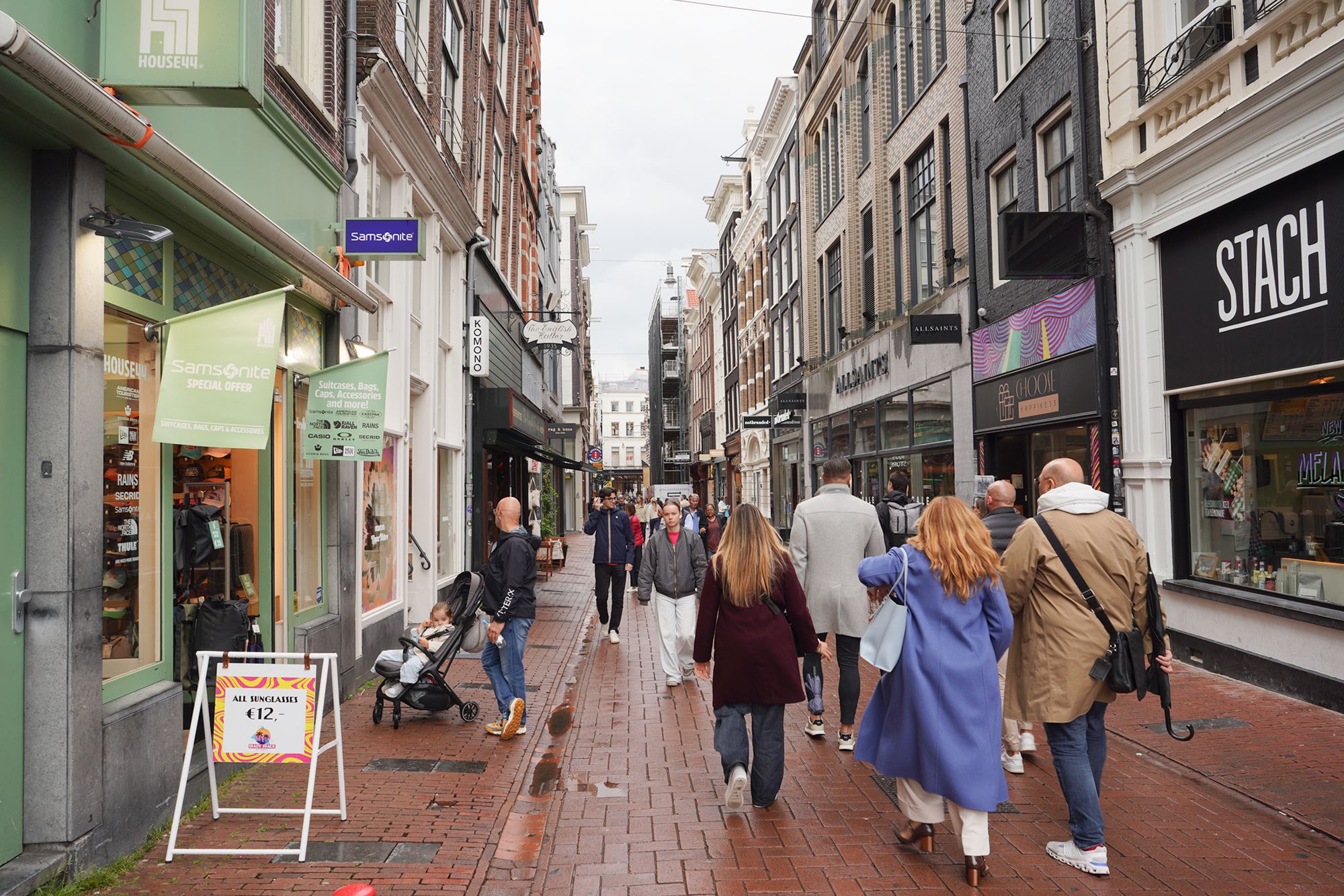
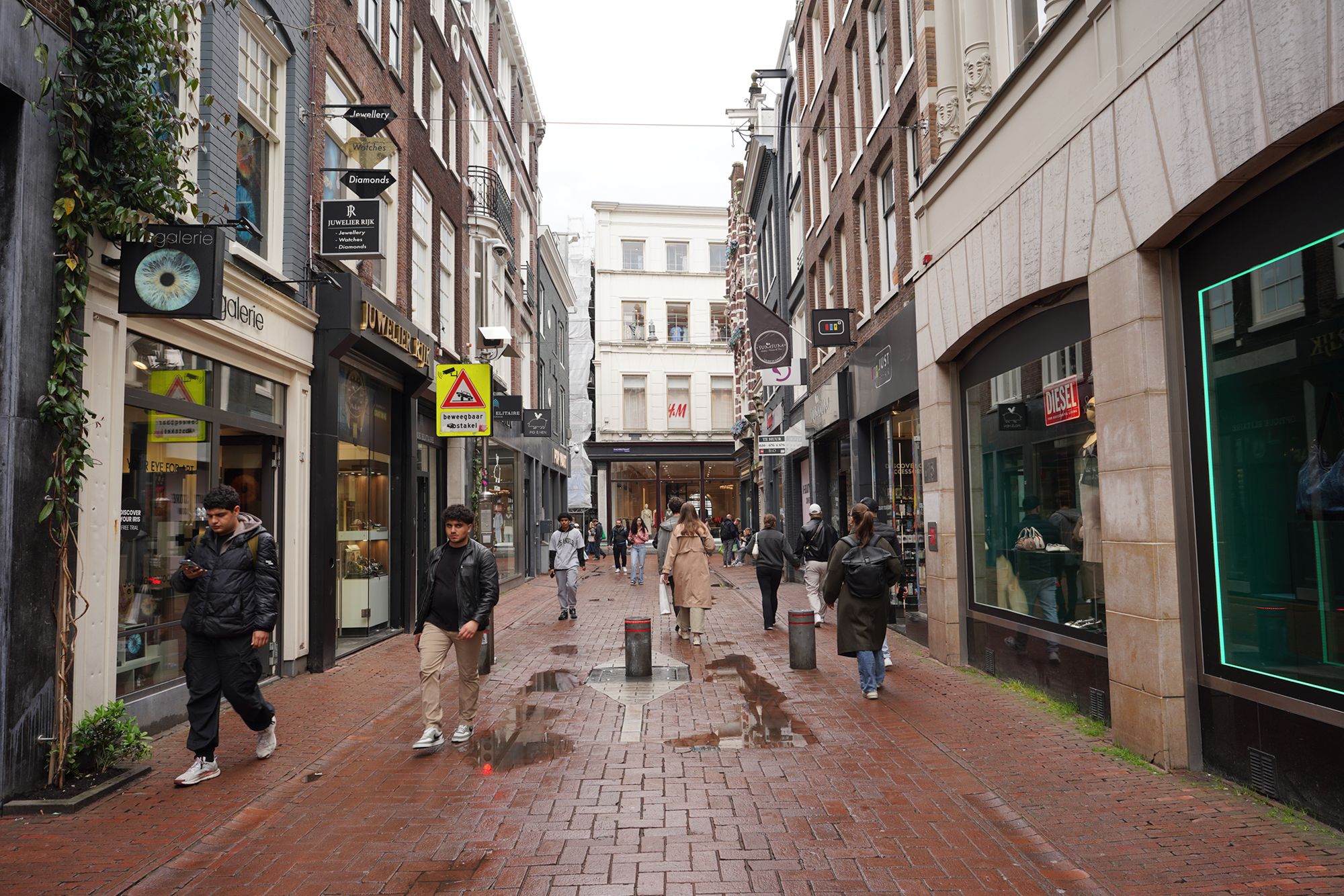
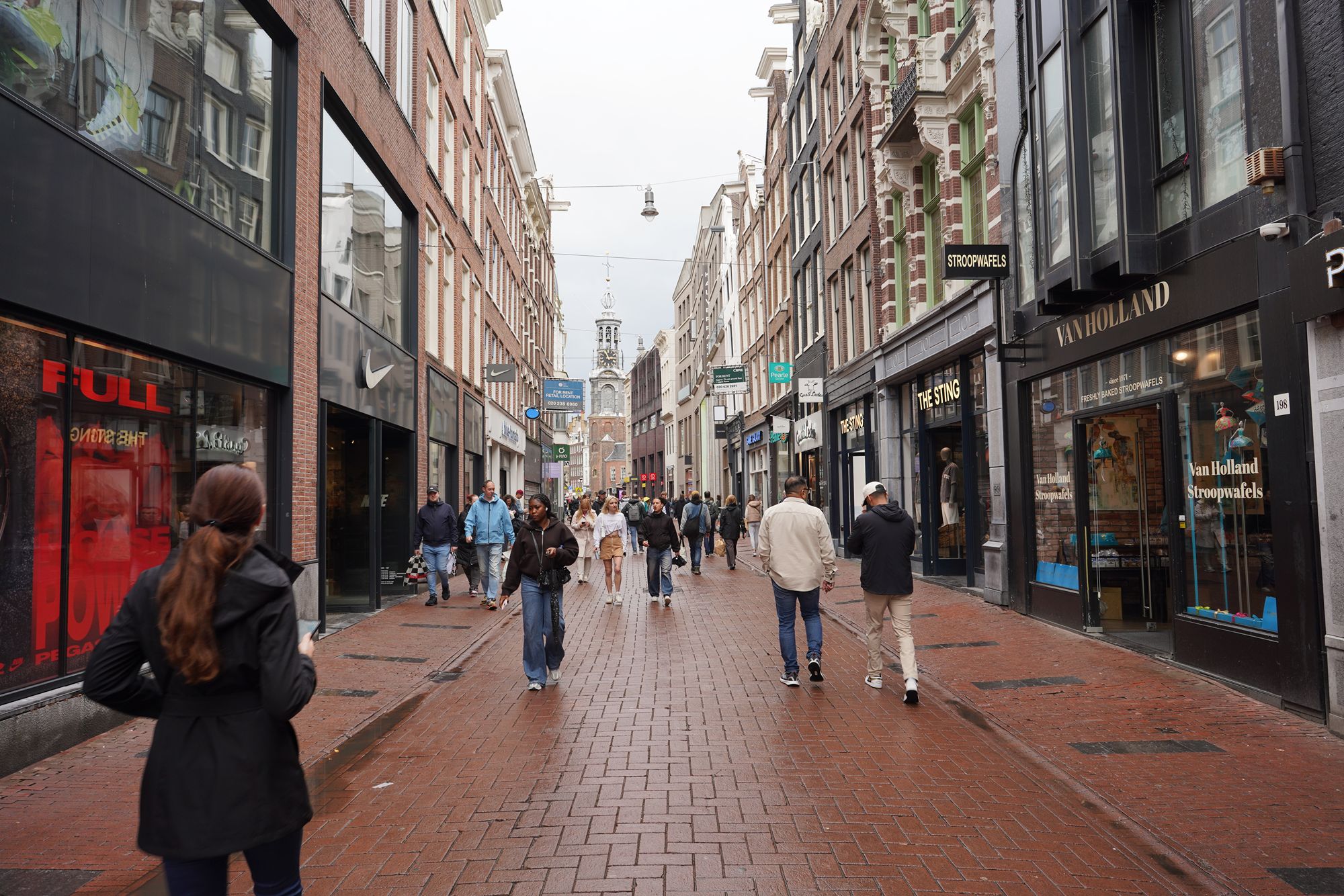
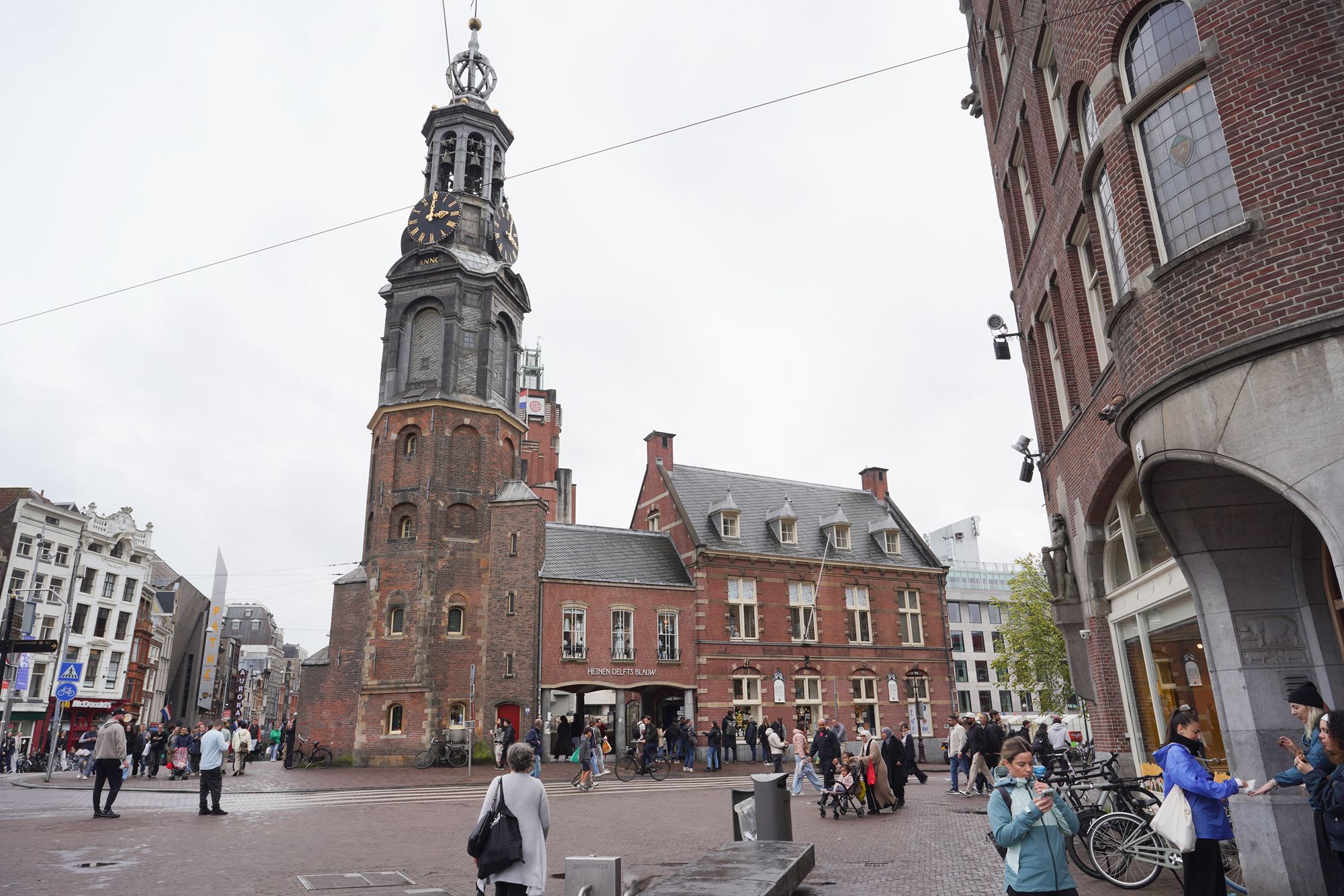
At the end of Kalverstraat, I reached the Munttoren, or Mint Tower, one of Amsterdam’s recognizable historic landmarks. The tower was originally part of the Regulierspoort, one of the main gates in Amsterdam’s medieval city wall.
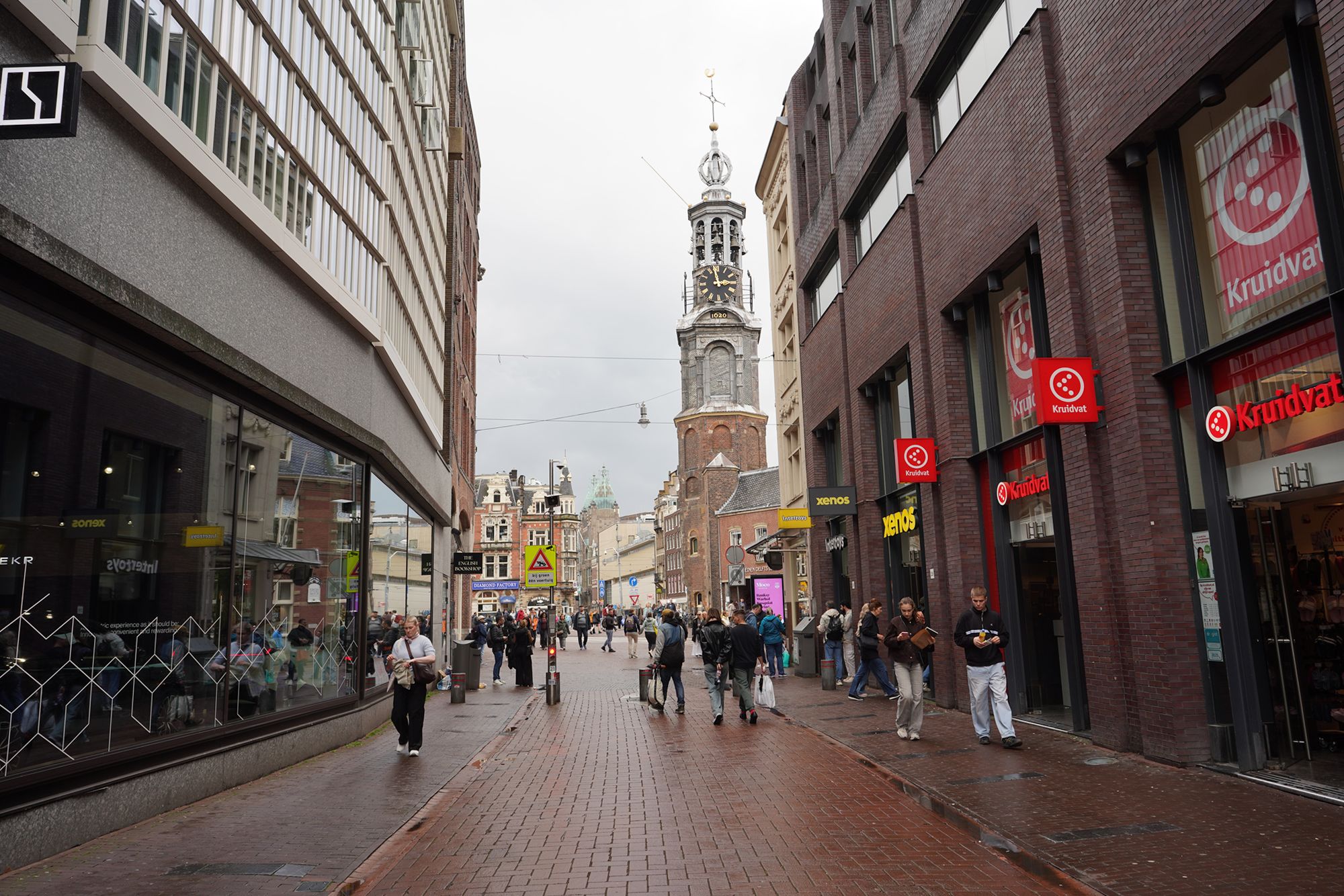
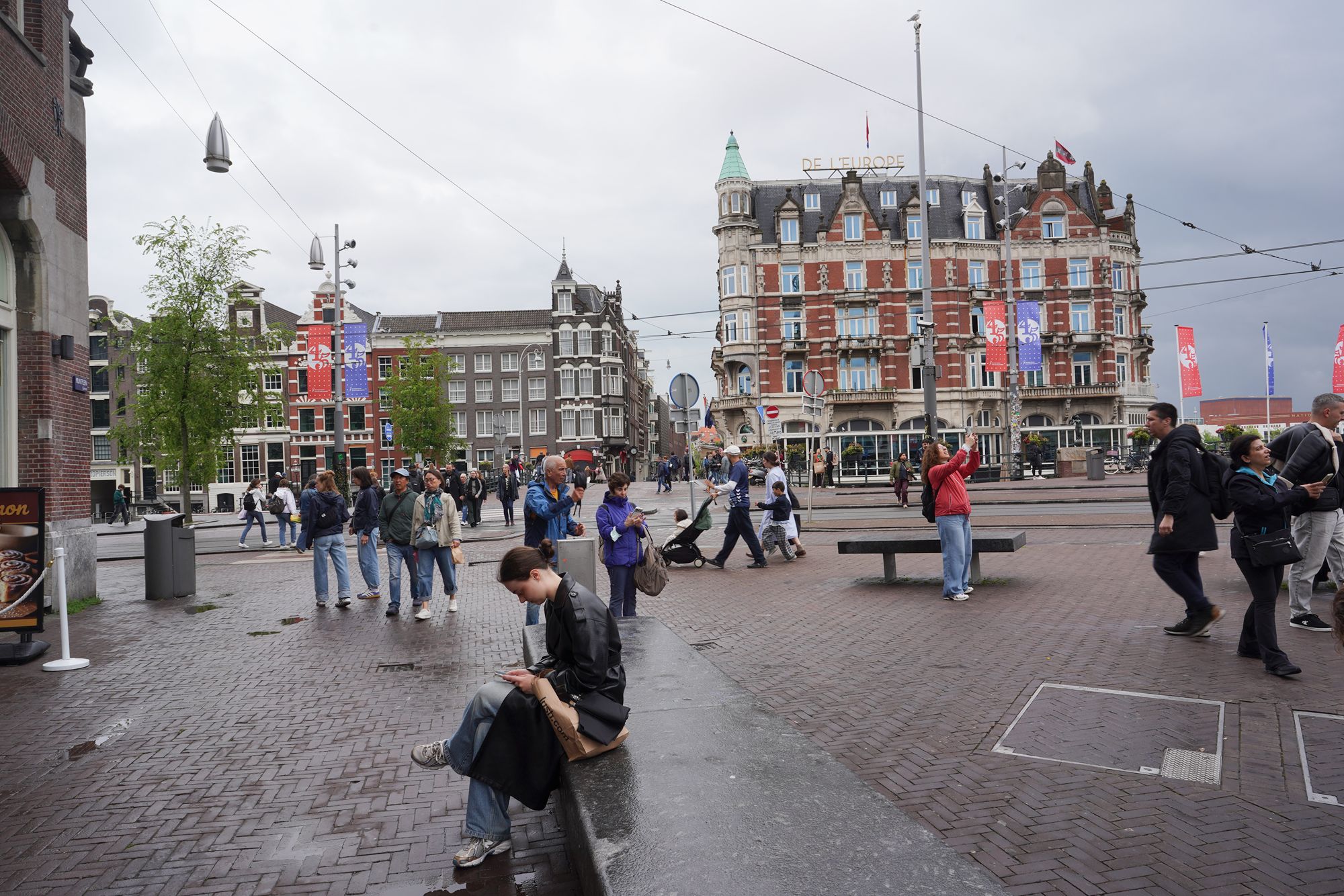
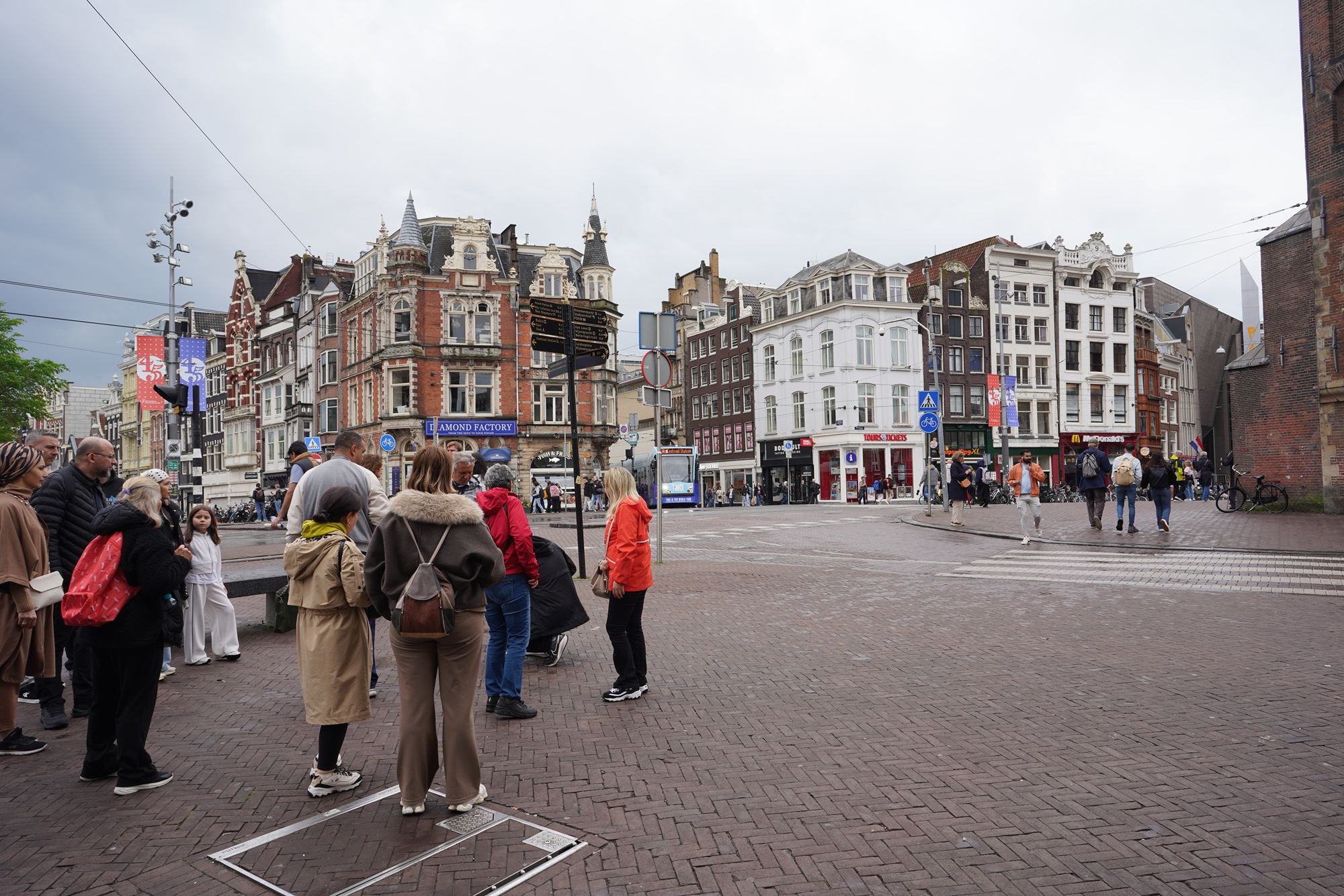
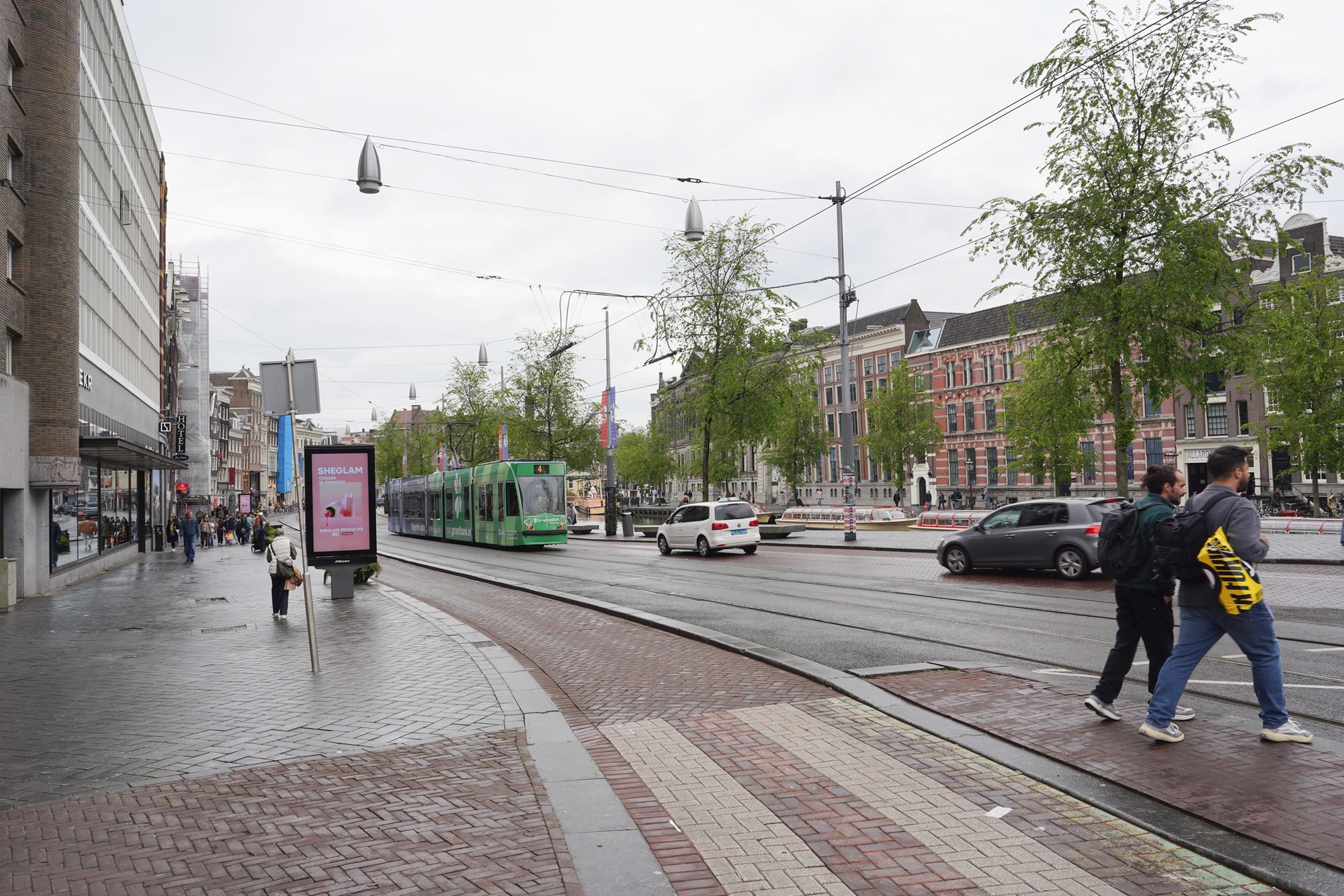
Most of the gate was destroyed by fire in 1618, but one of its towers survived and was rebuilt with the distinctive clock tower and spire seen today. It became known as the “Mint Tower” in the 17th century, when coins were temporarily minted in the building beside it. Today, the Munttoren stands beside the busy Muntplein, near the entrance to the famous Flower Market.
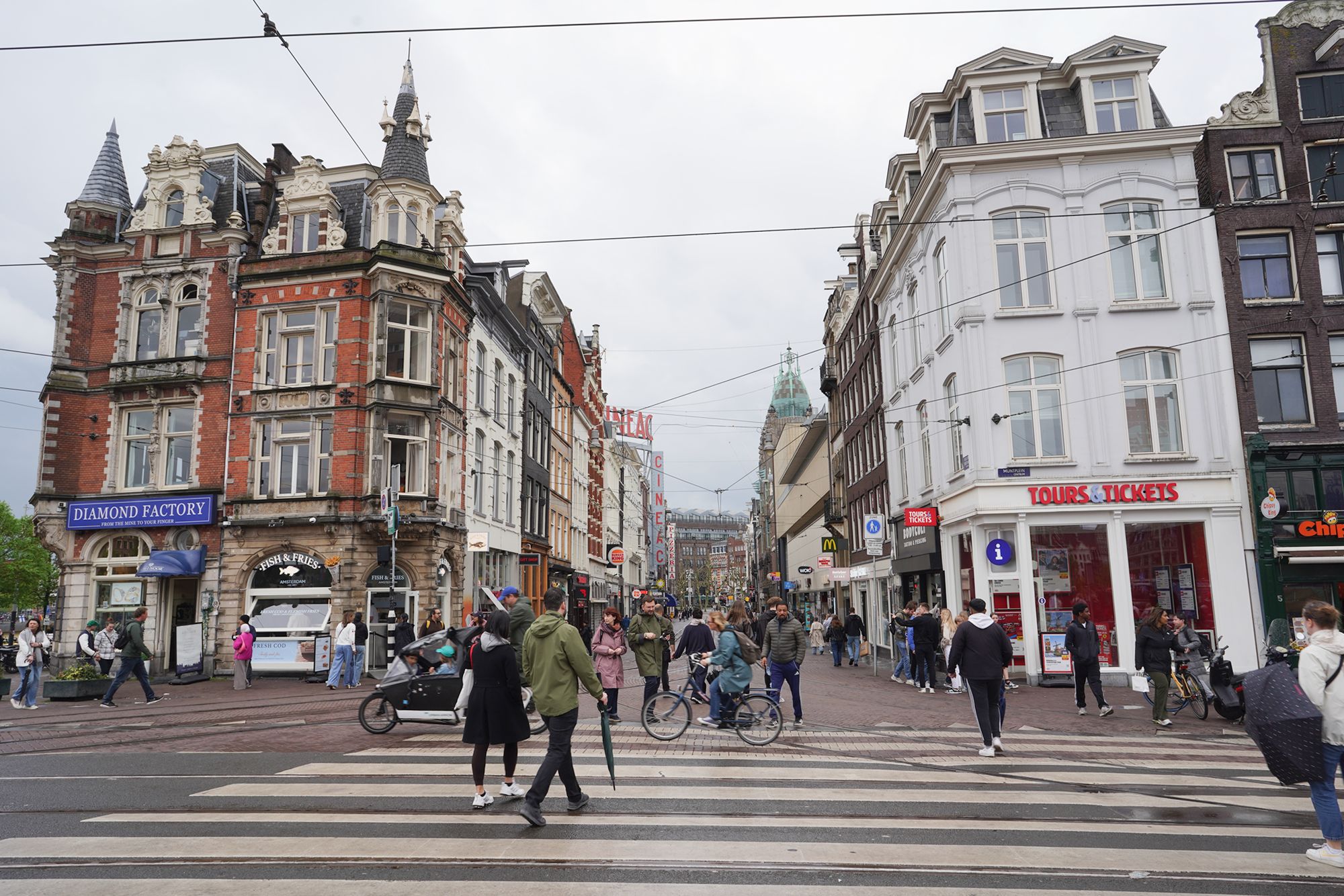
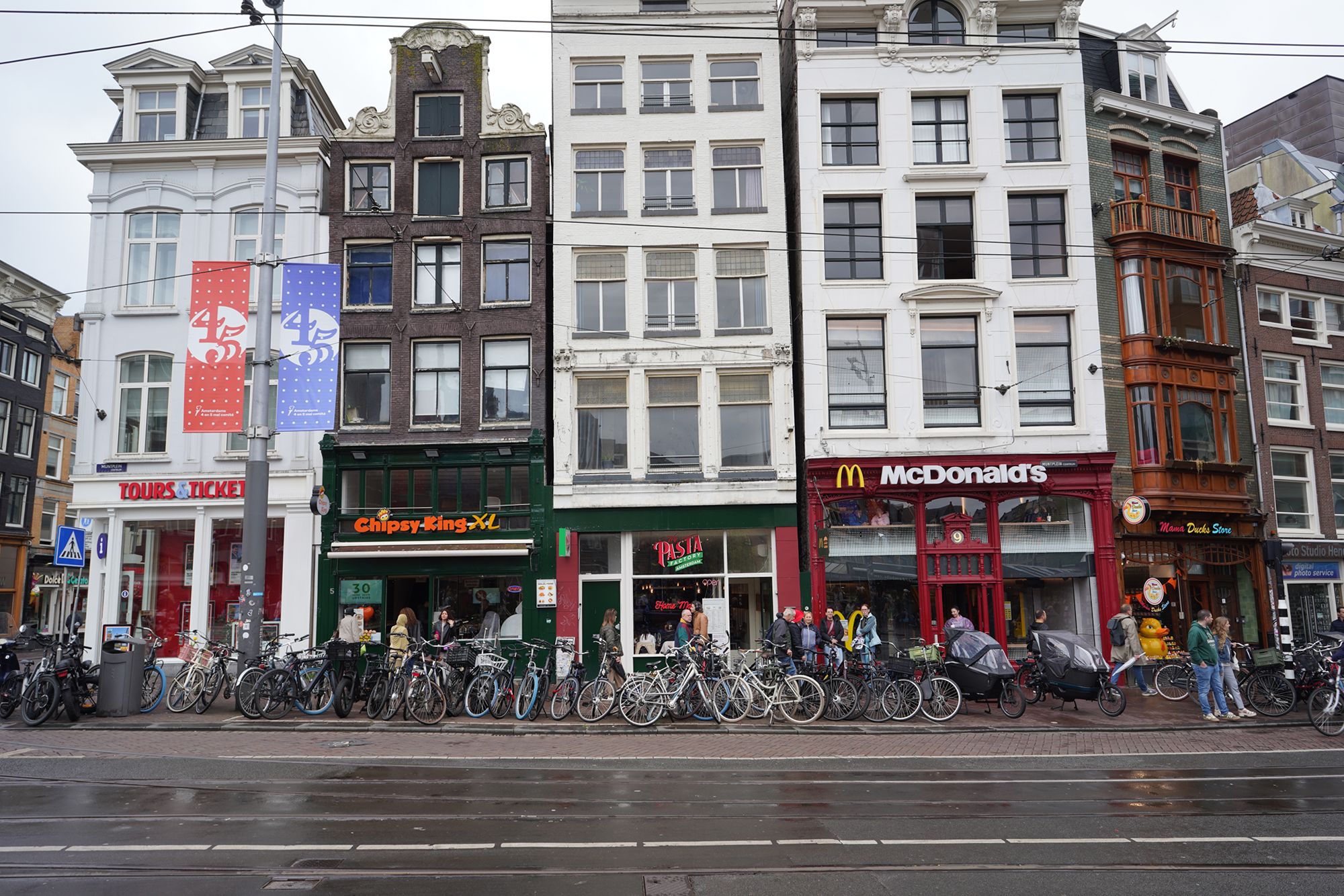
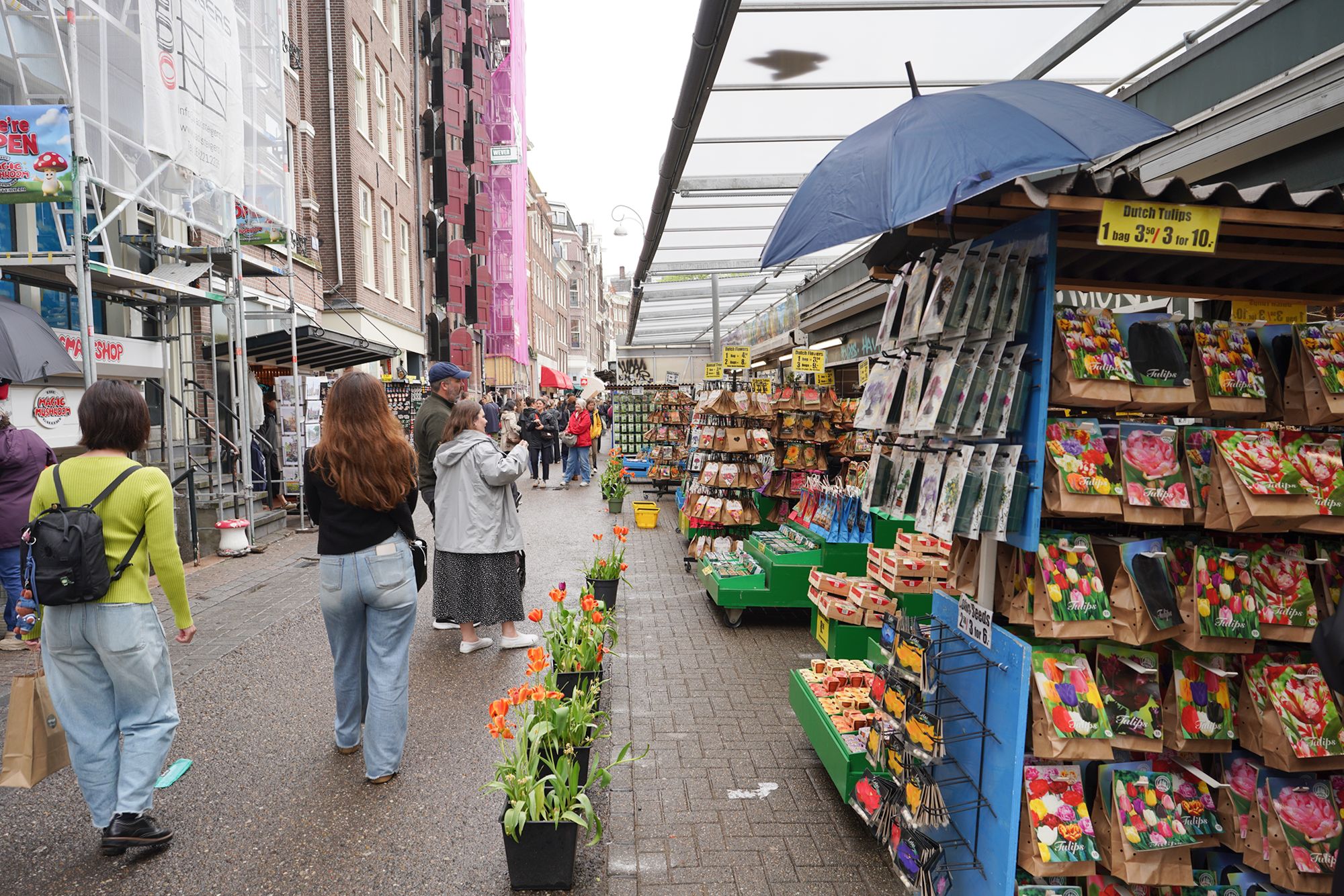
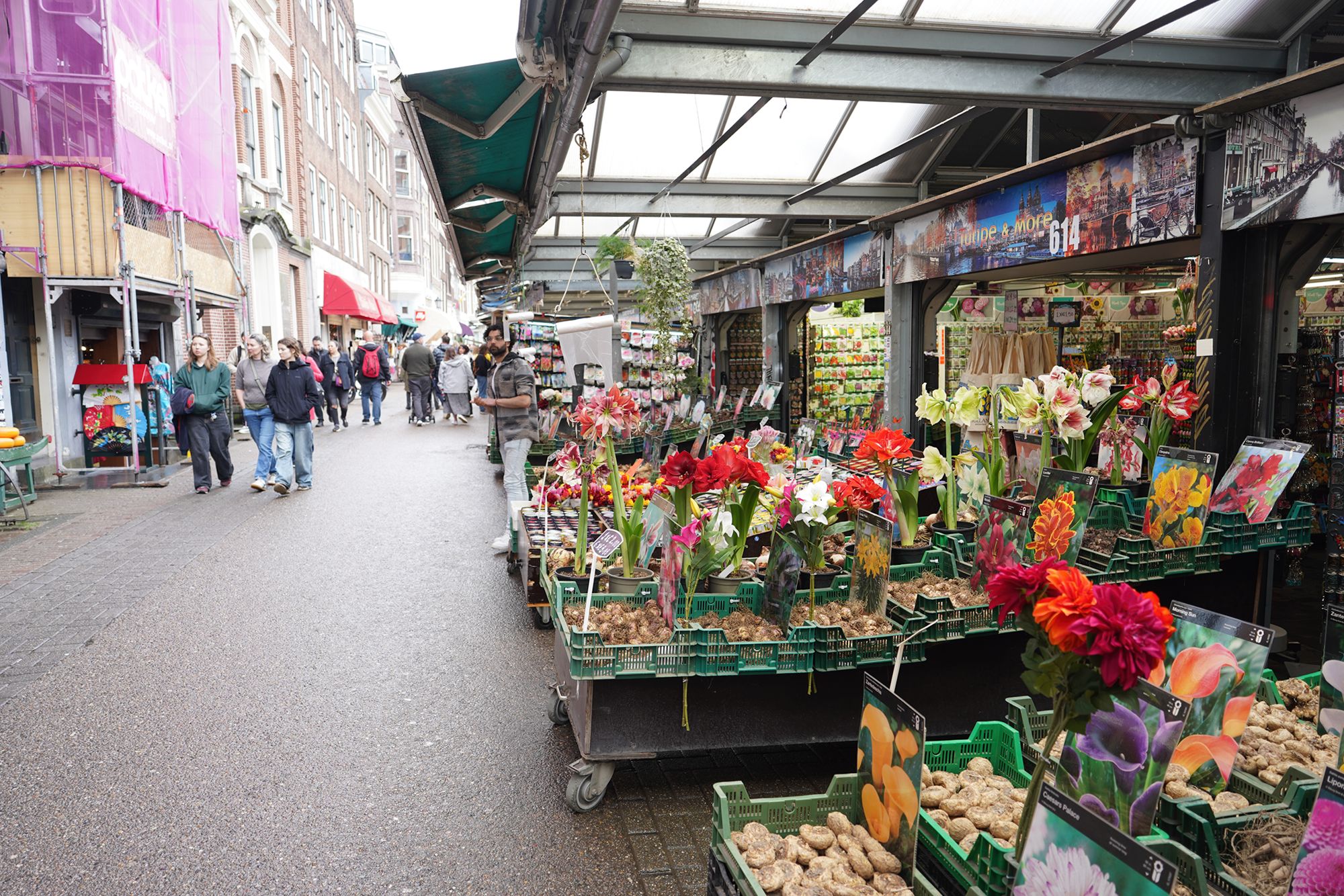
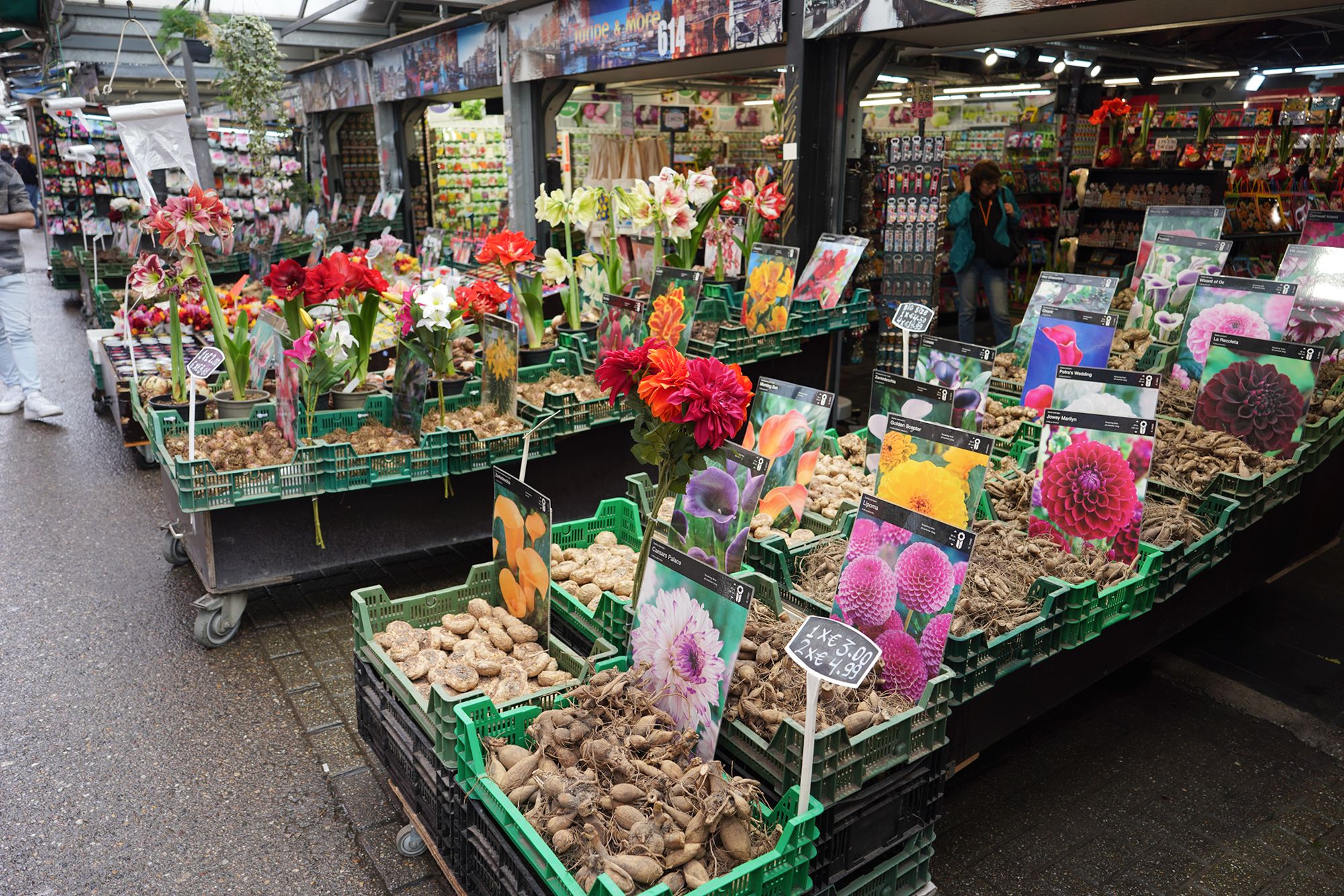
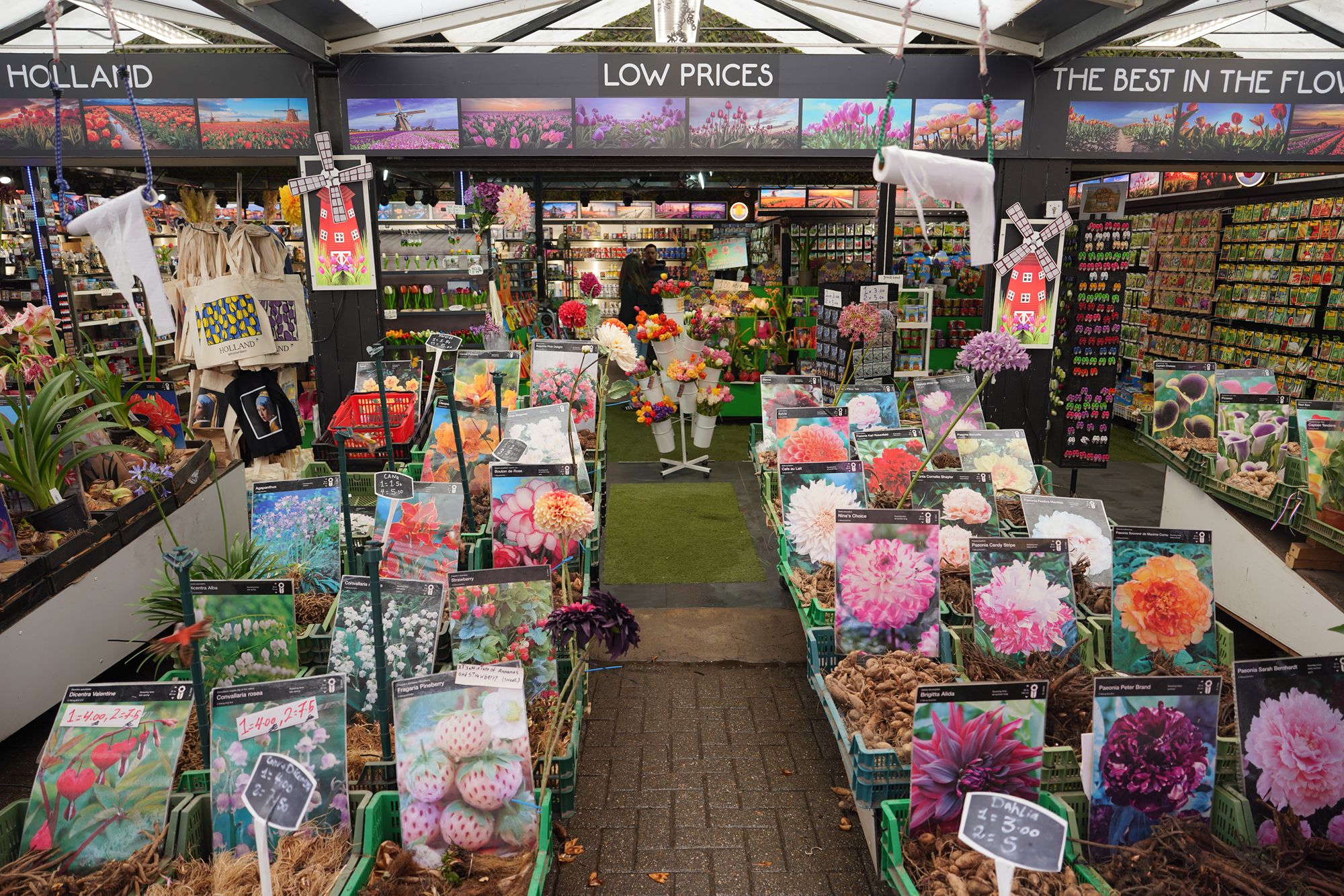
From the Munttoren, I continued to the famous Amsterdam Flower Market, or Bloemenmarkt, which stretches along the Singel canal. Established in the 19th century, it is known as a “floating” flower market because the shops are built on barges along the canal.
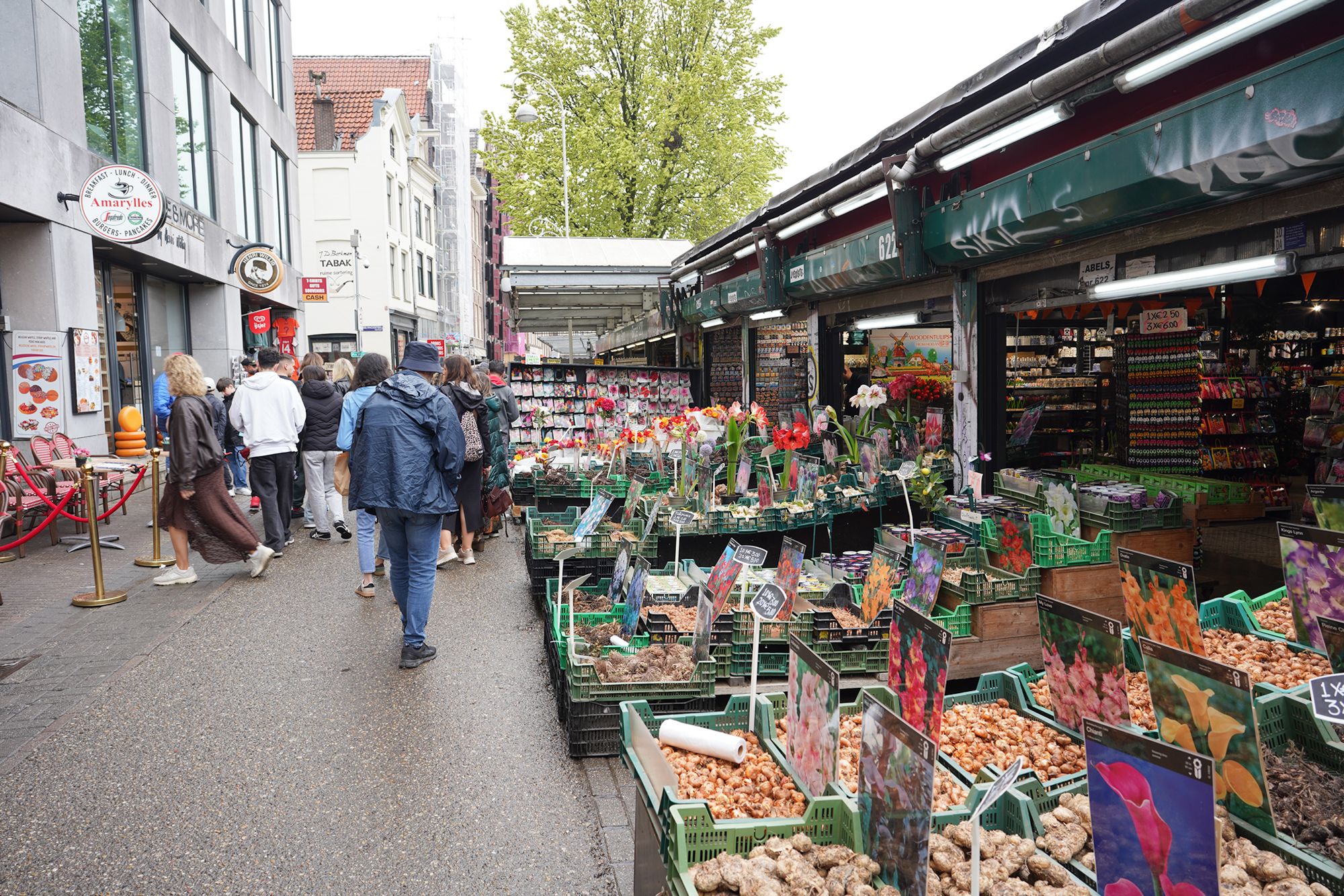
The market traditionally sold fresh flowers, plants, and the tulip bulbs for which the Netherlands is famous. Today, it is also a popular tourist attraction, with stalls selling bulbs, seeds, souvenirs, and other Dutch gifts. Even on a rainy day, the colorful displays made it an interesting stop along my walking route.
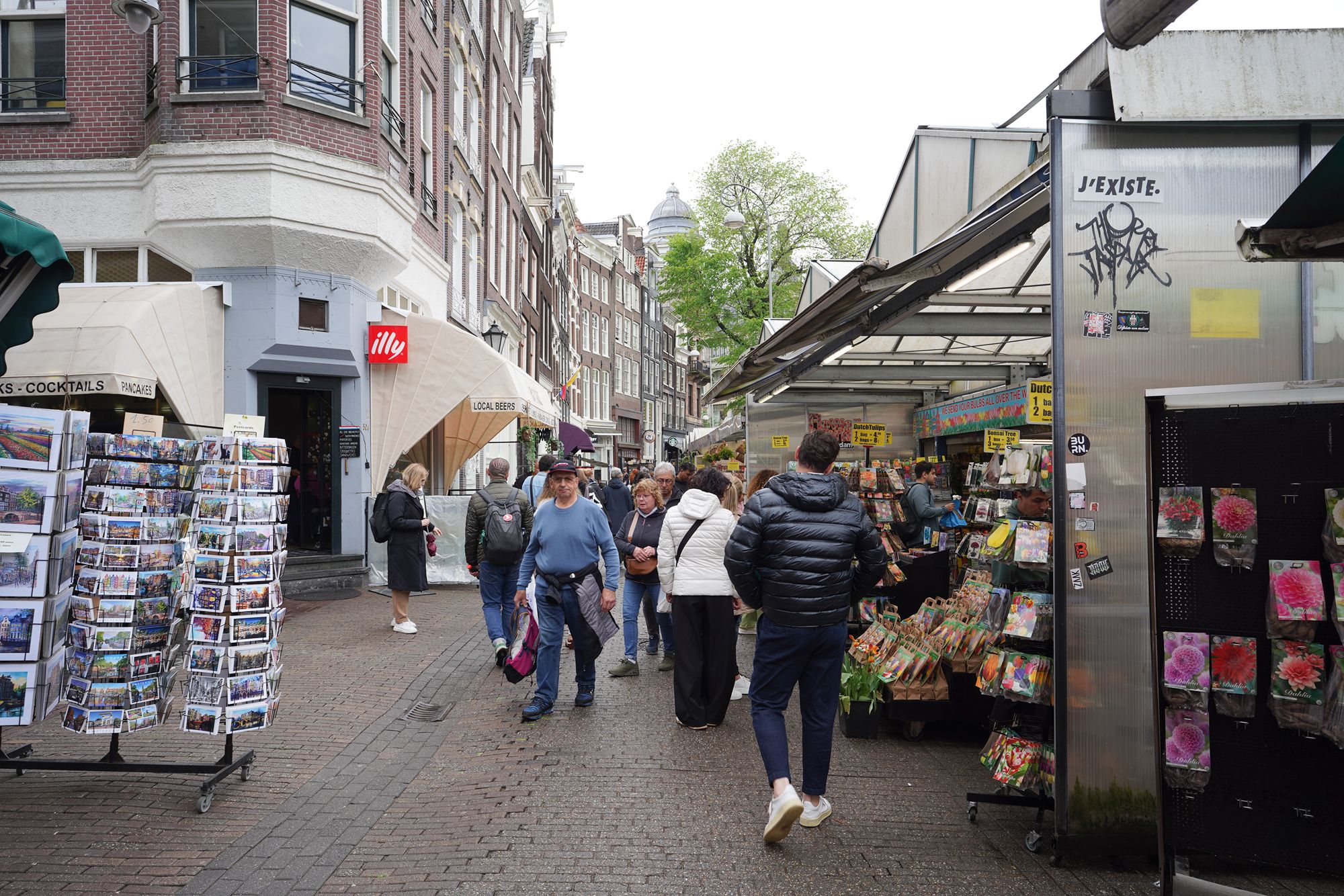
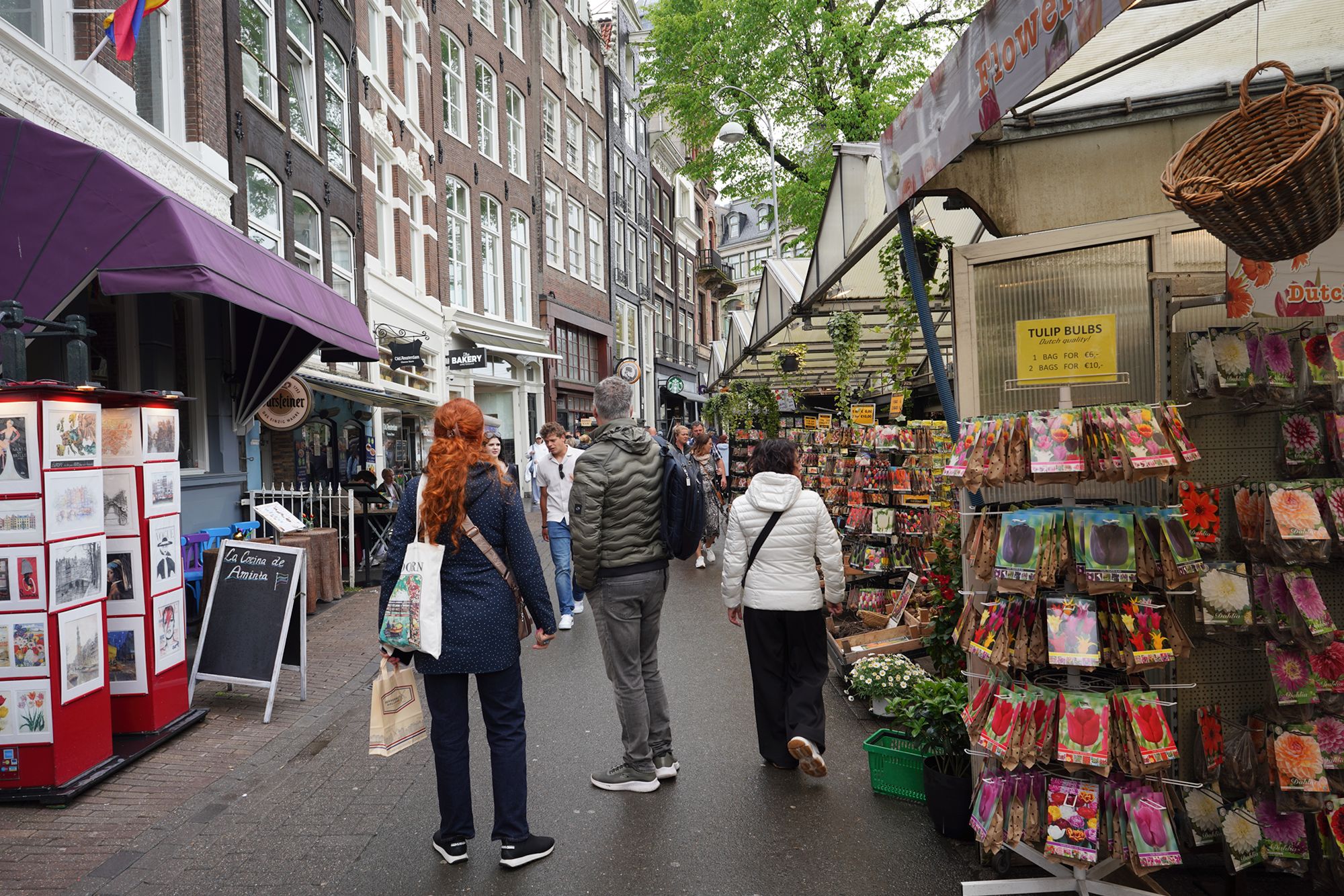
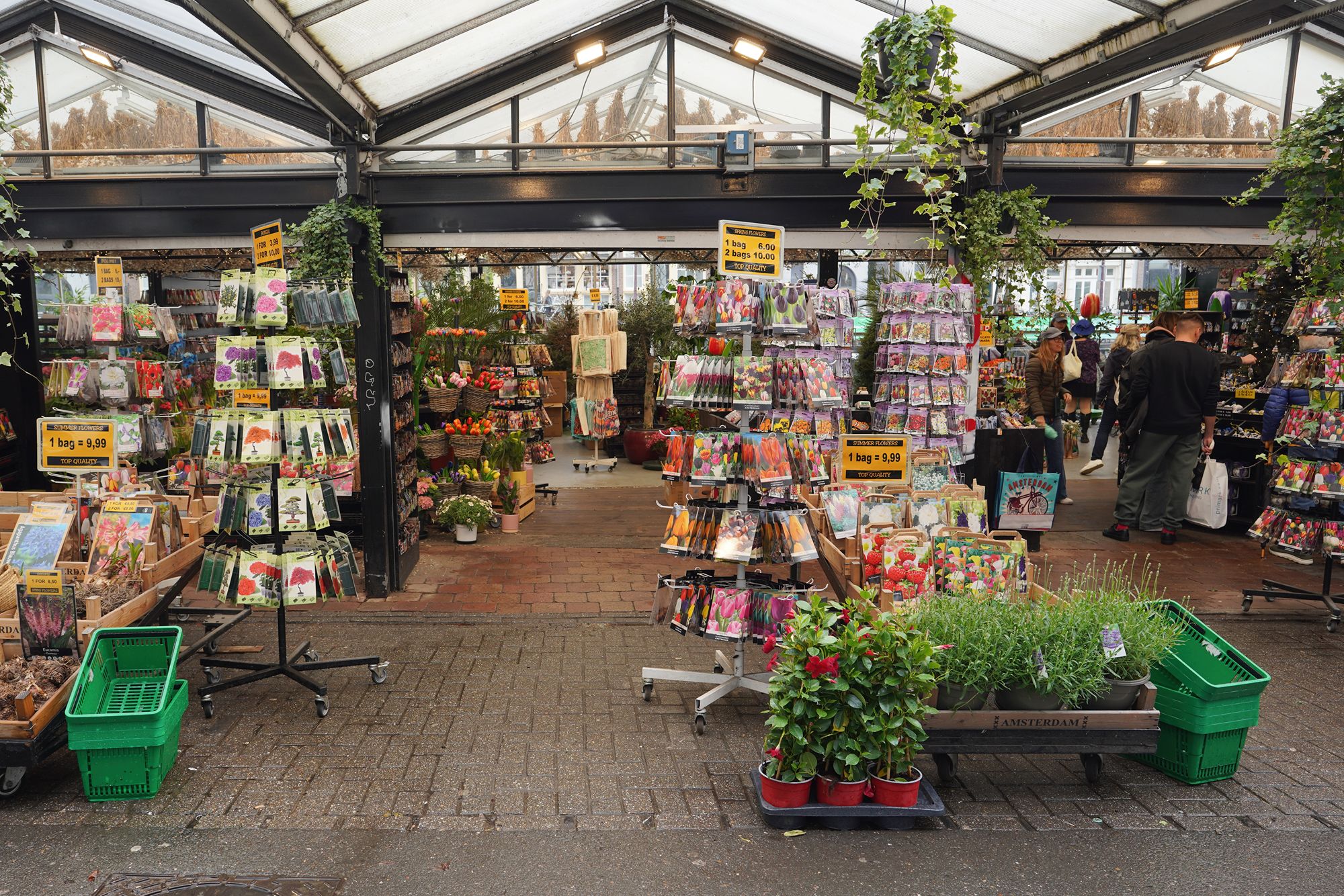
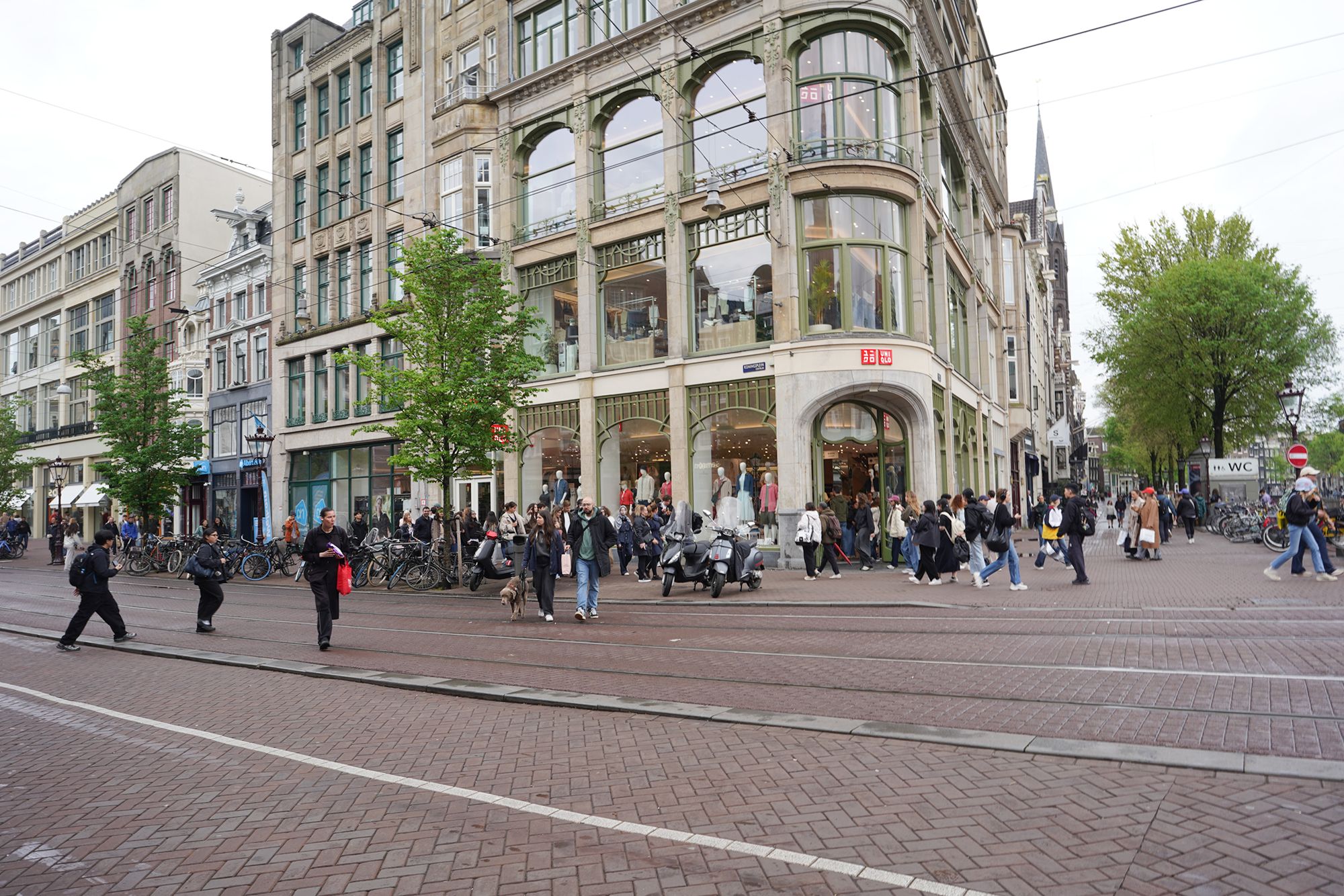
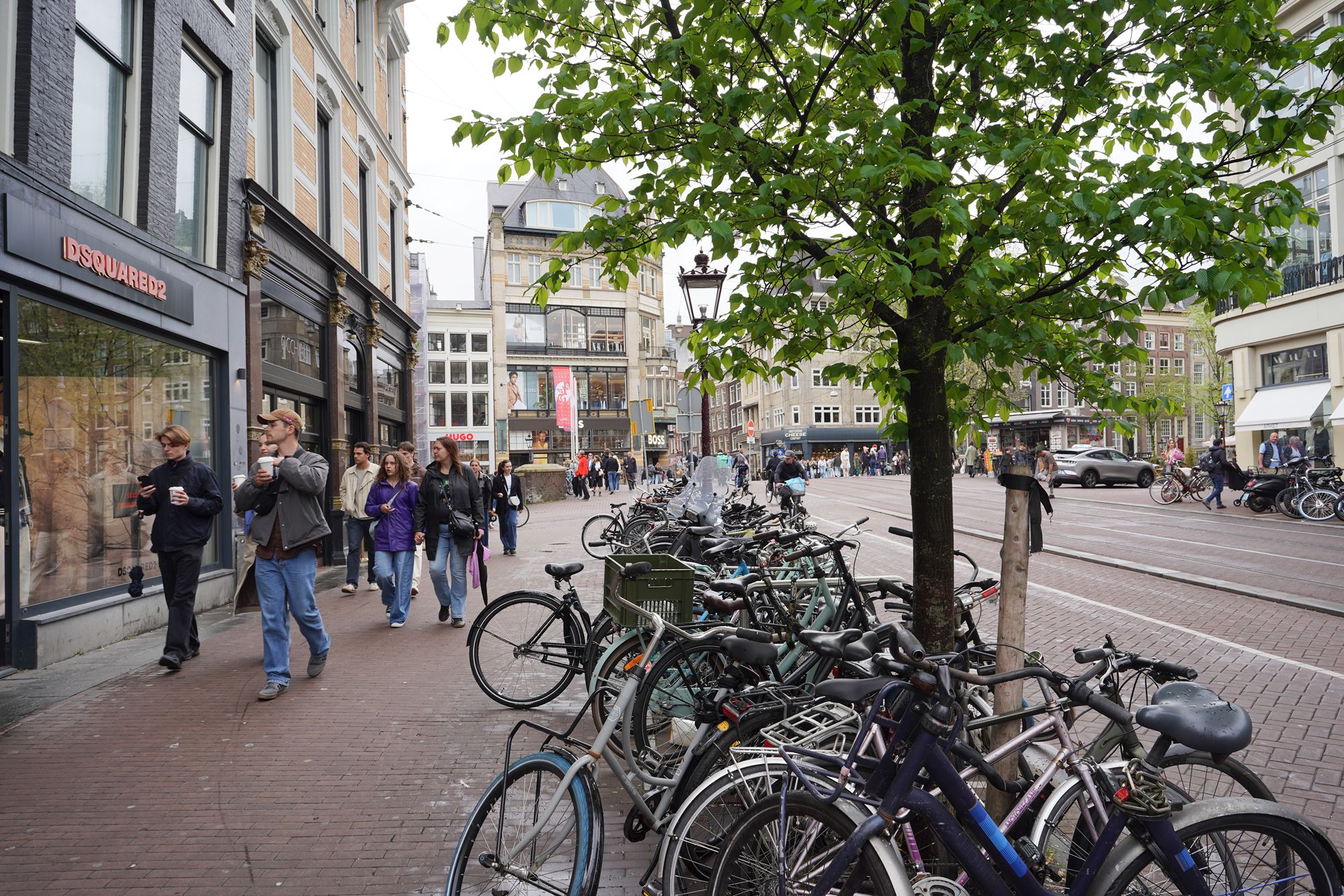
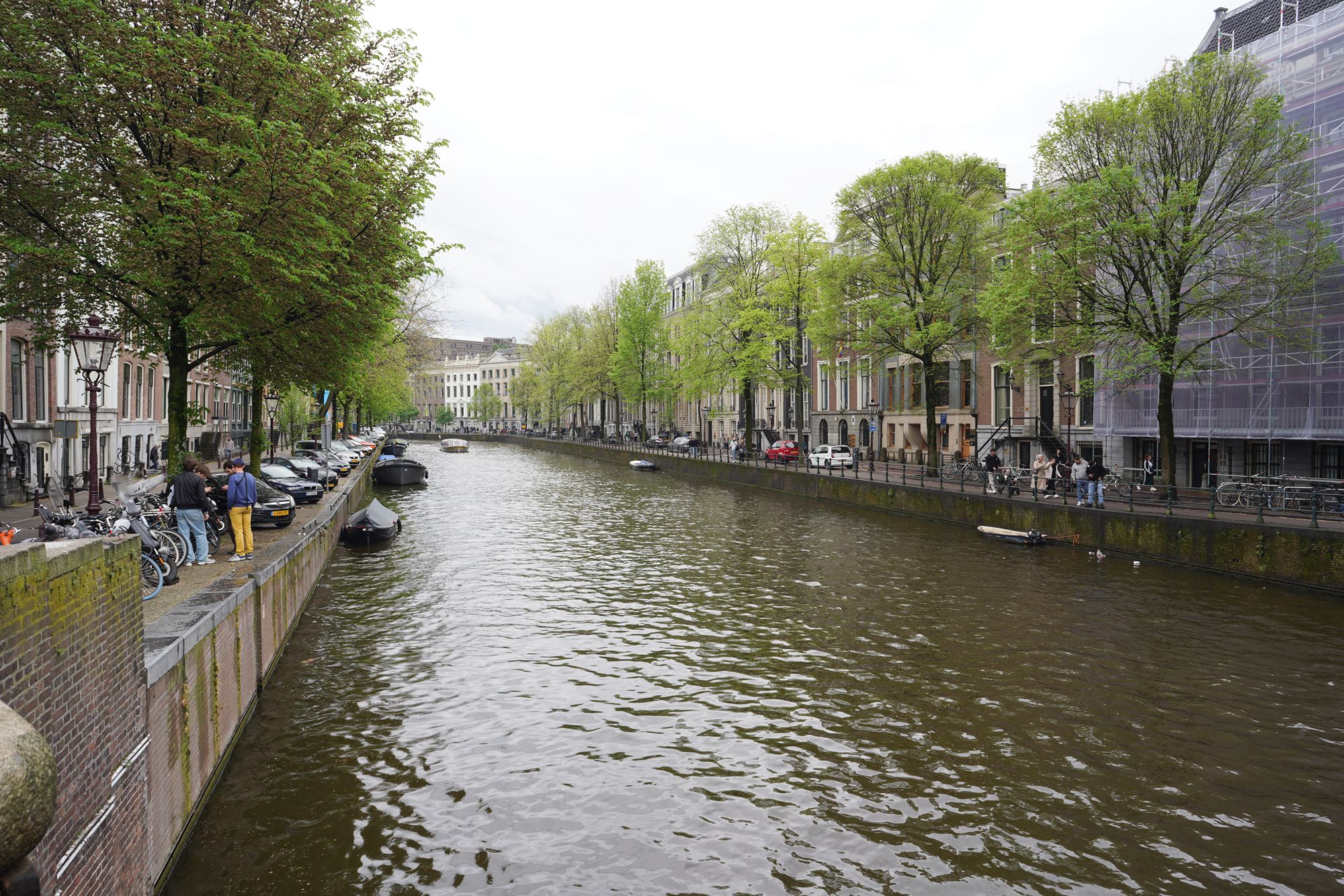
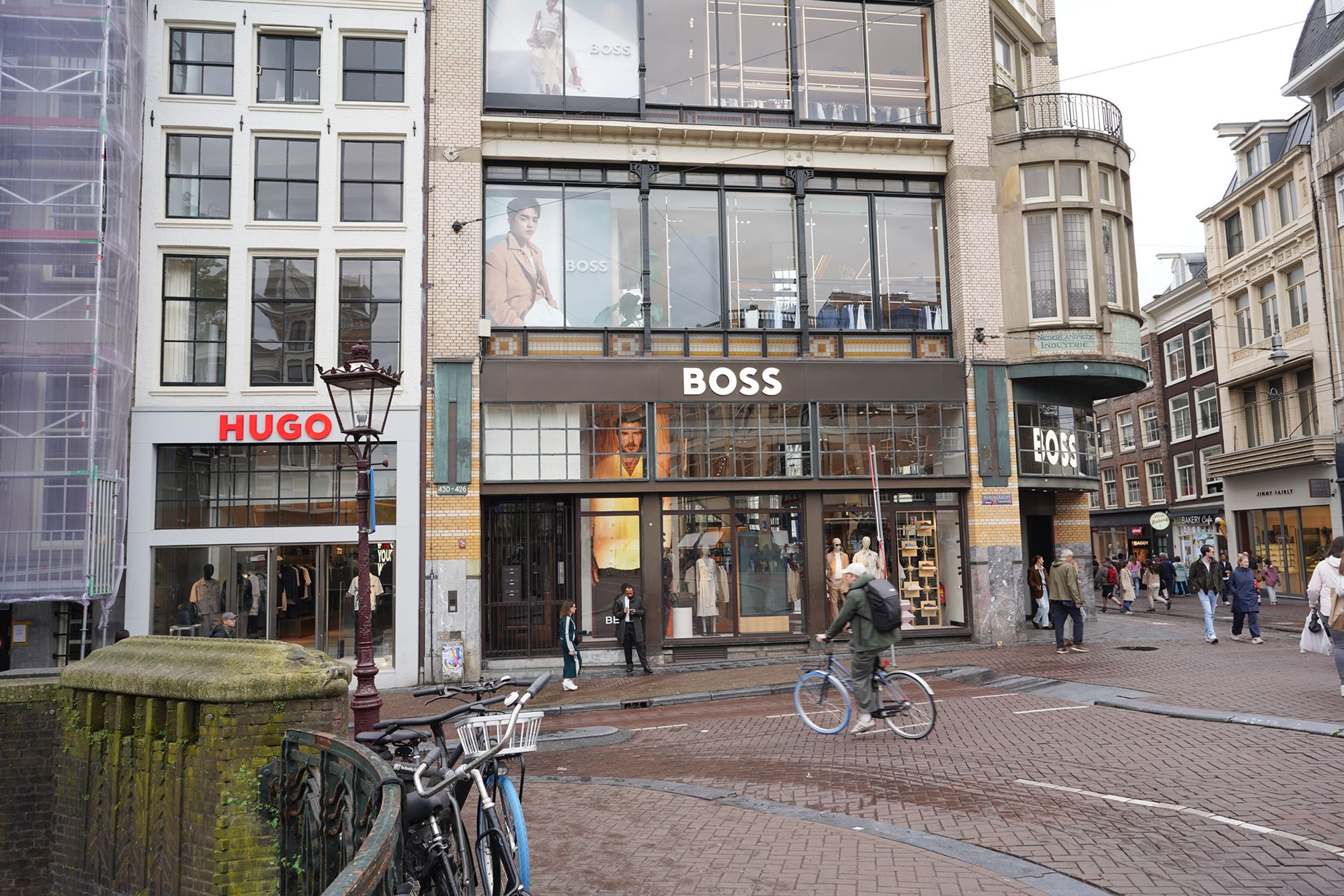
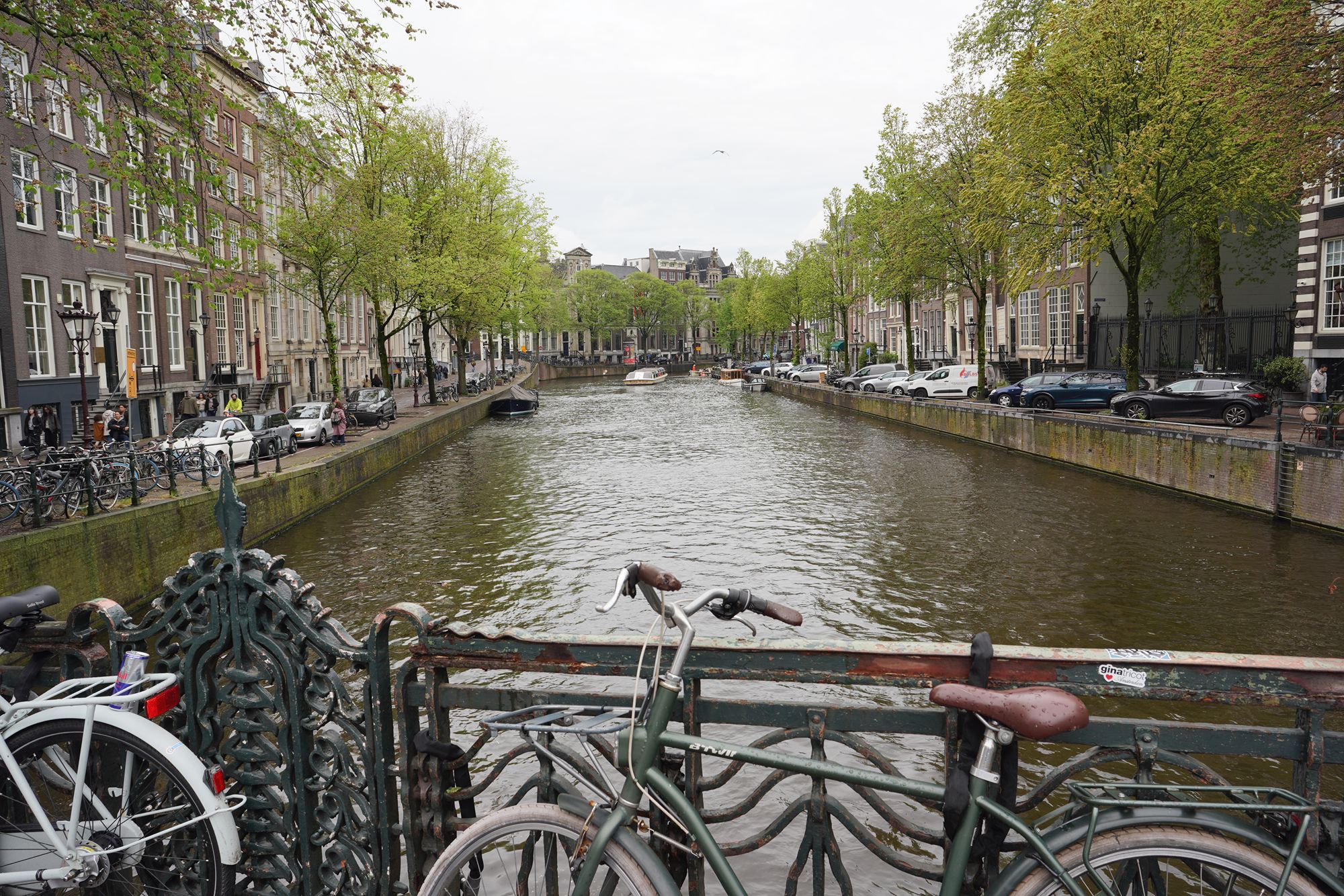
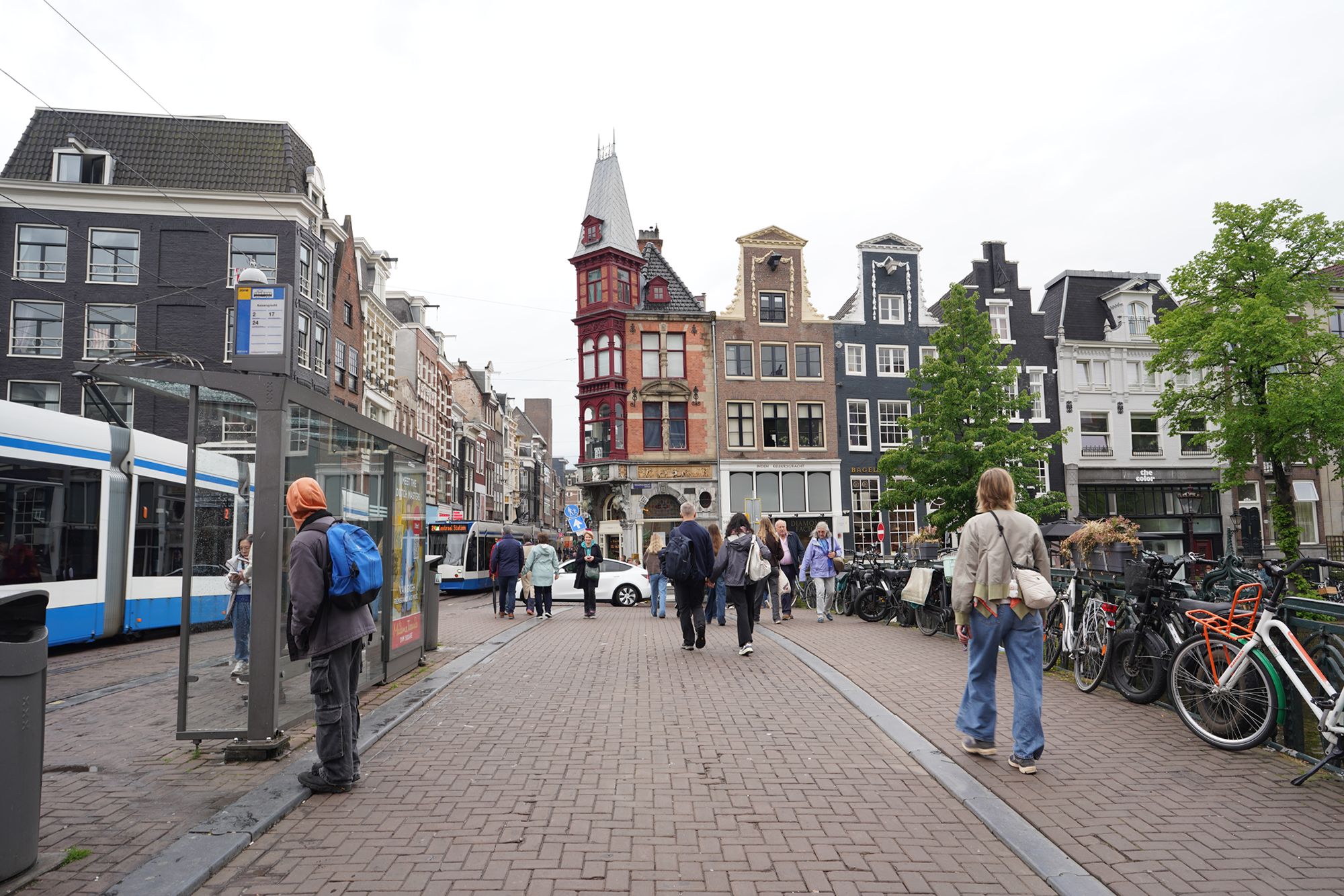
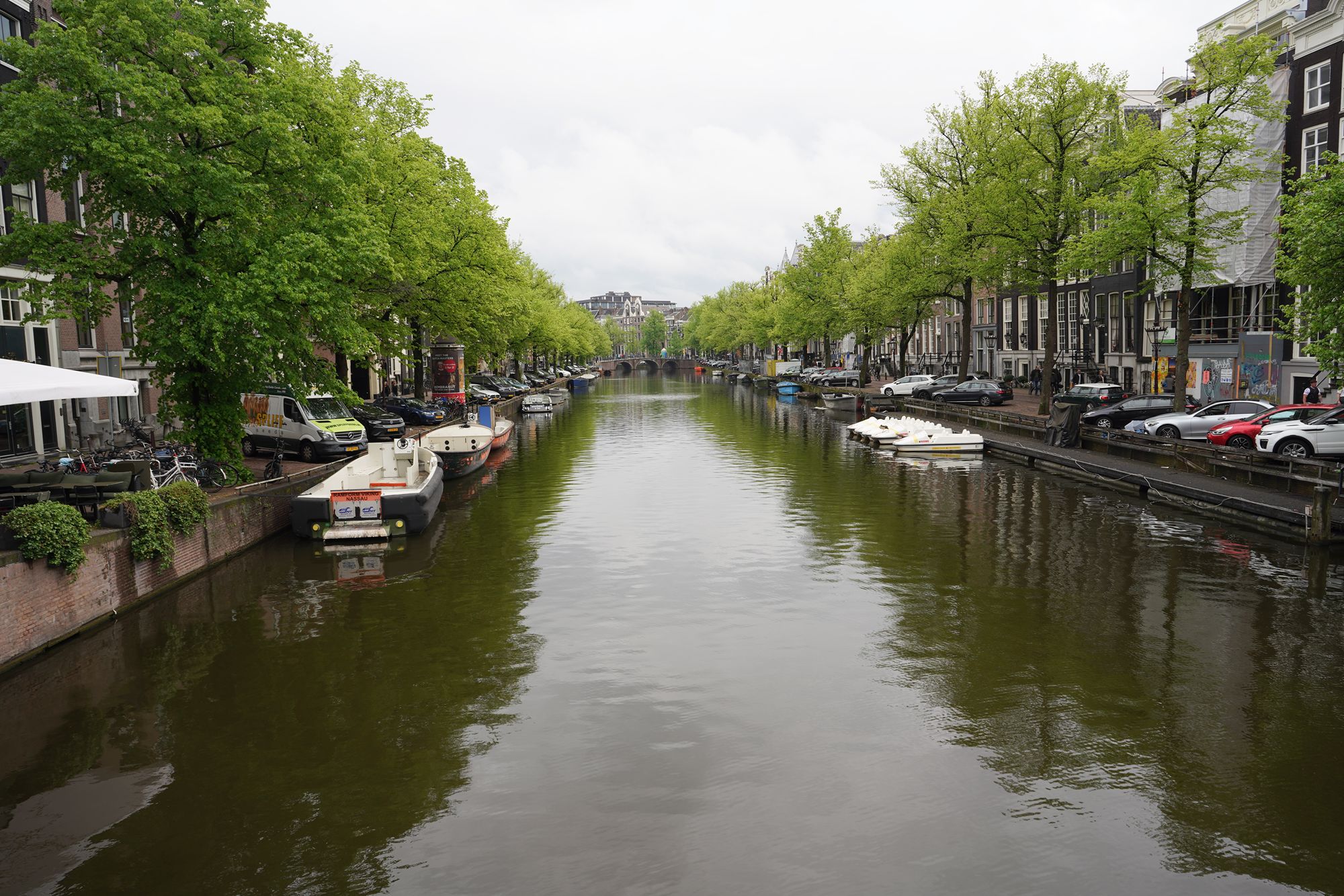
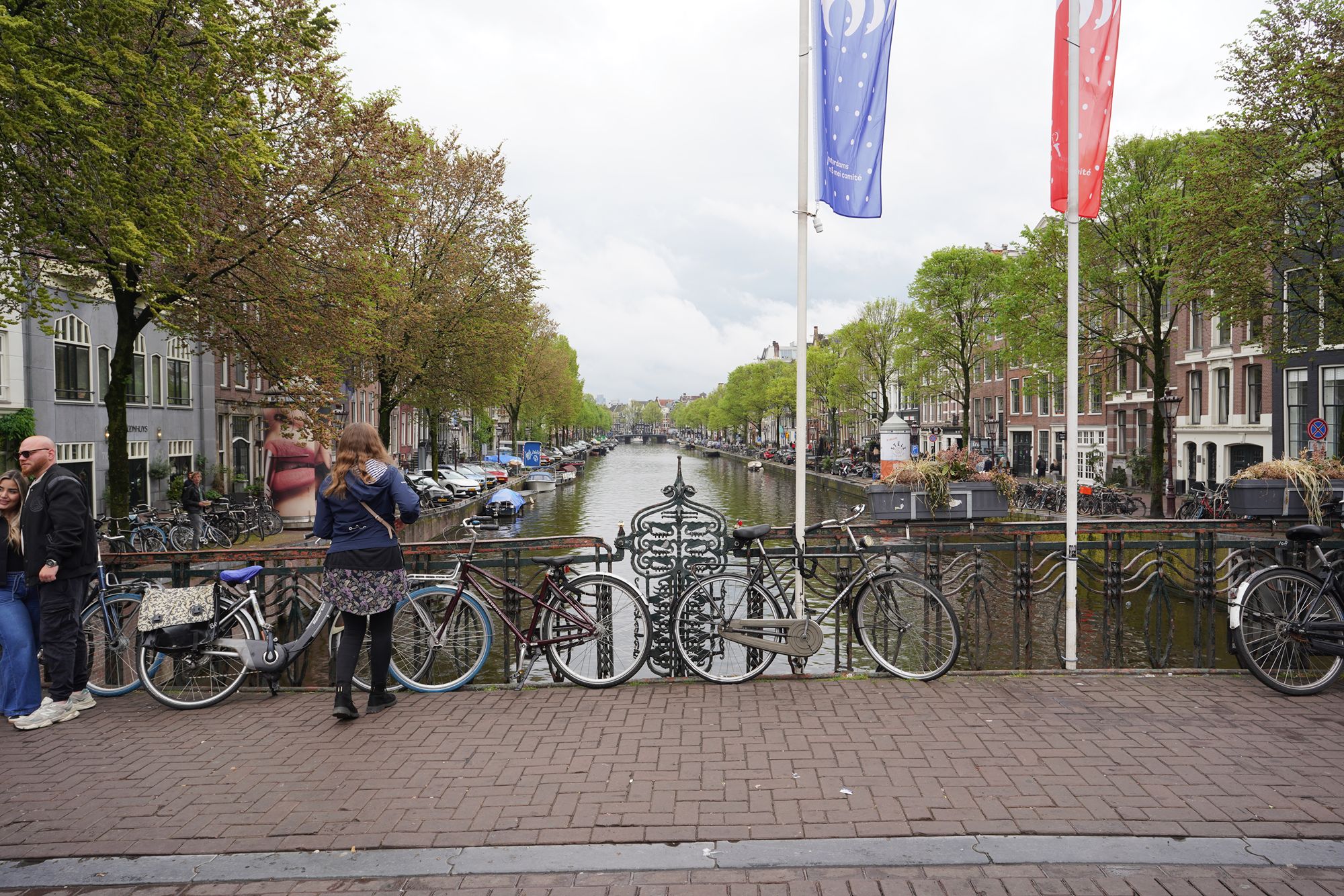
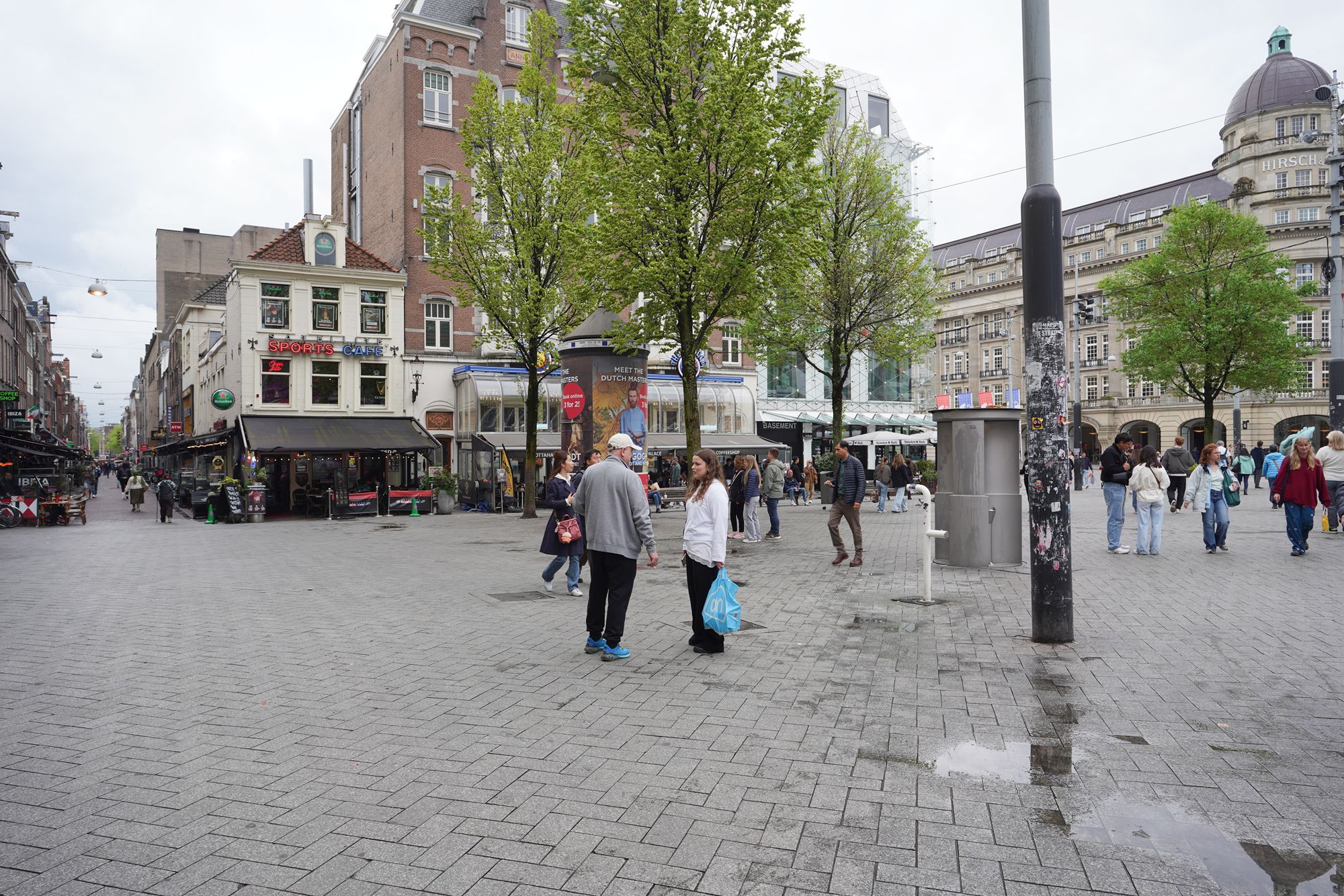
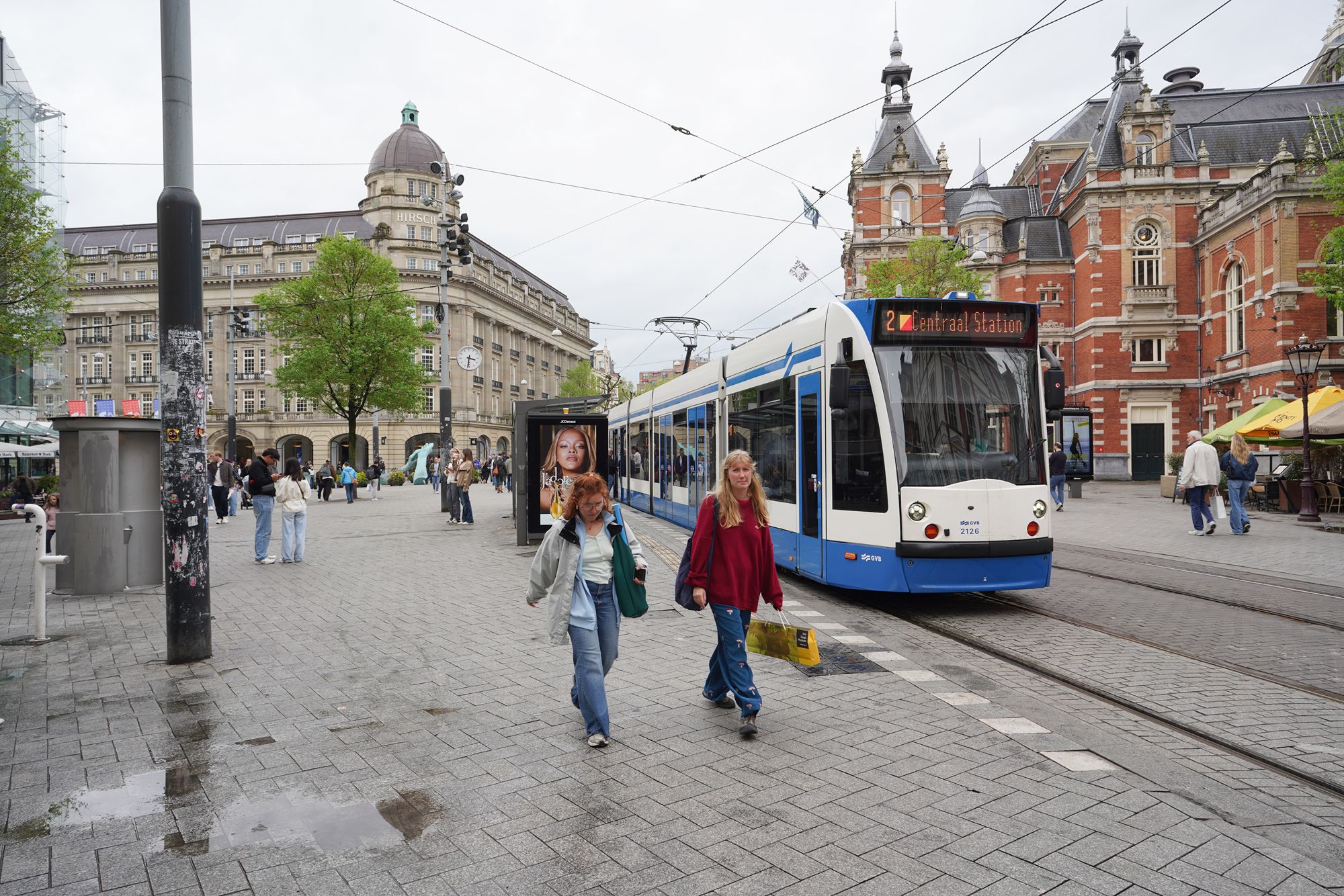
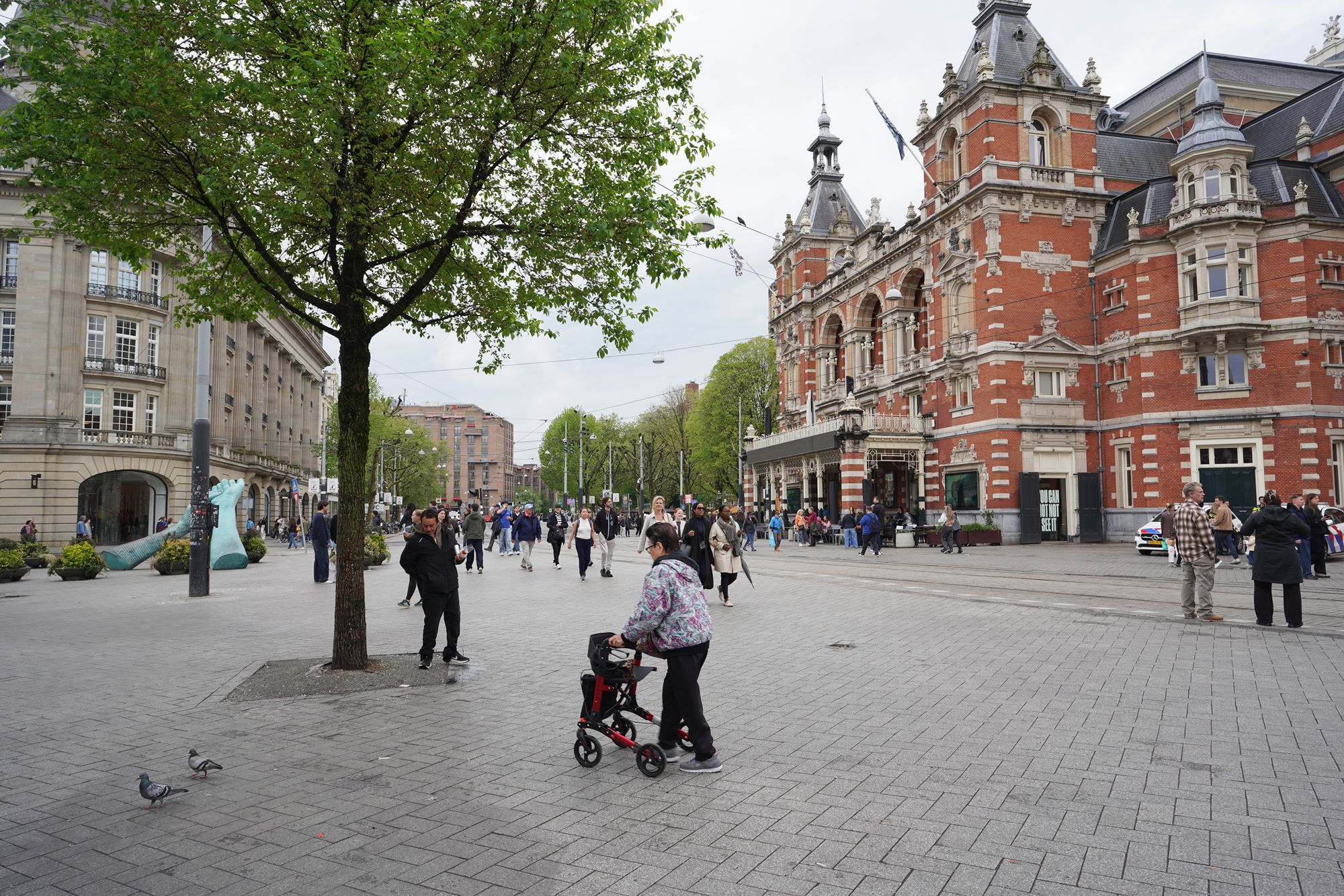
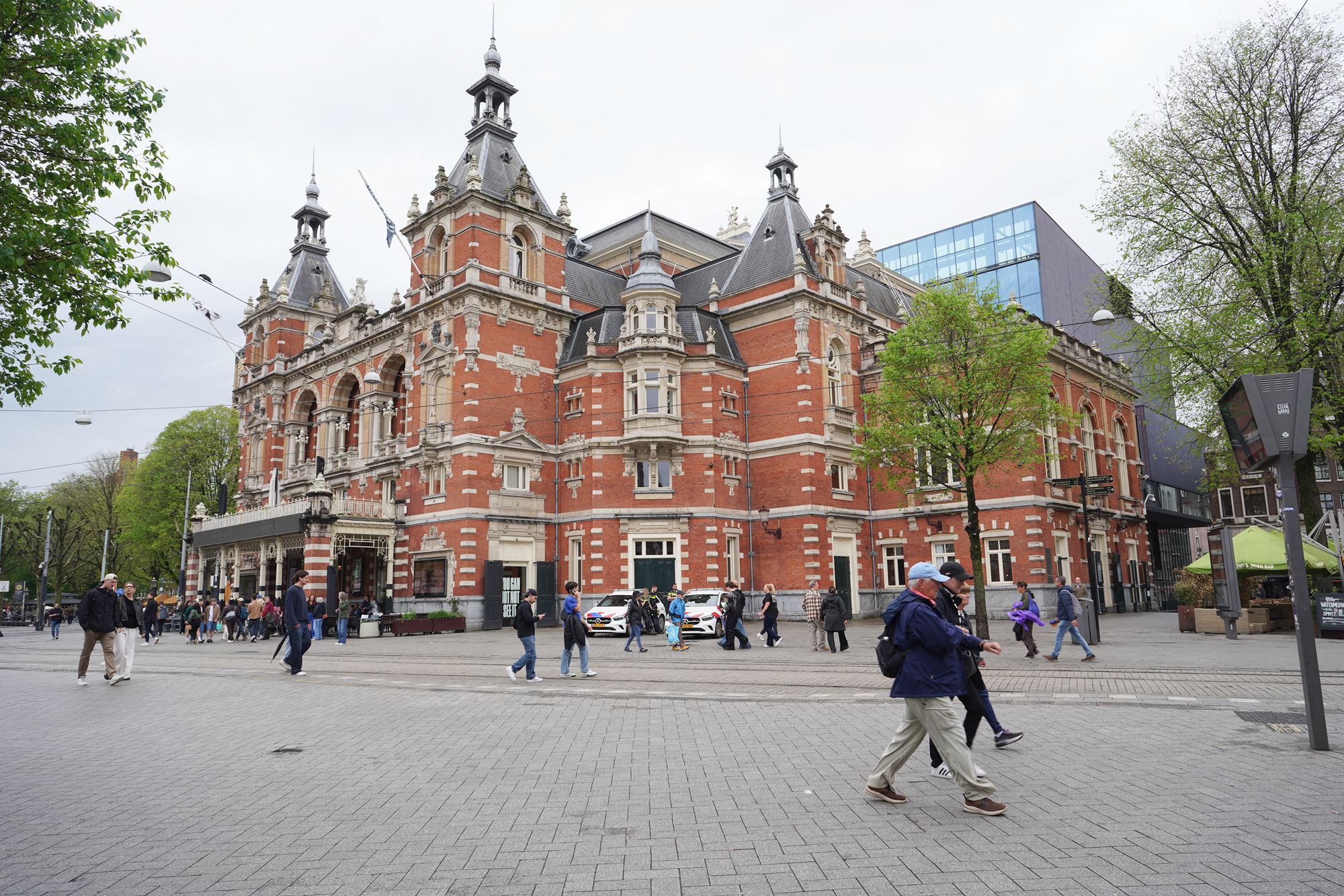
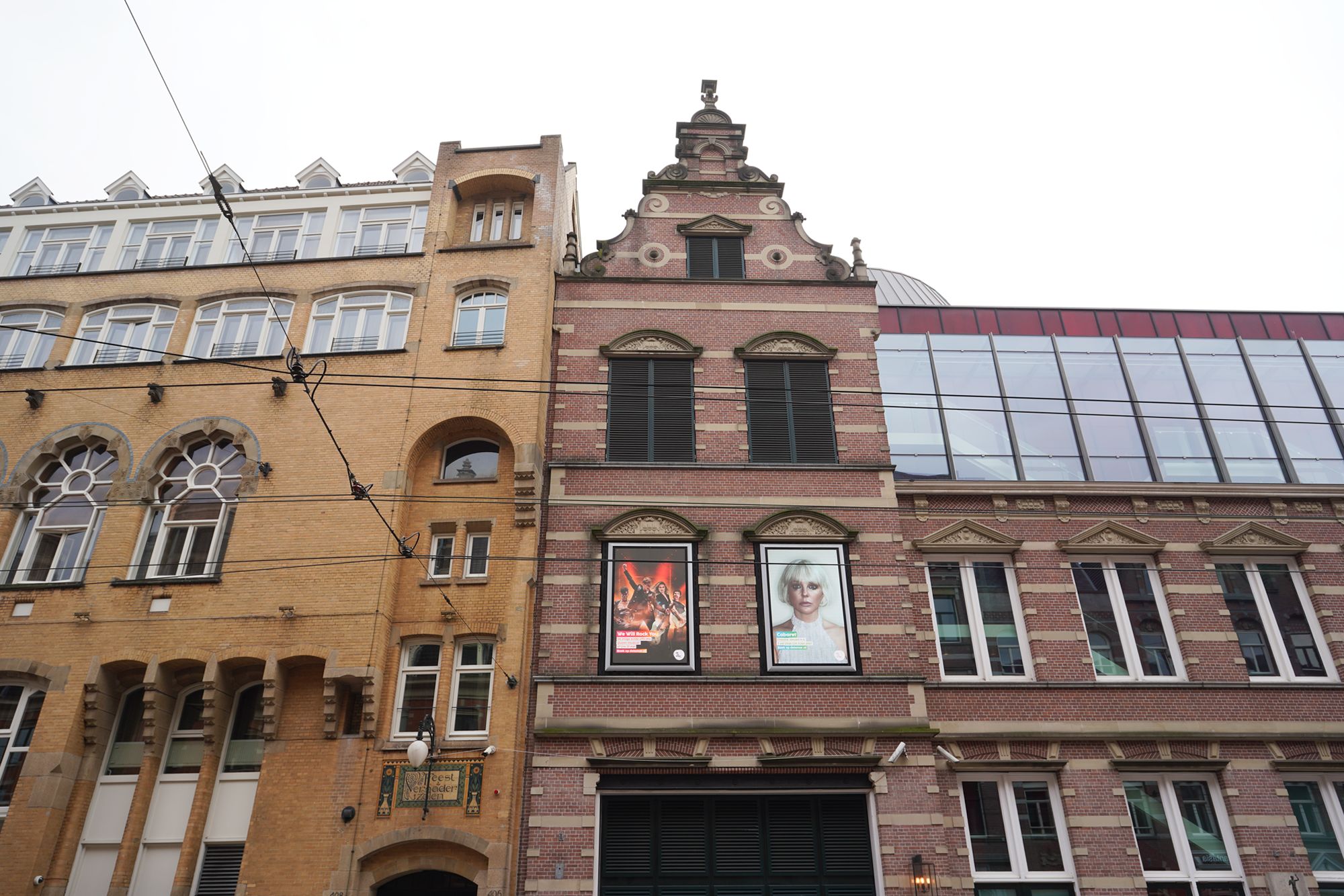
The Flower Market marked the end of my planned walking route. From this point on, I no longer had a particular destination in mind, so I went back to simply wandering around Koningsplein area in Amsterdam, exploring whatever streets and canals caught my attention.