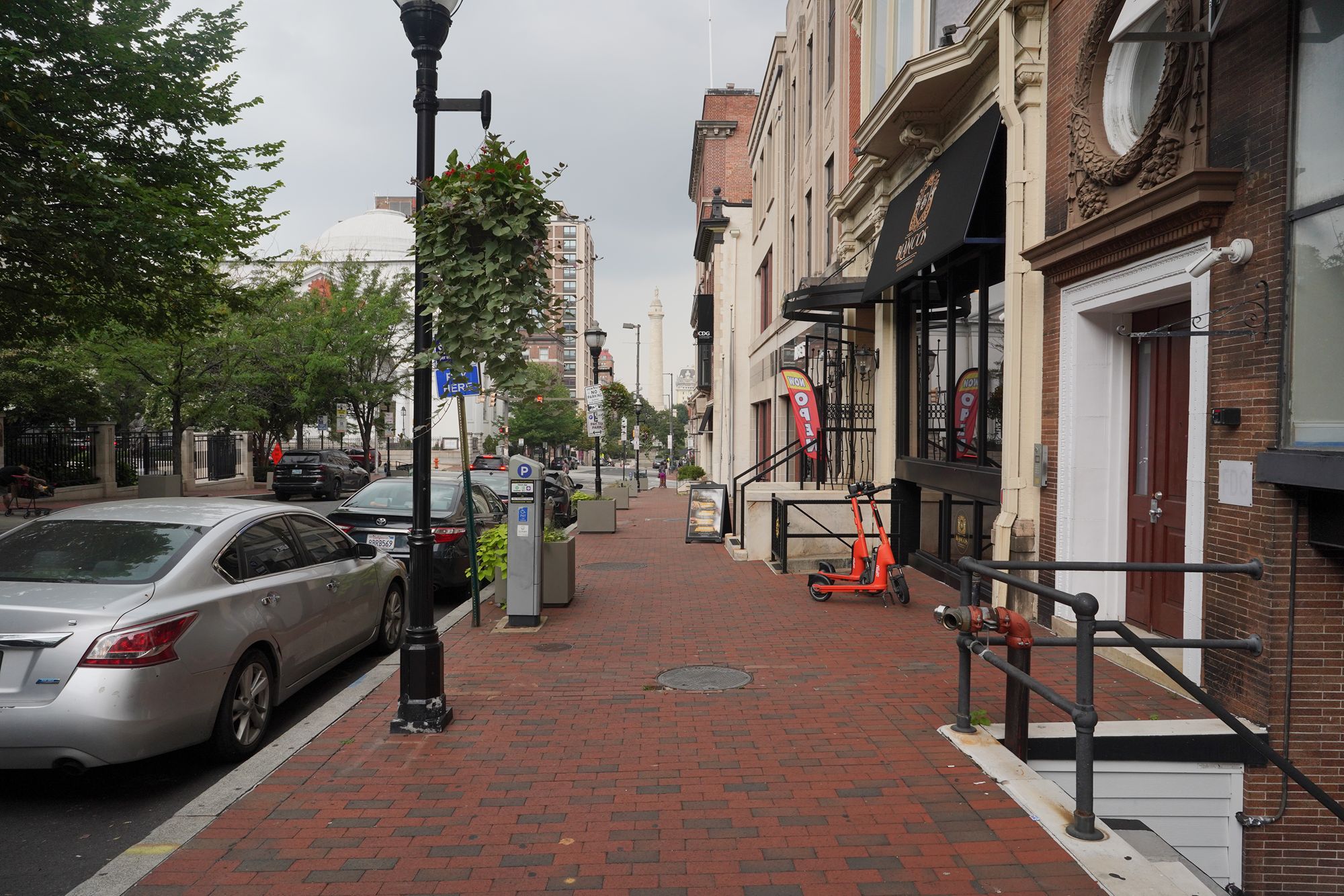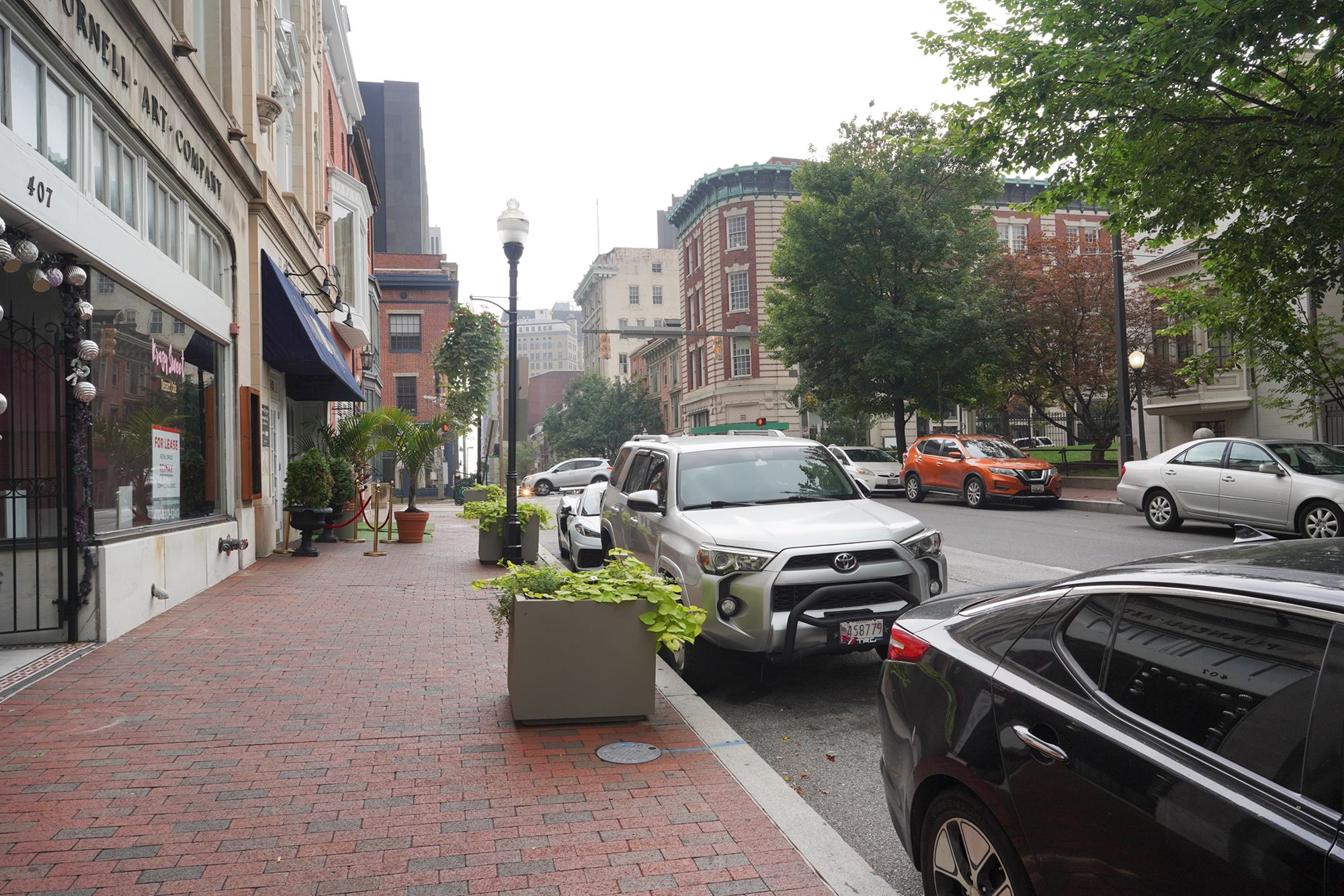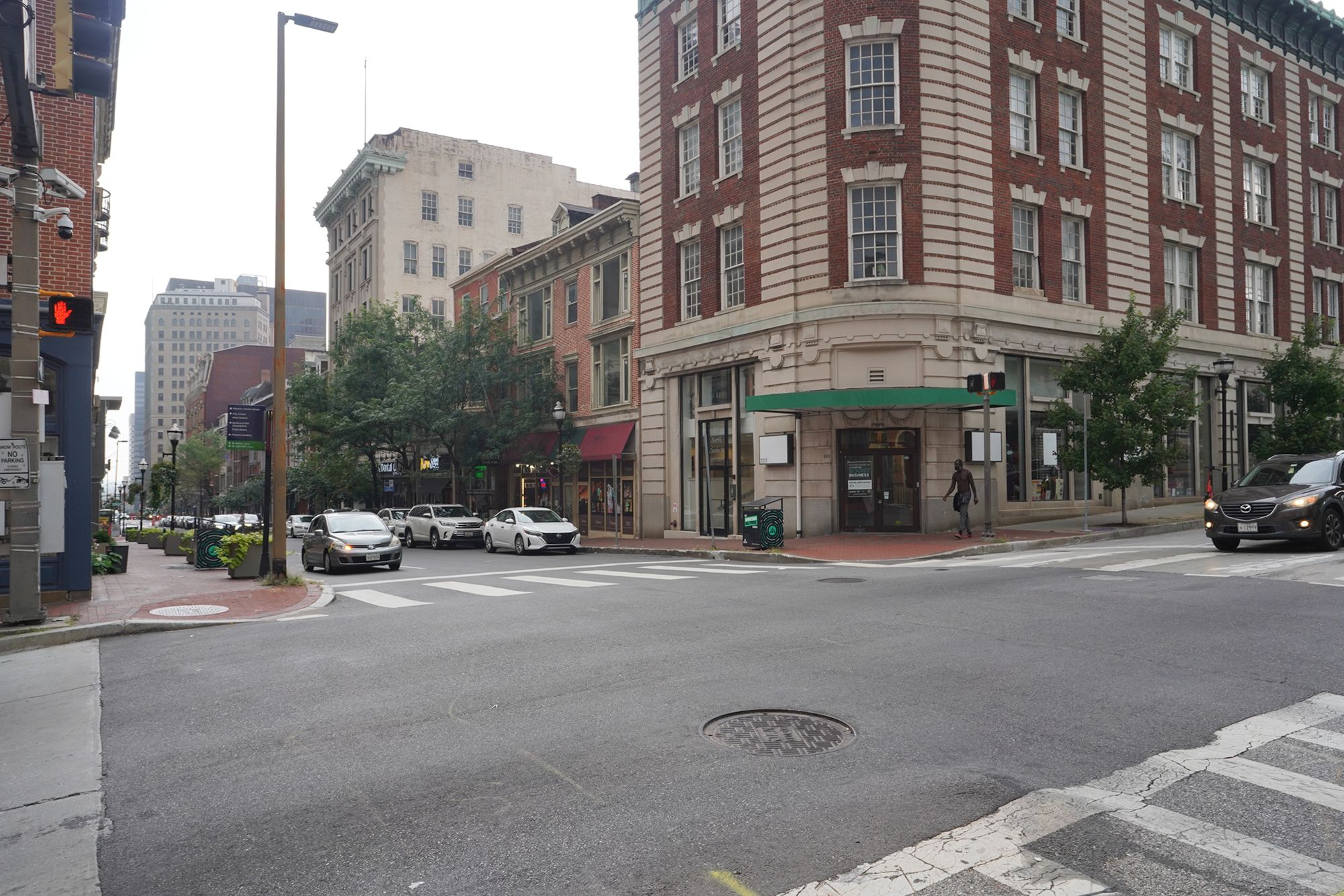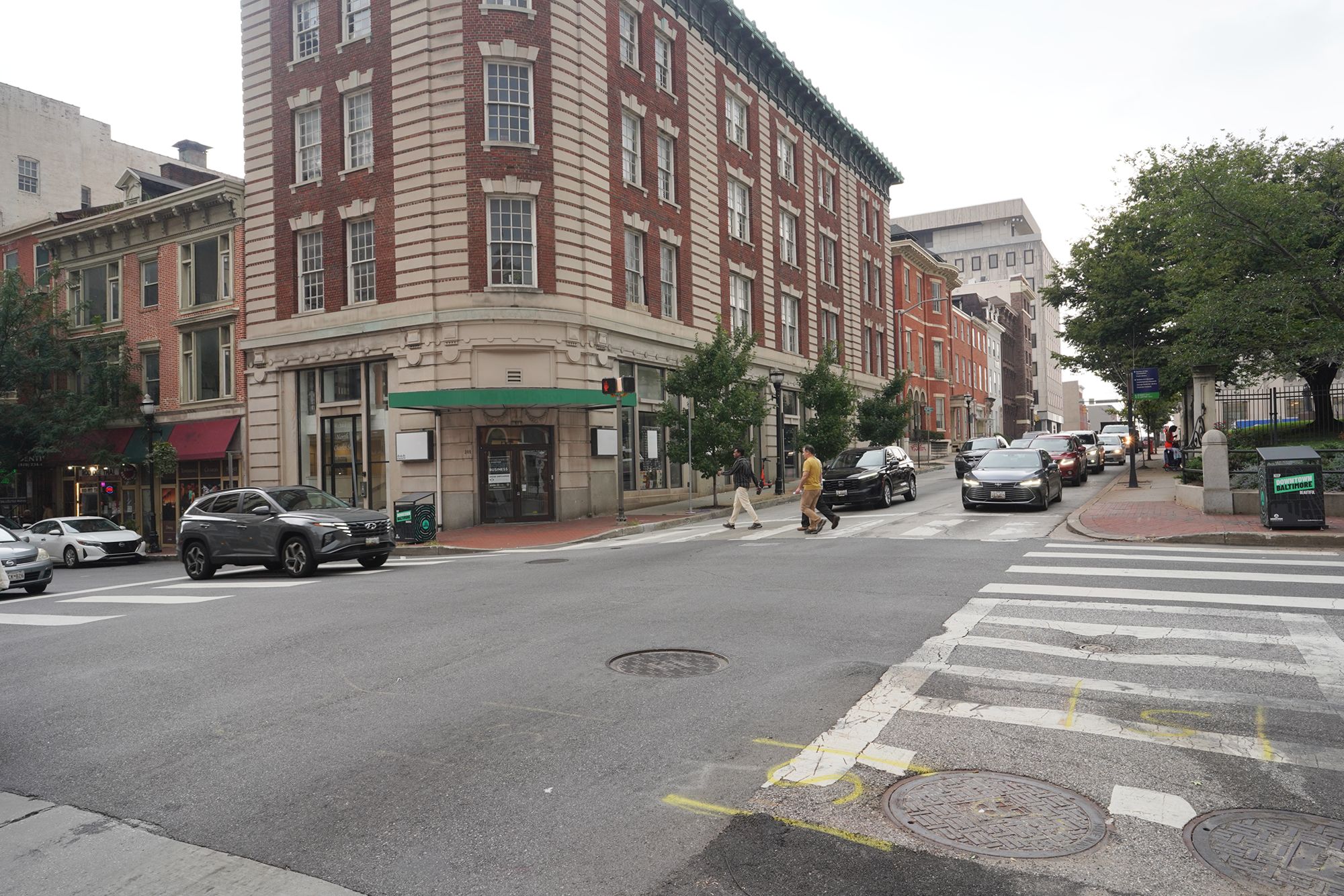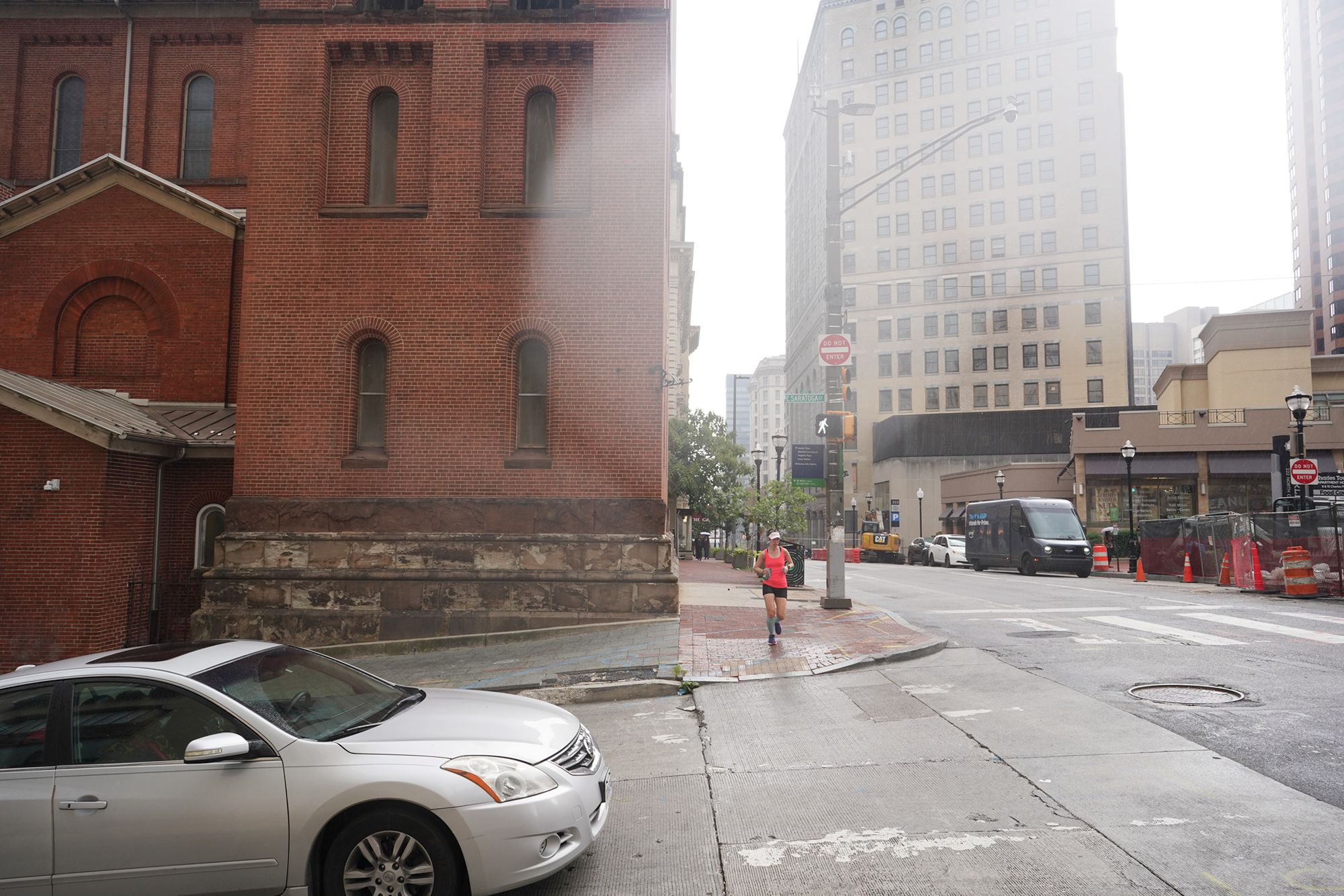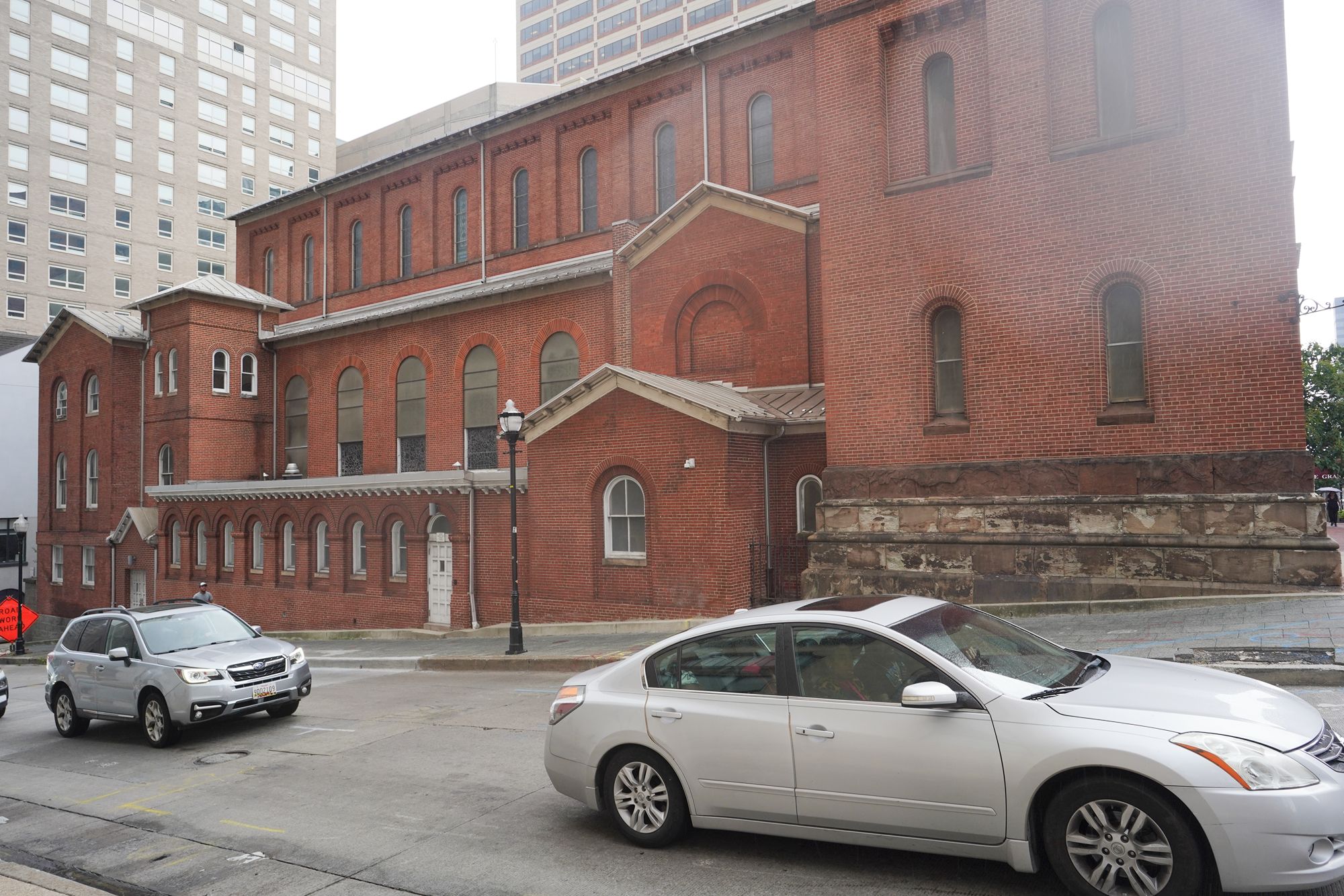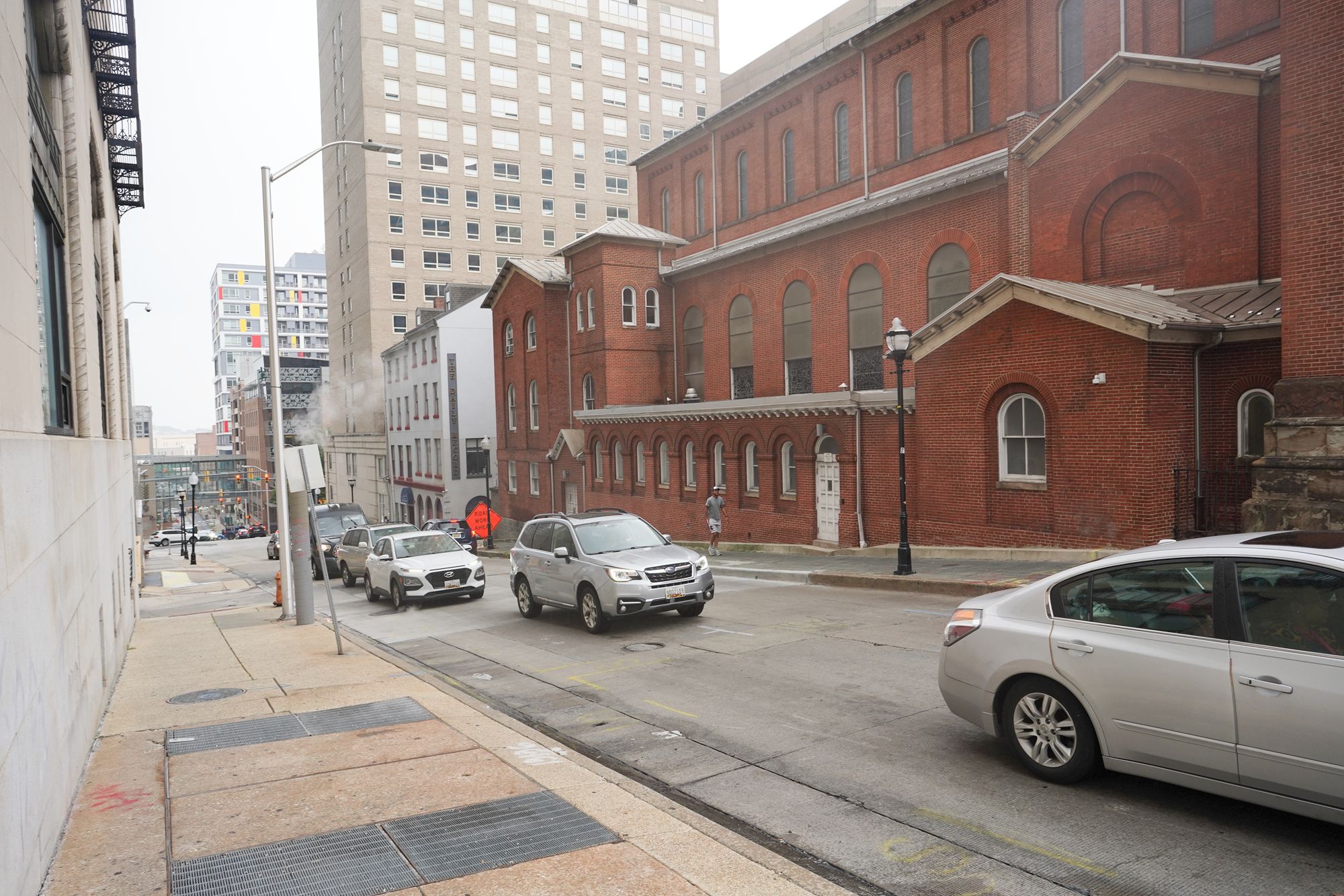
Baltimore Downtown, Maryland, USA
Baltimore’s downtown blends historic harborfront, modern museums, and seafood eateries centered around the Inner Harbor. 1153
Baltimore Downtown: 409 Cathedral St, Baltimore, MD 21201
Date Picture Taken: August, 2025
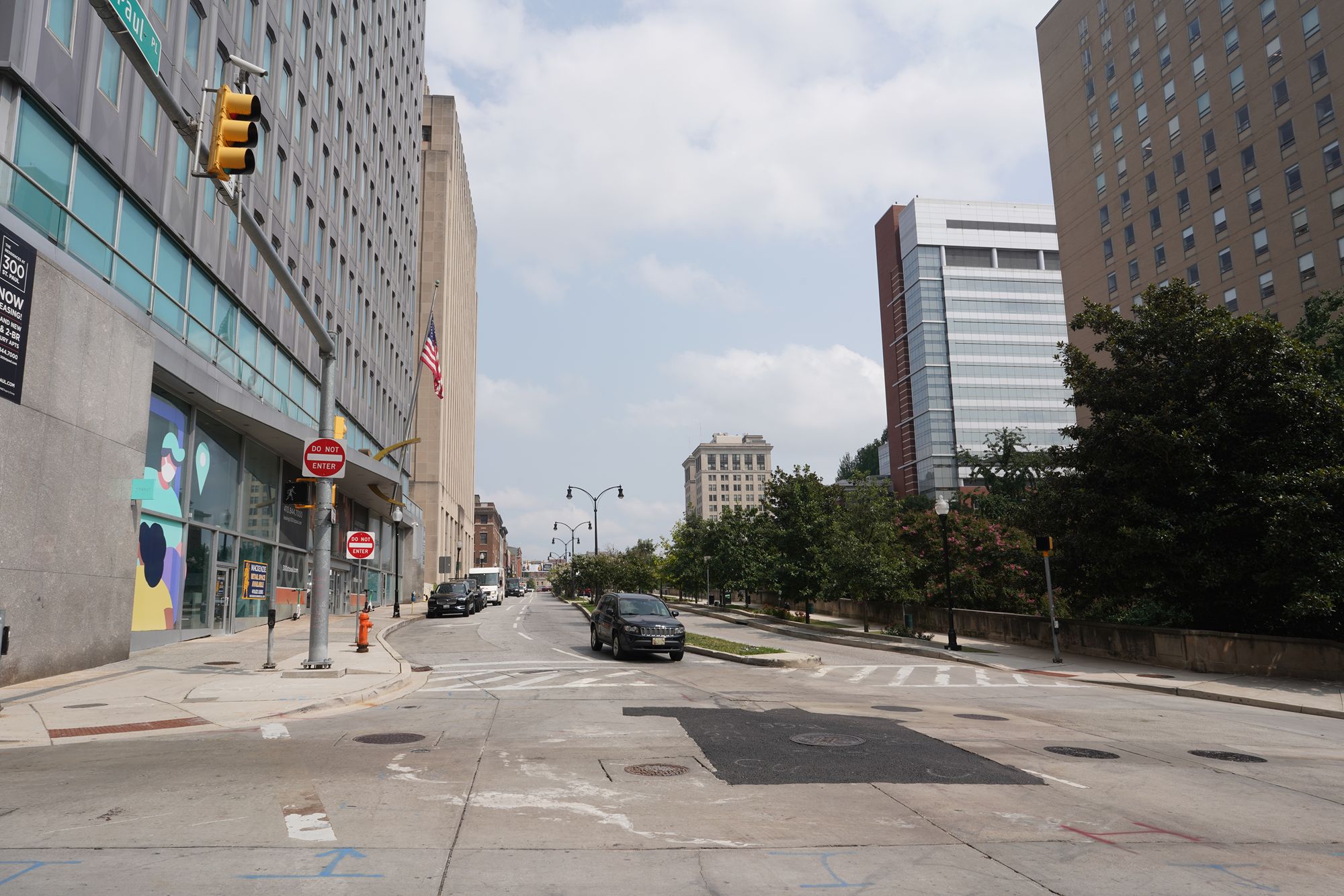
Baltimore’s downtown revolves around the Inner Harbor, where historic waterfront piers meet modern attractions like museums, the aquarium, shops, and harbor cruises. Surrounding streets mix restored brick warehouses with glass-fronted buildings, creating a walkable center filled with seafood restaurants, cultural venues, and public plazas overlooking the water. The area links easily to nearby neighborhoods such as Fell’s Point and Federal Hill, giving downtown a blend of maritime history, local character, and contemporary city energy.
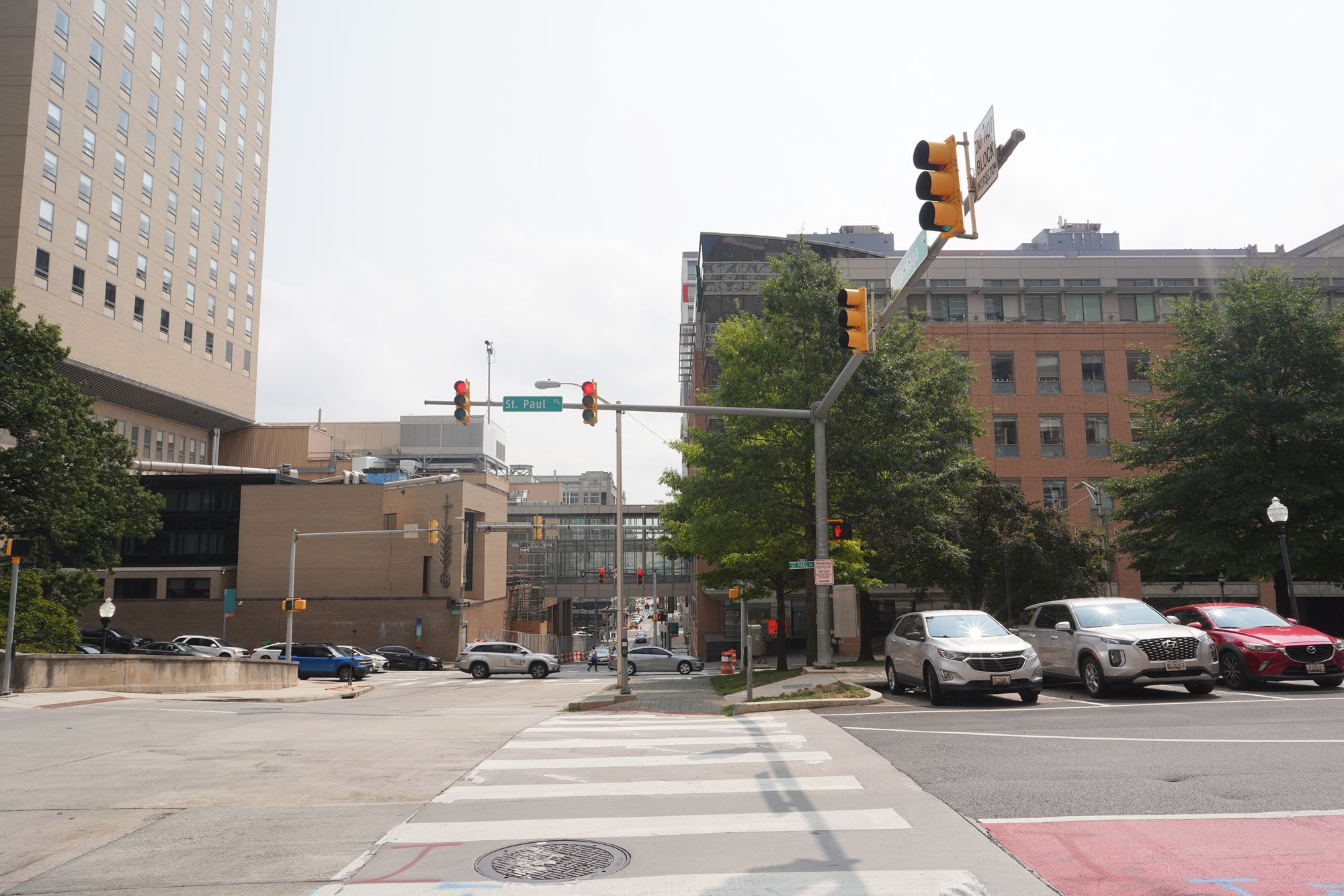
Baltimore was founded in 1729 and quickly developed into one of the most important seaports on the East Coast.
It became a major trading center for tobacco, grain, and later industrial goods and shipbuilding.
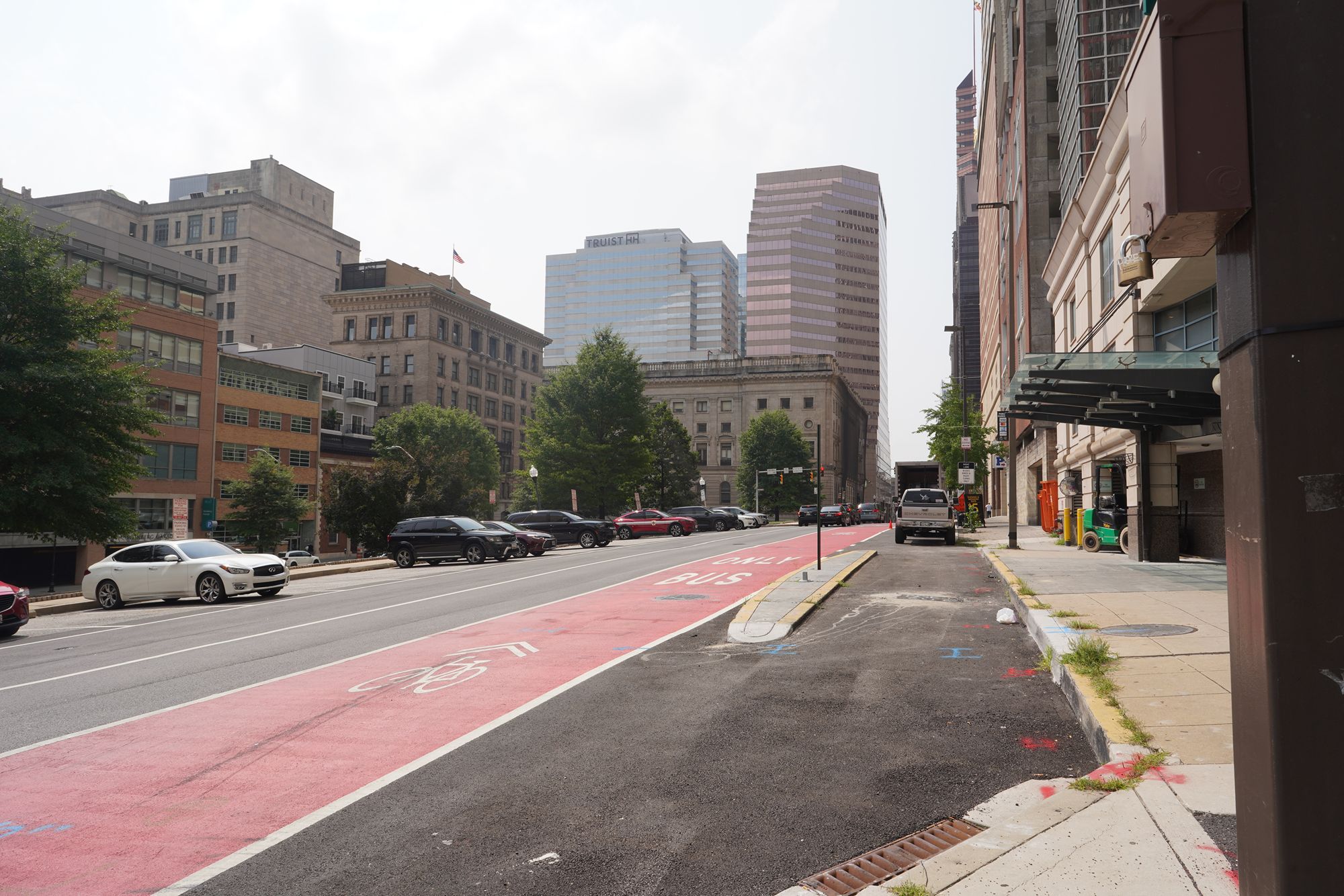
The city played a crucial role in the War of 1812, withstanding the British attack on Fort McHenry in 1814.
Francis Scott Key, witnessing the bombardment, wrote “The Star-Spangled Banner,” which became the U.S. national anthem.
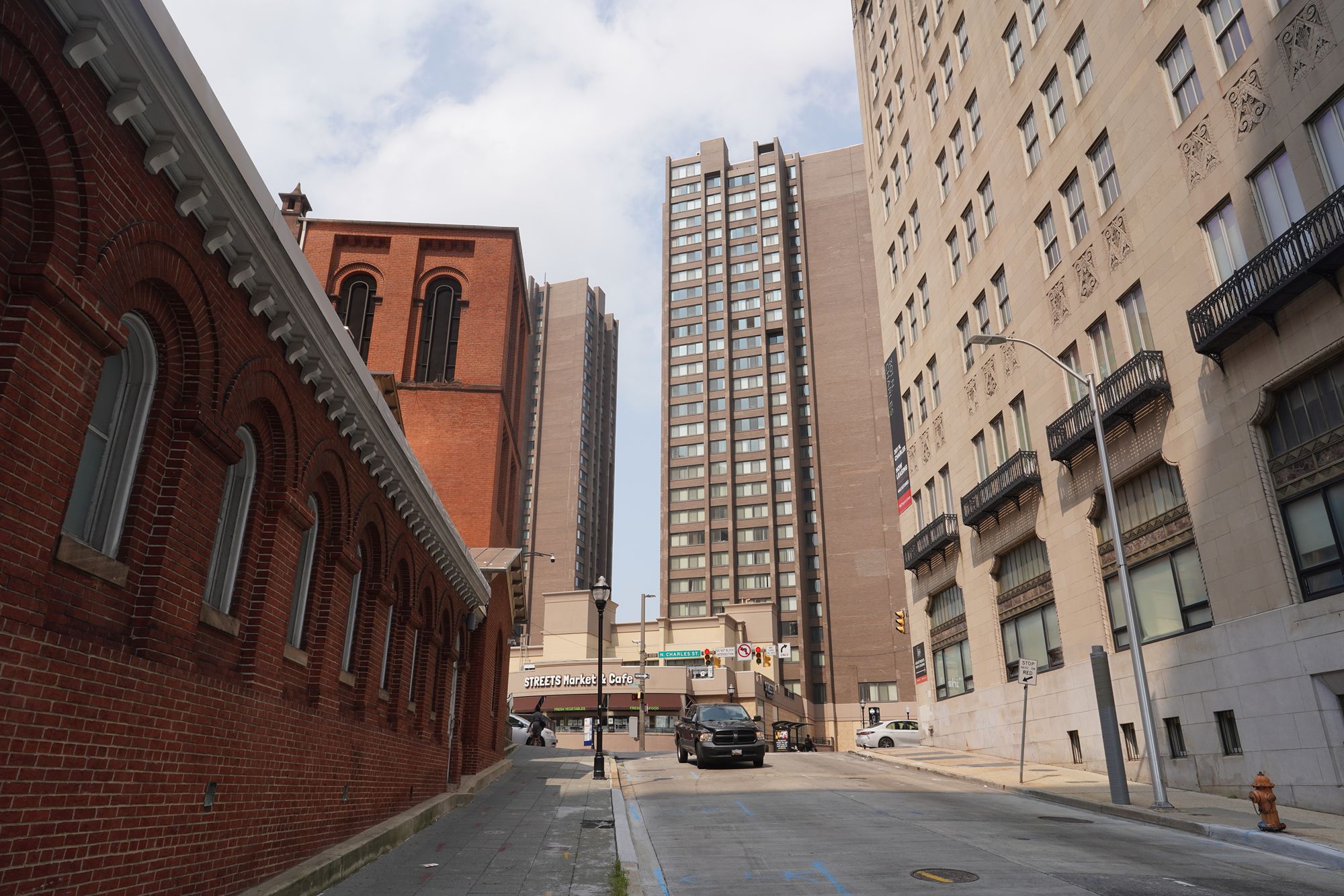
During the Civil War era, Baltimore sat on a political and geographic divide as Maryland balanced Union and Confederate loyalties.
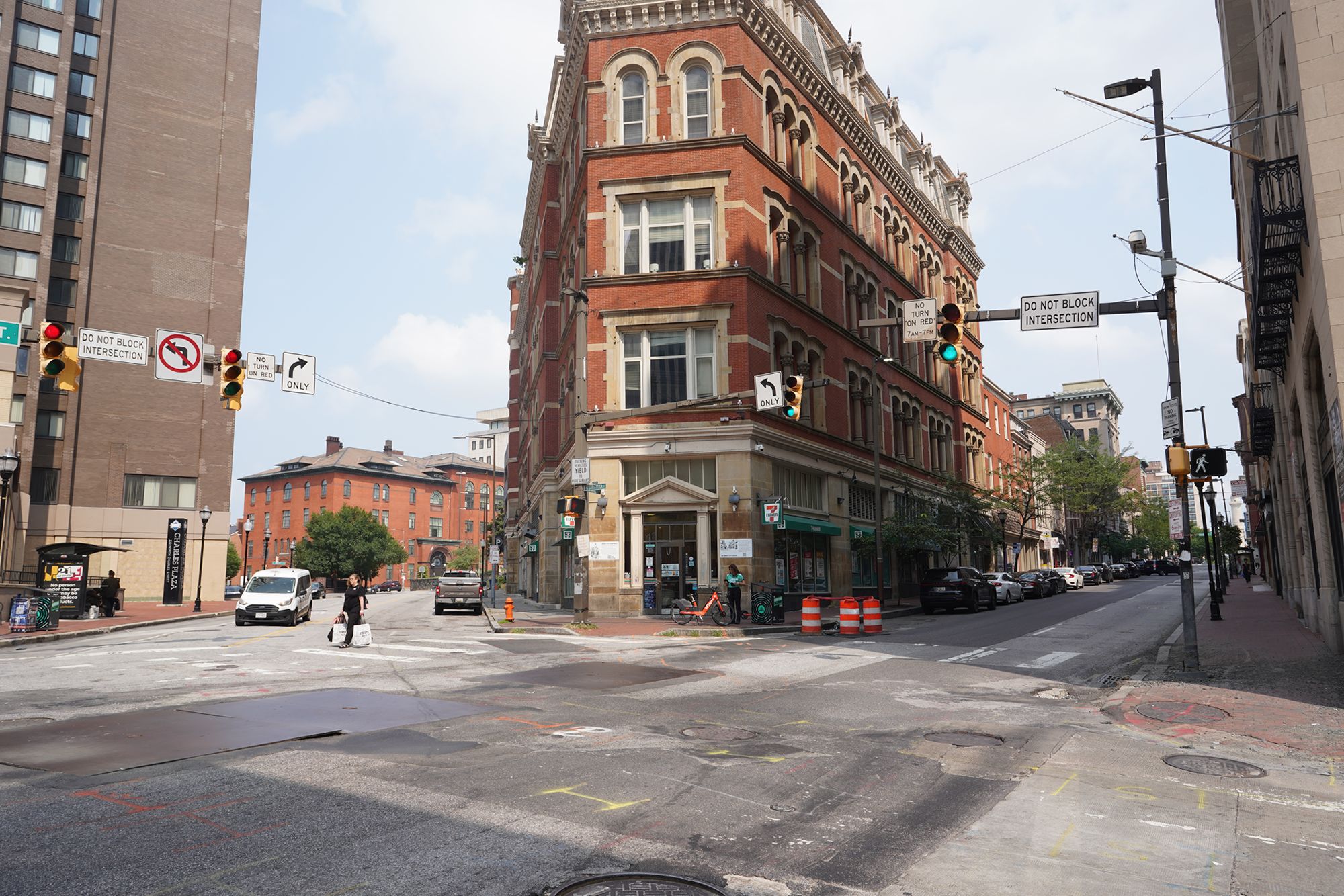
Baltimore became a transportation hub with the creation of the Baltimore & Ohio Railroad, one of the first commercial railroads in the United States.
It later grew into a powerful industrial city focused on steel, shipbuilding, and maritime trade.
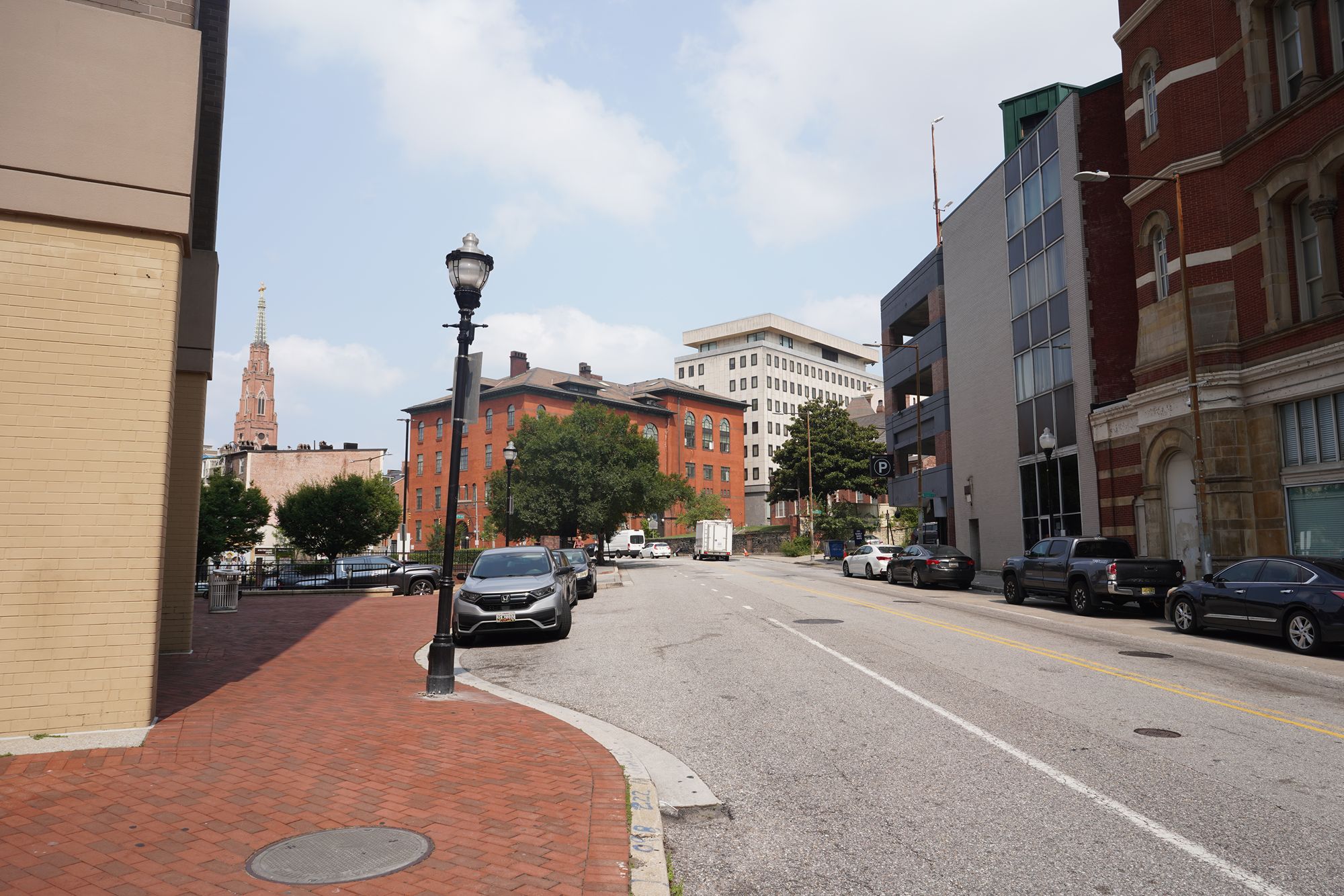
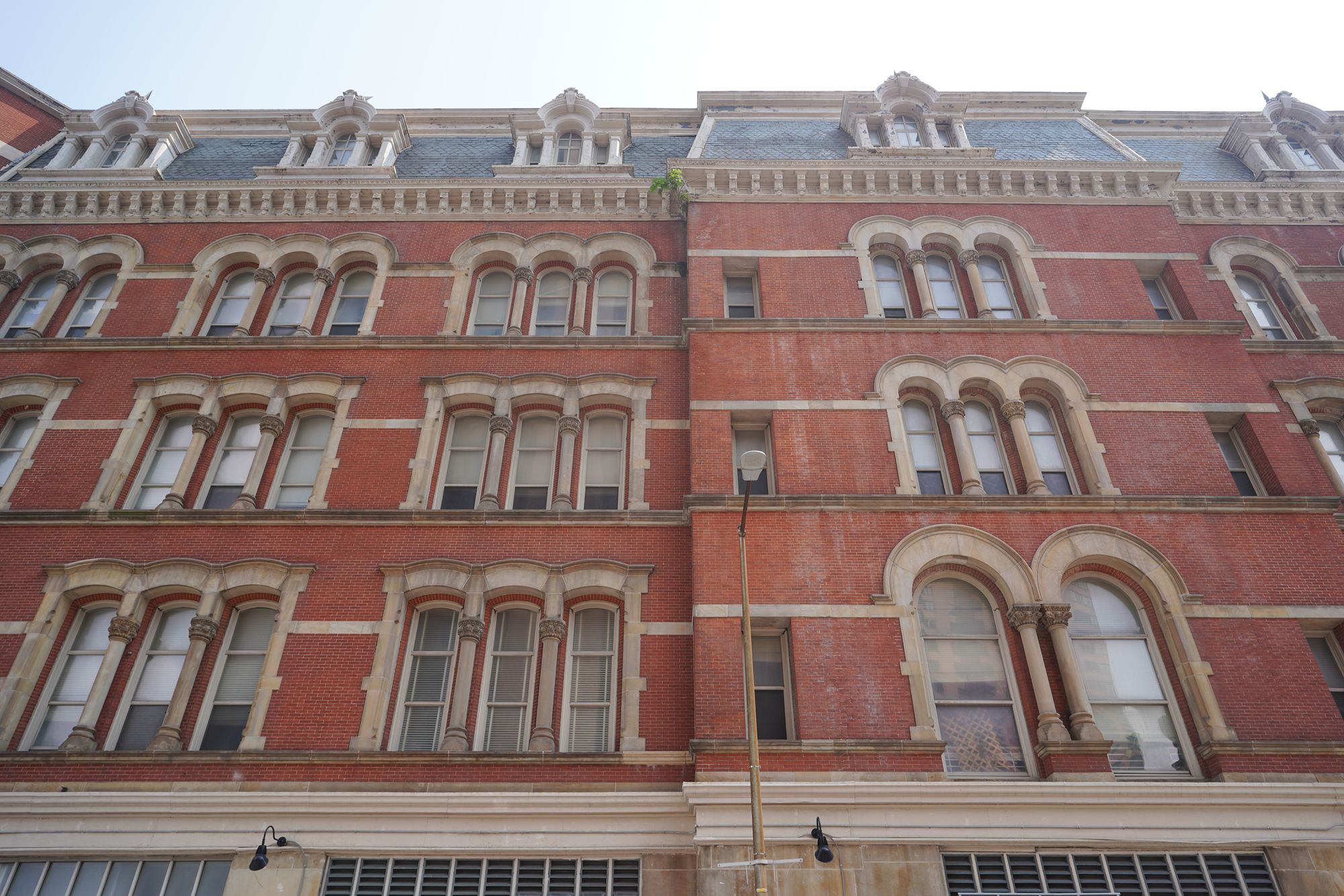
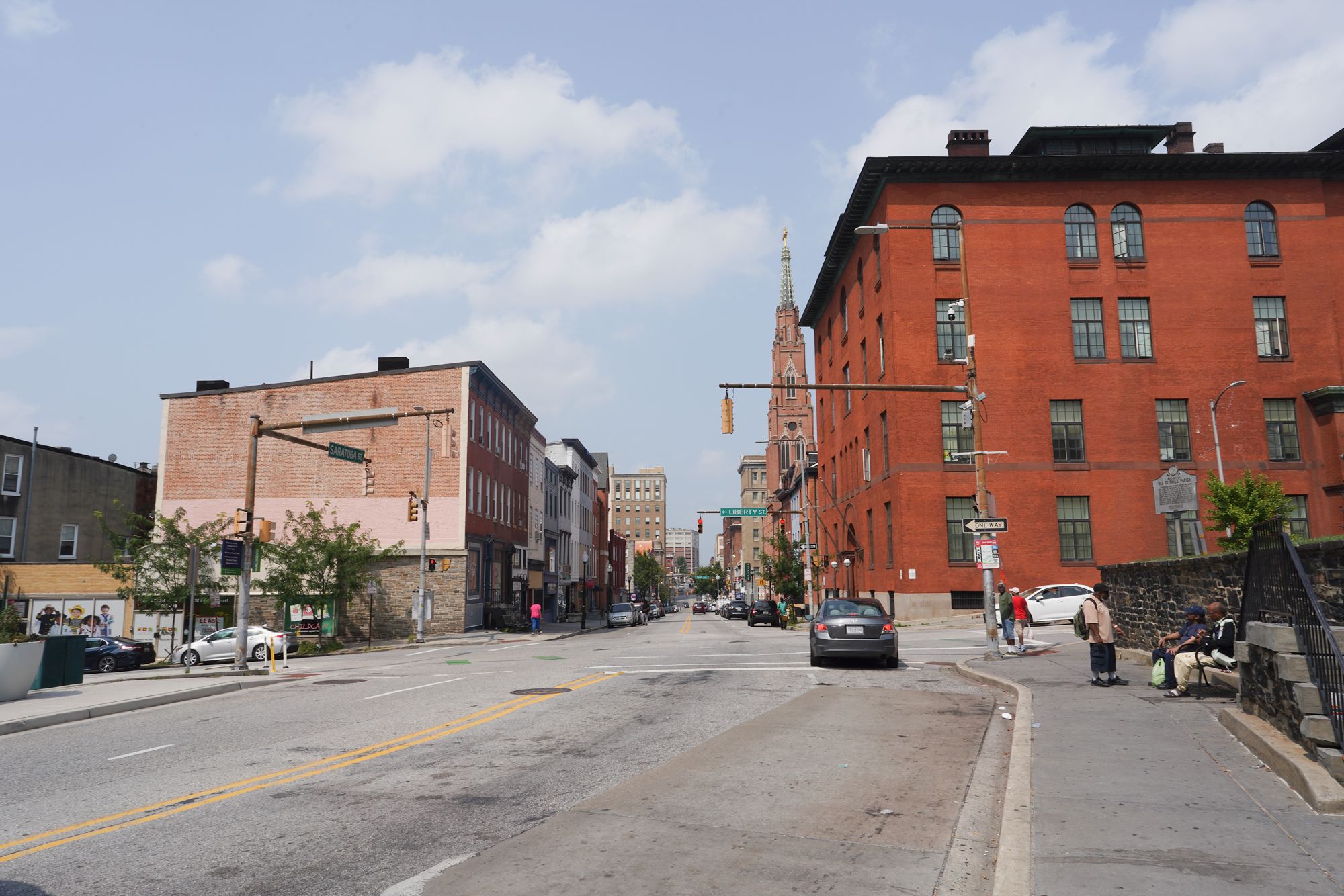
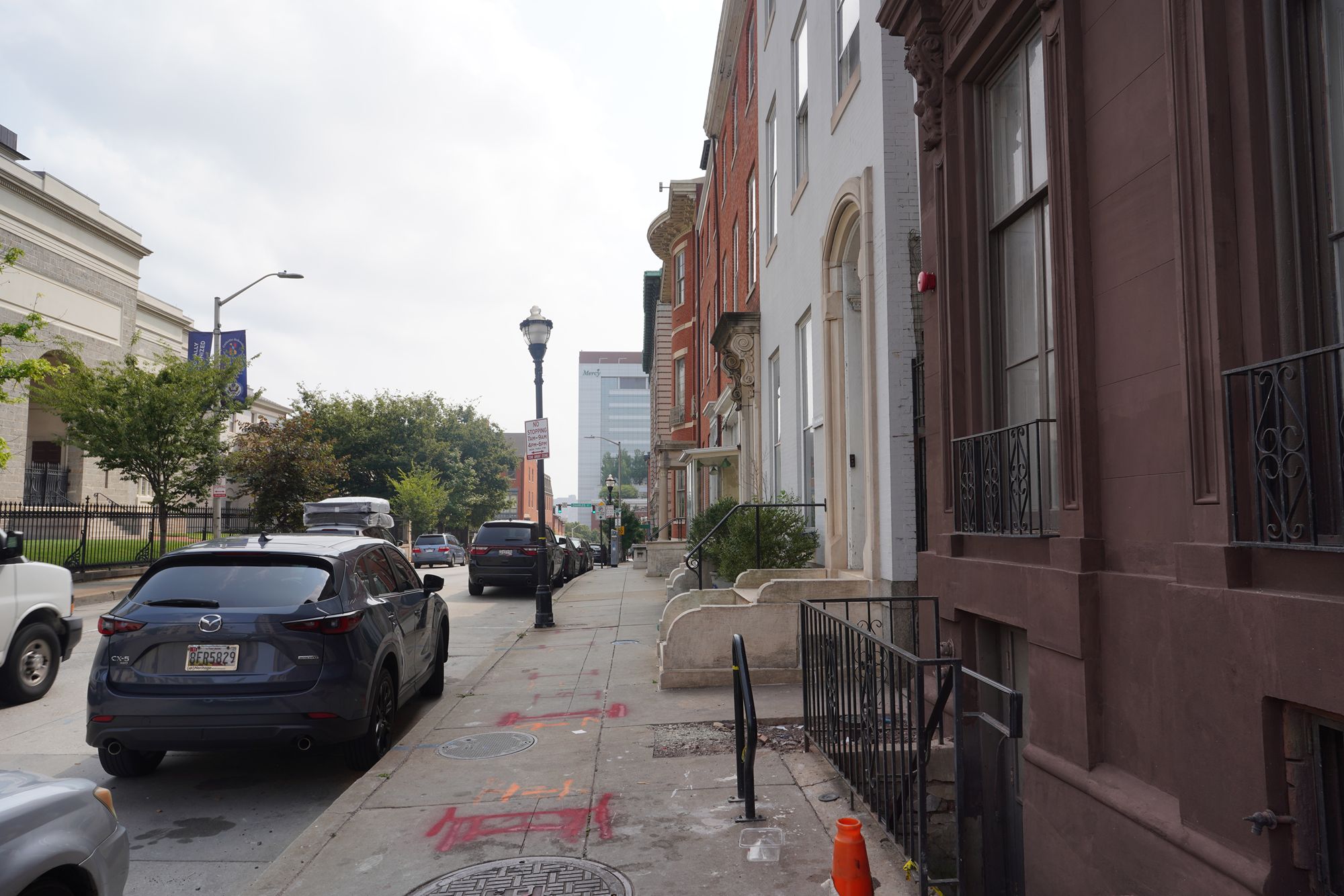
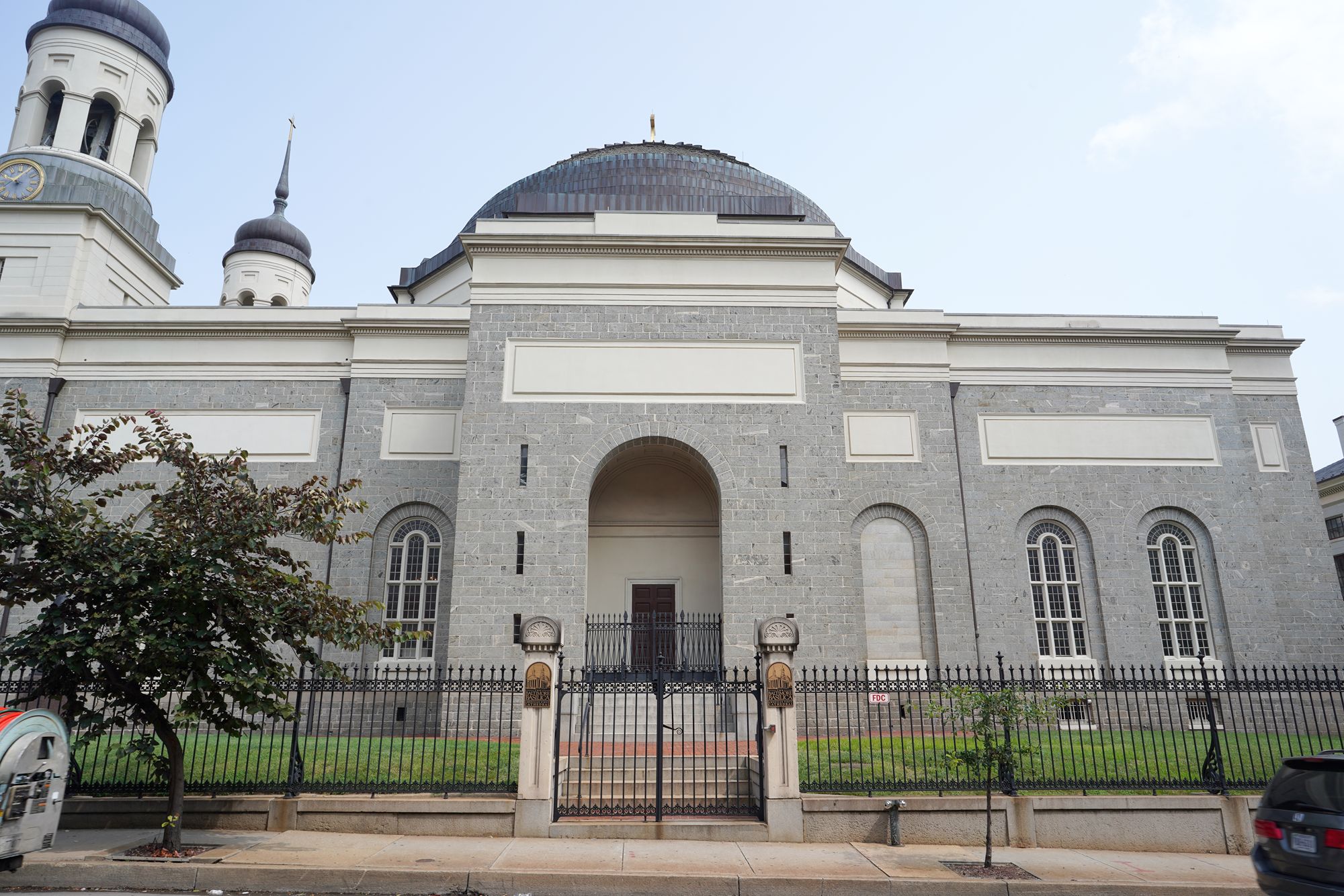
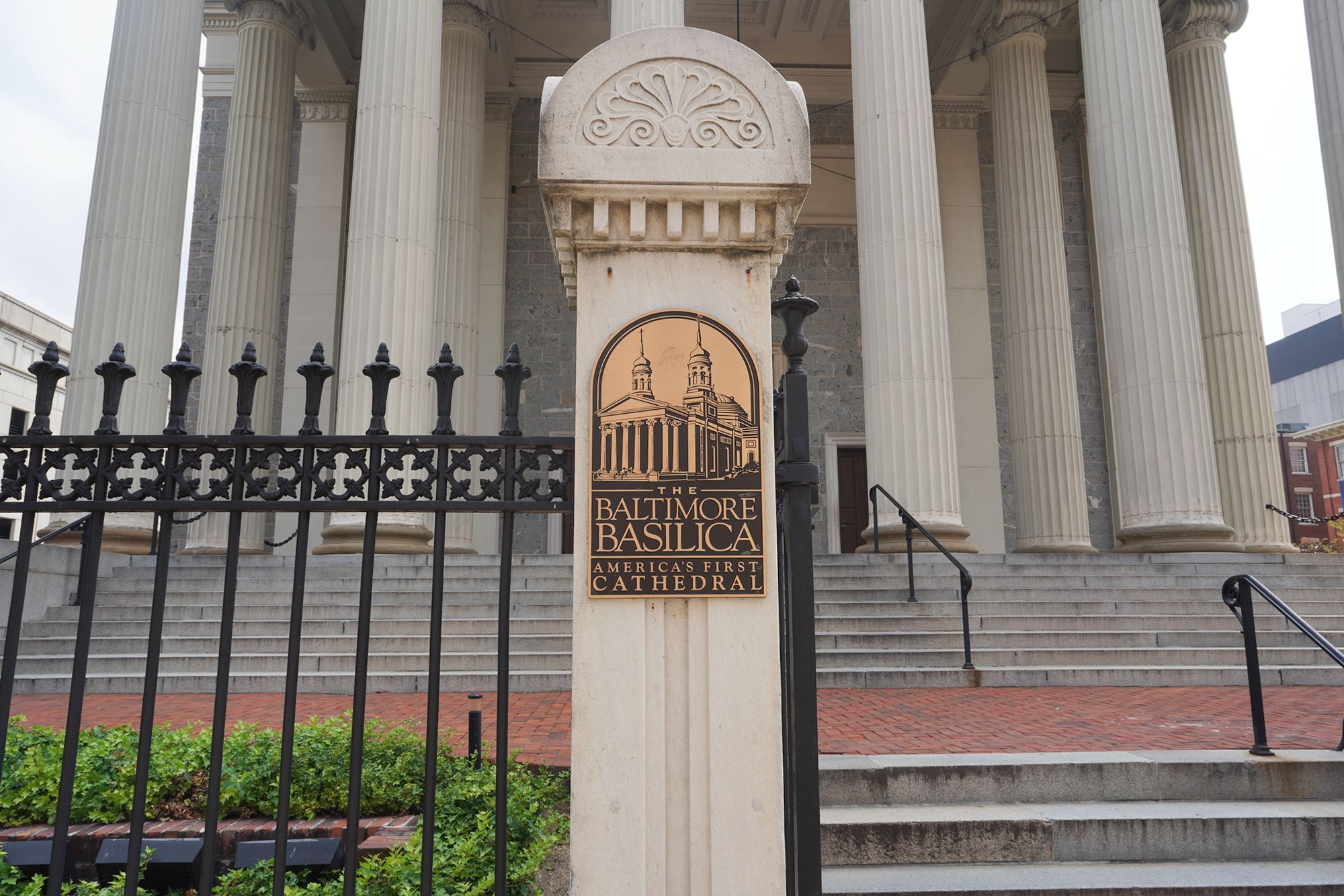
The Baltimore Basilica, officially the Basilica of the National Shrine of the Assumption of the Blessed Virgin Mary, is the first Roman Catholic cathedral built in the United States.
Its construction began in 1806 and was completed in 1821.
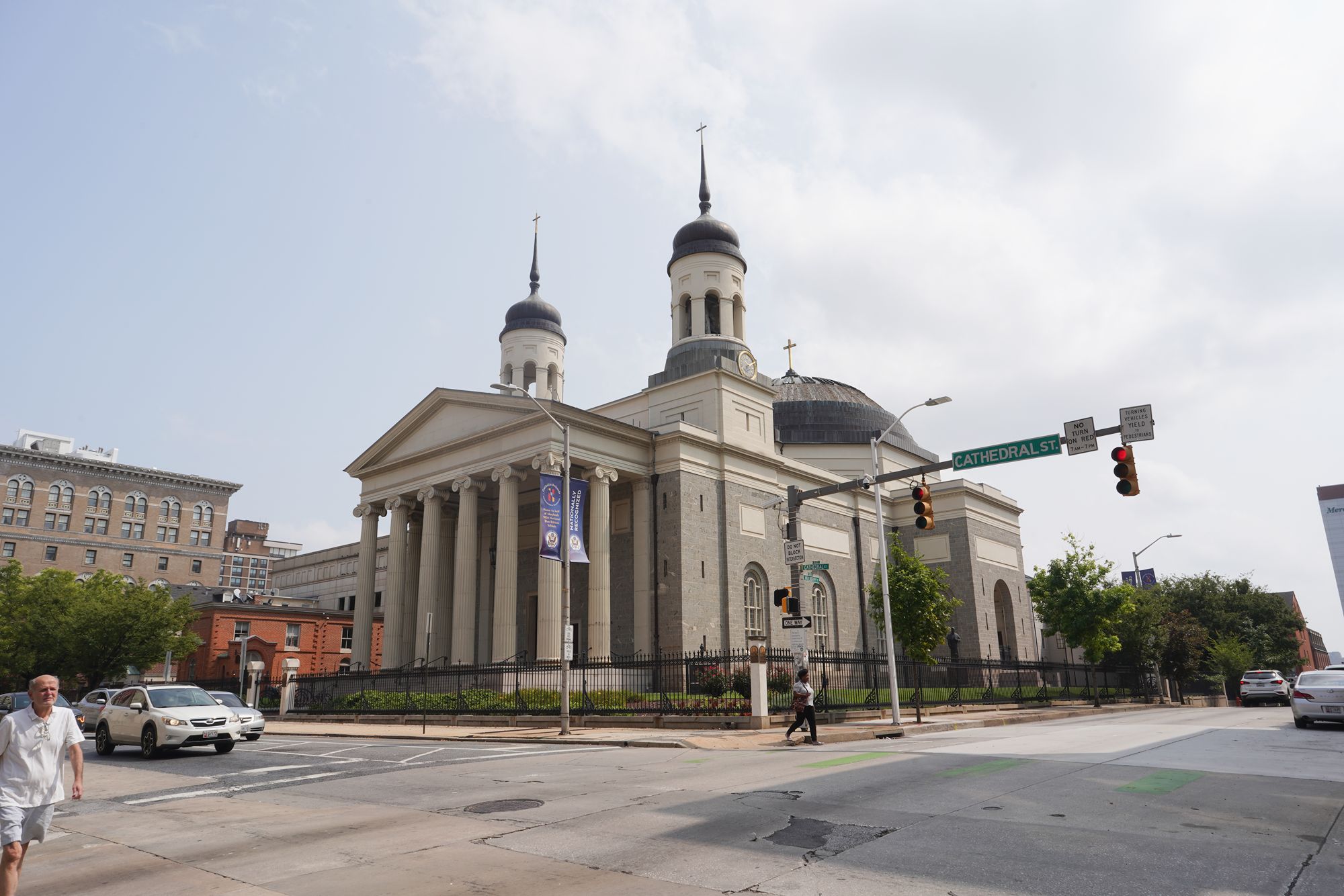
It hosted the first Catholic bishops’ meeting in the U.S., shaping Catholic education and church structures nationwide.
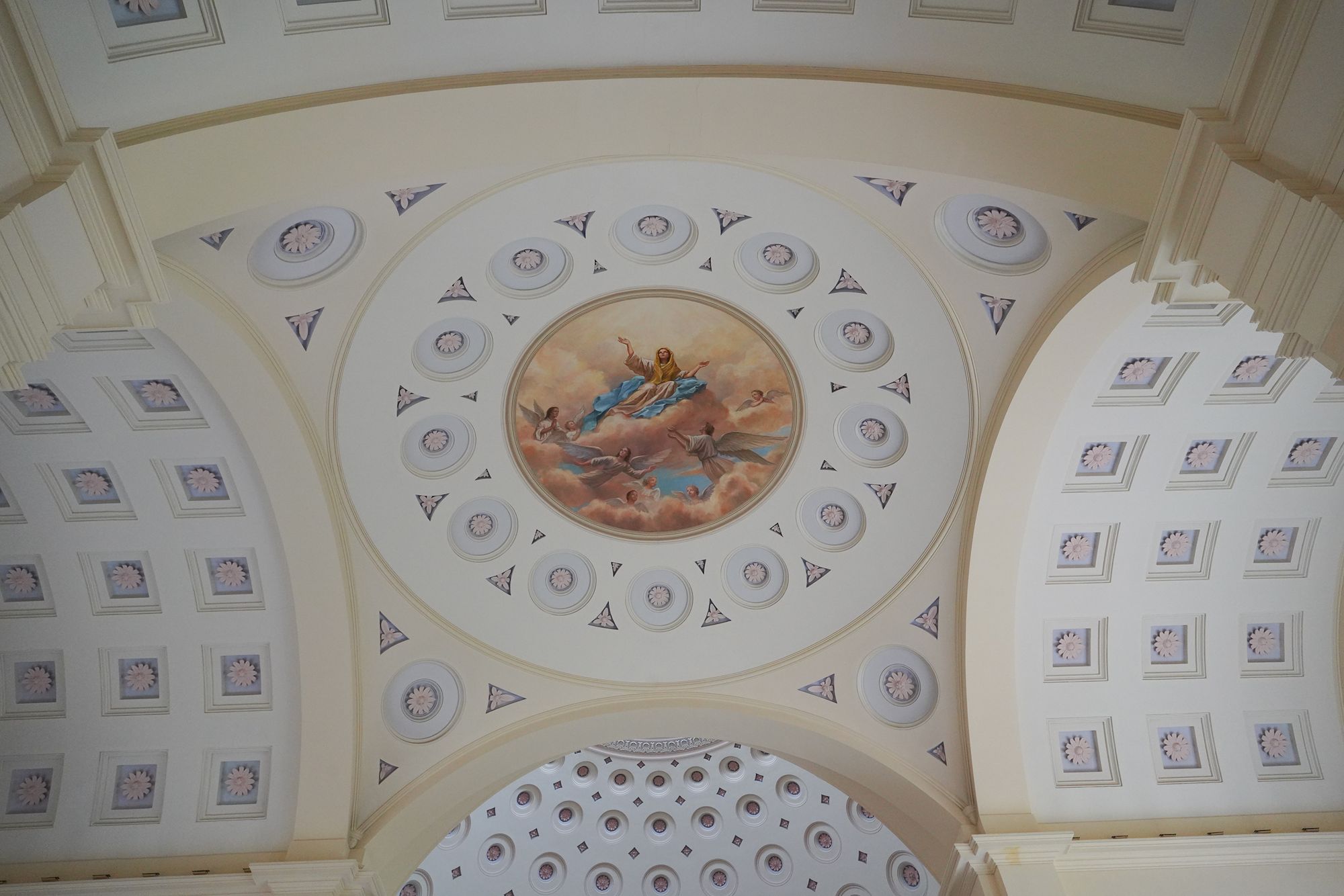
The interior features a neoclassical dome, soft natural light, and elegant white columns.
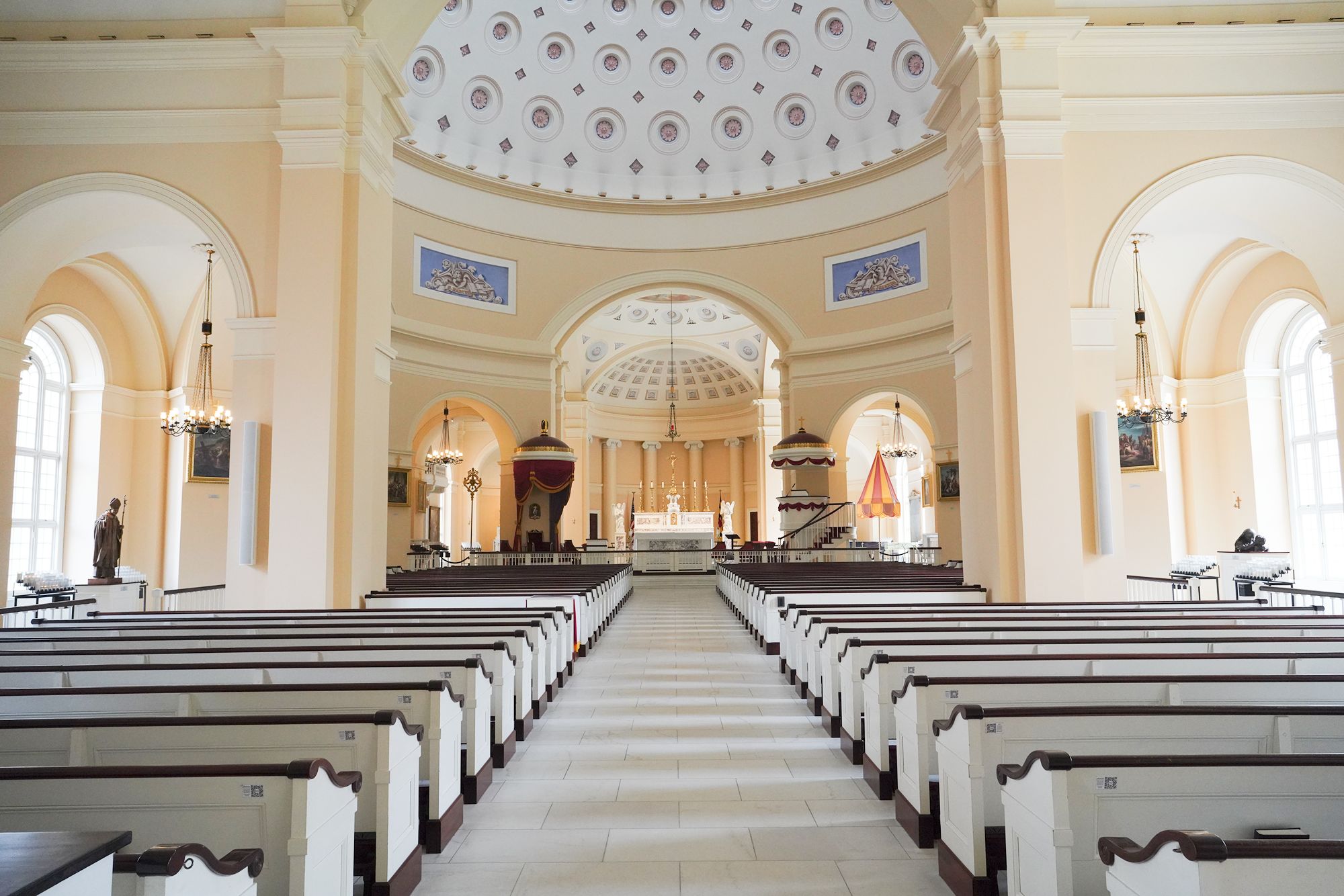
The building underwent a major restoration in the early 2000s, returning many original design elements. Today, it remains an active parish, historic landmark, and popular site for tours and quiet reflection.
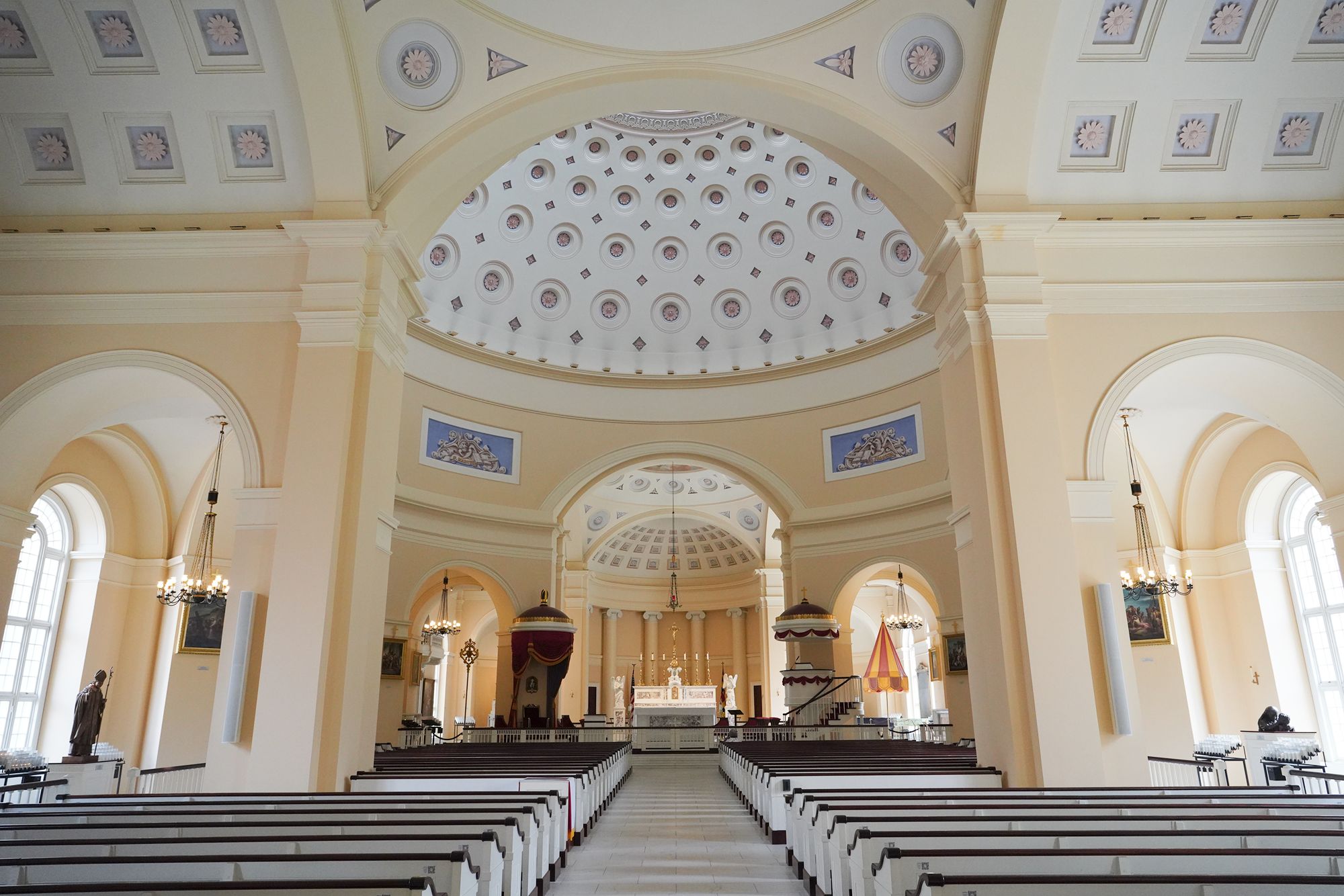
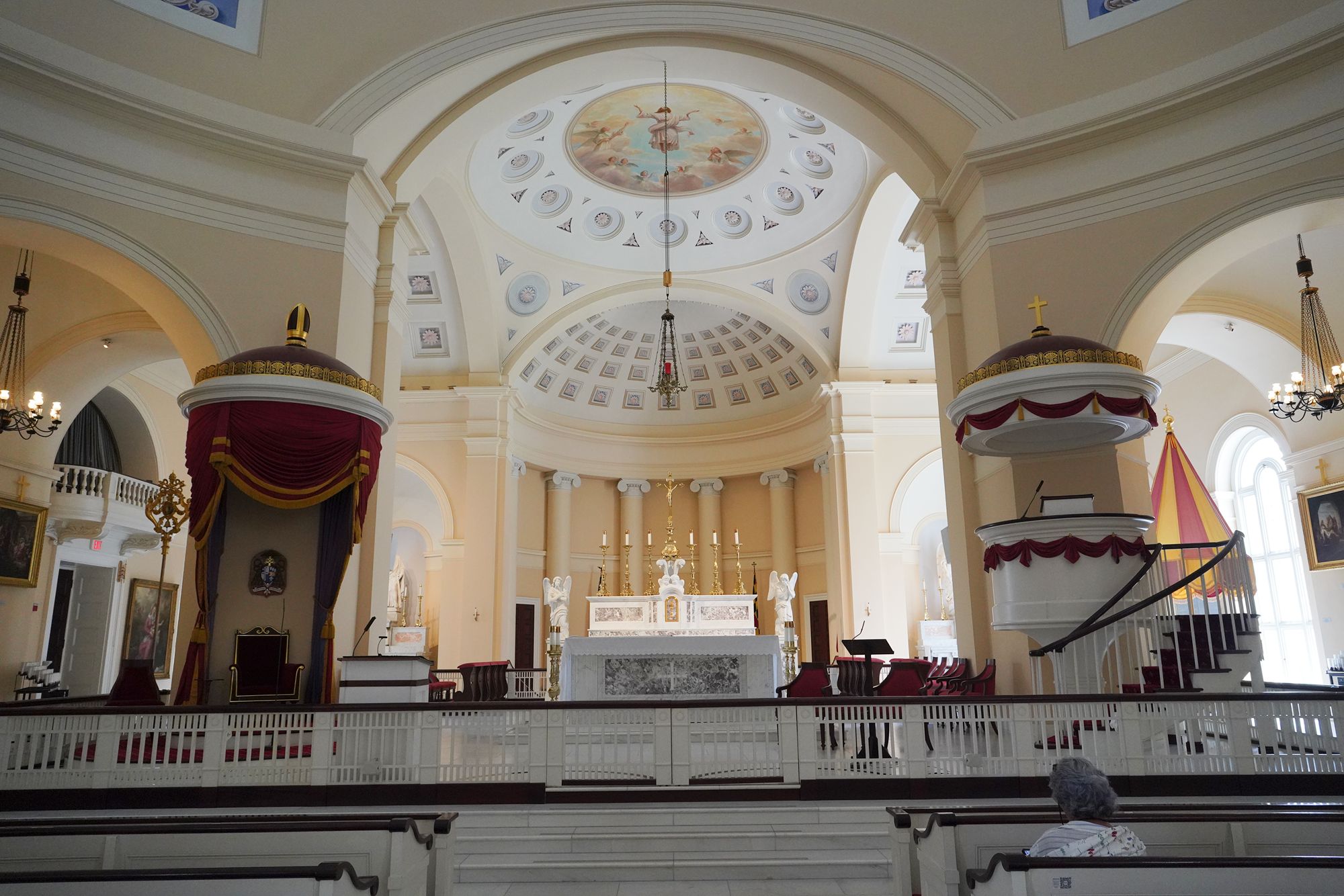
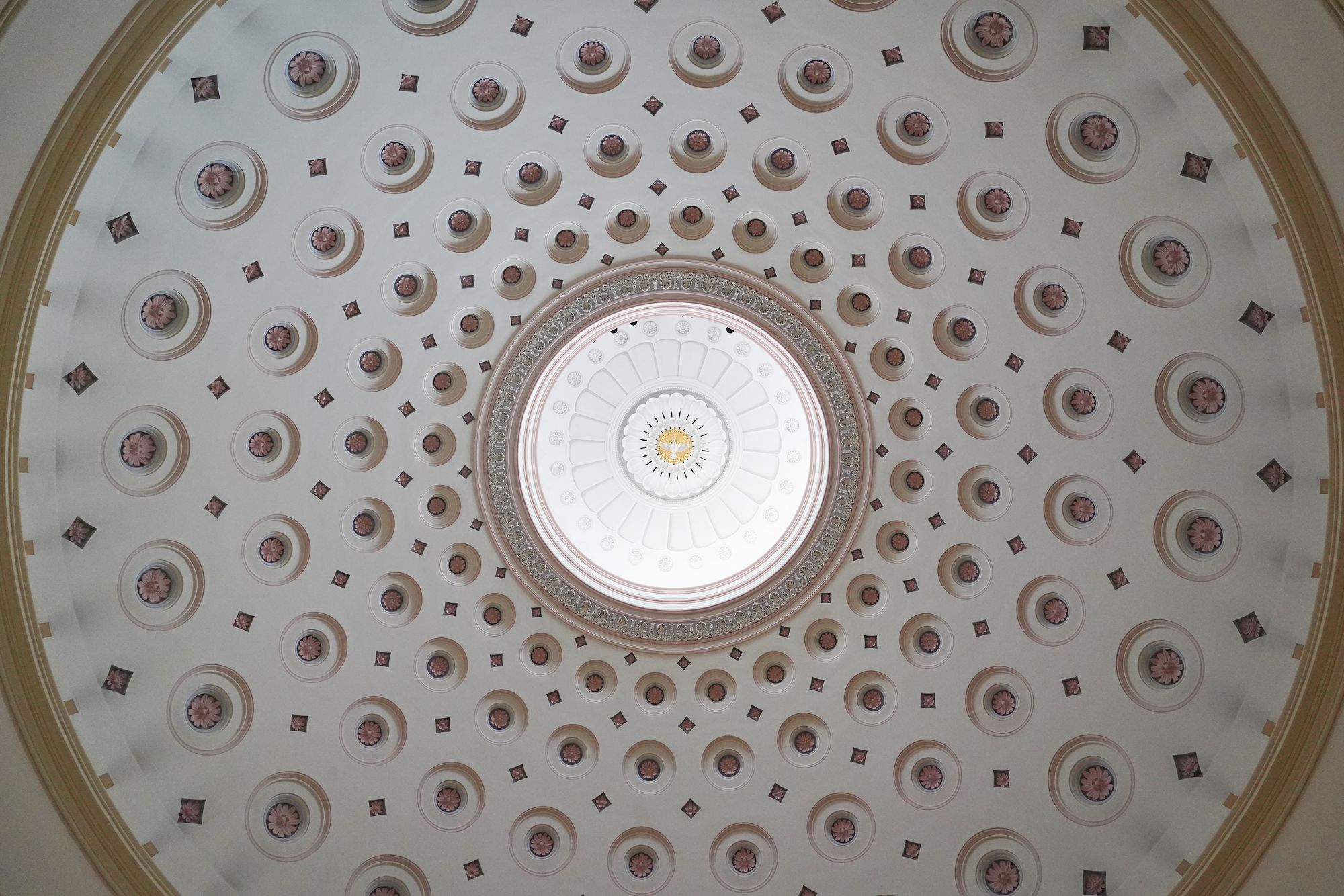
The area on the opposite end of the altar — near the main entrance
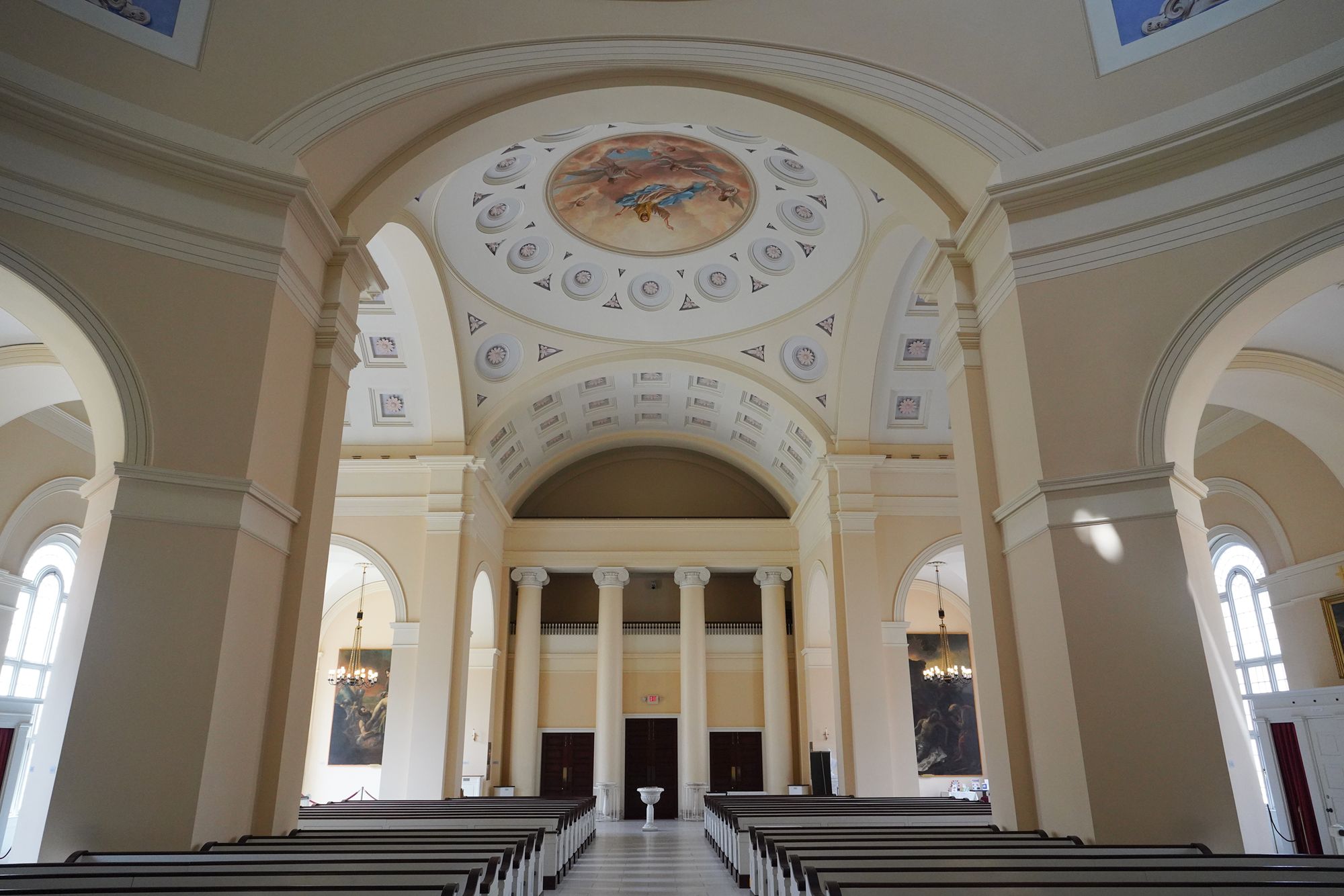
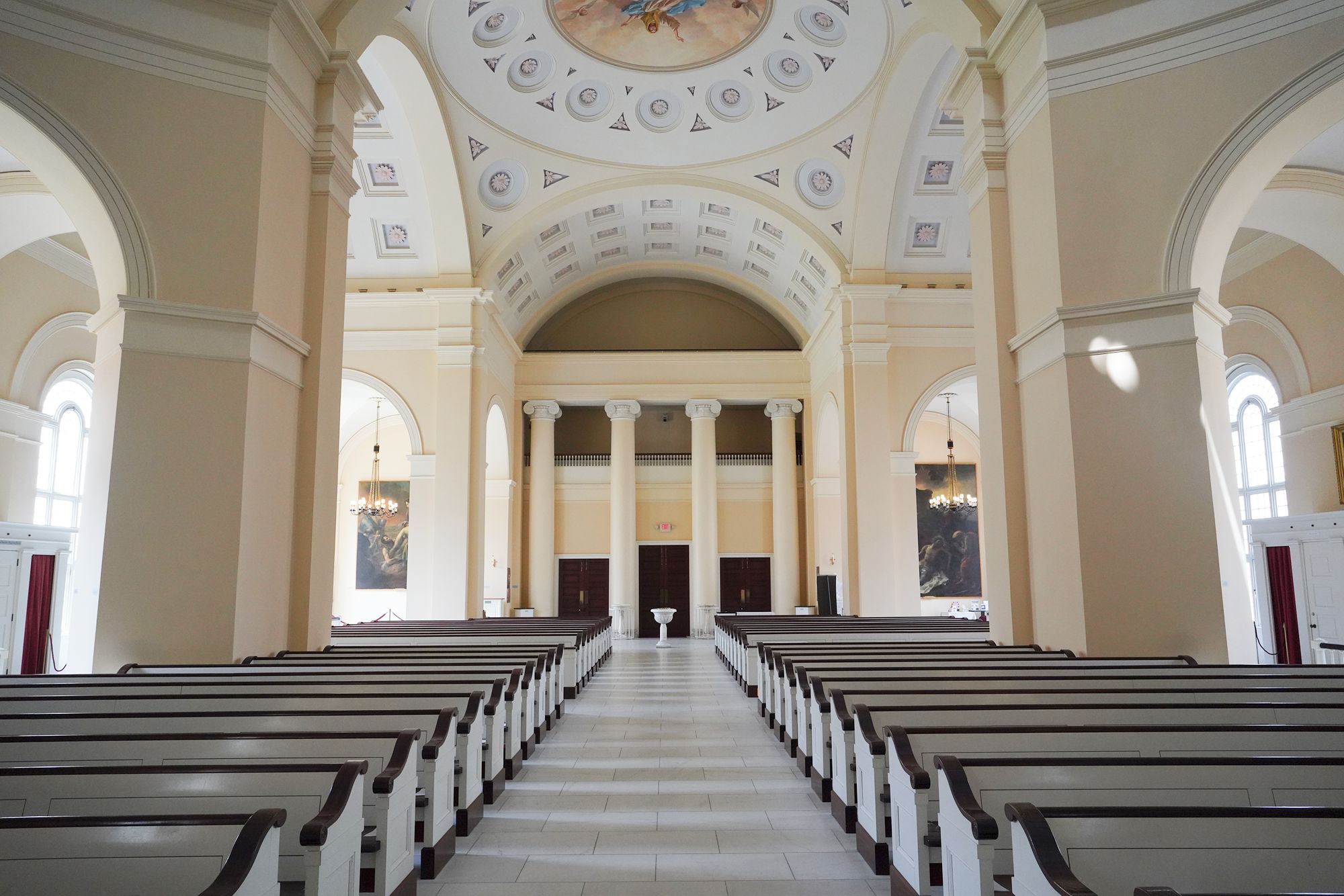
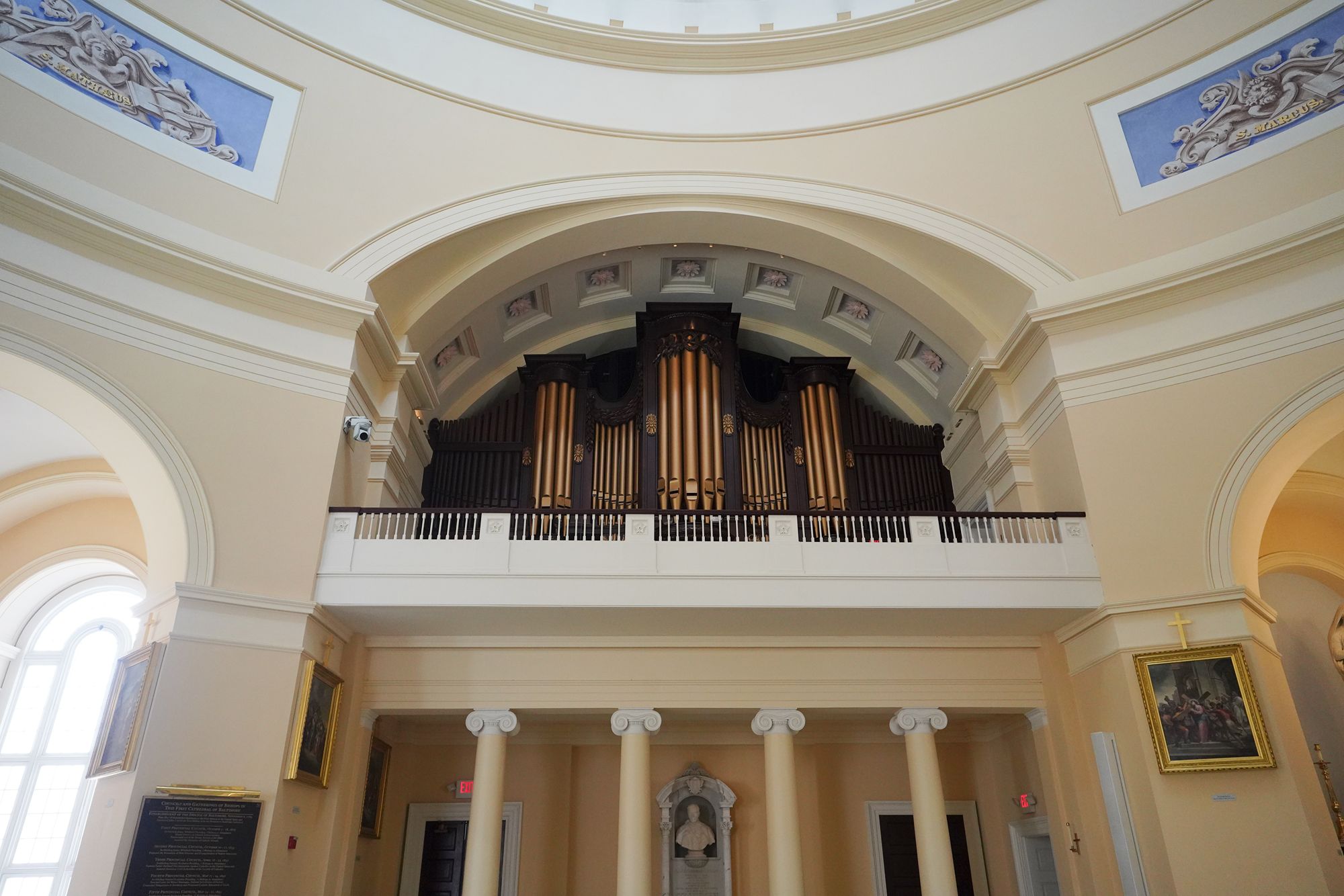
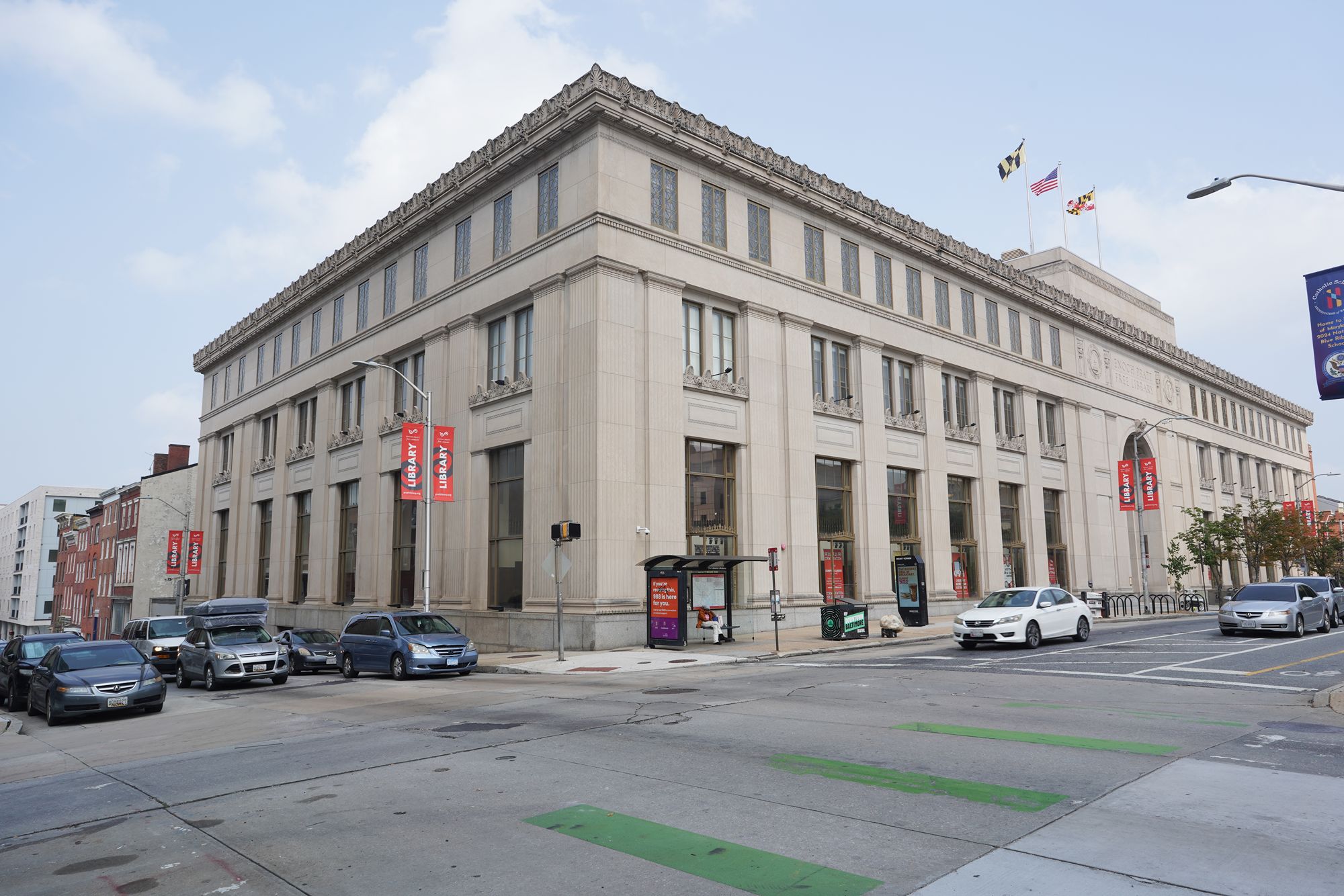
Across the street from the church is the public library
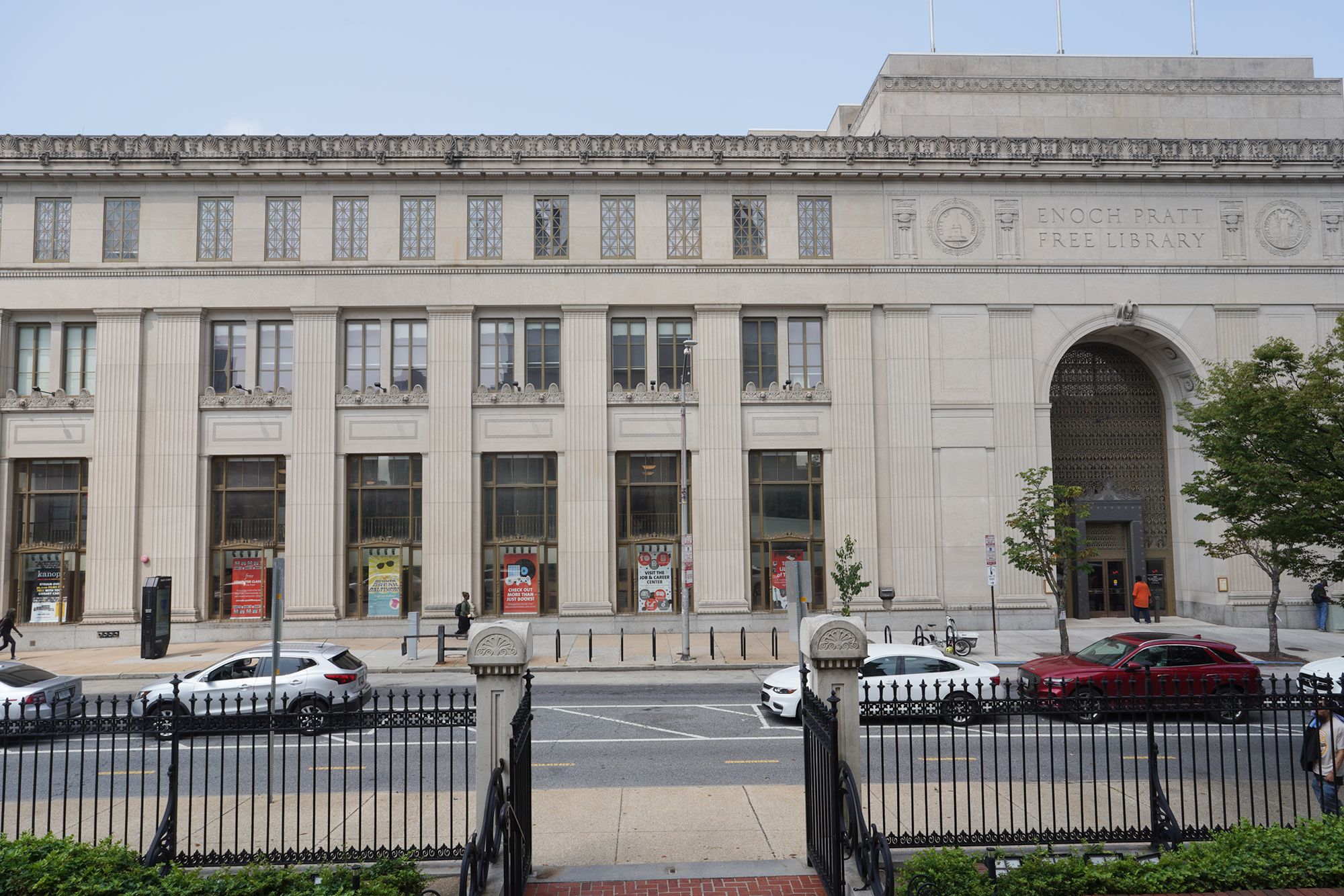
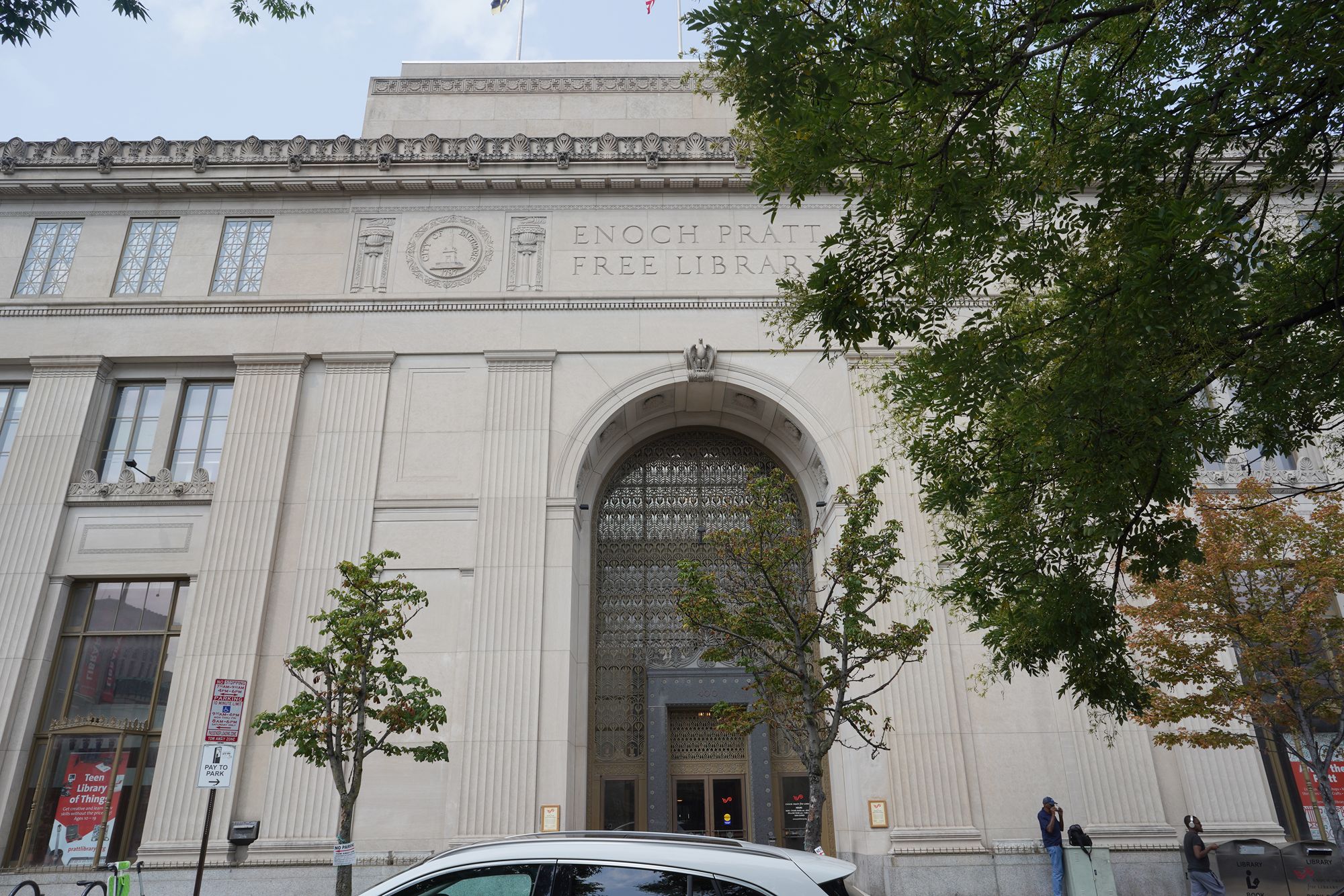
Inside the library
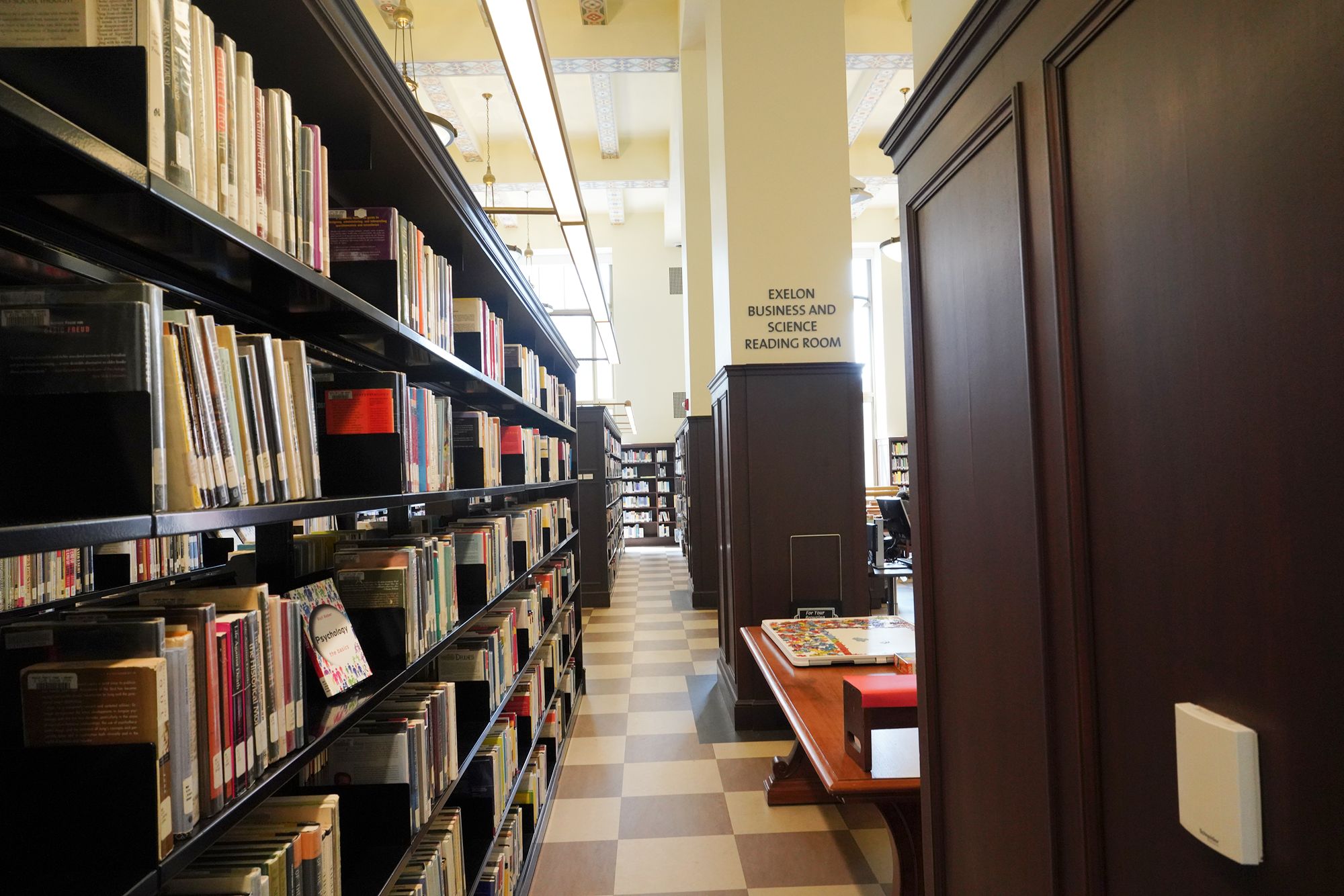
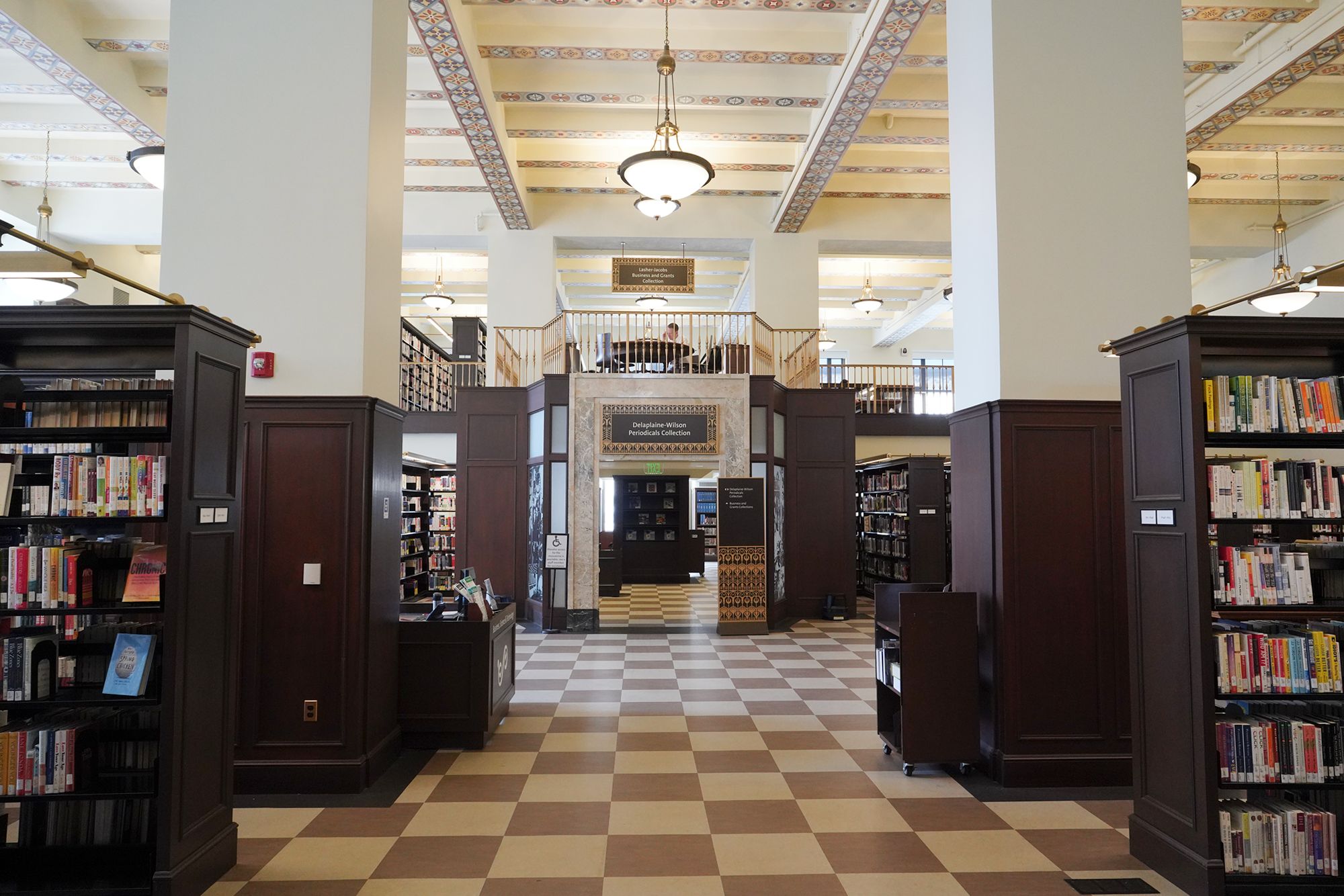
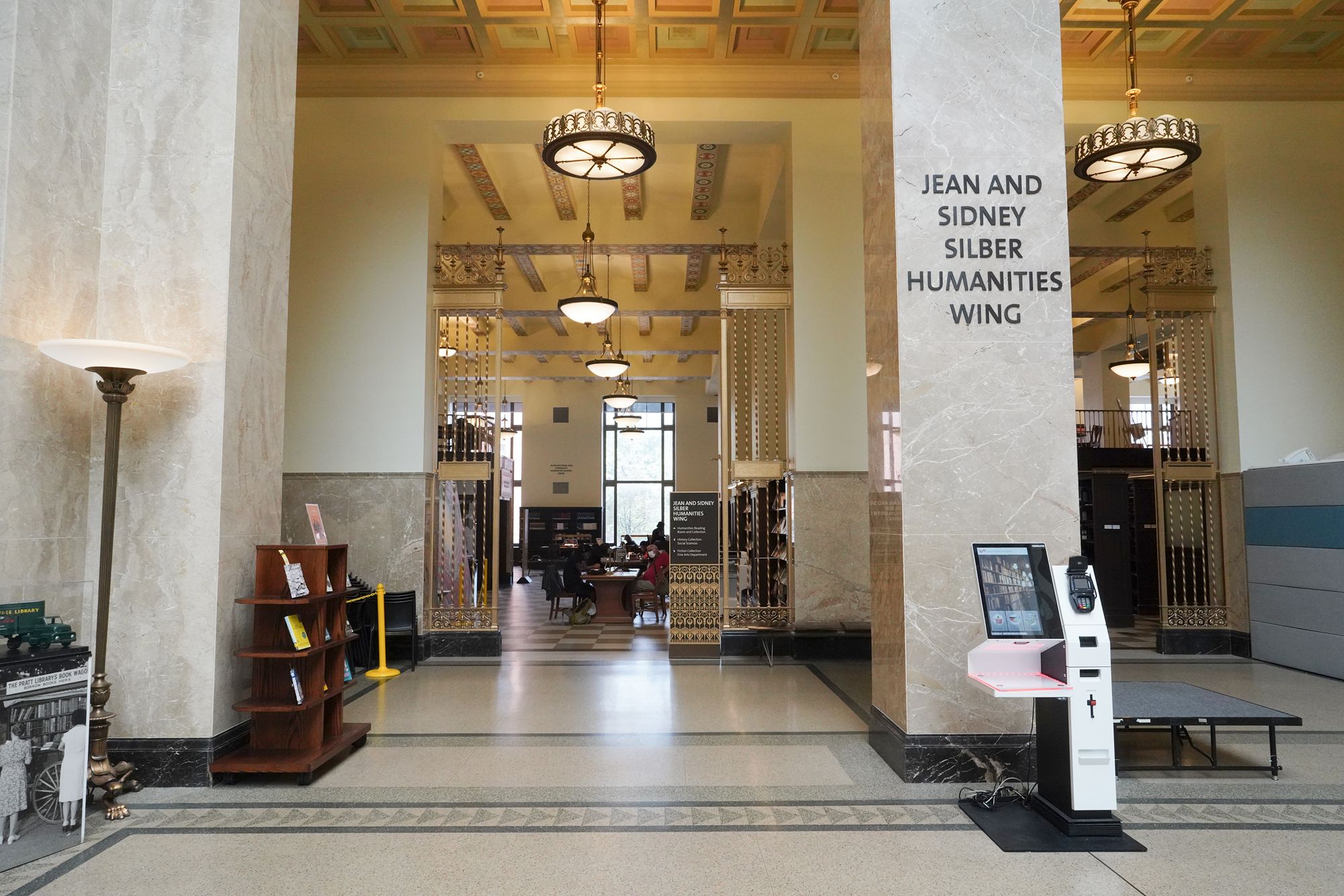
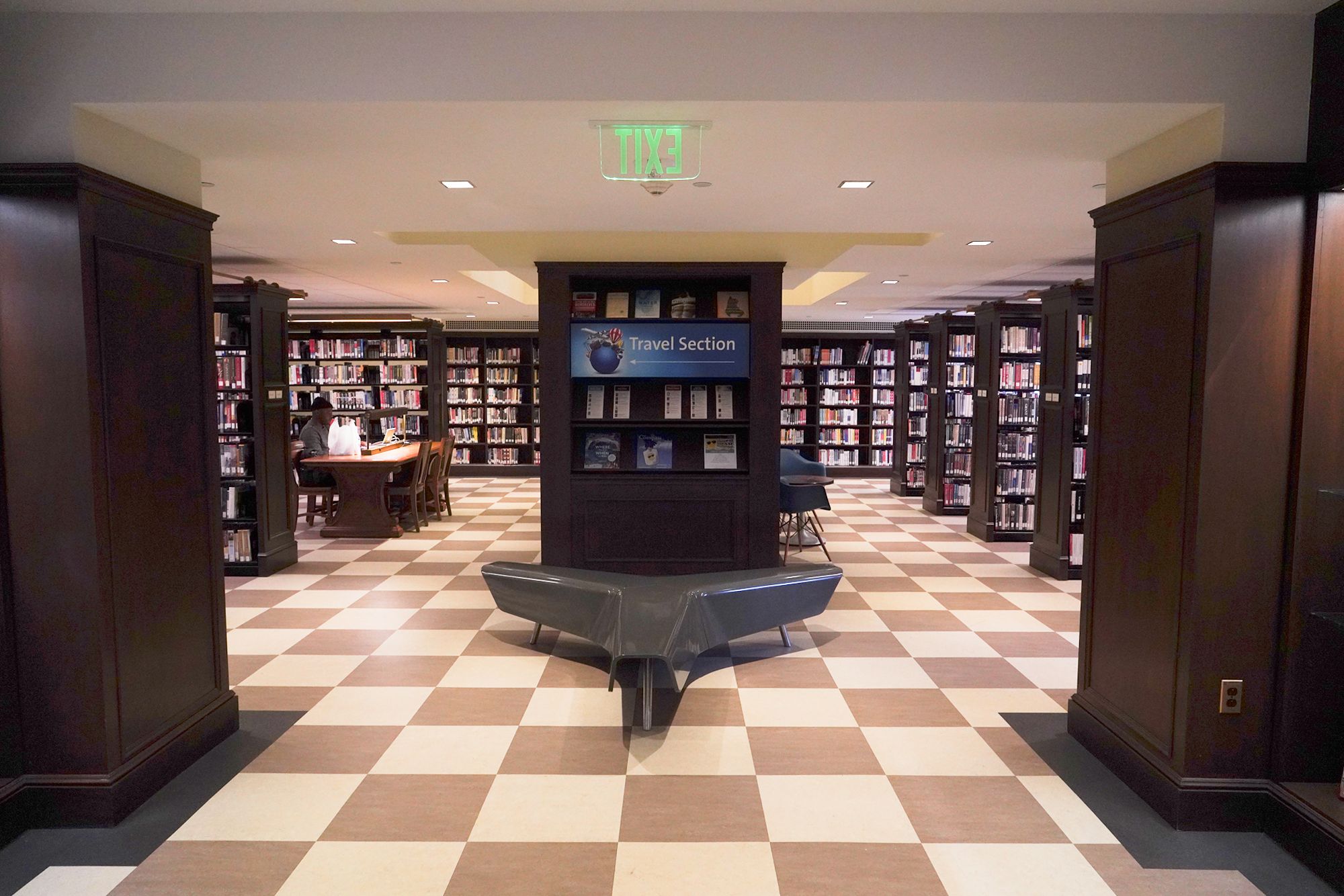
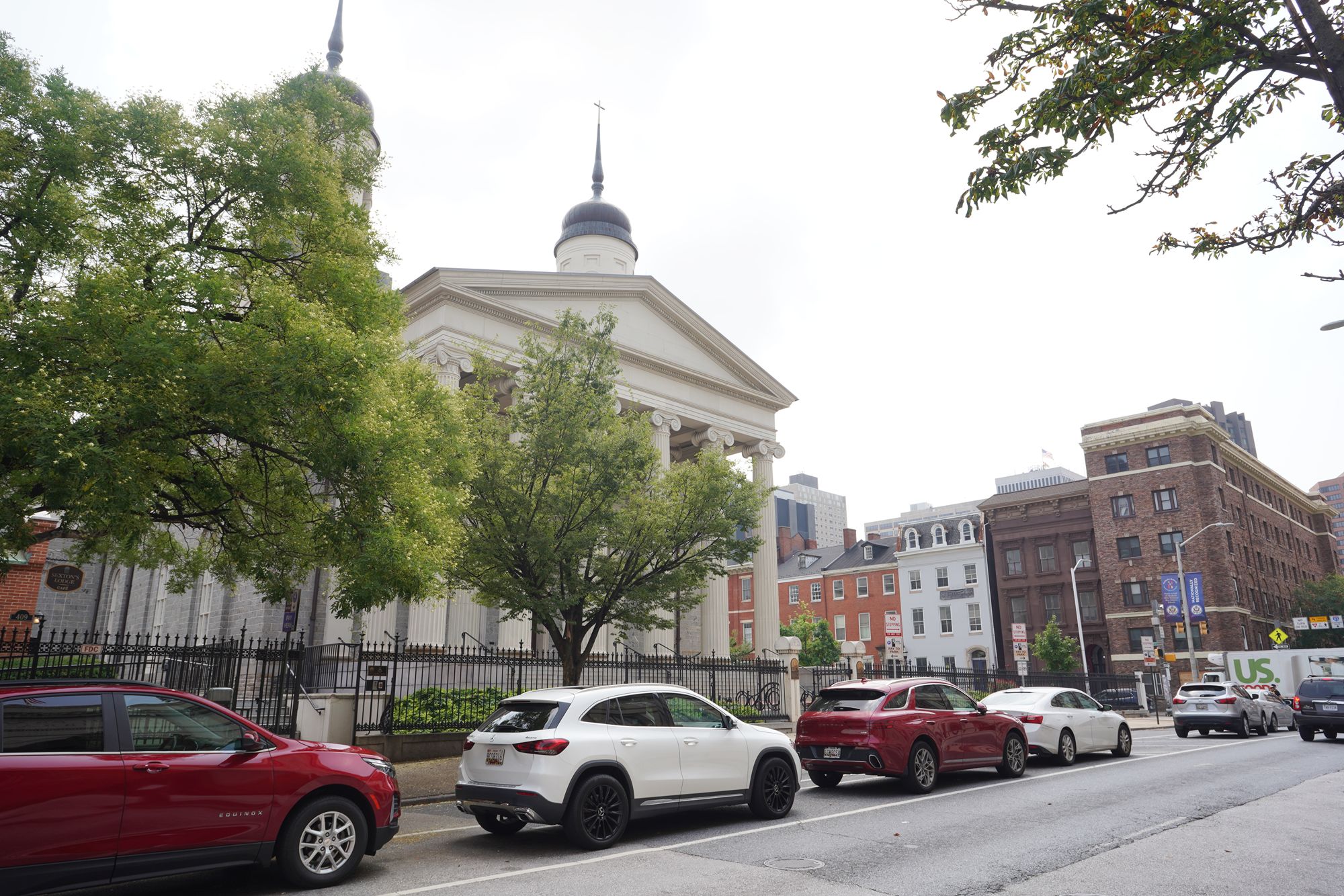
Out of the library and on the way to the Maryland Center for History and Culture.
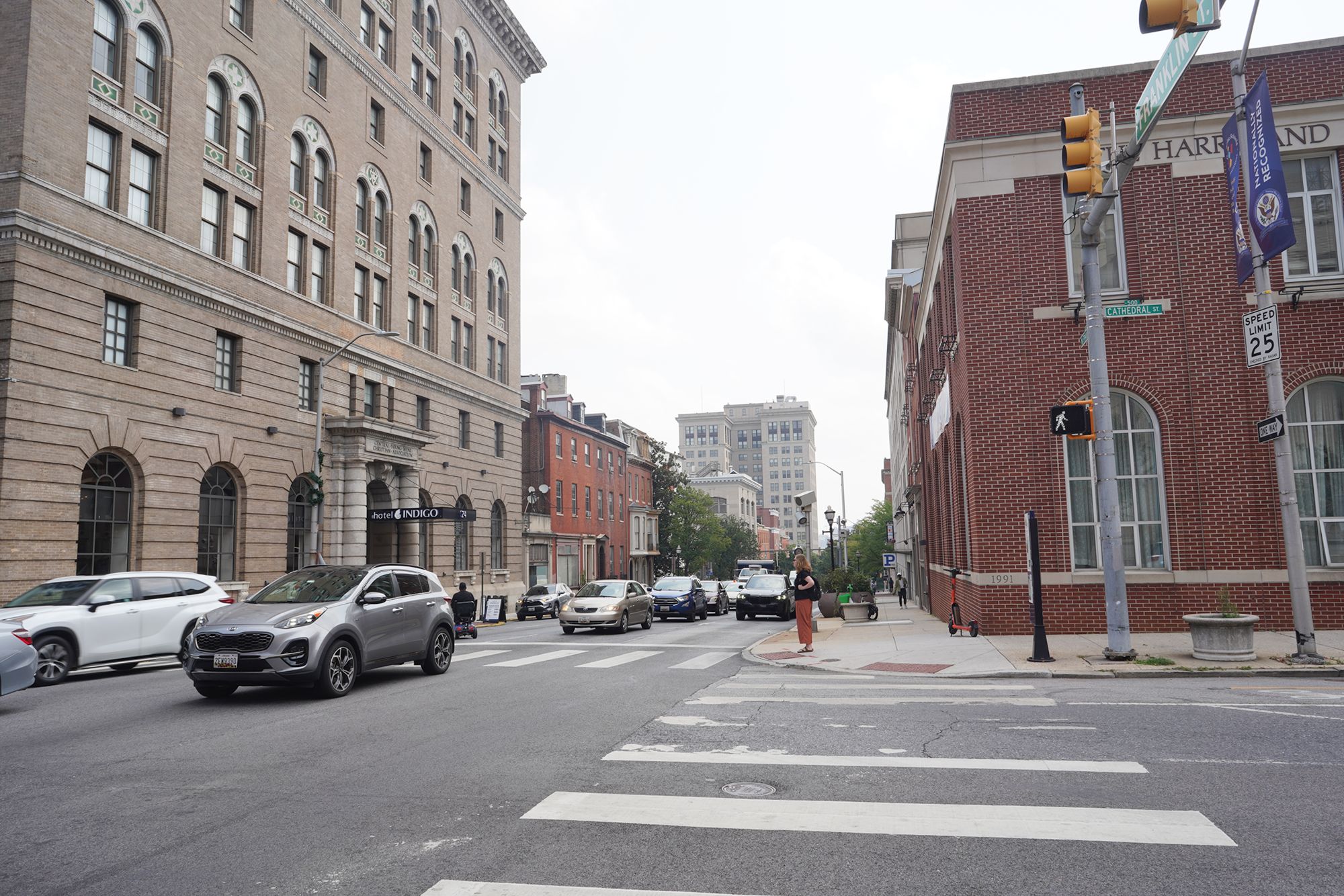
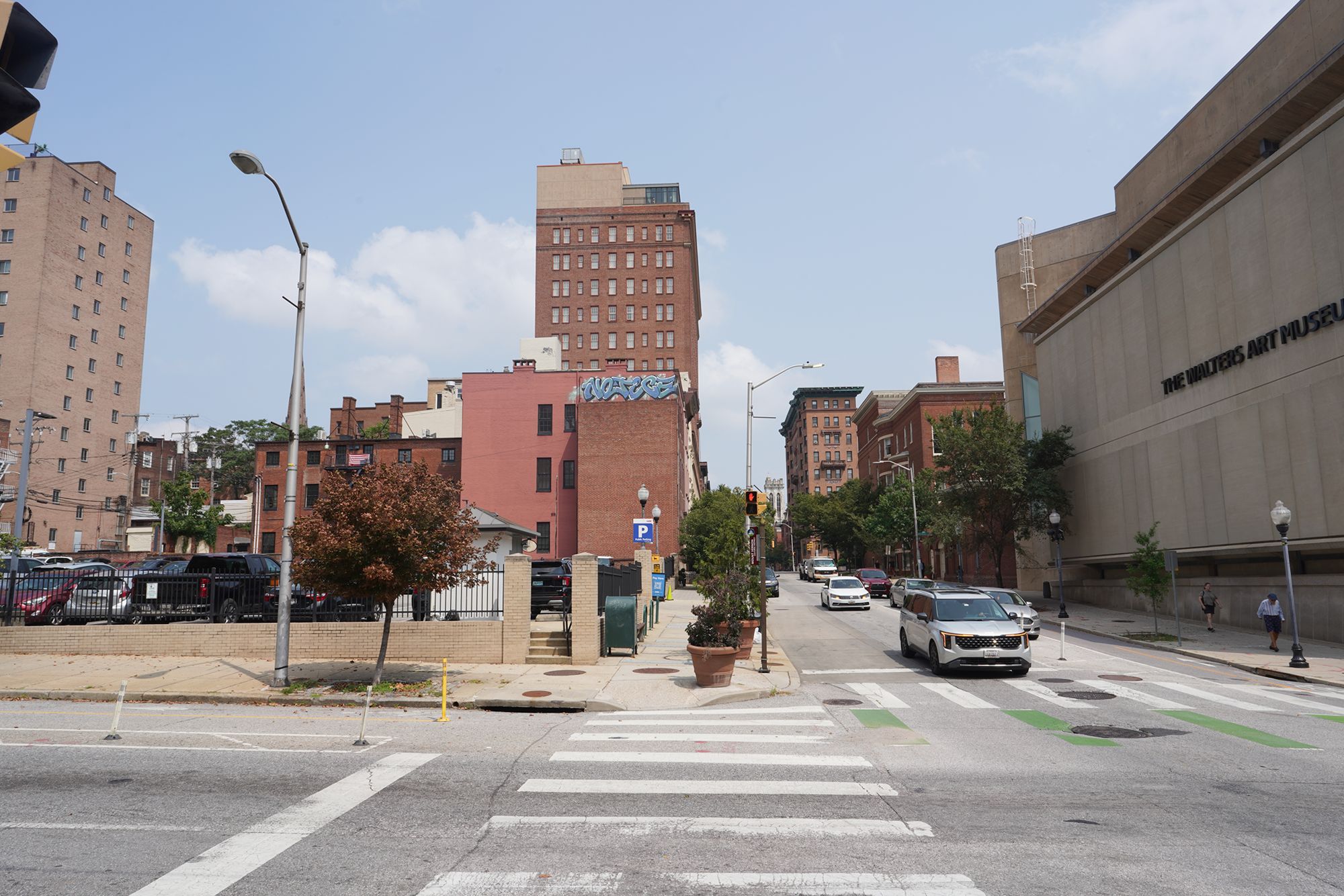
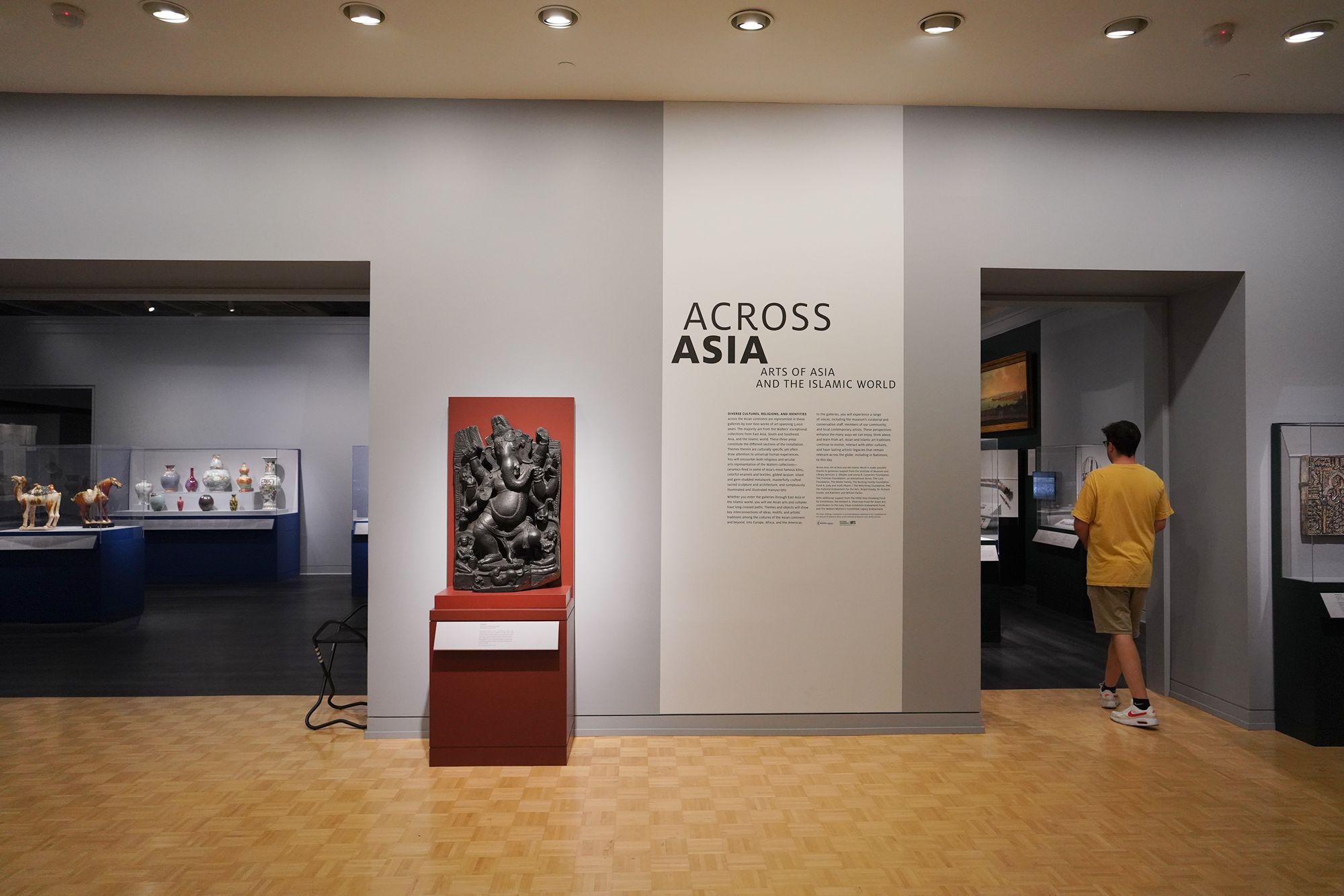
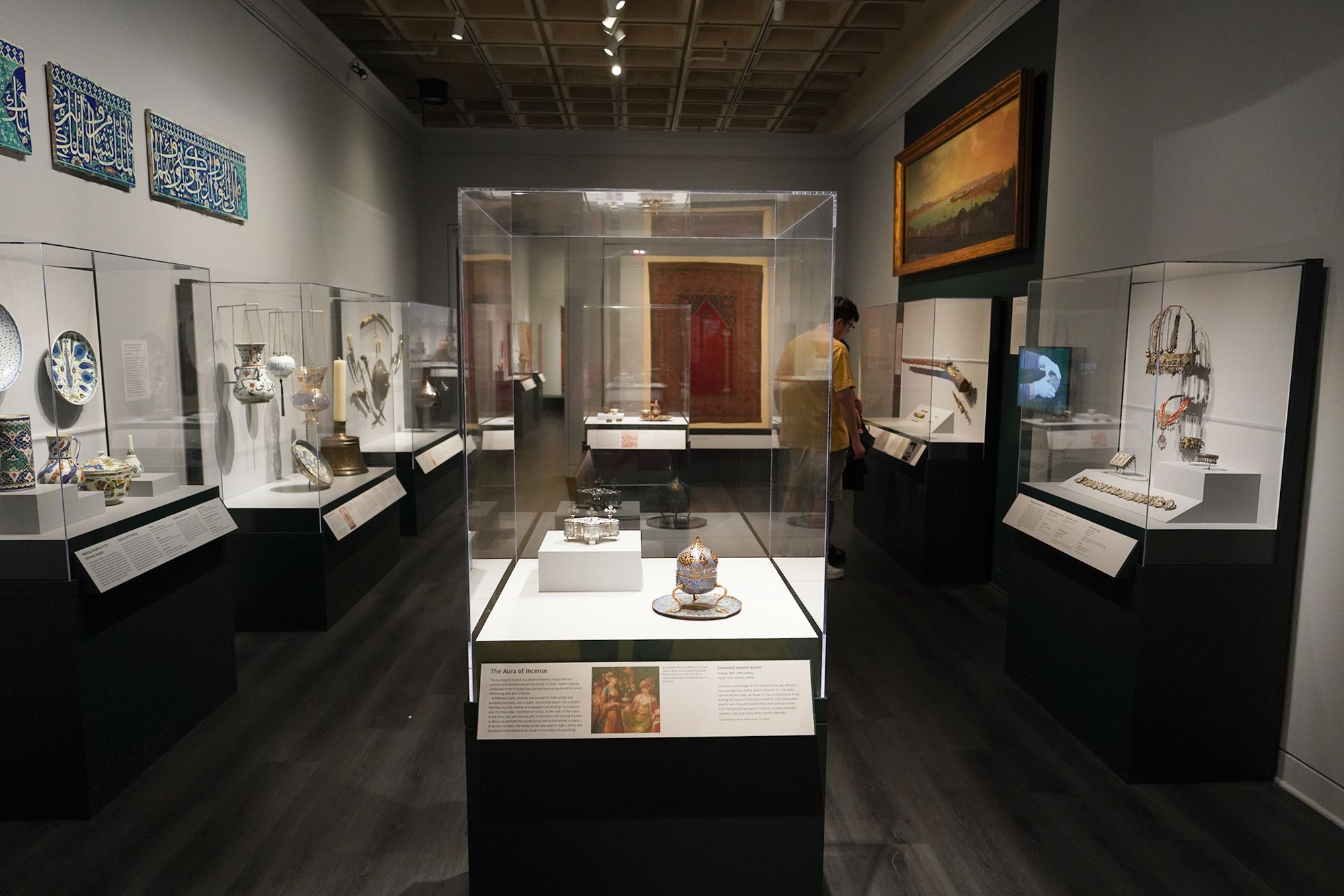
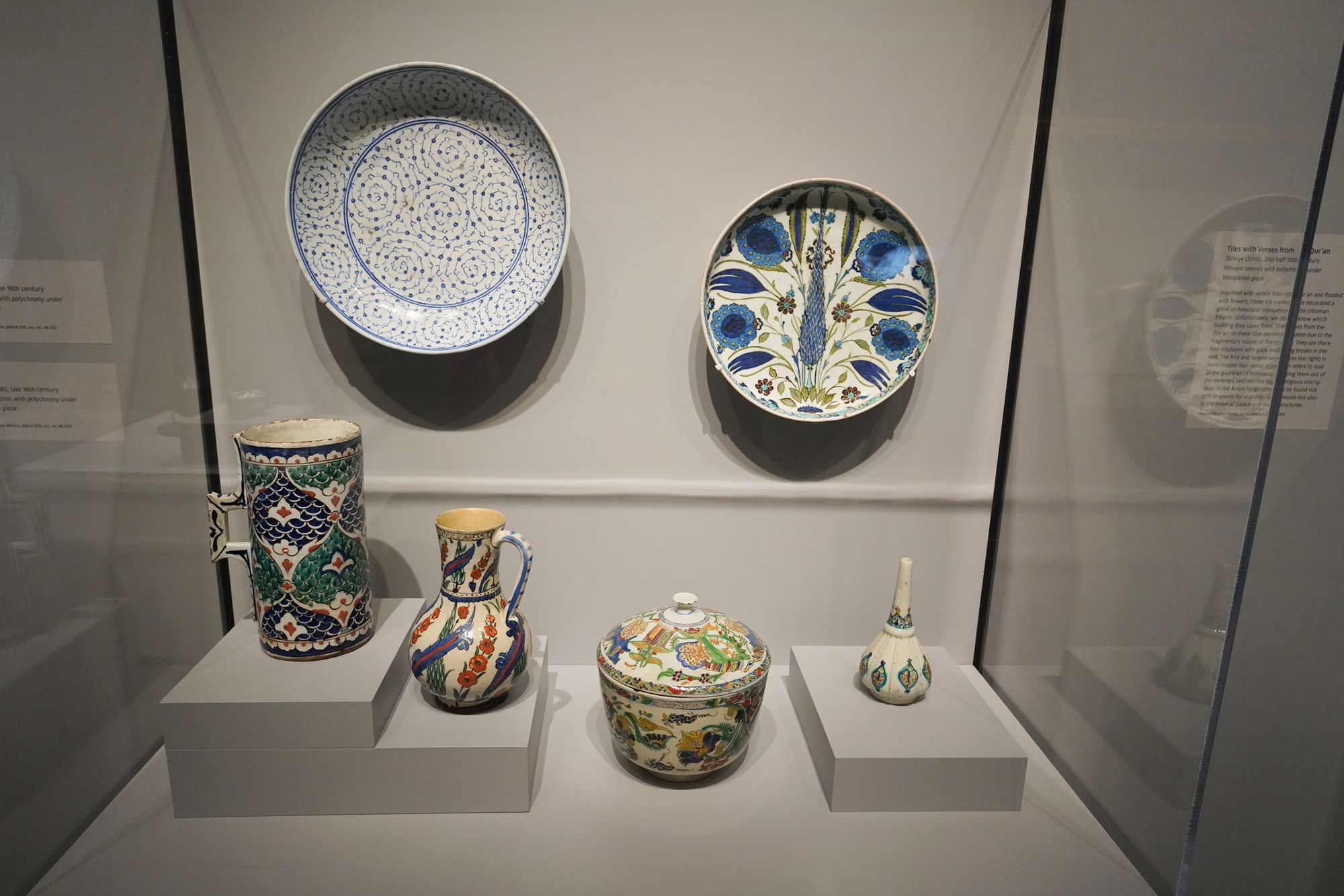
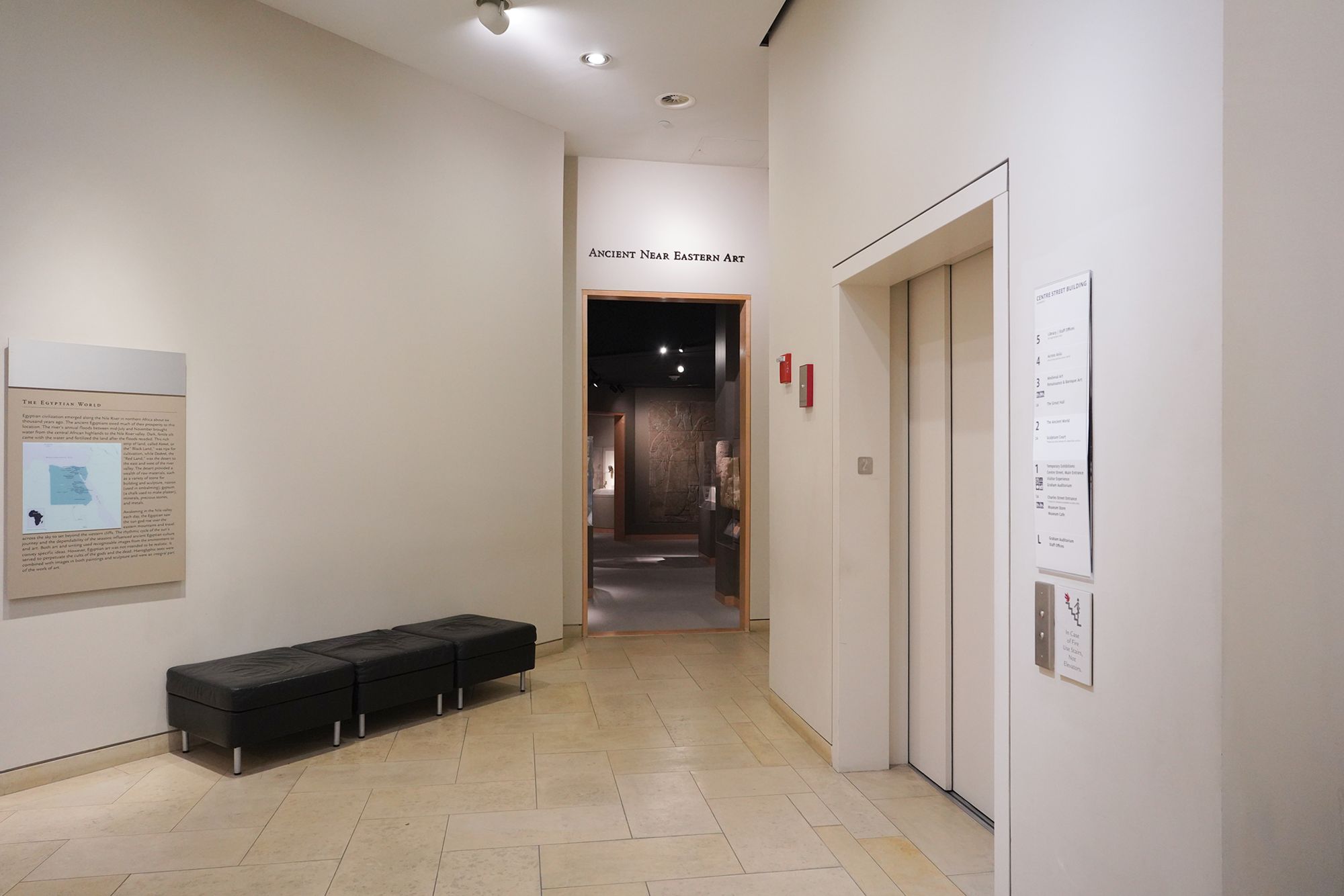
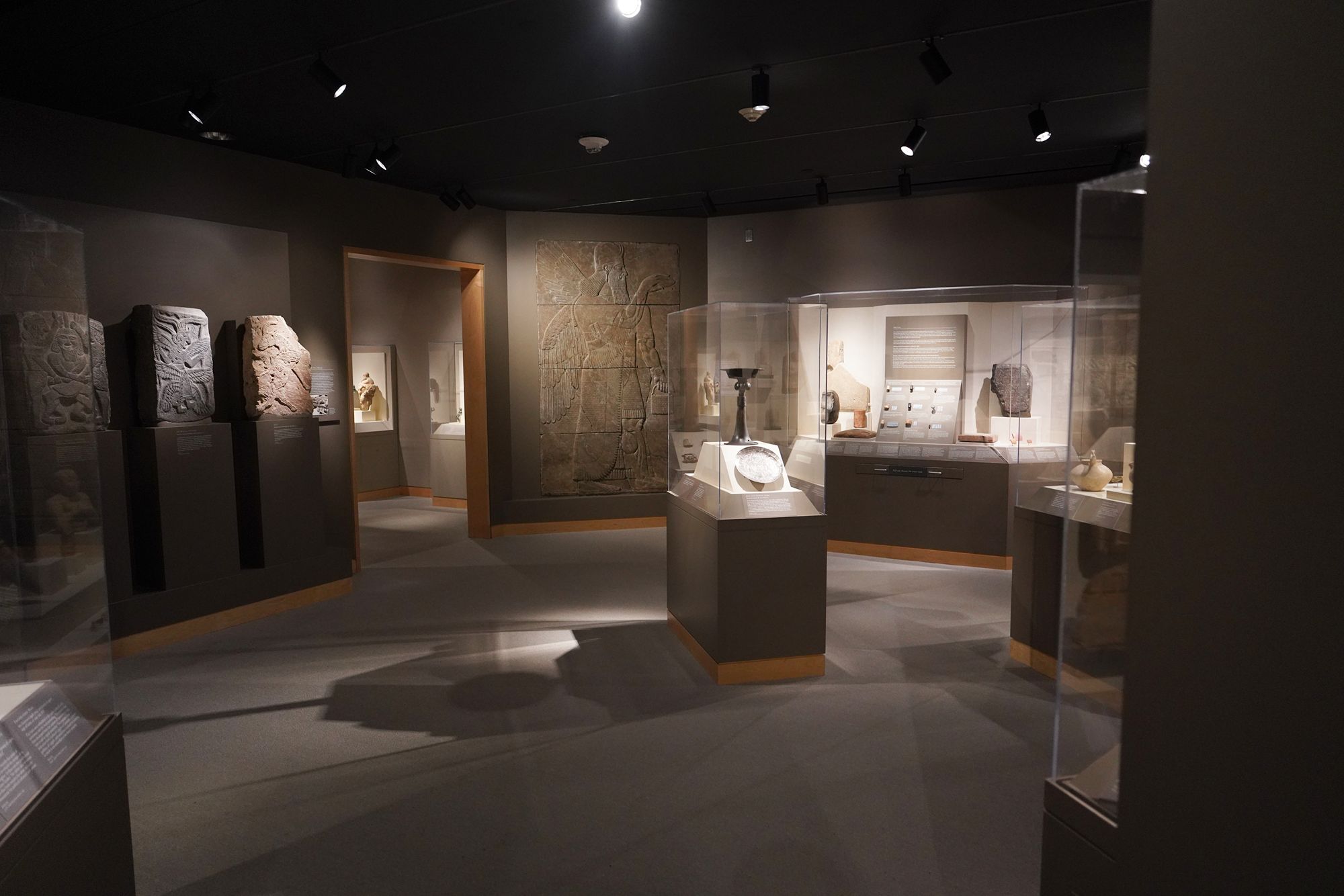
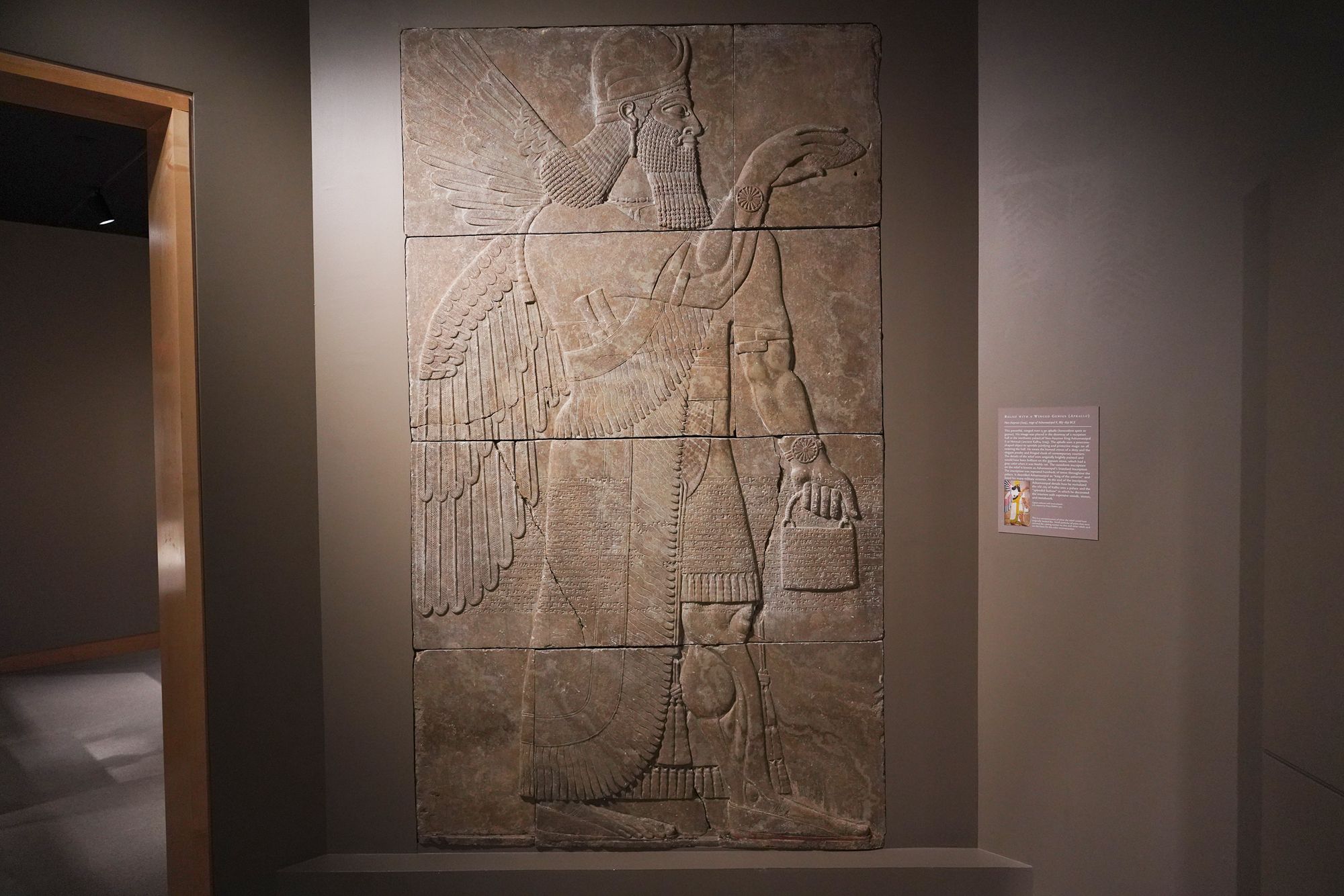
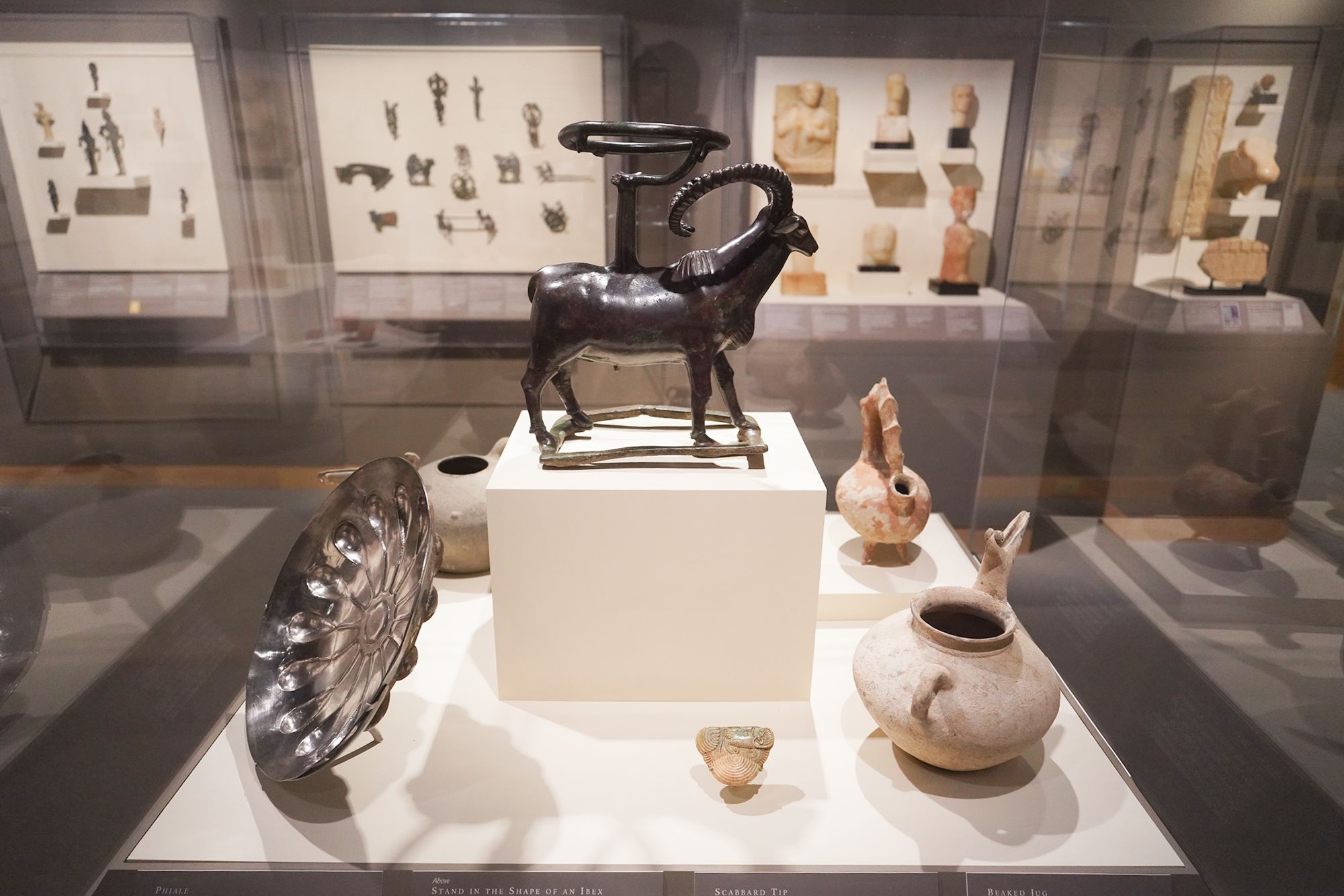
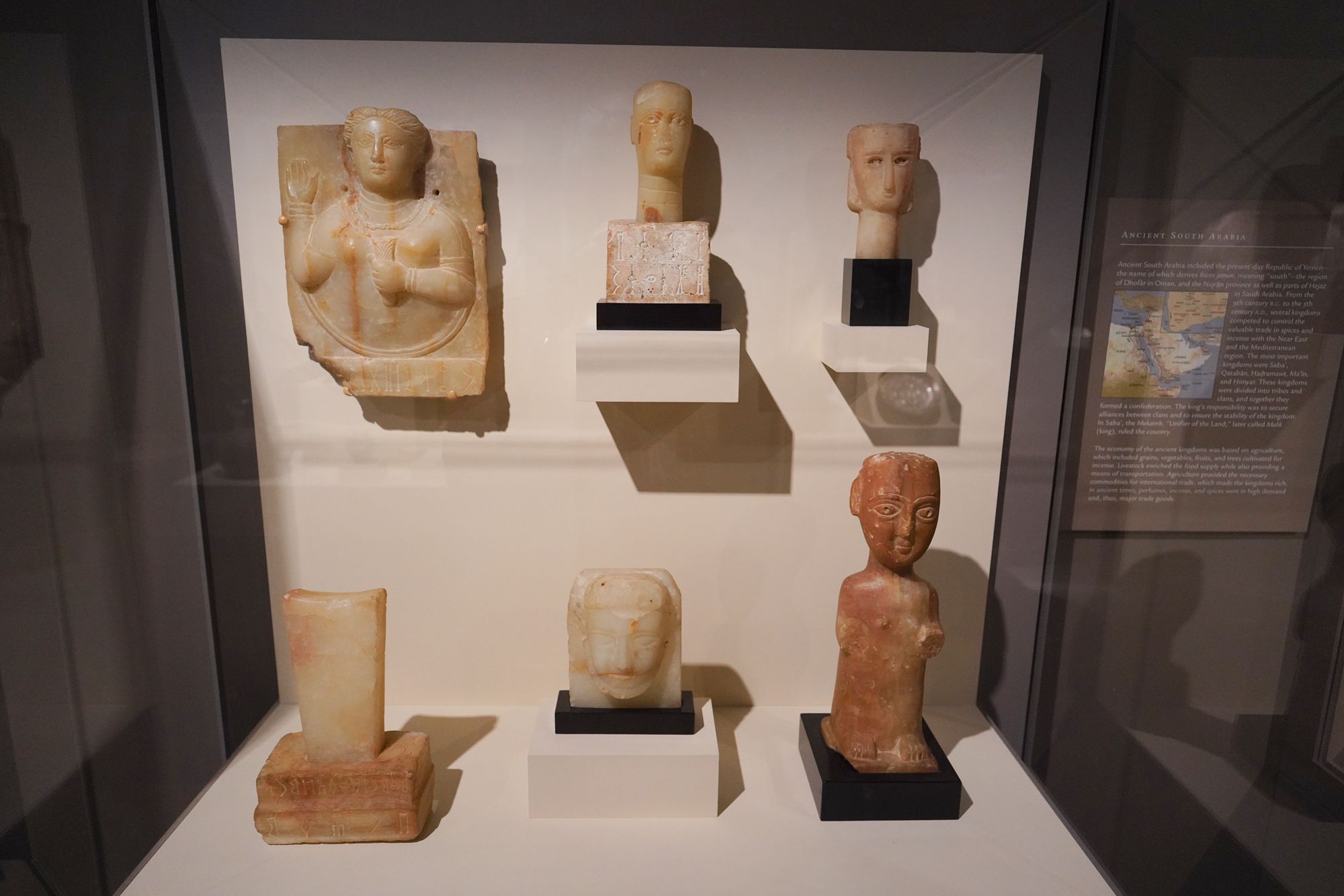
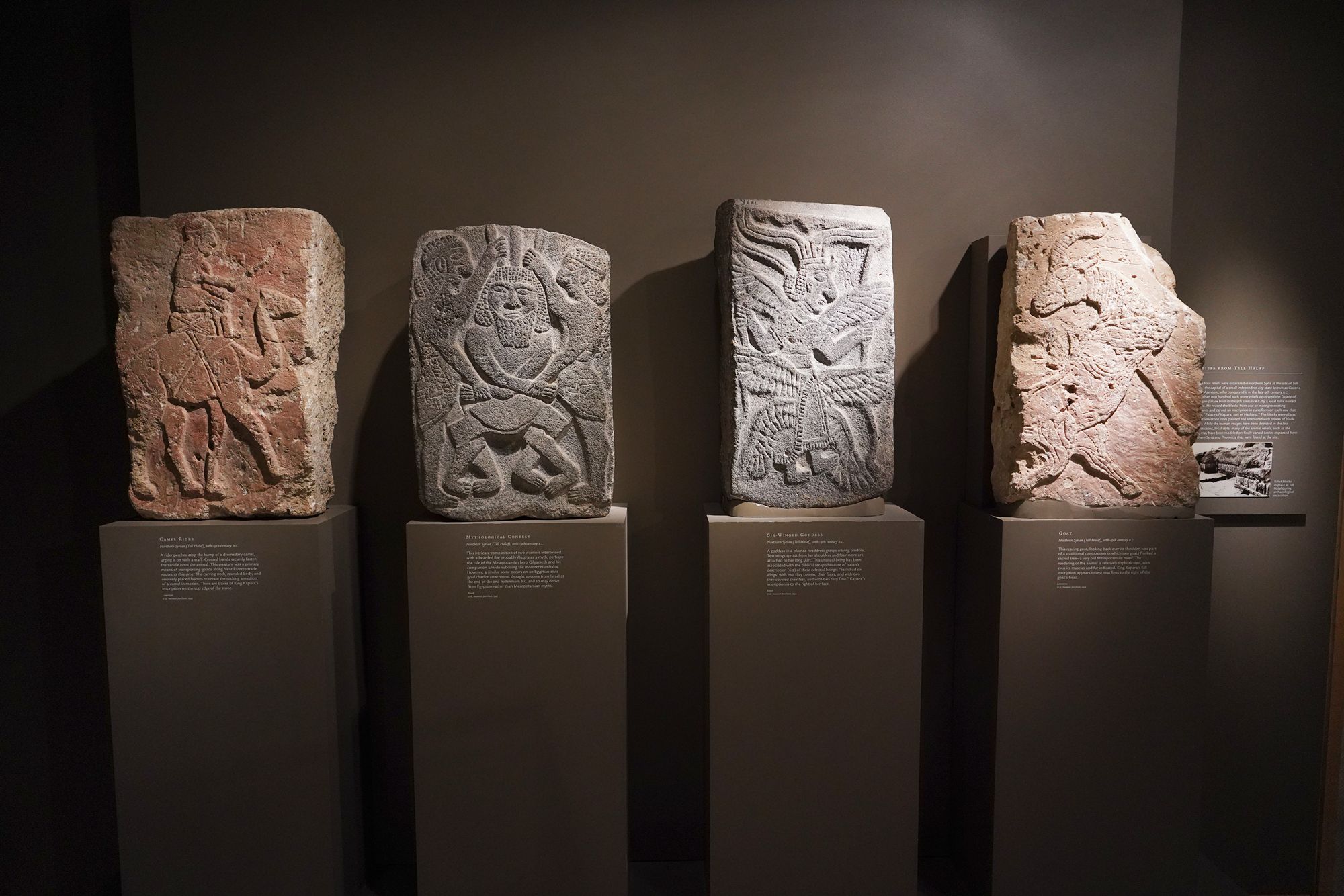
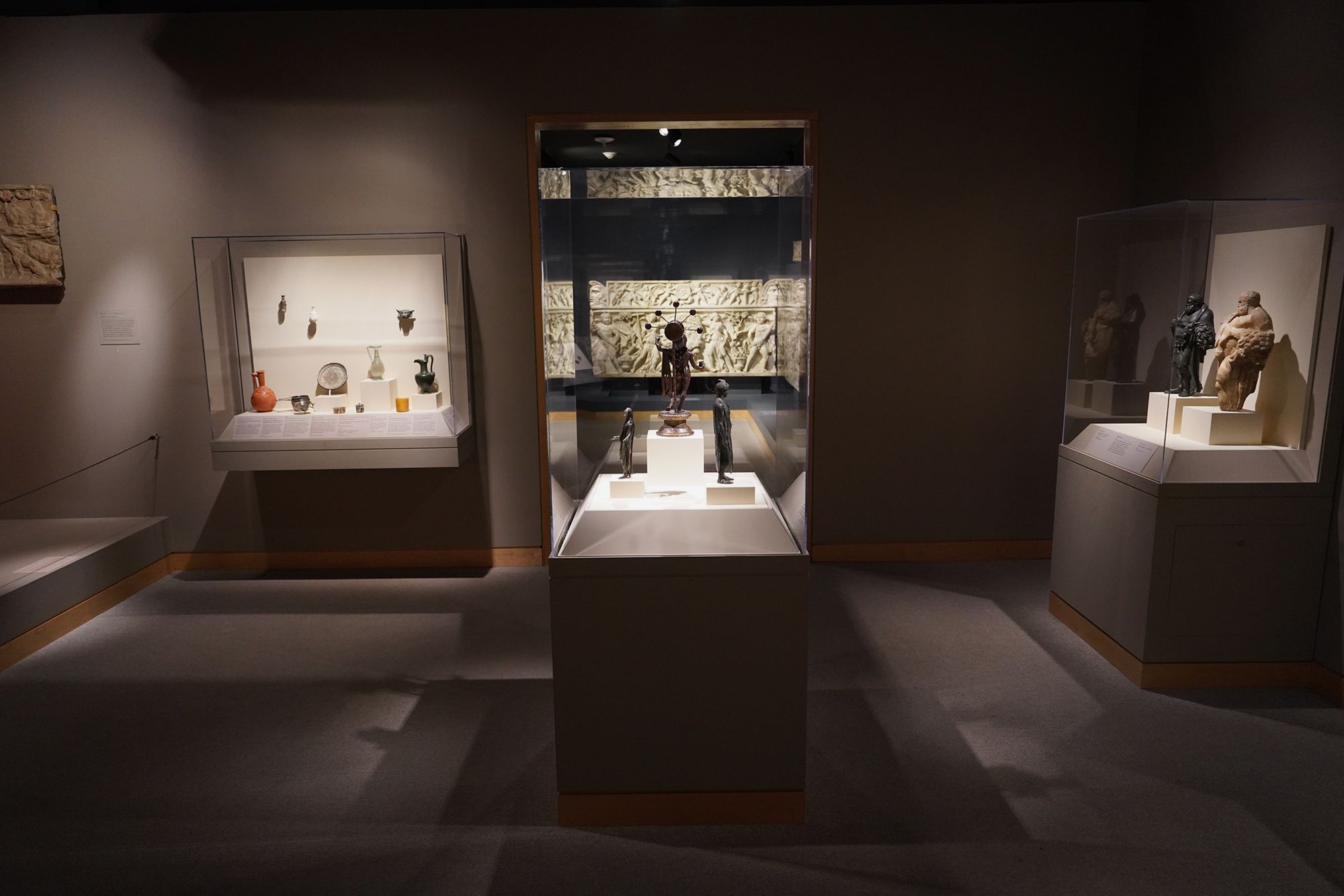
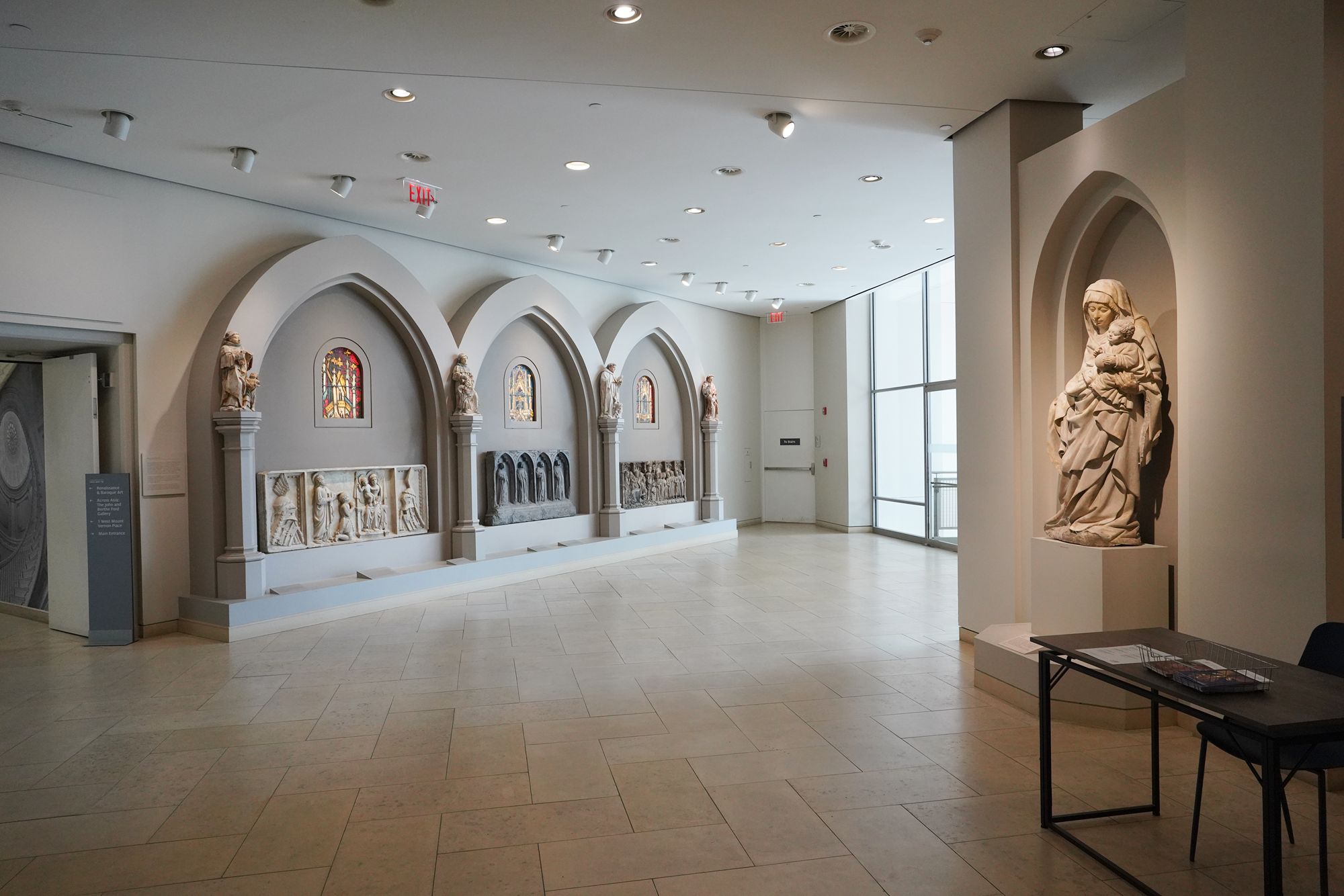
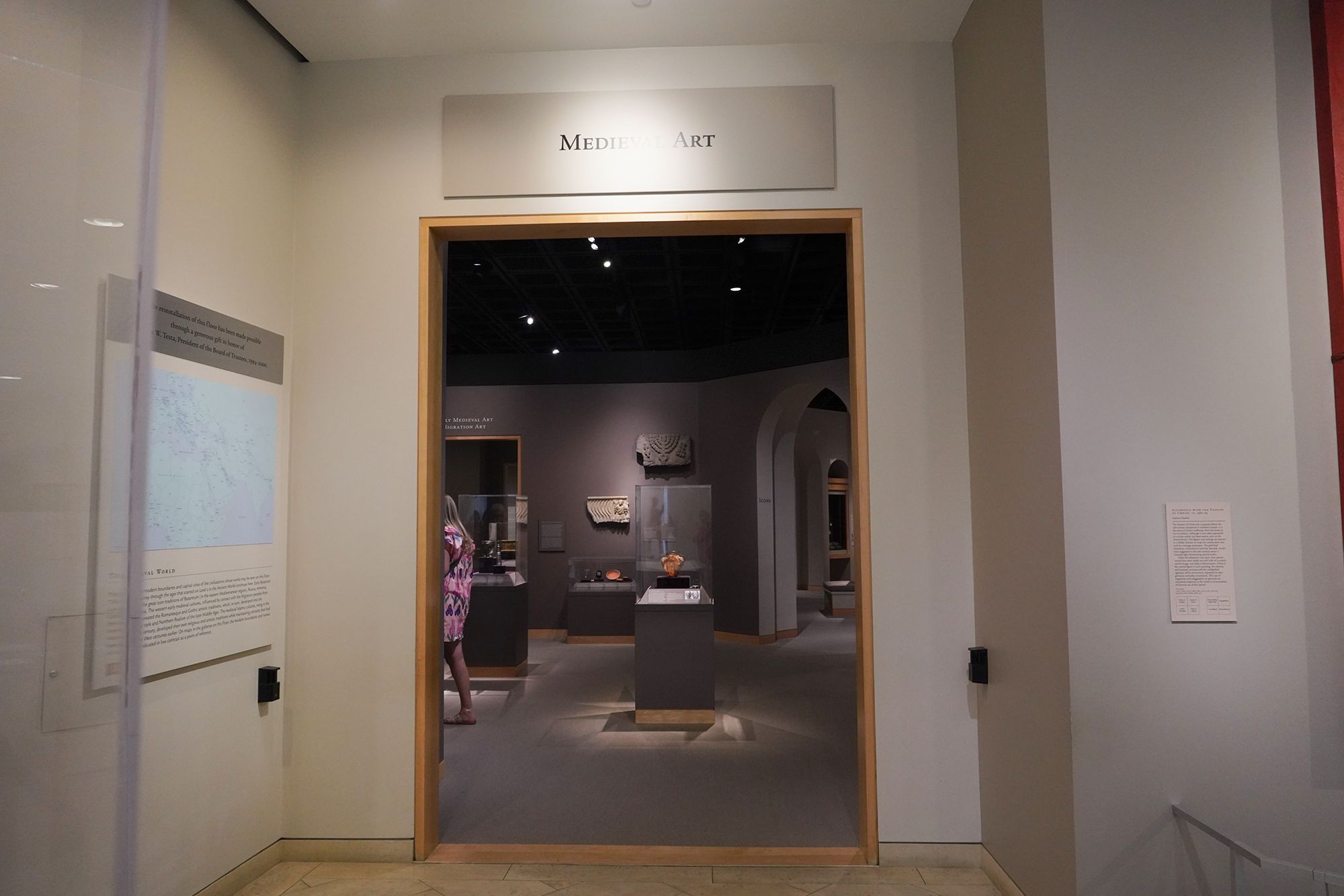
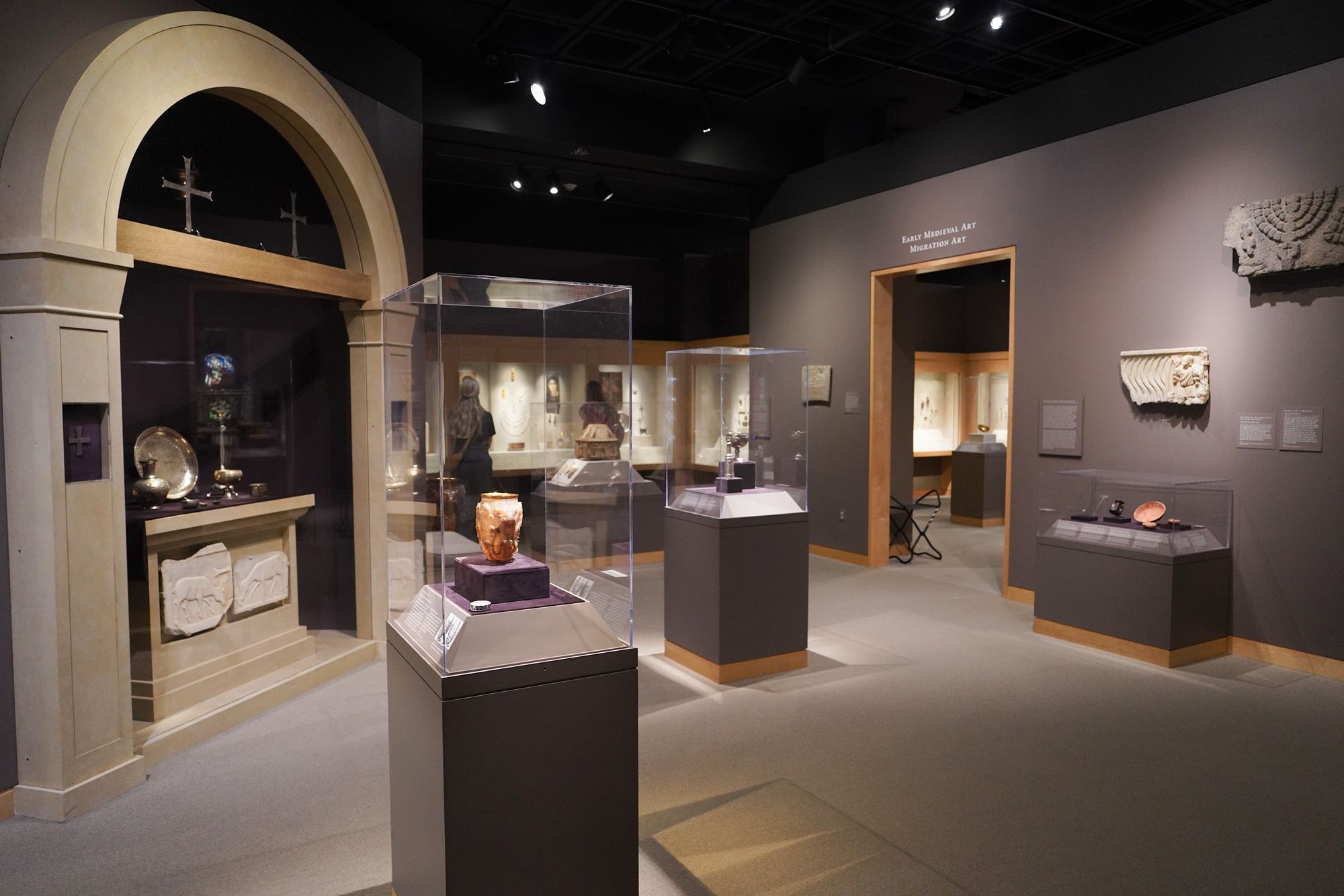
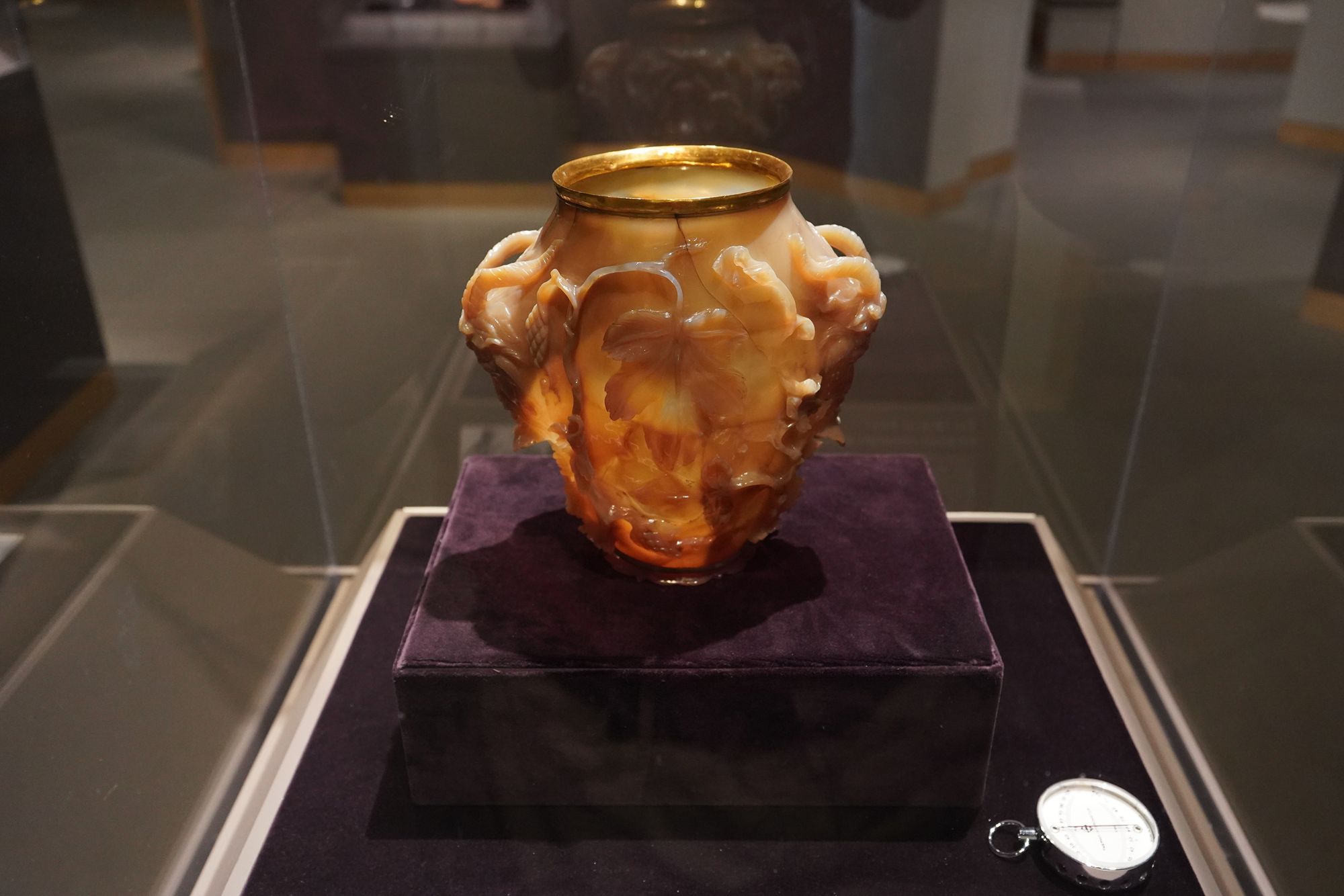
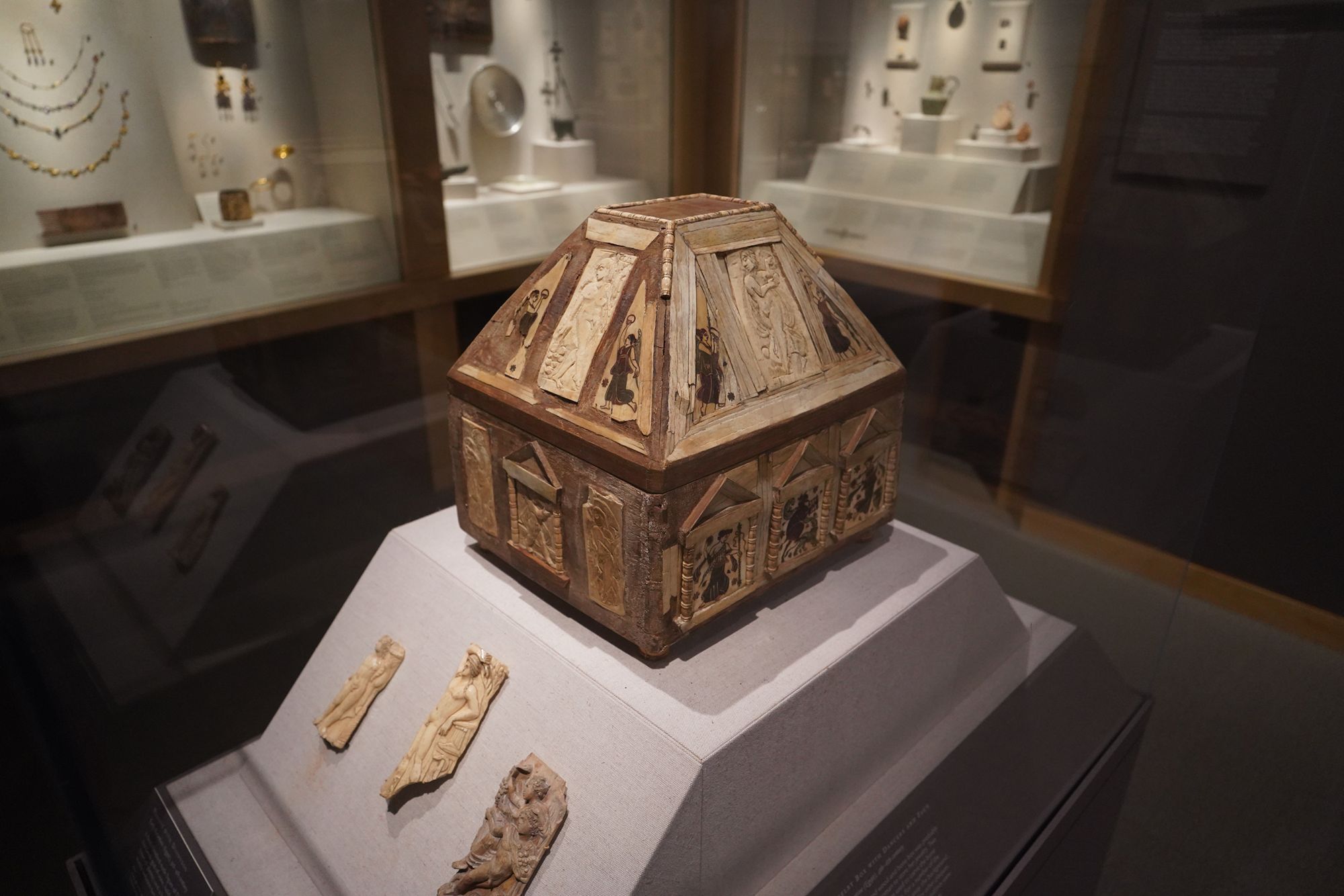
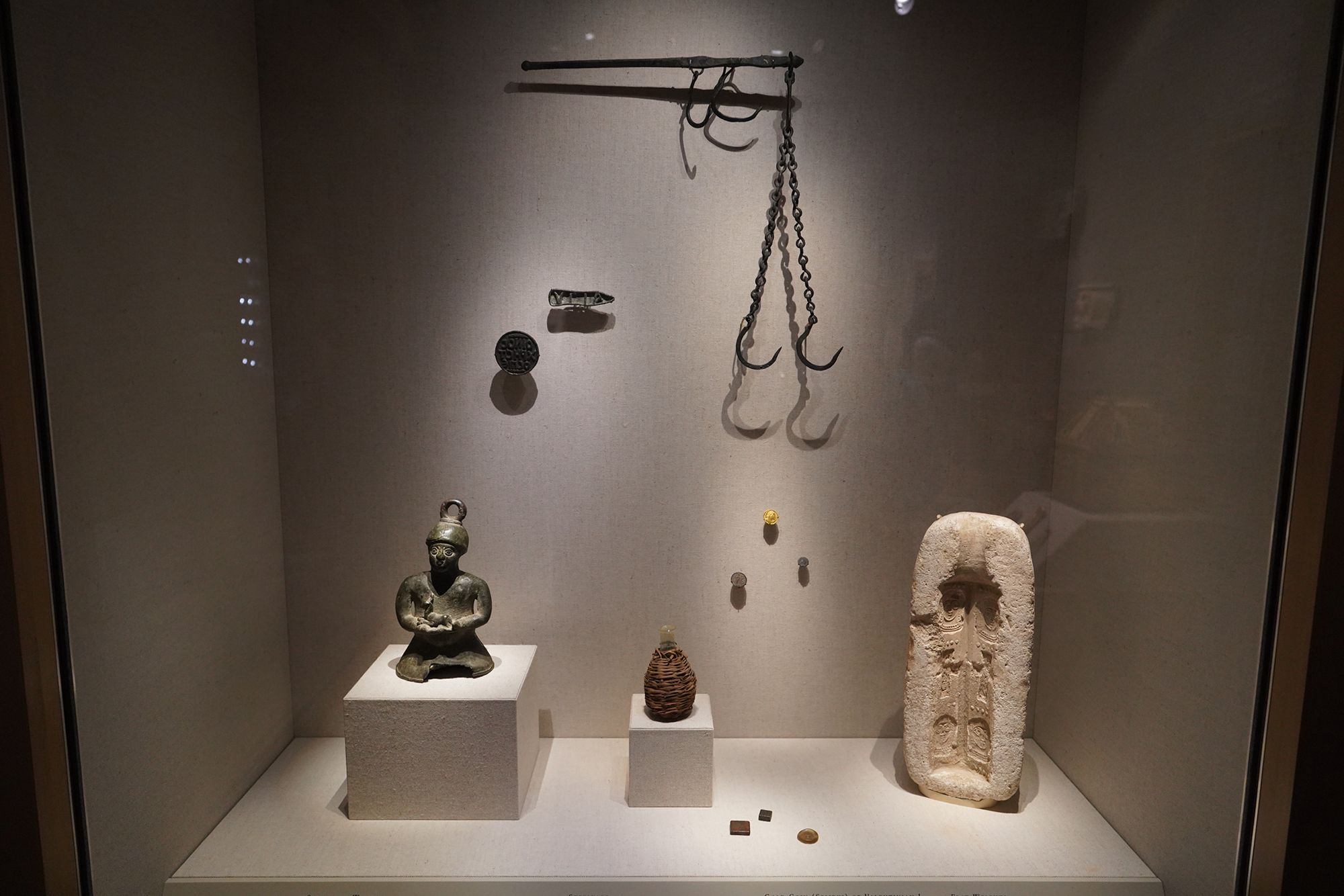
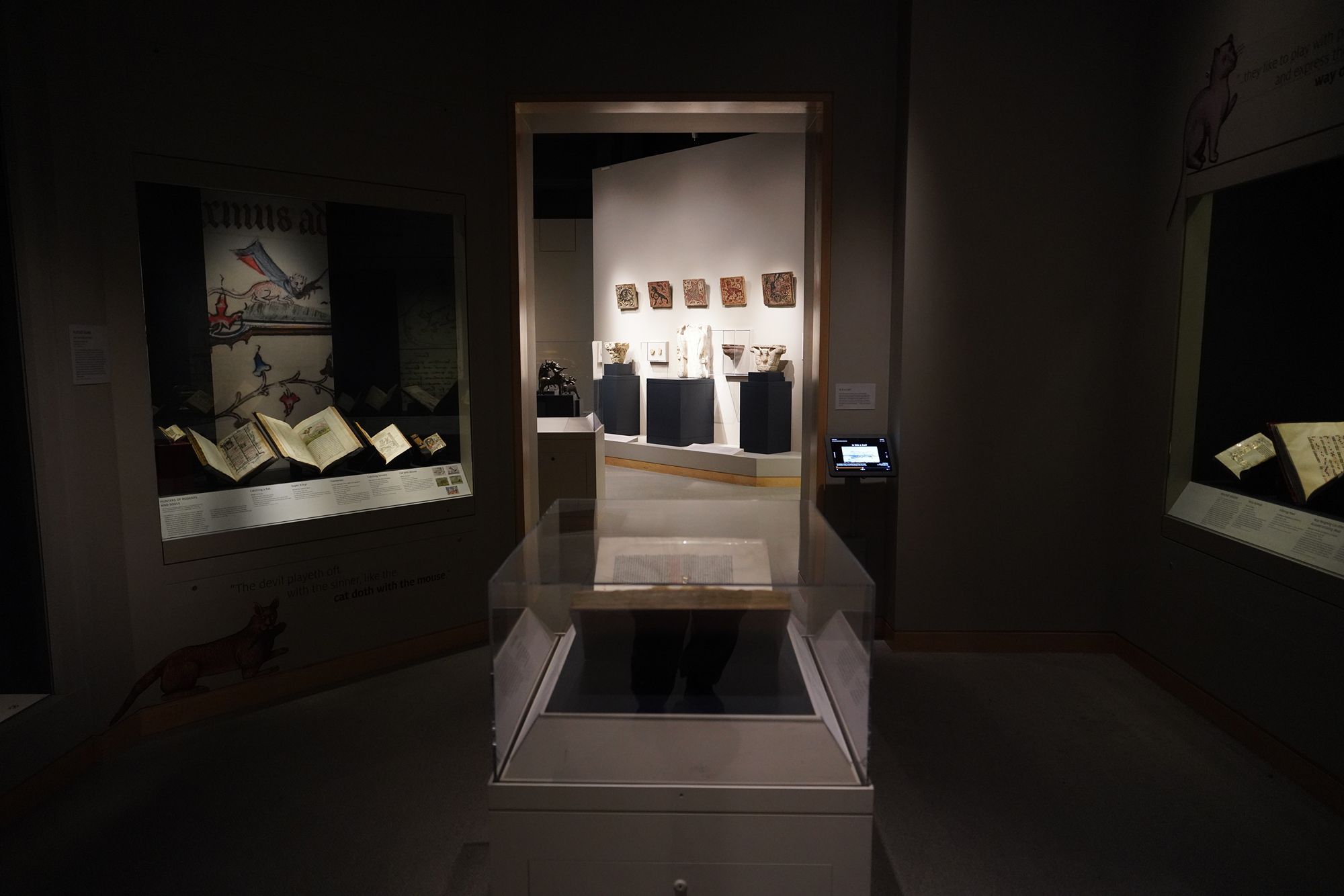
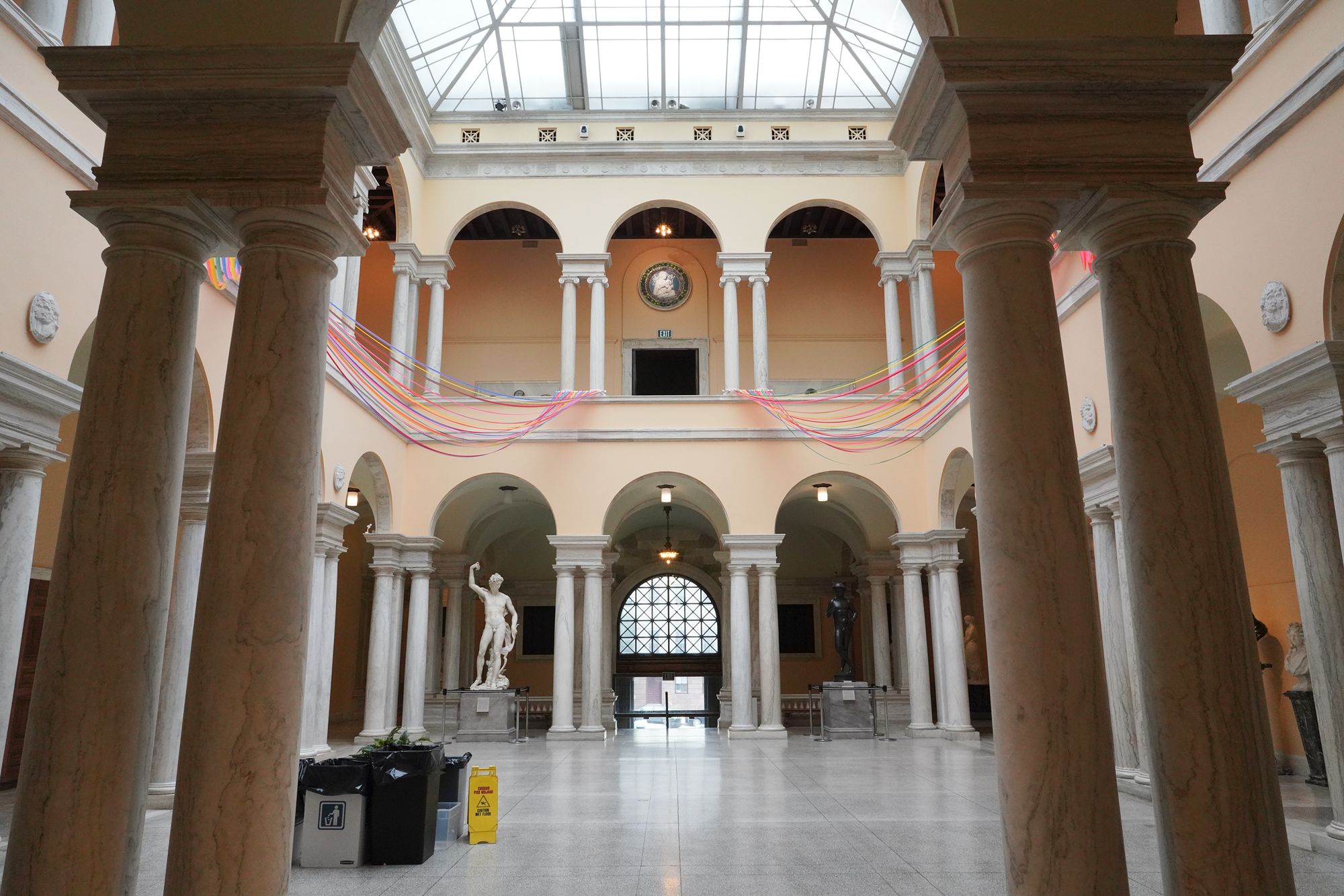
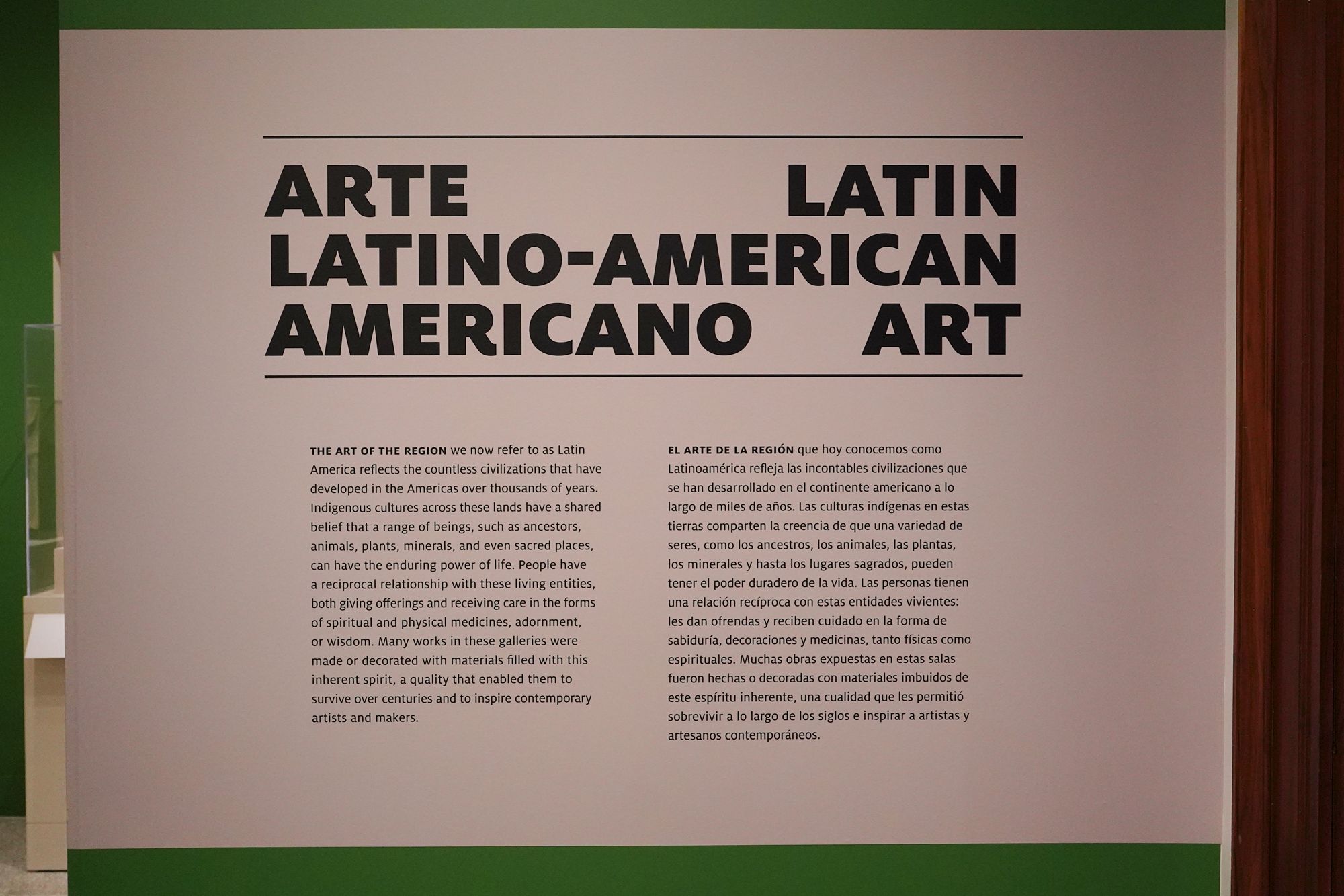
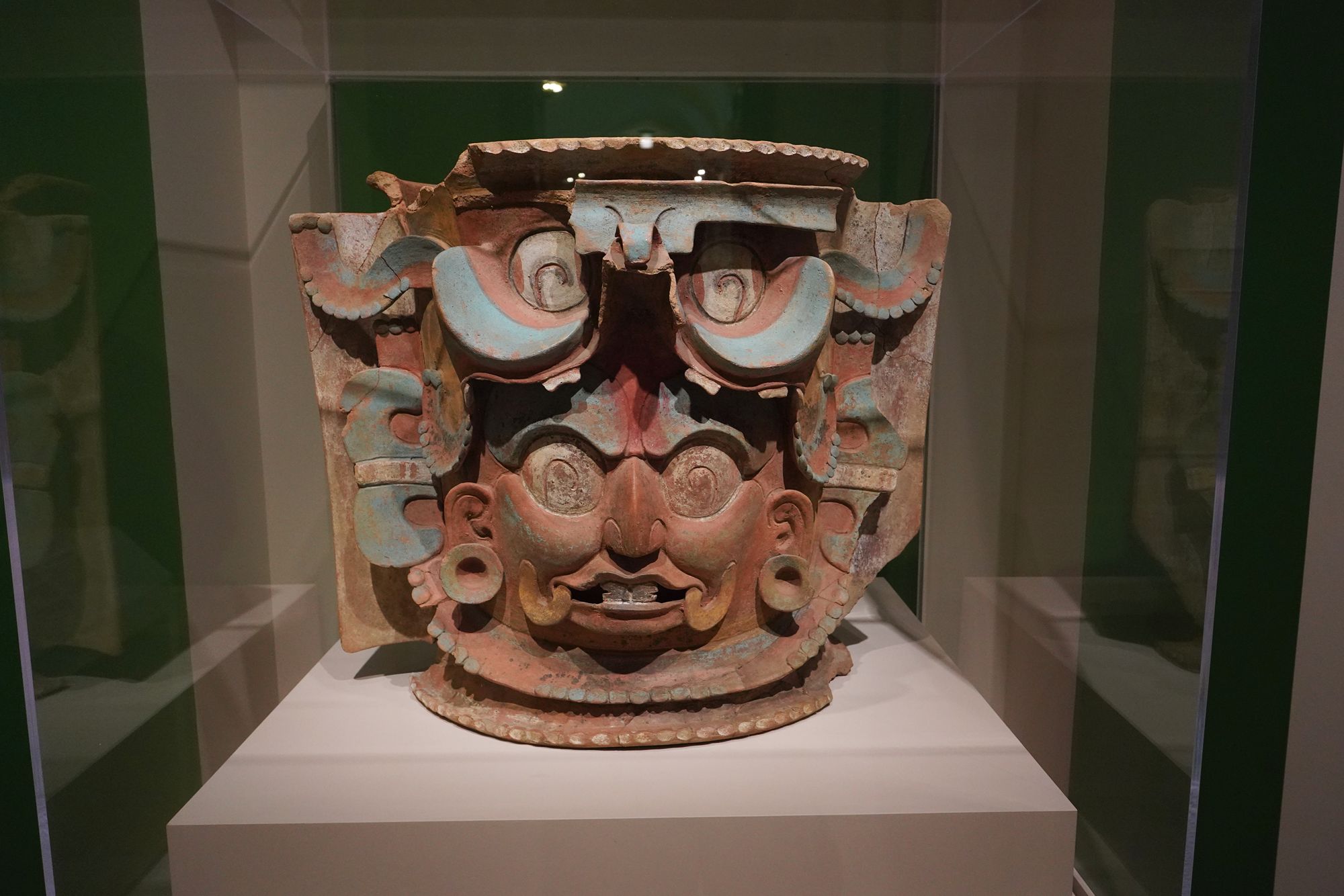
The Walters Art Museum.
The Maryland Center for History and Culture
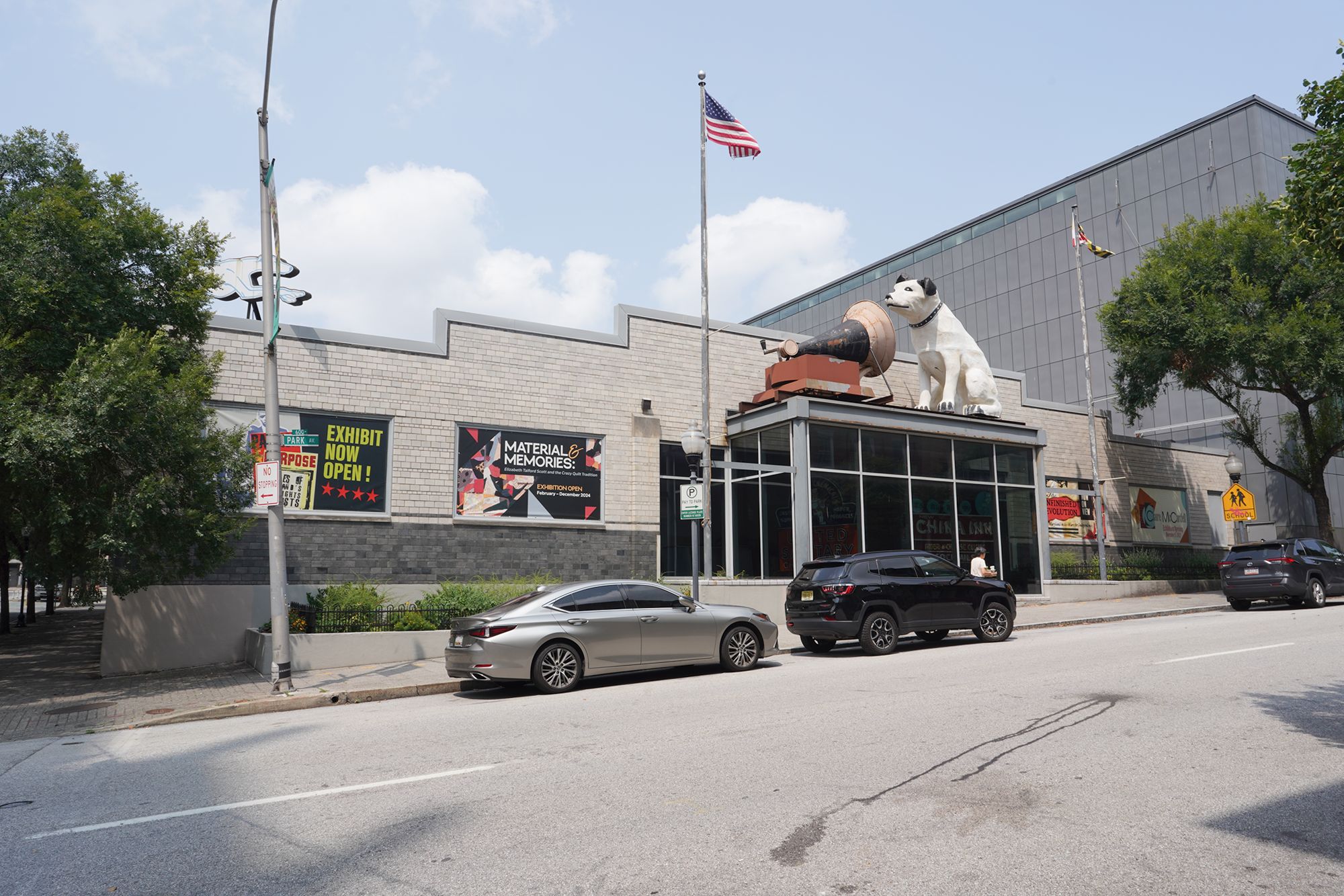
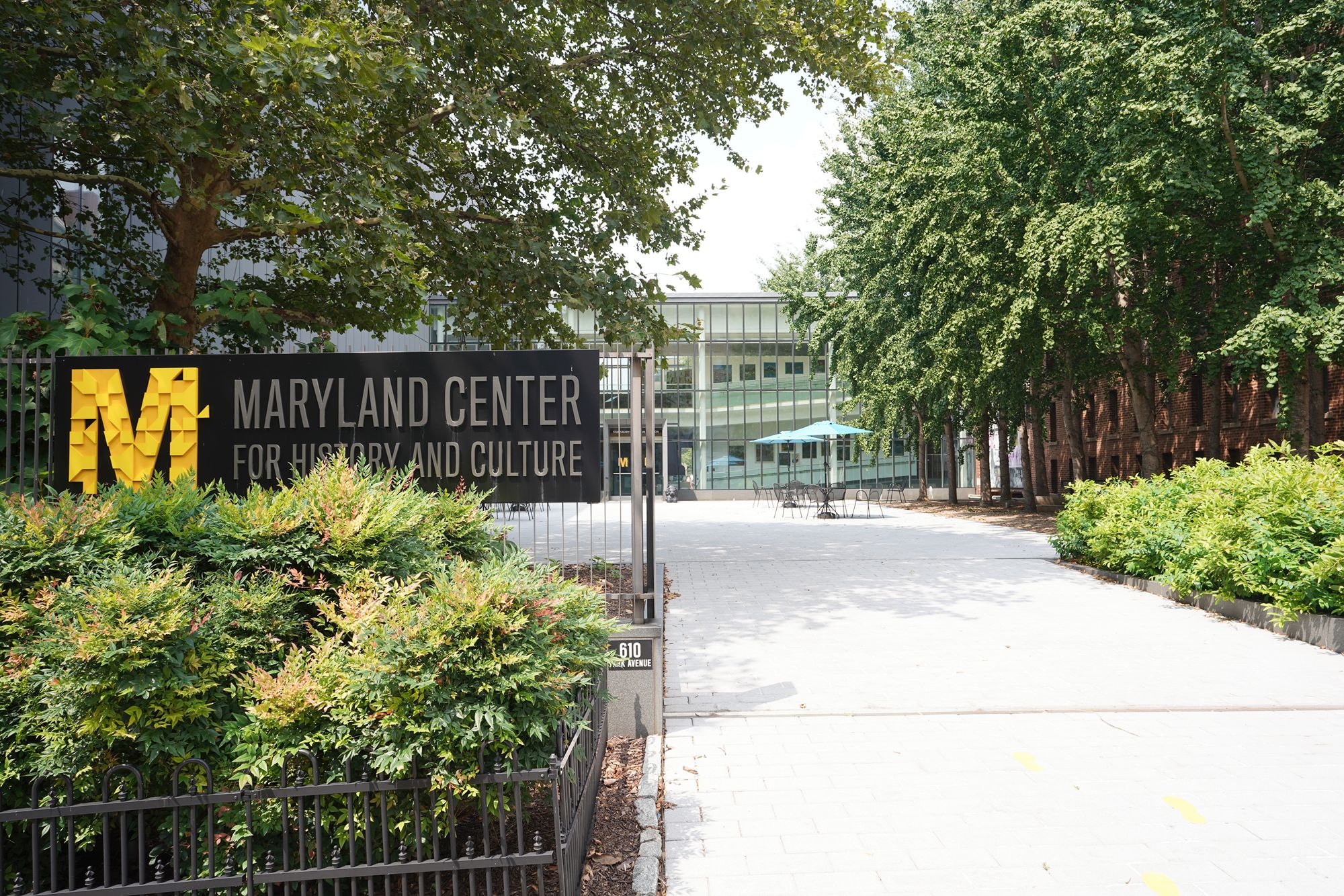
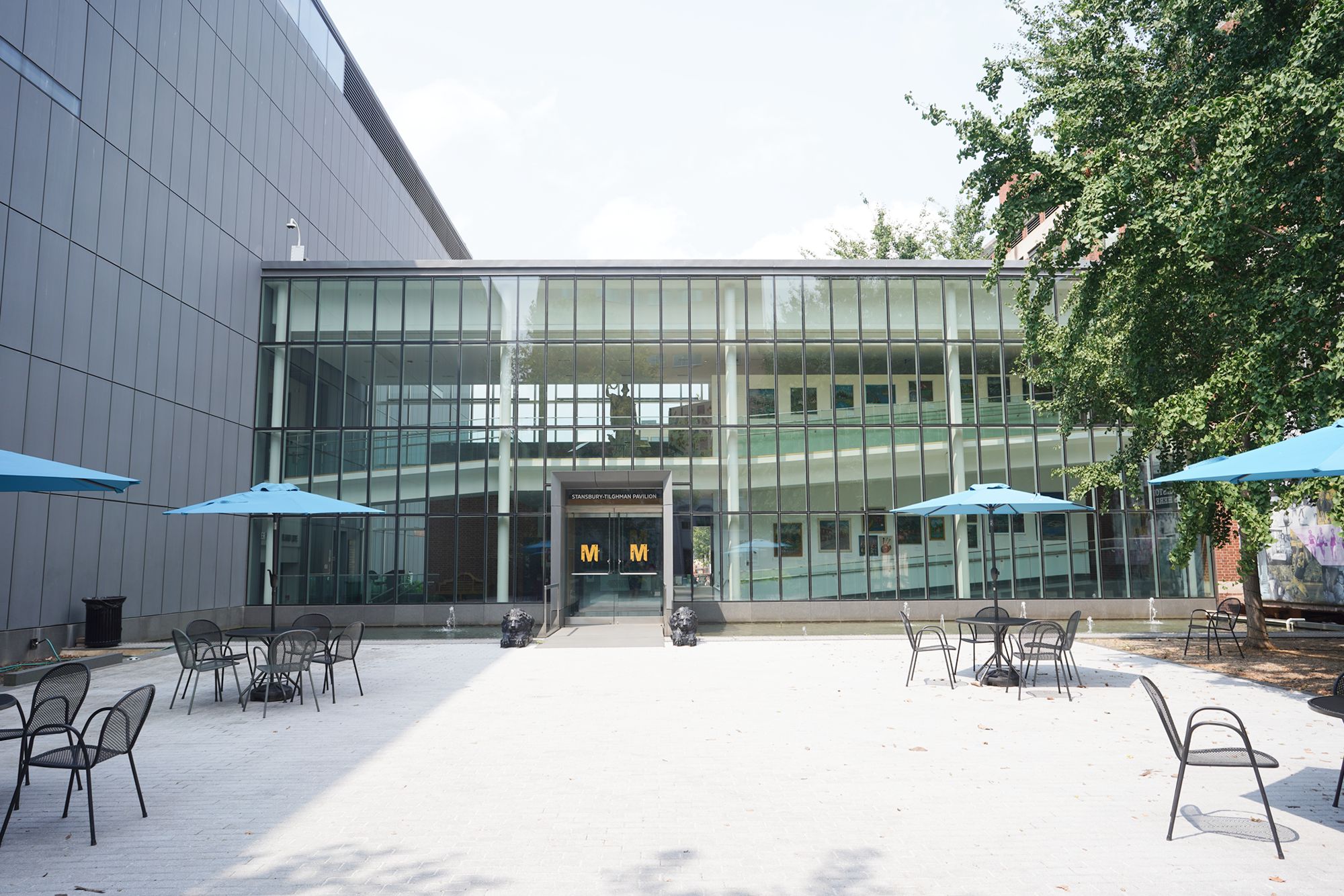
The Maryland Center for History and Culture is the state’s oldest continuously operating cultural institution, founded in 1844.
It holds a wide-ranging collection focused on Maryland’s history, art, and culture from colonial times to the present.
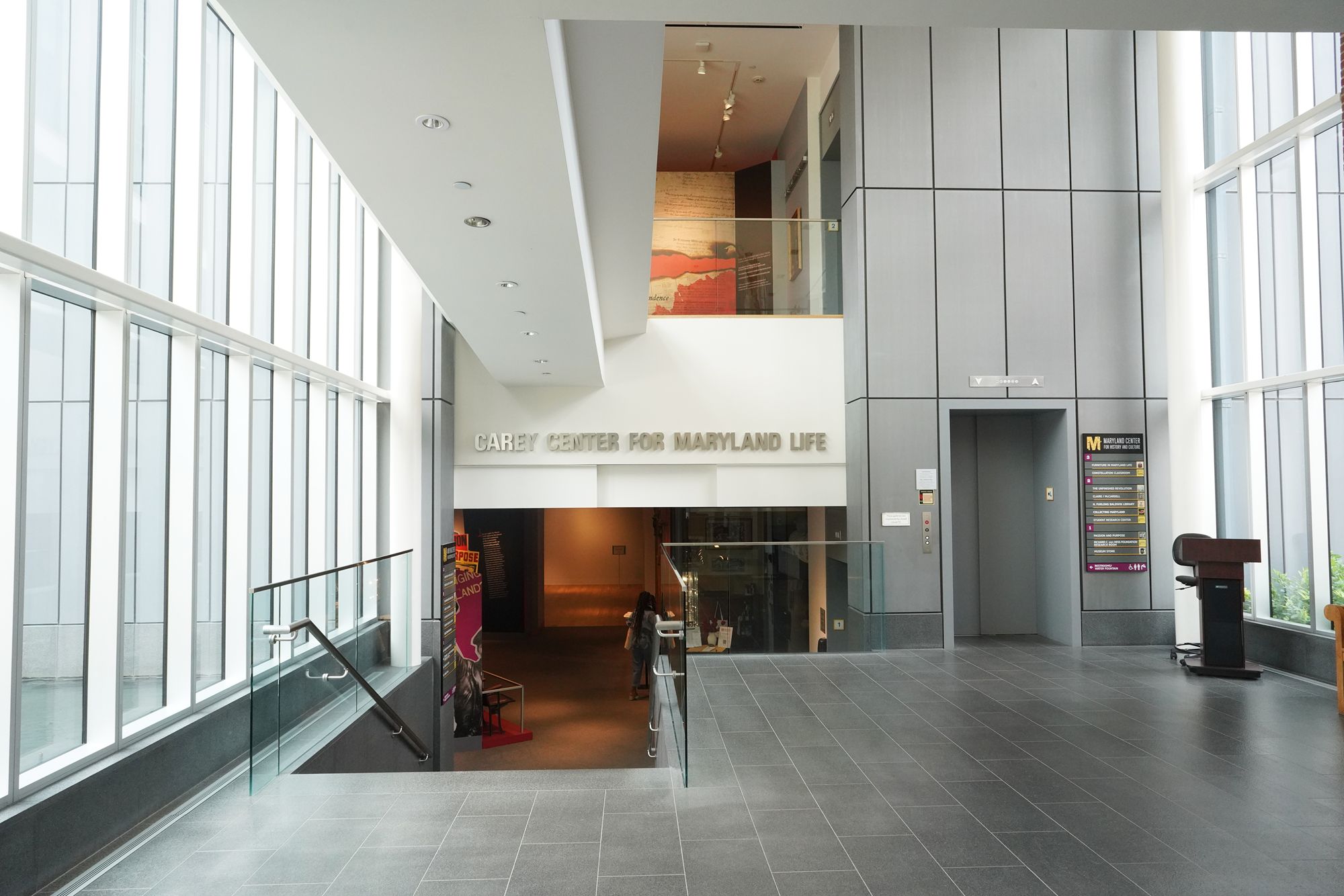
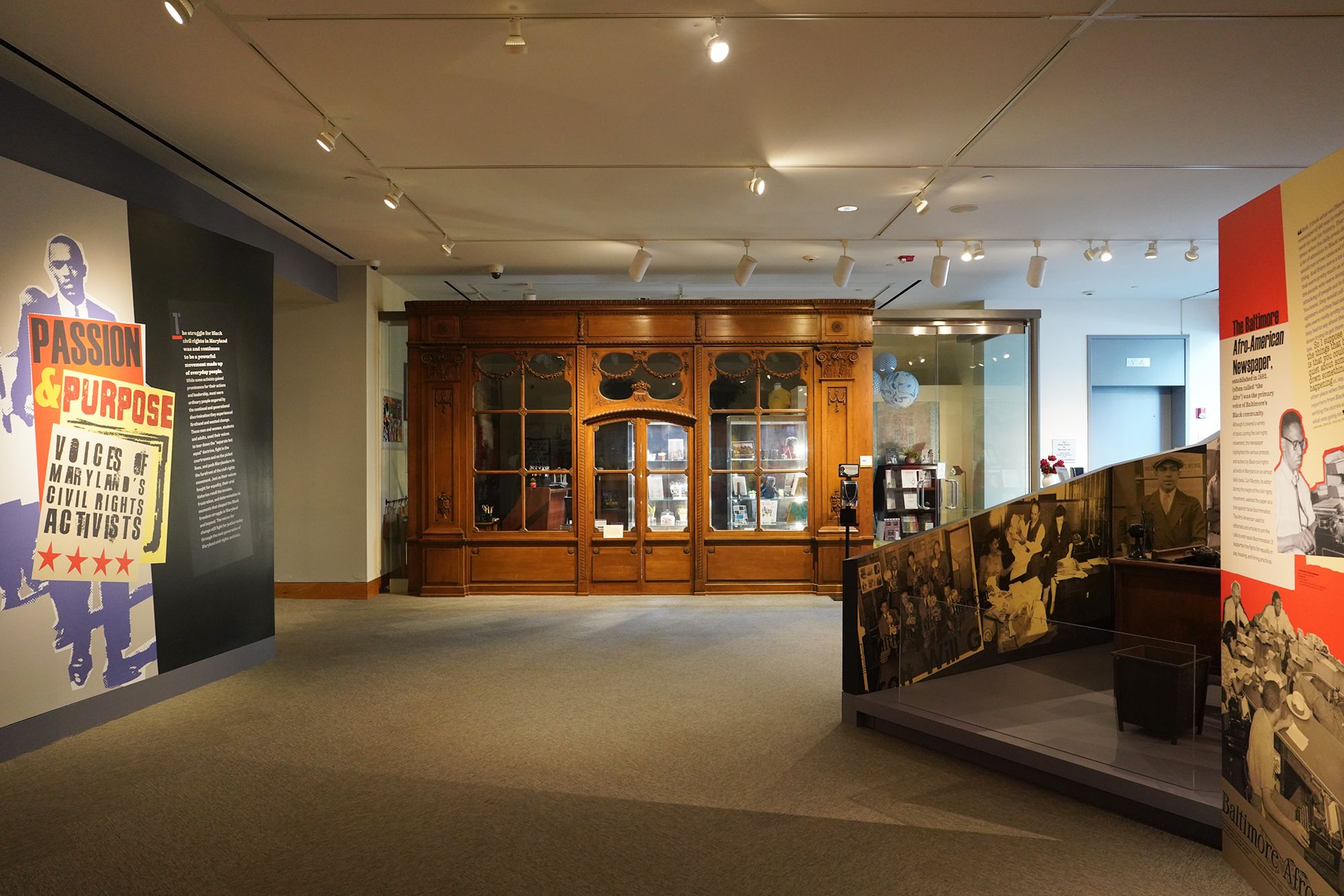
The first floor exhibits explore civil rights history and social movements in Maryland — offering historical context and personal stories that reflect broader cultural shifts.
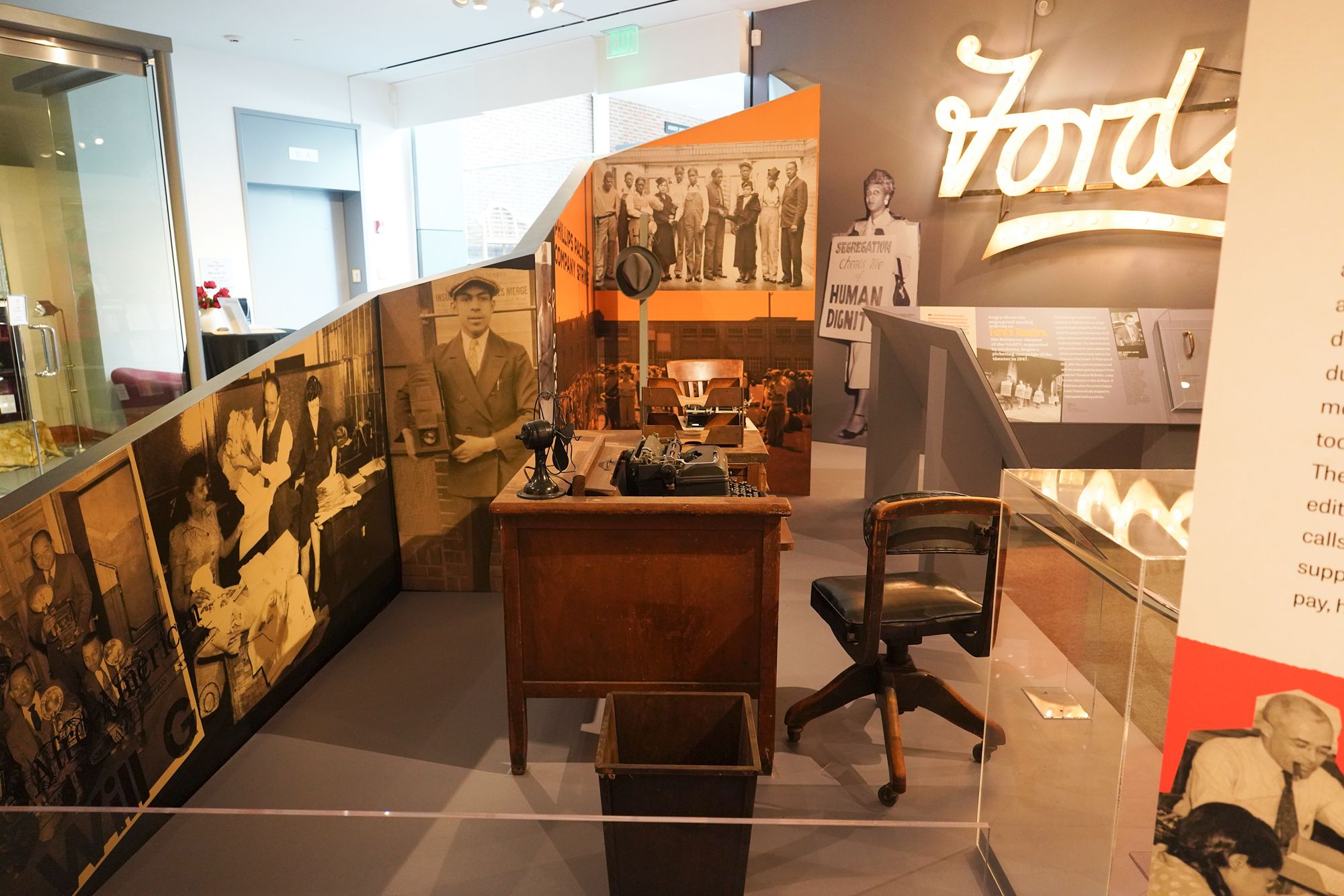
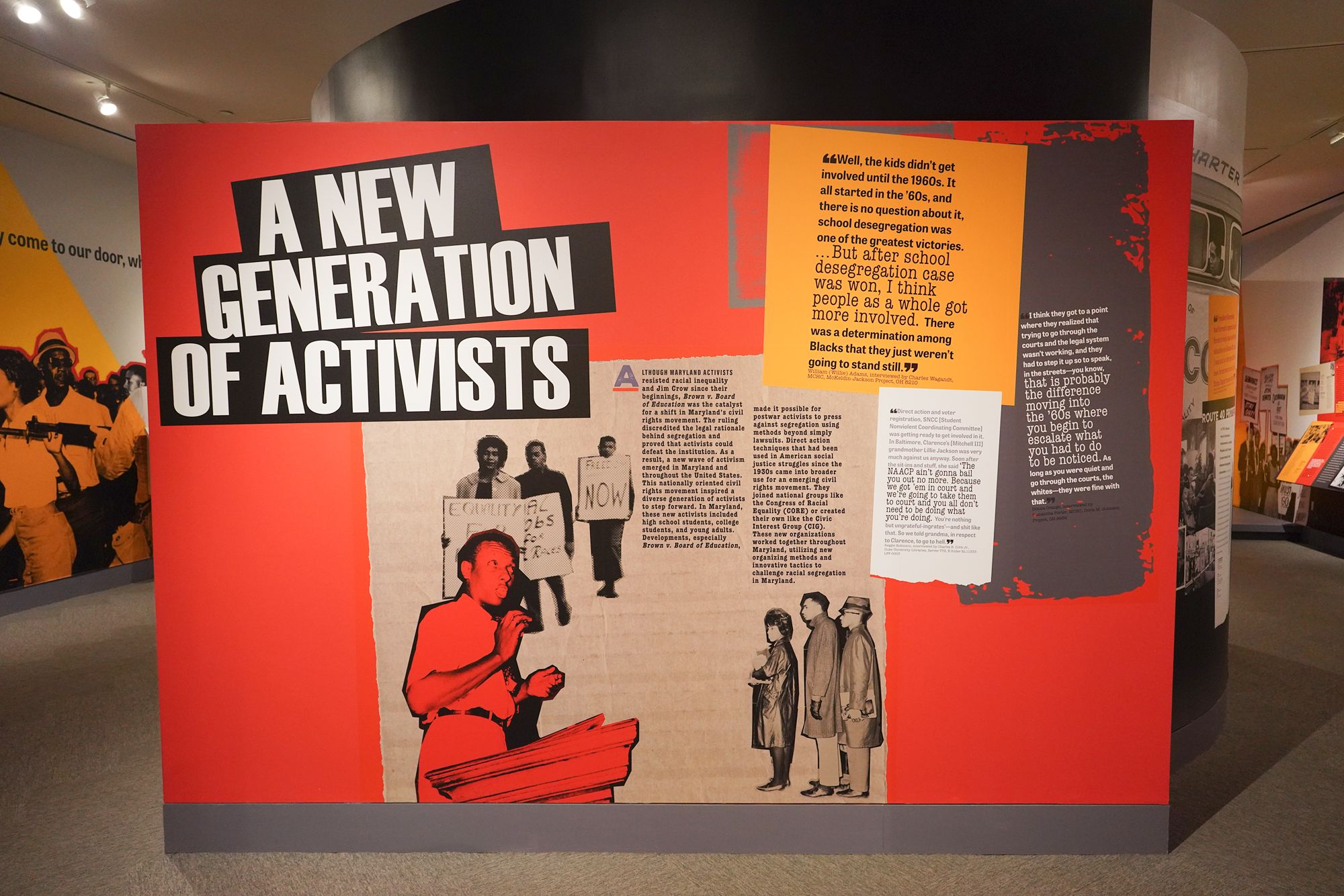
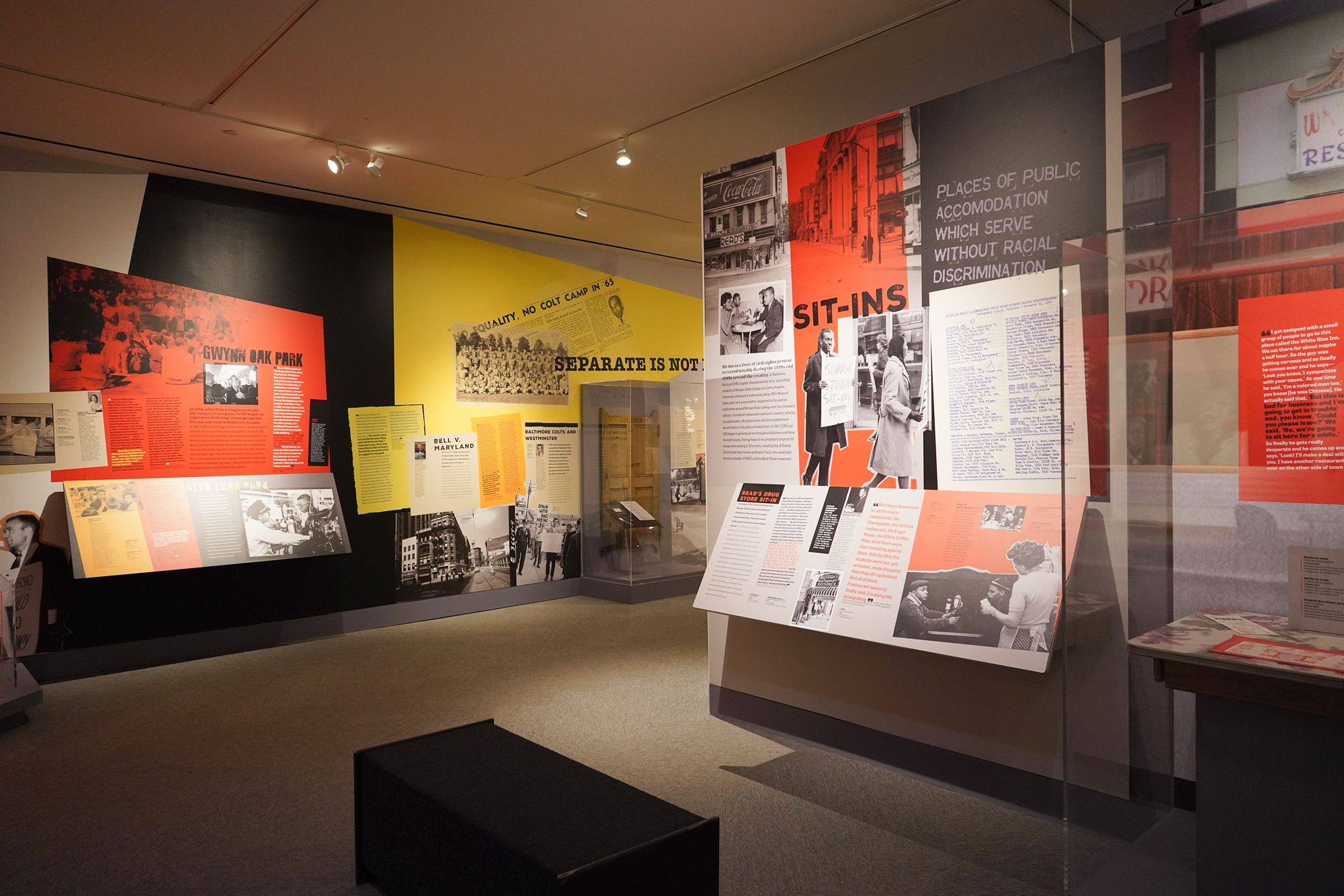
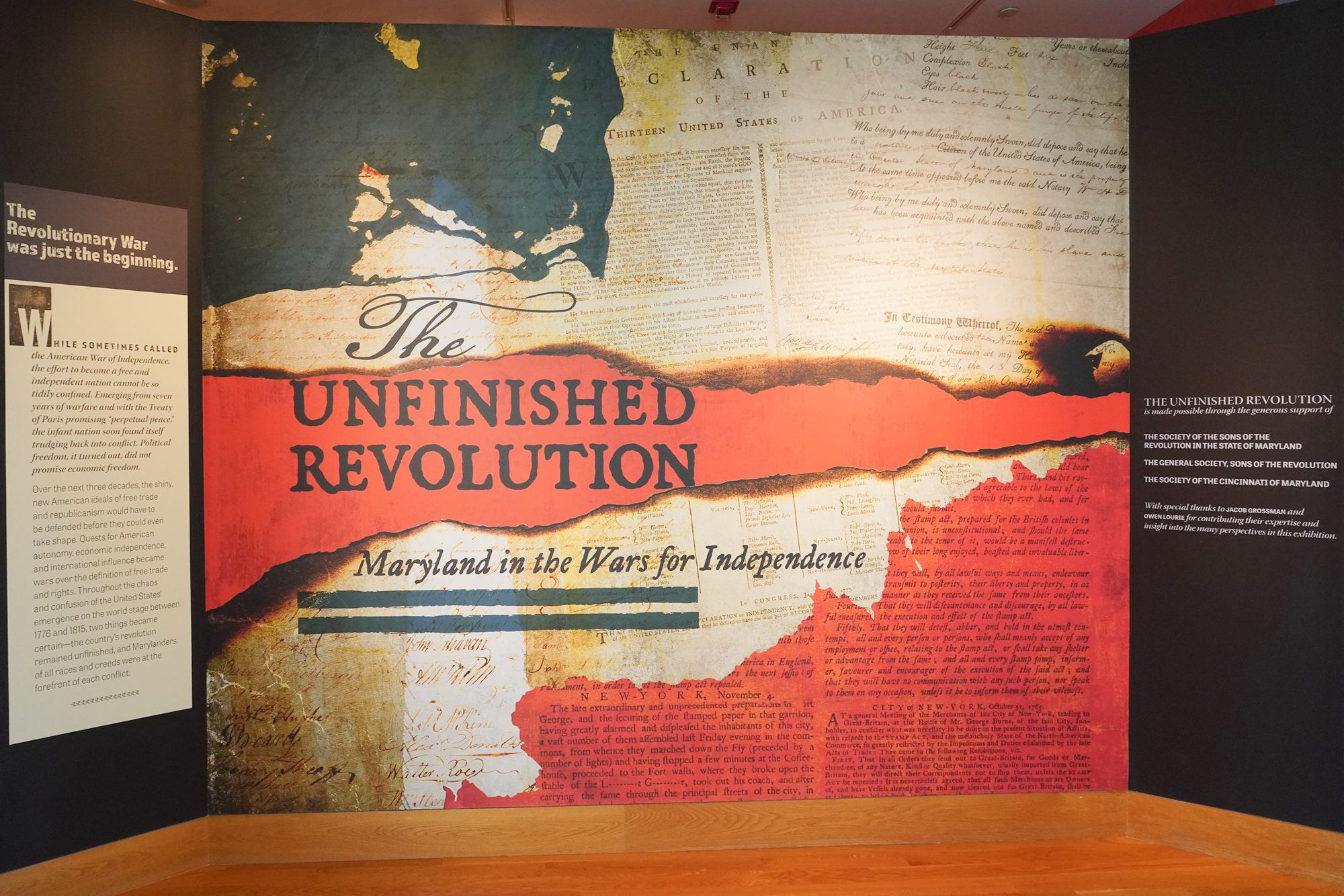
The second-floor exhibition features the story of Baltimore’s stand against the British invasion, including the bombardment of Fort McHenry.
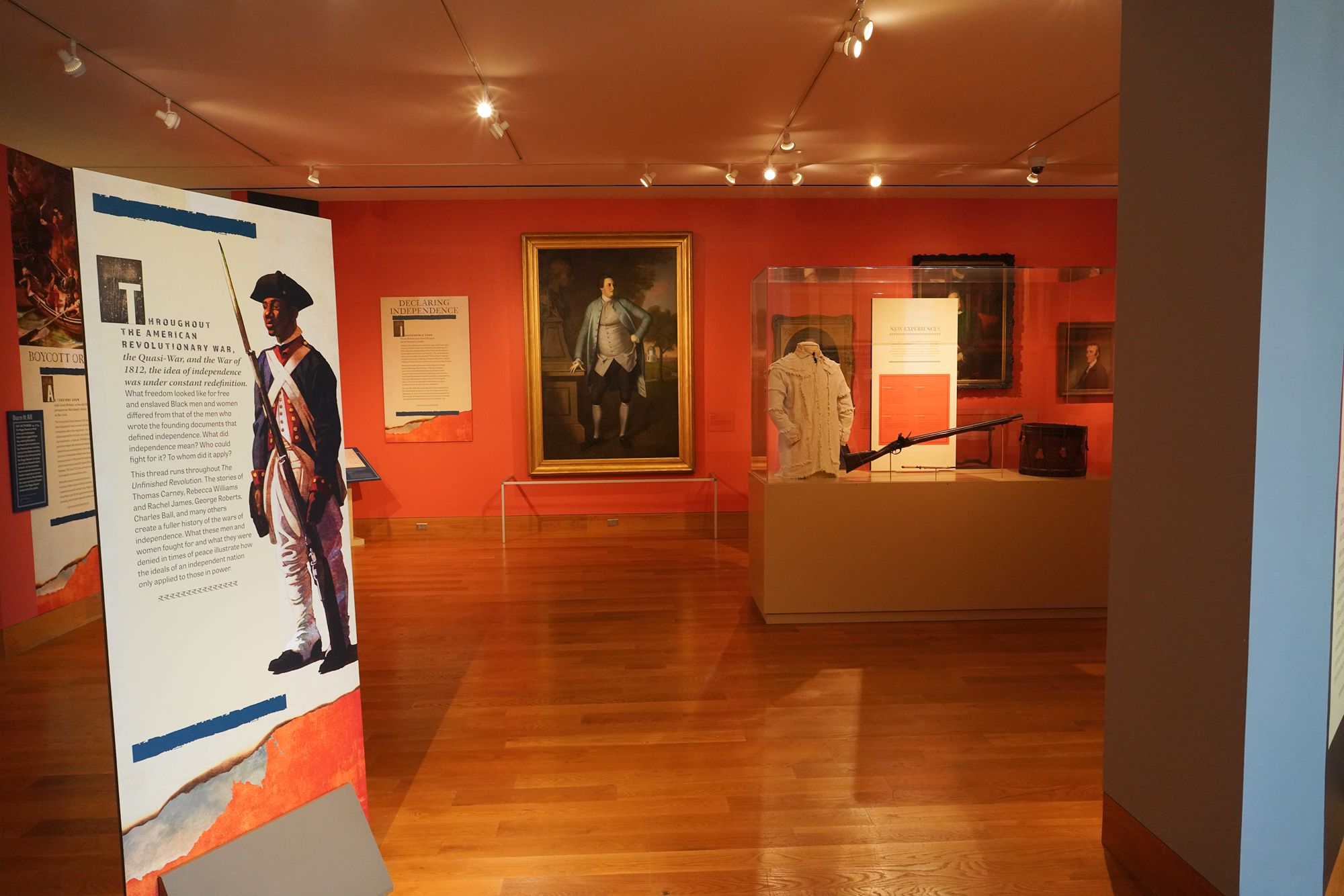
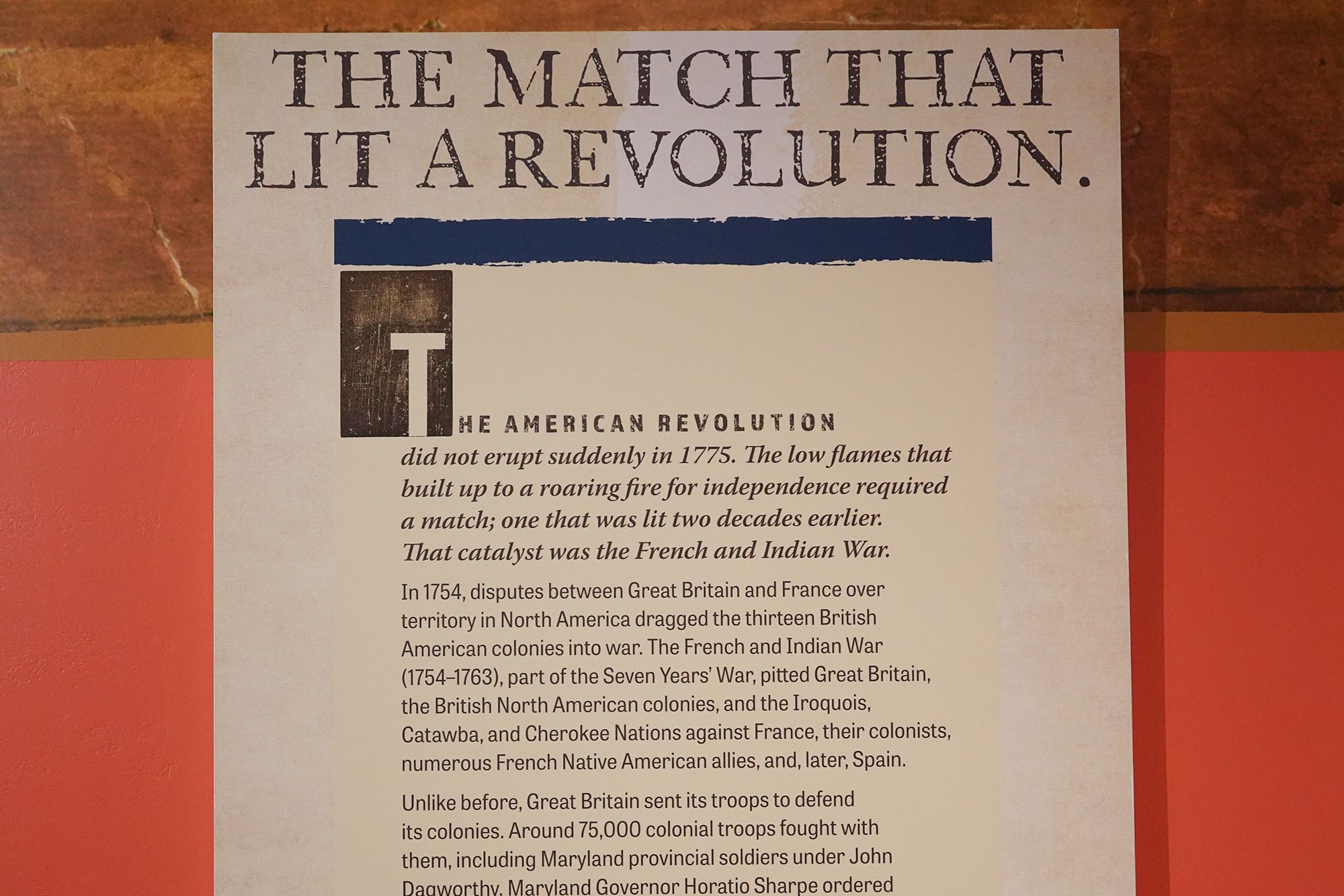
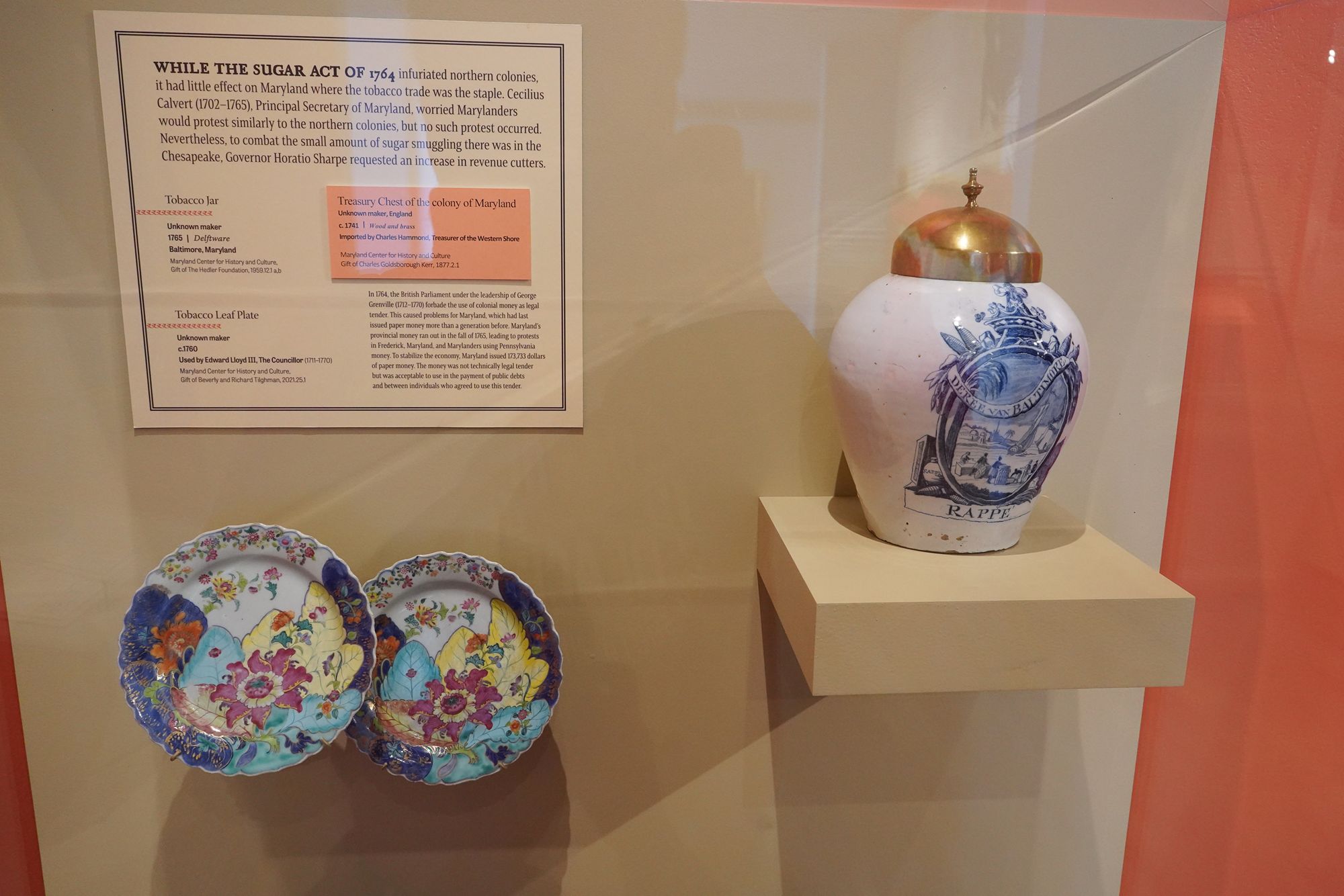
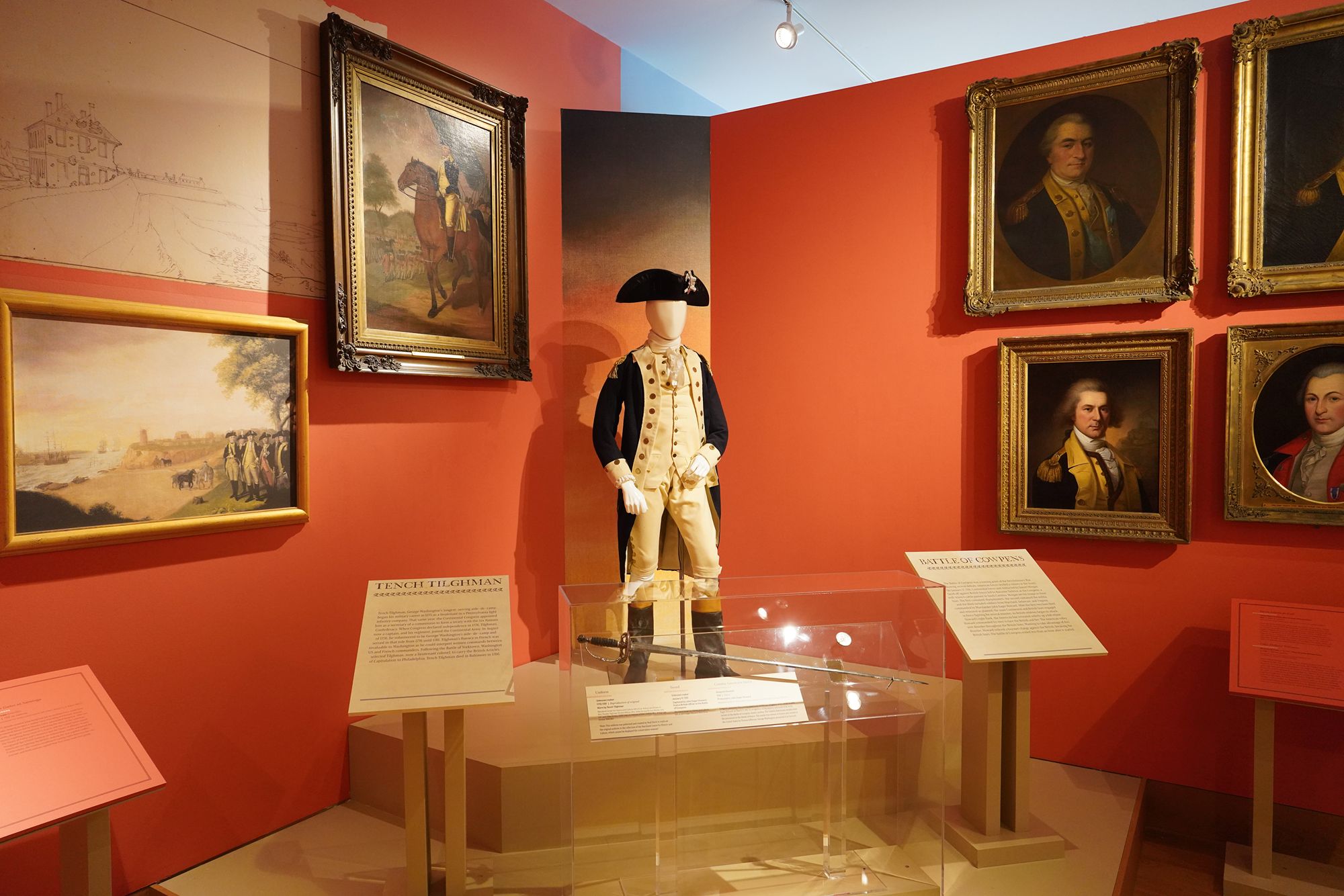
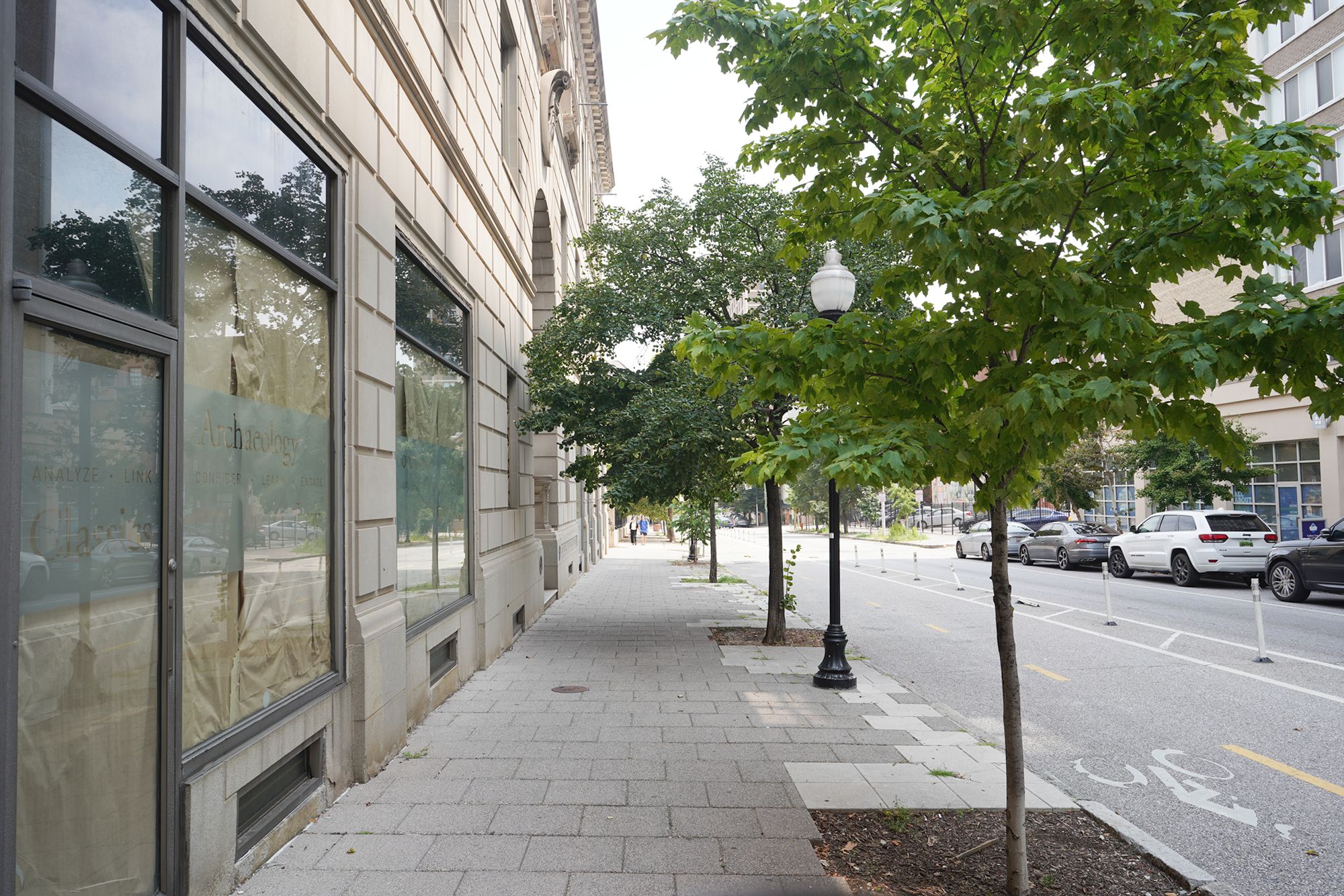
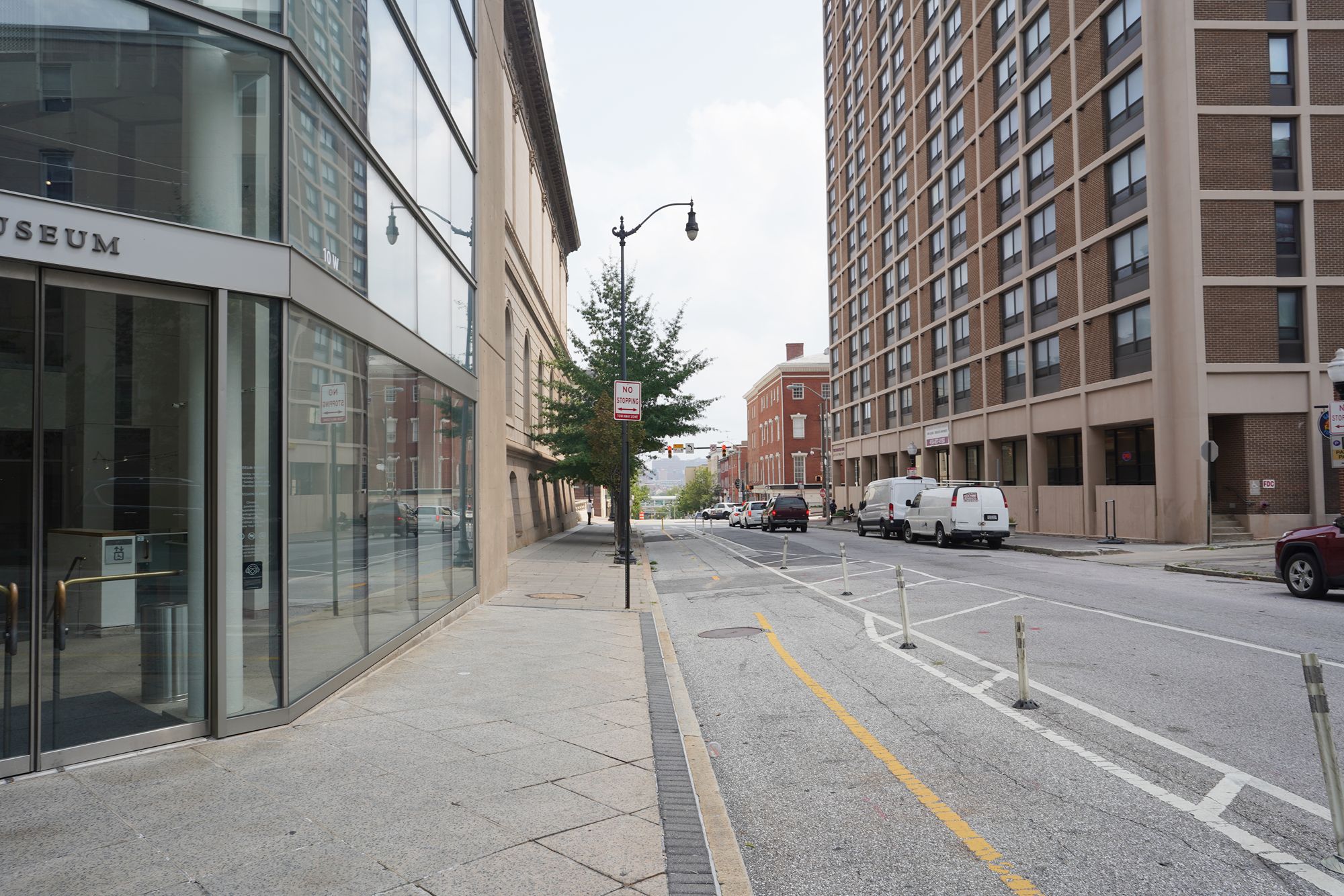
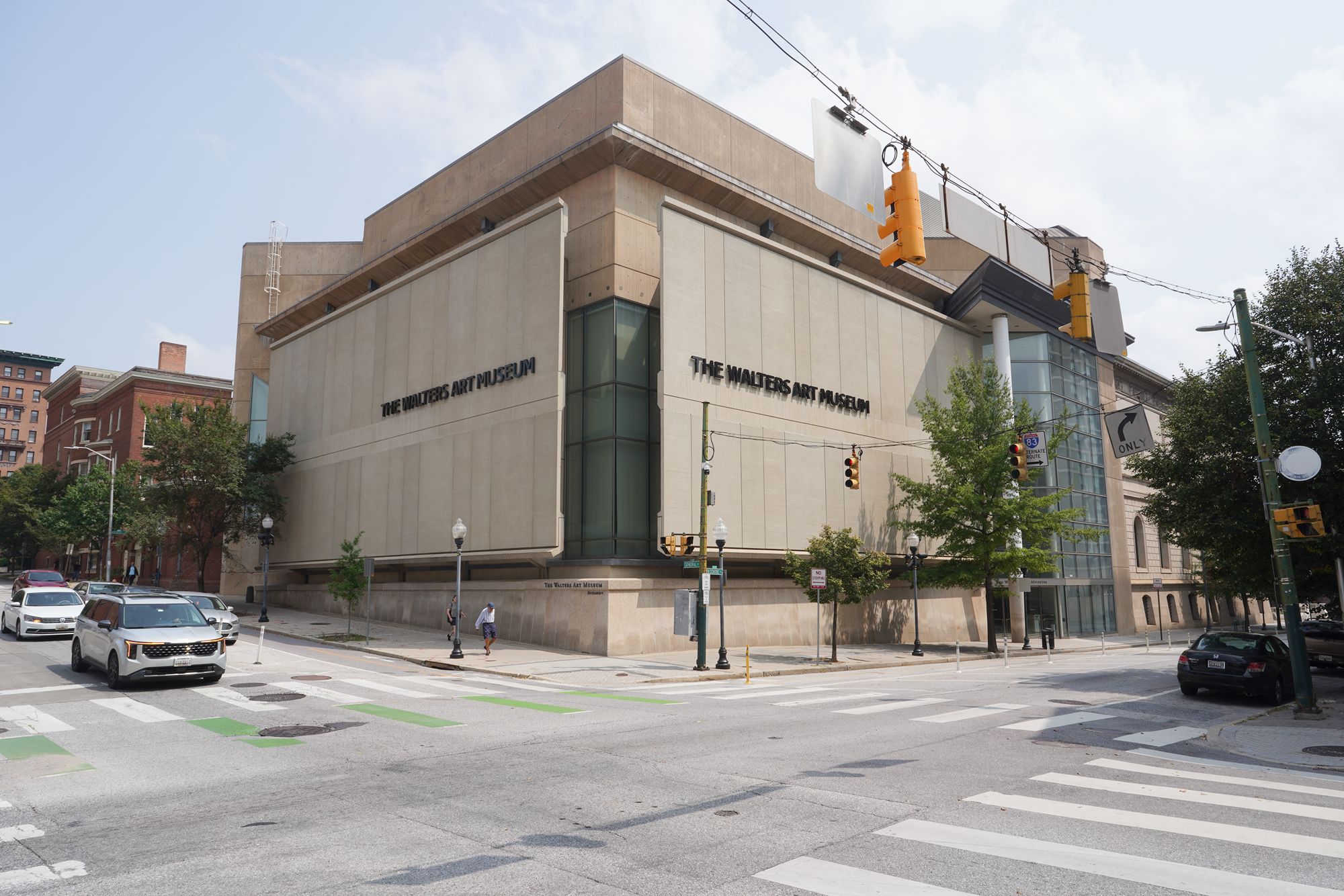
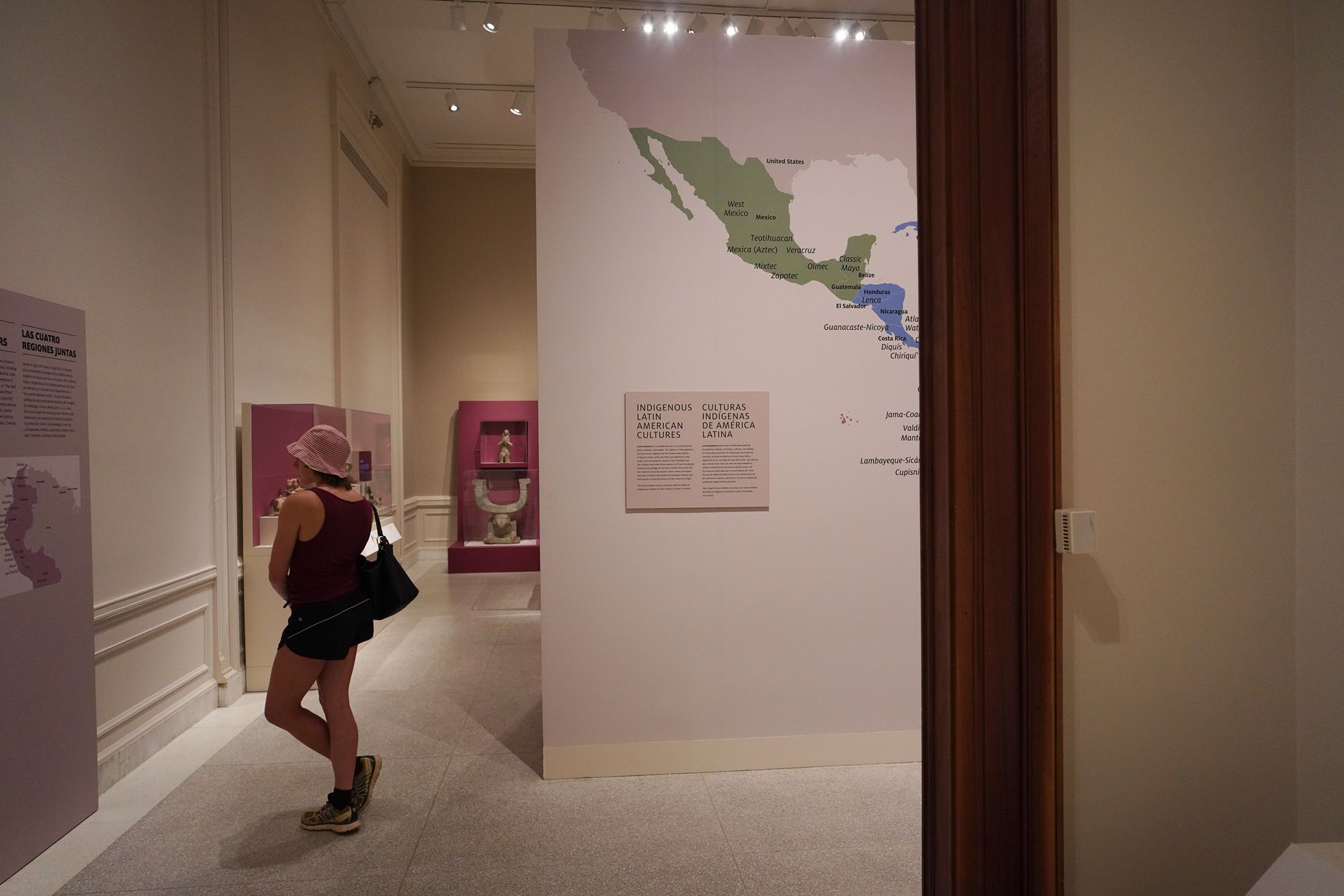
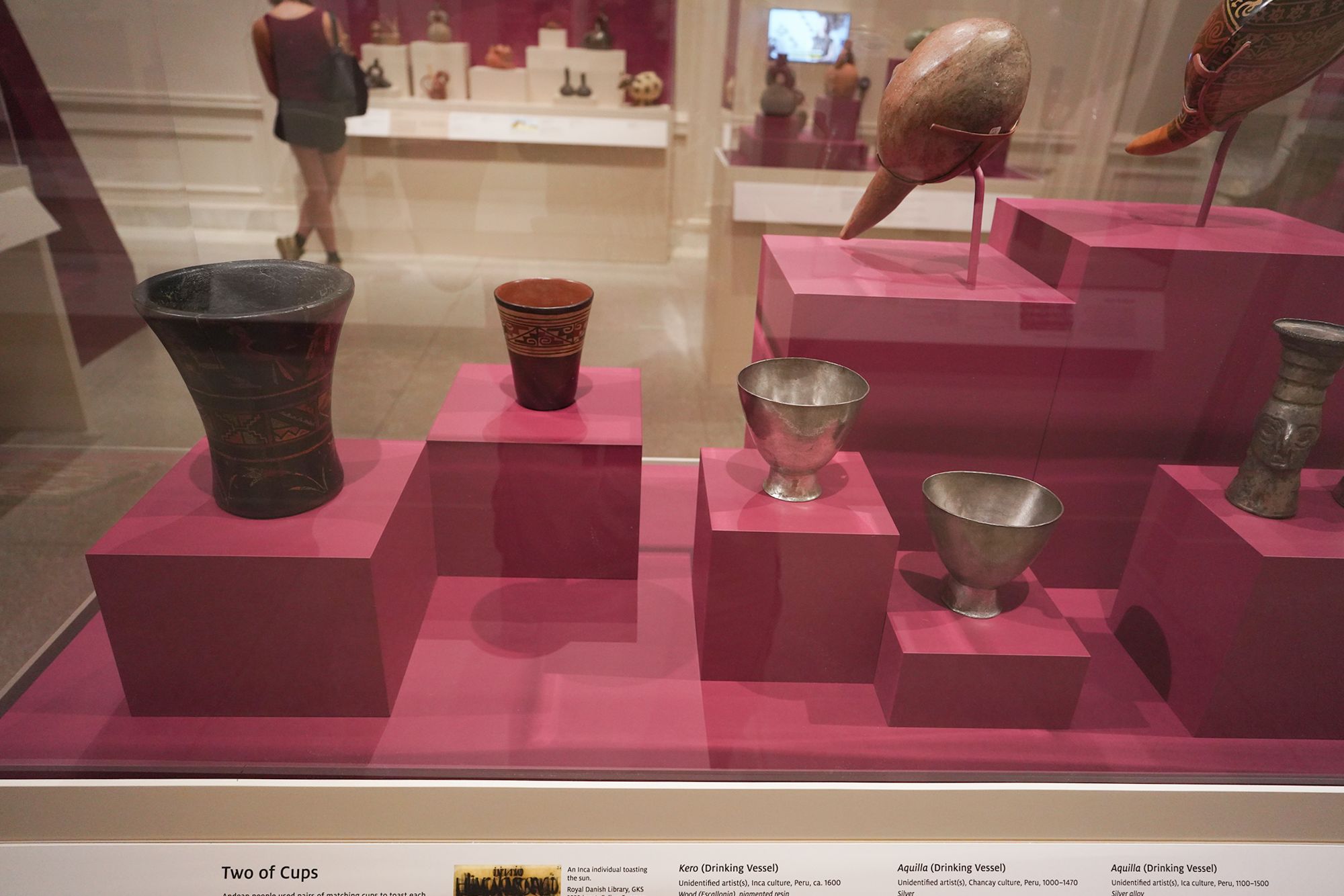
The Walters Art Museum
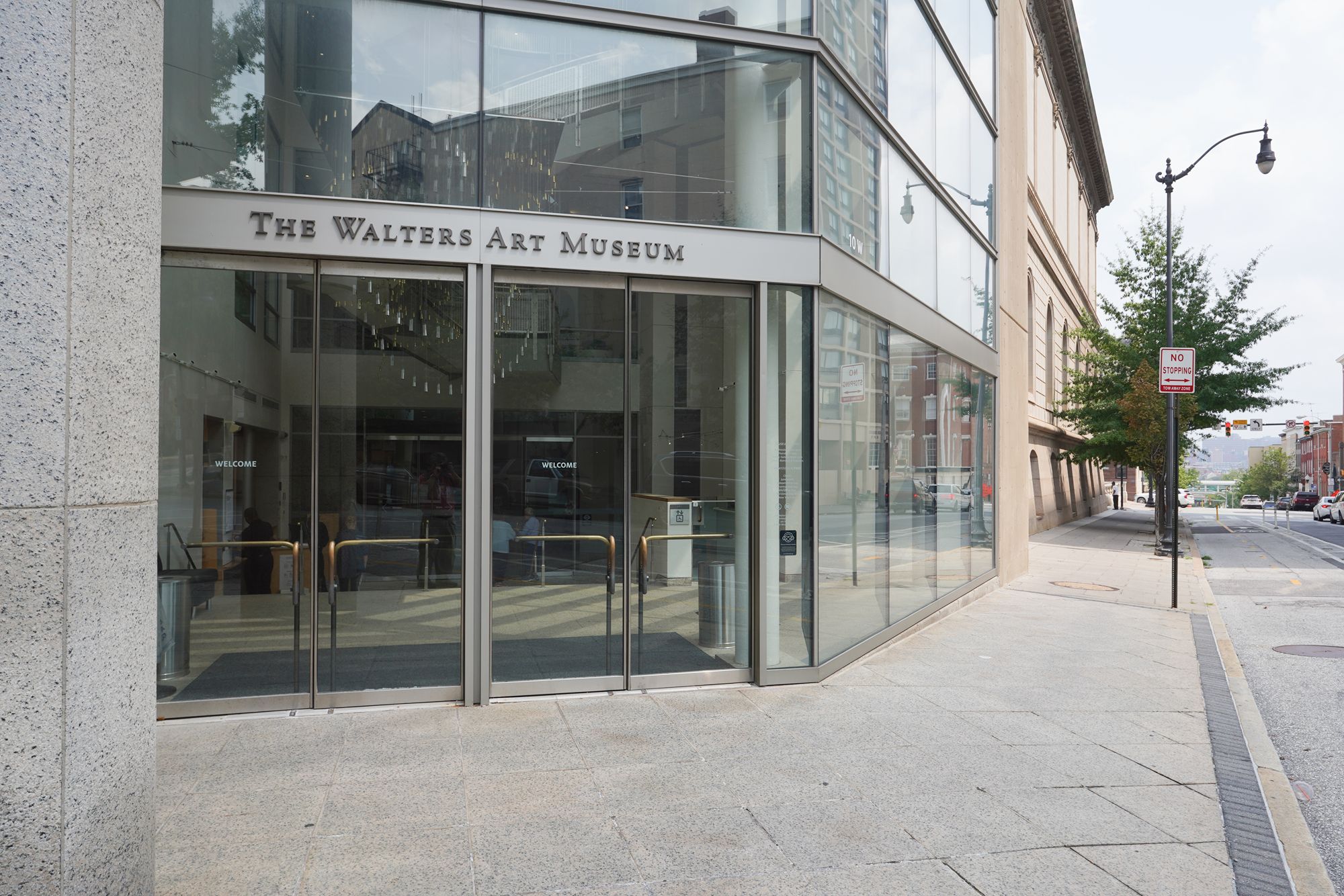
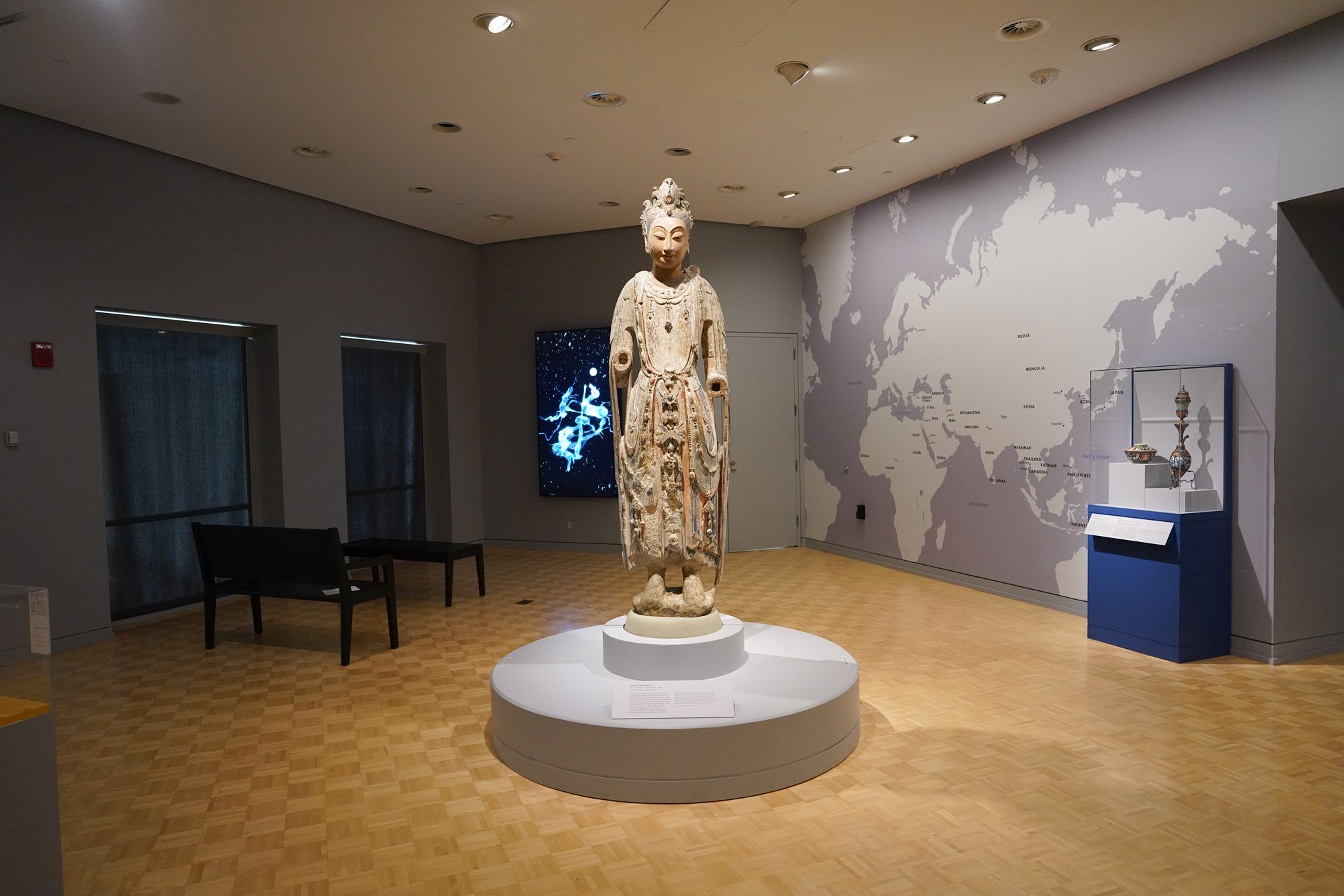
The Walters Art Museum in Baltimore is one of the most prominent art institutions in the United States, known for its remarkably diverse global collection.
Out of the museum and walking back to my car.