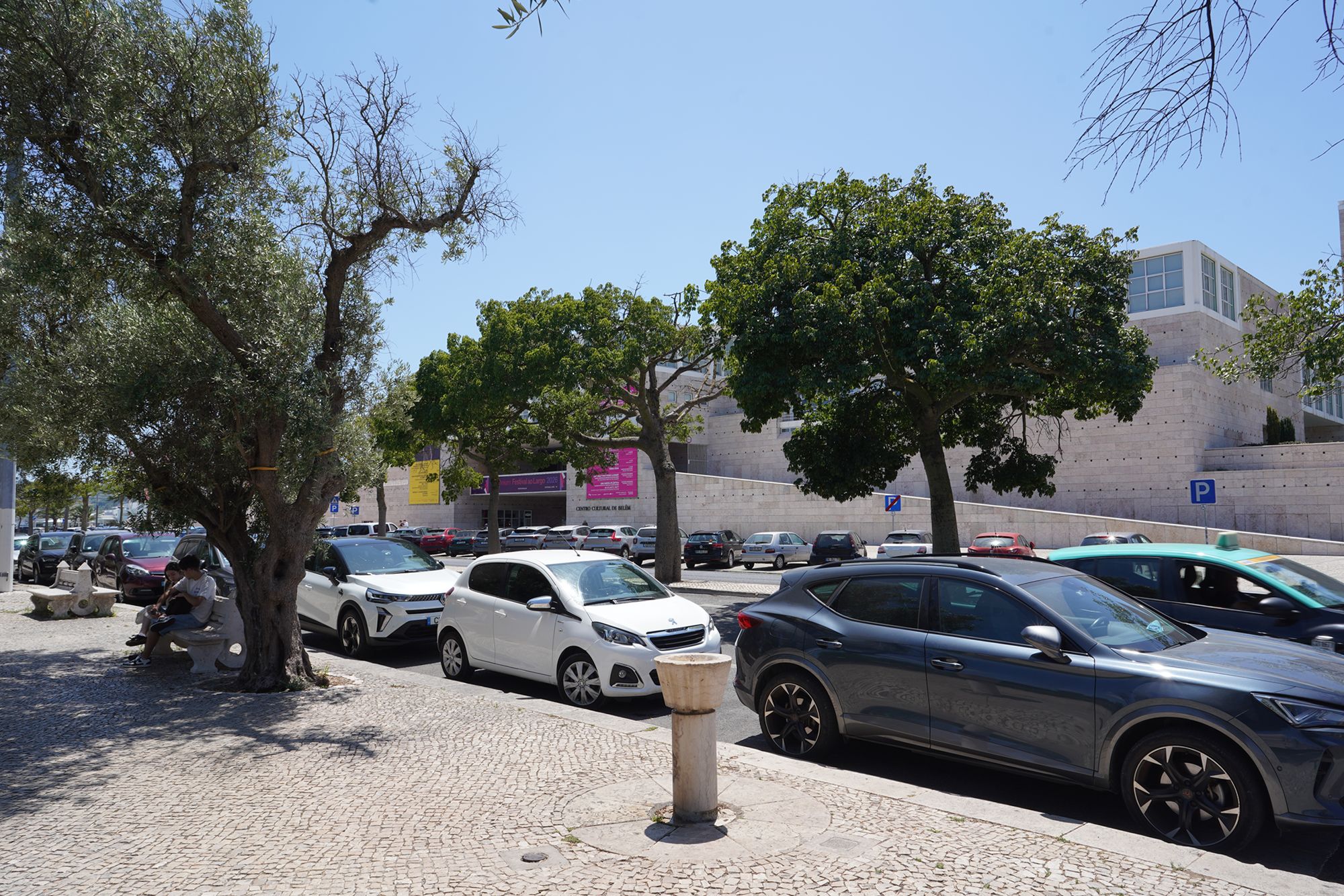
Belem Walk, Lisbon, Portugal
I took a bus to Belém, a district west of Lisbon’s city center, for a day trip. 1381
Jerónimos Monastery: Praça do Império 1400-206 Lisboa, Portugal
Belém Tower: Av. Brasília, 1400-038 Lisboa, Portugal
The Monument to the Discoveries: Av. Brasília, 1400-038 Lisboa, Portugal
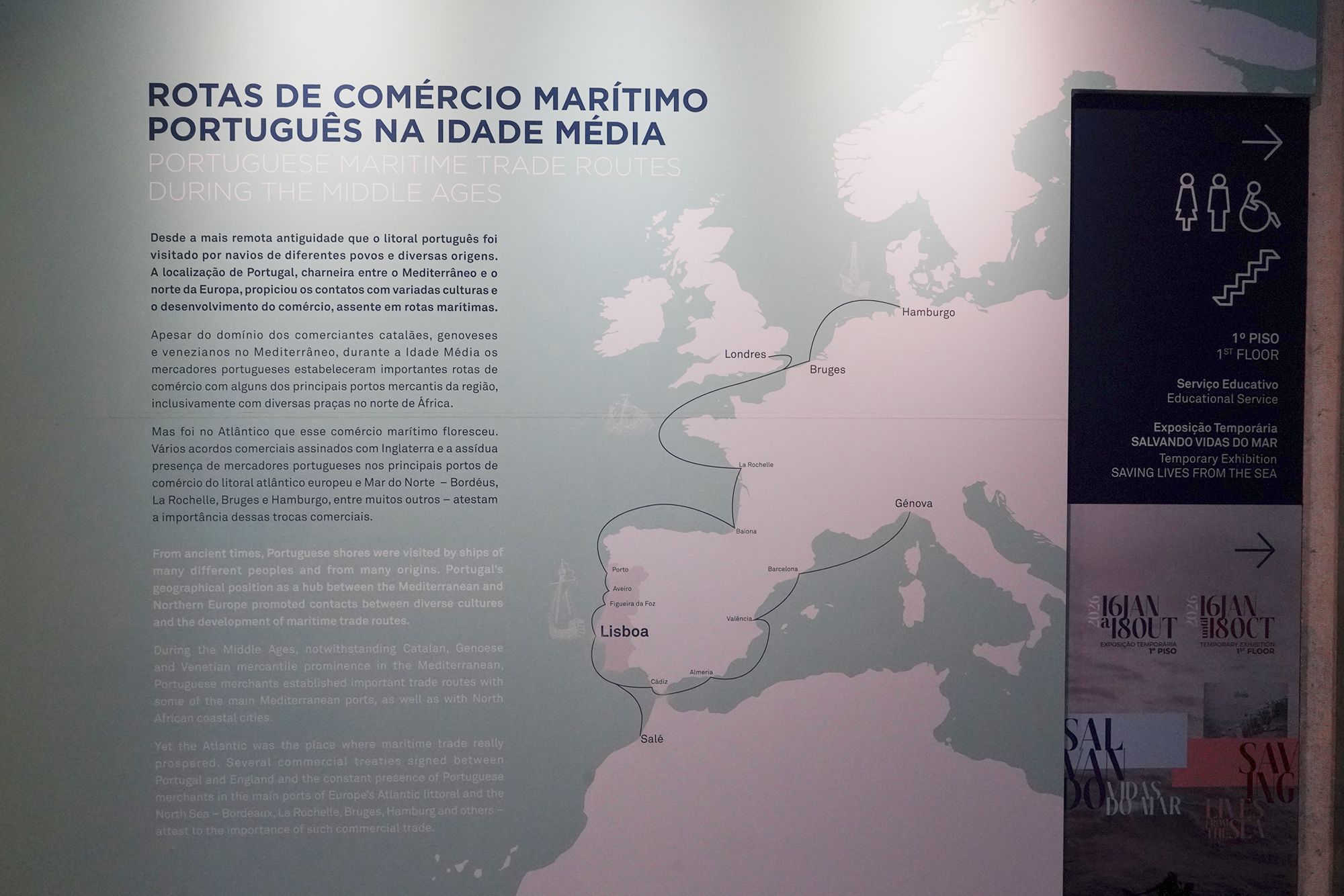
Maritime Museum: Praça do Império, Santa Maria de Belém, 1400-206 Lisboa, Portugal
Date Picture Taken: Jul, 2026
I took a bus from central Lisbon to Belém. The journey took about 50 minutes, and I got off at Jerónimos Monastery.
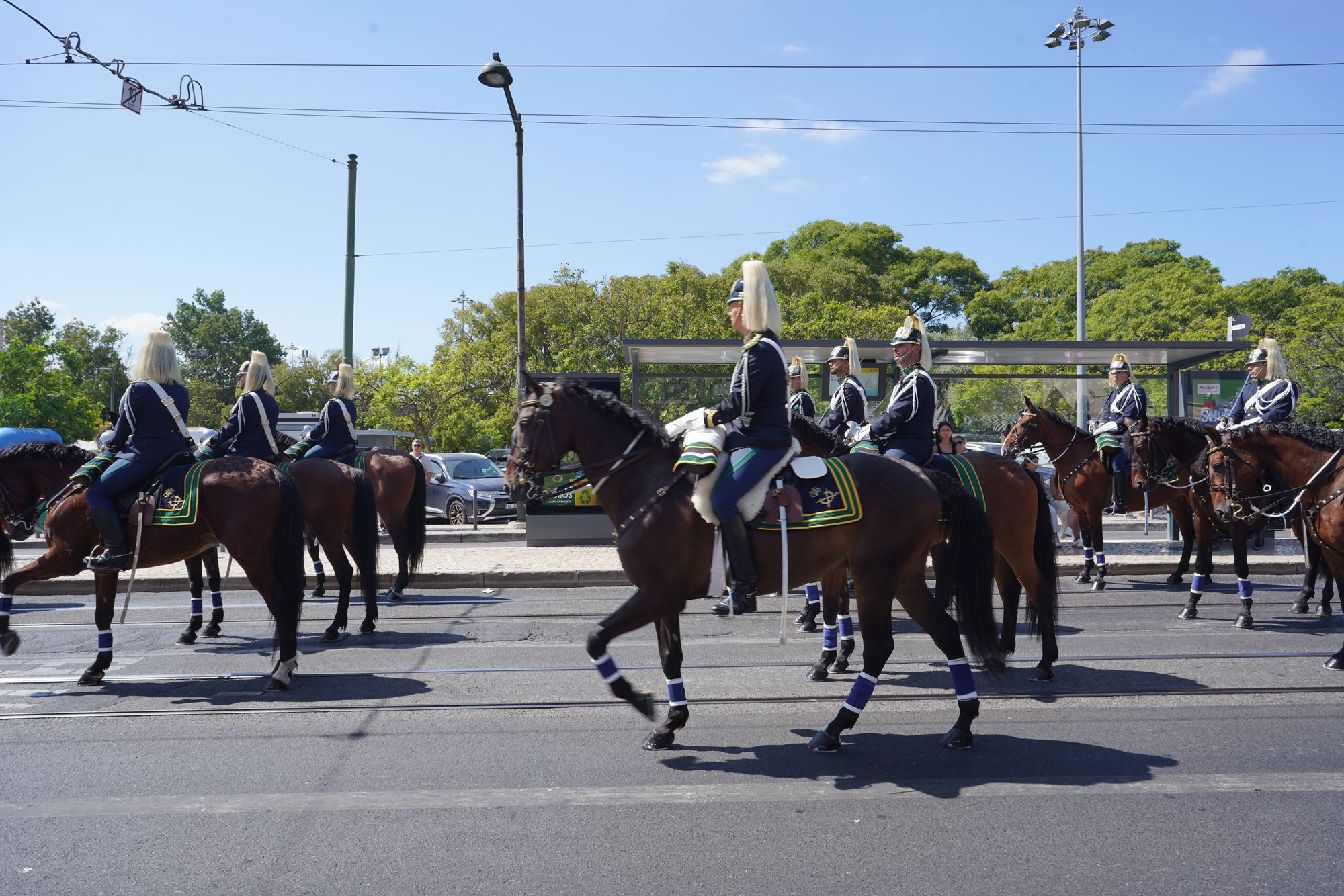
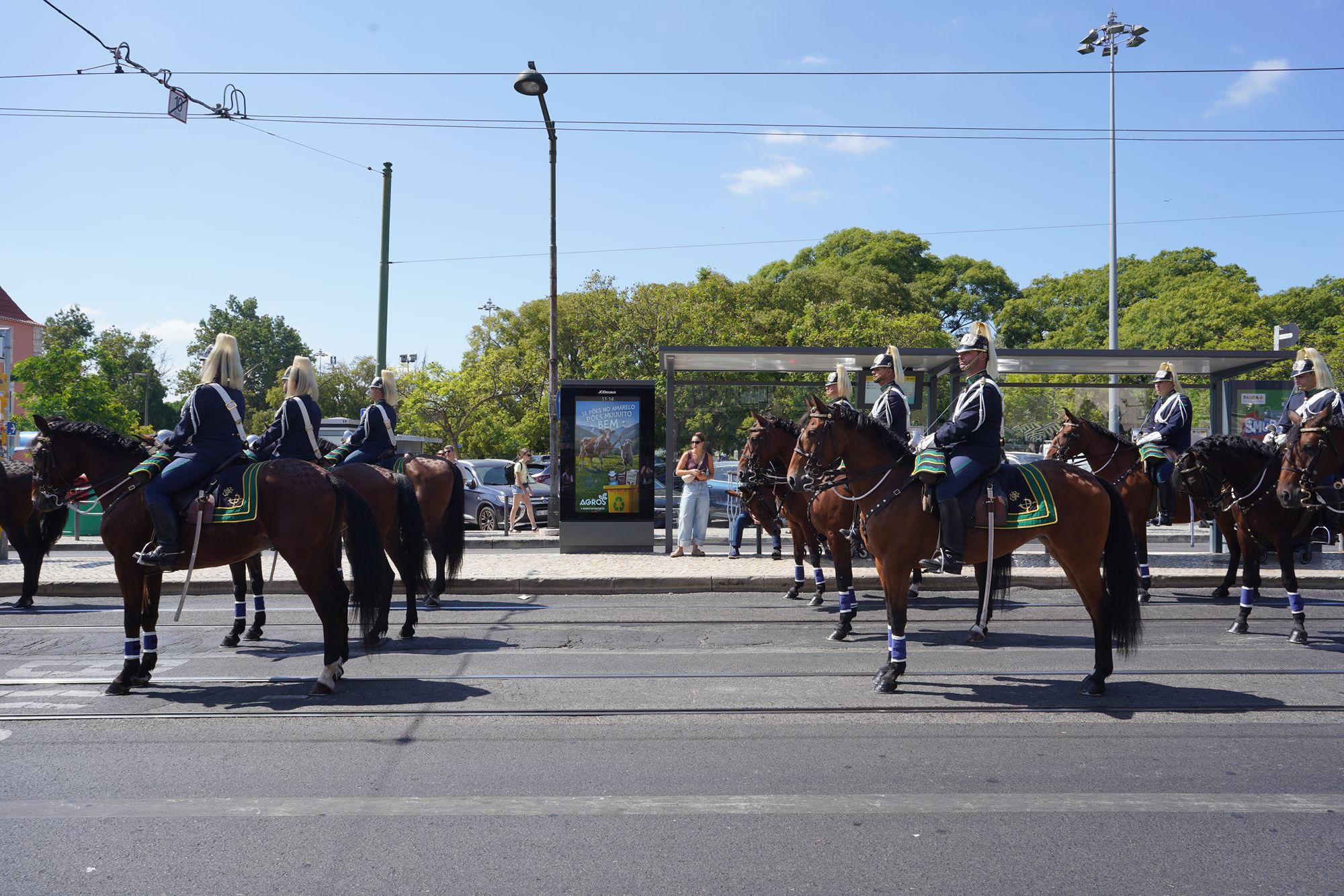
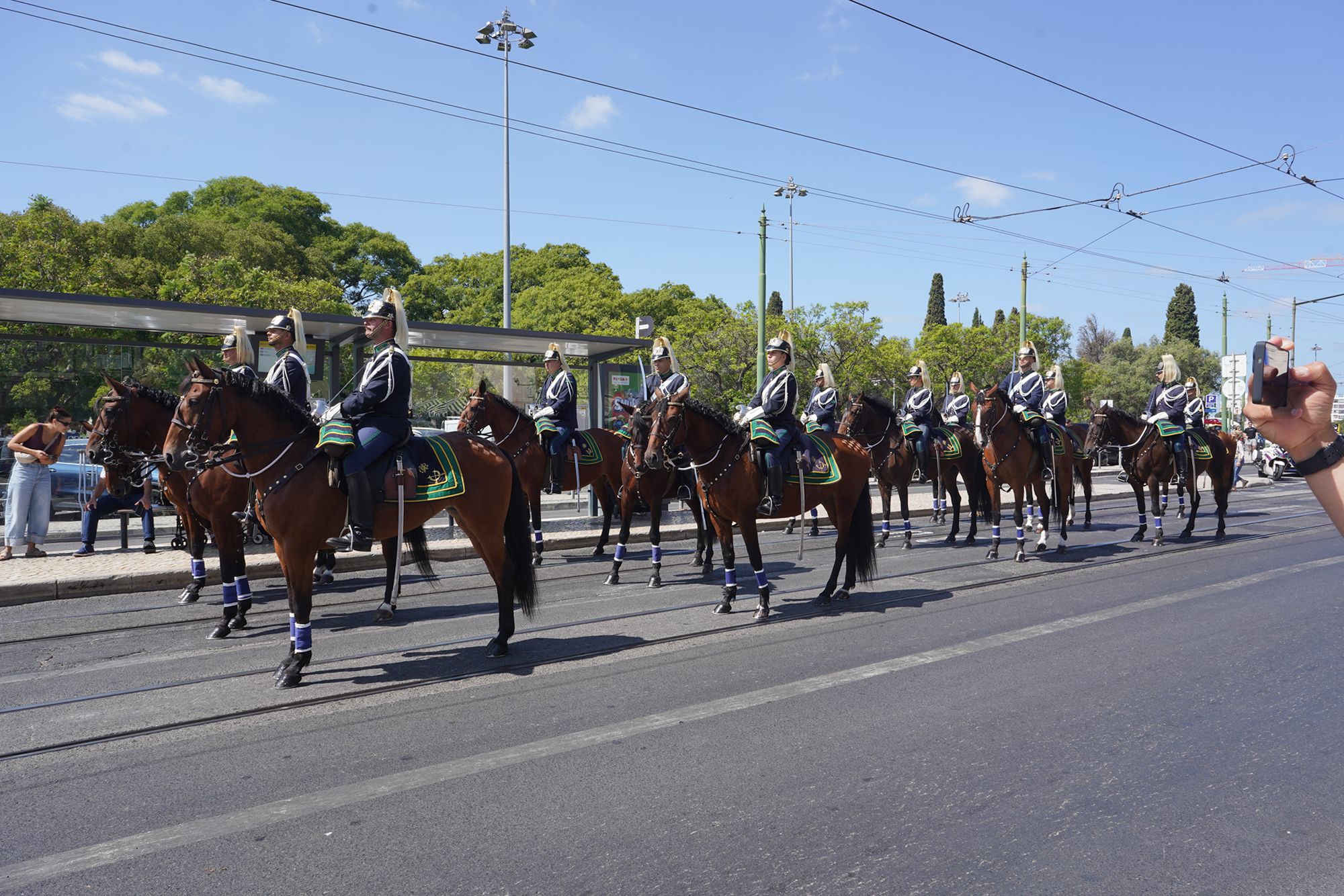
There was a procession of soldiers on horseback, dressed in old-fashioned uniforms.
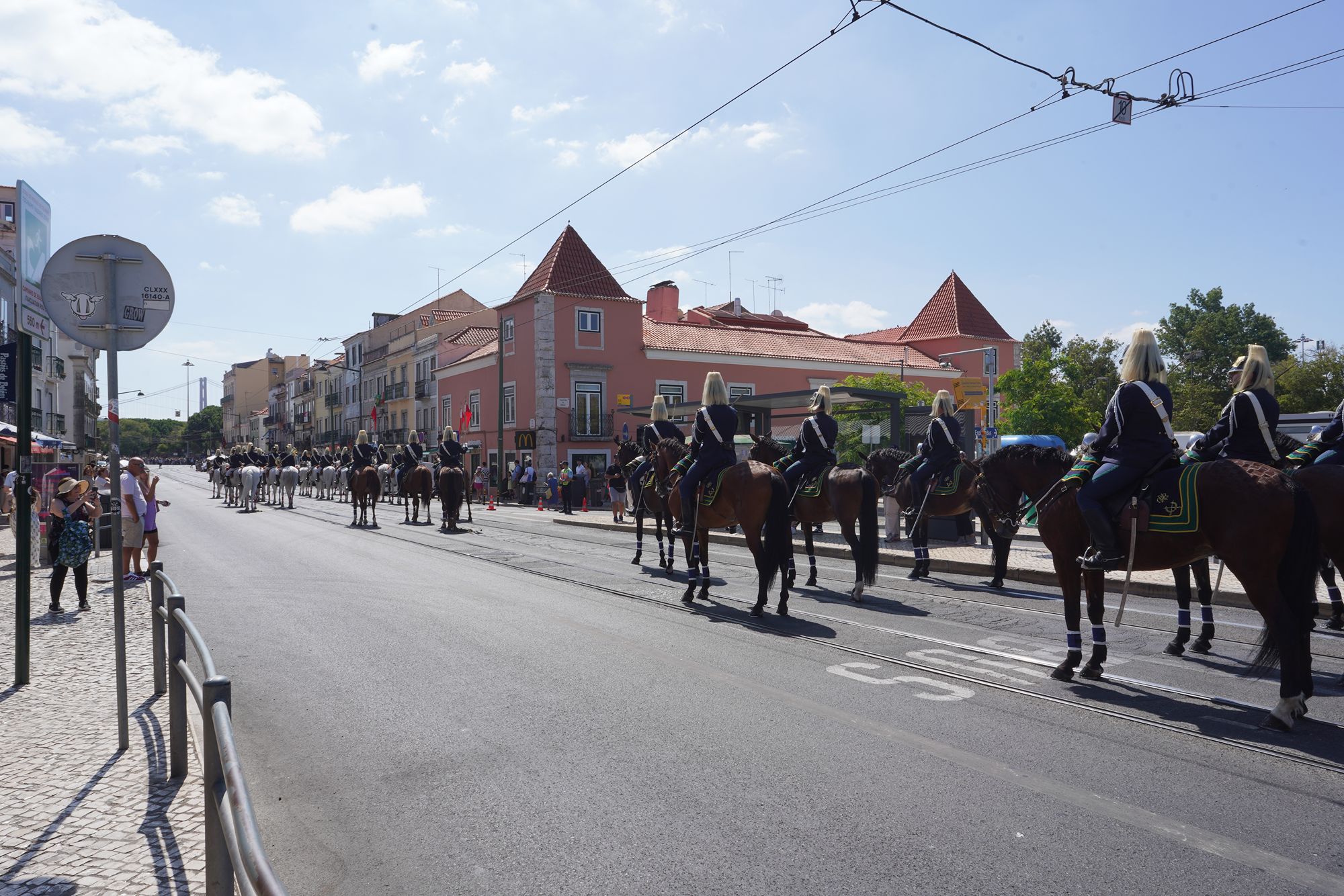
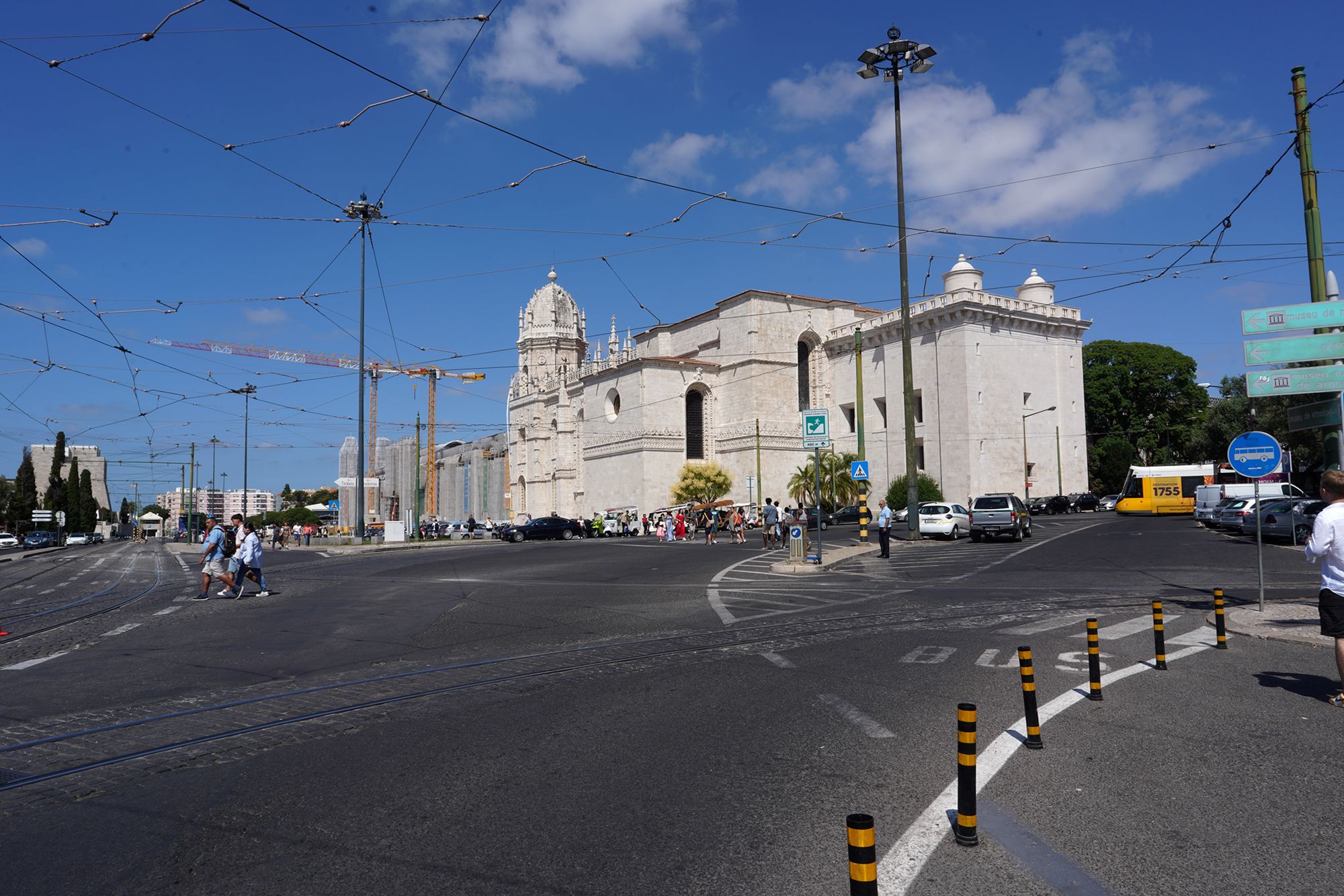
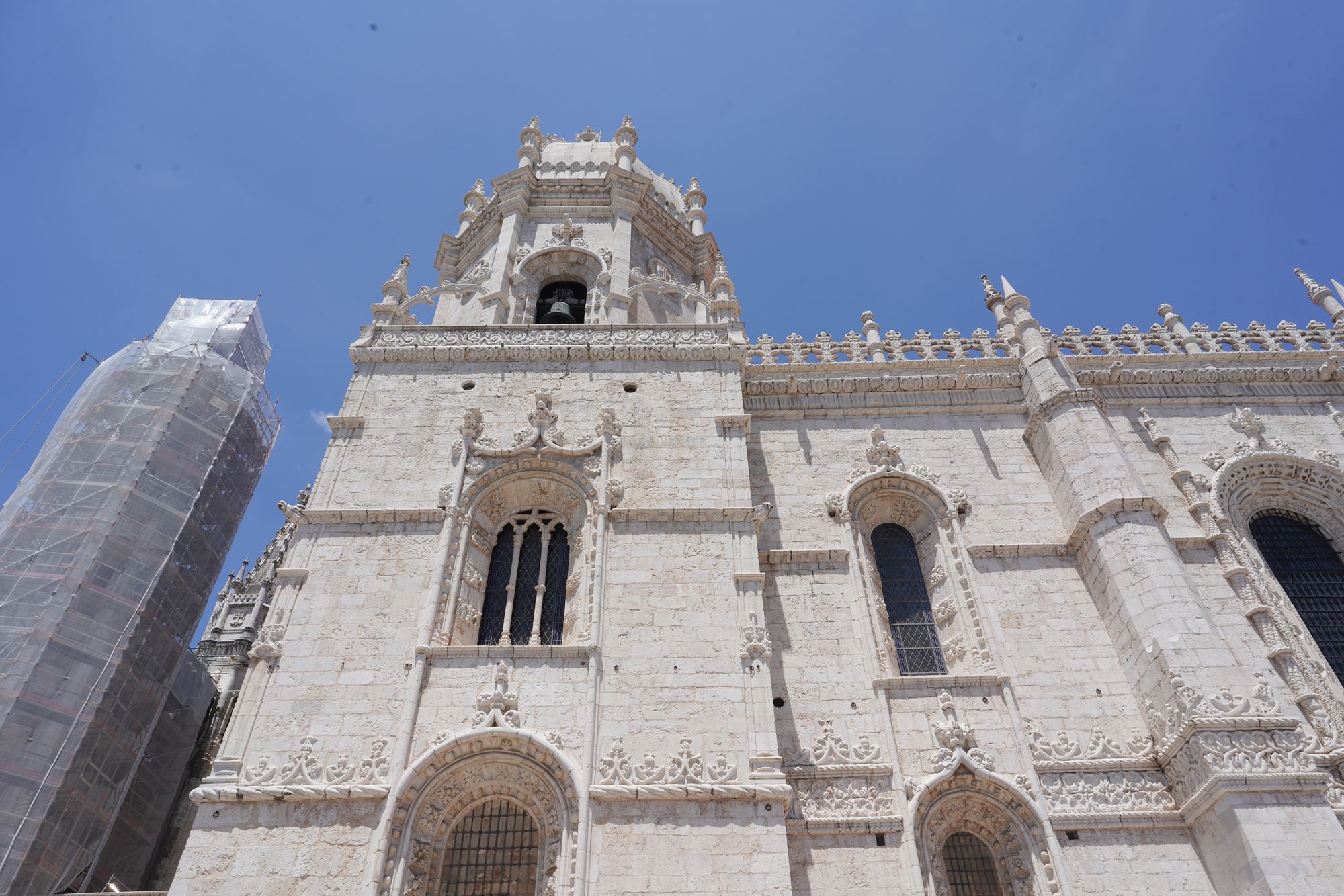
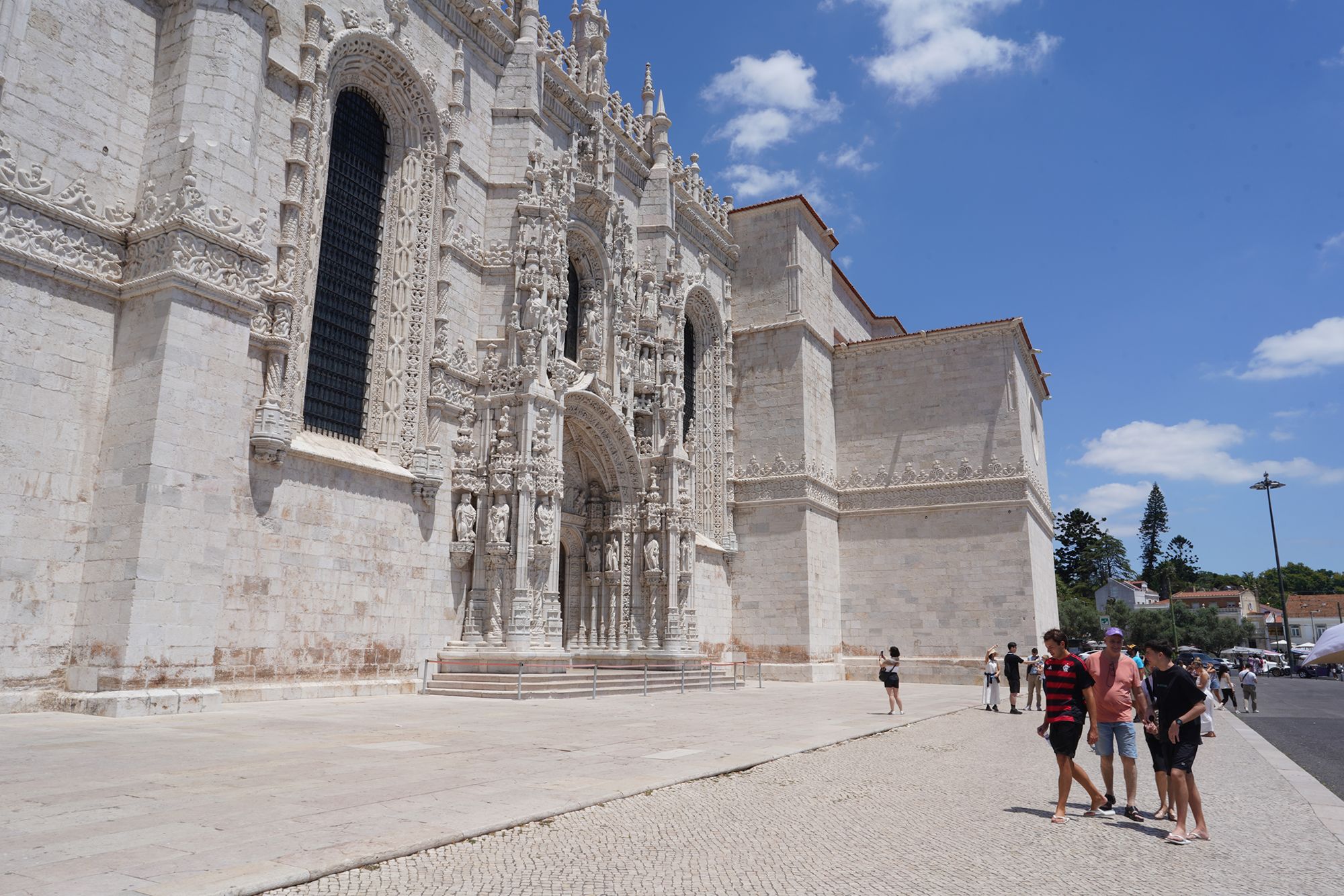
Jerónimos Monastery is one of Belém’s most important landmarks. Commissioned by King Manuel I, its construction began in 1501 and was financed partly by wealth from Portugal’s overseas trade. I planned to return later to explore the monastery.
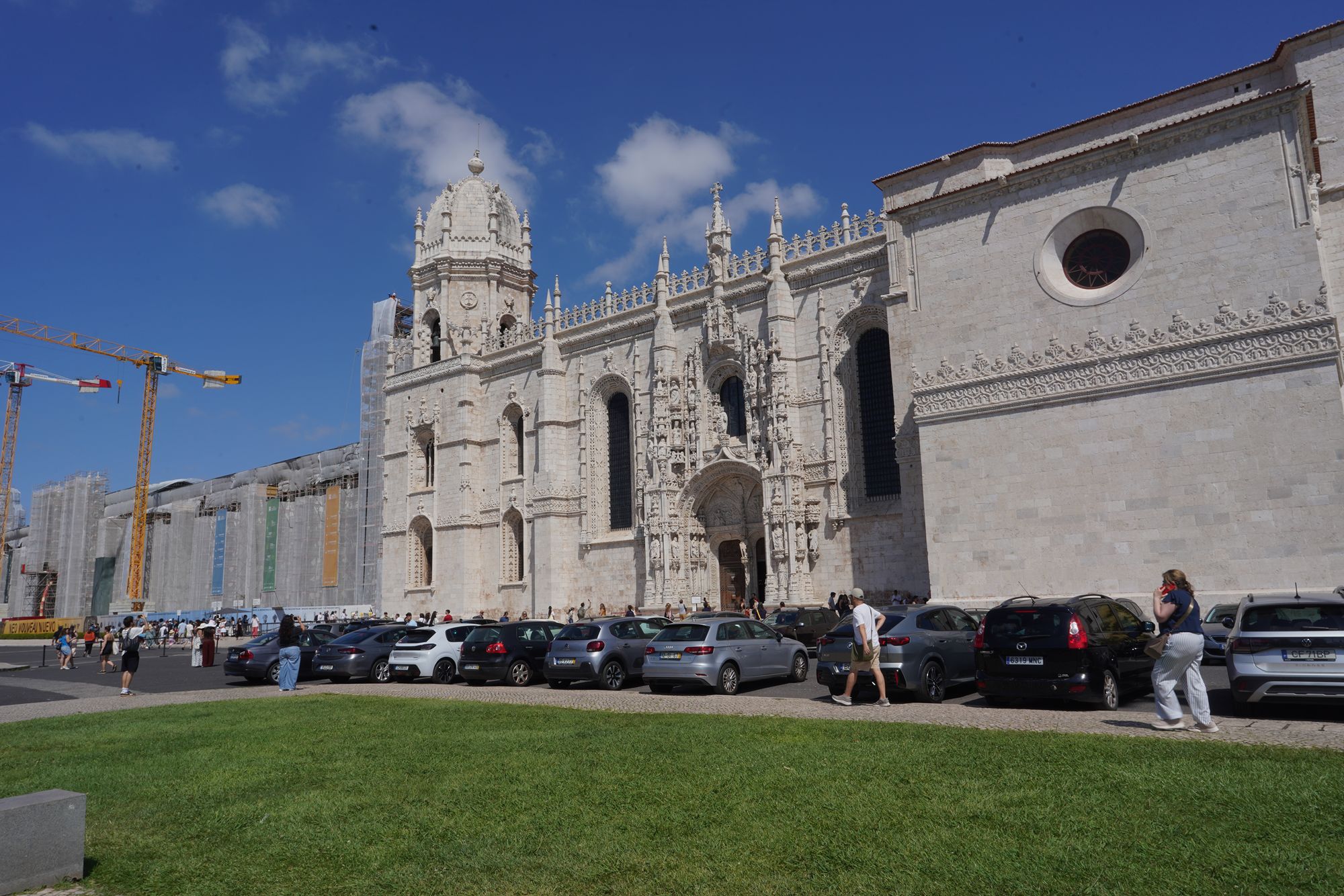
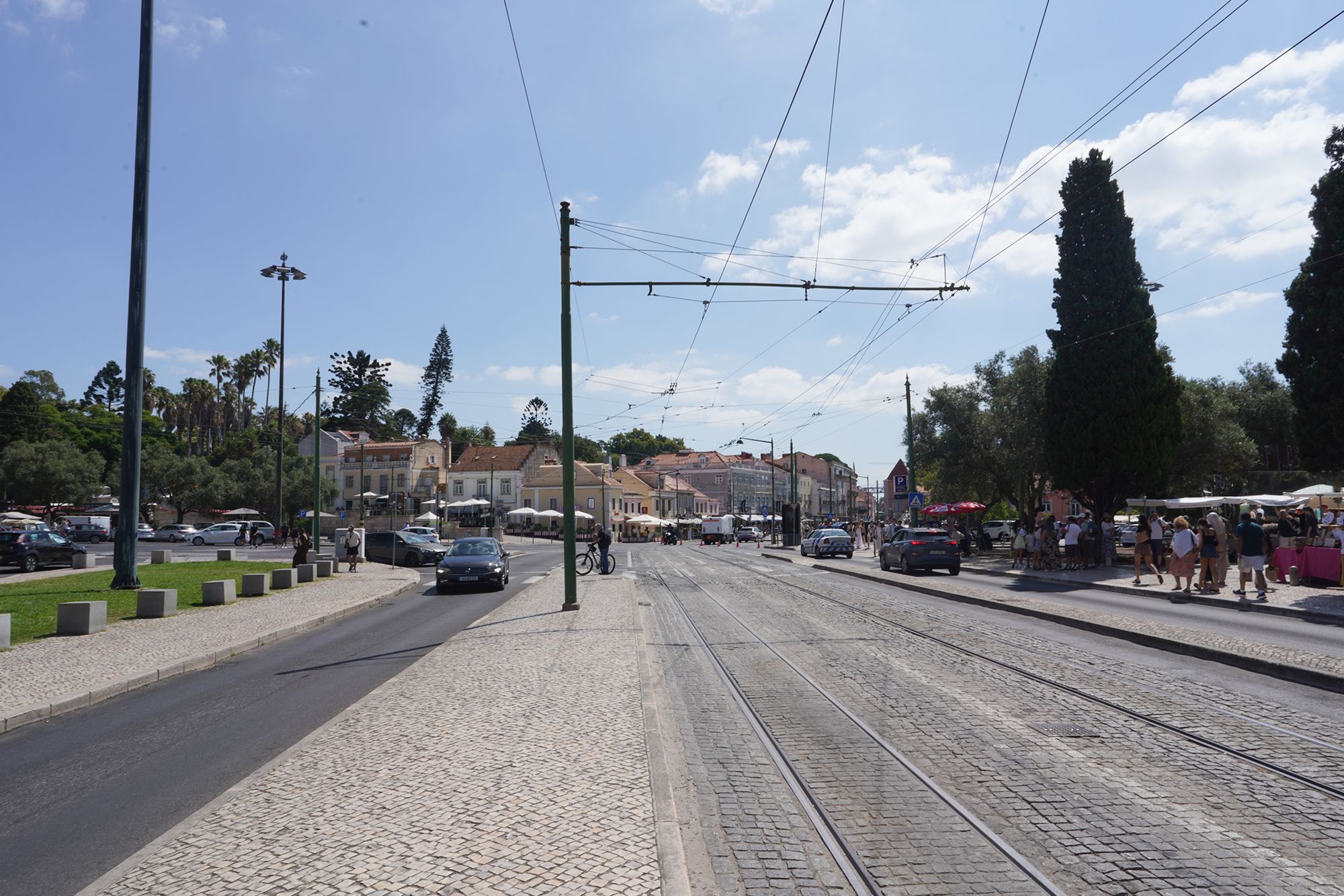
Belém is a riverside district west of Lisbon’s city center, closely connected with Portugal’s maritime history. Ships once departed from this area on voyages to Africa, Asia, and Brazil. Today, landmarks such as Jerónimos Monastery, Belém Tower, and the Monument to the Discoveries recall that history. Its gardens, museums, and broad waterfront make it a pleasant area to explore on foot.
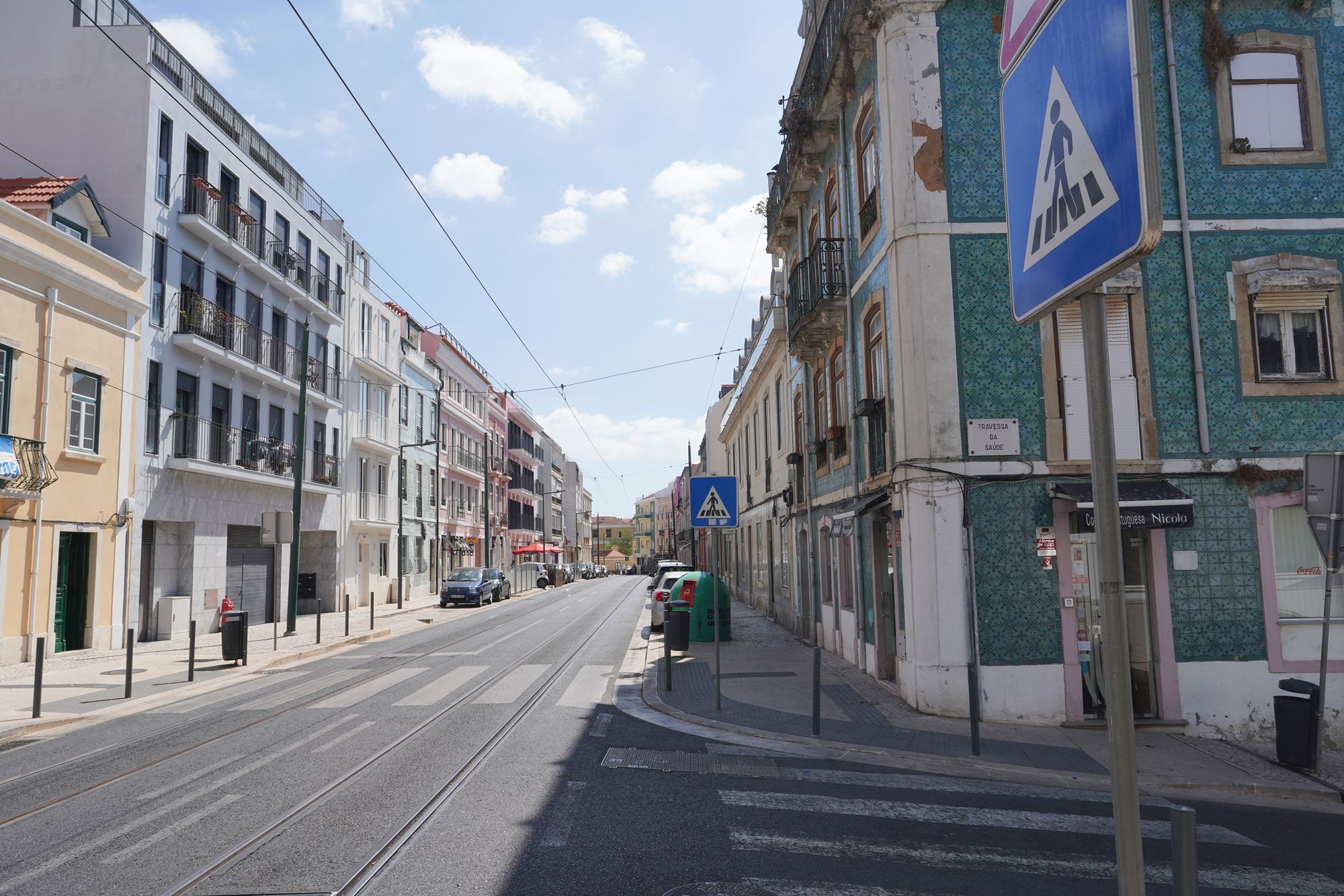
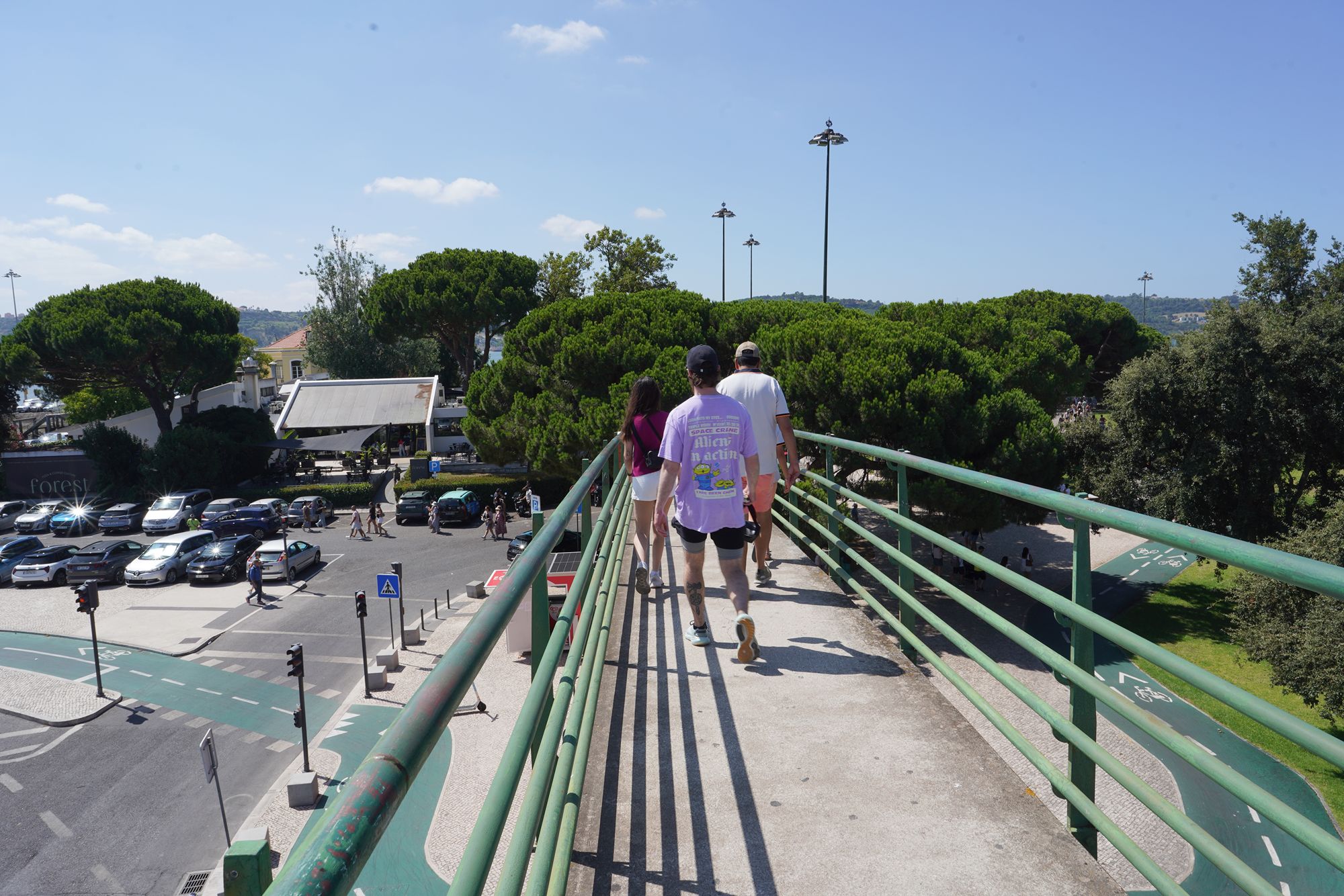
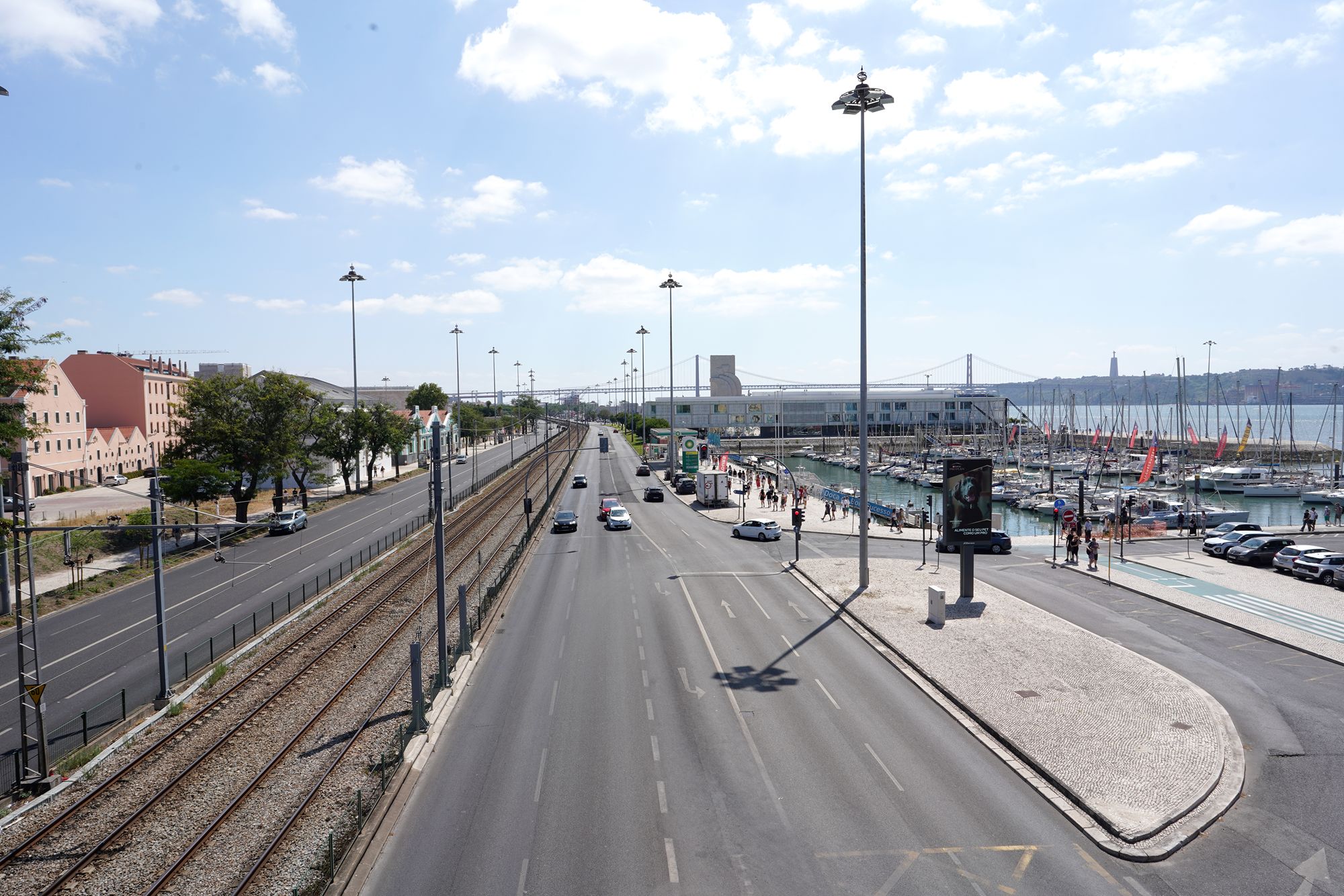
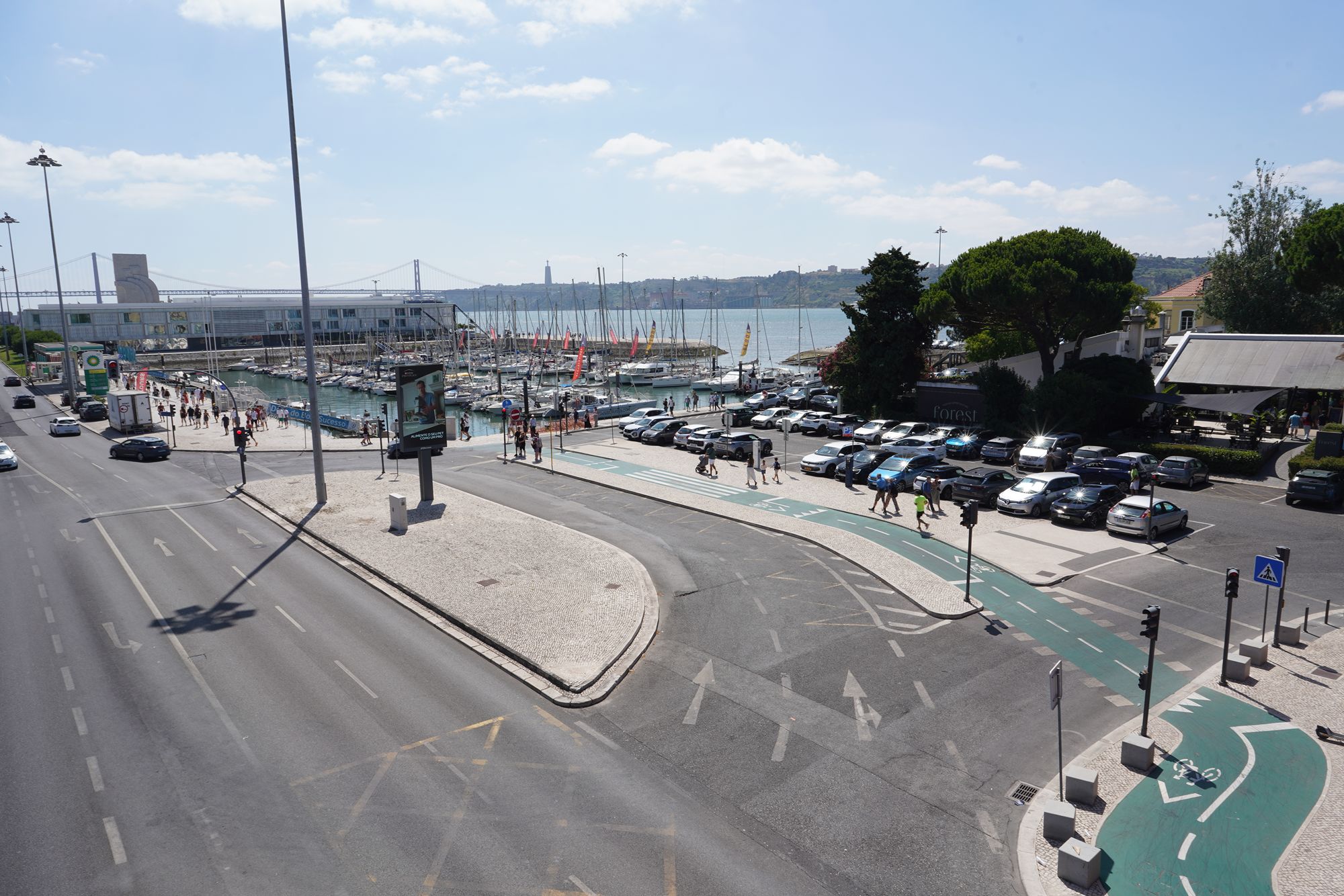
I crossed an overpass to get closer to the waterfront.
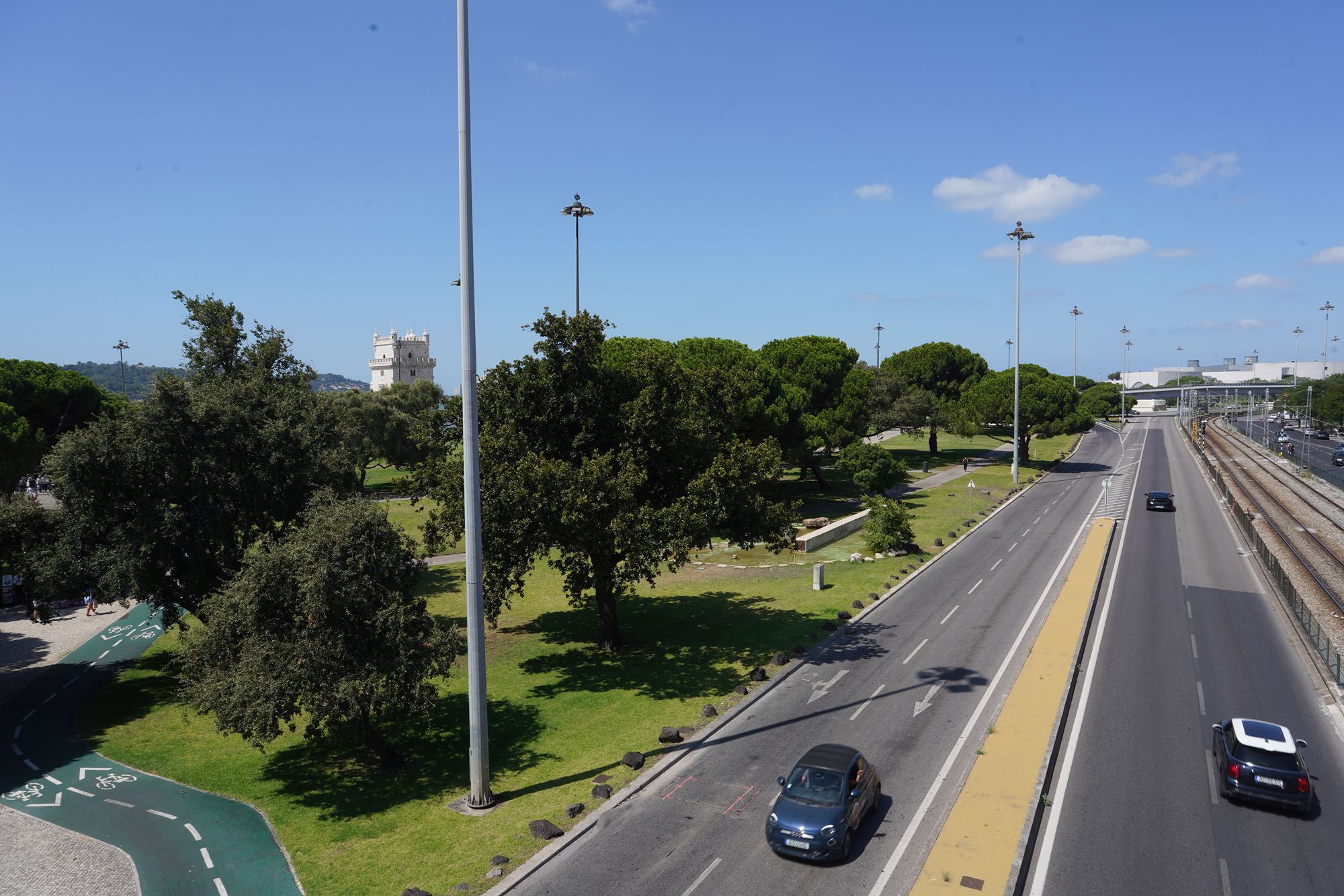
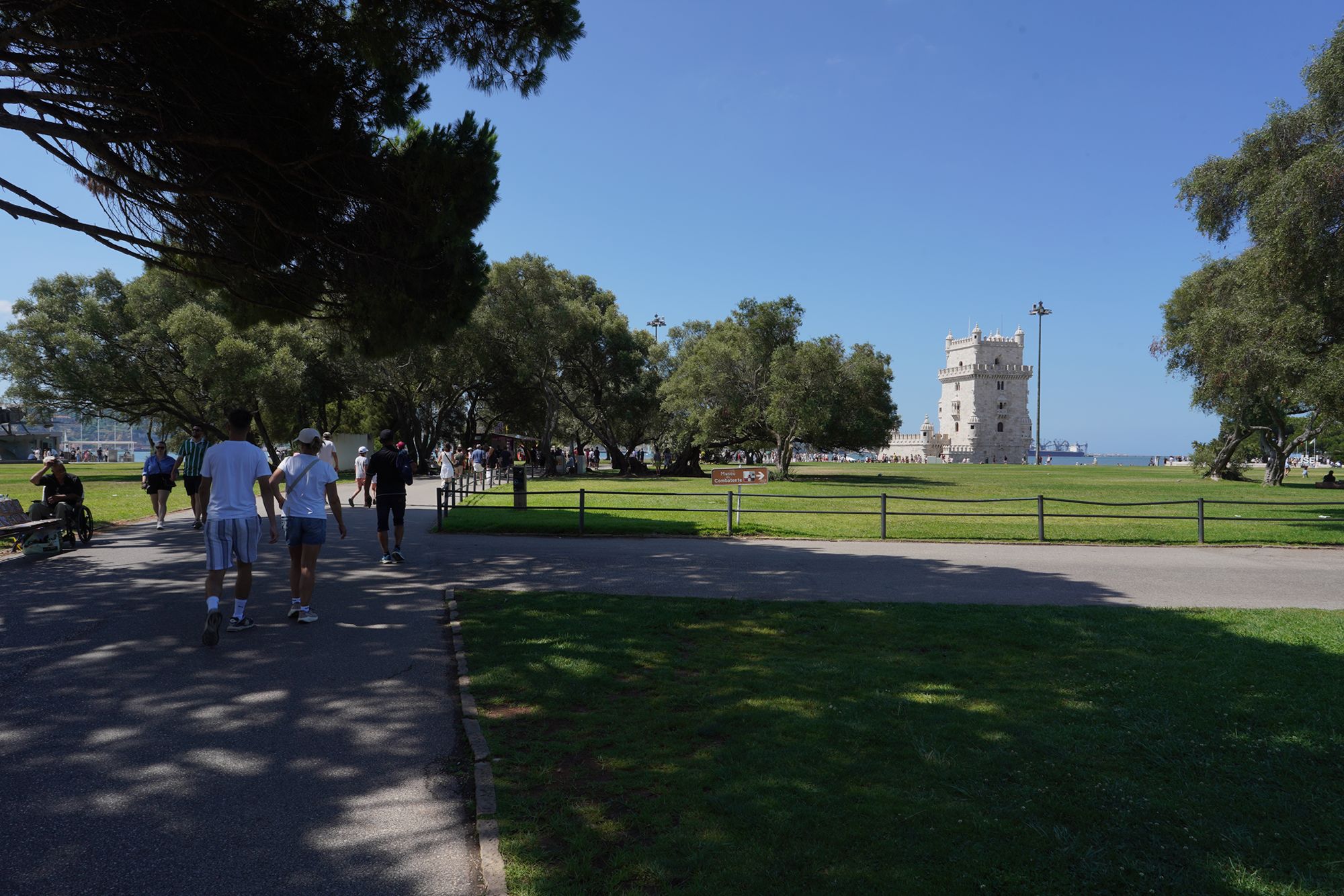
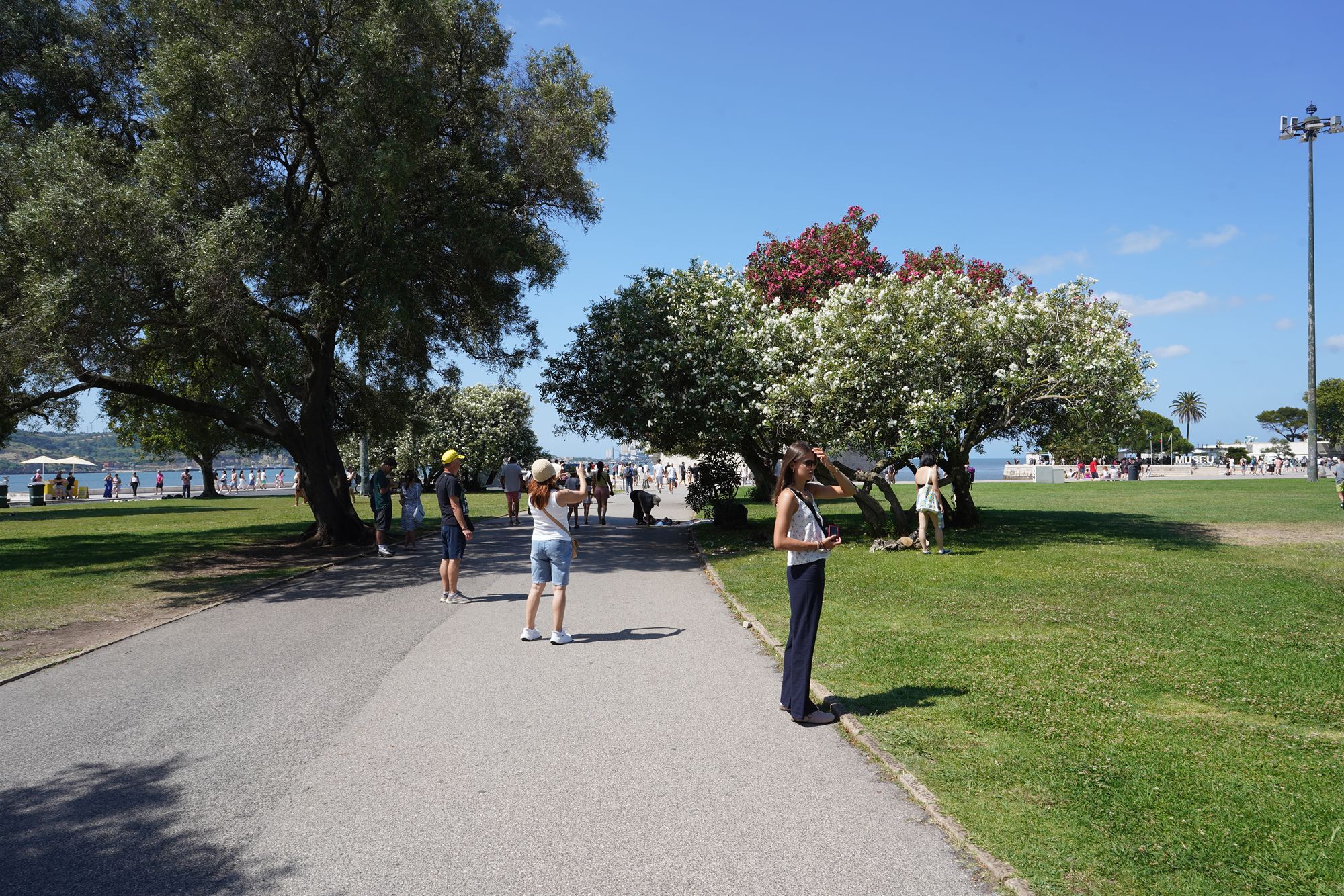
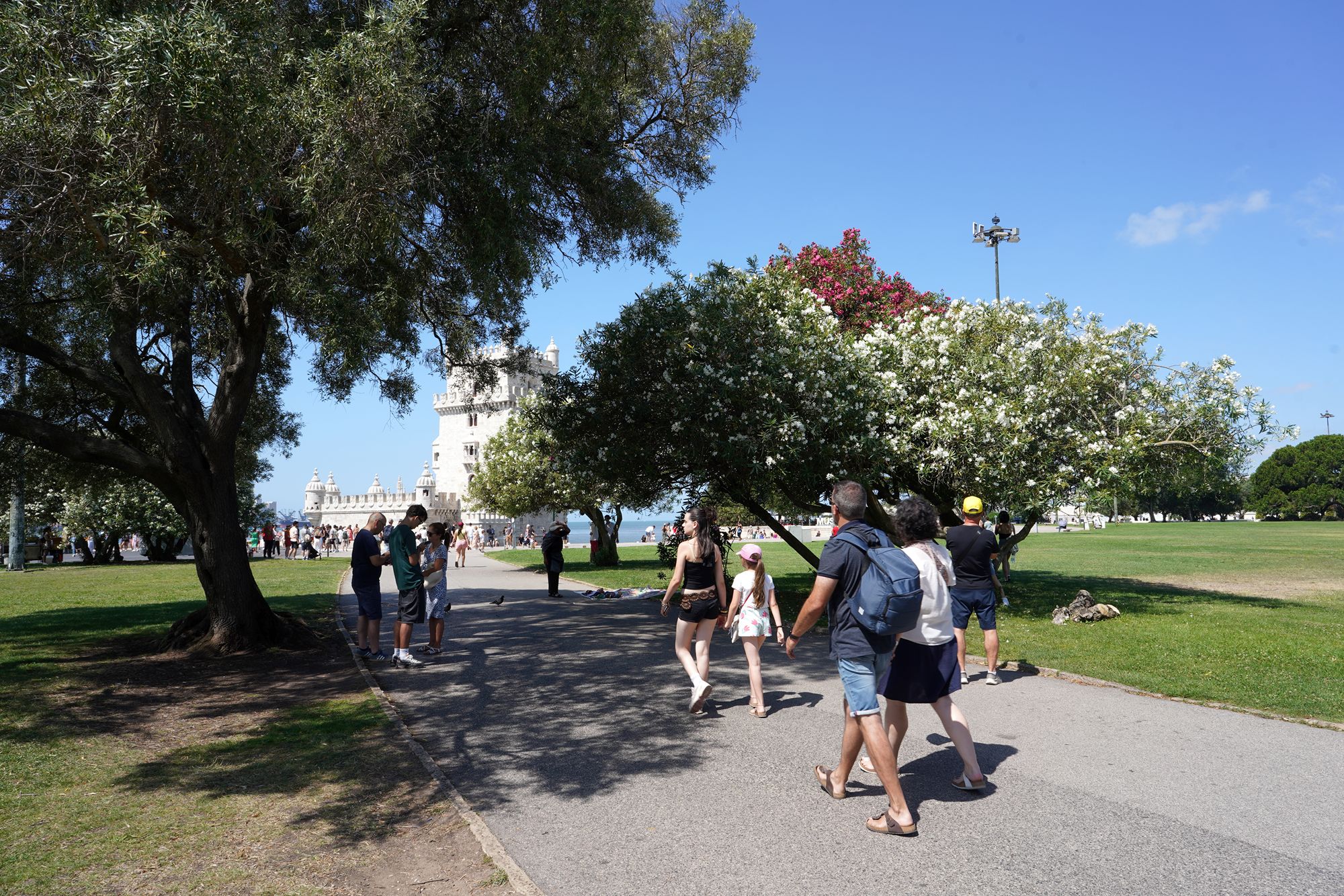
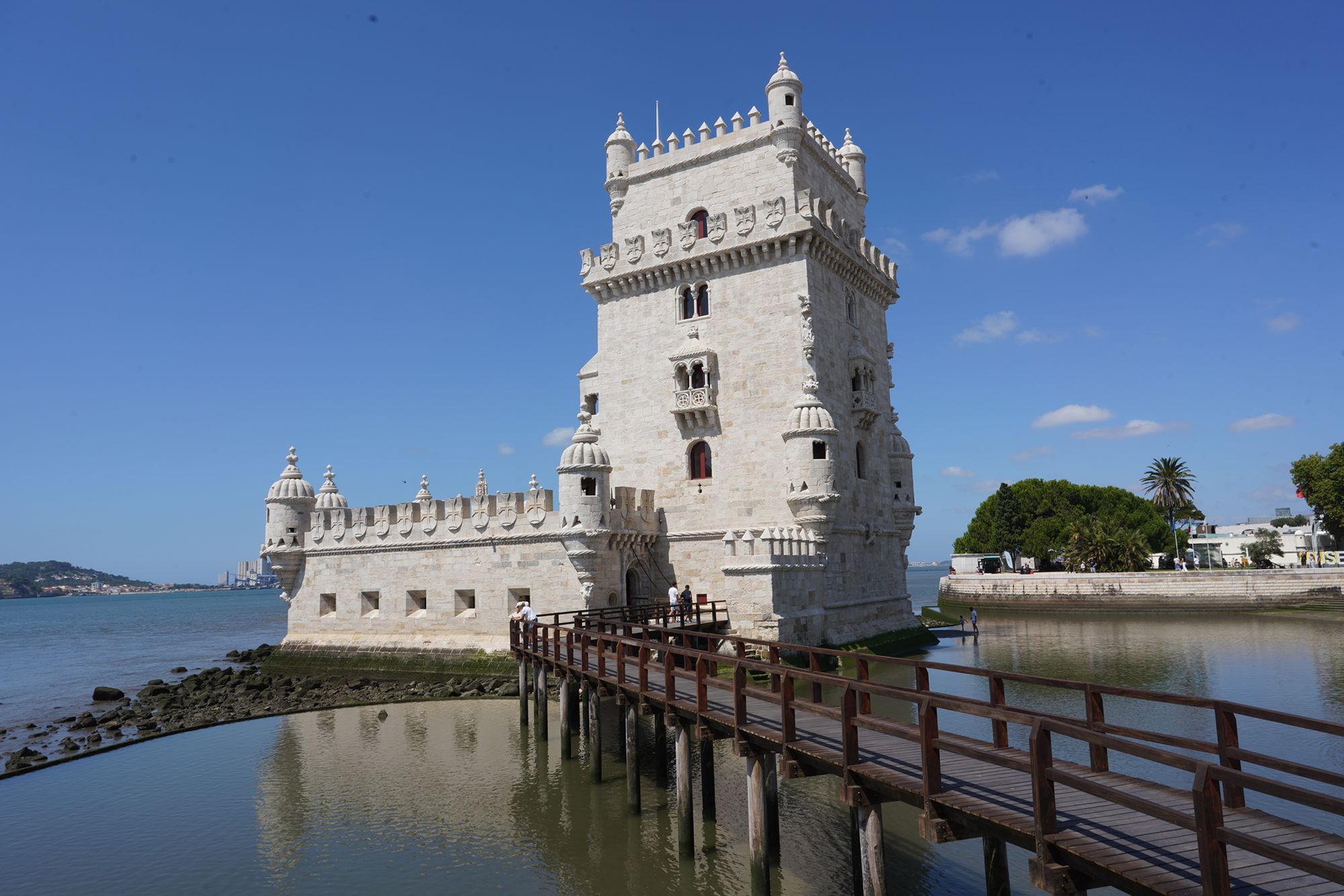
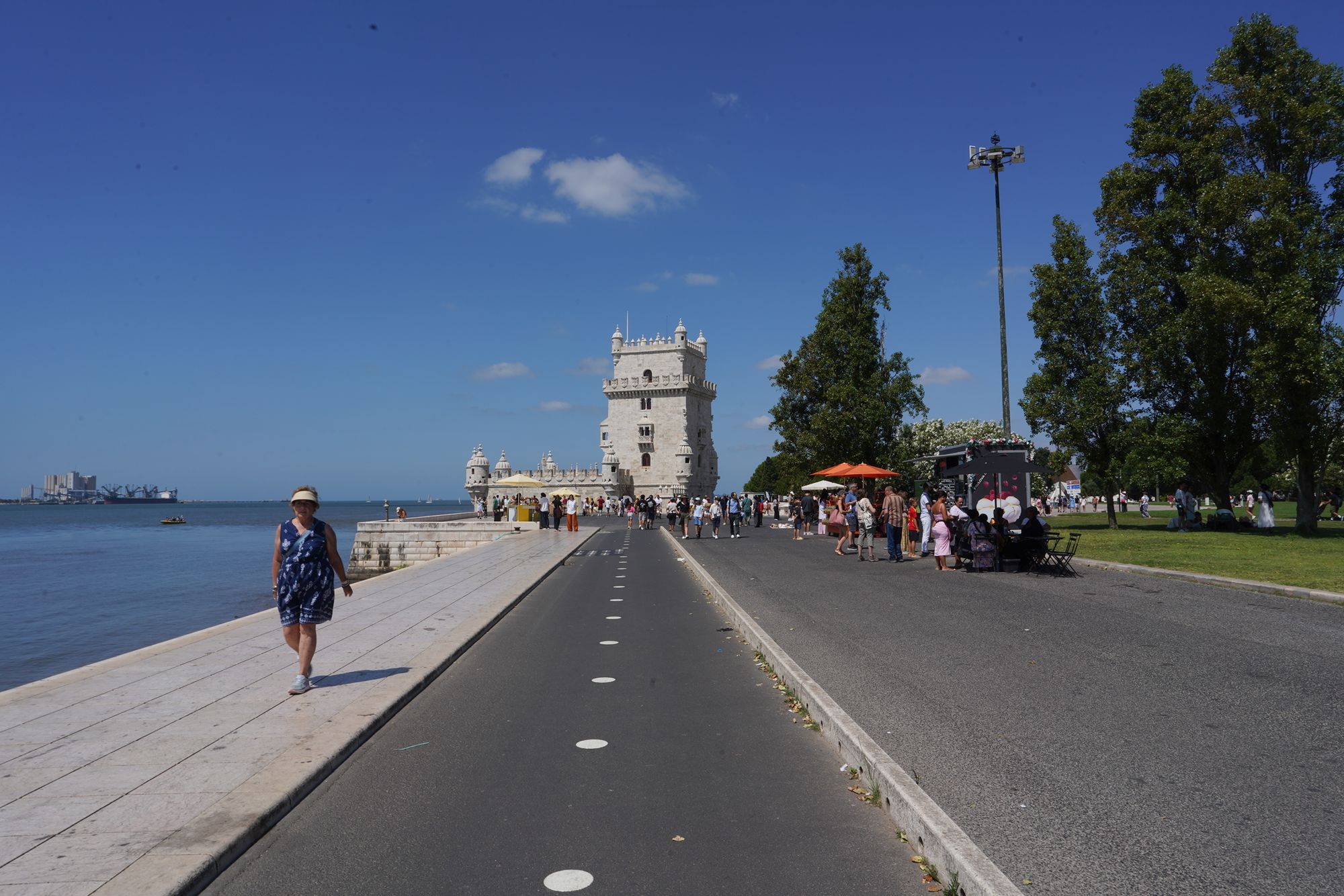
Belém Tower stands at the edge of the Tagus River and is one of Lisbon’s best-known landmarks.
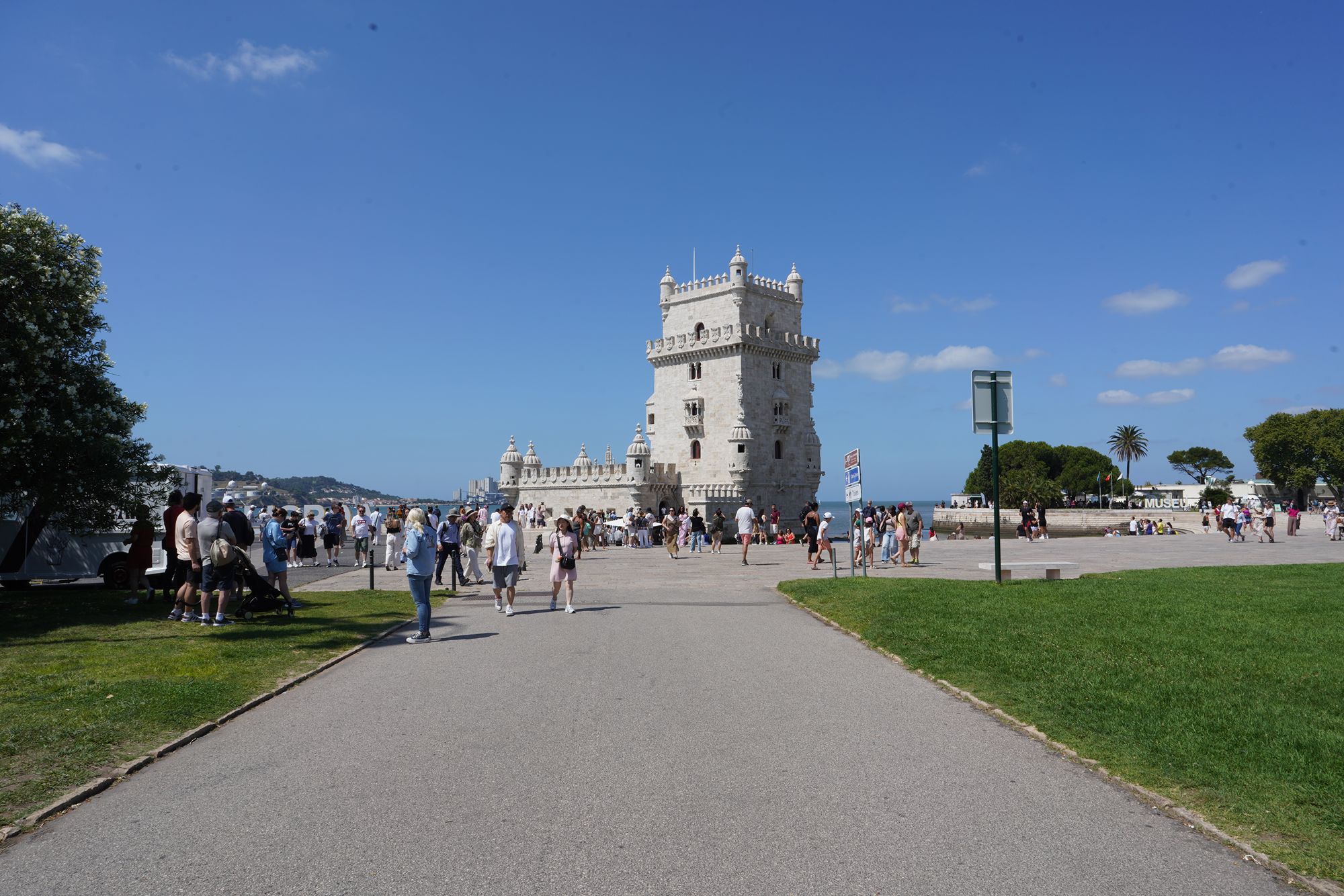
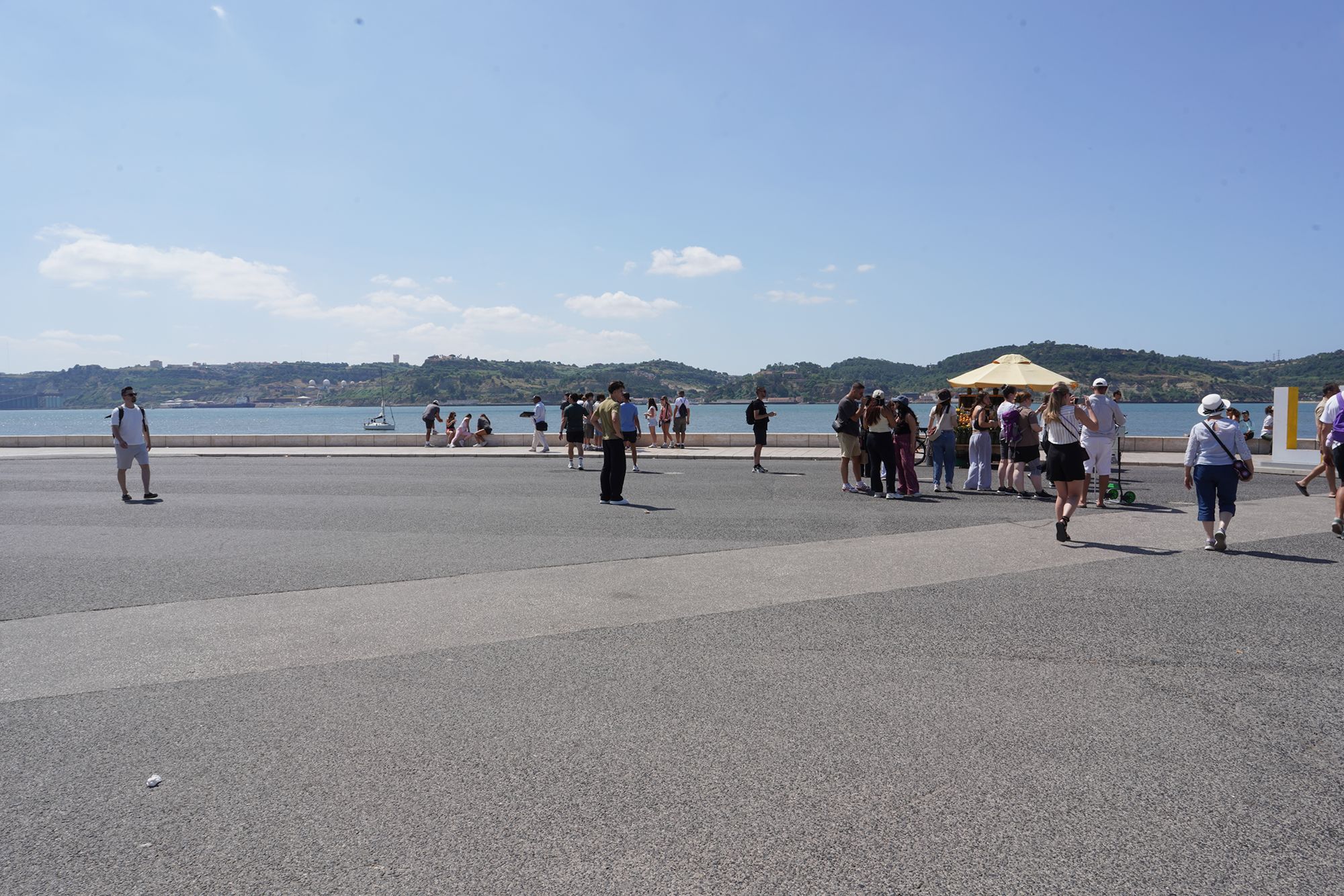
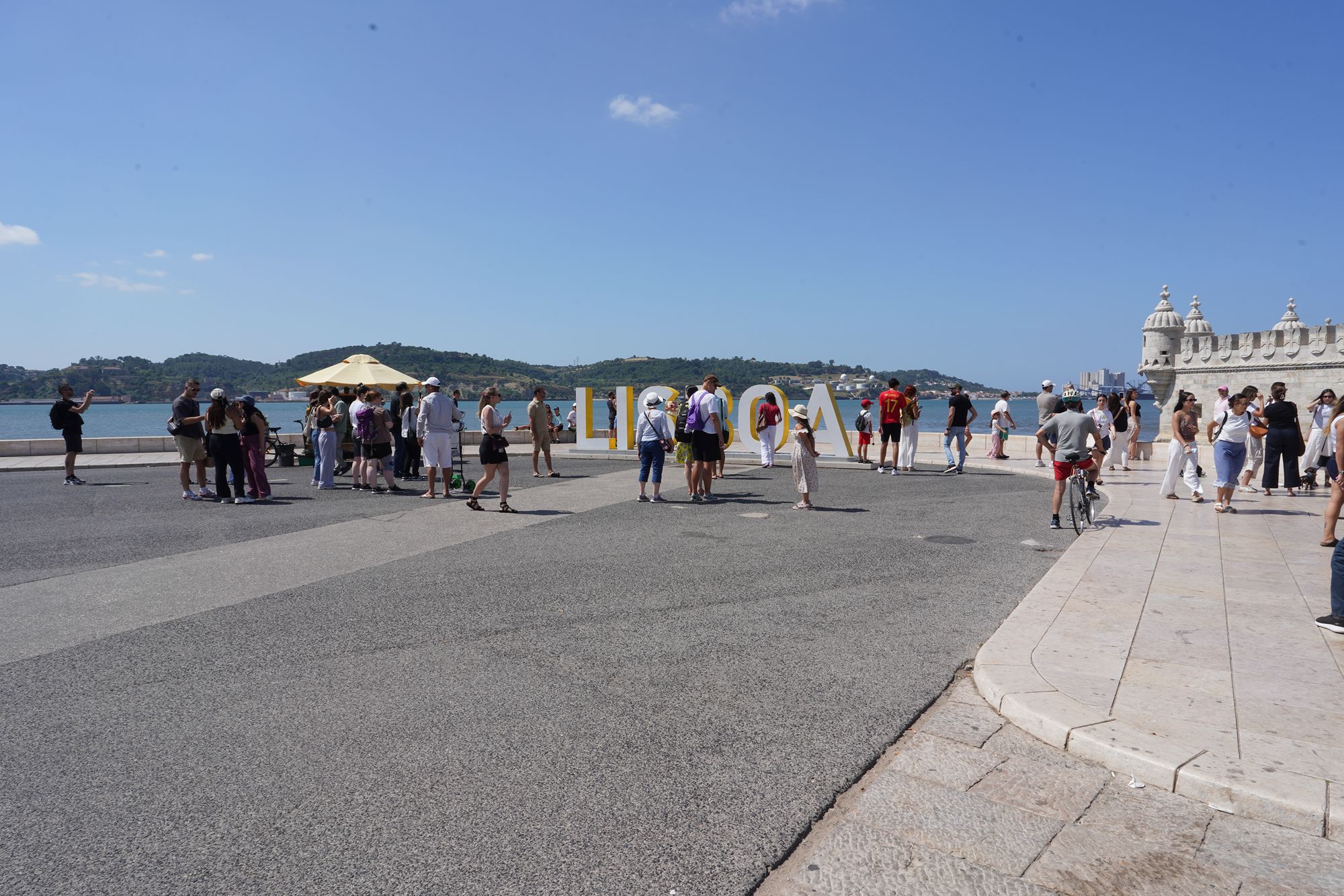
Built in the early 16th century under King Manuel I, it helped defend the river entrance to the city. Its carved stonework, balconies, and domed turrets give this military fortress an unexpectedly decorative appearance, reflecting the Manueline style of Portugal’s Age of Discovery.
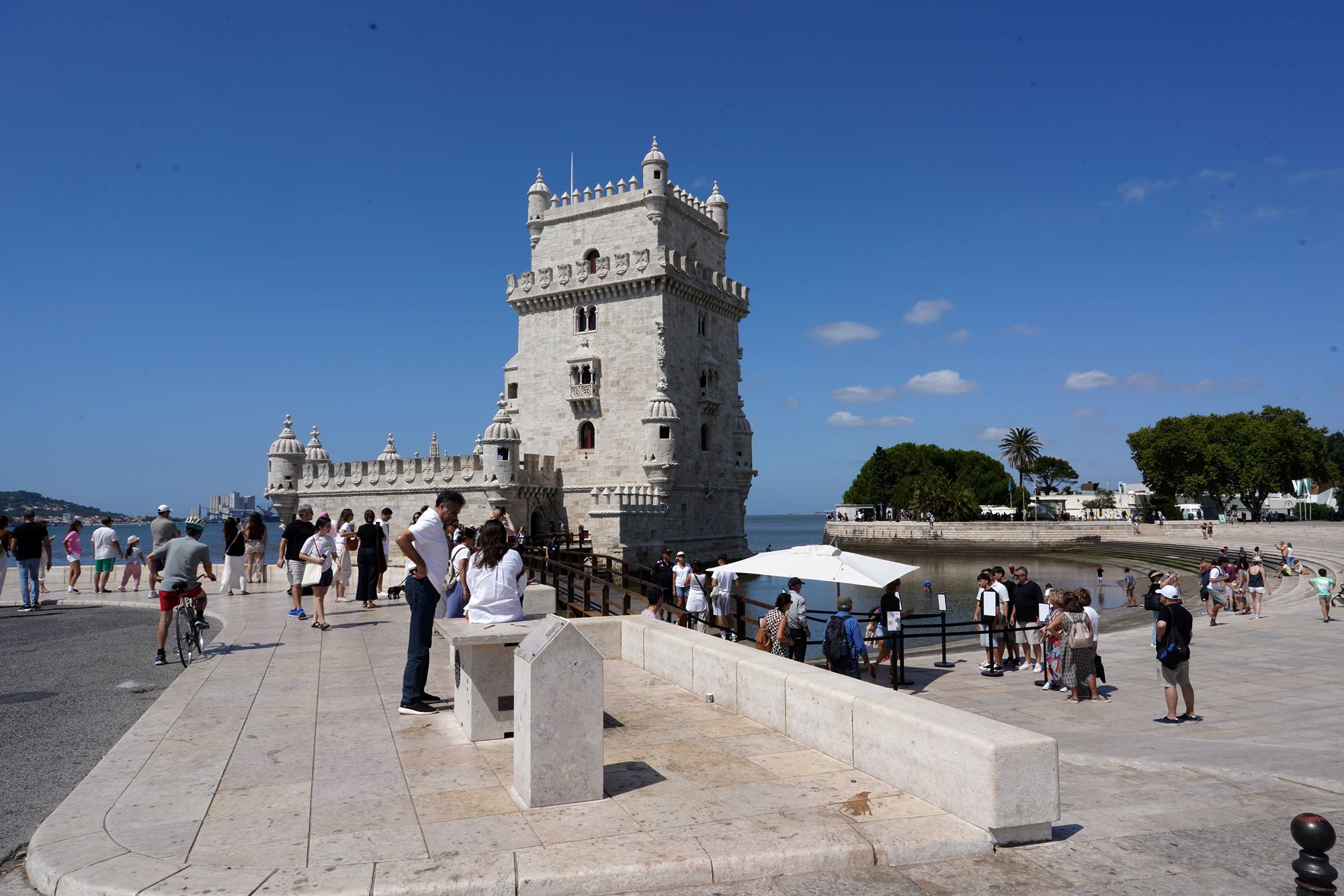
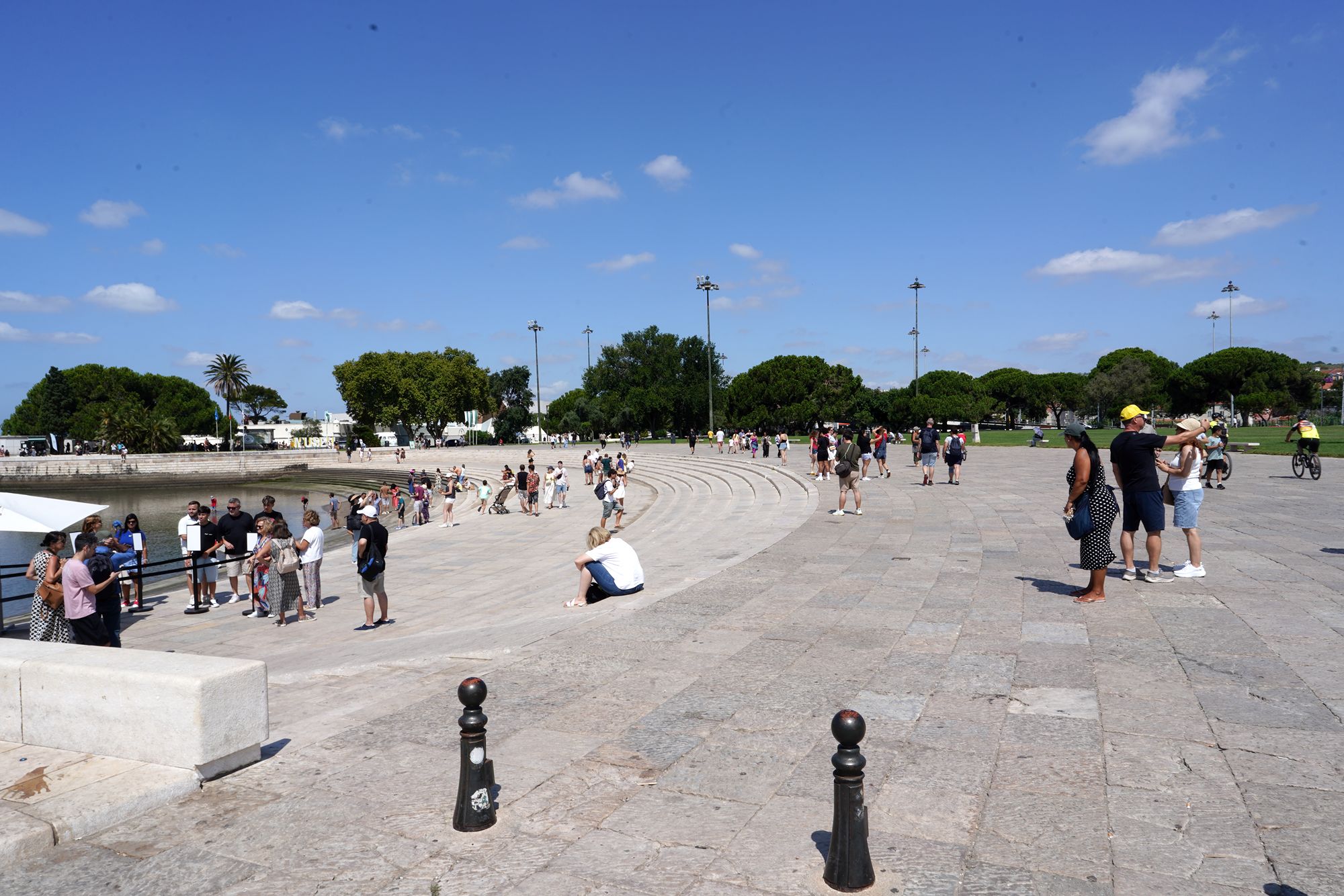
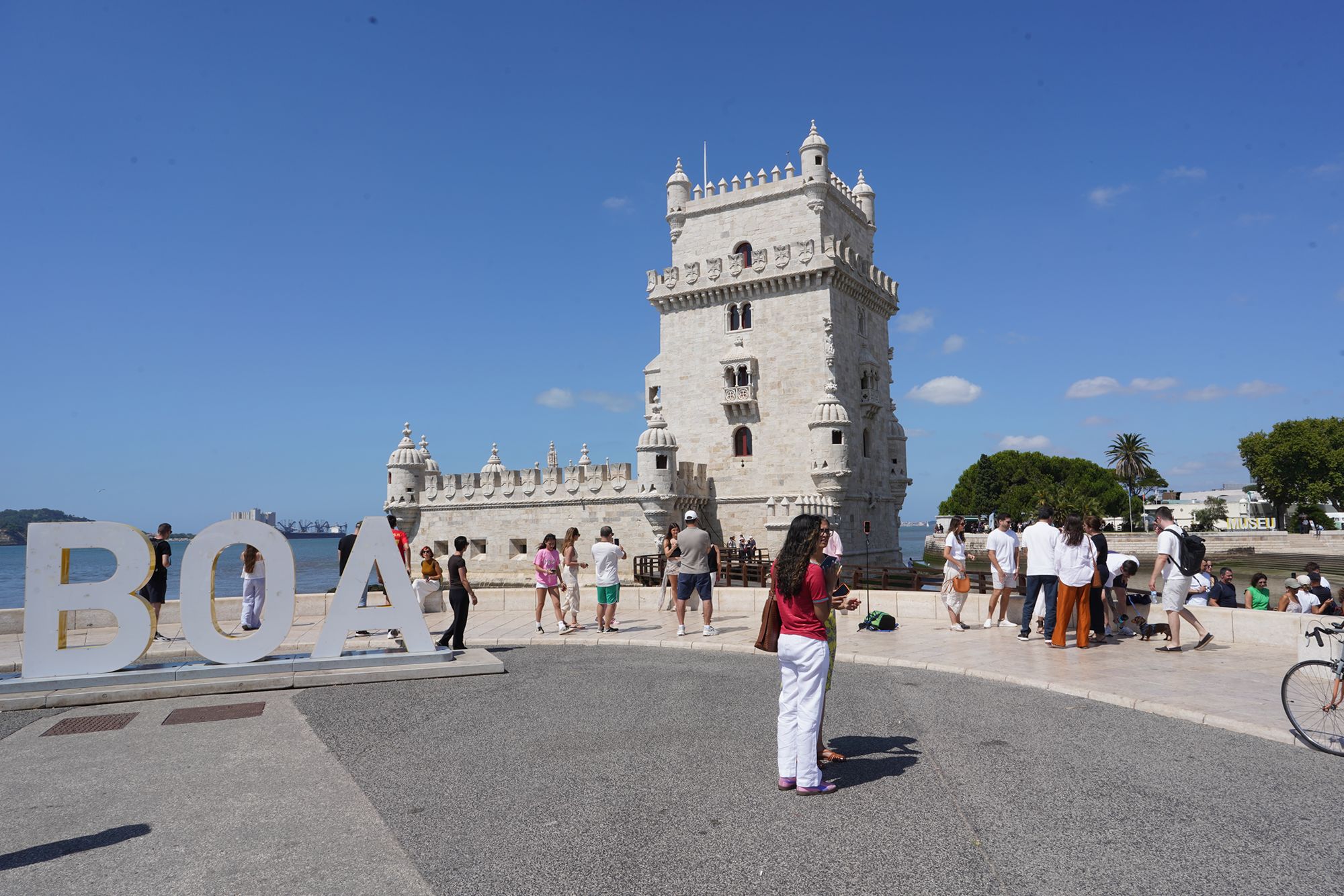
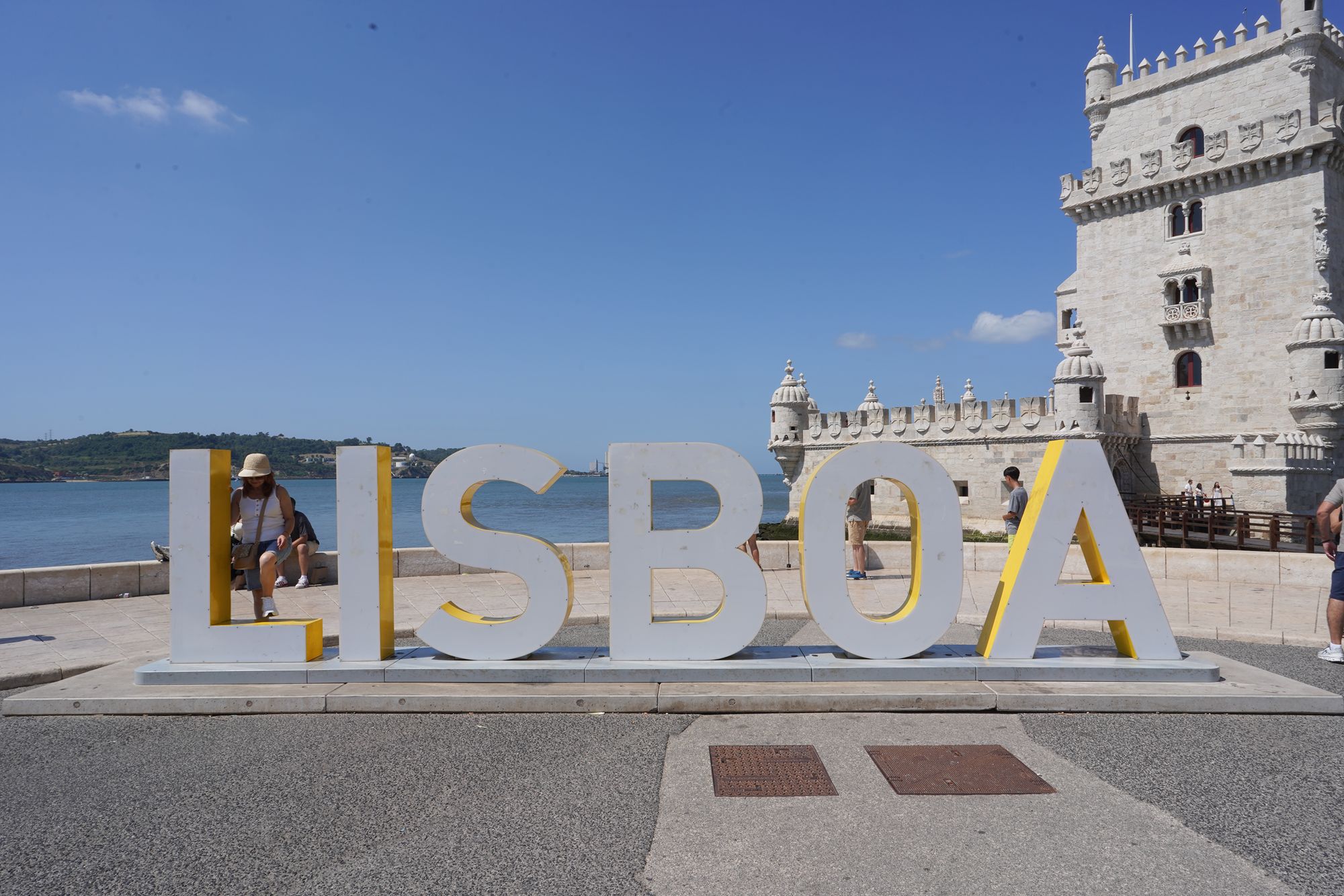
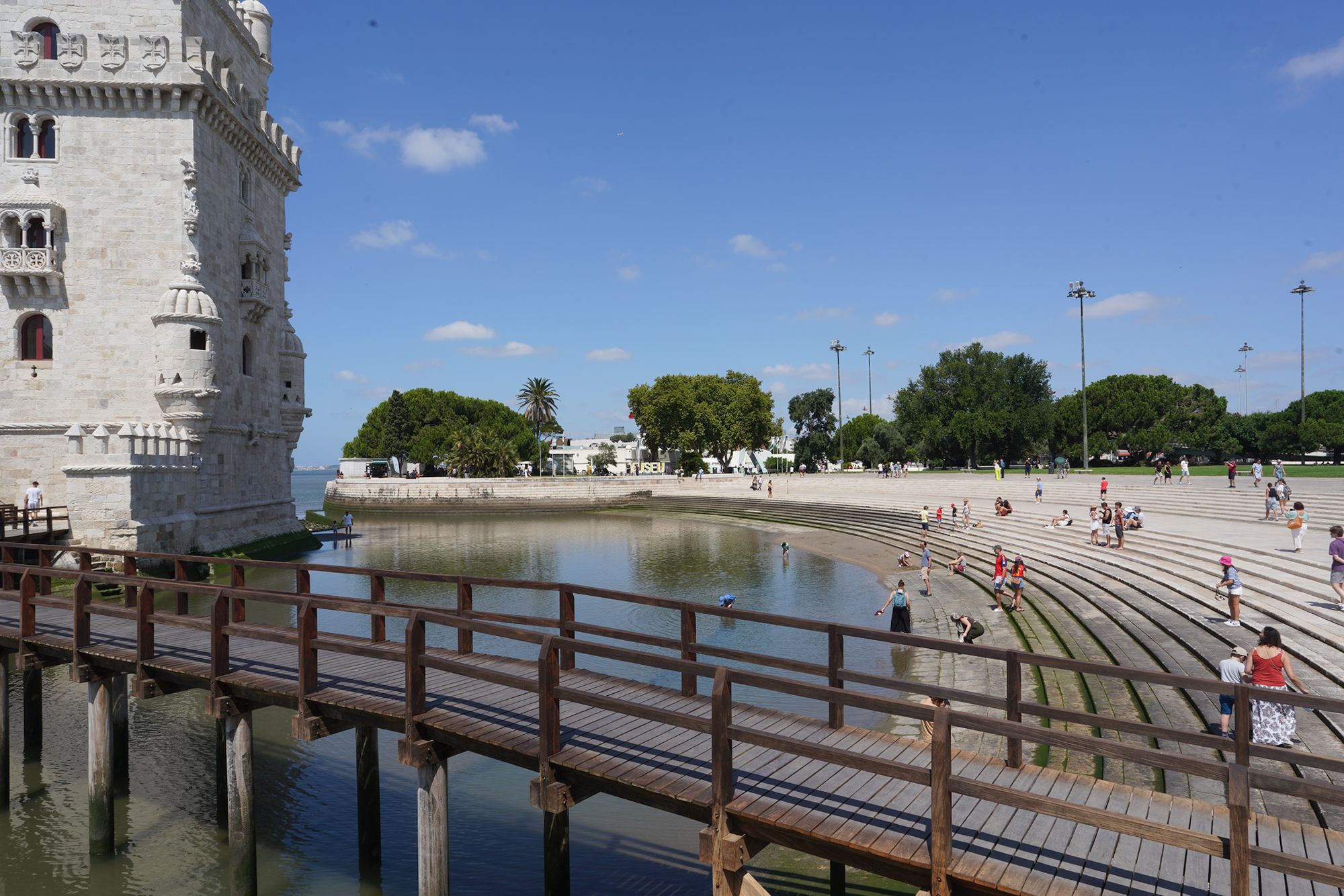
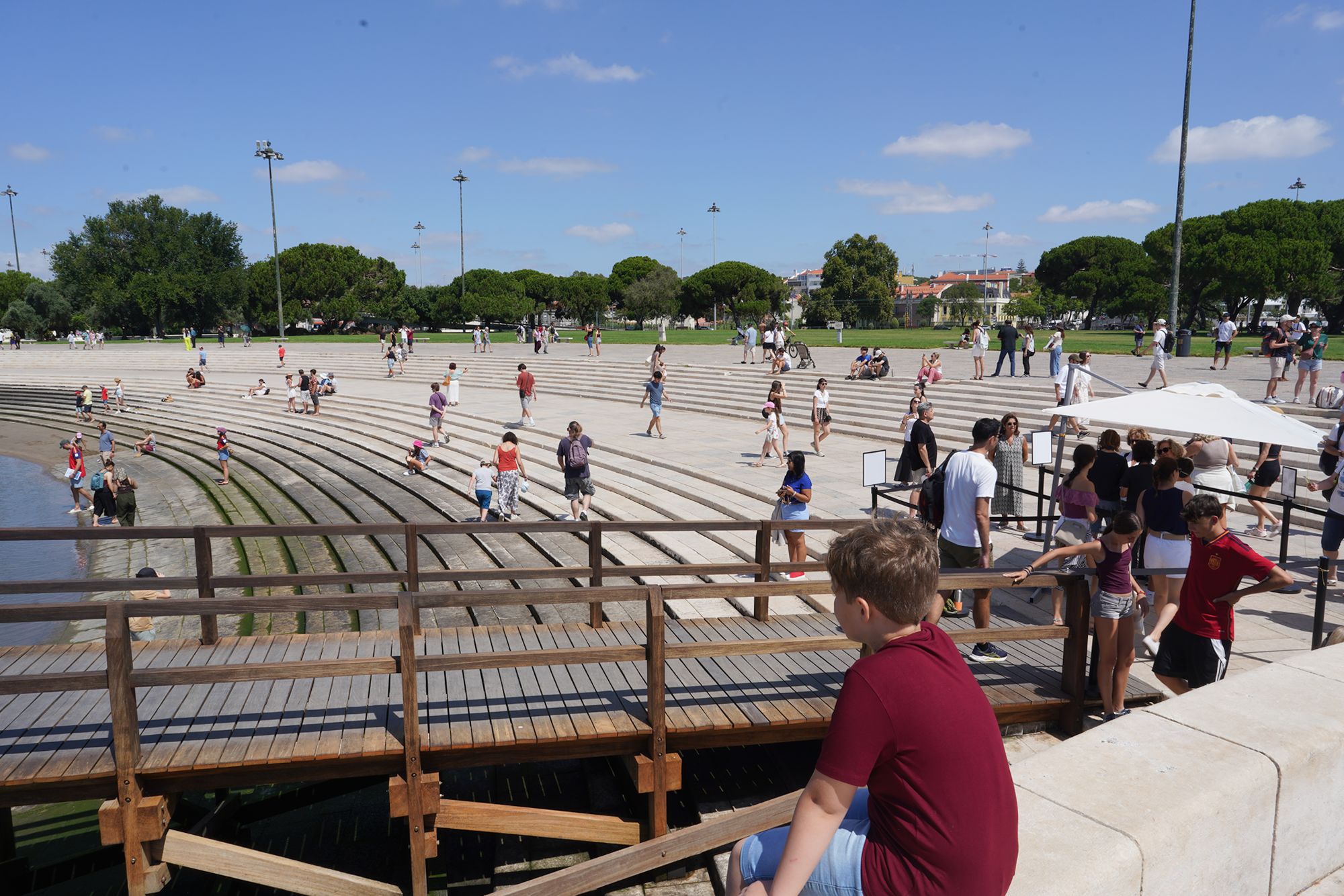
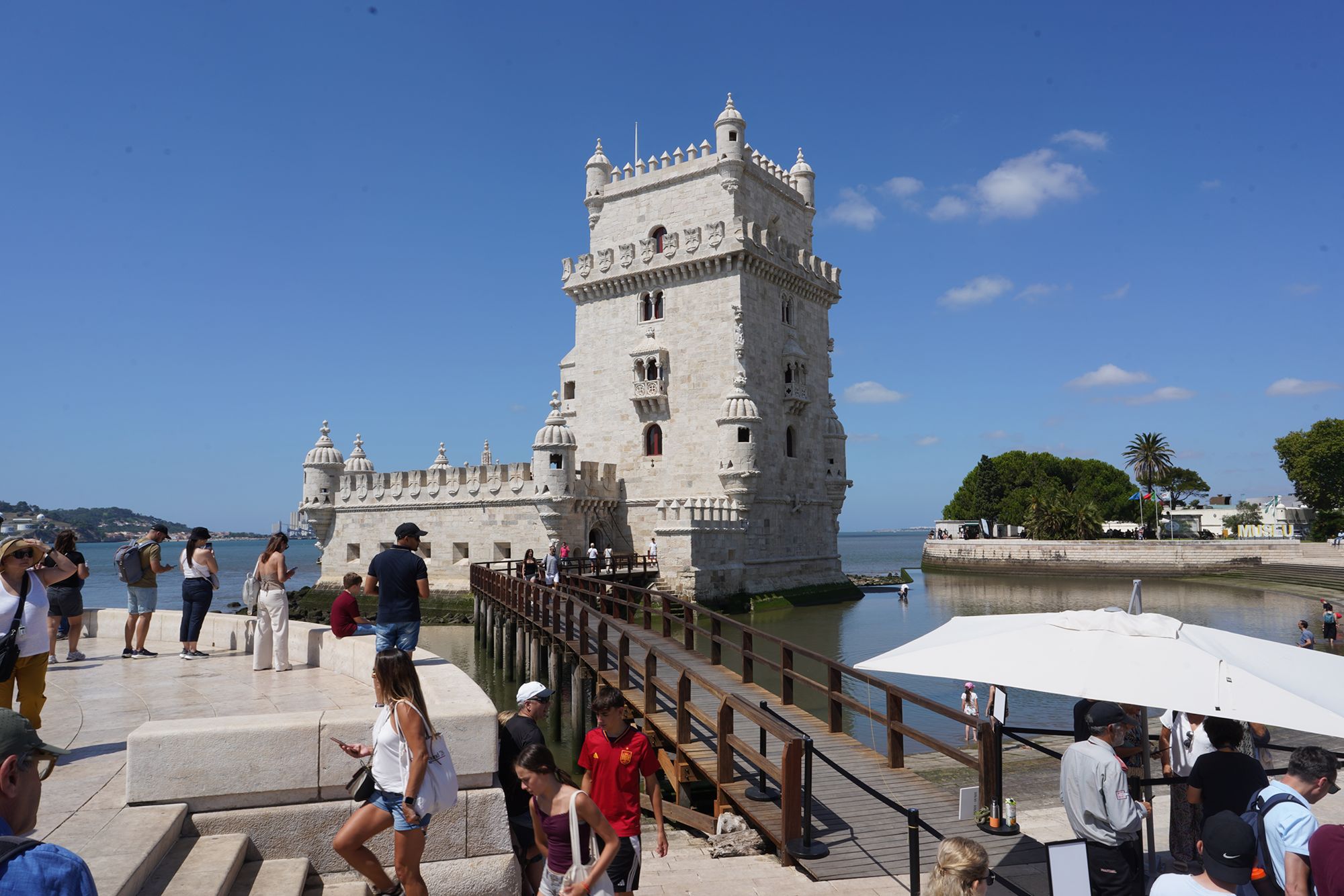
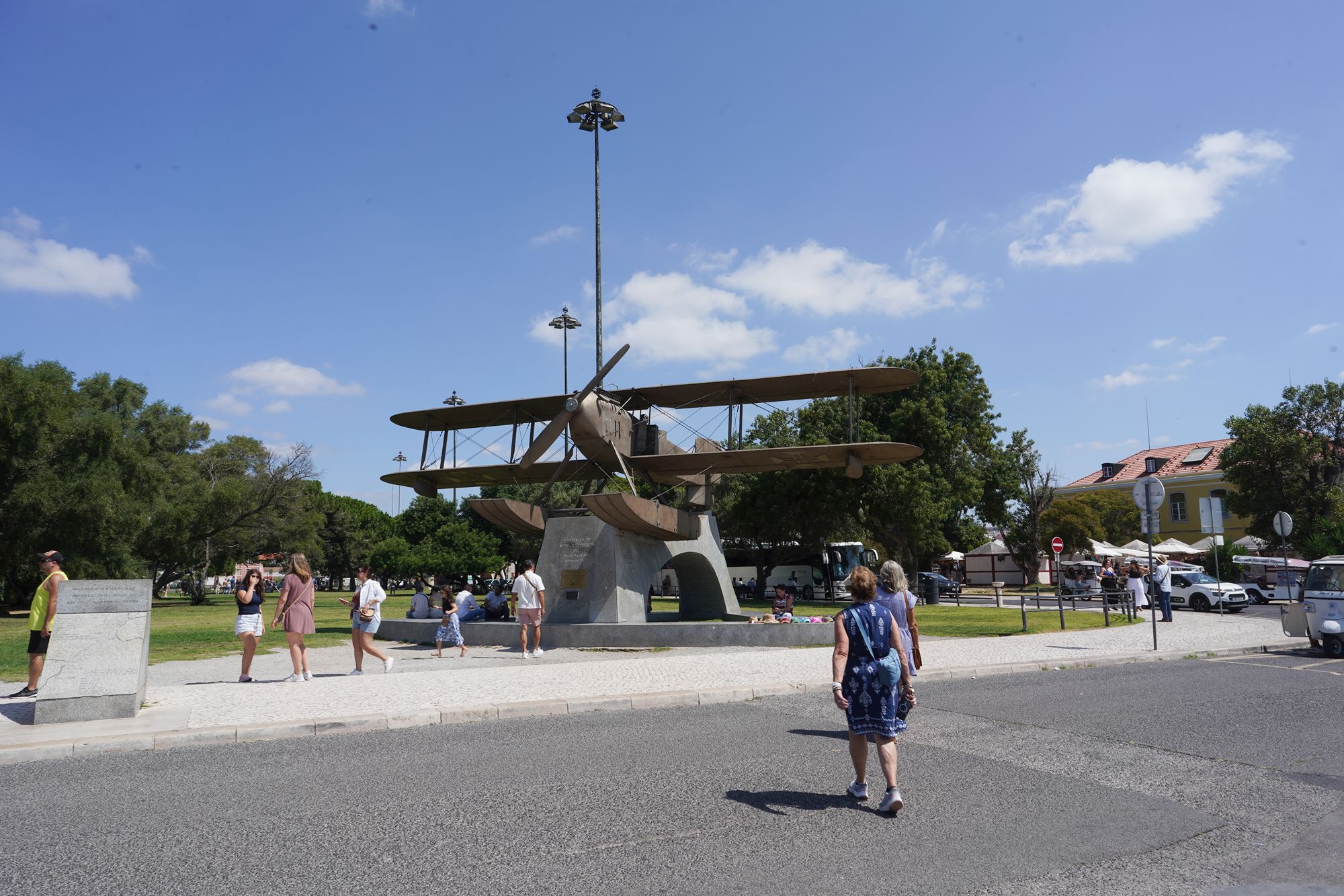
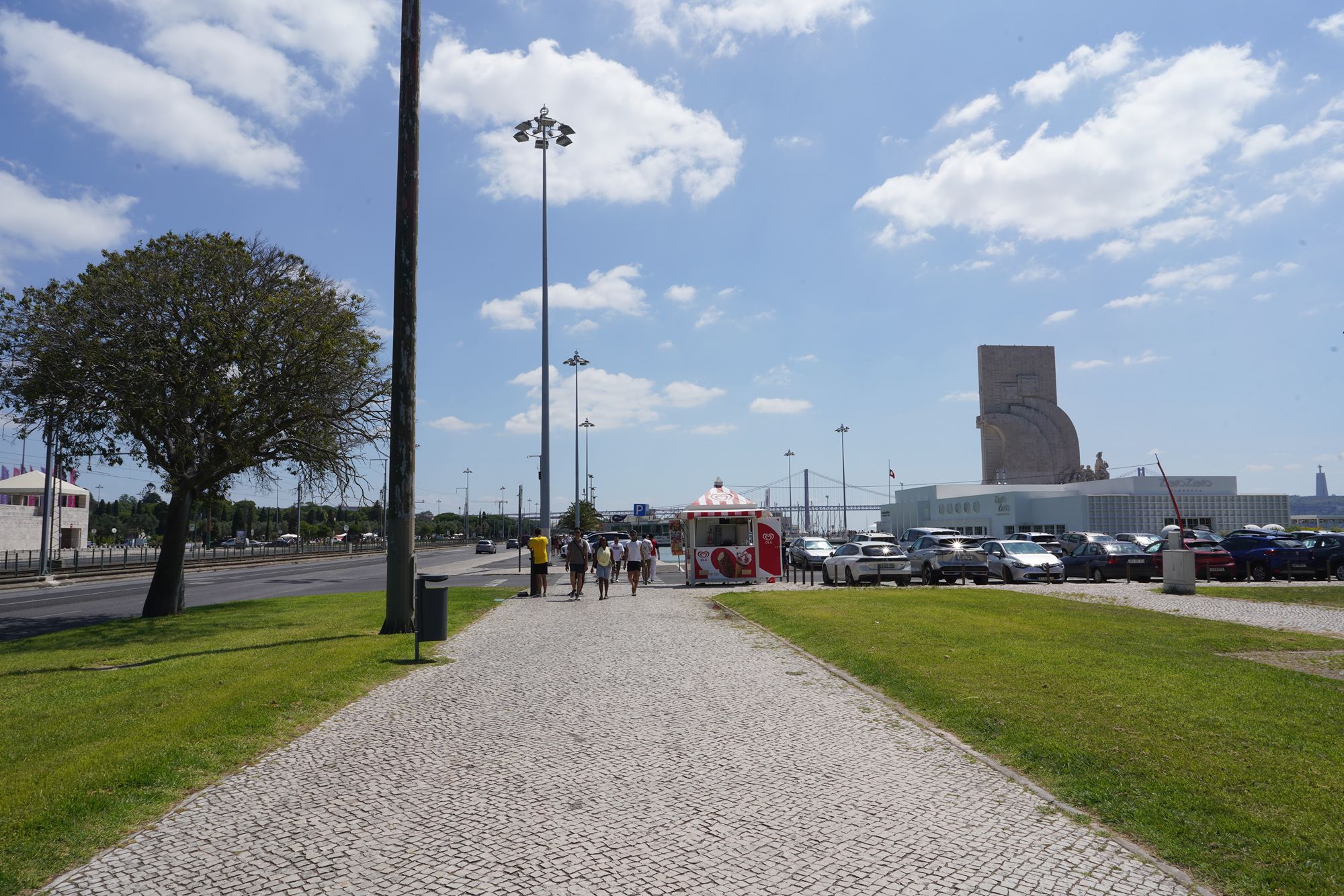
After visiting Belém Tower, I walked east along the waterfront toward the Monument to the Discoveries.
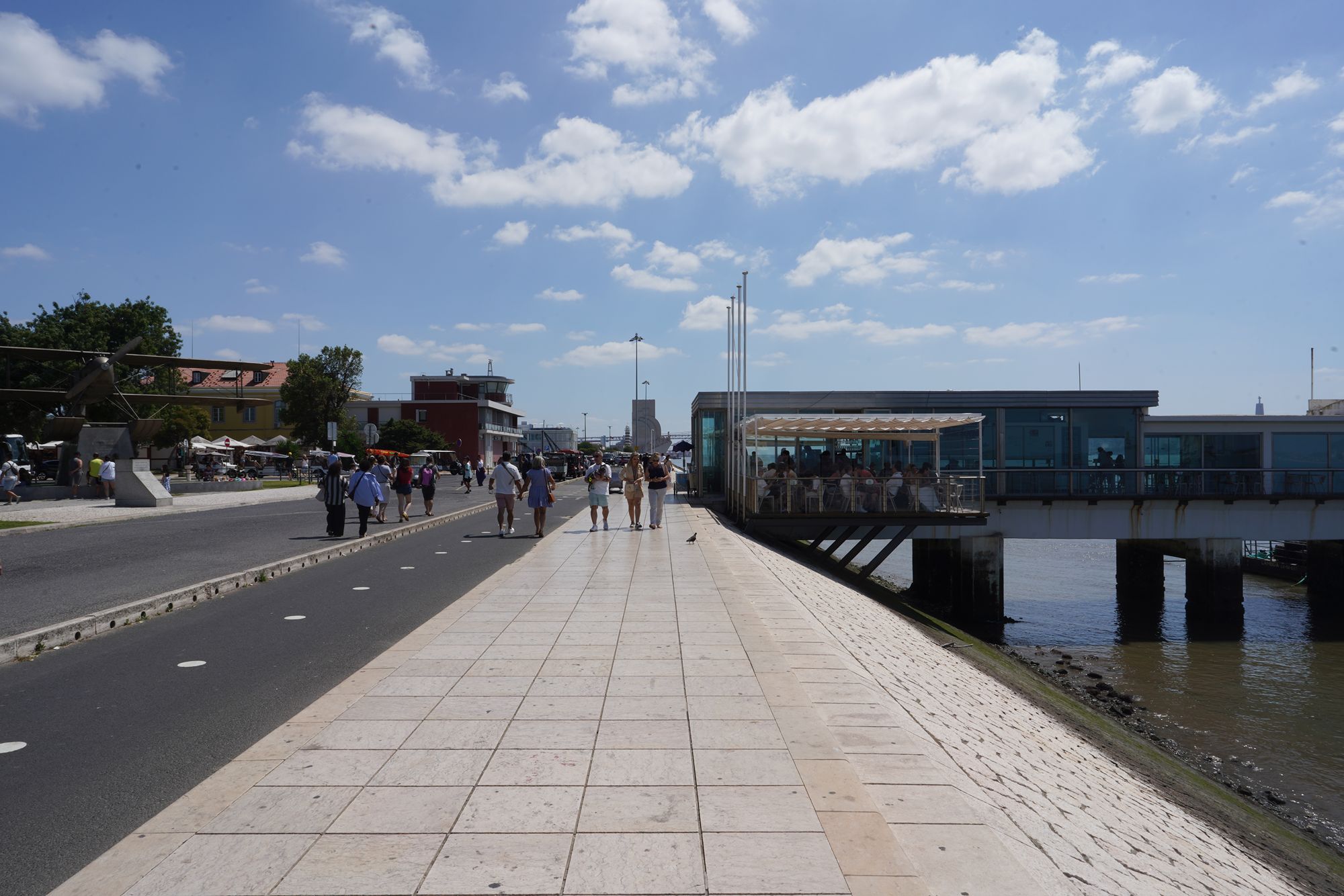
A view behind me
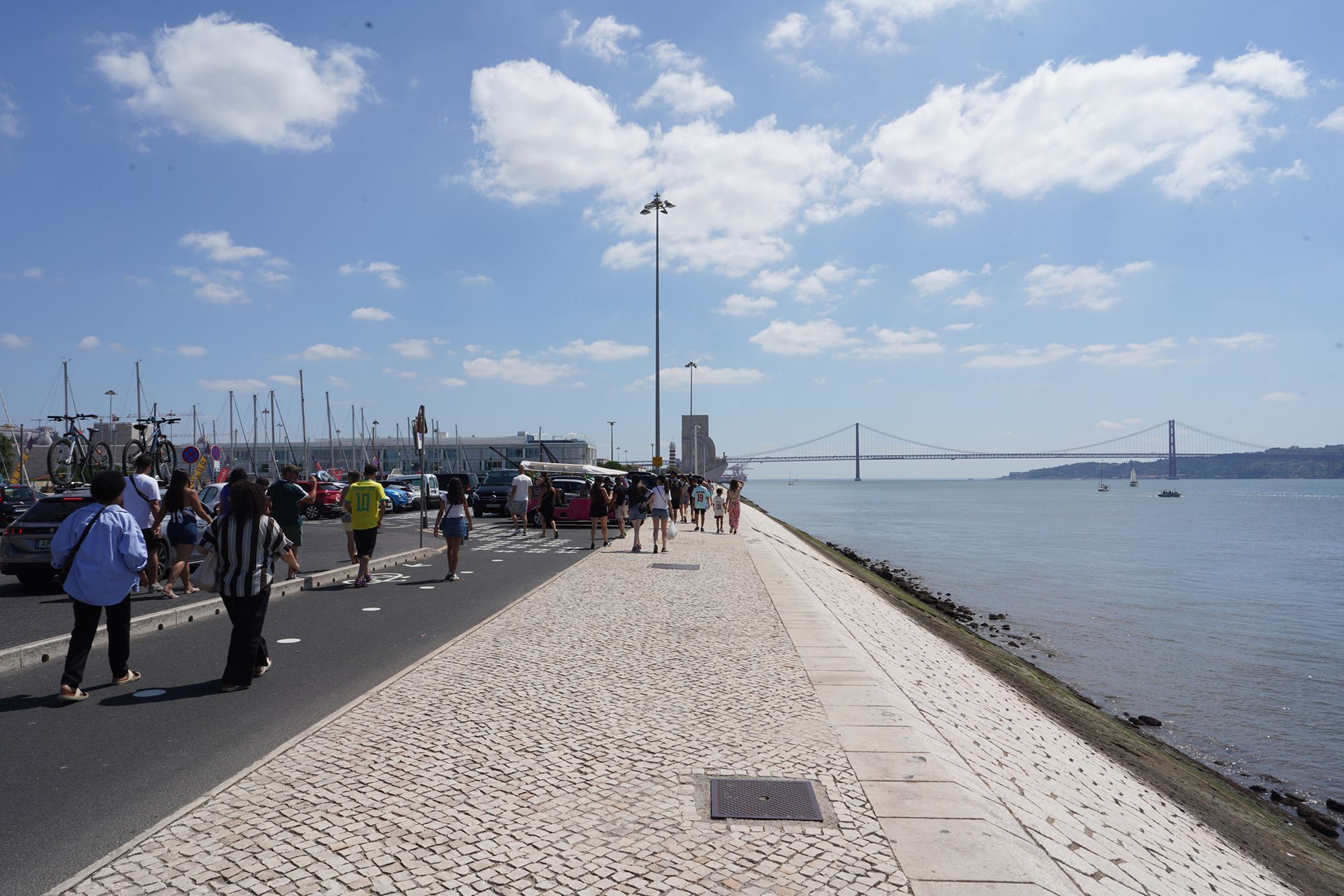
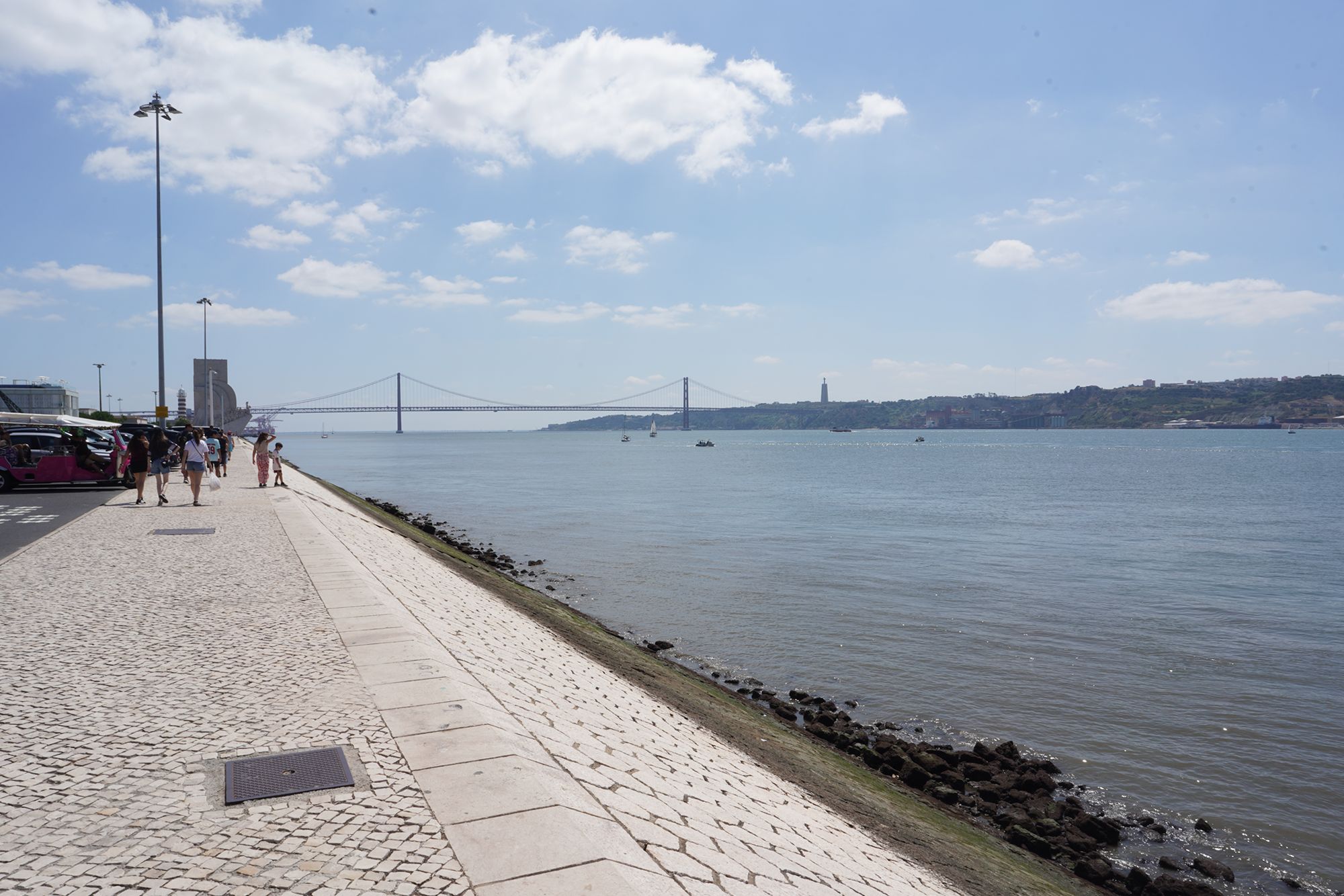
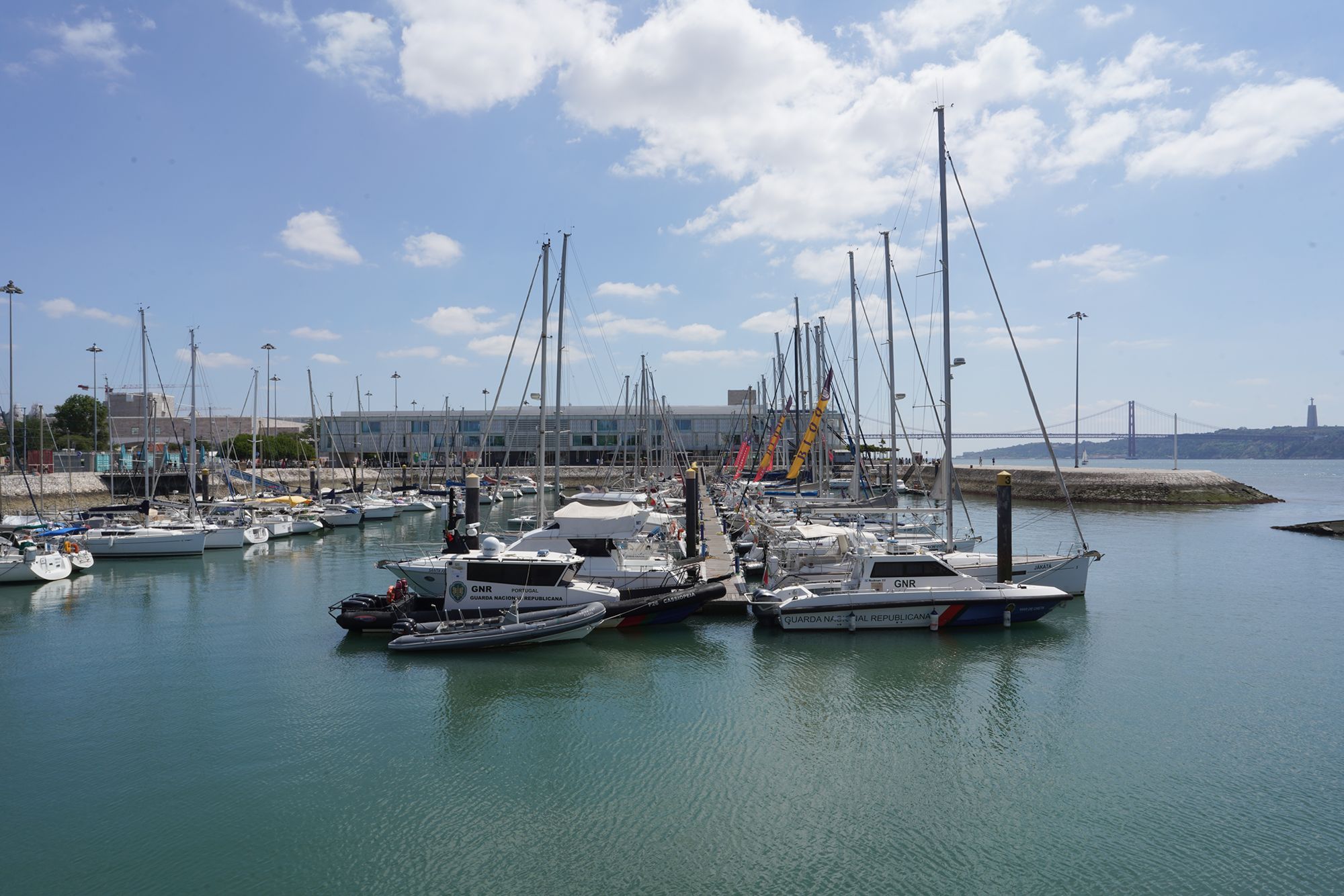
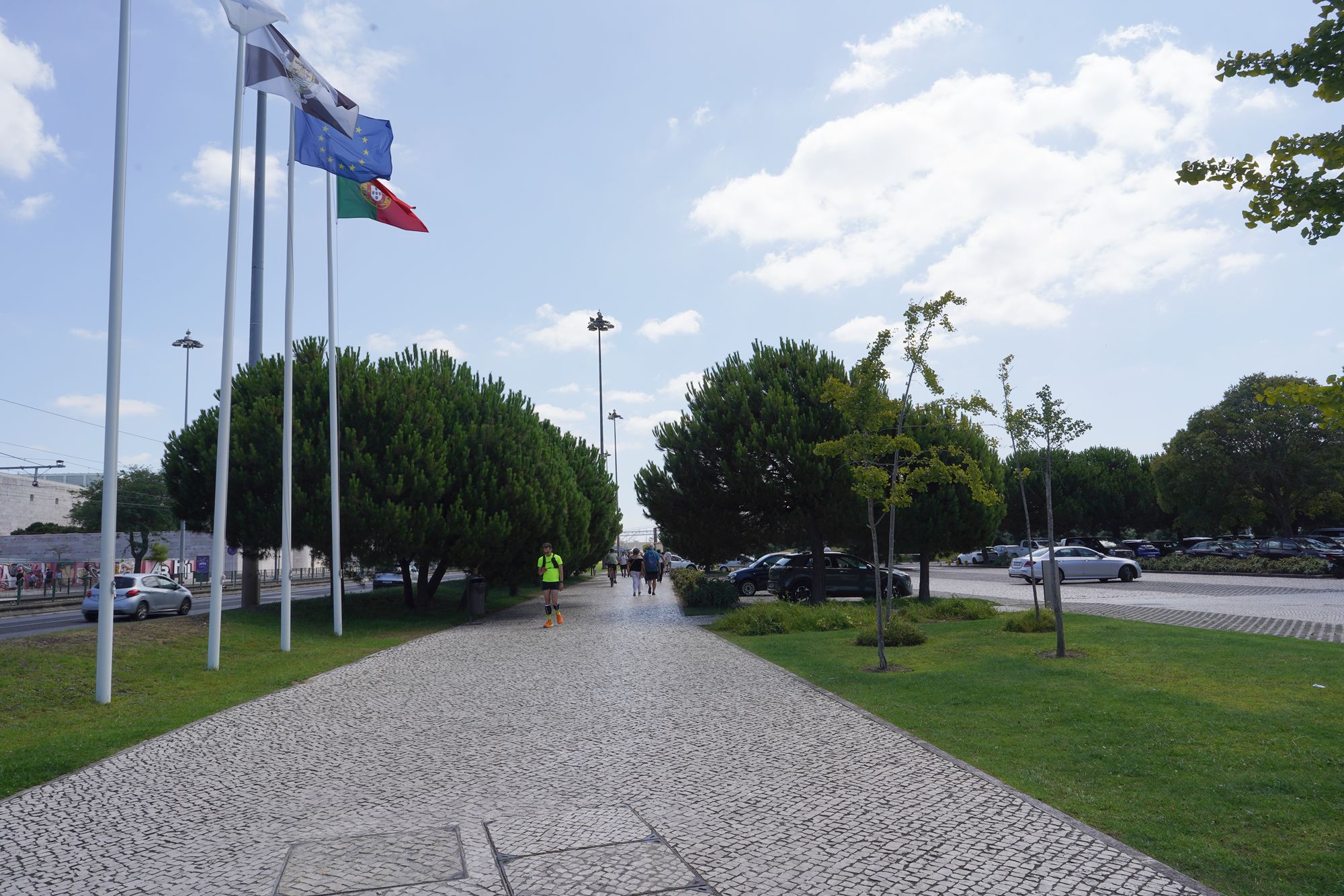
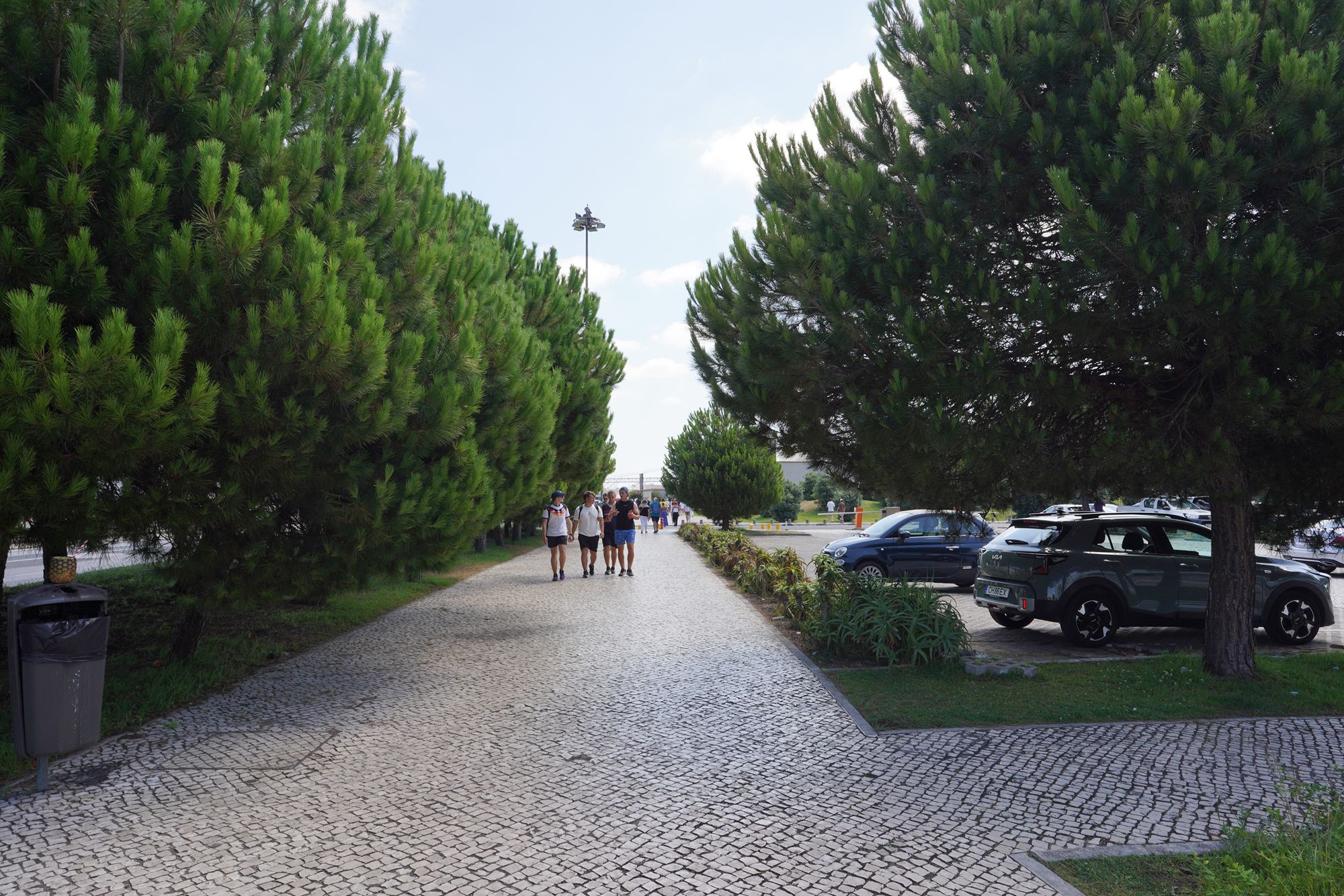
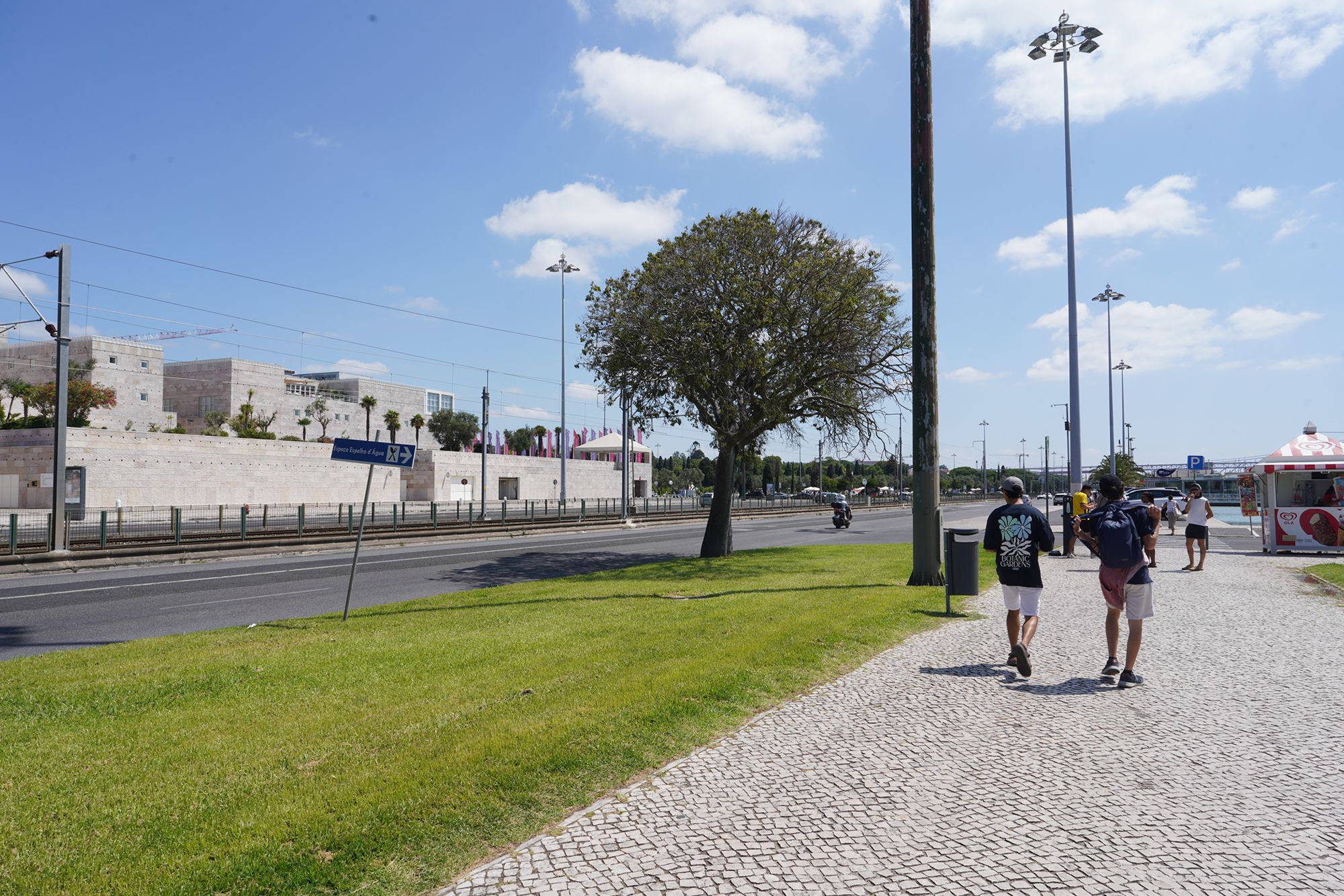
A view on my left
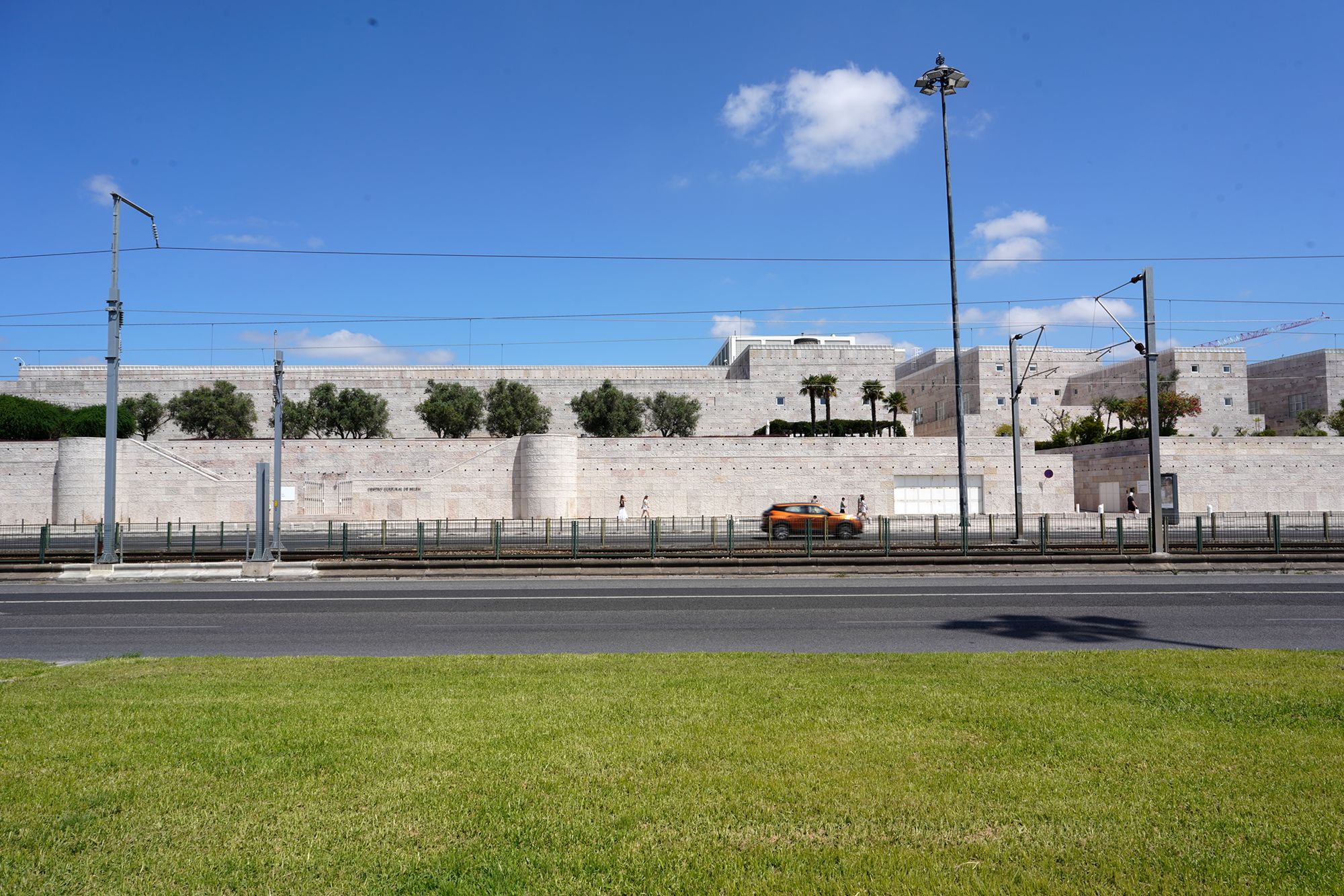
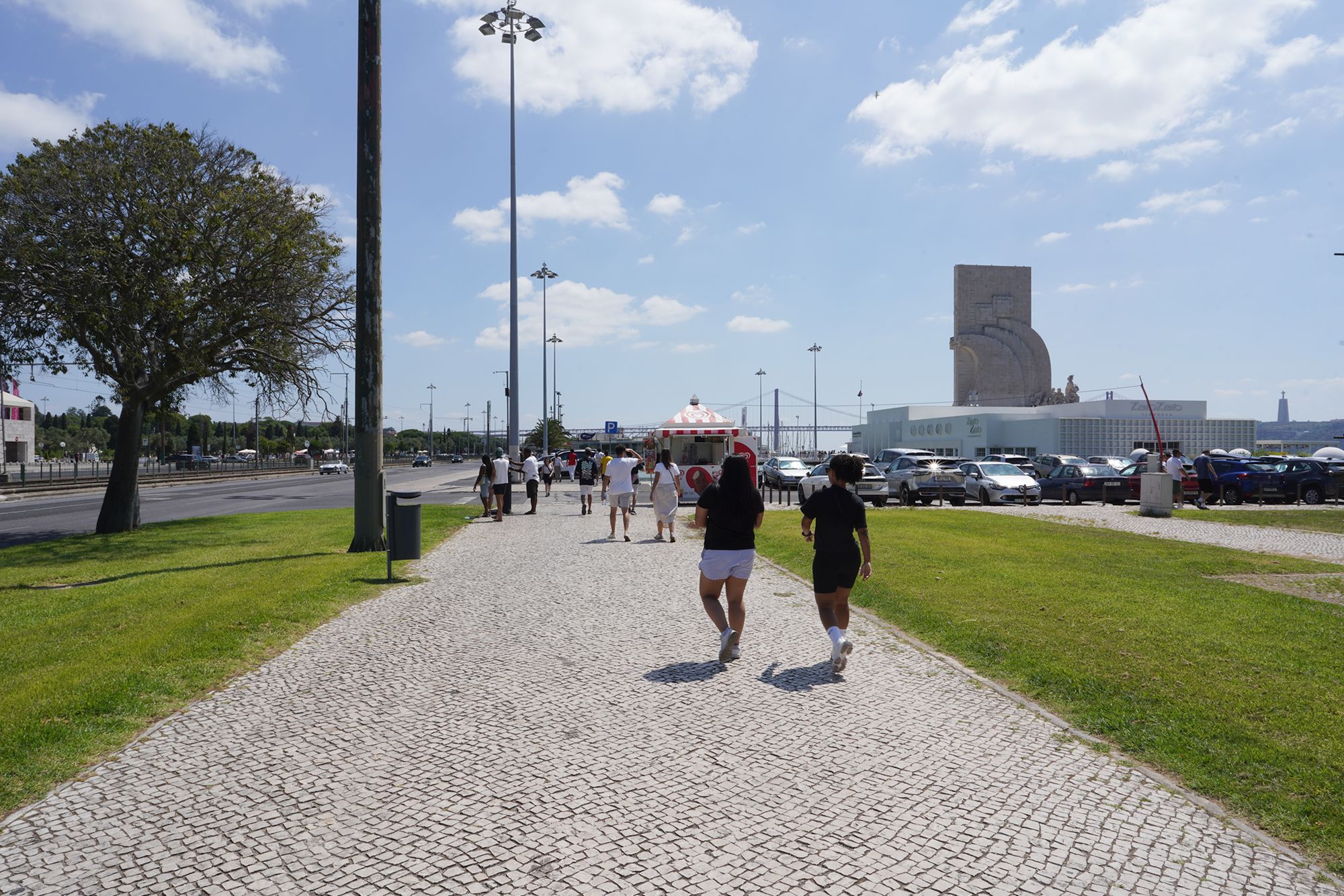
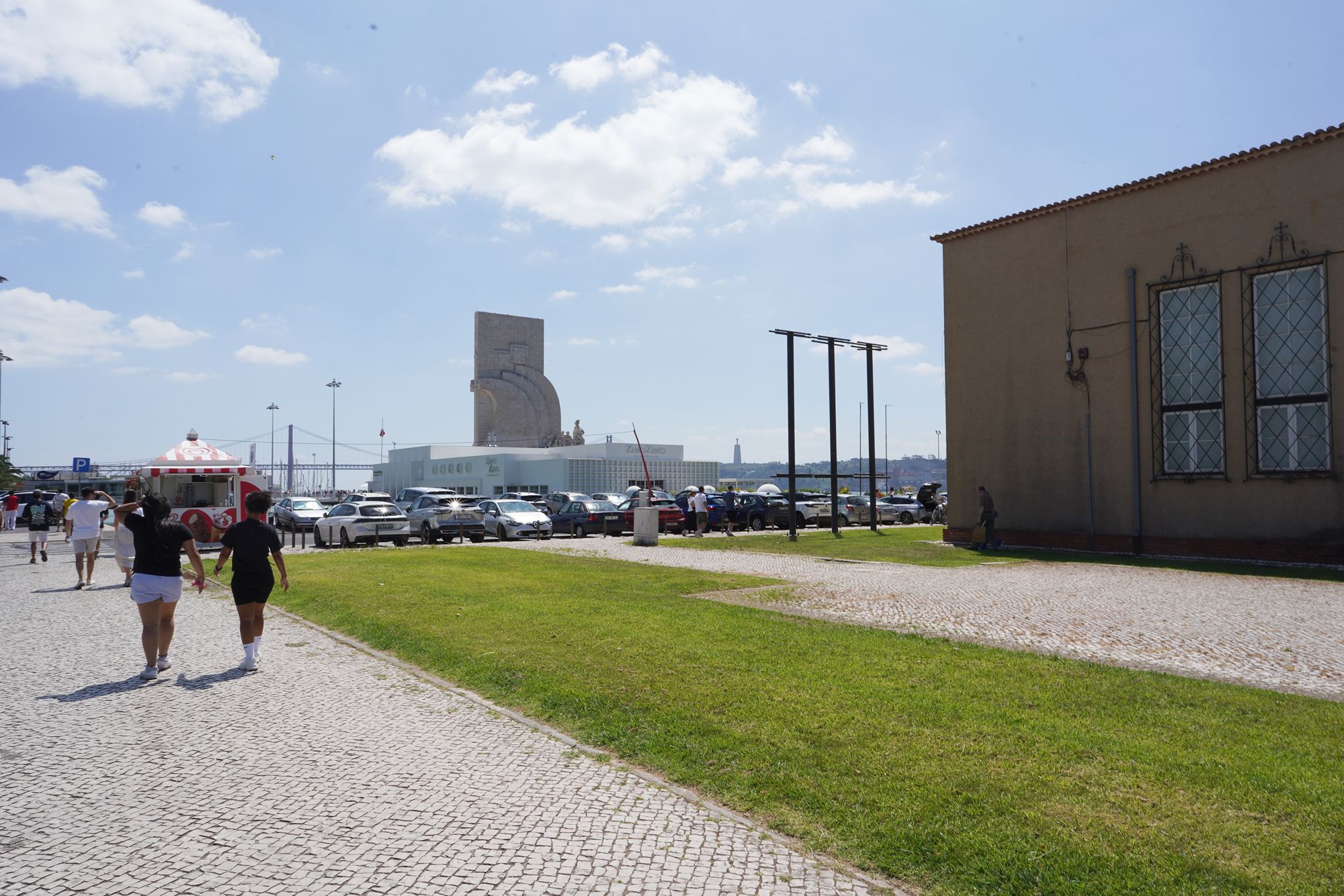
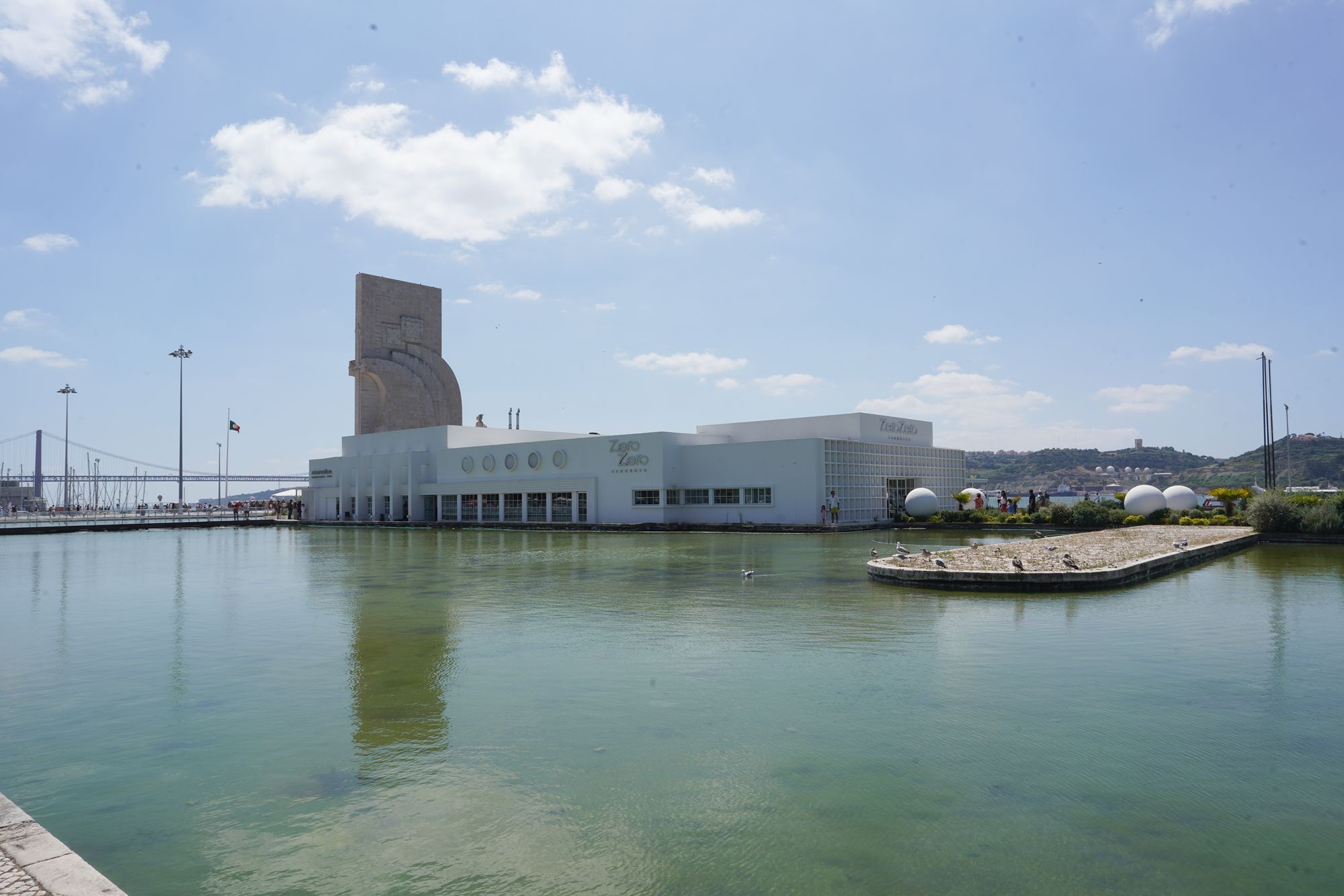
A view on my left
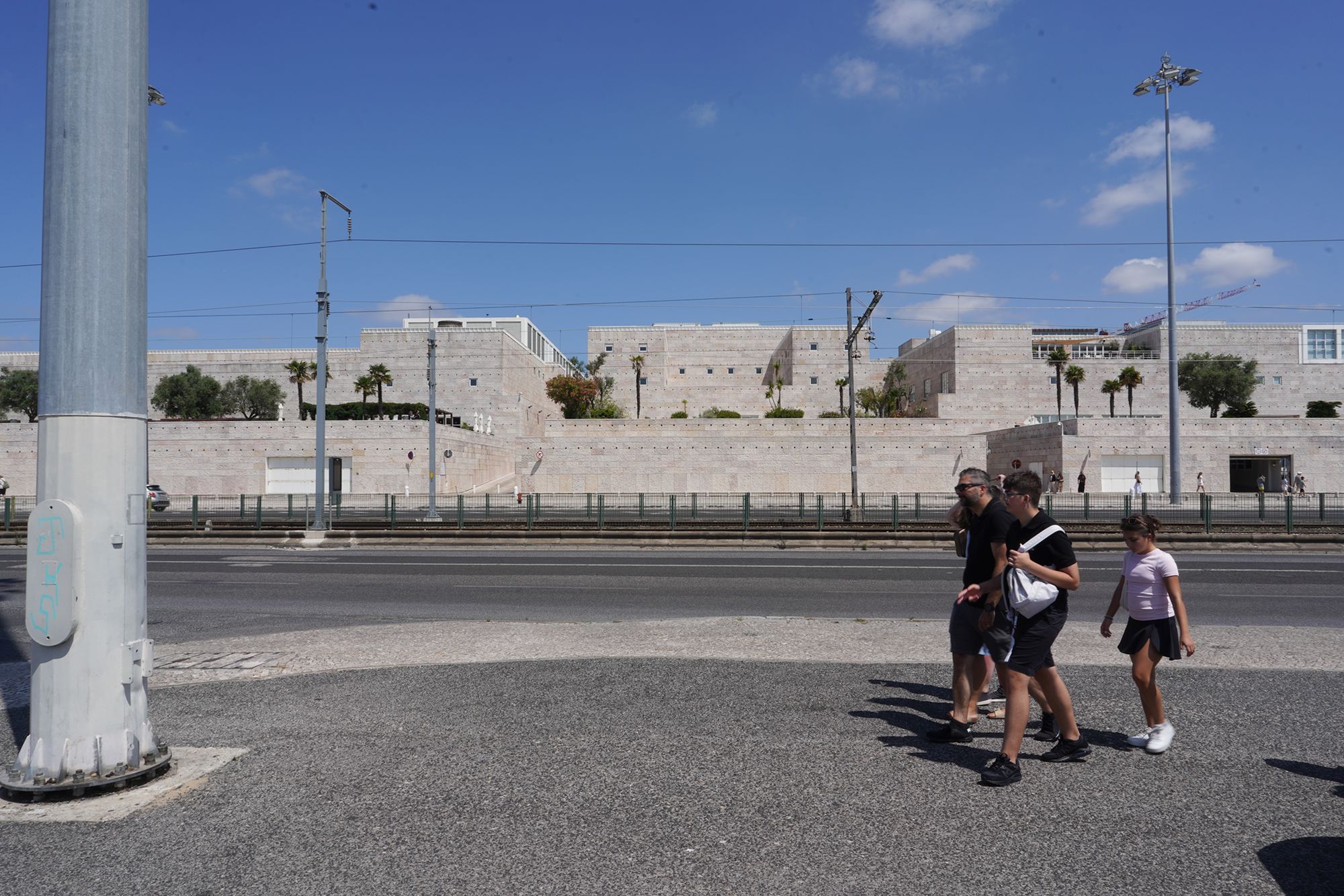
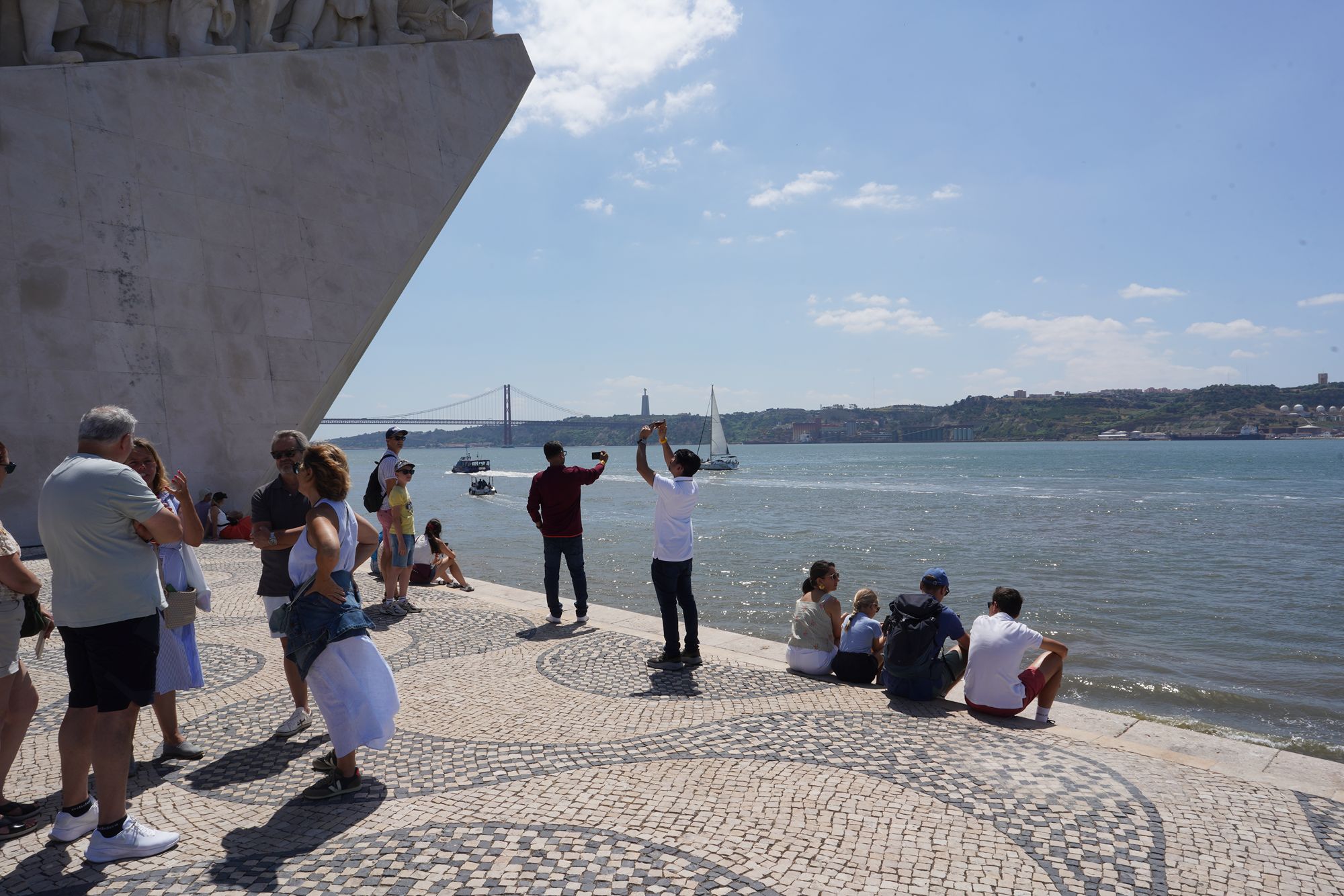
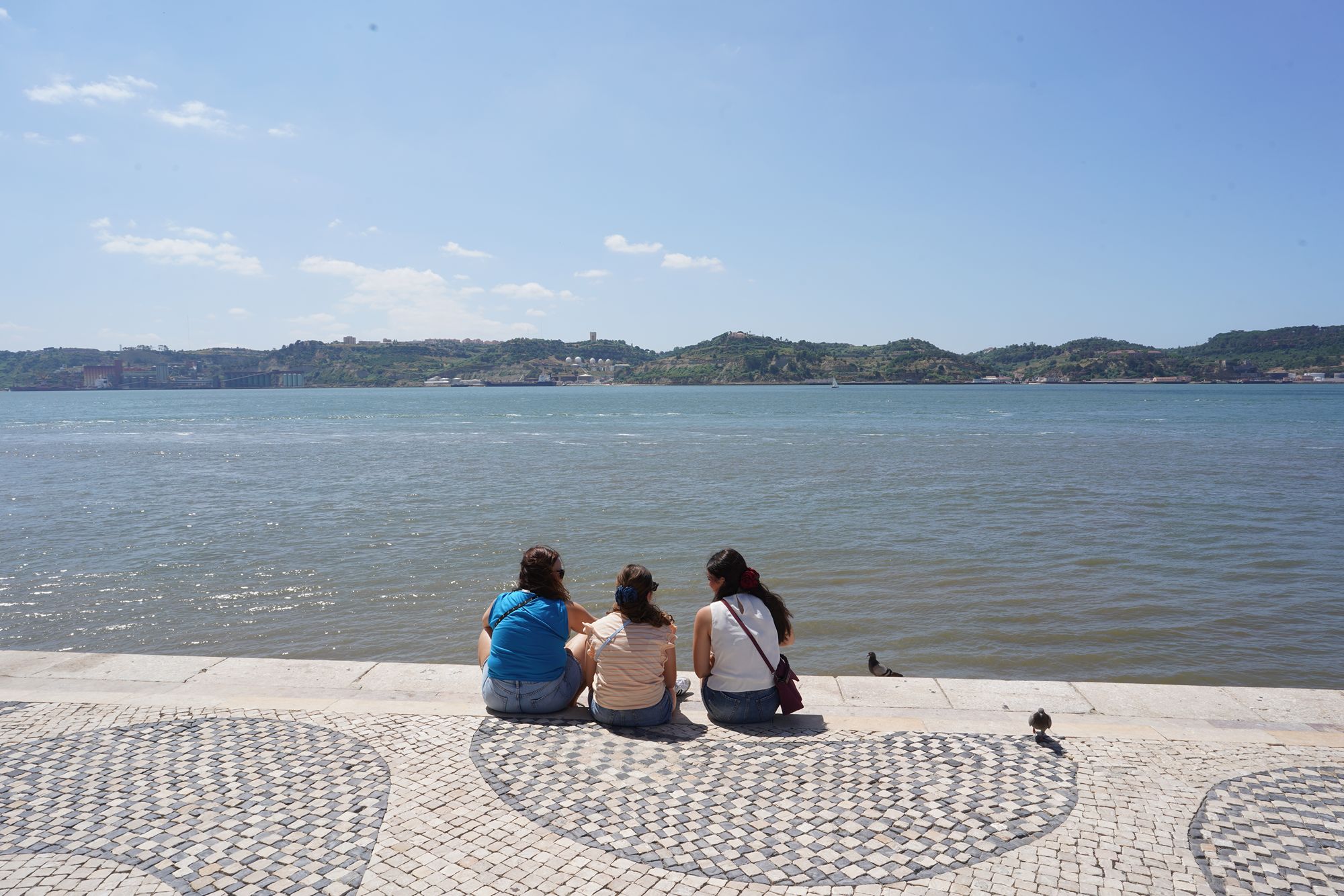
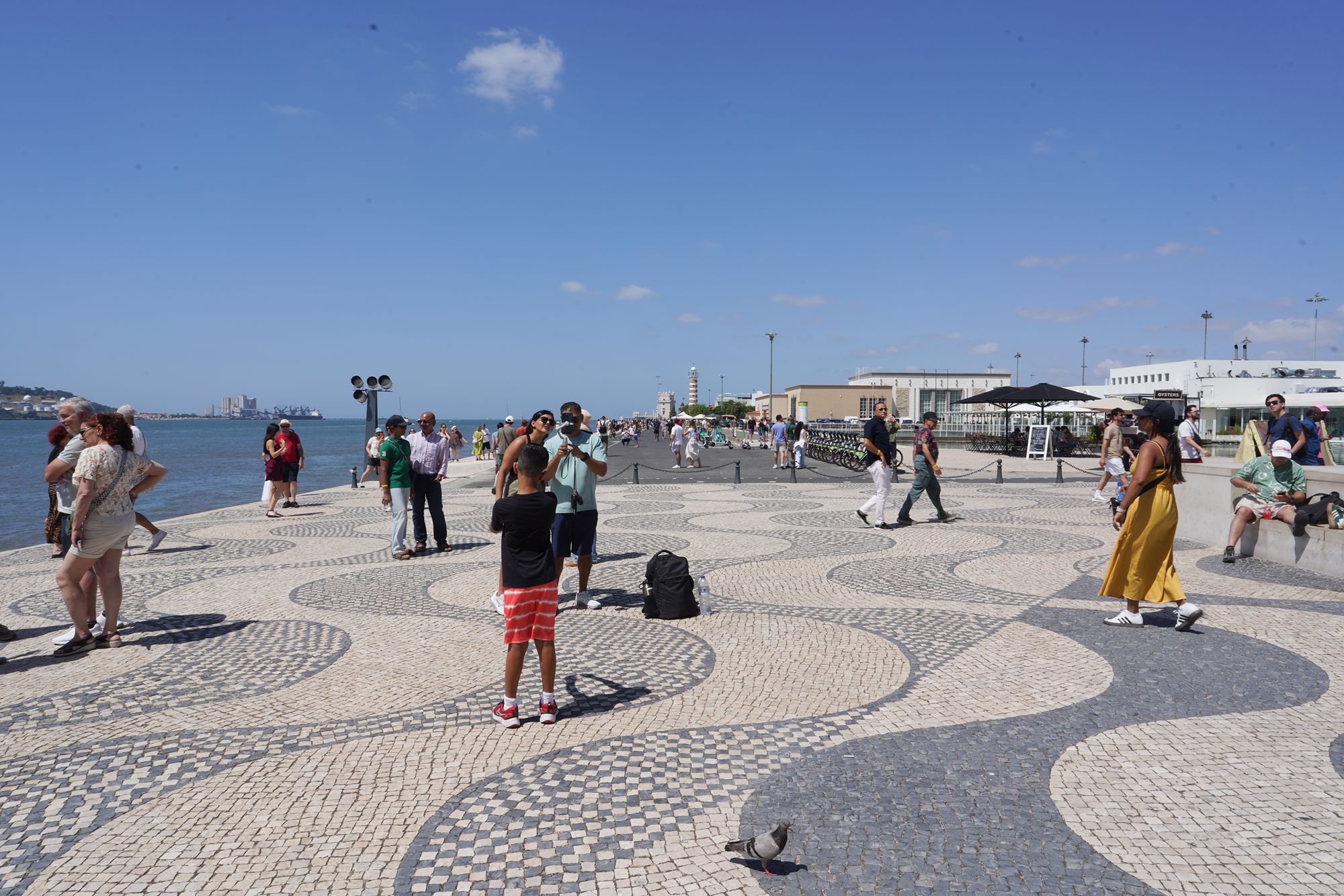
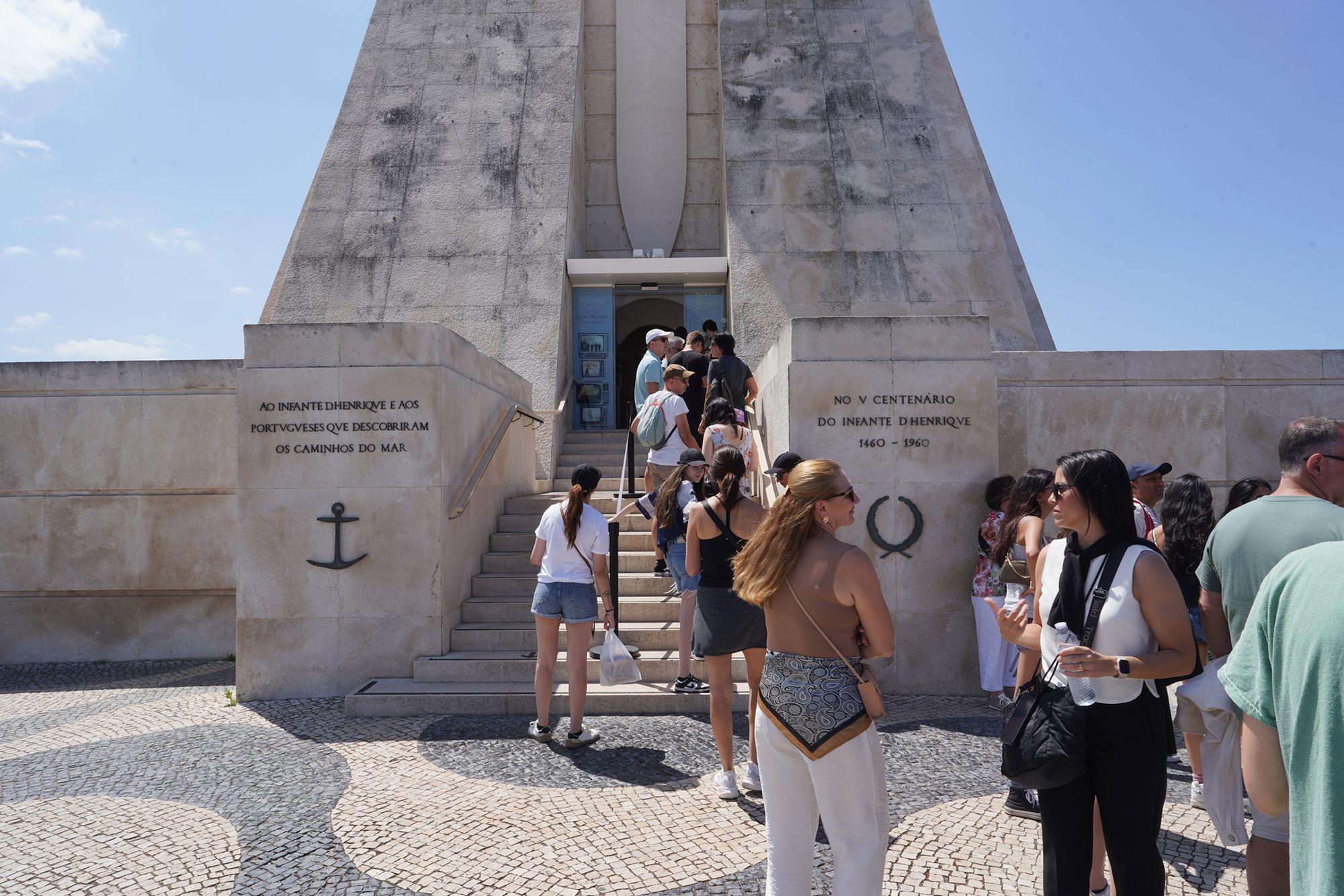
The Monument to the Discoveries, or Padrão dos Descobrimentos, stands beside the Tagus River in the shape of a ship’s prow.
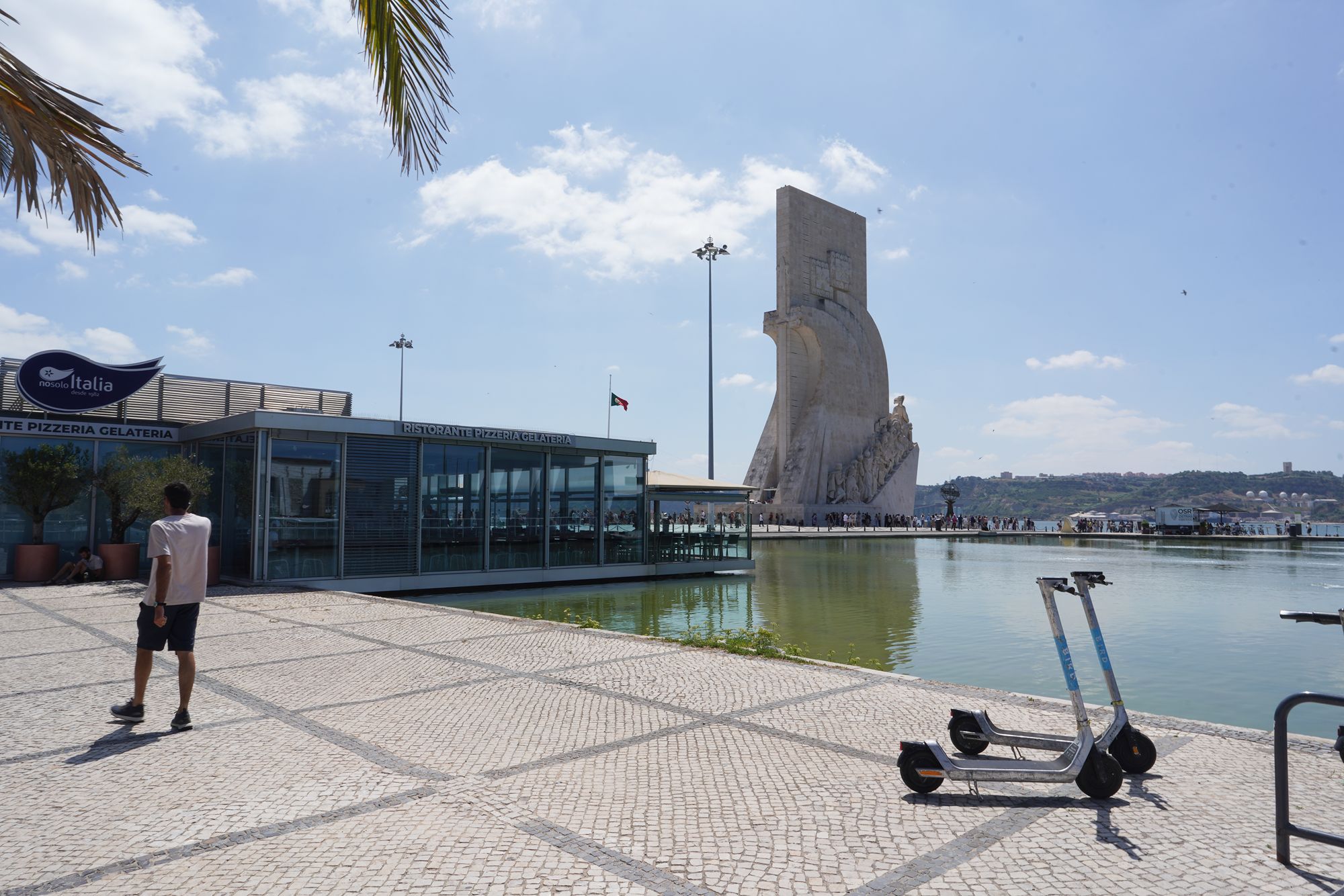
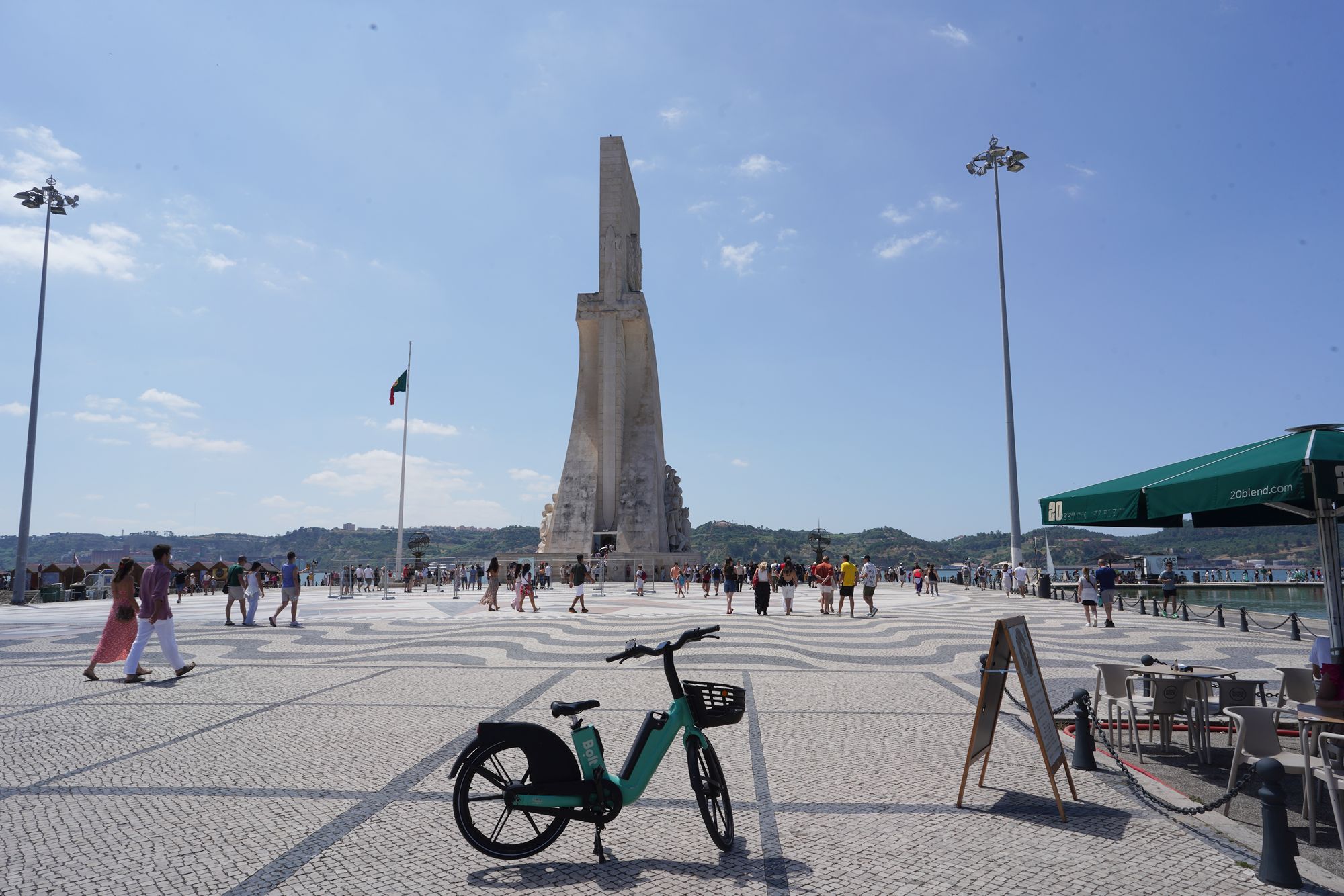
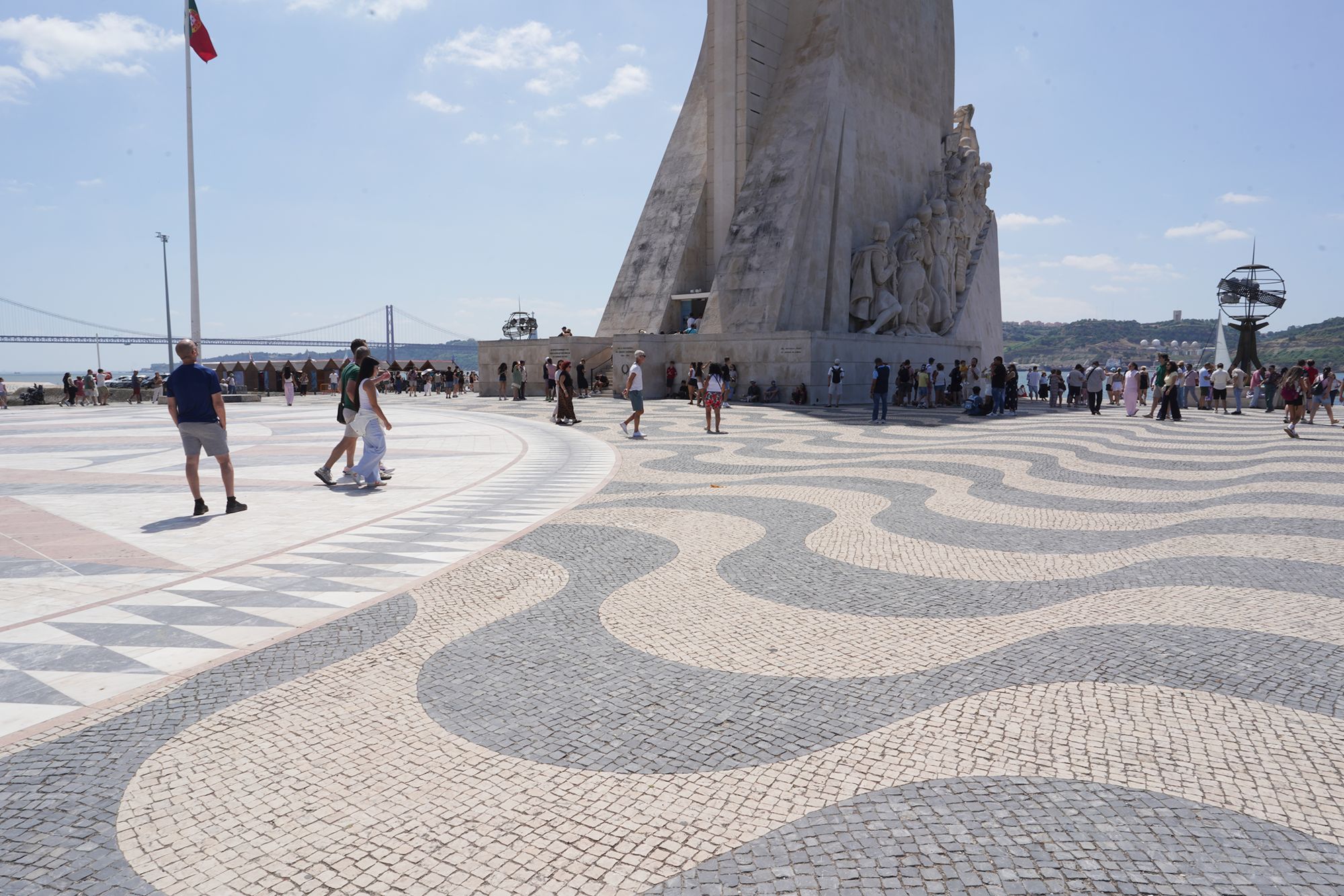
The Monument to the Discoveries, or Padrão dos Descobrimentos, stands beside the Tagus River in the shape of a ship’s prow.
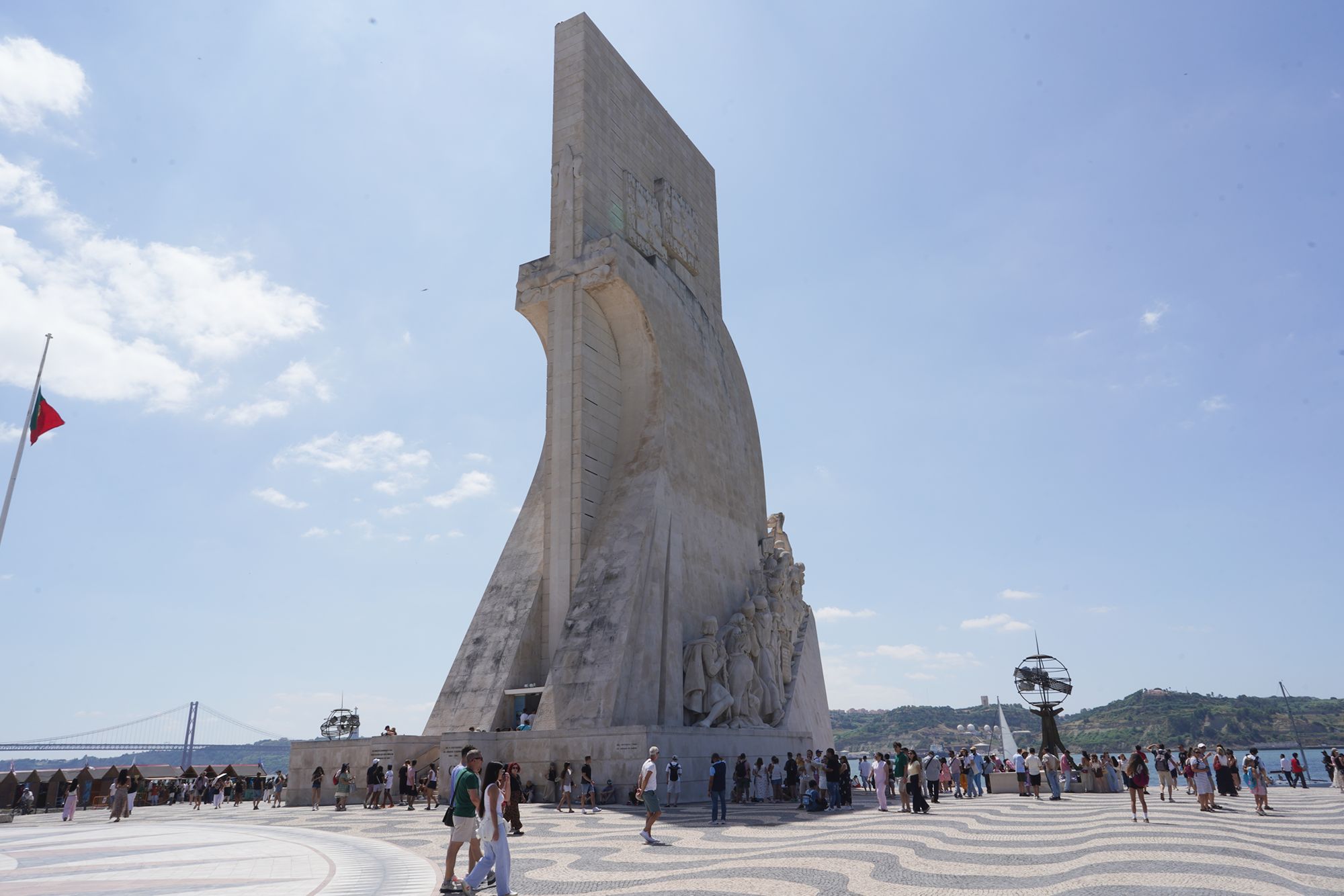
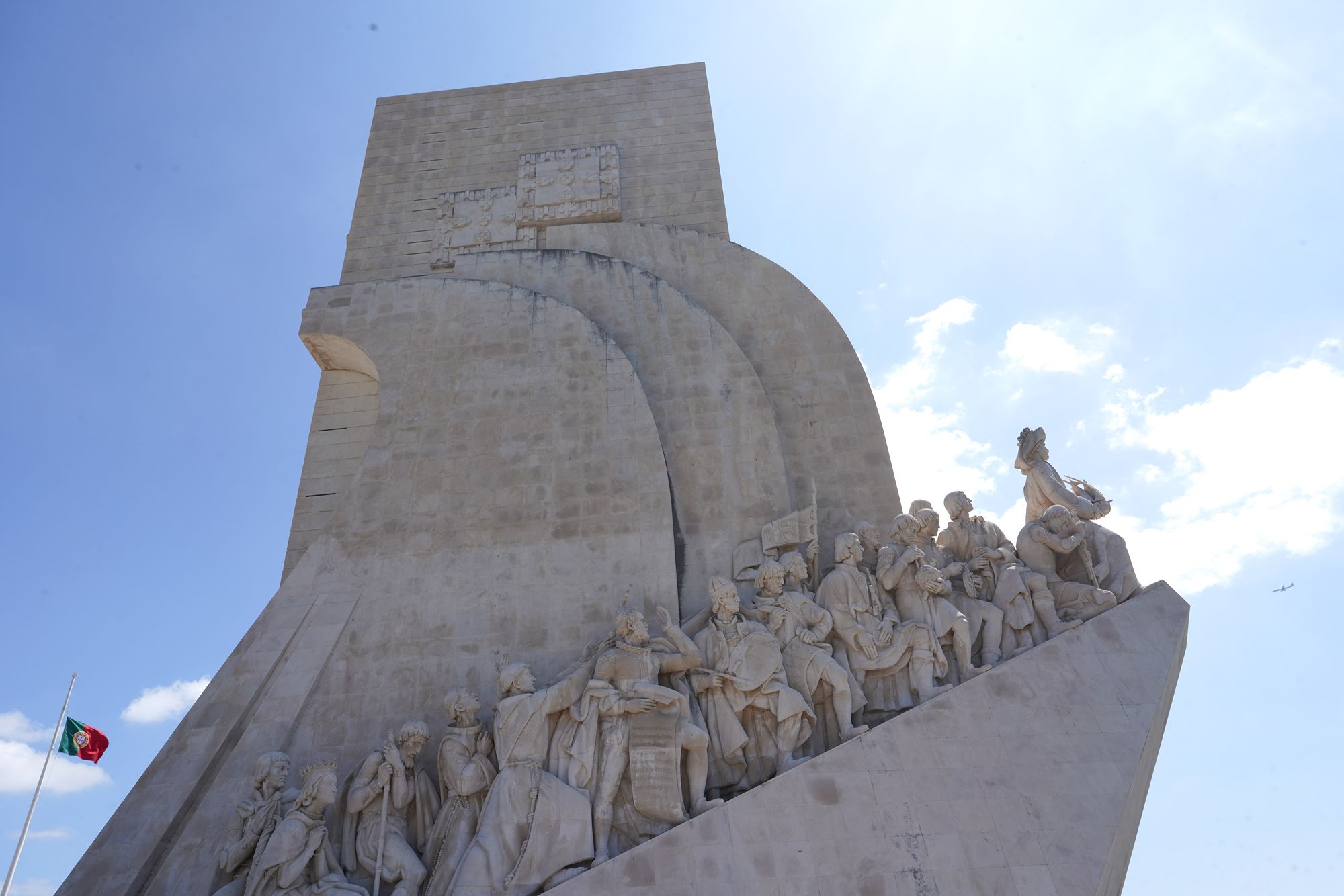
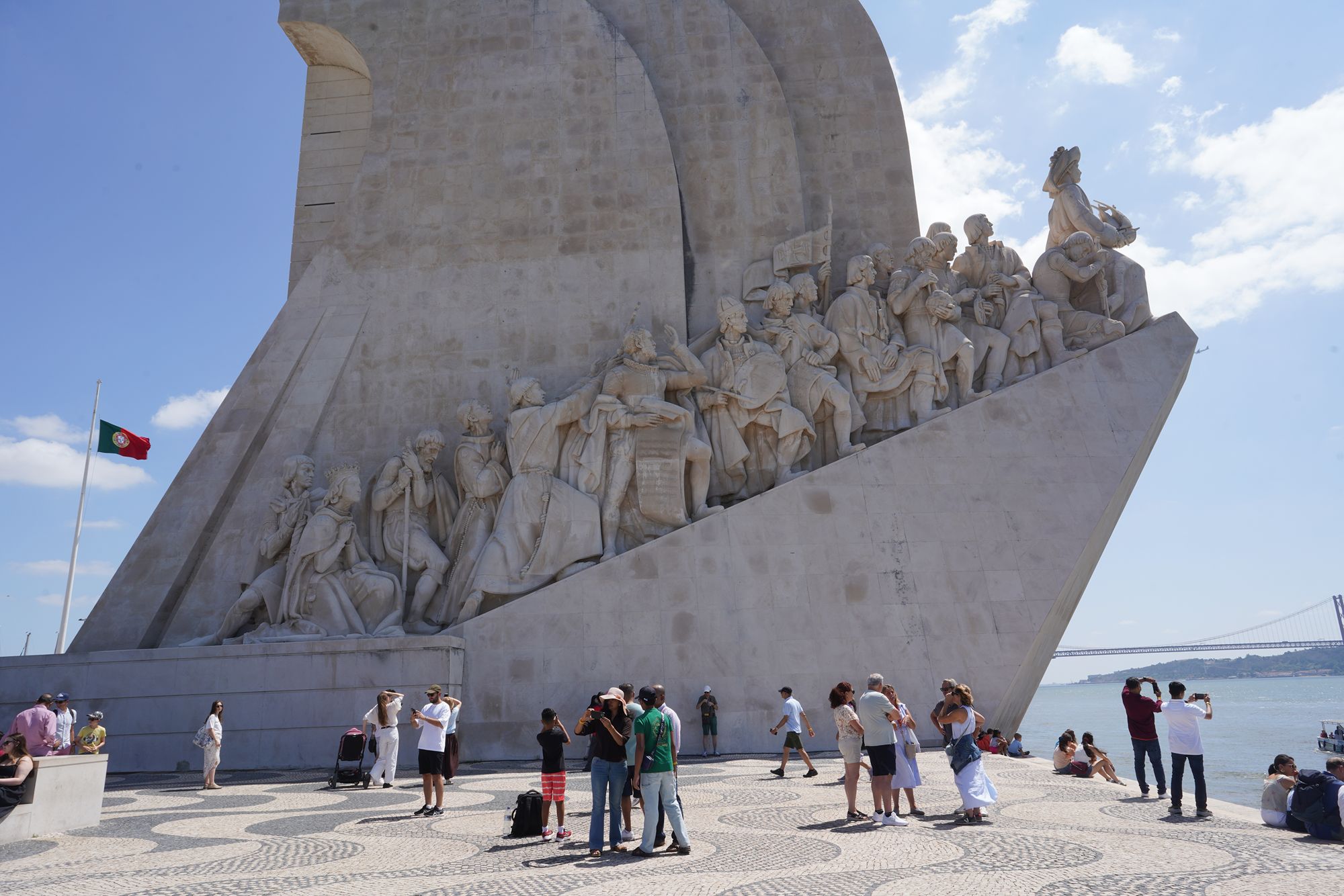
Prince Henry the Navigator leads a procession of 32 other historical figures, including explorers, writers, and missionaries associated with Portugal’s overseas expansion. The present monument was built in 1960 to mark the 500th anniversary of Henry’s death, replacing a temporary version erected in 1940.
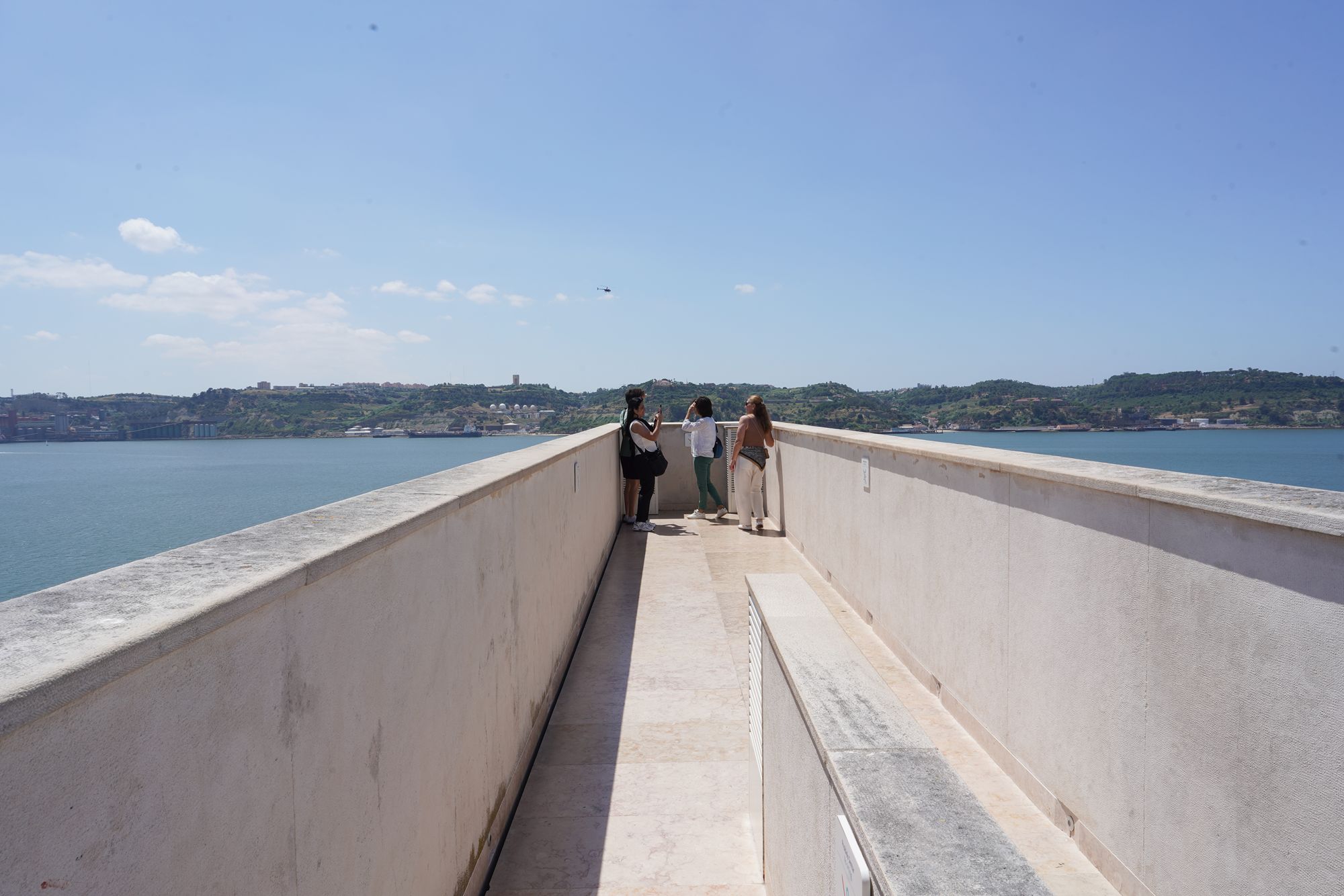
I entered the monument and took an elevator to the top.
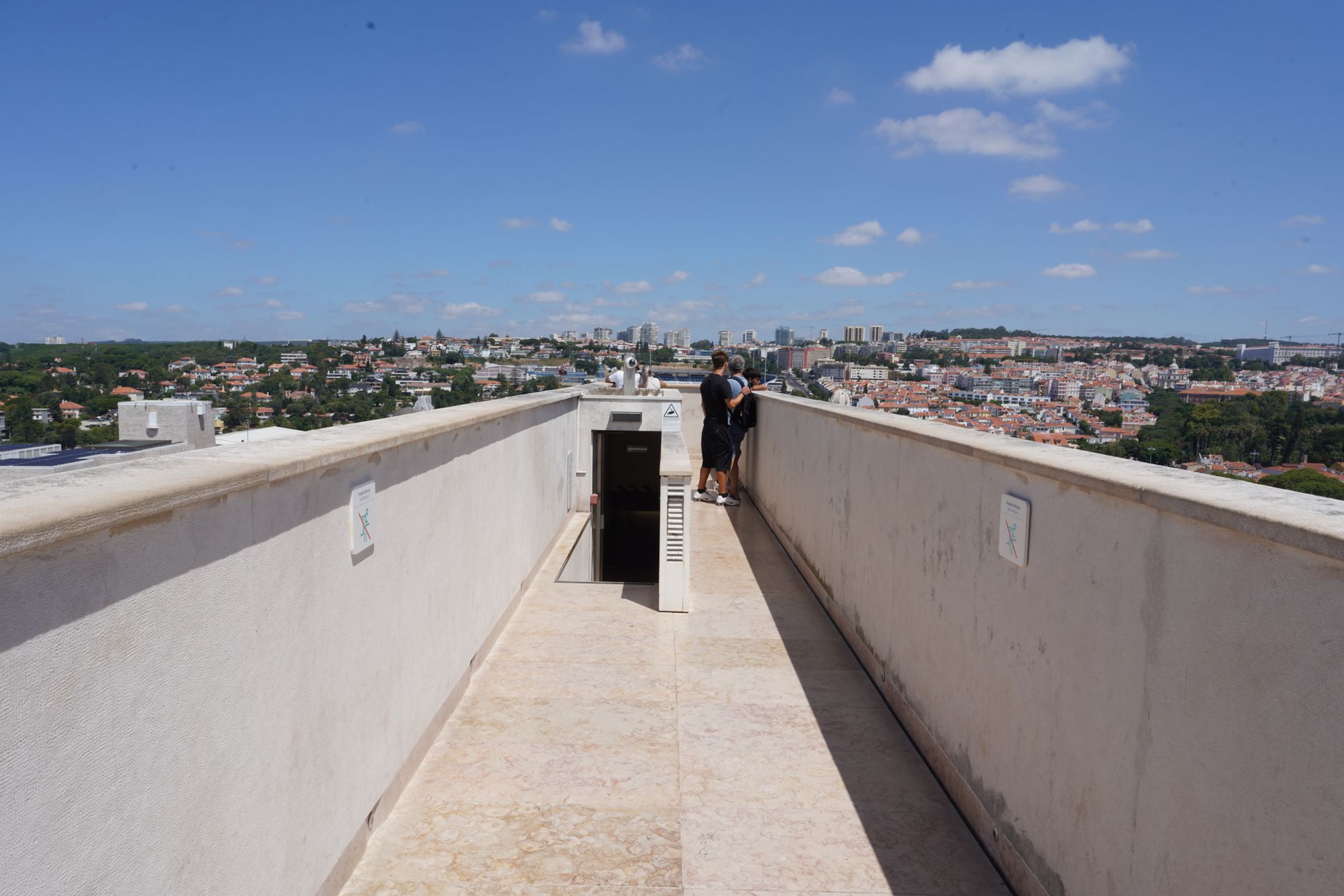
The east side
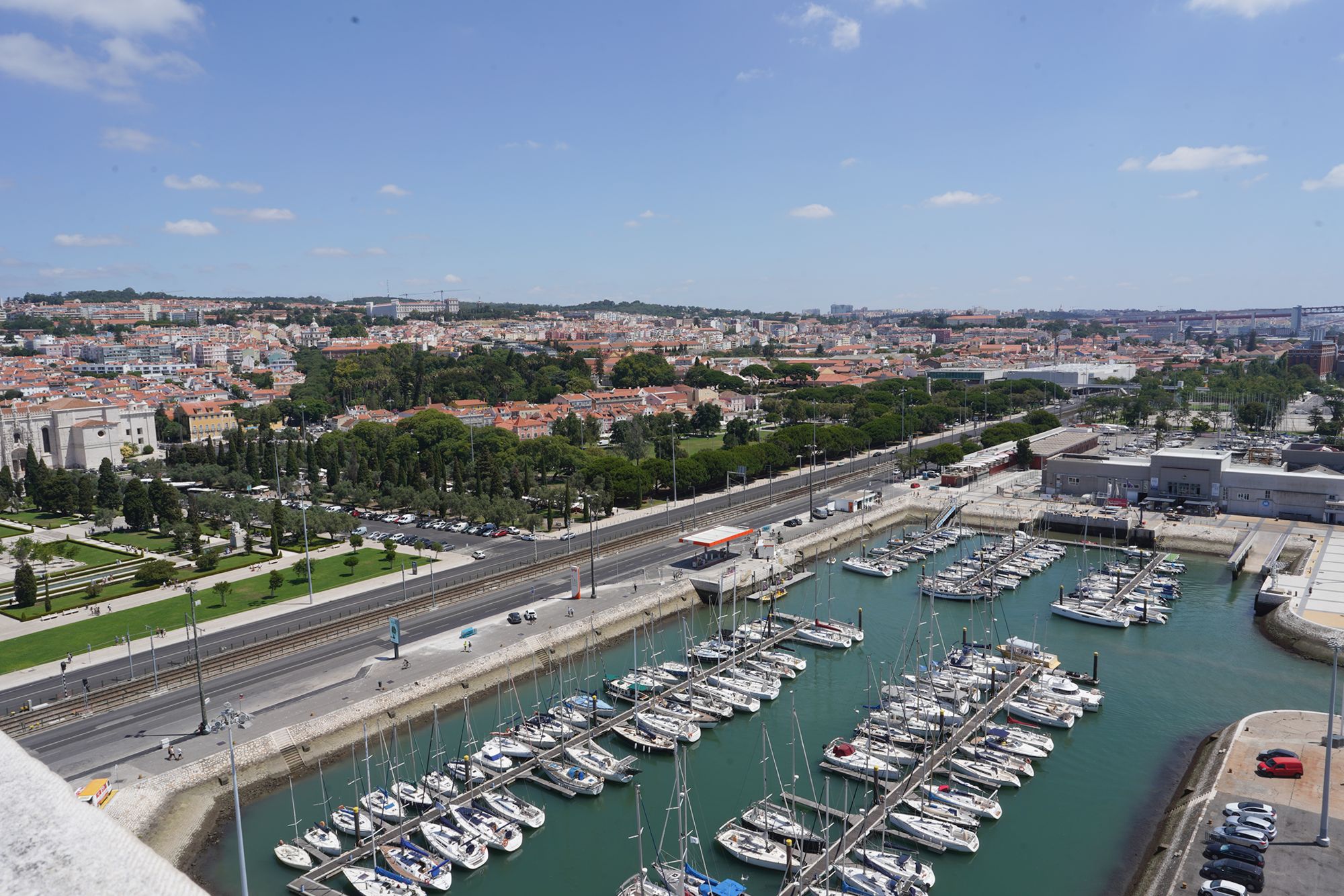
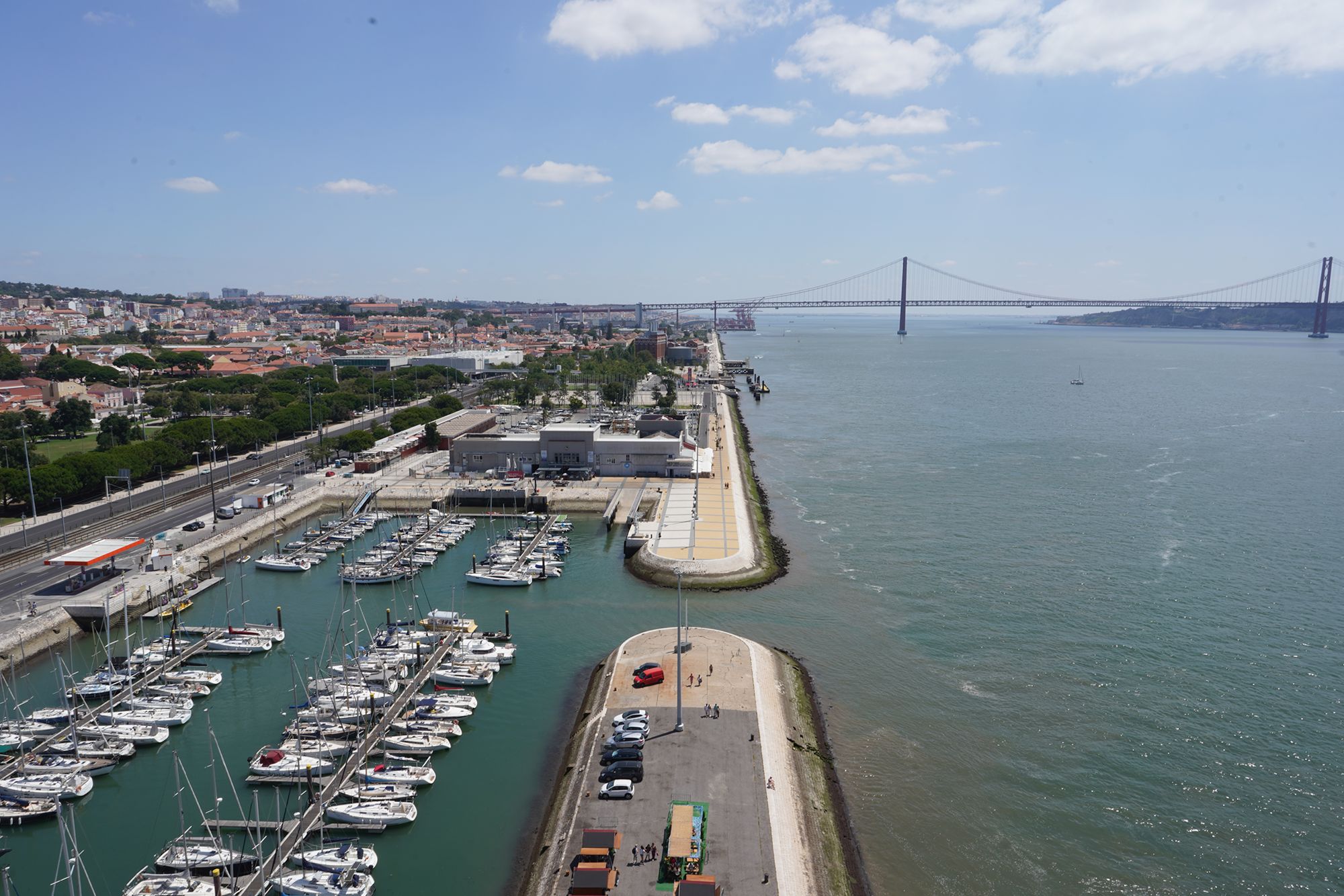
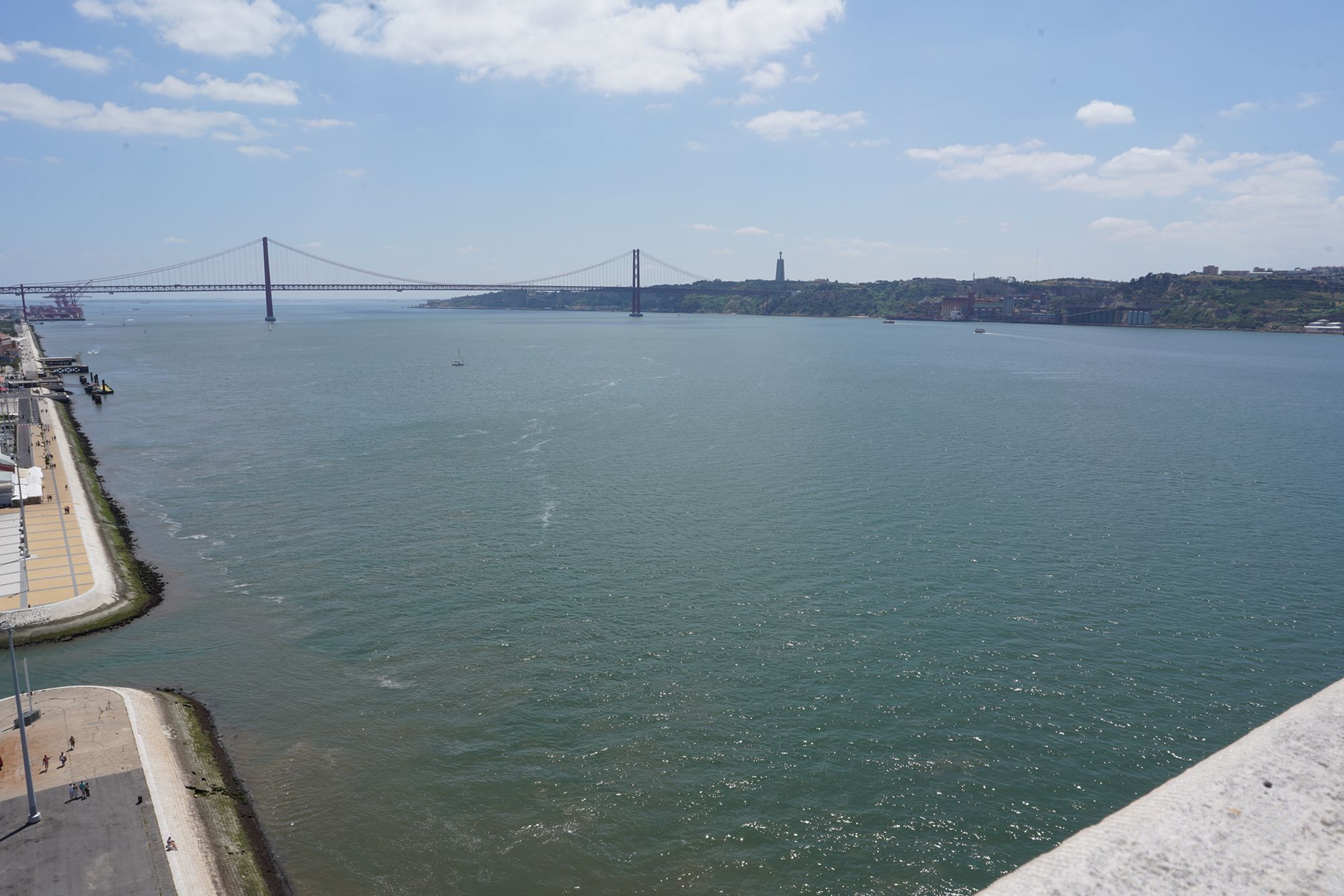
The west side
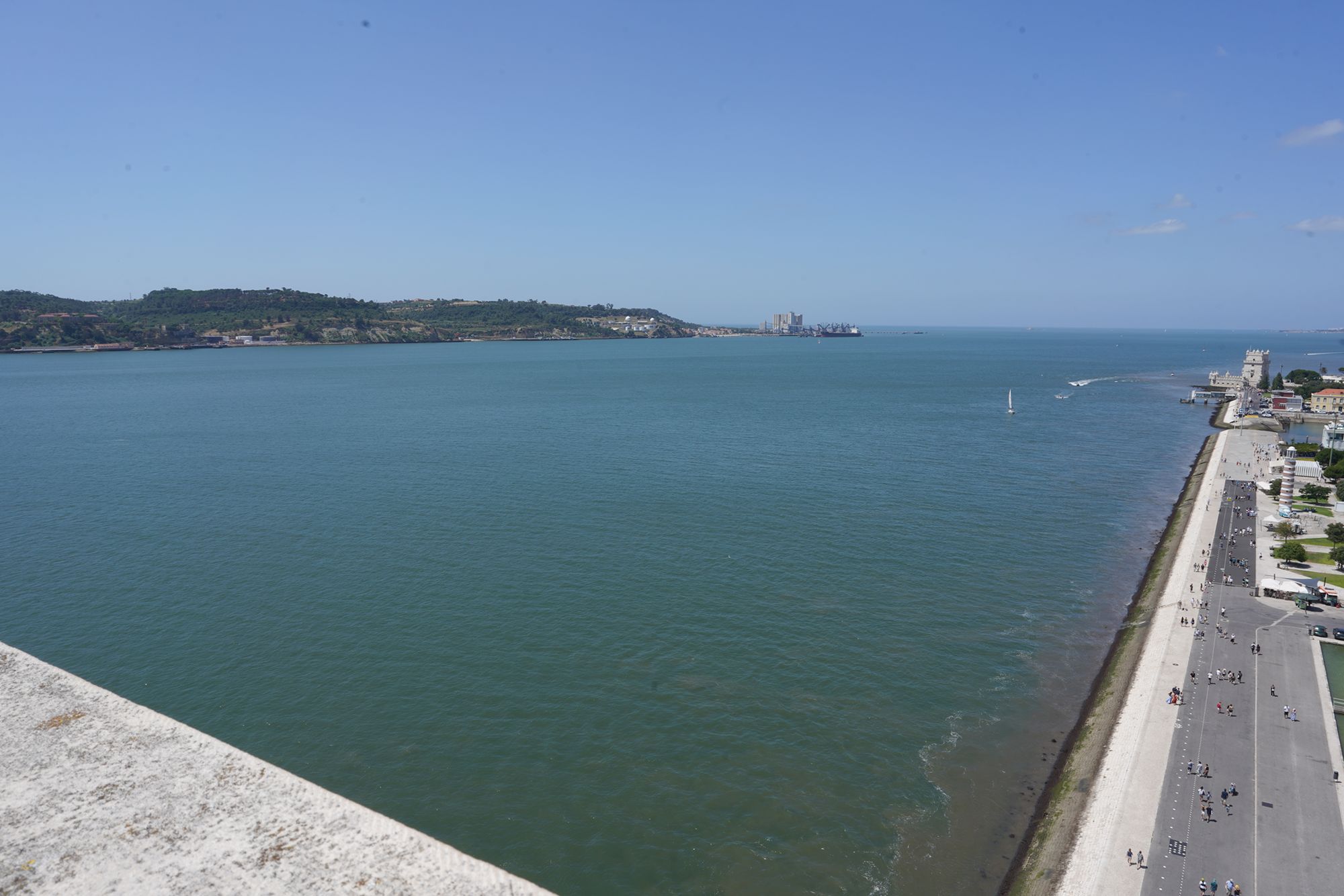
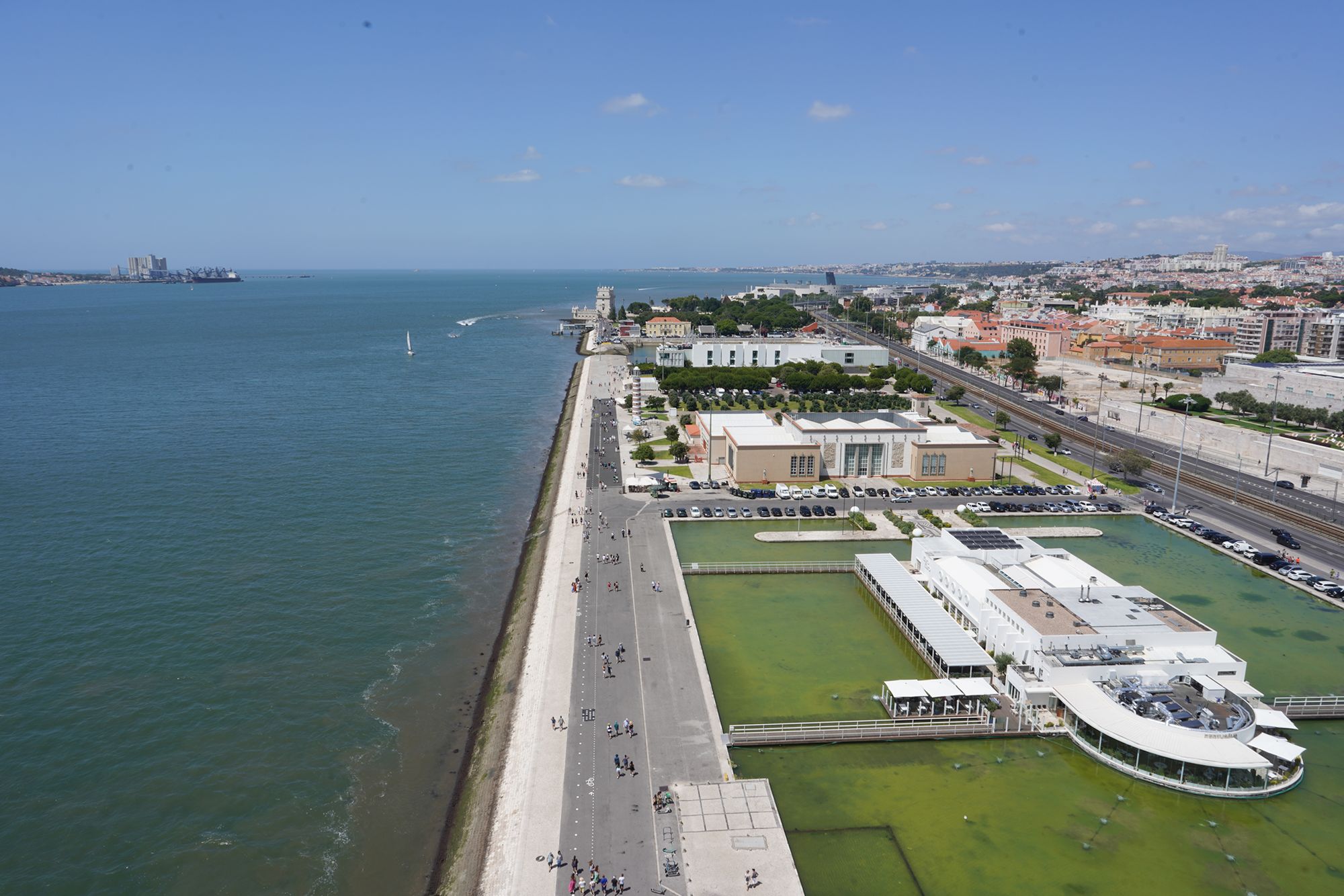
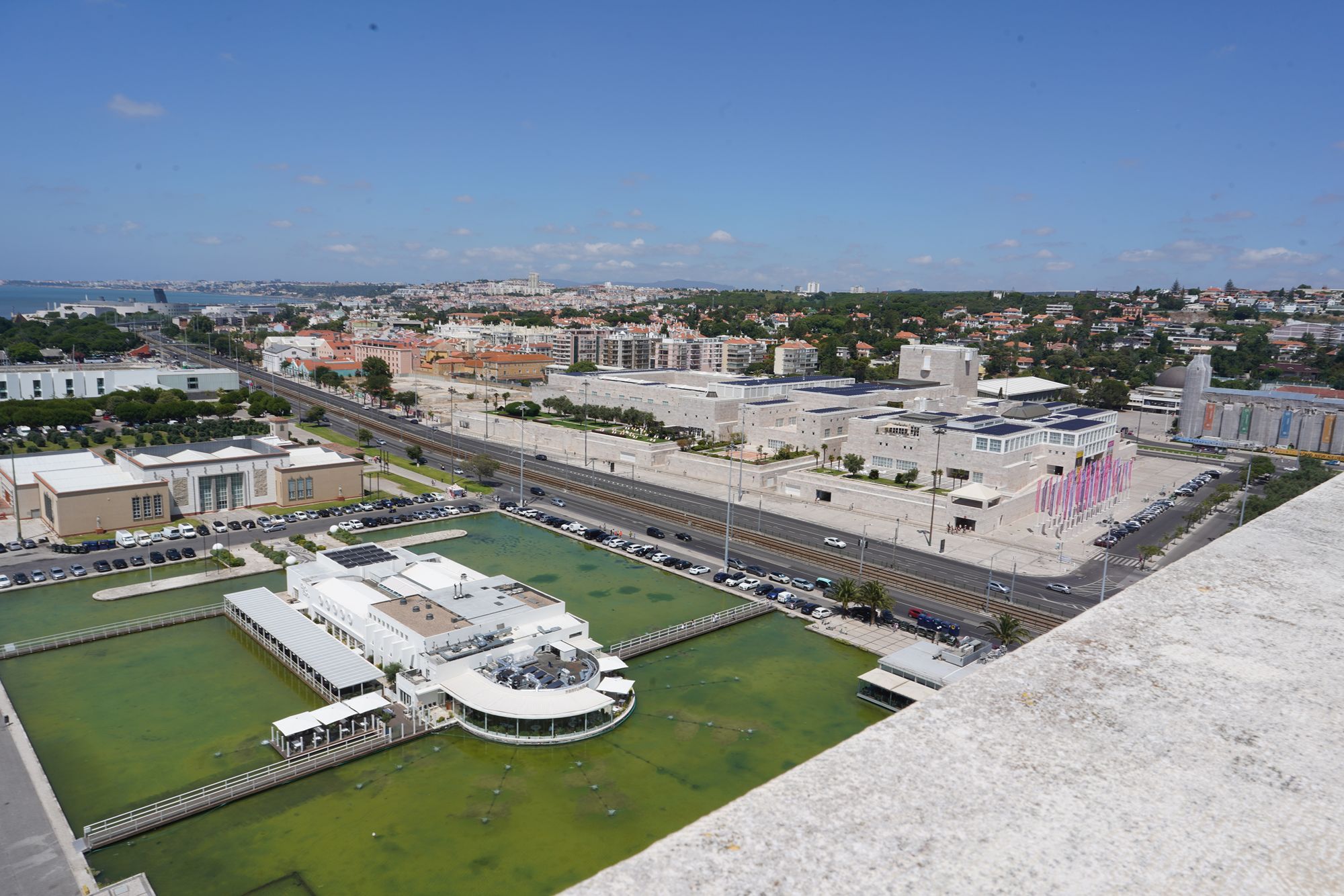
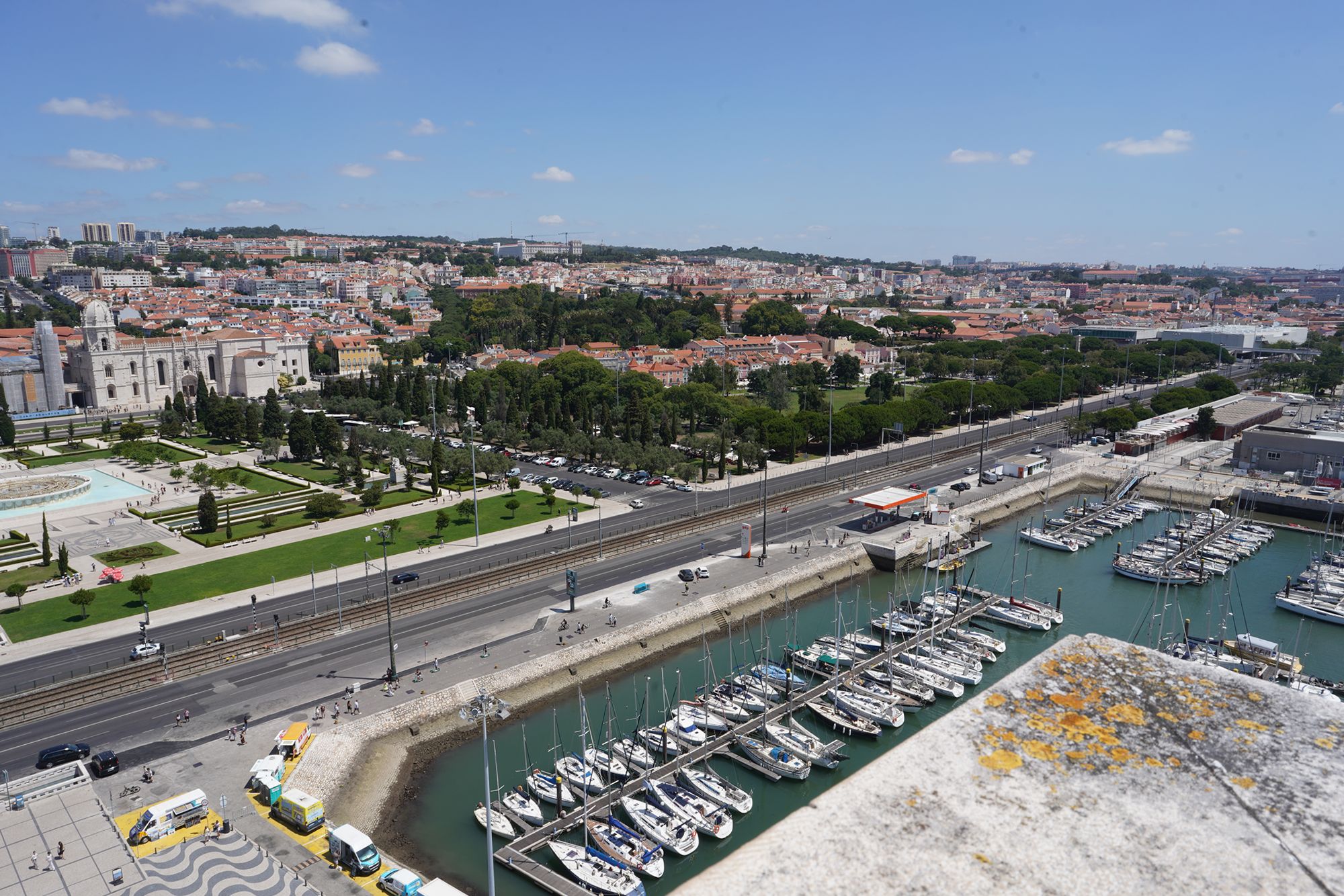
Looking inland, I could see Jerónimos Monastery.
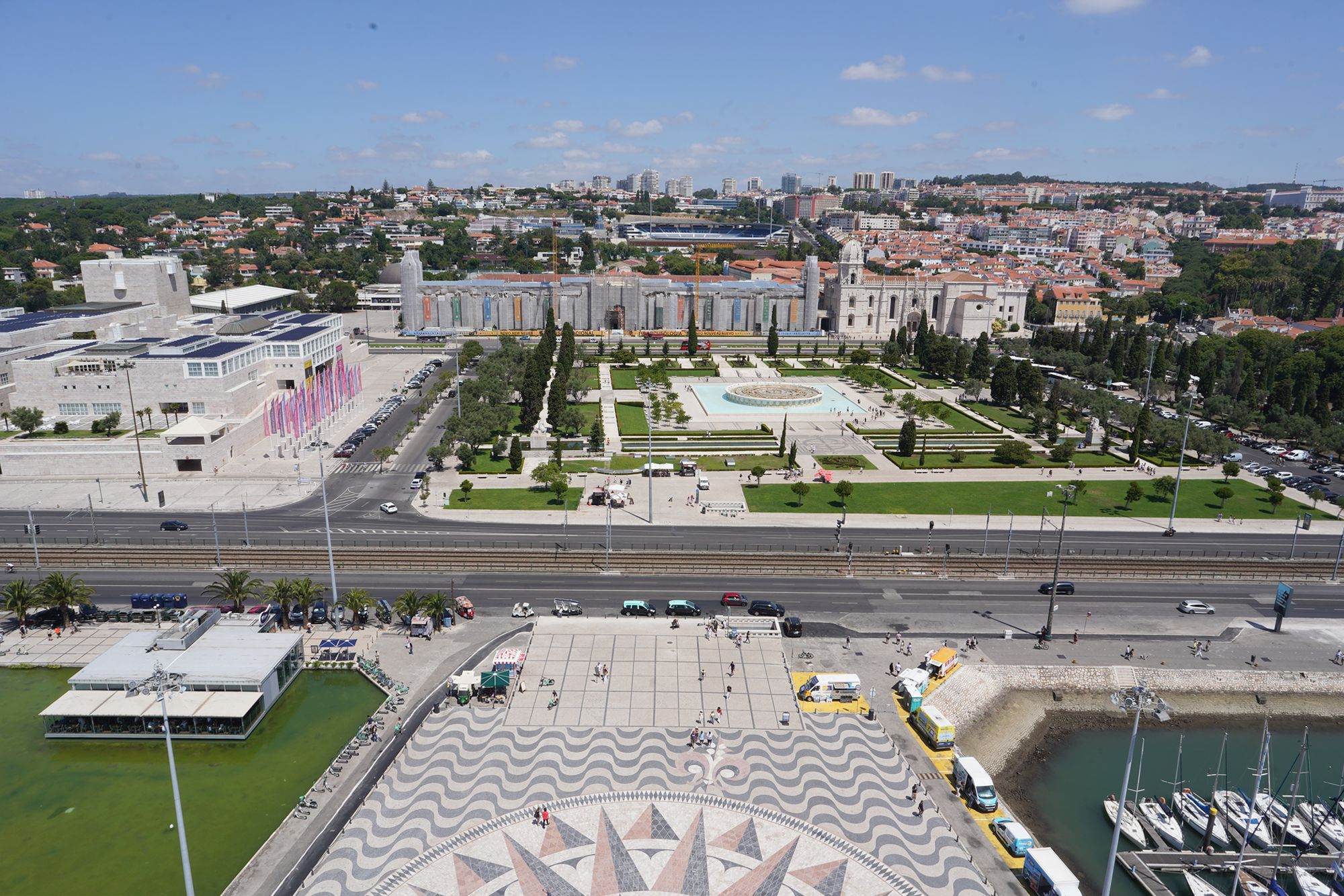
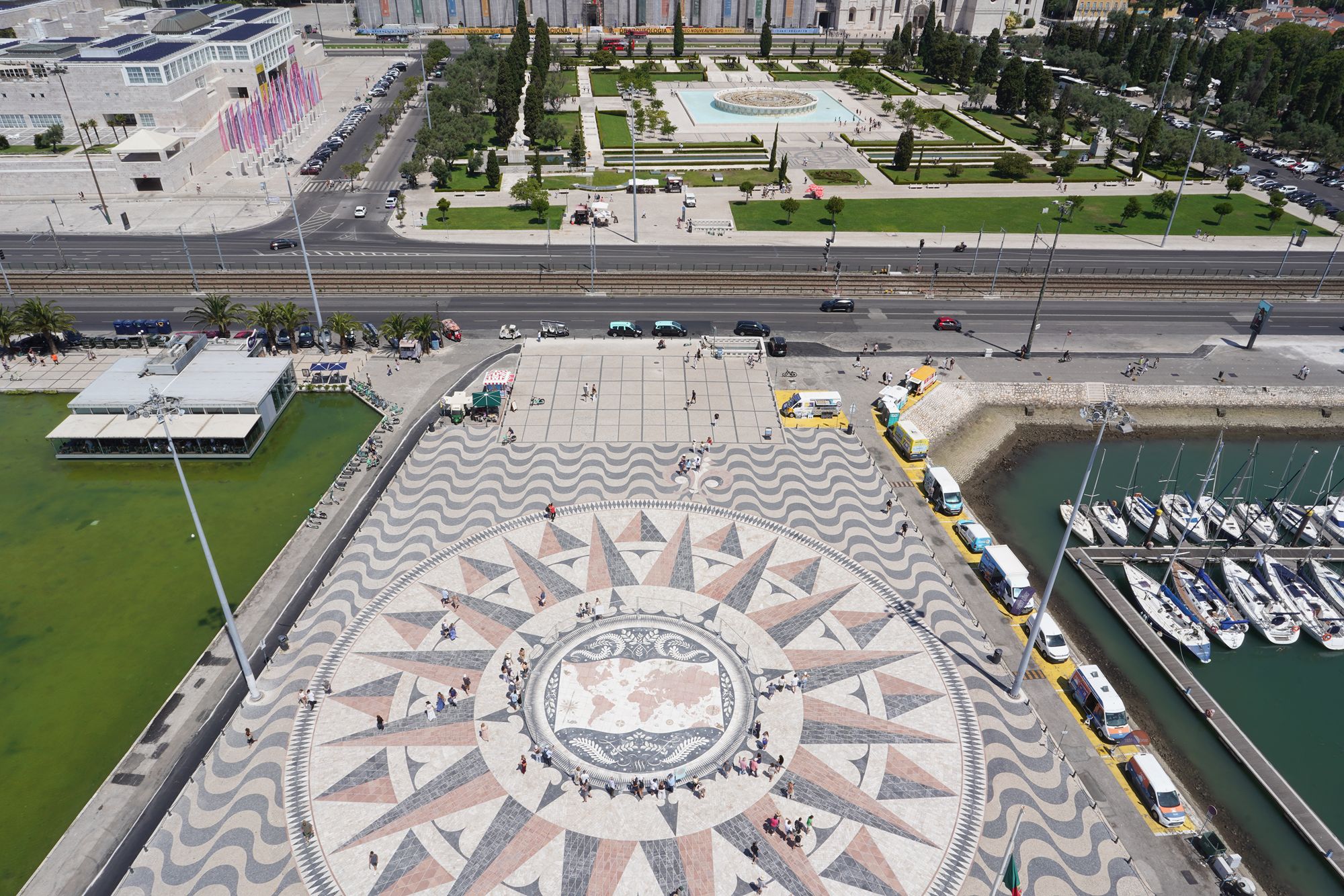
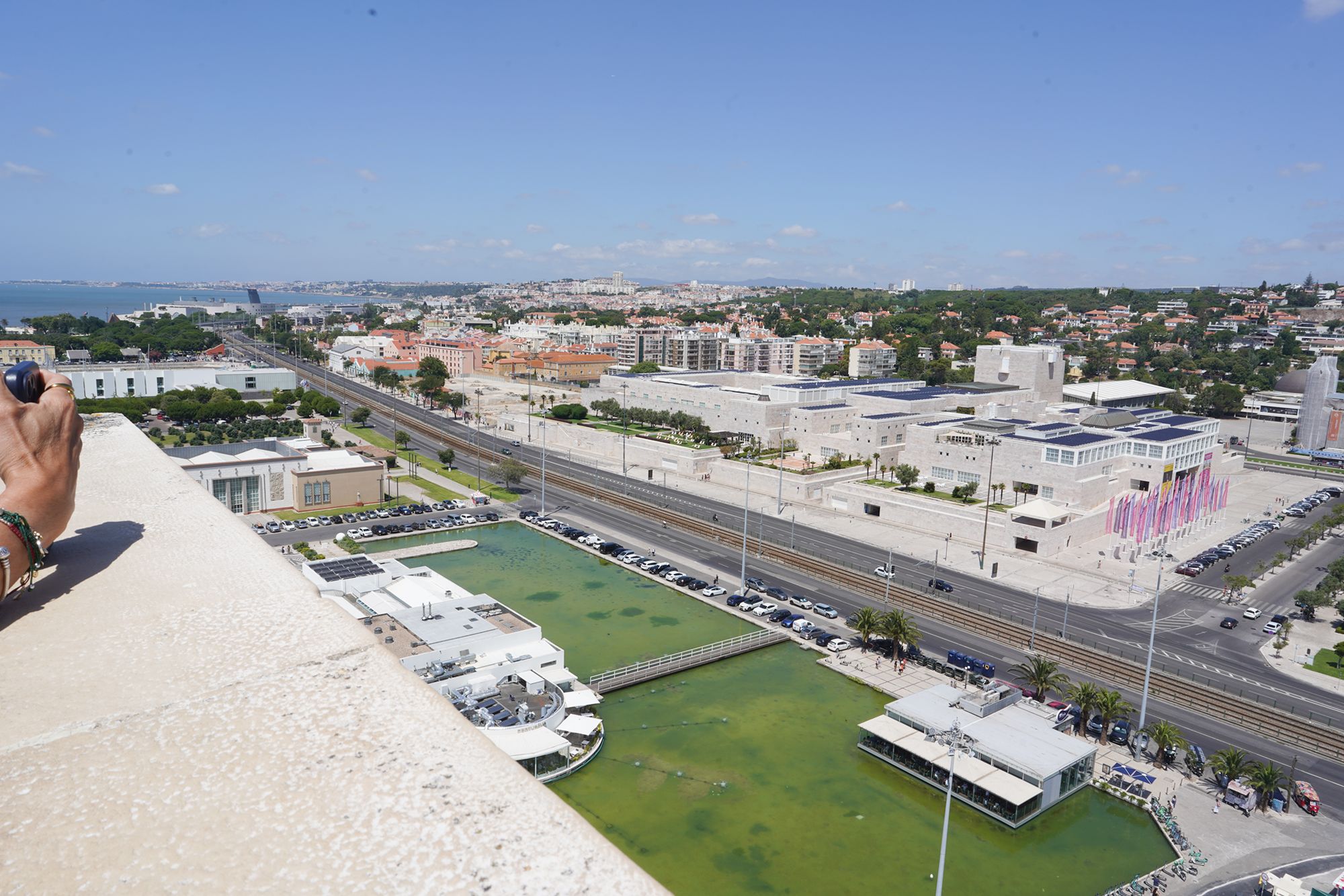
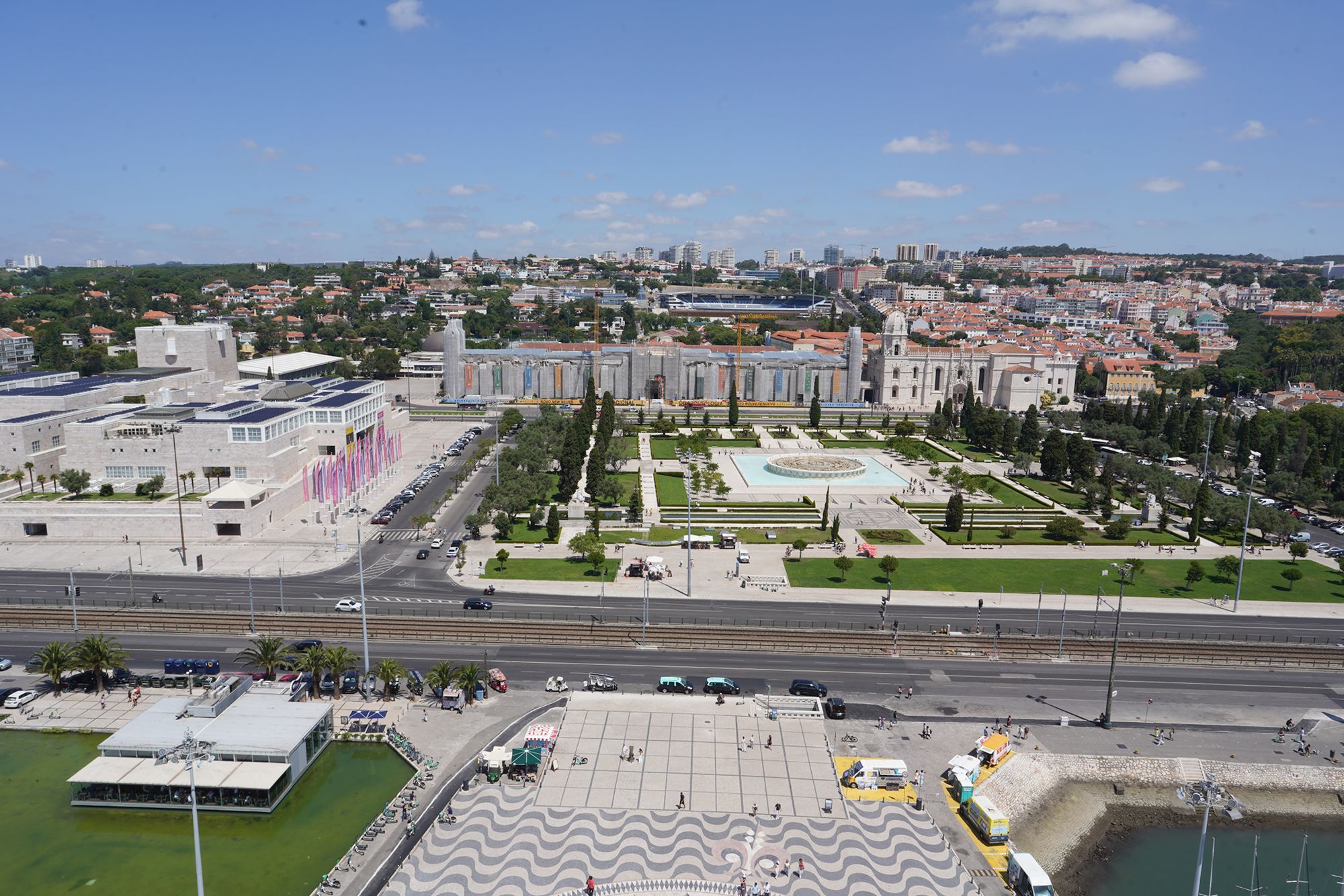
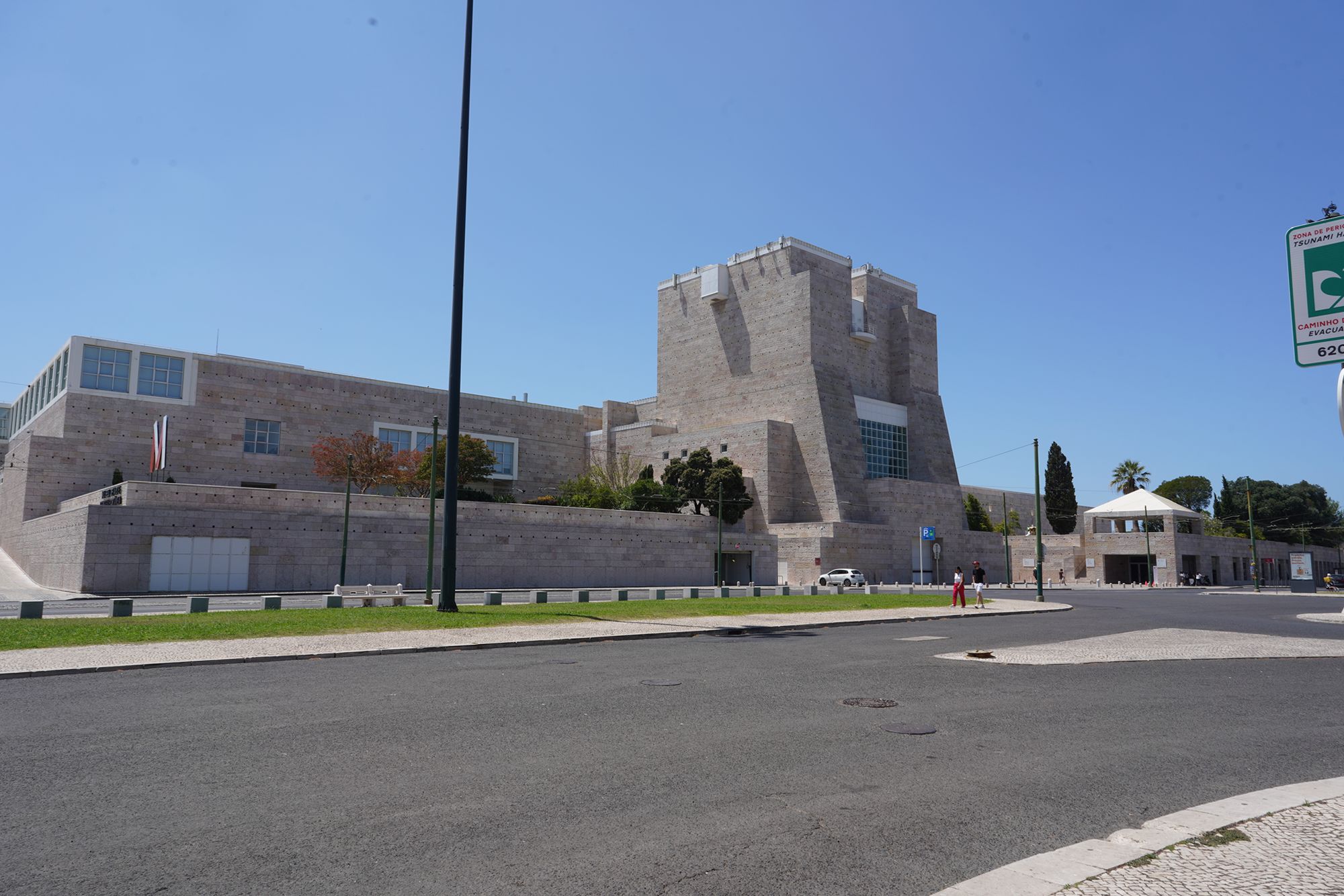
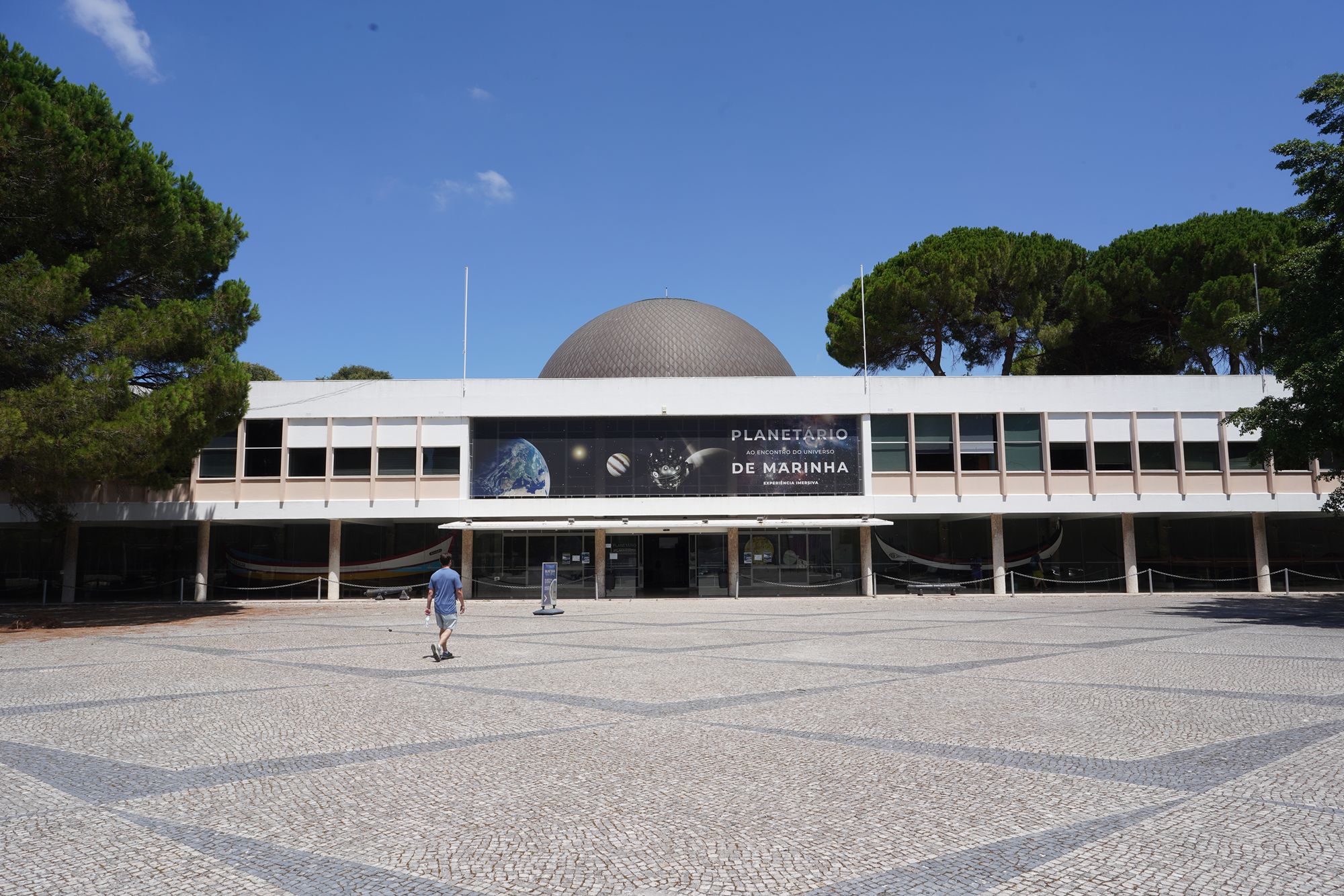
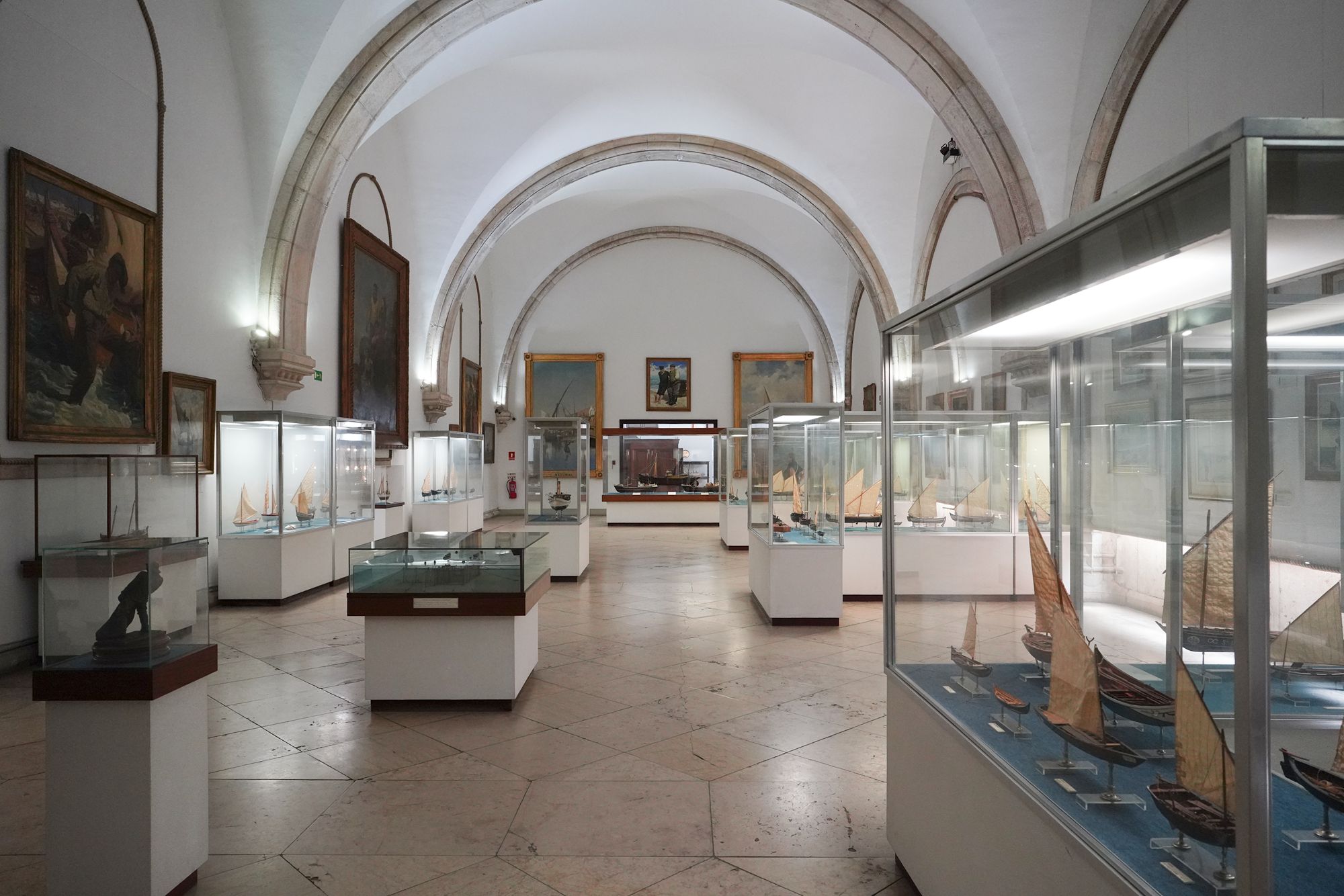
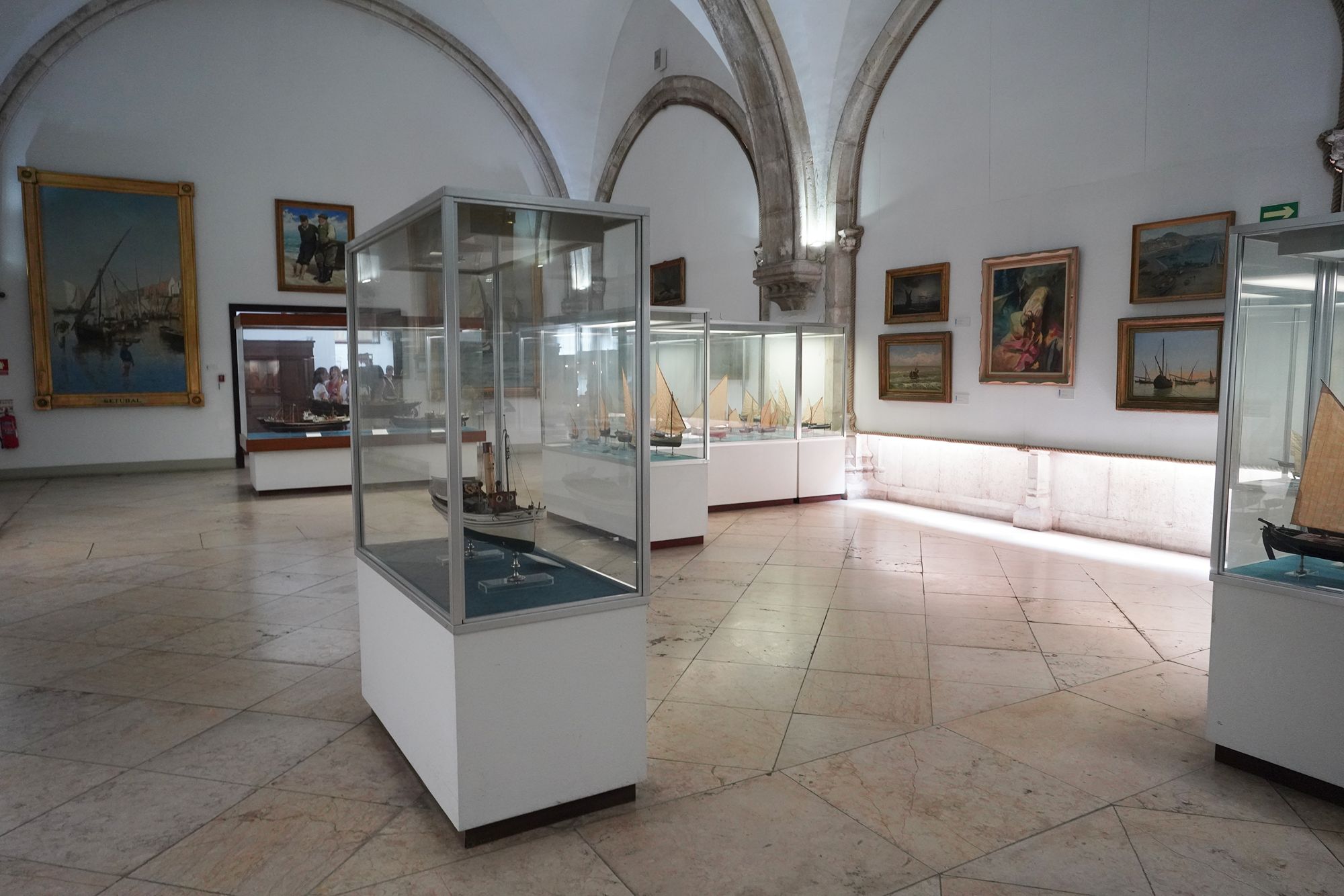
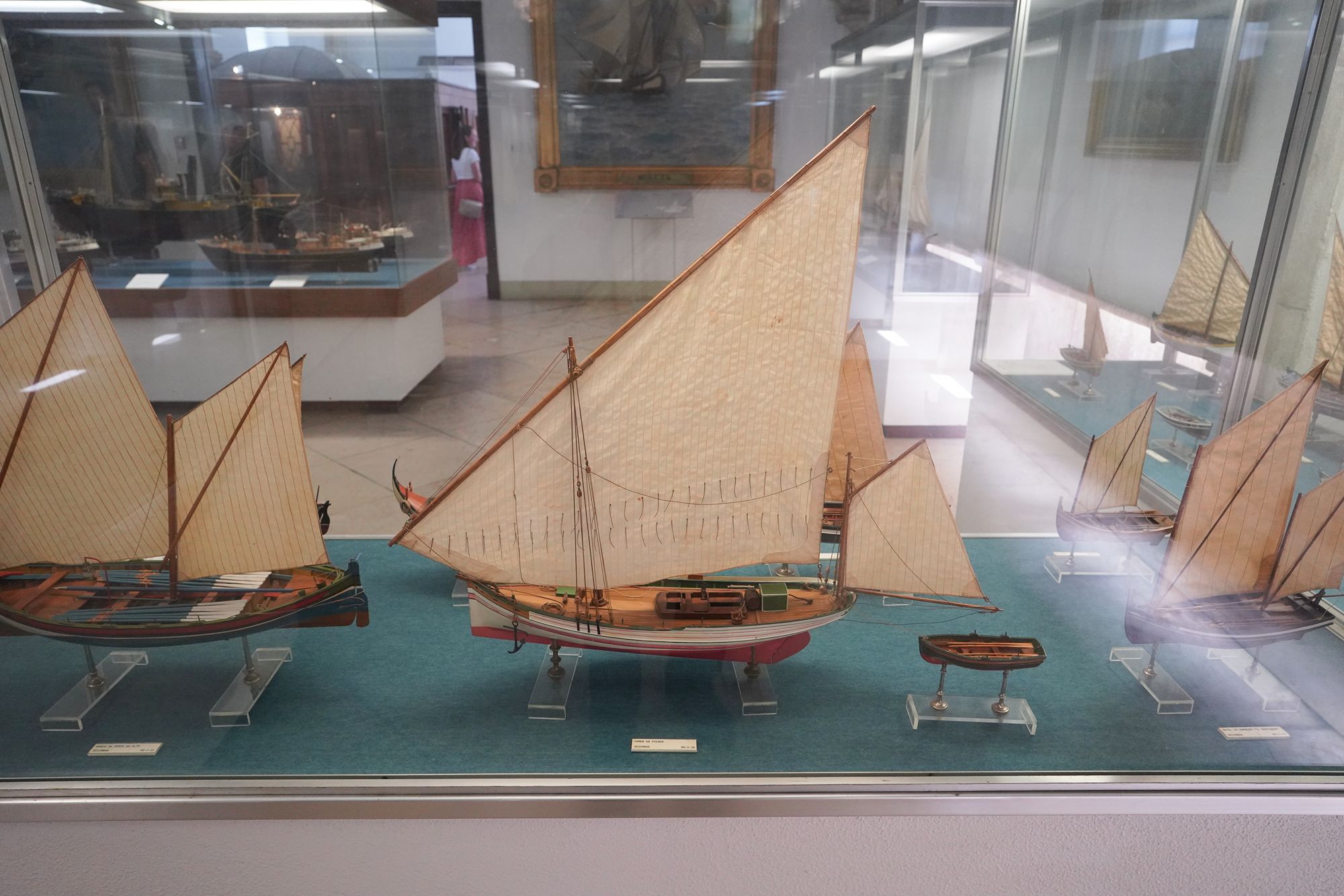
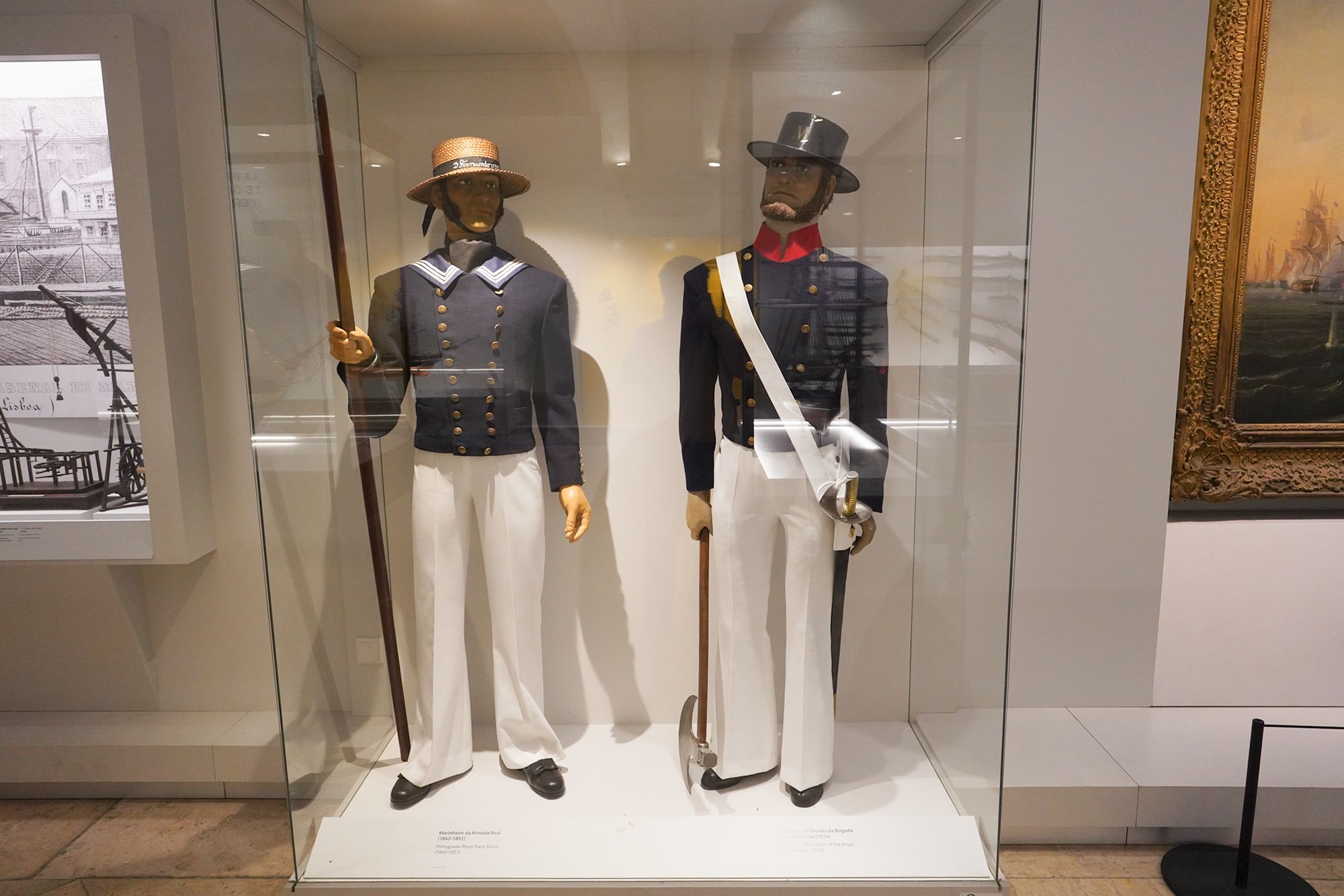
I came back down, crossed the street, and walked to Museu de Marinha, the Maritime Museum.
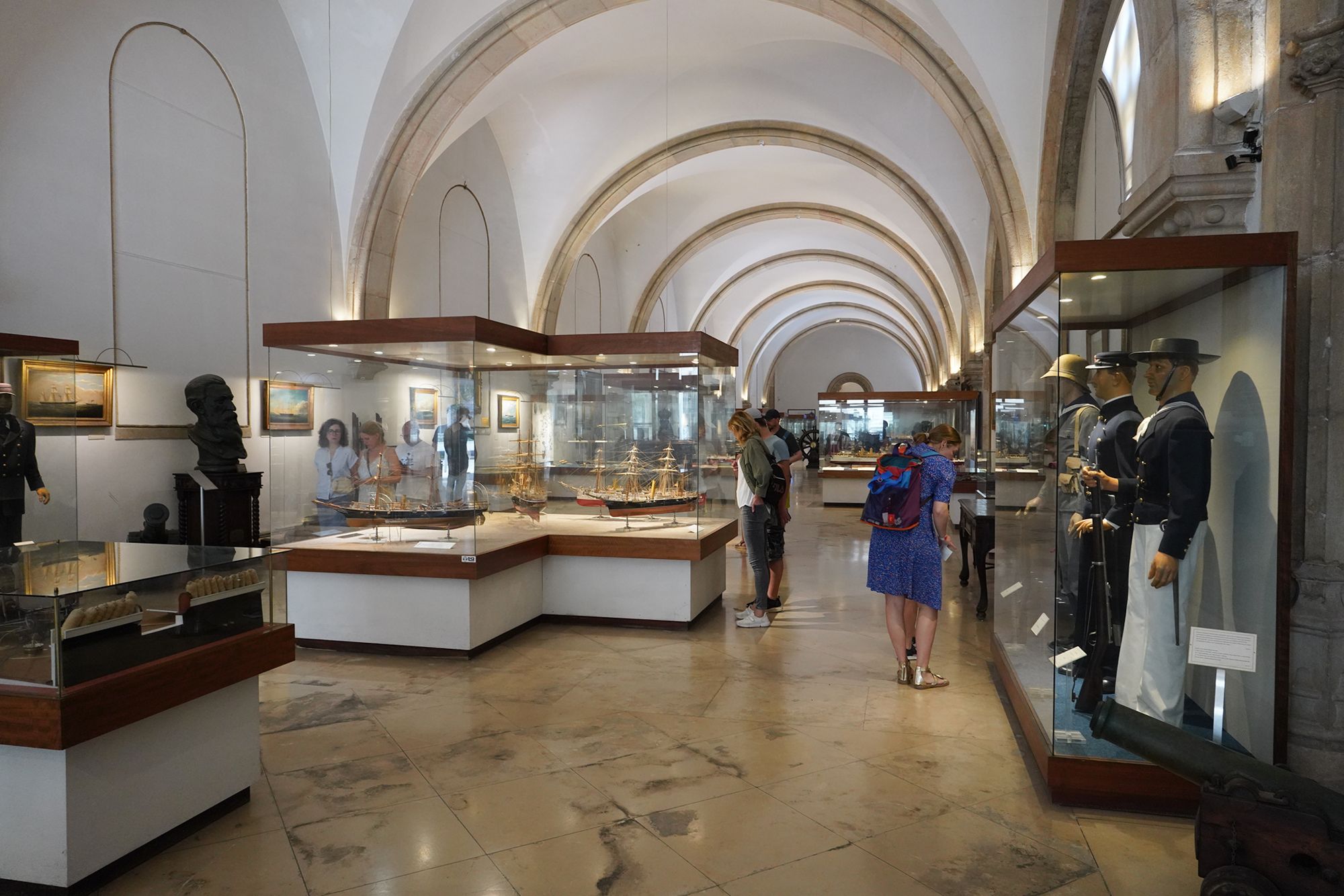
Inside the Maritime Museum. I will have a separate blog page on this museum later.
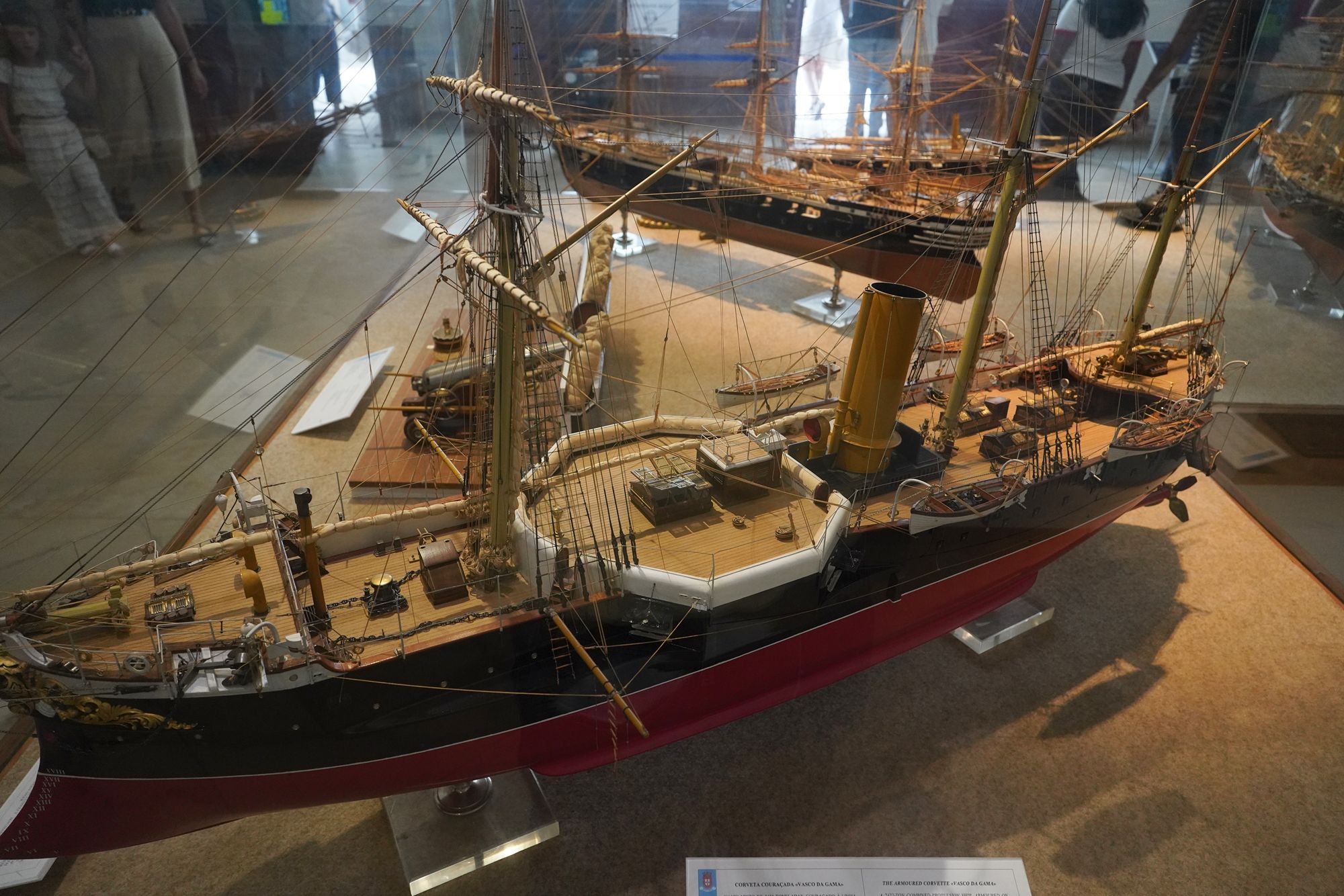
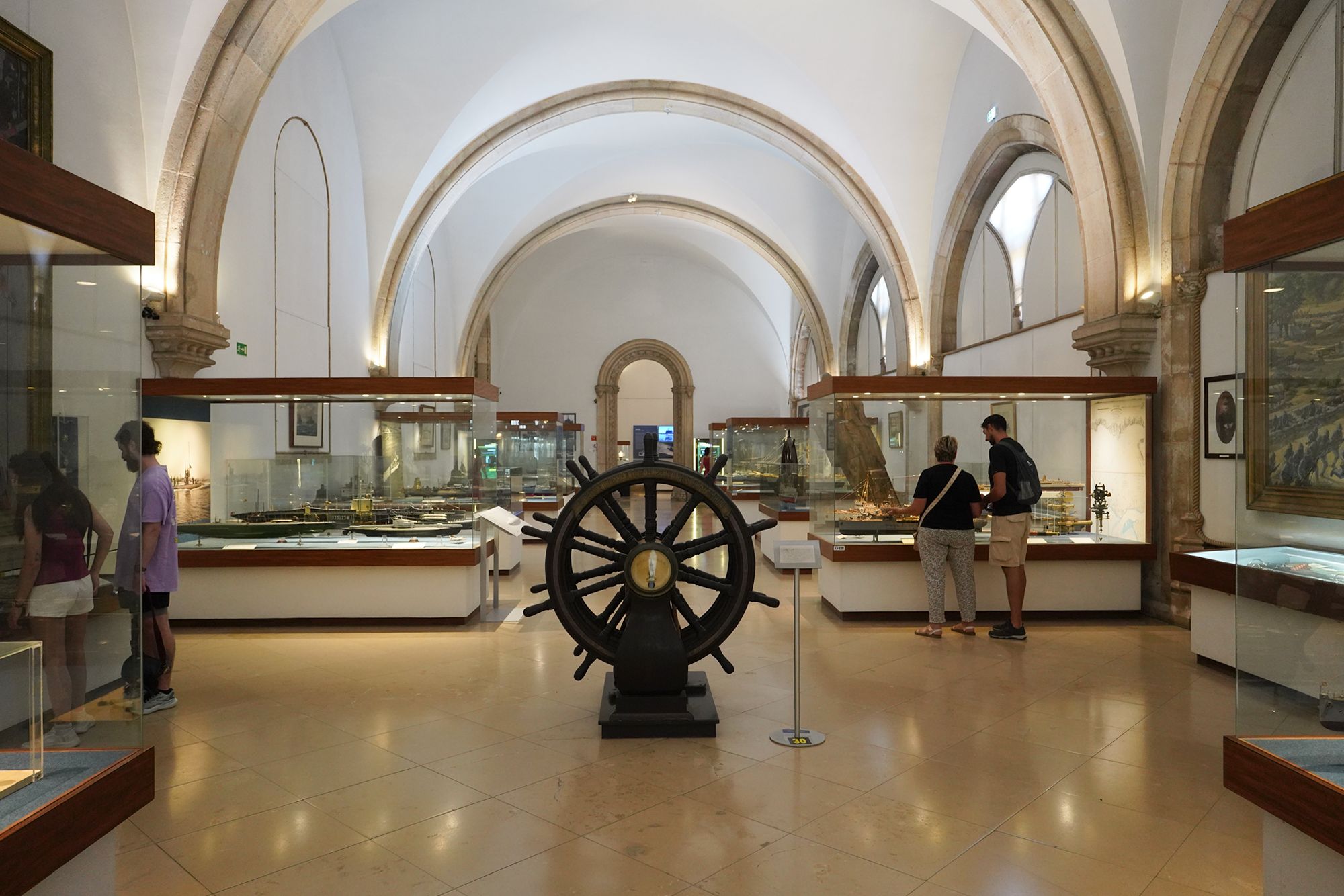
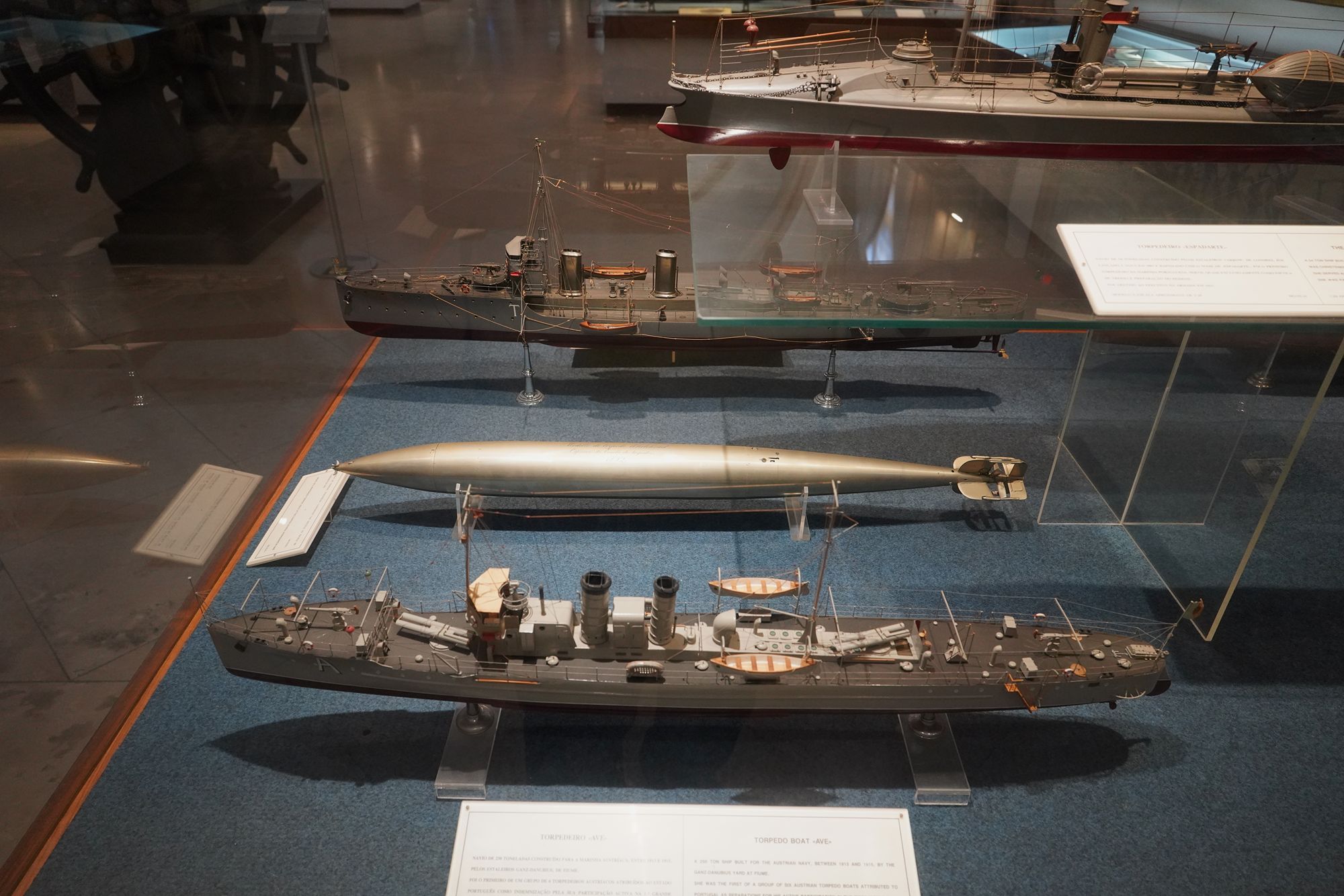
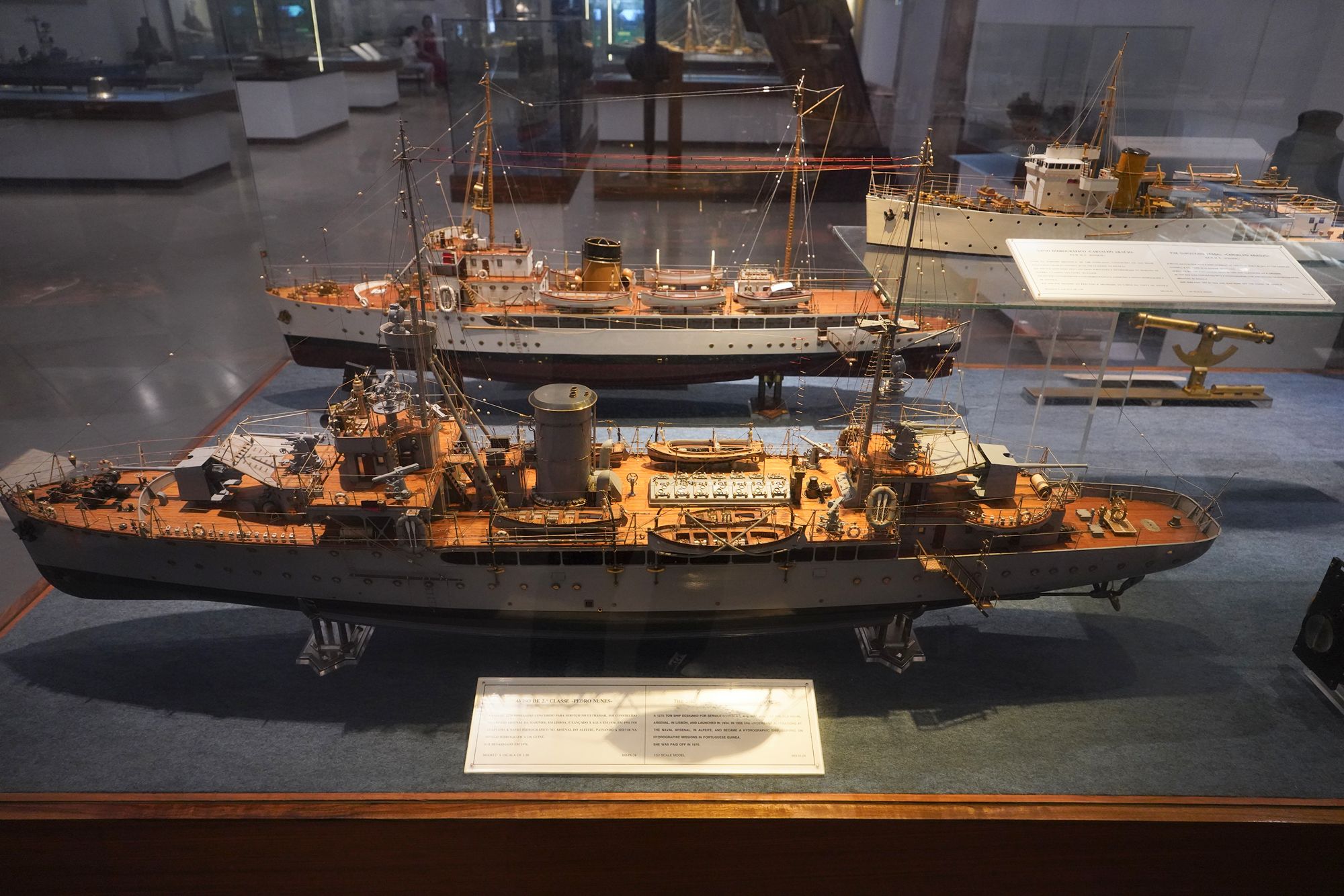
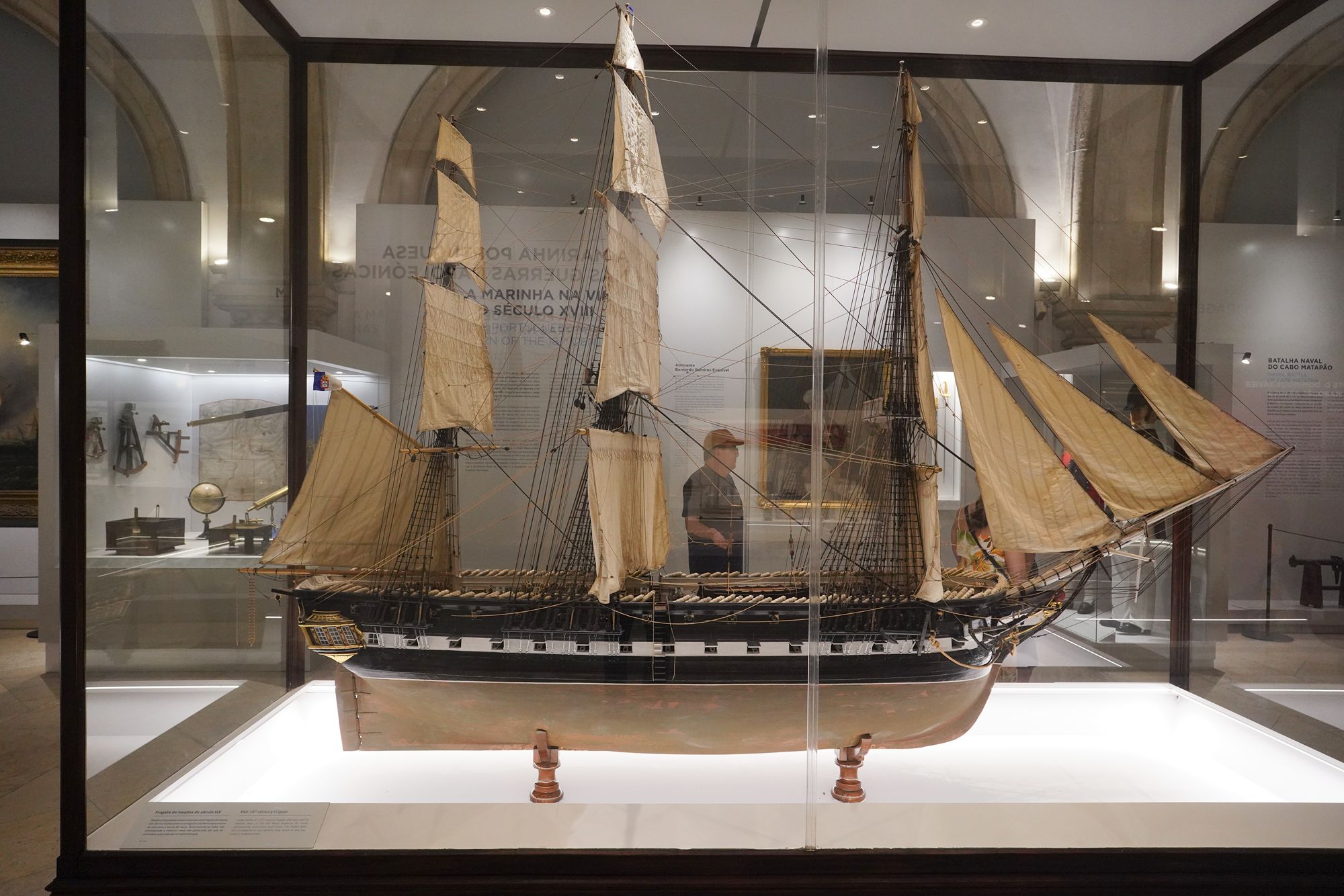
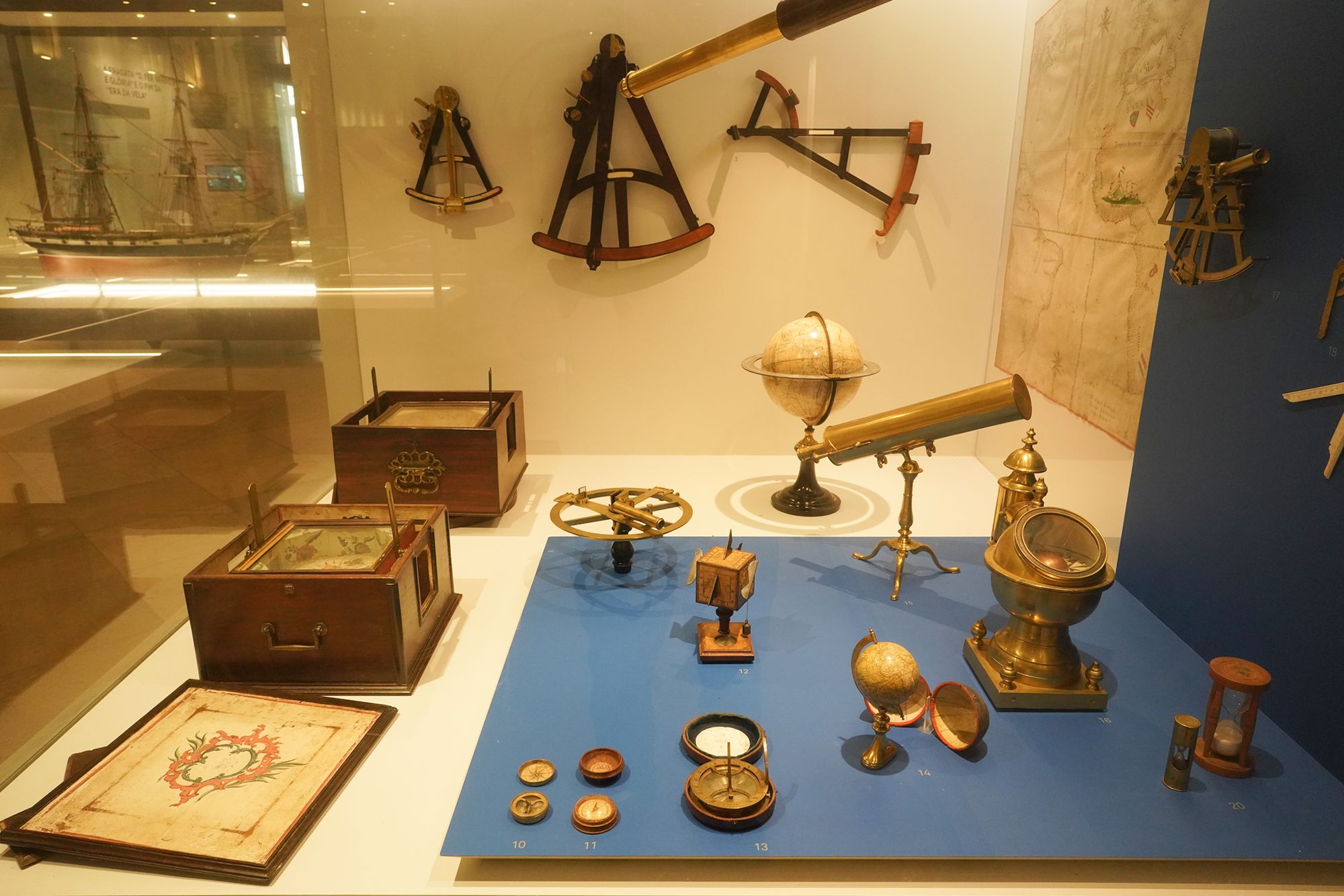
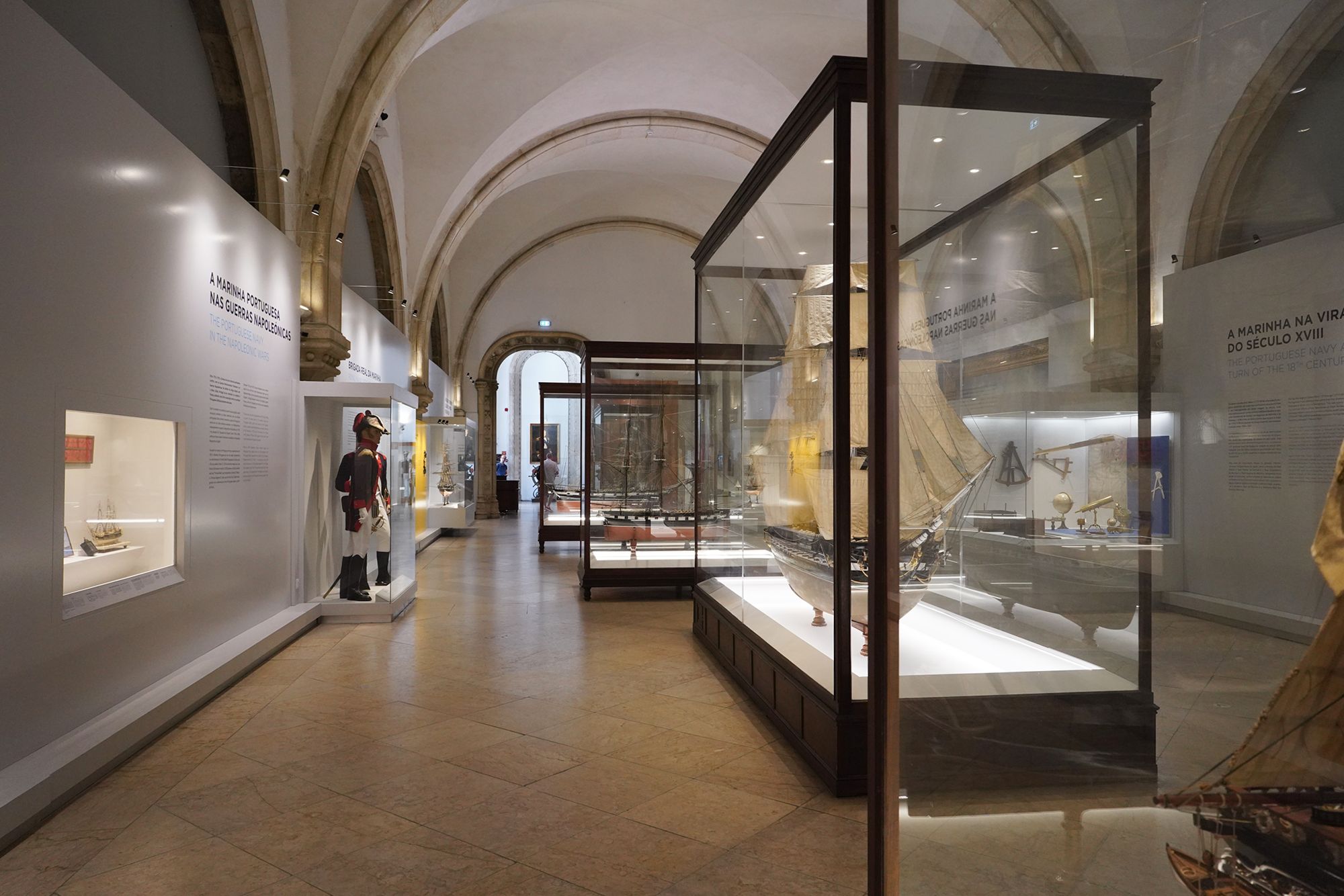
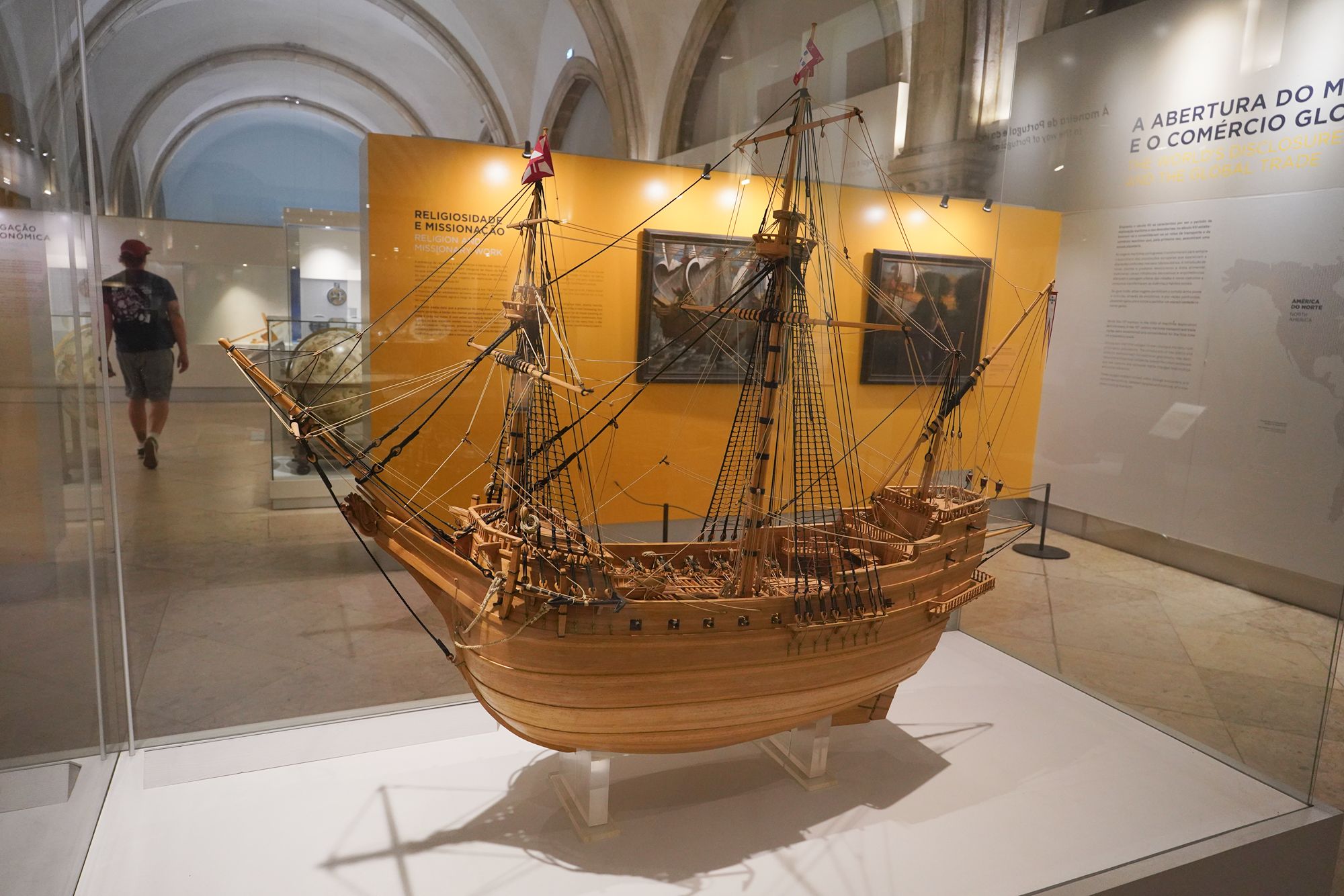
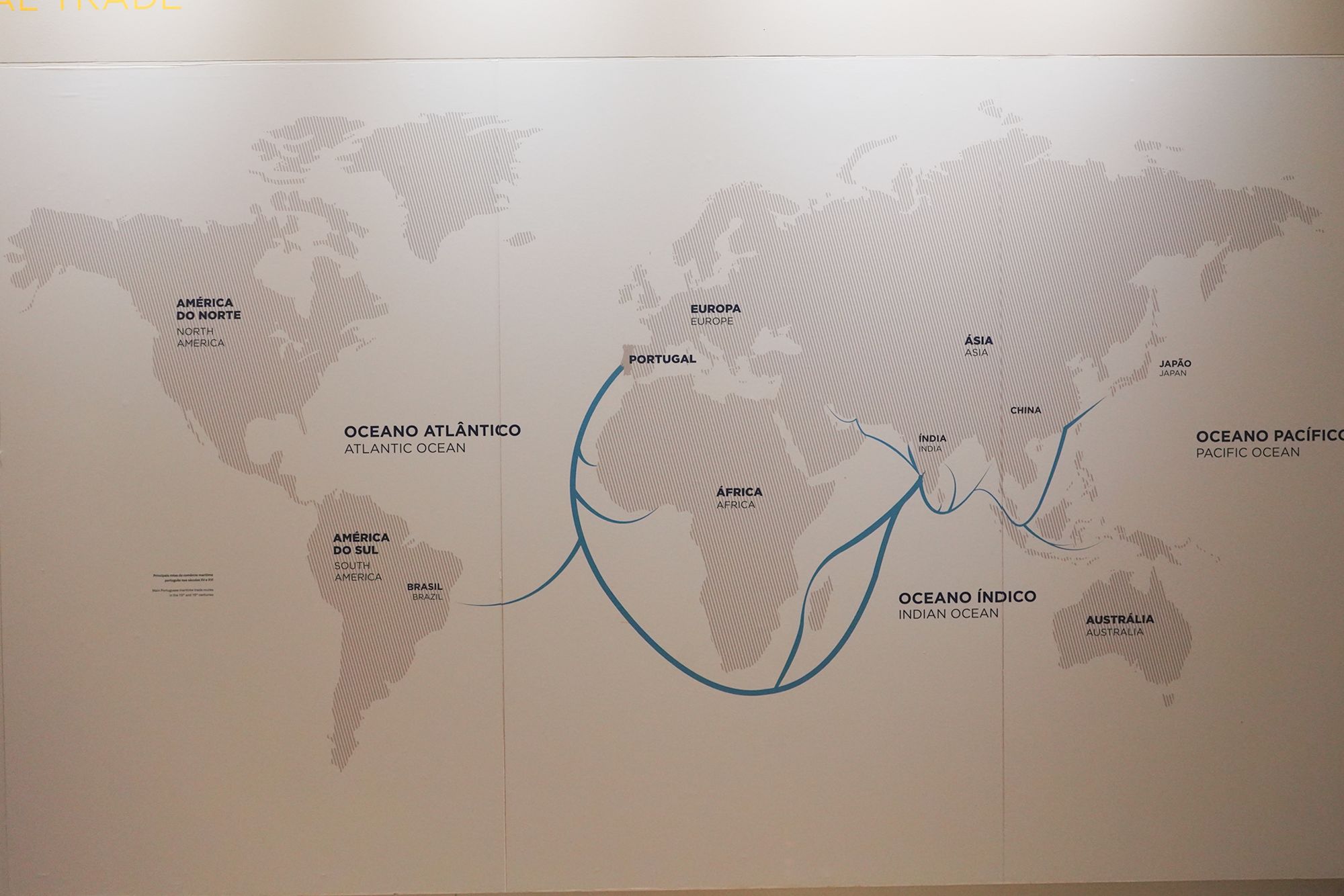
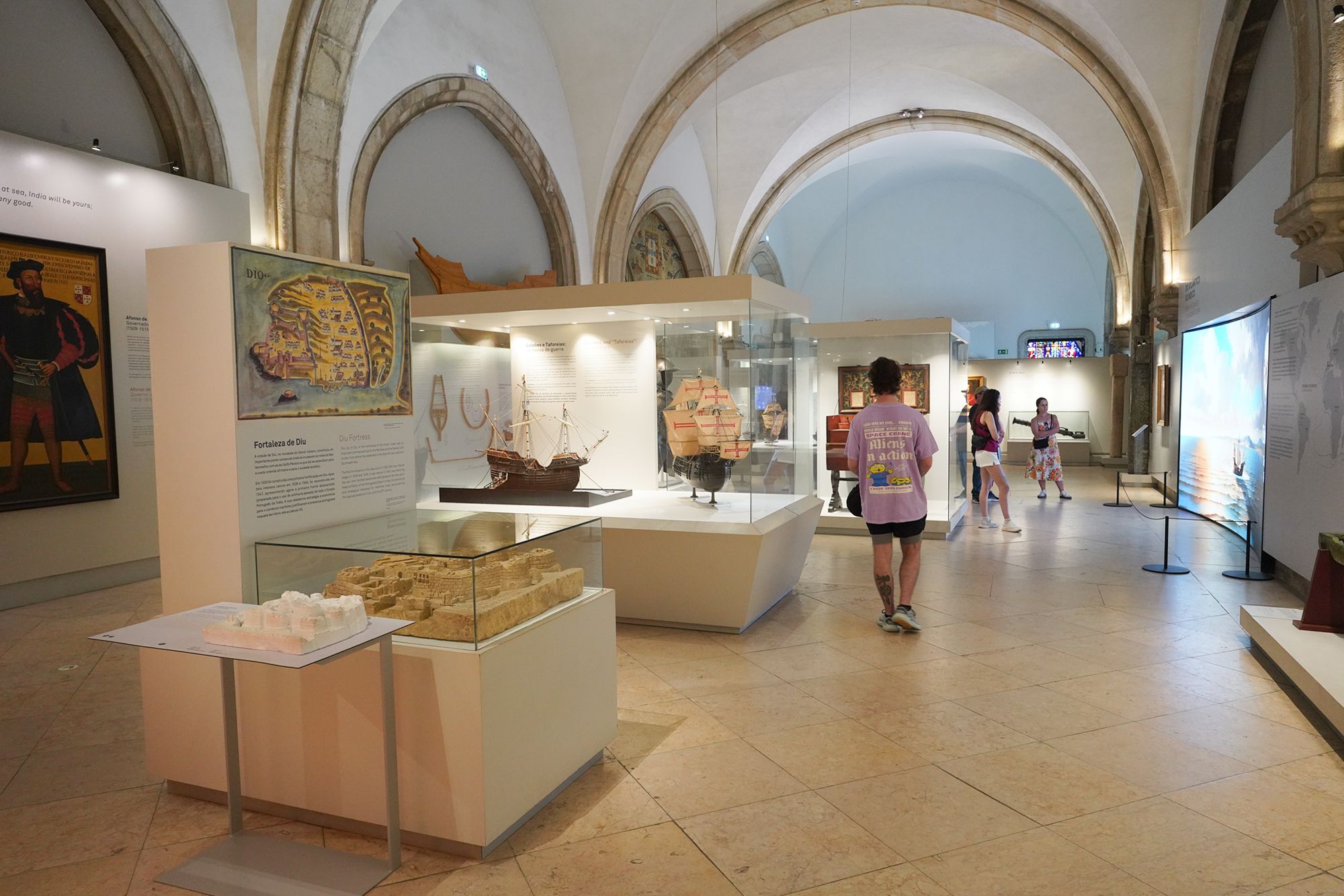
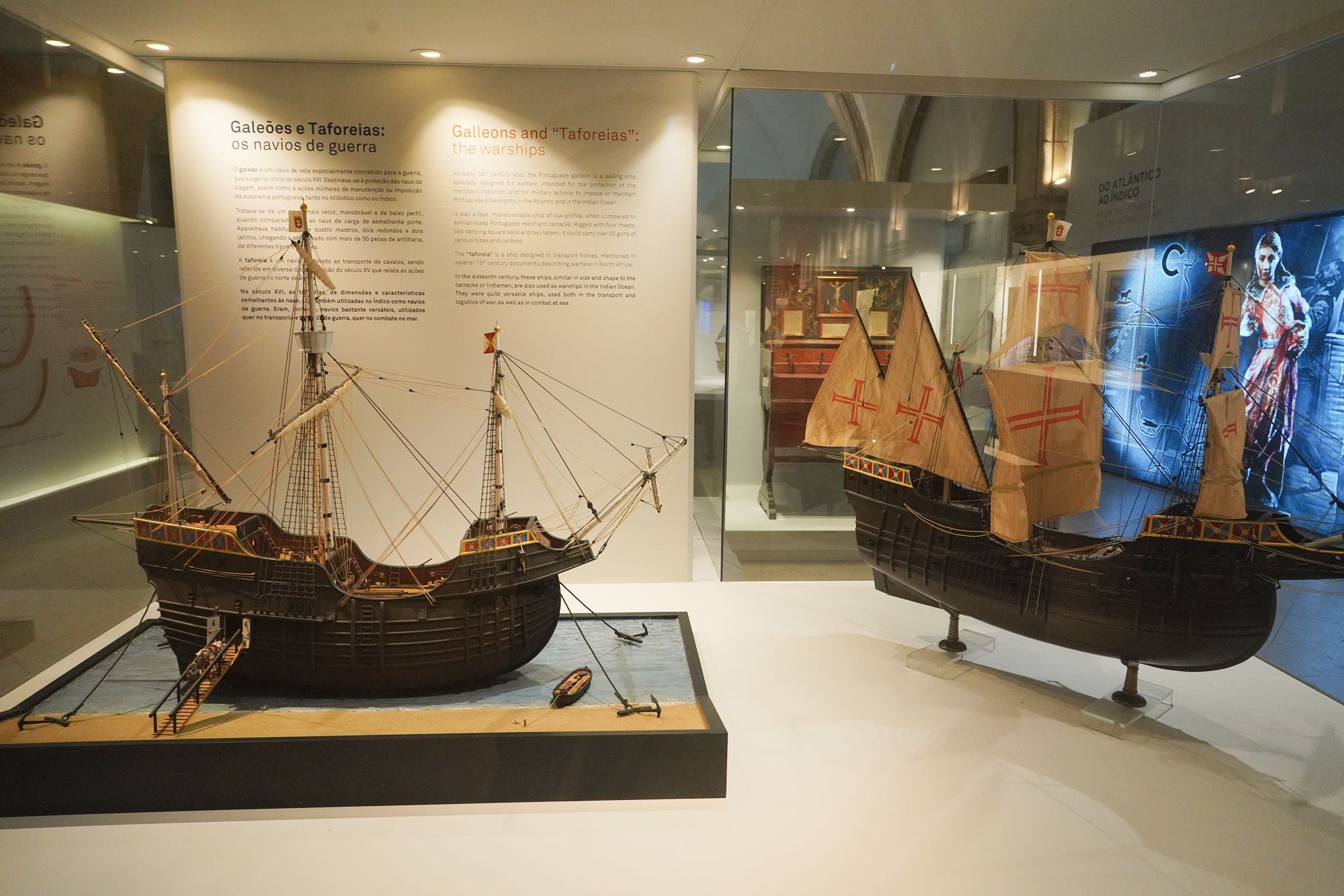
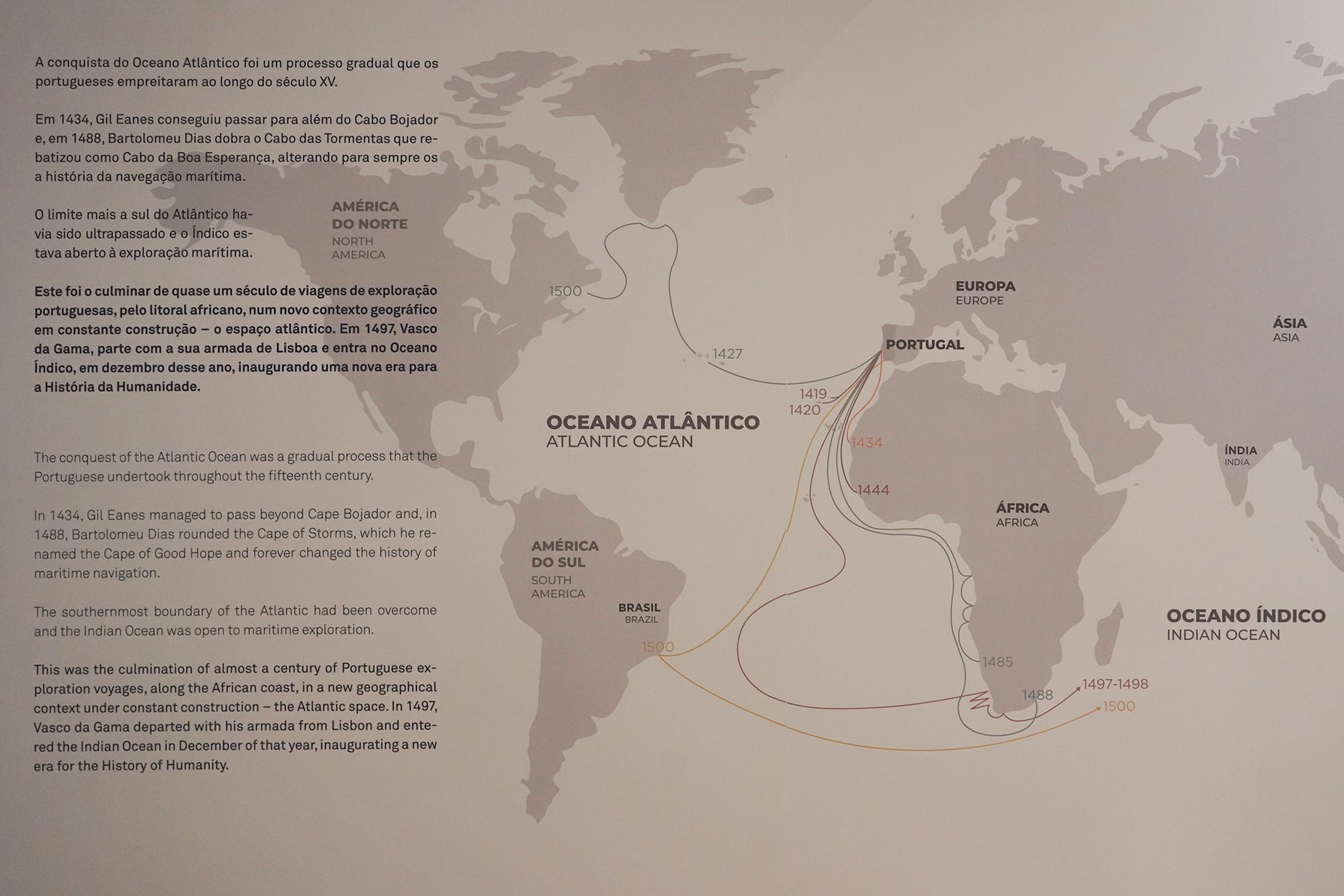
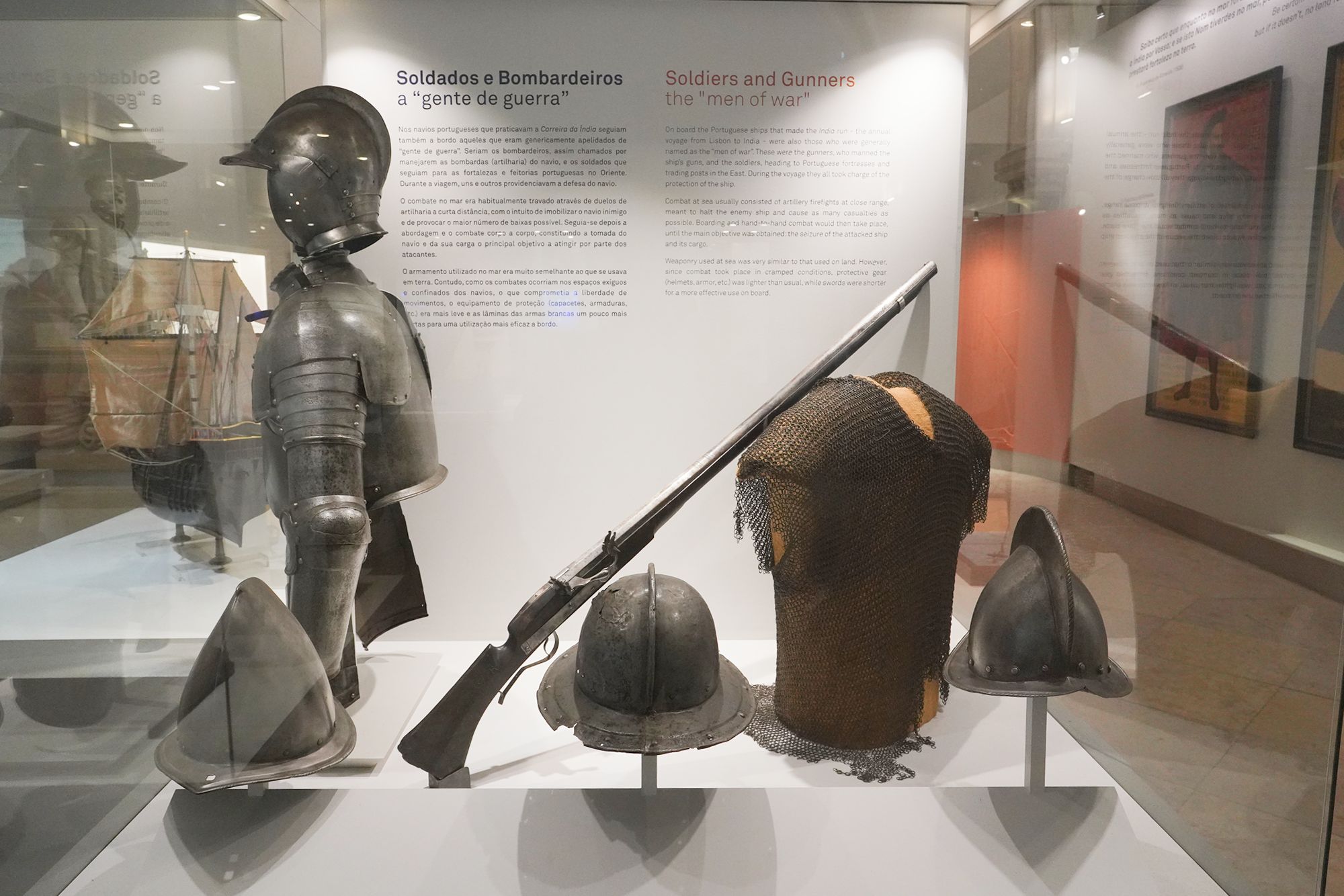
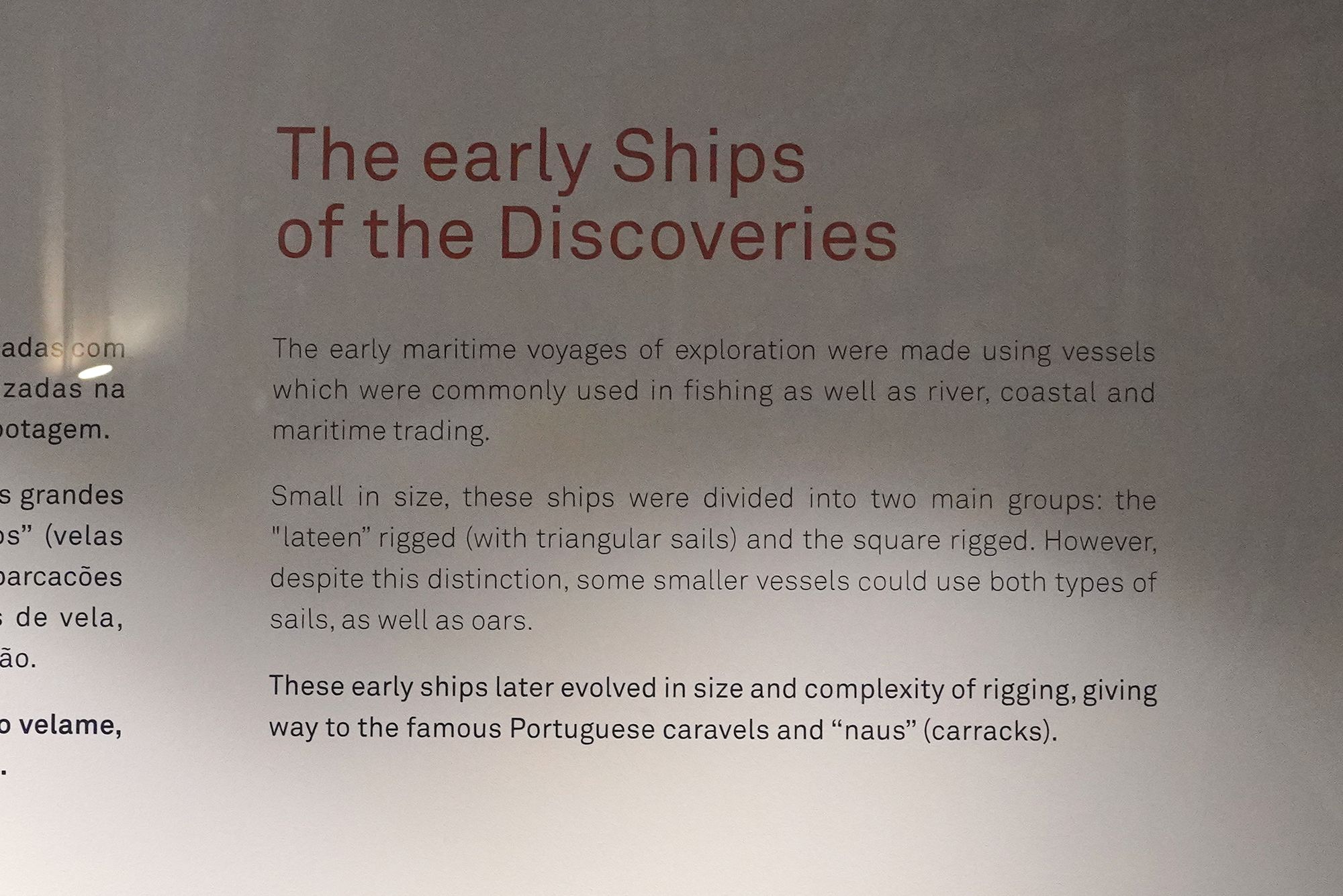
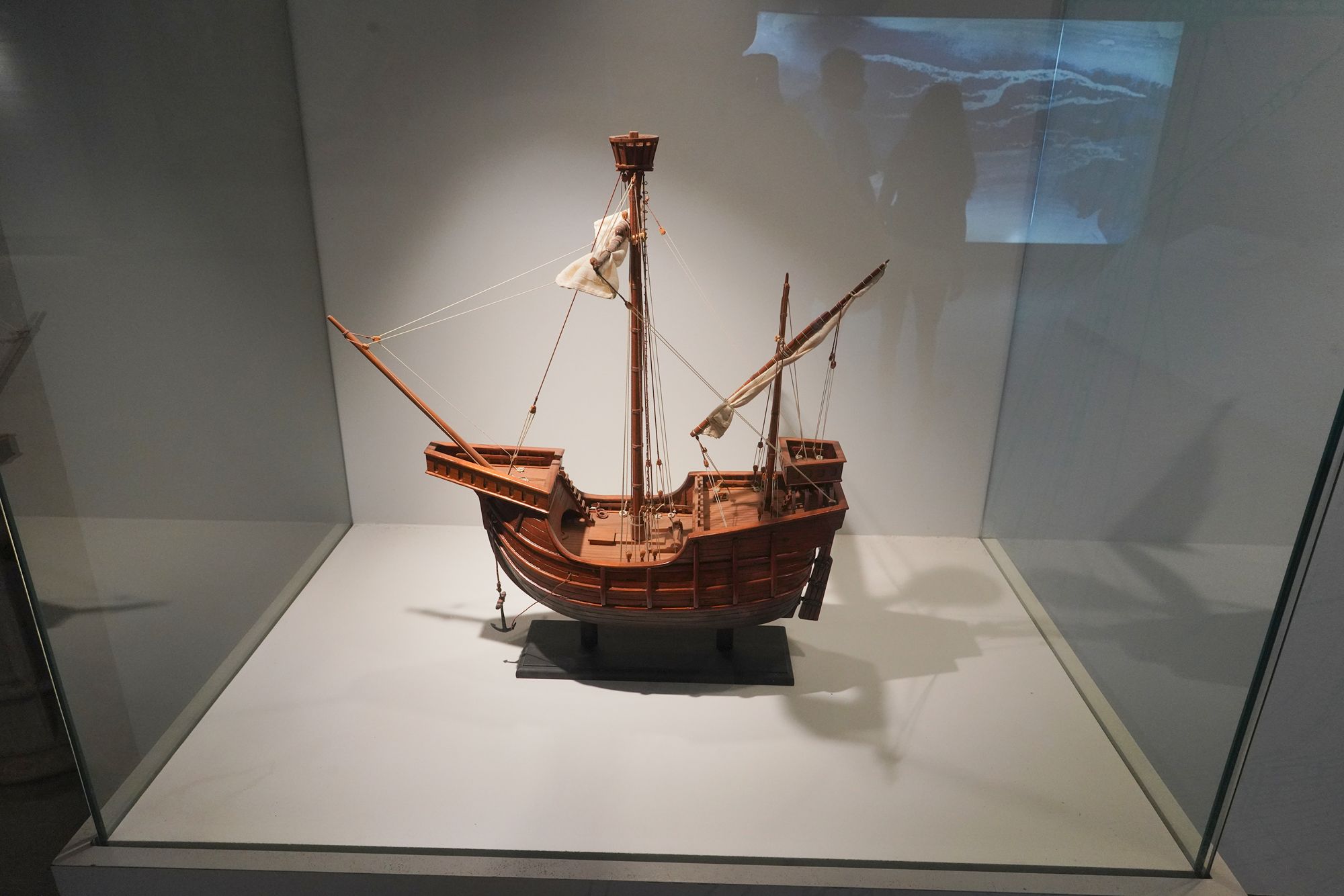
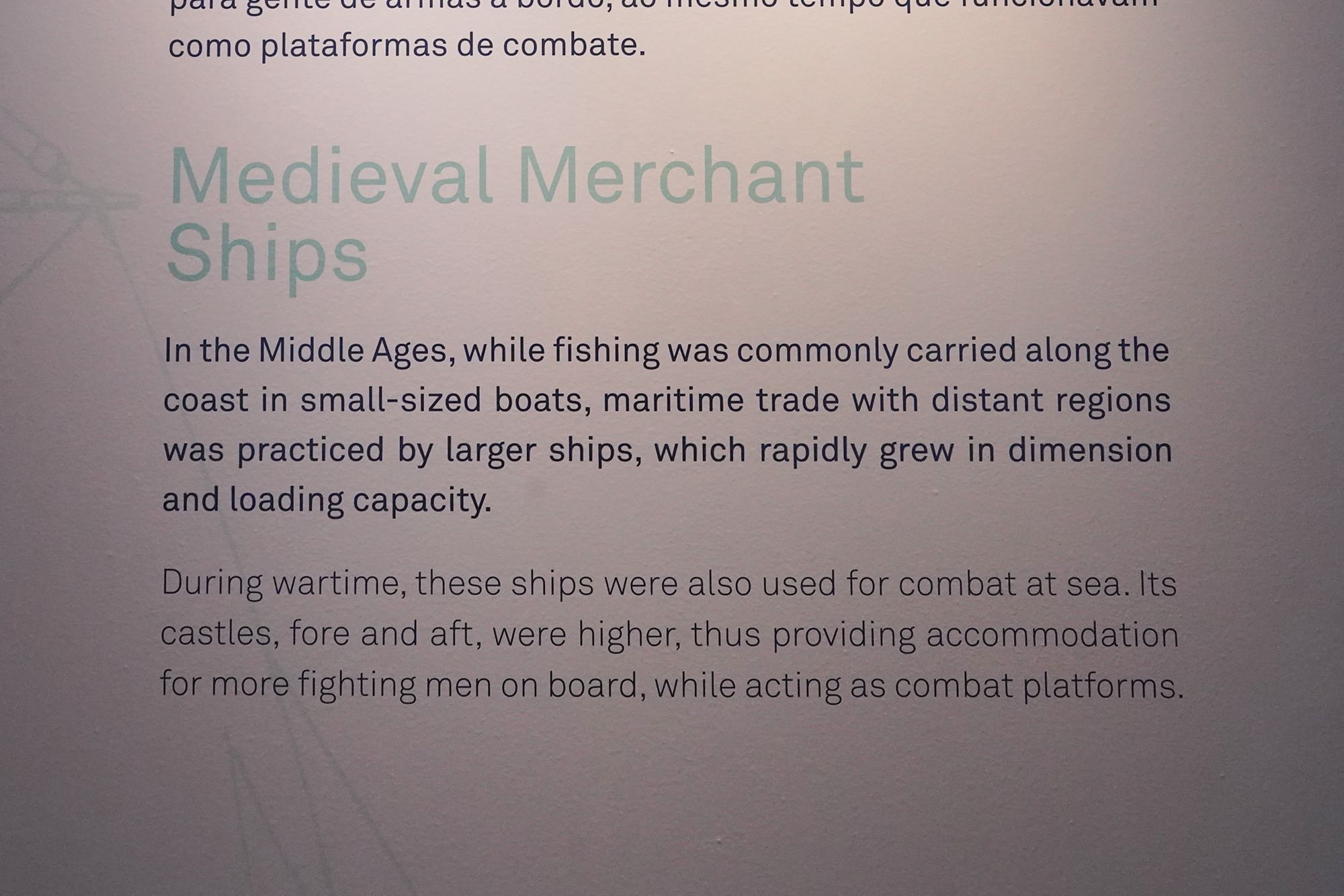
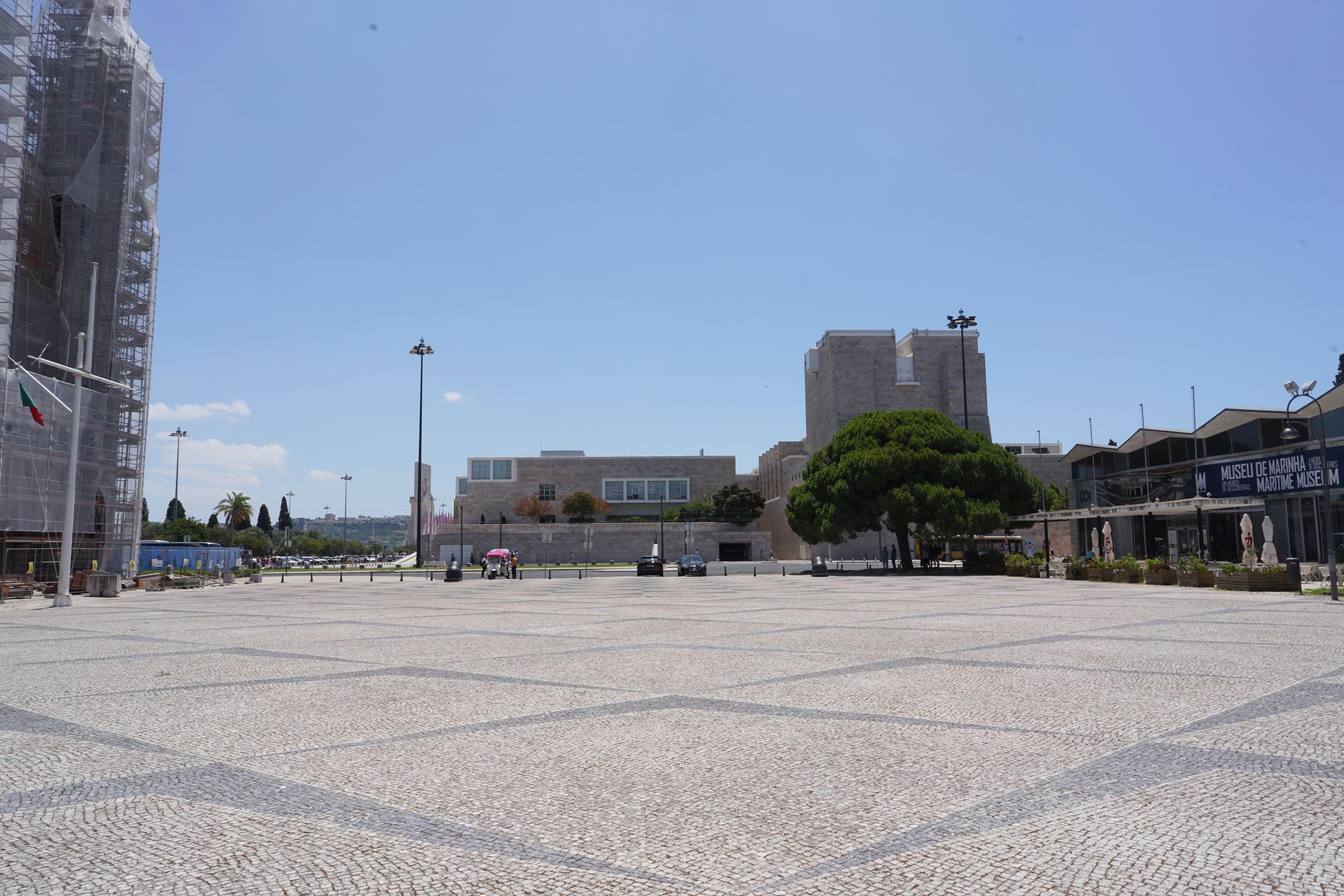
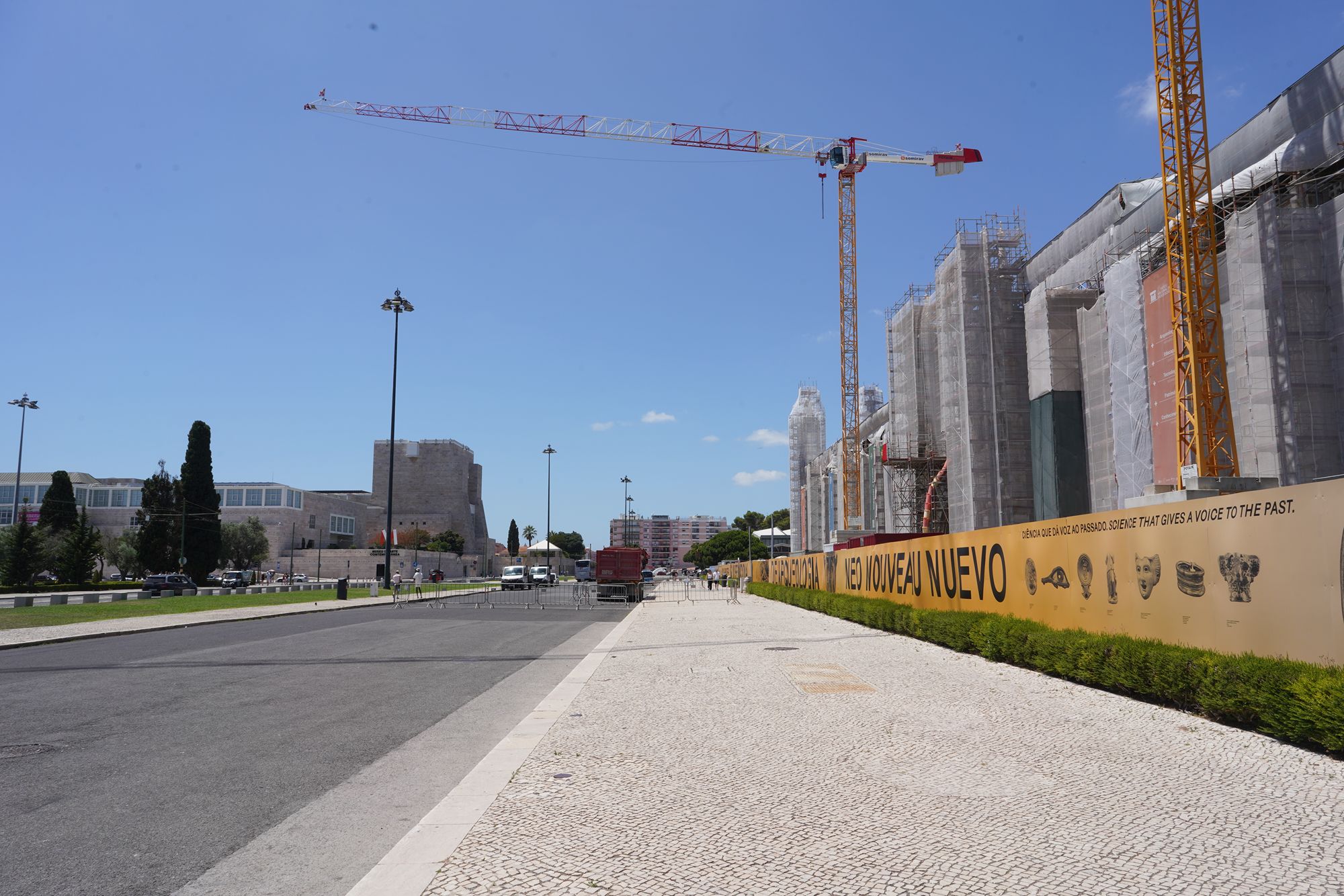
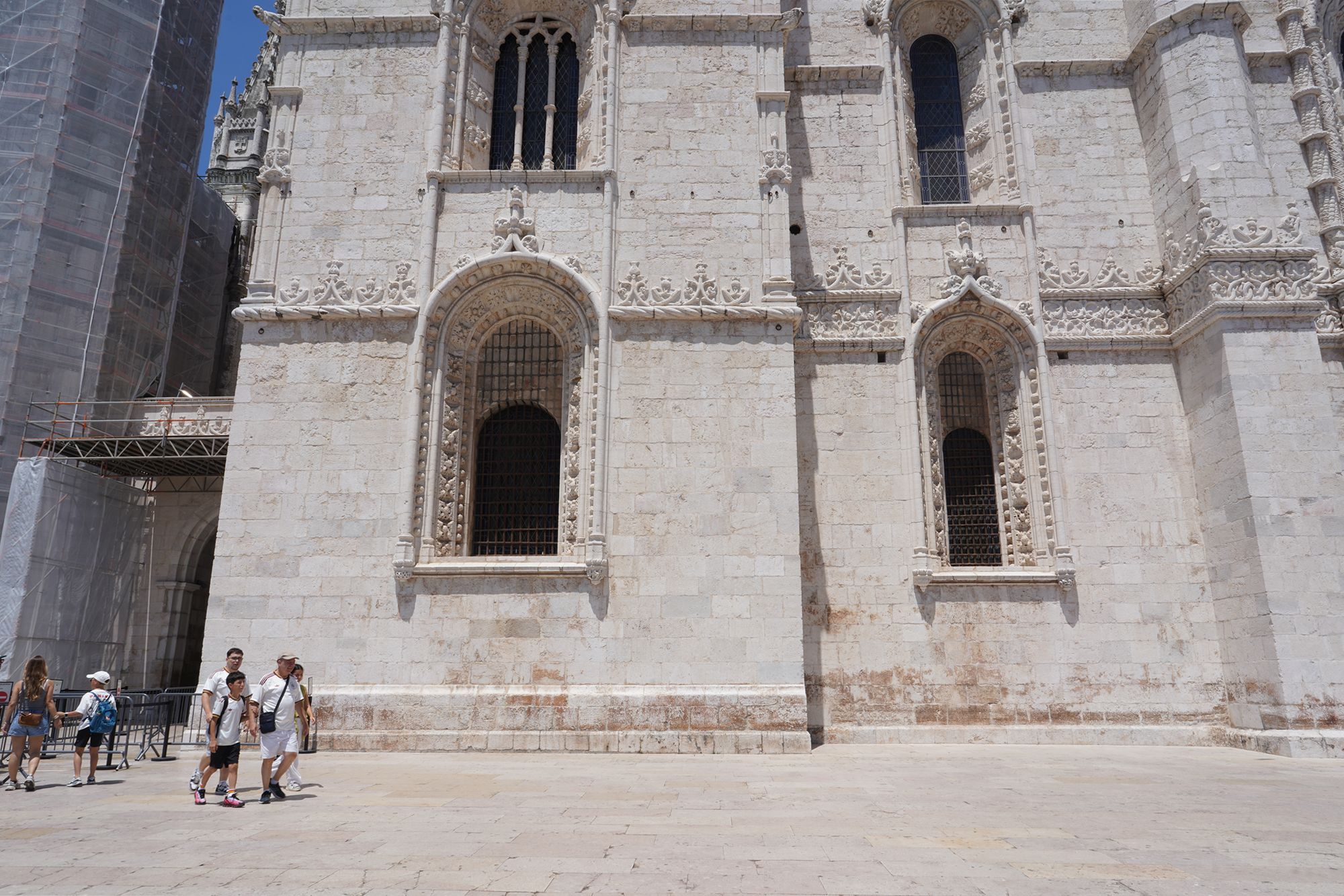
Finally, I returned to Jerónimos Monastery, the last stop of my visit to Belém.
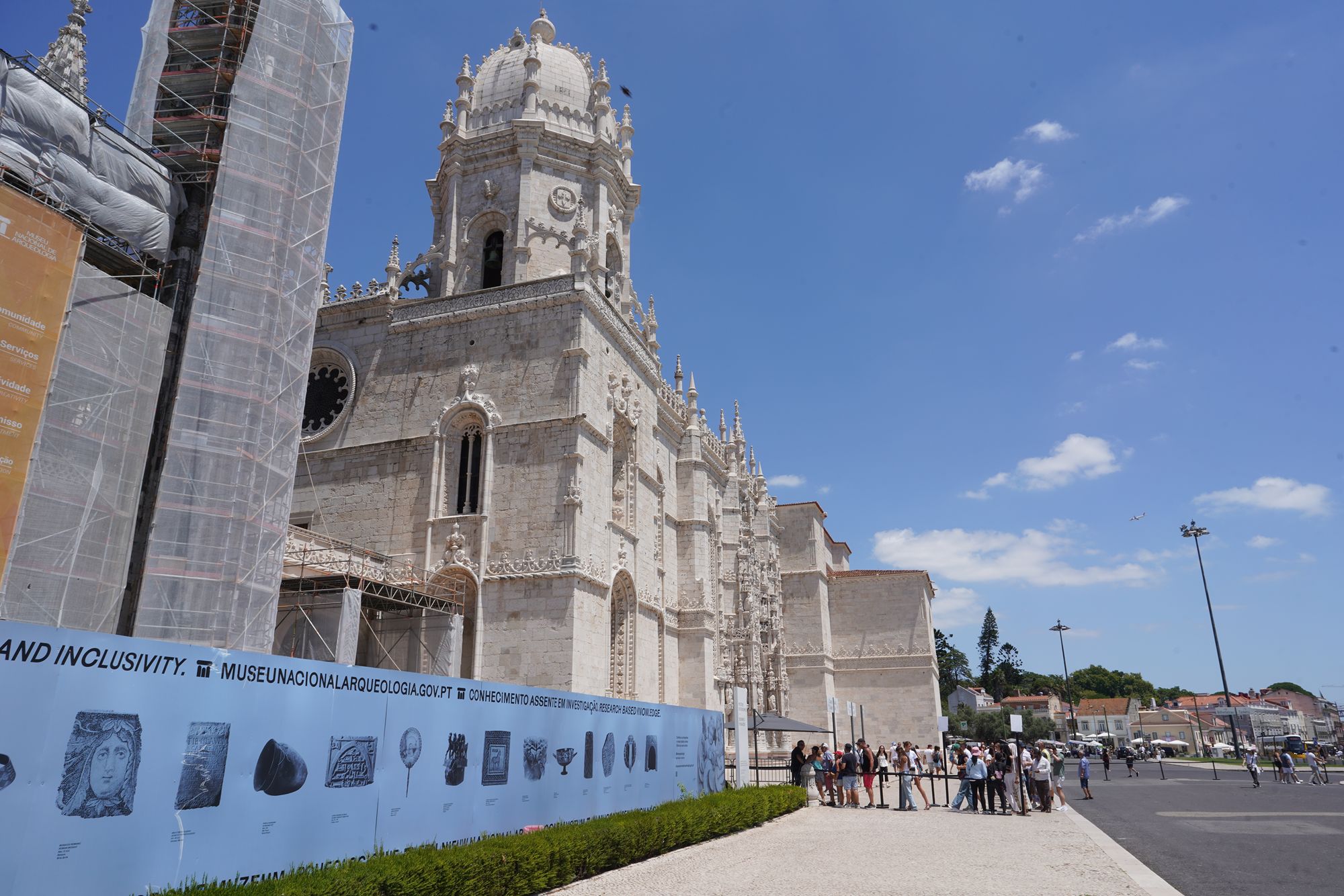
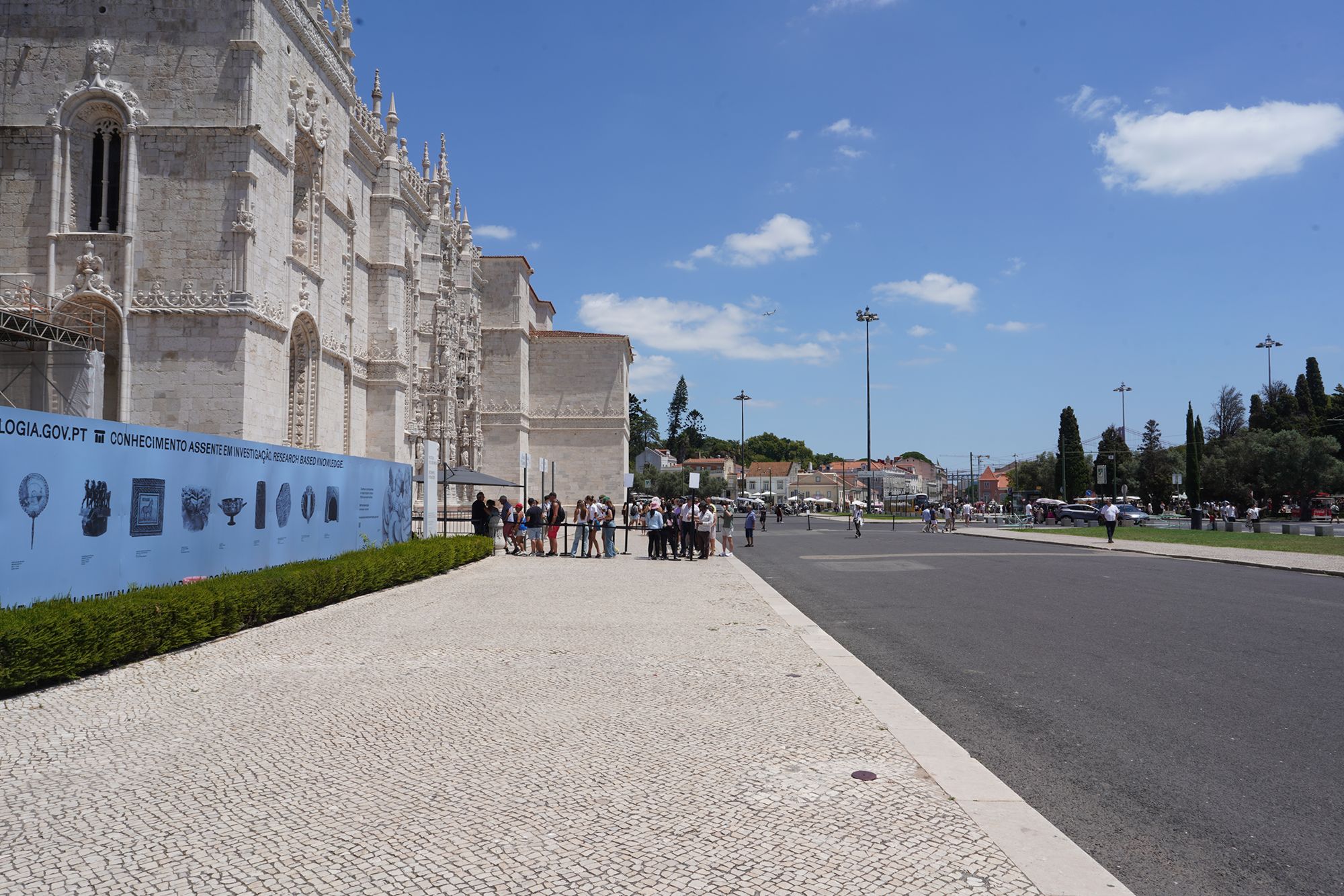
A view behind me
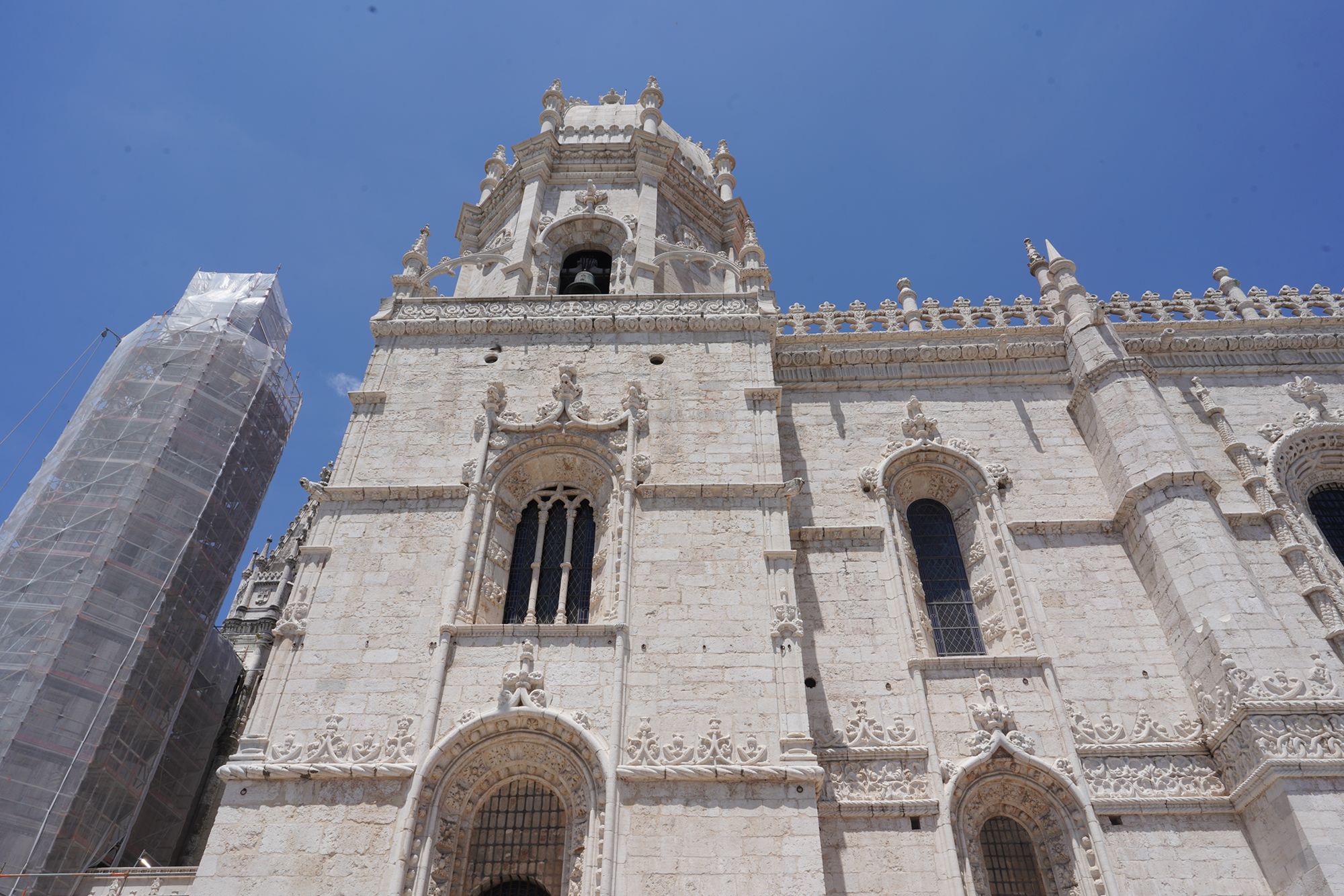
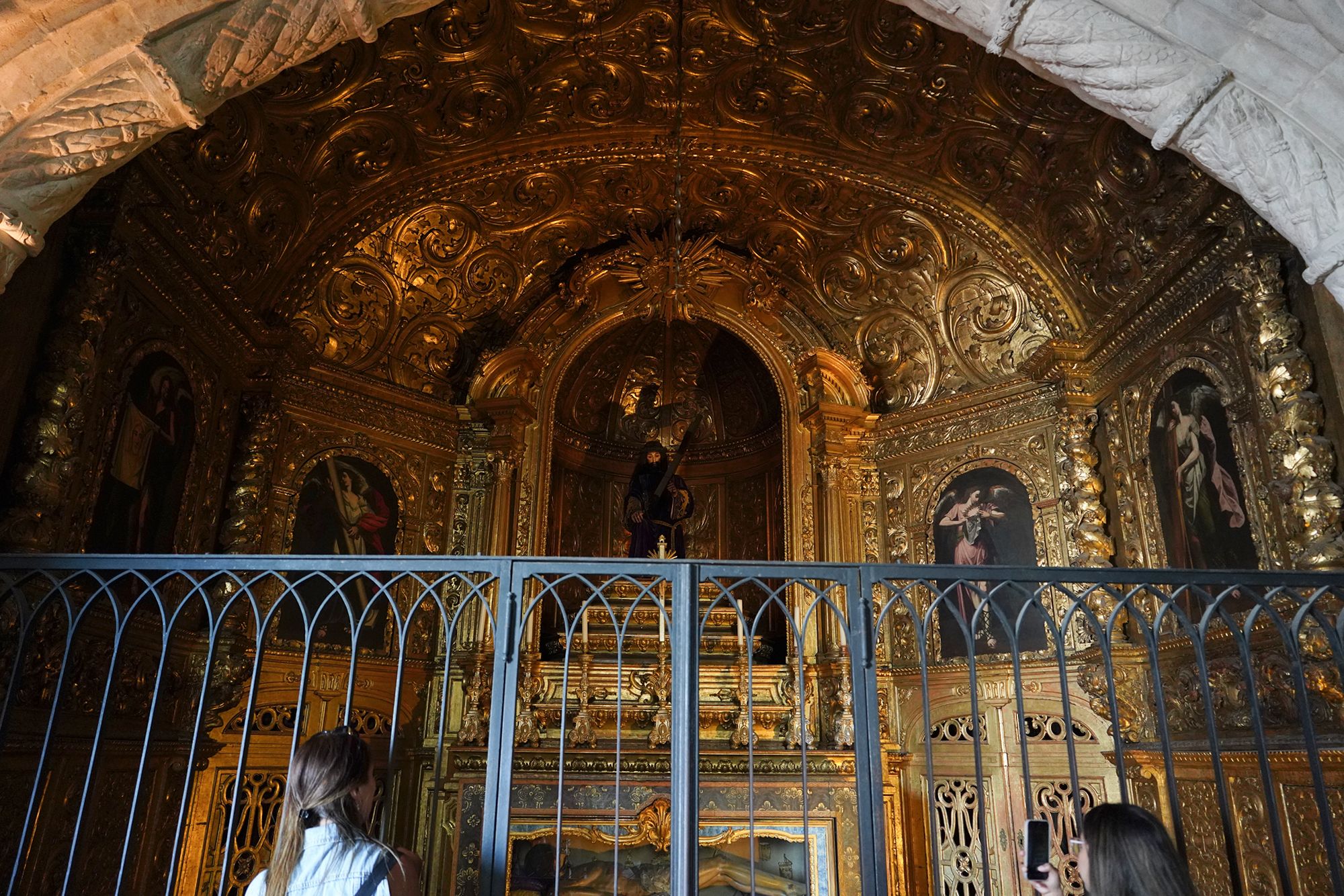
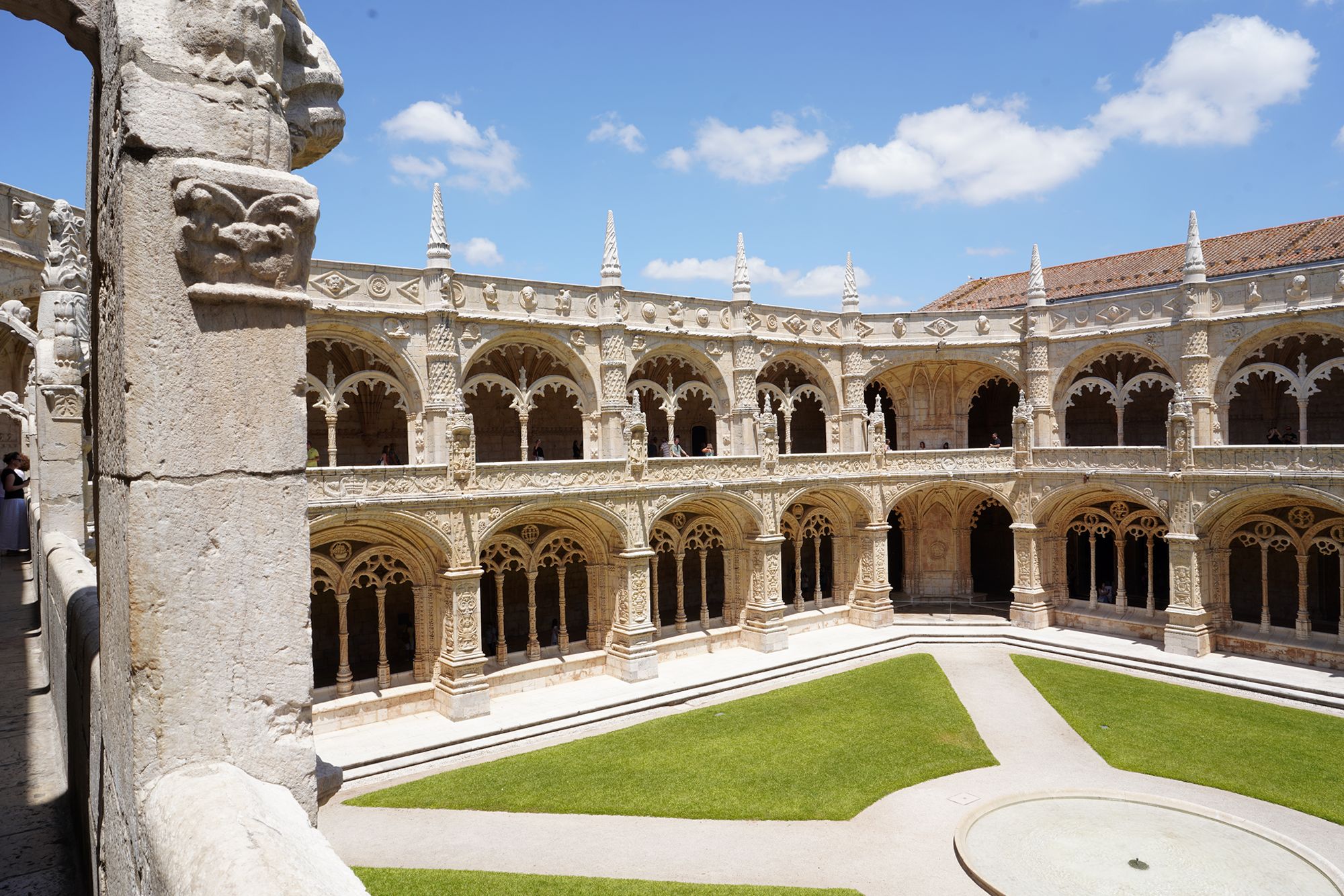
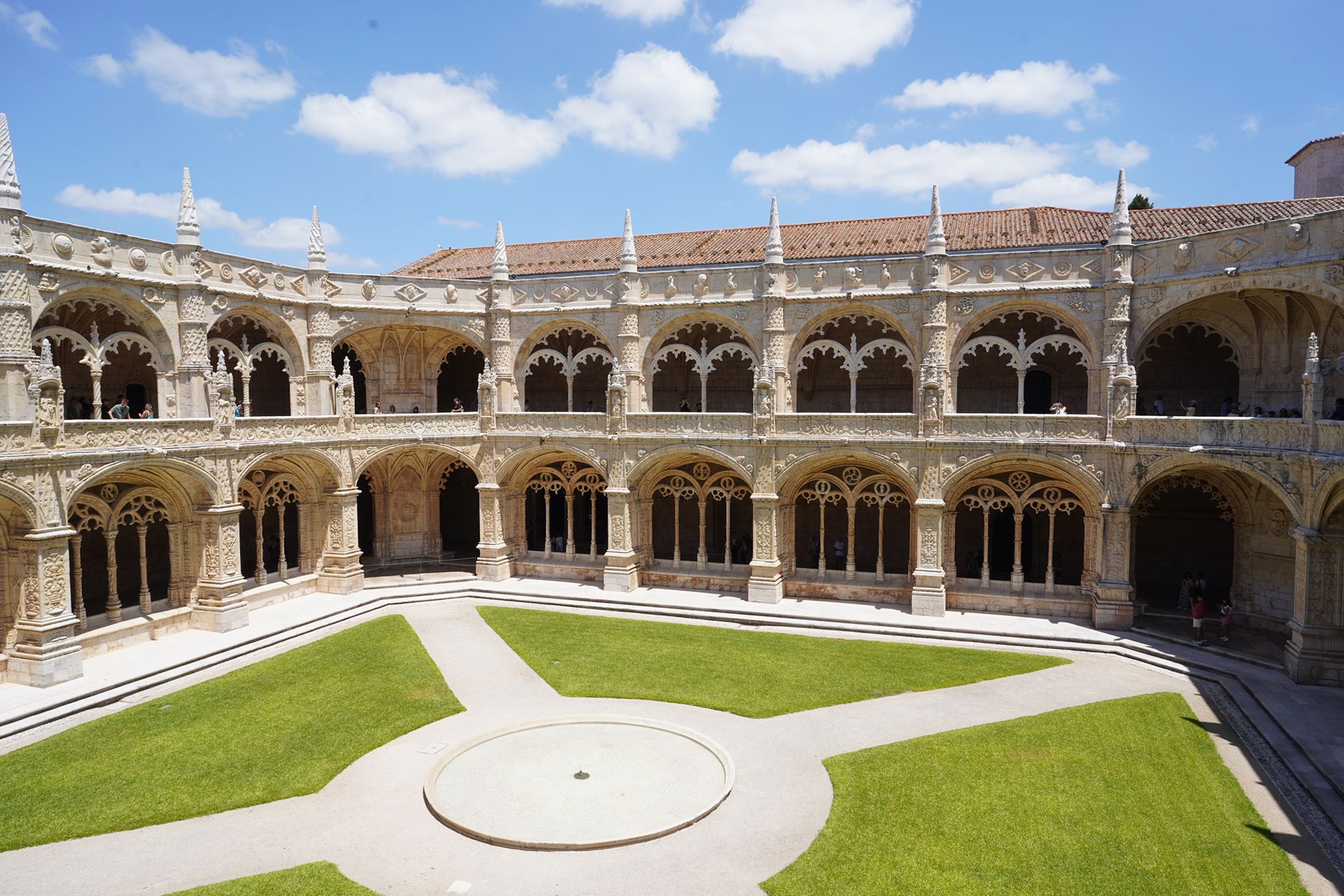
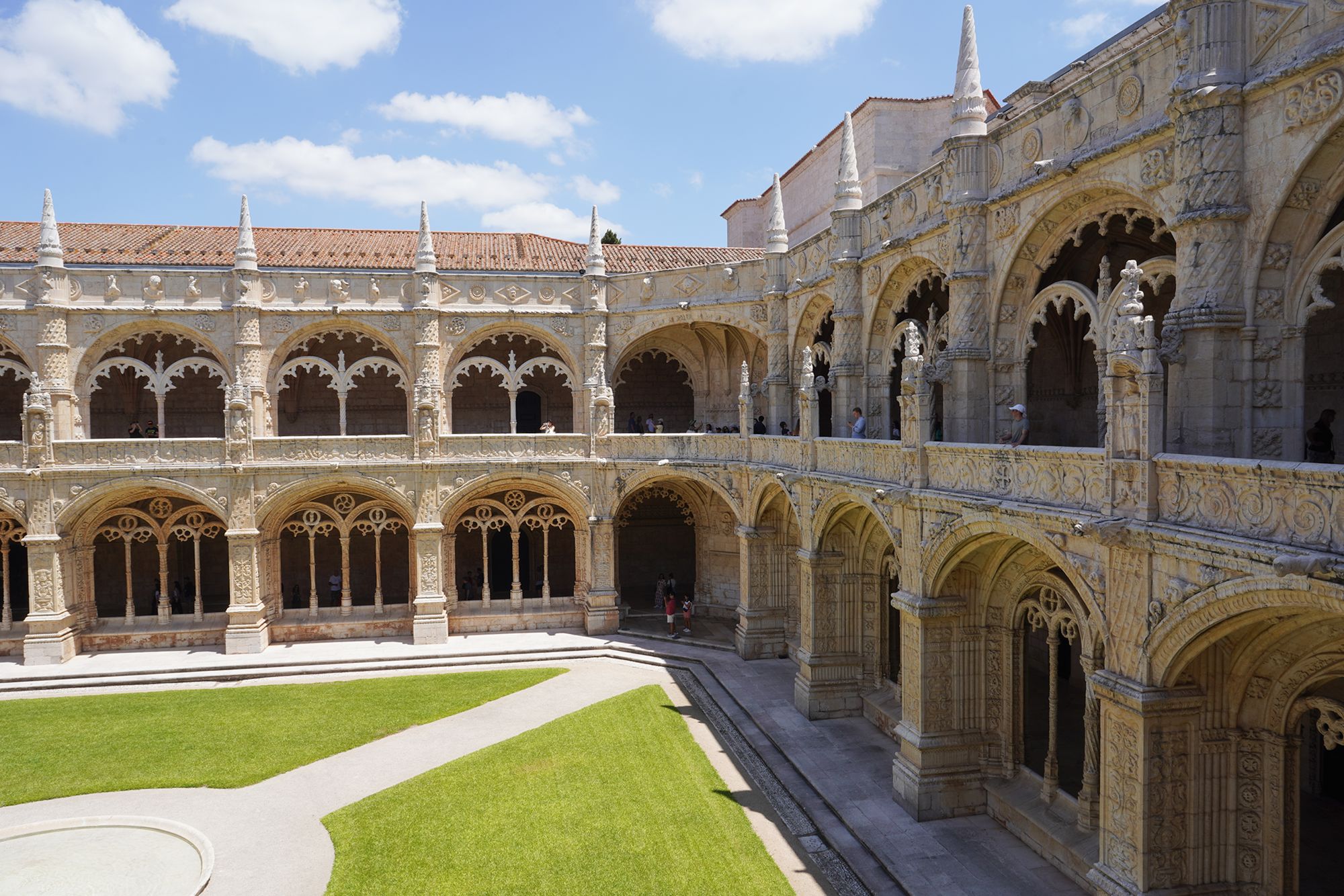
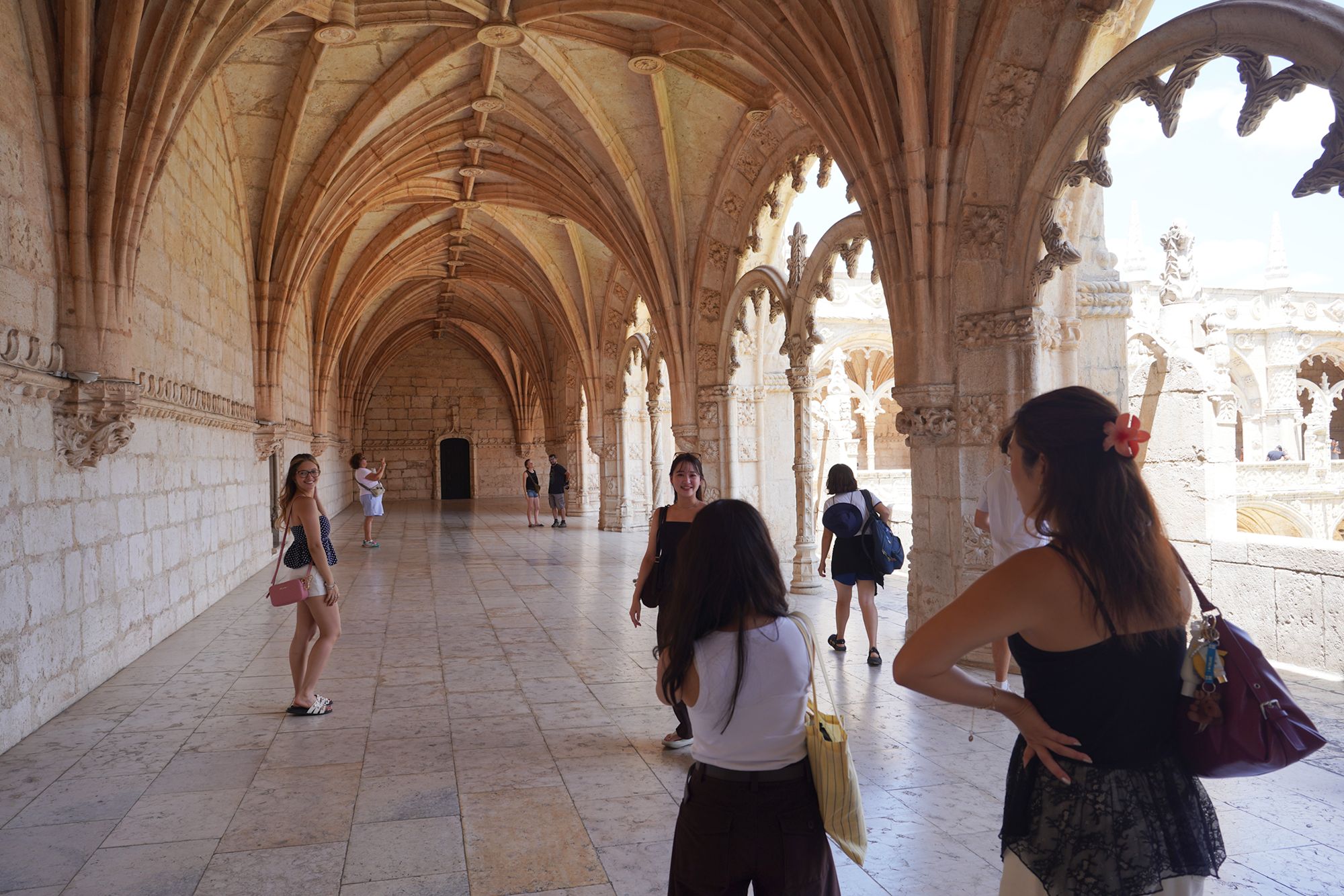
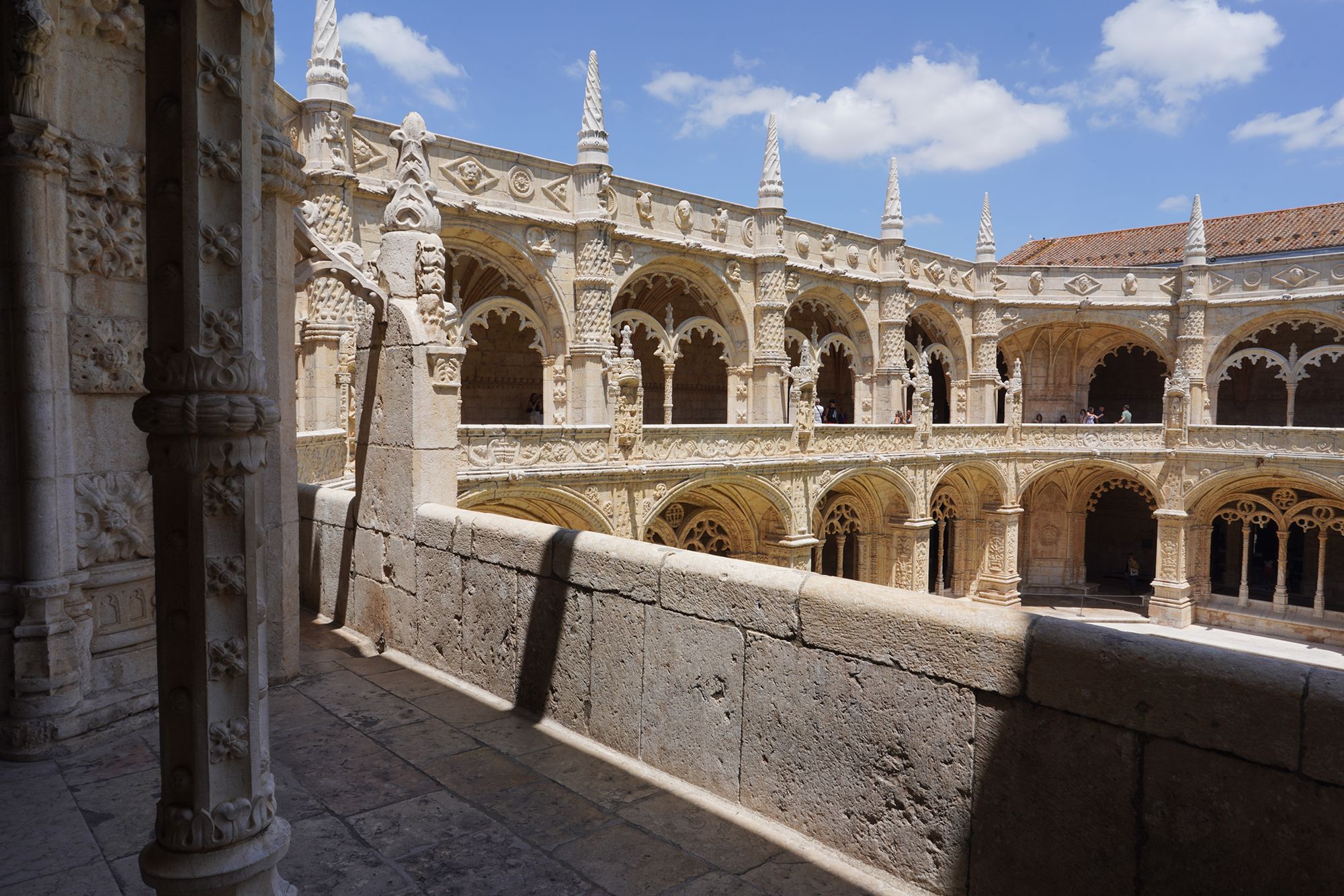
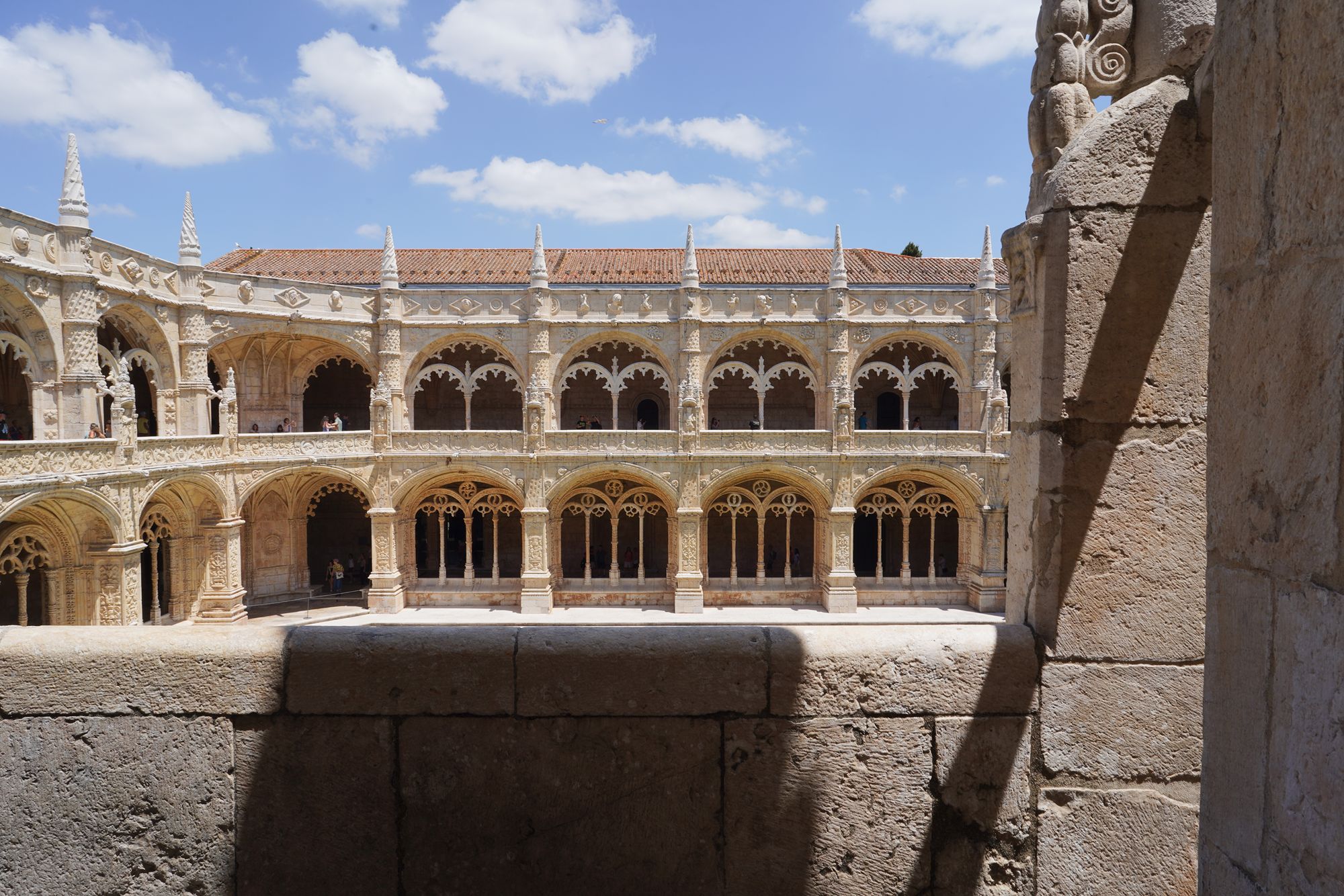
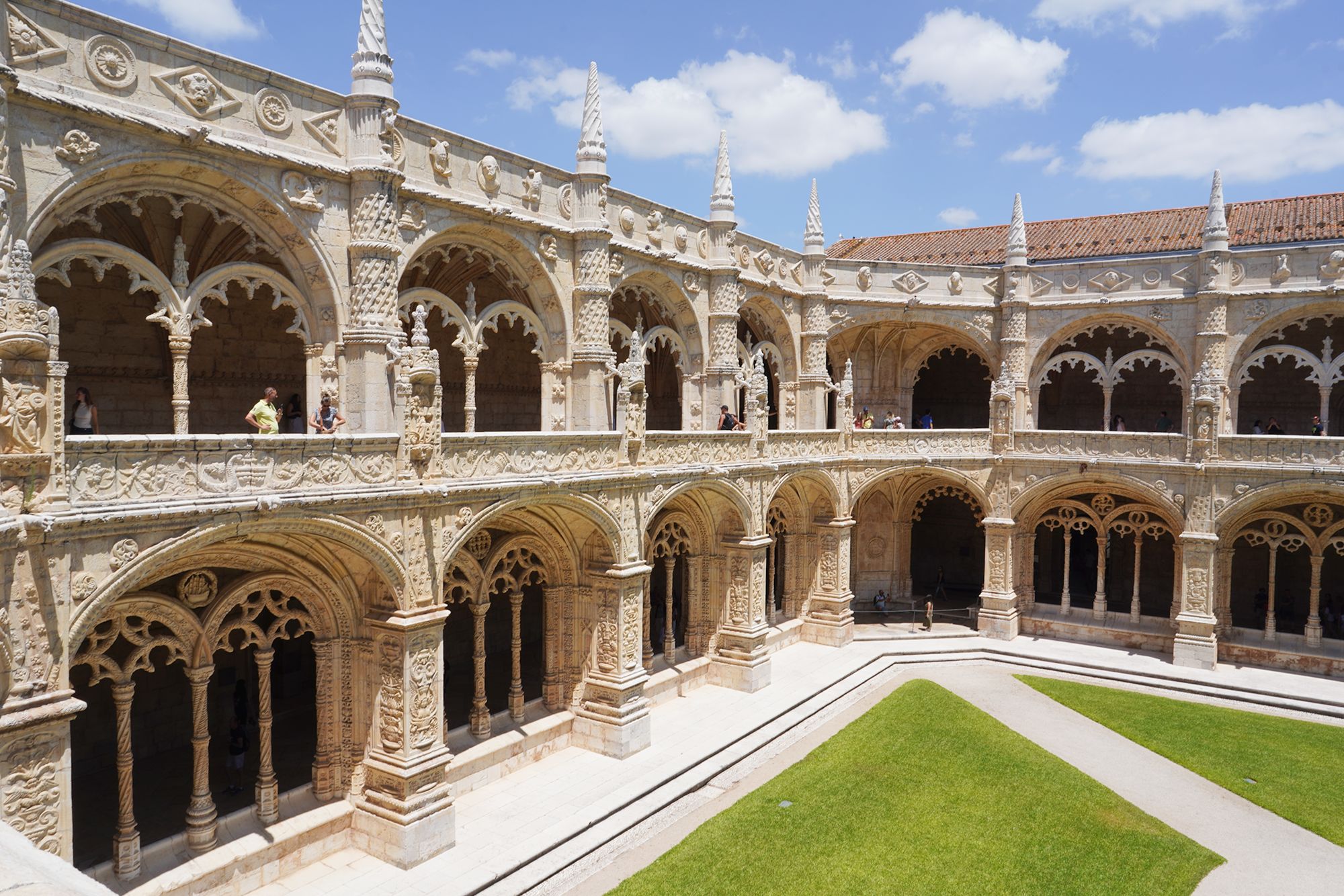
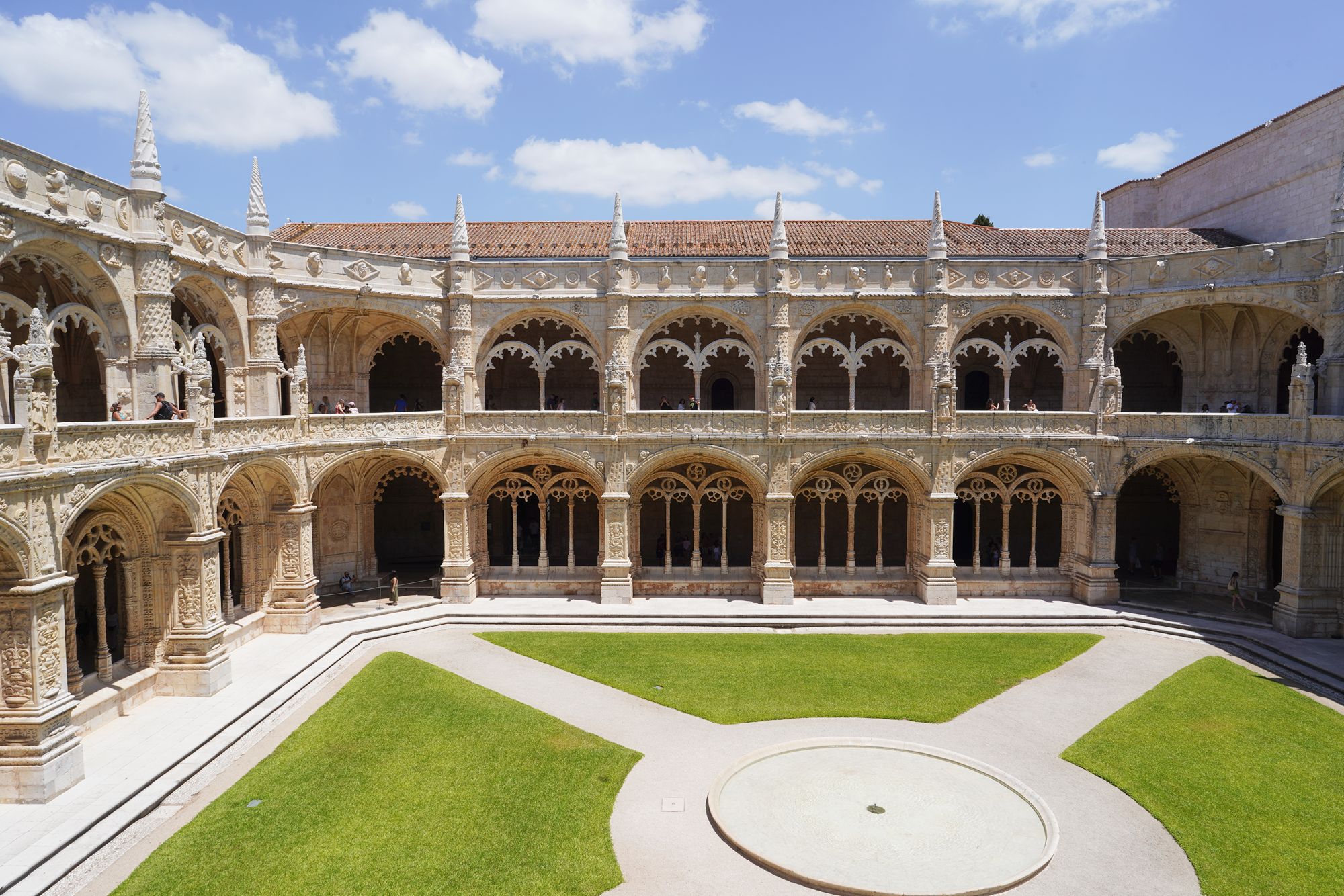
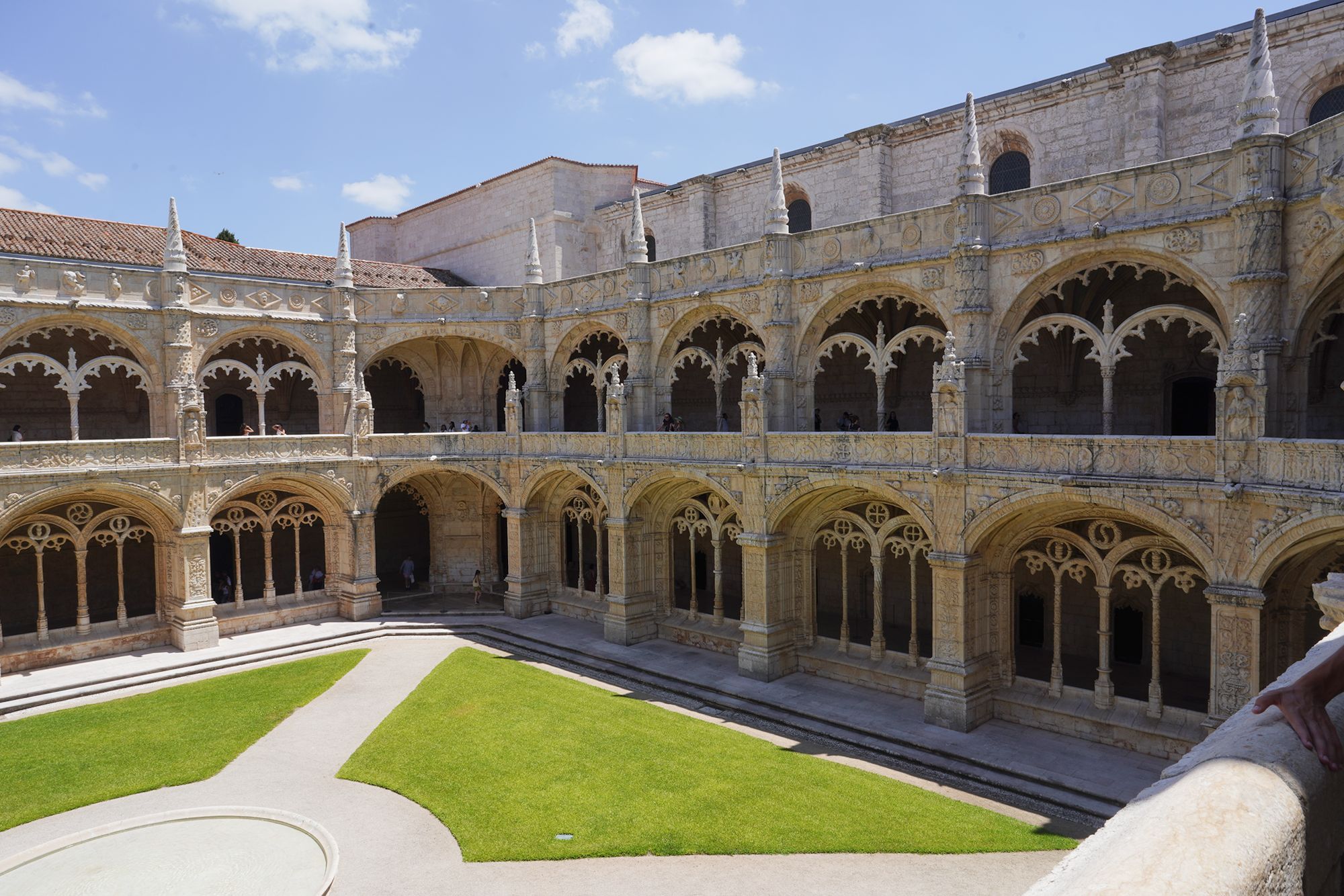
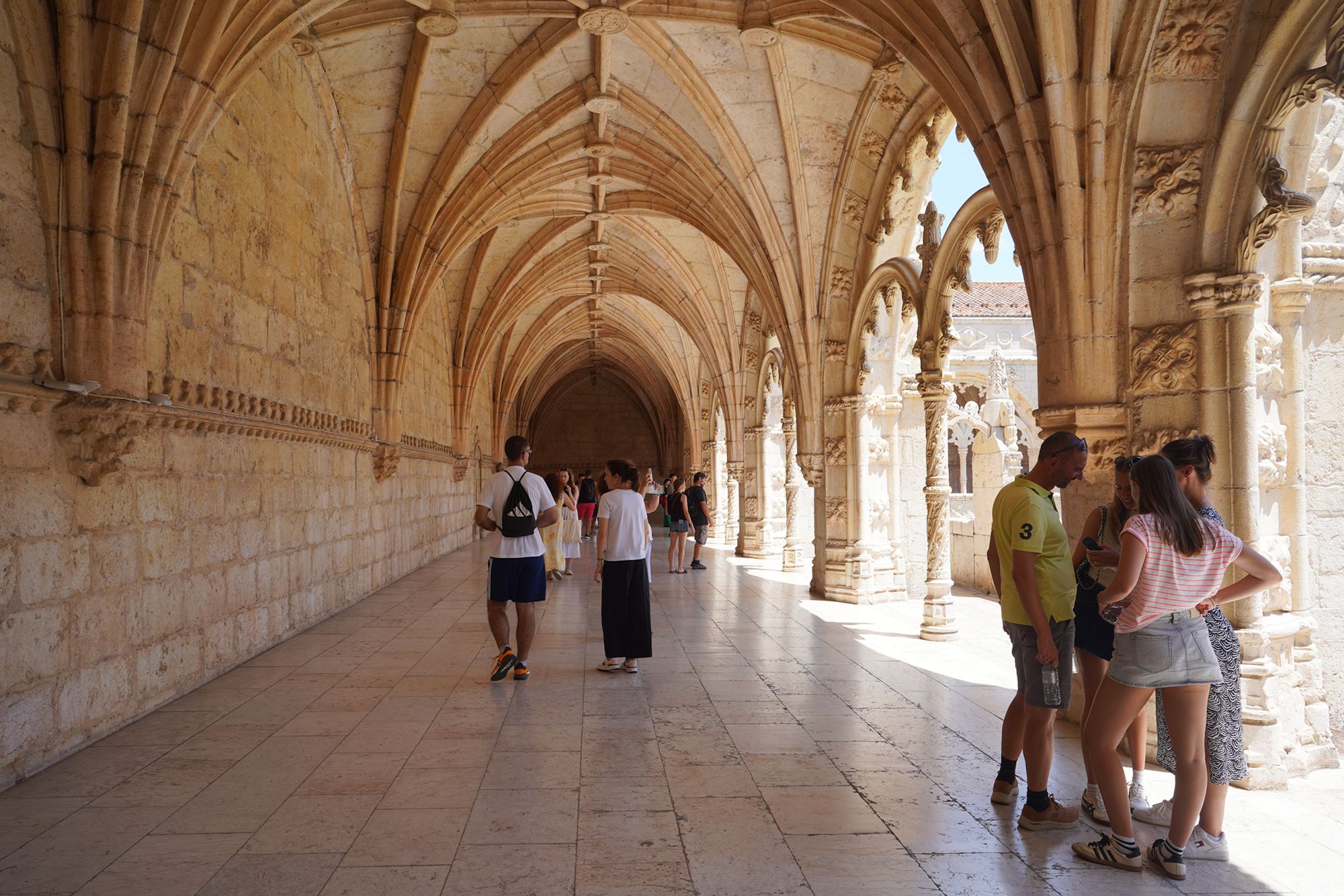
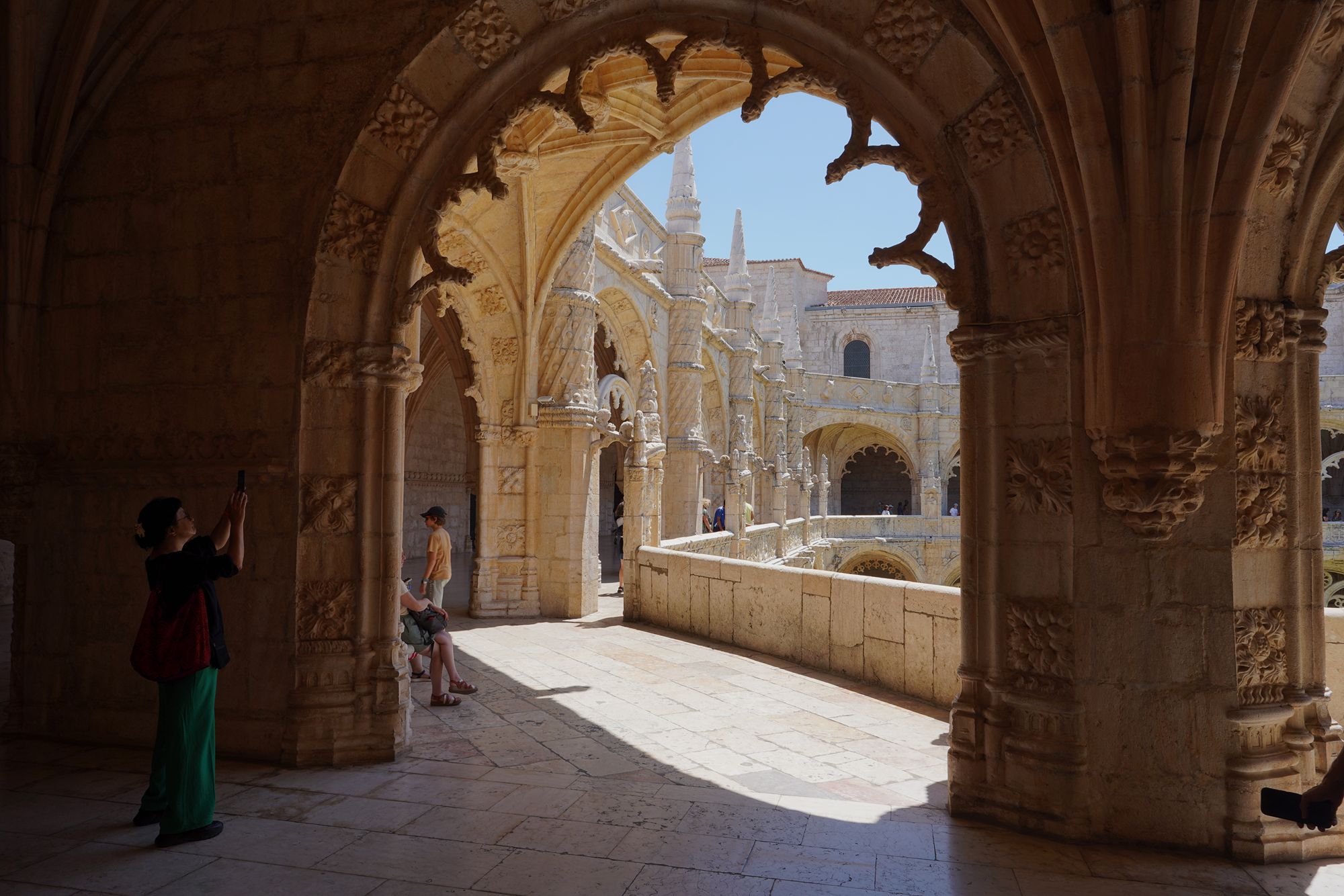
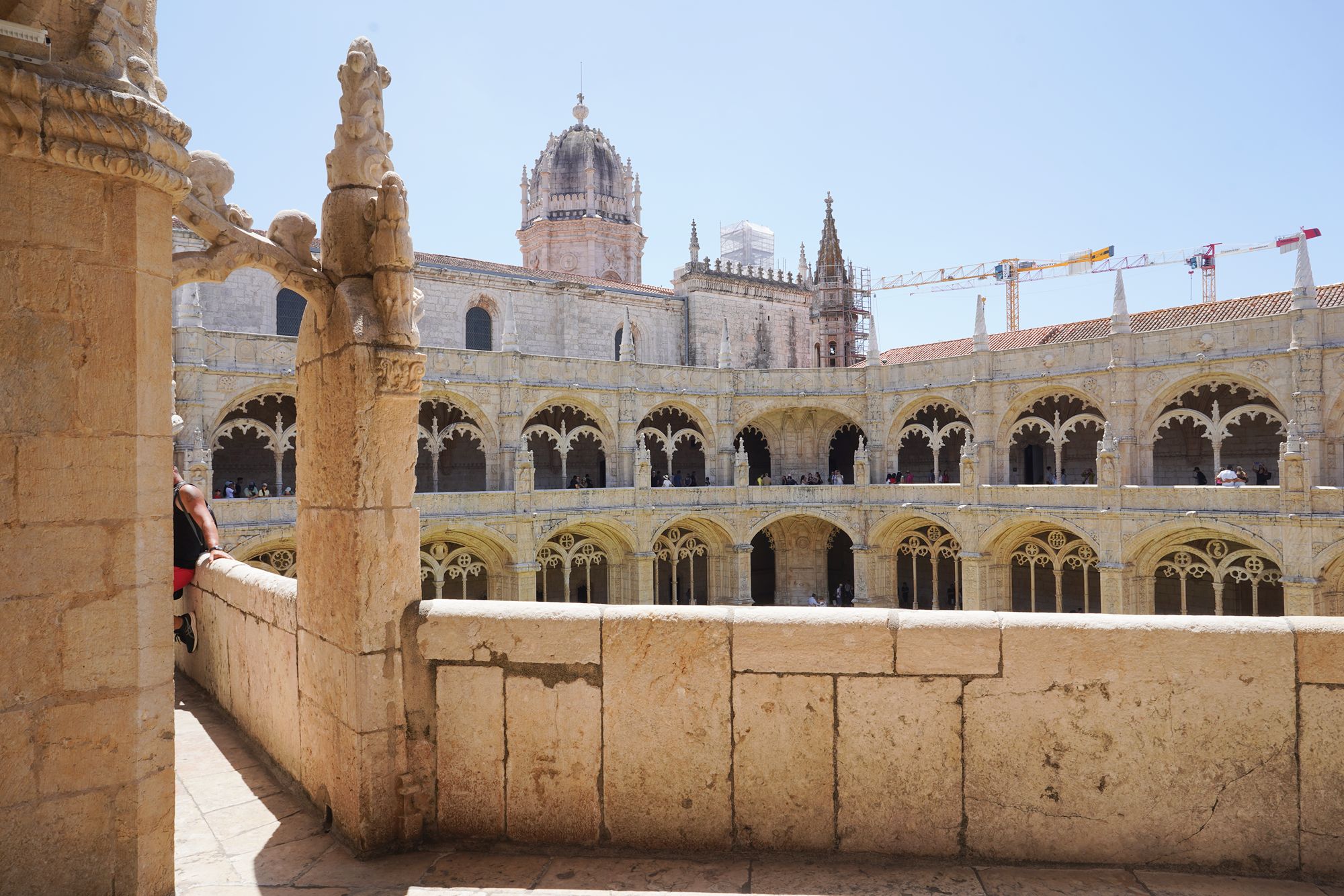
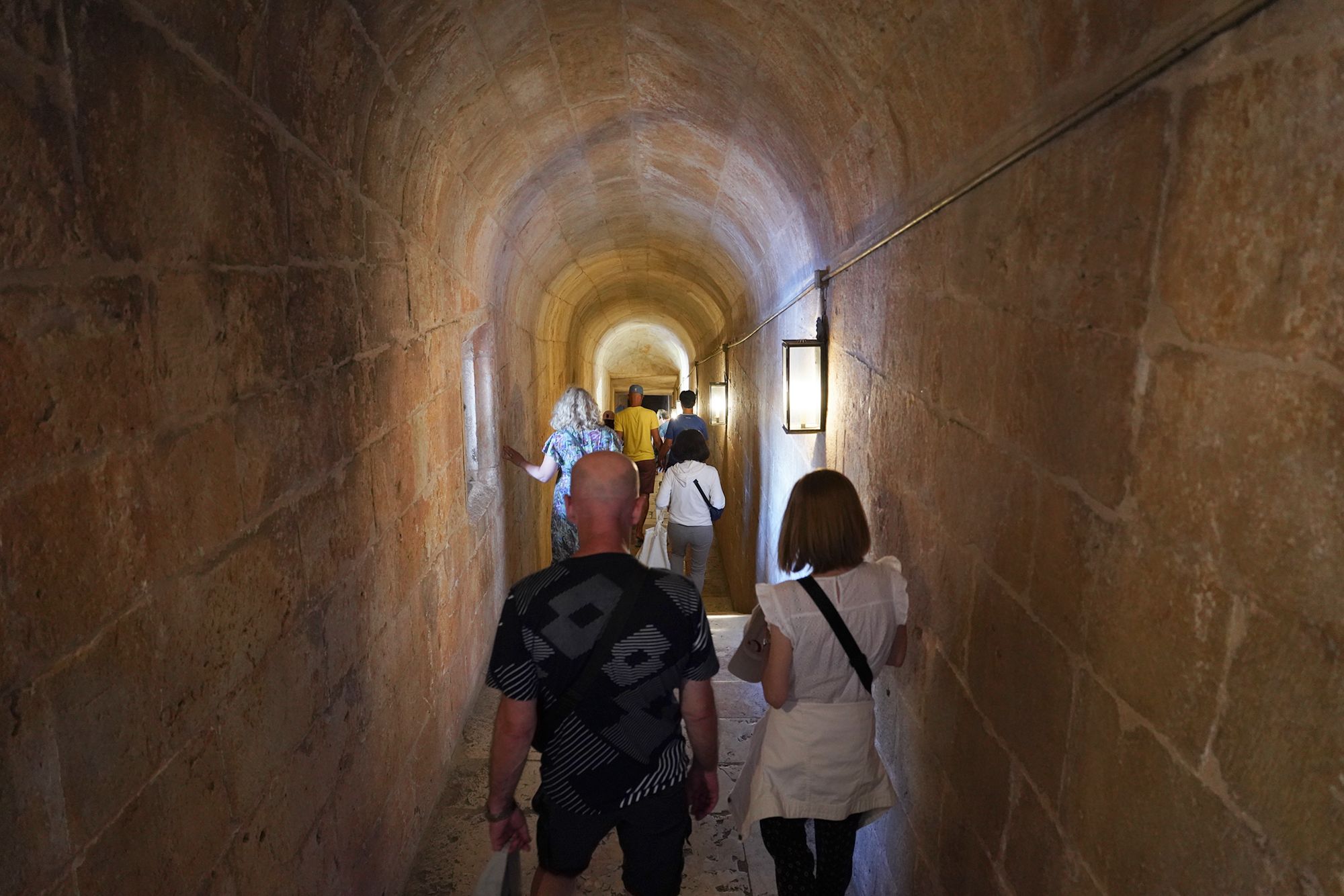
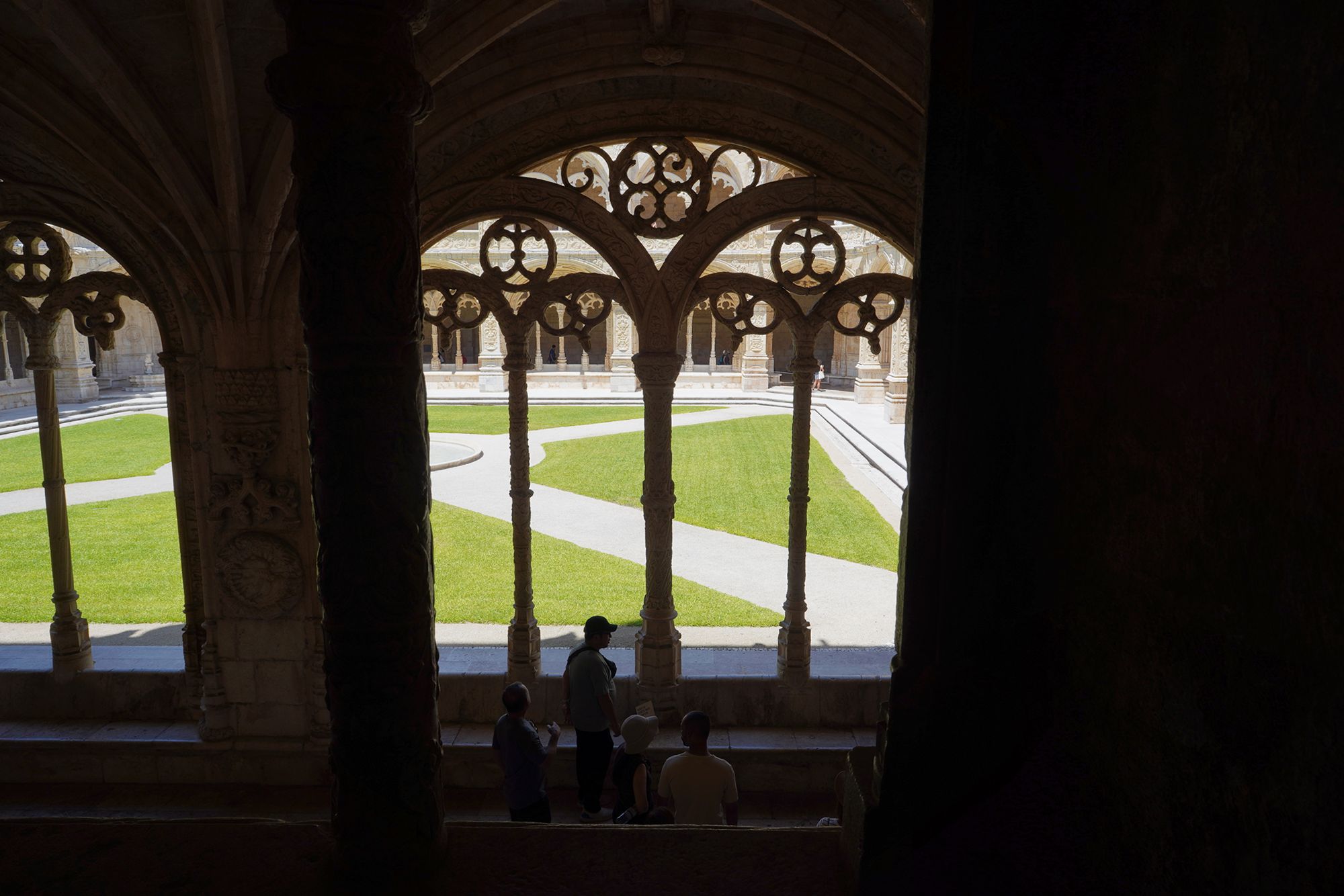
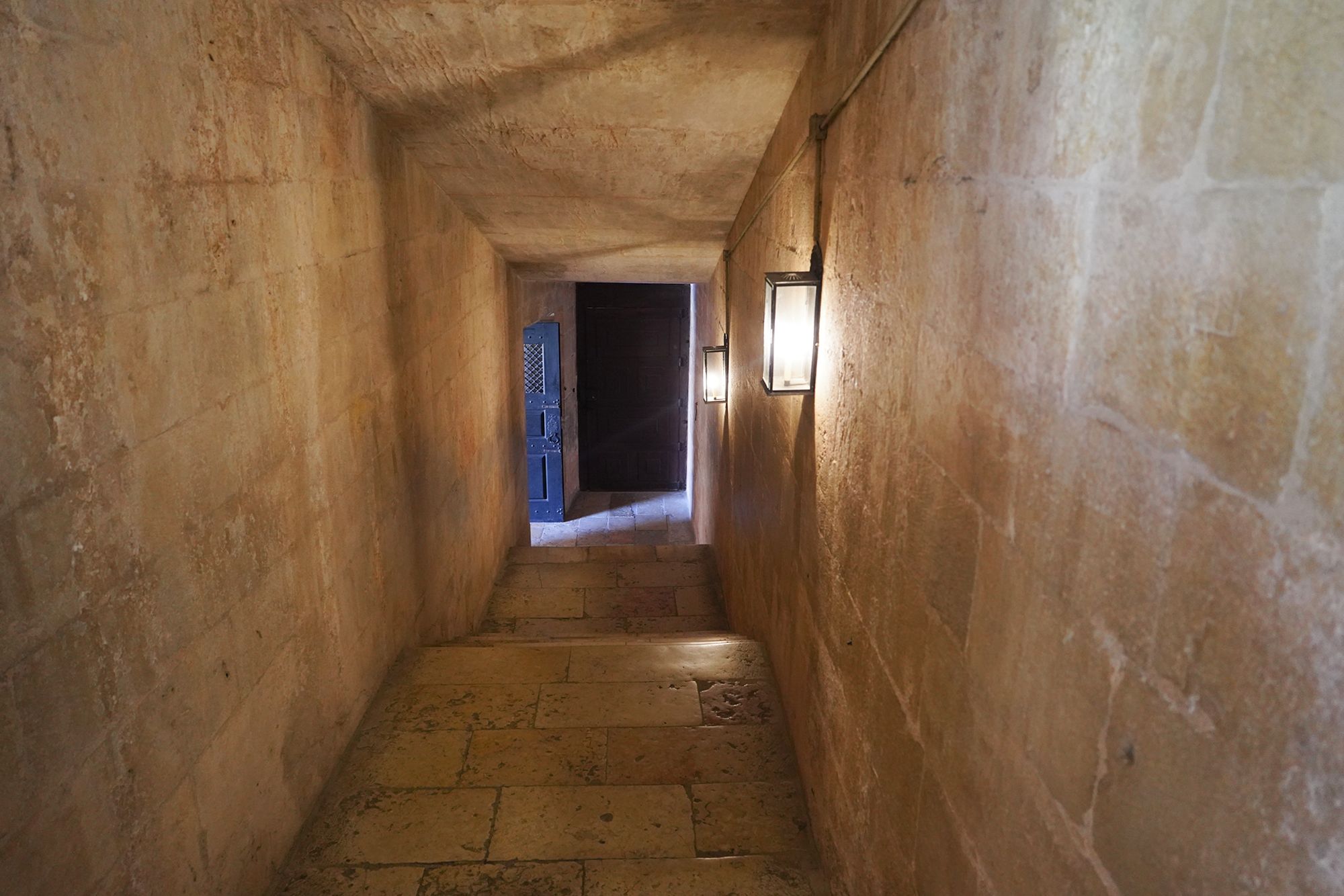
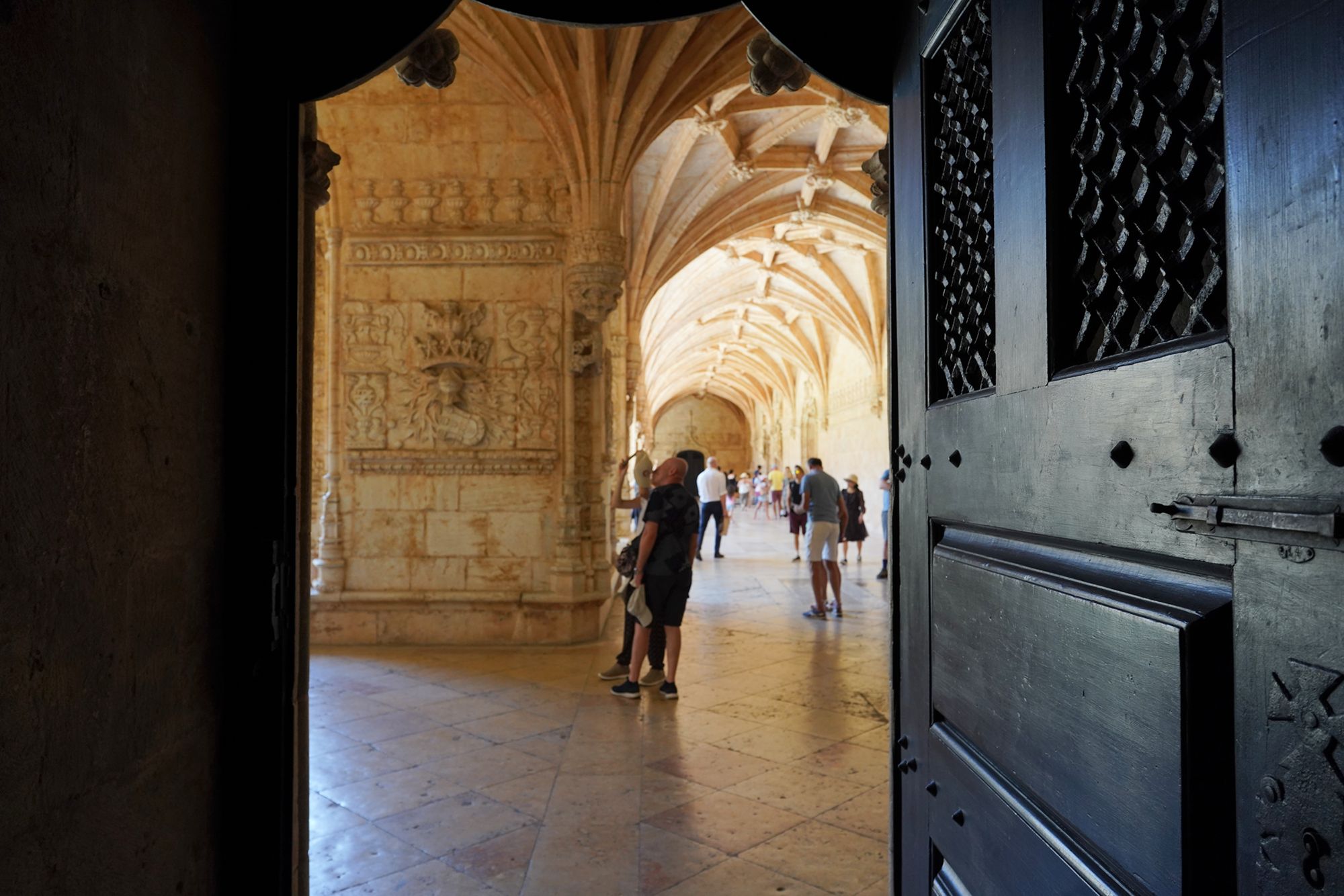
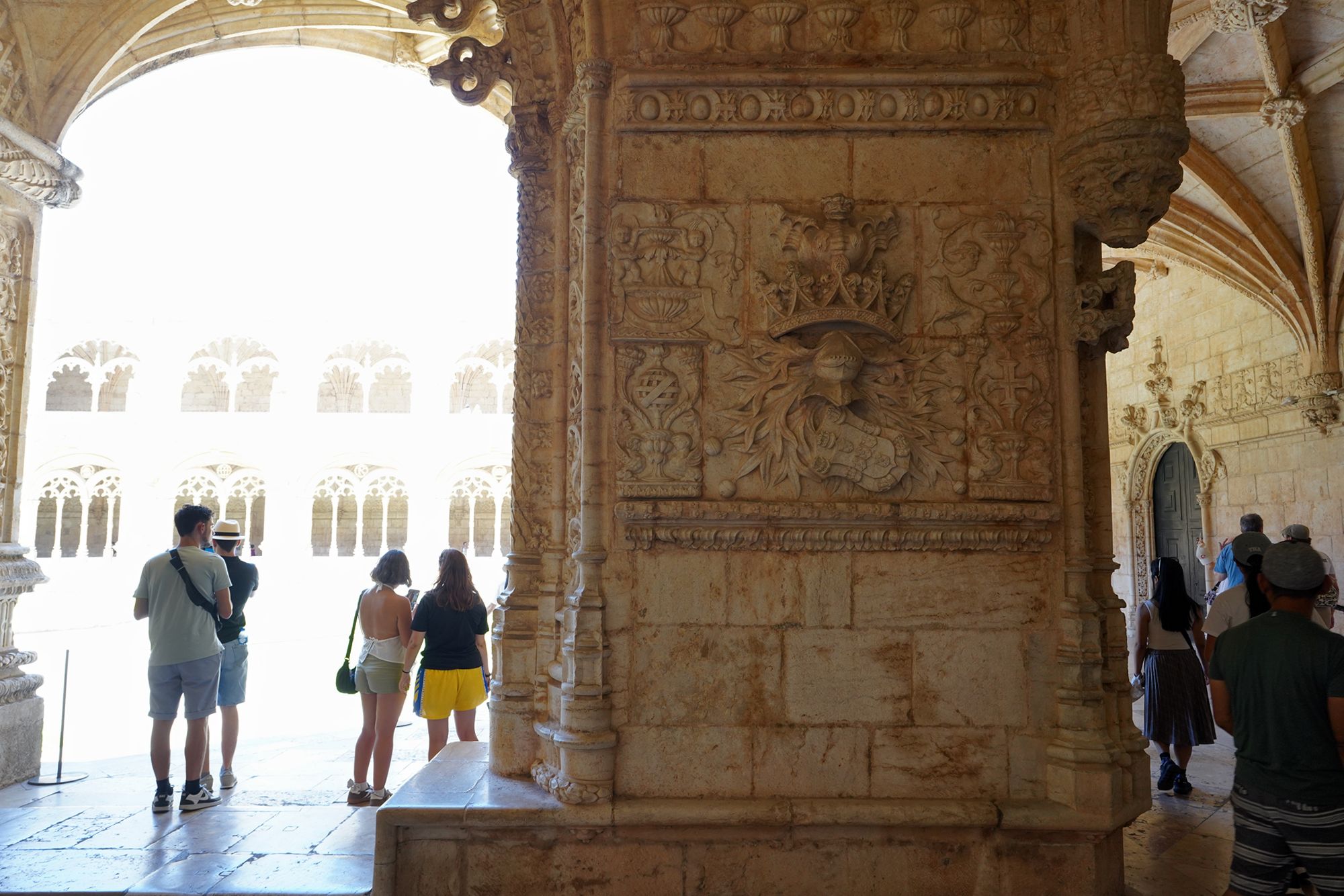
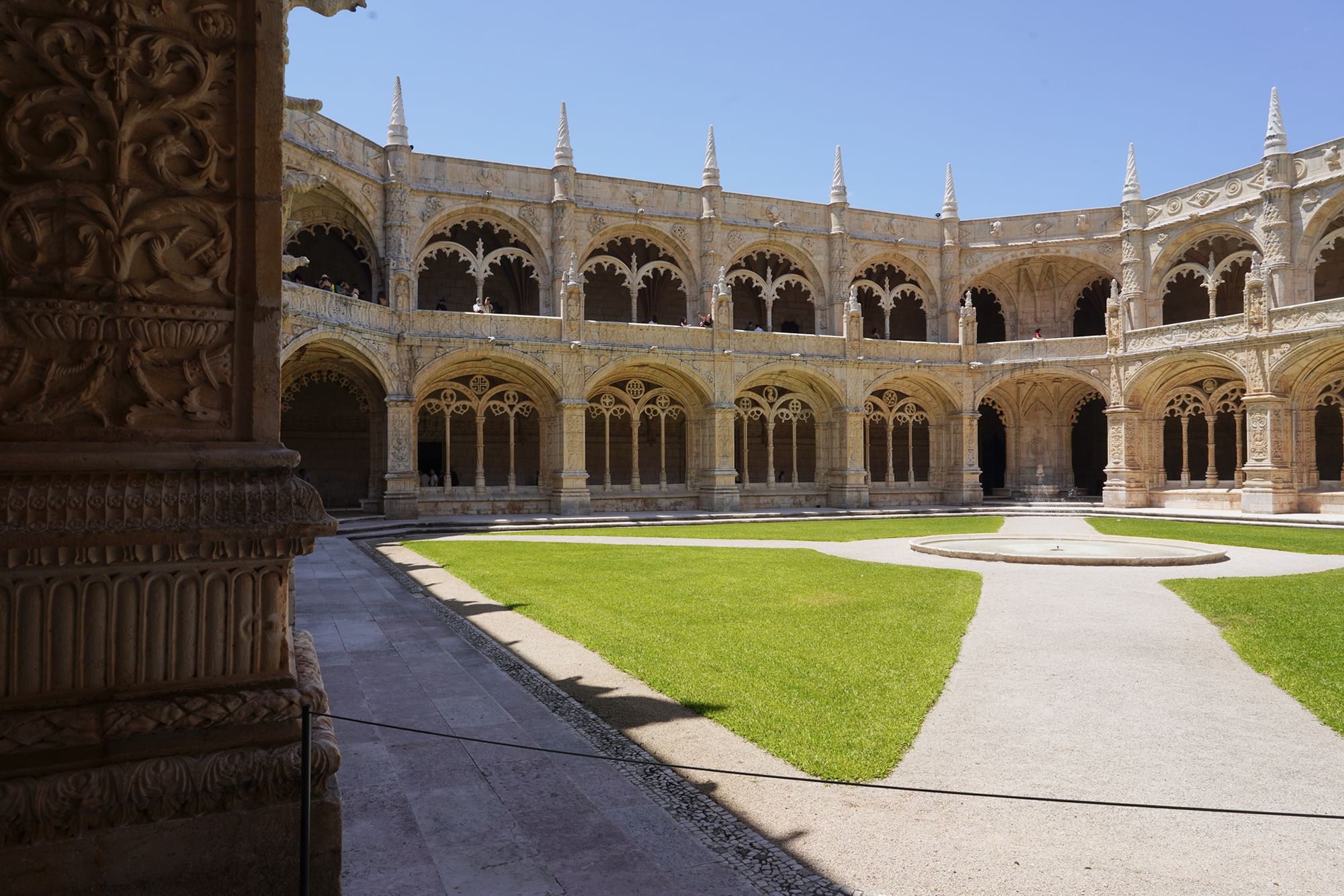
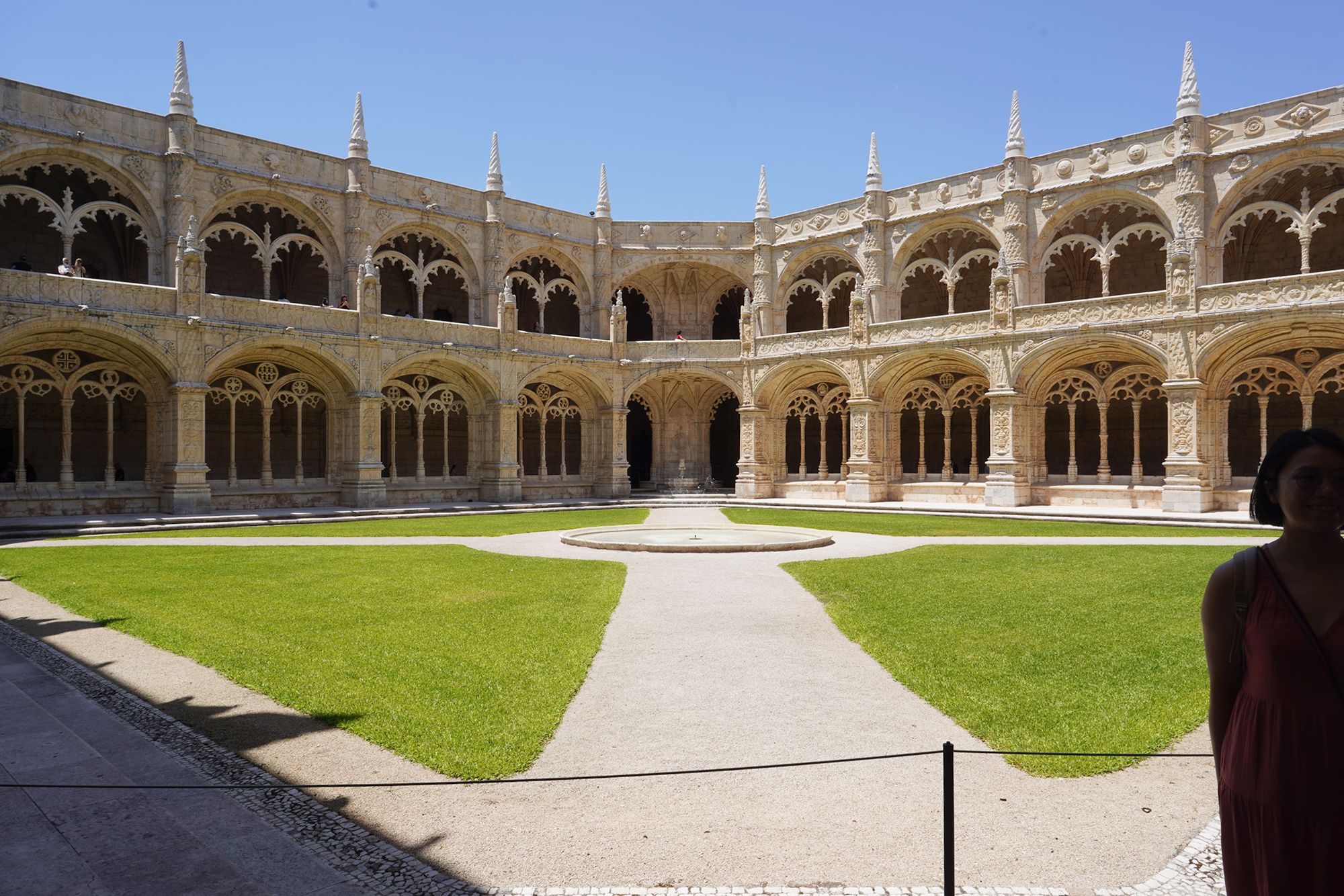
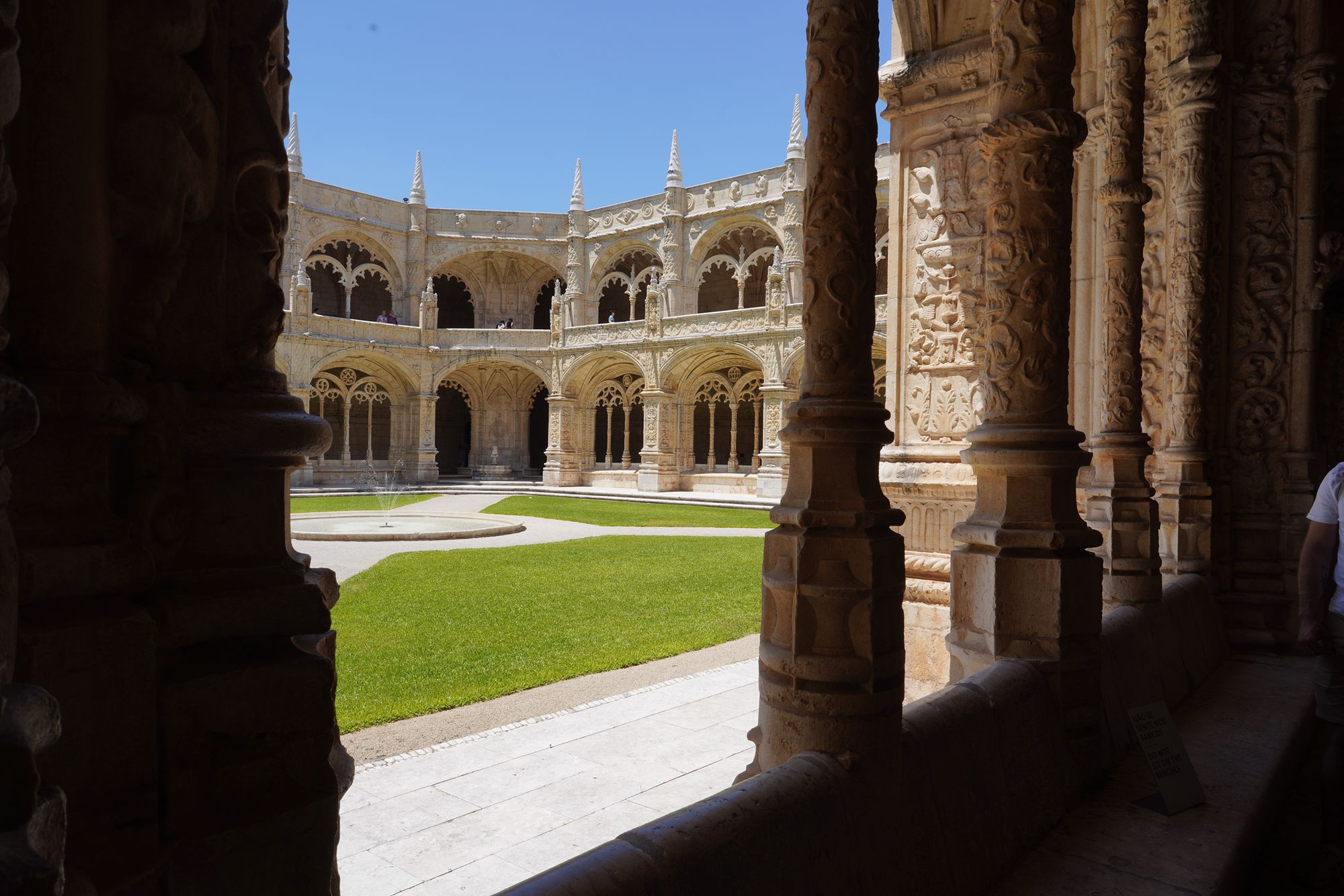
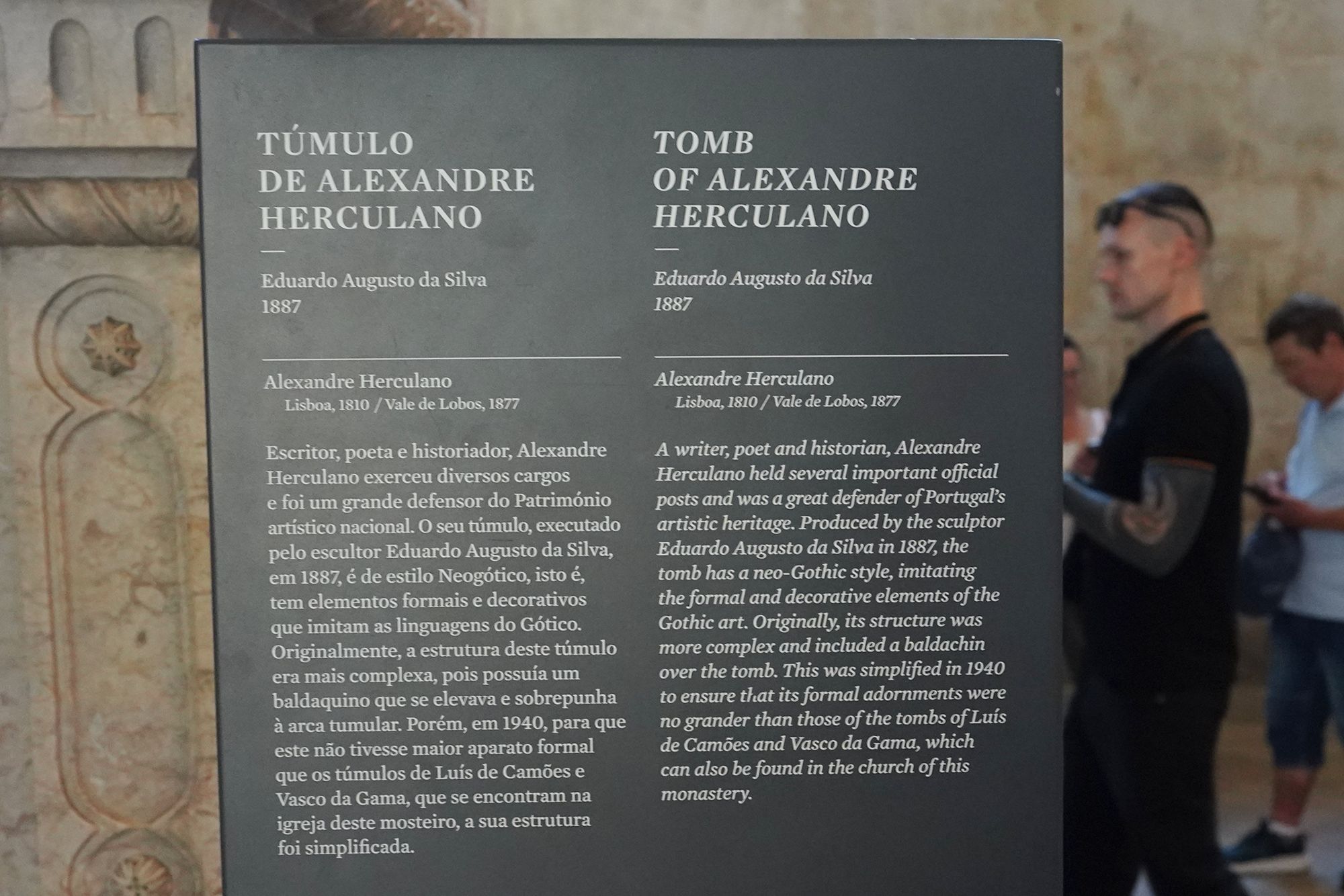
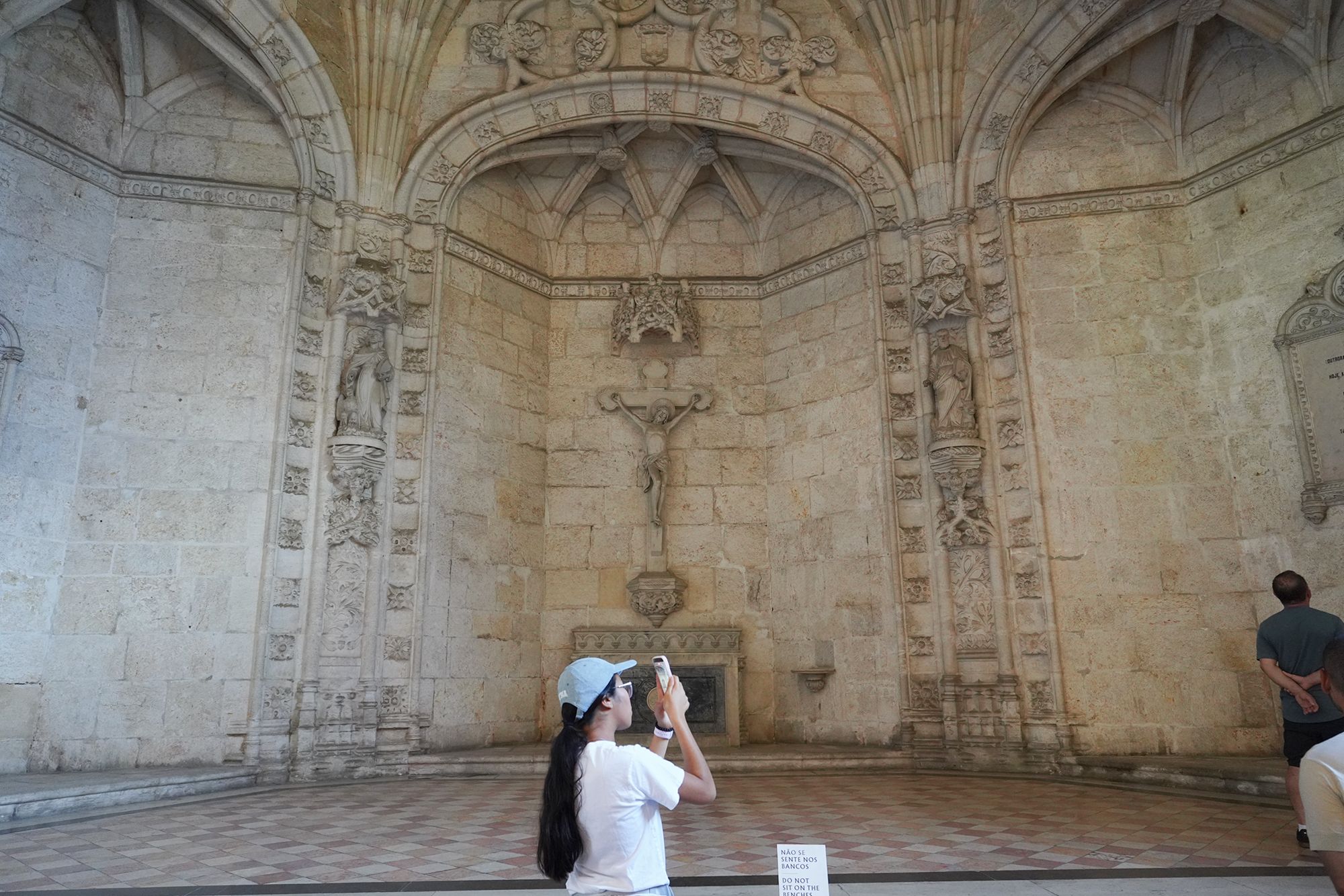
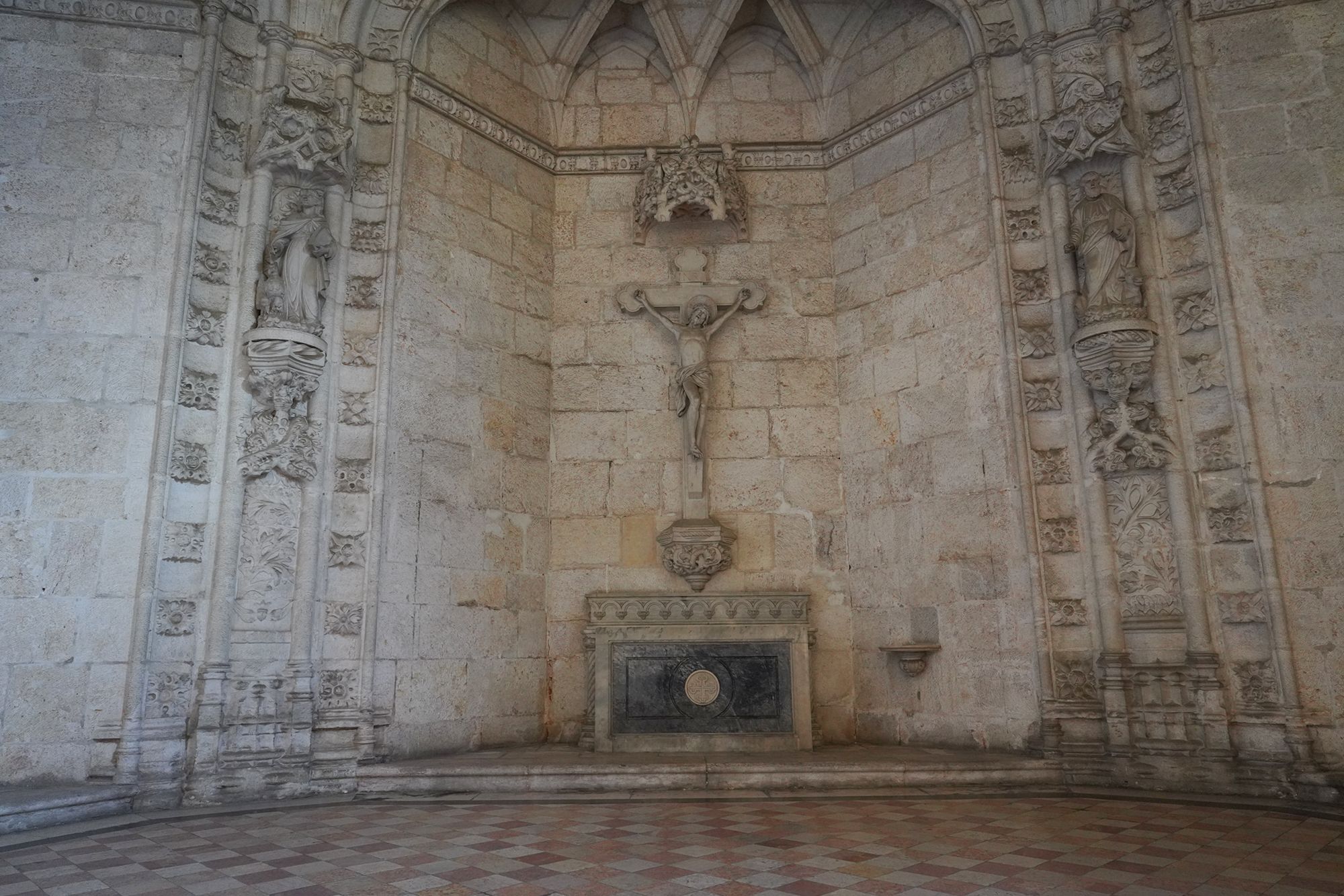
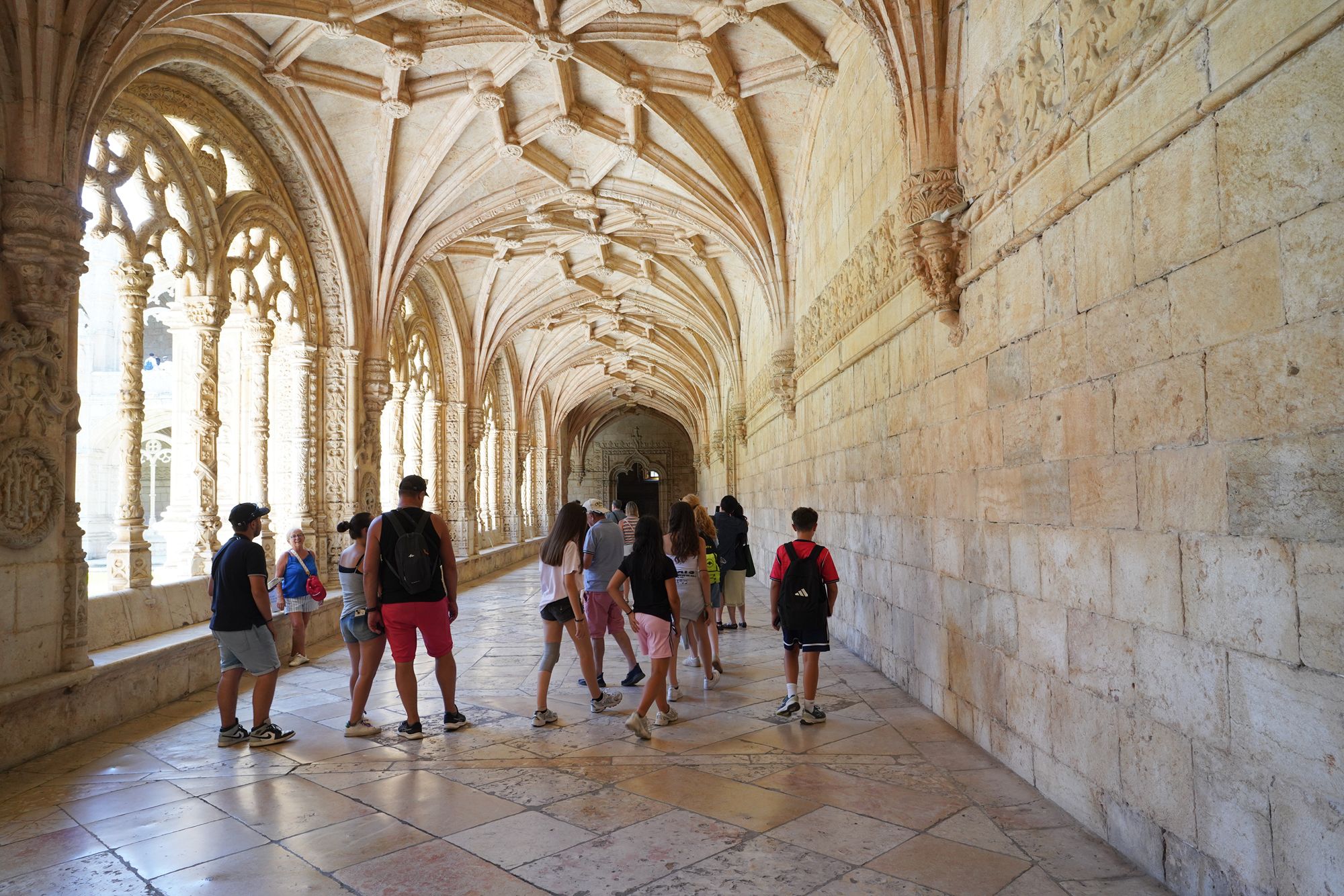
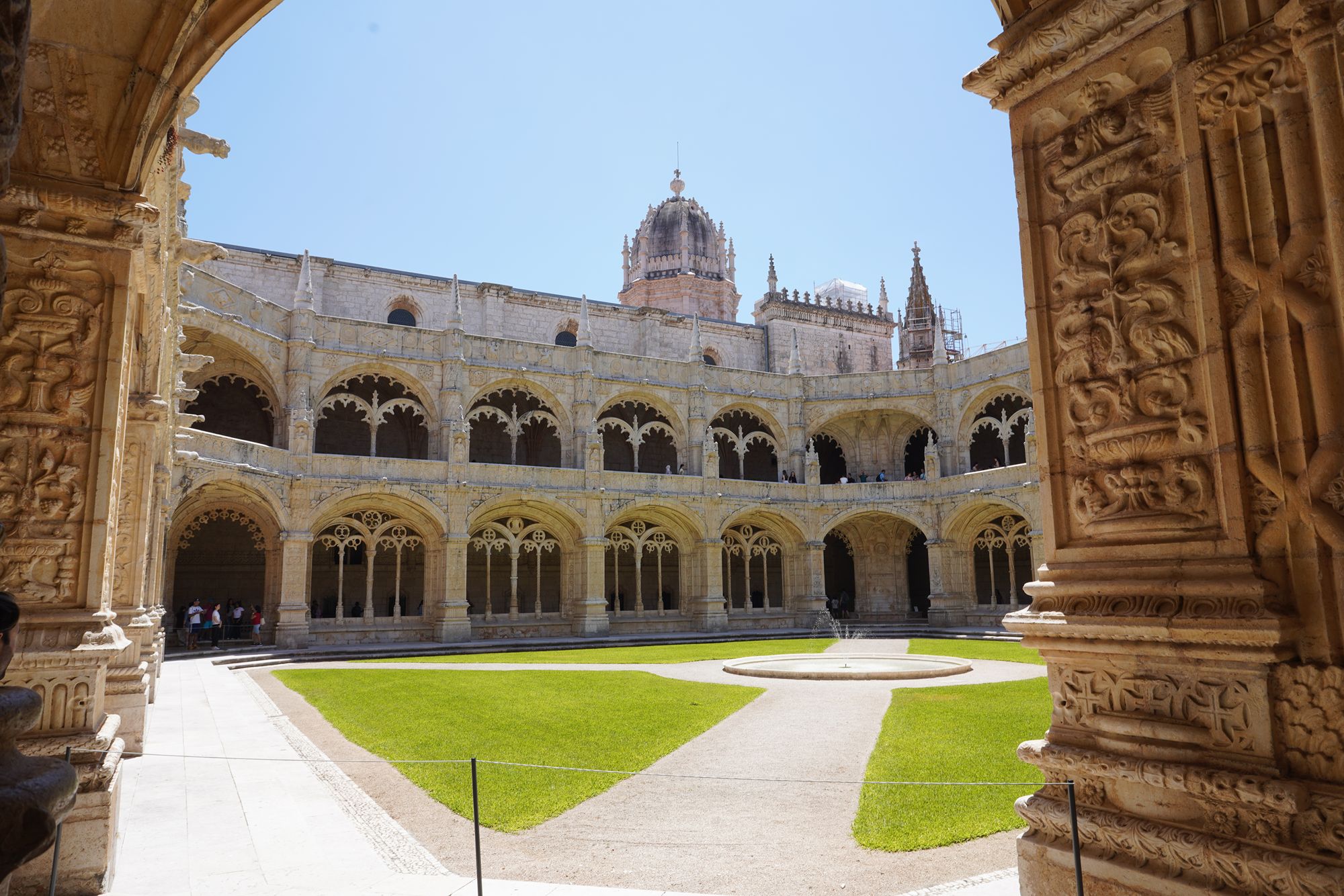
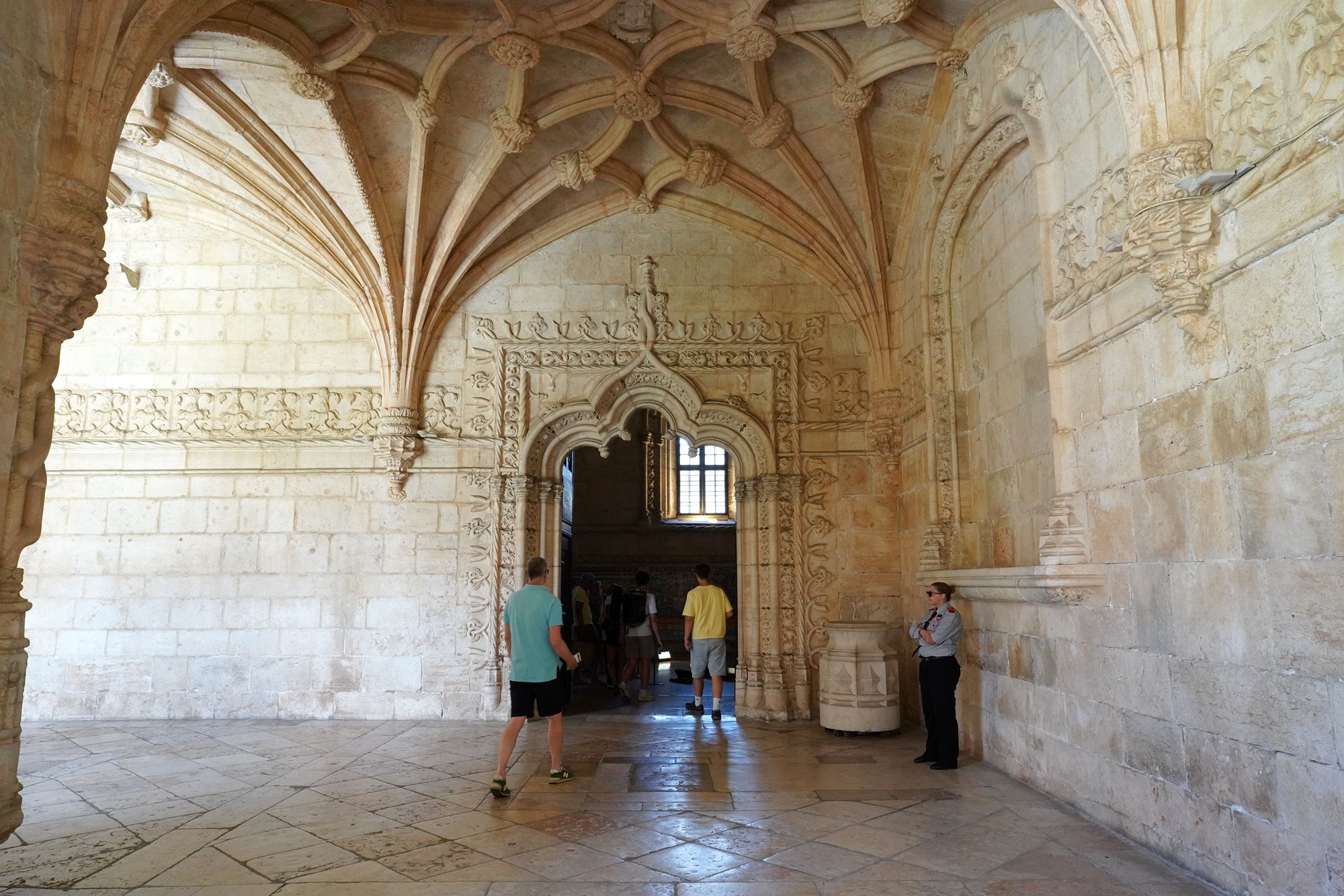
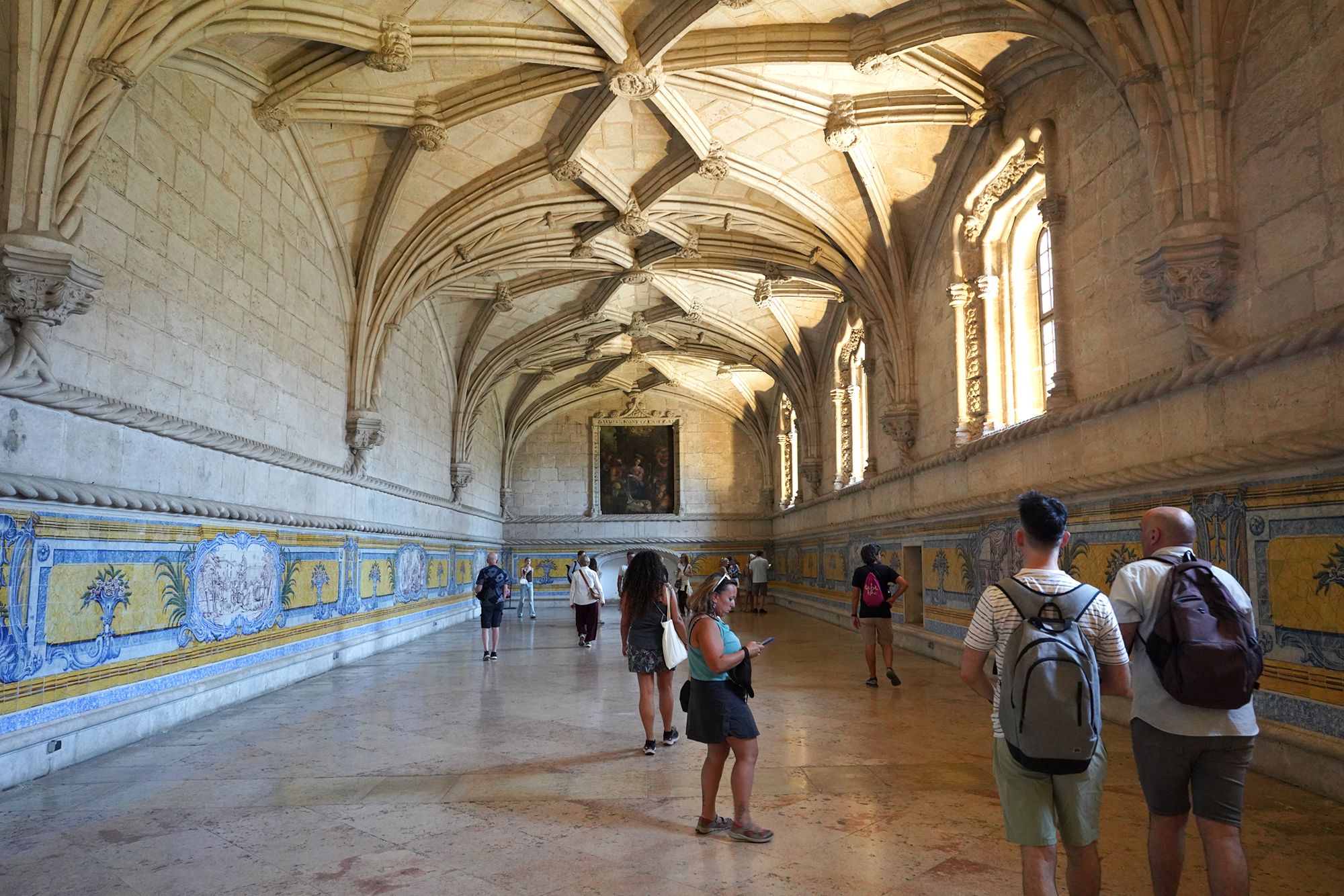
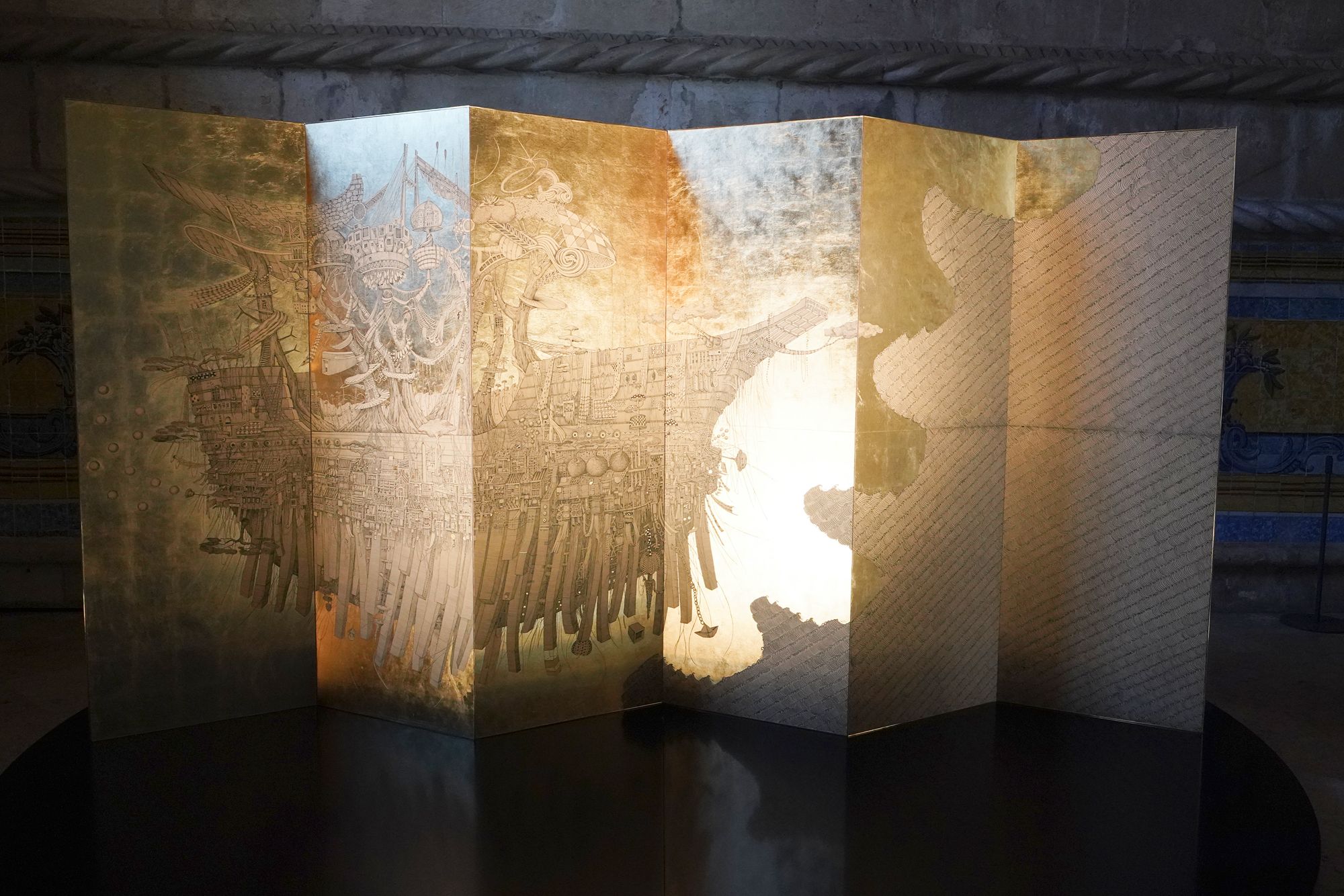
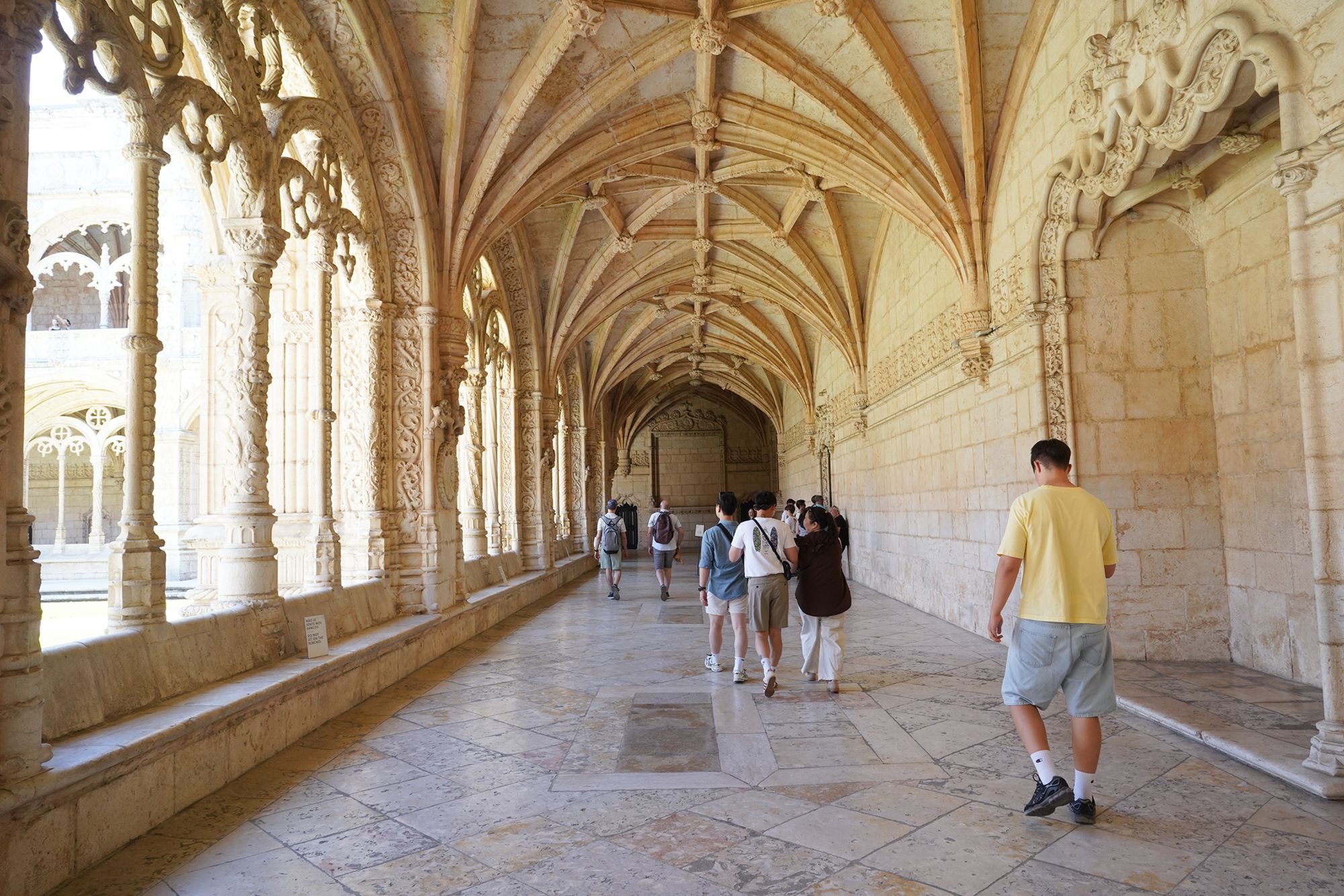
Inside Jerónimos Monastery
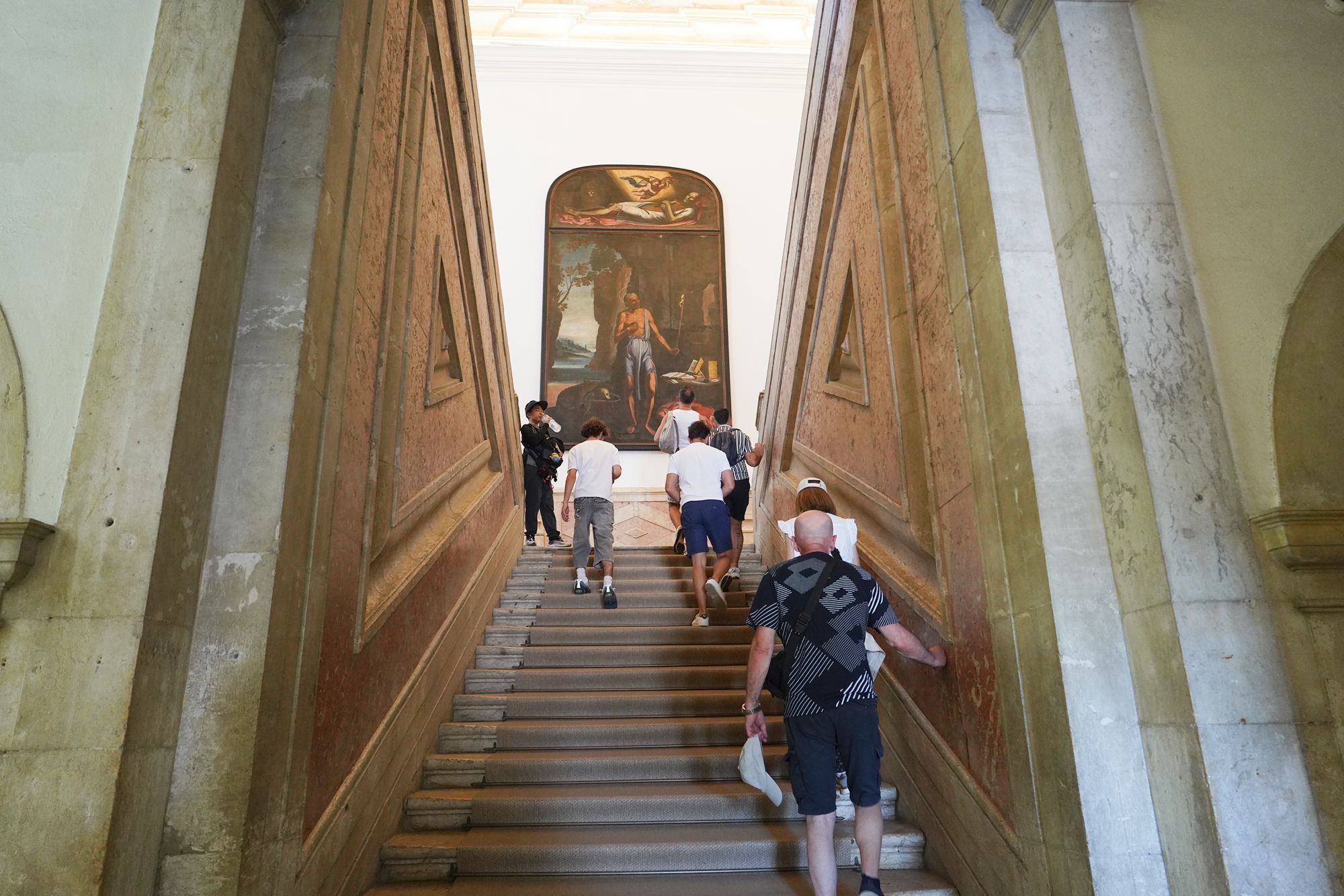
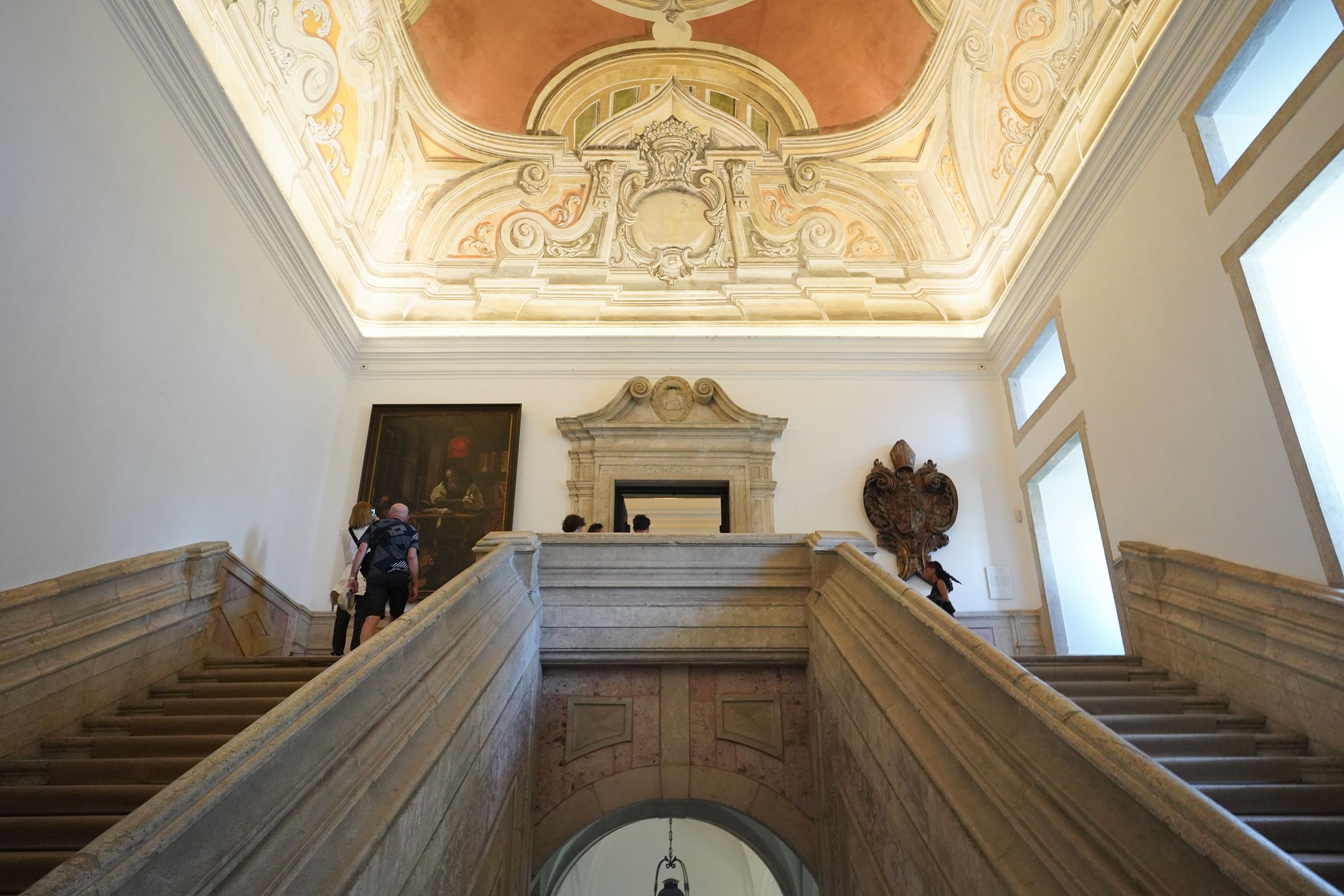
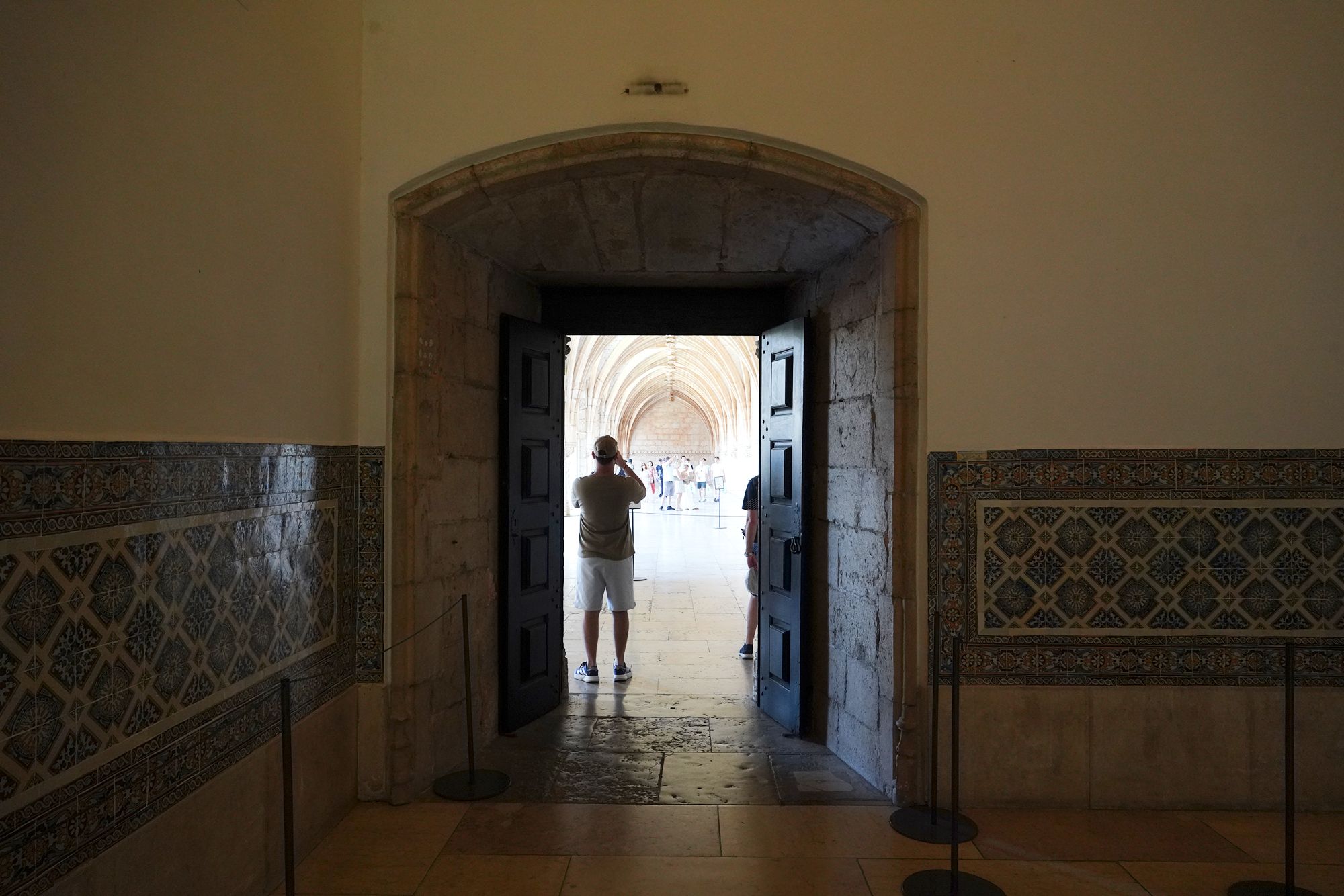
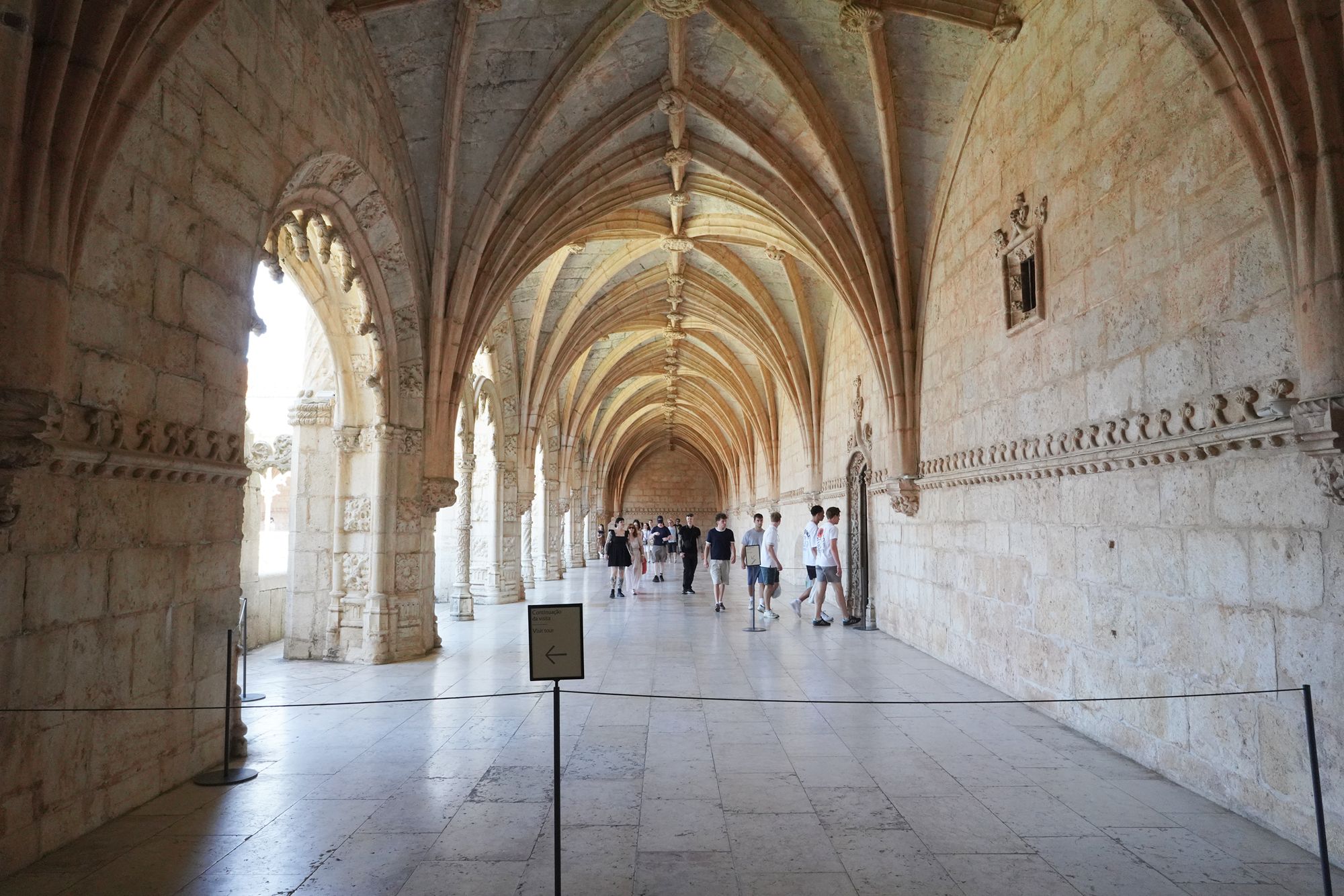
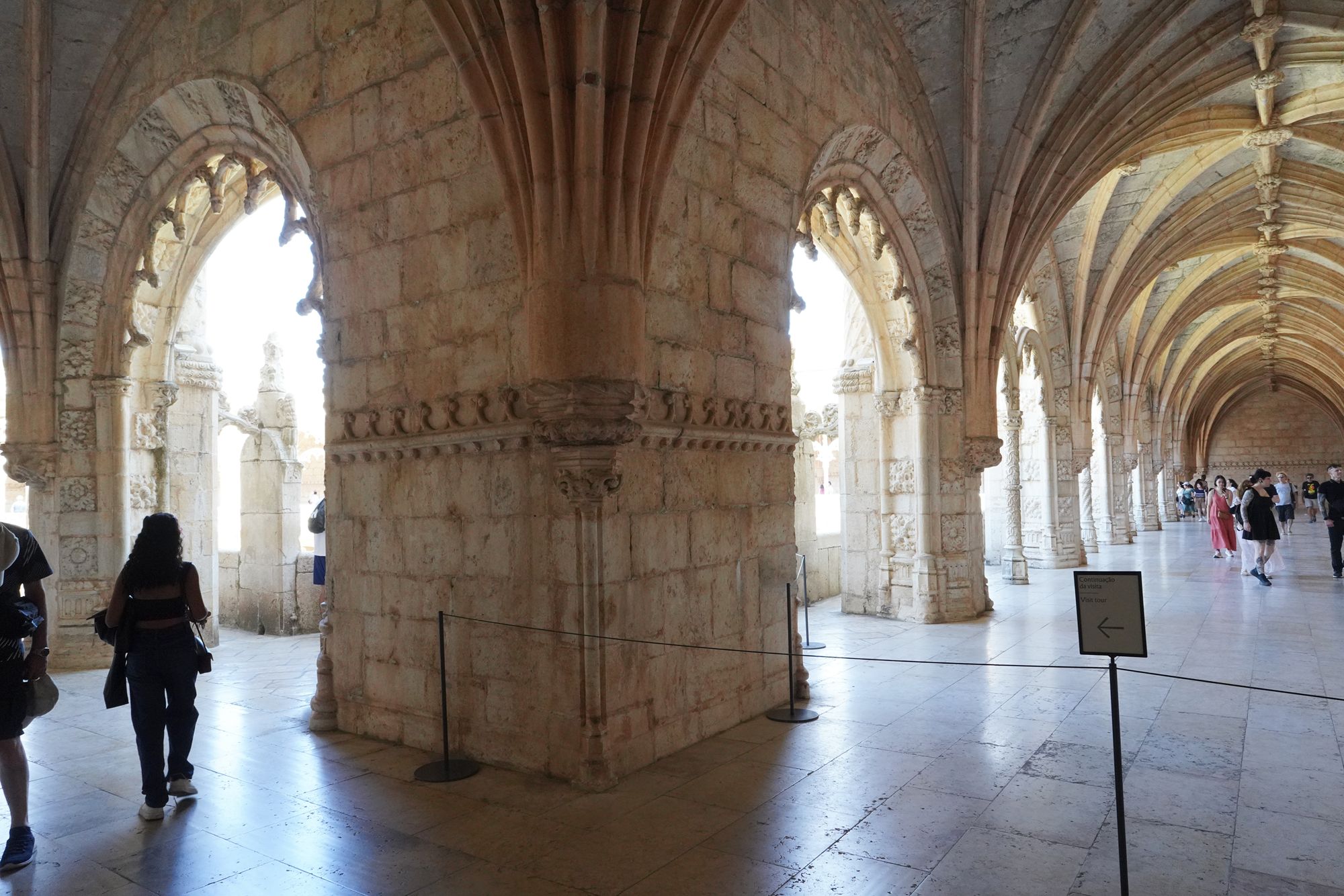
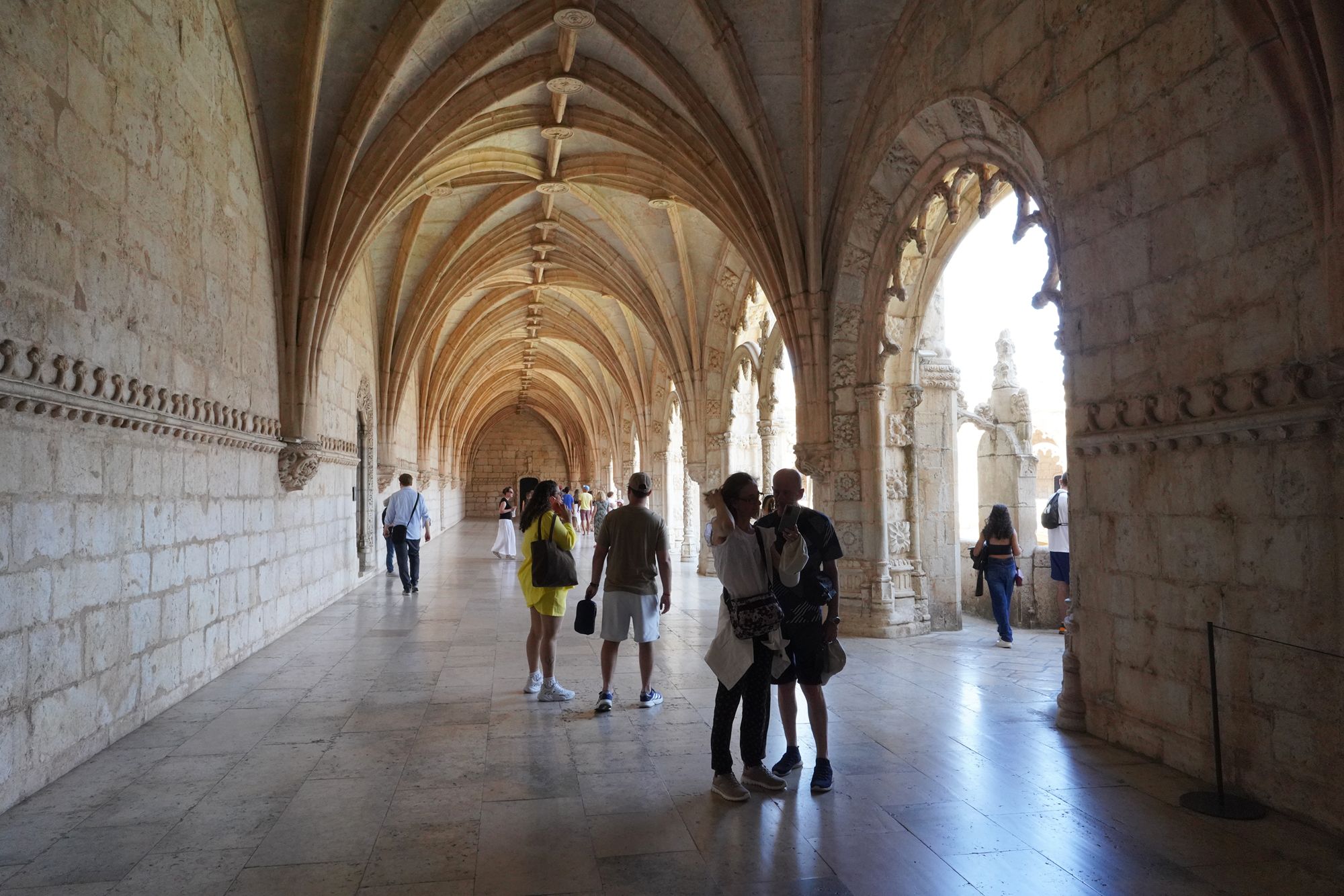
Inside Jerónimos Monastery, the two-story cloisters surround an open courtyard. Elaborately carved arches and columns line the covered walkways, with maritime symbols, plants, and religious motifs worked into the pale stone. Walking around the courtyard offers a closer look at the detailed craftsmanship of its Manueline architecture.
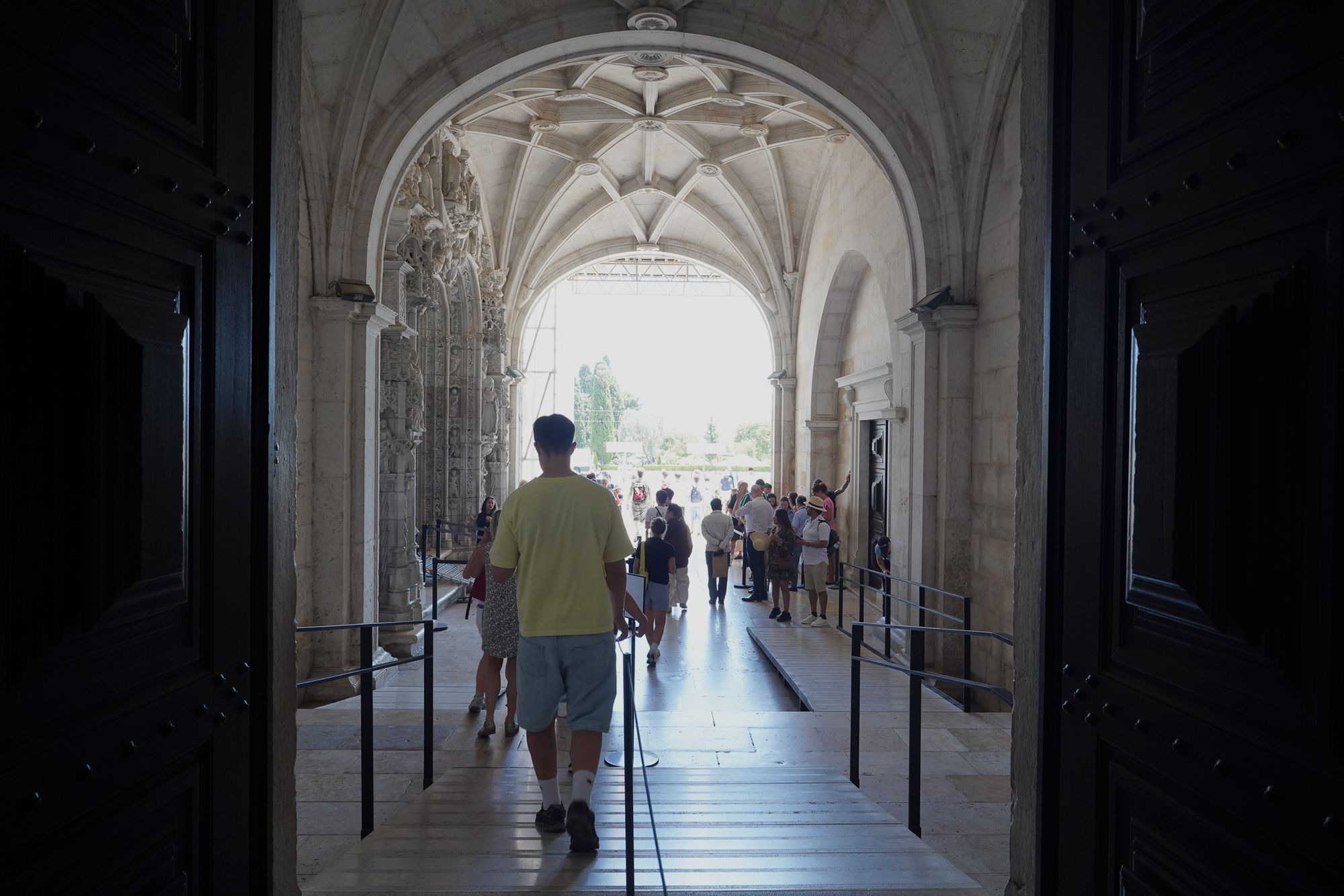
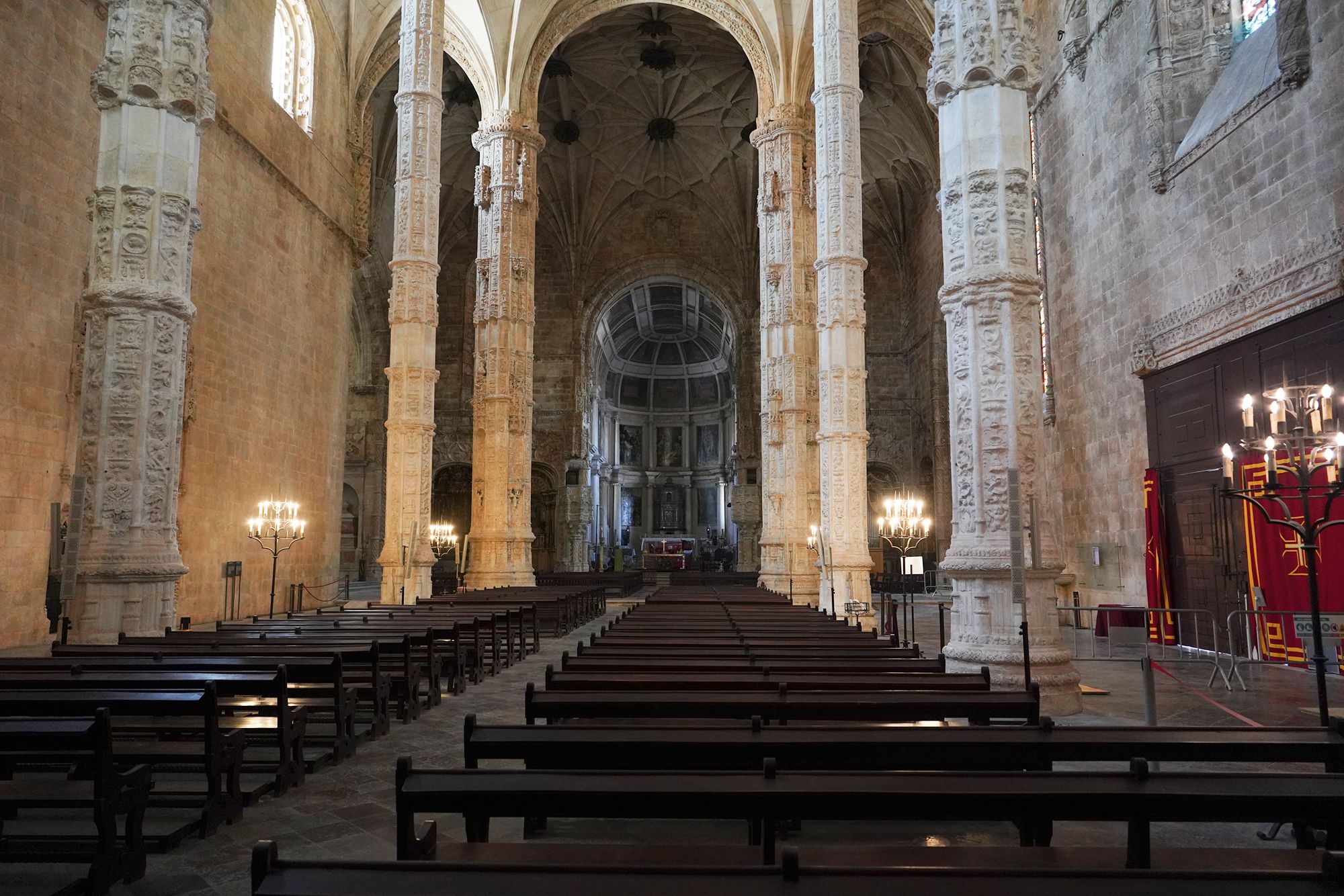
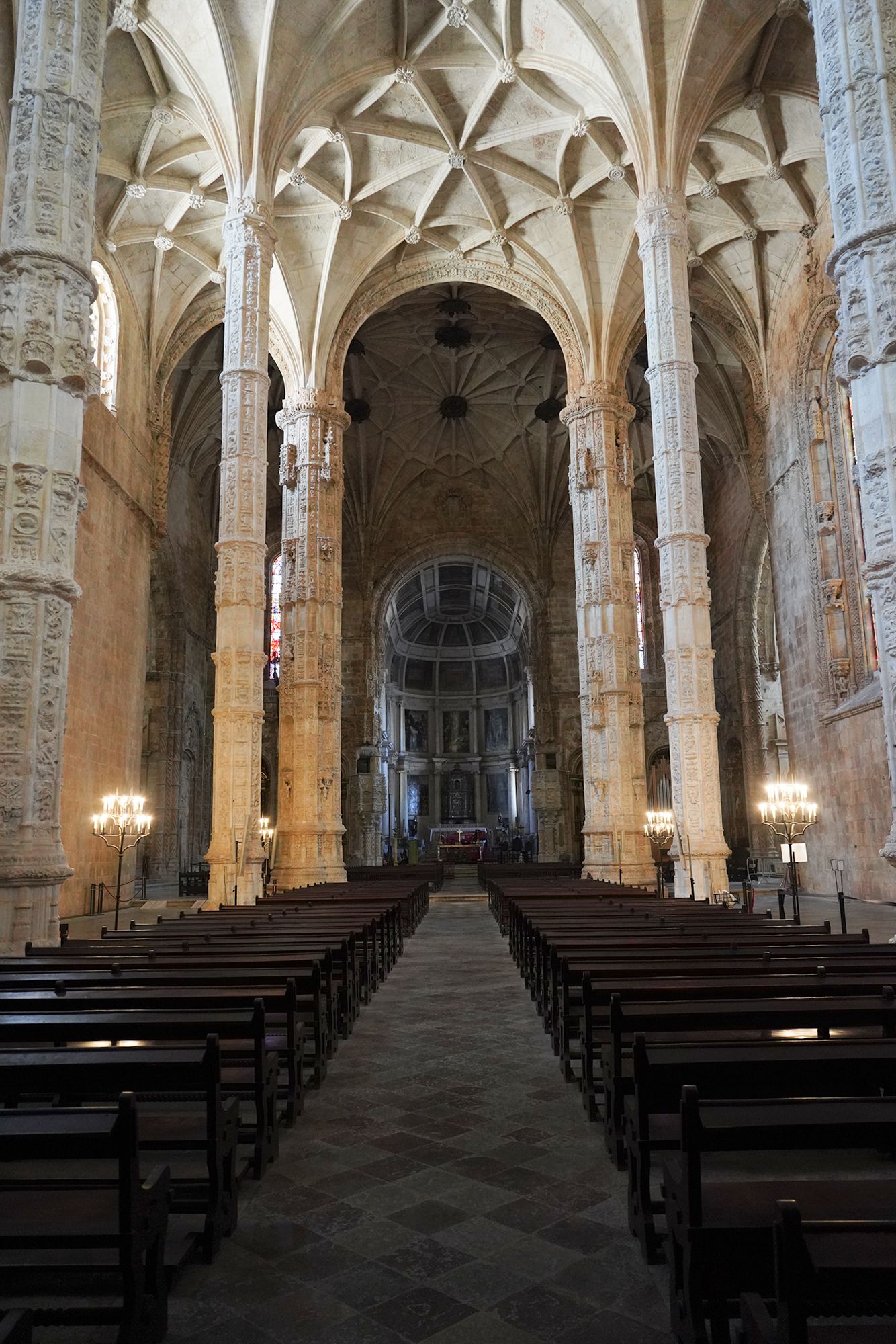
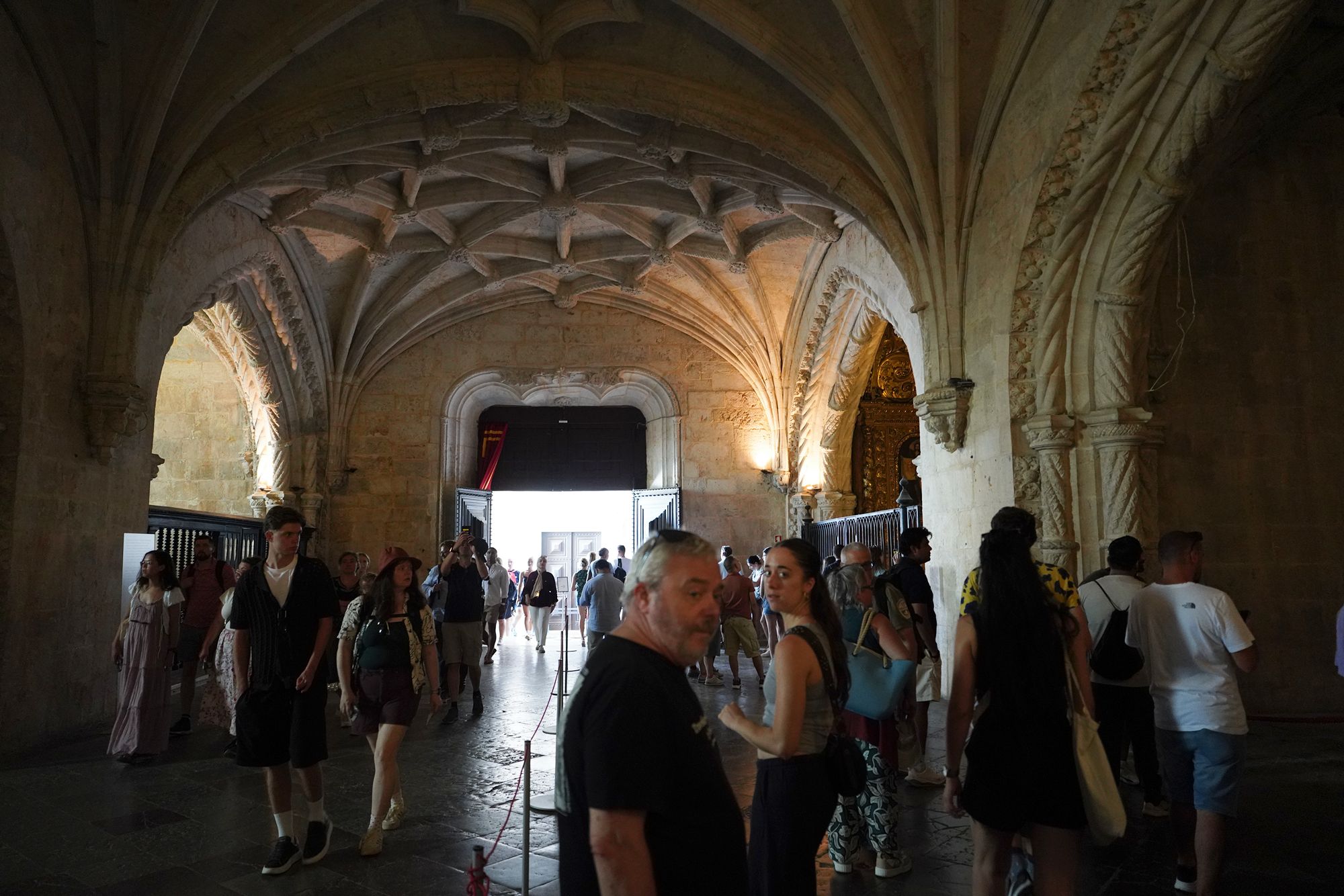
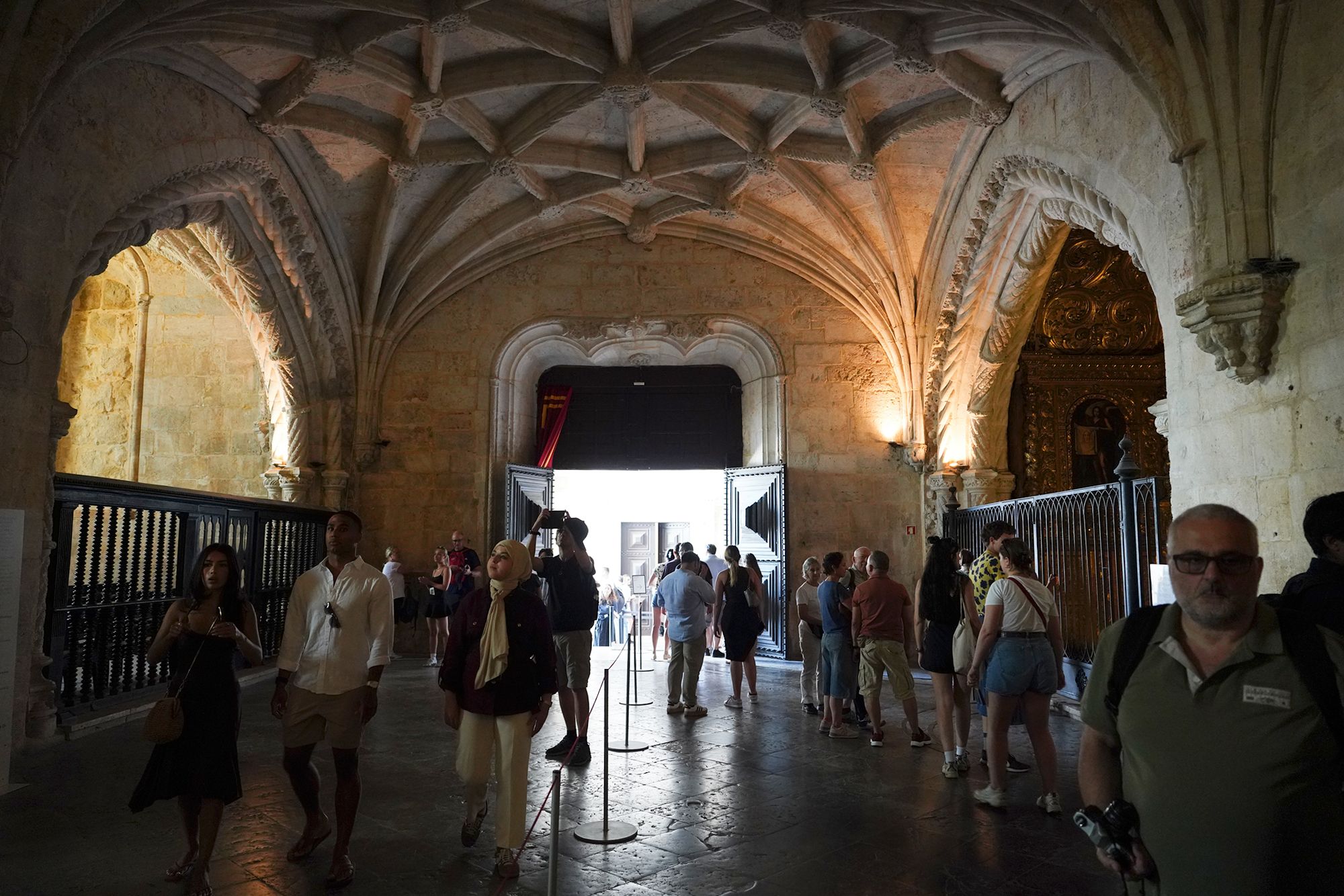
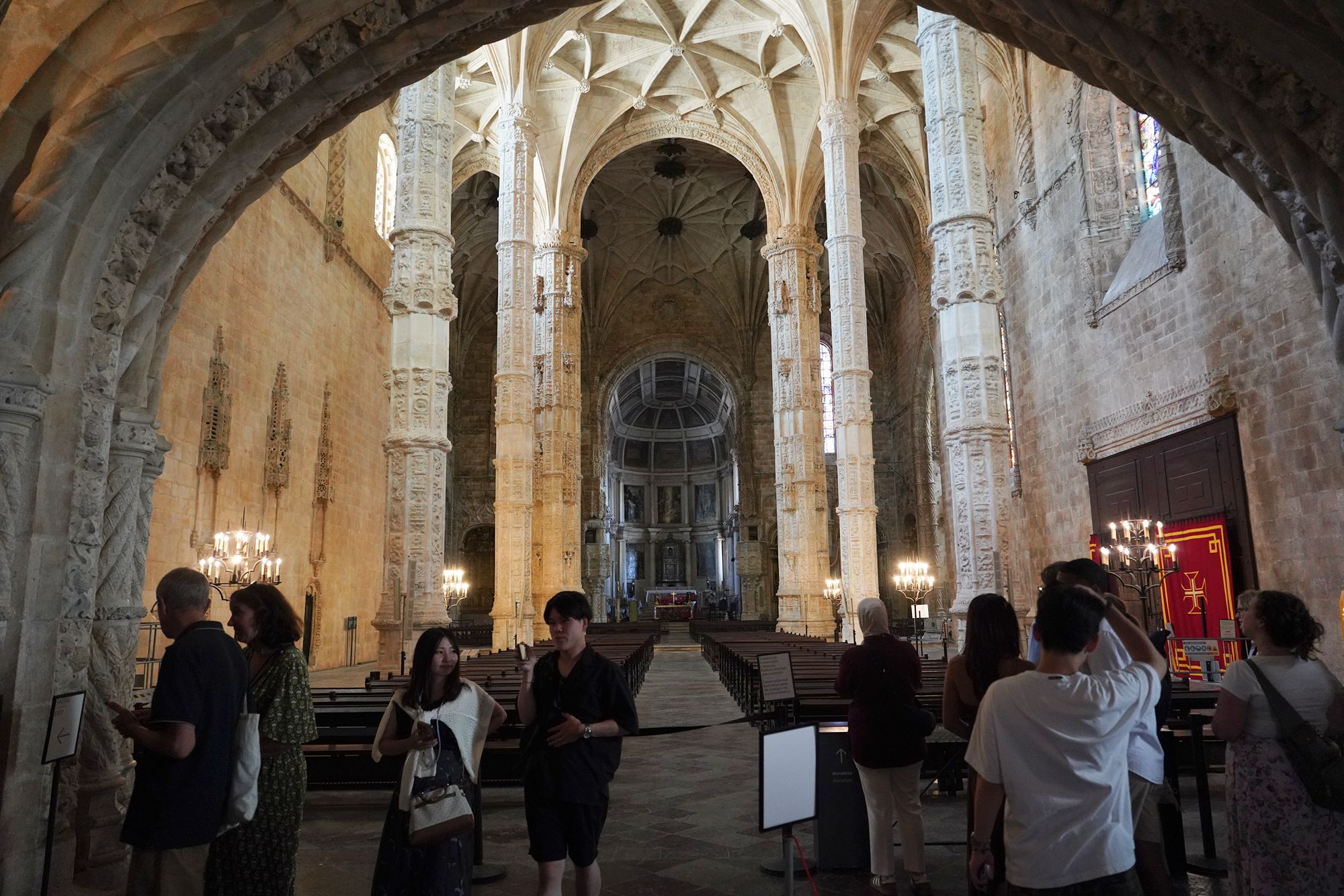
The monastery also includes the Church of Saint Mary of Bethlehem, known in Portuguese as Igreja de Santa Maria de Belém.
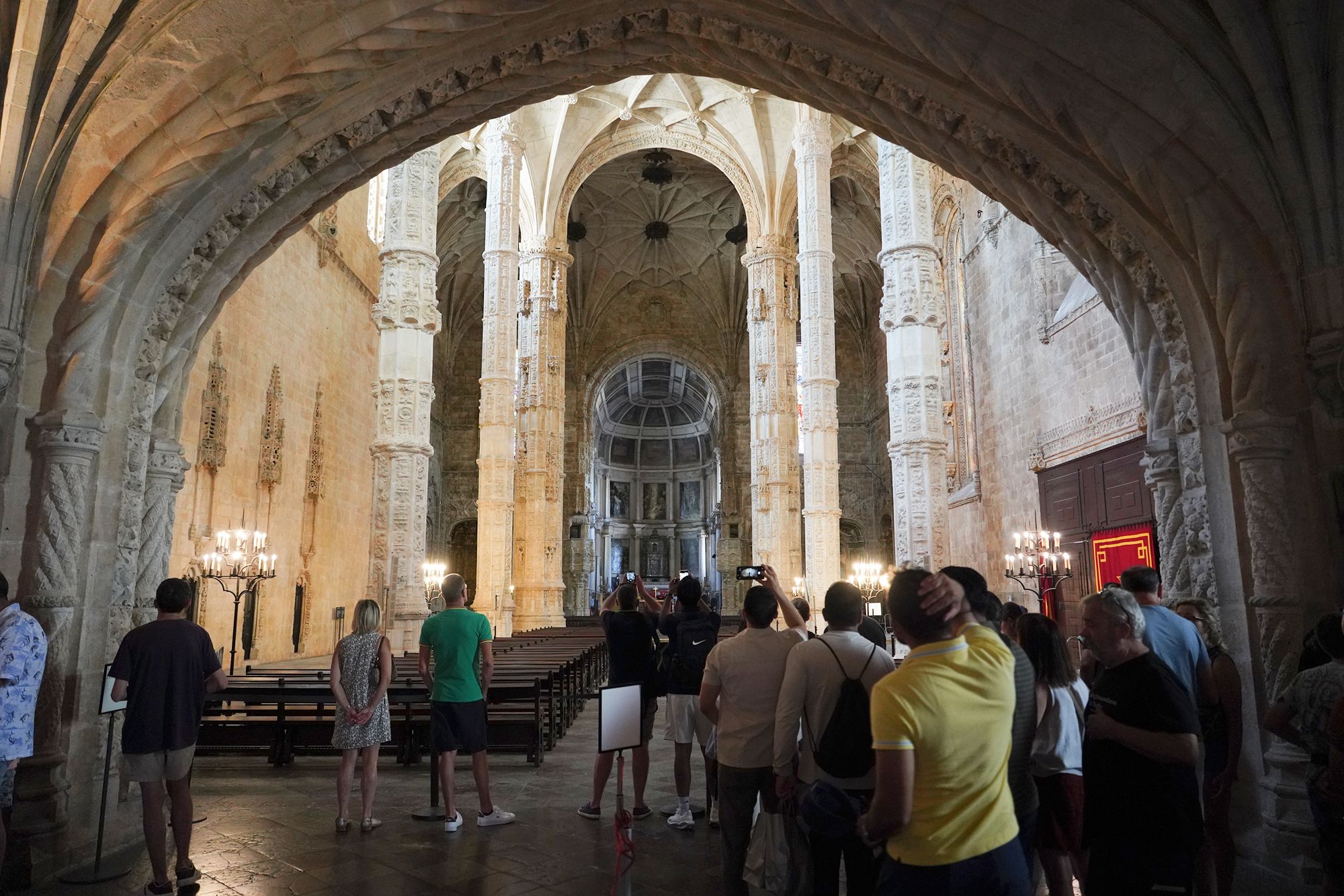
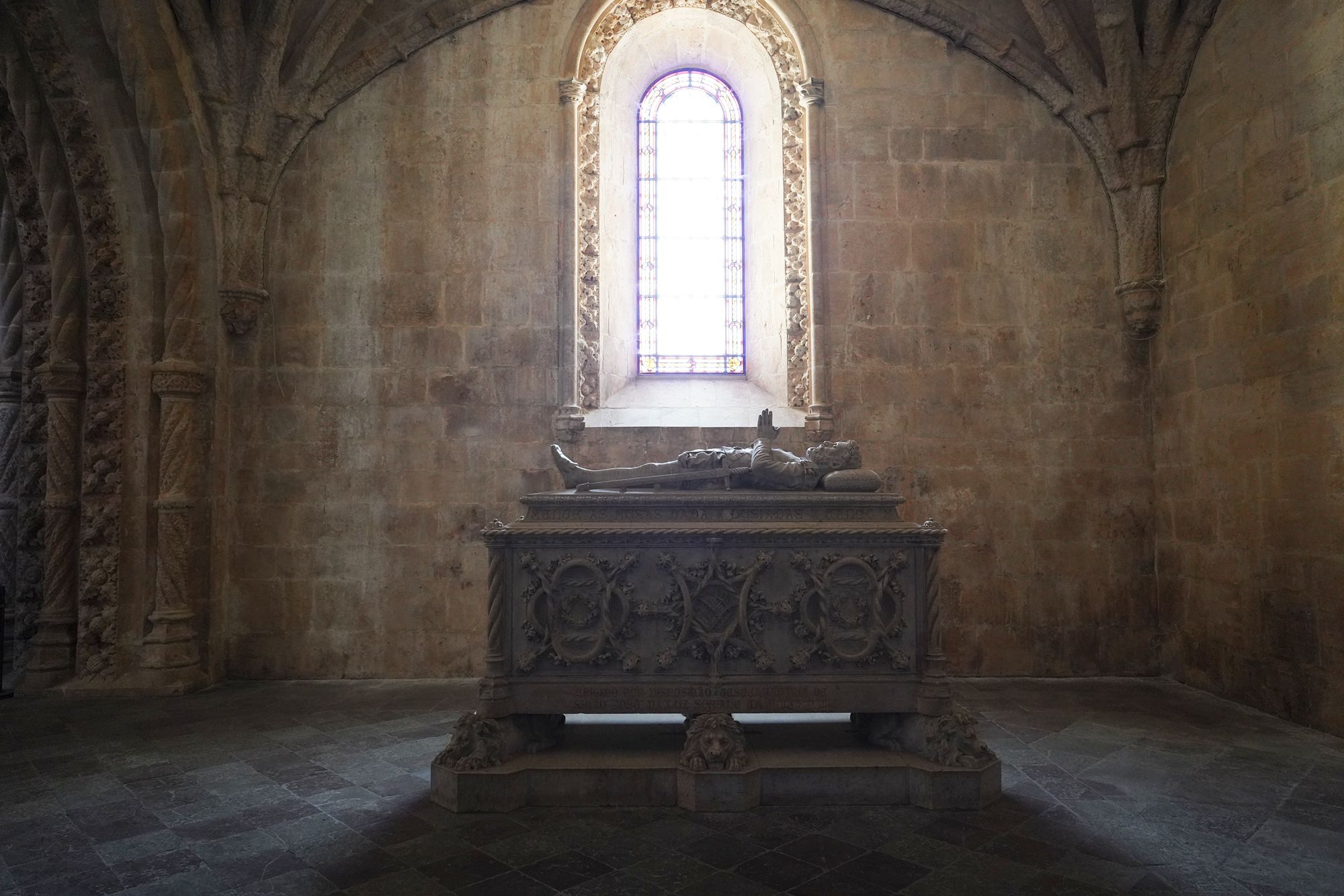
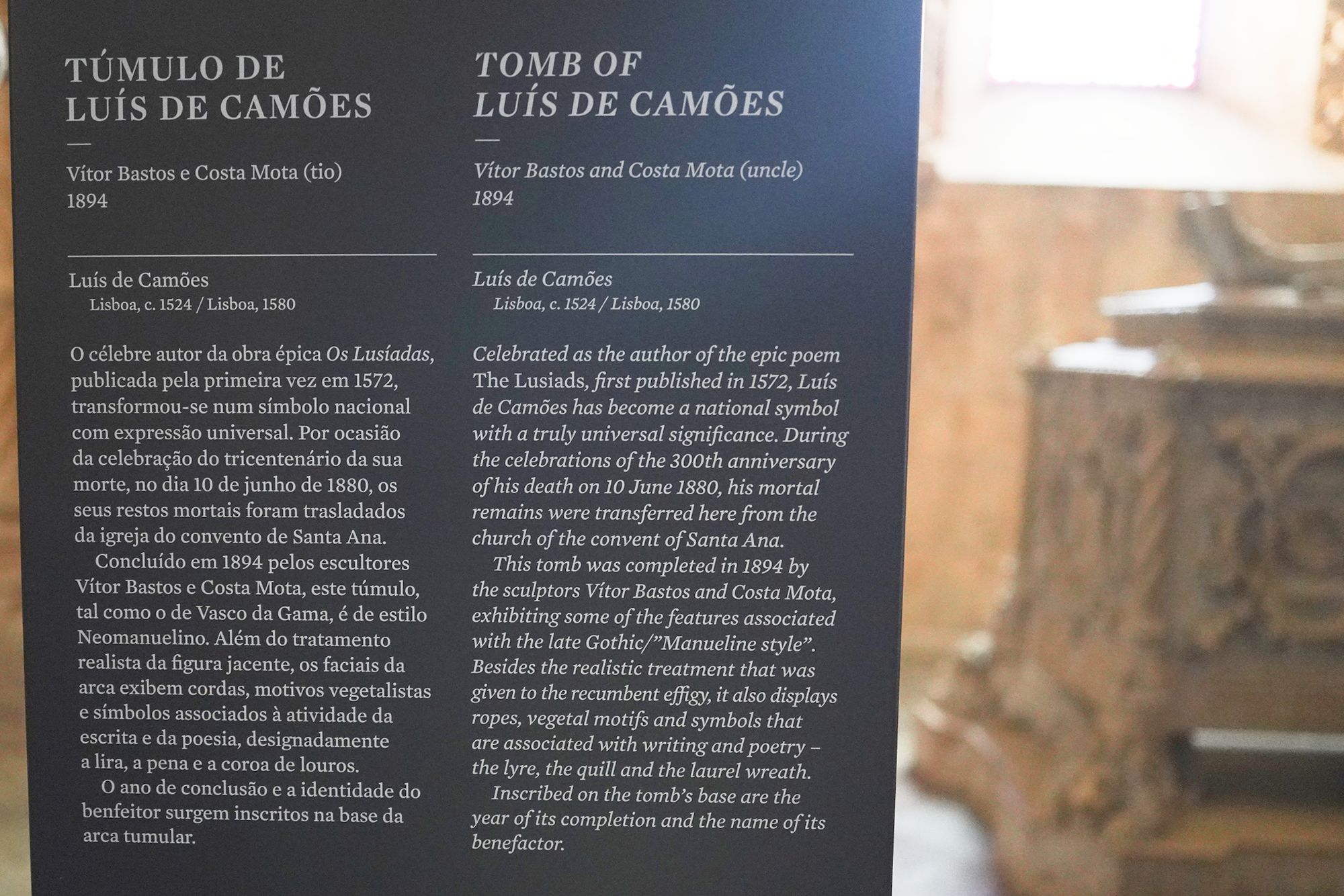
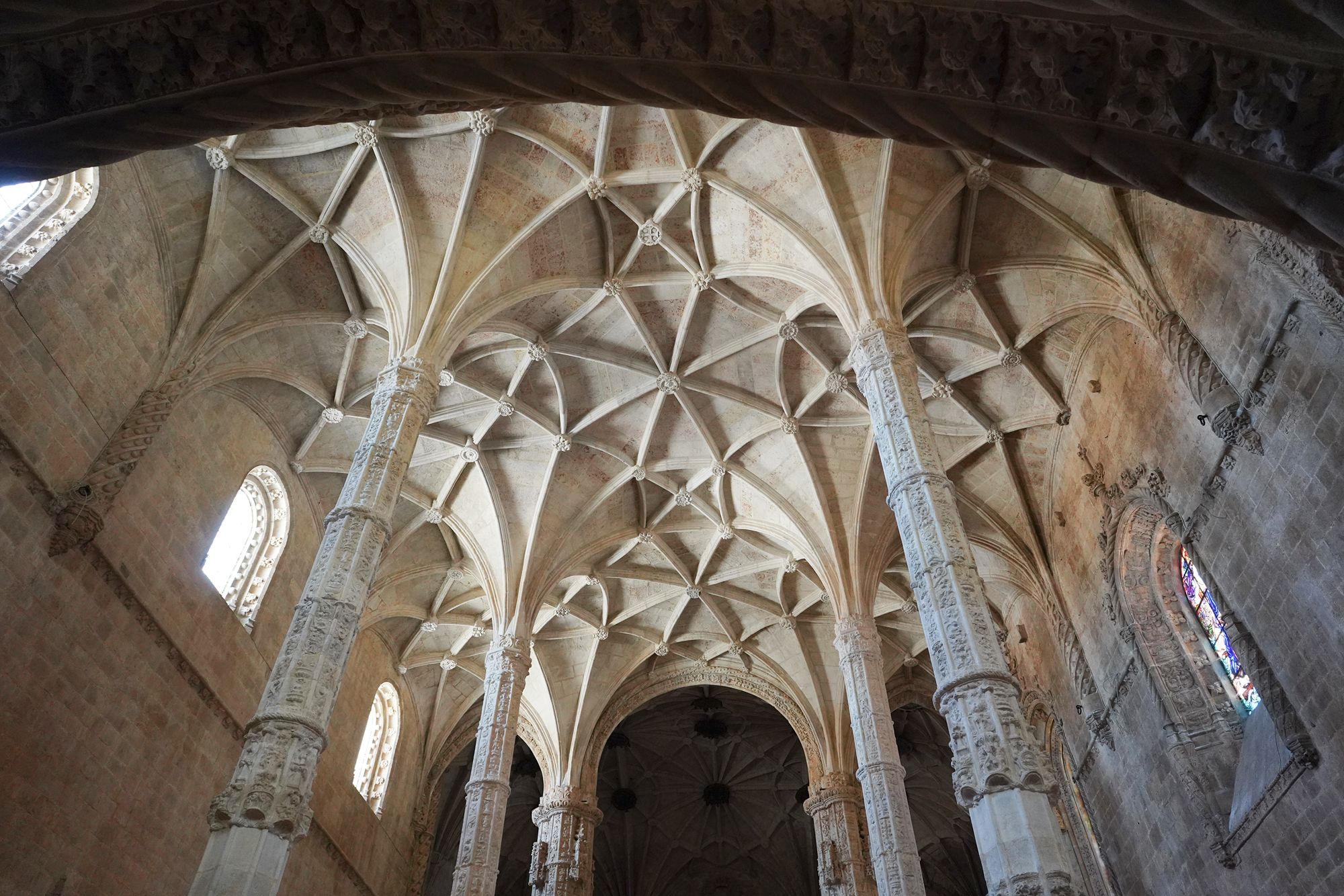
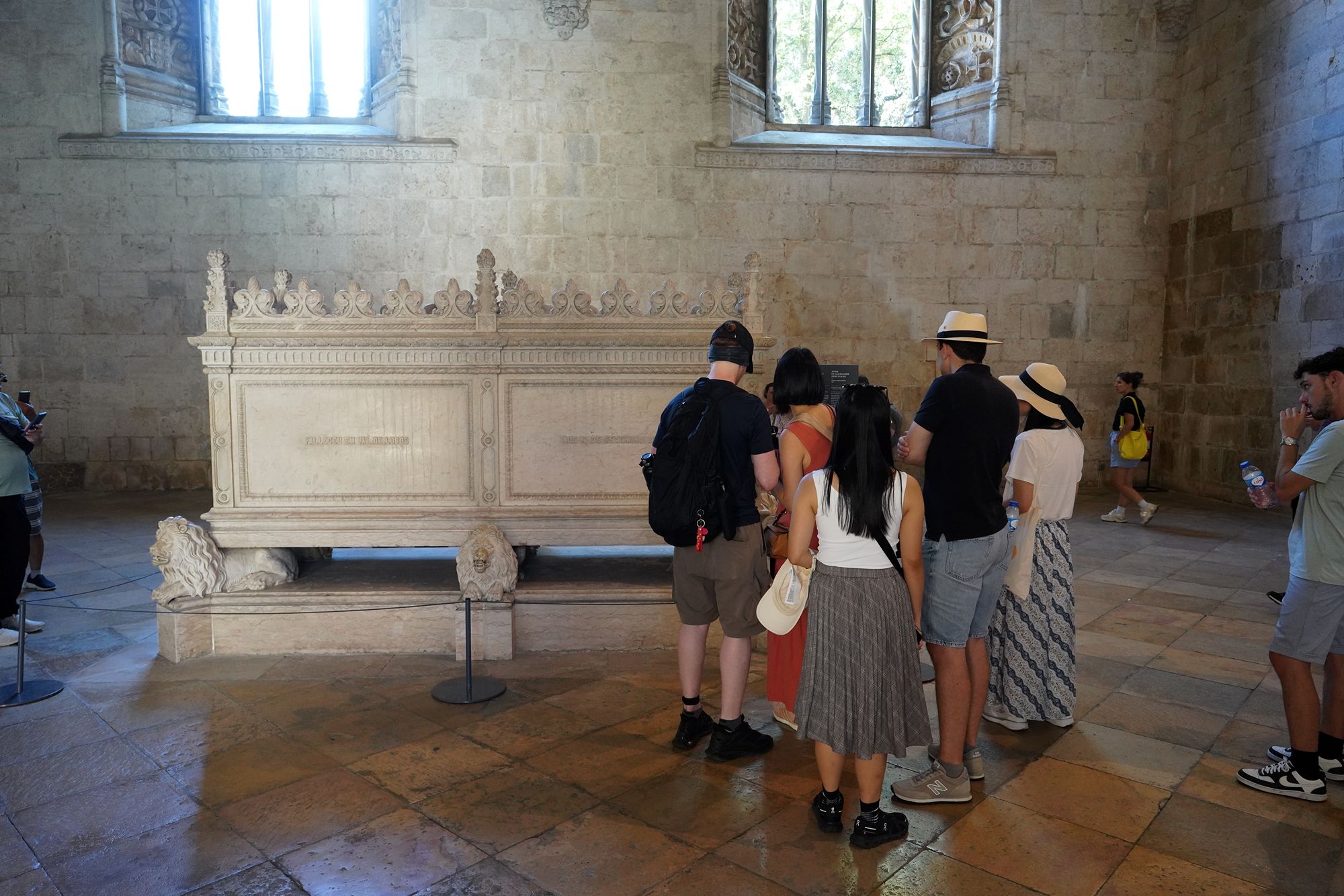
The Church of Saint Mary of Bethlehem is part of Jerónimos Monastery. Inside, slender carved stone columns rise into a high, ribbed ceiling, creating a spacious interior. Near the entrance are the tombs of navigator Vasco da Gama and poet Luís de Camões. The main chapel contains the royal tombs of King Manuel I, King João III, and their wives.