Cincinnati Downtown, Ohio, USA
Downtown Cincinnati blends historic architecture, riverfront parks, sports venues, and a lively cultural scene. 1209
National Underground Railroad Freedom Center: 50 E Freedom Way, Cincinnati, OH 45202
John A. Roebling Suspension Bridge: 166 W Mehring Wy, Cincinnati, OH 45202
Fountain Square: 520 Vine St, Cincinnati, OH 45202
Ninth Street Historic District: 125 W 9th St, Cincinnati, OH 45202
Cincinnati Music Hall: 1241 Elm St, Cincinnati, OH 45202
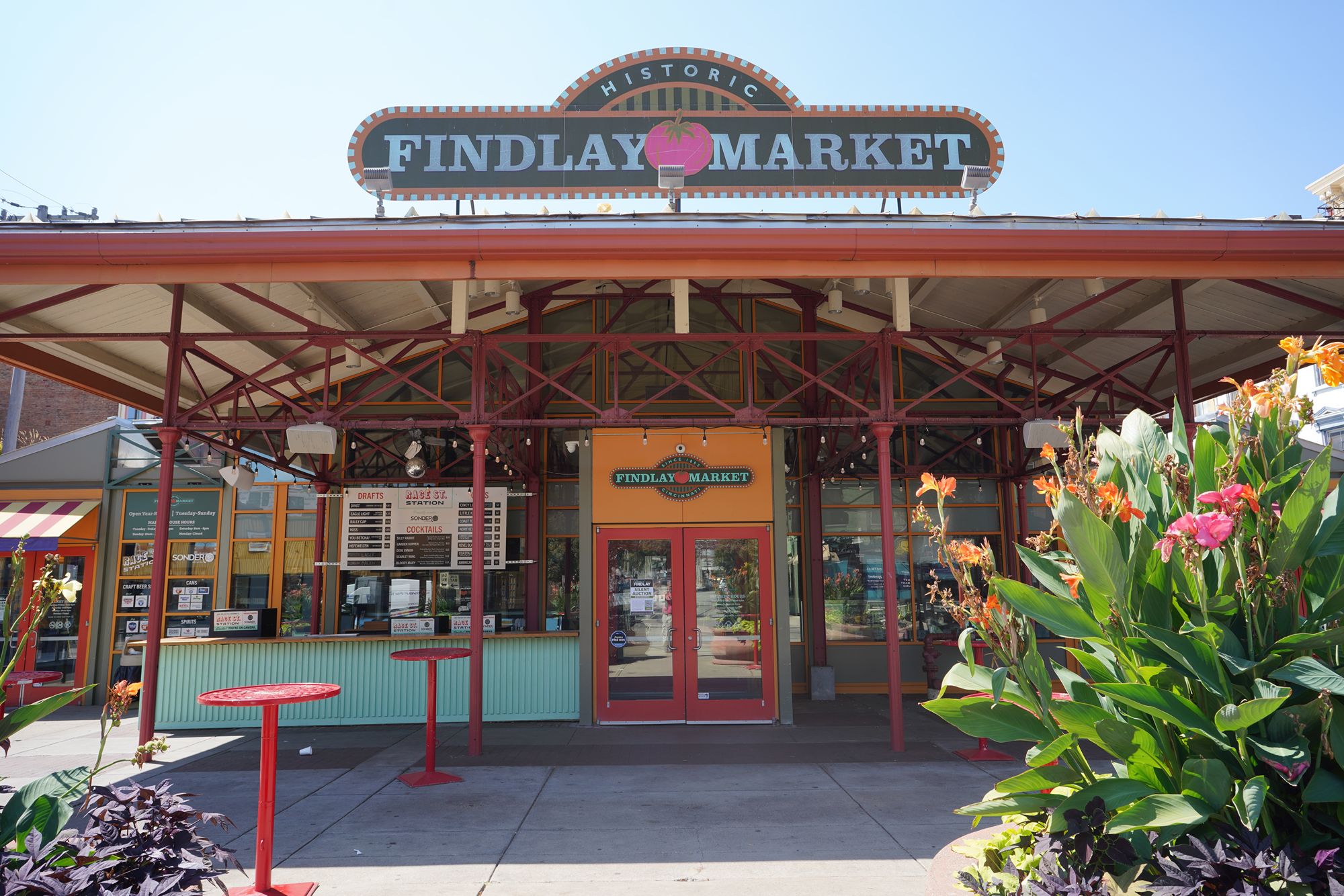
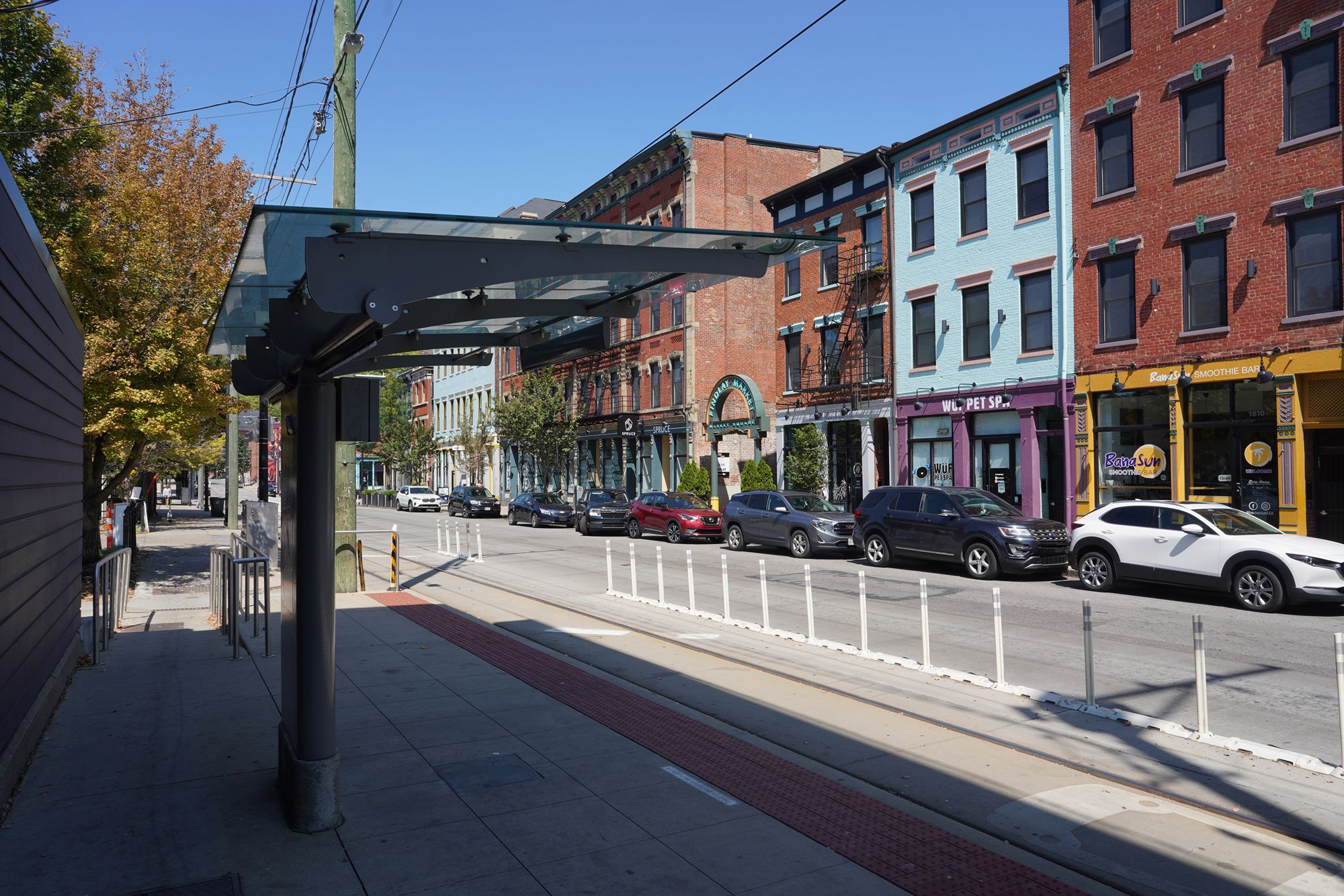
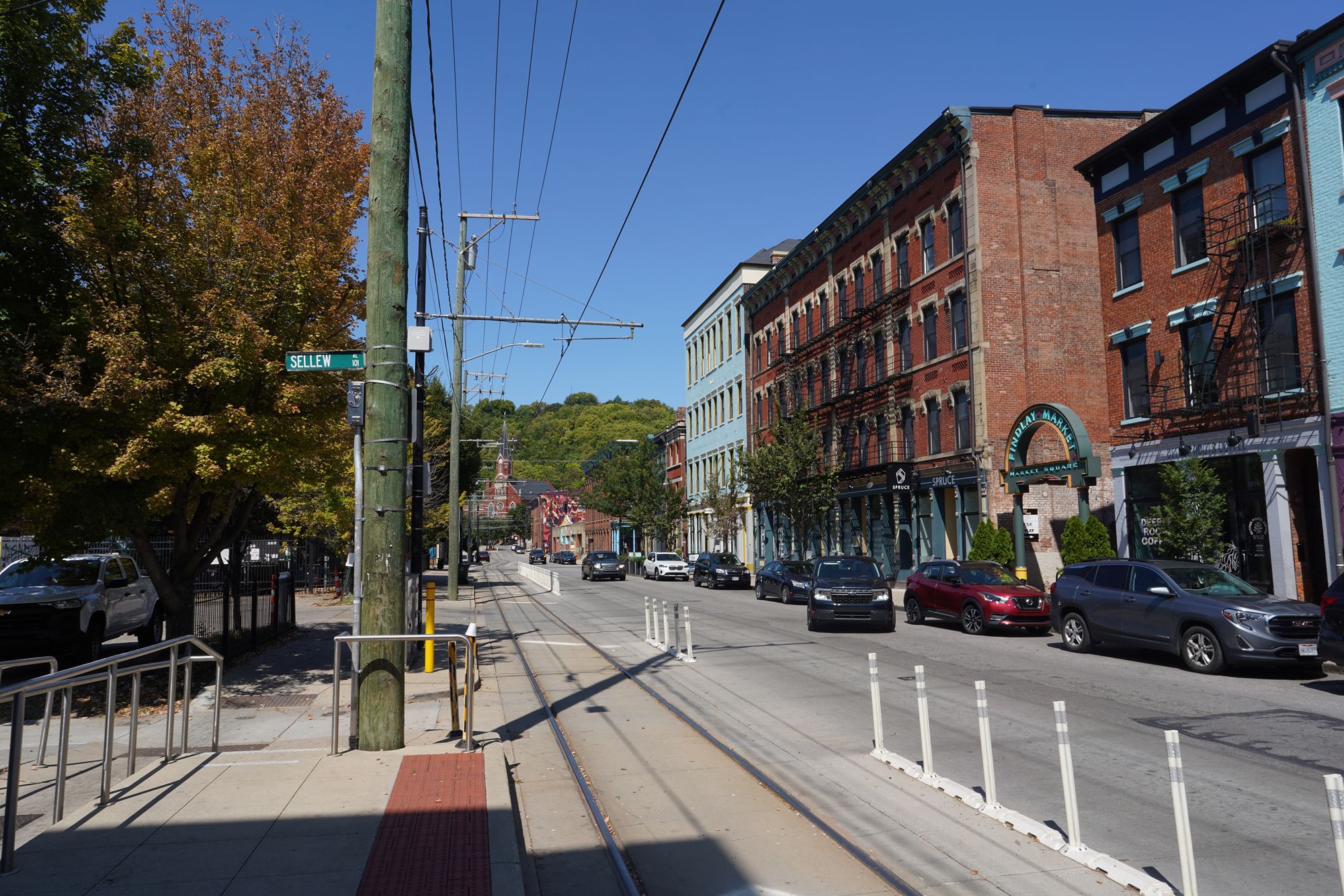
Findlay Market: 1801 Race St, Cincinnati, OH 45202
Date Picture Taken: September 2025
Downtown Cincinnati sits along the Ohio River, combining 19th-century buildings with modern offices, stadiums, and parks. Revitalized areas like Fountain Square and The Banks offer dining, arts, and entertainment, reflecting the city’s historic roots and contemporary urban life.
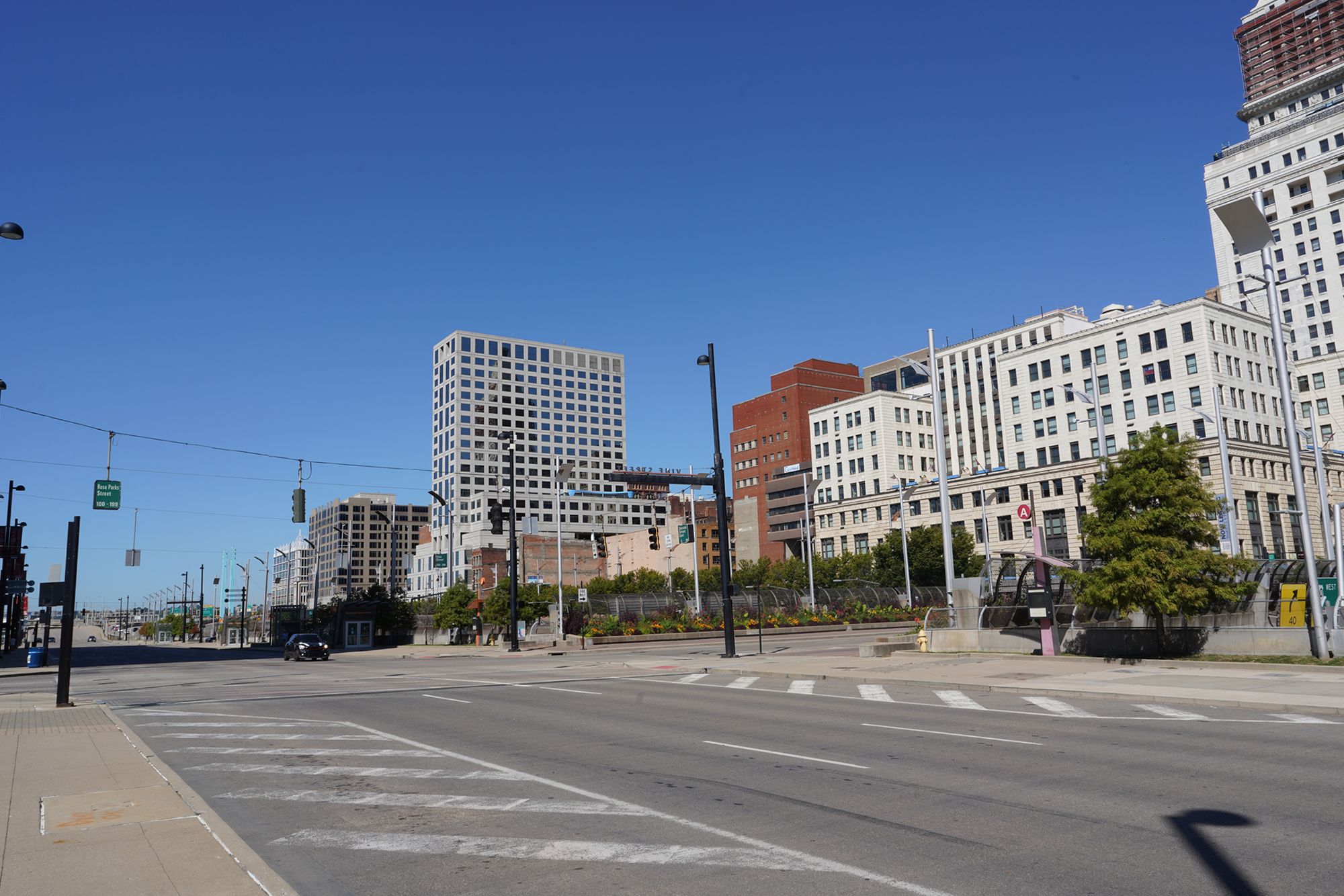
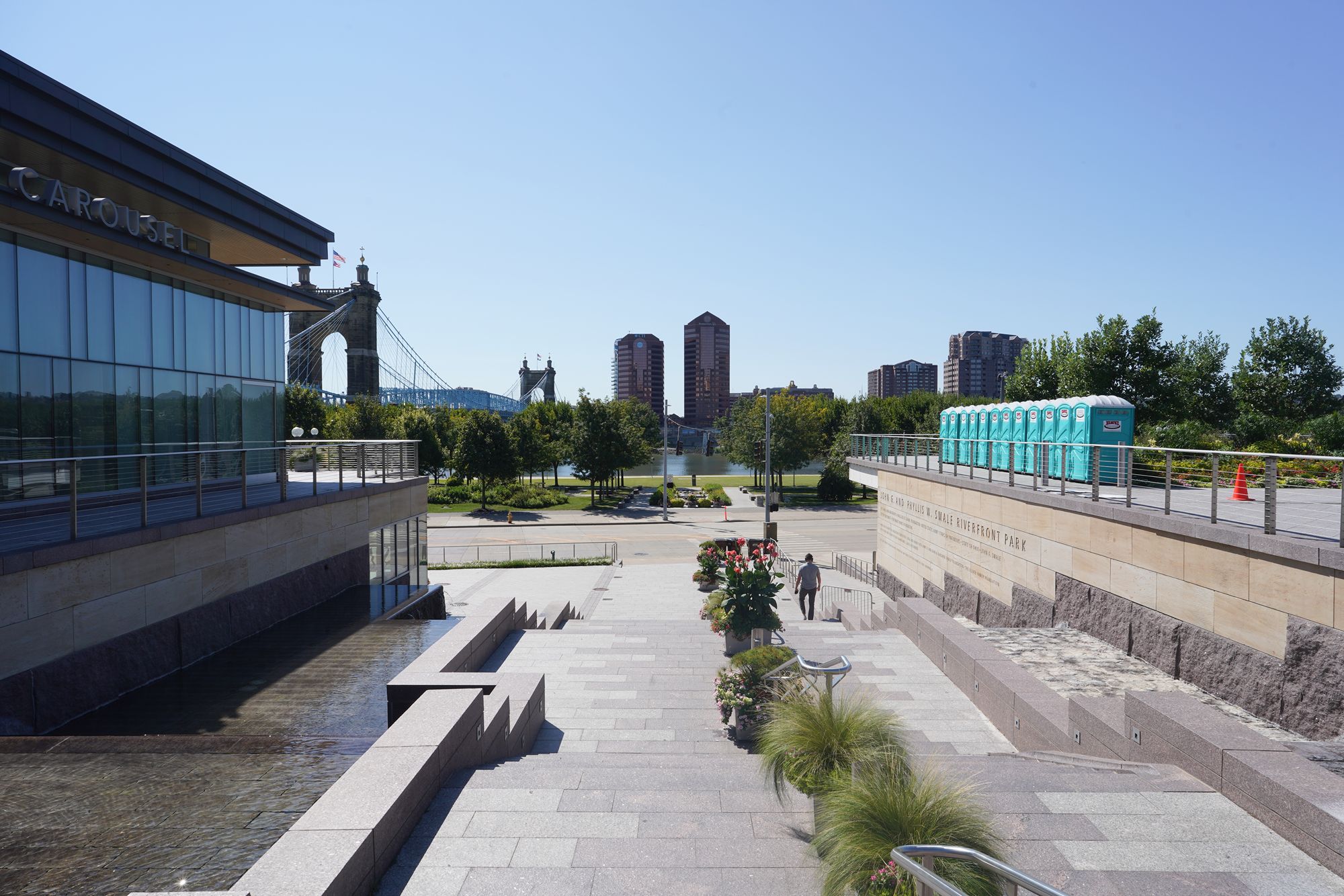
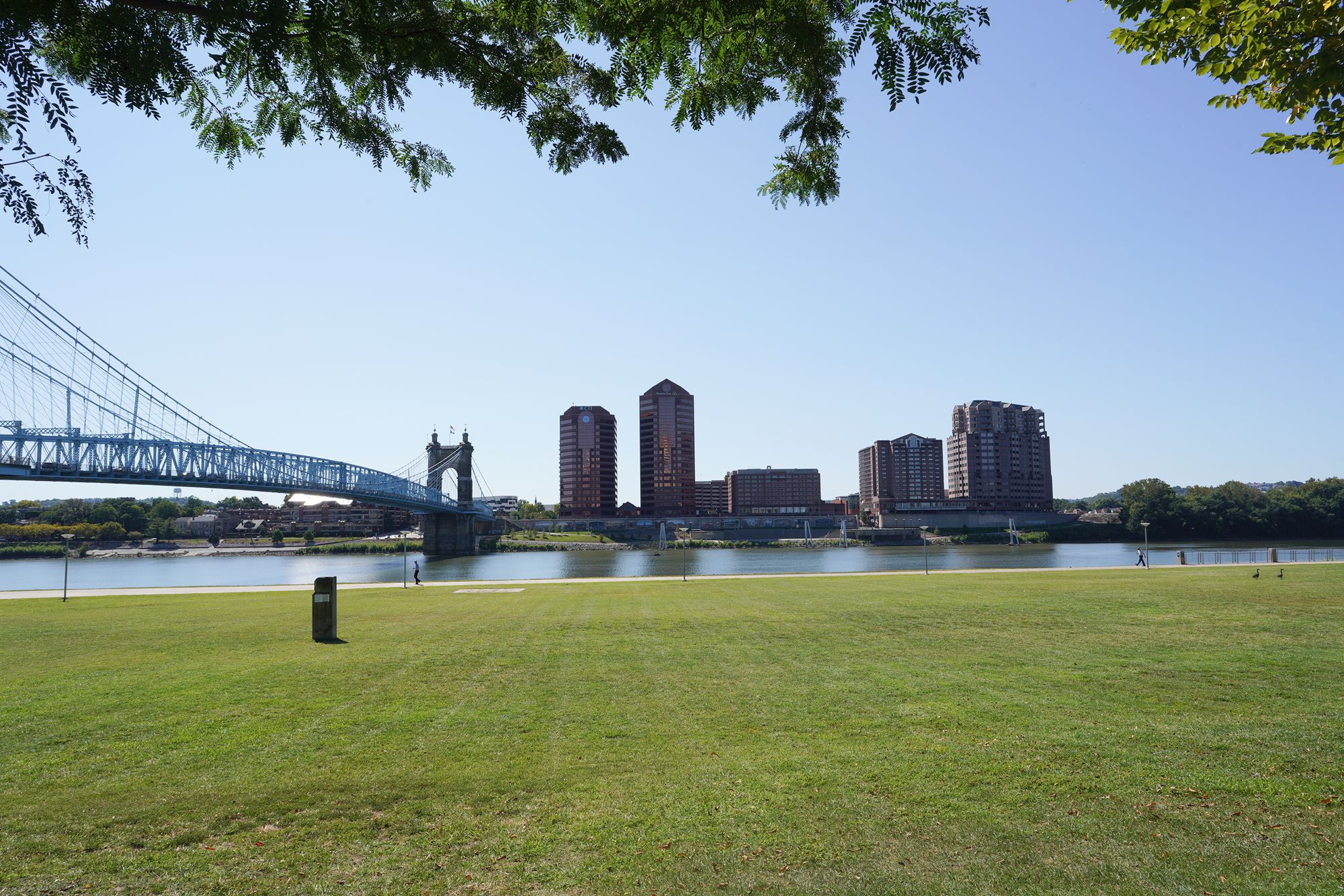
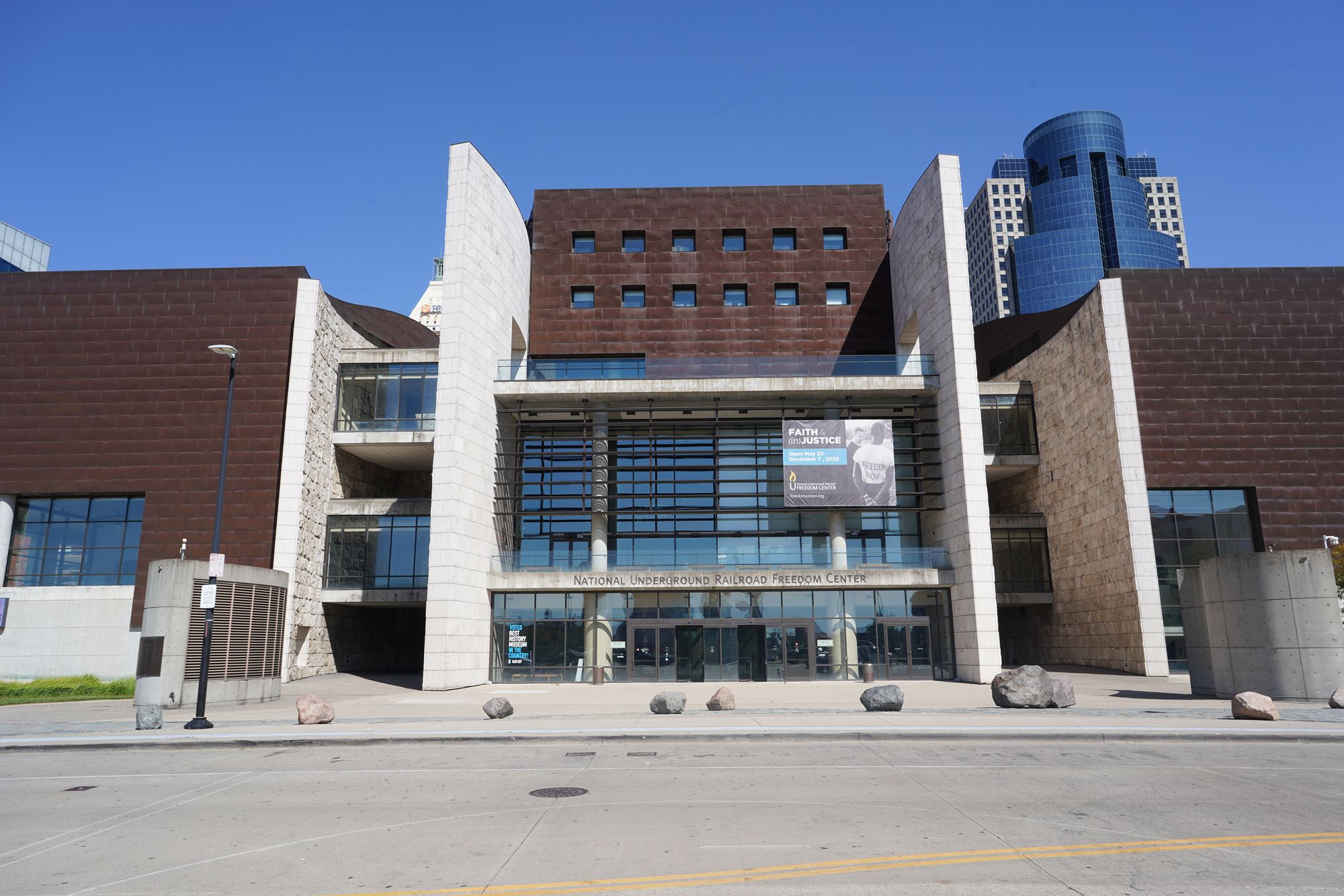
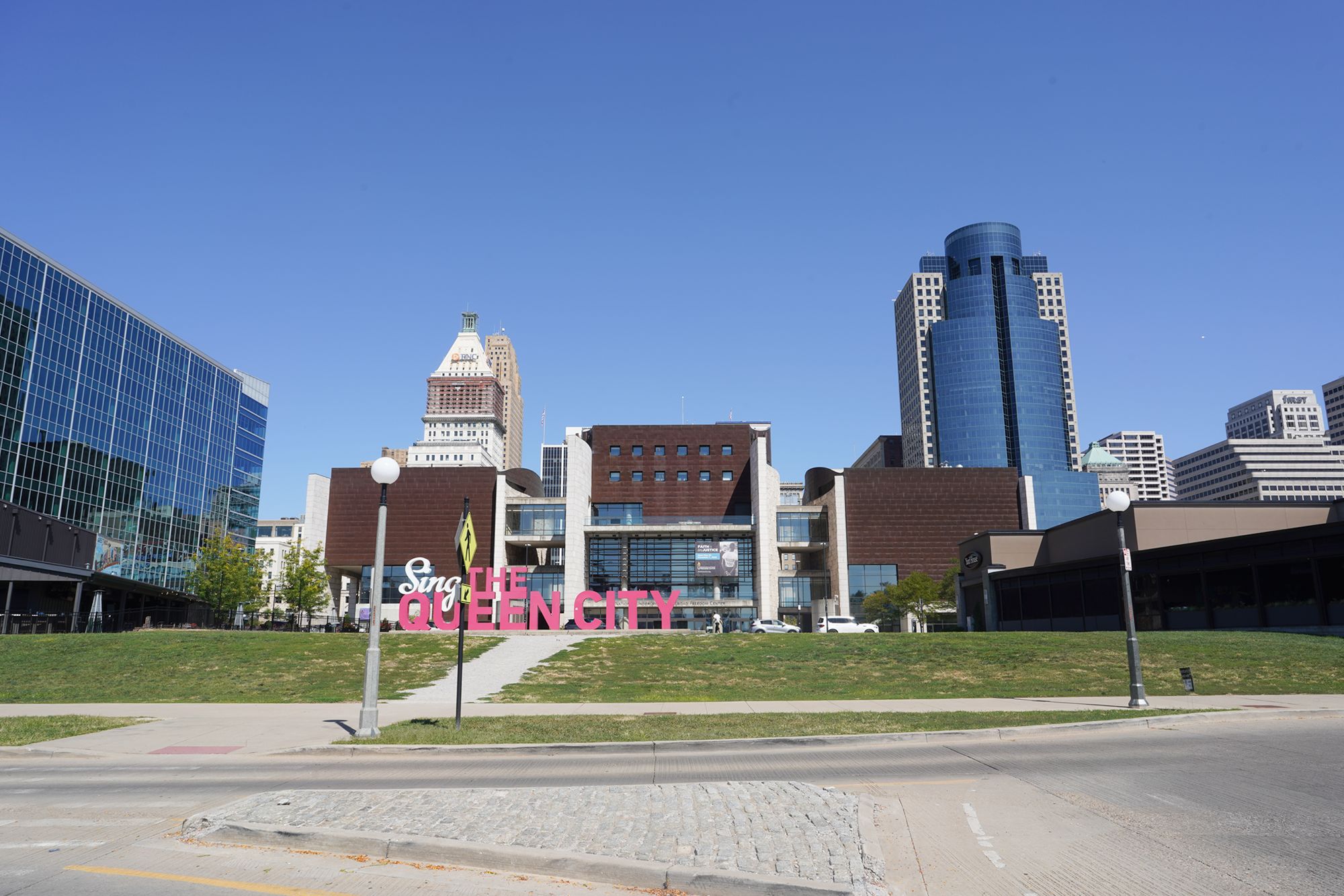
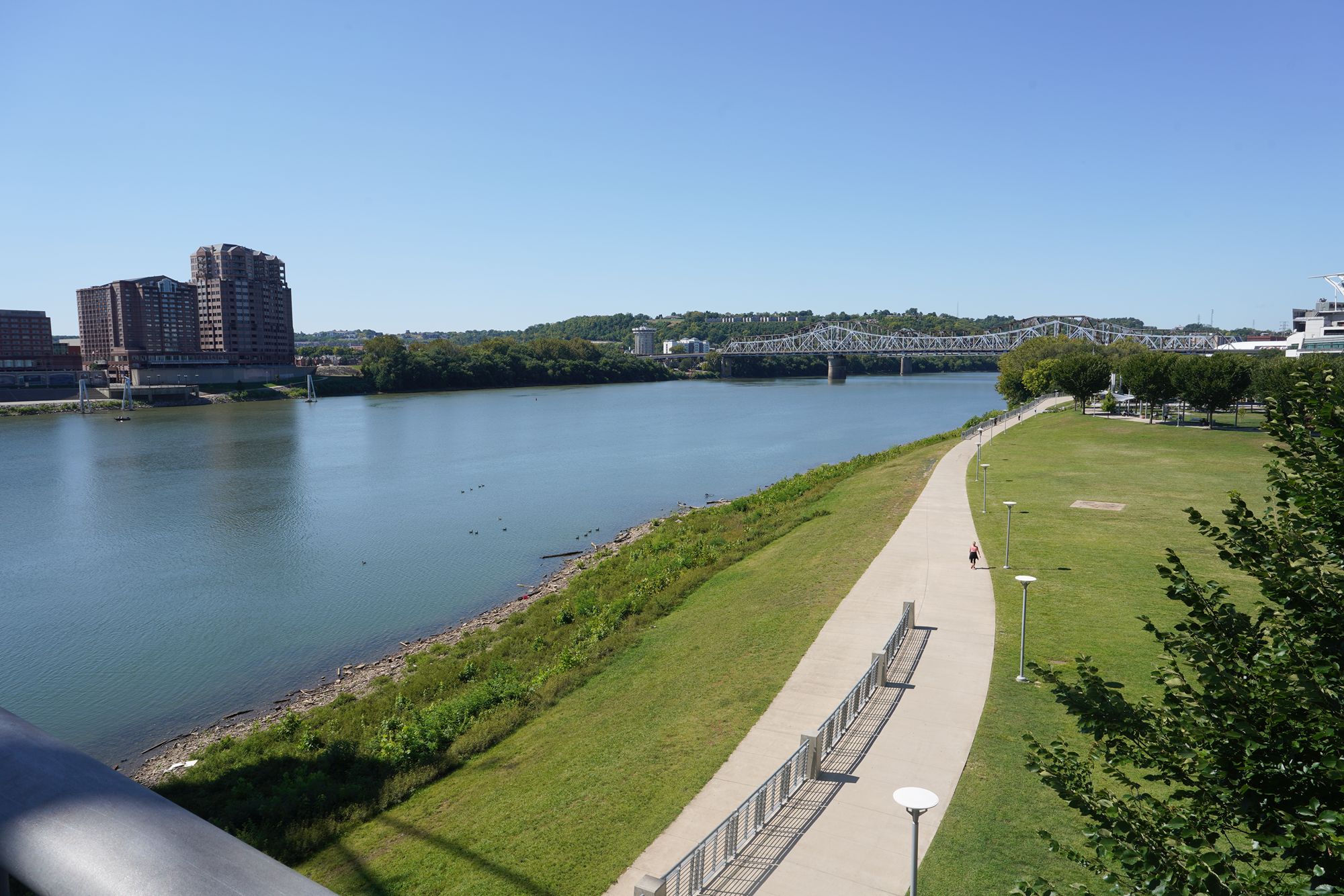
This spot is near the National Underground Railroad Freedom Center, with the Ohio River behind me.
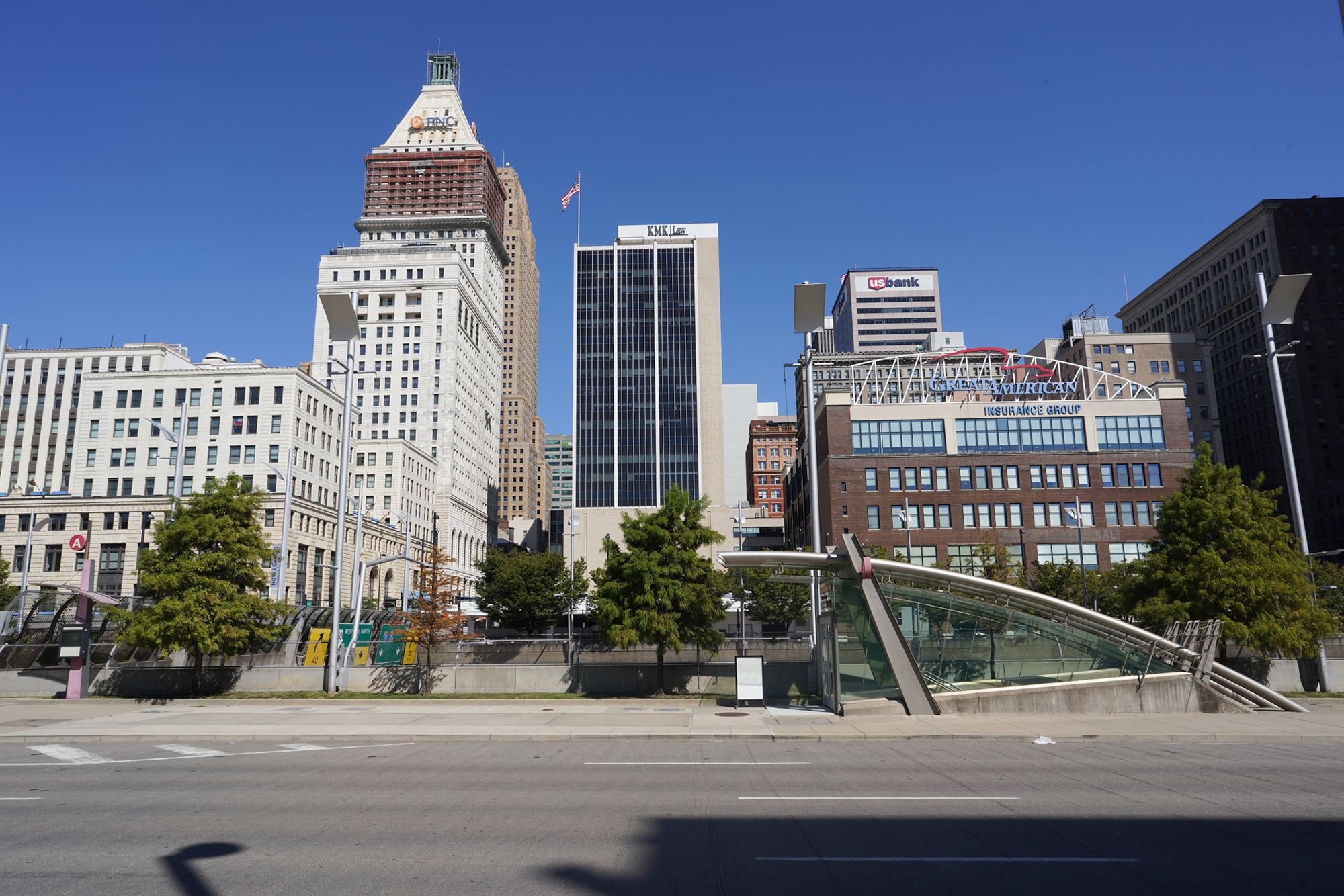
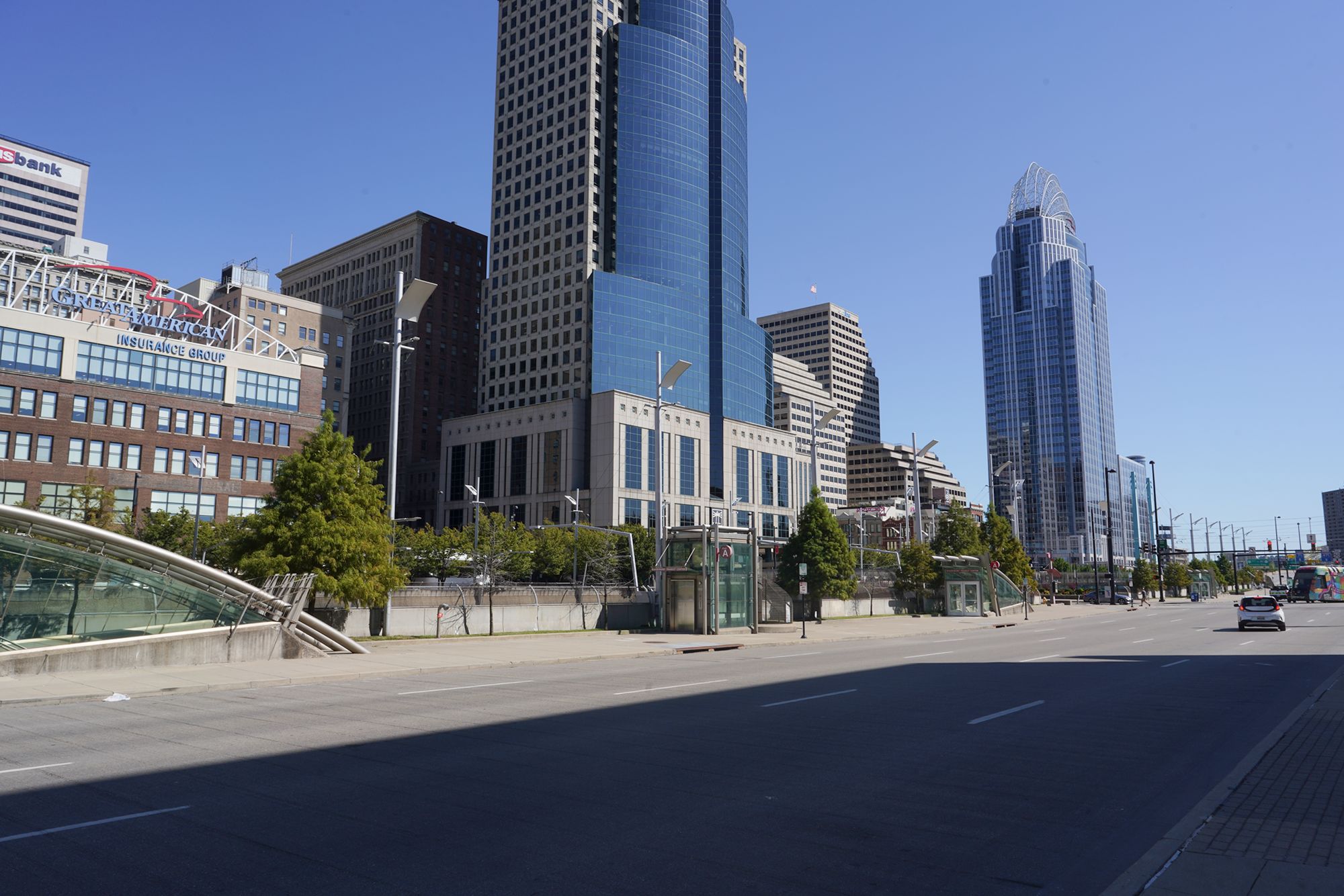
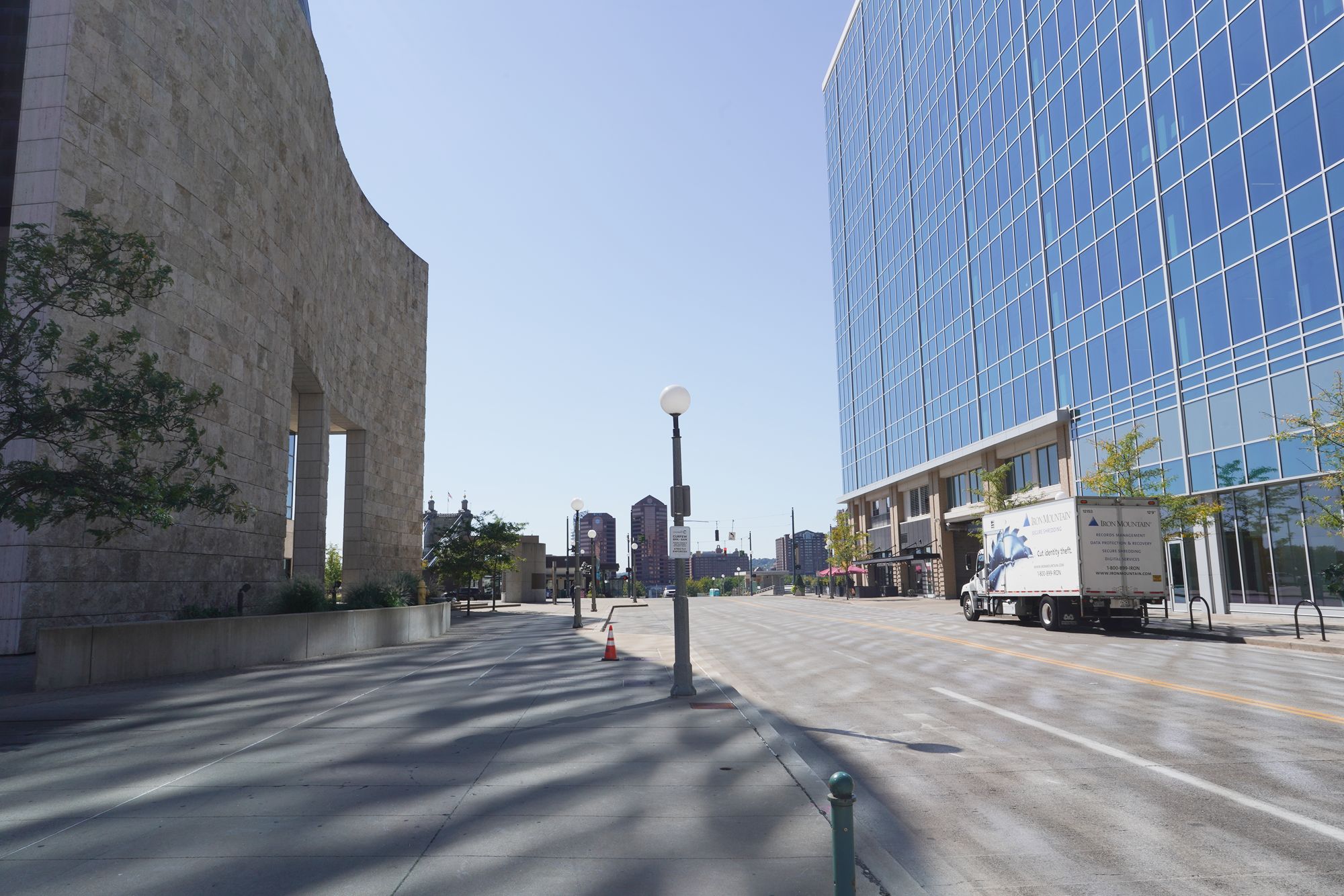
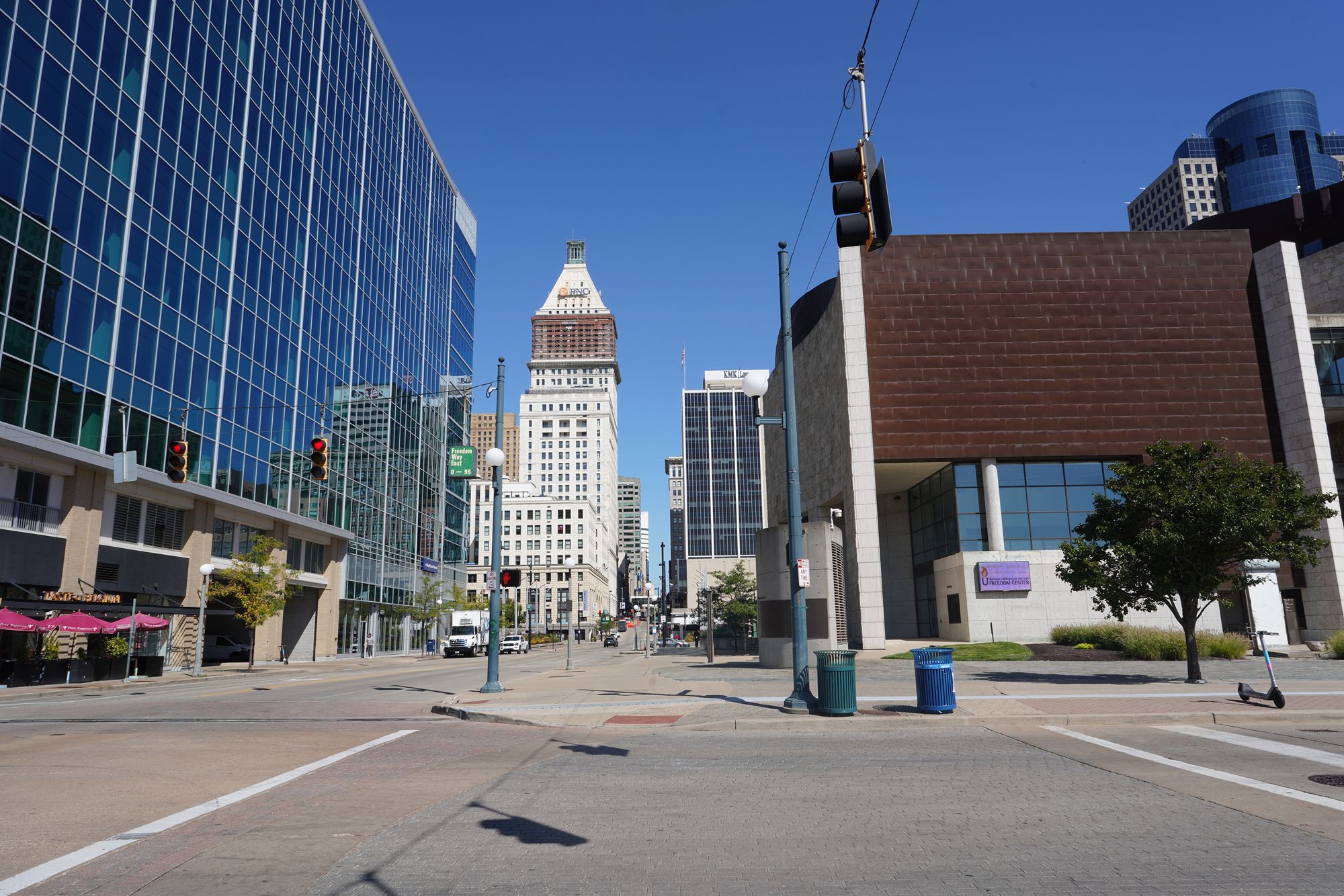
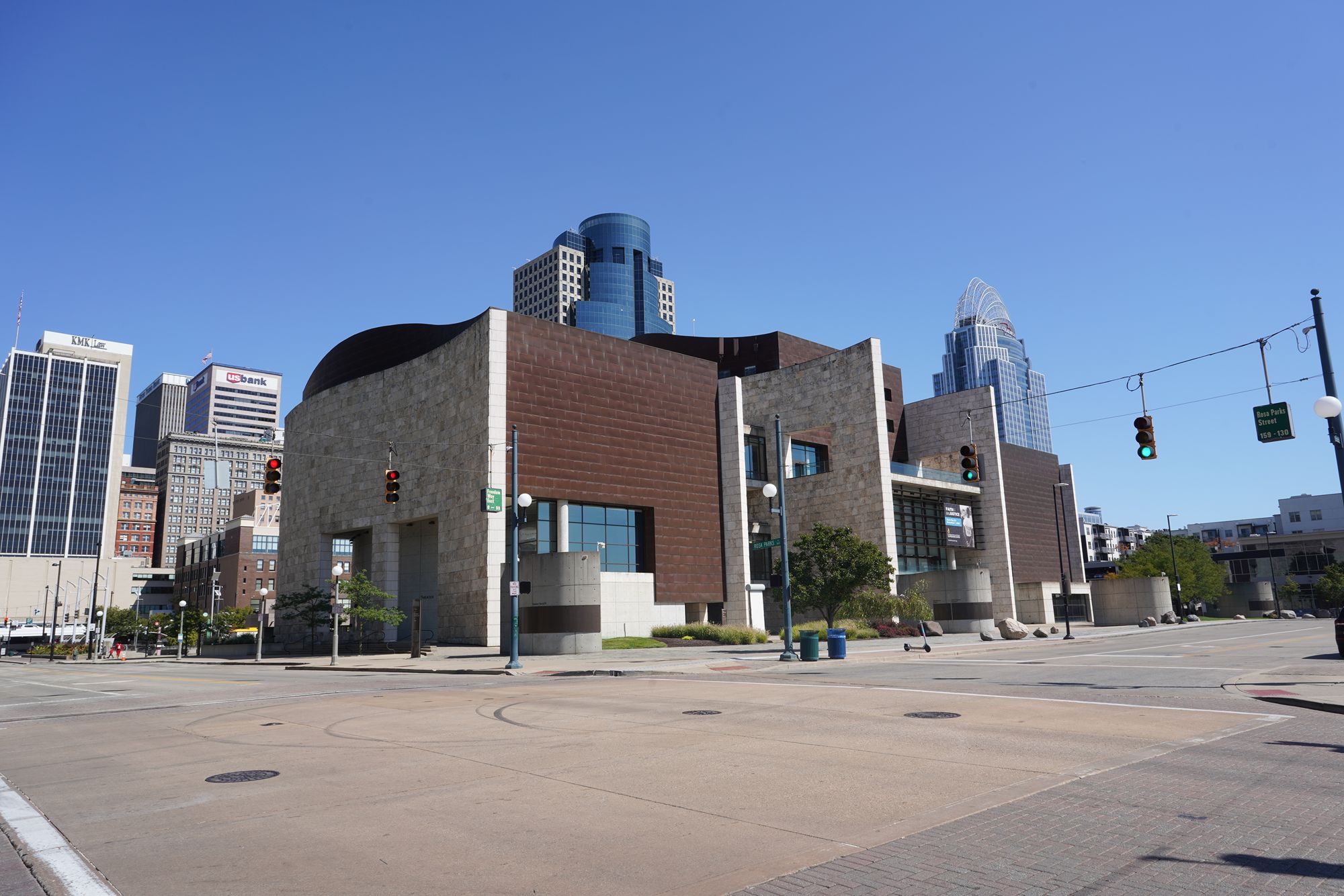
The left brown building is the National Underground Railroad Freedom Center
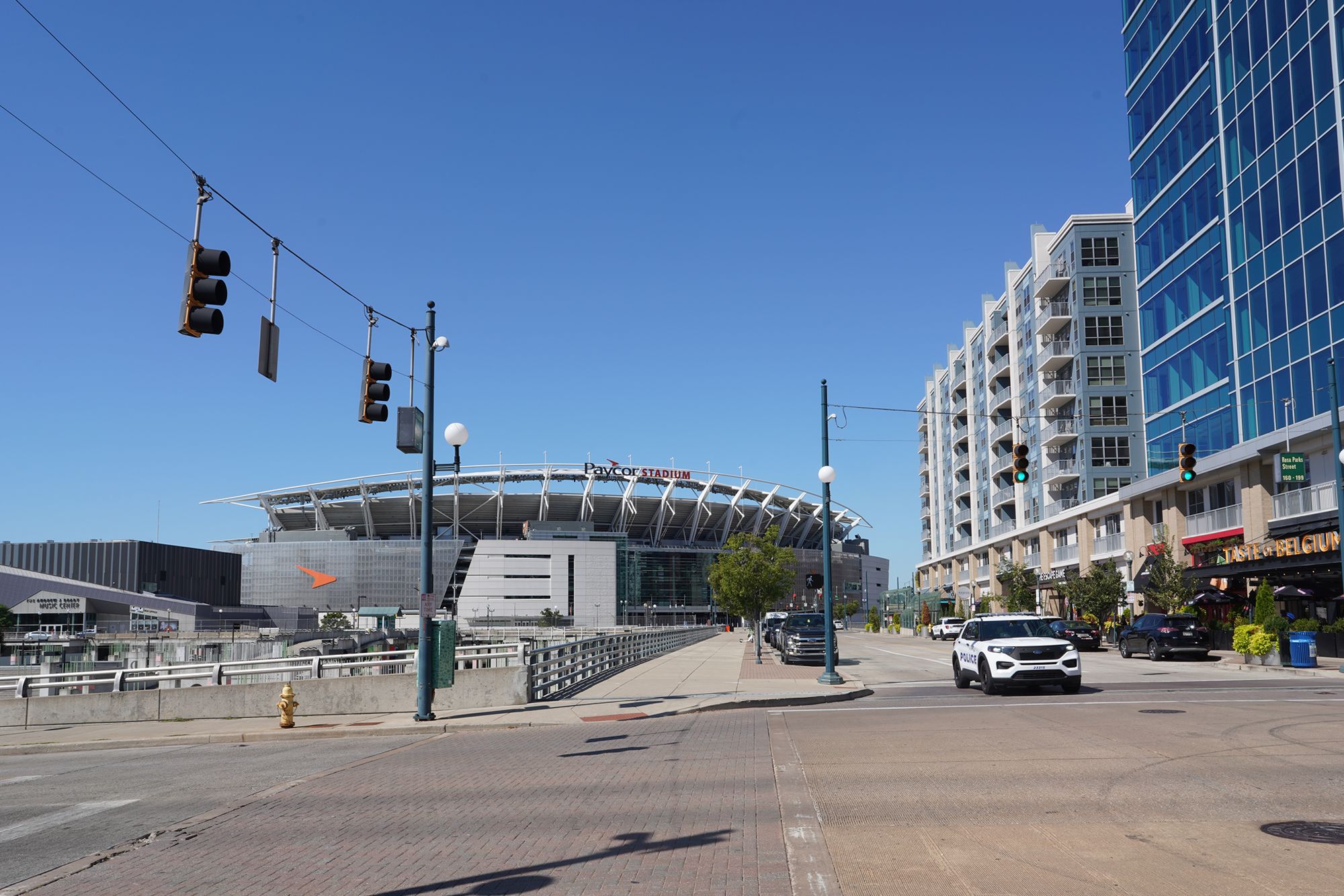
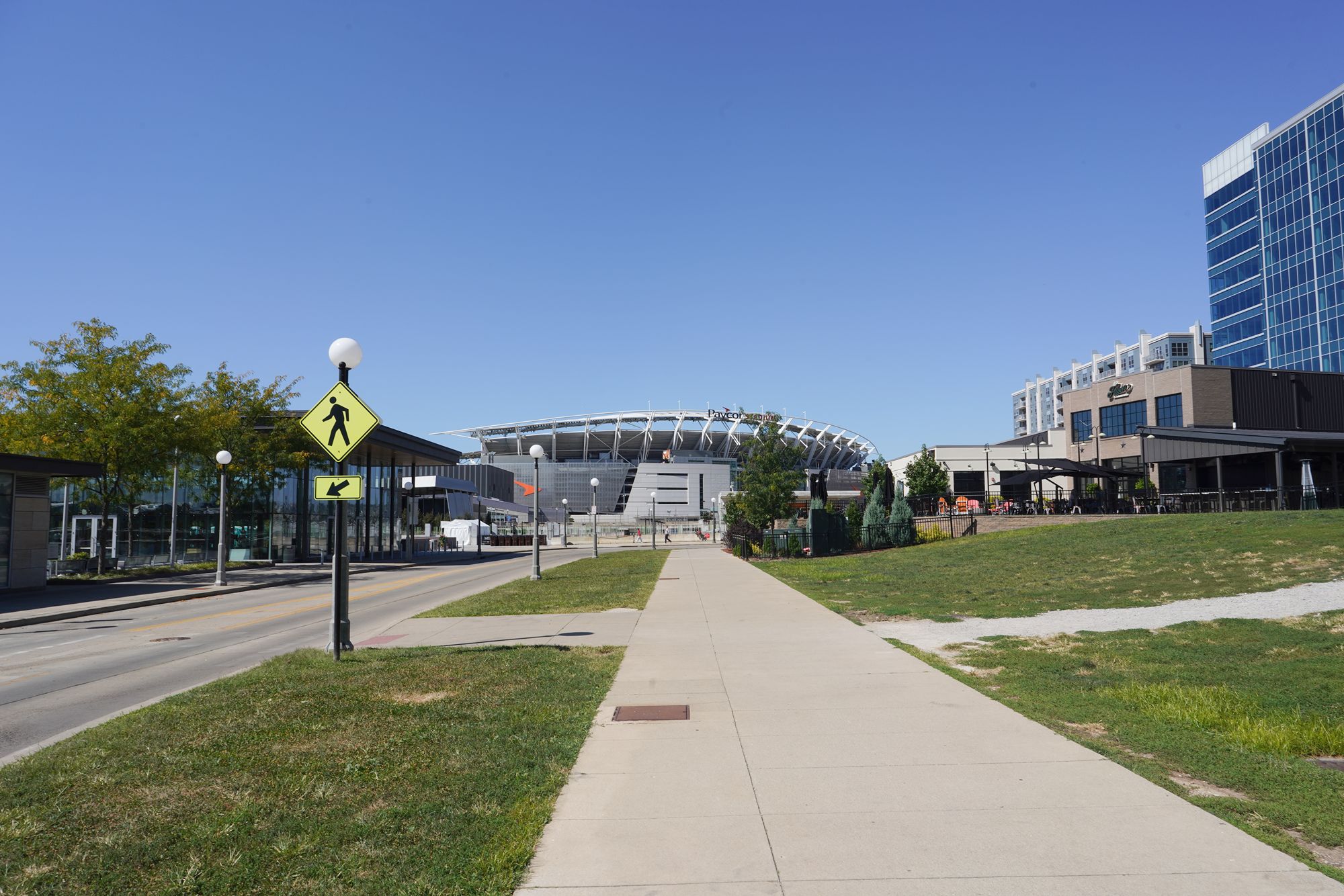
Paycor Stadium. The NFL’s Cincinnati Bengals play at this traditional open-air stadium that seats more than 65,000.
I turned around toward the Ohio River and walked toward it.
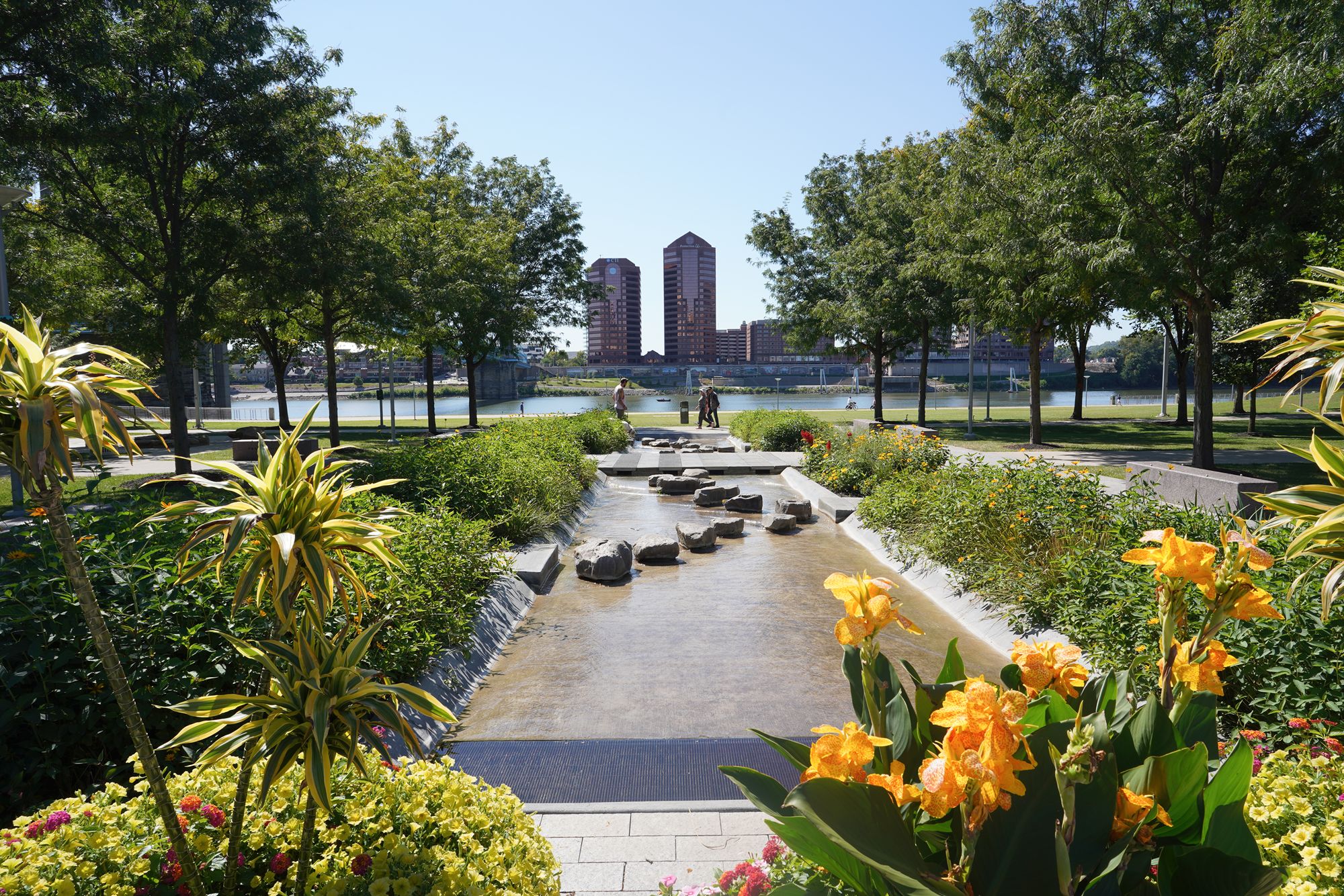
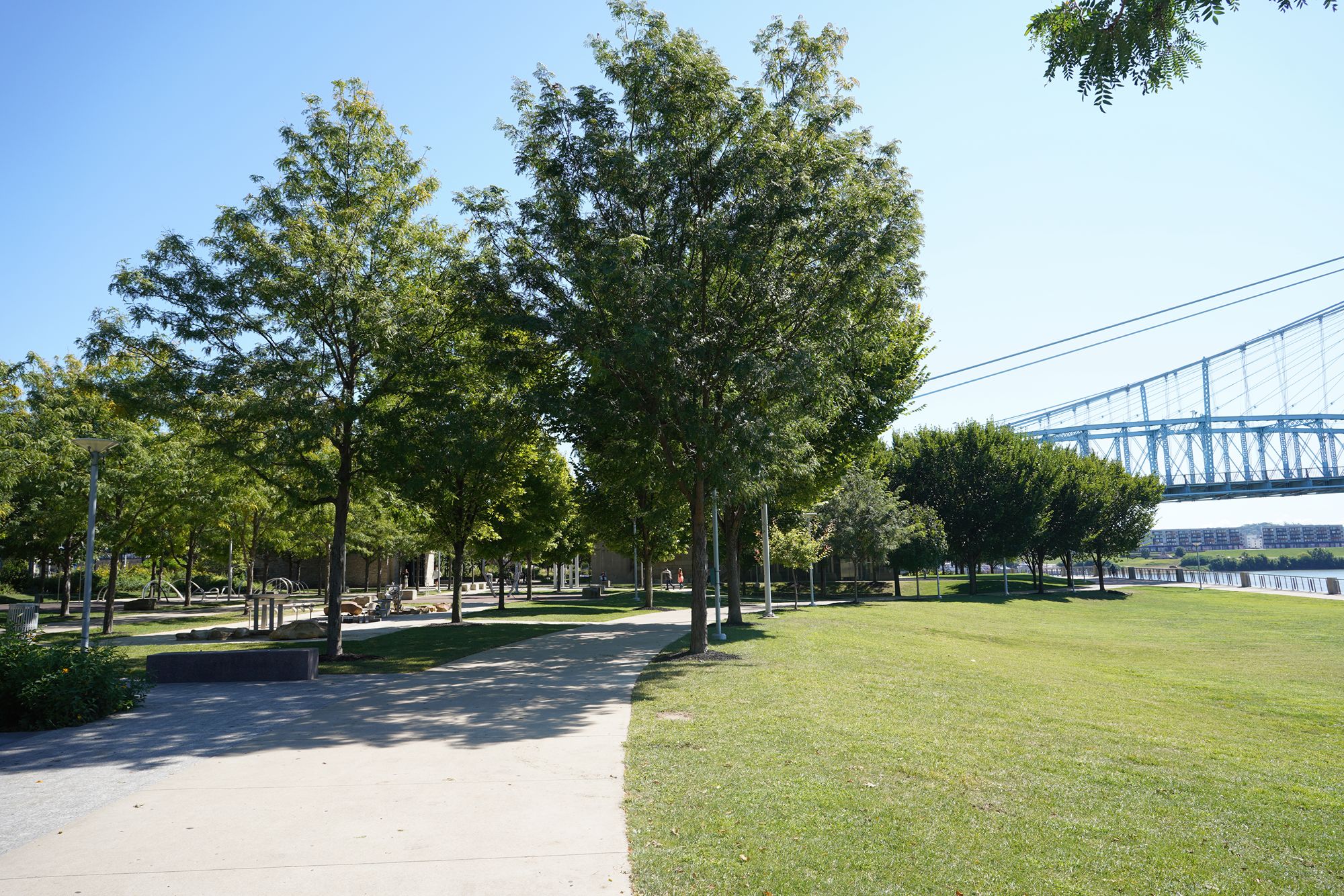
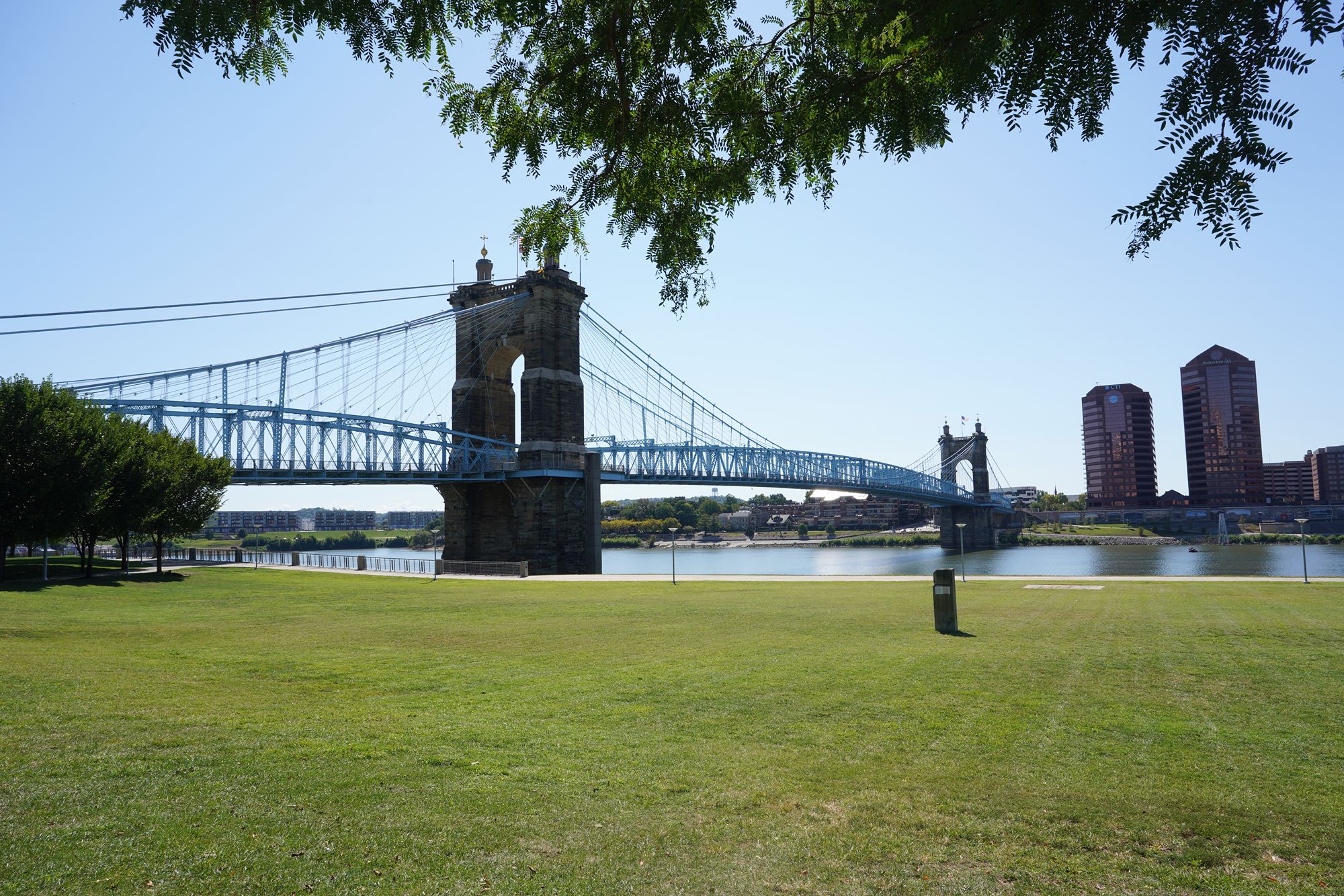
John A. Roebling Suspension Bridge
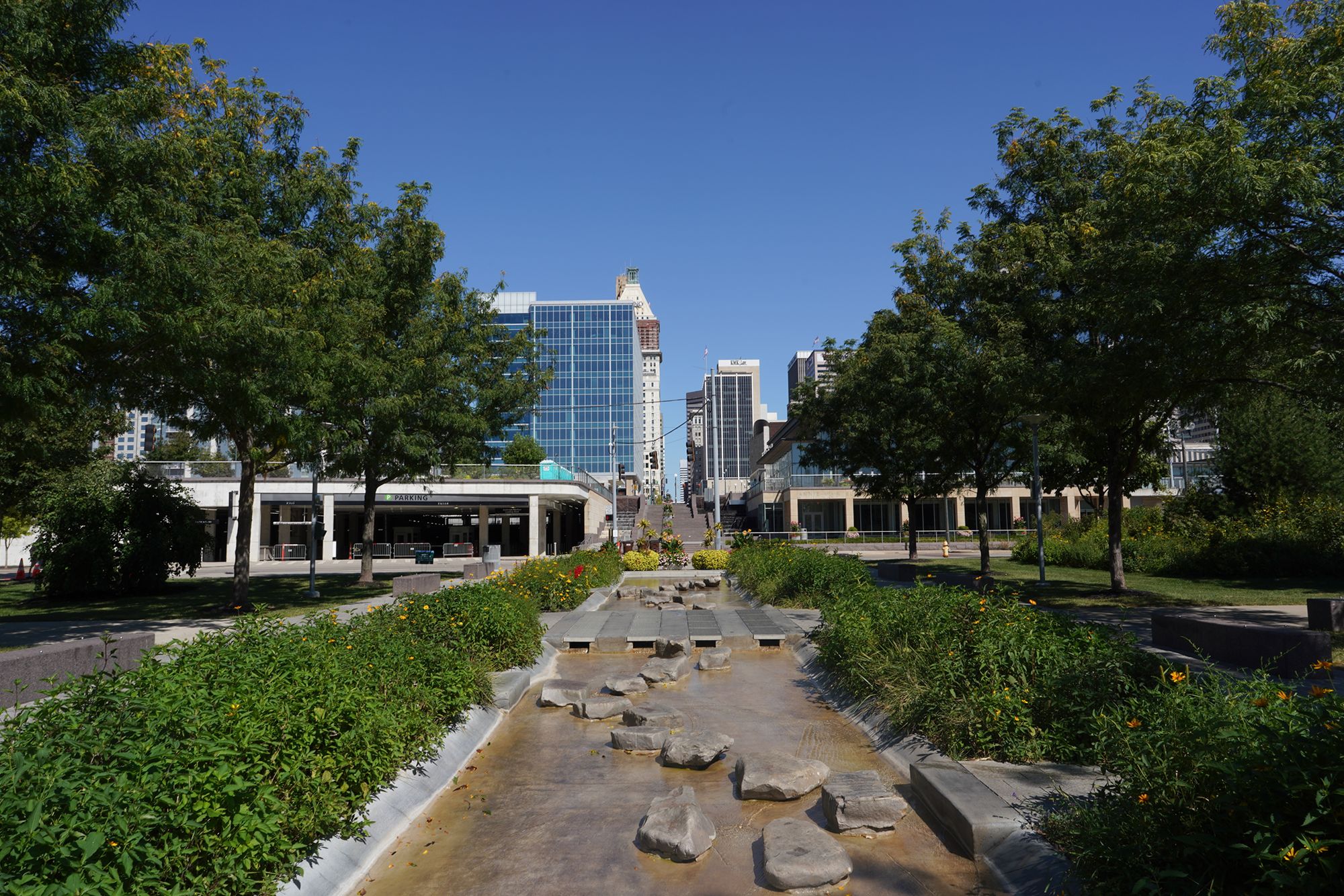
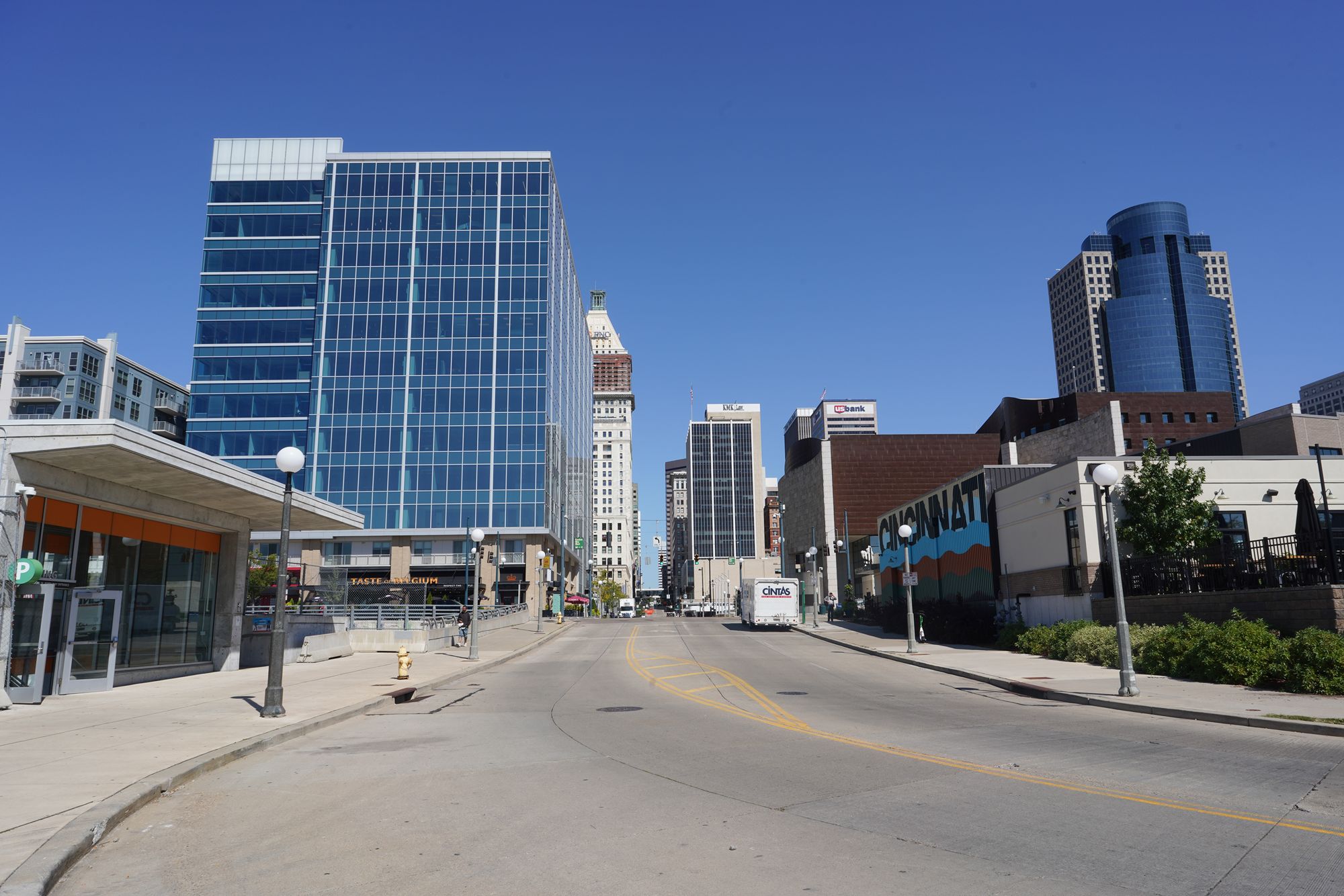
Turned around and walked back toward the city
National Underground Railroad Freedom Center – it was closed when I visited it.
The National Underground Railroad Freedom Center is a museum in downtown Cincinnati dedicated to the history of slavery, resistance, and freedom.
Located on the Ohio River, it tells the story of the Underground Railroad, abolitionists, and freedom seekers, while also connecting these histories to modern struggles for human rights and social justice worldwide.
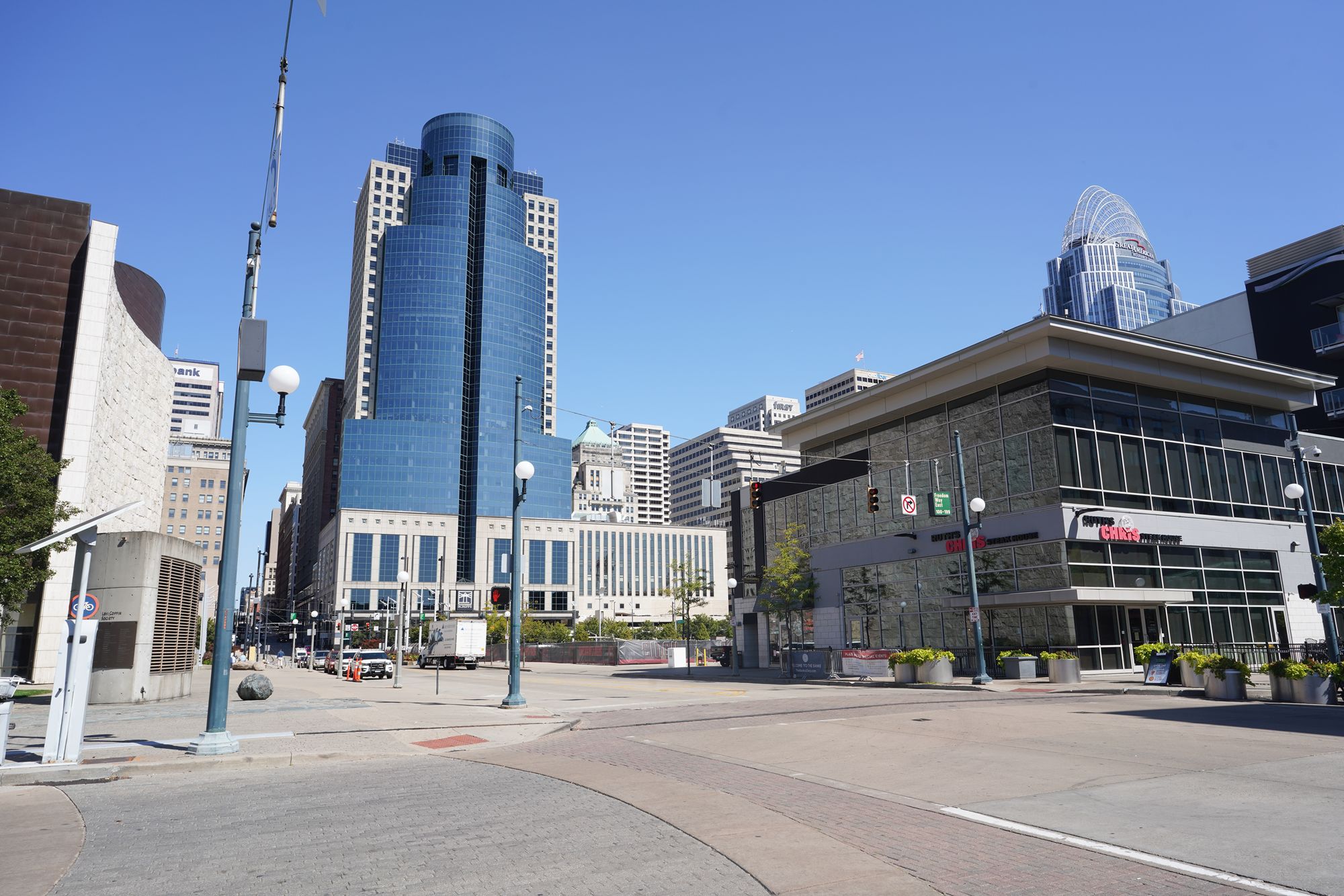
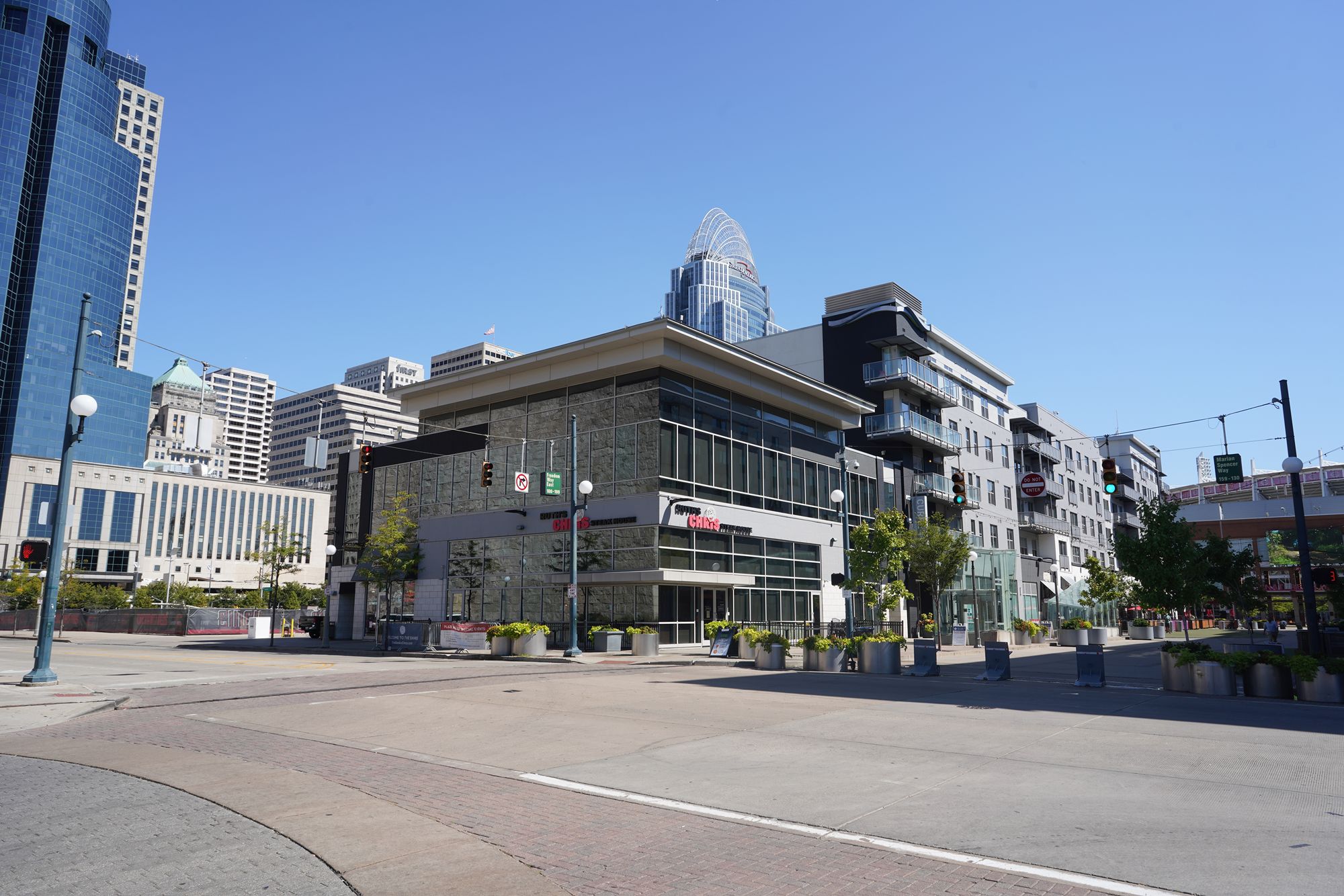
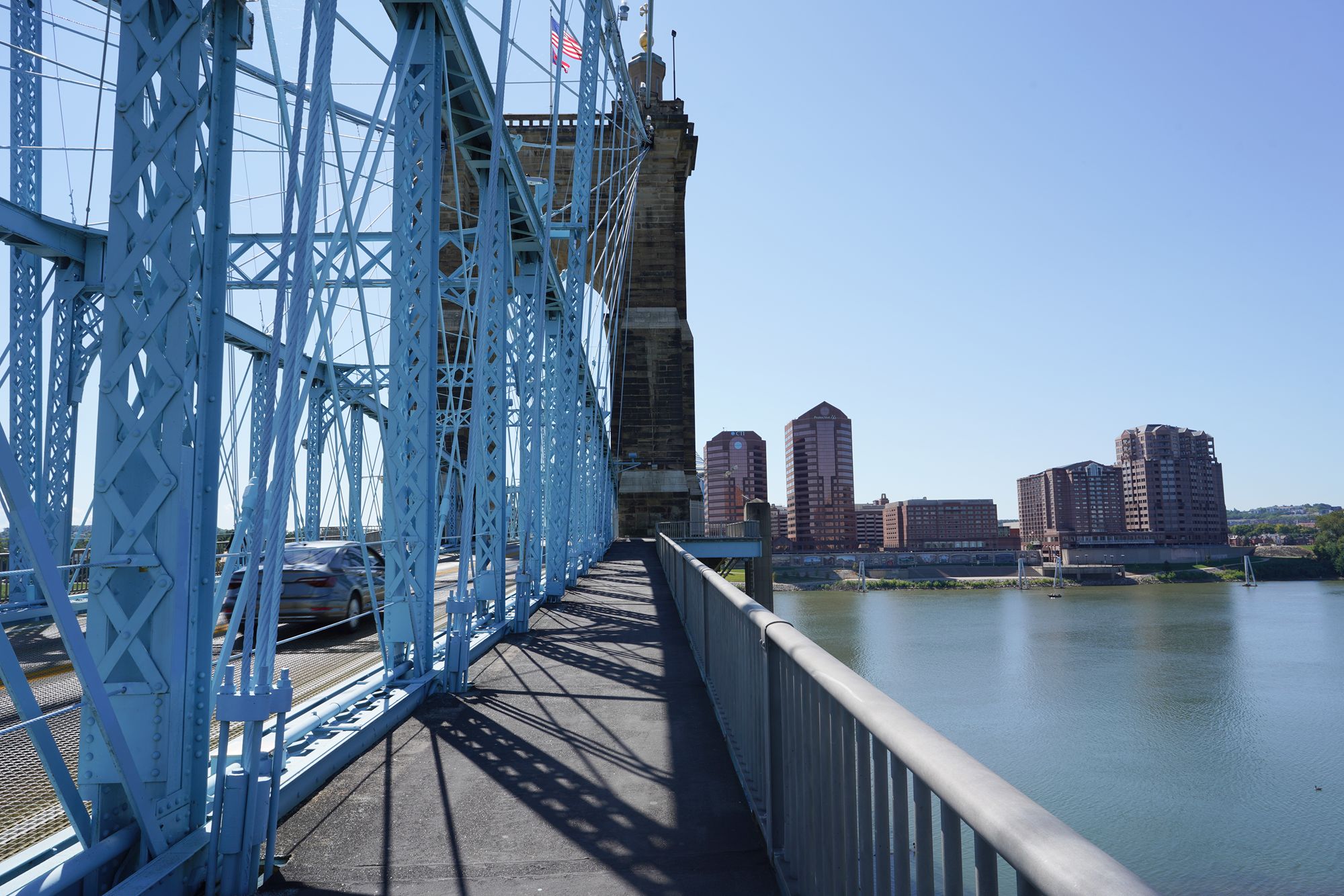
I decided to walk partway across the bridge.
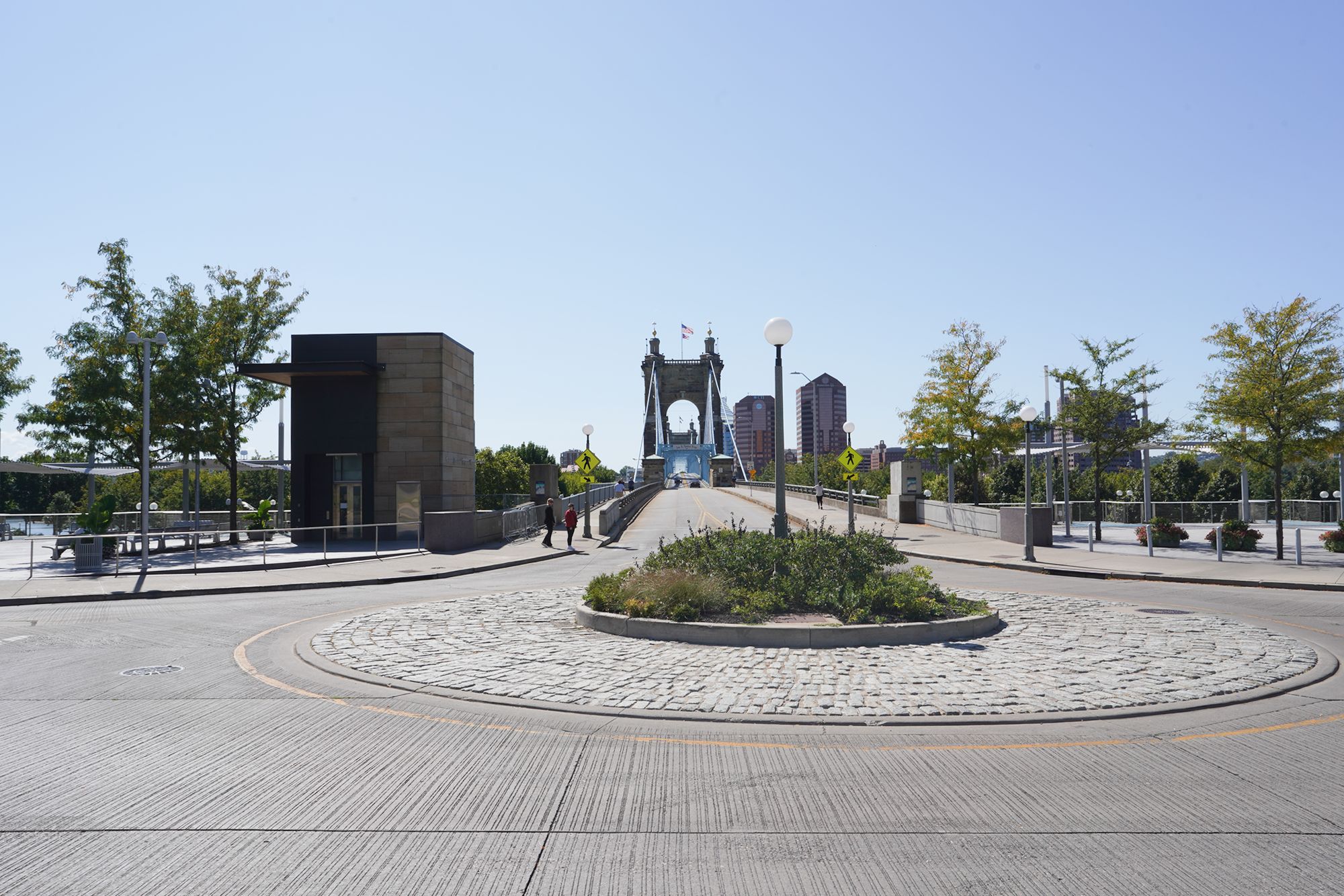
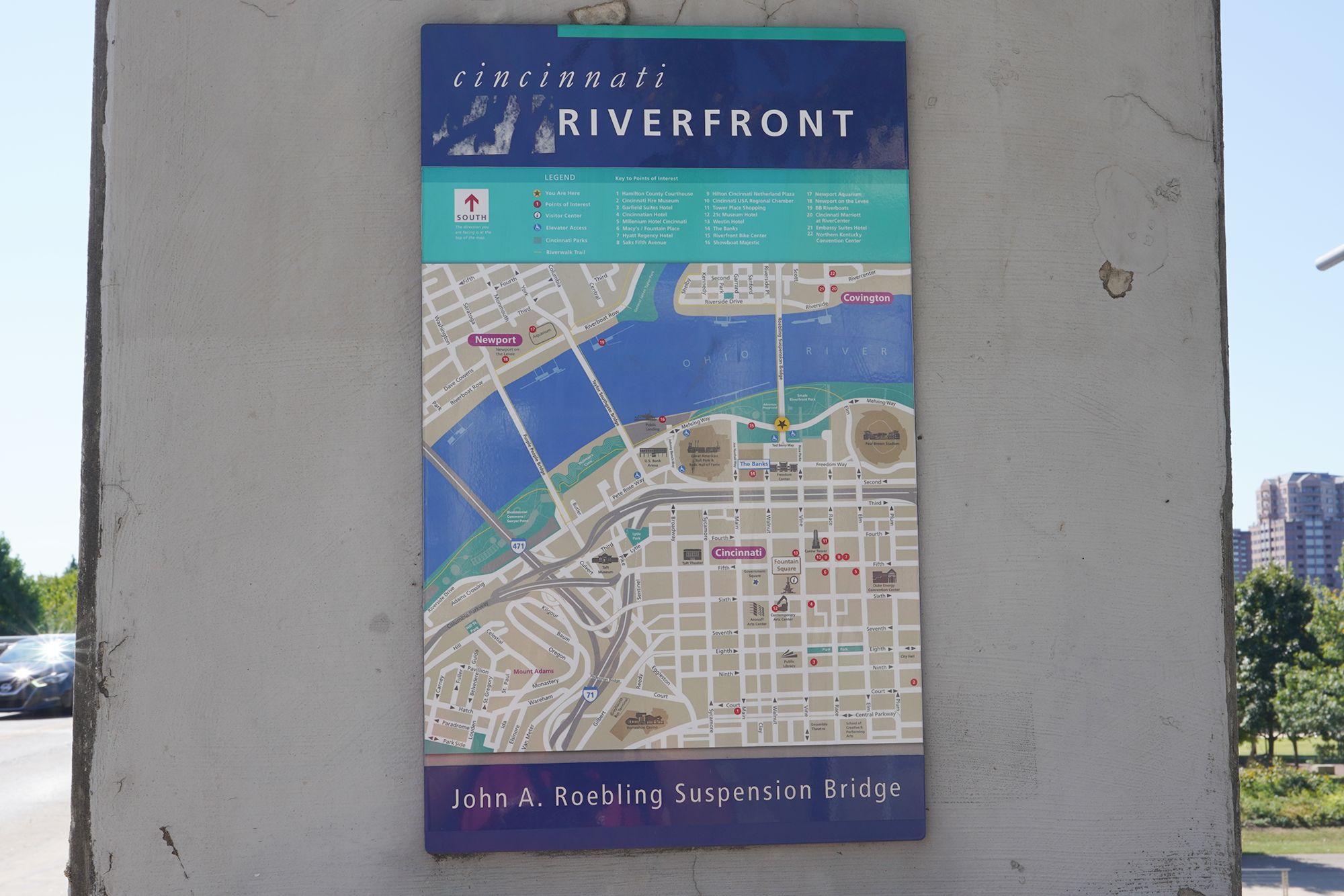
John A. Roebling Suspension Bridge connects Cincinnati, Ohio, and Covington, Kentucky, spanning the Ohio River.
Completed in 1866, it was one of the world’s longest suspension bridges of its time and served as a prototype for Roebling’s later masterpiece, the Brooklyn Bridge. The bridge is both an engineering landmark and a symbol of 19th-century American innovation.
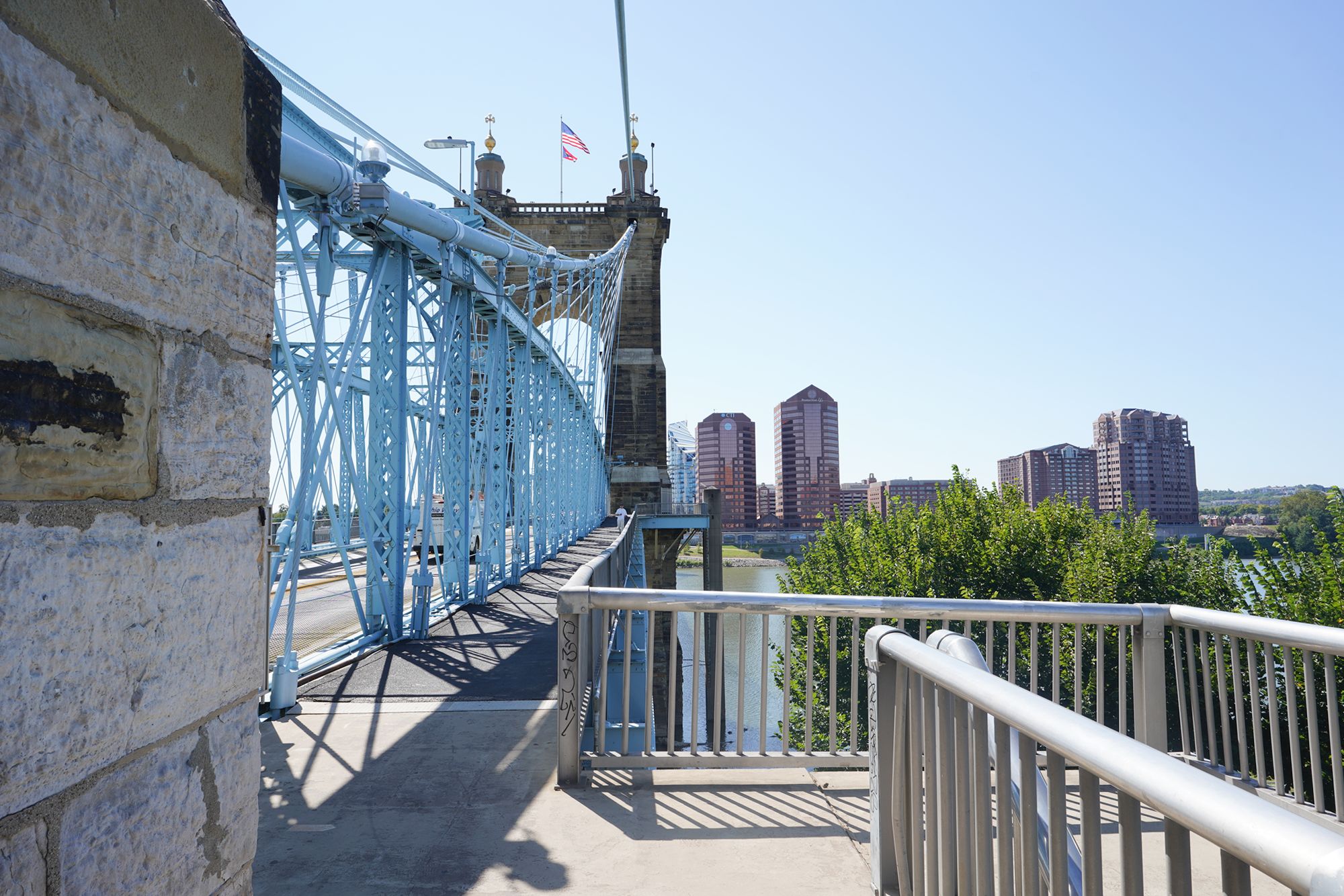
It looked like the Brookly Bridge
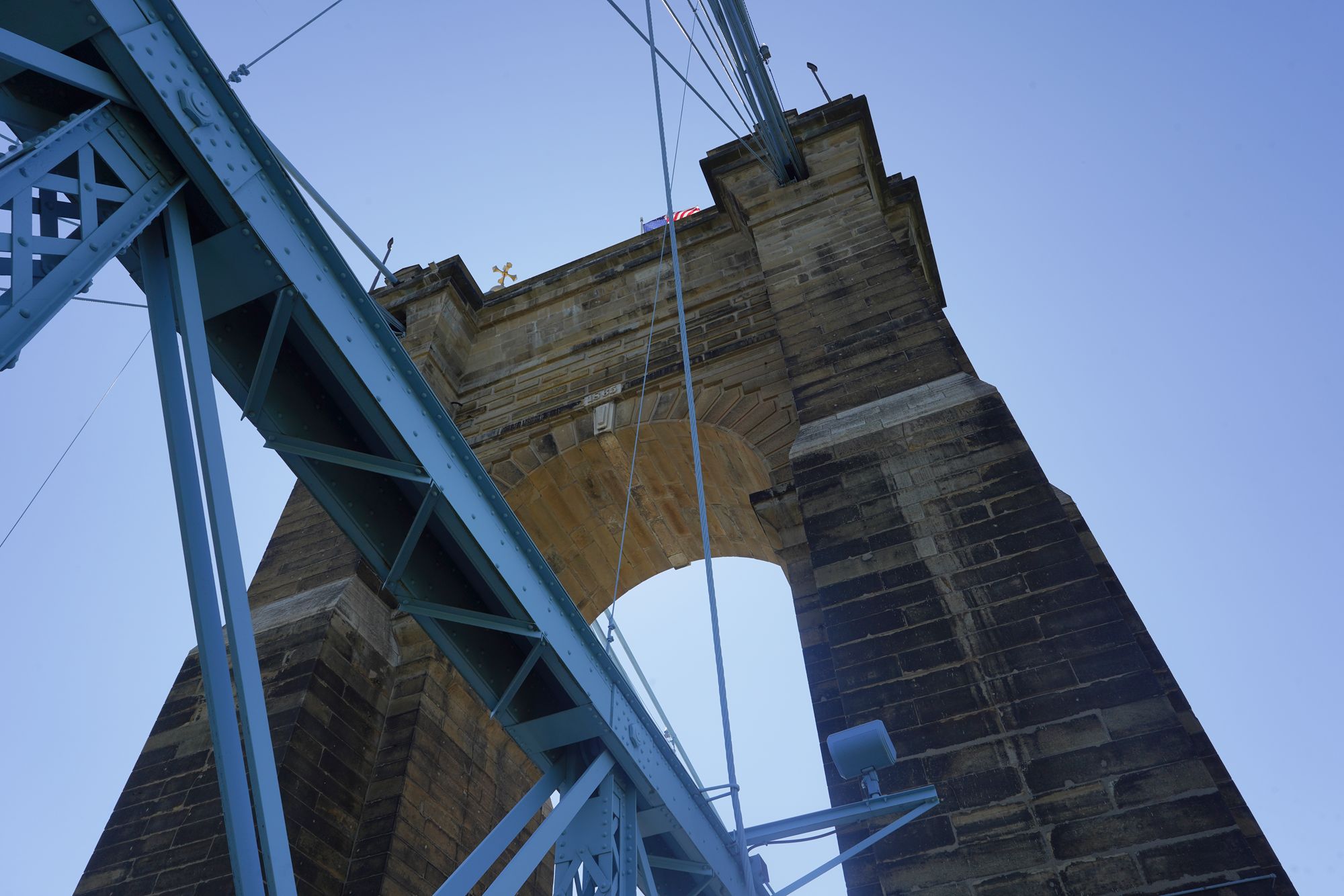
This was as far as I wanted to walk on the bridge, so I turned around and headed back toward the city.
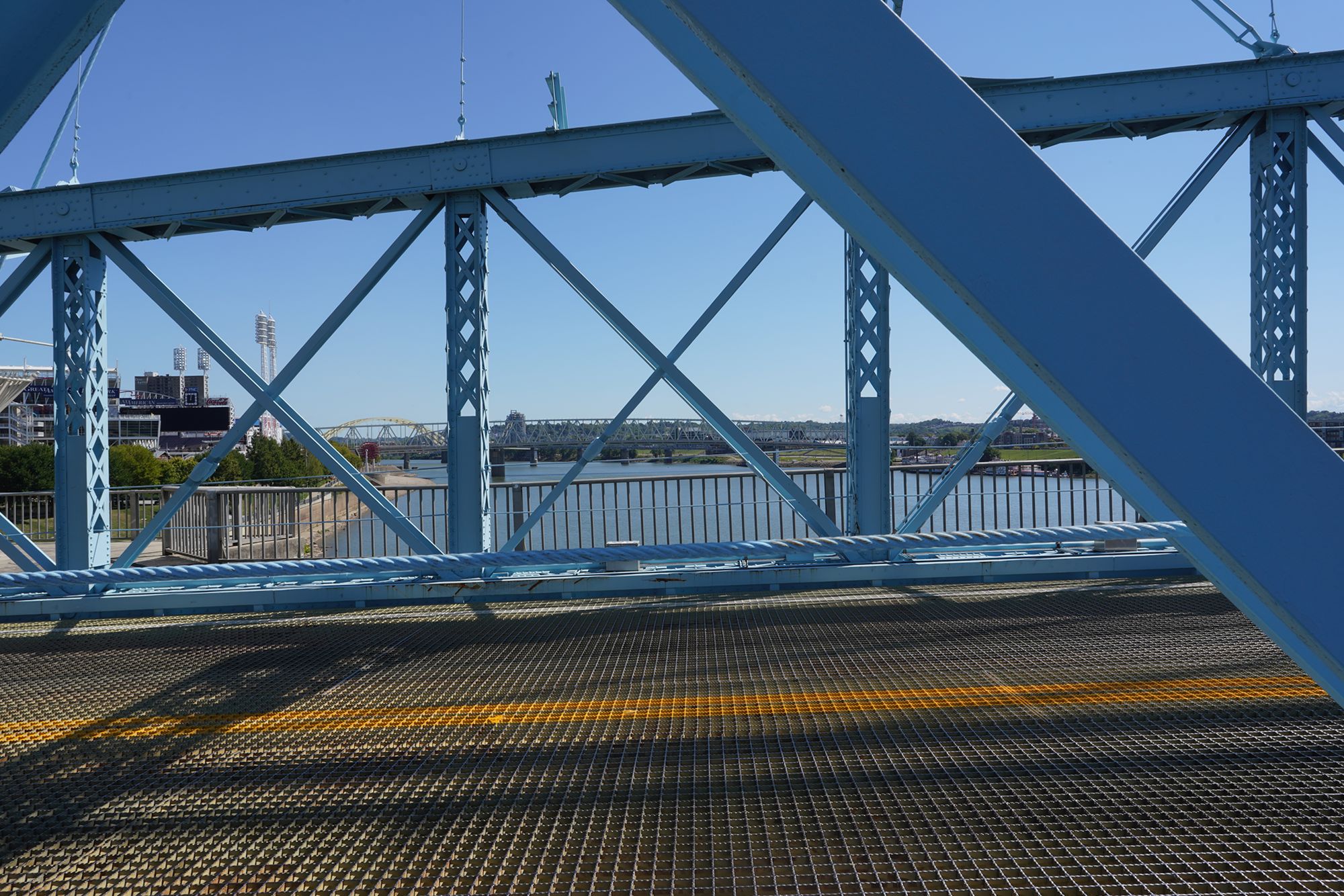
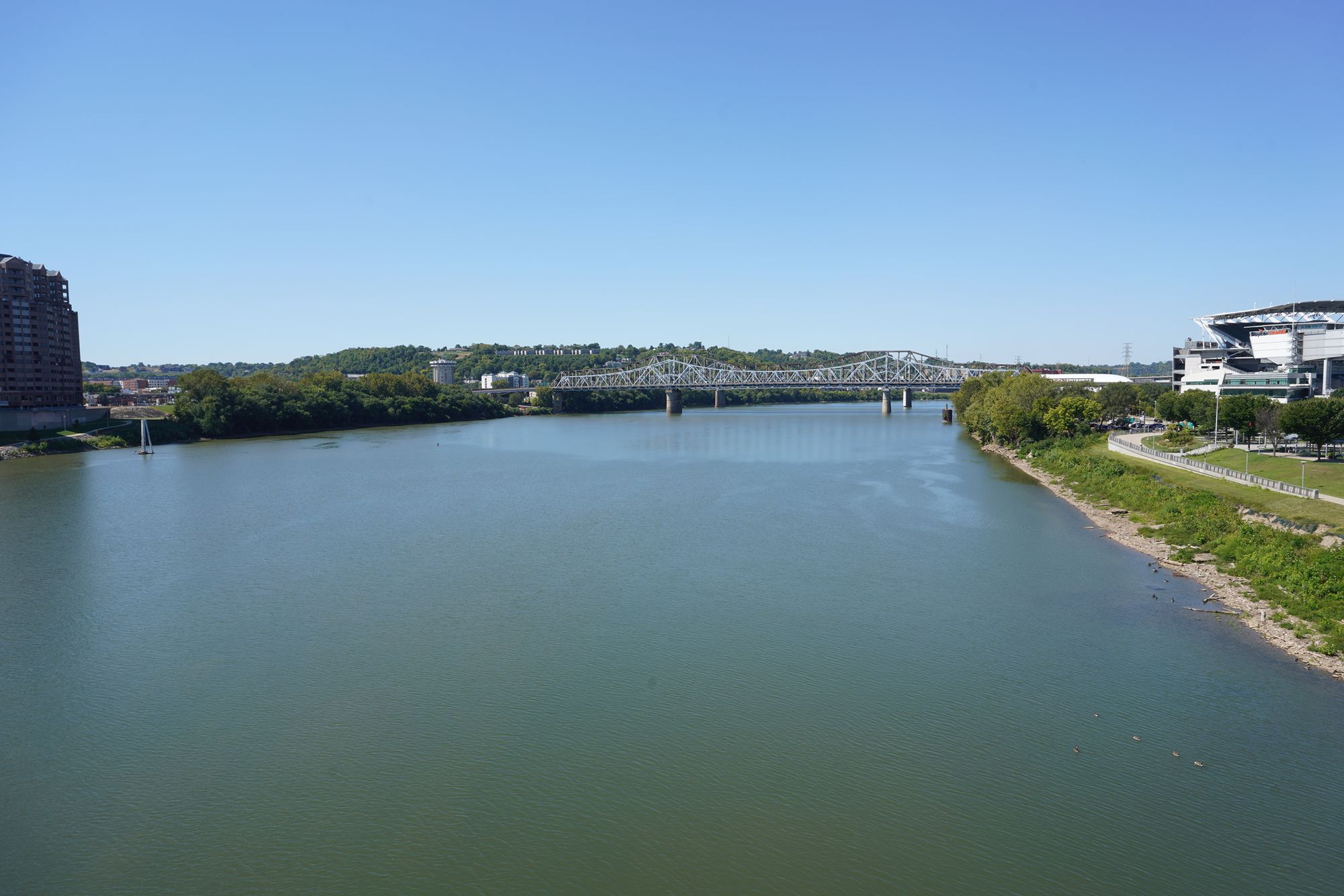
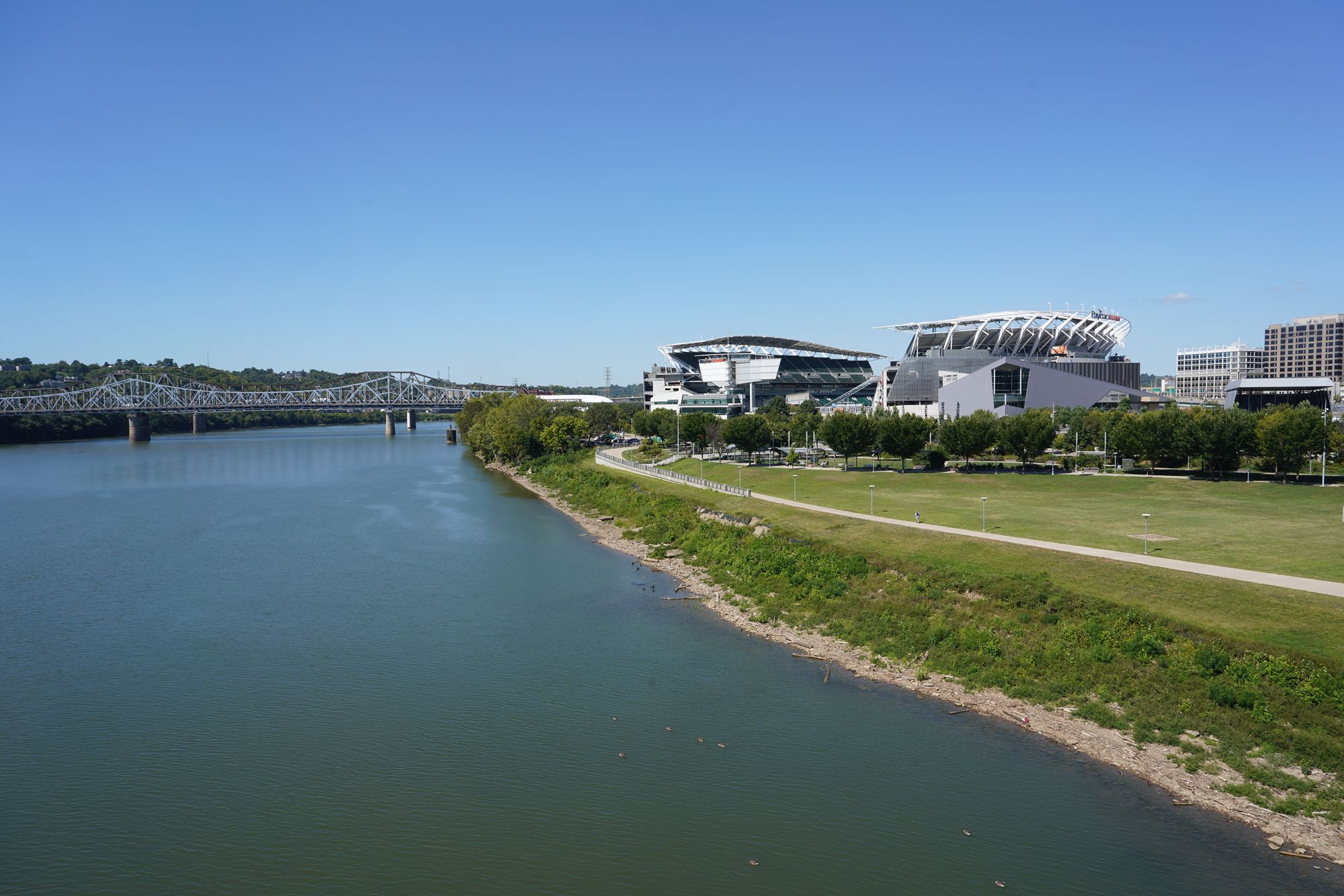
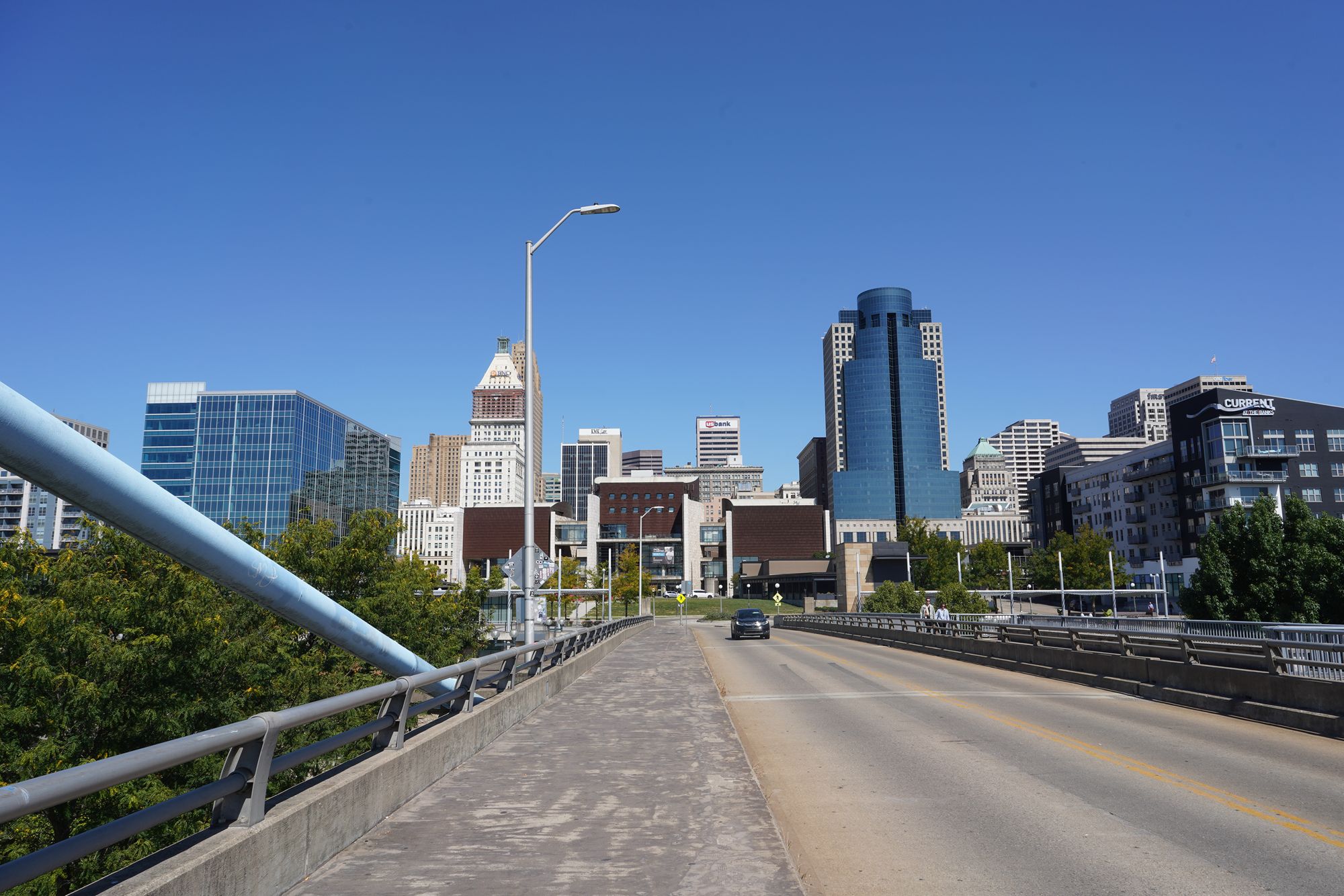
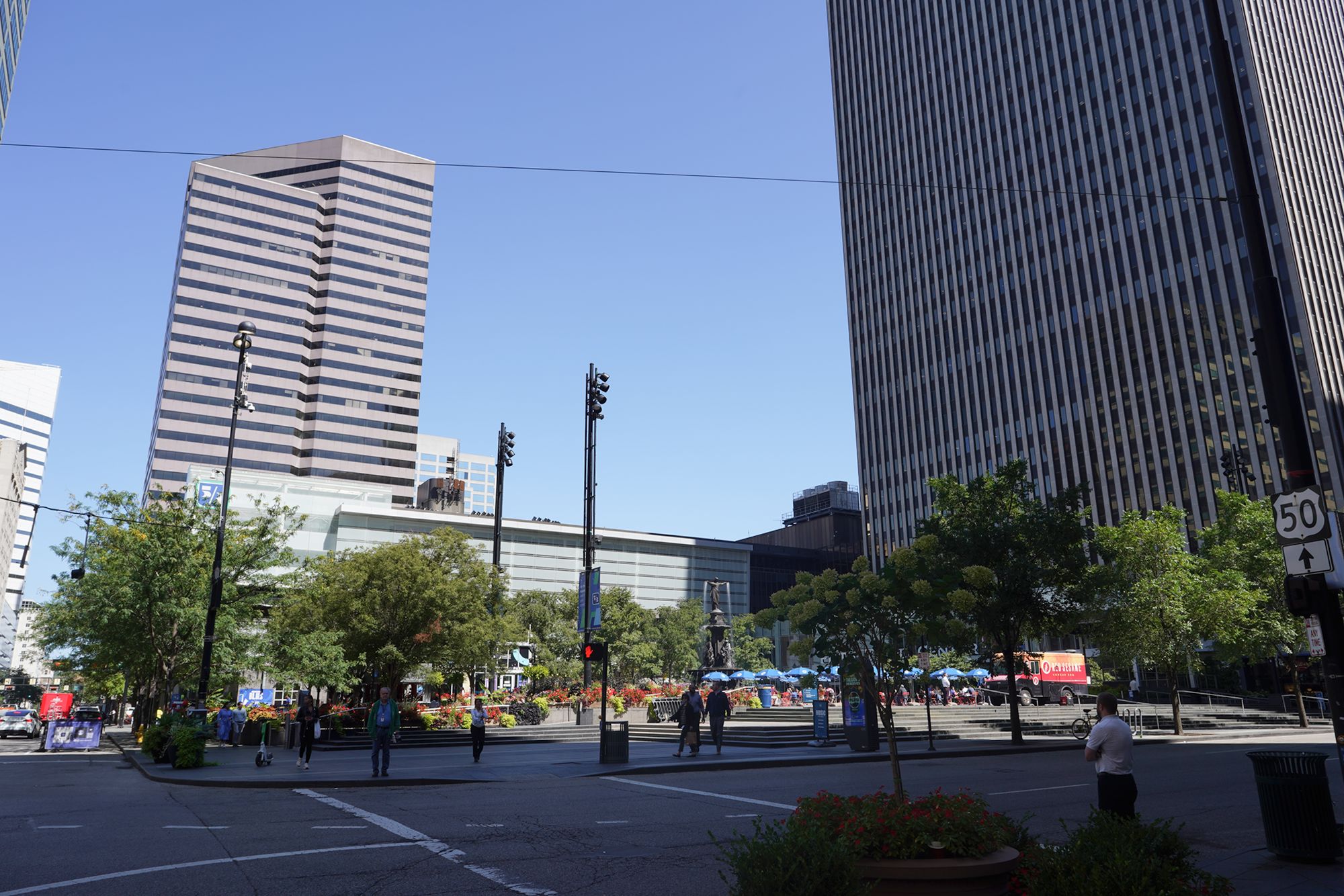
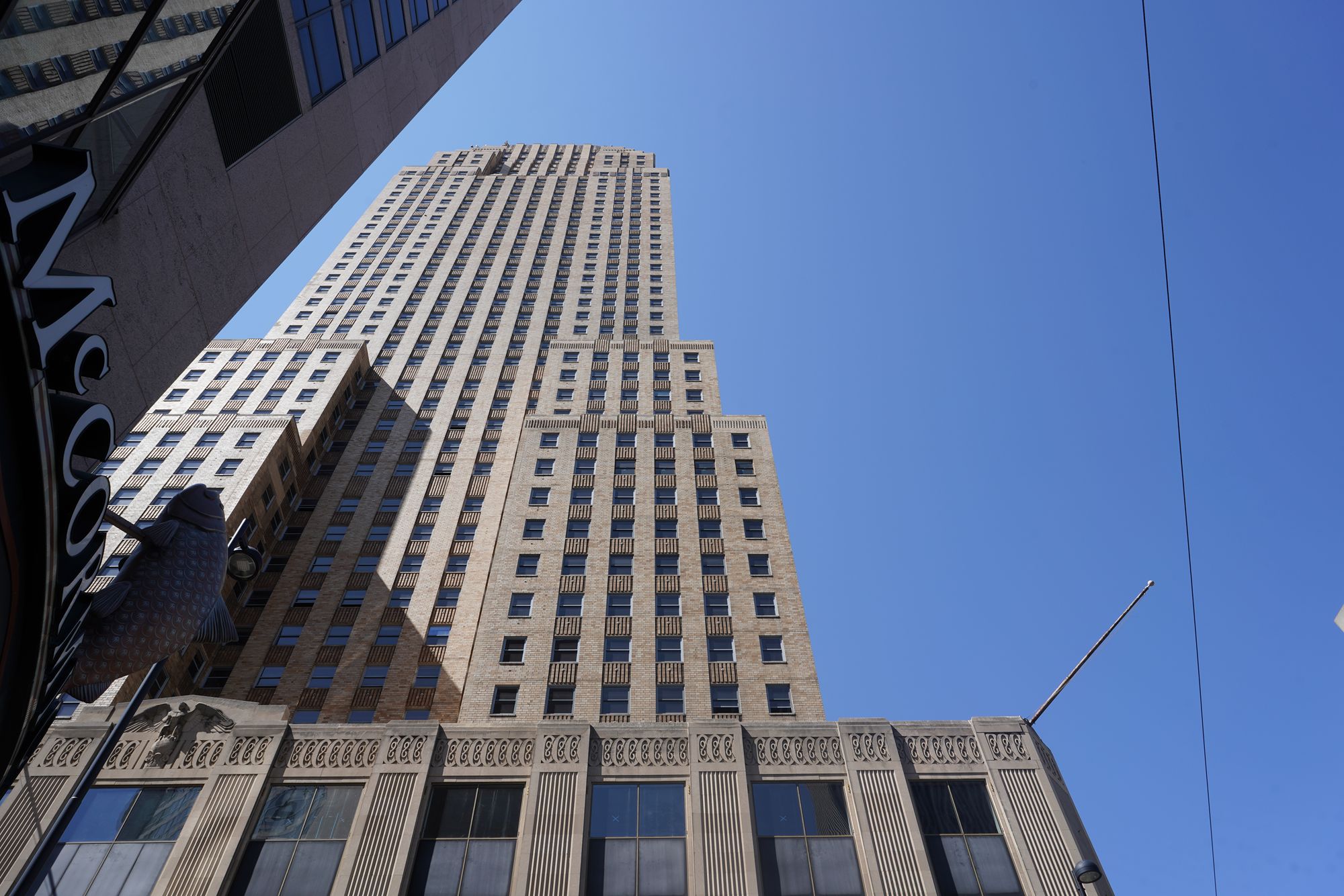
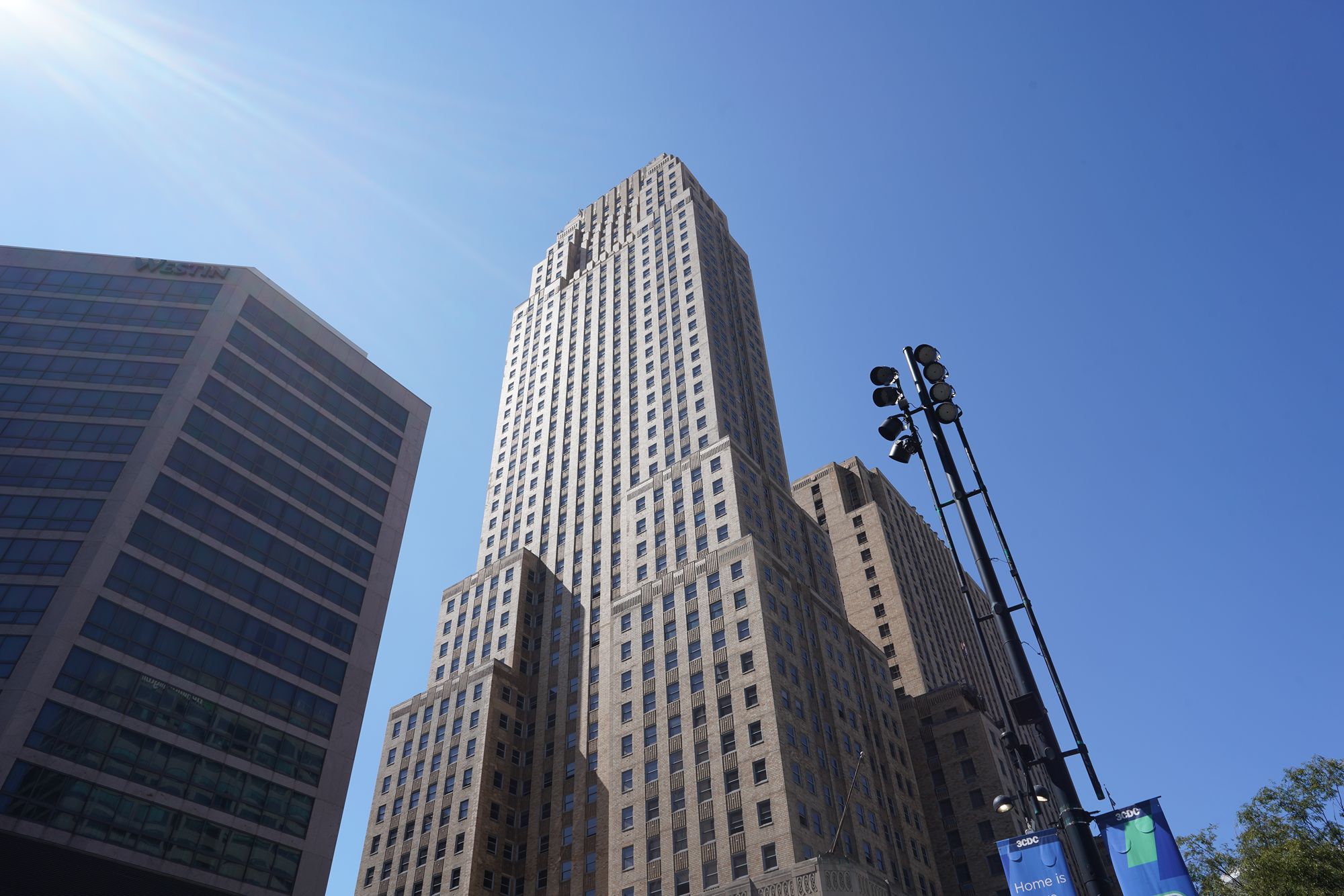
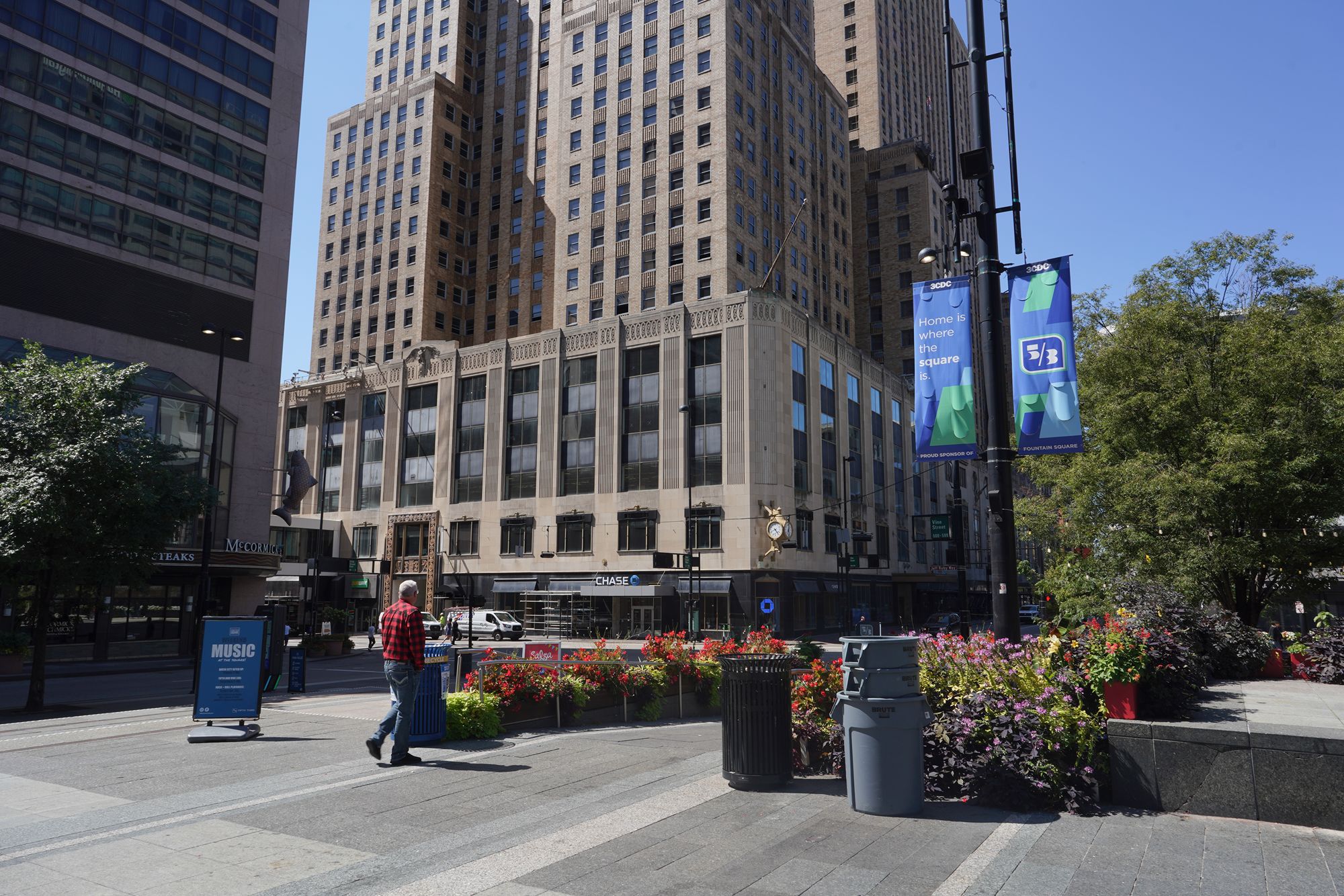
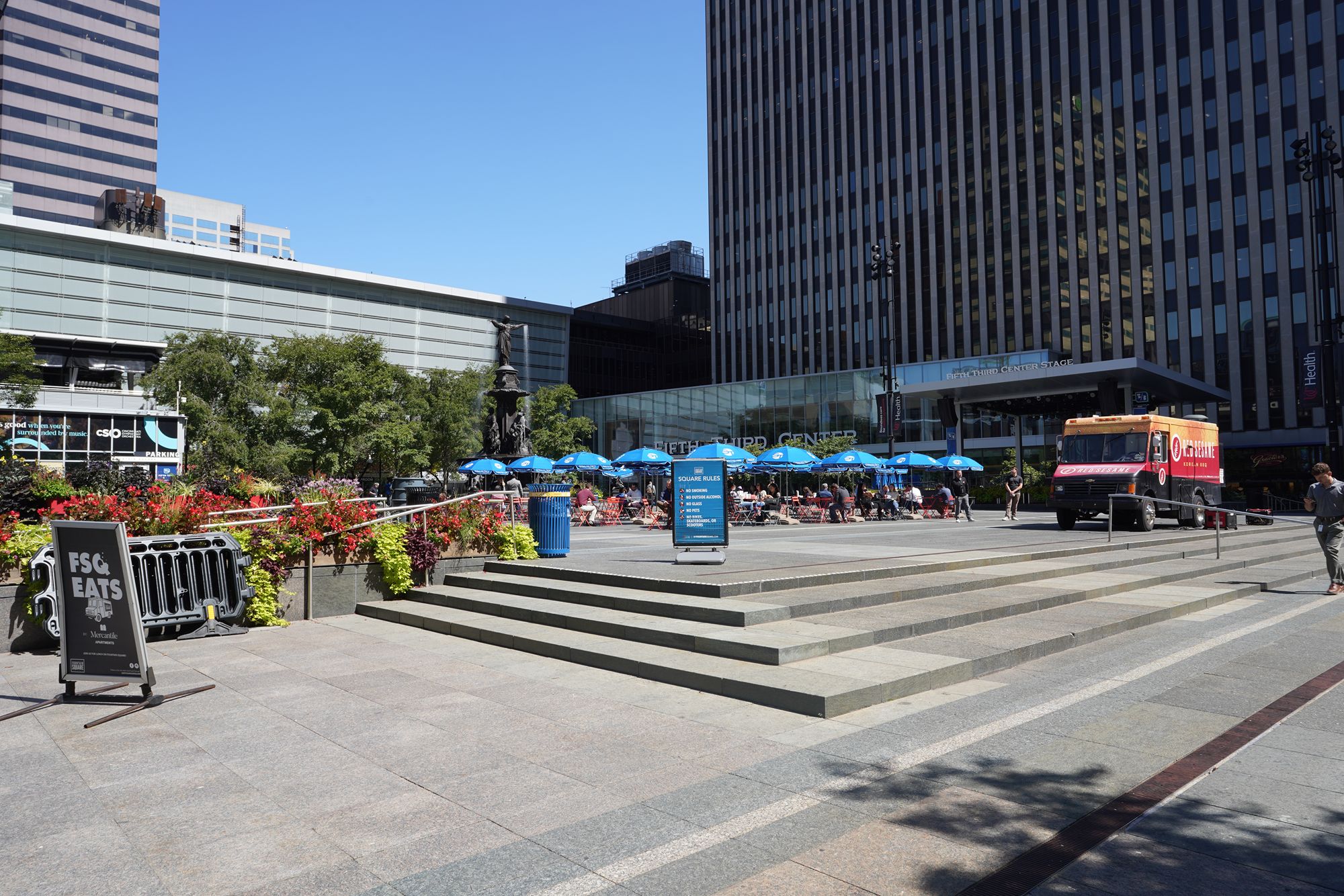
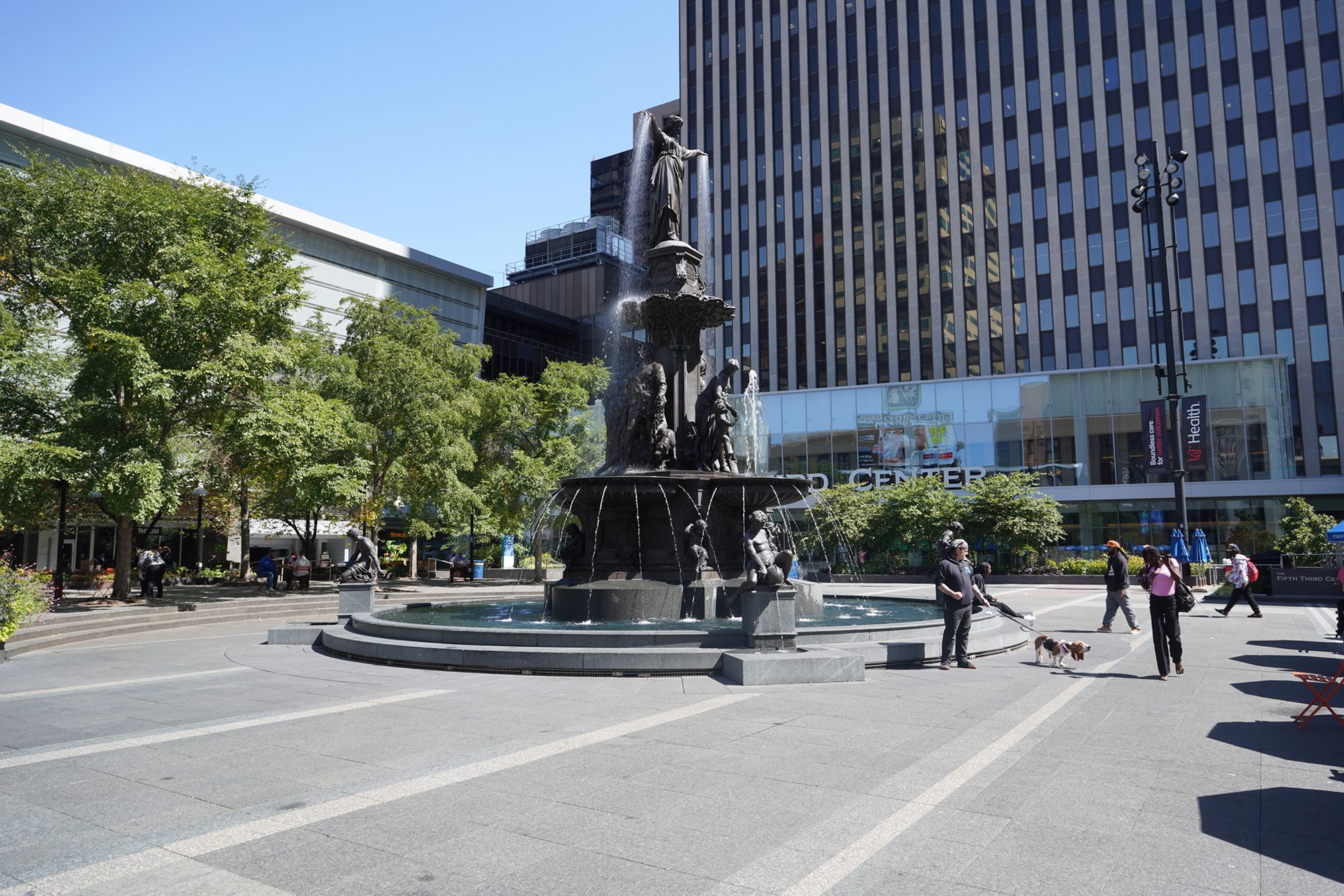
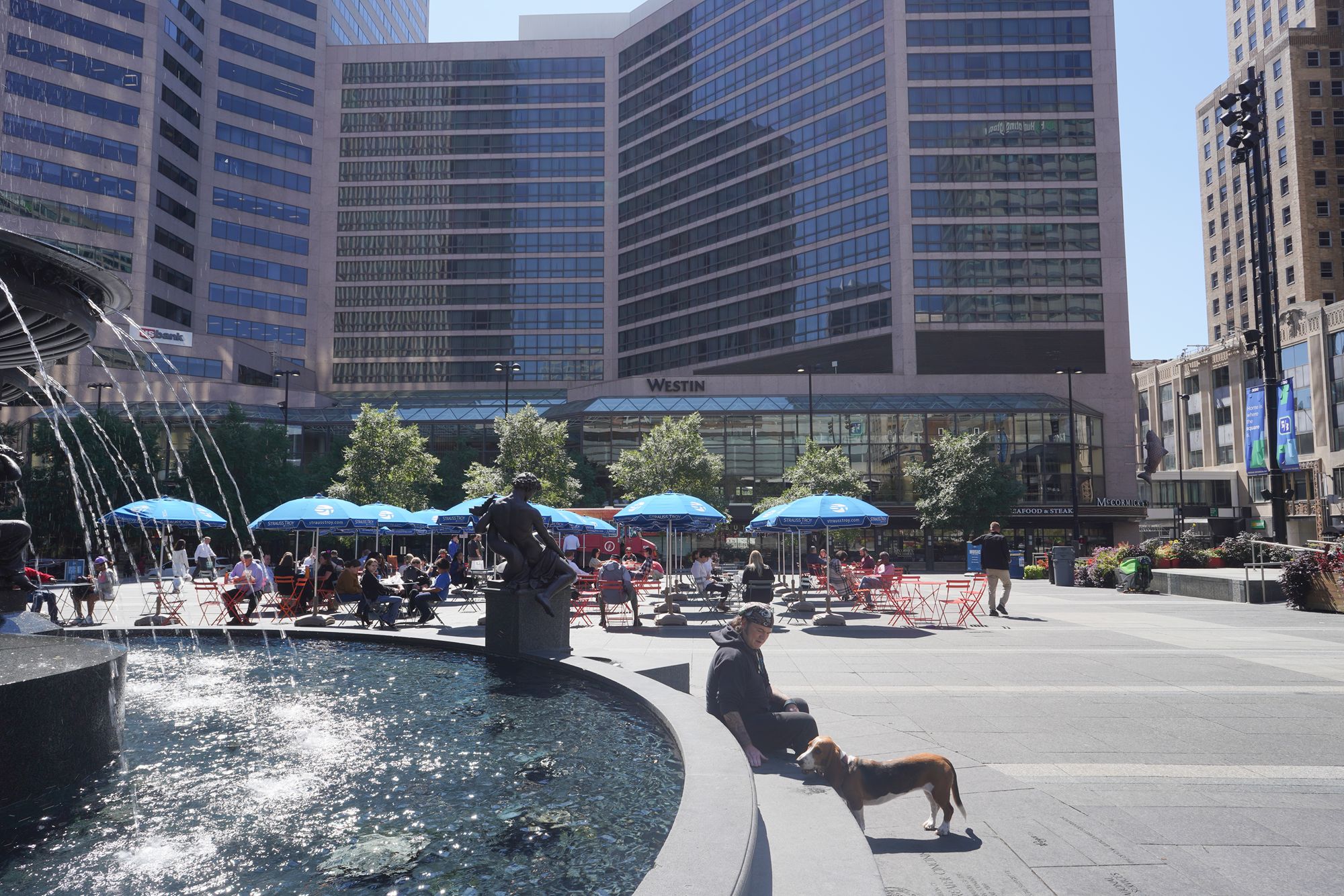
I then walked in the direction of Fountain Square.
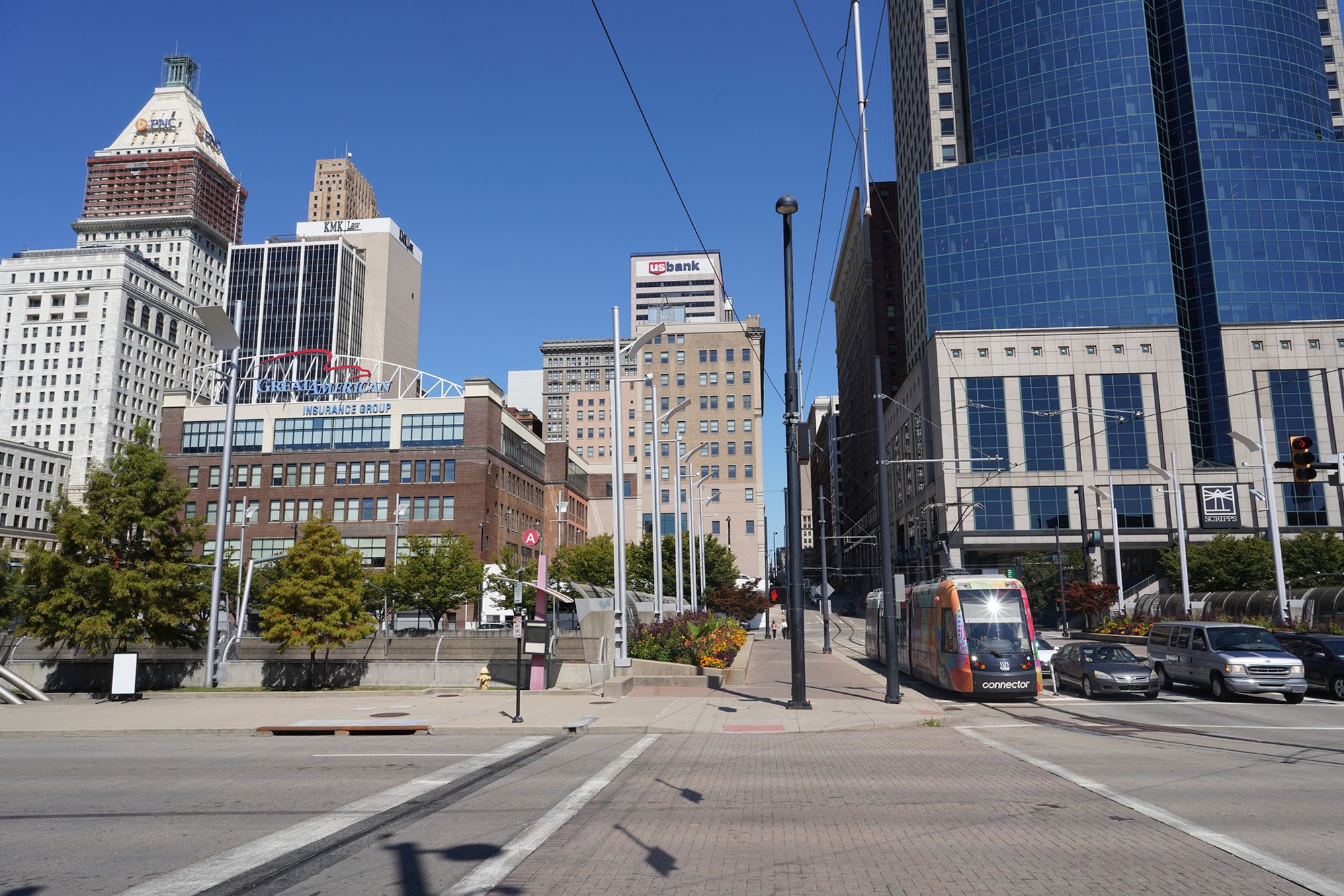
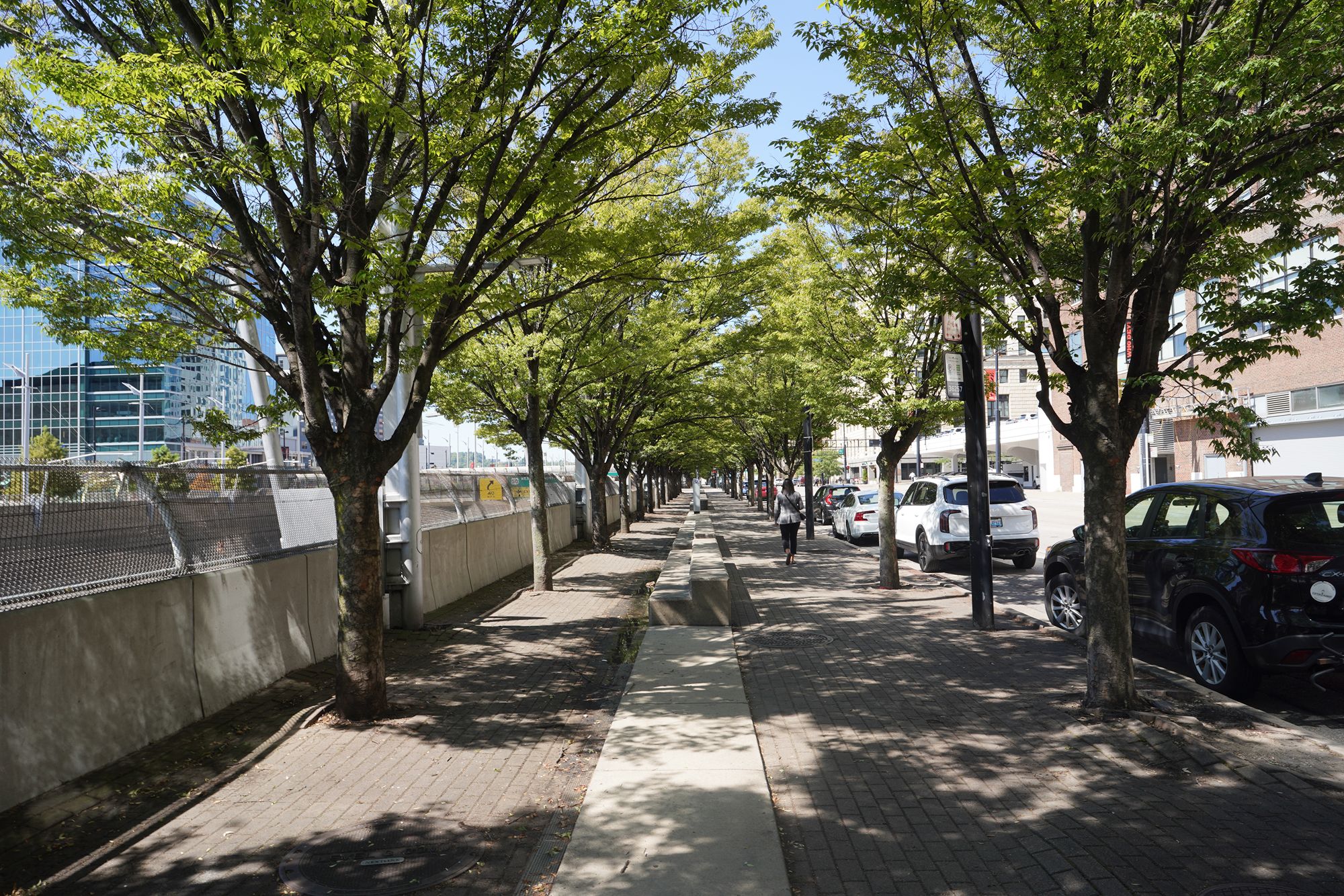
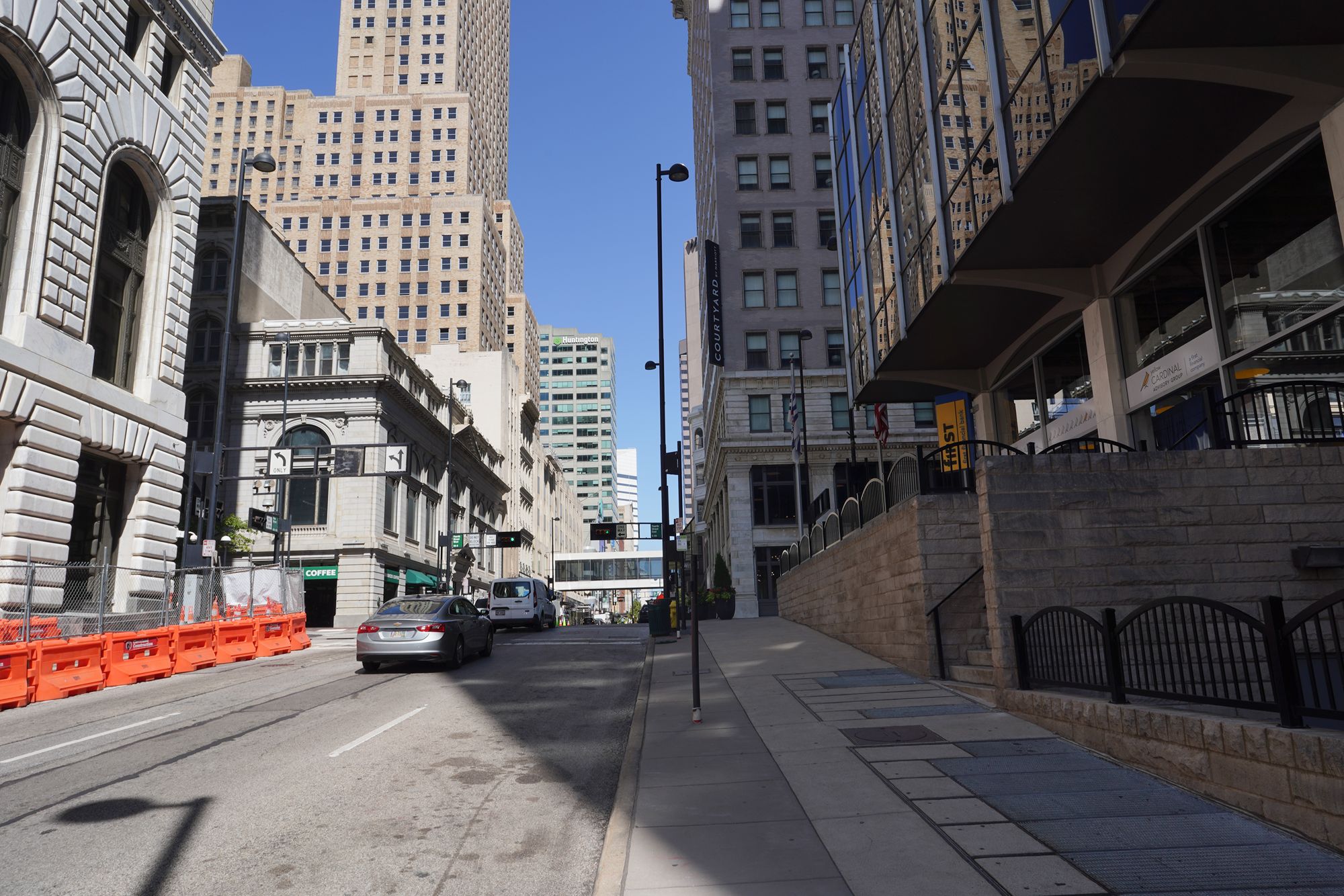
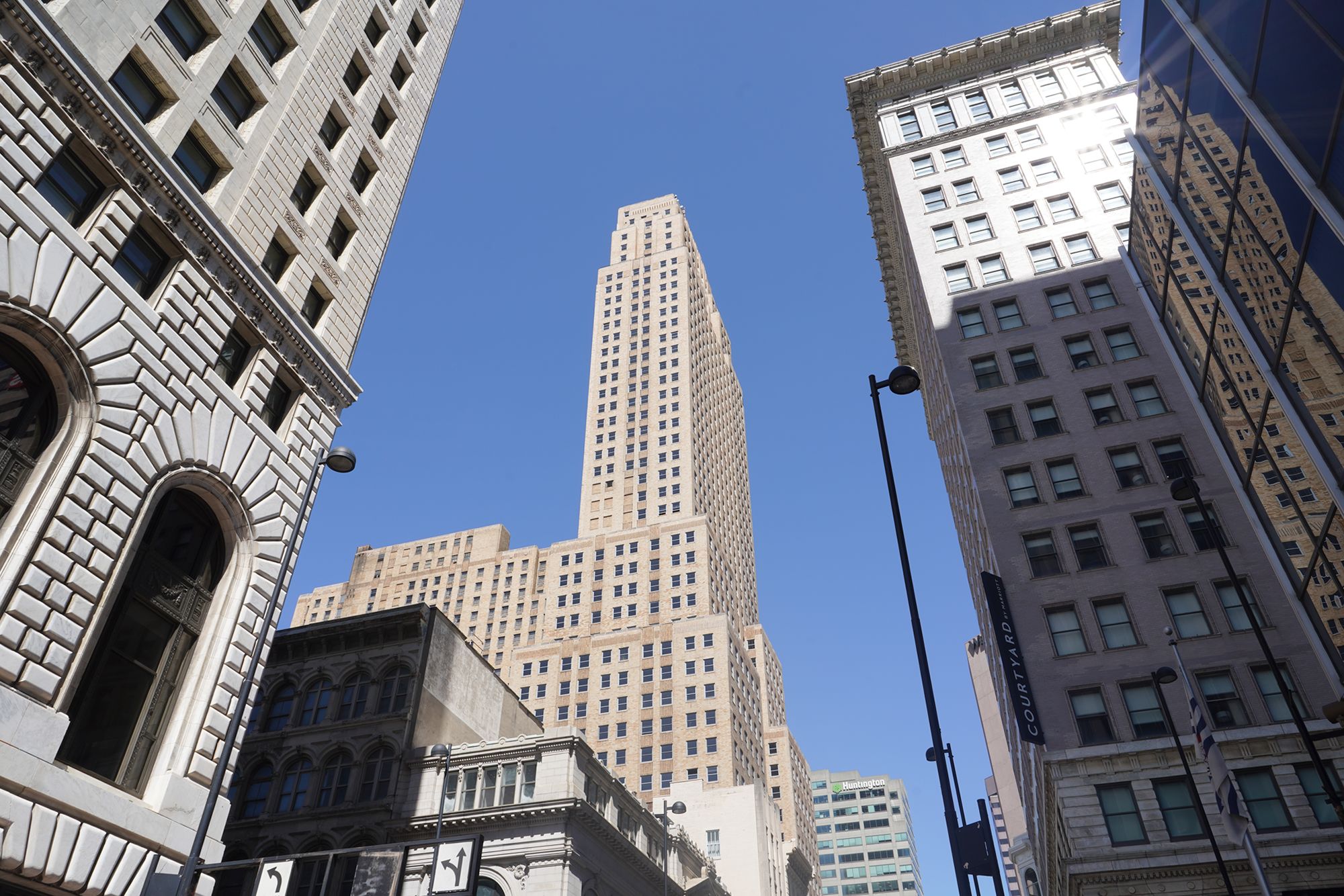
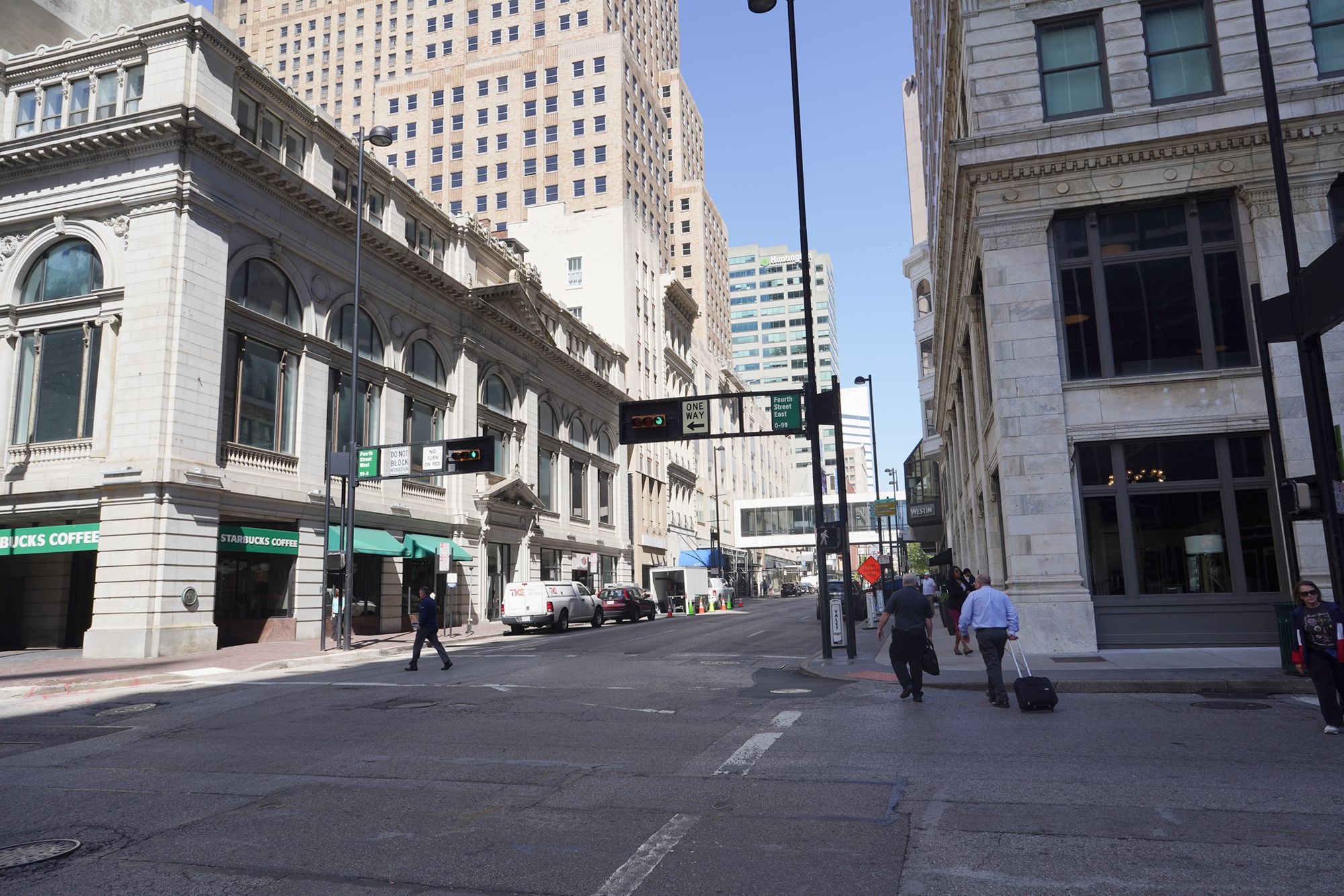
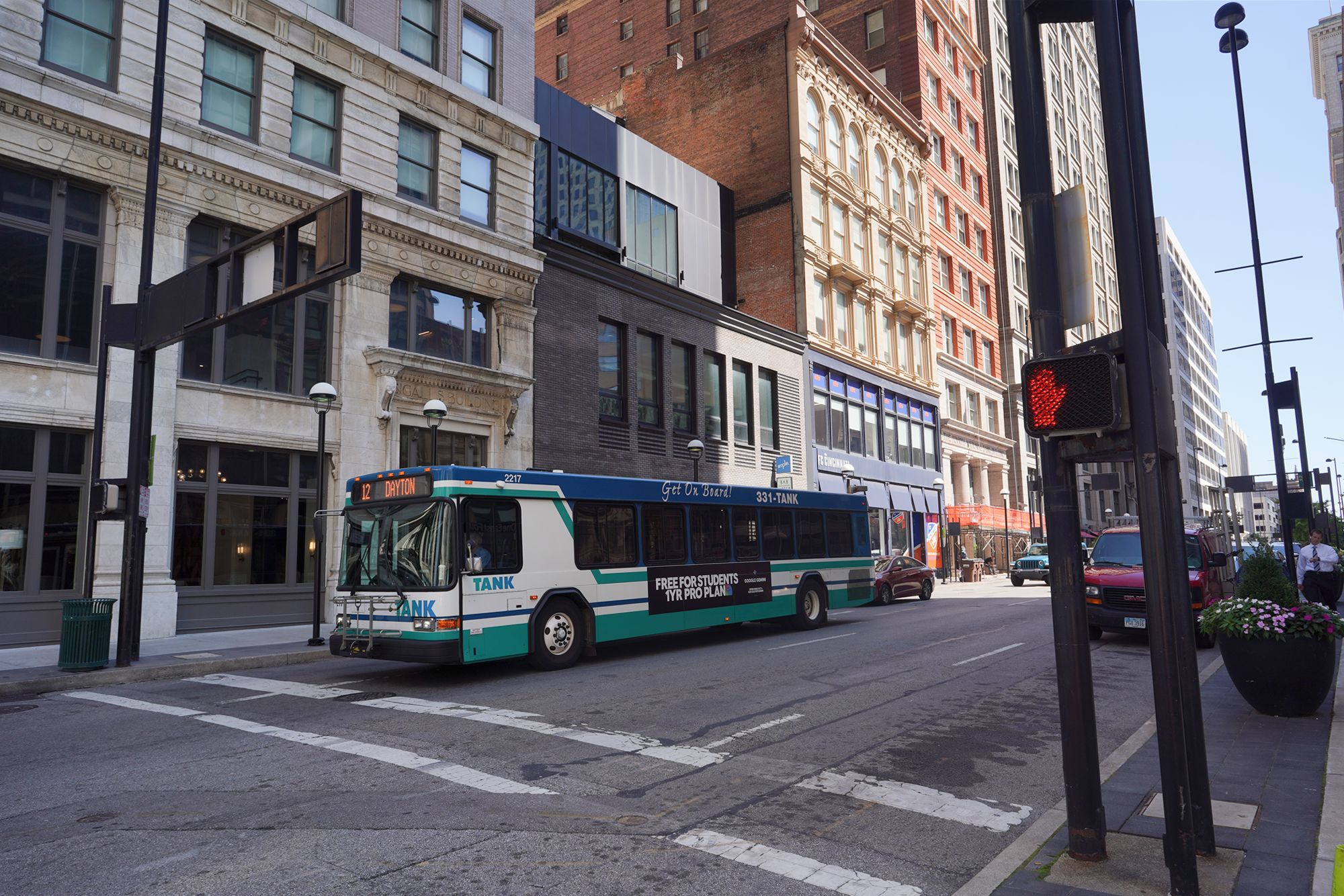
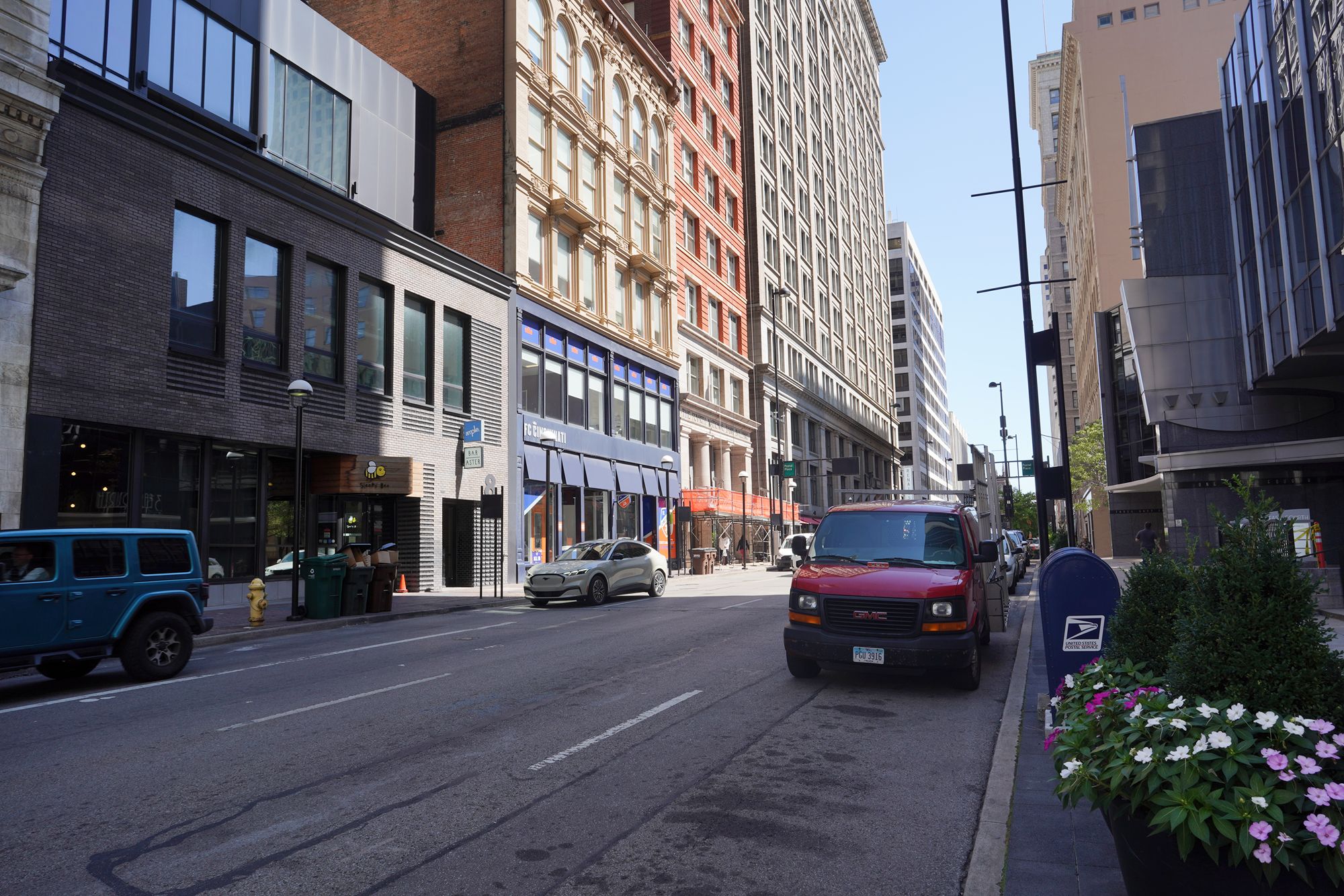
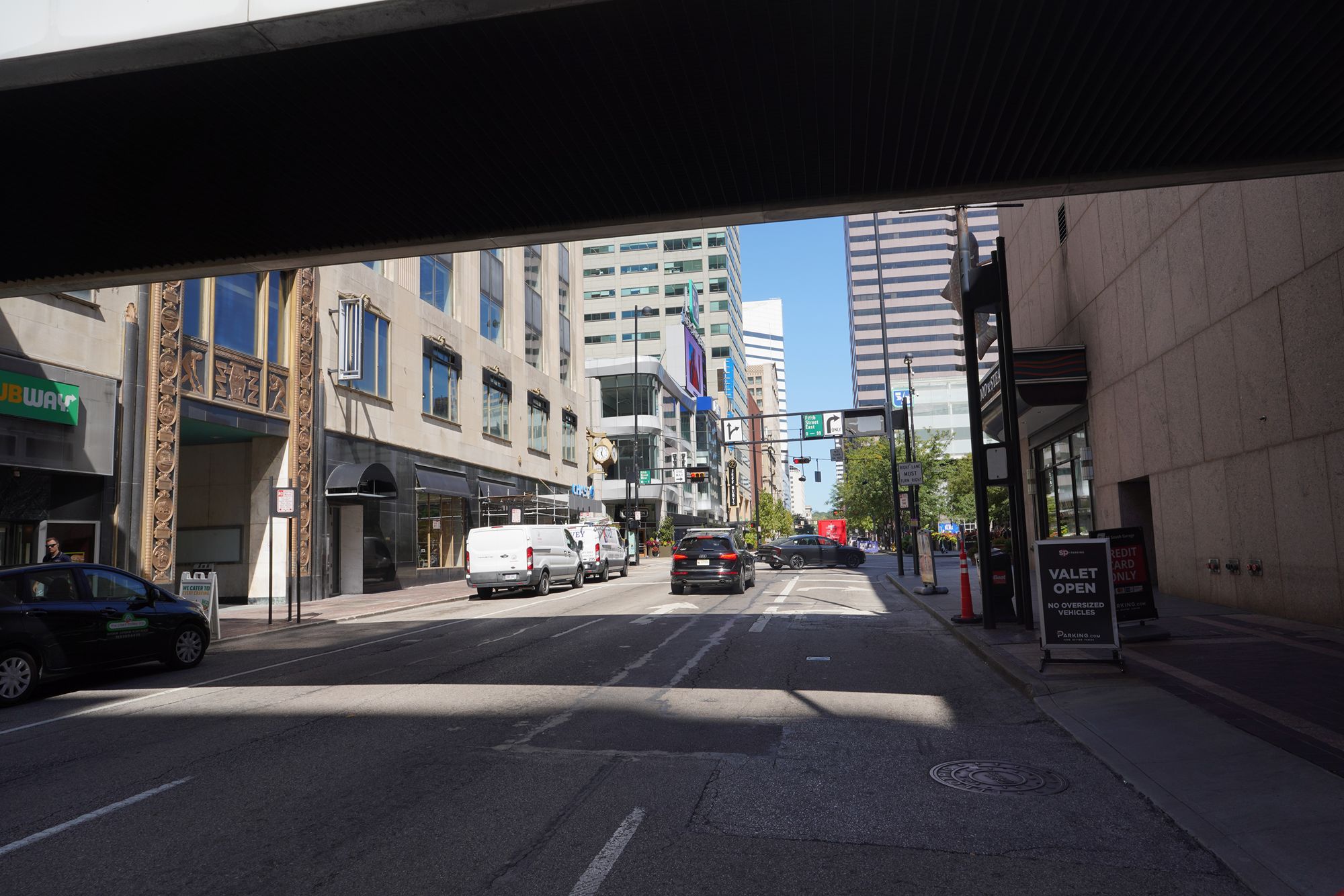
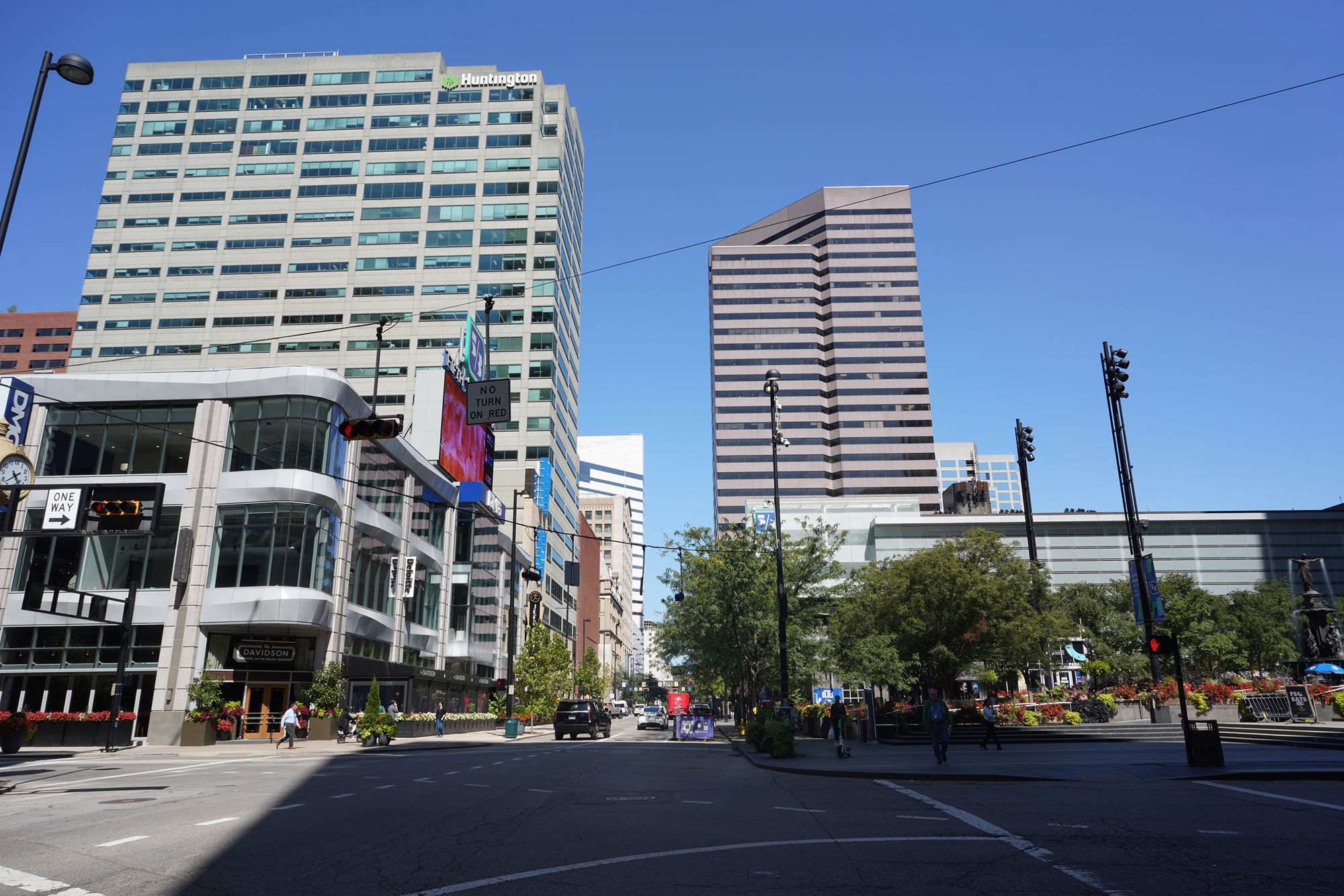
Fountain Square is the civic heart of downtown Cincinnati.
Centered around the historic Tyler Davidson Fountain, it serves as a gathering place for concerts, festivals, dining, and public events, linking nearby offices, shops, and cultural attractions in a lively urban plaza.
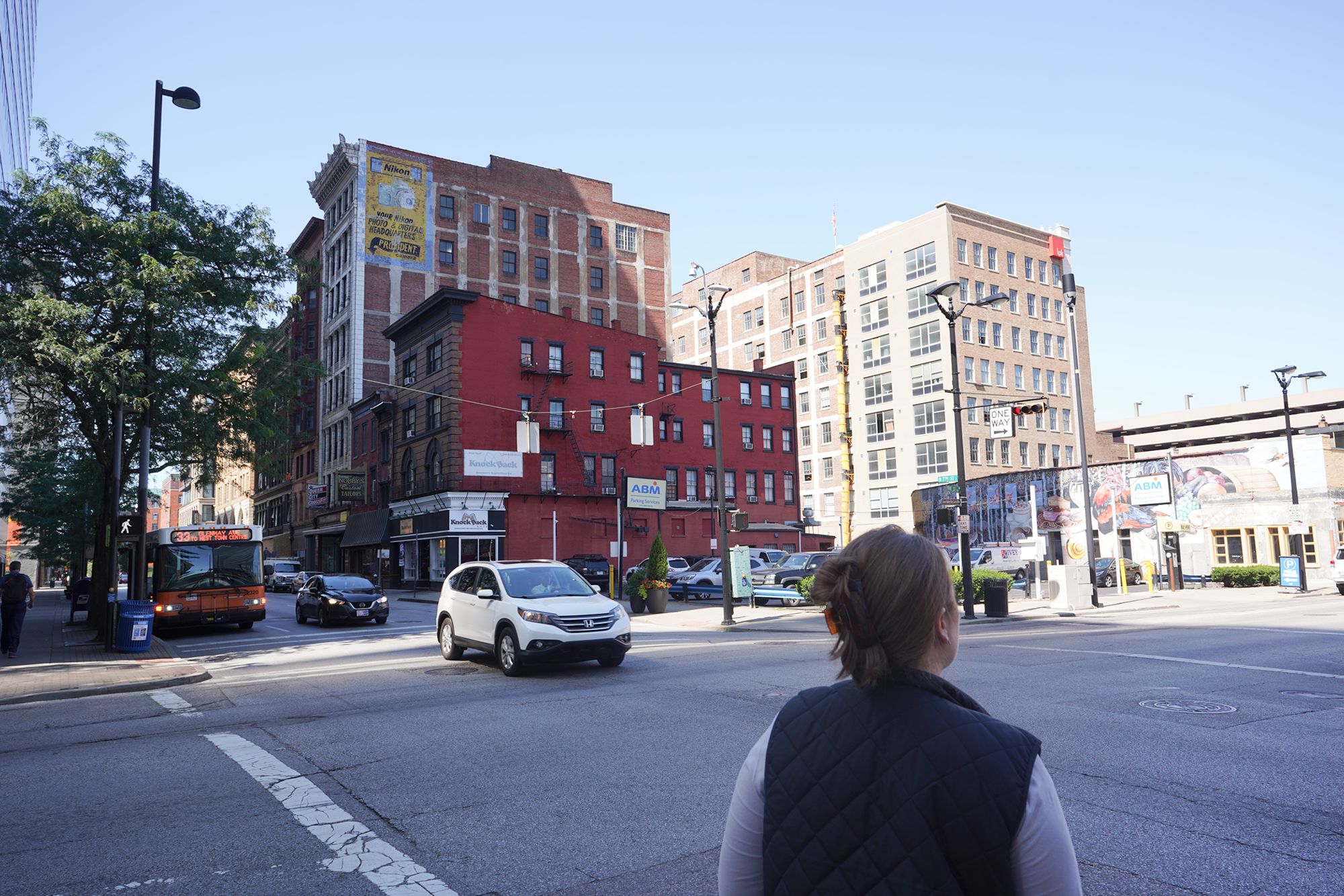
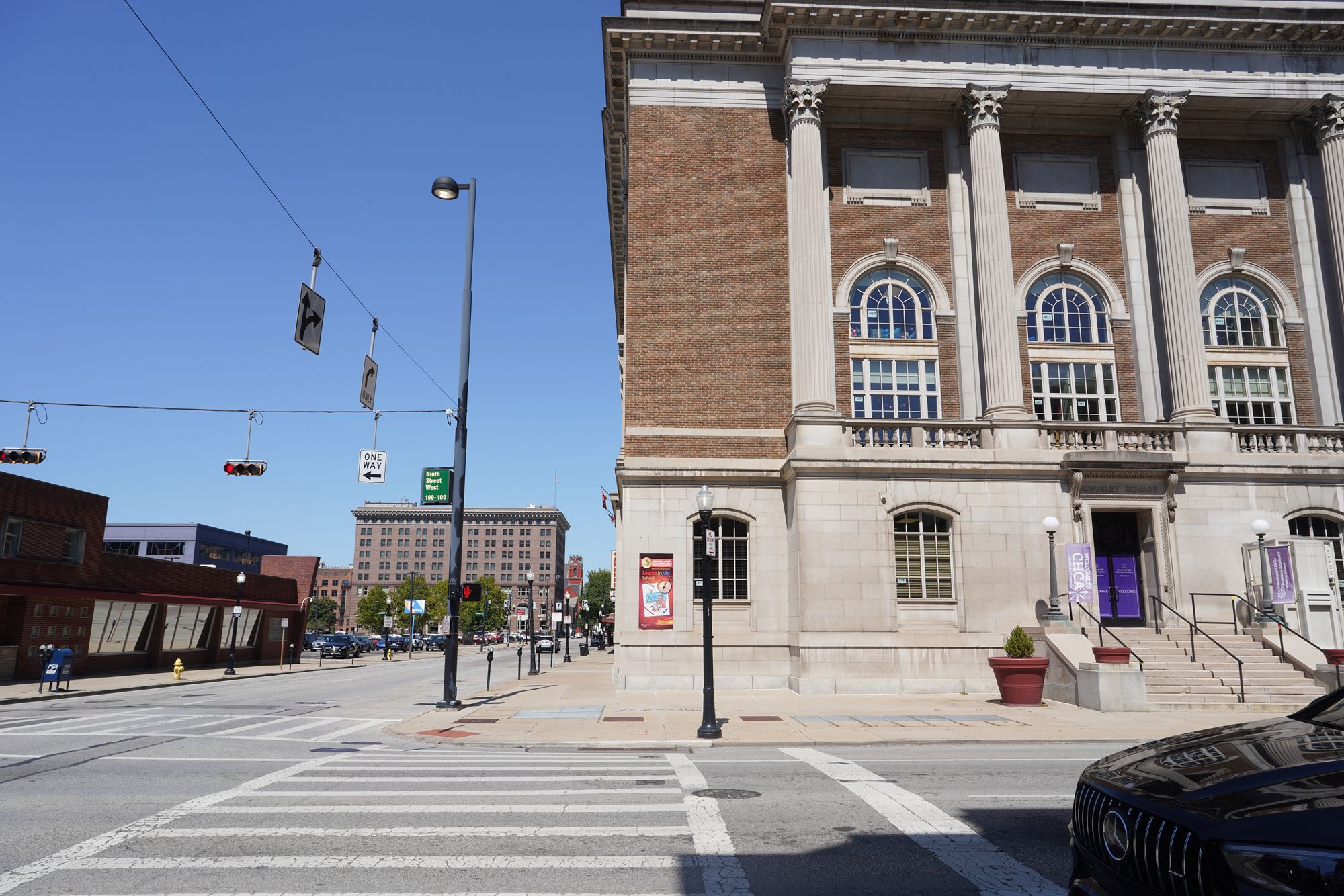
Leaving Fountain Square, I headed toward the Ninth Street Historic District.
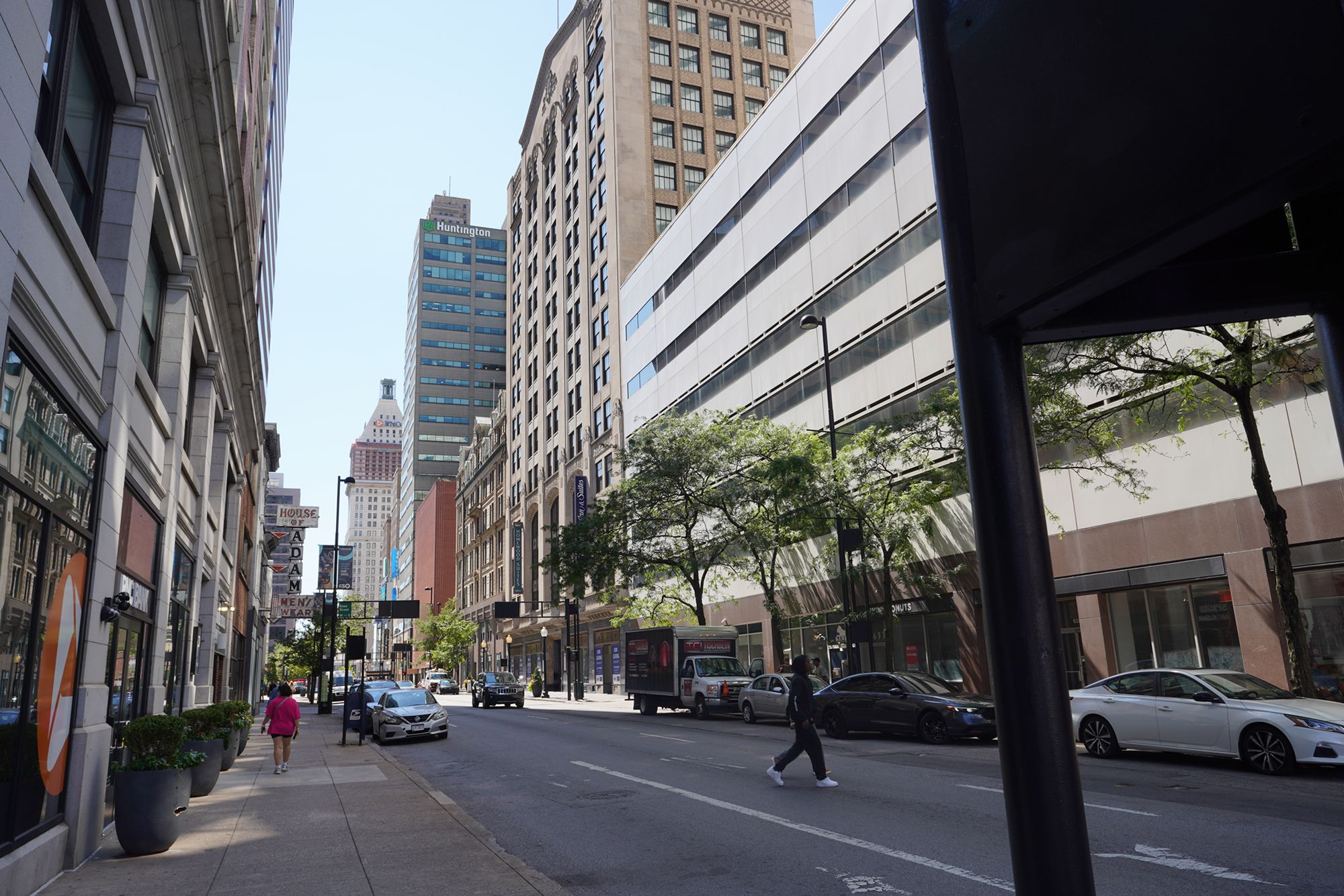
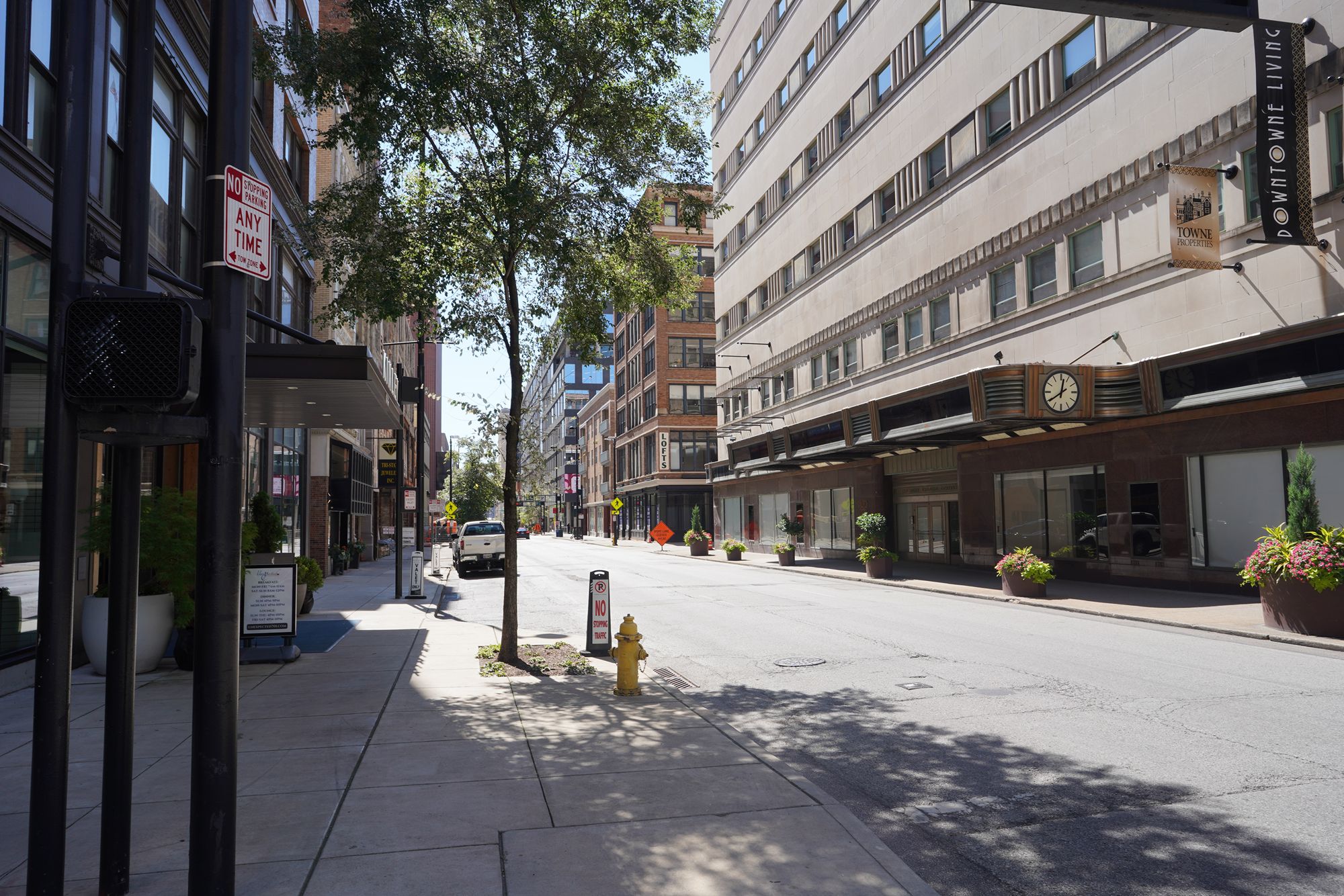
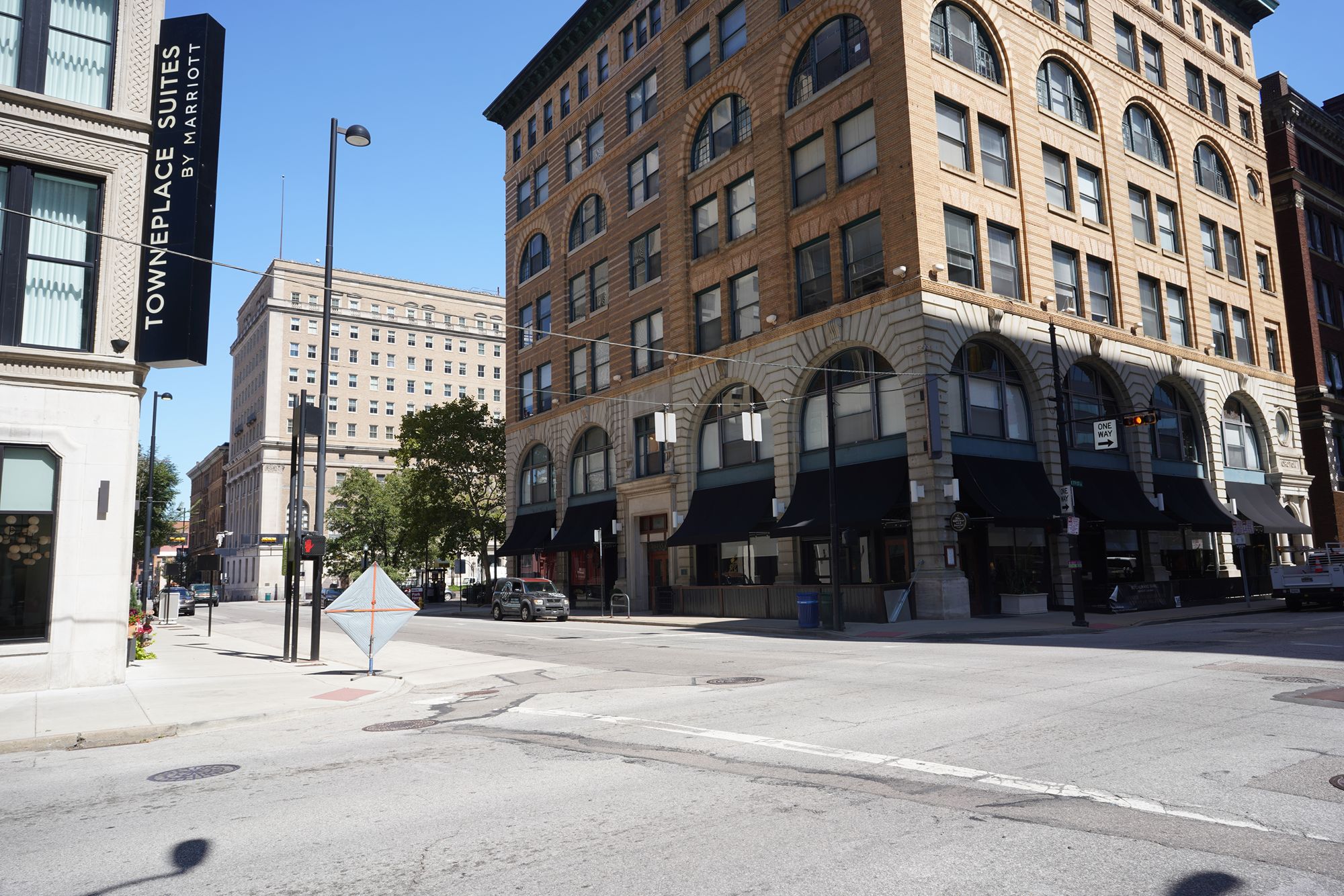
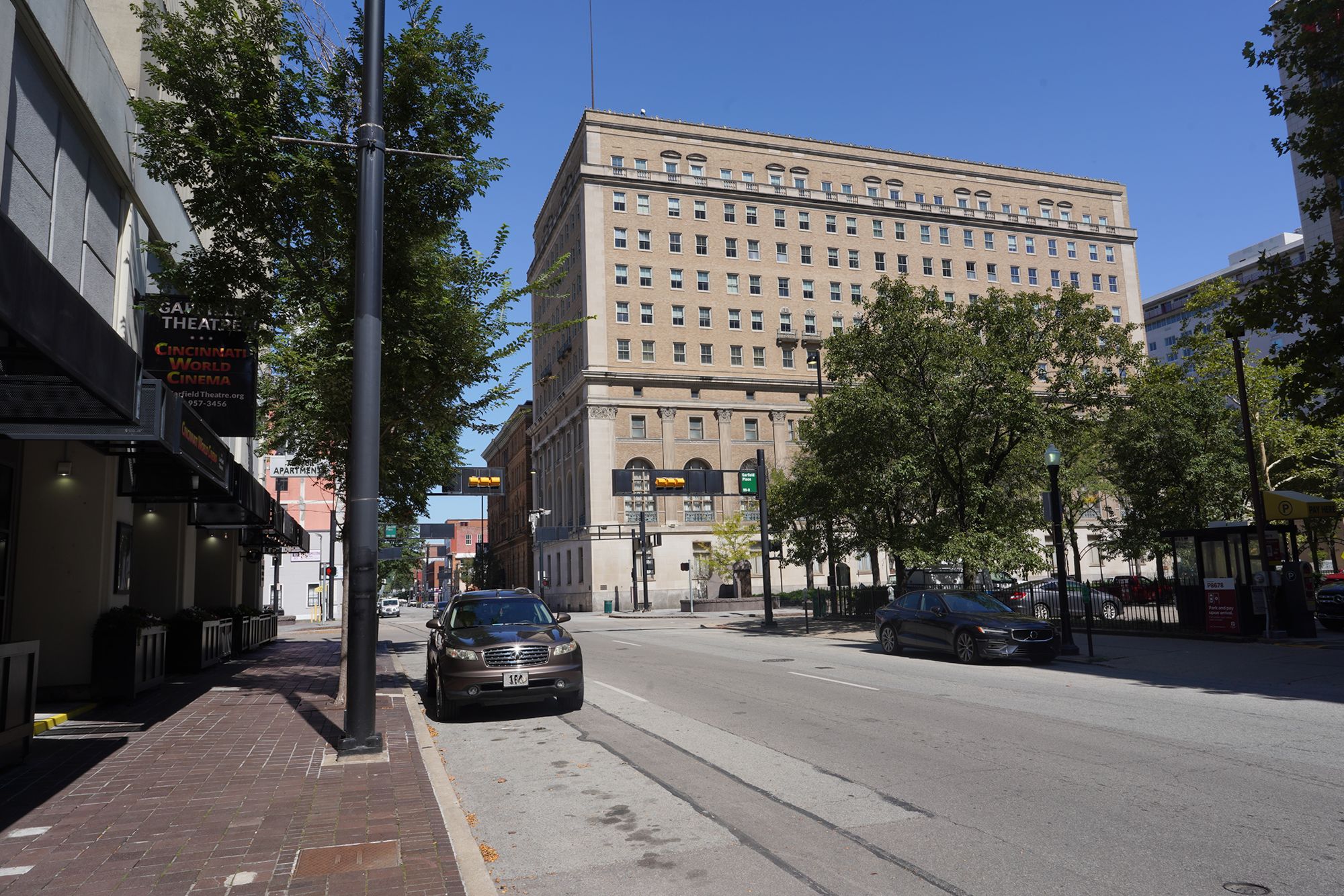
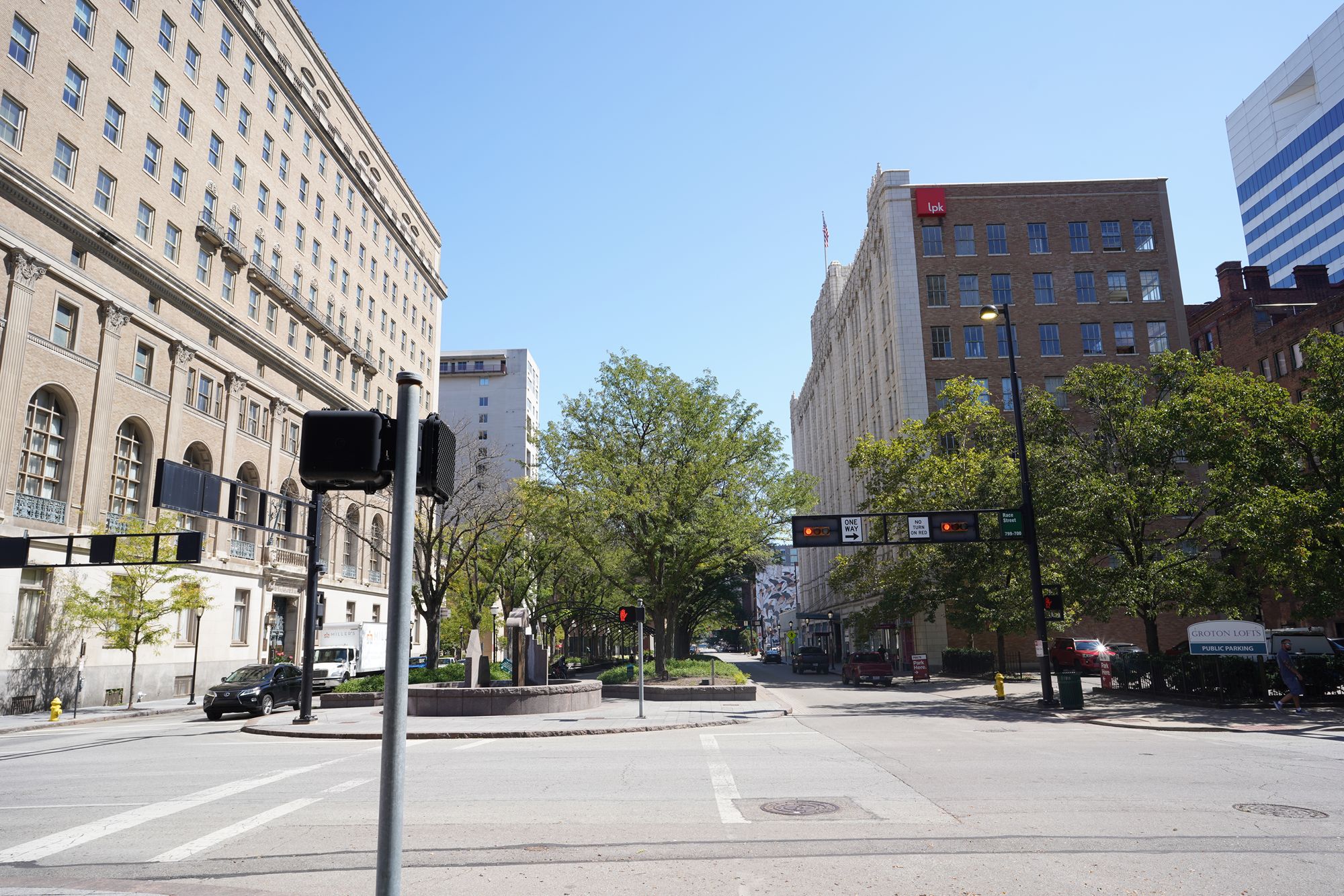
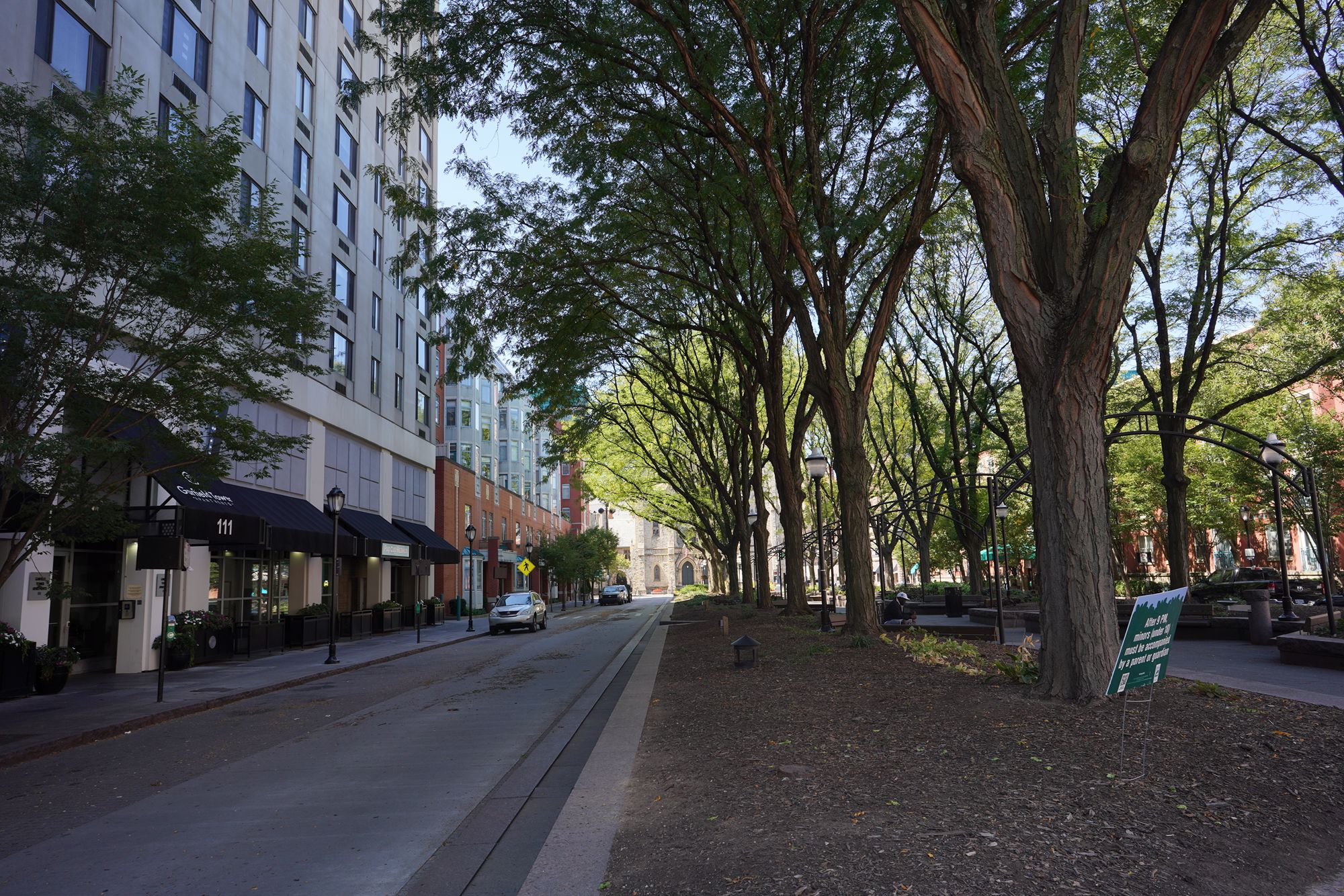
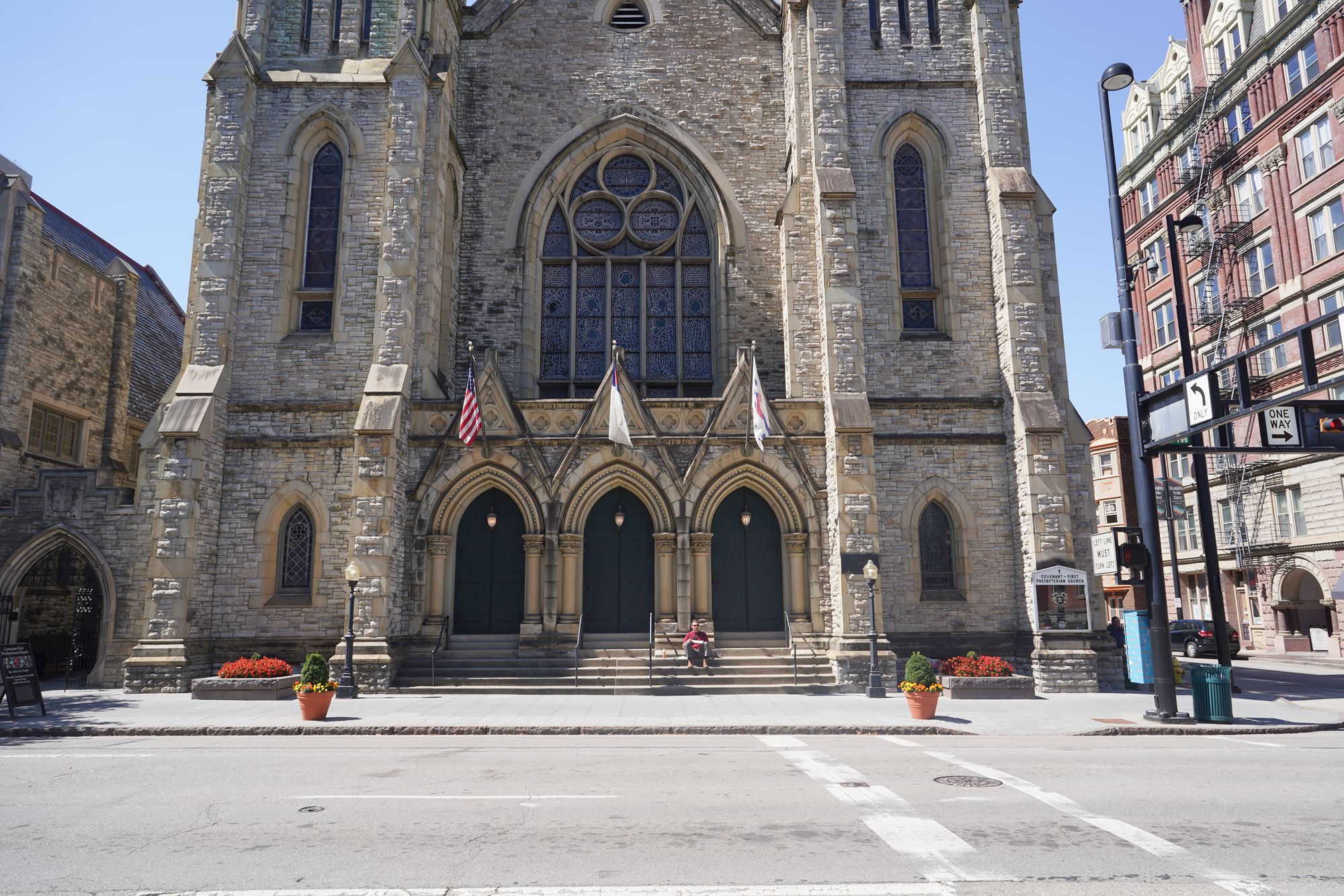
The Ninth Street Historic District in Cincinnati is a small but significant area known for its well-preserved late-19th-century architecture.
It features historic churches, residences, and institutional buildings that reflect the city’s urban growth and architectural styles during Cincinnati’s period of prosperity in the late 1800s.
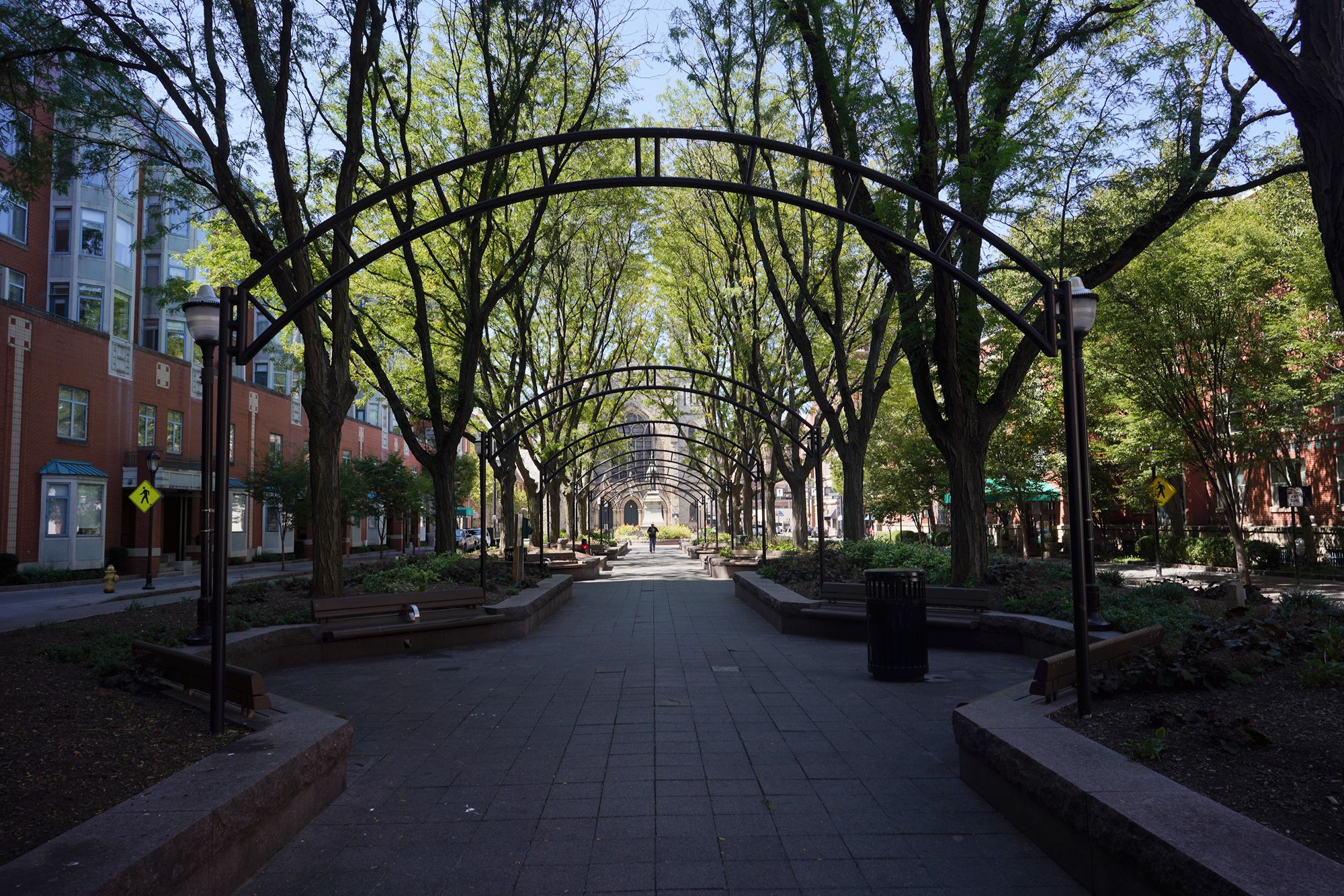
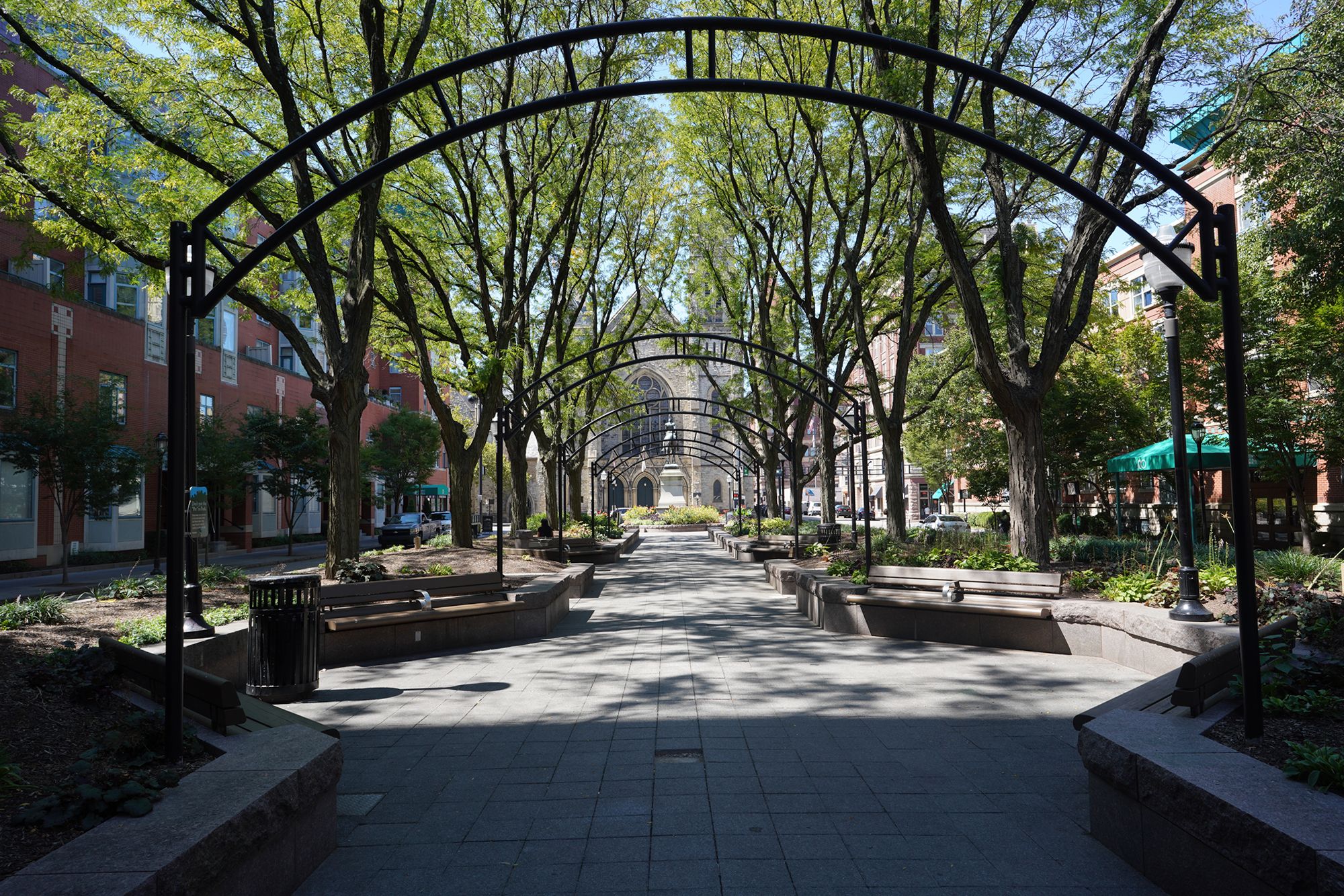
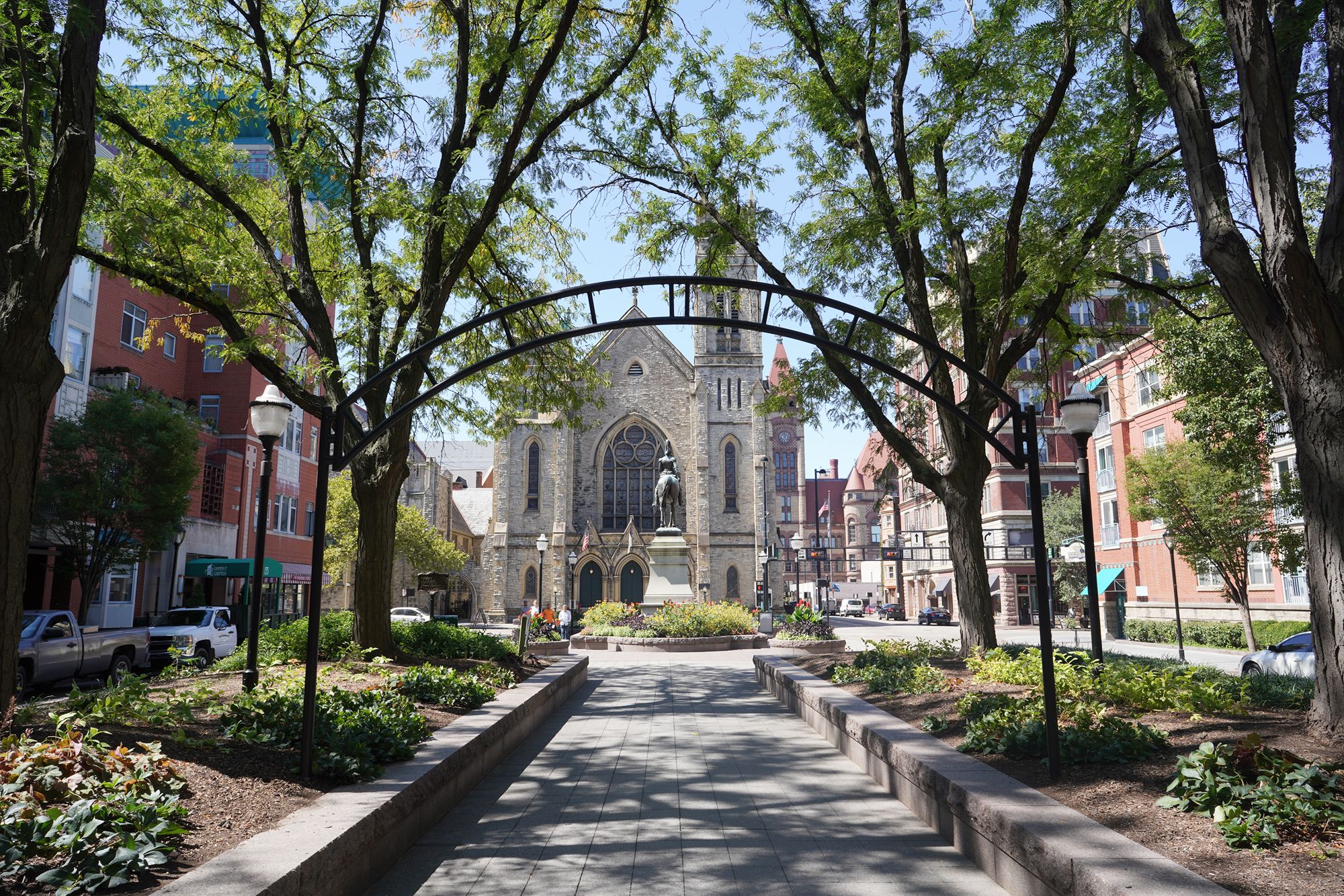
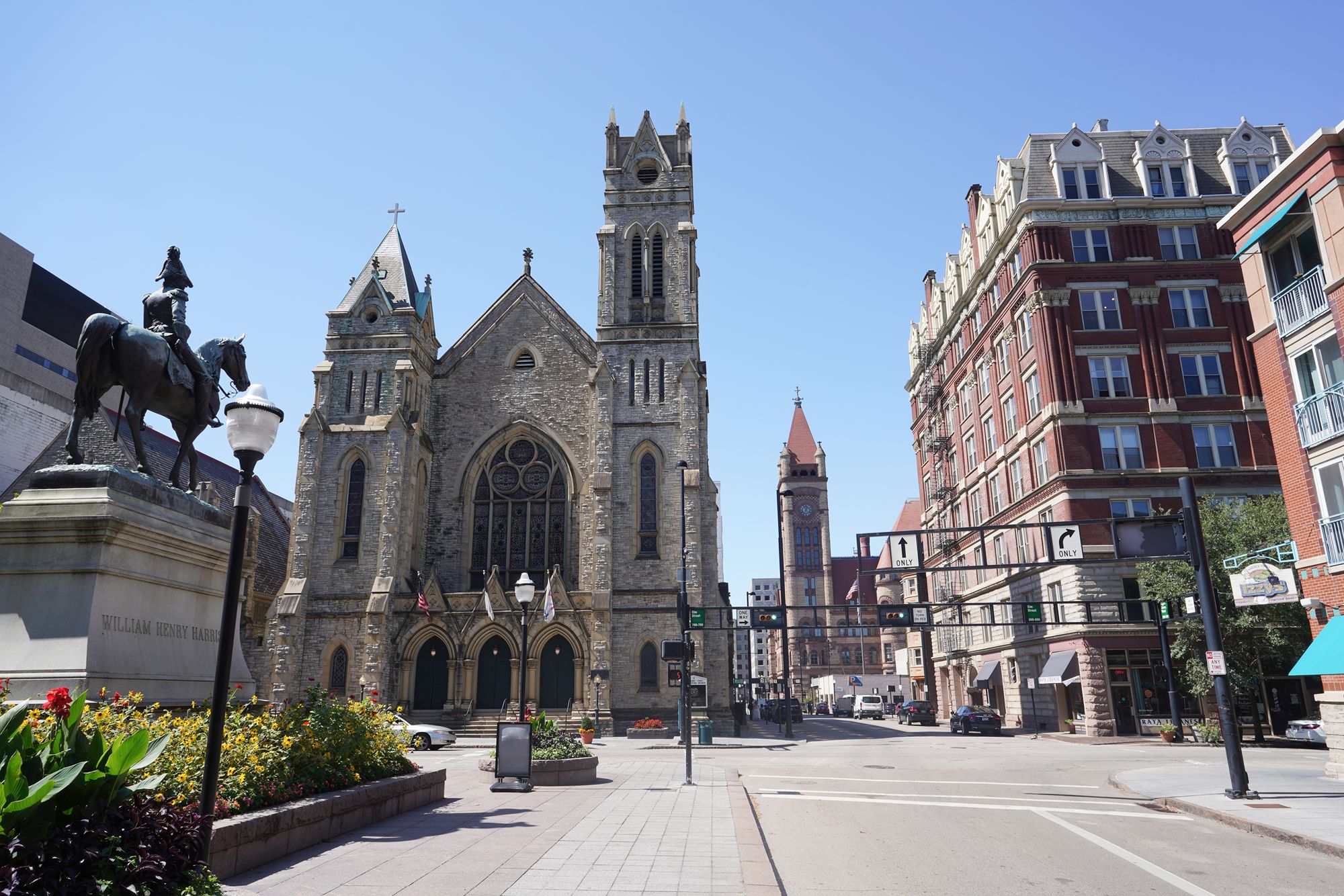
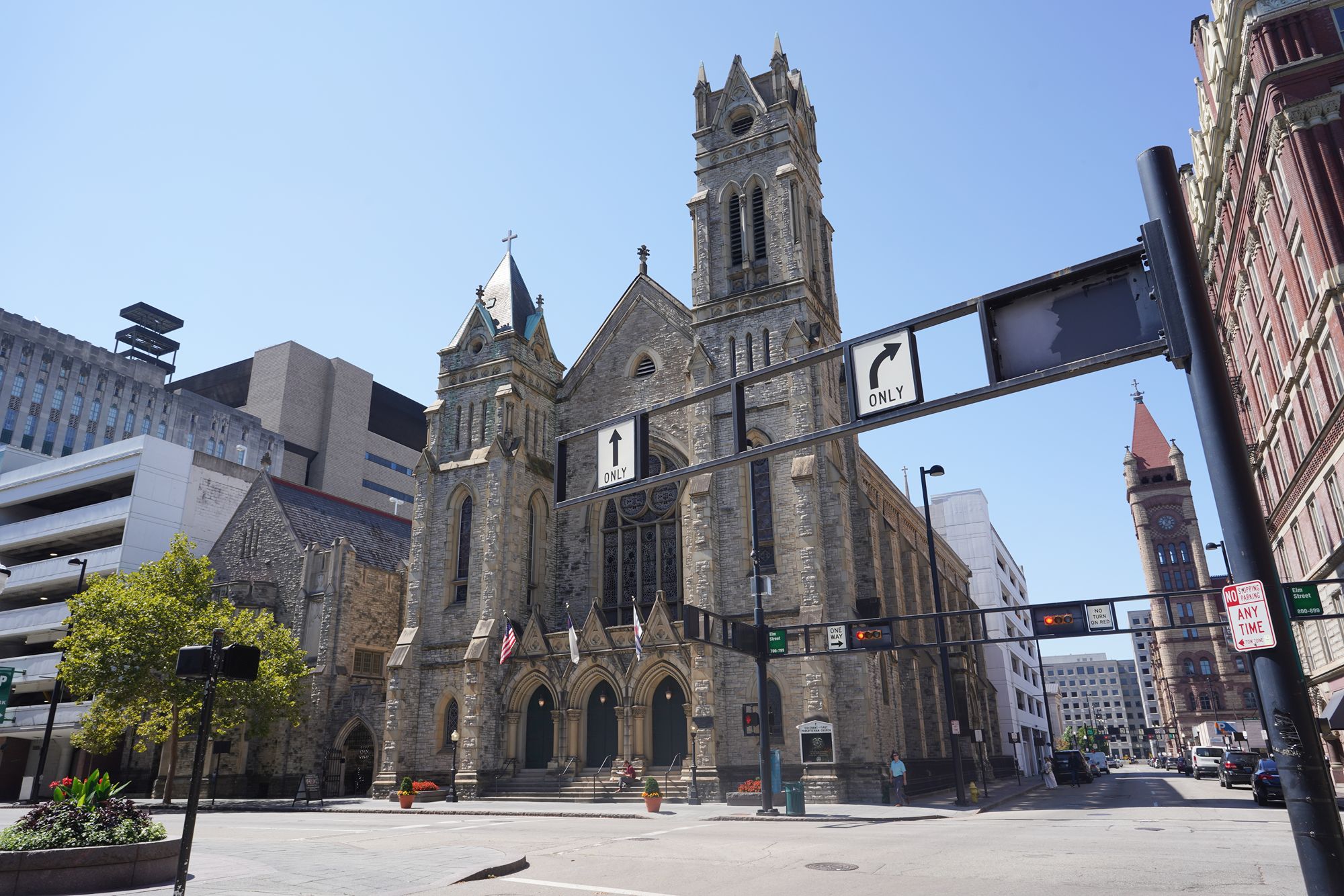
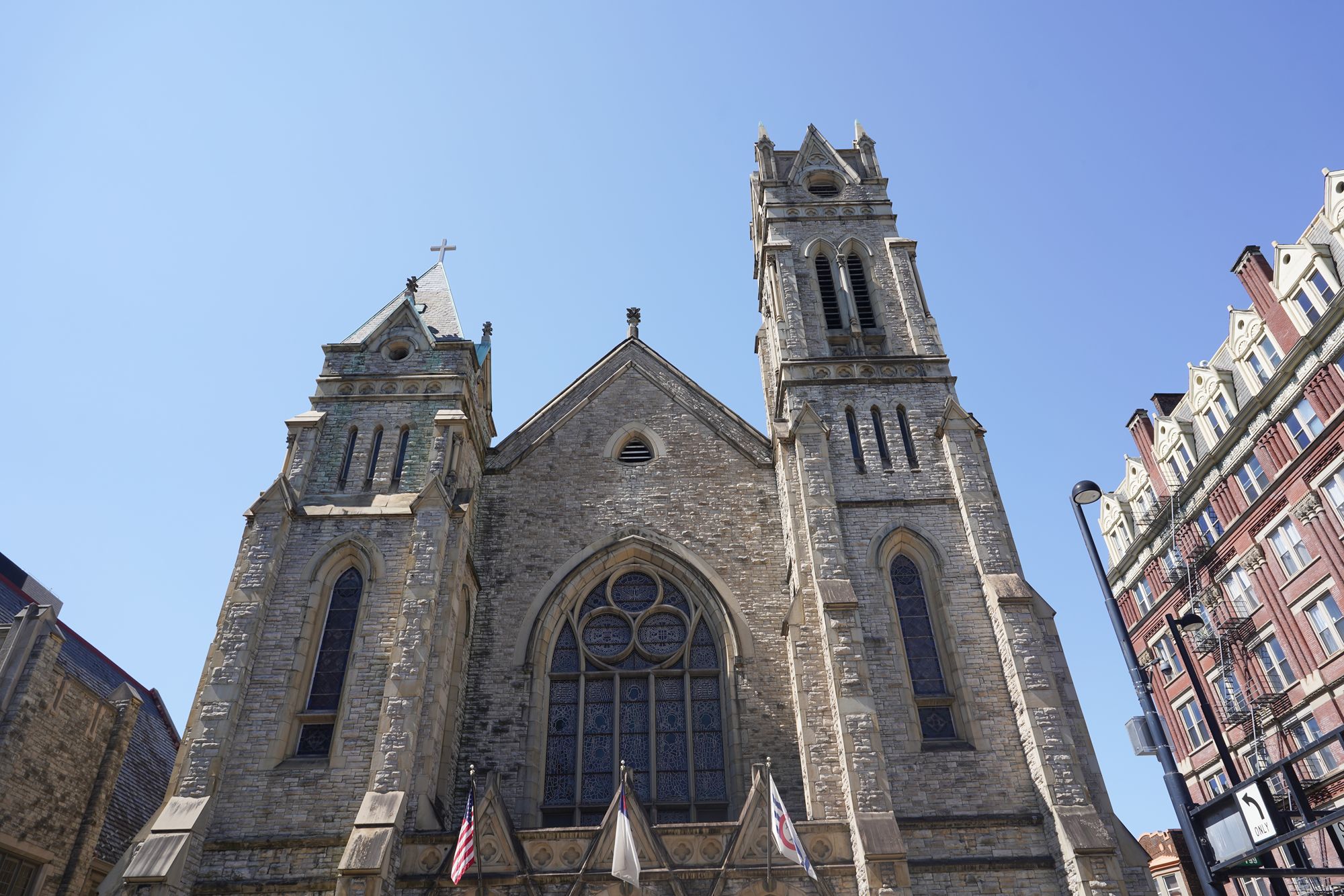
Covenant-First Presbyterian Church is a historic church in downtown Cincinnati, located in the Ninth Street Historic District.
Built in the late 19th century, it is known for its Romanesque Revival architecture, stone exterior, and stained-glass windows, reflecting the city’s religious, architectural, and urban development during Cincinnati’s period of growth.
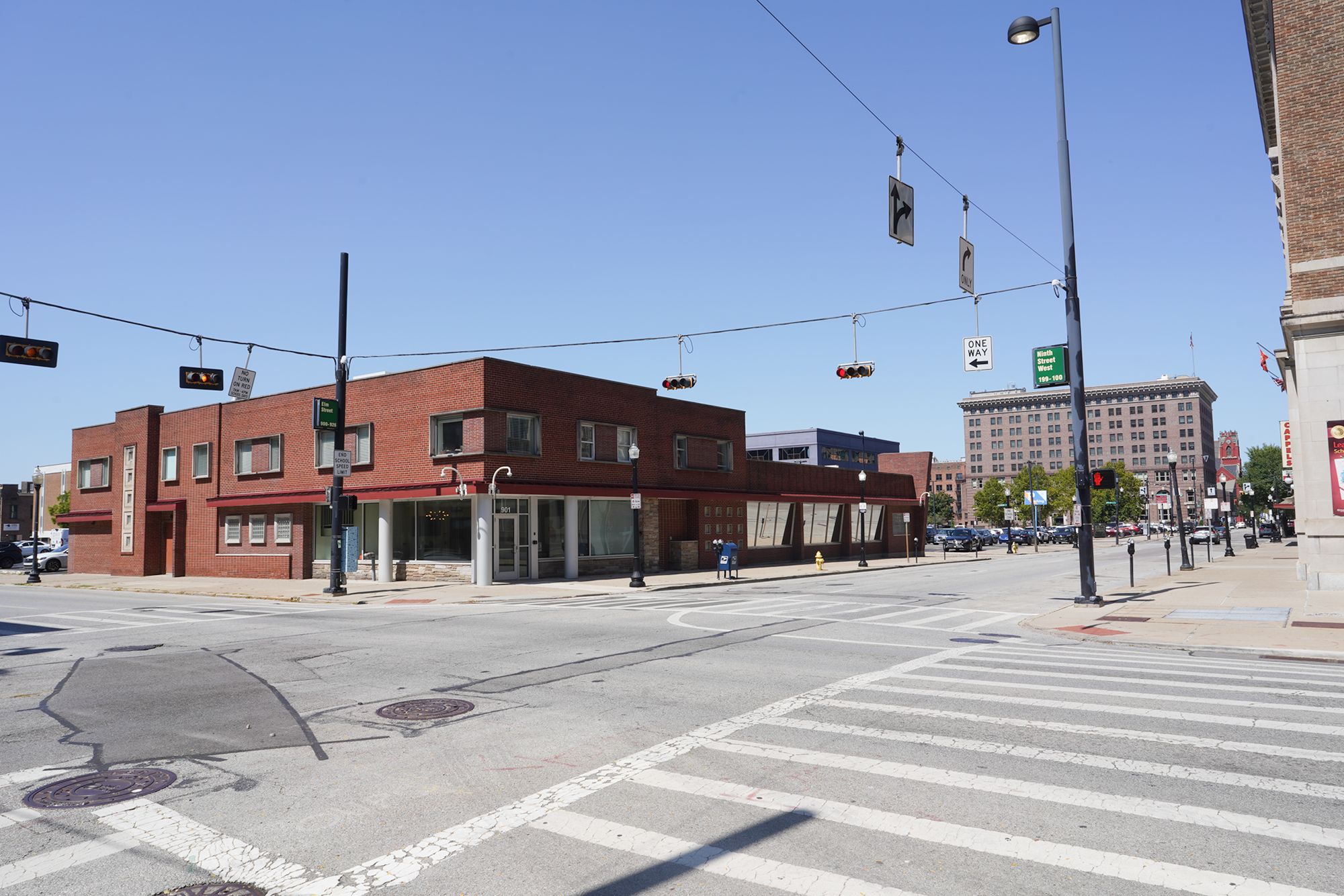
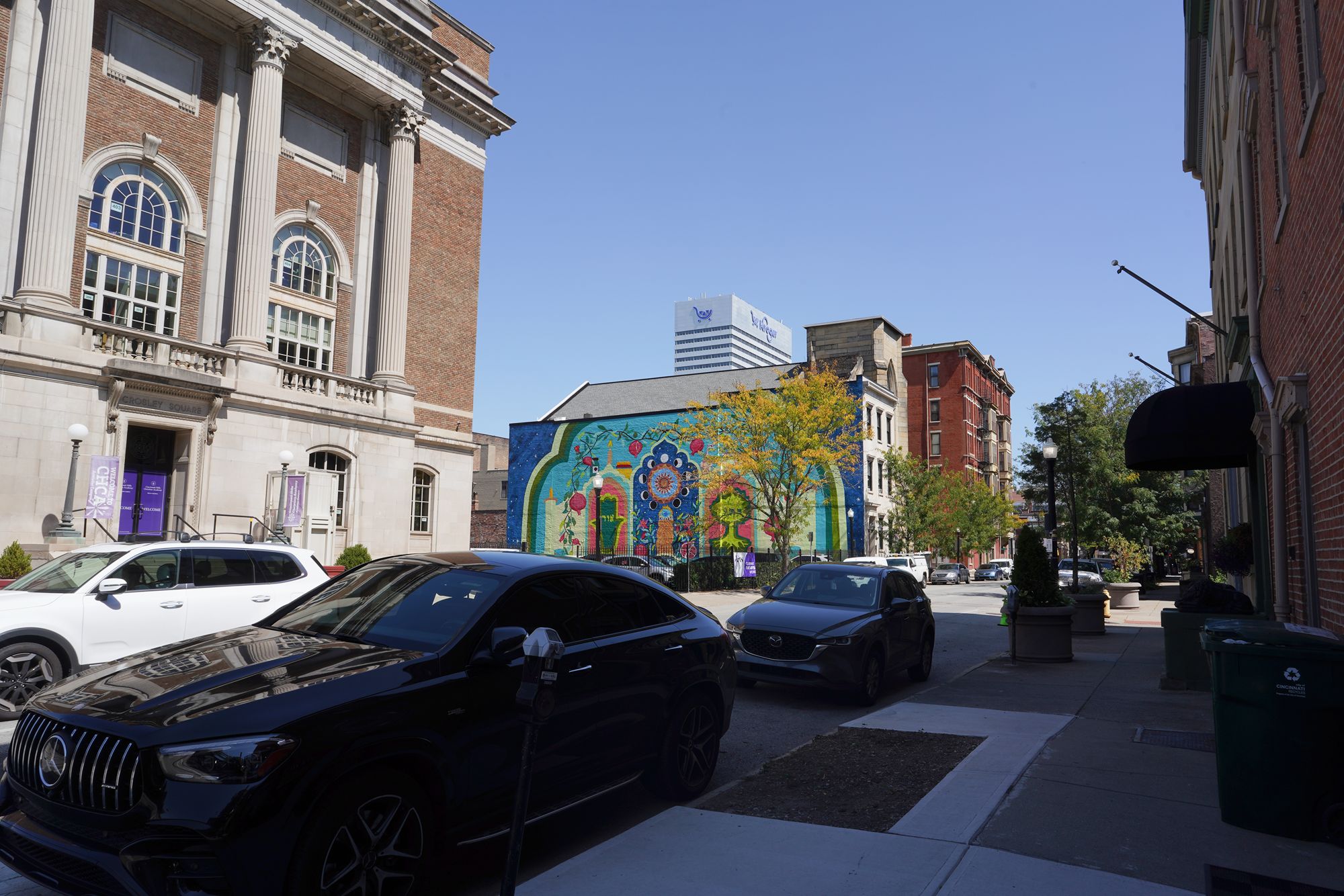
From there, I headed toward the Cincinnati Music Hall.
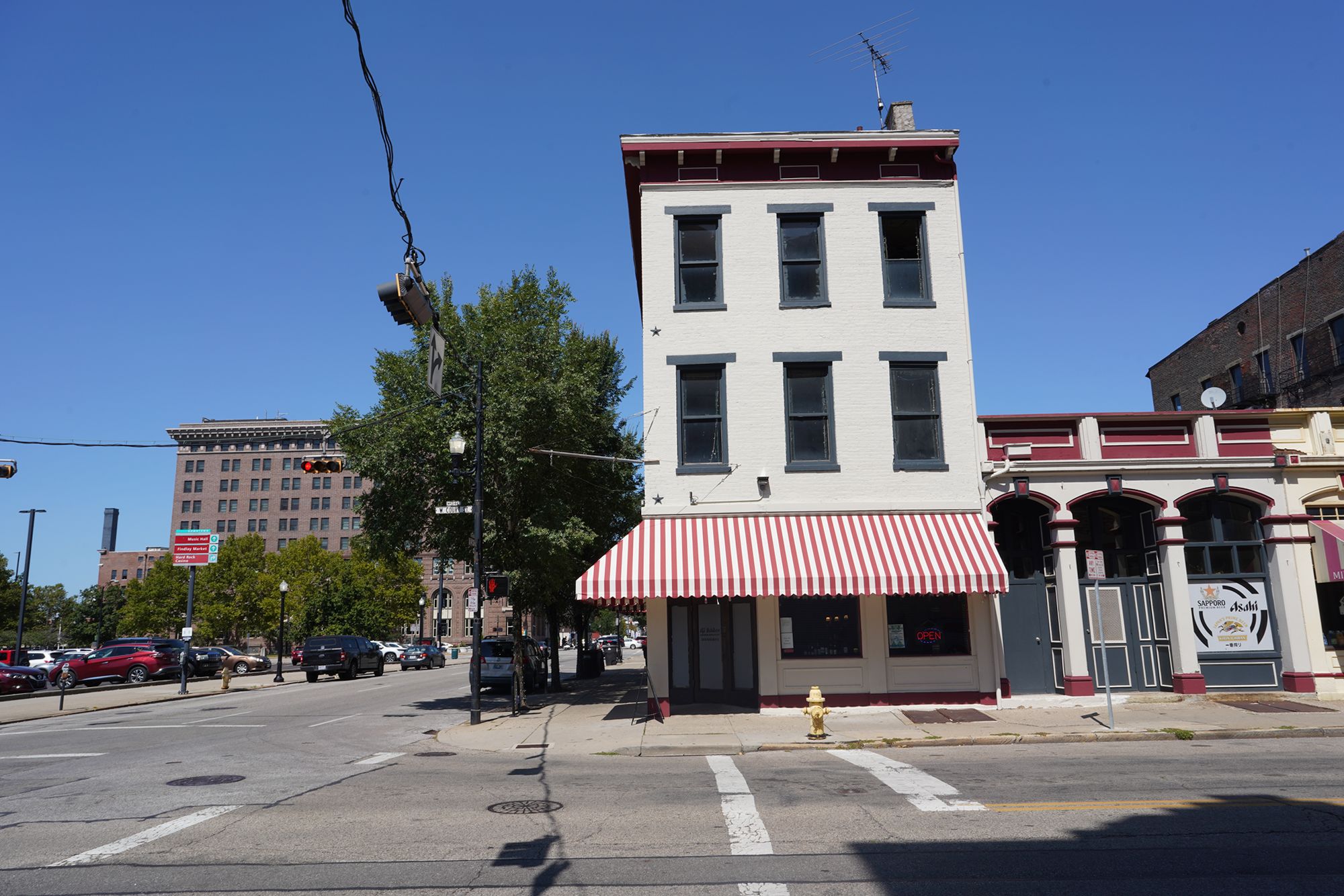
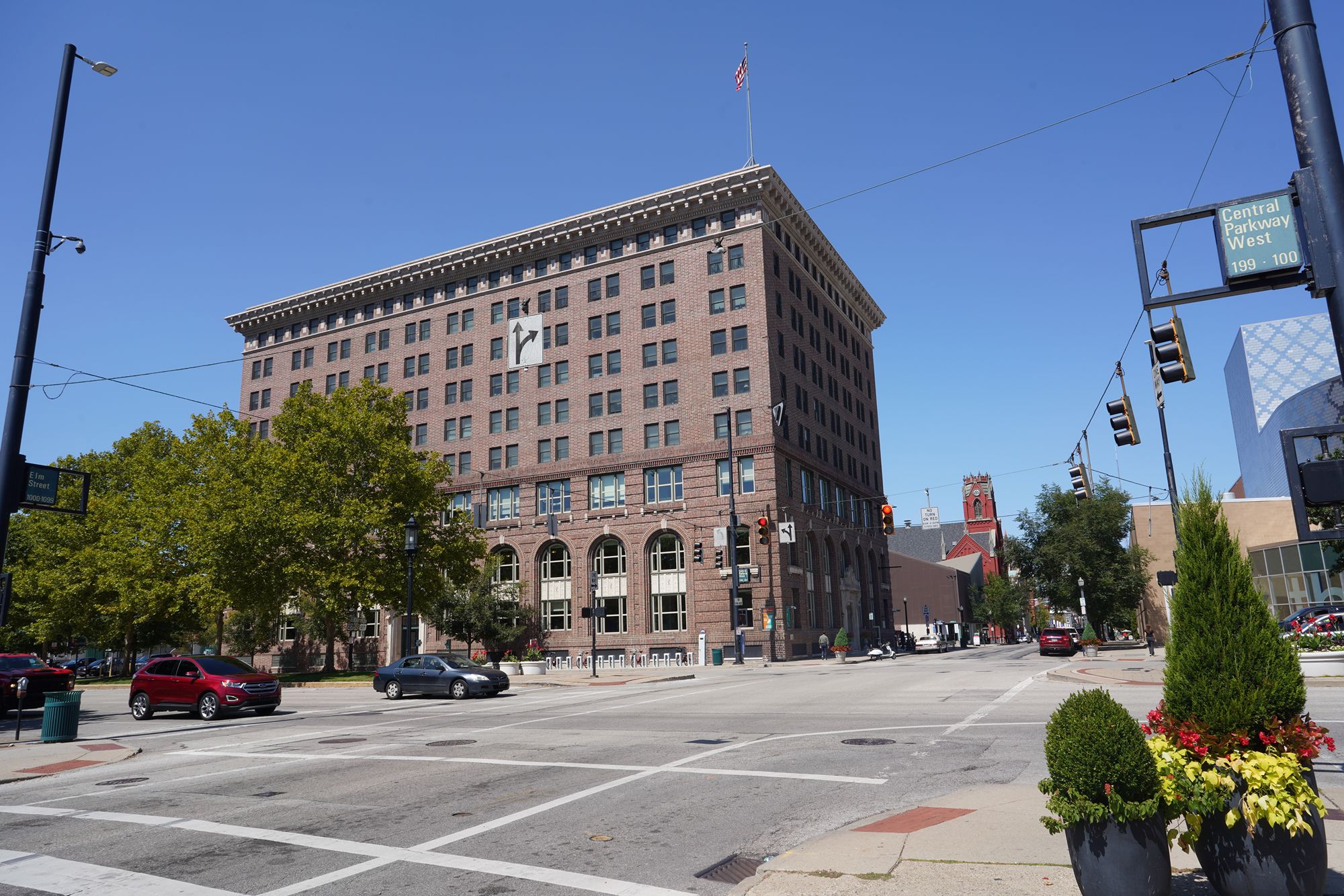
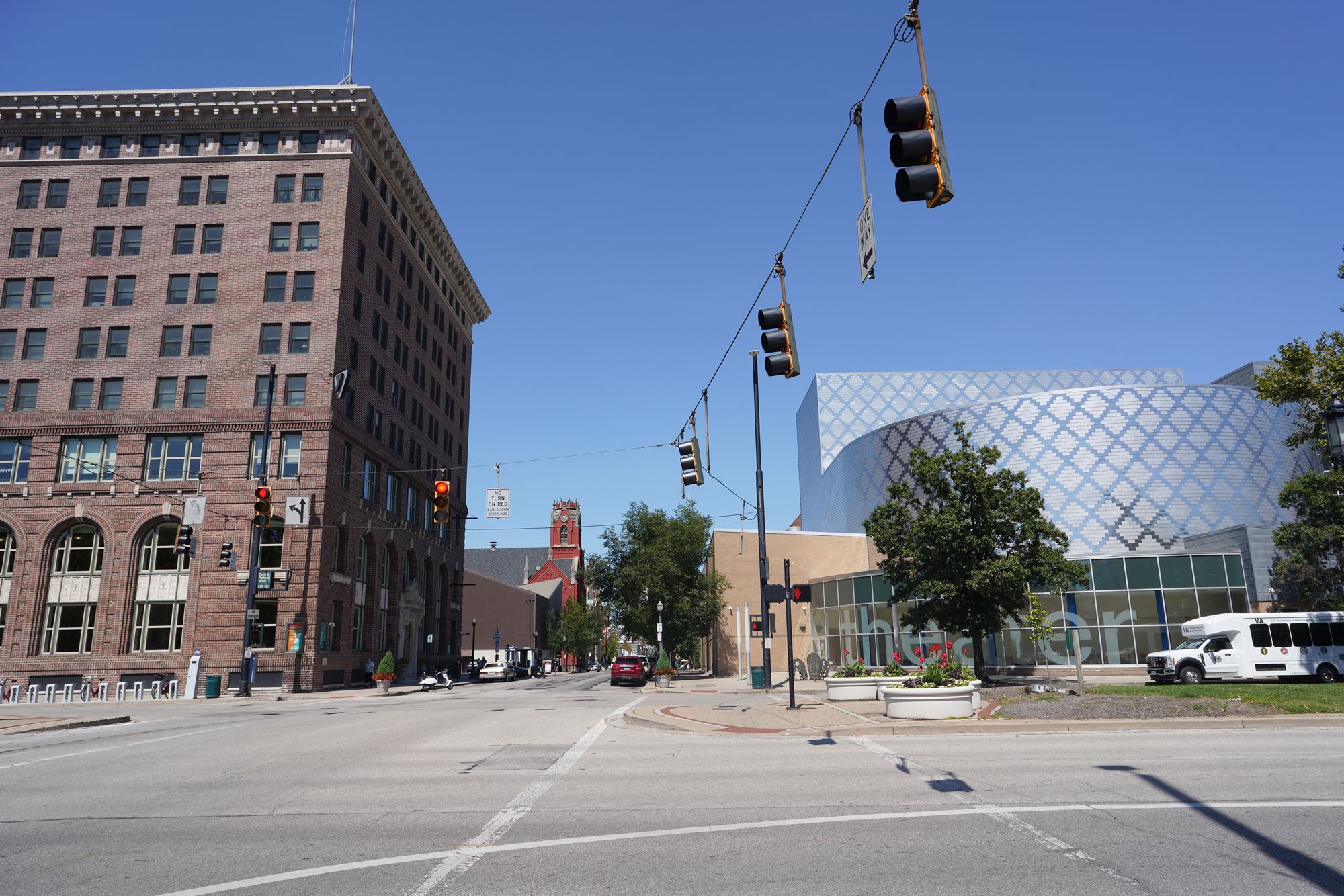
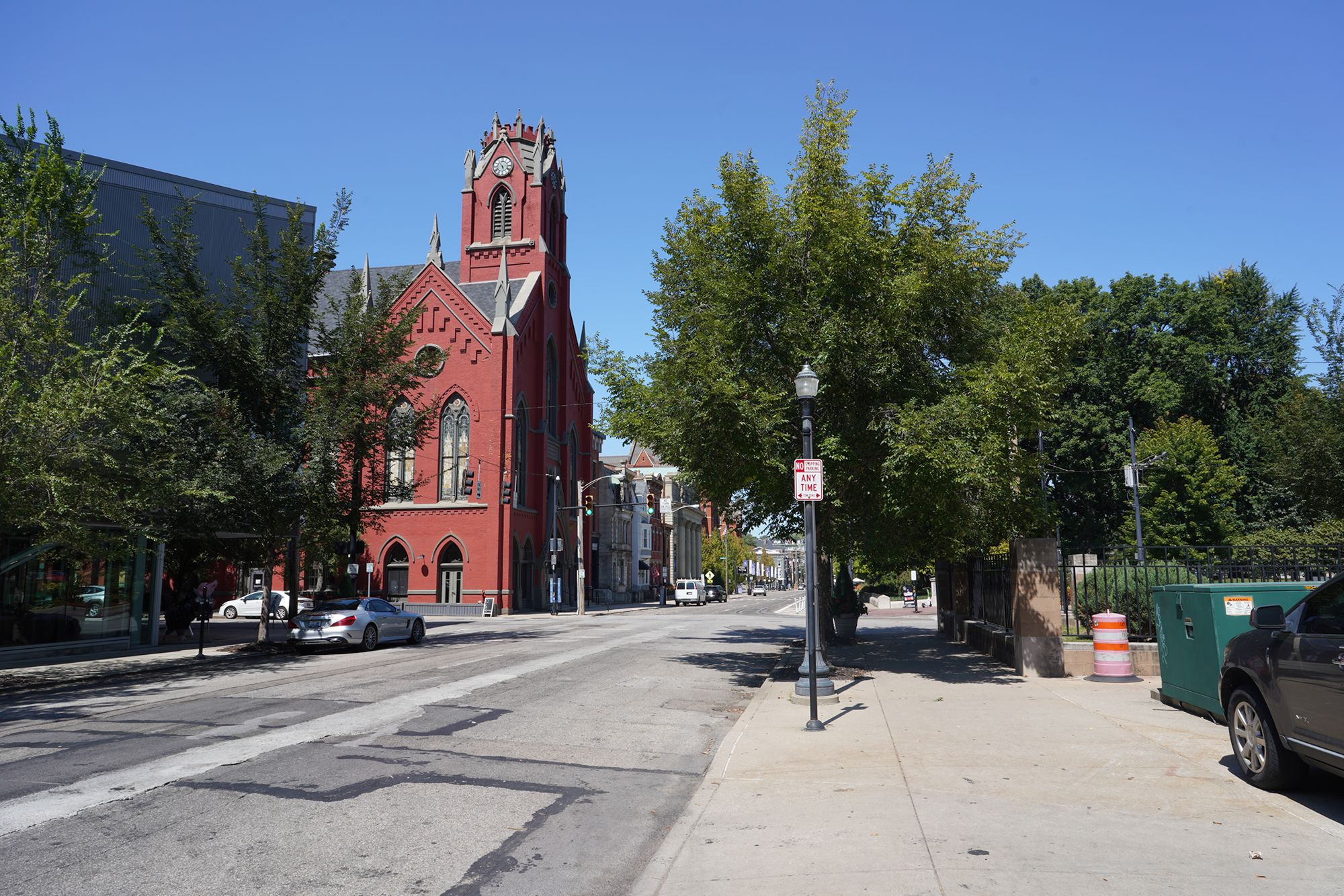
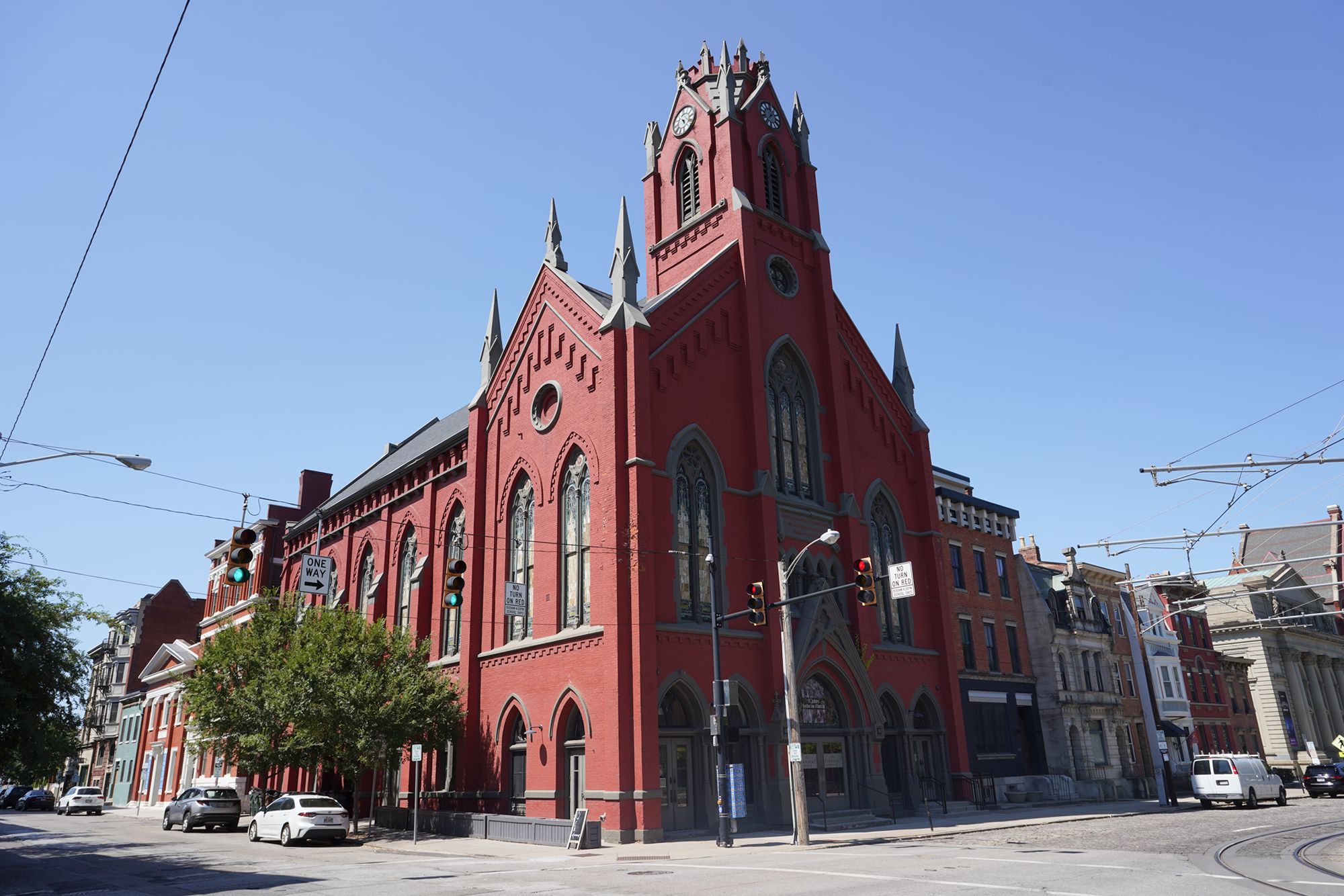
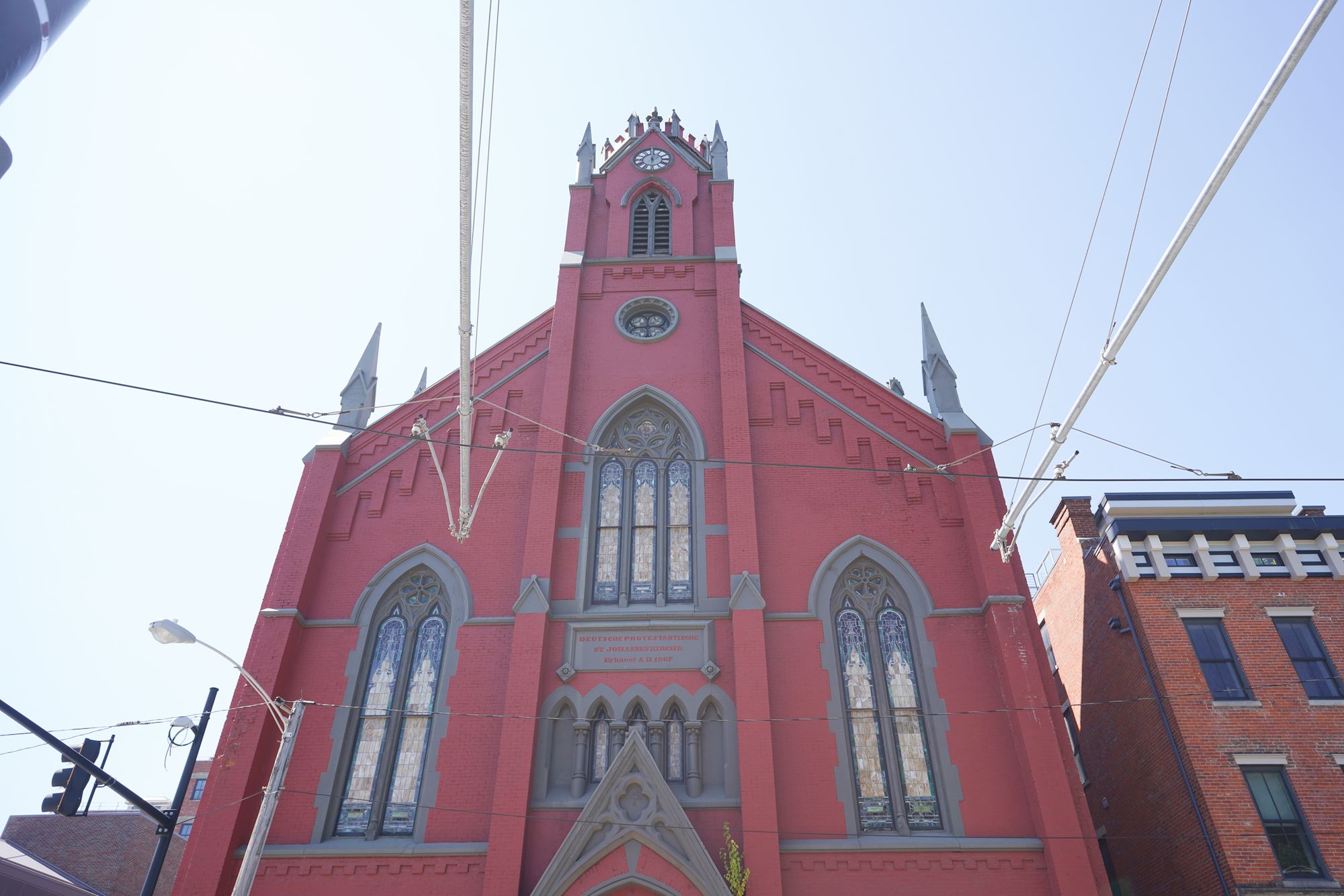
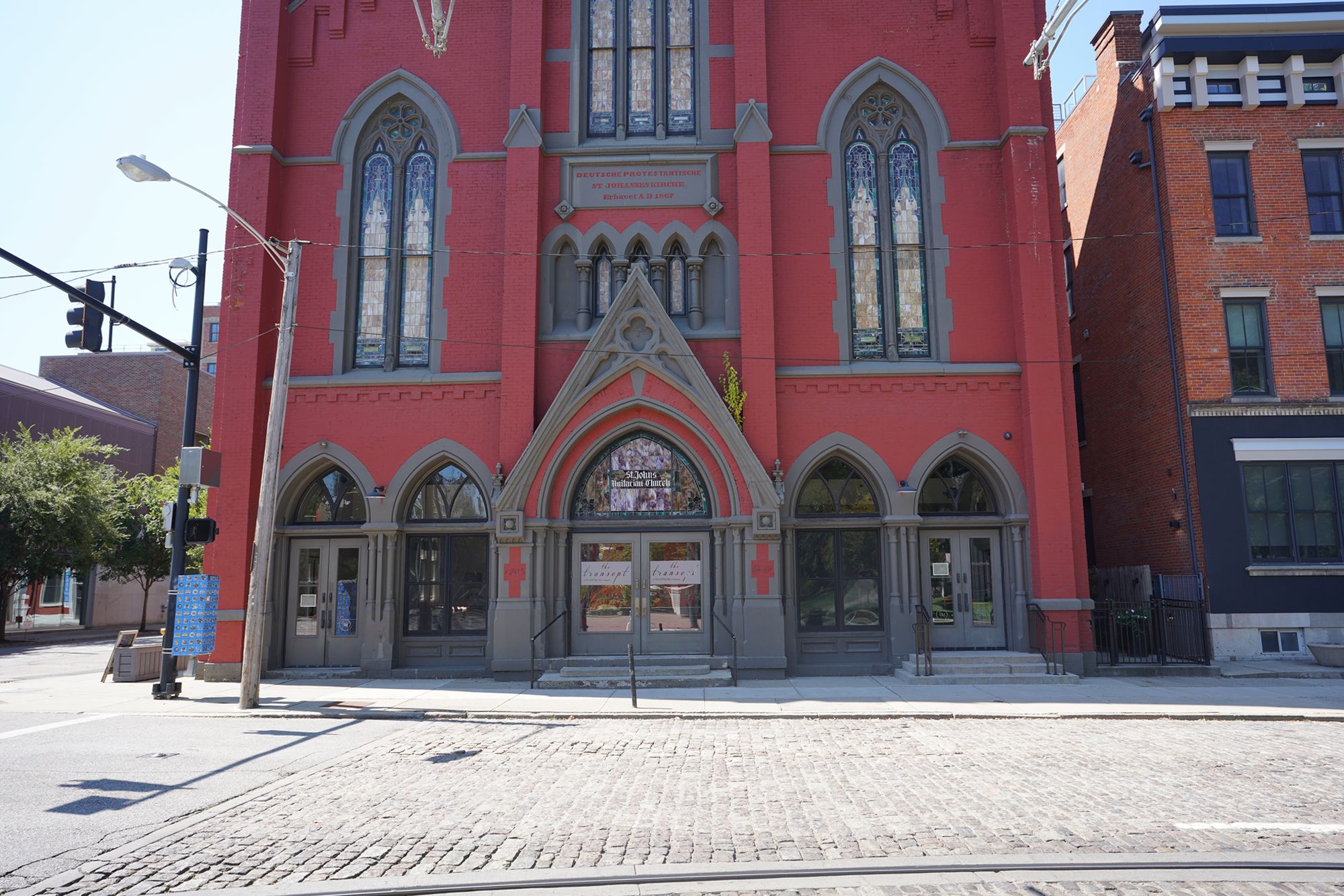
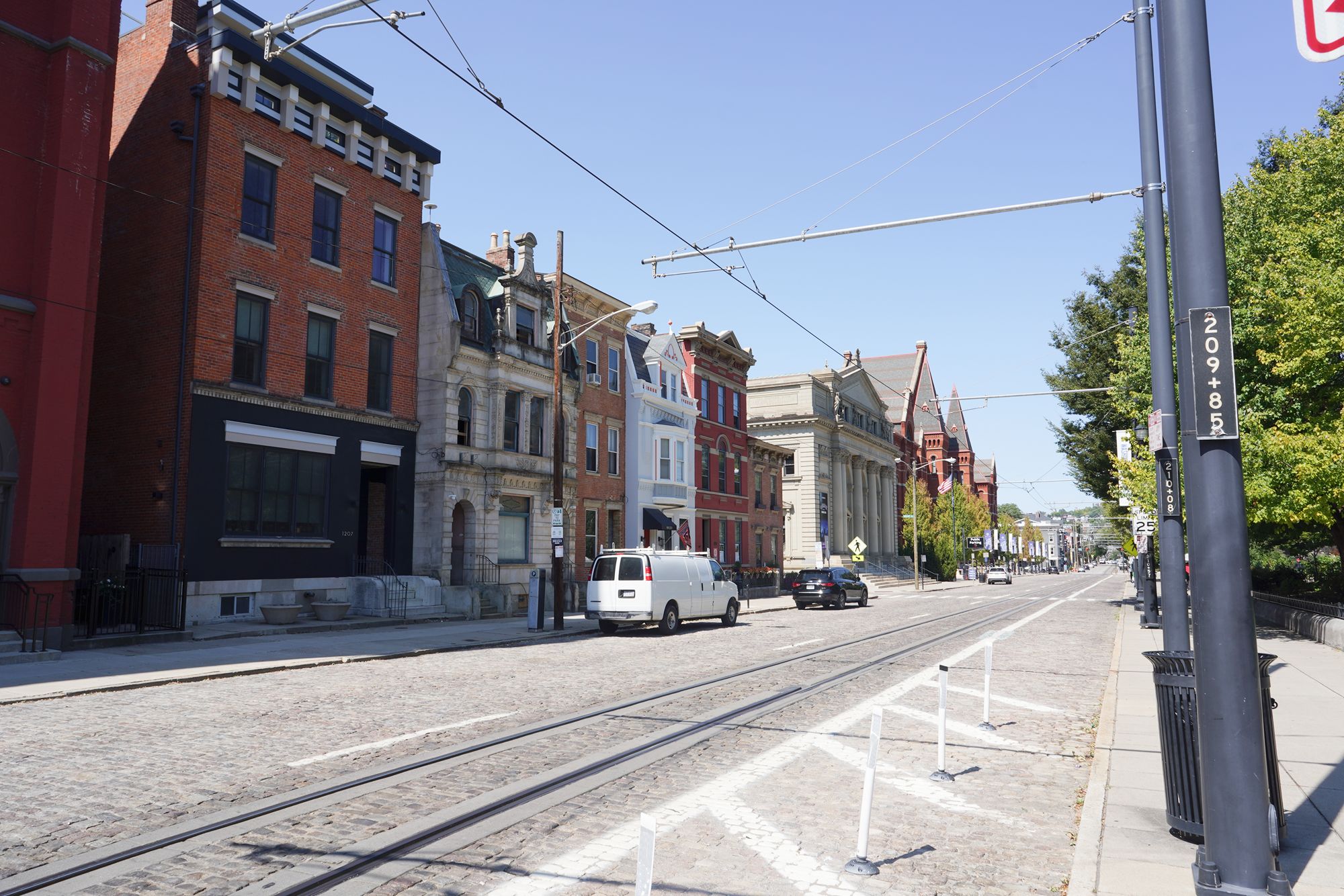
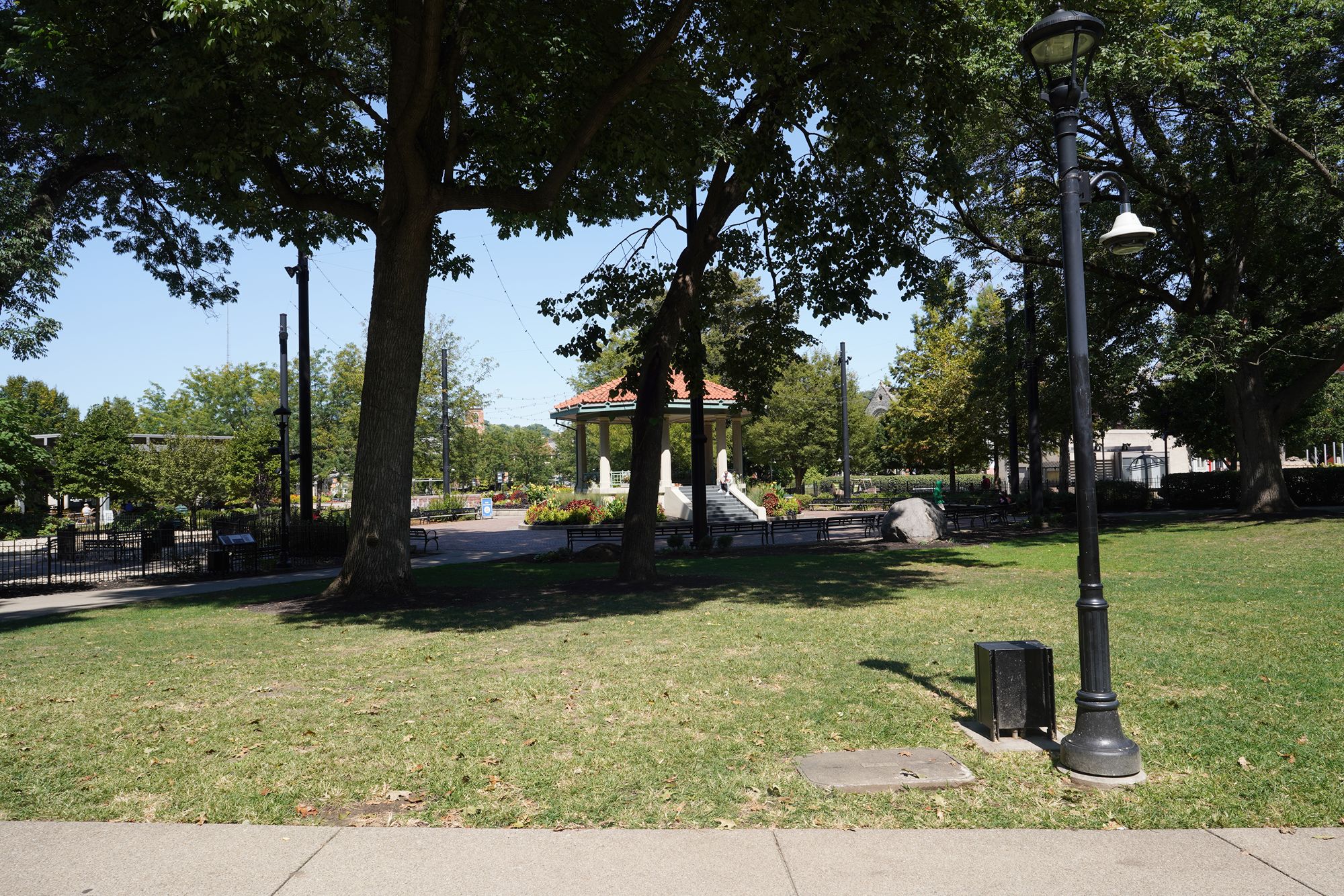
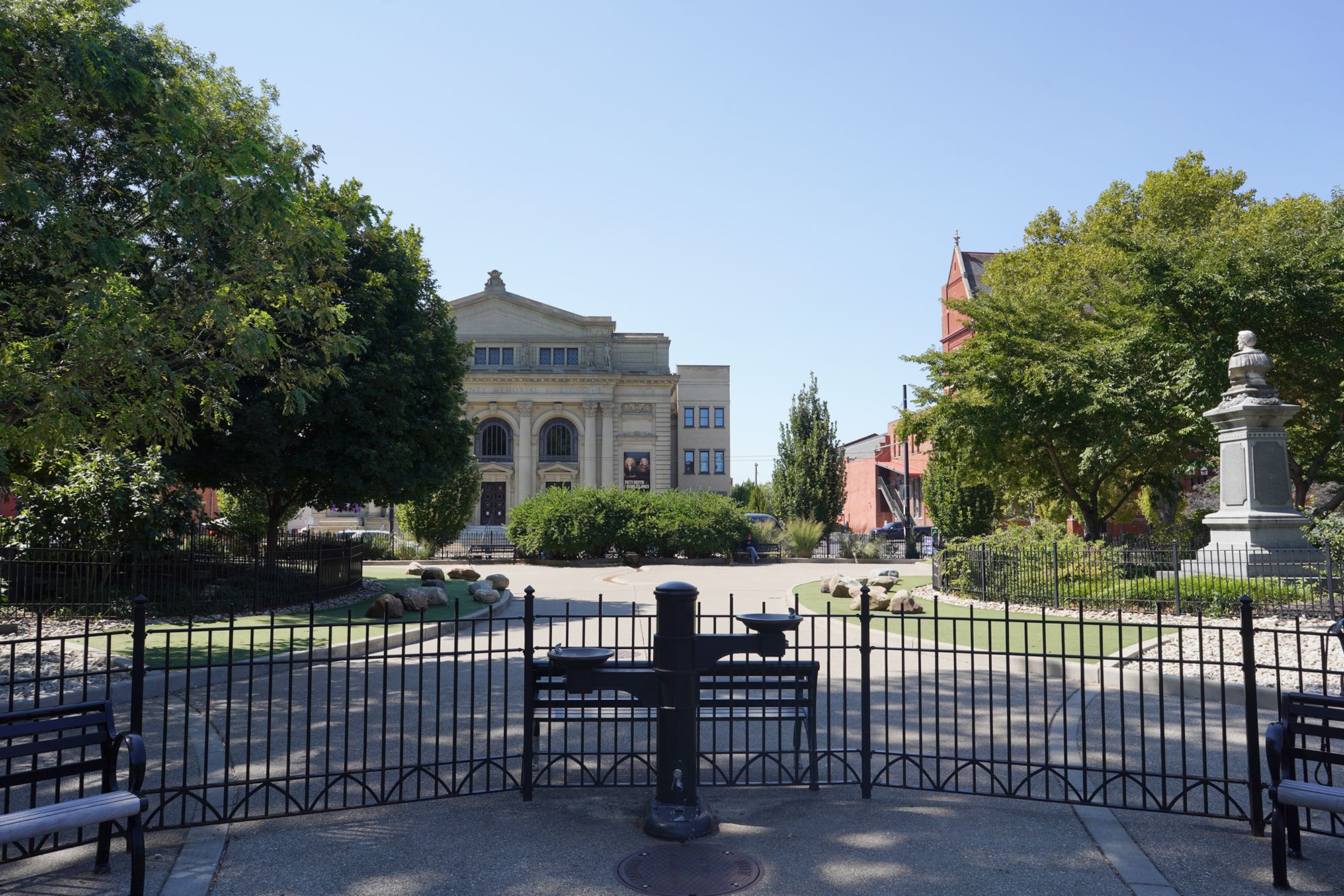
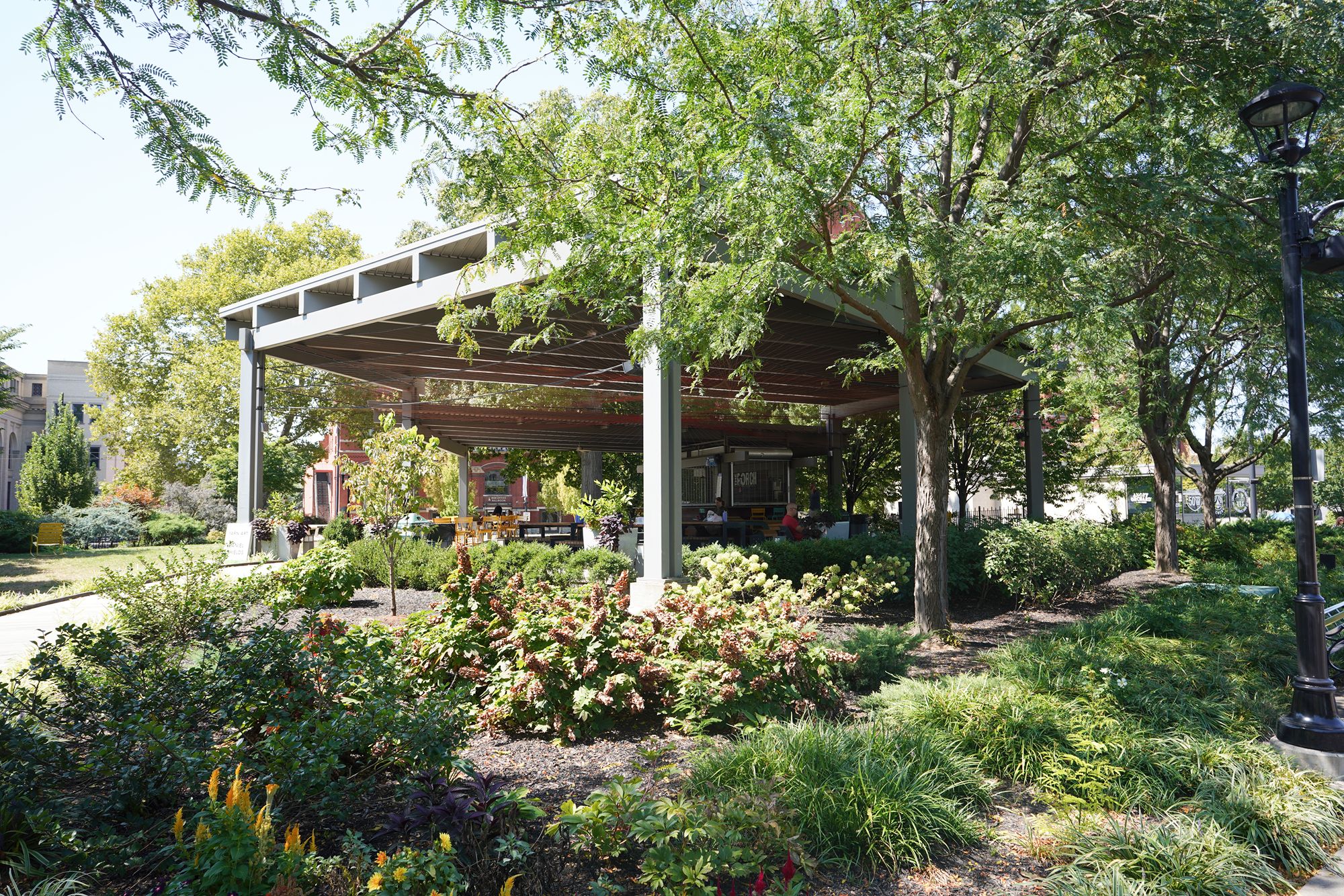
Washington Park
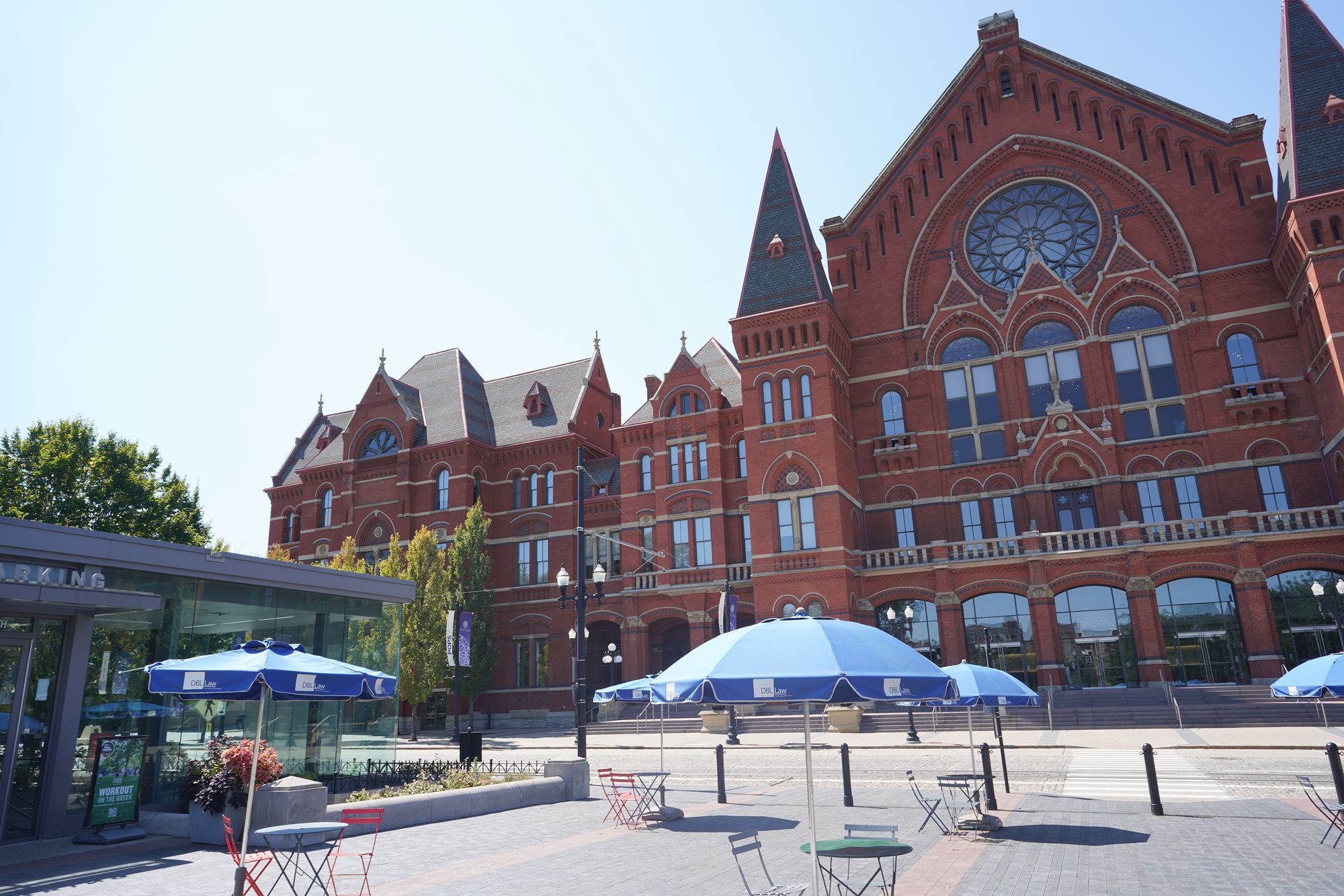
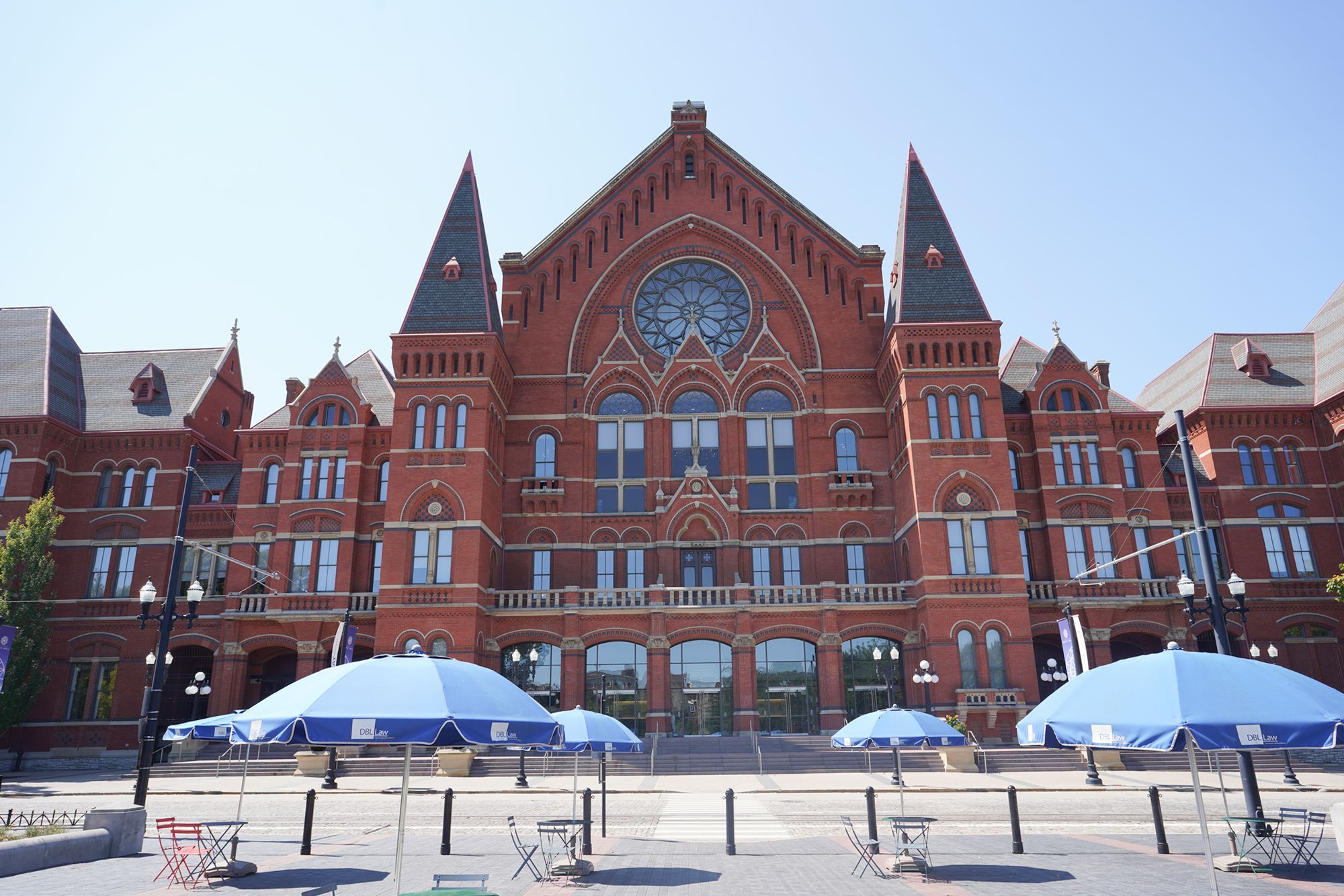
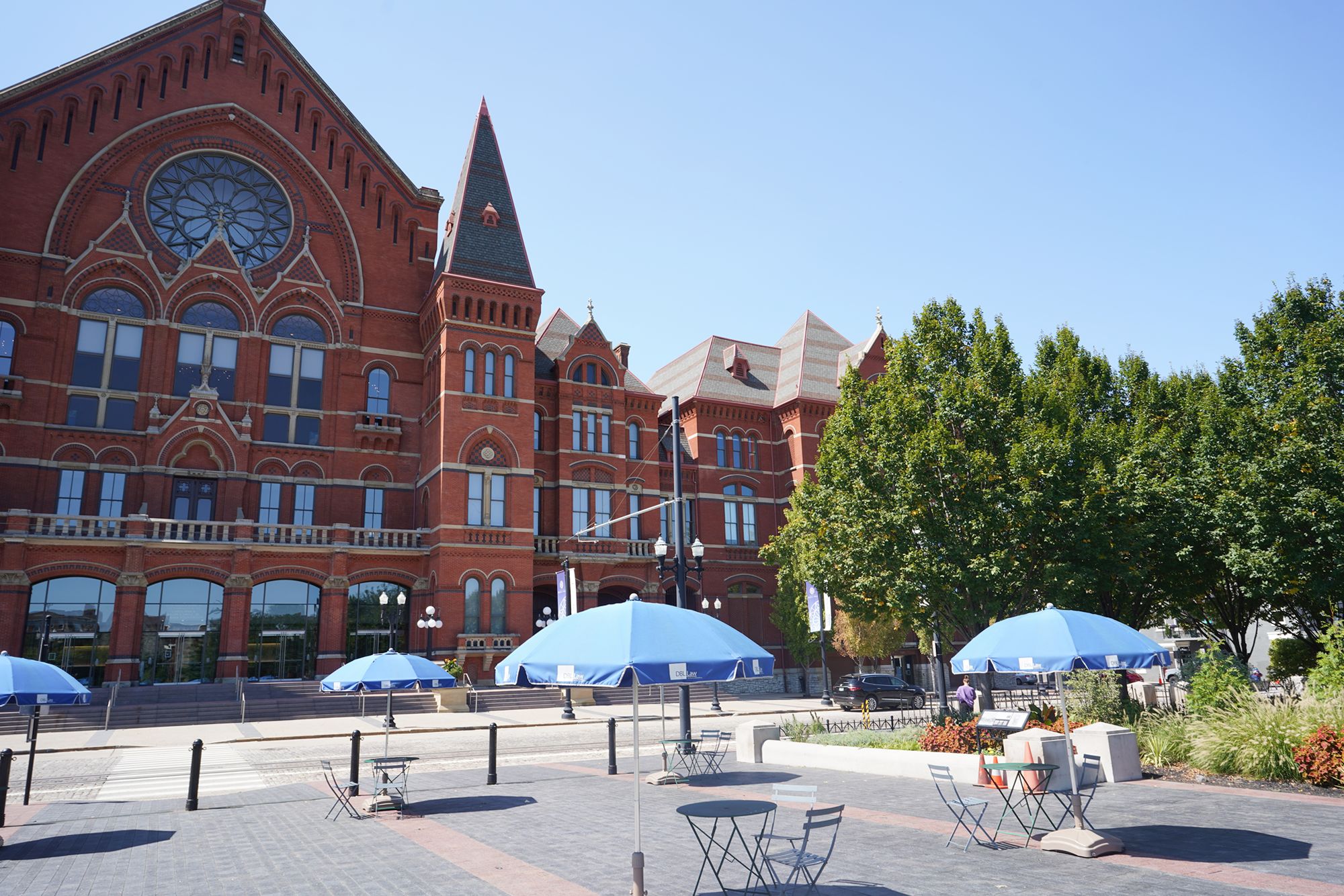
Cincinnati Music Hall
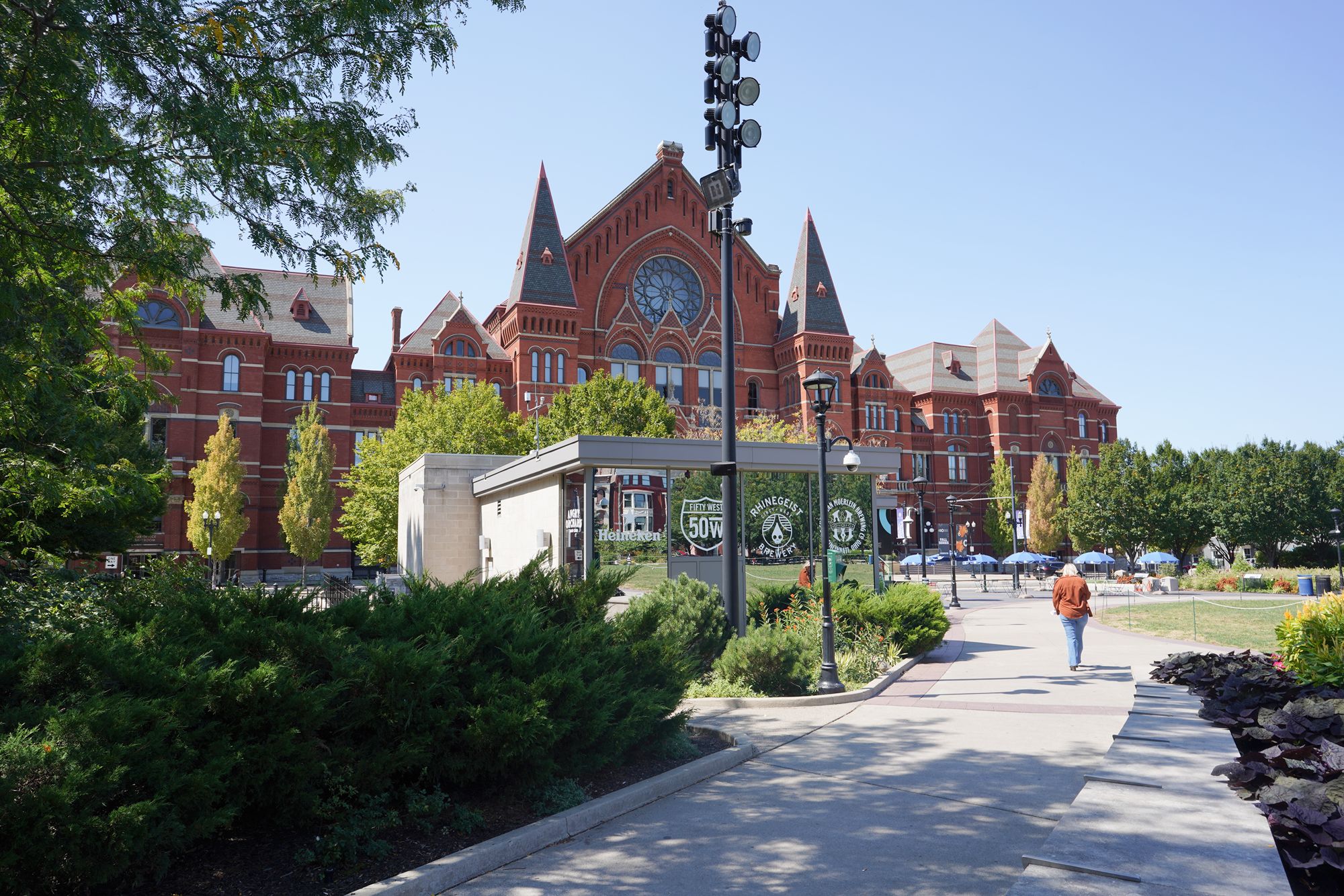
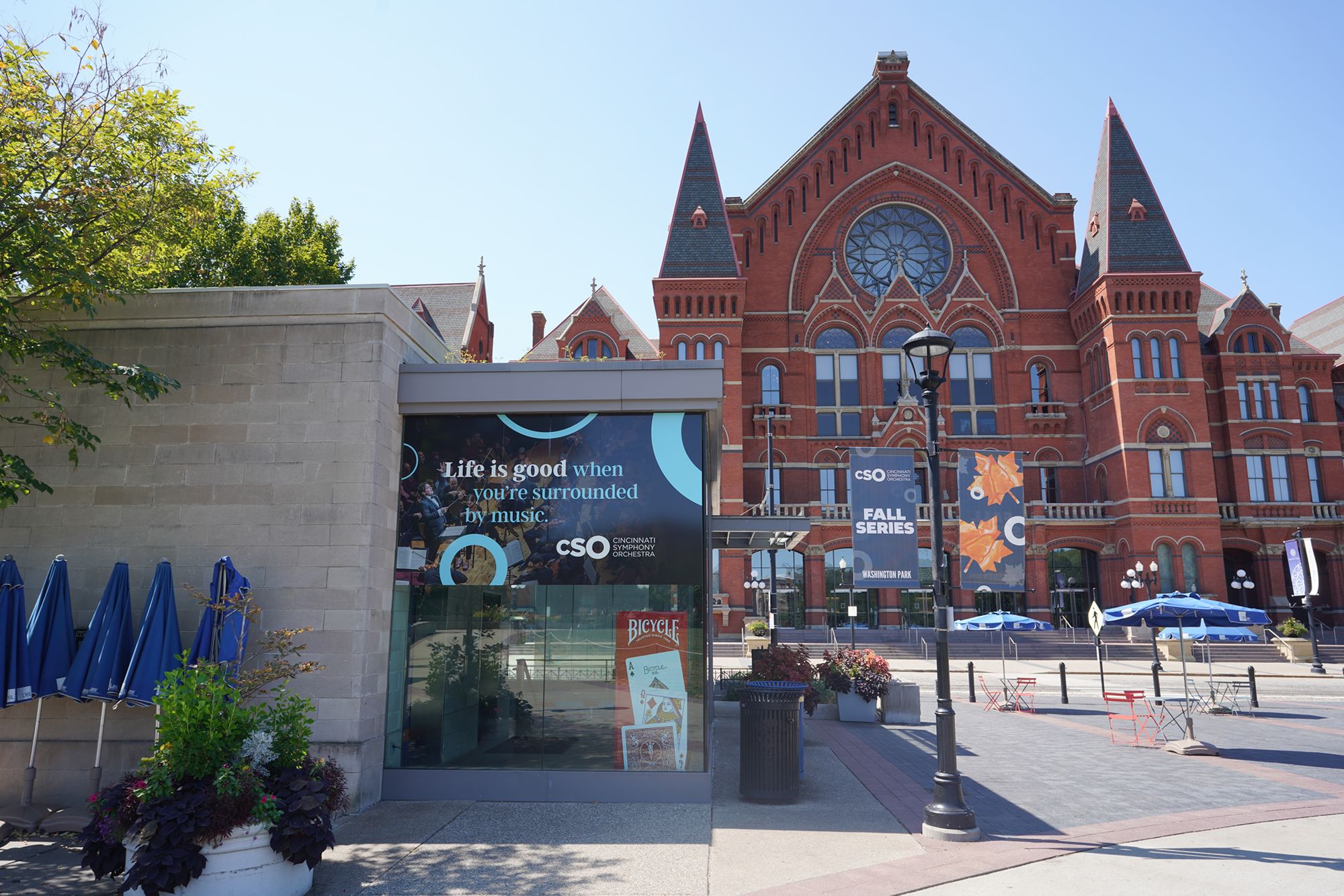
Cincinnati Music Hall is a landmark performing arts venue in downtown Cincinnati.
Completed in 1878, the Victorian Gothic–style building houses Music Hall, Memorial Hall, and Springer Auditorium, and is home to the Cincinnati Symphony Orchestra, Opera, Ballet, and May Festival. It stands as a symbol of the city’s rich musical and cultural heritage.
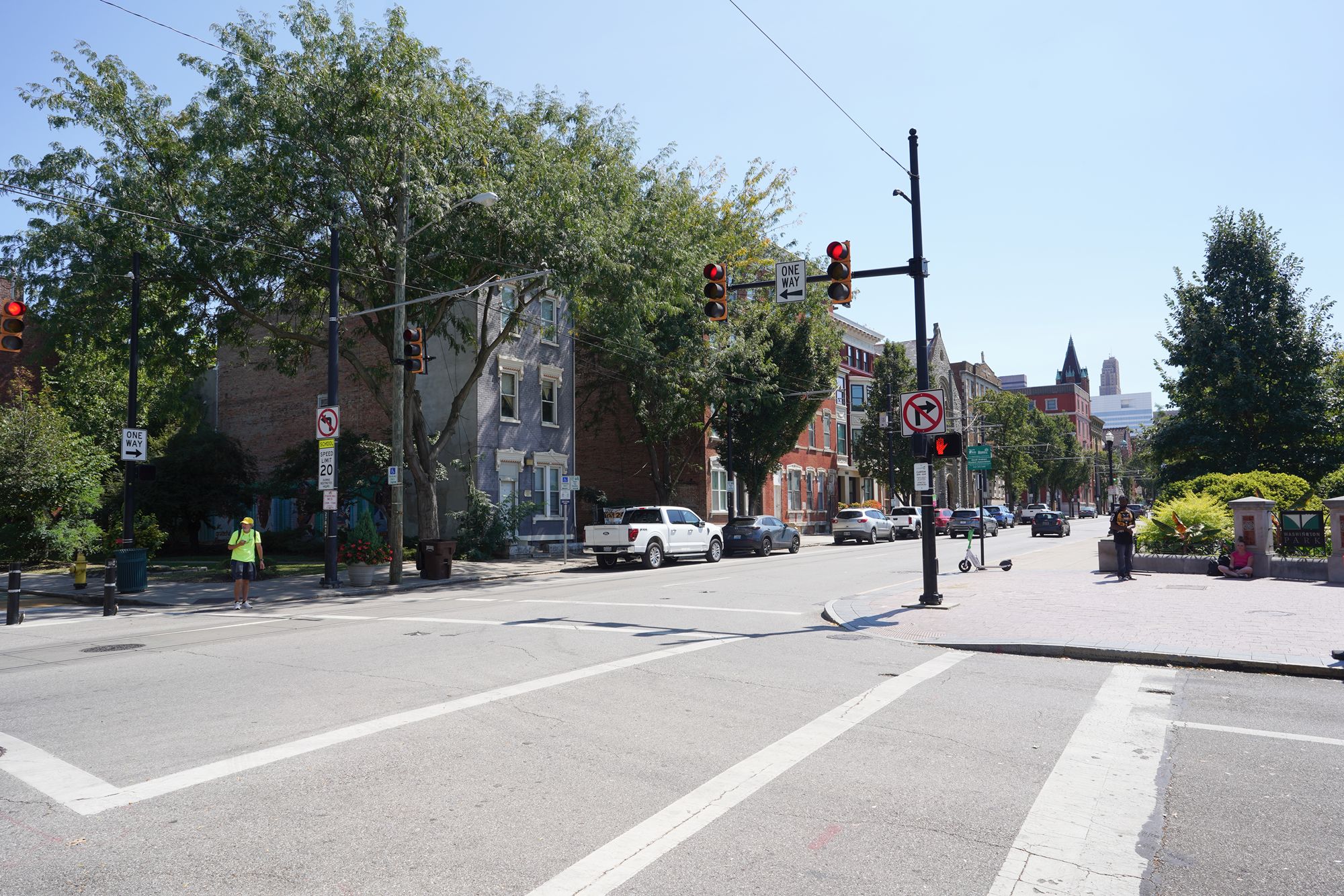
After the Music Hall, I headed toward Findlay Market.
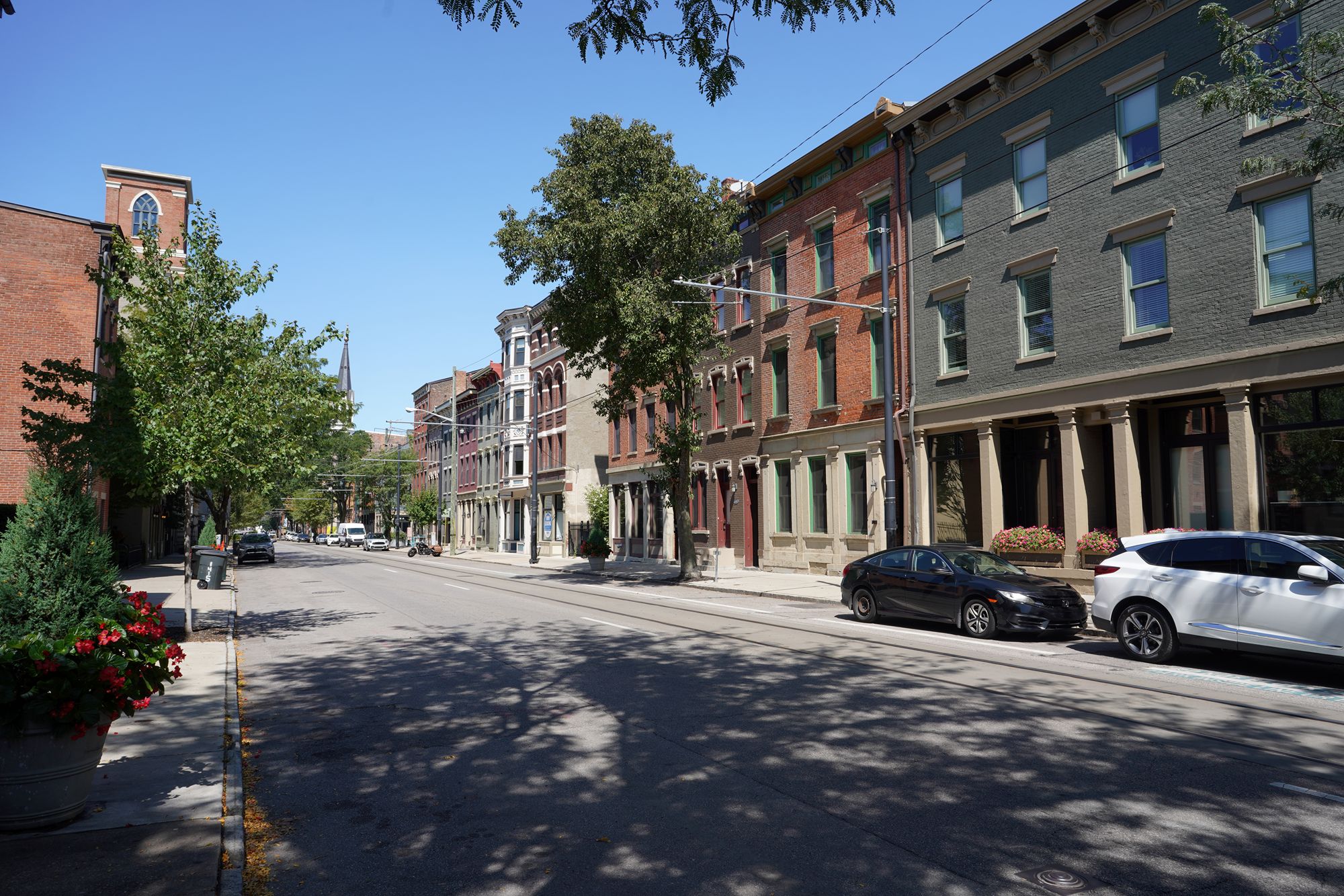
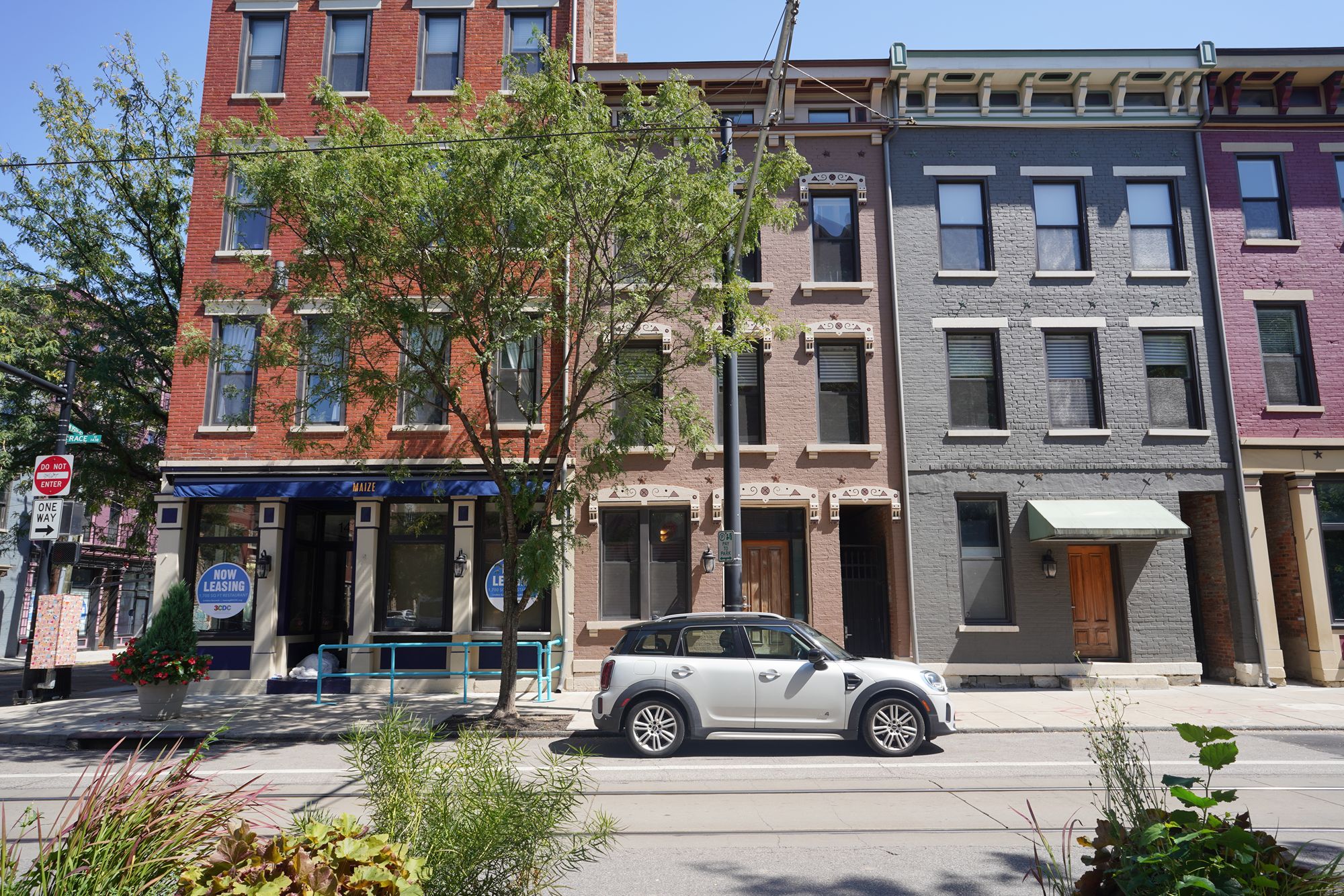
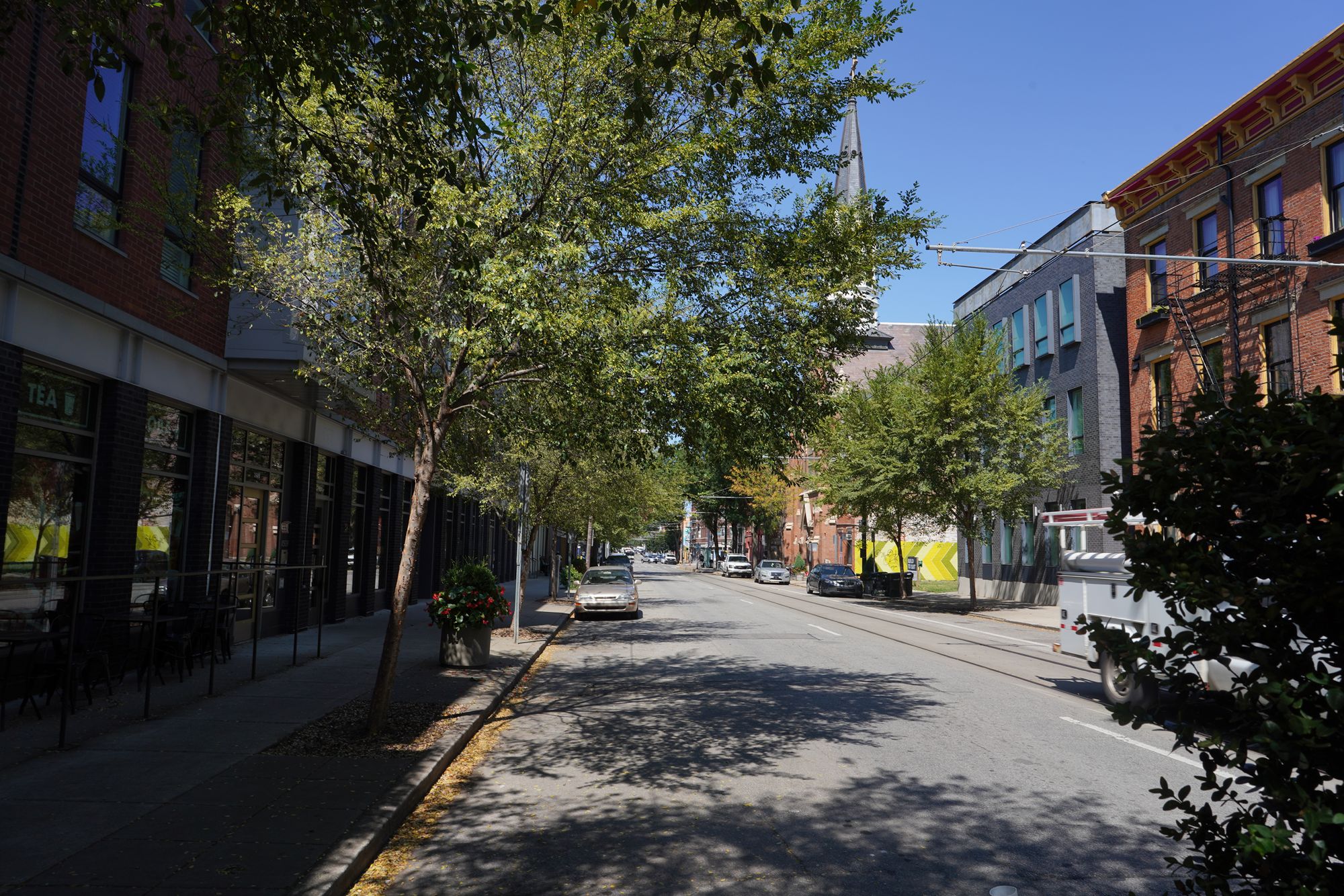
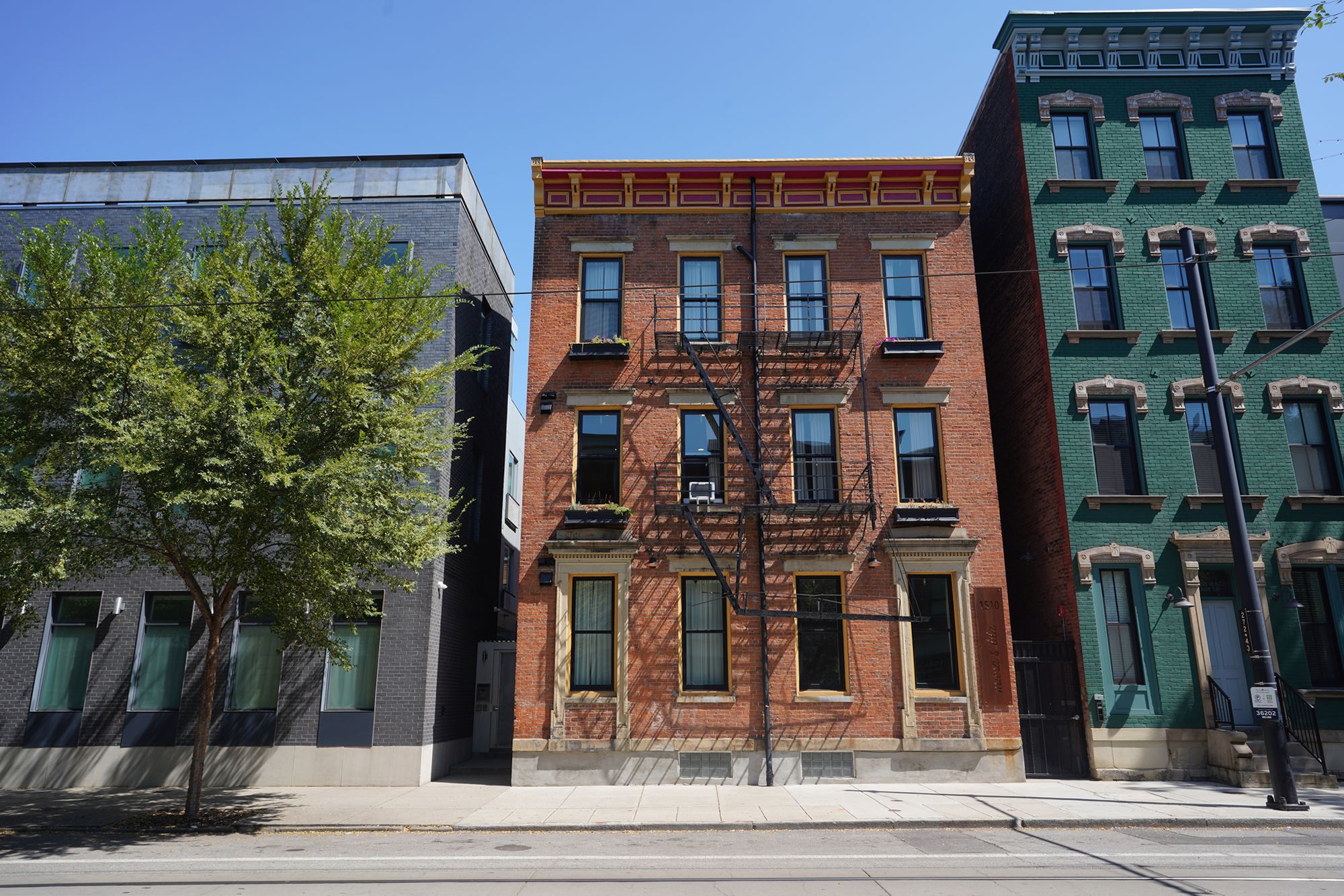
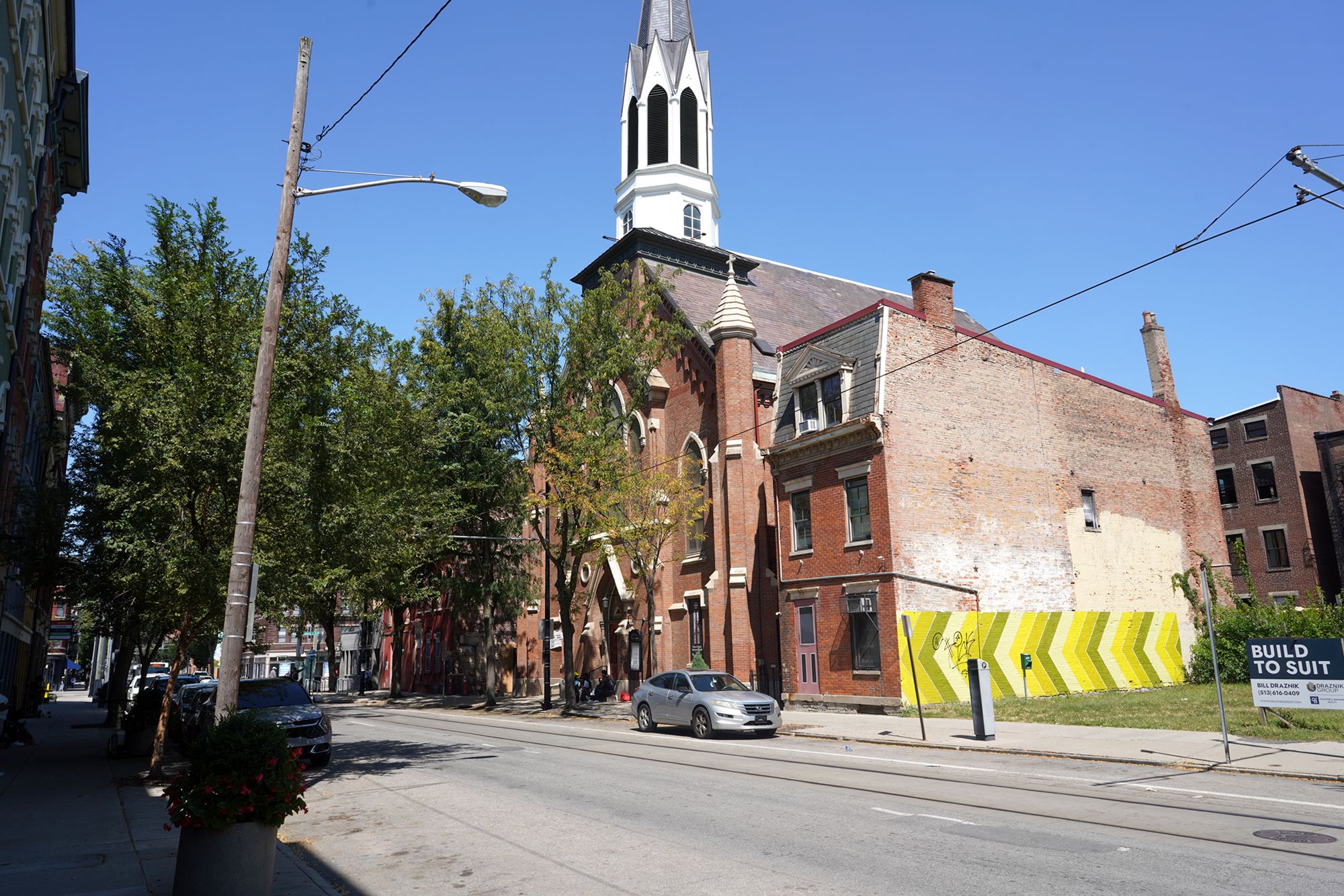
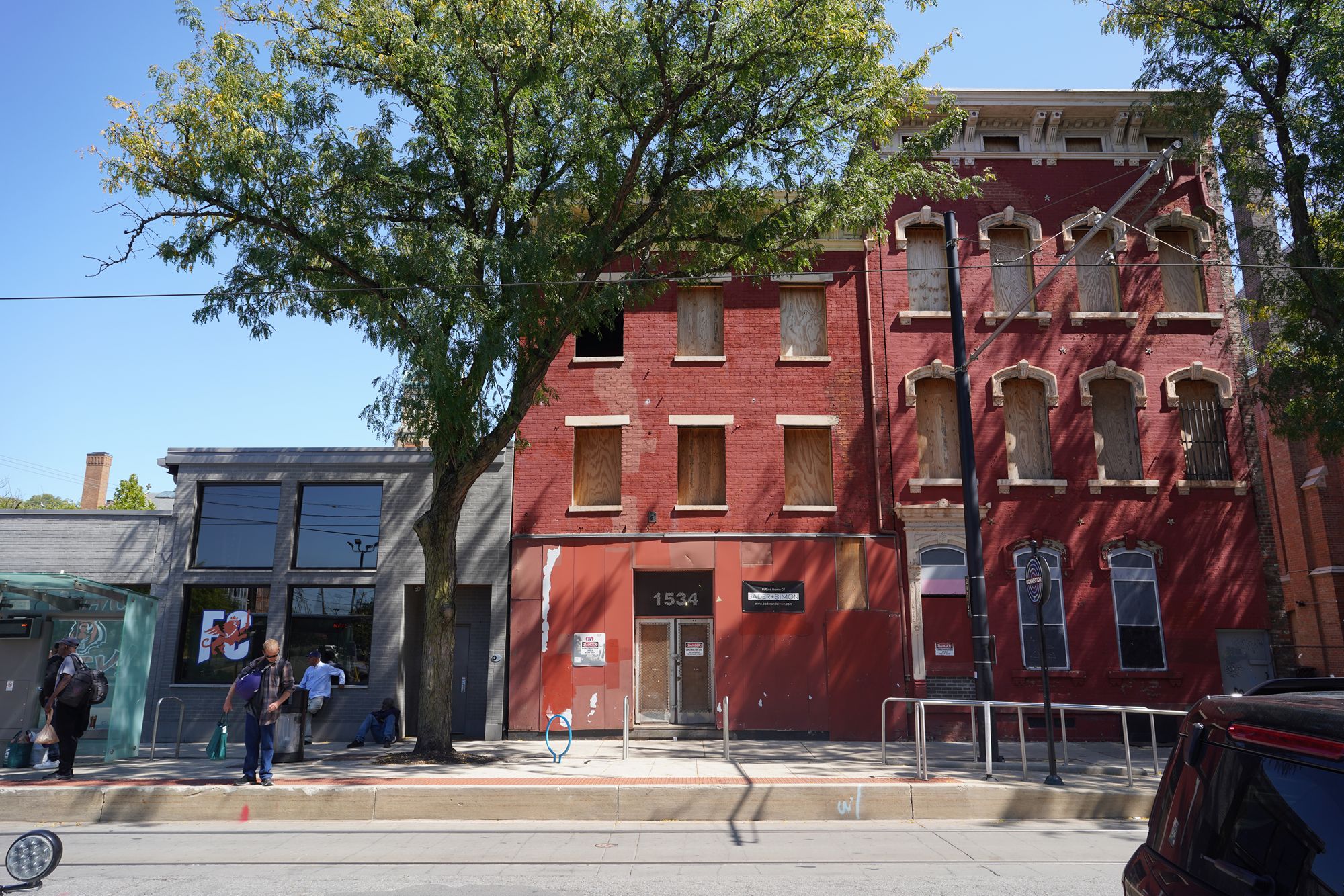
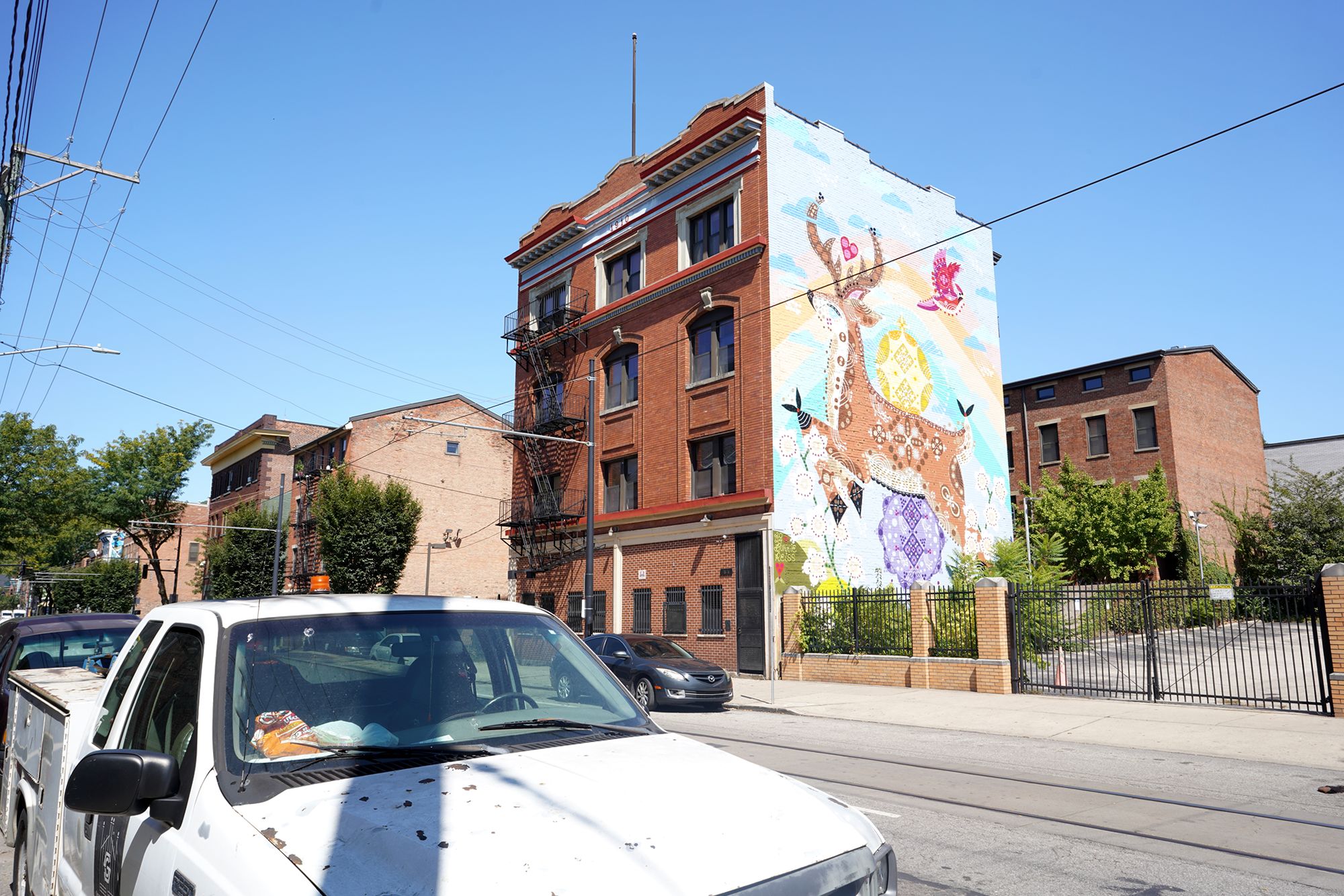
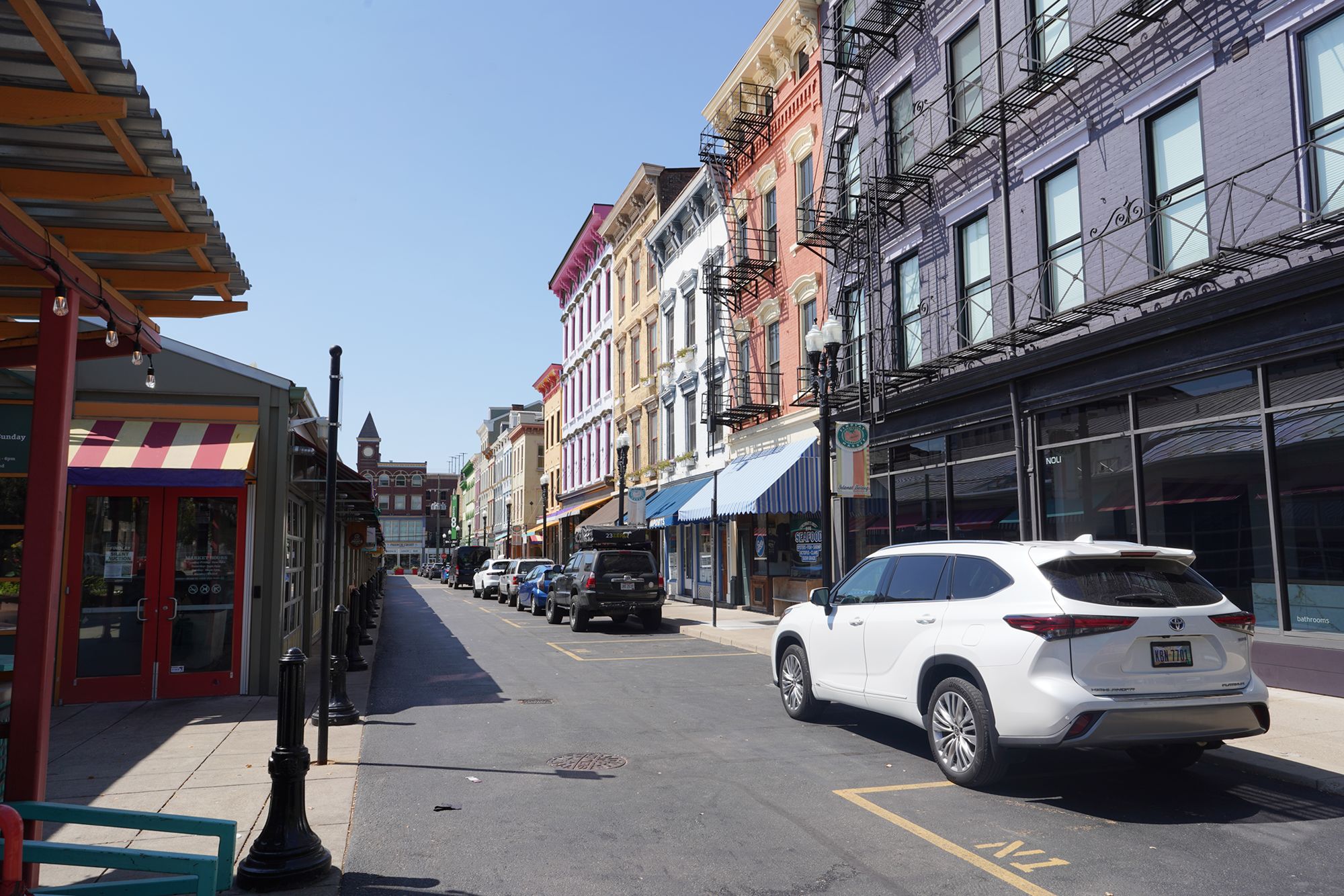
Findlay Market is Ohio’s oldest continuously operated public market, located in Cincinnati’s Over-the-Rhine neighborhood.
Founded in 1852, it features local farmers, food vendors, butchers, bakeries, and international eateries. The market reflects Cincinnati’s immigrant history and remains a lively center of daily commerce, food culture, and community life.
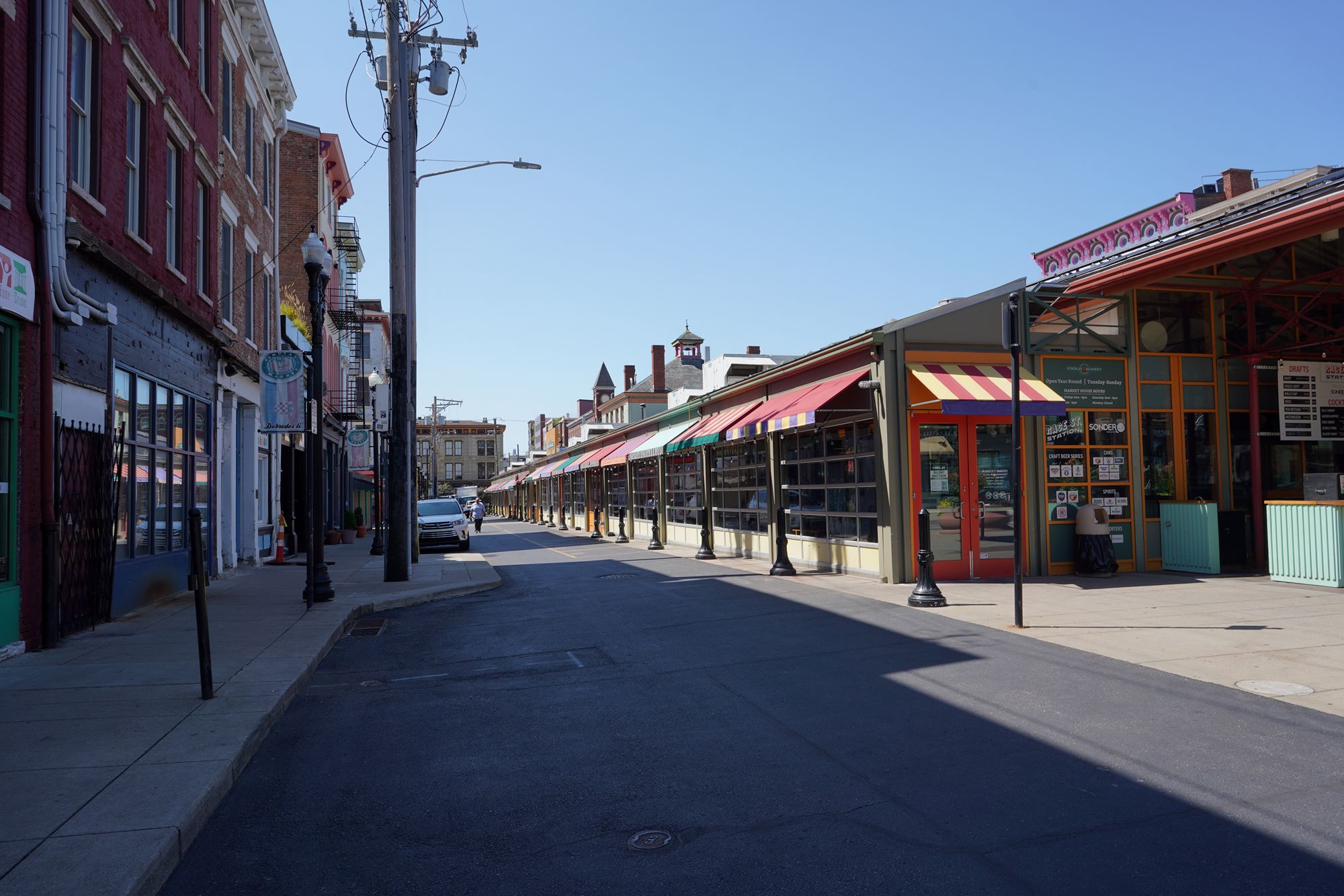
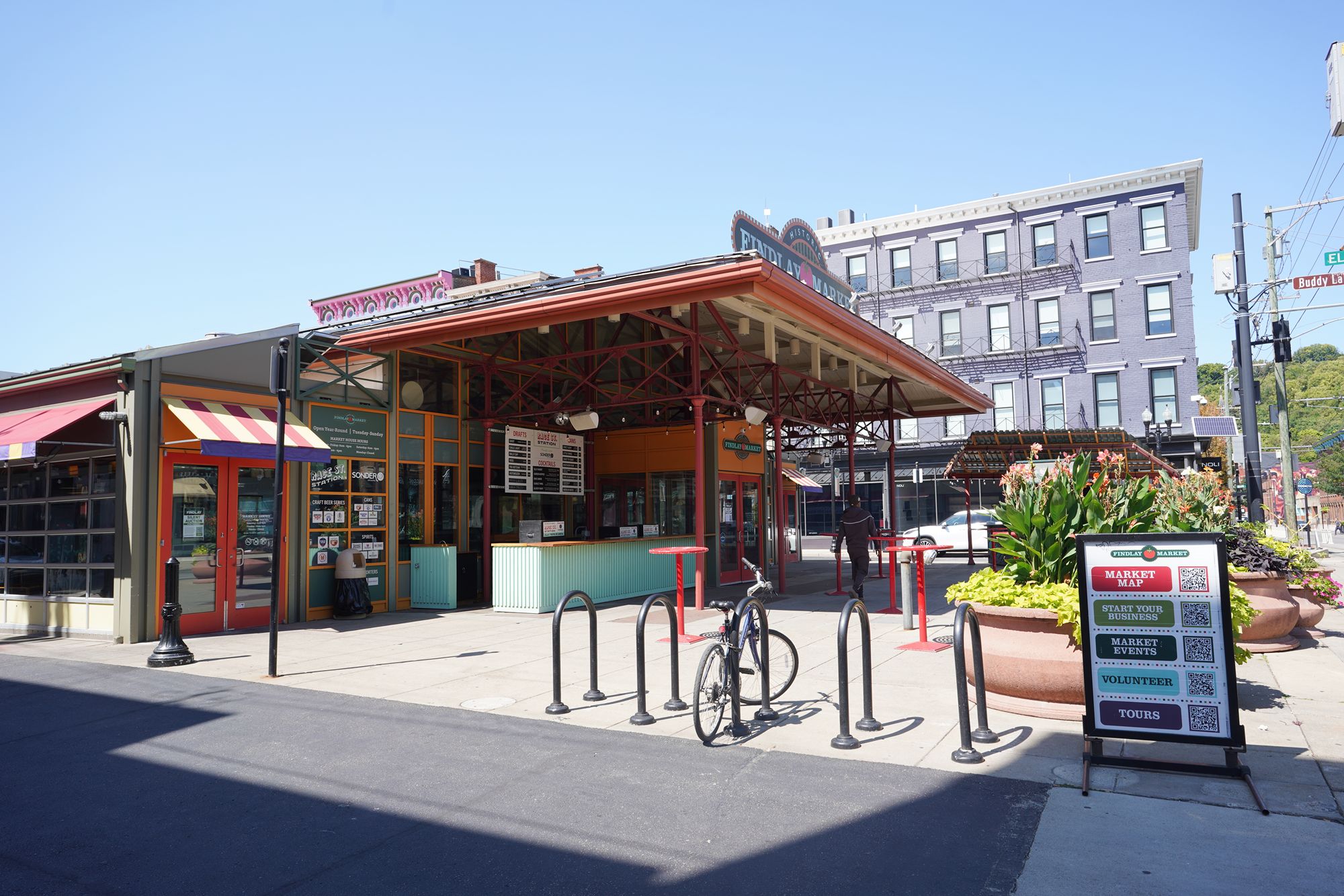
It was closed when I arrived, so I couldn’t go inside.