Historic Ships and Fells Point, Baltimore, Maryland, USA
Baltimore’s waterfront features historic ships you can tour and the nearby Fell’s Point district with its cobblestone streets, shops, and restaurants. 1159
Historic Ships in Baltimore: 301 E Pratt St, Baltimore, MD 21202
Fells Point: 1641 Aliceanna St, Baltimore, MD 21231
Date Picture Taken: August 2025
Baltimore’s waterfront features historic ships you can board and explore, while just east sits Fell’s Point—a preserved port-side neighborhood with cobblestone streets, harbor views, 18th-century buildings, bars, cafés, shops, and a strong sense of the city’s maritime heritage.
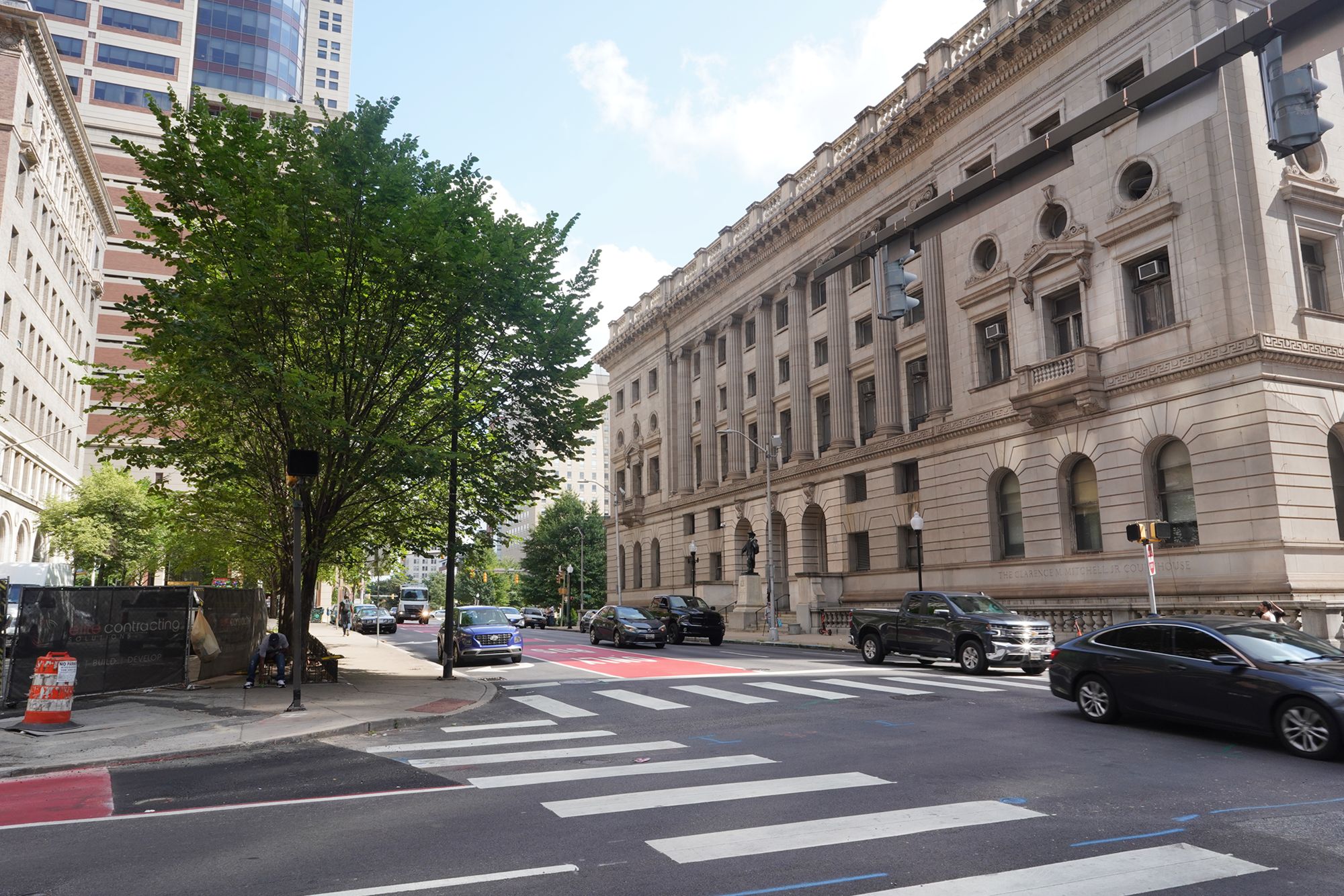
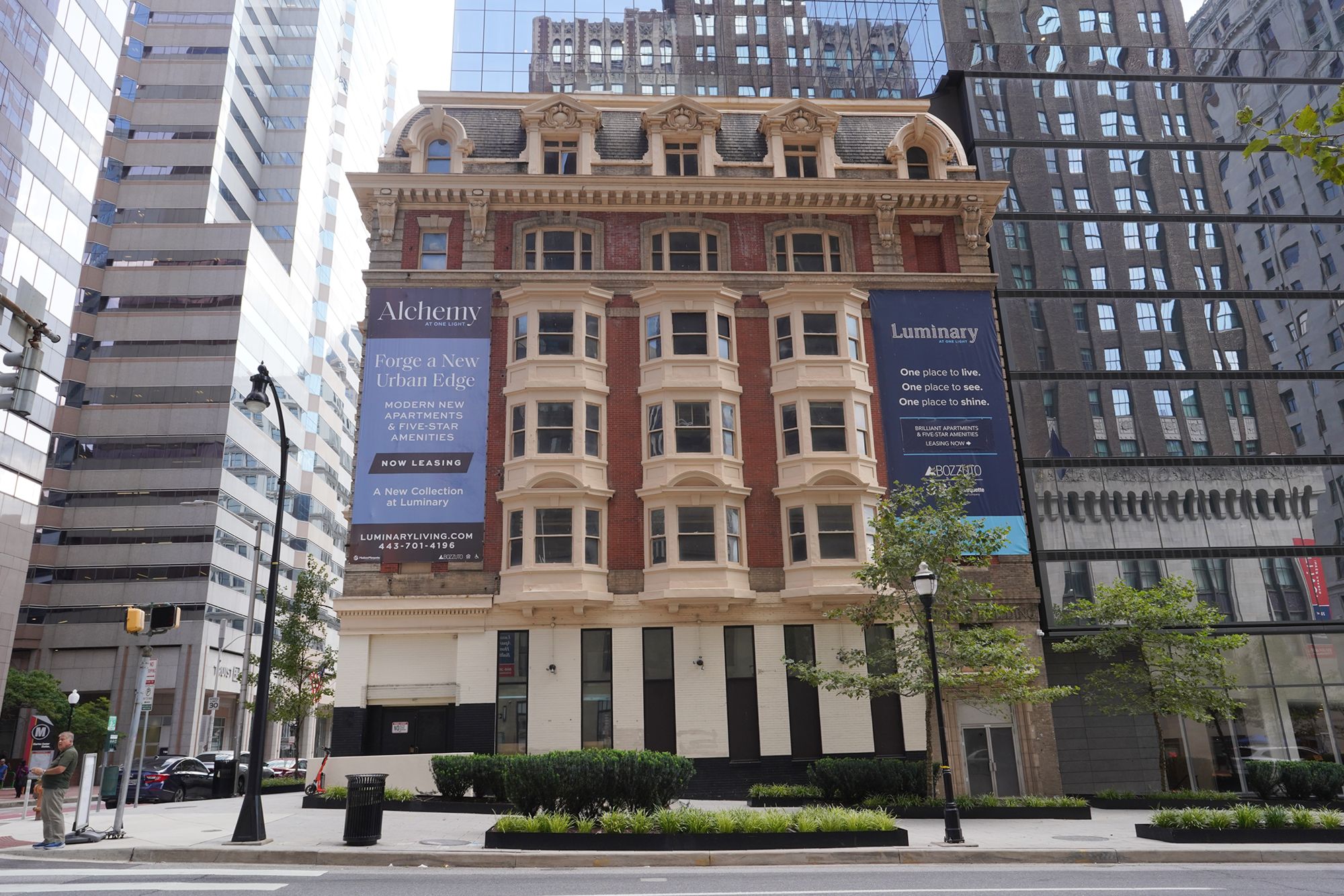
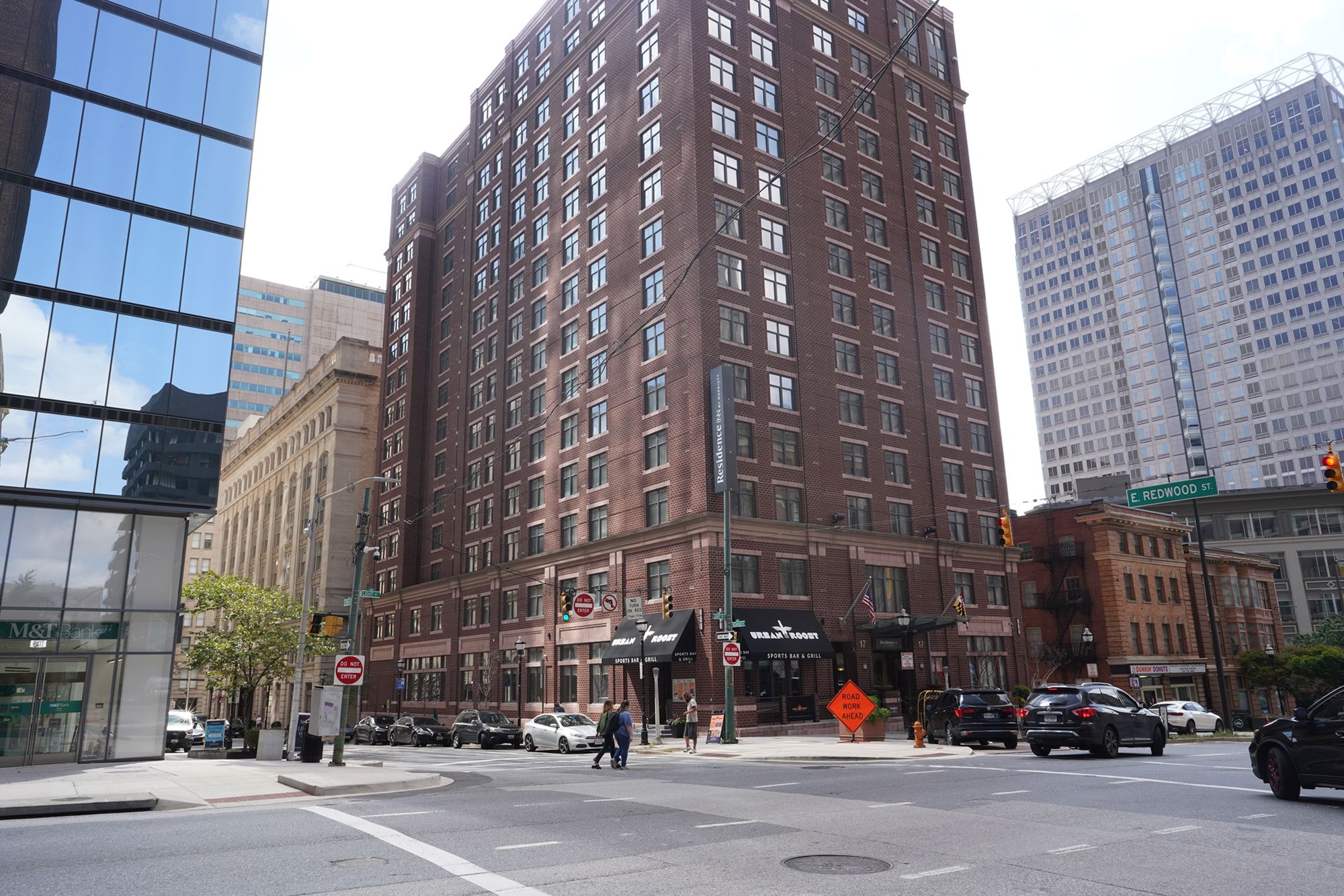
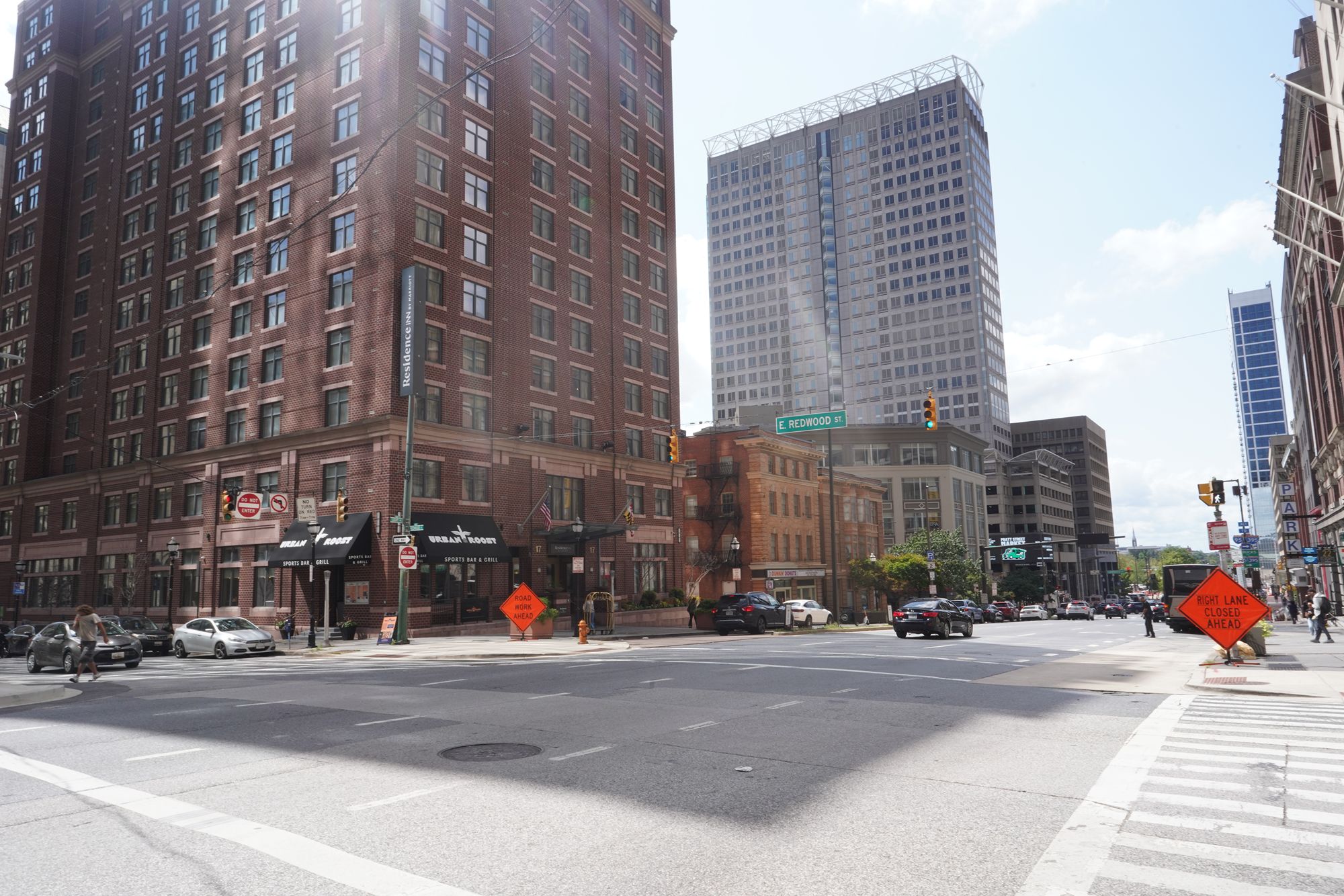
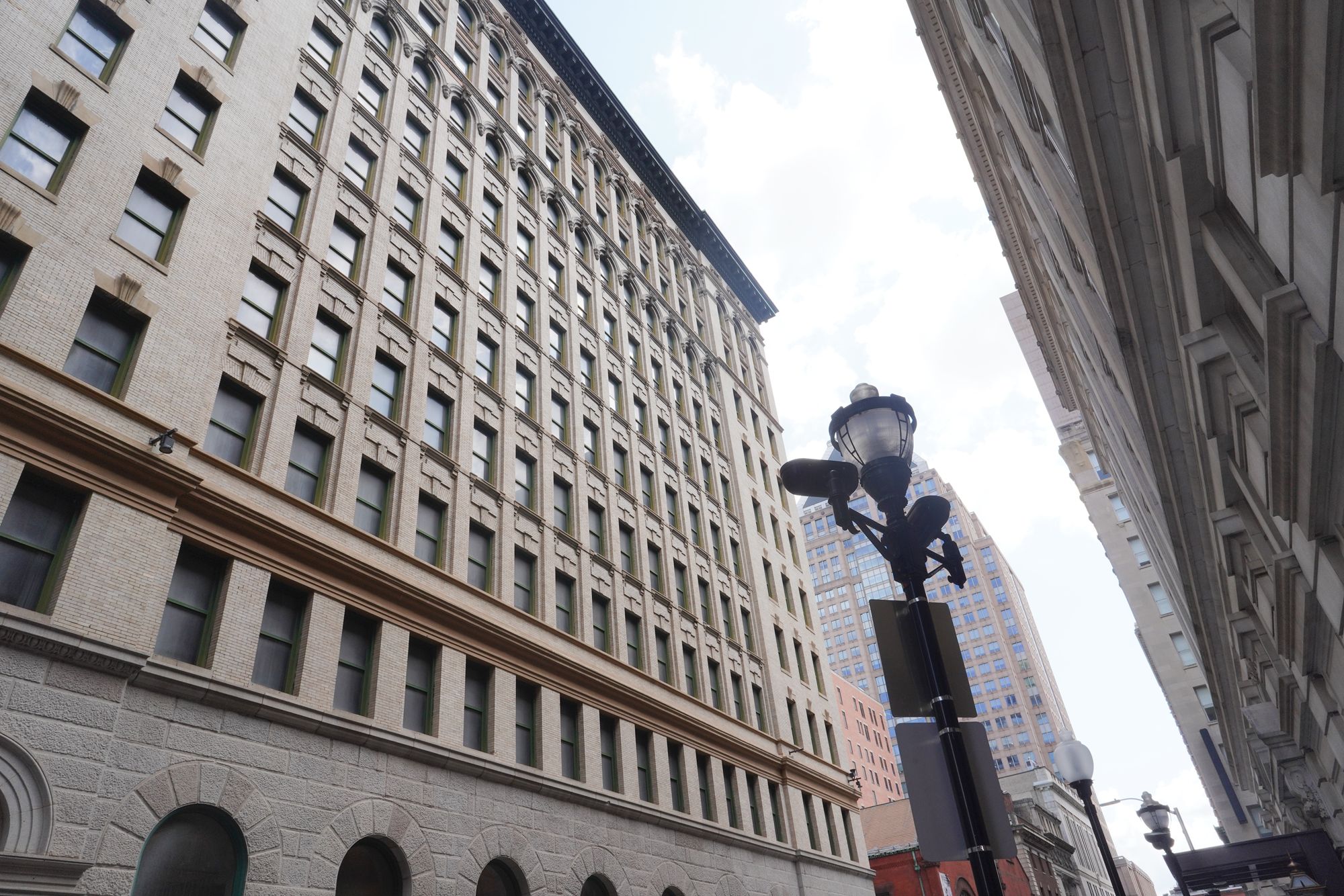
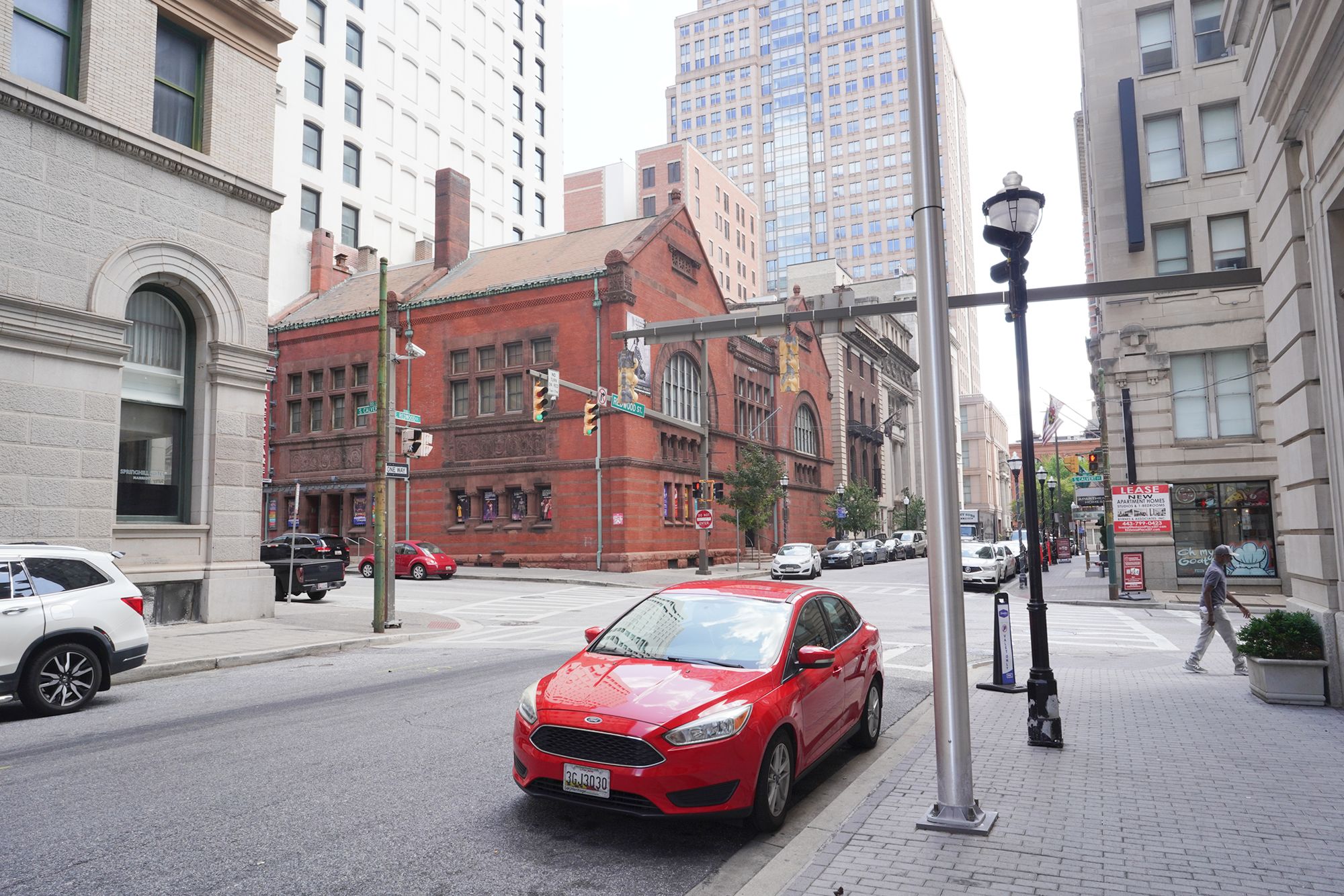
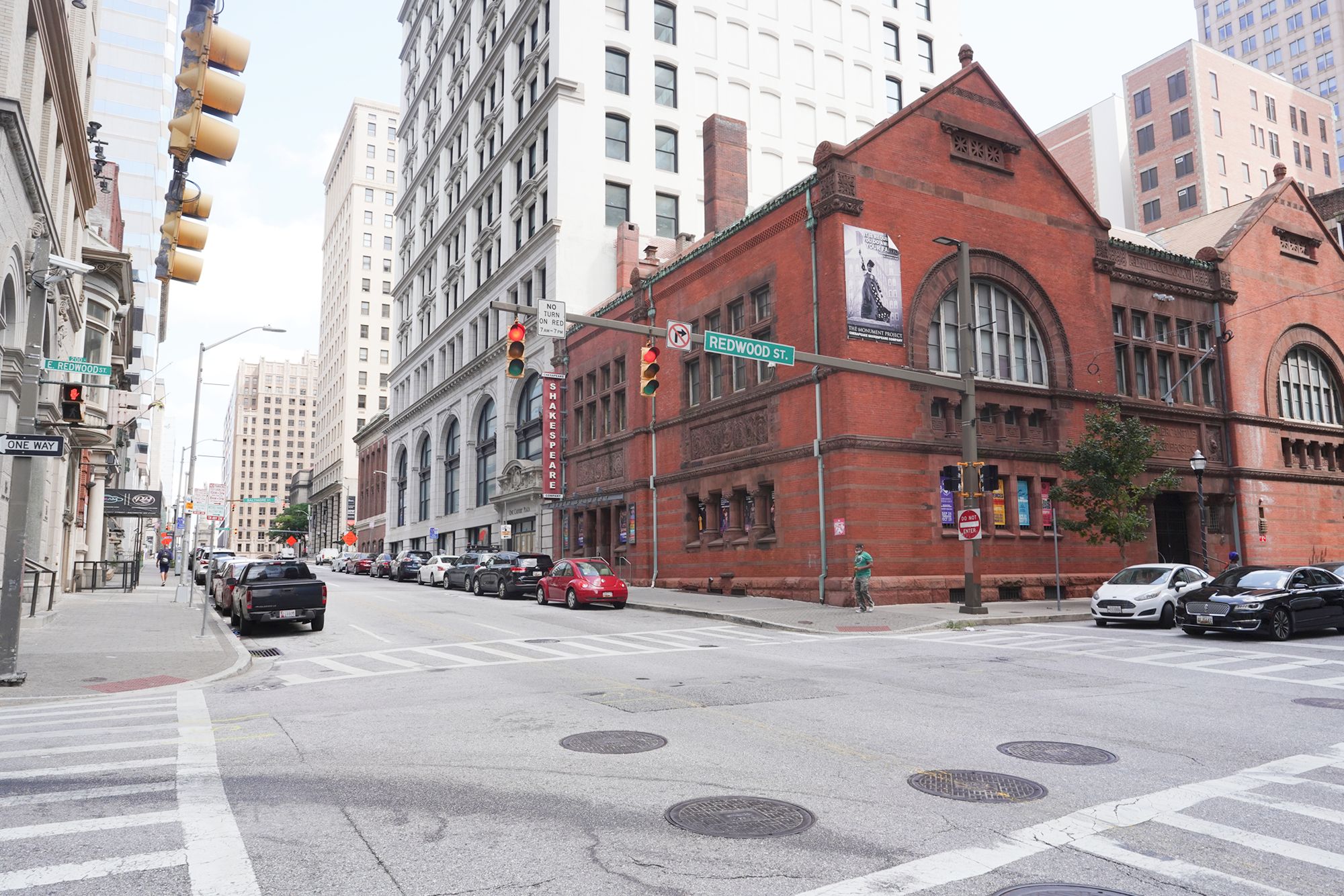
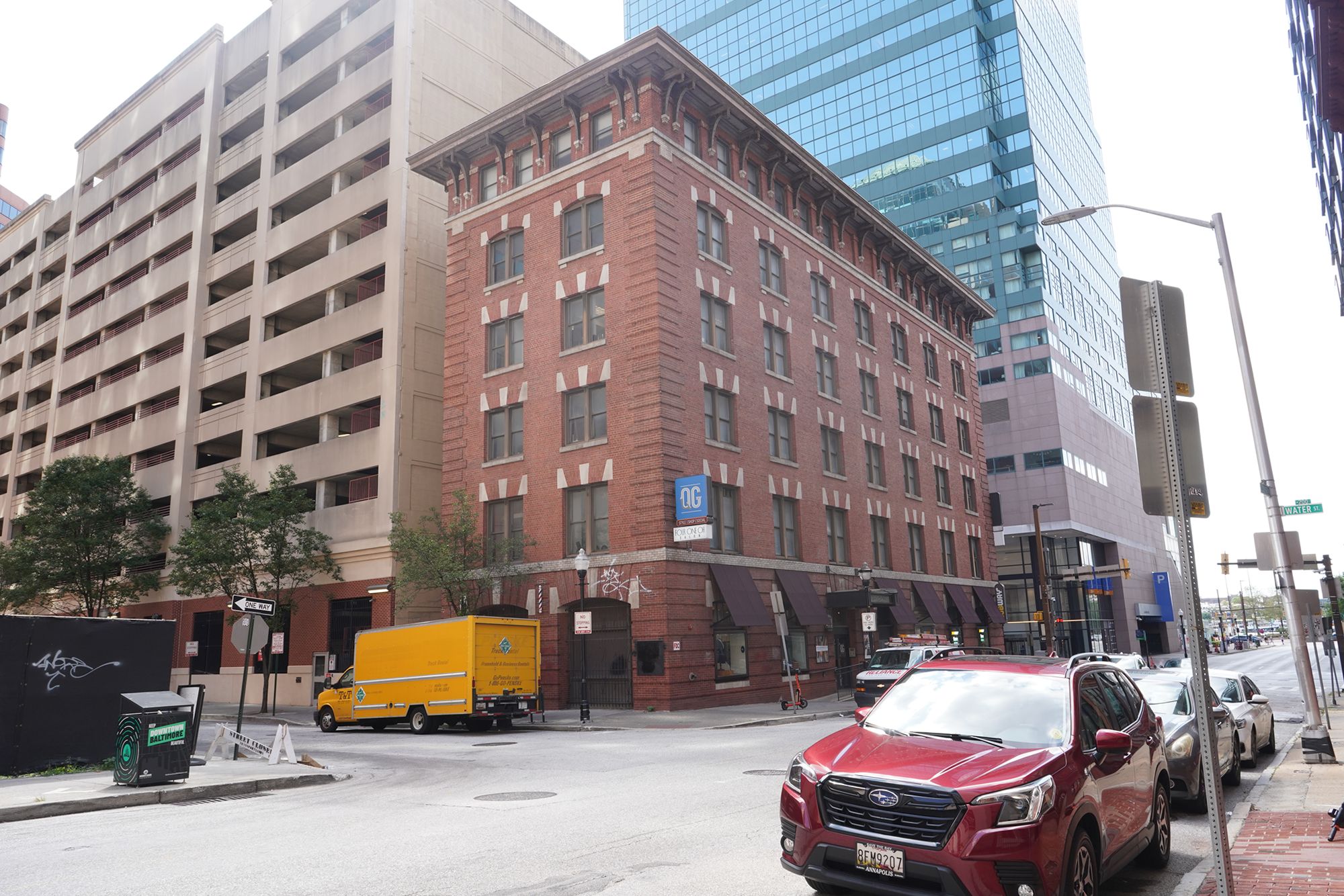
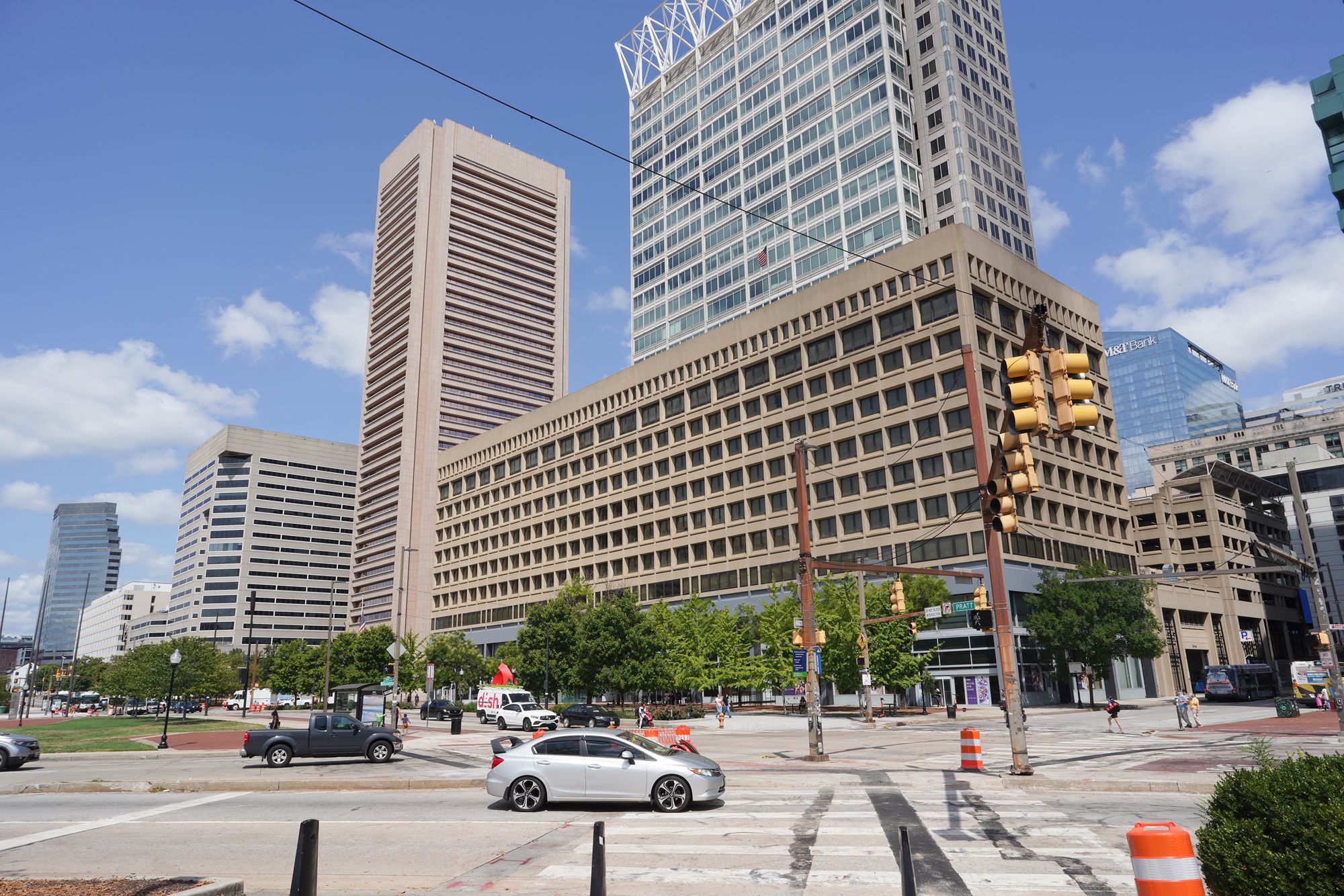
On my way to the Baltimore waterfront to tour its historic ships.
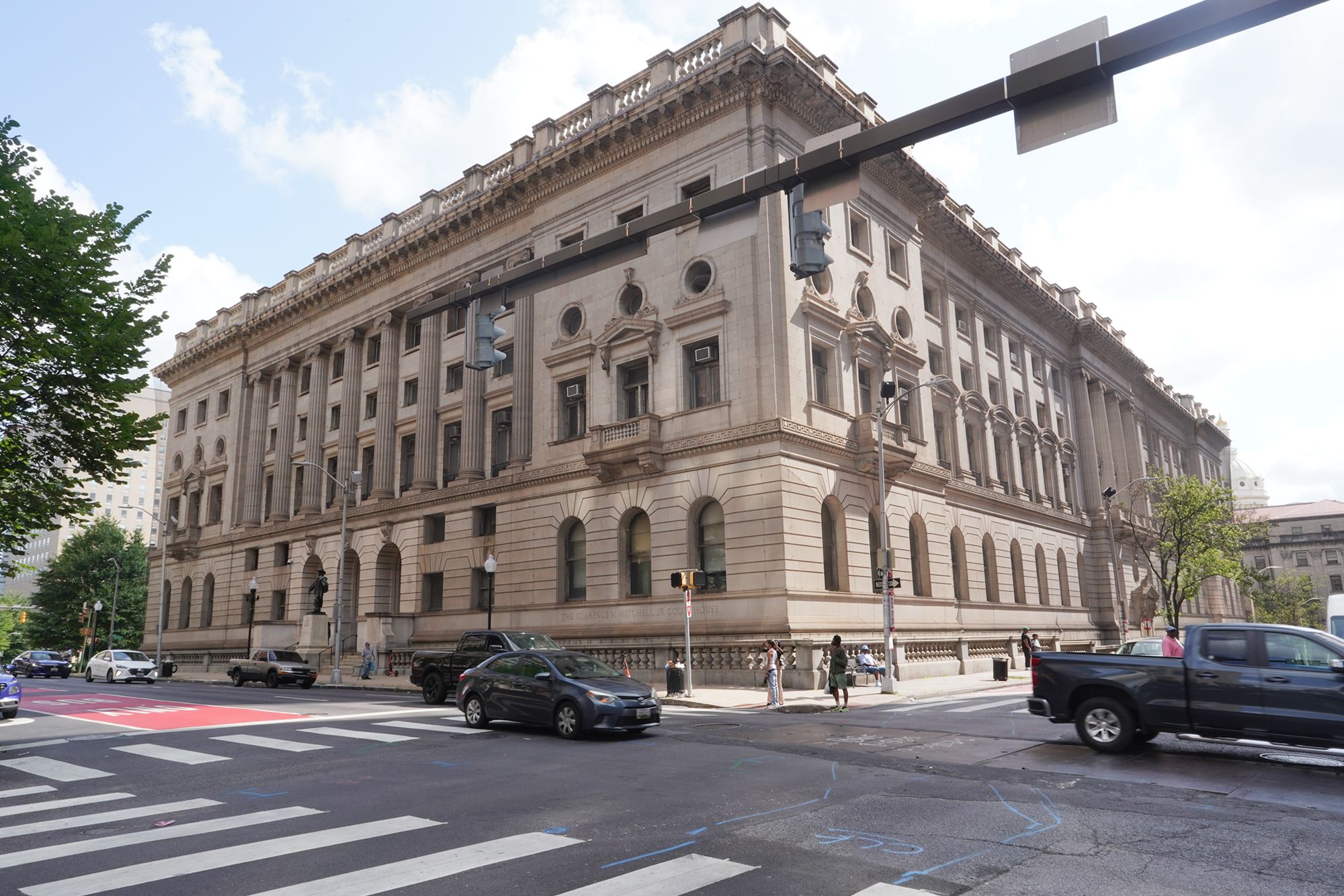
Downtown Baltimore is the city’s historic urban core and business center, combining modern buildings with older port districts along the waterfront.
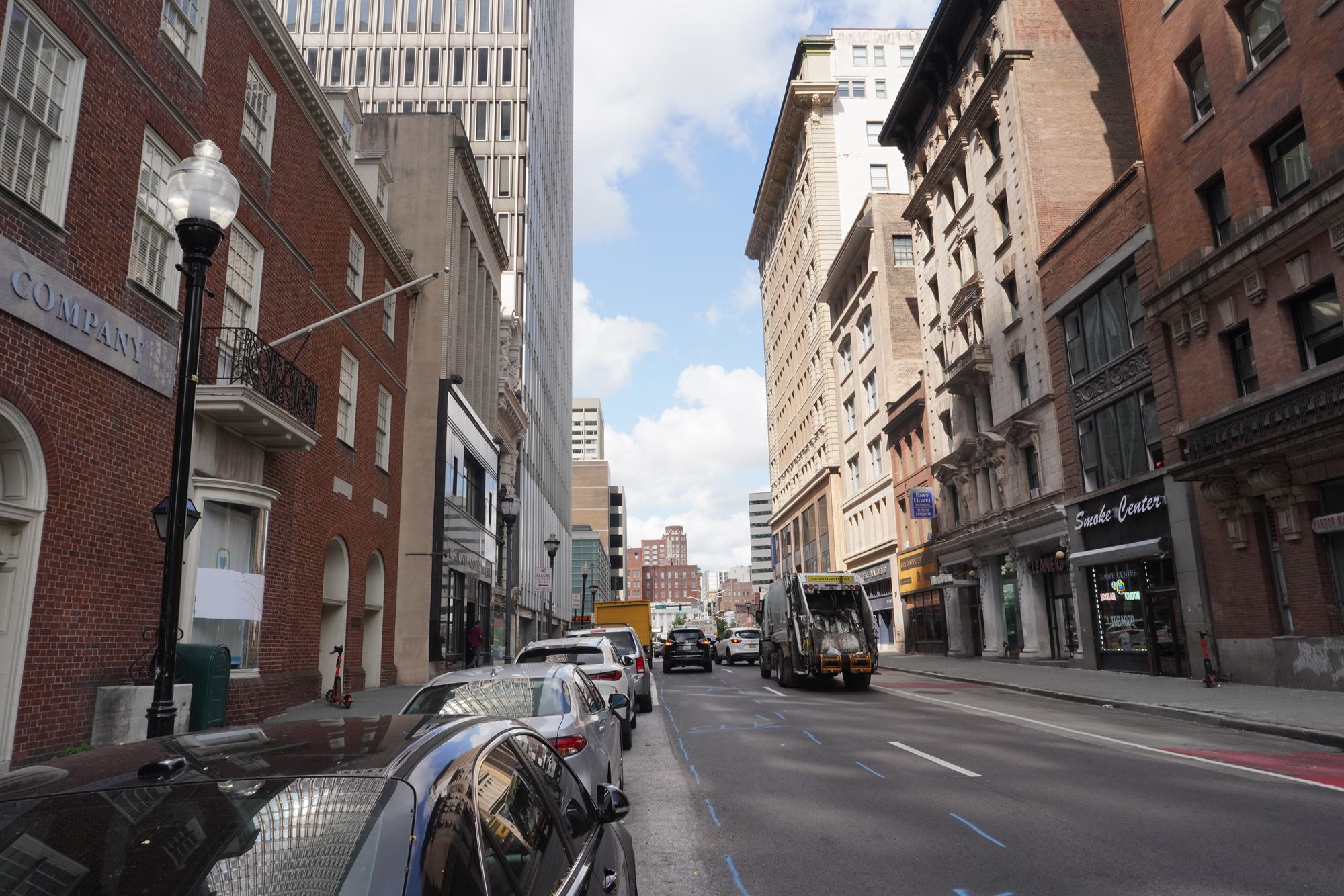
Through the 18th and 19th centuries, Baltimore grew into one of the nation’s busiest ports, shipping tobacco, grain, coal, and manufactured goods. Its harbor shaped the city’s identity, wealth, and growth.
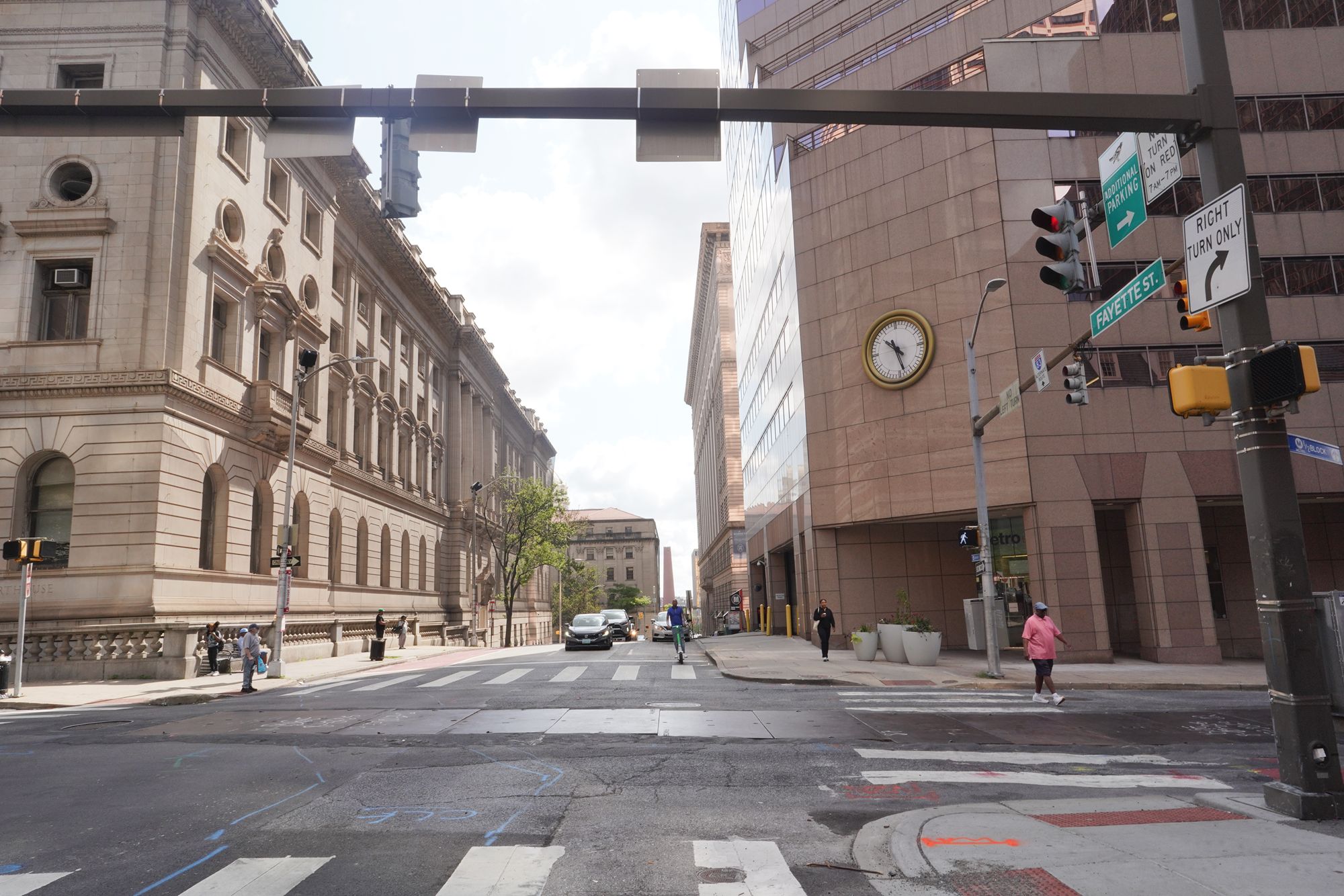
The Baltimore & Ohio Railroad, the first major commercial railroad in the U.S., began here — a milestone in transportation that changed national commerce and connected the East inland.
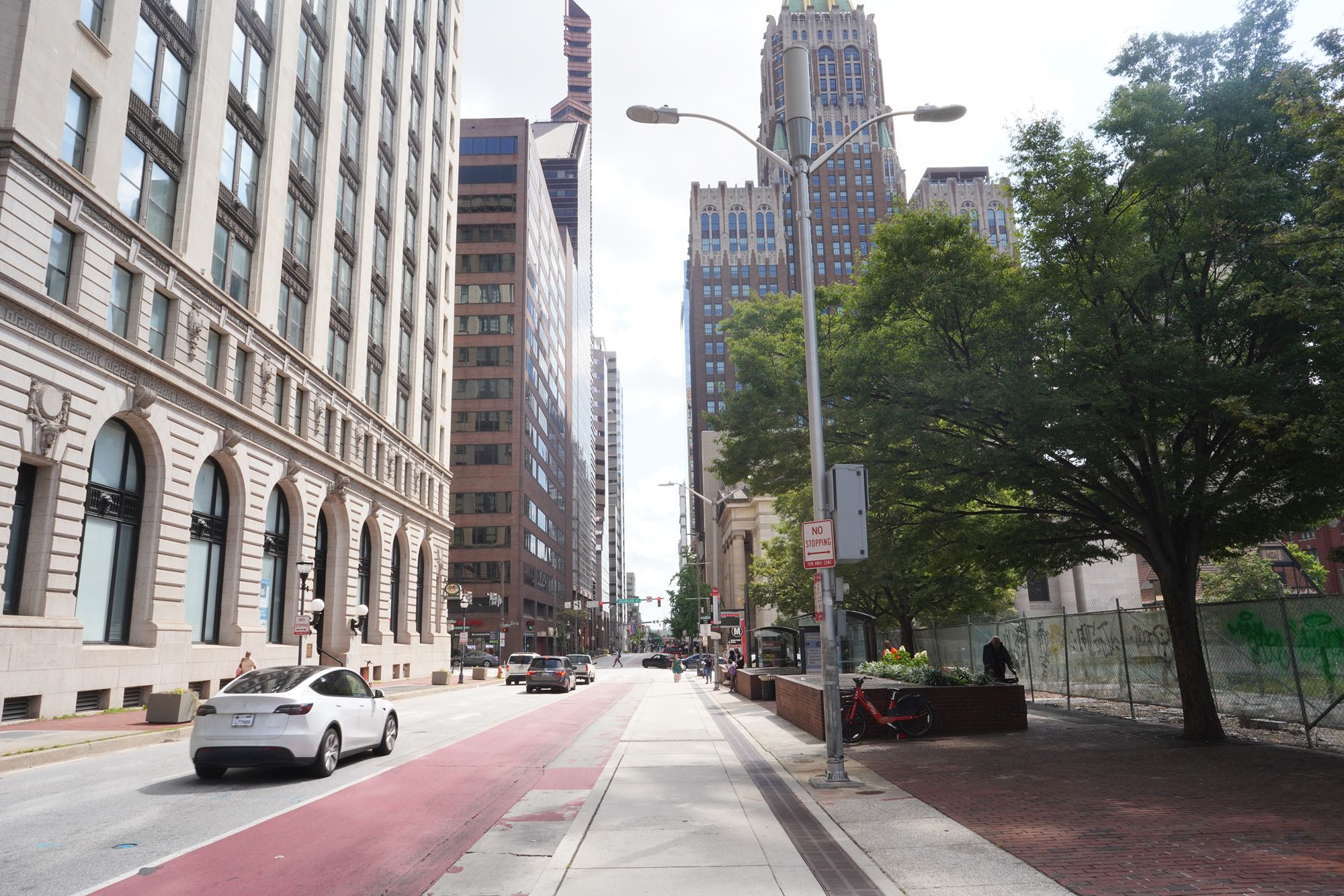
Baltimore famously defended itself against a massive British attack in 1814. The sight of the American flag still flying over Fort McHenry after the bombardment inspired Francis Scott Key to write The Star-Spangled Banner, now the U.S. national anthem.
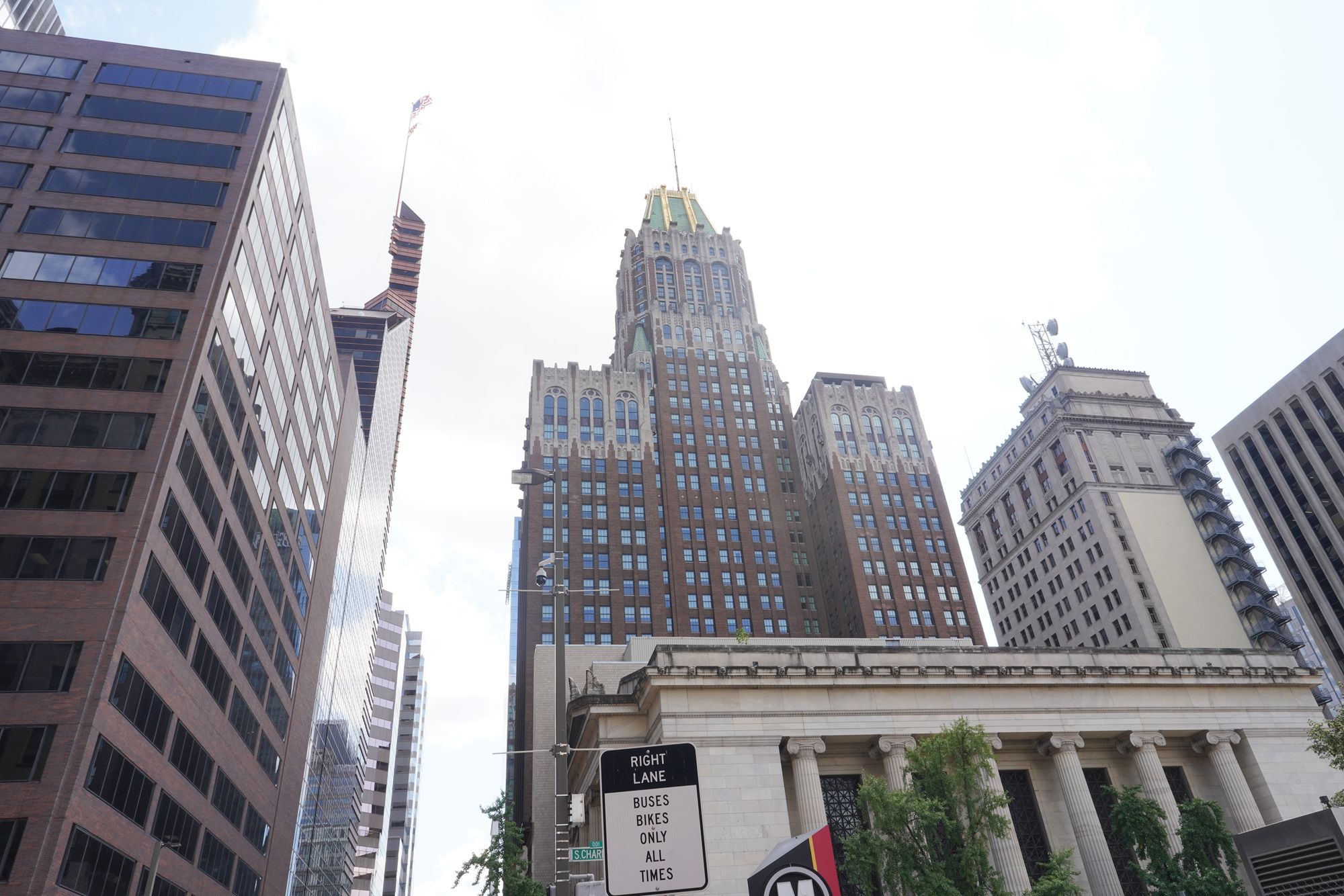
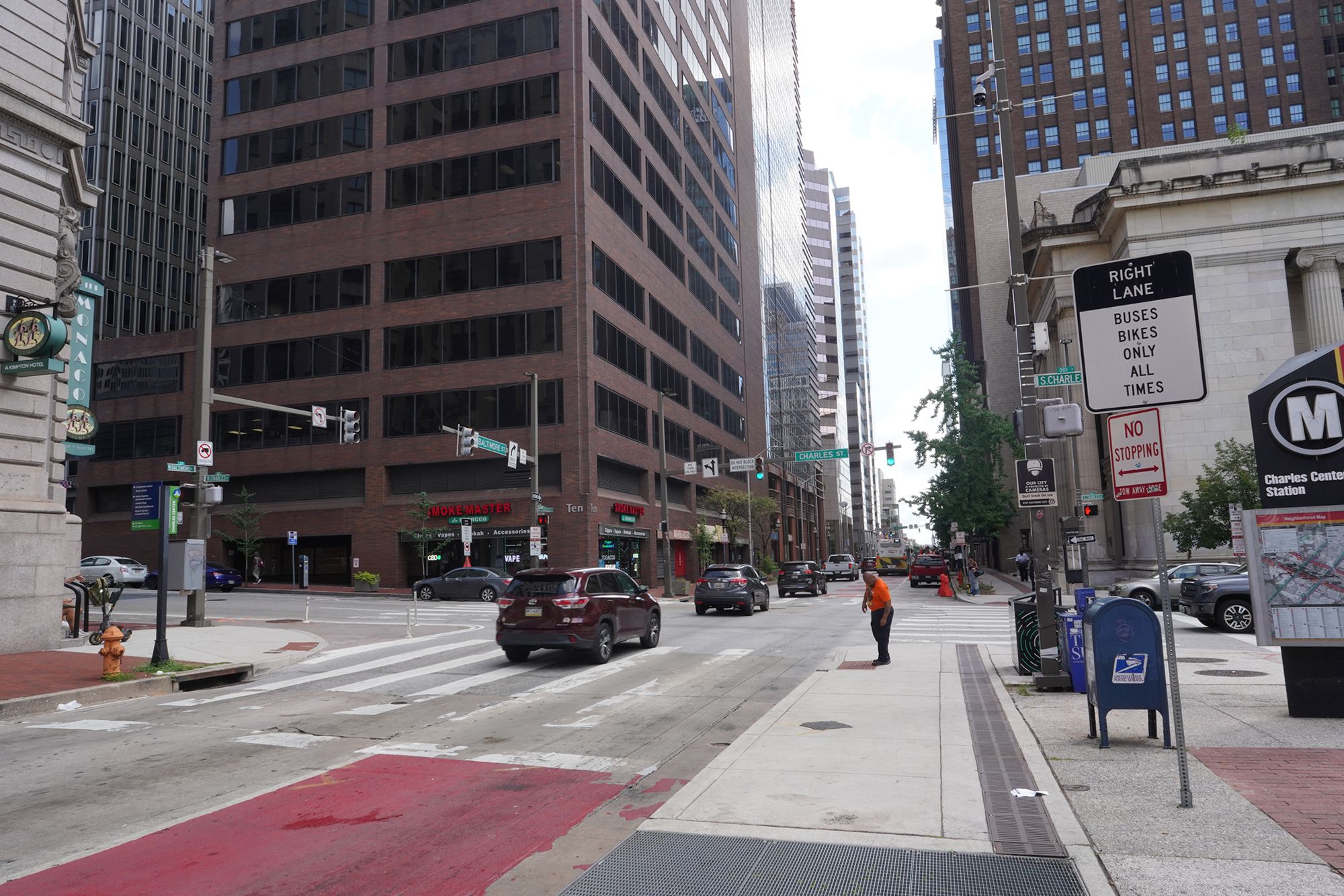
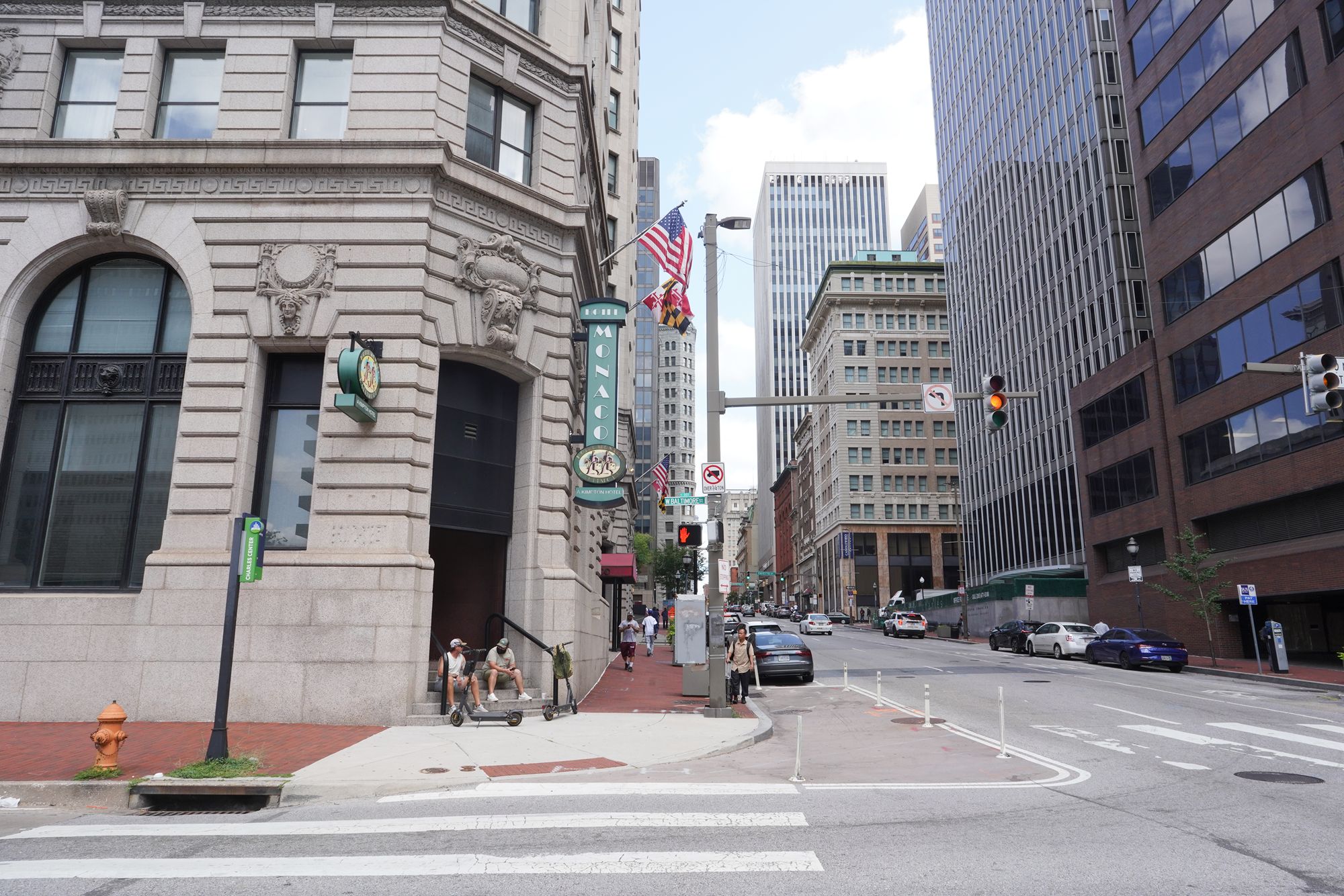
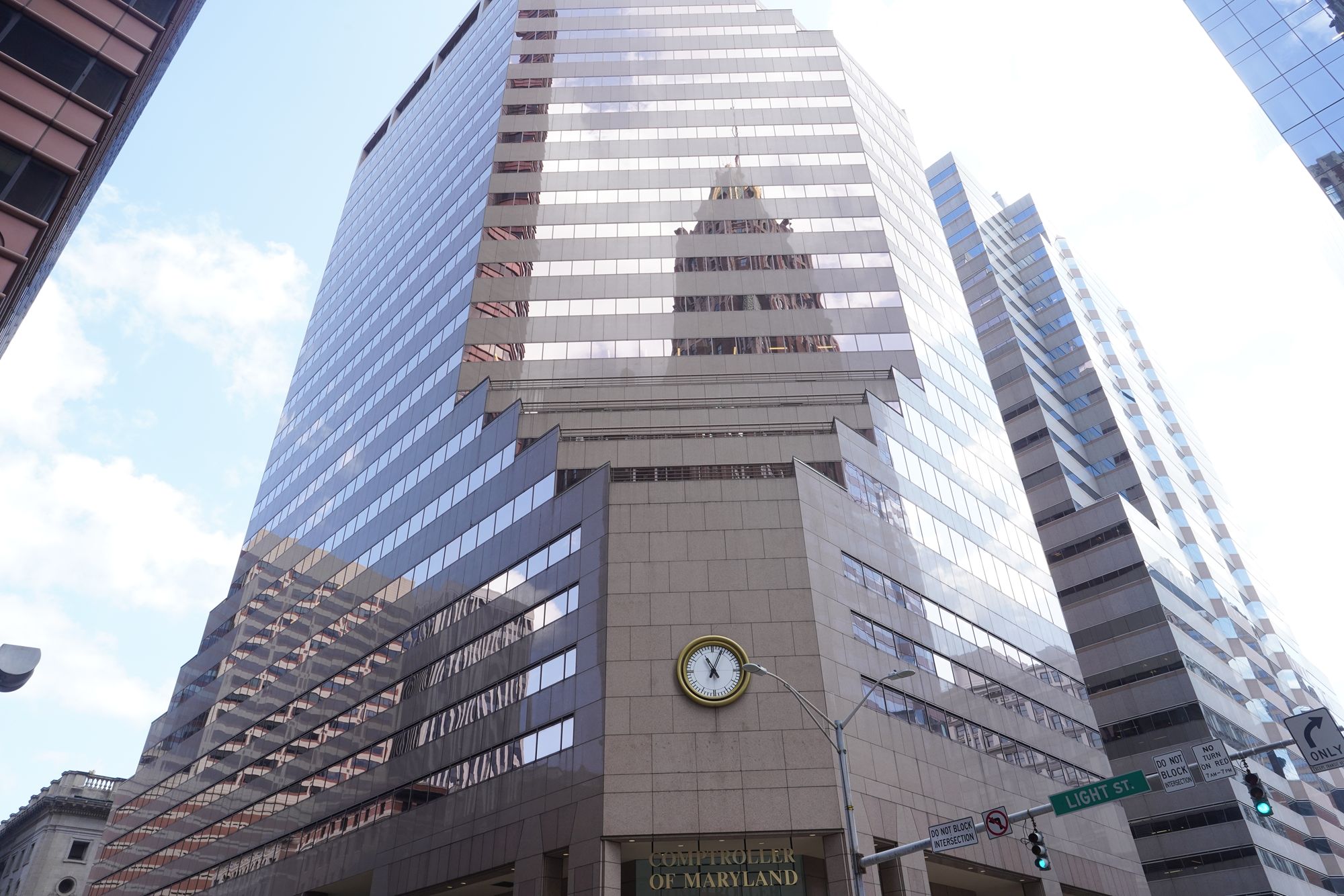
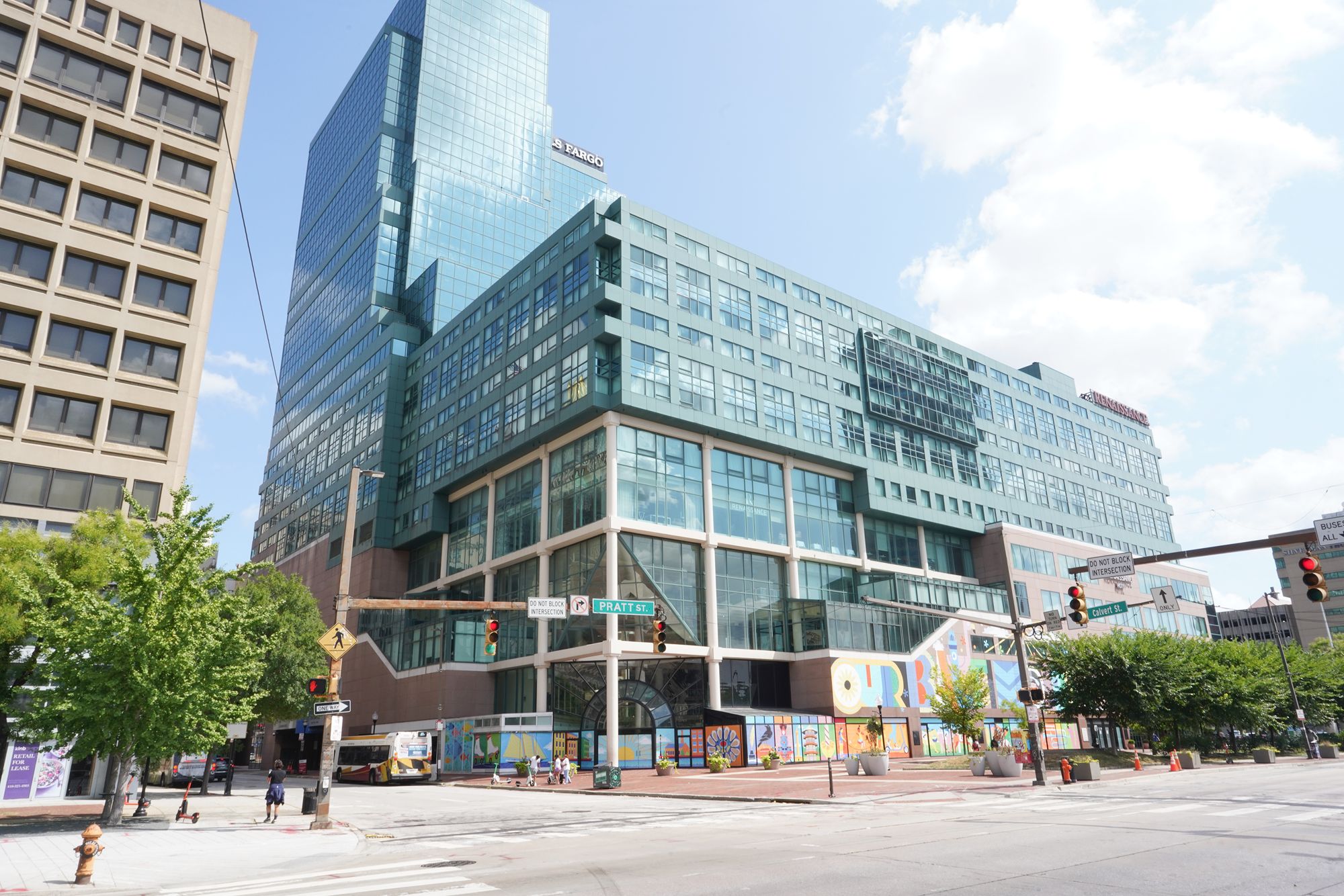
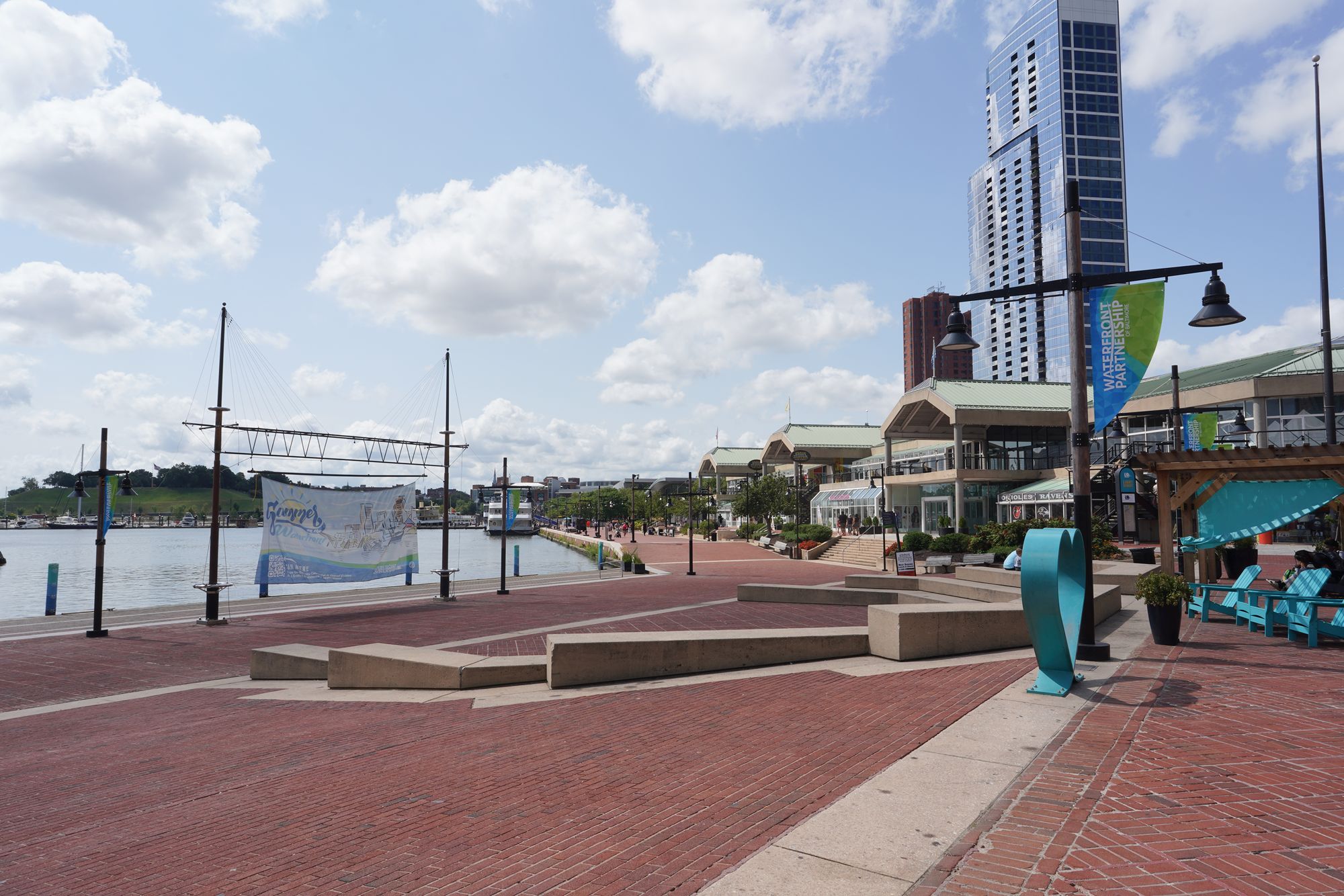
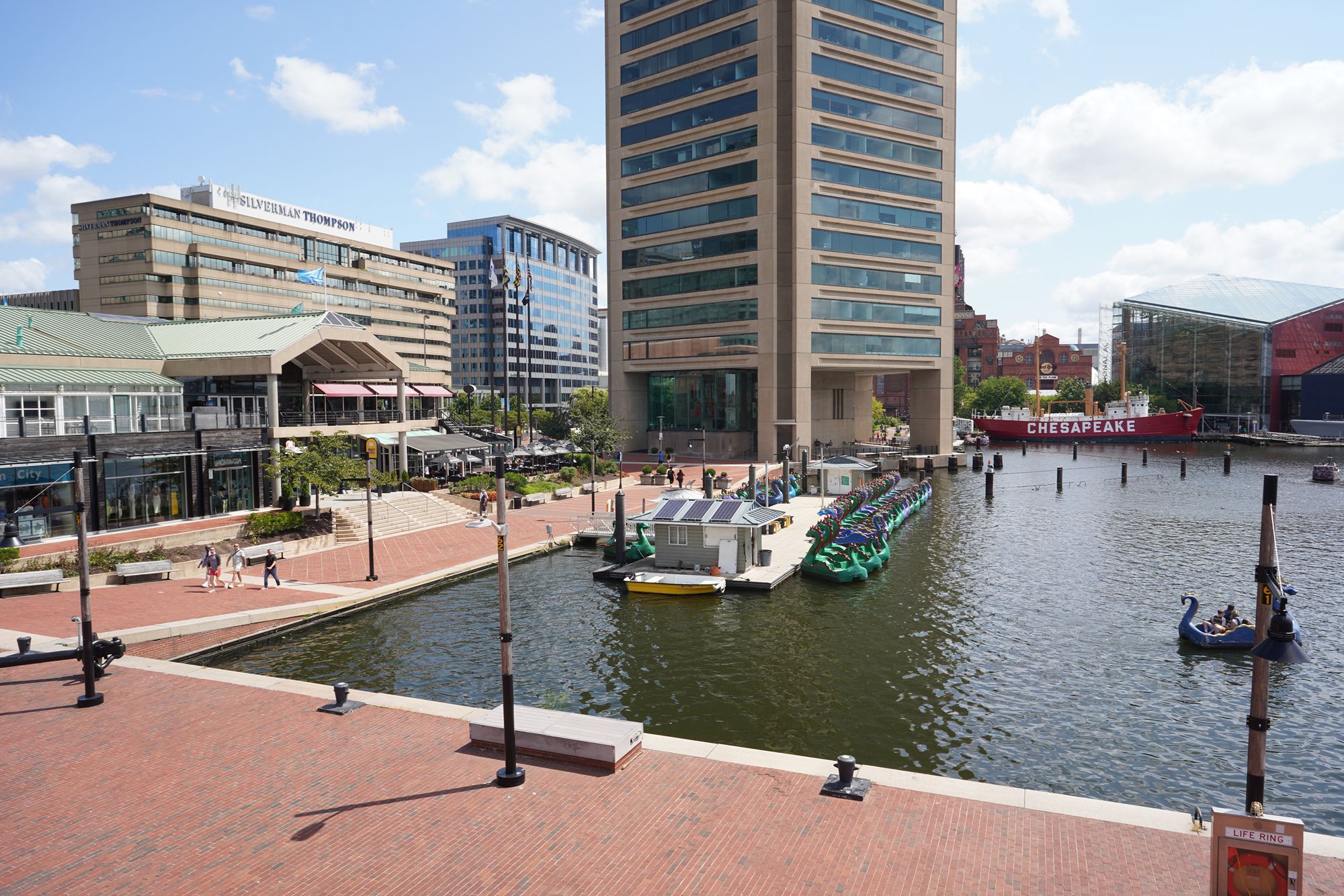
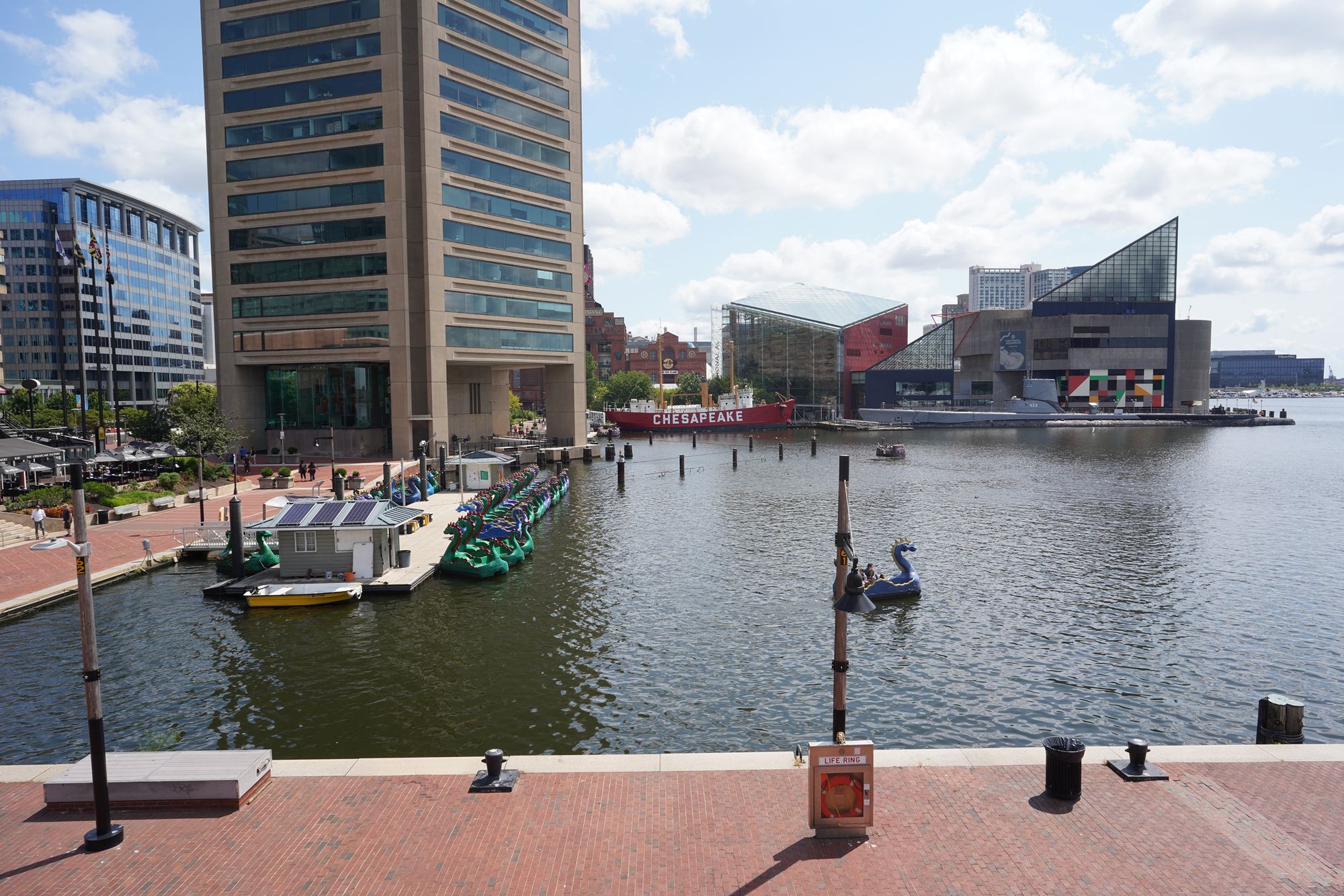
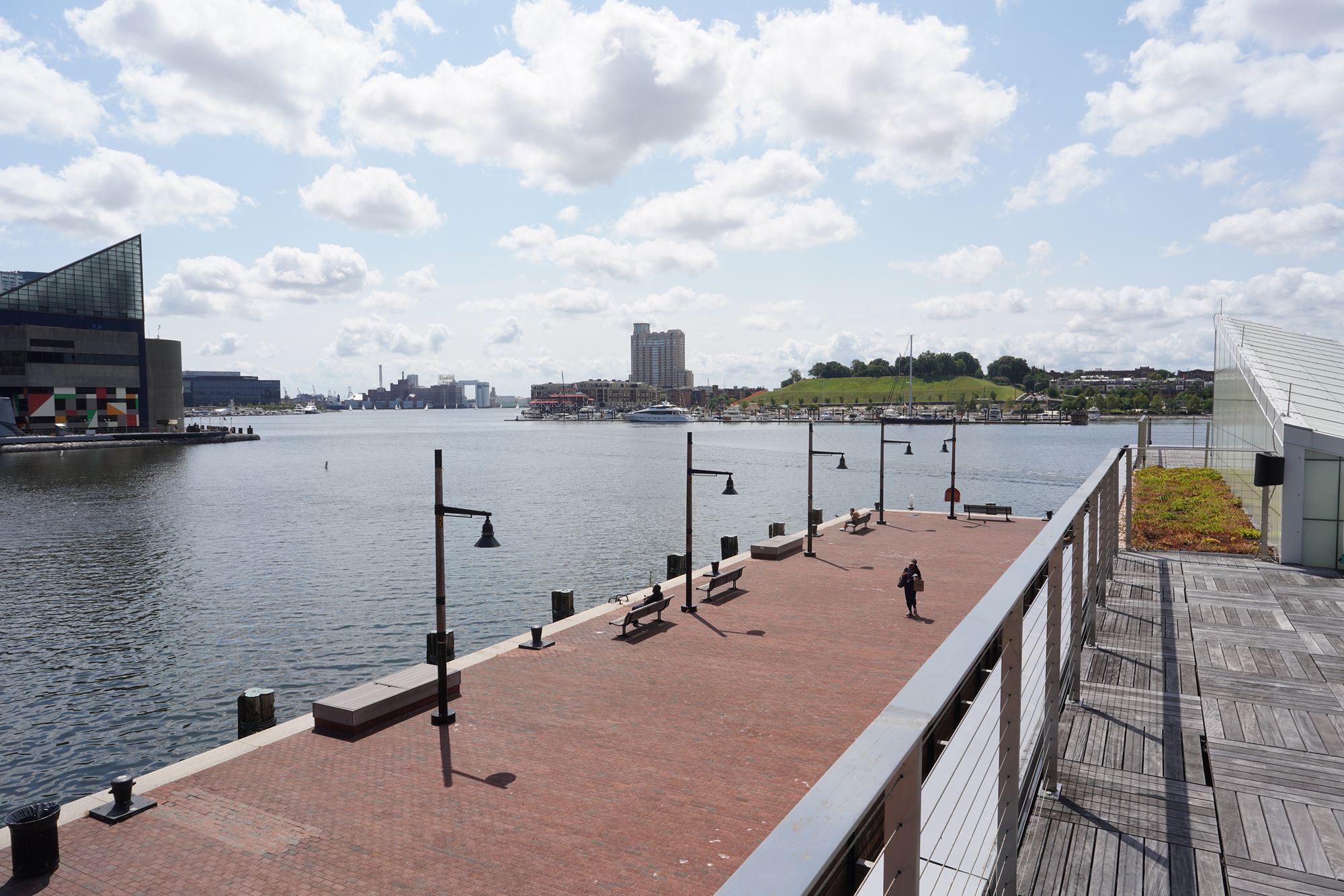
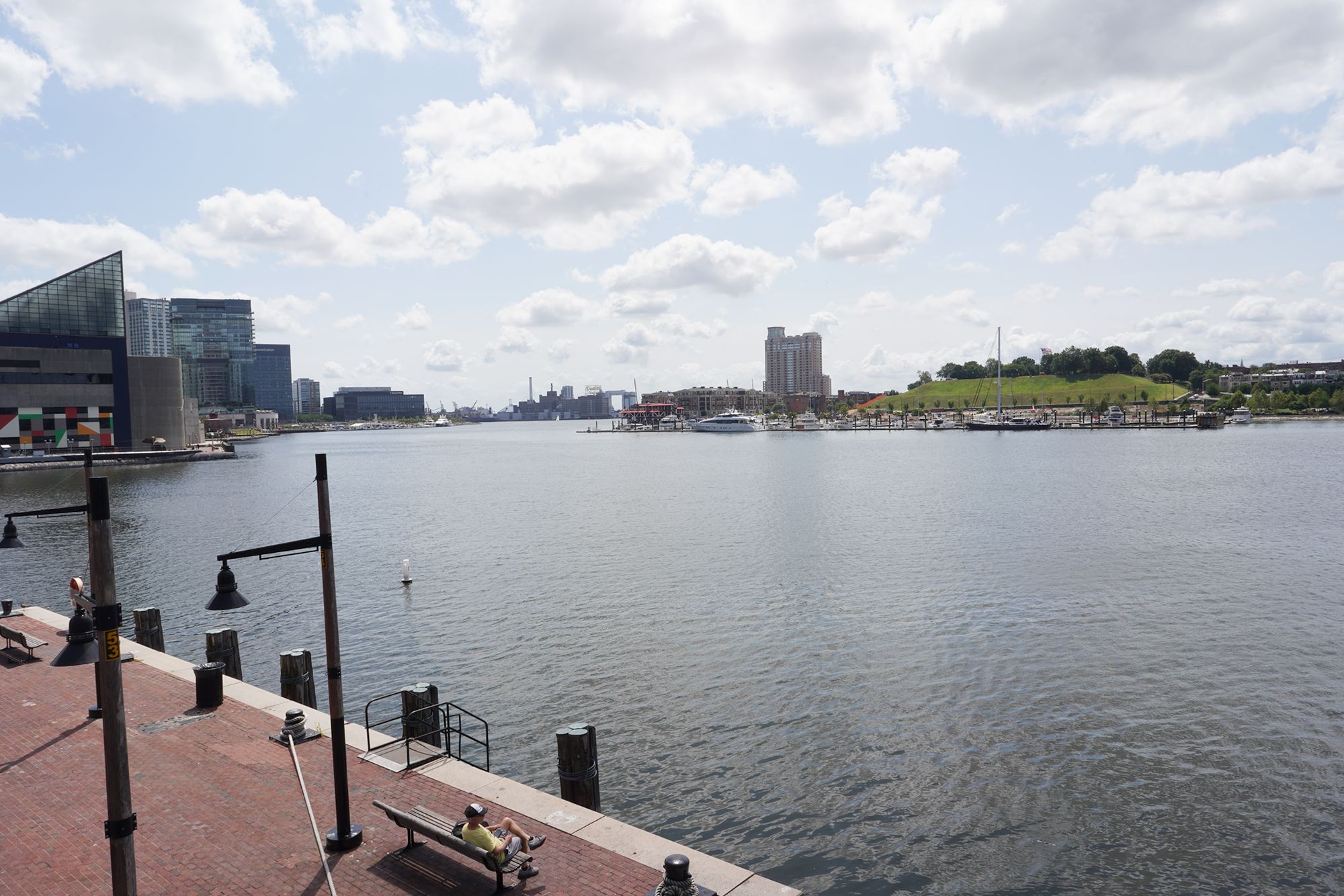
Inner Harbor serves as Baltimore’s iconic waterfront: a lively mix of historic ships, promenades, restaurants, hotels, shops, and scenic harbor views.
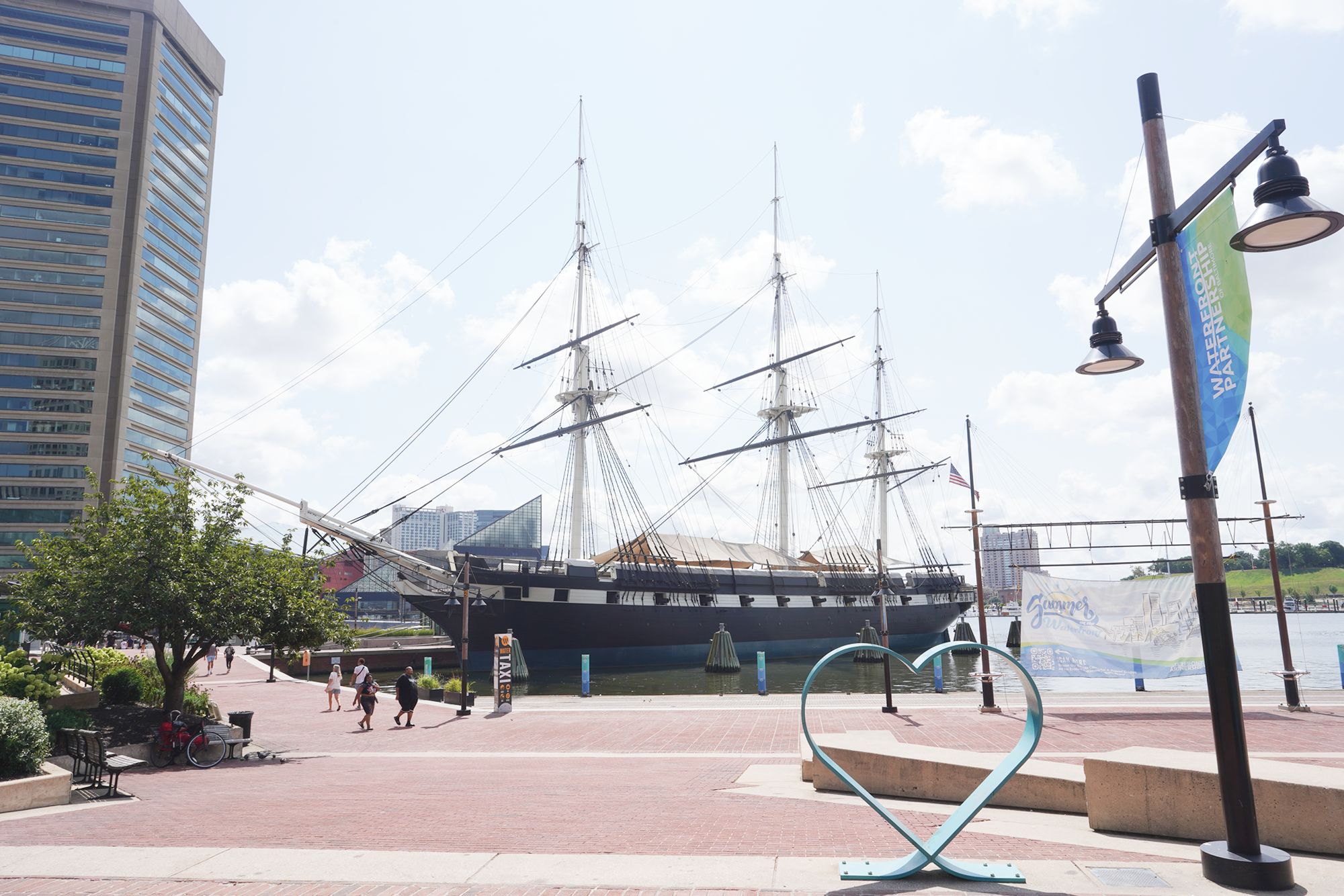
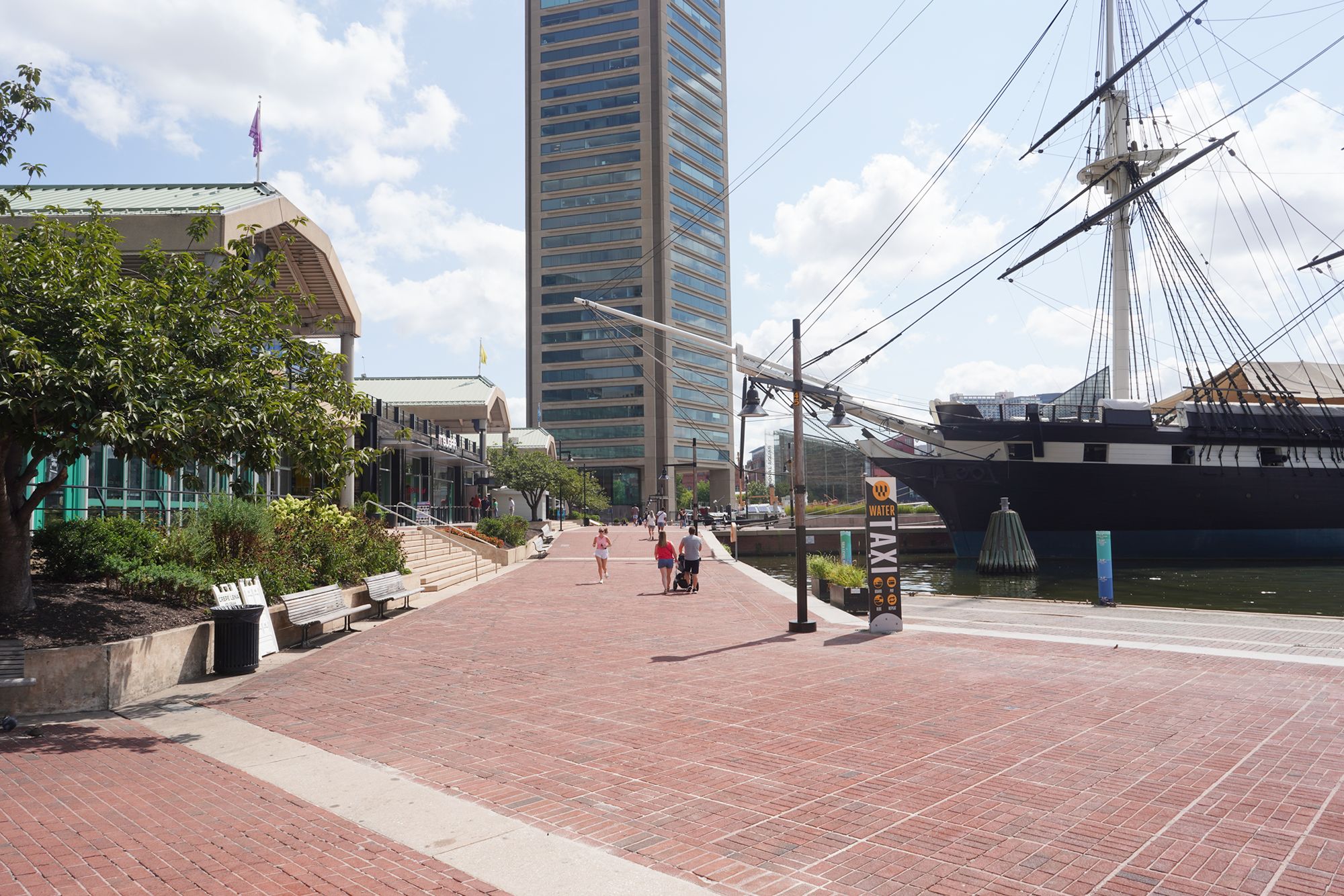
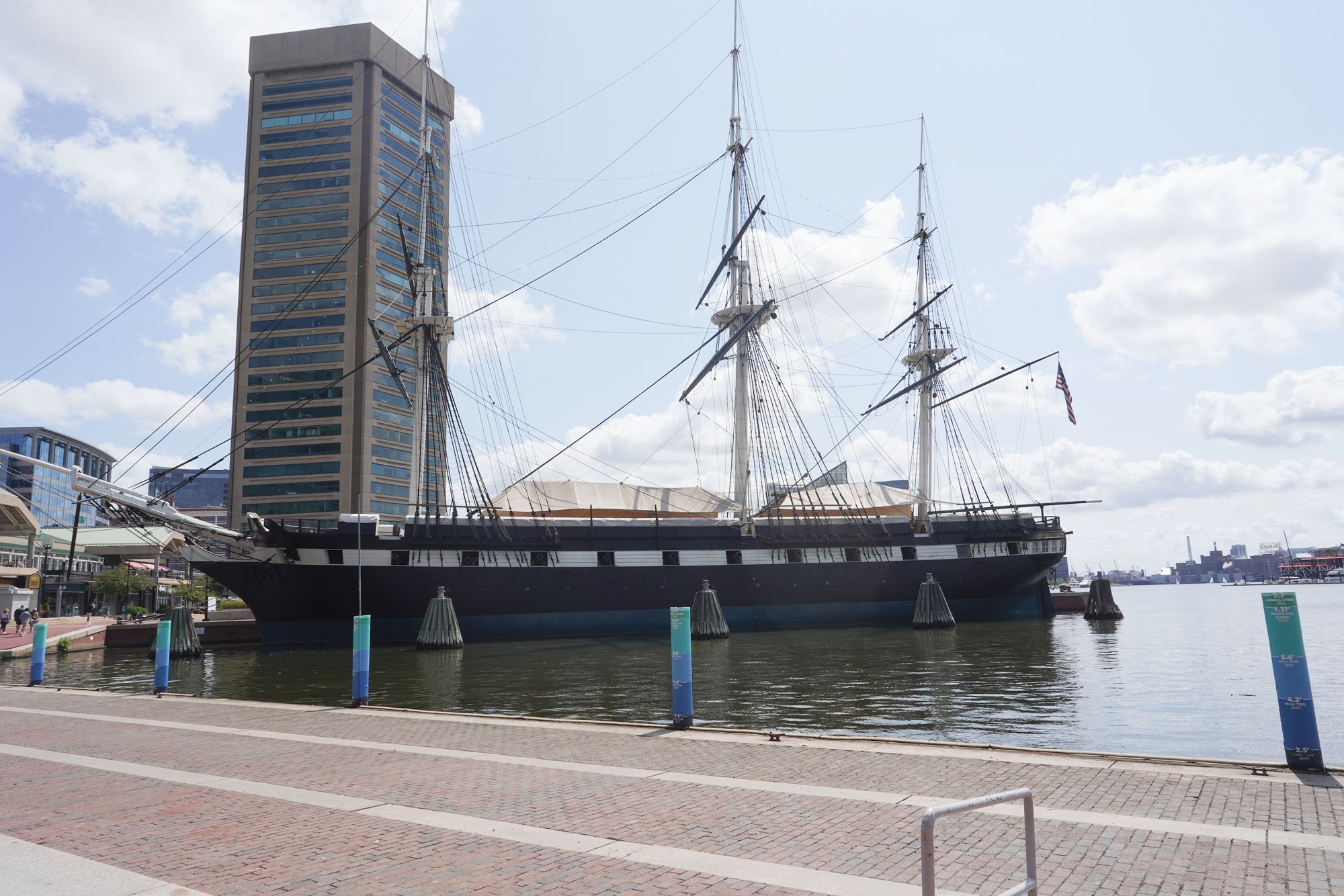
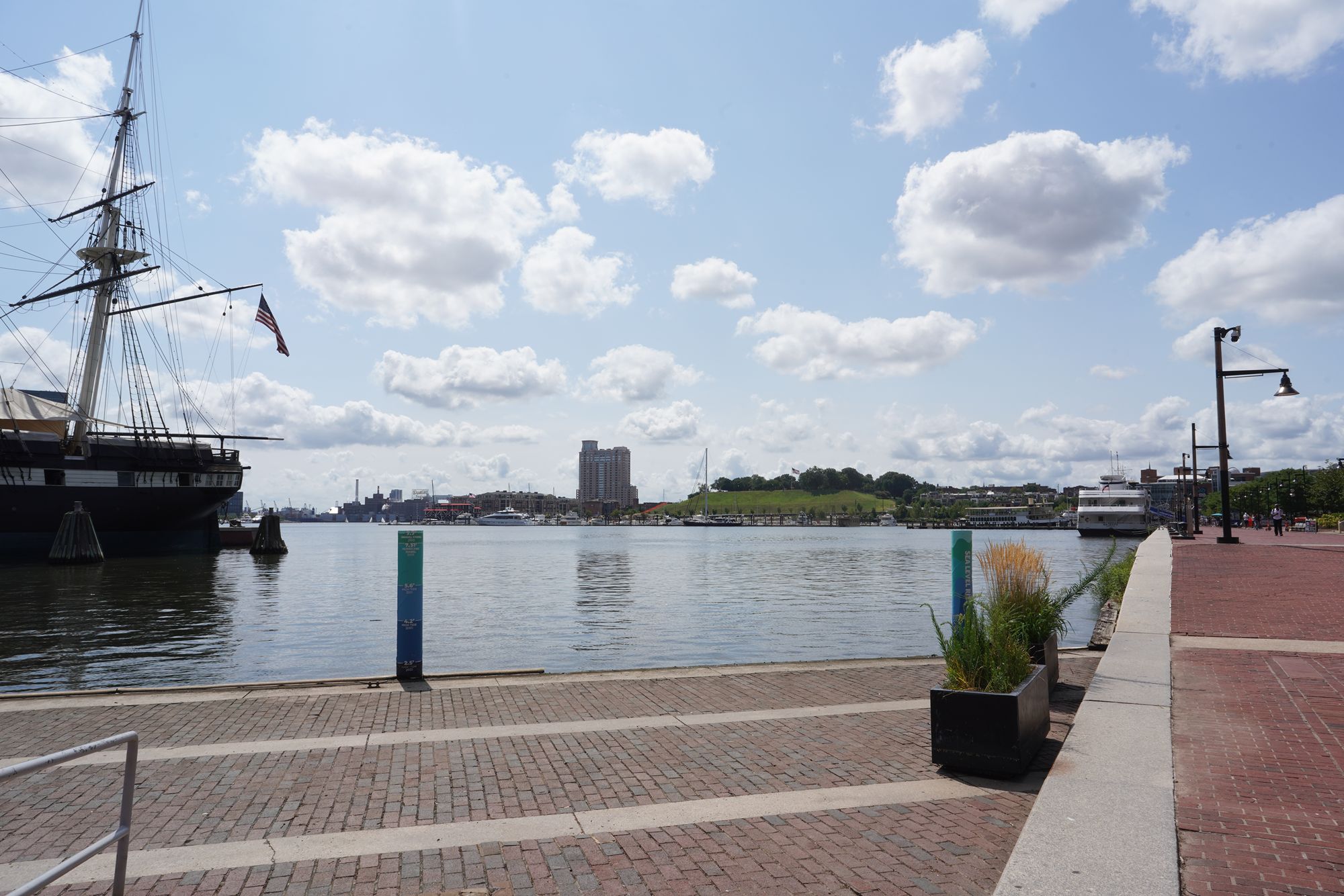
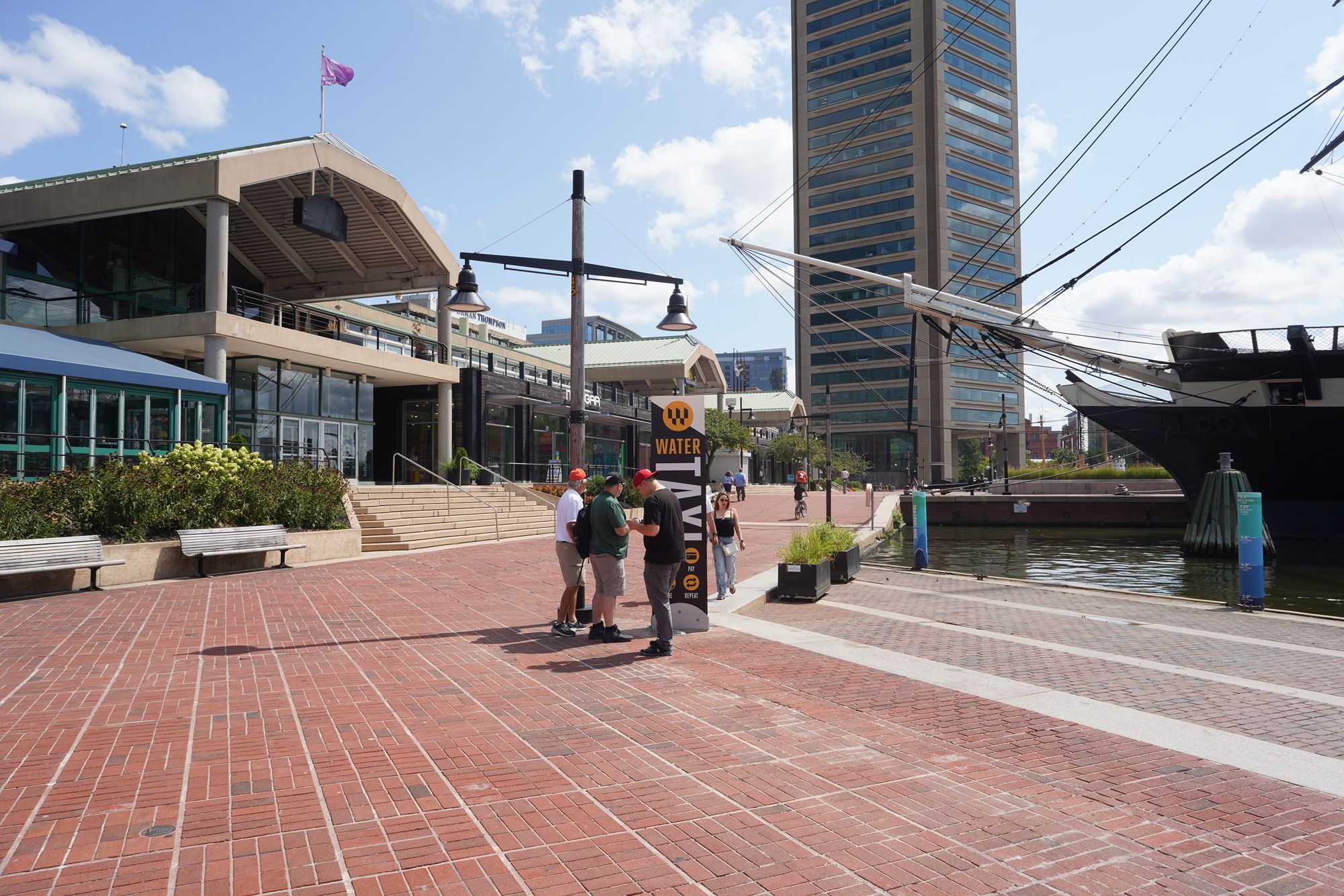
Historic Ships in Baltimore – the collection includes several historic vessels and one lighthouse: USS Constellation (sloop-of-war), USS Torsk (World War II submarine), USCGC Taney (Coast Guard cutter), Lightship Chesapeake (LV‑116) (a lightship), and Seven Foot Knoll Lighthouse.
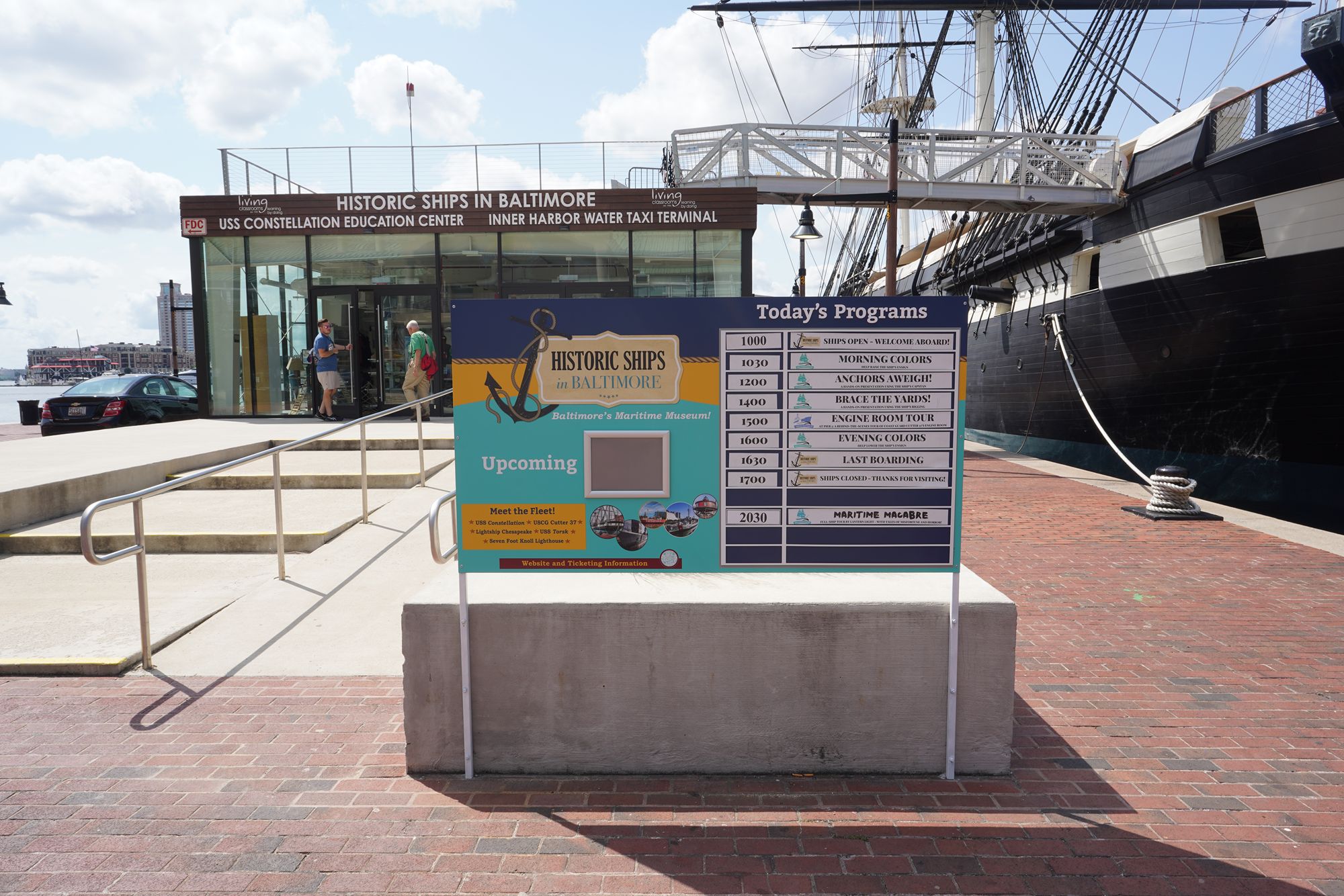
The prominent and most popular ship in the collection is USS Constellation
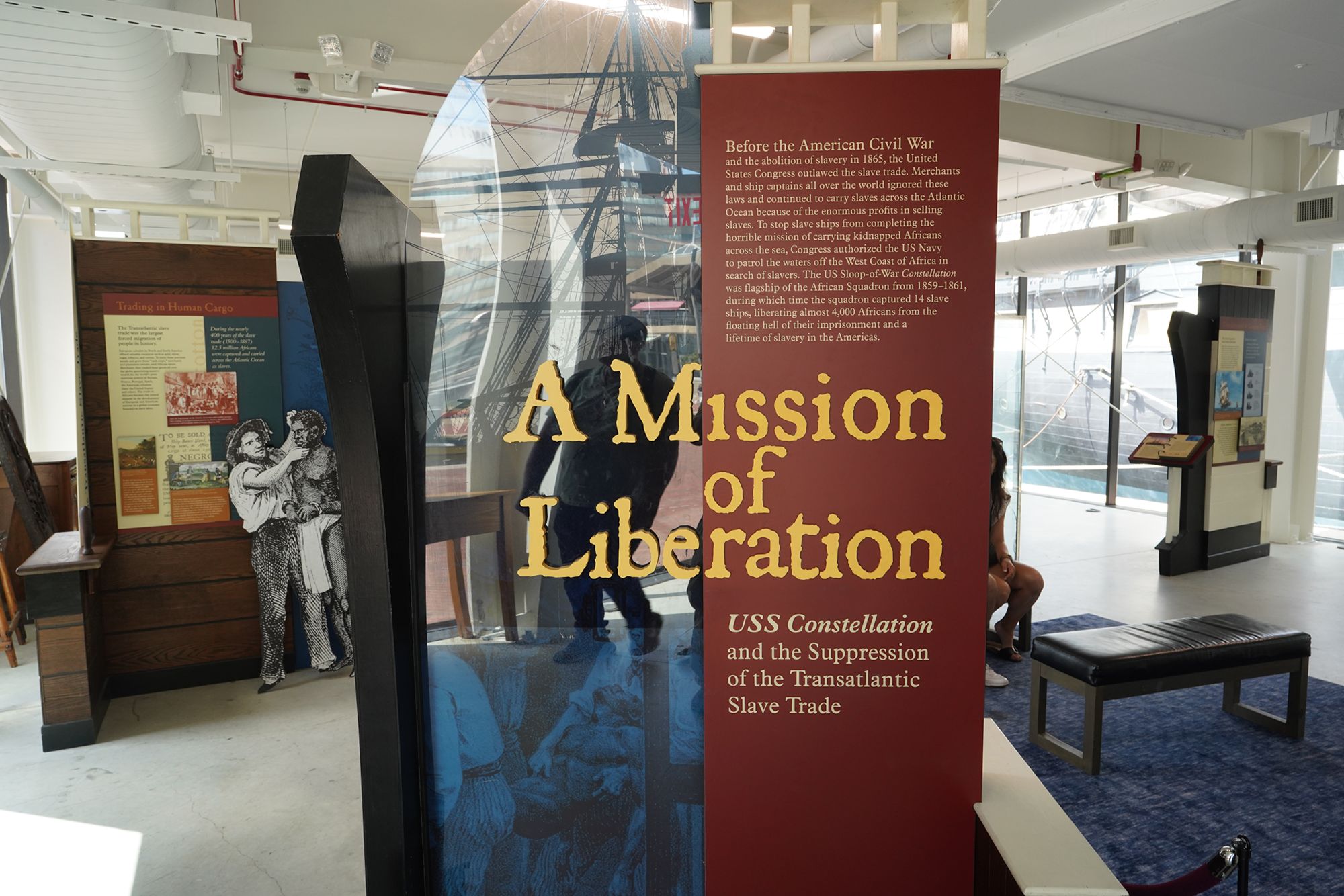
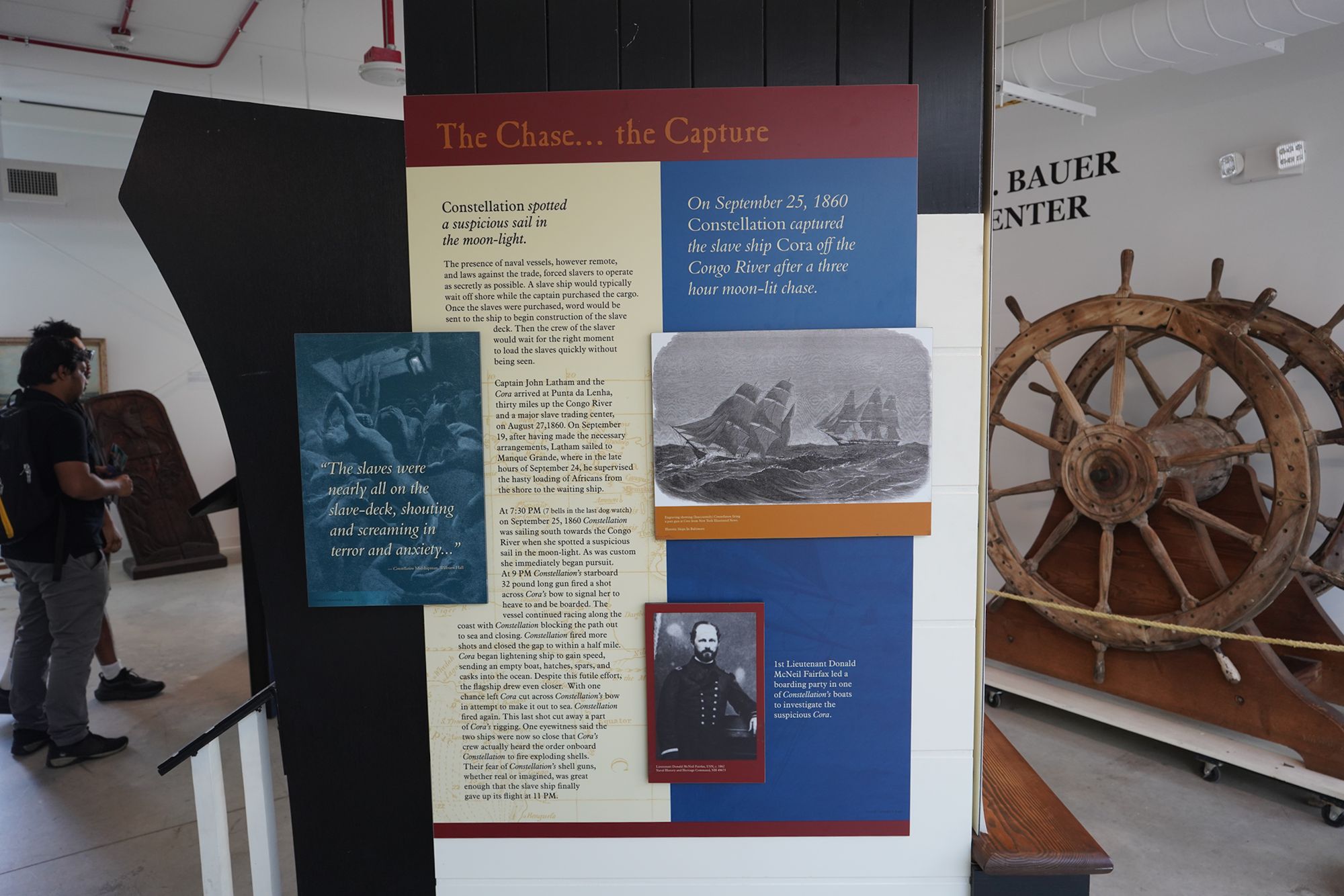
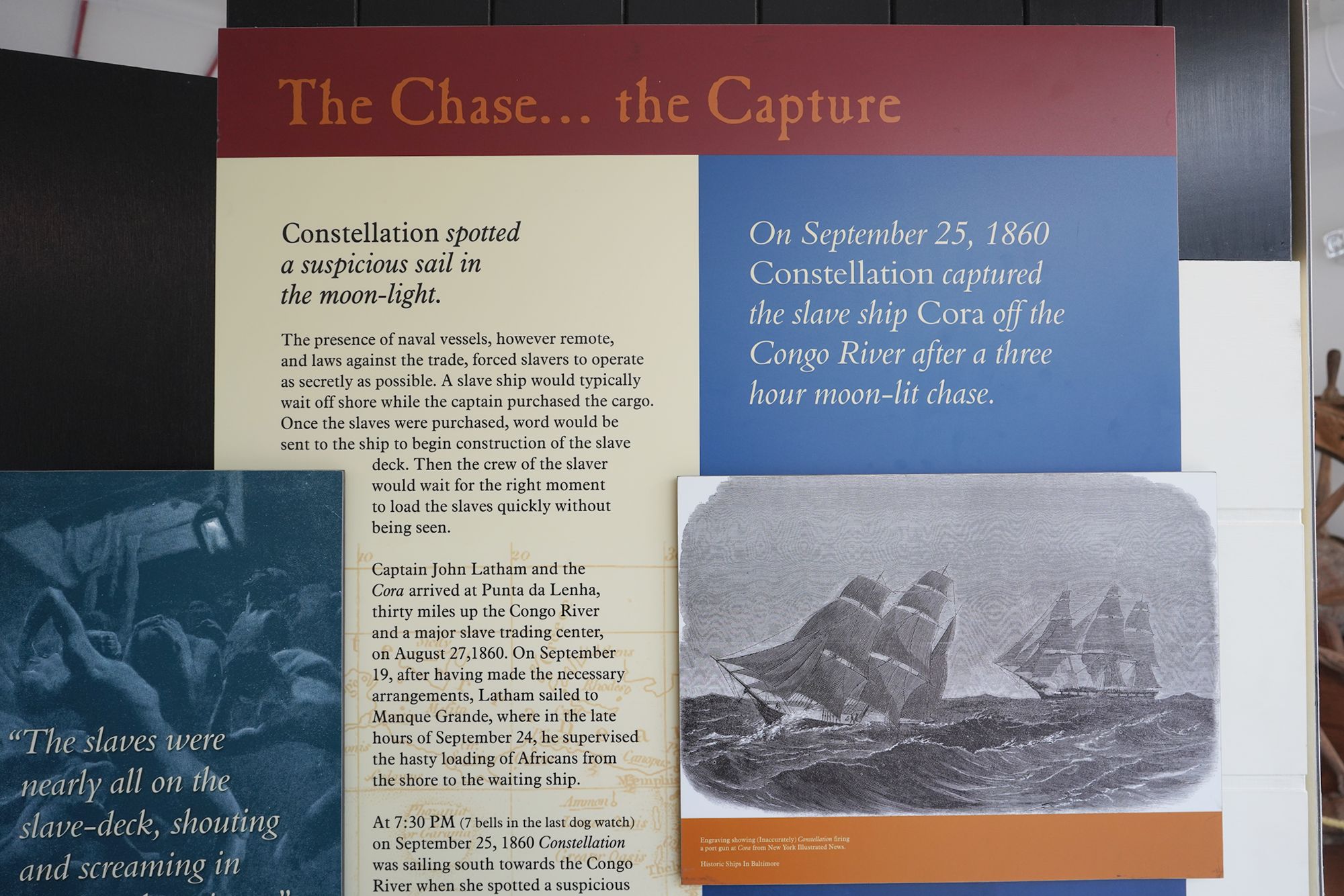
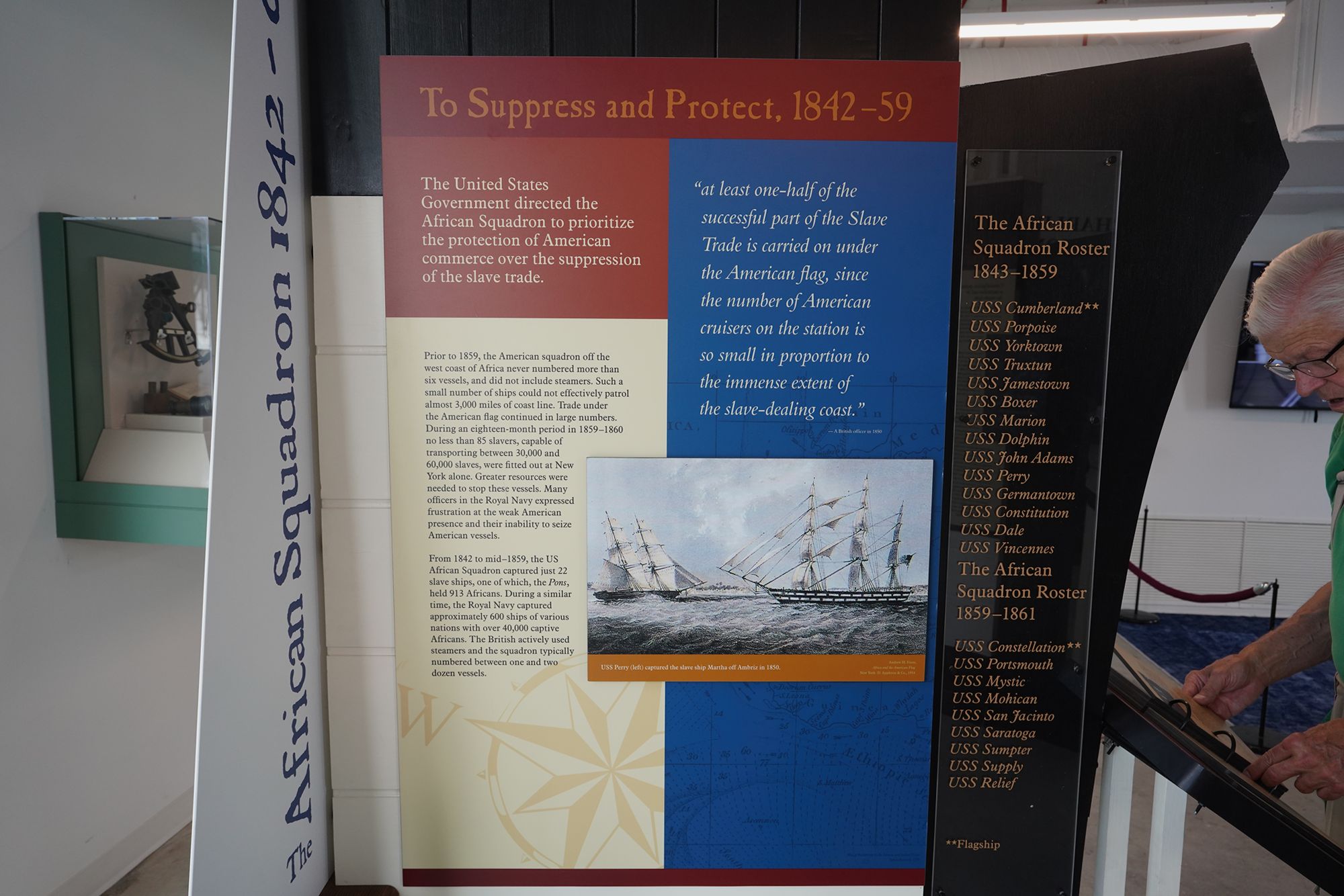
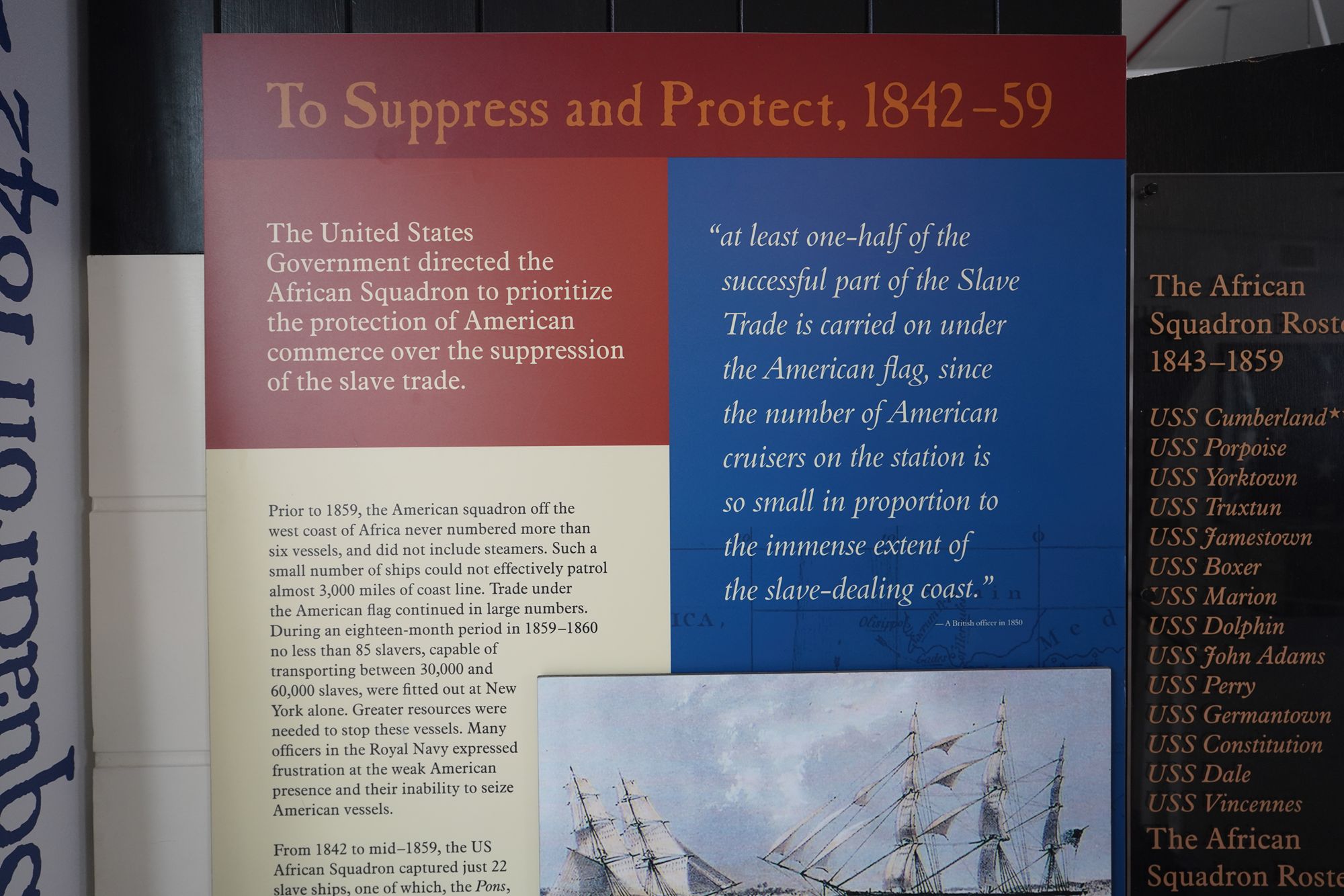
USS Constellation, launched in 1854, was the last all-sail warship built for the United States Navy. Designed as a sloop-of-war, she served along the African coast where she intercepted and captured slave-trading vessels, freeing hundreds of enslaved Africans as part of anti-slavery patrols before the Civil War.
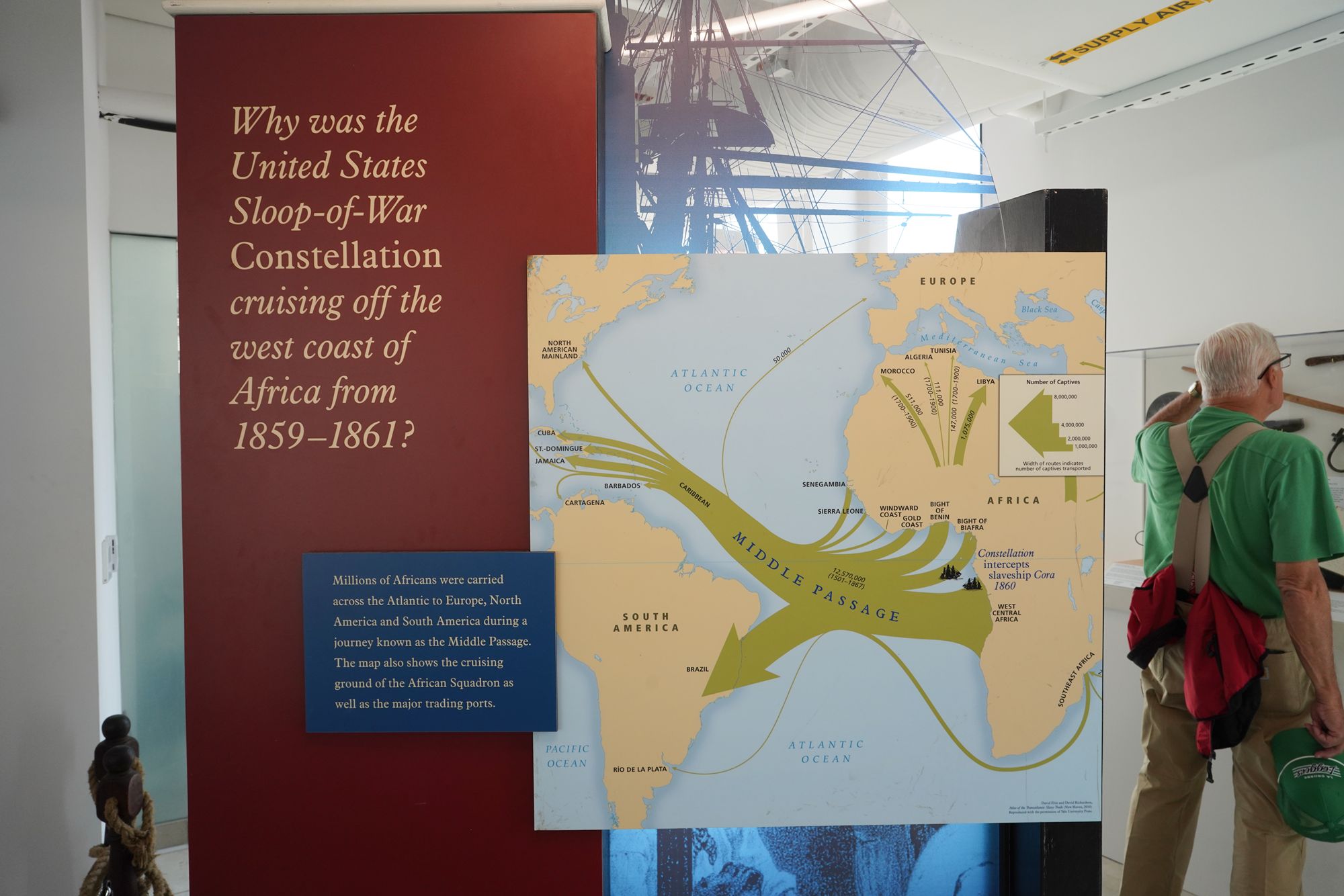
A map showing the routes taken by ships in the transatlantic slave trade.
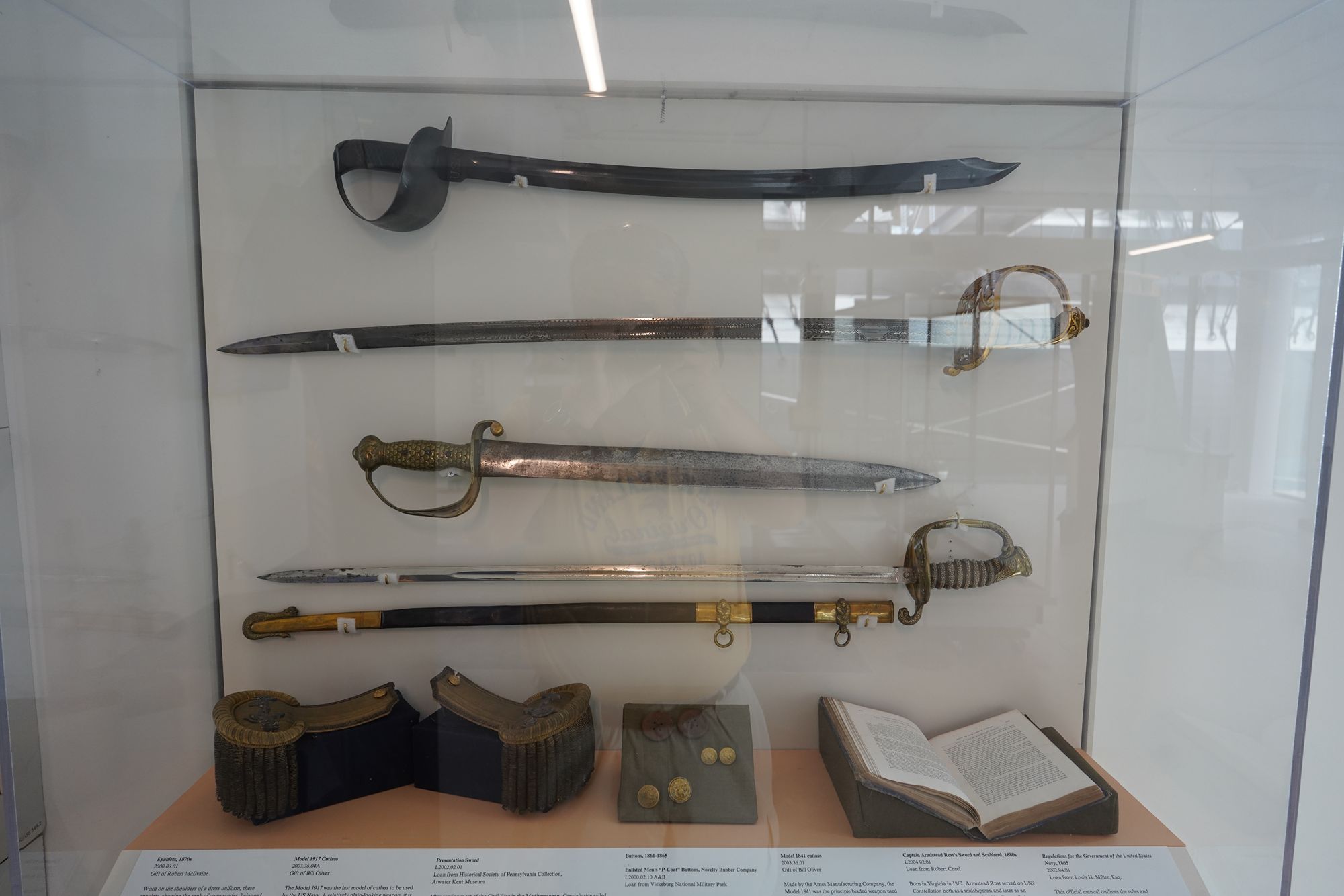
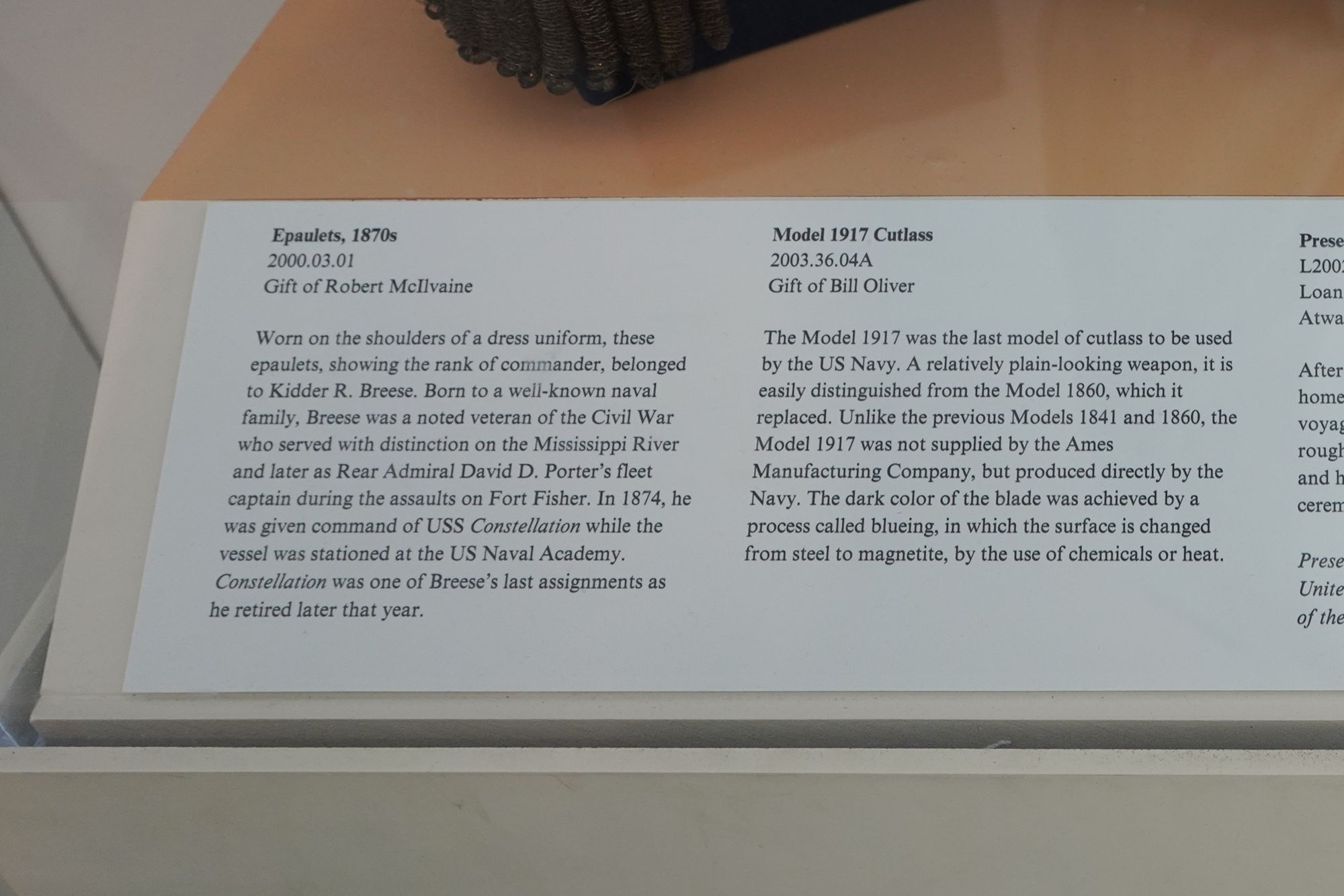
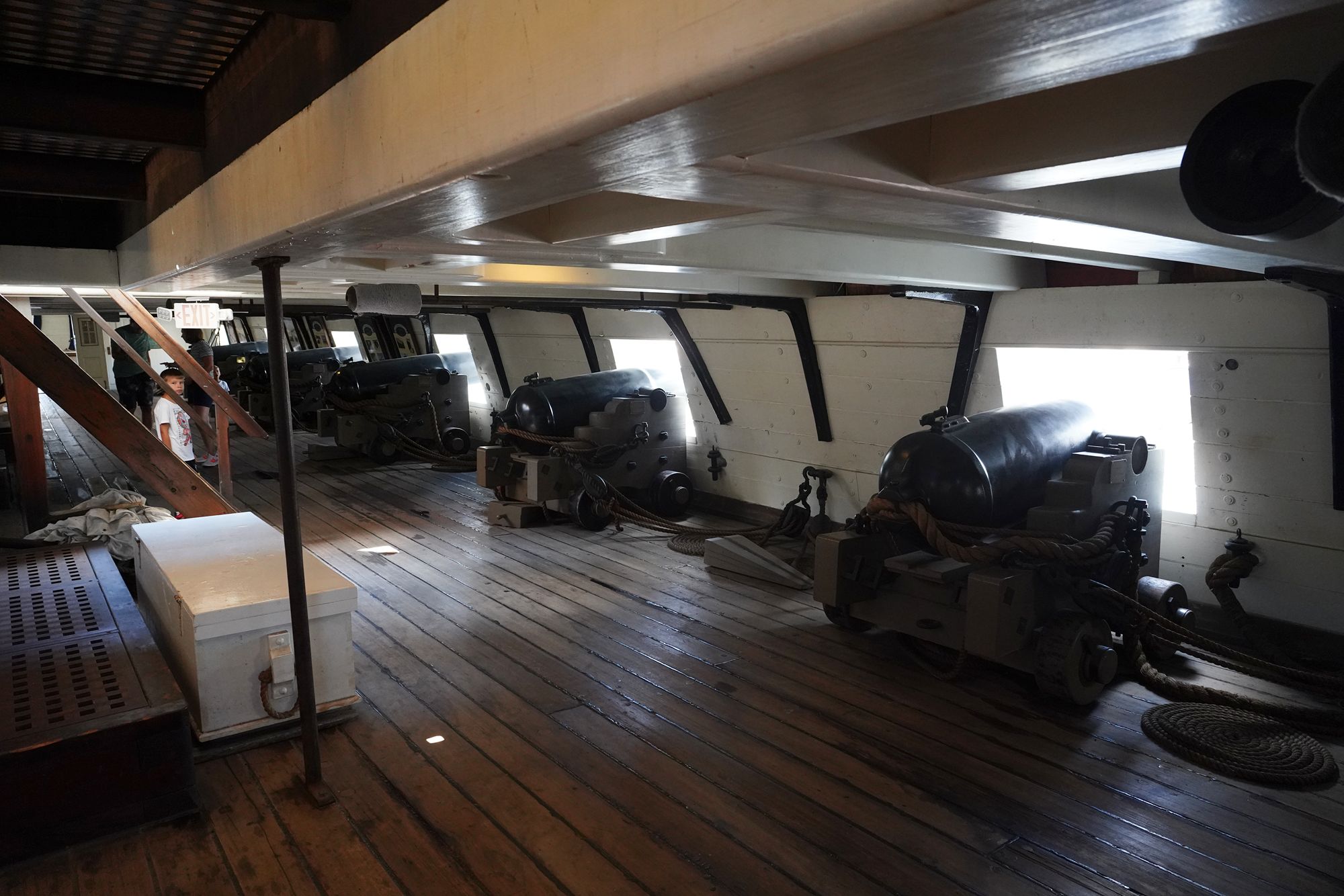
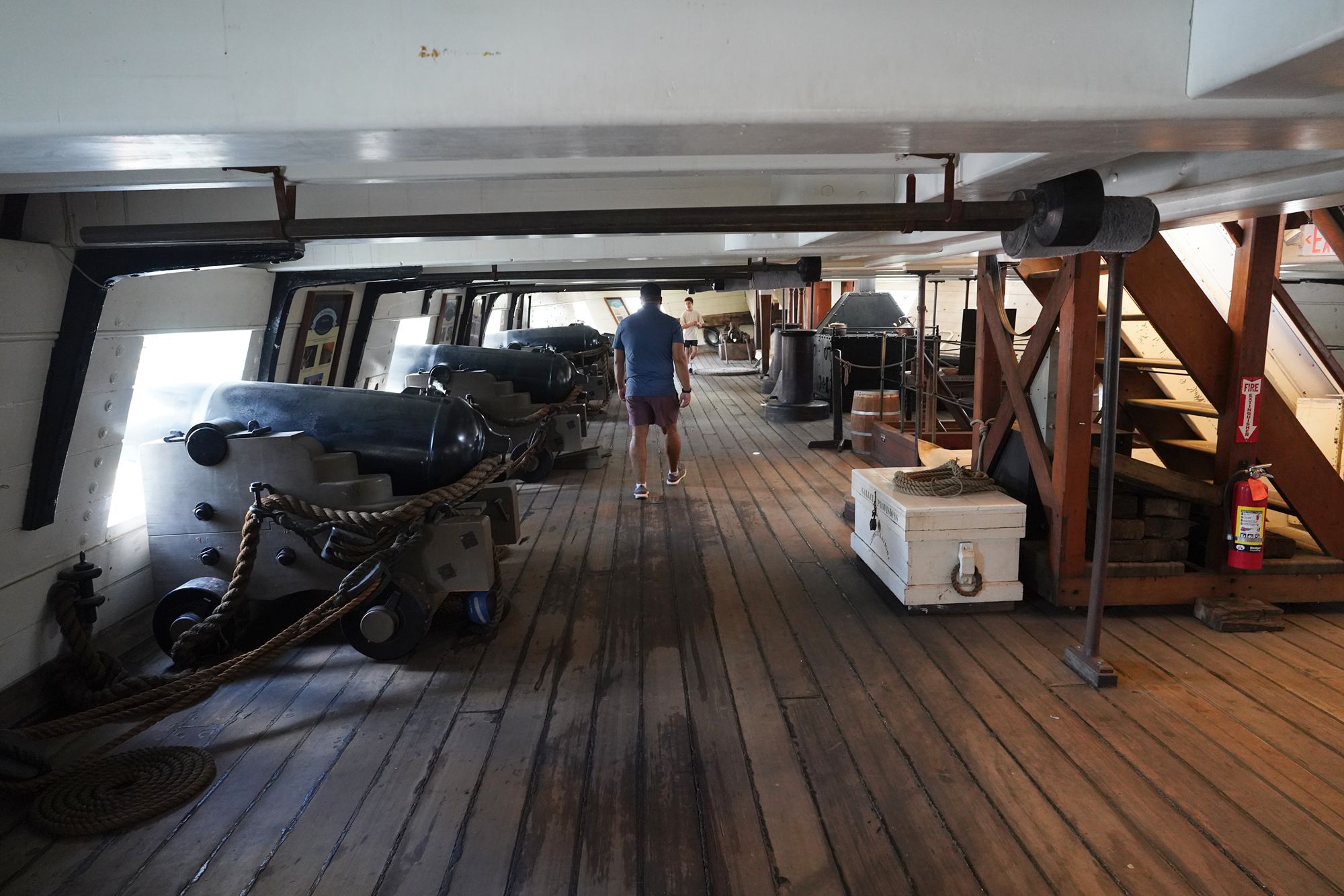
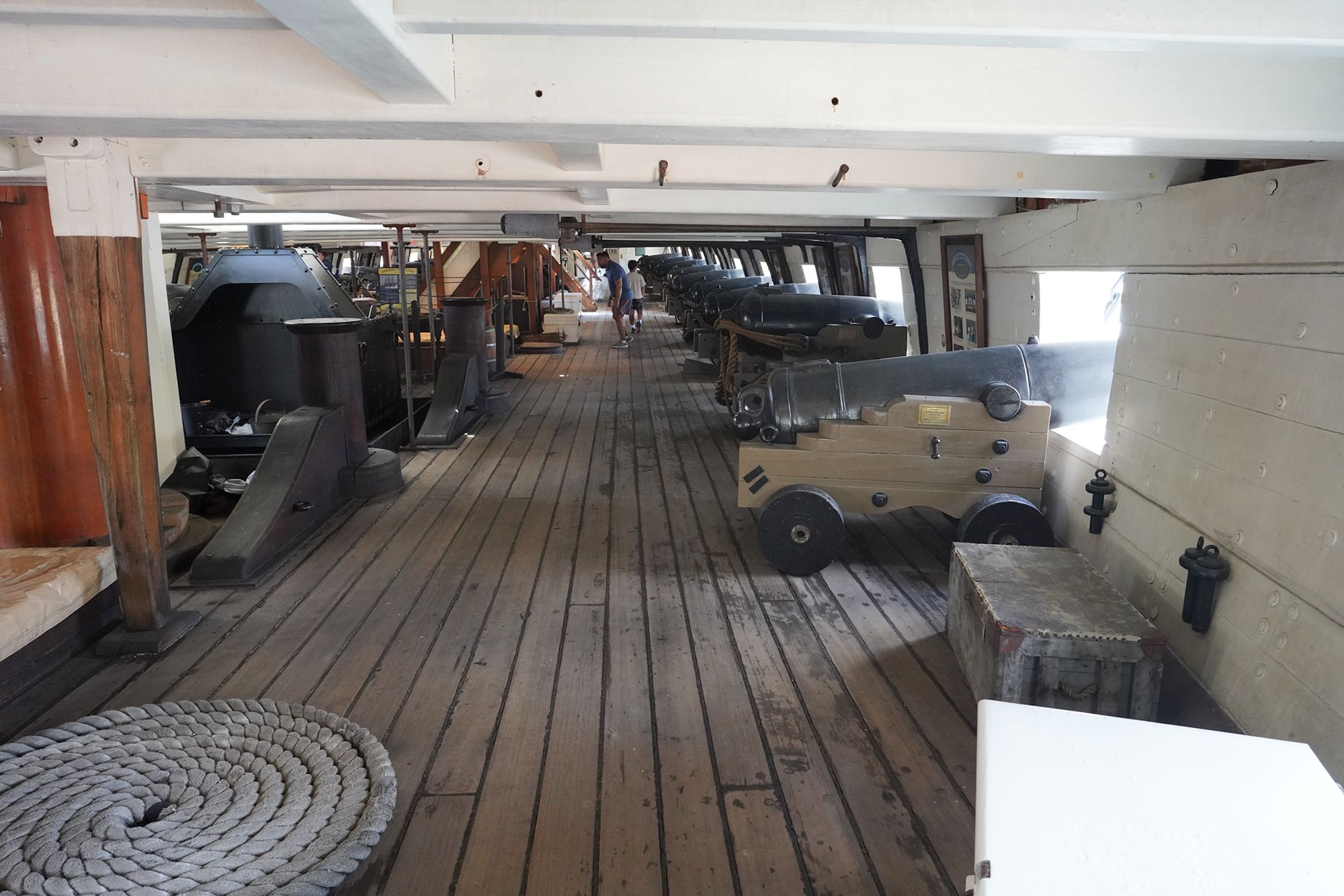
Weapons carried by the sailors
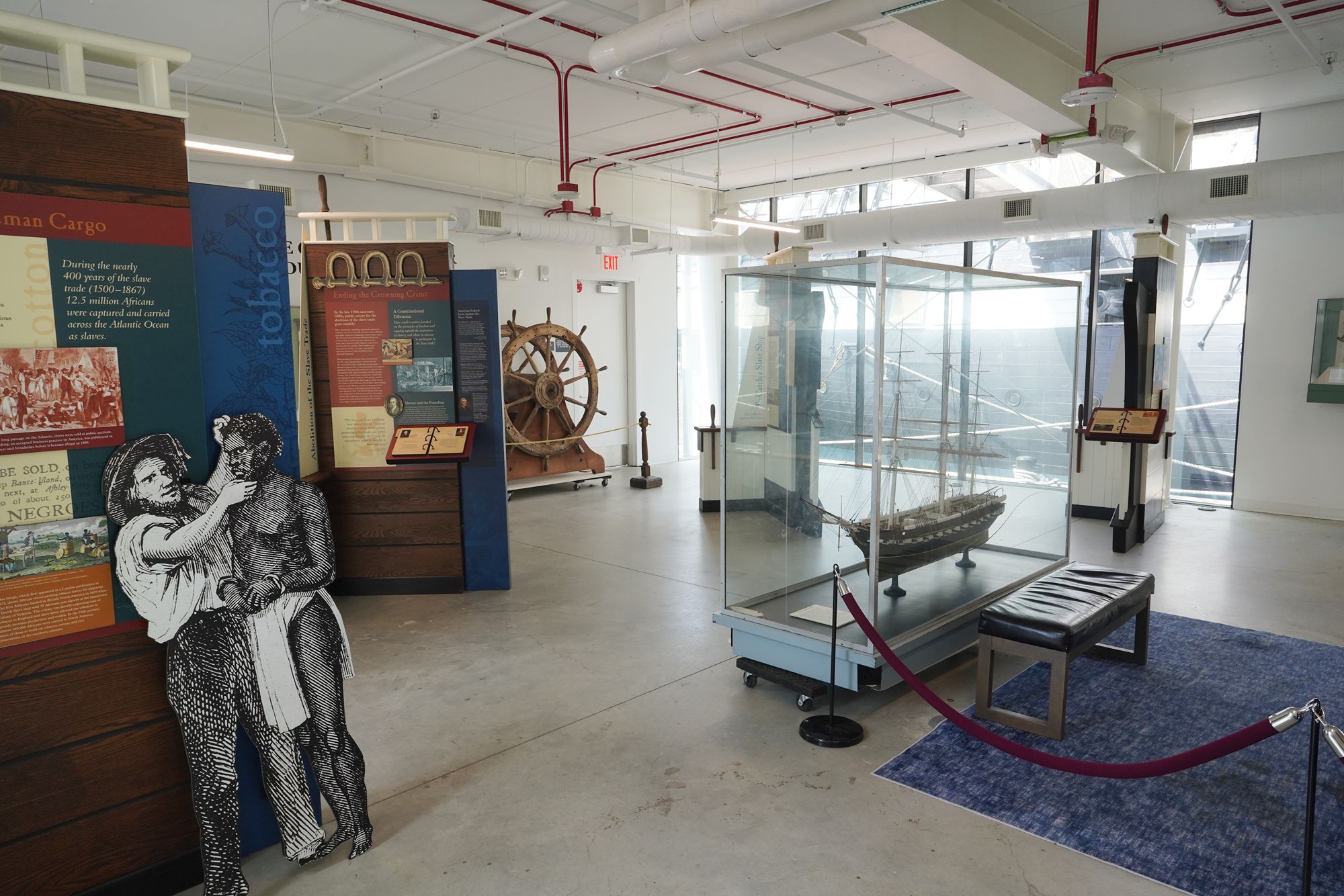
Slave Trading
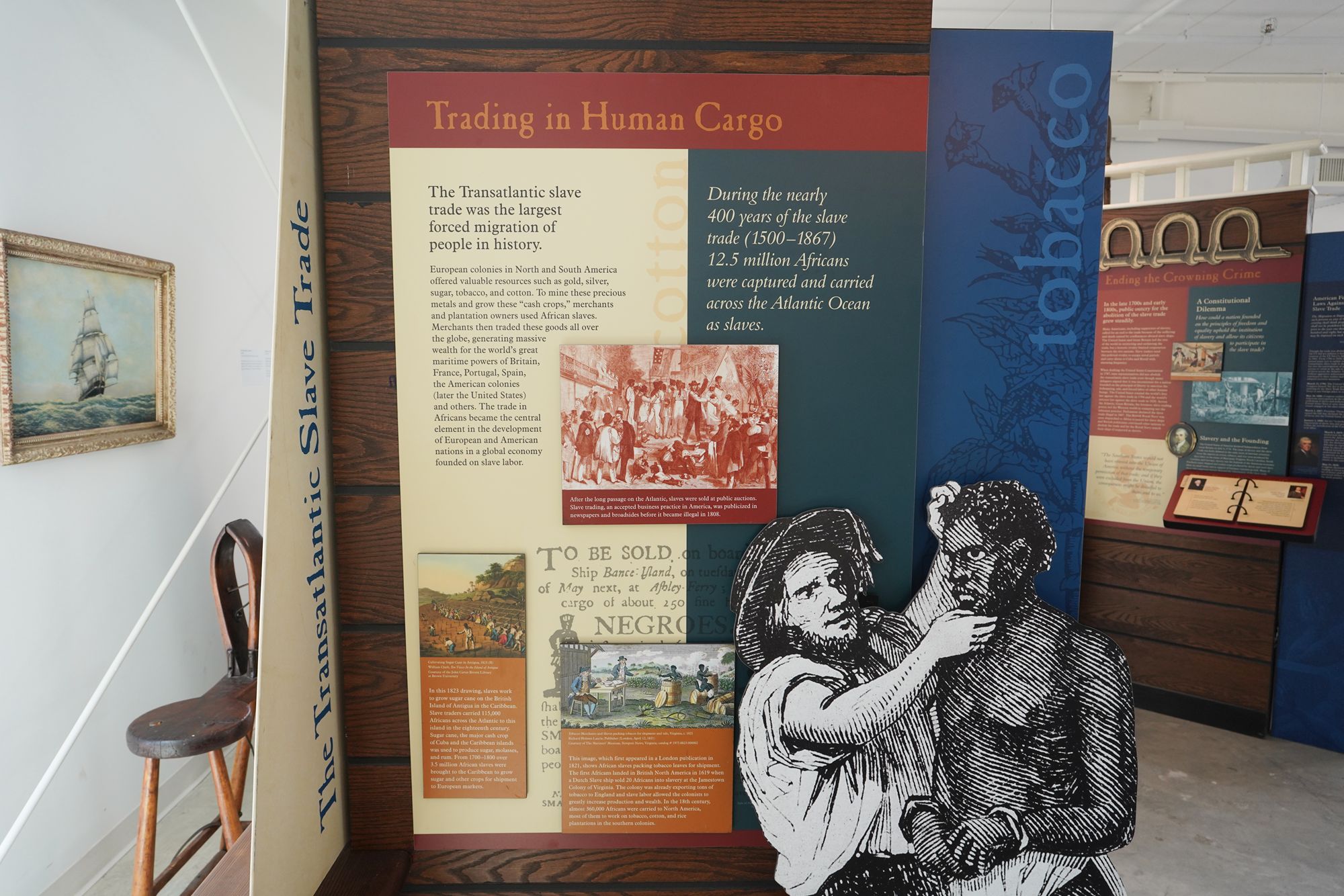
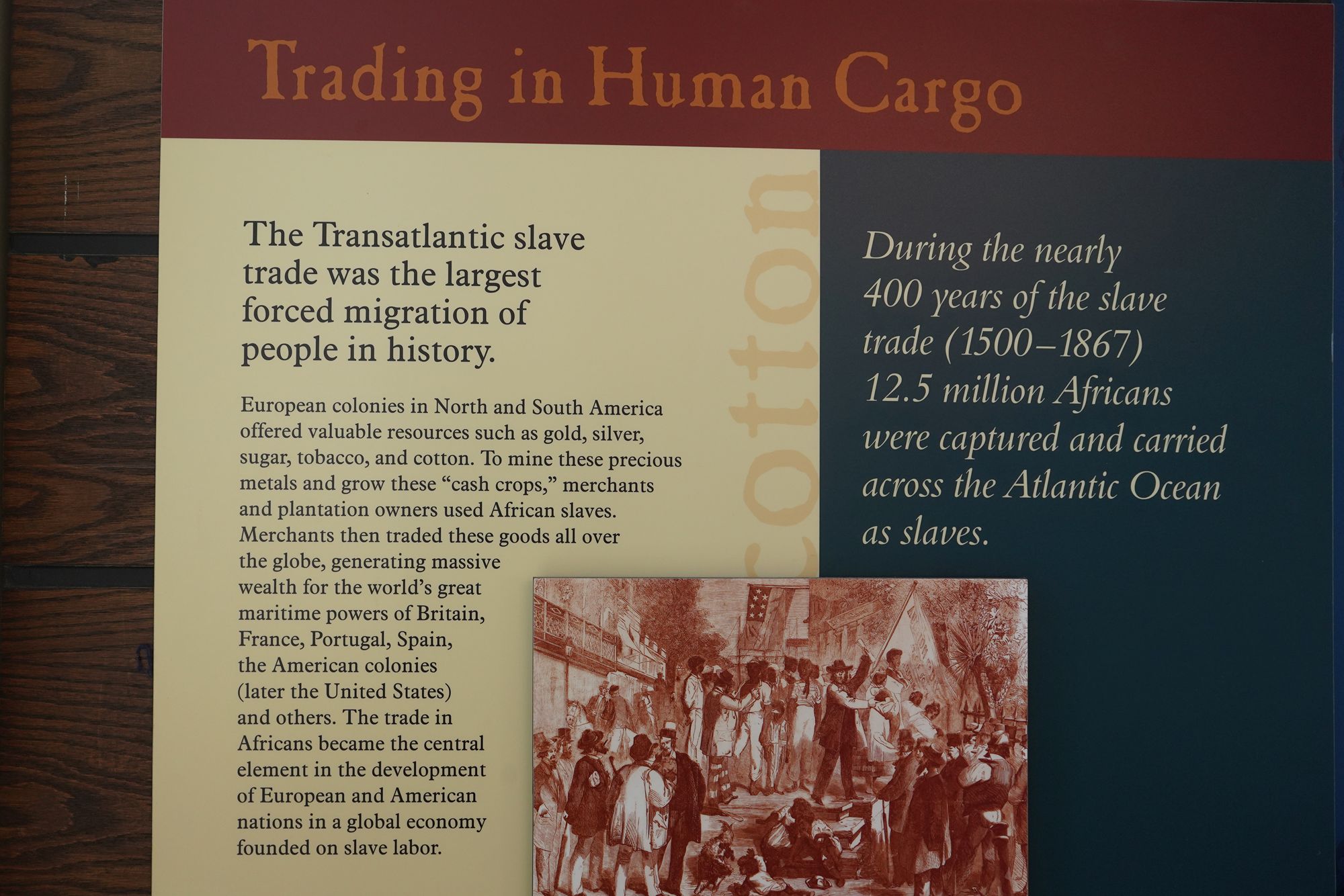
Conditions on slave ships were horrific, defined by overcrowding, disease, and suffering.
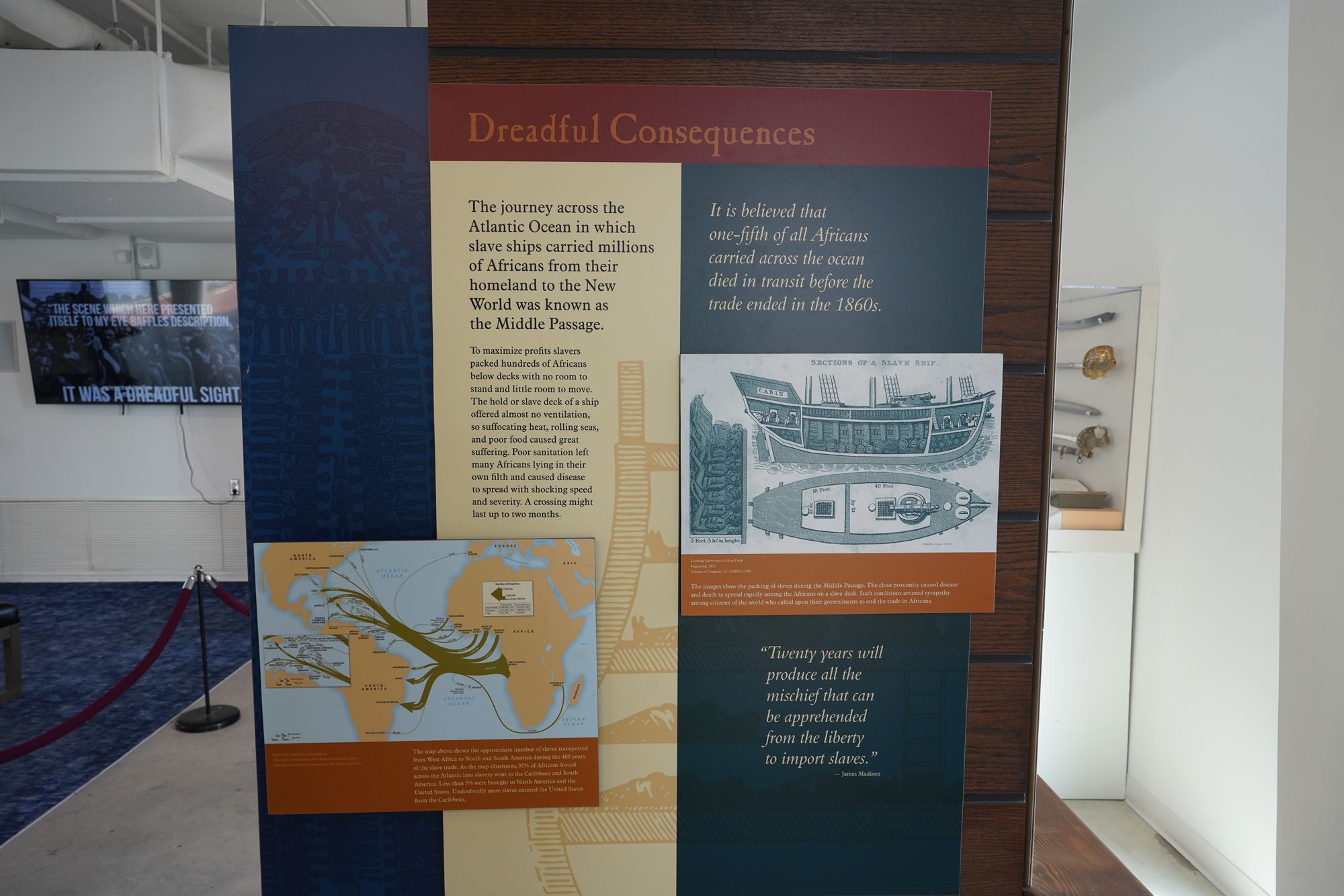
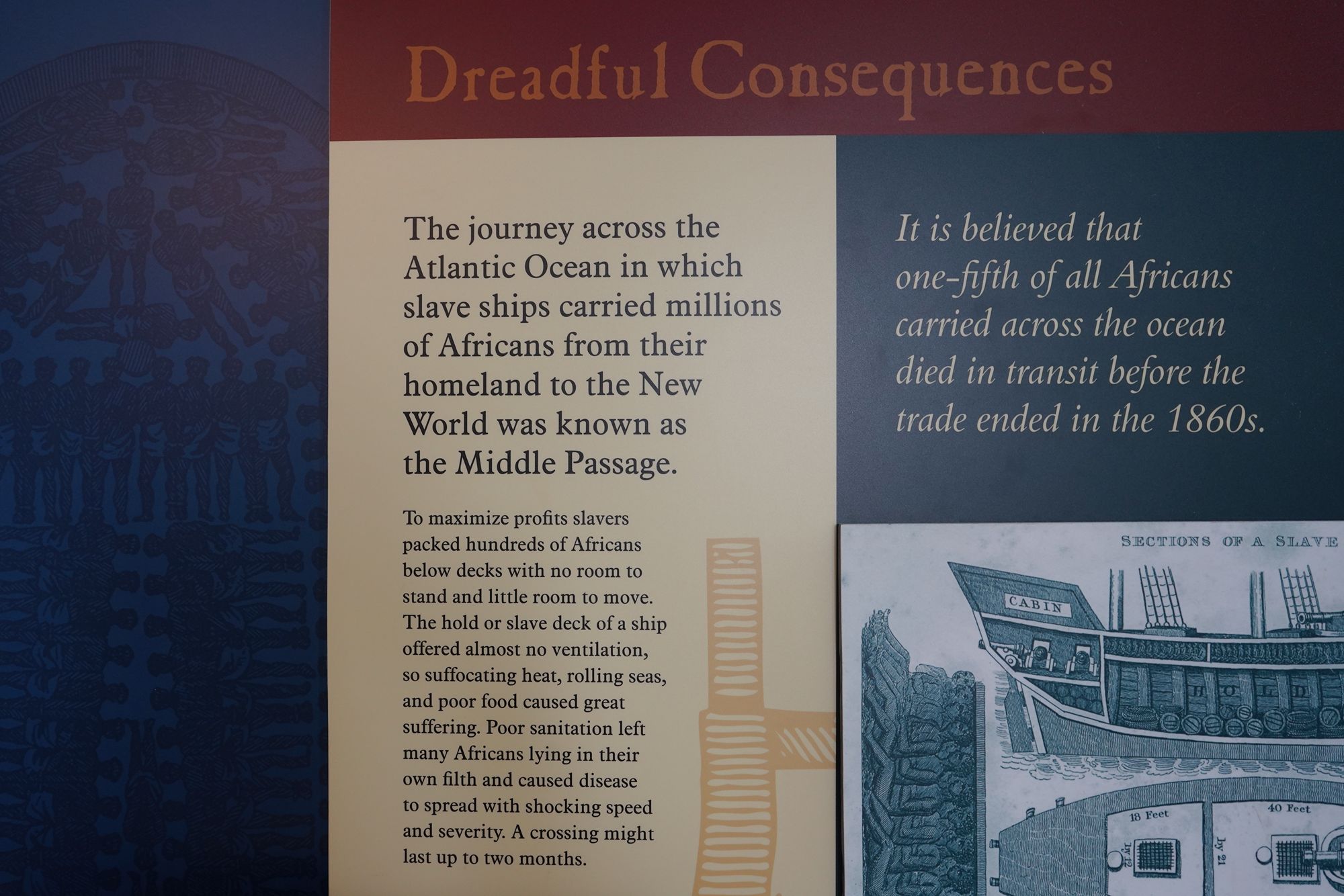
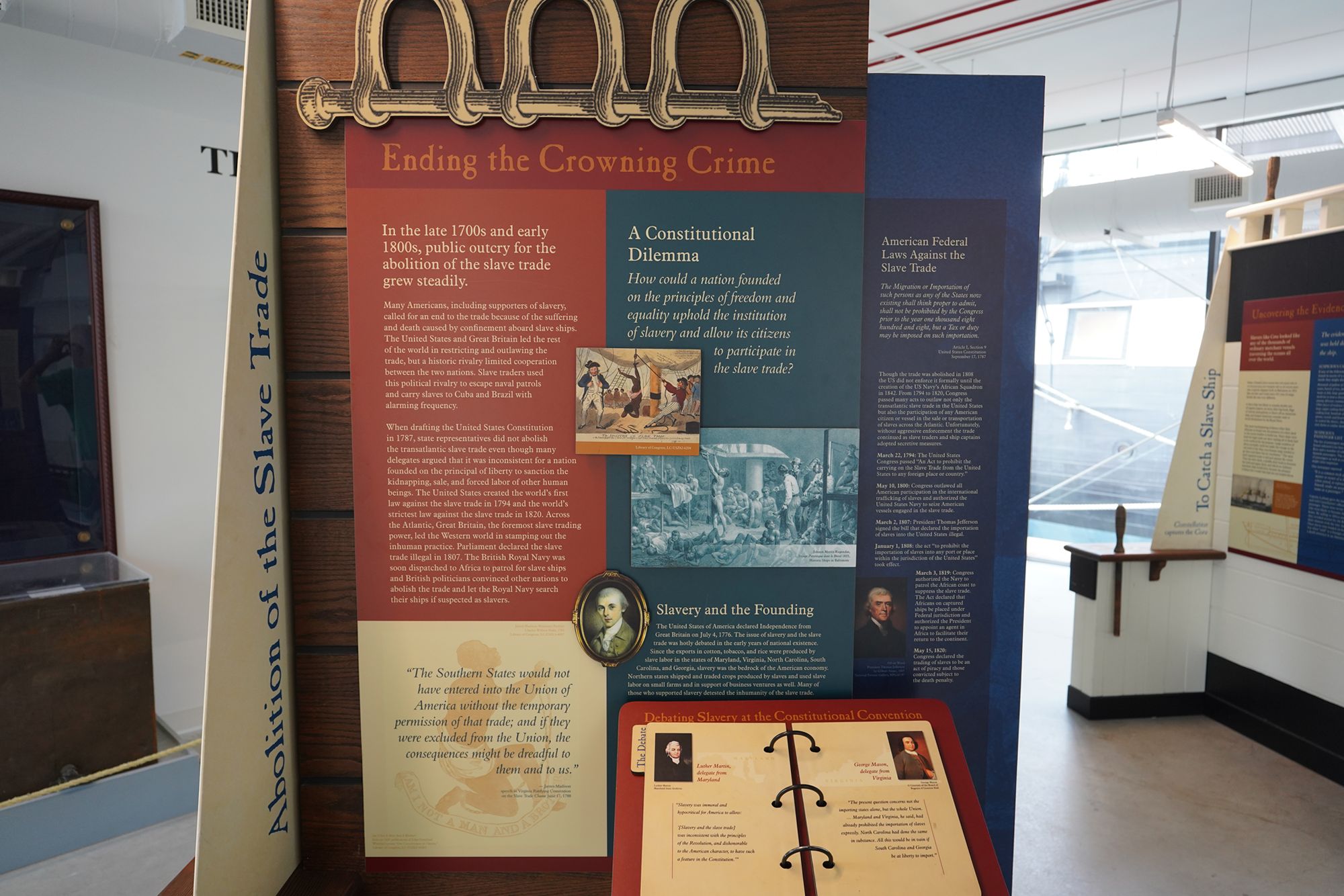
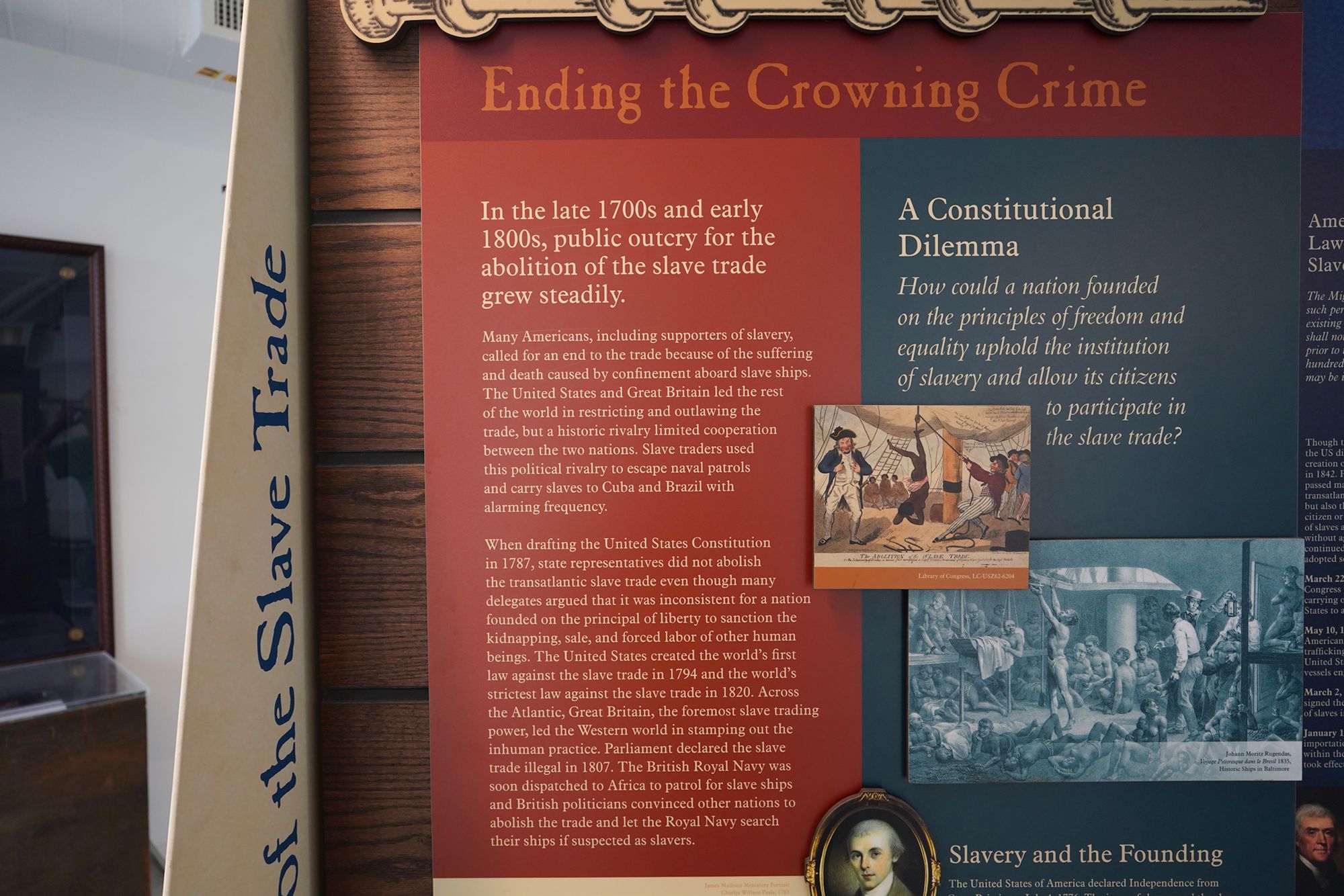
Ending the Slave Trading
British warships targeted American ships and forcibly took their crews.
Britain did this because it was fighting a long war with France and needed sailors, so the Royal Navy stopped American ships, claimed some sailors as British subjects or deserters, and forced them into service.
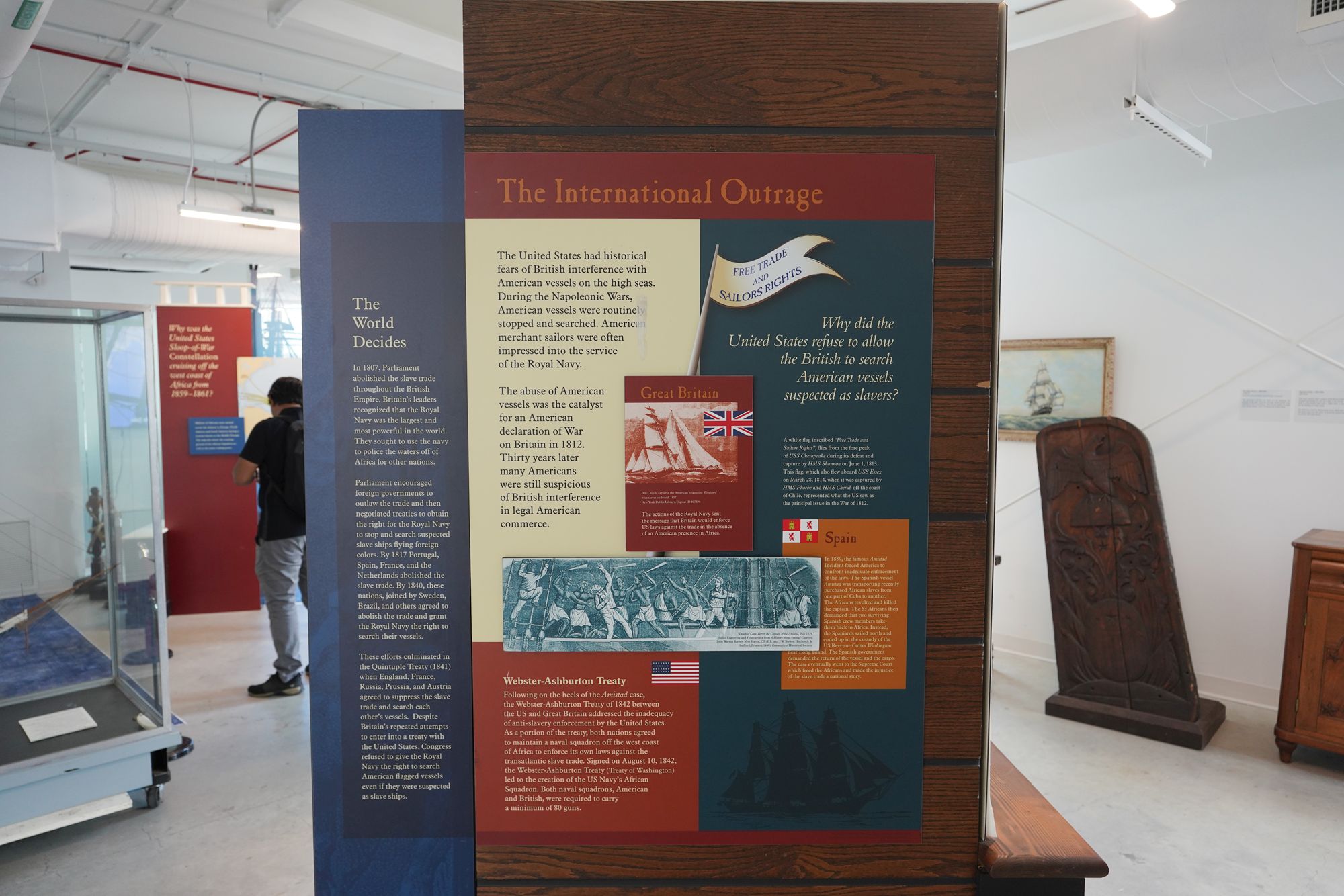
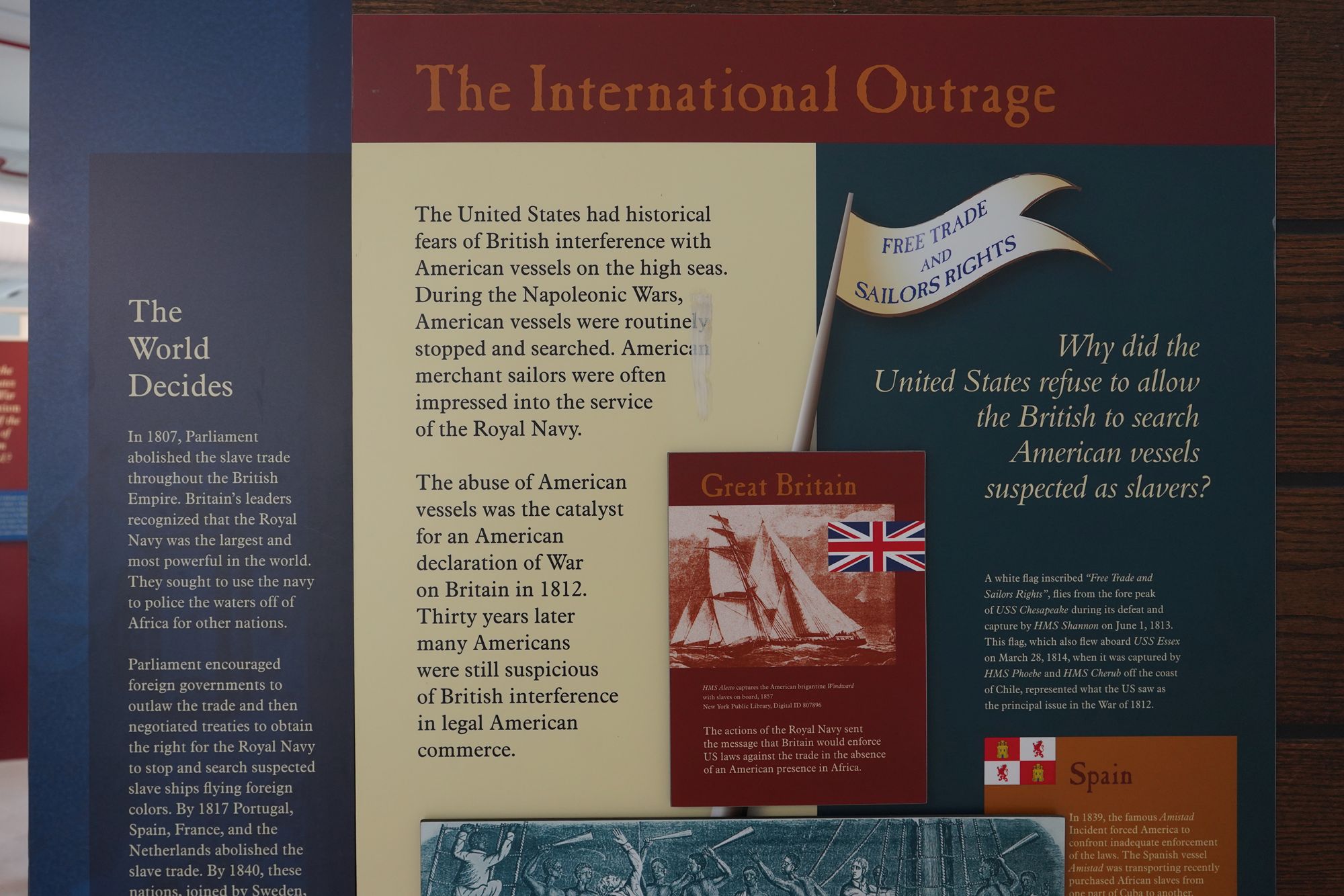
USS Constellation took part in efforts to stop and capture slave-trade vessels.
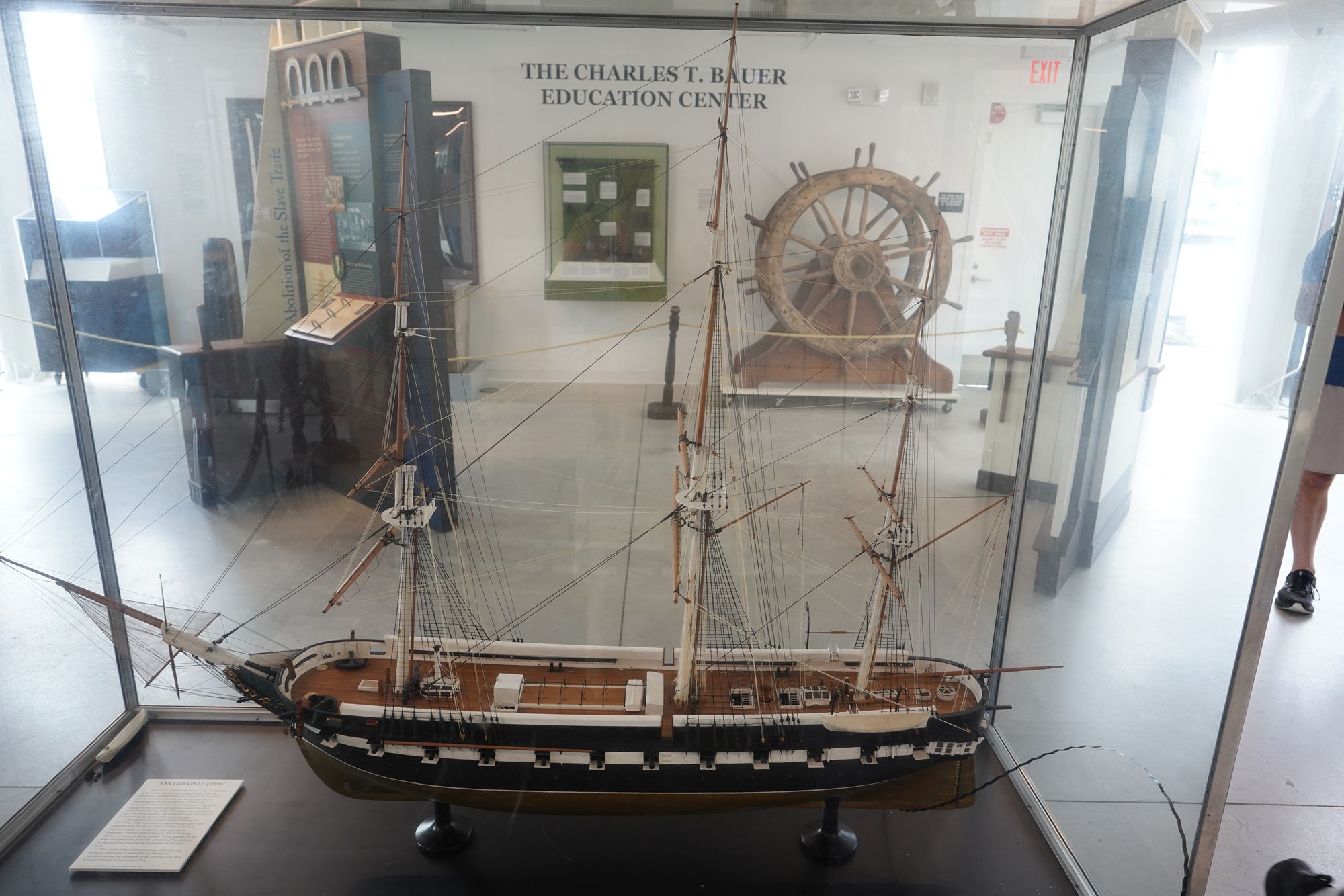
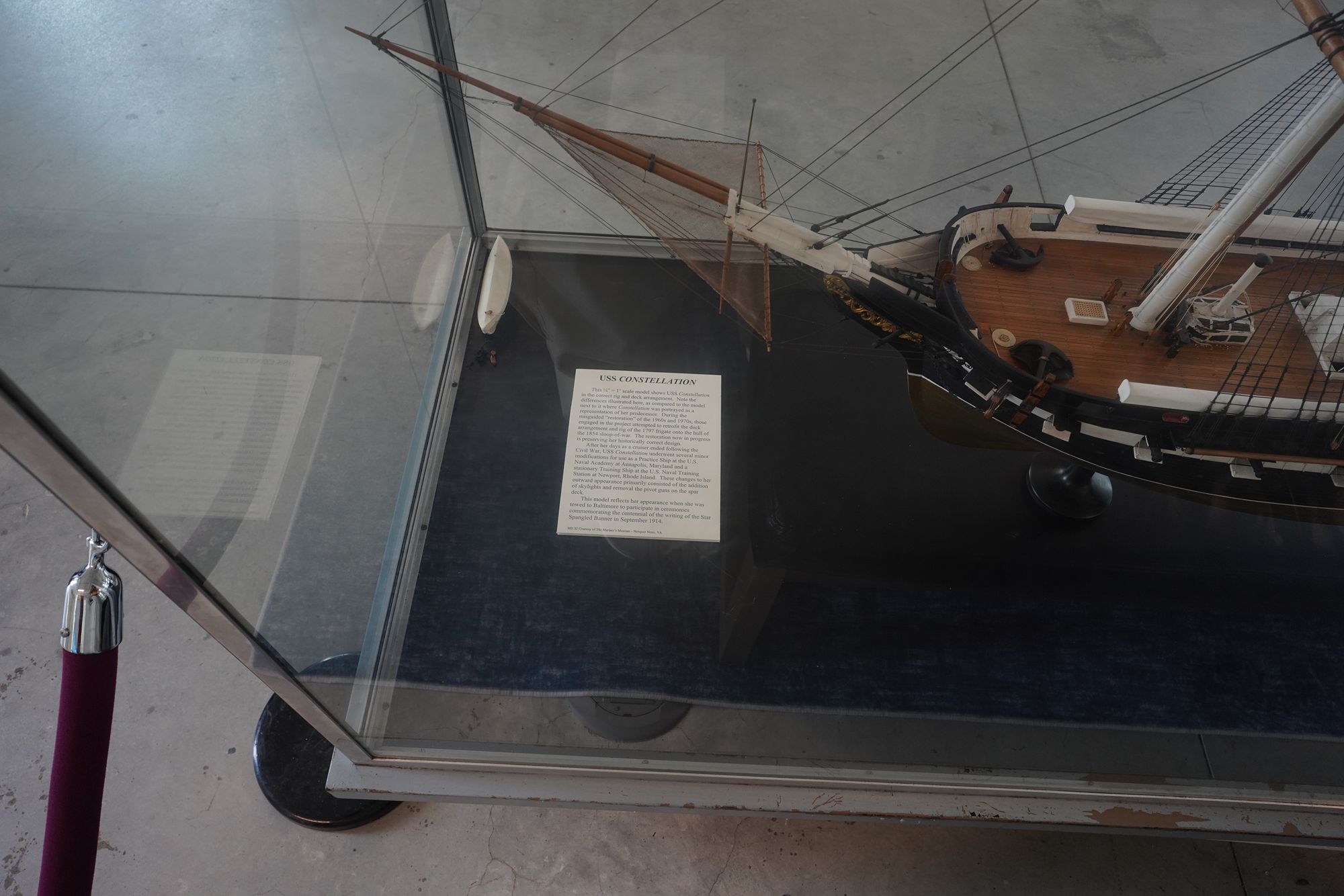
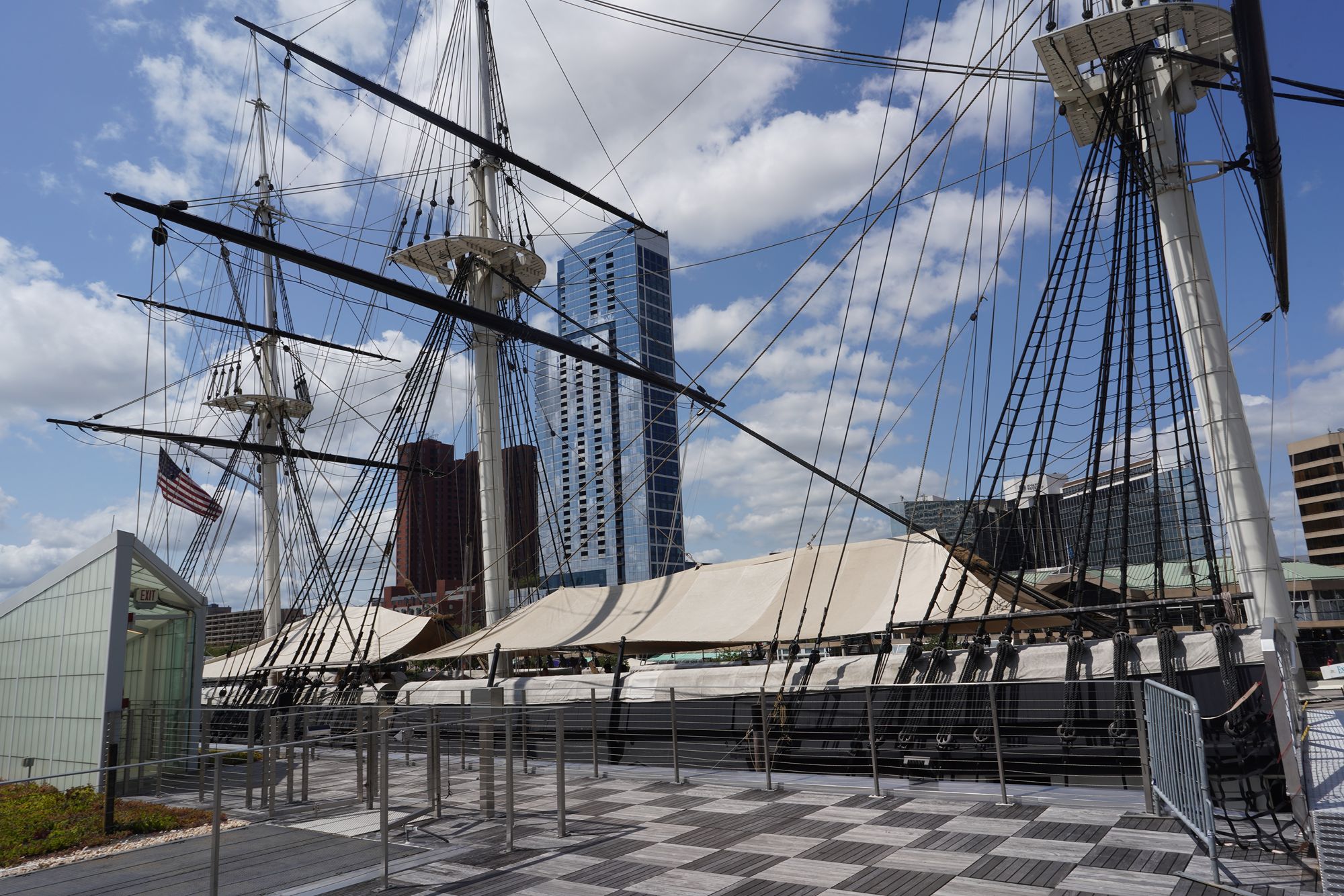
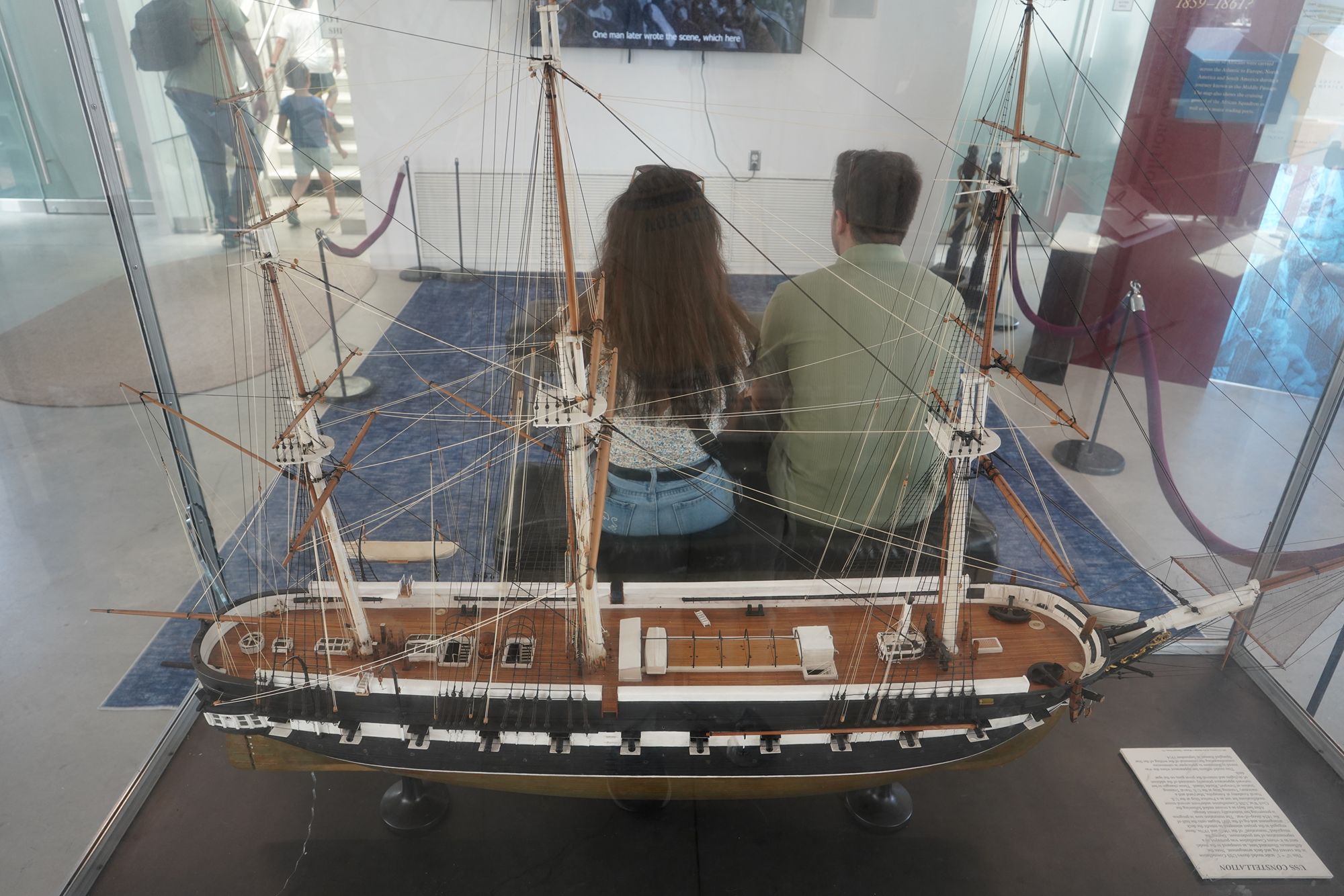
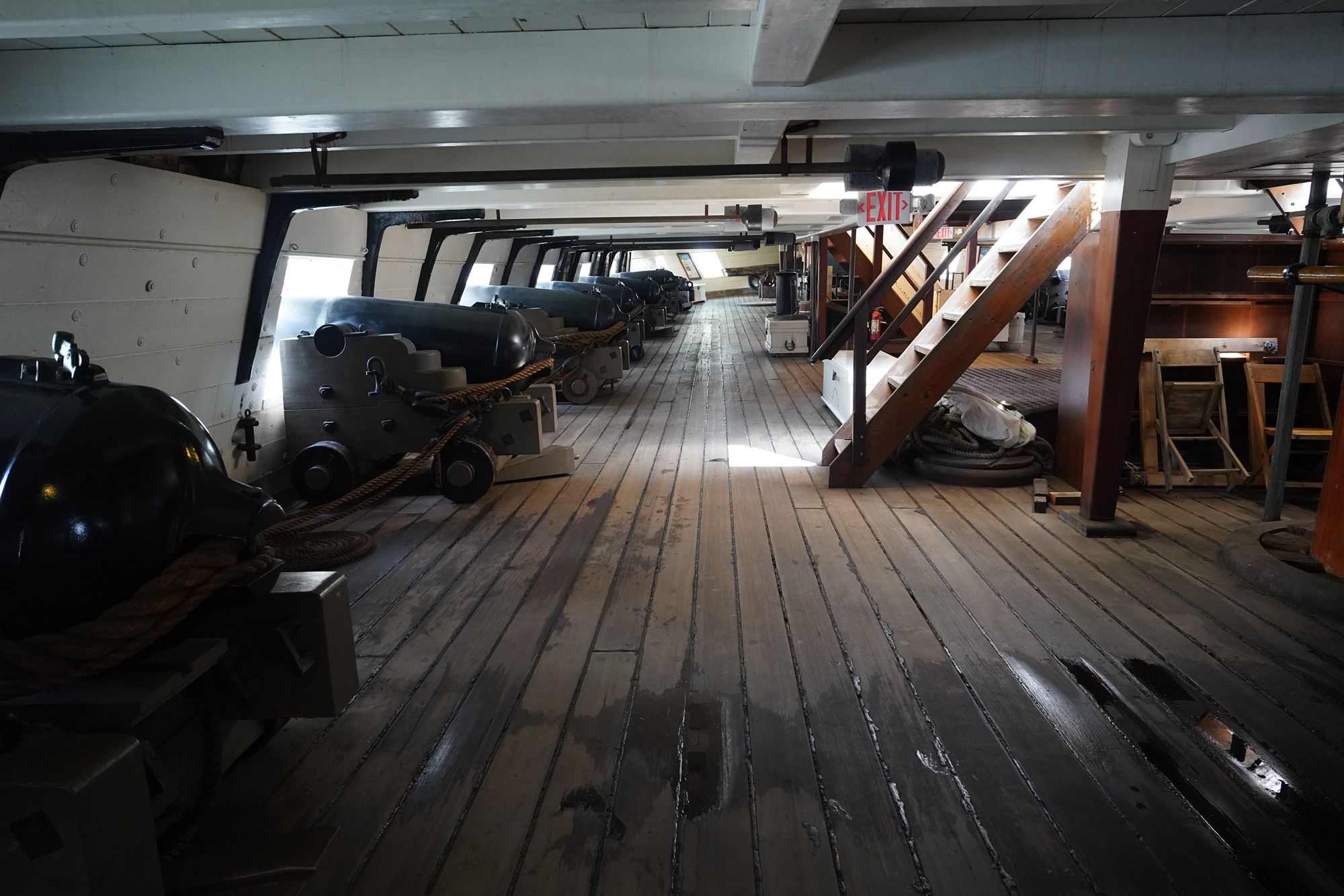
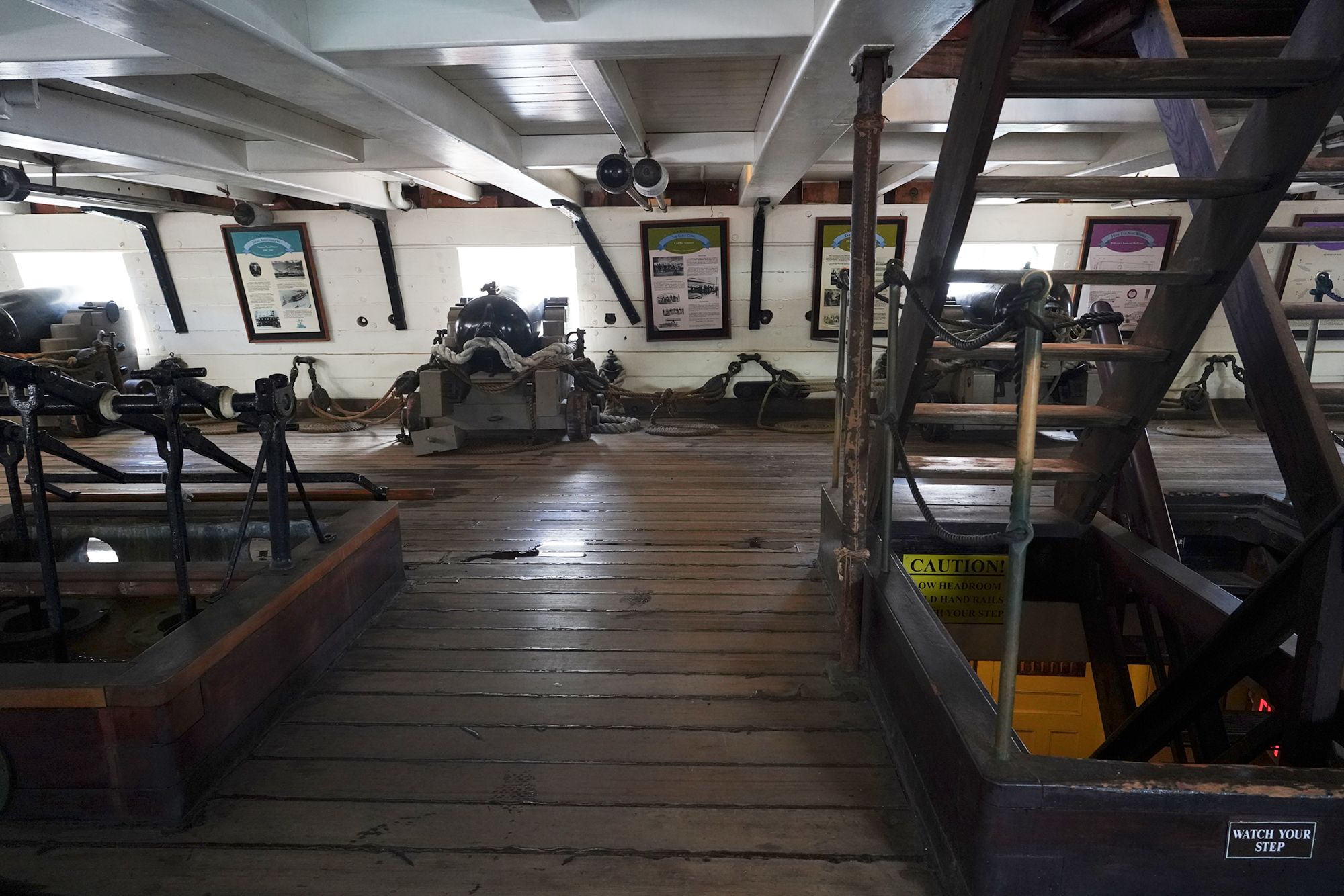
USS Constellation is a 19th-century sloop-of-war, a fully-rigged sailing ship built of oak and copper fastenings, with three tall masts carrying square sails that stretch high above the deck. Her long, sleek wooden hull is built for speed and maneuverability, and her gun deck holds rows of cannons positioned for broadside fire.
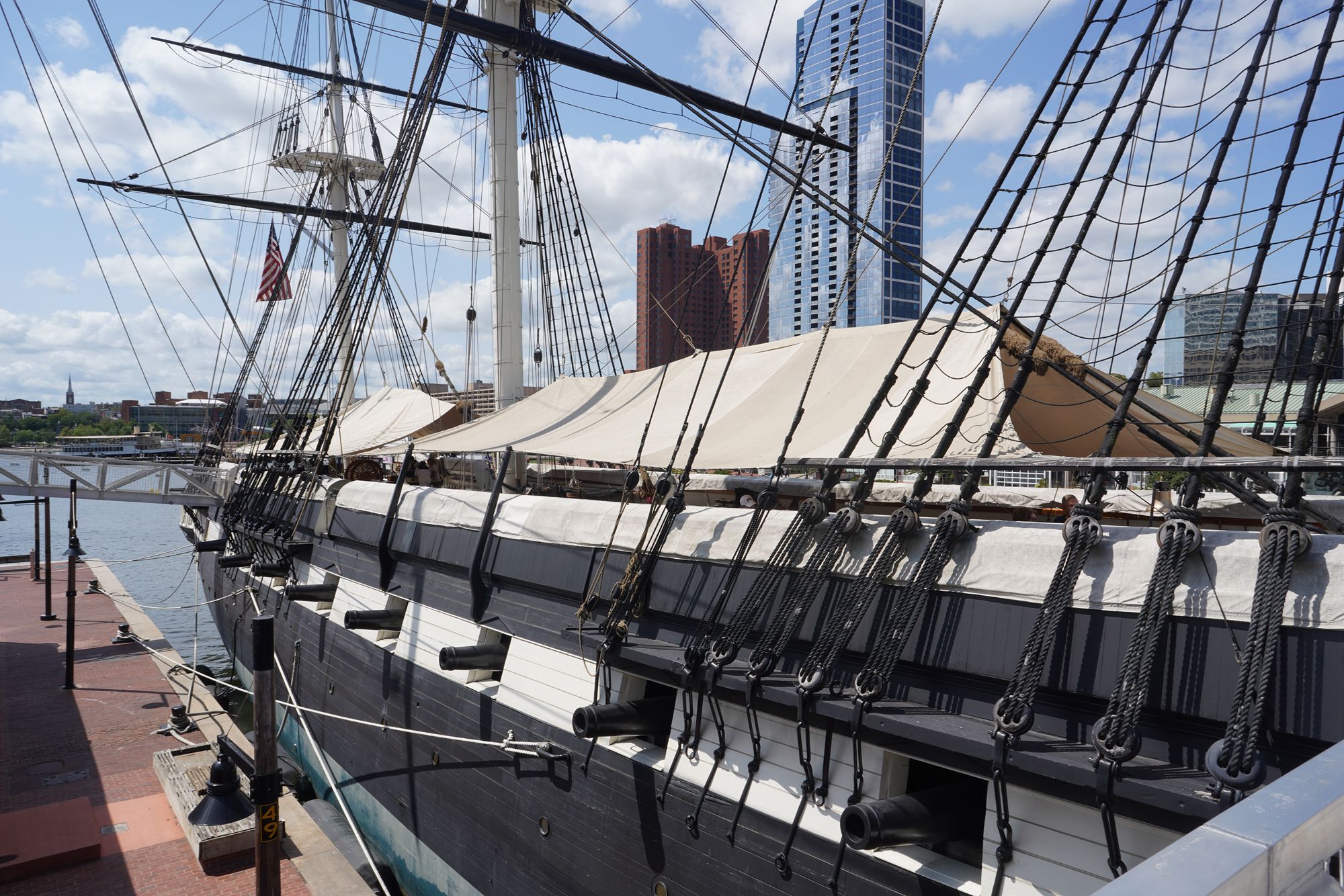
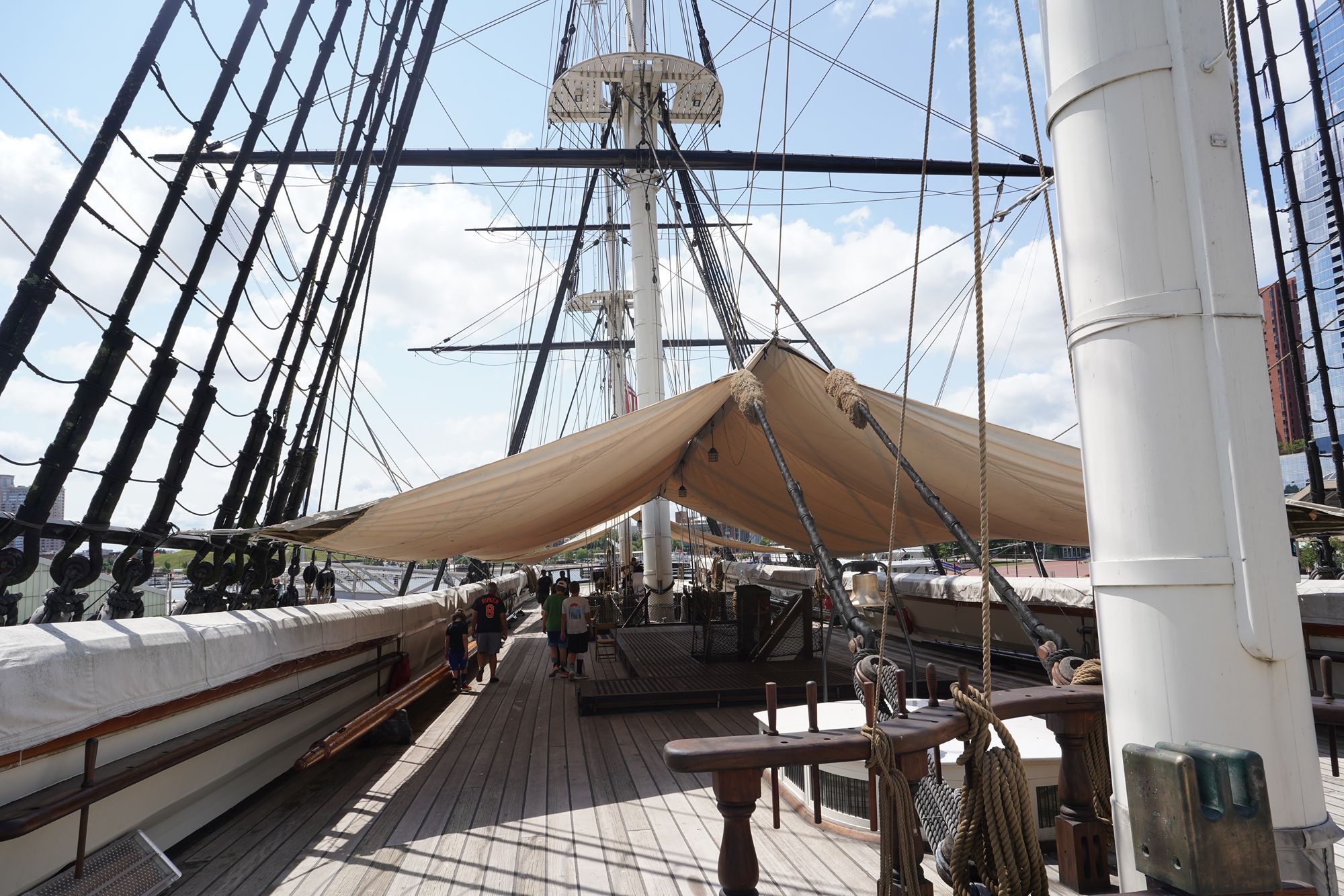
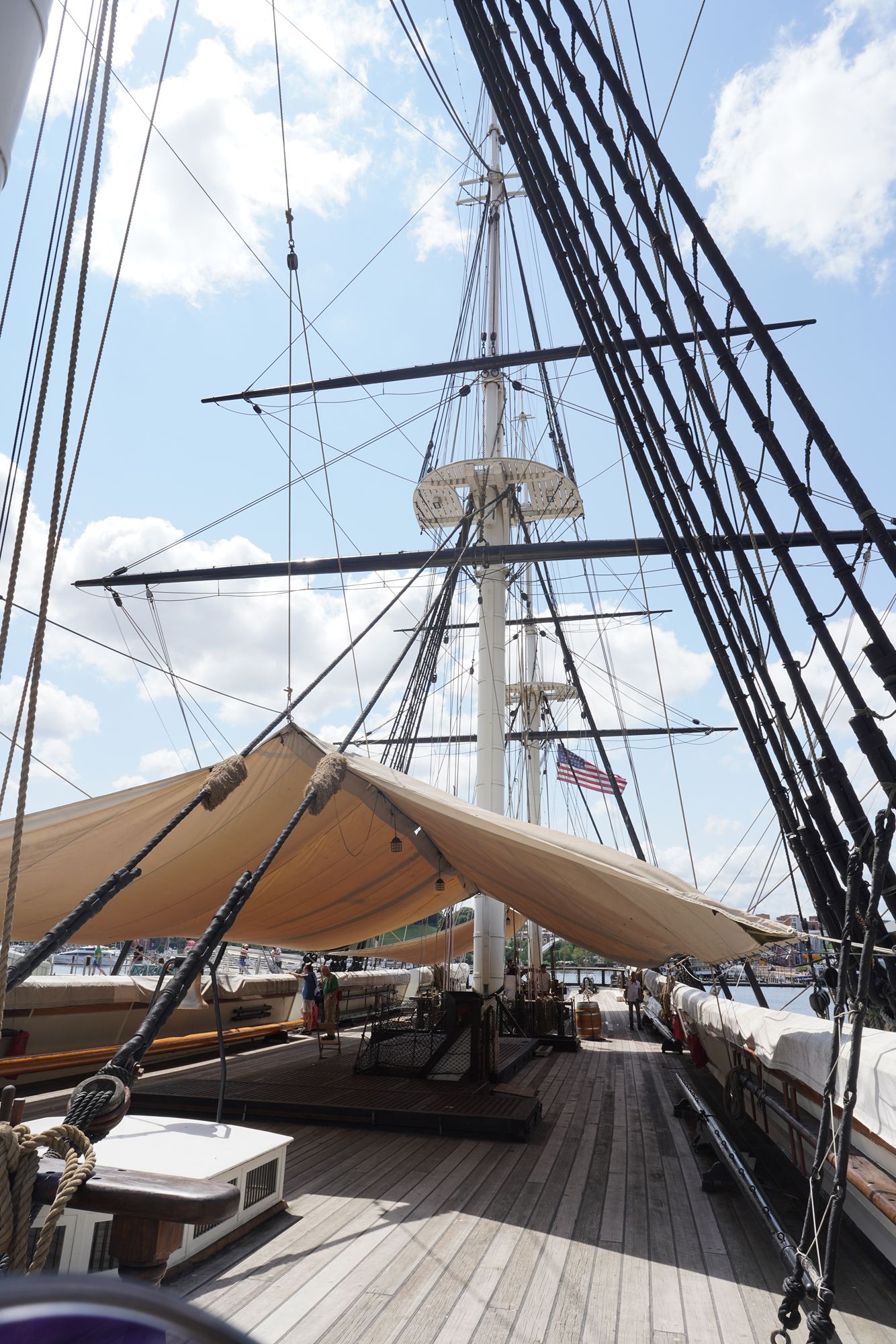
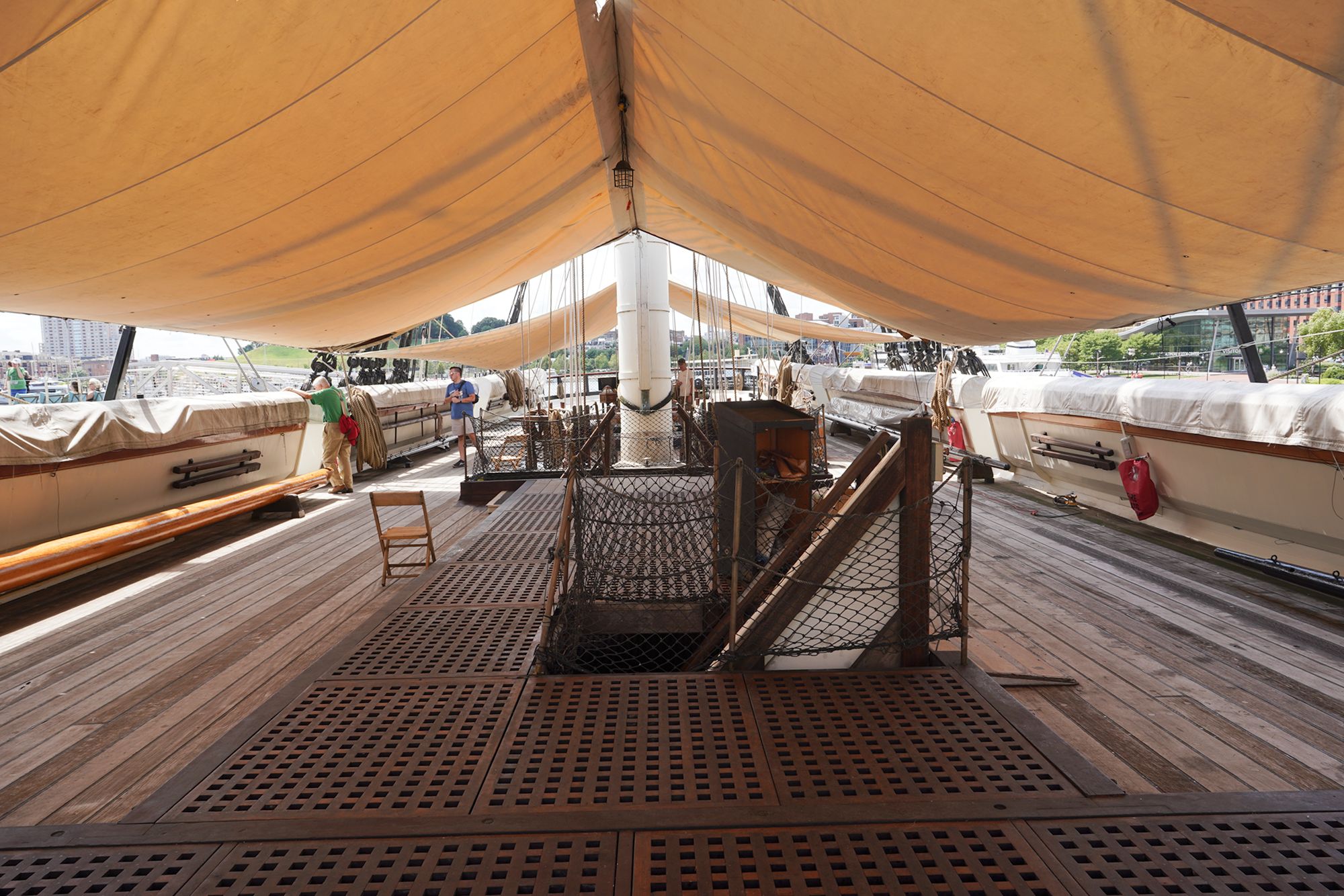
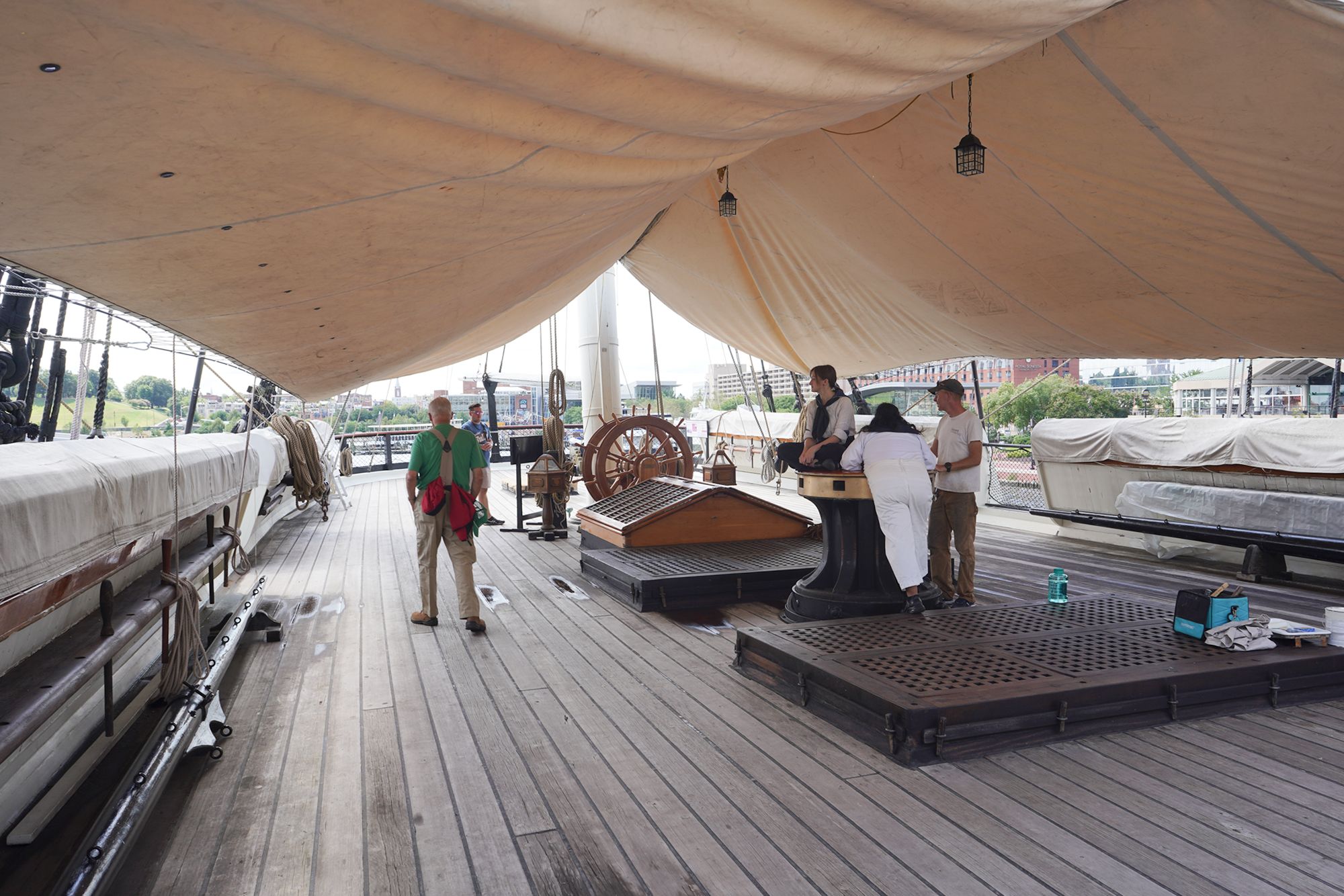
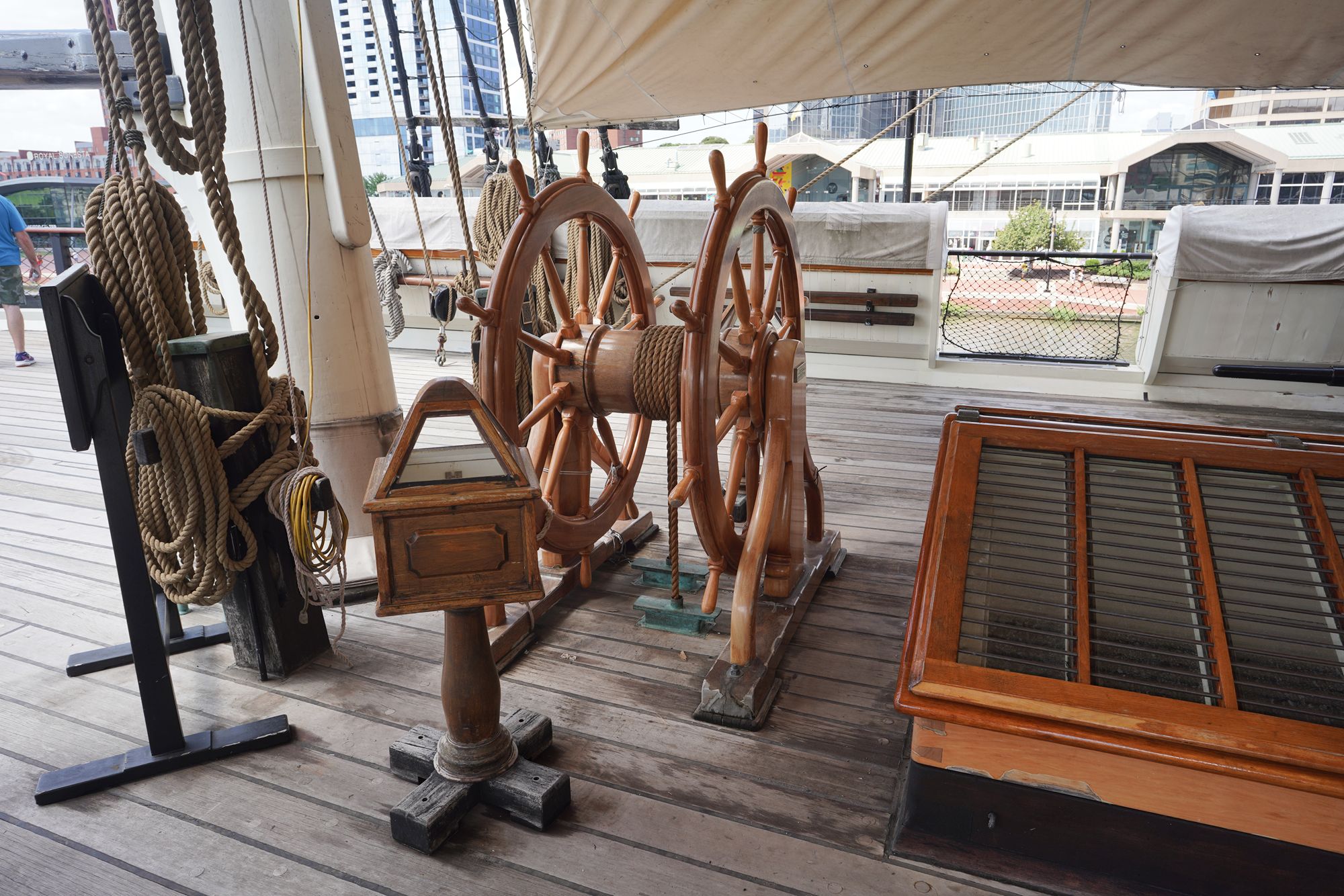
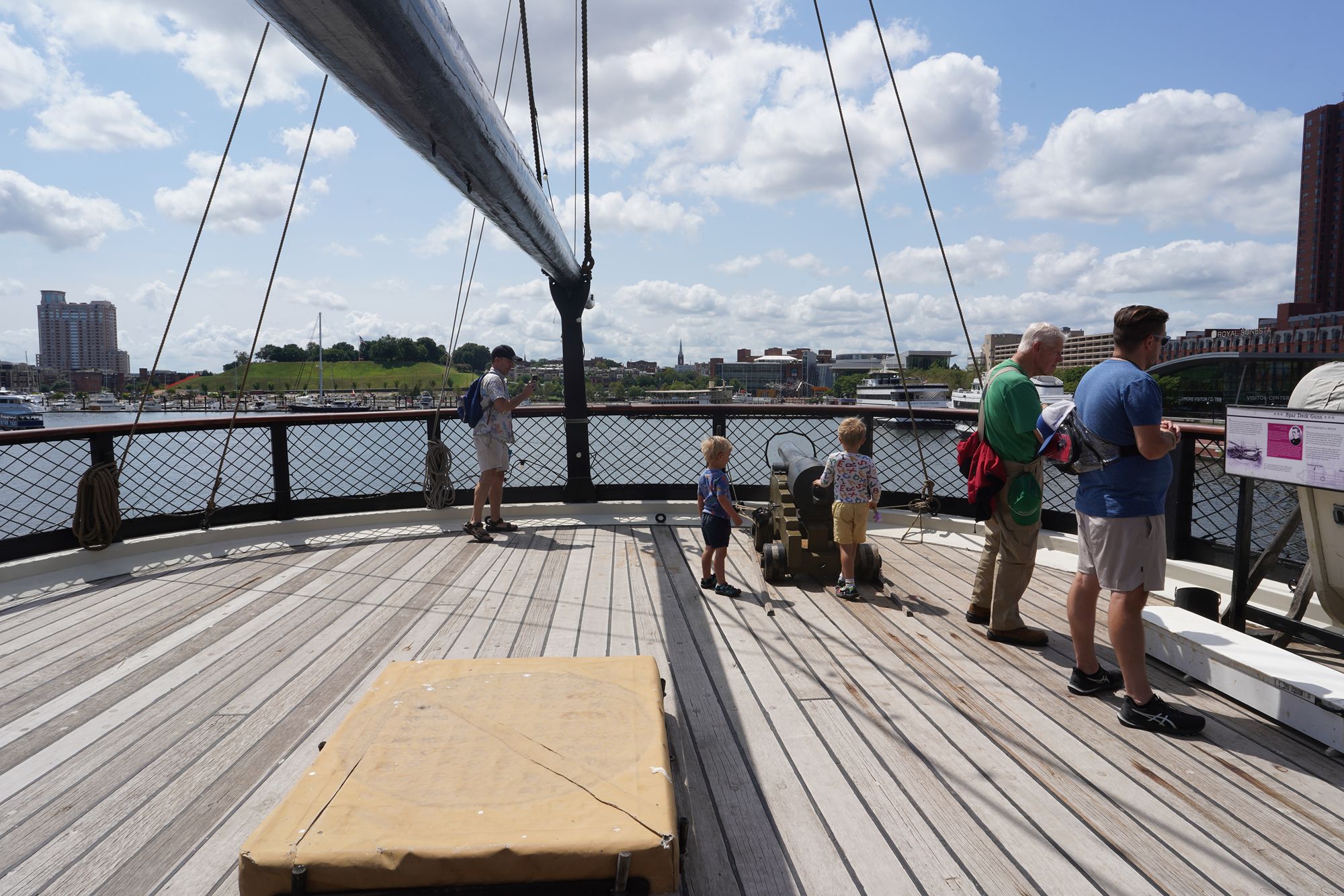
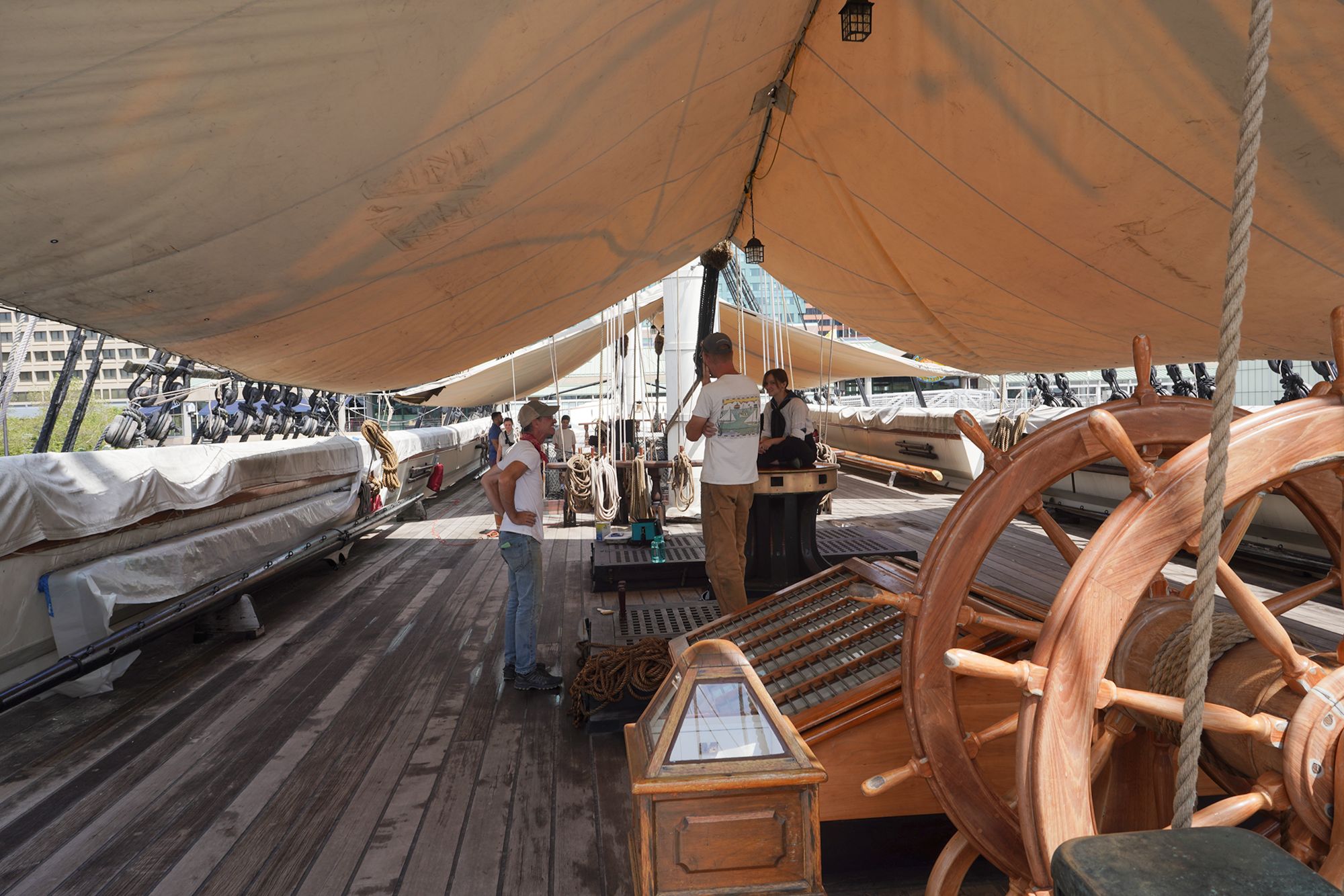
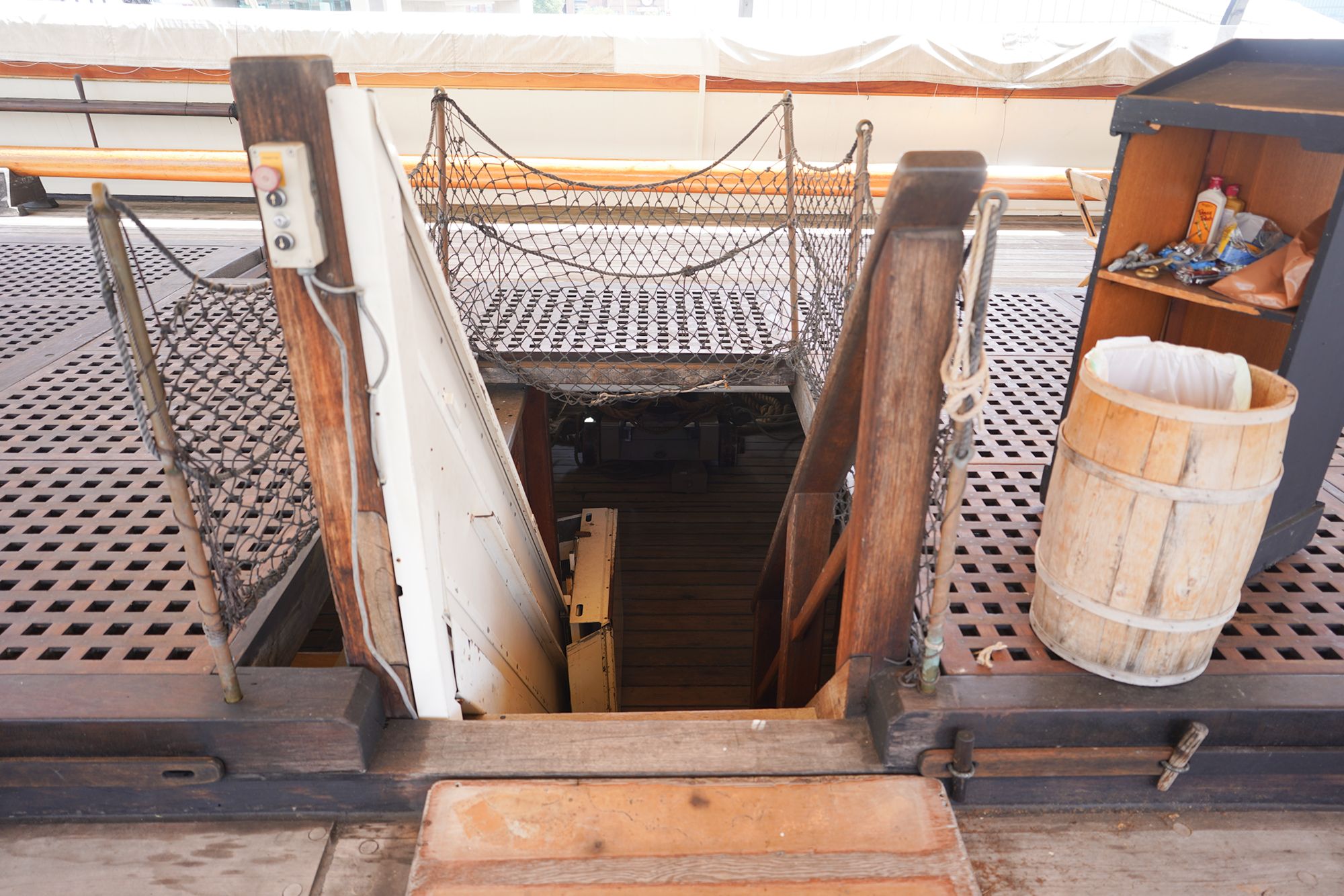
The ship features multiple decks — including the spar deck, gun deck, berth deck, and hold — connected by steep wooden ladders and lined with heavy rope rigging. Below deck, the space is tight and low-ceilinged, with hammocks hung side by side where sailors lived, slept, and worked.
To the middle deck
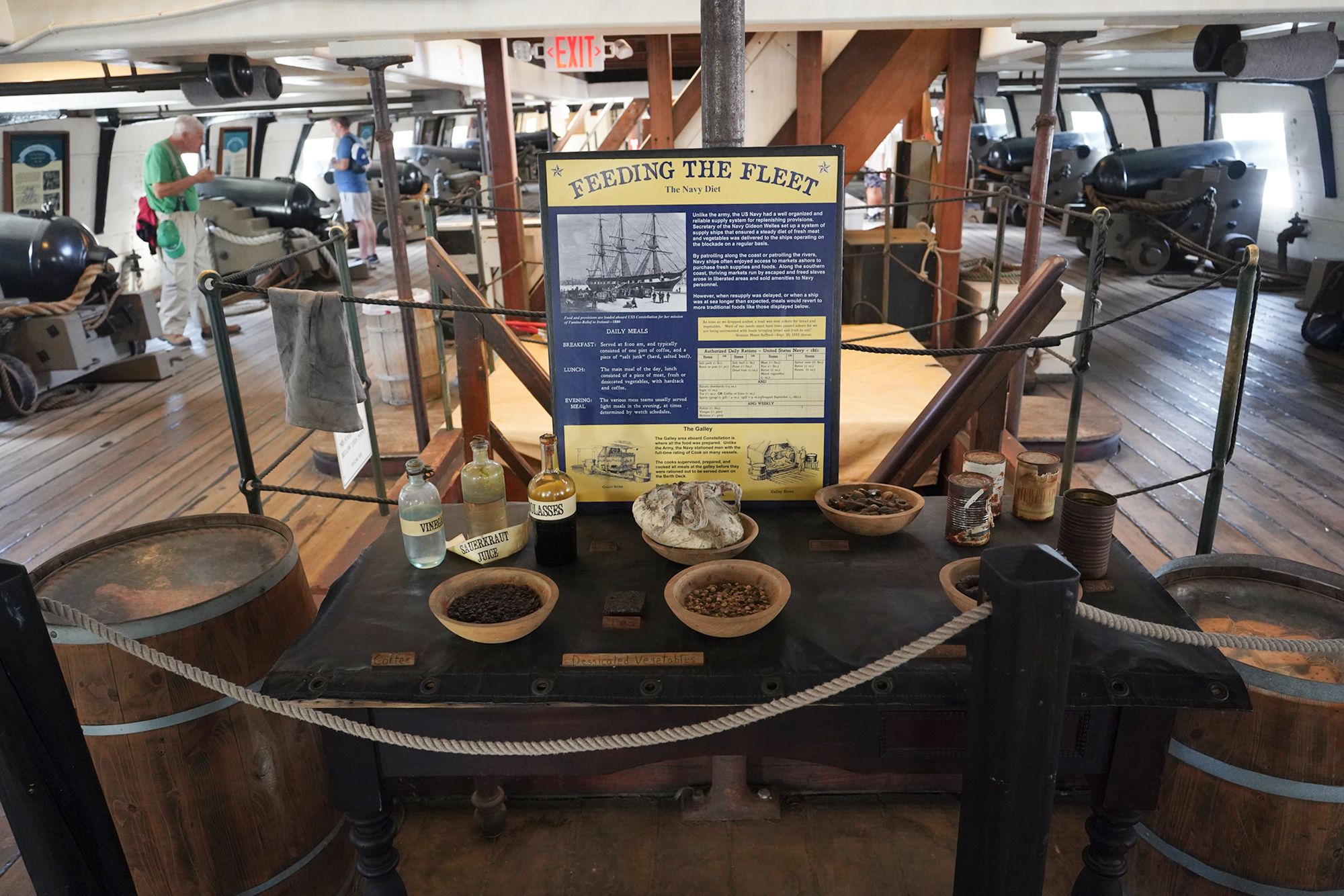
Down to the lower deck
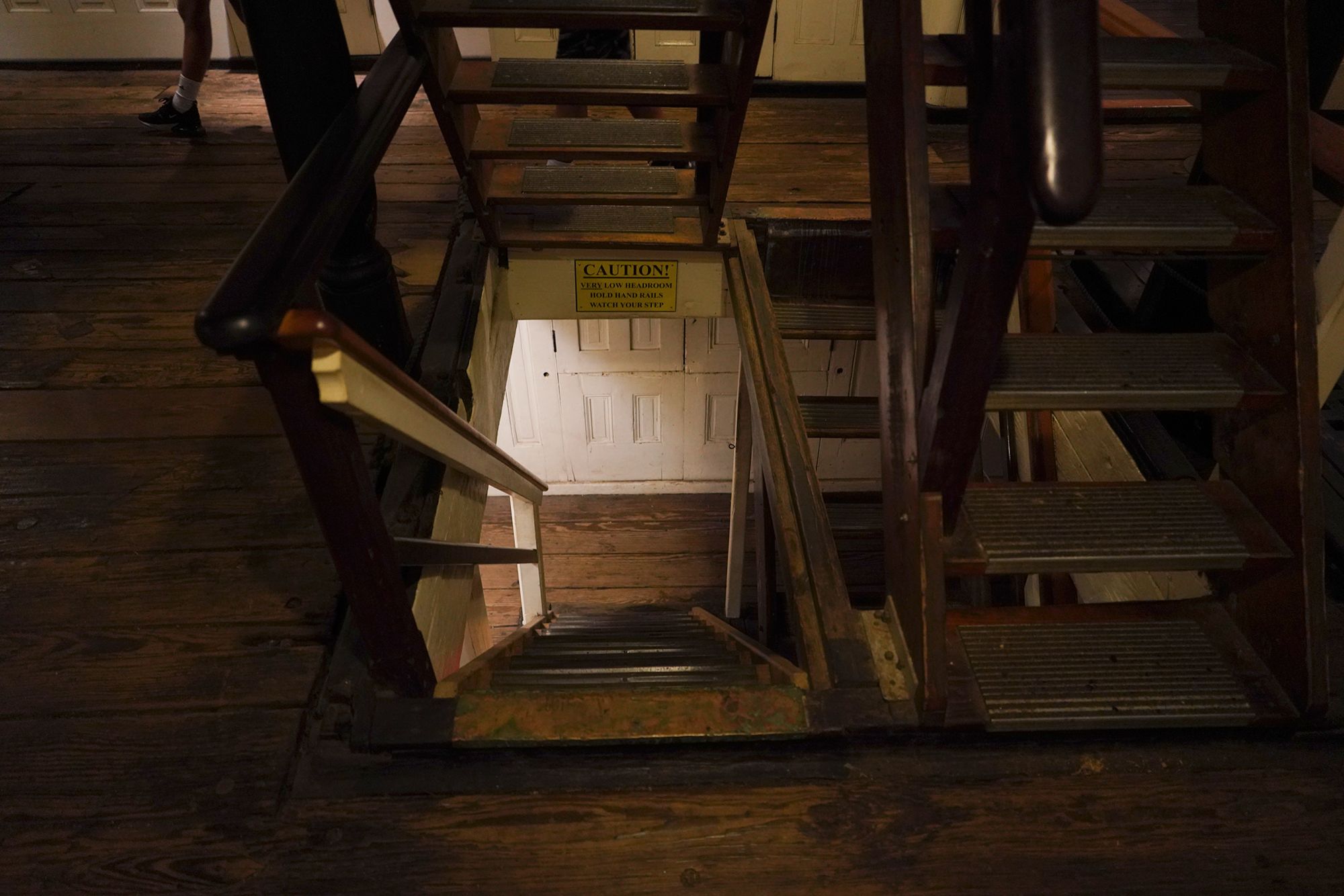
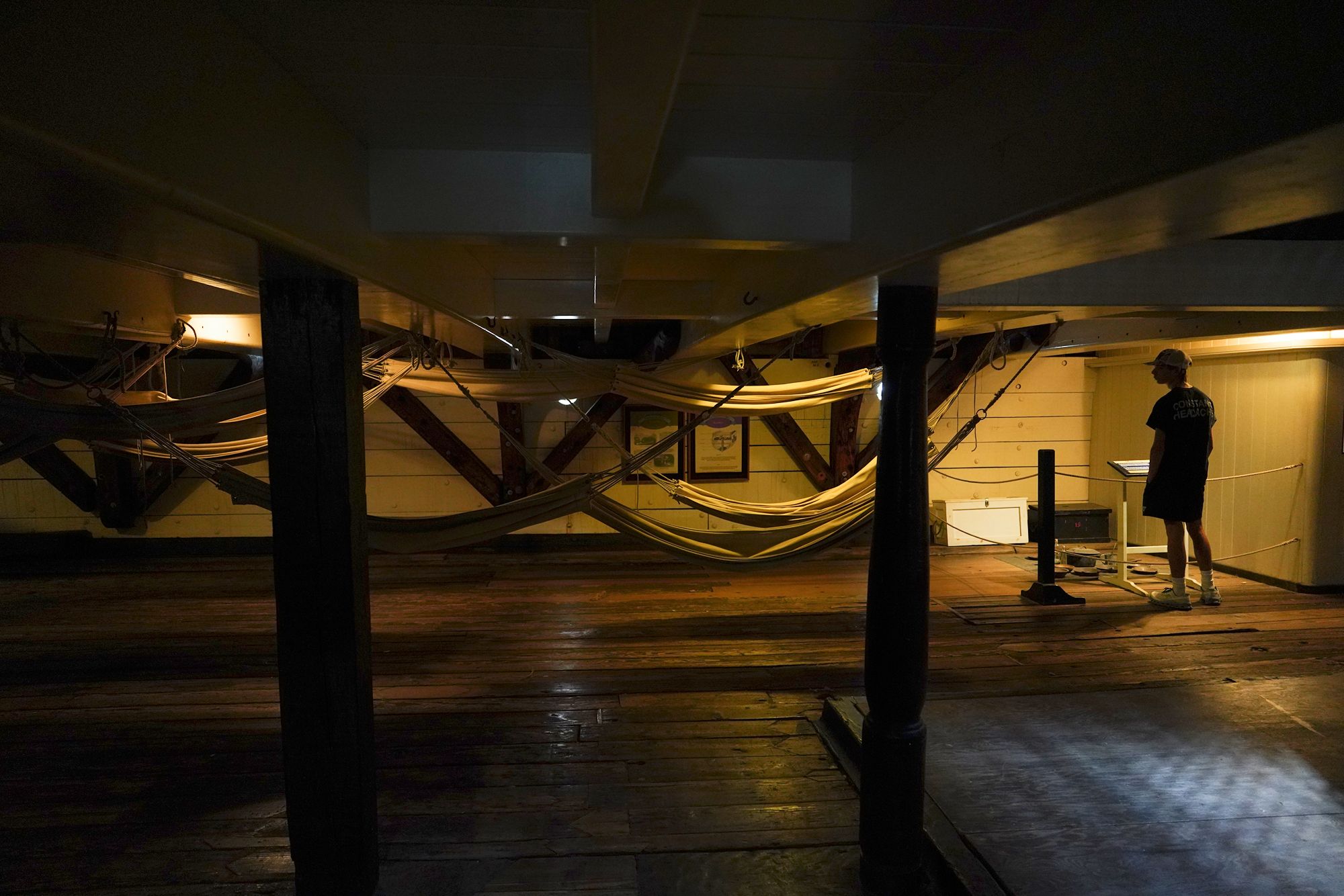
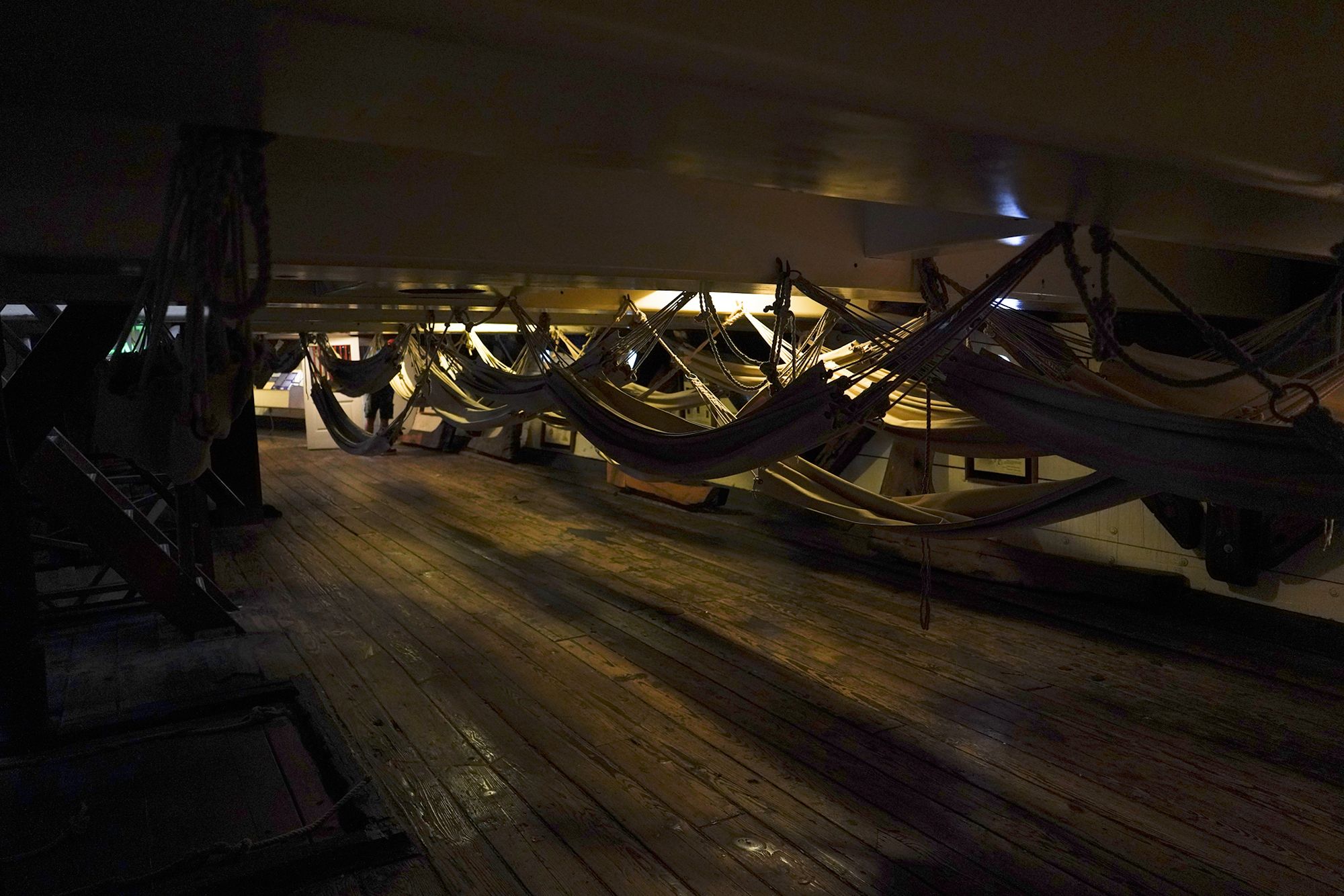
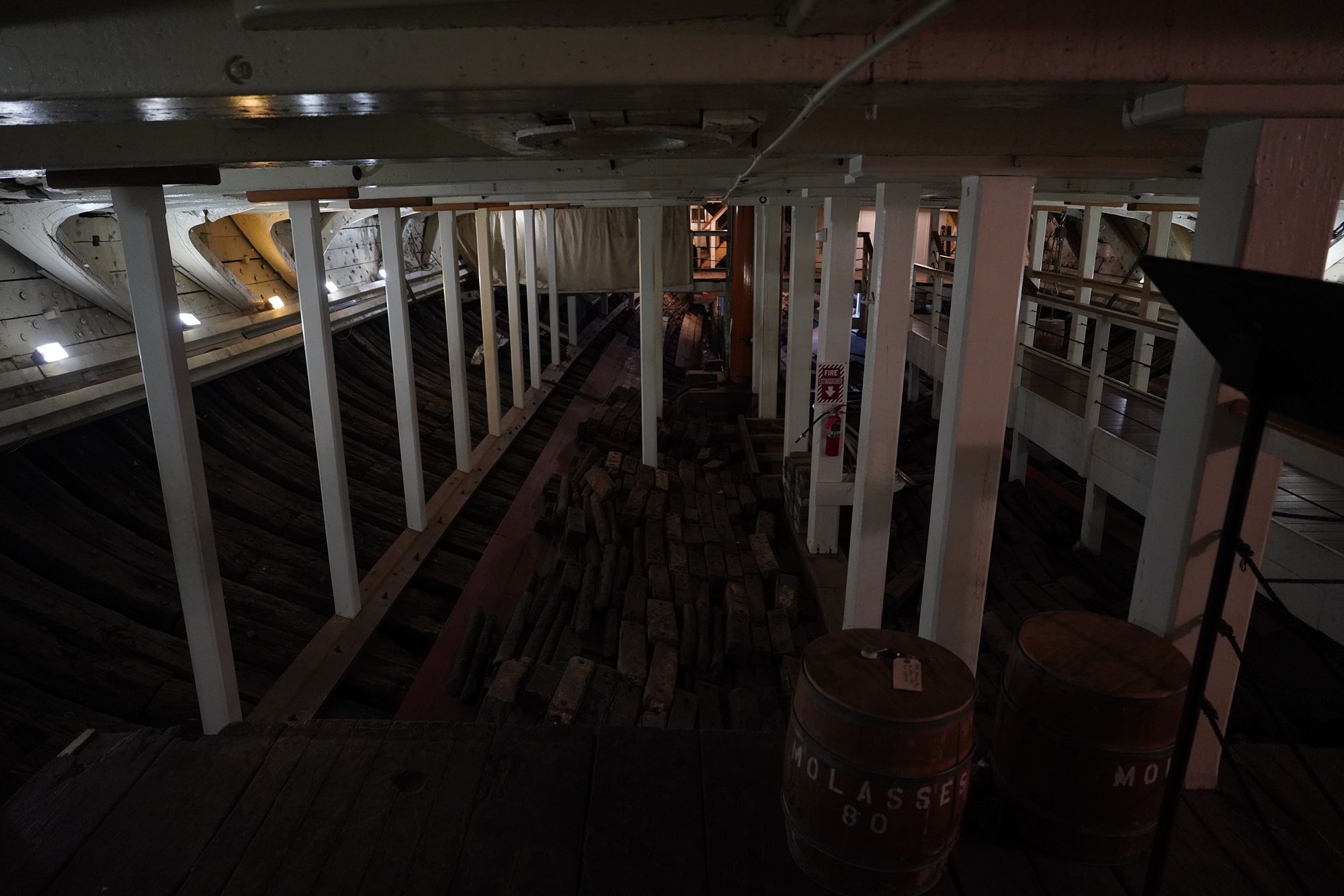
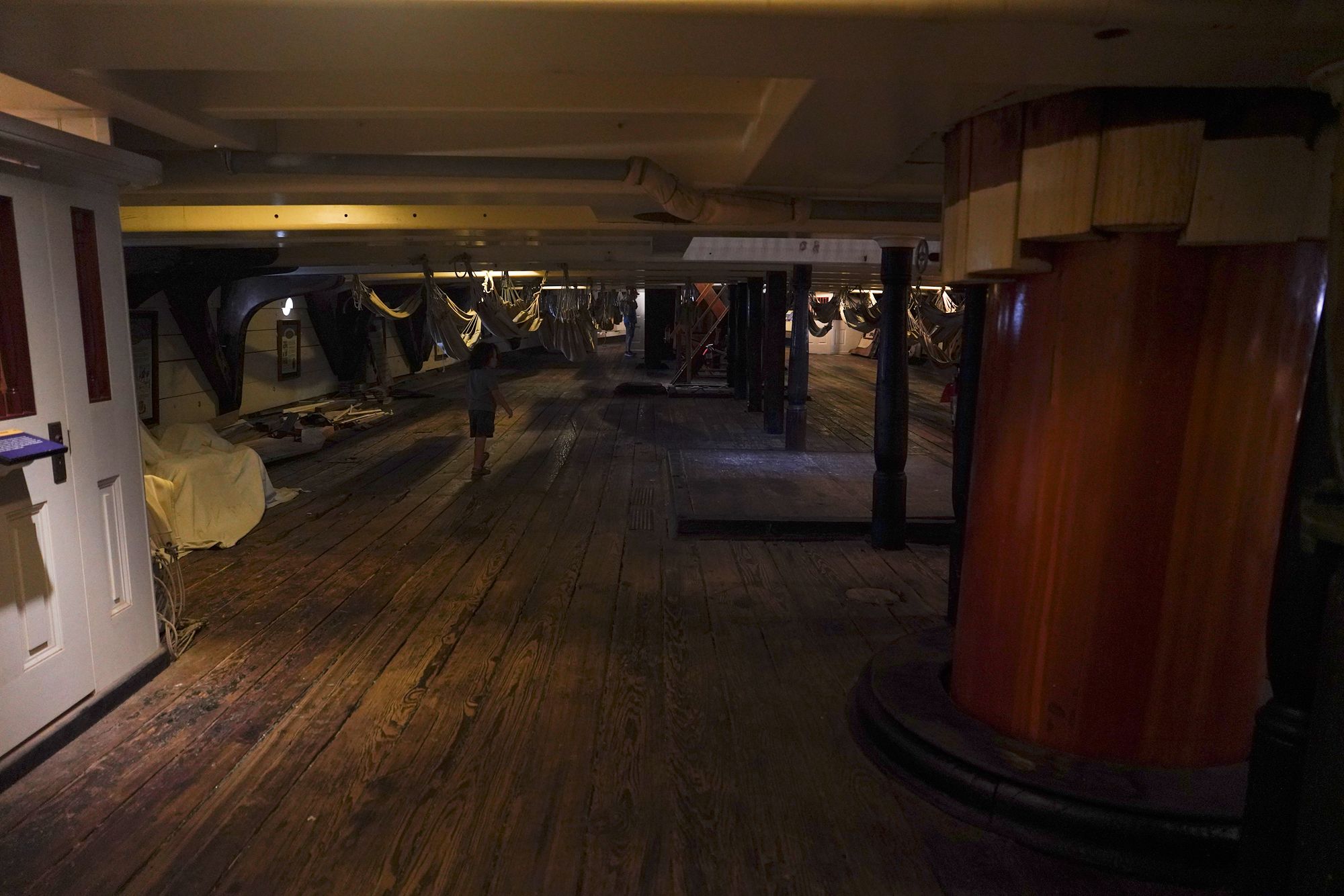
Peopole manning the fleet
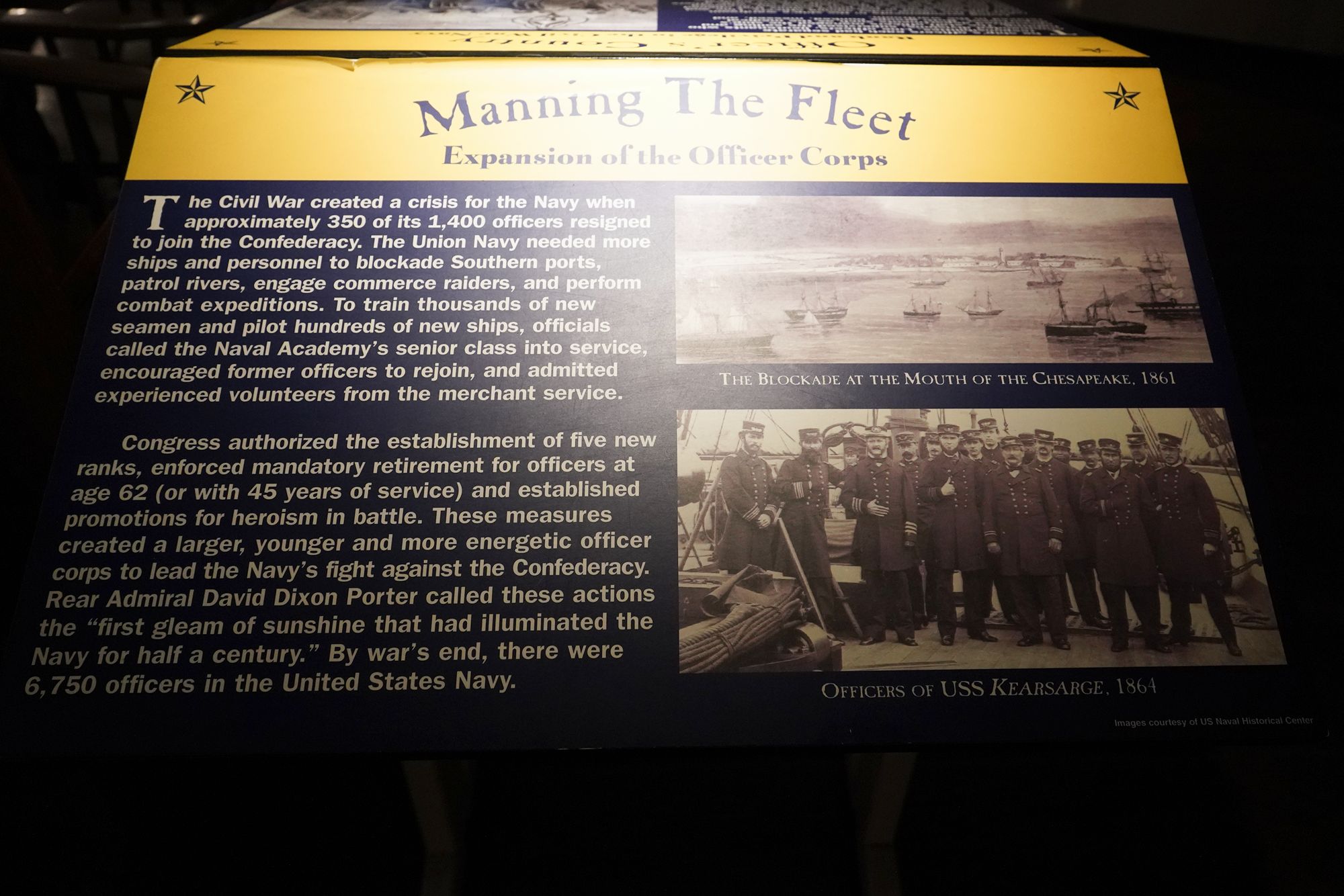
The officers
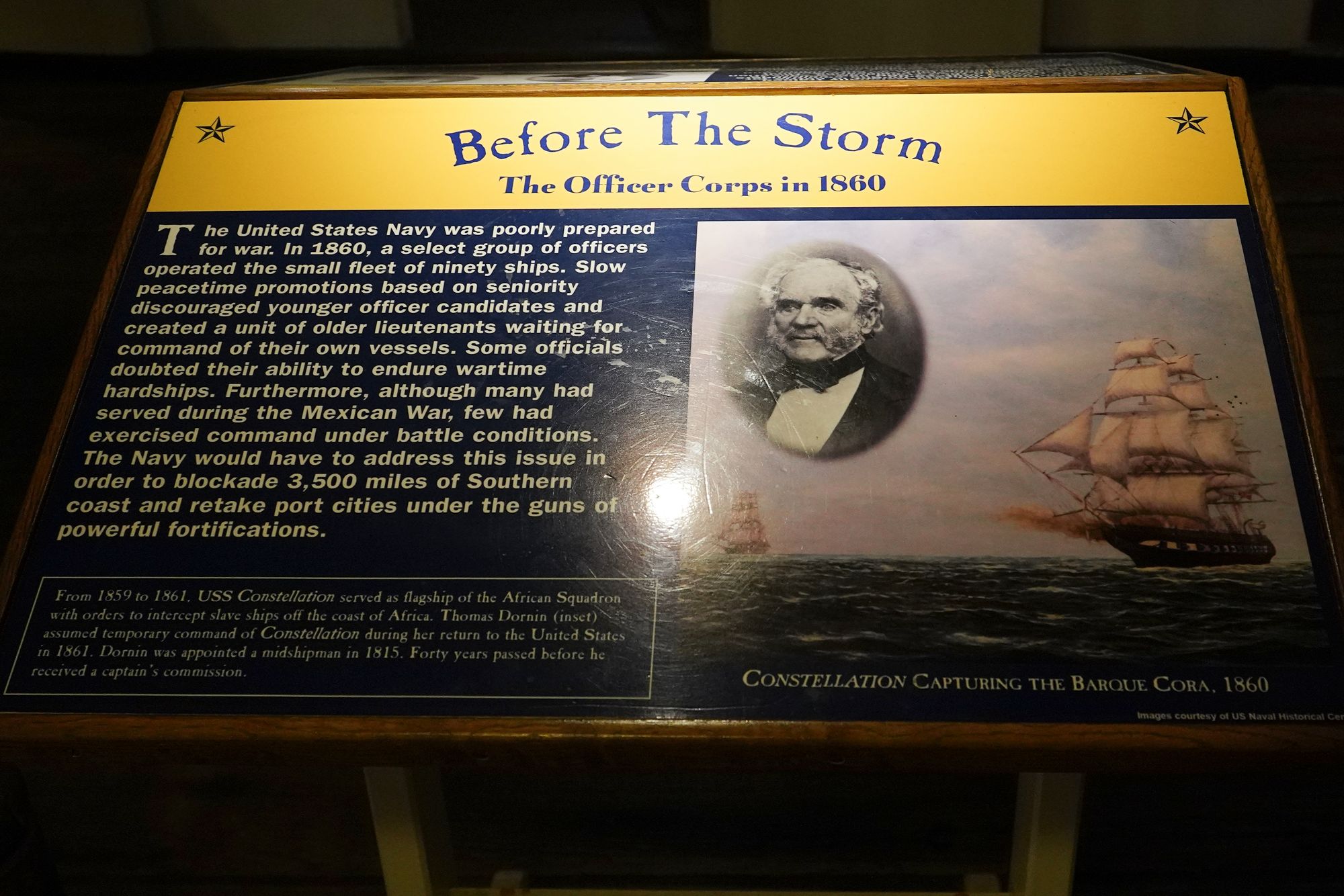
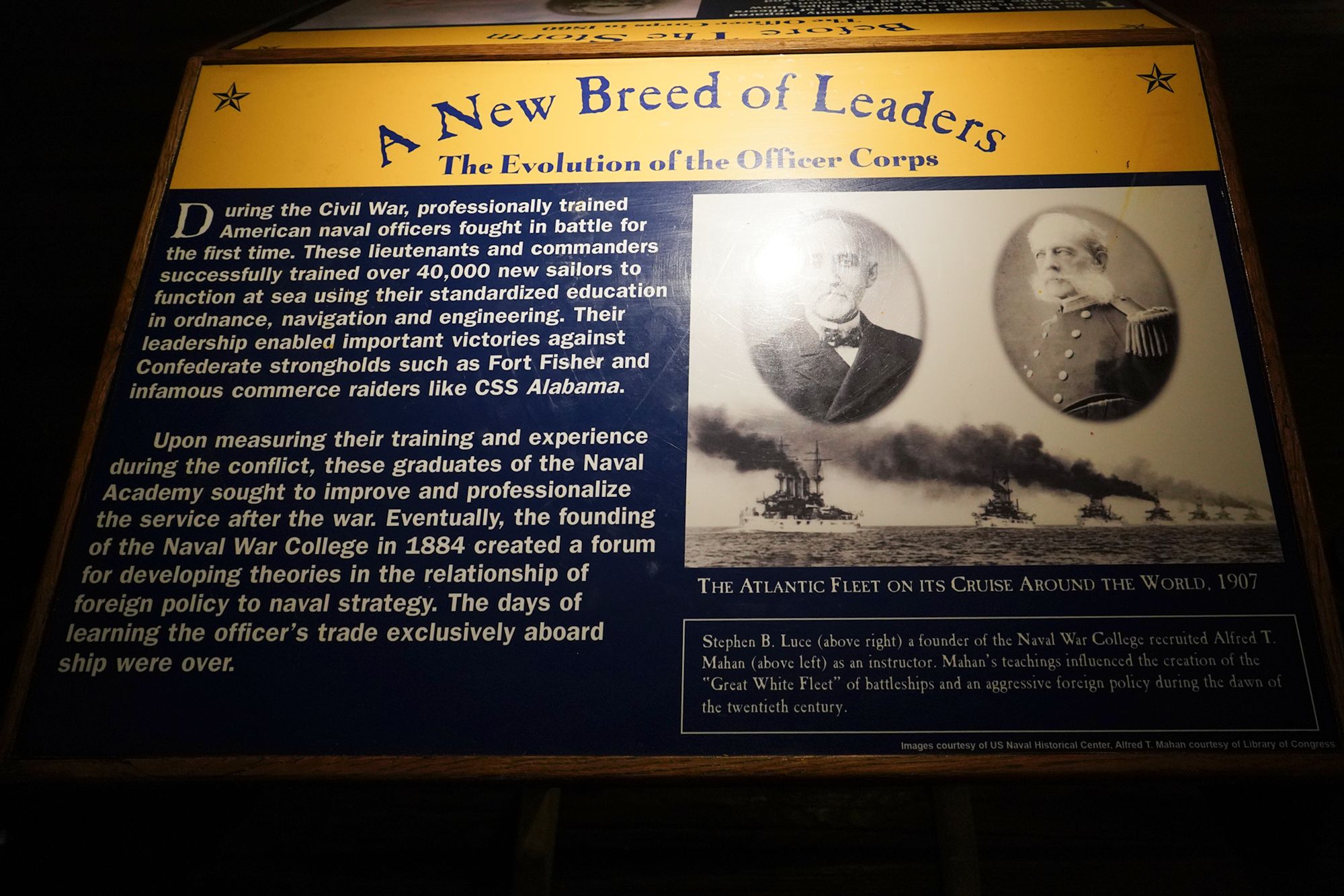
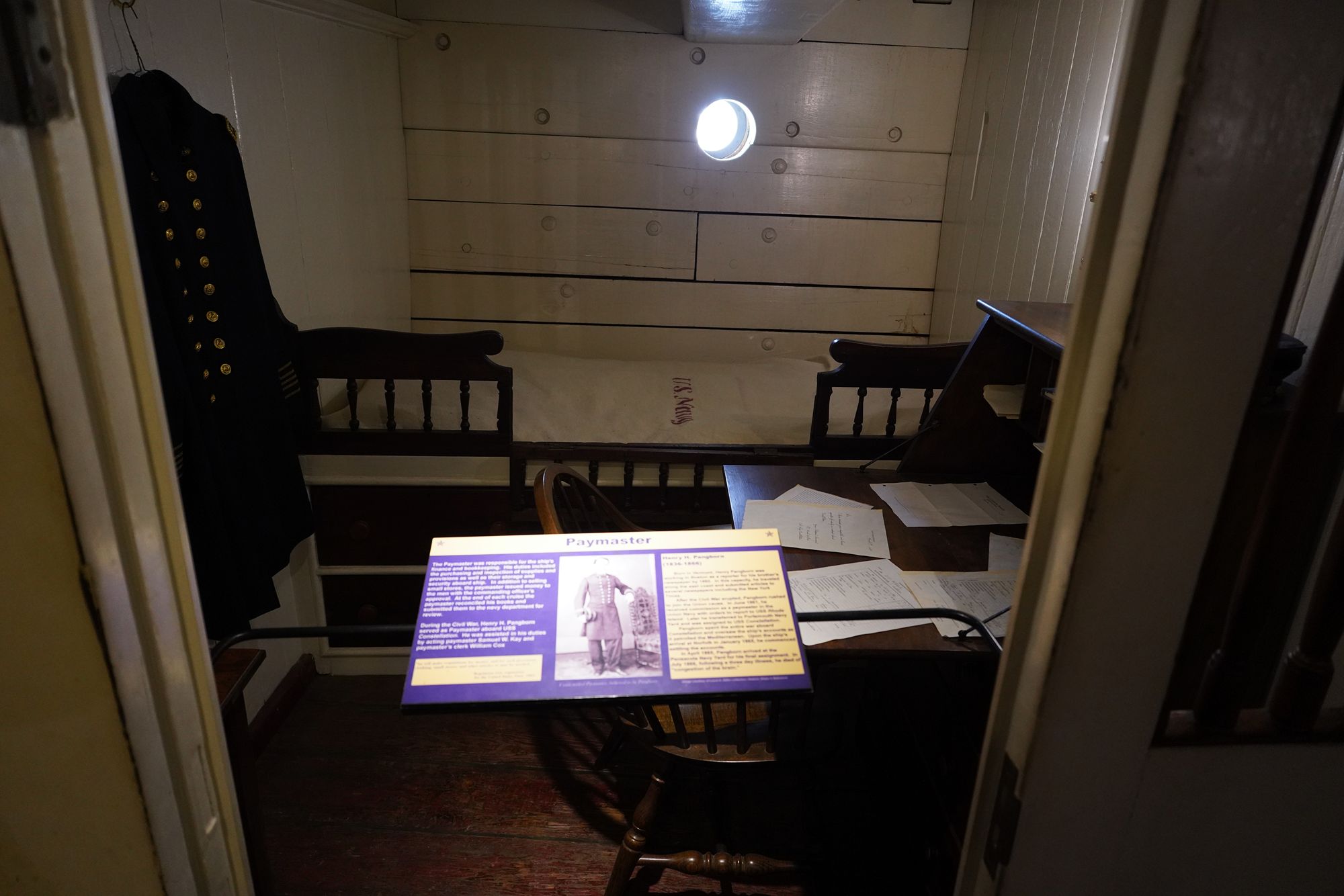
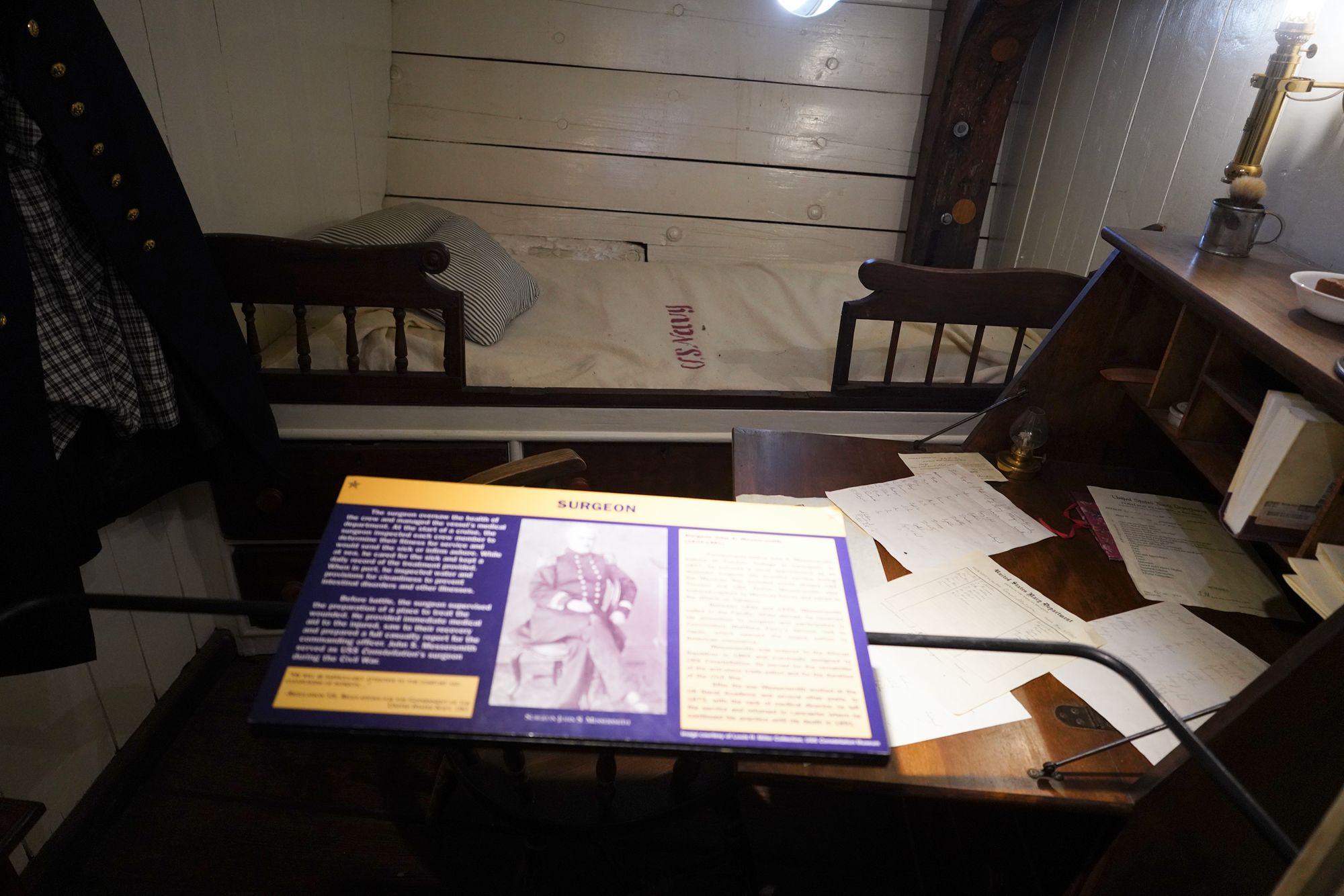
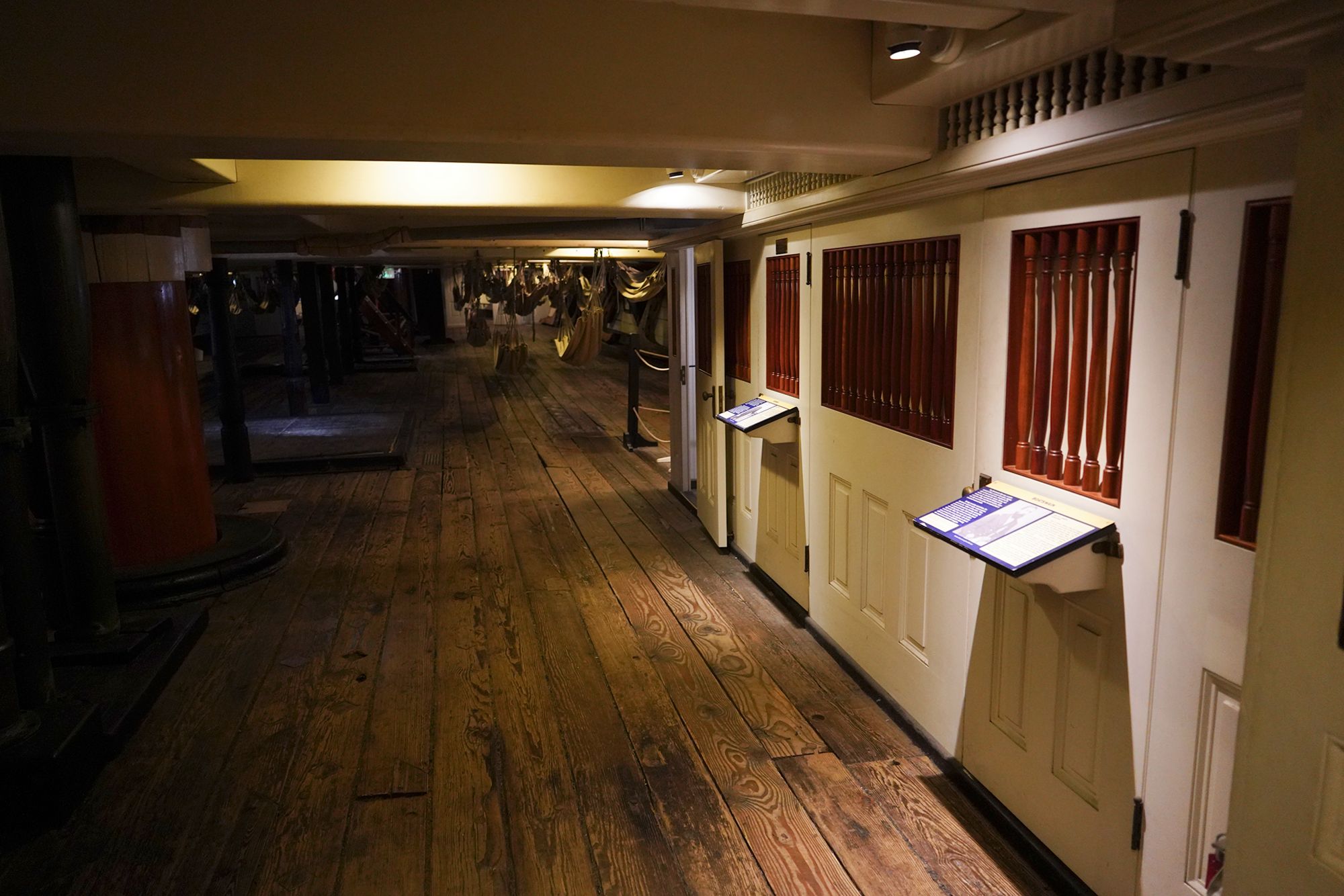
Officer’s bedrooms
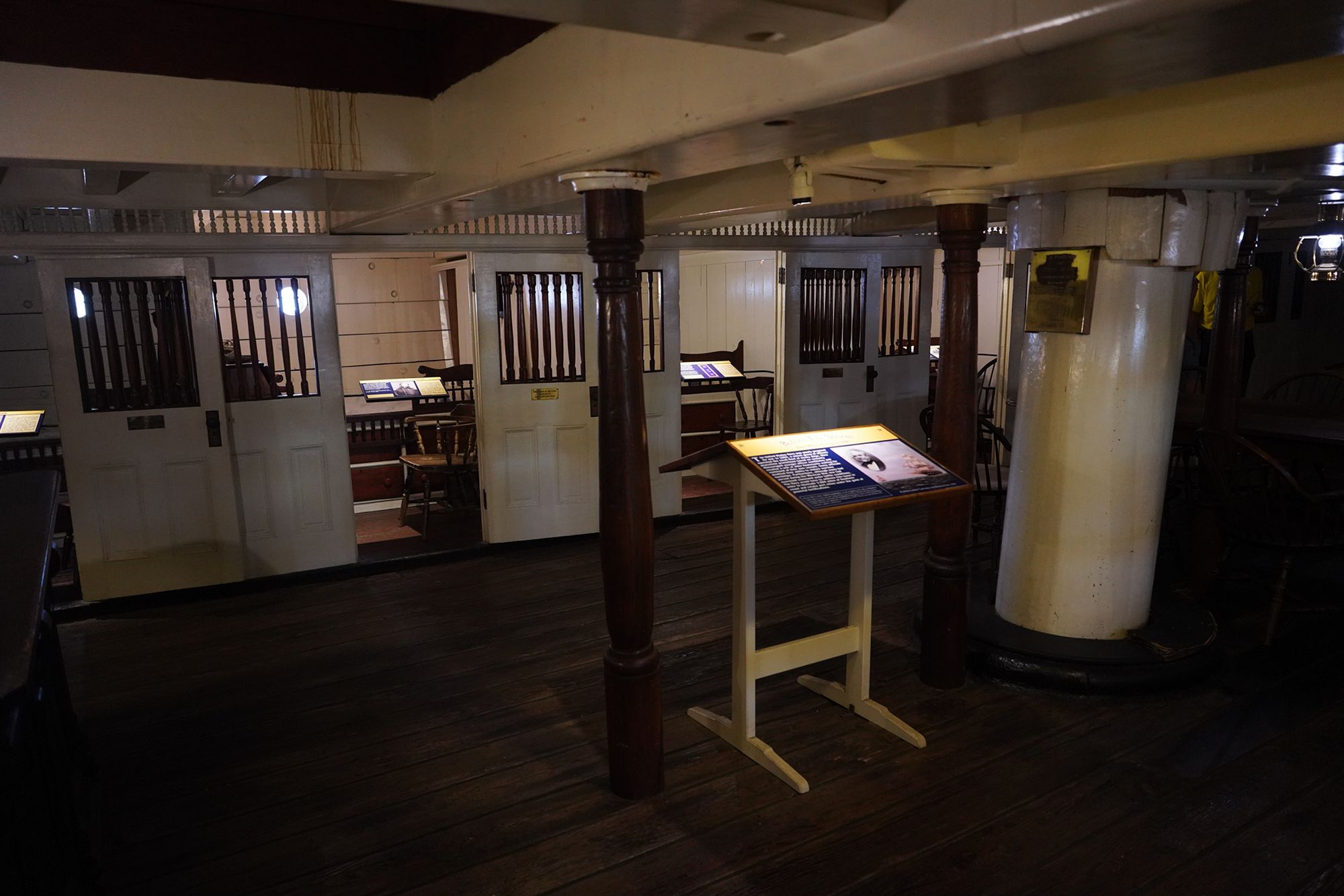
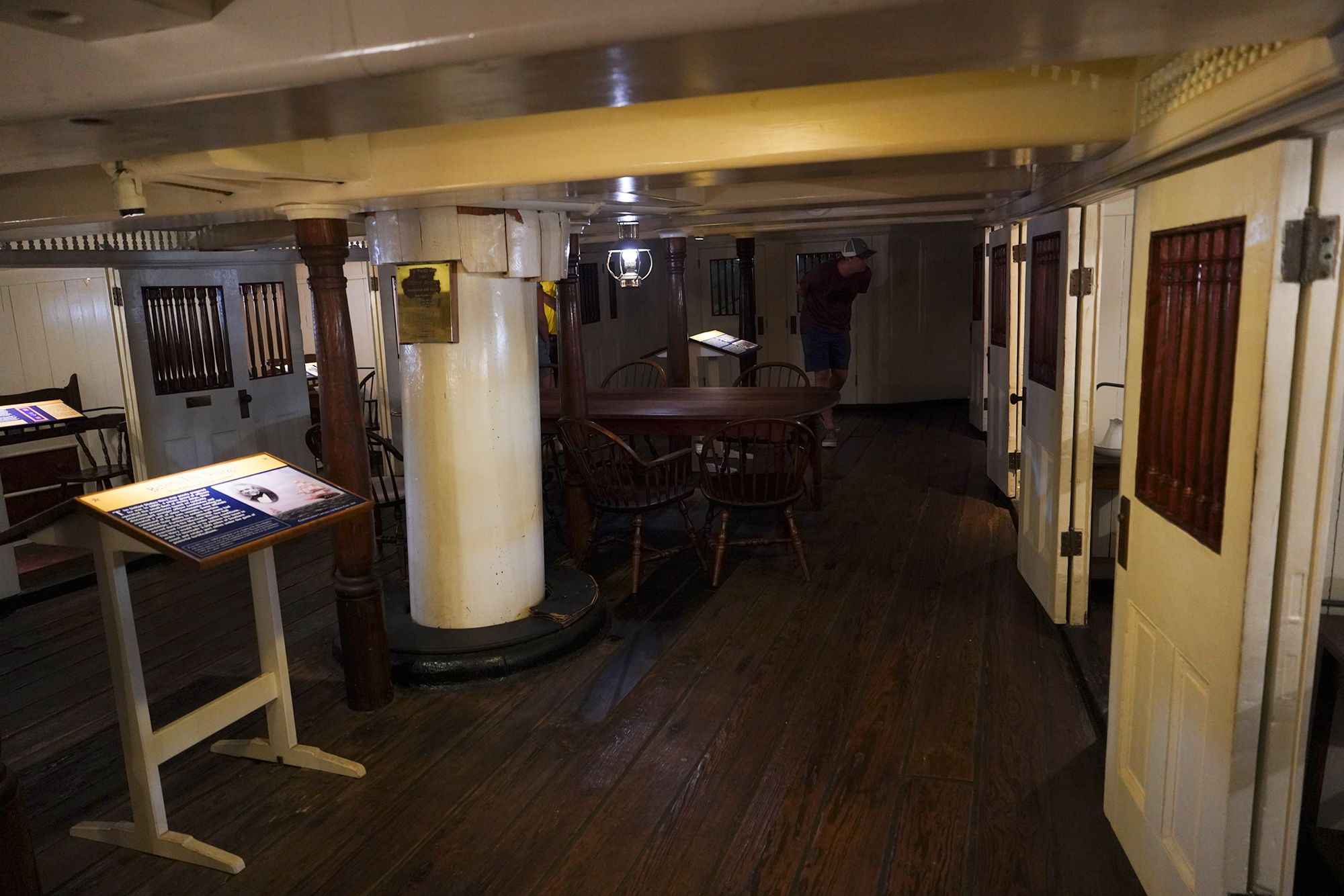
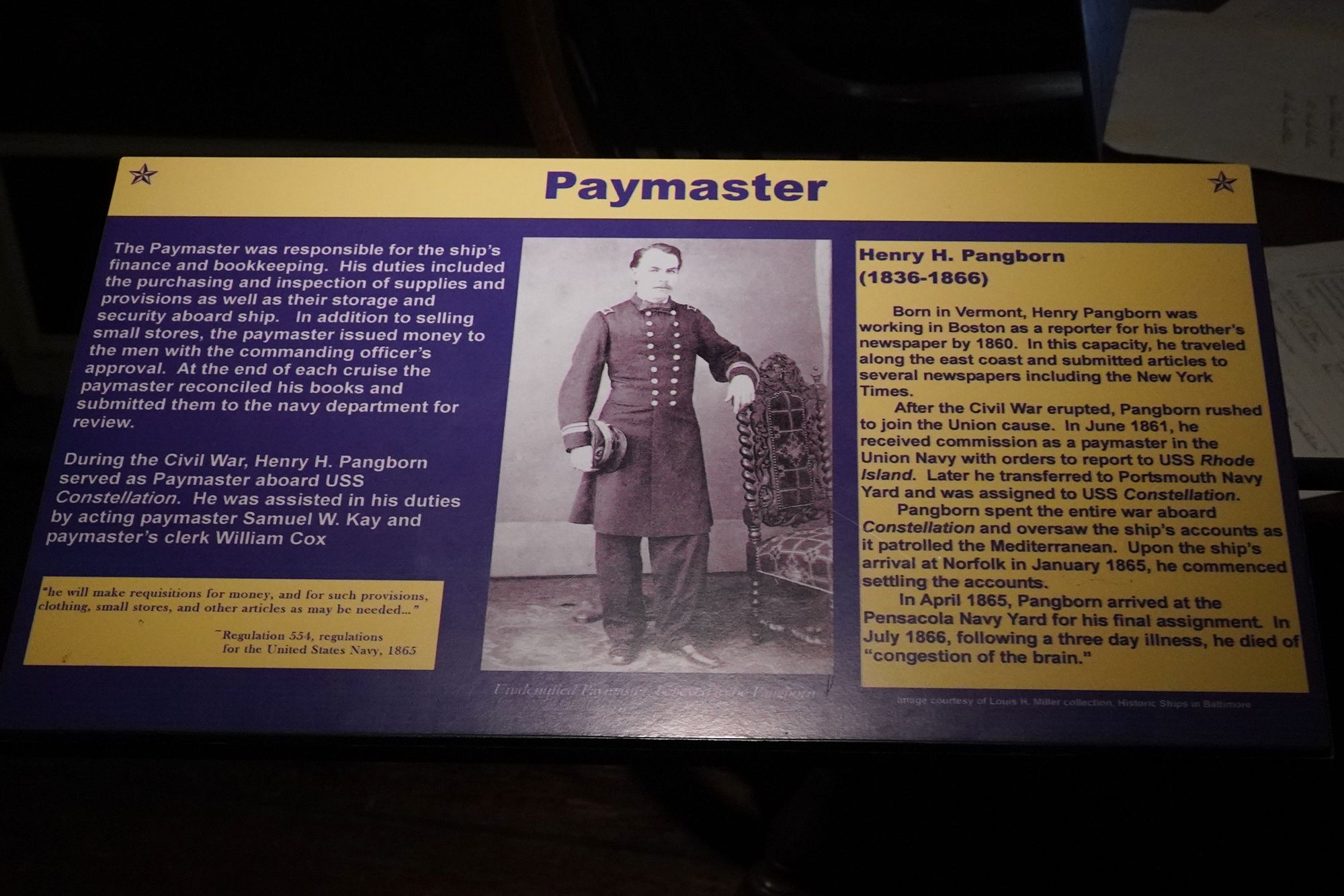
Paymaster
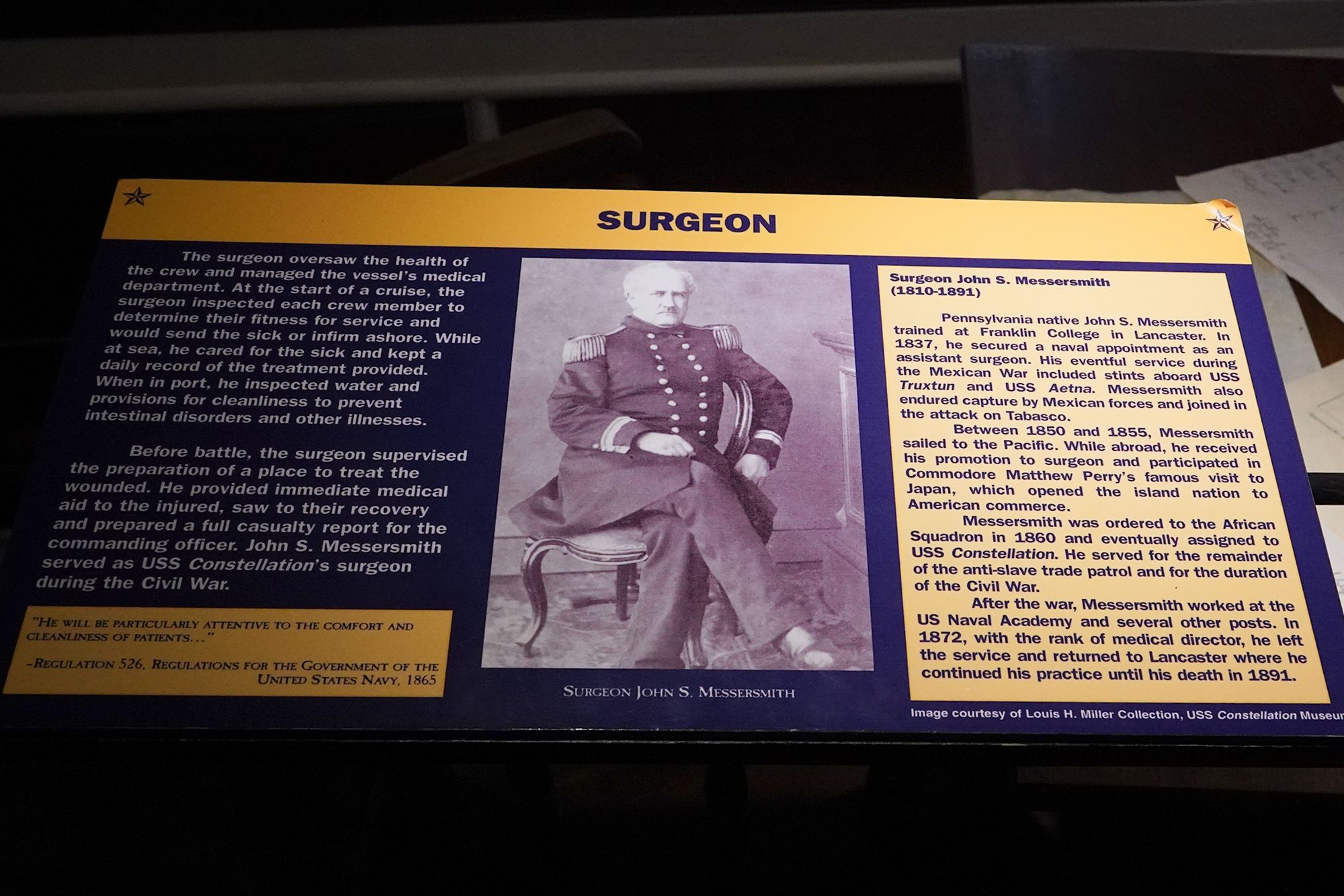
Surgeon
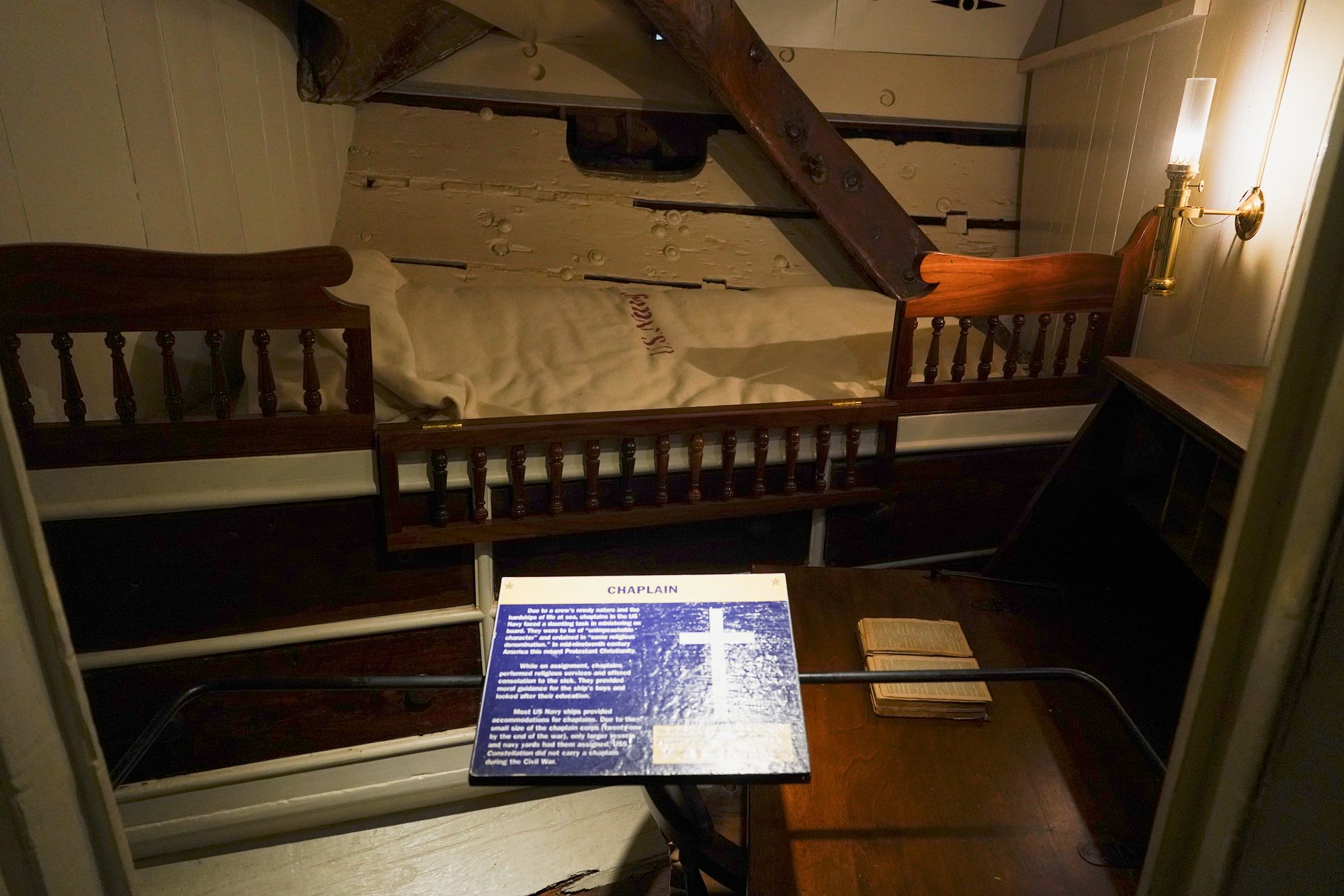
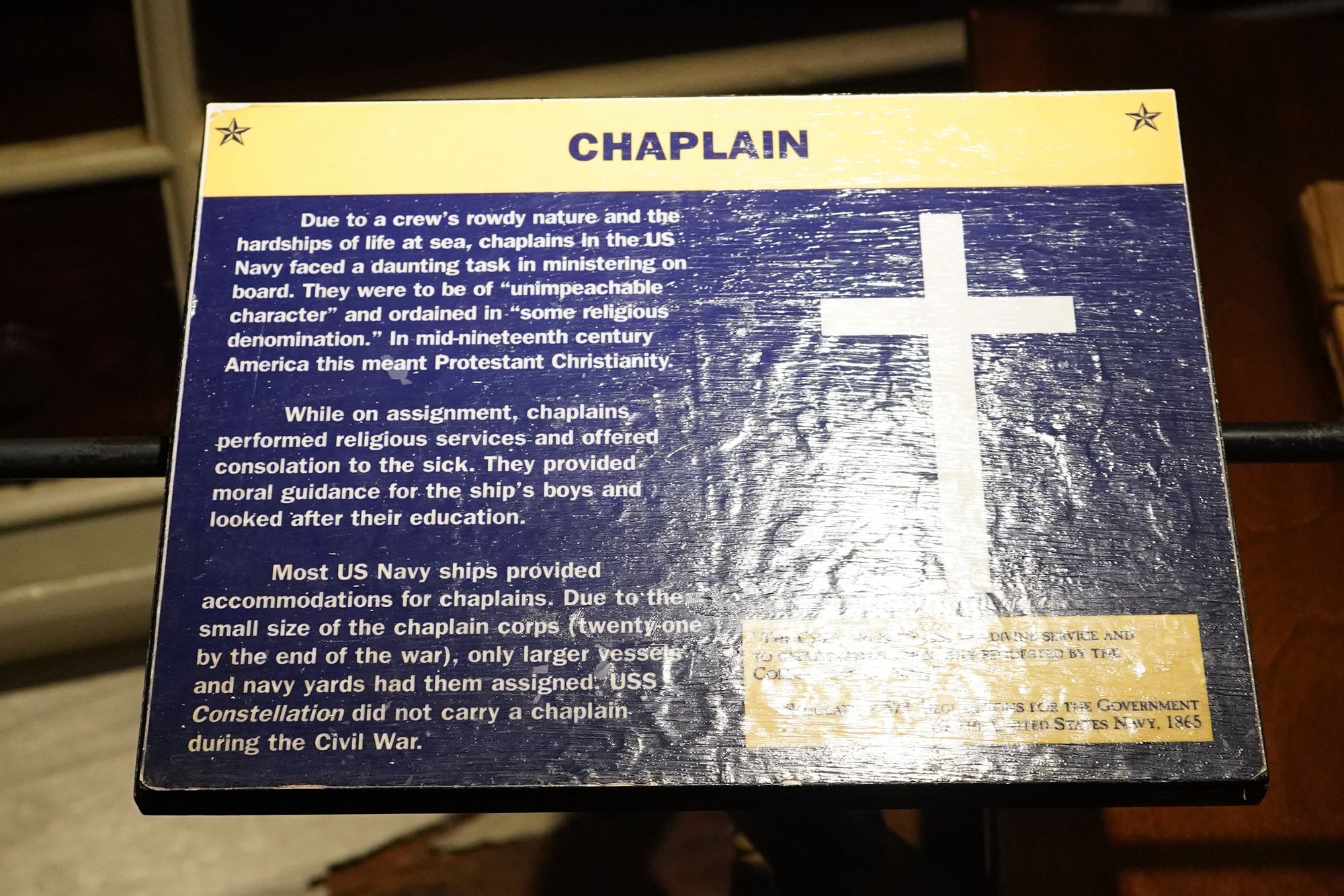
Chaplain
Came back to the middle deck
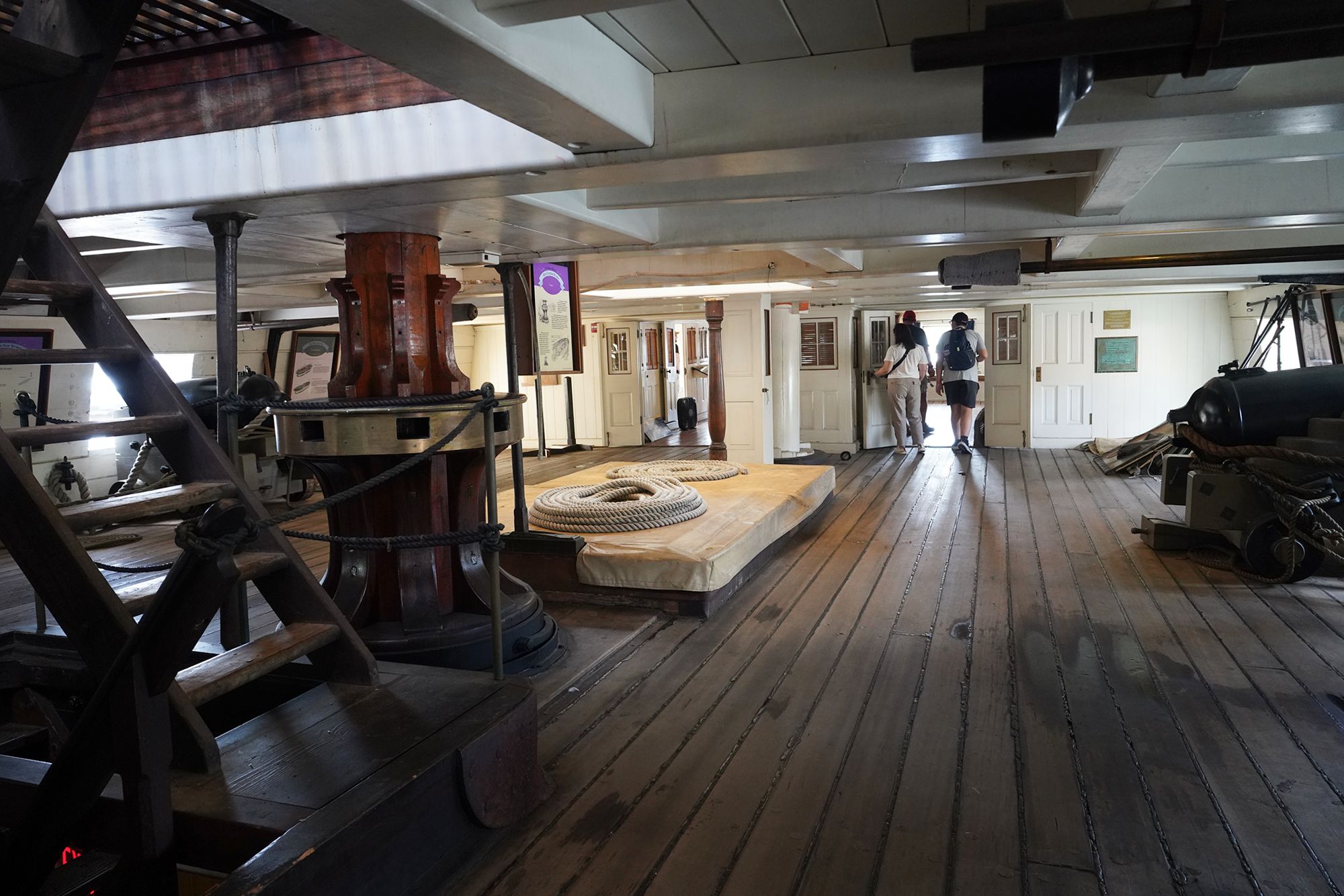
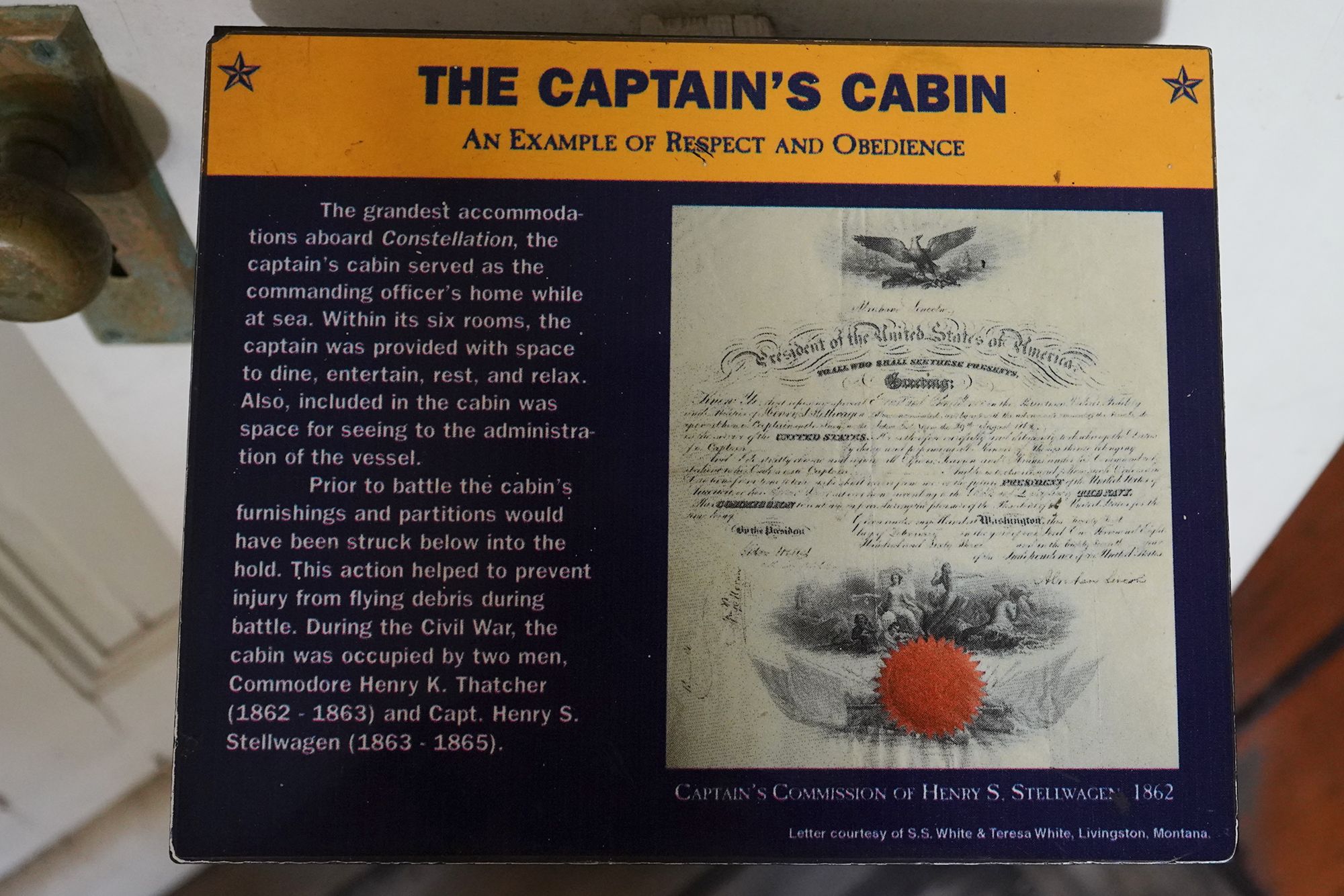
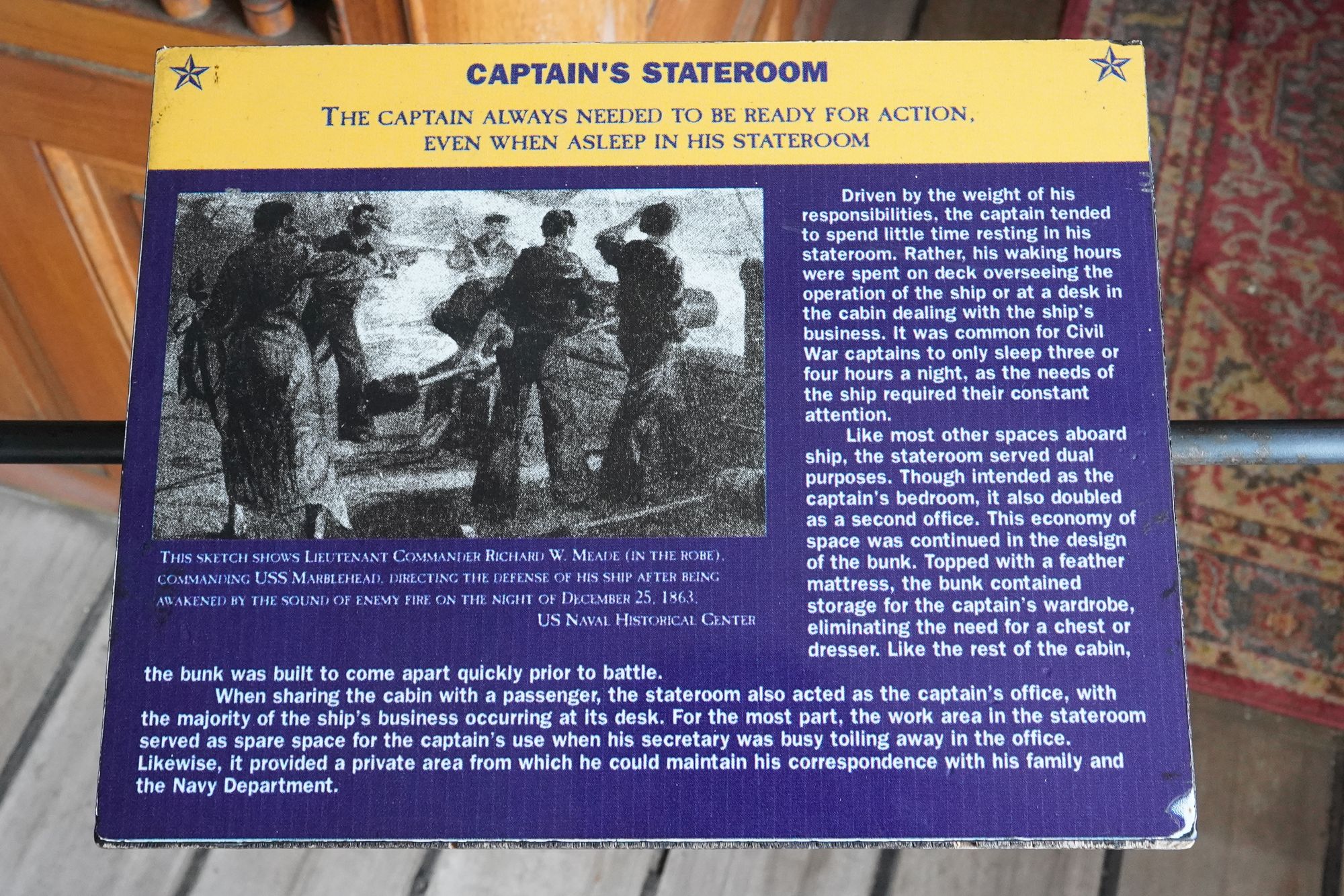
Captain’s cabin
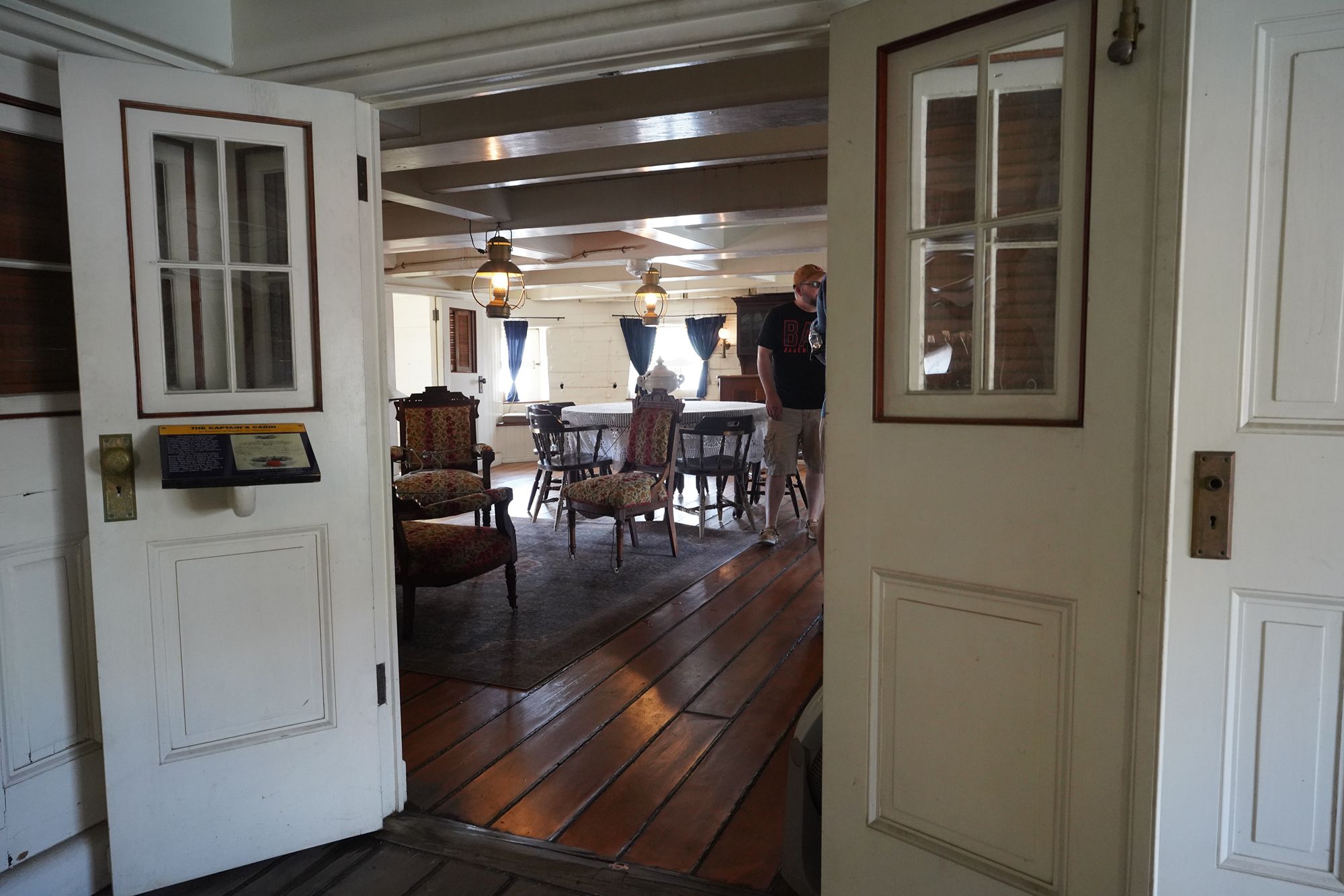
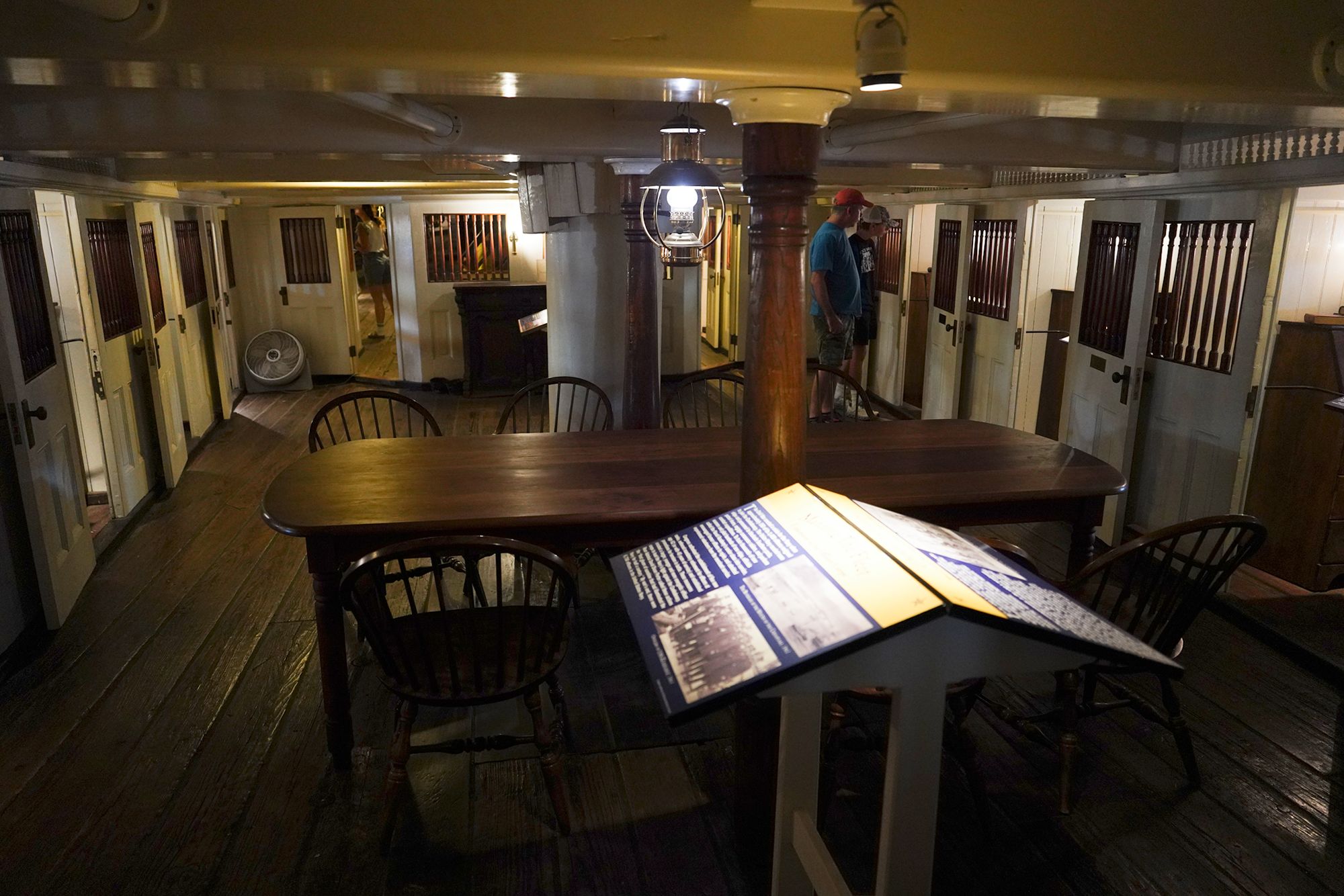
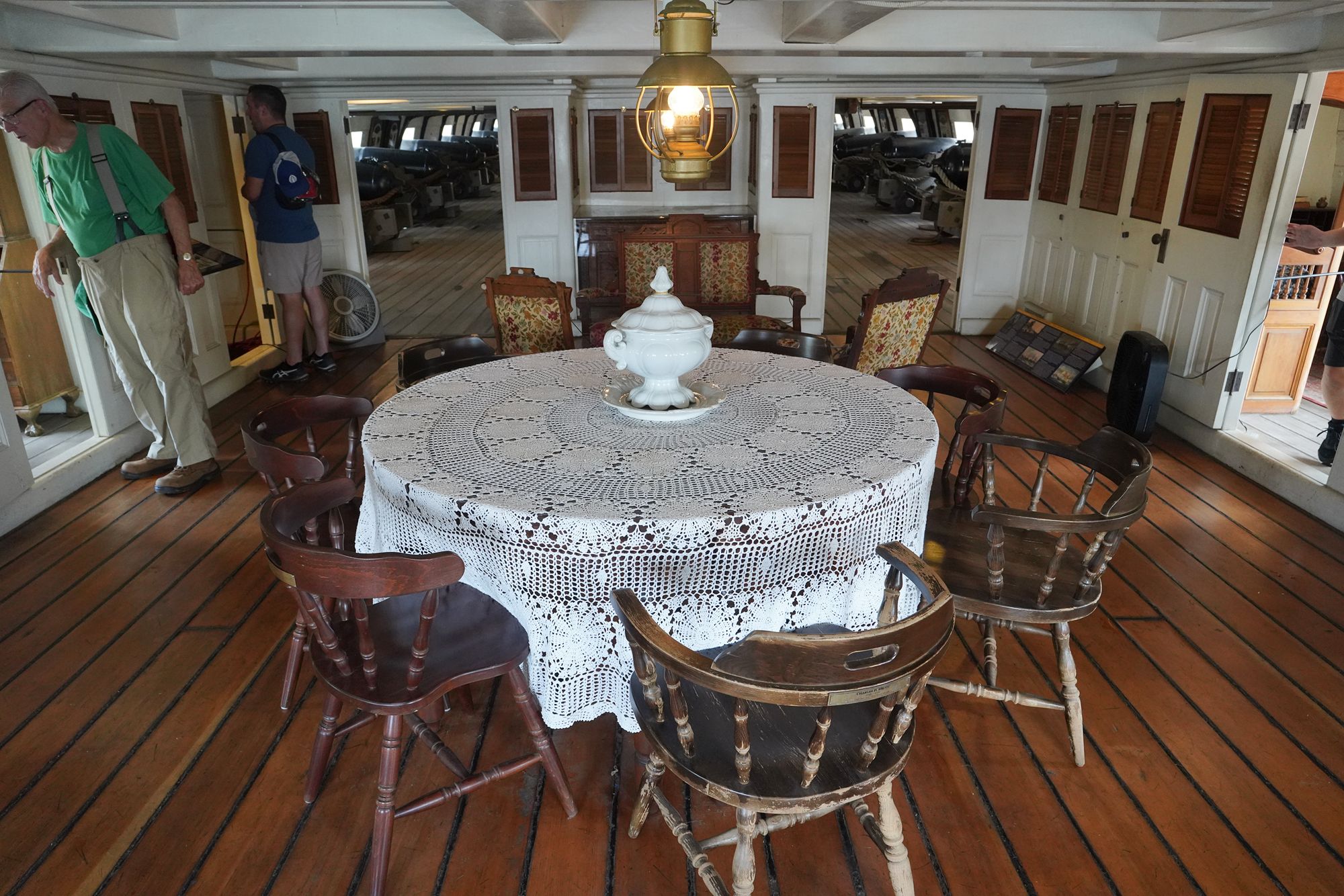
A meeting and dining room?
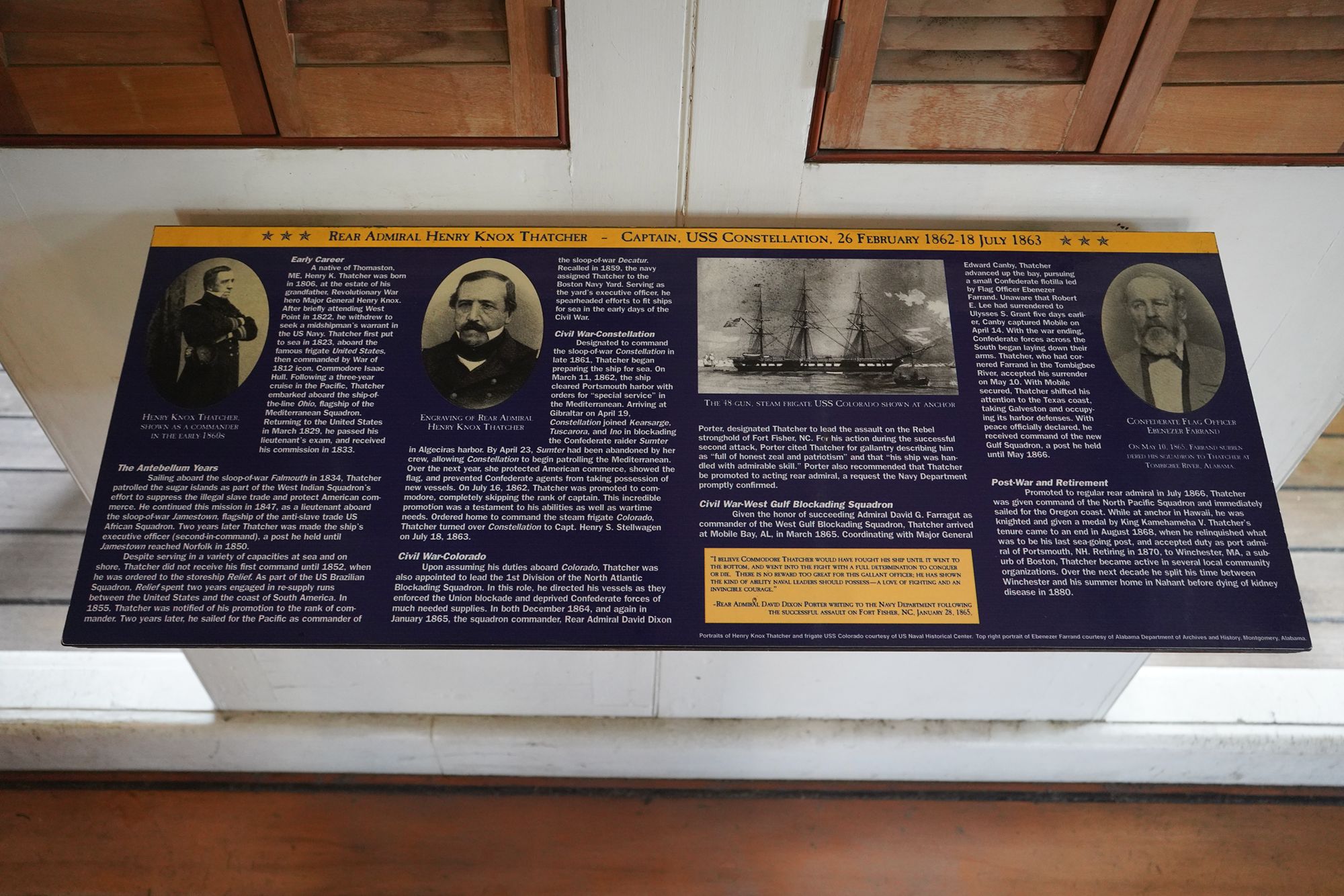
Captain’s bedroom
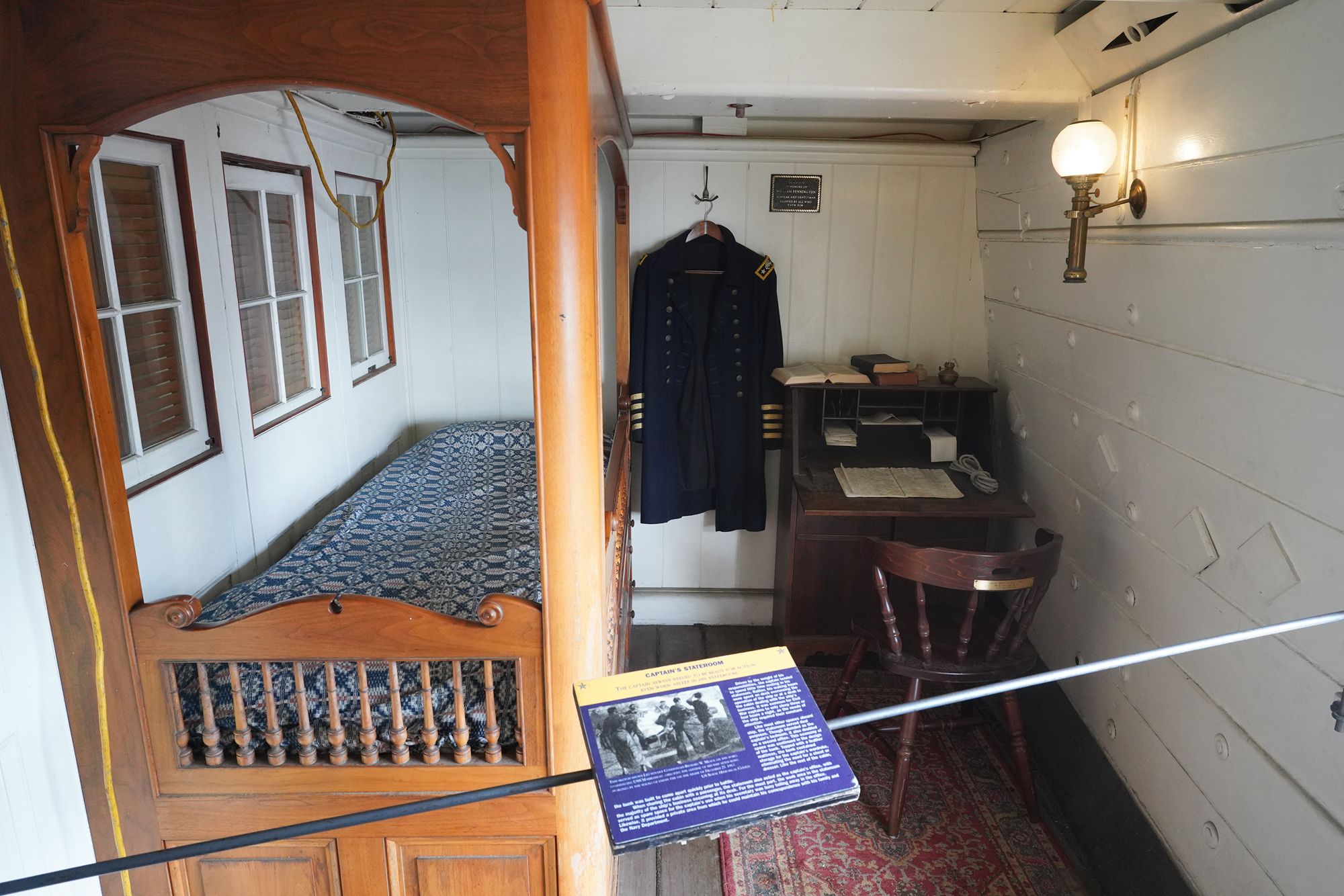
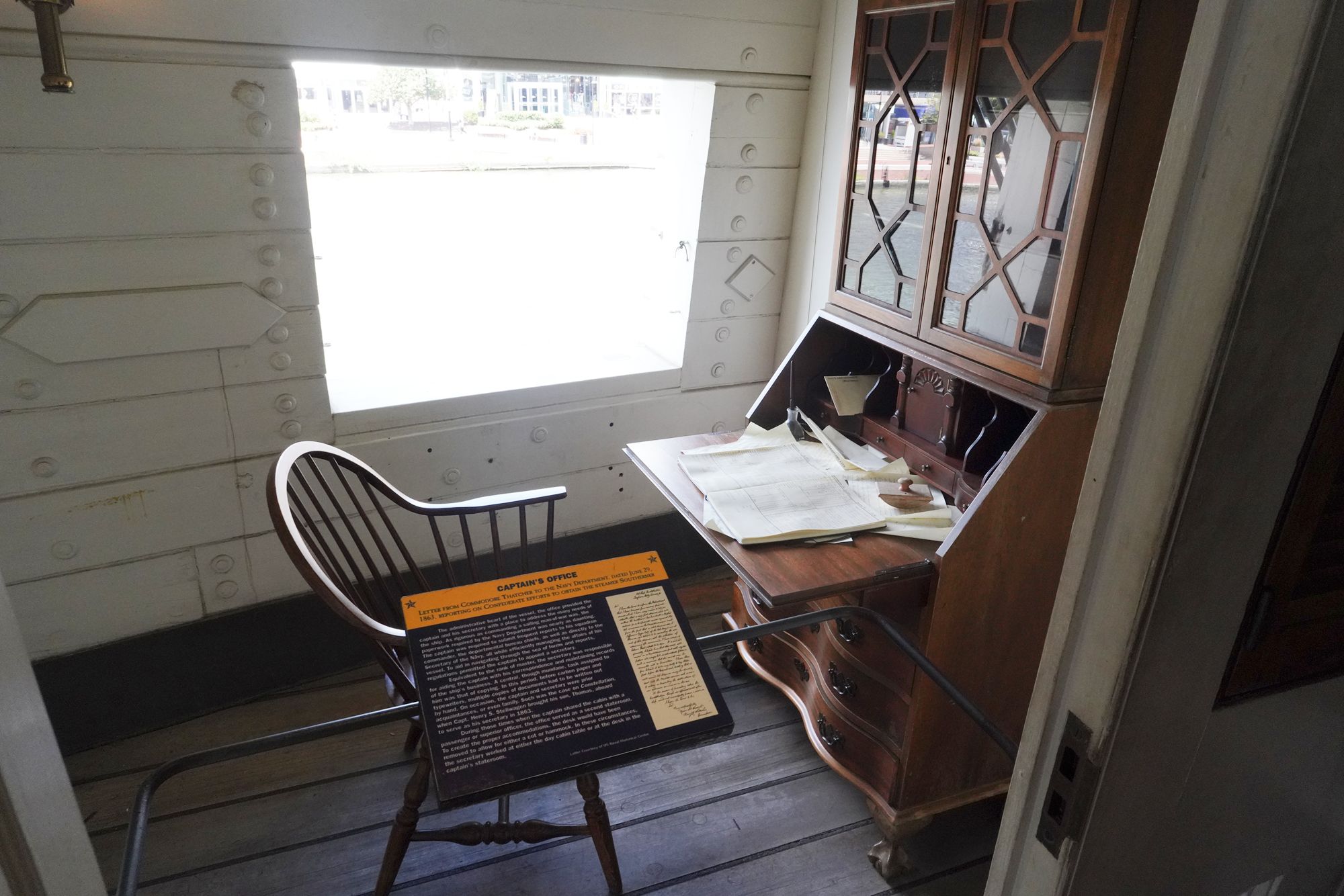
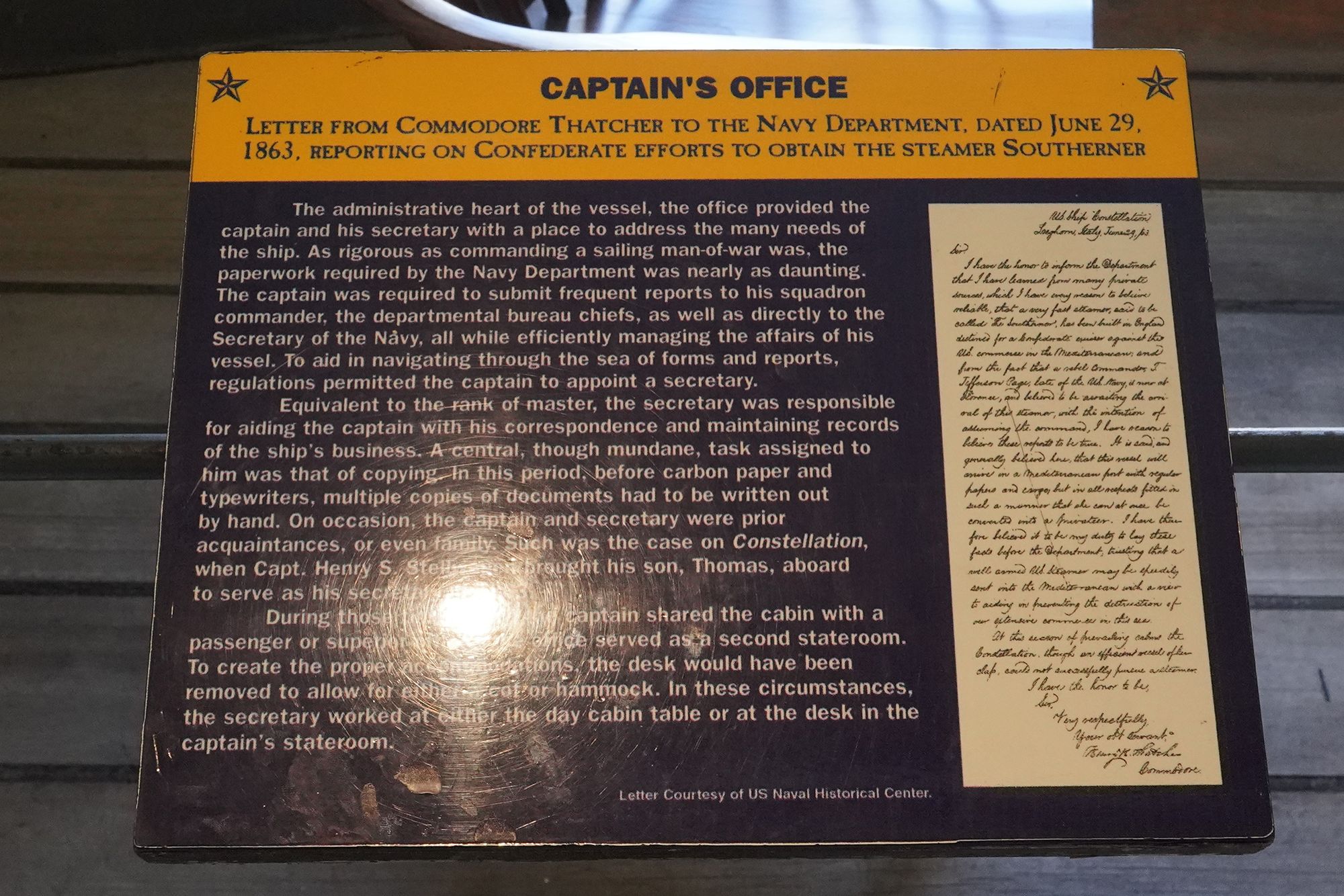
Captain’s office room
After visiting the USS Constellation, I walked to the next historic ship in the harbor.
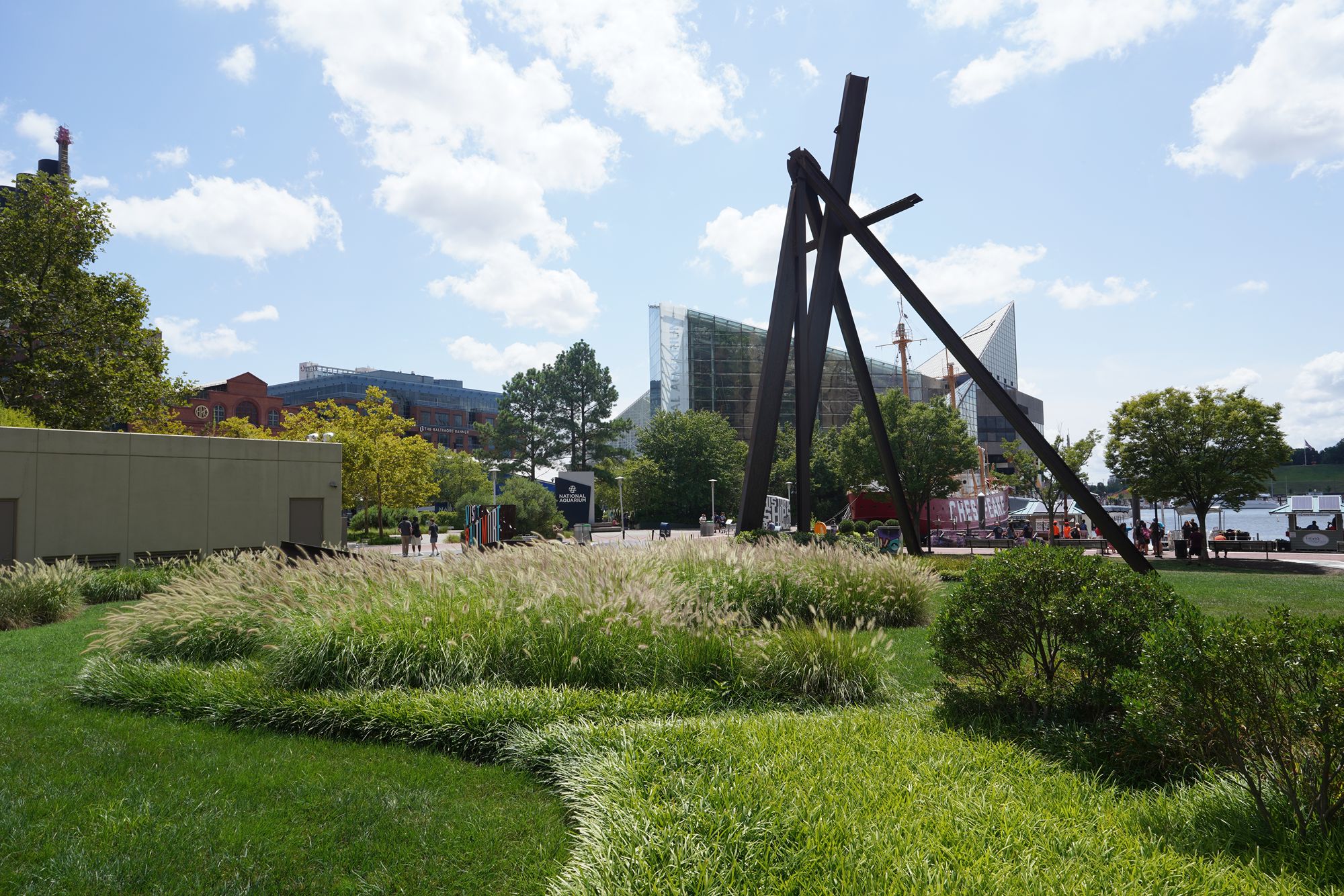
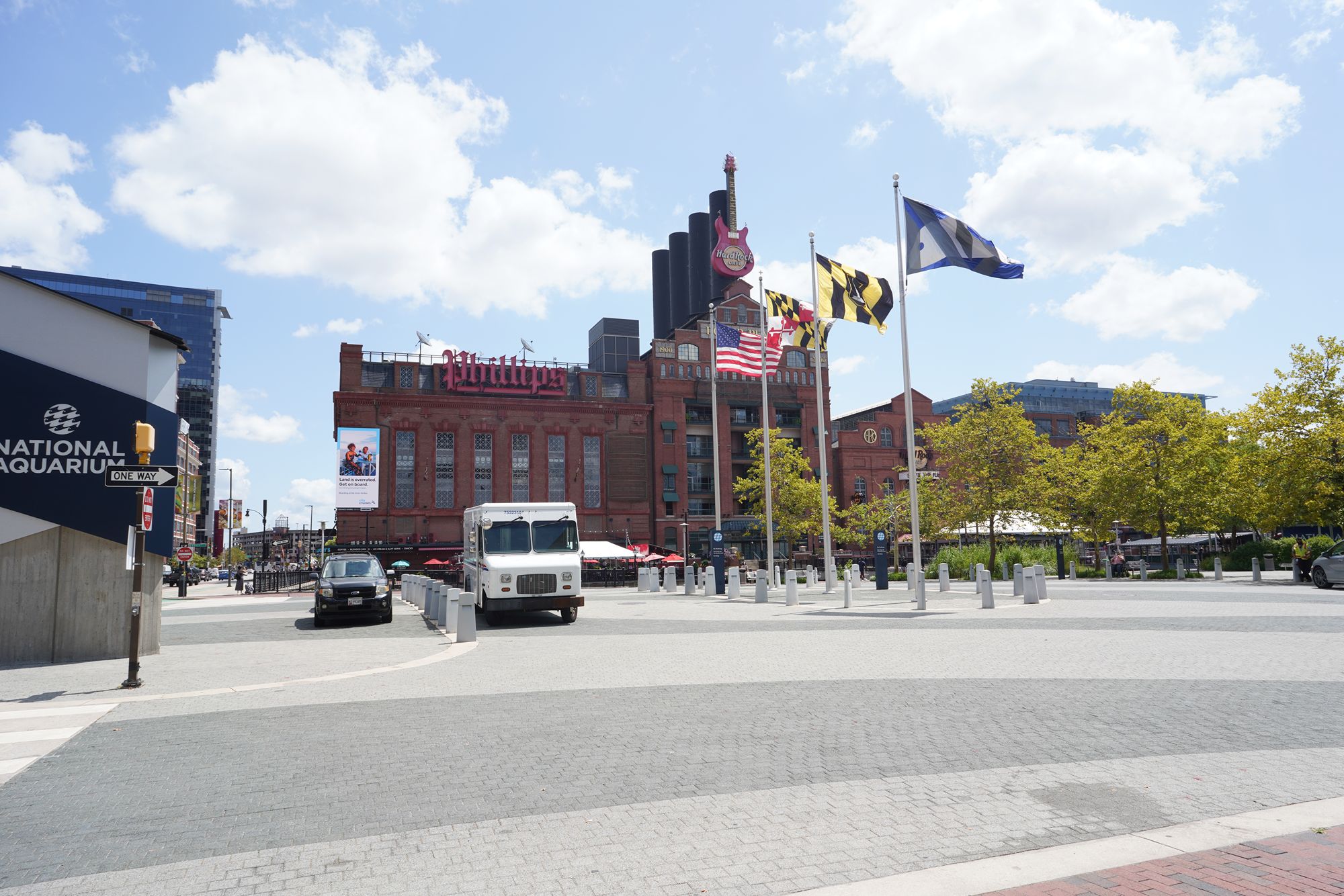
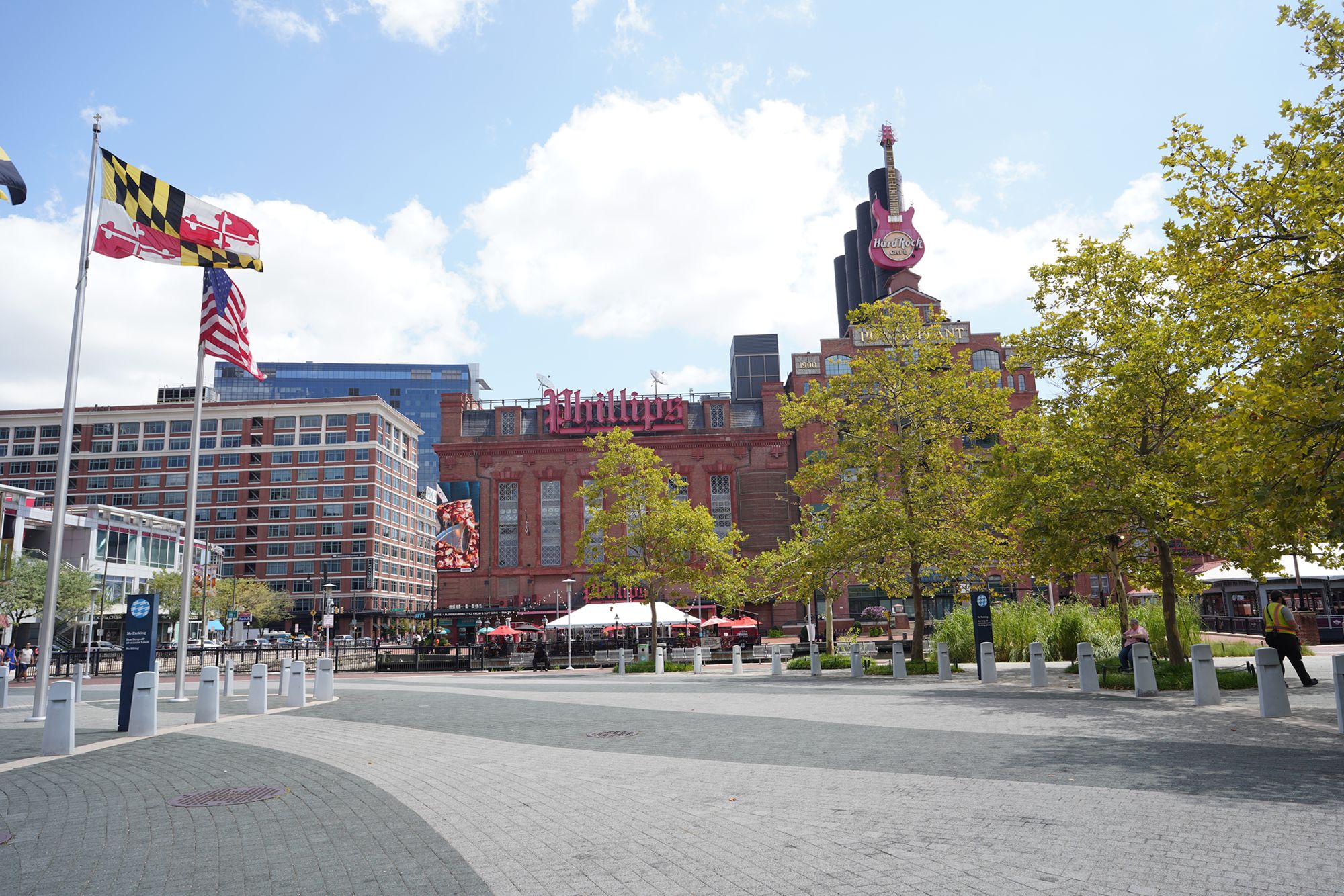
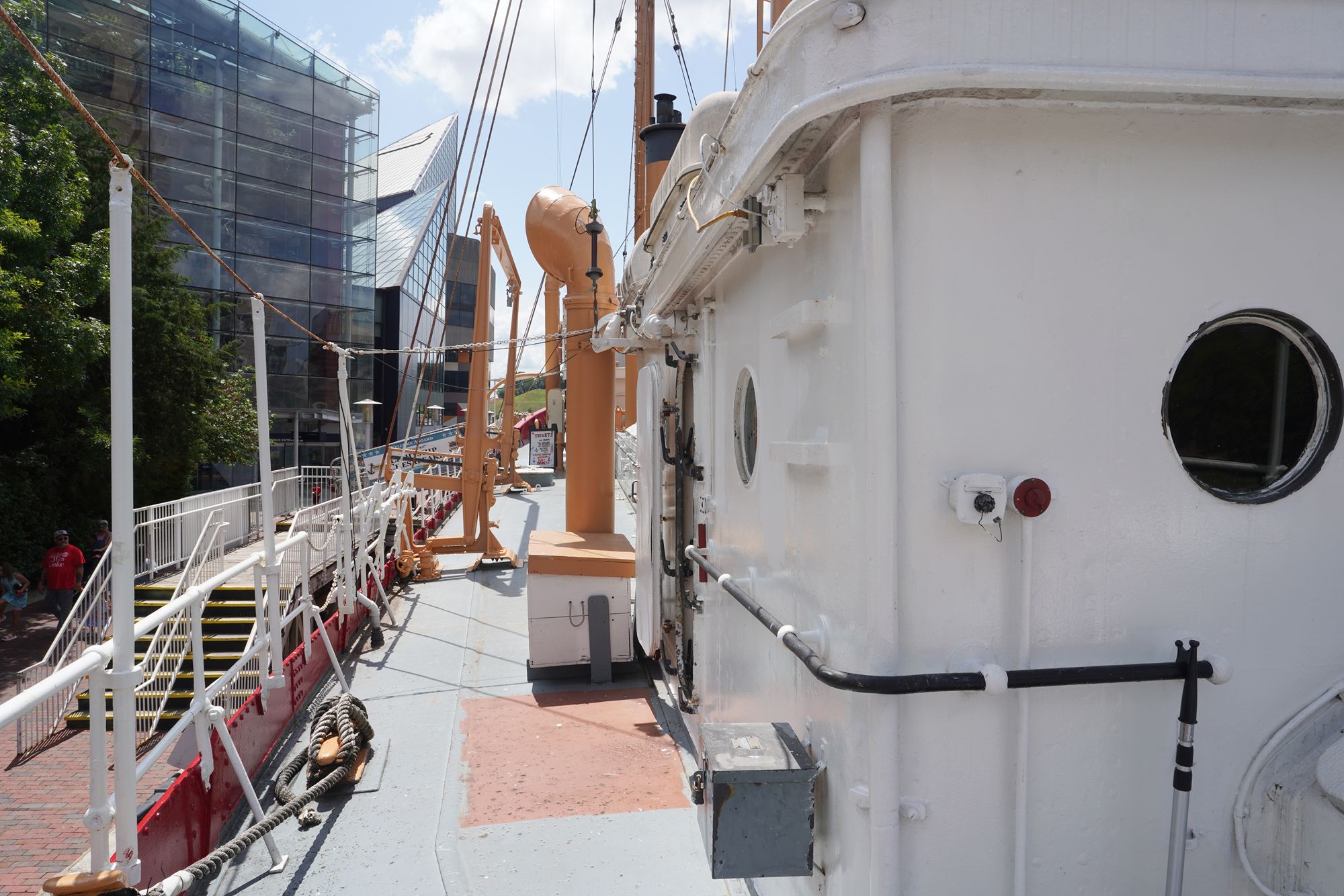
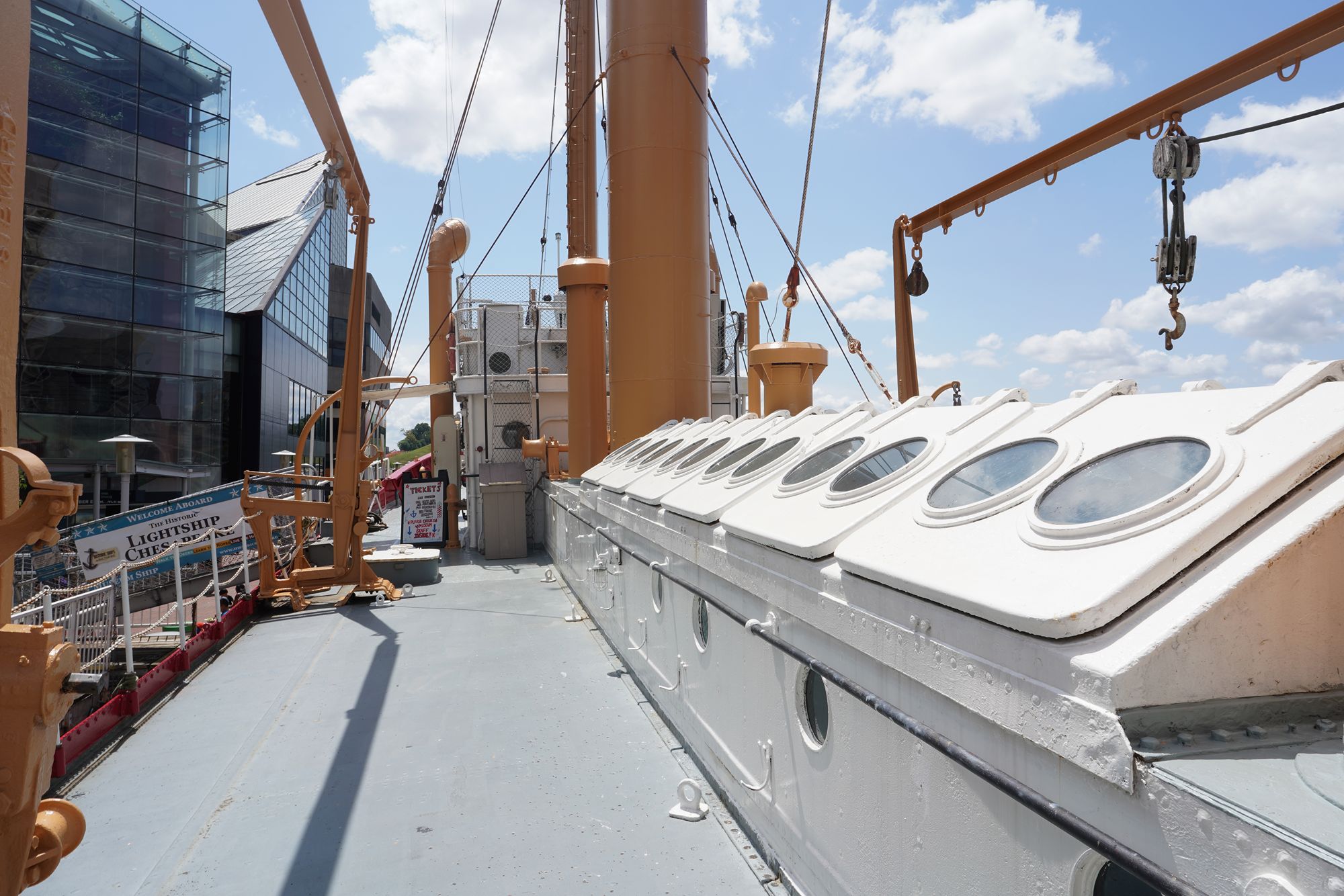
The next historical ship on sight was the Lightship Chesapeake (official hull number LV-116, later WAL-538 / WLV-538). It was a “lightship,” i.e. a floating lighthouse built to guide and safeguard maritime traffic in coastal waters.
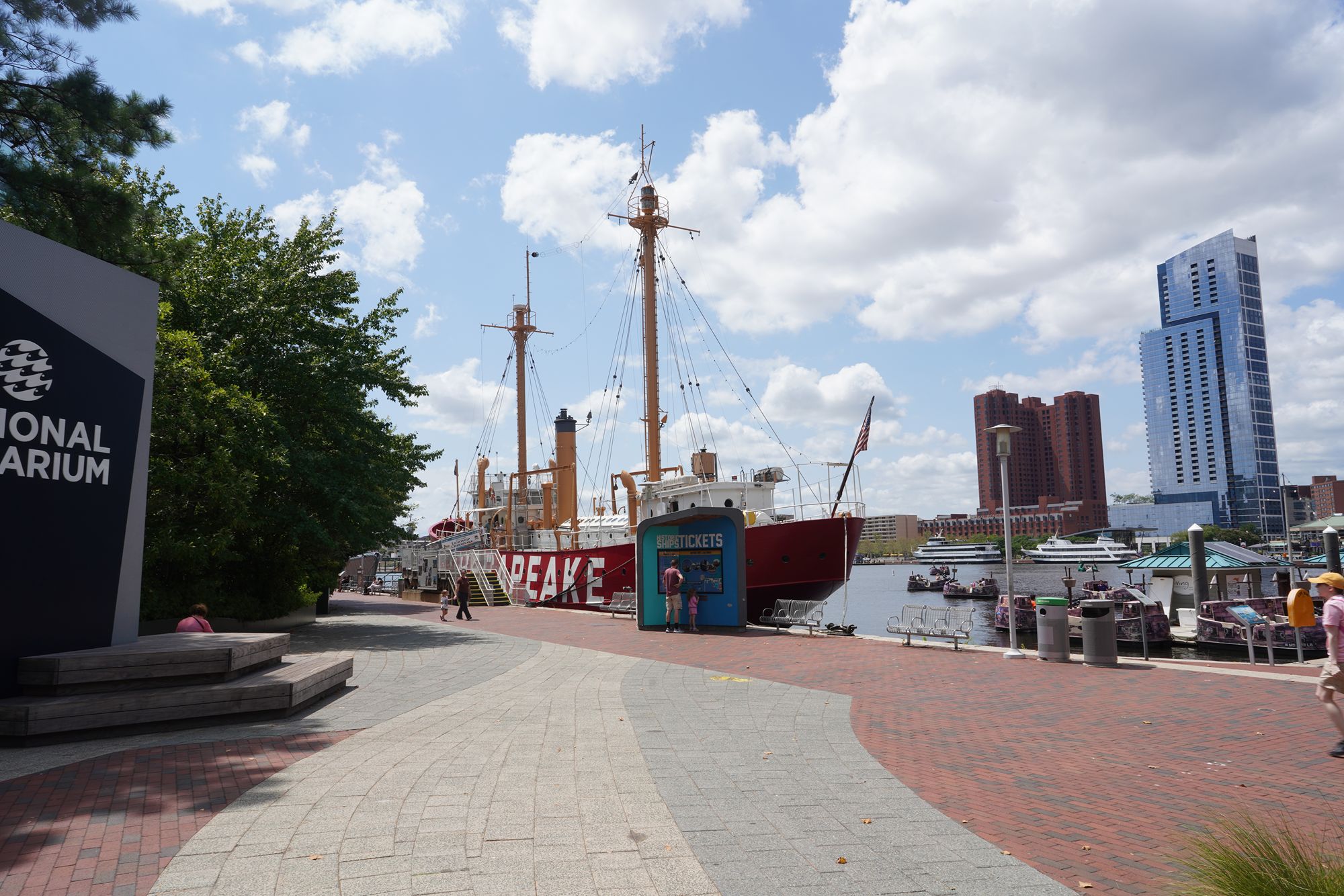
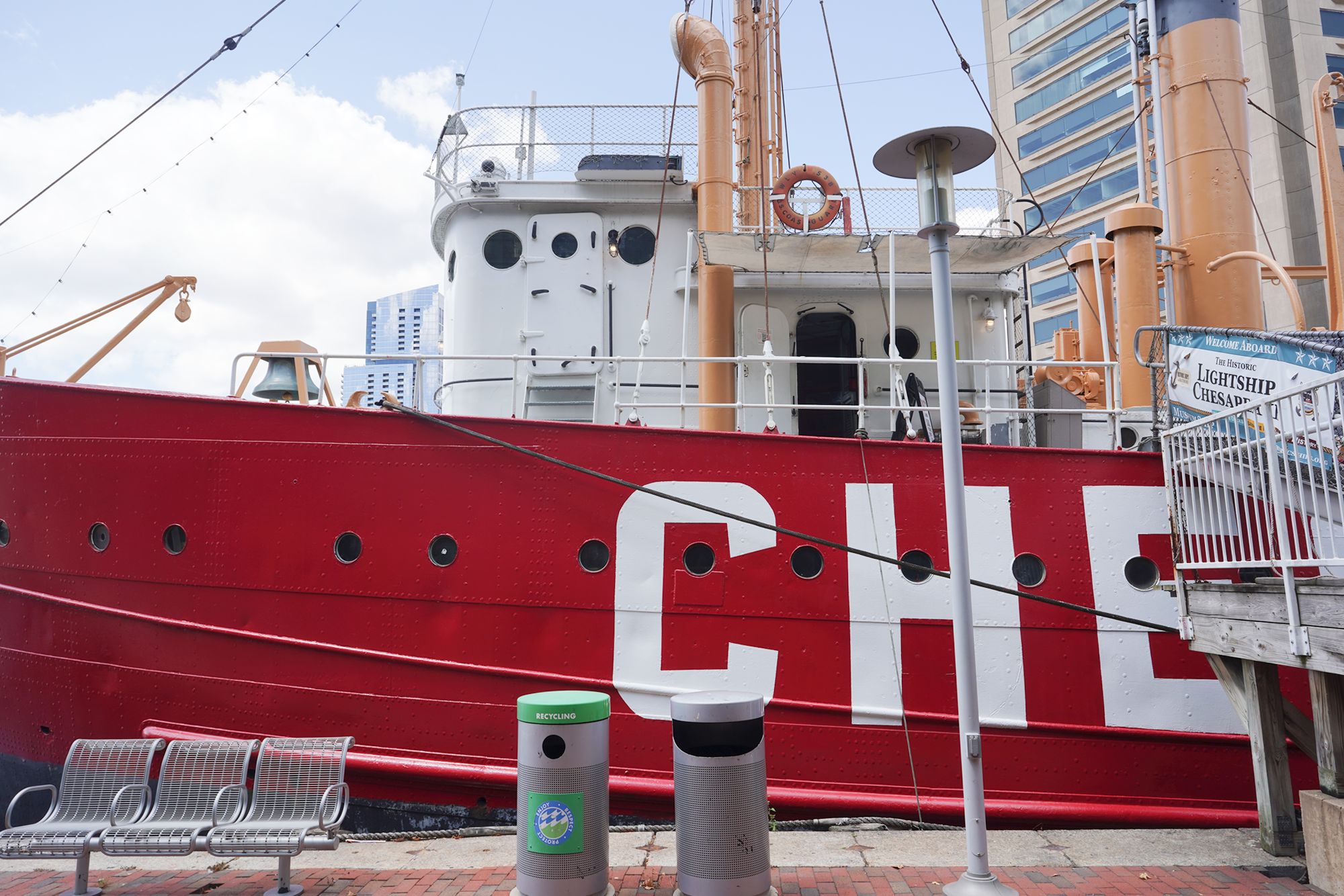
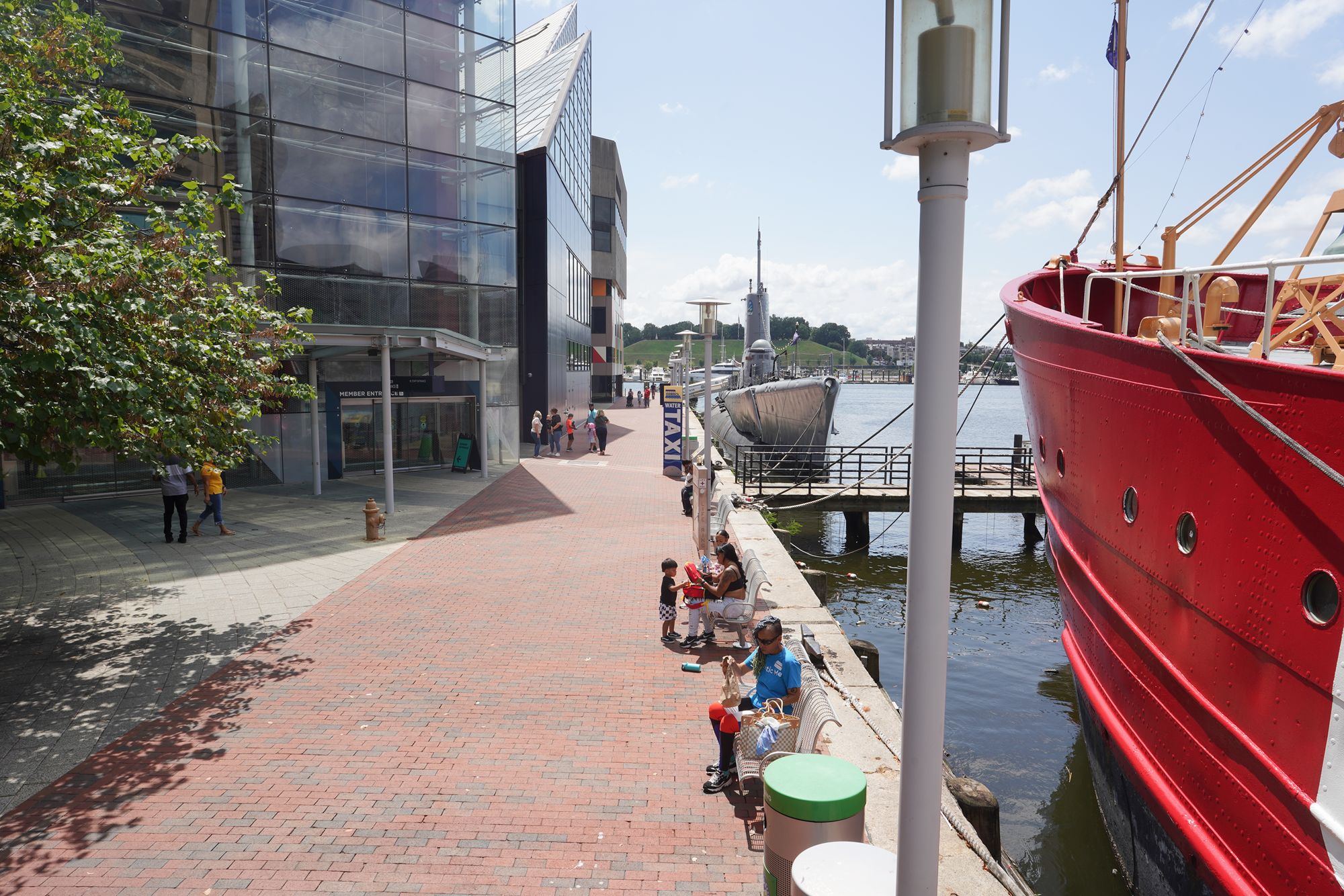
I stepped on the lightship
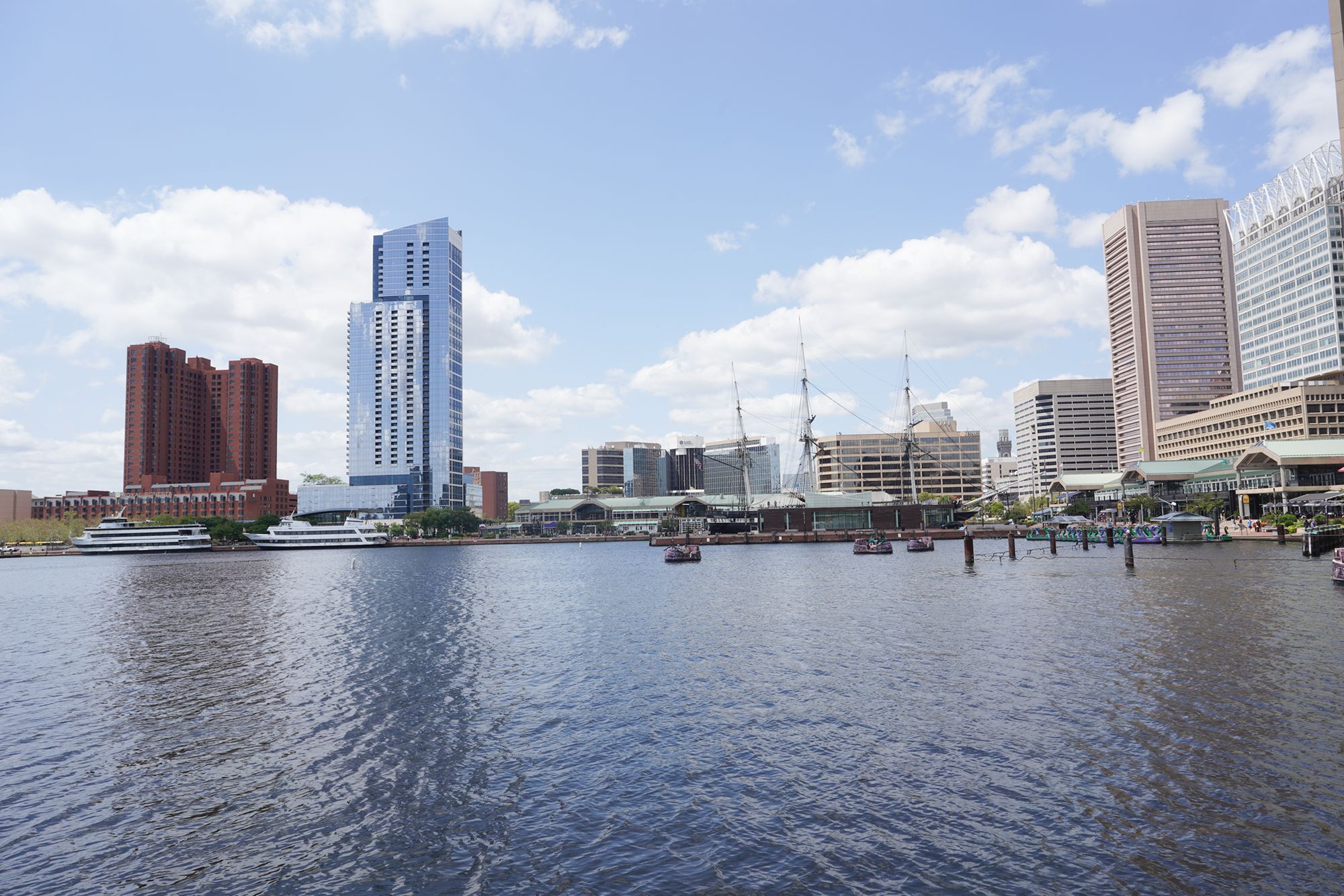
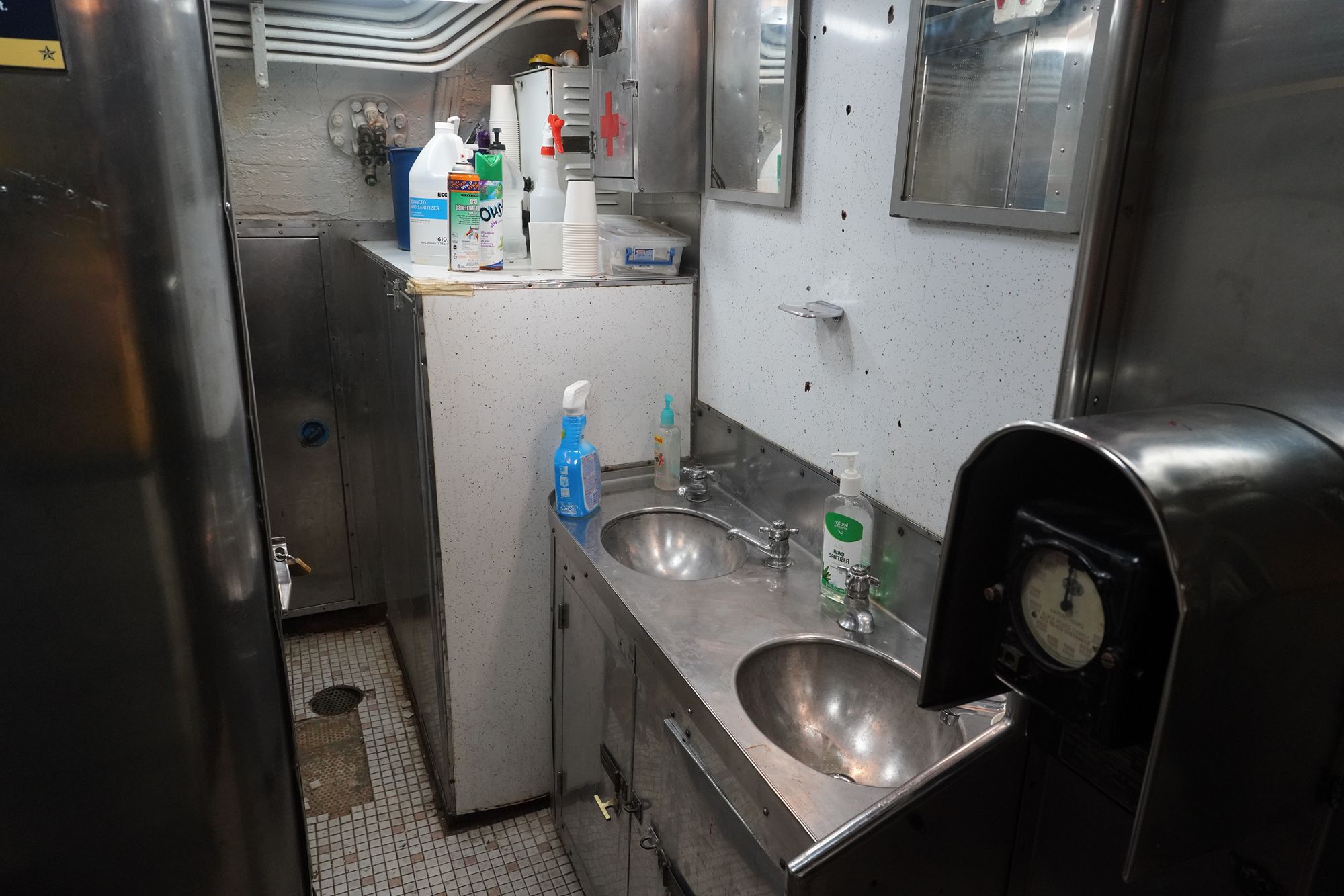
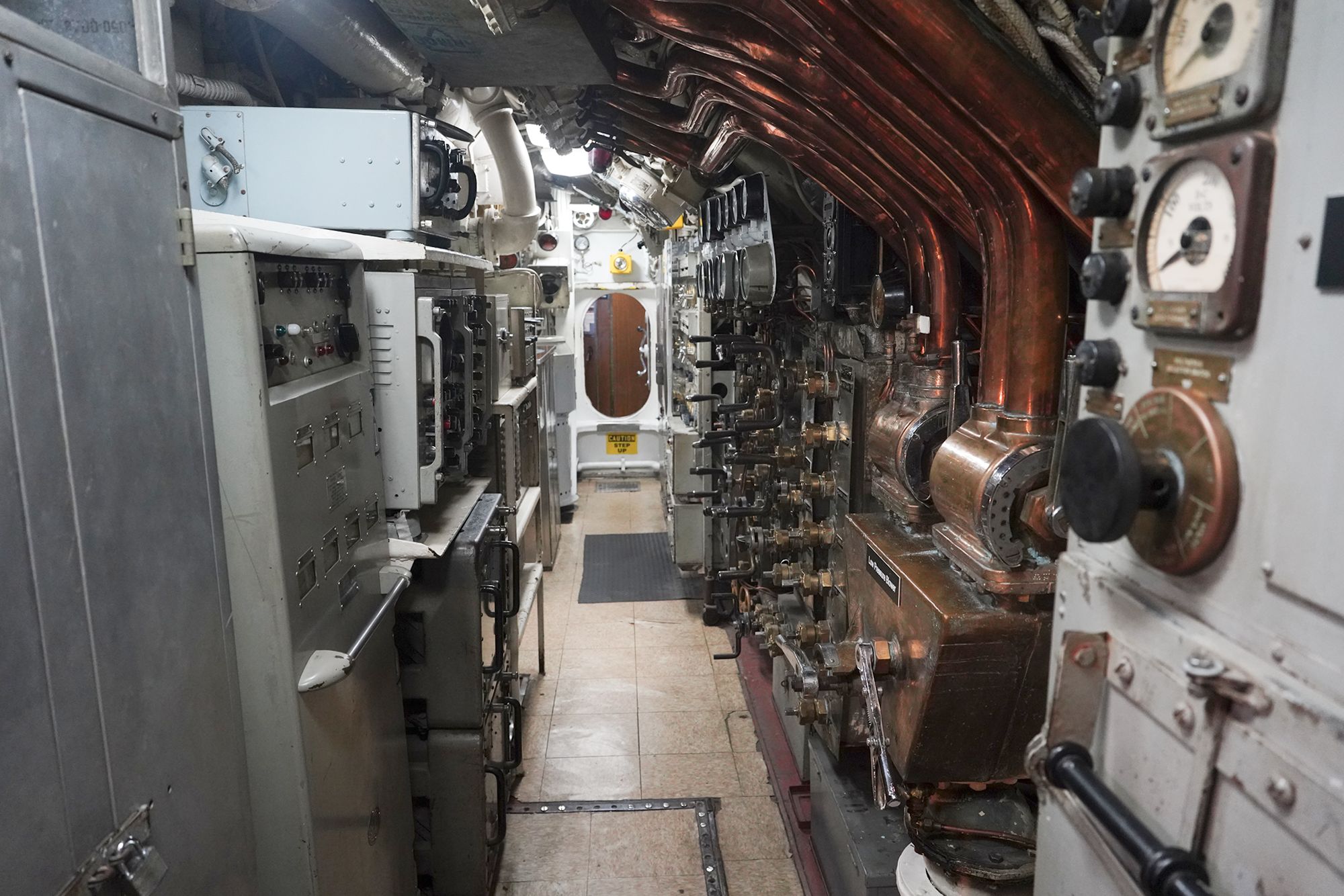
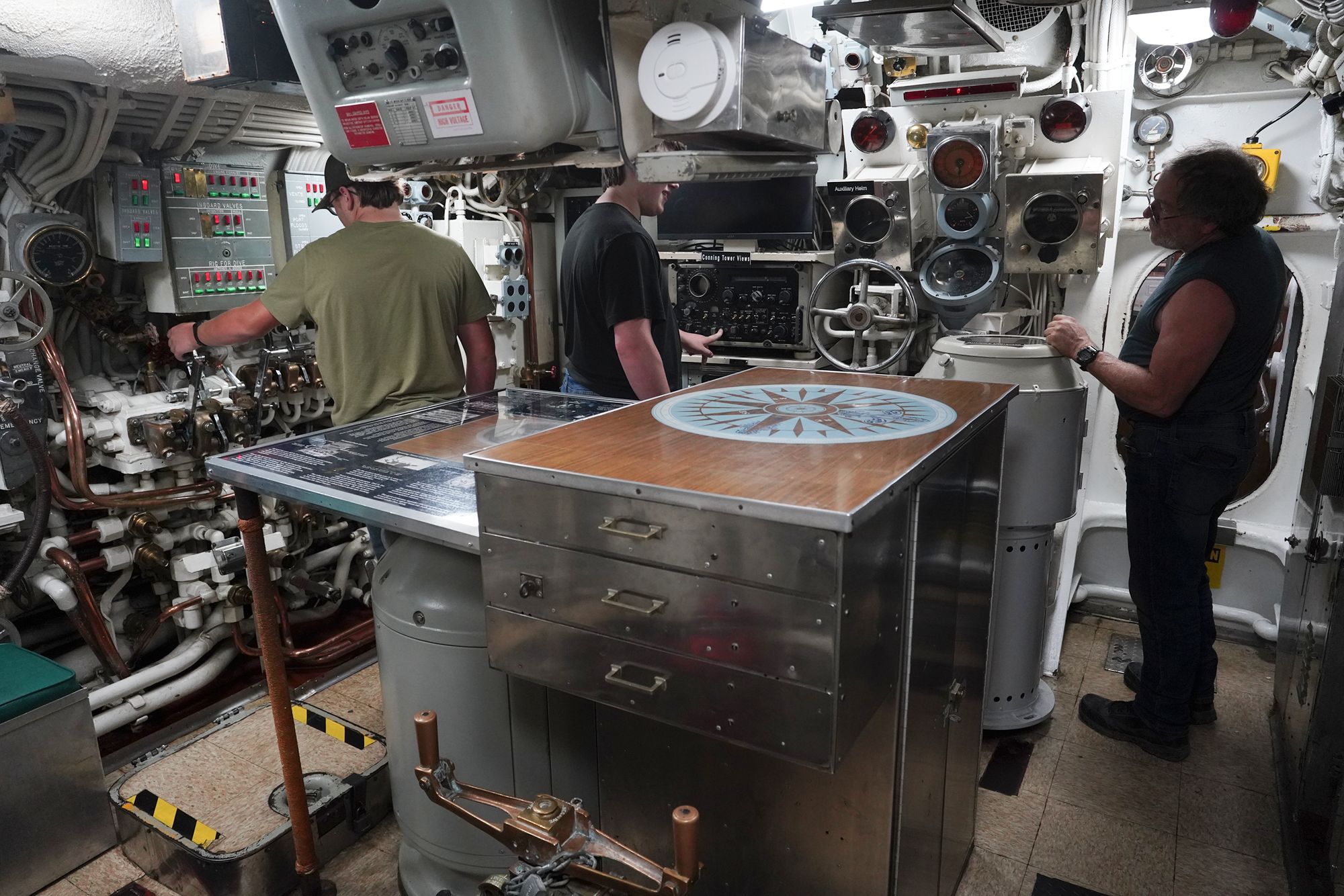
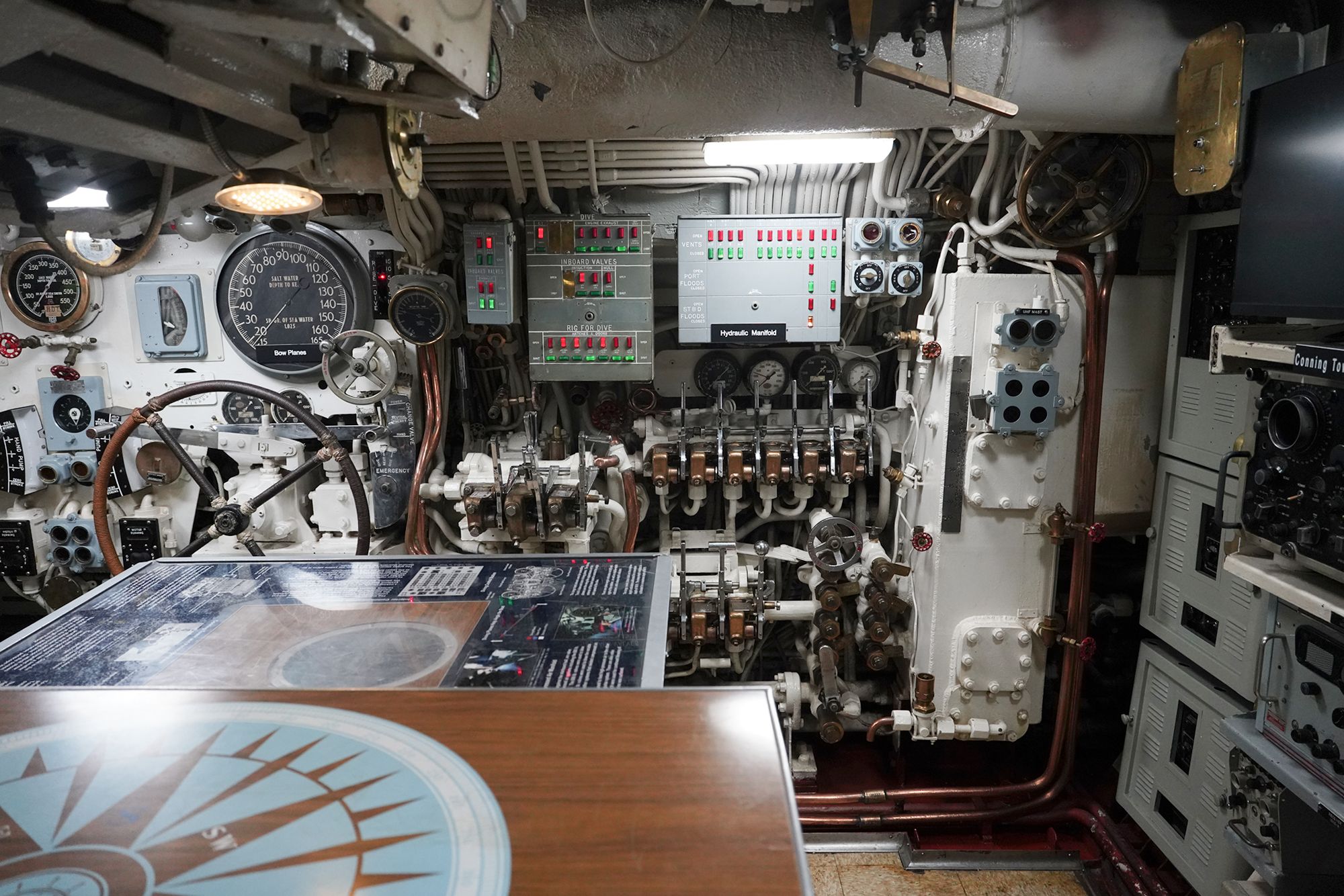
Next to the lightship was USS Torsk — A submarine commissioned in 1944, it saw action in World War II and sank some of the final enemy ships before the war ended.
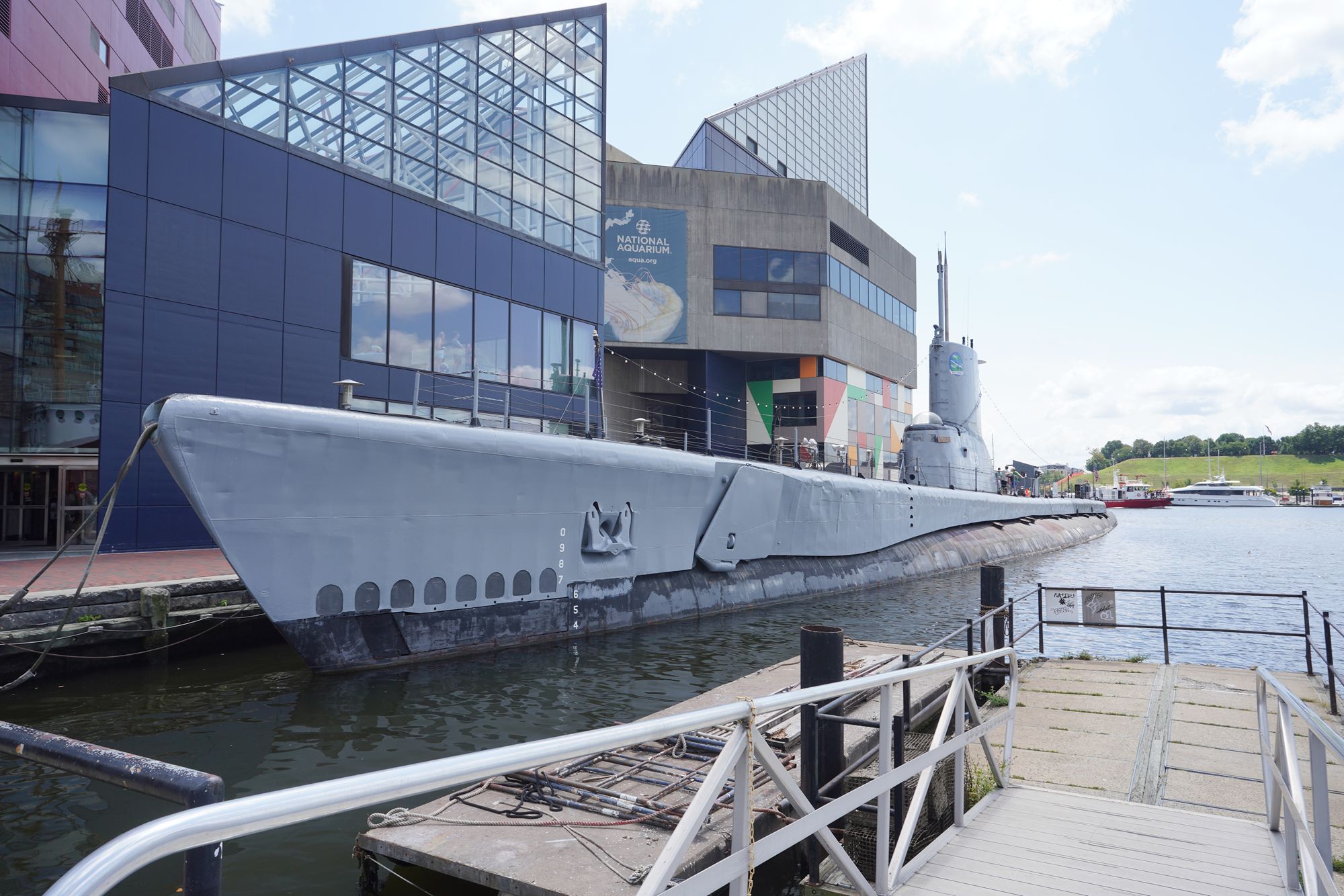
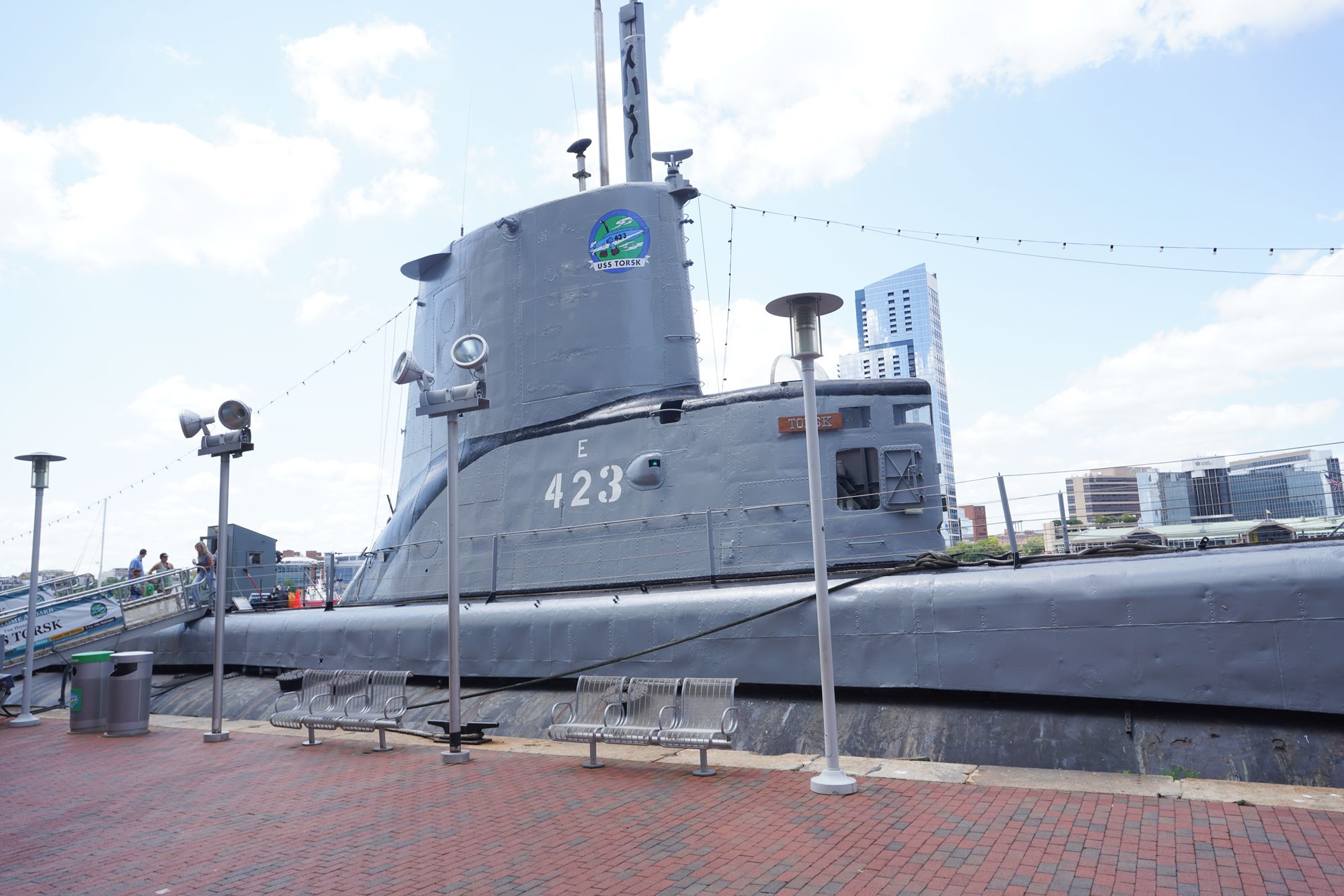
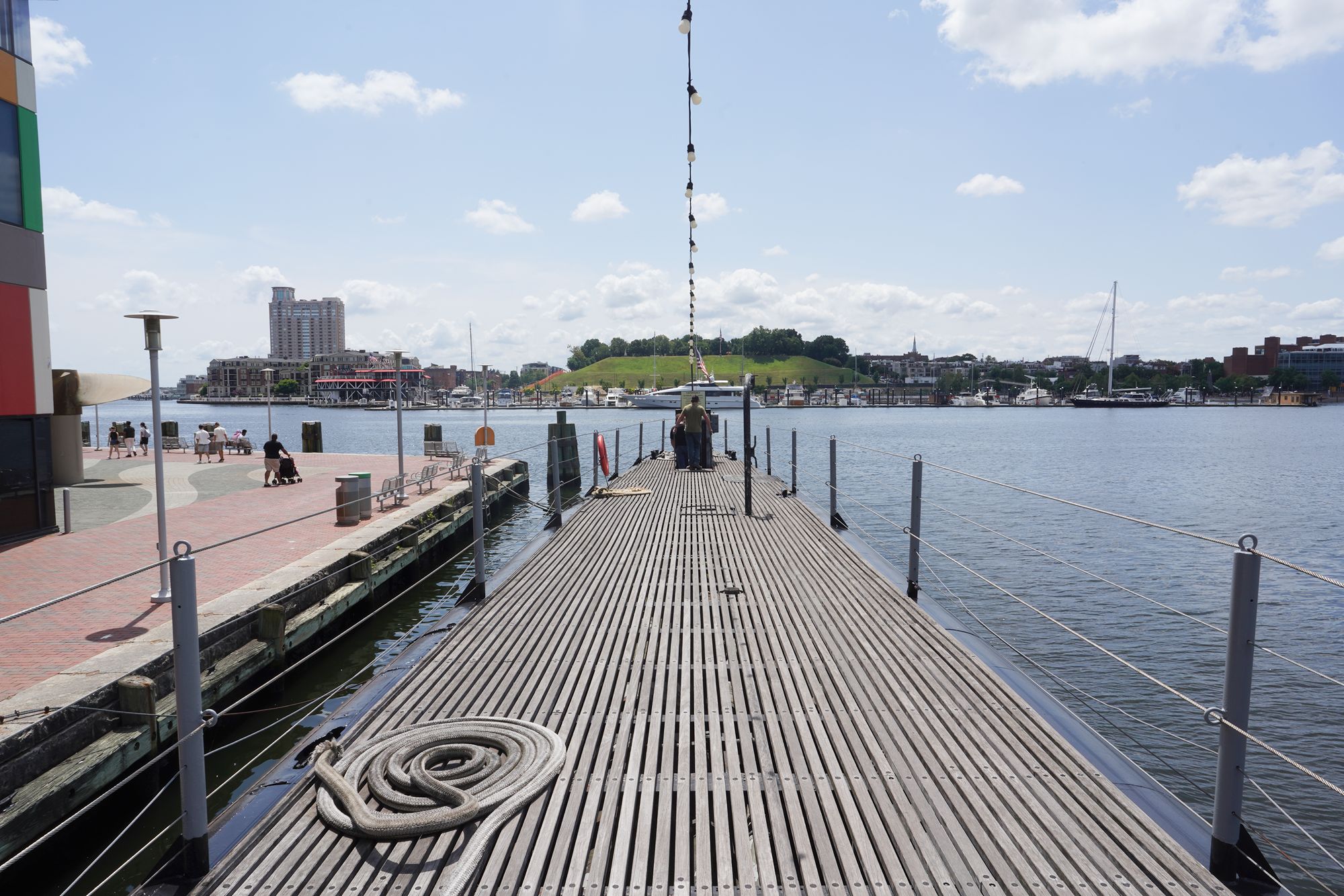
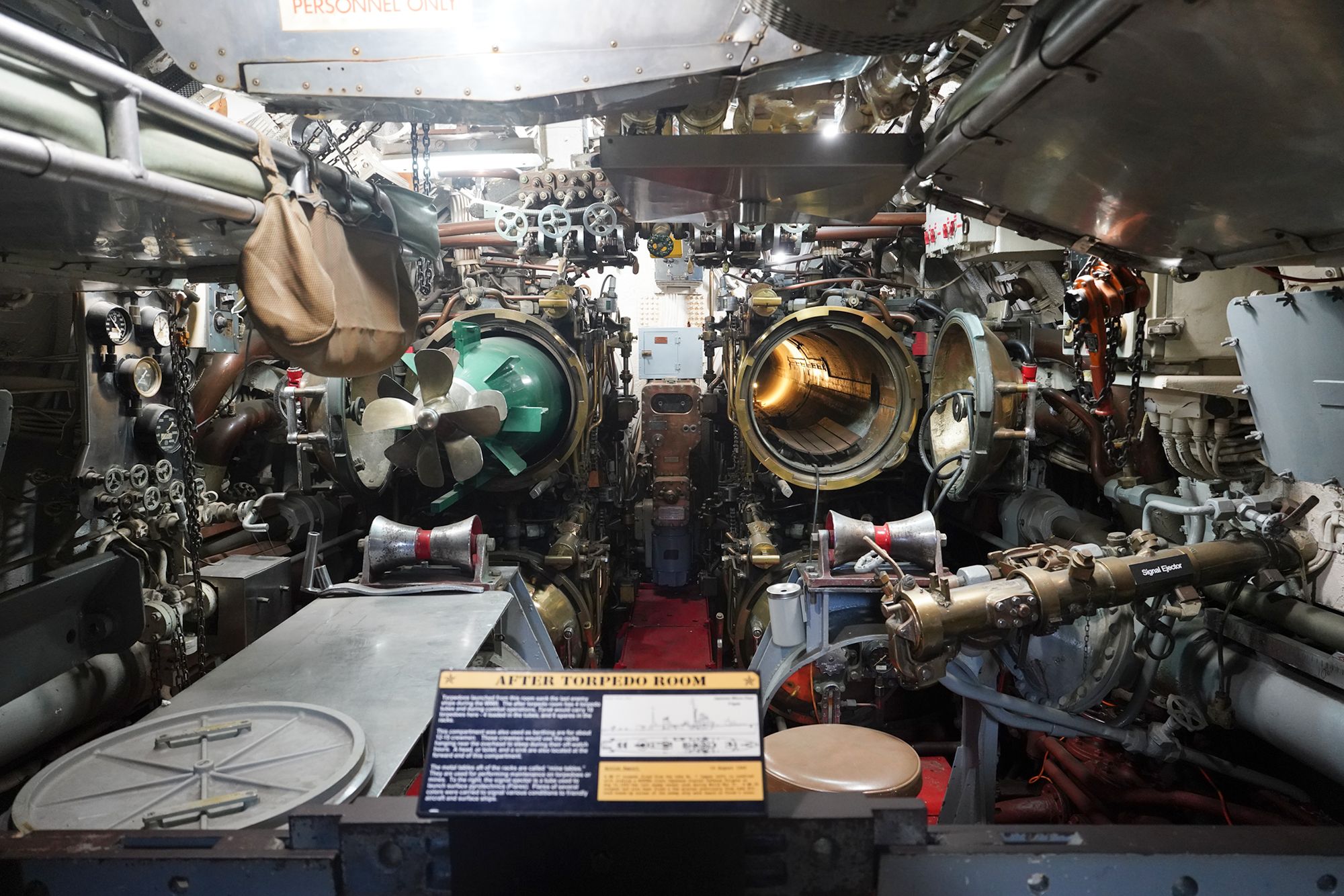
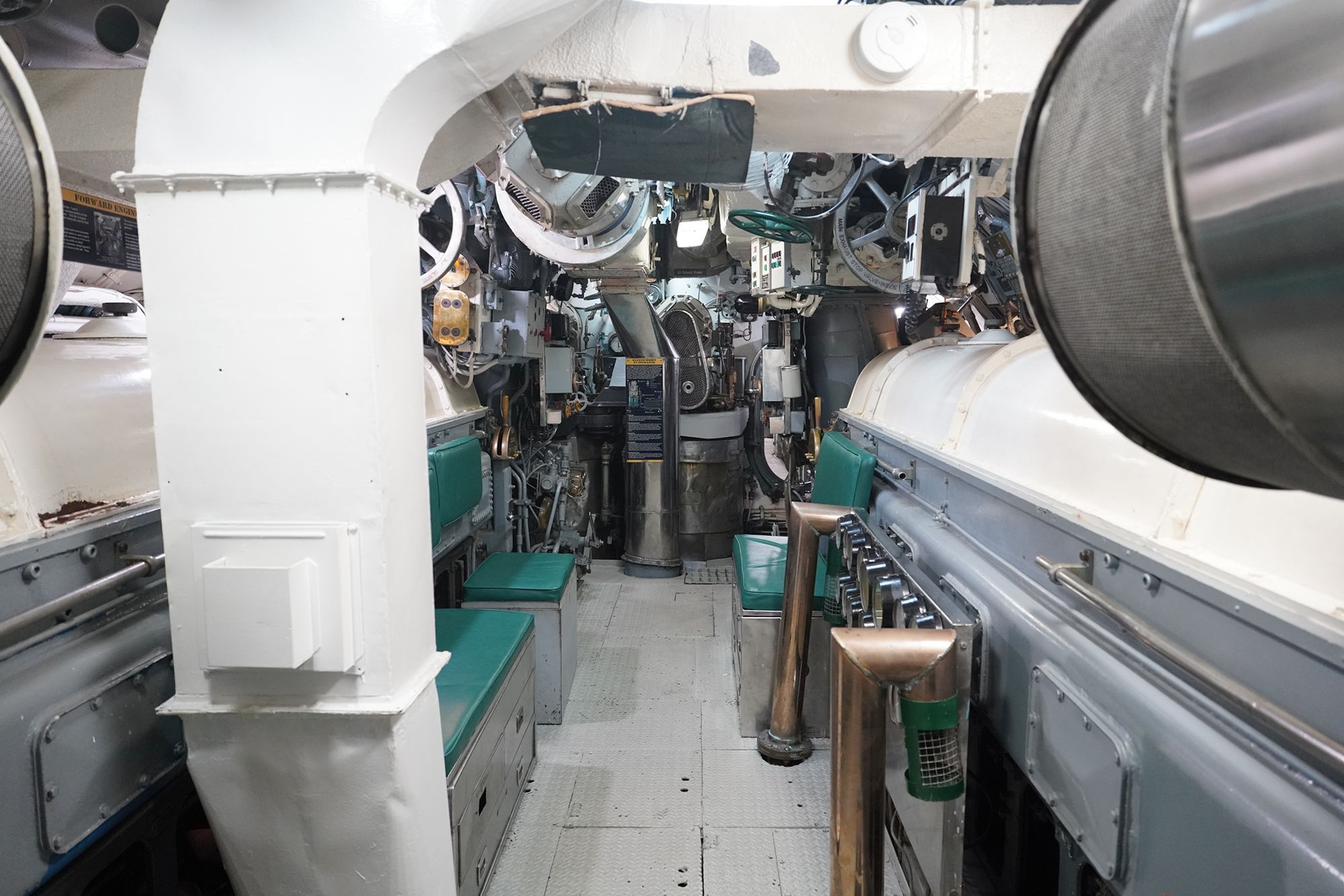
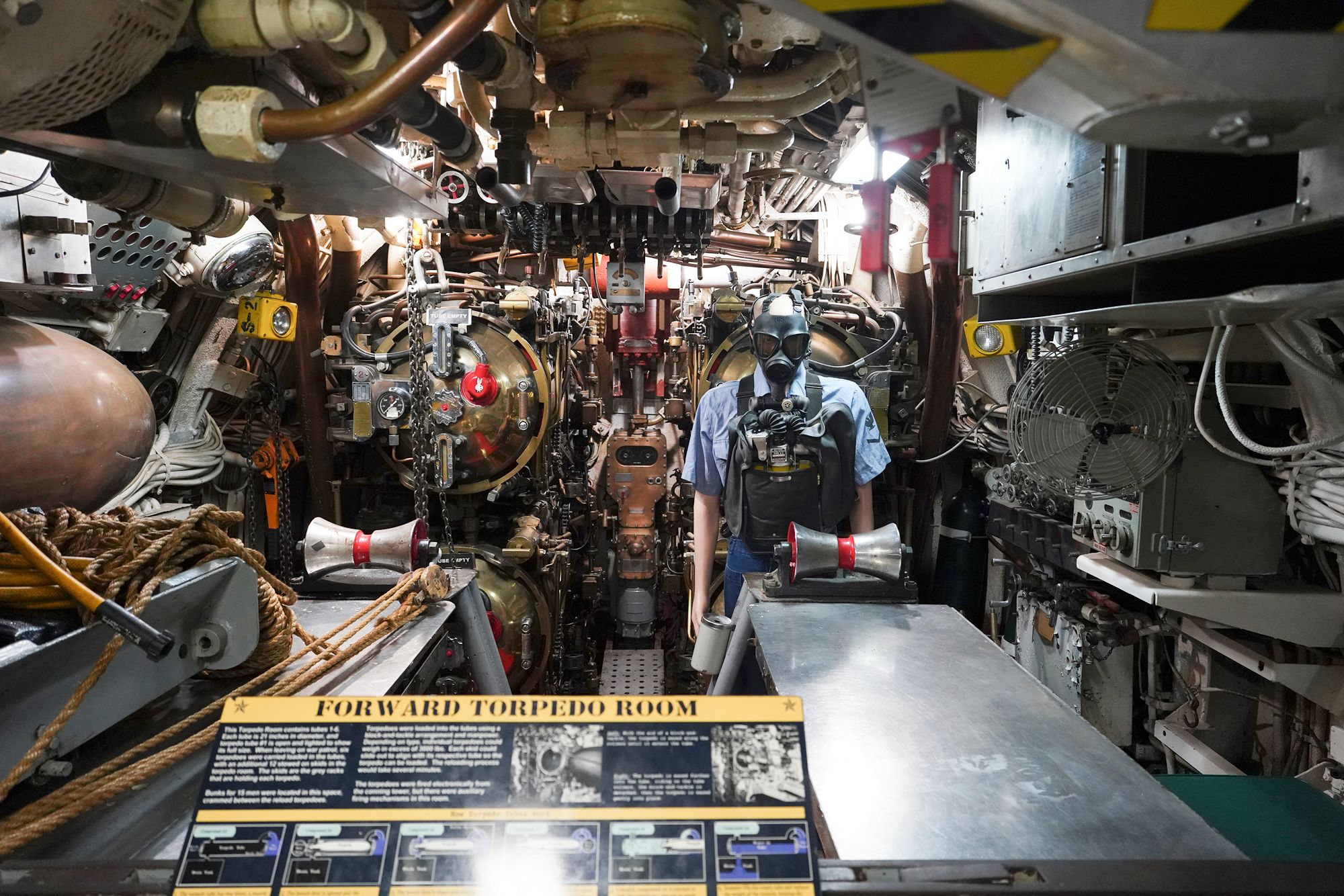
I entered the submarine from the back and walked toward the front. At the very back of the submarine is the torpedo room.
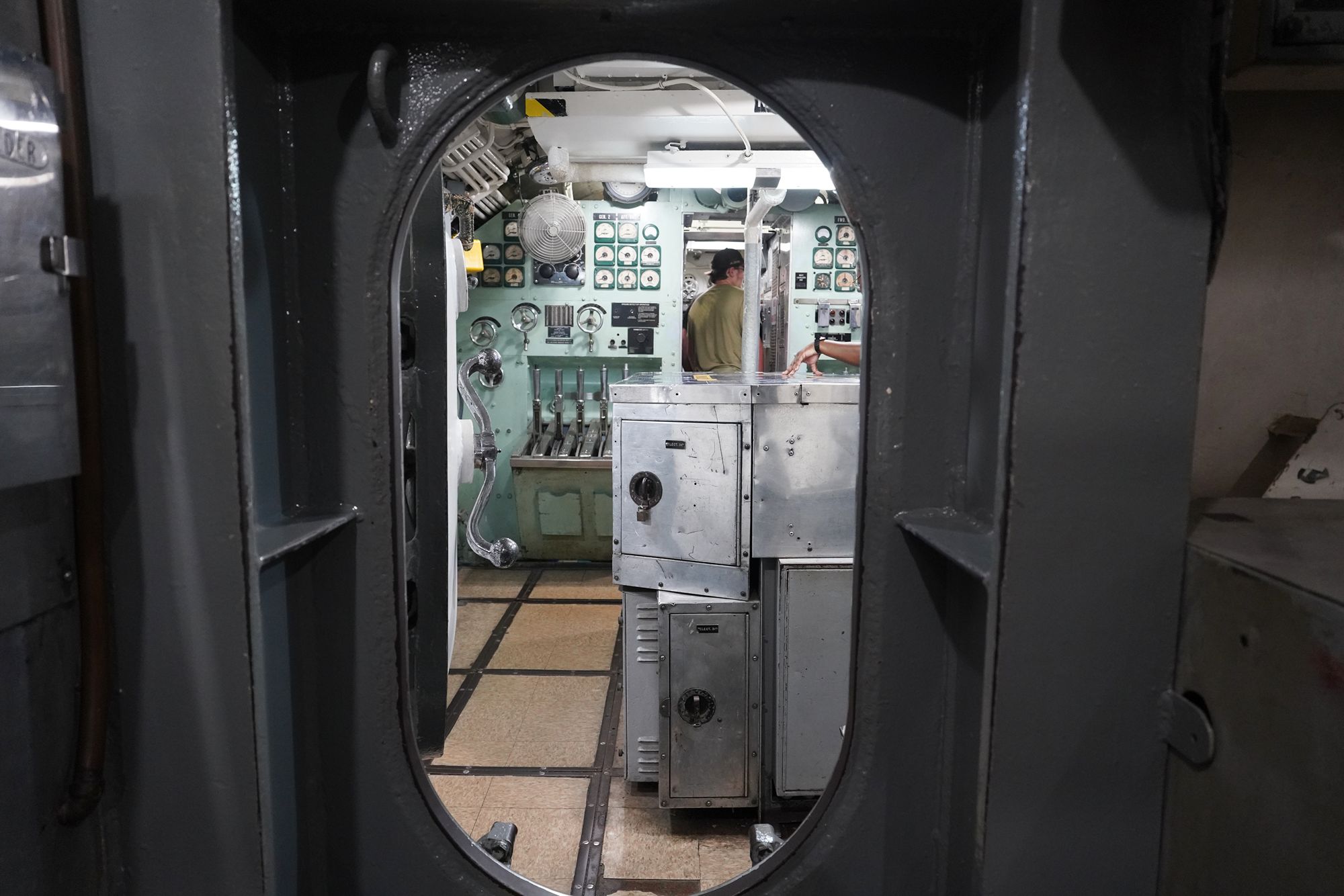
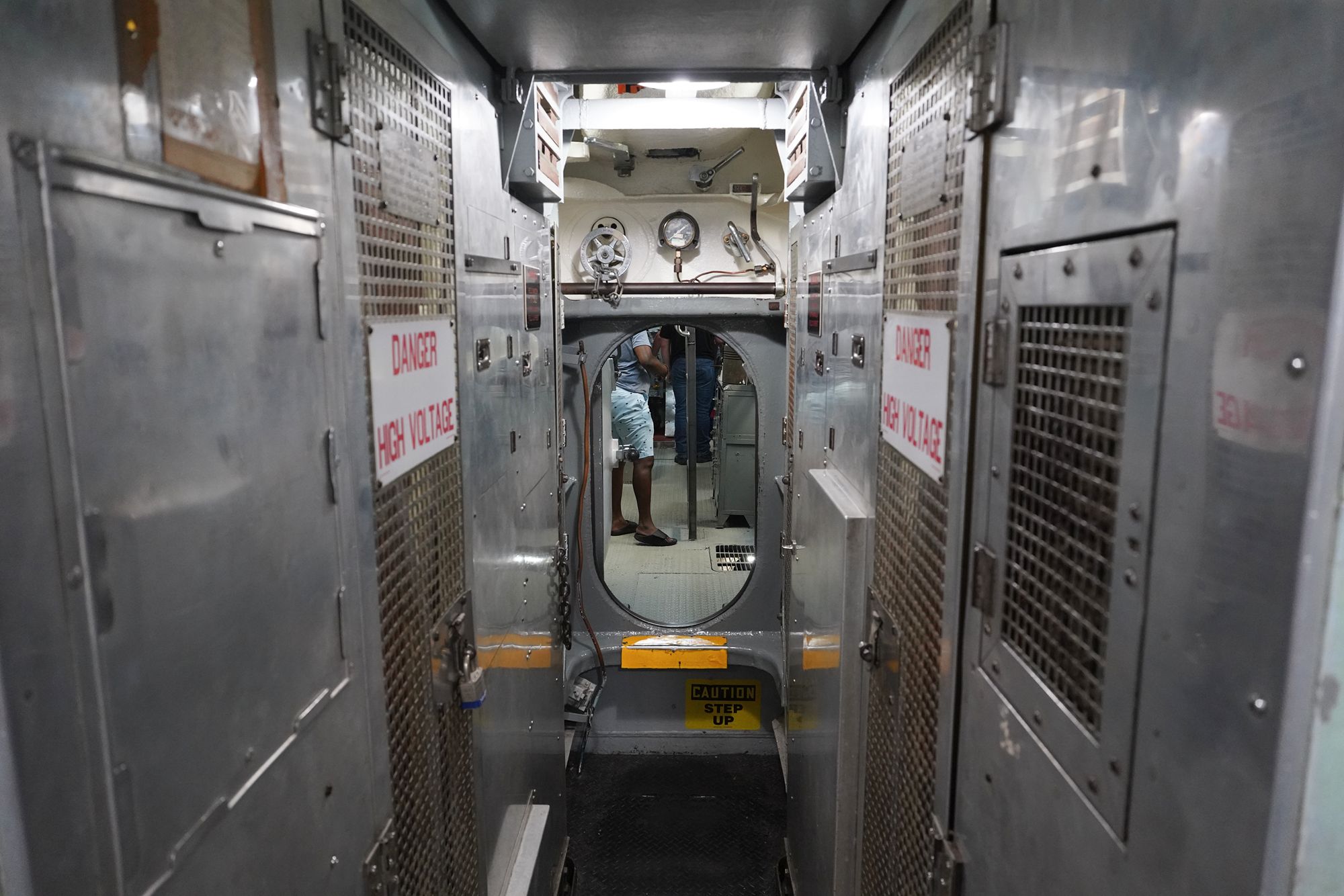
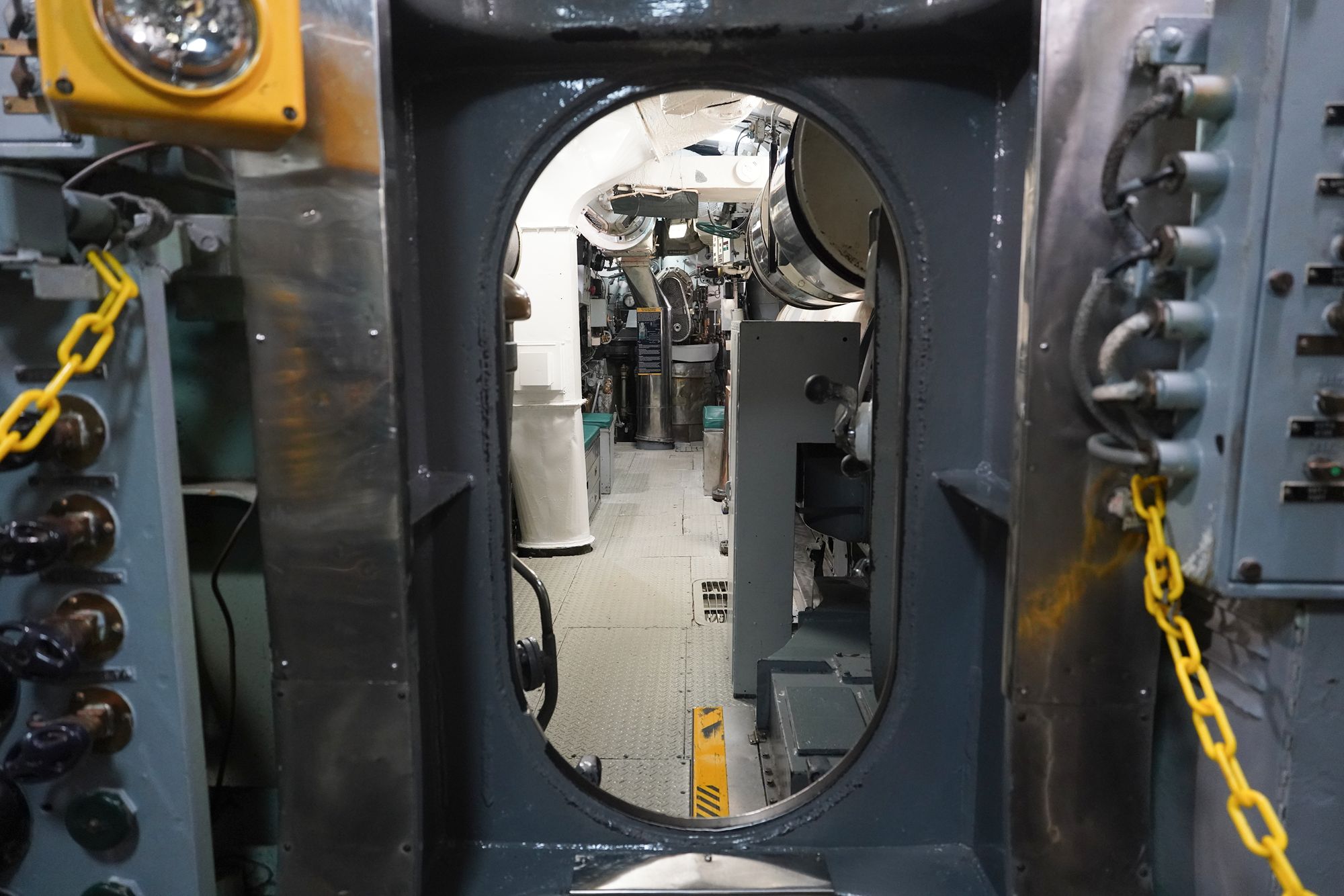
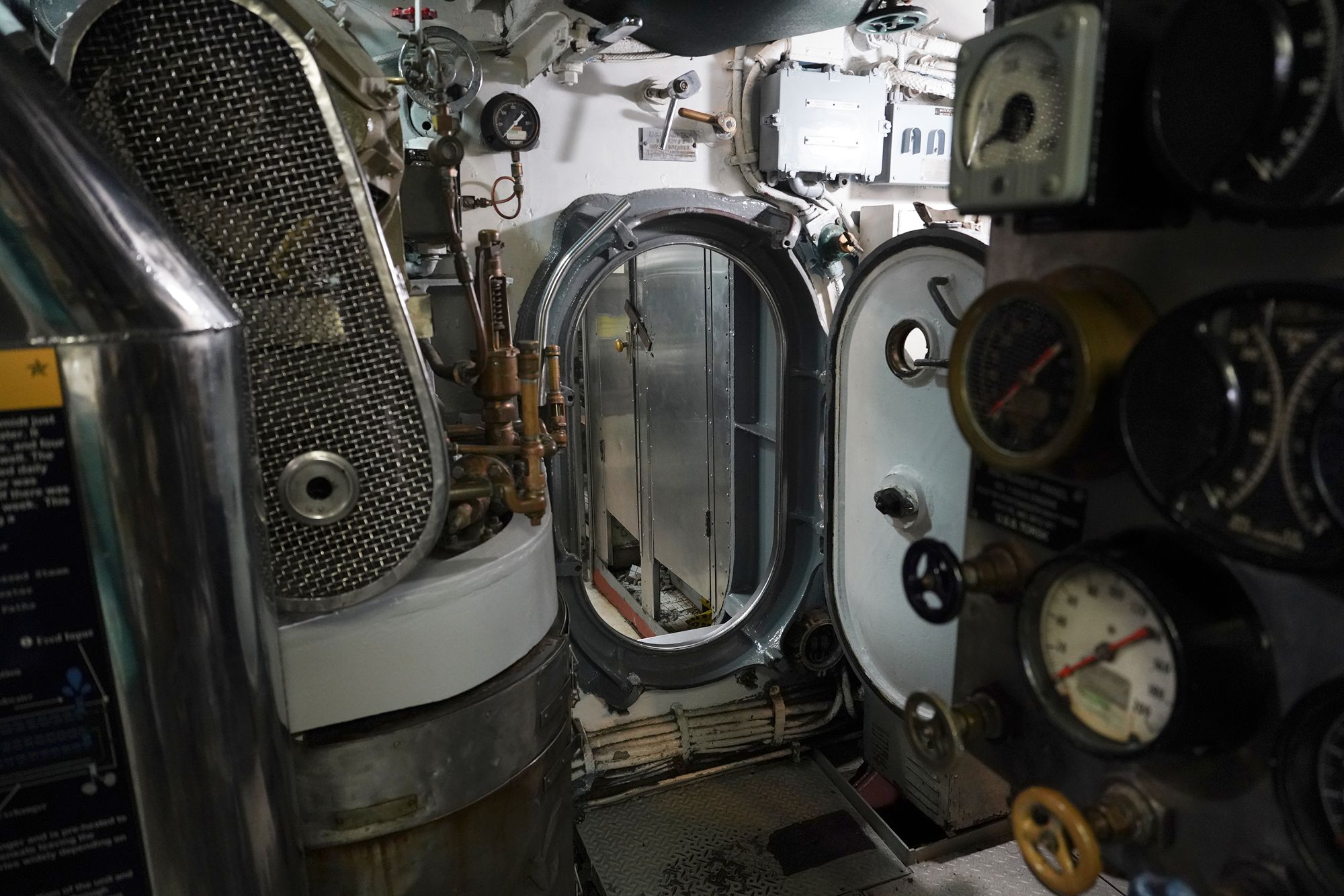
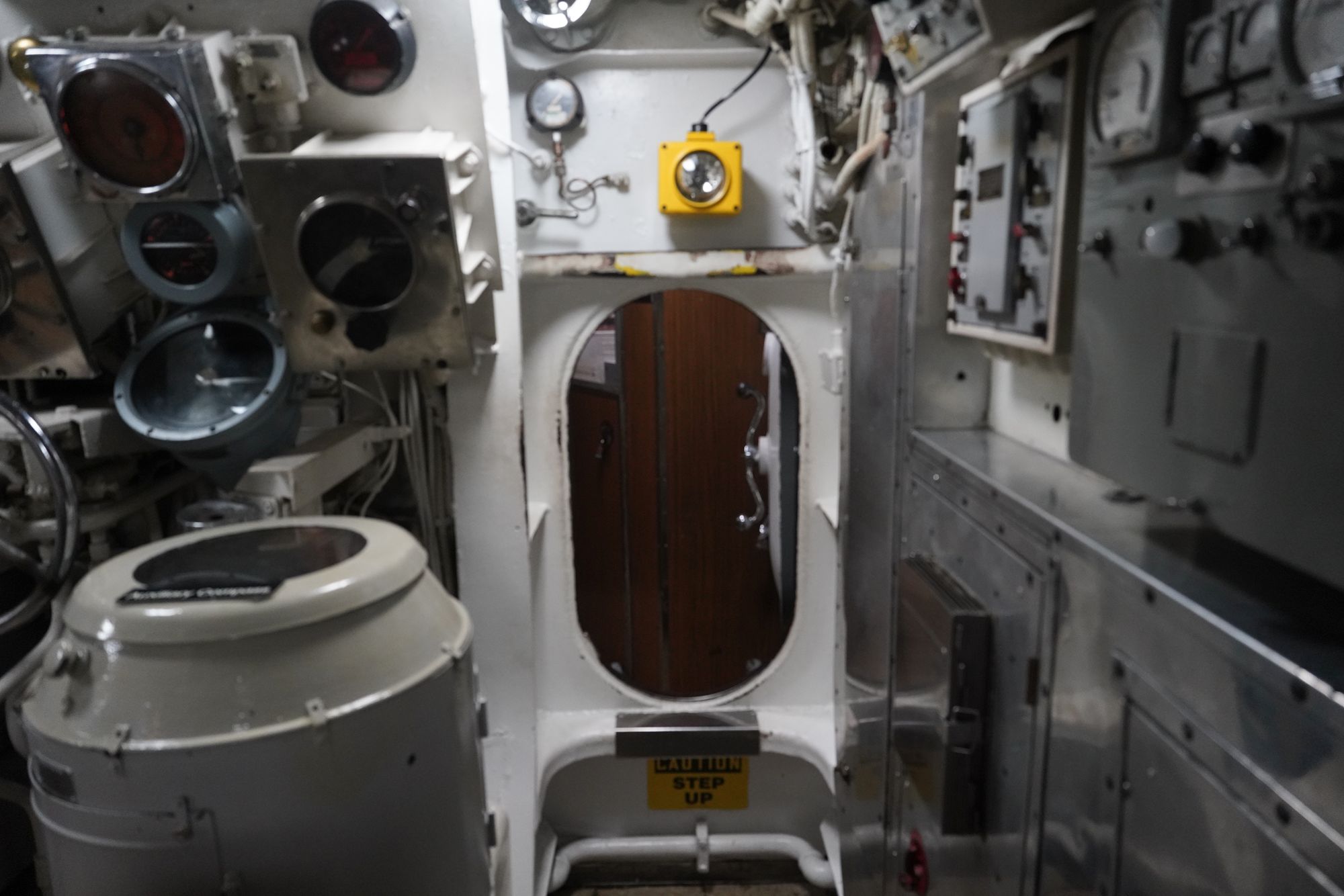
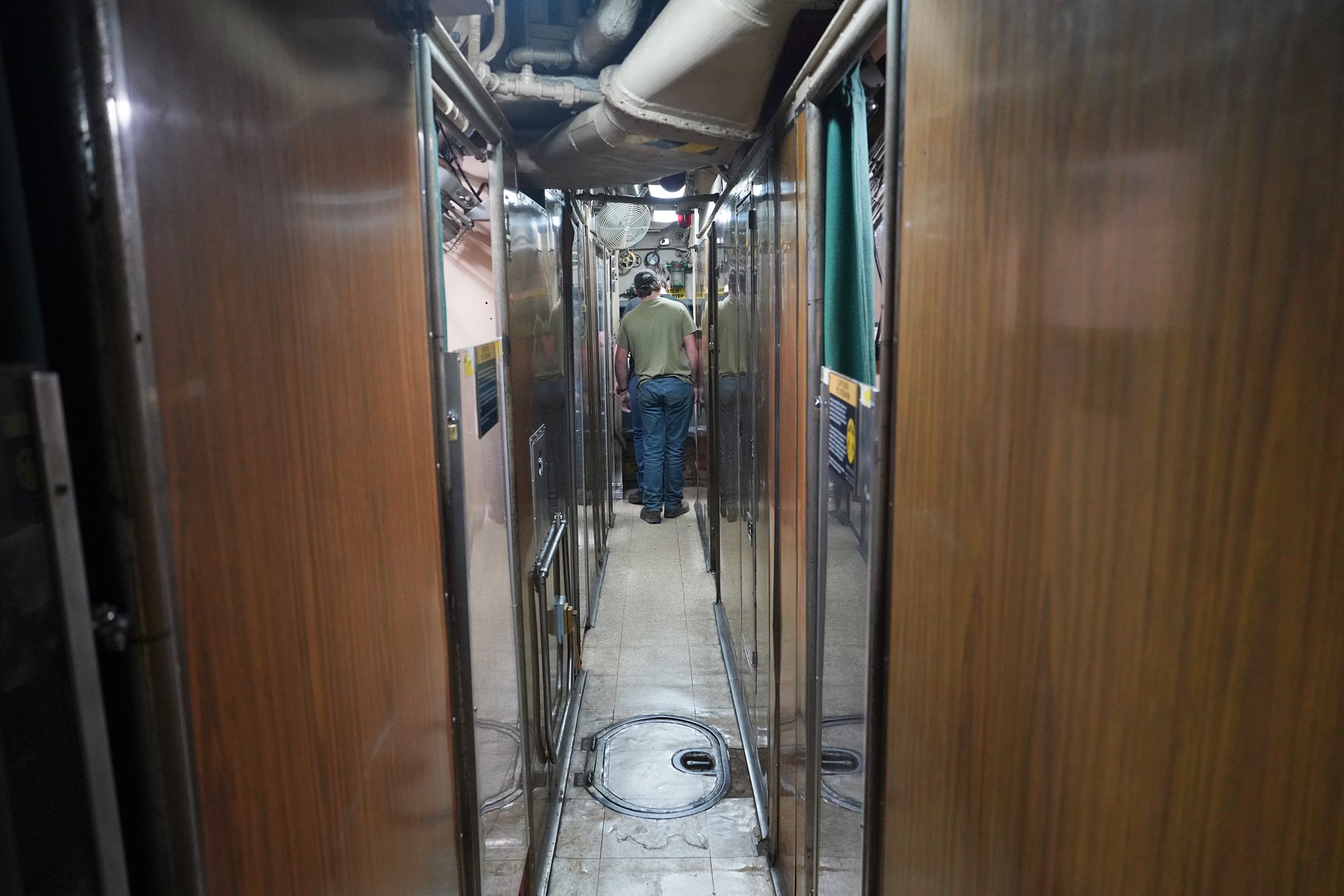
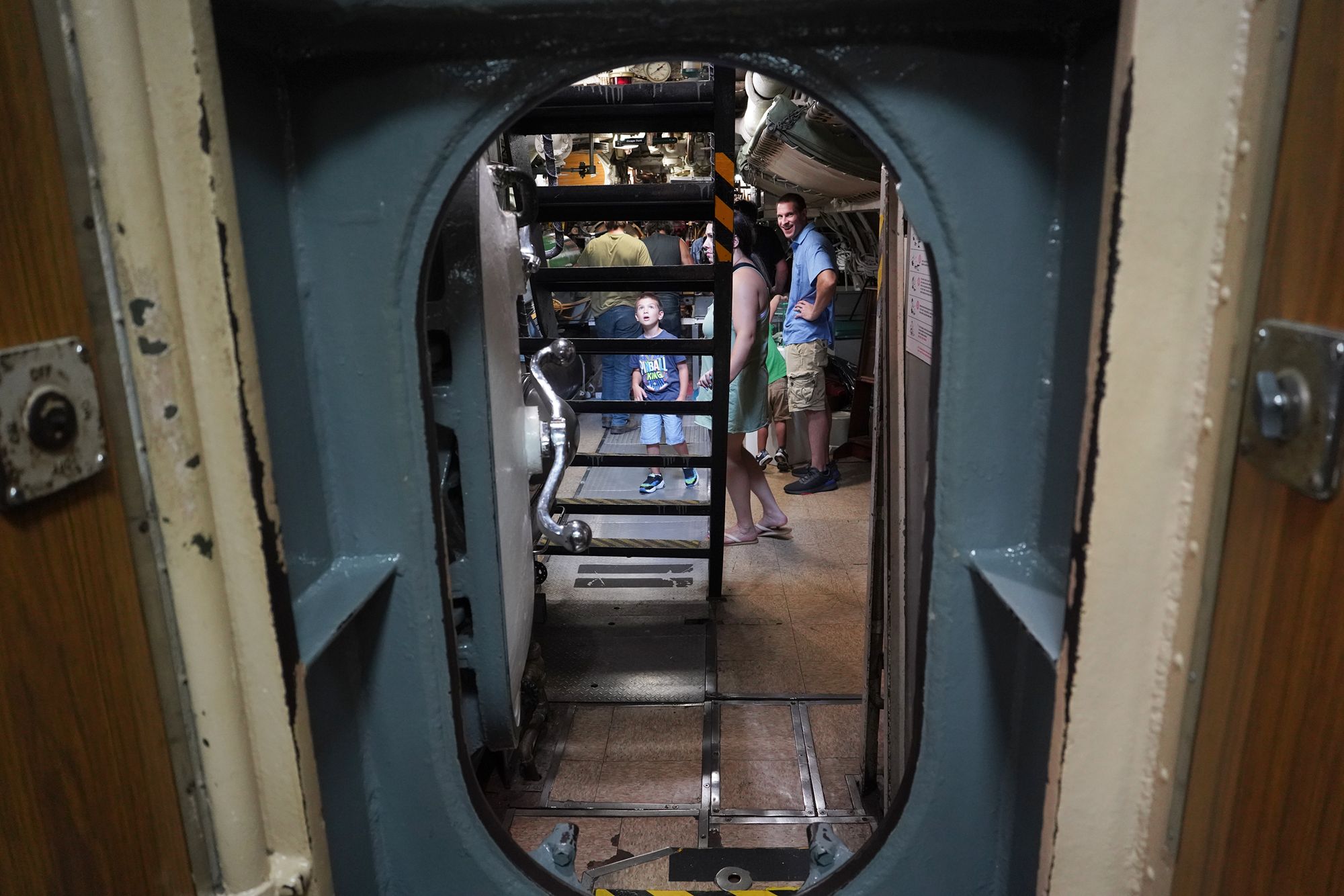
As I moved toward the front of the submarine, I had to squeeze through multiple narrow openings like this one.
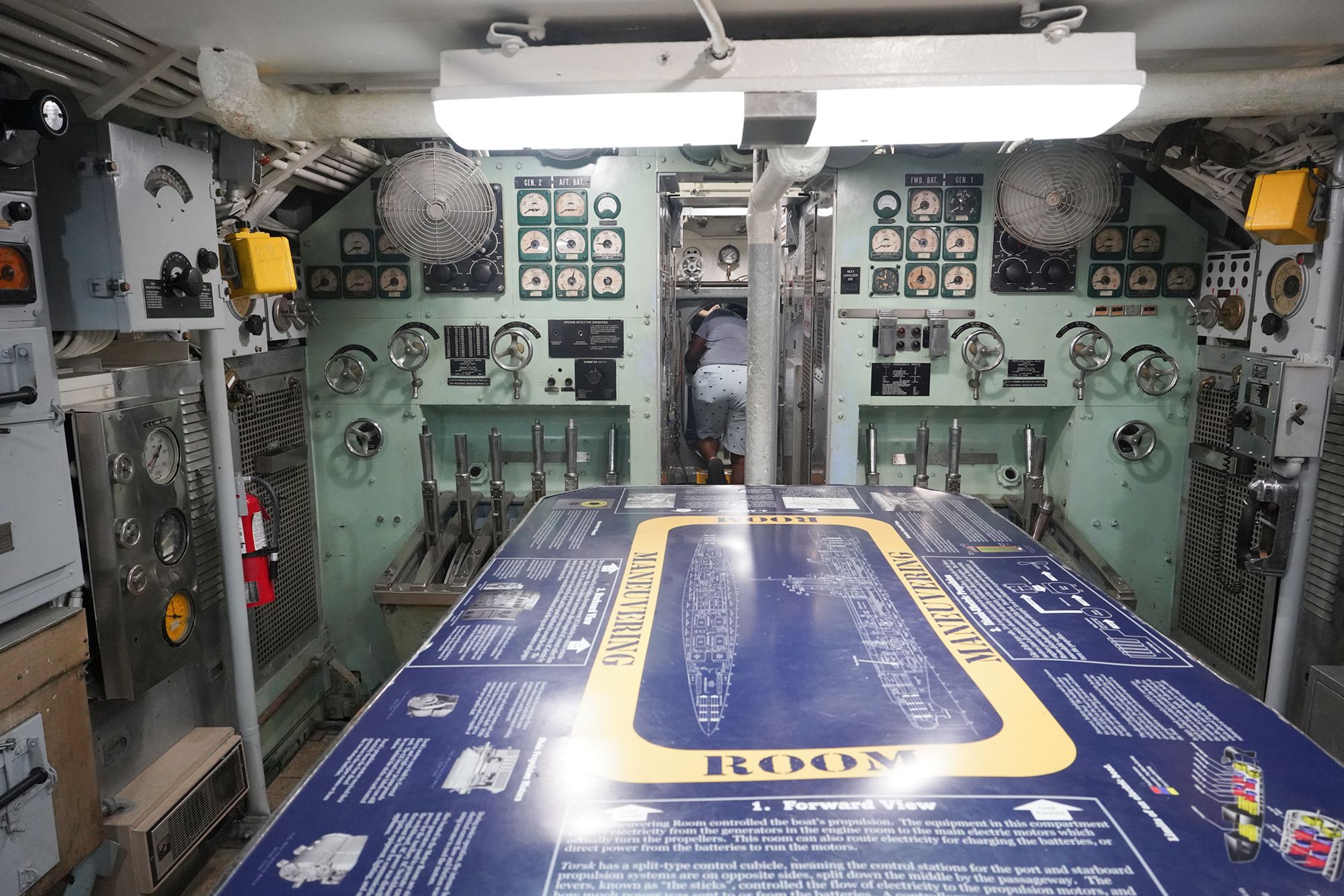
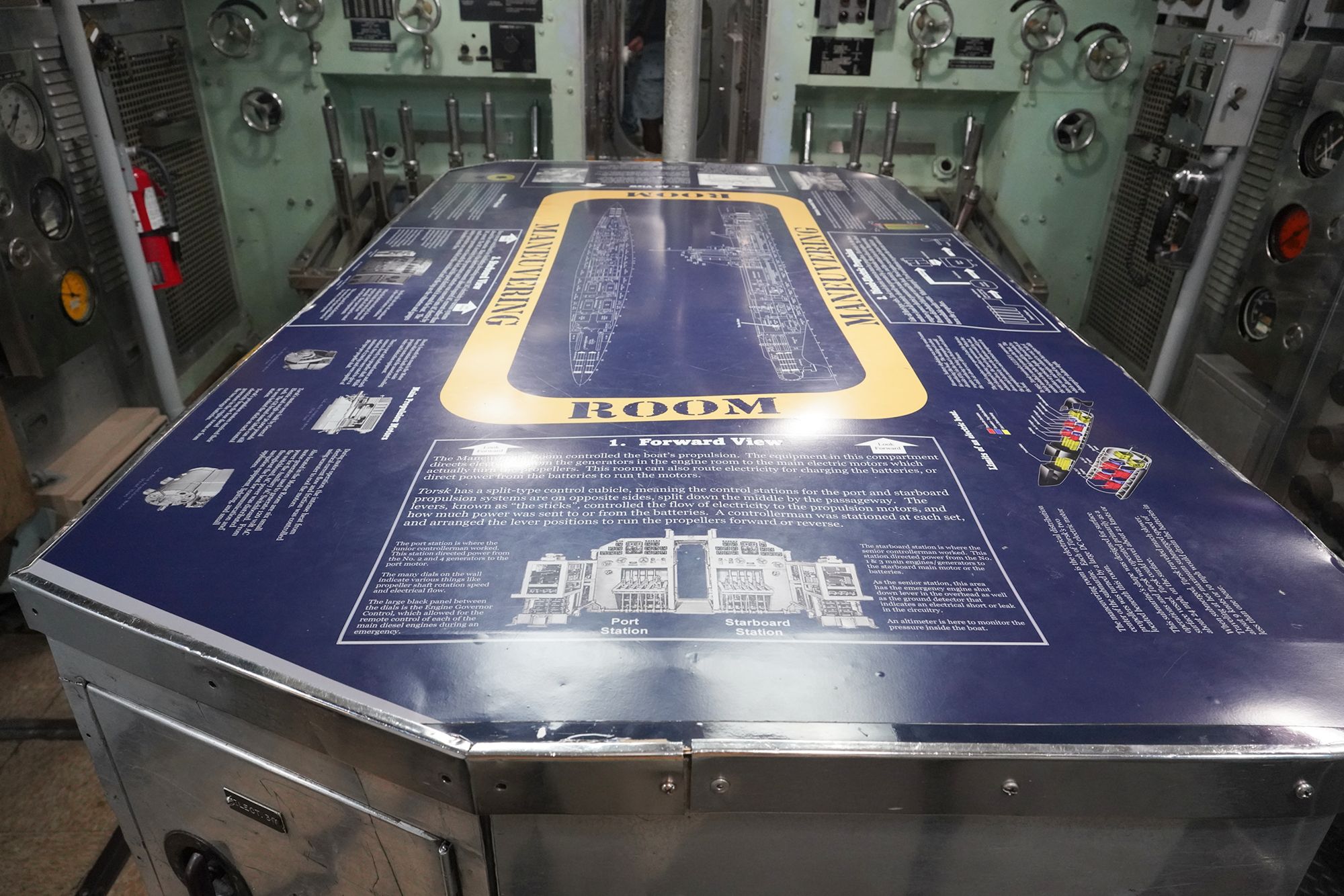
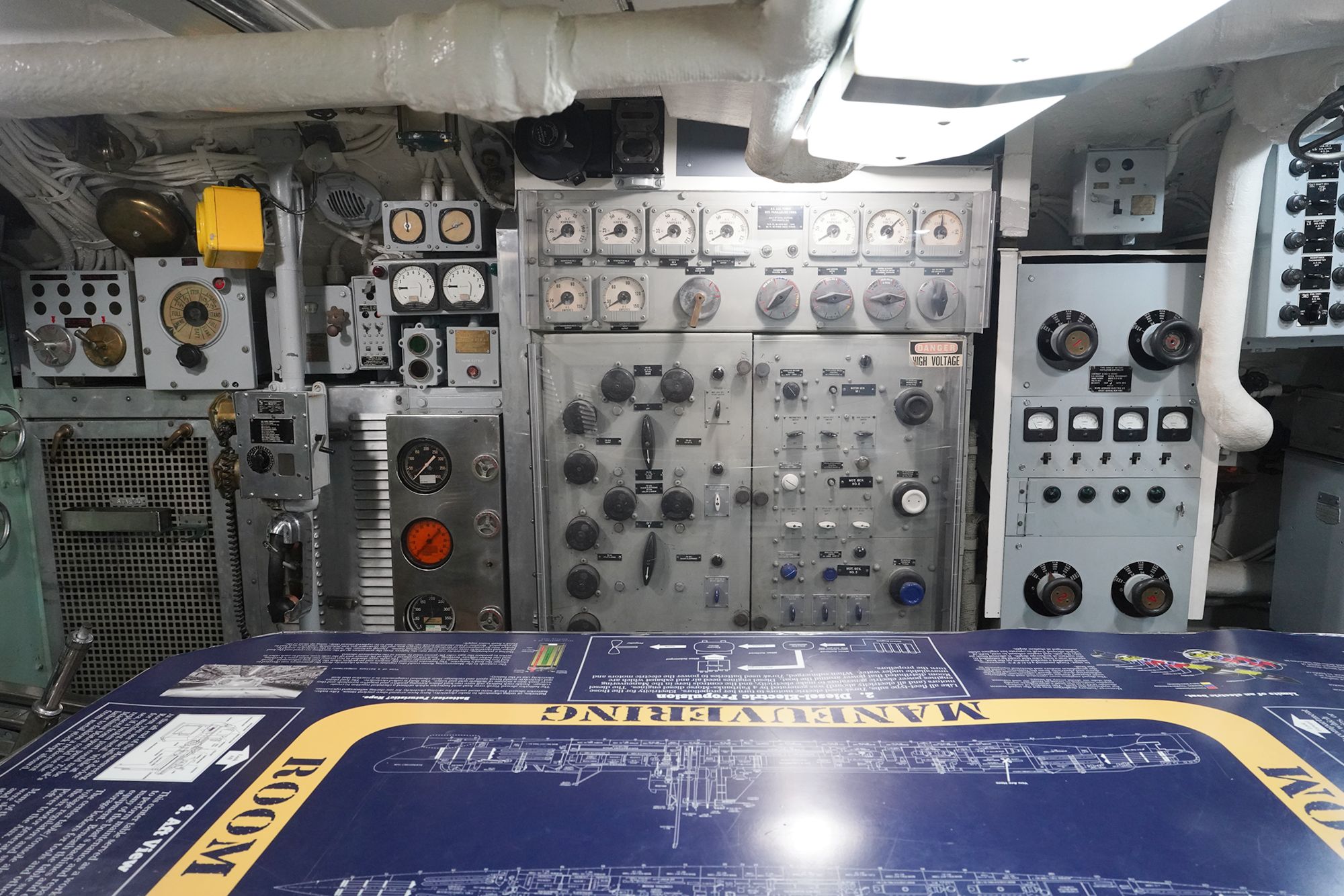
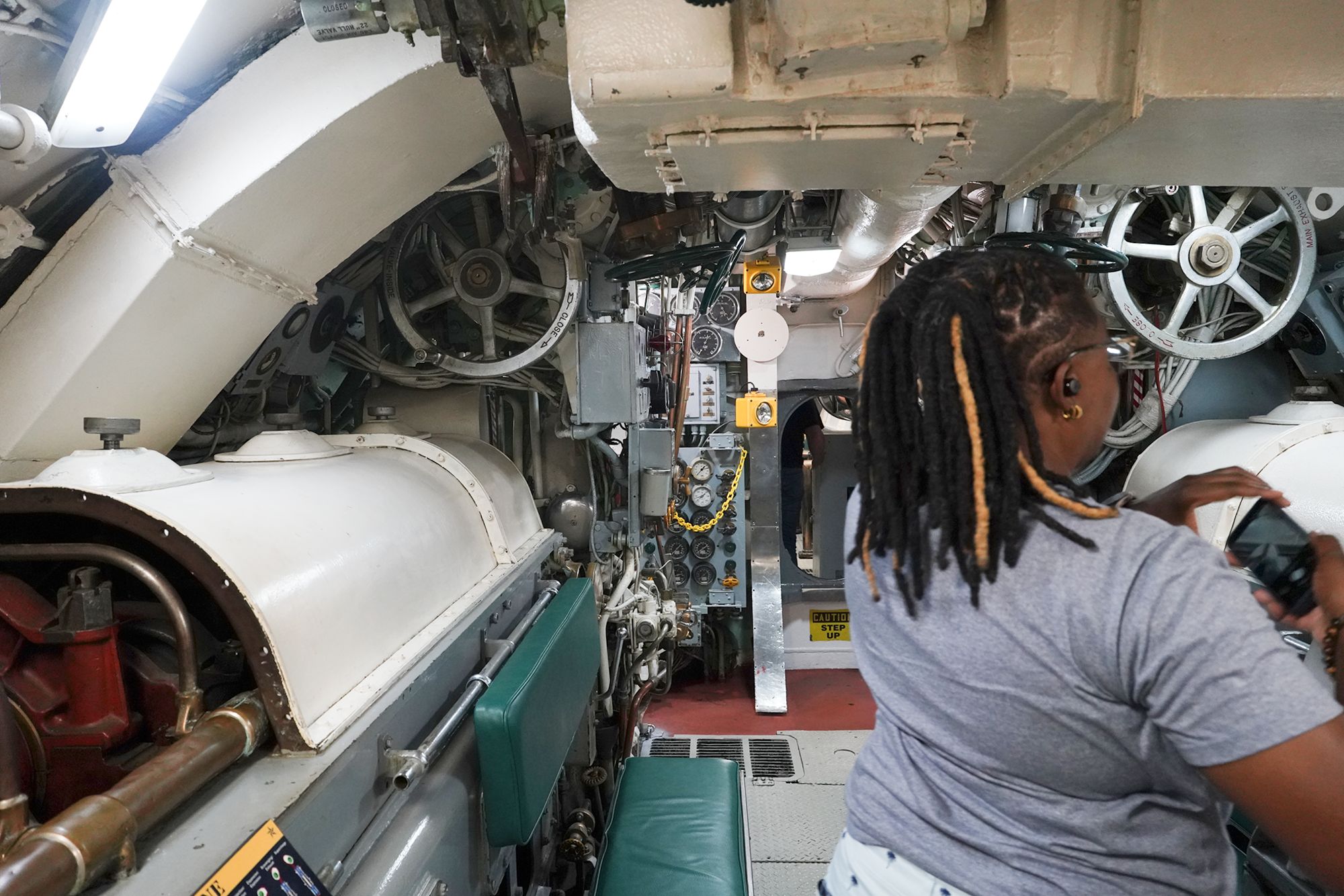
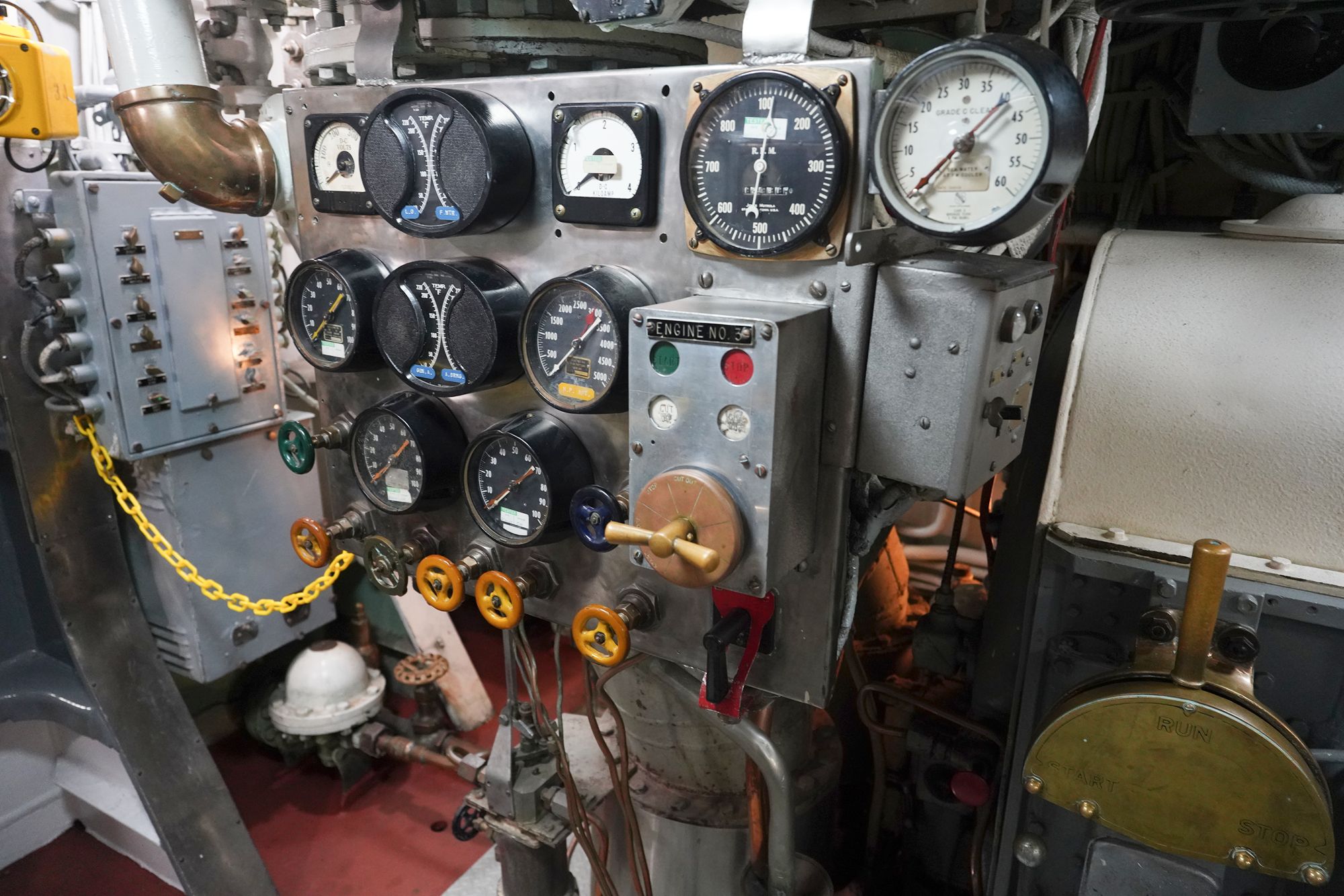
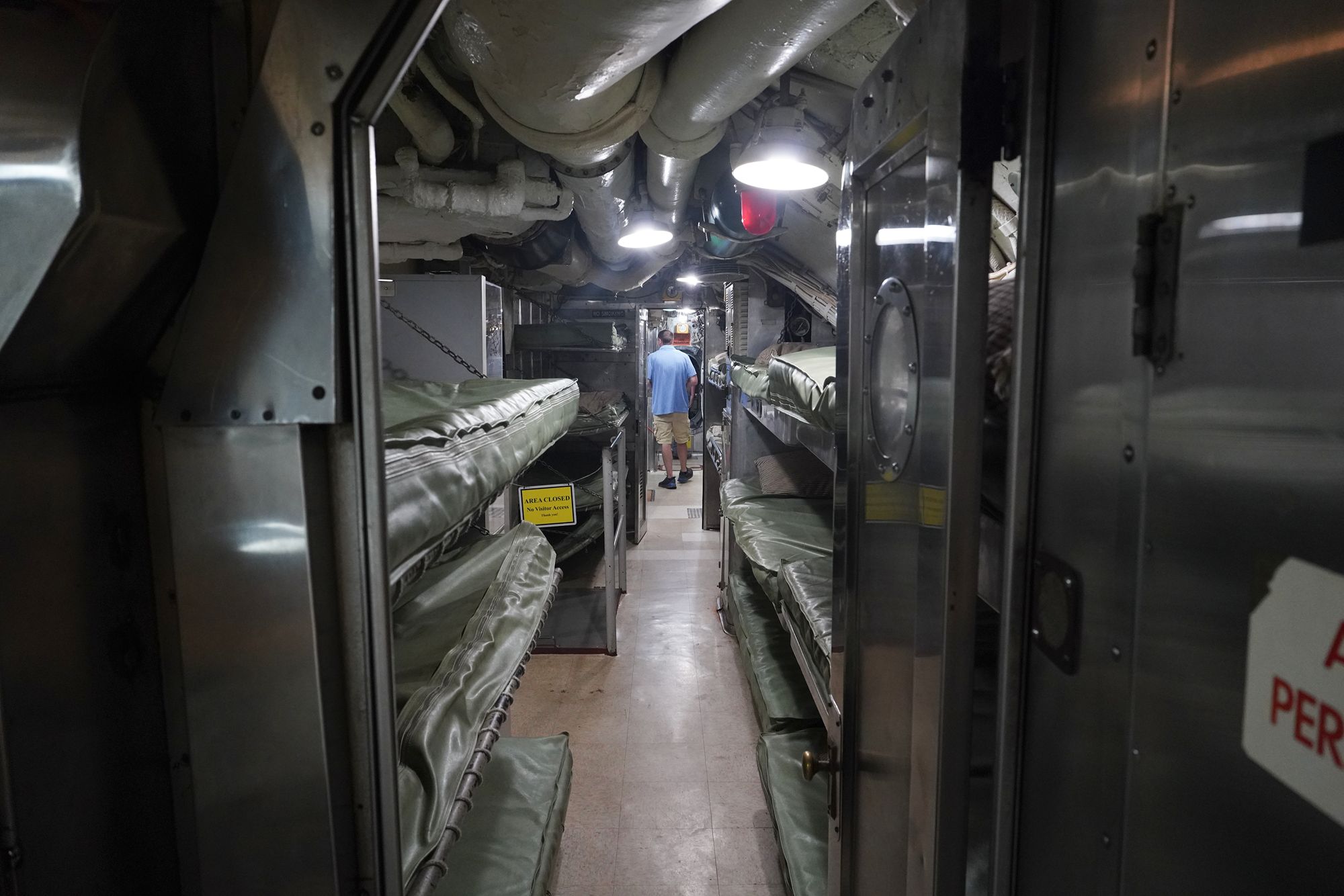
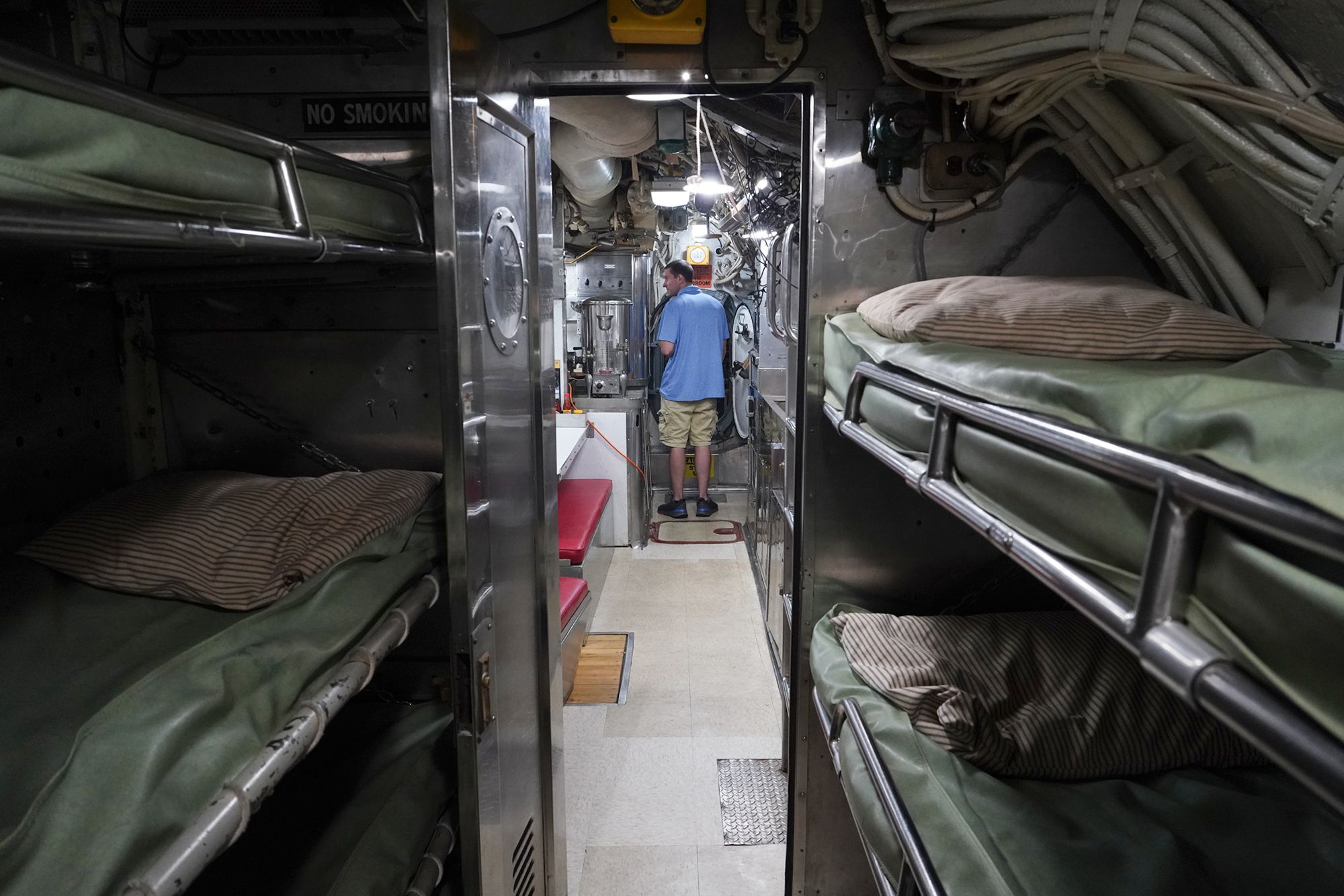
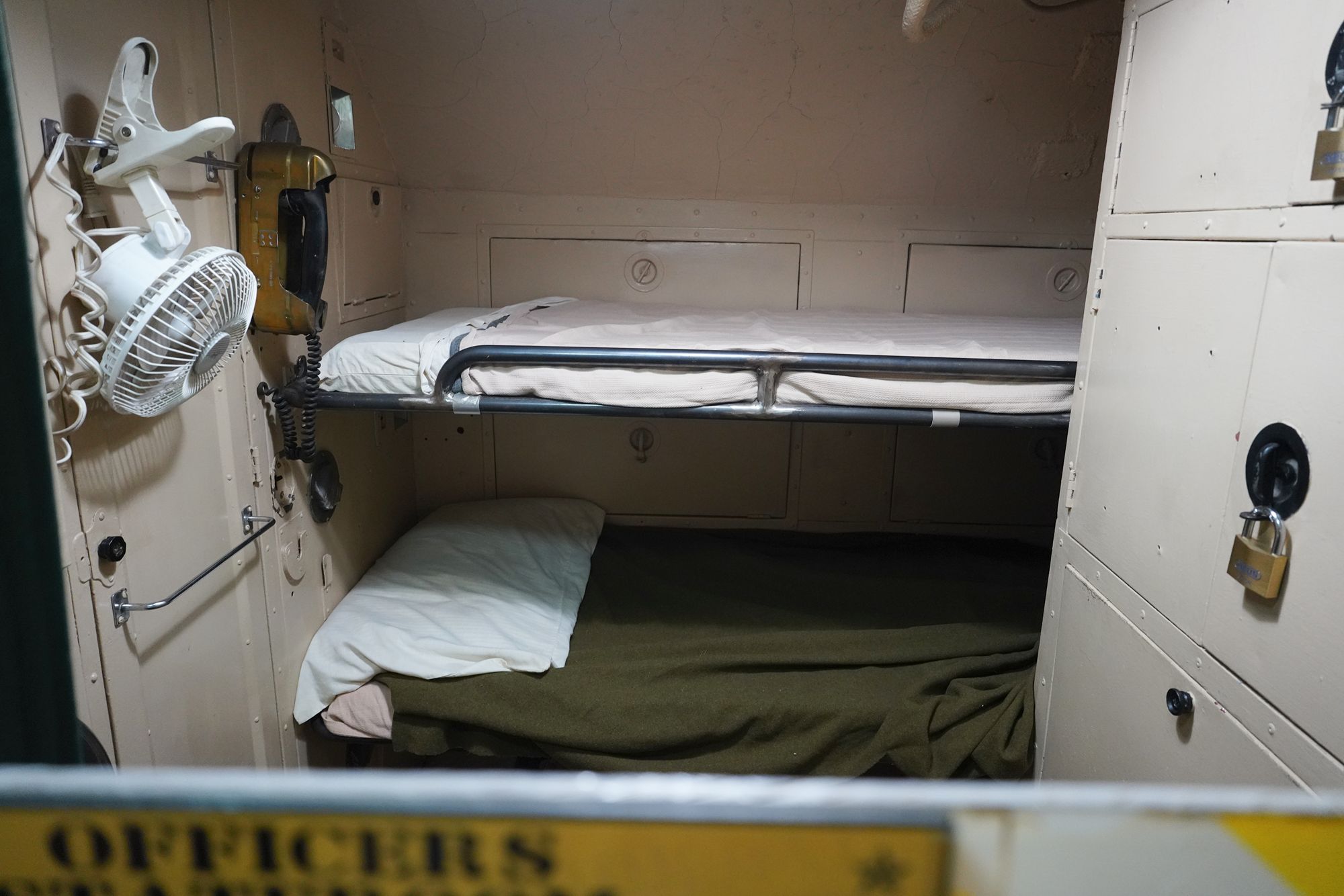
Beds for the sailors
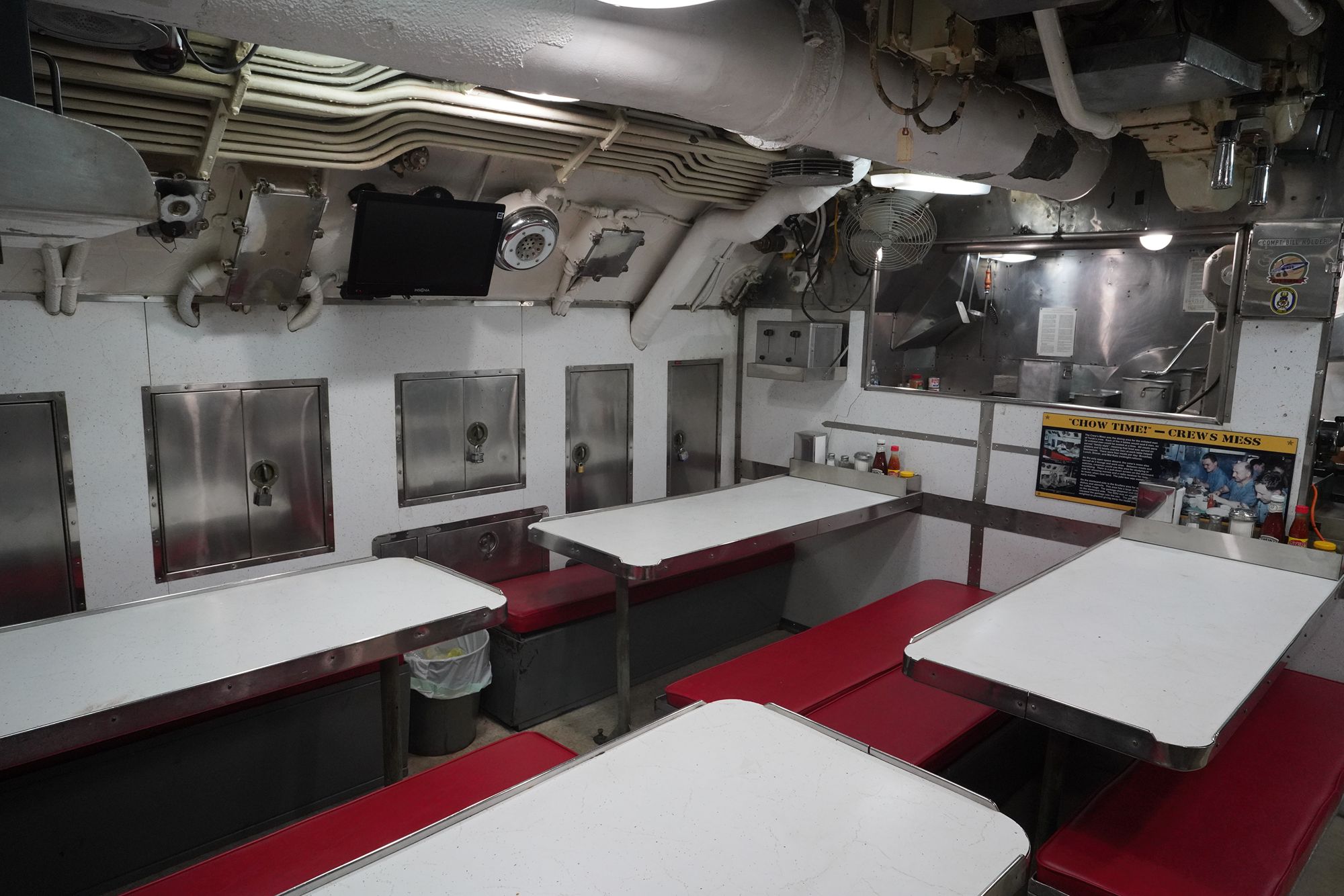
The dining room
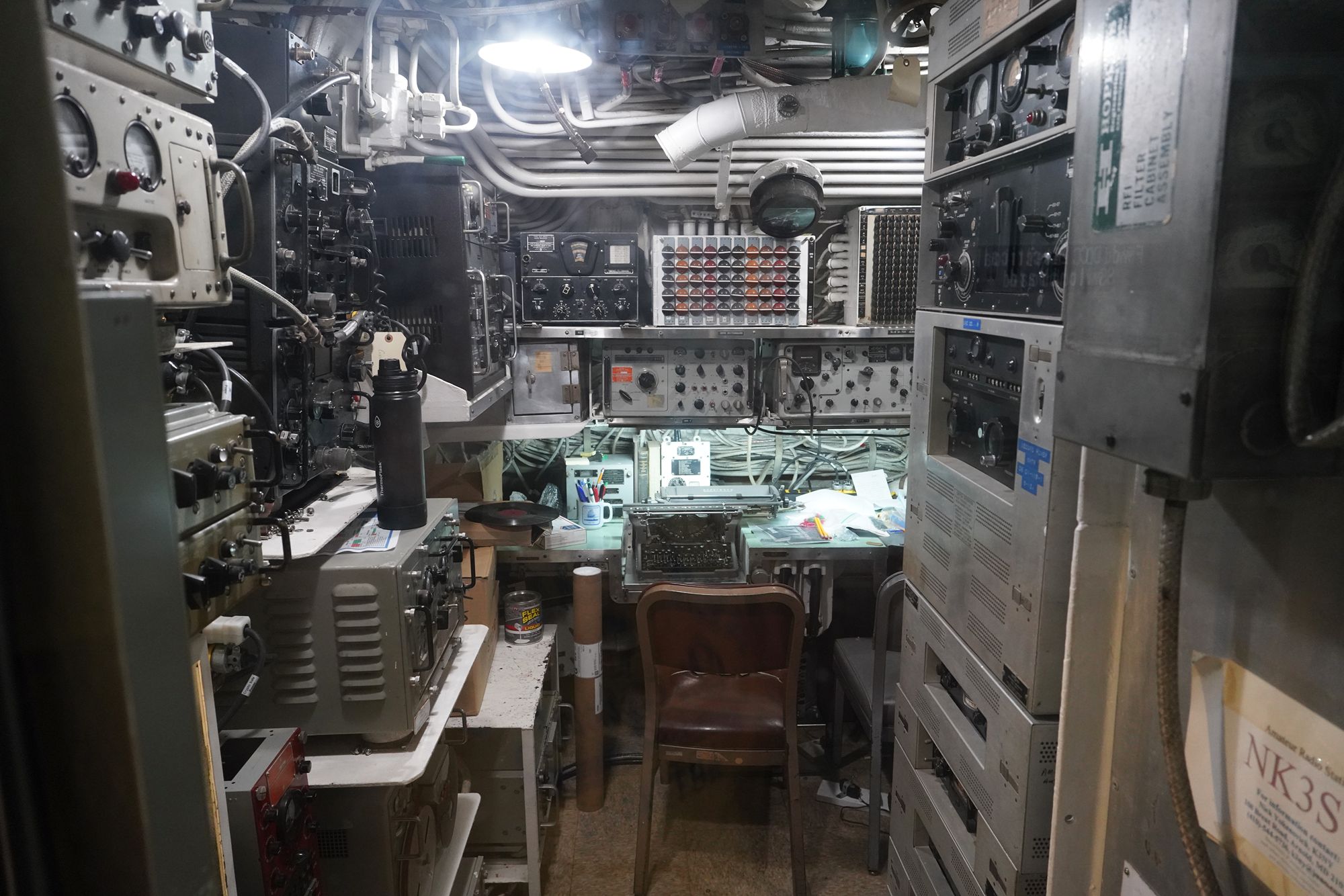
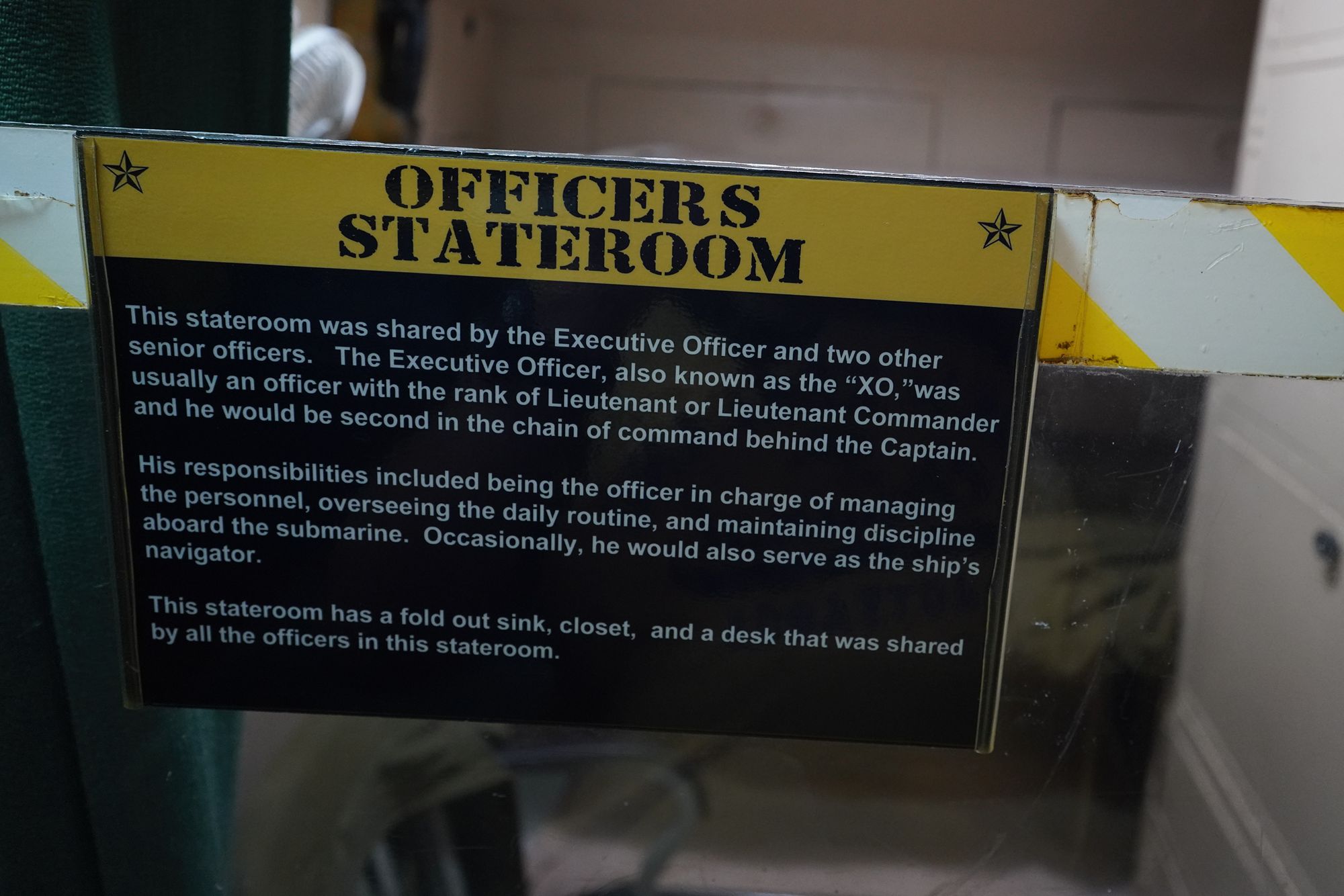
Officers rooms
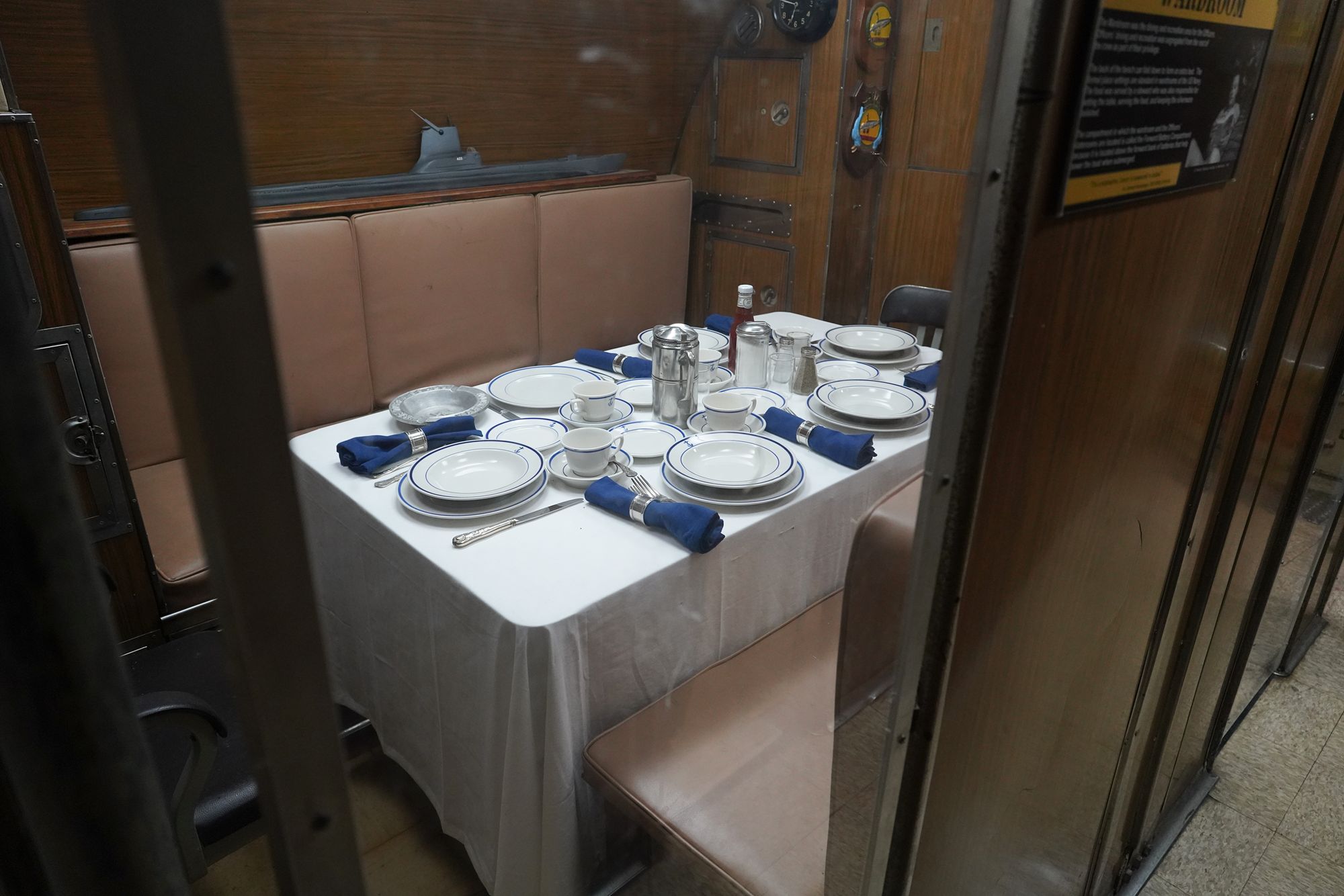
Officer’s dining room
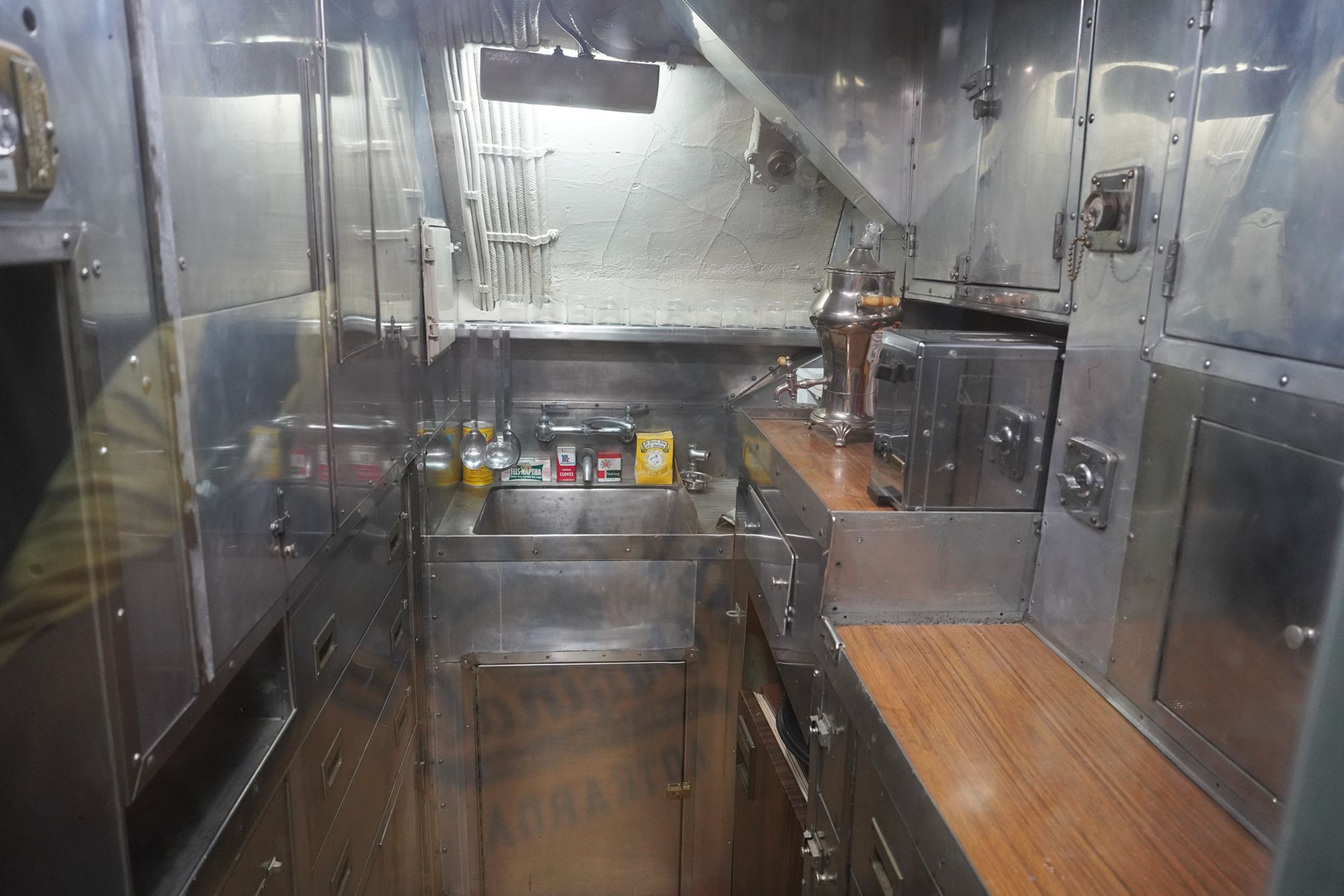
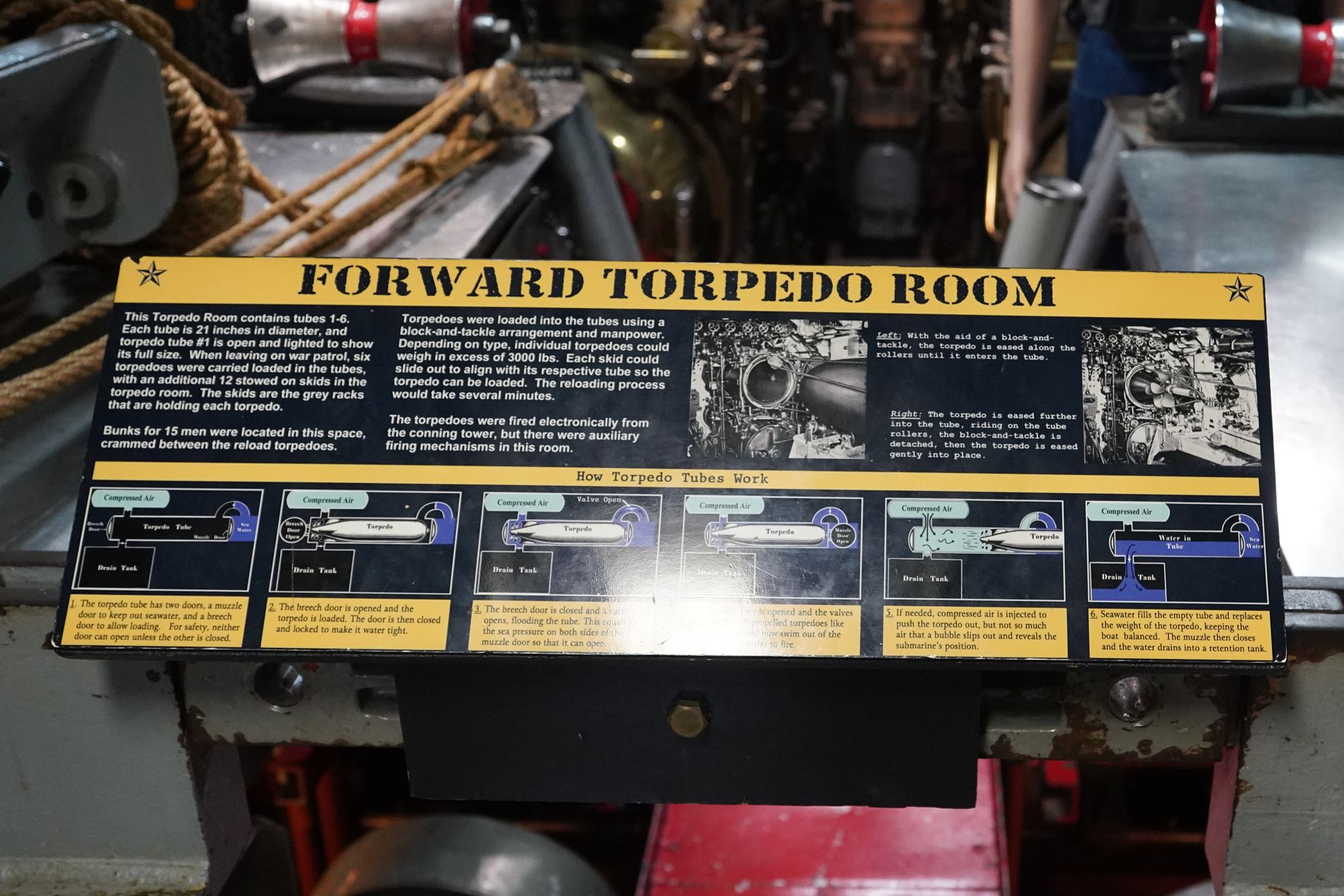
At the very front of the submarine is another torpedo room
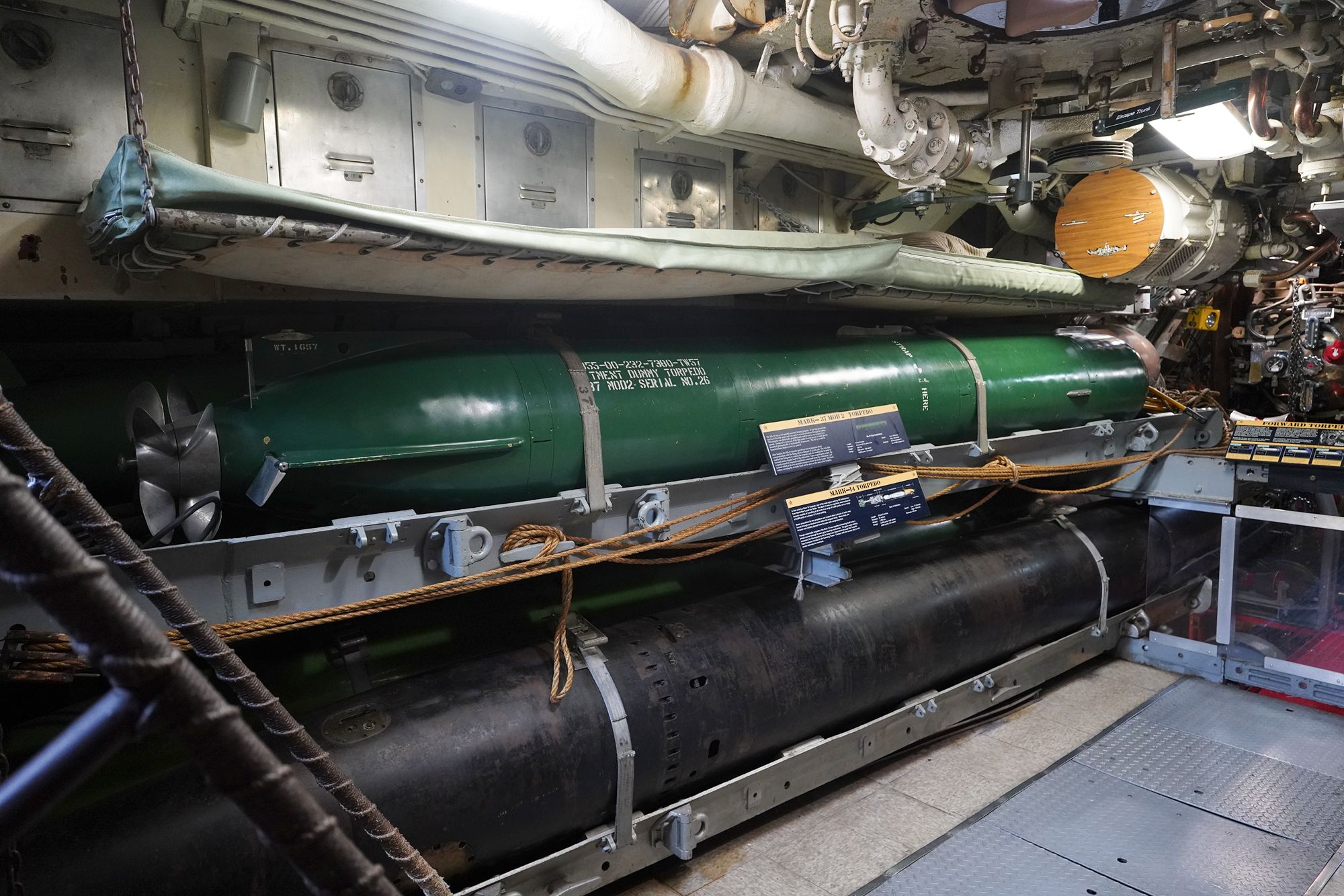
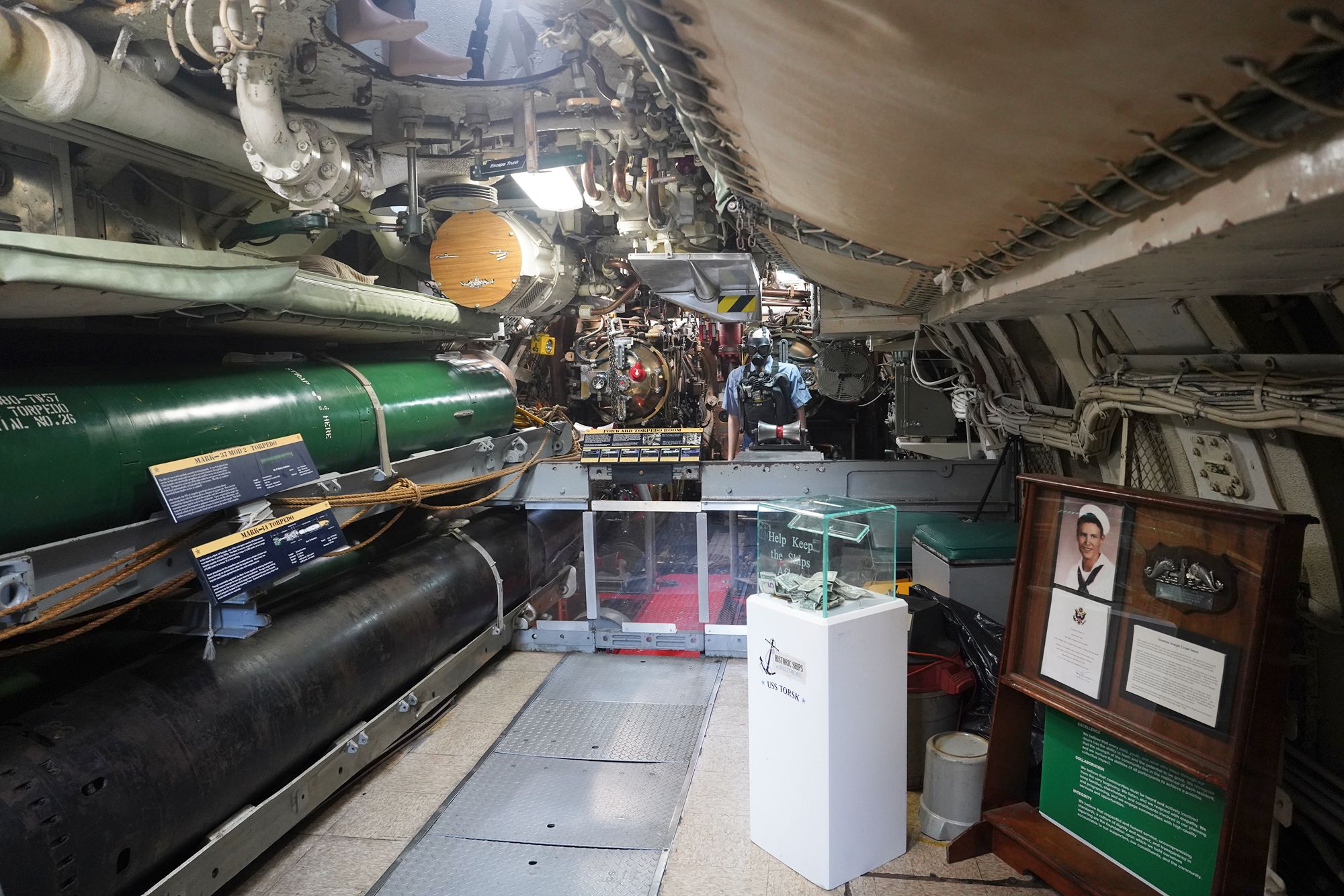
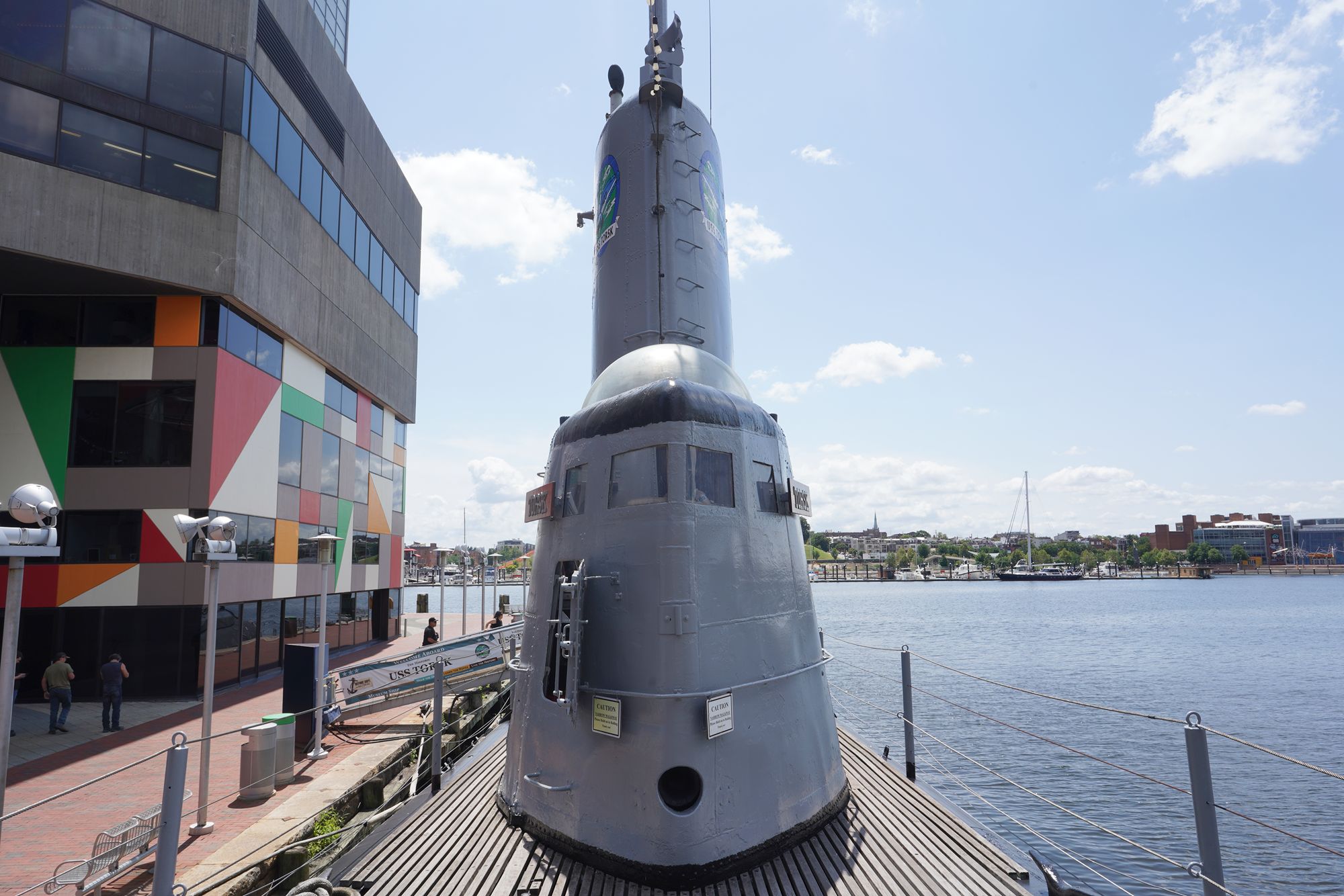
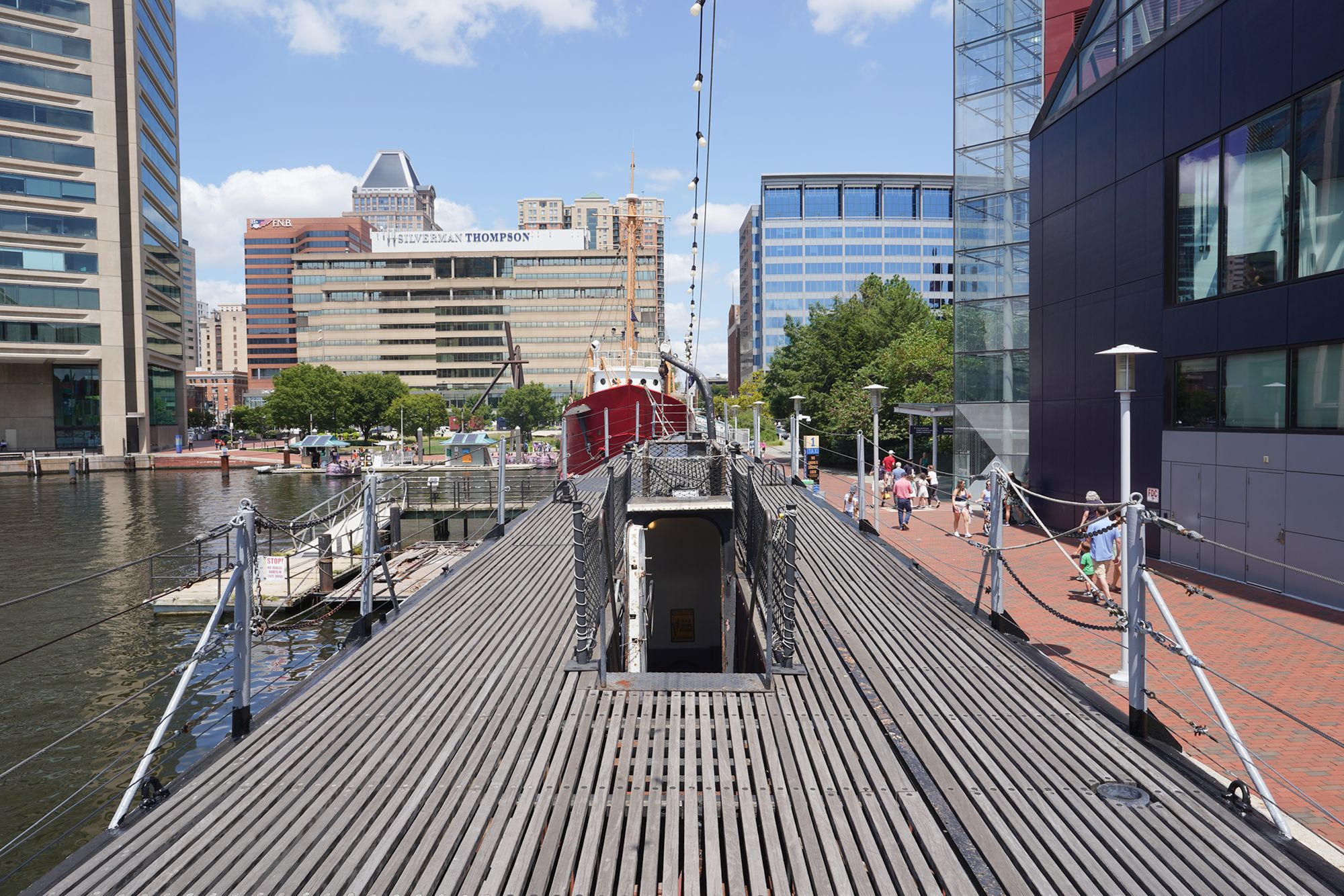
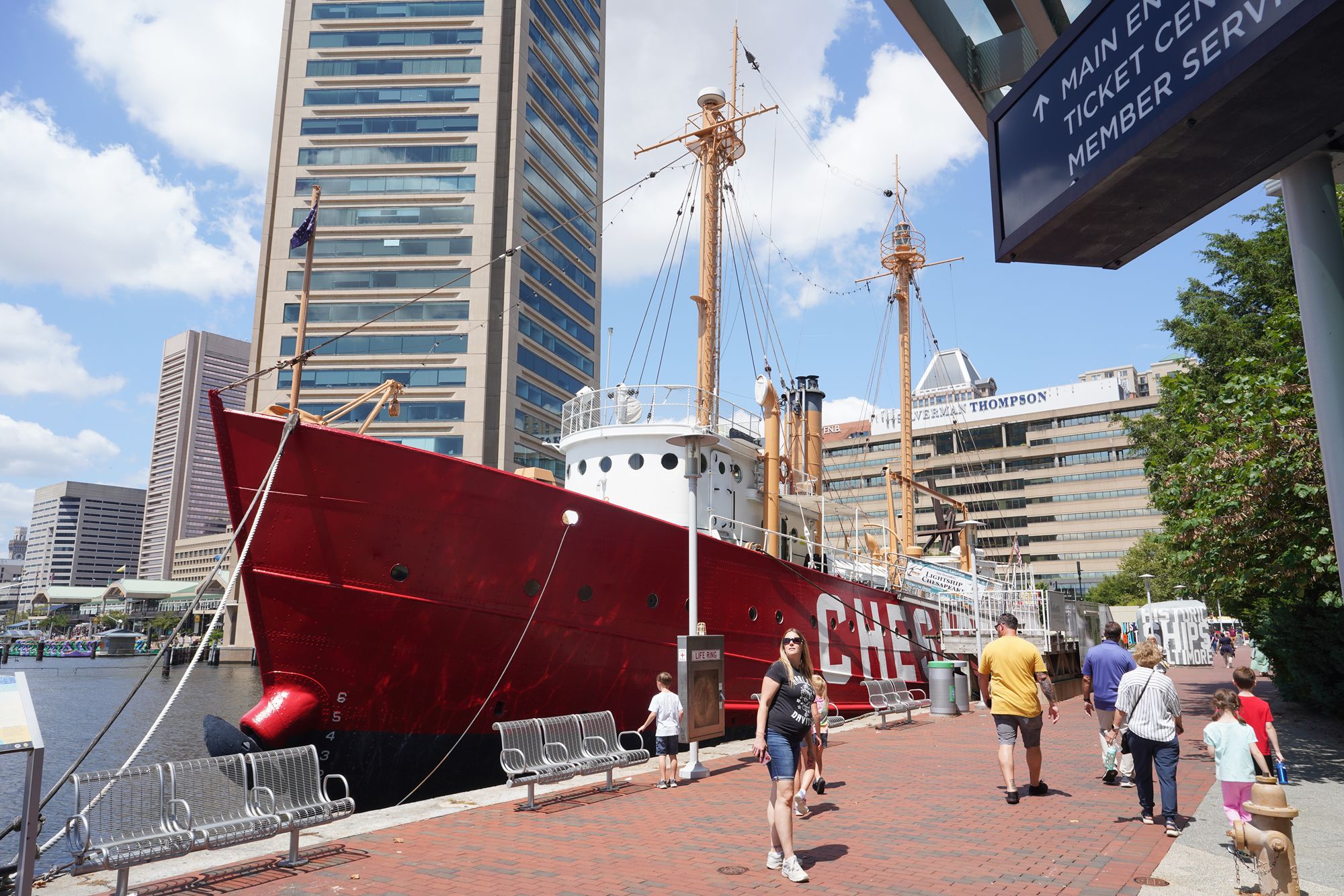
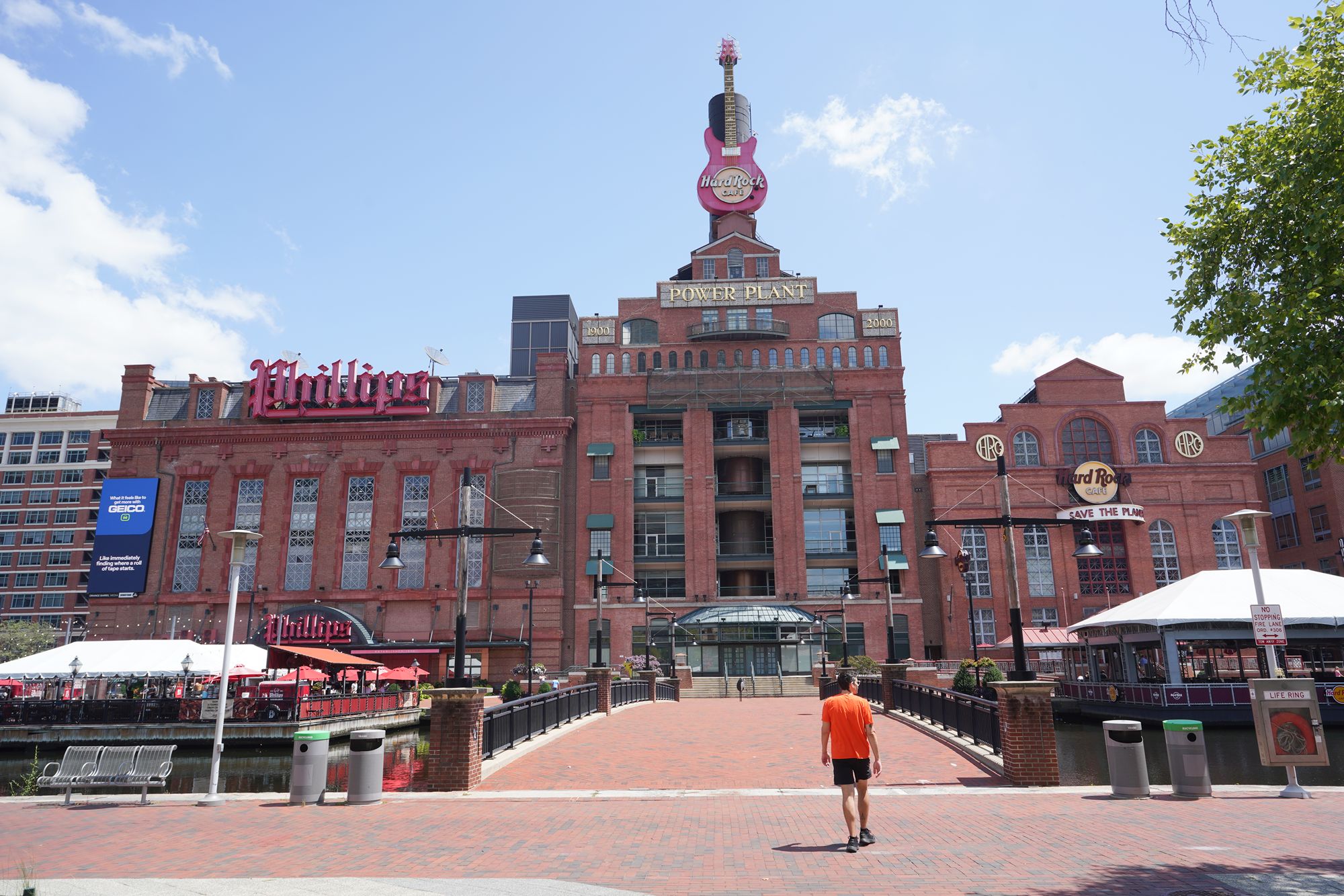
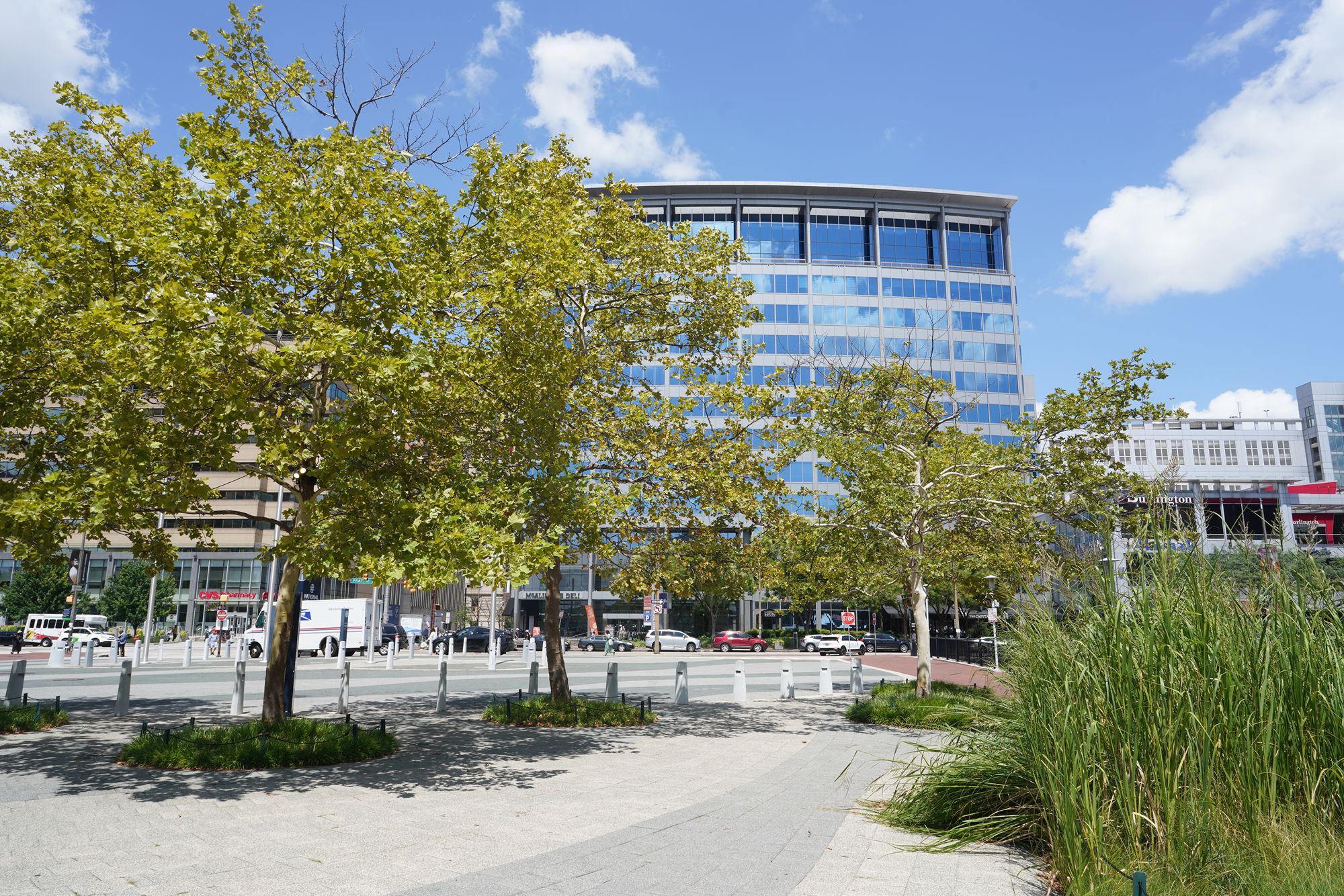
I continued from the harbor to Fell’s Point on foot.
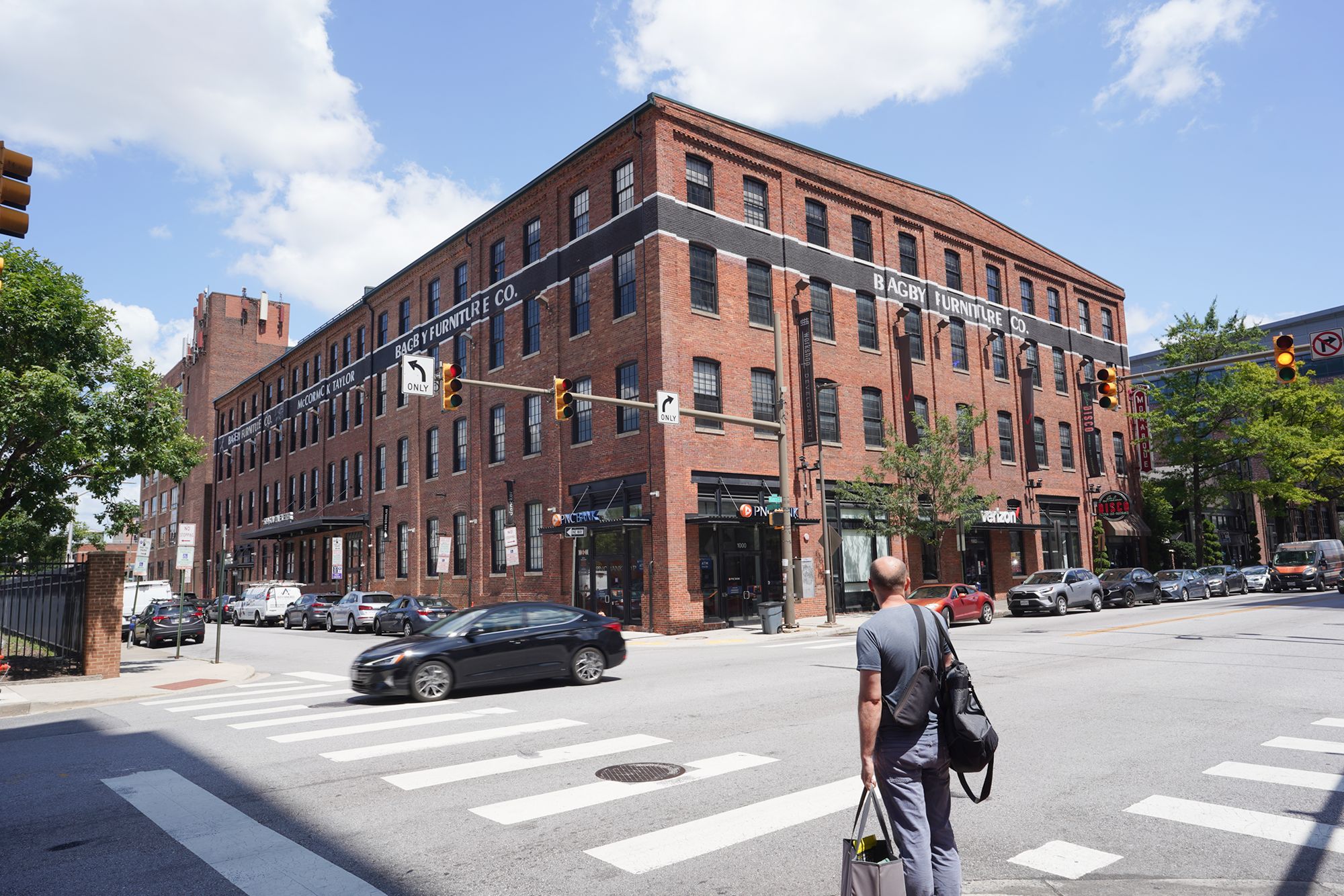
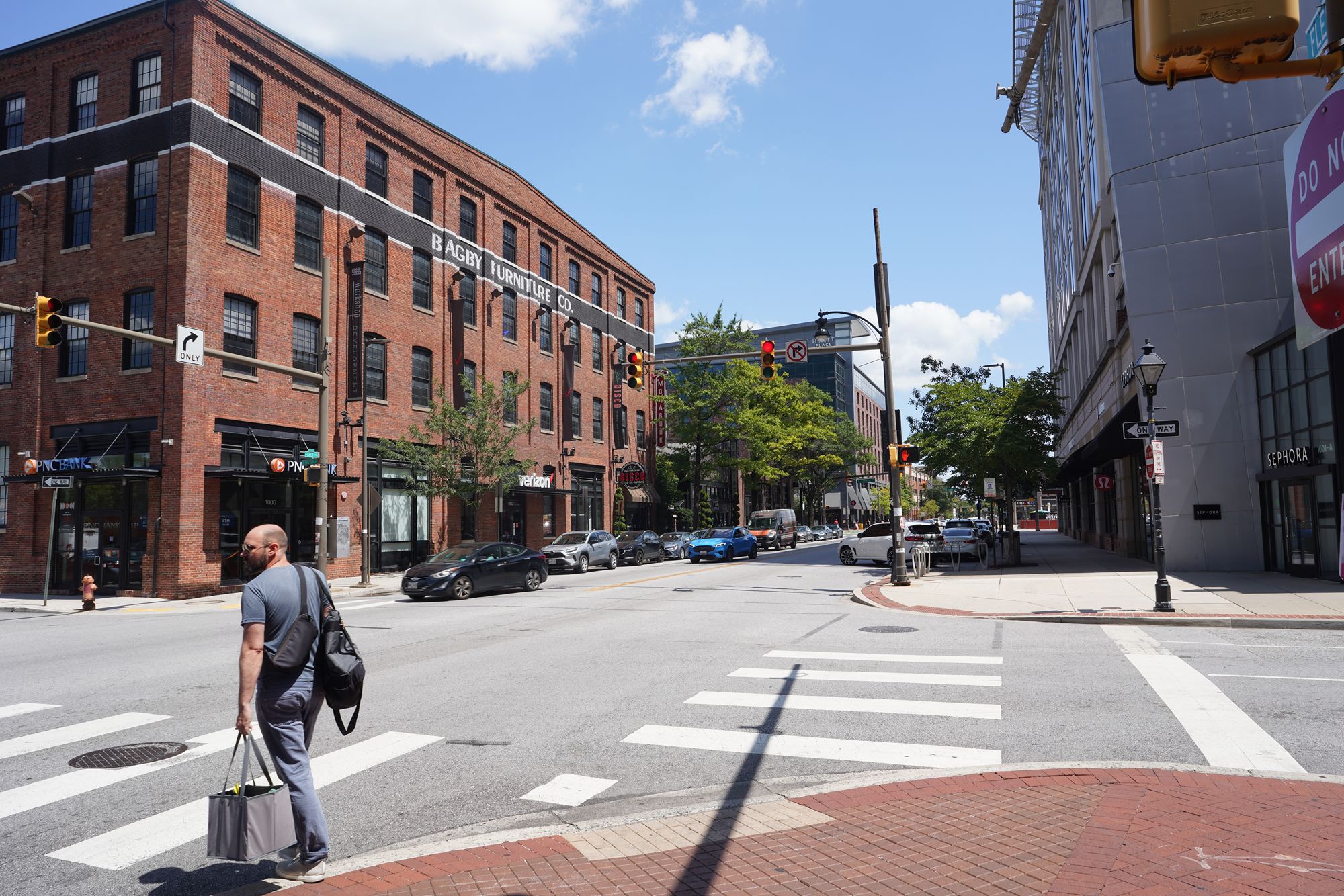
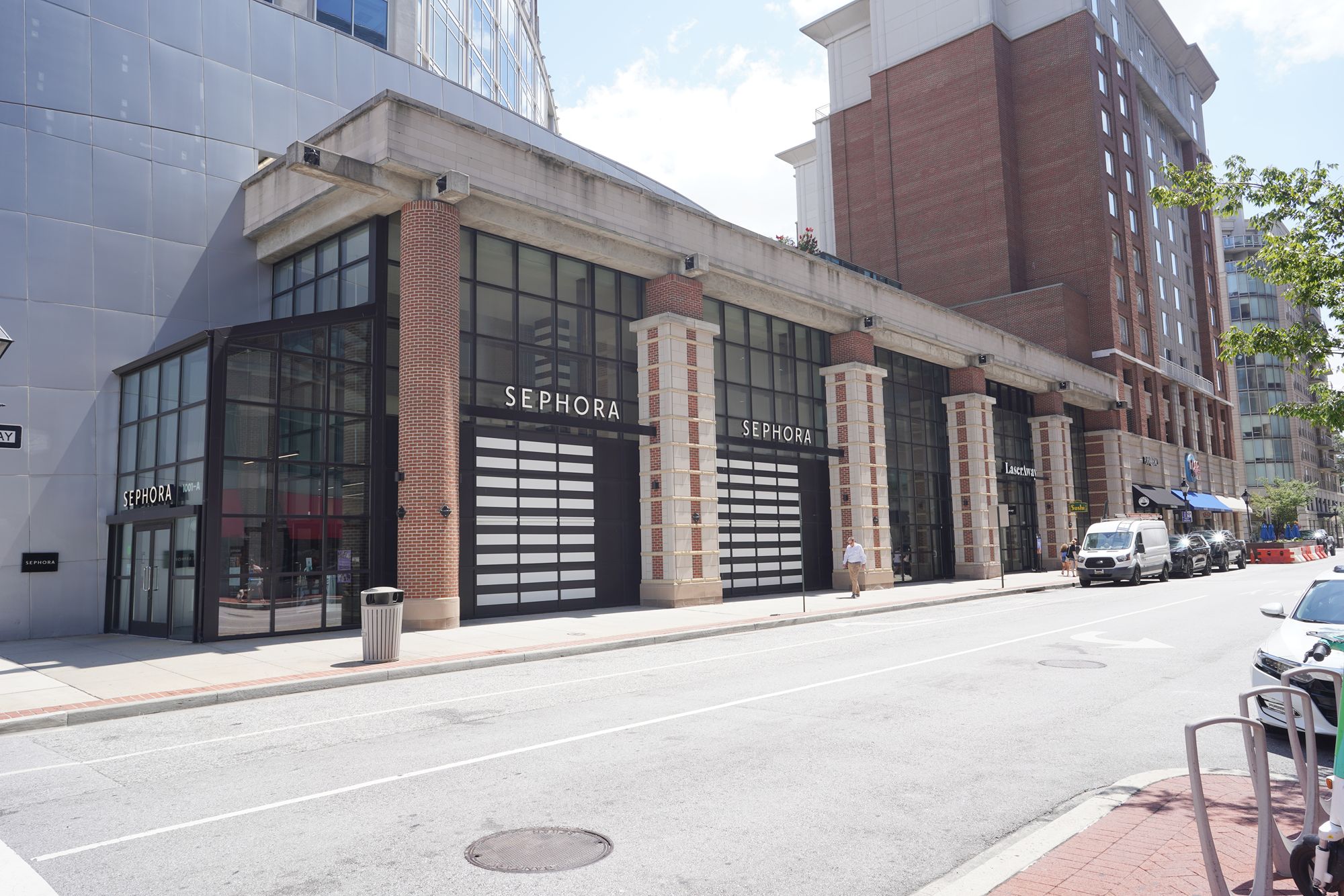
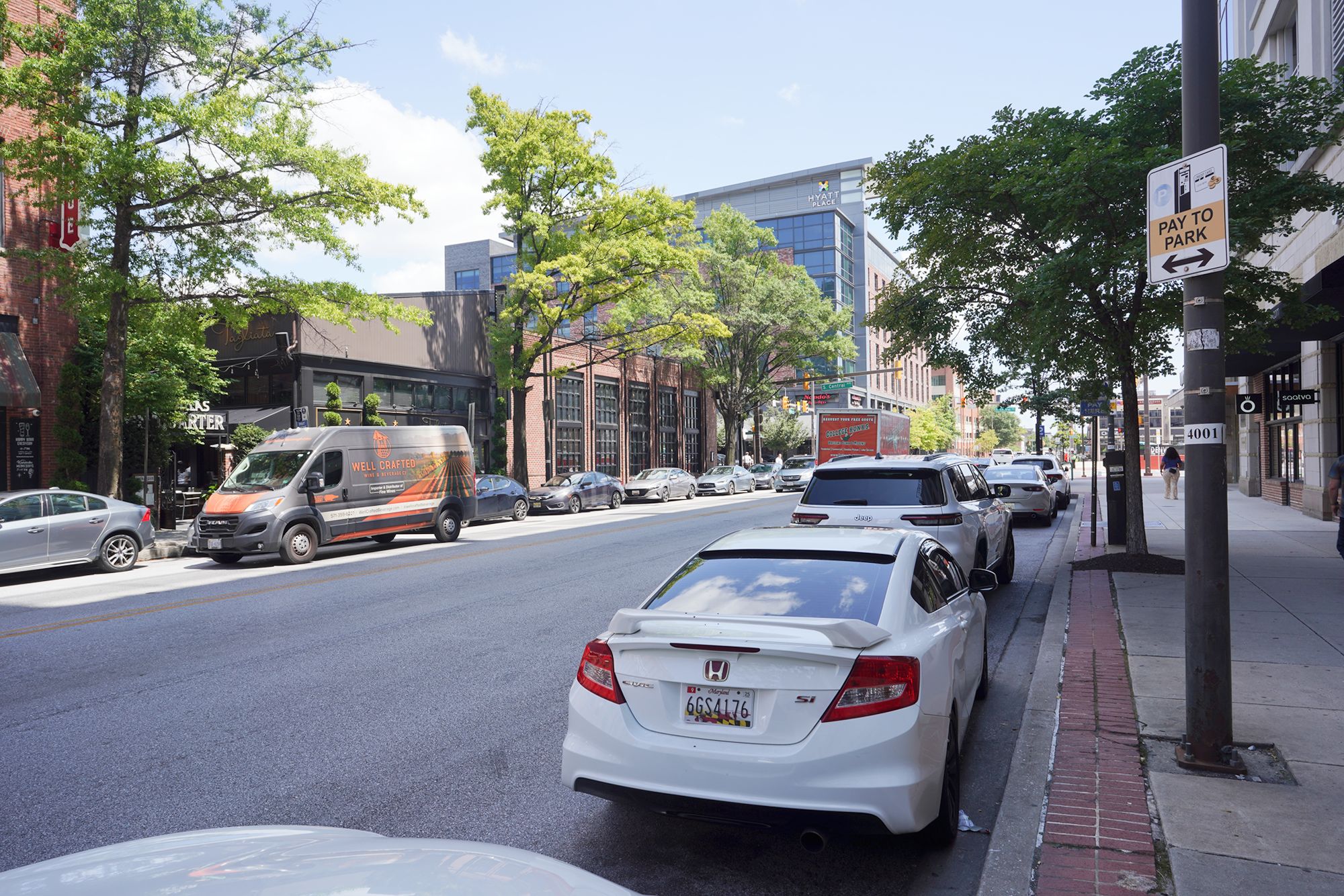
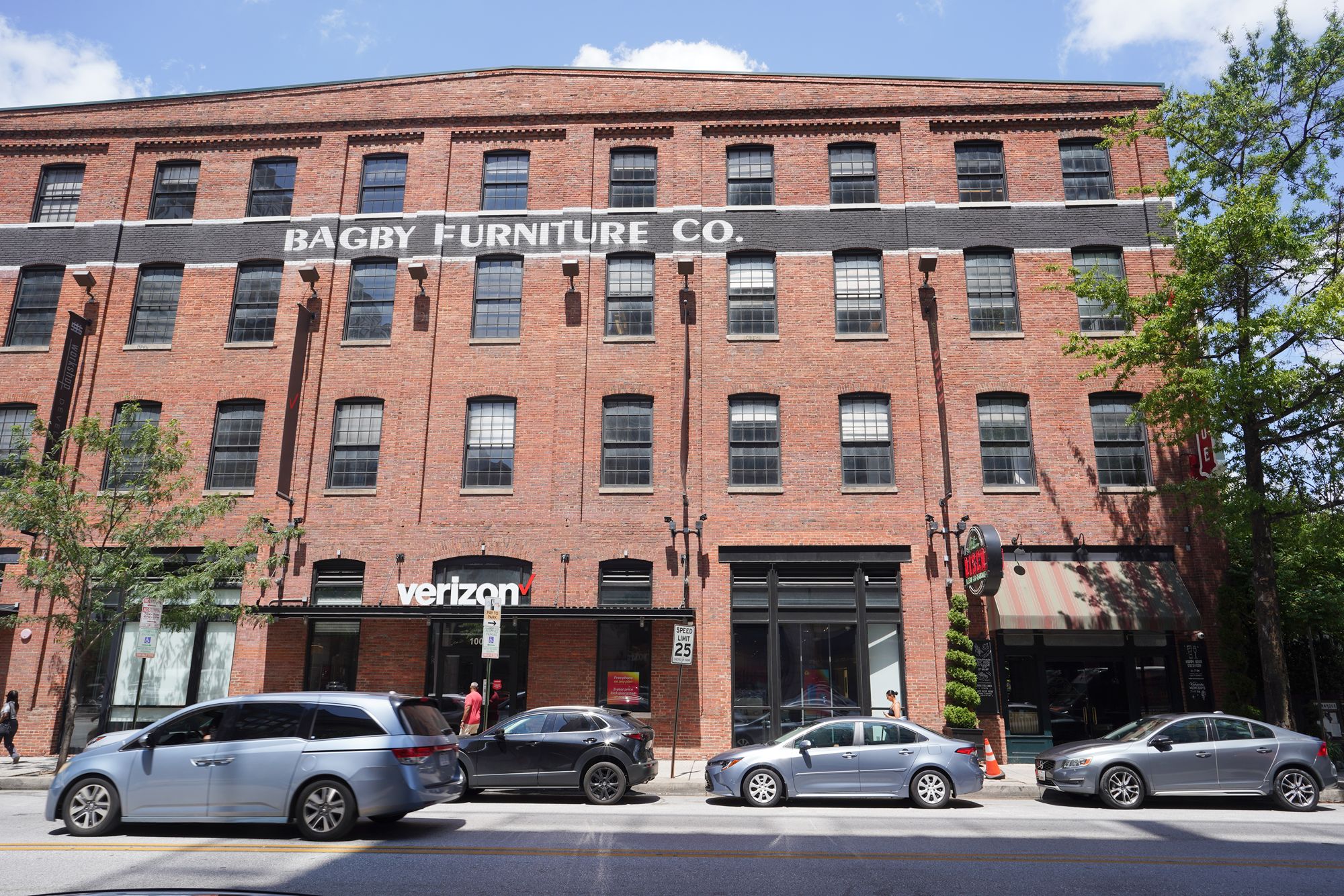
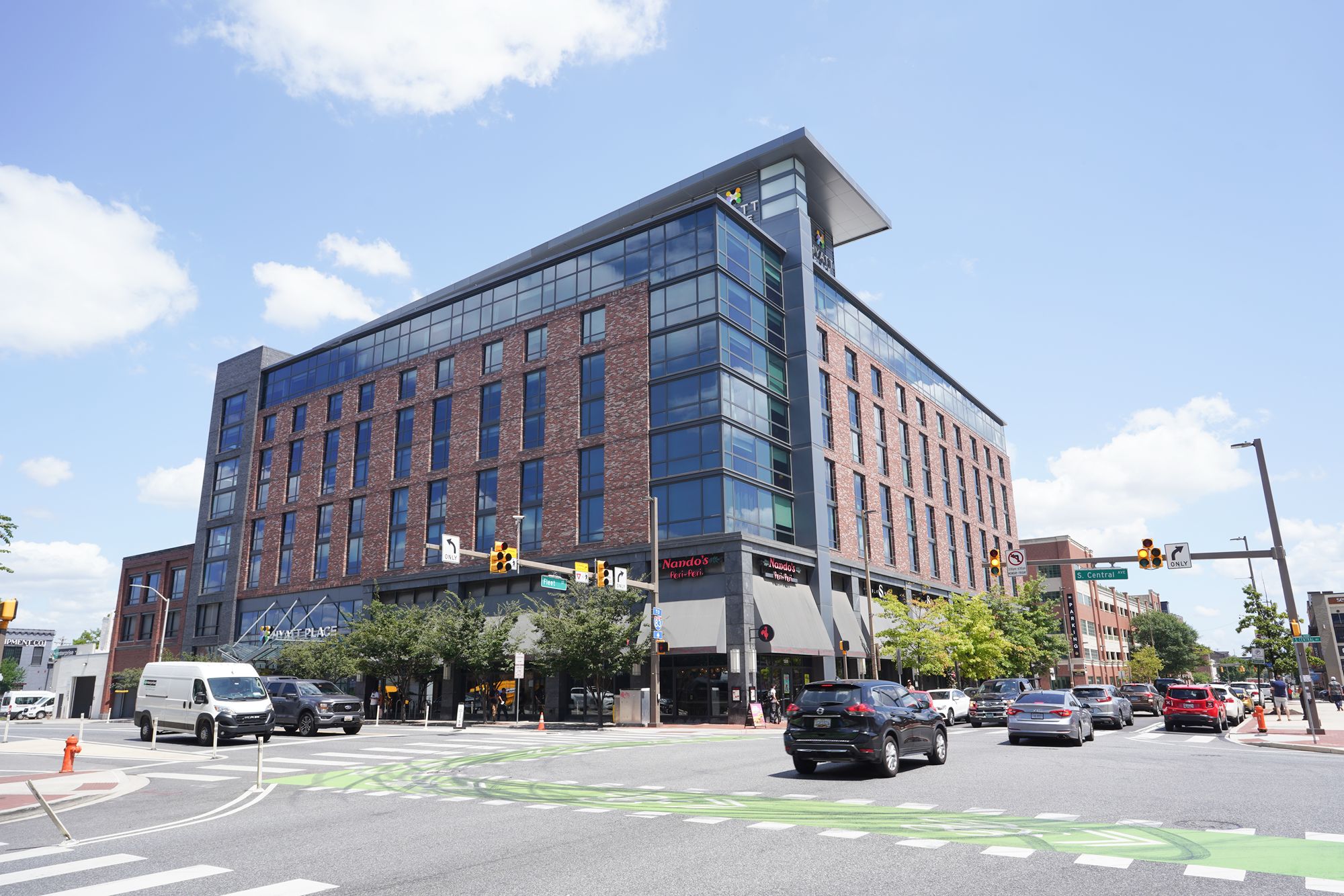
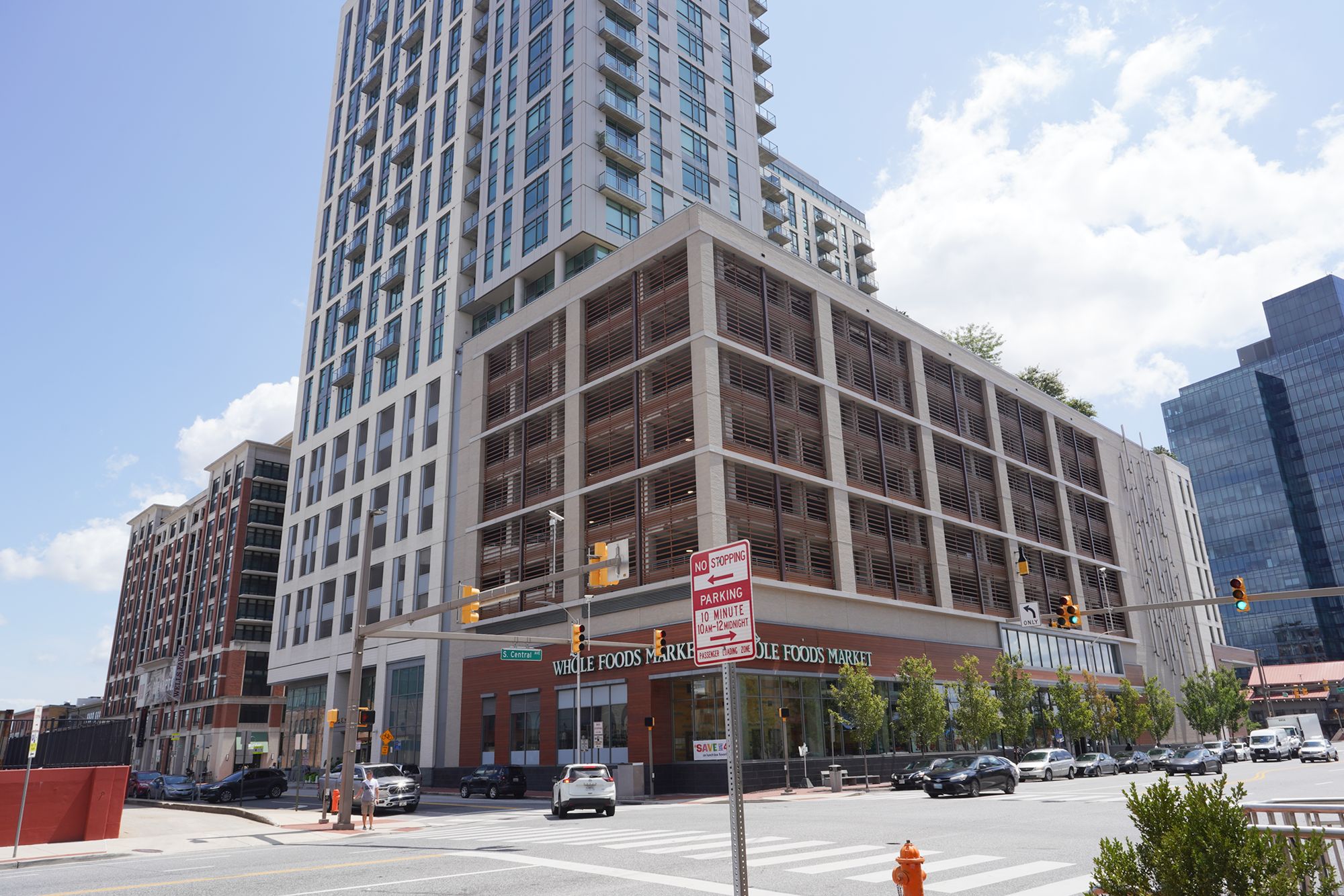
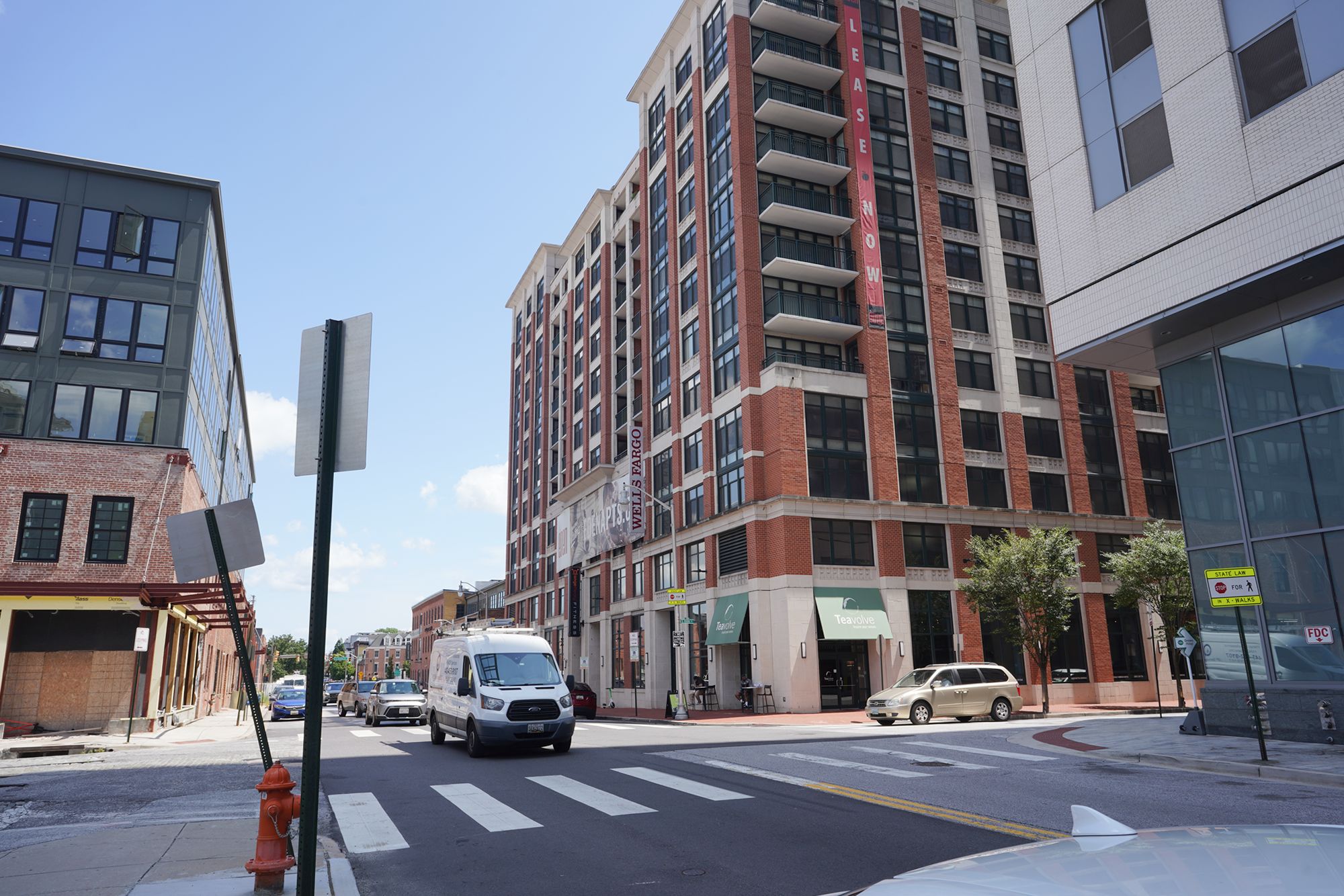
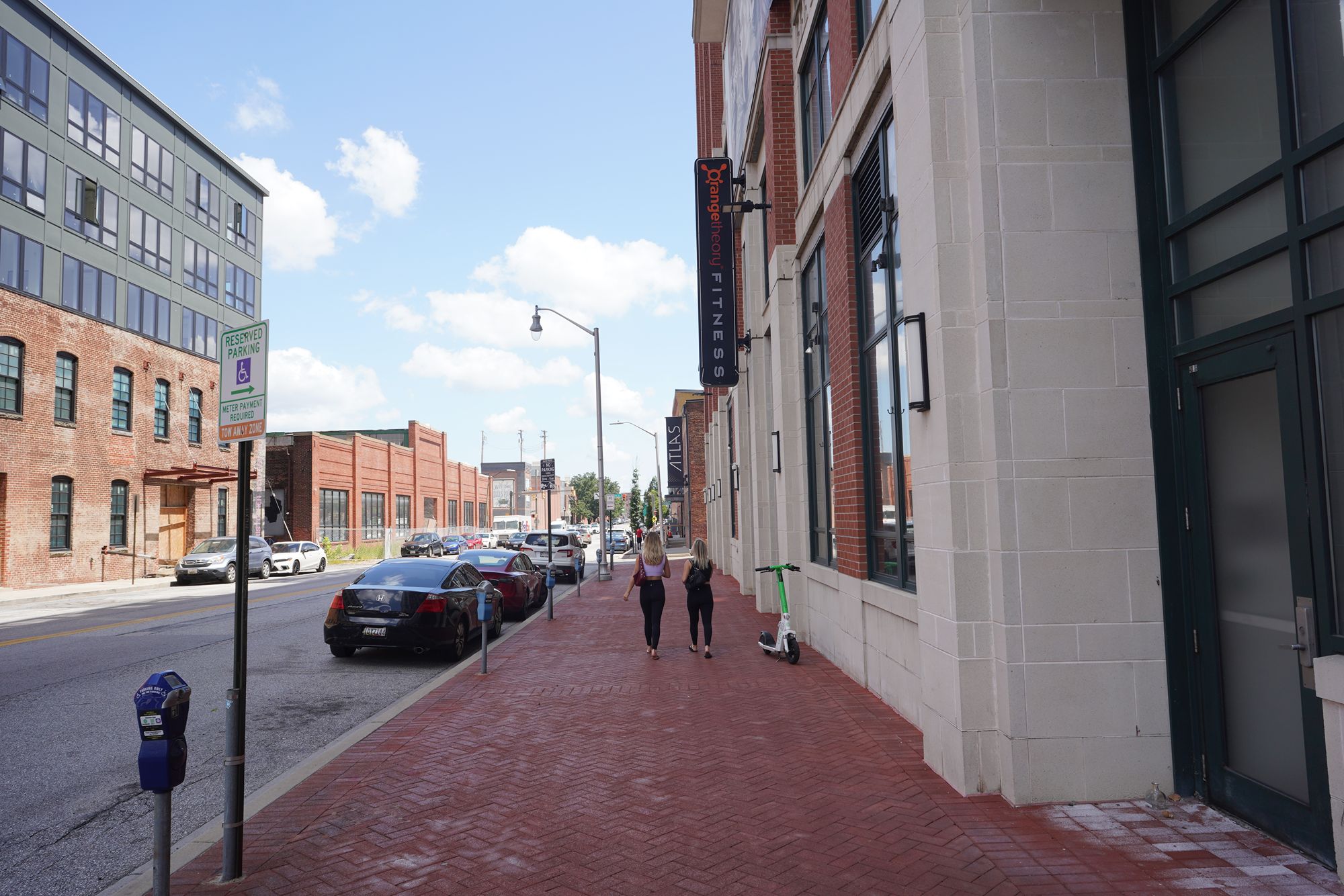
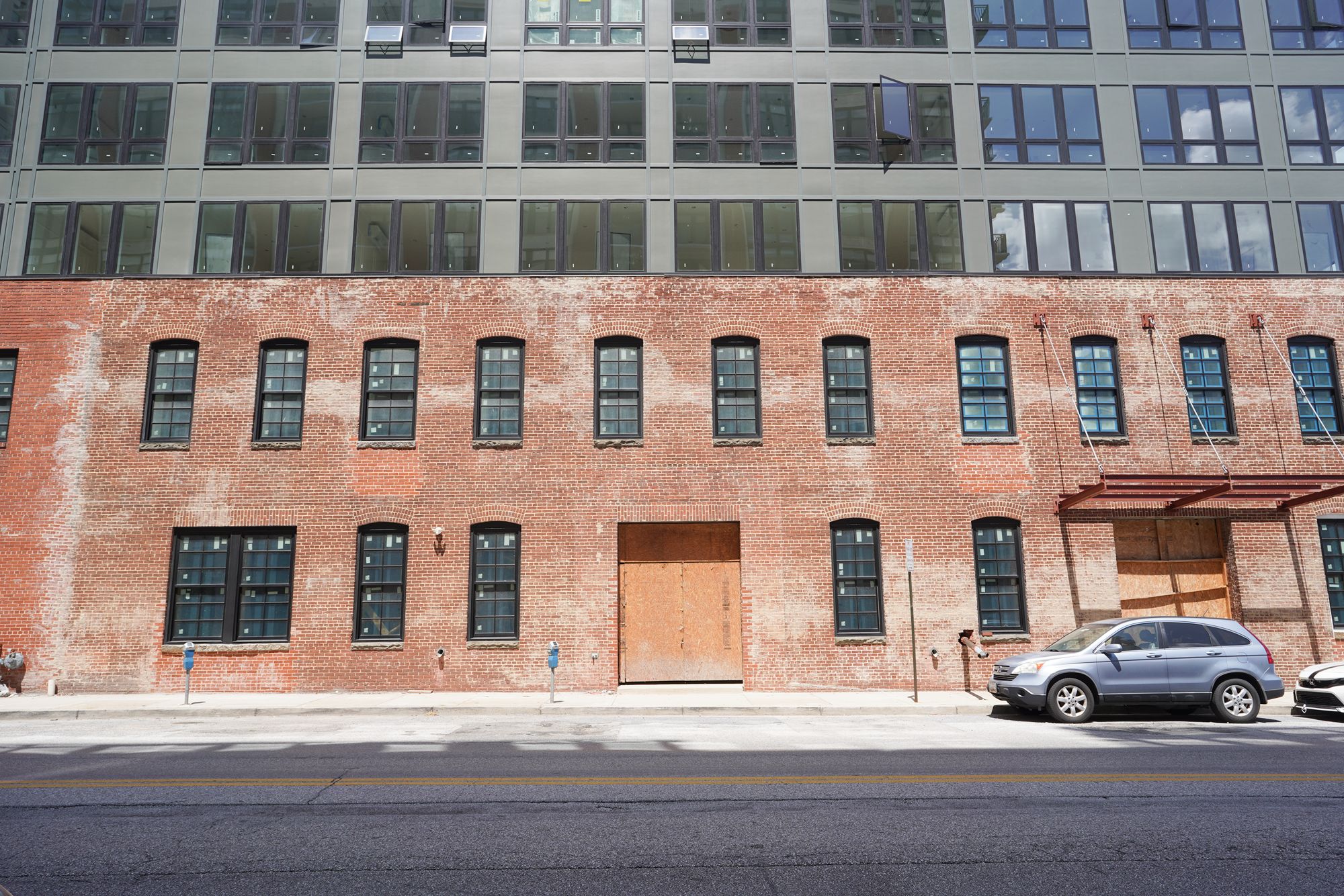
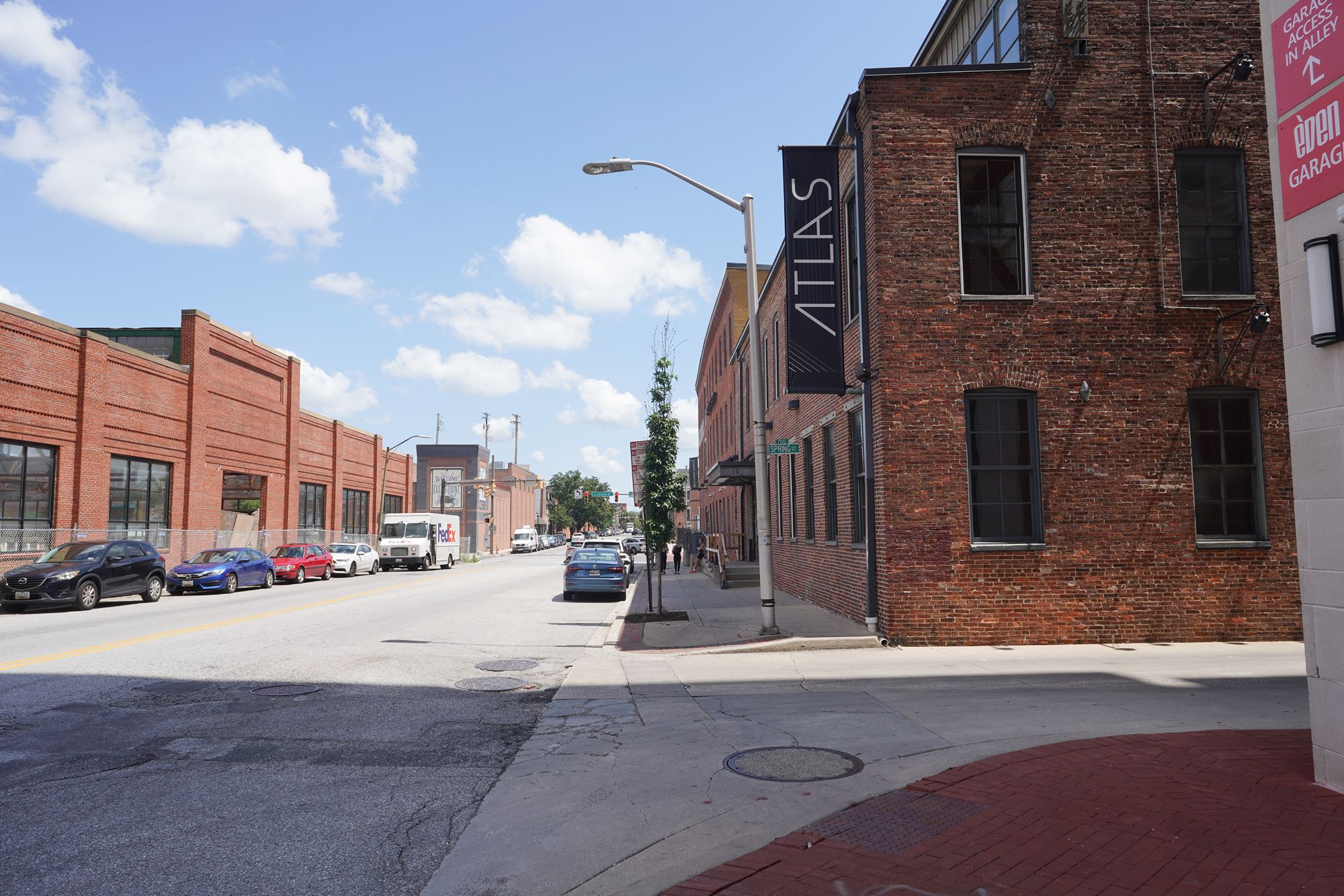
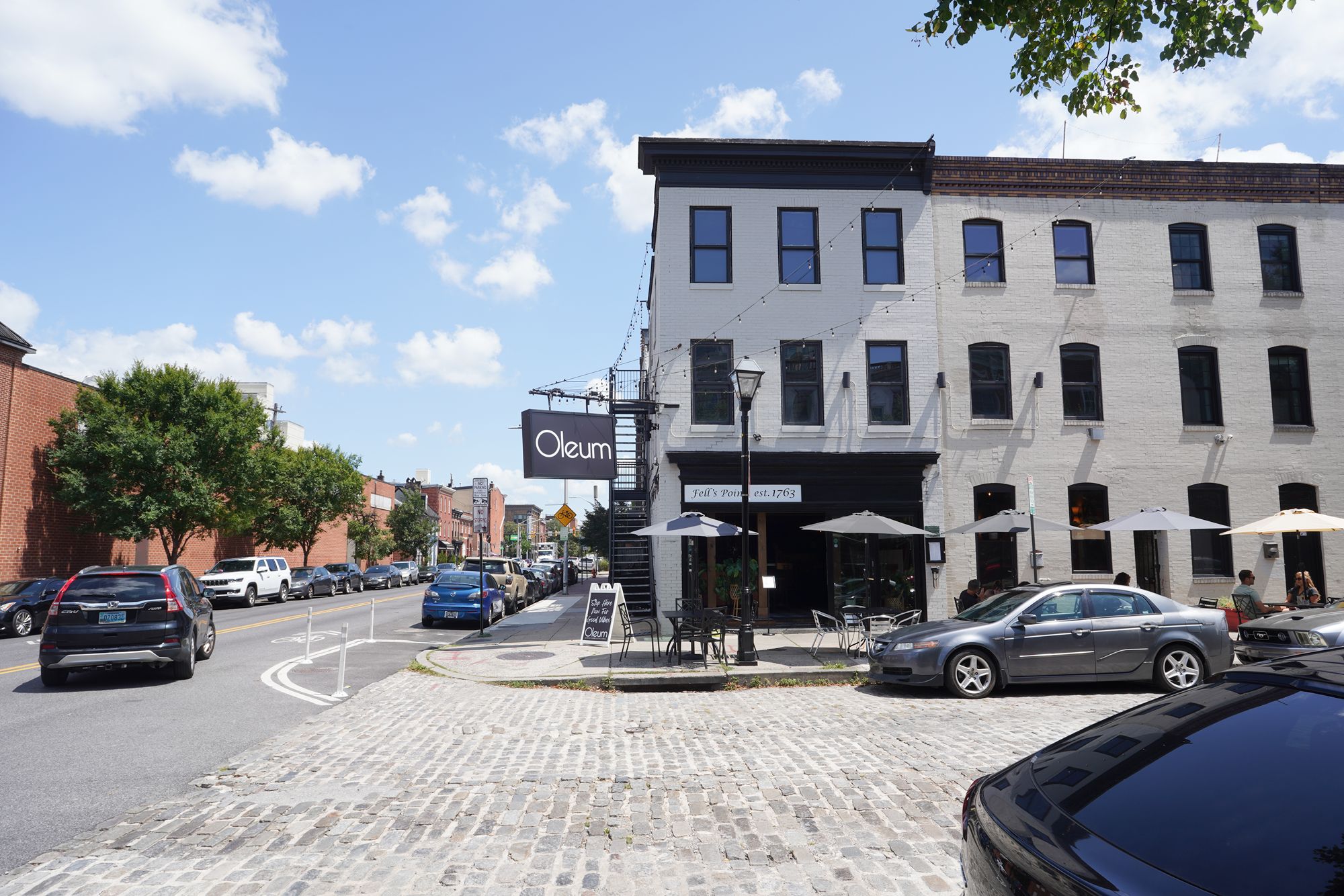
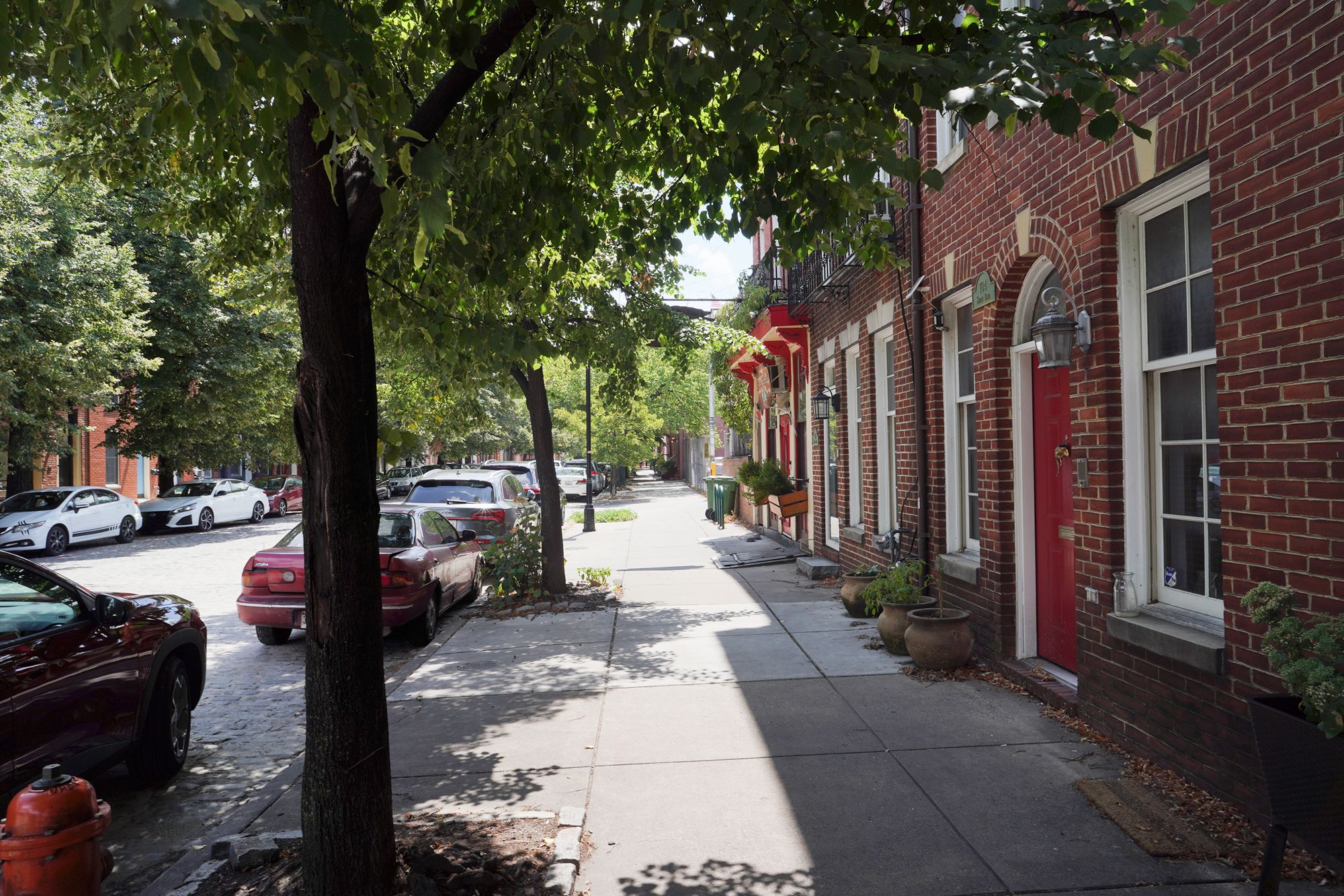
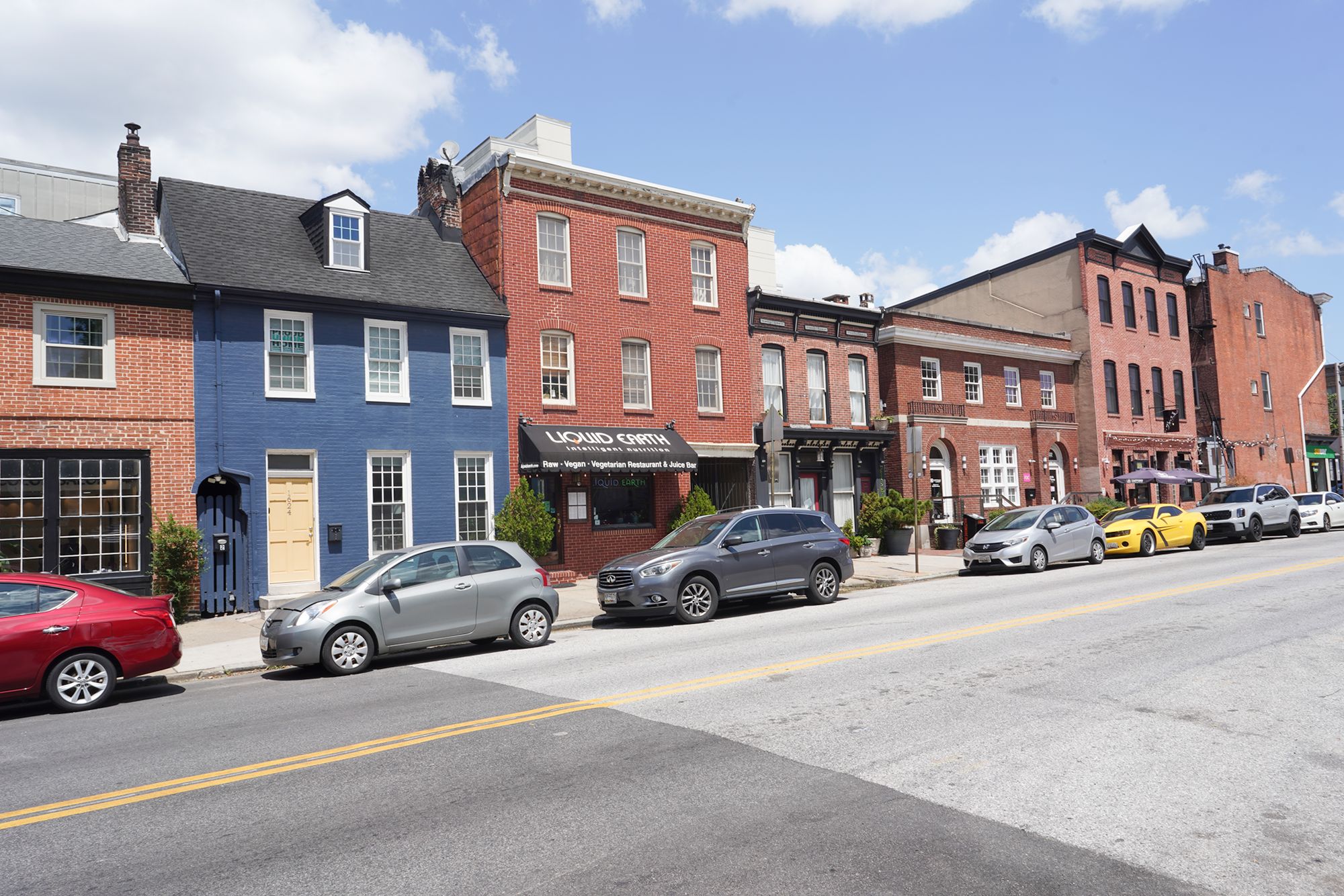
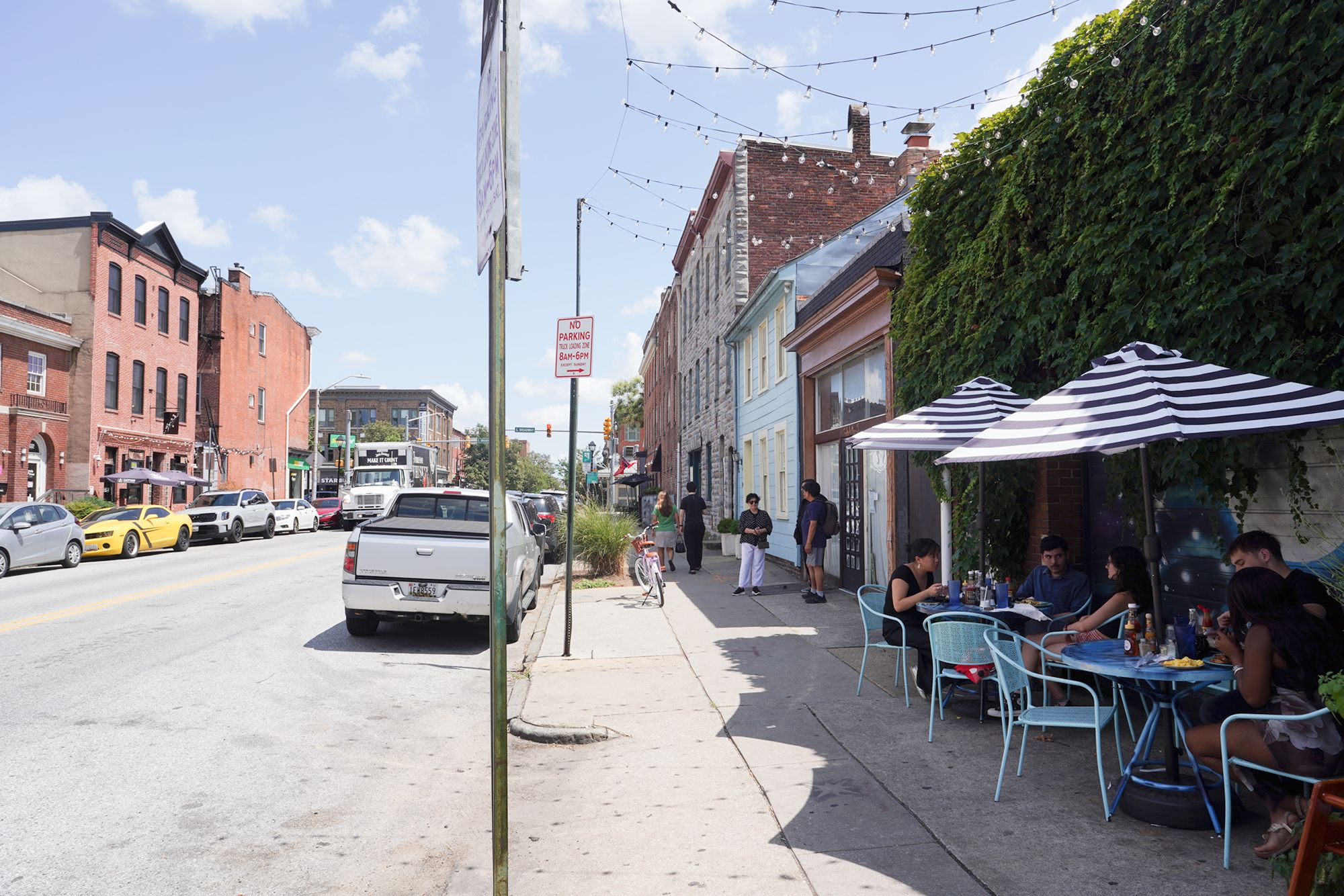
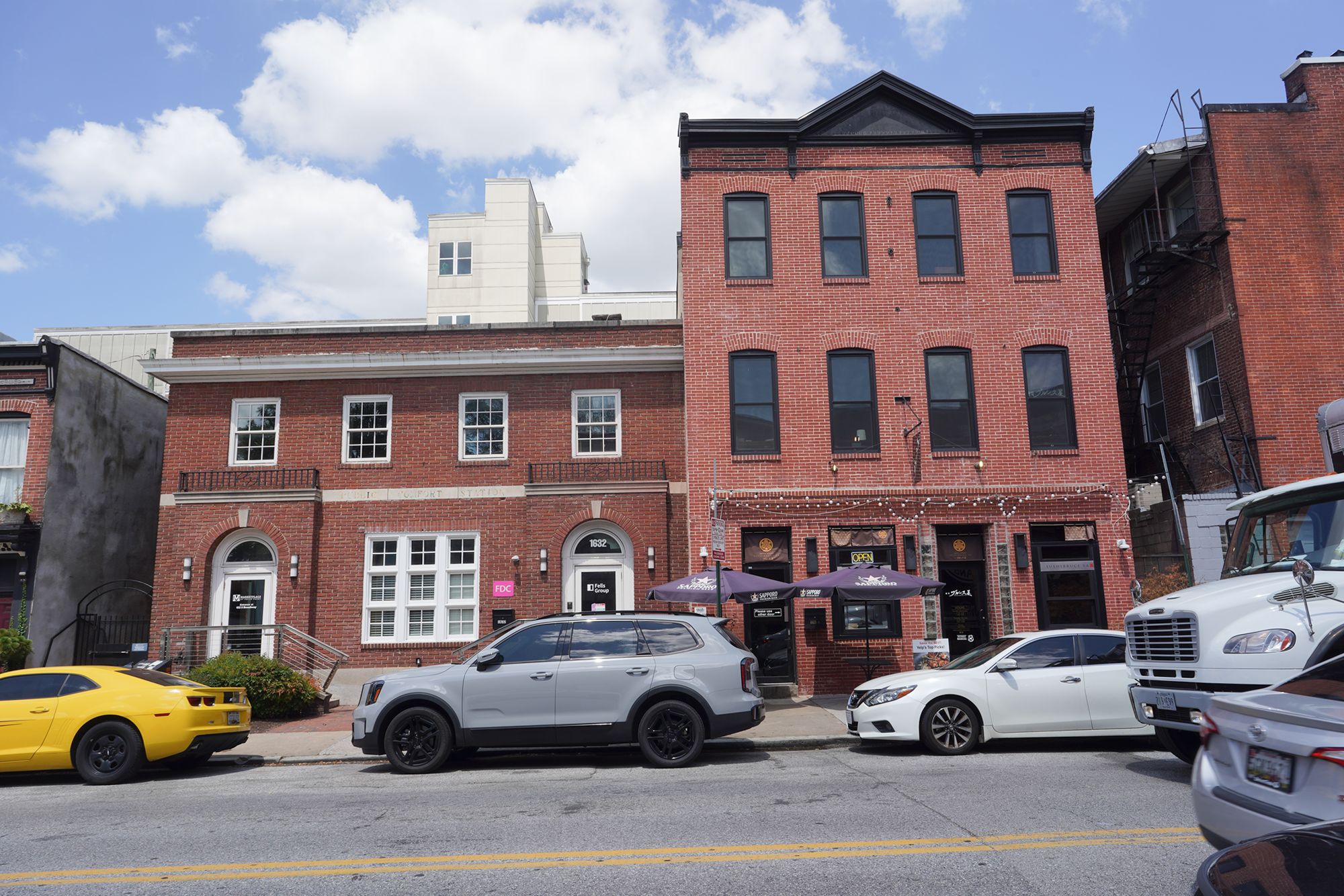
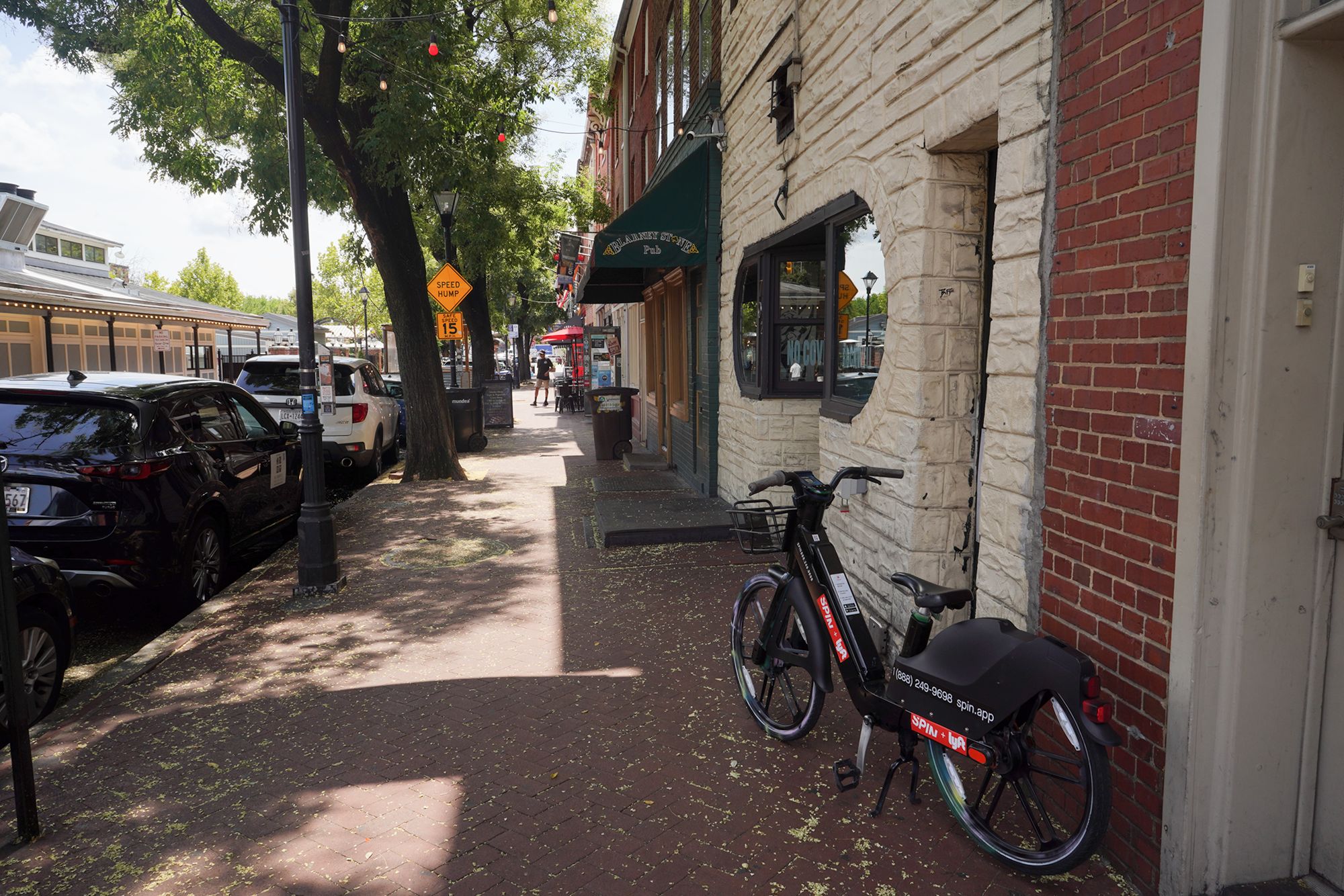
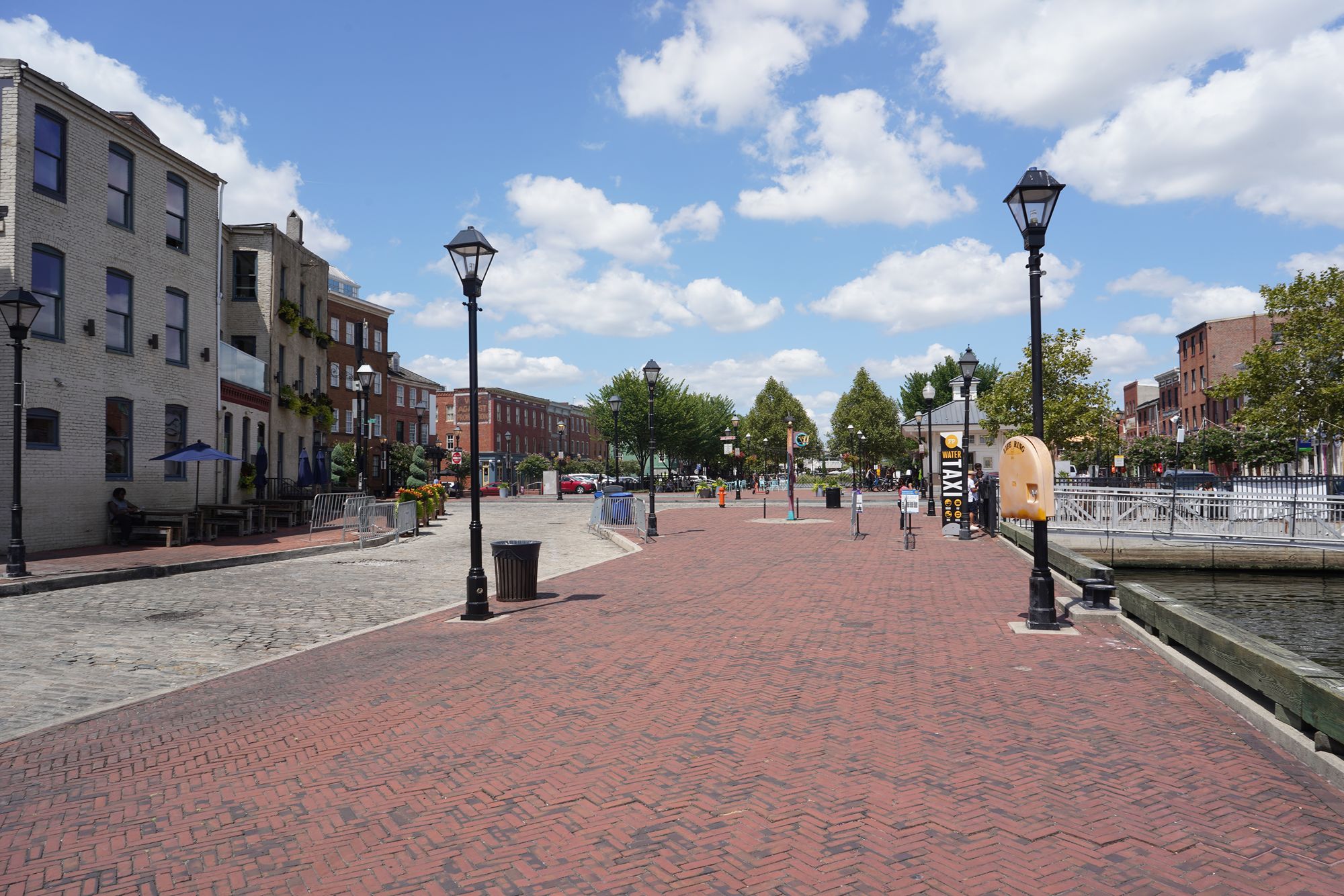
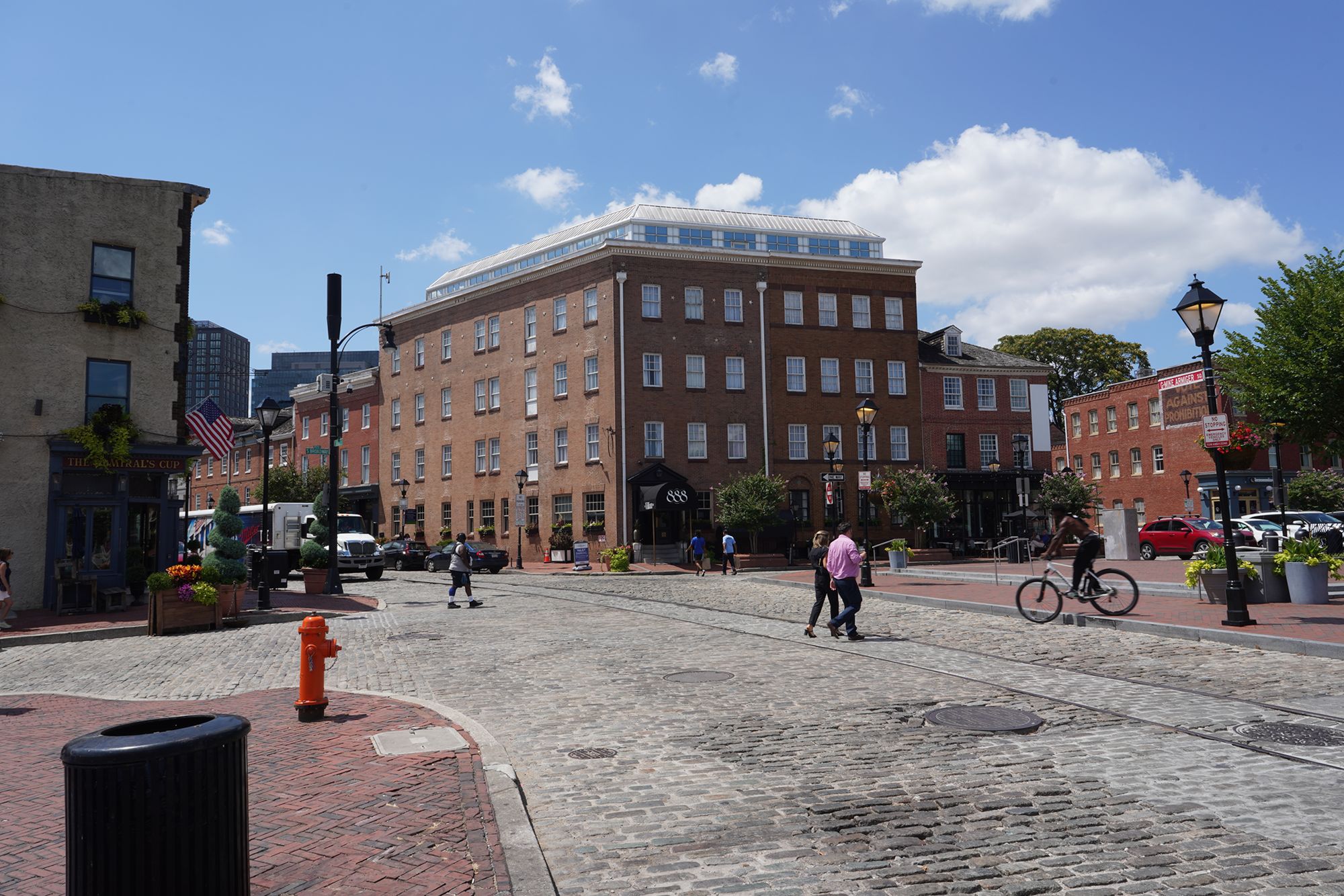
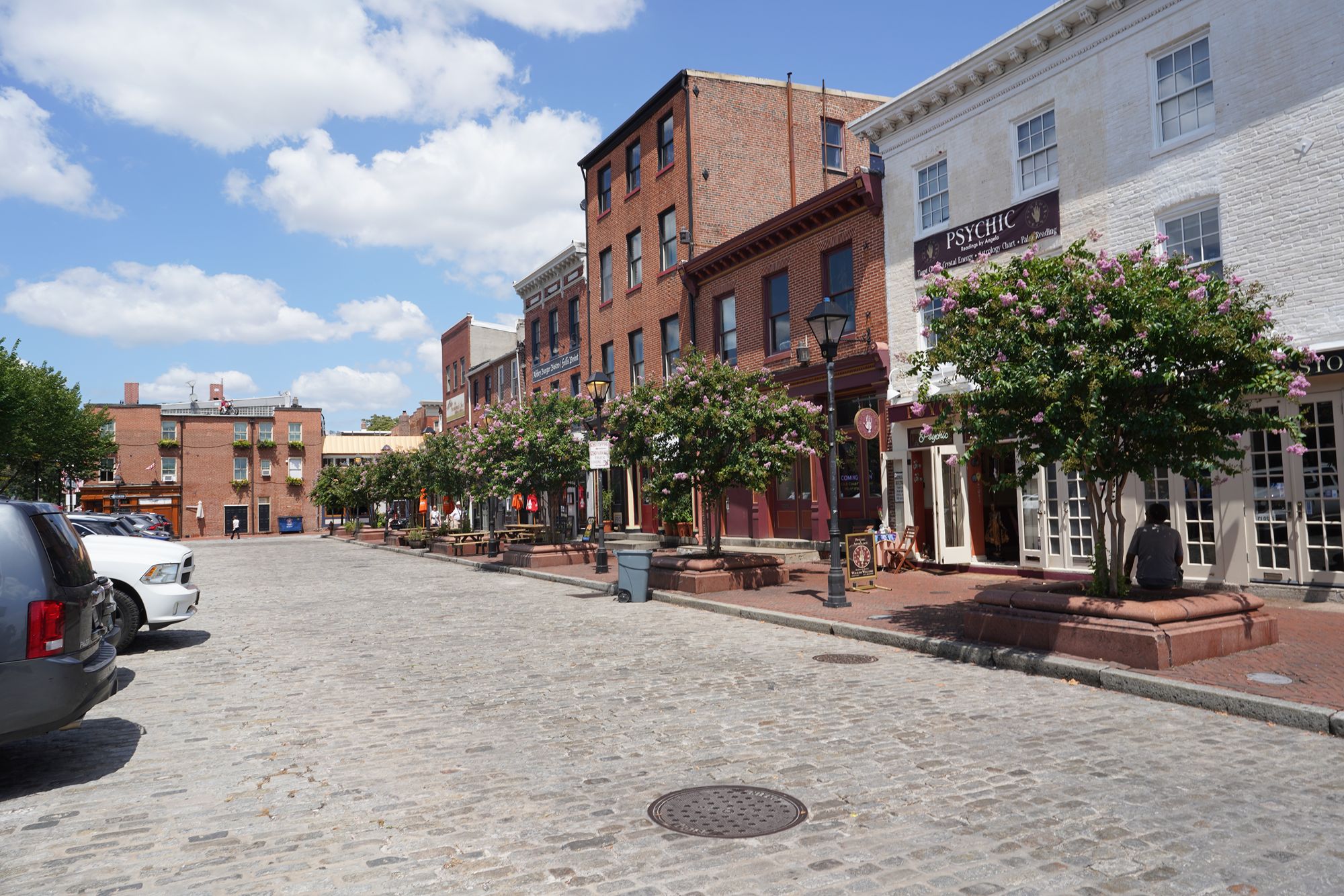
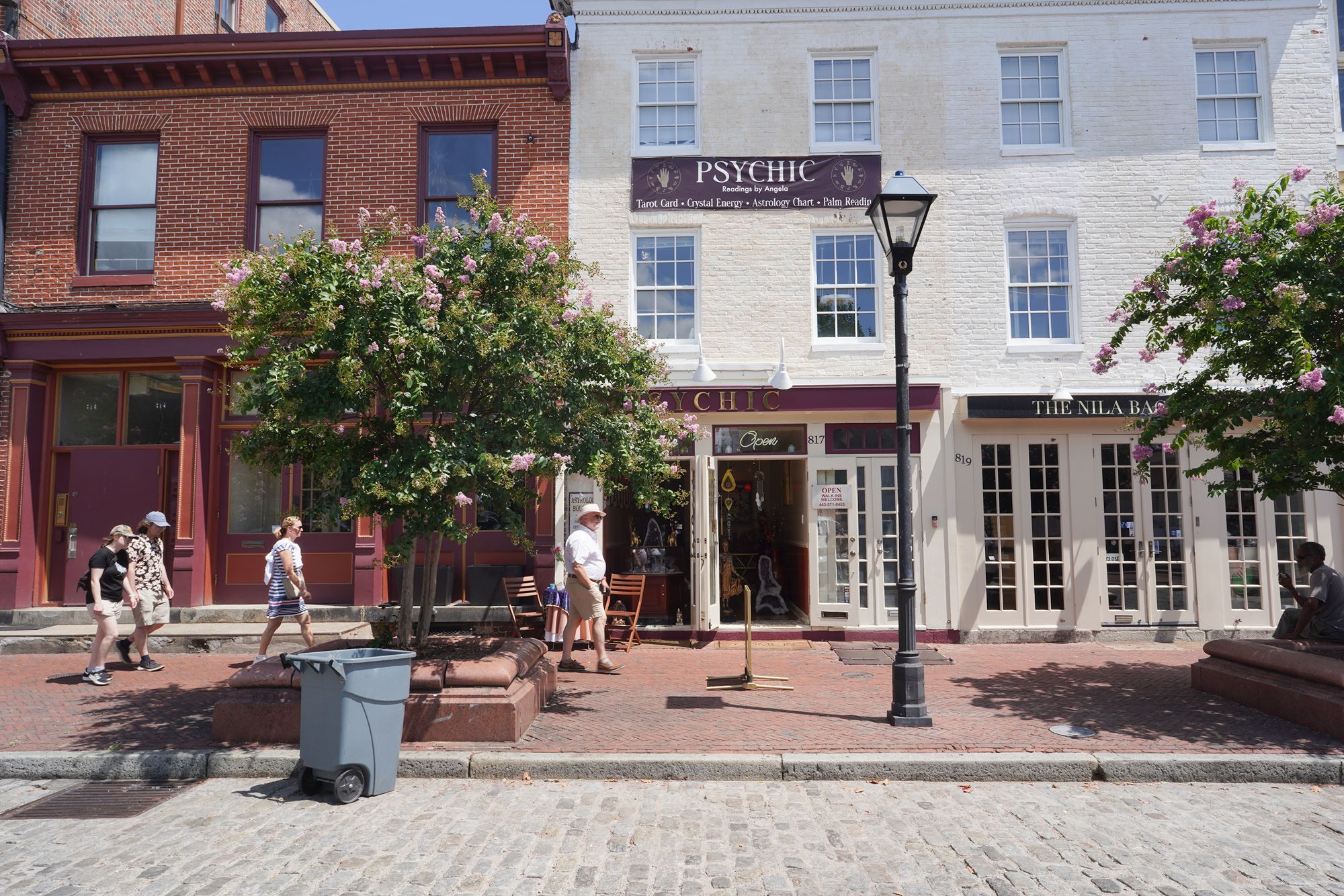
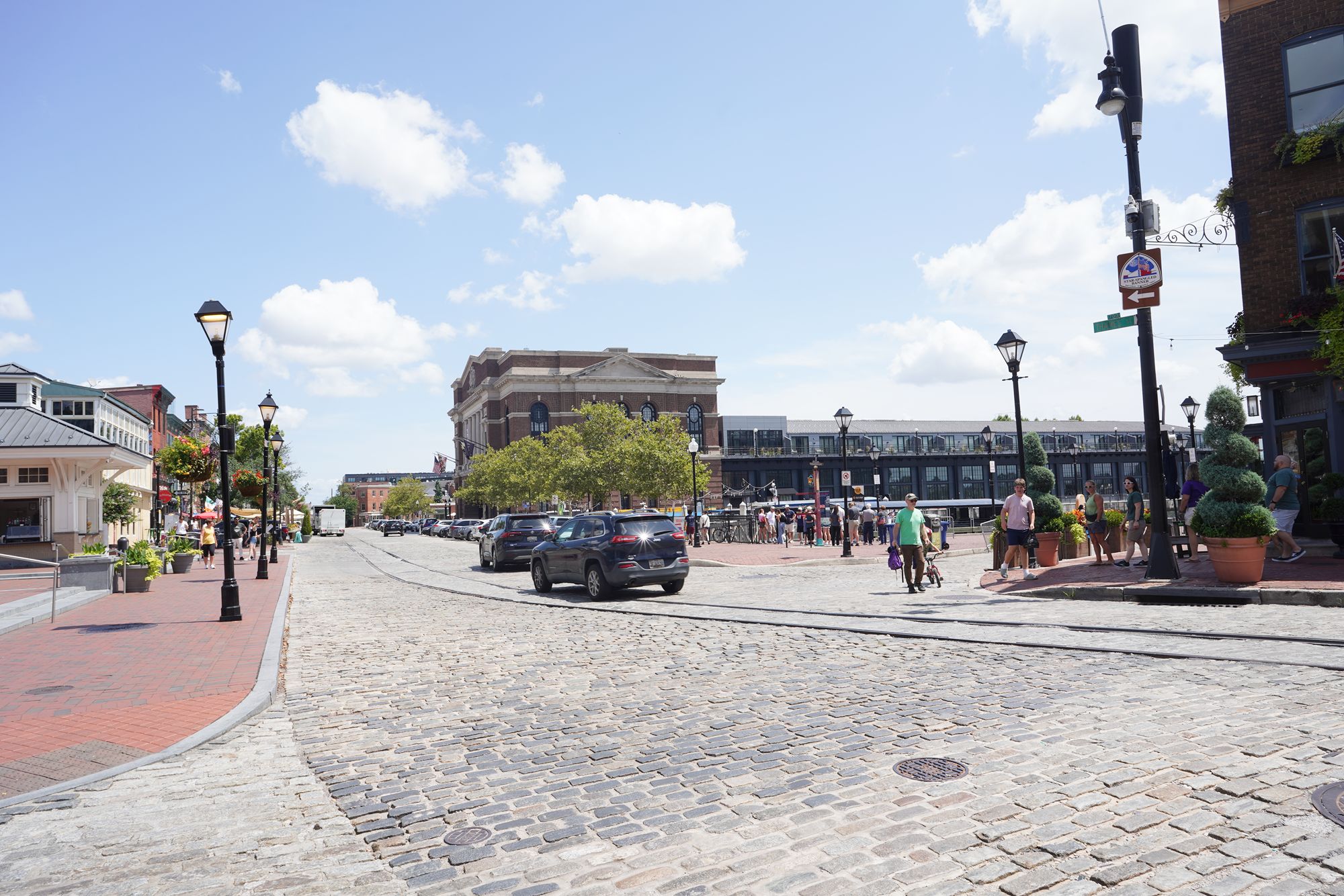
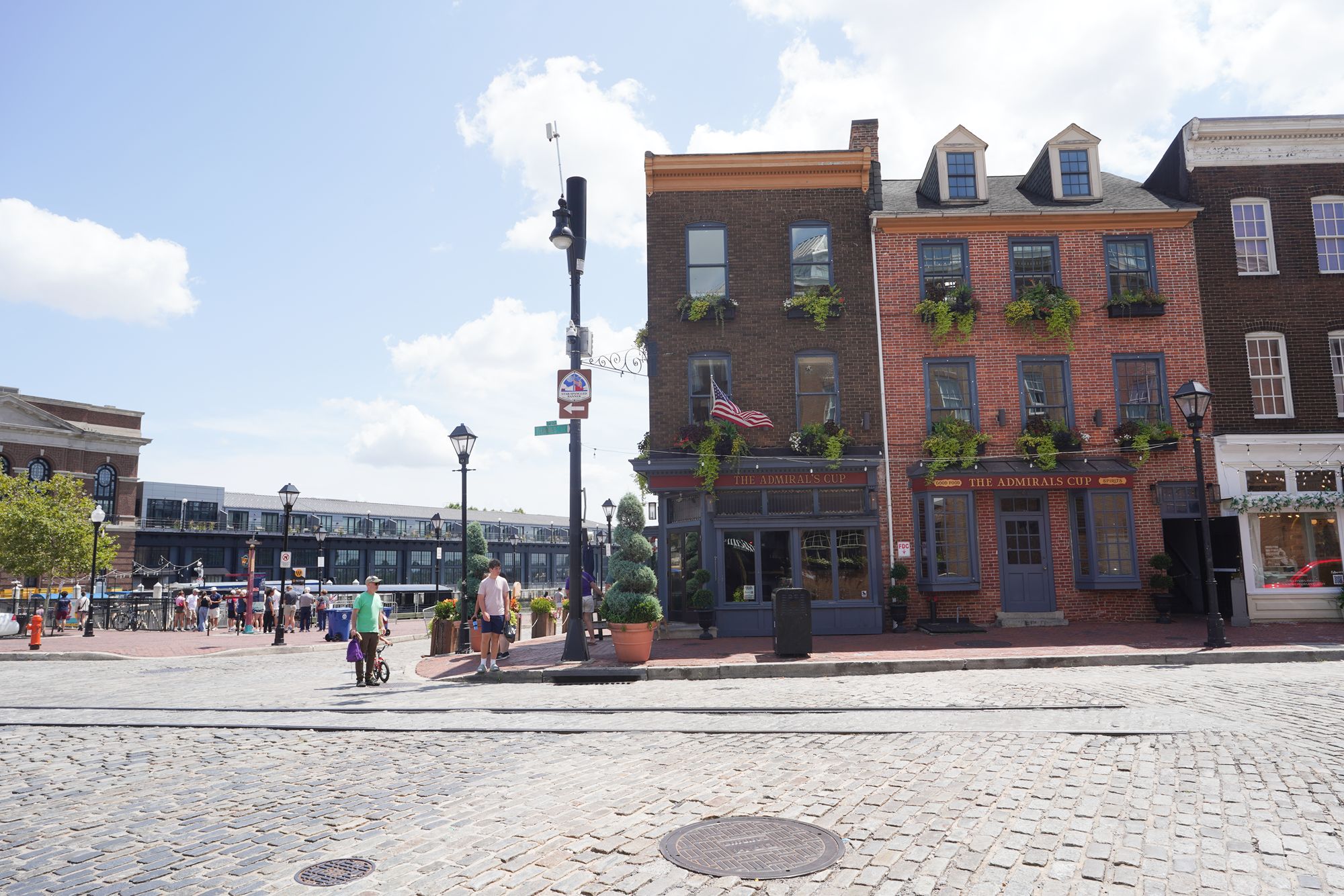
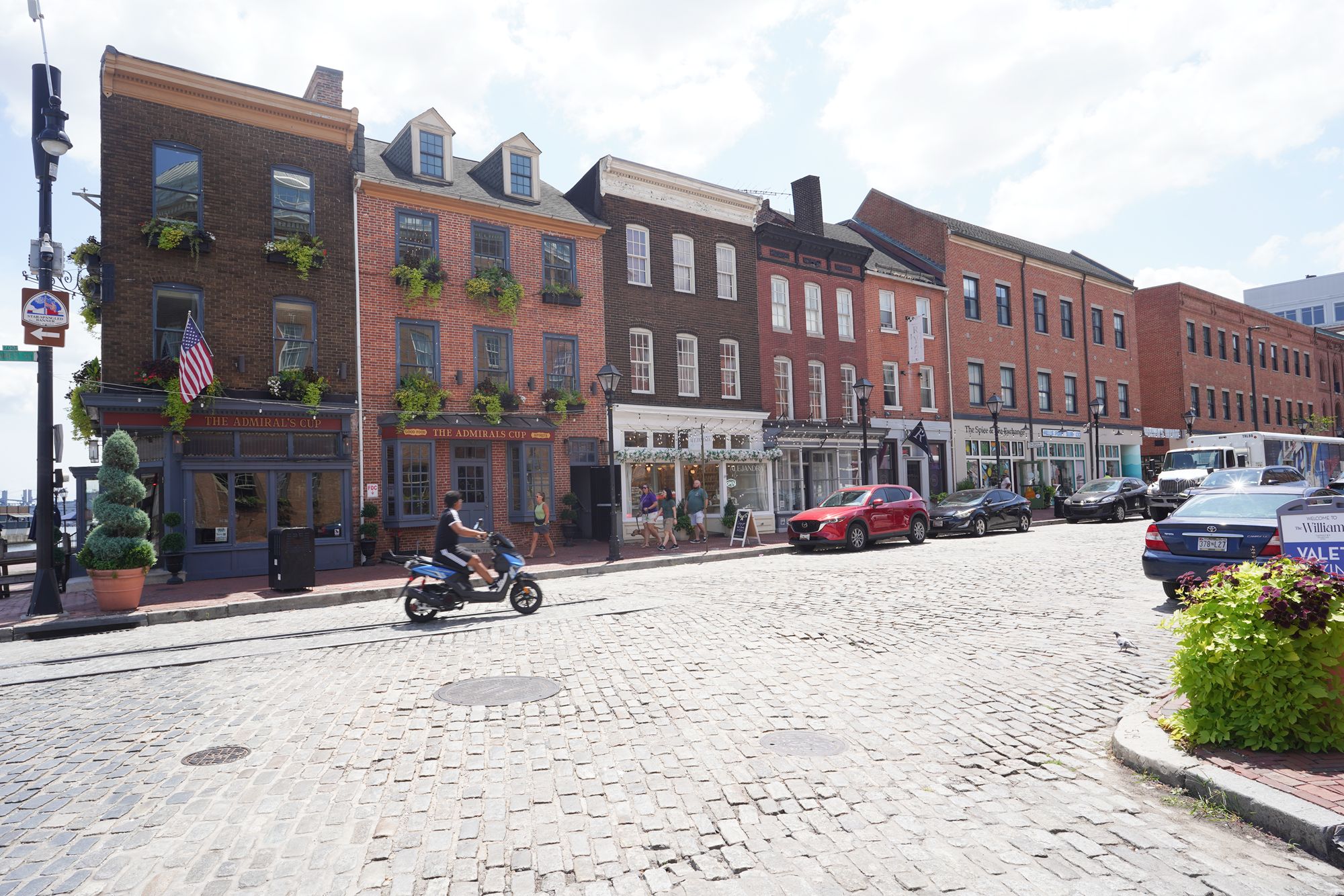
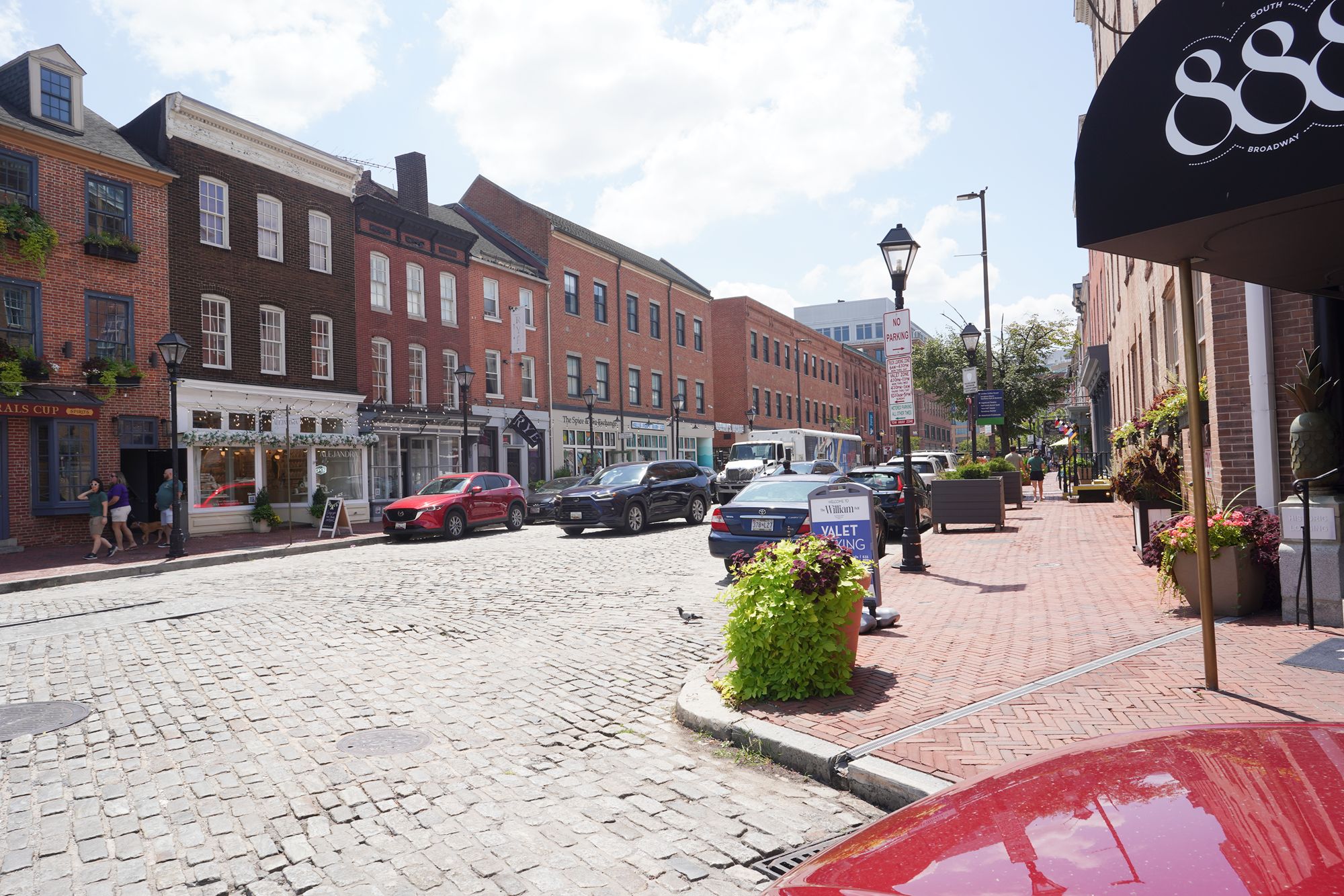
The Fells Point
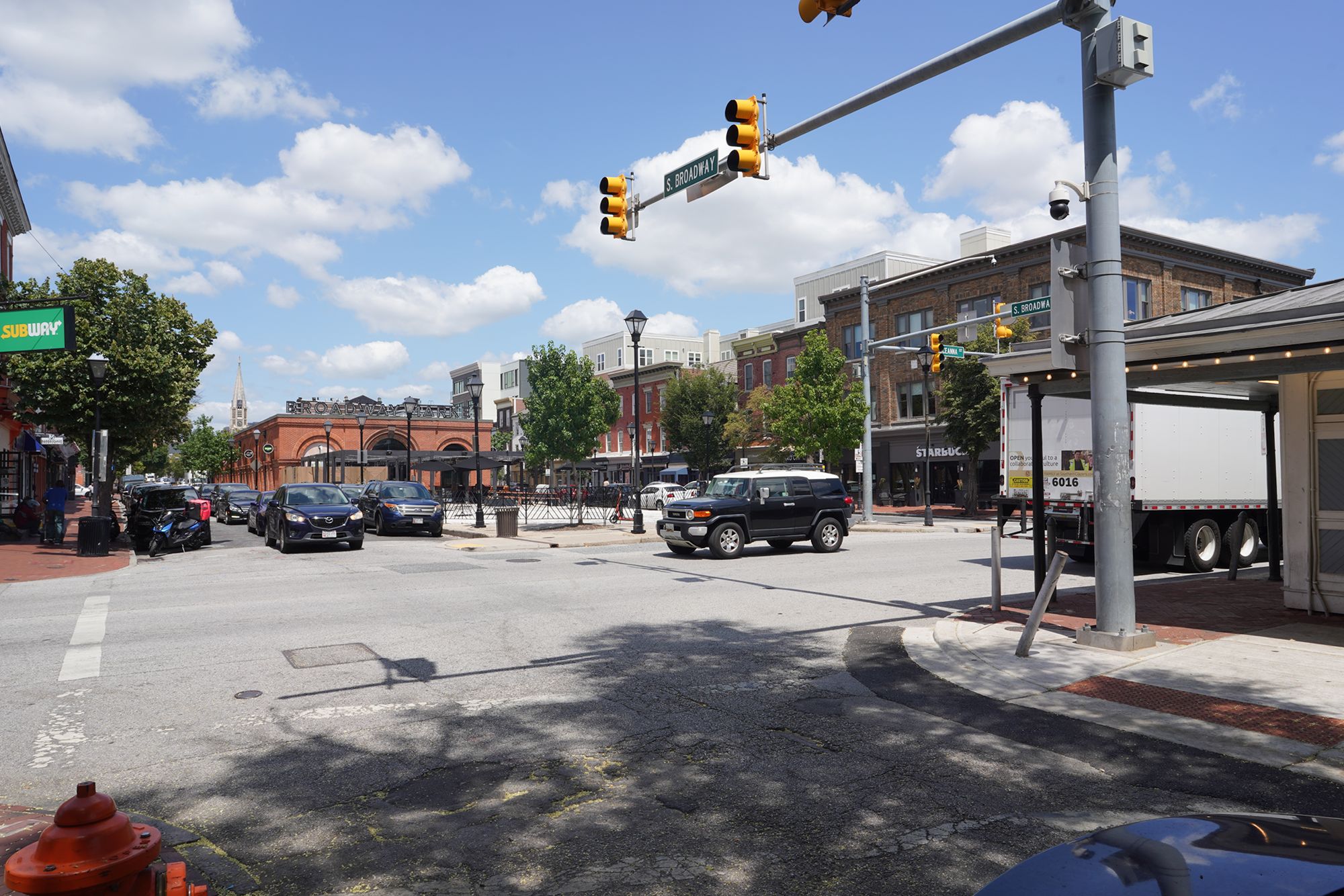
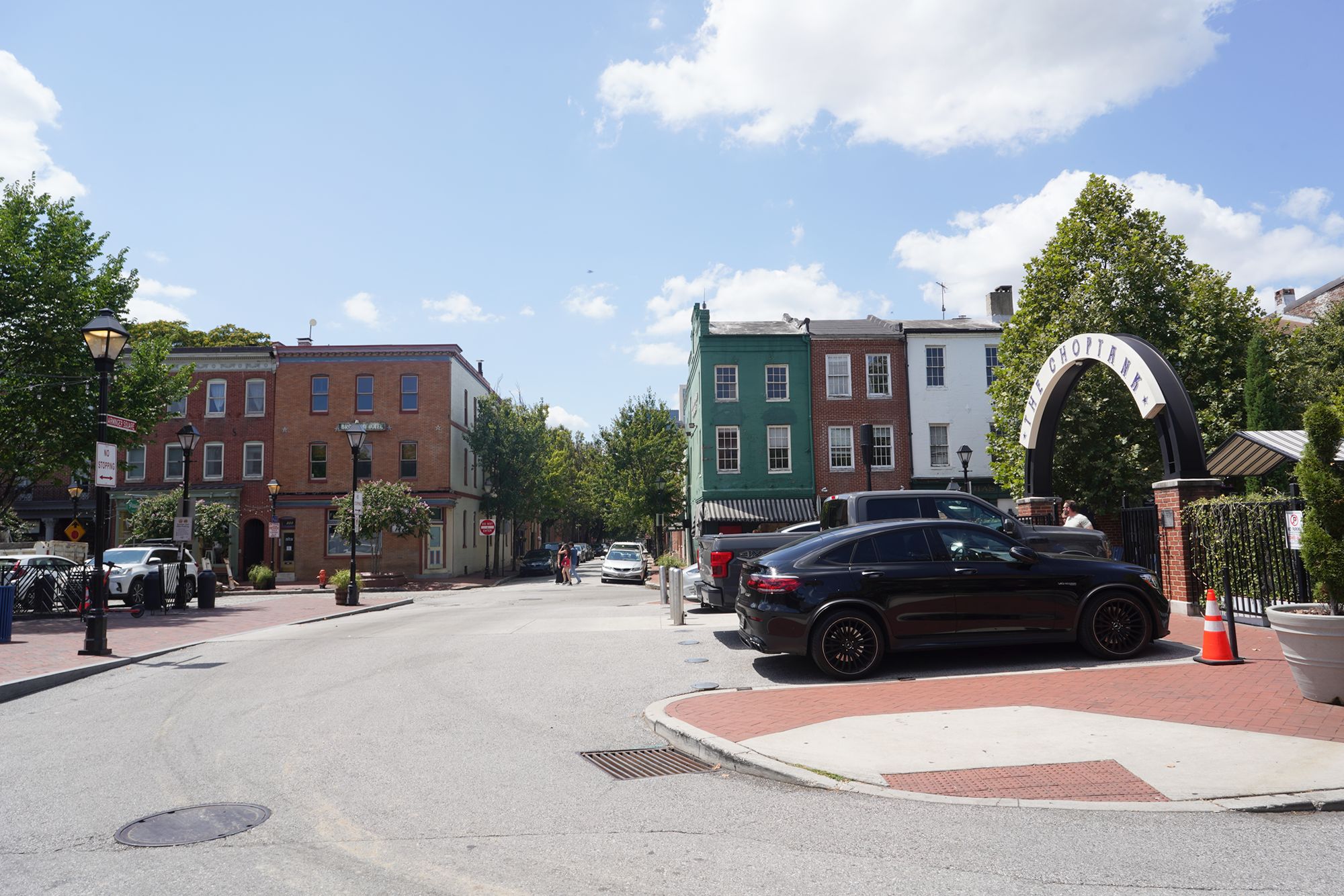
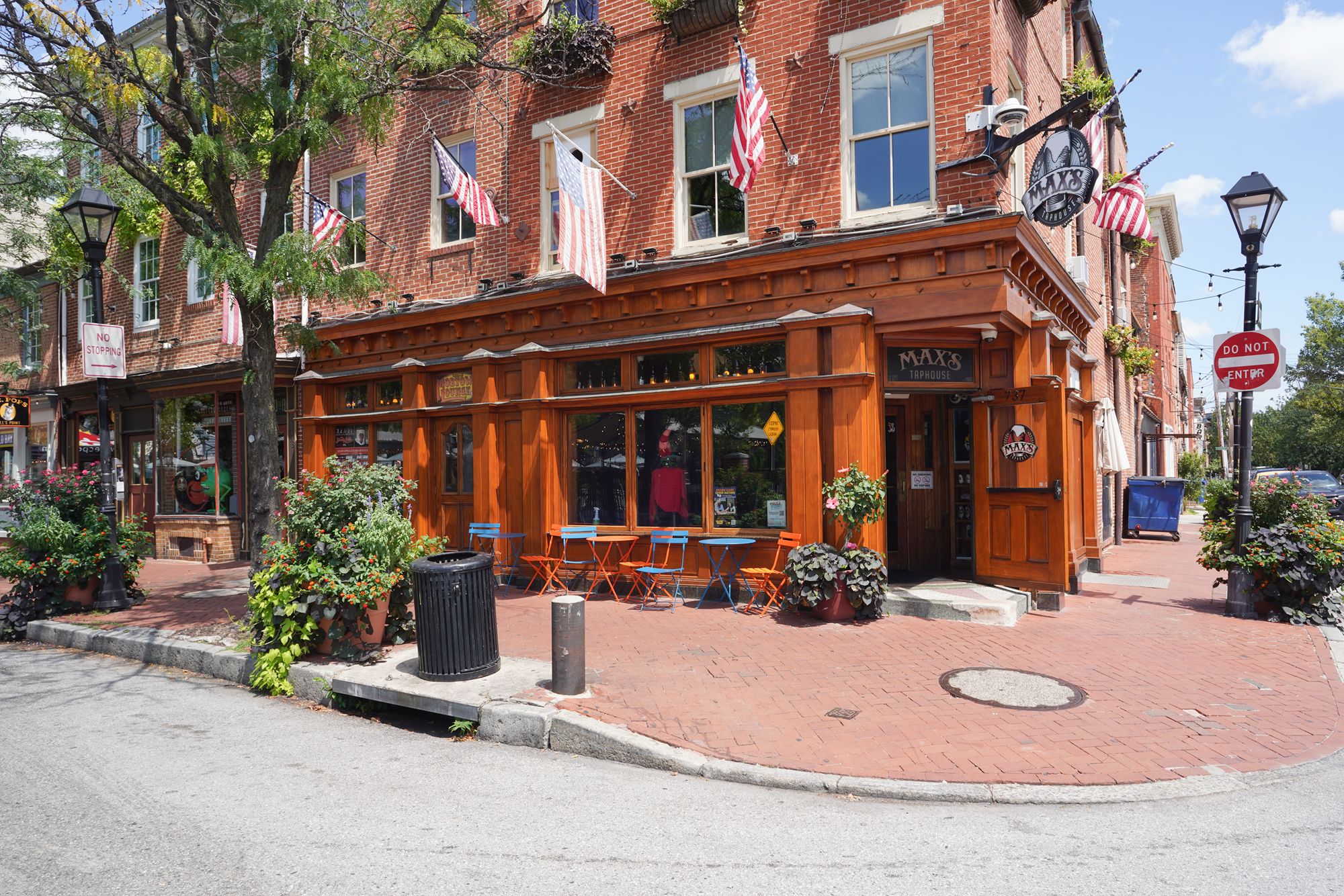
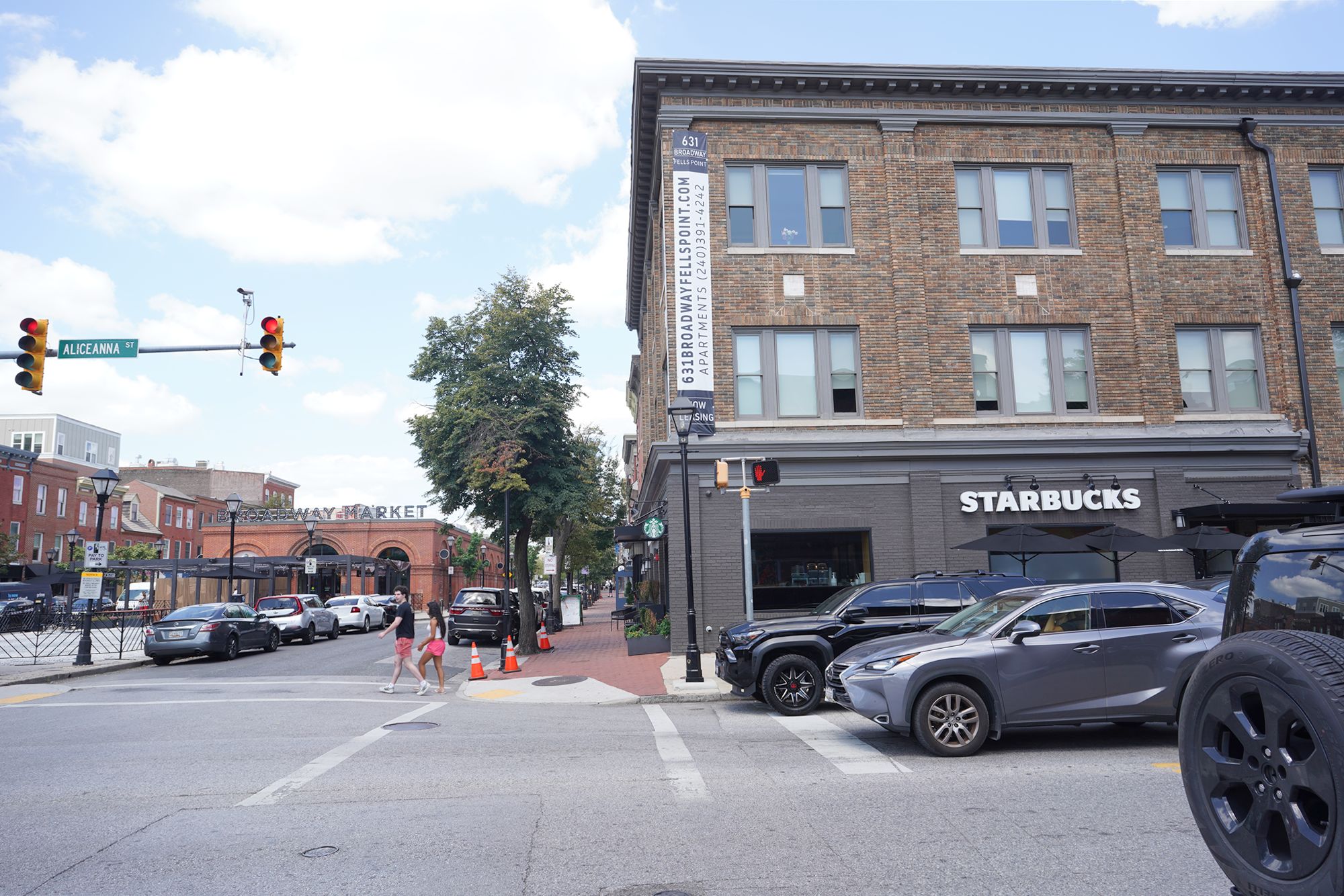
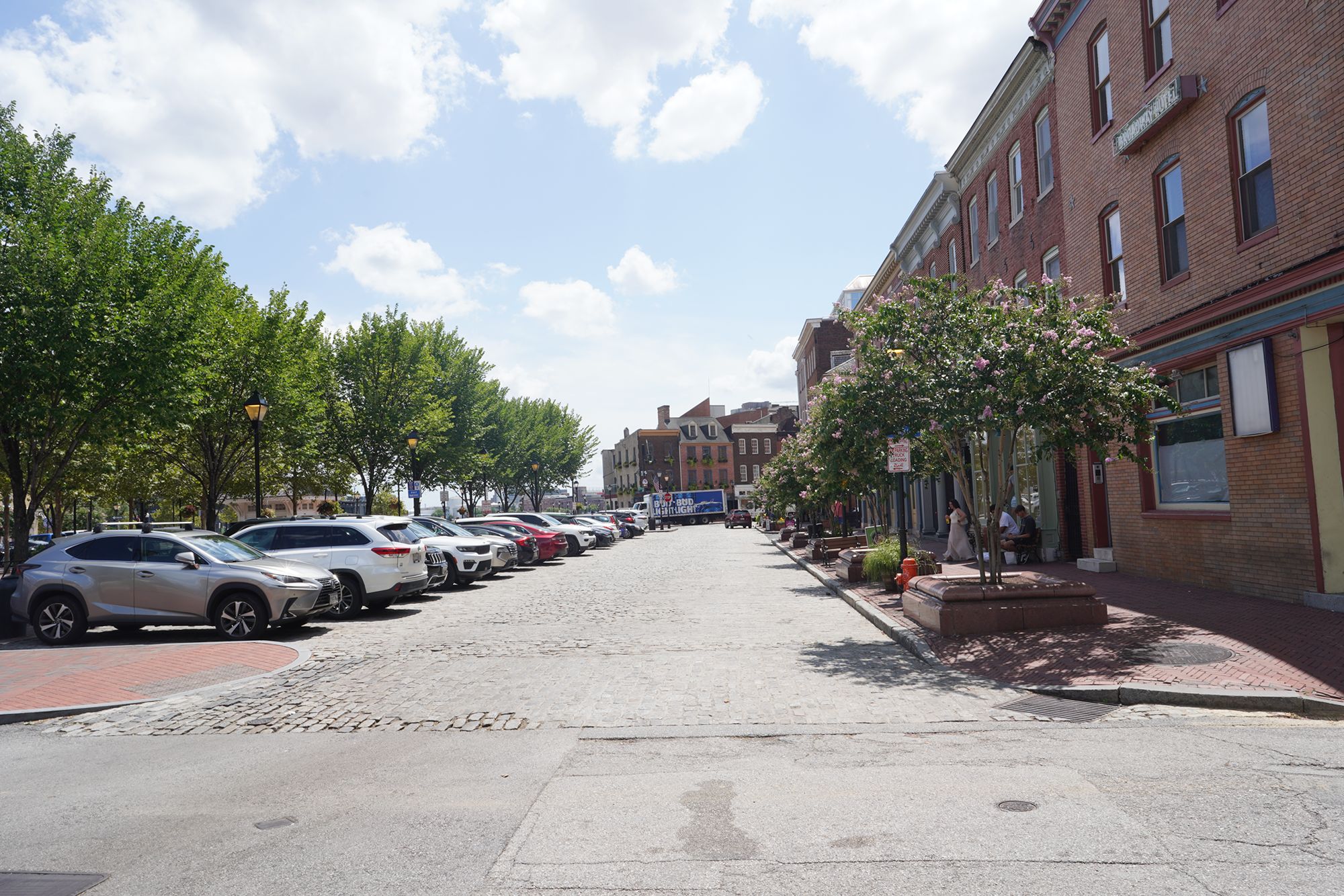
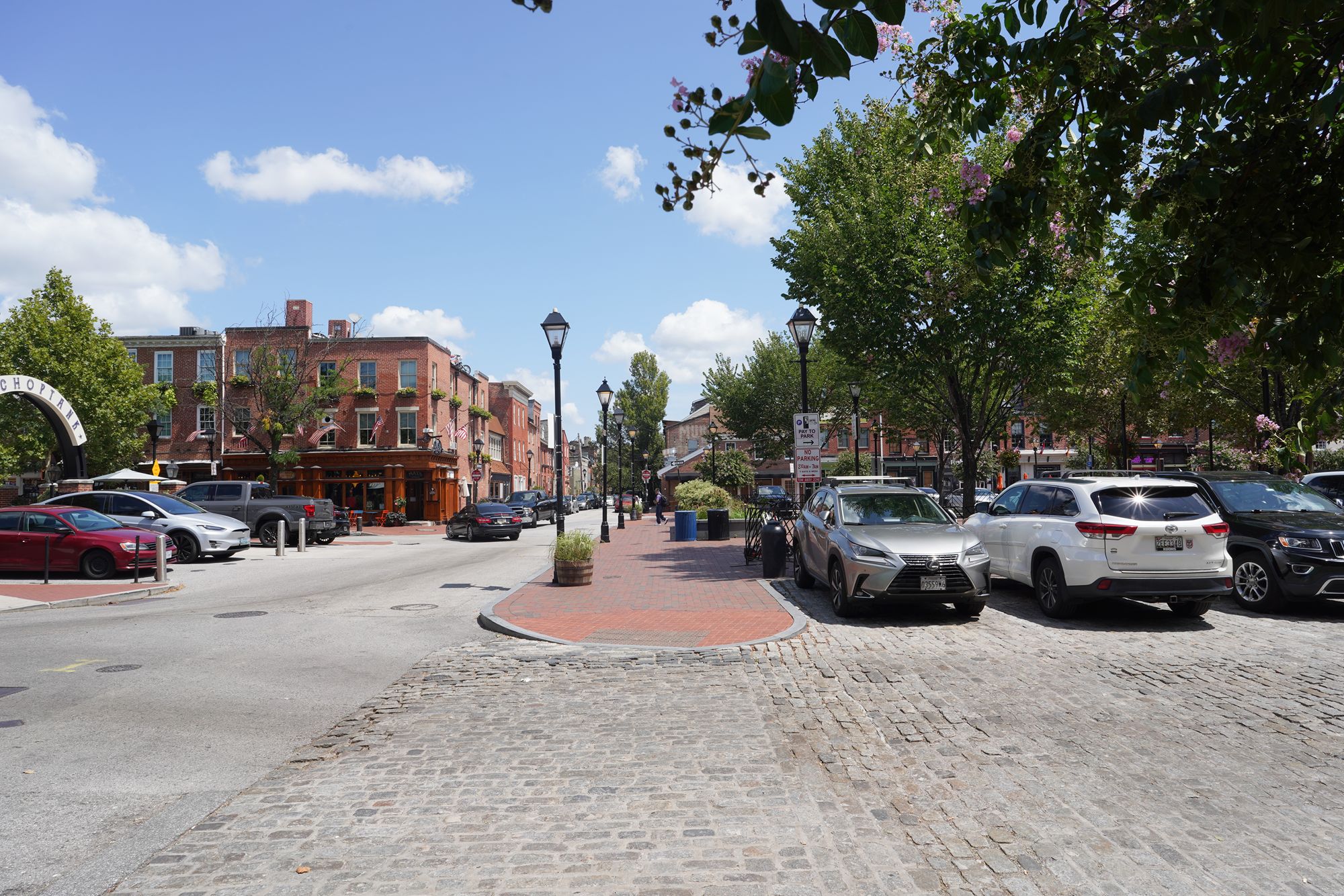
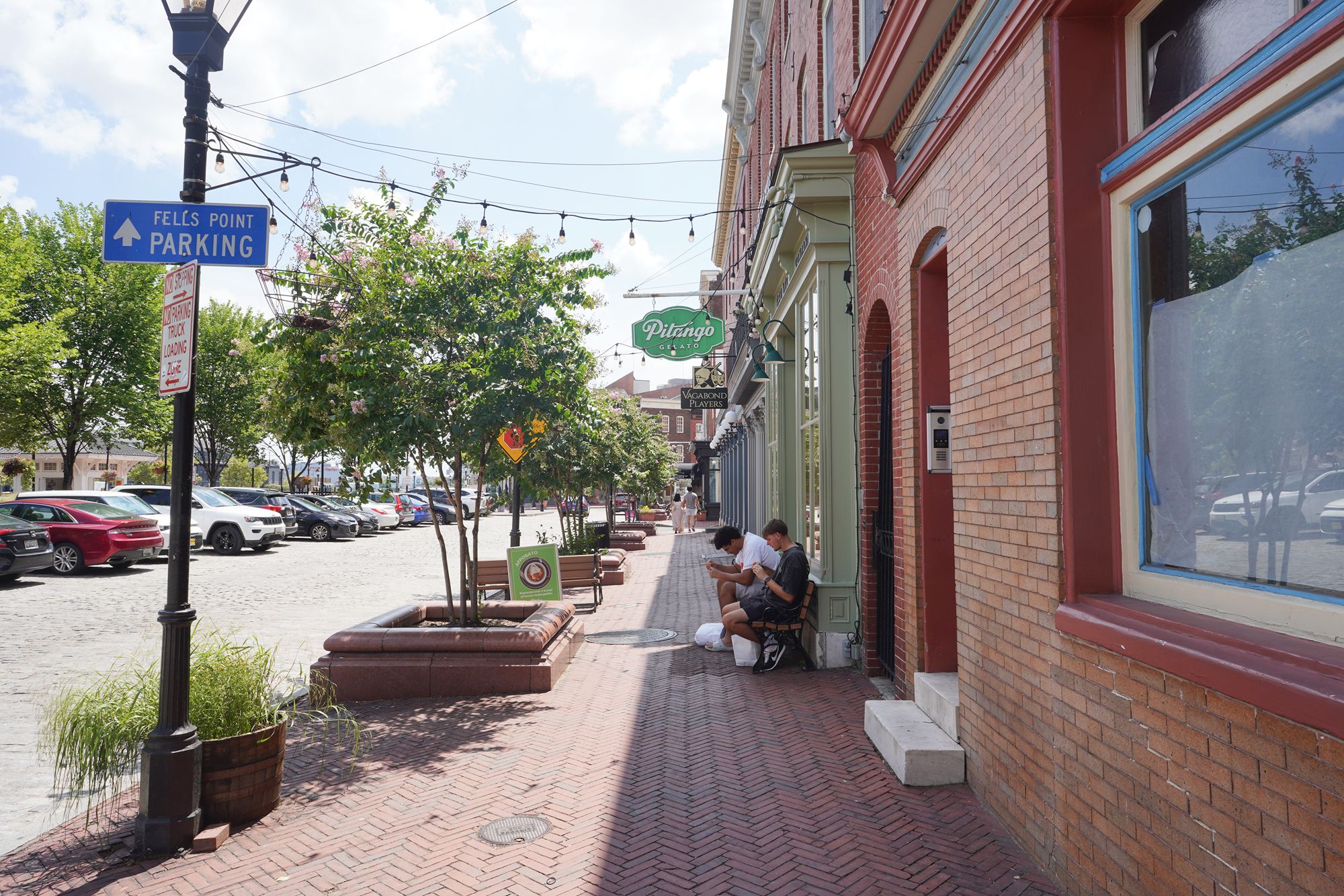
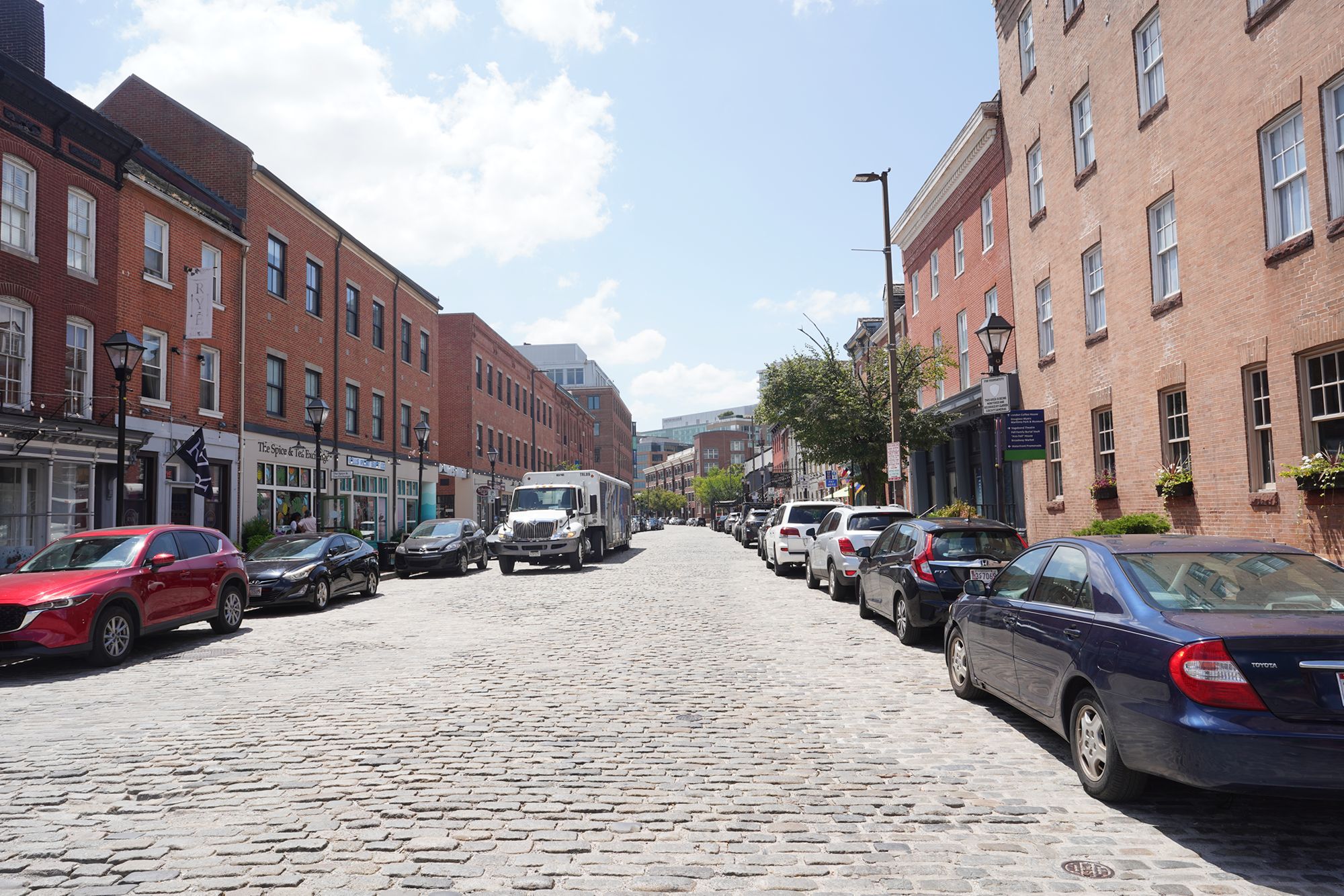
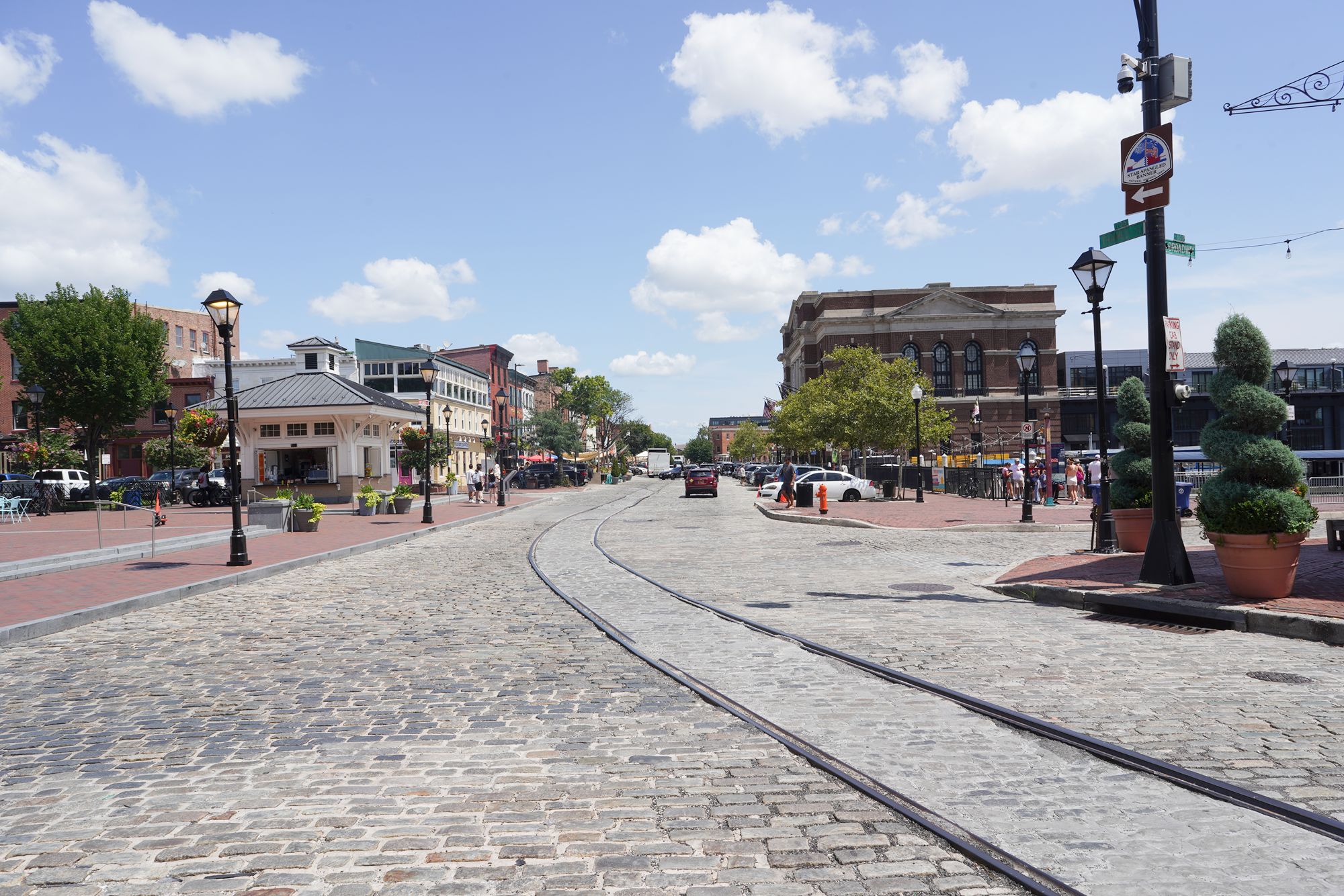
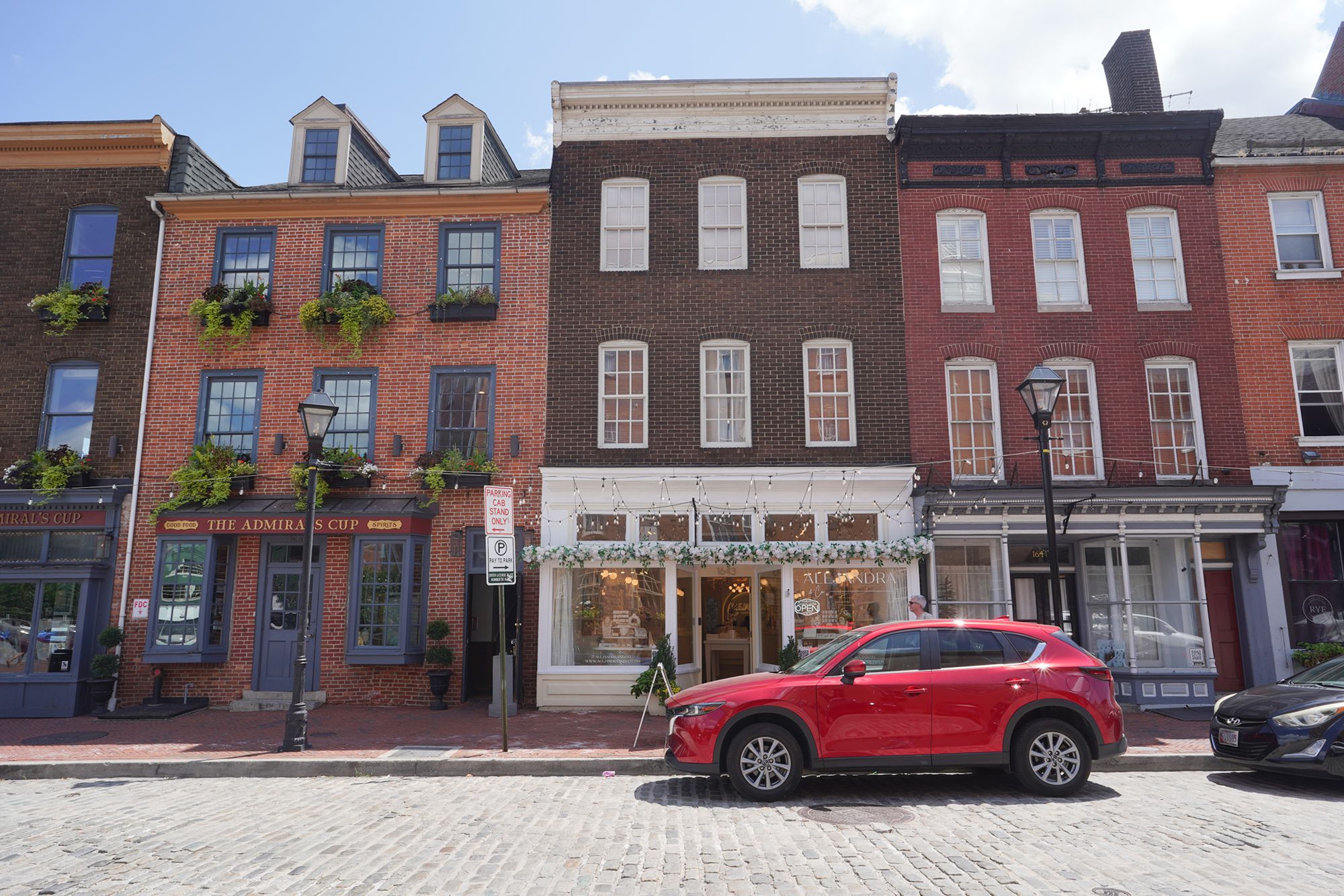
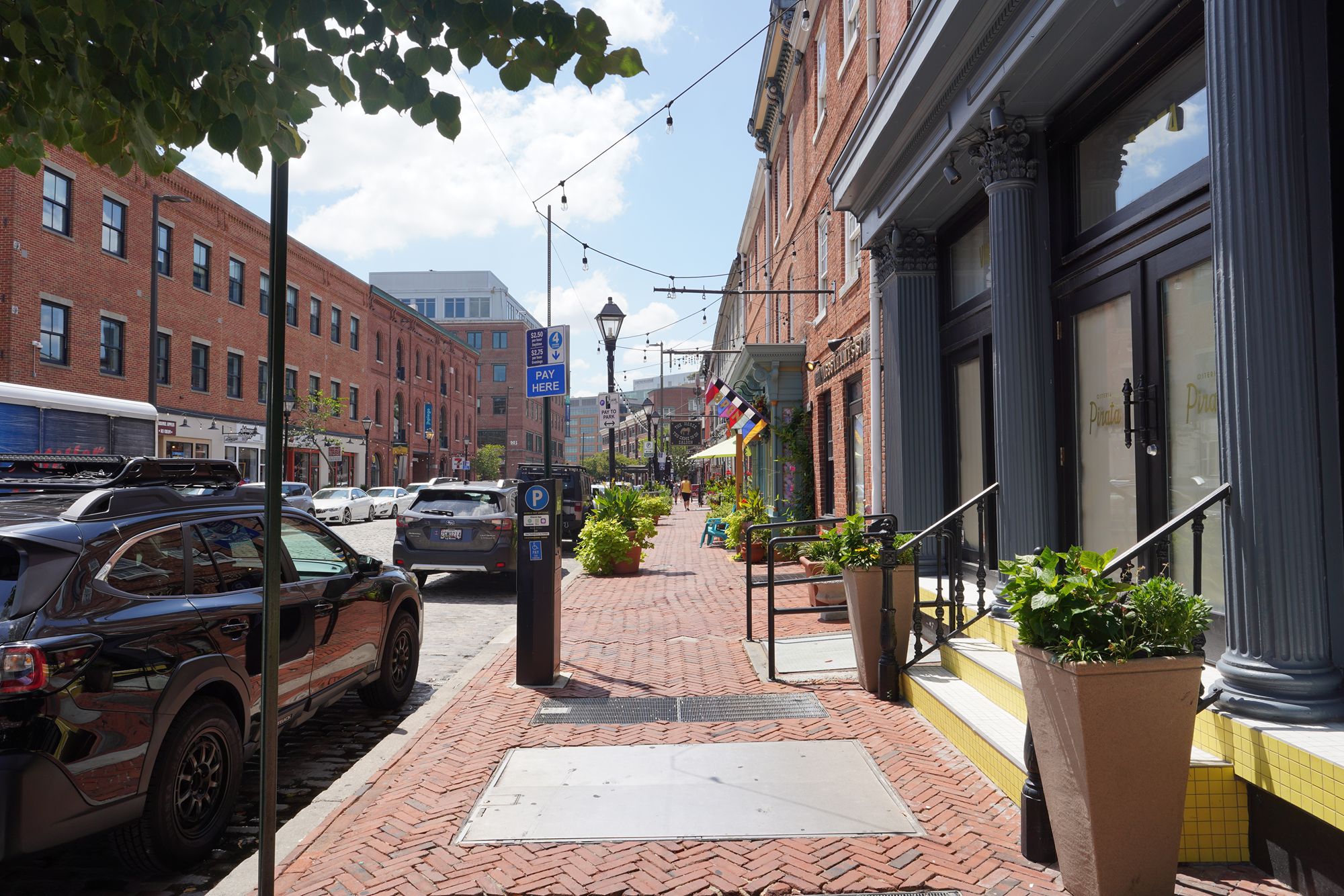
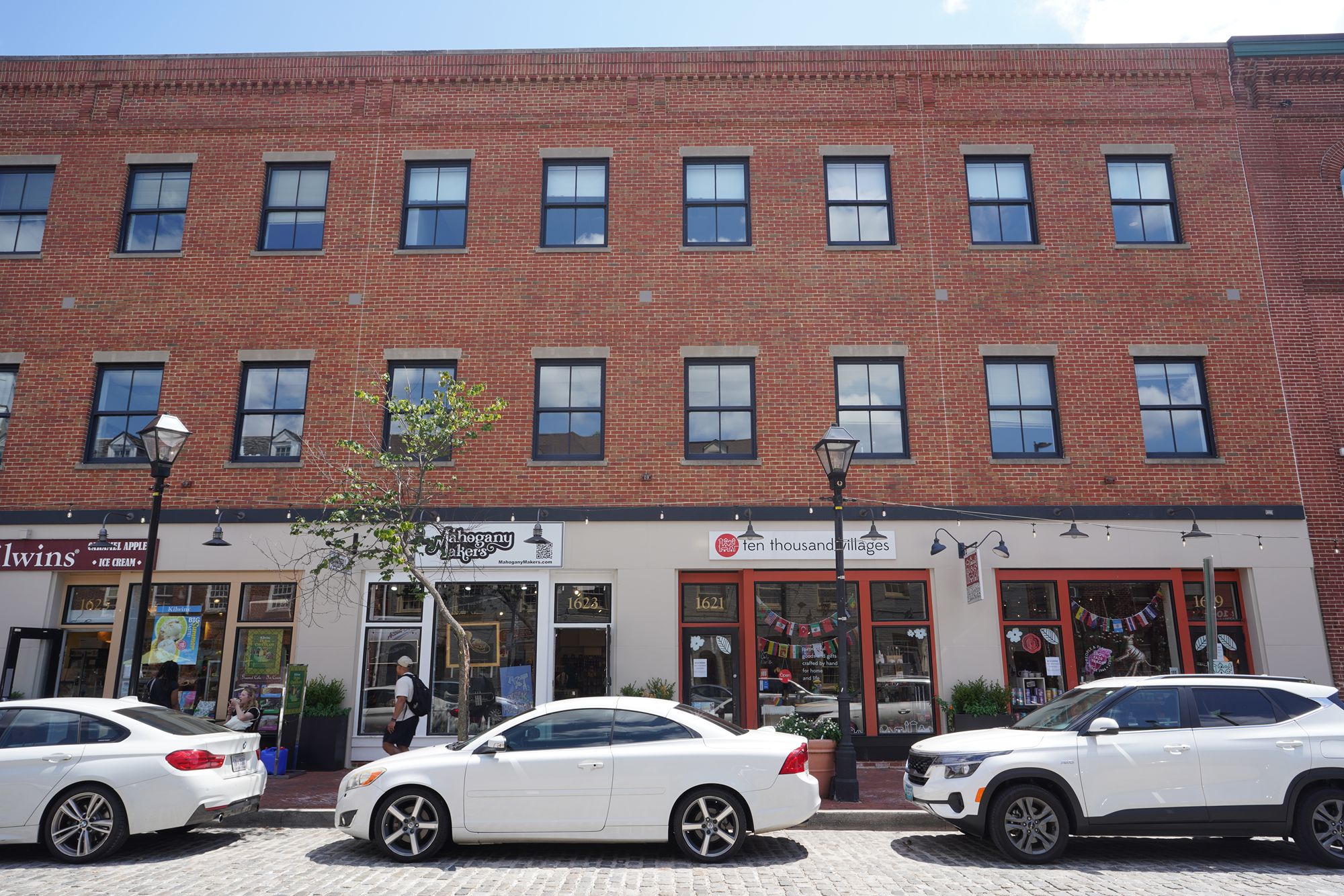
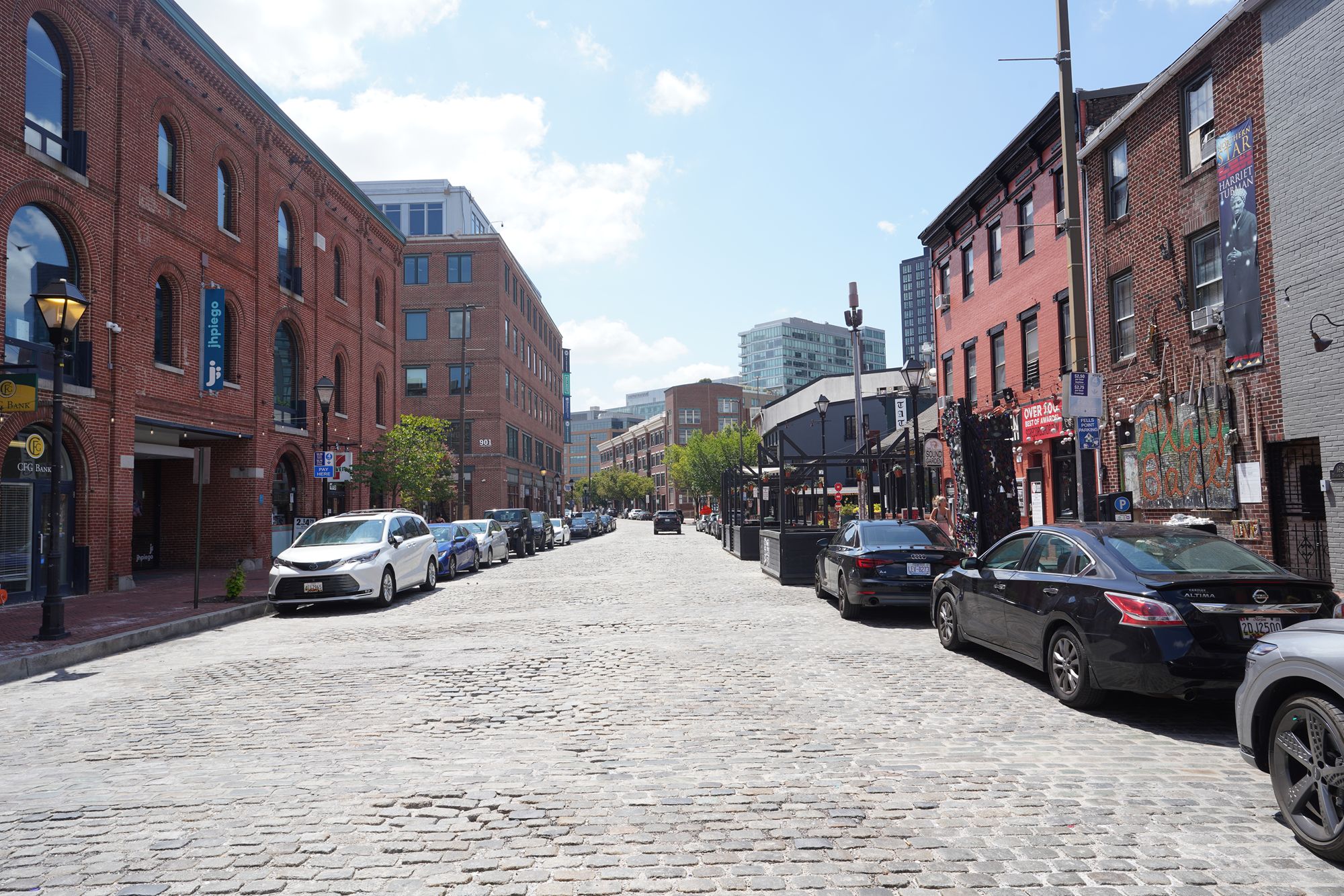
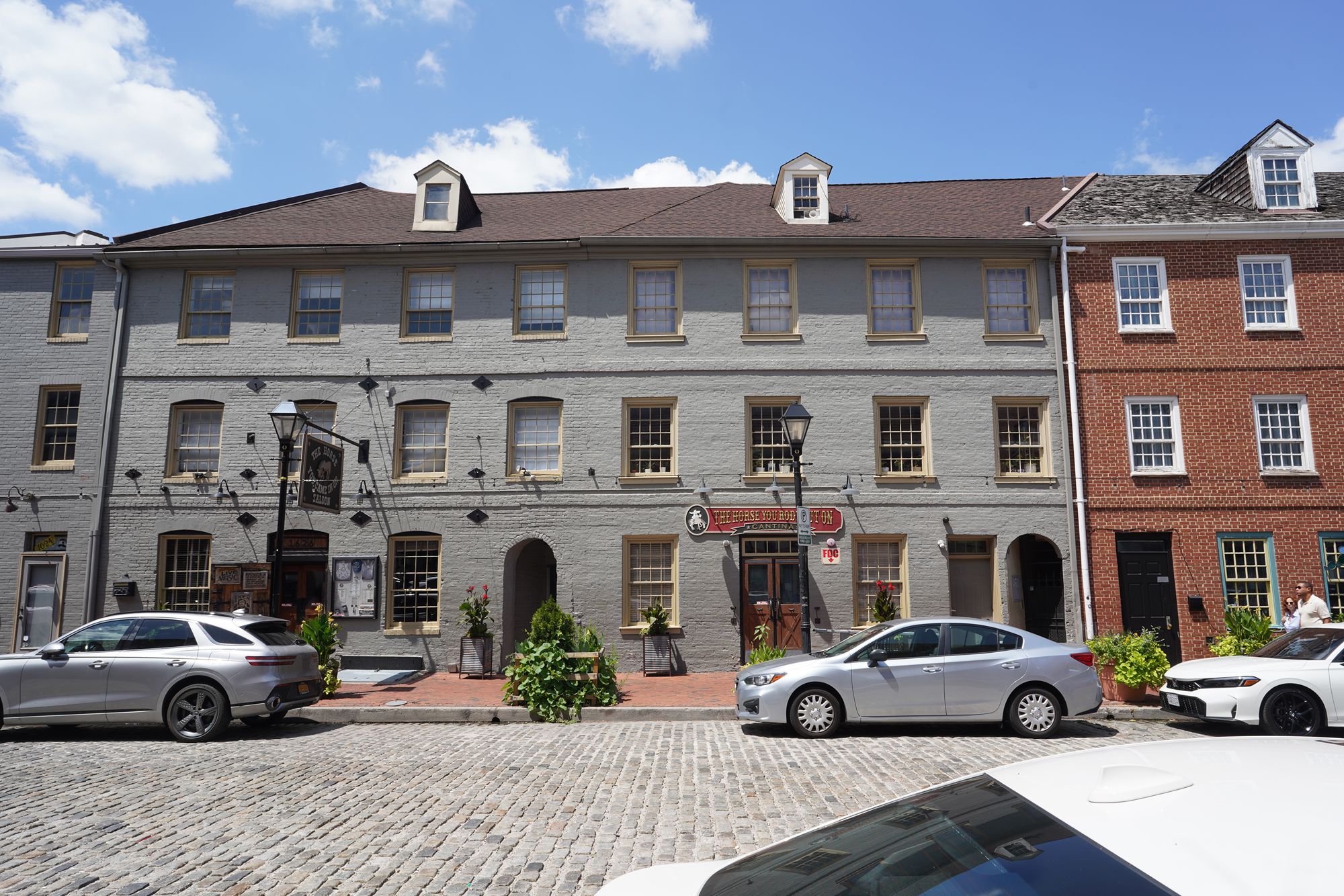
Fell’s Point is a historic waterfront neighborhood in Baltimore known for its cobblestone streets, 18th- and 19th-century brick buildings, and long maritime heritage.
Once a busy shipbuilding and trading center, it’s now filled with restaurants, pubs, small shops, and views along the harbor, blending old port history with a lively modern atmosphere.
I walked over to next street using this narrow opening between two buildings
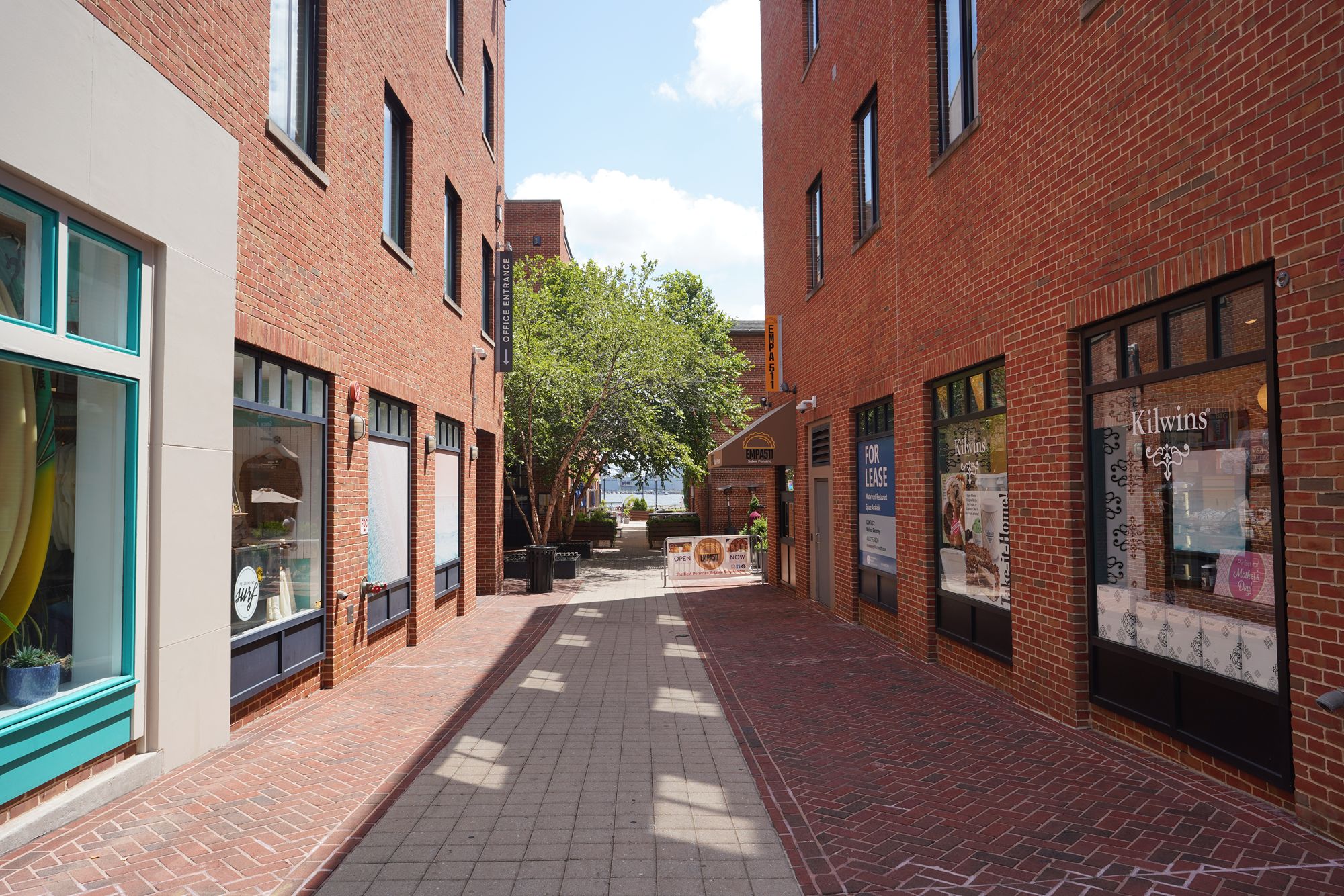
The next street was an oceanfront
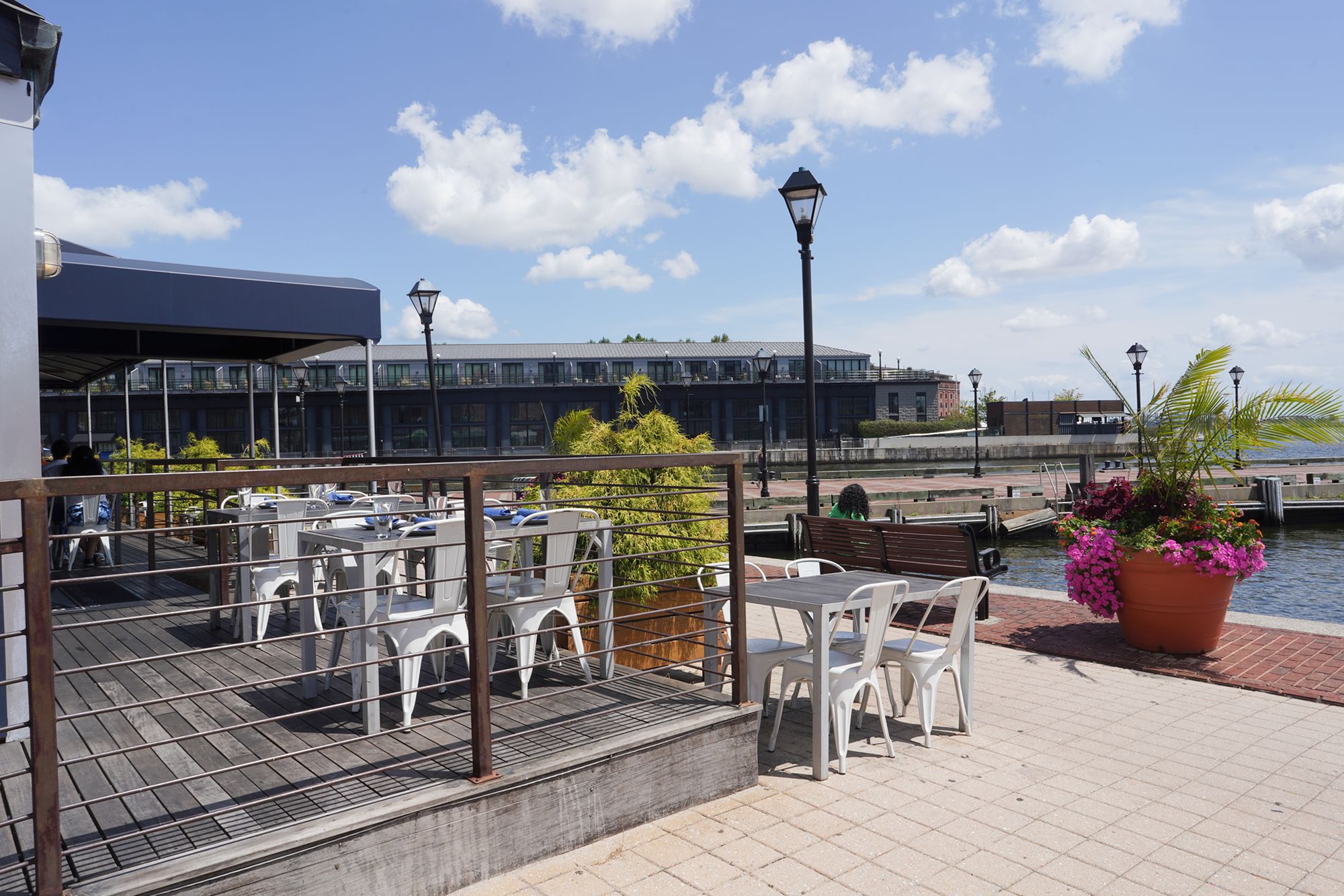
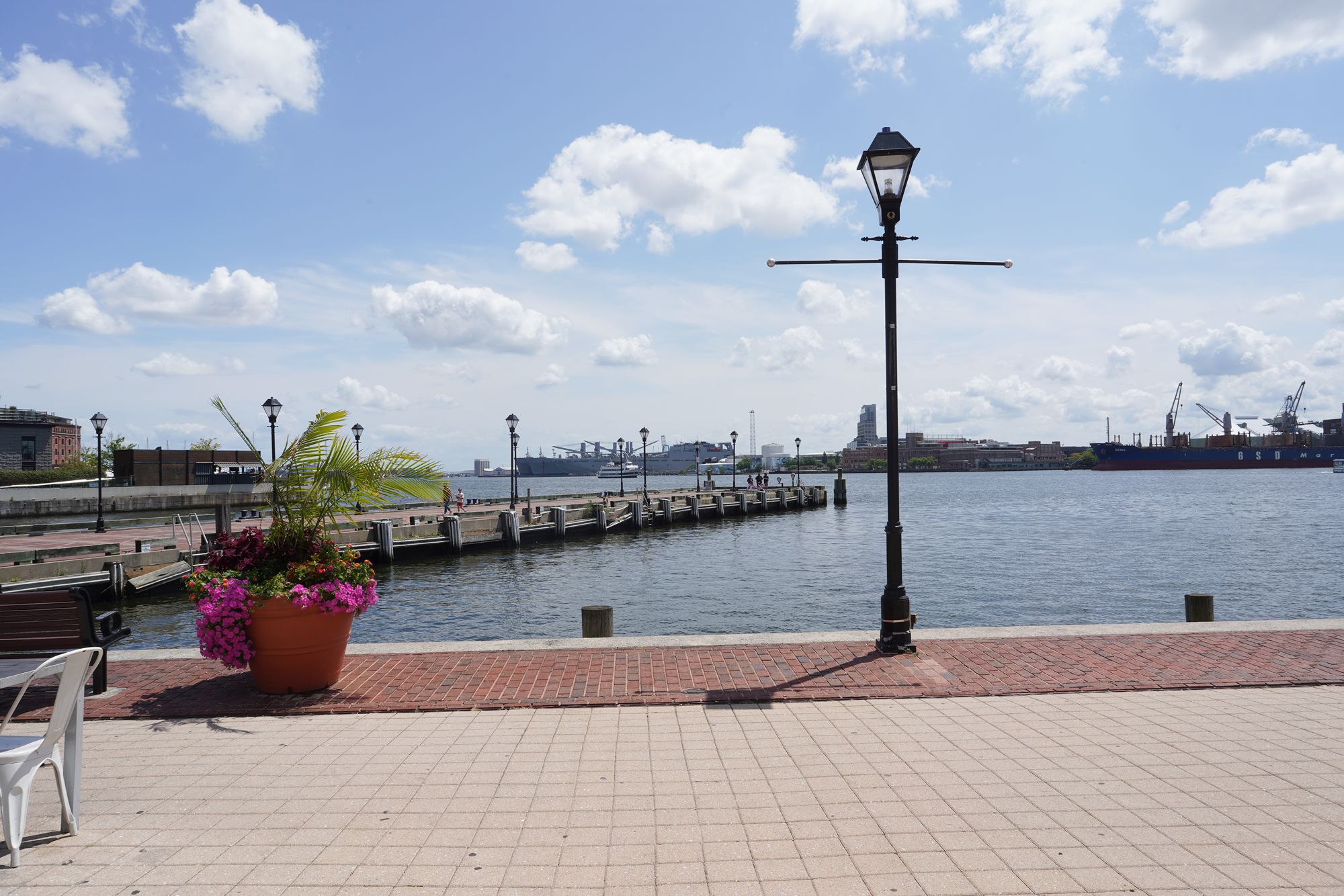
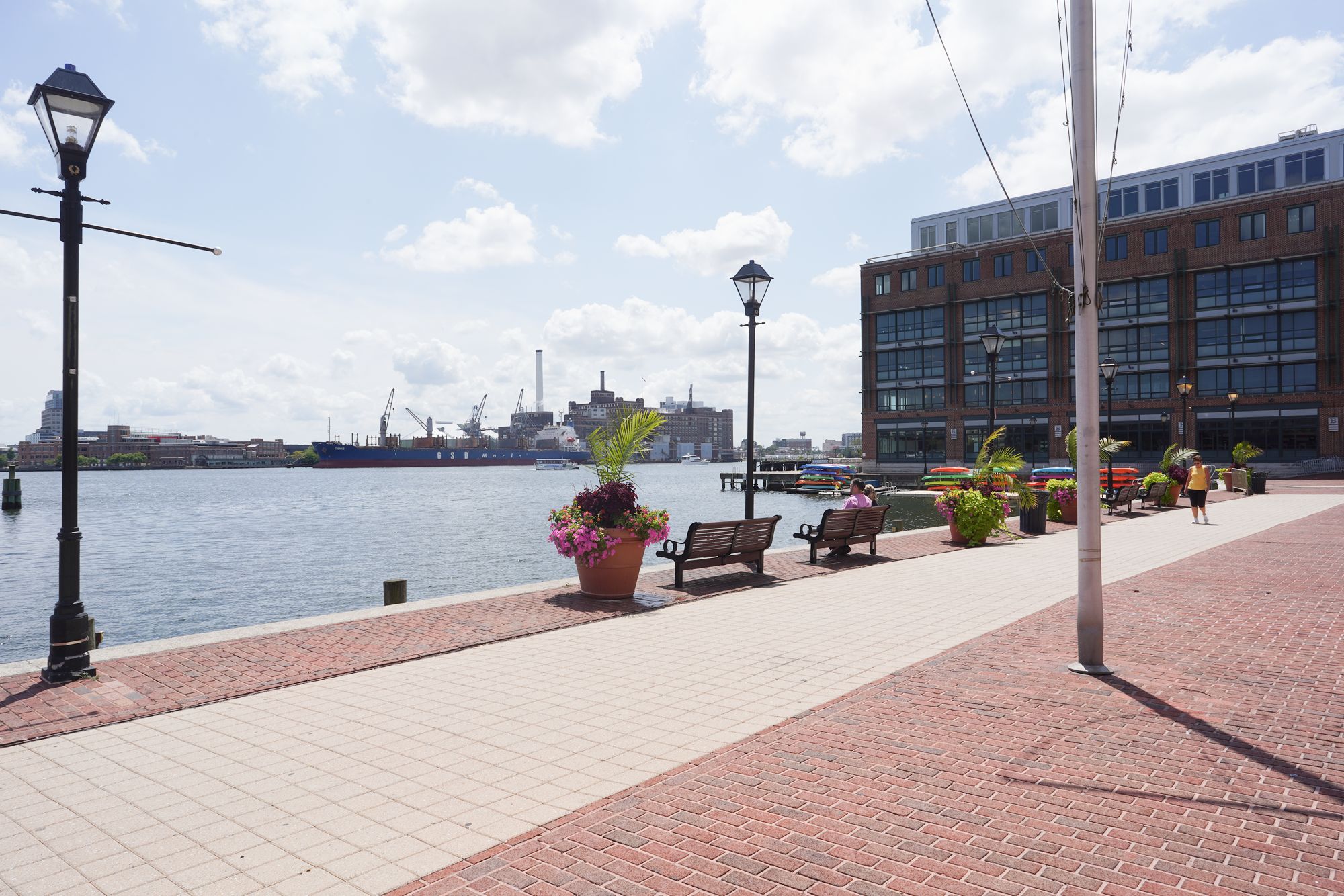
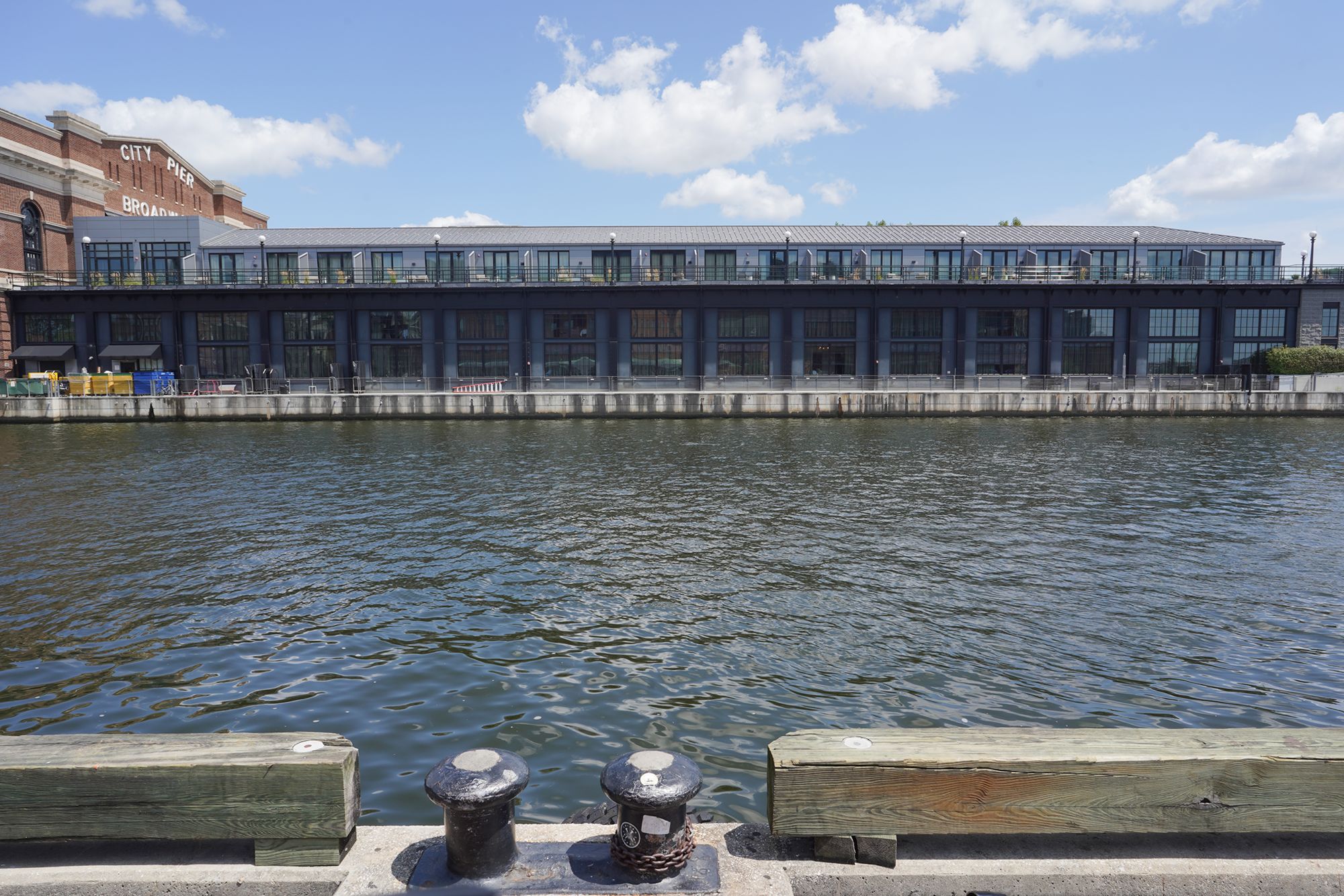
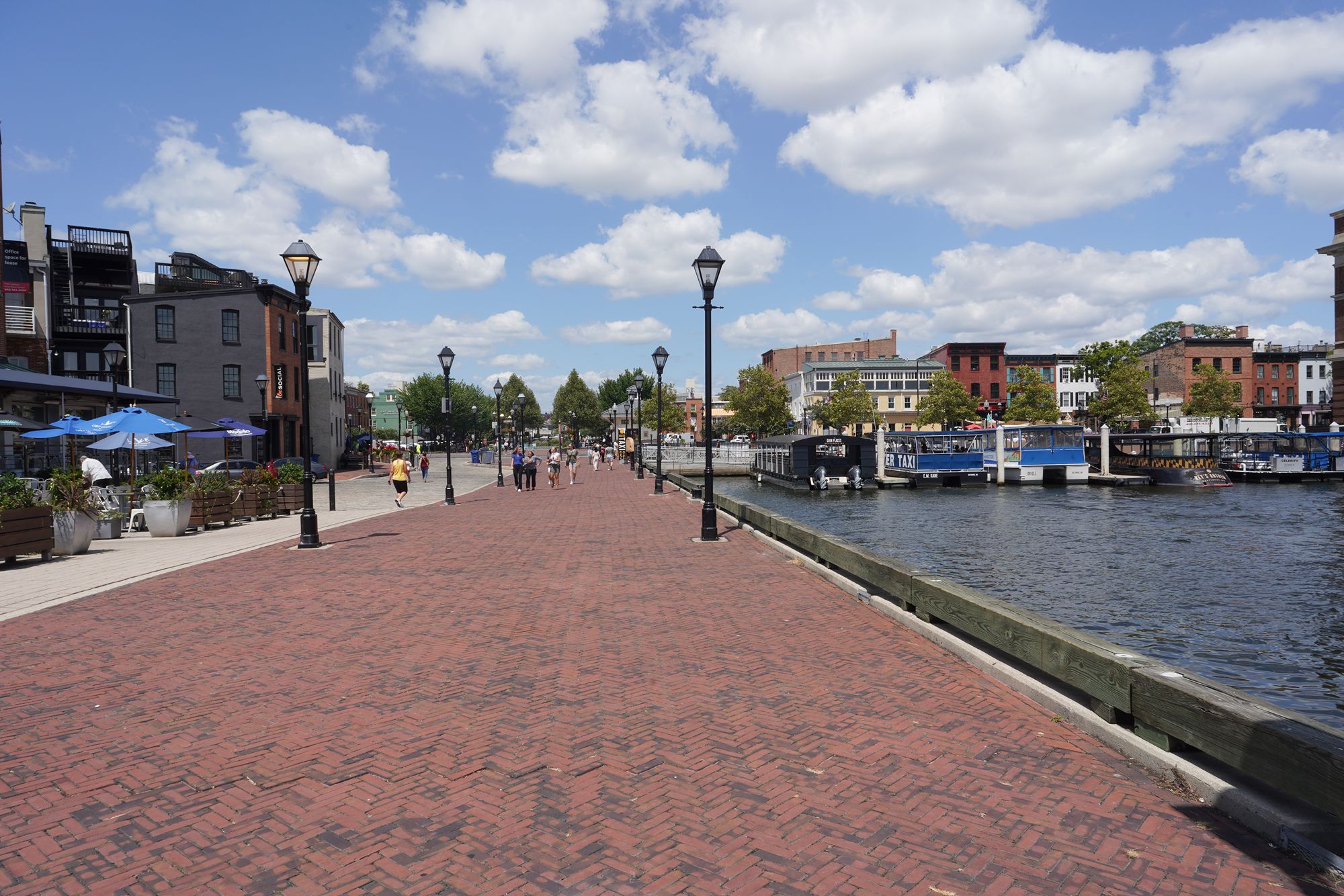
On the way back to the center of Fell Point