Lisbon Walk I, Portugal
This is the first of three posts about my walks around Lisbon. 1378
Old Alfama Square: Largo do Chafariz de Dentro, 1100-139 Lisboa, Portugal
Largo das Portas do Sol: Alfama, 1100-411 Lisbon, Portugal
Igreja de Santa Luzia: Largo de Santa Luzia, 1100-487 Lisboa, Portugal
Arco do Castelo: R. de Santa Cruz do Castelo 10, 1100-223 Lisboa, Portugal
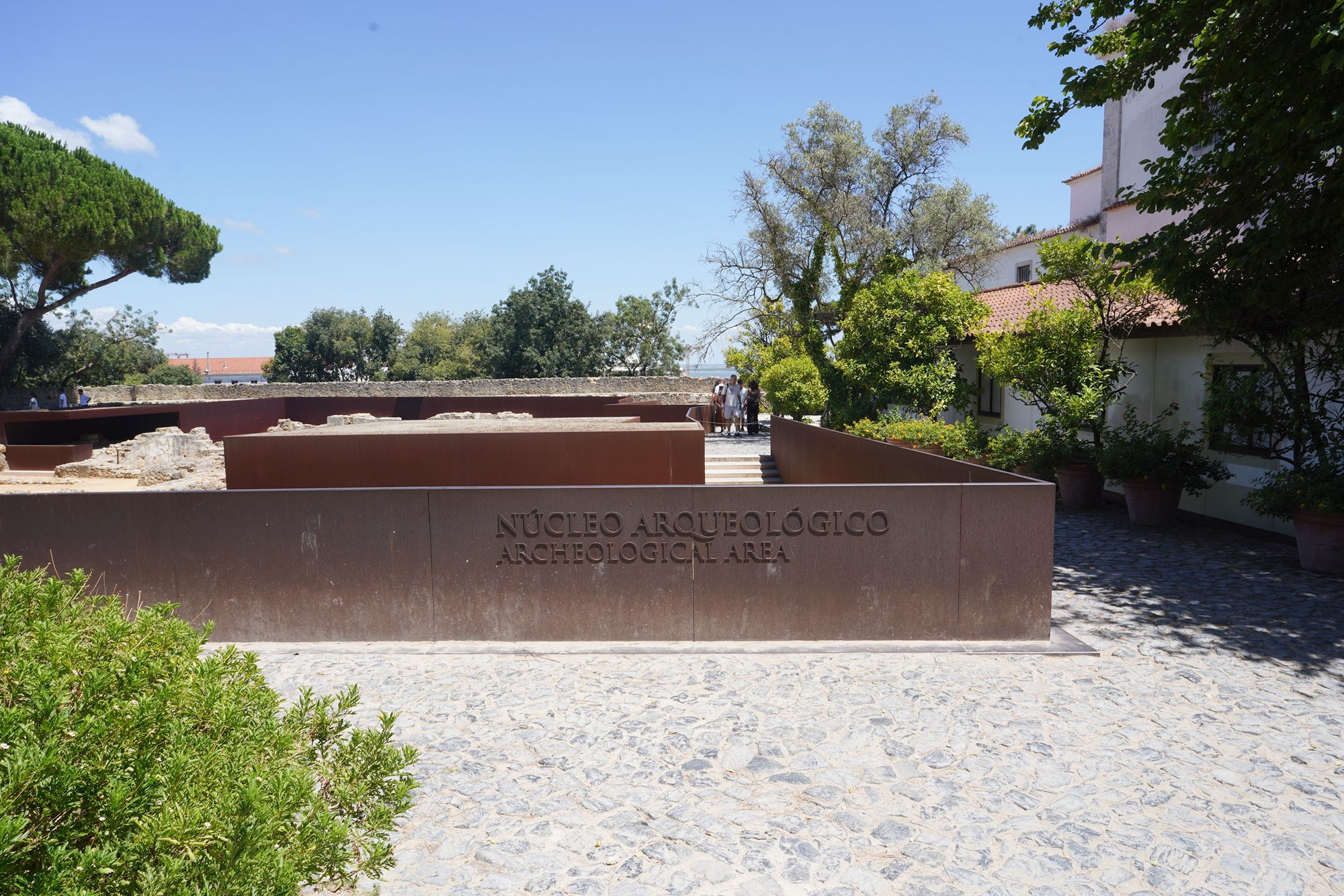
Archaeological museum at São Jorge Castle: 1100-129 Lisbon, Portugal
Castelo de São Jorge: R. de Santa Cruz do Castelo, 1100-129 Lisboa, Portugal
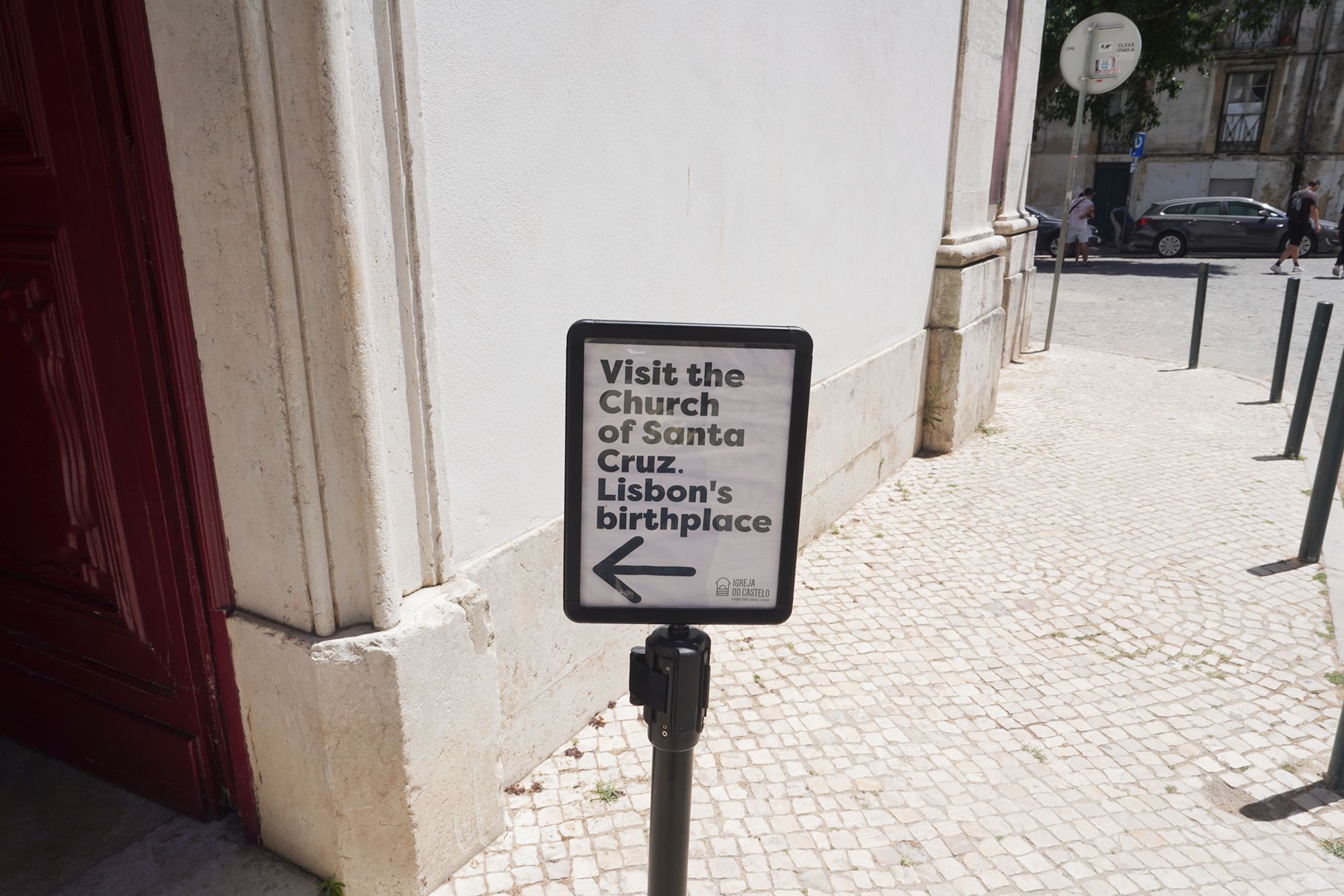
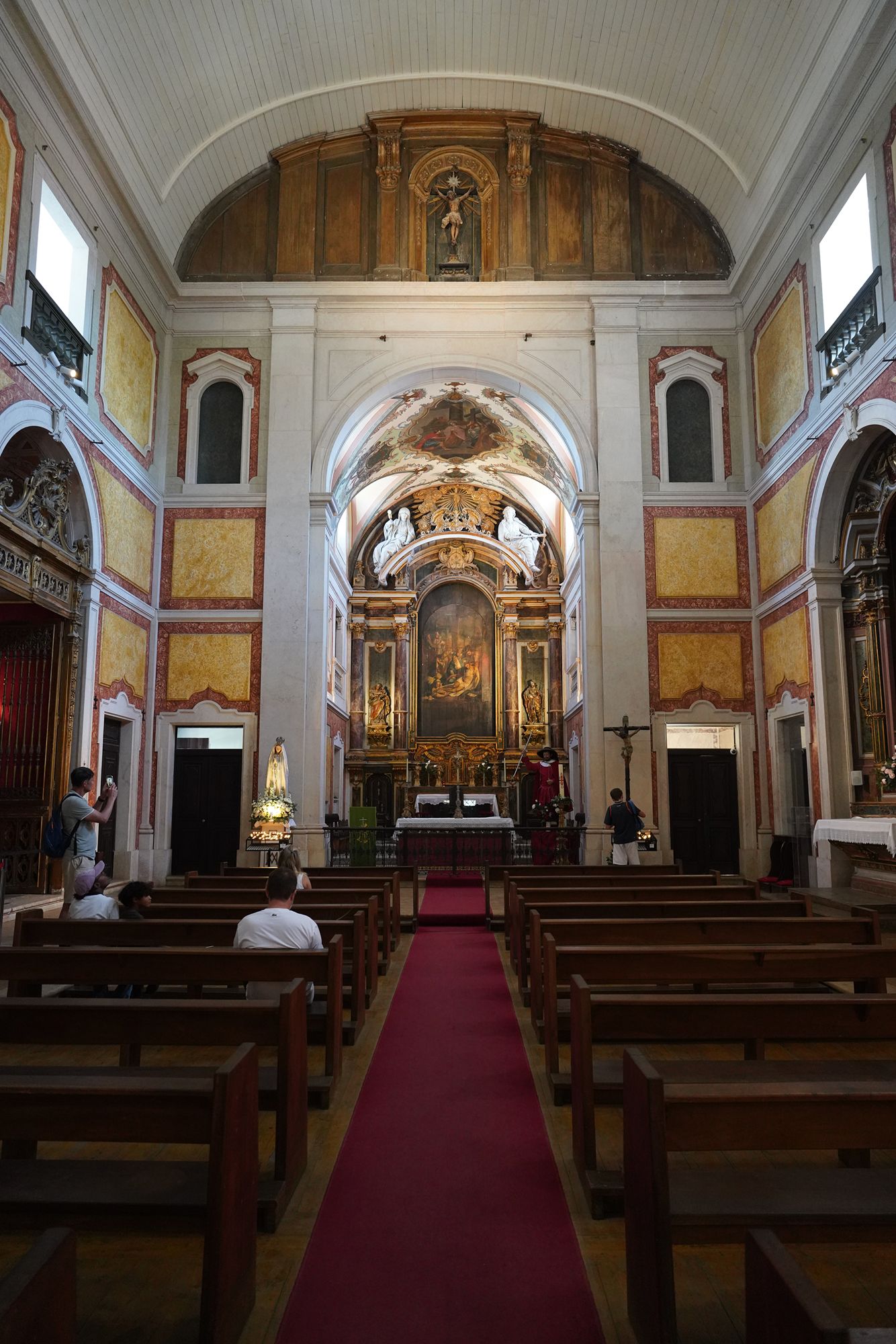
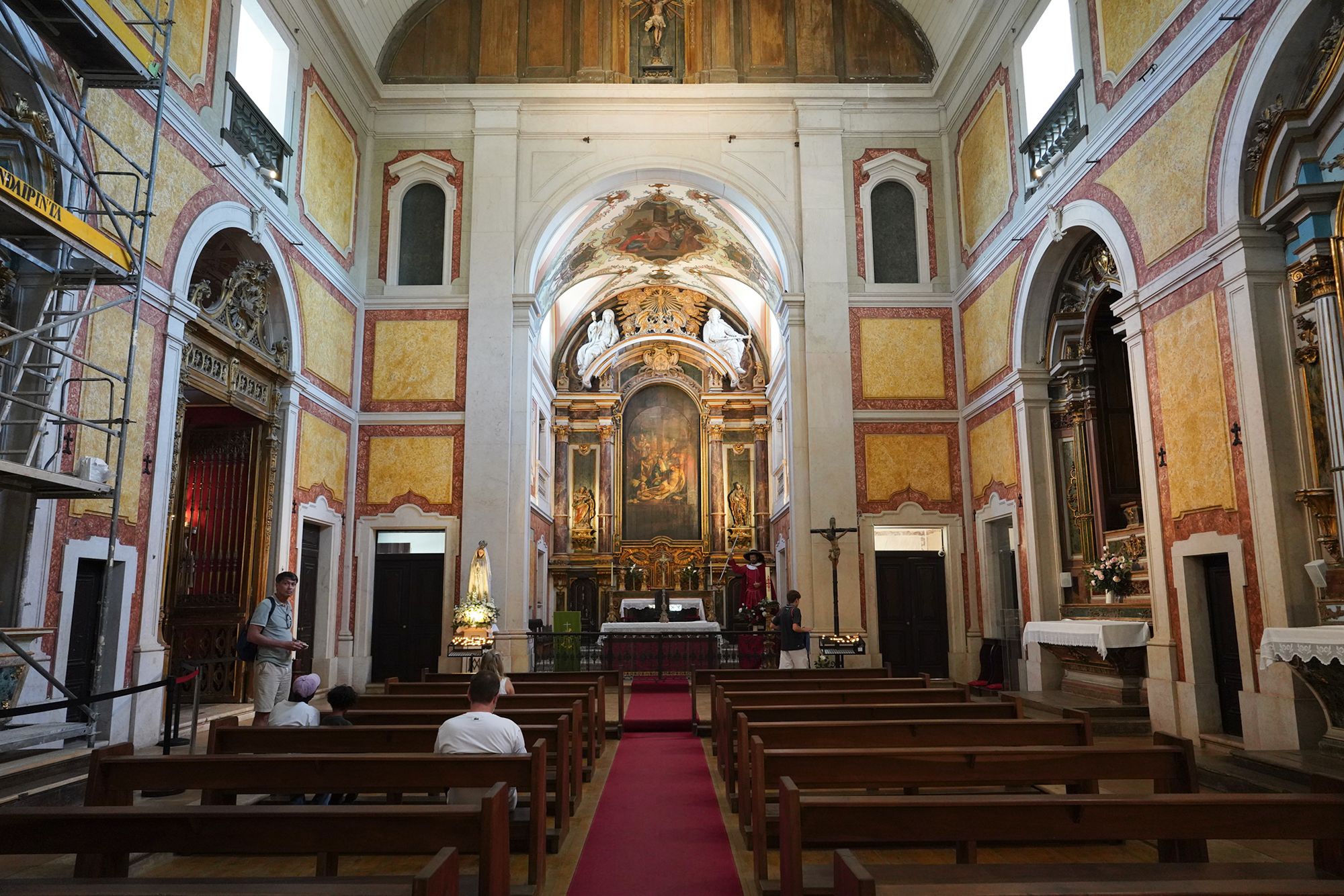
Church of Santa Cruz do Castelo: Largo de Santa Cruz do Castelo 13, 1100-251 Lisboa, Portugal
Date Picture Taken: Jul, 2026
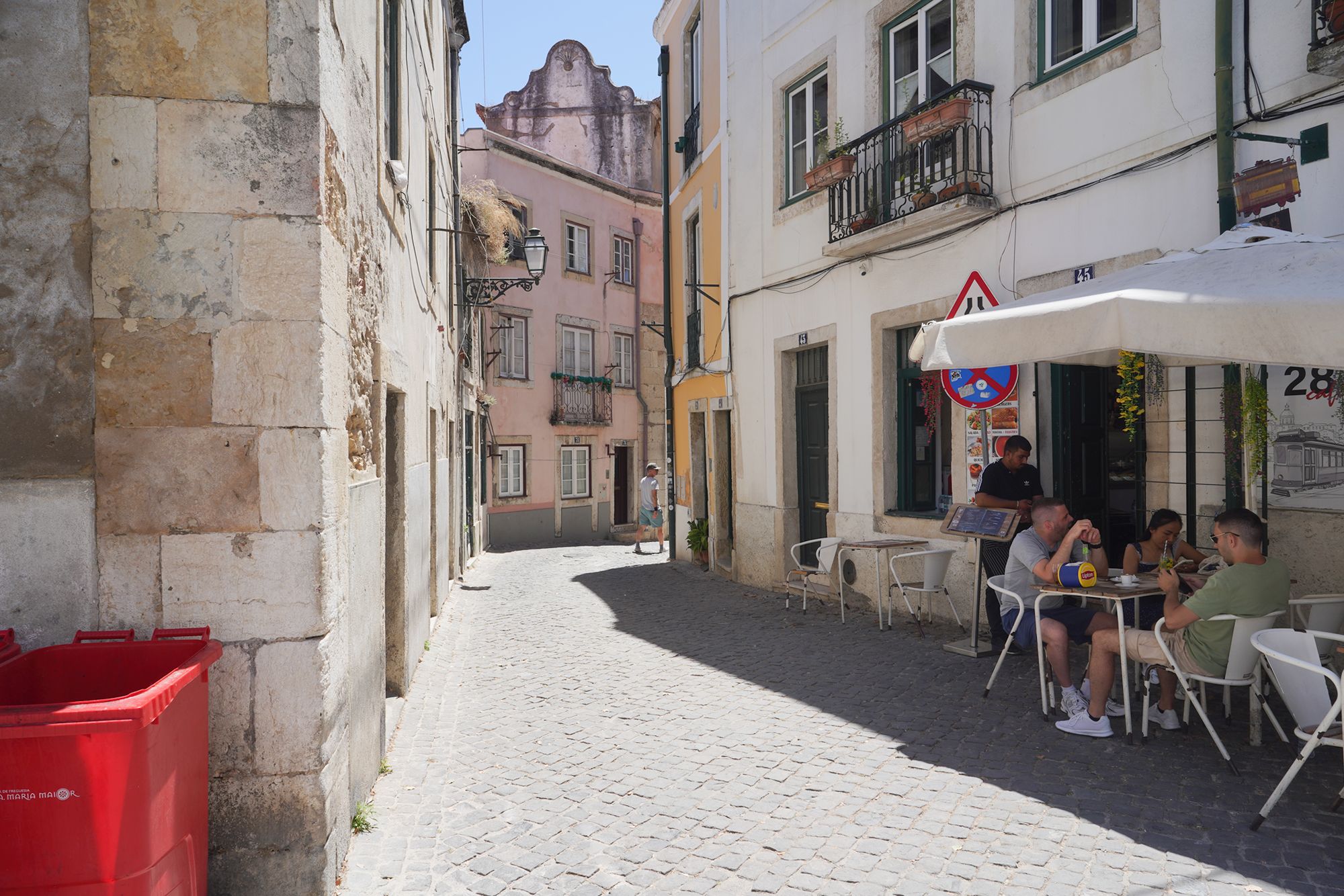
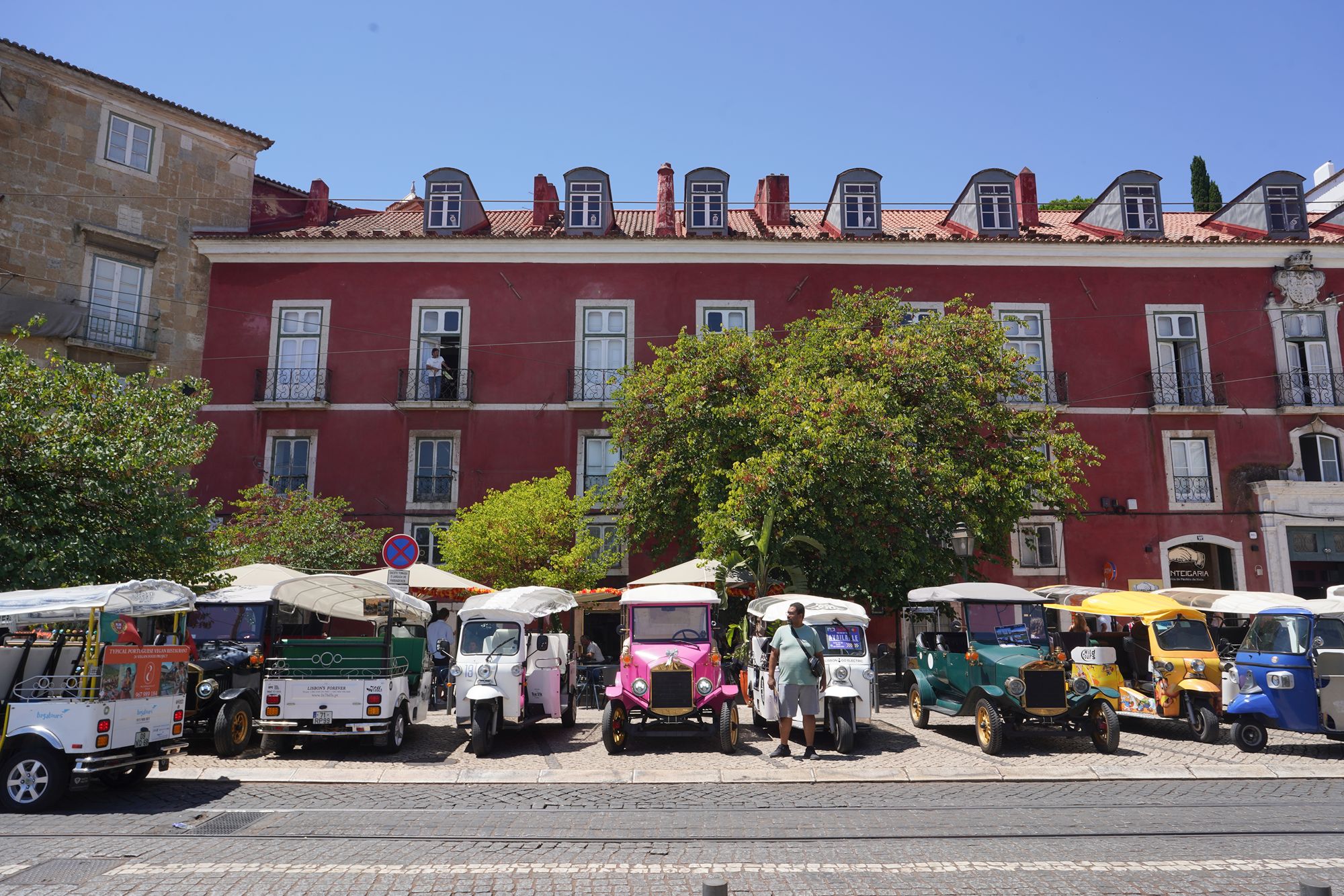
I stayed in Alfama, a neighborhood in Lisbon with old buildings and narrow residential streets. This is Old Alfama Square.
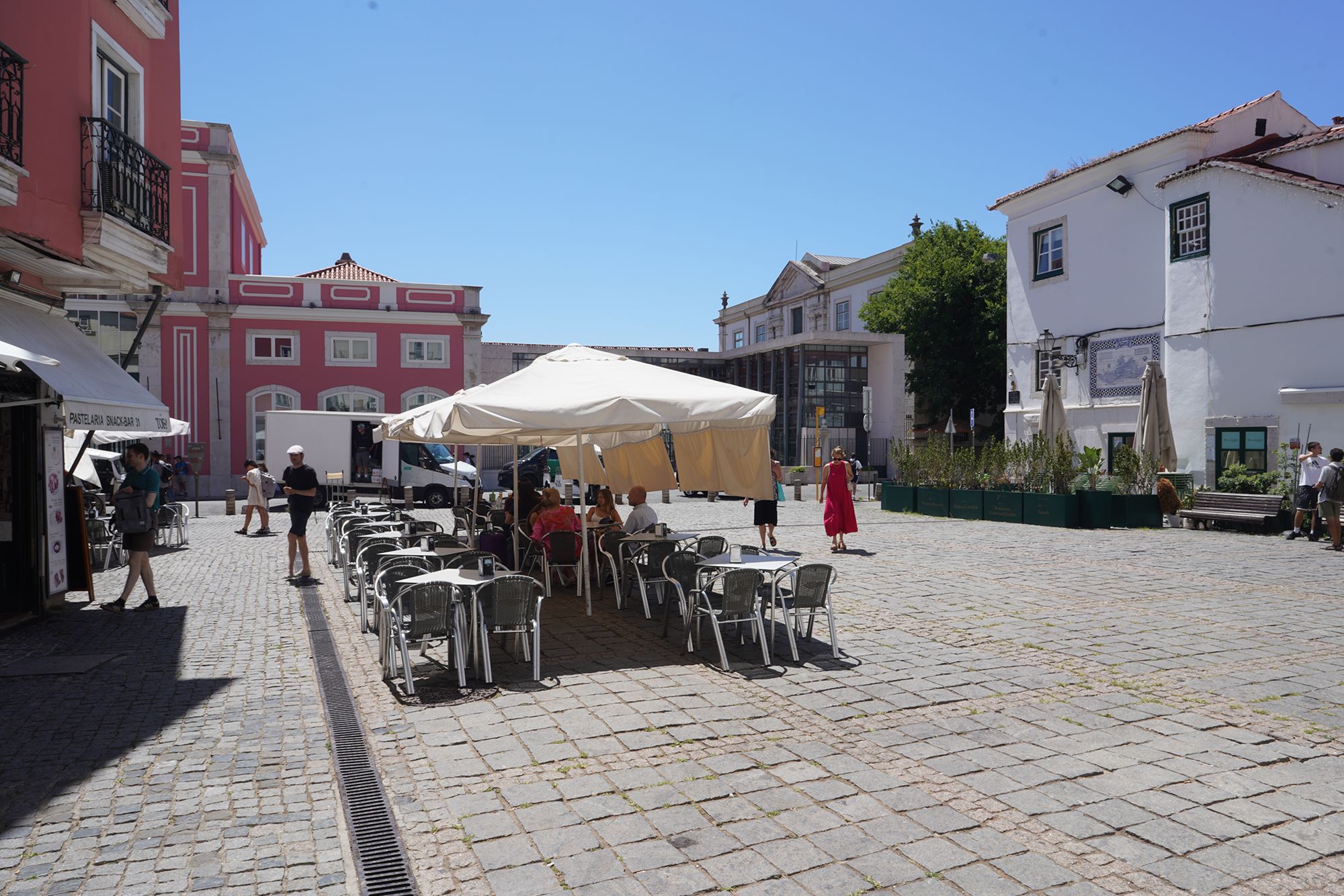
Alfama is one of Lisbon’s oldest neighborhoods, known for its narrow cobbled streets, steep stairways, and closely packed old buildings. Walking here means following winding lanes that open onto small squares and viewpoints. The neighborhood is also closely associated with Fado, Portugal’s traditional music, performed in its small restaurants and Fado houses.
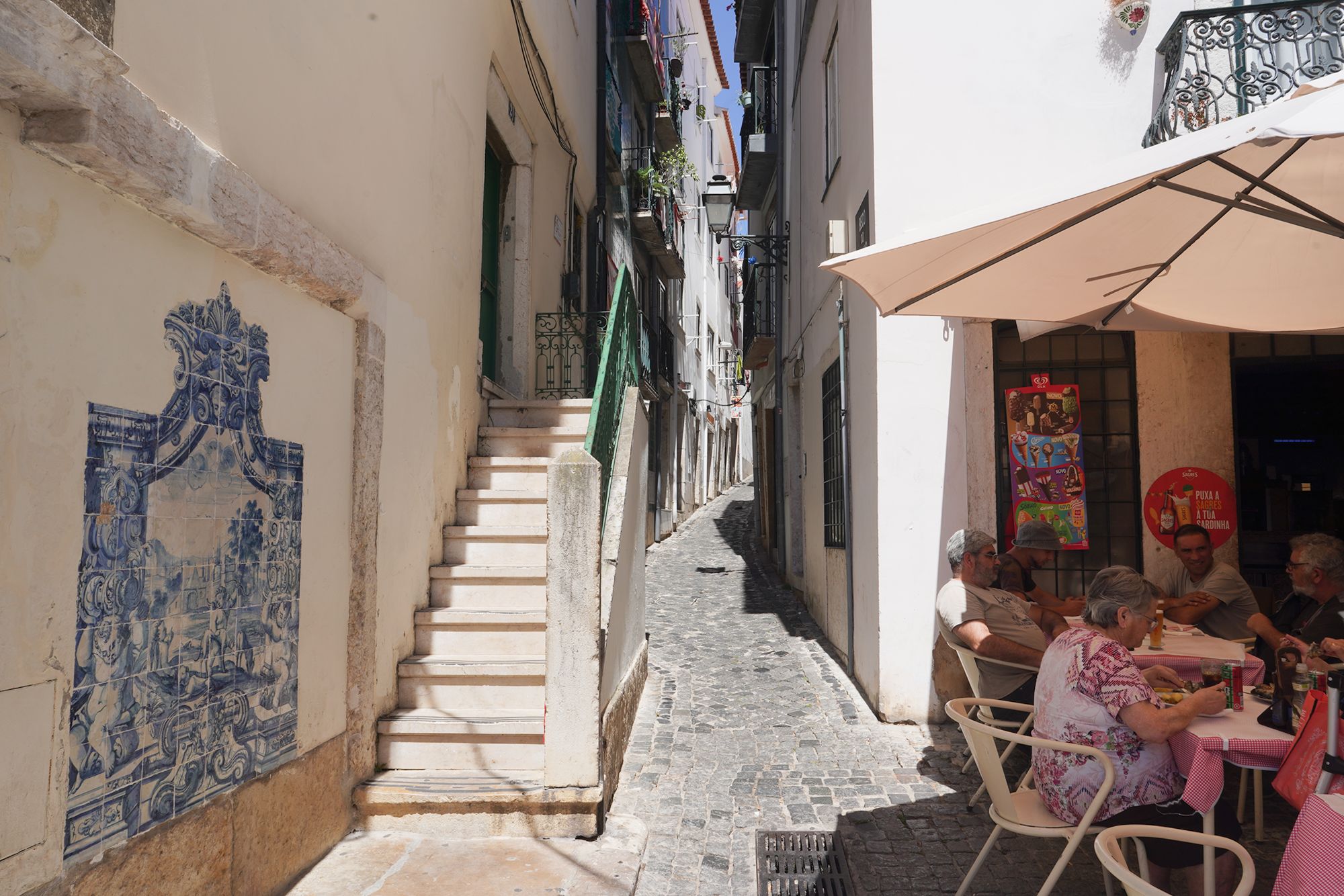
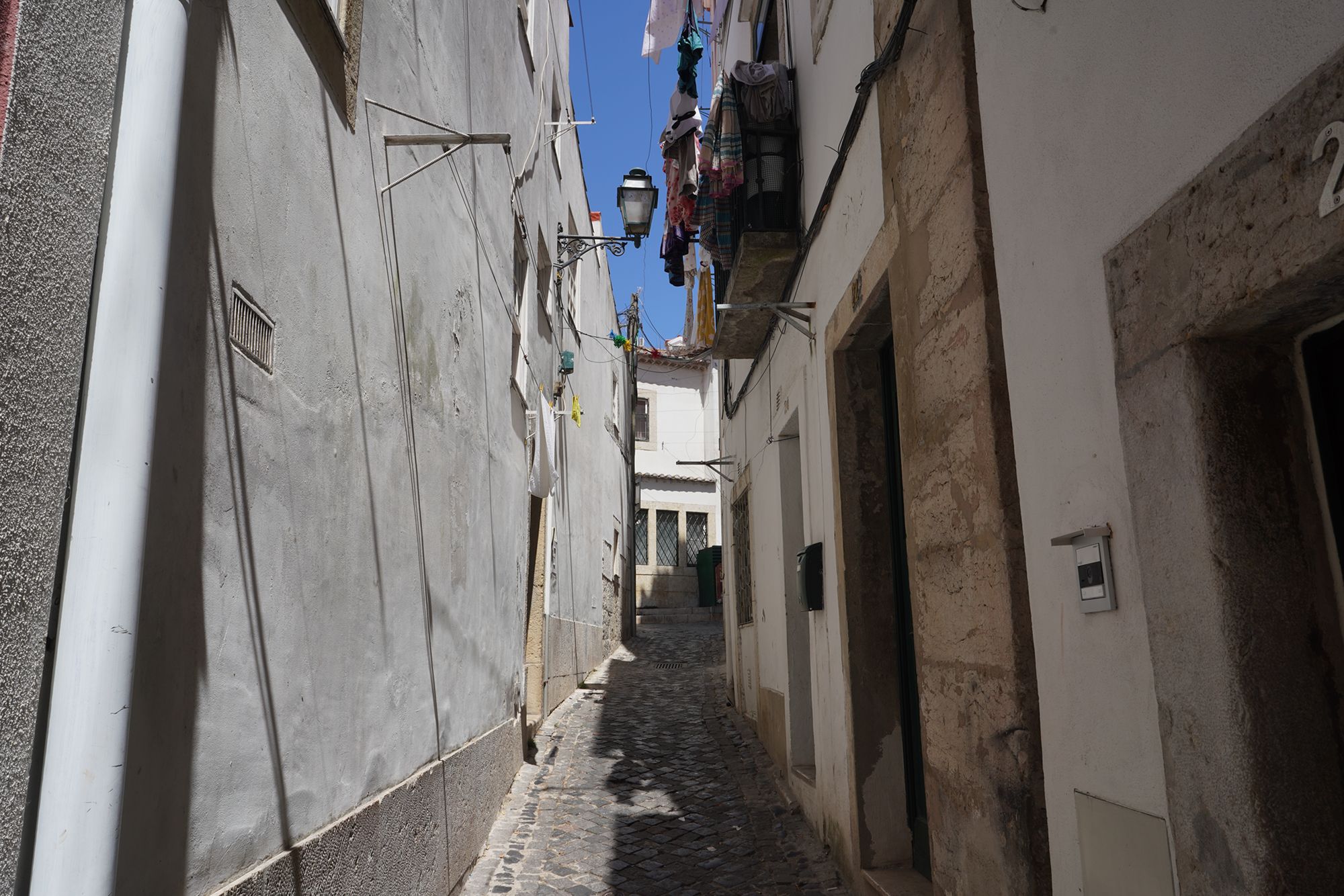
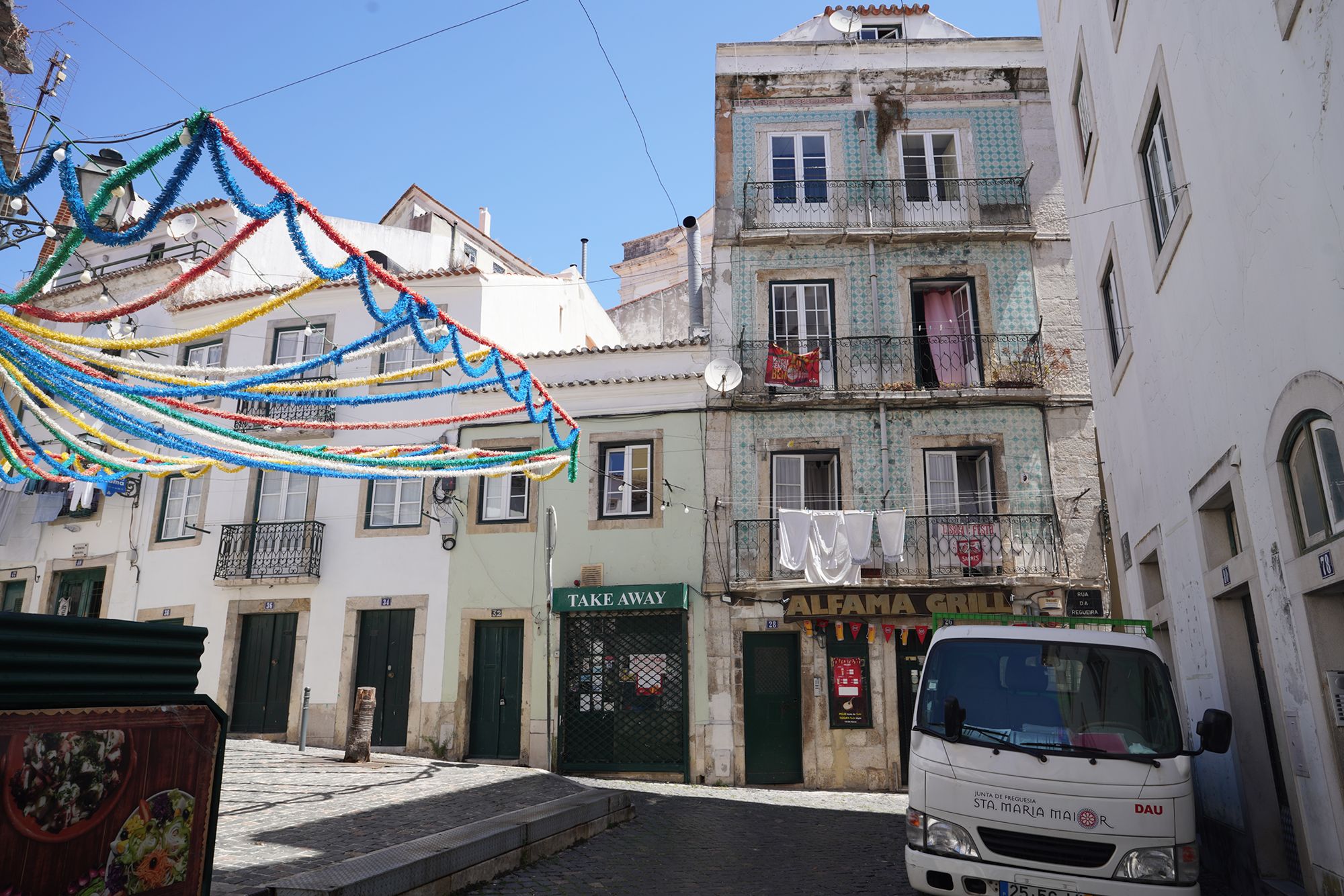
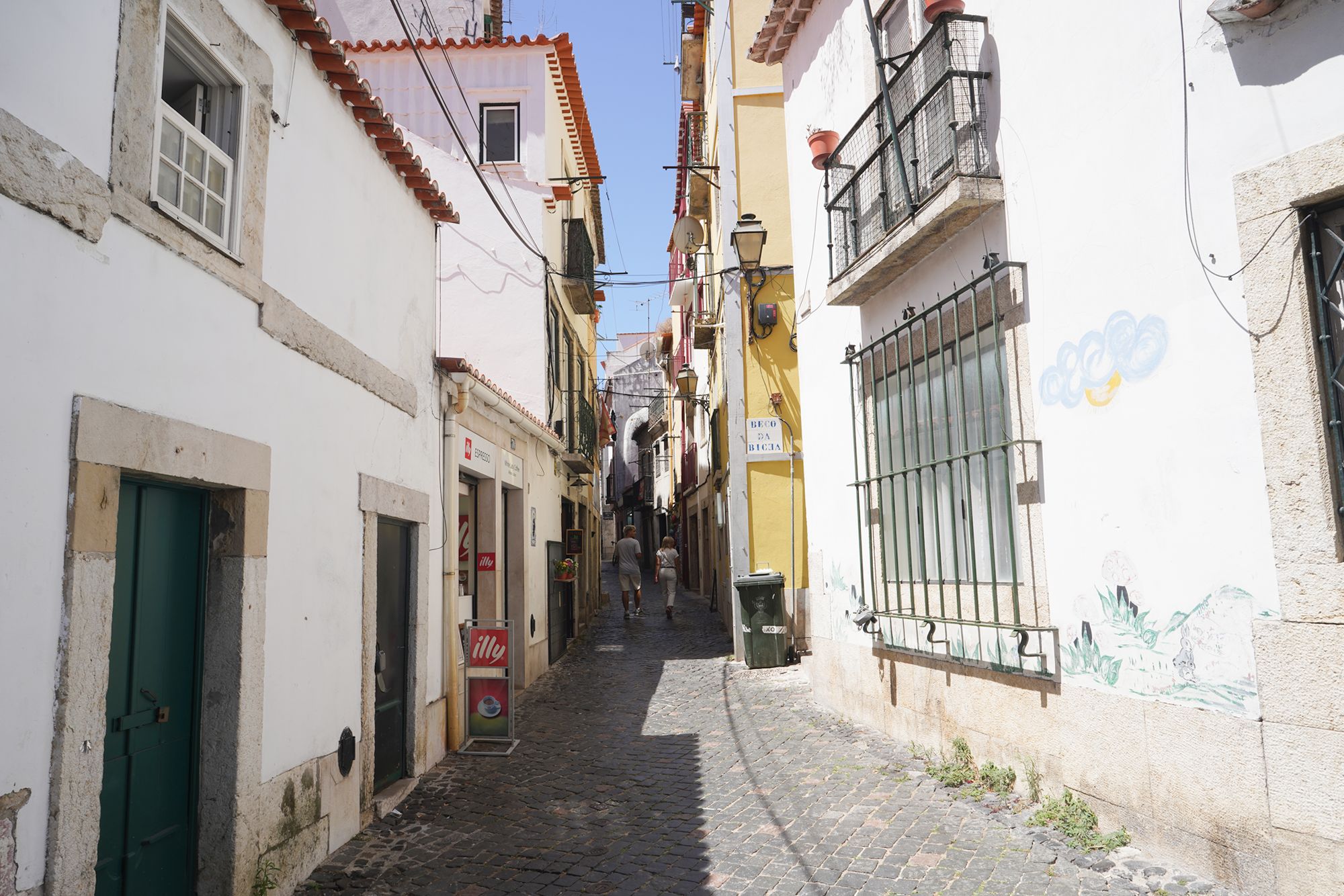
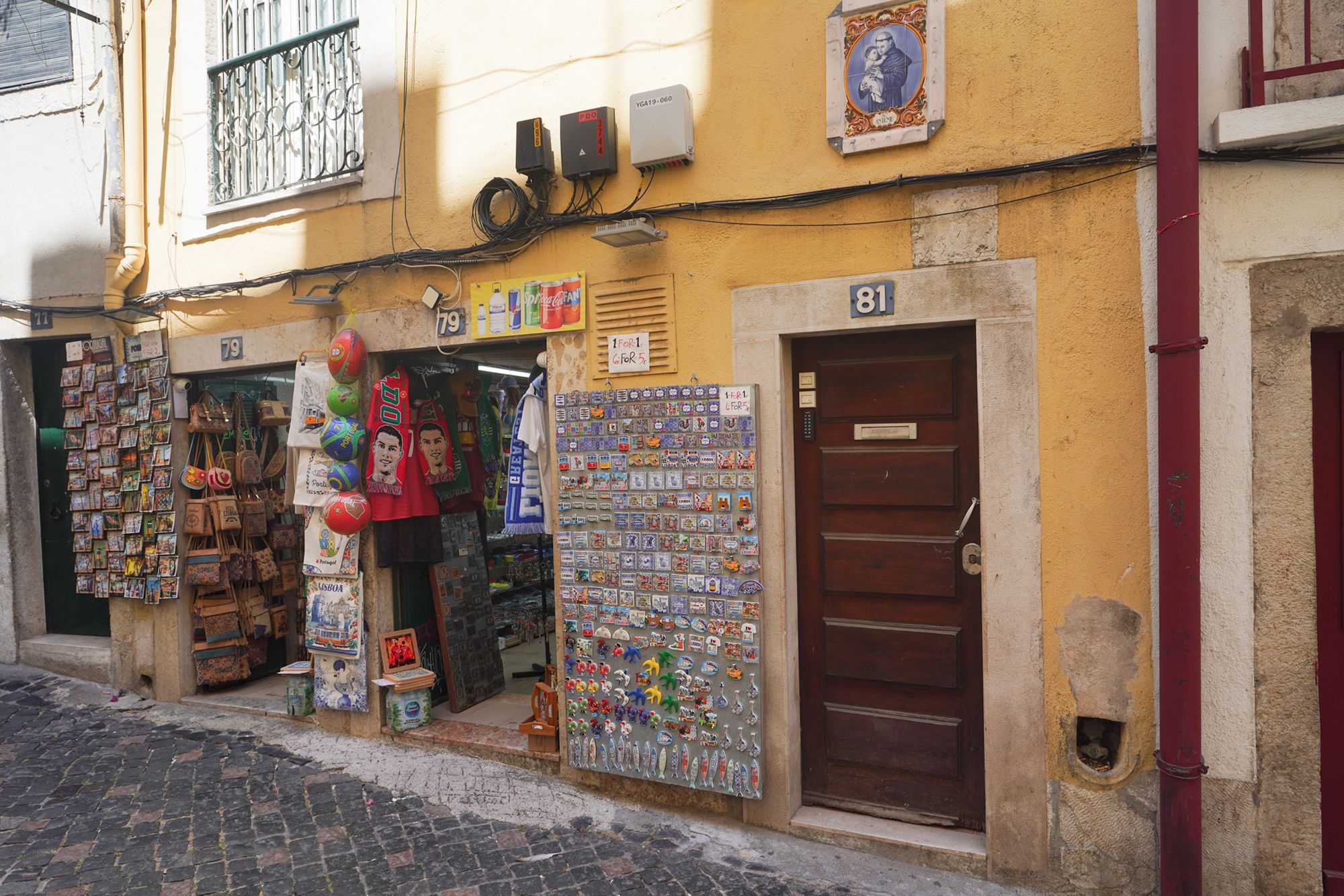
Starting from Old Alfama Square, I headed toward my first destination, Largo das Portas do Sol.
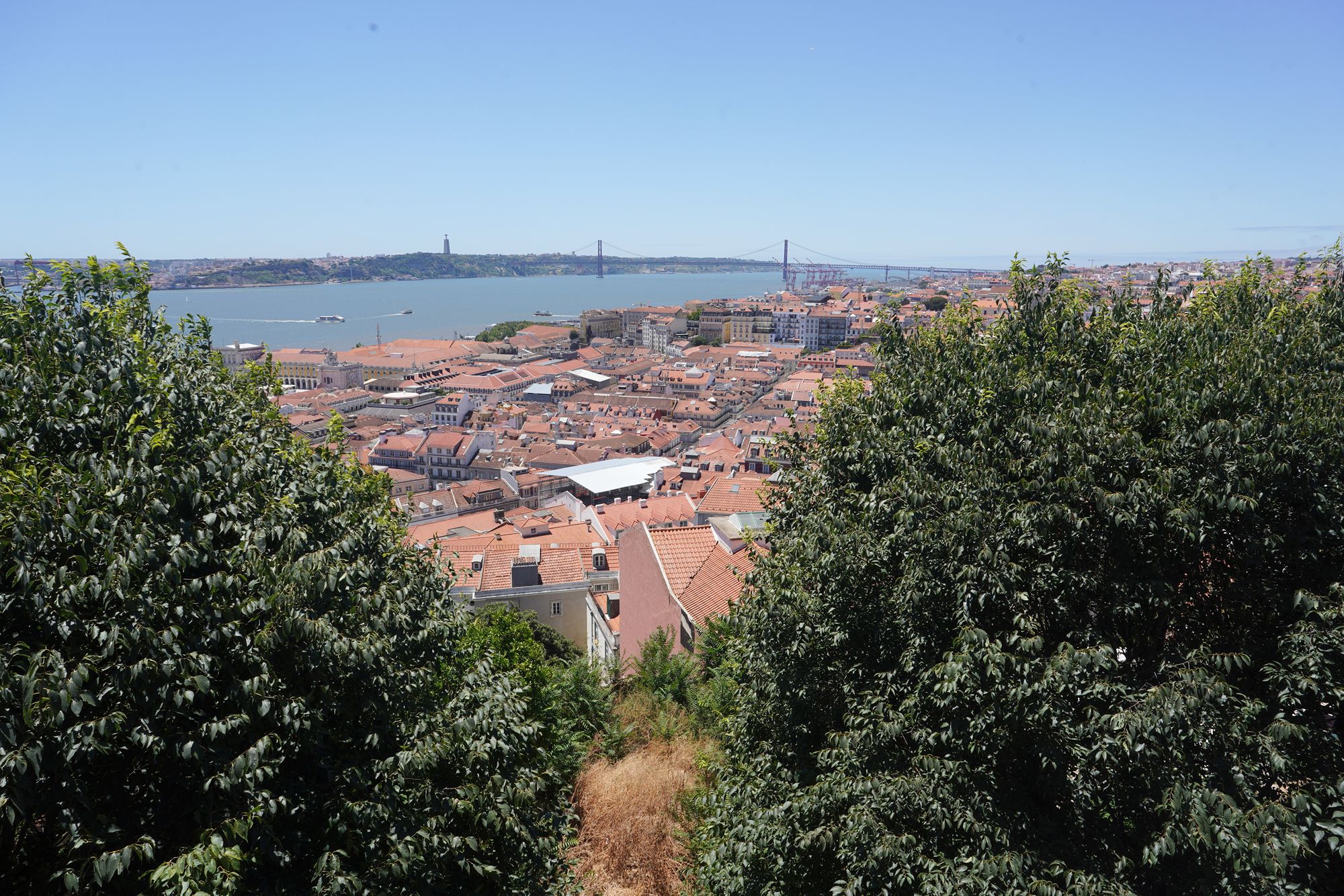
Largo das Portas do Sol is a square above Alfama, with a viewpoint overlooking the neighborhood’s rooftops and the Tagus River.
The walk to Largo das Portas do Sol was uphill all the way.
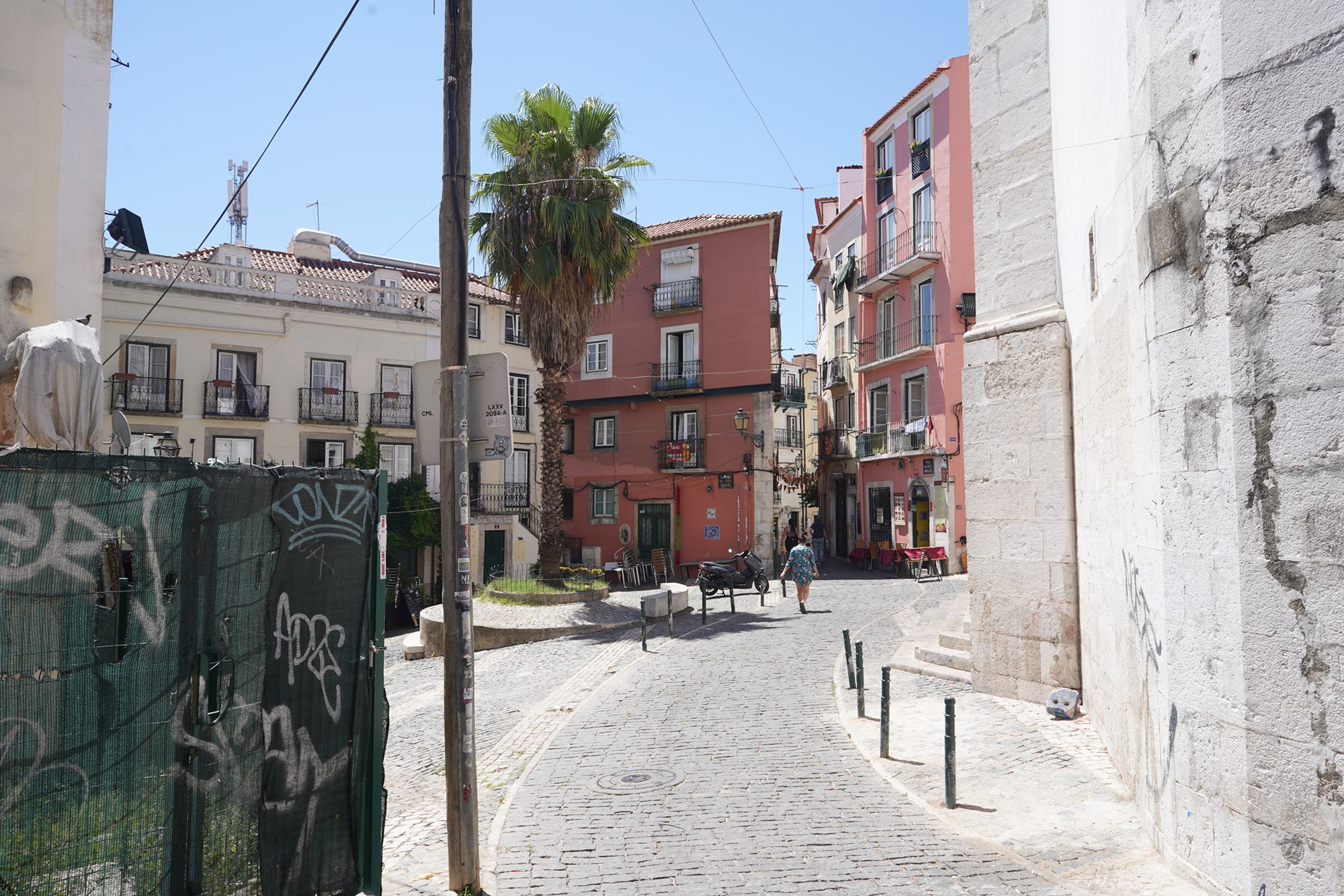
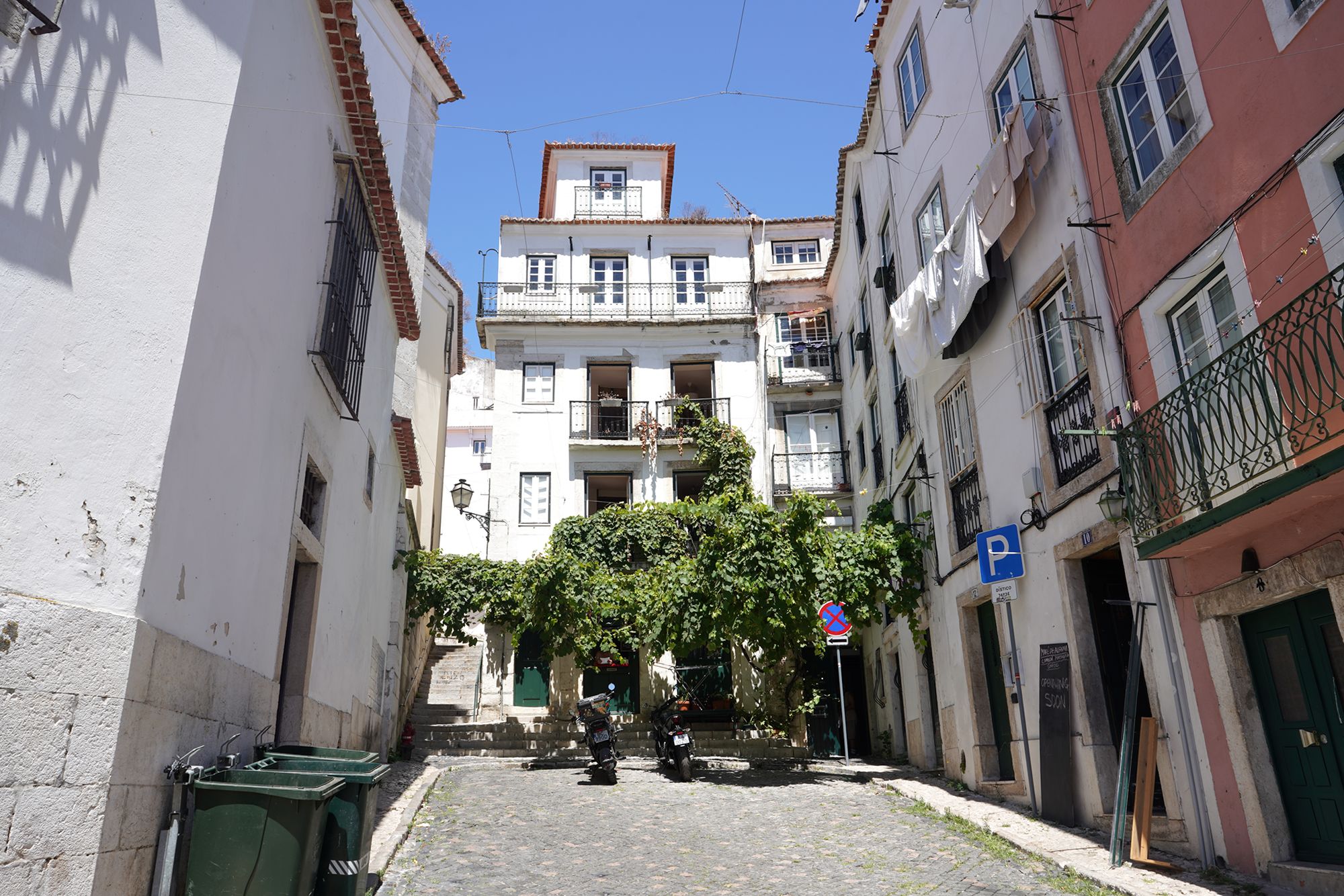
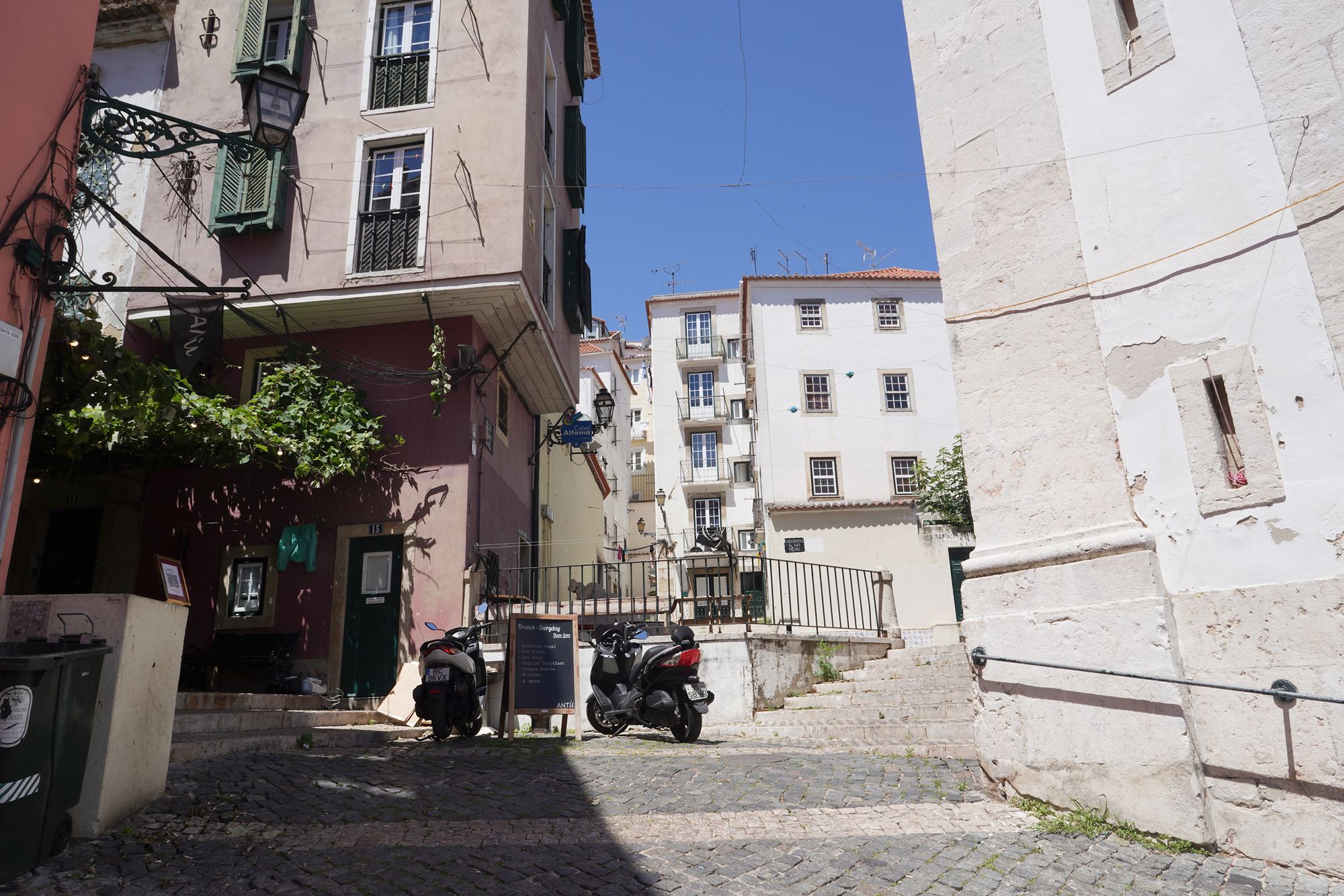
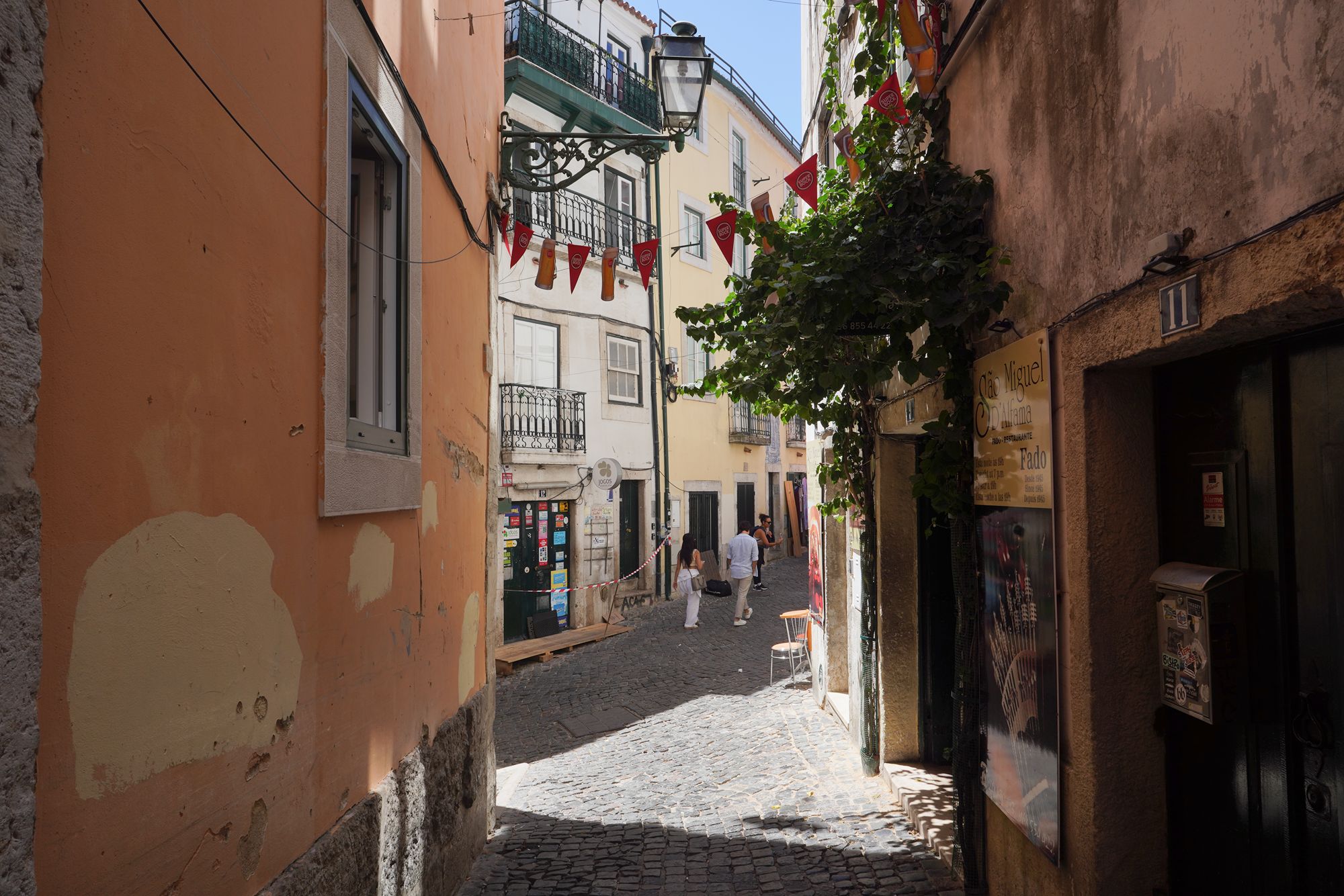
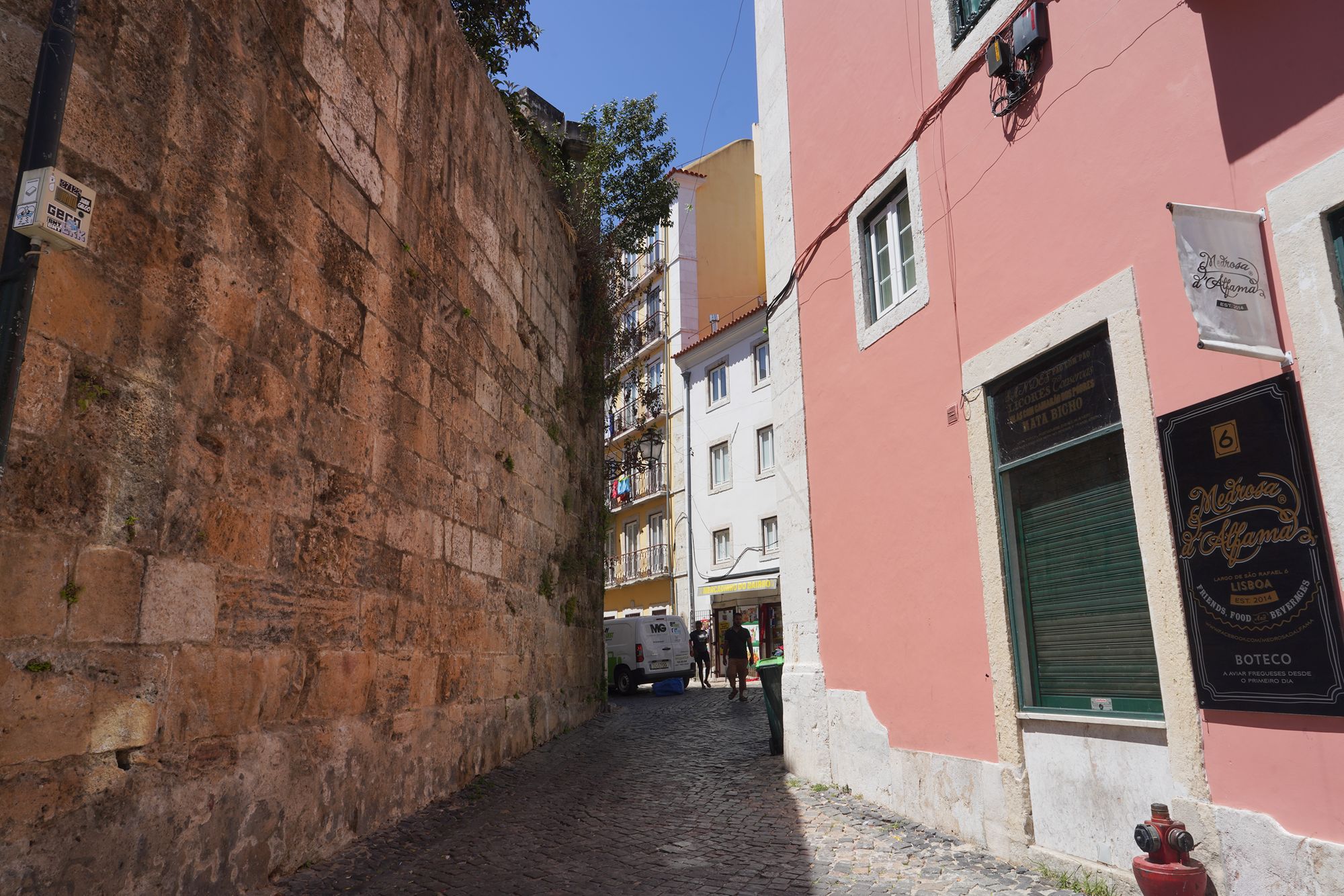
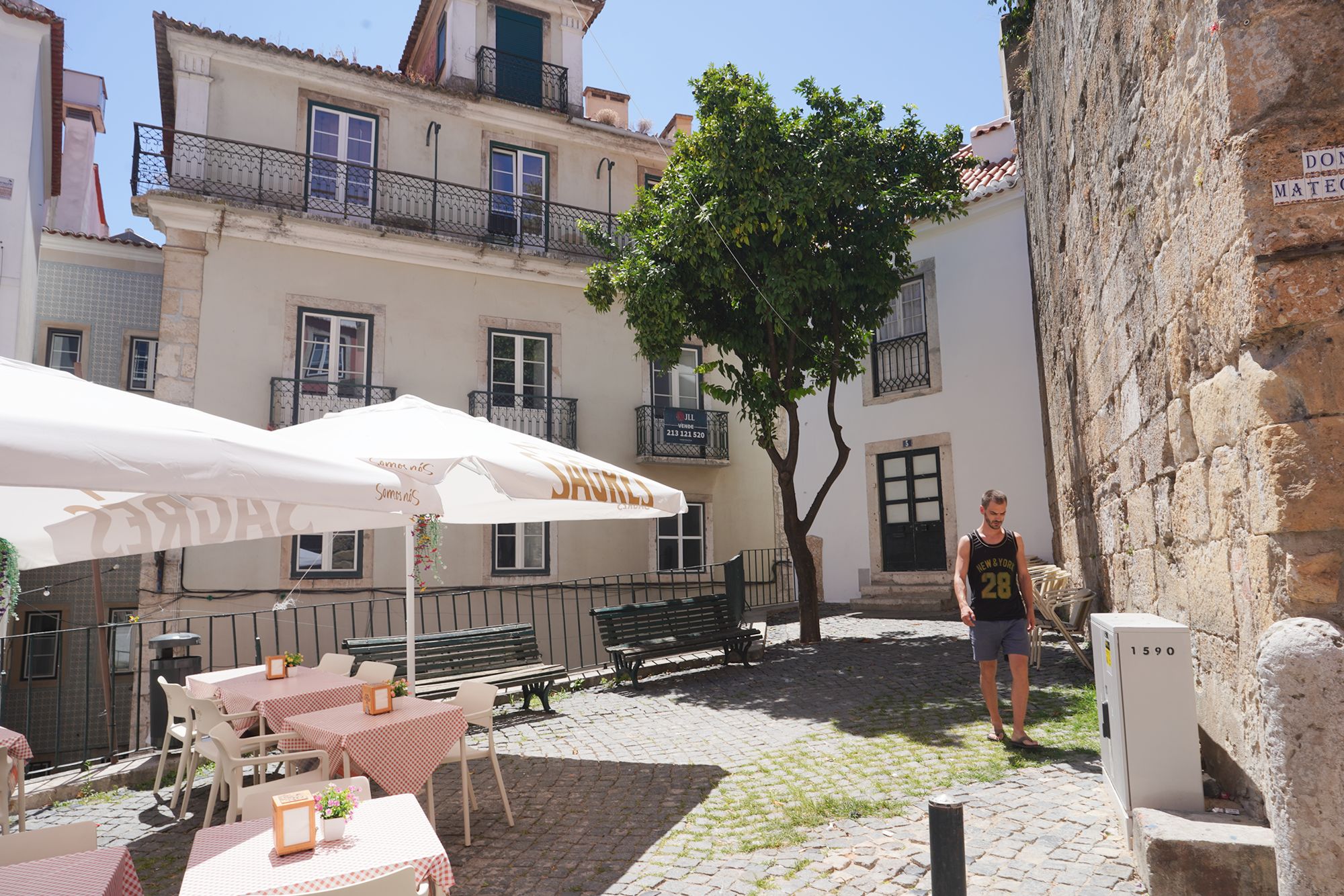
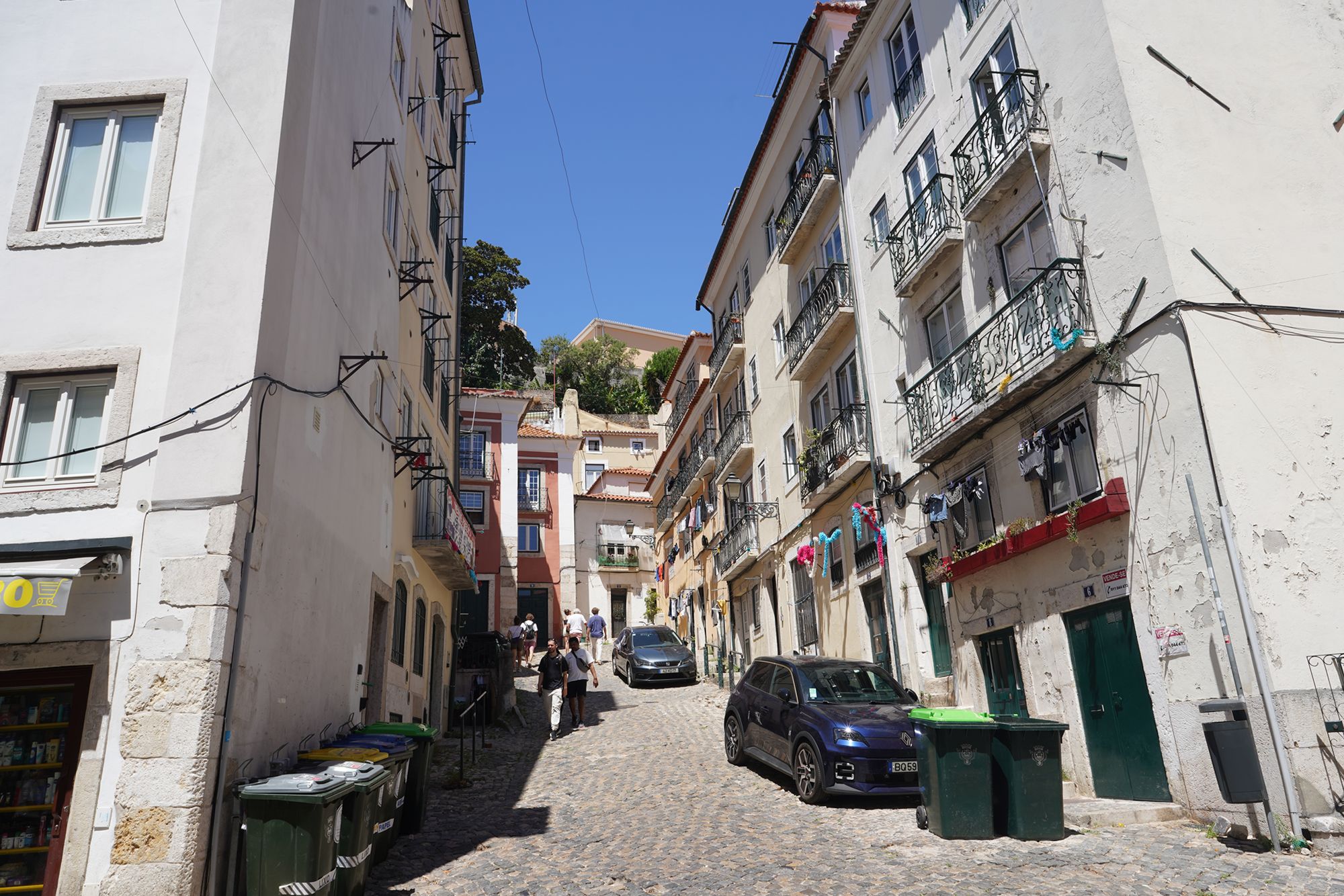
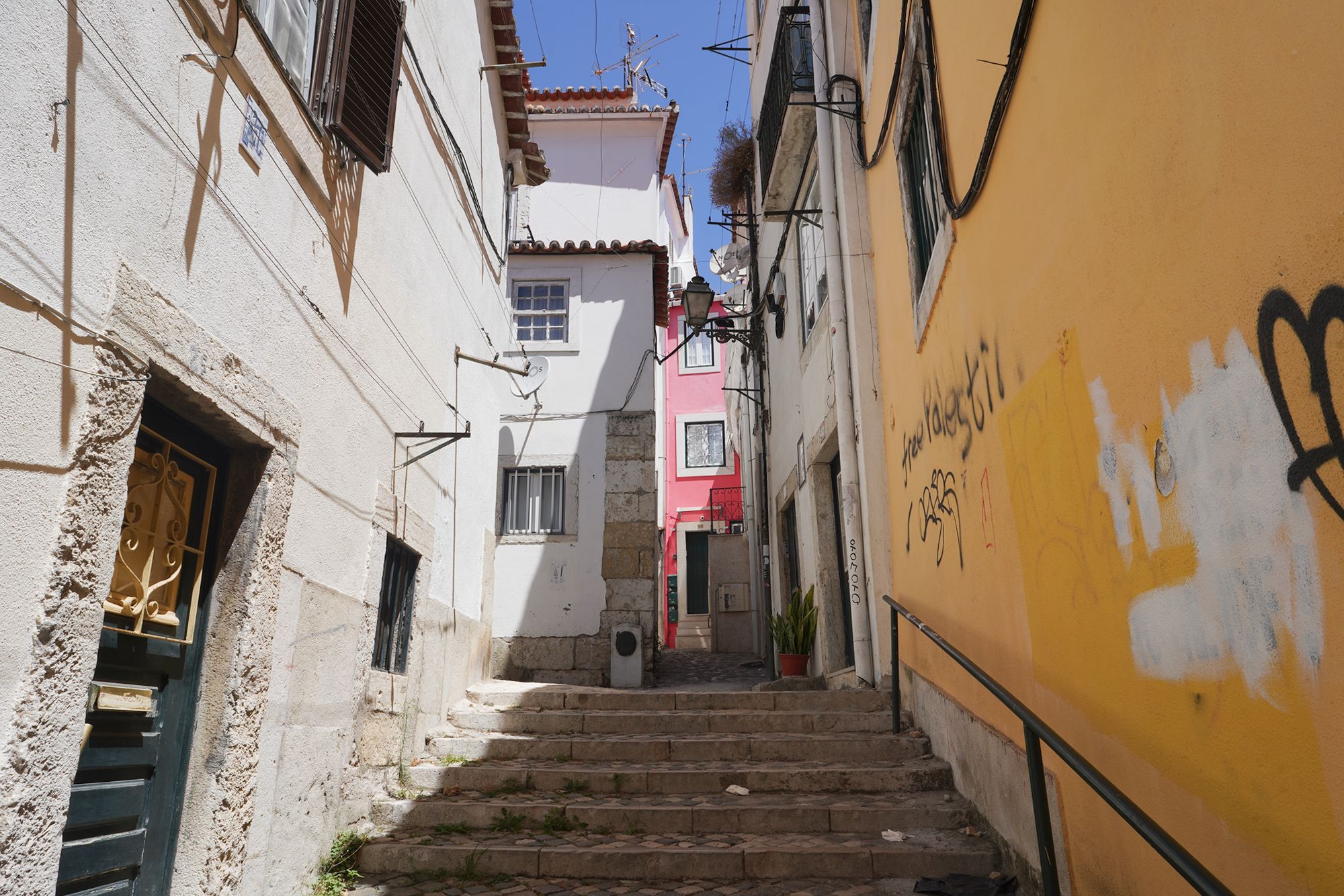
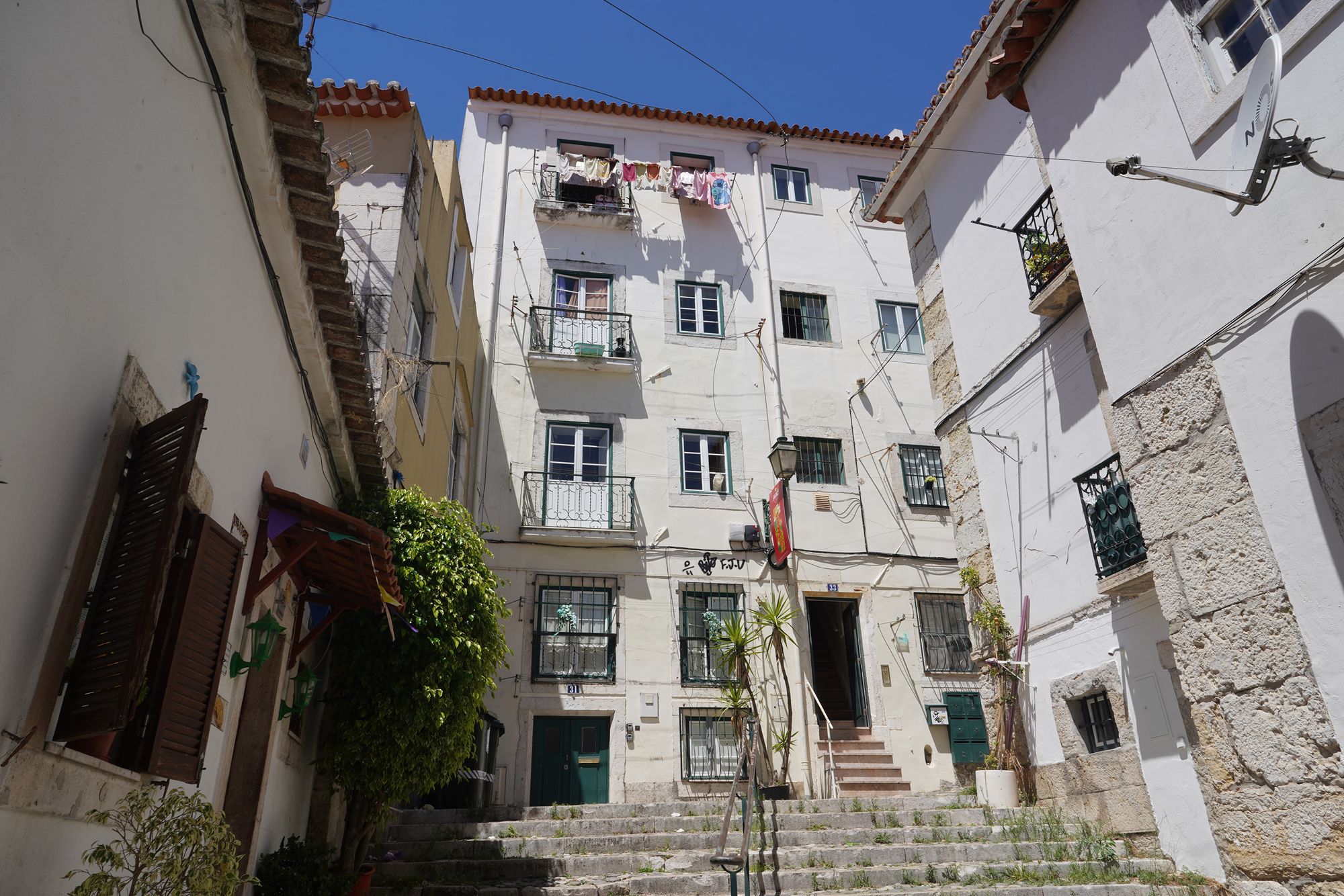
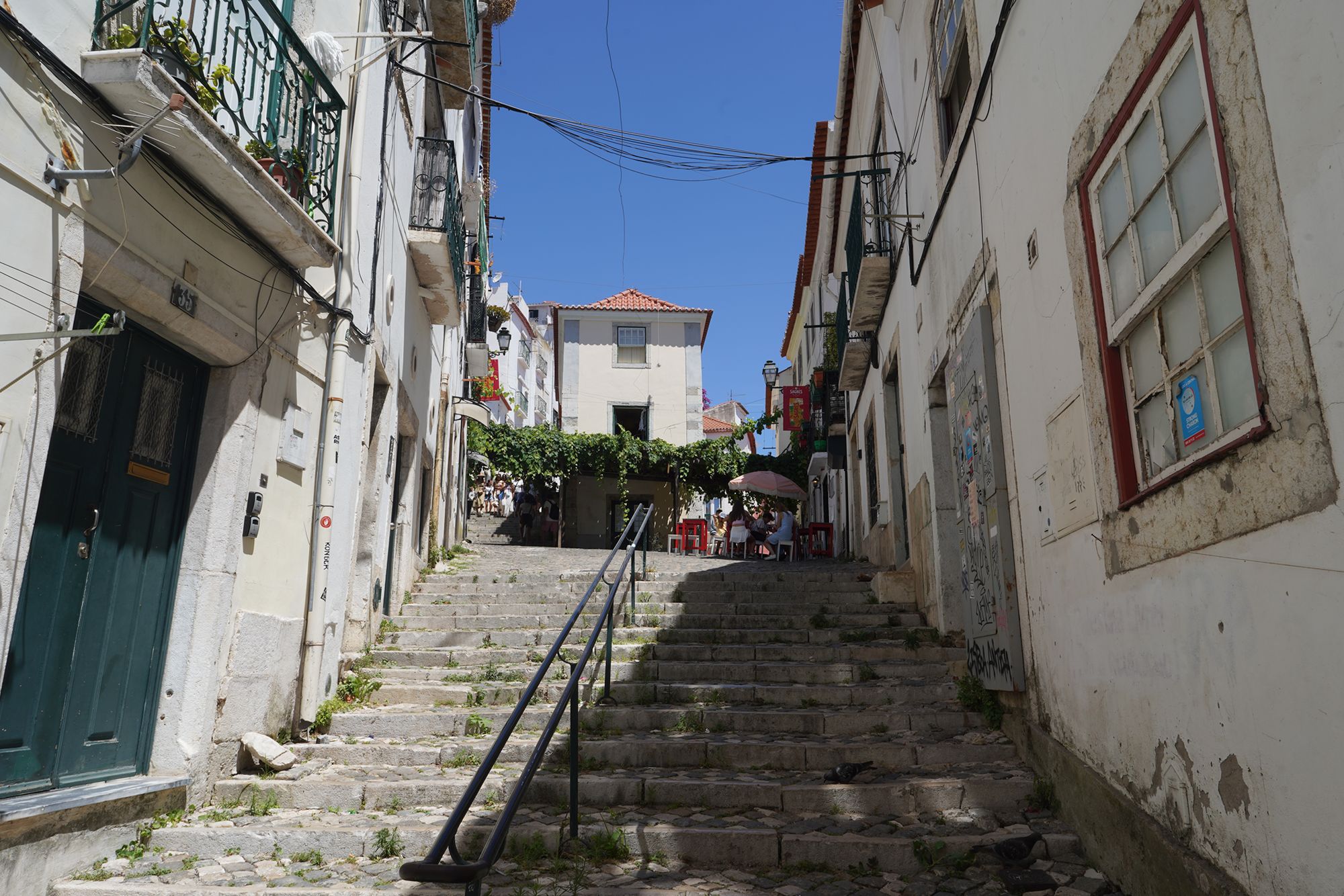
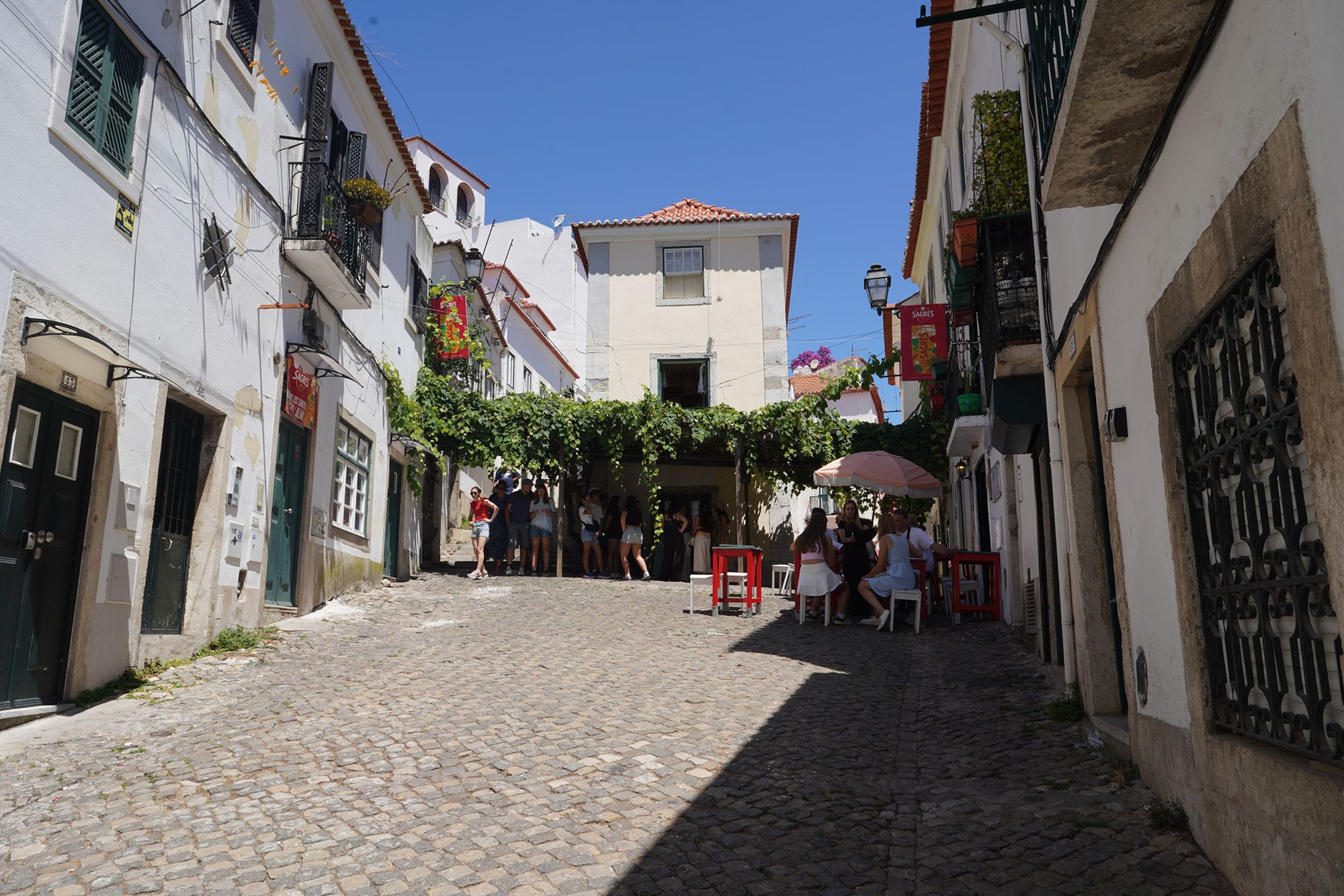
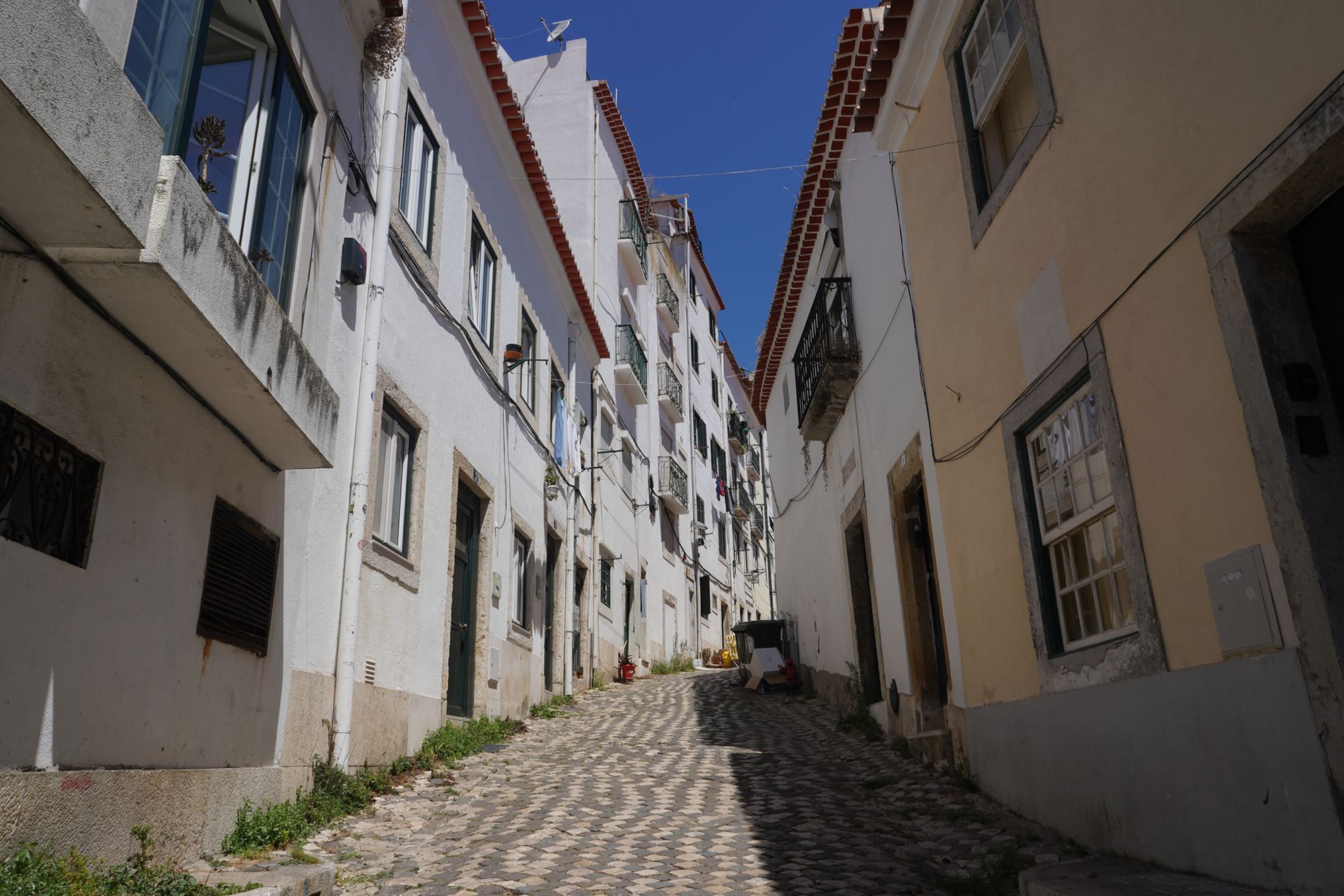
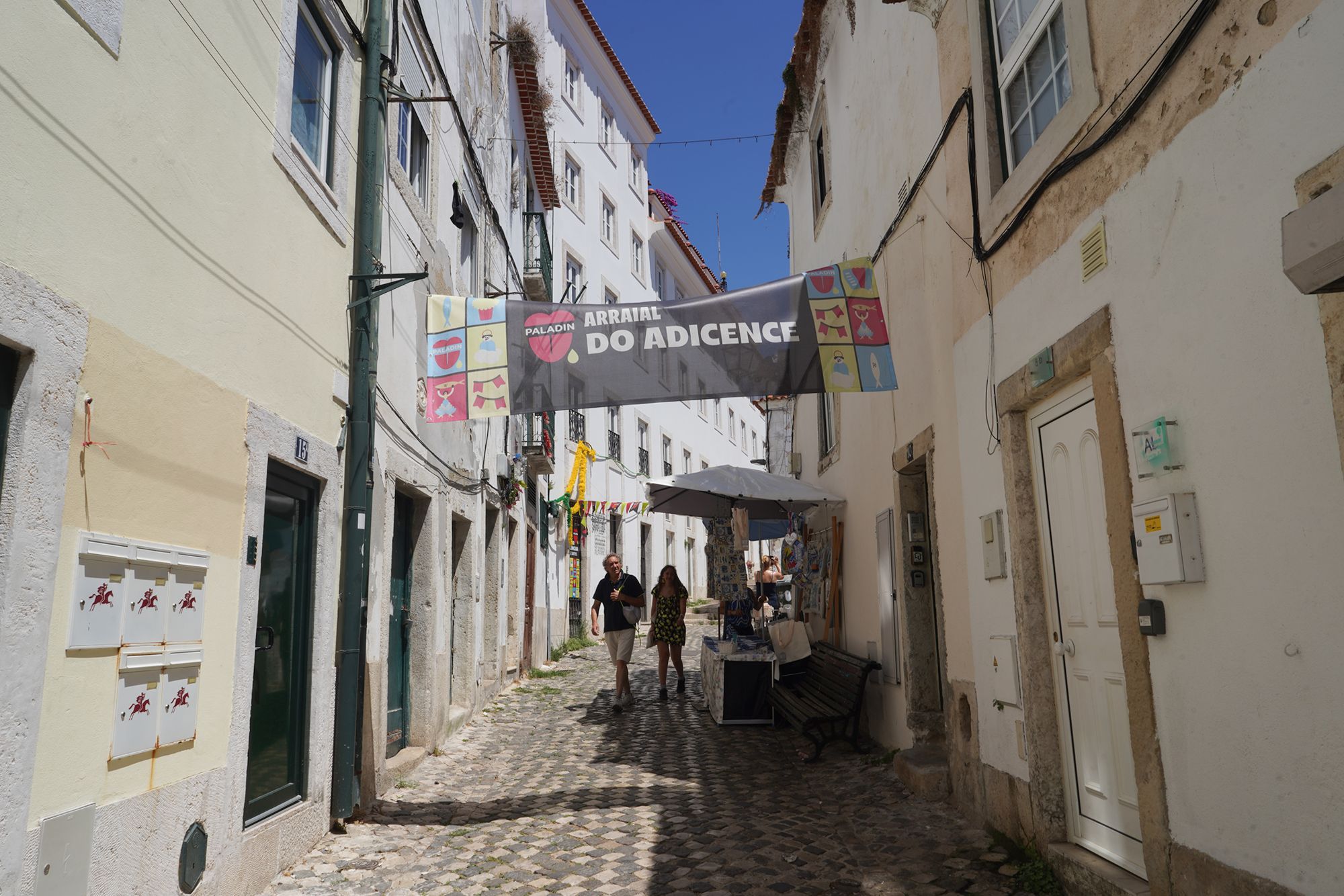
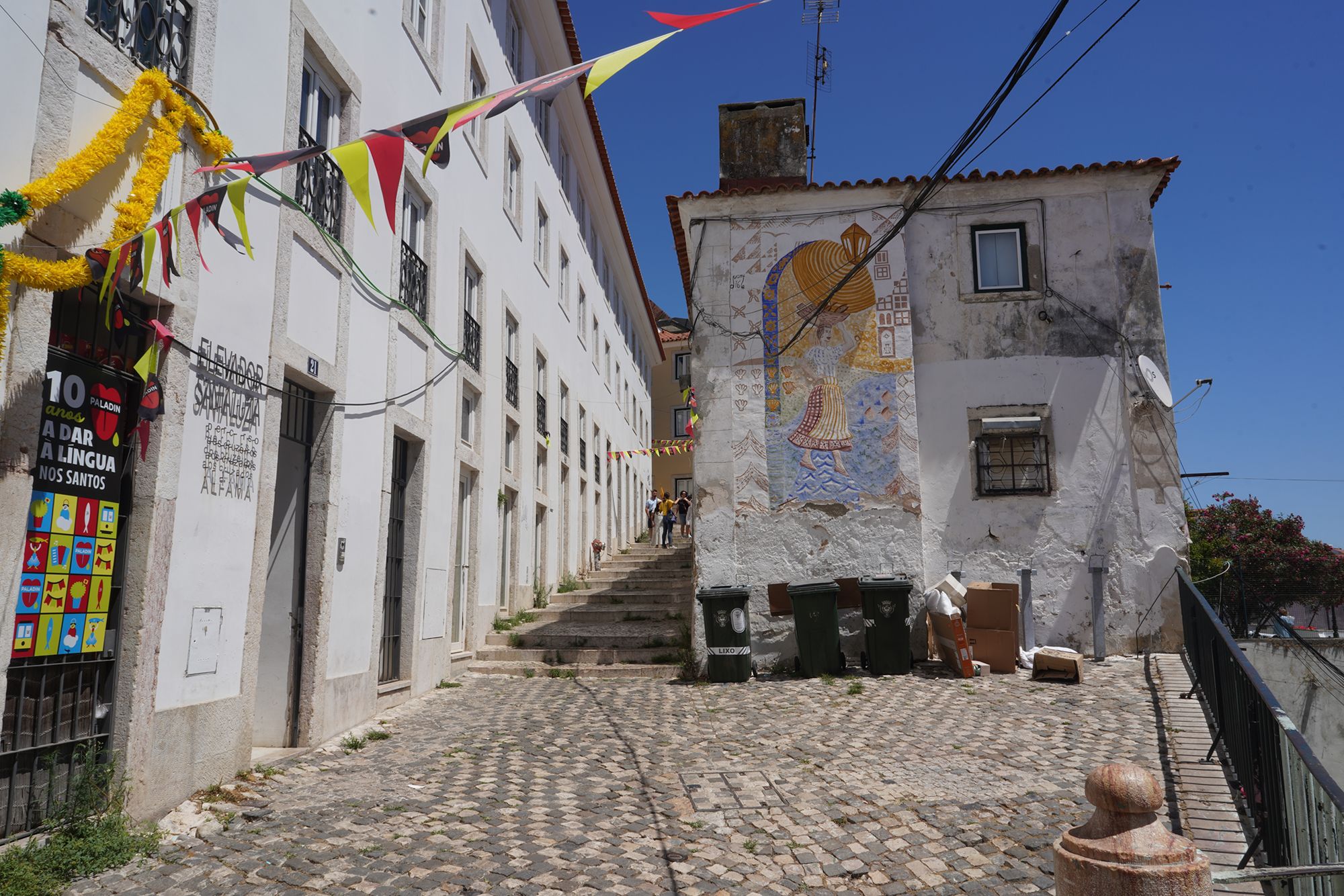
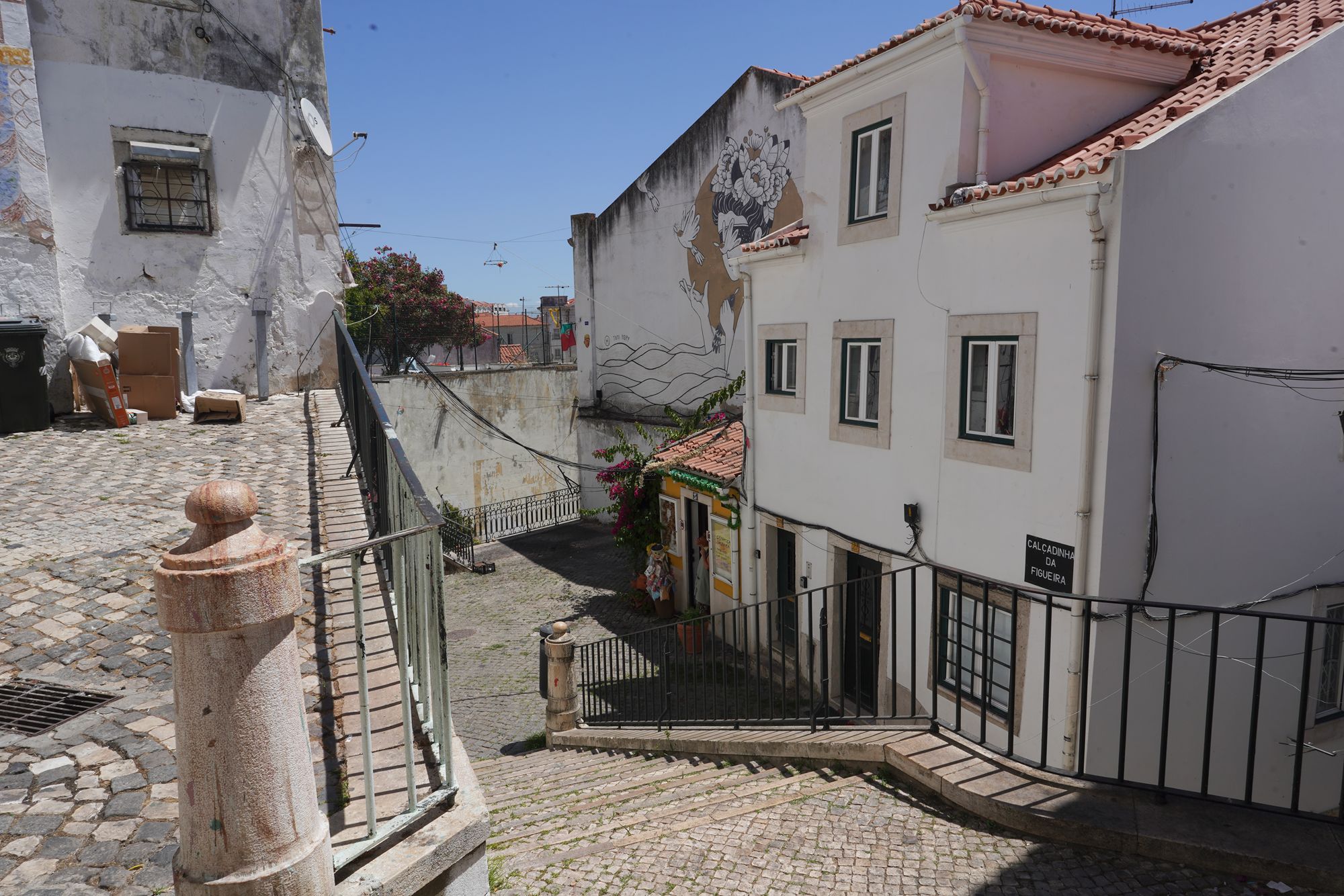
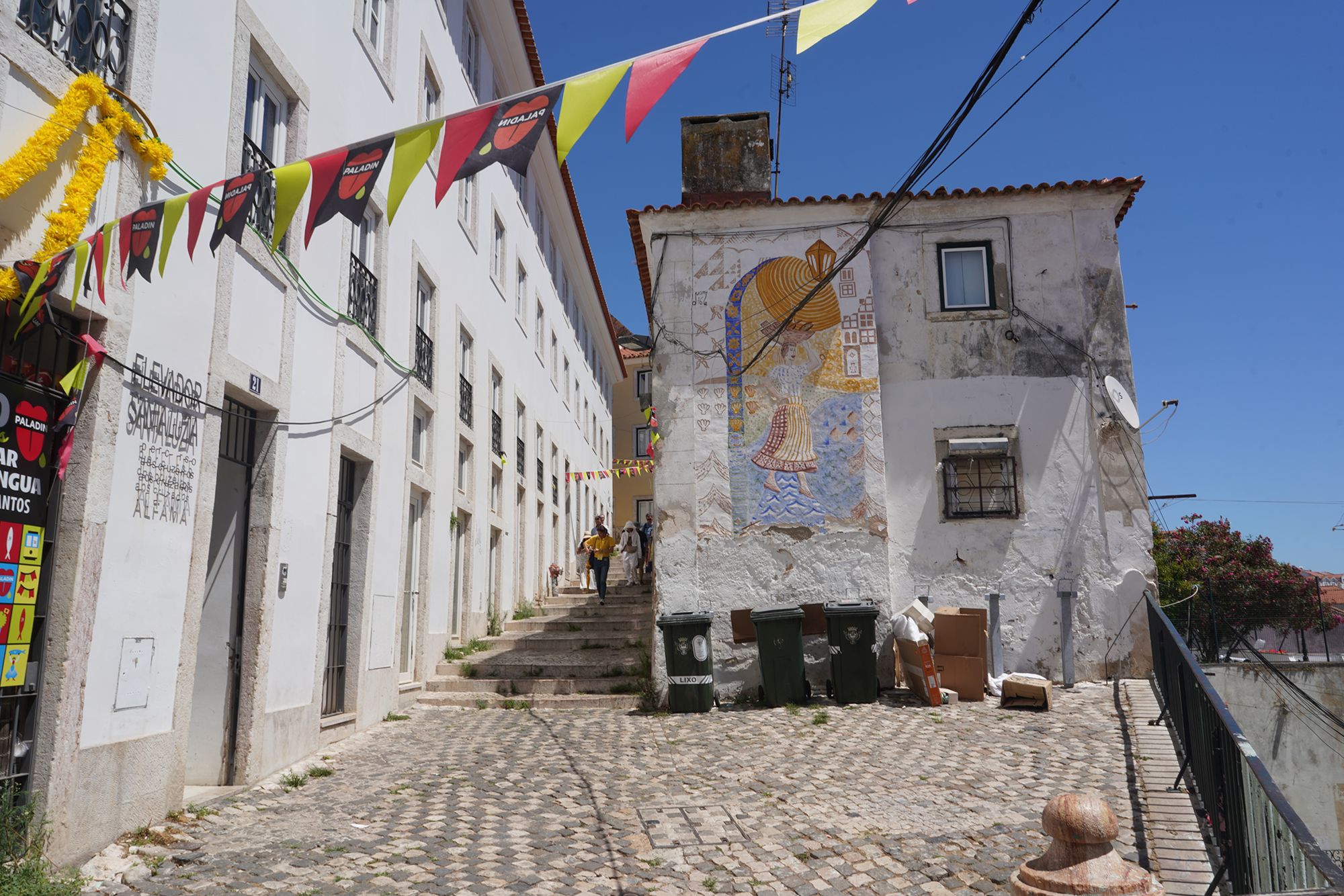
A view of my right
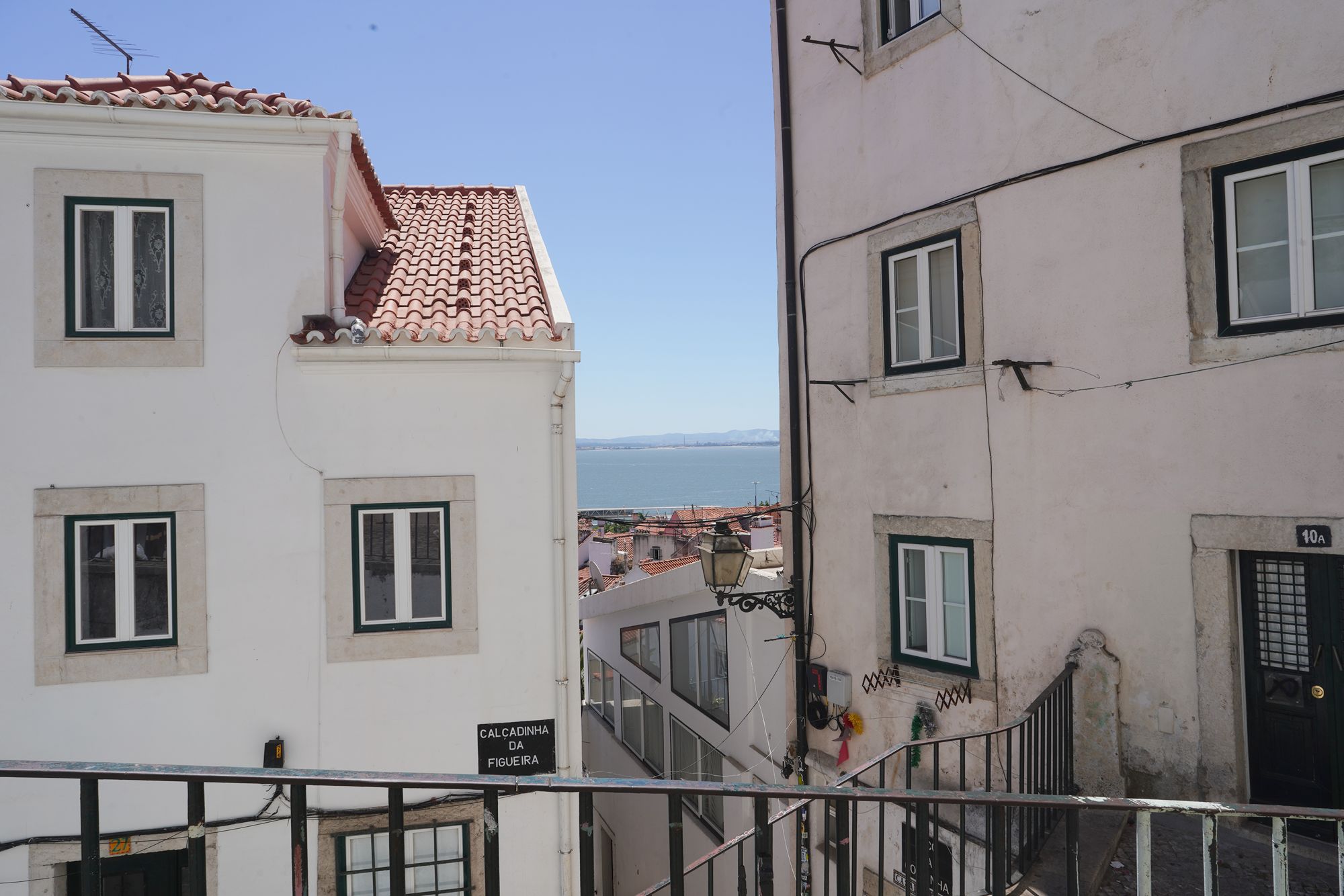
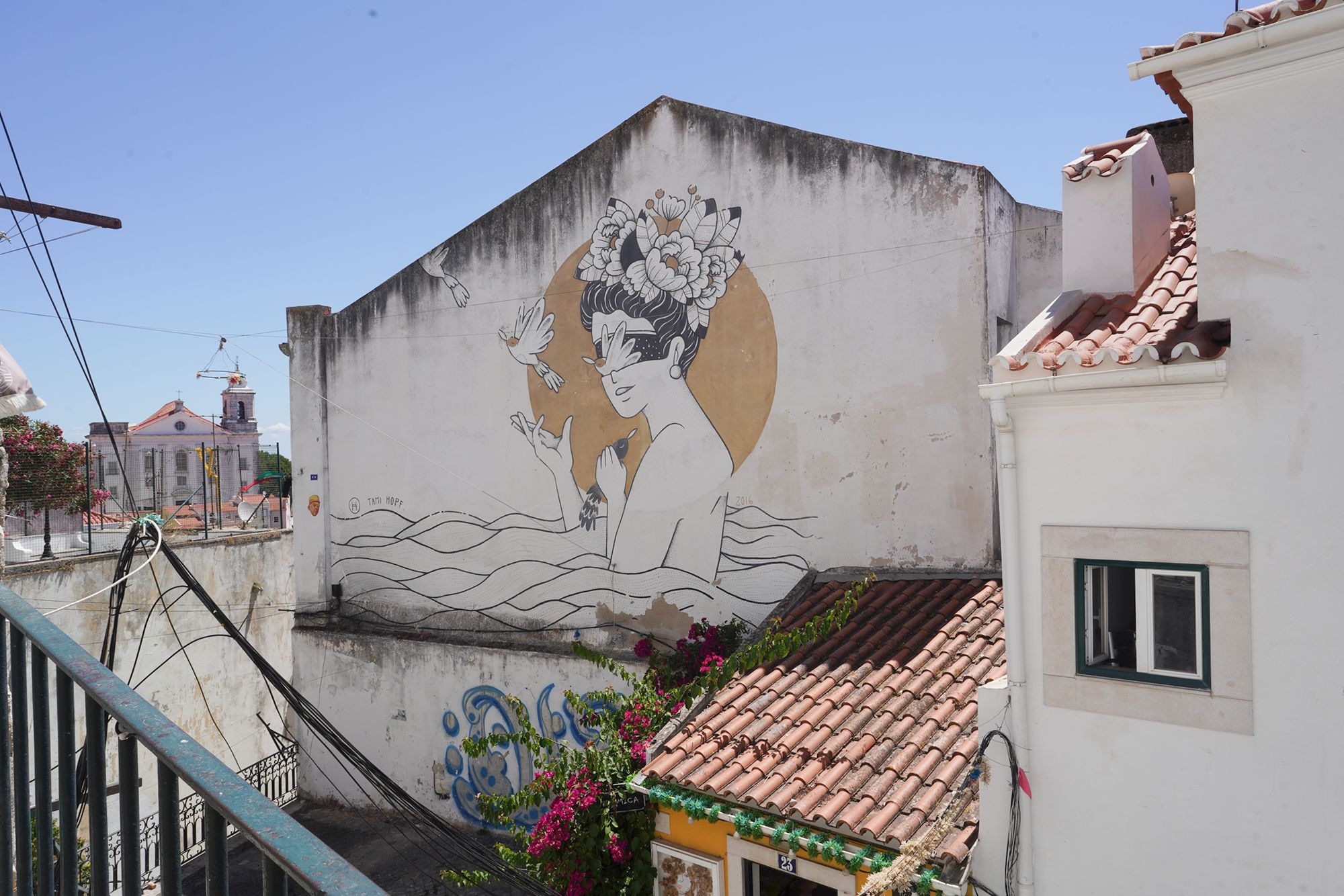
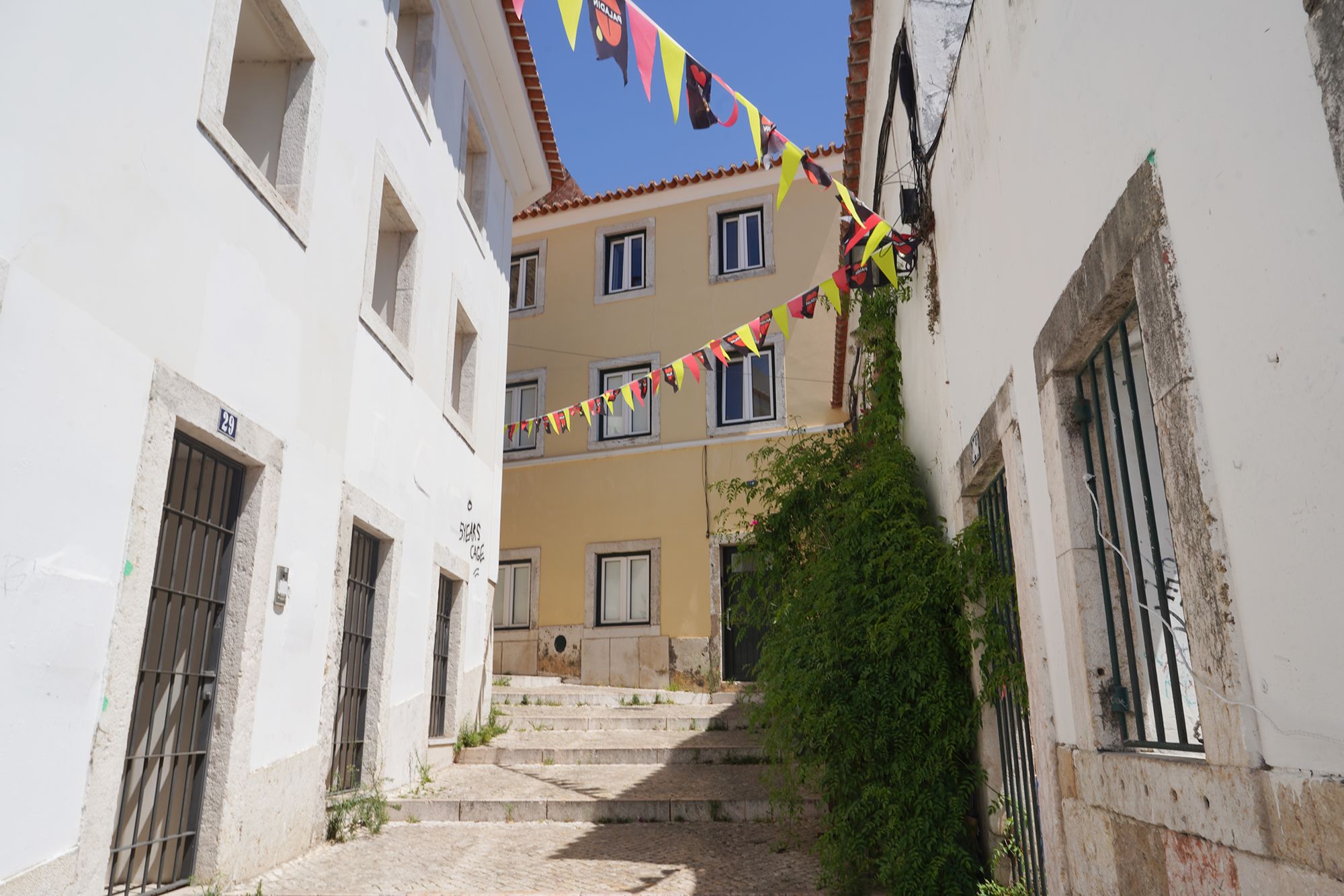
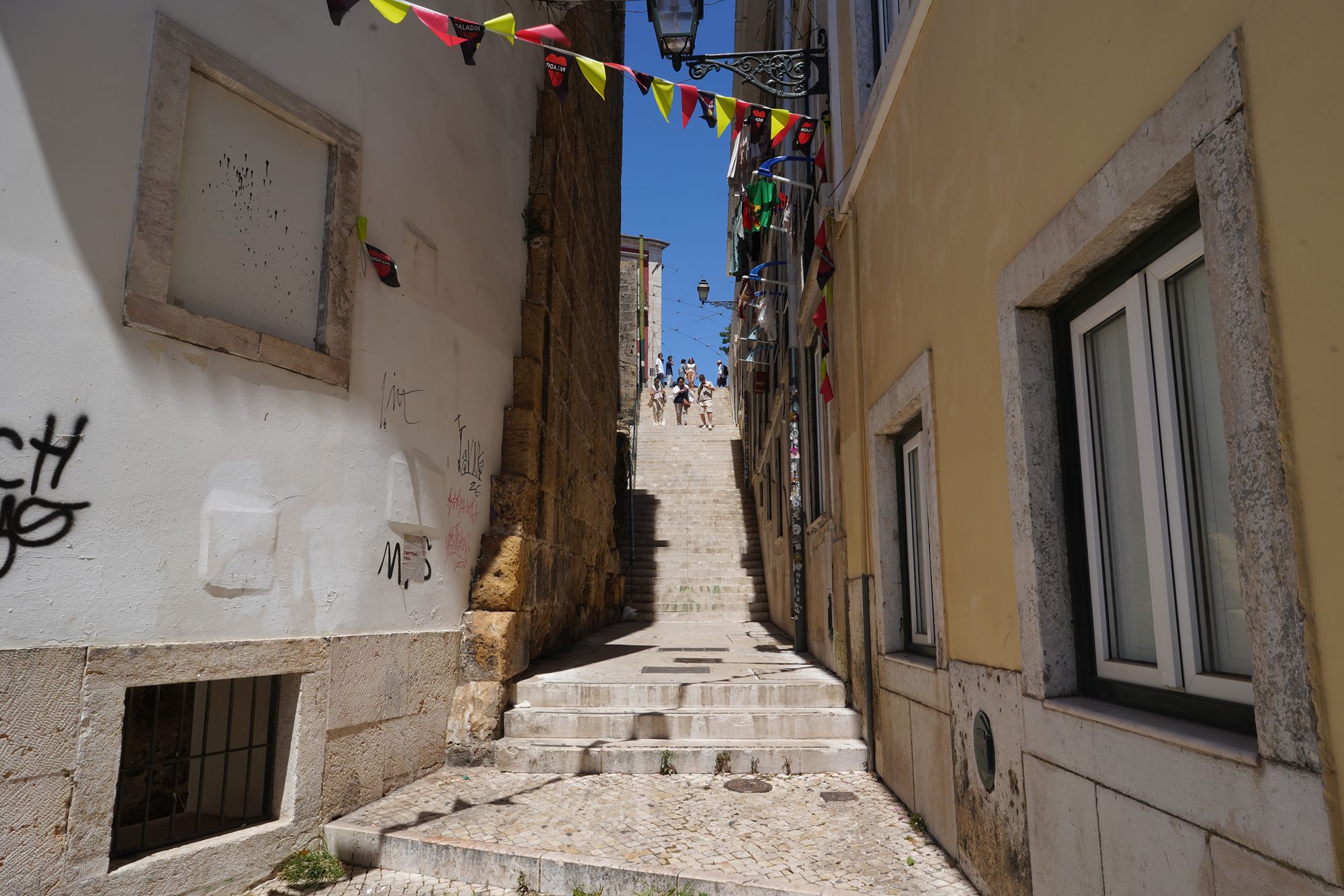
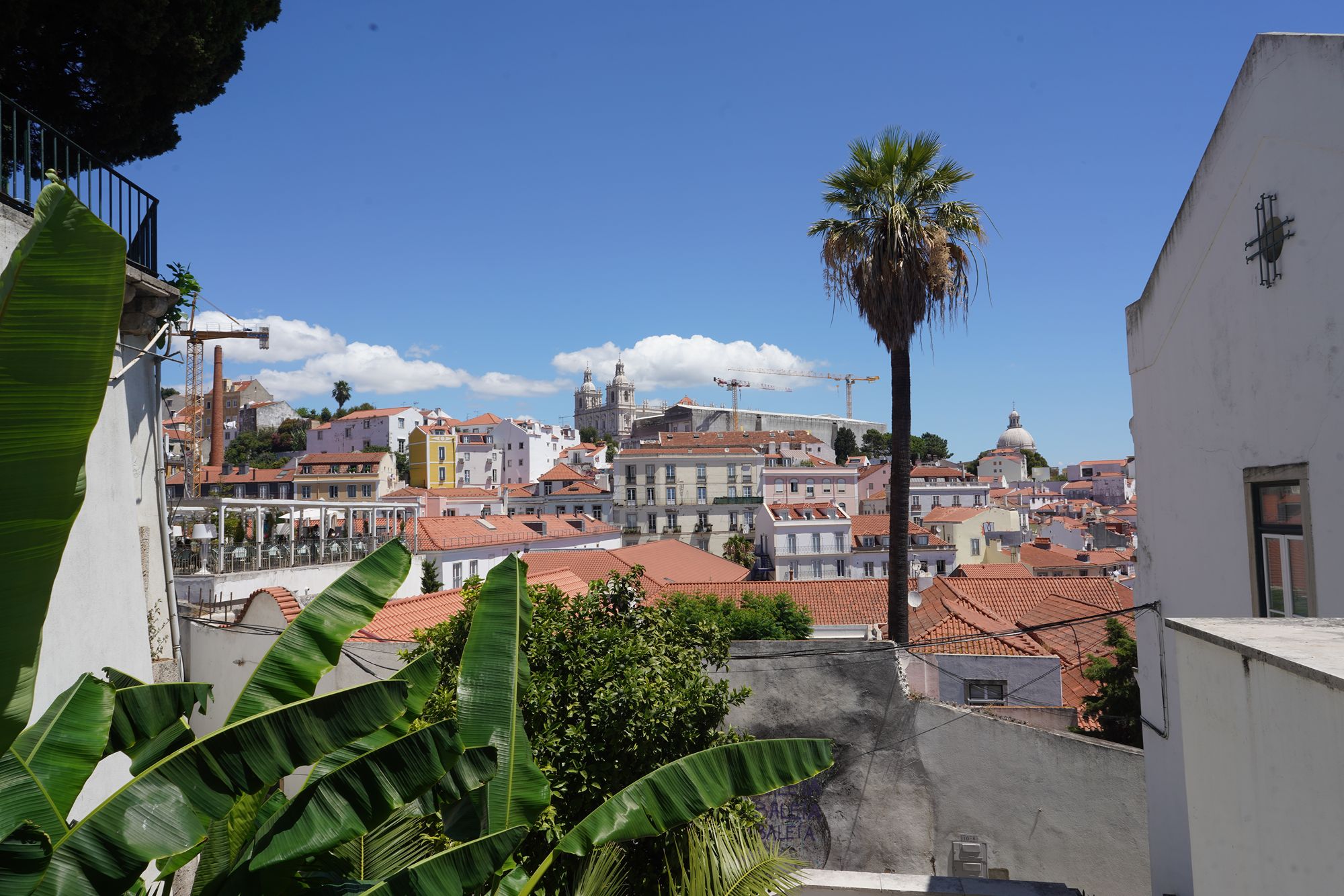
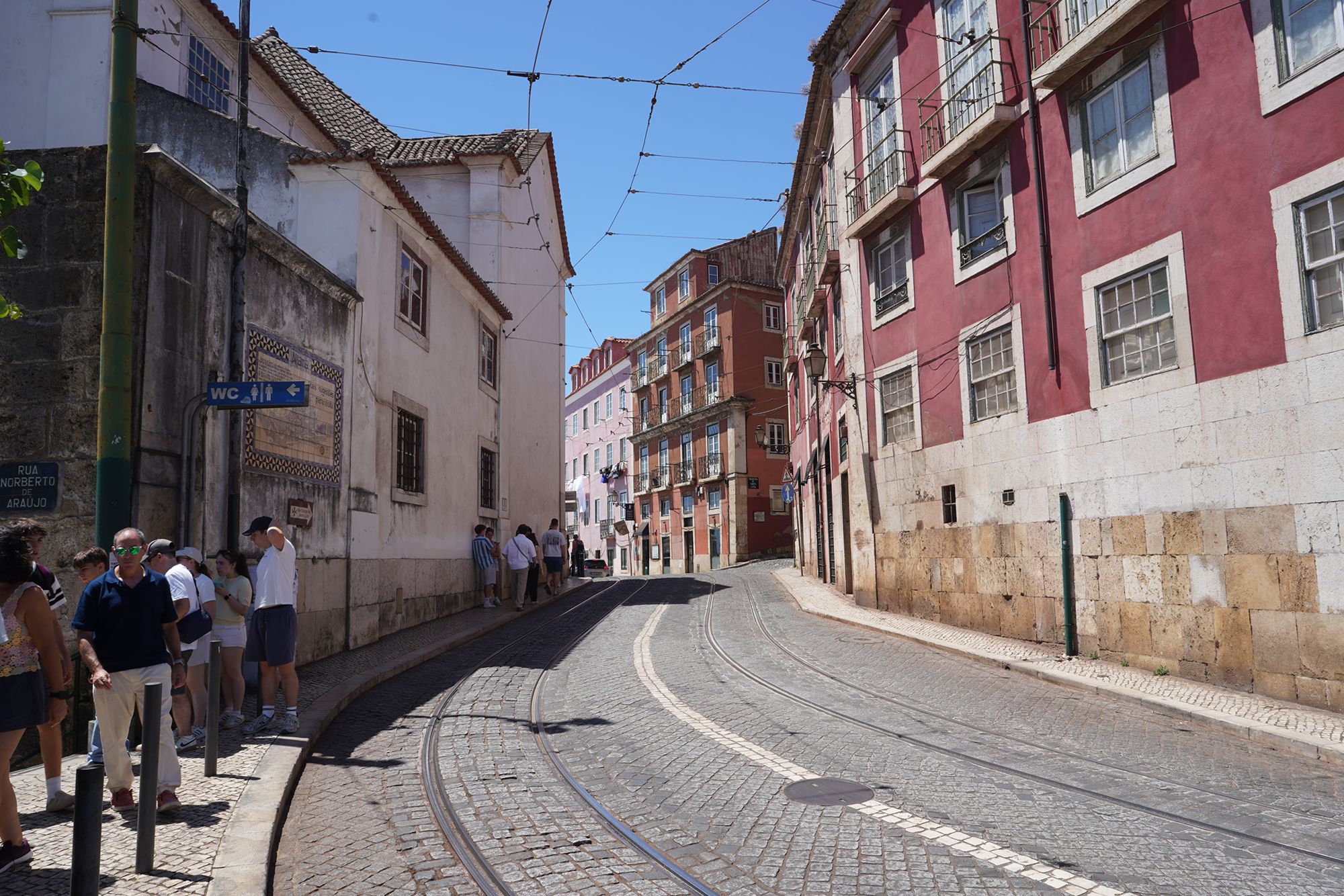
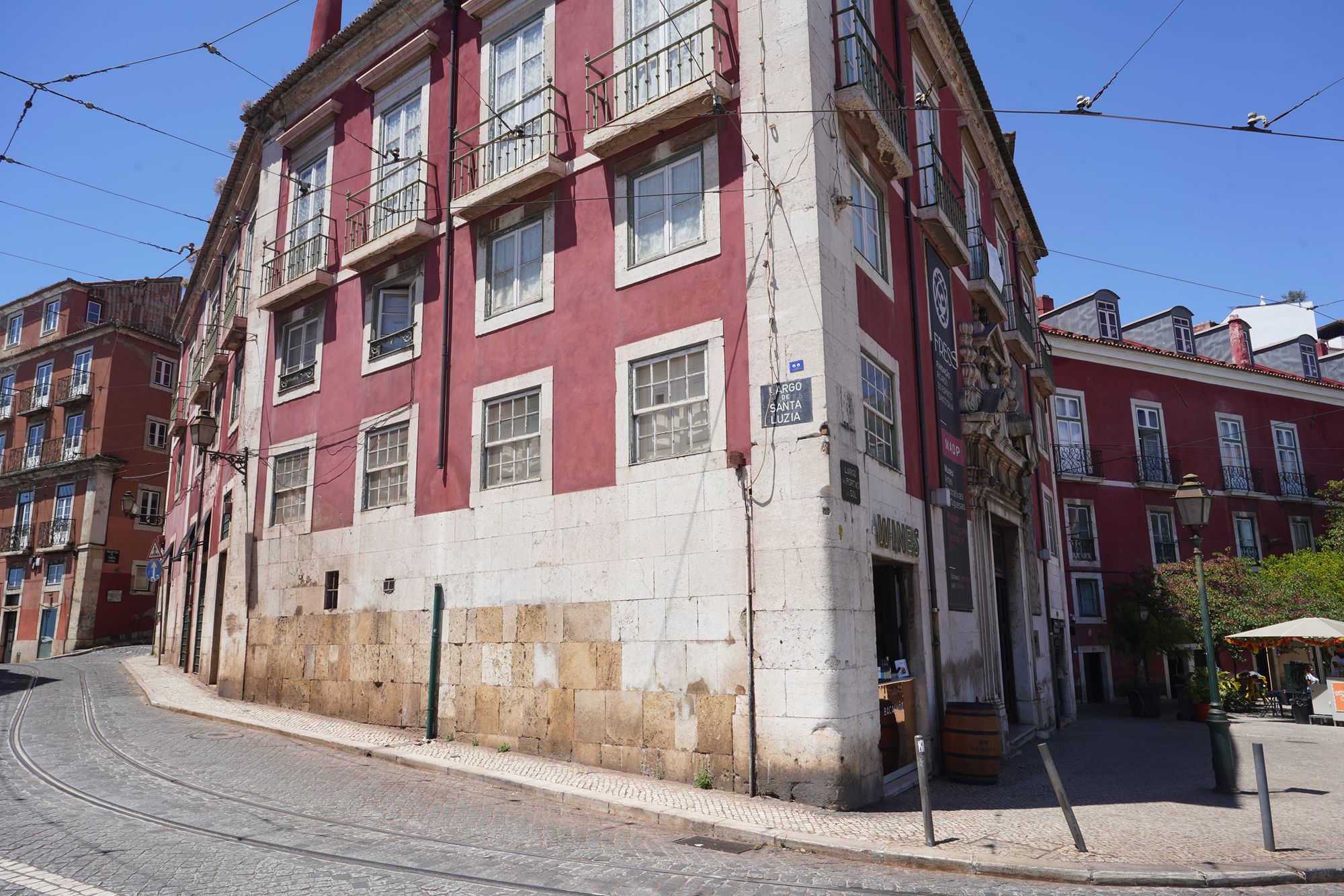
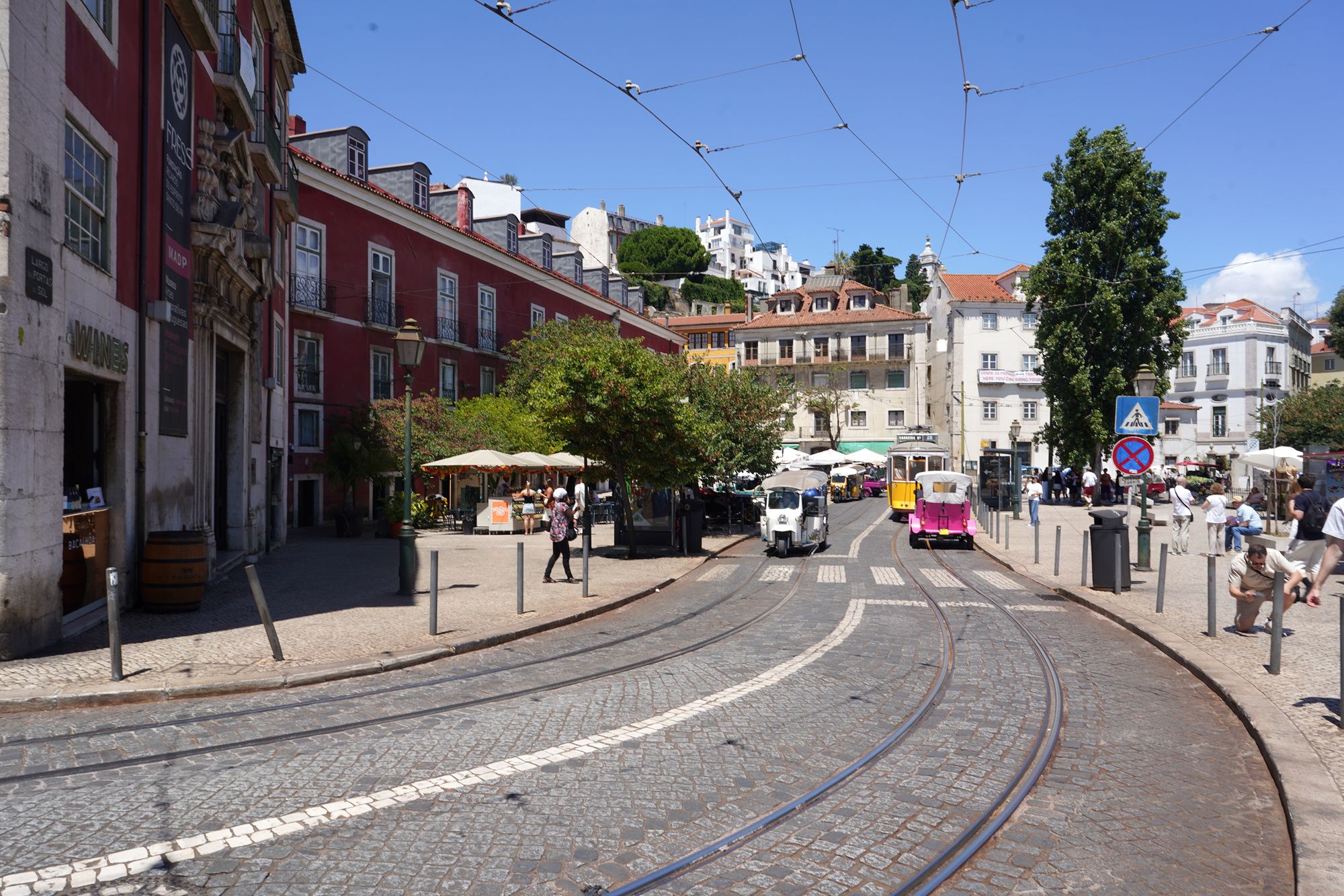
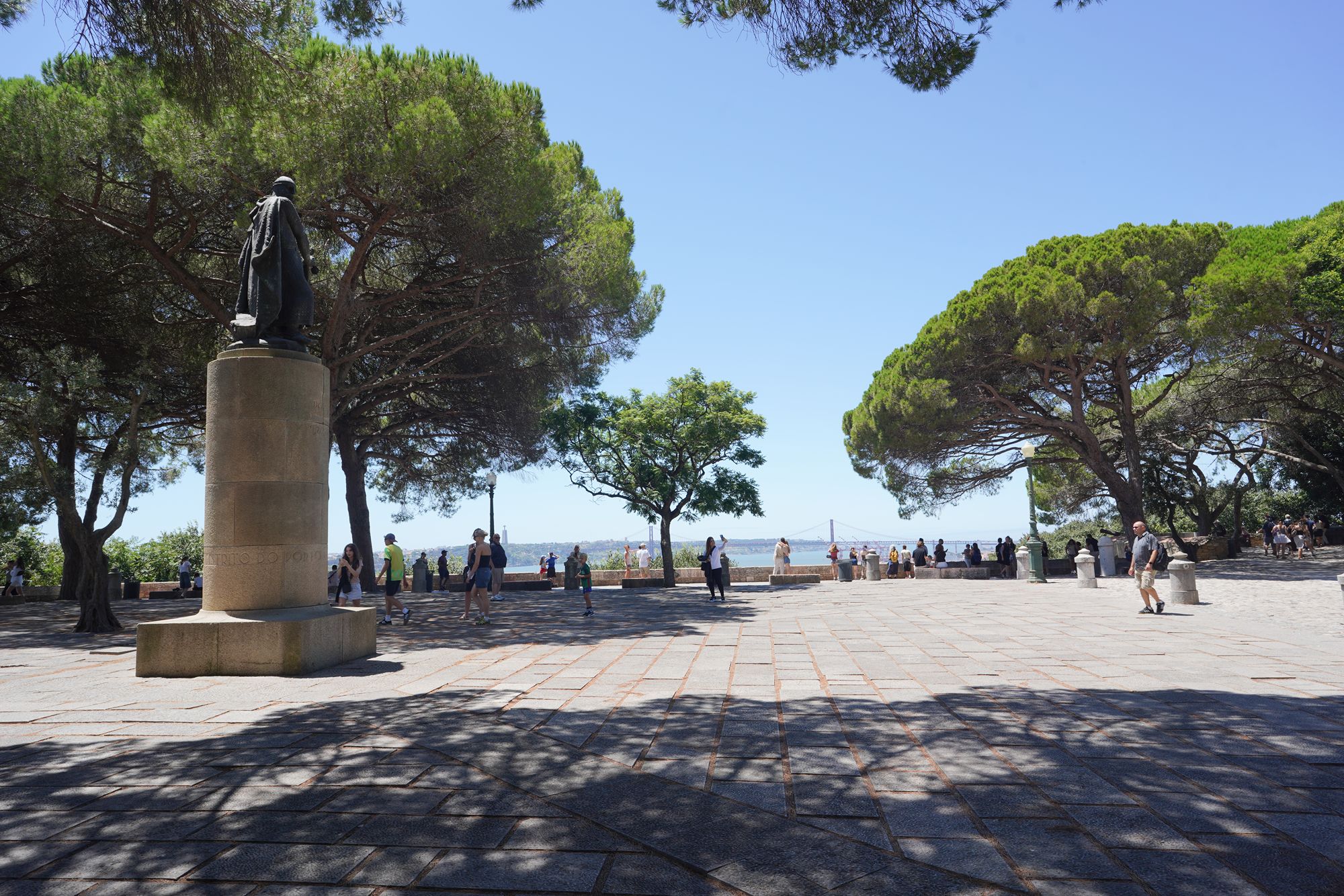
I arrived at the Largo das Portas do Sol. Its name recalls an old gate in Lisbon’s medieval walls. A statue of Saint Vincent, Lisbon’s patron saint, stands in the square, holding a boat with two ravens—a symbol associated with the city.
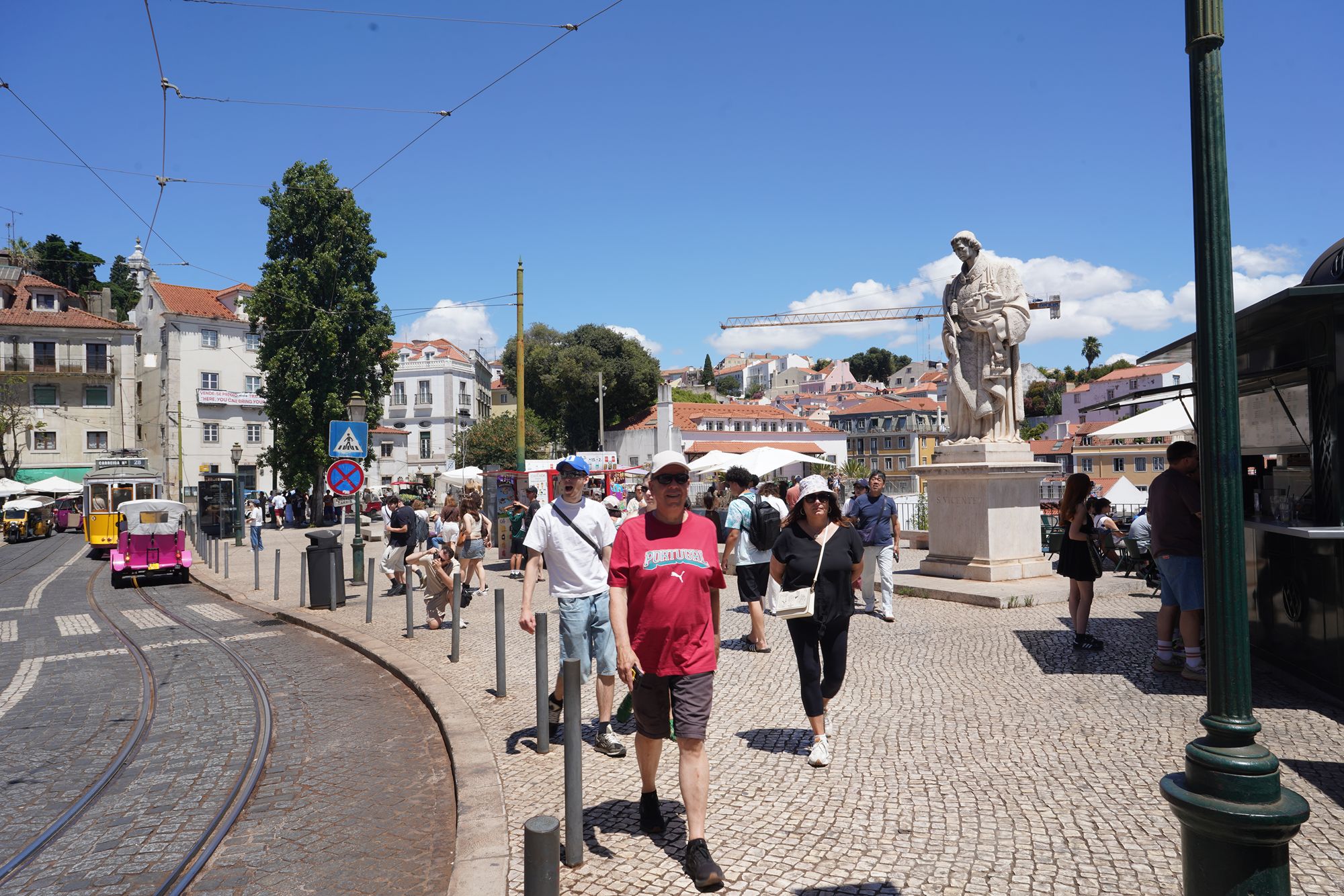
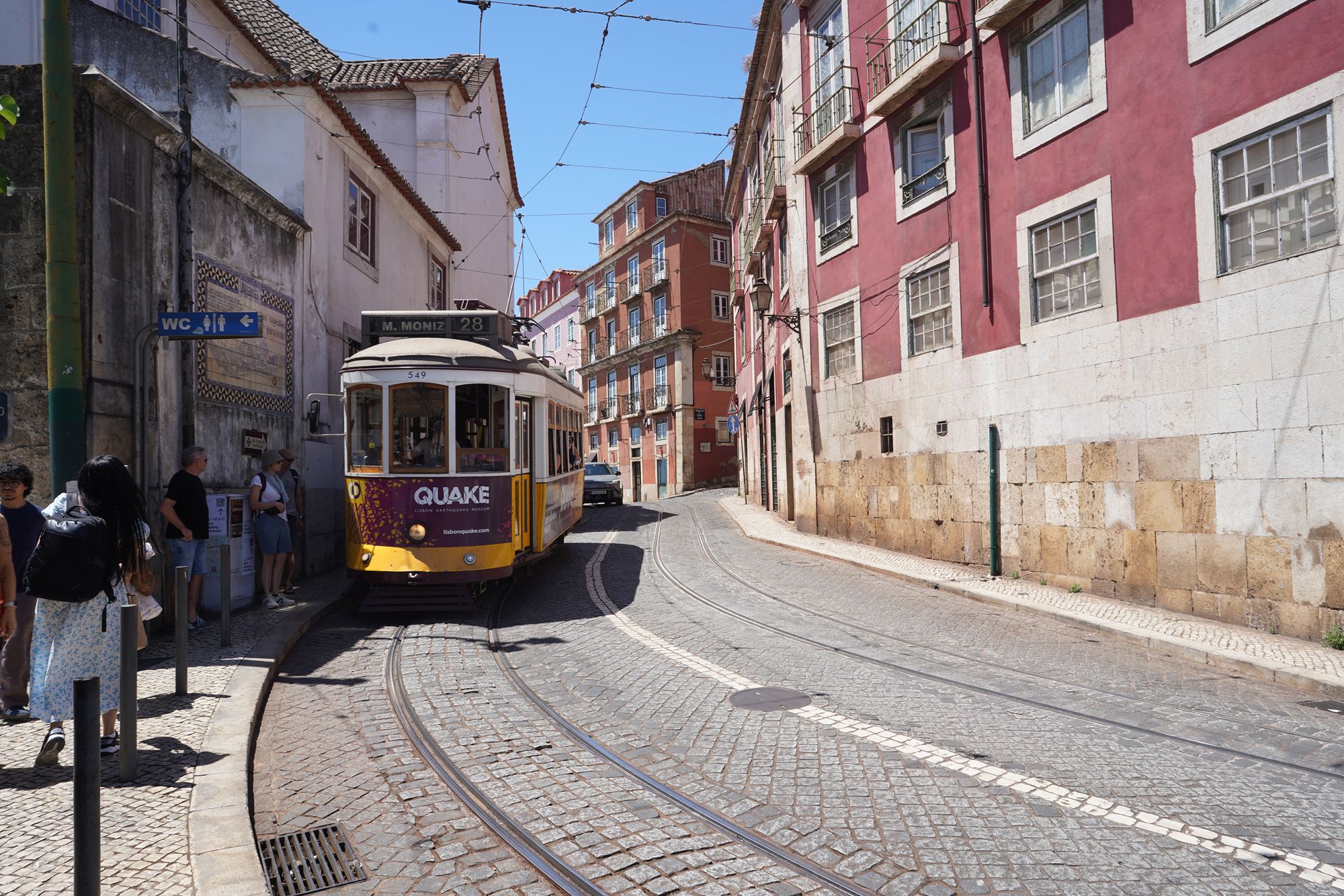
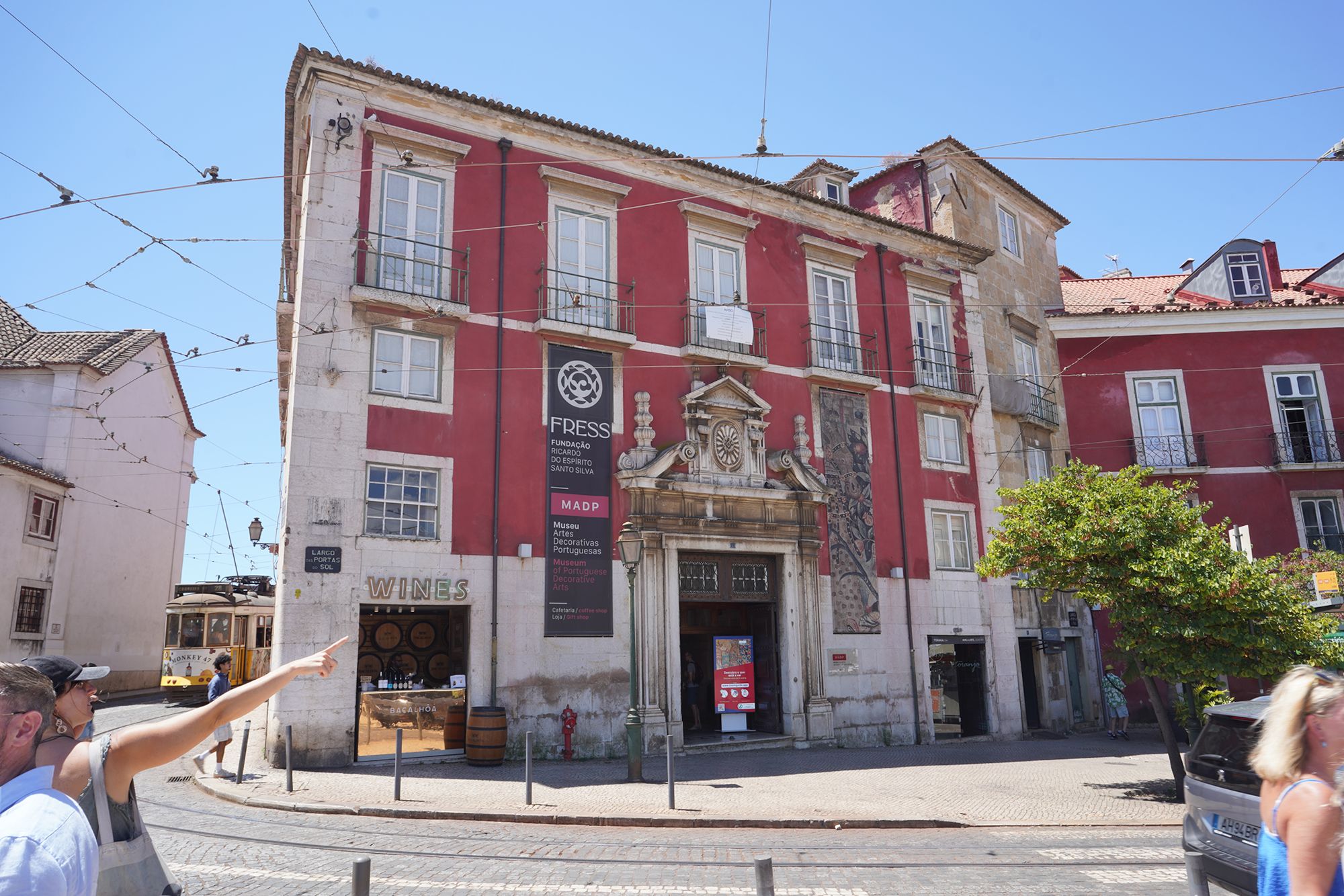
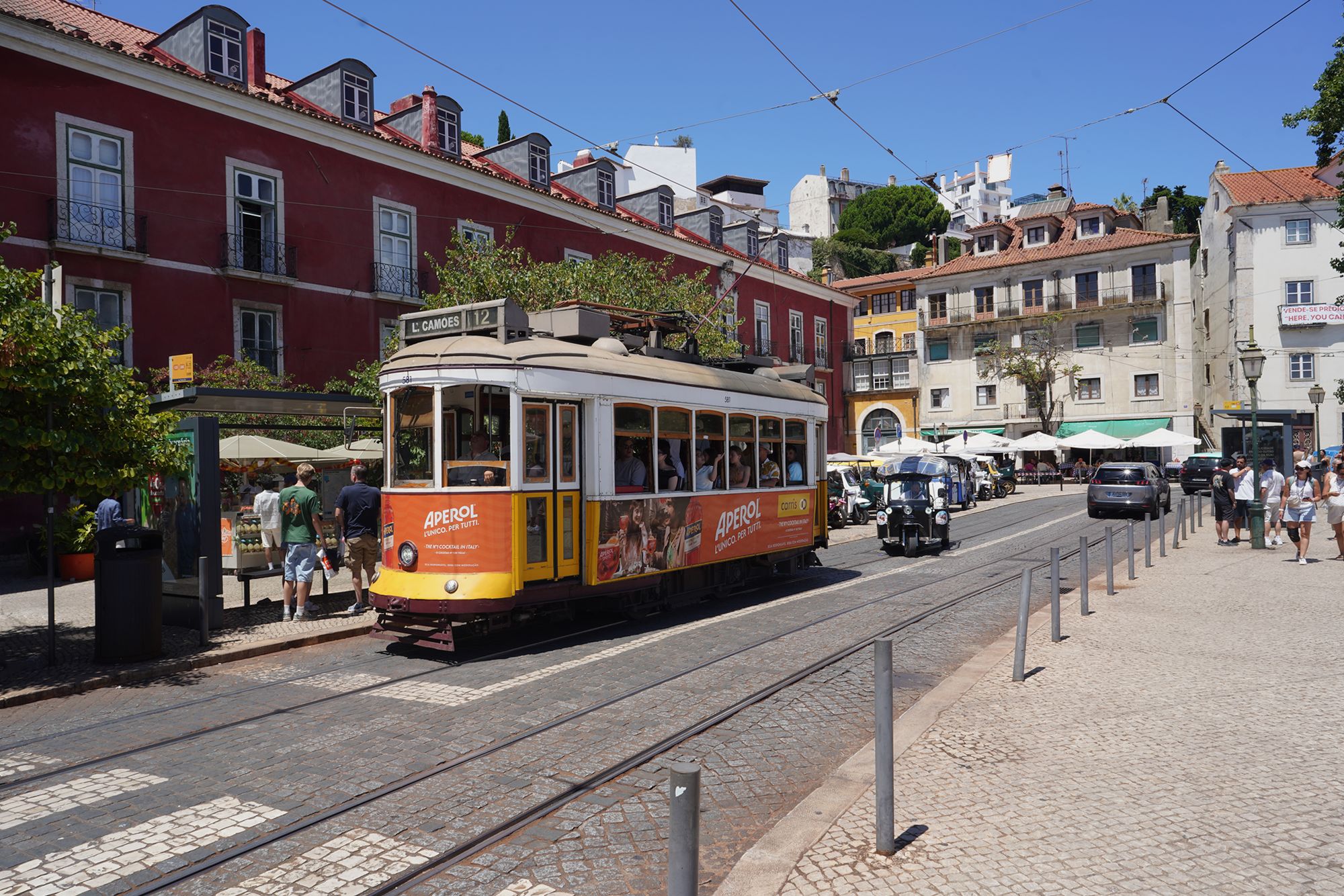
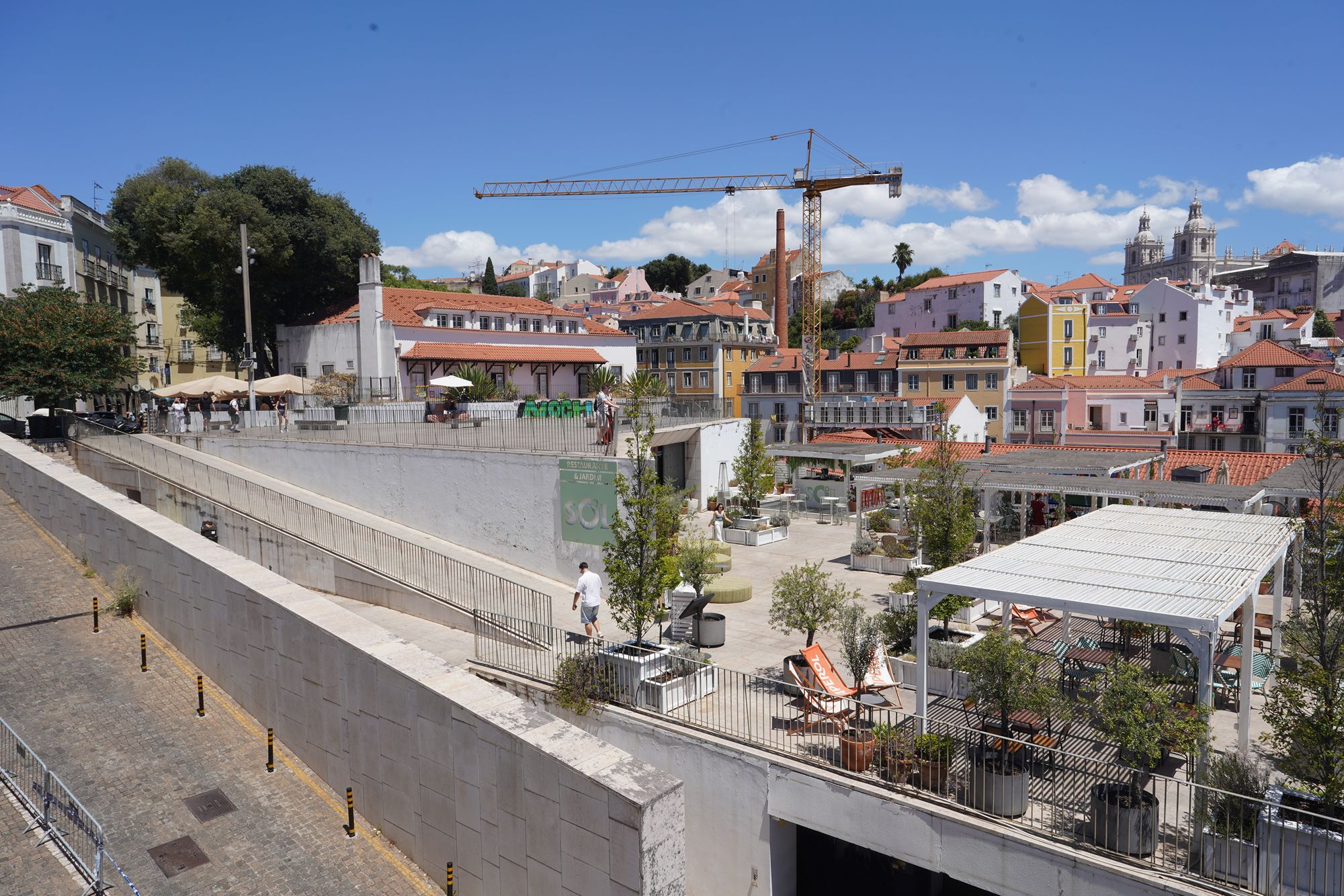
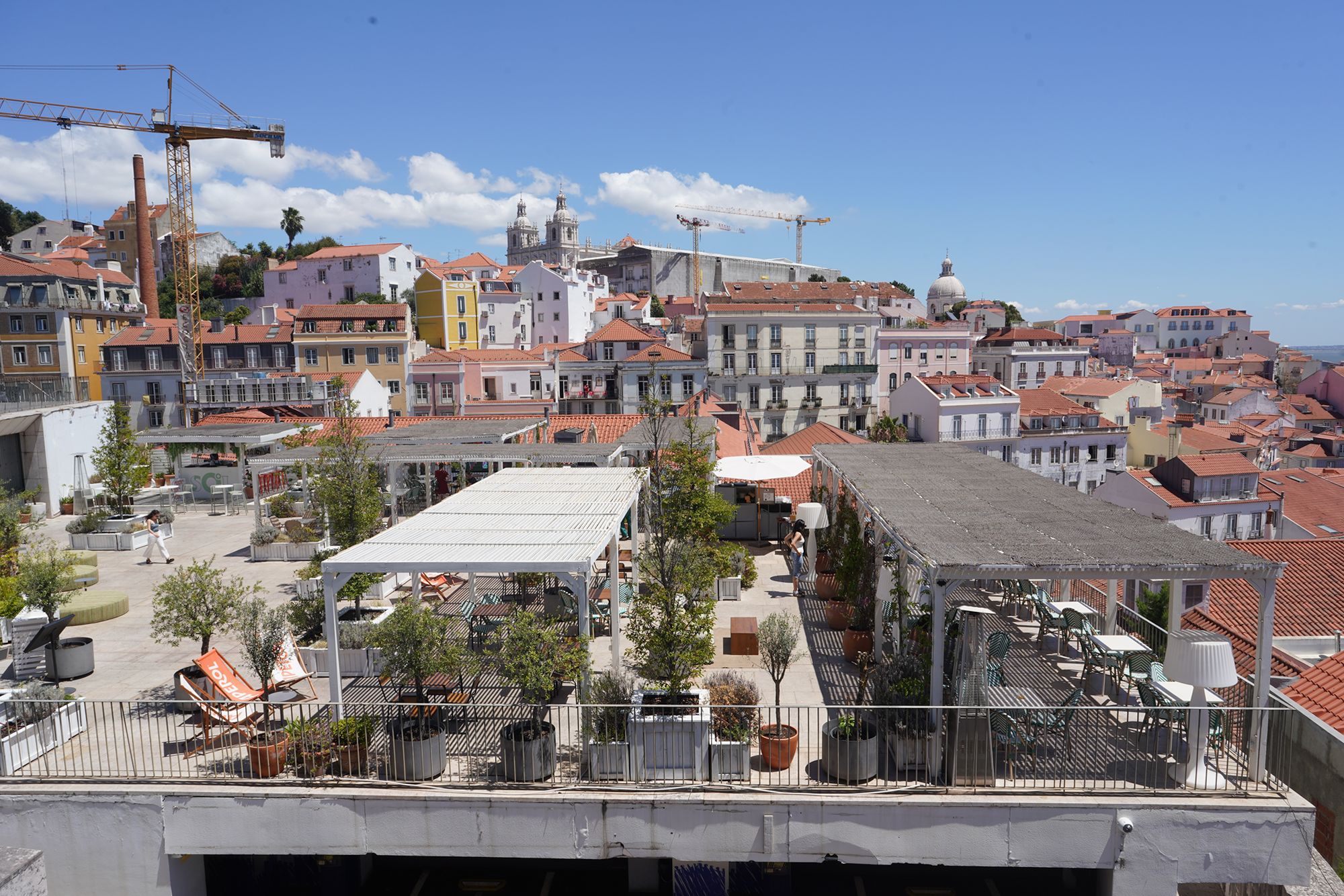
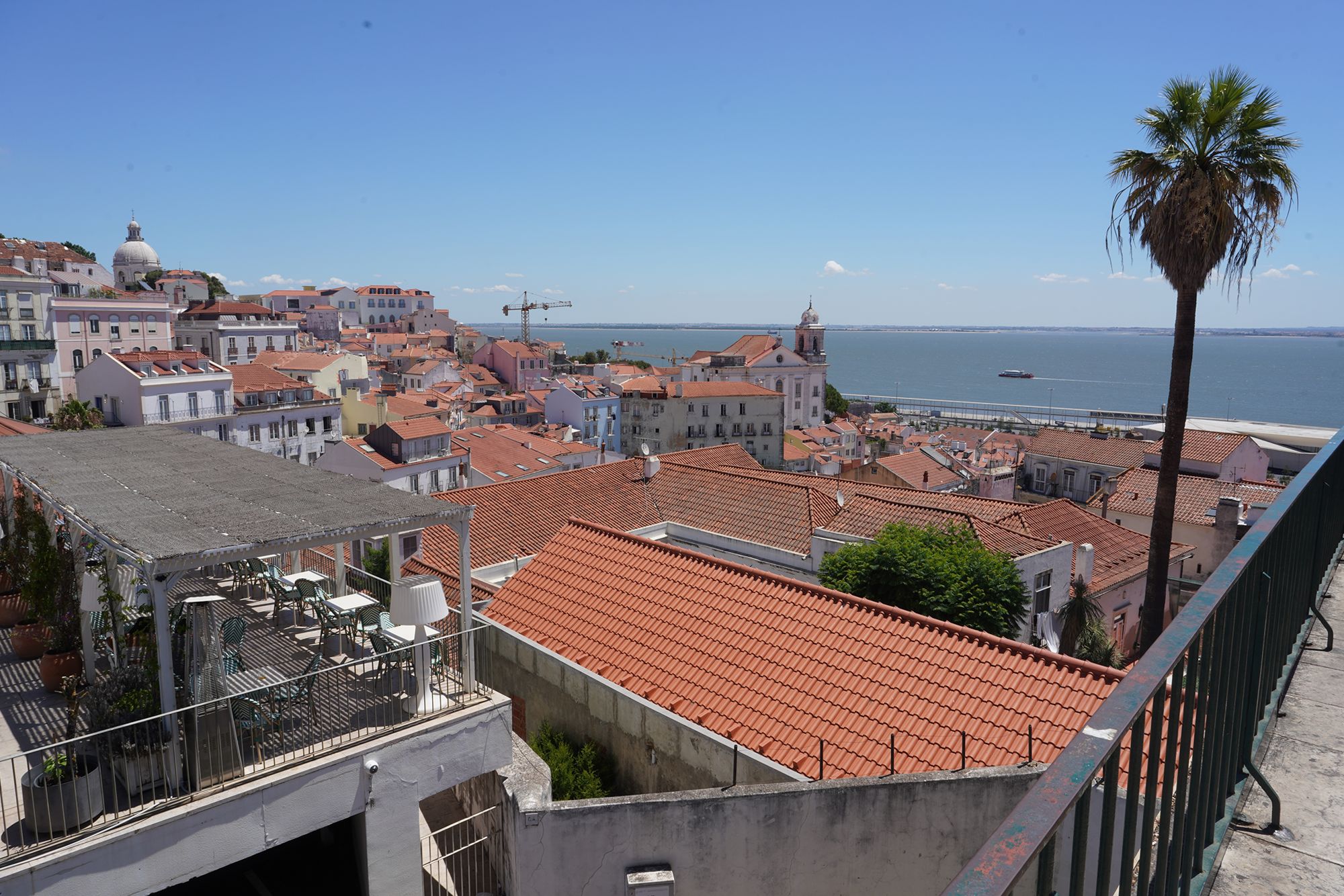
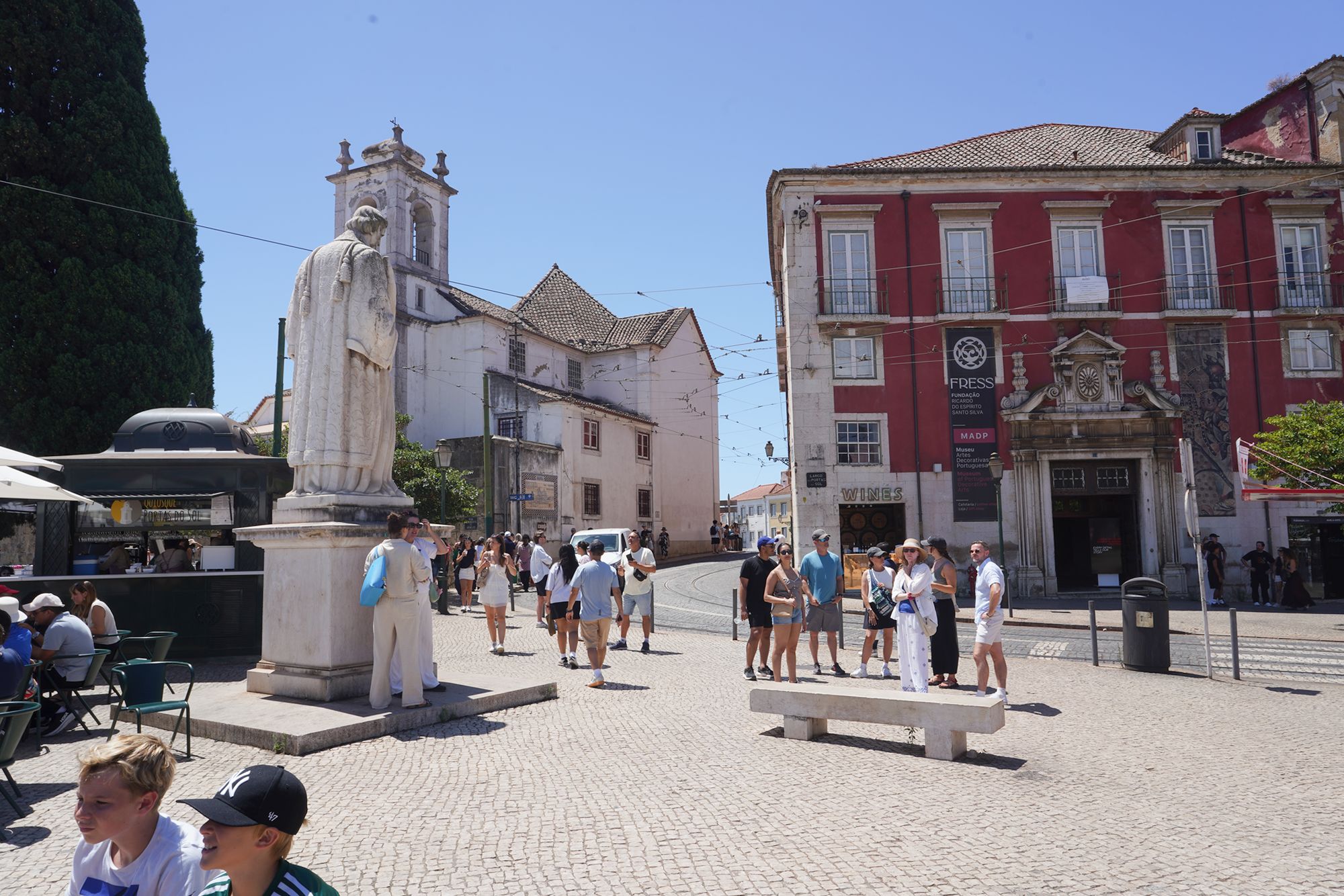
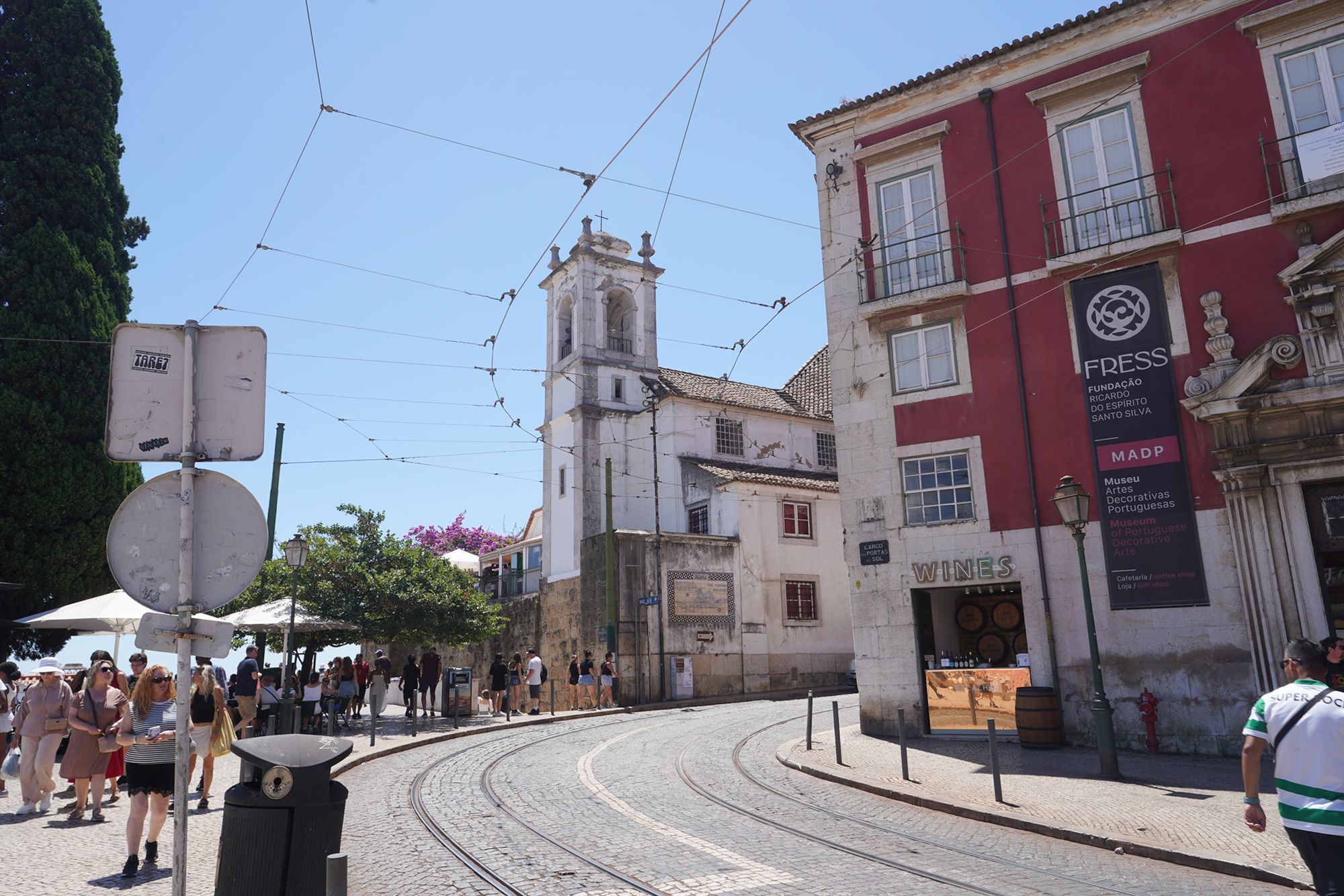
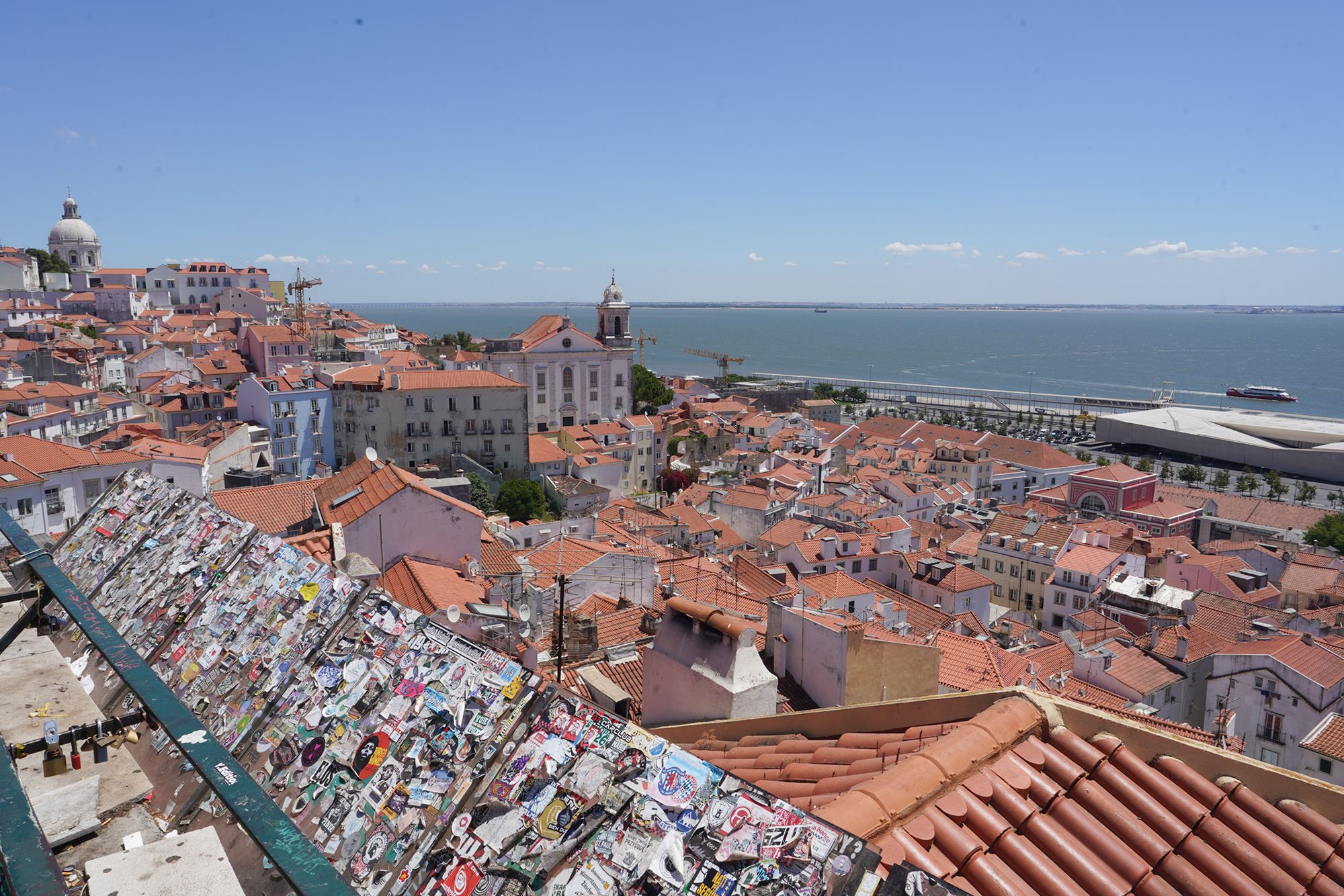
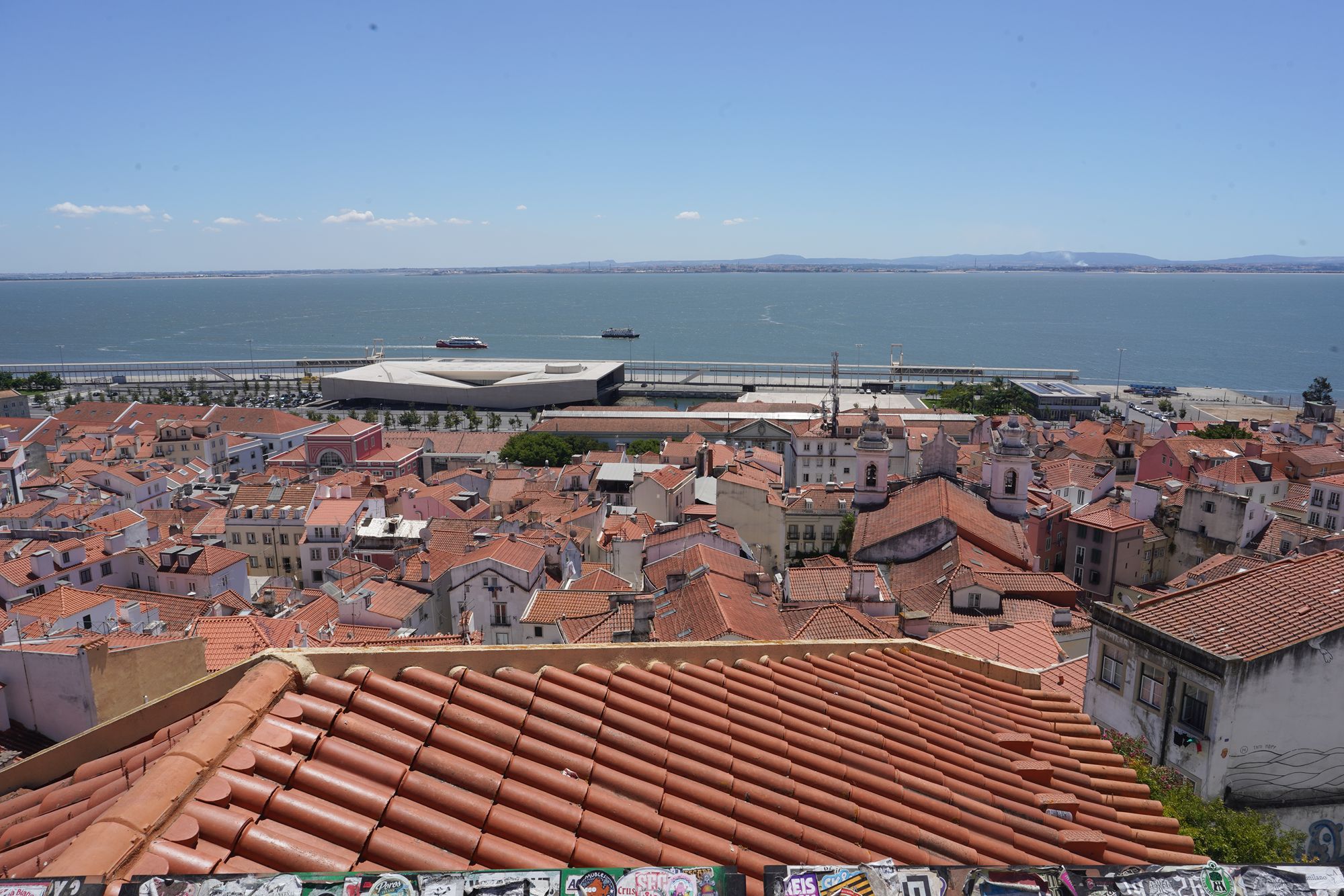
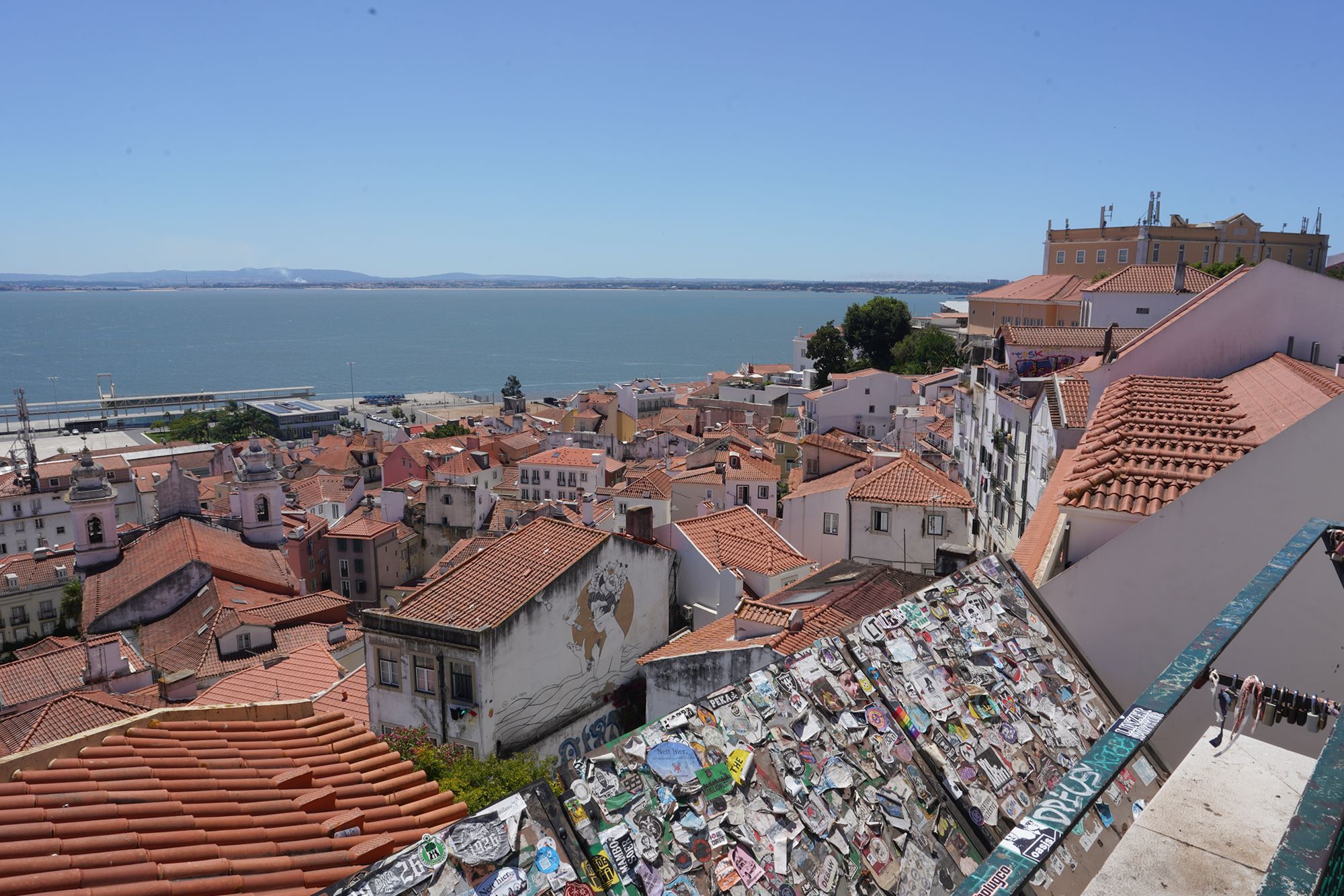
I continued walked along Largo de Santa Luzia.
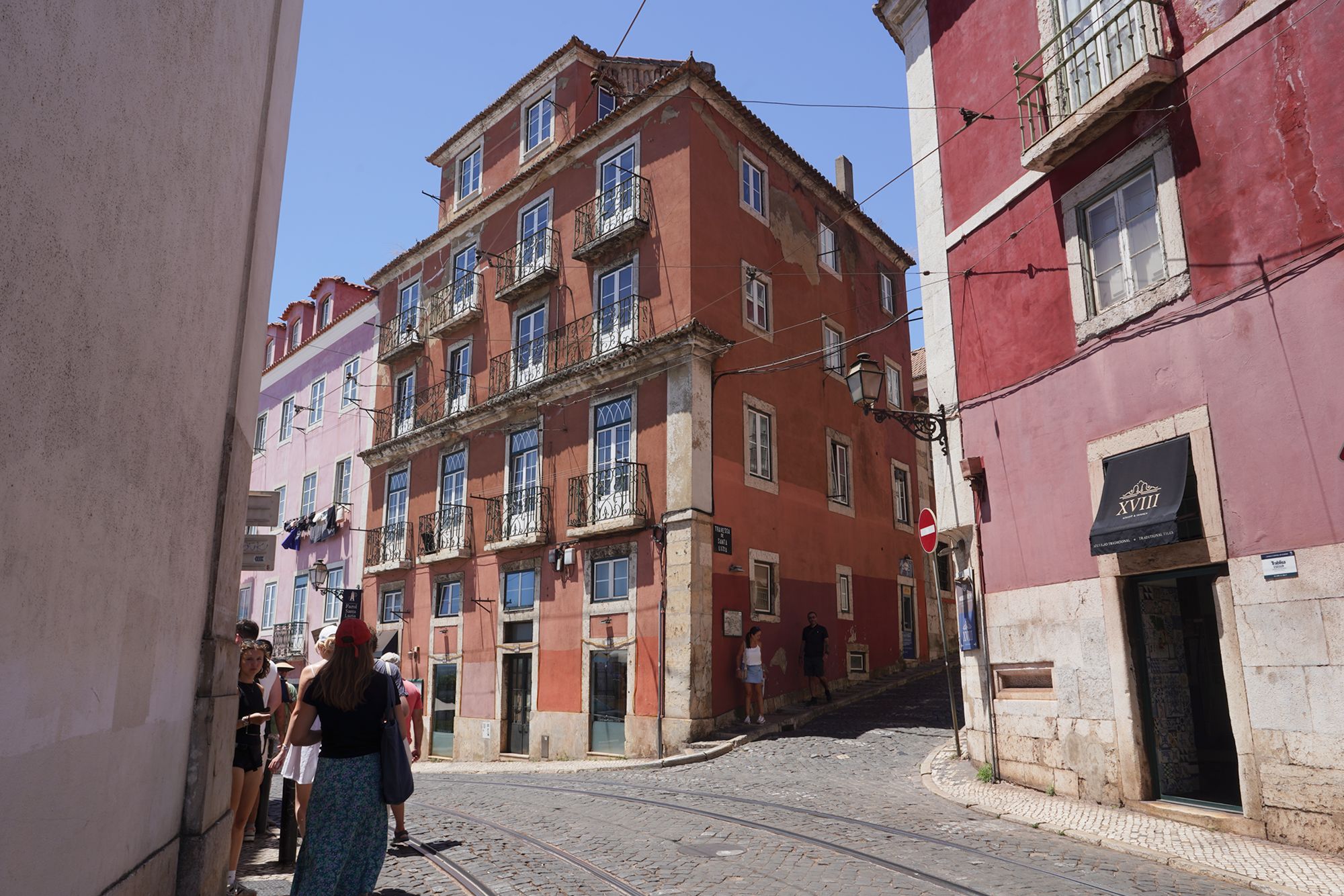
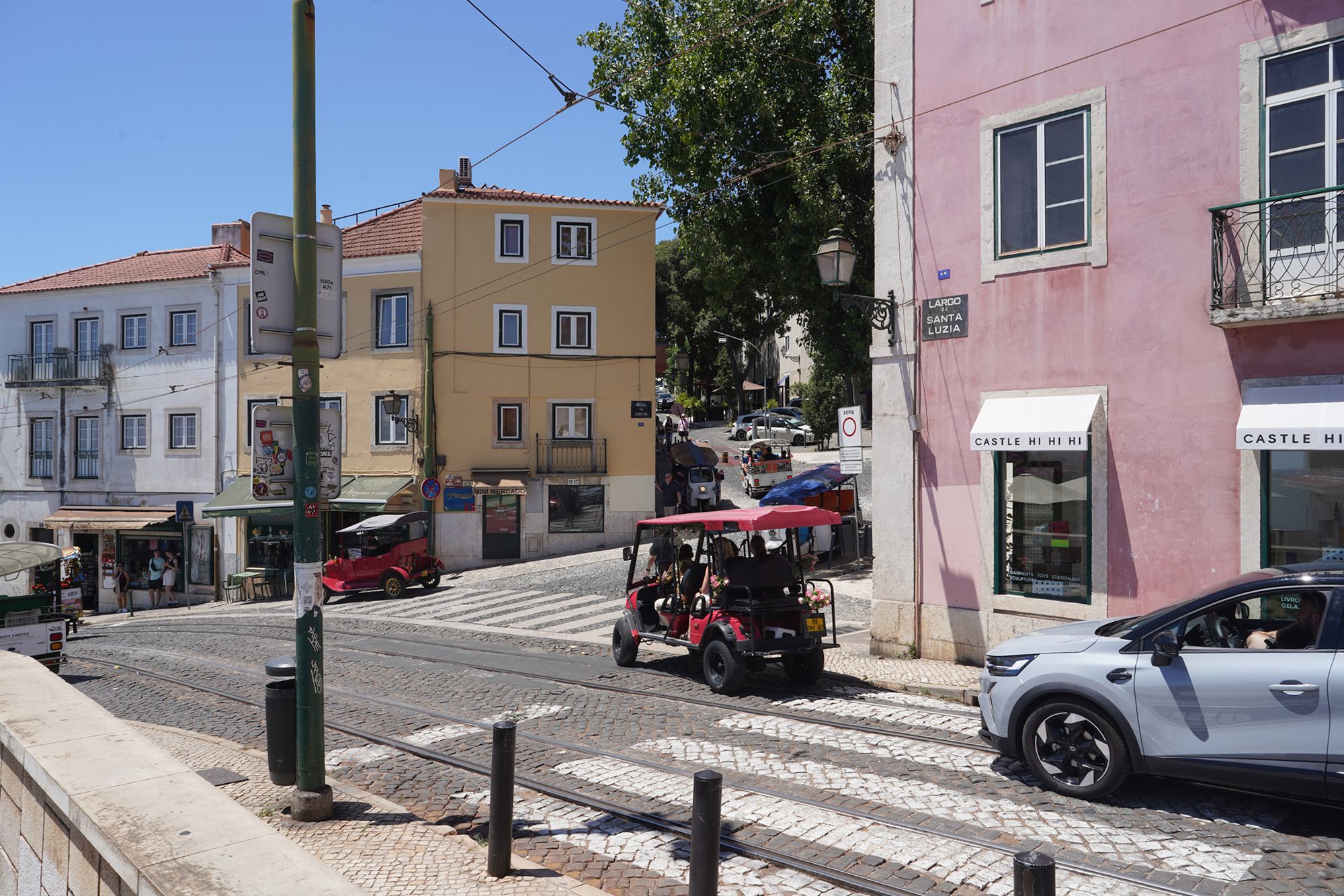
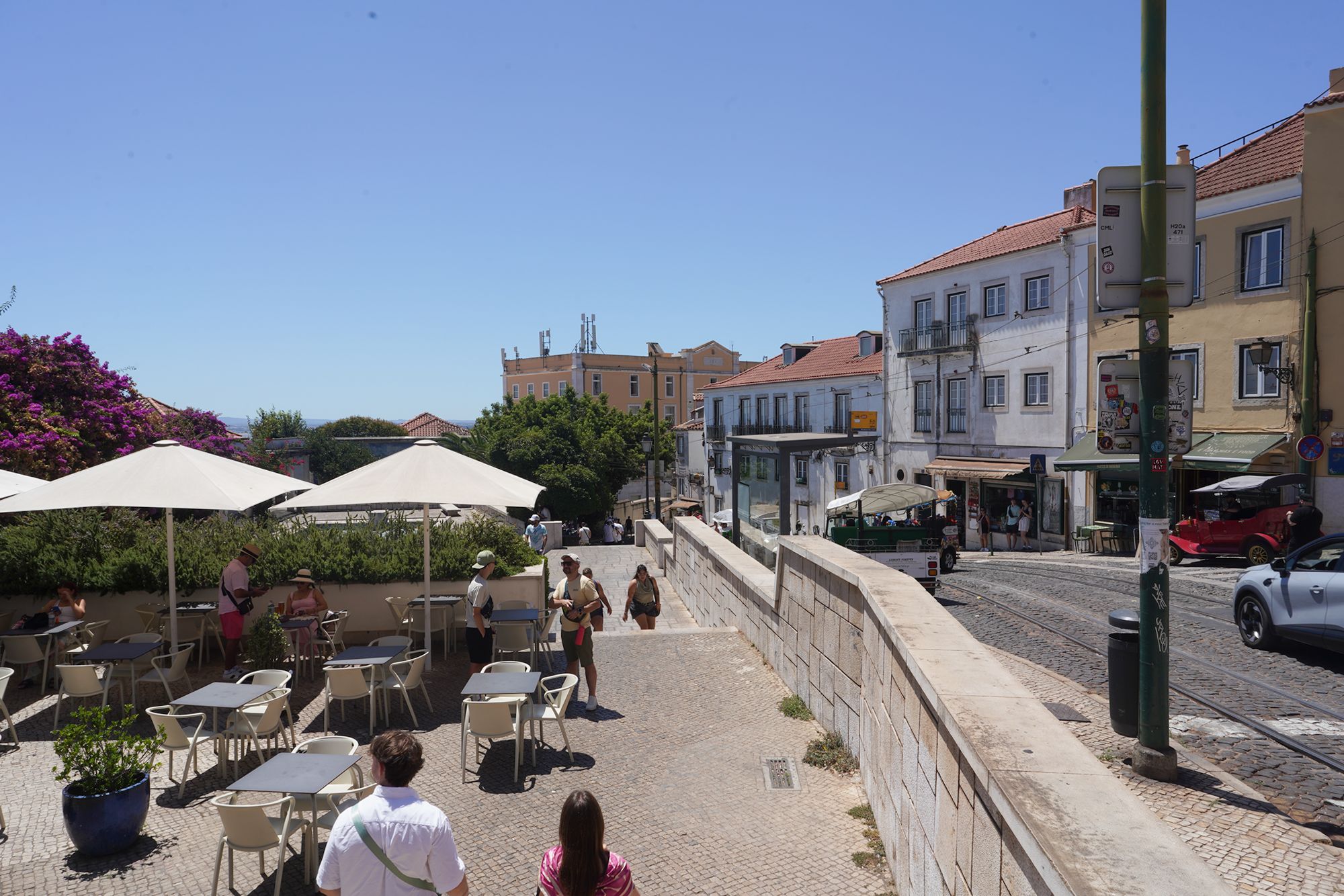
Igreja de Santa Luzia
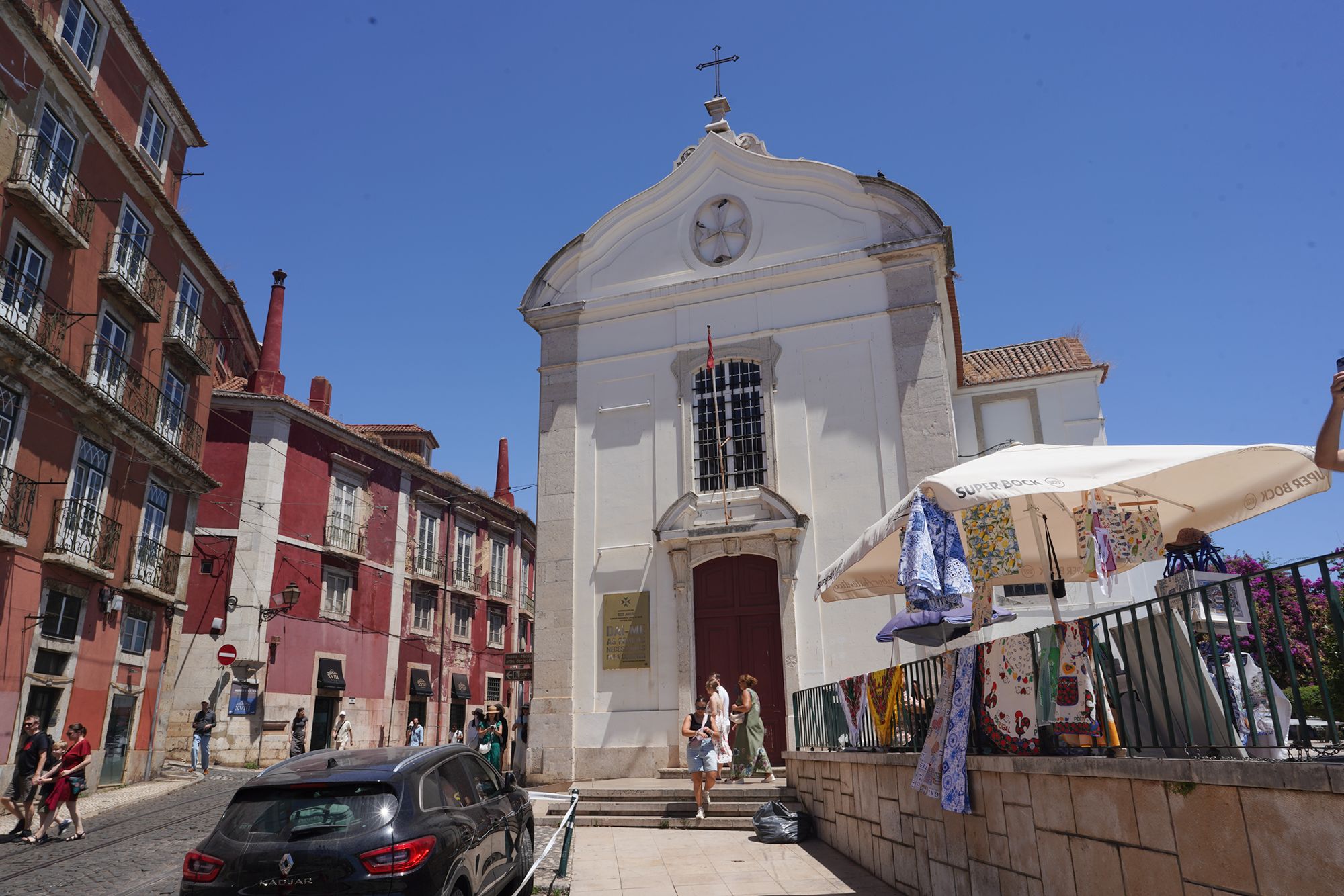
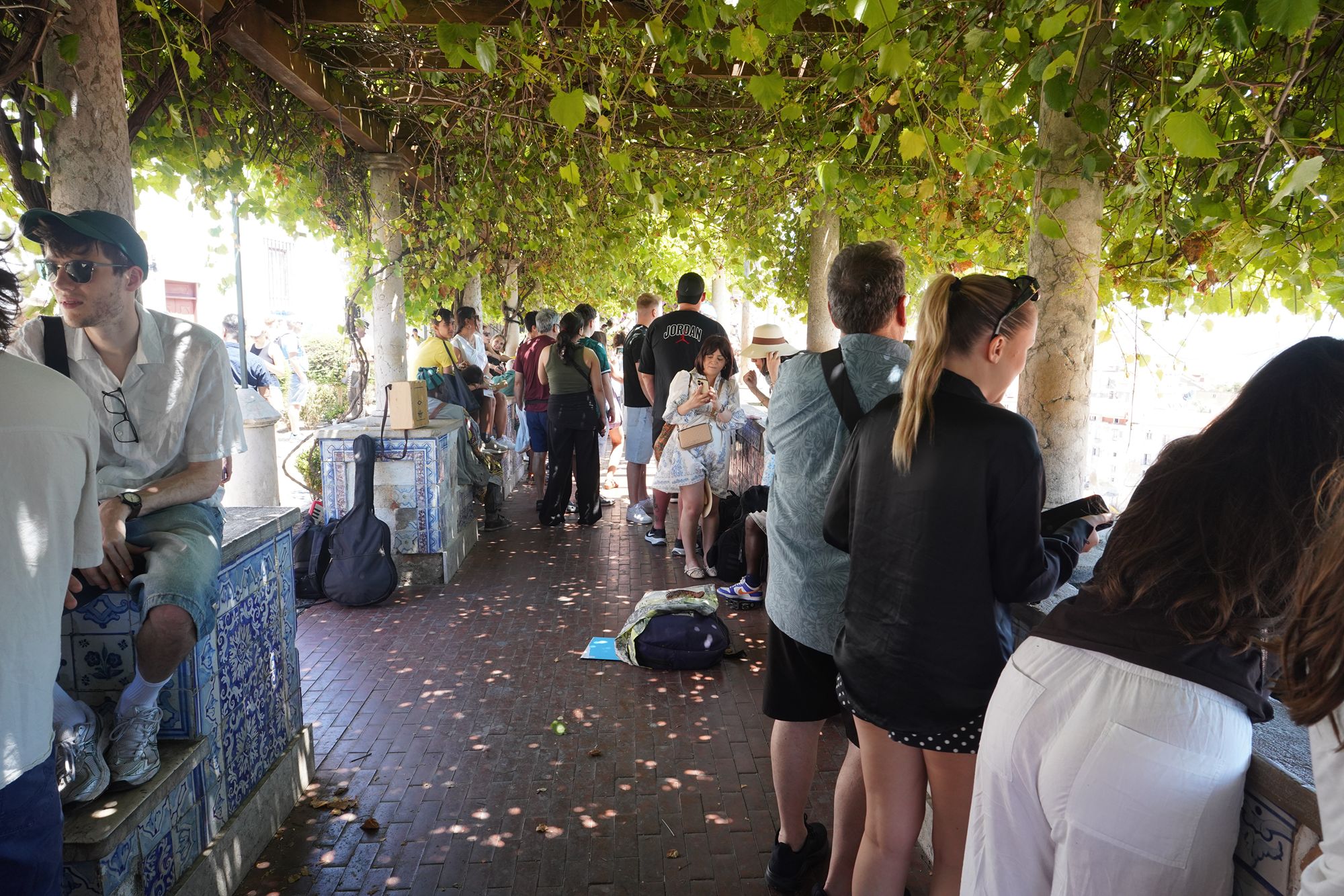
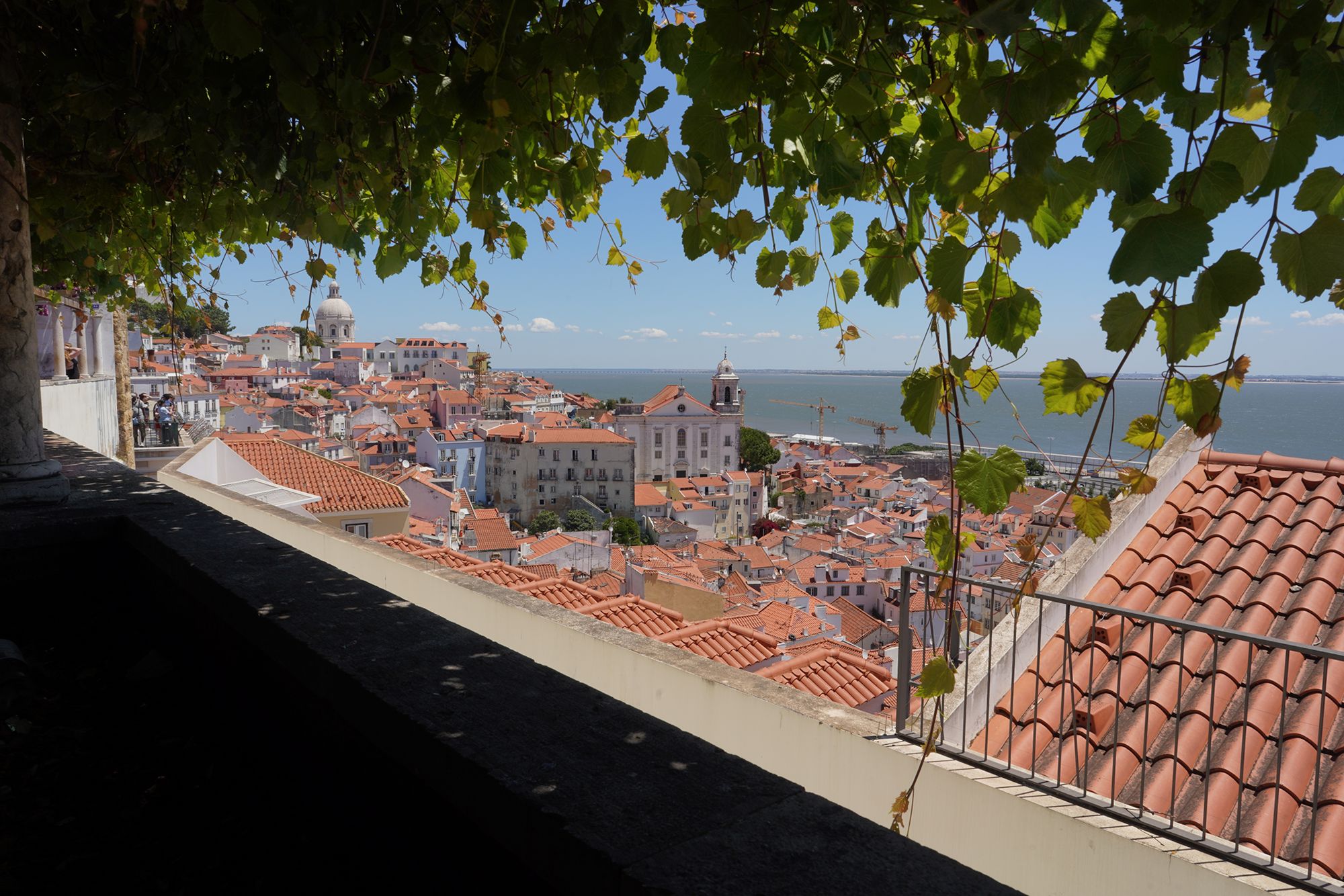
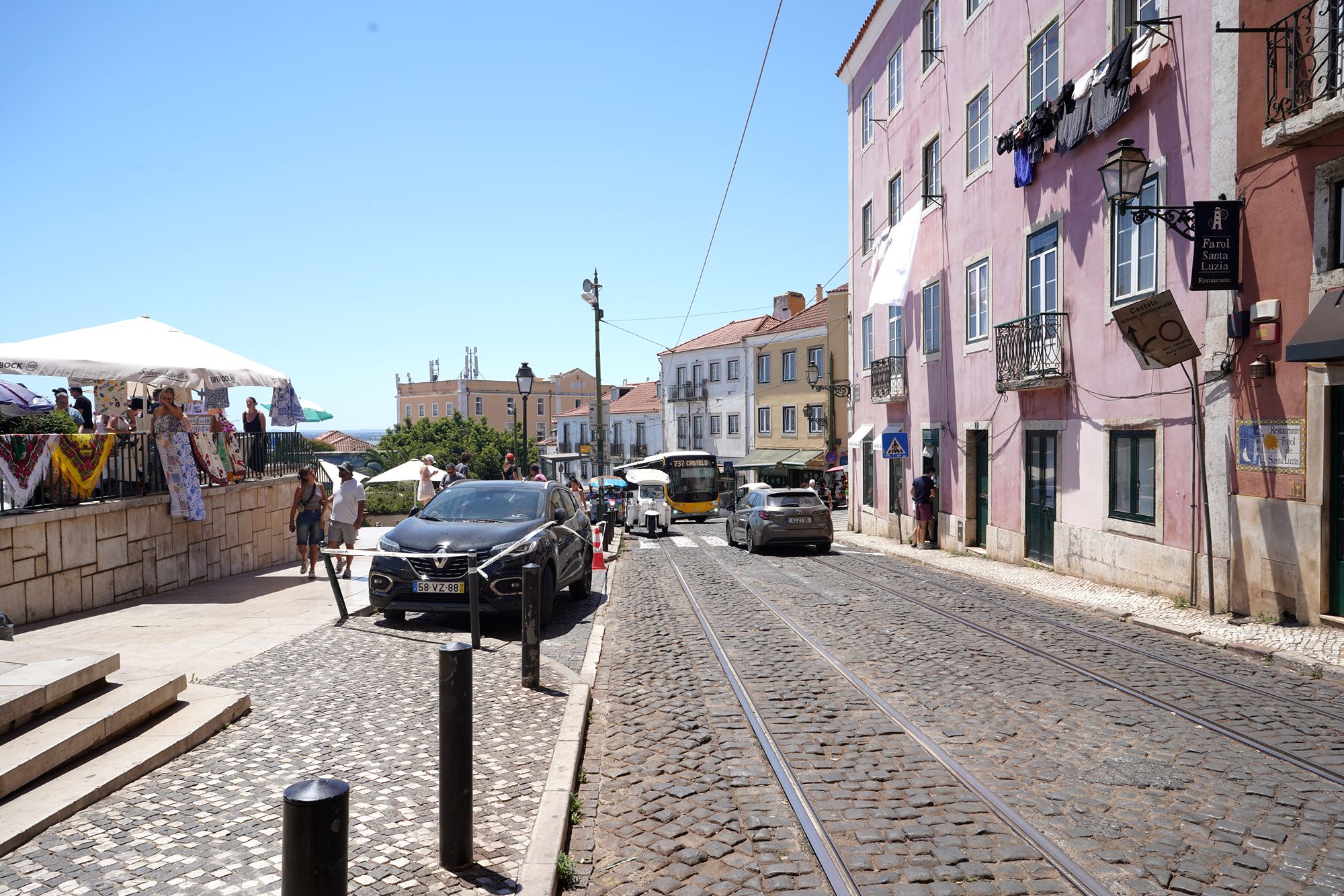
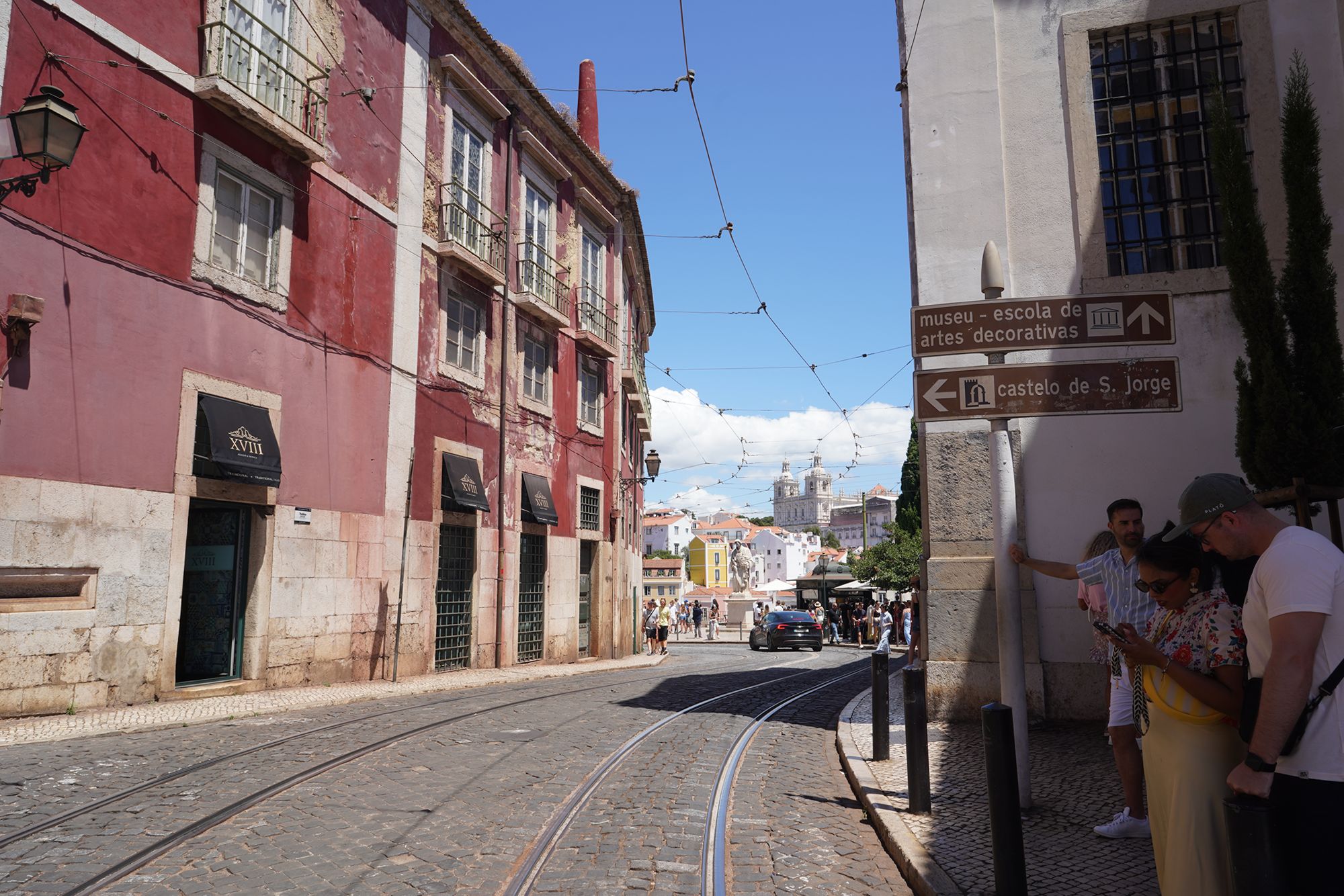
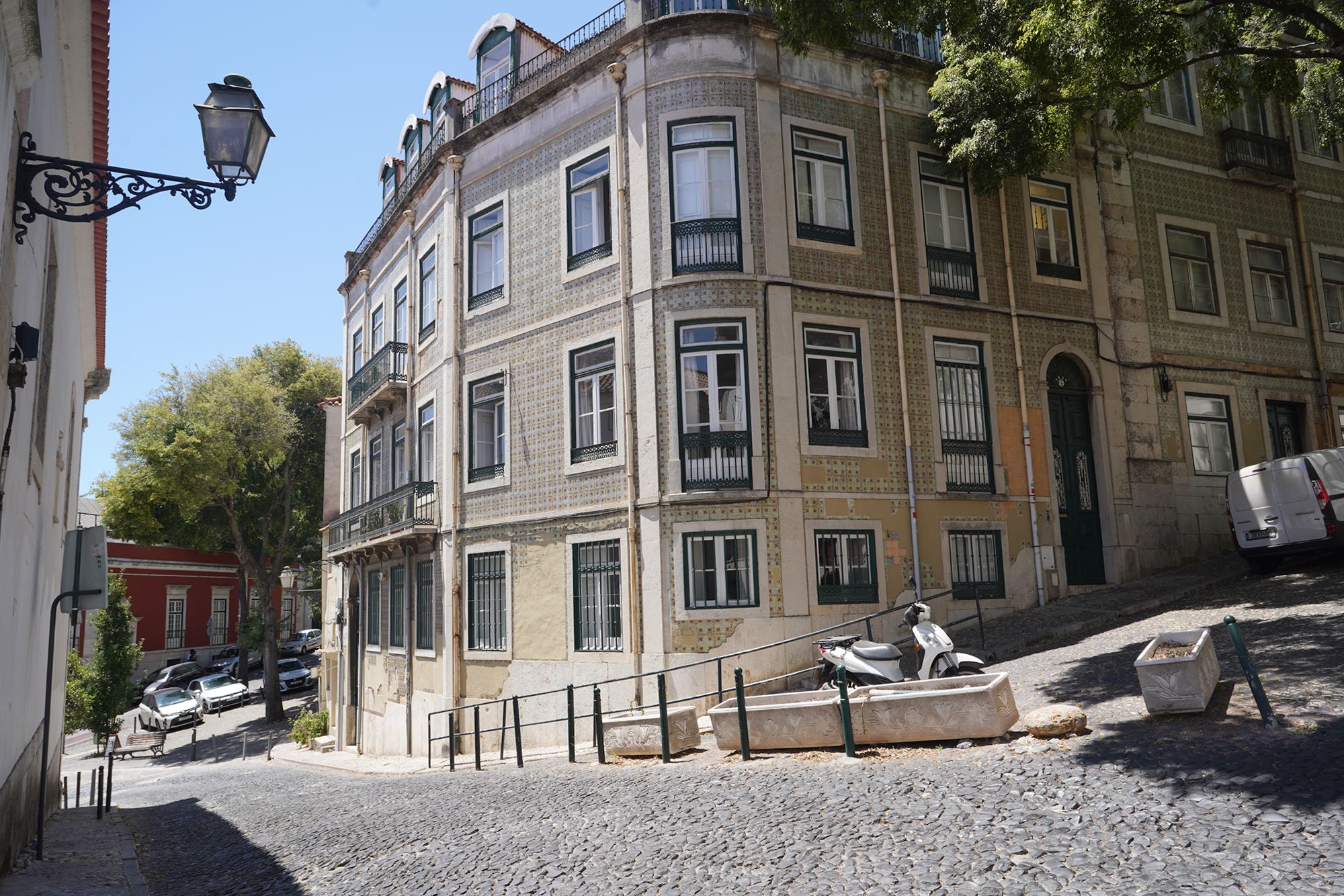
From here, I started walking toward my next destination, Castelo de São Jorge.
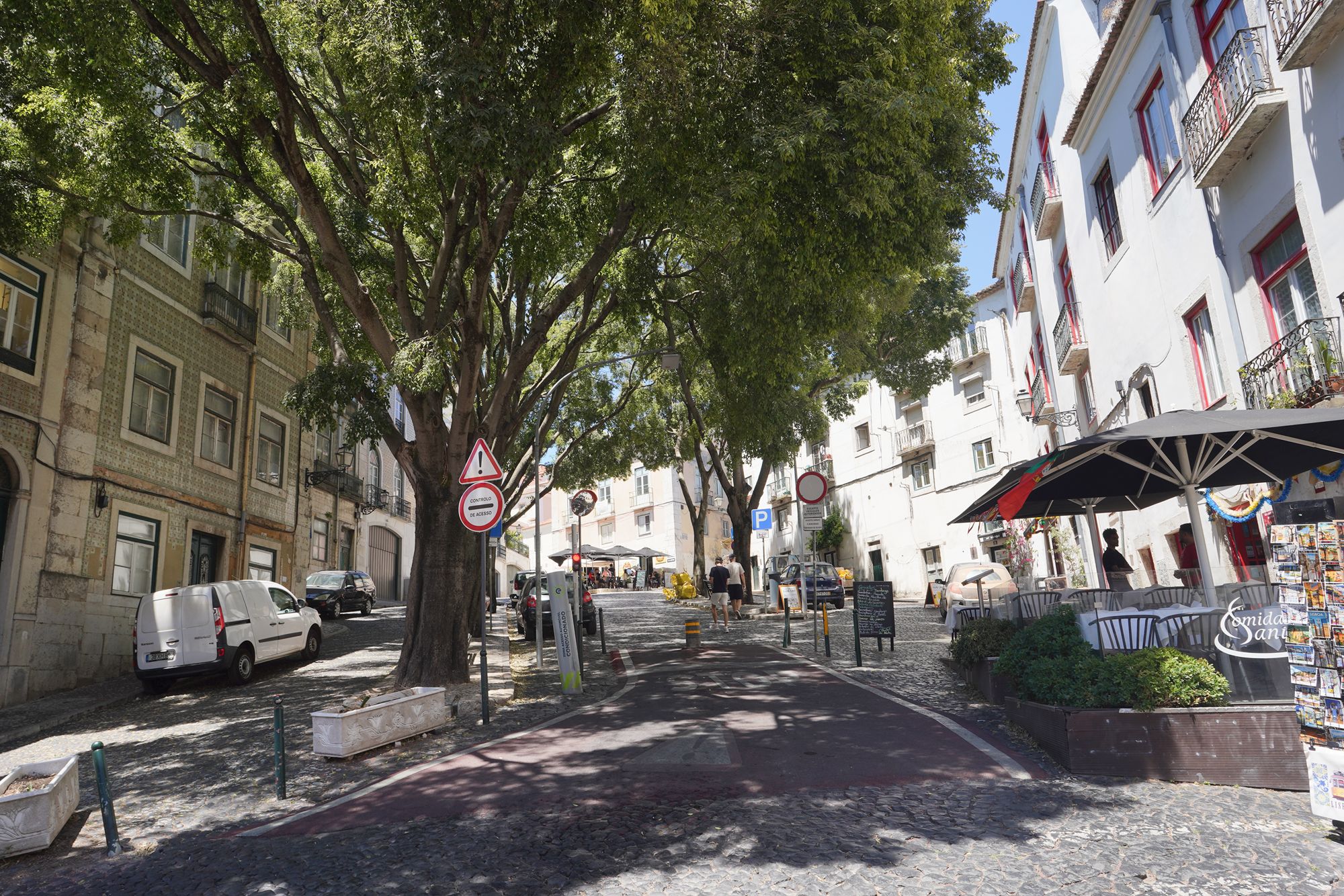
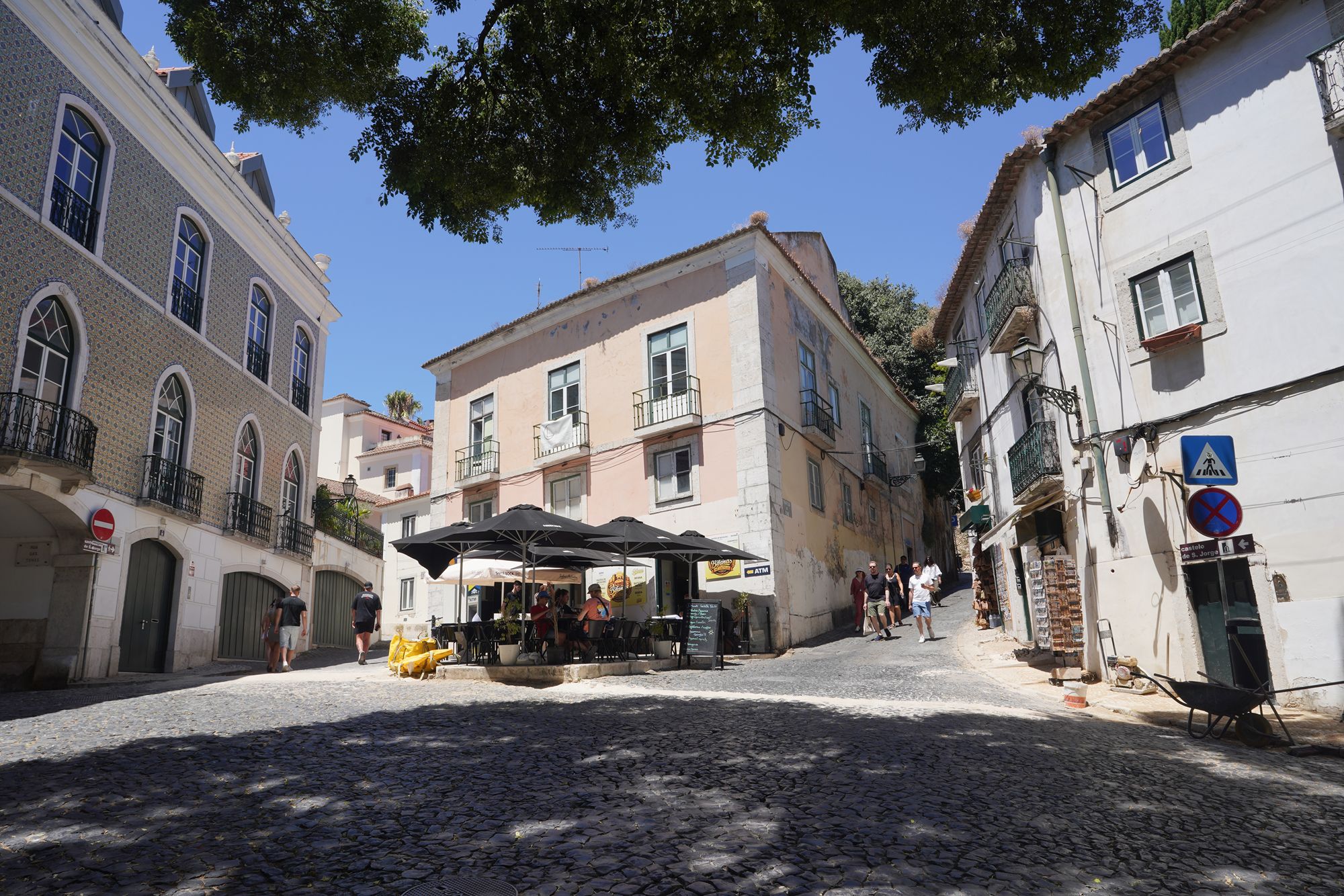
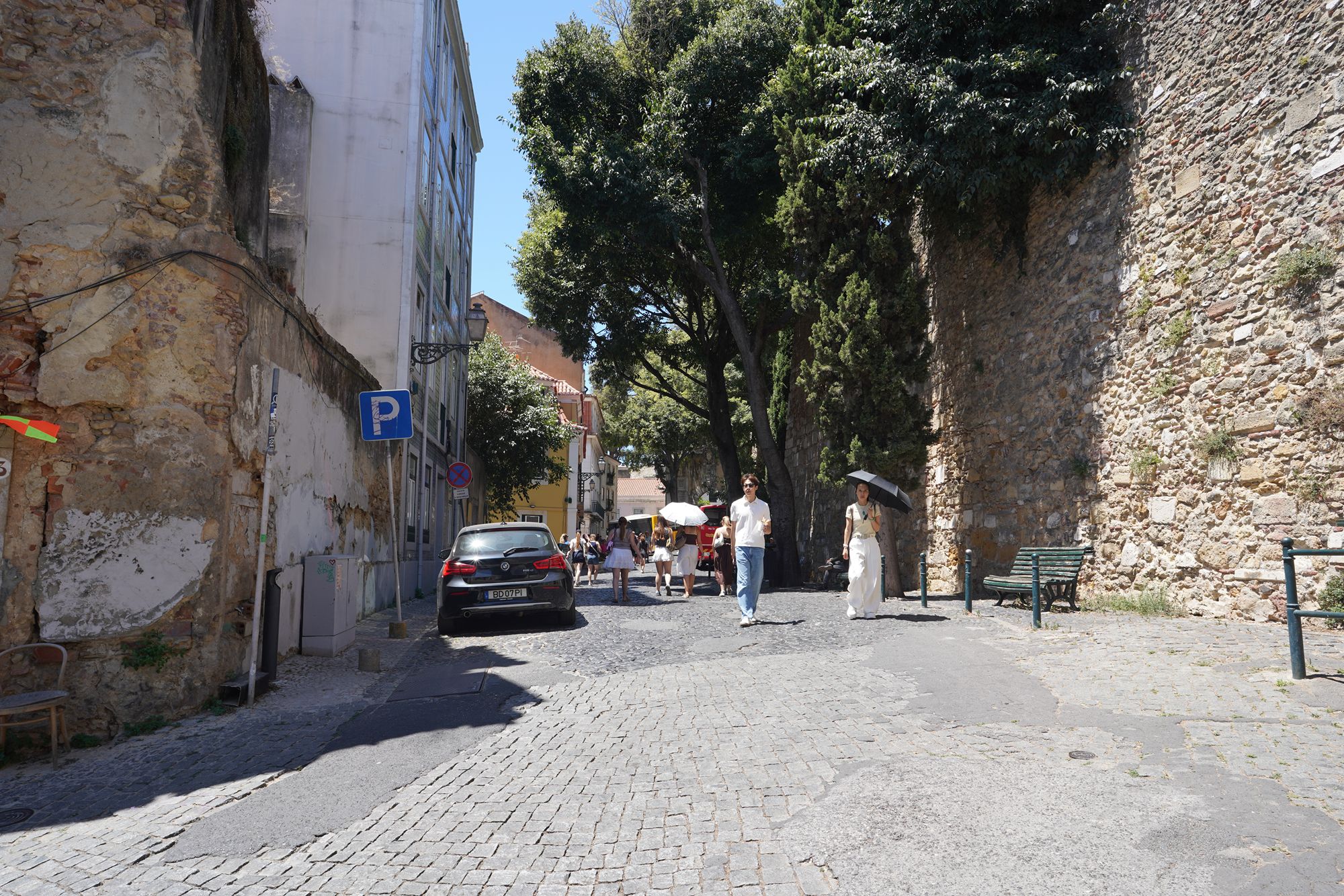
A building on my left side
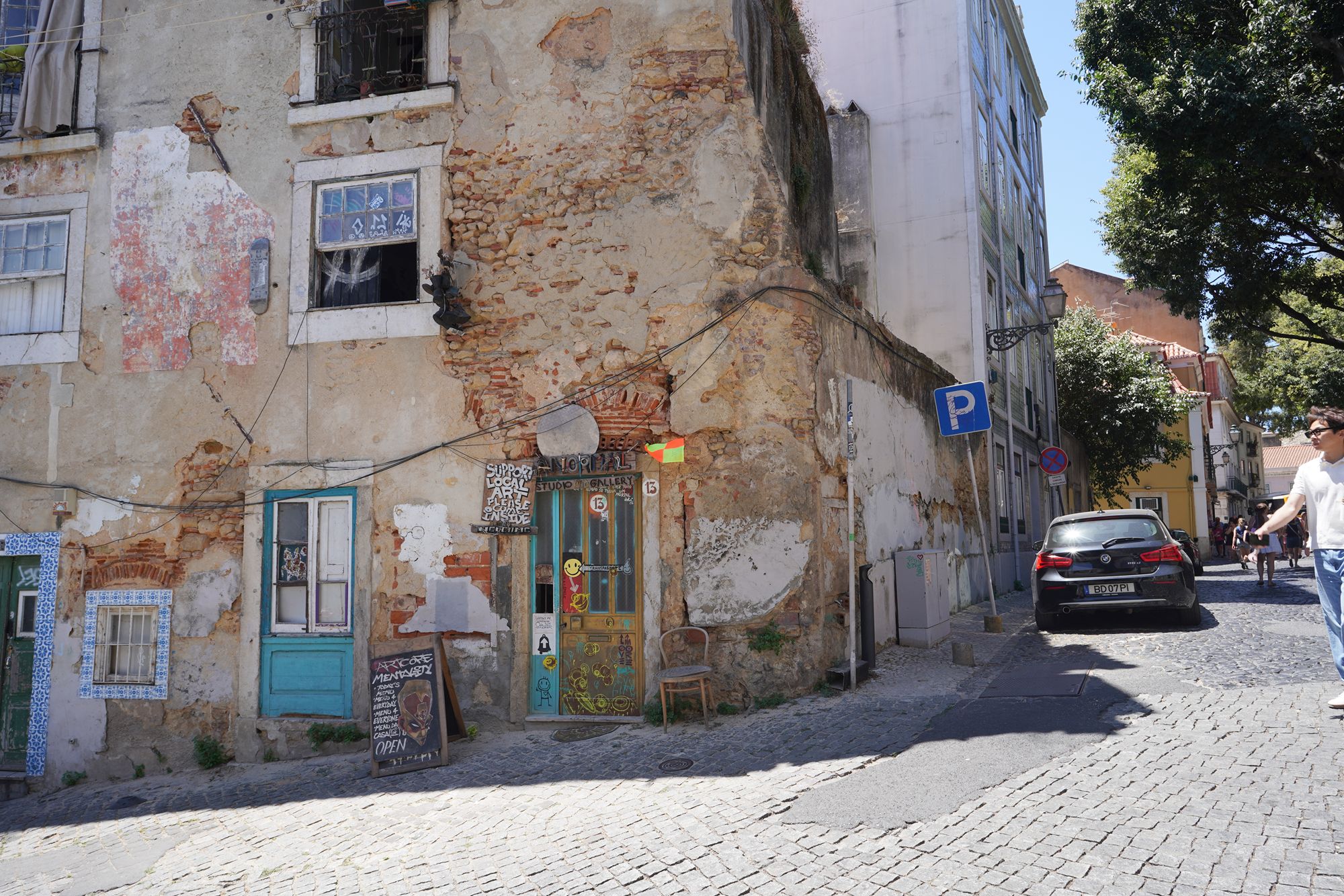
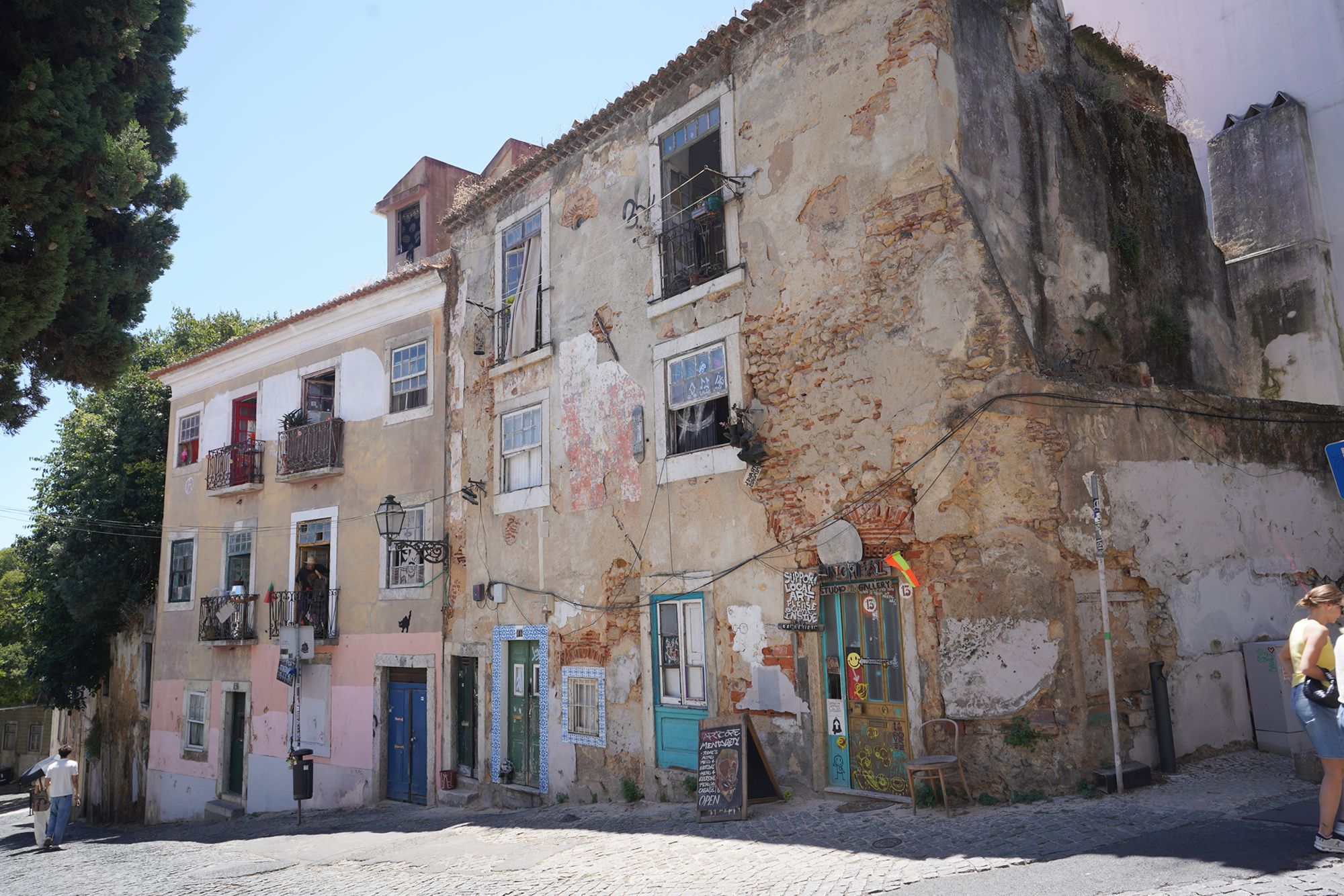
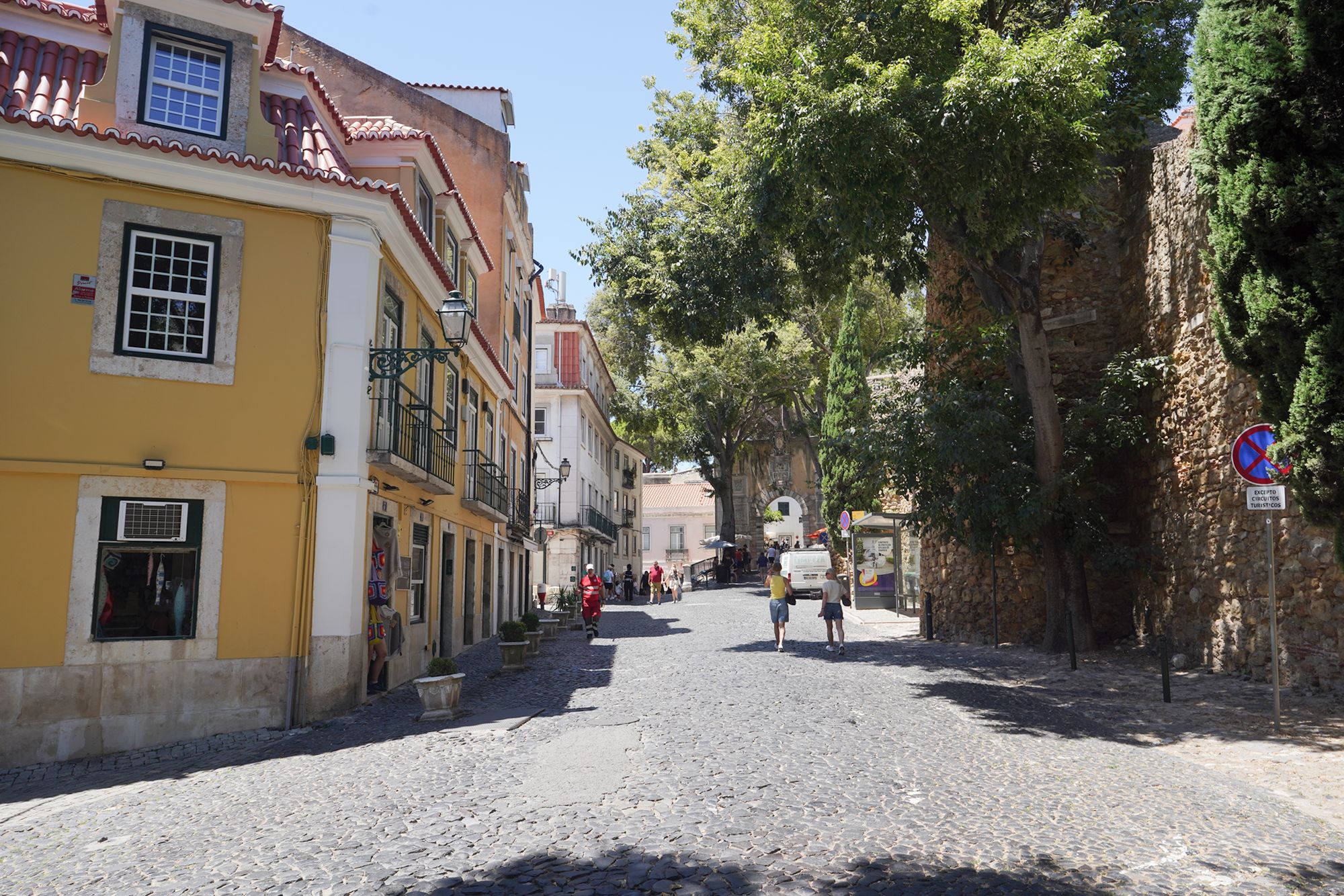
Arco do Castelo is a stone archway leading into the historic neighborhood around Castelo de São Jorge. It marks the approach to the castle, with narrow streets continuing beyond it toward the entrance.
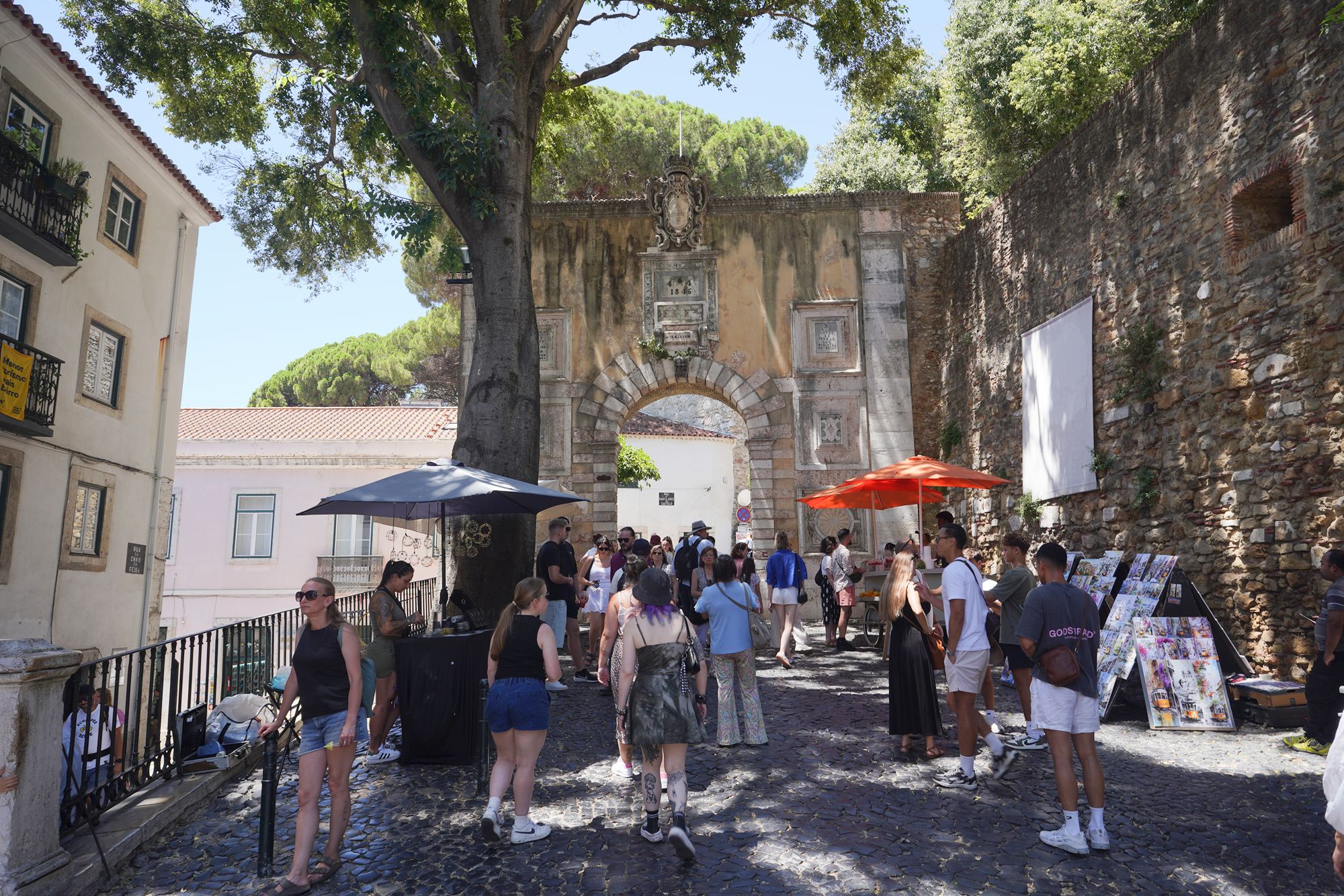
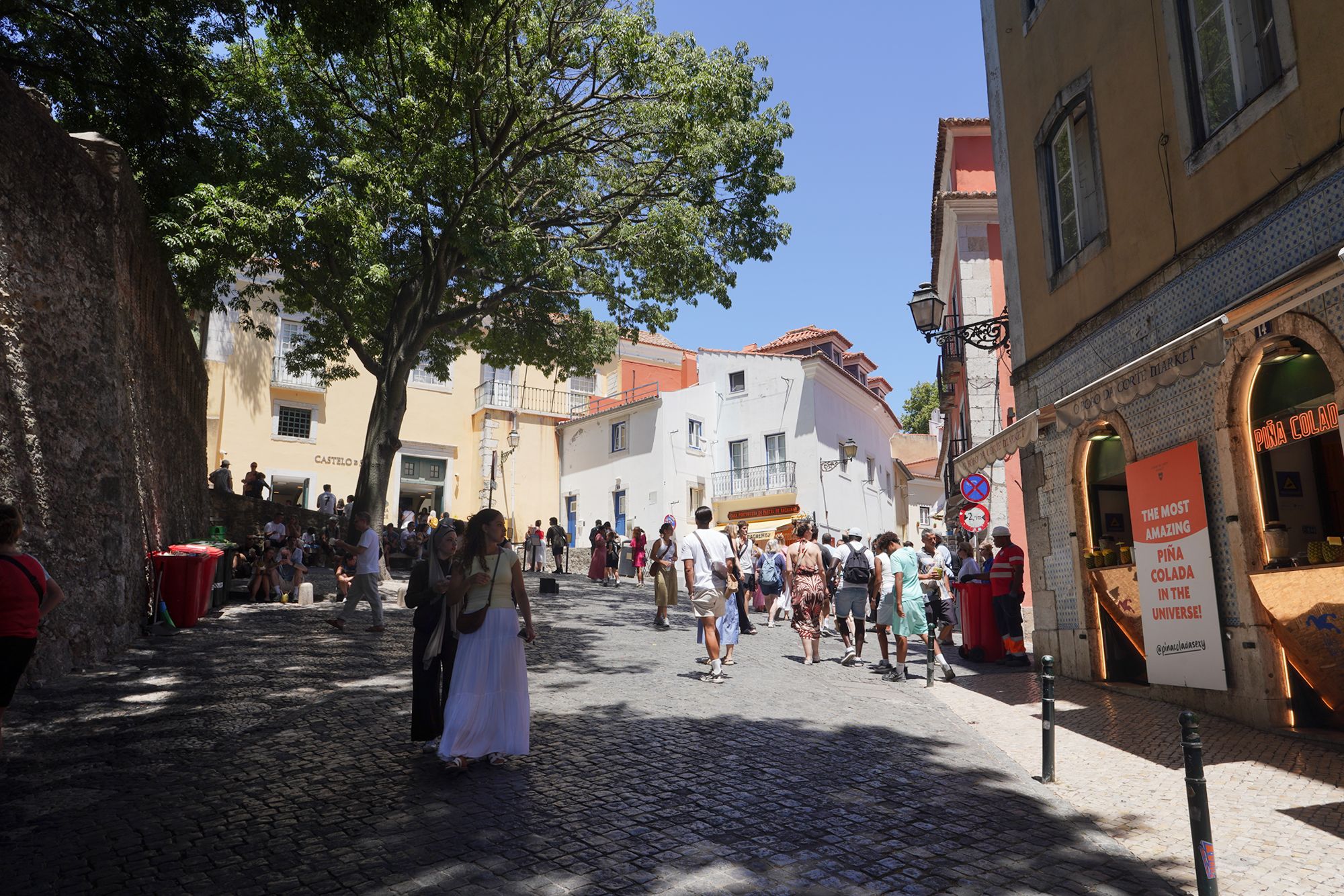
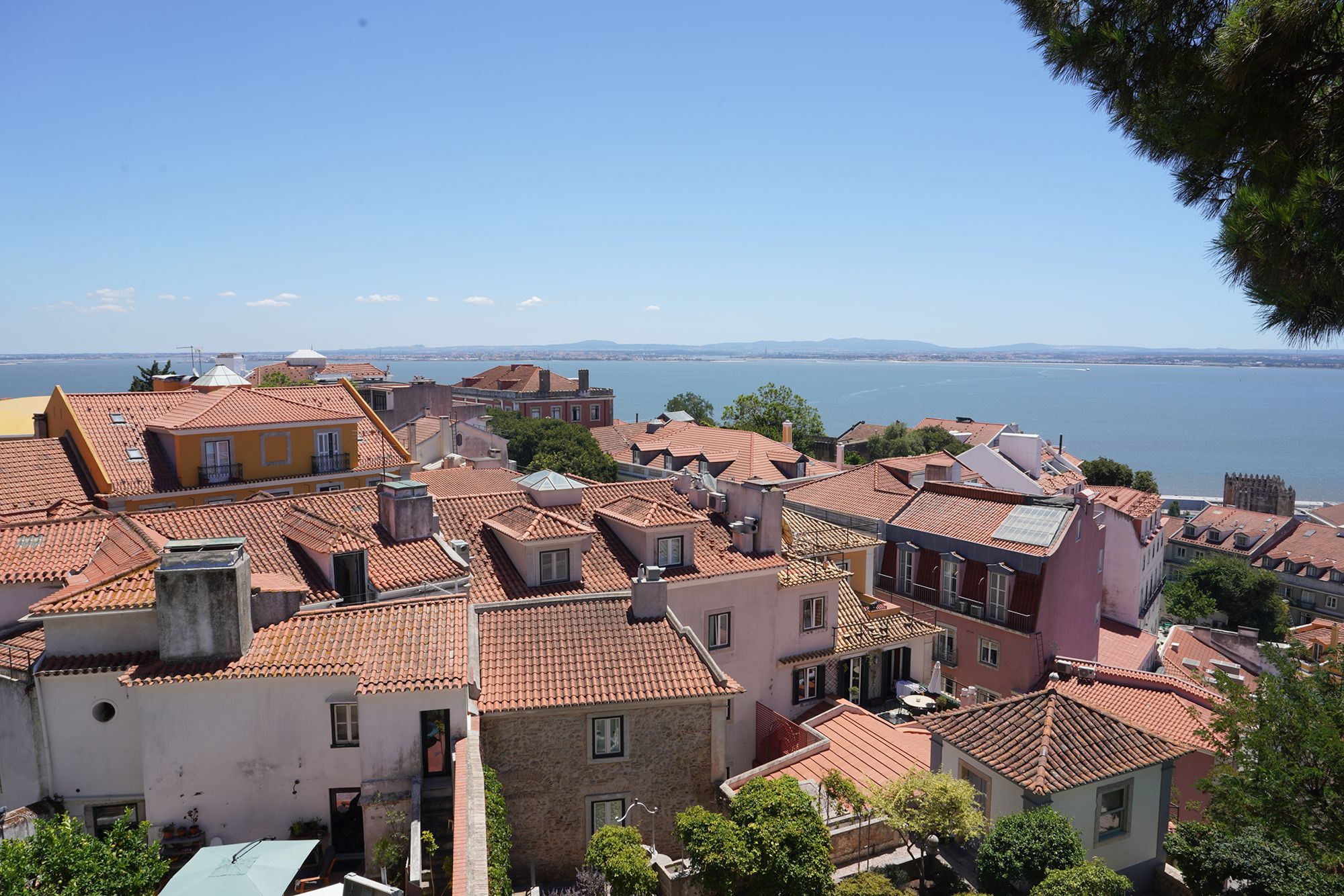
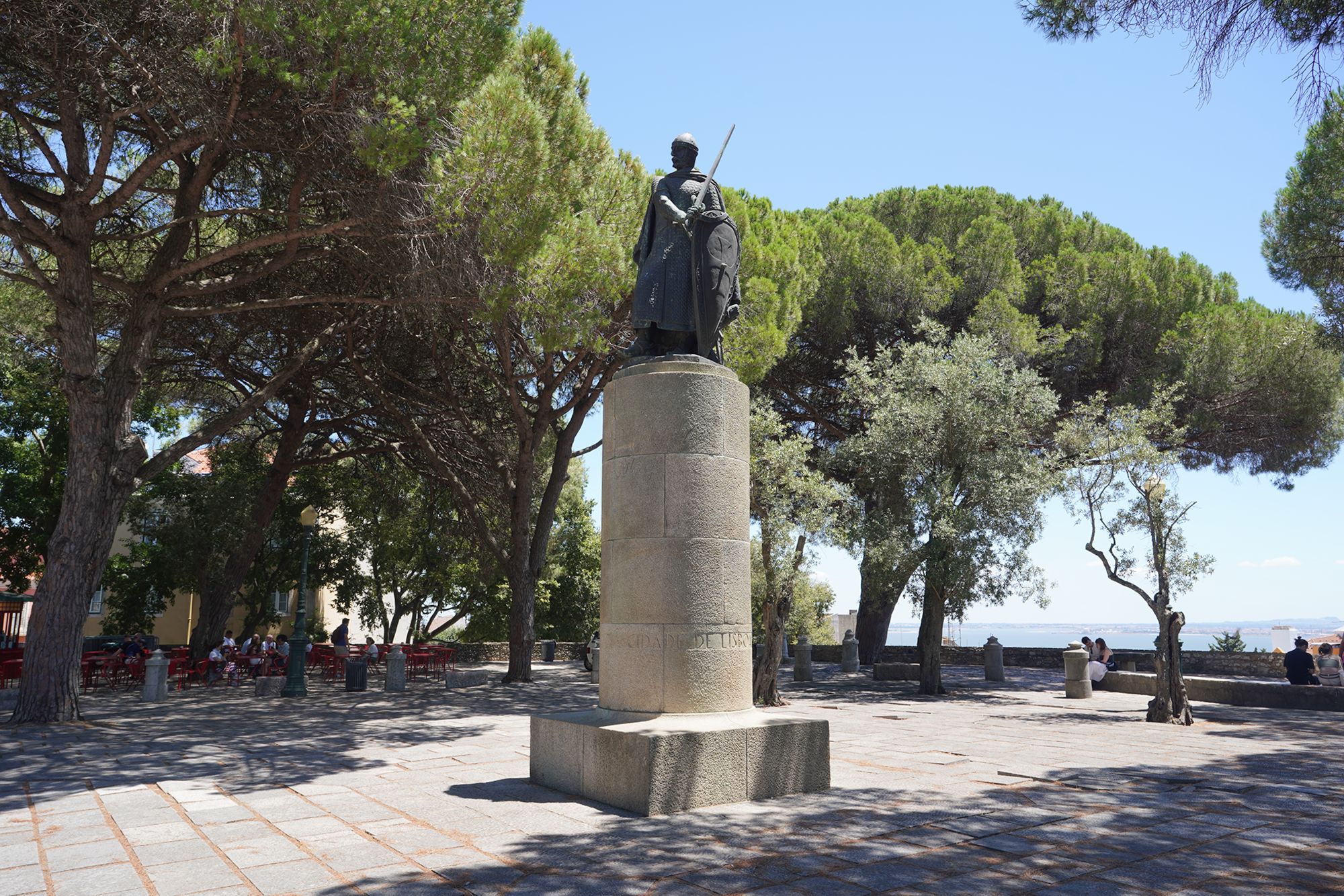
I continued walking toward the castle.
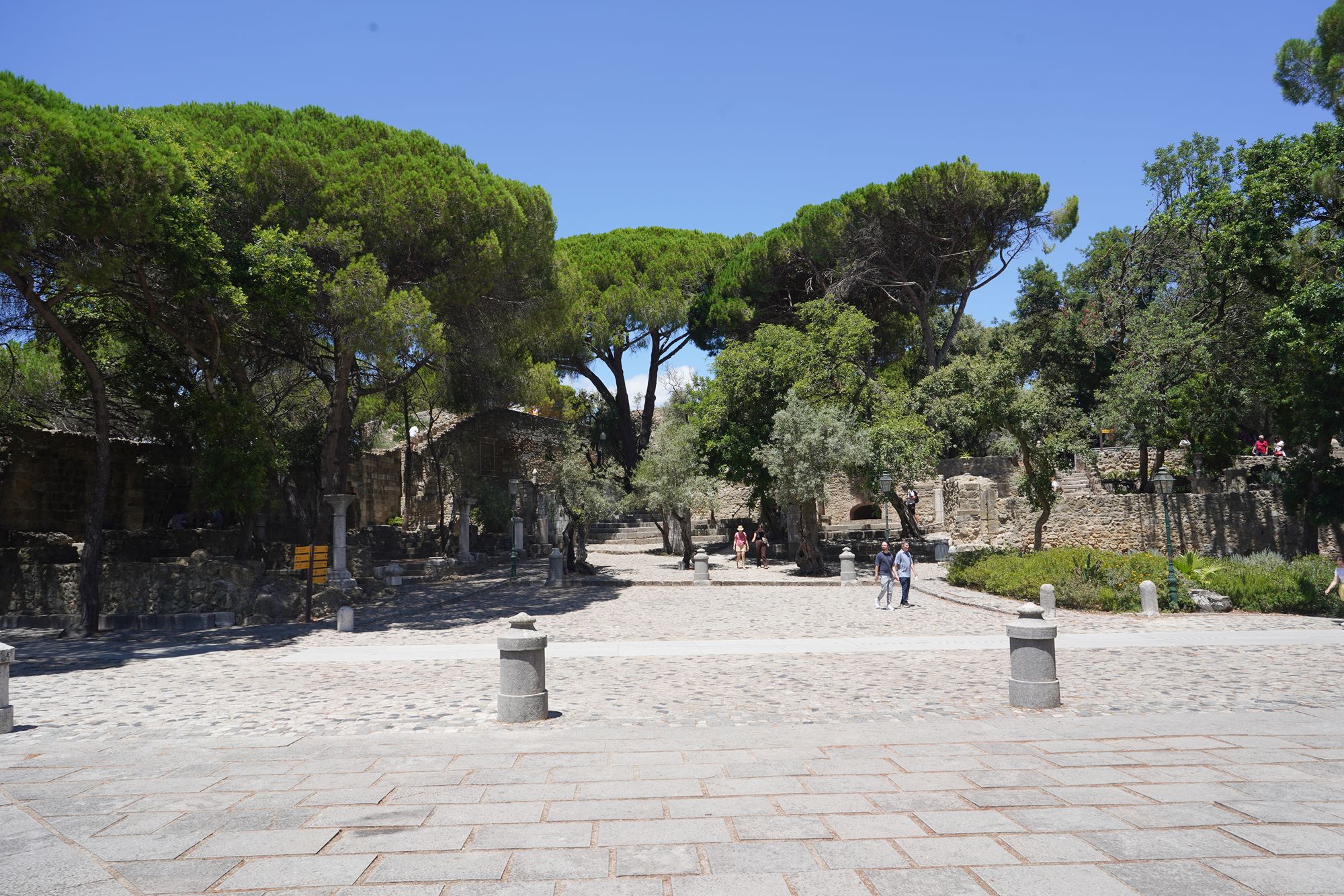
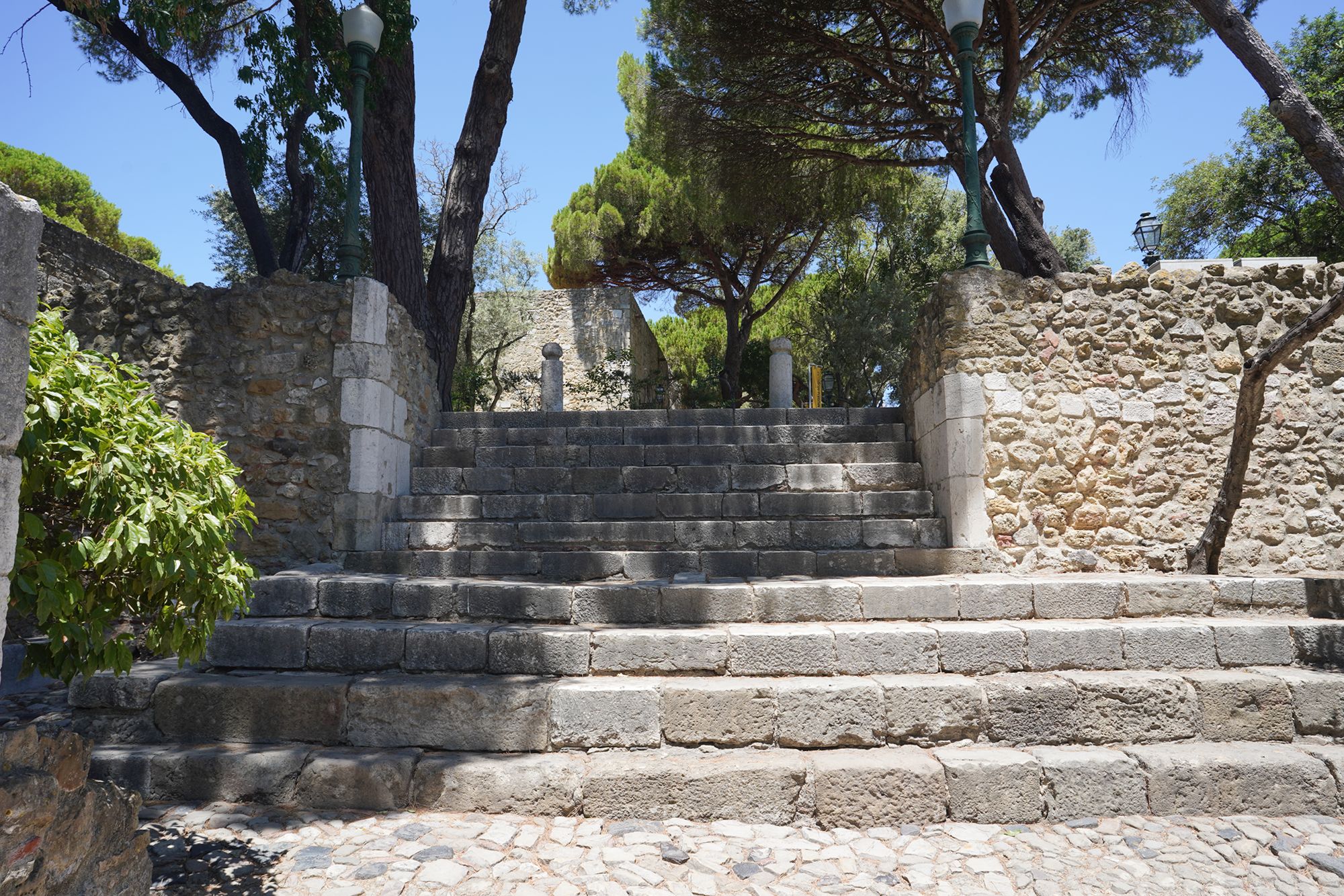
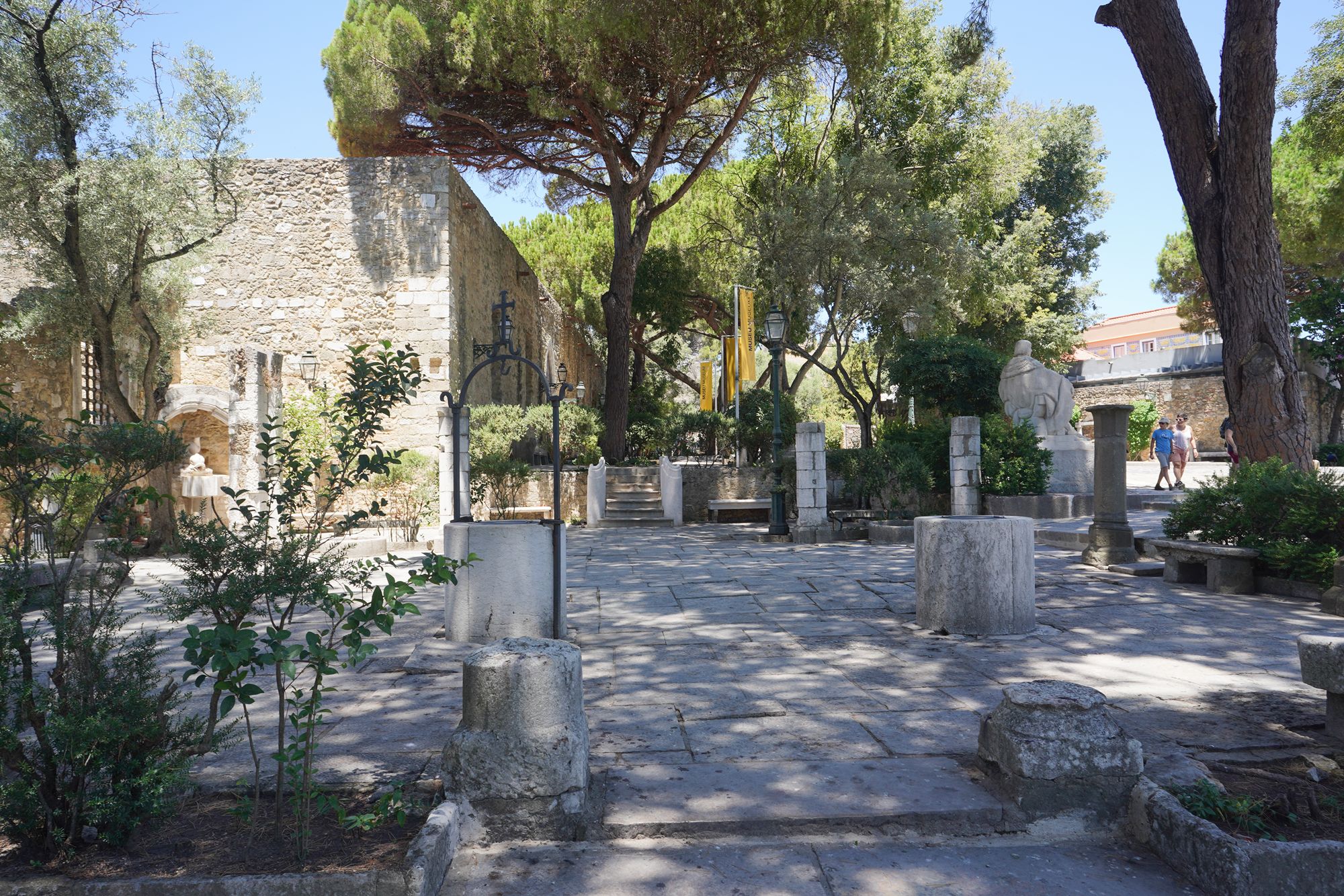
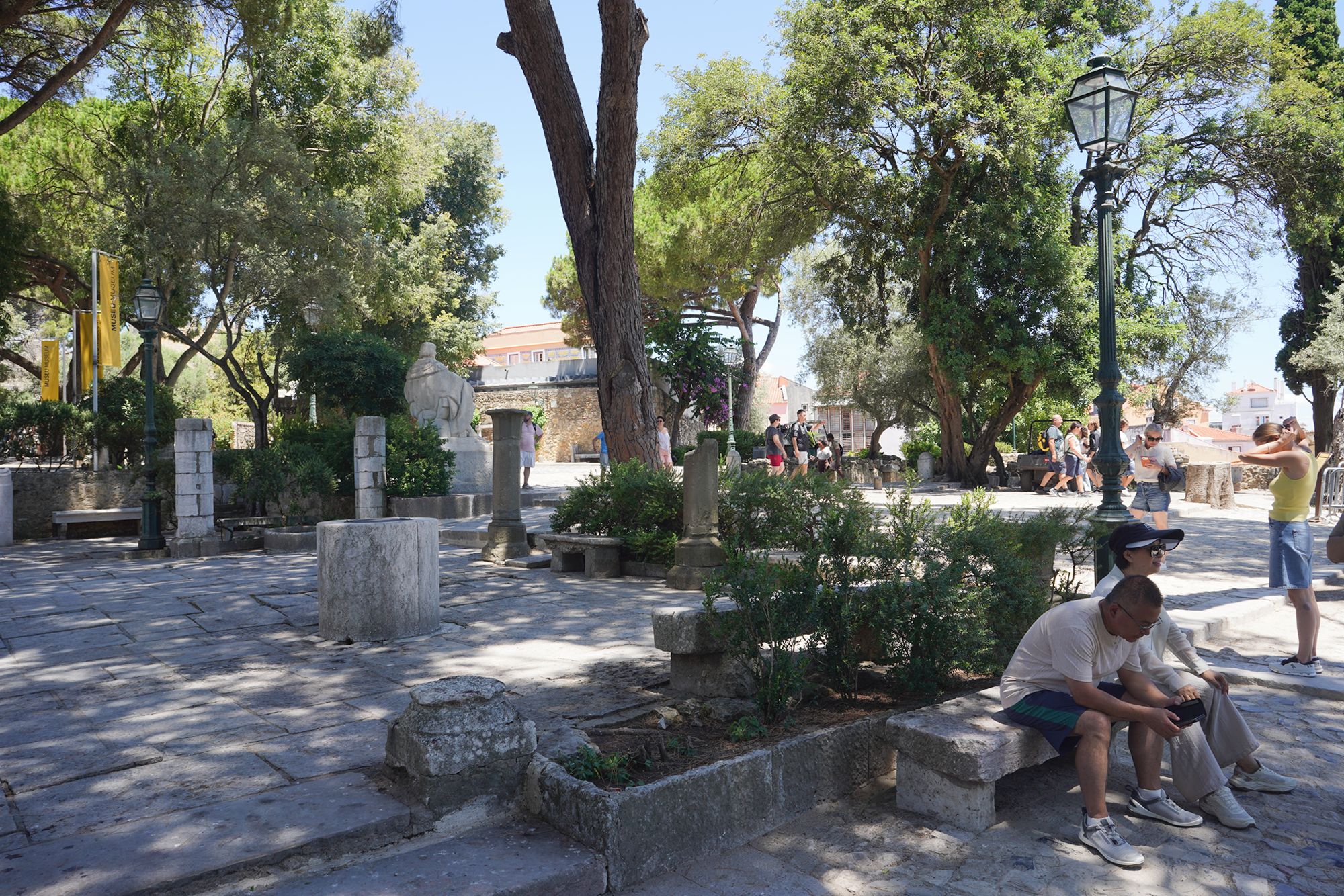
A view behind me
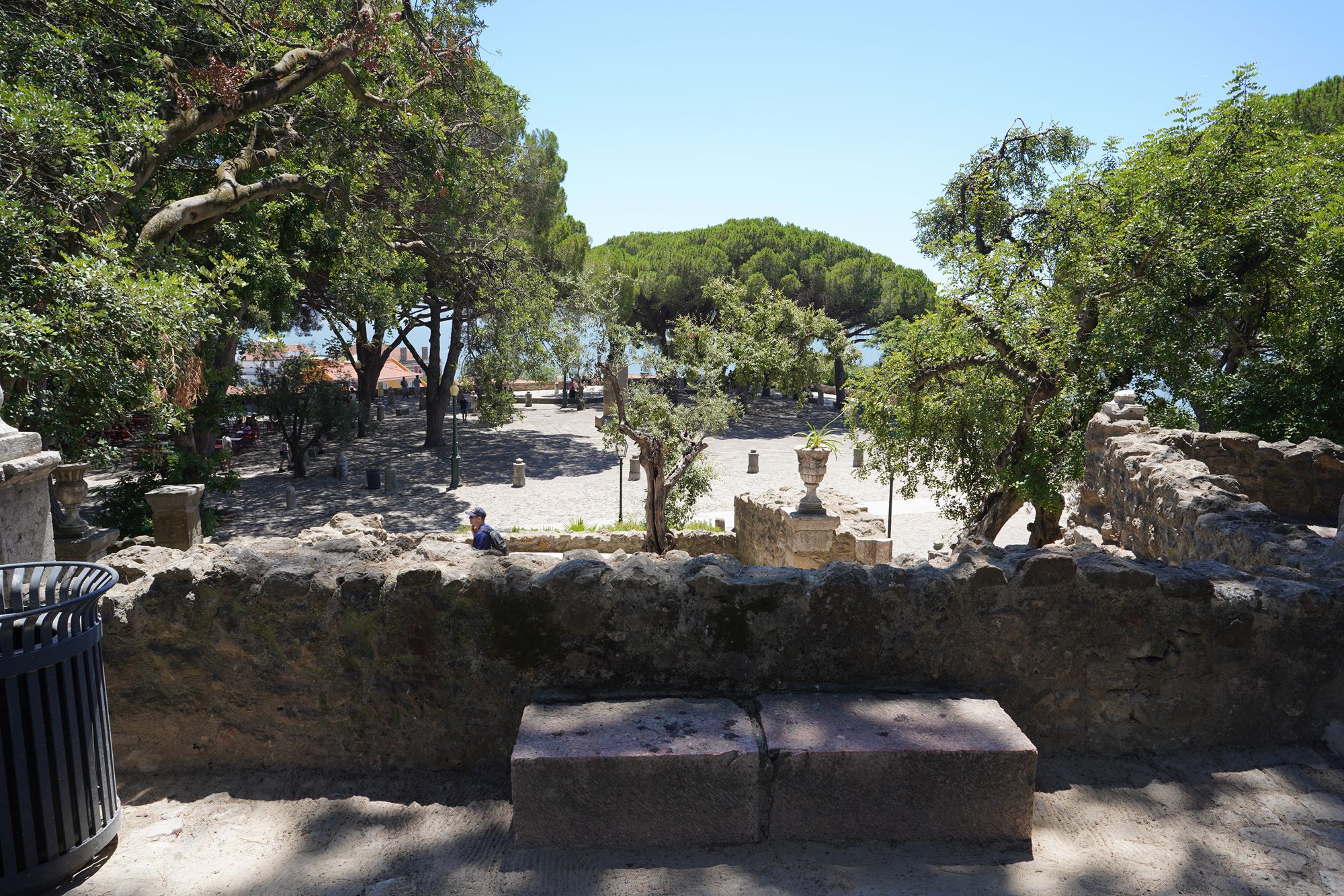
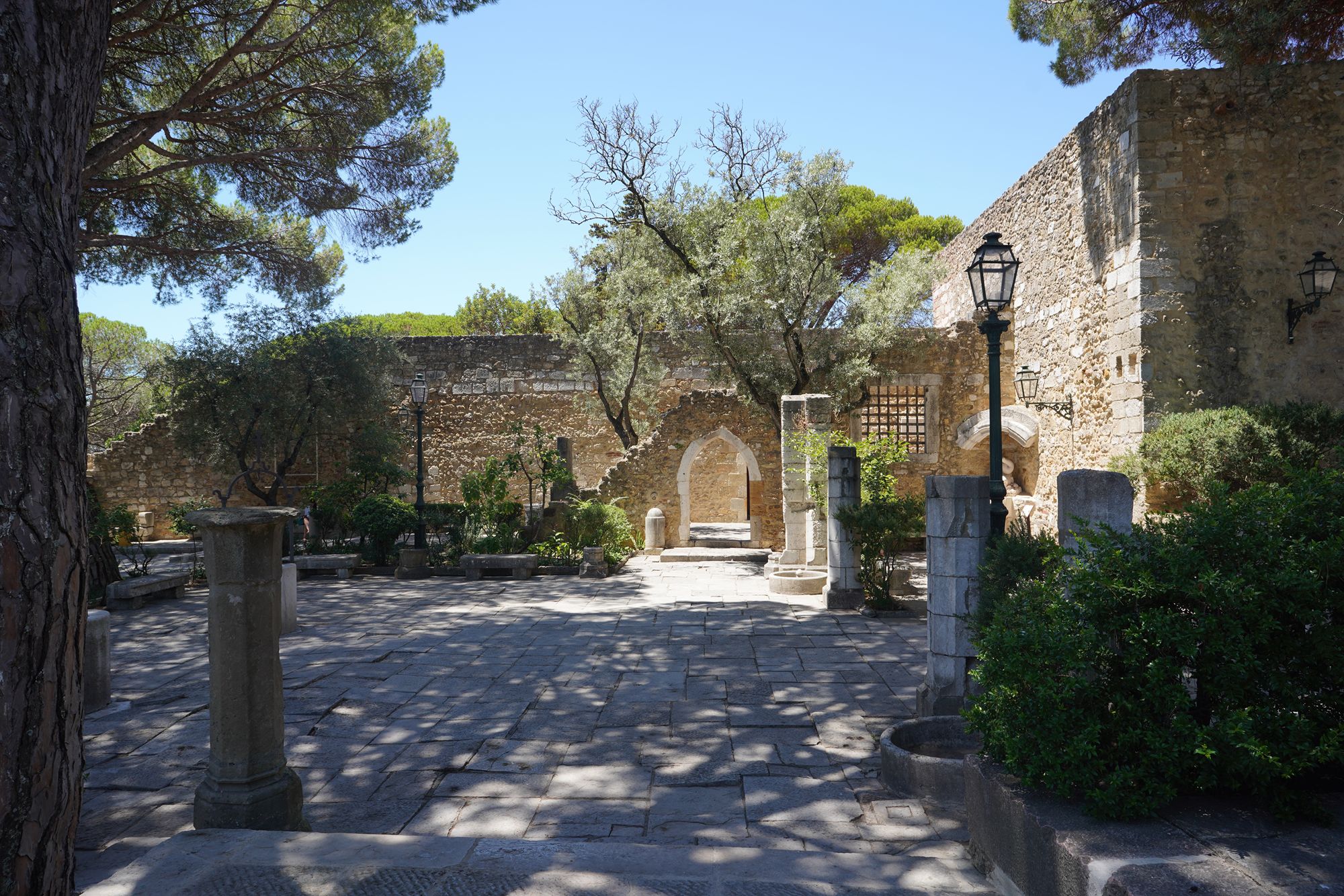
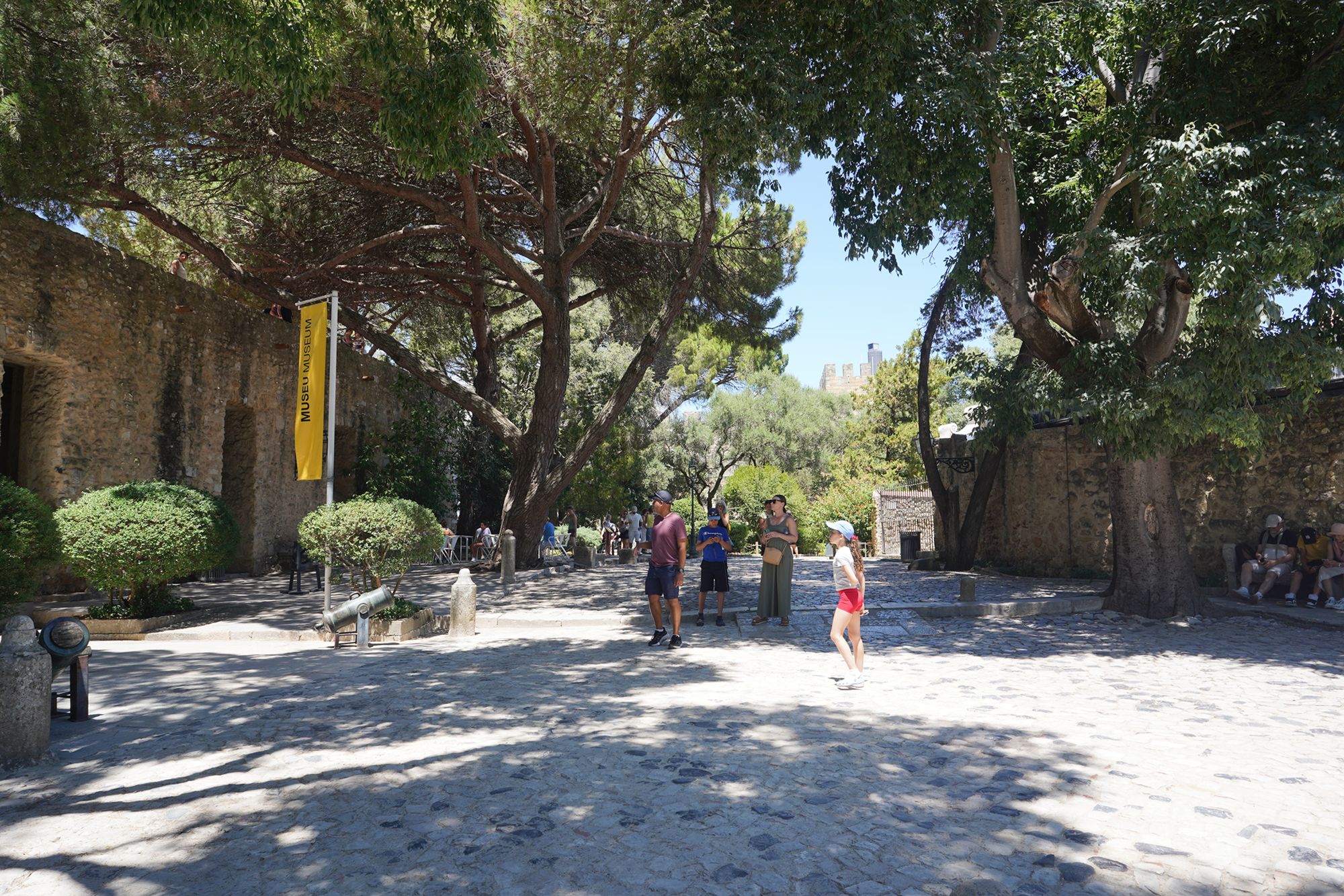
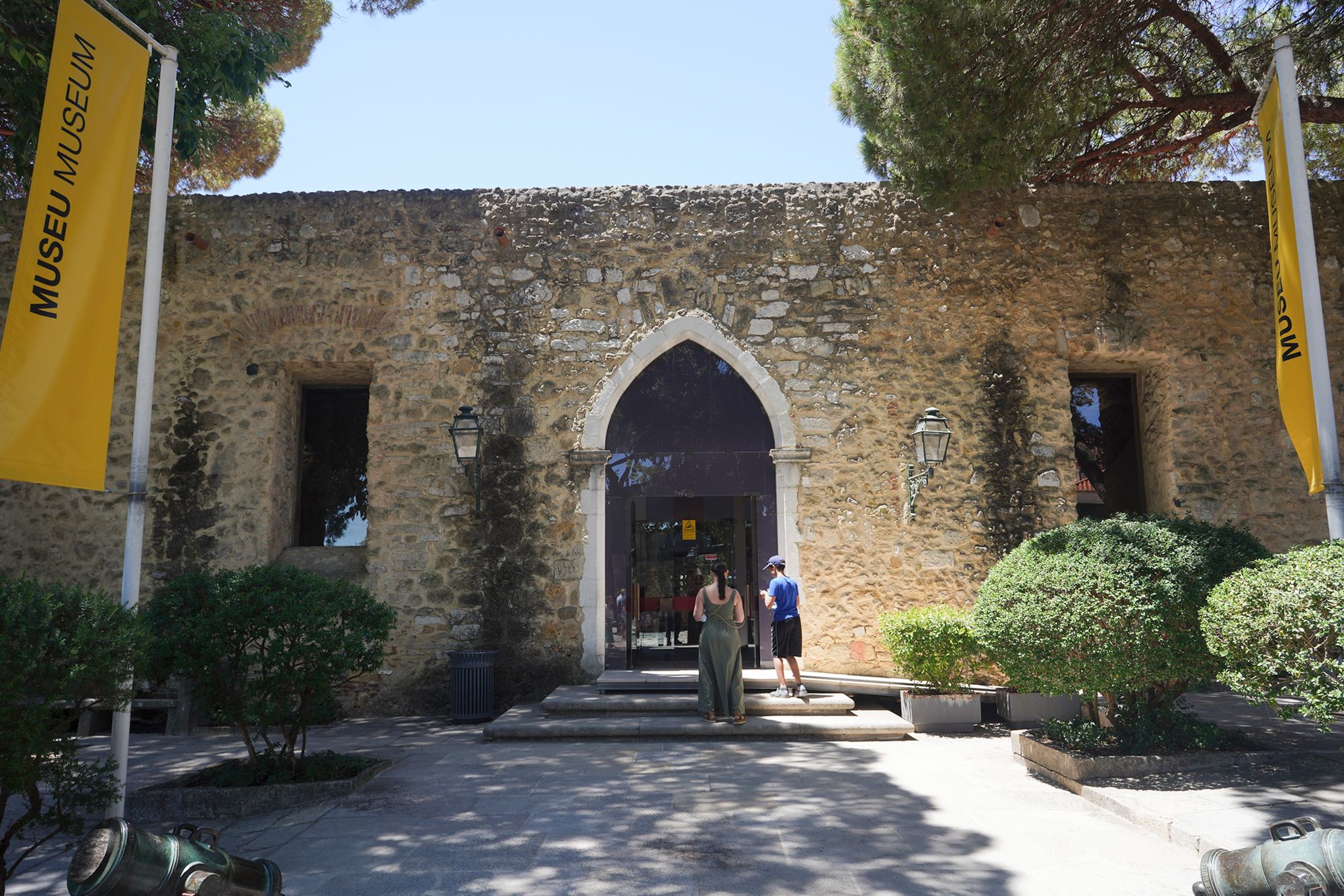
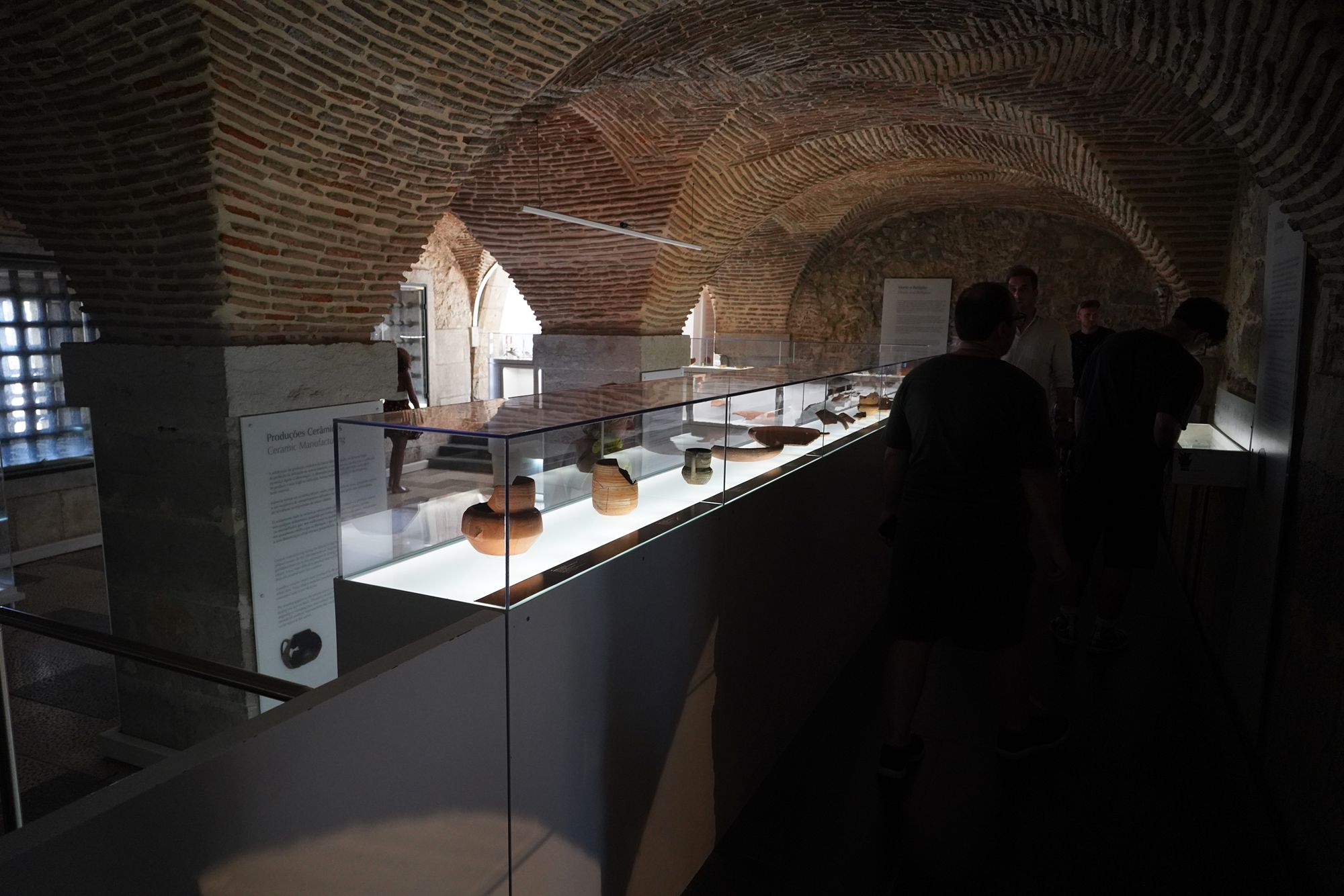
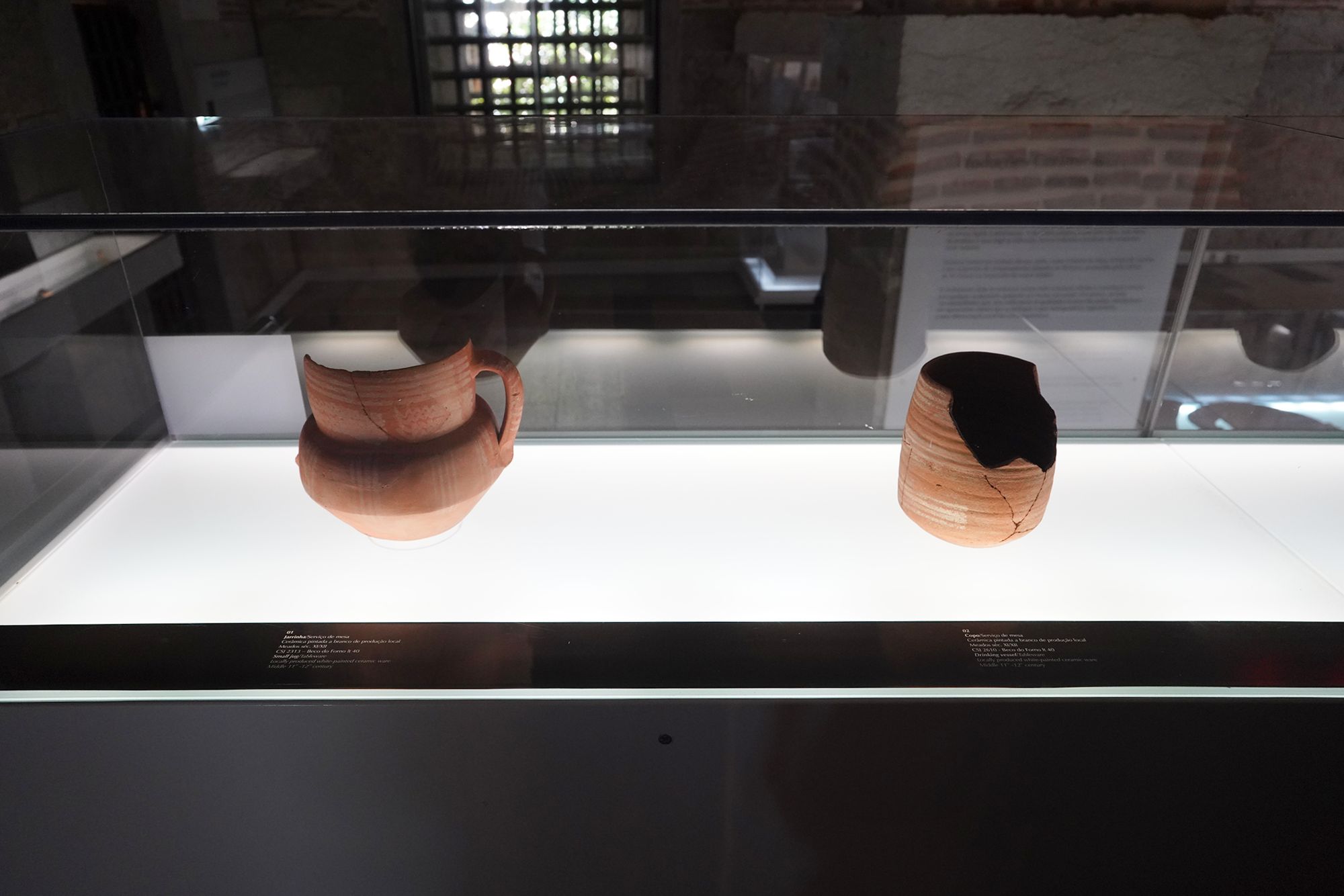
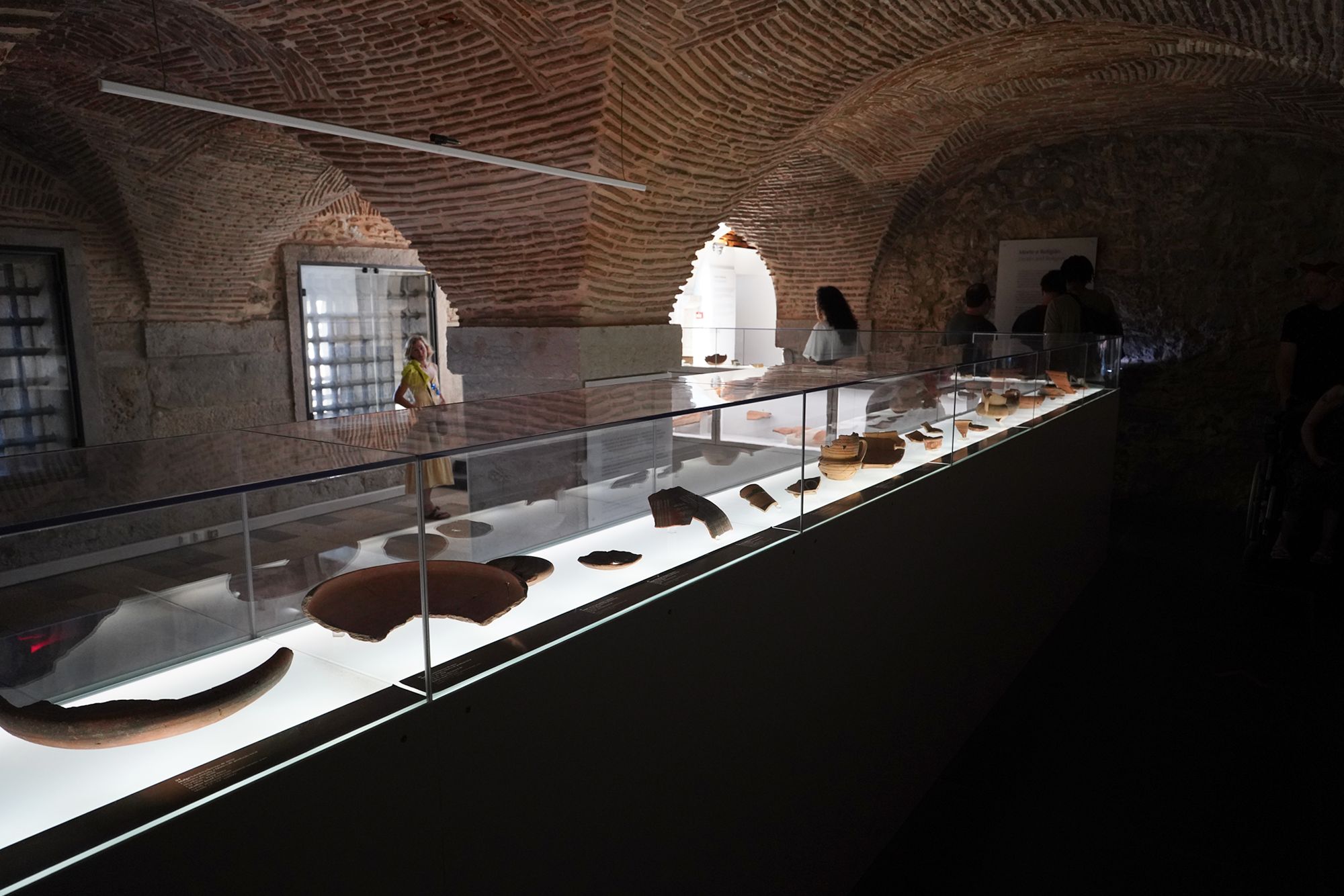
The archaeological museum at São Jorge Castle displays objects uncovered in the castle grounds and surrounding area.
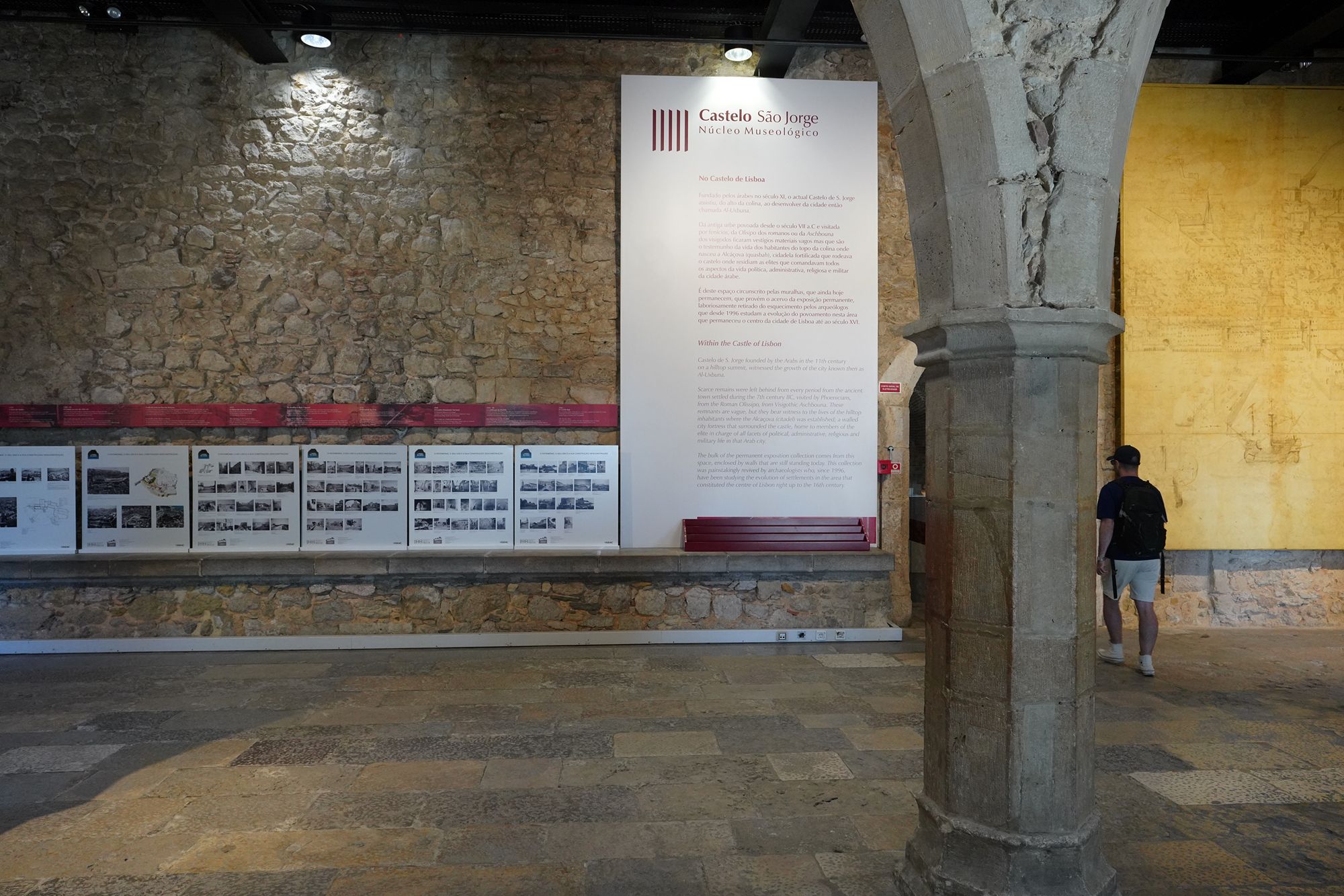
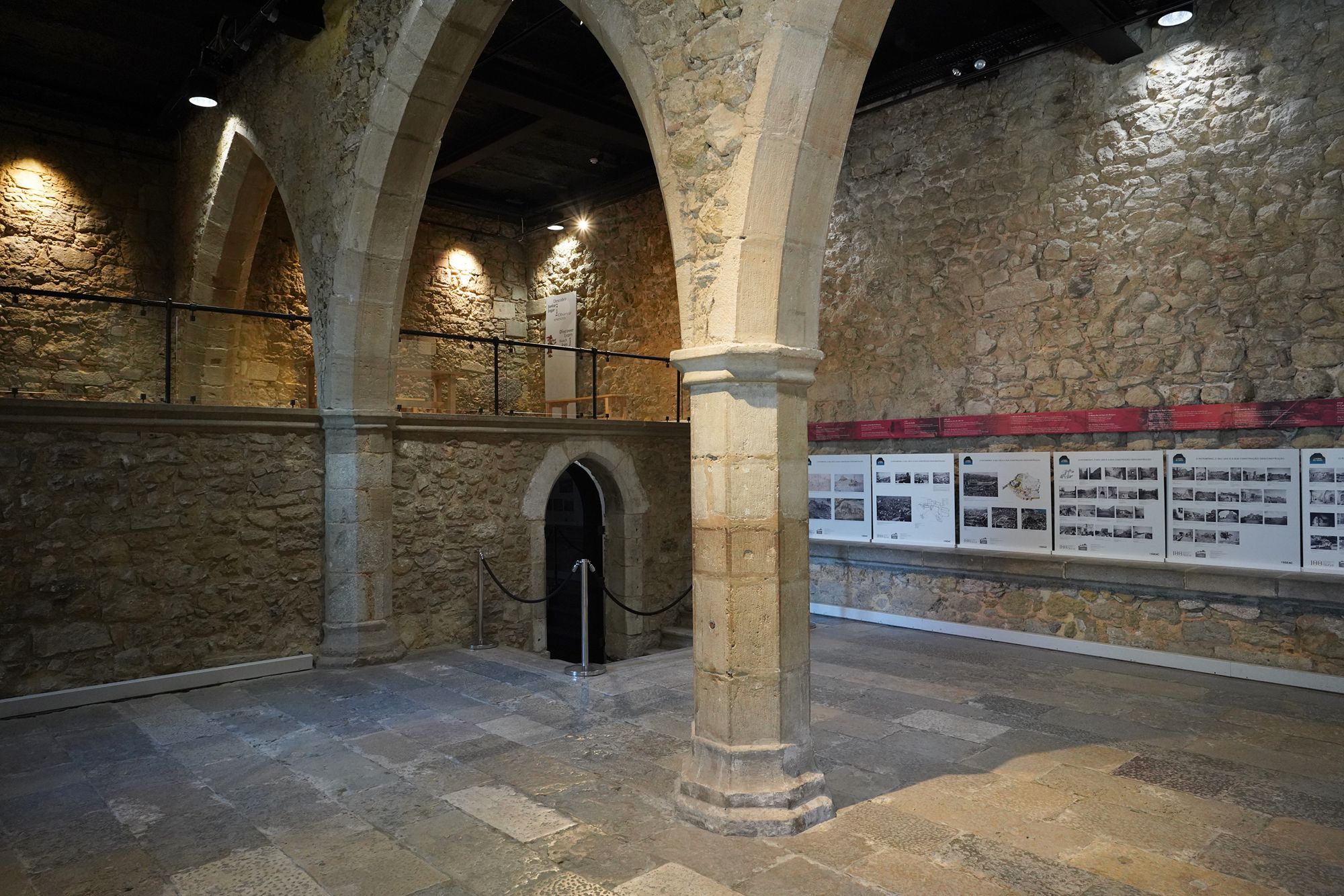
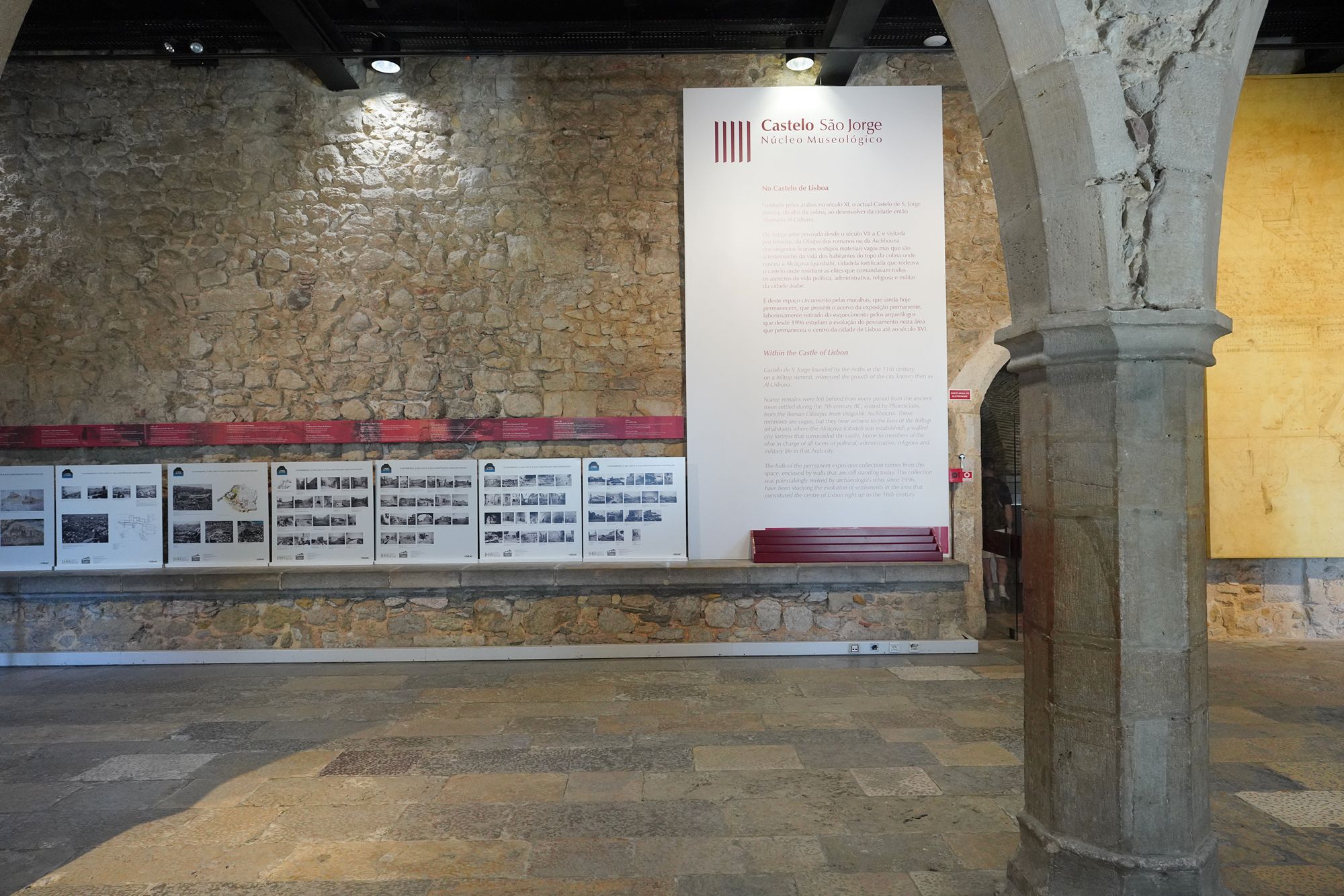
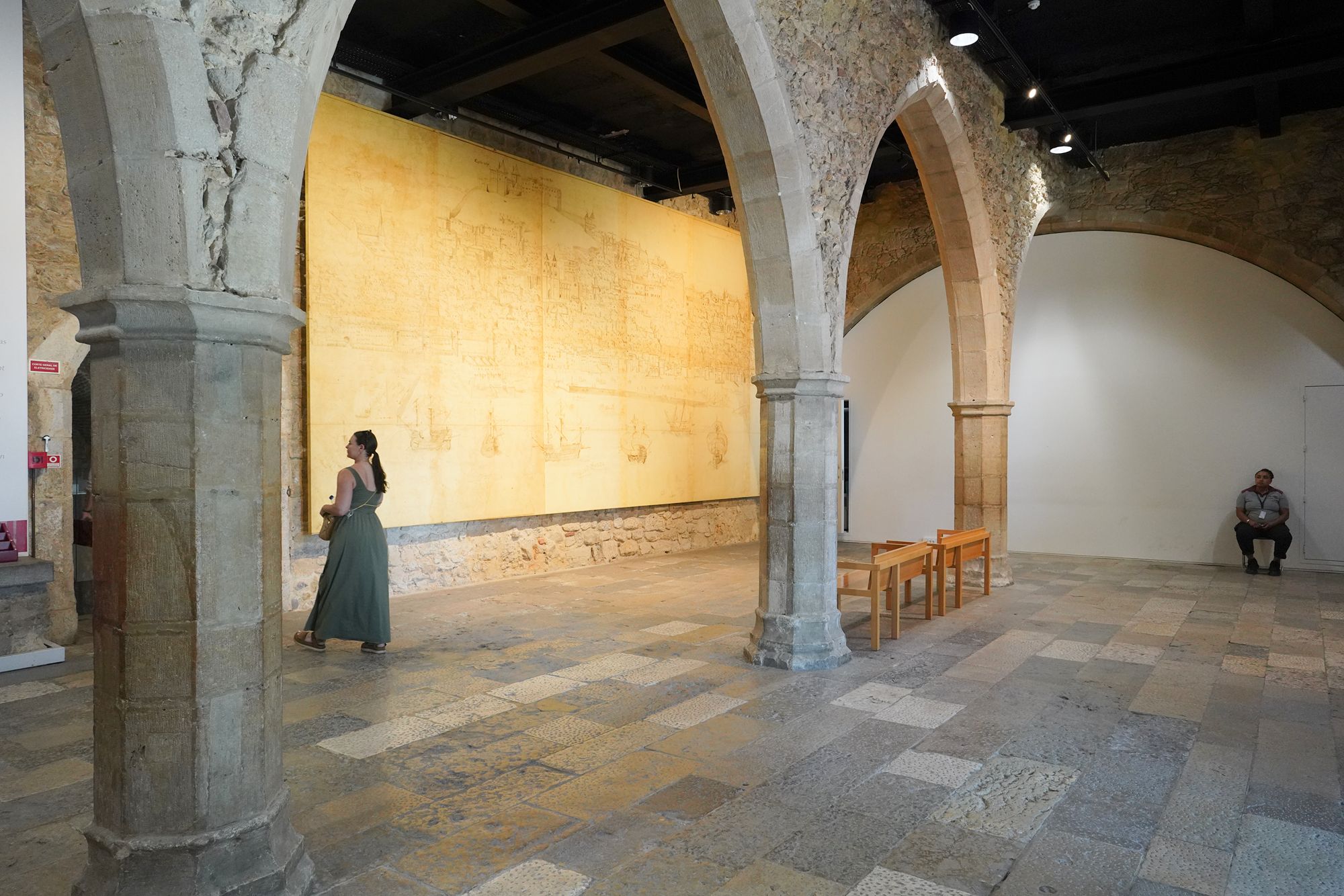
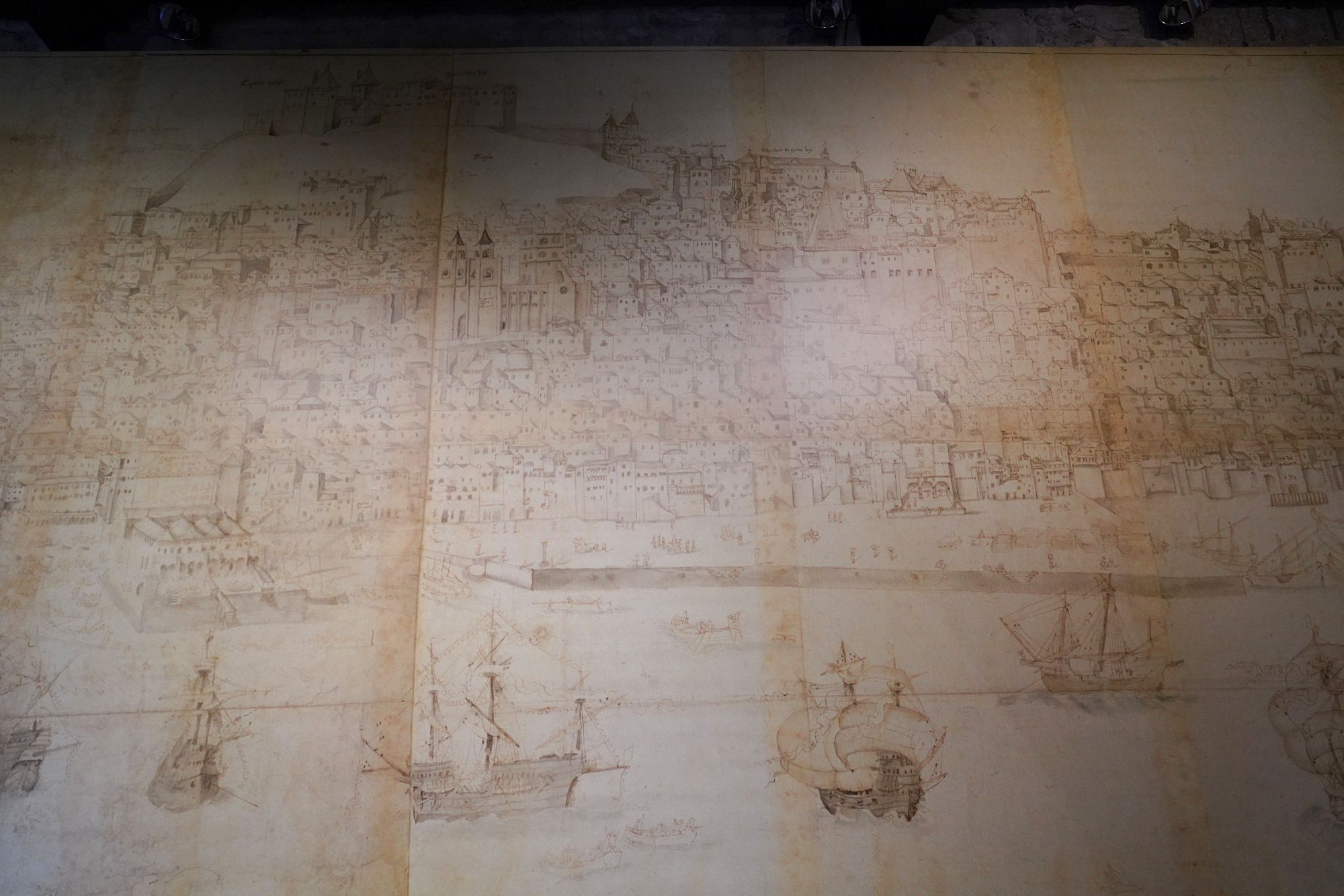
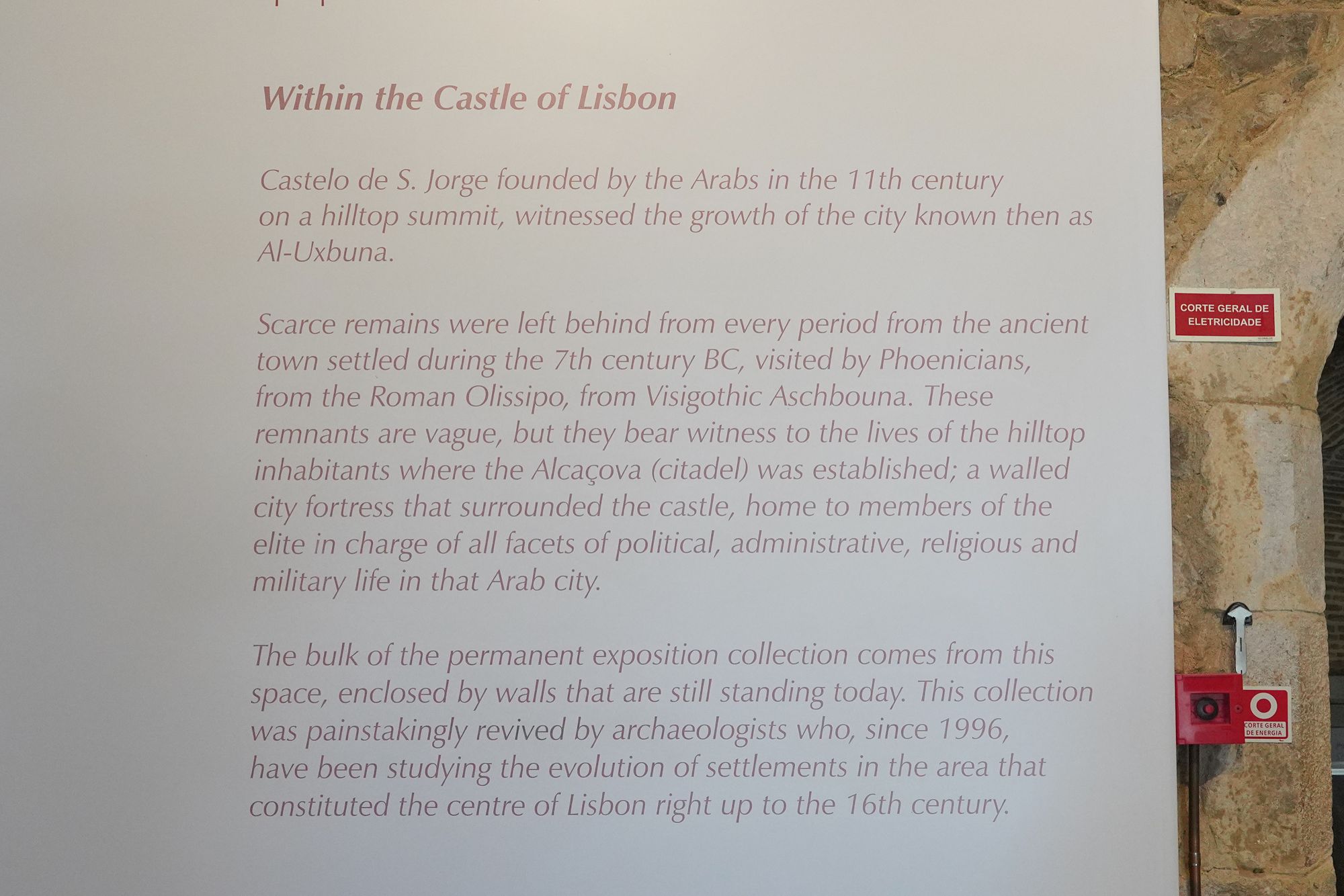
This panel explains that the hill was inhabited long before the castle was built in the 11th century under Muslim rule. Earlier settlements left traces from the Iron Age, Roman, and Visigothic periods. The castle stood within a fortified citadel where the city’s ruling elite lived. Many of the museum’s objects came from excavations within this area.
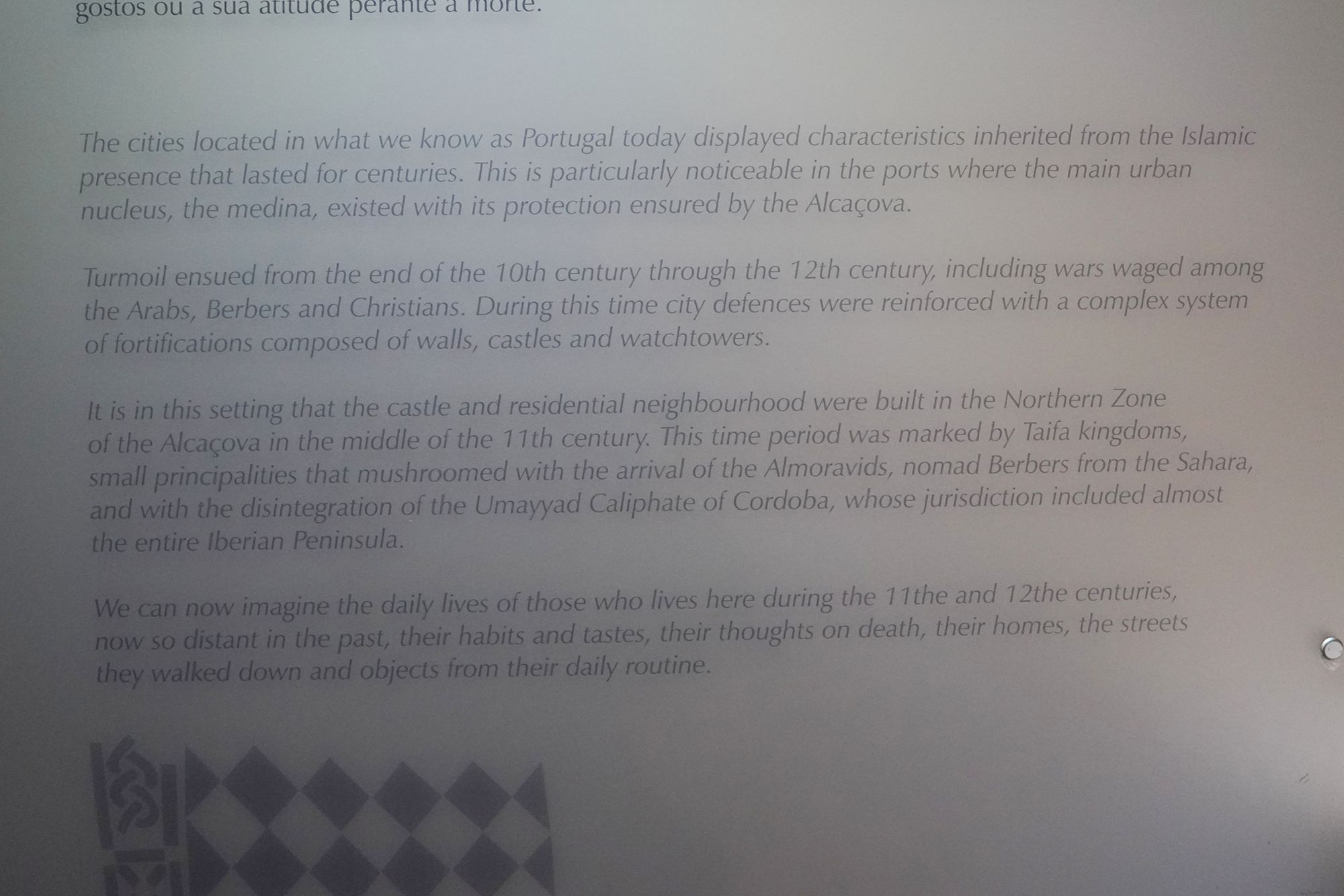
The next panel describes Lisbon during Islamic rule, when the main town, known as the medina, was protected by the fortified citadel above it. Conflict between the late 10th and 12th centuries led to stronger walls, castles, and watchtowers. The castle and a nearby residential quarter were built in the mid-11th century, and archaeological finds offer glimpses of the residents’ homes and daily lives.
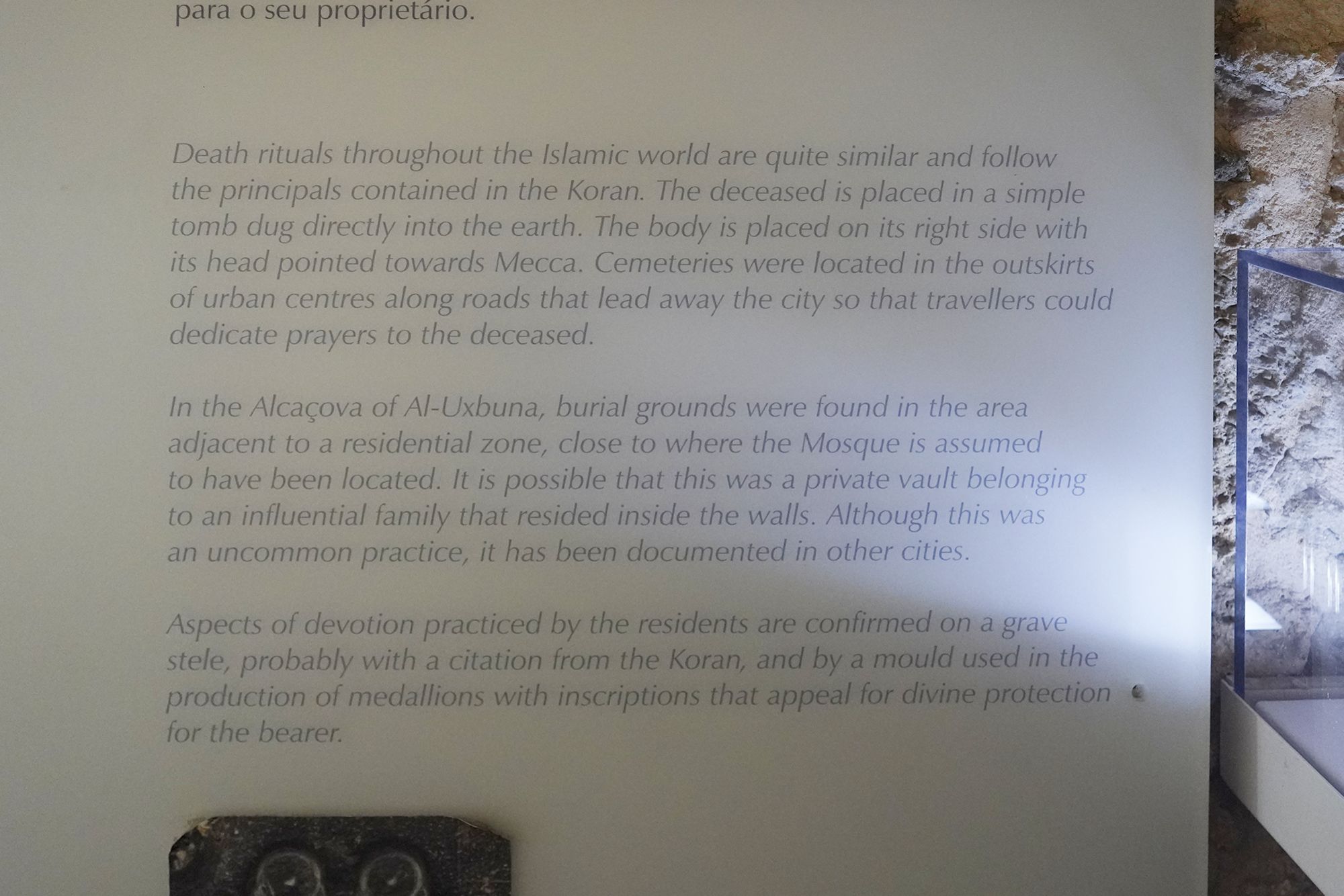
This panel describes burial customs and religious life during Lisbon’s Islamic period. Archaeologists found graves inside the citadel, near a residential area and the presumed site of a mosque. These may have belonged to an influential family. A grave marker and a mould for making medallions with protective inscriptions also offer evidence of the residents’ religious beliefs.
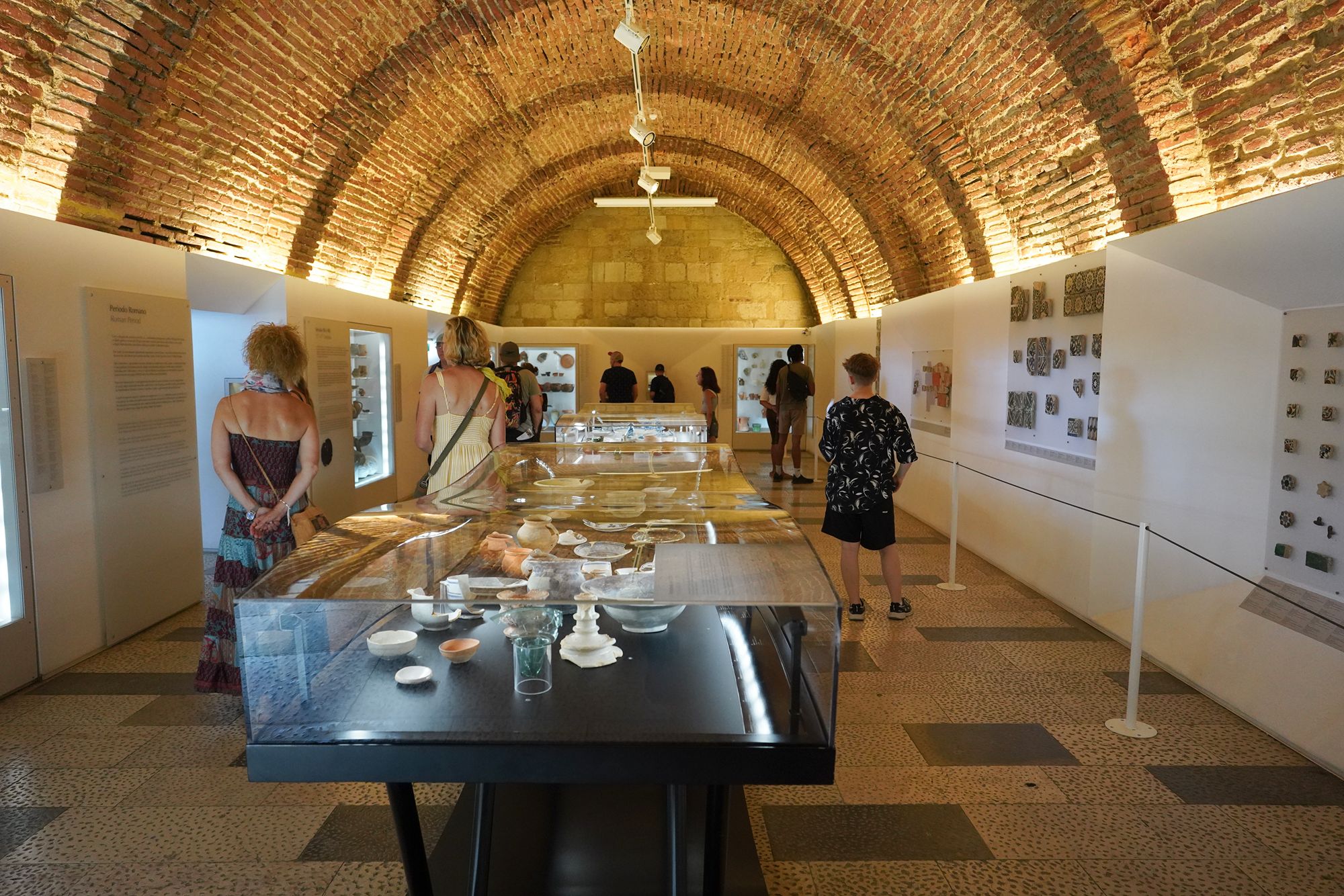
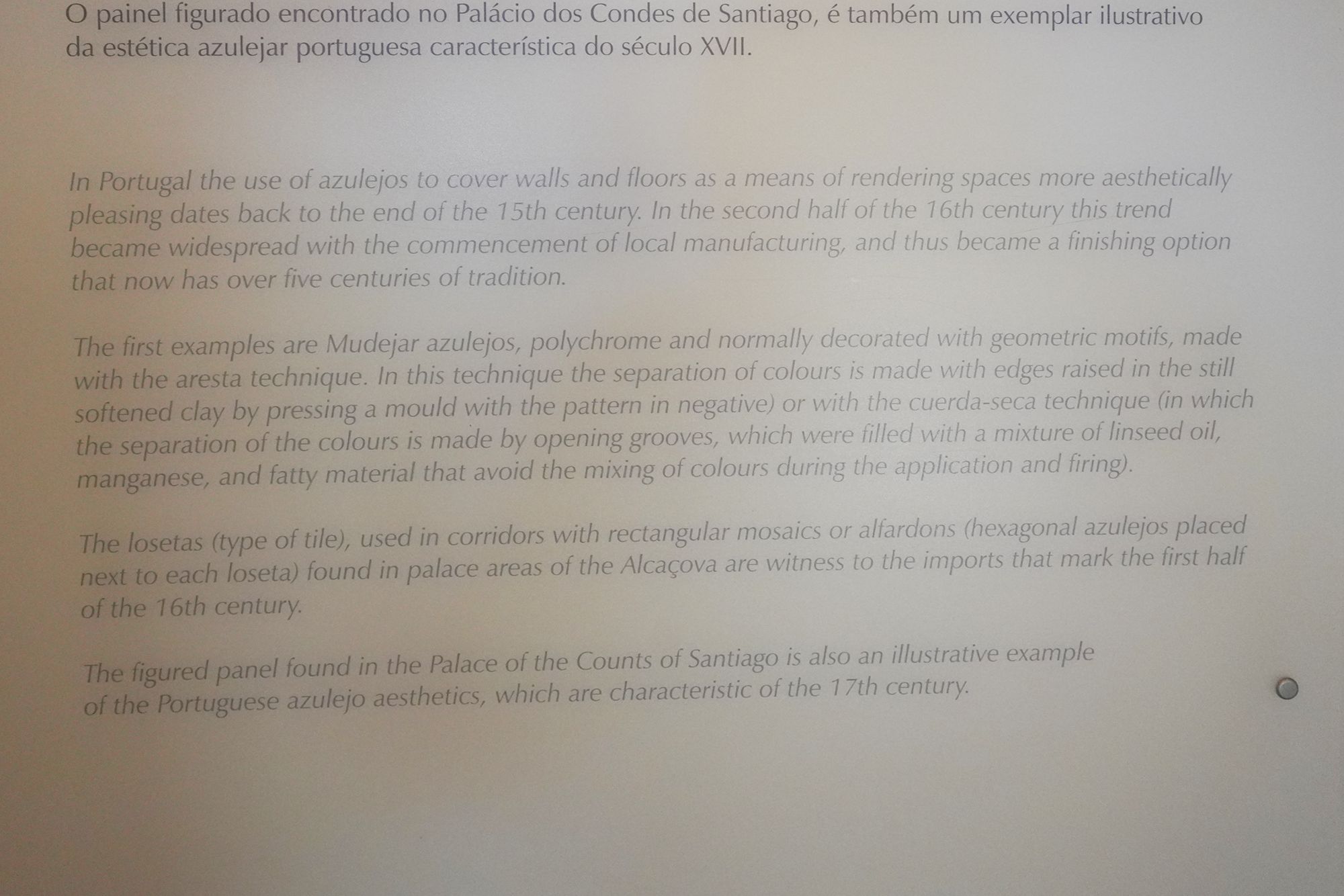
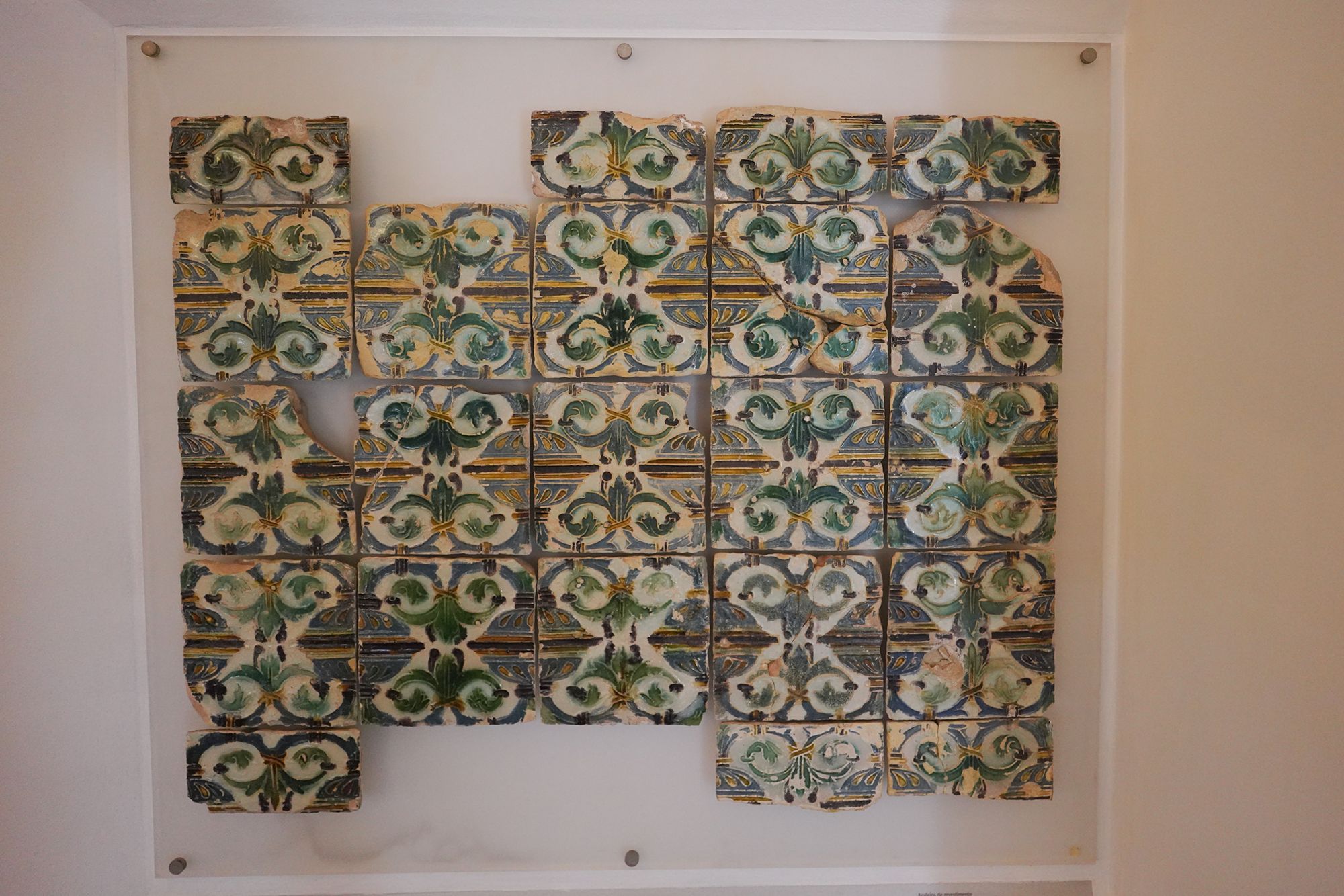
This panel introduces azulejos, the decorative tiles used in Portugal since the late 15th century. Early examples featured colorful geometric patterns, with raised edges or grooves keeping the glazes separate. Tiles found in the citadel’s palace areas show the imported designs used in the early 16th century, while a later figurative panel illustrates the style of the 17th century.
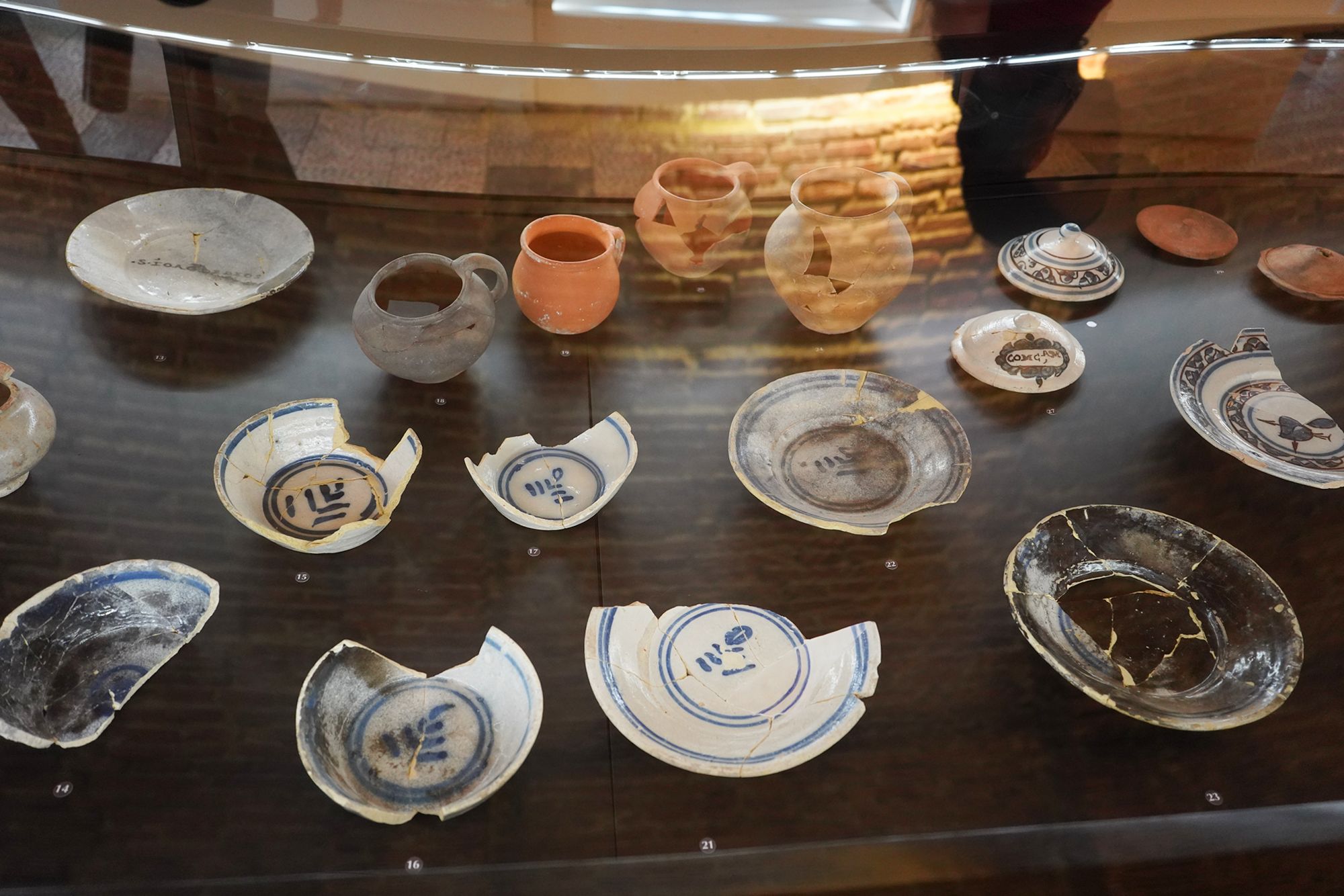
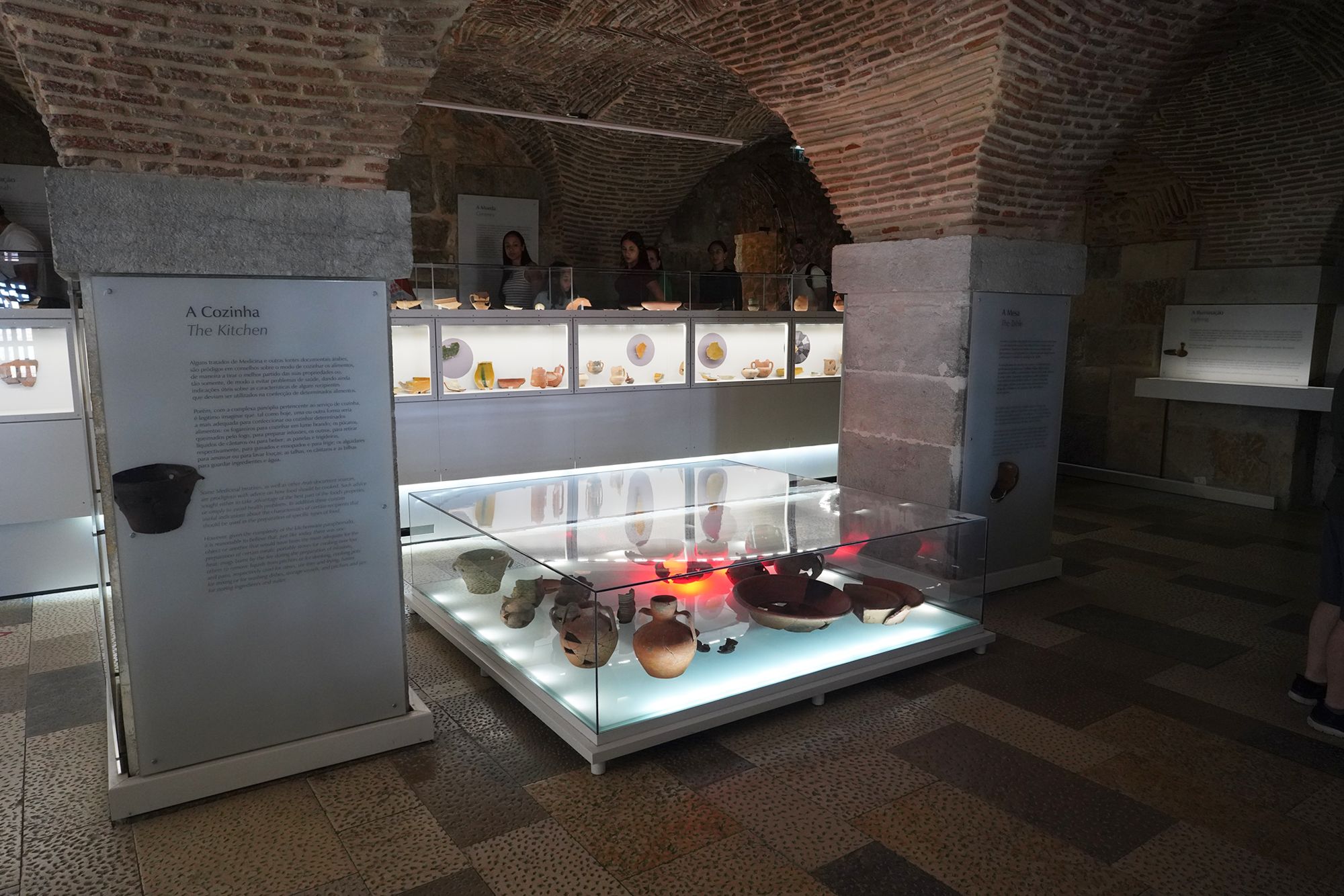
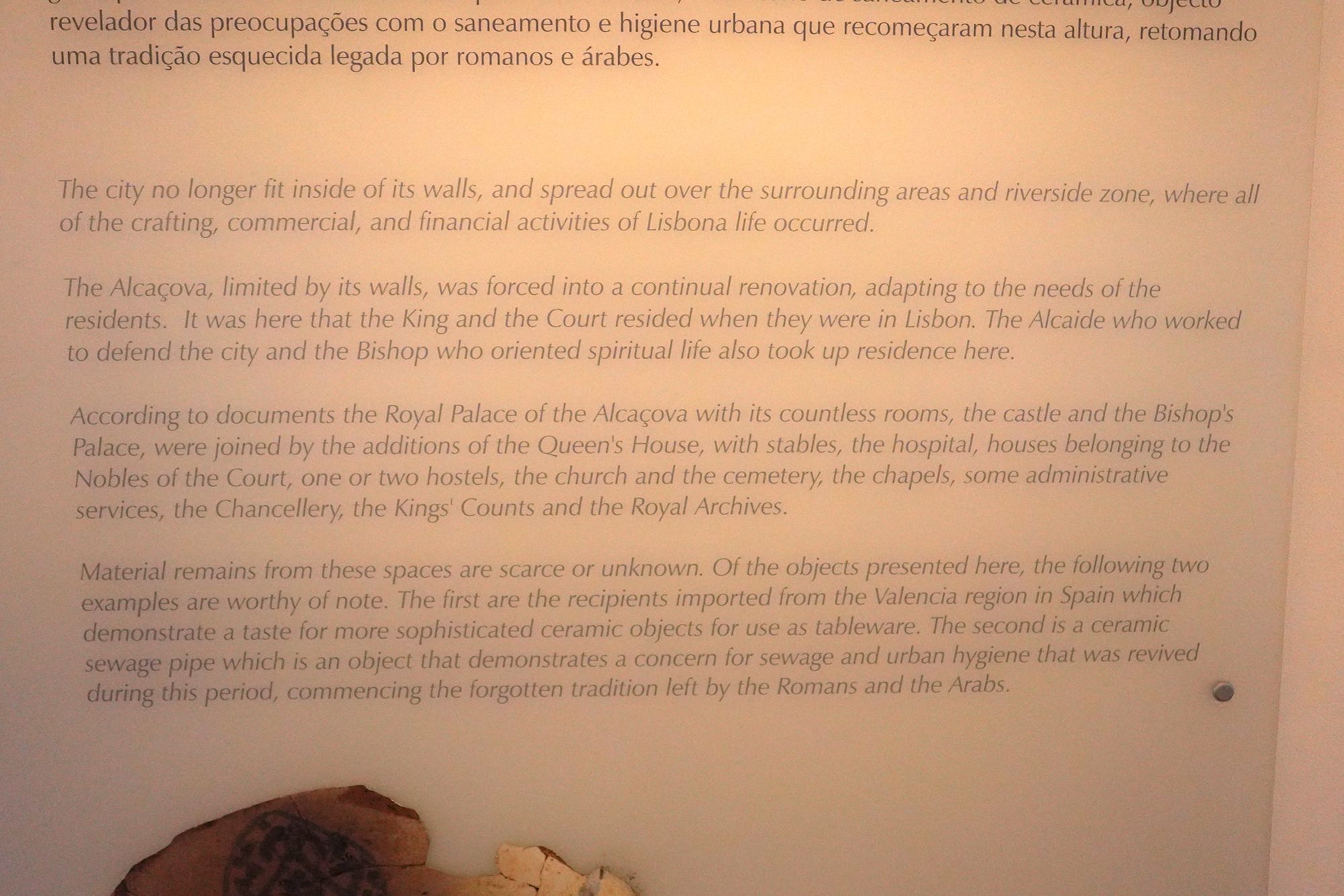
As Lisbon grew beyond its walls, trade and craft activities expanded toward the riverfront. The citadel remained a center of royal, religious, and administrative life, housing the king and court during their stays in Lisbon. Objects displayed here include fine tableware imported from Valencia and a ceramic sewage pipe, showing both a taste for elegant household goods and efforts to improve urban sanitation.
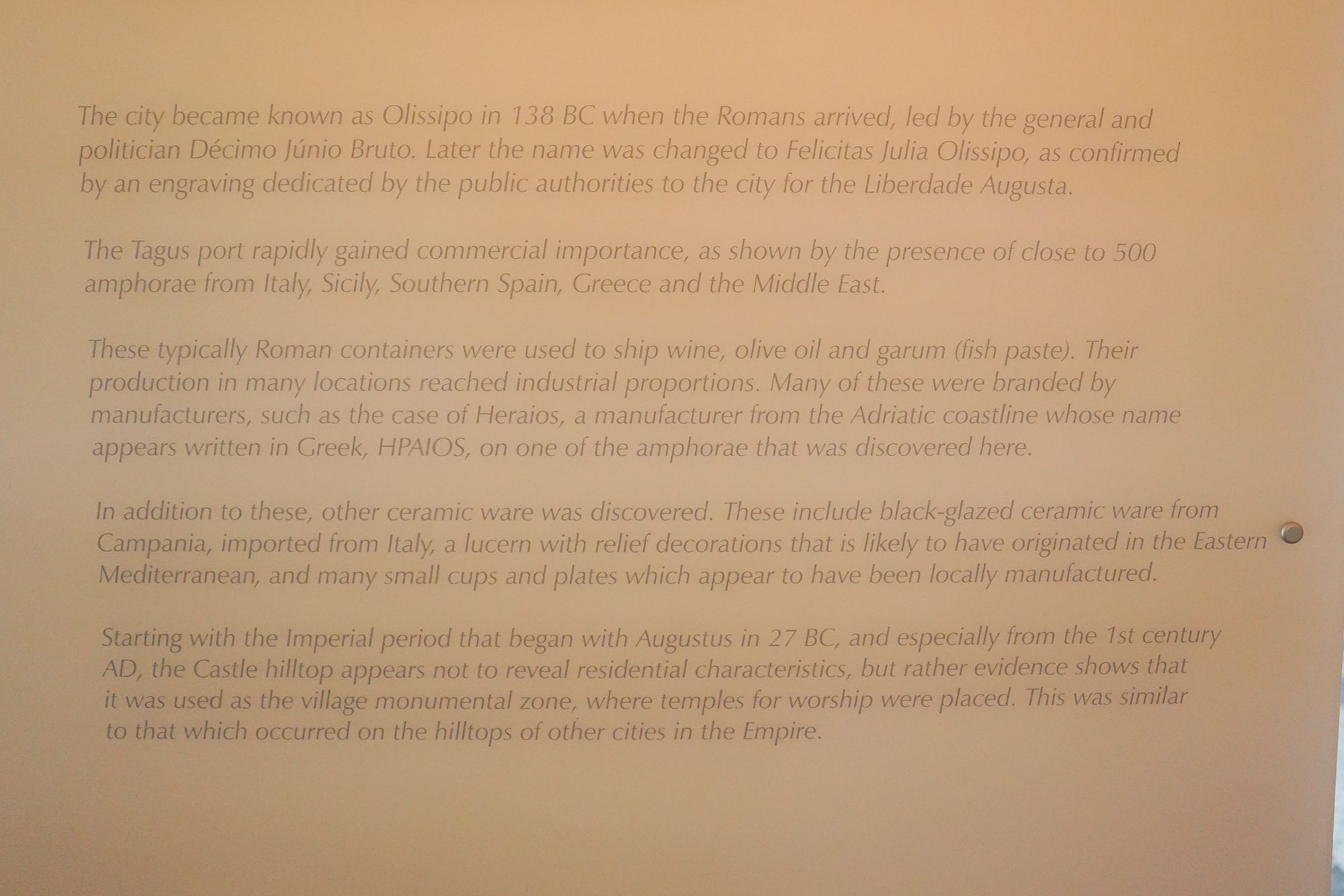
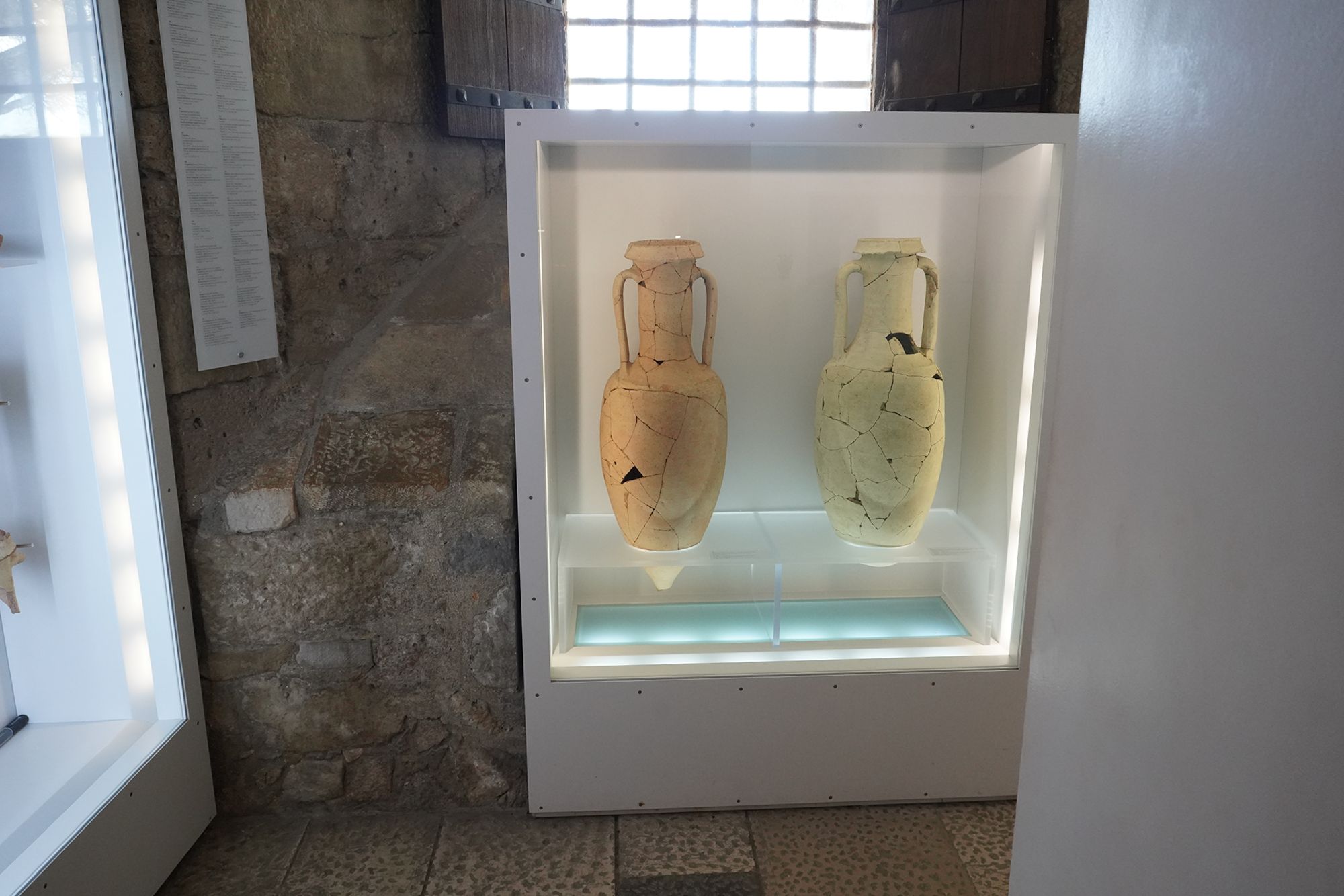
During Roman times, Lisbon was known as Olisipo, and its port became an important trading center. Nearly 500 amphorae found here came from across the Mediterranean and were used to transport wine, olive oil, and fish sauce. Other discoveries include imported pottery, lamps, and locally made tableware. Archaeological evidence suggests that the castle hill later served as a monumental area with temples rather than a residential neighborhood.
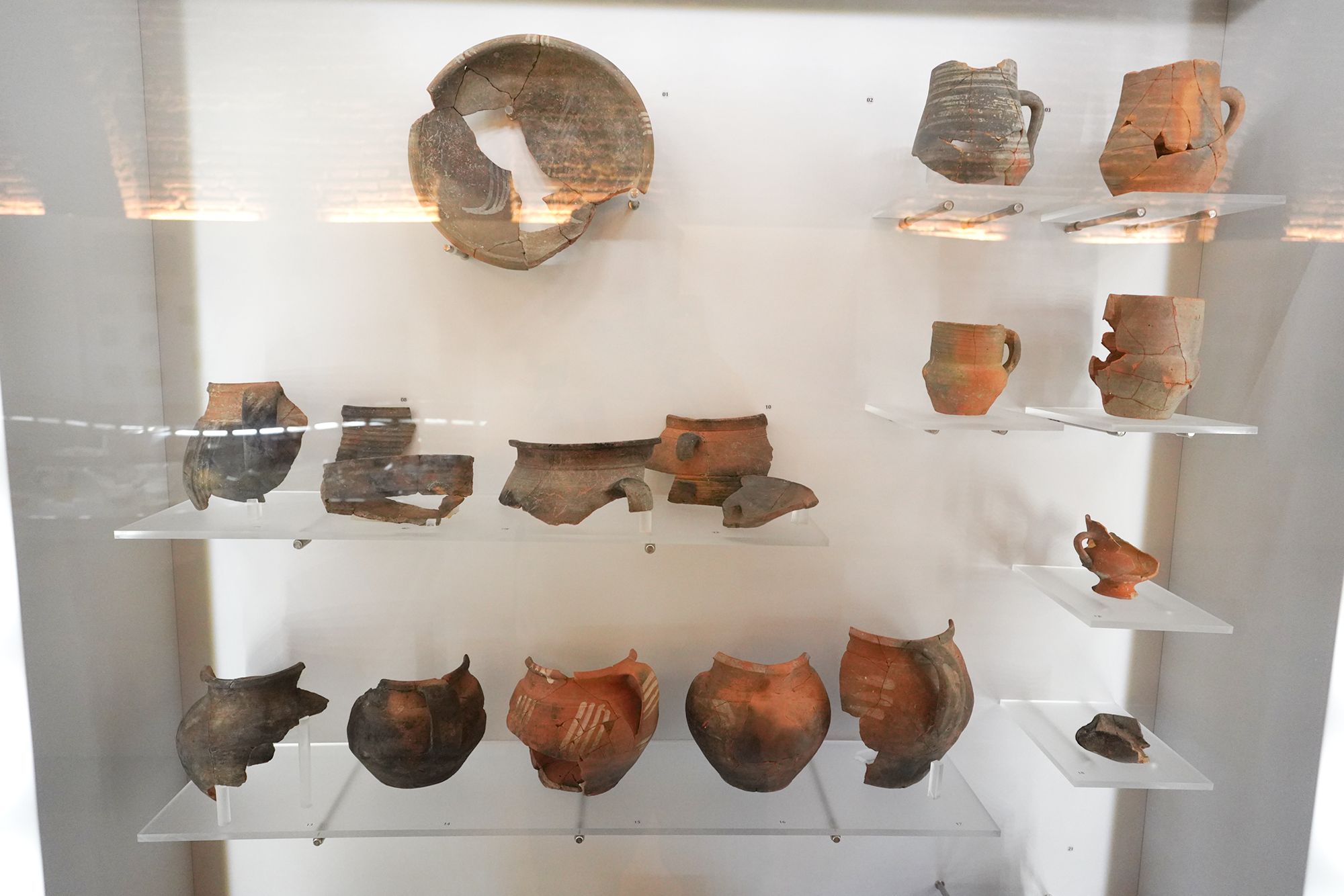
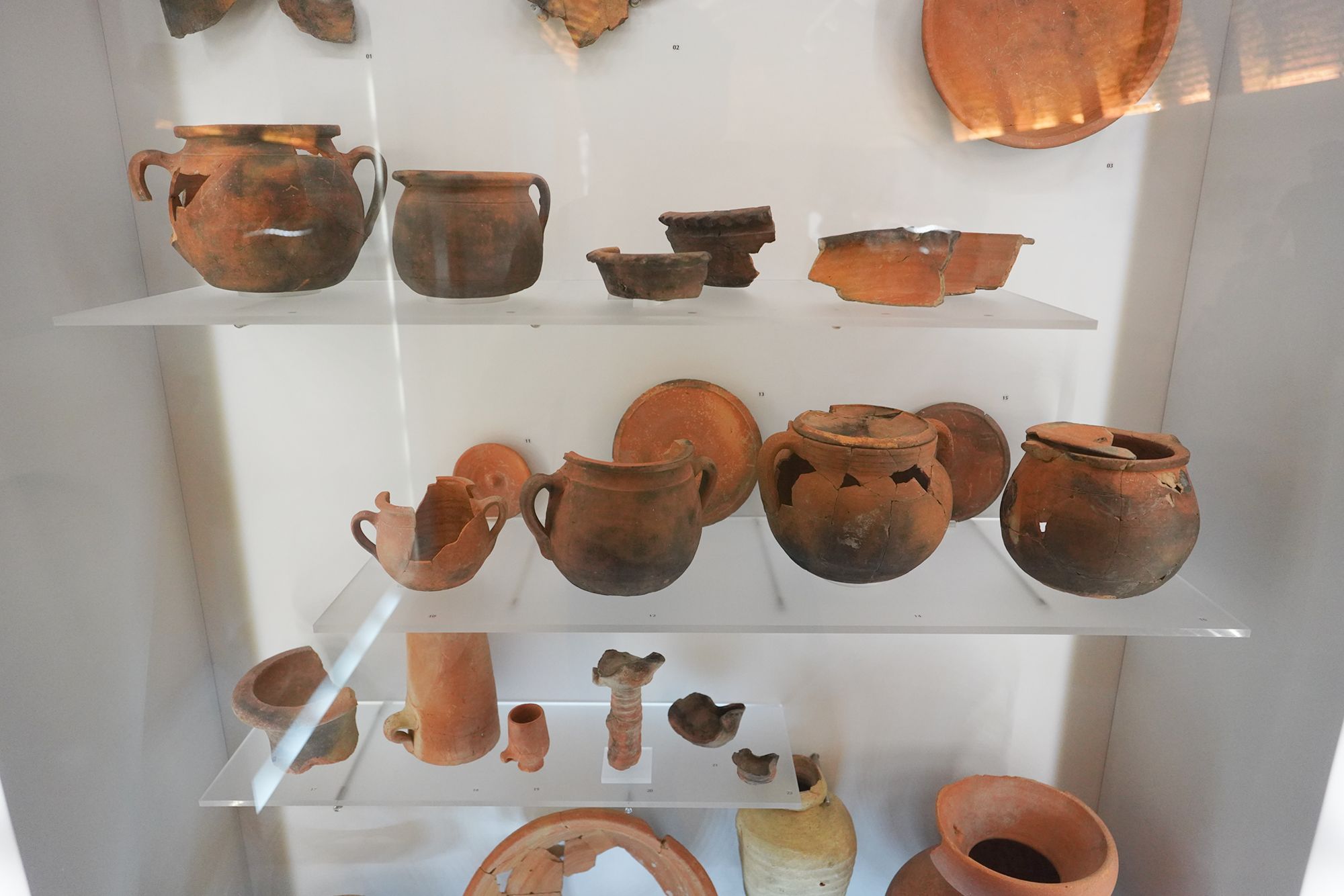
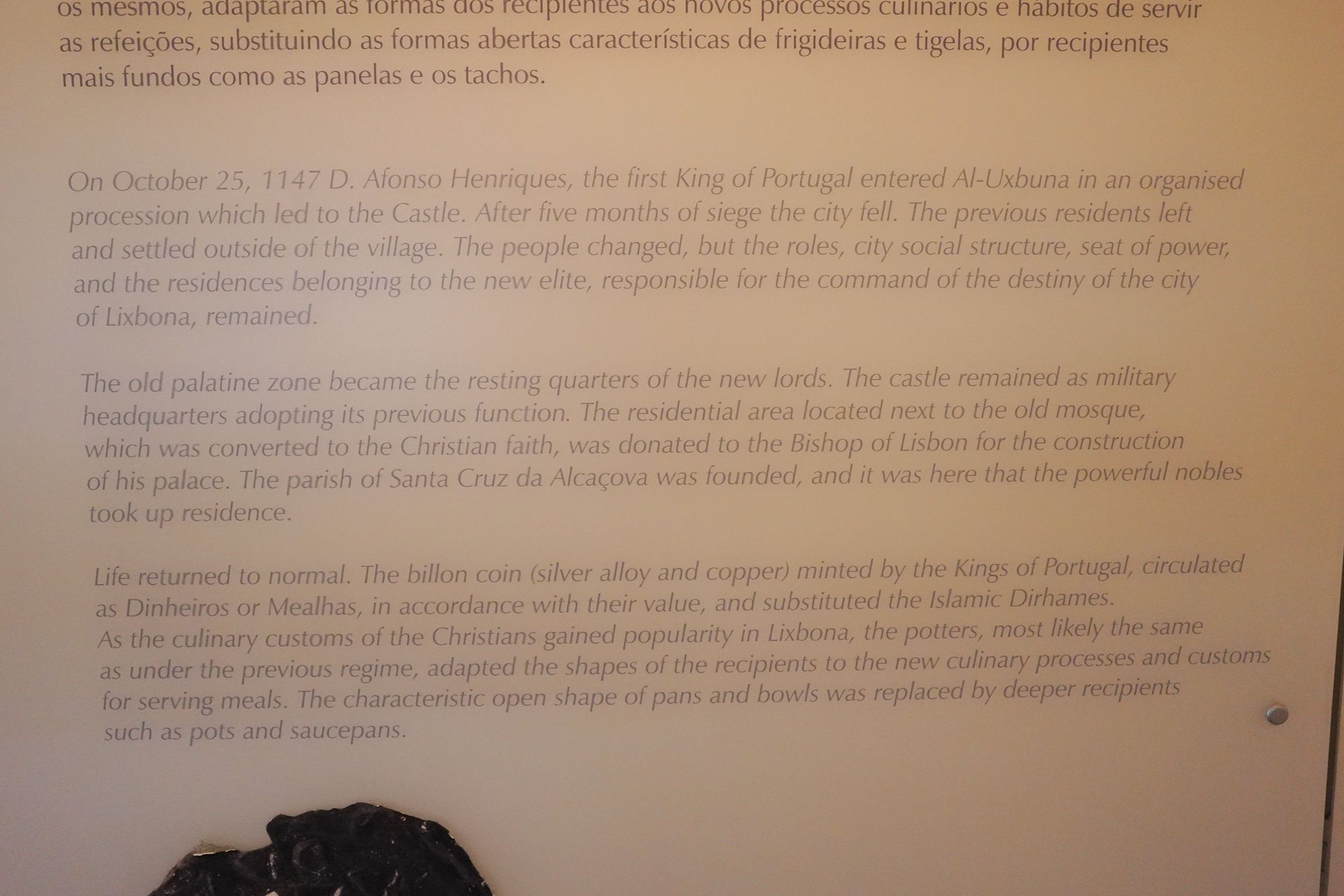
In 1147, Portugal’s first king, Afonso Henriques, captured Lisbon after a siege. The citadel continued to serve as a center of power, now occupied by Christian rulers, nobles, and the bishop. Changes also appeared in everyday life: Portuguese coins replaced Islamic currency, and potters adapted their cooking vessels to the customs of the new residents.
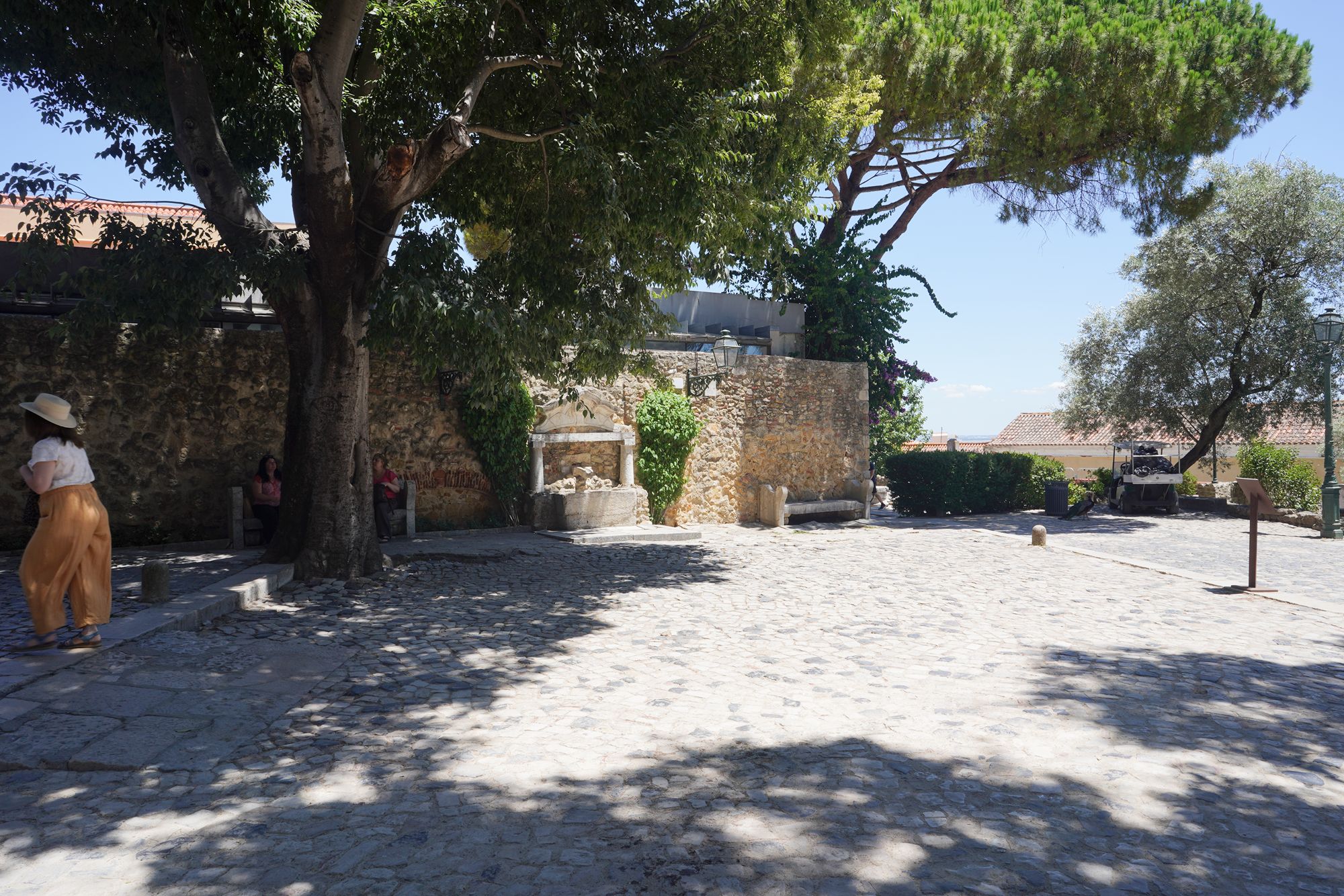
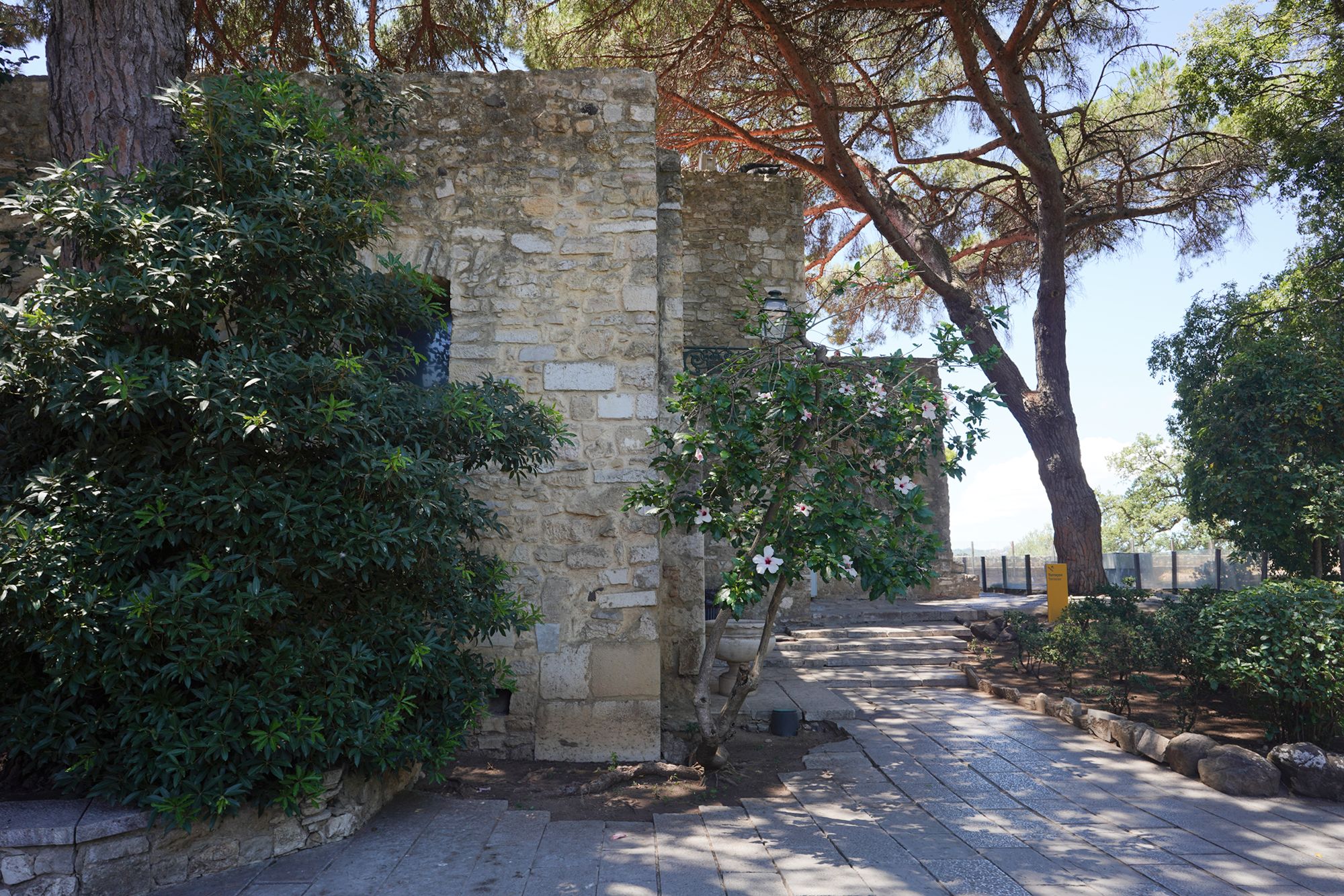
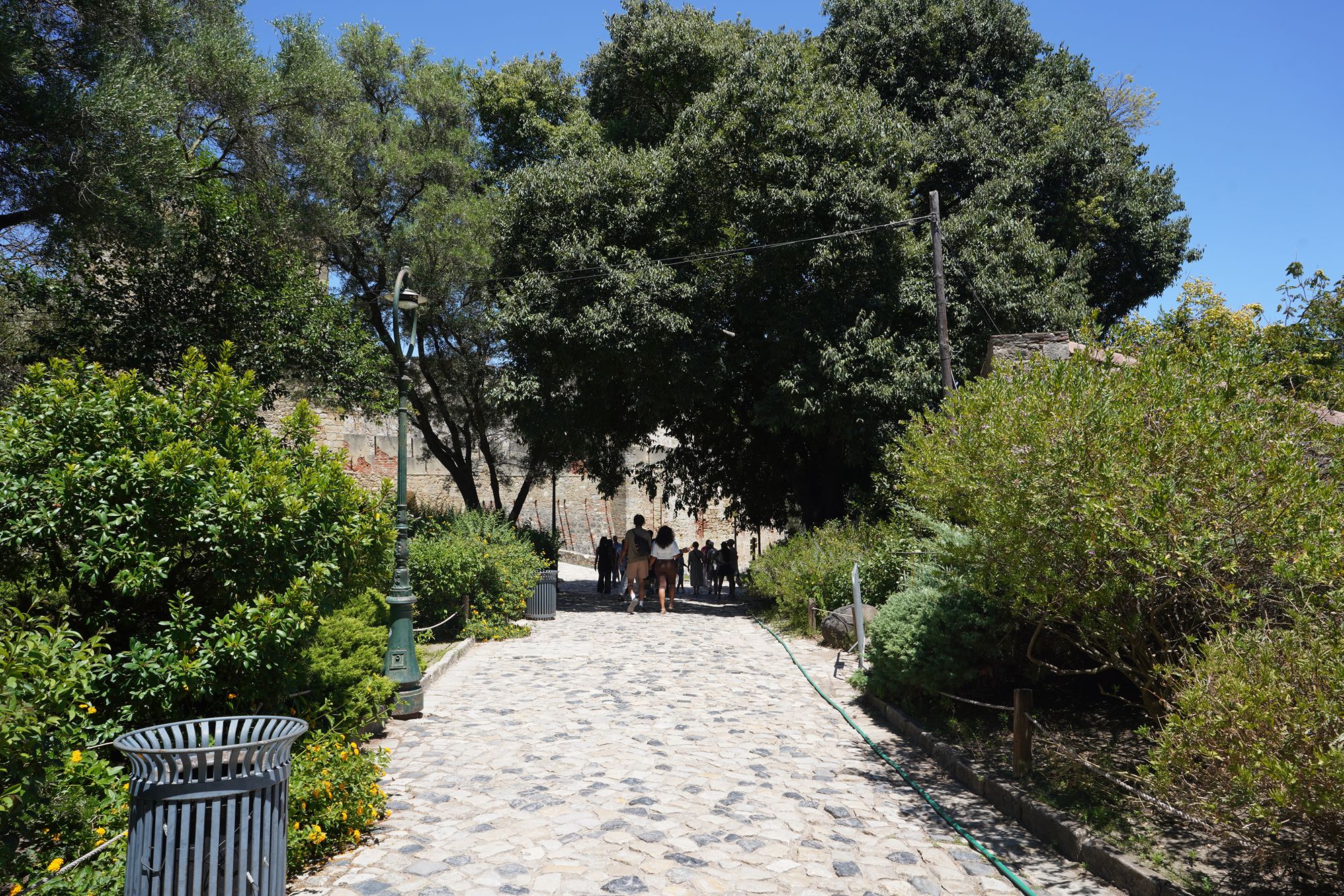
Castelo de São Jorge. It stands high above Lisbon, overlooking the city and the Tagus River. Built in the 11th century under Muslim rule, it was captured by Portugal’s first king, Afonso Henriques, in 1147.
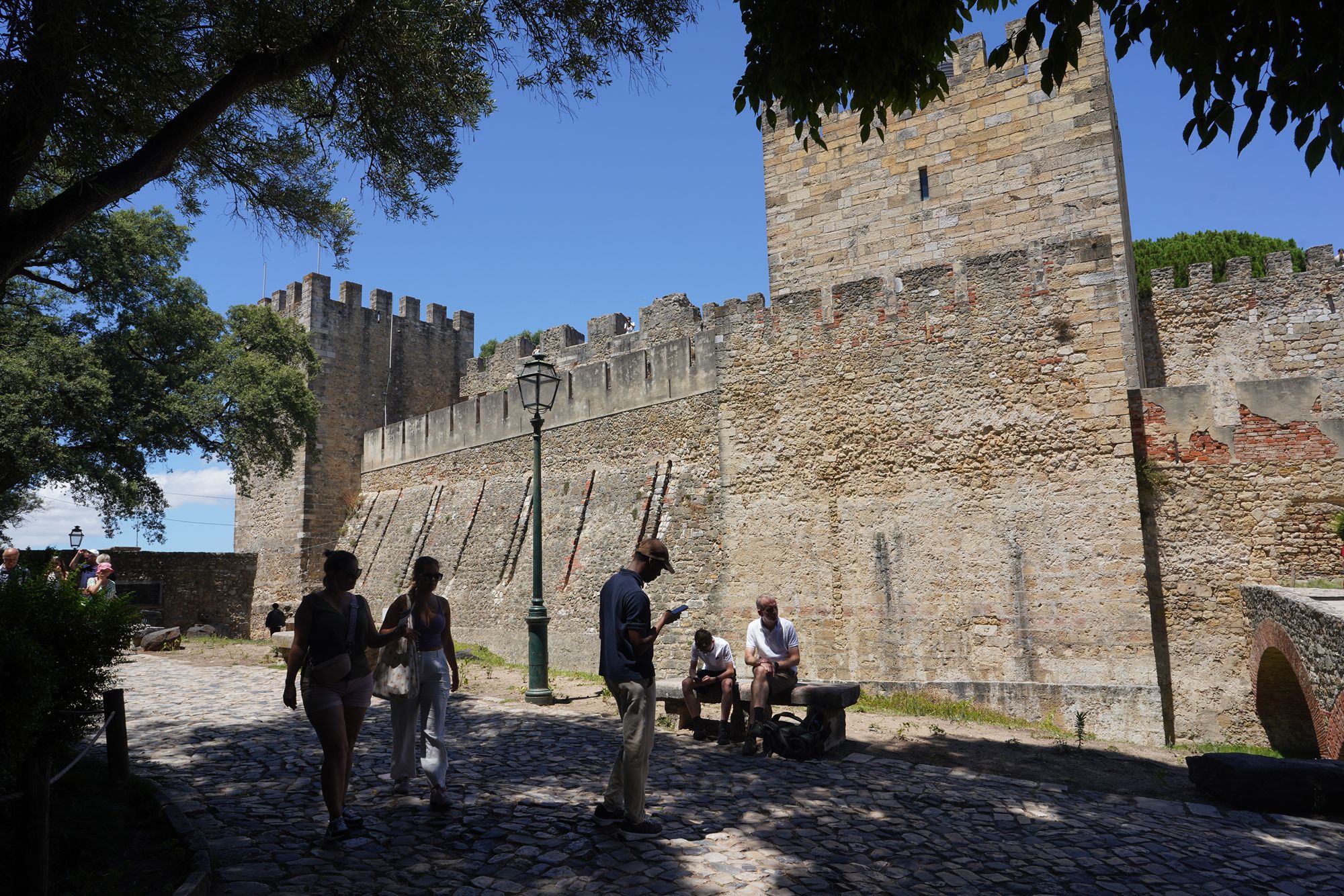
The surrounding citadel later housed the Portuguese royal court. Today, visitors can explore its stone walls and towers, gardens, archaeological remains, and museum while enjoying wide views across Lisbon. Much of its present appearance reflects extensive restoration carried out between 1938 and 1940.
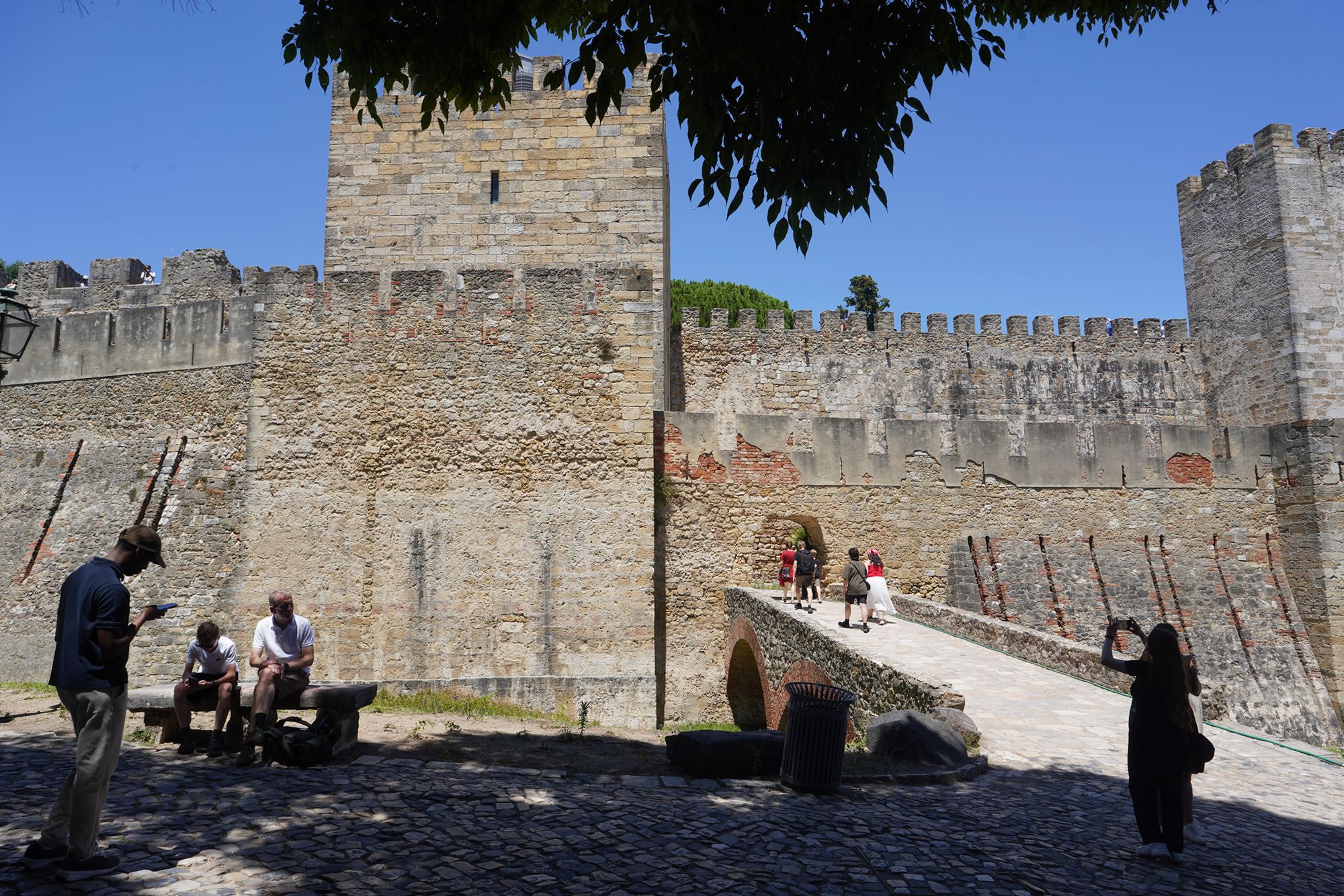
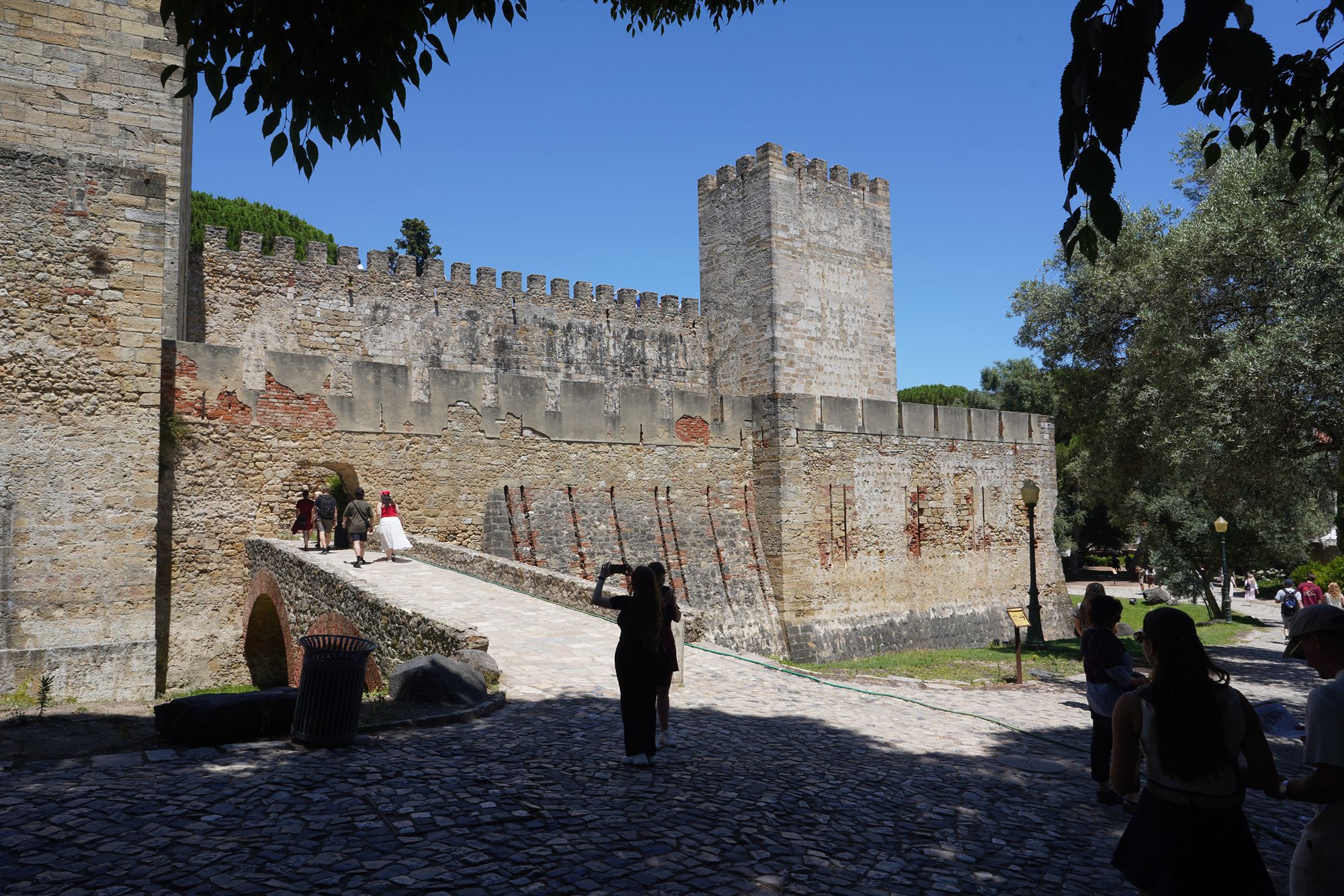
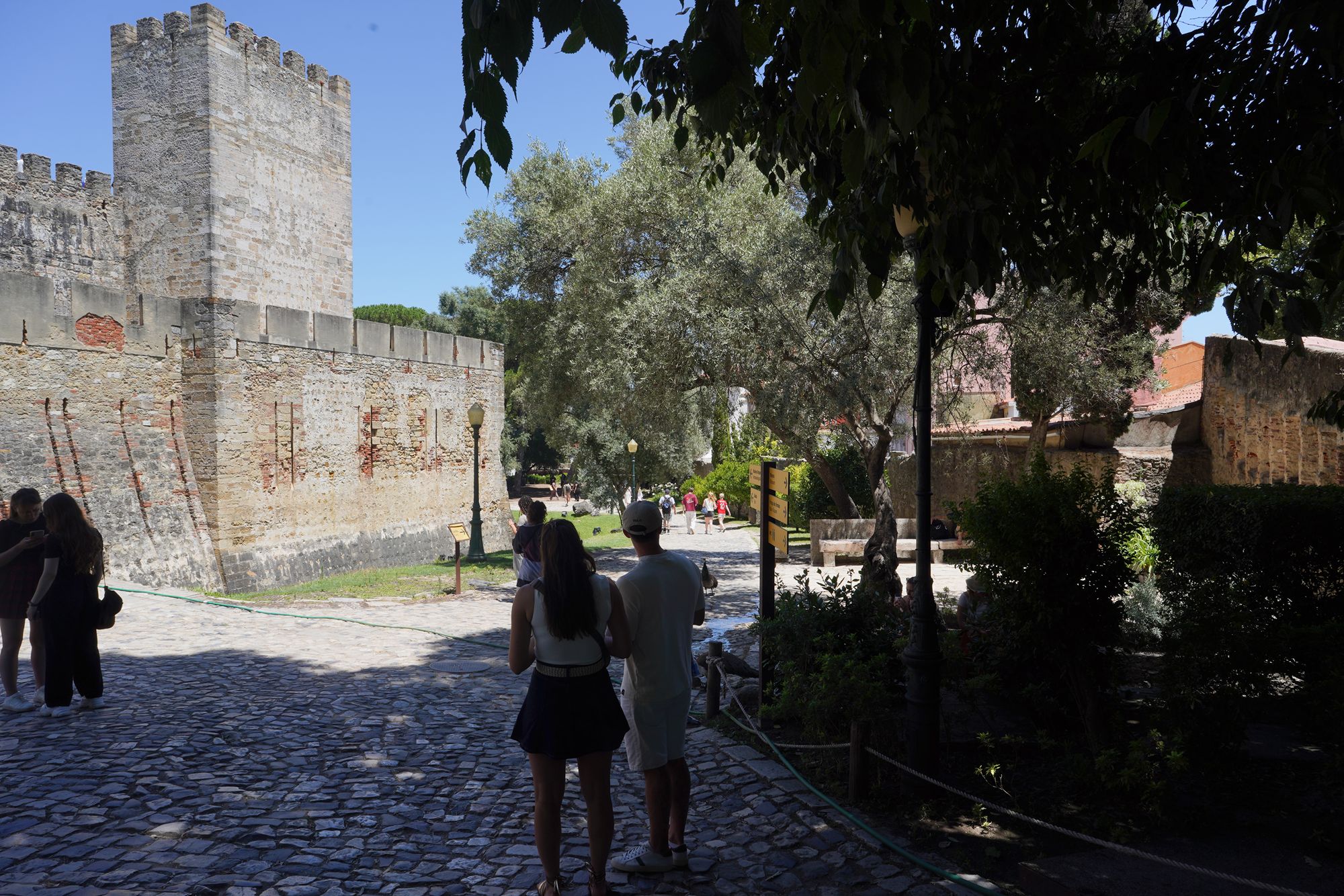
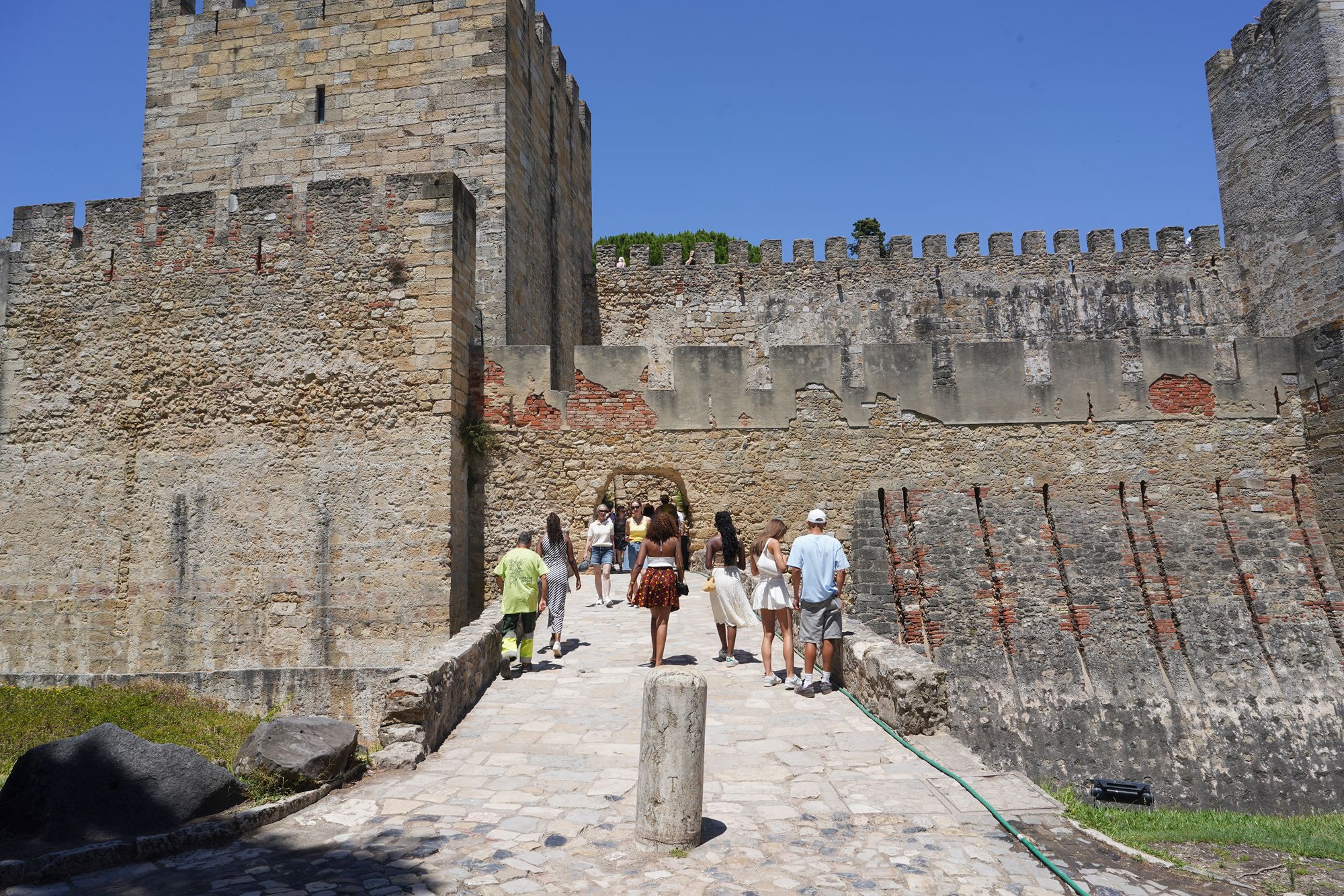
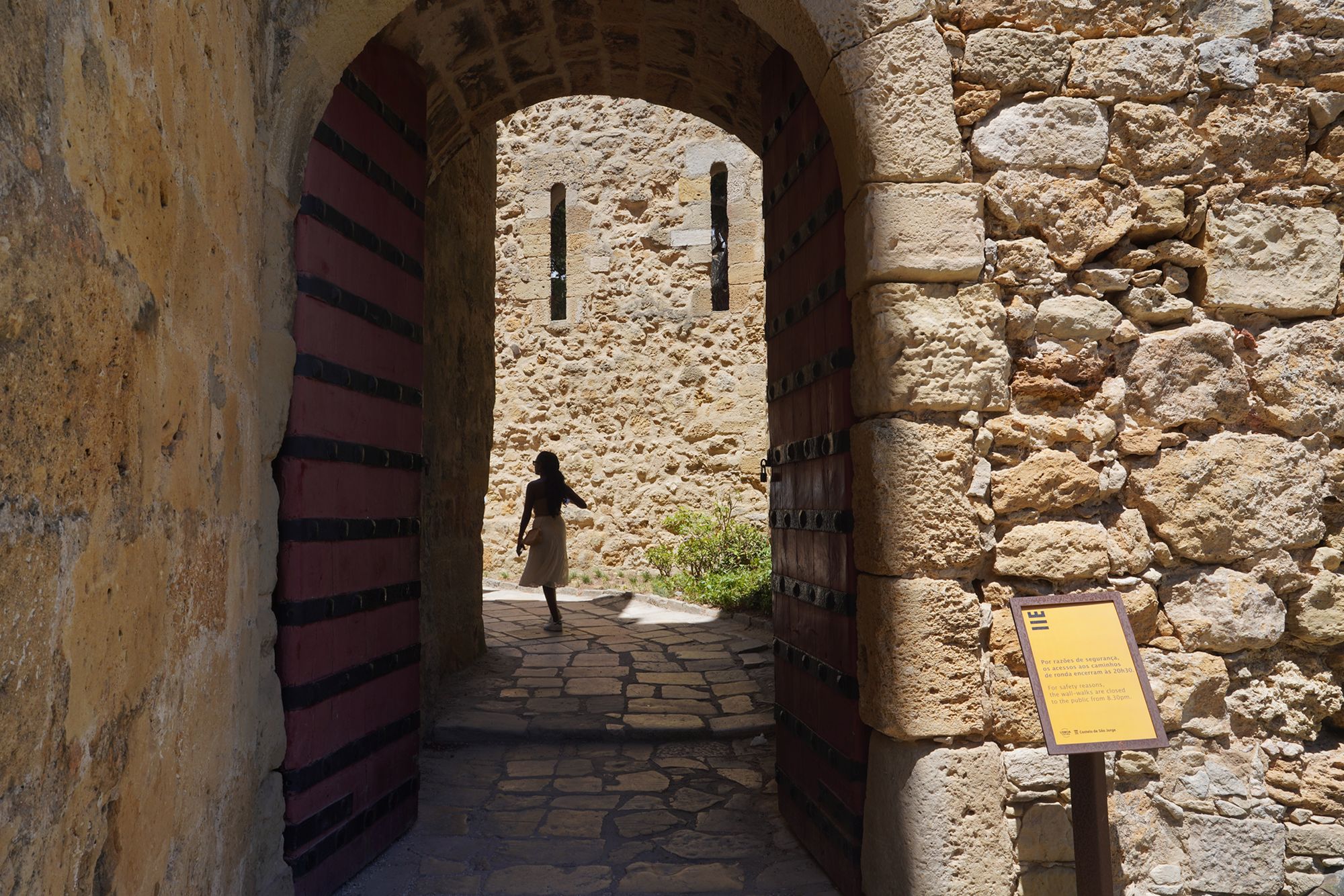
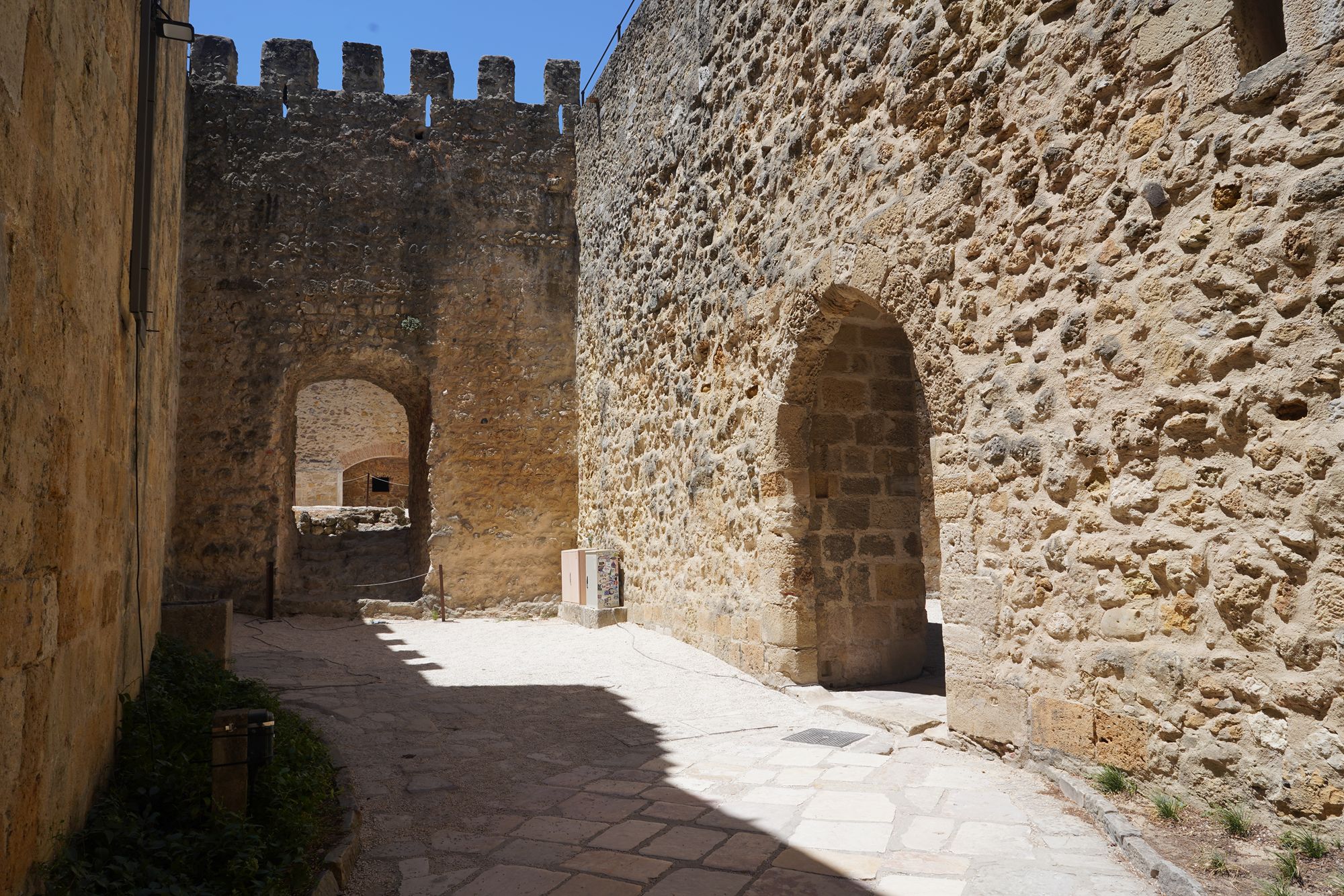
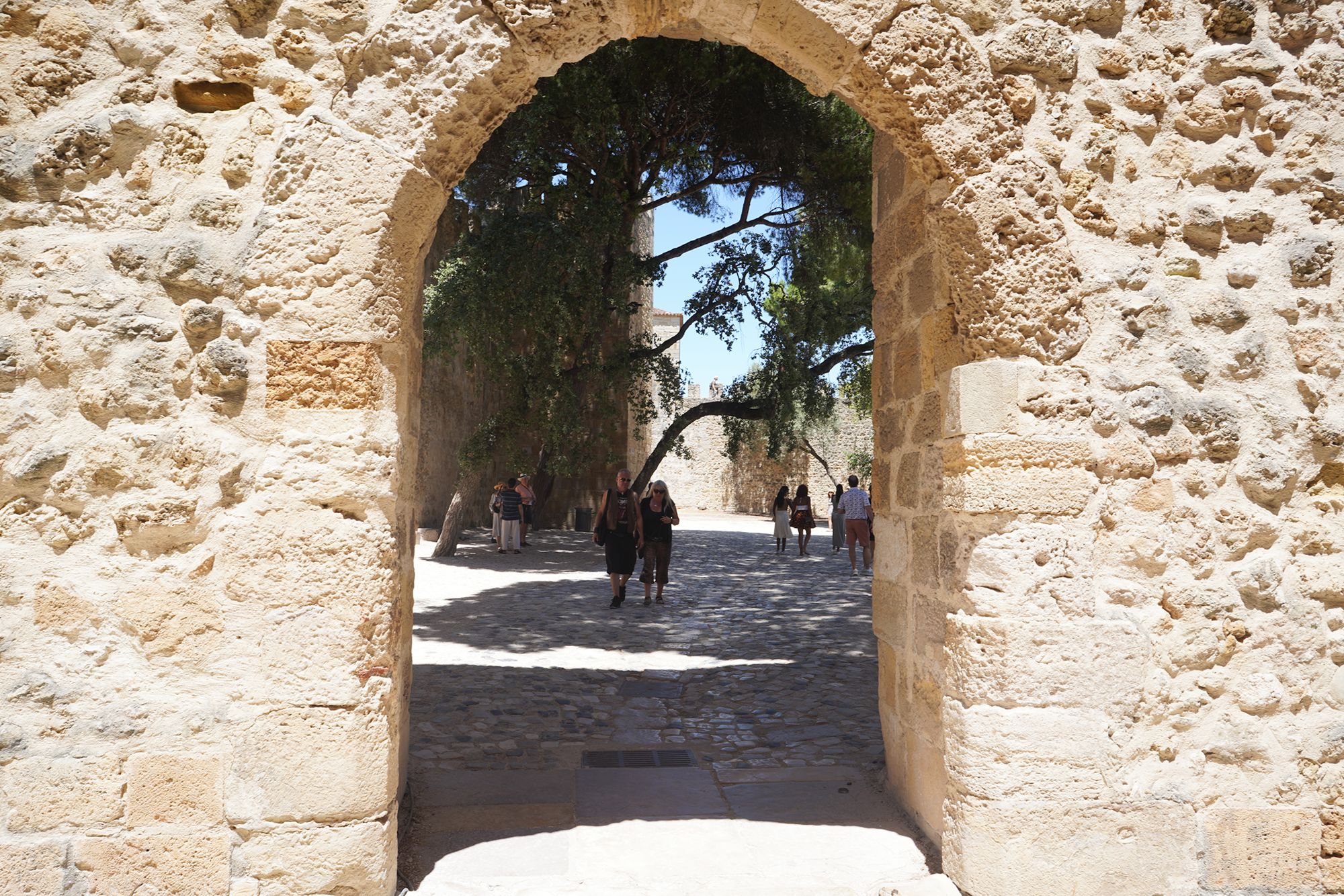
Inside the castle, open courtyards are enclosed by thick stone walls and towers. Stairways lead up to the ramparts, where visitors can walk along the walls and look out over Lisbon. Much of the fortress consists of outdoor spaces, making the walls, towers, and views the main features to explore.
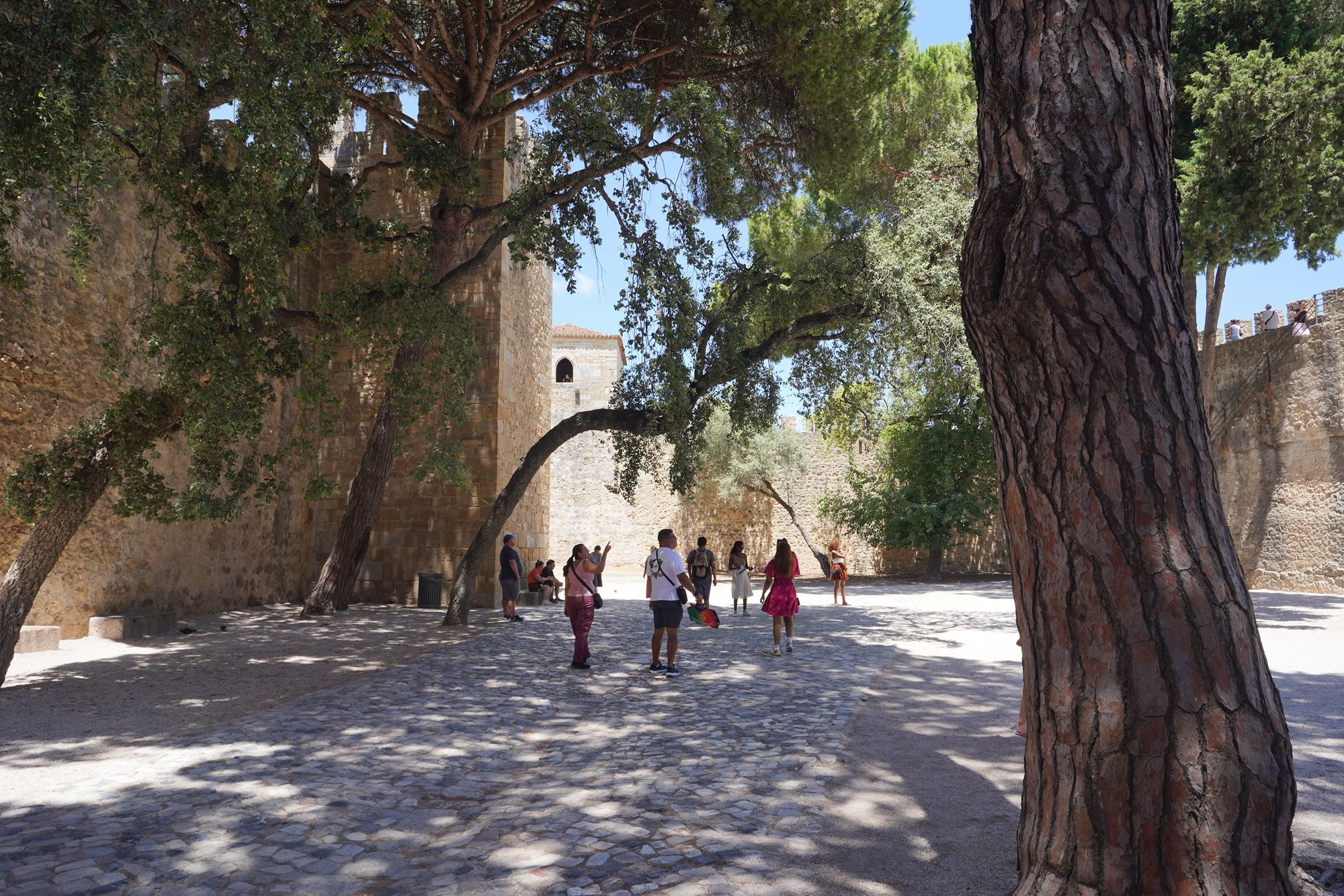
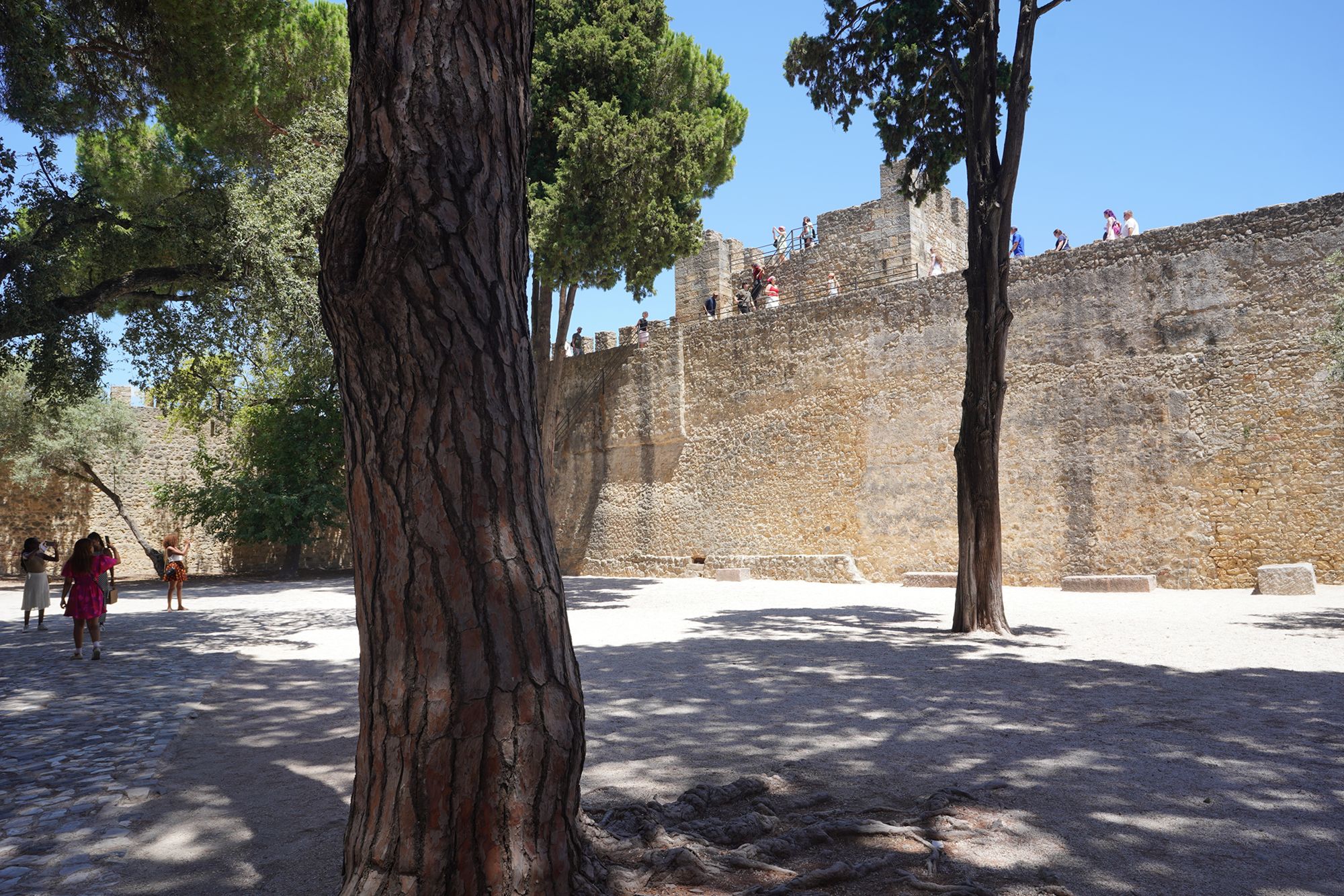
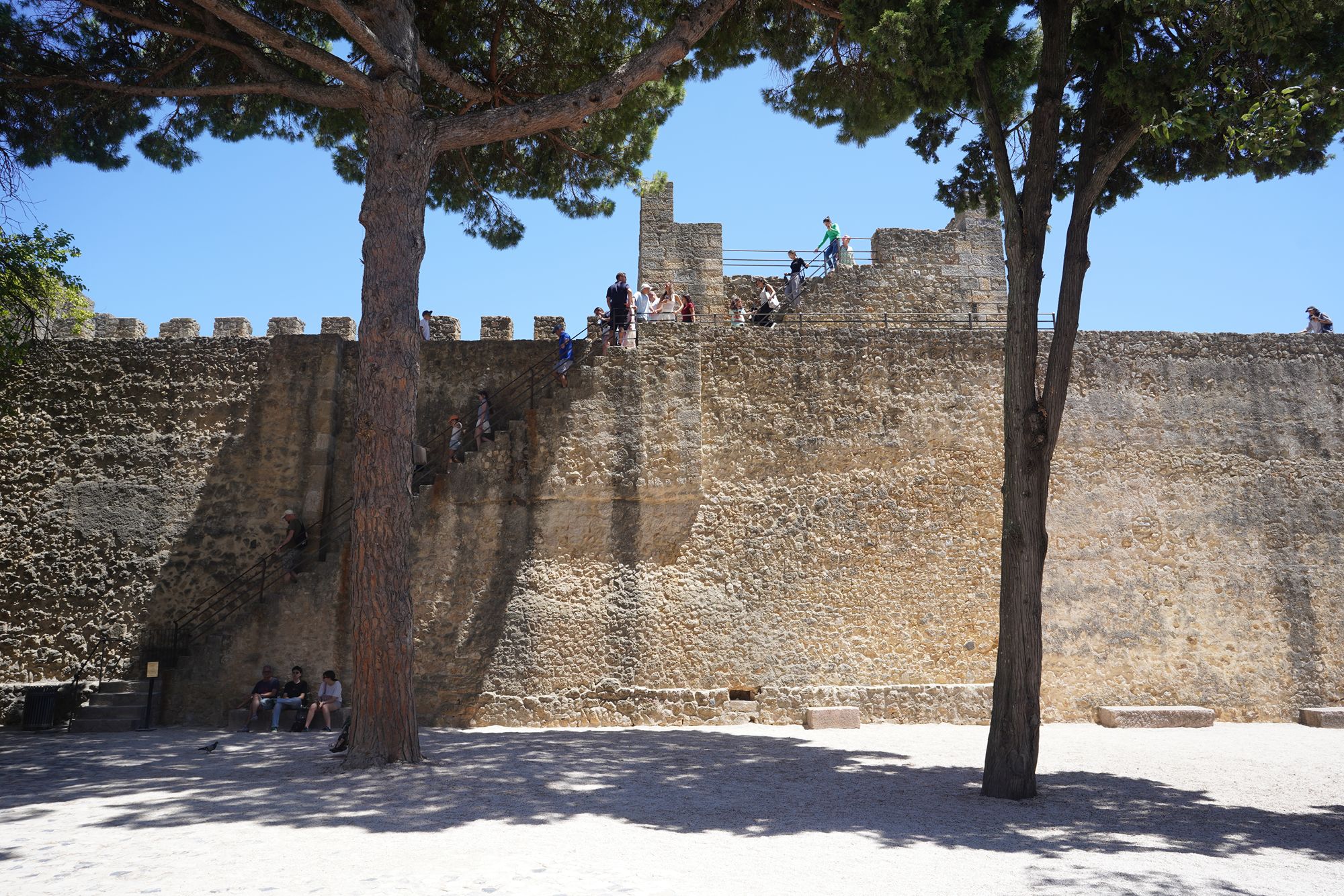
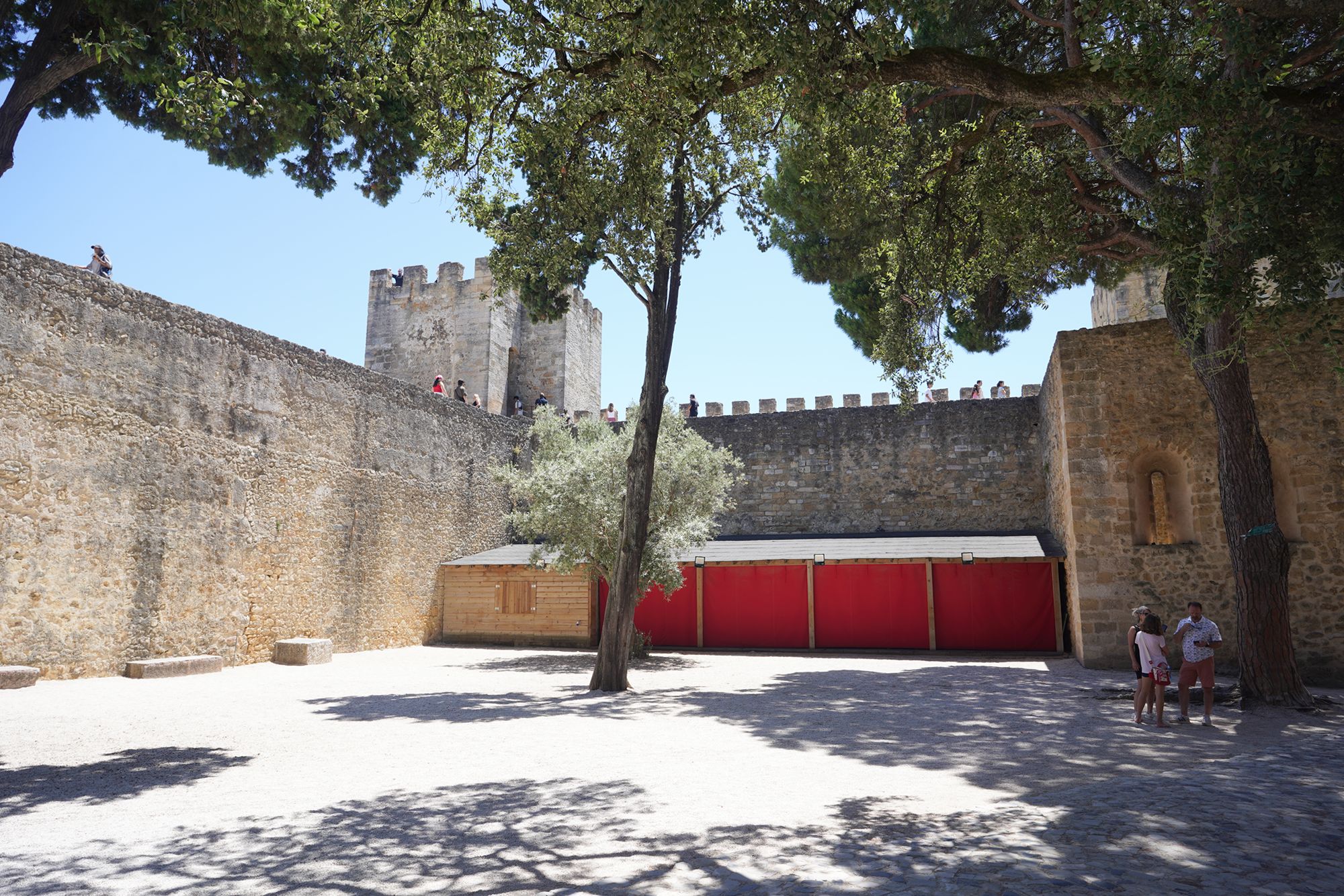
I walked through the gate in the dividing wall to reach the other half of the castle.
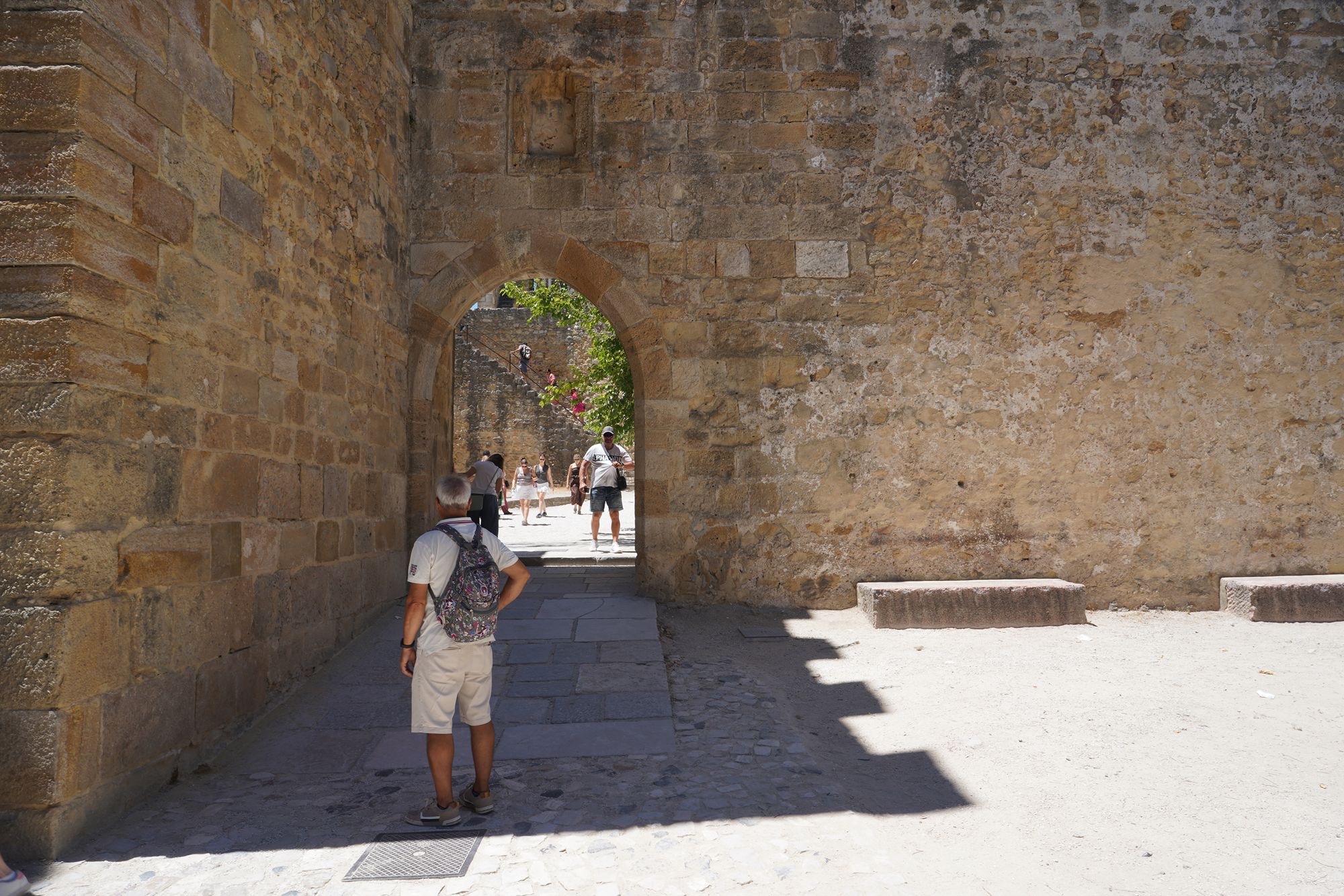
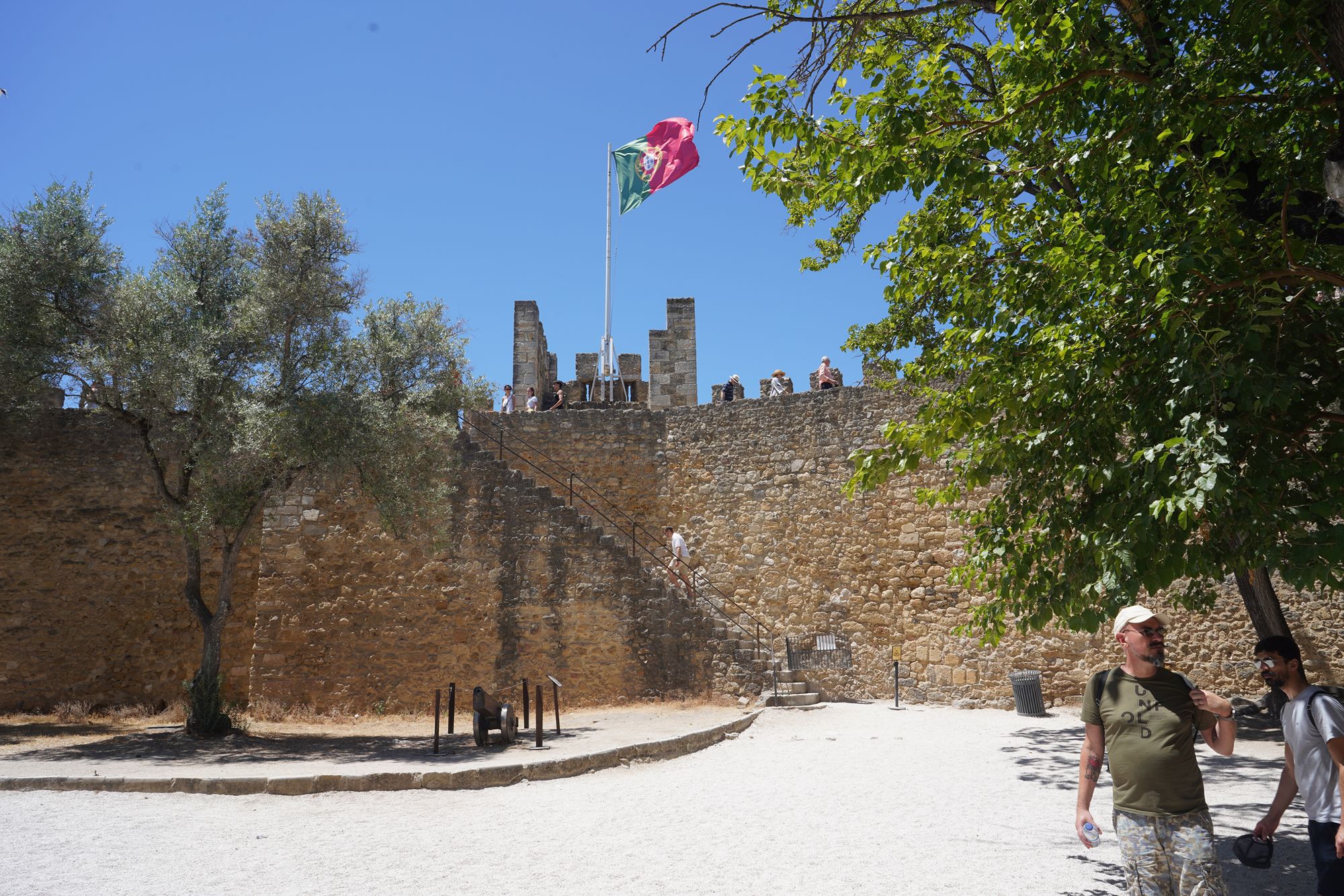
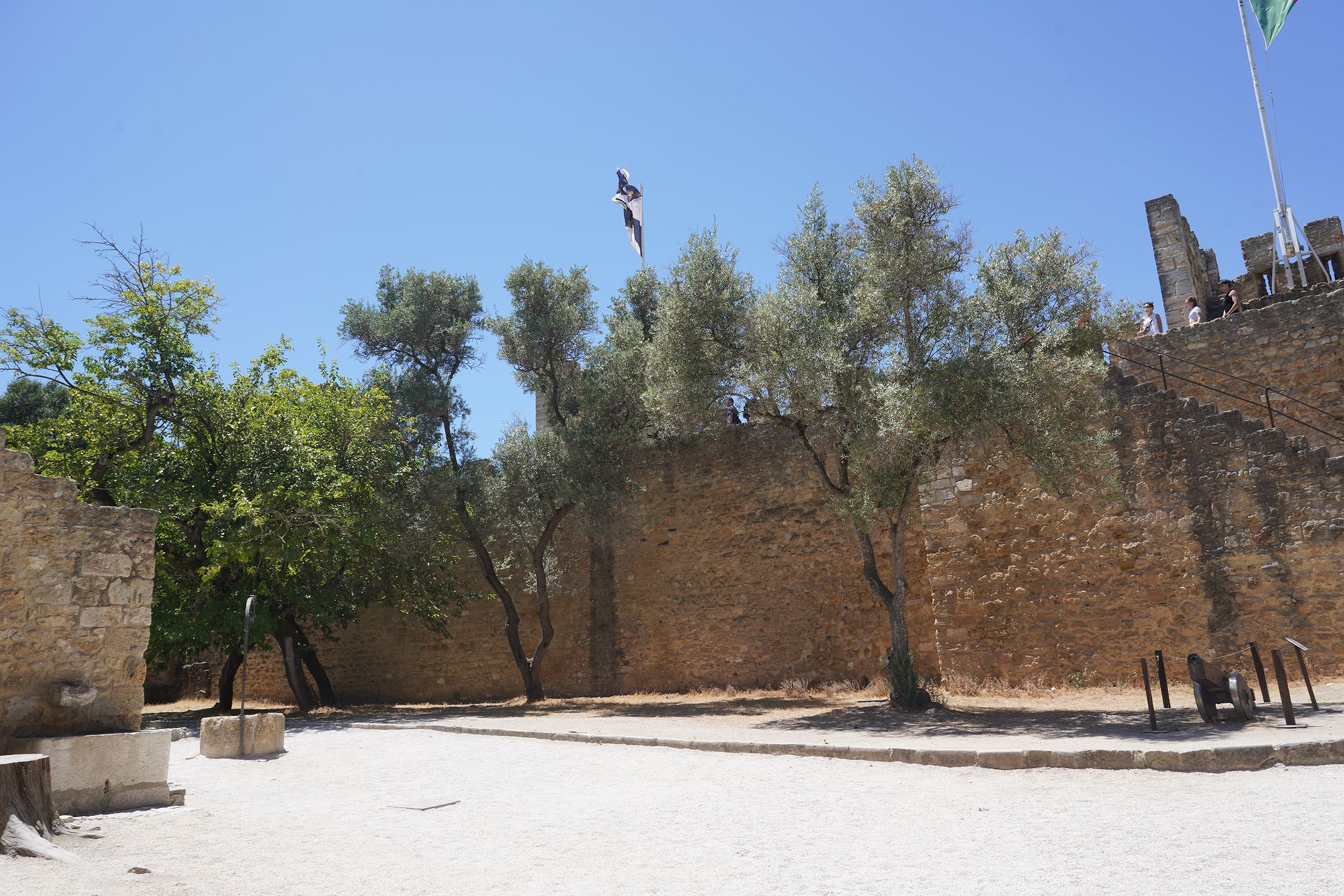
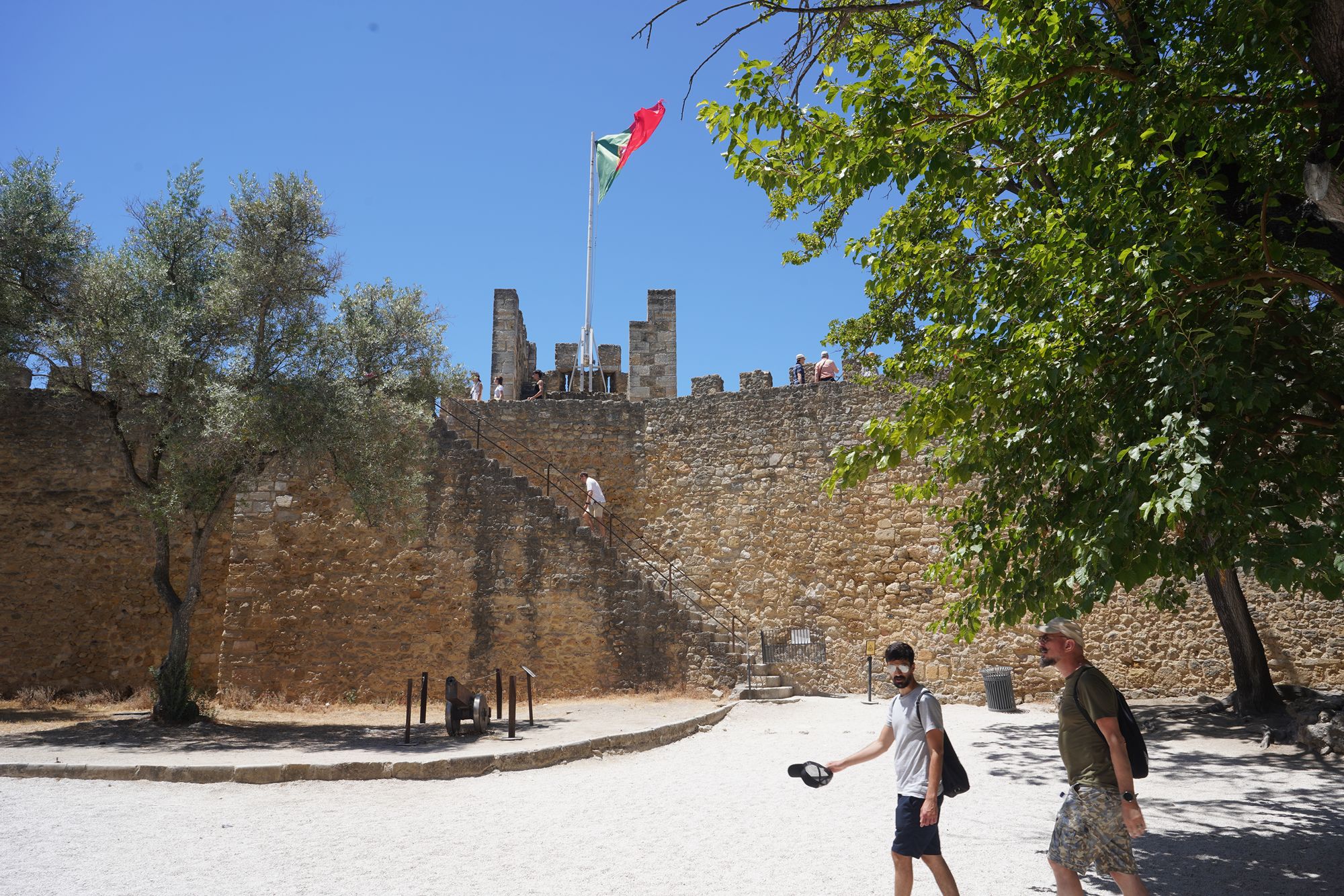
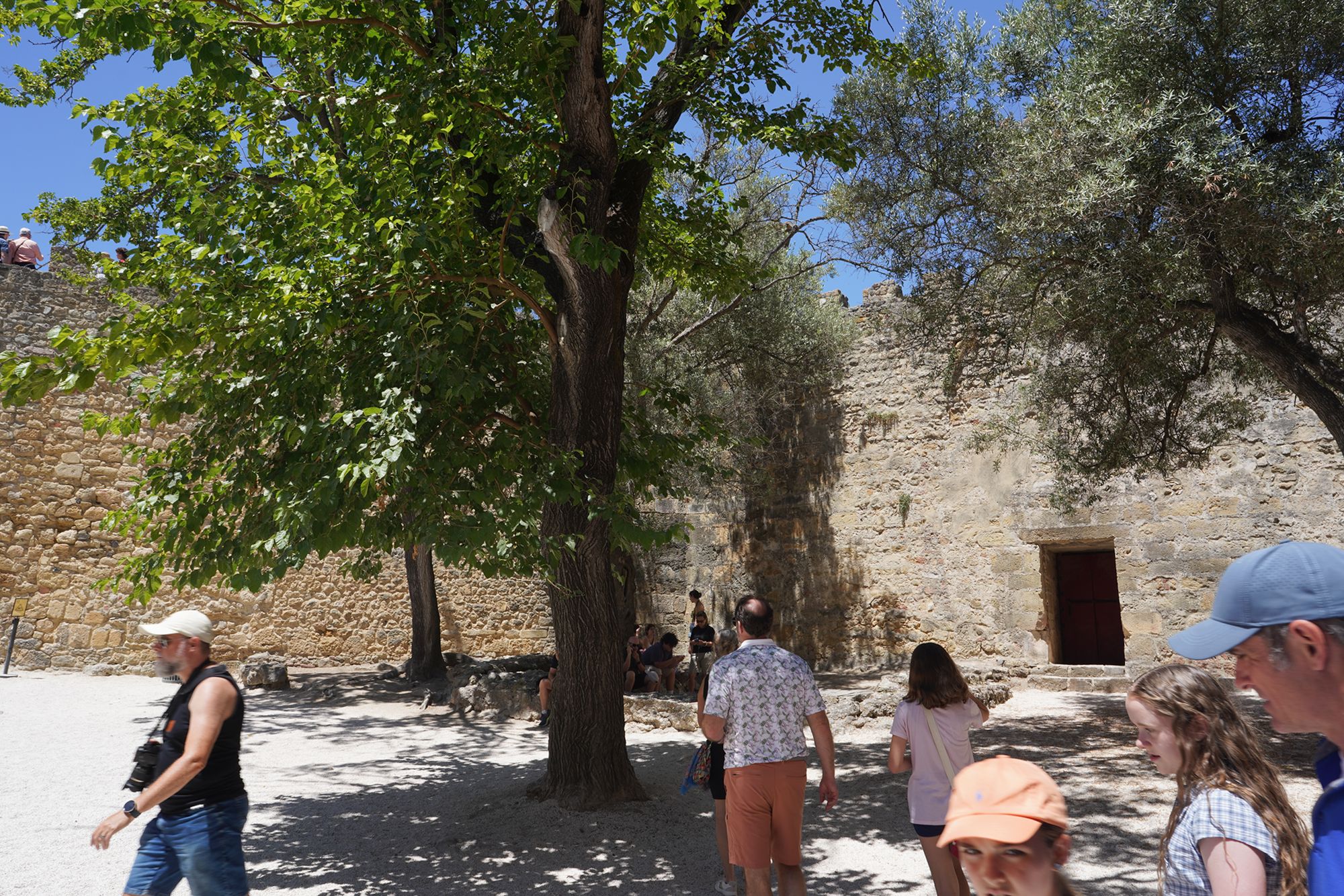
I climbed the stairs and reached the top of the castle wall.
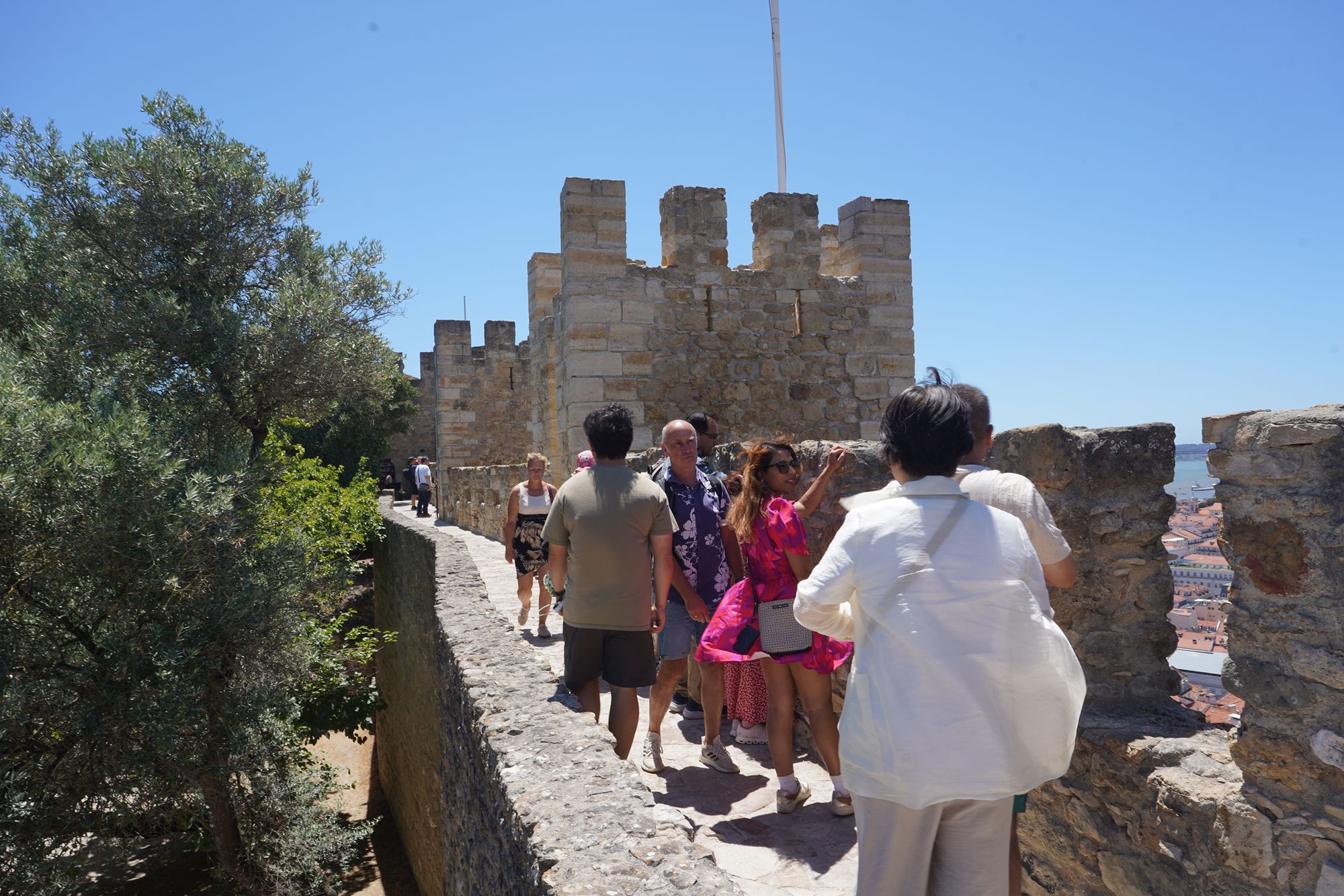
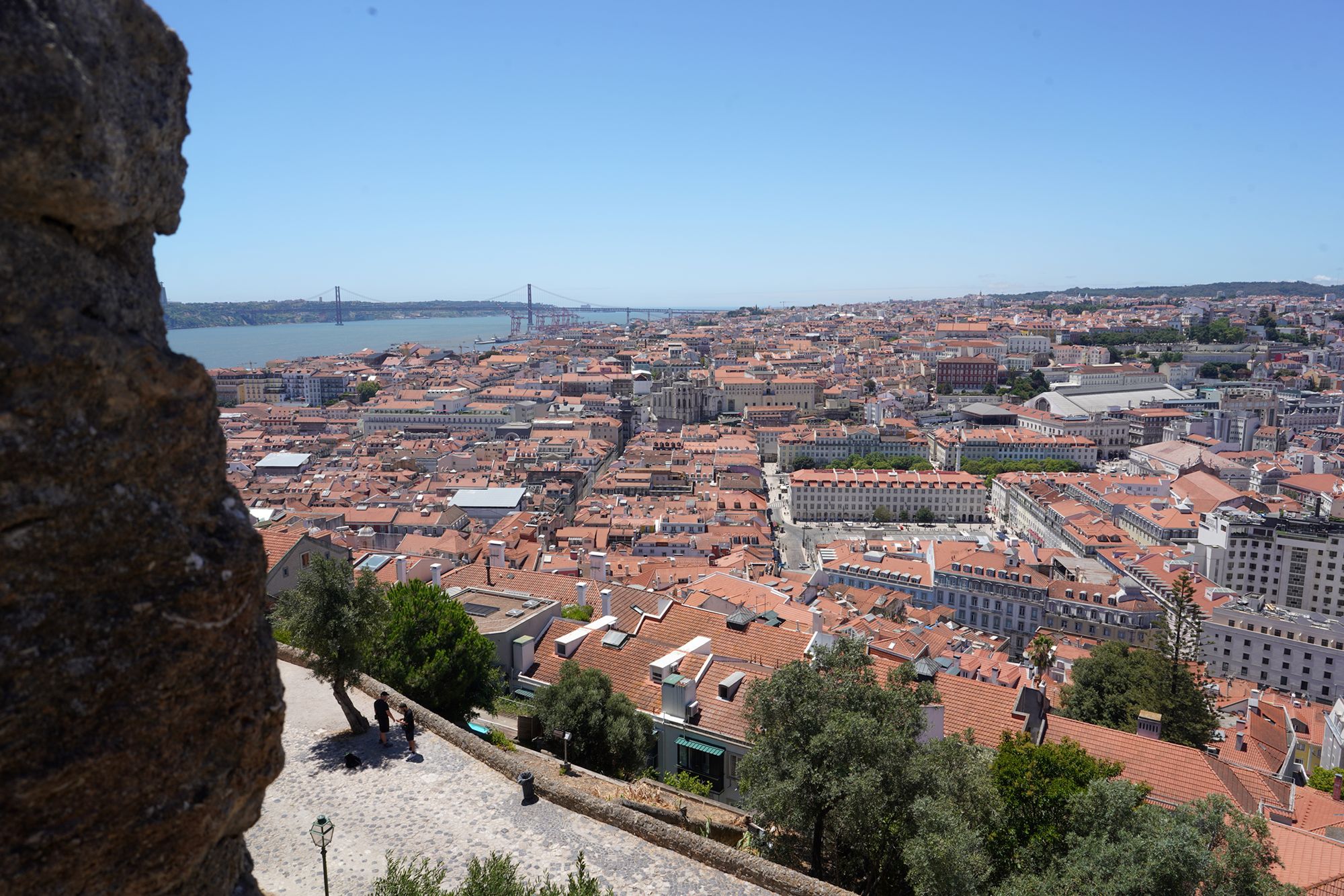
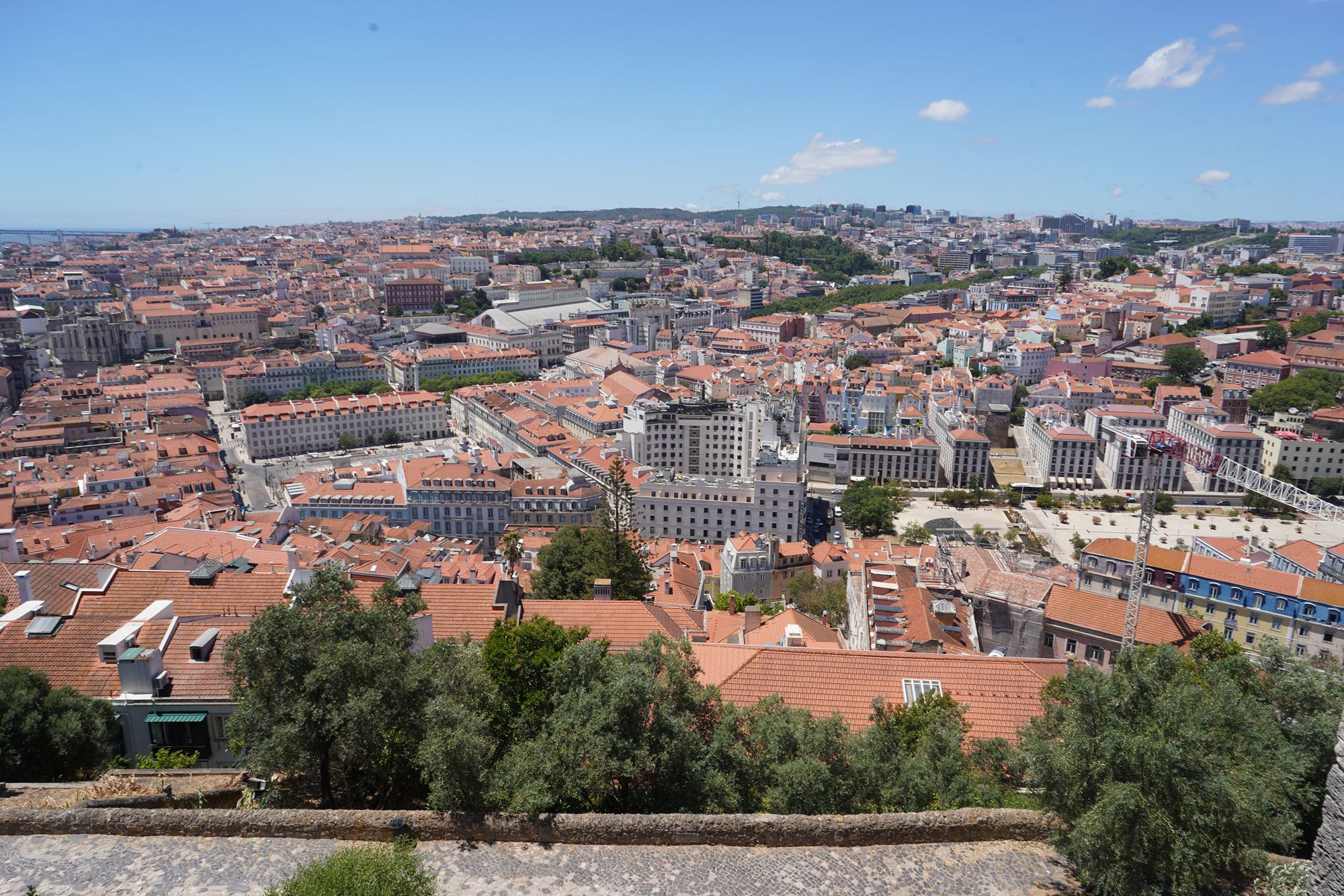
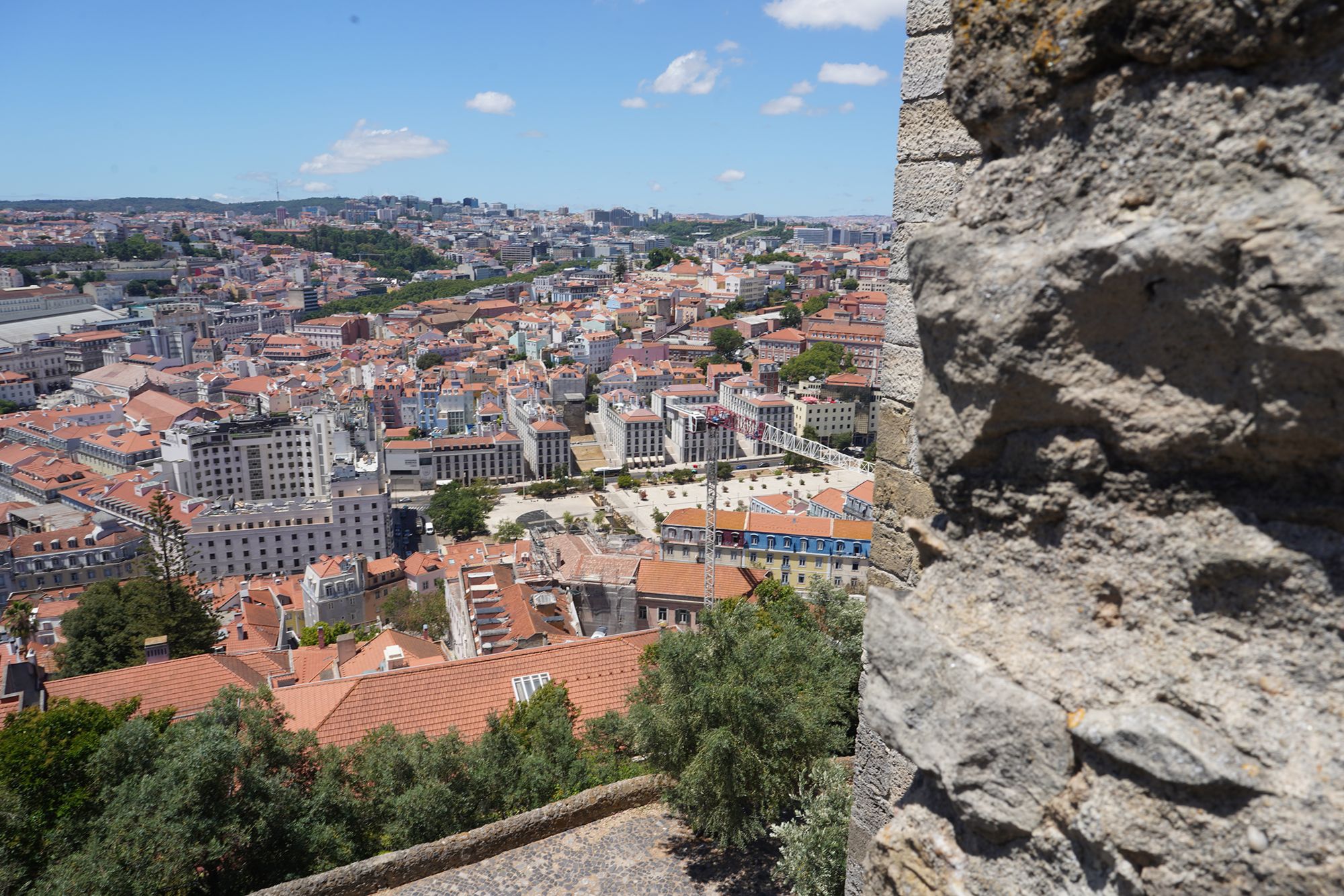
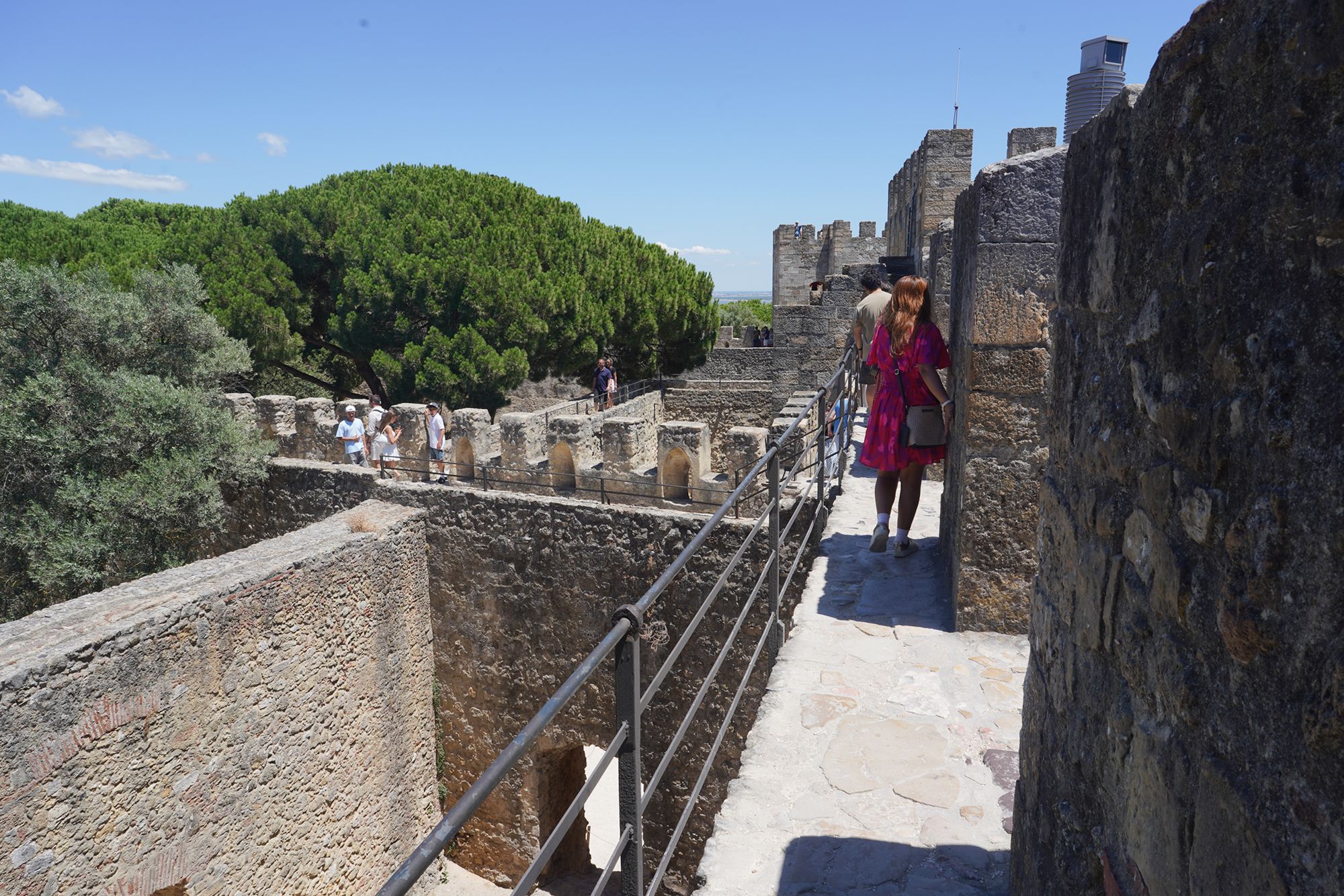
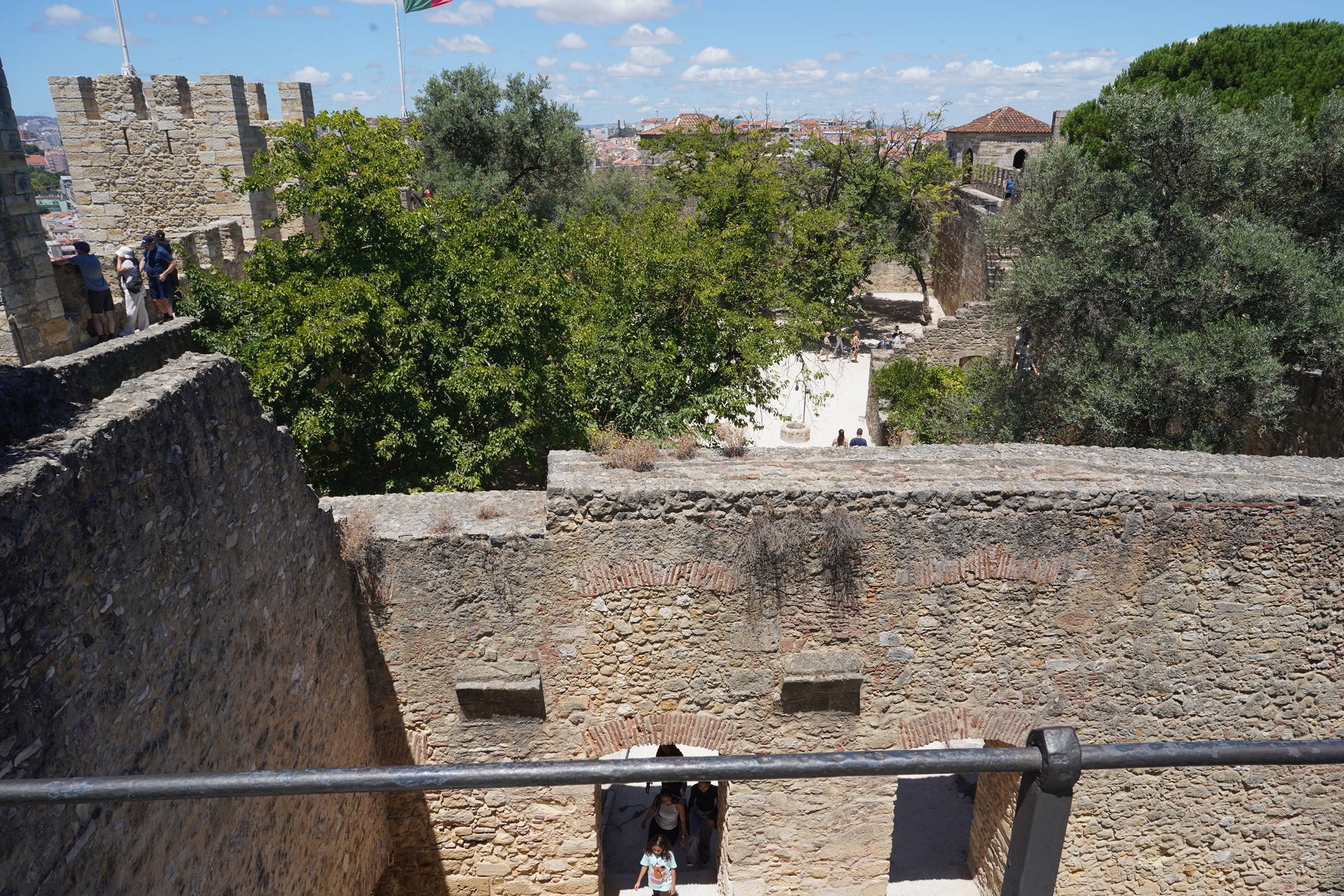
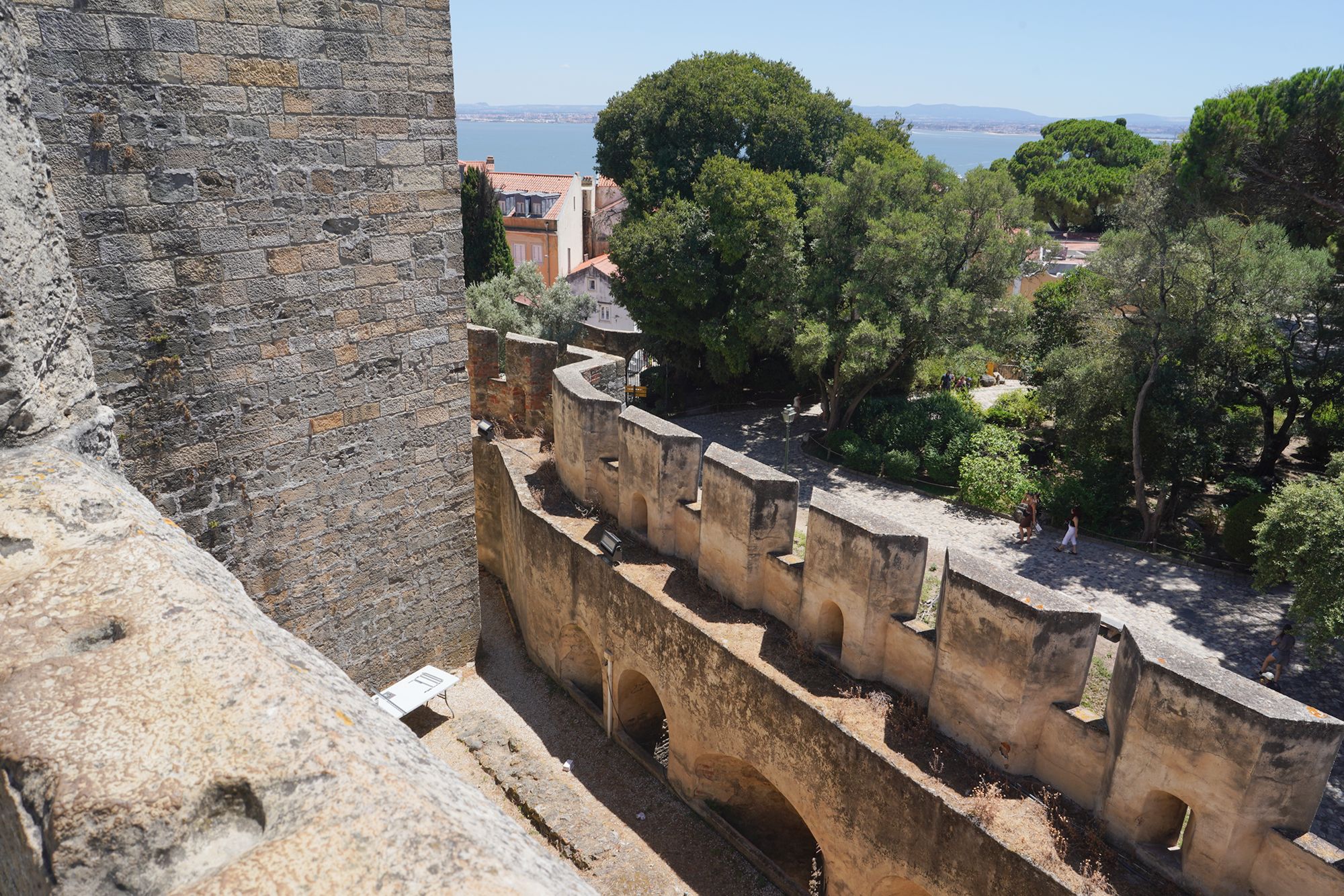
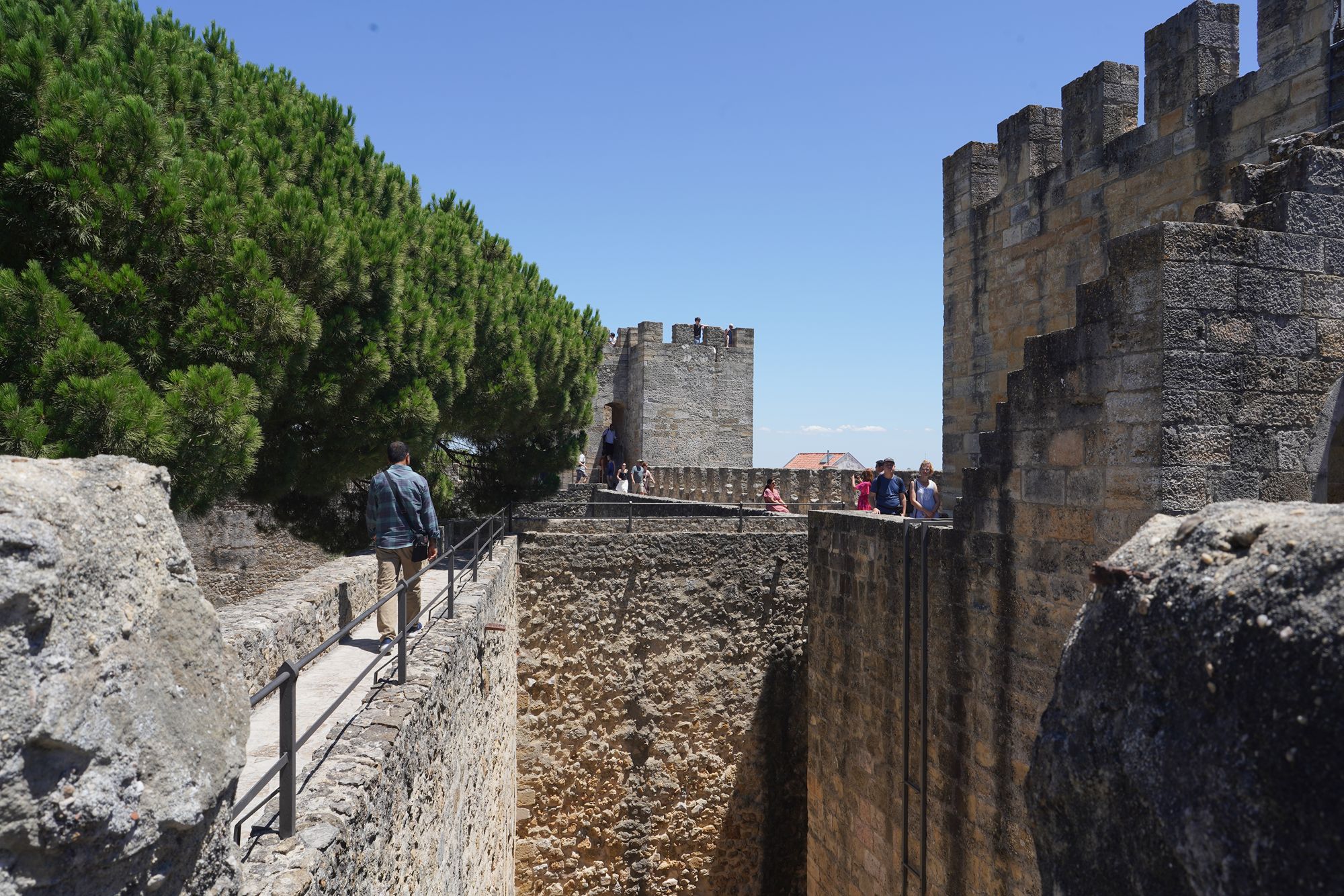
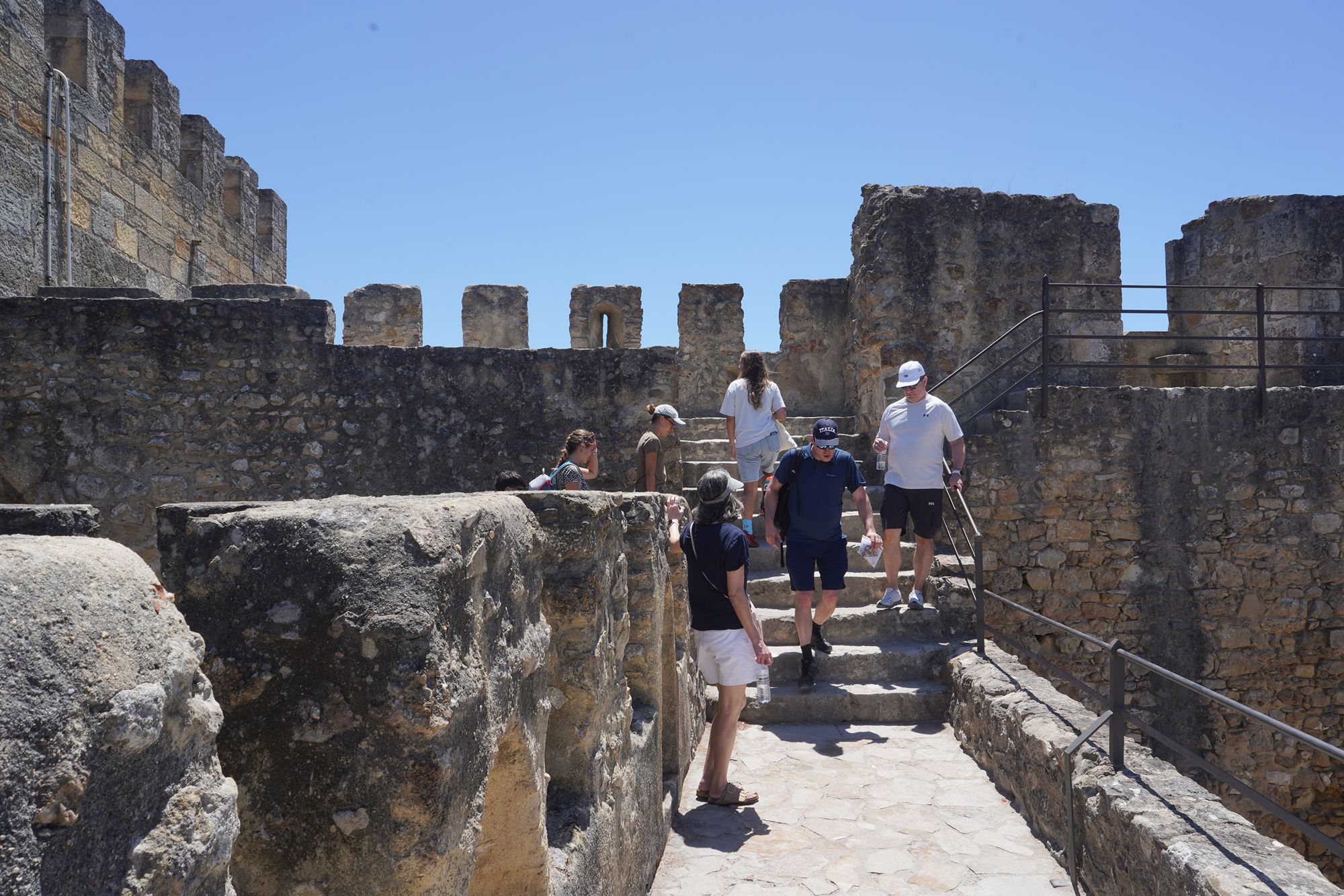
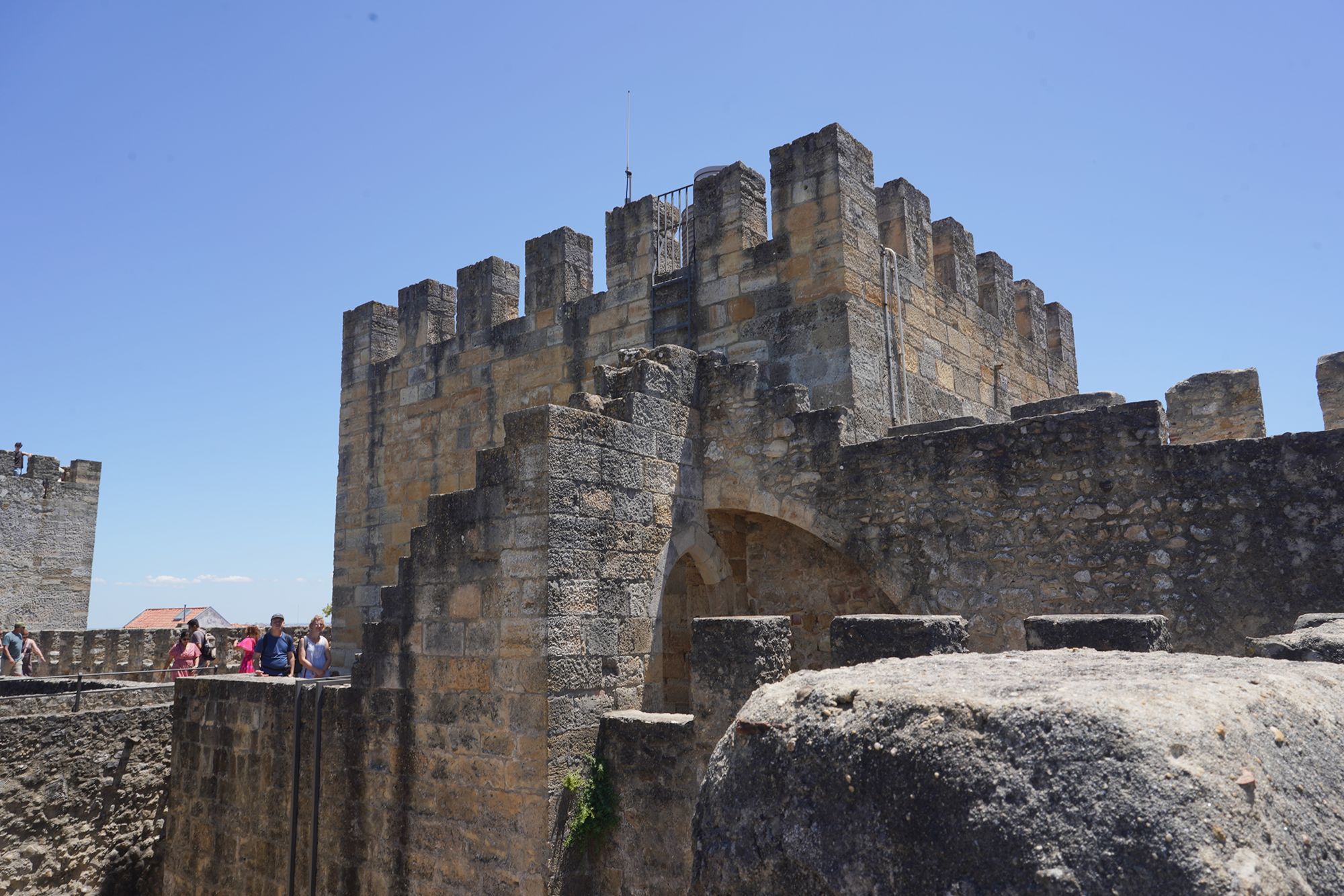
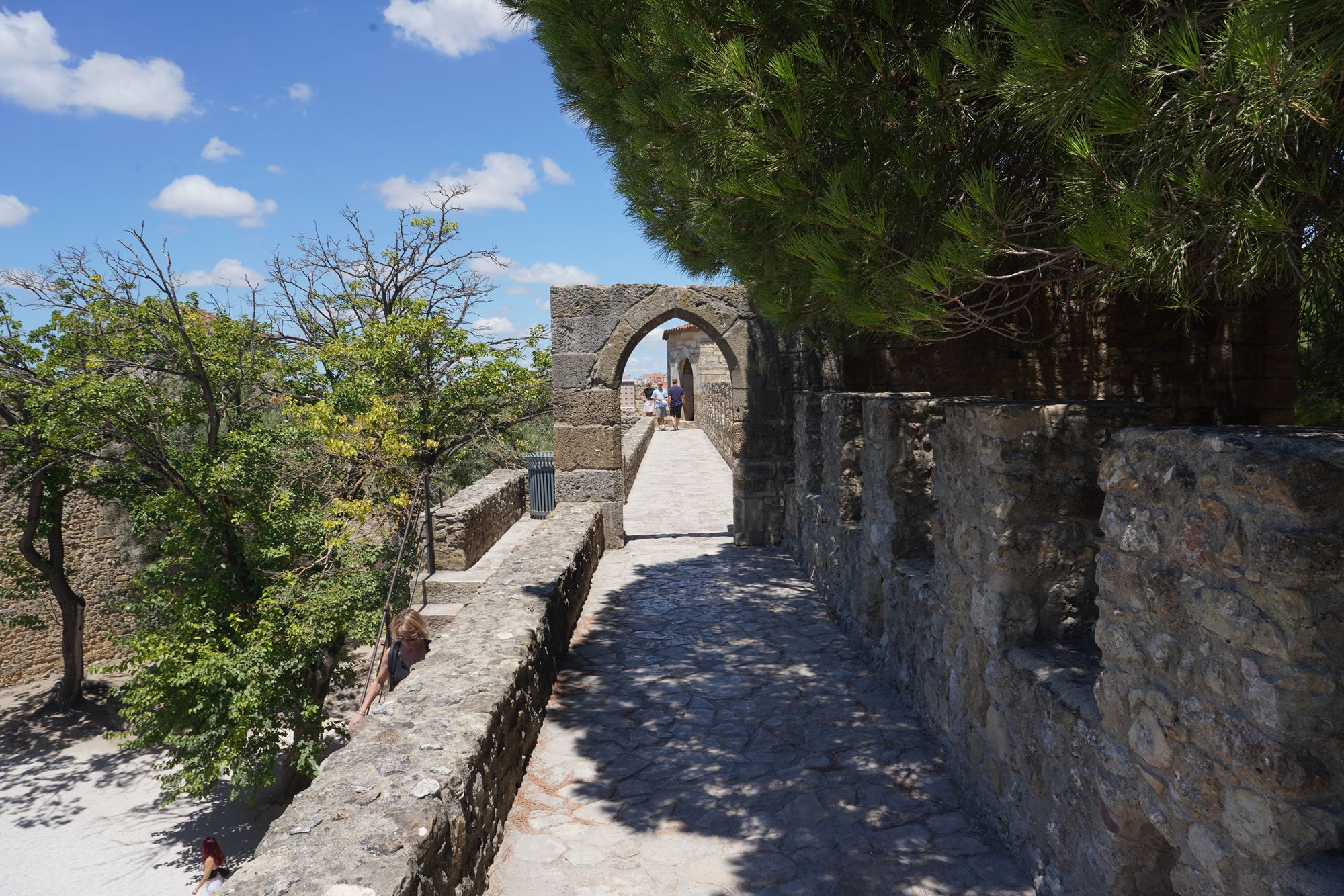
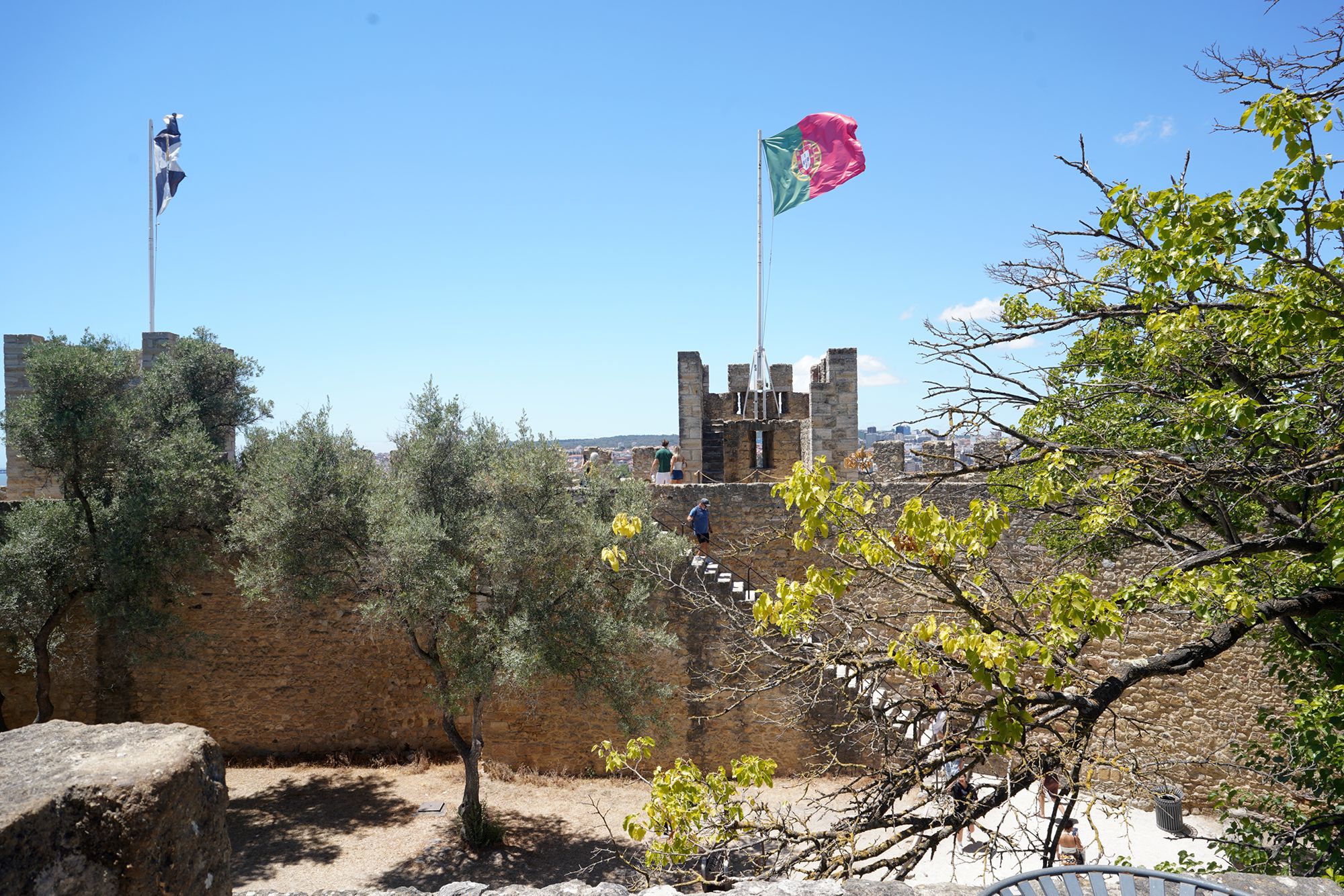
I returned to ground level.
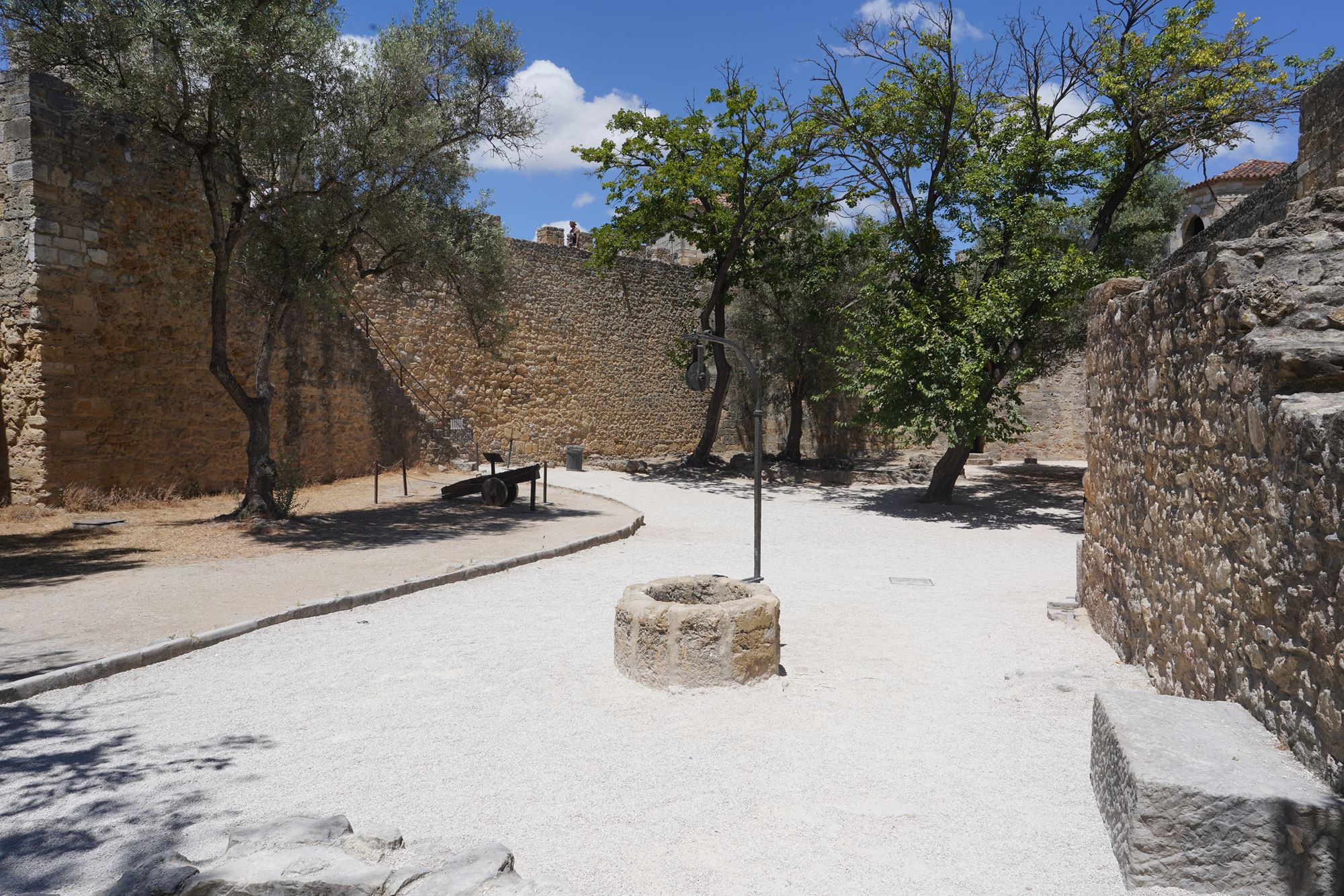
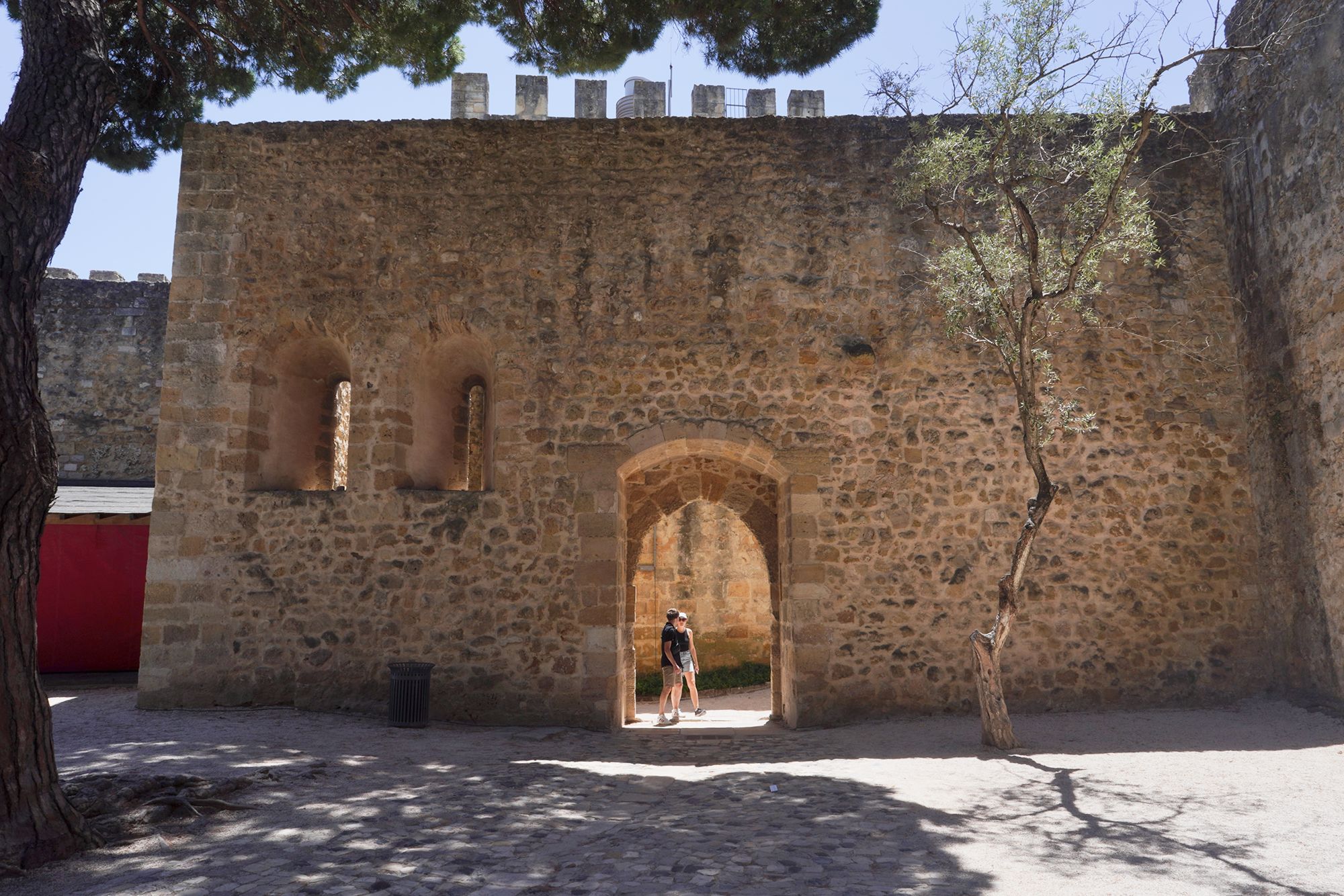
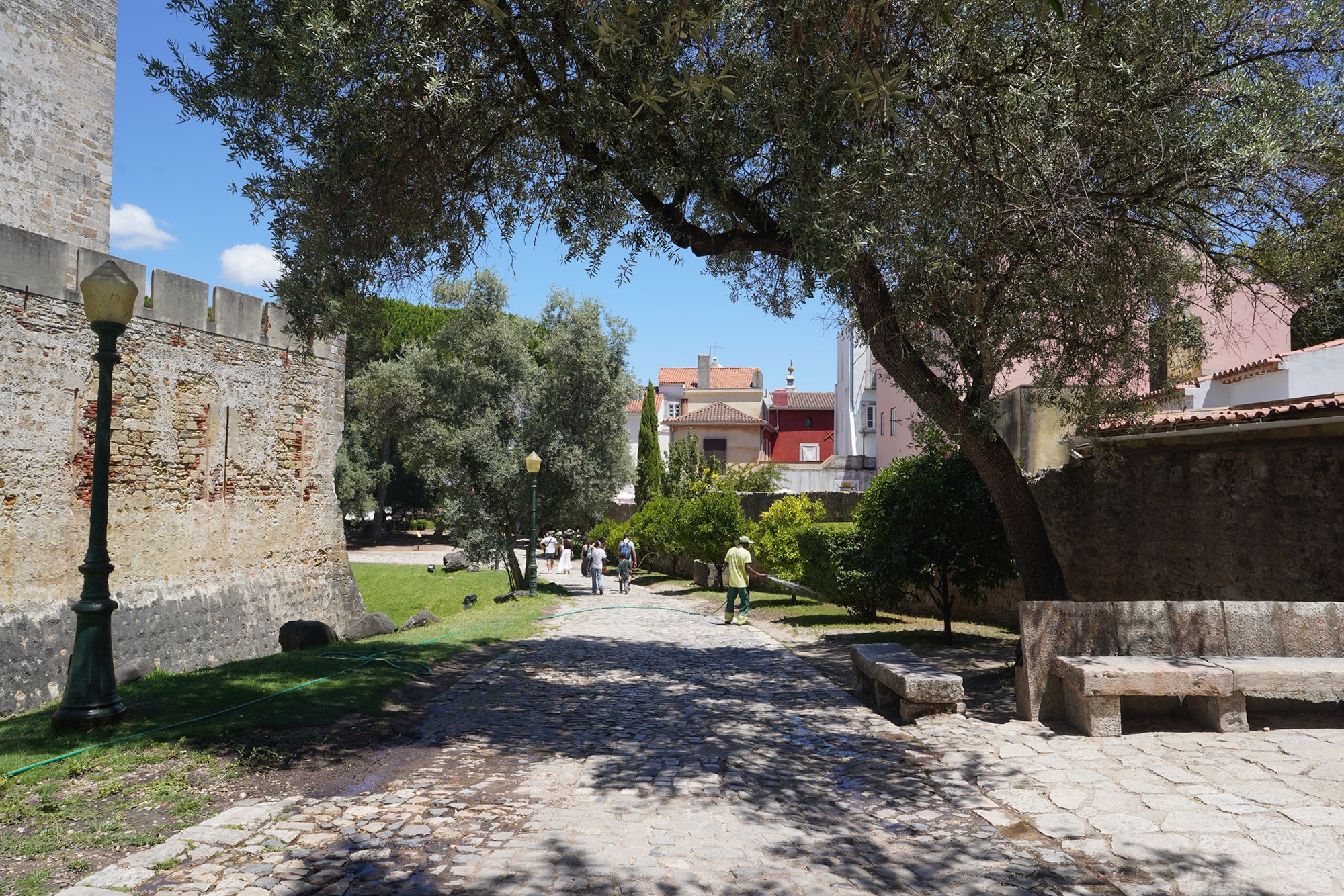
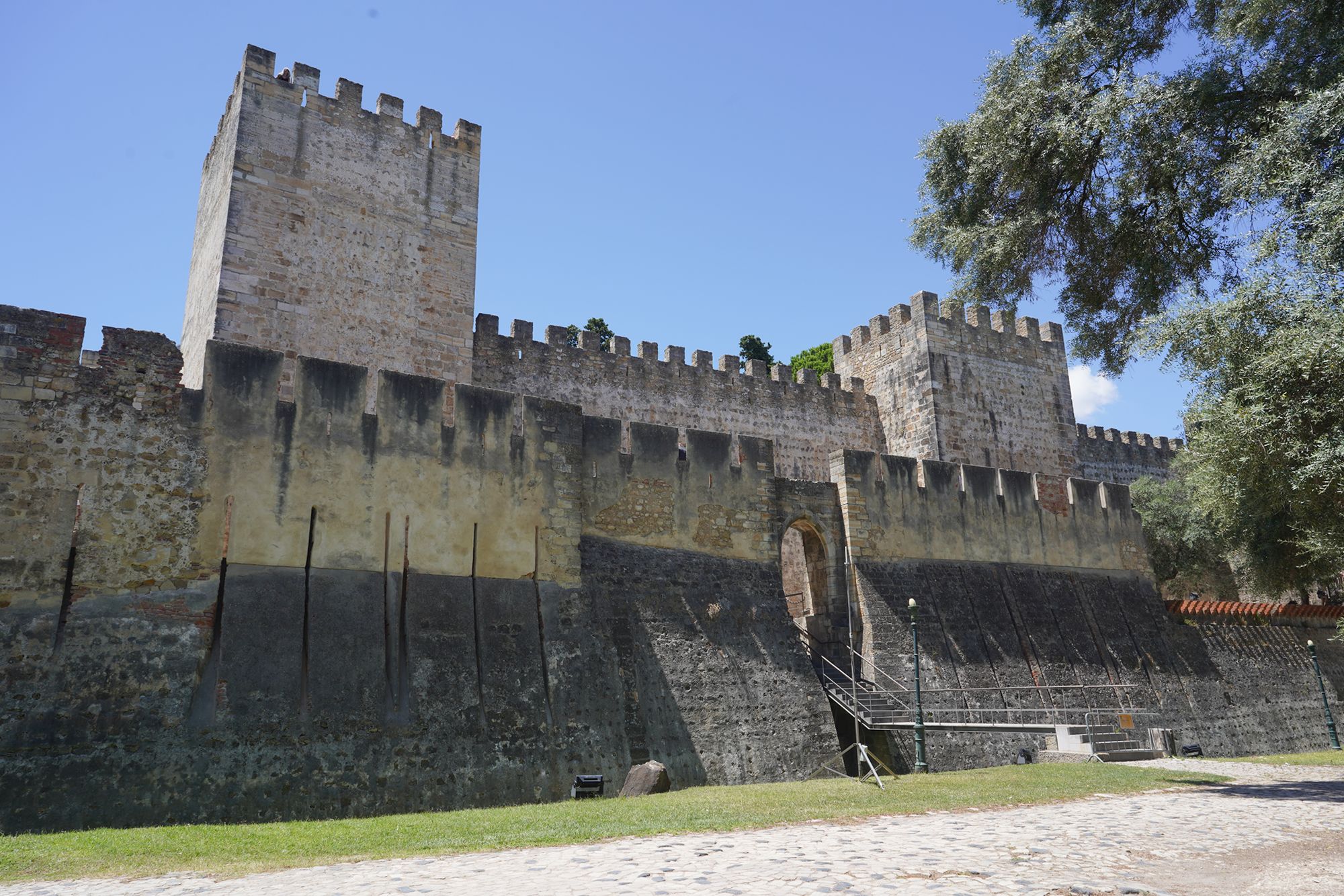
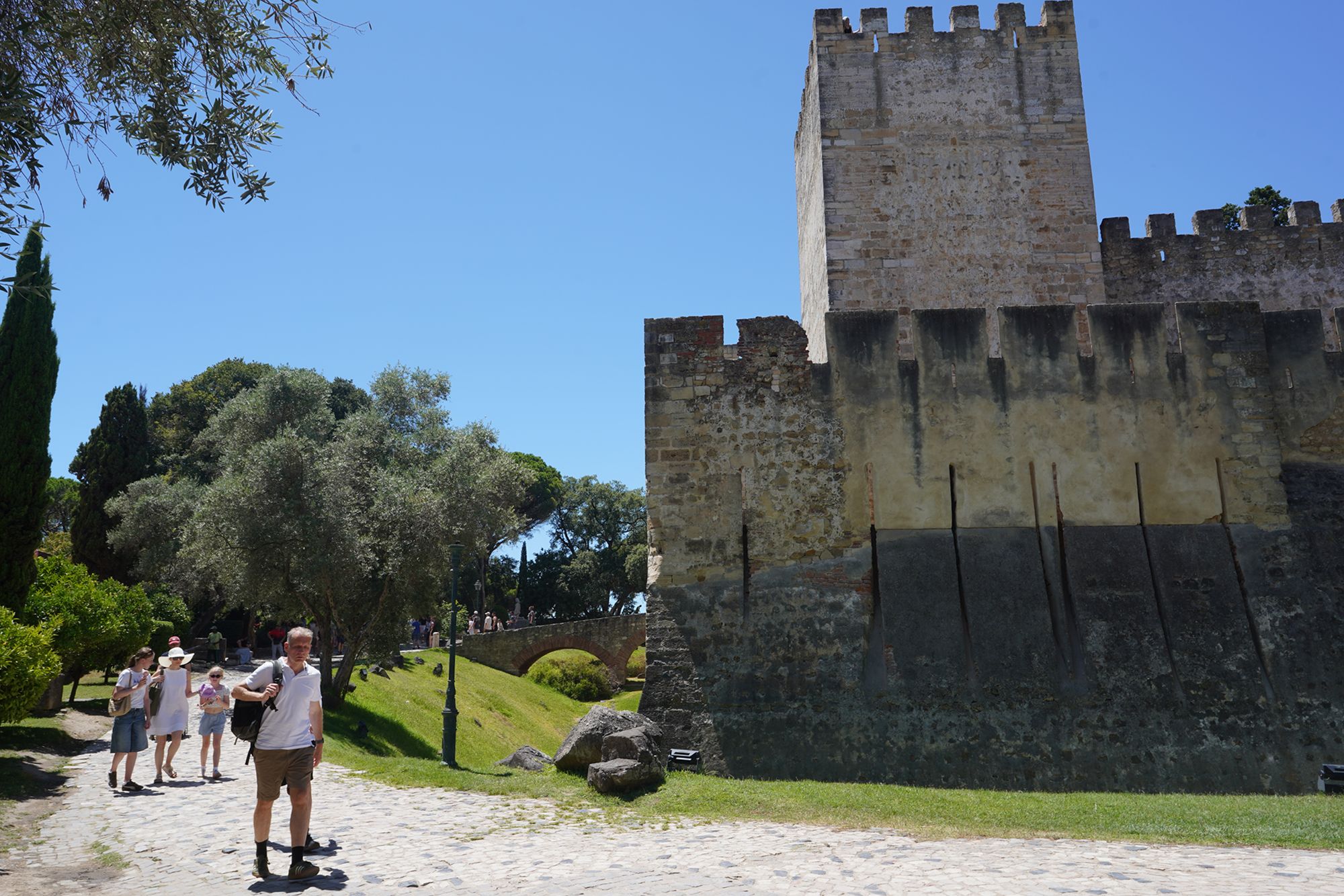
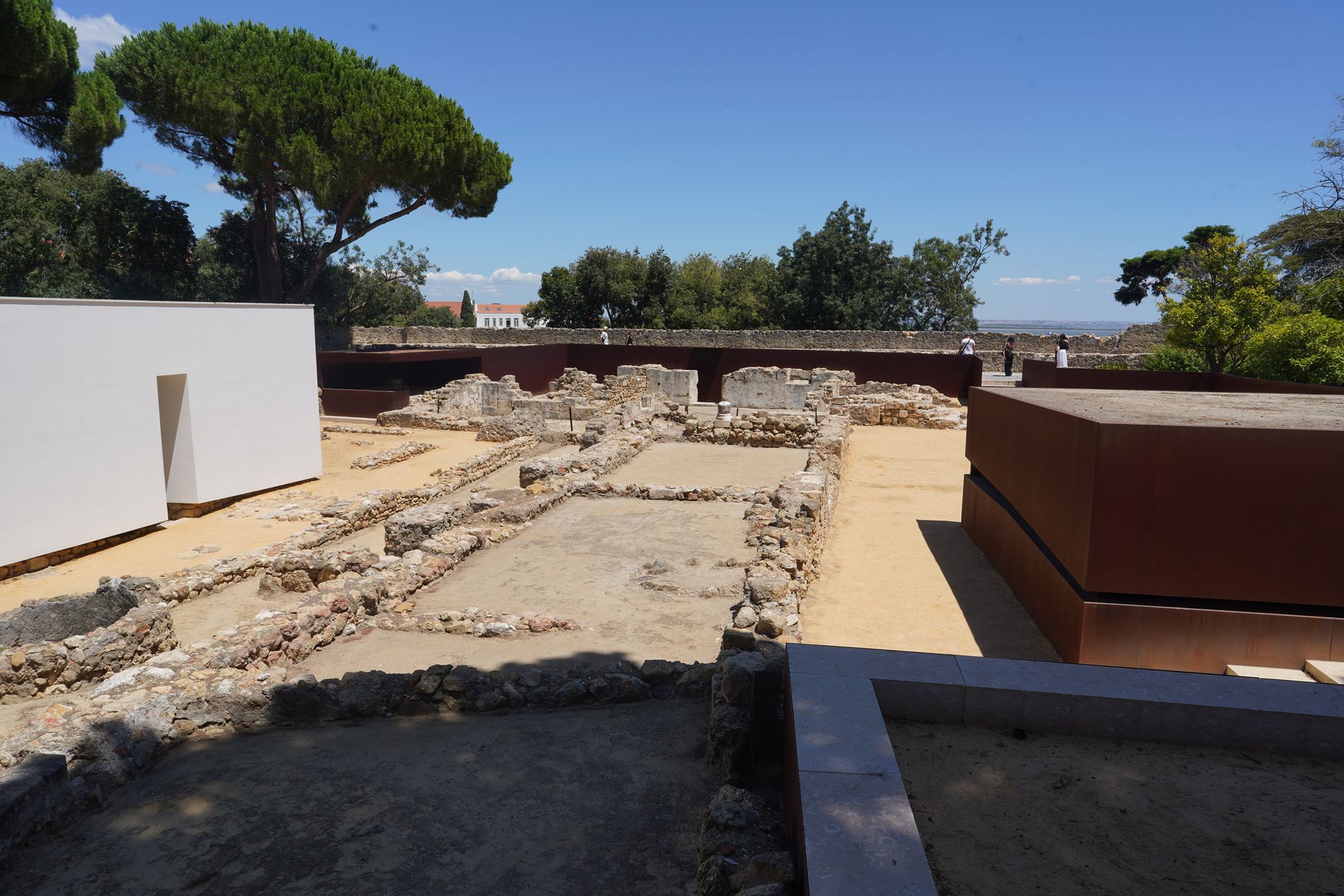
An archaeological site just outside the castle walls.
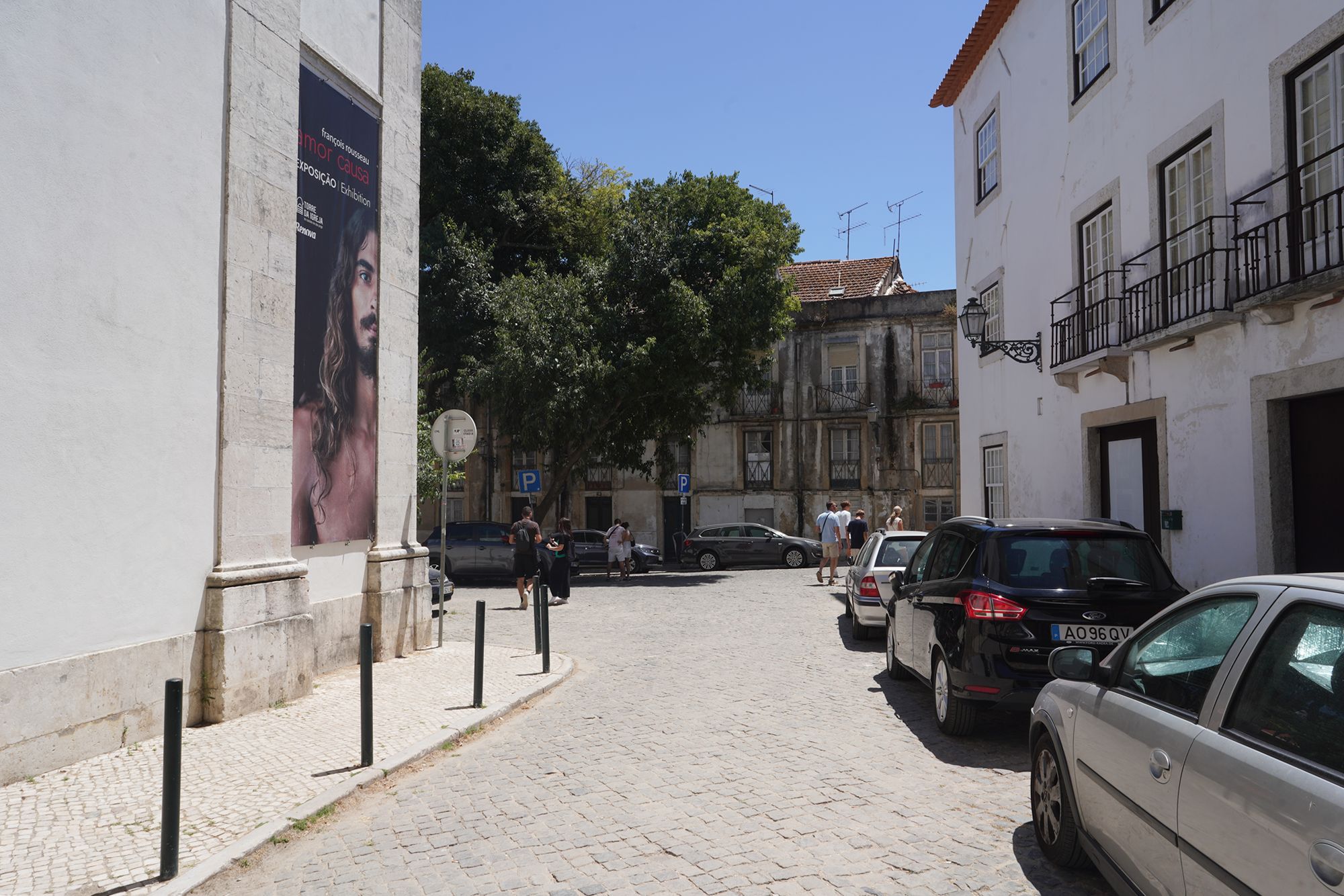
The Church of Santa Cruz do Castelo stands in the historic neighborhood beside São Jorge Castle. Its origins date to the 12th century, after the Christian conquest of Lisbon, on a site believed to have held a mosque. The present church was rebuilt after the 1755 earthquake and reopened in 1776.