Pittsburgh Downtown, Pittsburgh, Pennsylvania, USA
Downtown Pittsburgh blends riverside views, historic bridges, skyscrapers, and a compact, walkable urban core. 1202
PPG Plaza: 1 Third Ave, Pittsburgh, PA 15222
Mellon Square: Sixth Ave, Pittsburgh, PA 15222
Patrick T. Fagan Overlook: Grandview Avenue &, Shiloh St, Pittsburgh, PA
Senator John Heinz History Center: 1212 Smallman St, Pittsburgh, PA 15222
Strip Distric Shopping Area: 1212 Smallman St, Pittsburgh, PA 15222
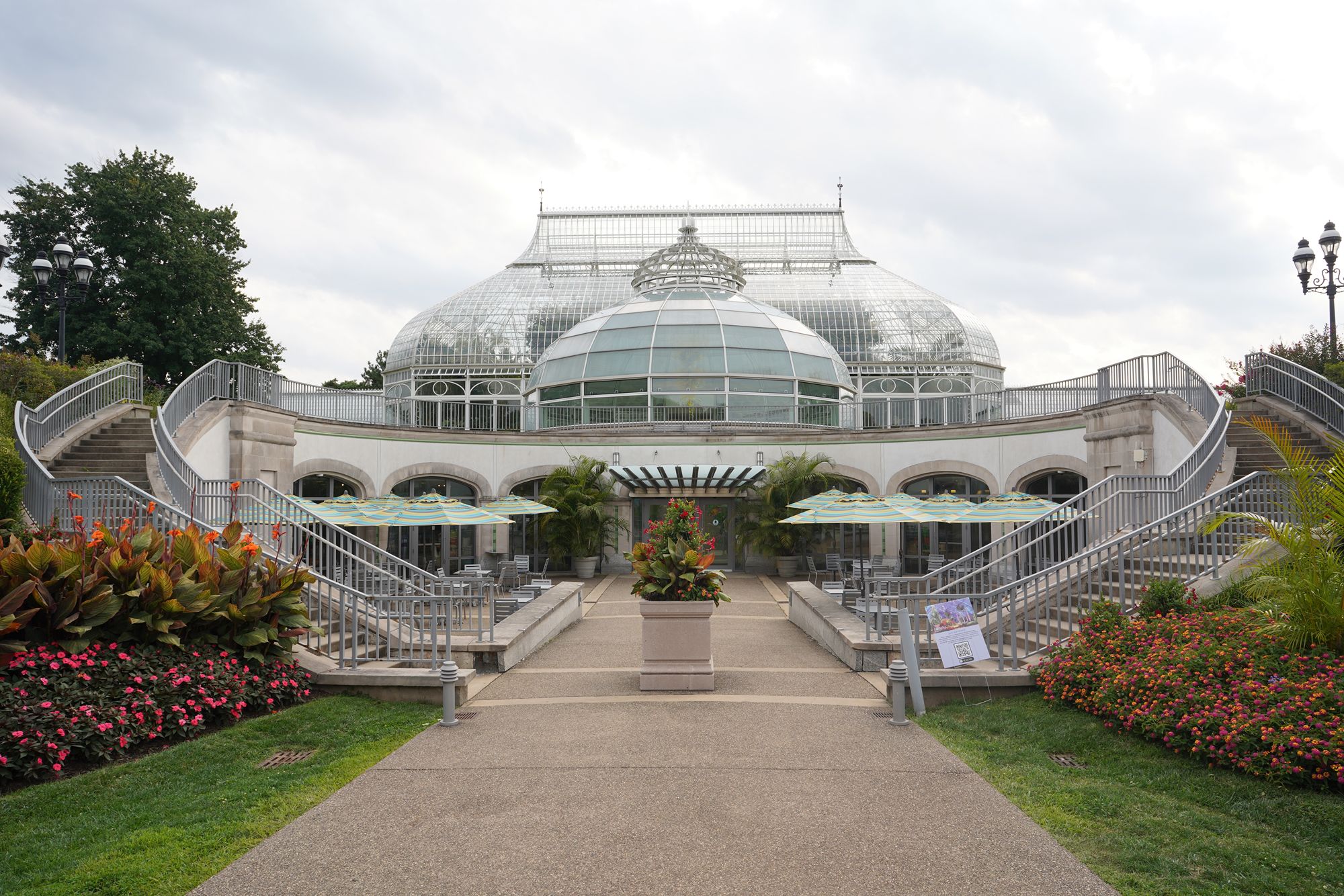
Phipps Conservatory and Botanical Gardens: 1 Schenley Dr, Pittsburgh, PA 15213
Date Picture Taken: September 2025
Downtown Pittsburgh sits at the meeting point of three rivers, framed by dramatic bridges and steep hills. Its compact center mixes historic architecture with modern towers, cultural venues, and riverfront paths, reflecting a city transformed from industrial powerhouse to revitalized urban hub.
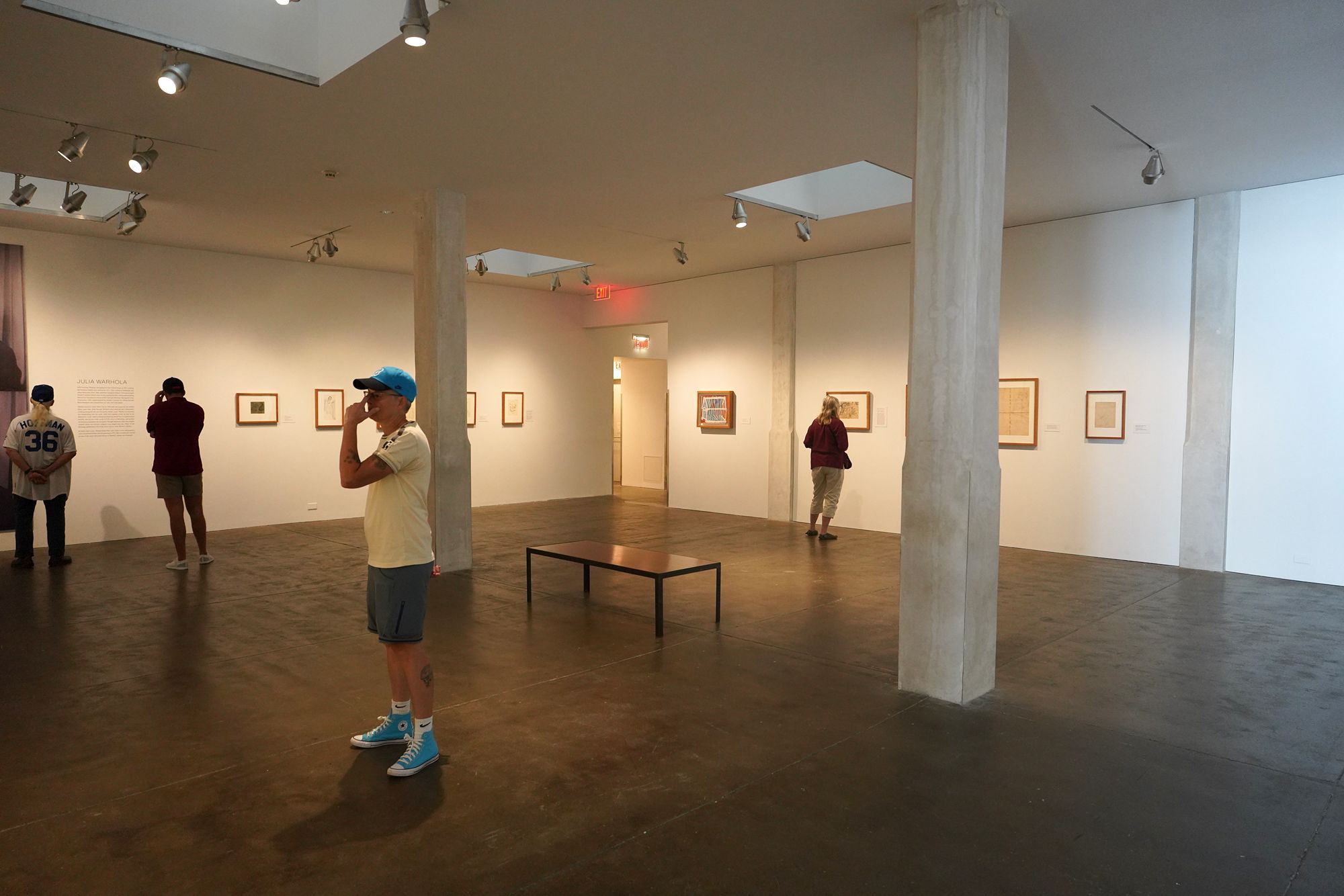
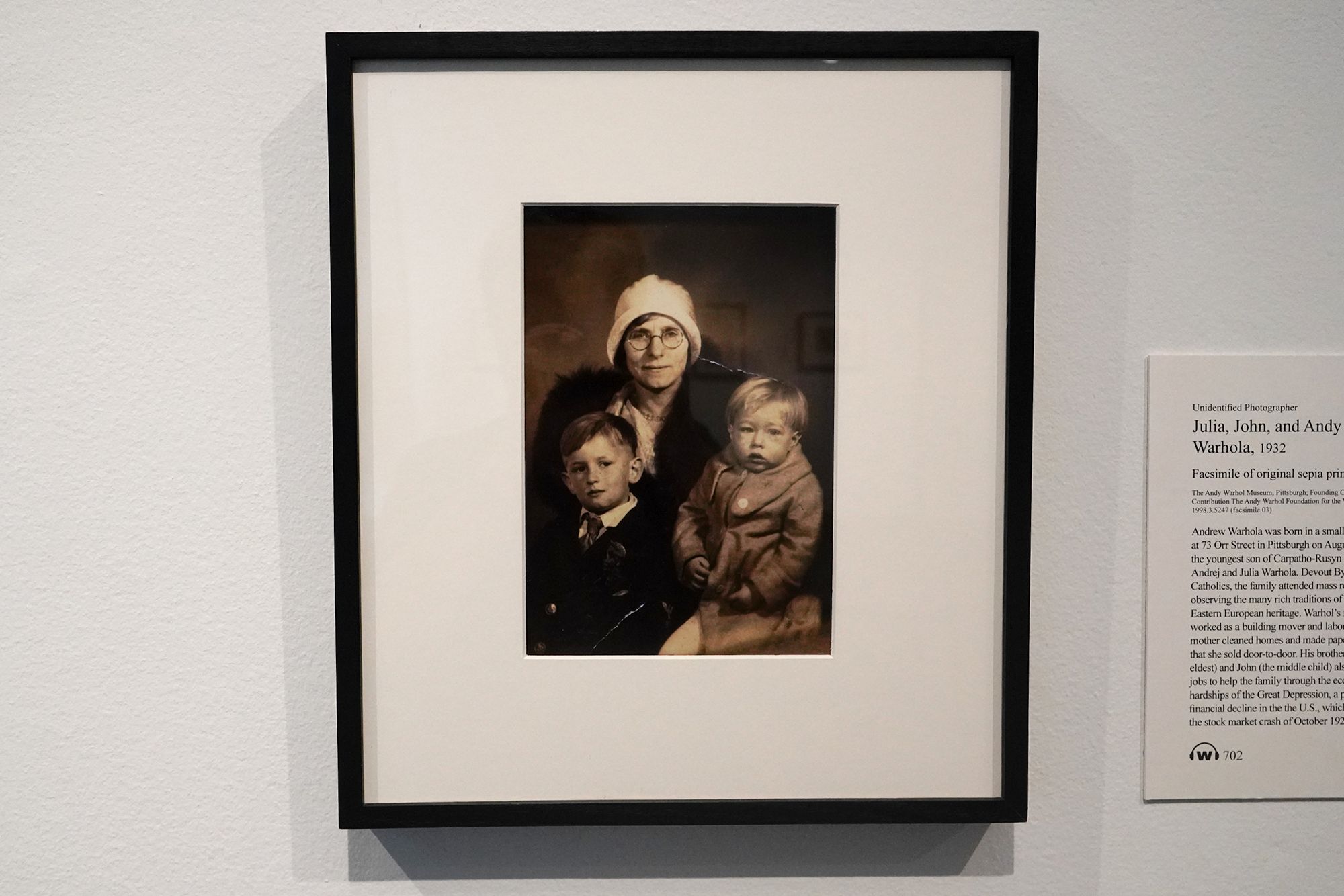
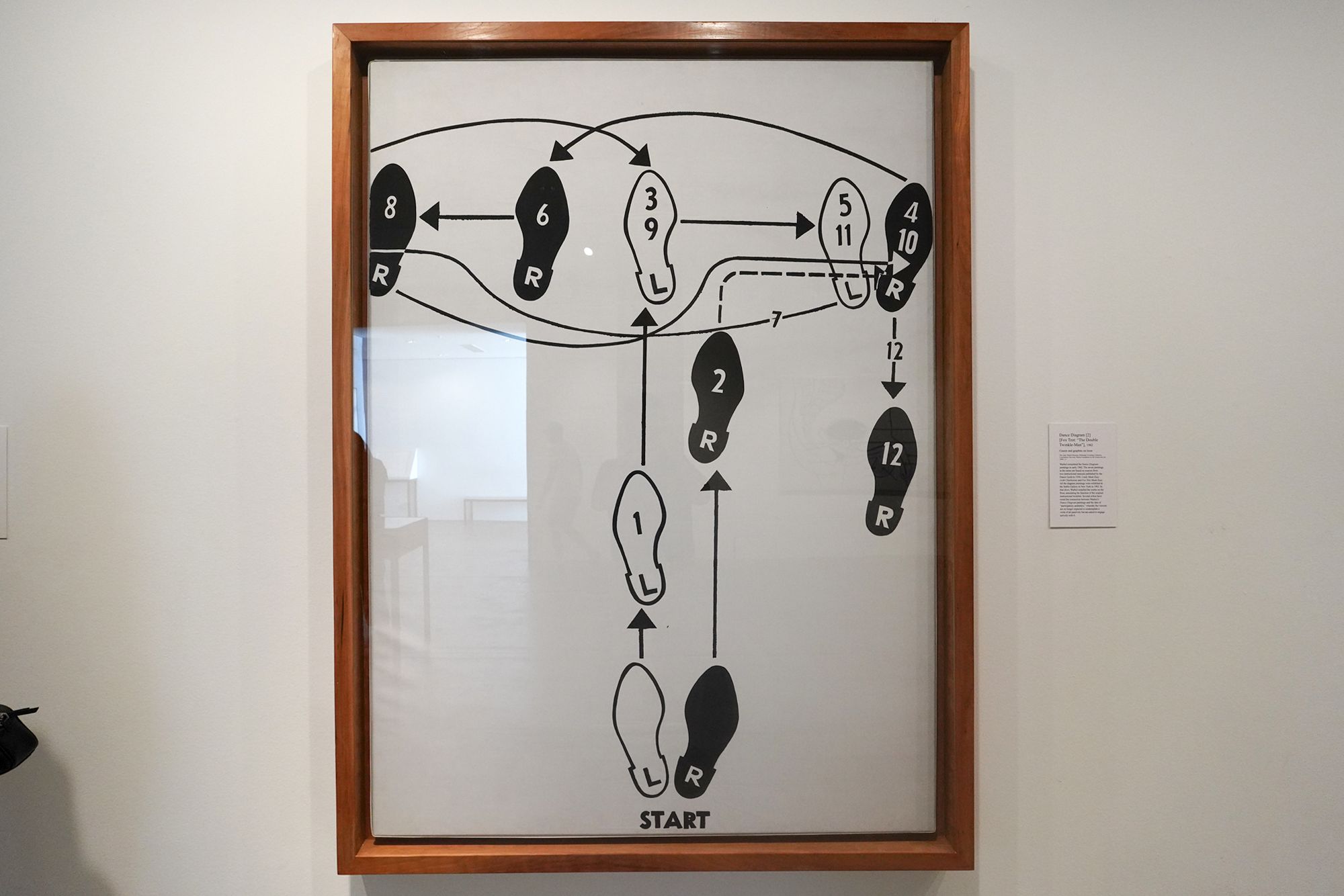
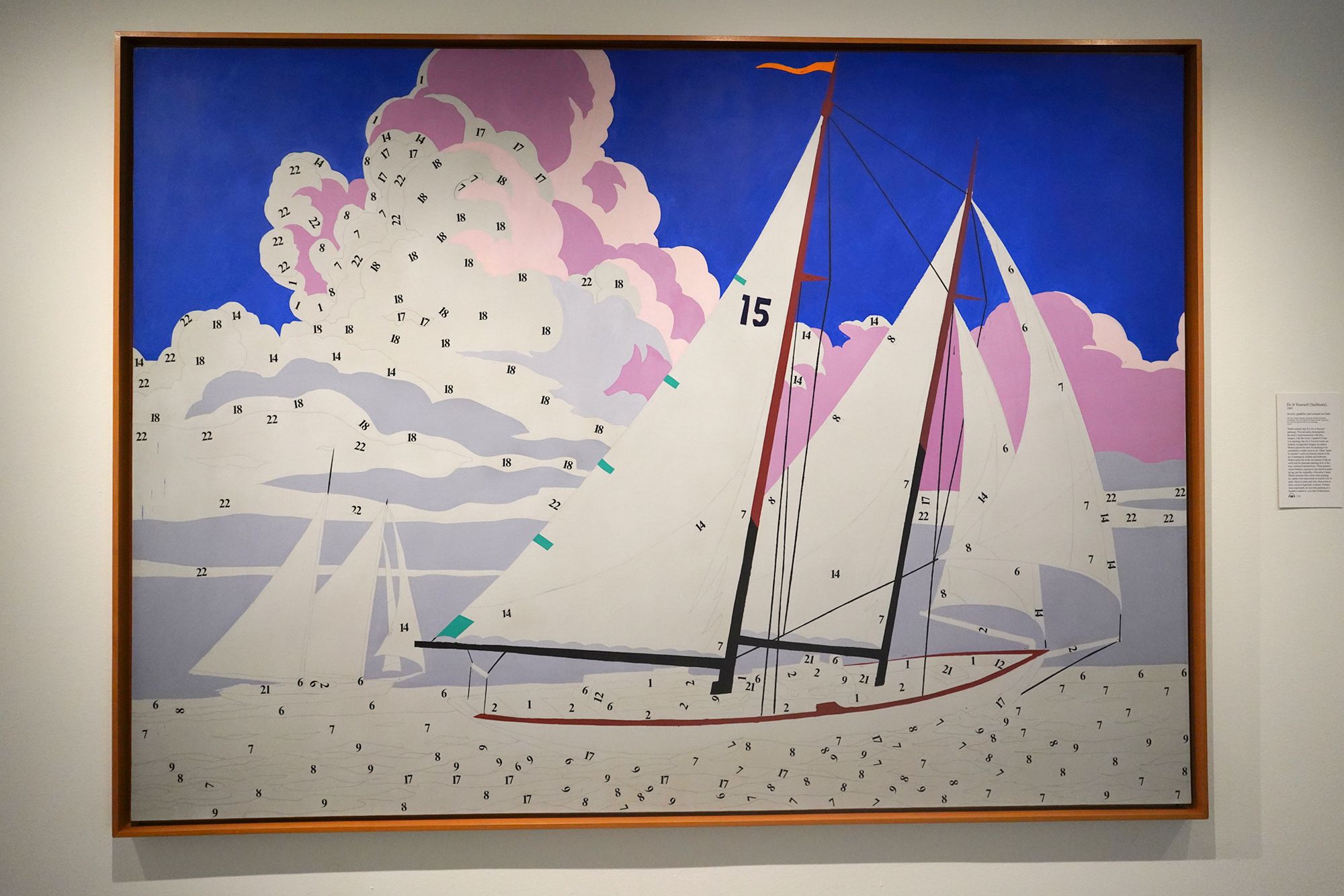
I began exploring Pittsburgh with a visit to the Andy Warhol Museum.
A photograph of him as a little boy with his mother and brother.
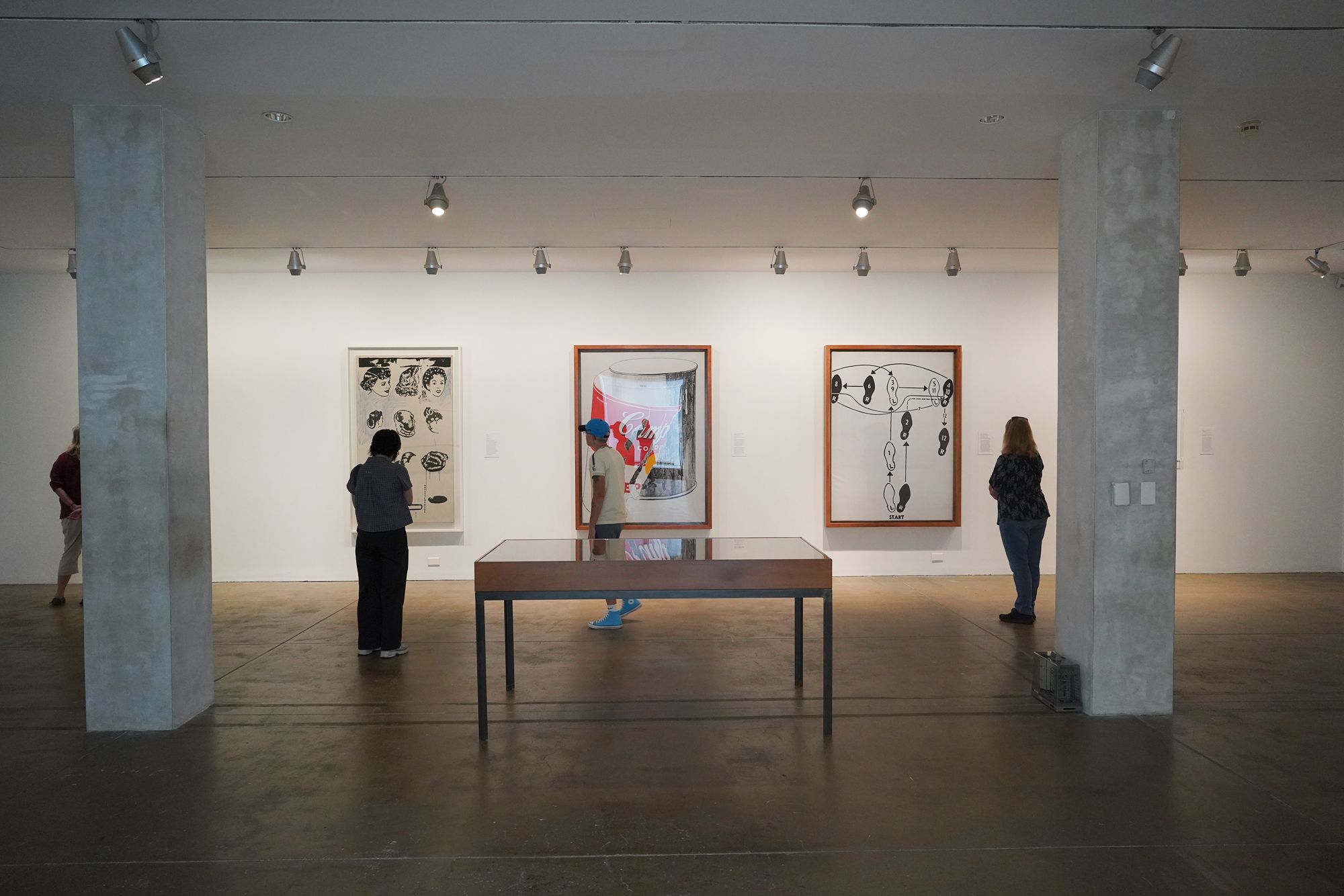
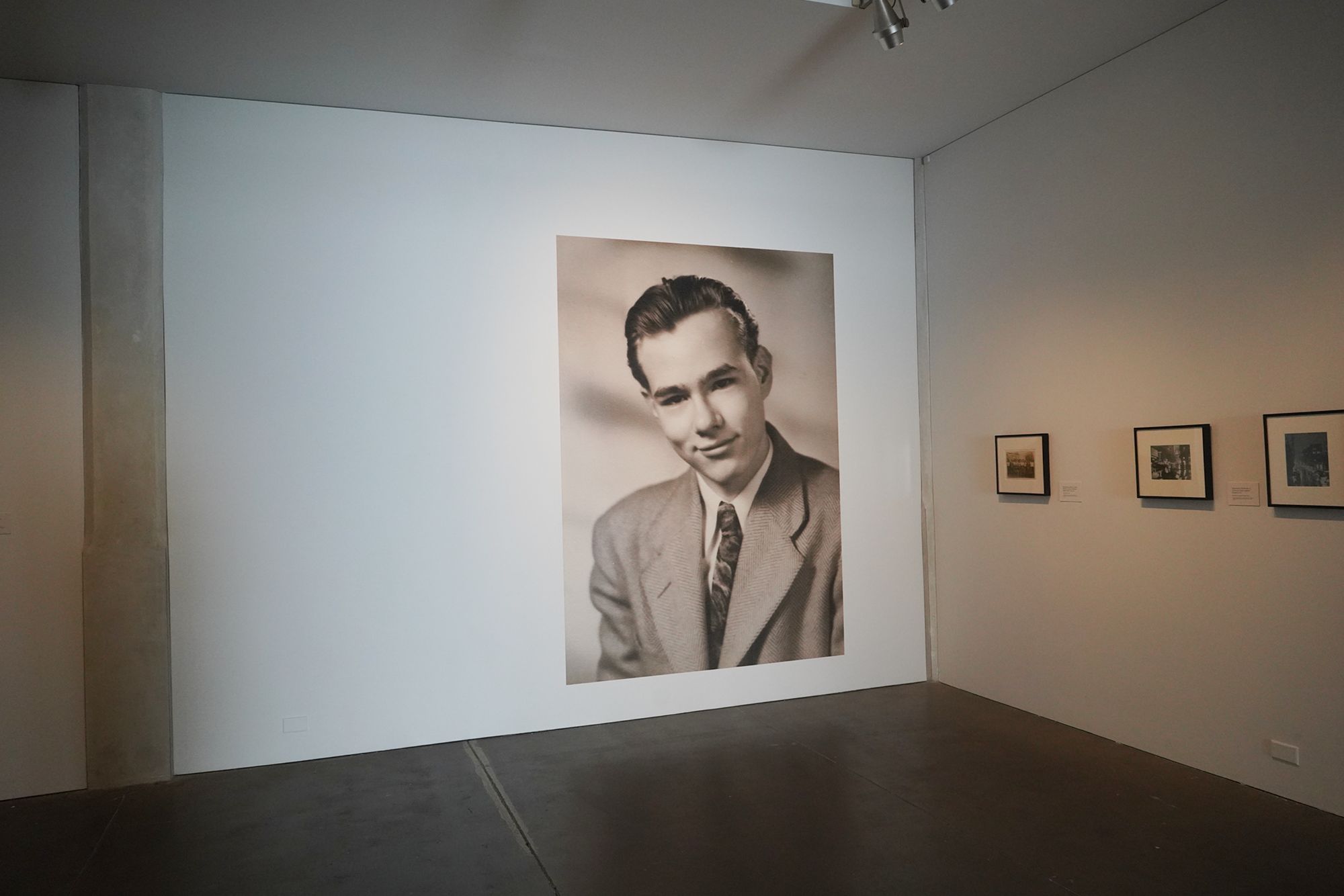
When he was a teenager
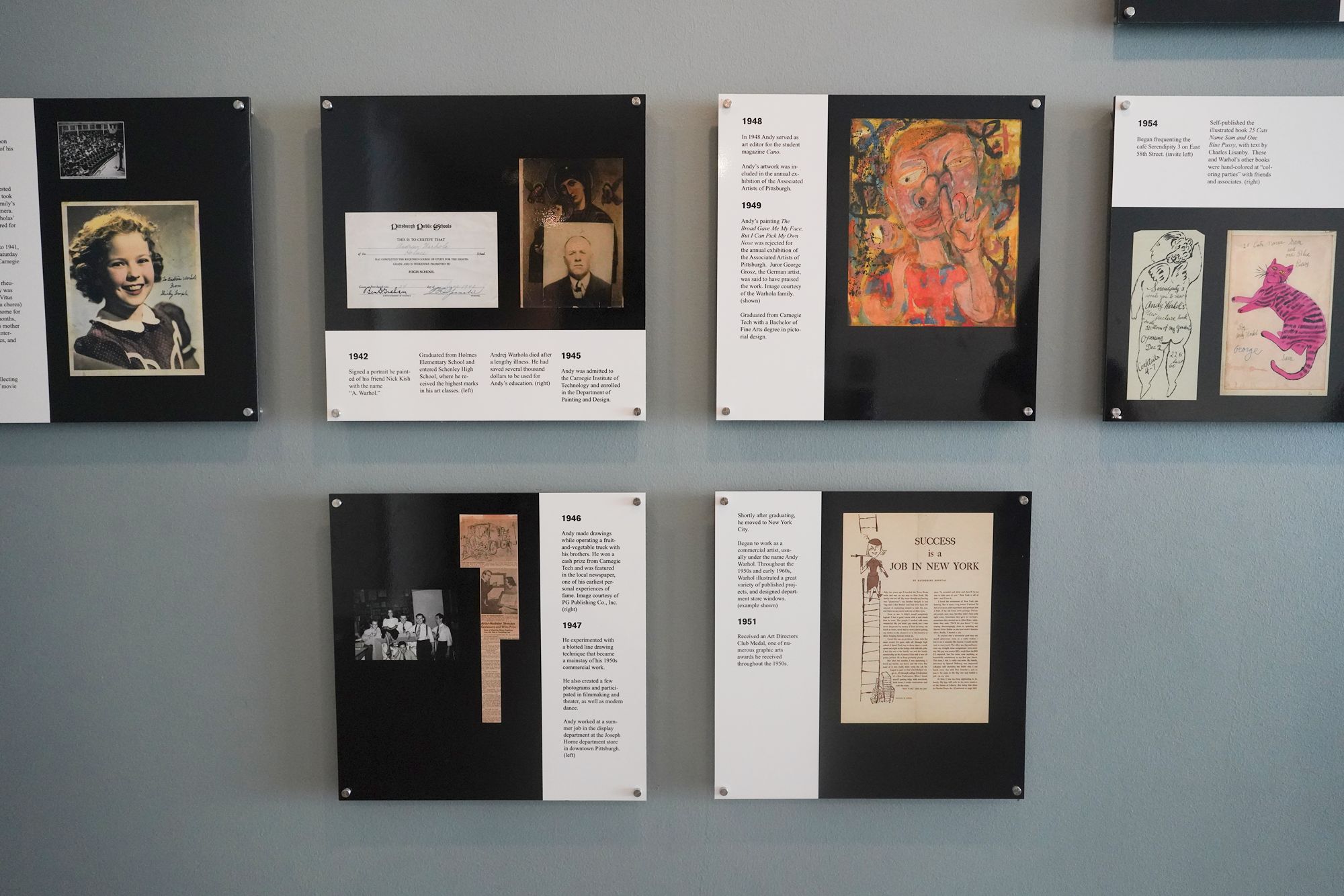
His life history
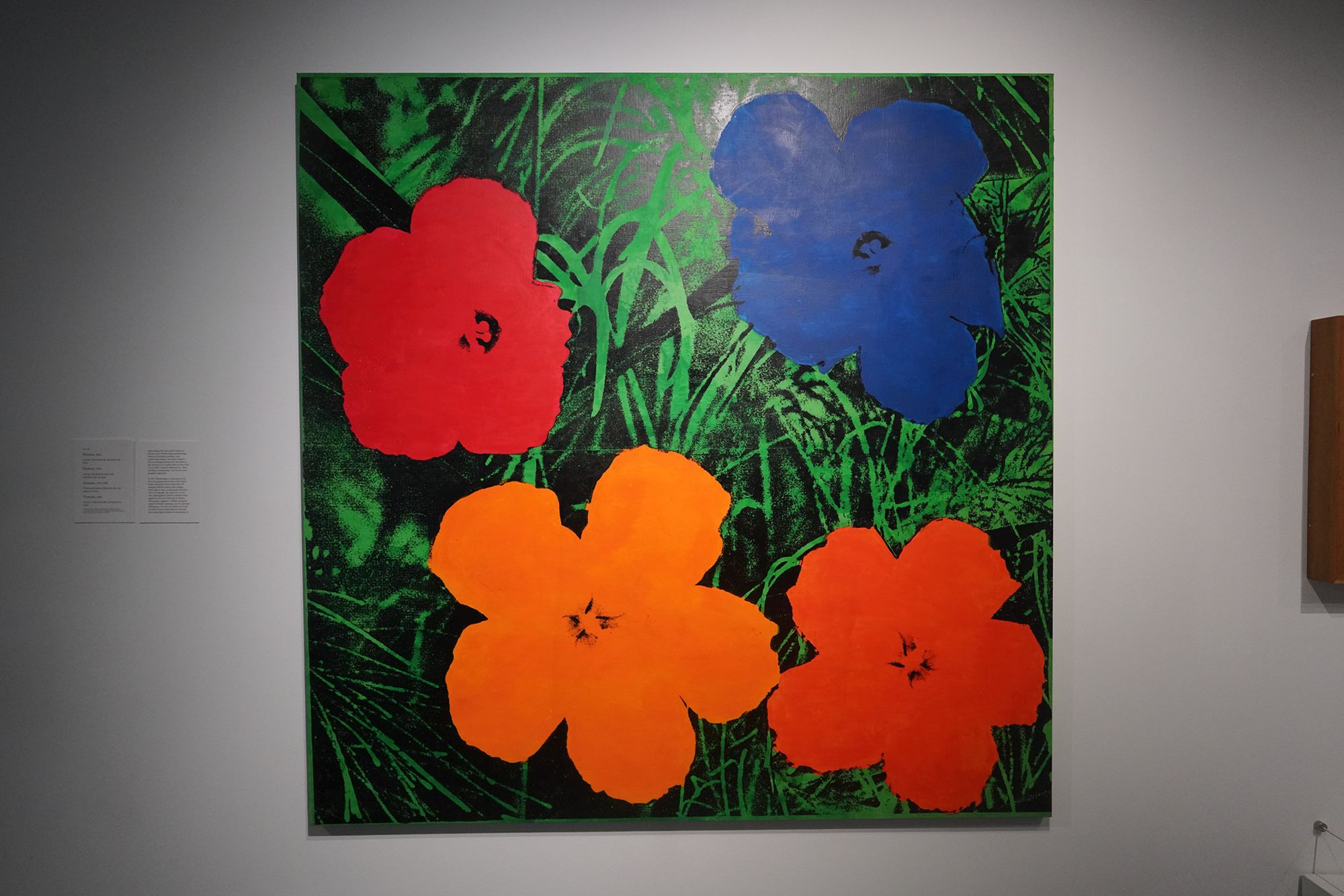
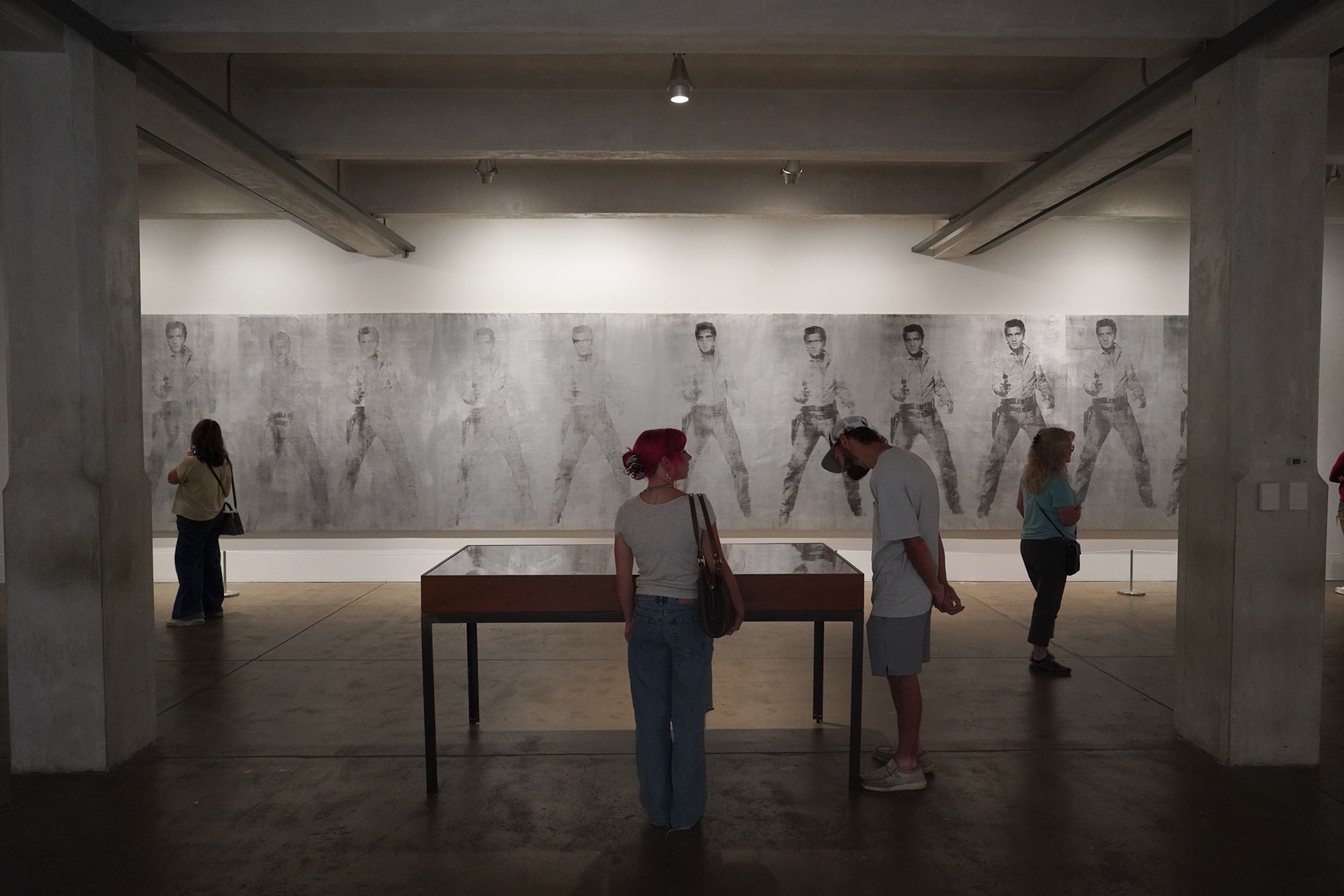
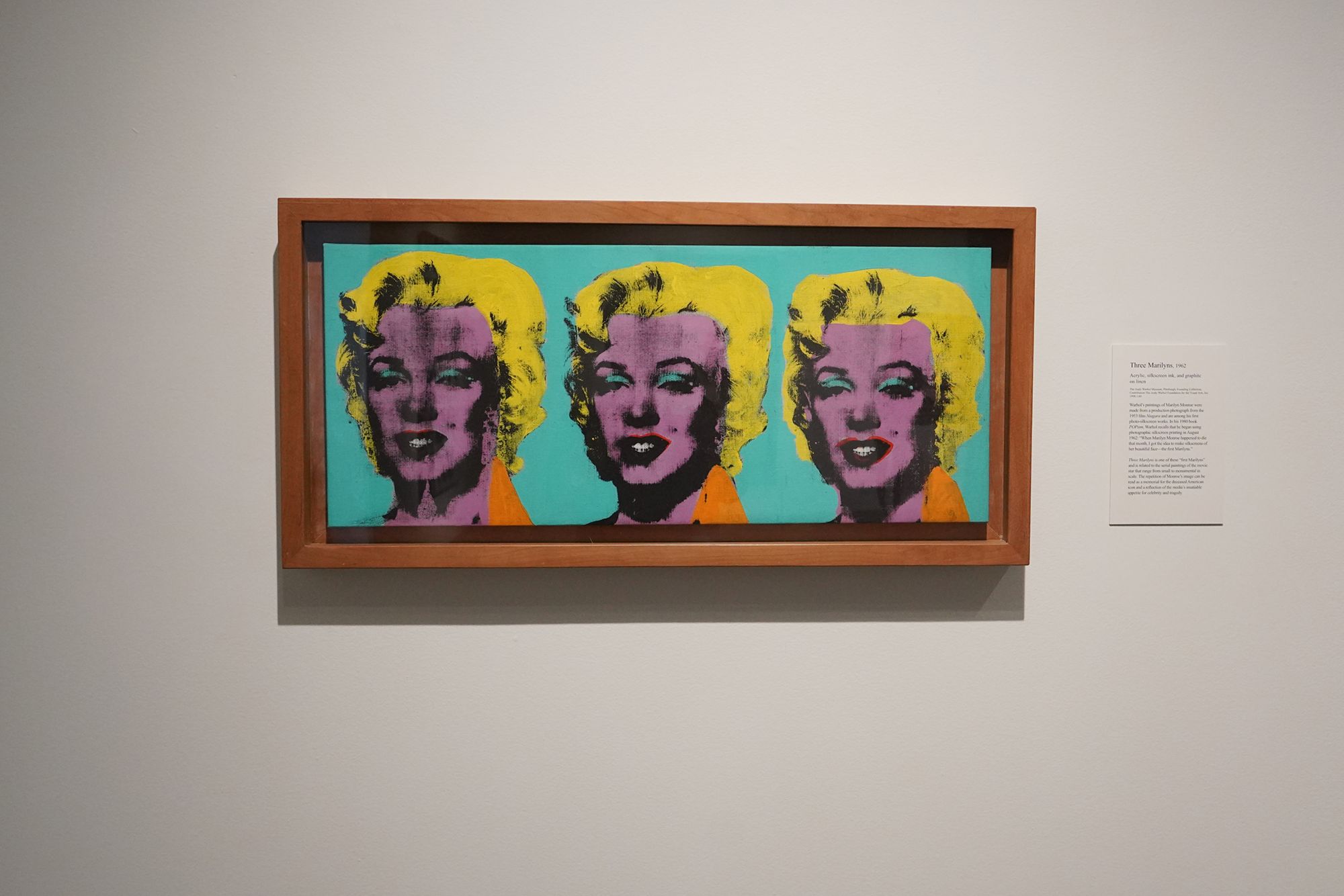
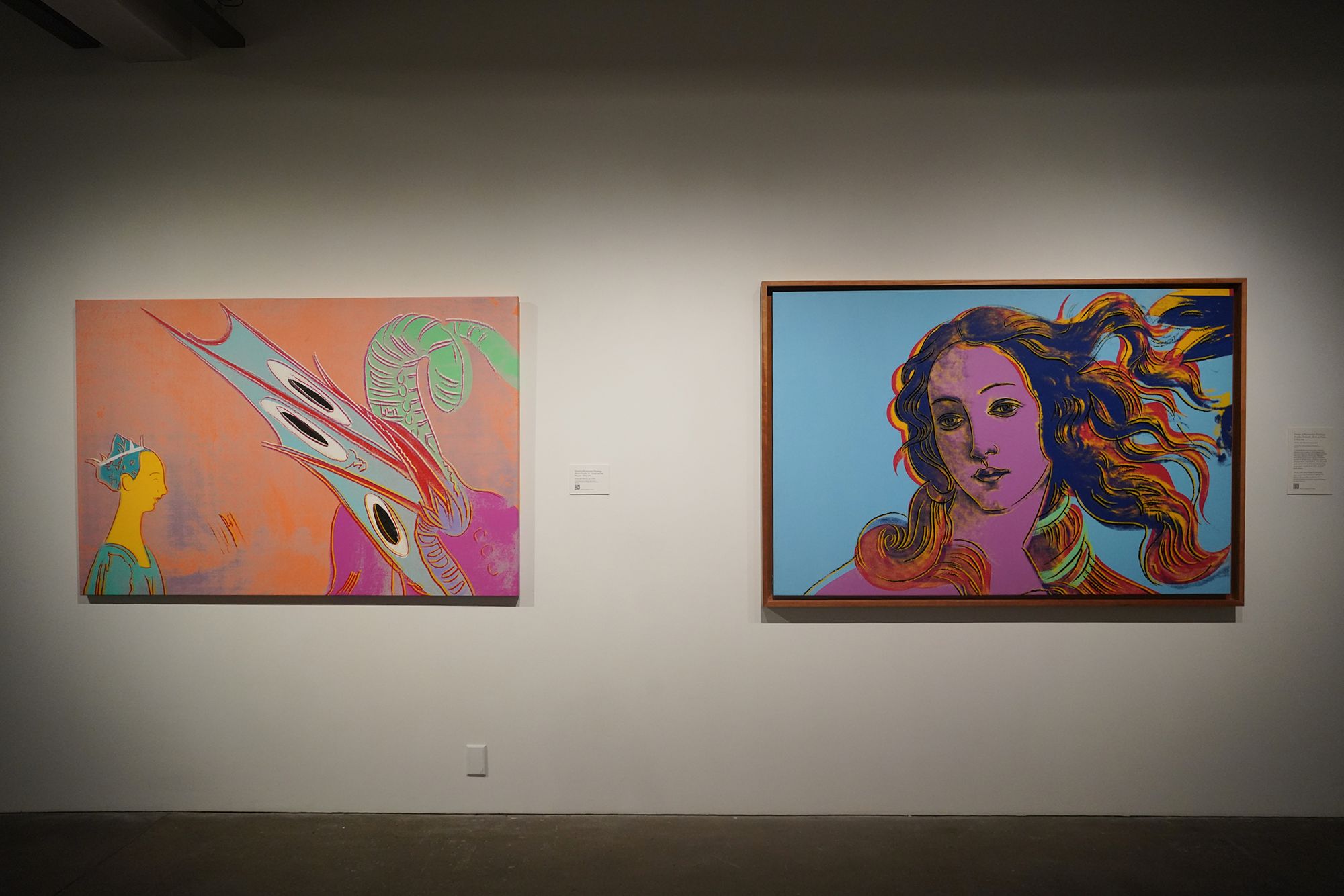
From the museum, I crossed the river on foot, heading toward Pittsburgh’s downtown center.
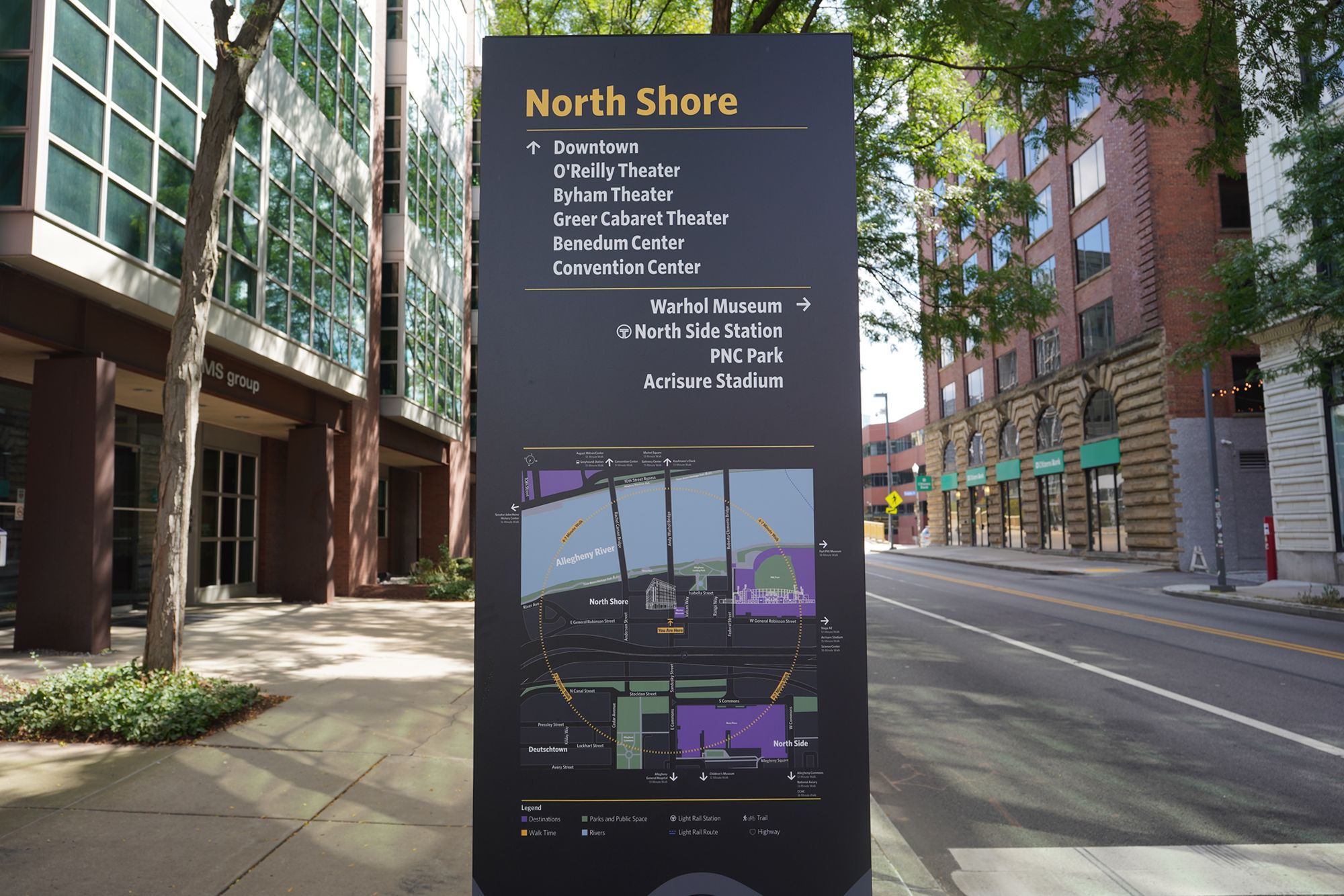
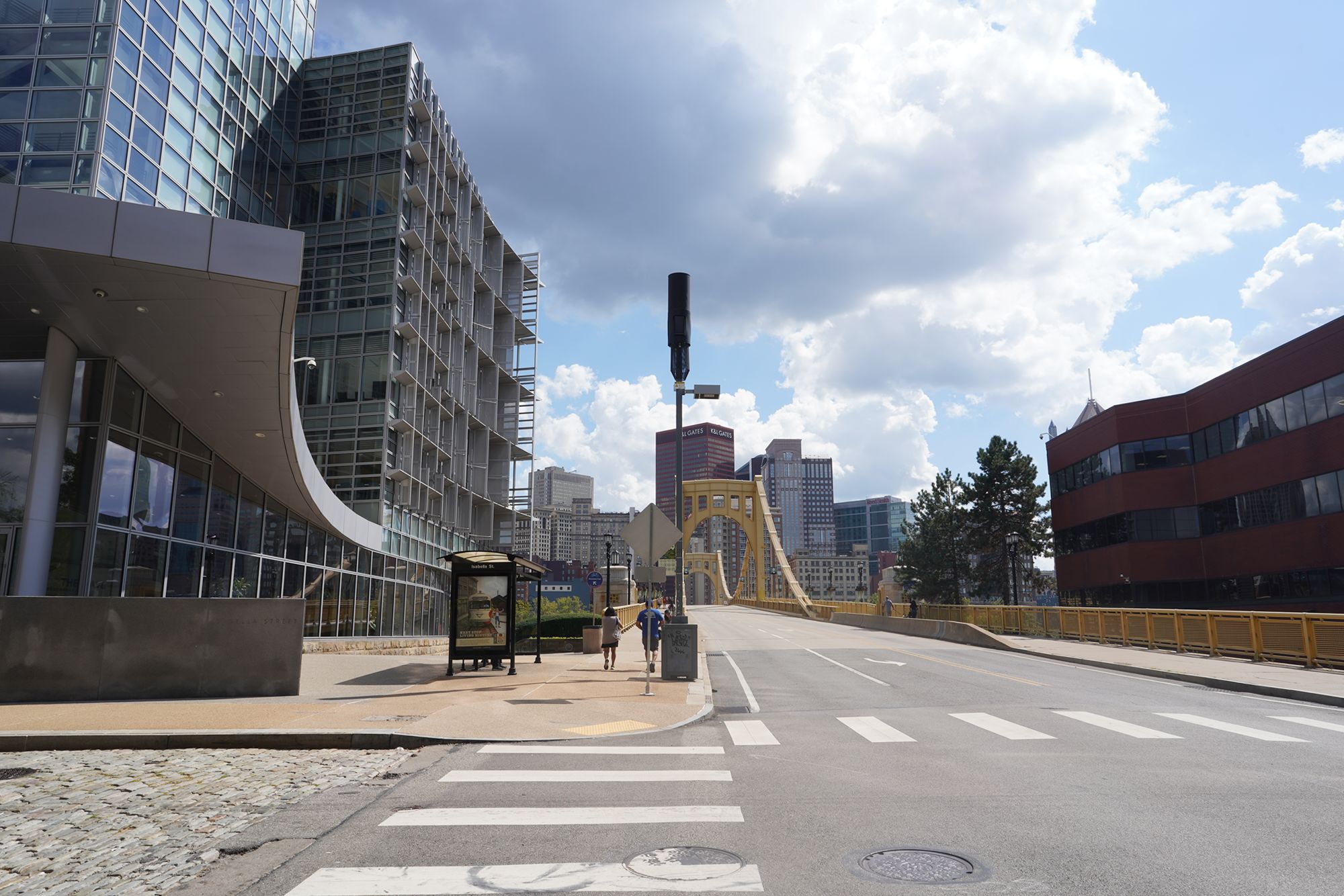
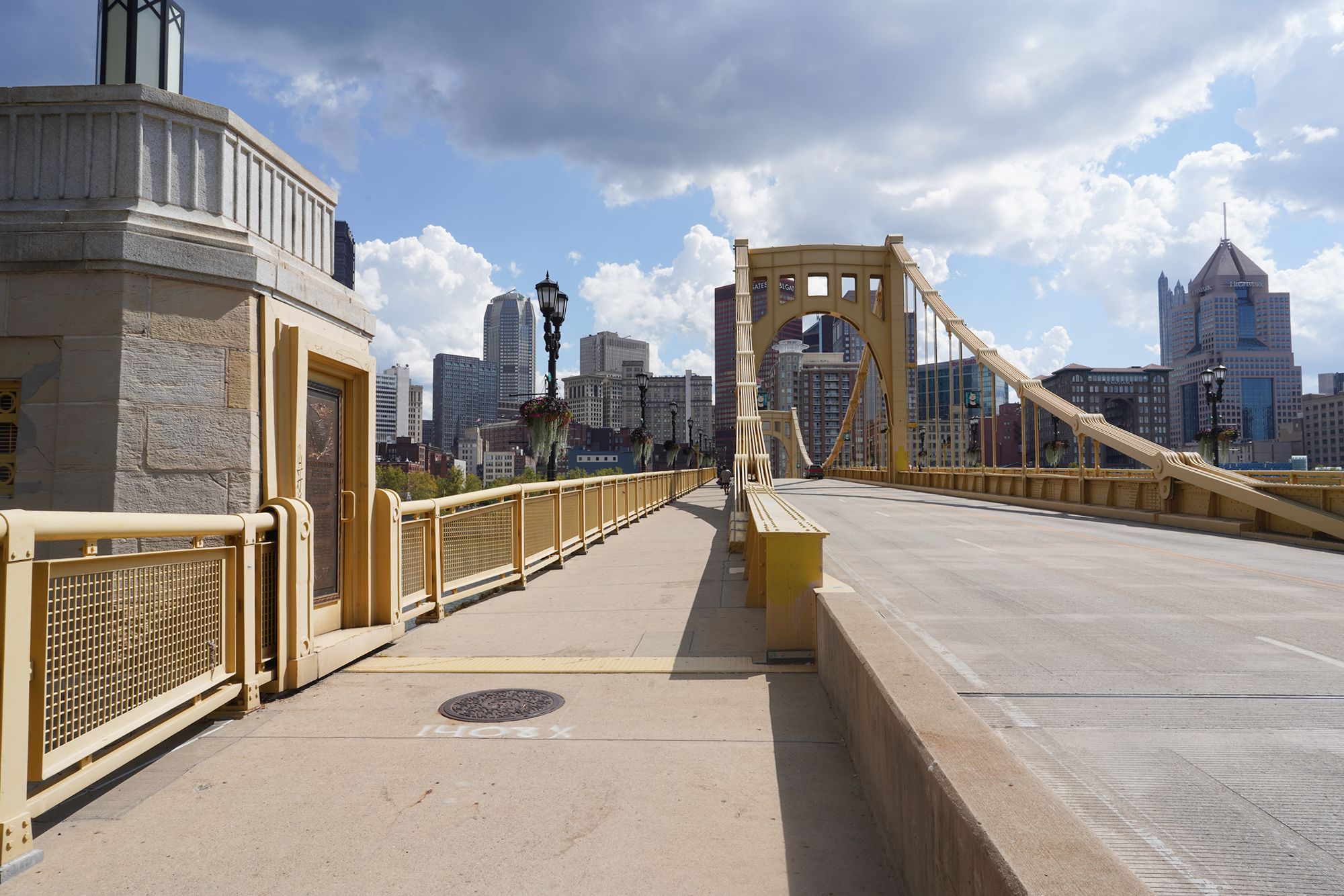
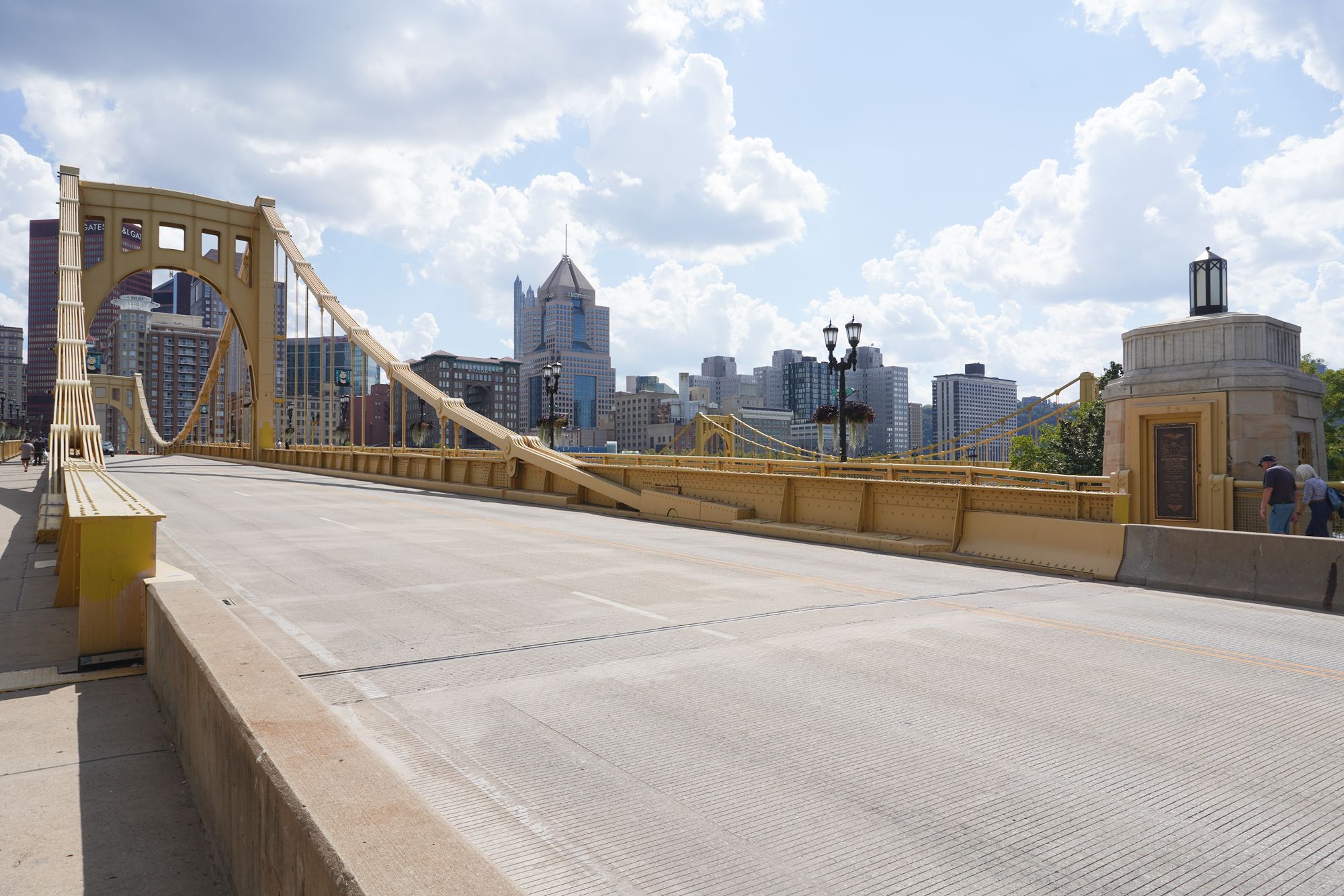
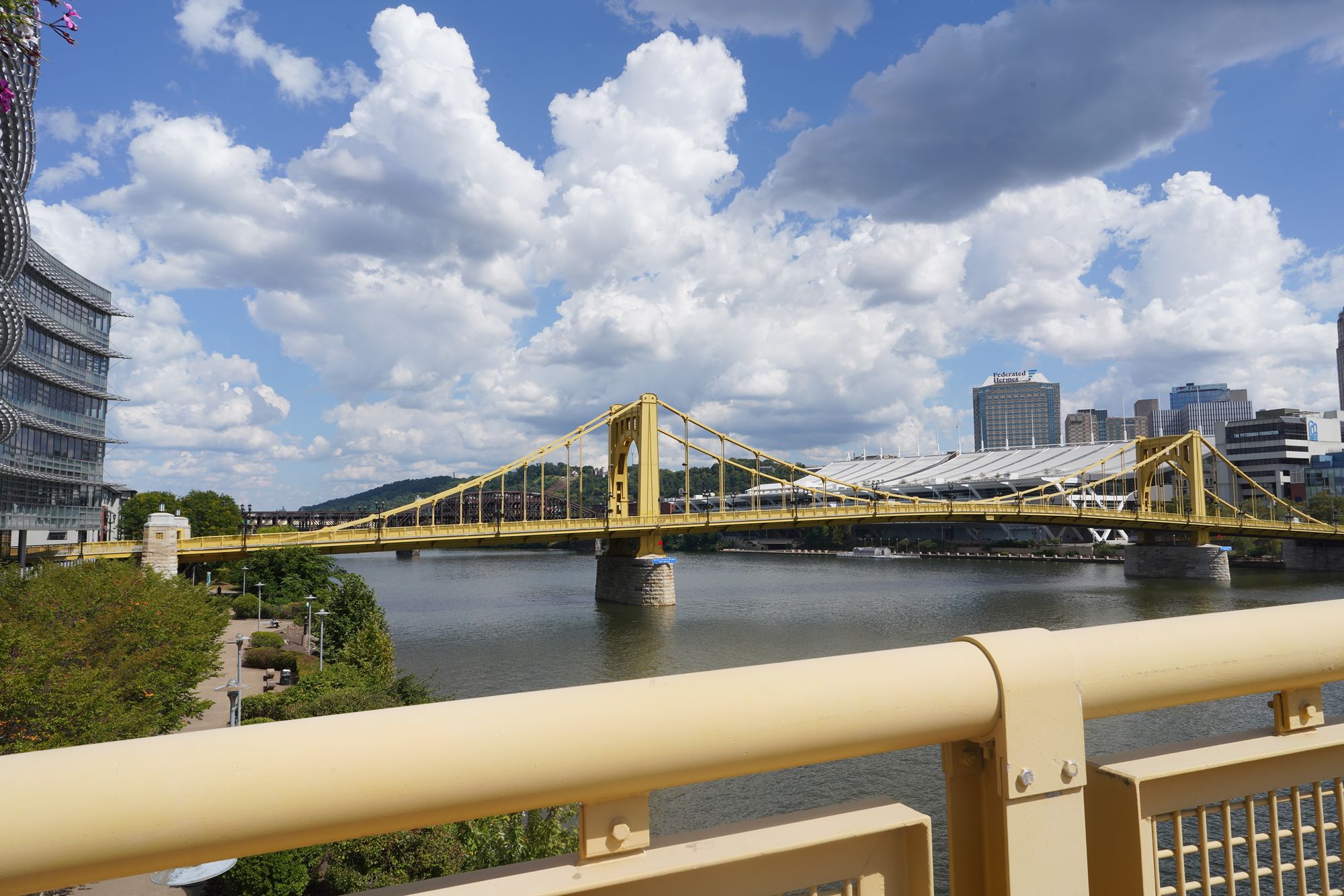
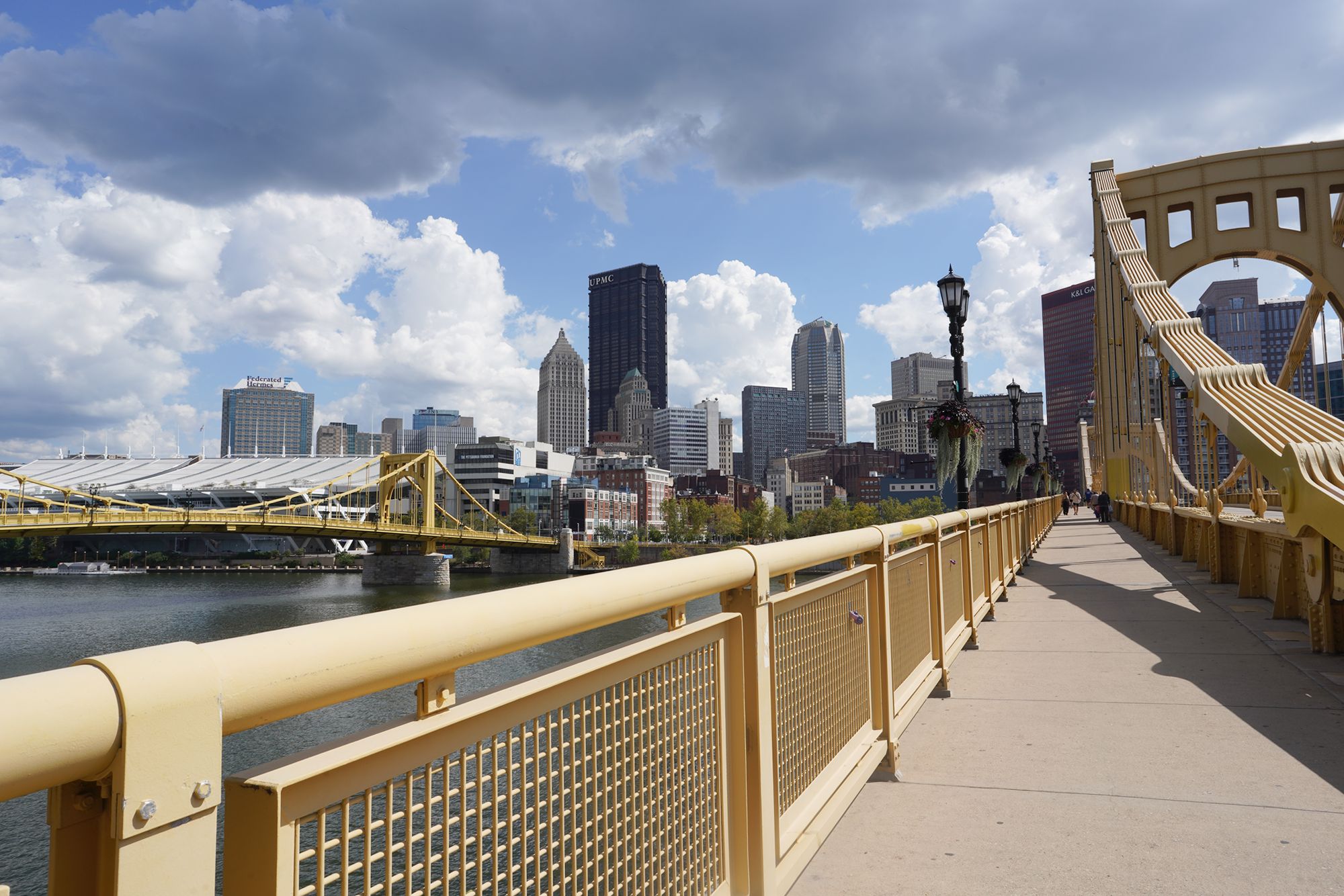
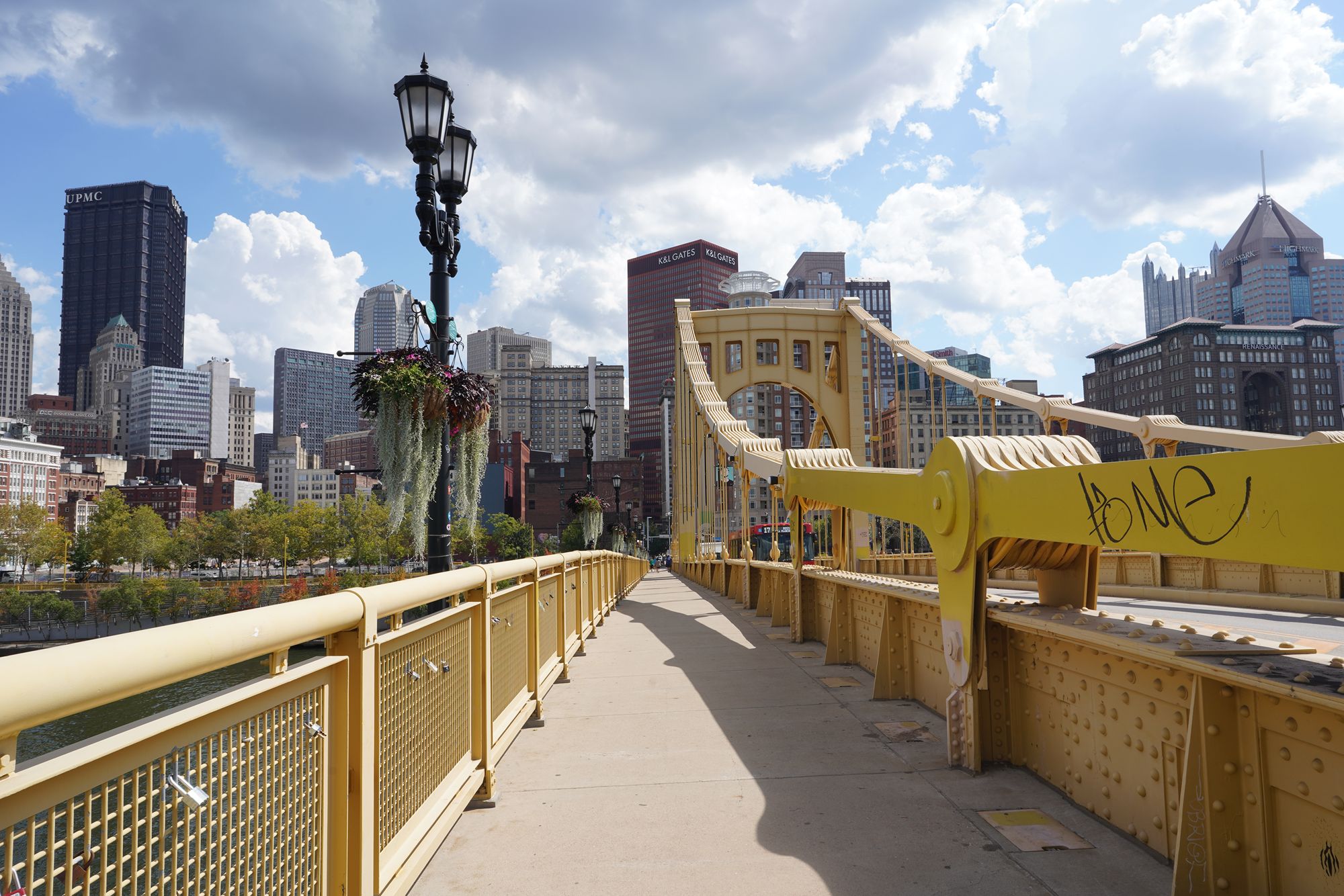
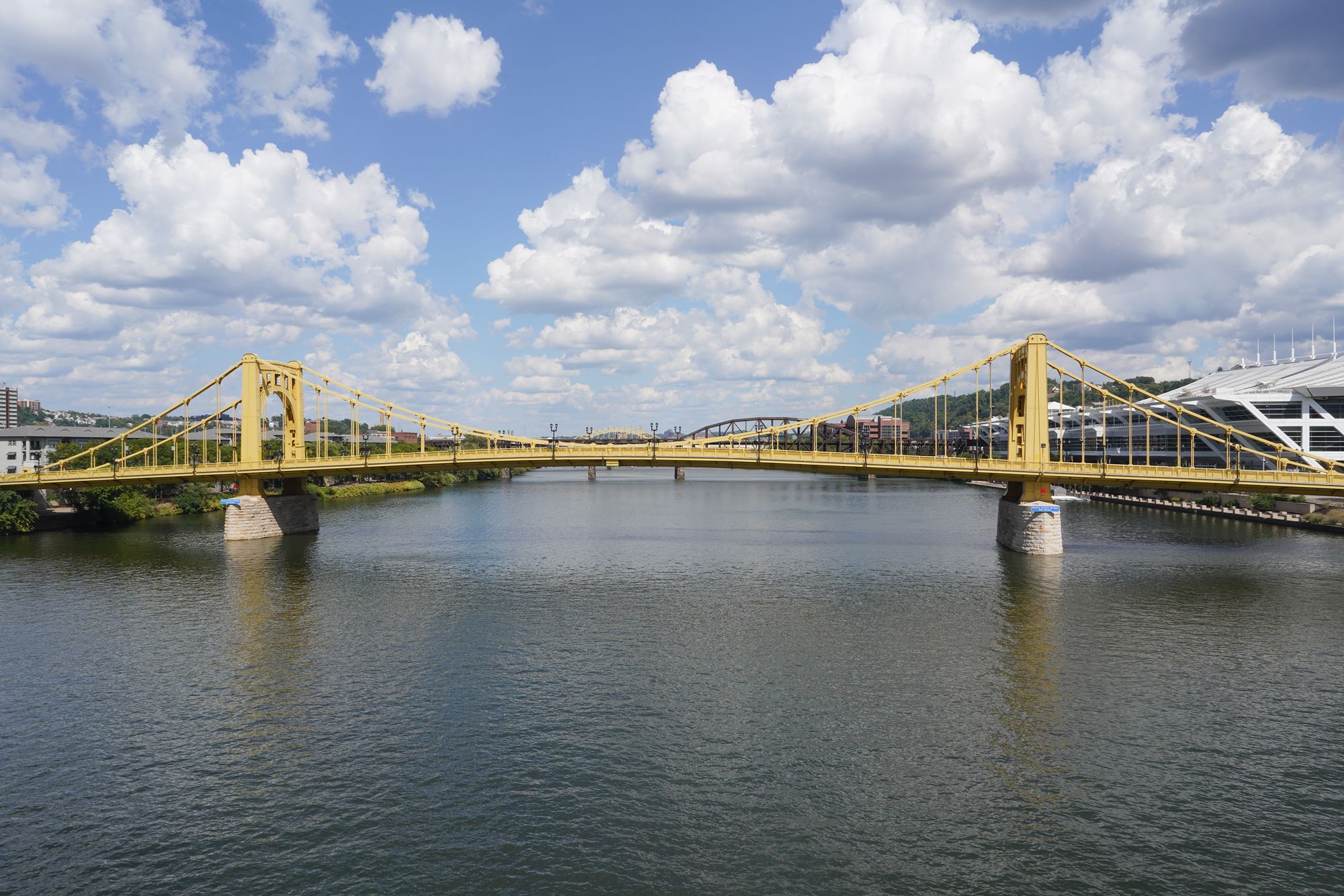
The downtown
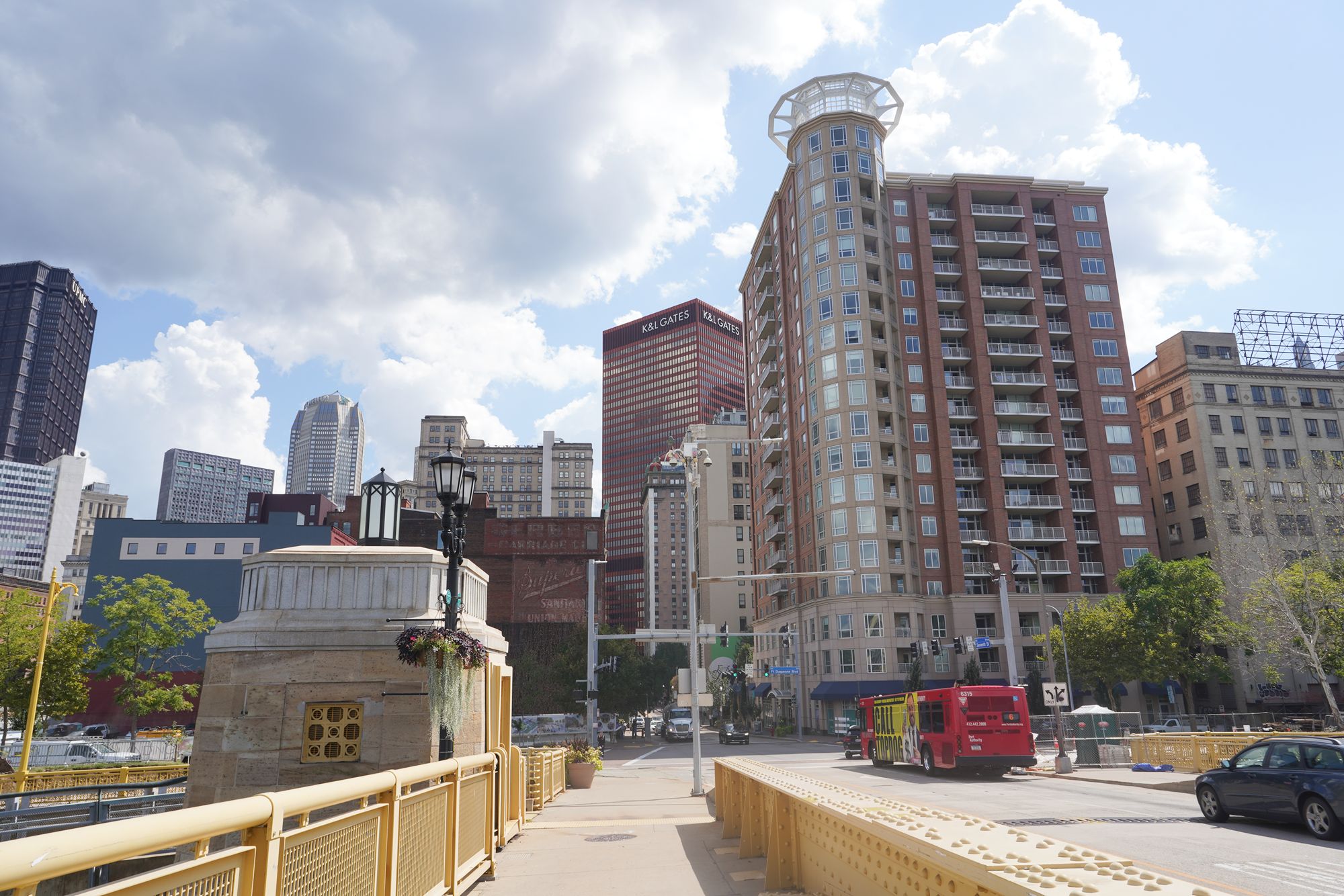
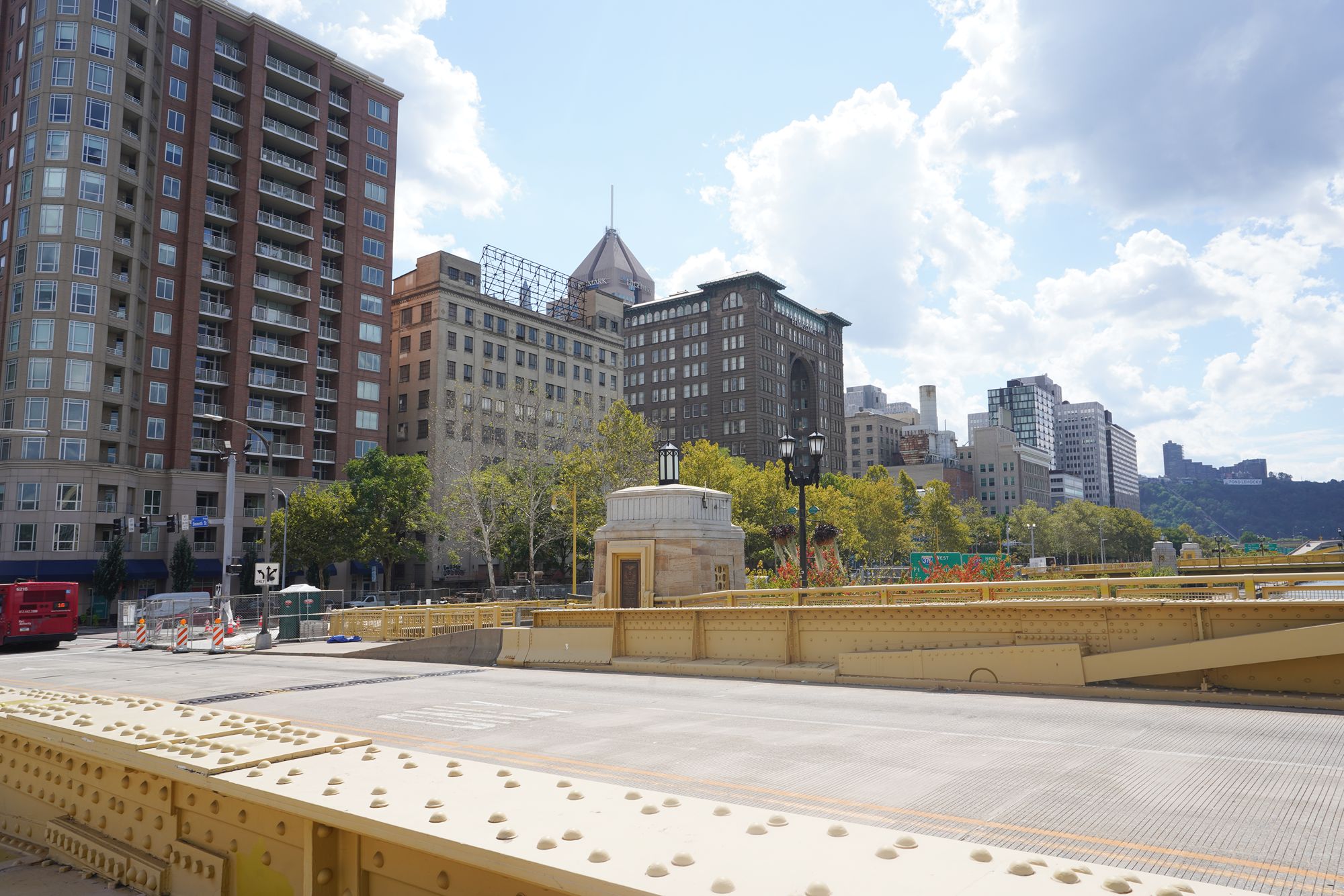
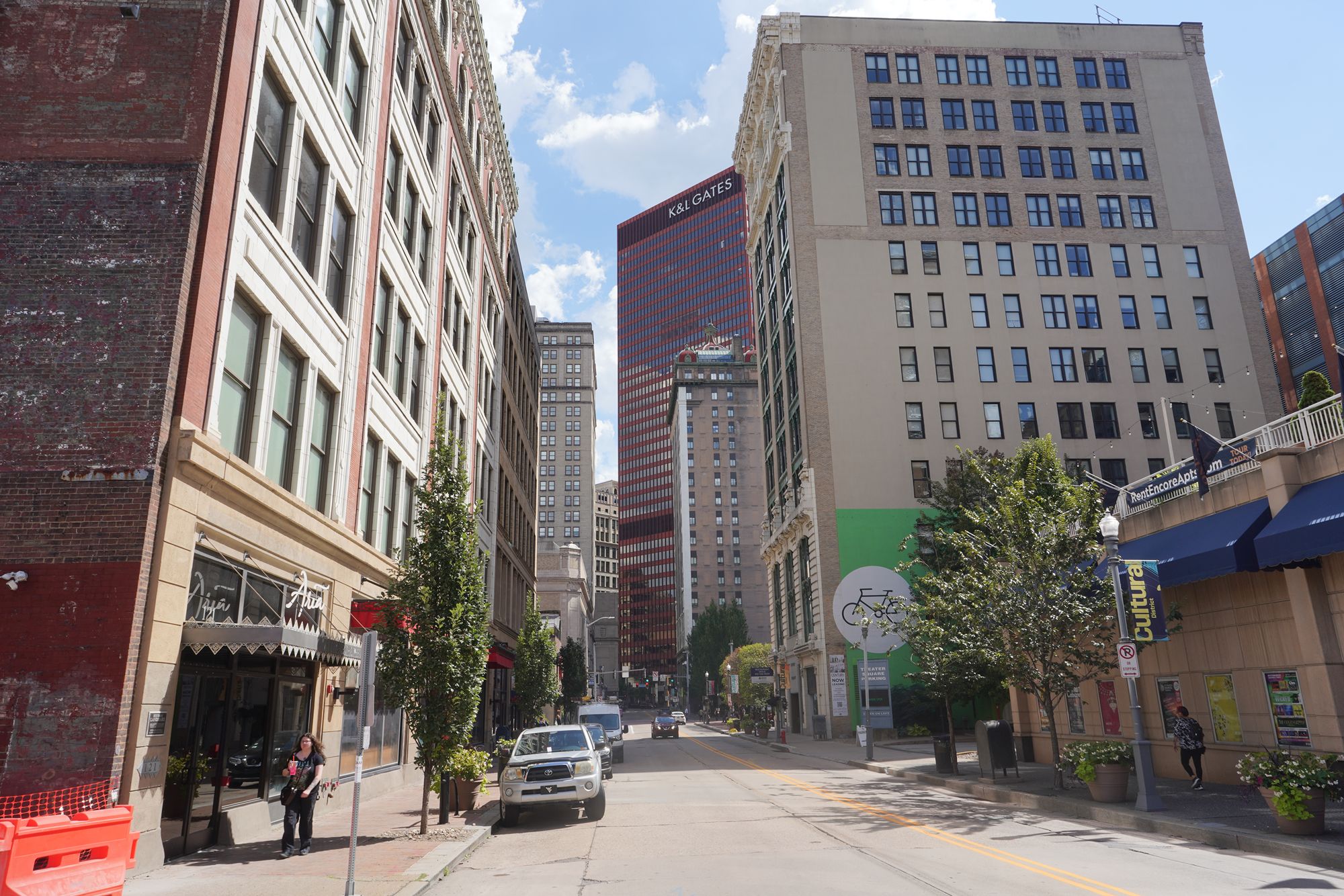
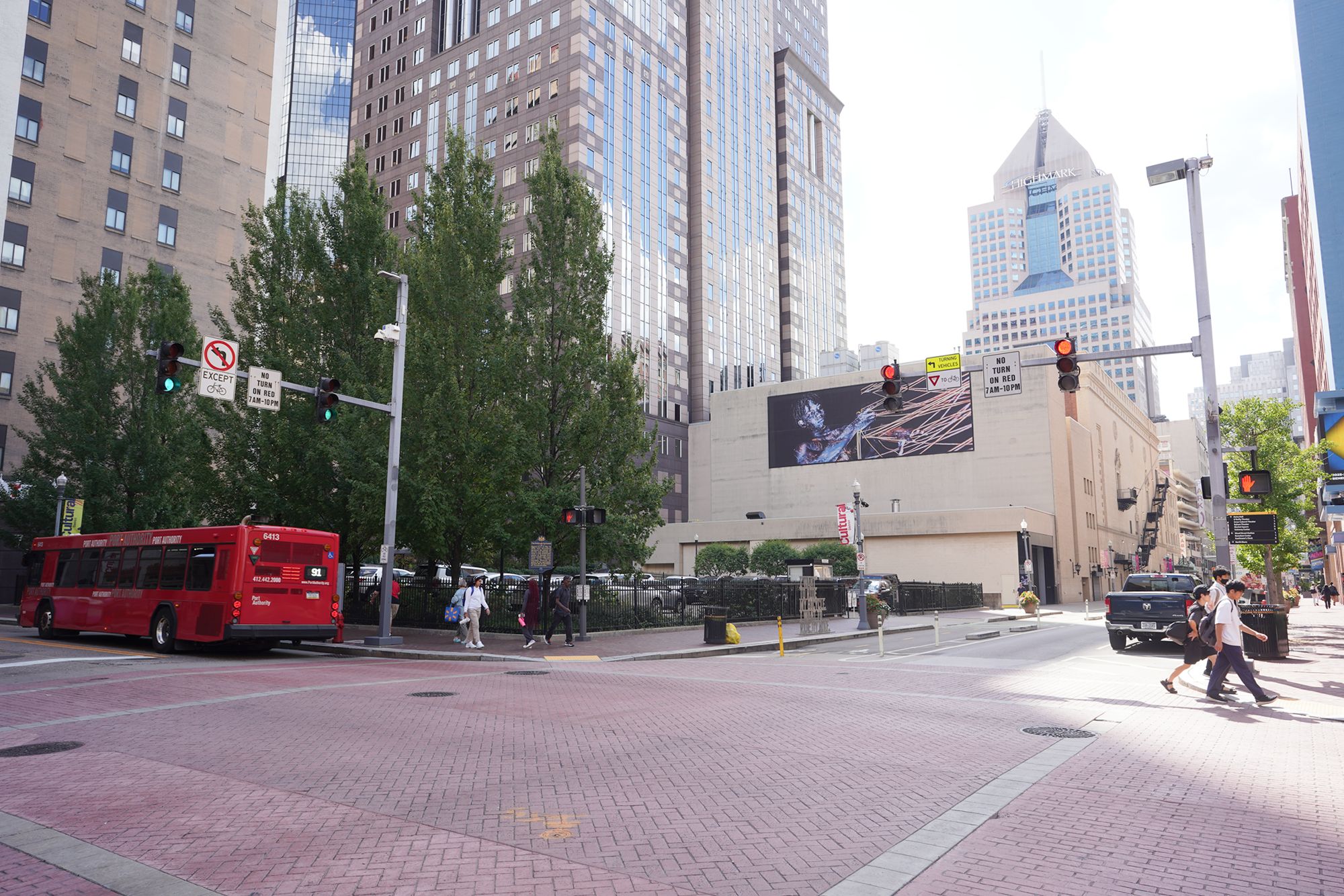
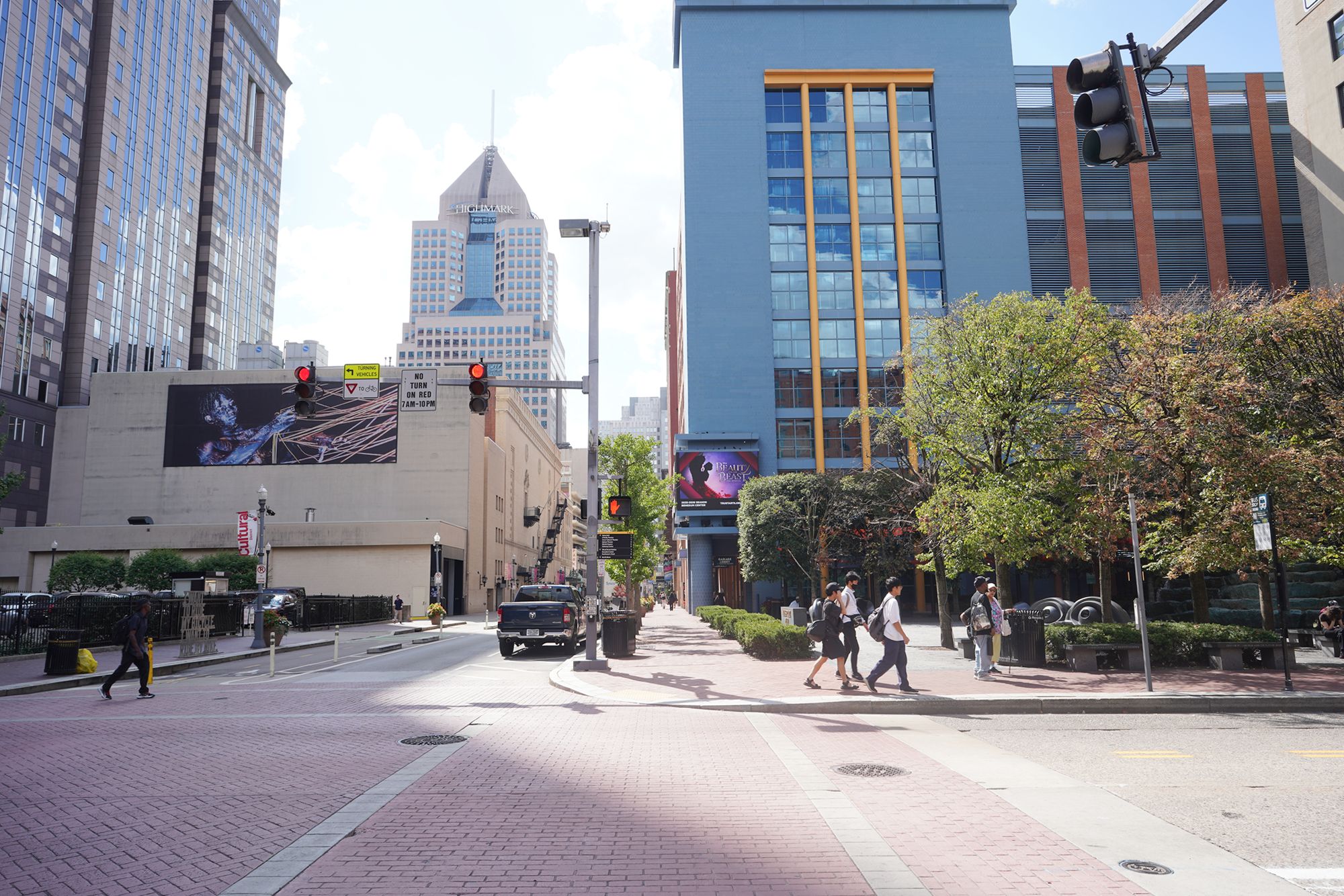
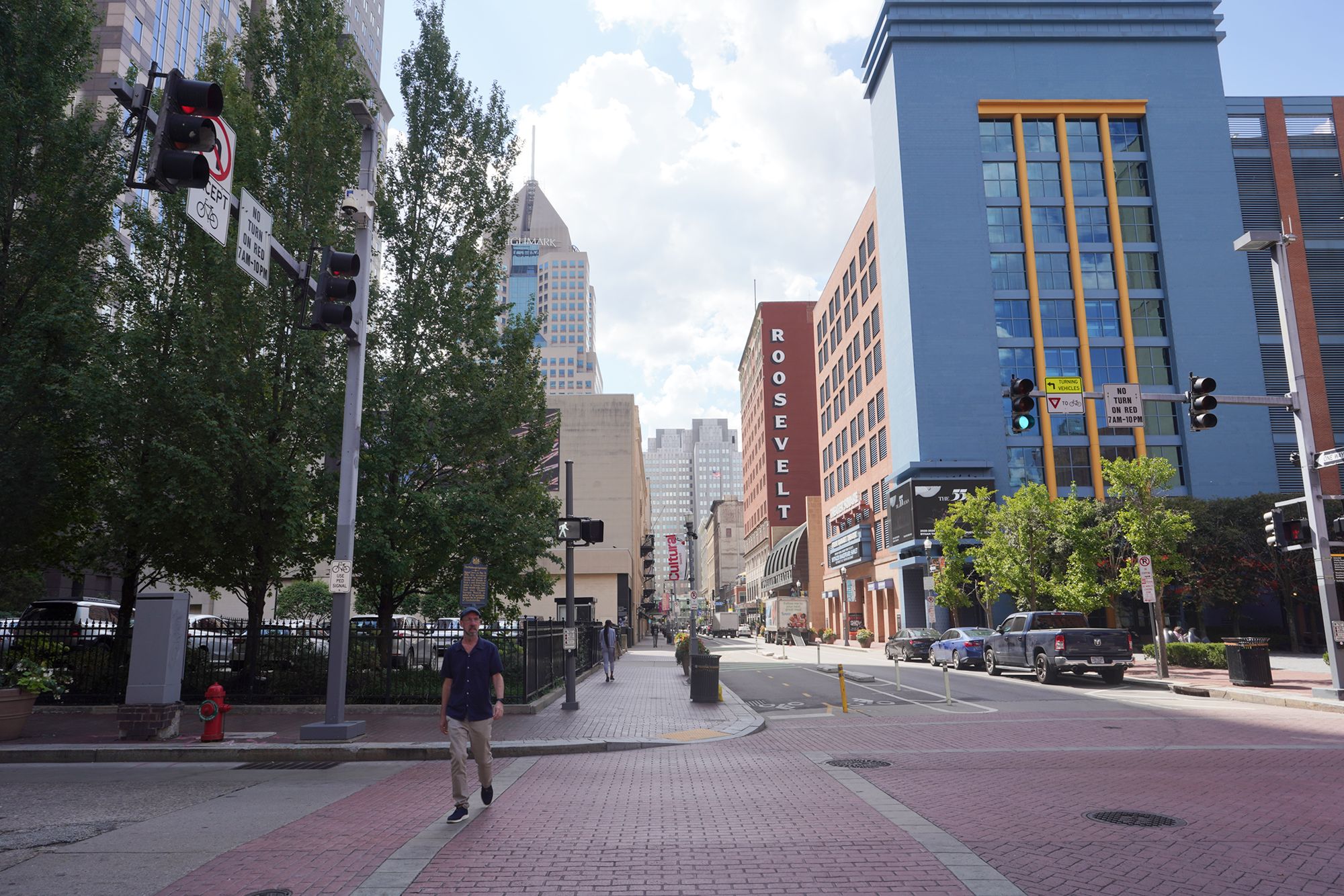
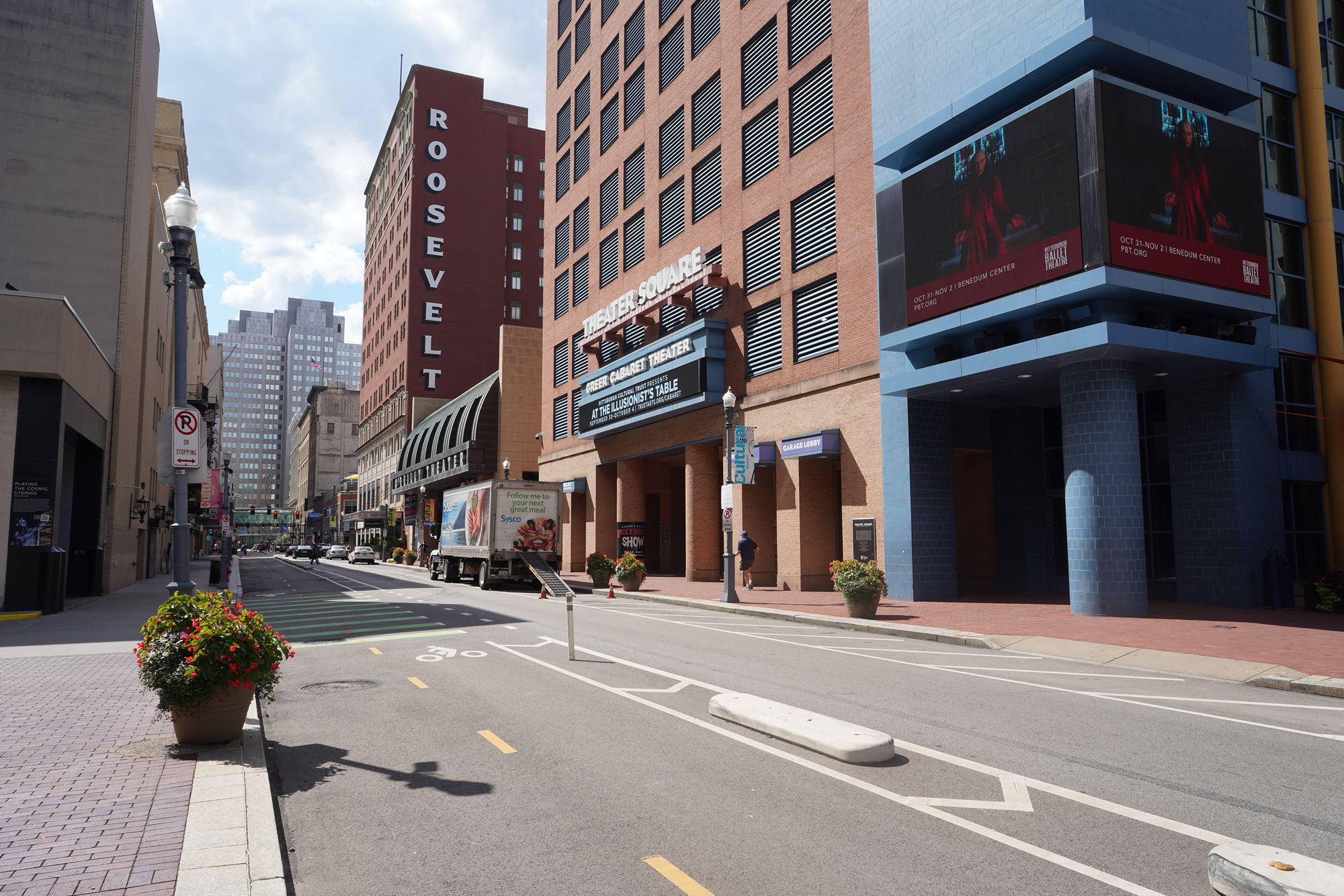
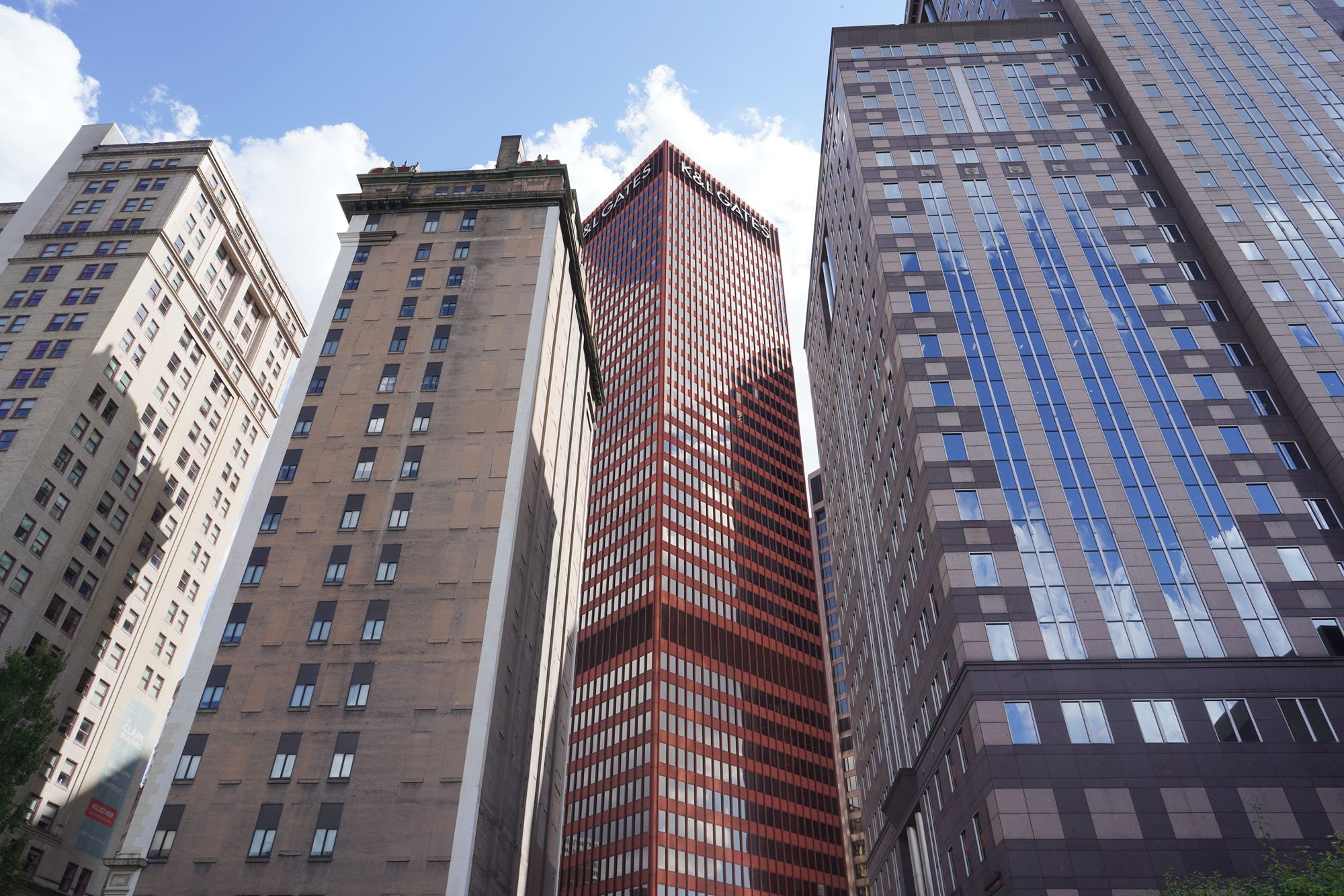
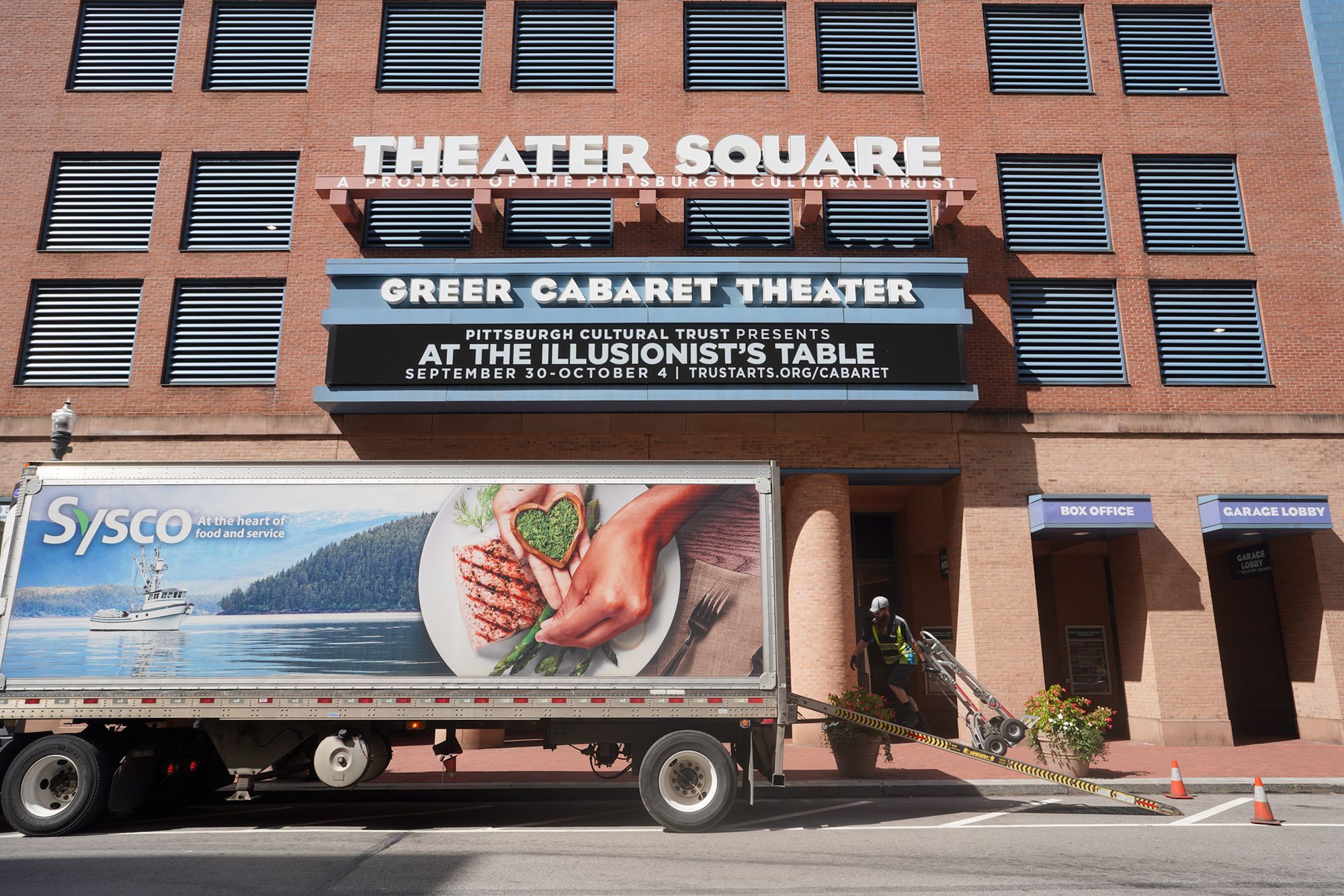
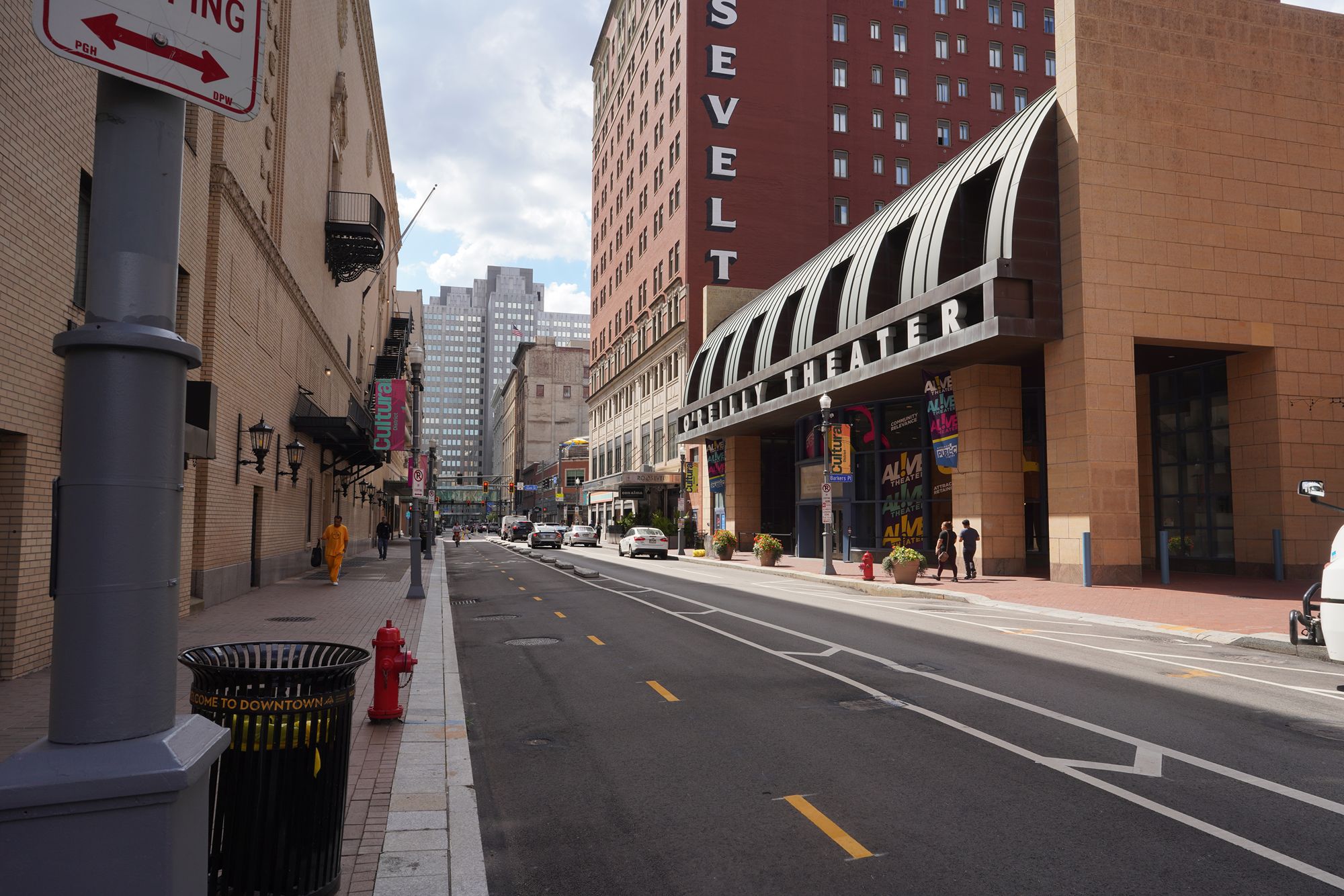
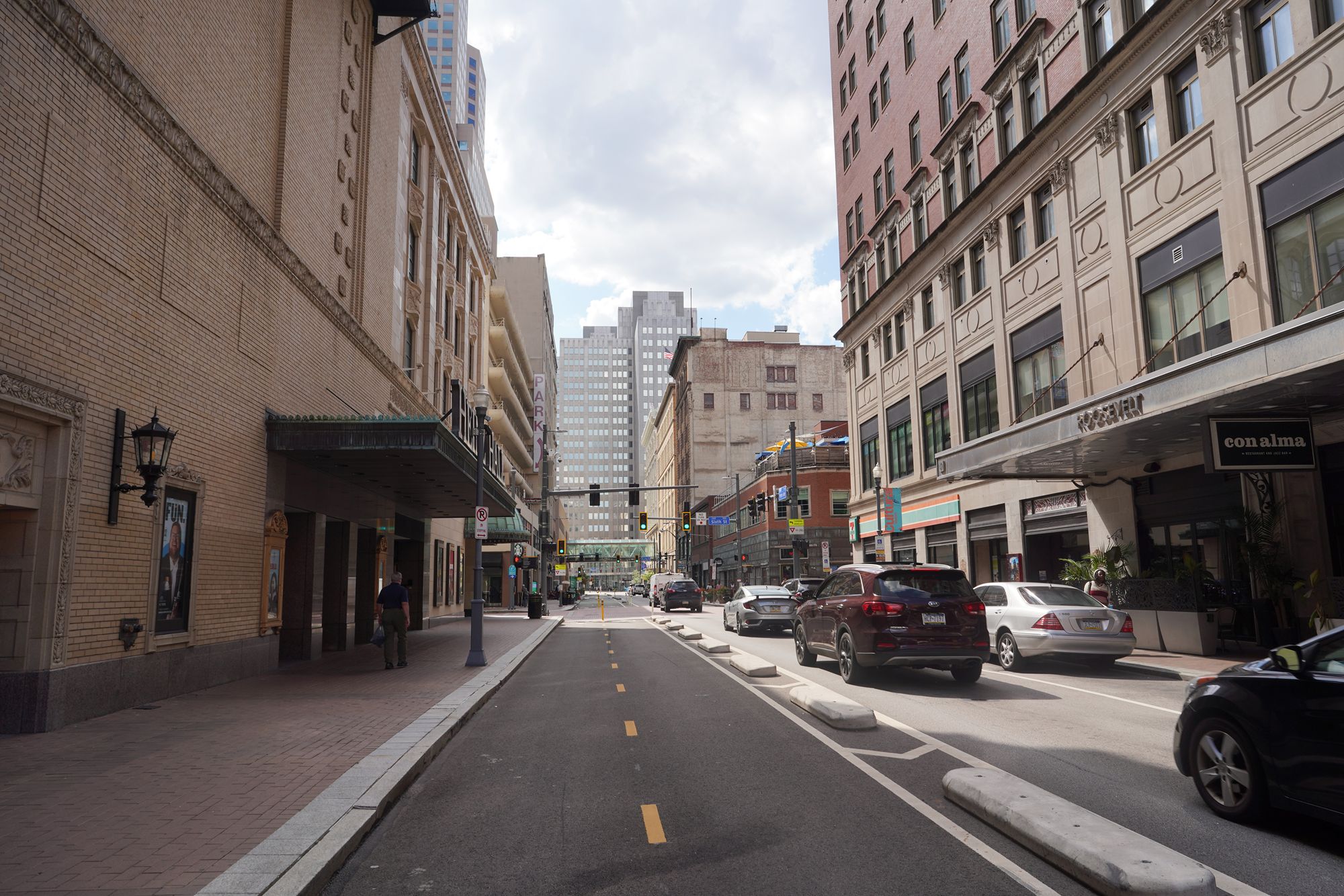
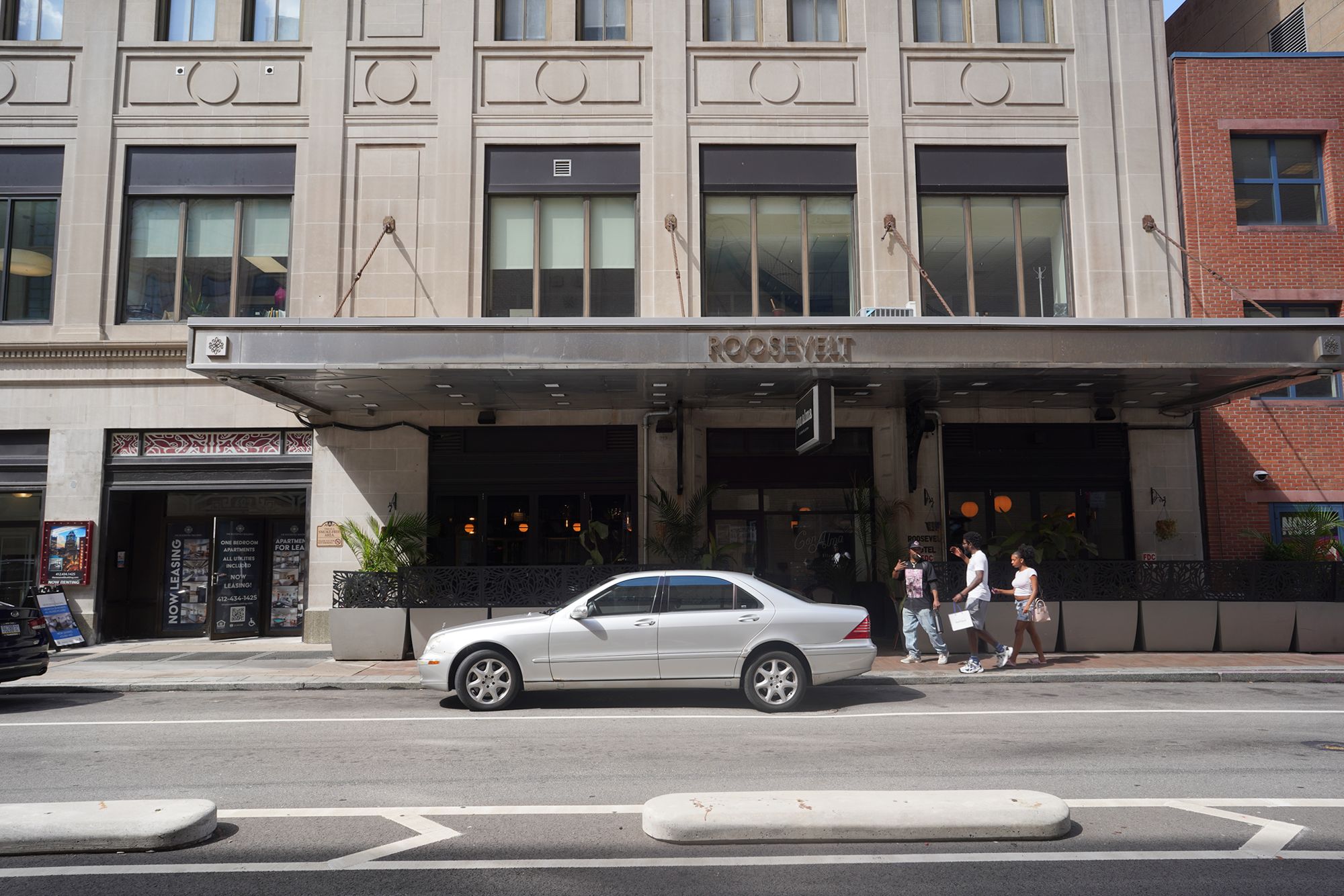
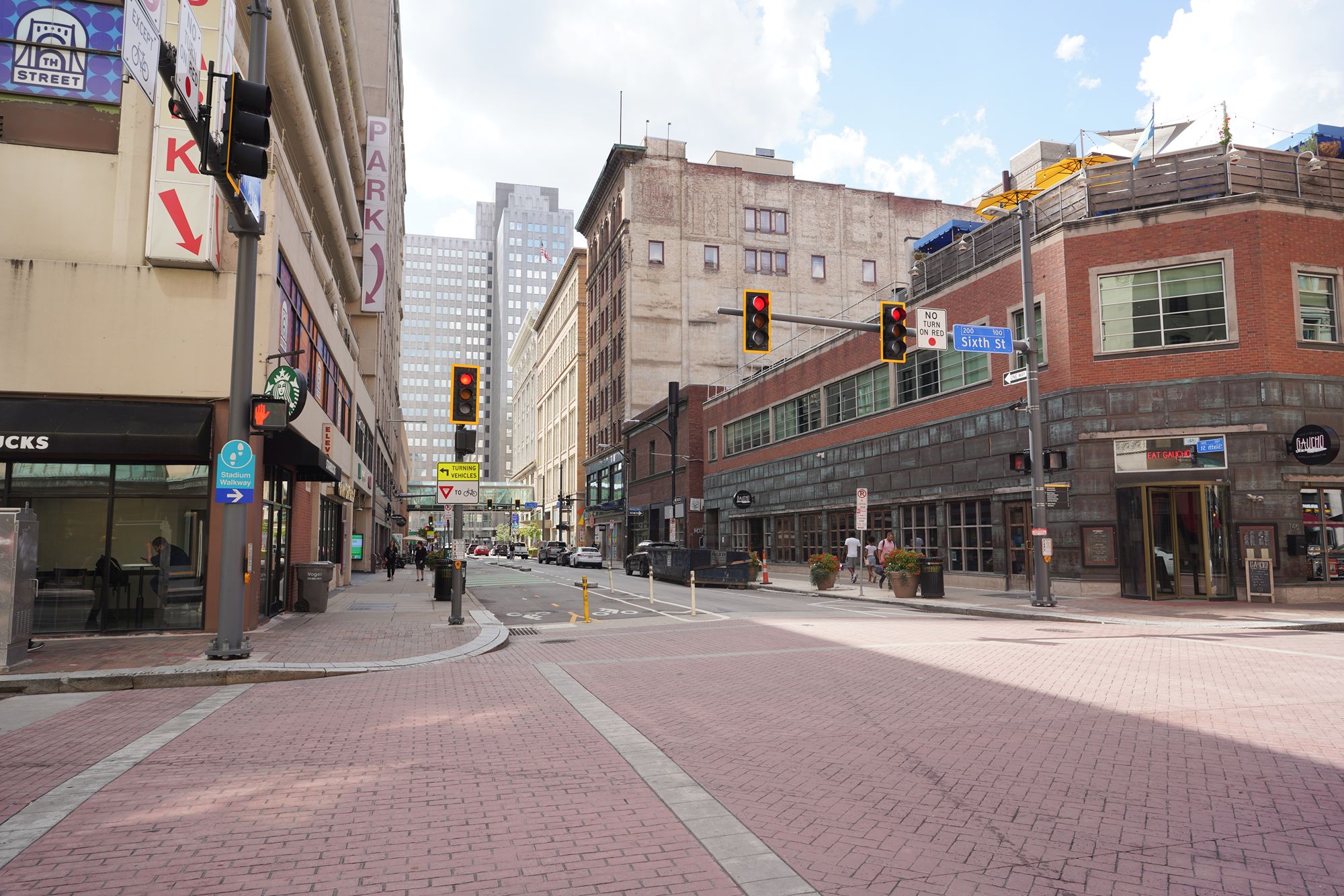
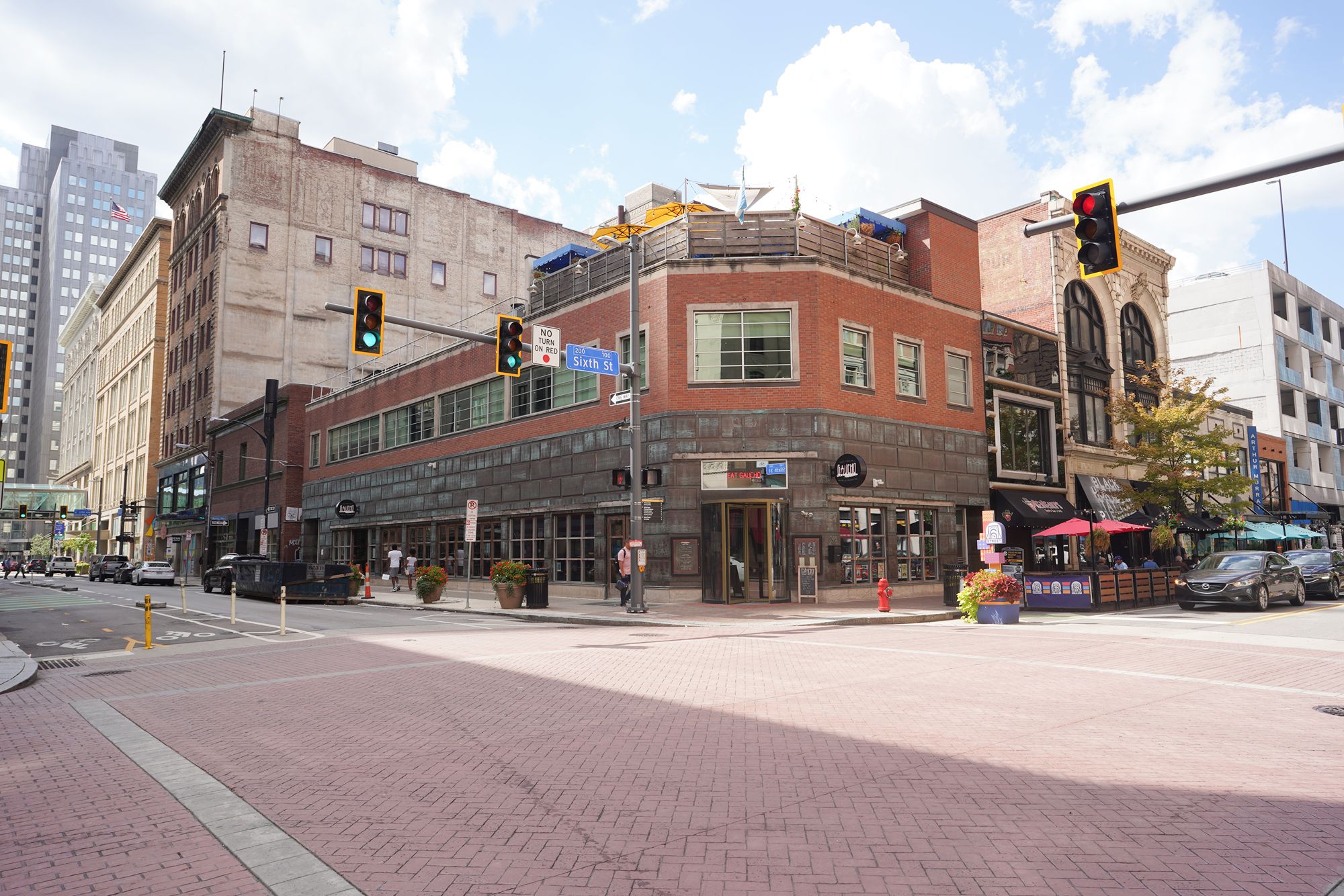
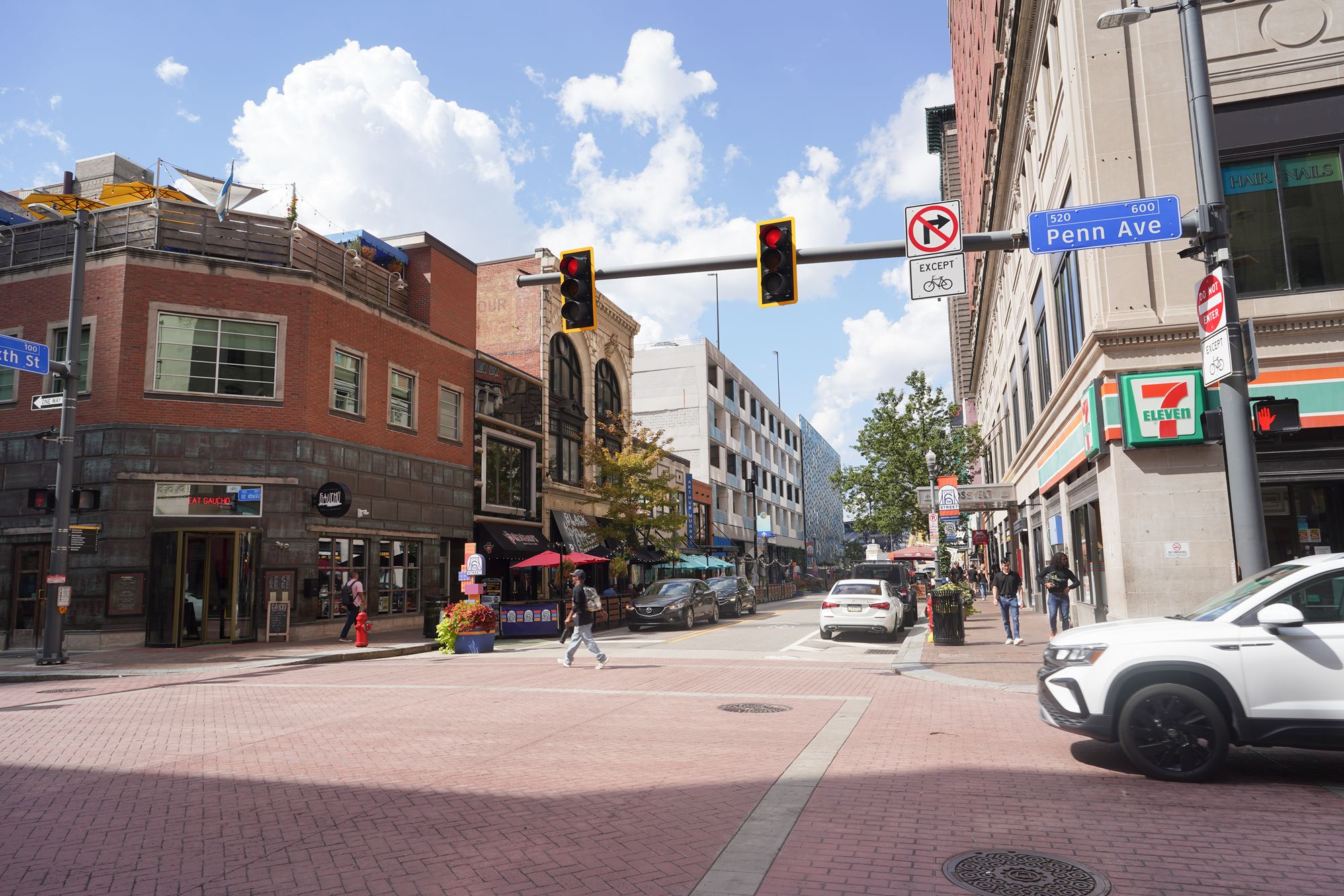
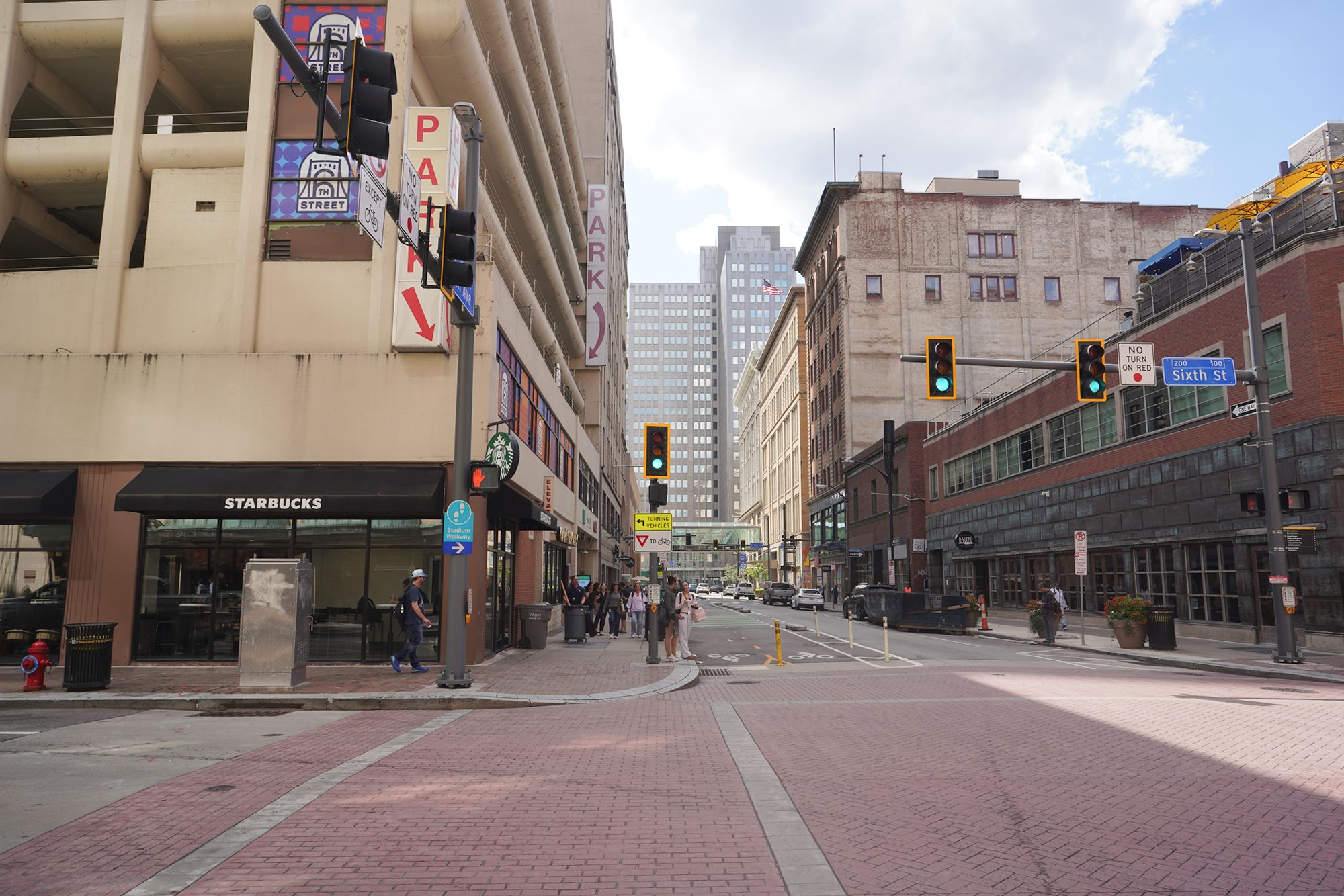
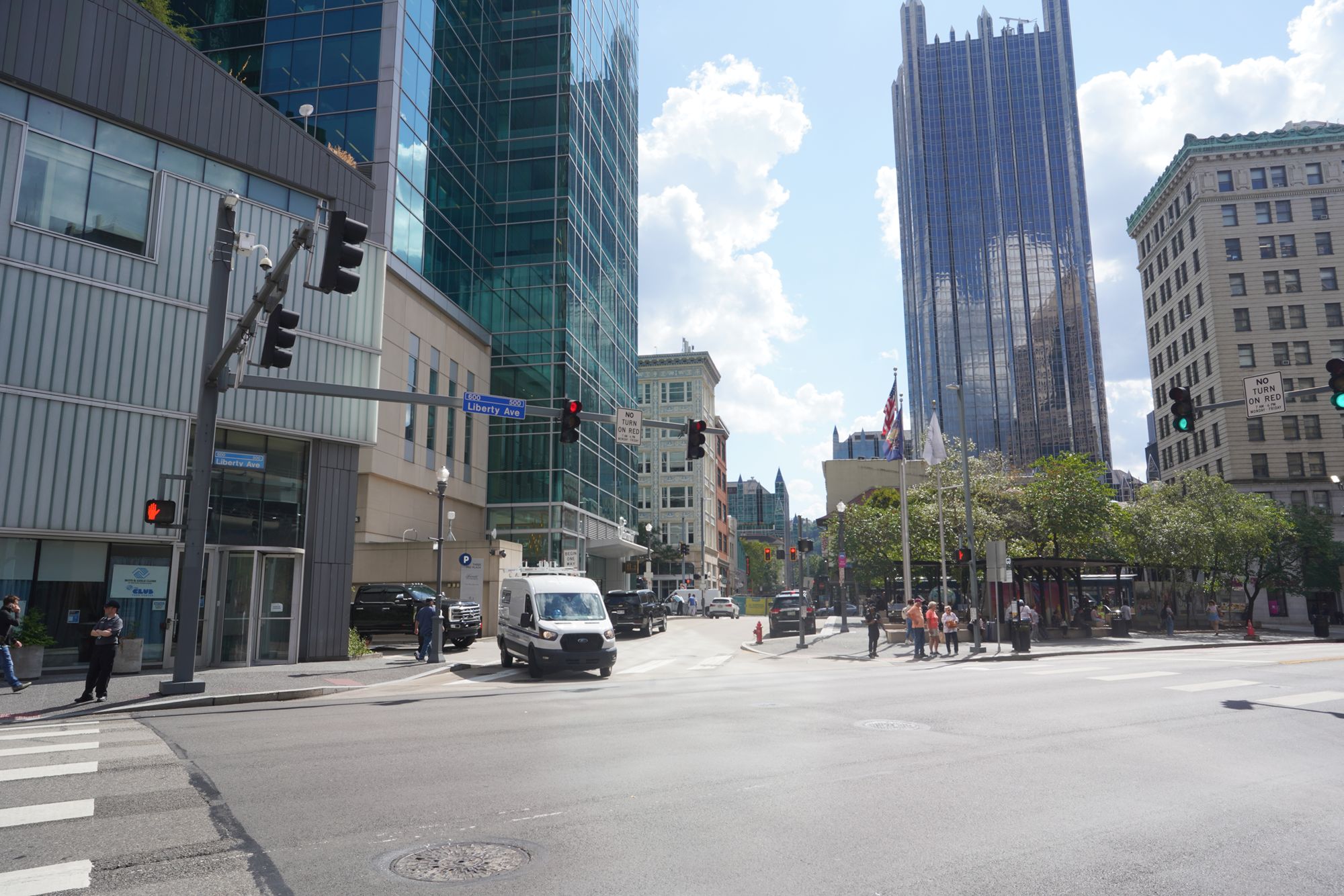
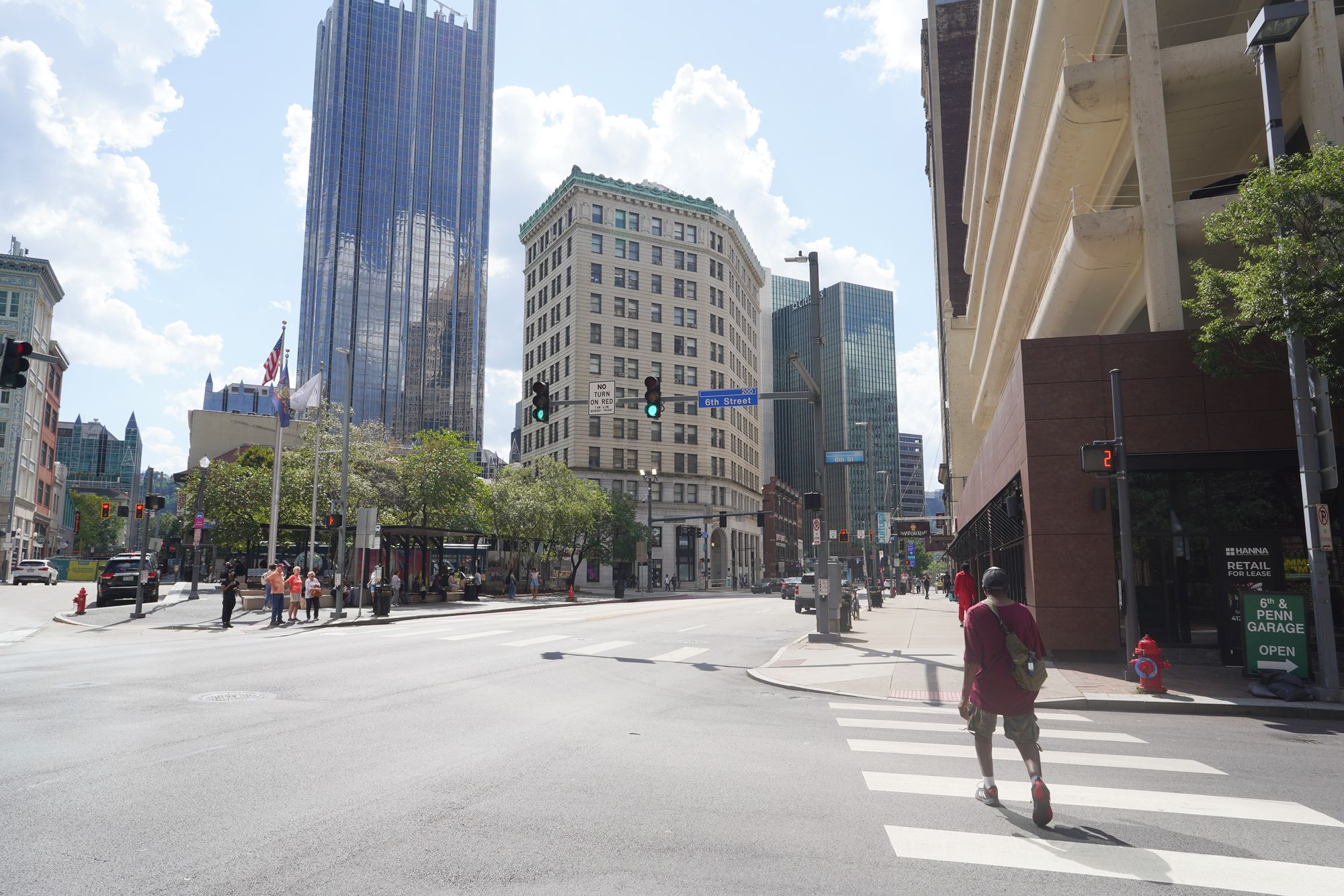
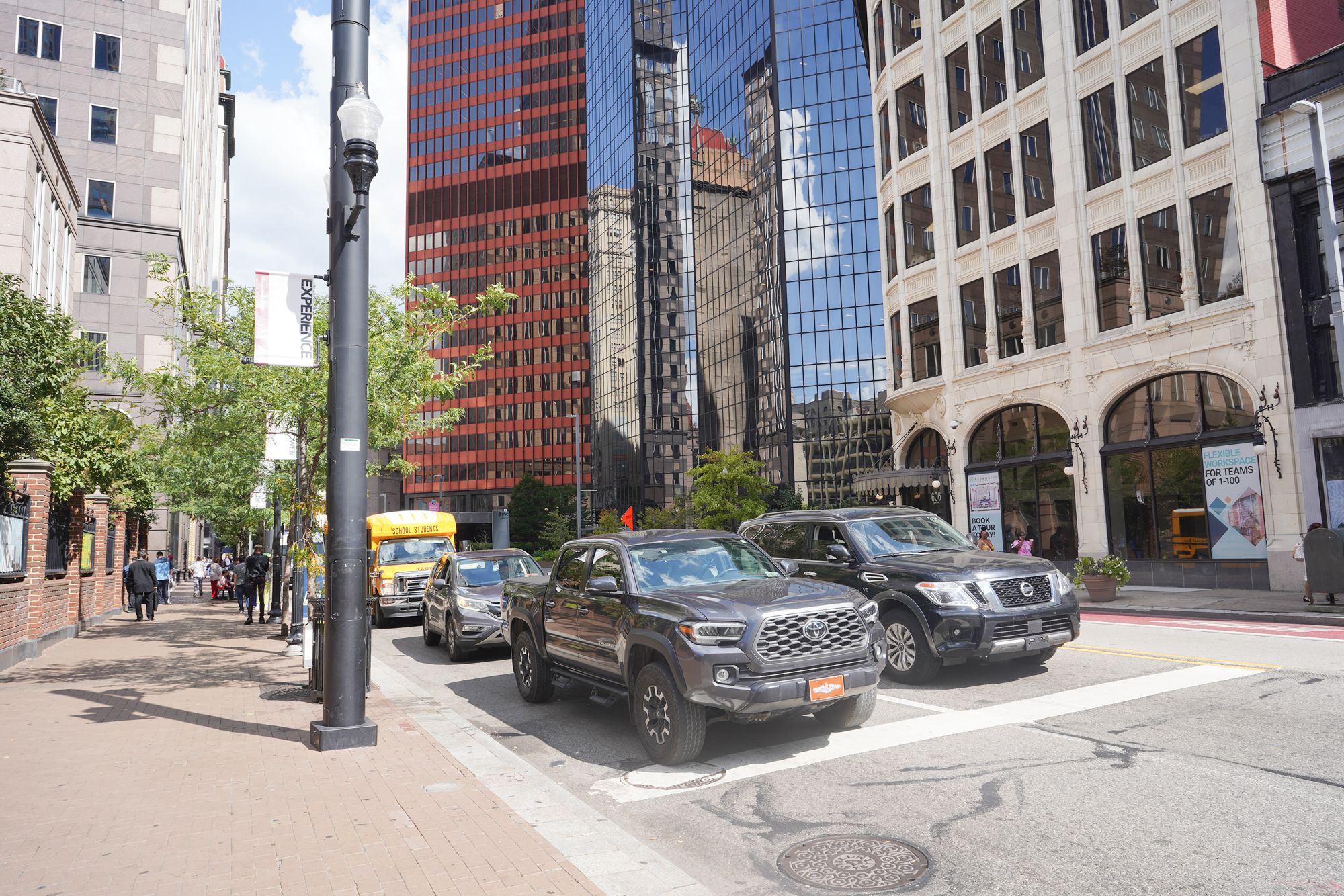
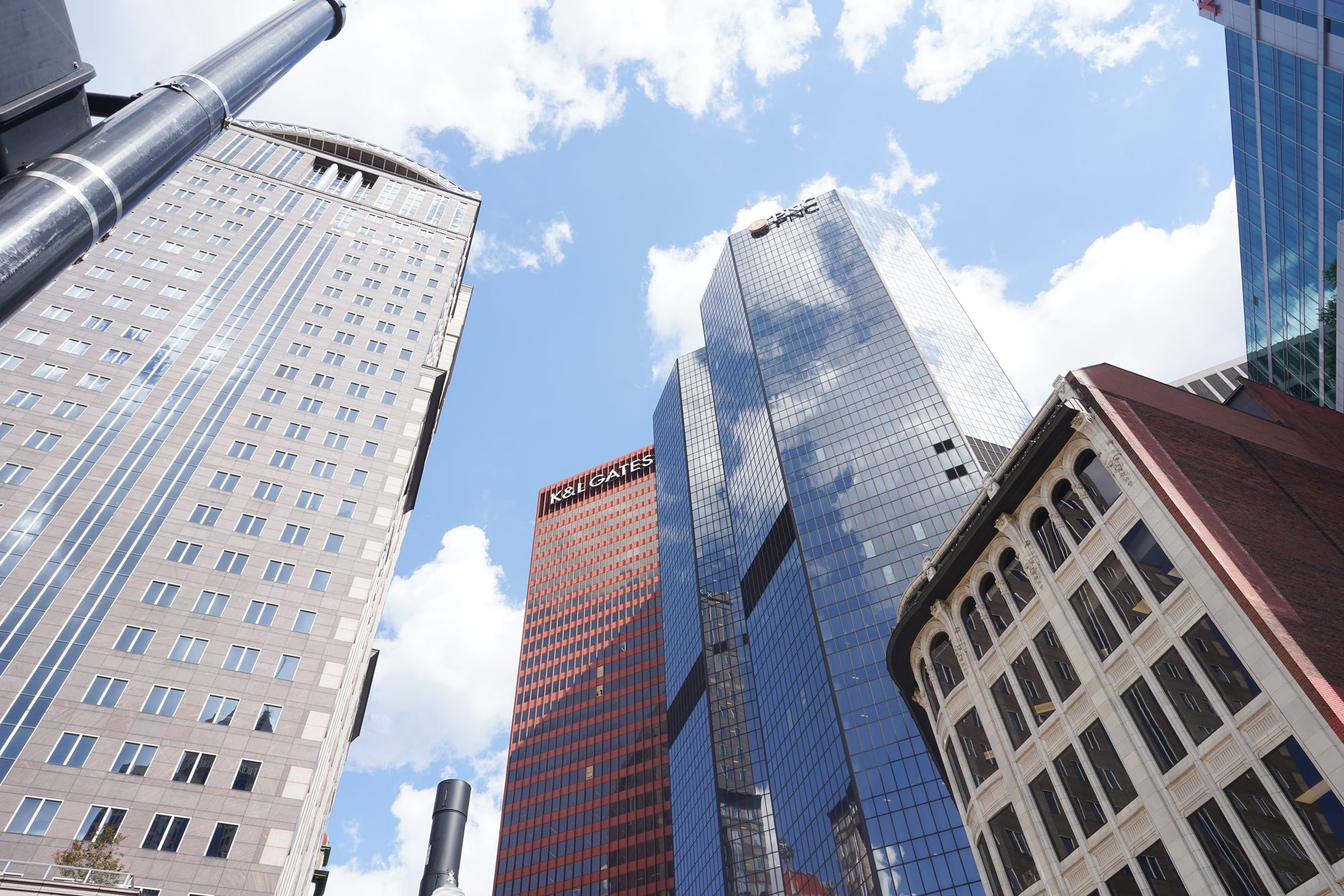
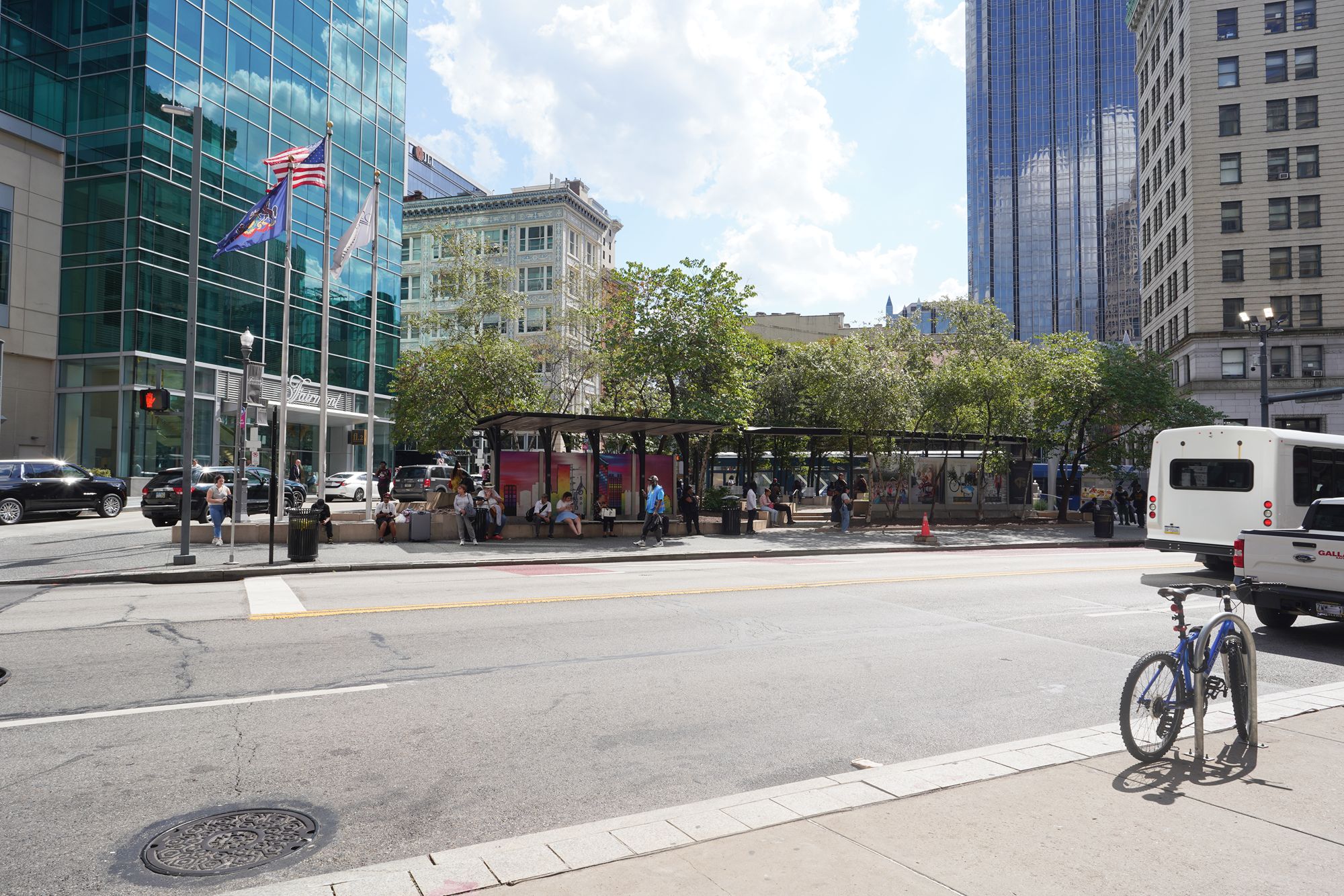
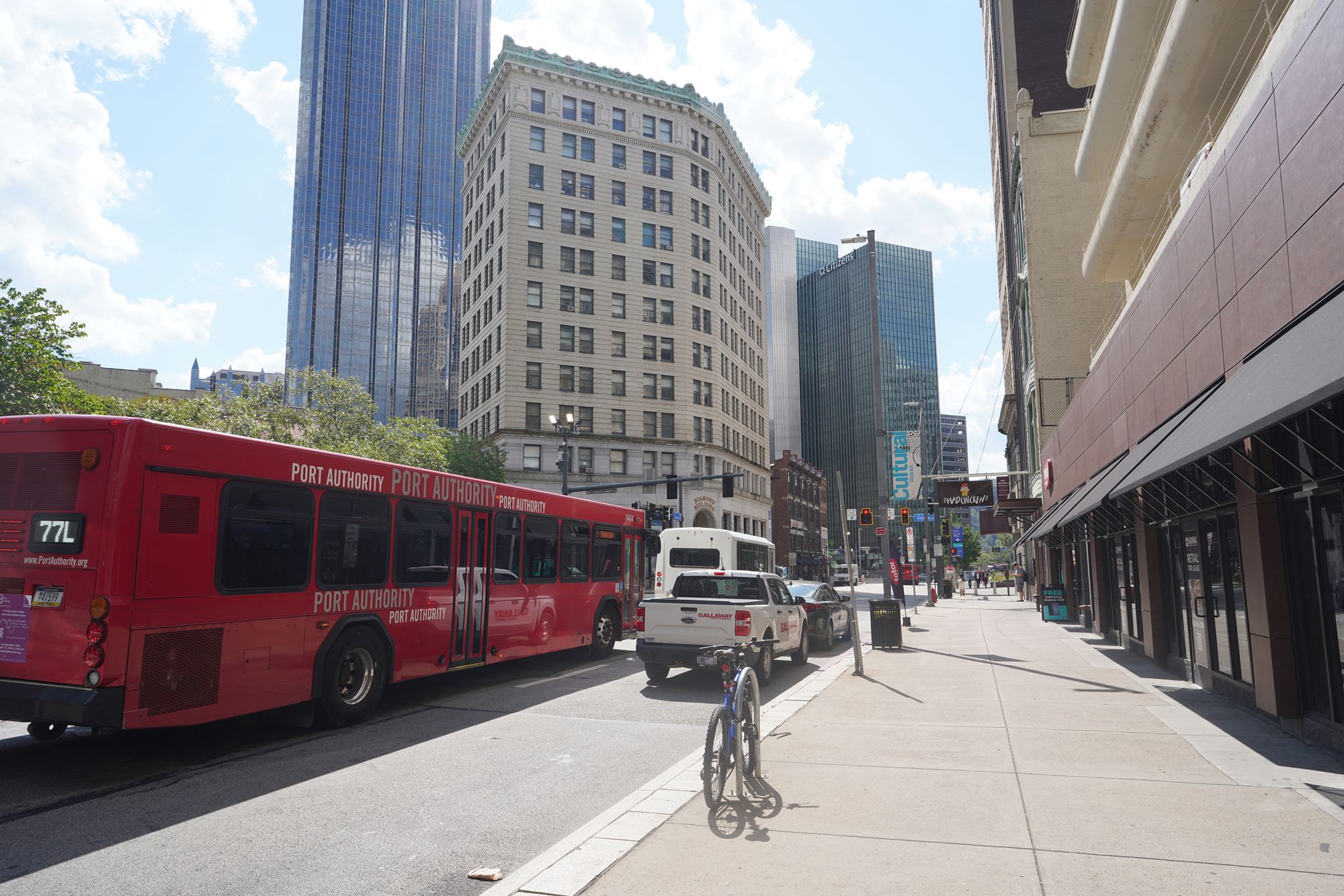
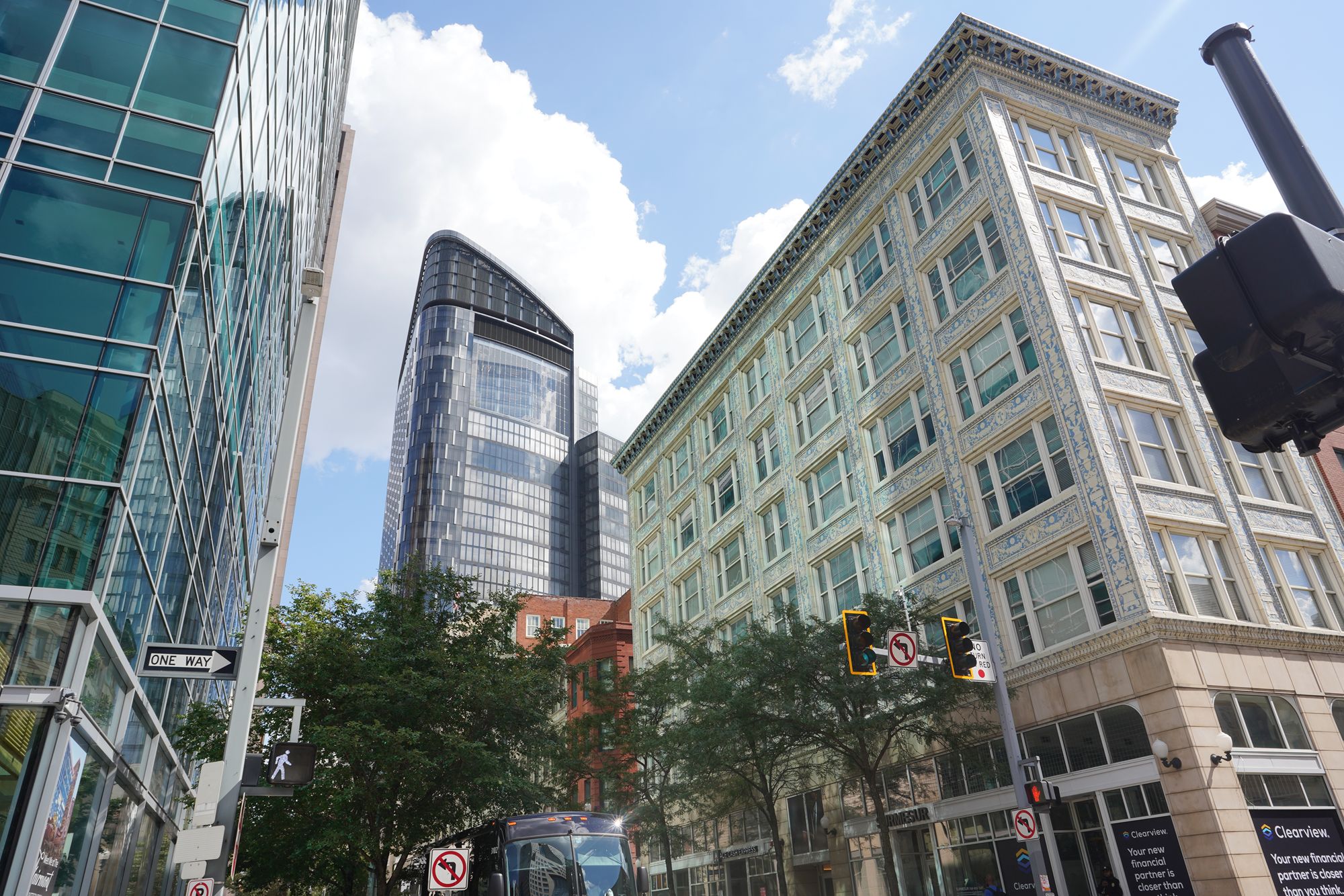
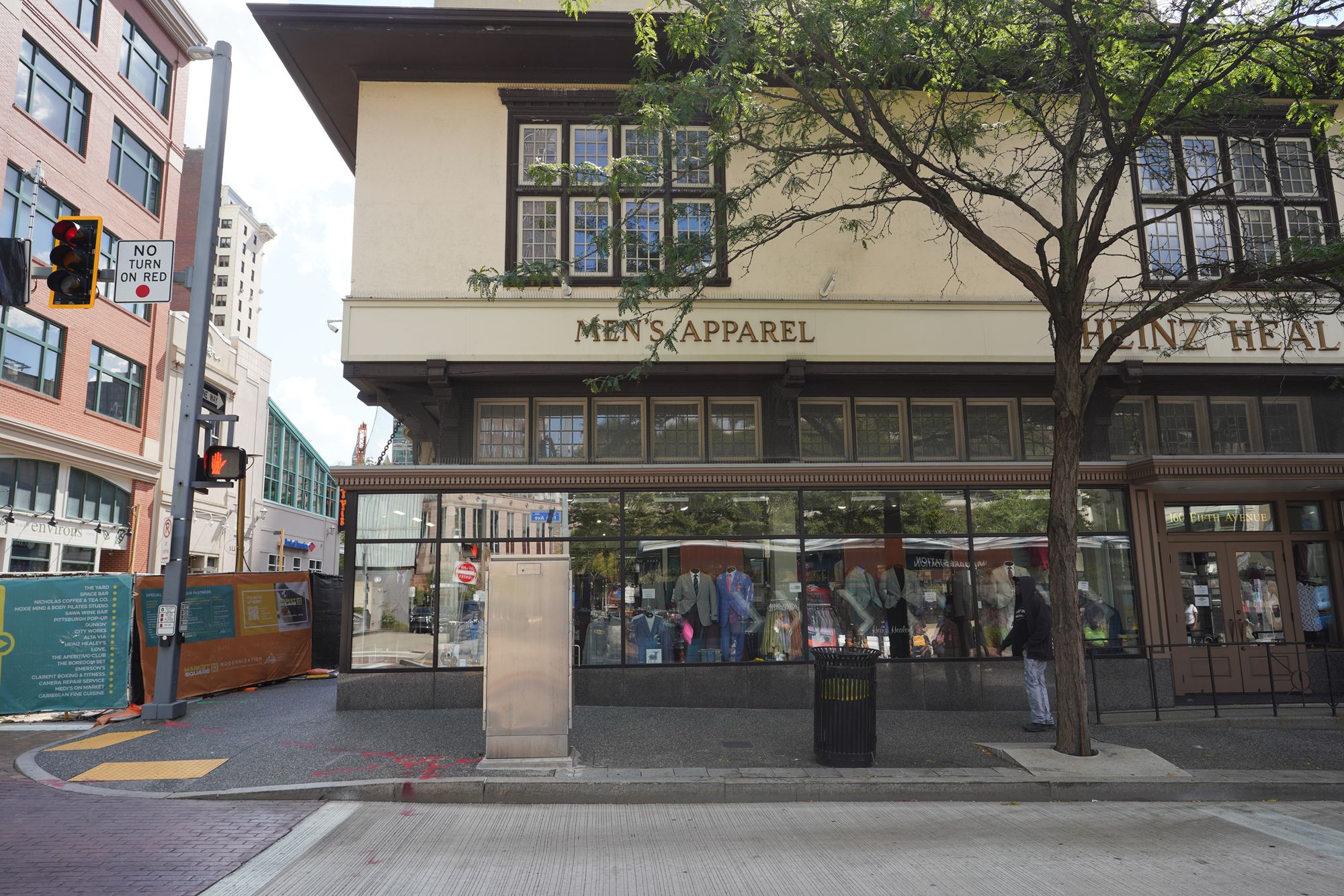
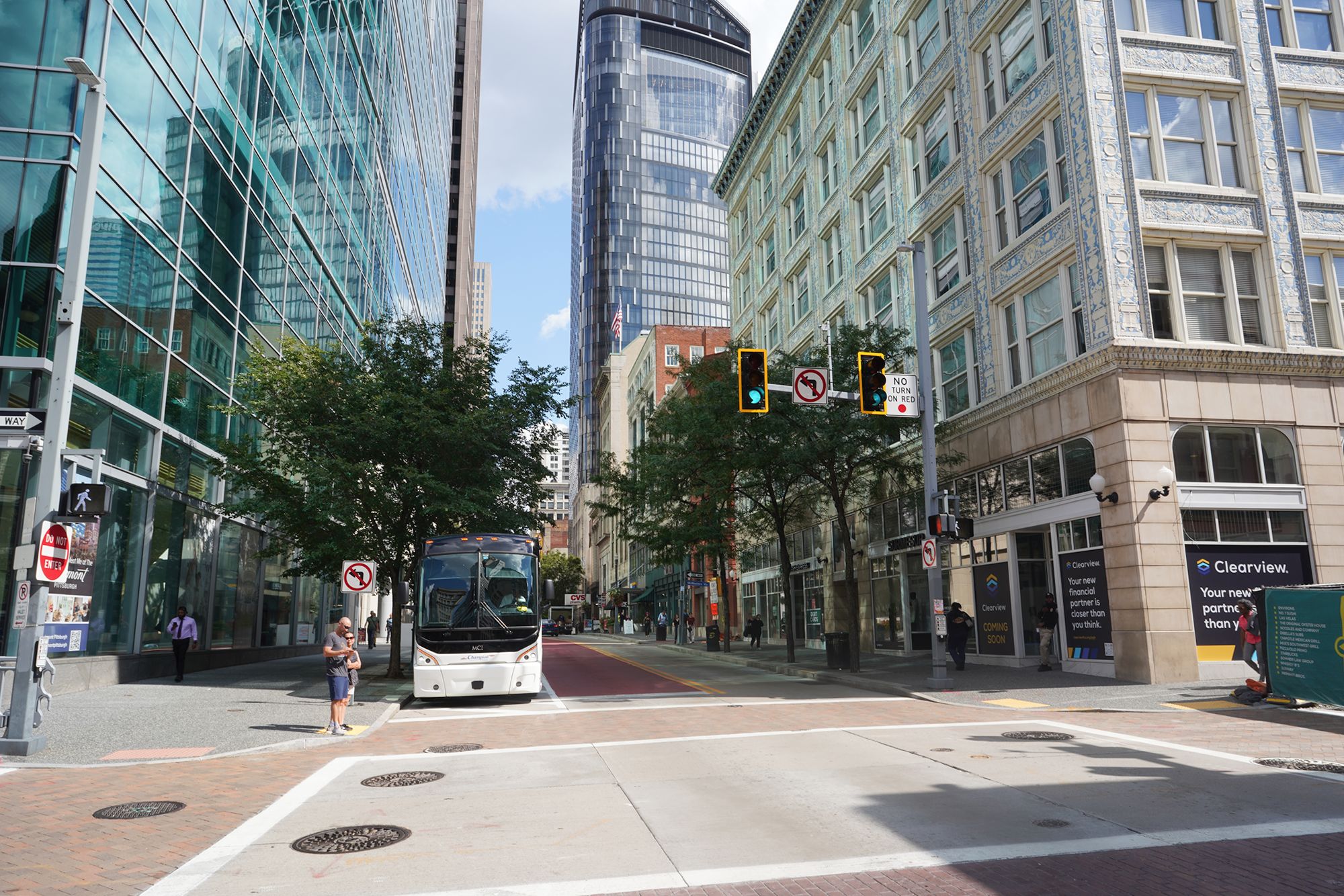
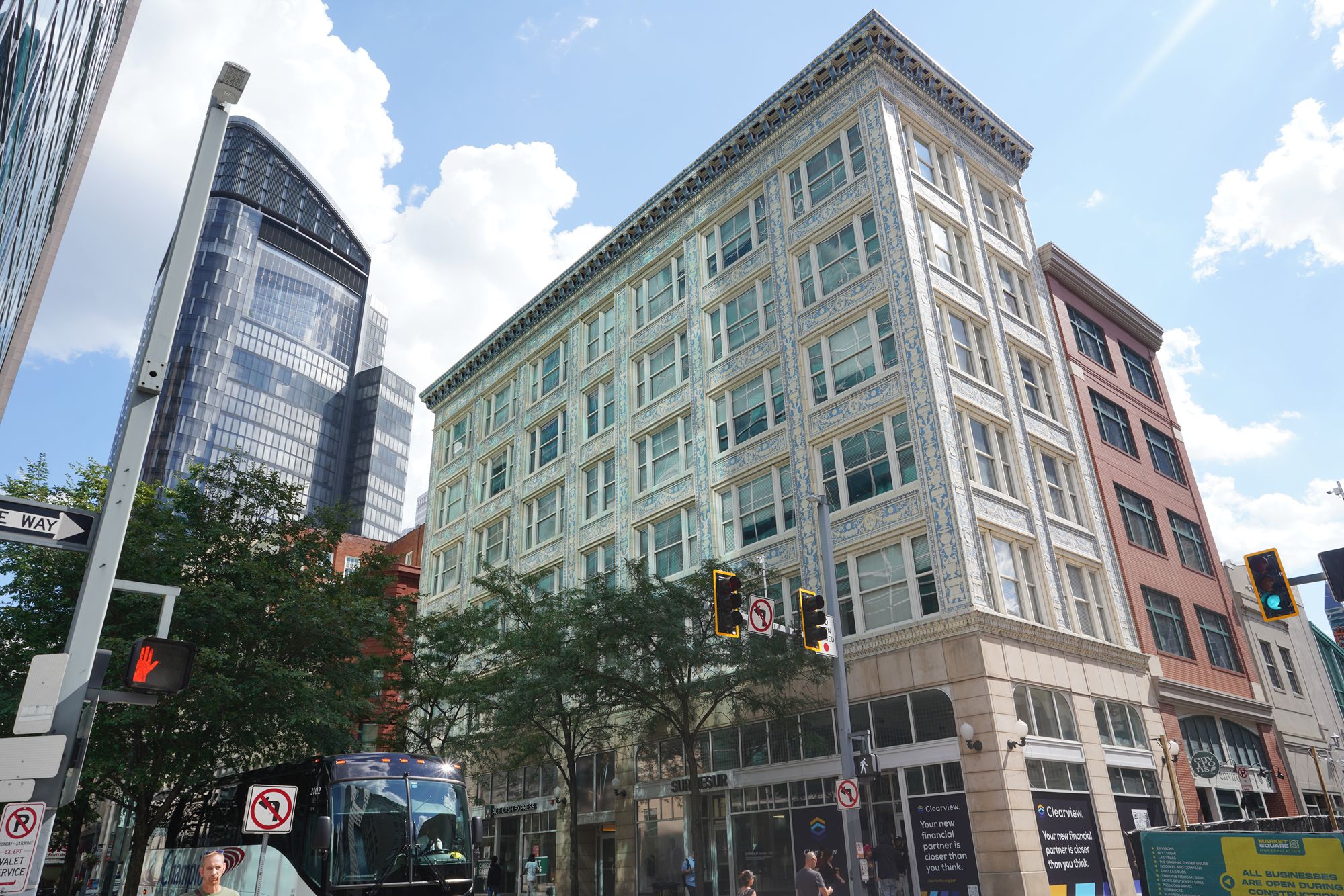
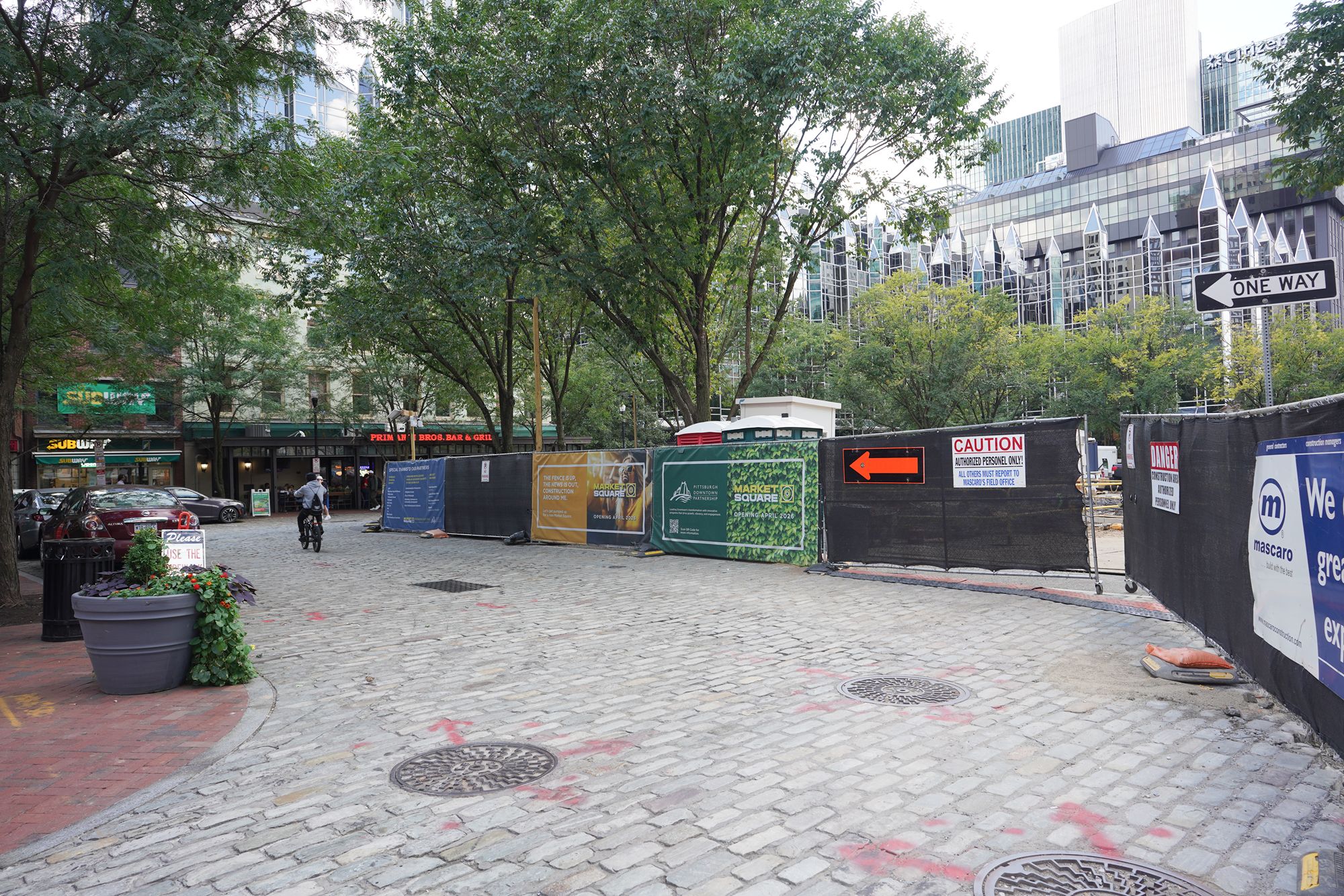
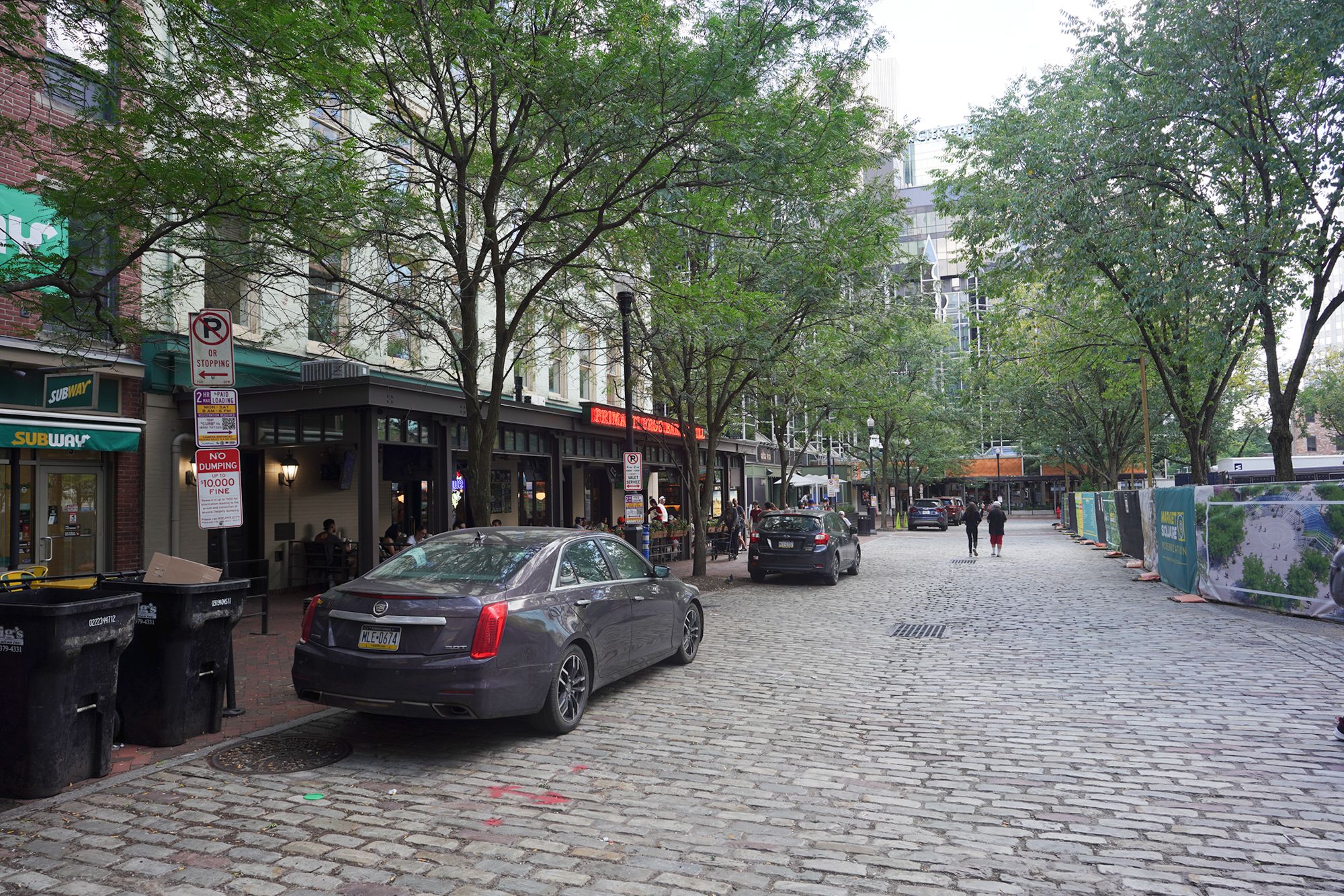
Market Square is a lively public space at the heart of downtown Pittsburgh.
Once a historic marketplace, the square has evolved into a pedestrian-friendly plaza surrounded by cafés, restaurants, and shops. Today it serves as a social gathering spot, hosting events and outdoor dining while anchoring the city’s revitalized downtown core.
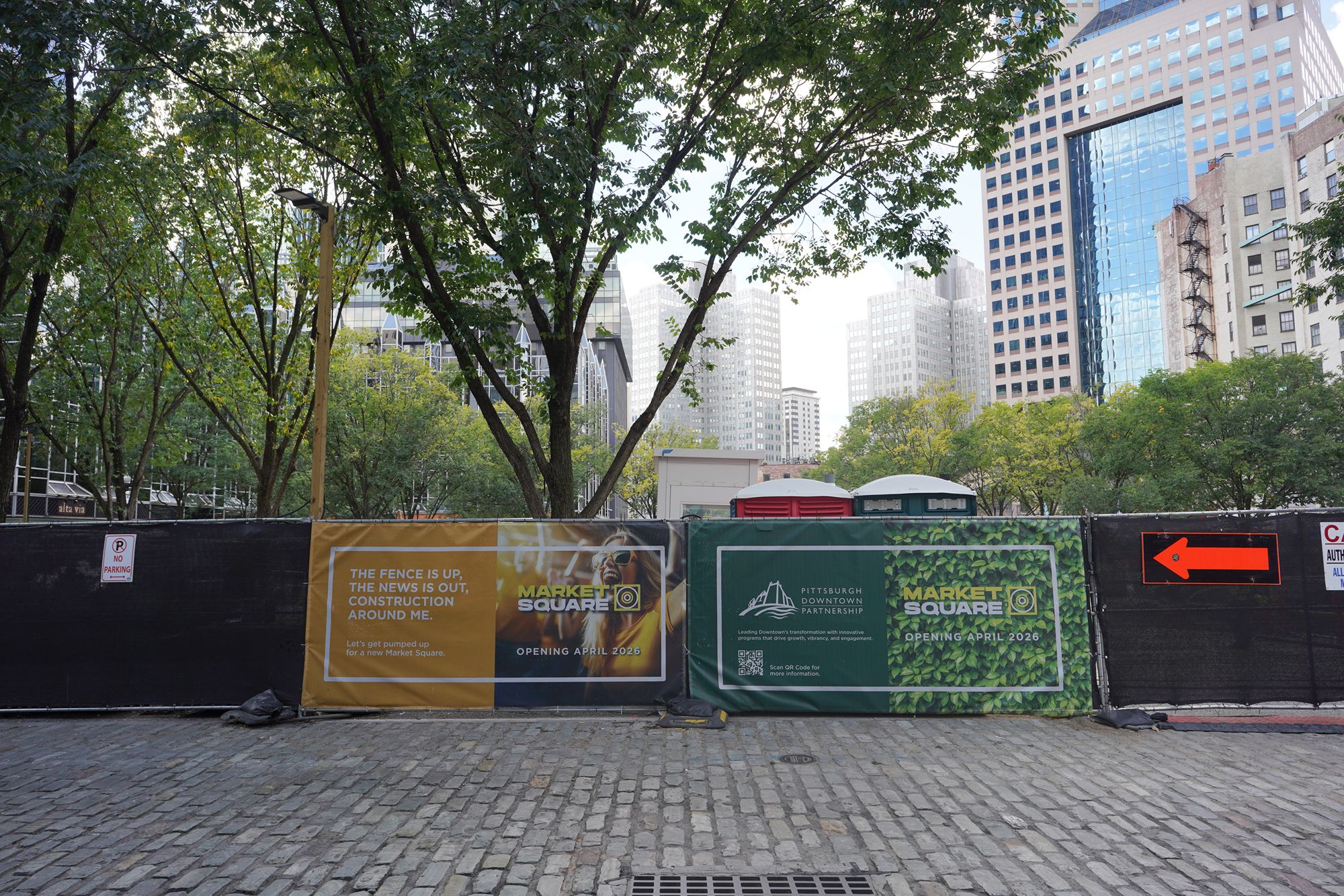
The square was undergoing renovations during my visit.
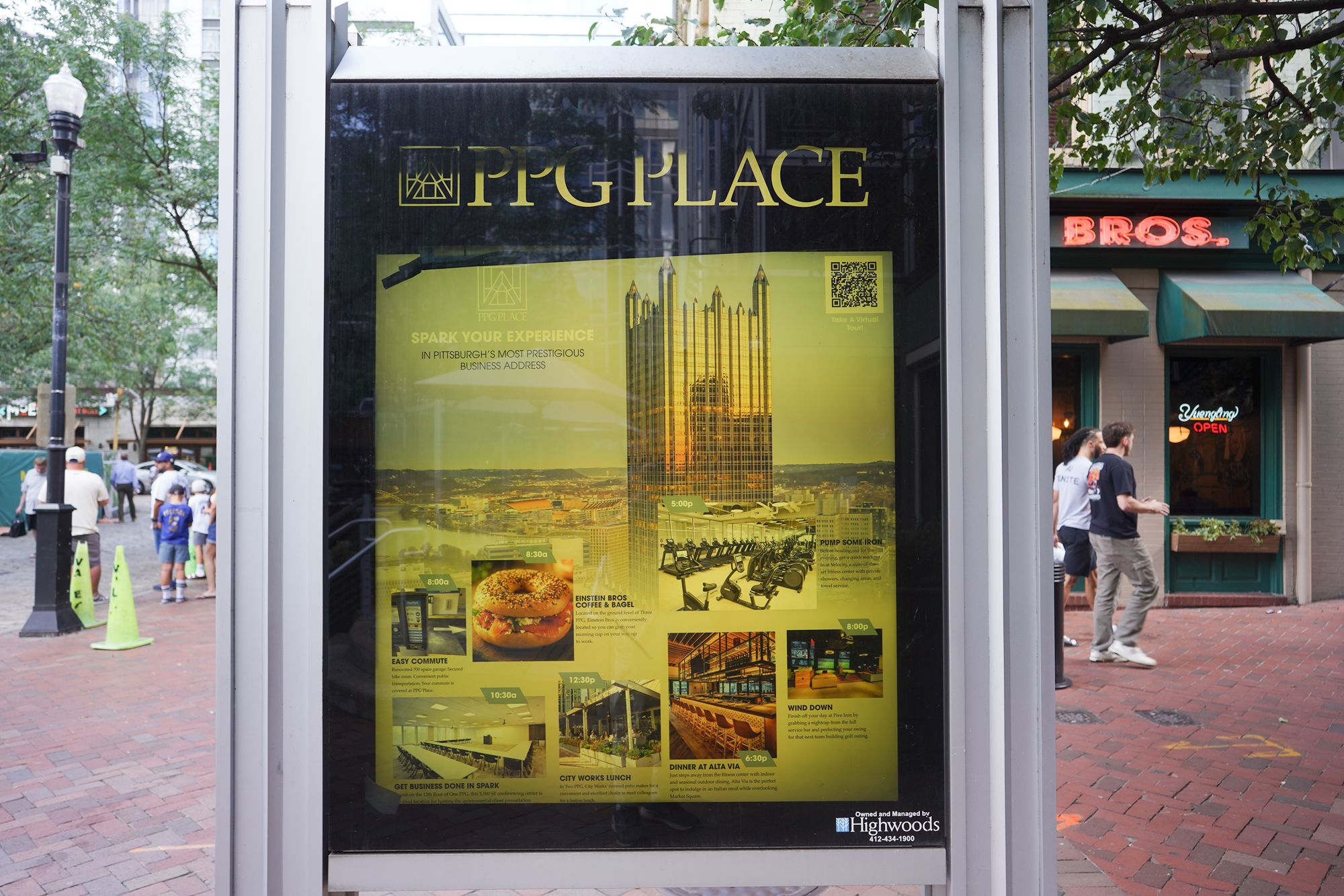
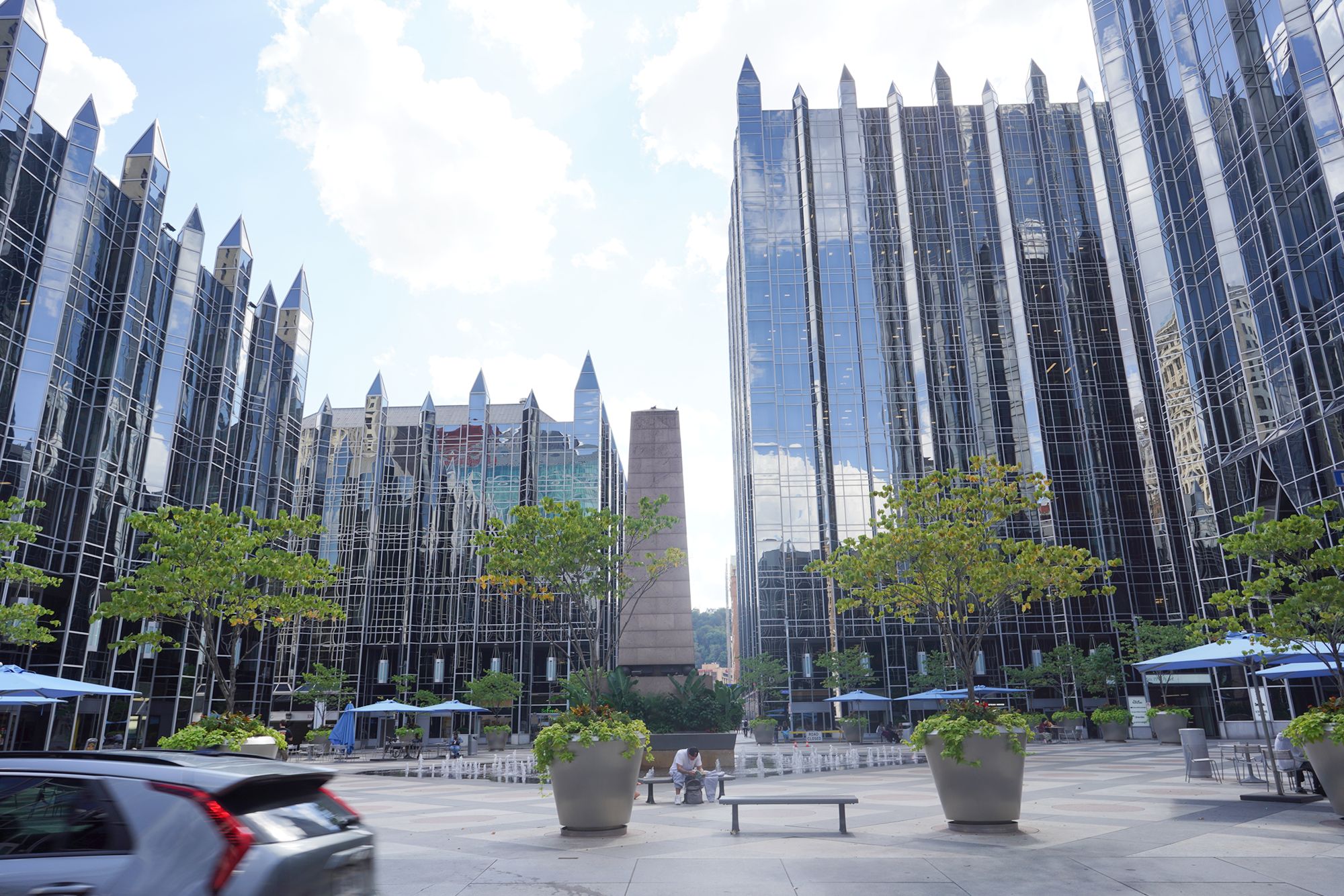
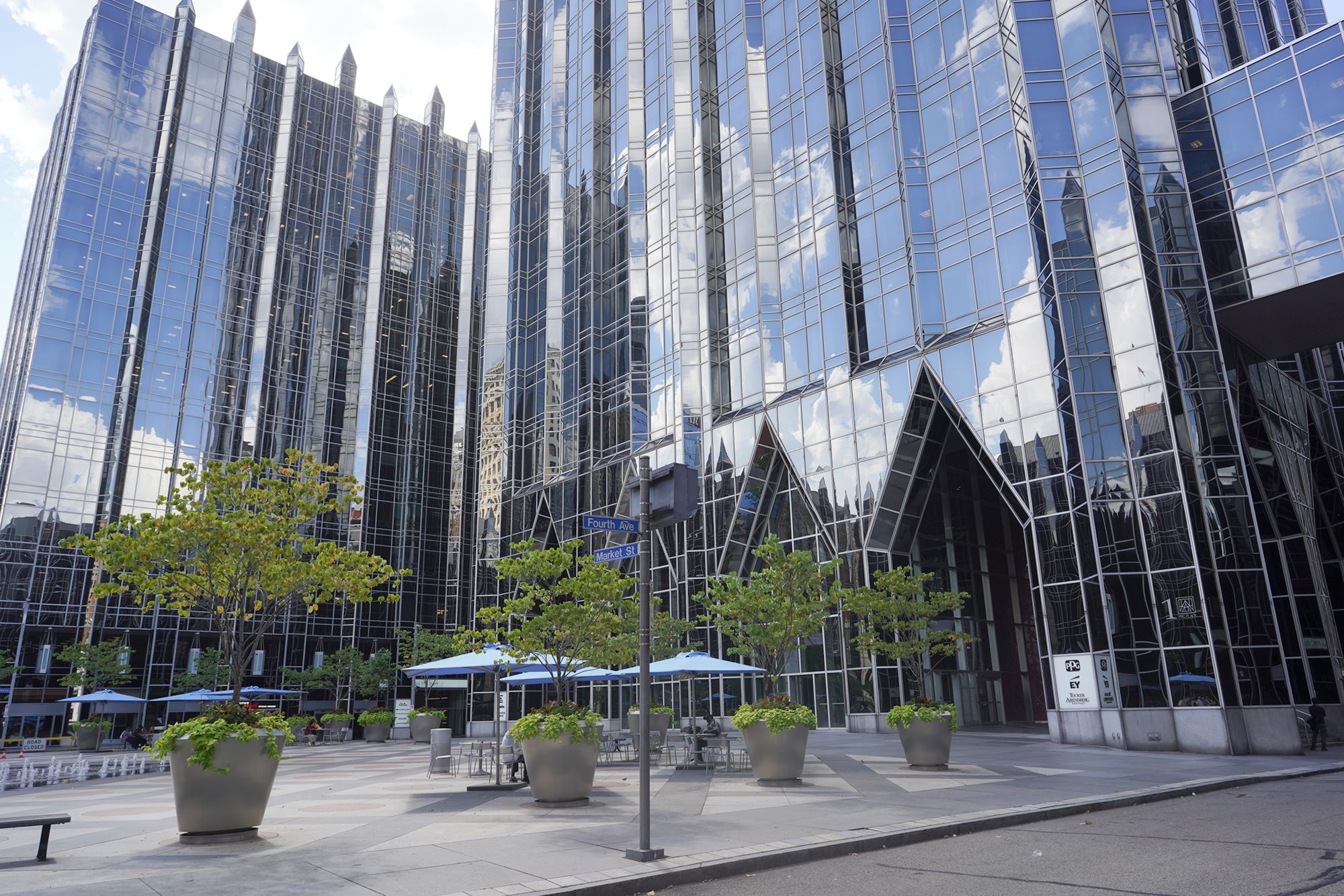
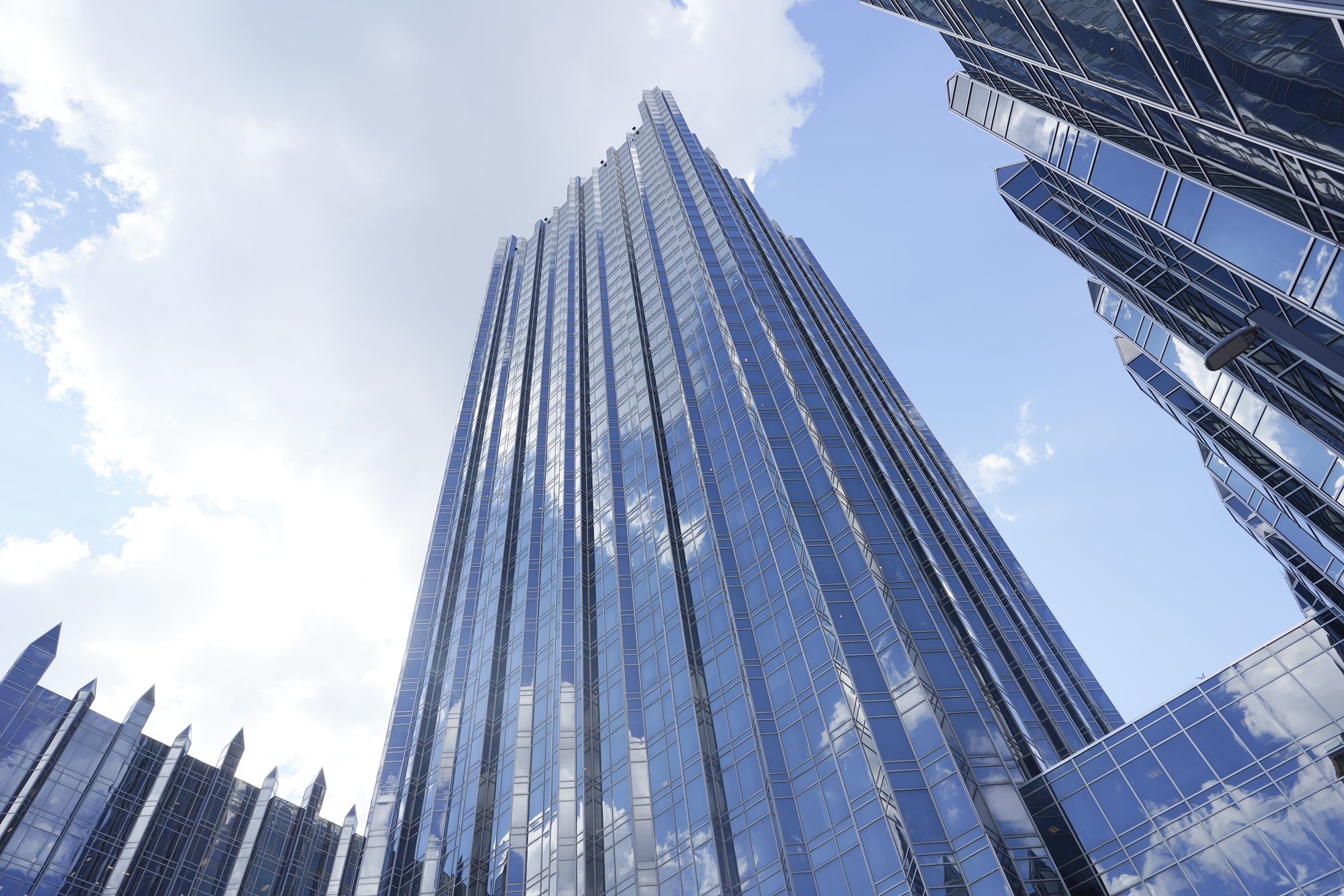
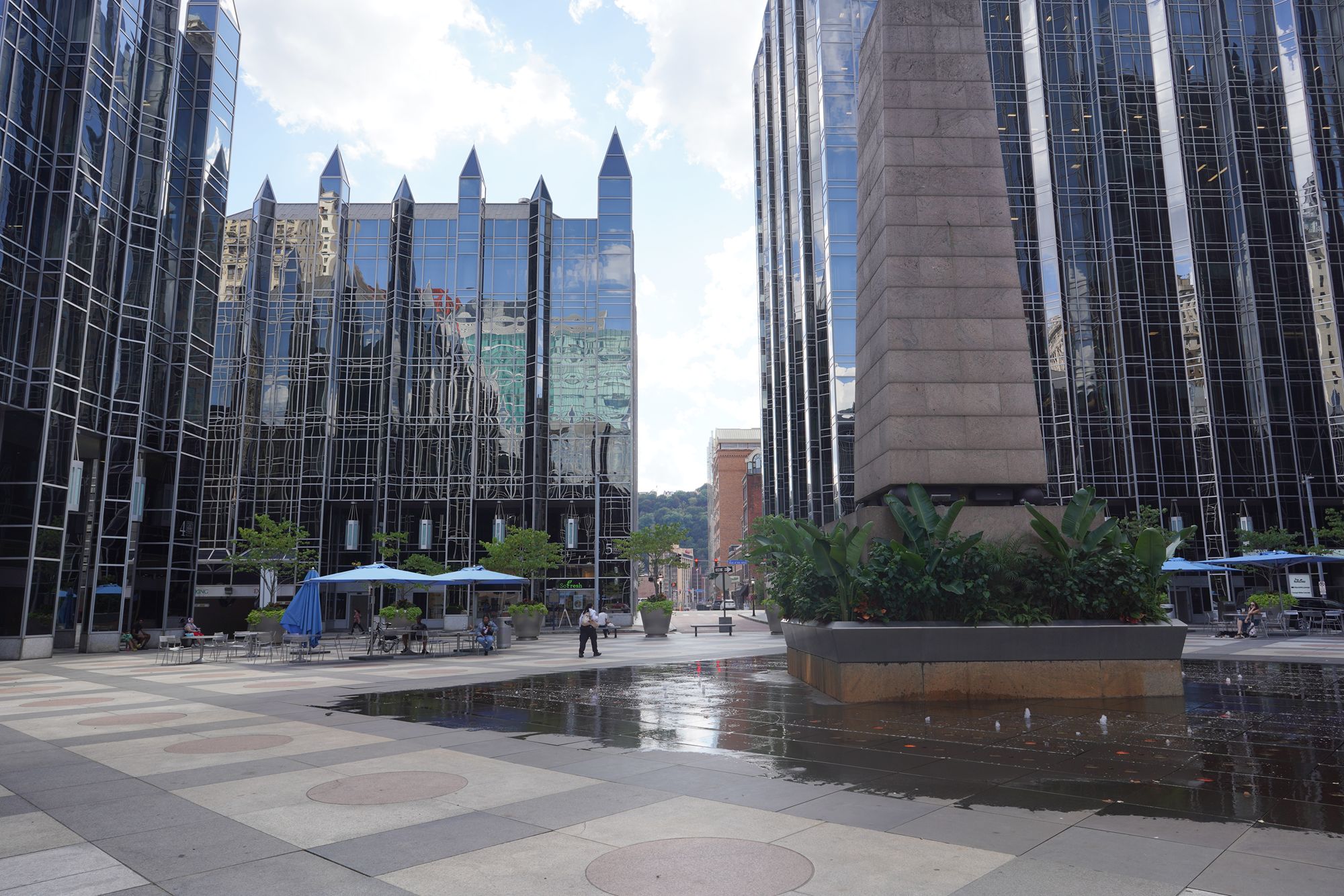
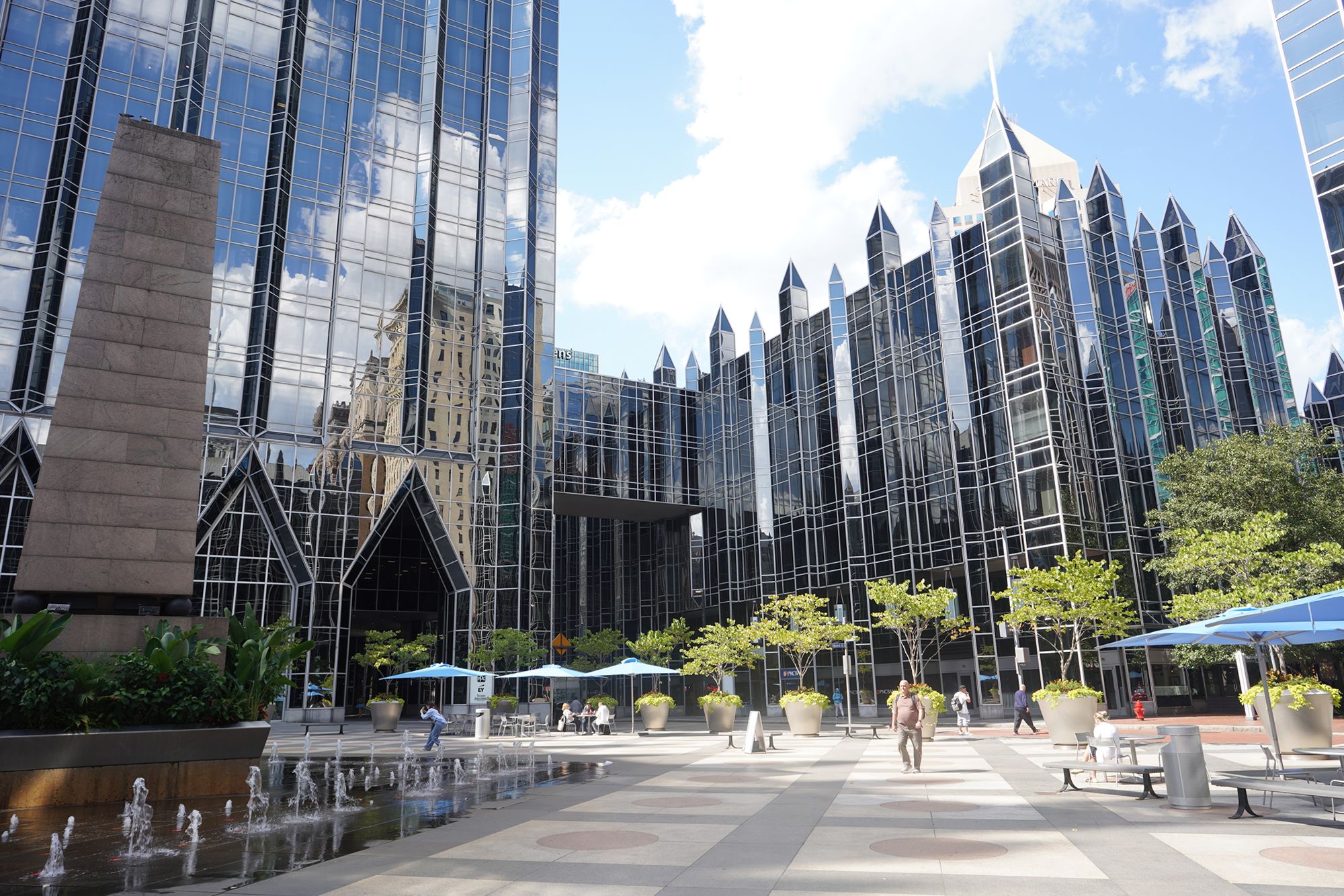
PPG Plaza is one of downtown Pittsburgh’s most striking architectural landmarks.
Designed by Philip Johnson, the complex features glass-clad, Gothic-inspired towers that reflect the surrounding city. Its mirrored surfaces, public plaza, and seasonal ice rink make it both a corporate headquarters and an active urban gathering space.
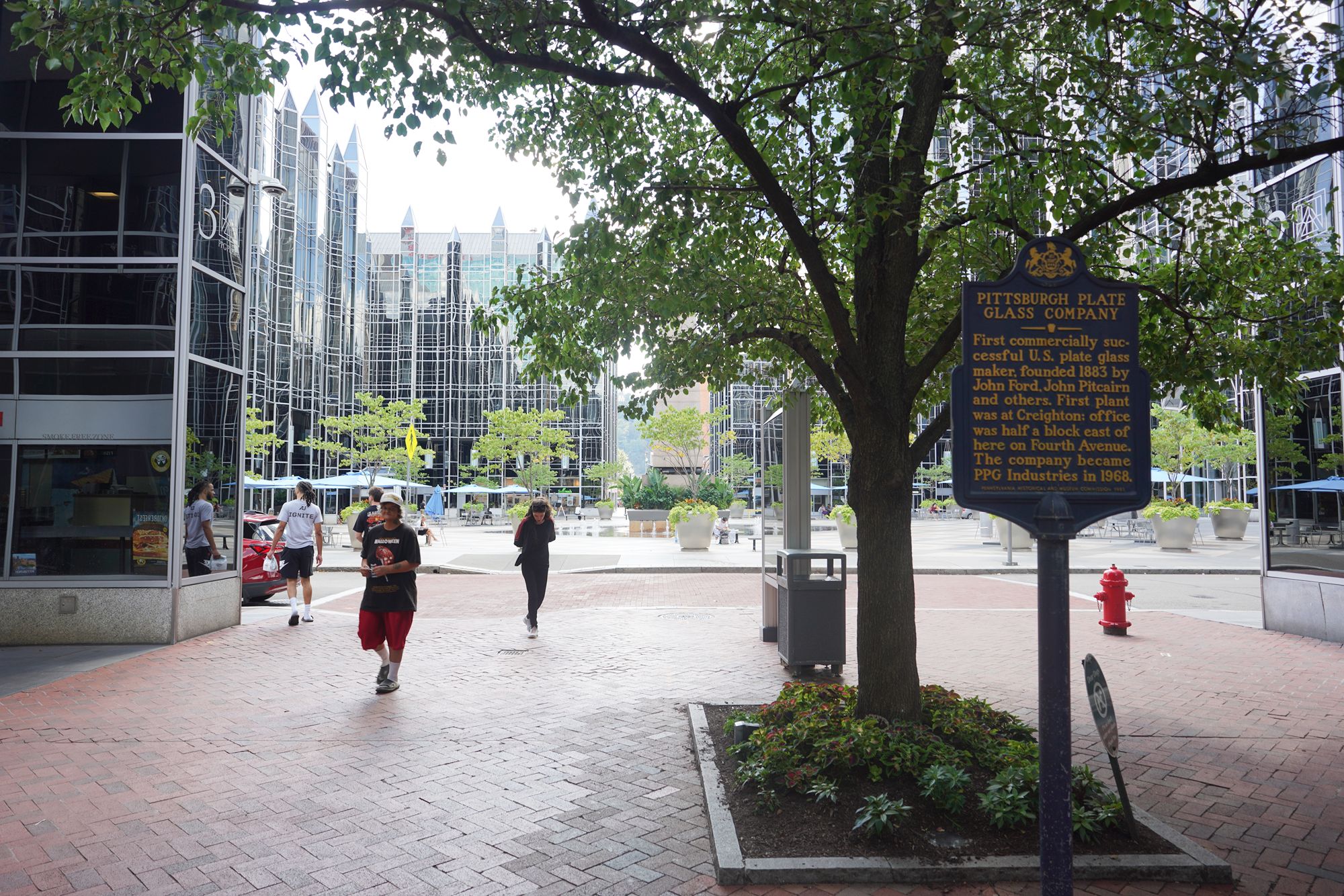
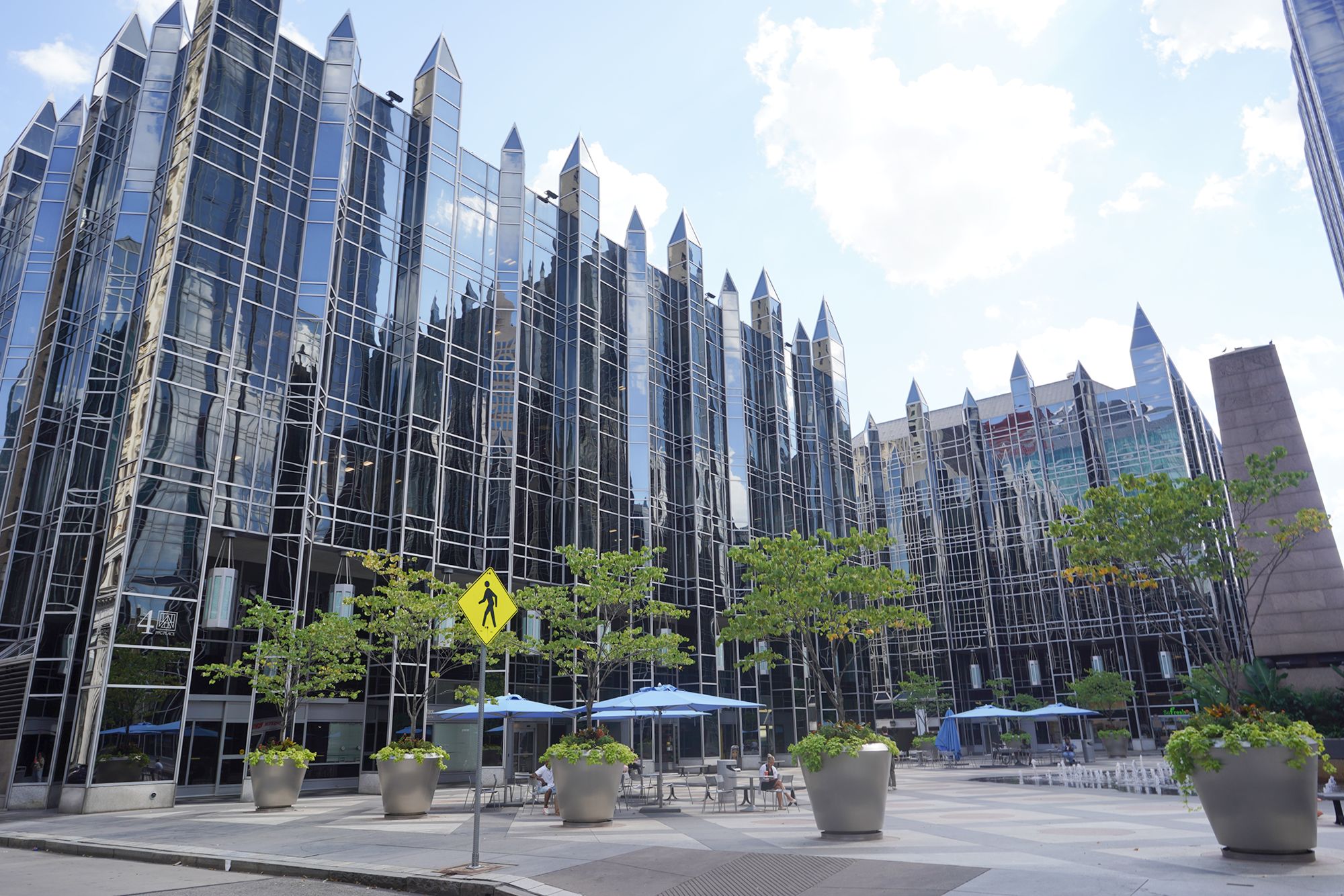
PPG Plaza’s glass buildings reflect both Pittsburgh’s industrial heritage and its architectural reinvention.
Completed in the 1980s as the headquarters of PPG Industries, a major glass manufacturer, the complex showcases innovative reflective glass technology. Designed by Philip Johnson, its Gothic-inspired forms reimagined historic architecture using modern materials, symbolizing Pittsburgh’s shift from steel to high-tech industries.
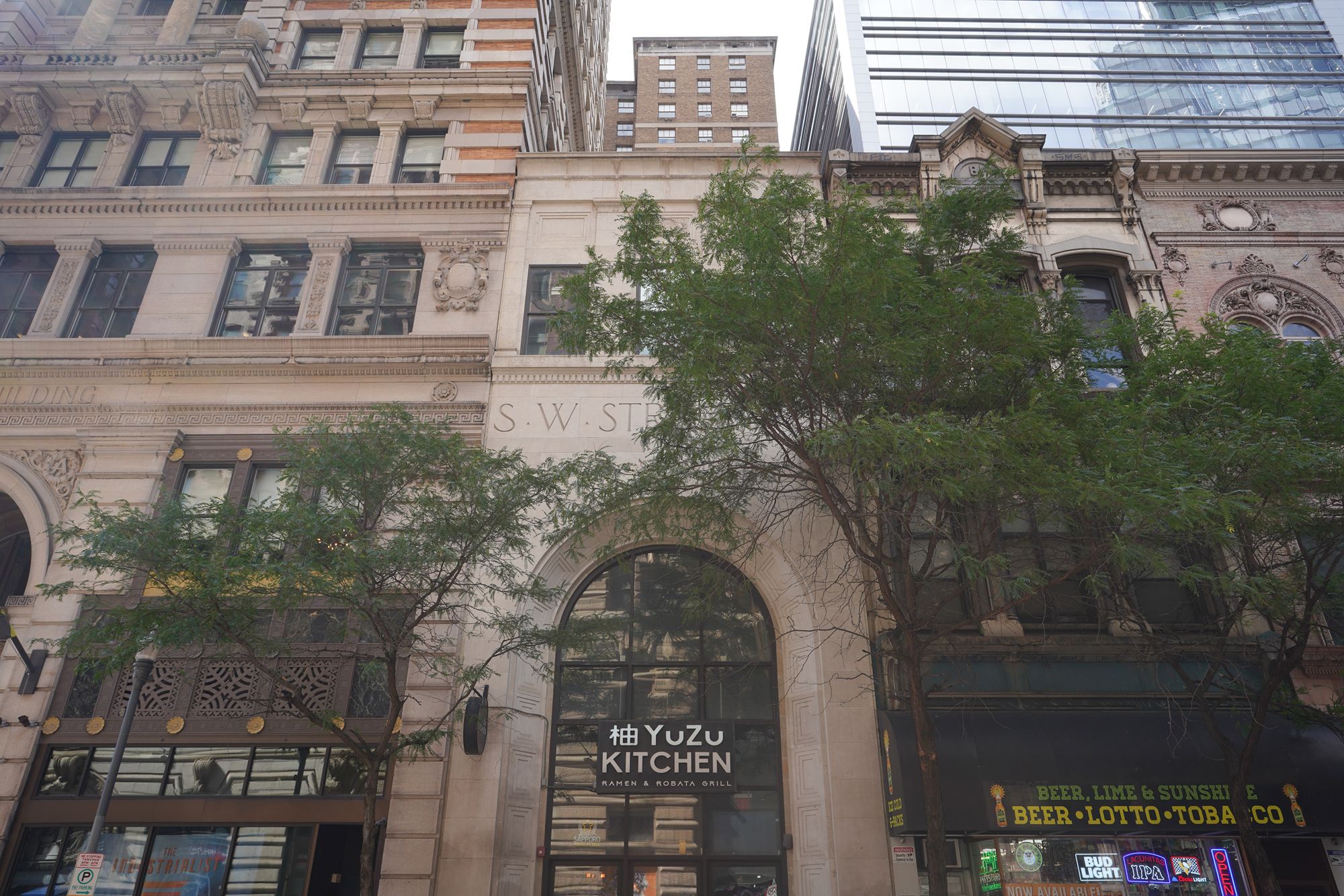
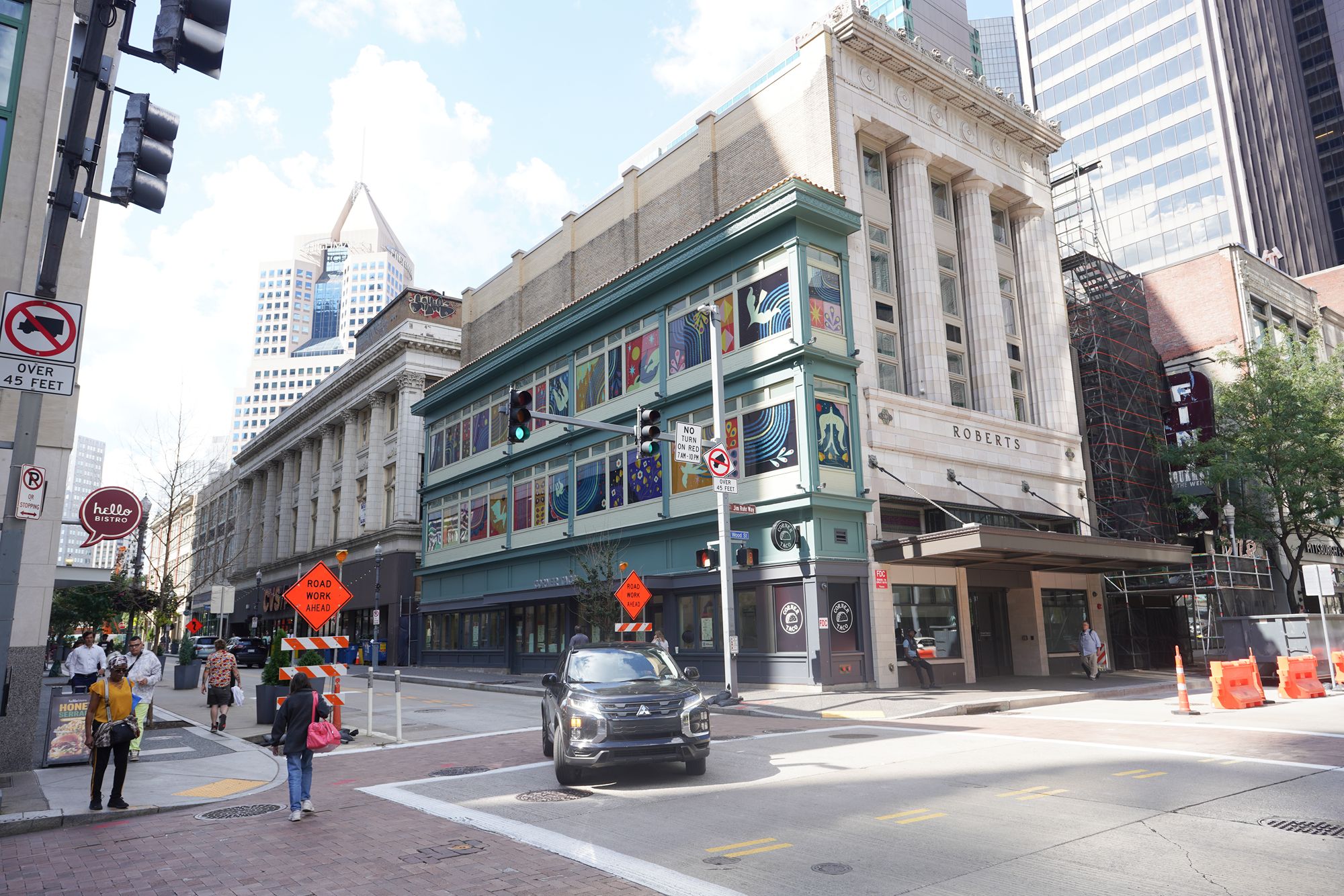
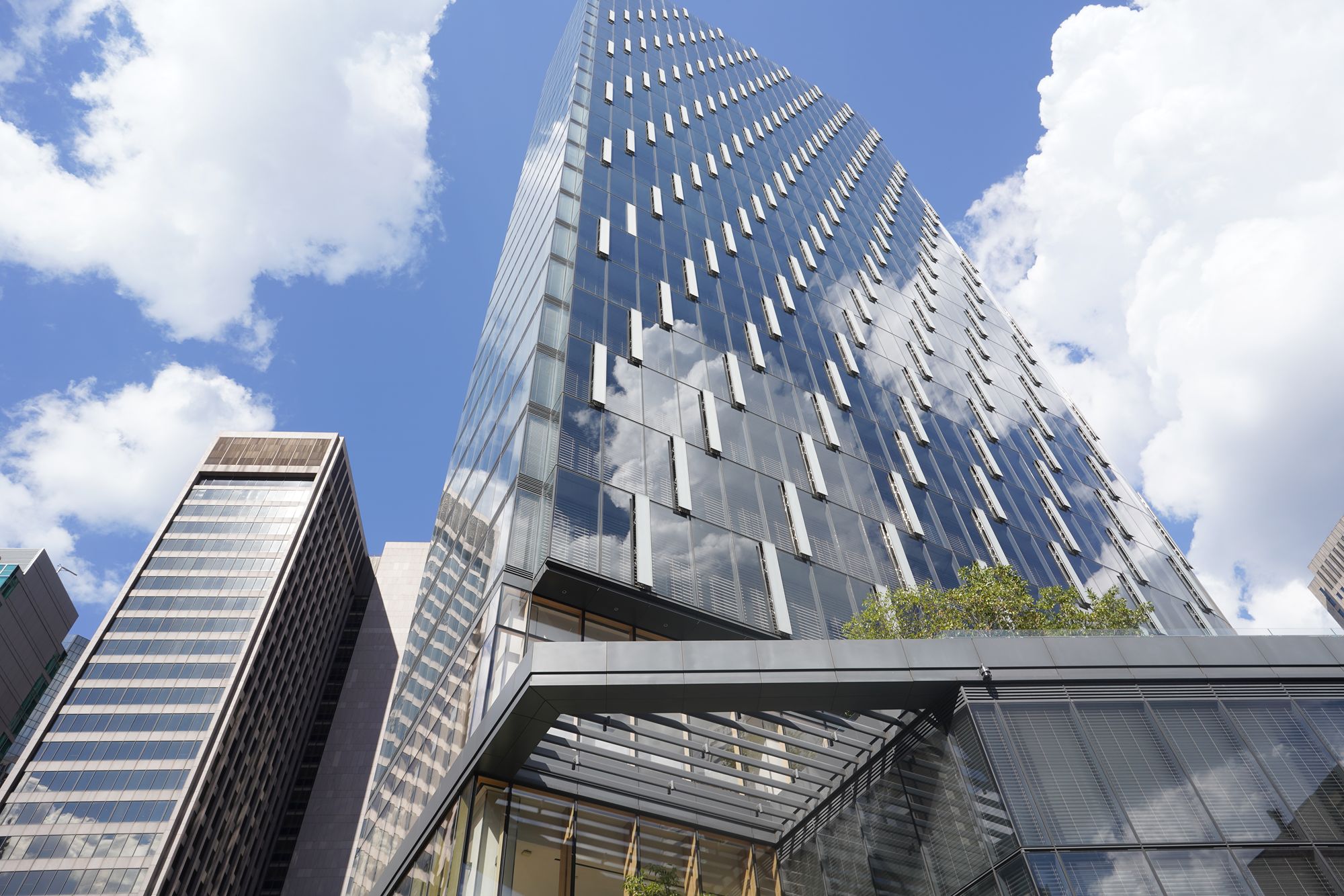
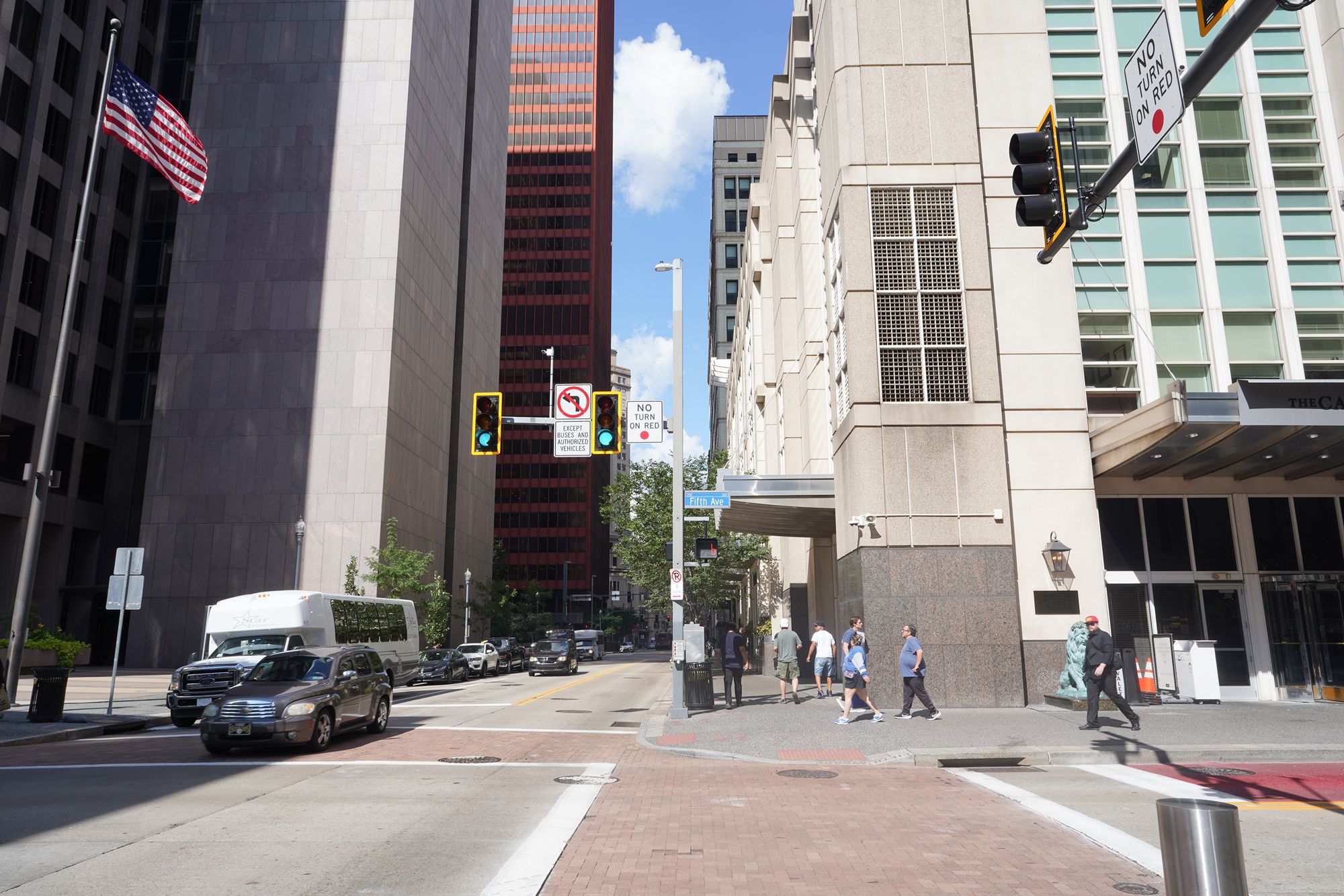
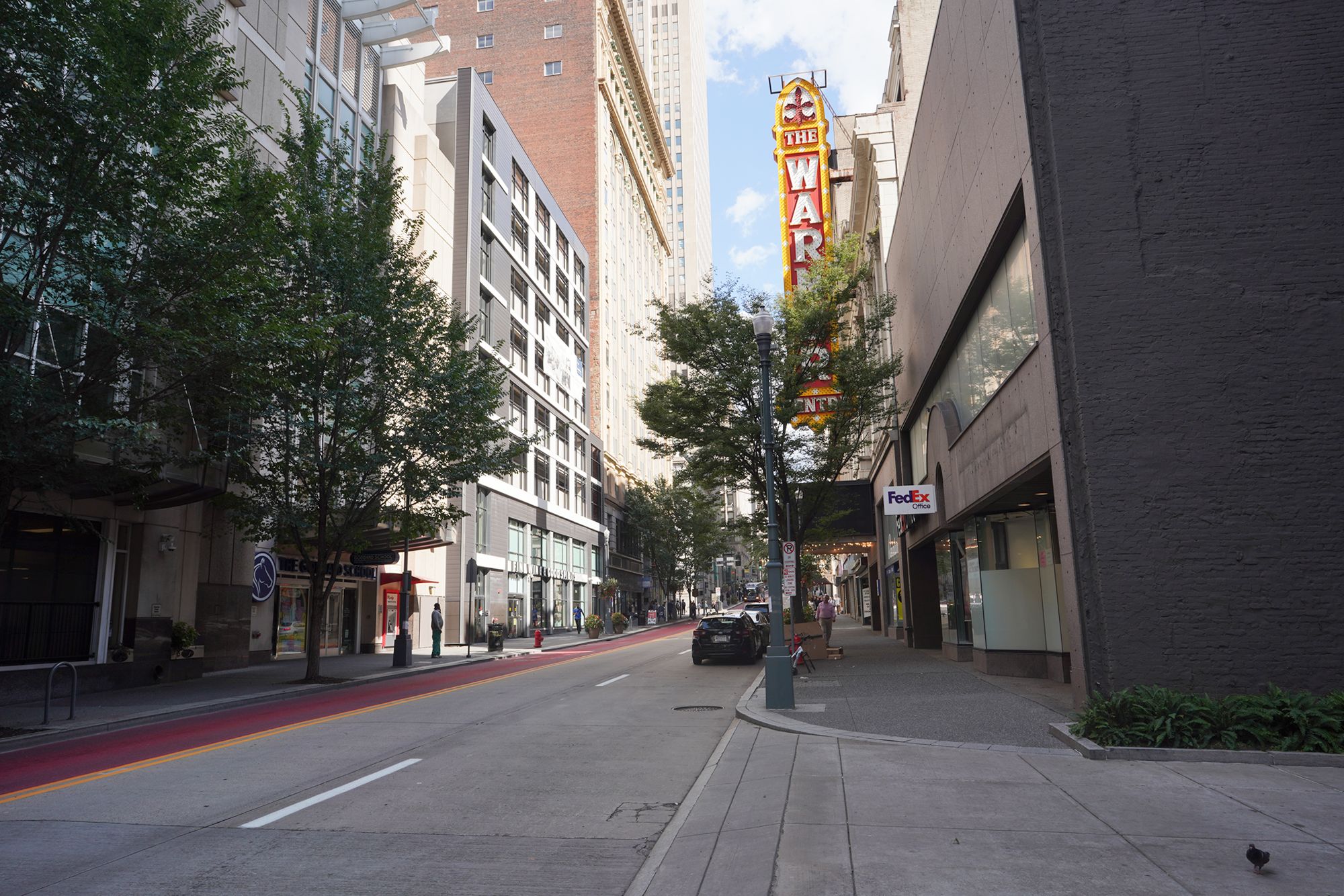
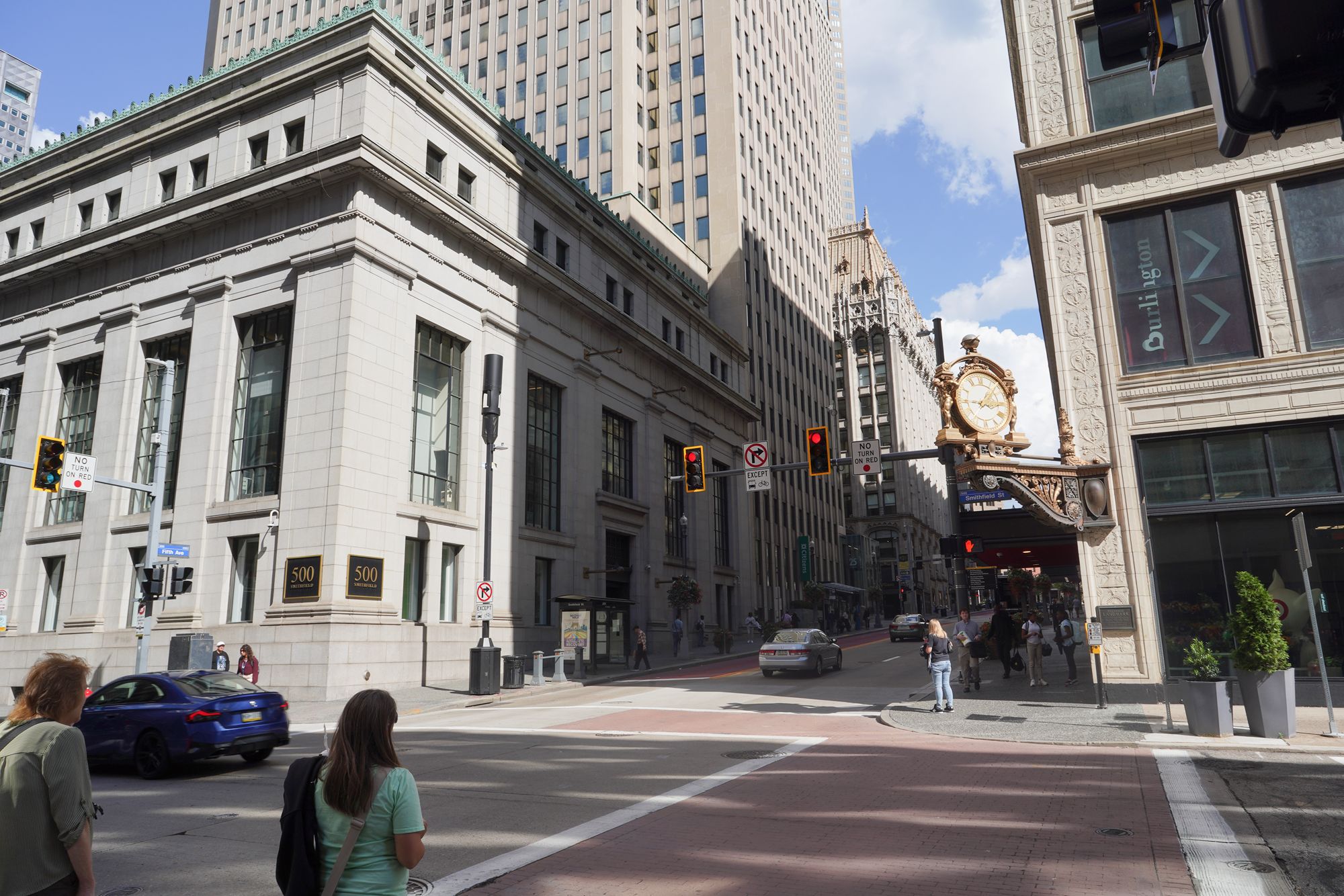
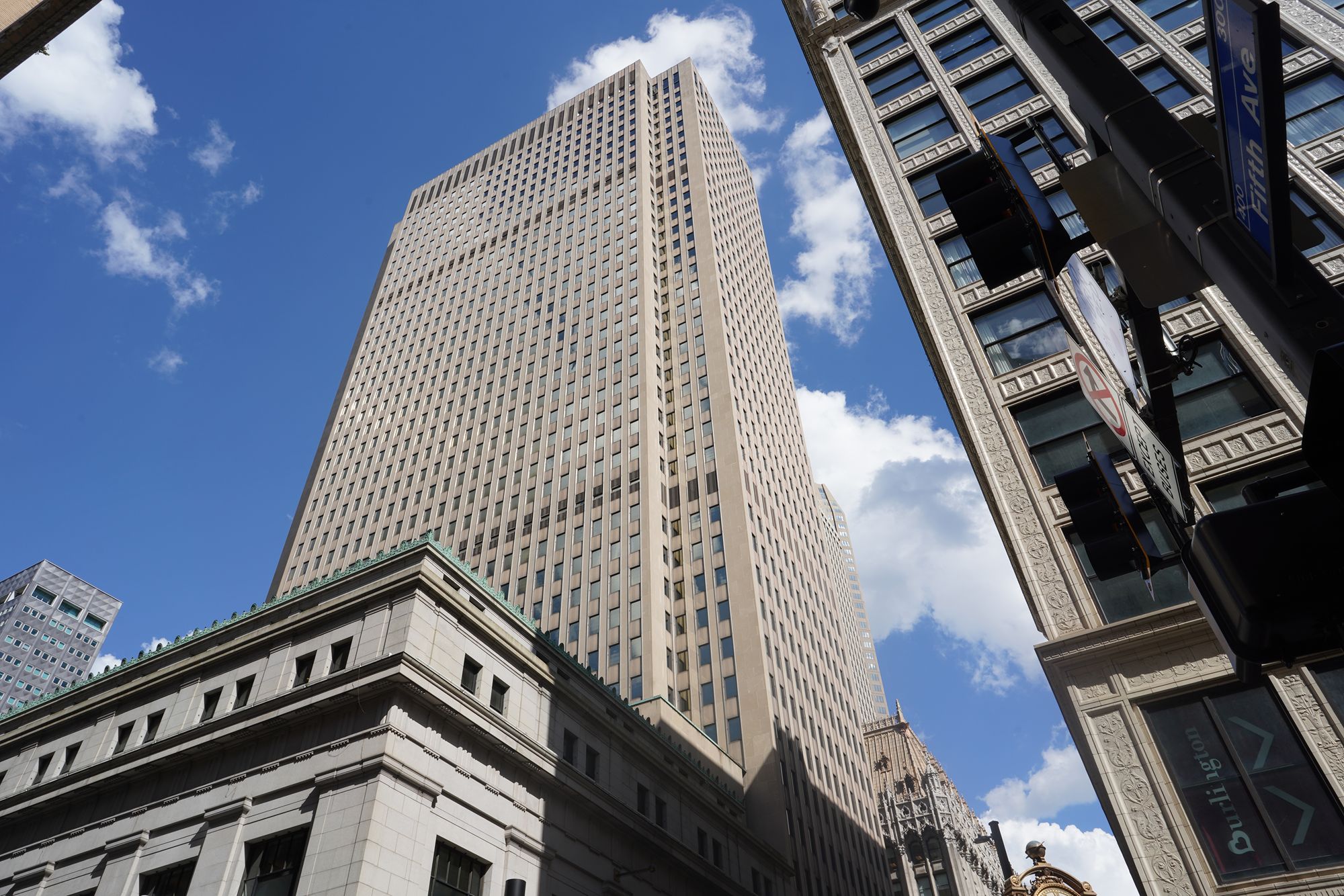
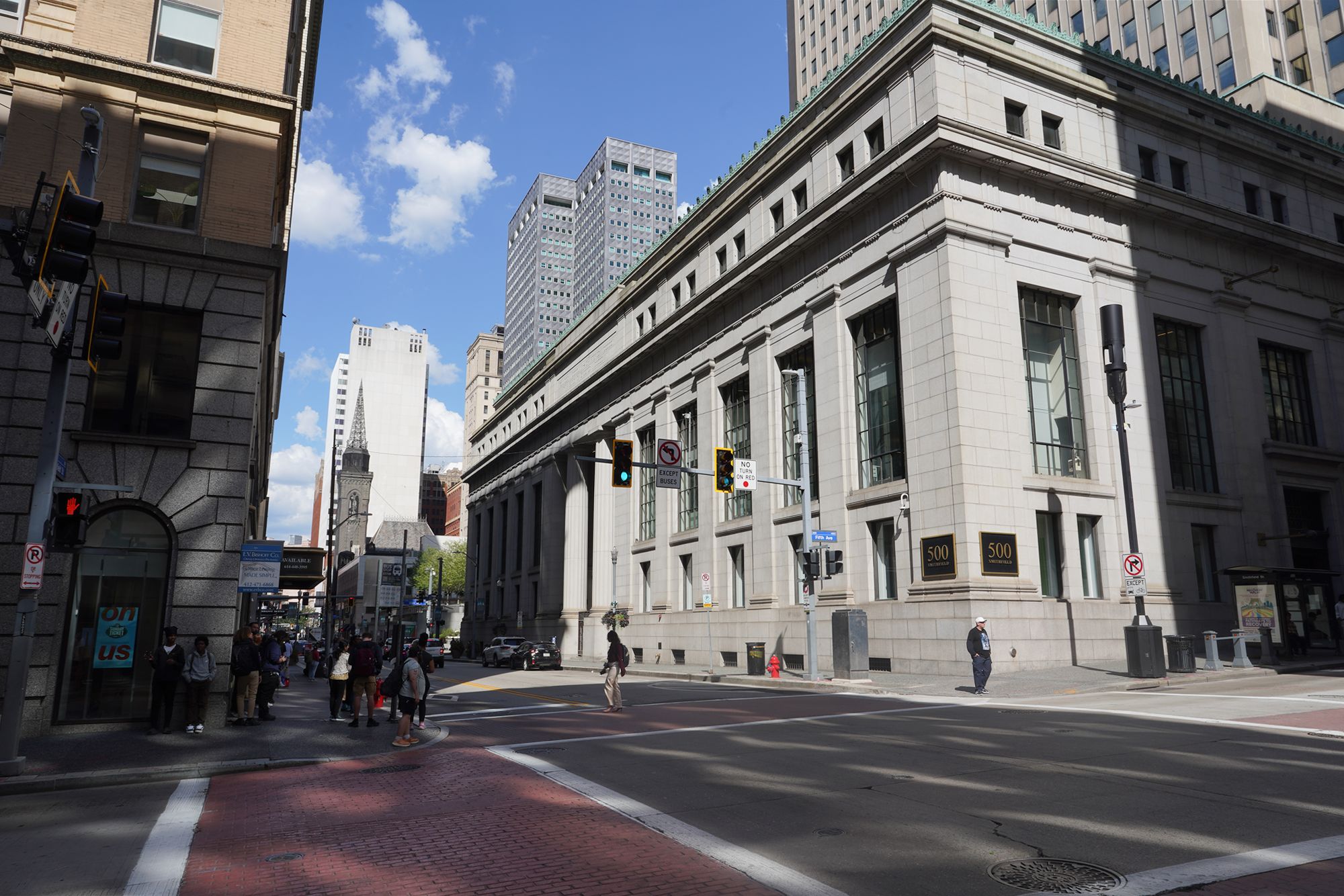
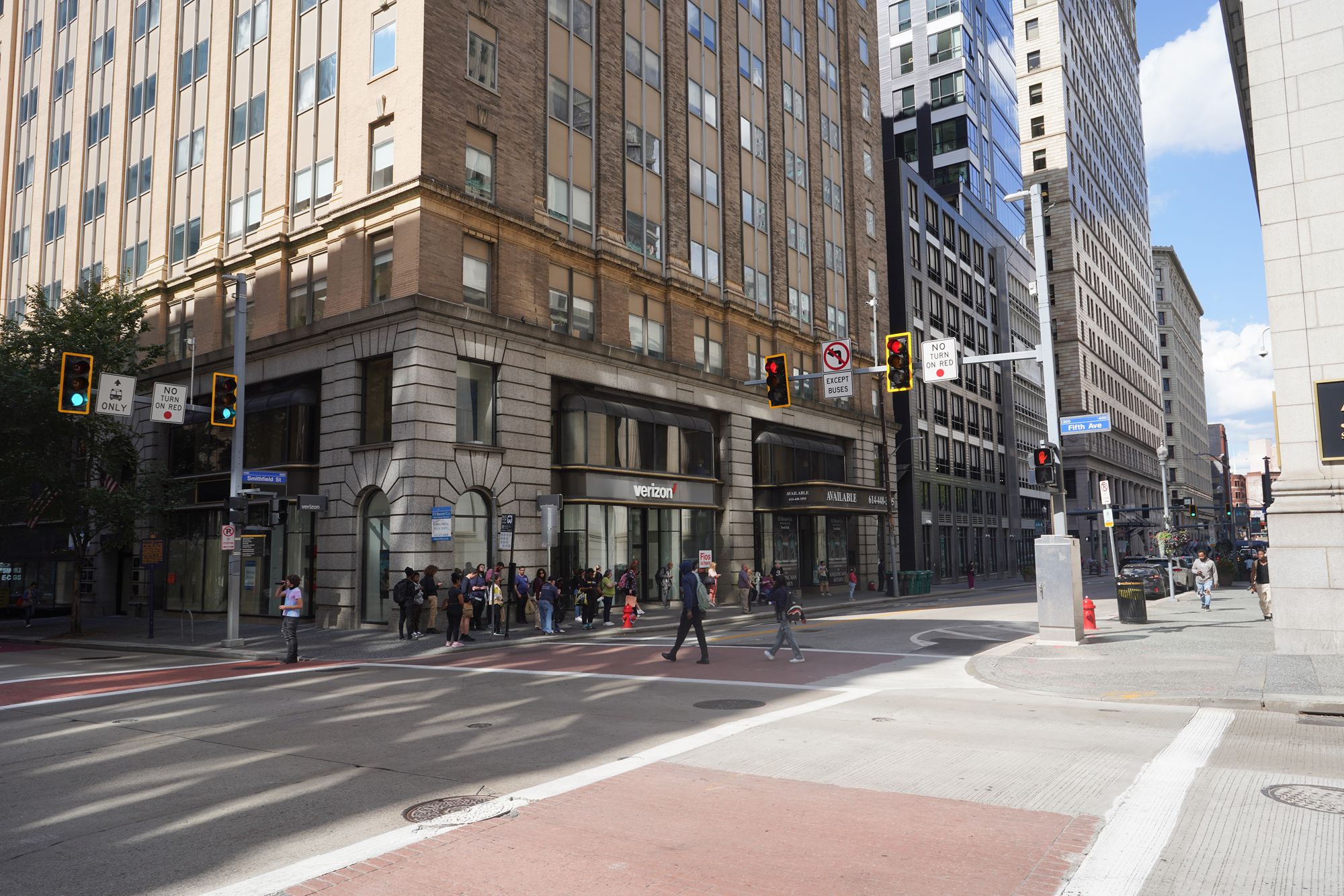
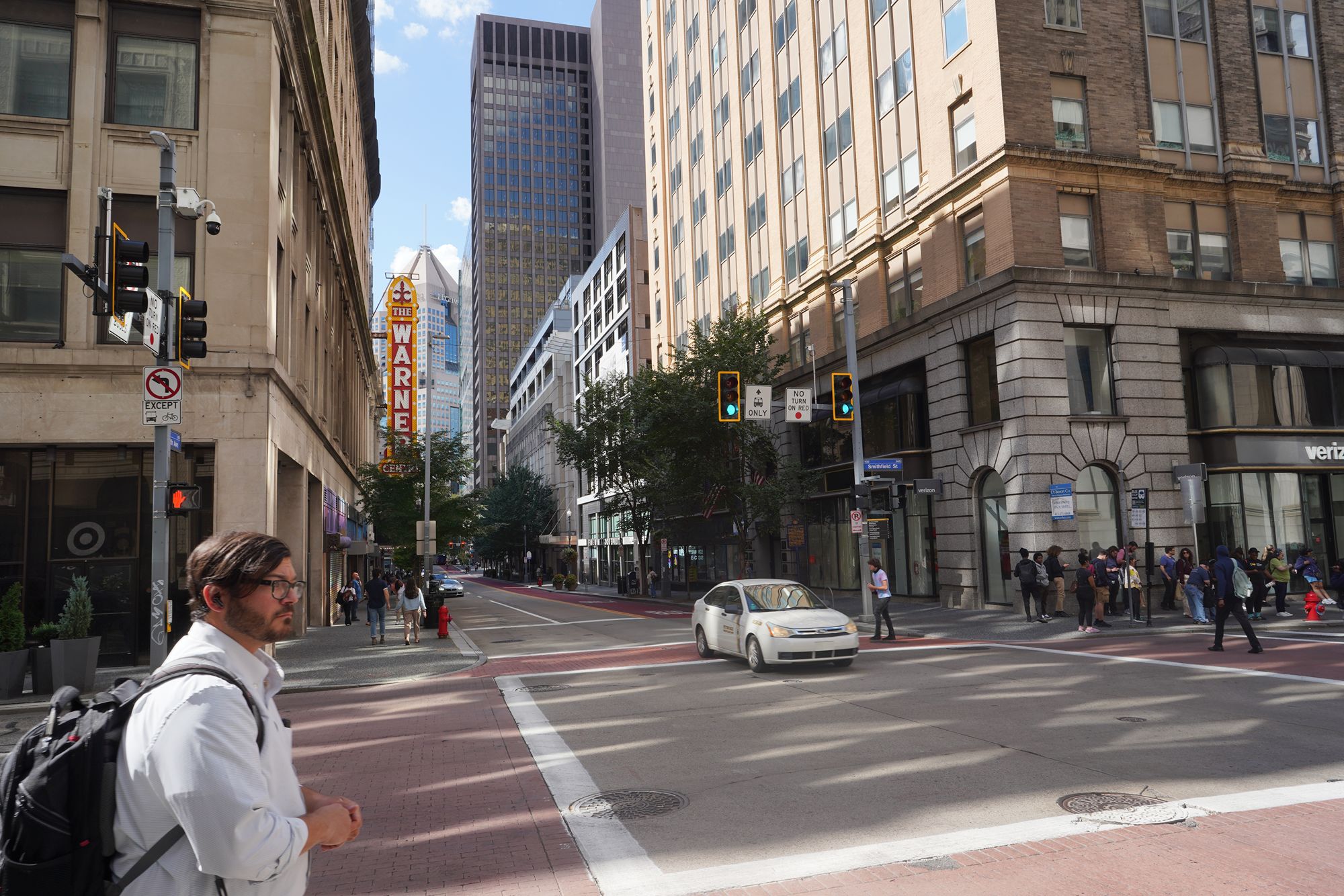
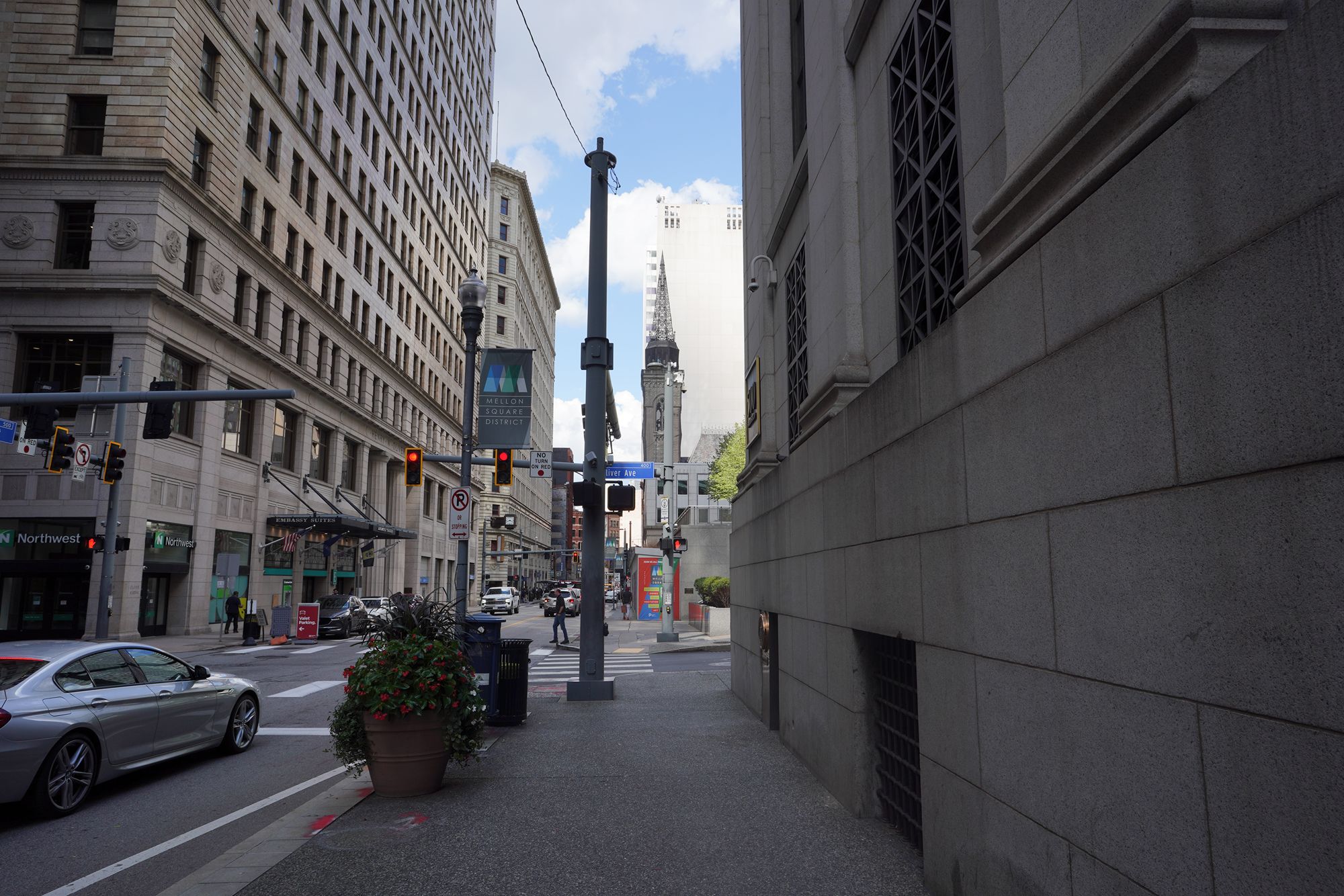
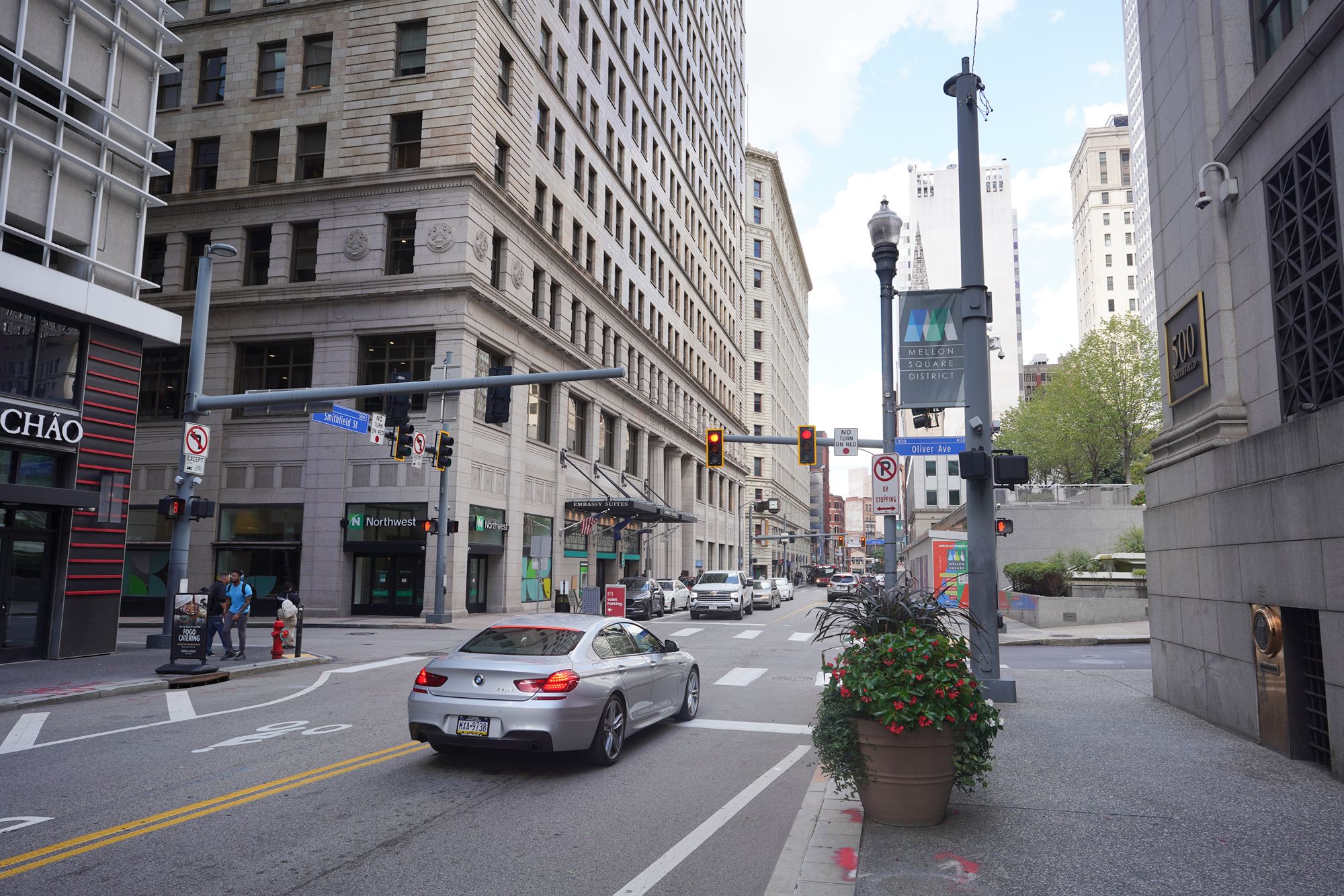
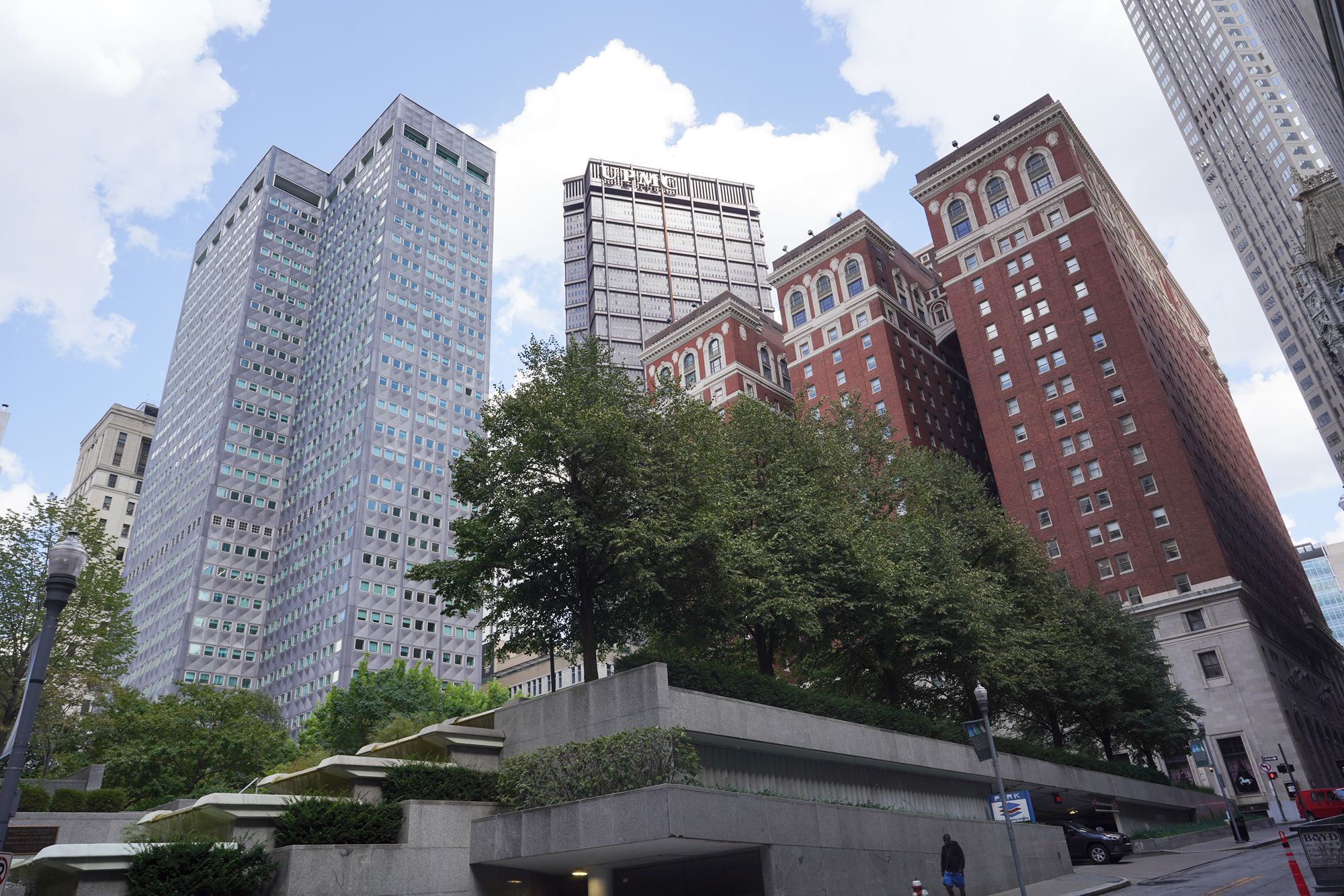
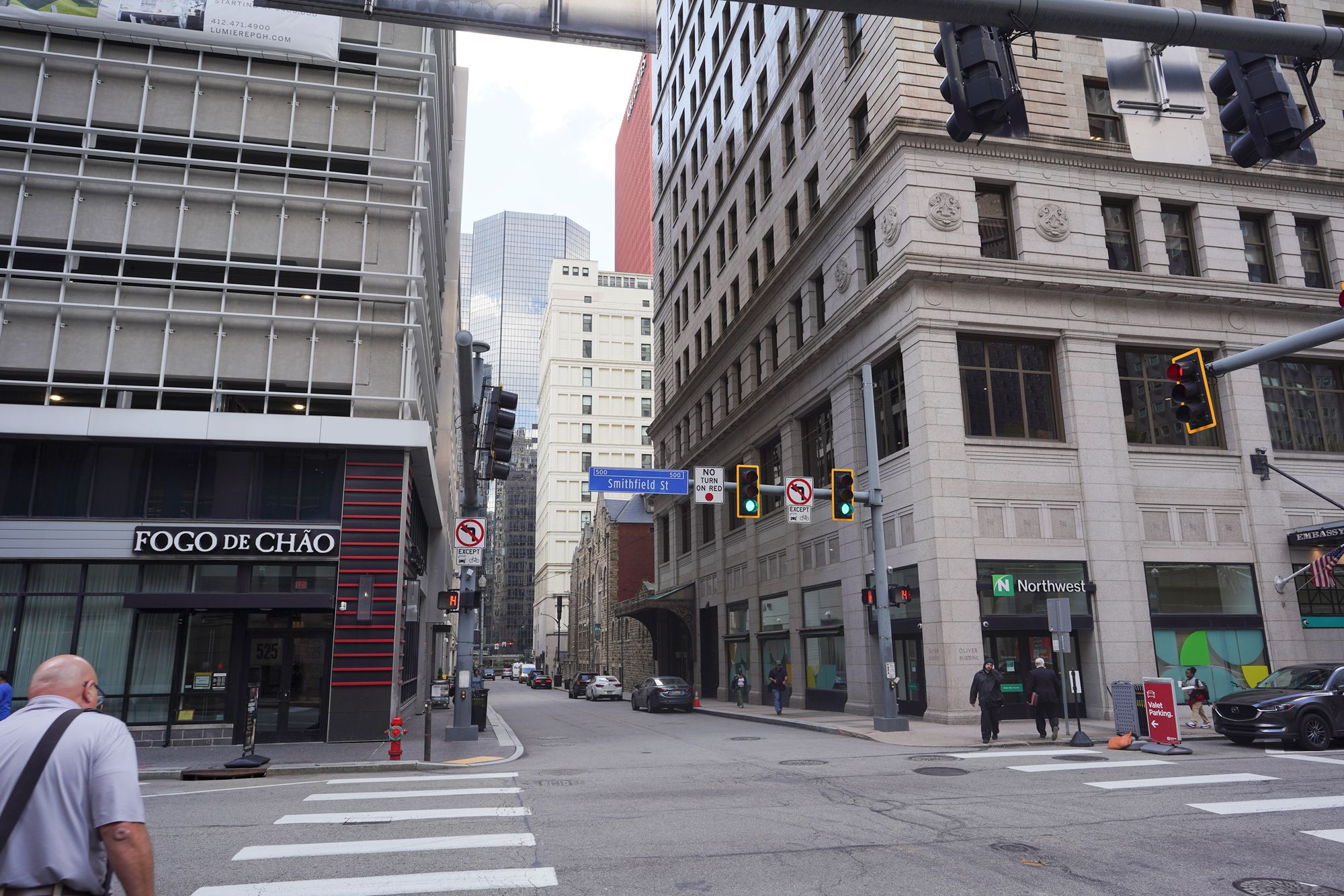
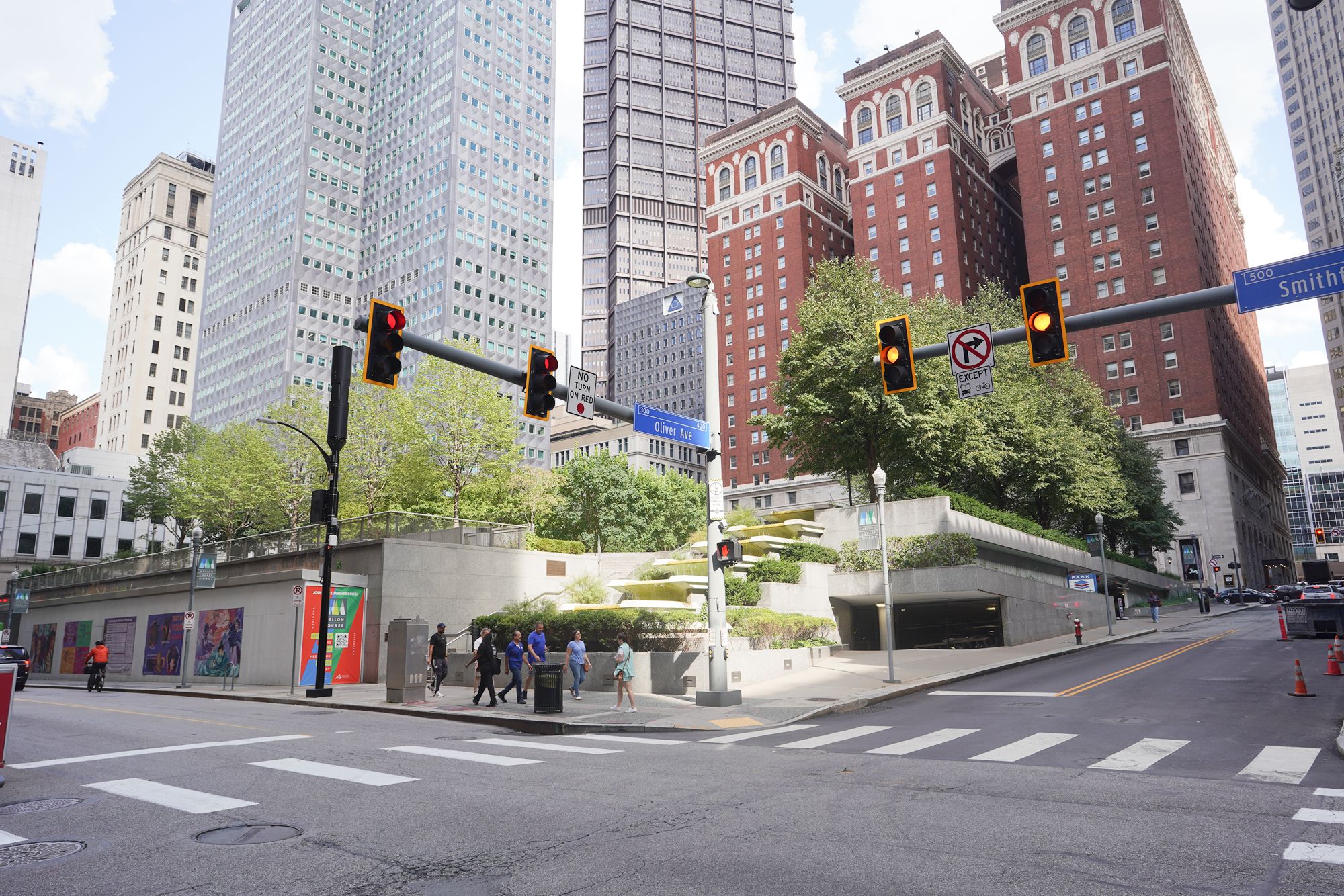
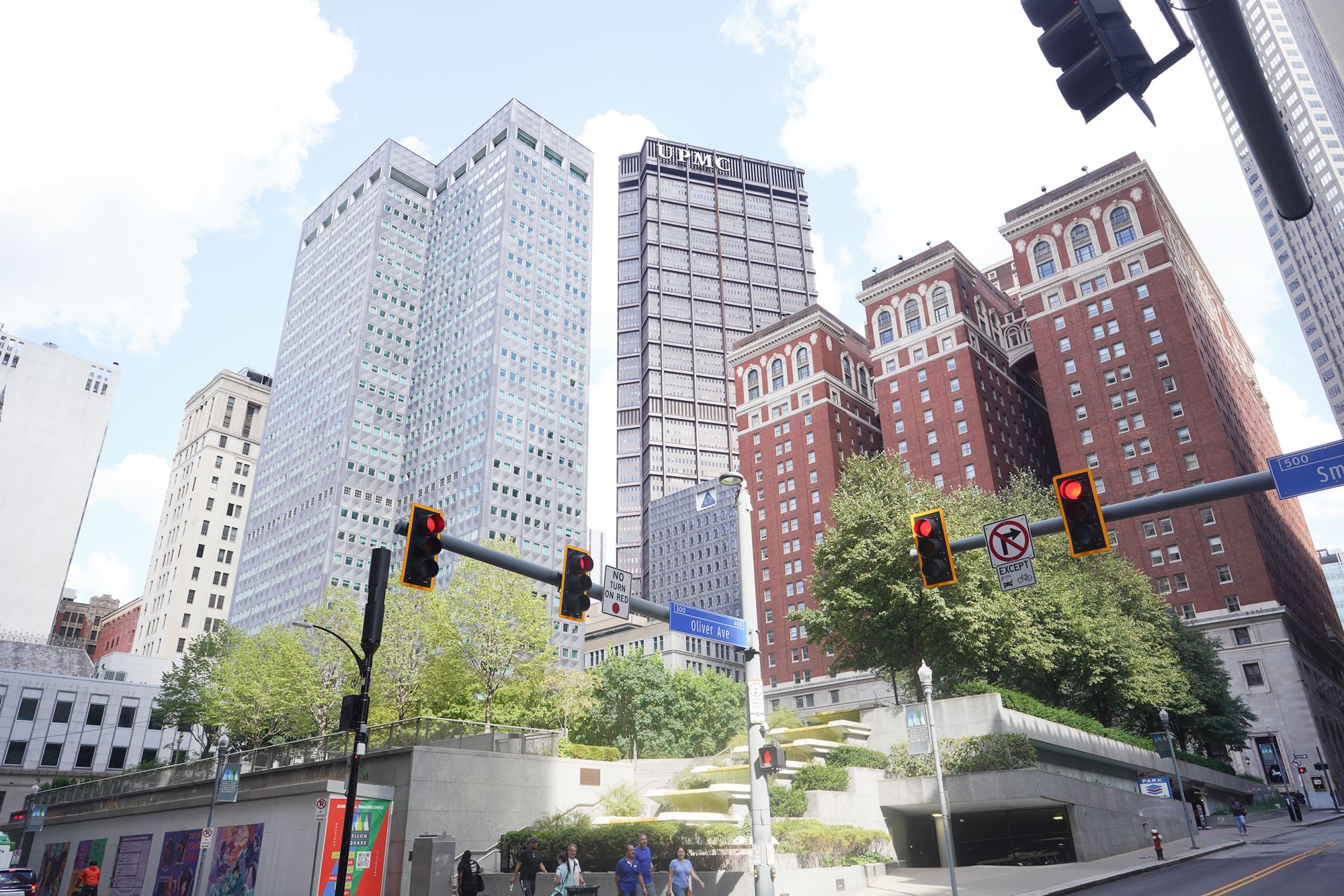
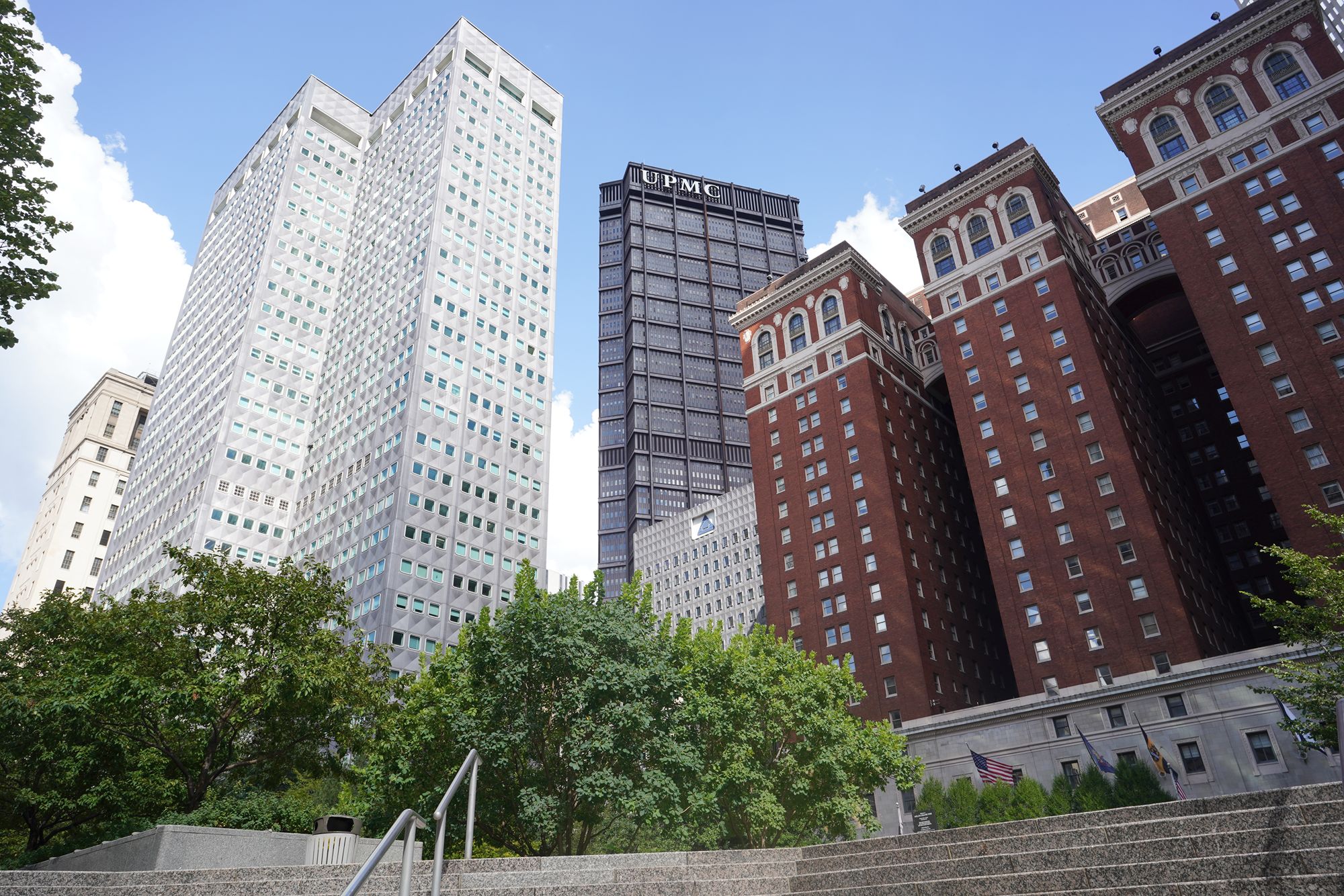
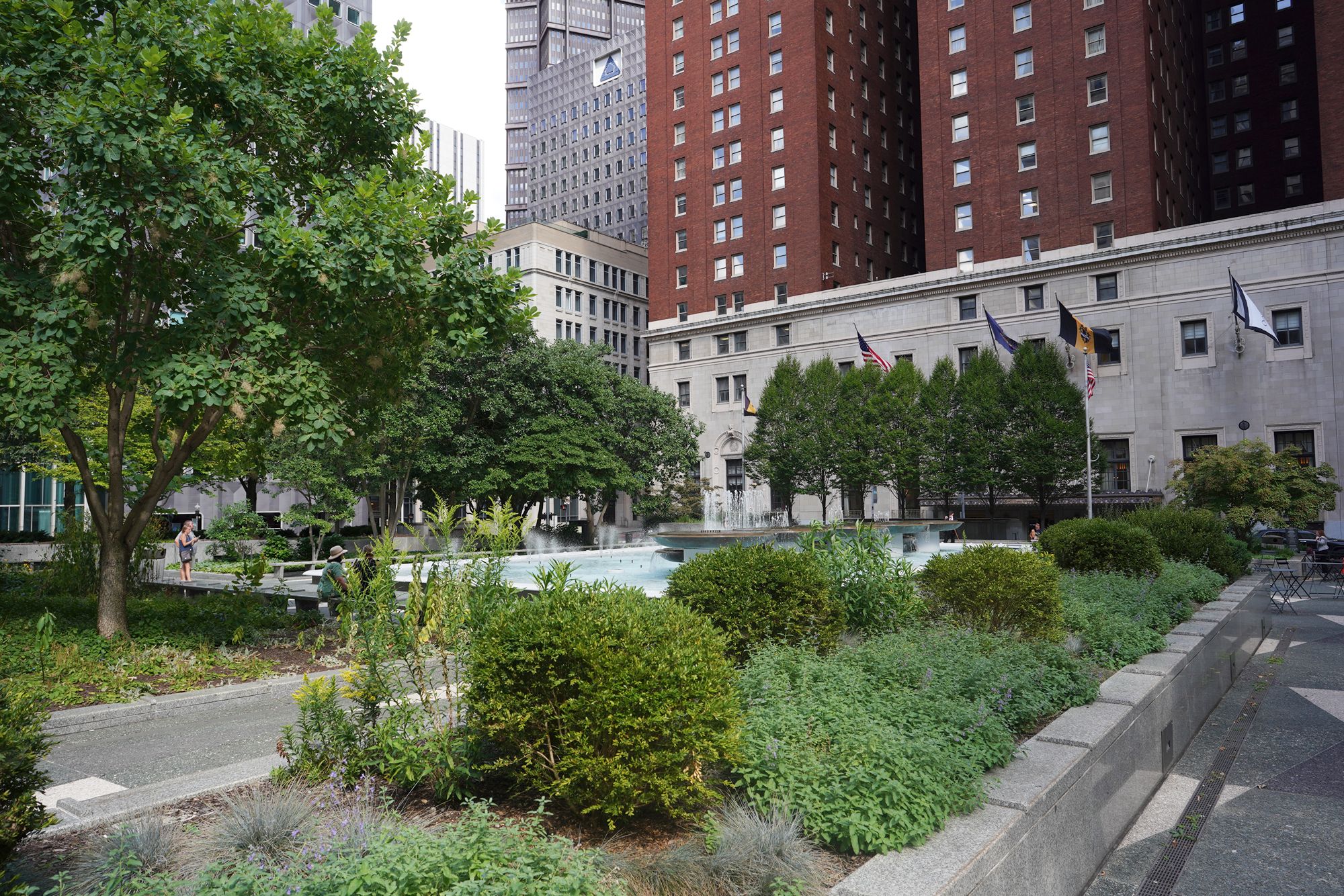
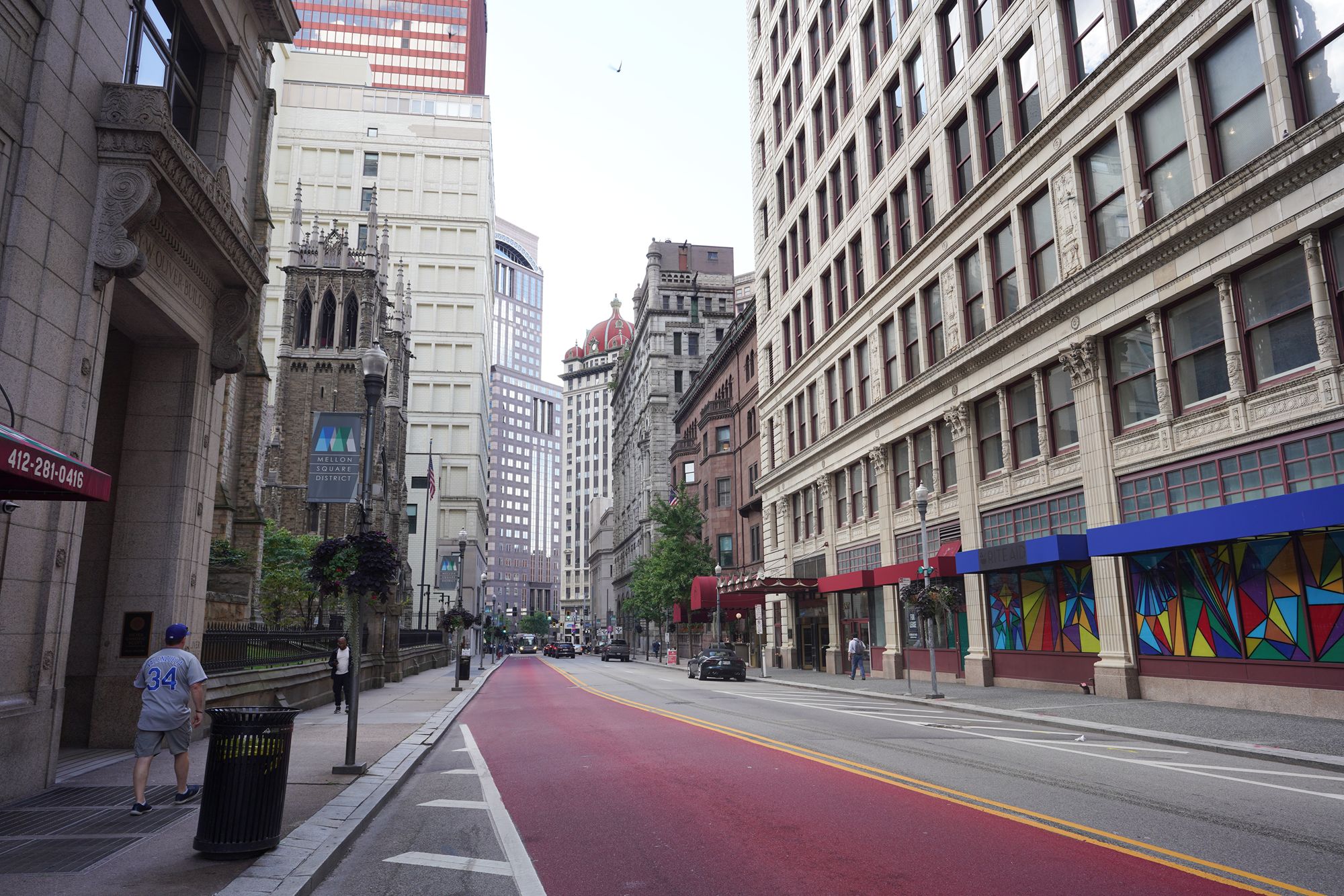
Mellon Square is a modernist urban park tucked into downtown Pittsburgh.
Opened in the 1950s, it was one of the first rooftop parks in the United States, built above an underground garage. Its clean lines, fountains, and terraces reflect mid-century design ideals, offering a quiet retreat amid surrounding office towers.
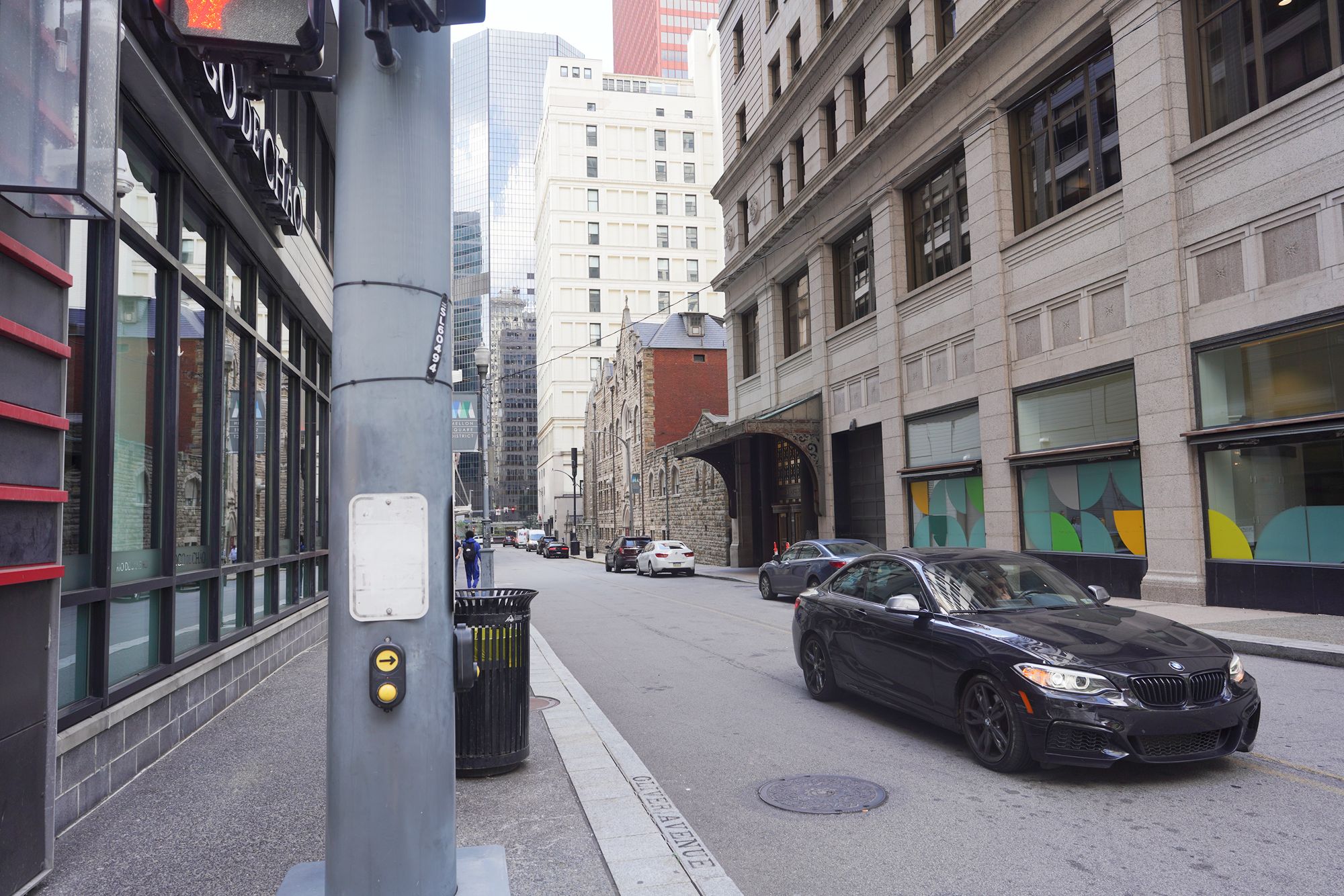
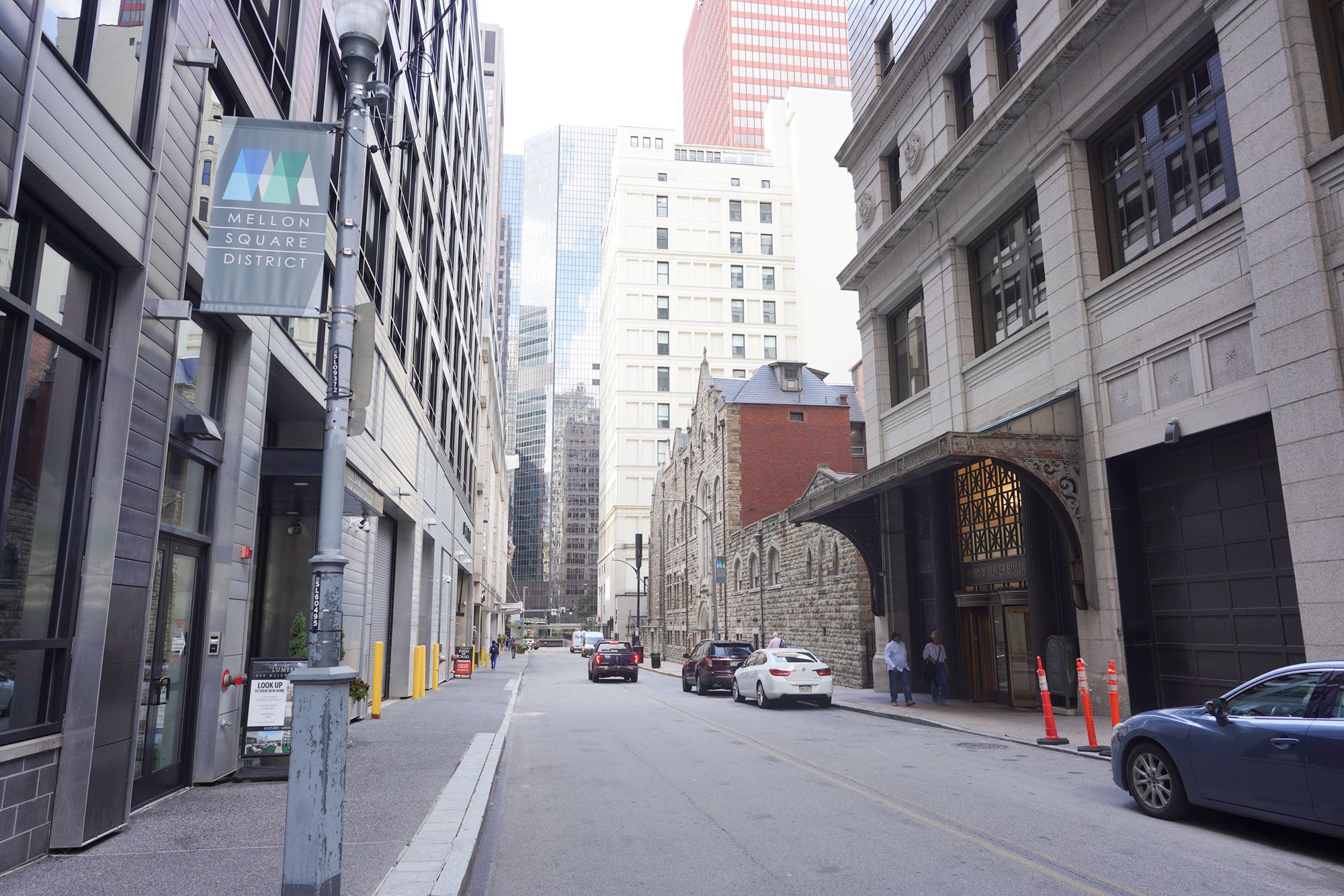
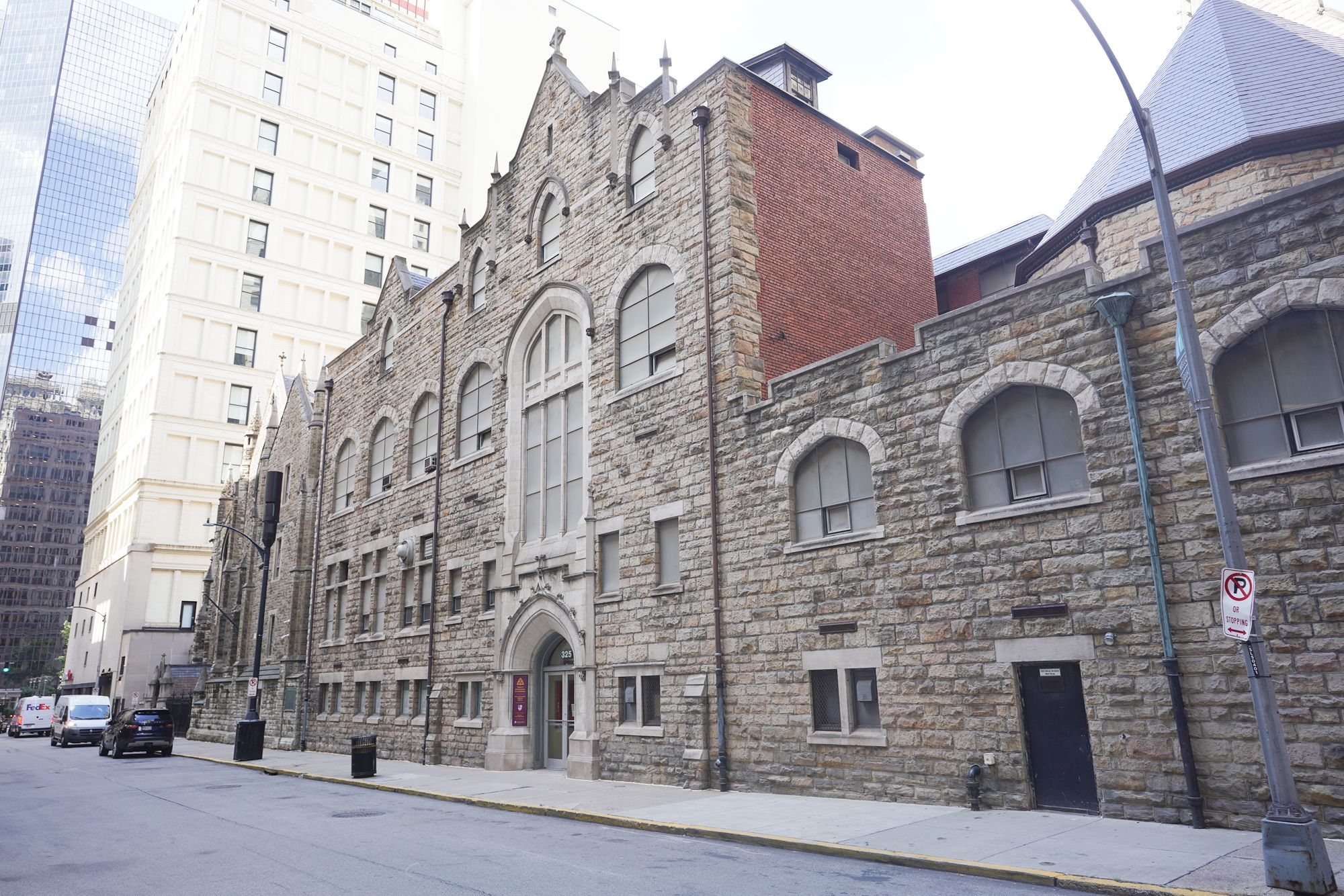
A view of the back side of the First Presbyterian Church of Pittsburgh alongside the Episcopal Diocese of Pittsburgh buildings.
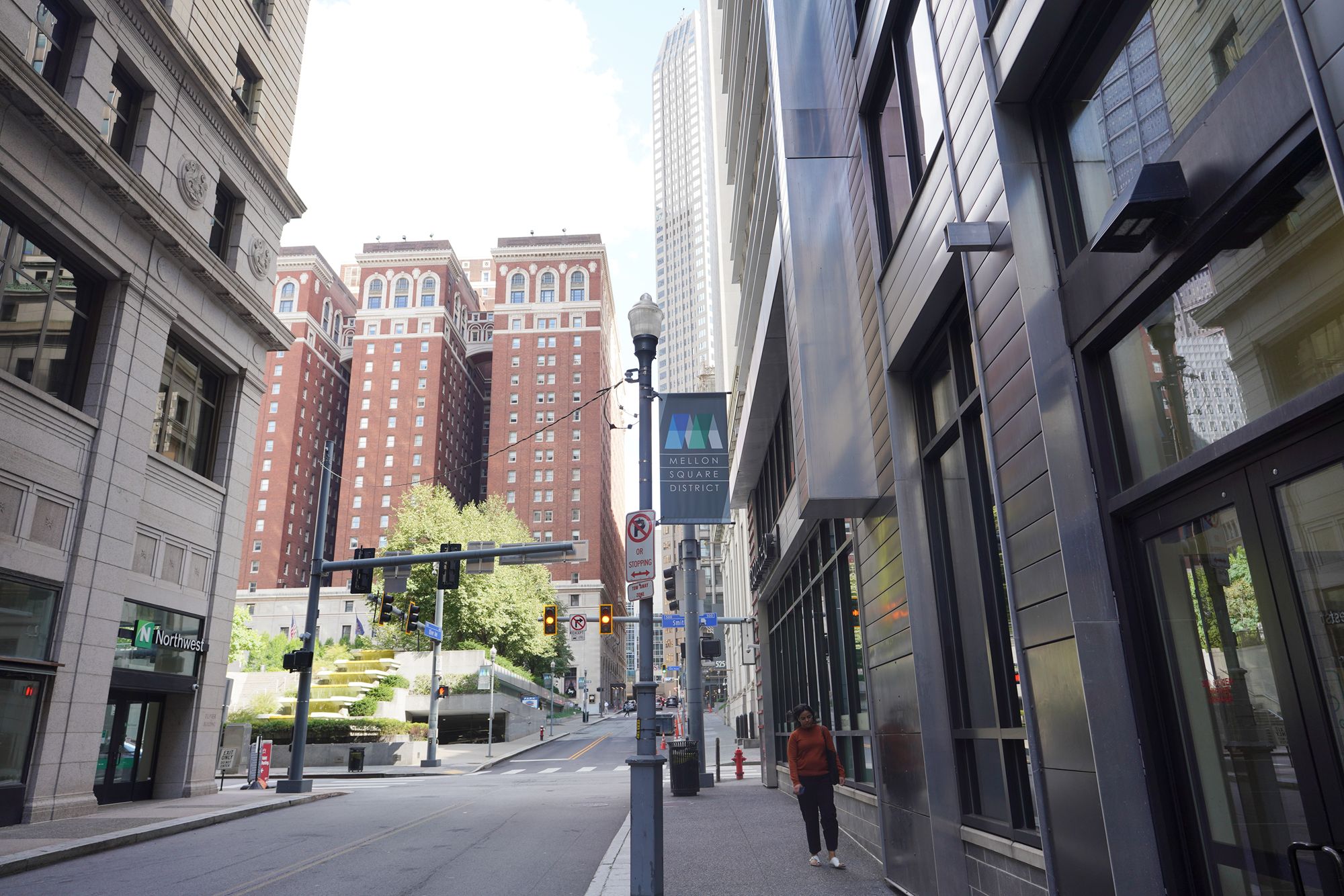
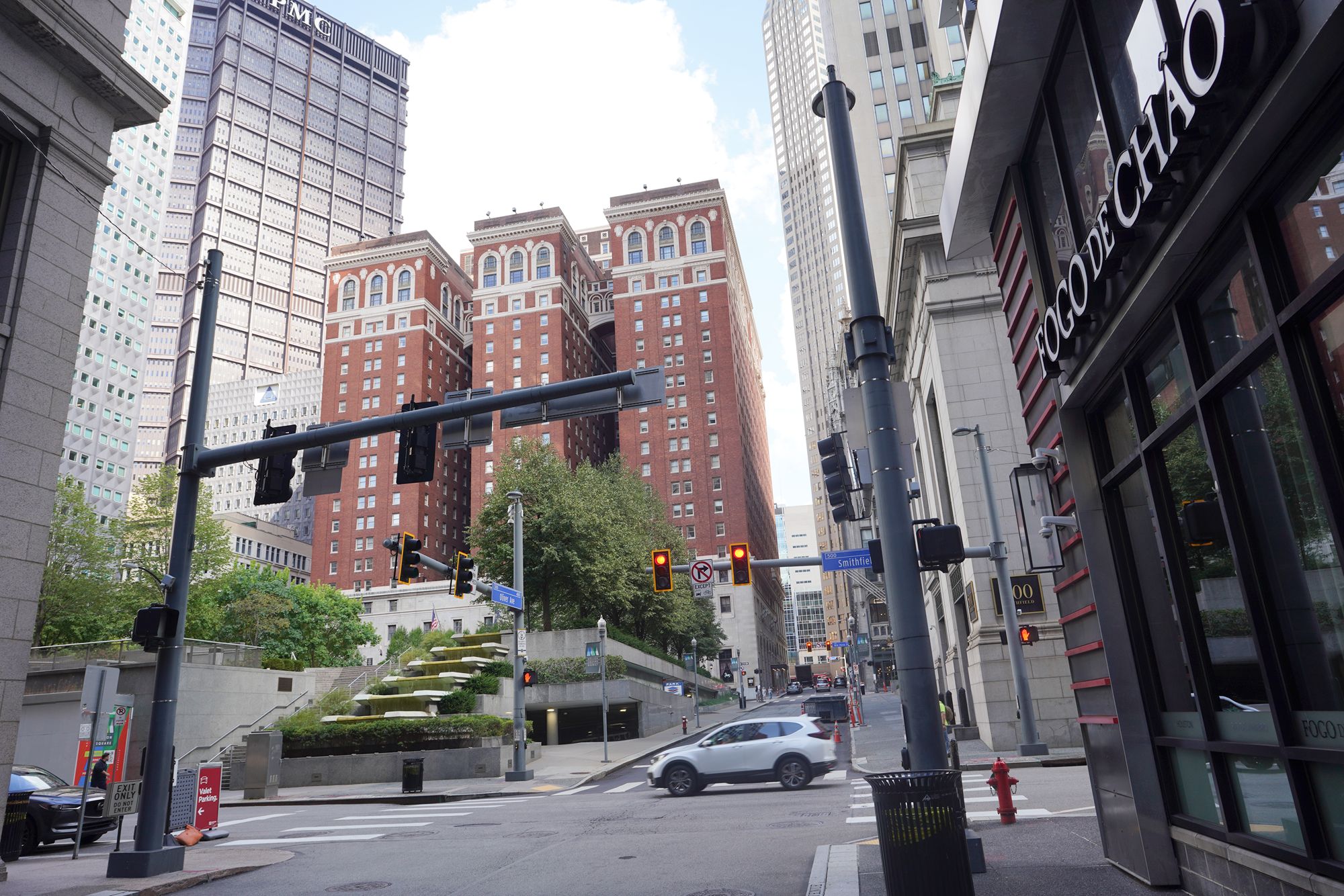
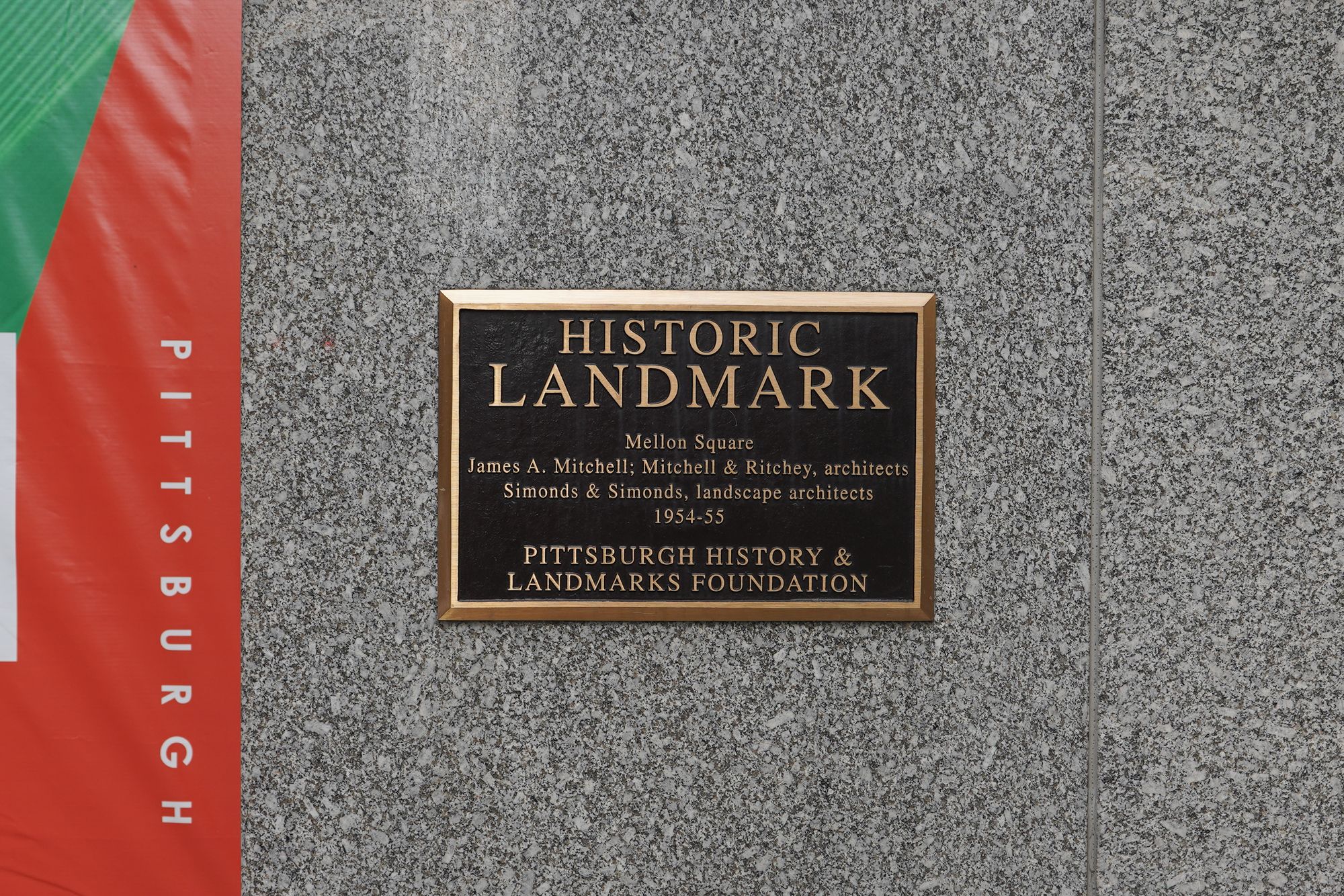
Mellon Square is a Historic Landmark
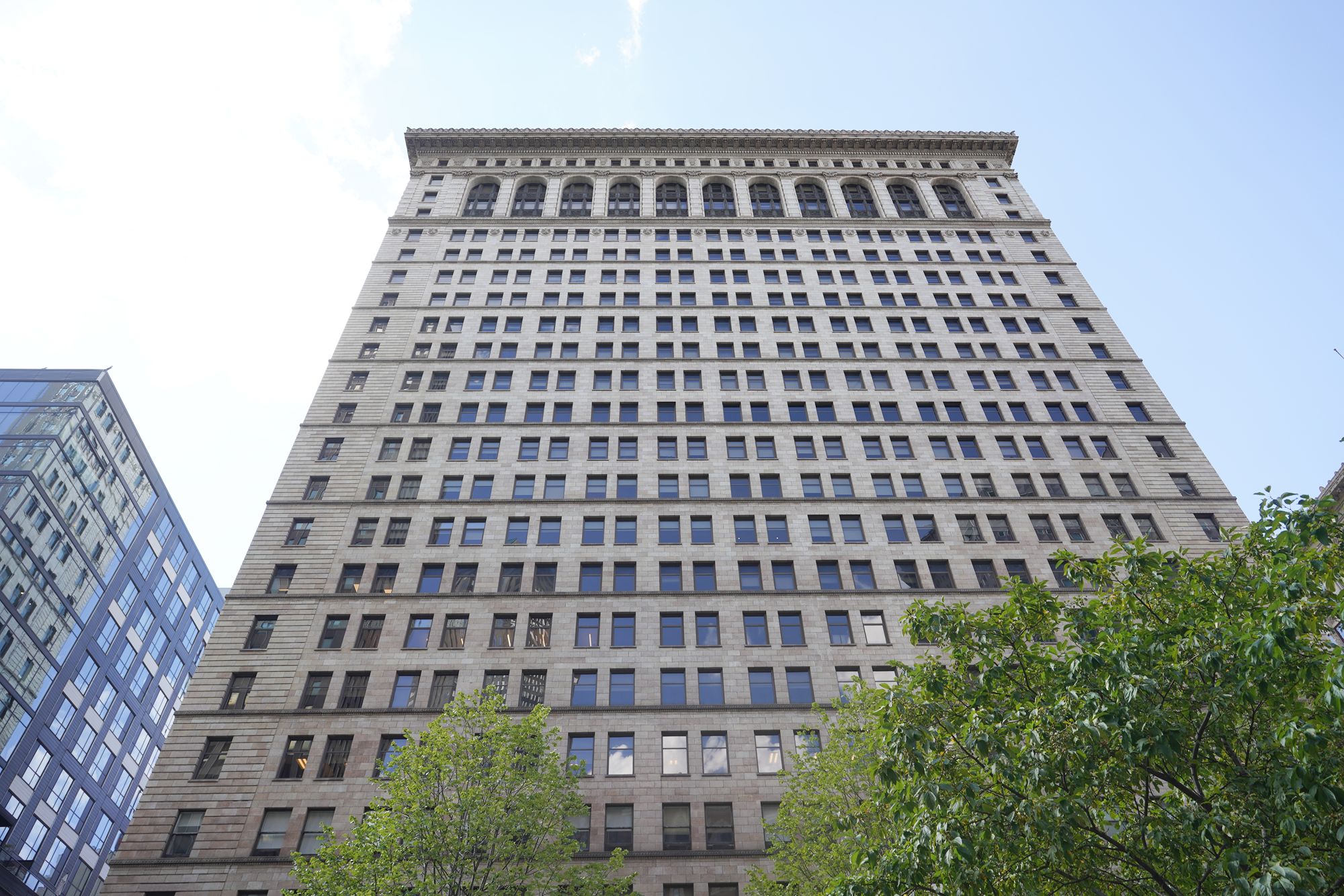
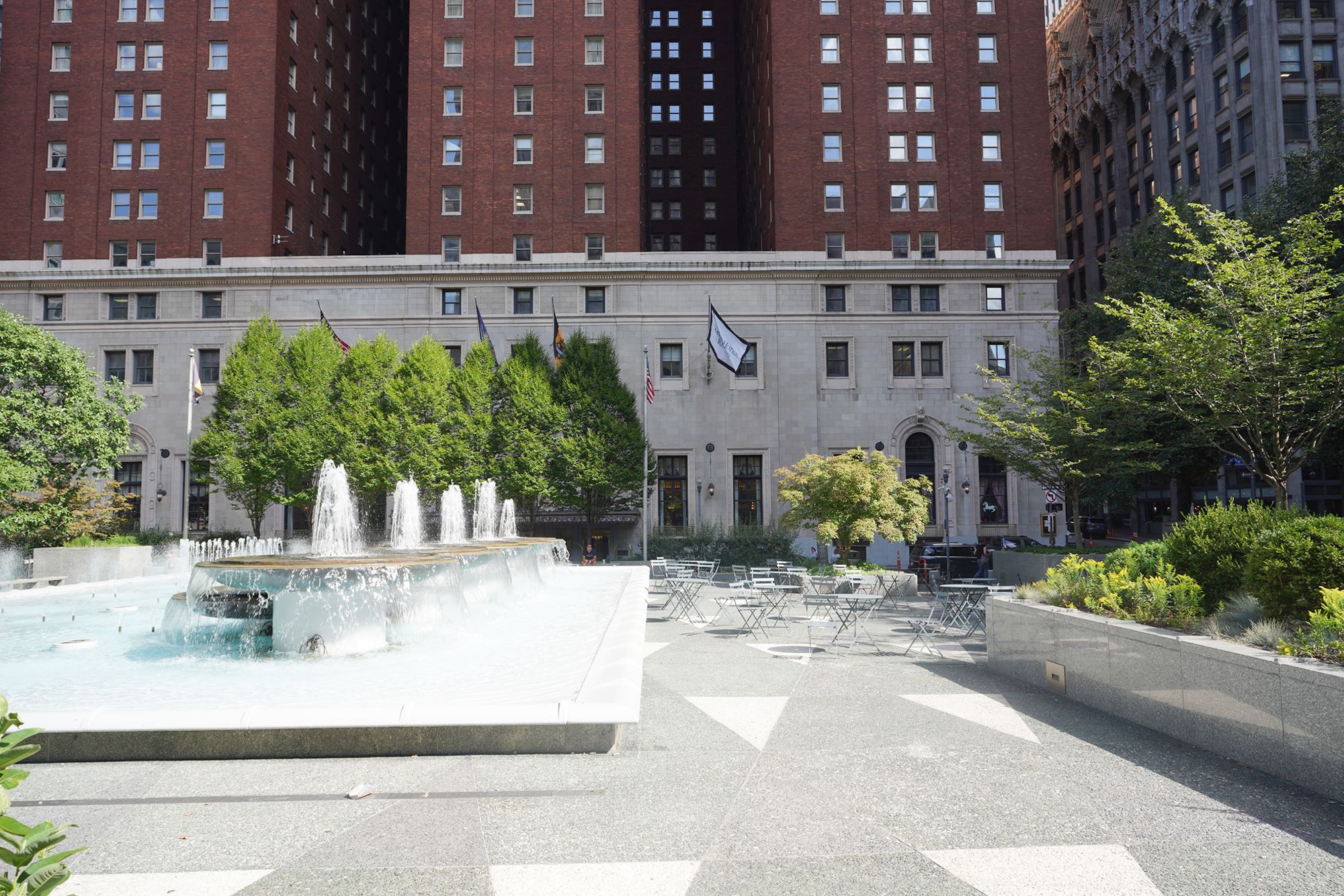
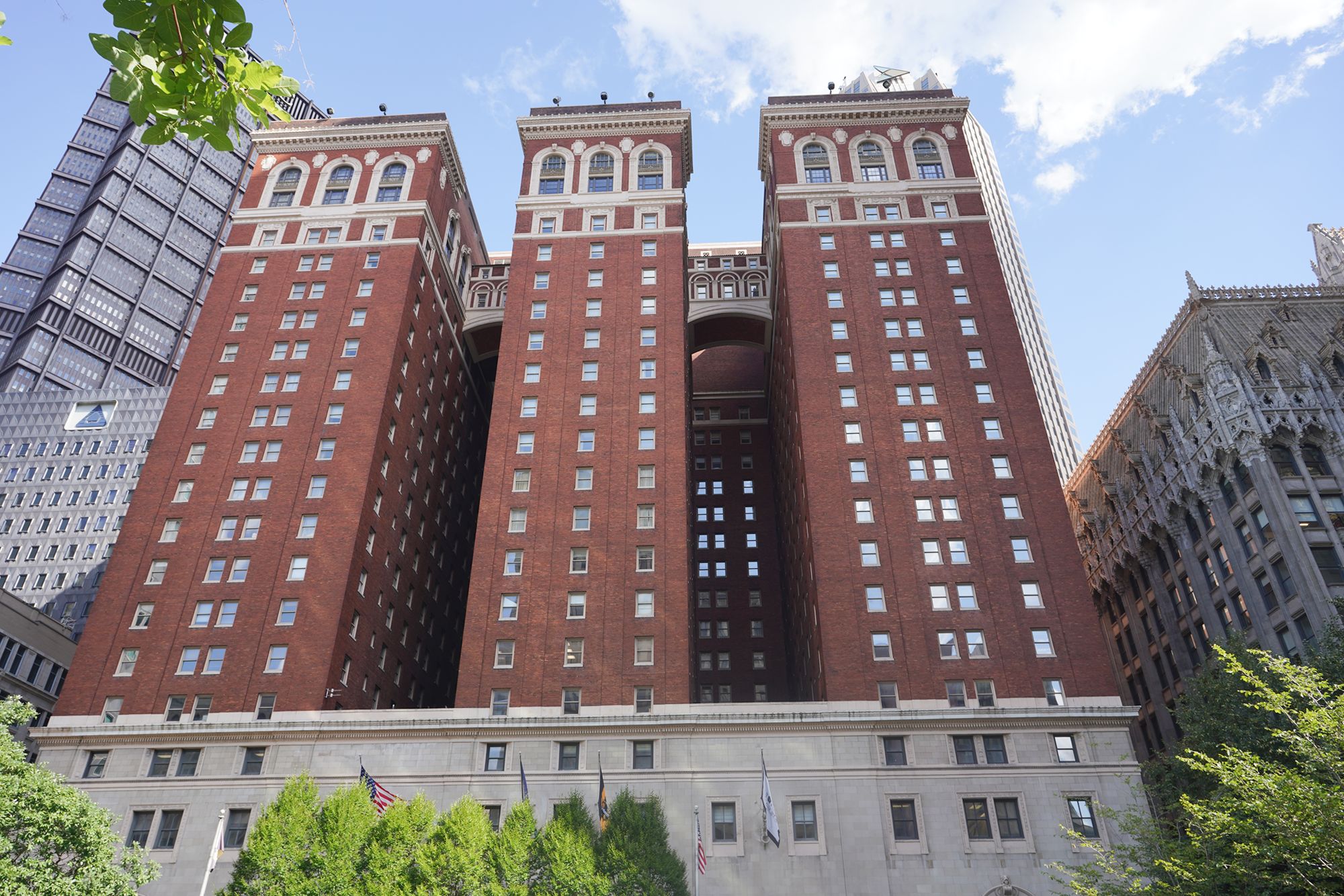
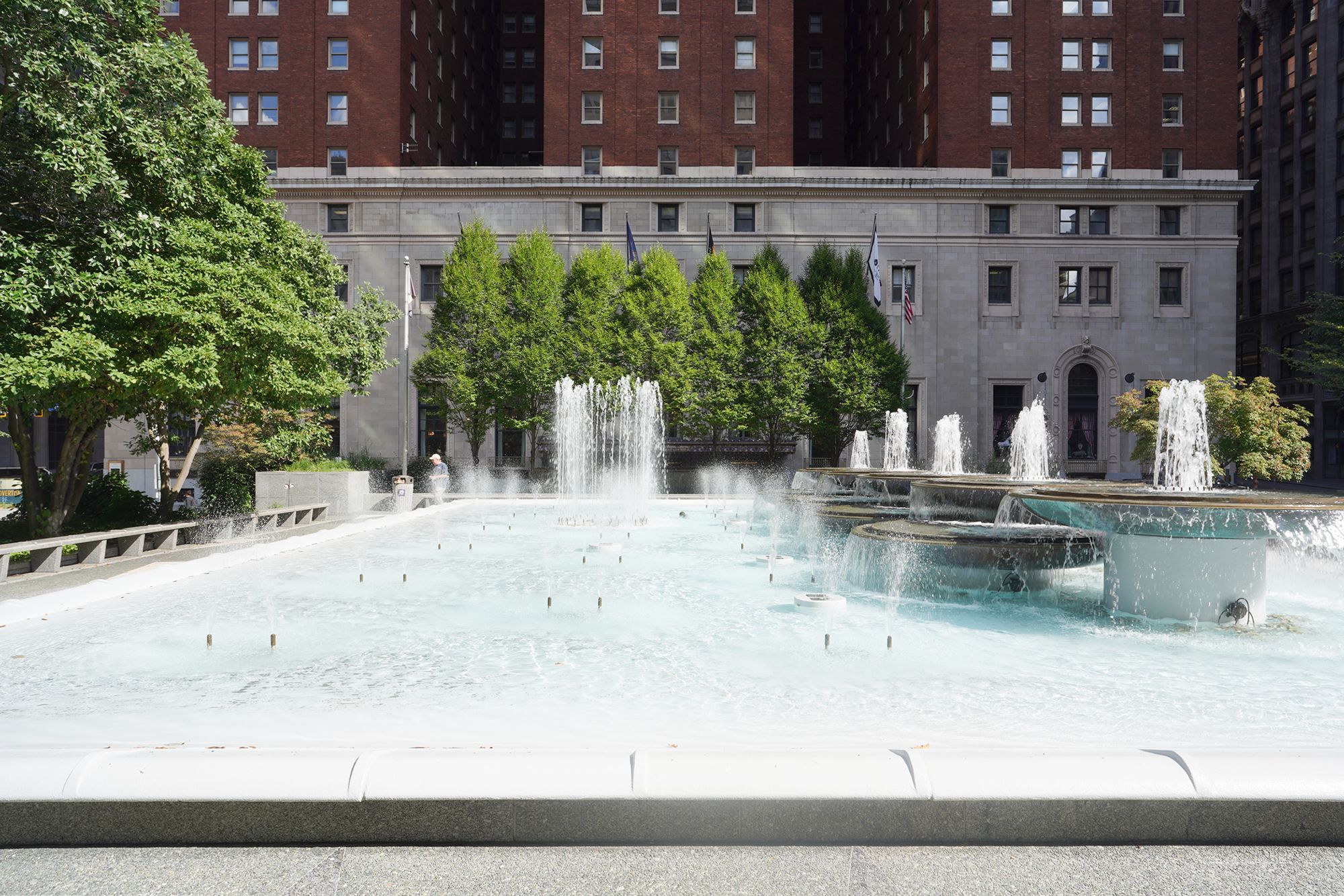
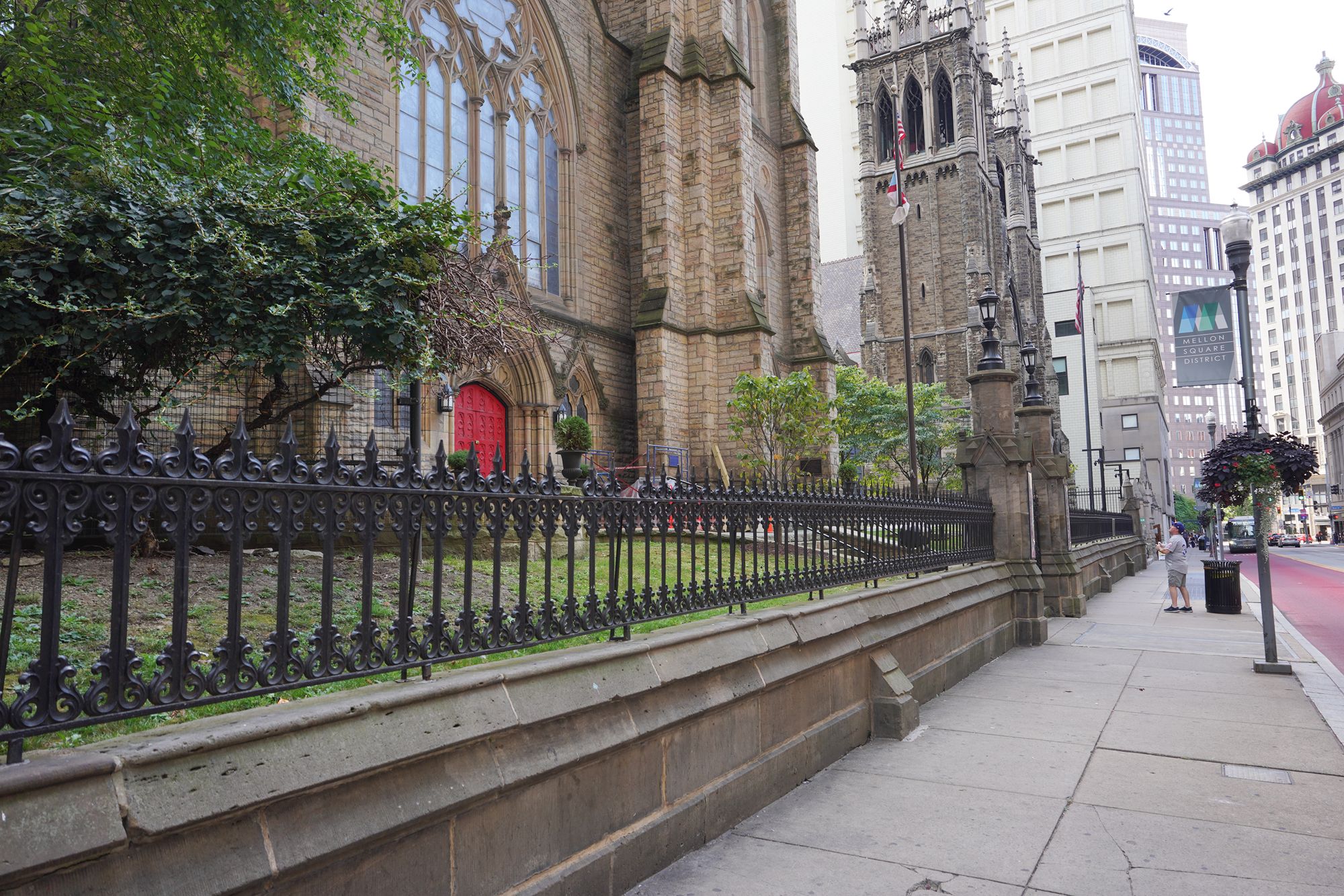
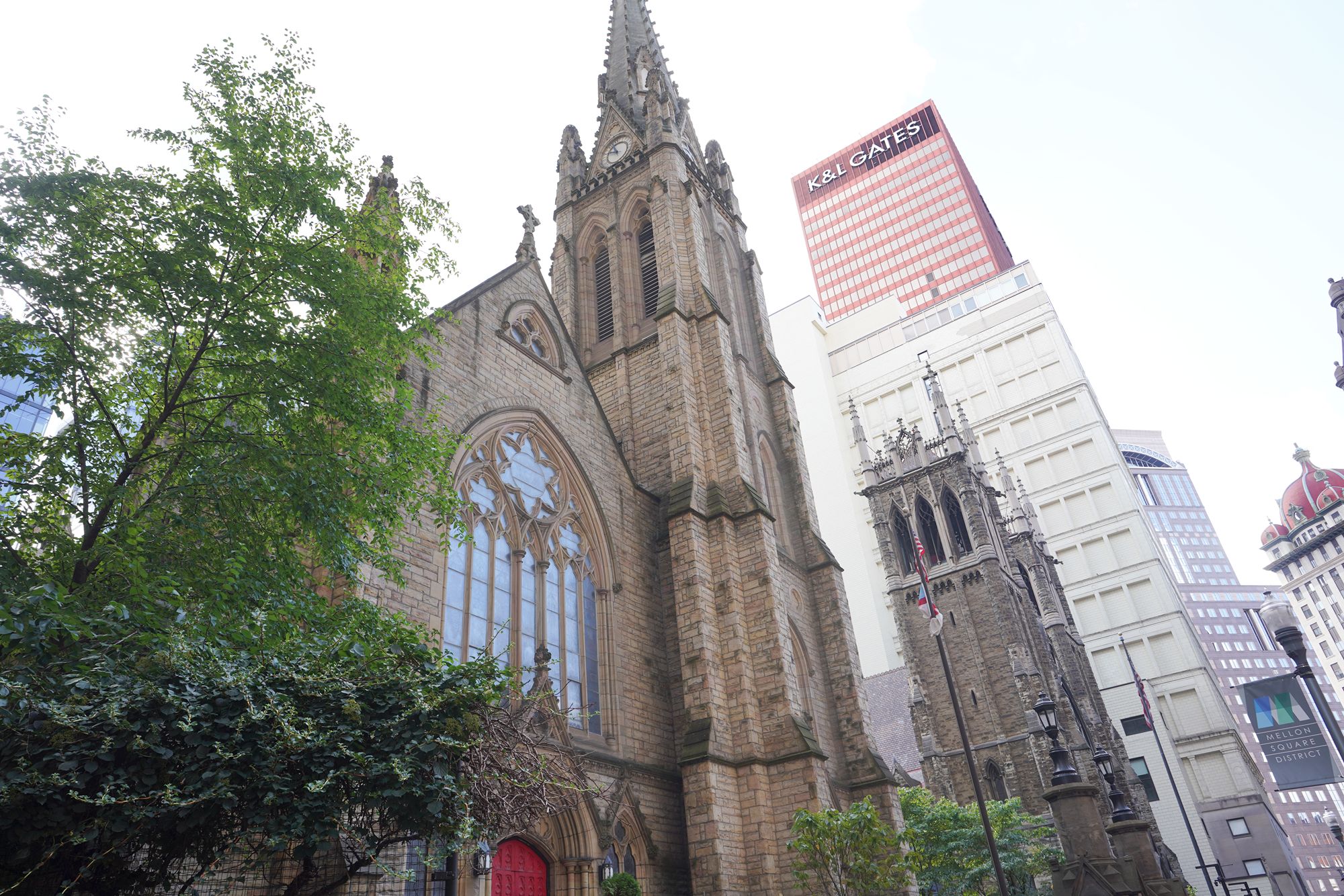
Trinity Episcopal Cathedral is one of downtown Pittsburgh’s most significant historic churches.
Built in the late 19th century, the cathedral features Richardsonian Romanesque architecture, with heavy stone walls, rounded arches, and a calm, dignified interior. It stands as a spiritual and architectural anchor amid the modern city.
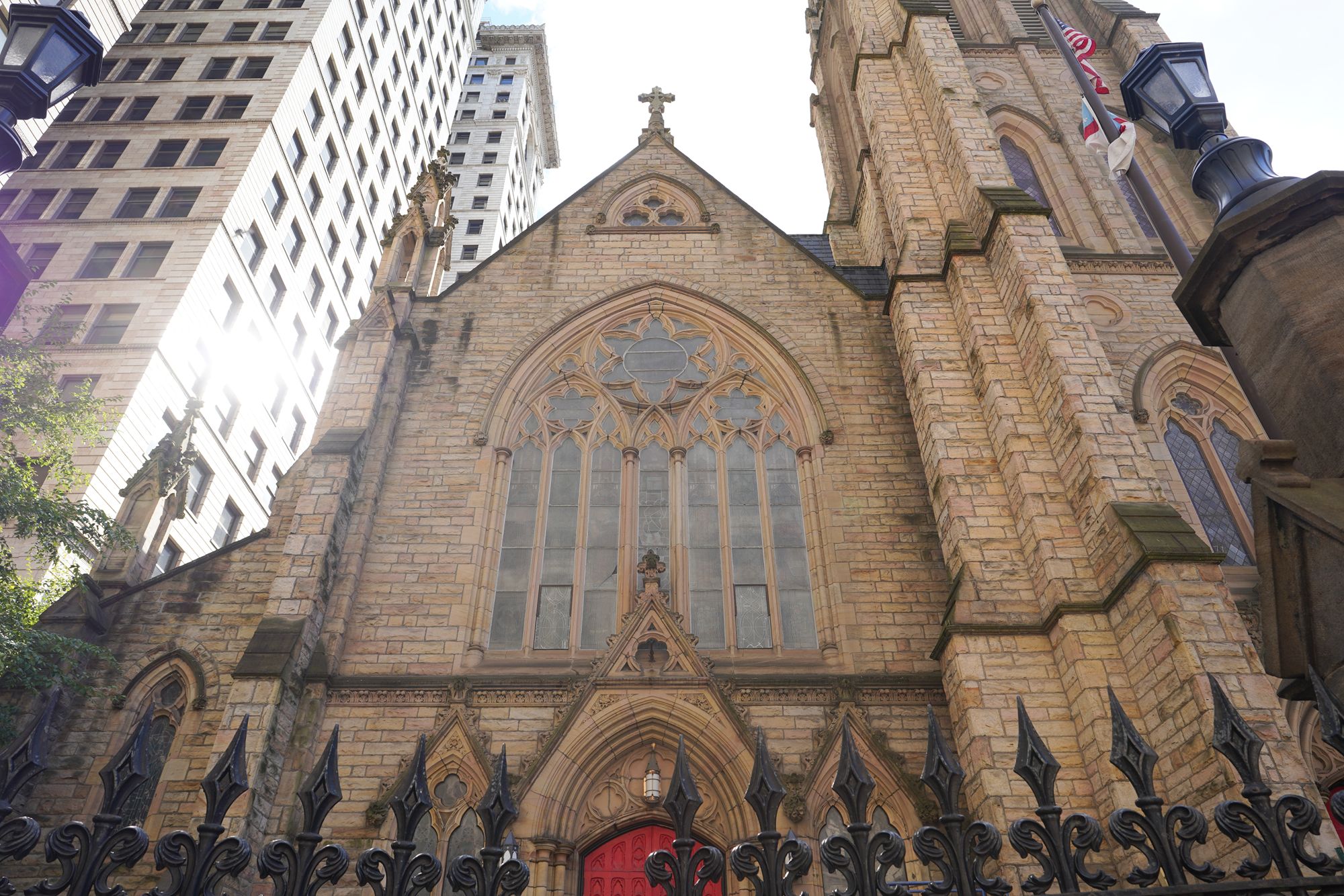
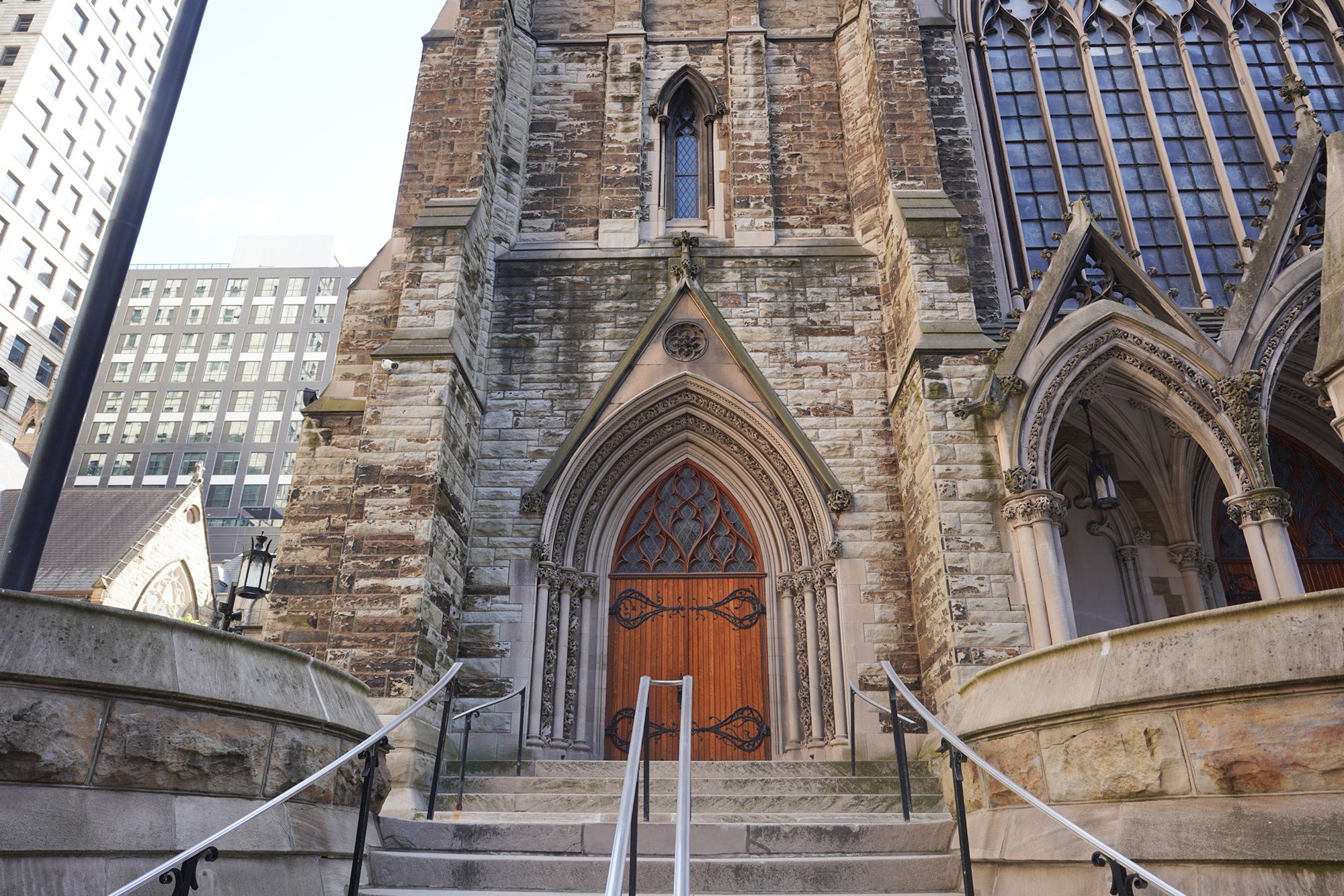
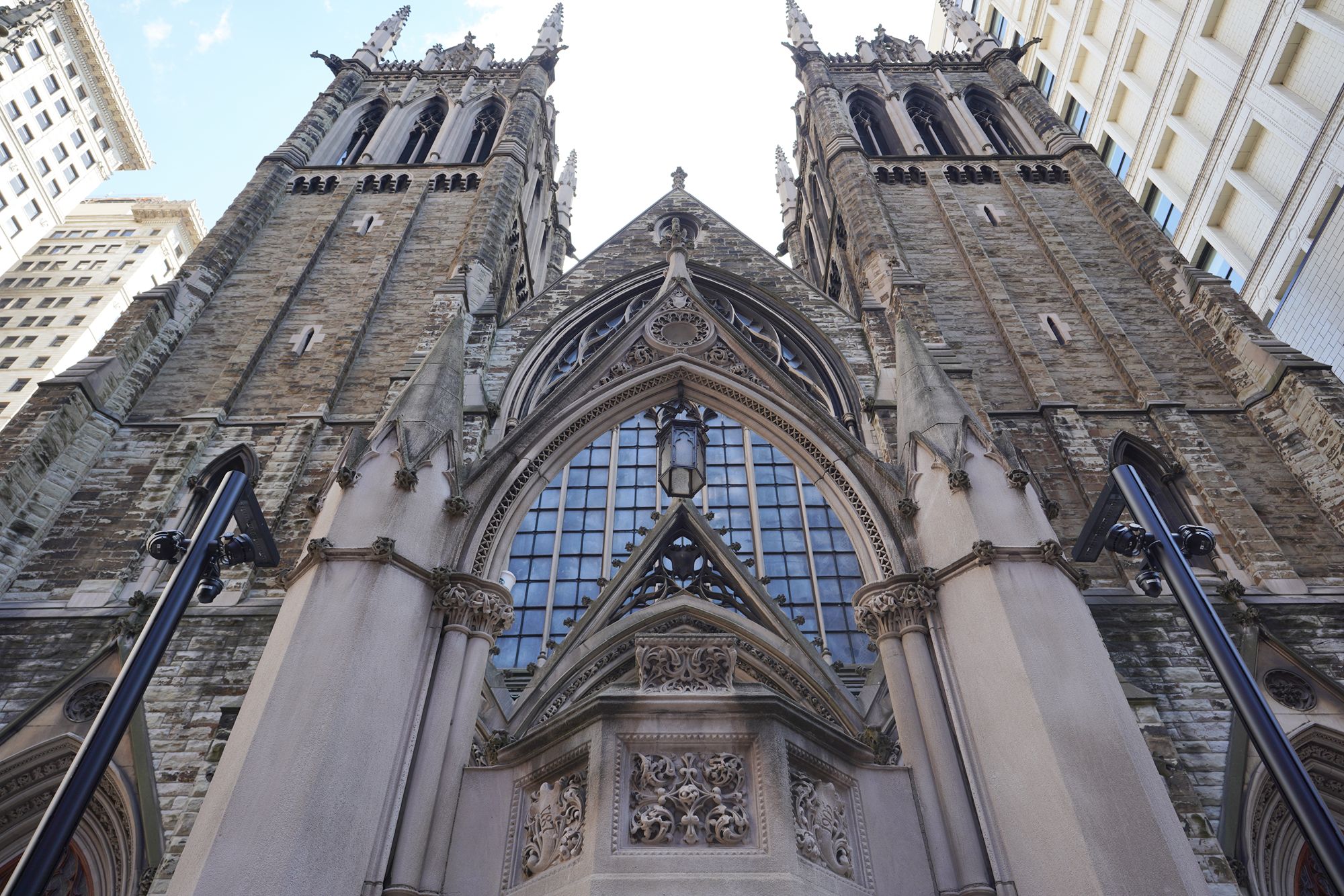
First Presbyterian Church of Pittsburgh is a historic landmark in the city’s downtown.
Founded in the late 18th century, the church reflects Pittsburgh’s early civic and religious life. Its stone architecture and prominent location contrast with surrounding modern buildings, offering a quiet reminder of the city’s deep historical roots amid the urban landscape.
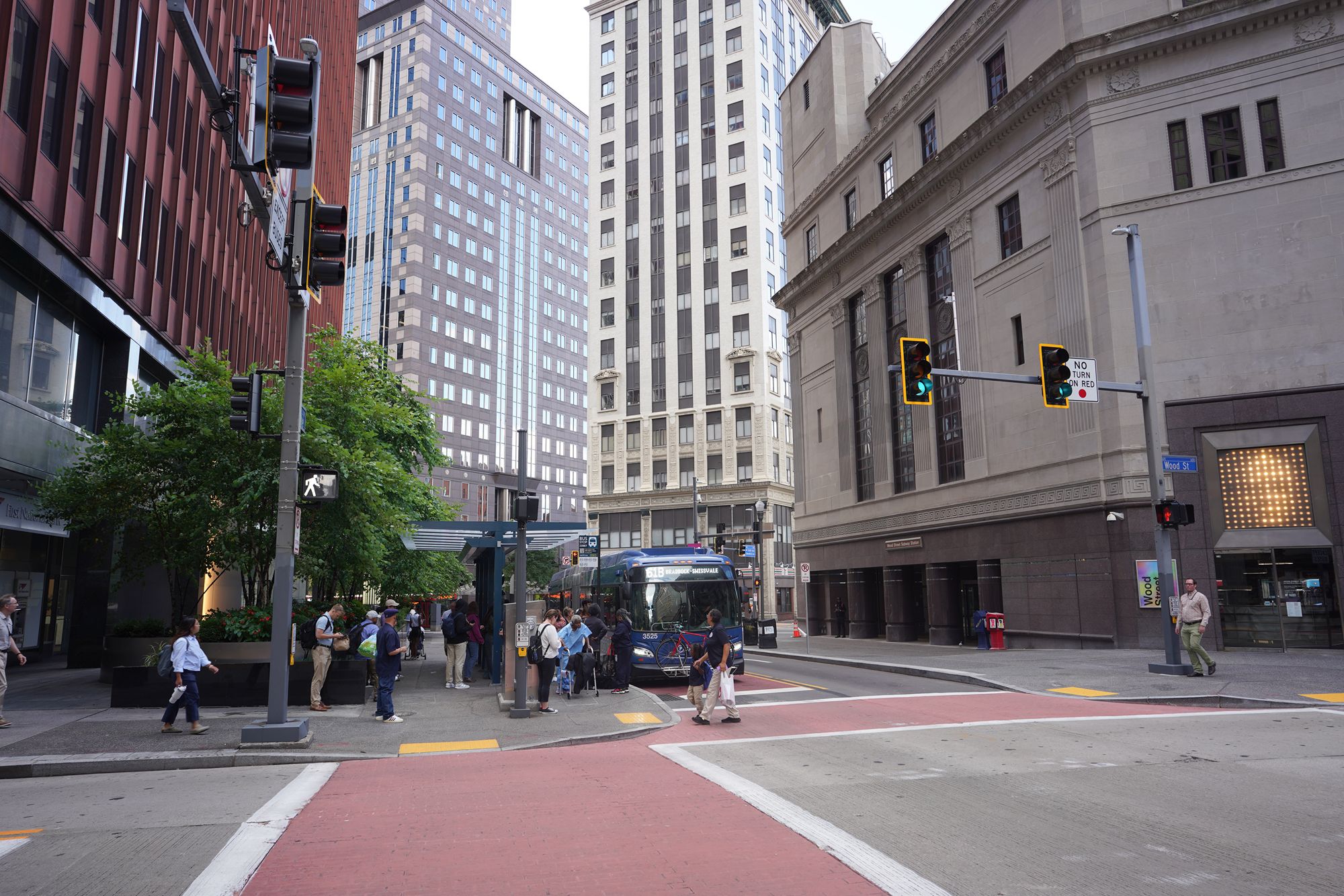
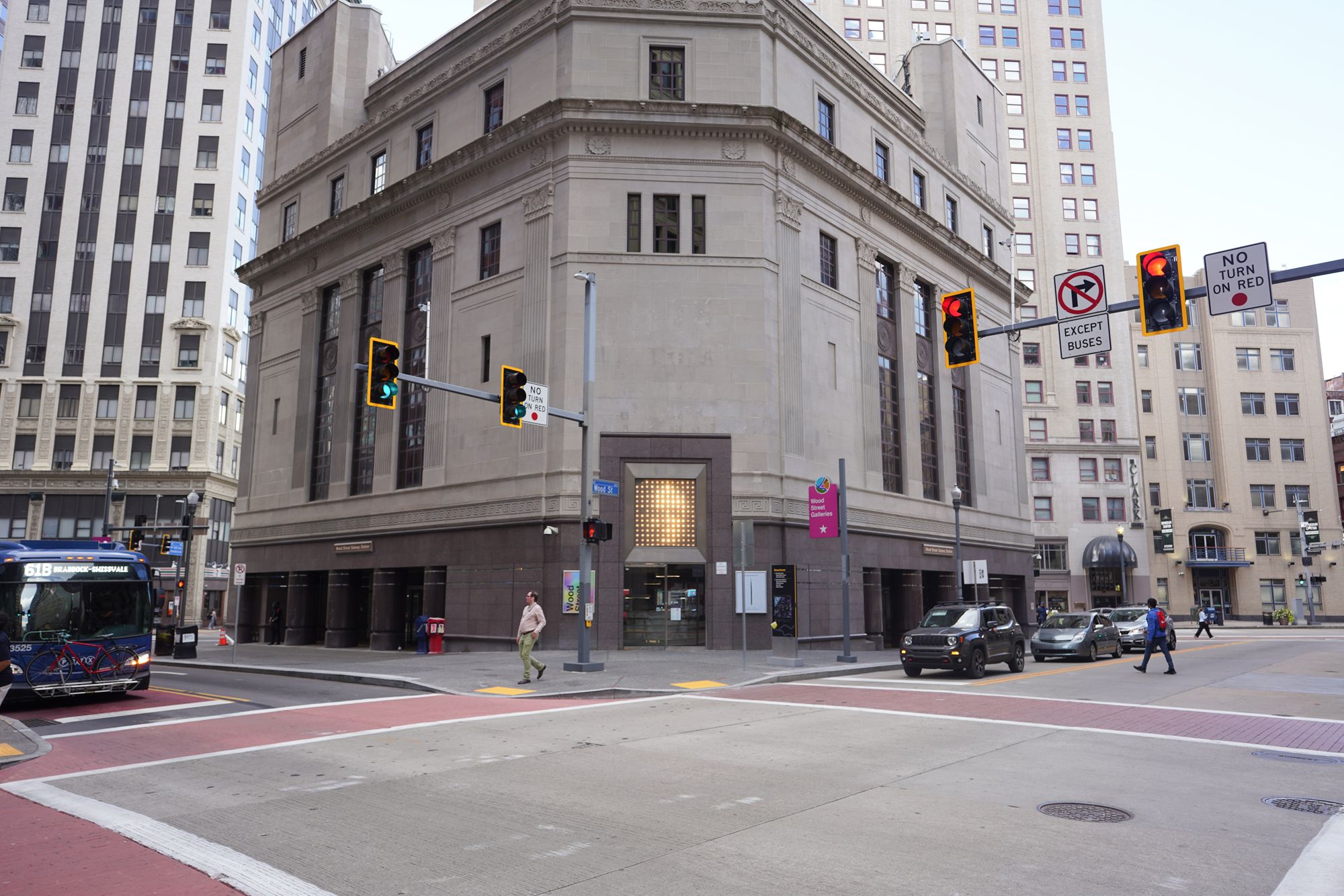
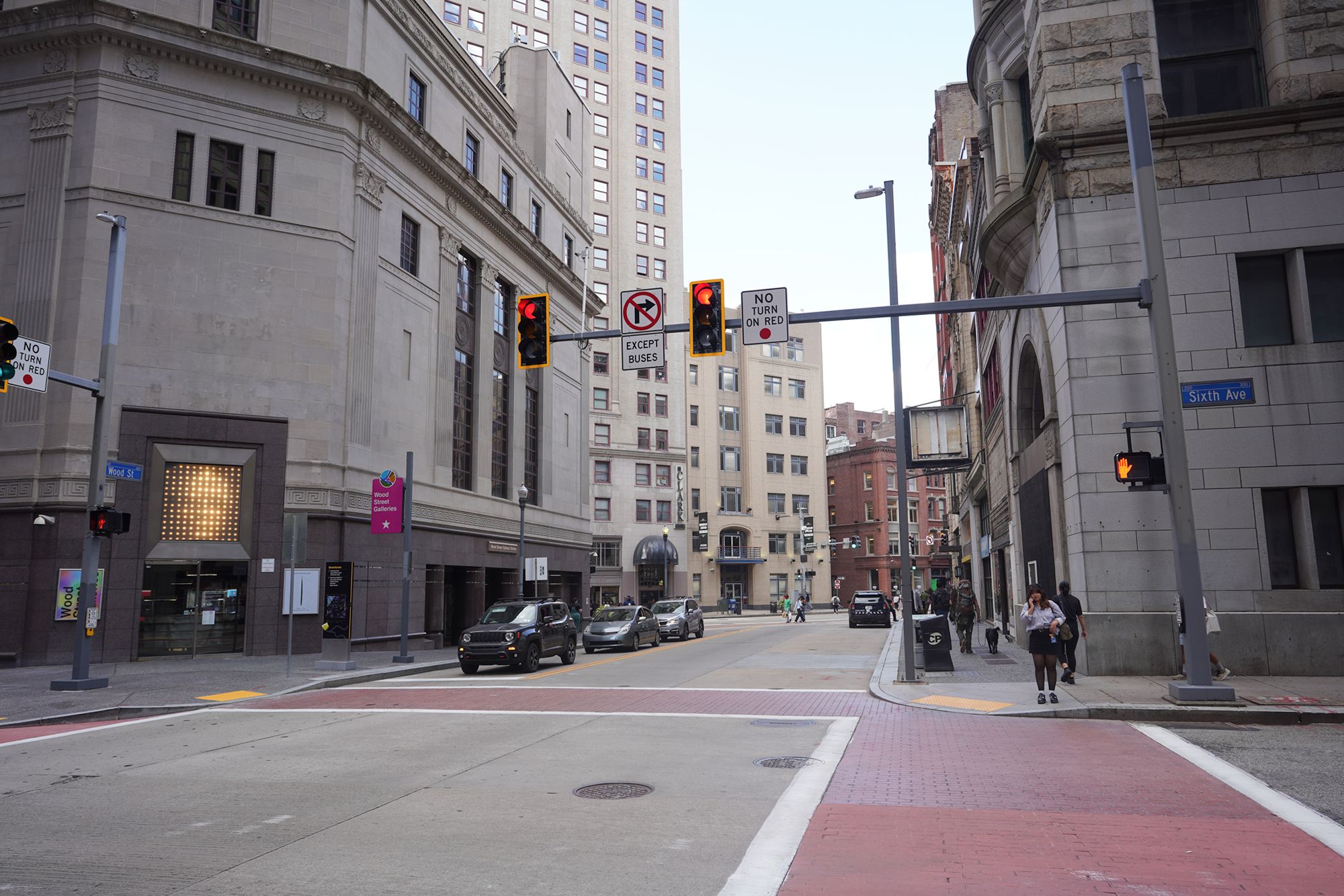
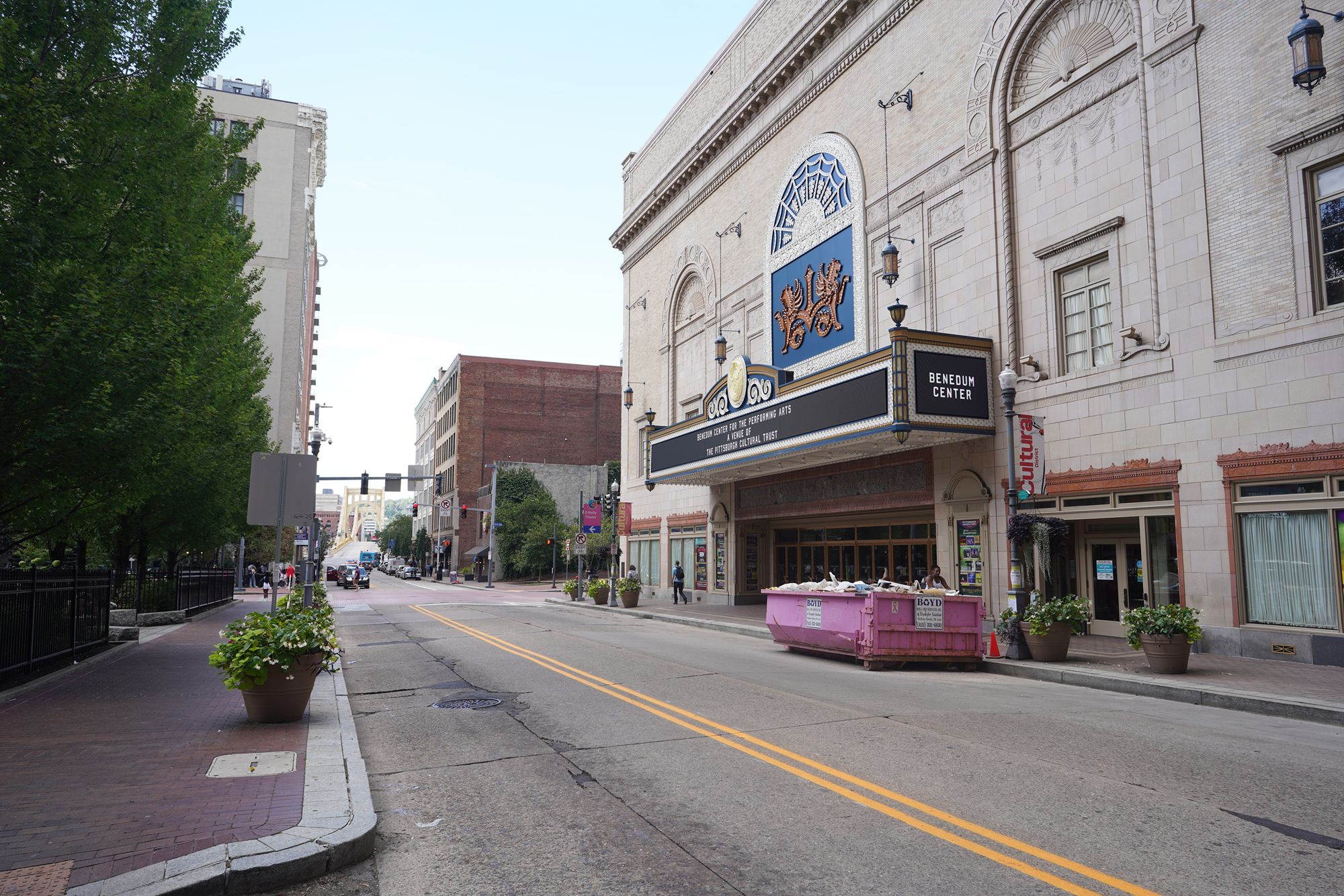
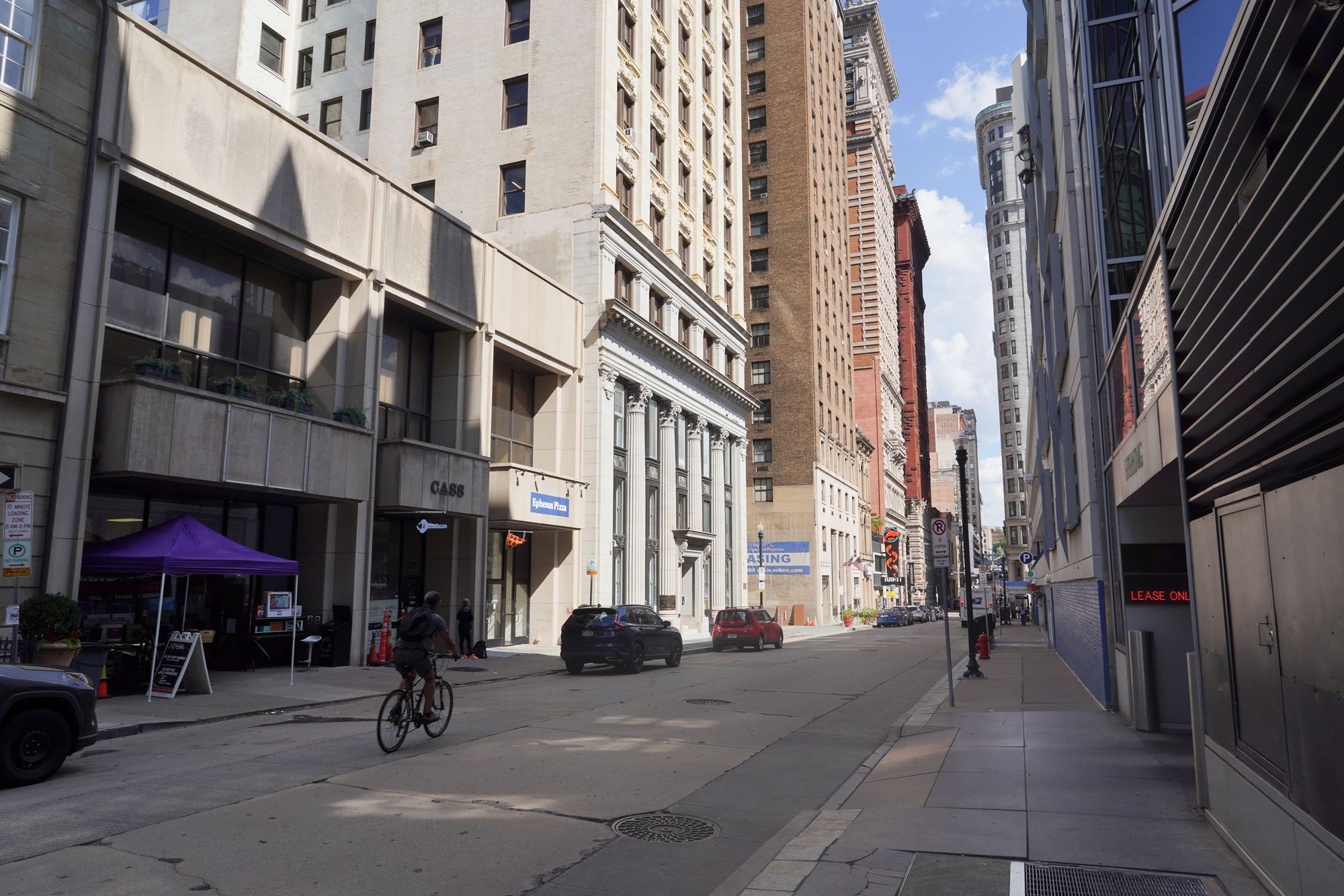
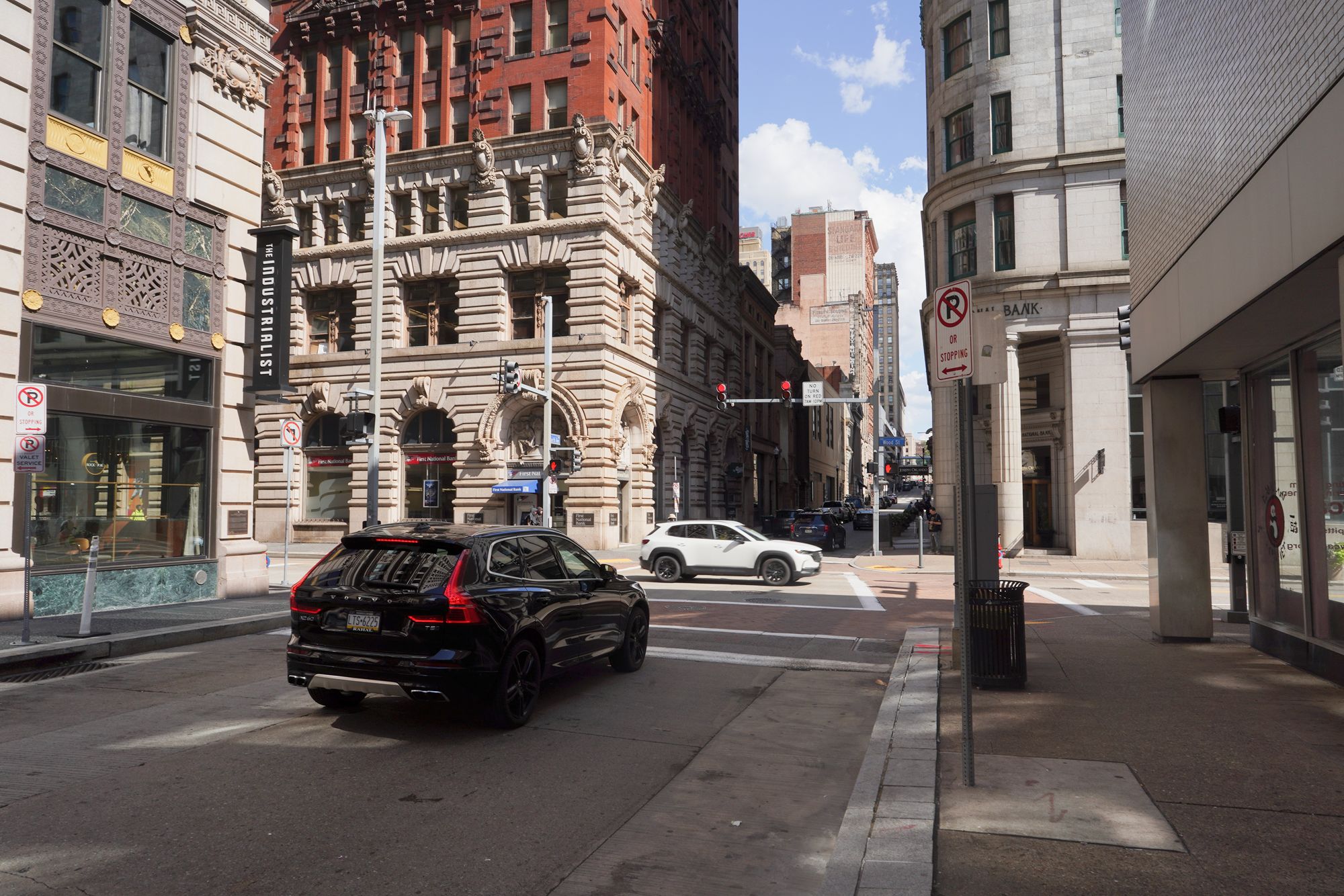
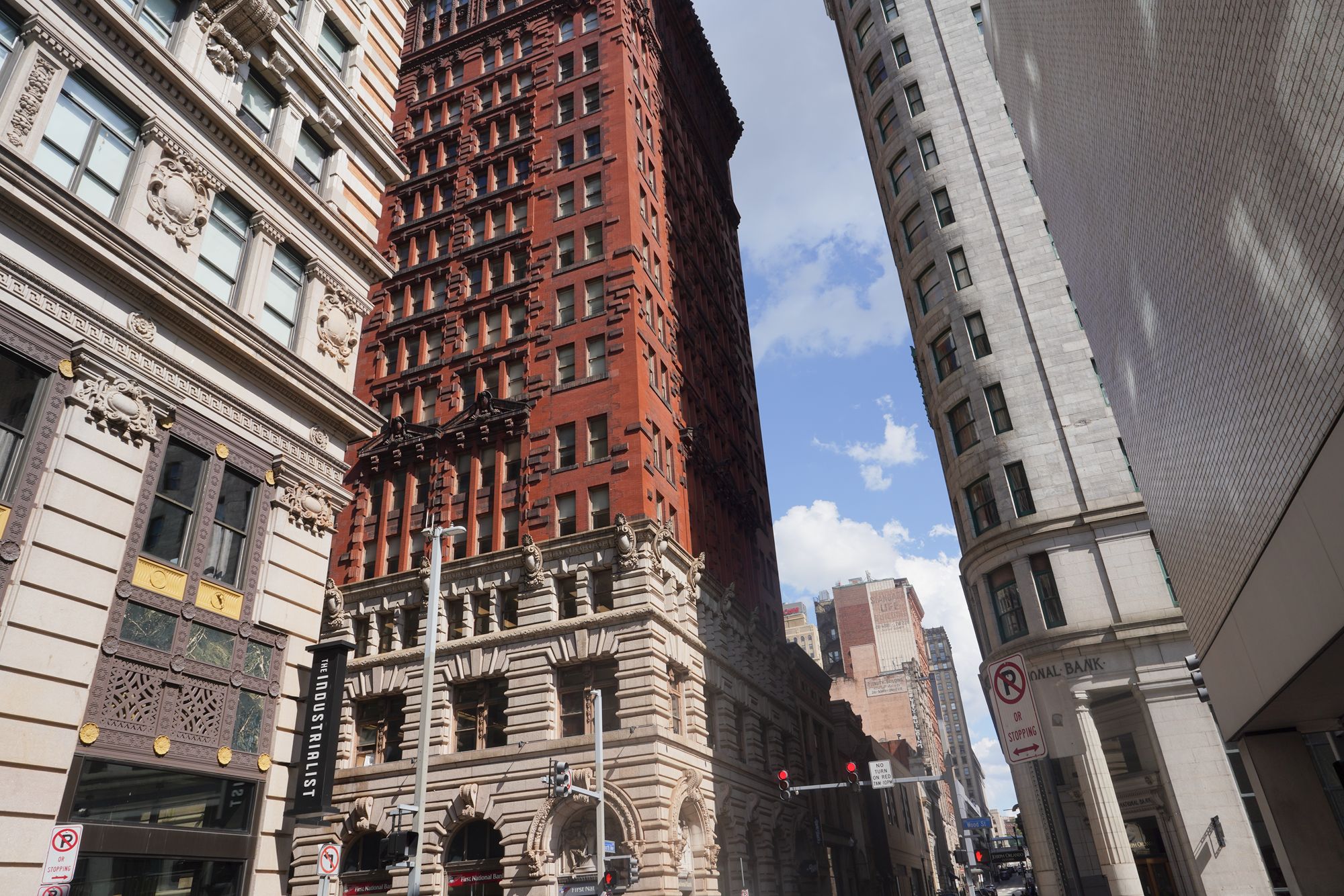
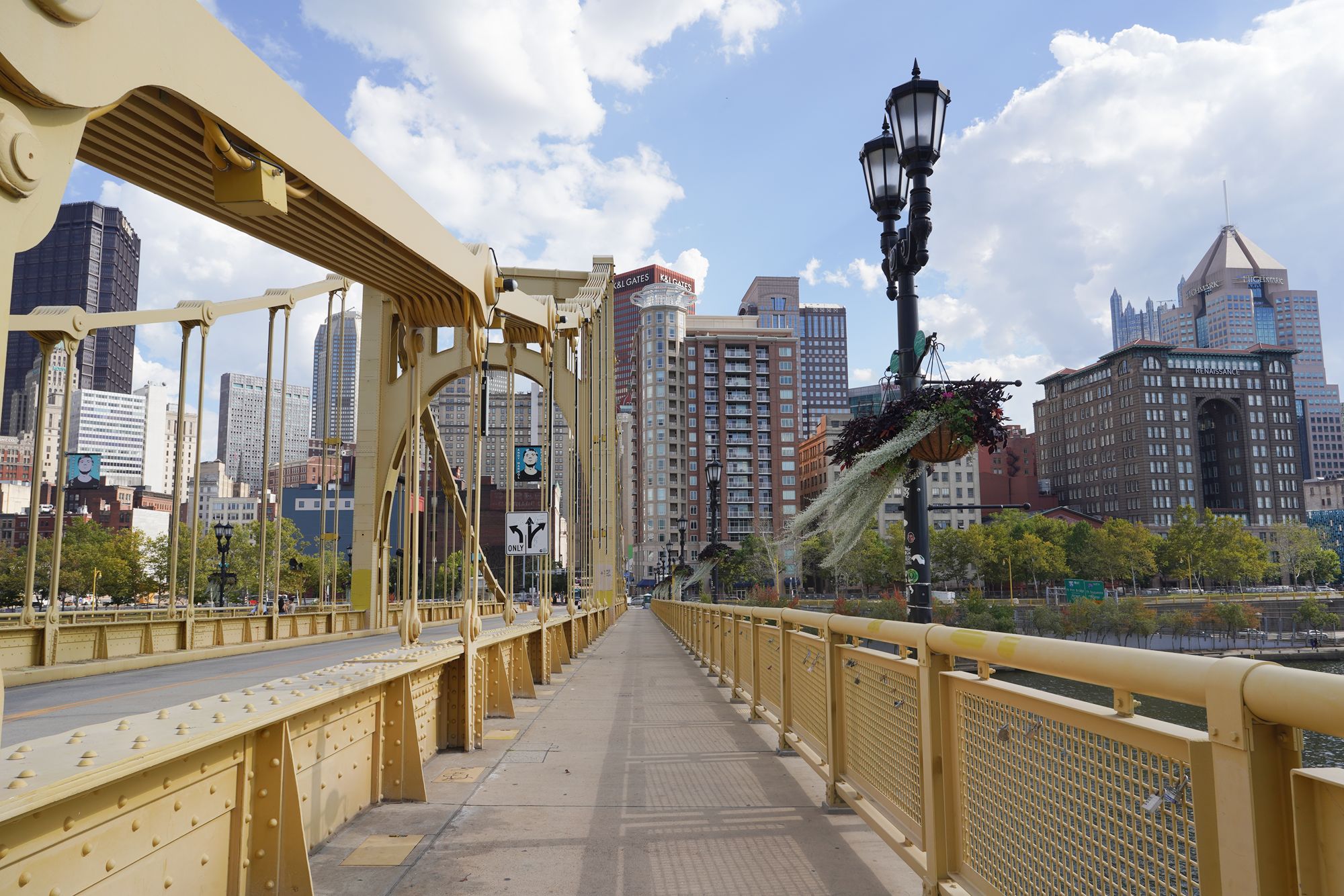
I walked around downtown and returned to the bridge.
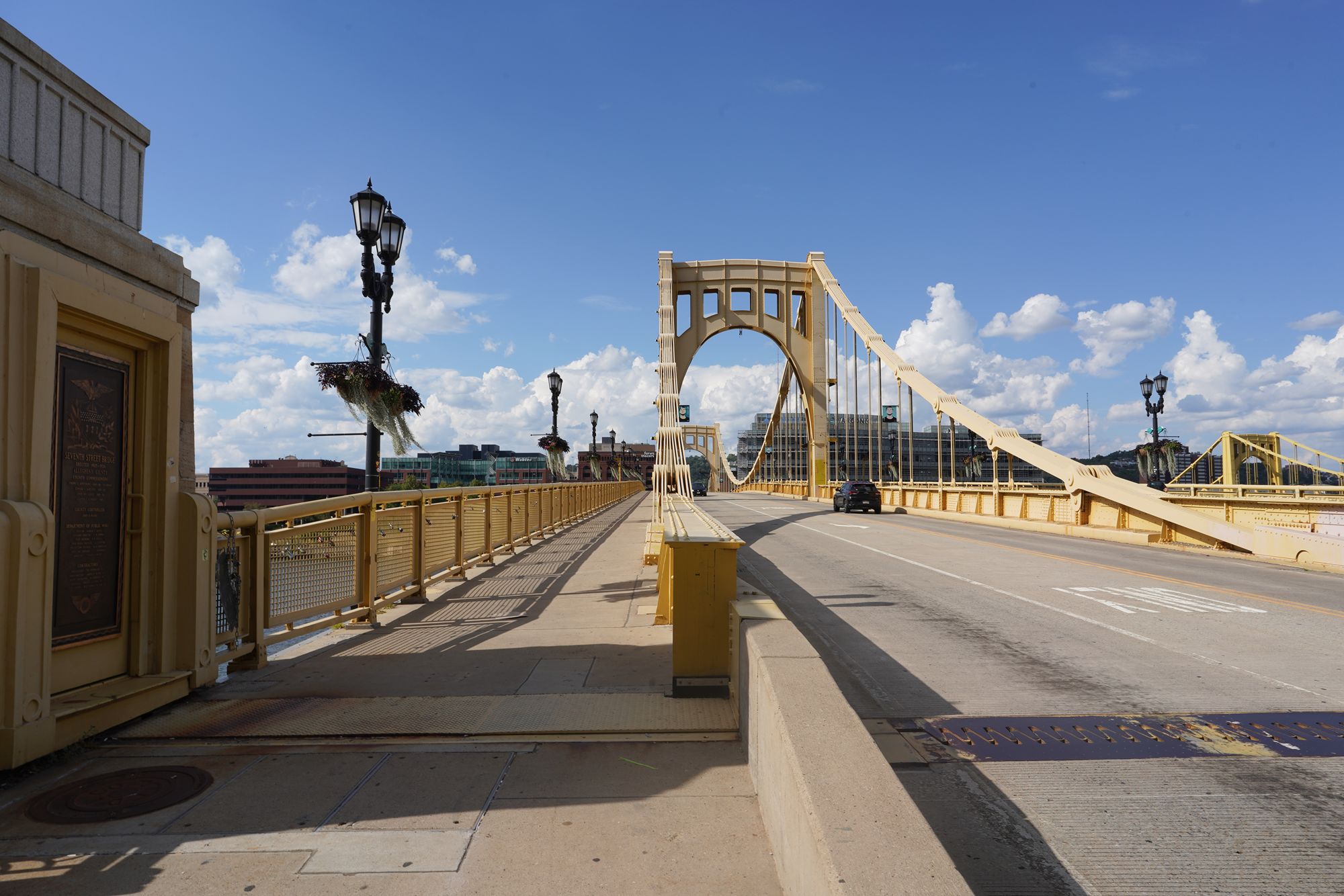
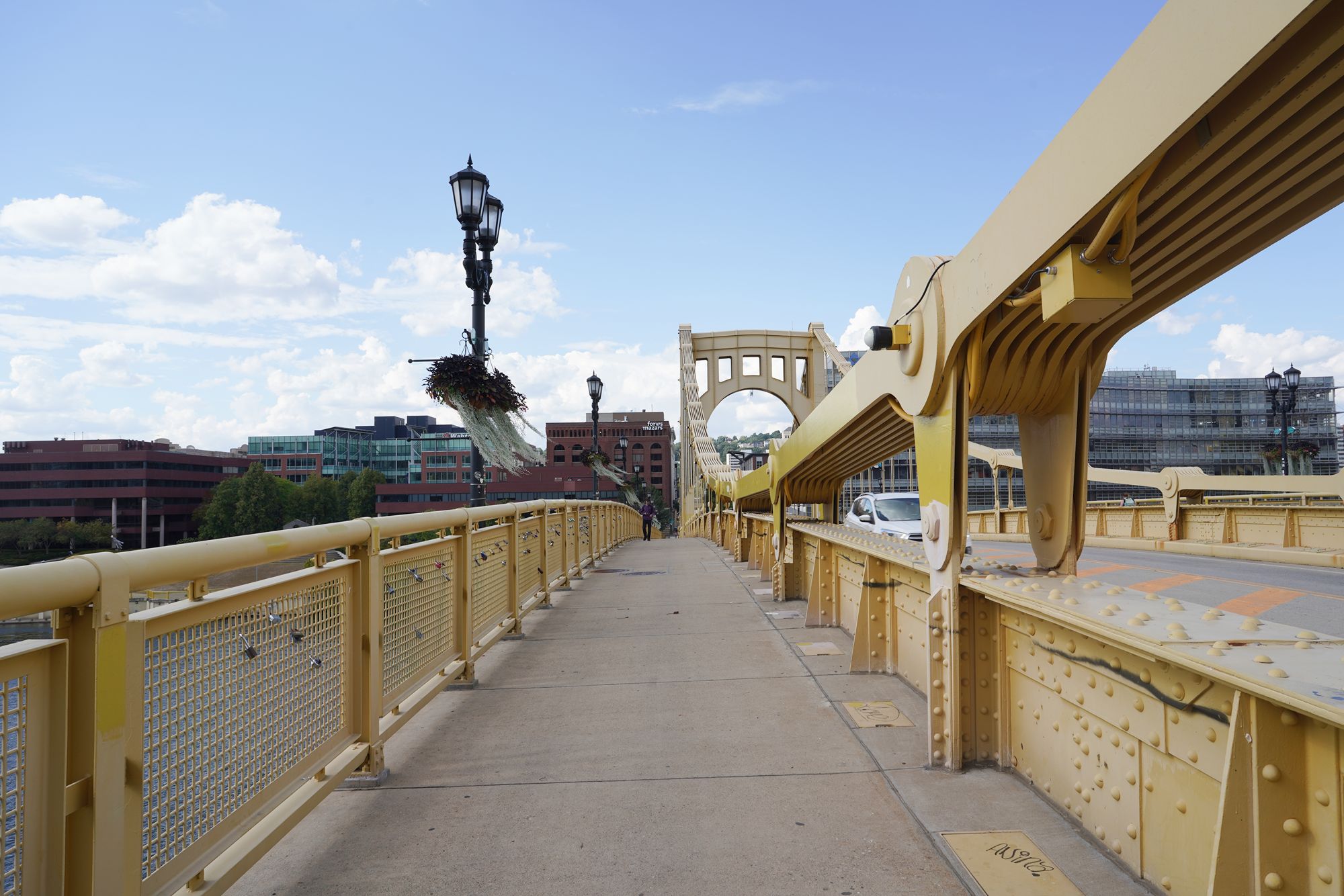
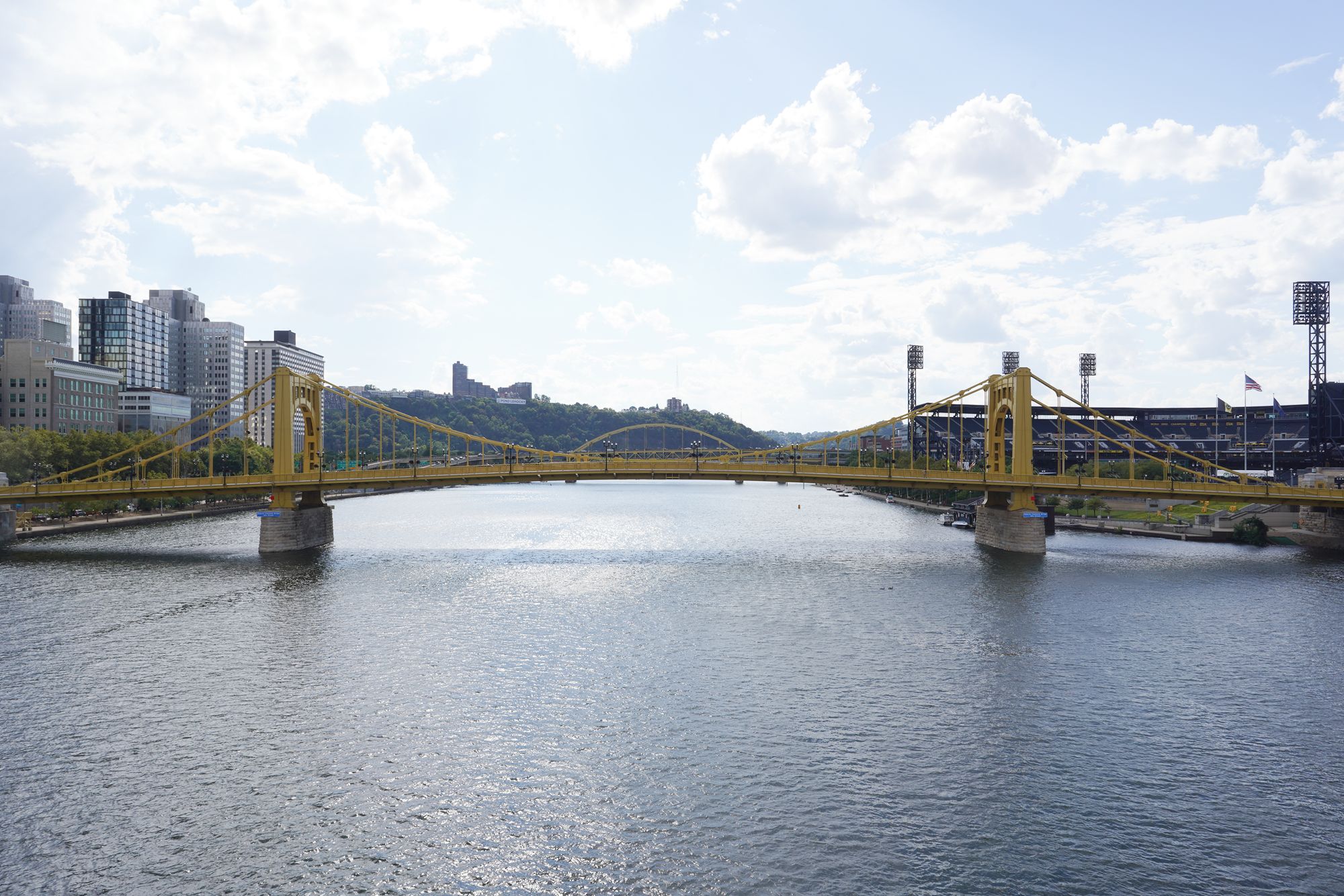
My back side
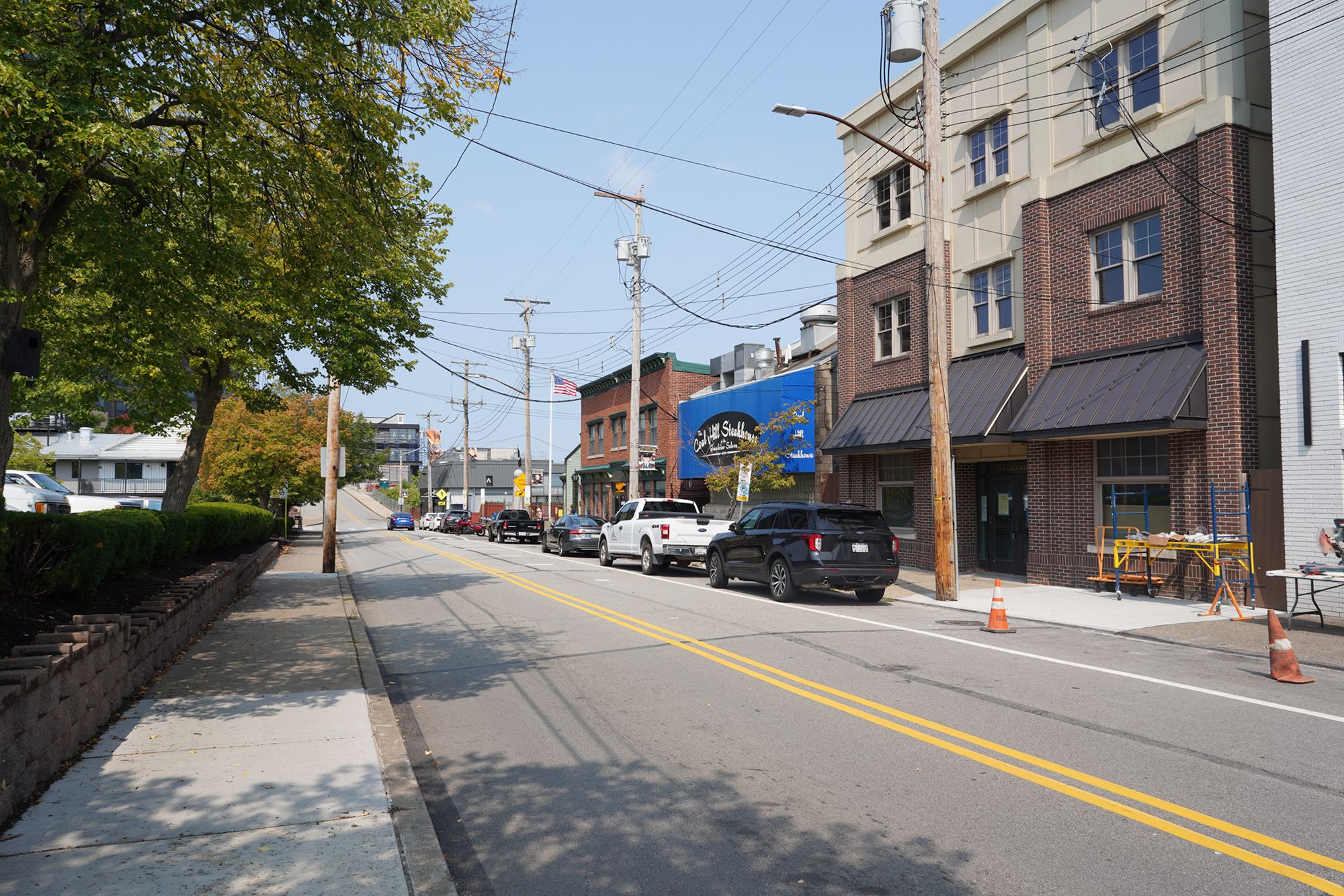
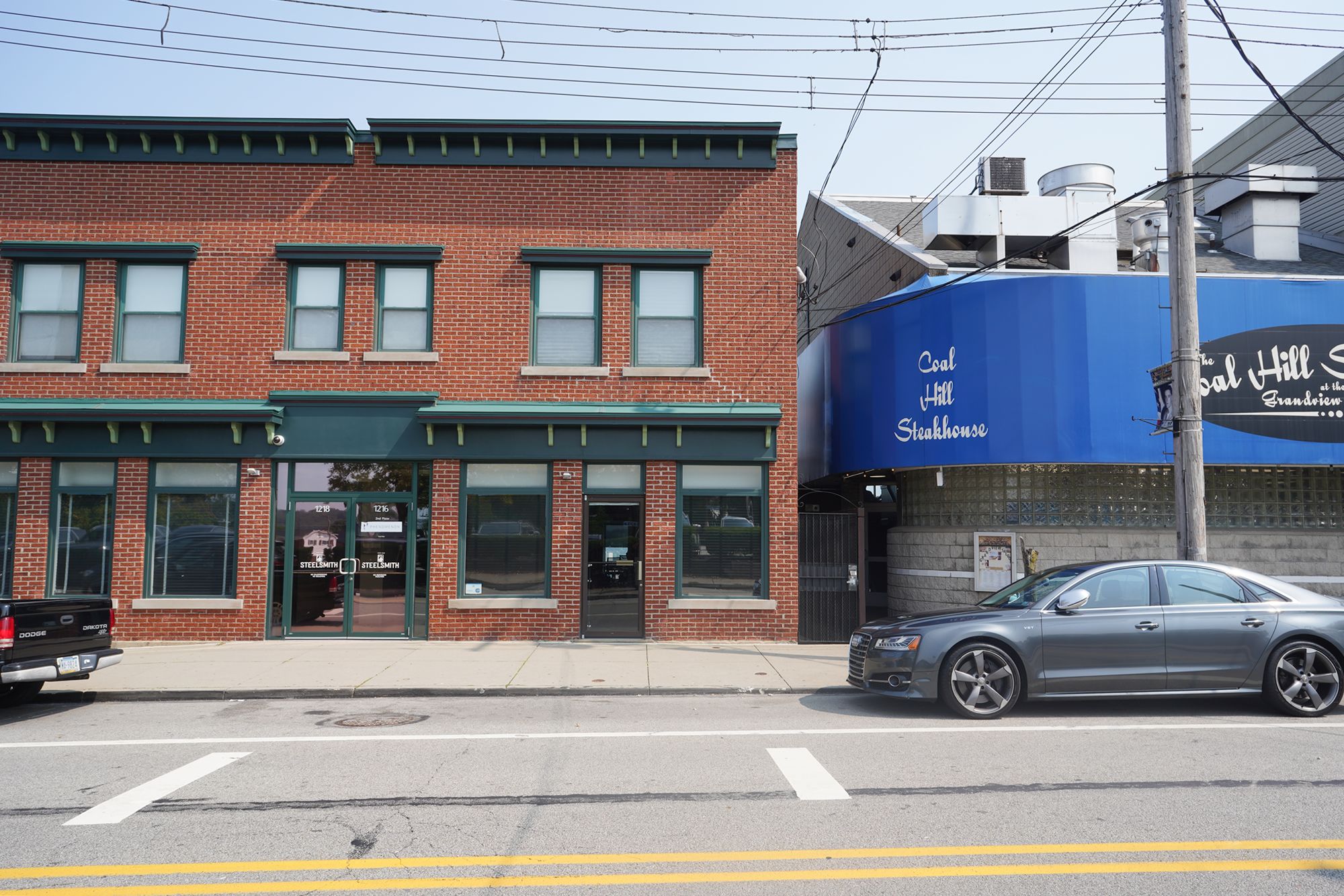
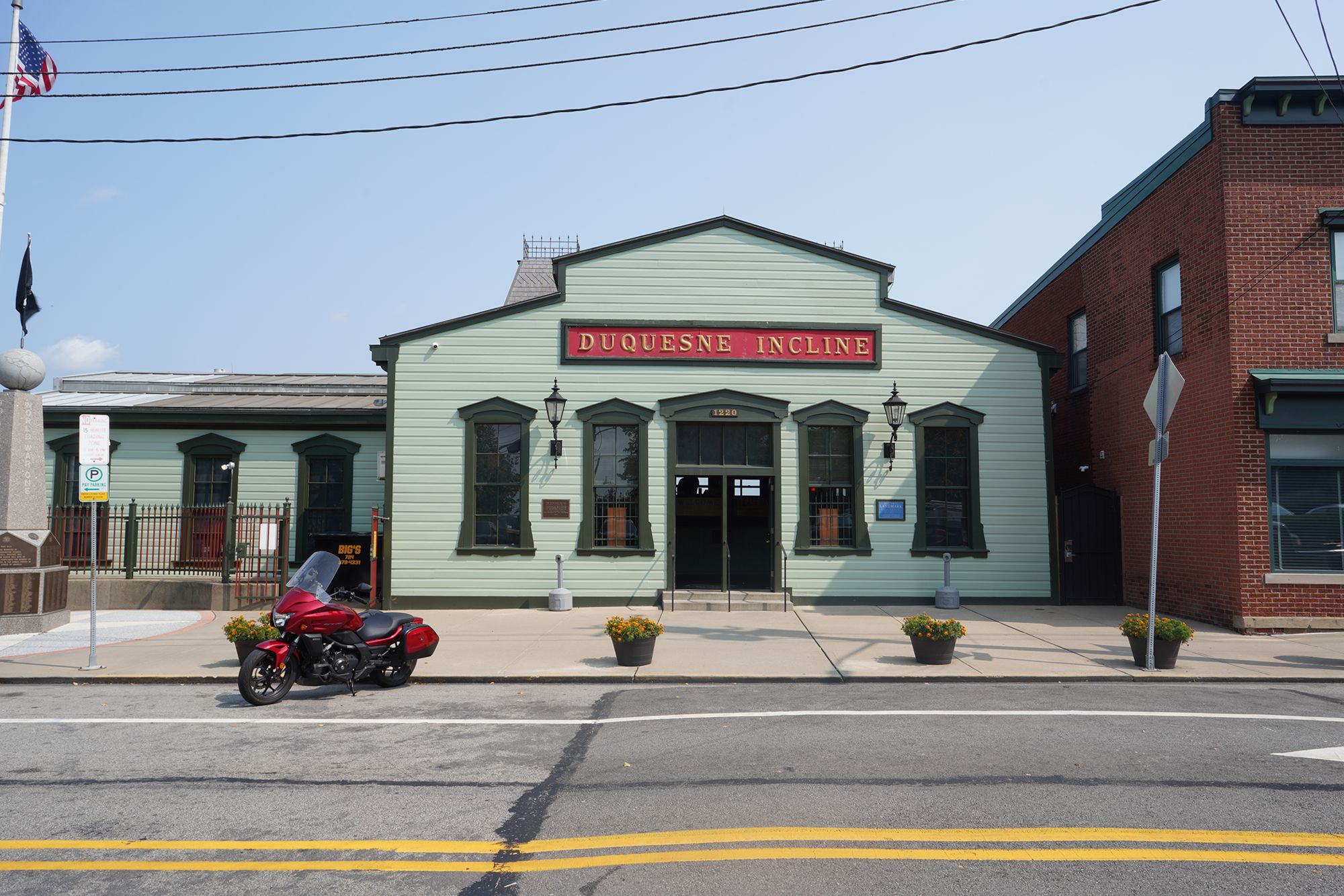
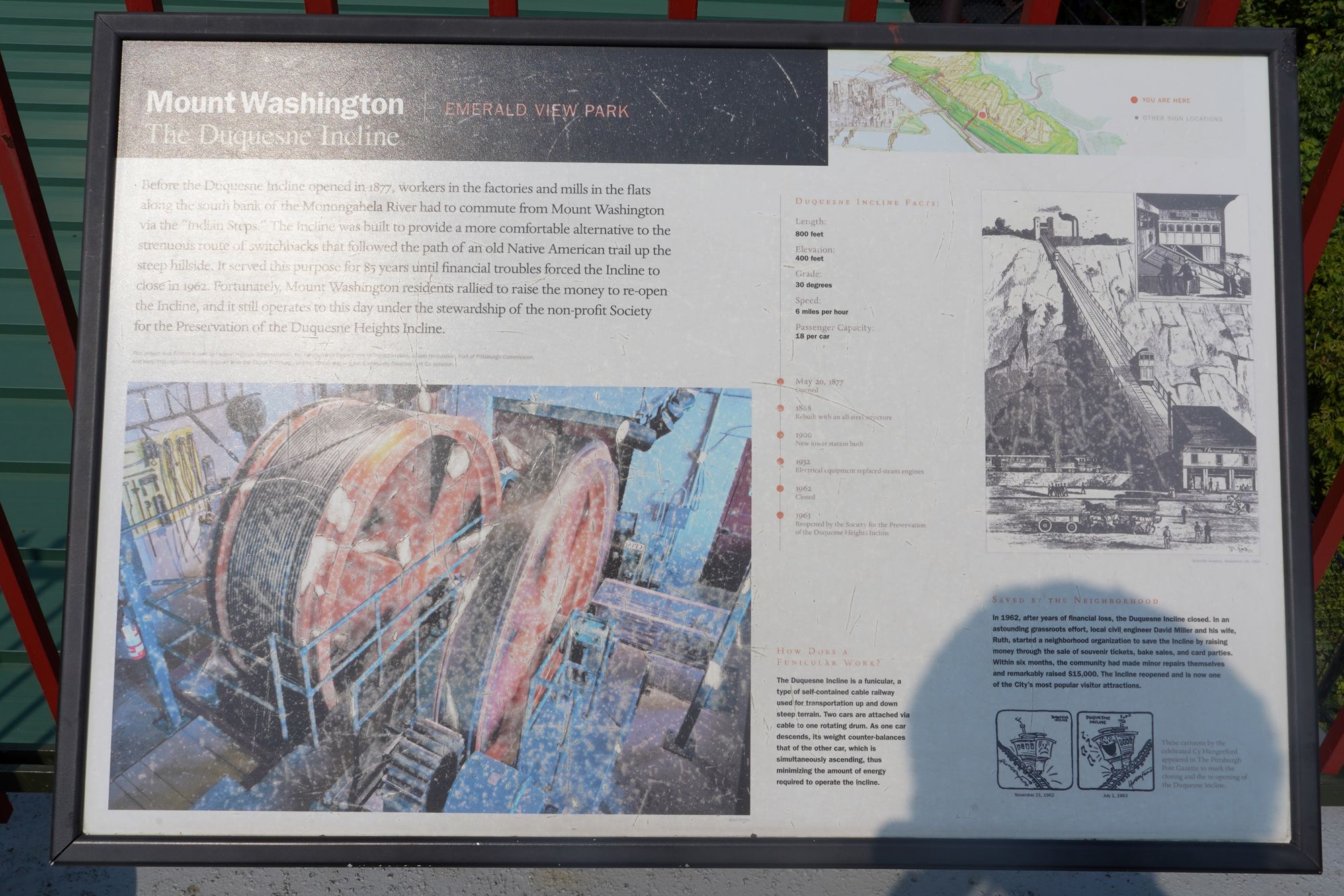
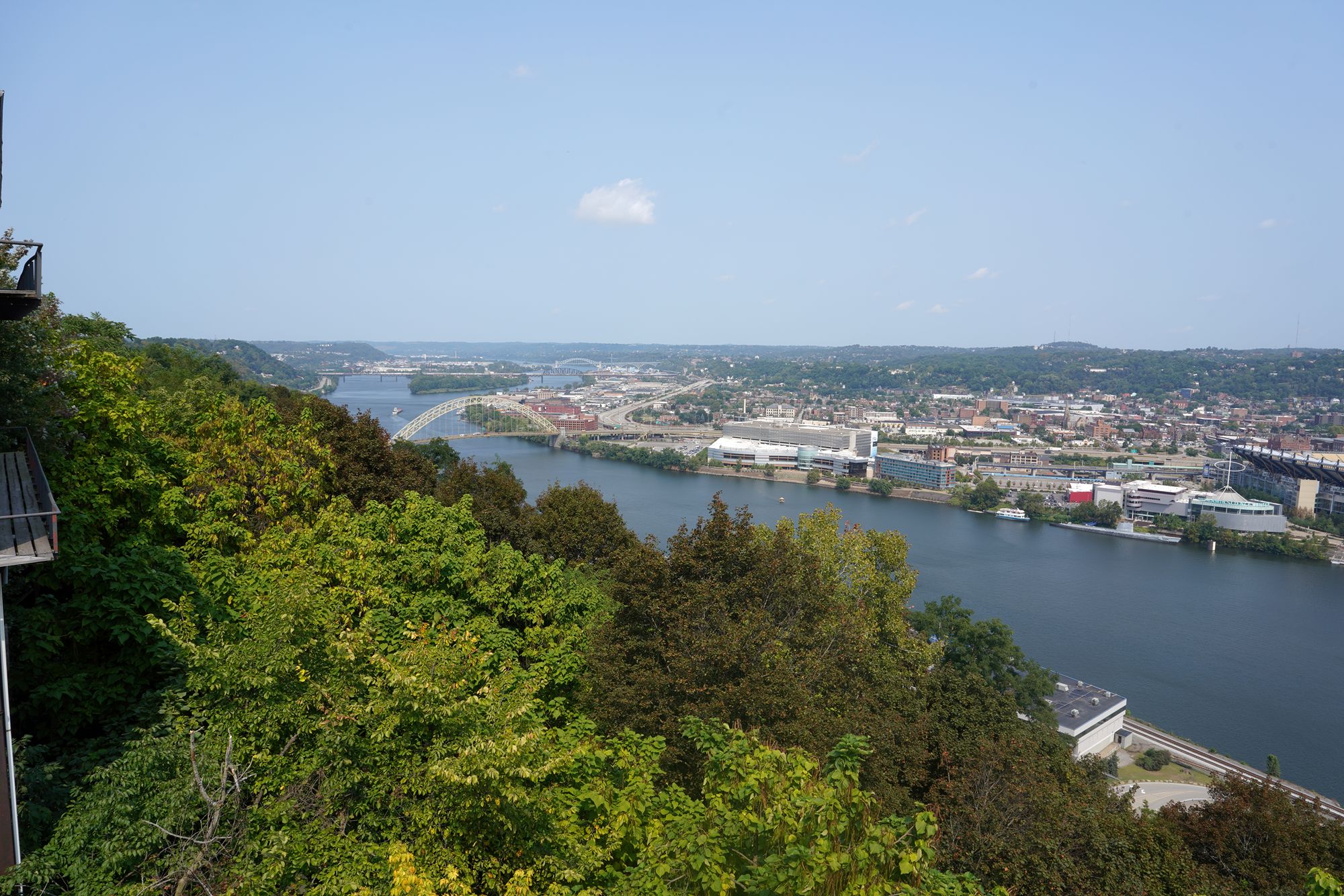
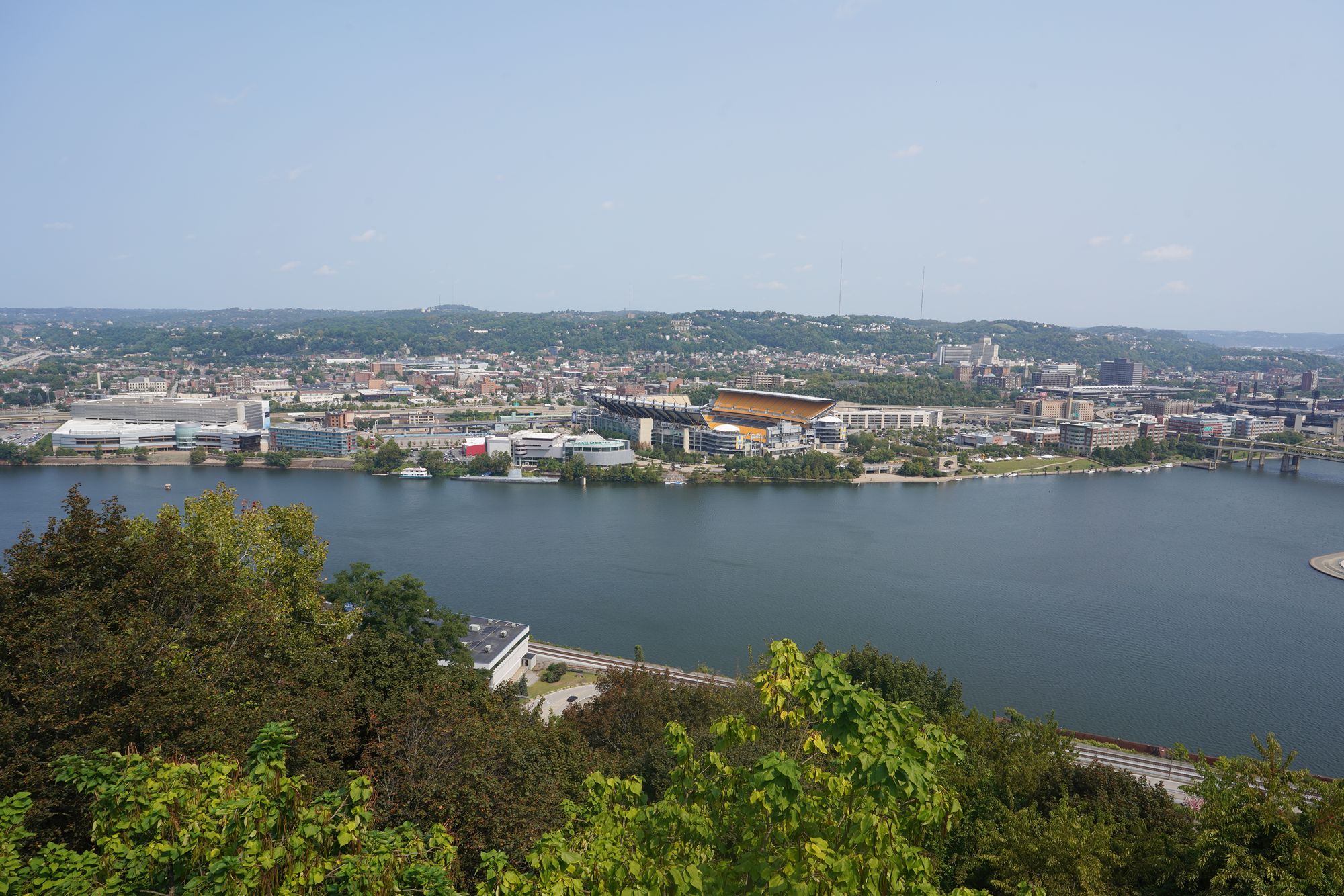
The next day, I drove to Patrick T. Fagan Overlook, where the hilltop offered a sweeping view of downtown Pittsburgh..
Three rivers meet in downtown Pittsburgh.
At a point called Point State Park, the Allegheny River and the Monongahela River come together to form the Ohio River. This dramatic confluence defines Pittsburgh’s geography, skyline views, and historical importance as a transportation and industrial hub.
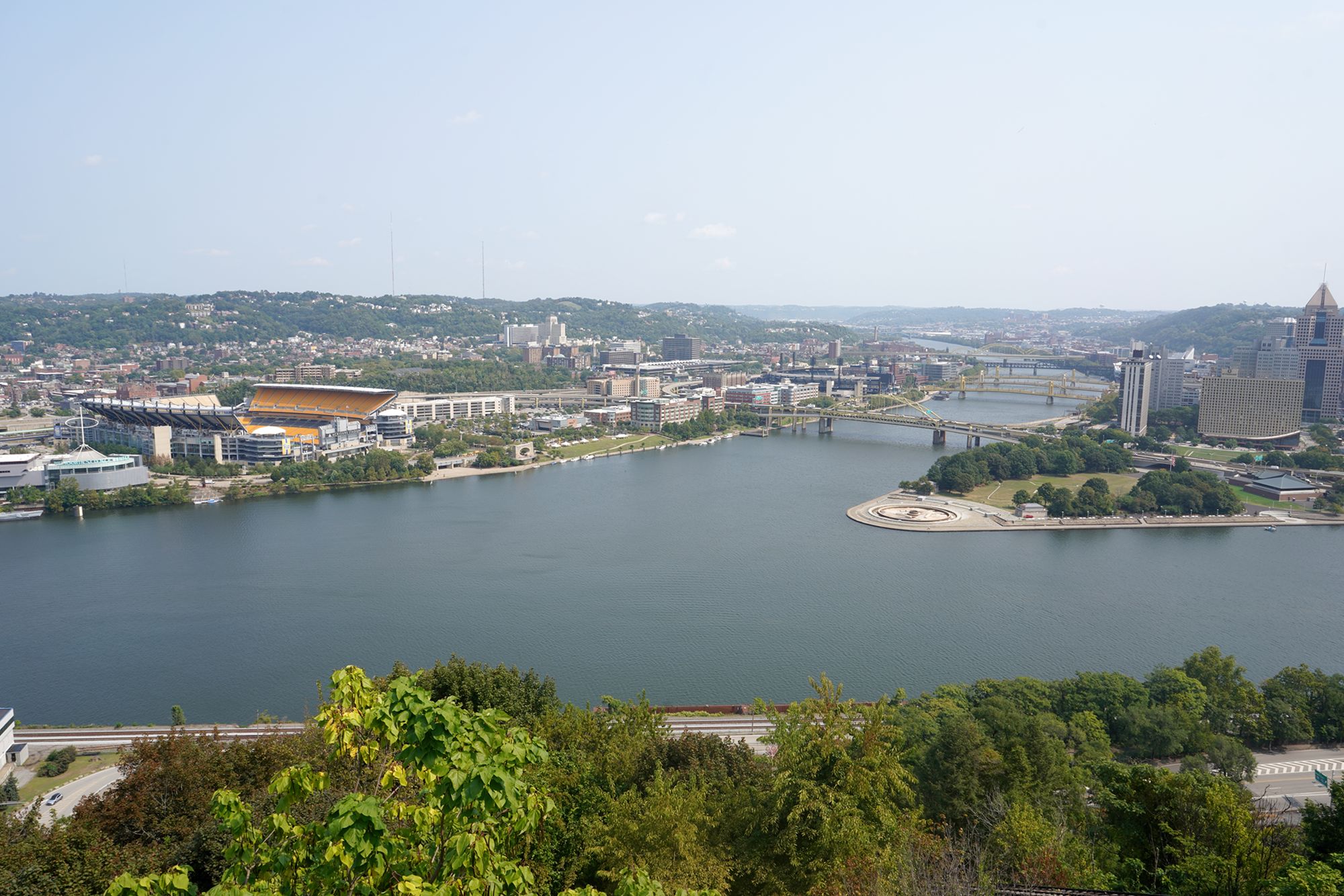
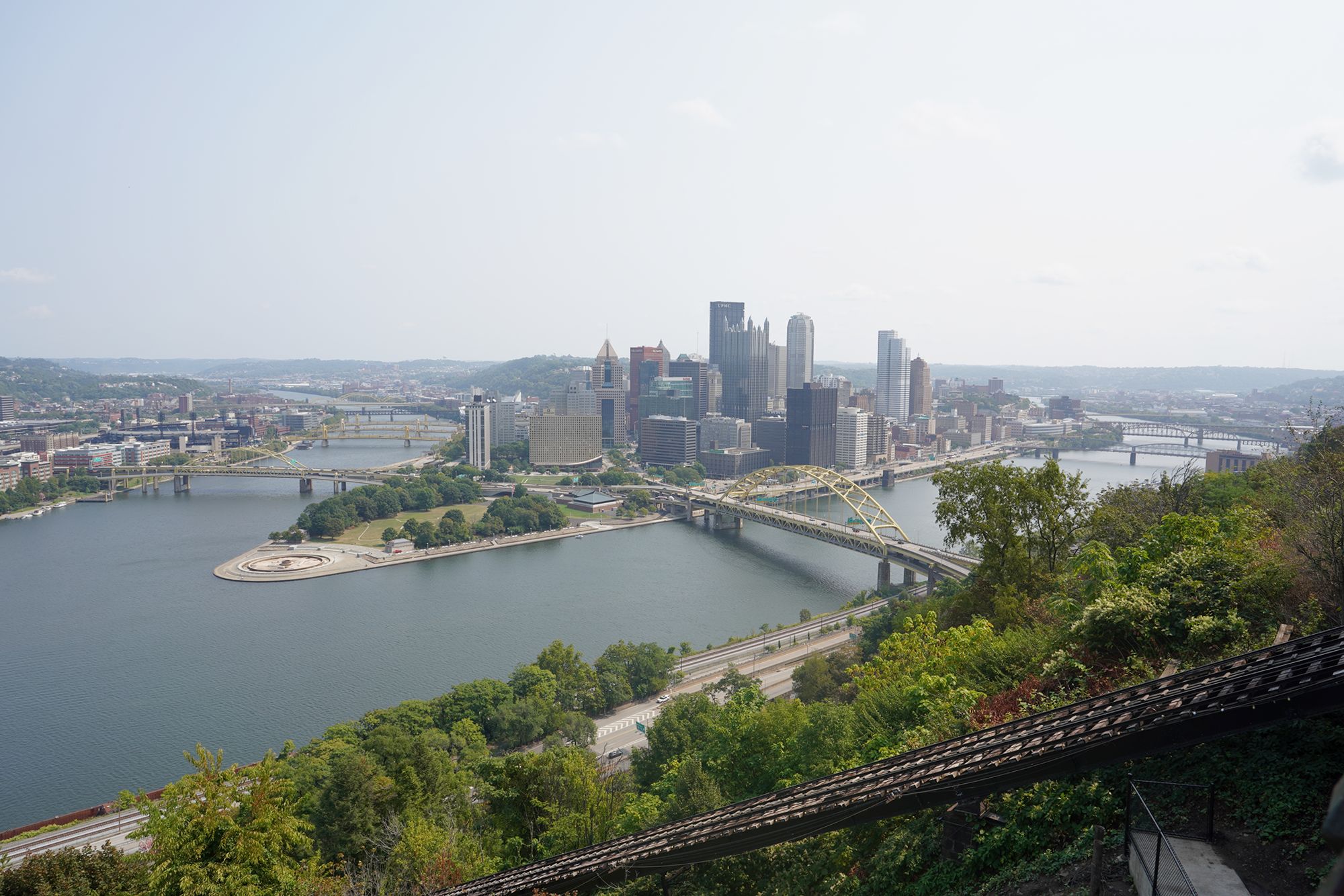
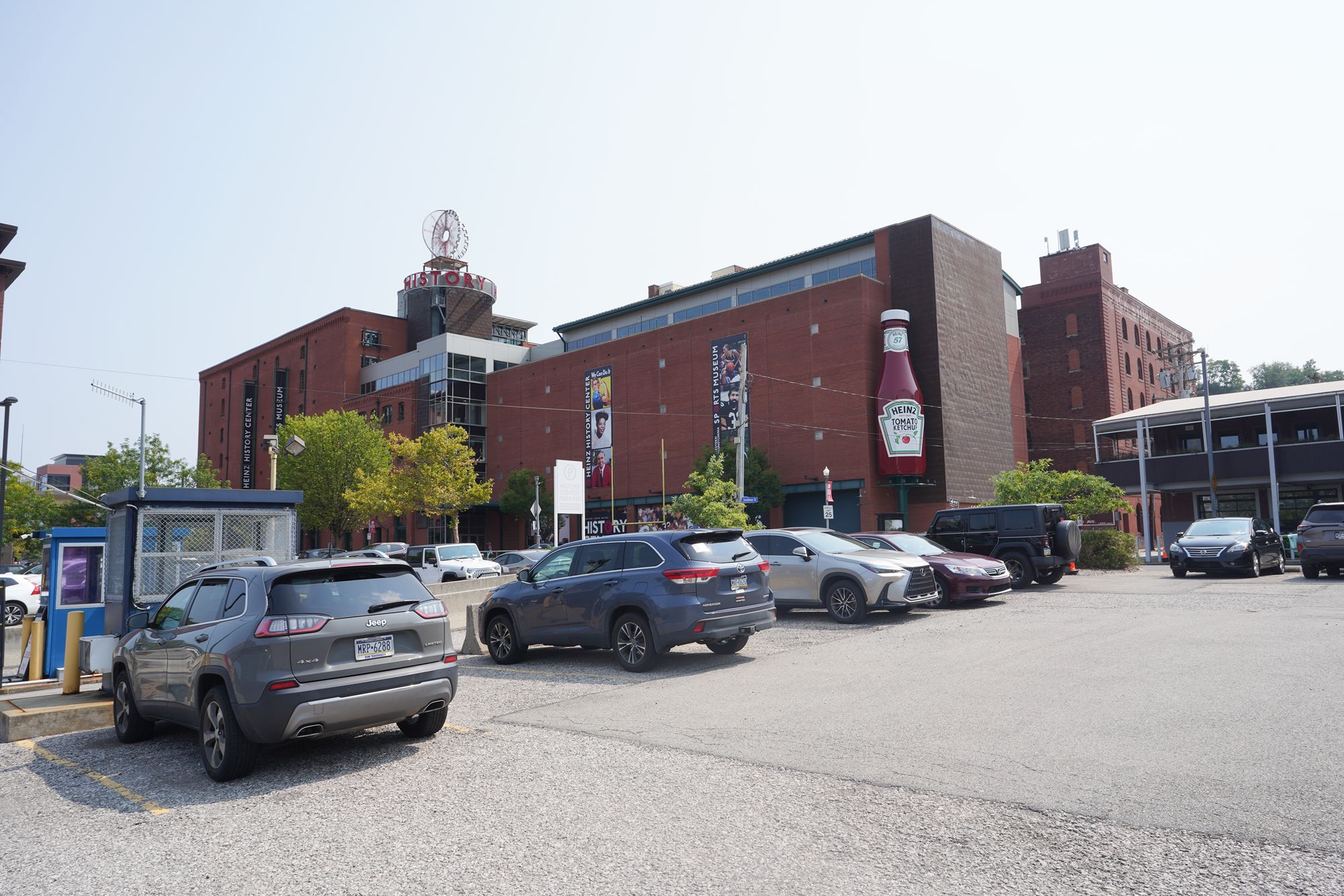
From the hilltop, I drove to the Senator John Heinz History Center.
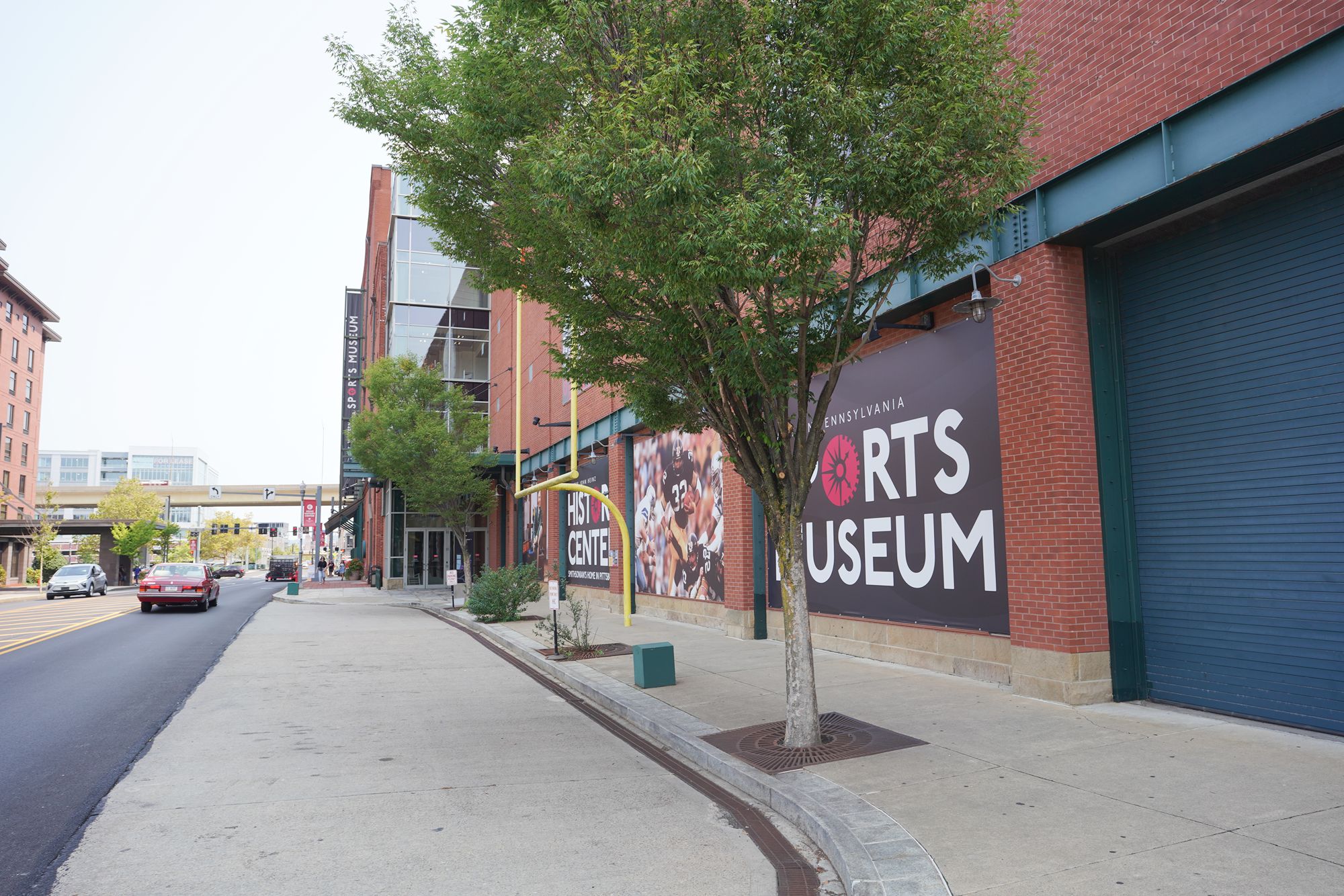
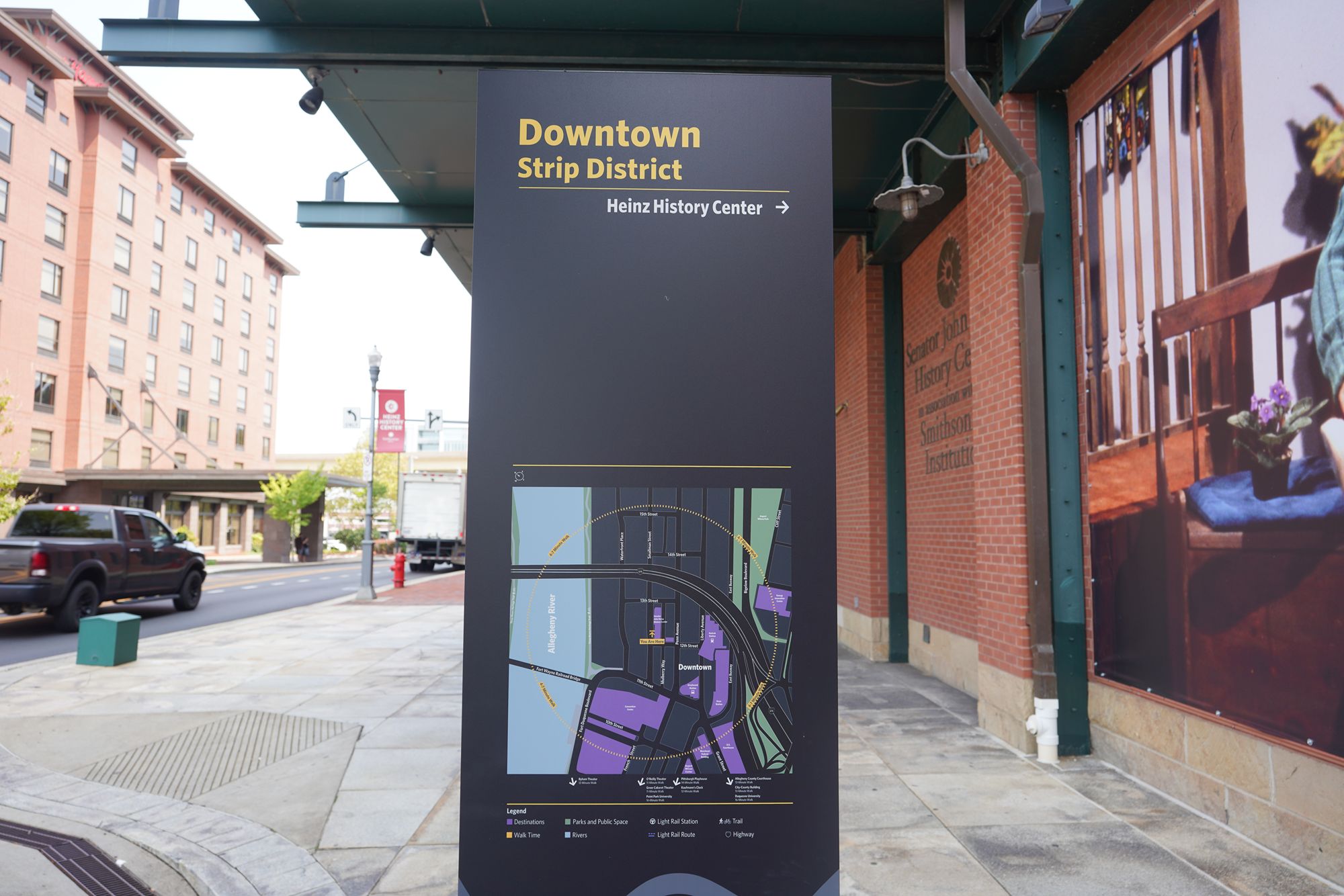
Inside the Senator John Heinz History Center
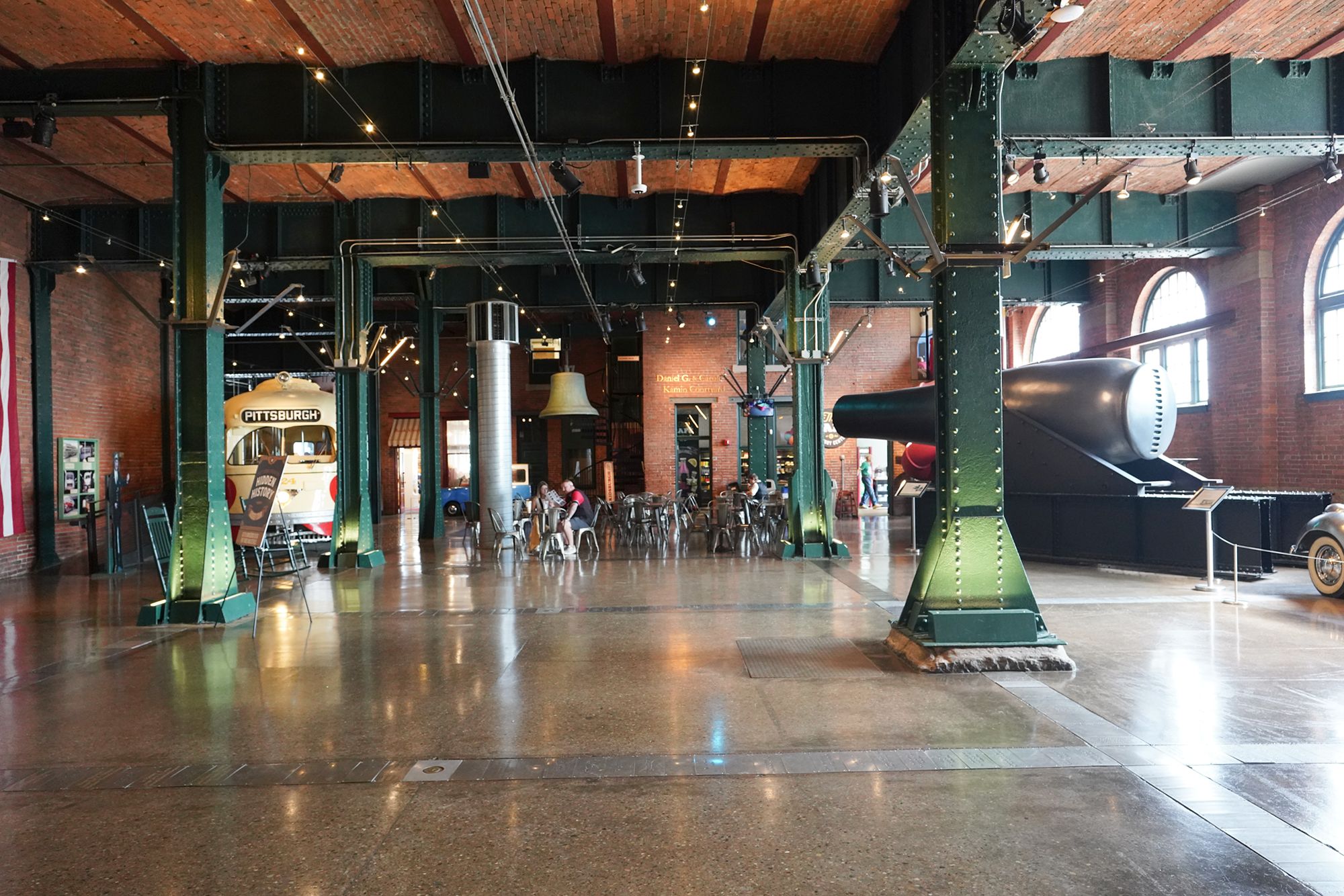
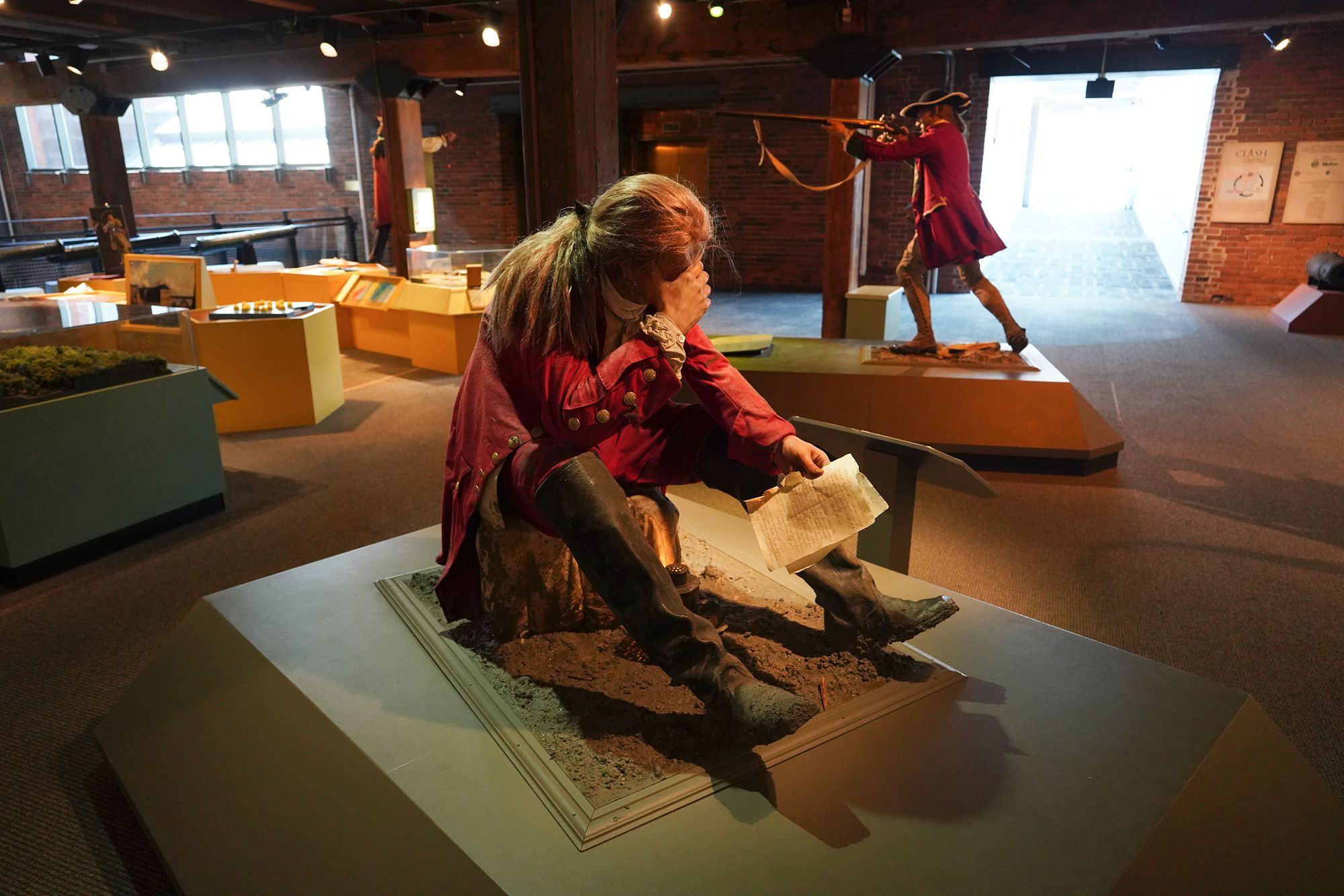
The Senator John Heinz History Center is Pennsylvania’s largest history museum and a gateway to understanding Pittsburgh and Western Pennsylvania.
Located in a restored historic warehouse in the Strip District, the museum presents regional history through immersive exhibits, artifacts, and interactive displays. Its collections cover industrial growth, immigration, sports, pop culture, and everyday life, linking local stories to broader American history. Affiliated museums—including the Western Pennsylvania Sports Museum—expand its scope, making the Heinz History Center a comprehensive and engaging introduction to the region’s past and identity.
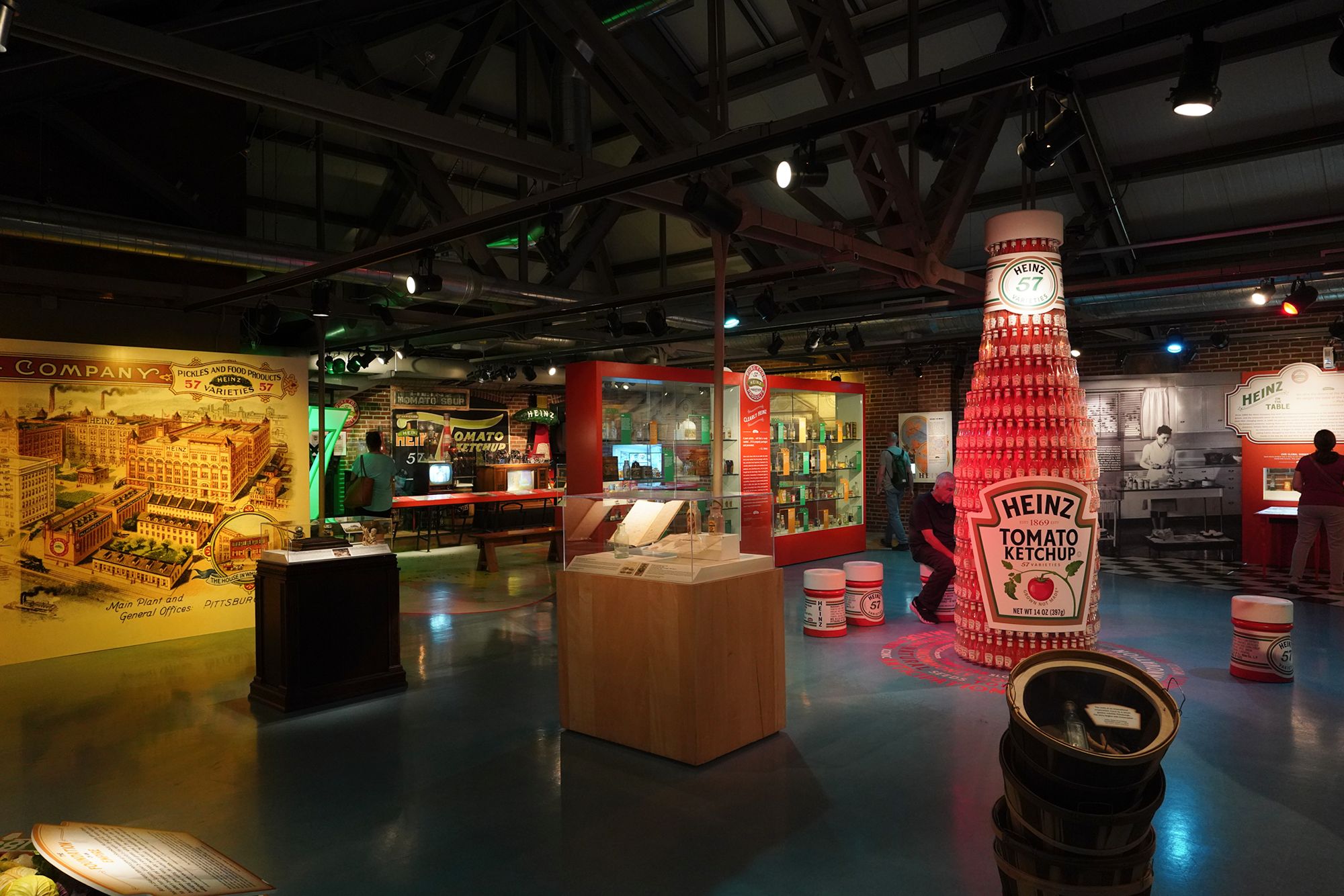
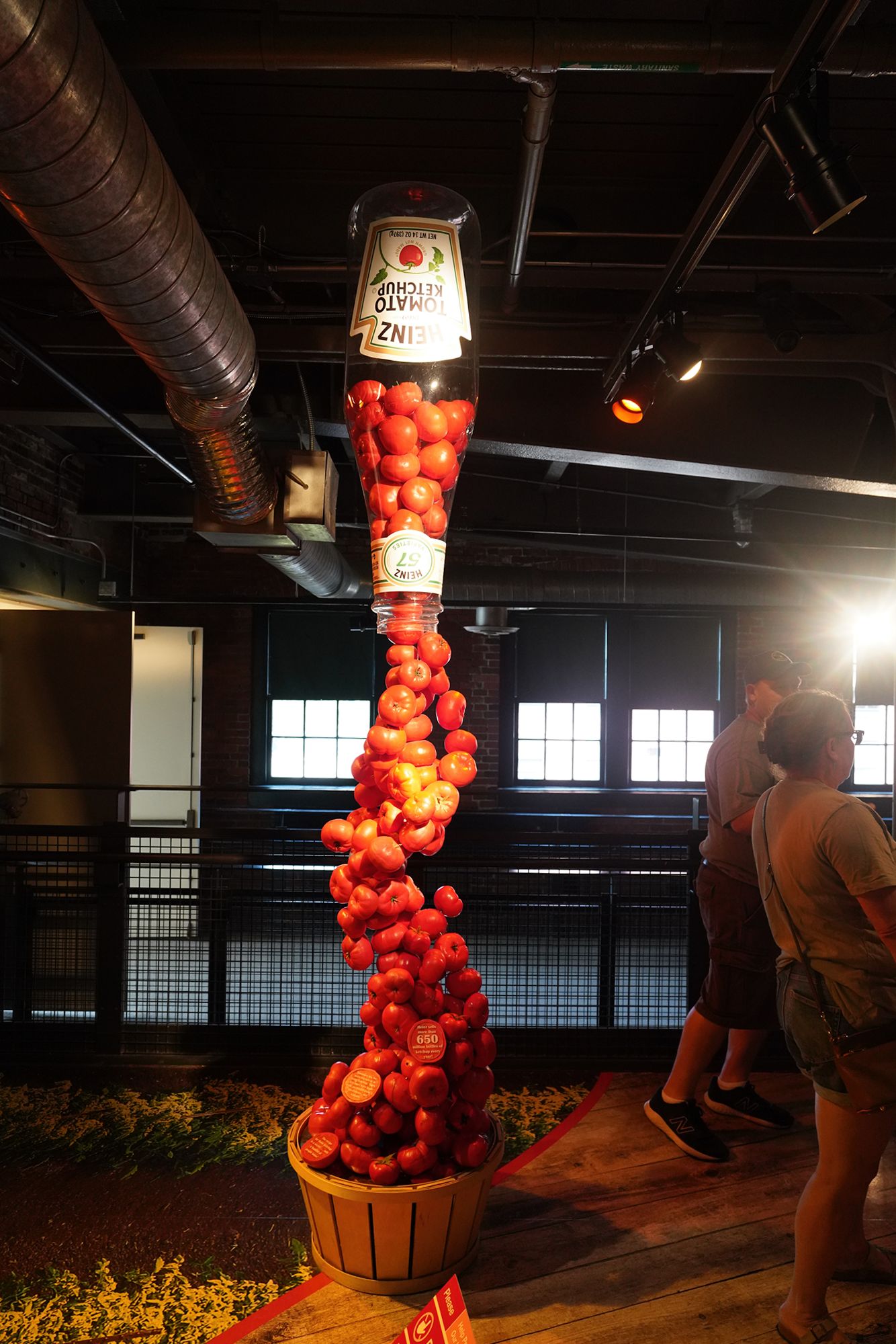
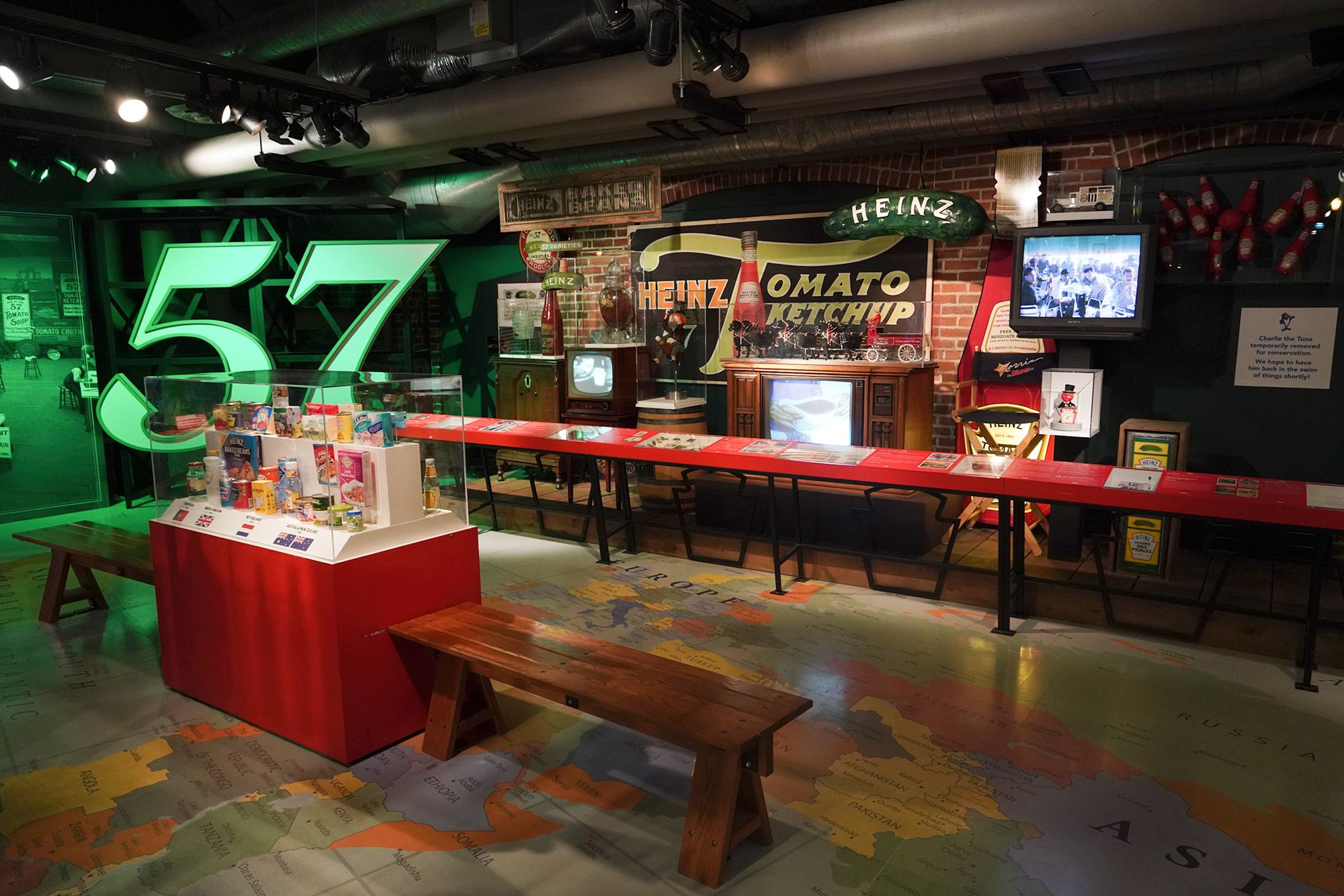
On Pittsburgh history
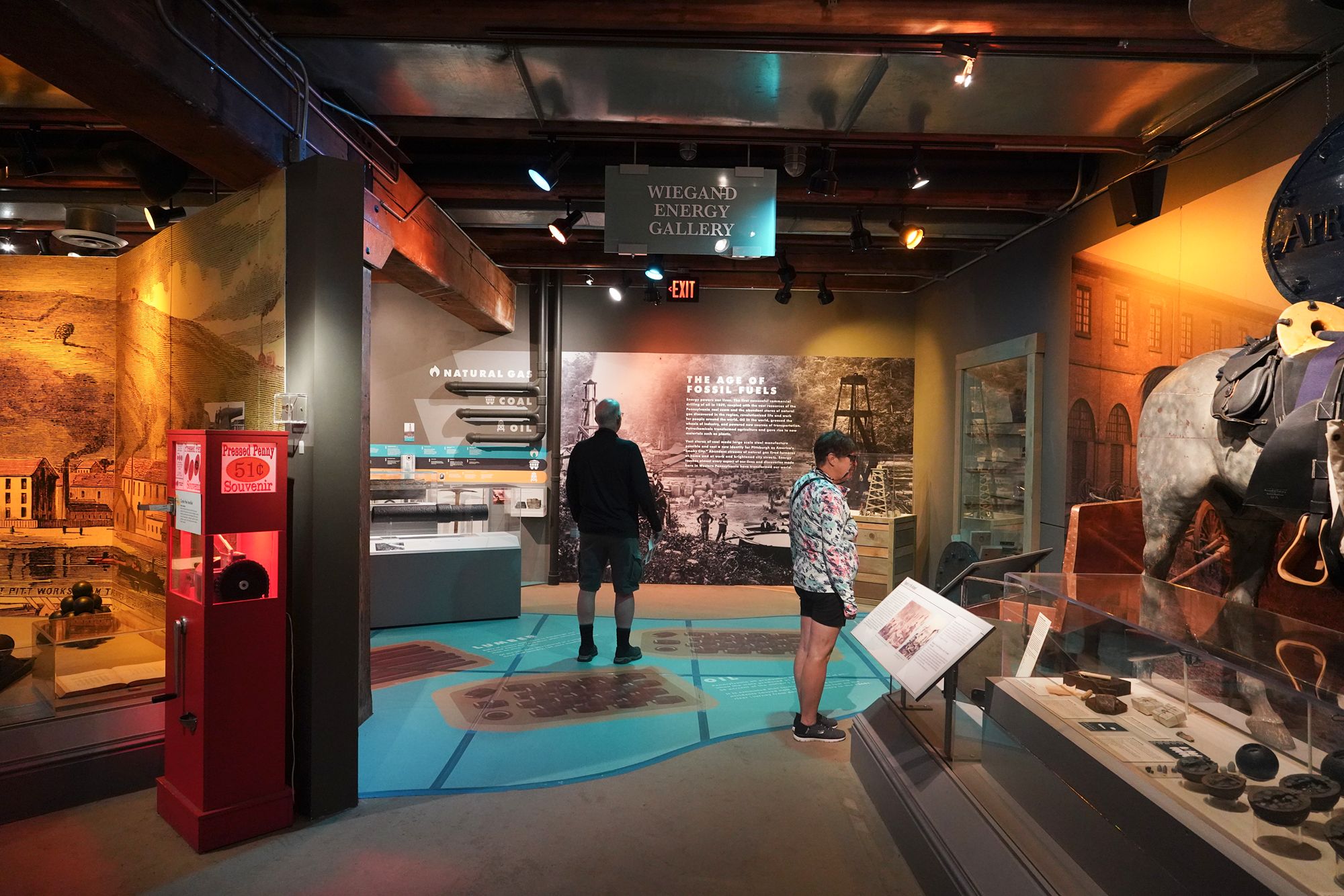
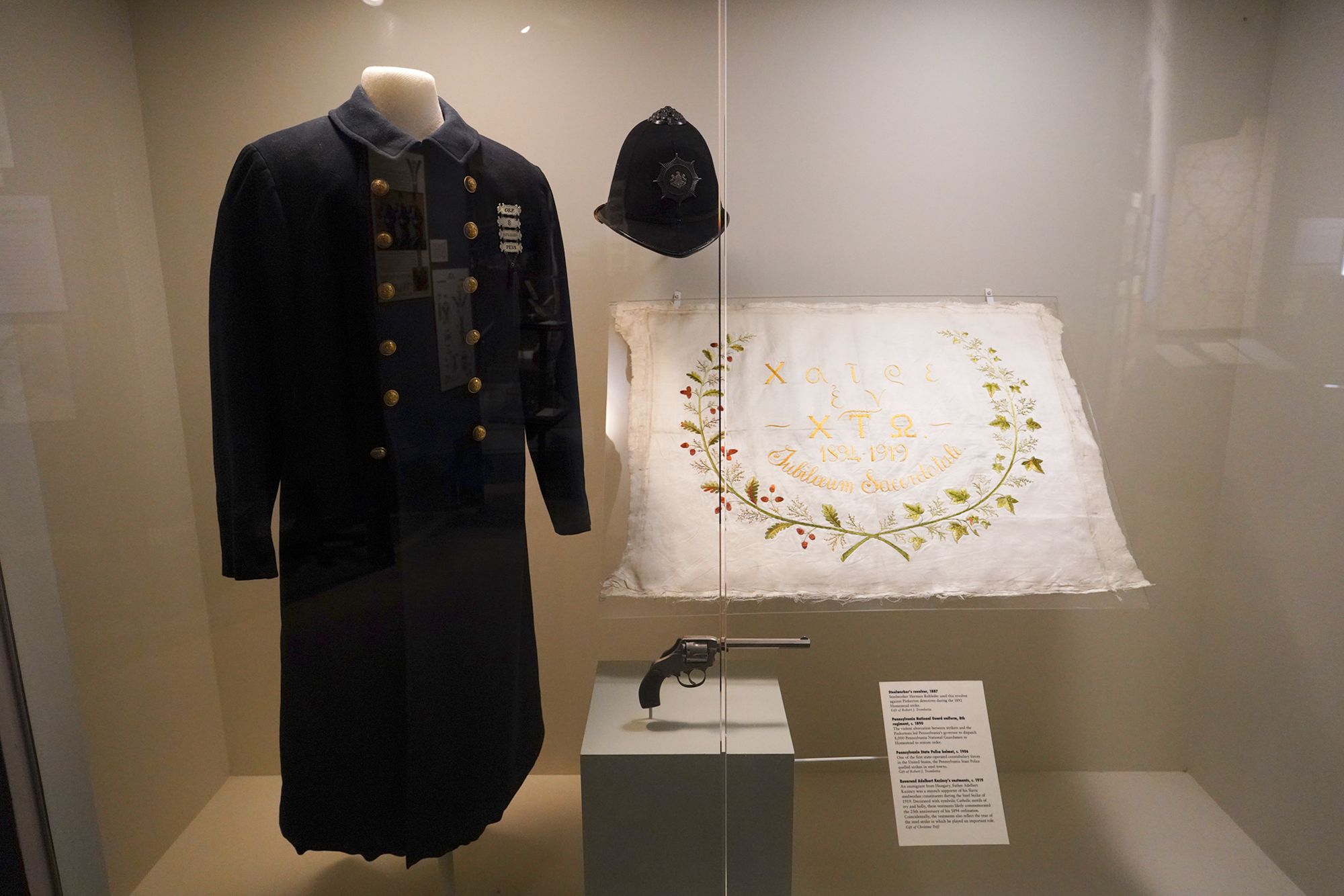
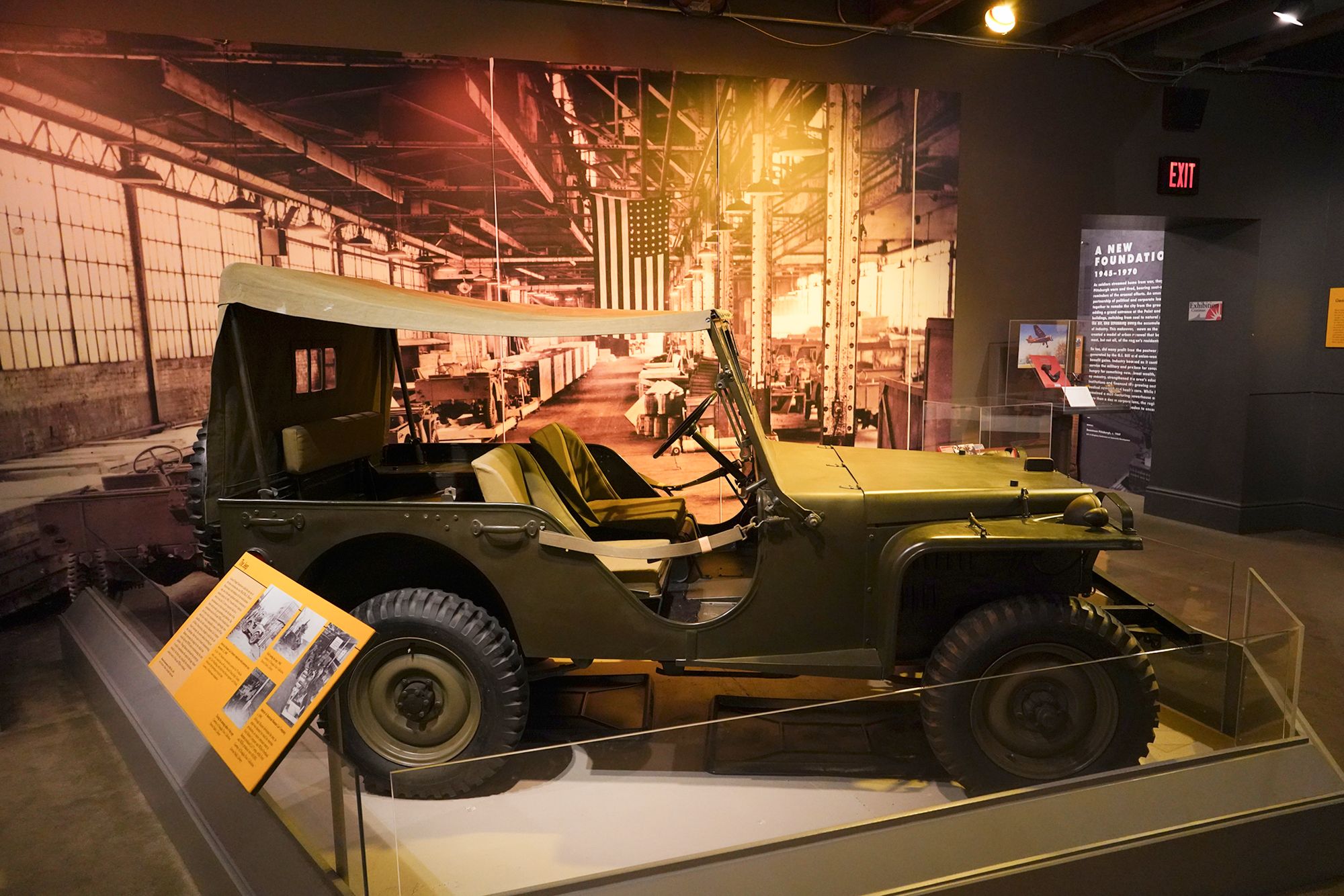
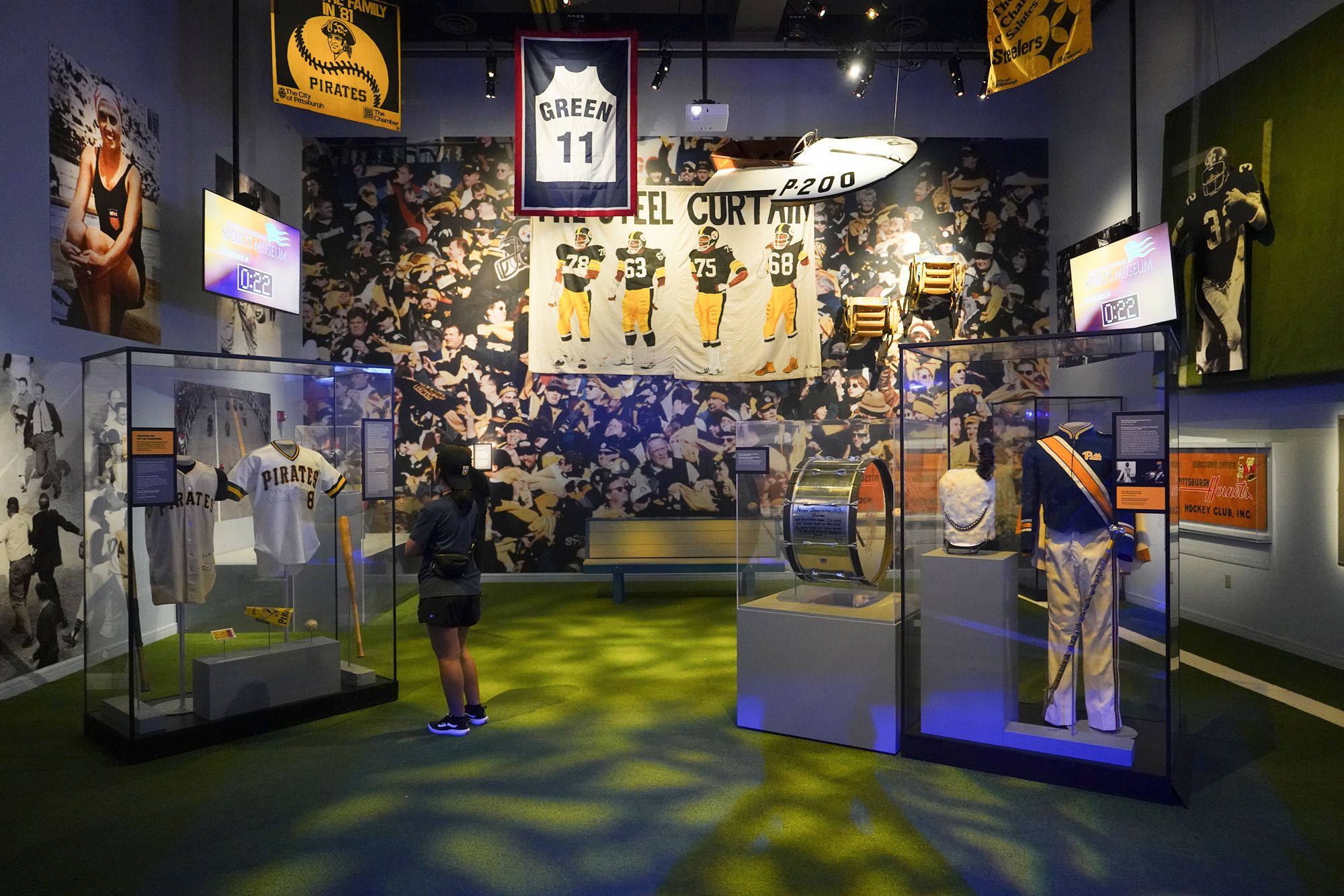
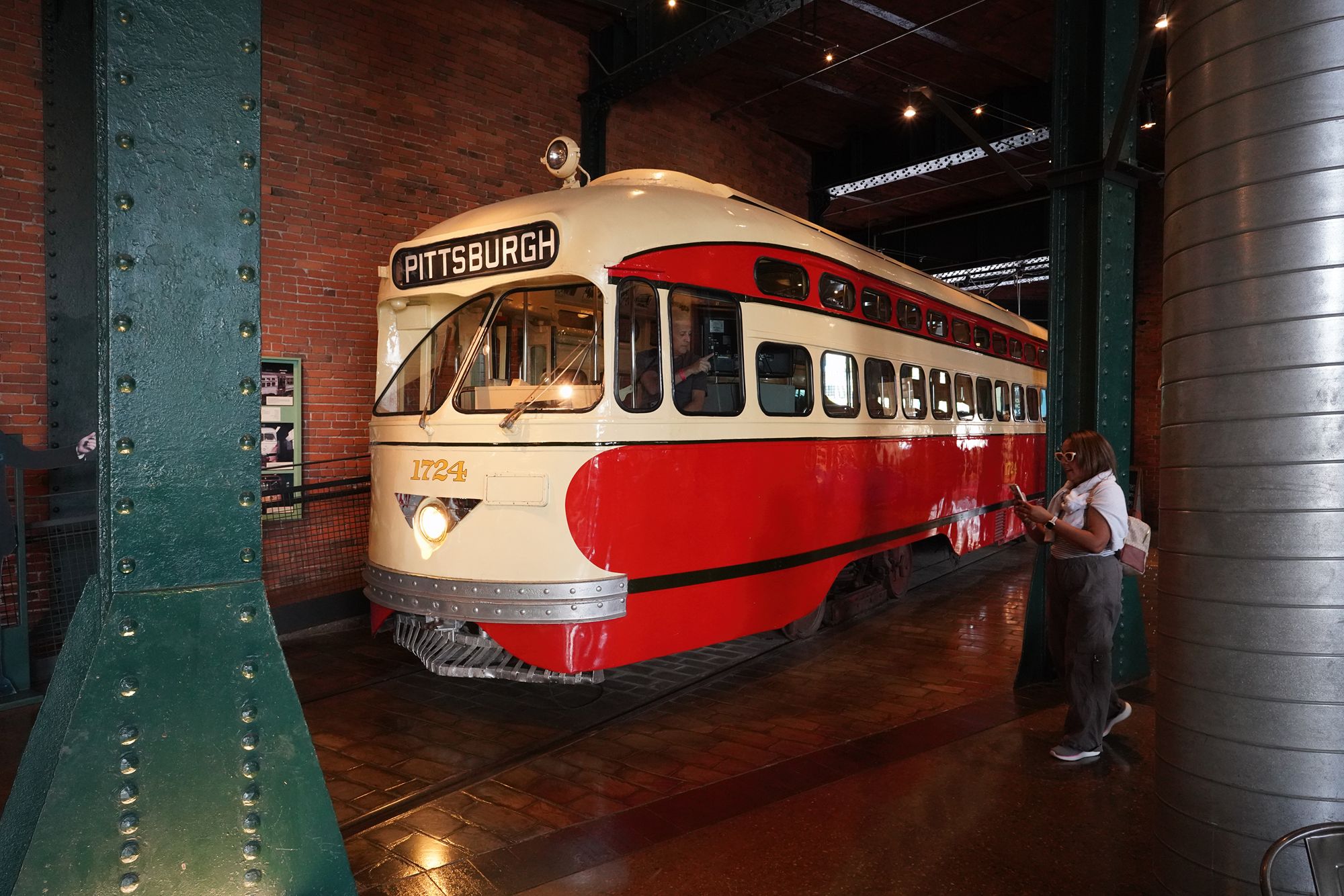
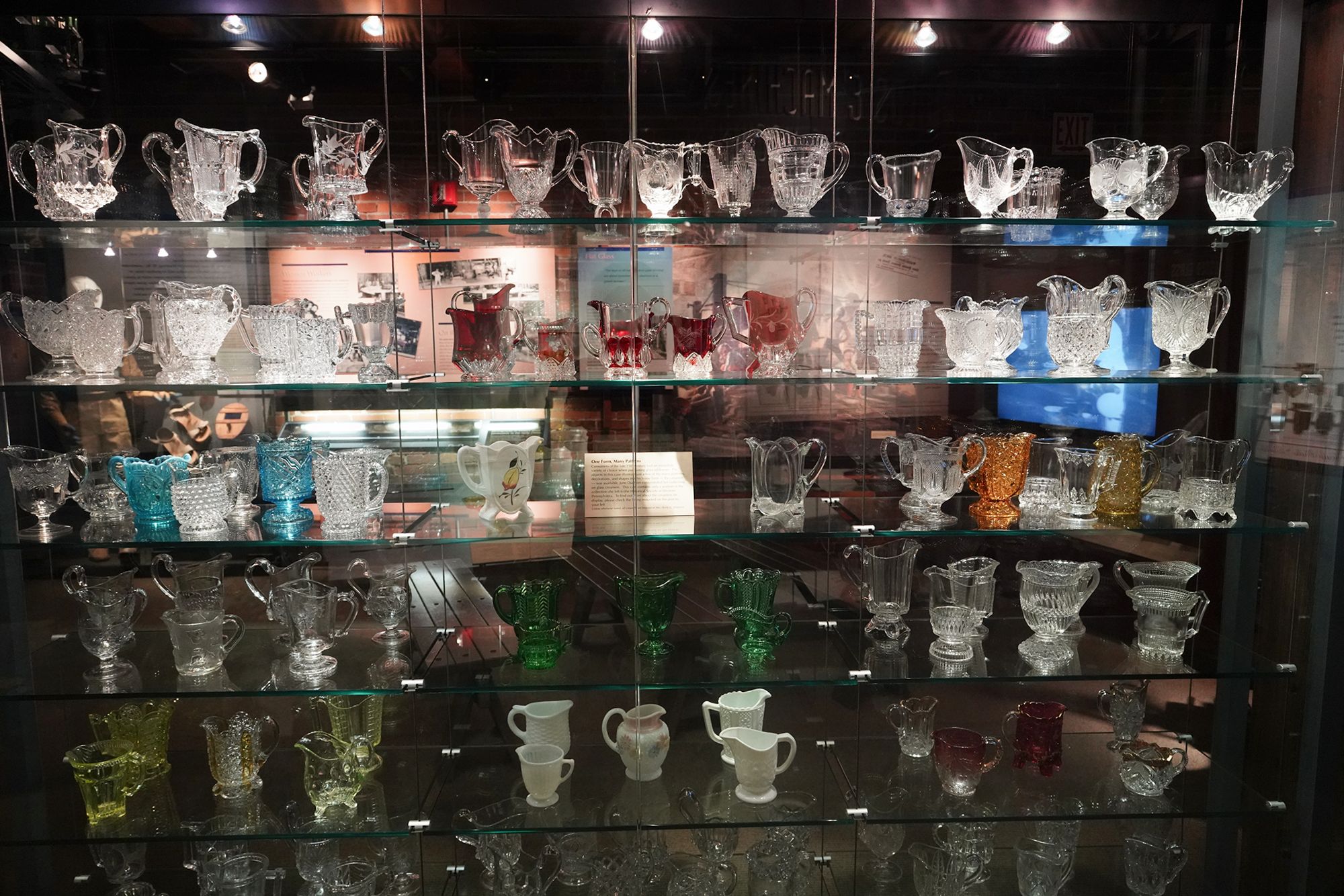
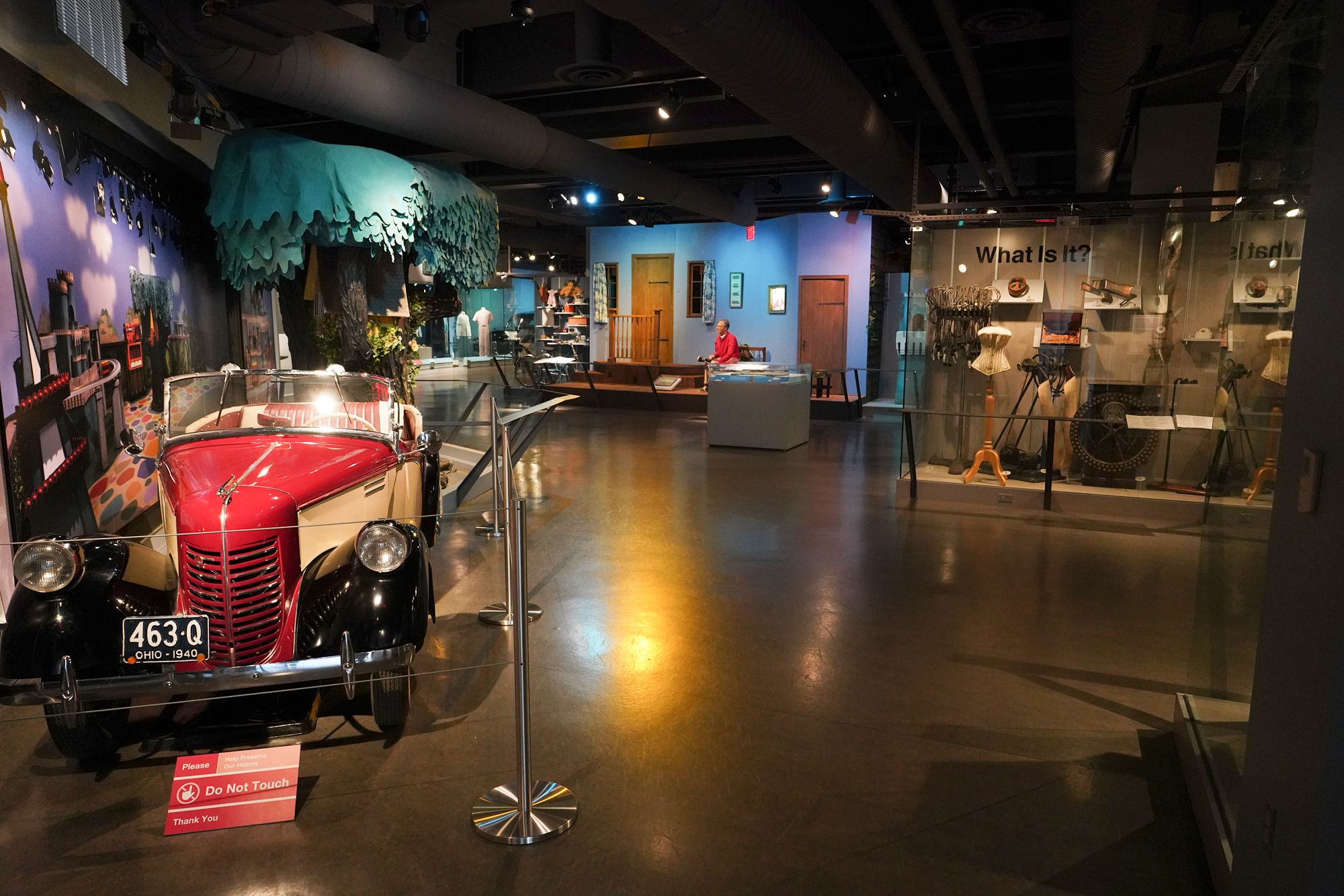
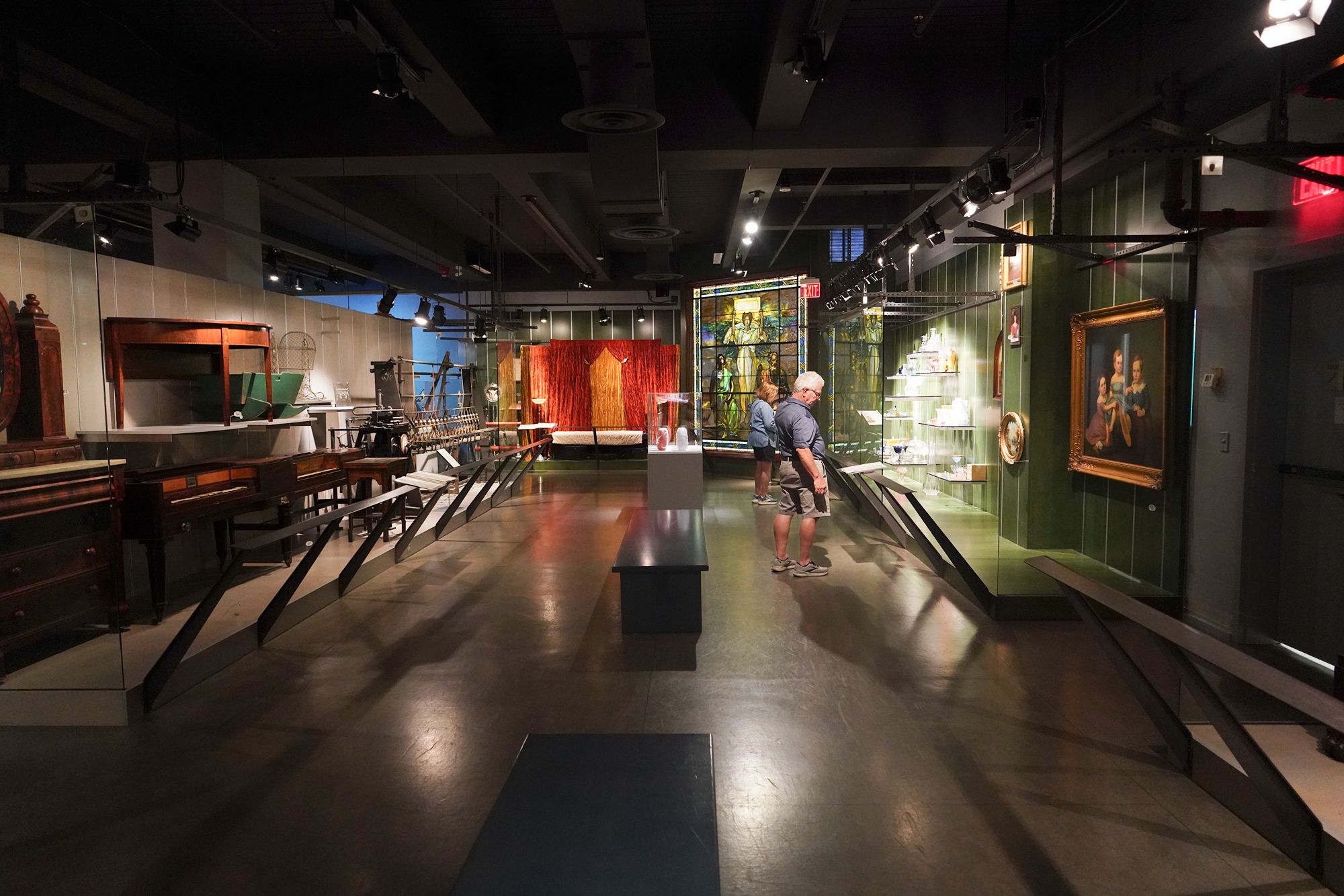
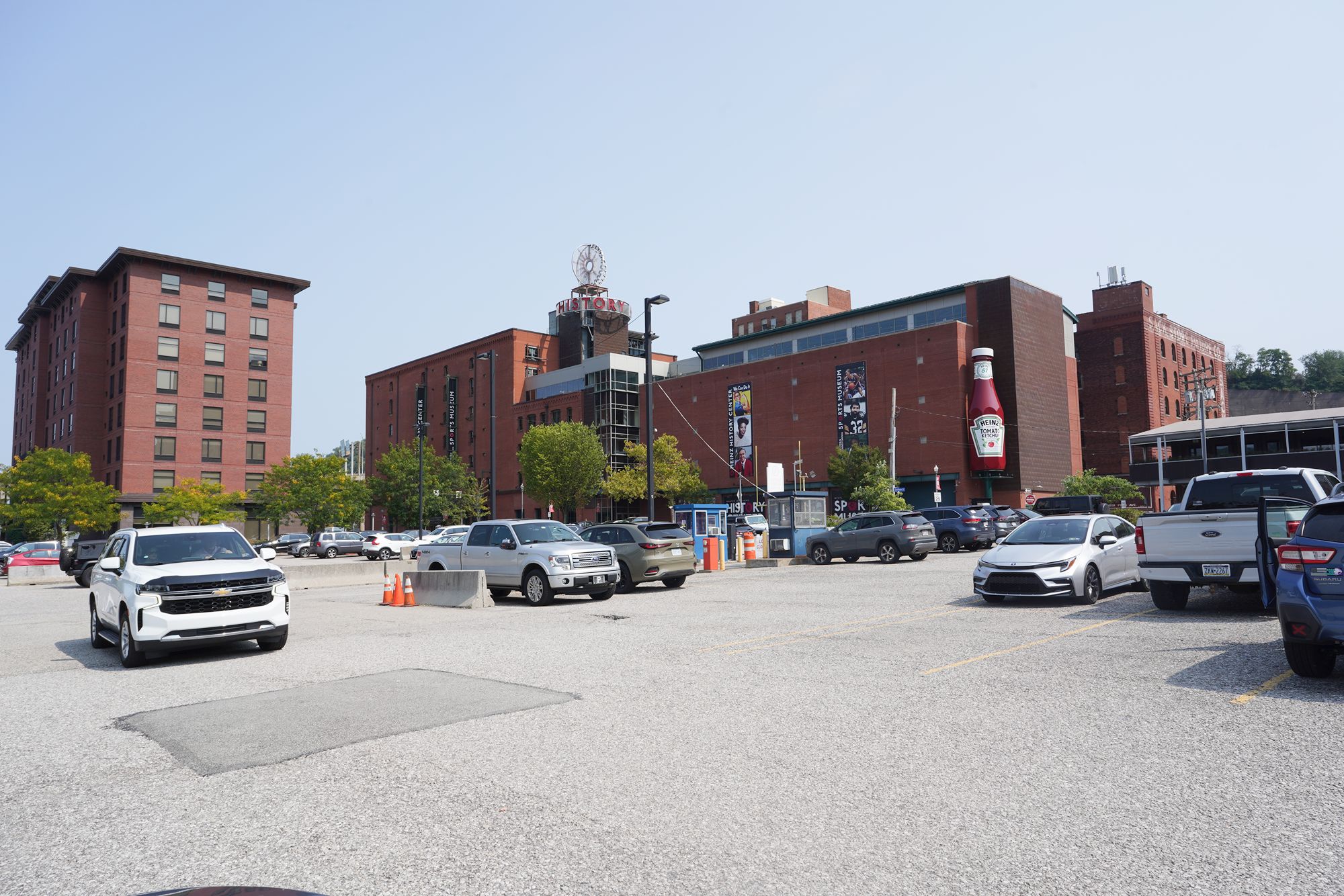
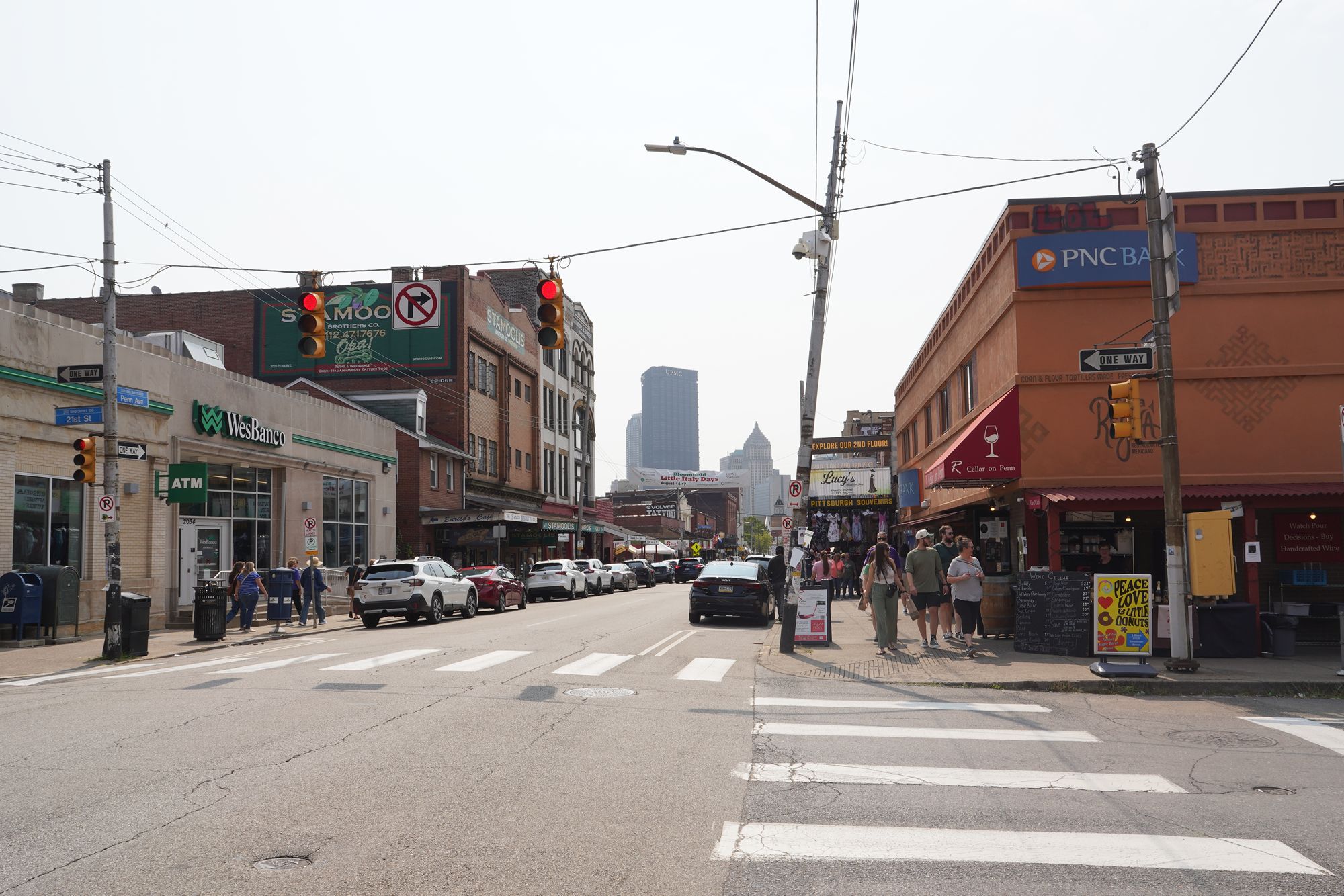
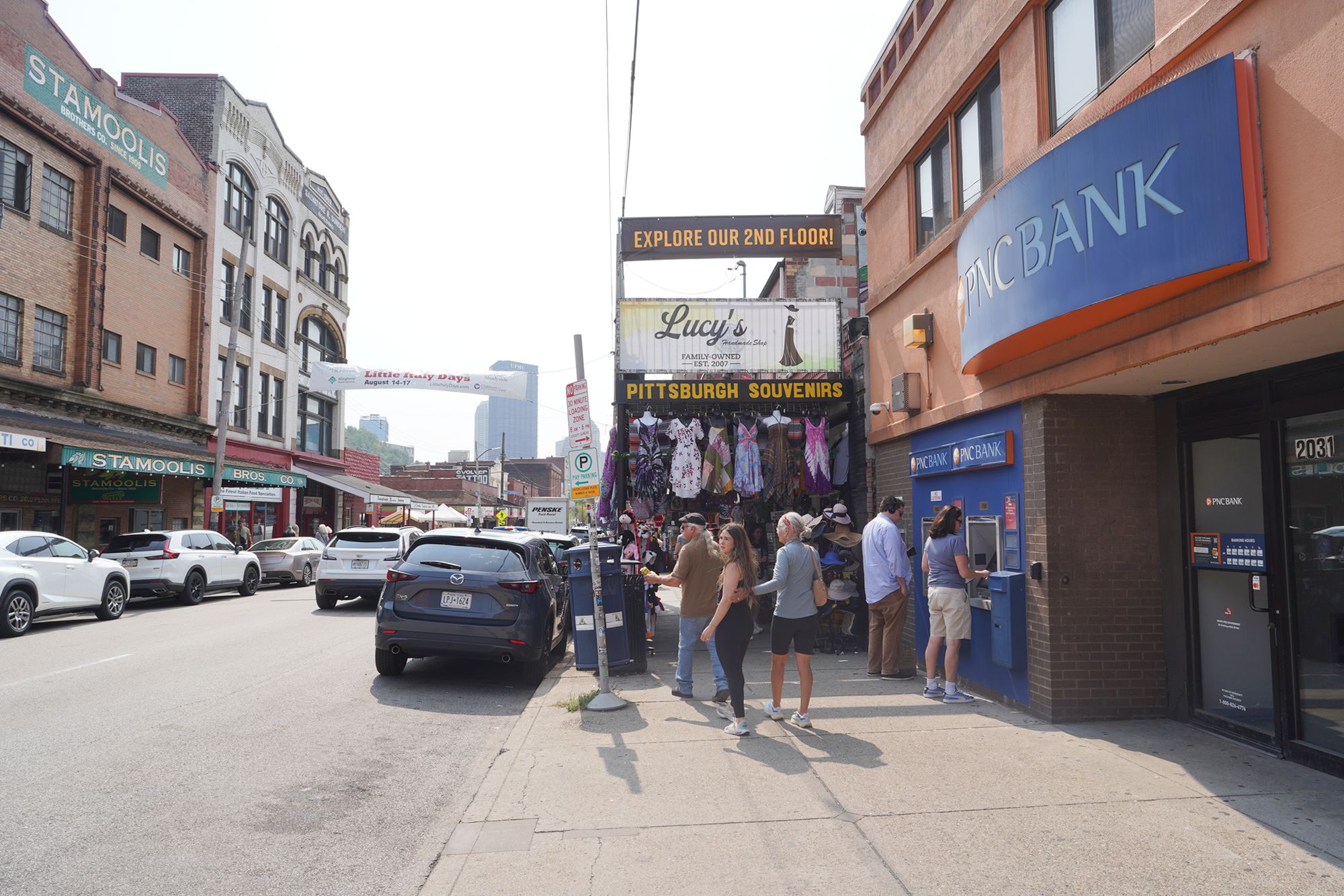
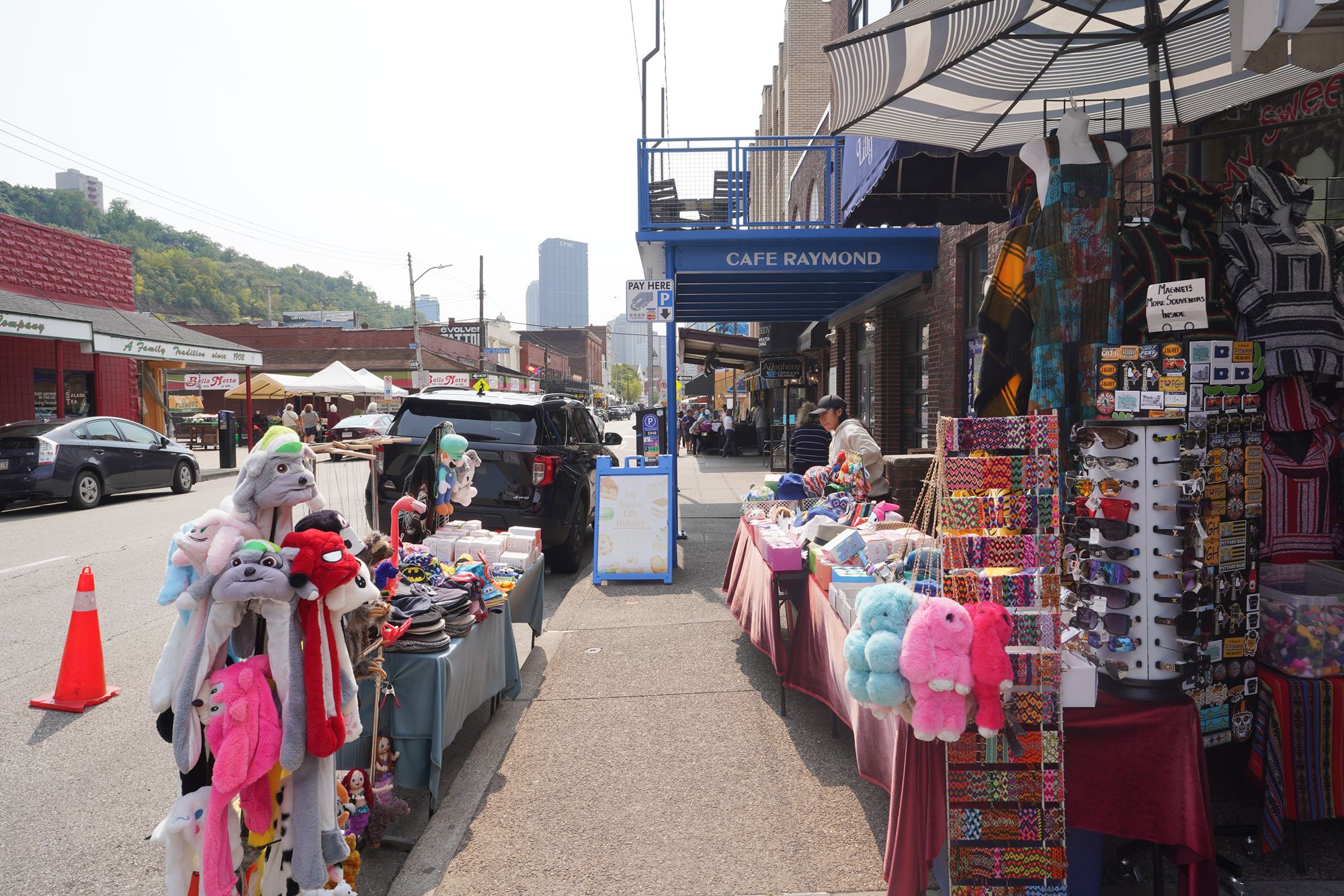
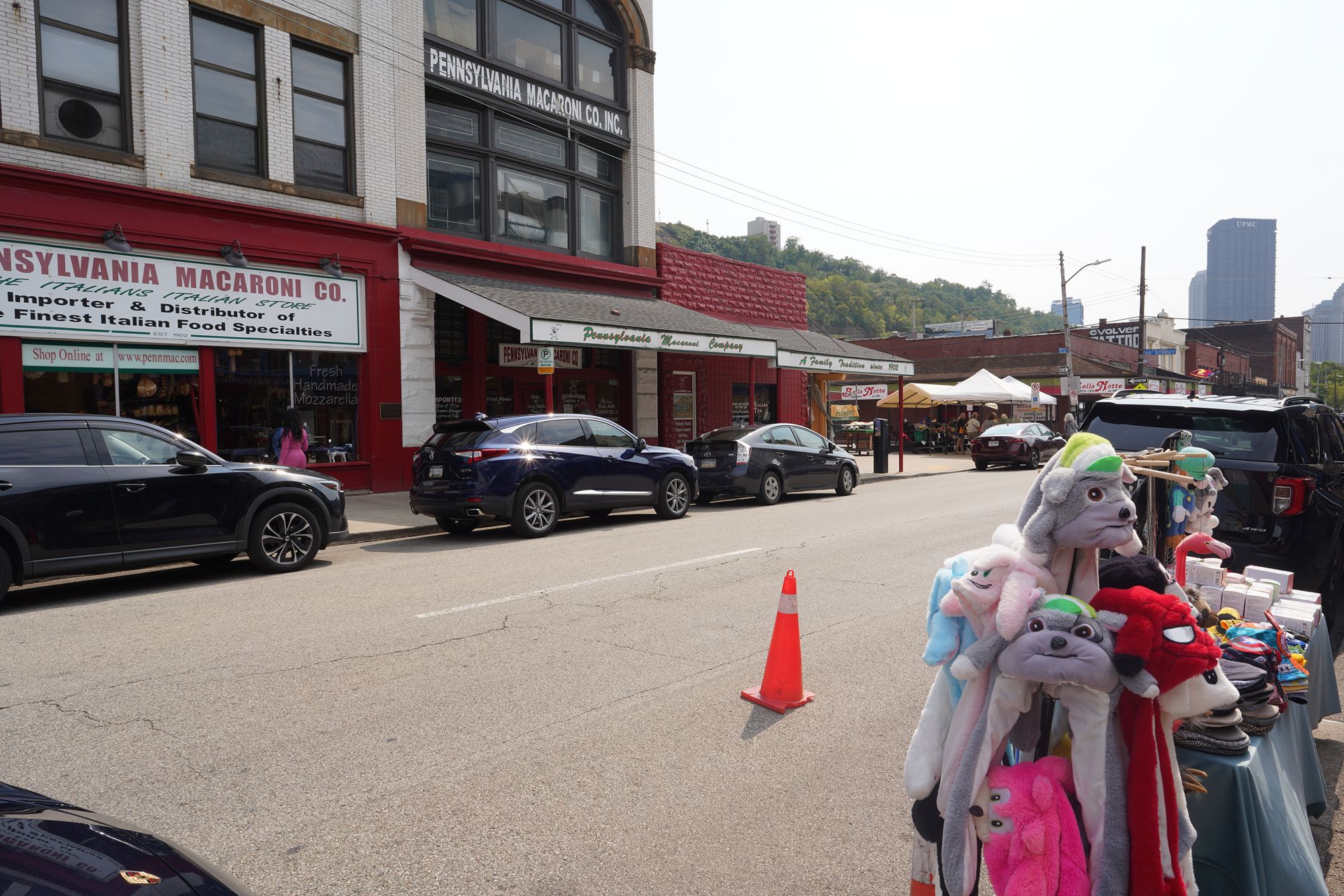
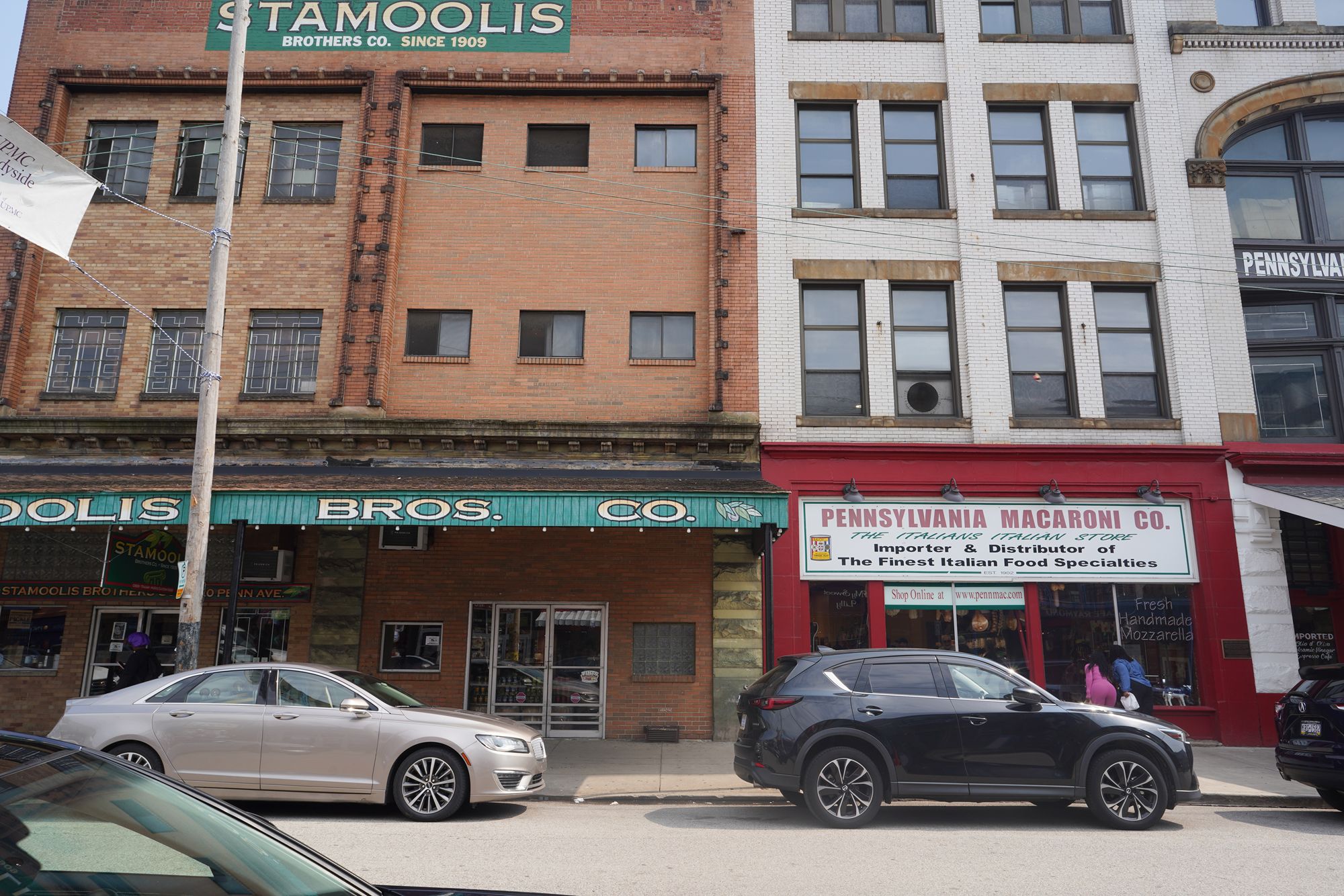
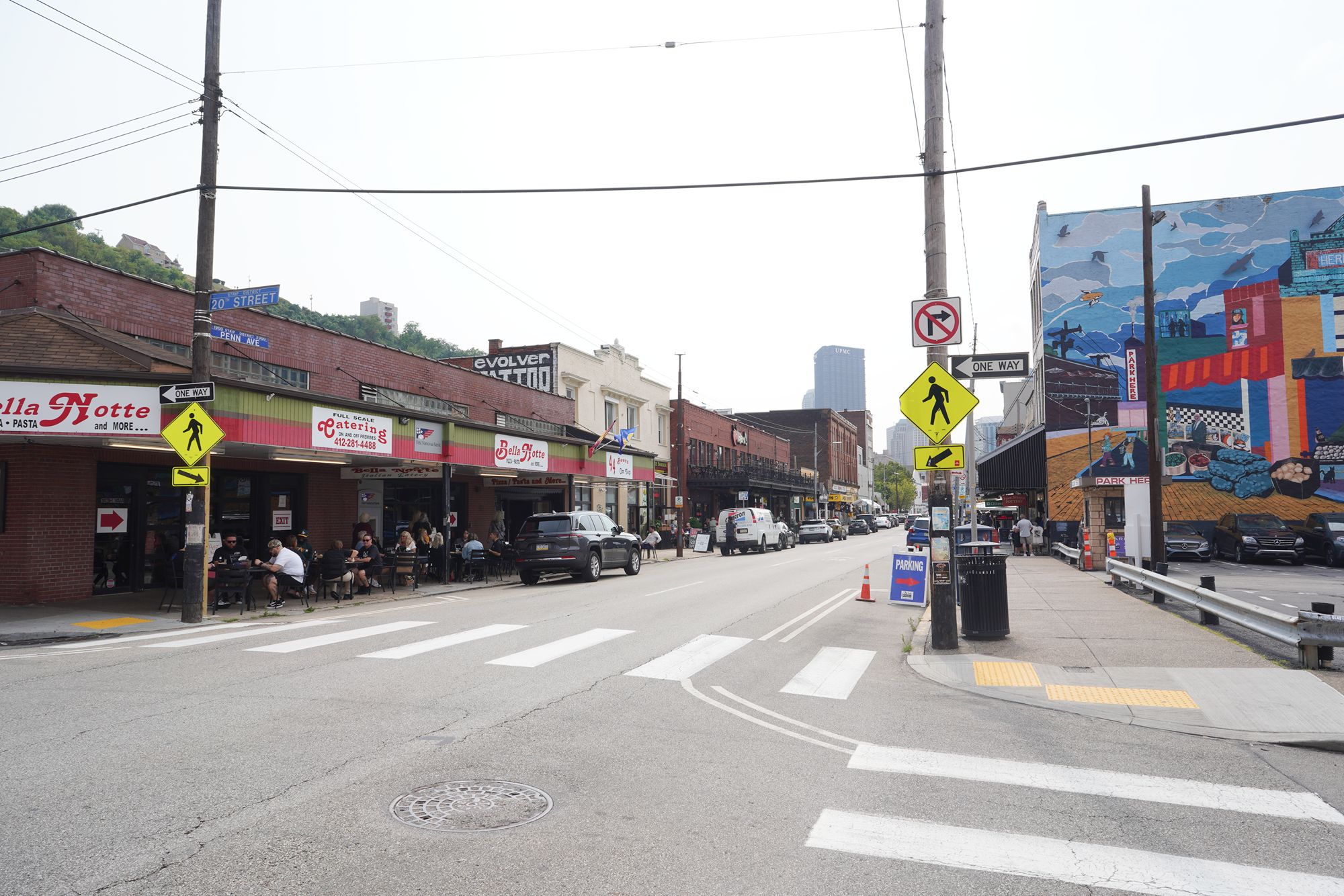
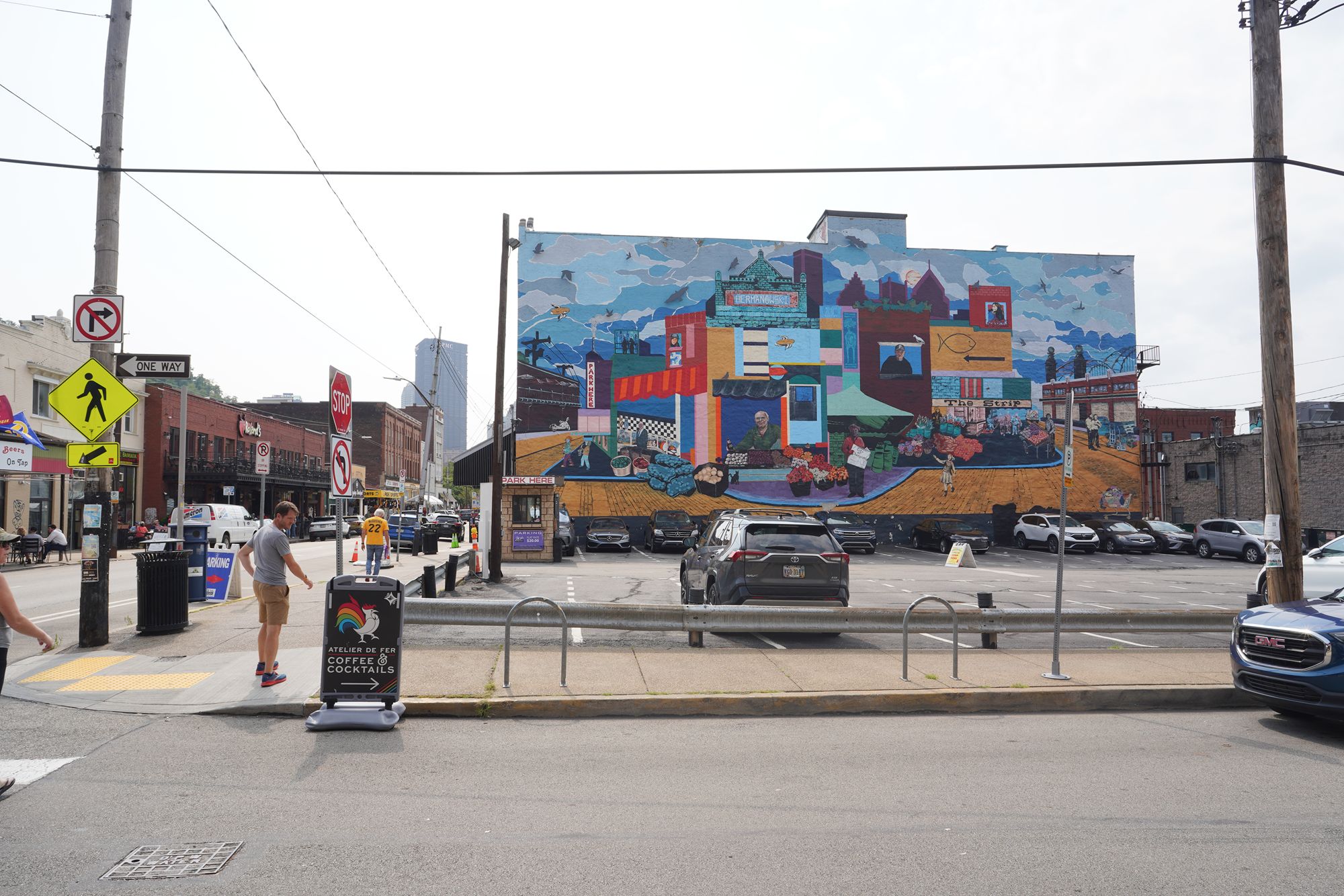
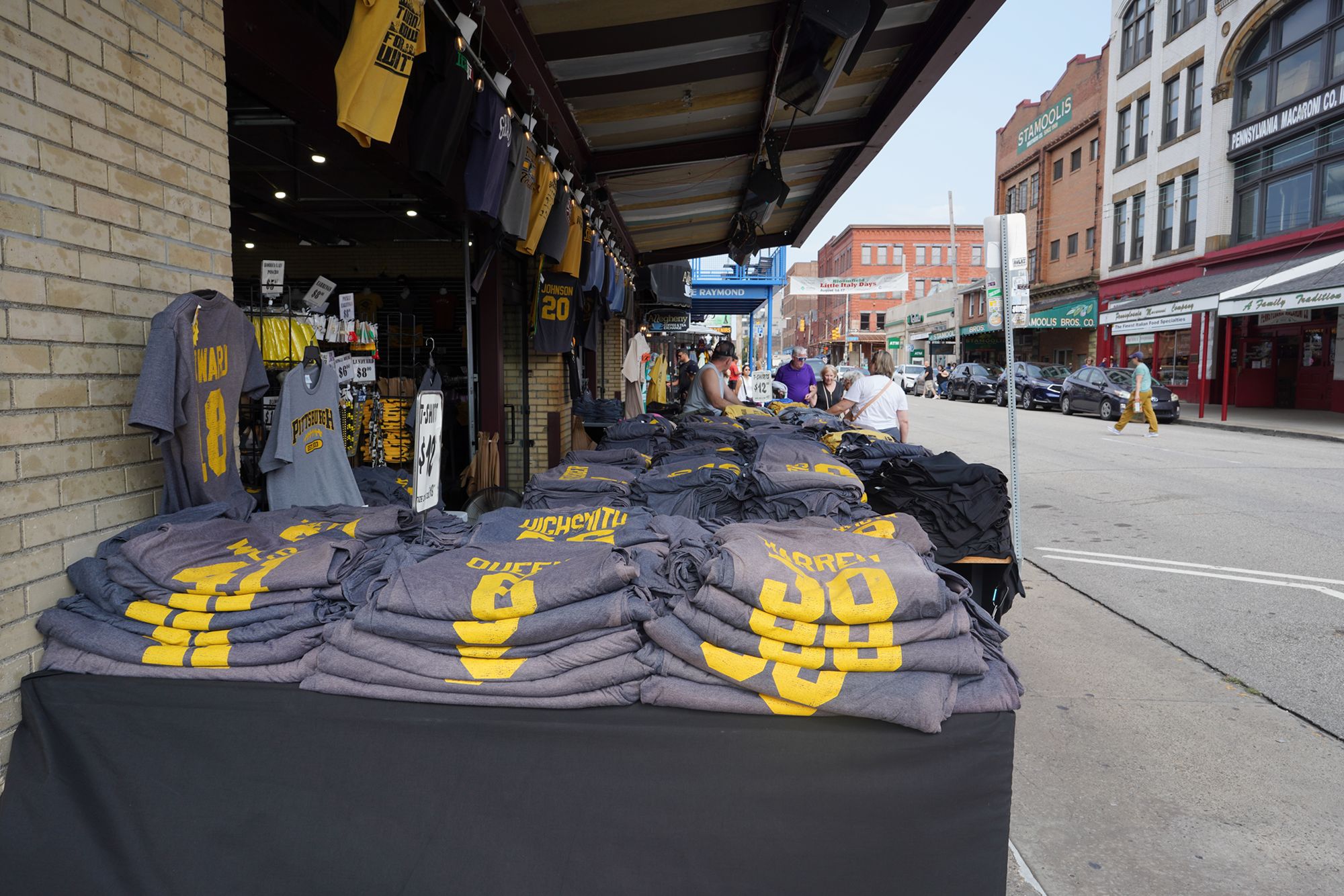
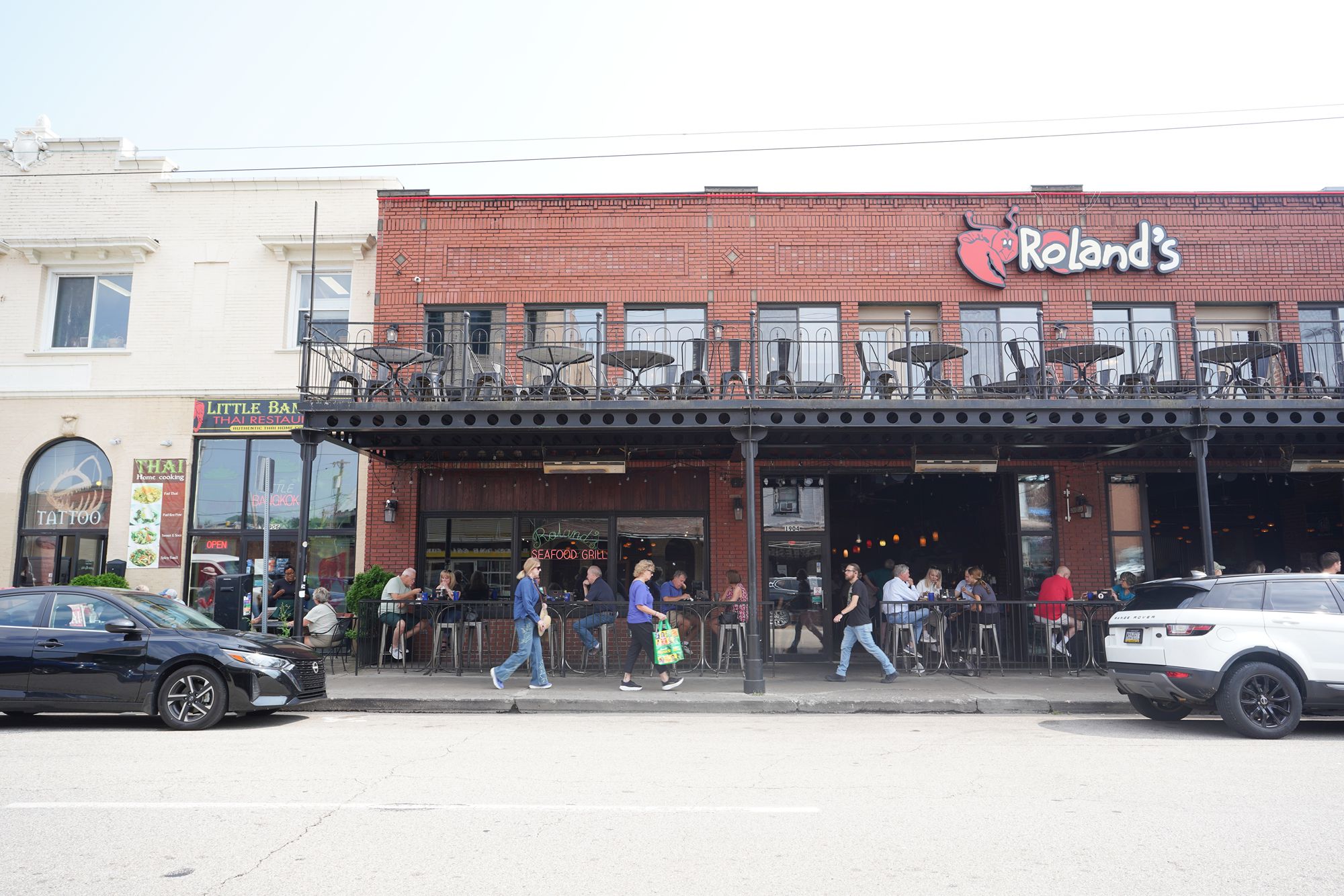
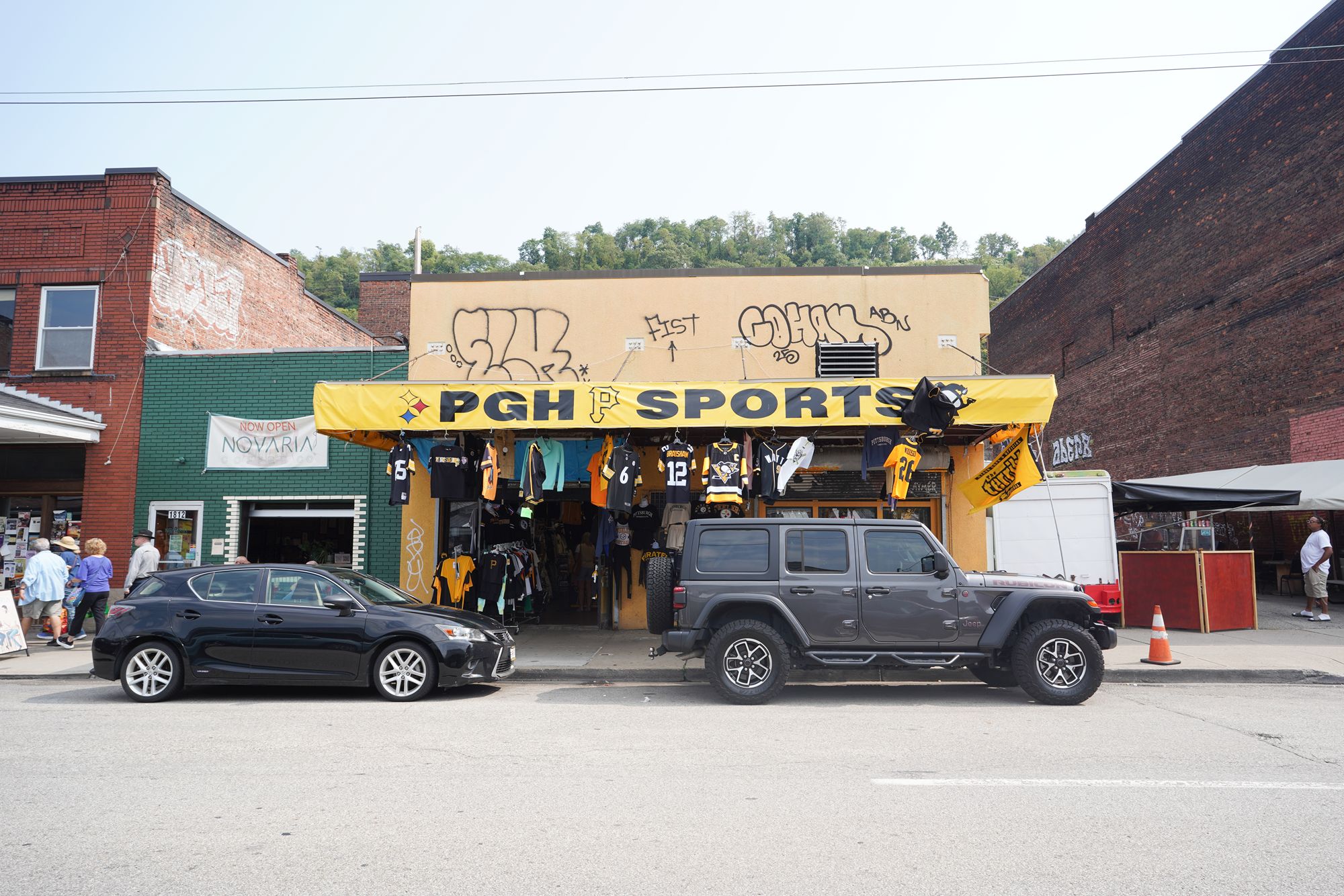
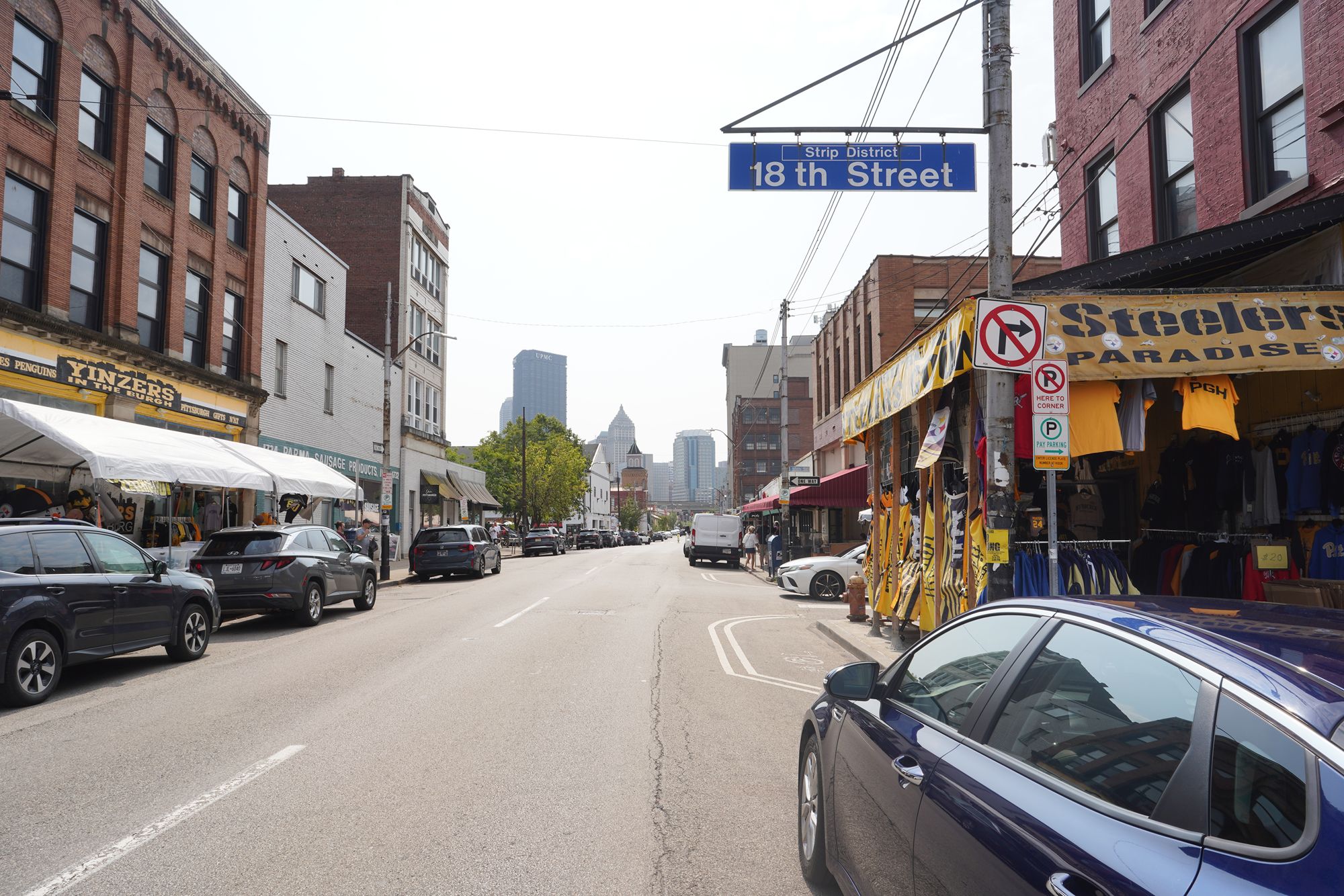
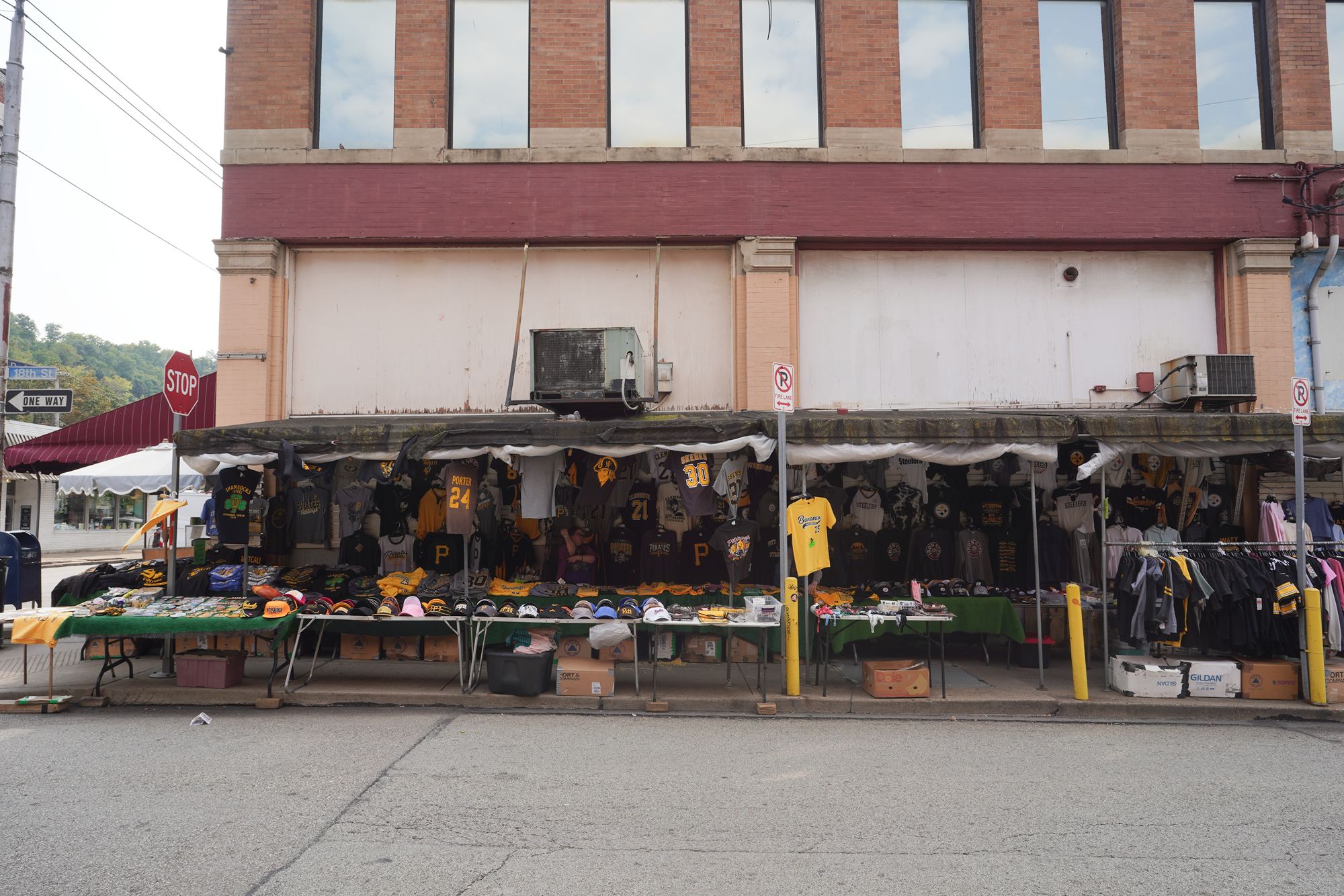
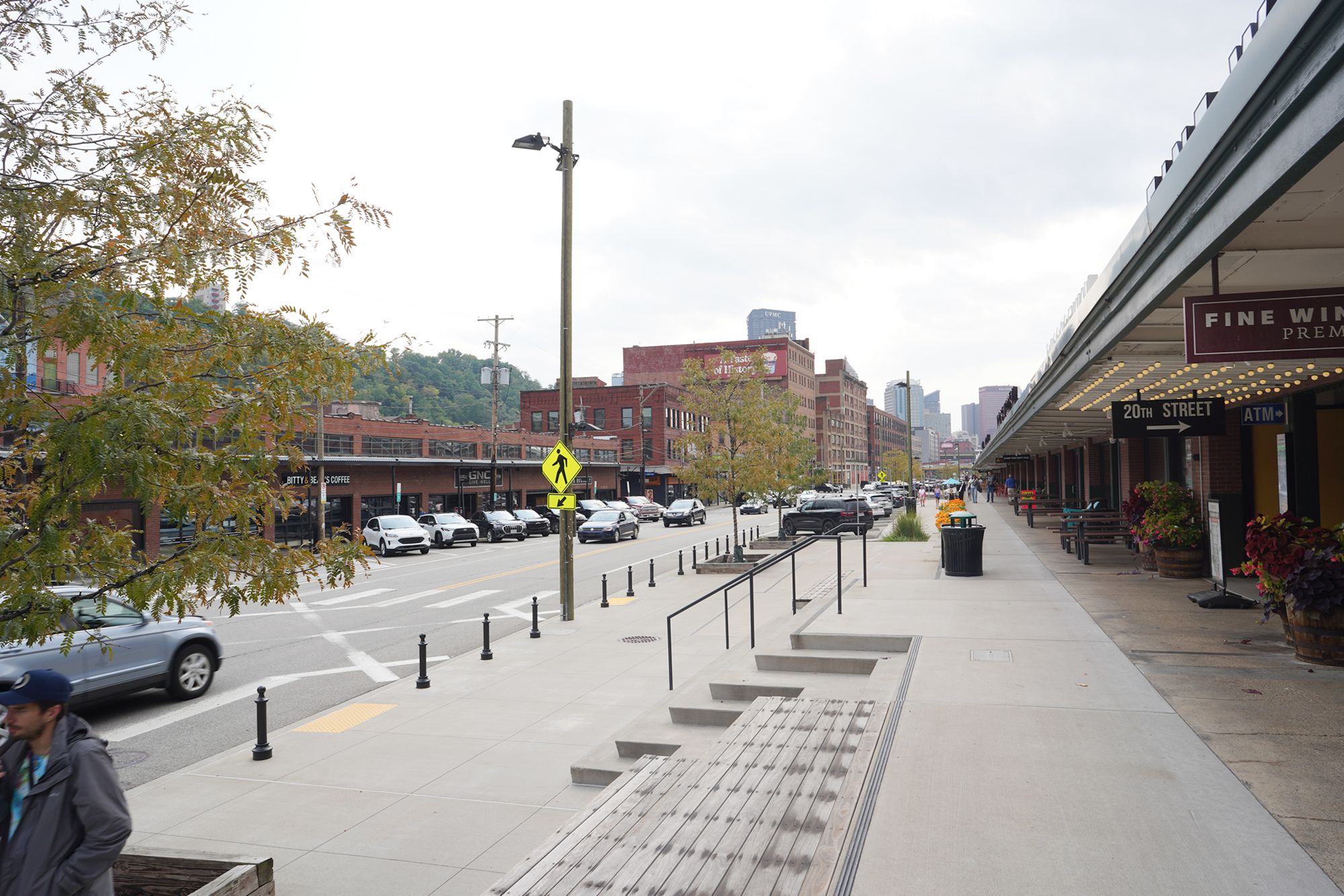
From the history center, I drove to the heart of the Strip District, known for its shops and pedestrian-friendly streets.
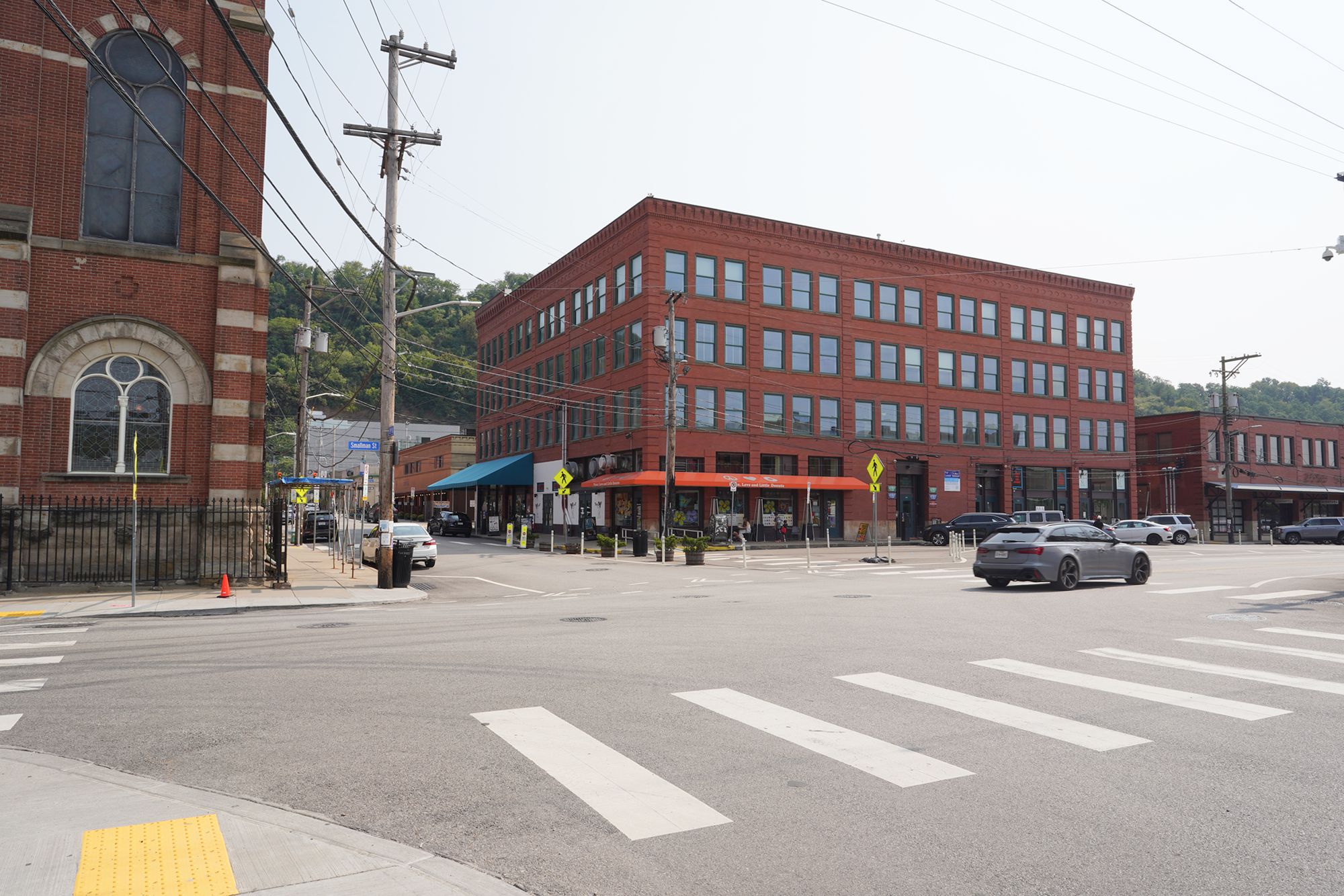
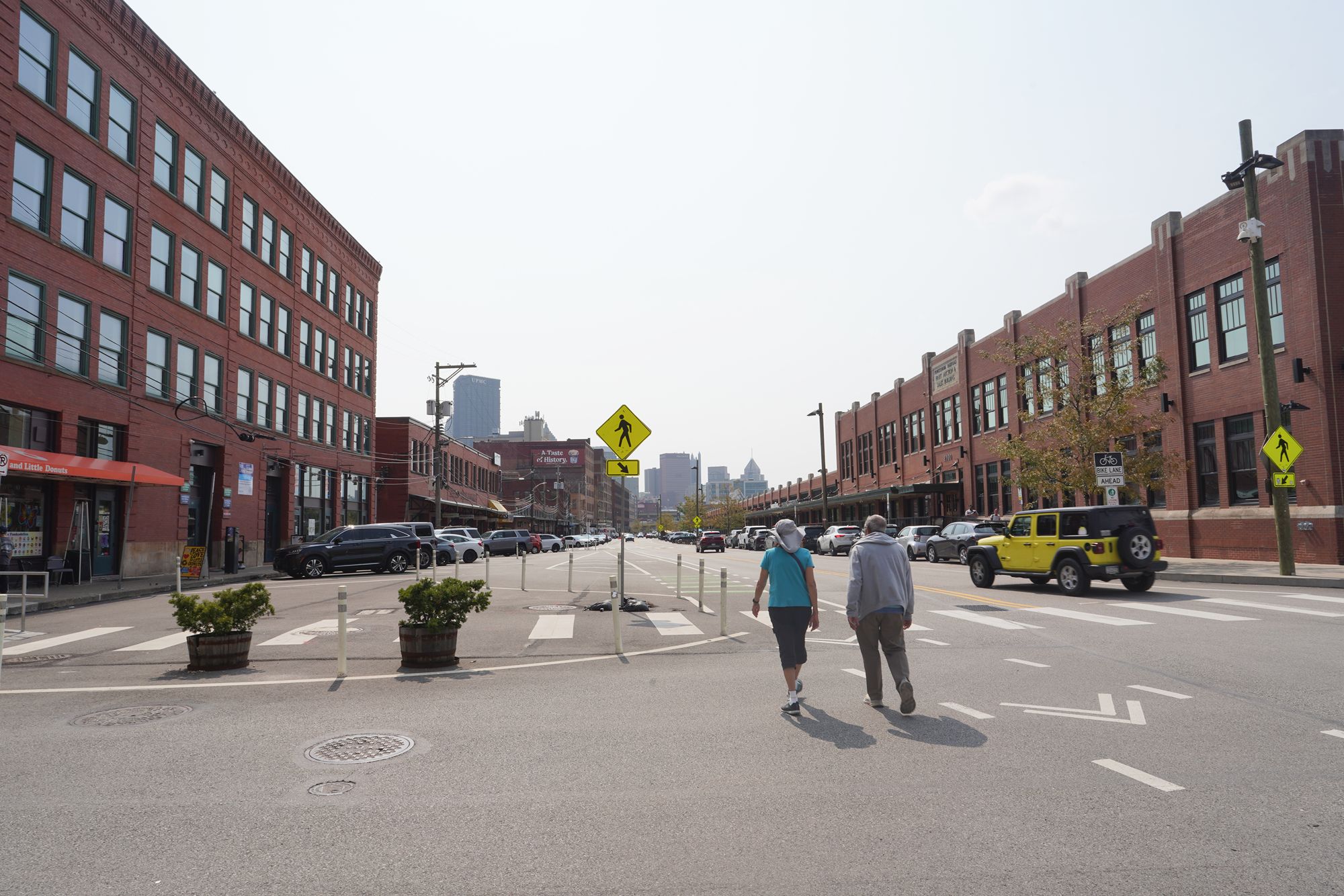
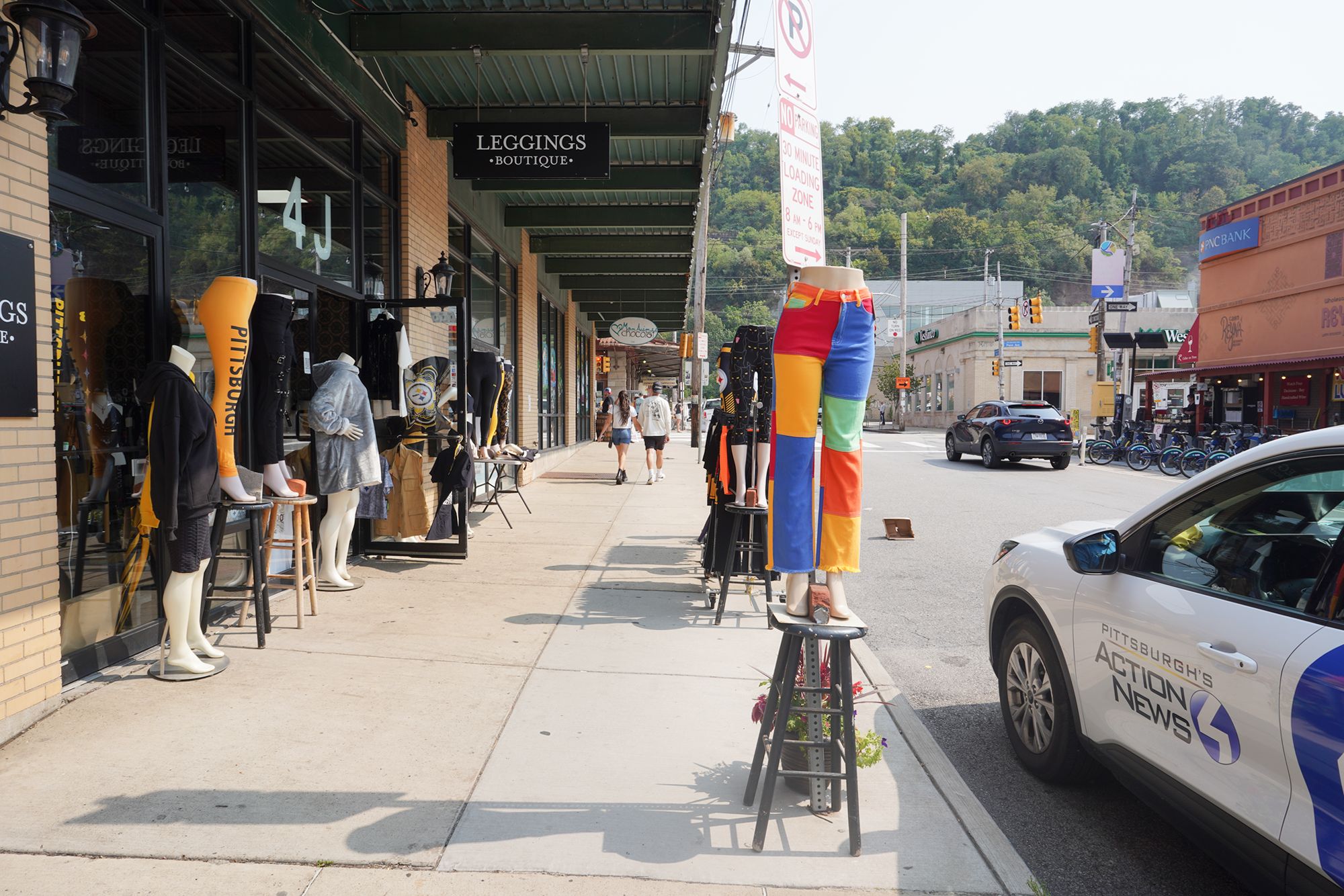
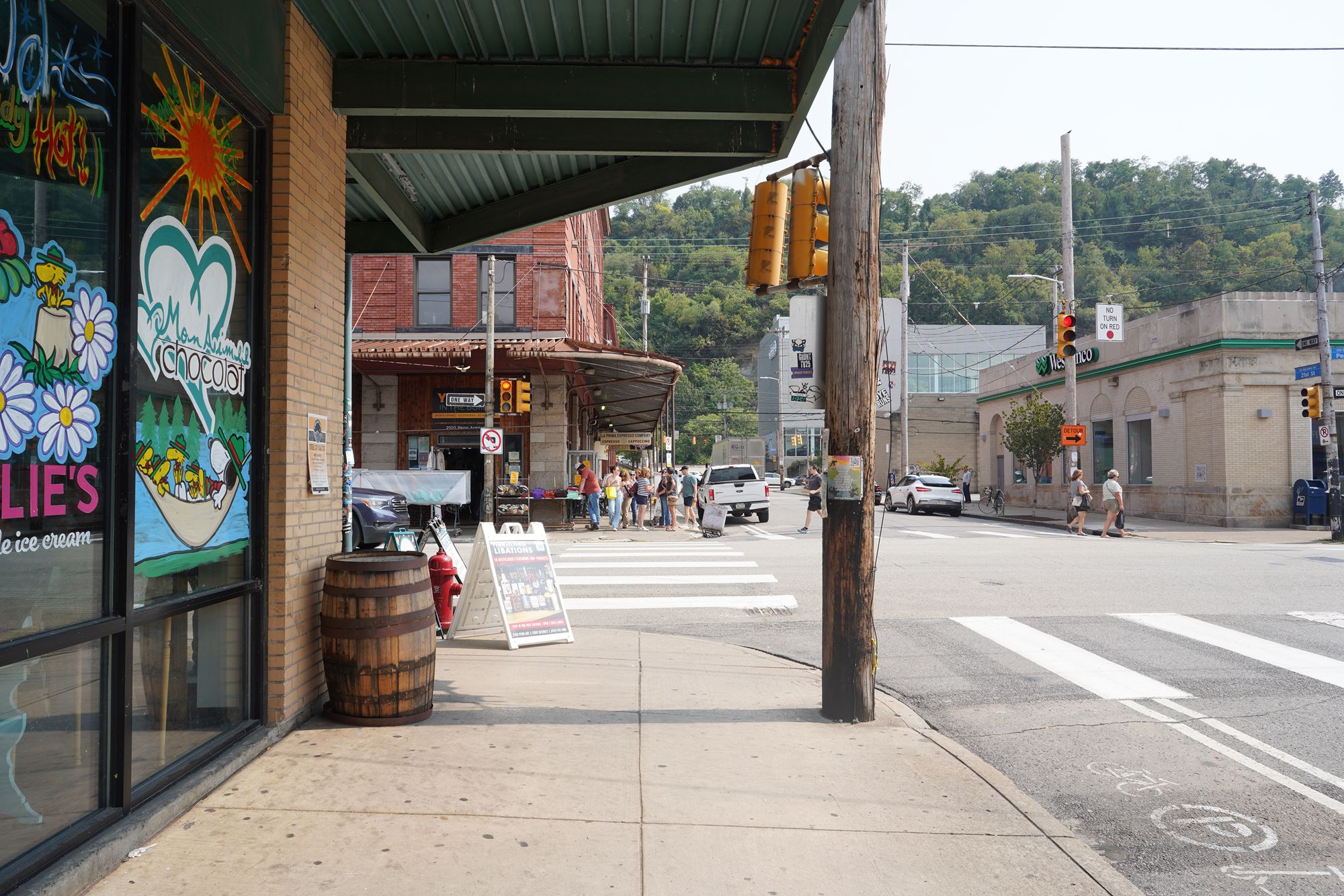
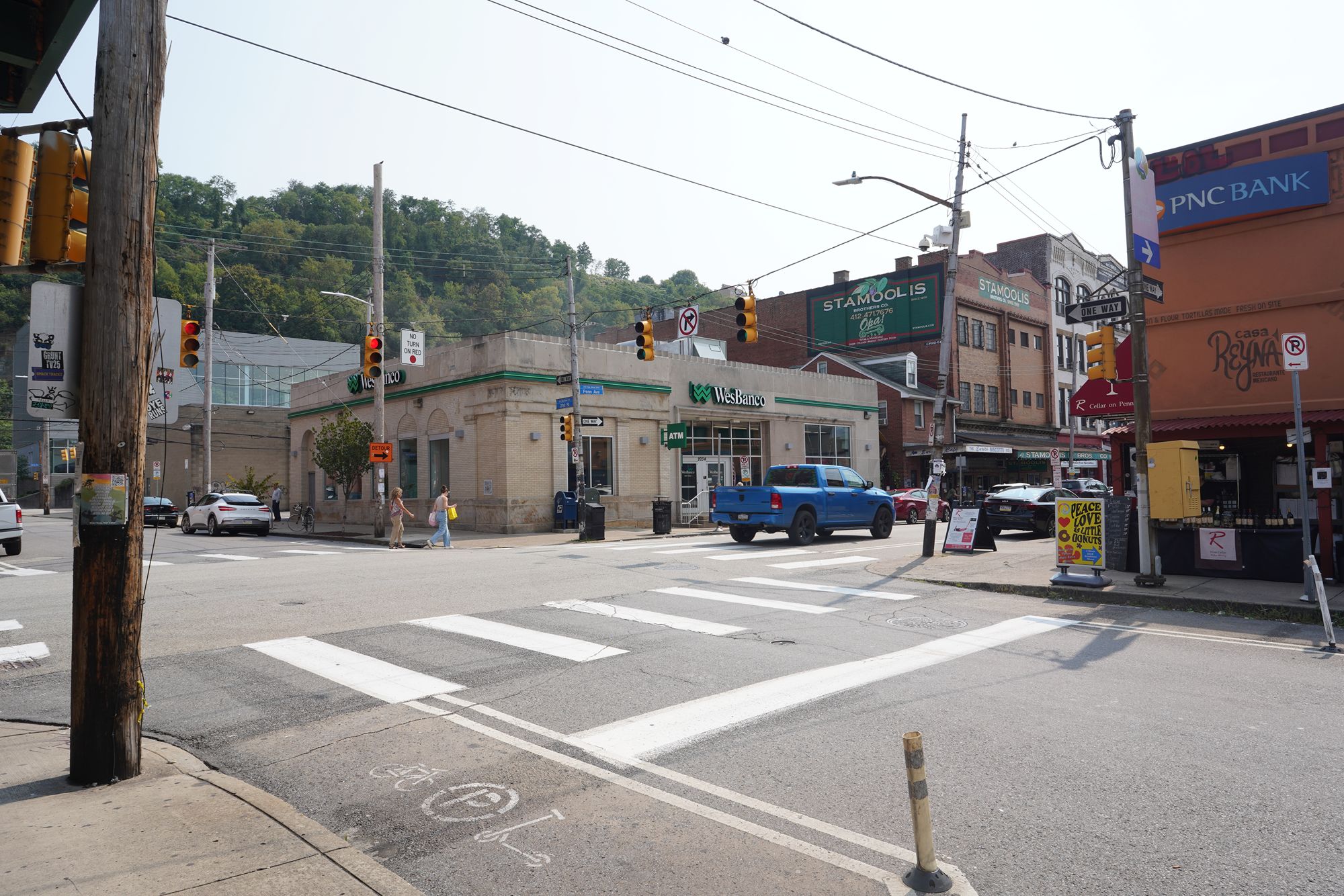
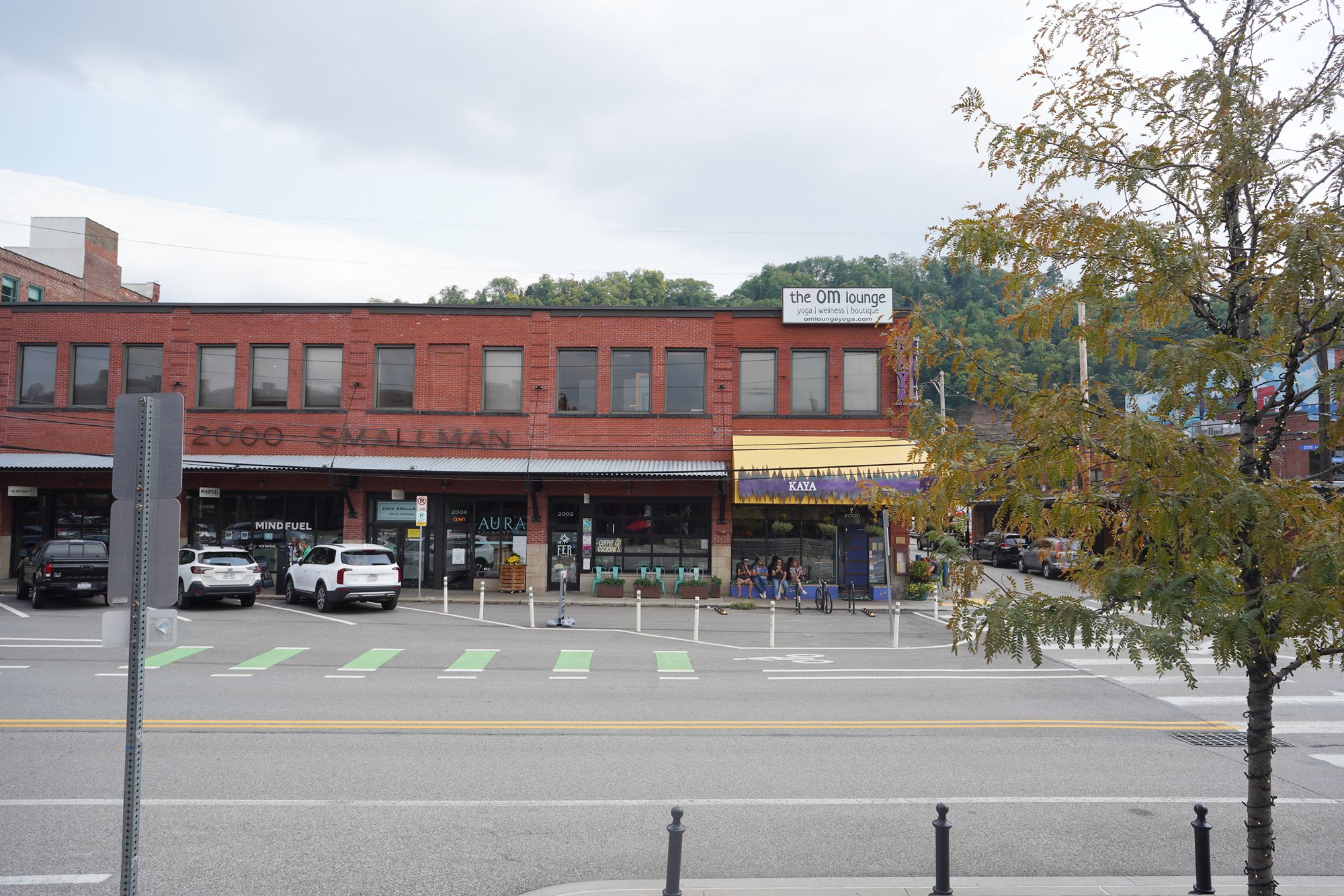
The Strip District shopping area is one of Pittsburgh’s most lively and distinctive neighborhoods.
Stretching along the river, it blends historic warehouses with specialty food shops, local boutiques, street vendors, and cafés. Known for its walkable streets and energetic atmosphere, the Strip District reflects Pittsburgh’s immigrant roots while remaining a favorite destination for locals and visitors alike.
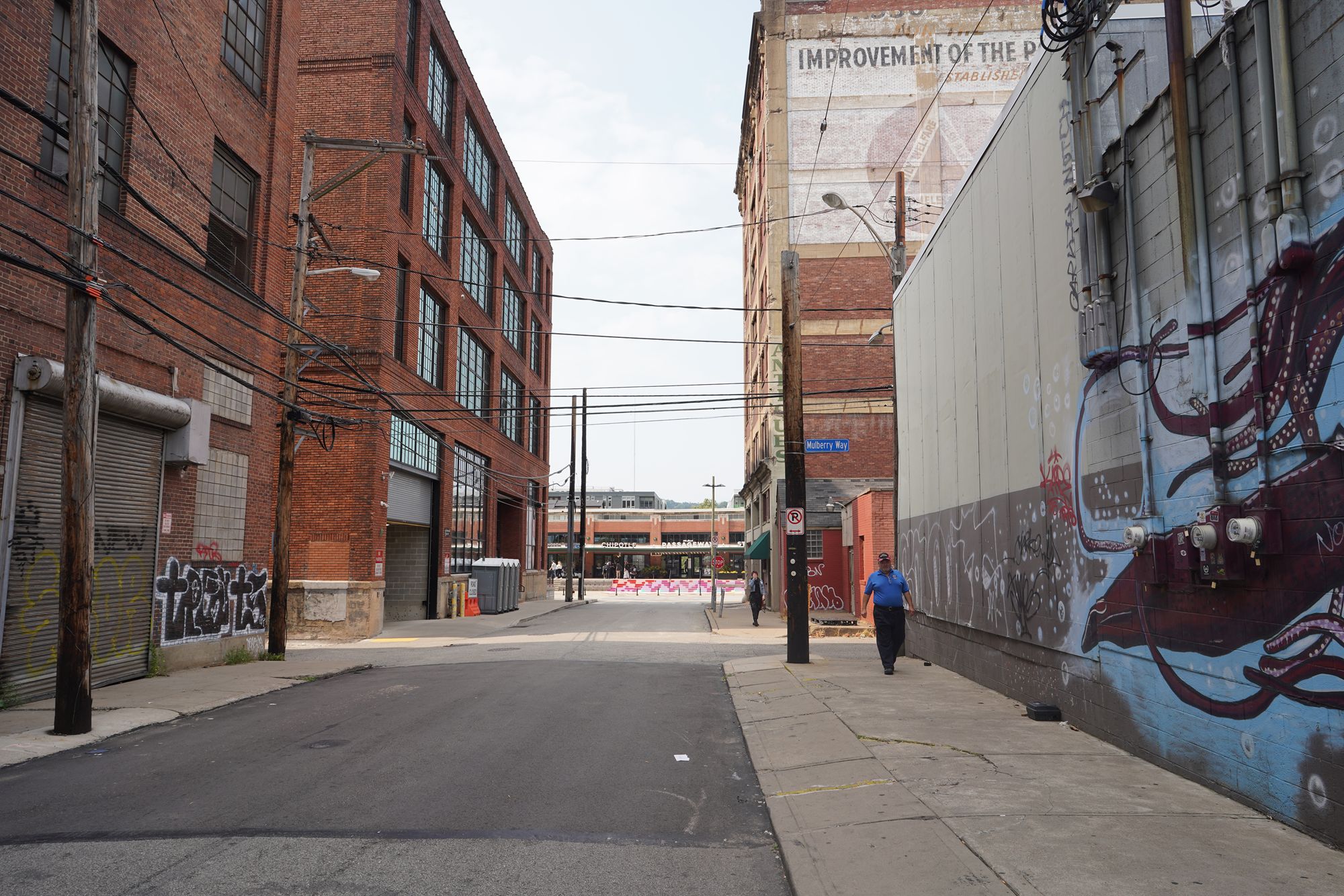
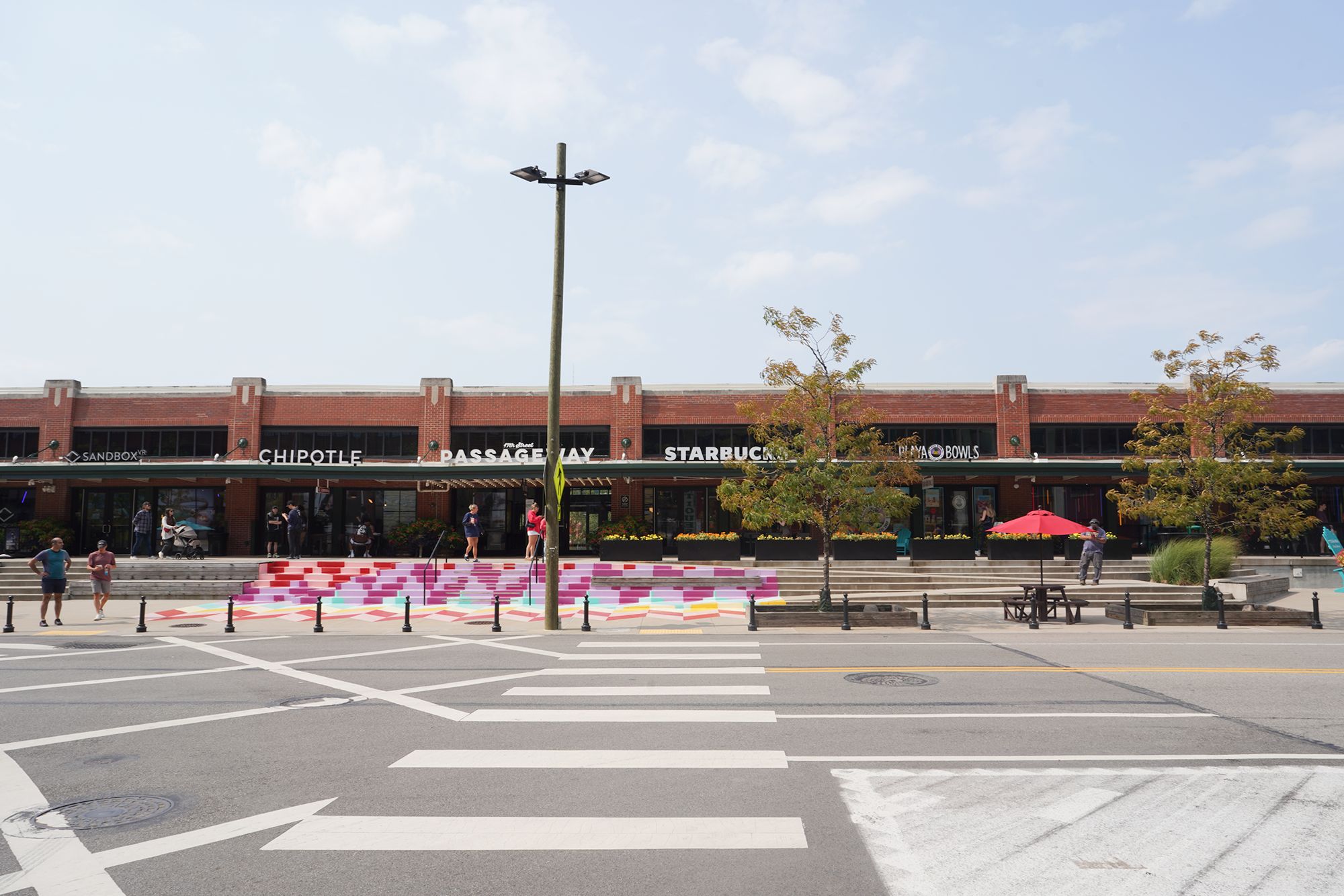
Strip District Terminal is a revitalized landmark at the heart of Pittsburgh’s Strip District.
Once a produce terminal serving the city’s markets, the long industrial building has been transformed into a modern food hall and shopping destination. Today it blends historic structure with contemporary dining, local vendors, and riverfront energy, reflecting the district’s successful urban renewal.
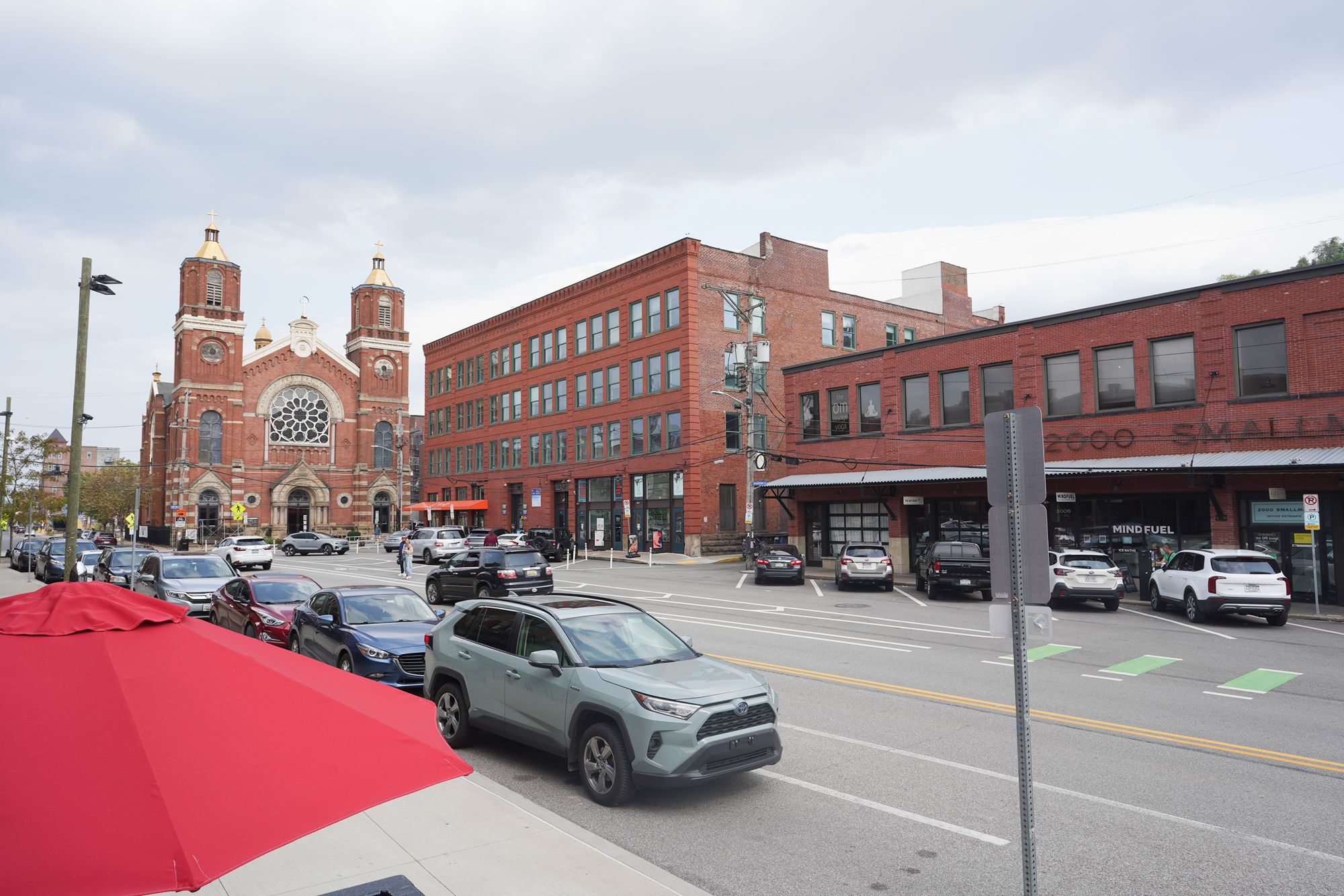
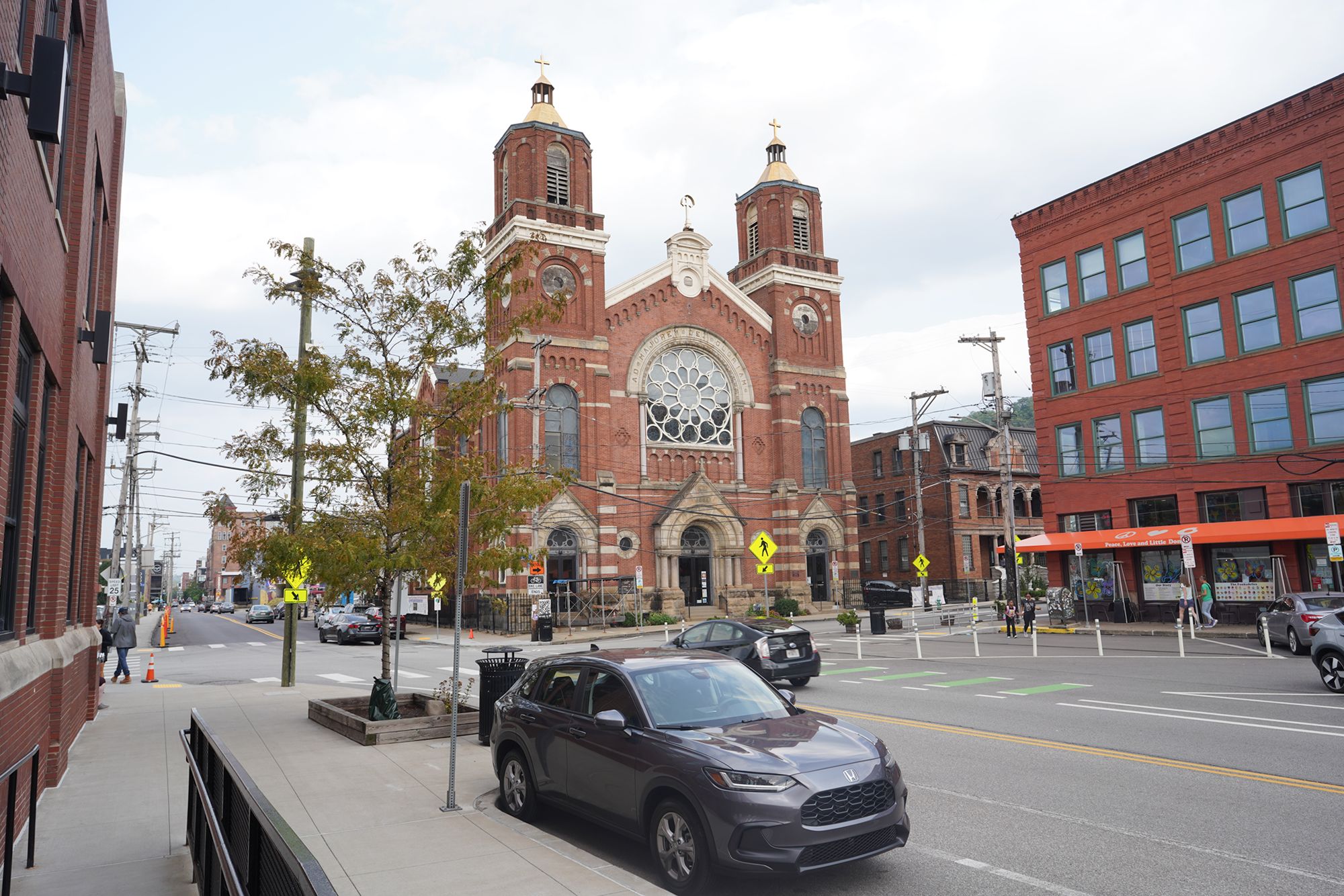
St. Stanislaus Kostka Catholic Church is a striking historic church in Pittsburgh’s Strip District.
Founded by Polish immigrants in the late 19th century, the church reflects the community’s faith and cultural identity. Its ornate interior, traditional artwork, and prominent towers stand as a reminder of the immigrant roots that shaped the neighborhood and the city.
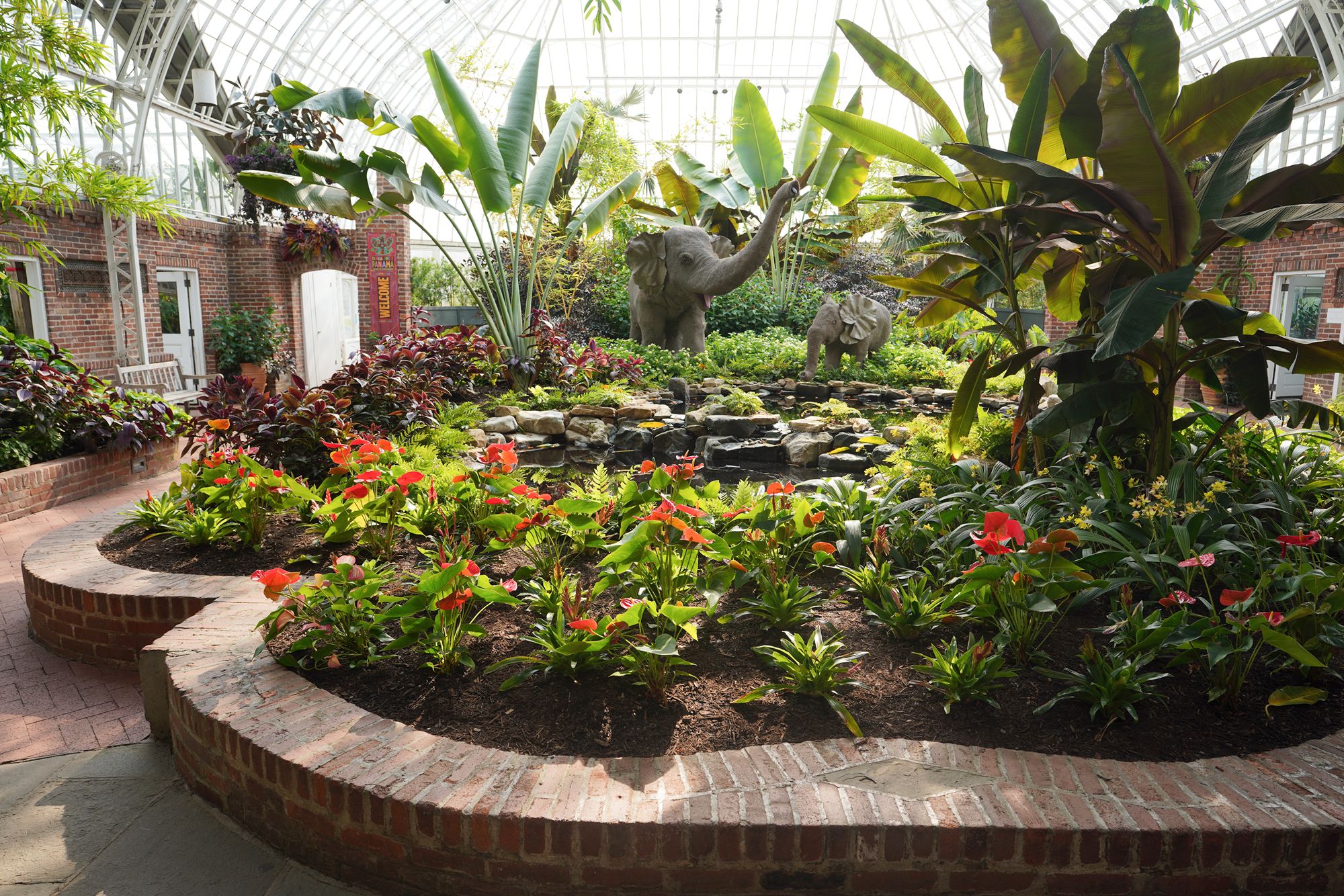
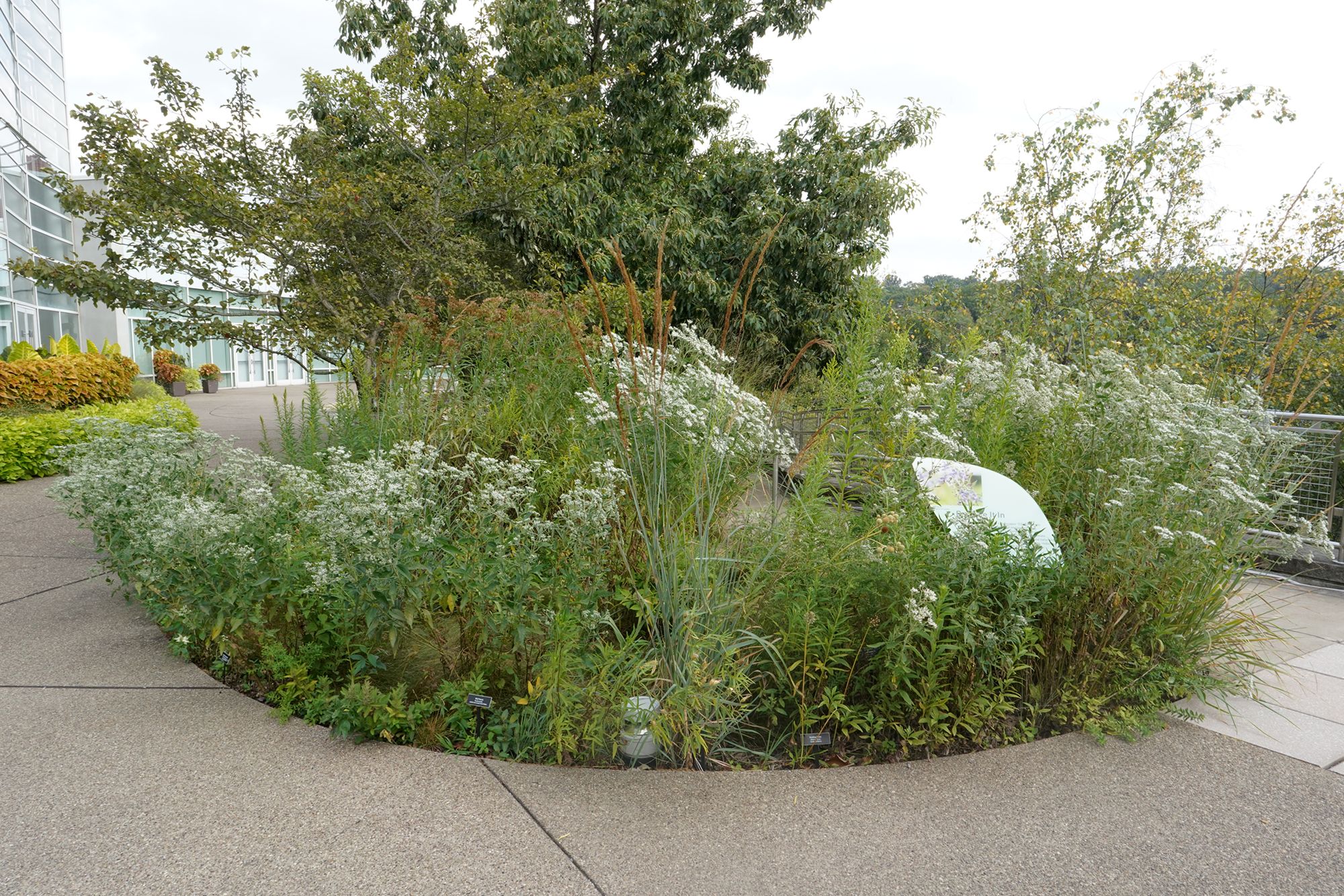
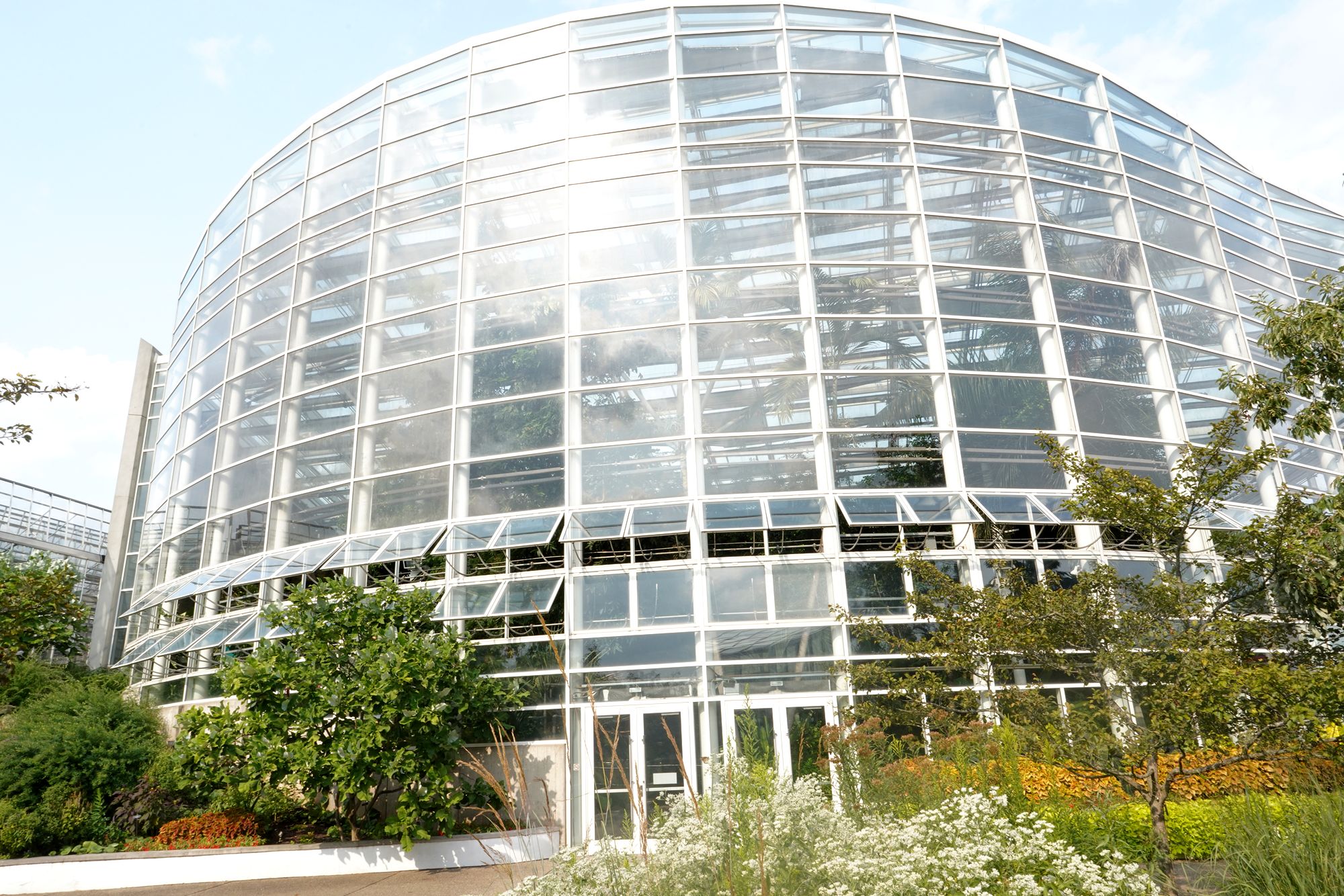
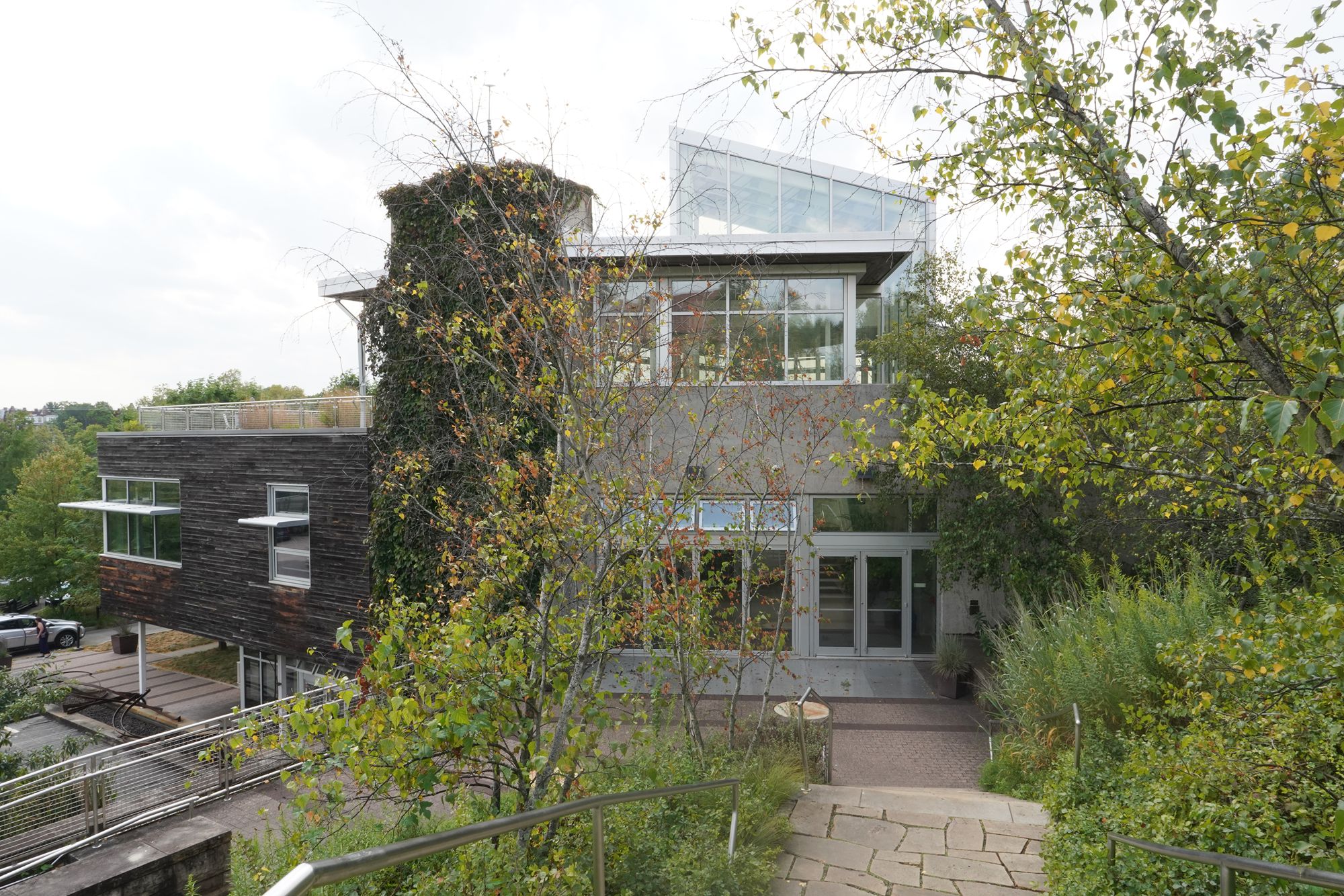
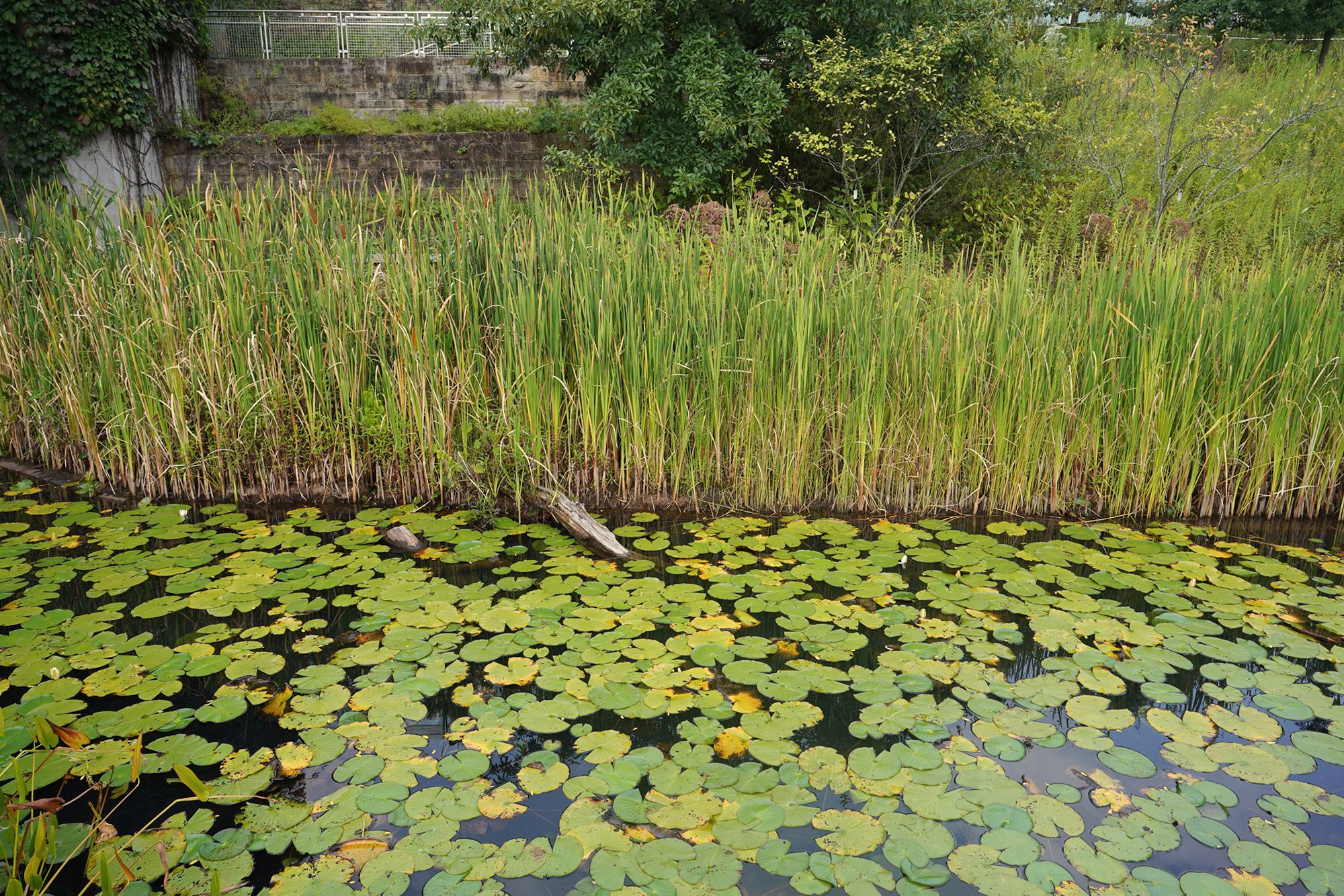
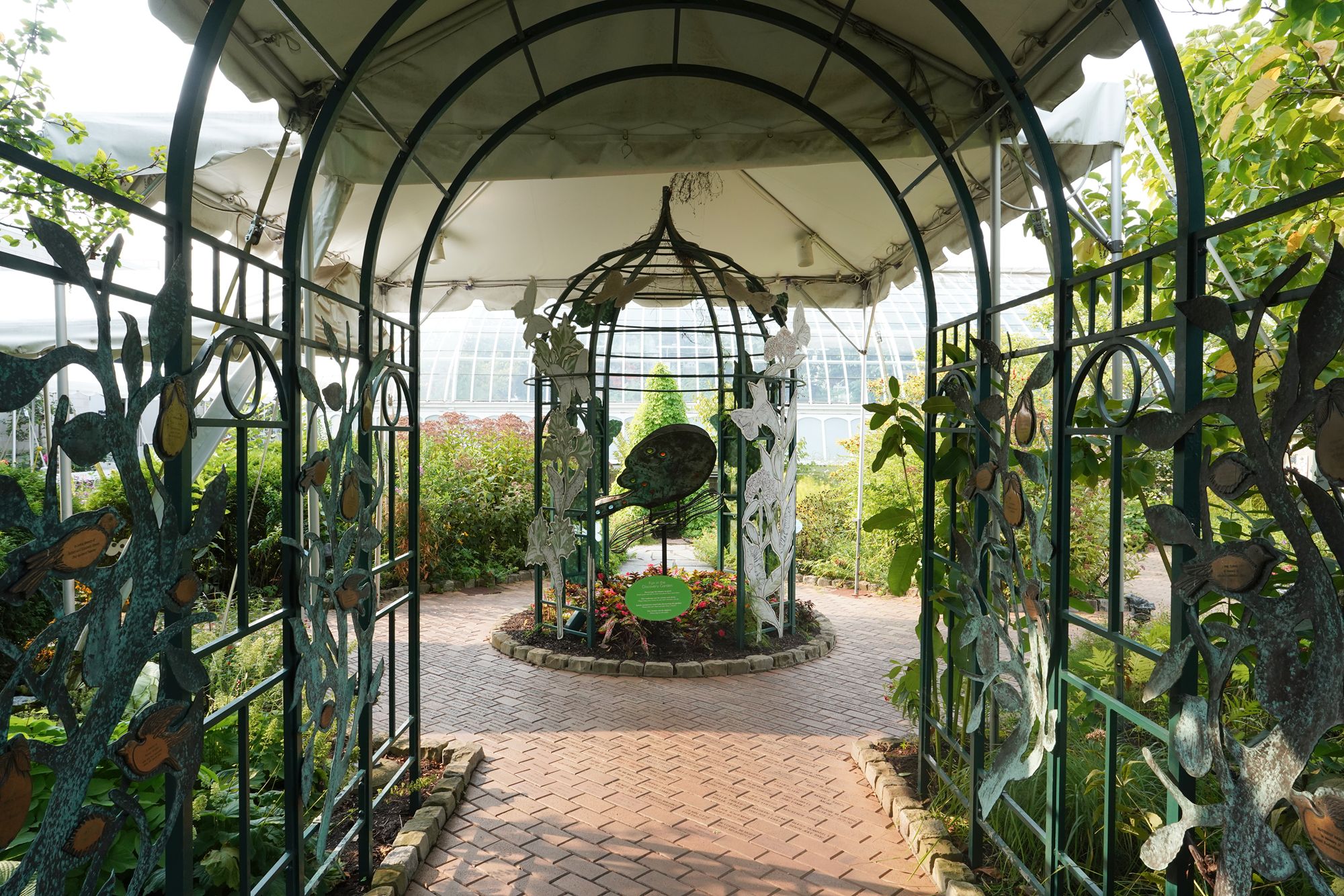
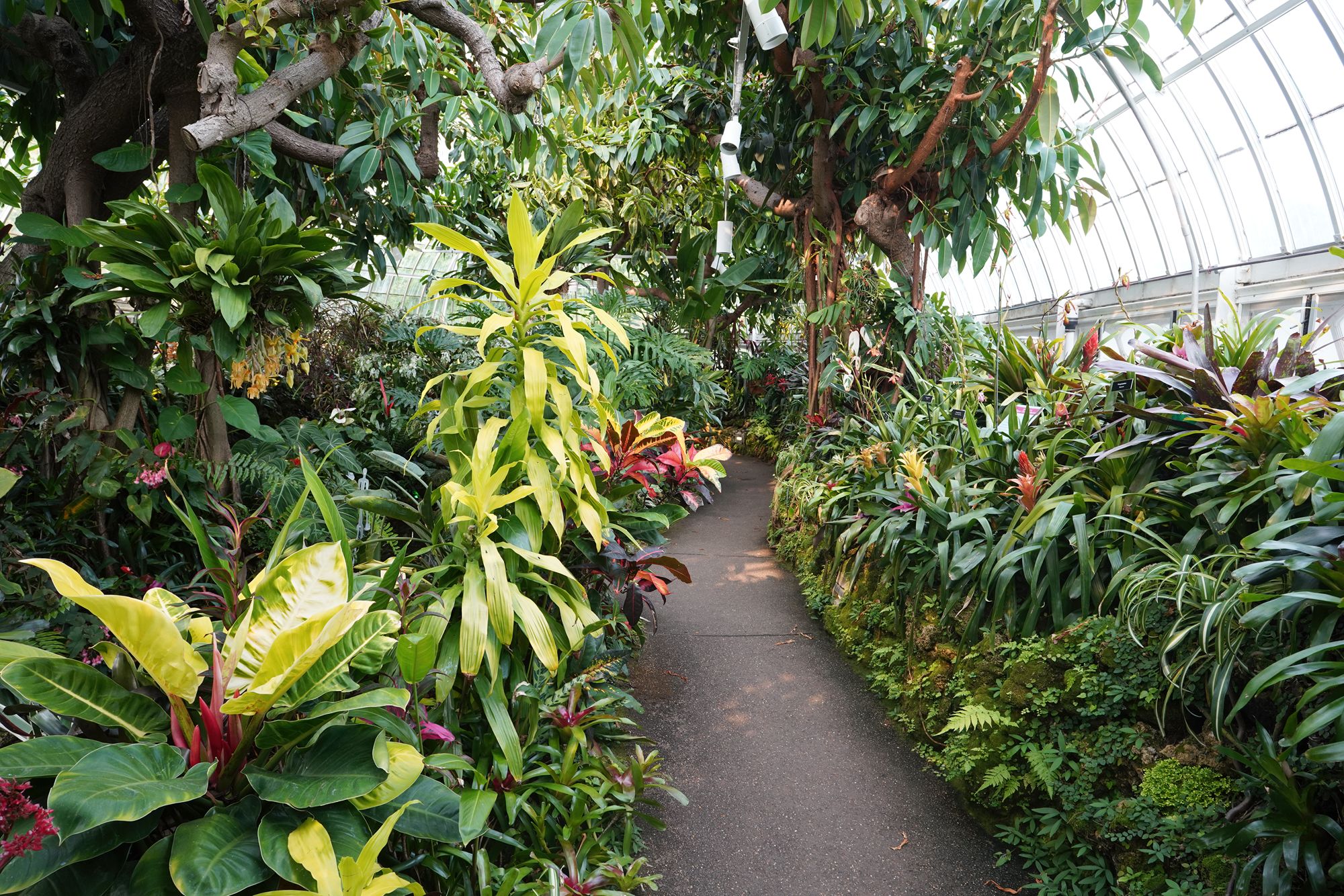
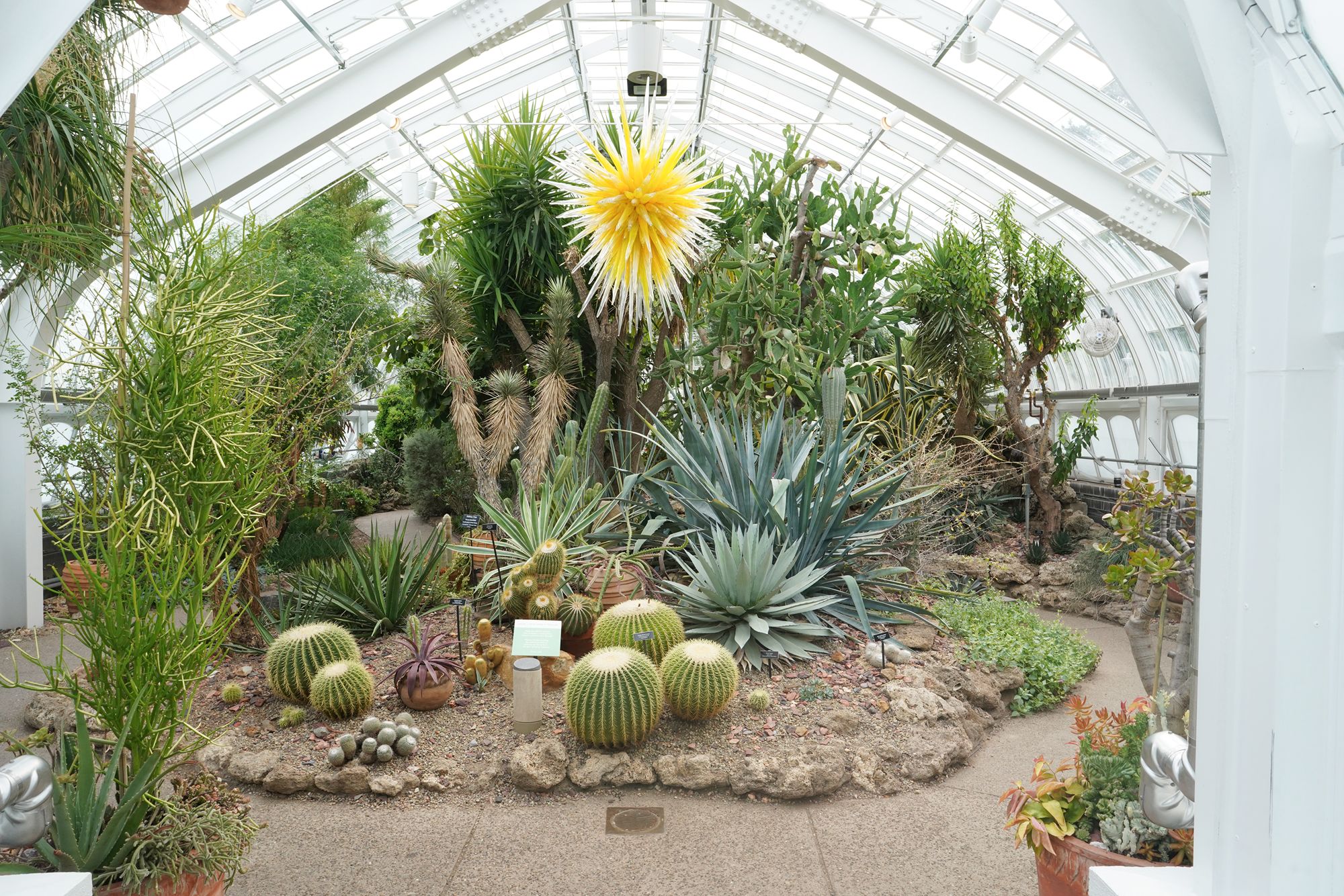
On the third day, I went to see Phipps Conservatory and Botanical Gardens
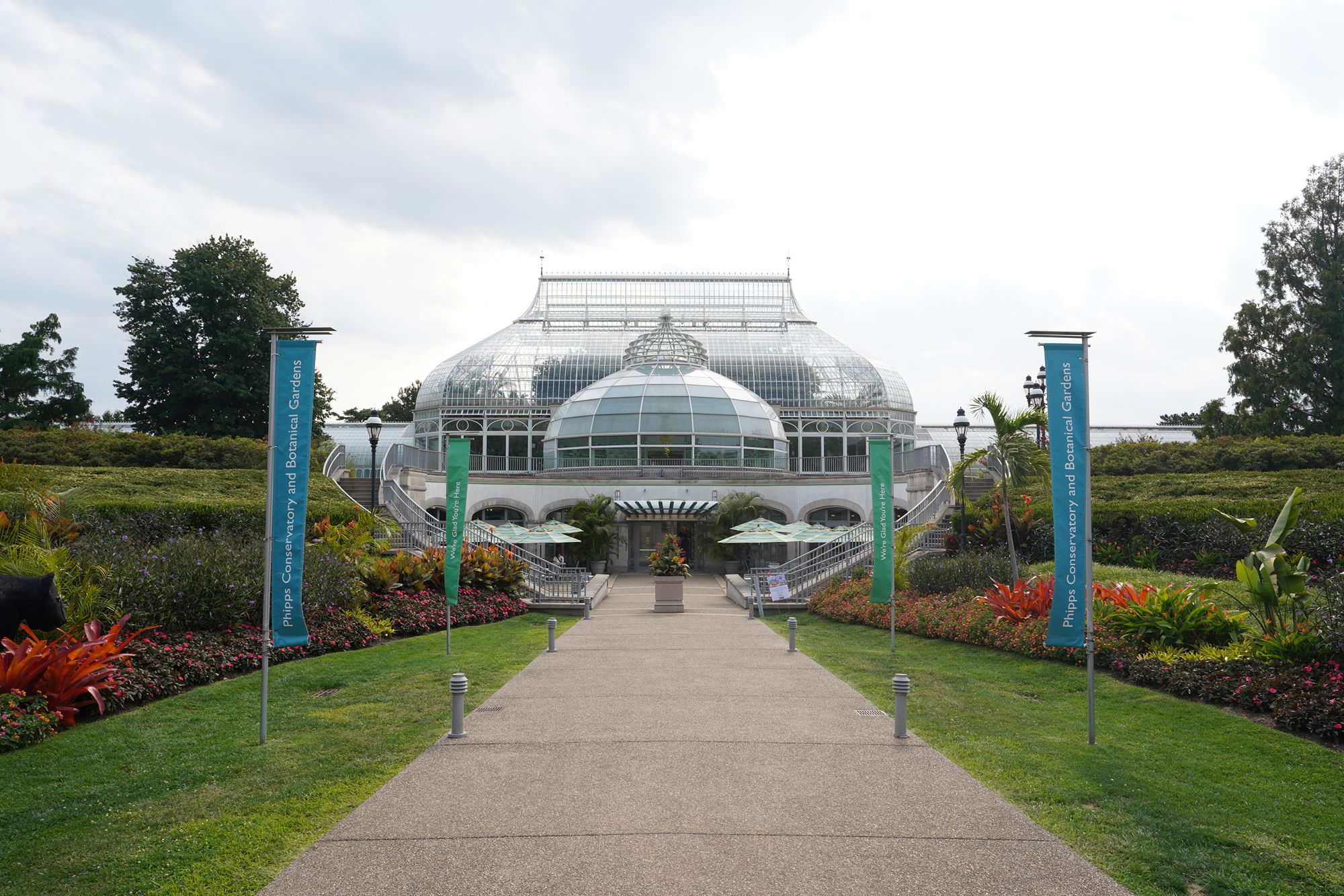
Phipps Conservatory and Botanical Gardens is one of Pittsburgh’s most beloved cultural and natural attractions.
Located in Schenley Park, the Victorian-era glasshouse features lush indoor gardens, seasonal flower shows, and themed conservatories from around the world. Blending historic architecture with sustainable design, Phipps offers a peaceful escape while showcasing the beauty, science, and conservation of plant life.