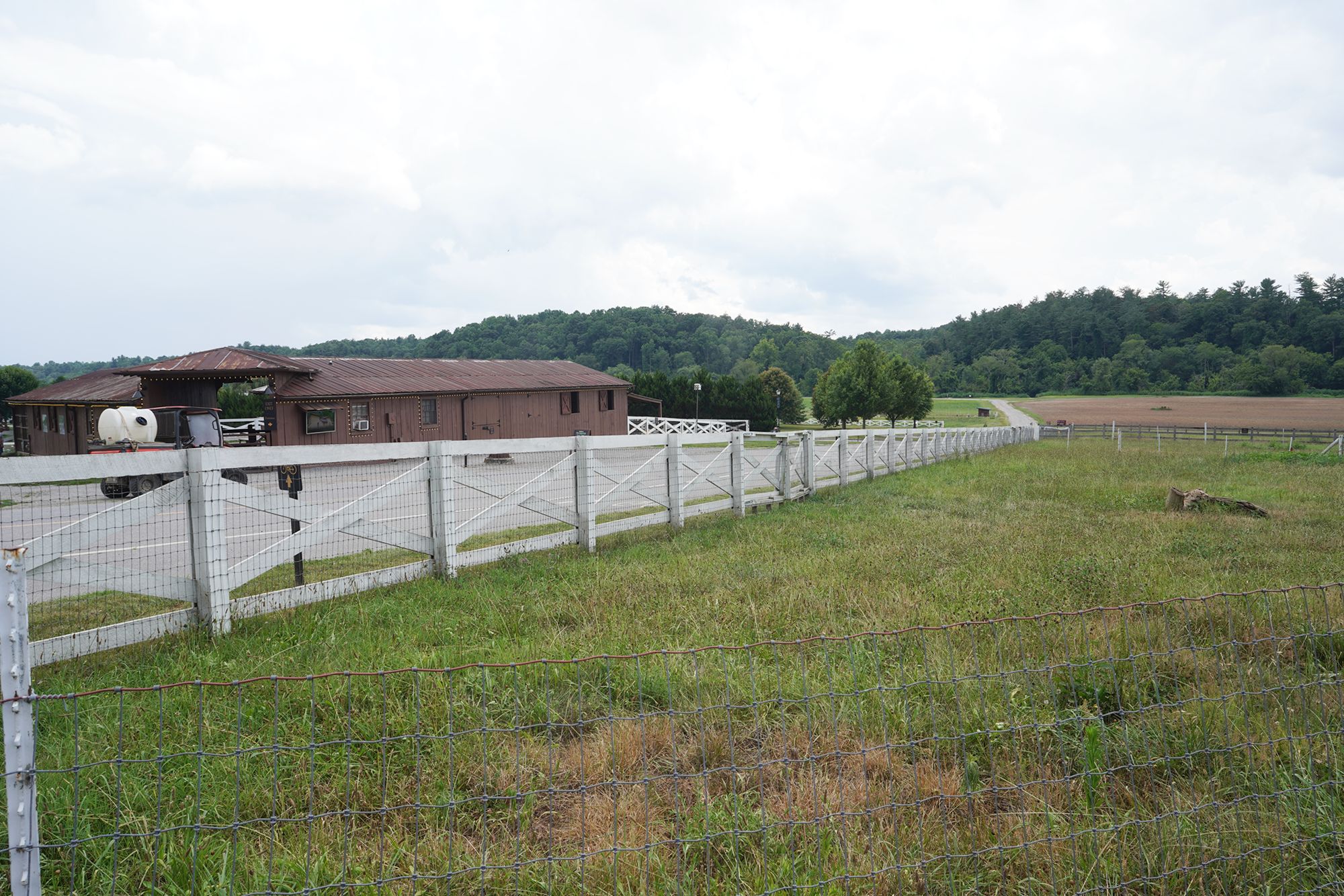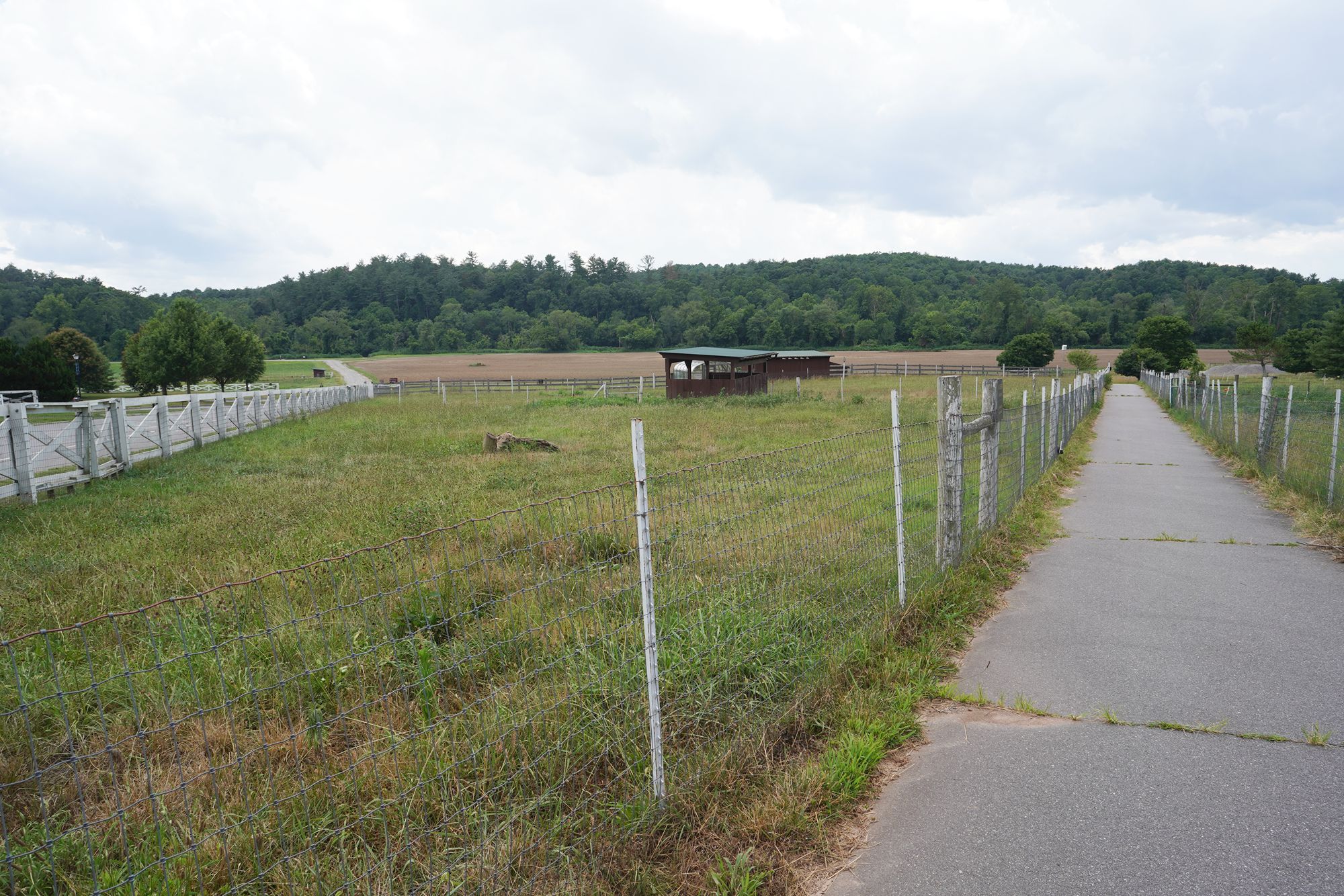
Biltmore, Asheville, North Carolina, USA
The Biltmore Estate in Asheville is America’s largest privately owned home, featuring grand architecture, elegant interiors, landscaped gardens, and a winery. 1092
Biltmore: 1 Lodge St, Asheville, NC 28803
Date Picture Taken: July 2025
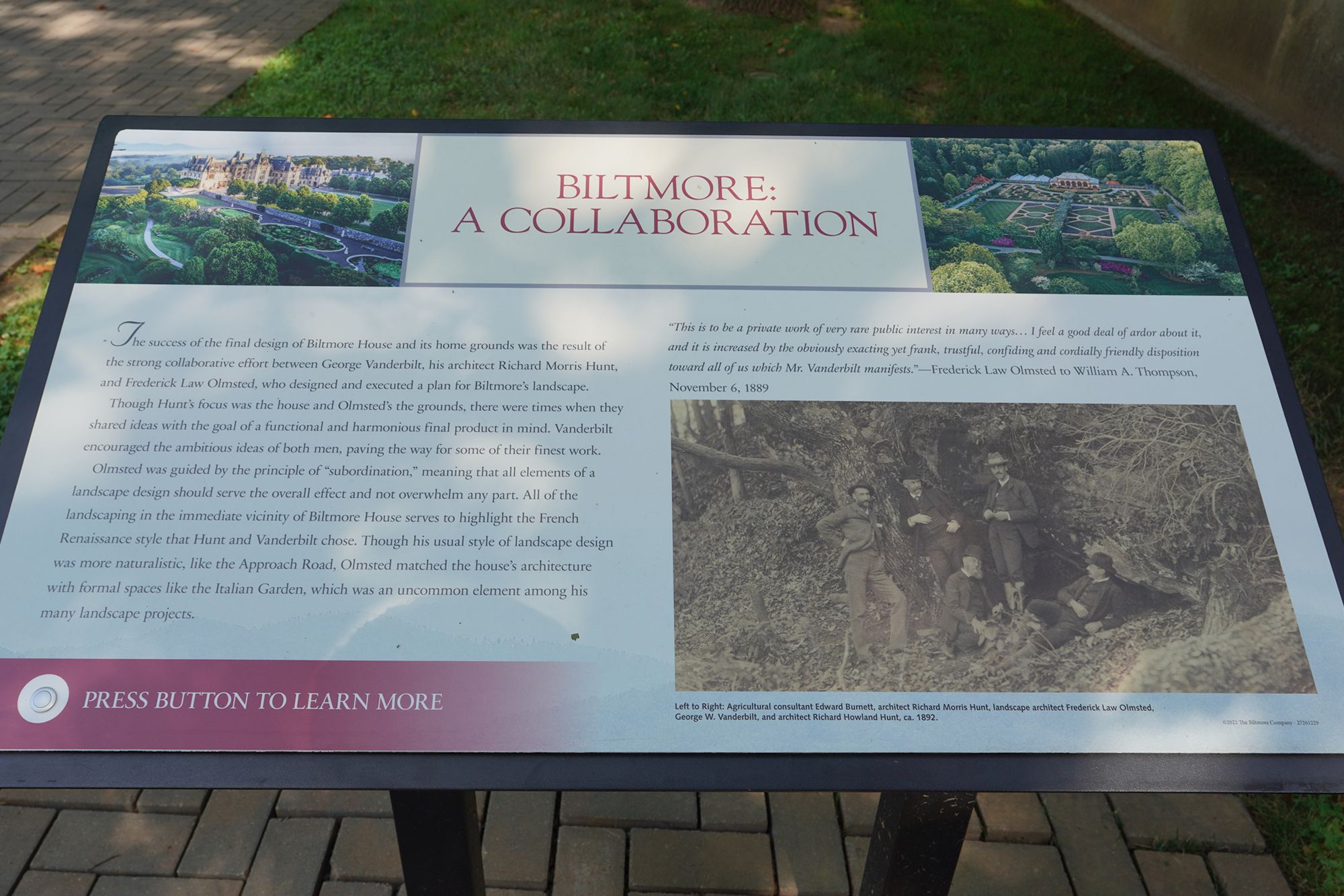
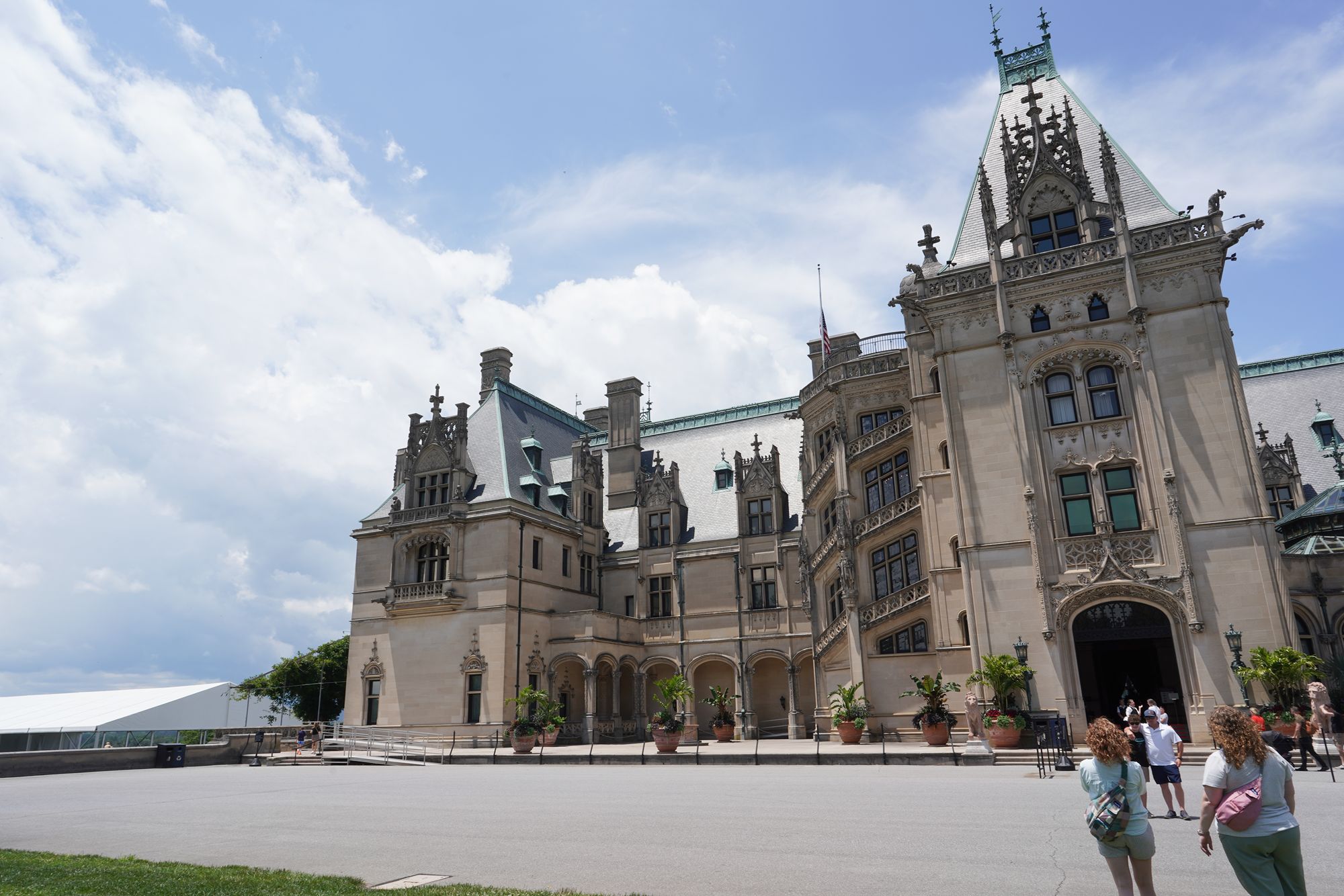
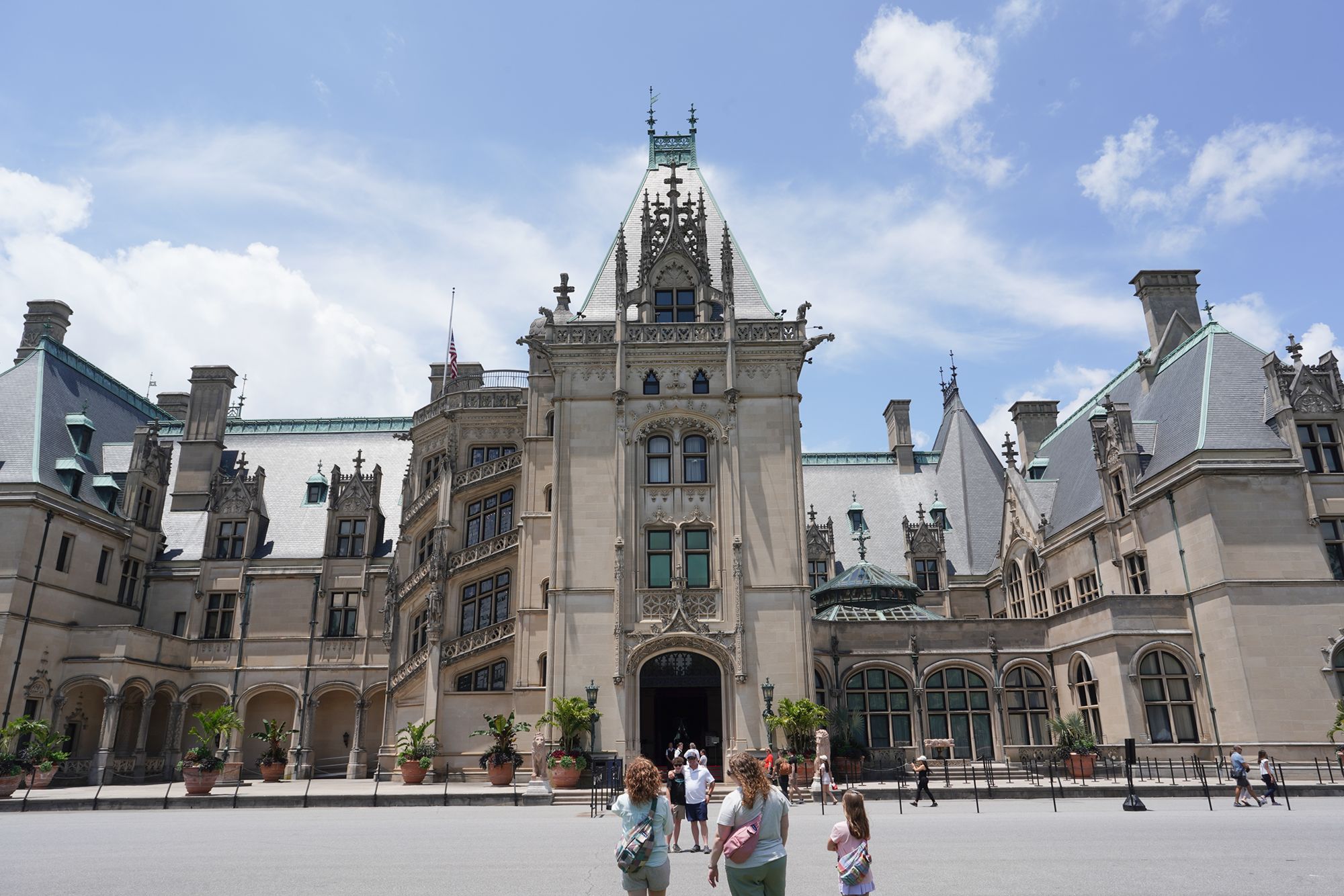
The Biltmore Estate in Asheville is America’s largest privately owned home, built by George Vanderbilt in the late 1800s. Designed in a French Château style with lavish interiors, it includes grand rooms, extensive art and furniture collections, and impressive architecture. The estate’s grounds feature formal gardens designed by Frederick Law Olmsted, a winery, and miles of scenic trails, making it one of the region’s most popular historic attractions.
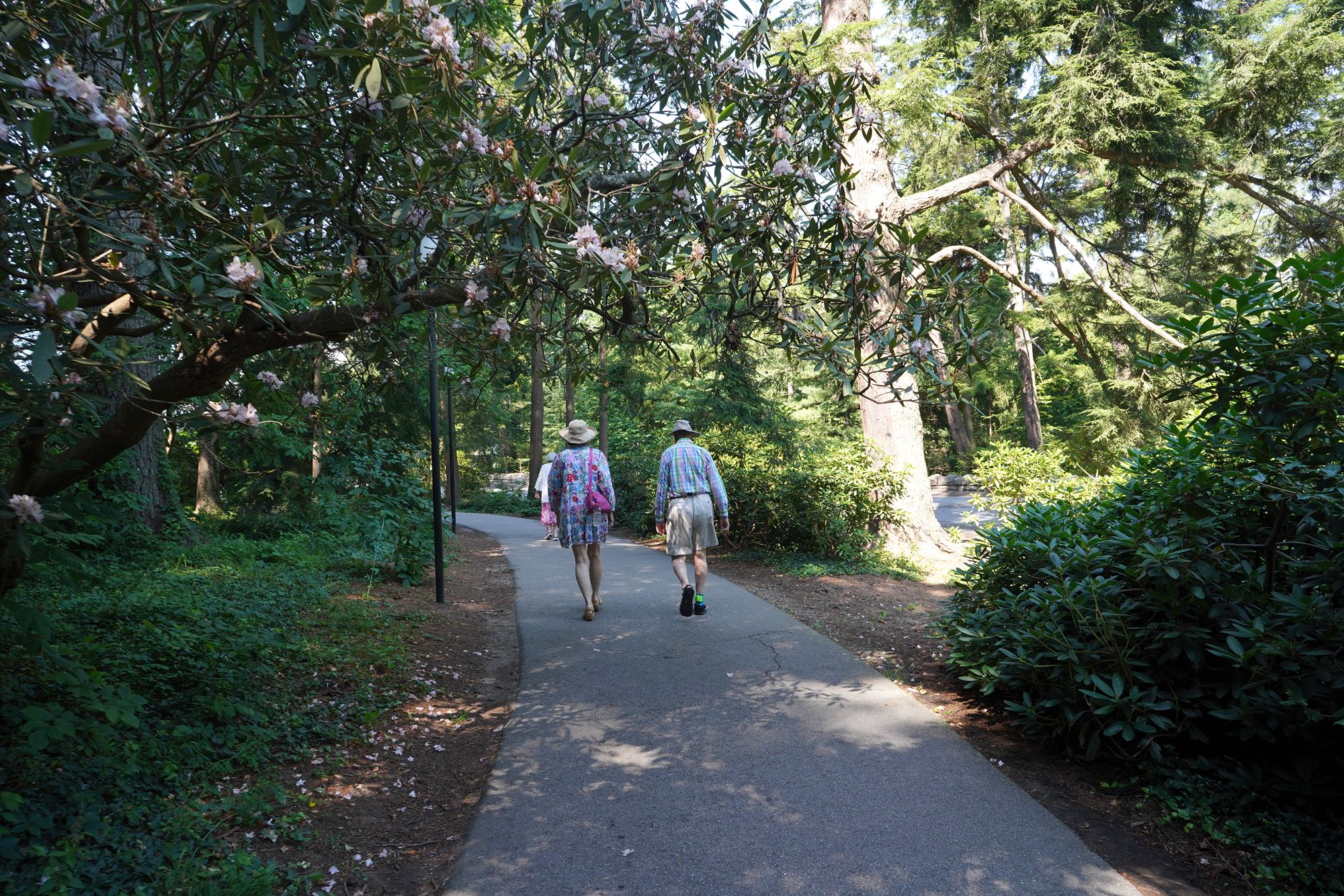
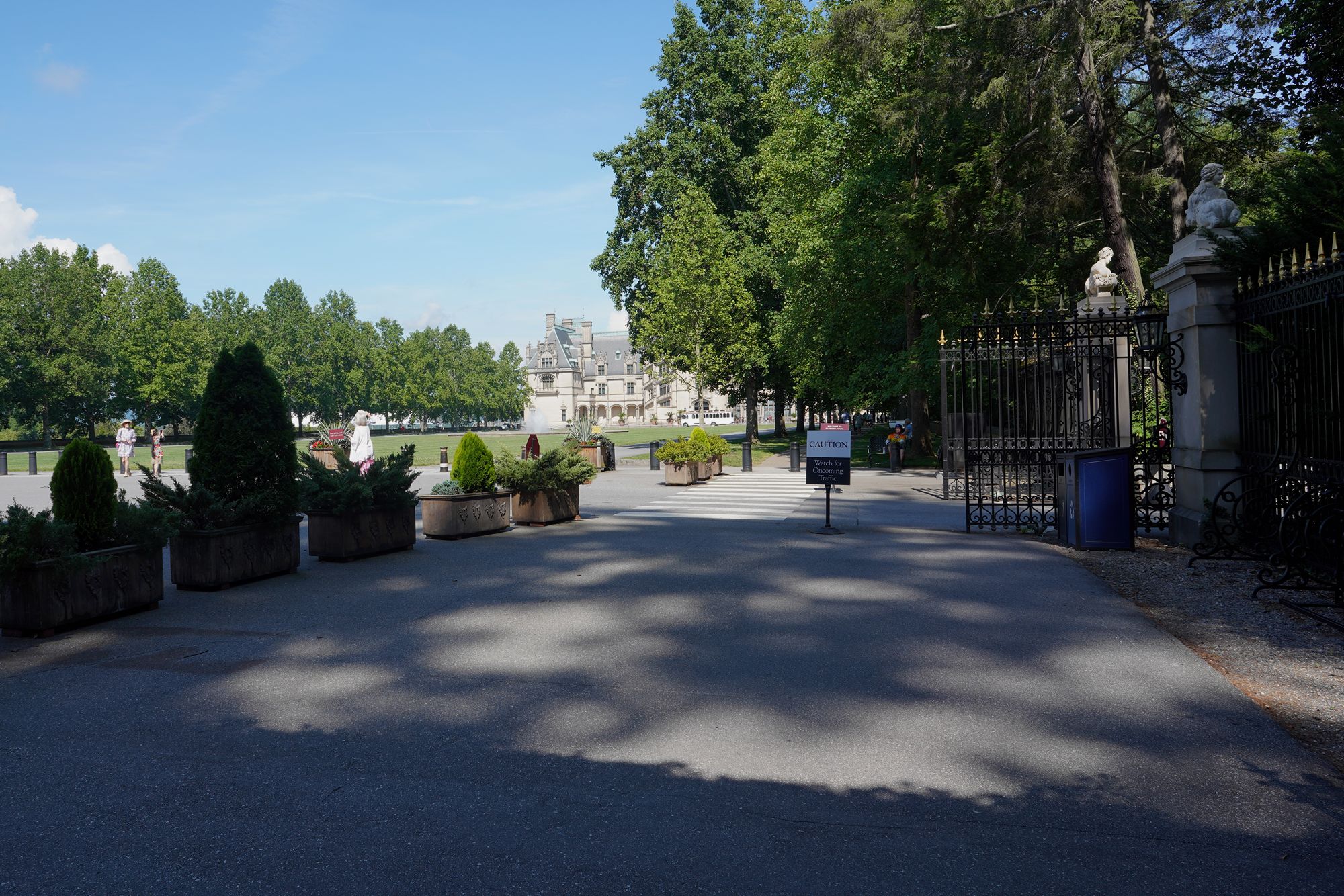
The Biltmore
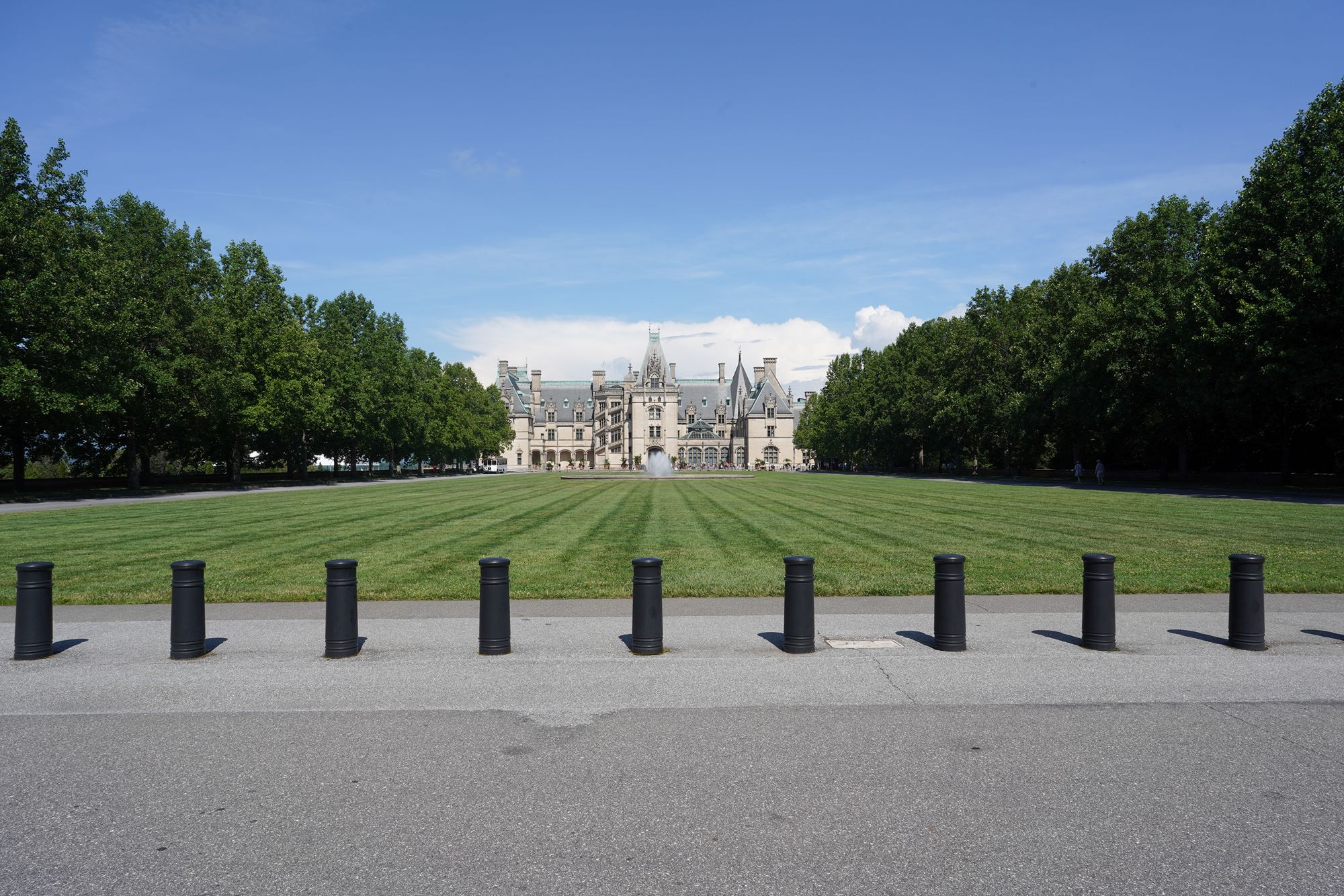
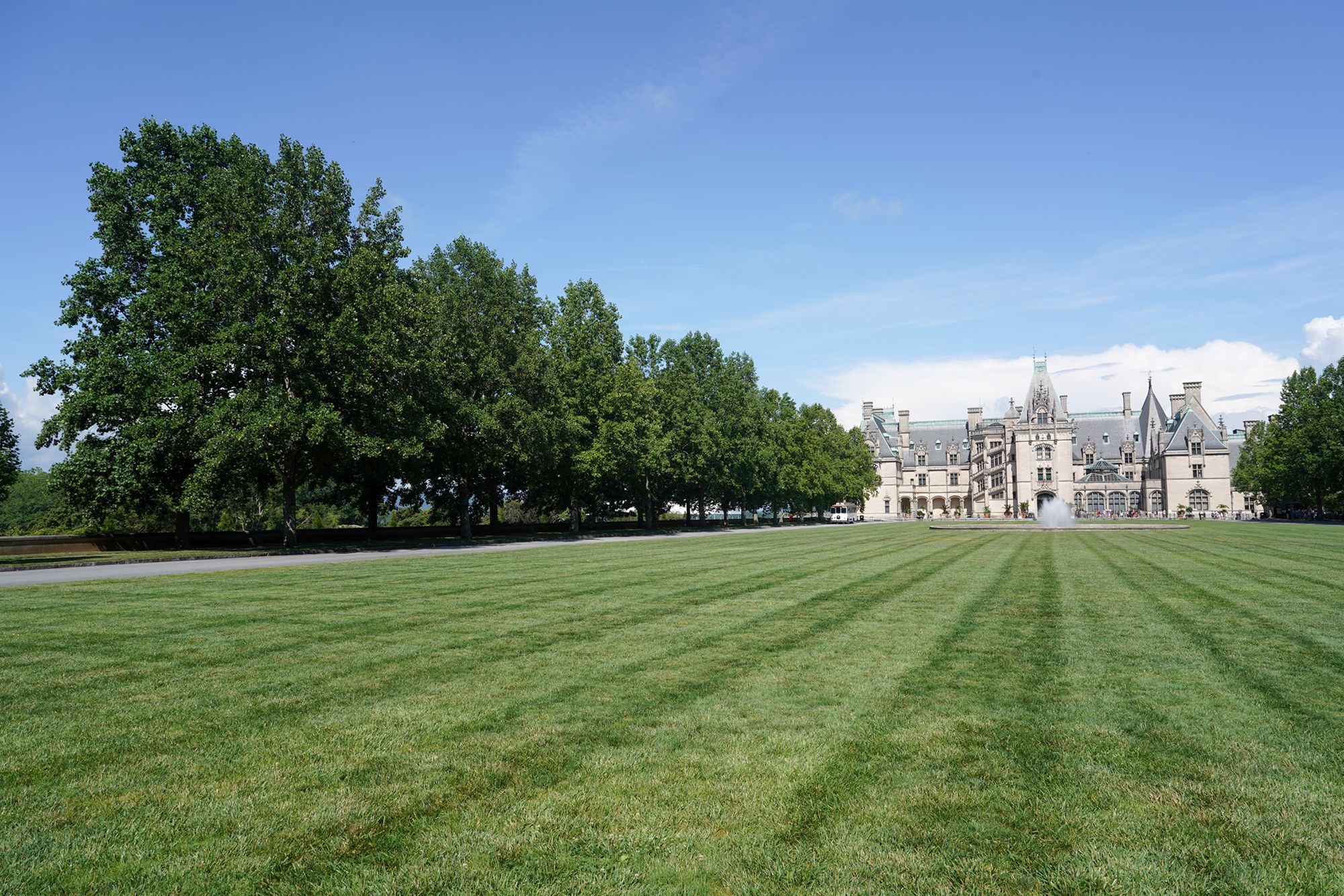
The Biltmore Estate was built by George Vanderbilt in the late 1800s as a luxurious country retreat. He wanted a private home for relaxation, away from city life, where he could enjoy nature, host guests, and showcase art, books, and architecture. It also demonstrated his family’s wealth and served as a model estate for scientific forestry, farming, and landscape design.
My back side
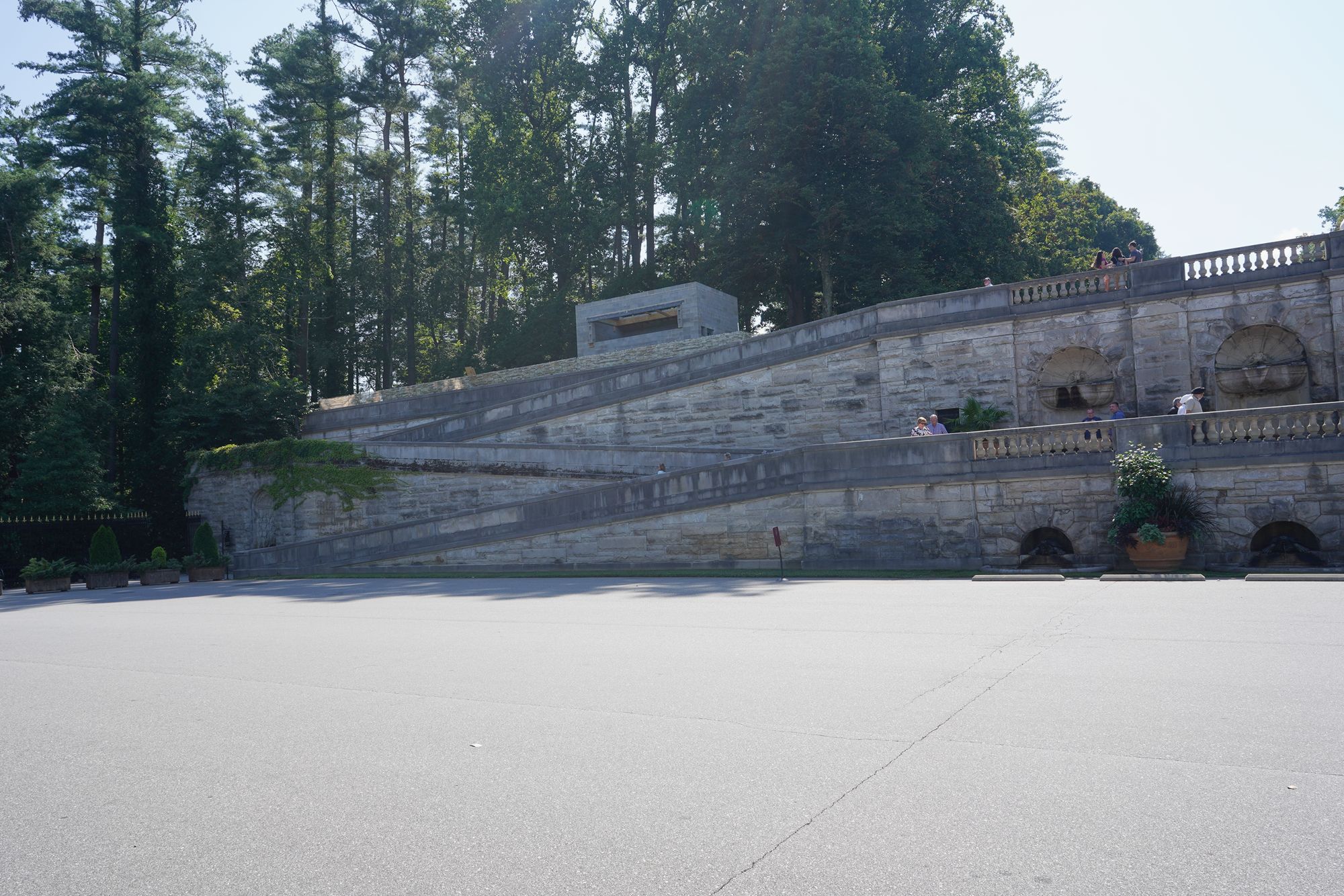
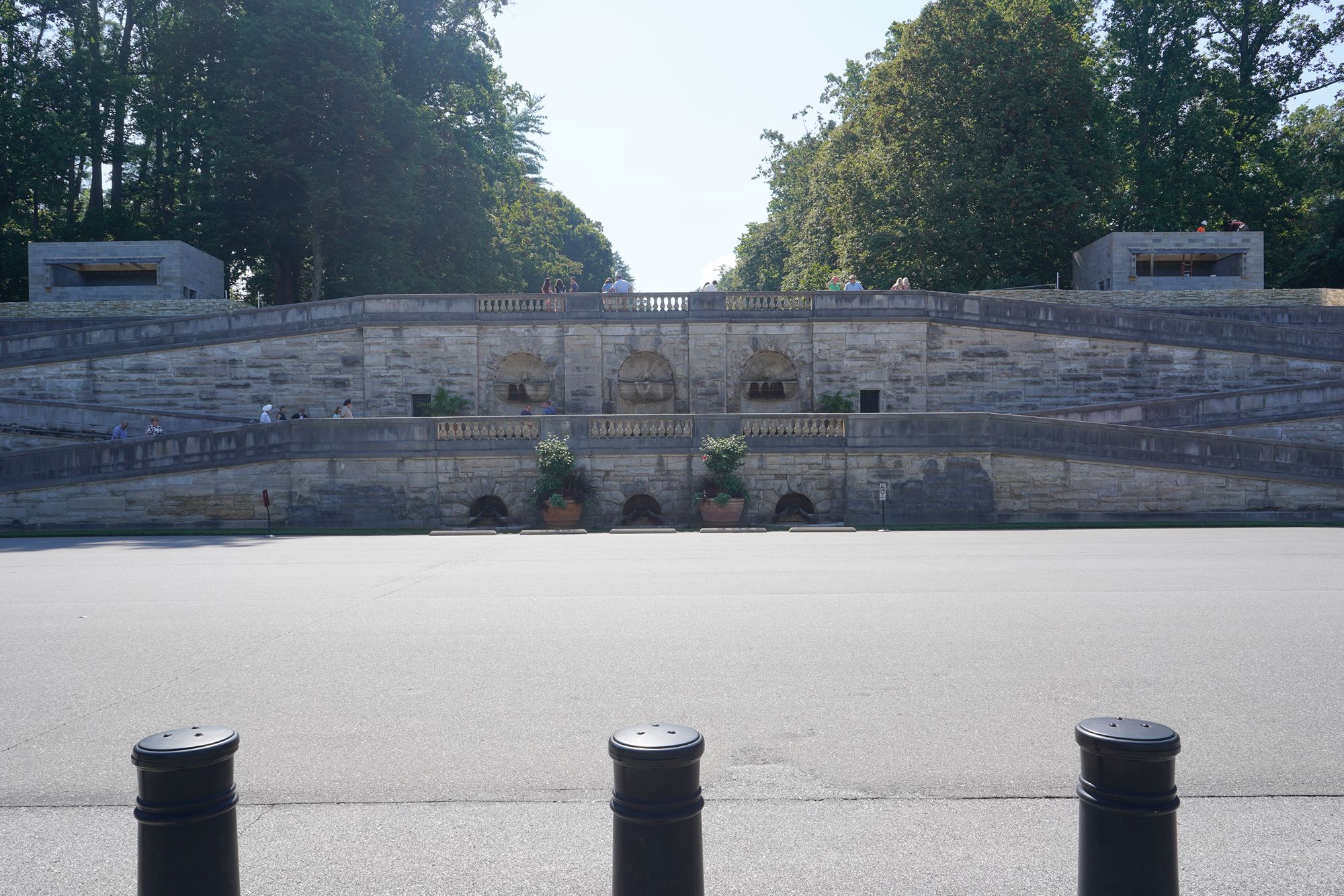
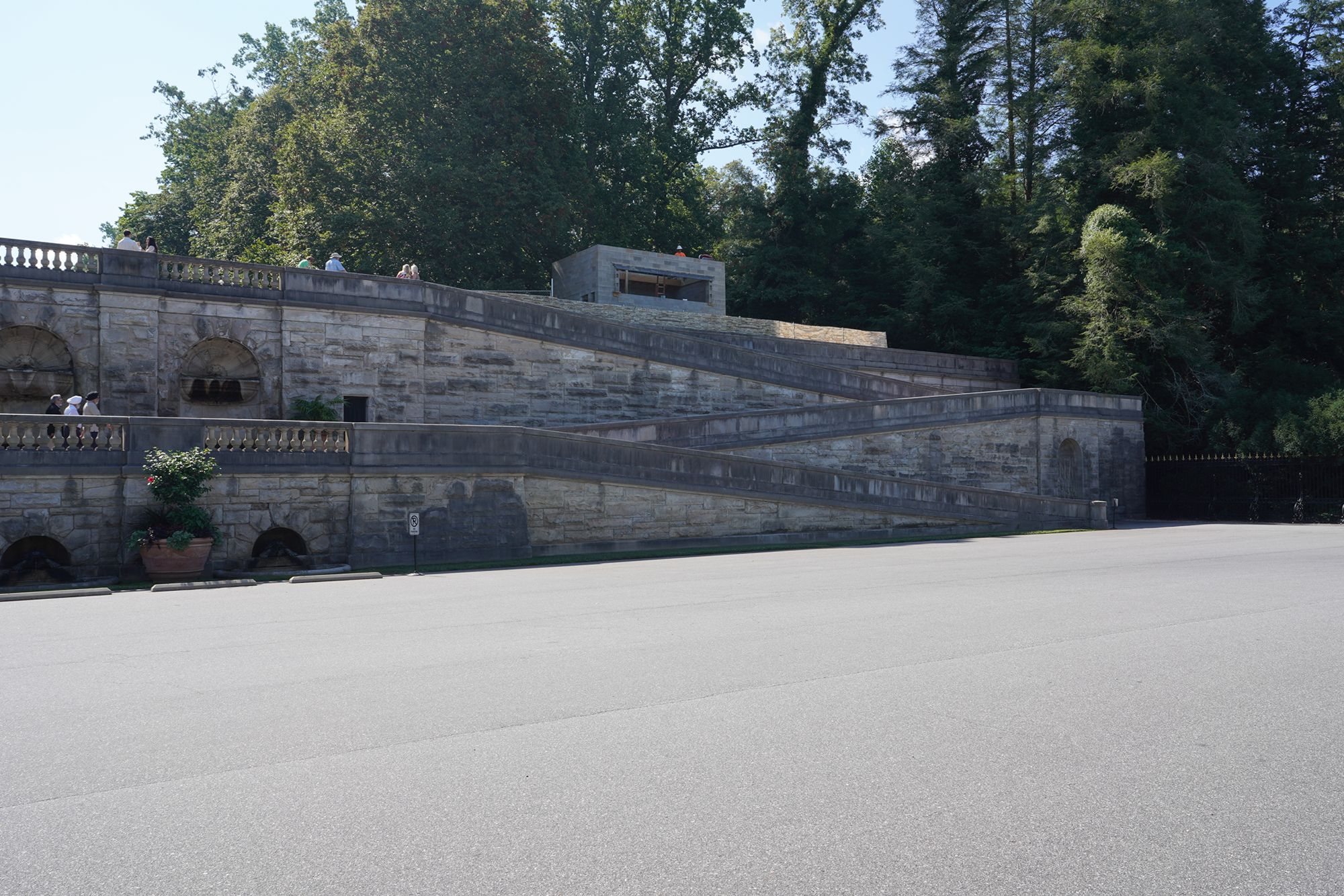
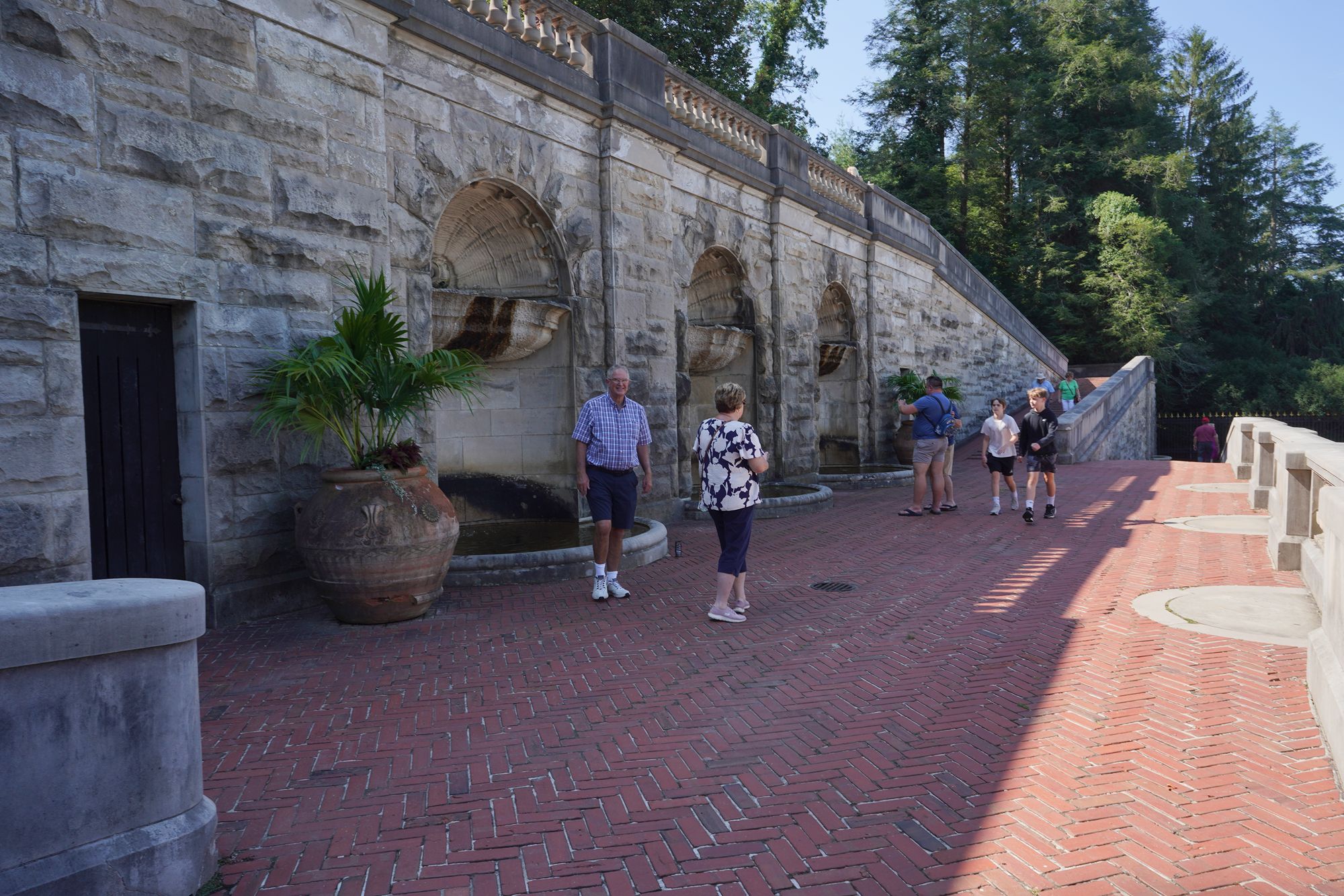
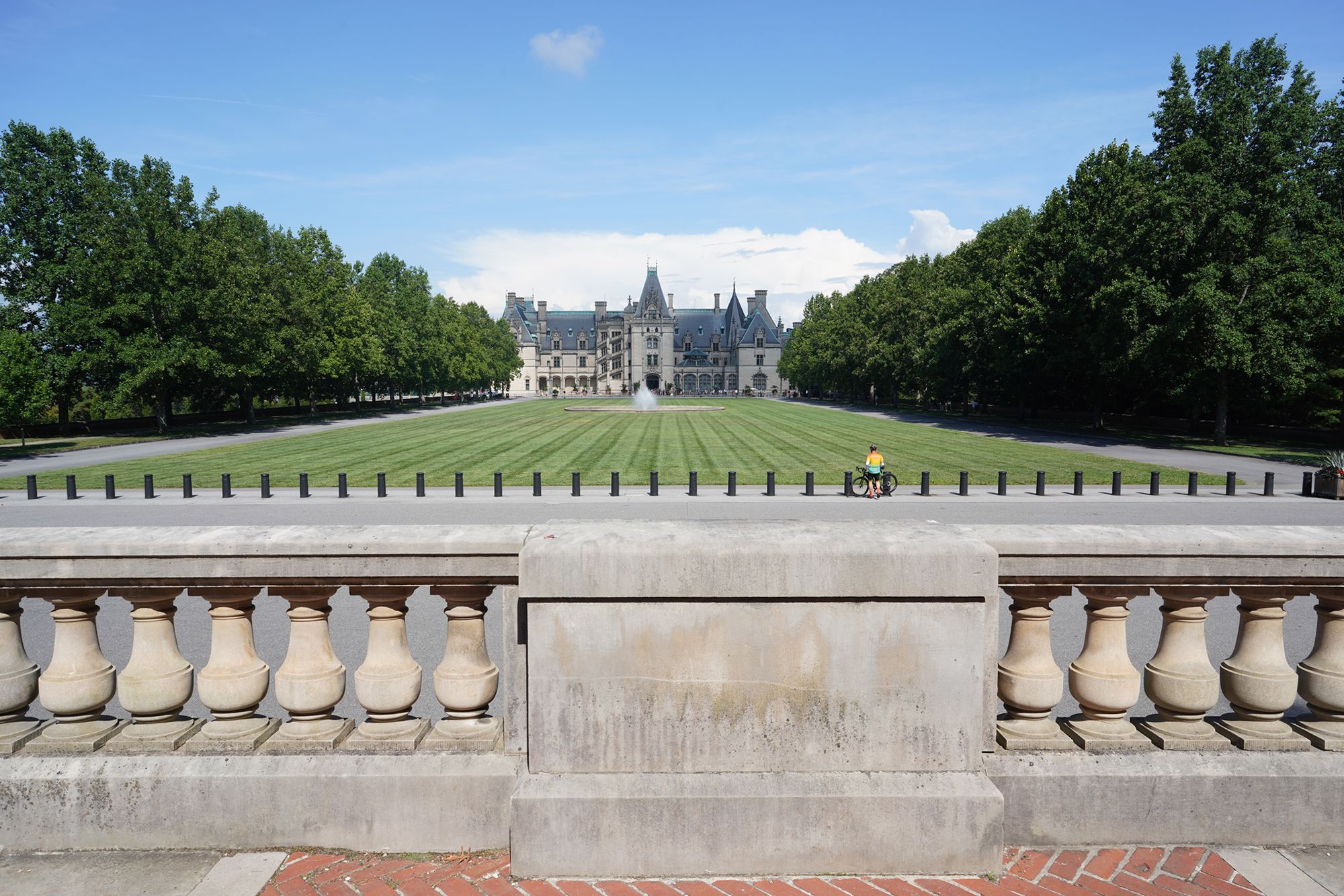
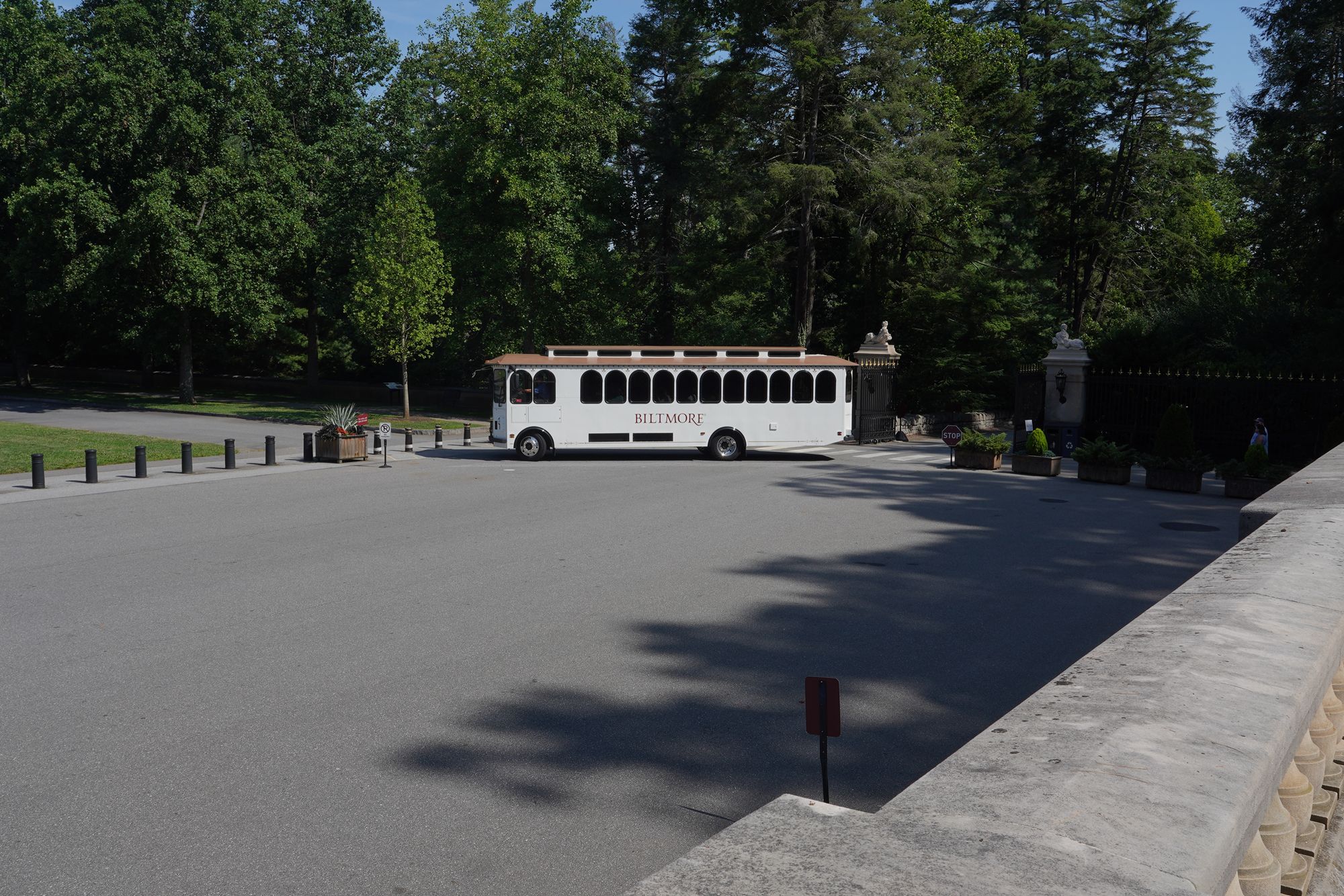
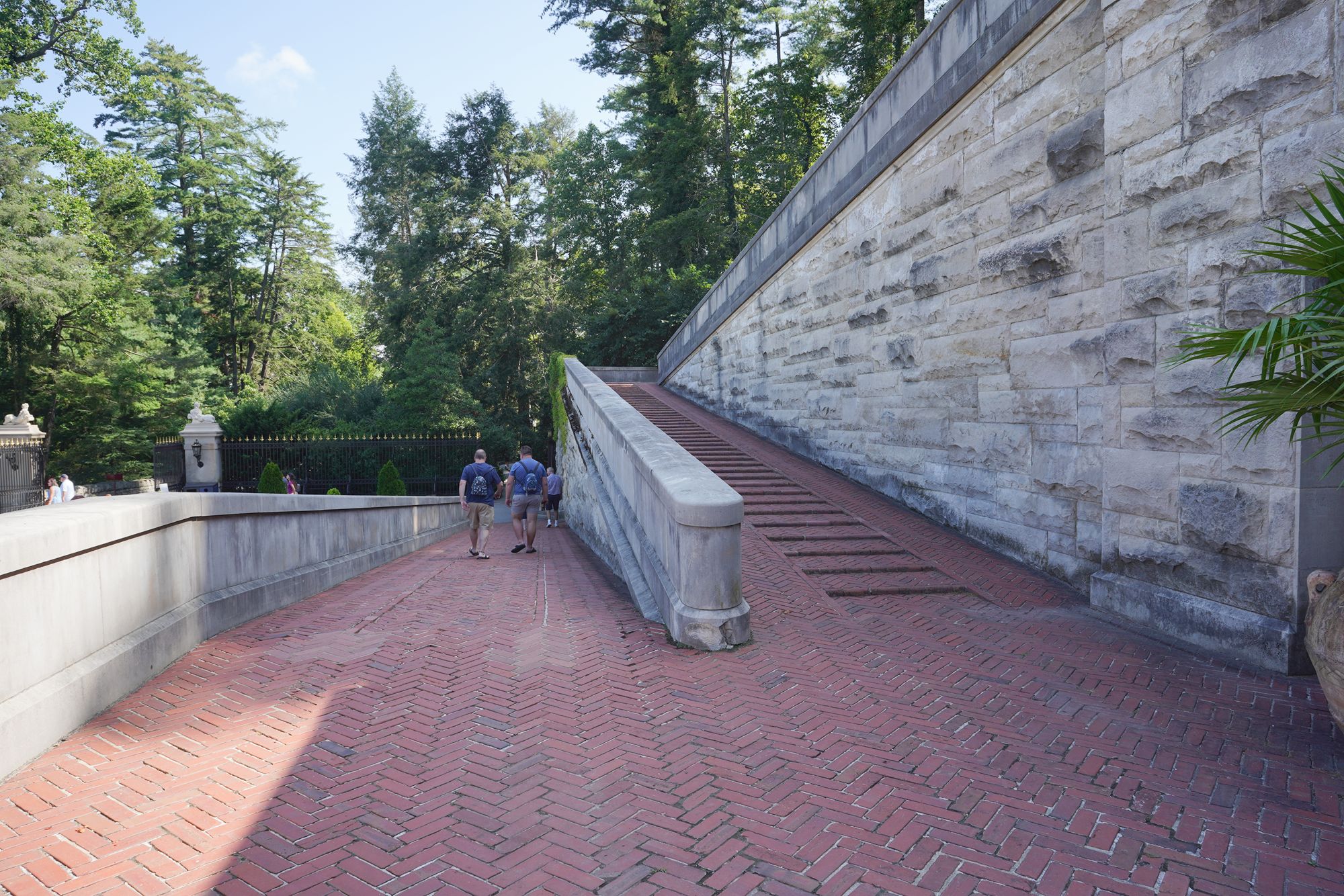
Climbed the structure
George Washington Vanderbilt II (1862–1914) was a member of the wealthy Vanderbilt family, whose fortune came from railroads and shipping. Unlike some of his business-focused relatives, he was known for his love of art, books, travel, and culture. Using his inheritance, he built the Biltmore Estate in Asheville as a country retreat and became involved in forestry, agriculture, and land conservation.
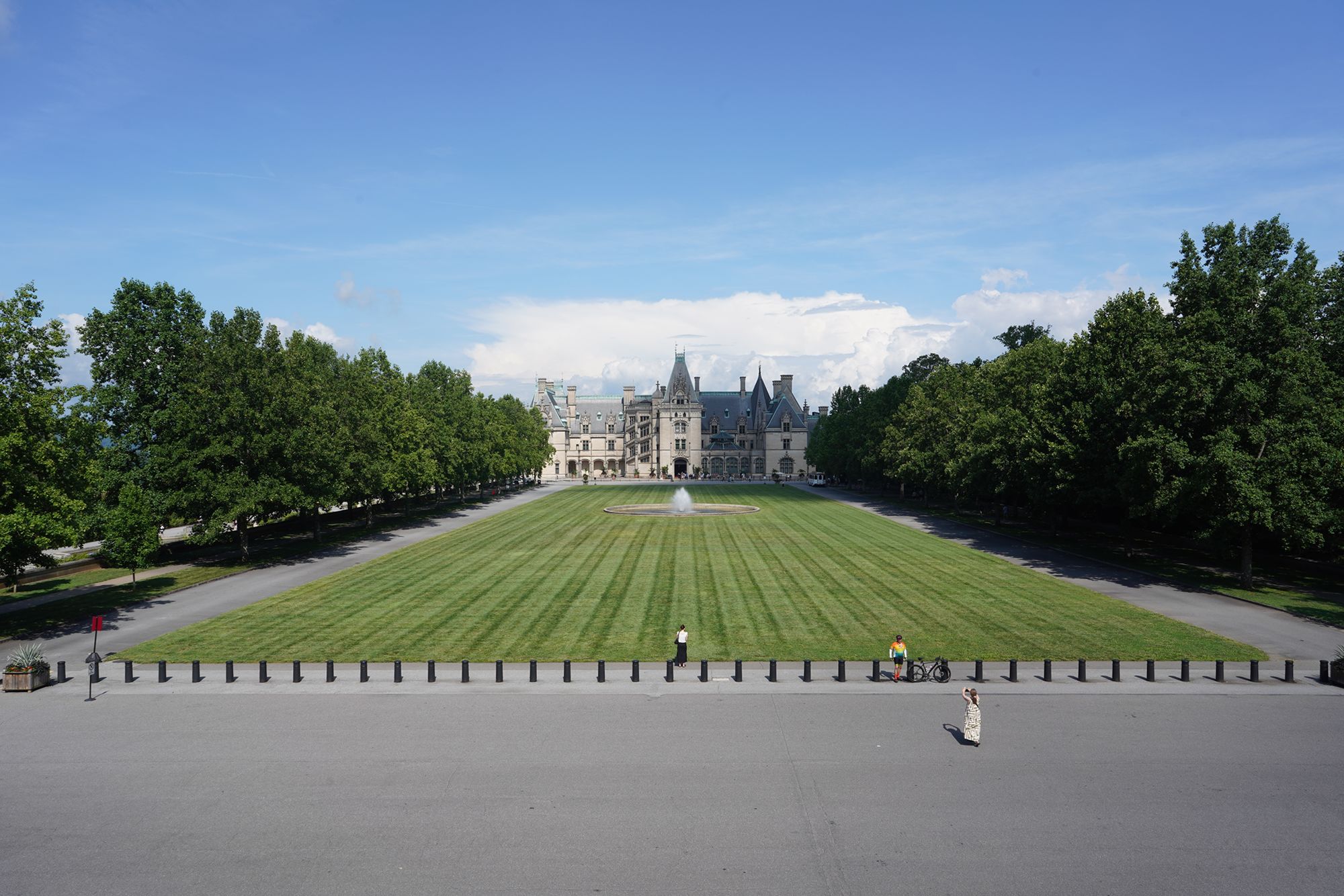
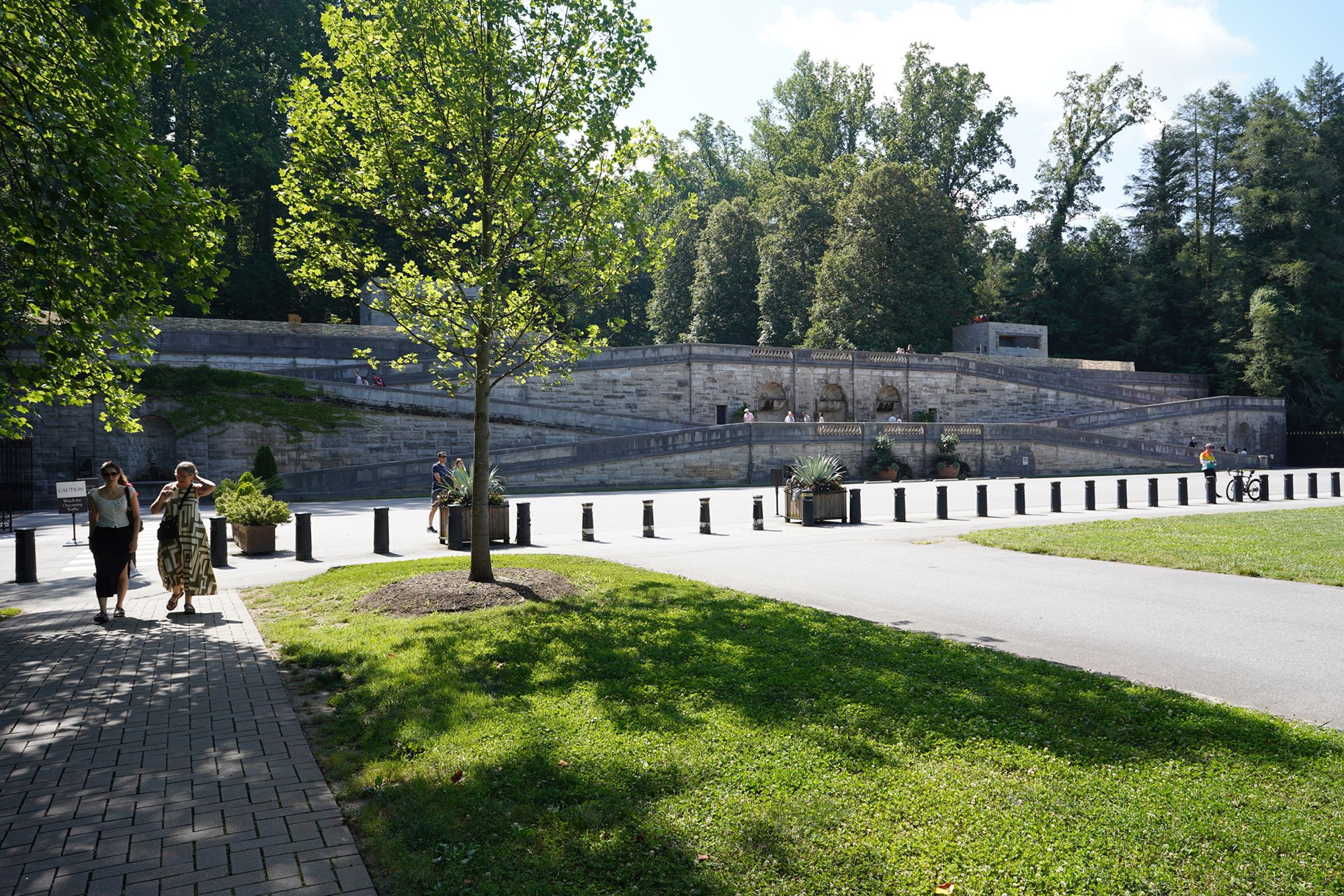
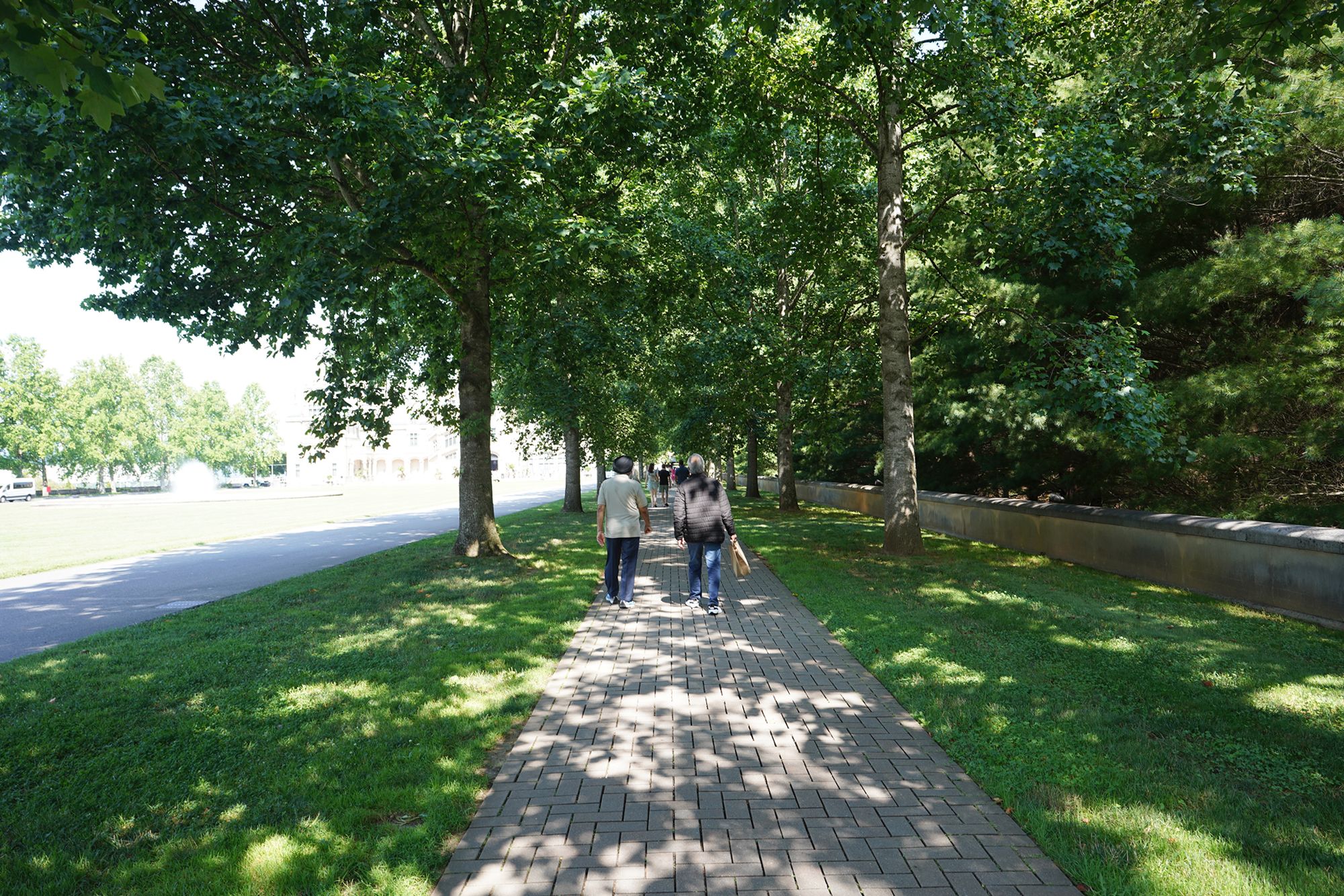
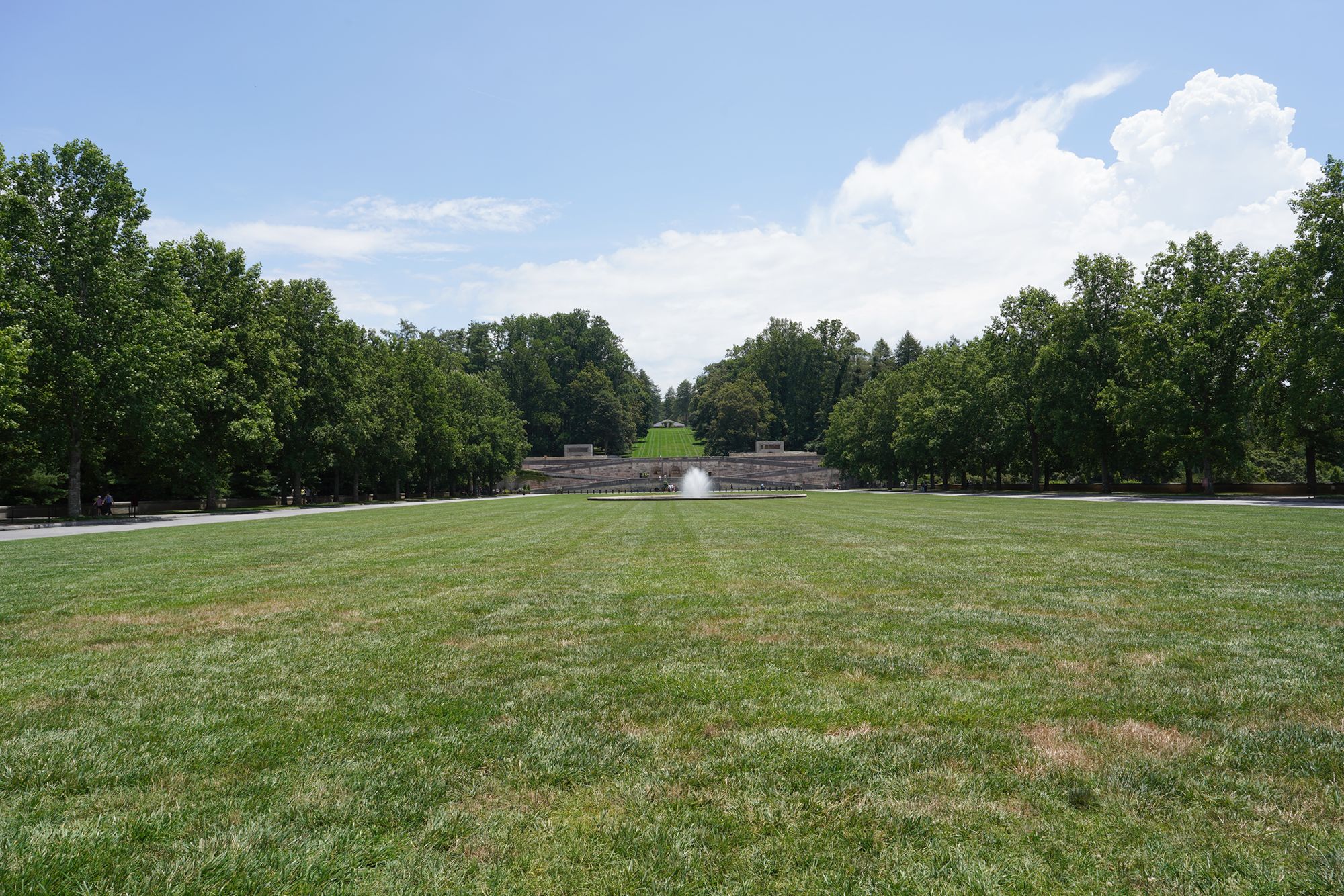
Walking toward the house
Today, the Biltmore Estate is still owned and operated by George Vanderbilt’s descendants through a family company. It functions as a historic house museum and tourist attraction, with the family managing the property, winery, gardens, and surrounding land rather than living there privately.
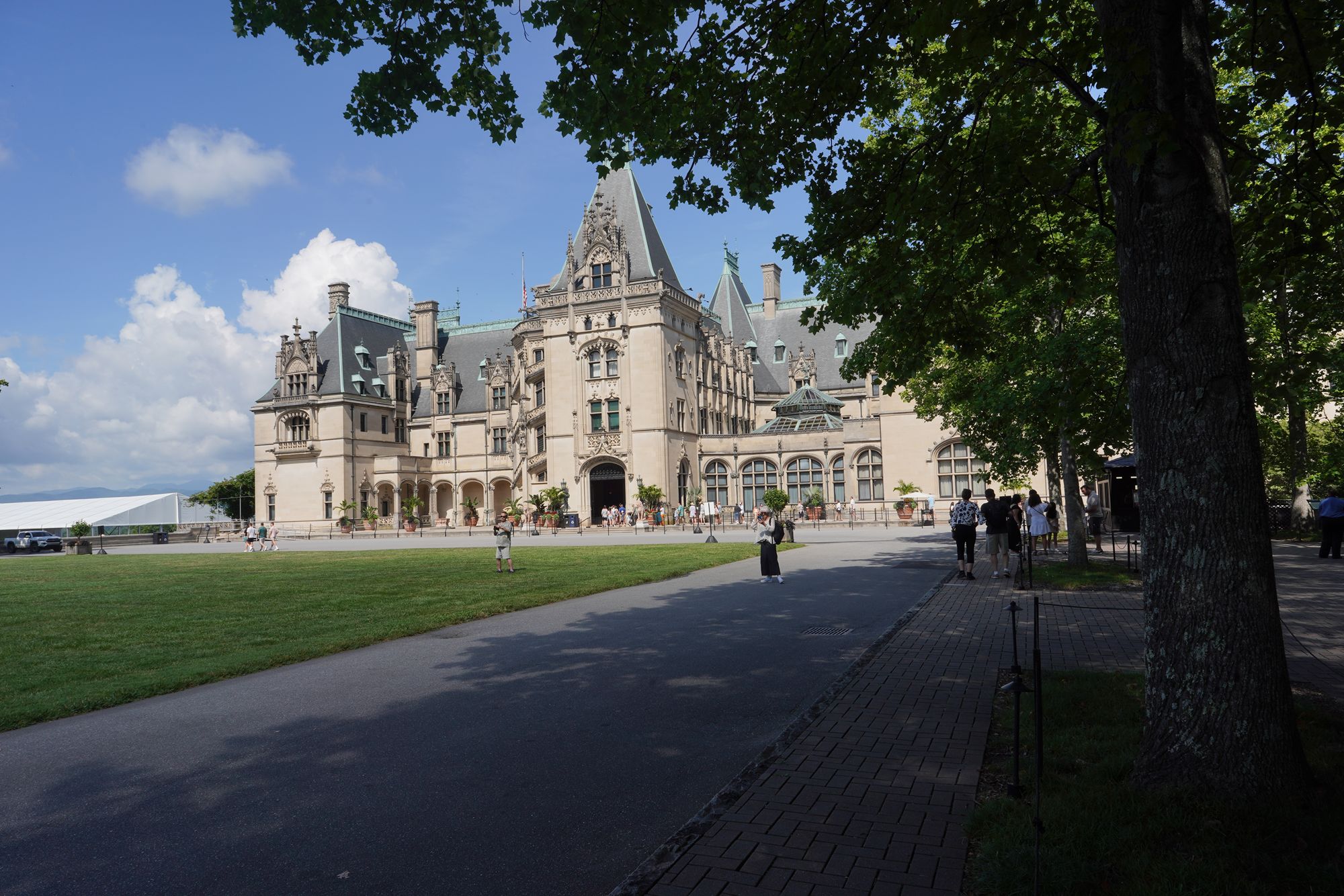
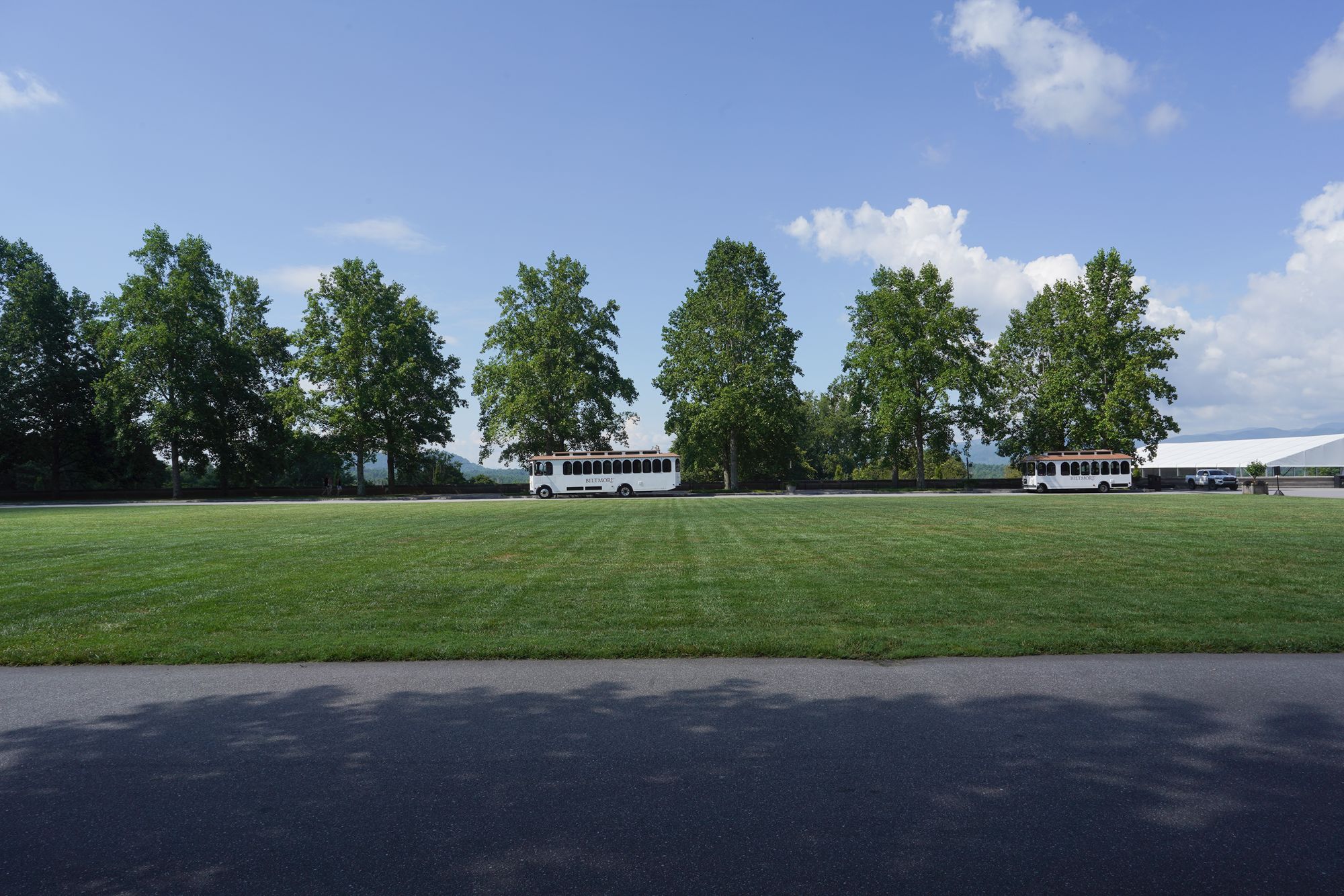
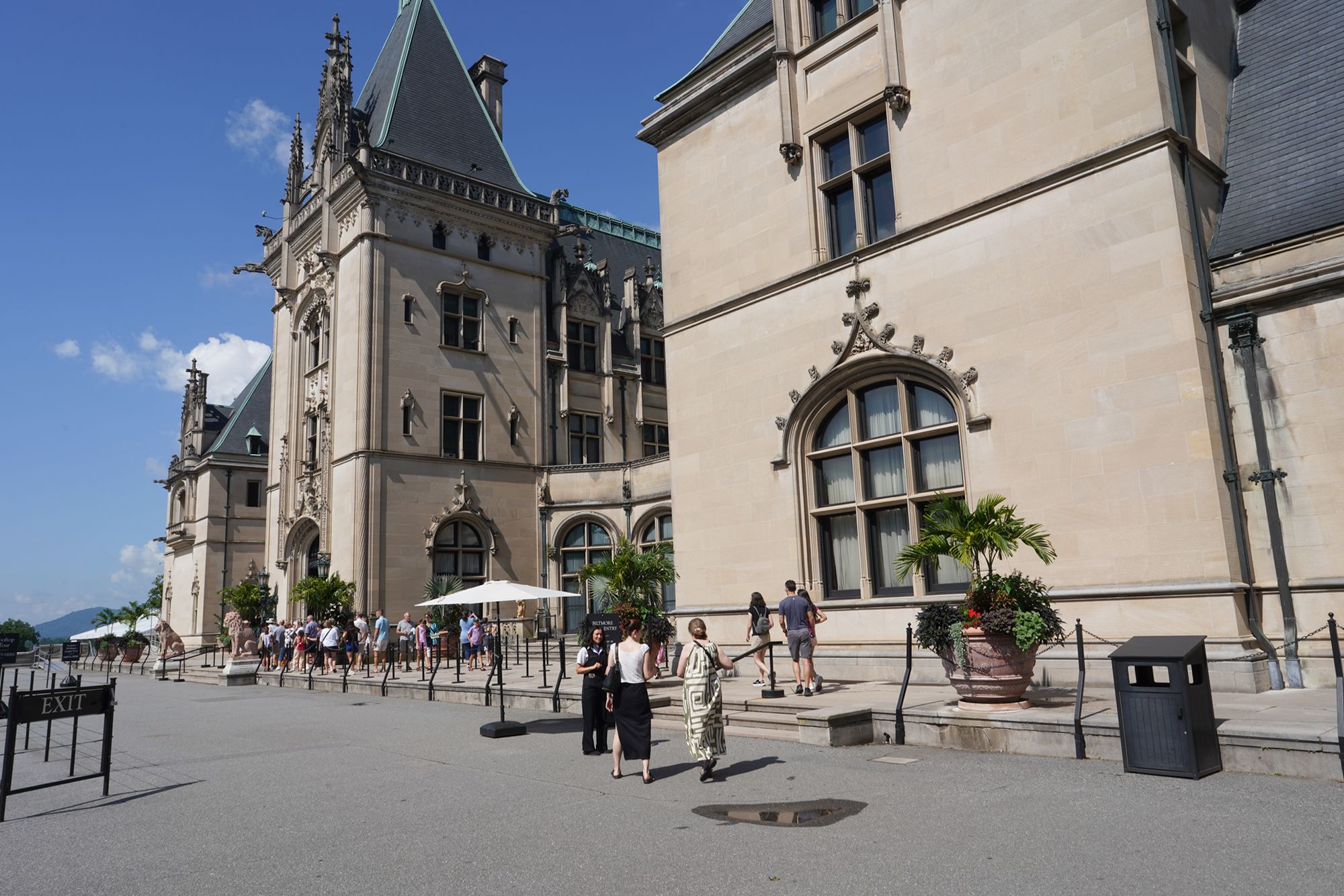
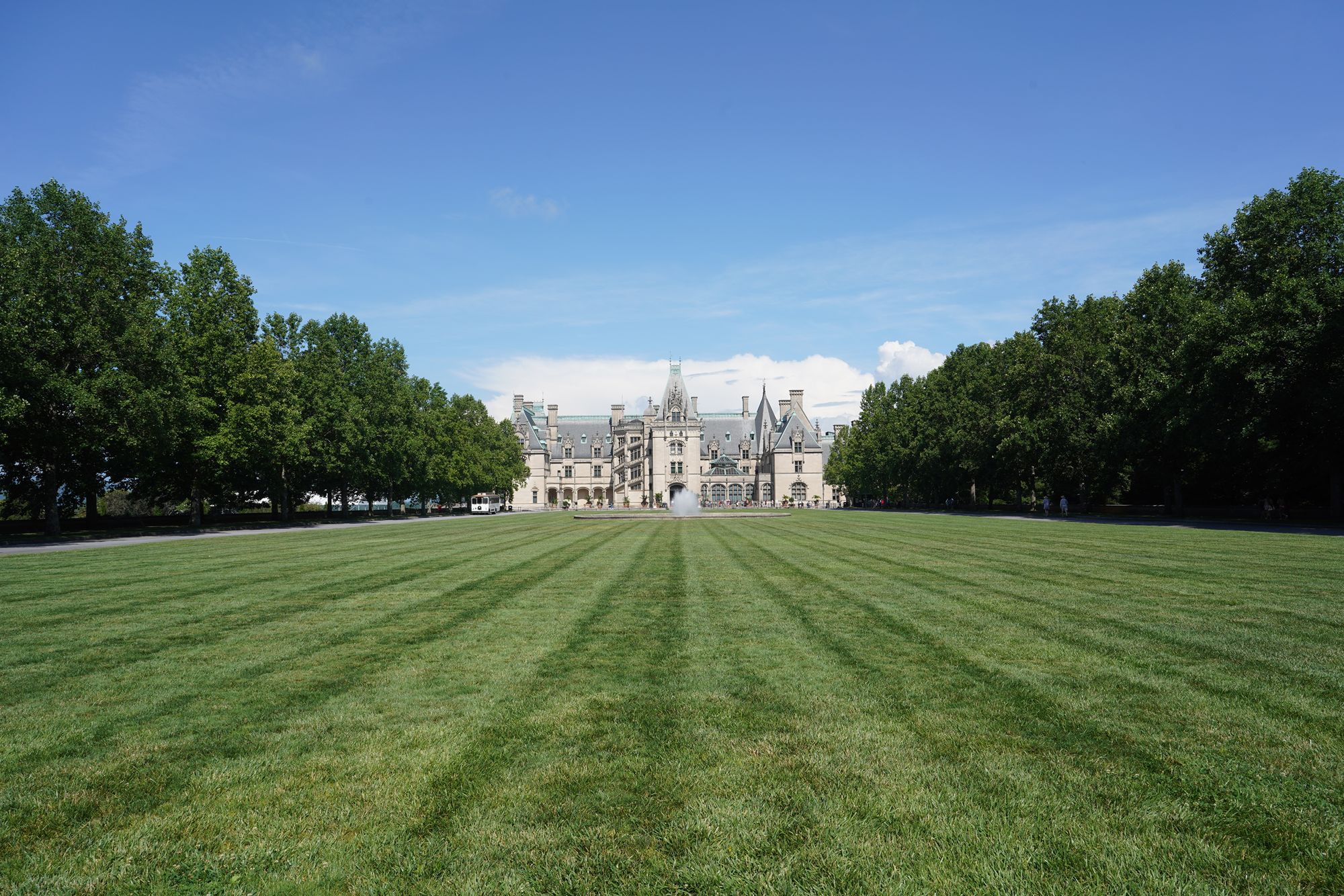
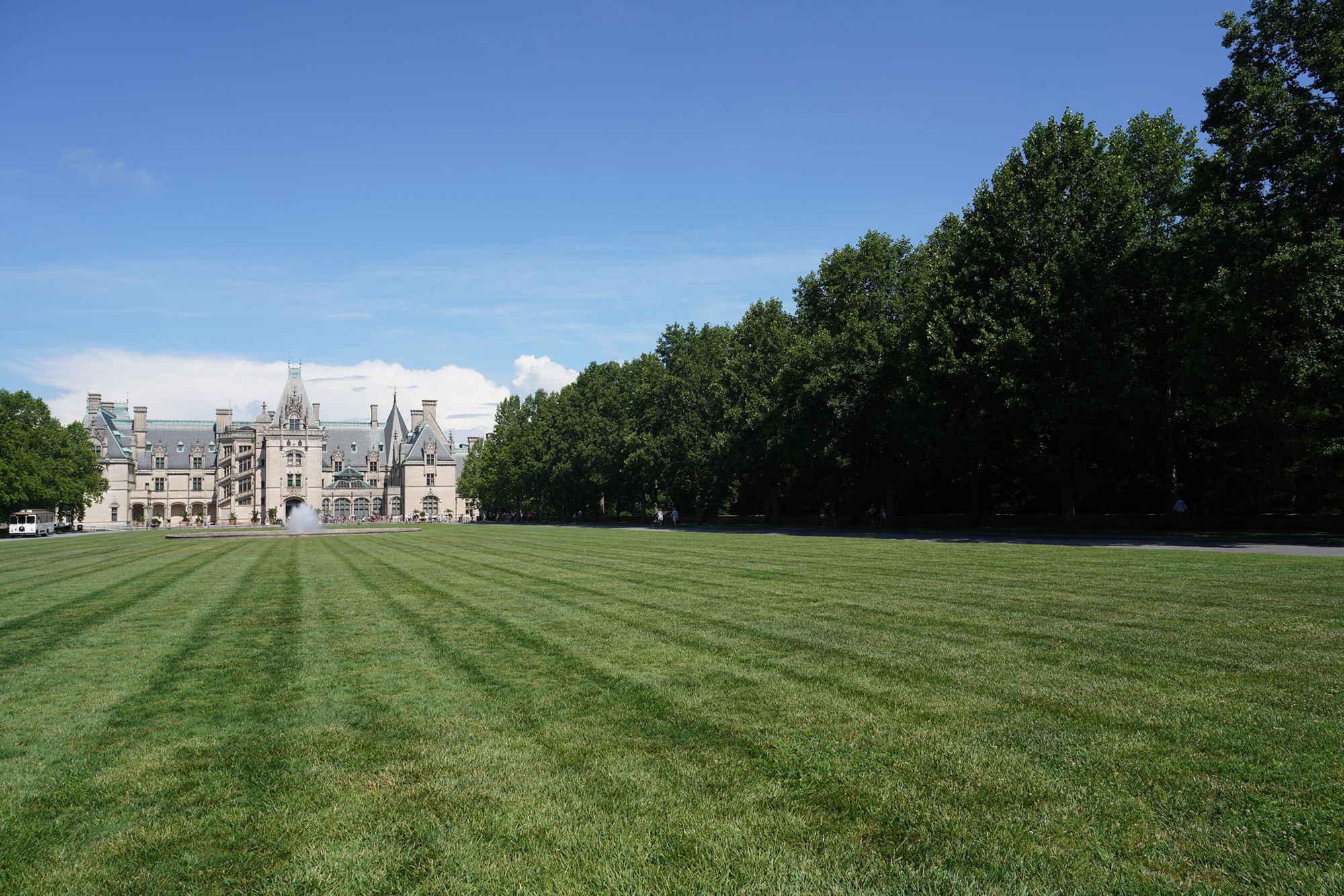
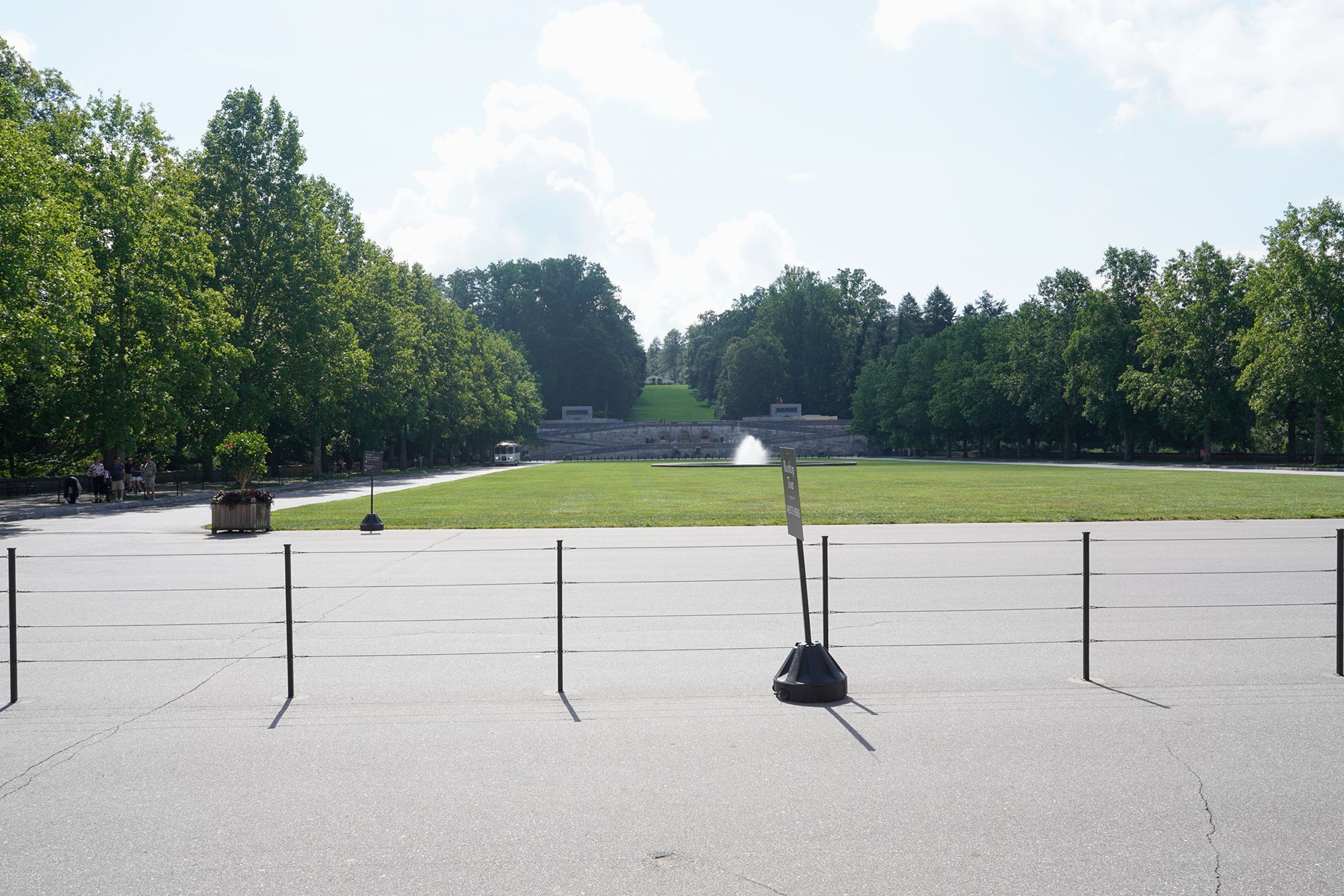
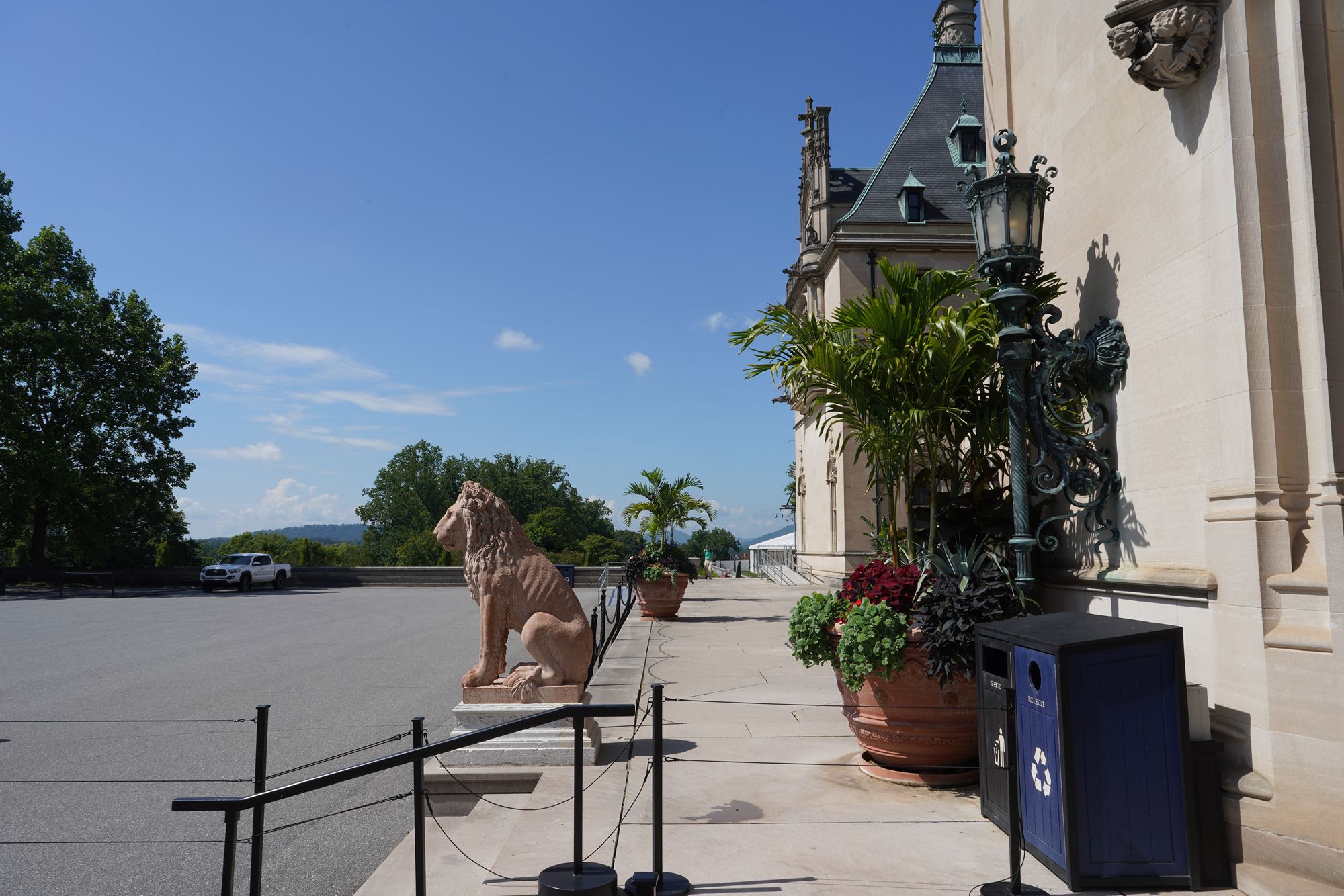
The front yard
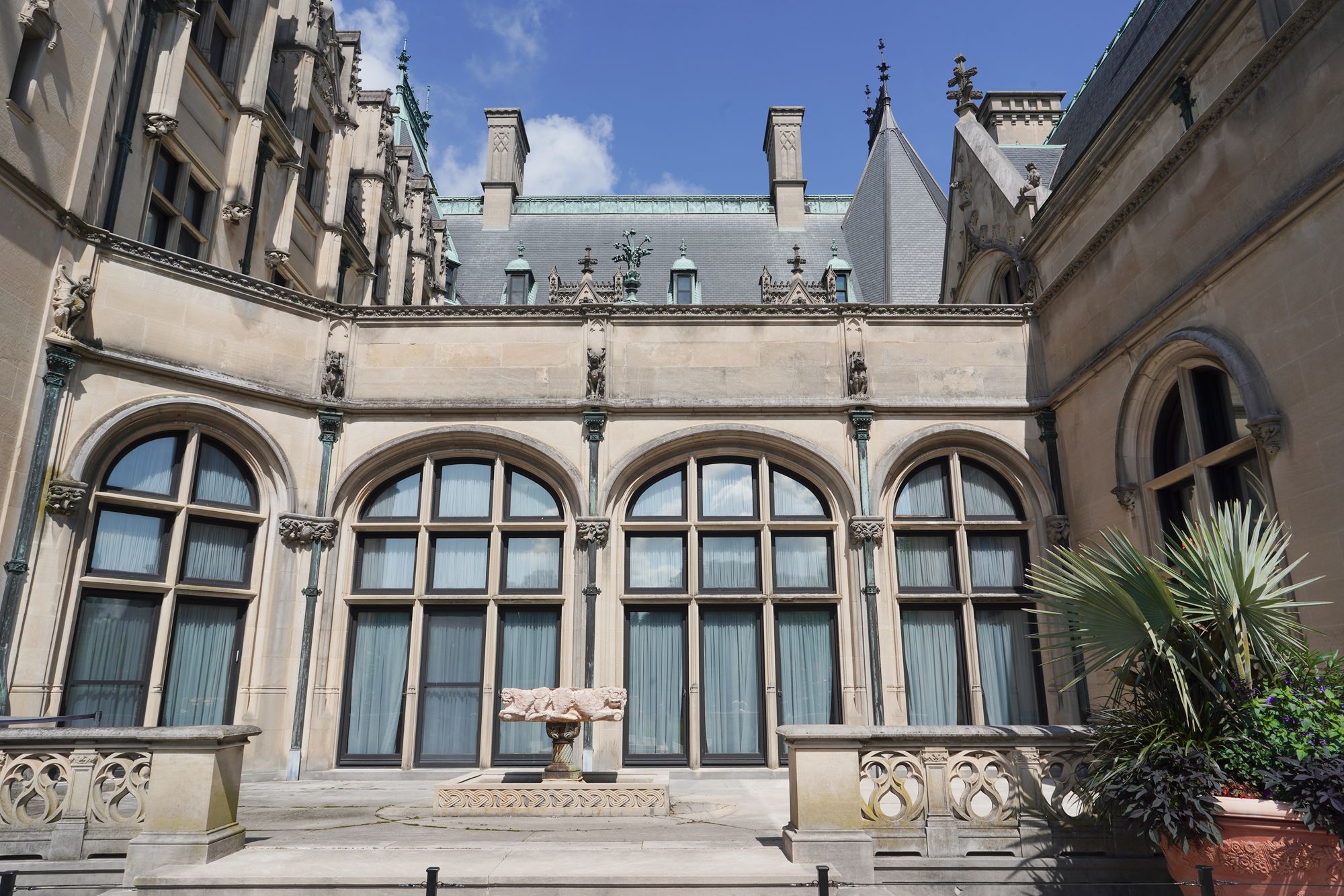
Inside the house
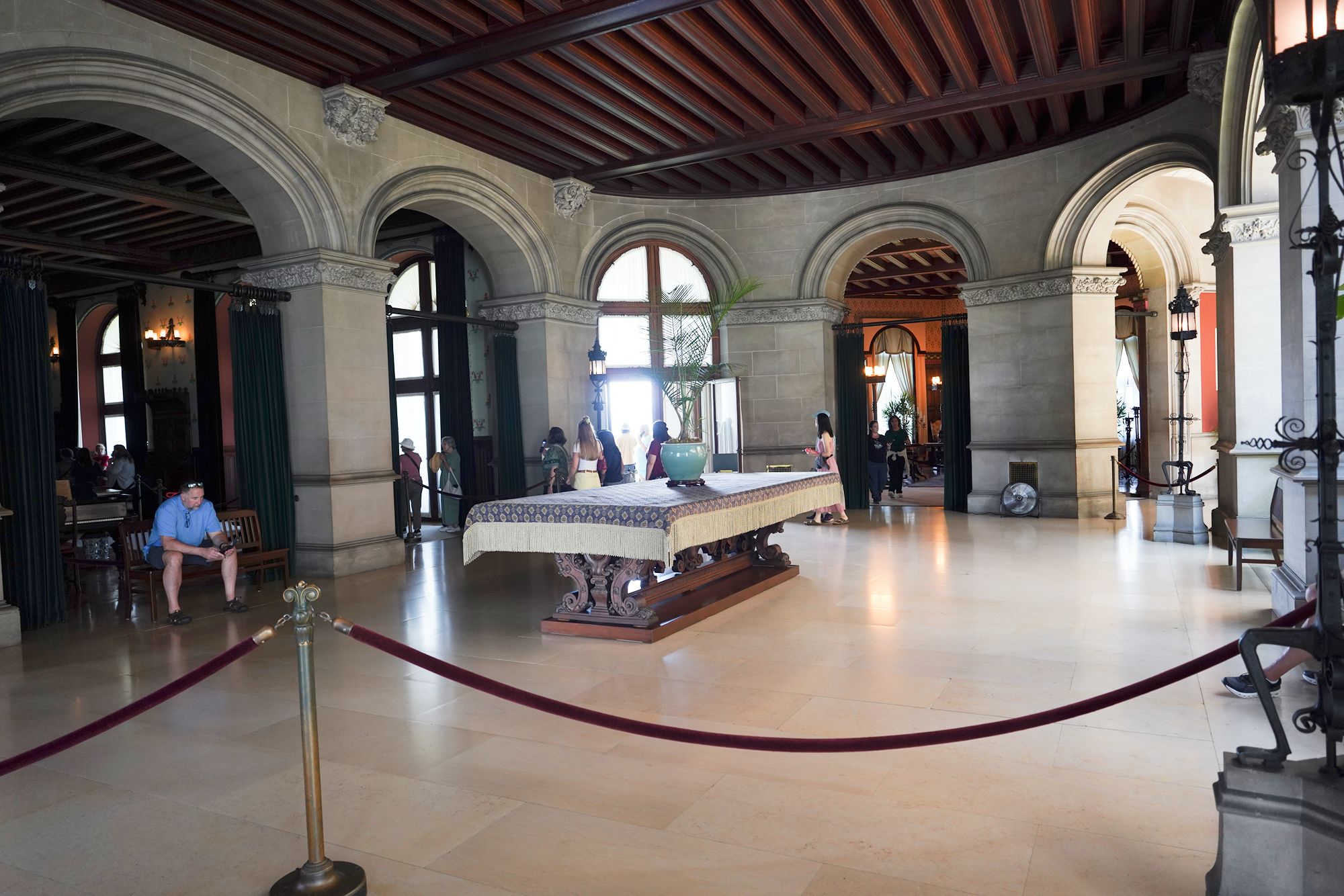
On the first floor, this room is located at the center and is surrounded by several other rooms.
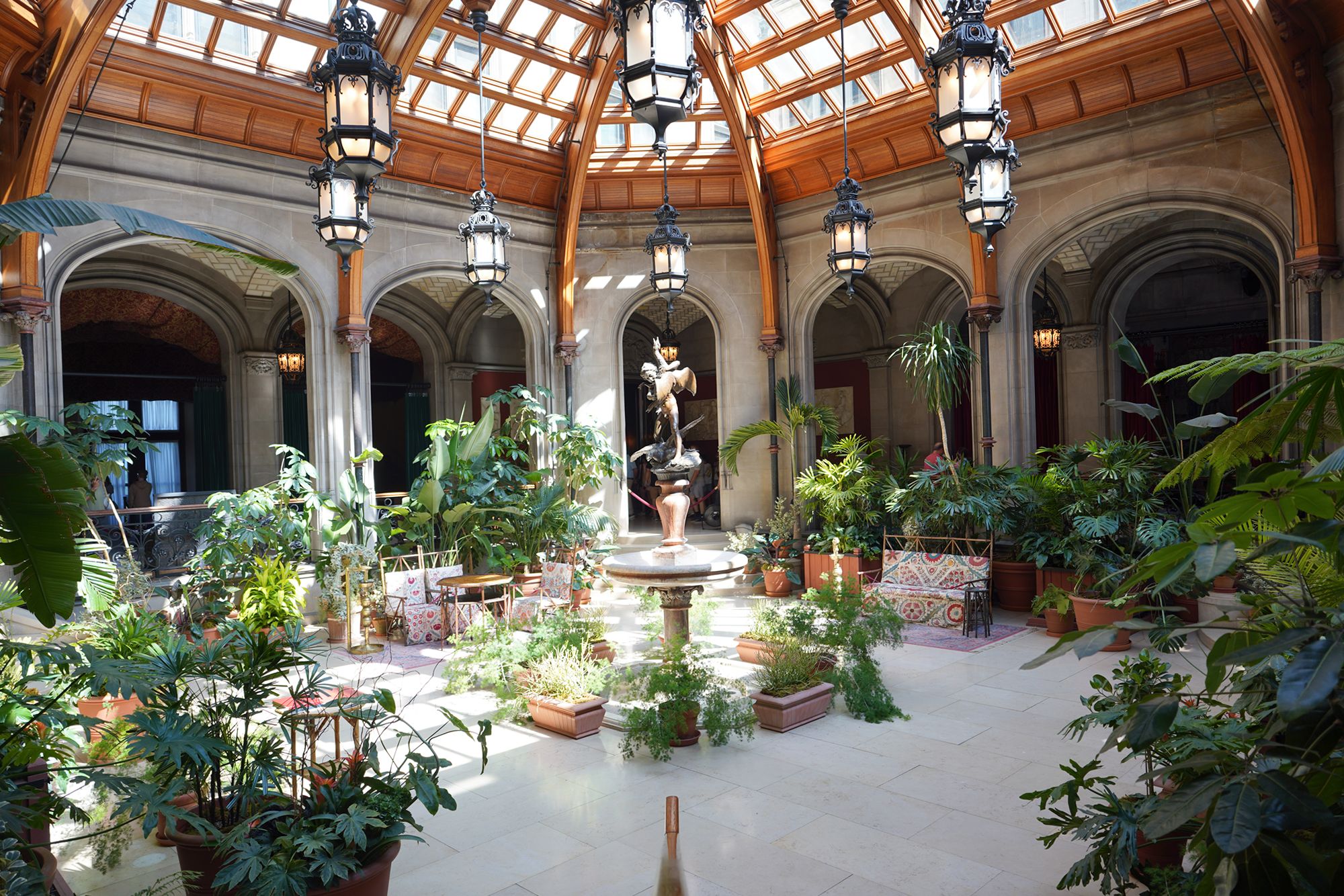
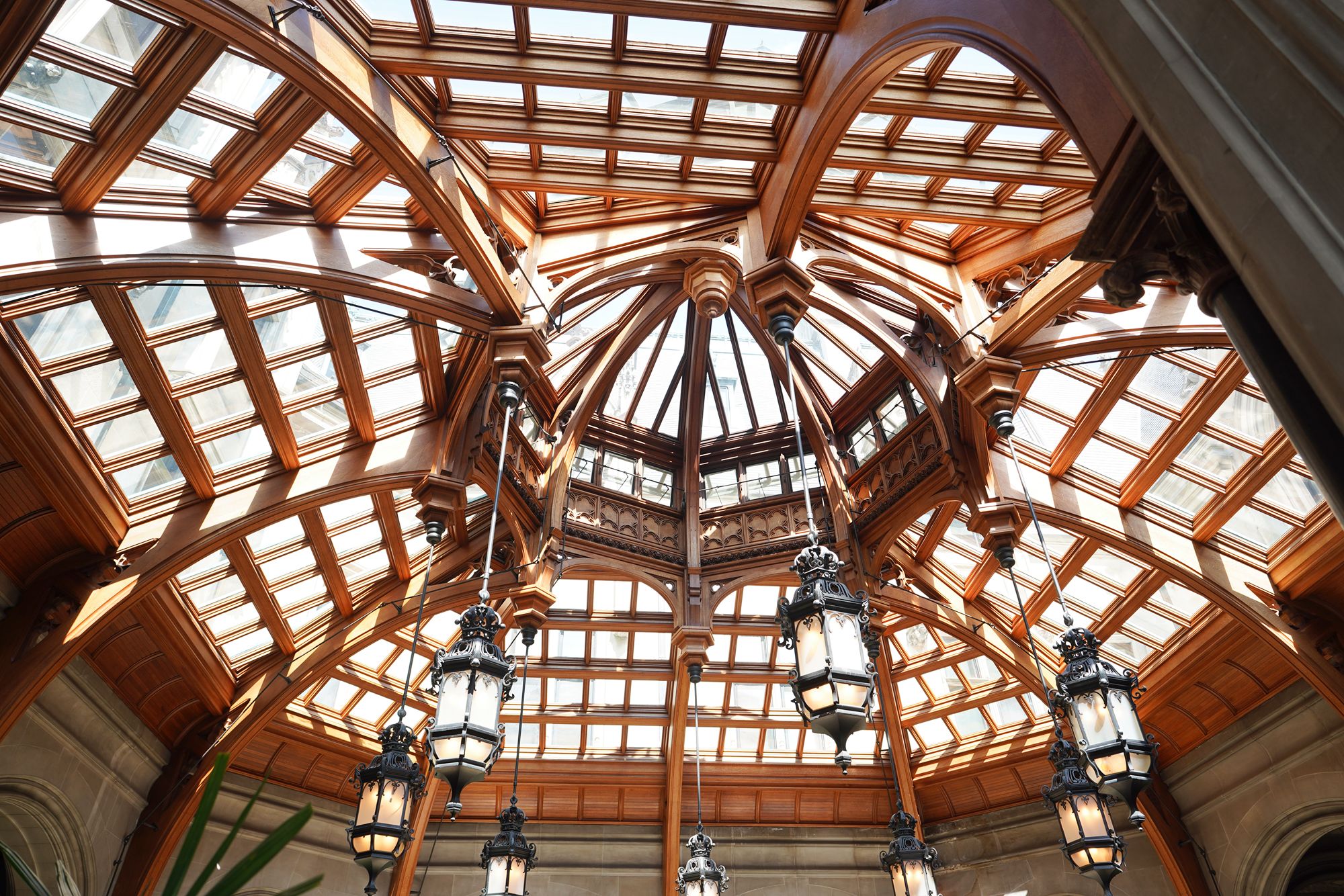
I left the center room and visited the surrounding rooms.
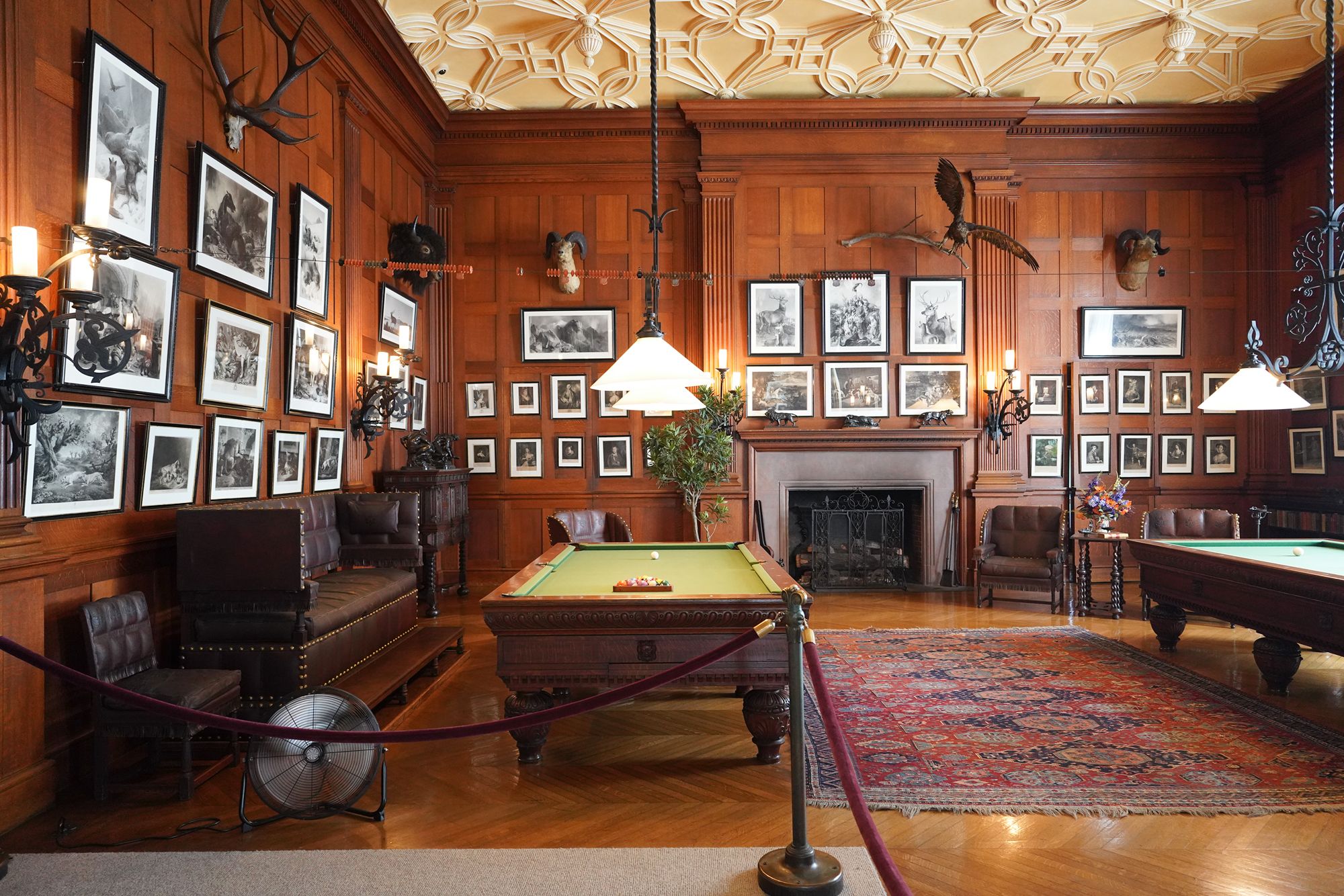
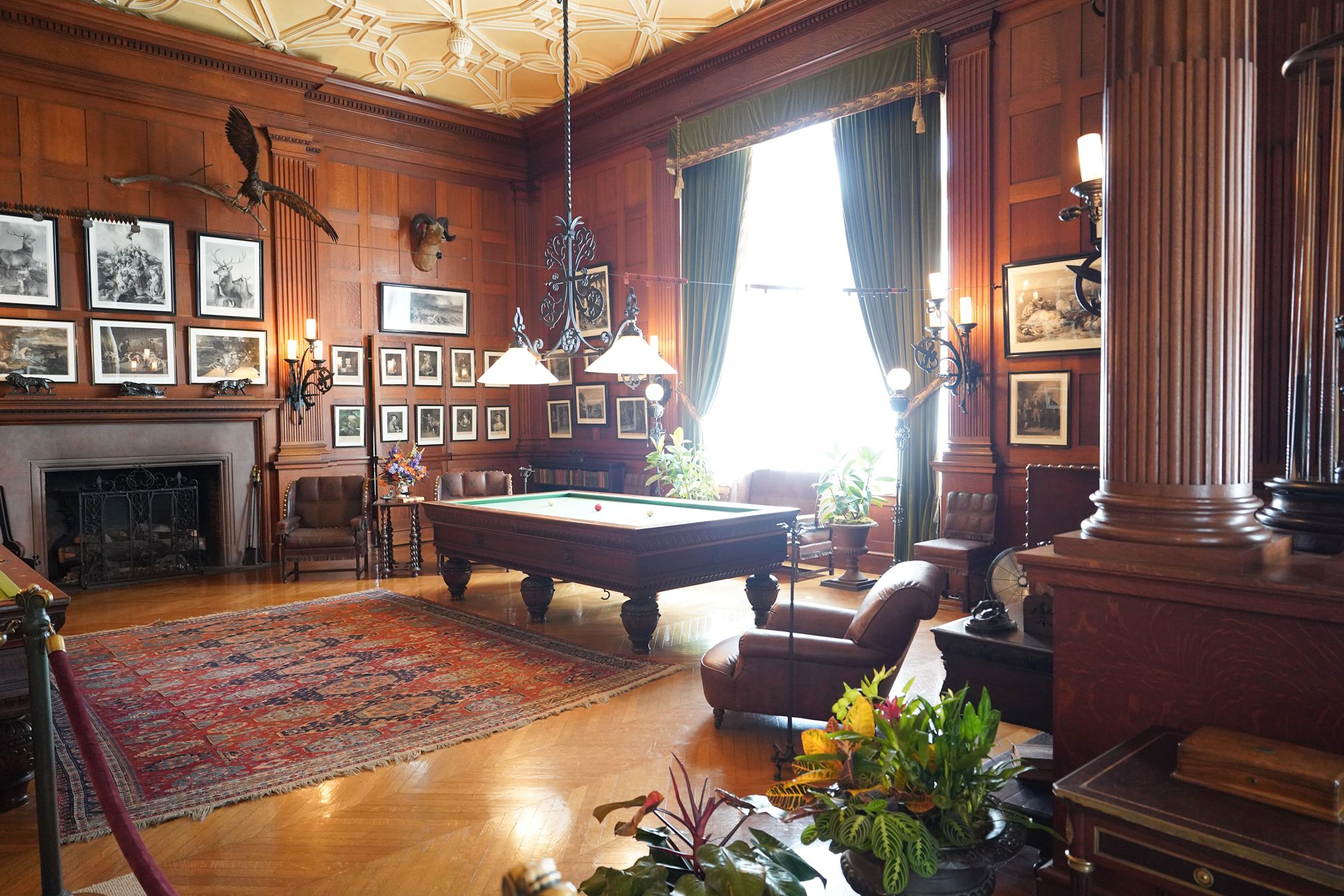
Another room
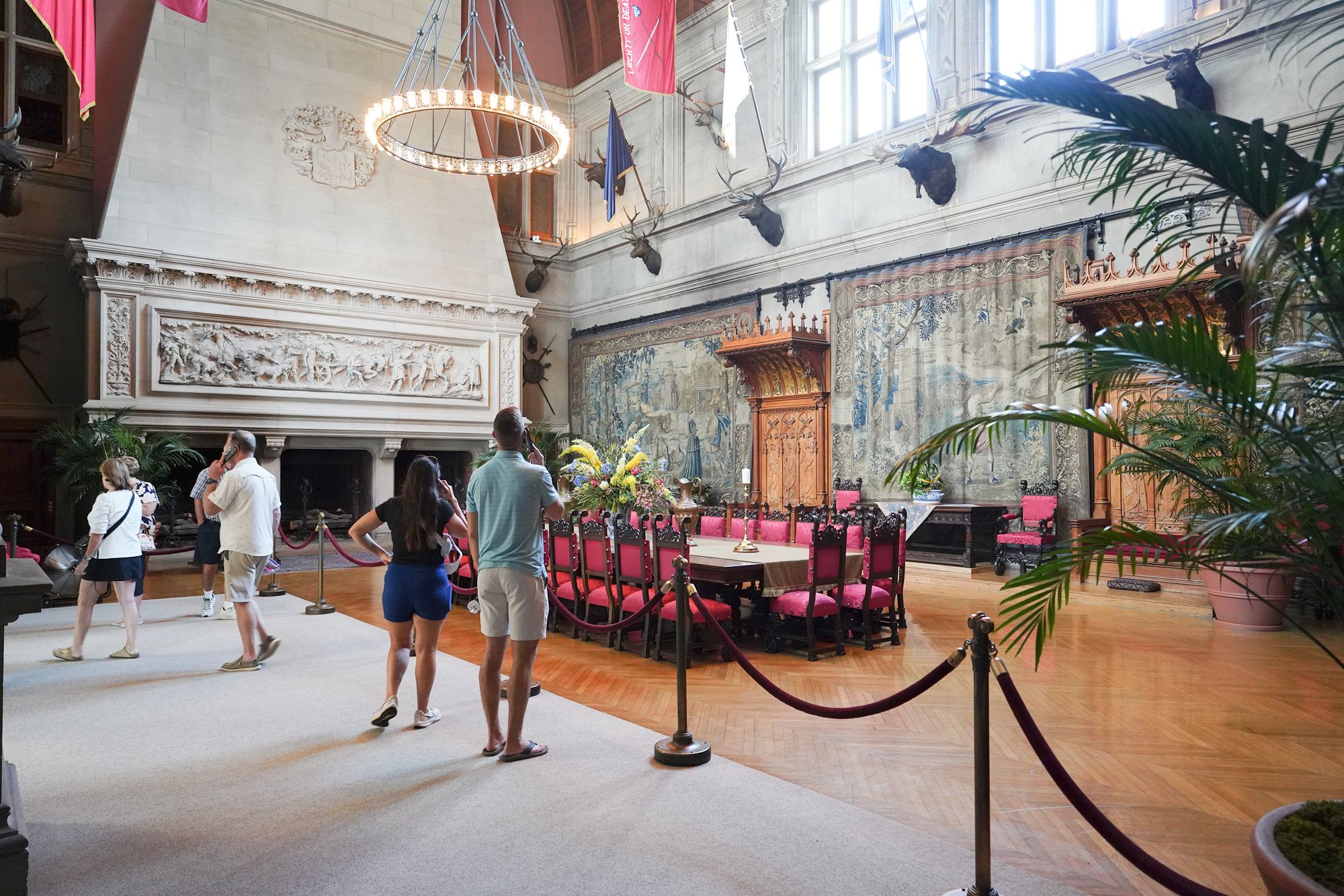
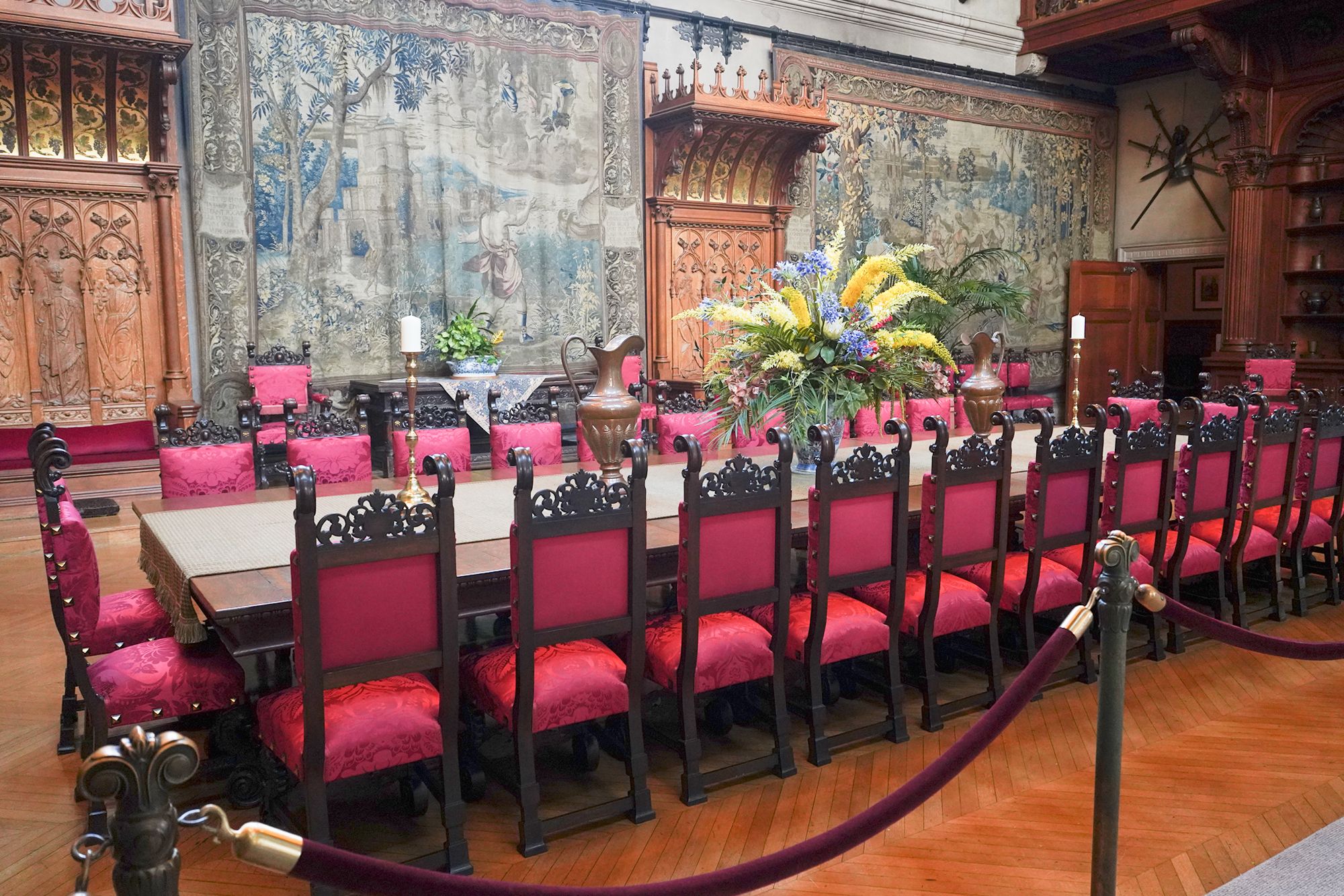
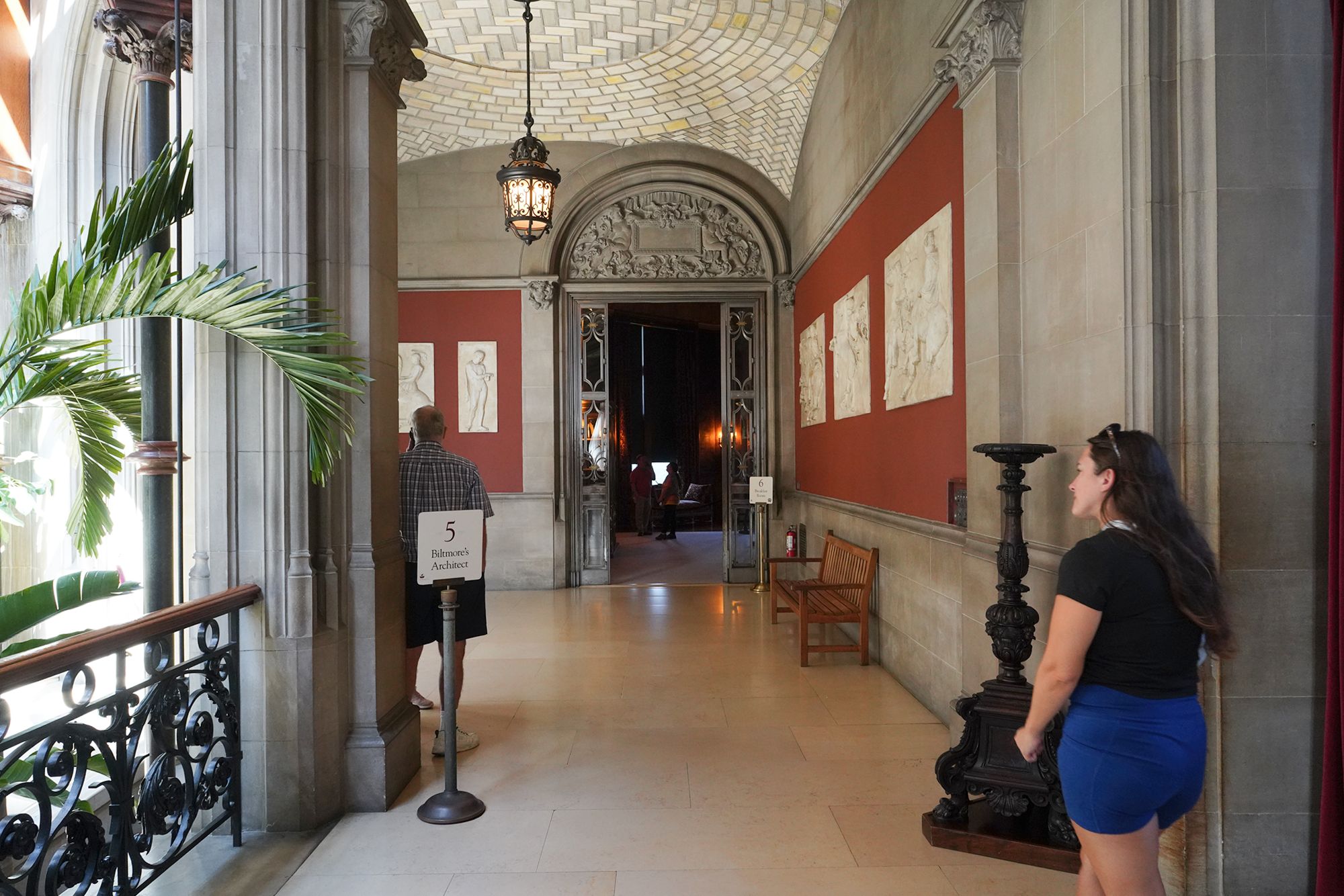
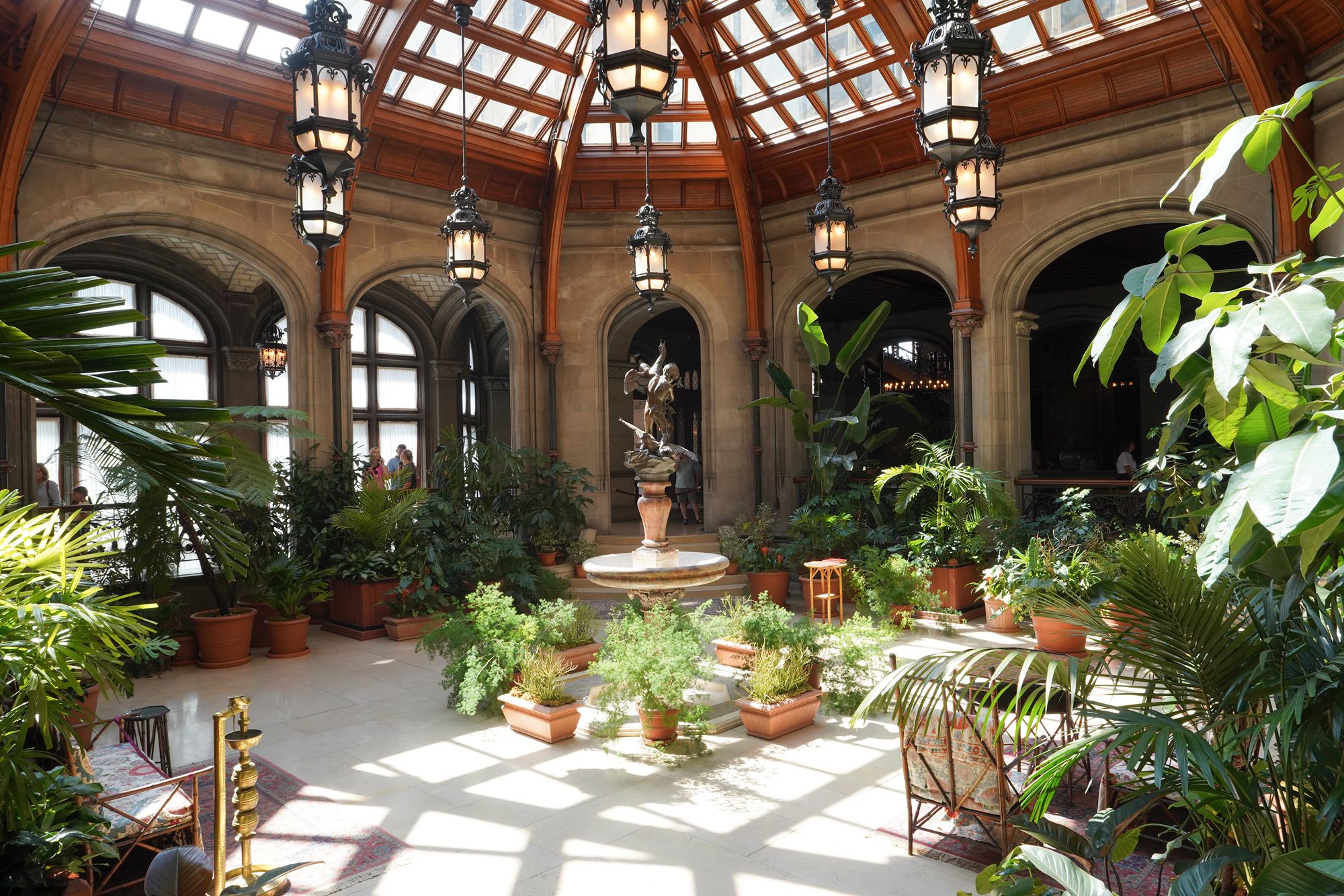
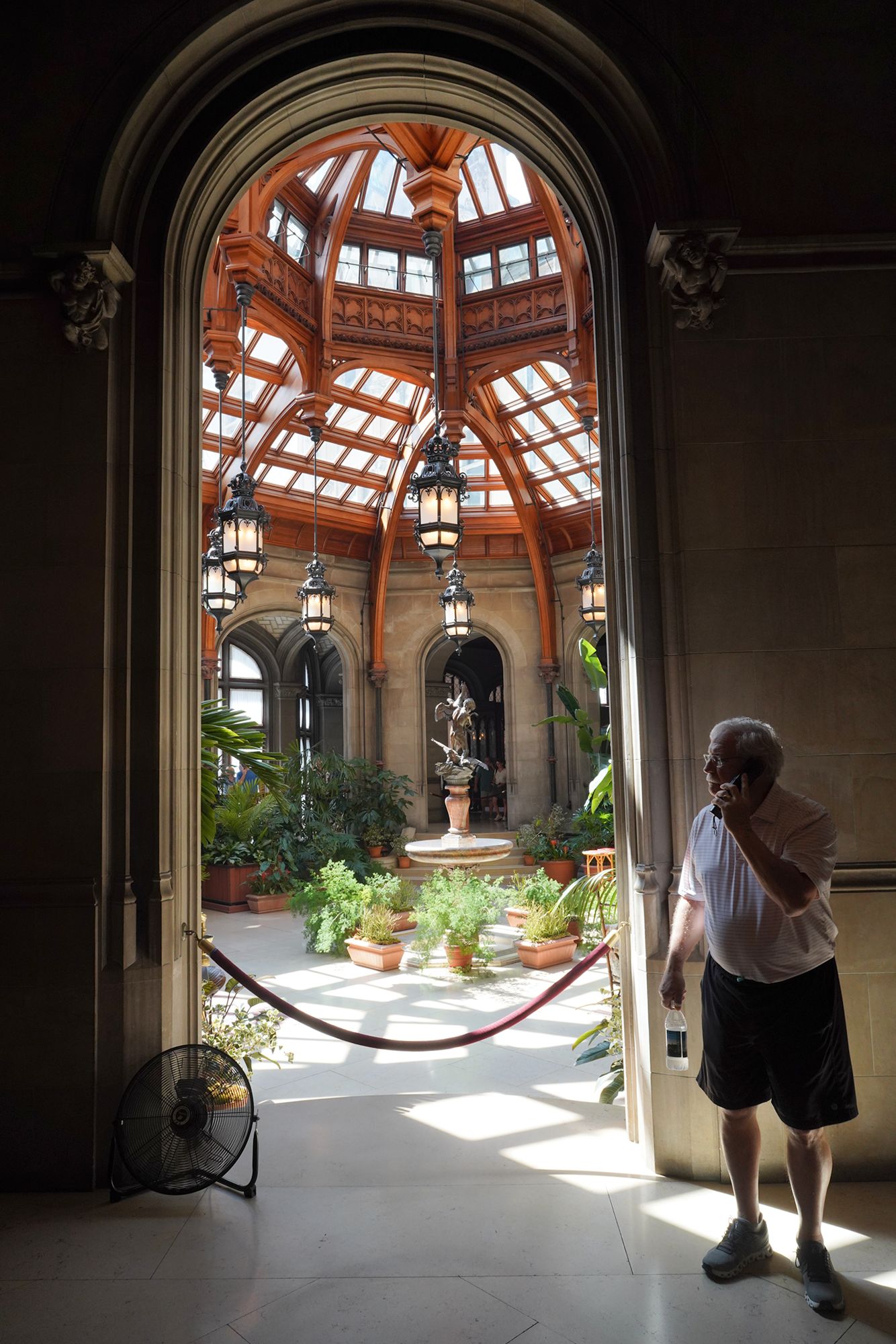
Looking at the center room from a room
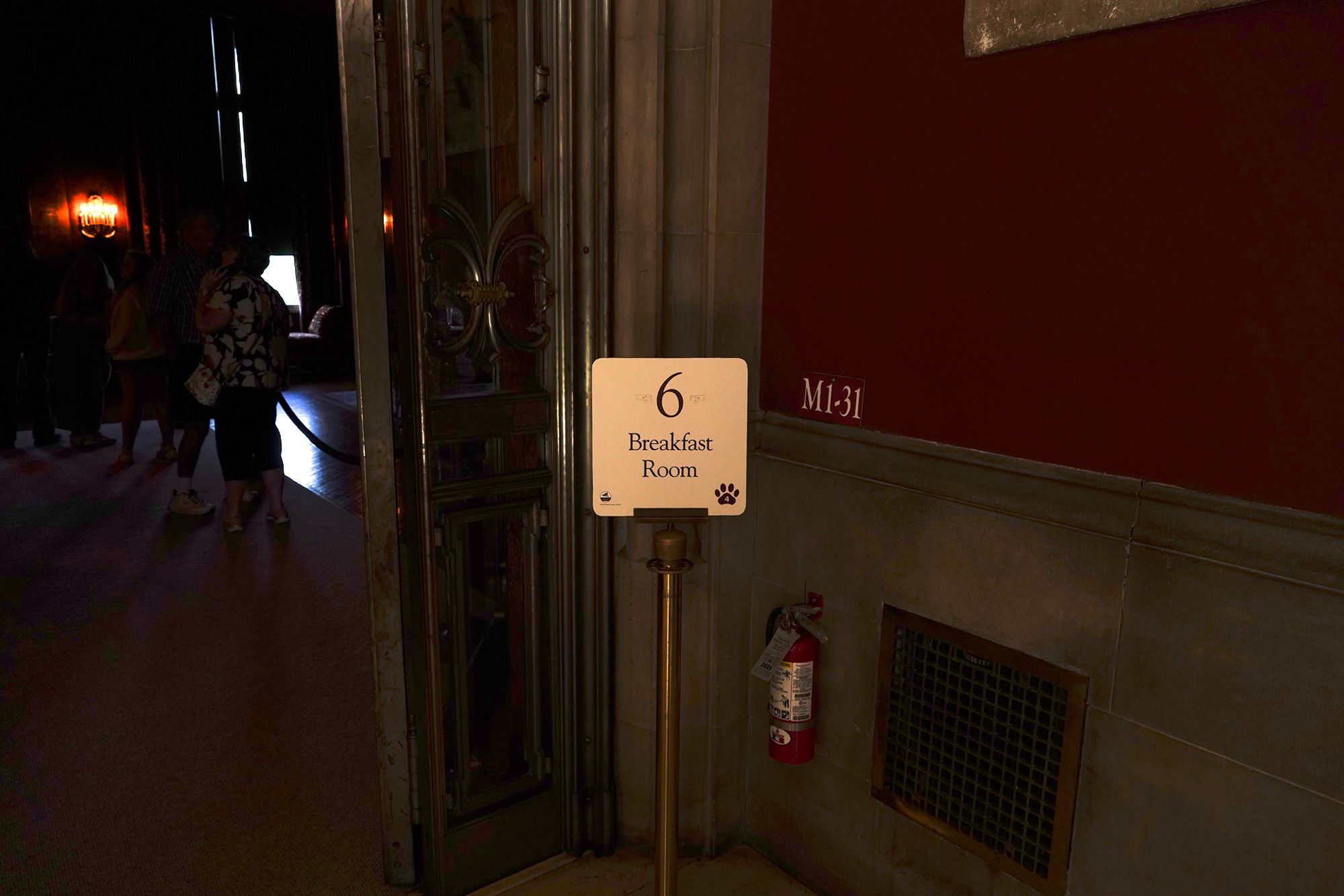
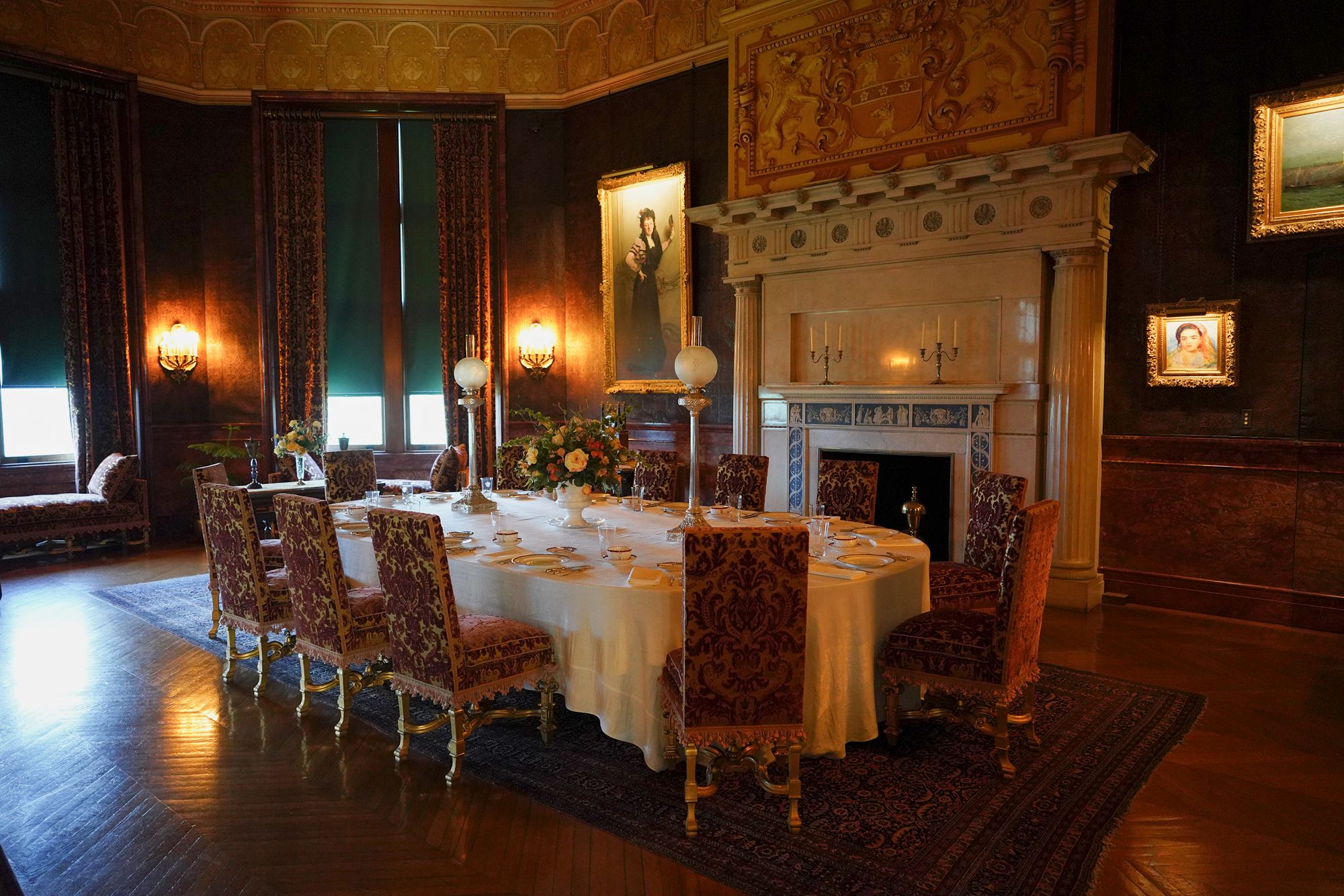
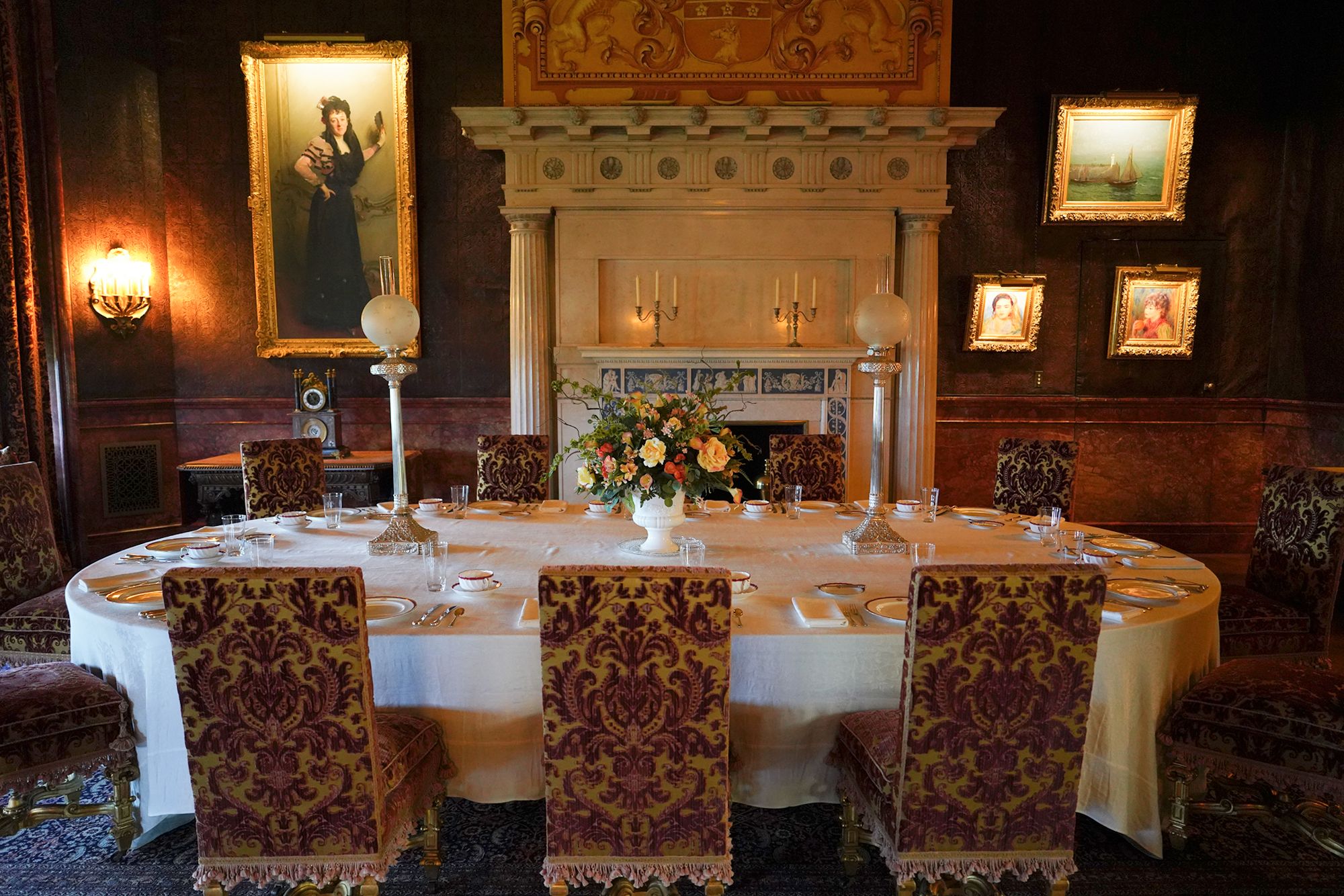
Breakfast Room
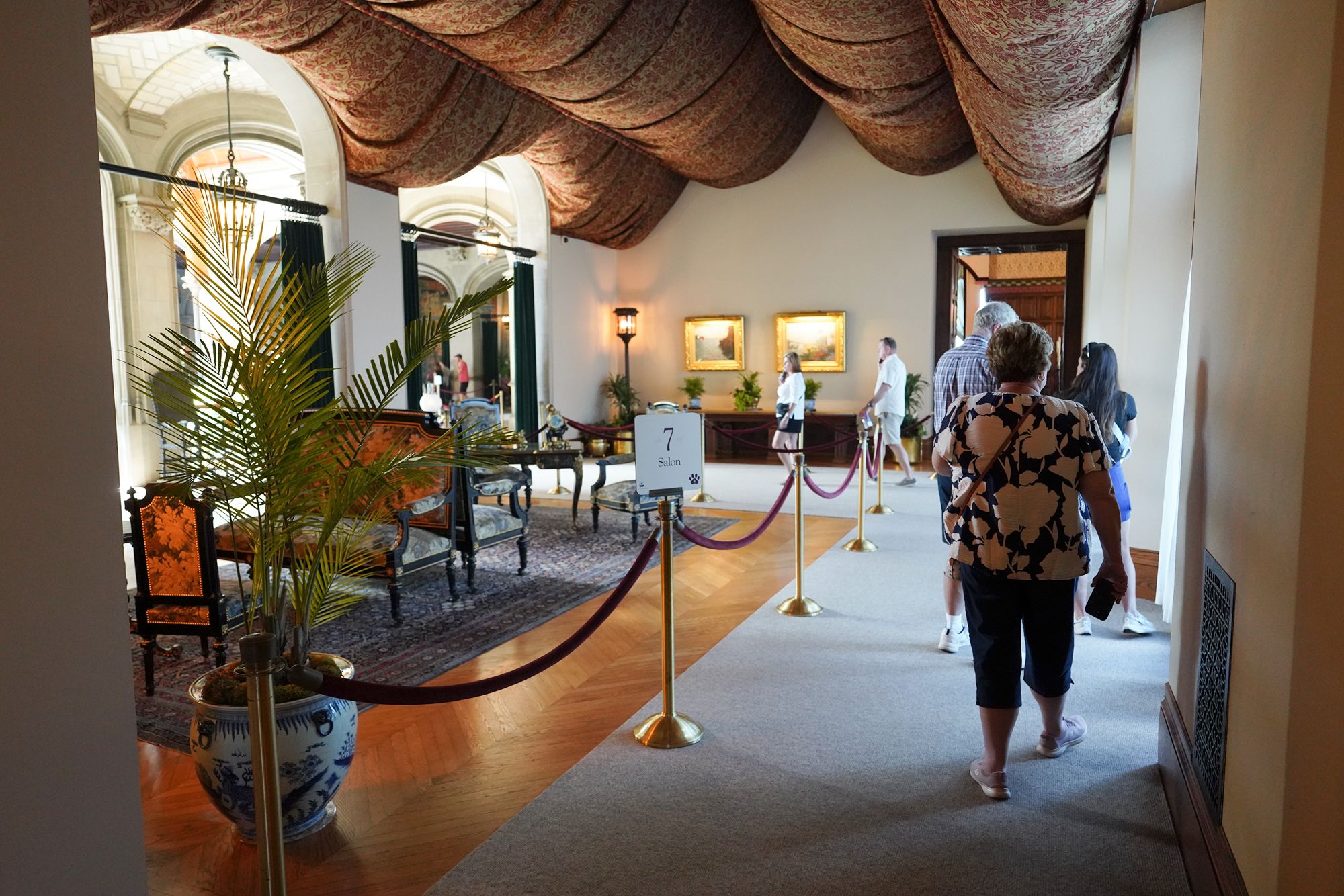
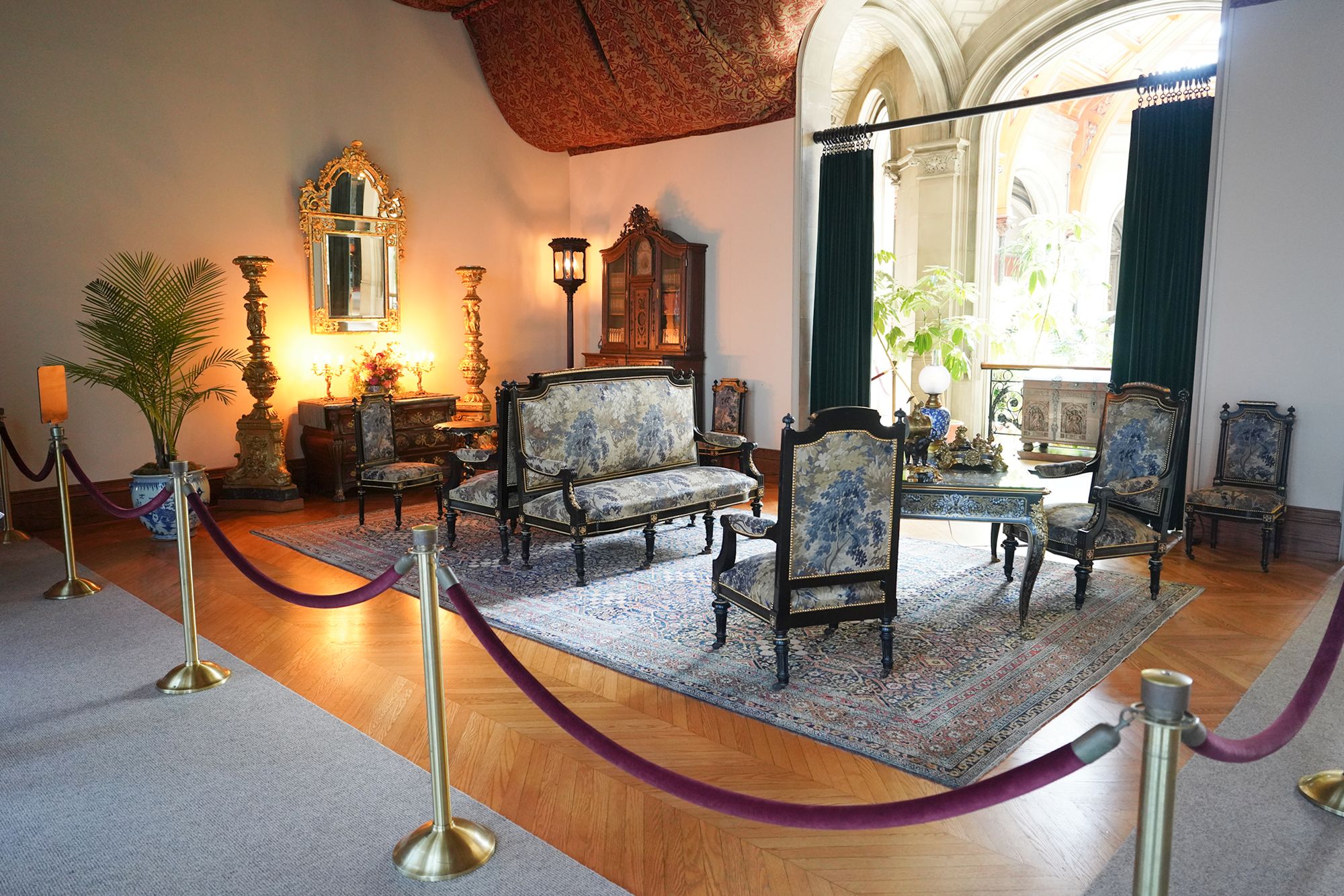
Salon
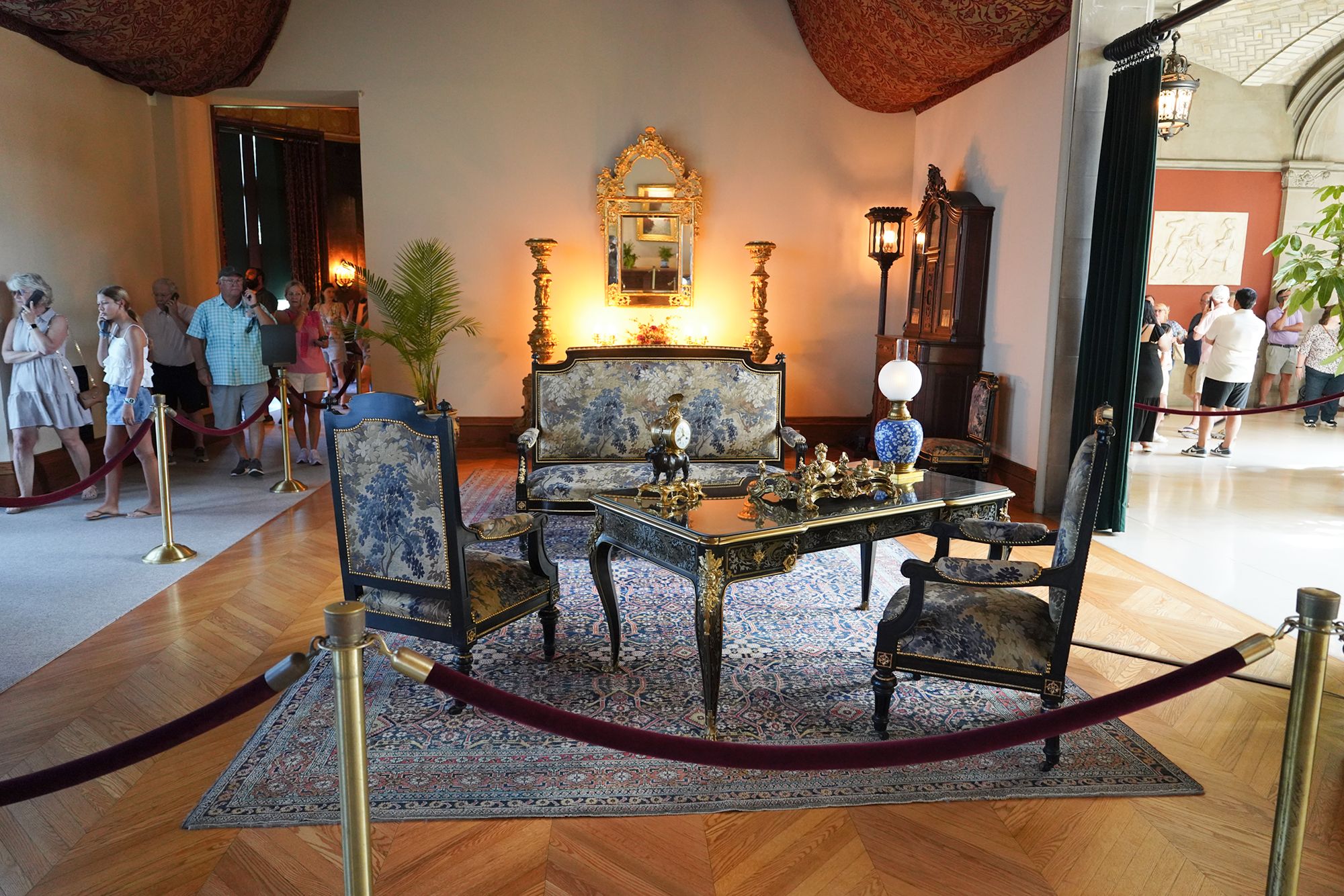
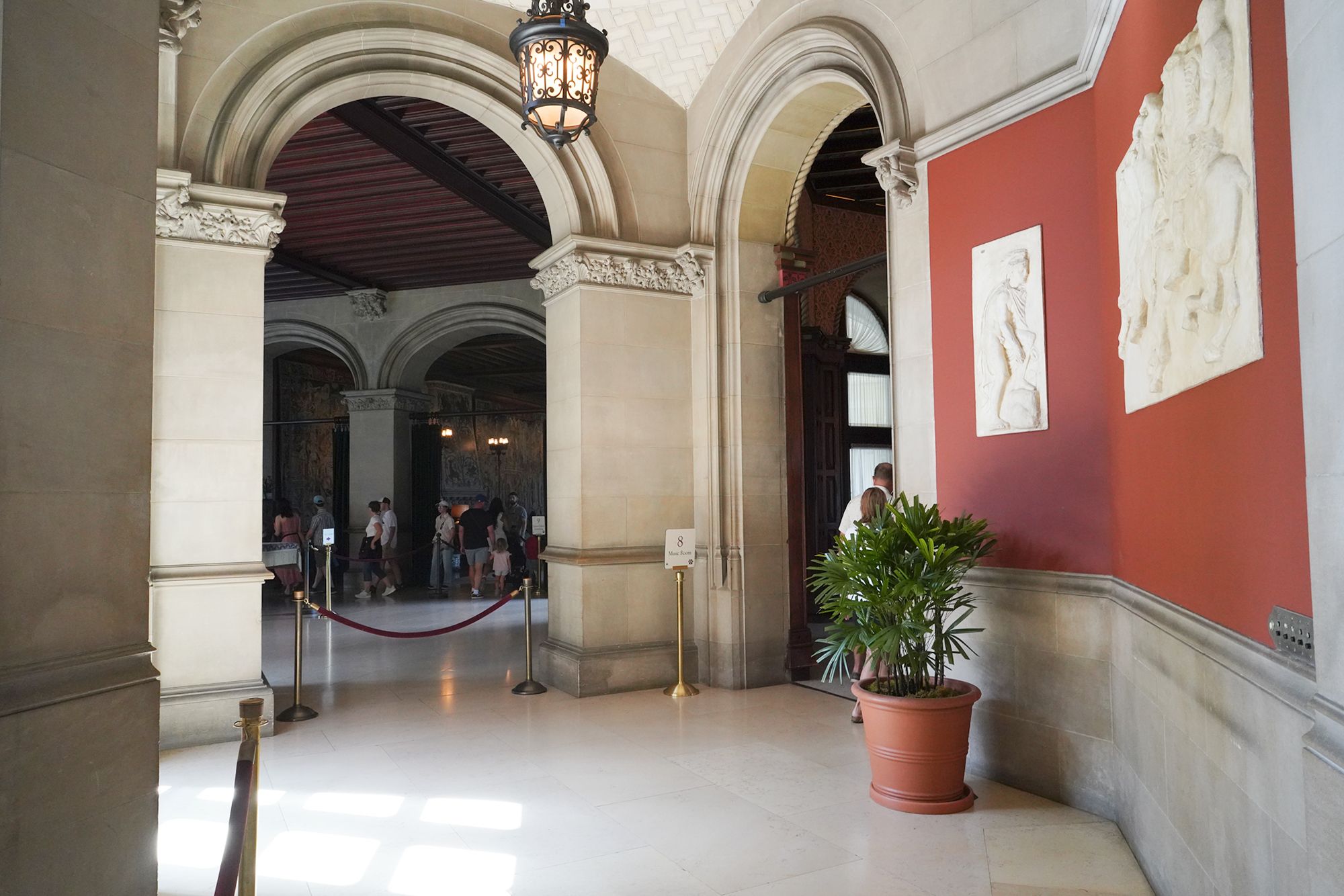
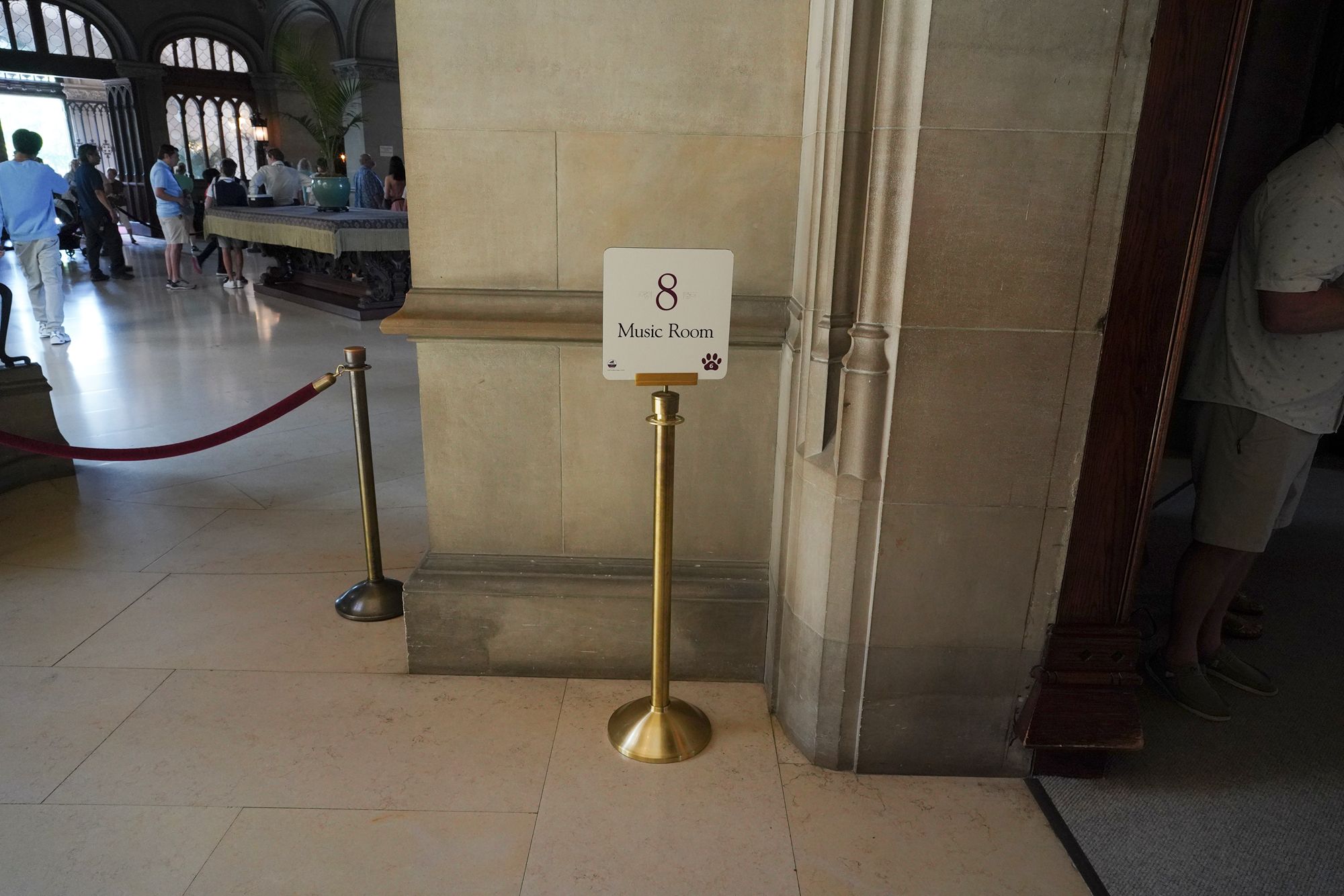
Music Room
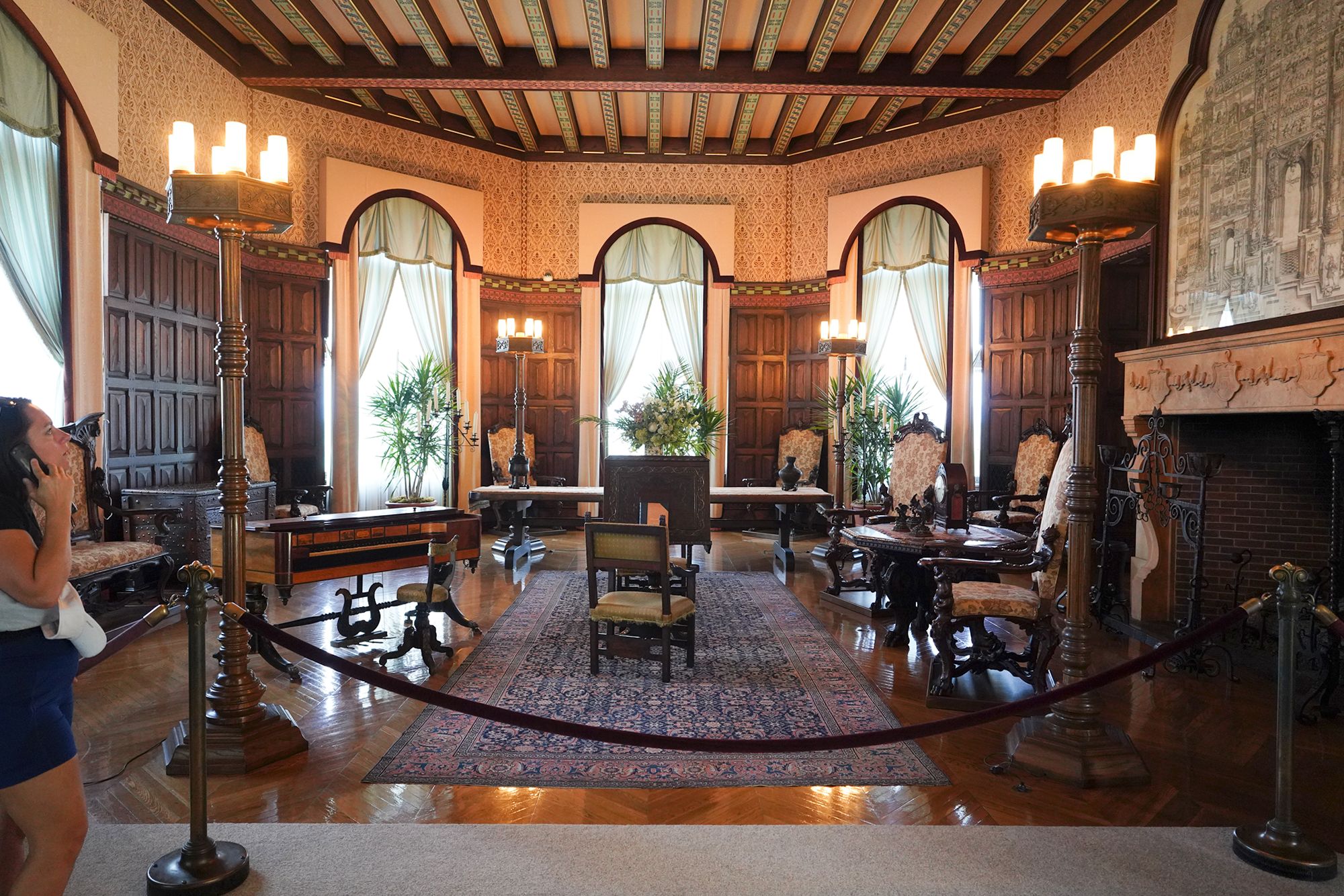
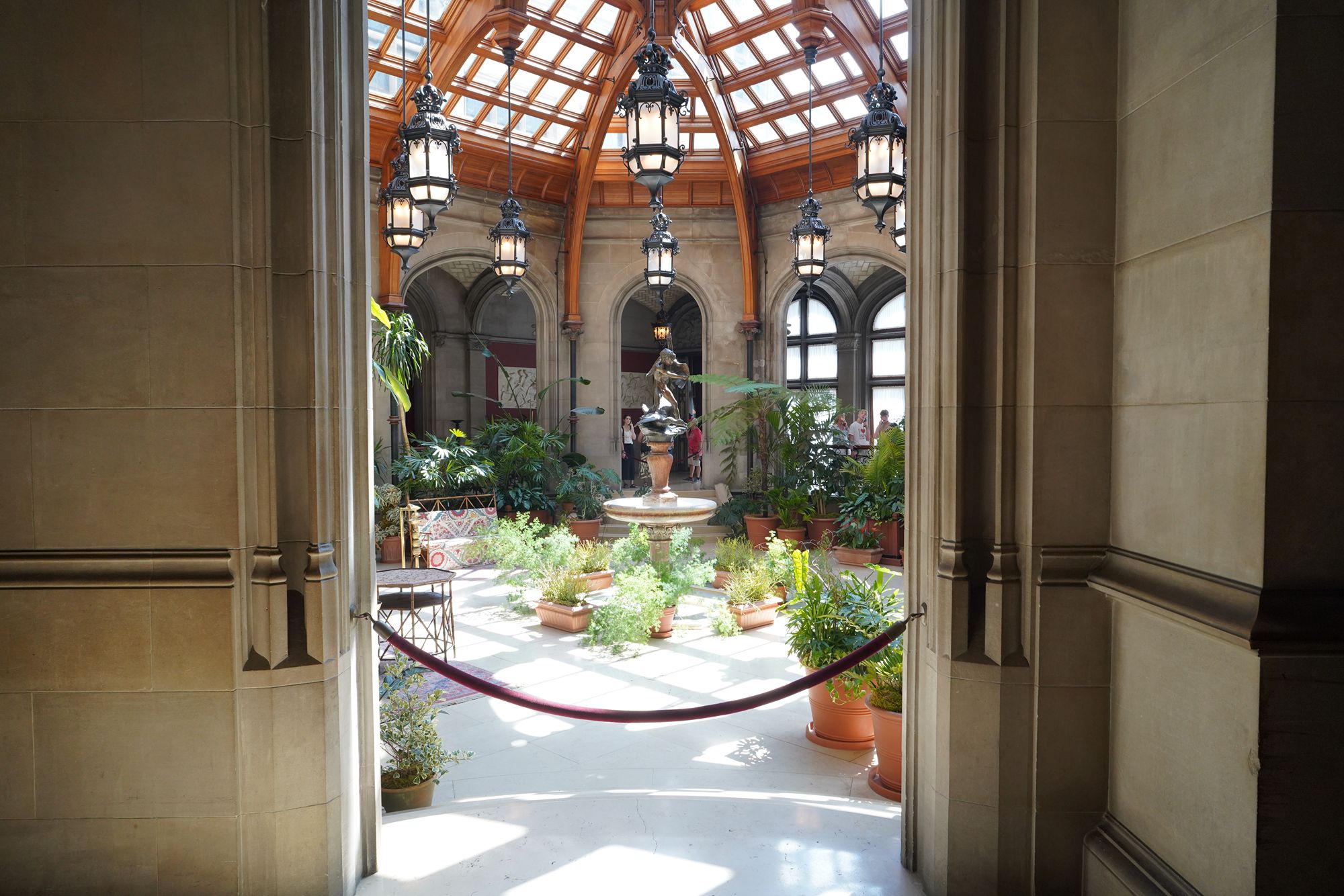
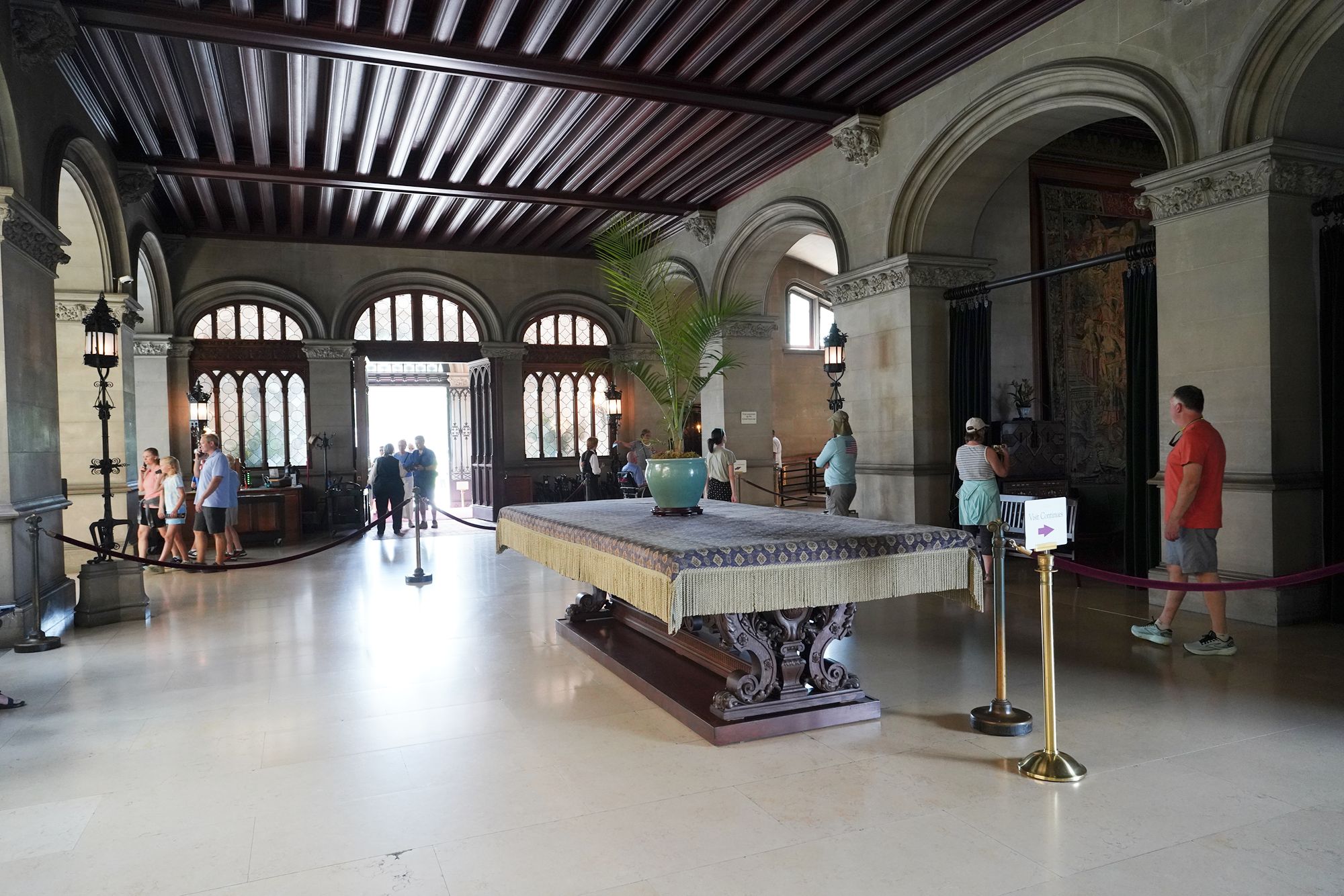
I was about to go into this room, but found another door leads to a terrace
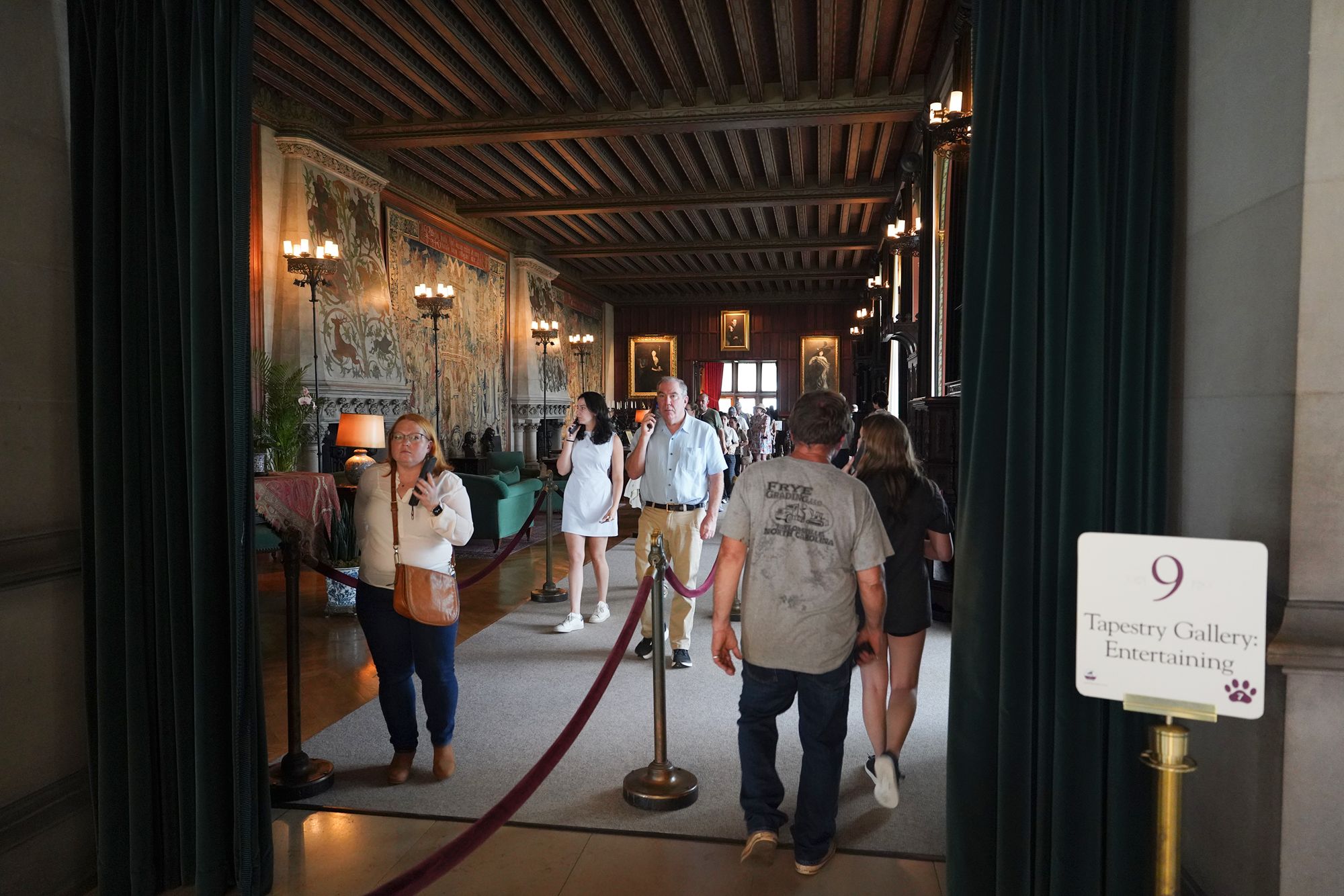
So I went out to the terrace
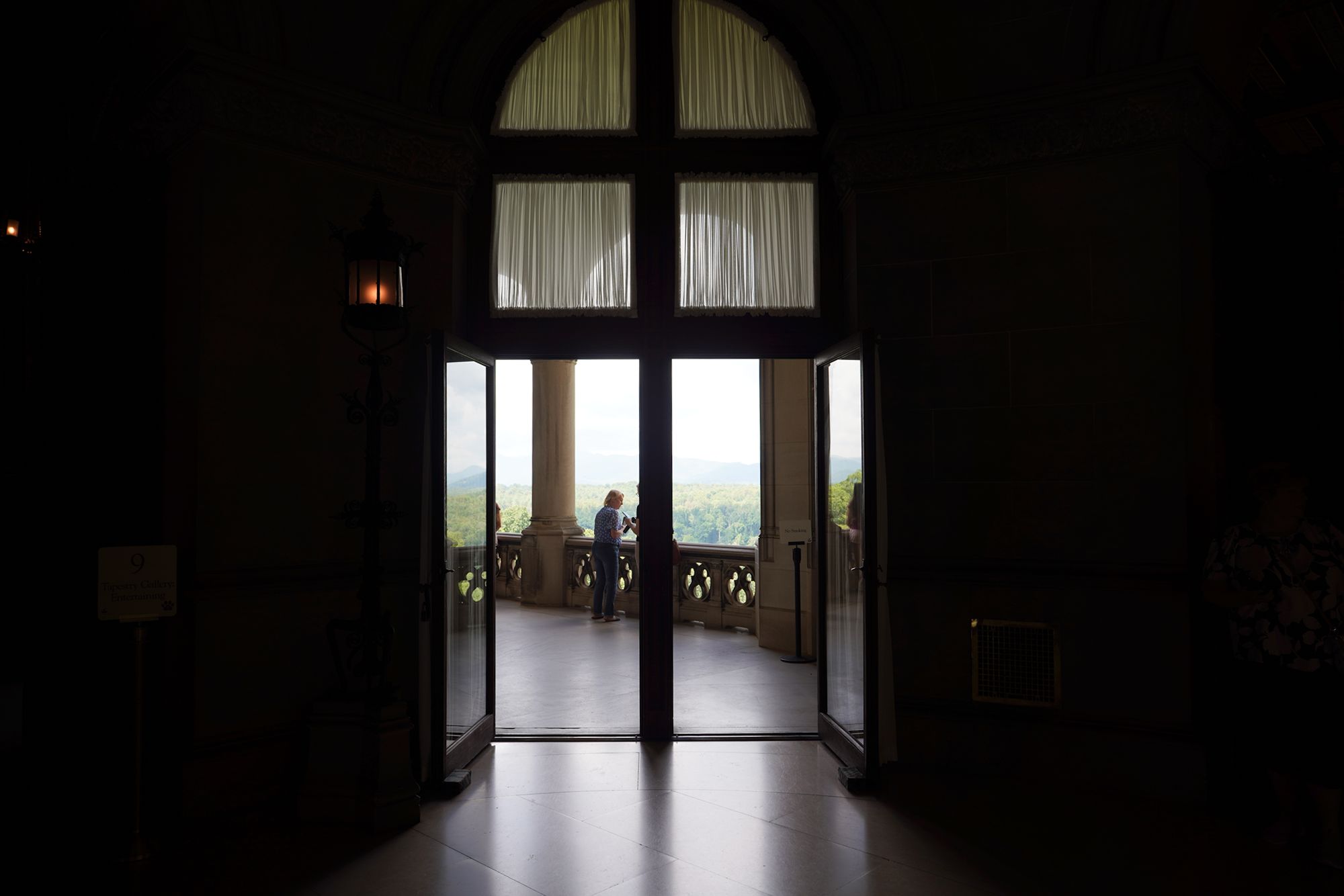
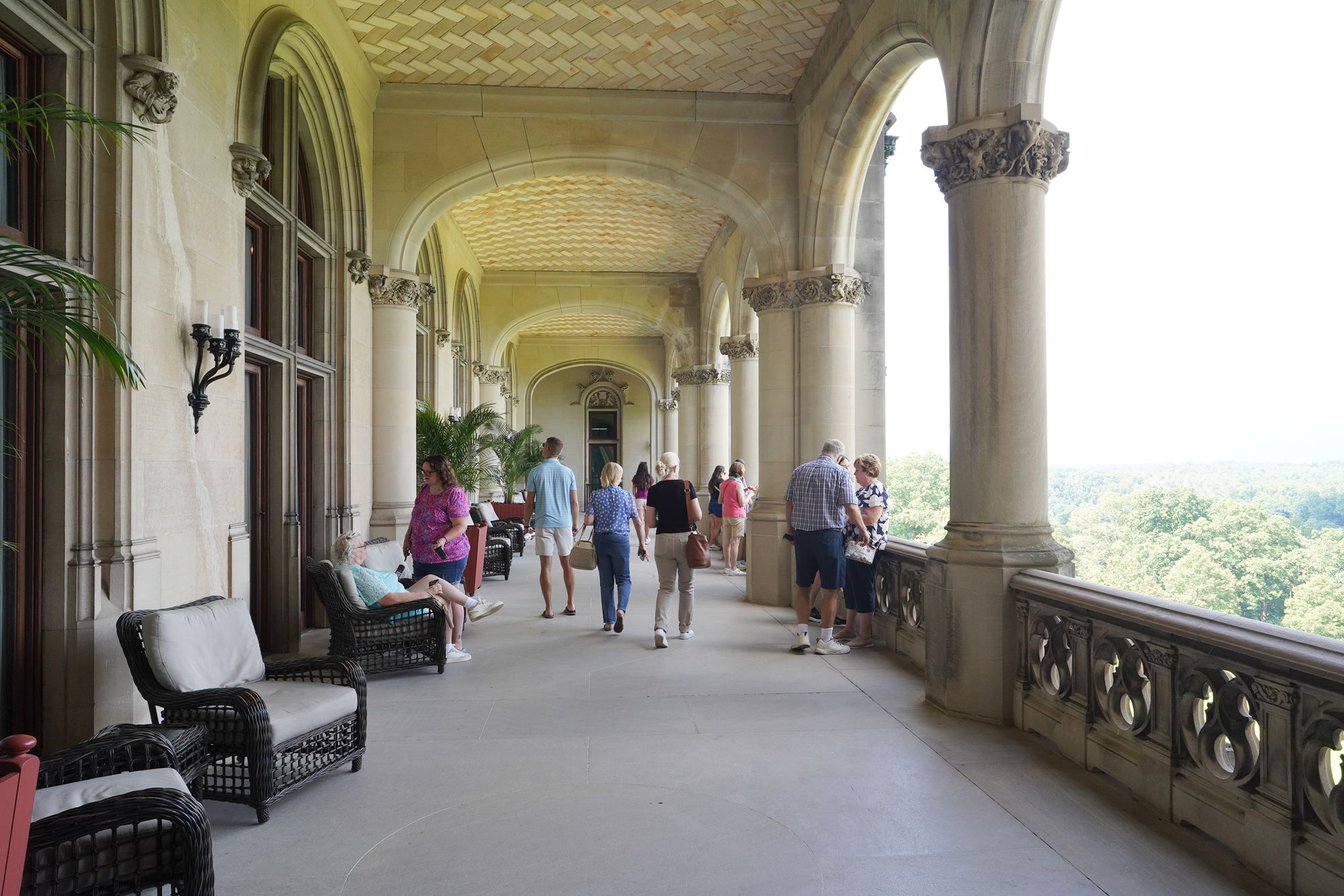
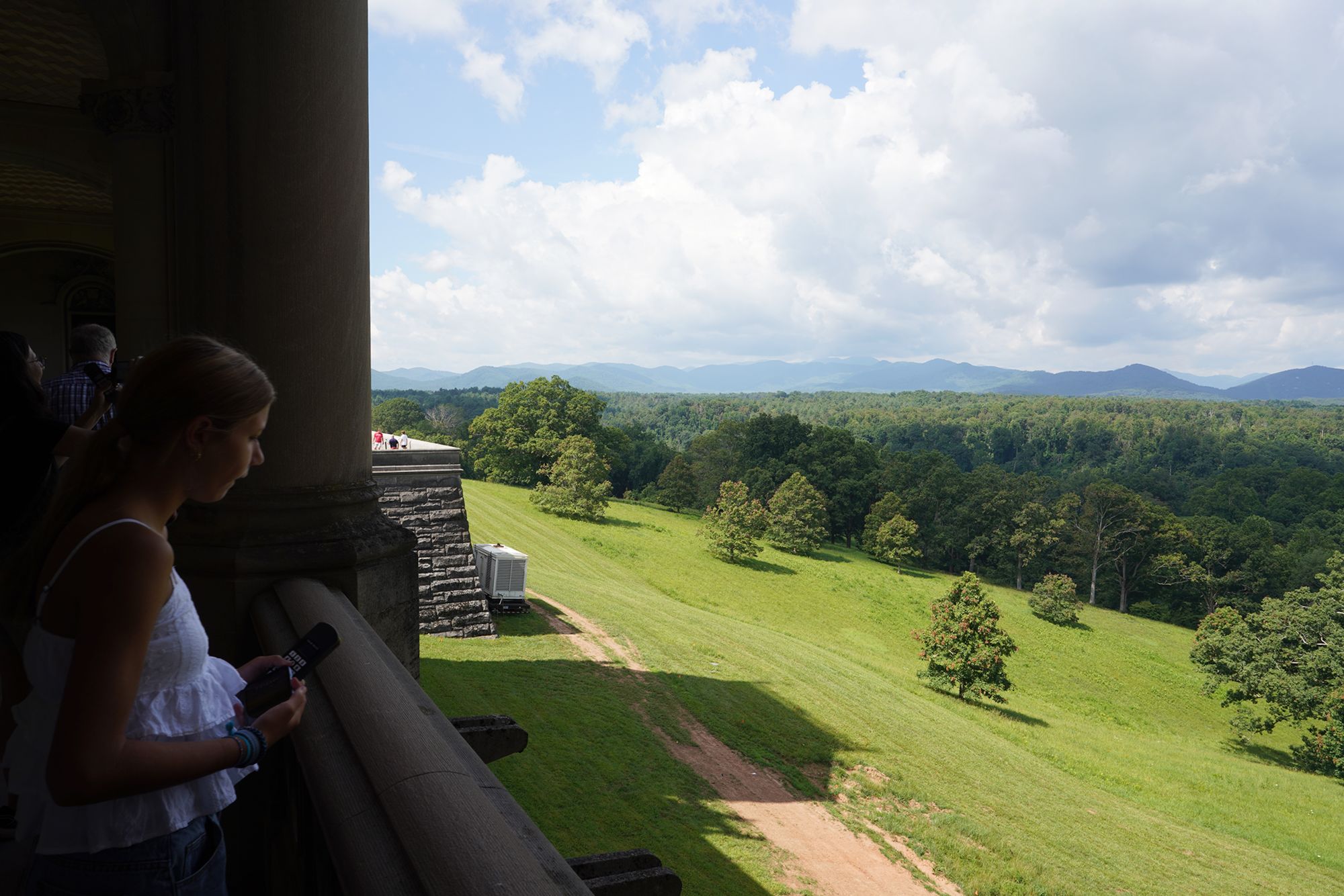
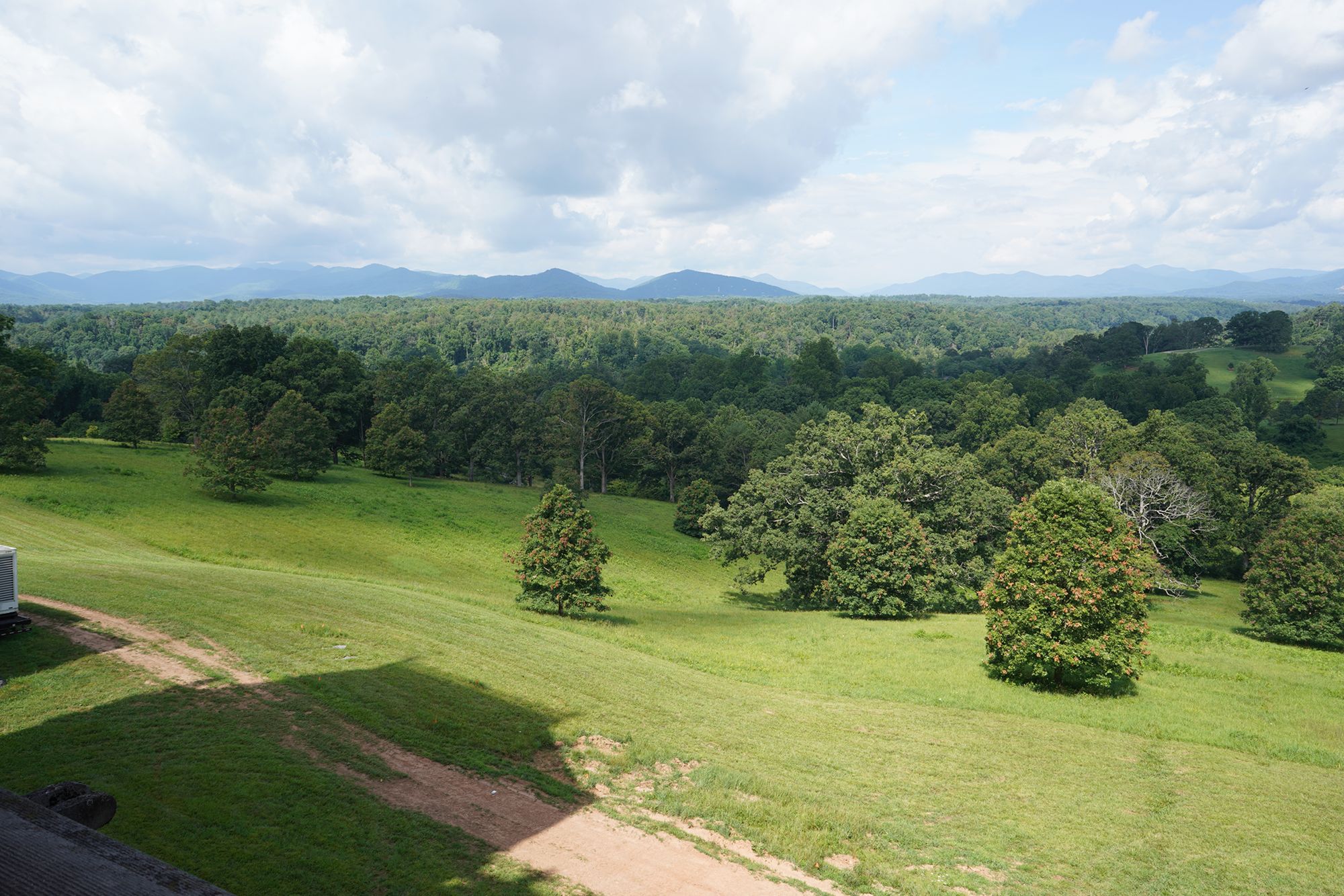
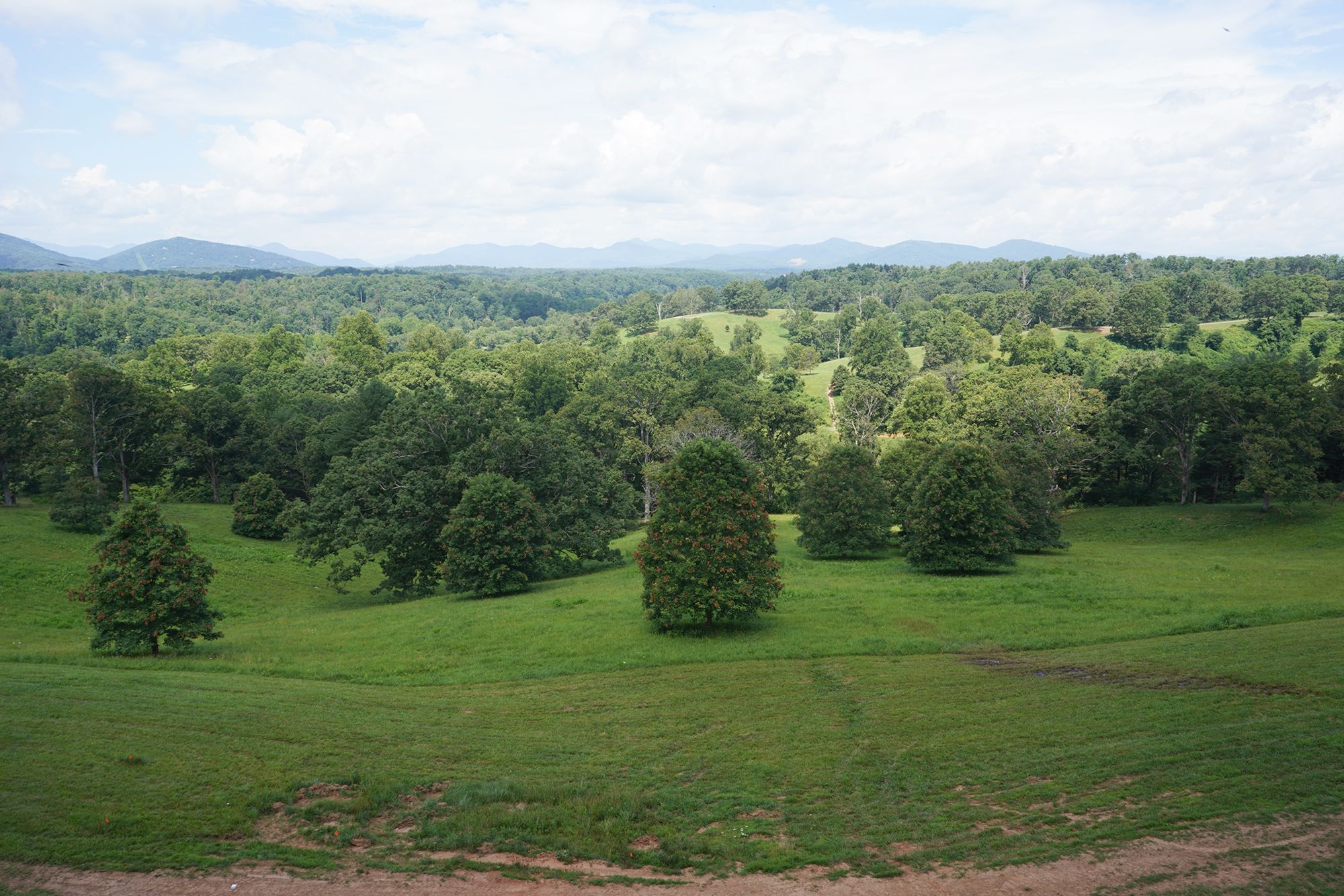
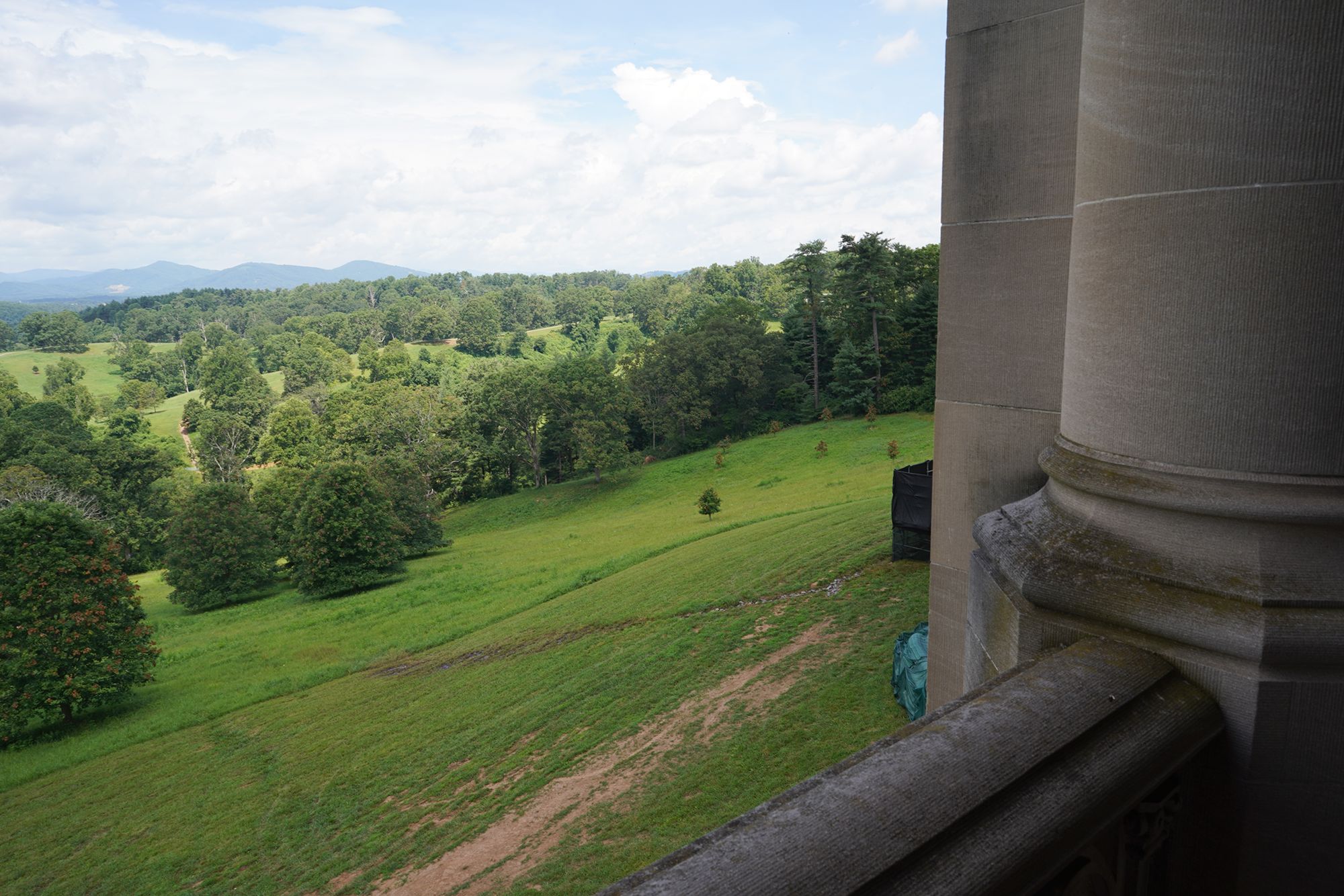
Then I came back to the Tapestry Room
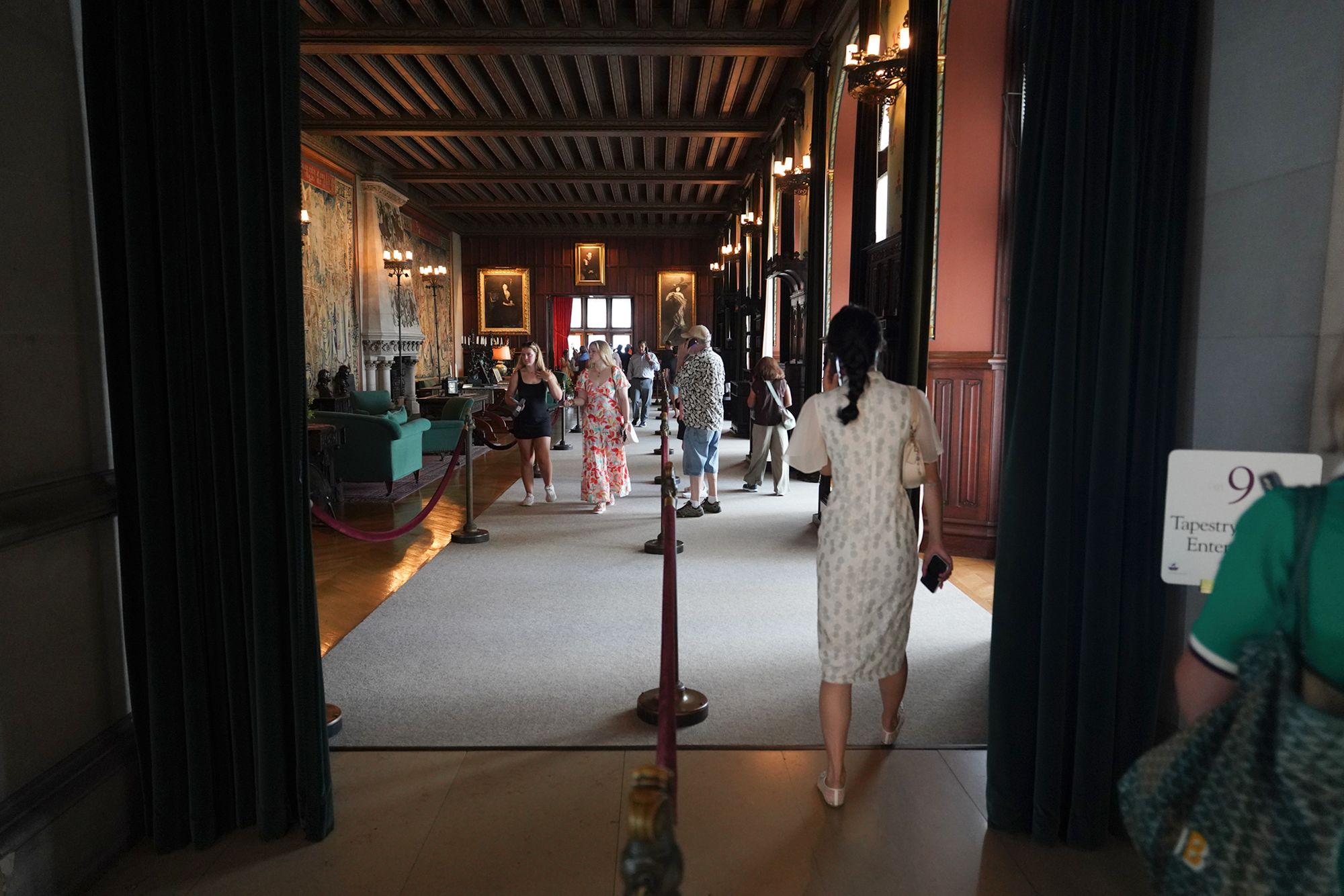
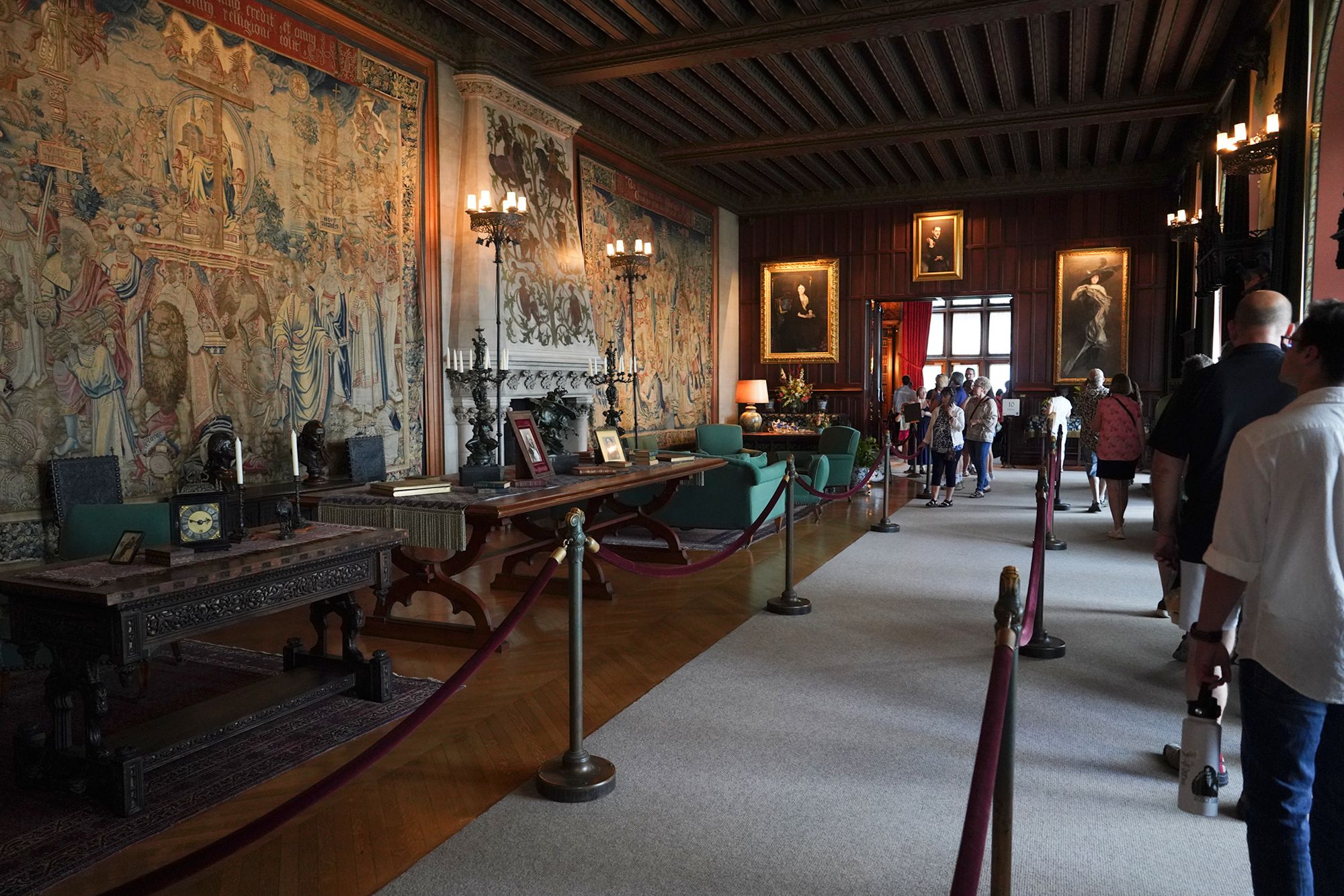
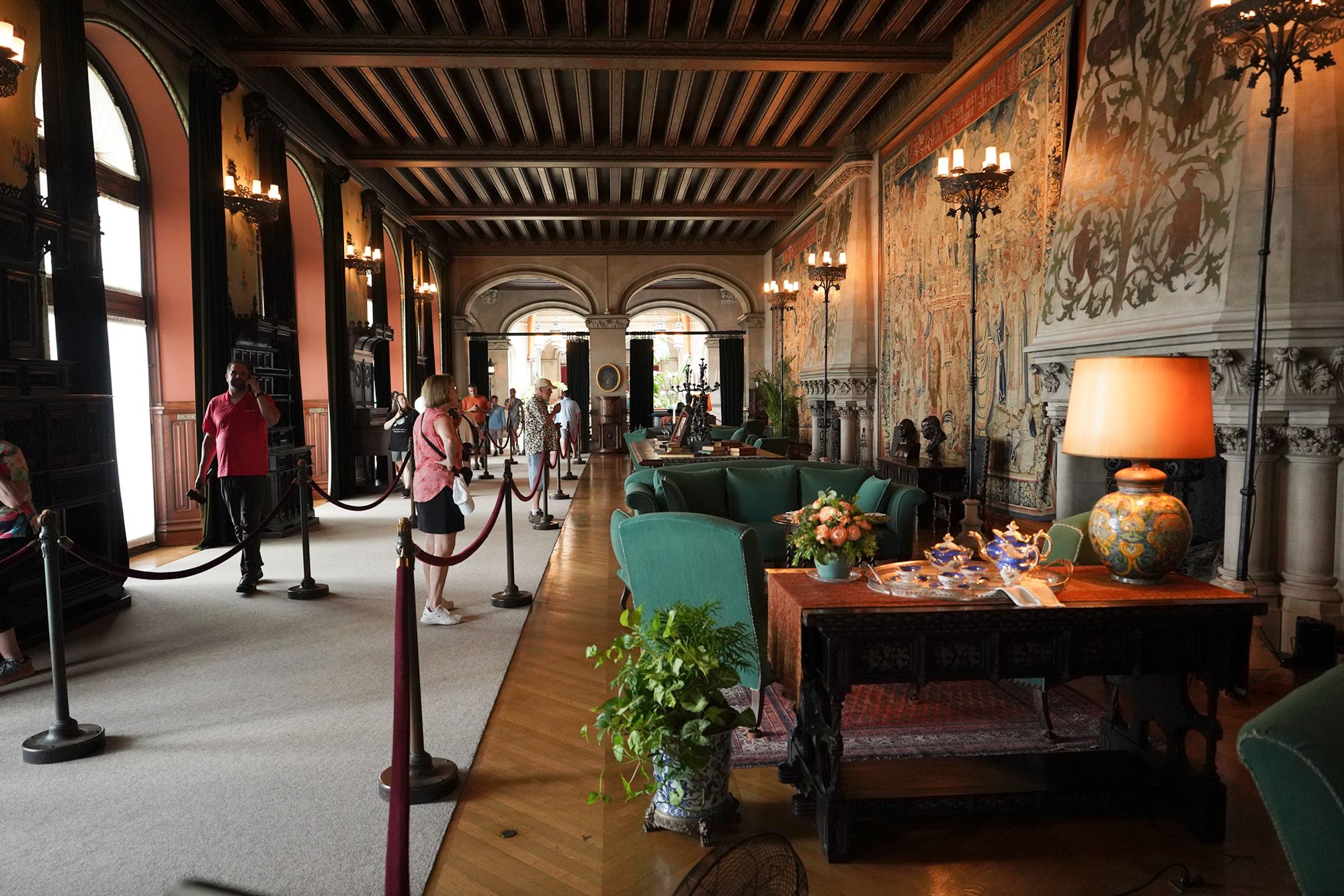
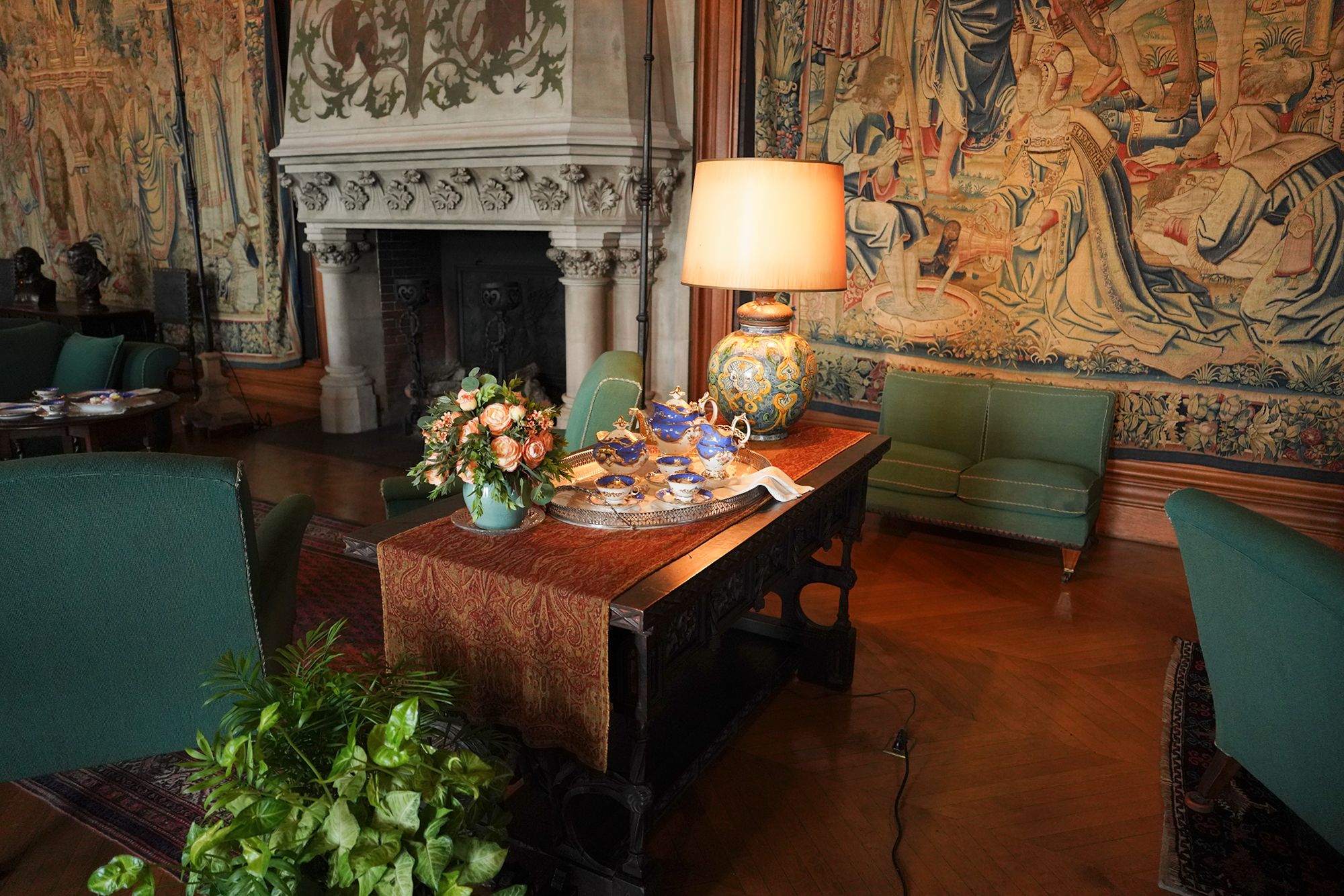
Tapestry Room
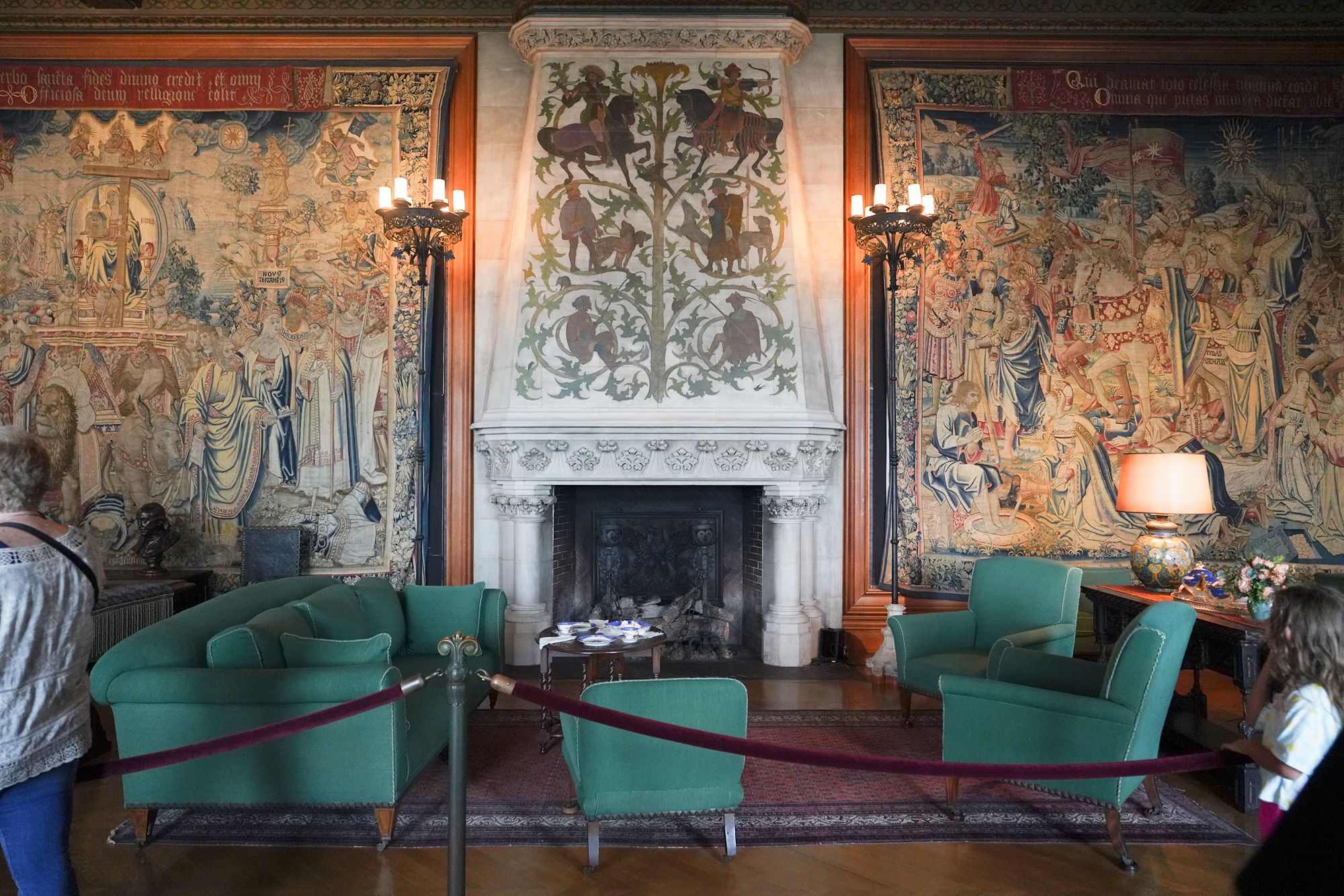
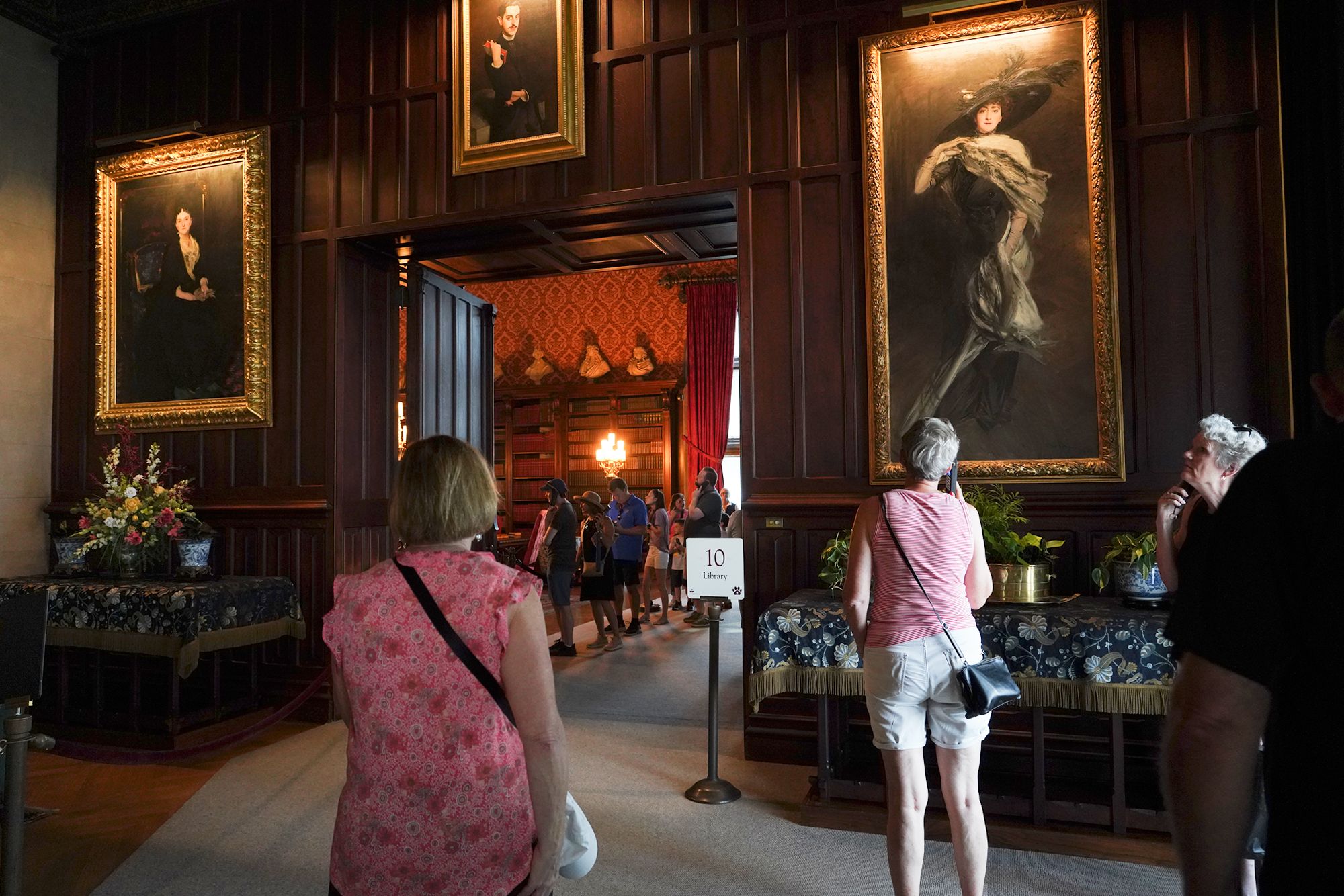
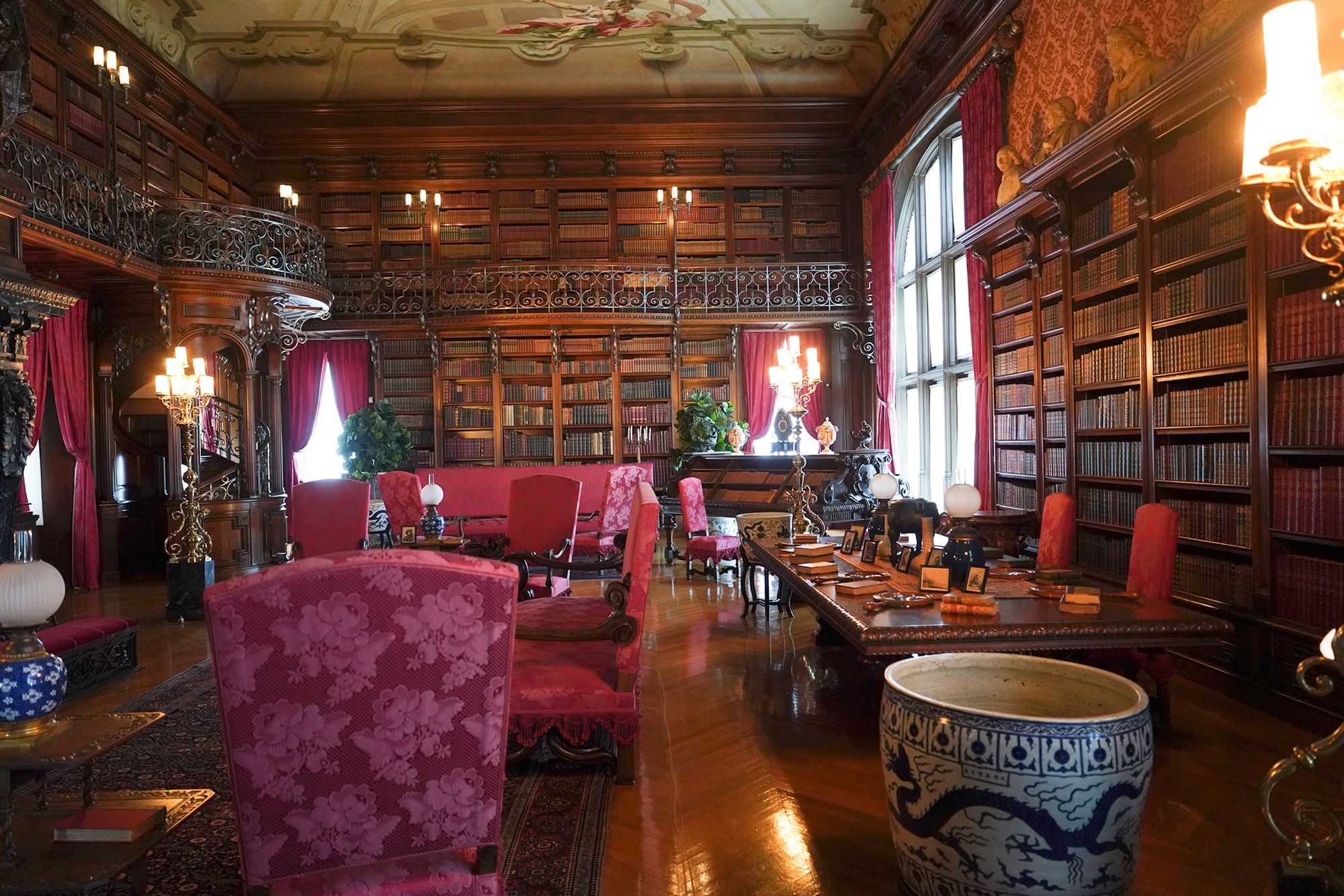
Library
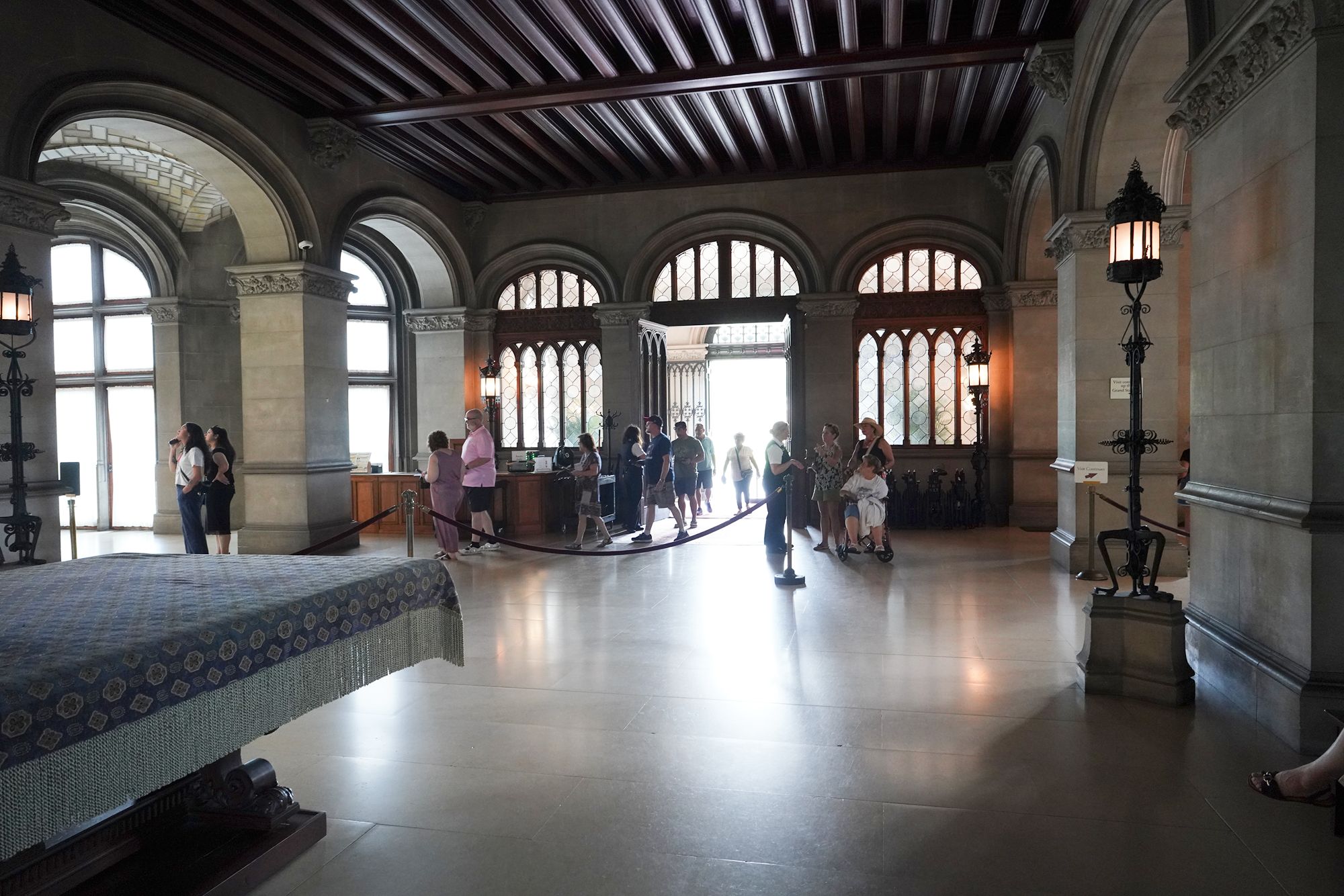
To the second floor
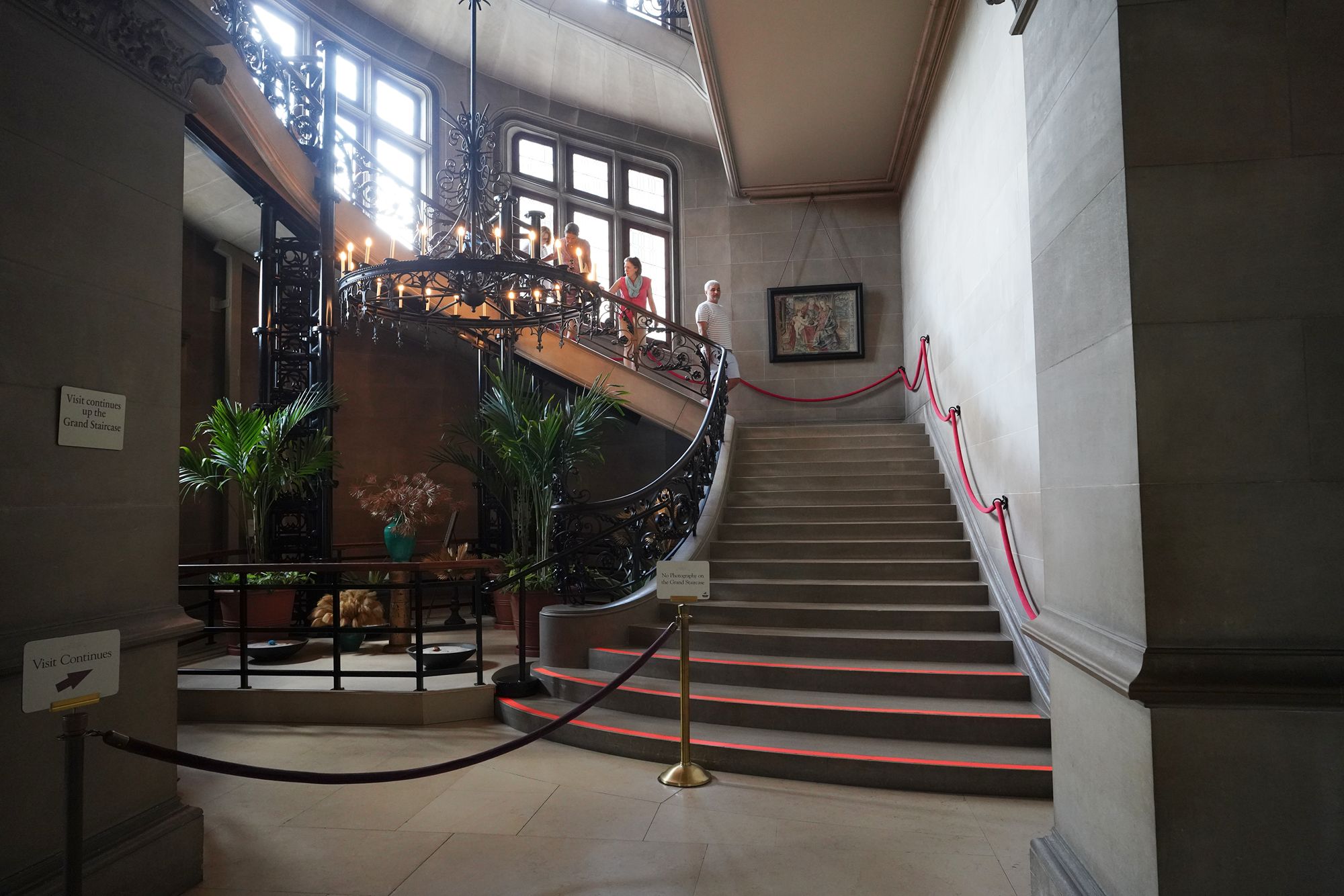
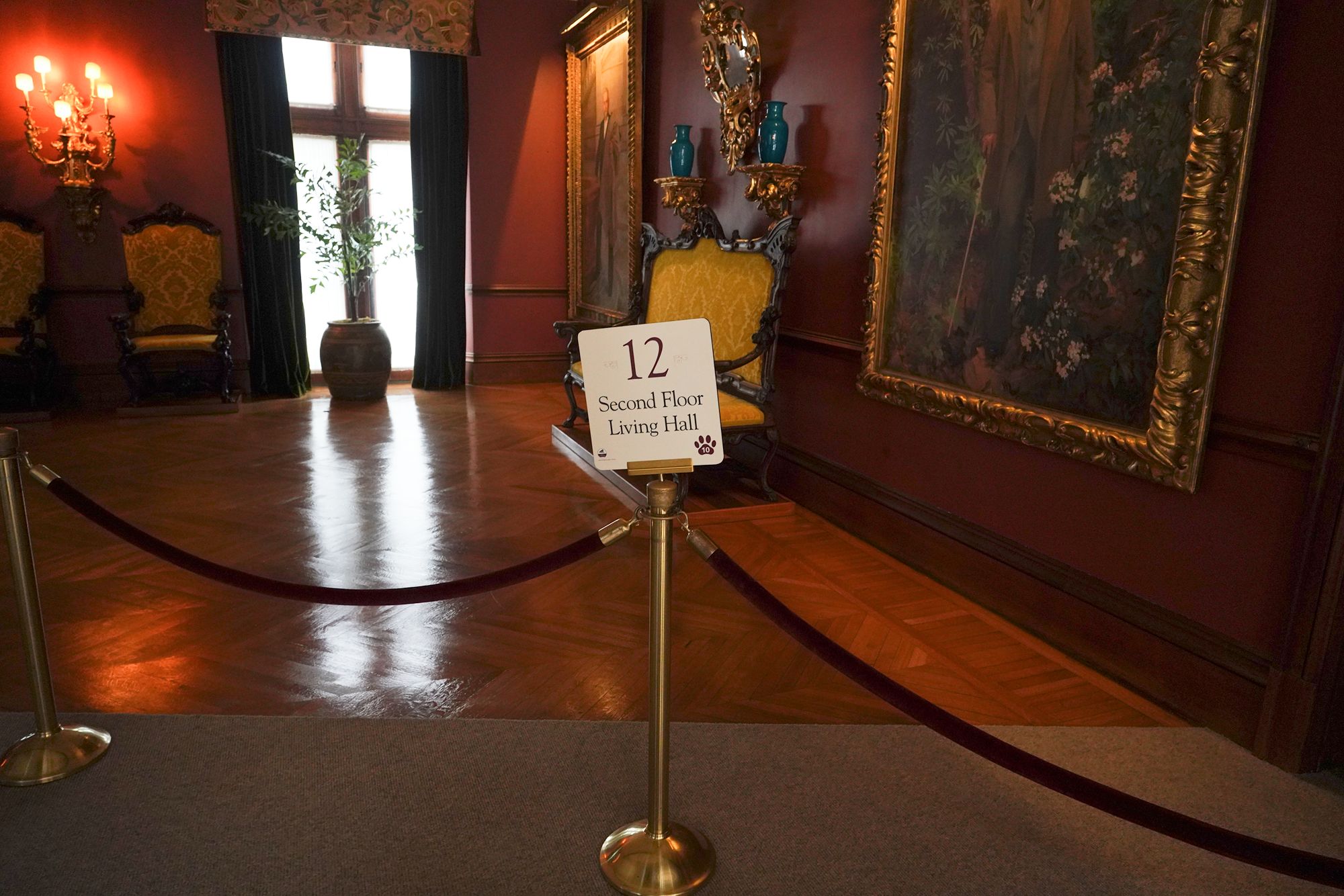
Second Floor Living Hall
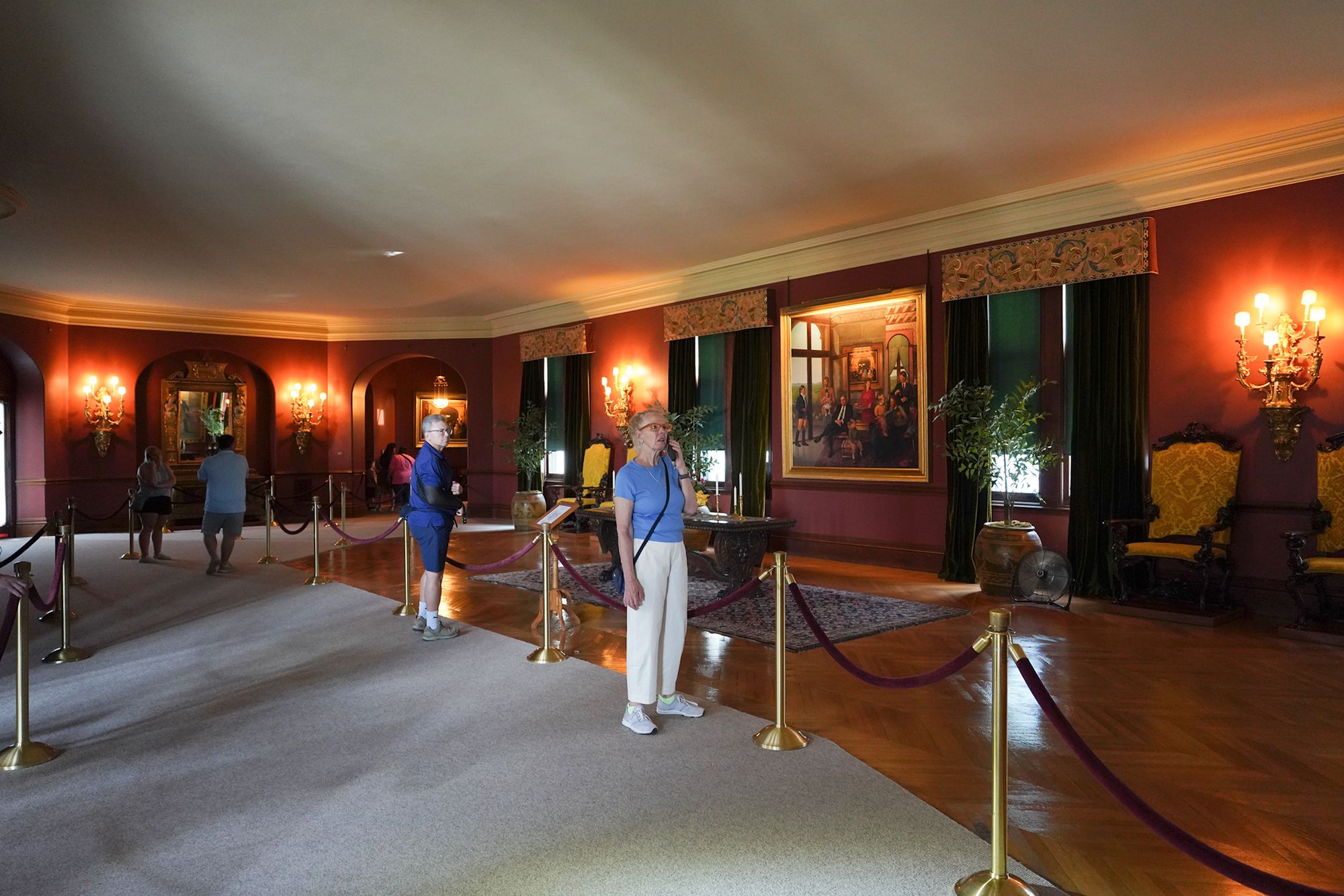
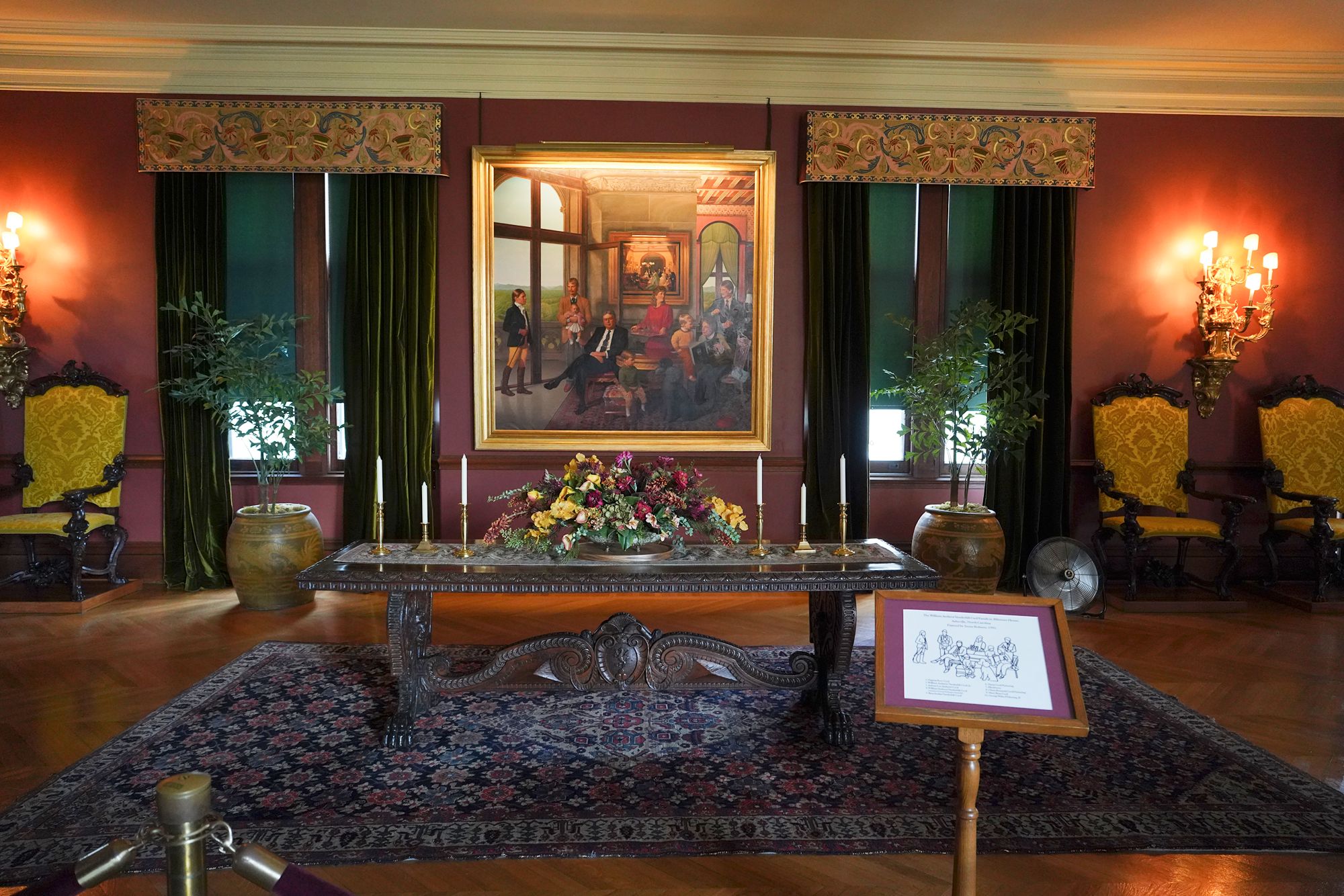
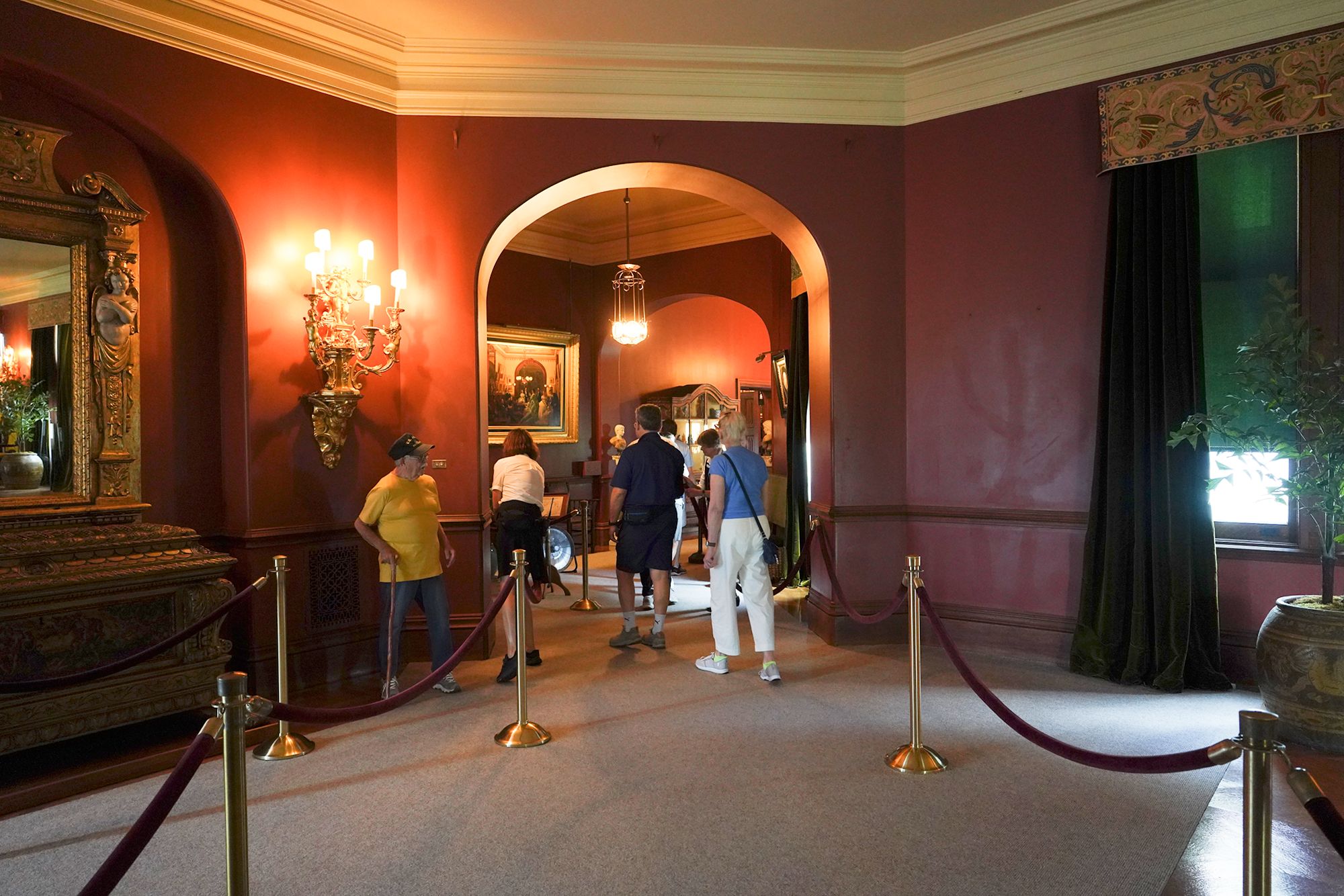
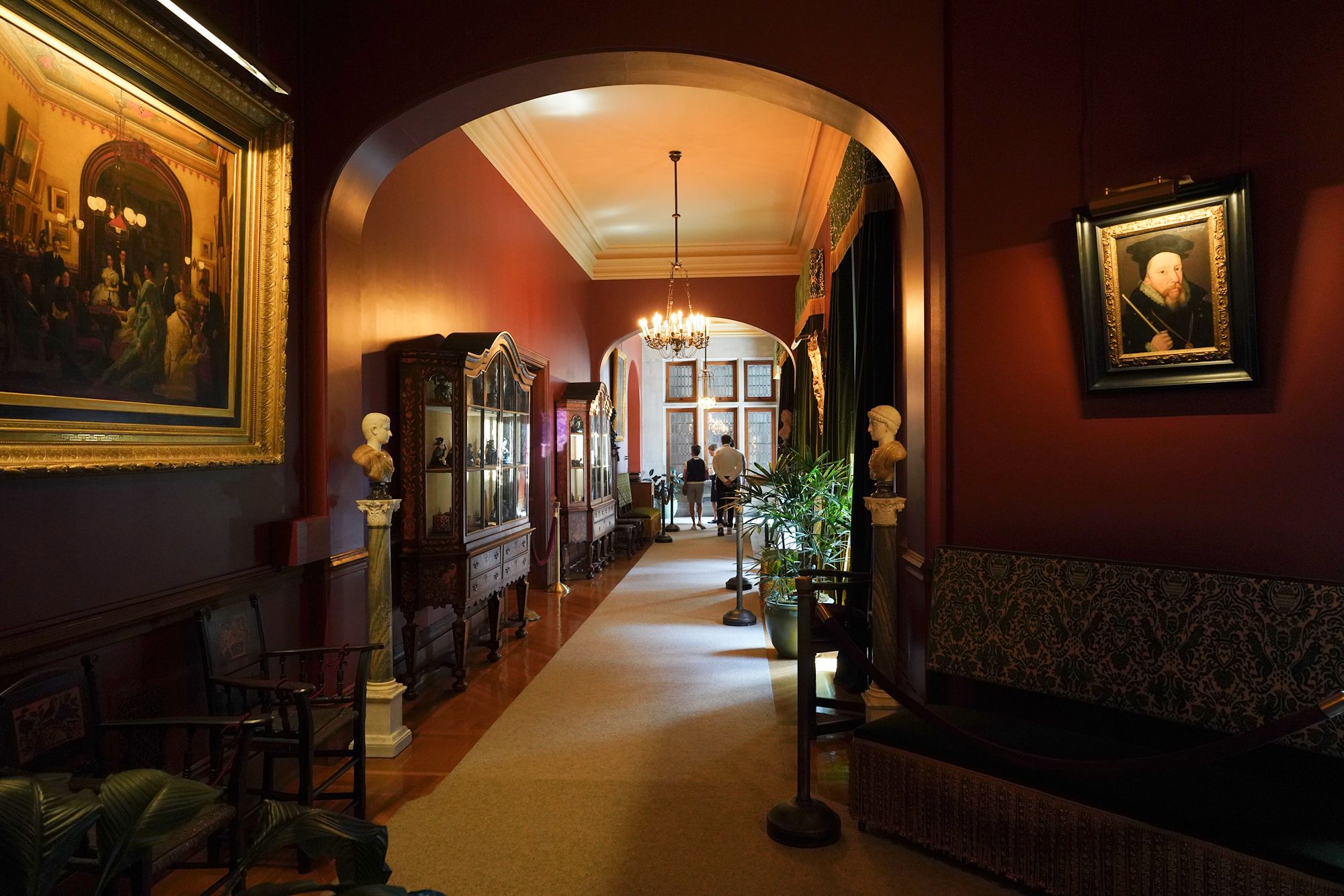
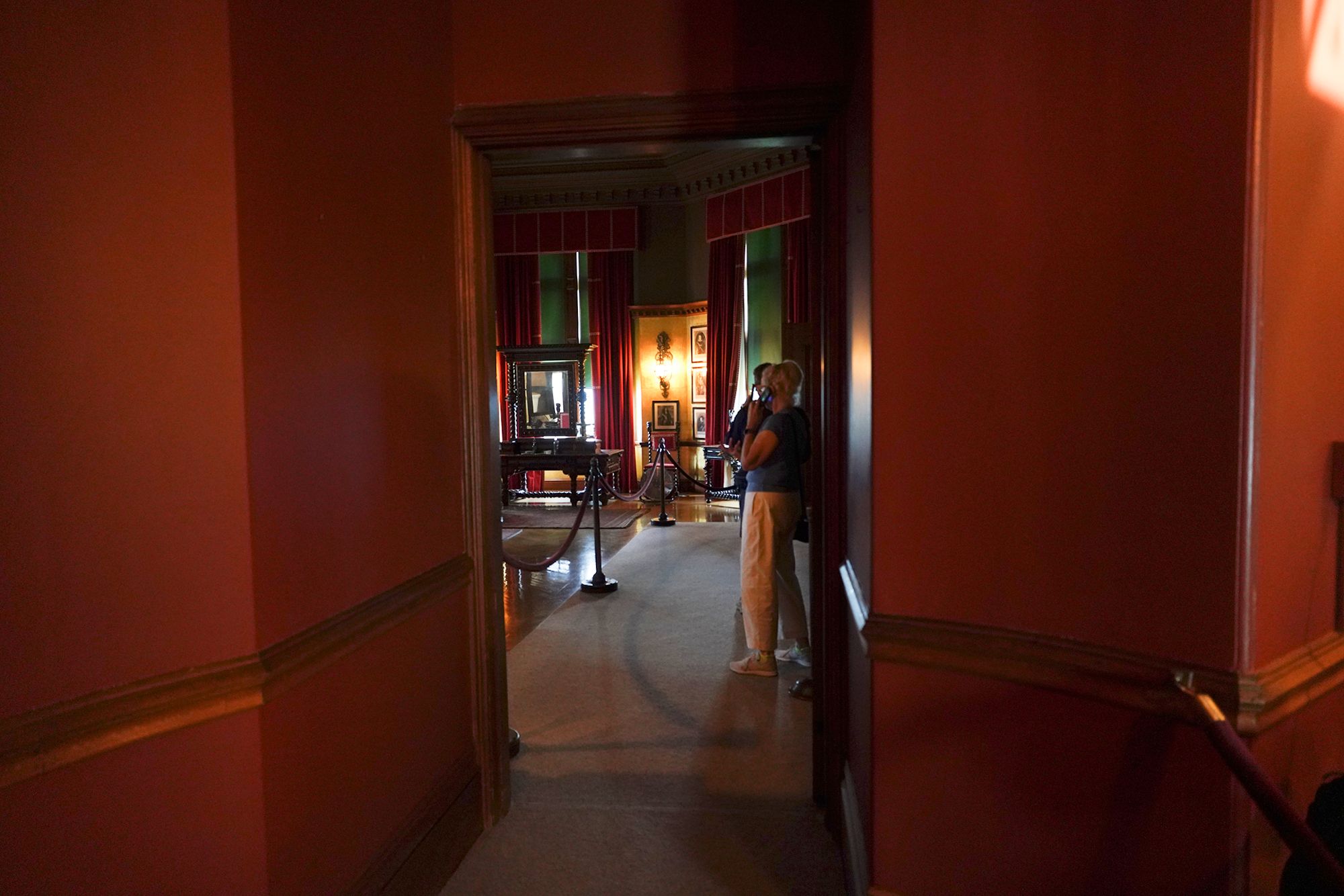
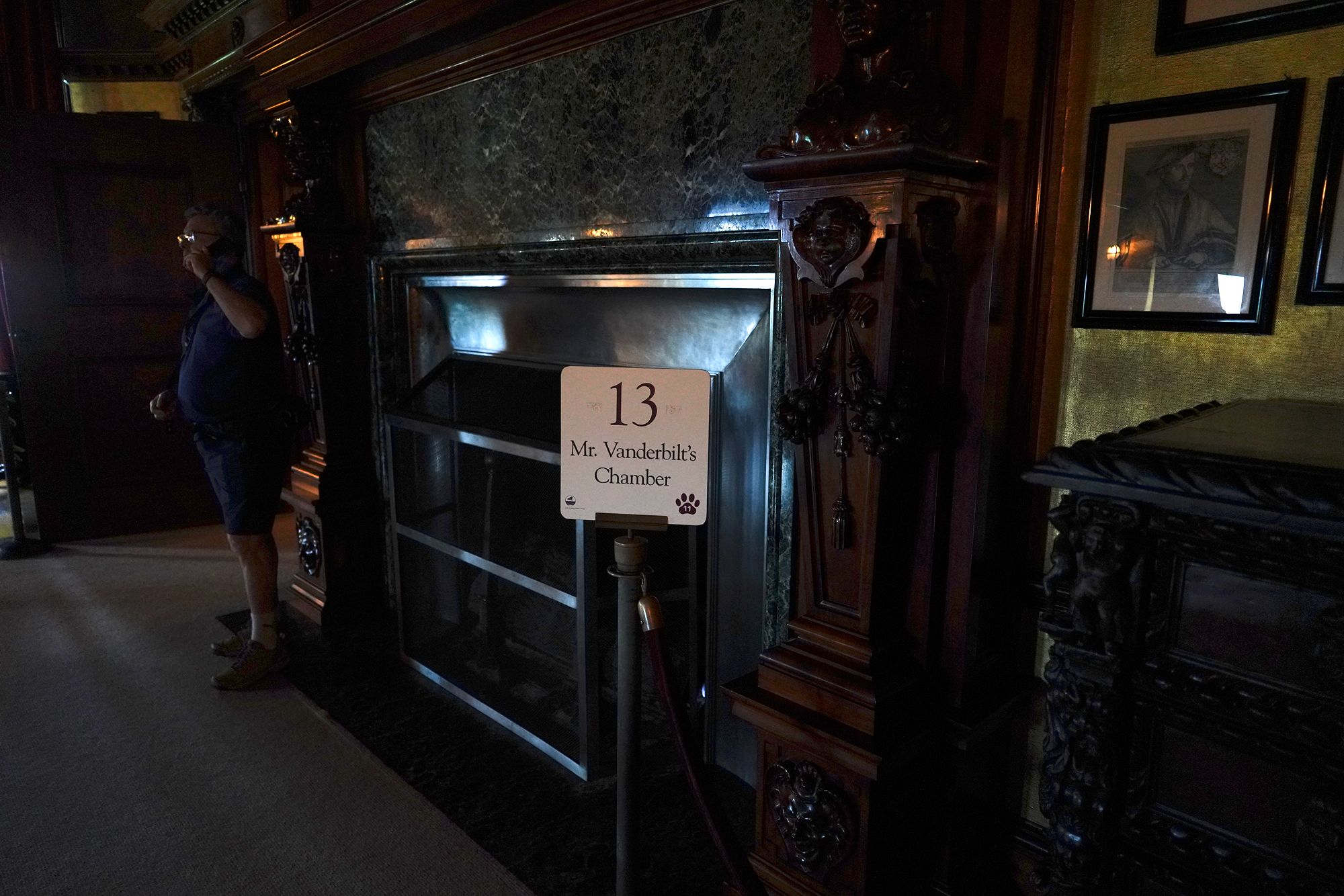
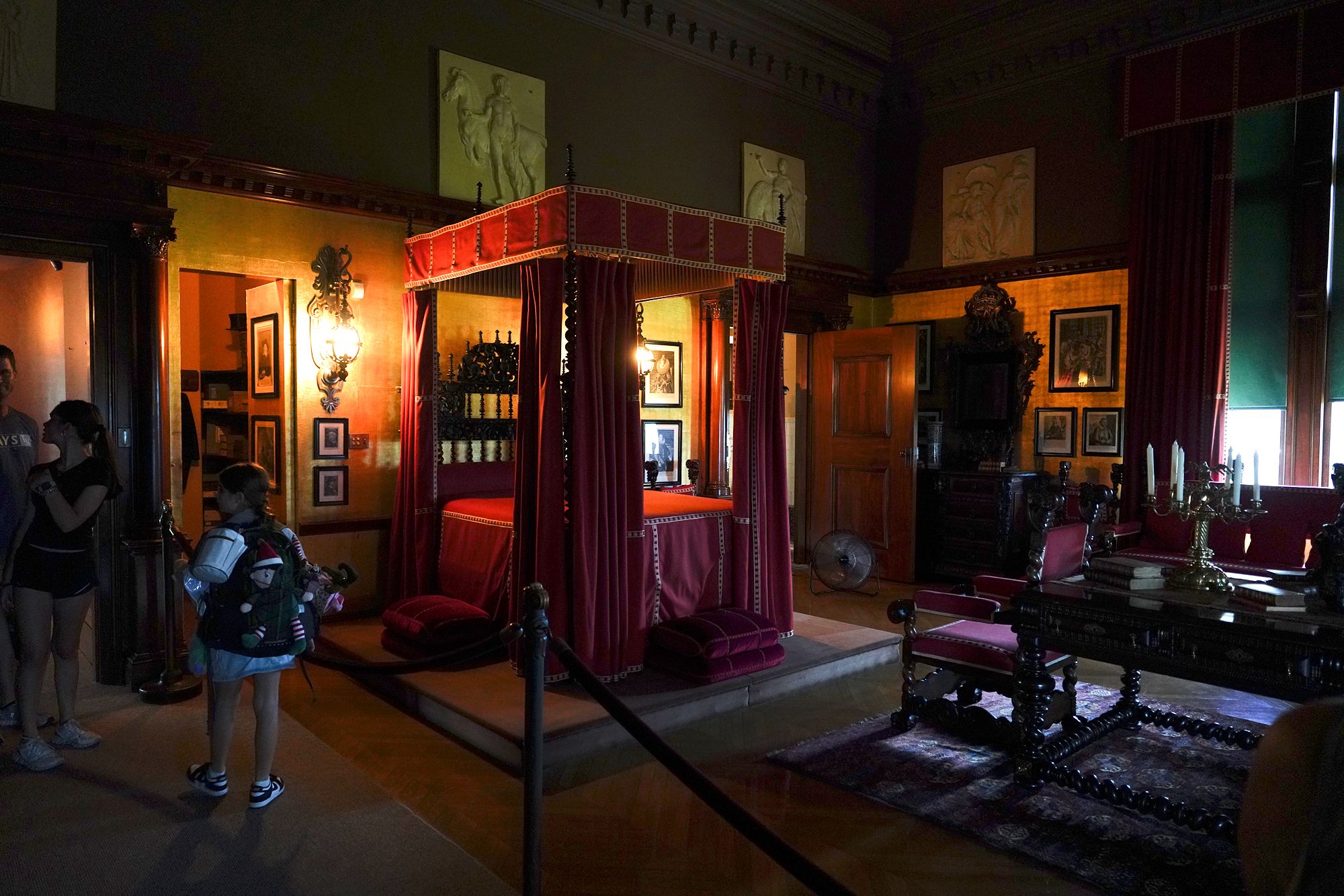
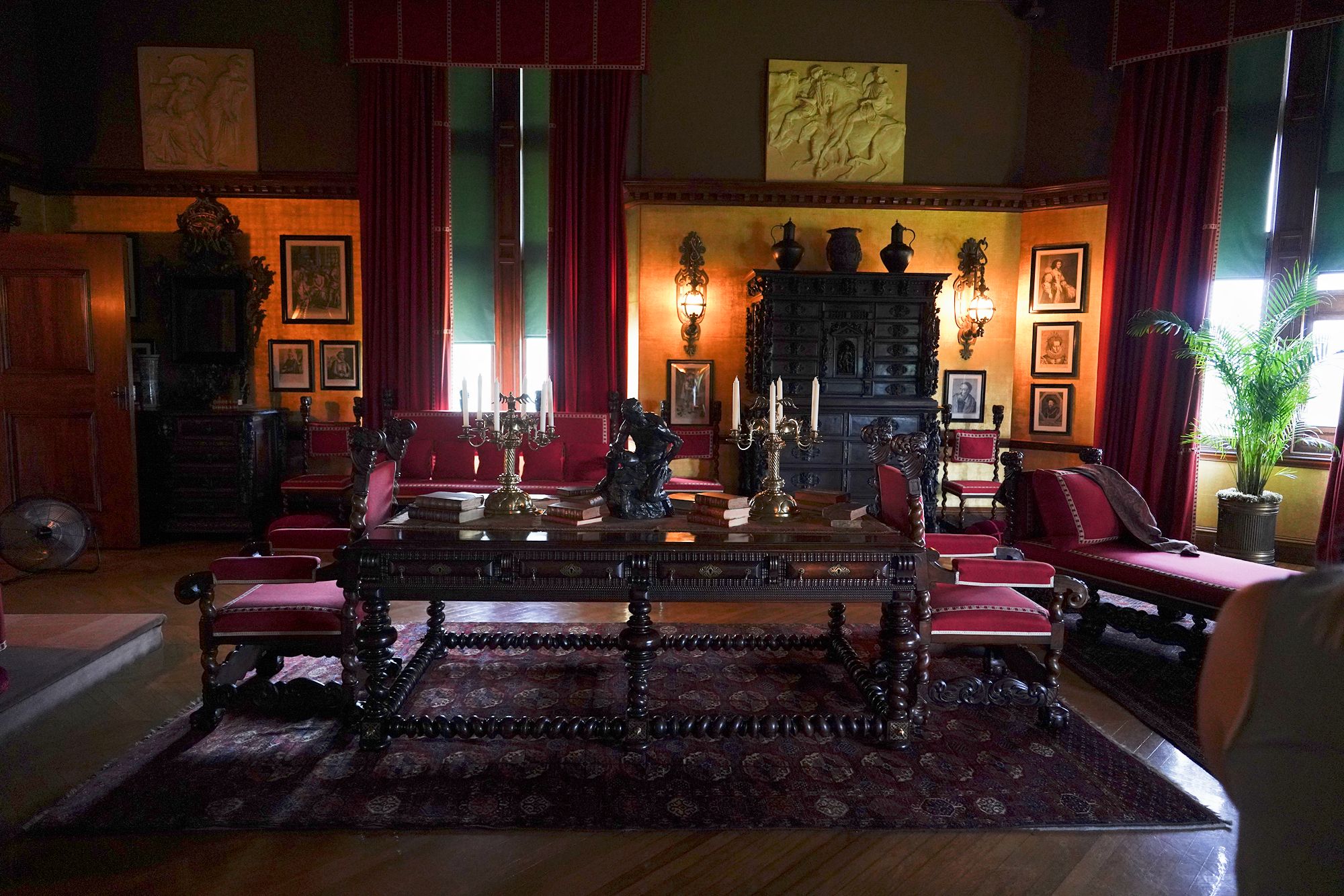
Mr. Vanderbilt’s Chamber
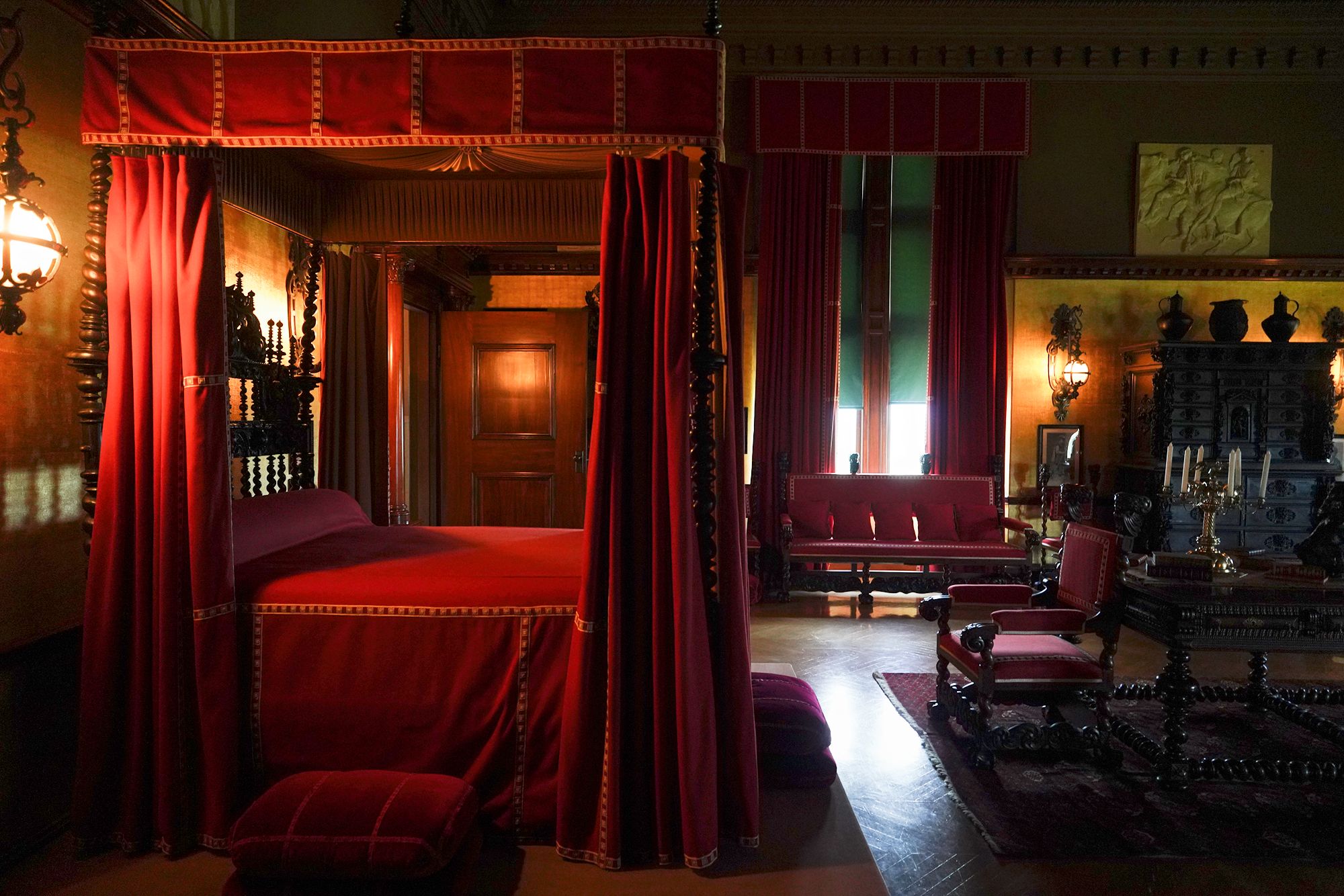
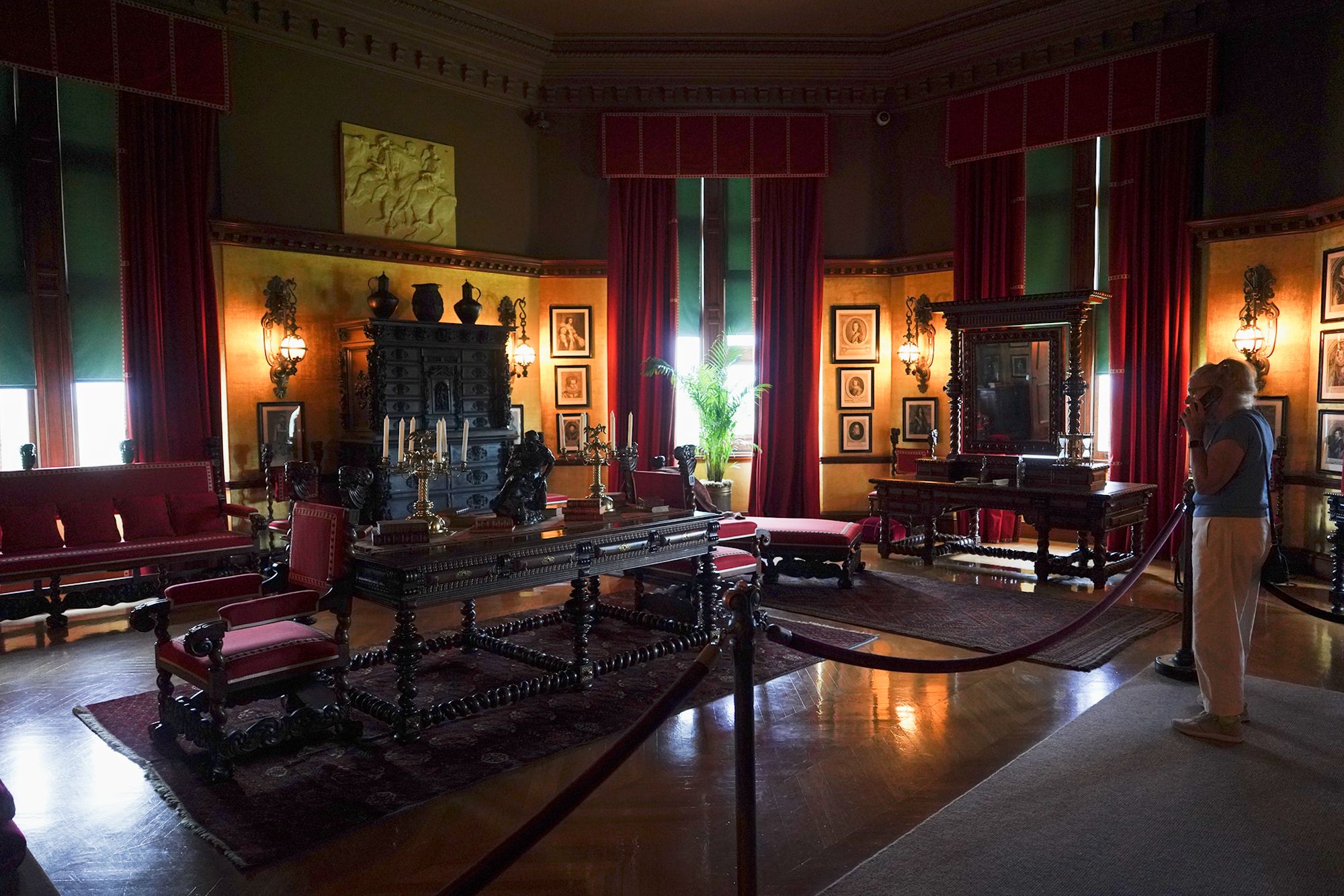
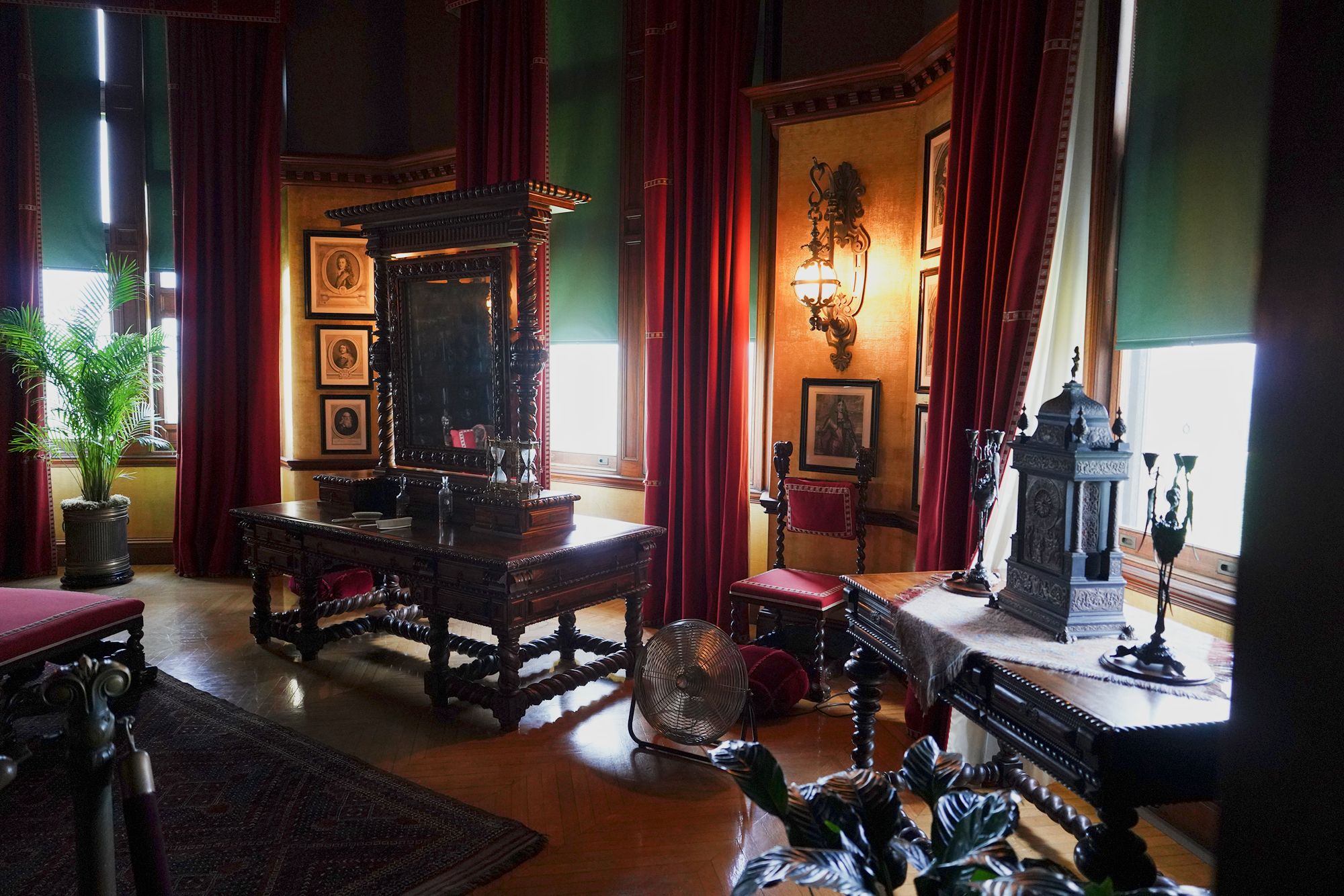
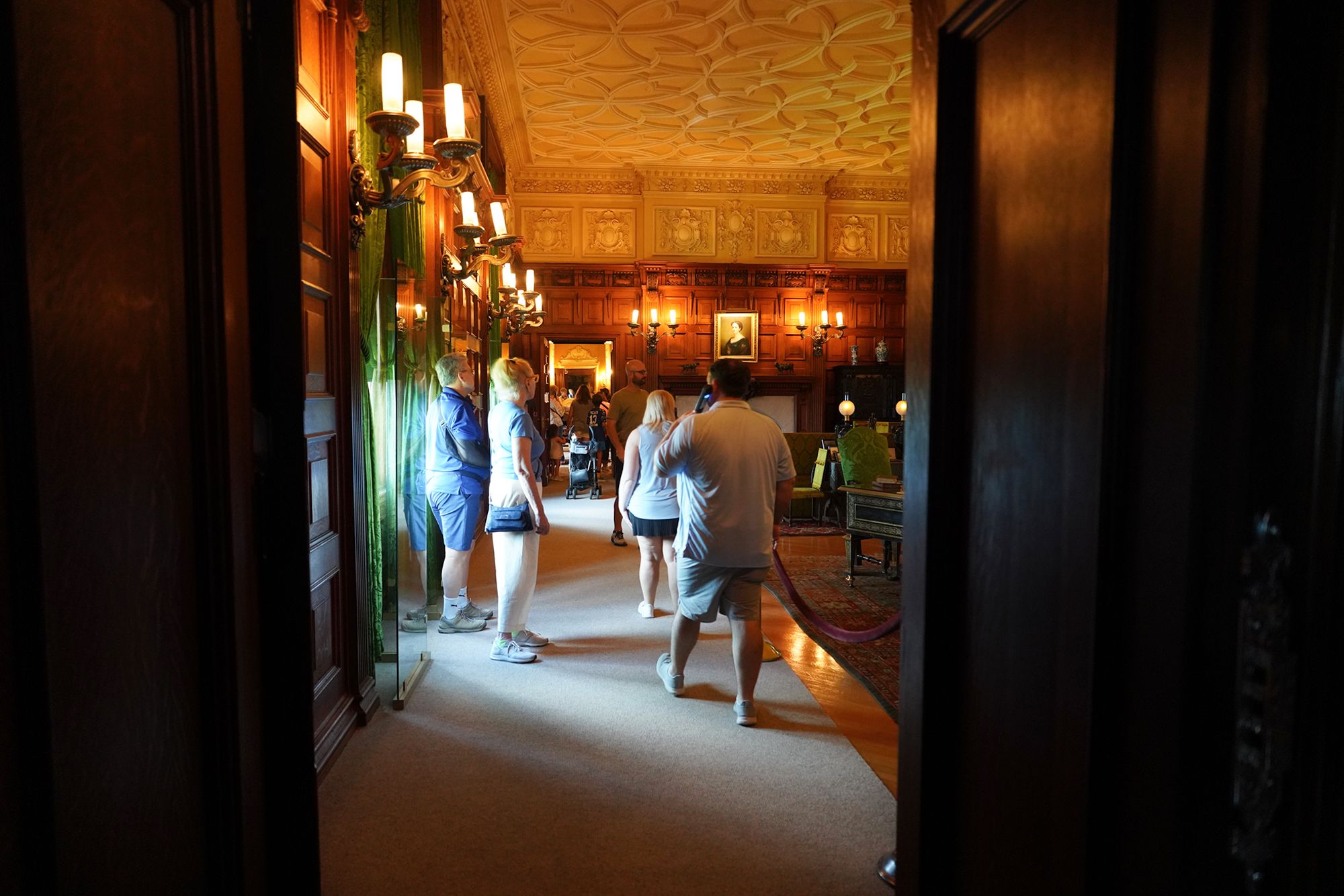
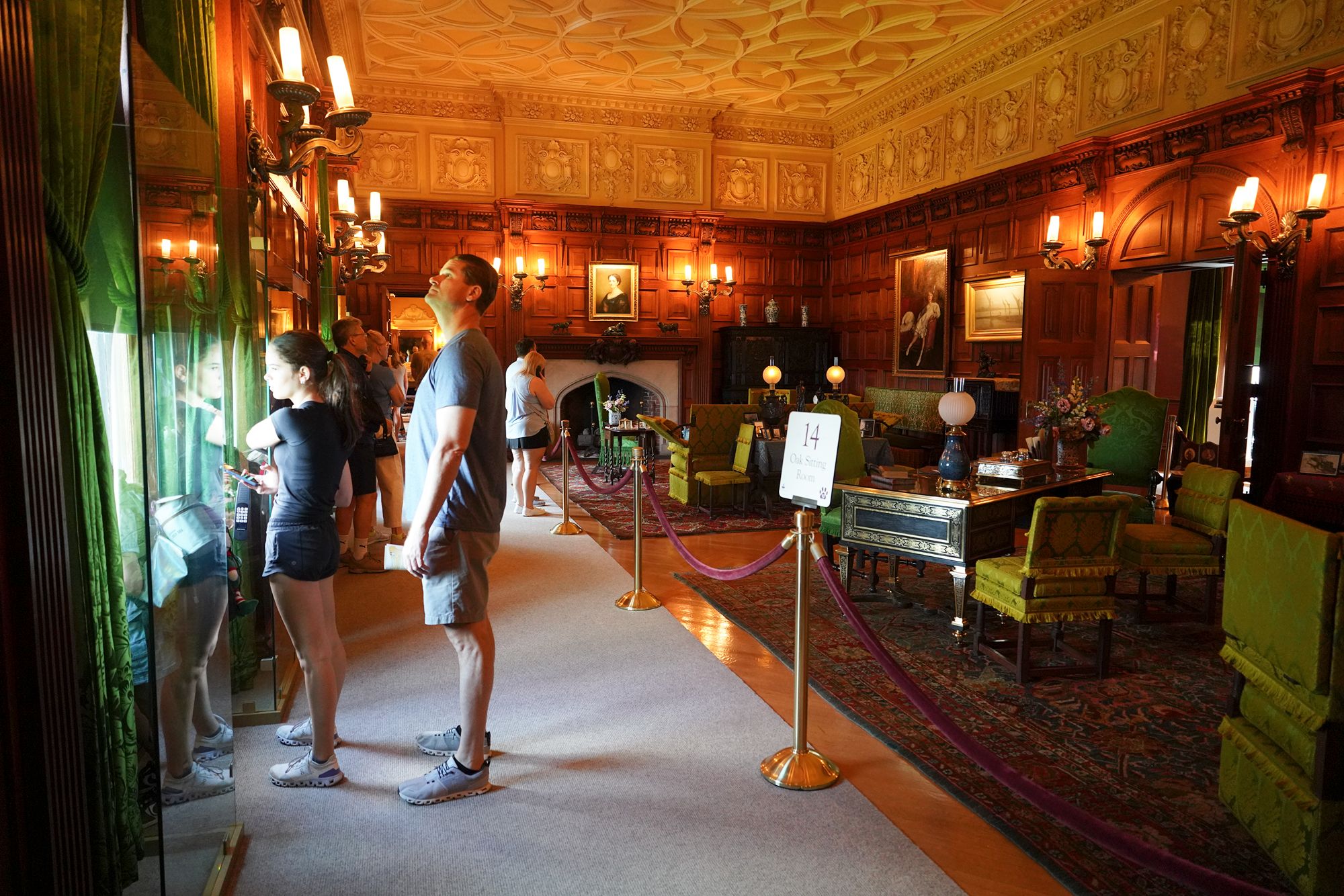
Old Sitting Room
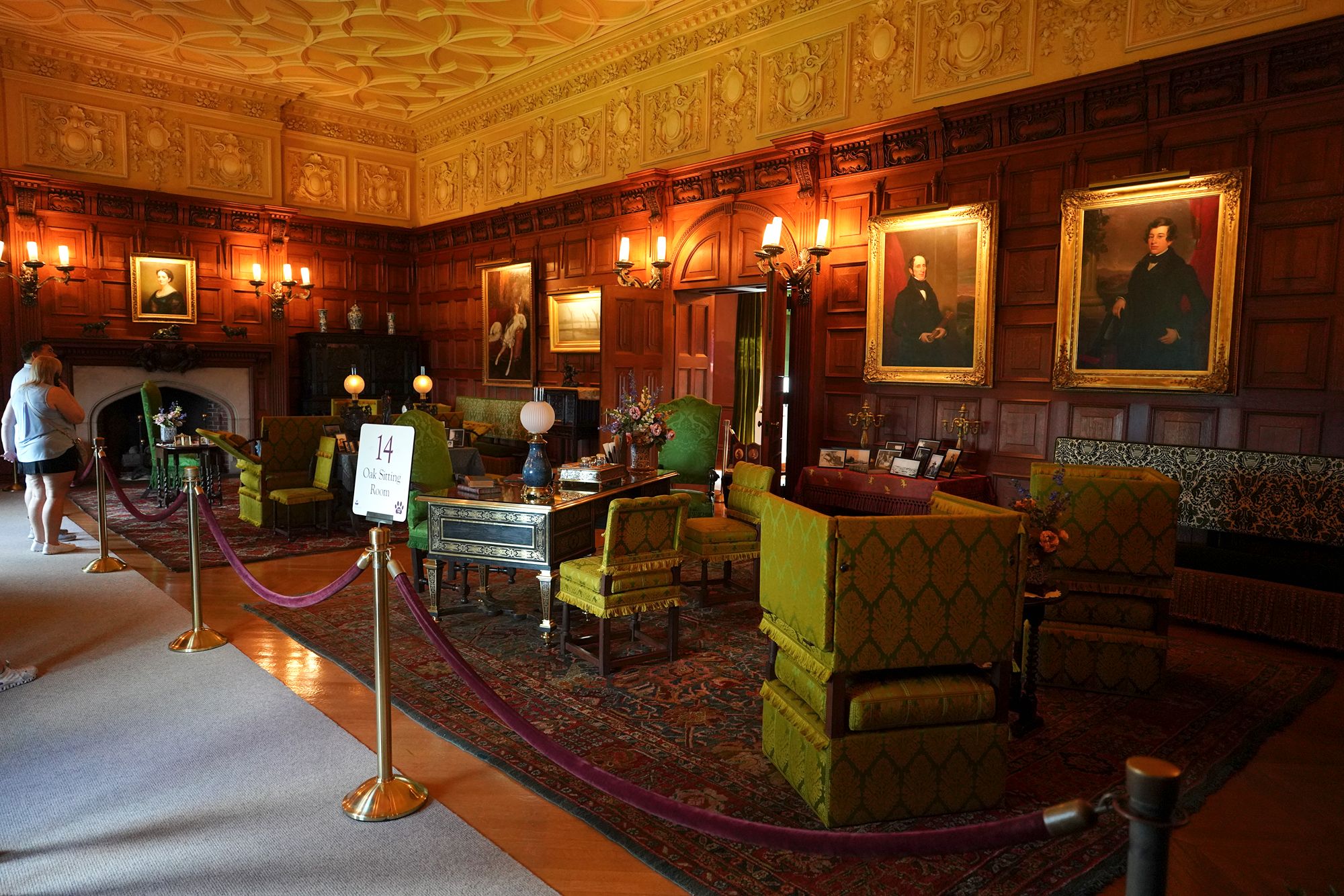
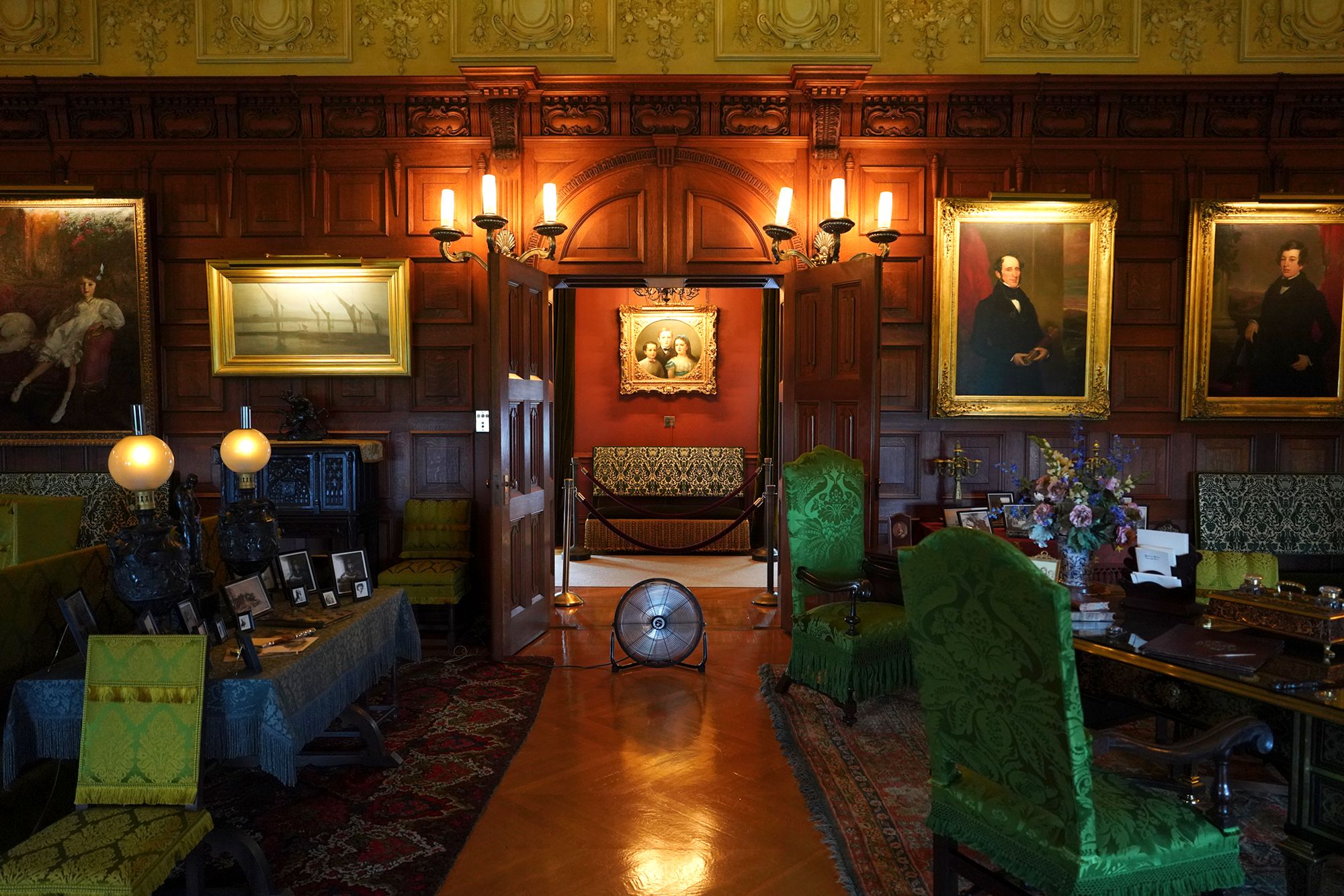
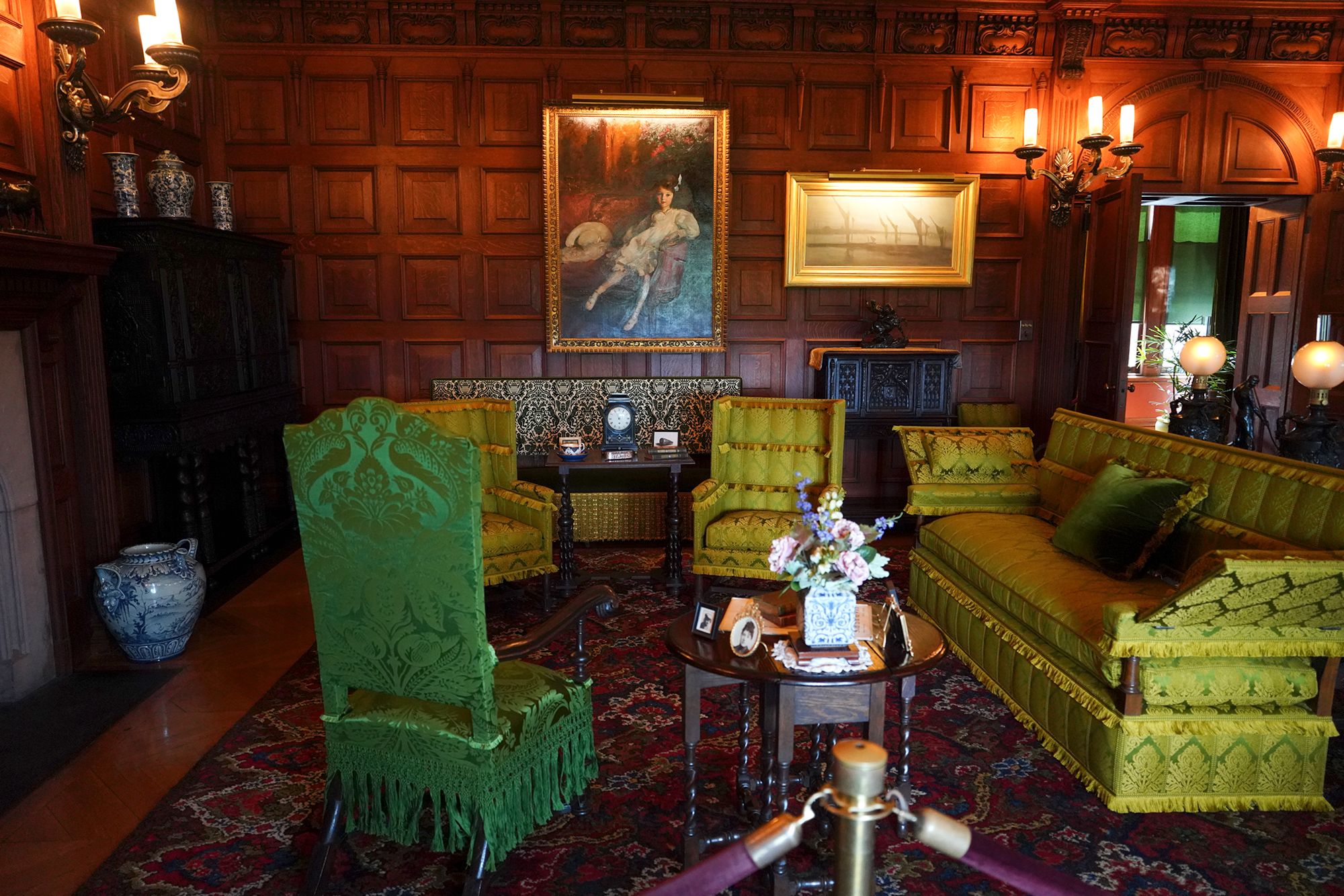
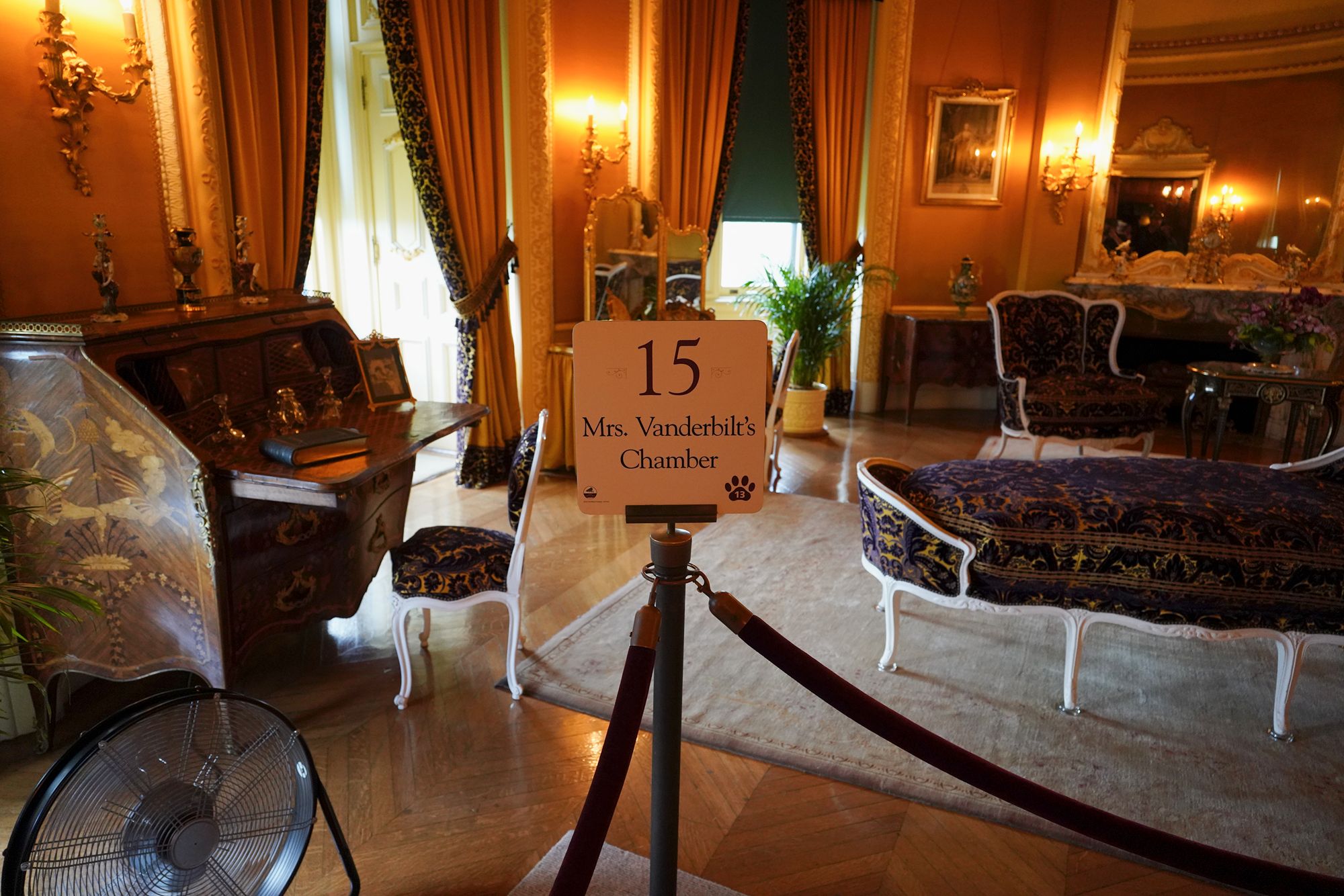
Mrs. Vanderbilt’s Chamber
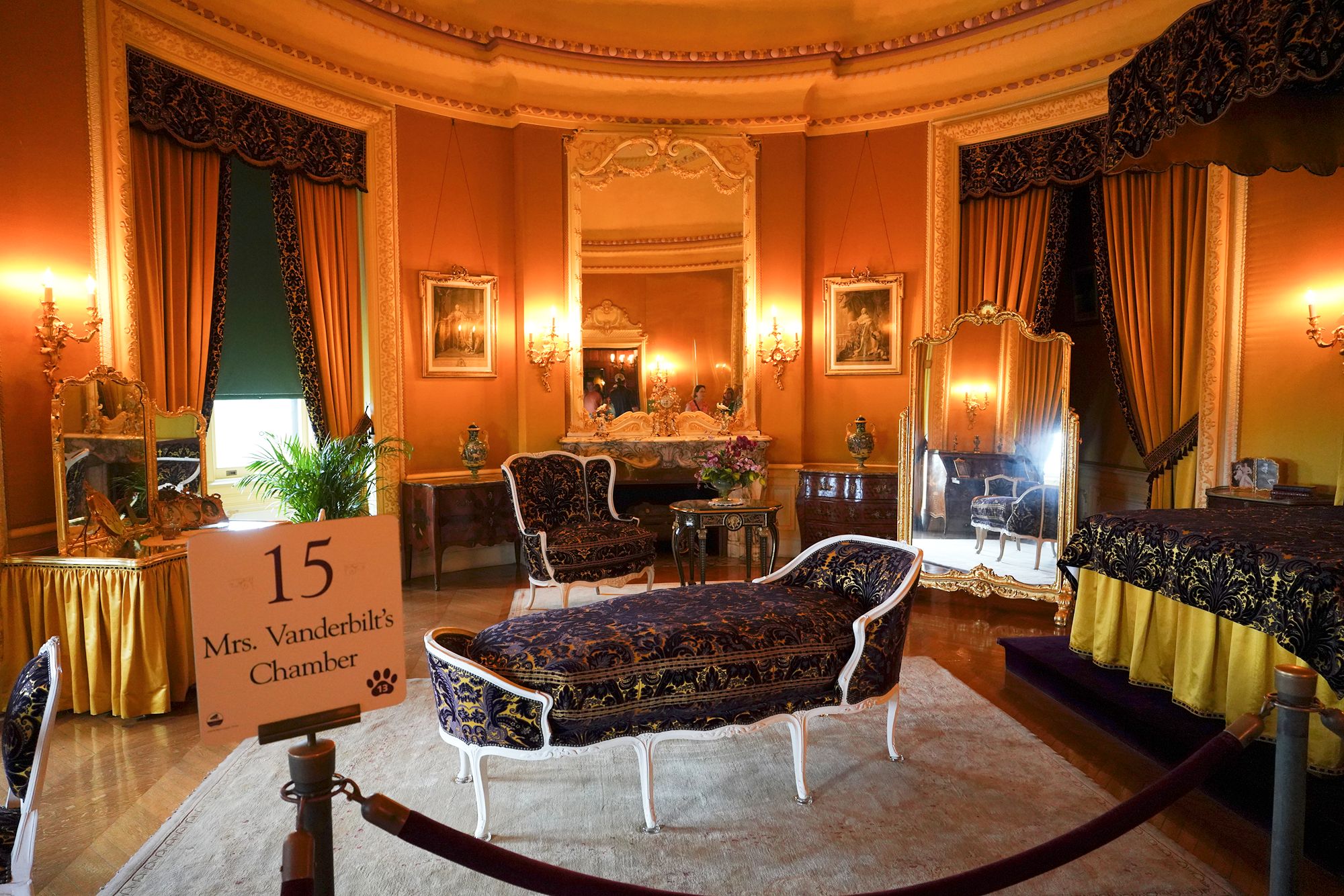
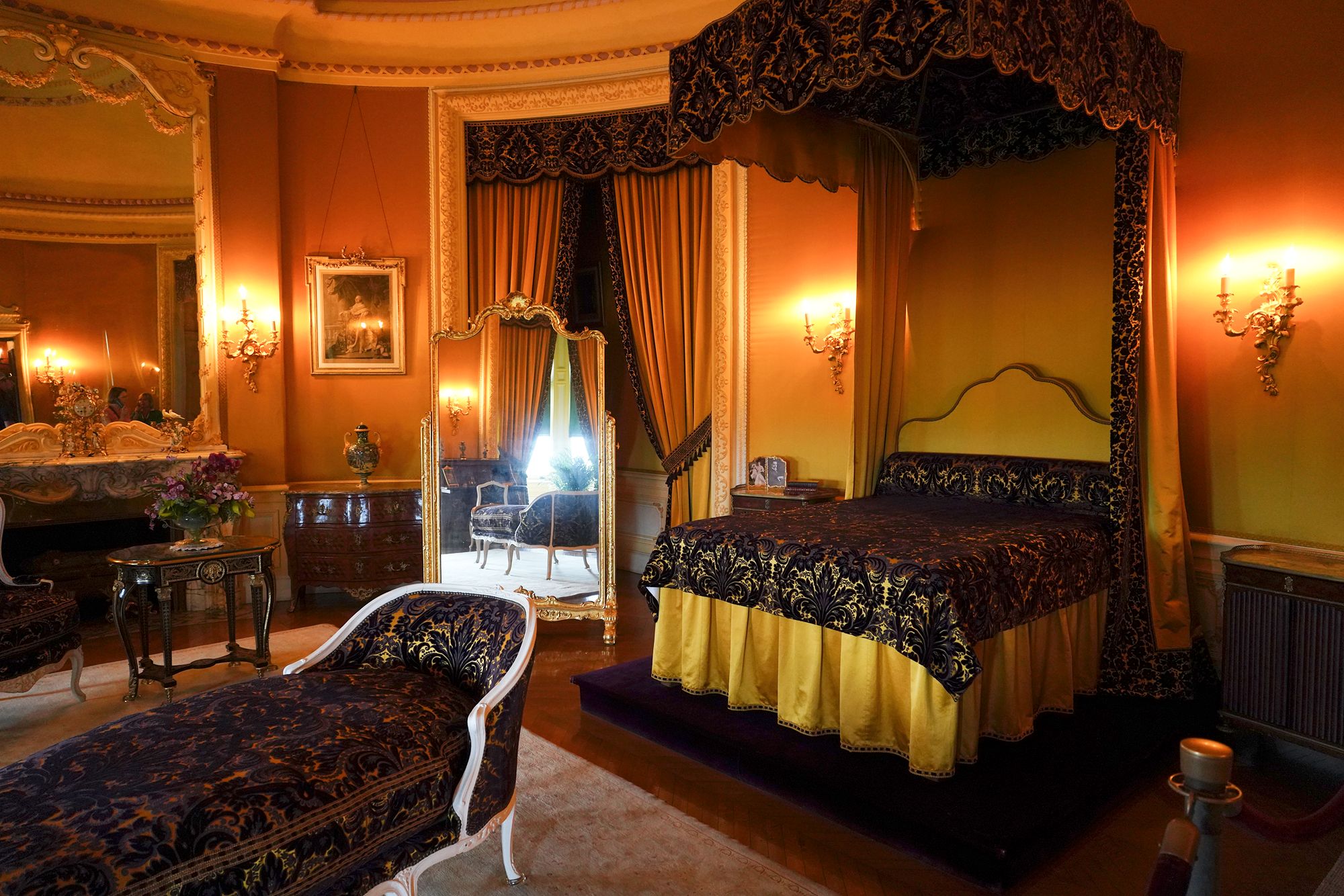
To the third floor
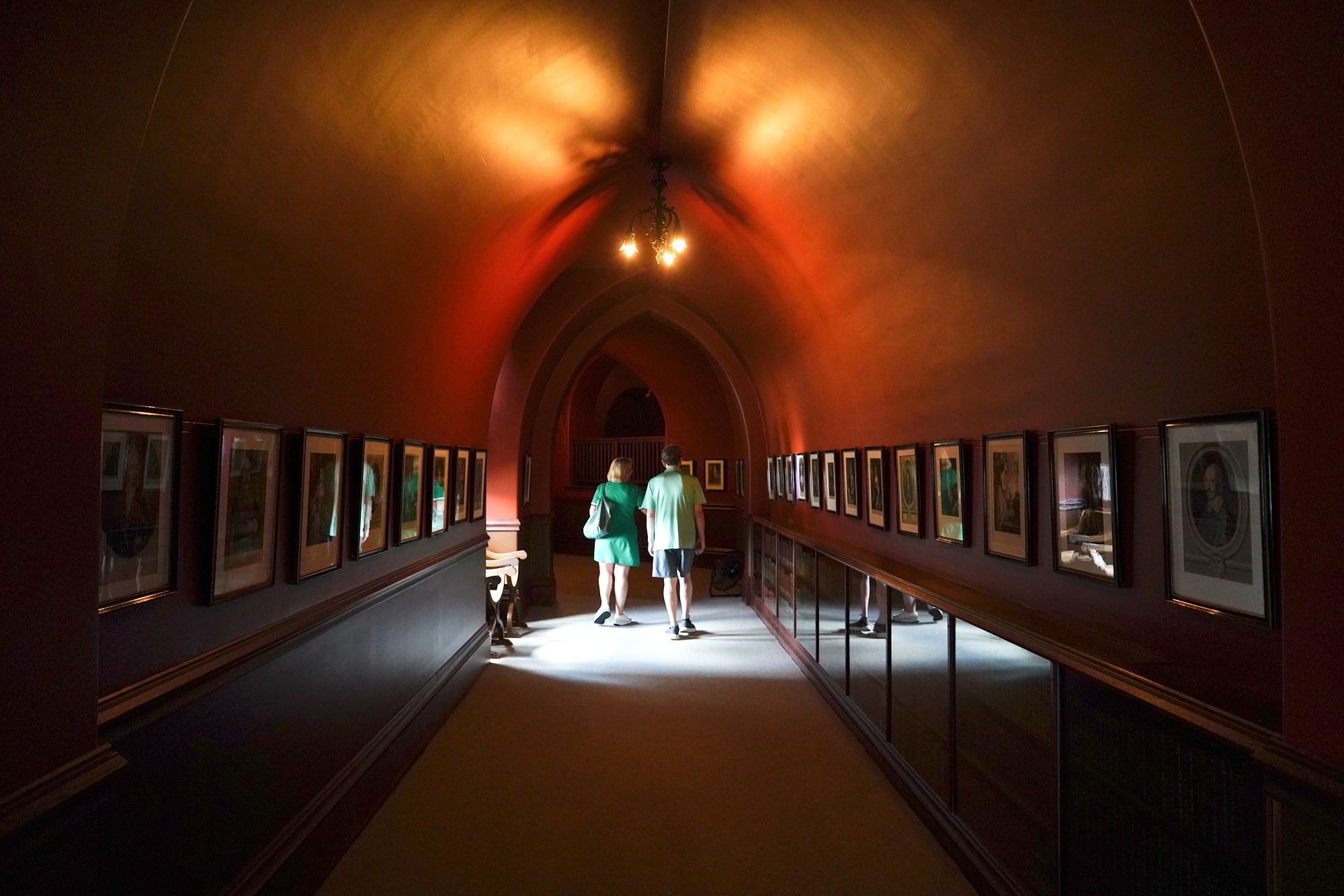
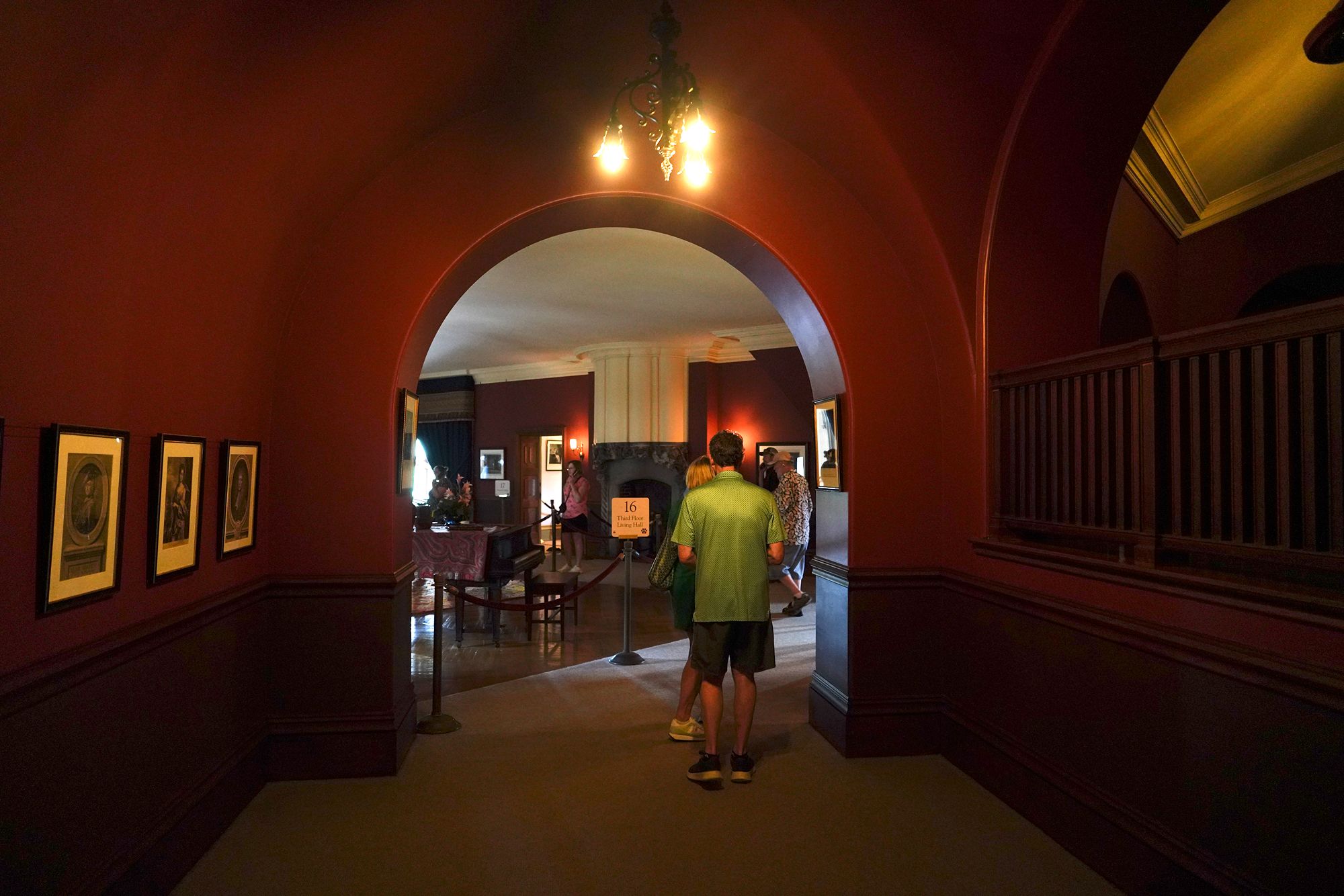
Third Floor Living Hall
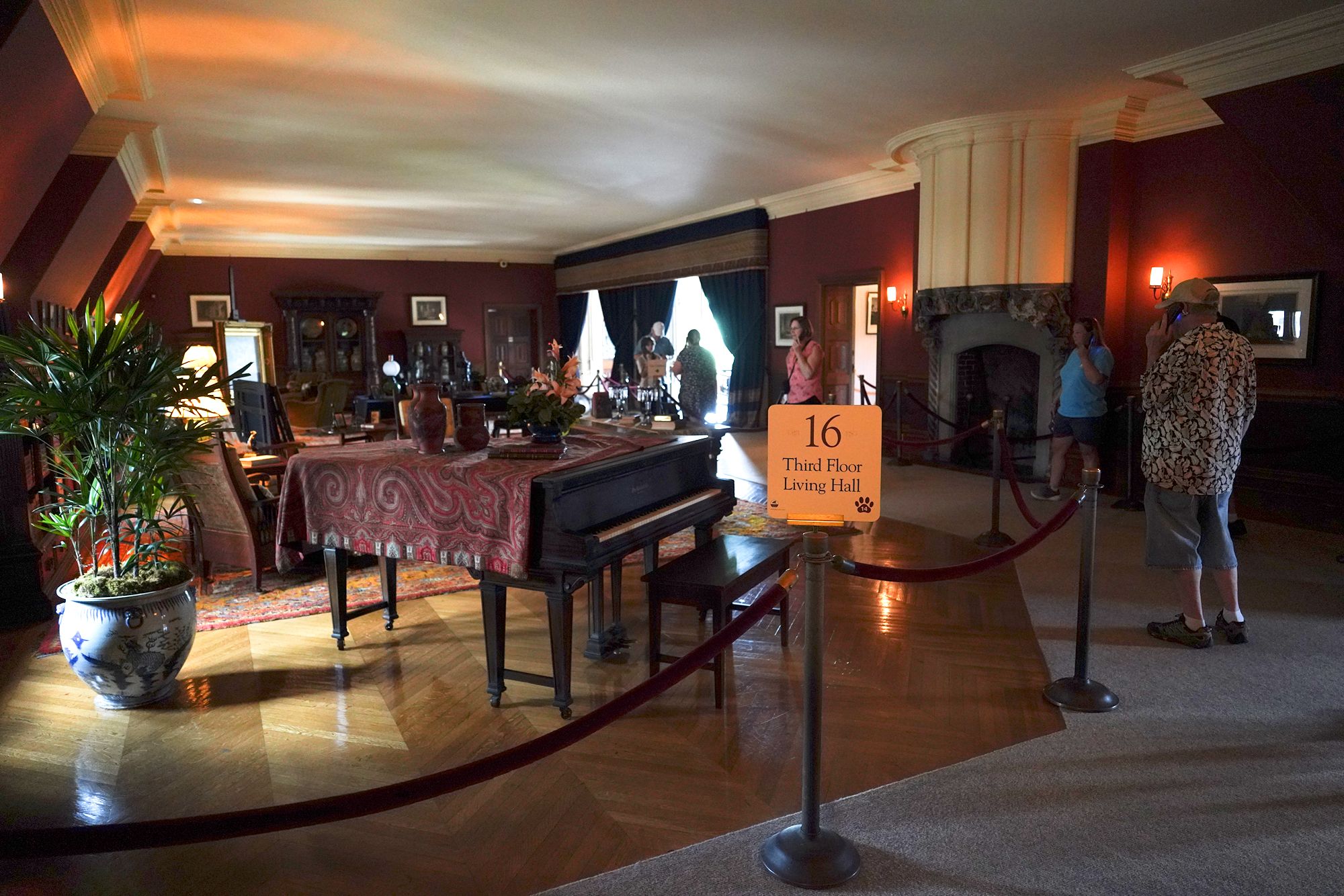
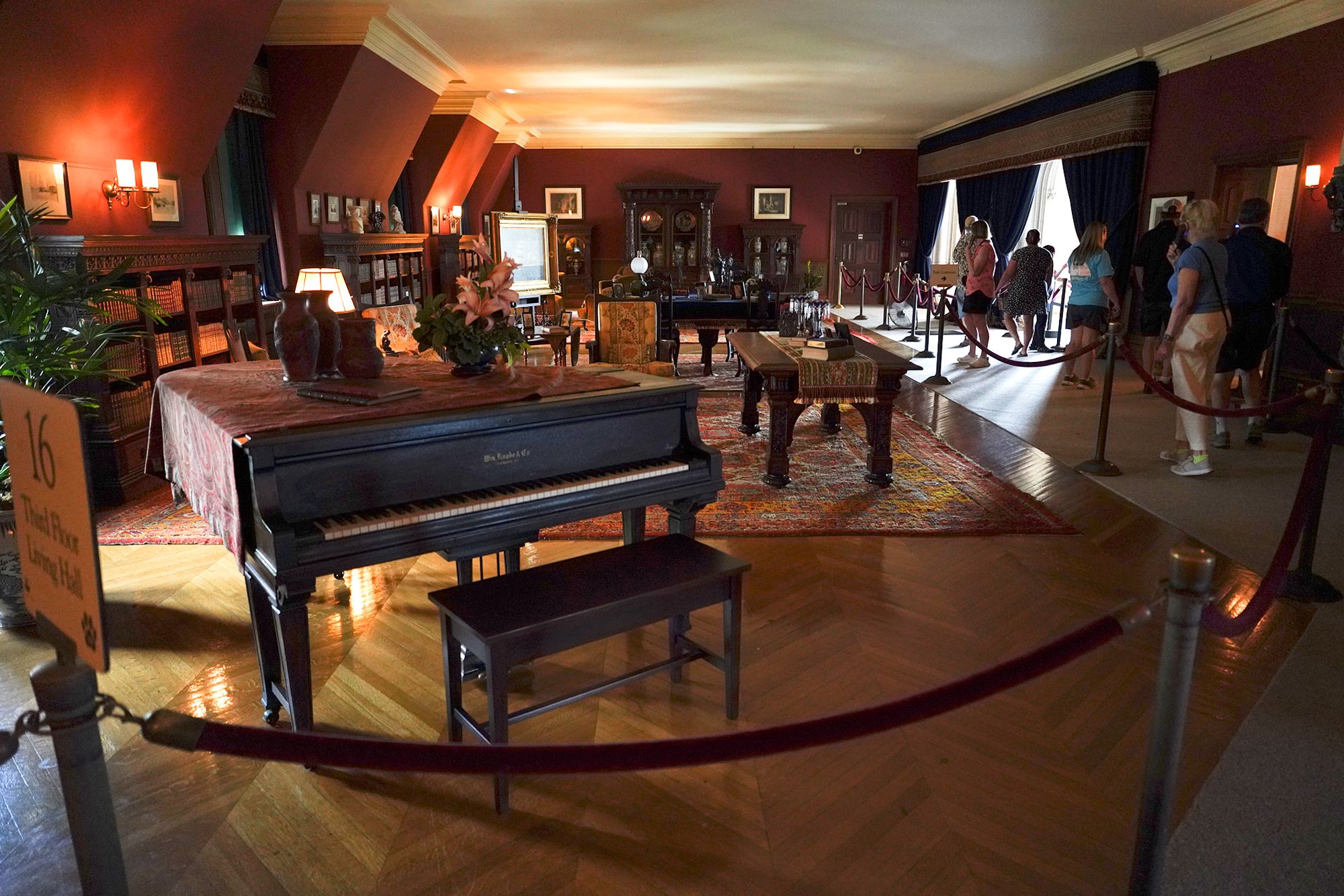
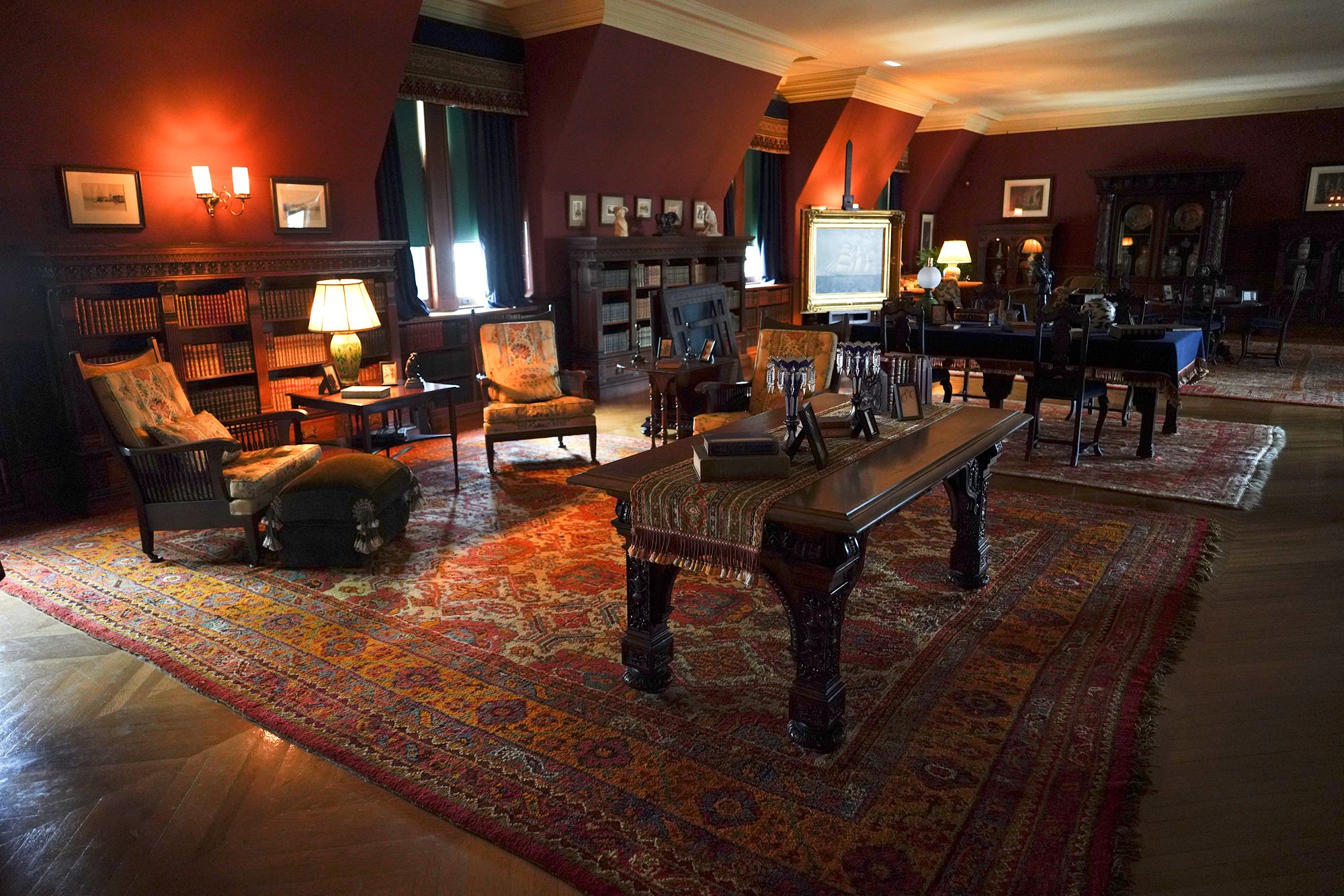
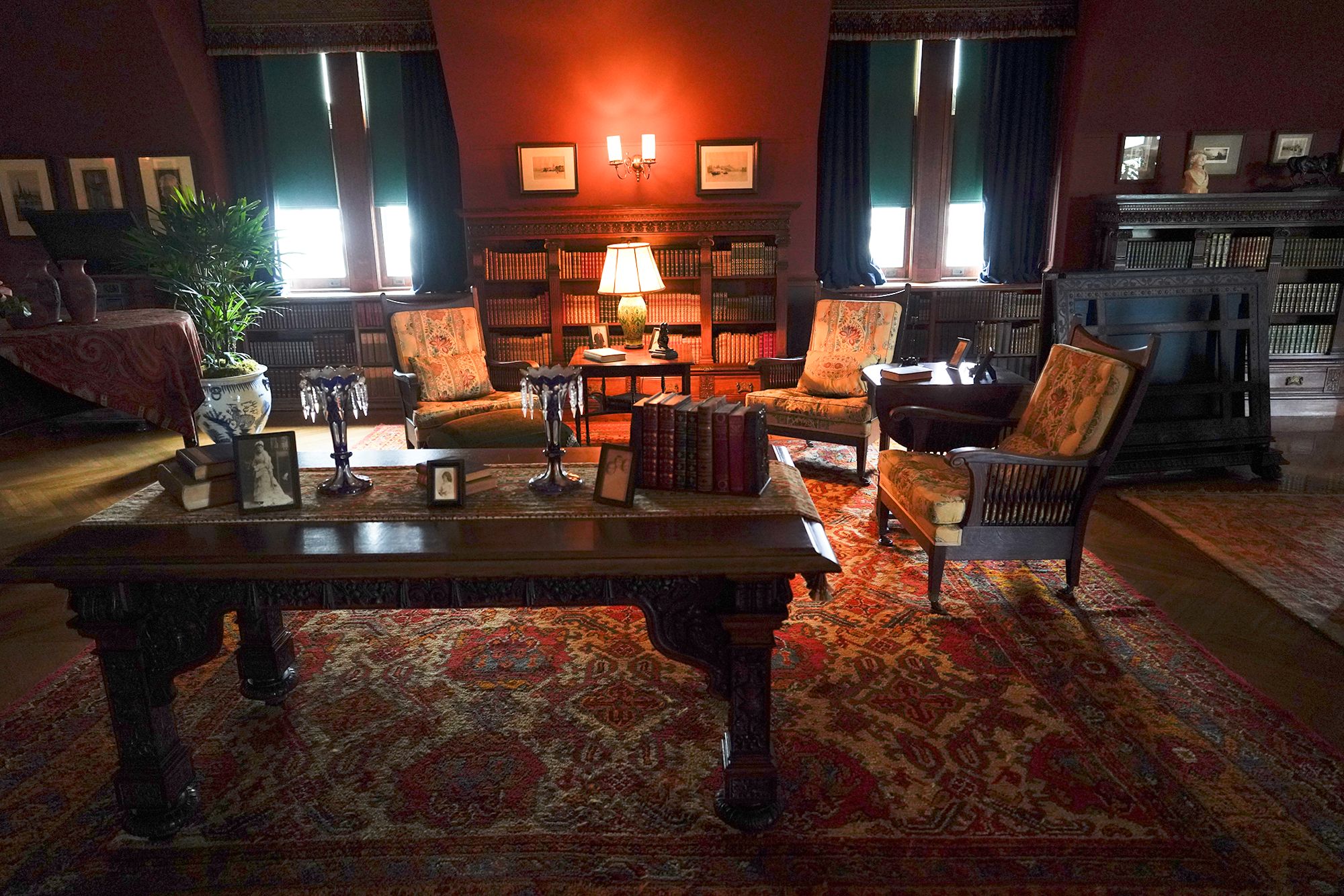
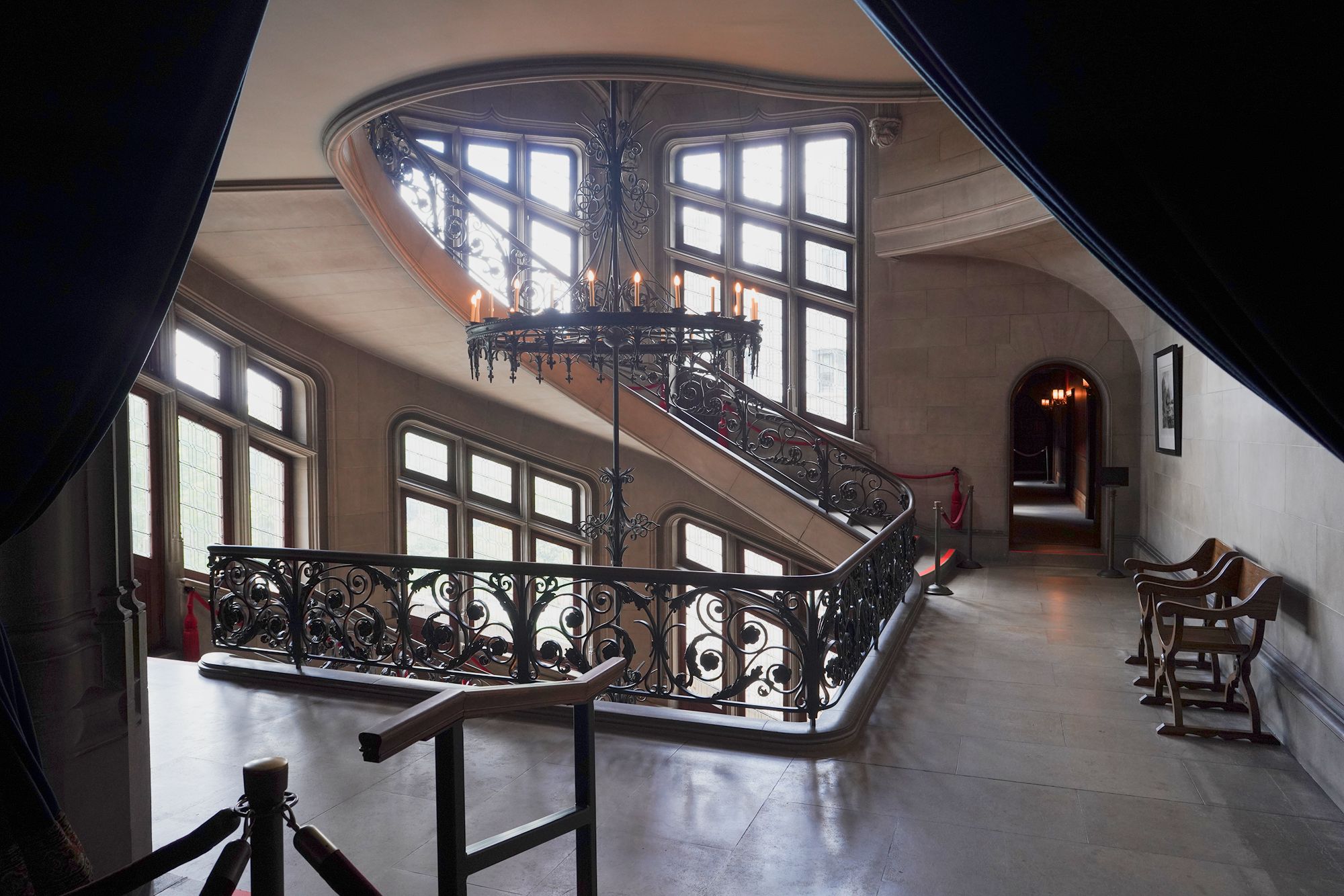
These rooms are reserved for guests
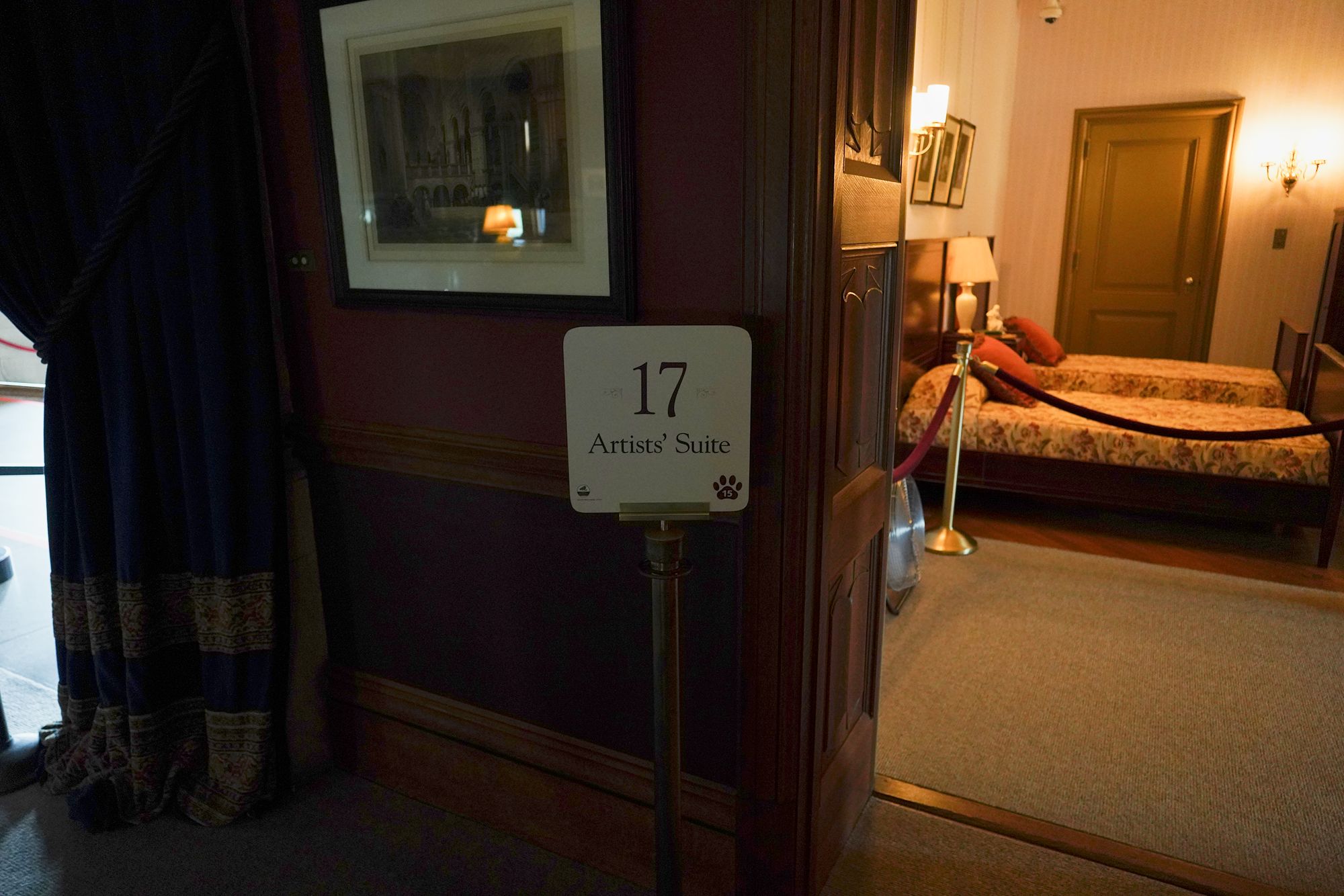
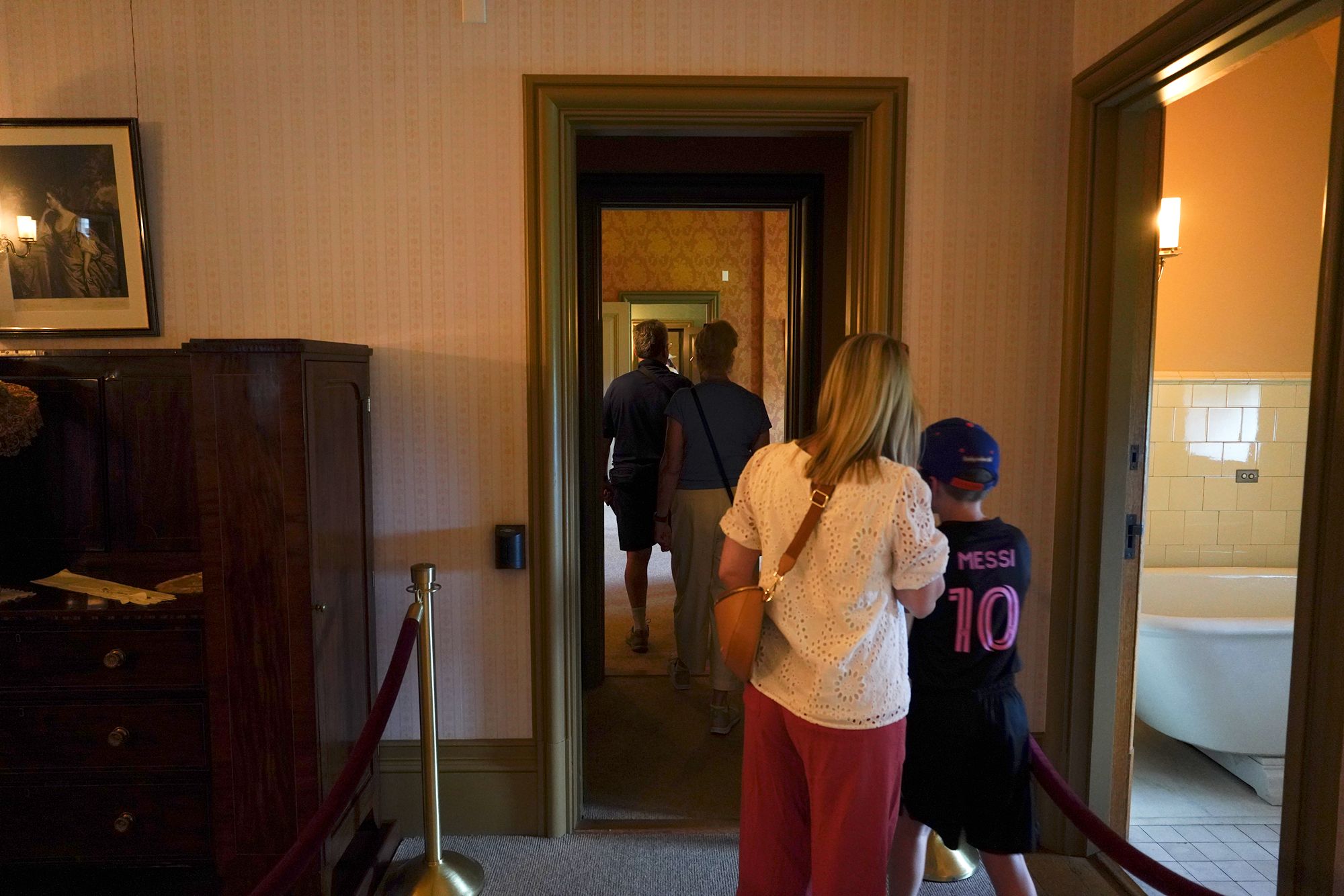
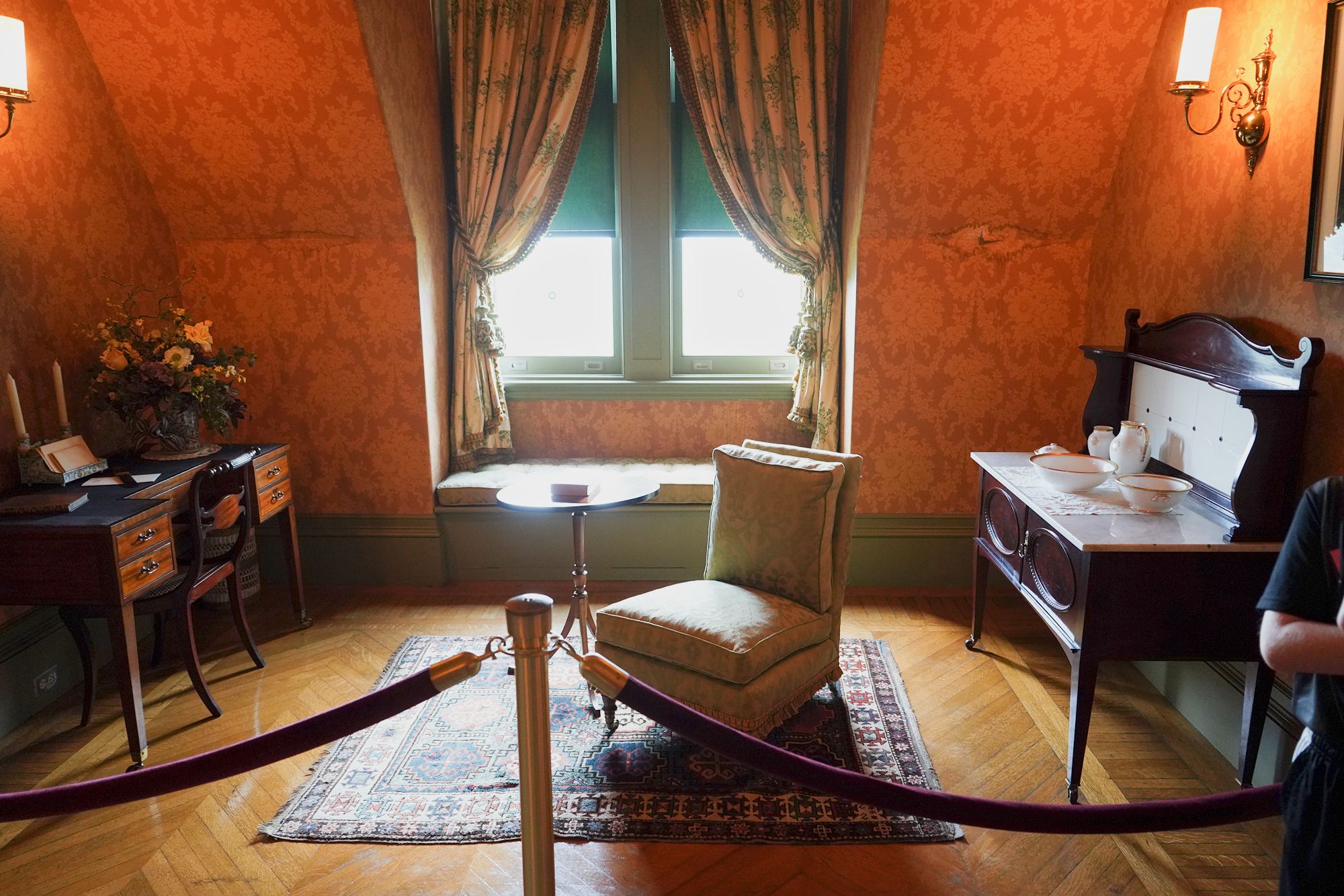
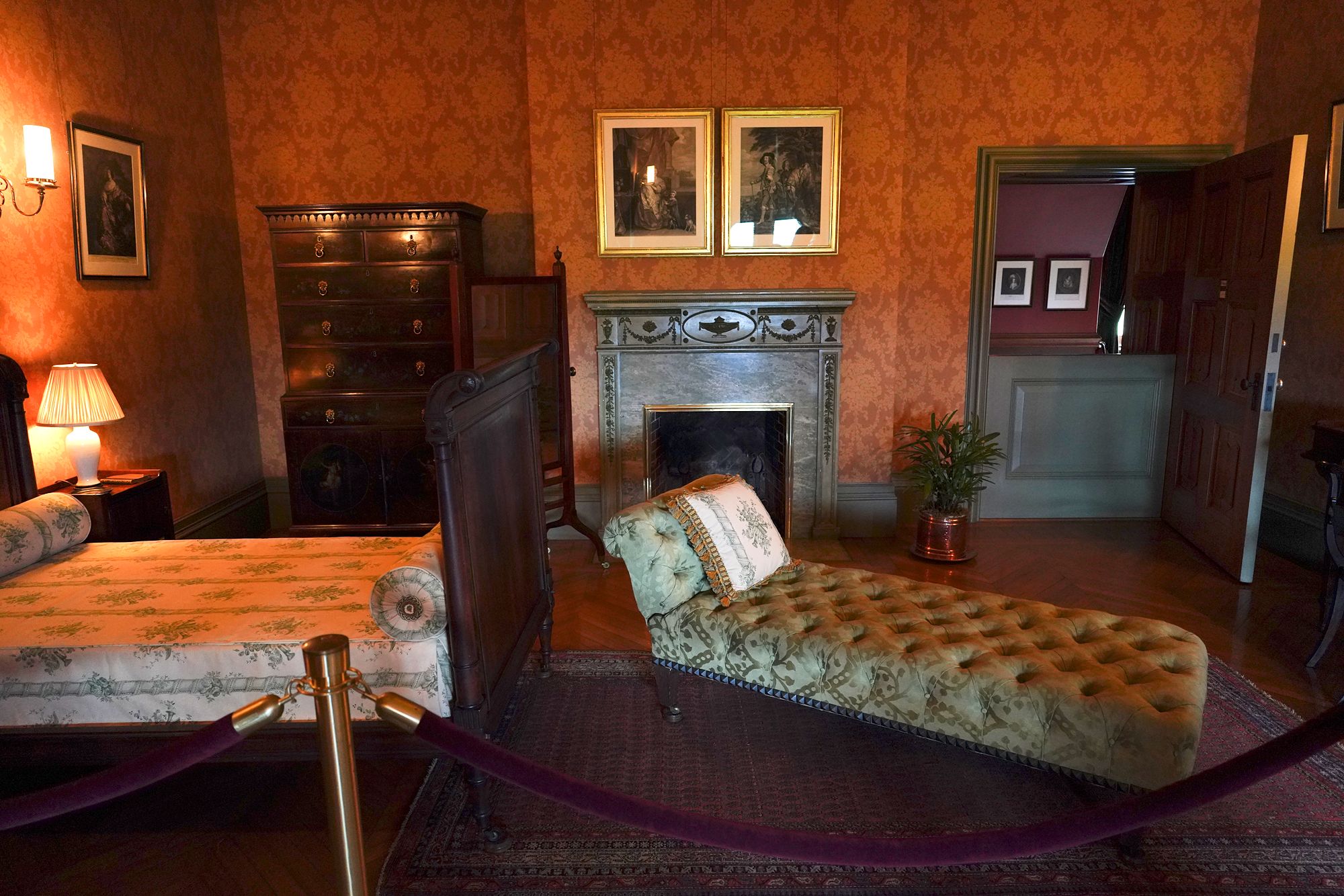
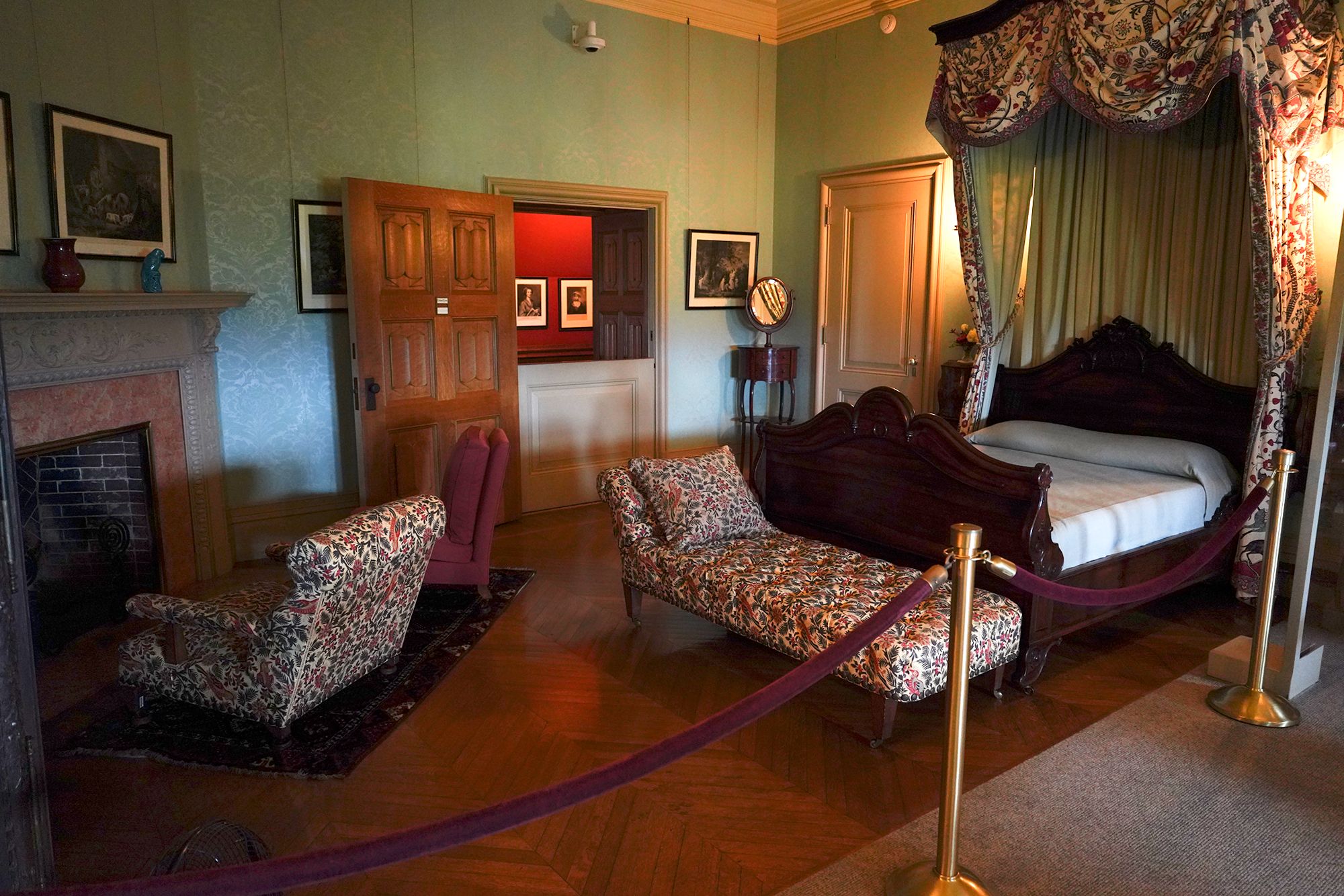
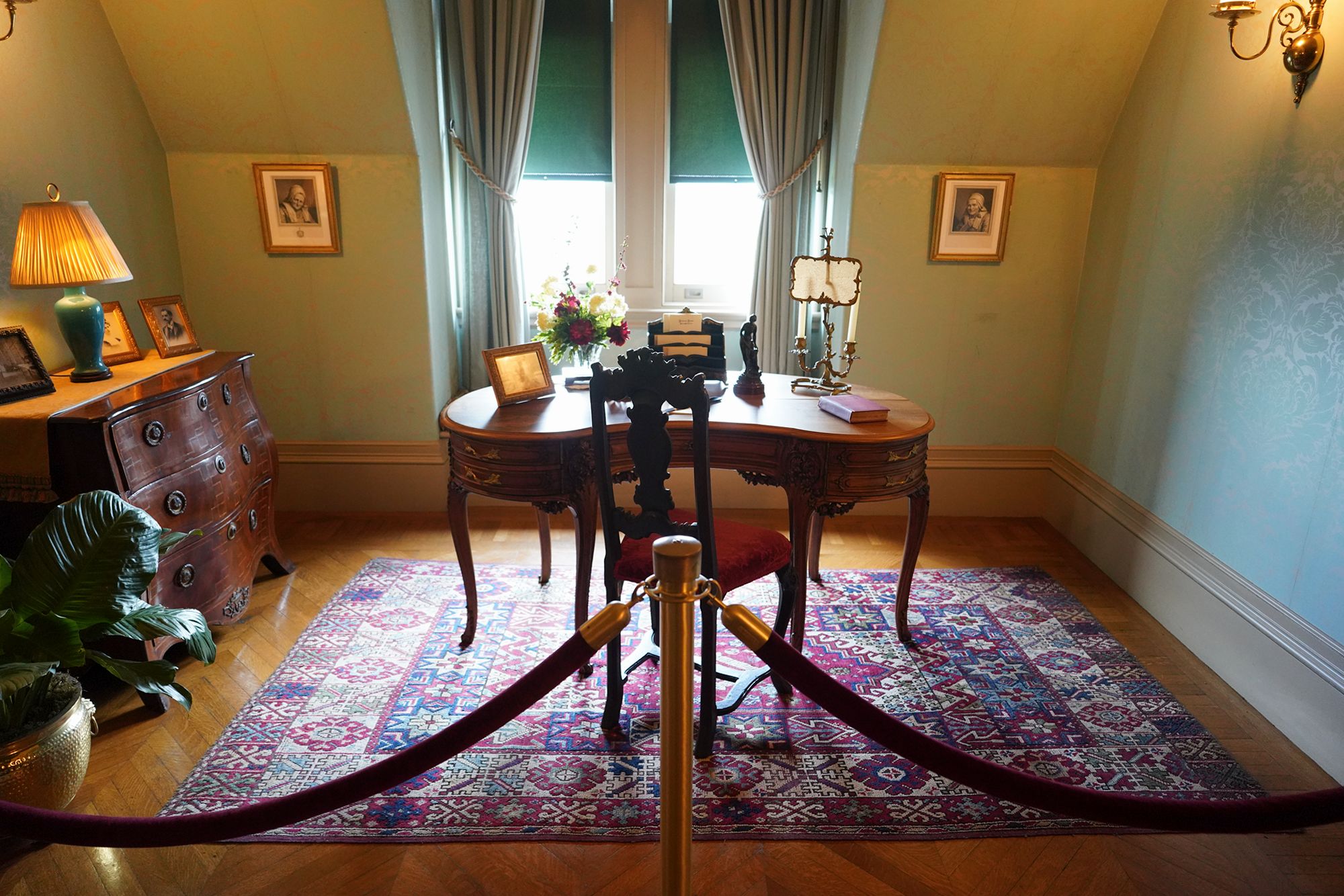
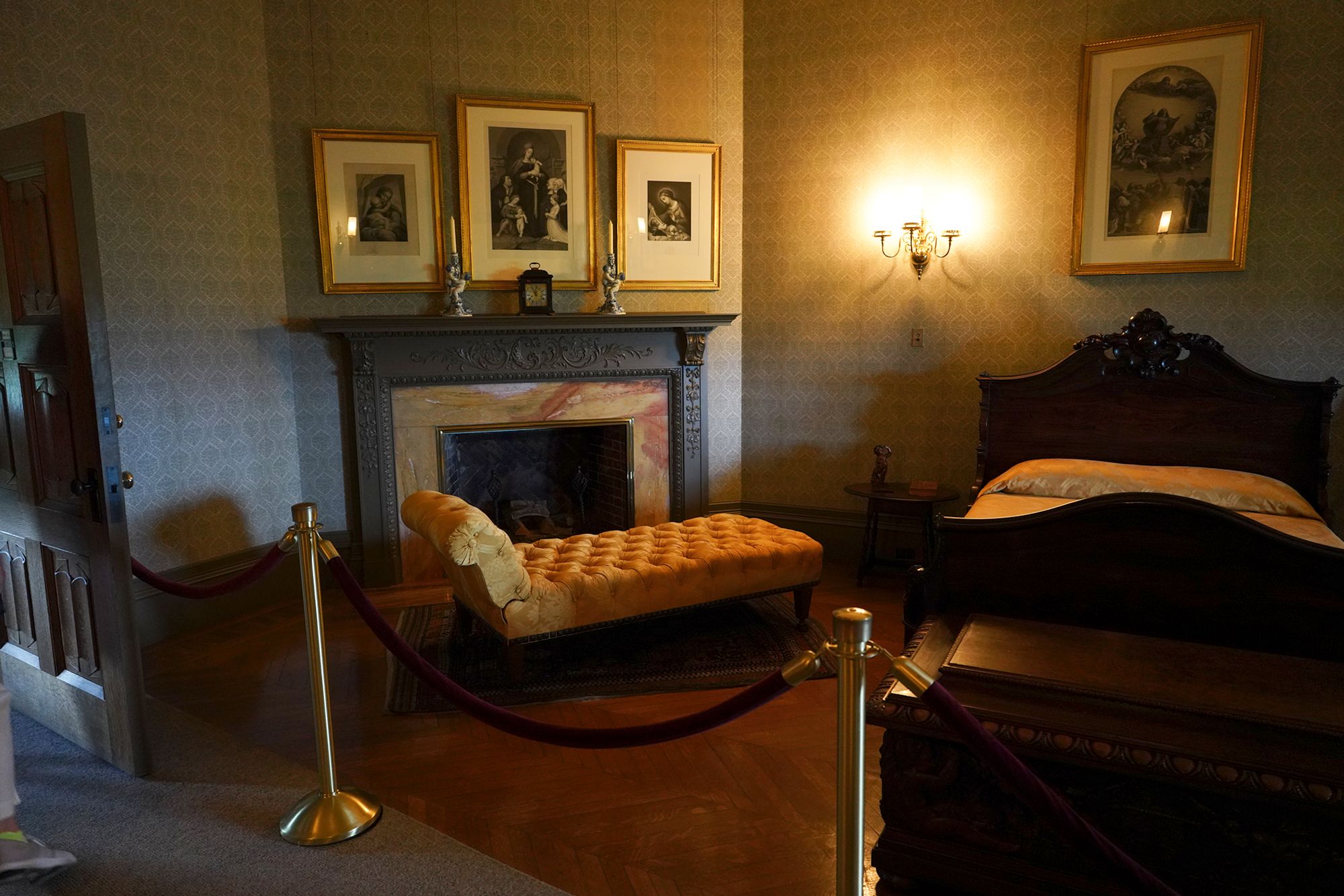
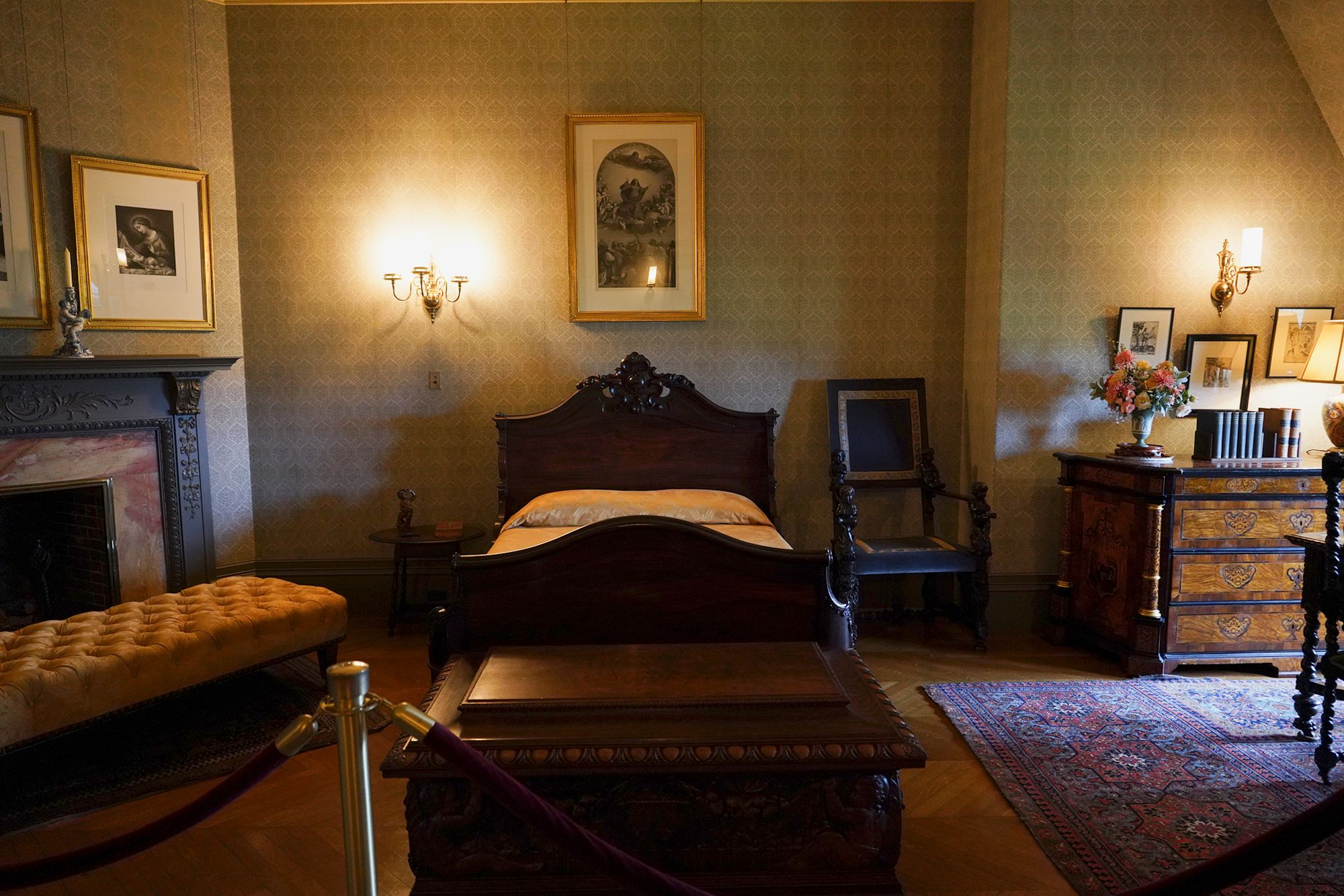
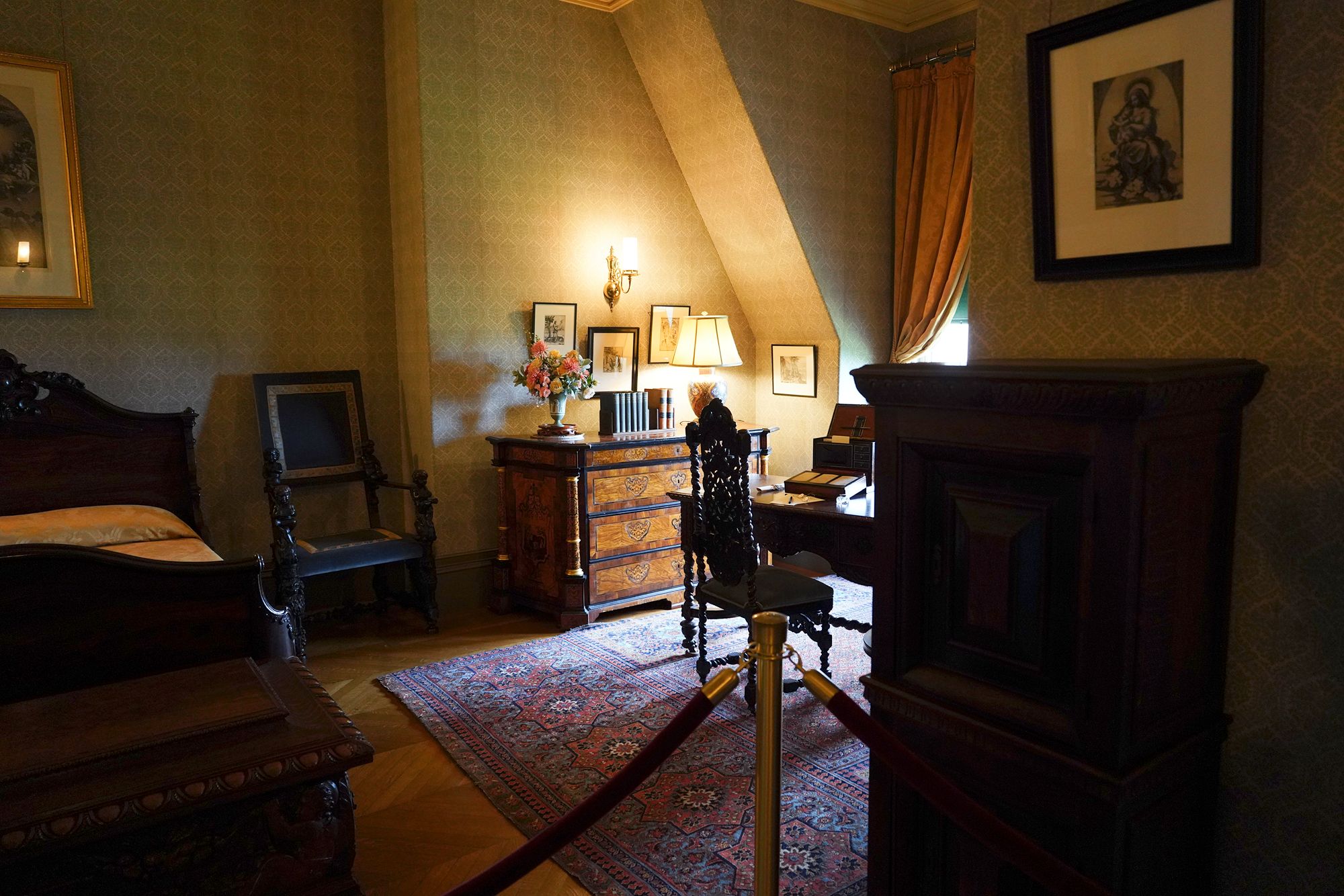
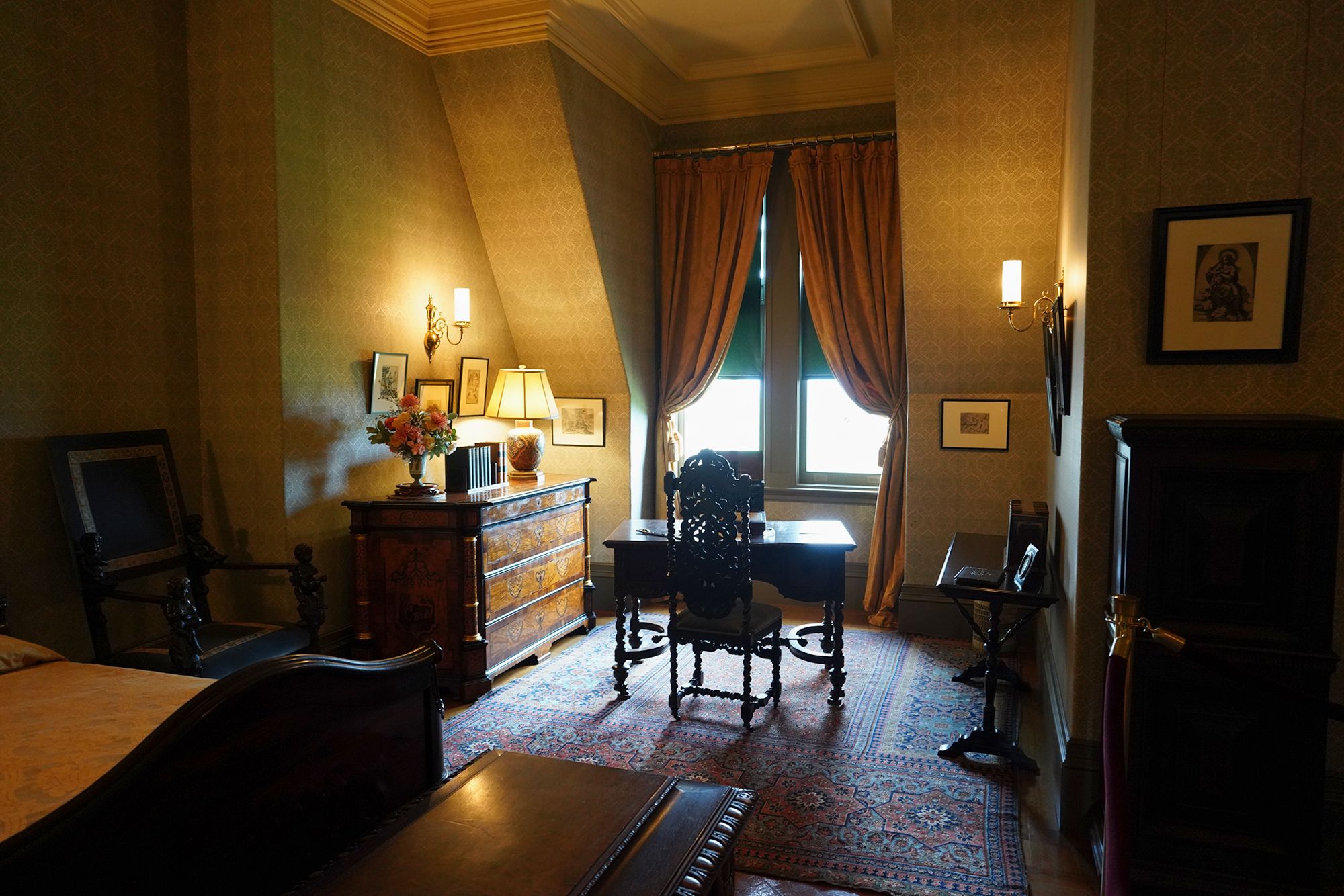
To second floor
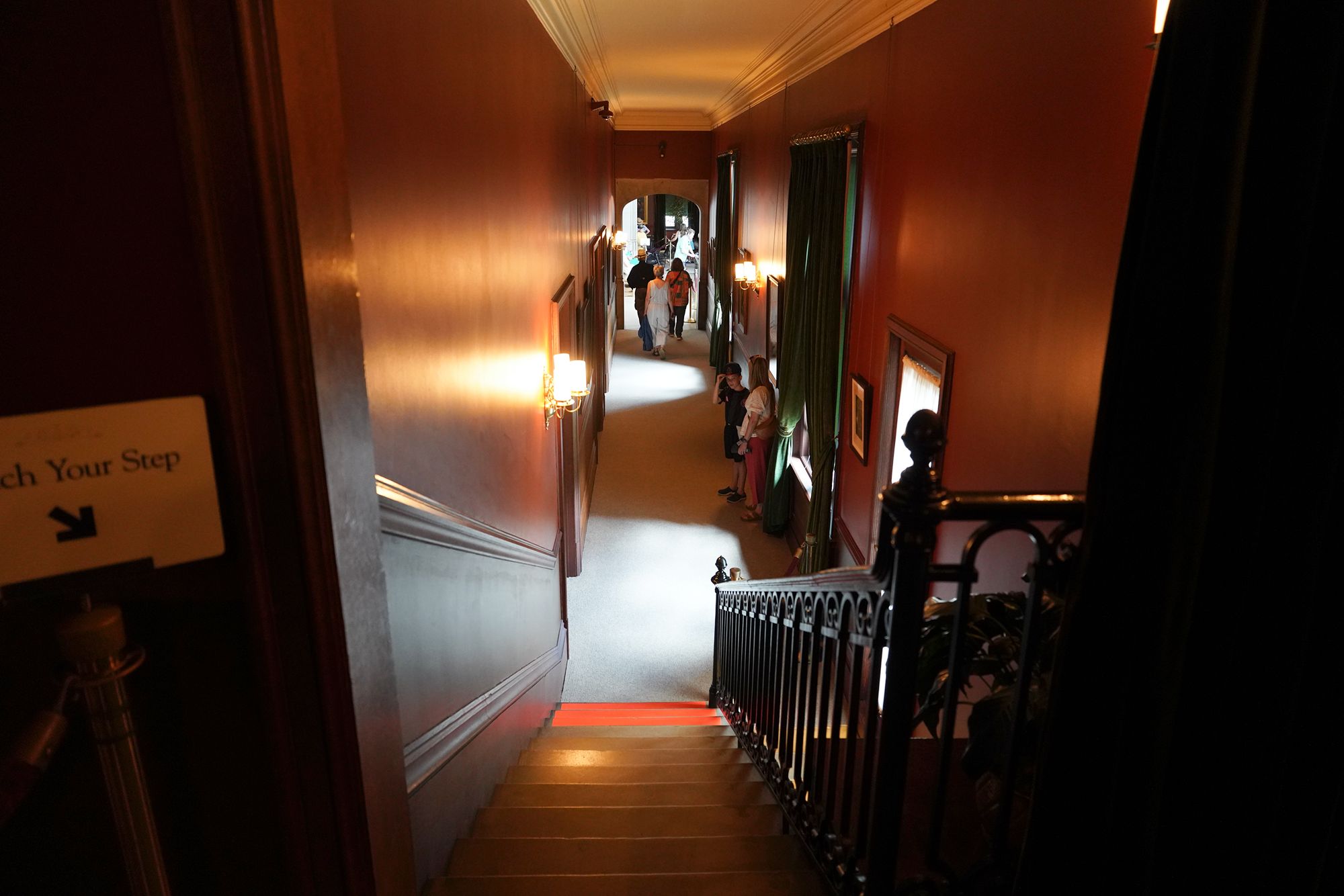
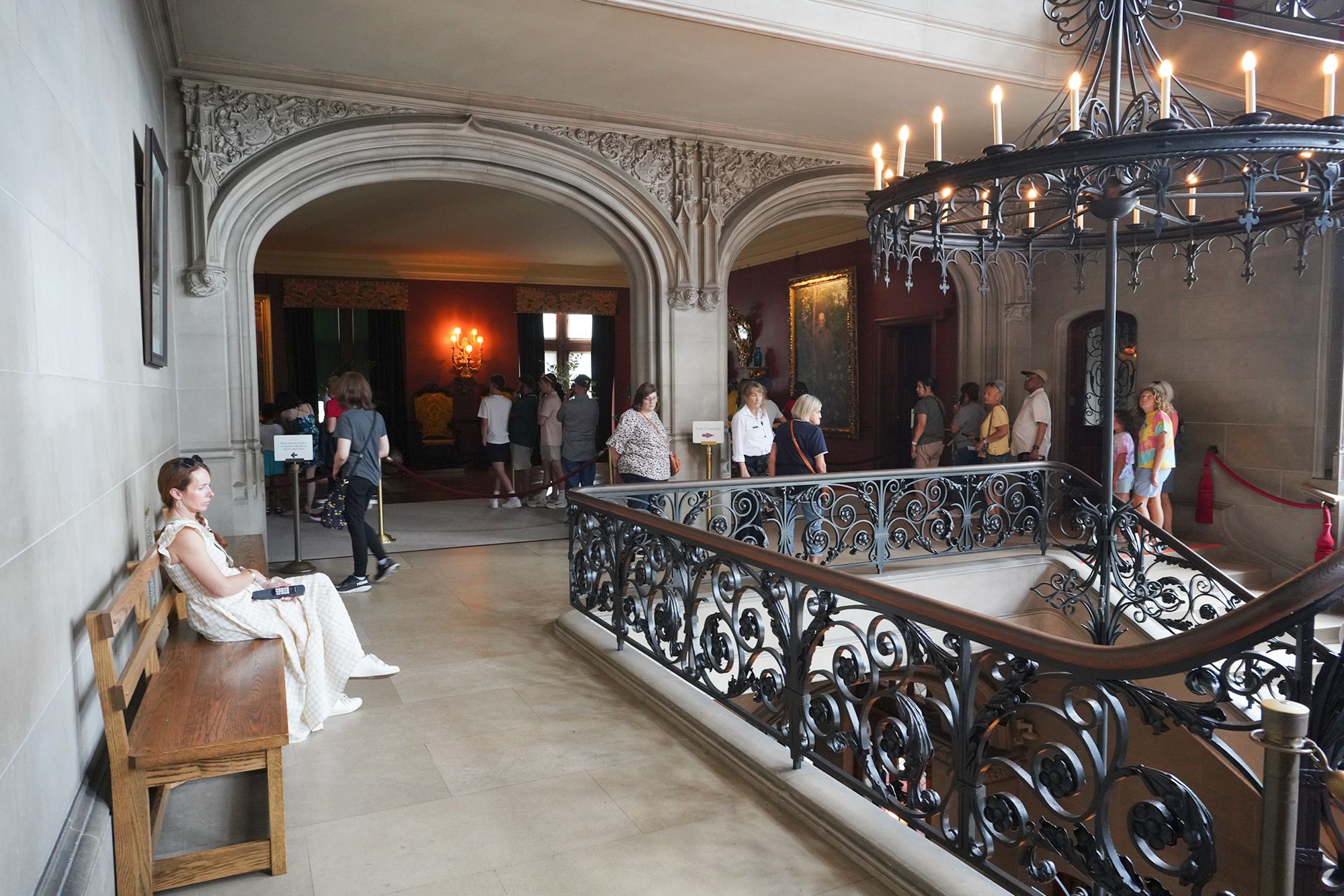
To first floor
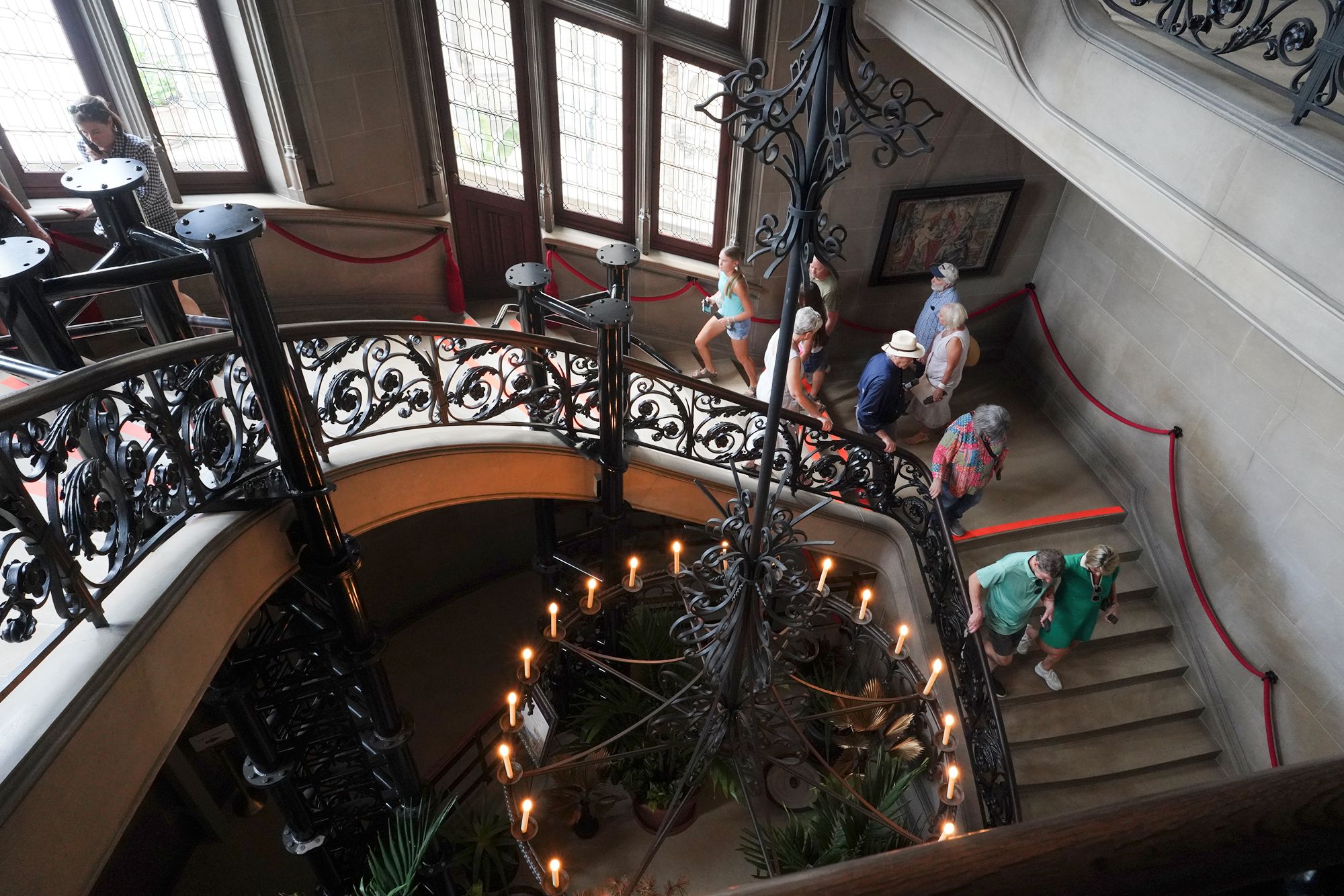
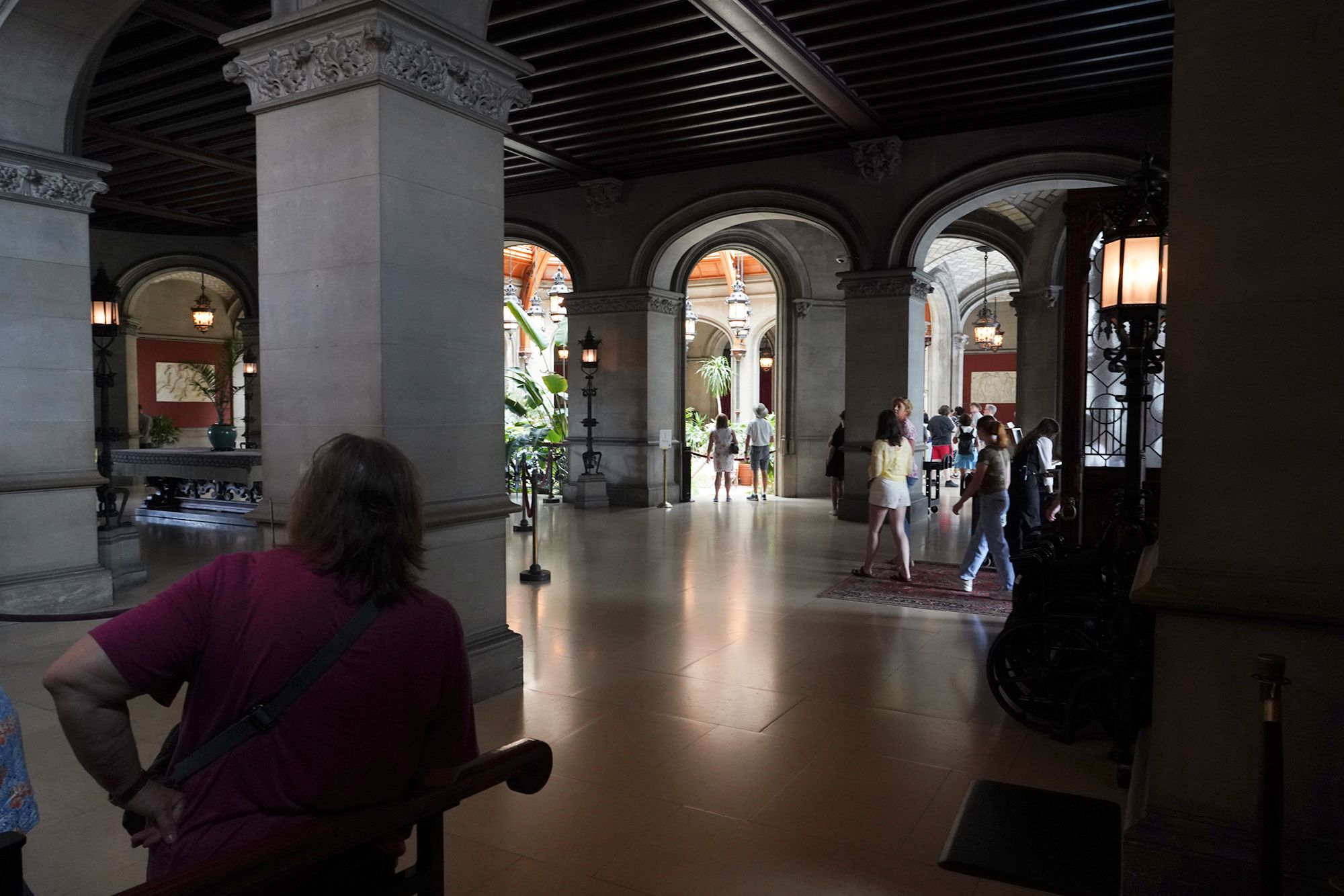
To basement
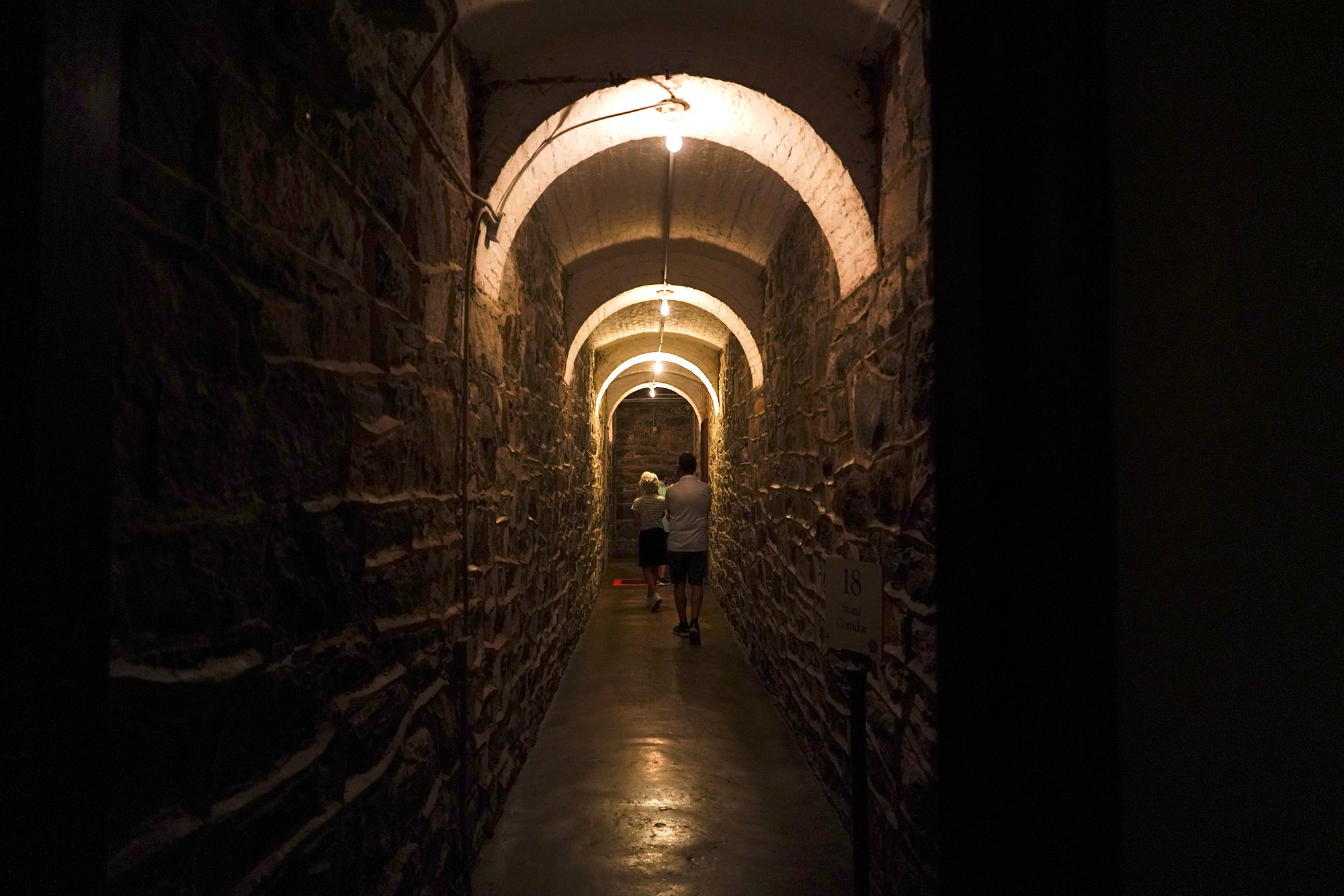
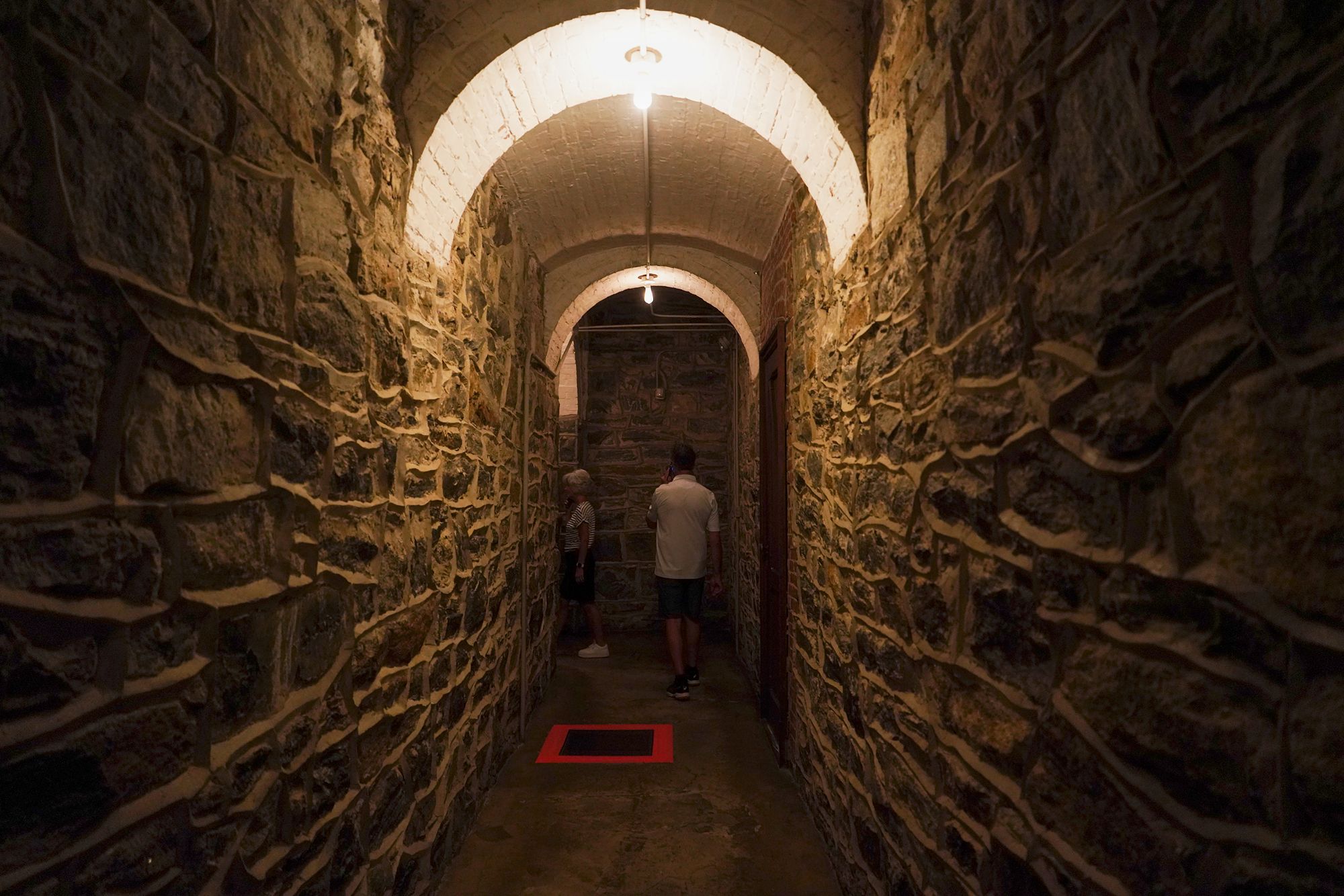
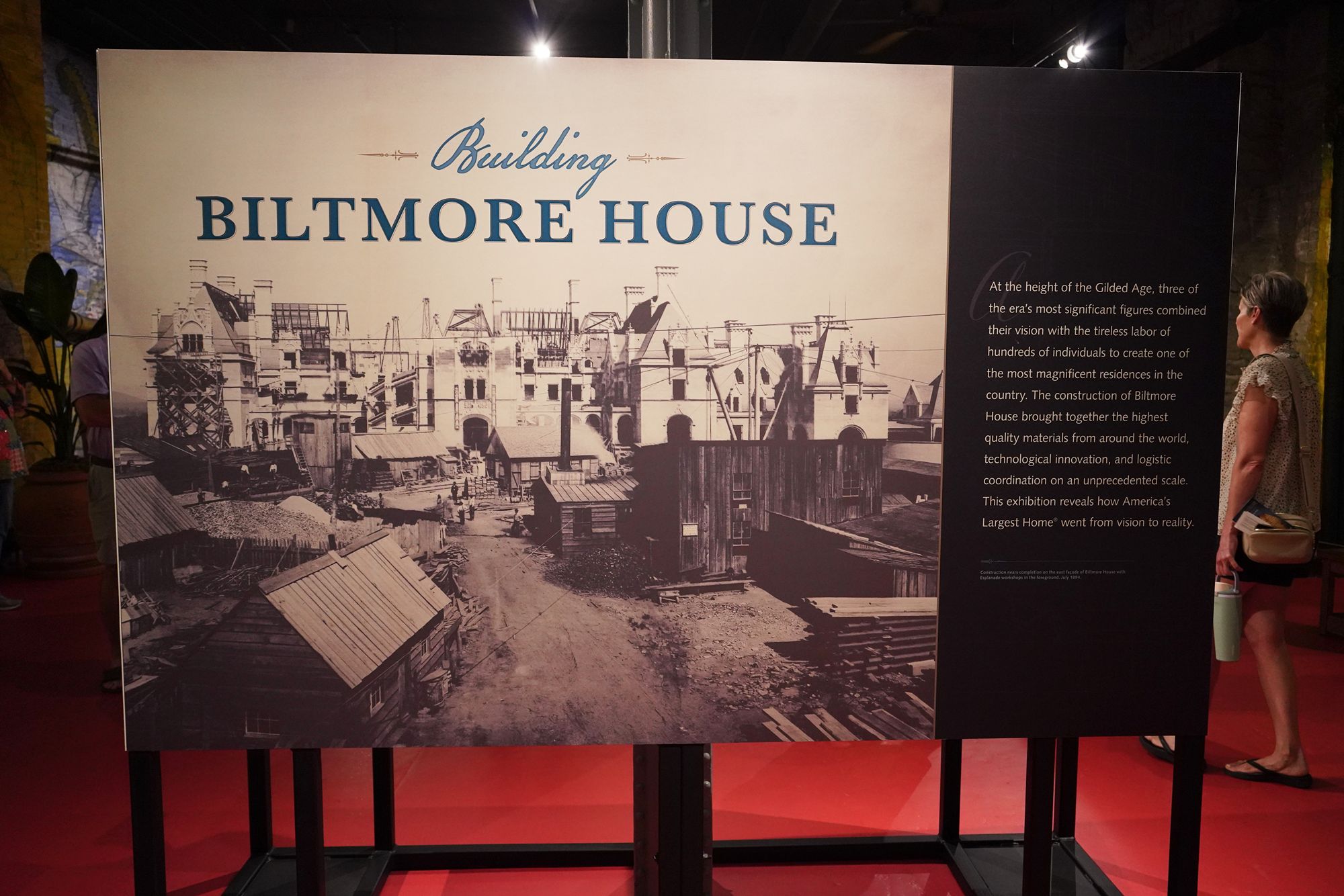
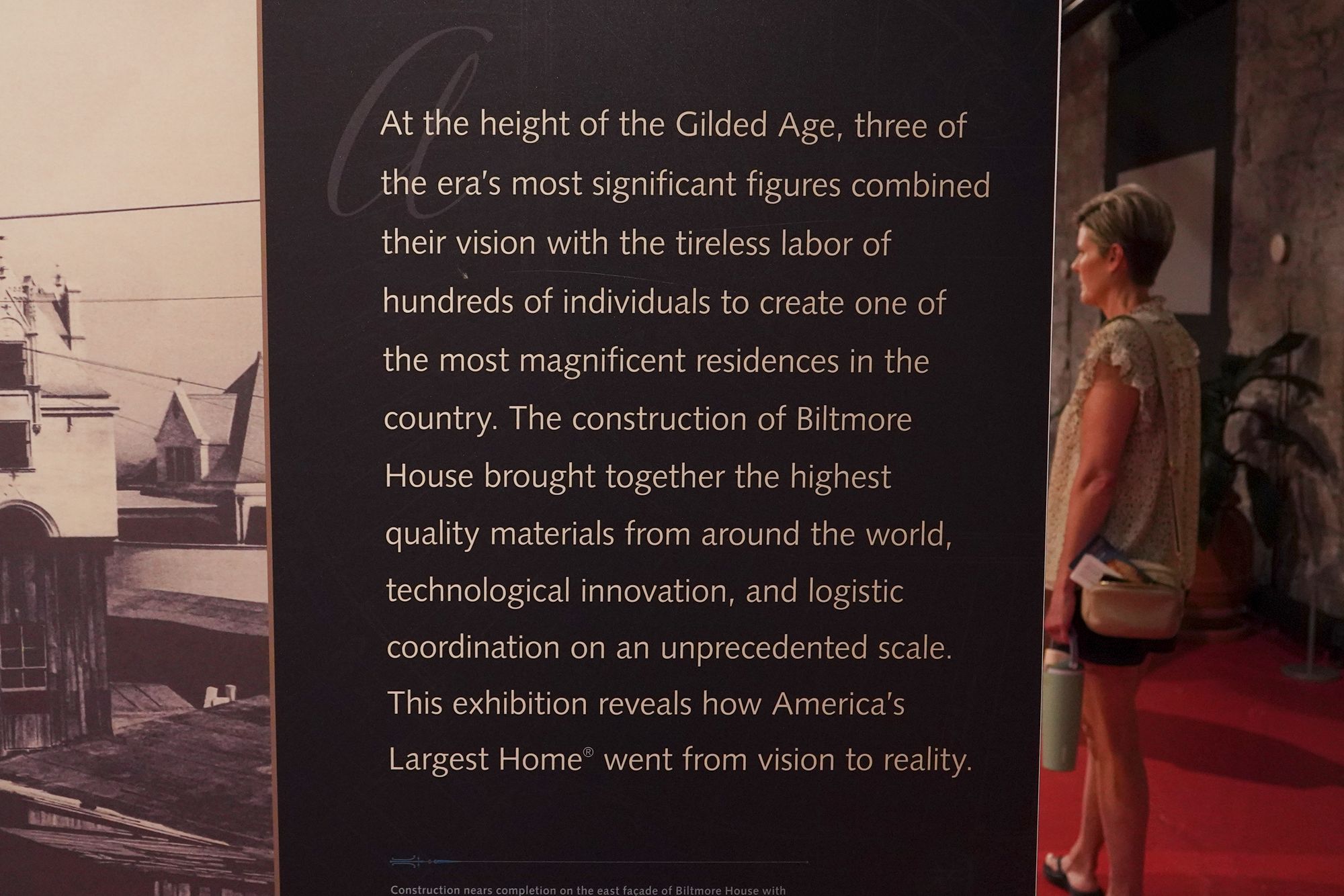
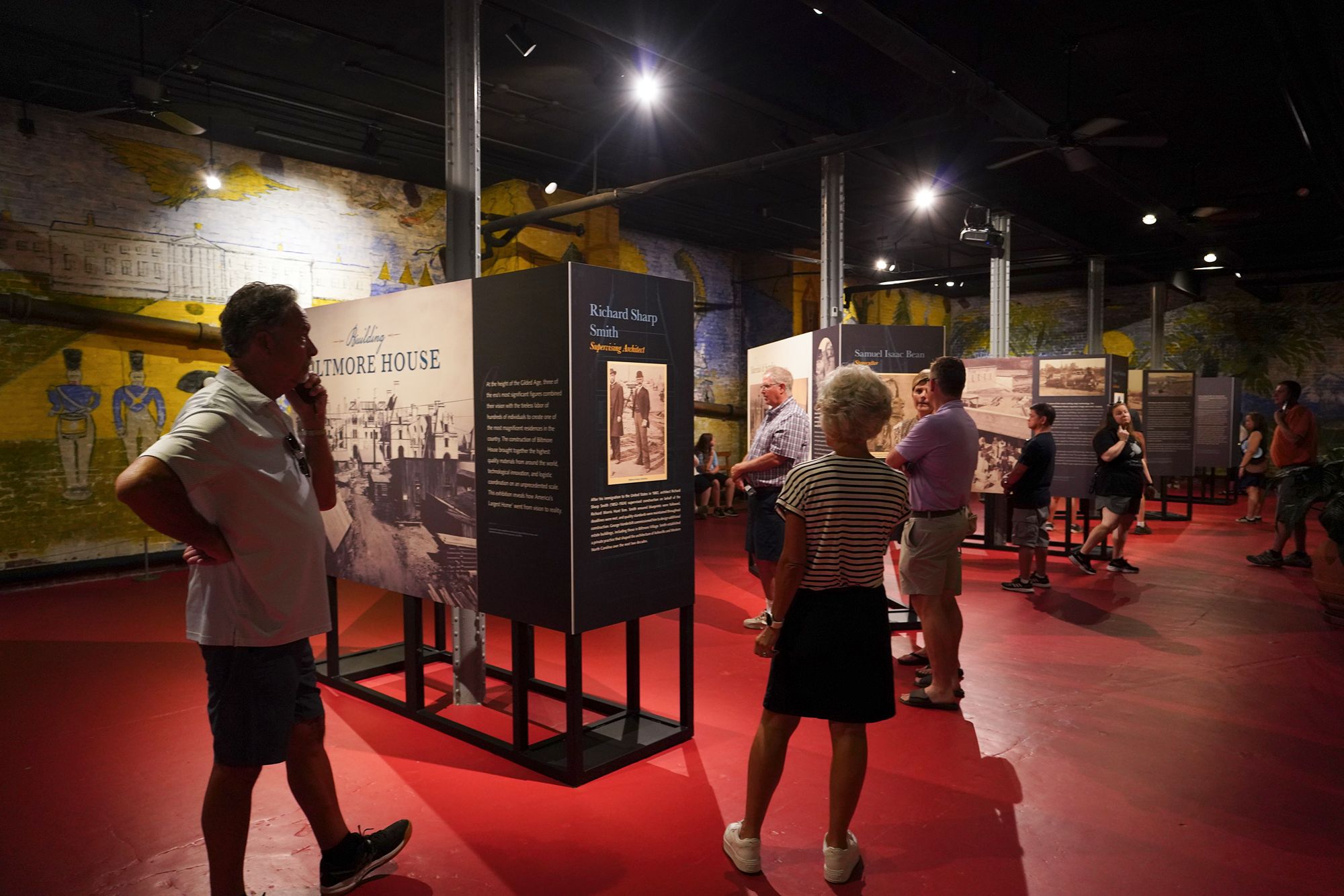
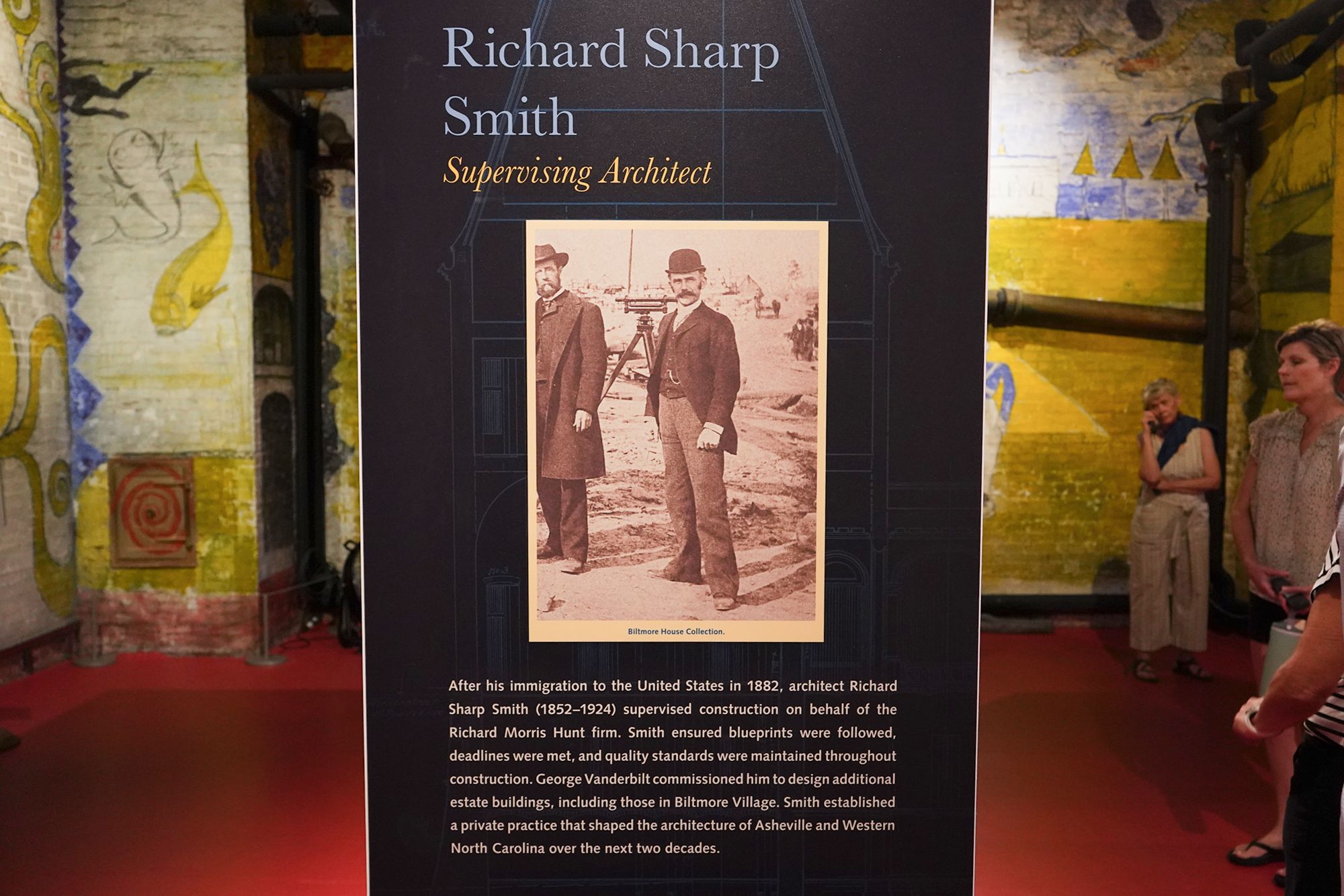
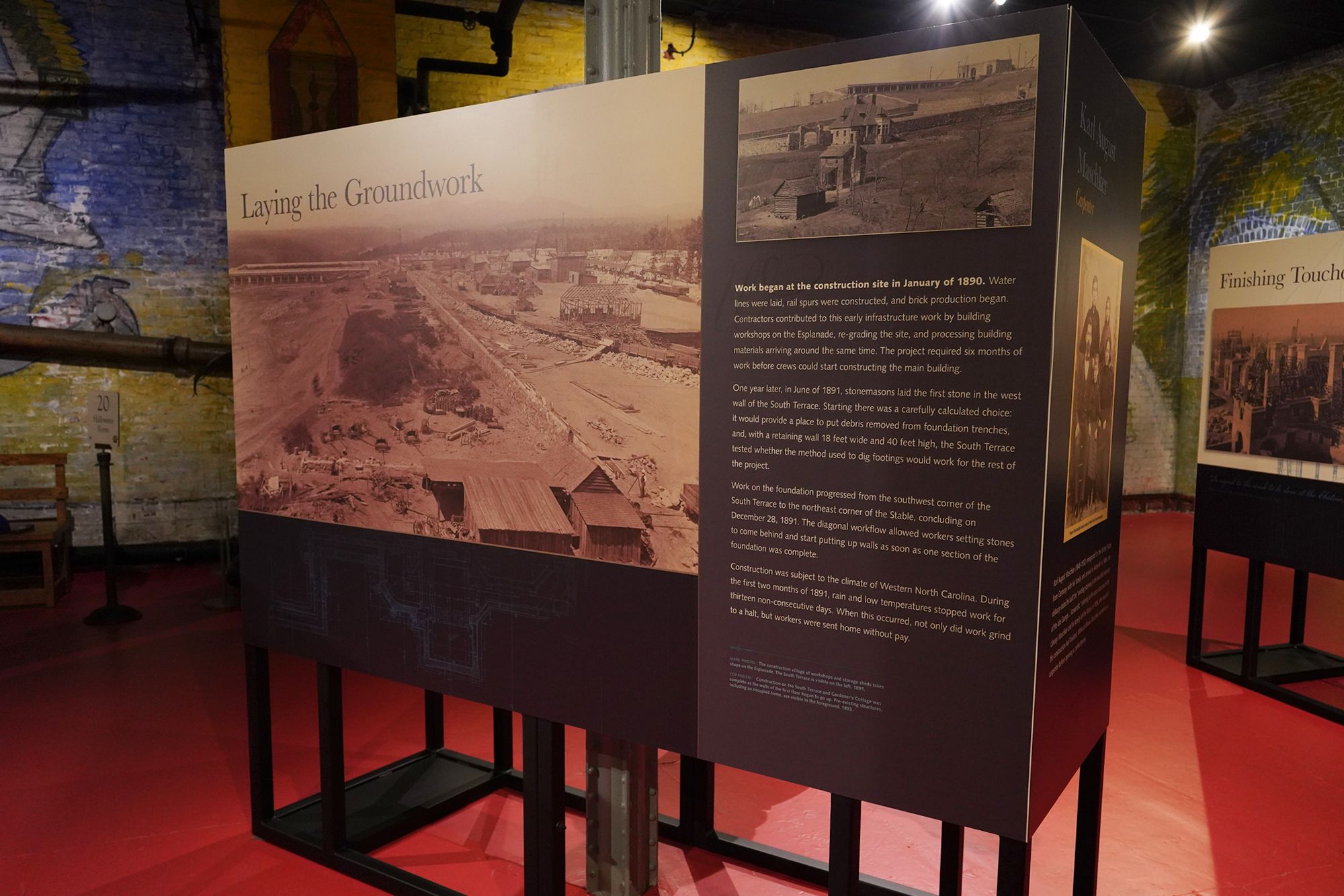
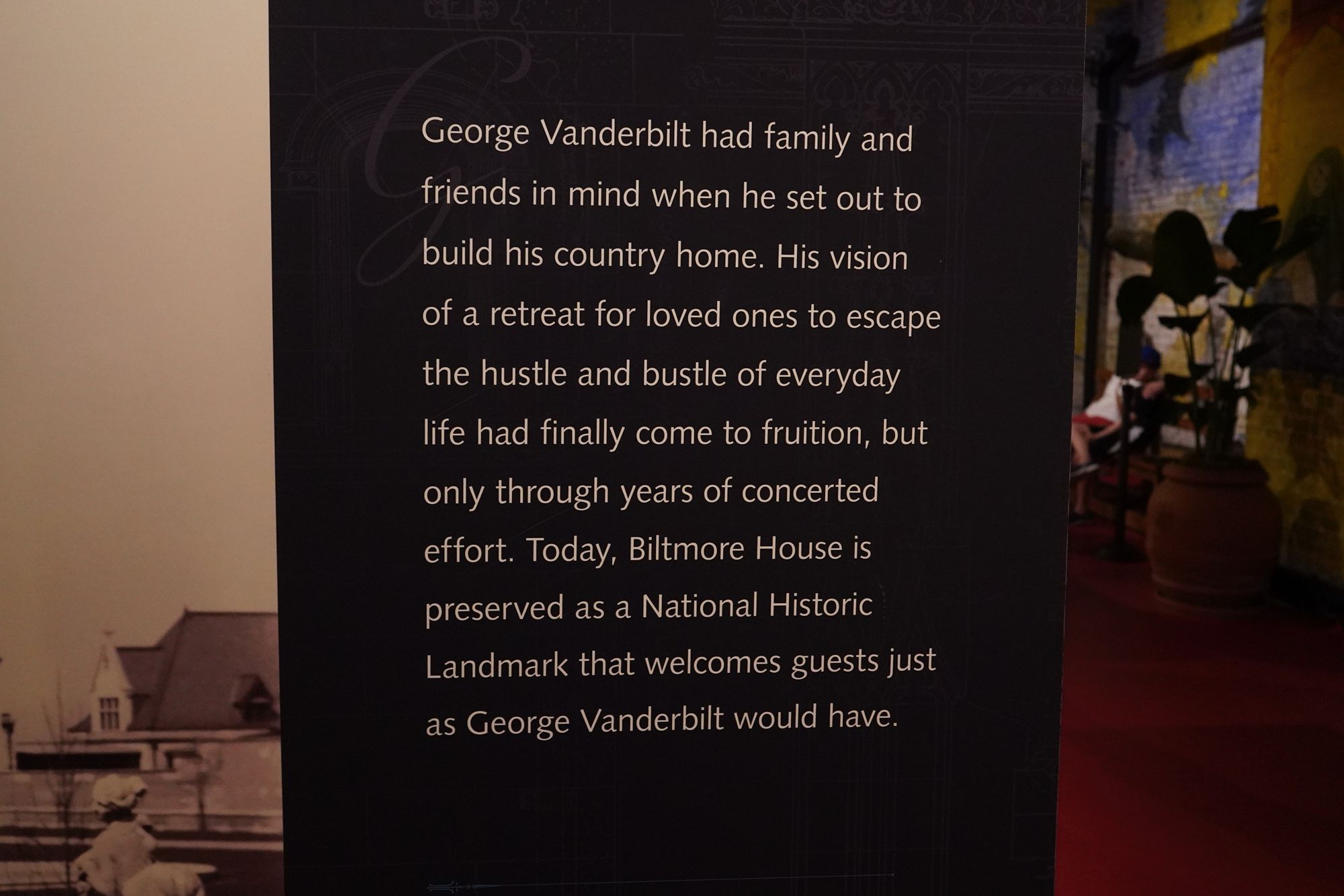
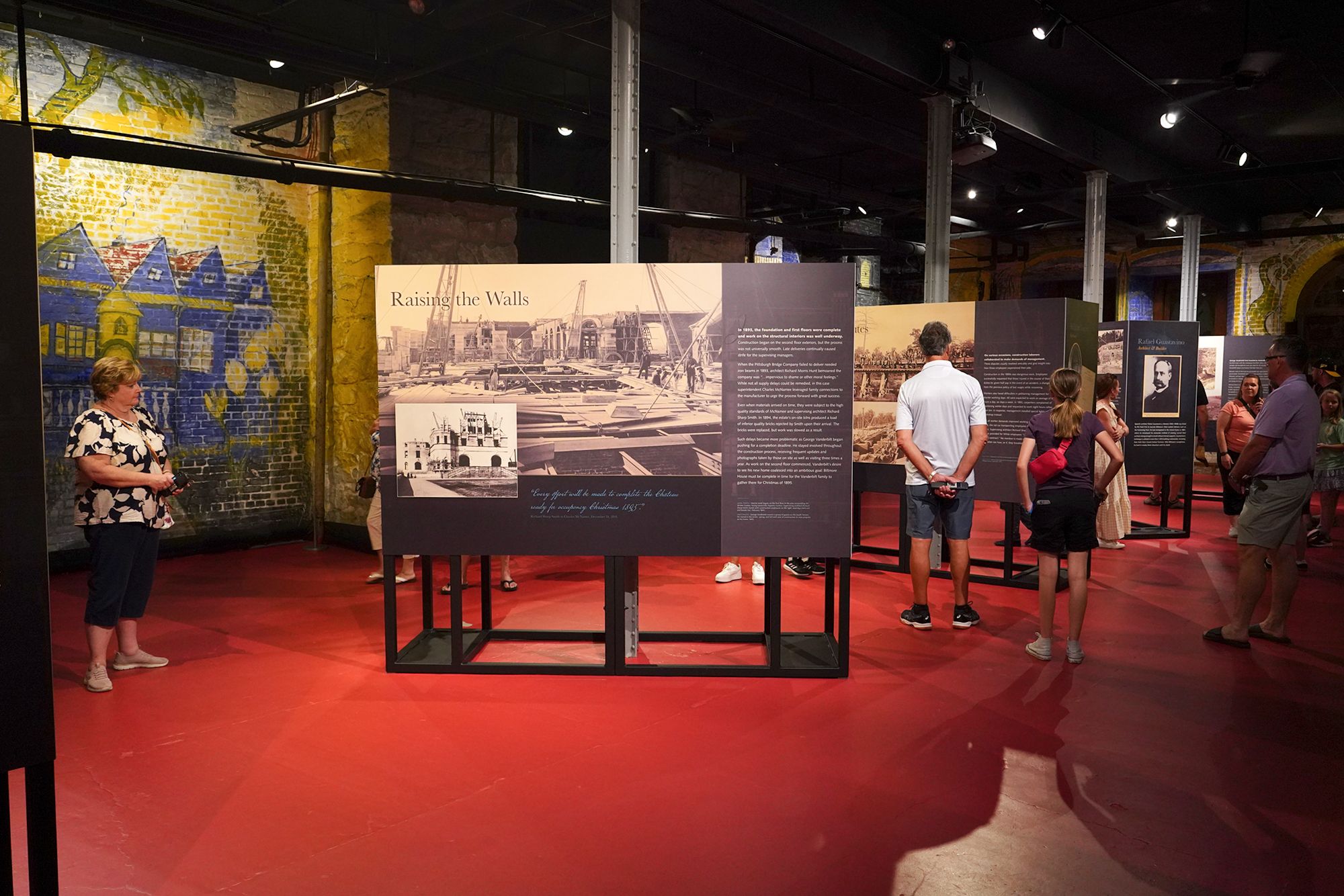
A part of basement is used for exhibition about how the house was built
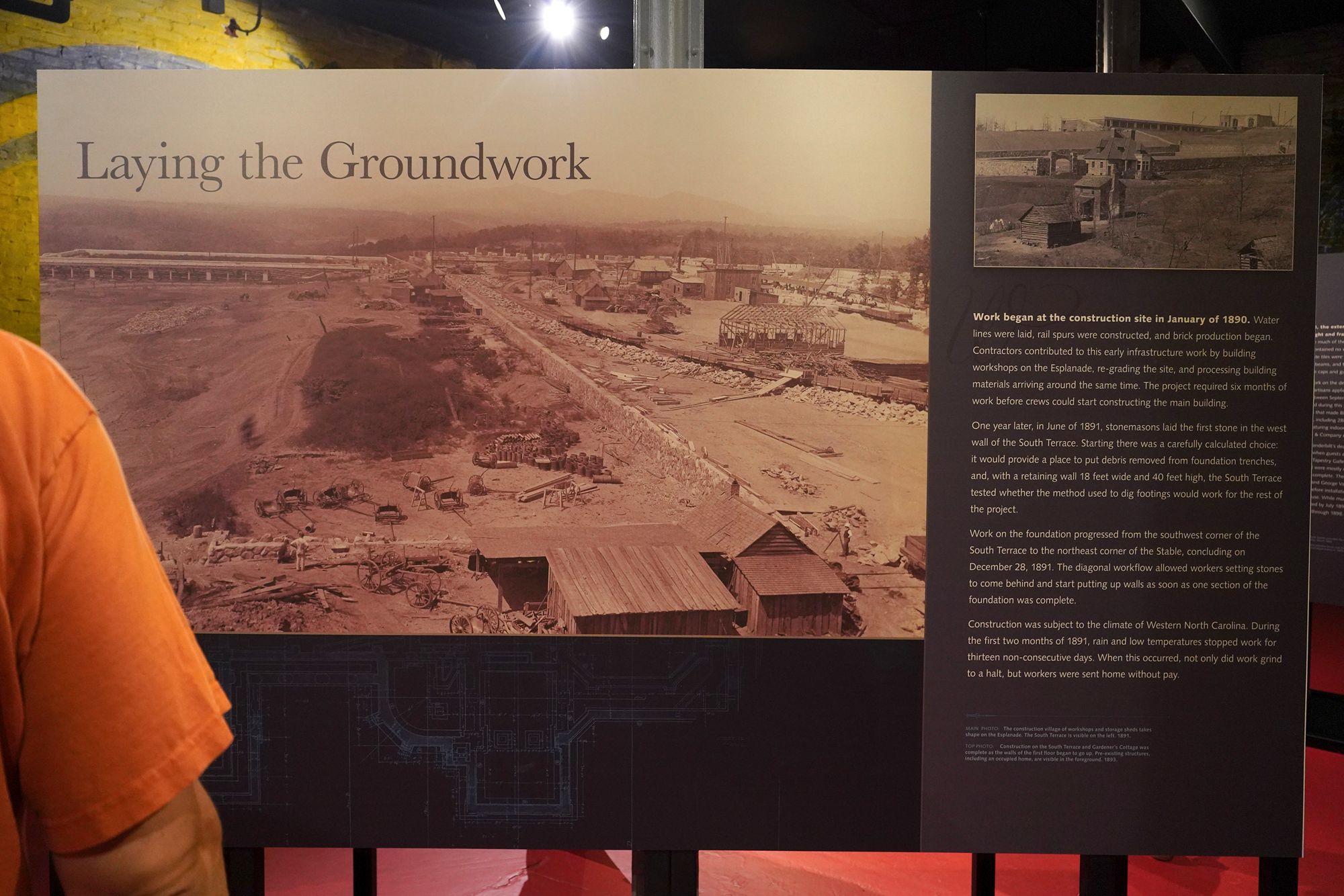
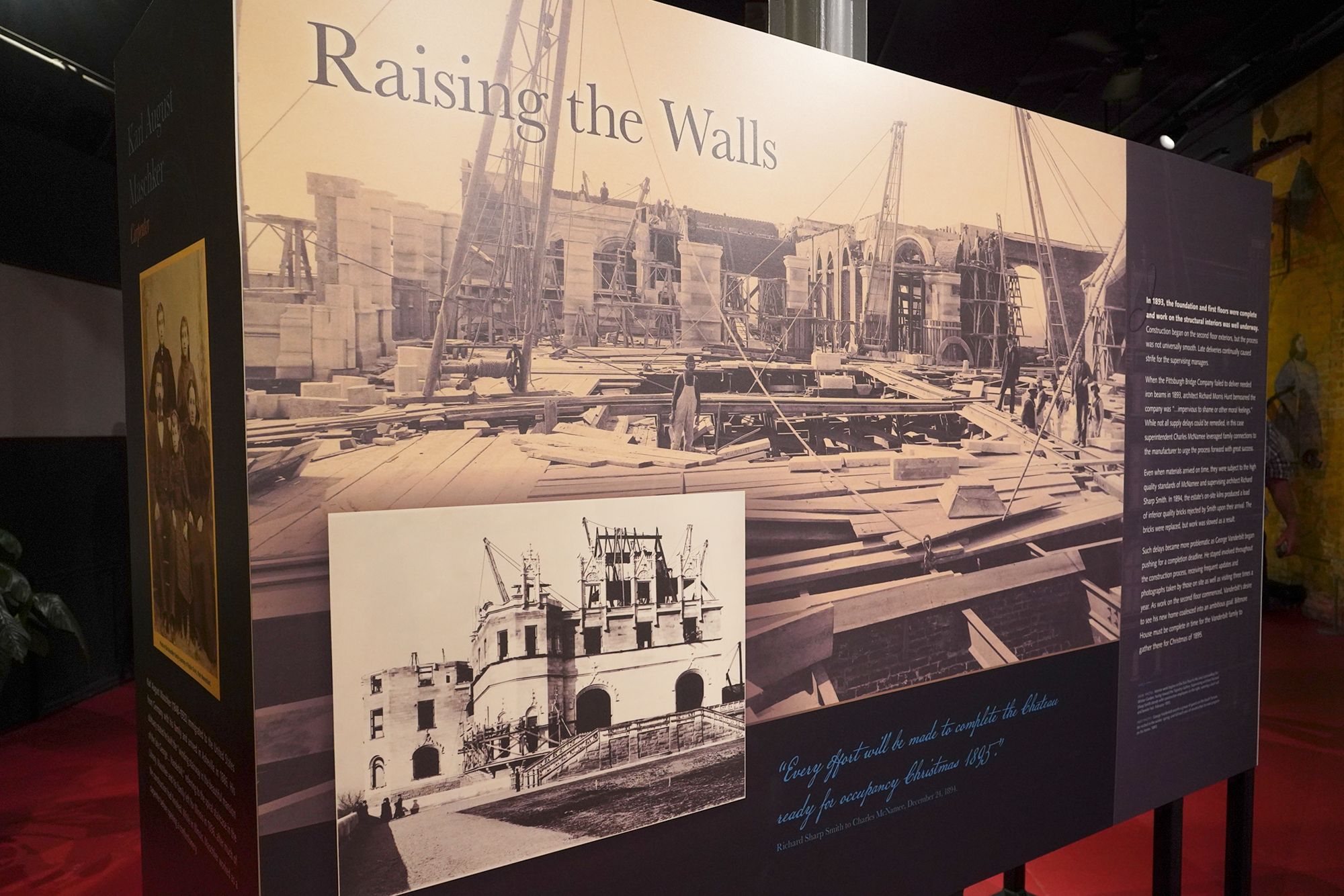
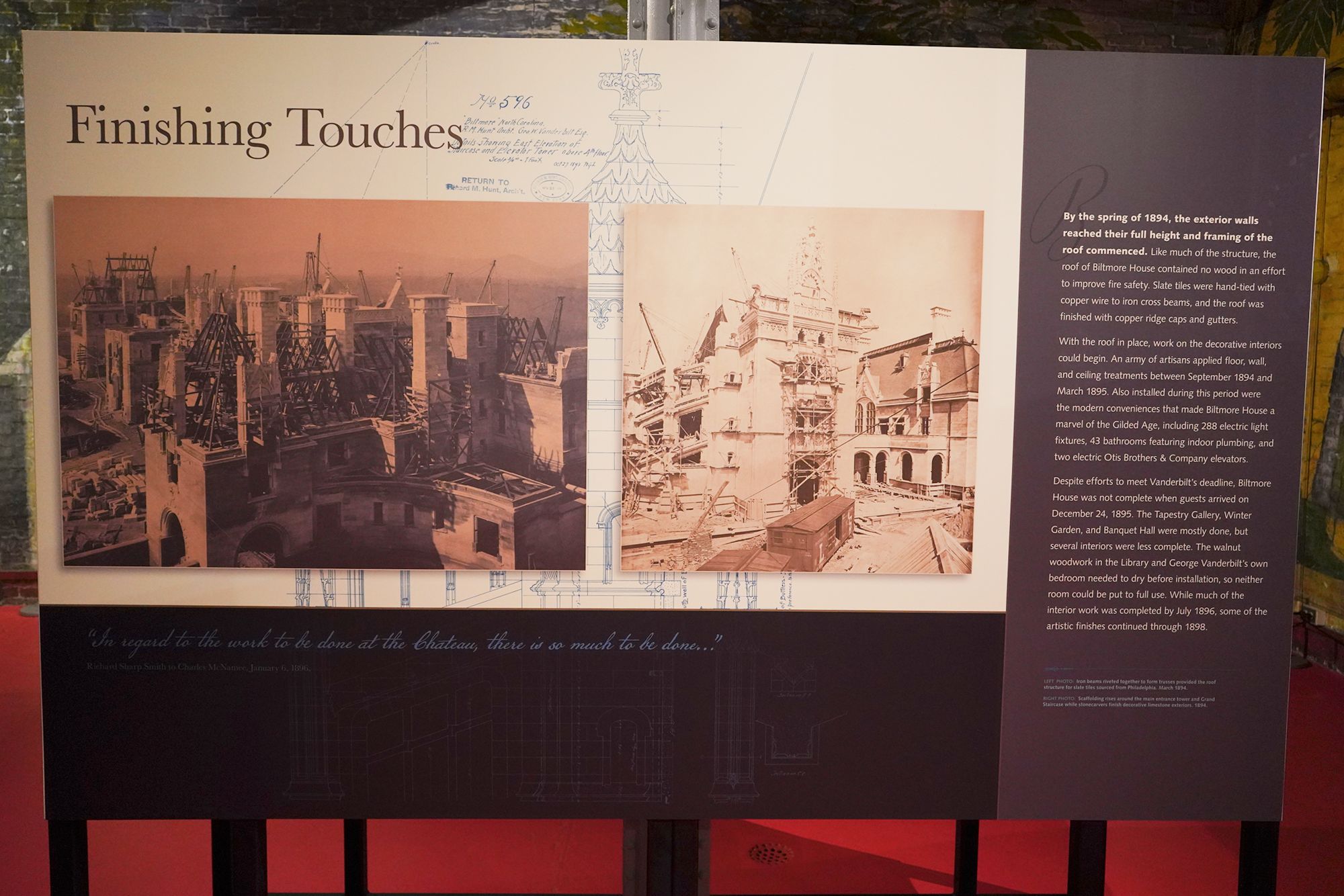
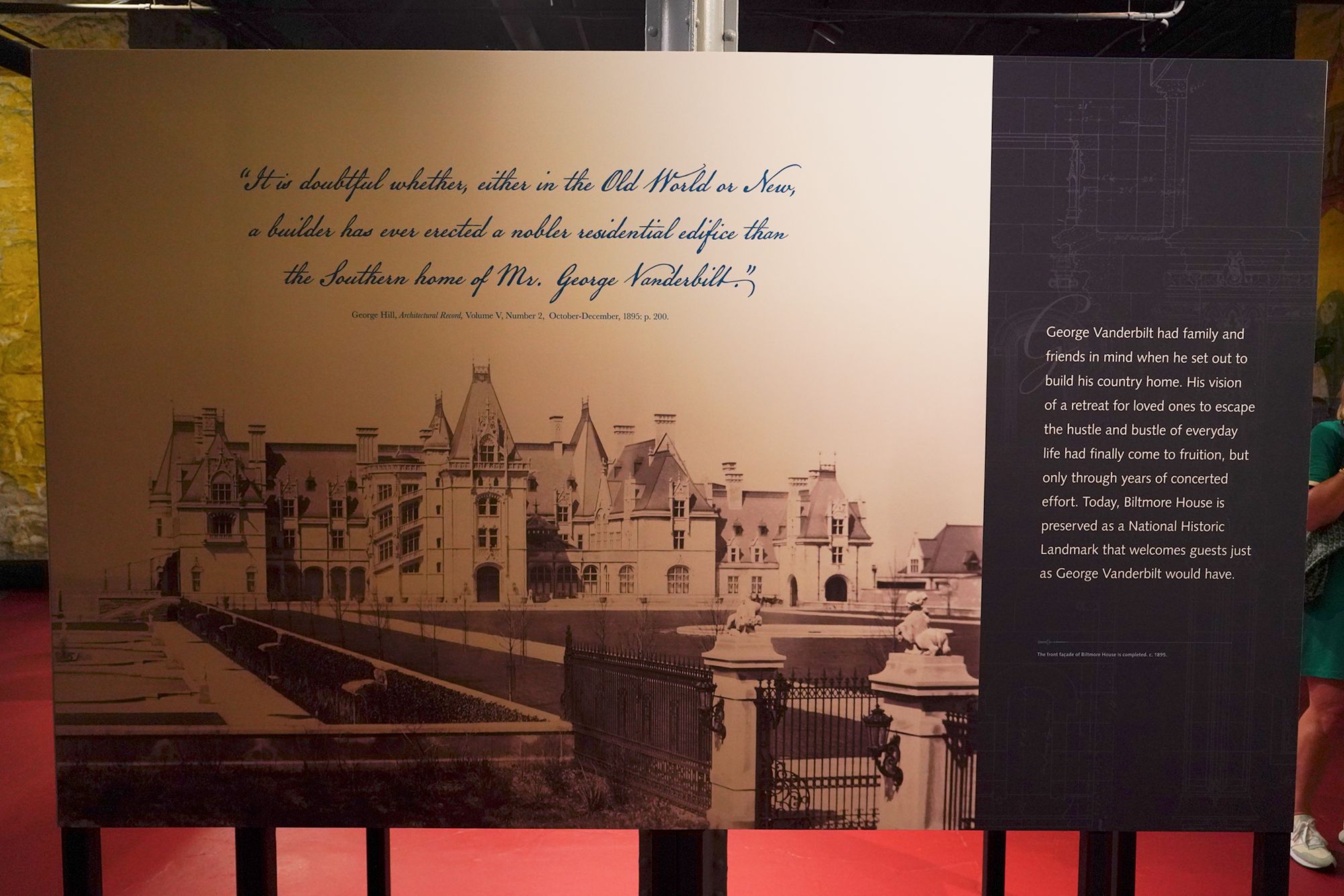
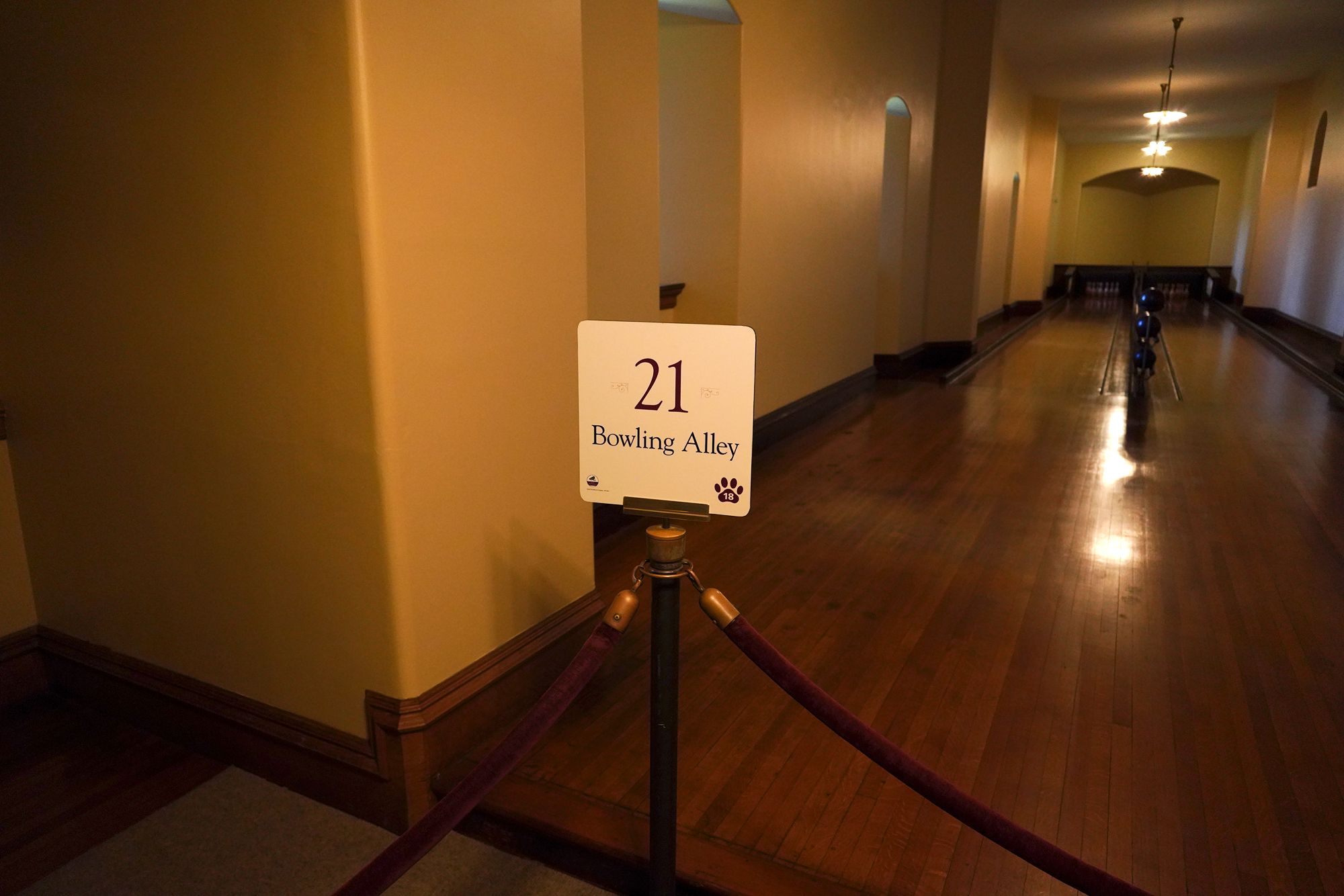
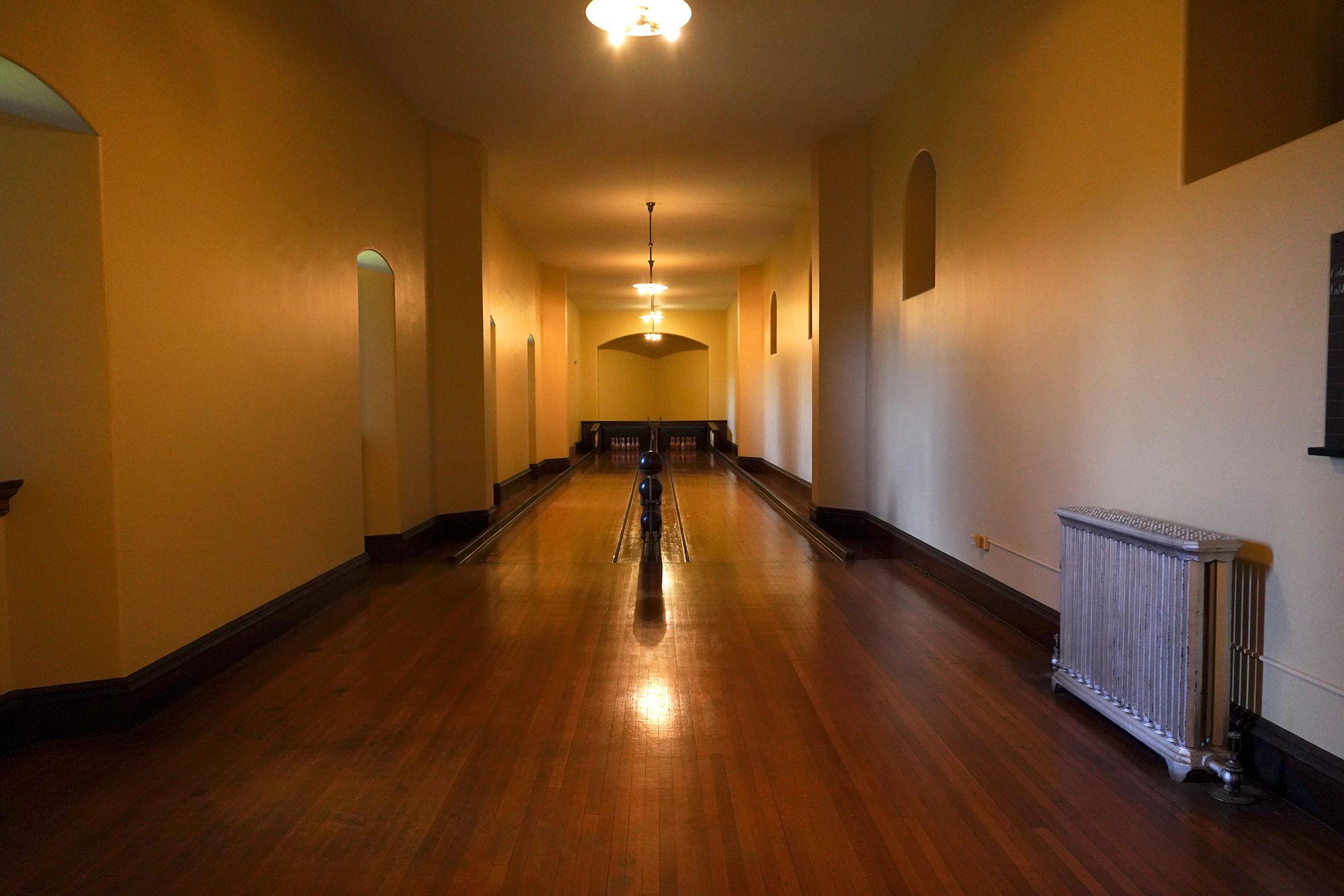
What else in the basement? A Bowling Alley for one
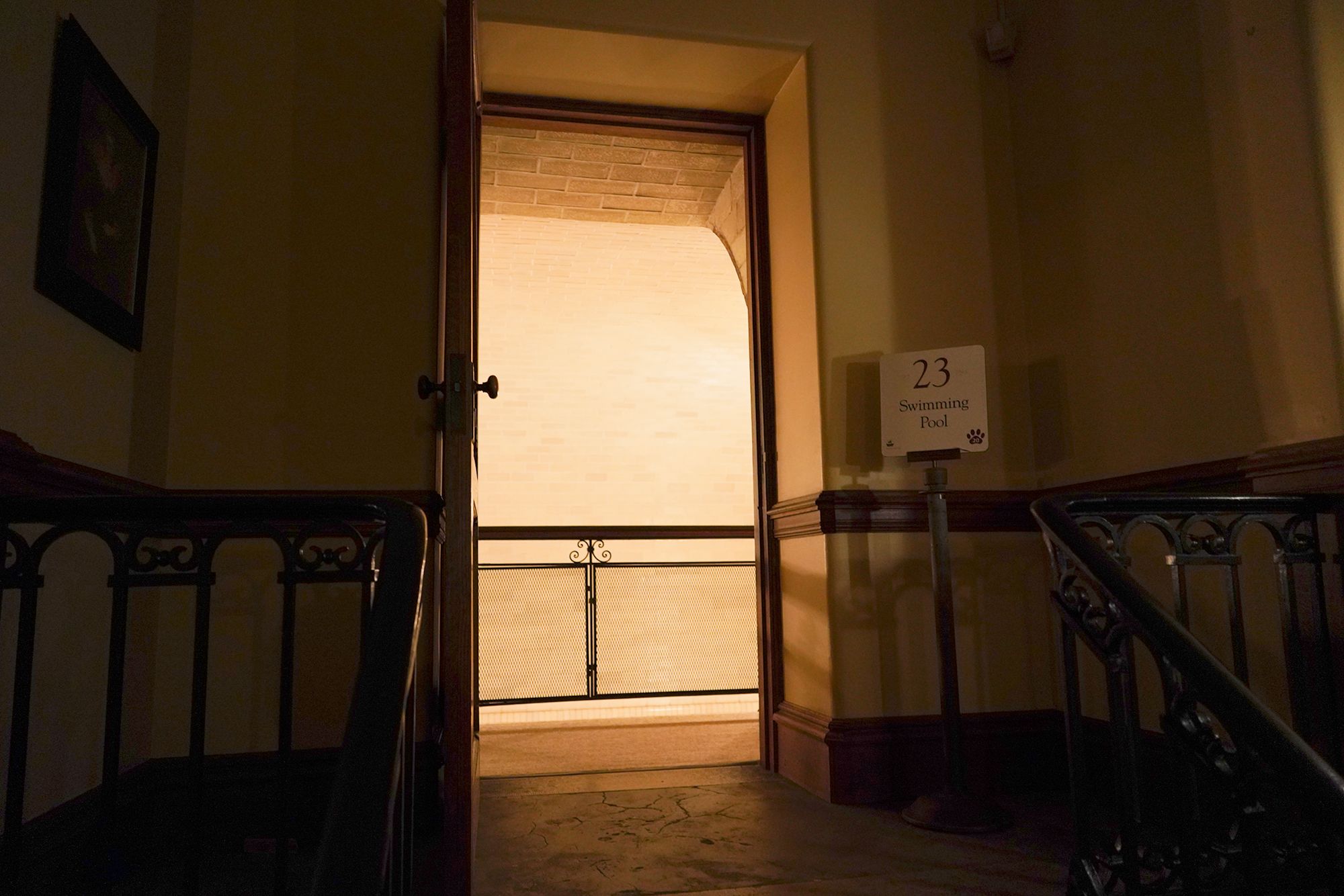
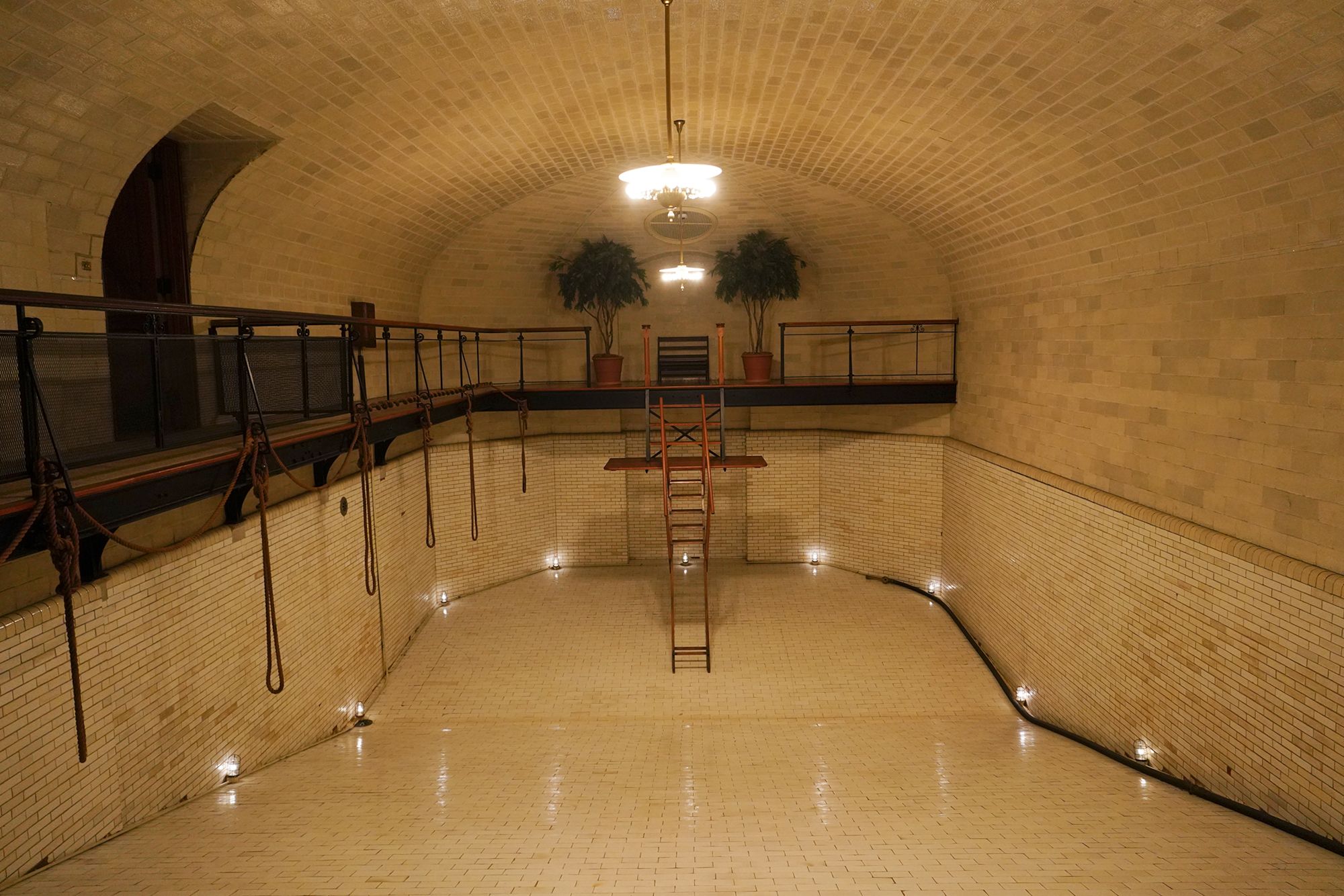
Swimming Pool
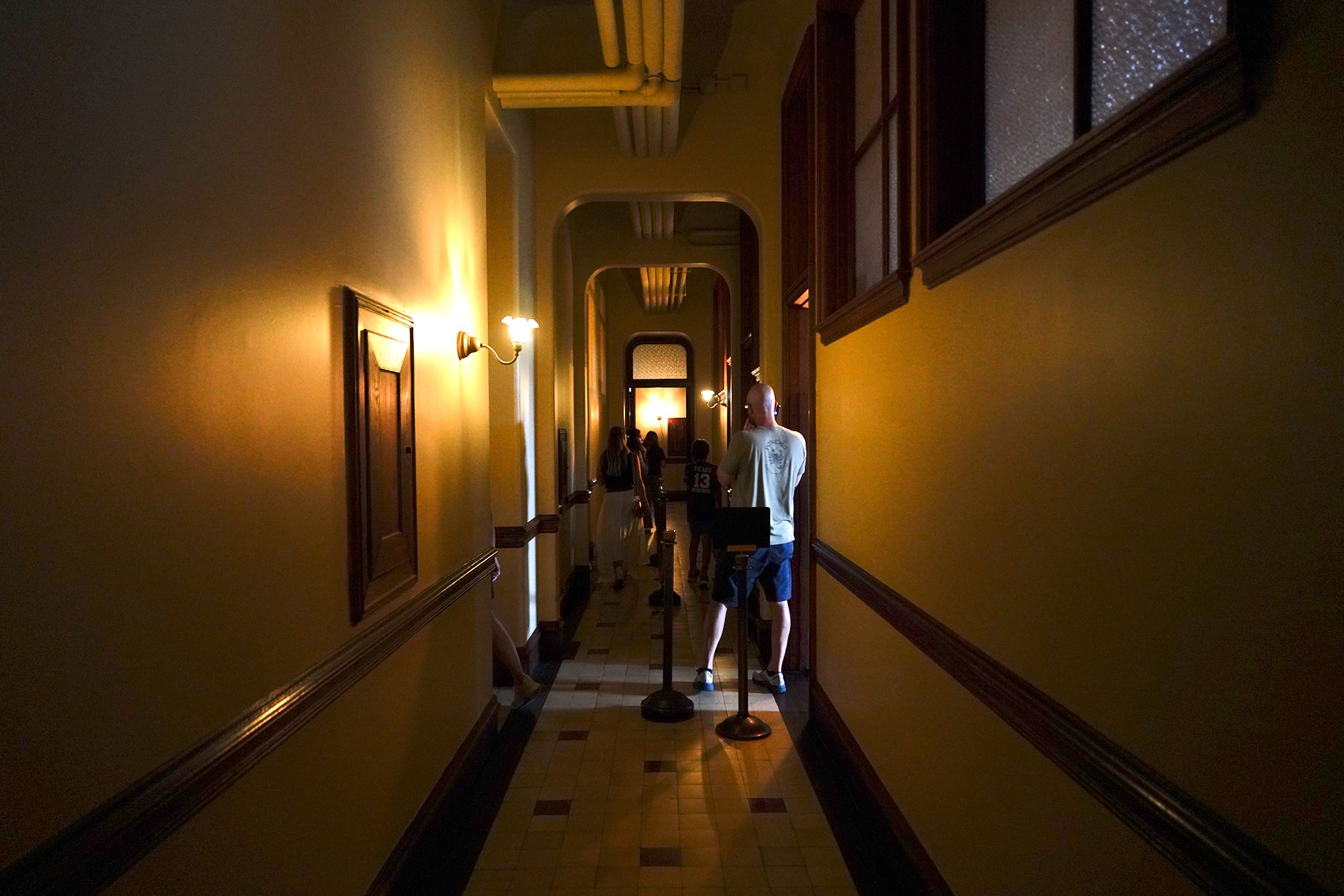
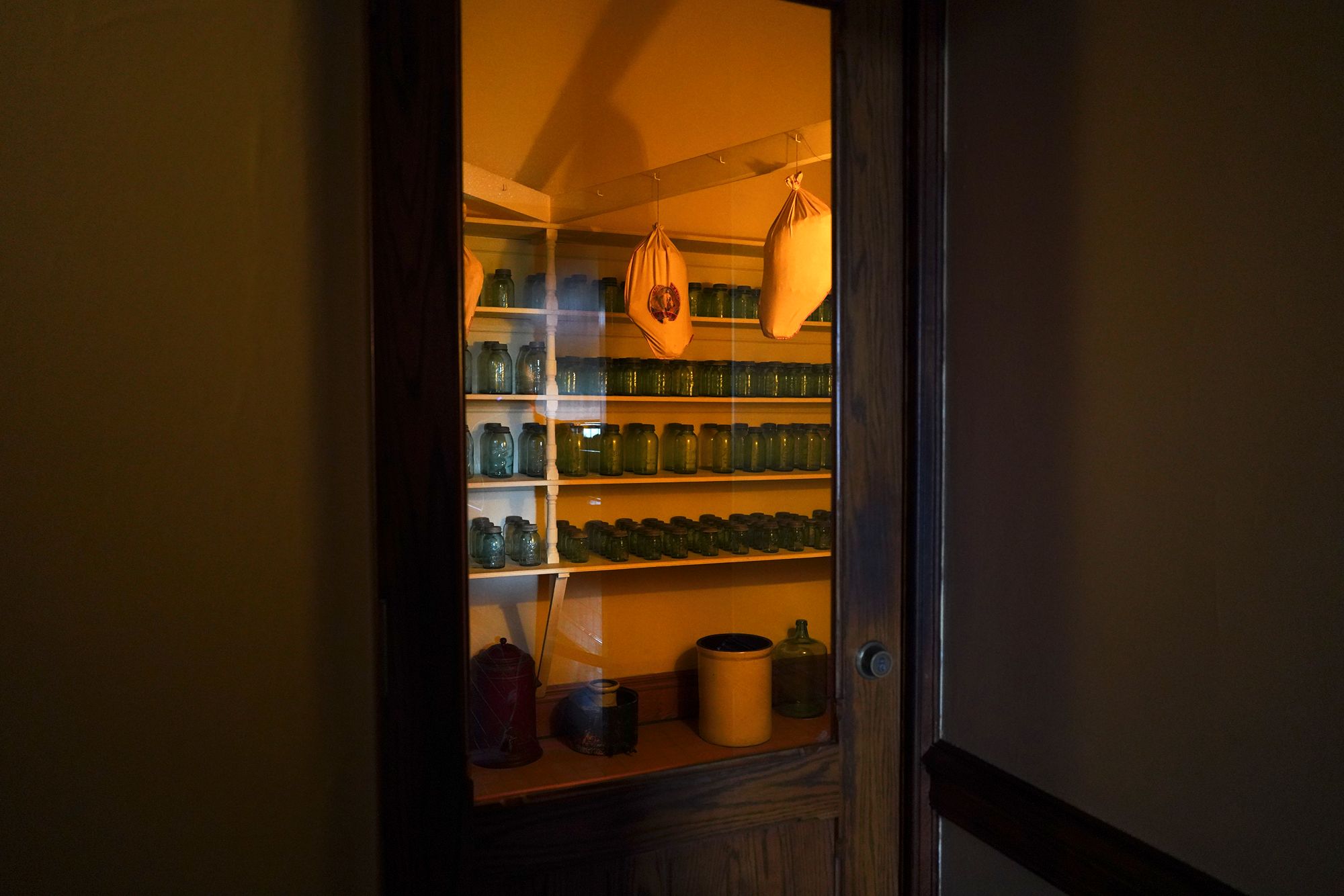
Servant’s Room
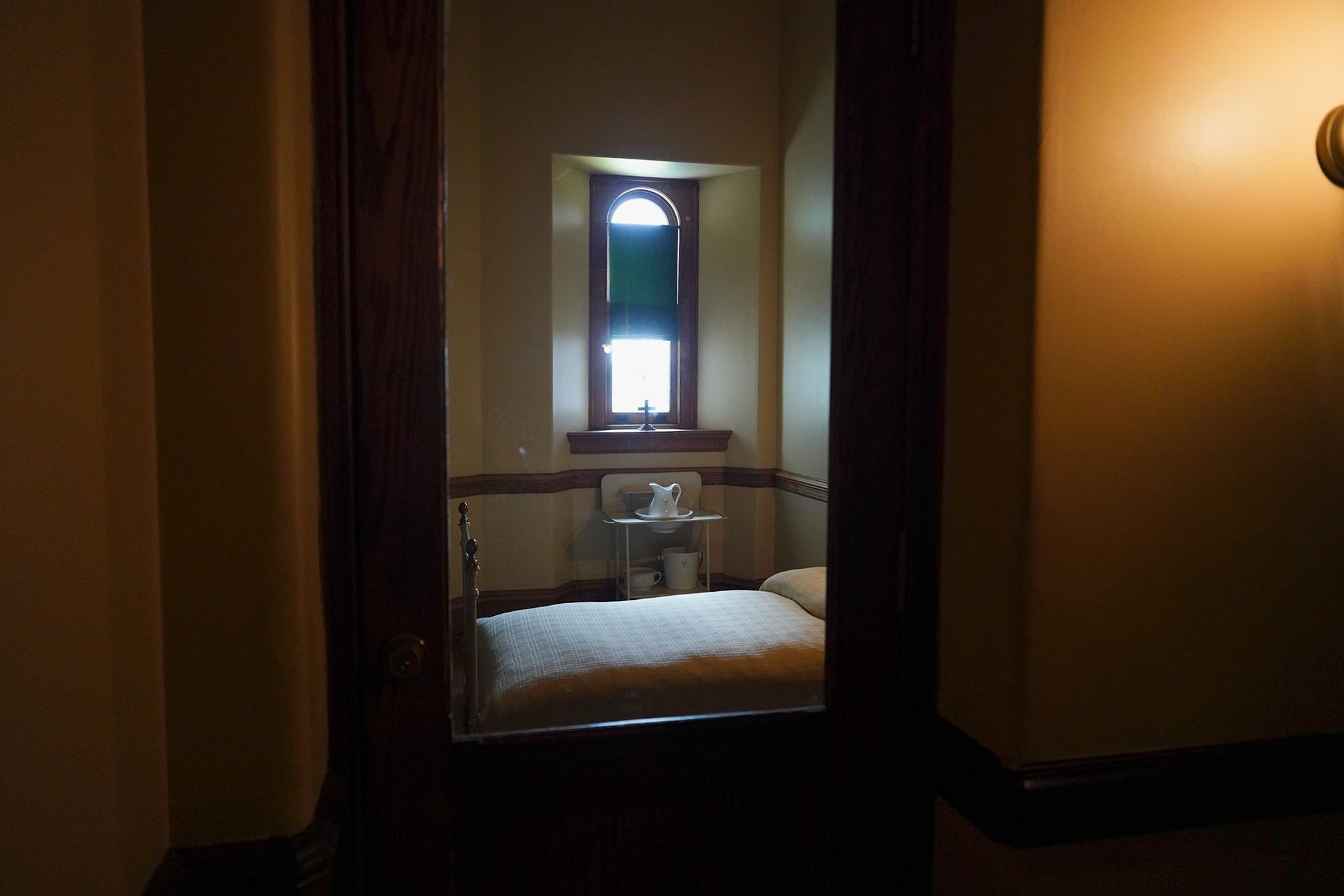
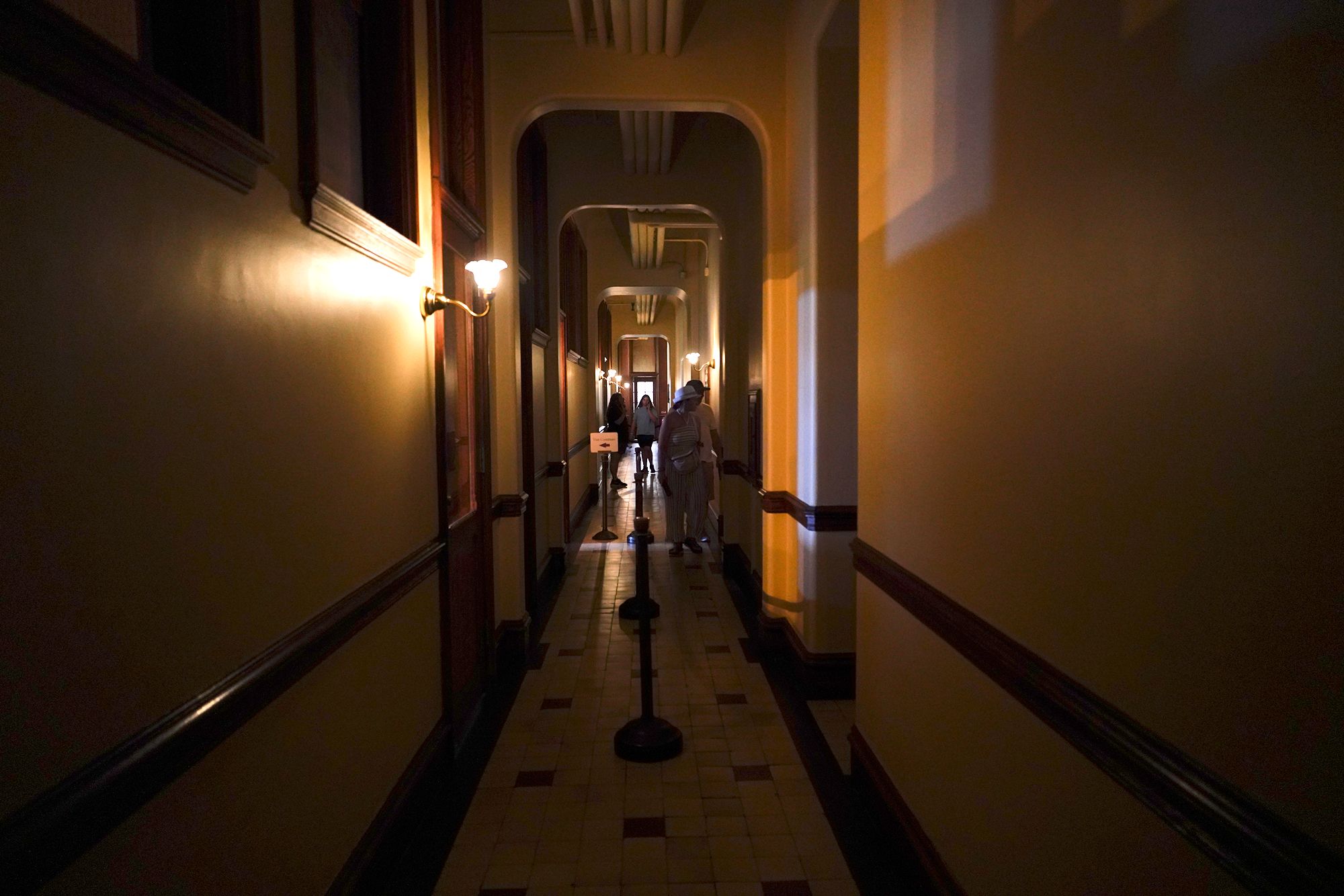
A Kitchen
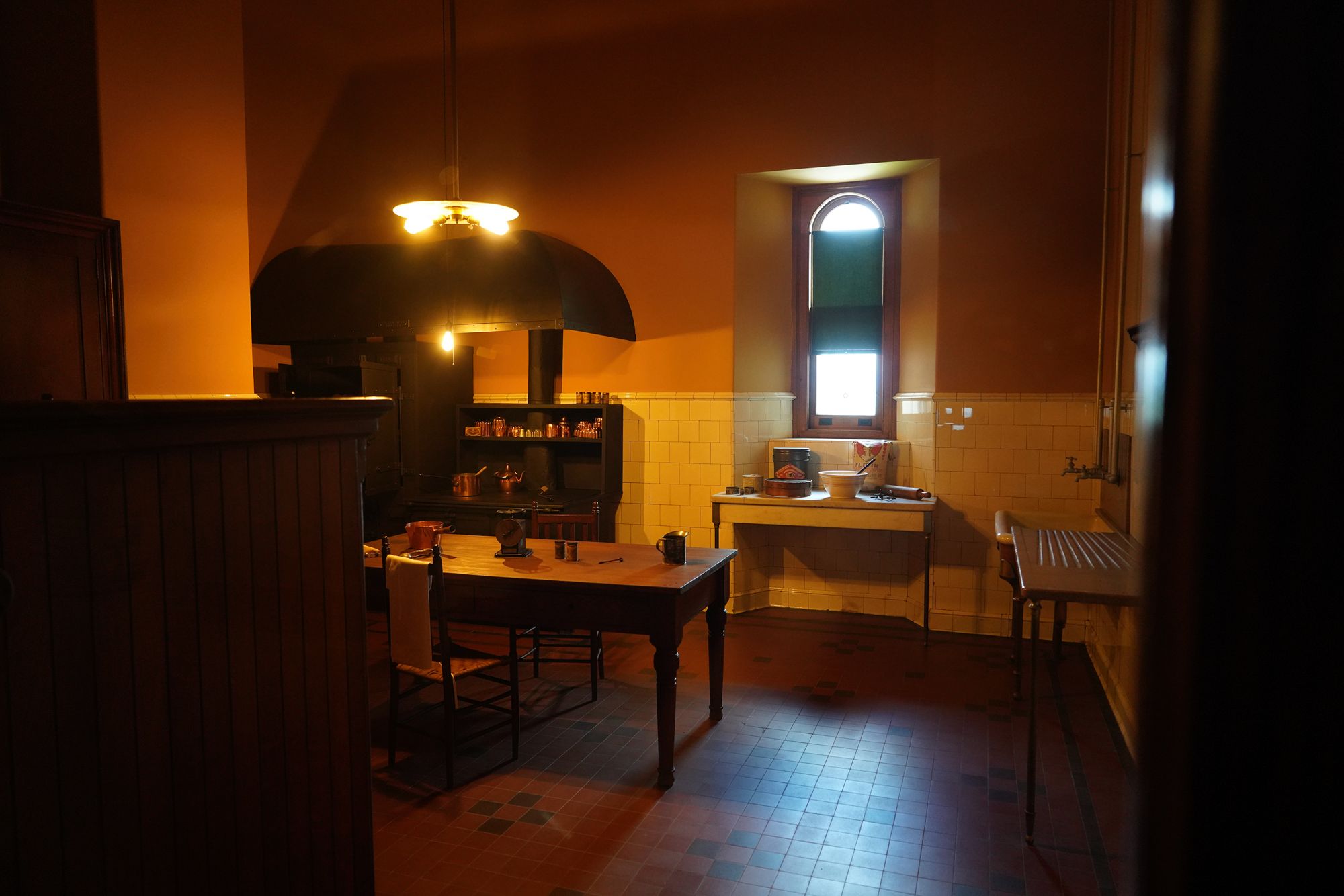
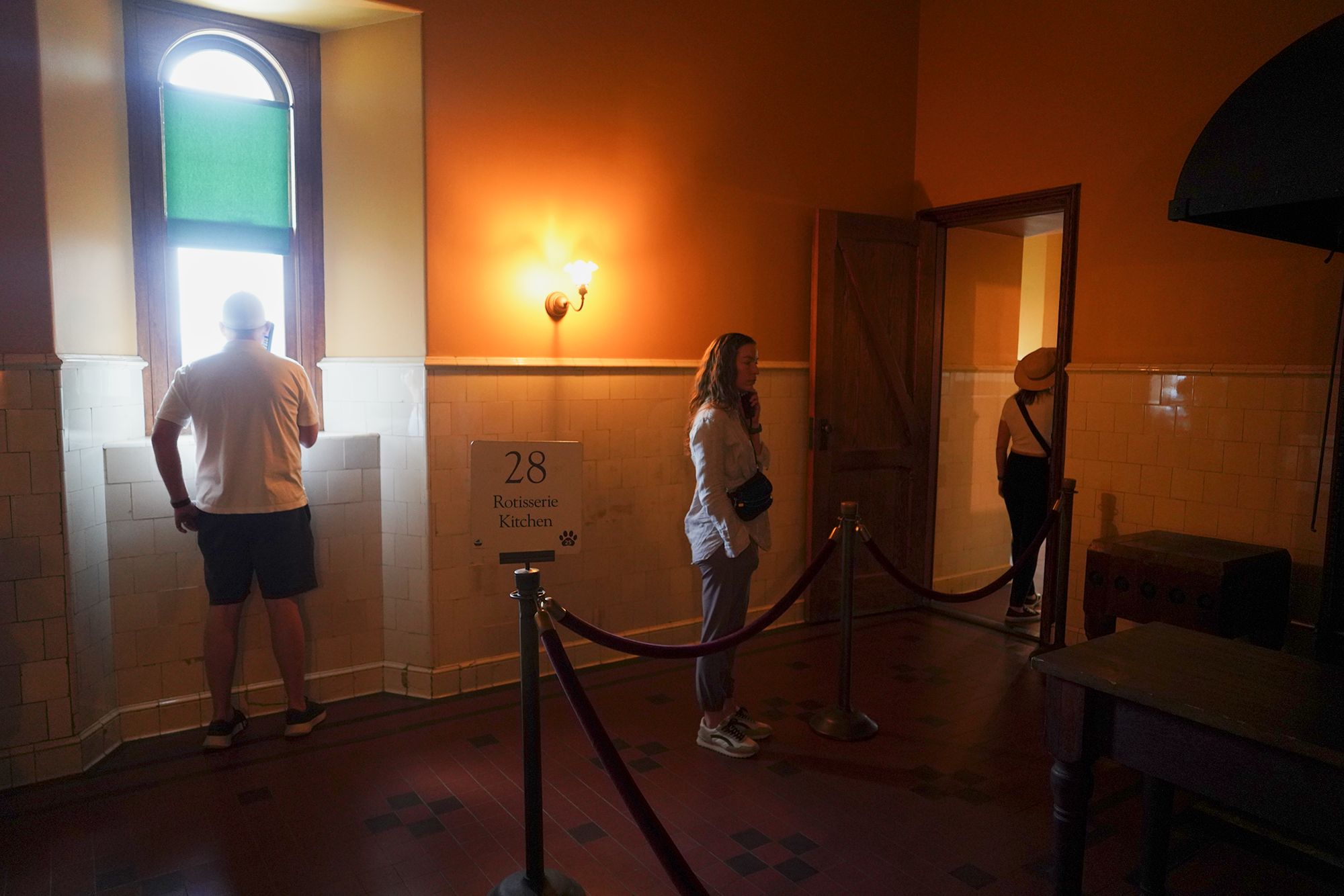
Rotisserie Kitchen
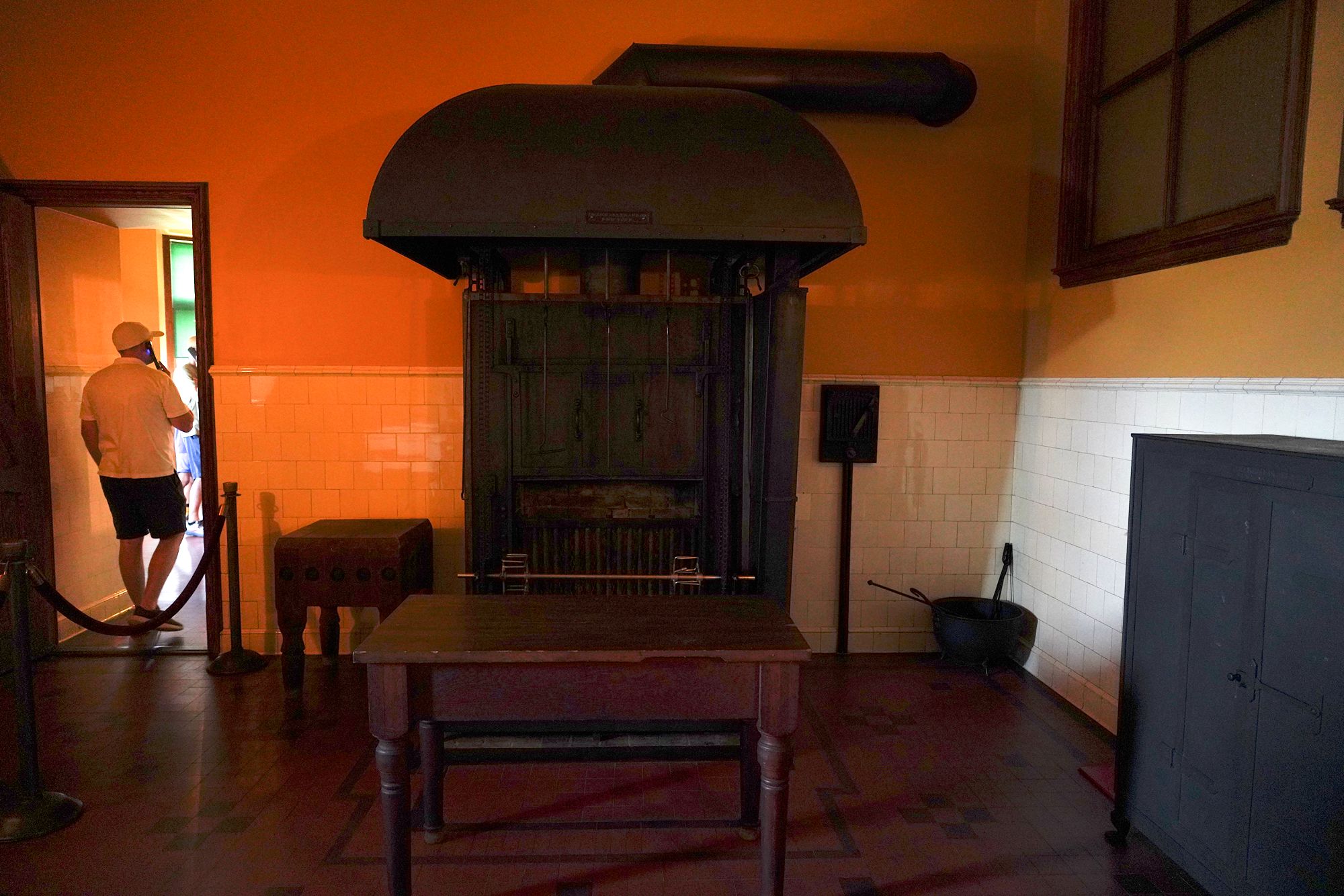
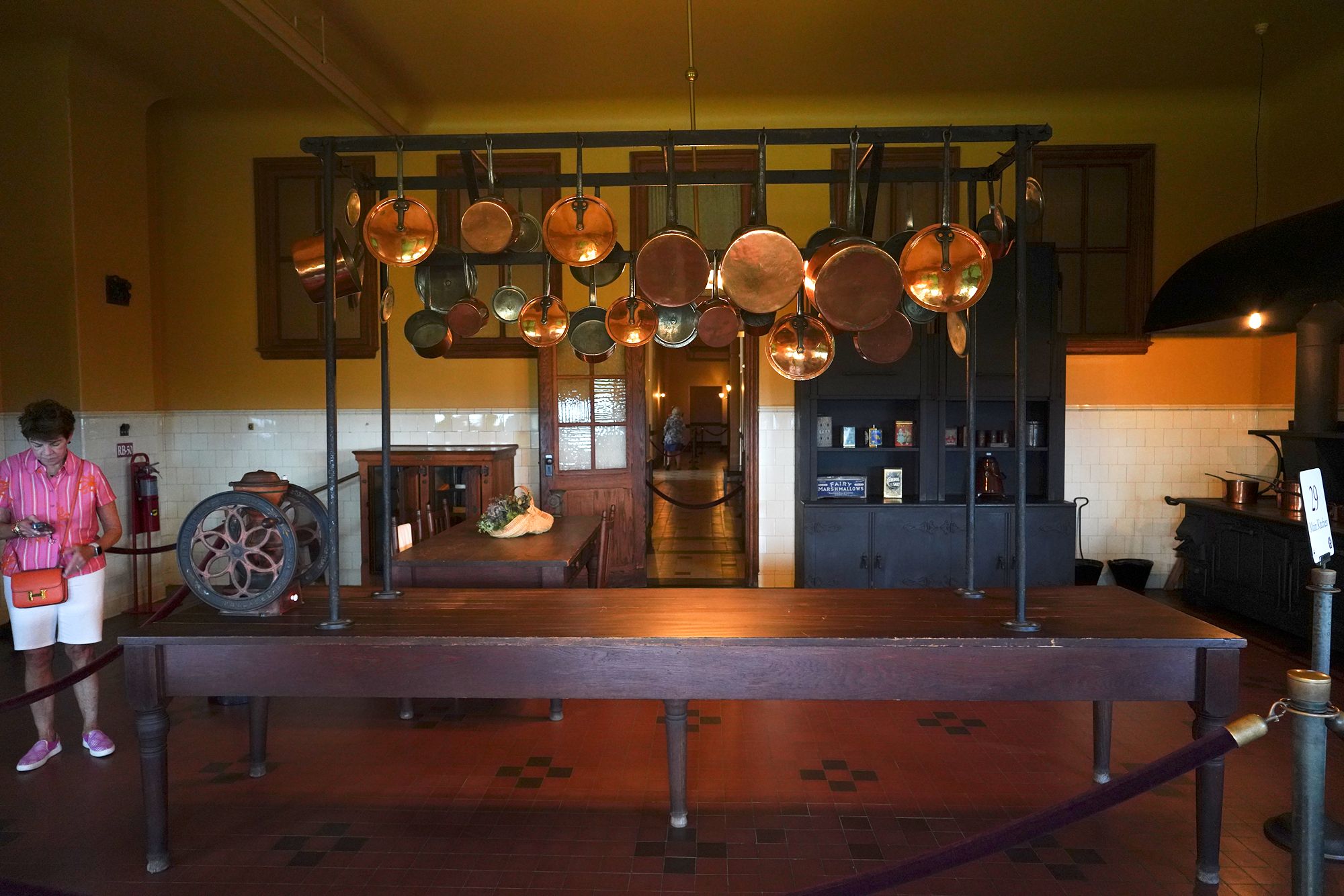
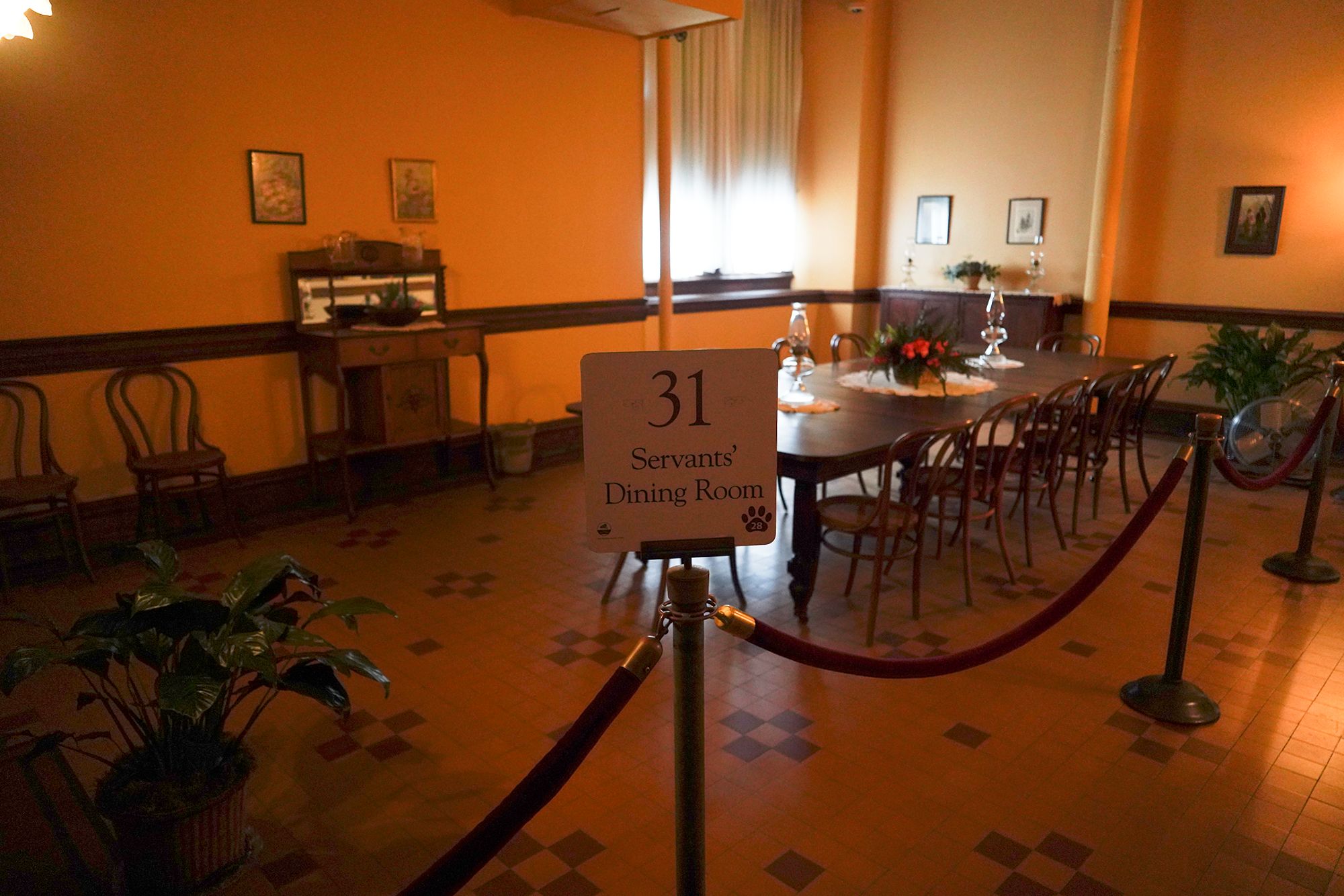
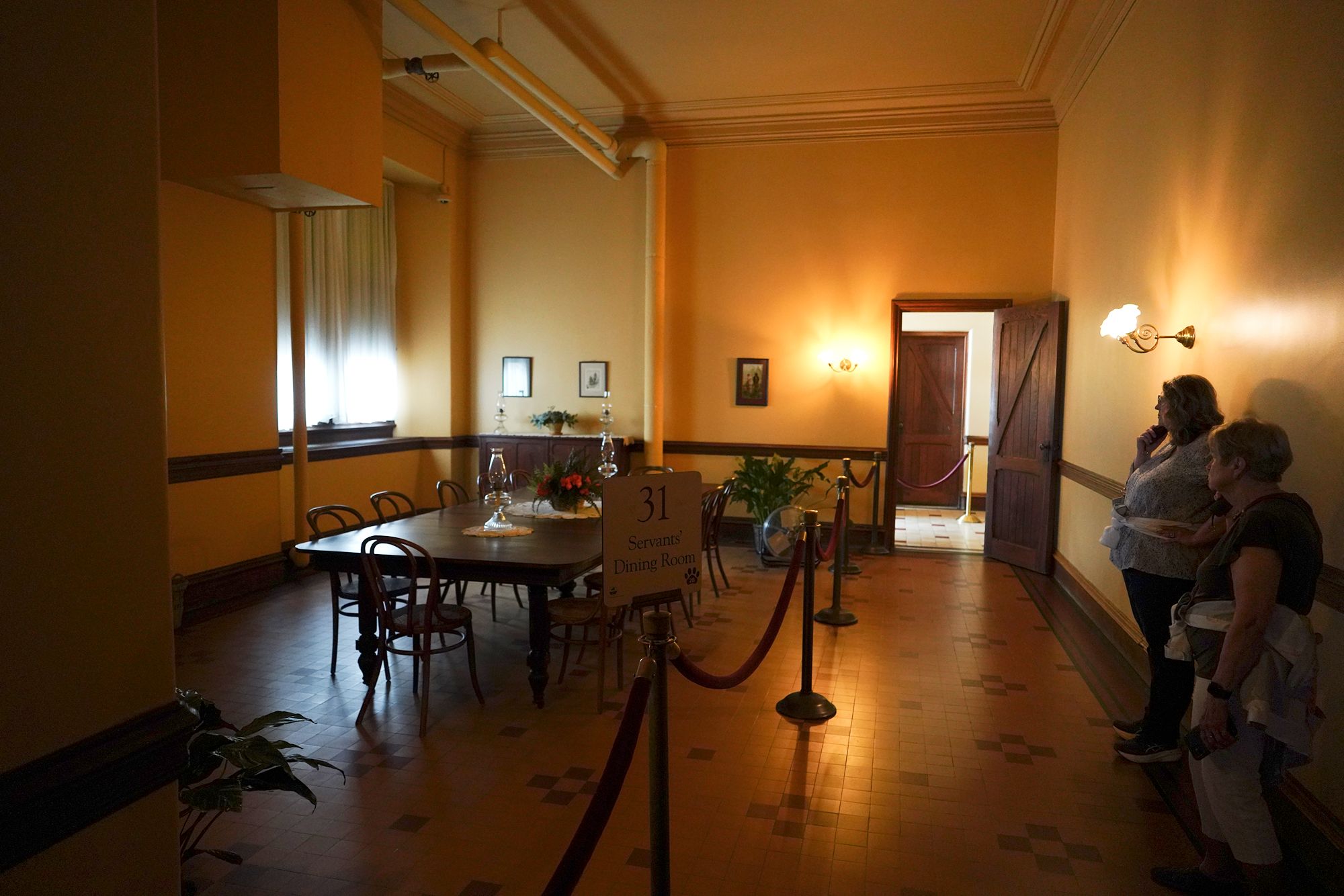
Servants’ Dining Room
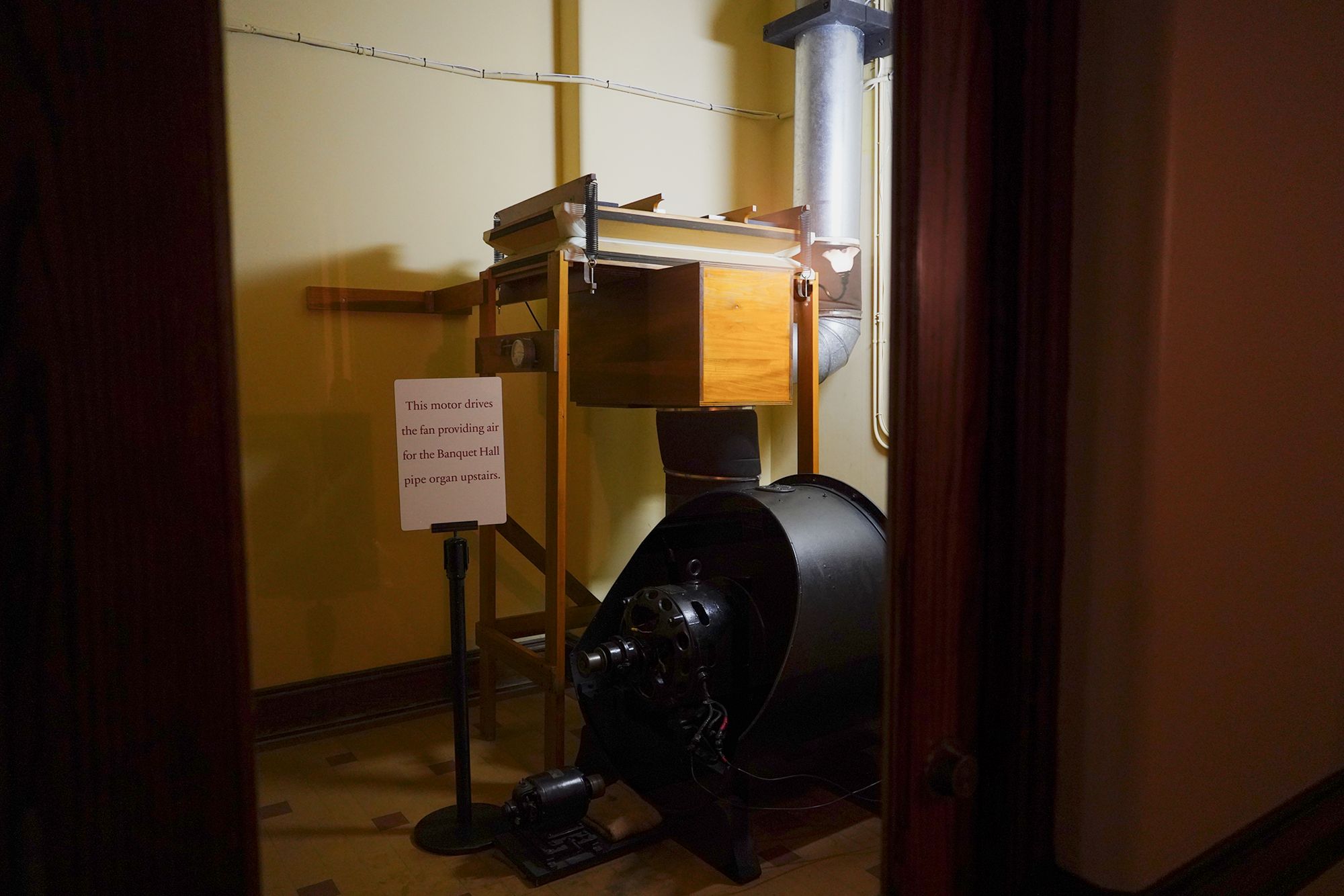
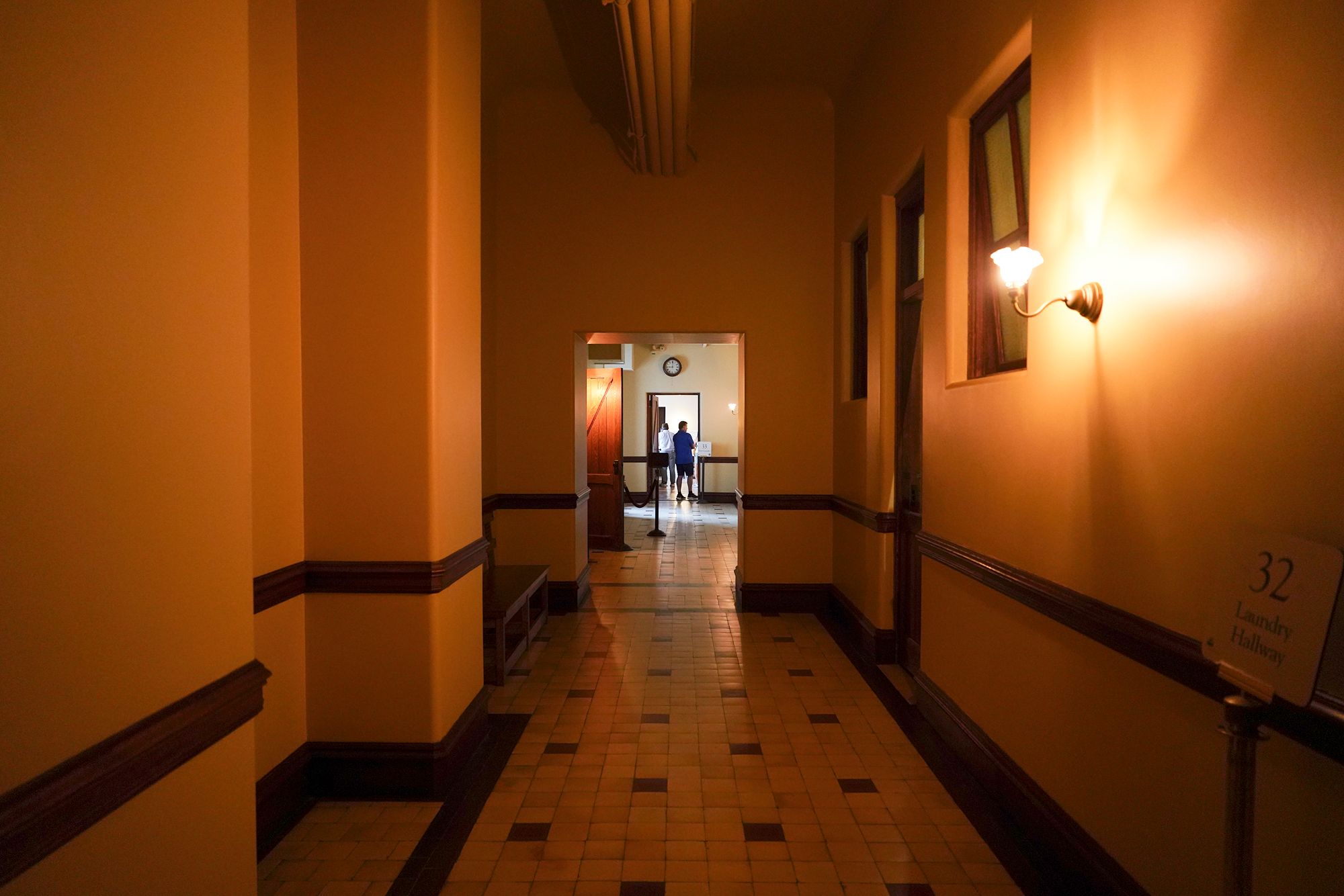
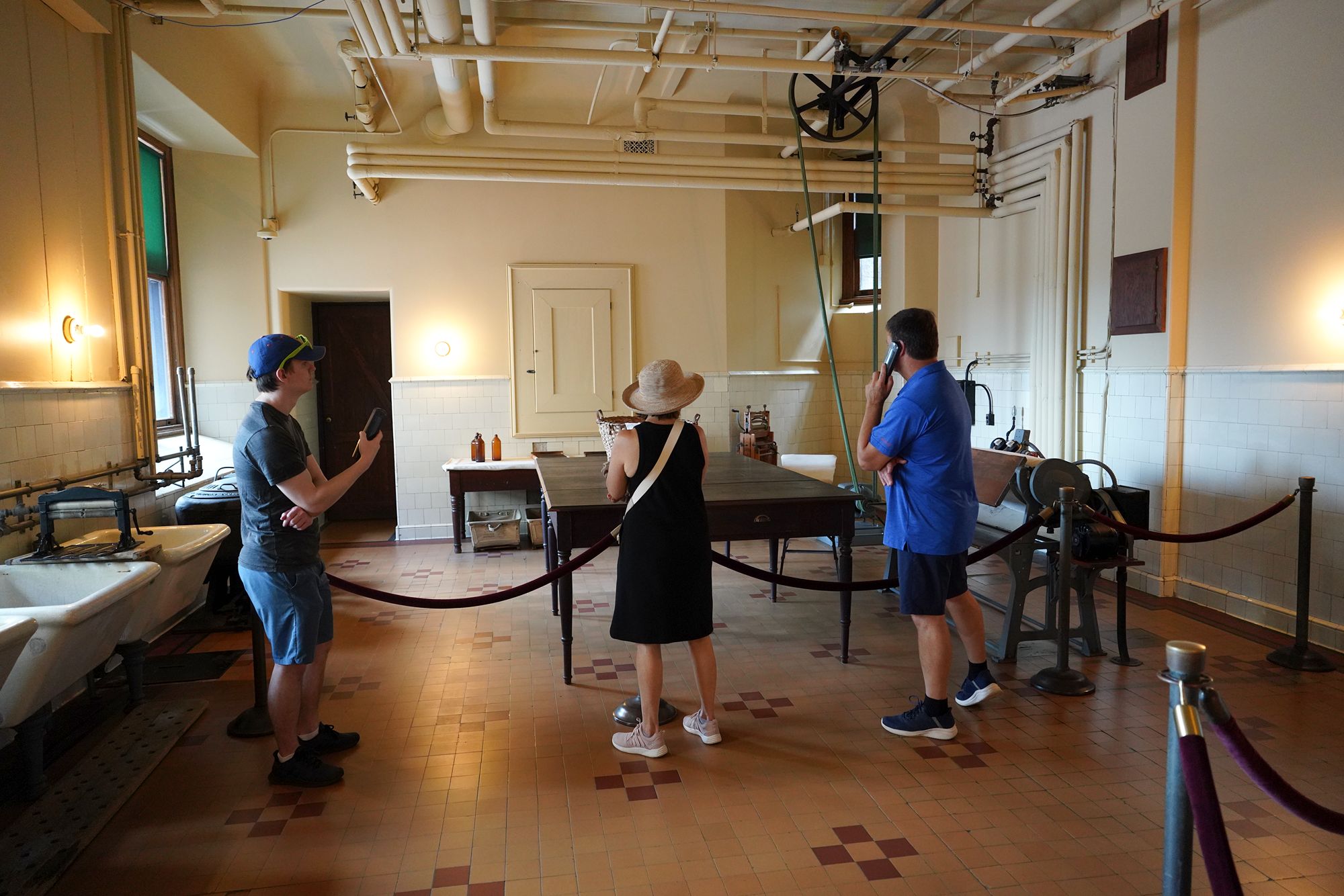
Wash Room
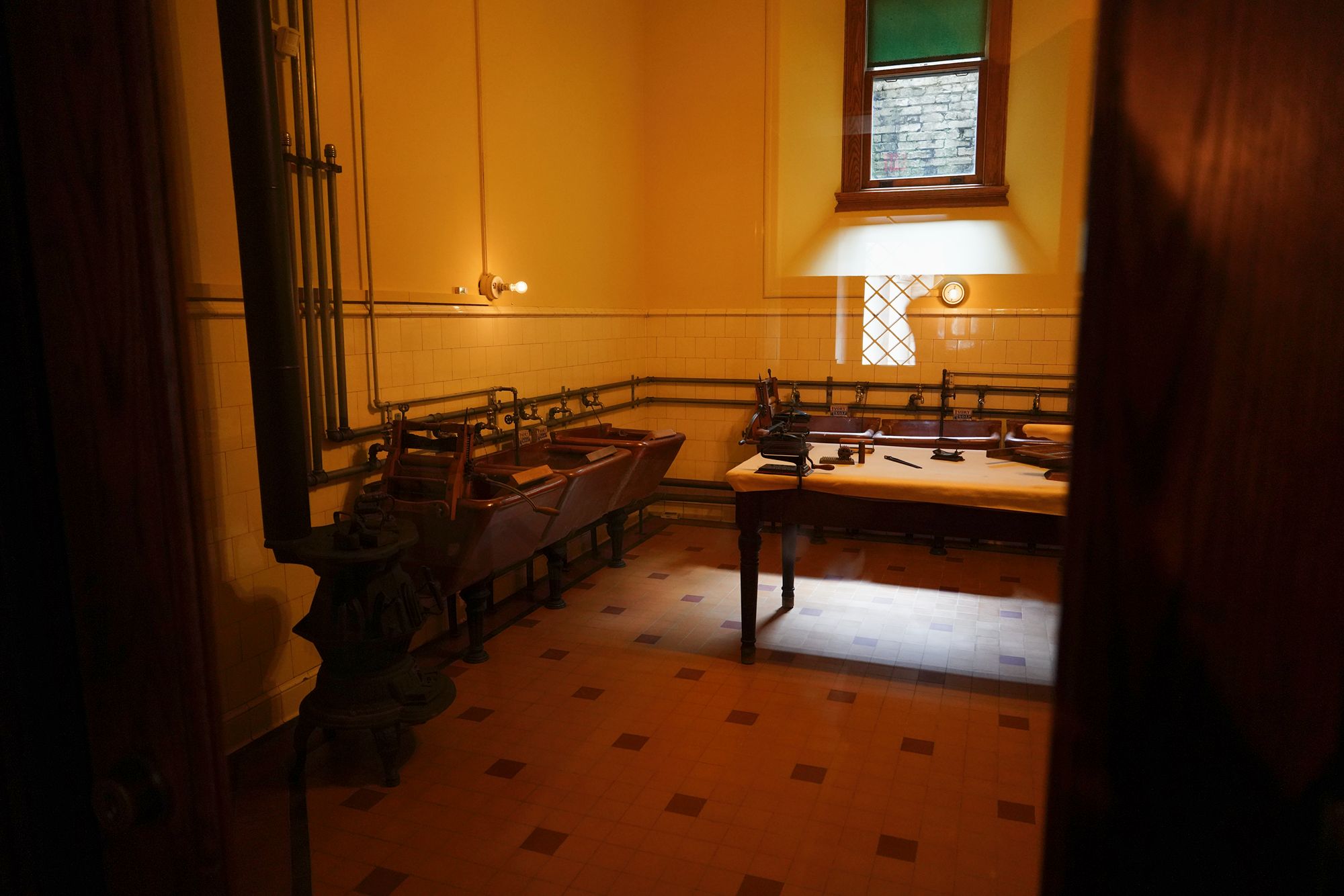
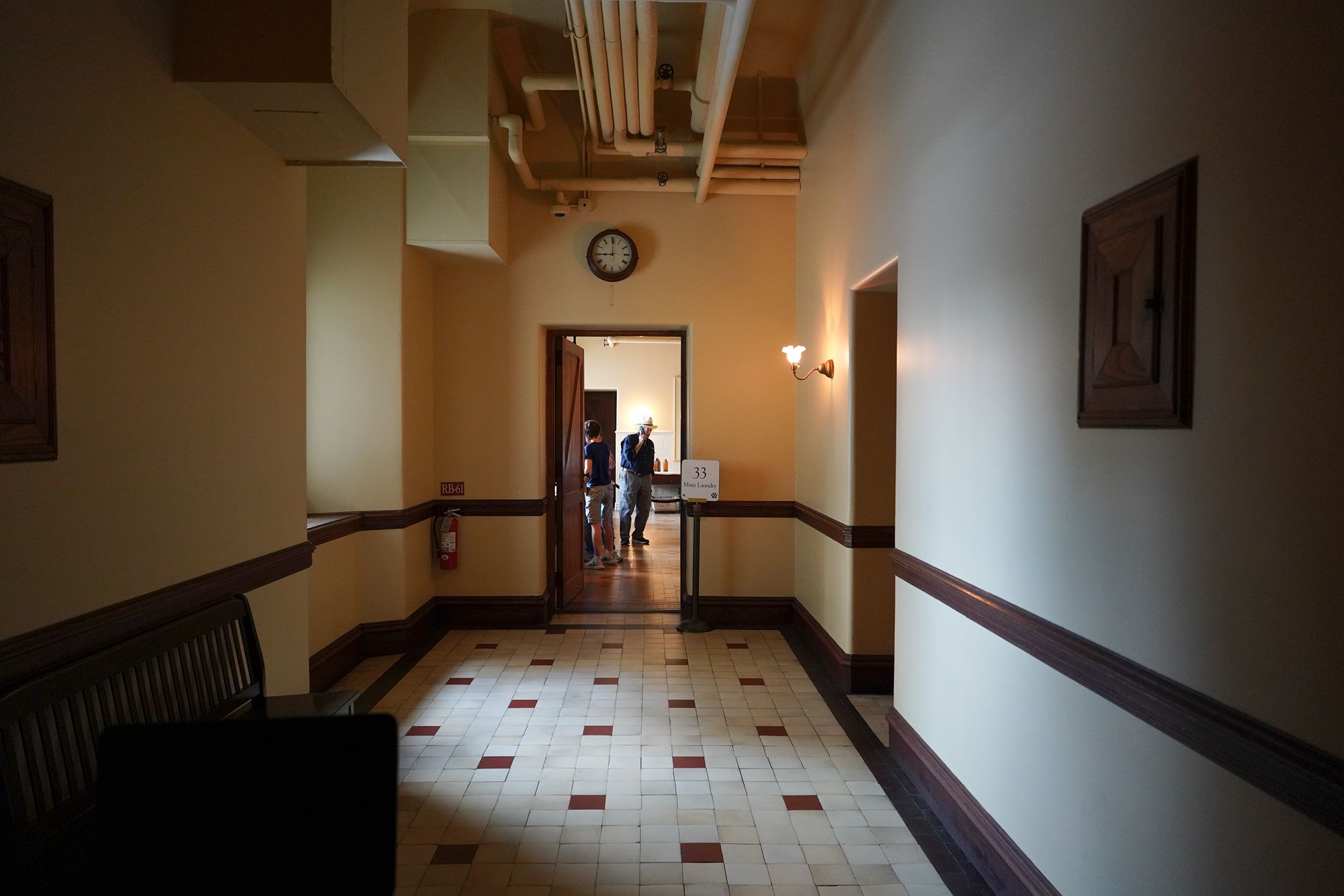
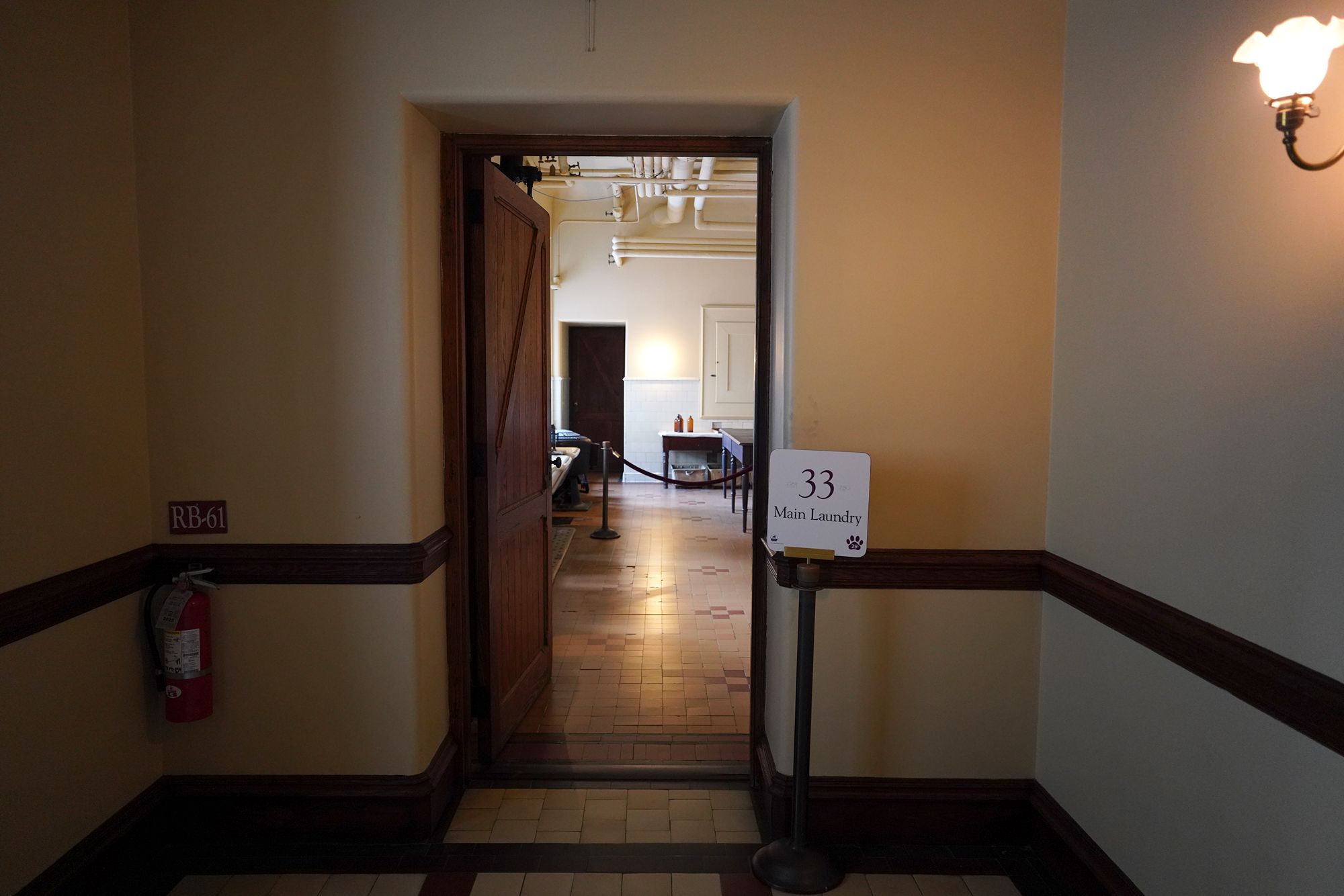
Main Laundry
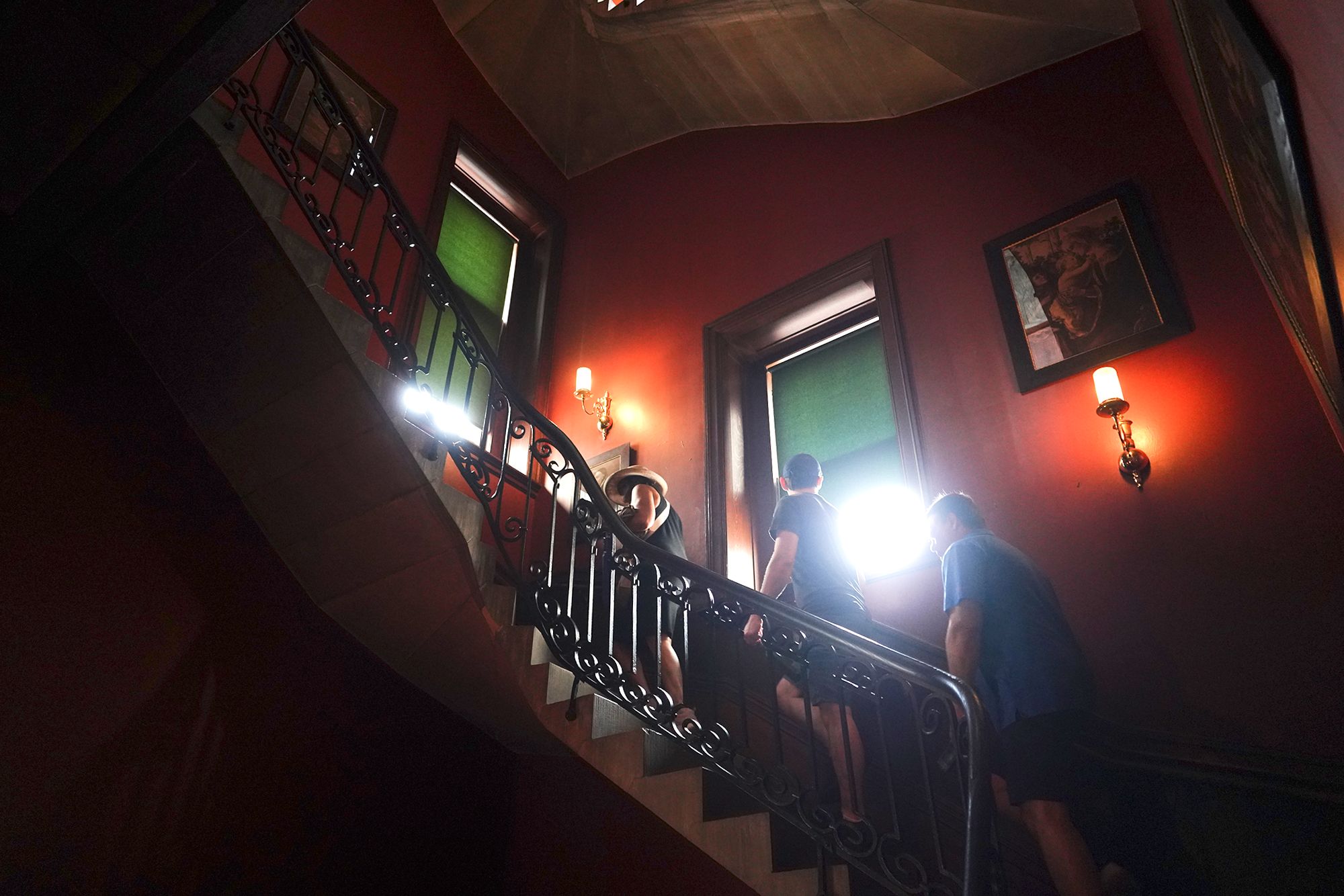
Up to the first floor
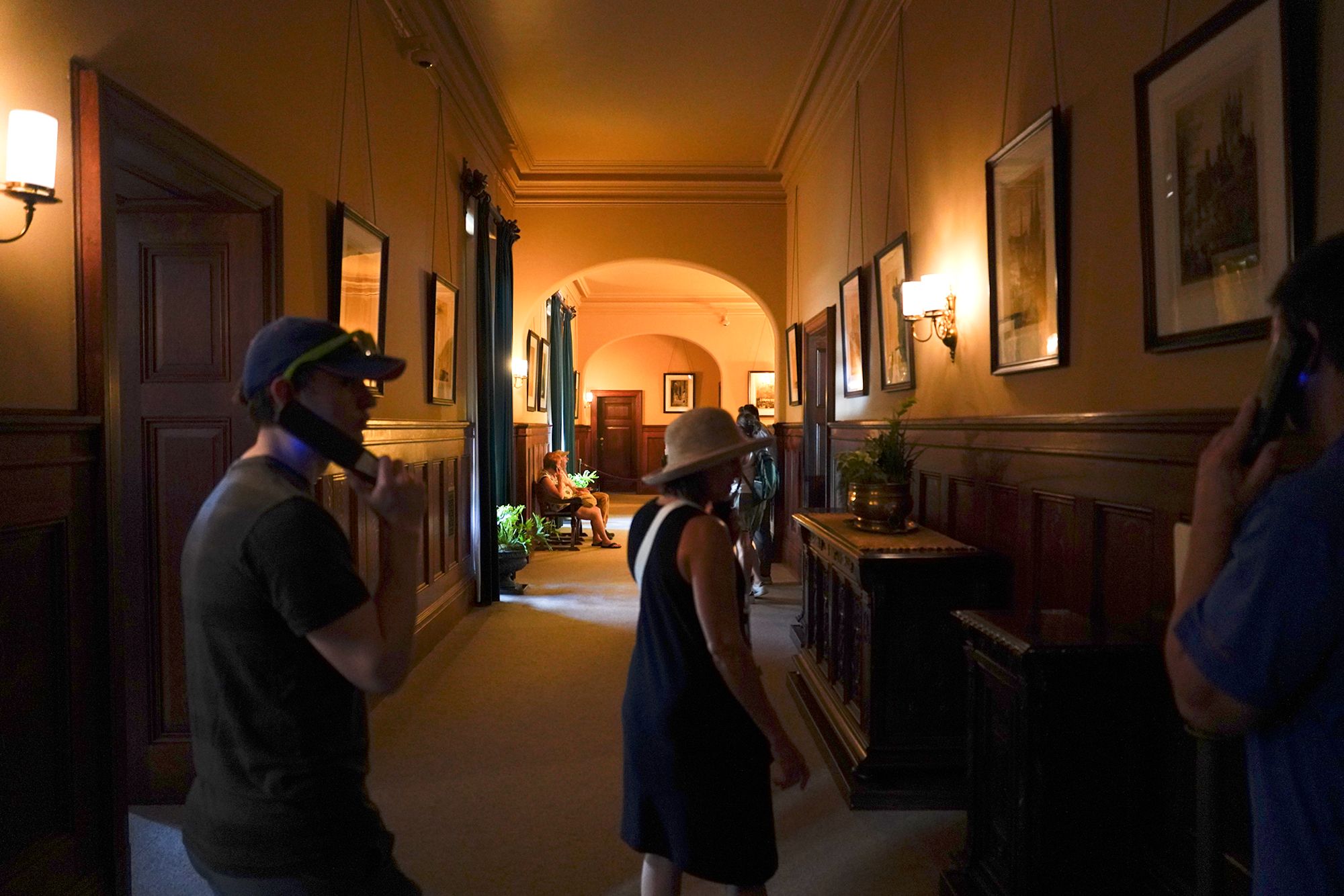
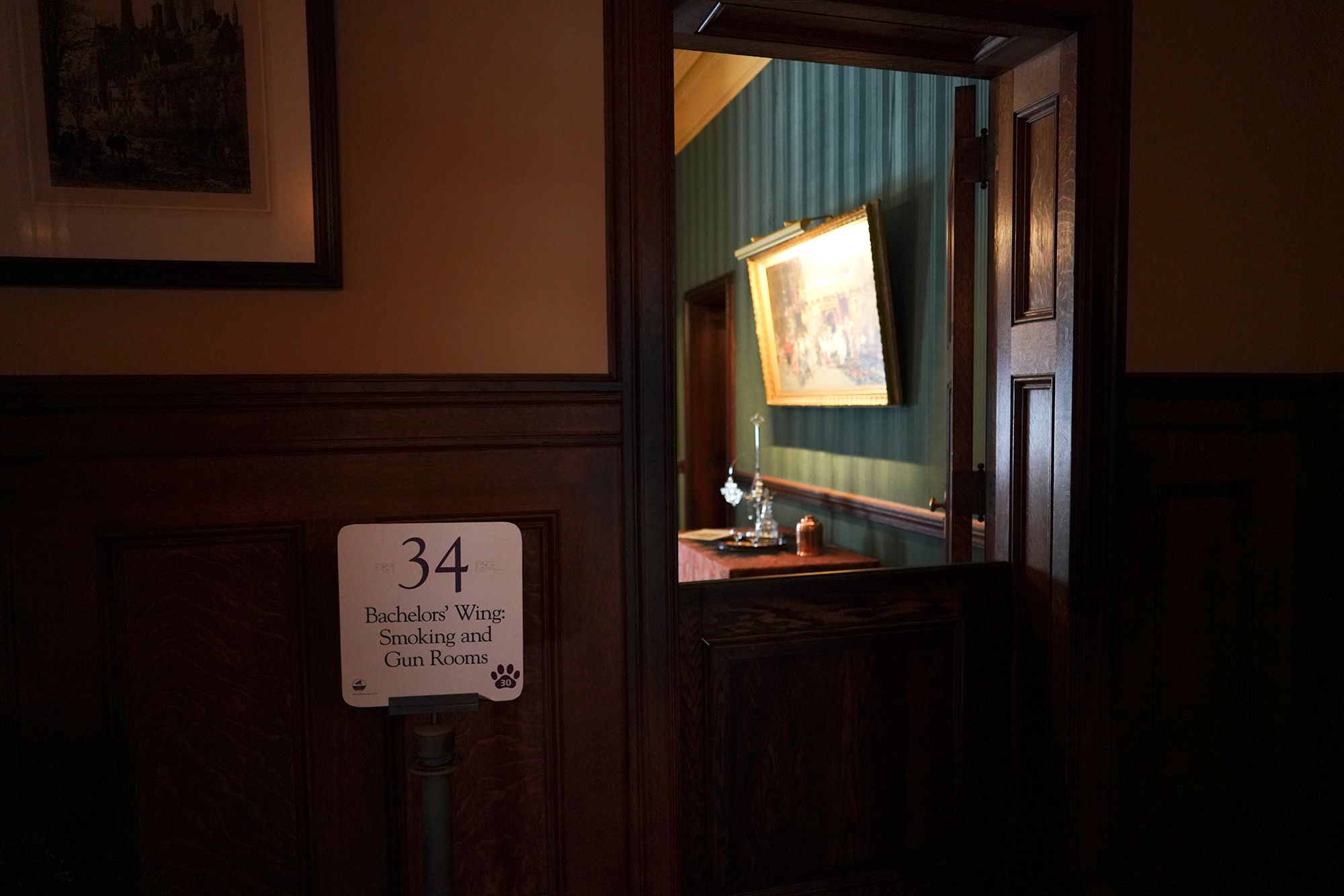
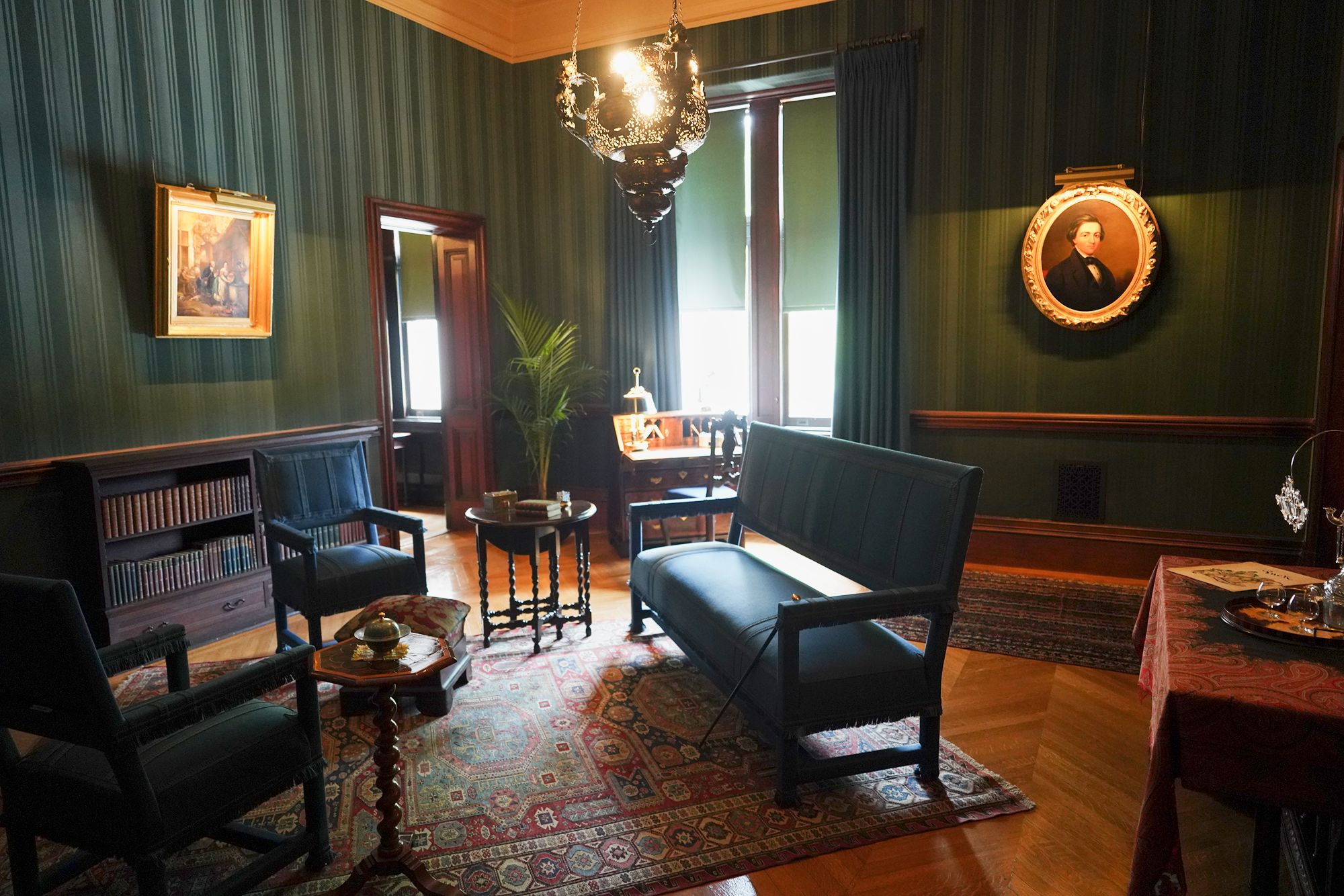
Bachelors’ Wing: Smoking and Gun Rooms
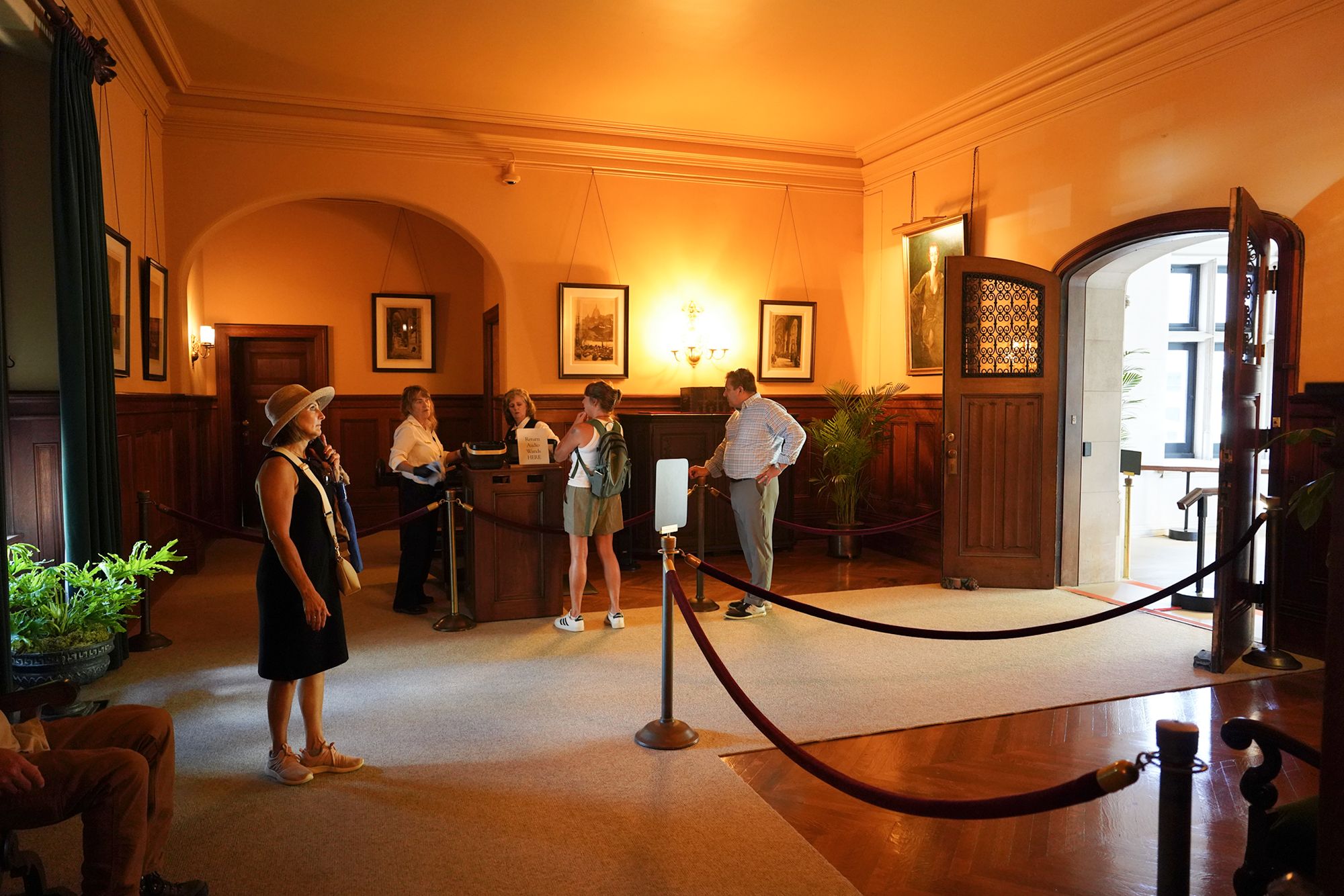
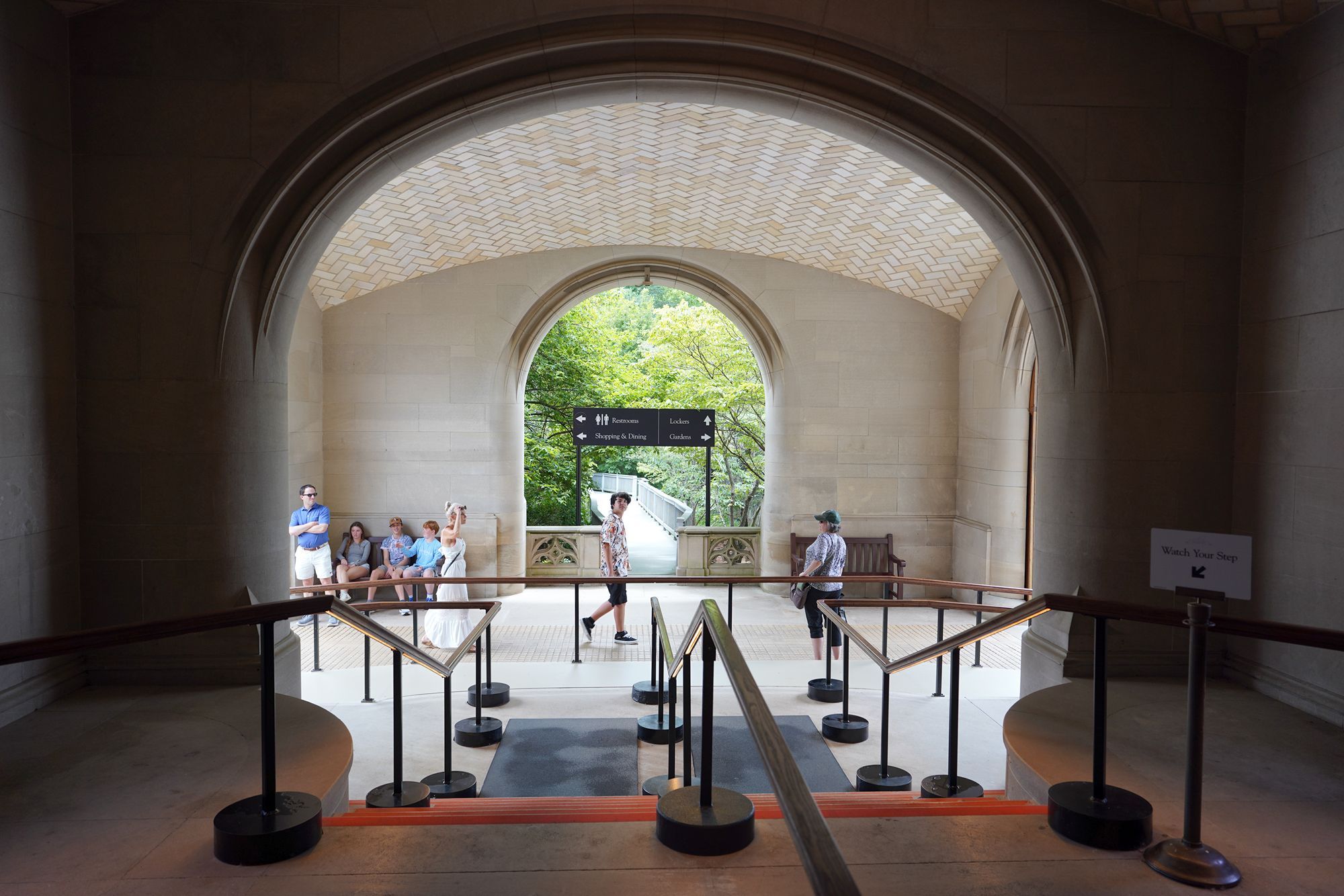
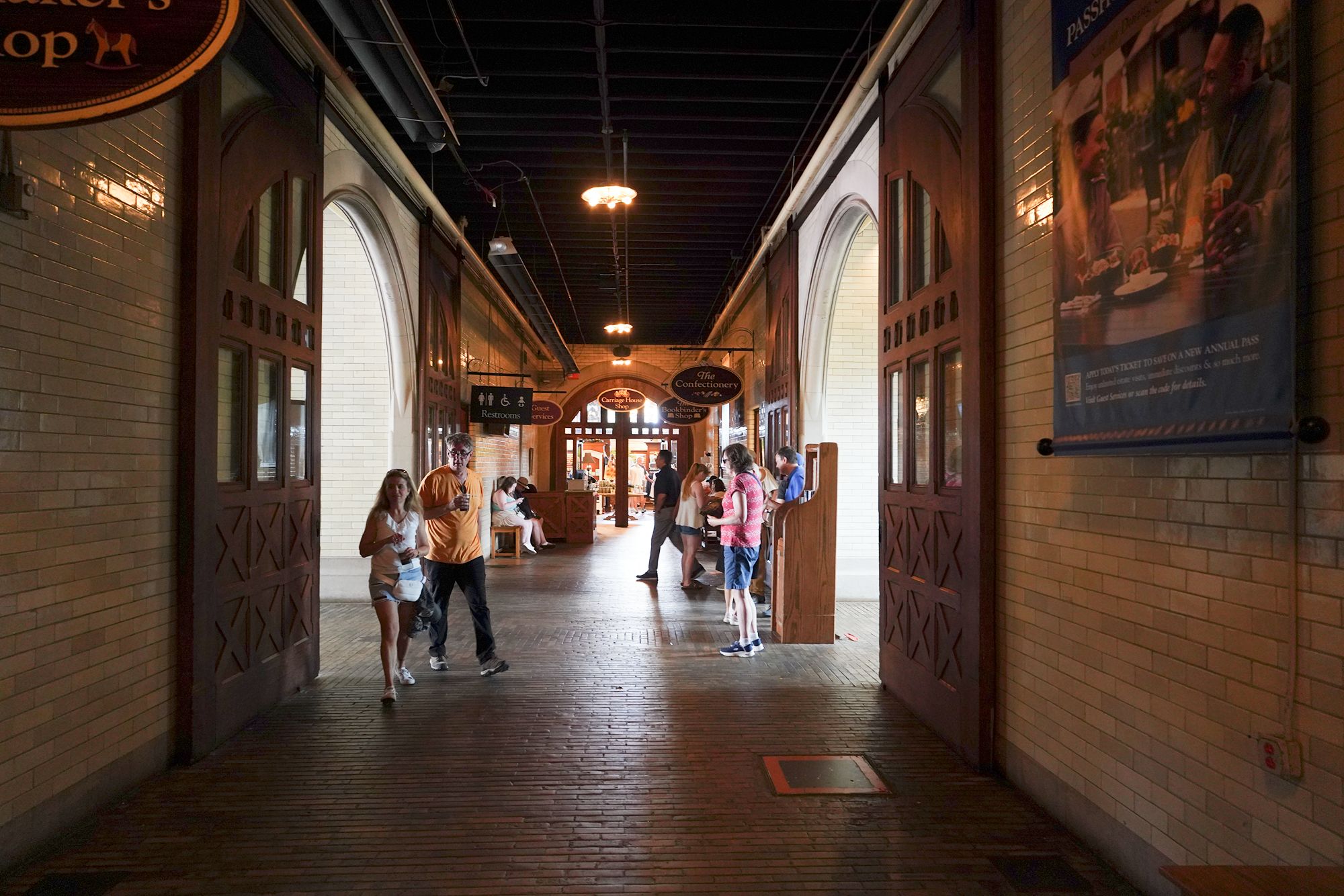
Outside the main house are side buildings that house restaurants and coffee shops.
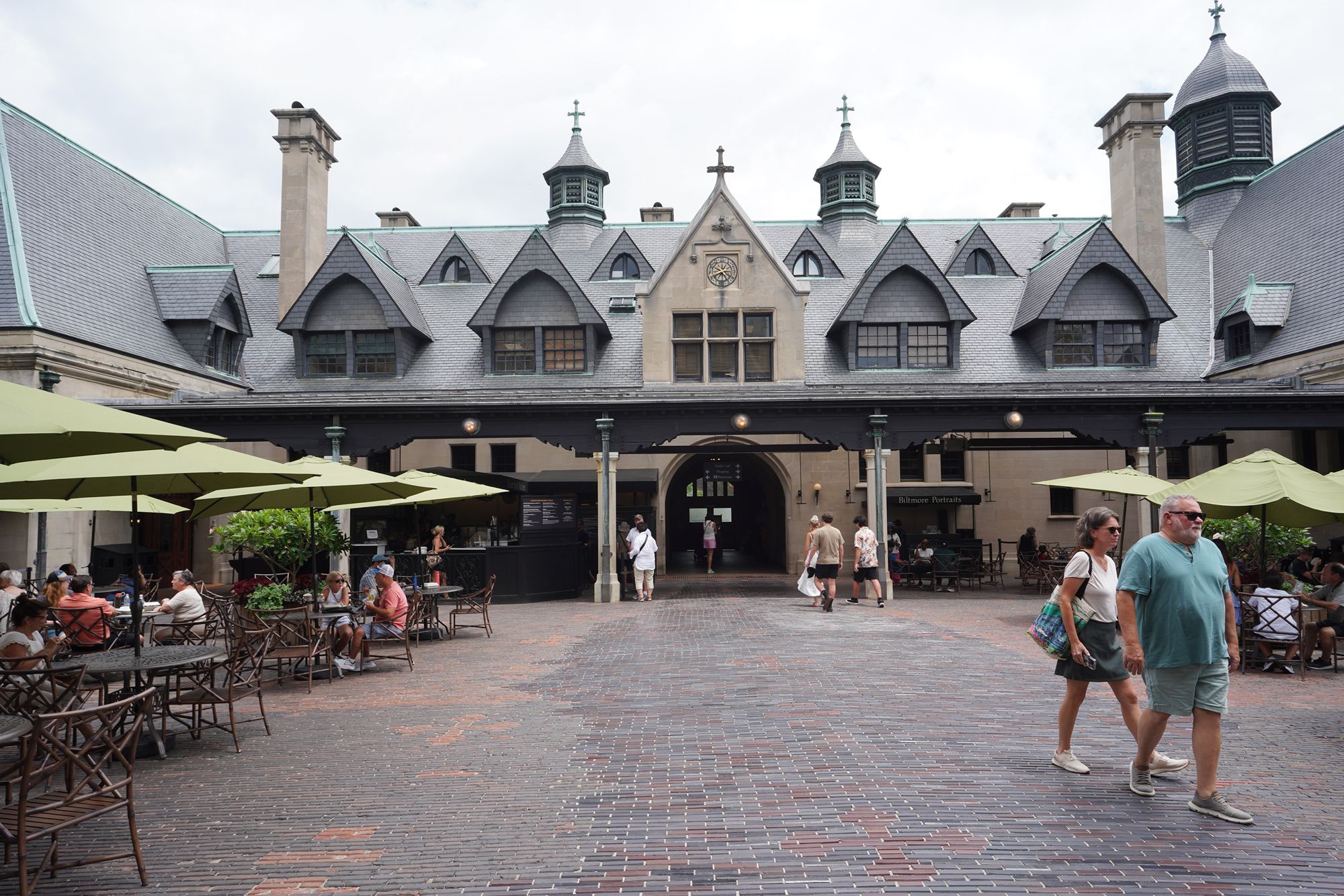
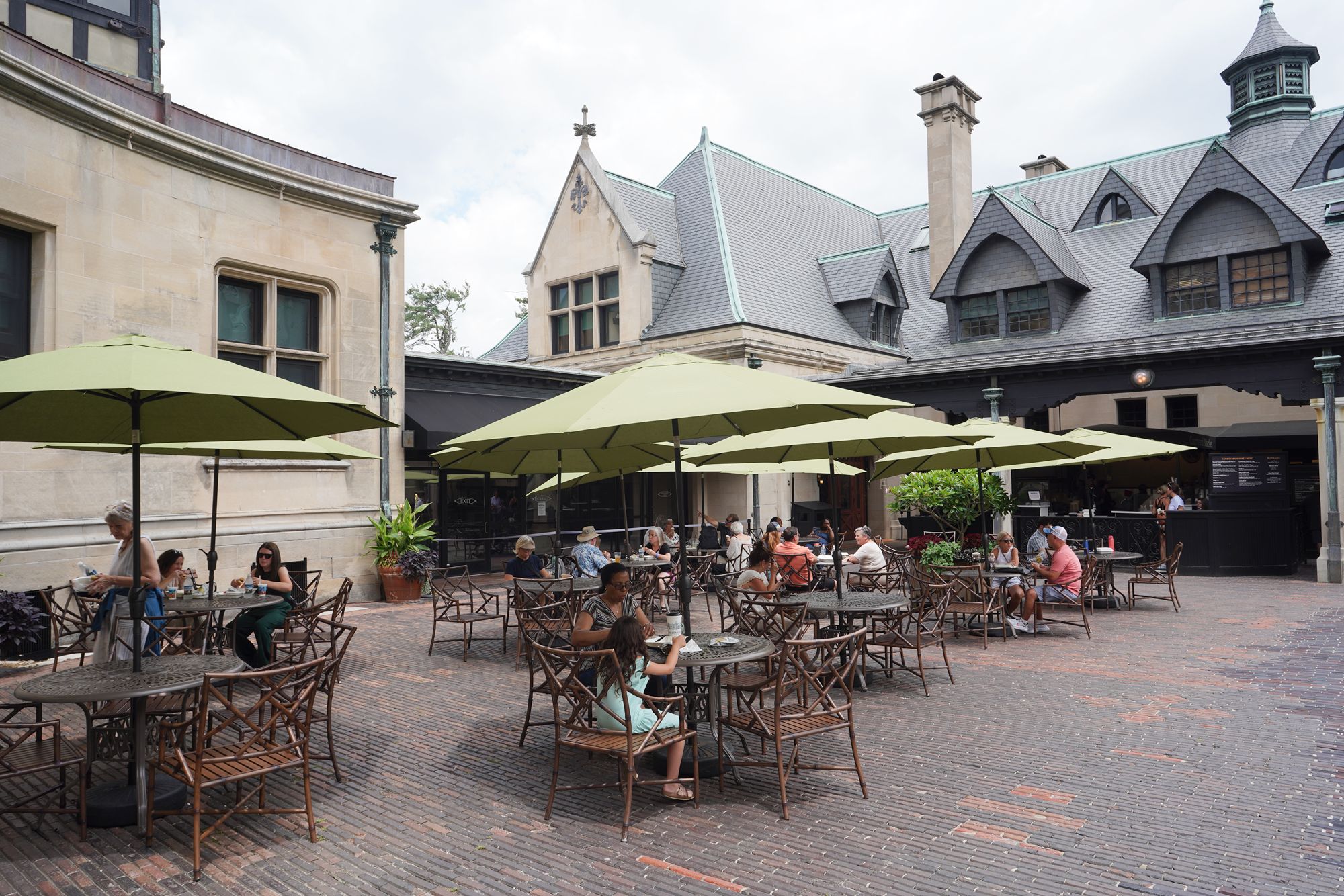
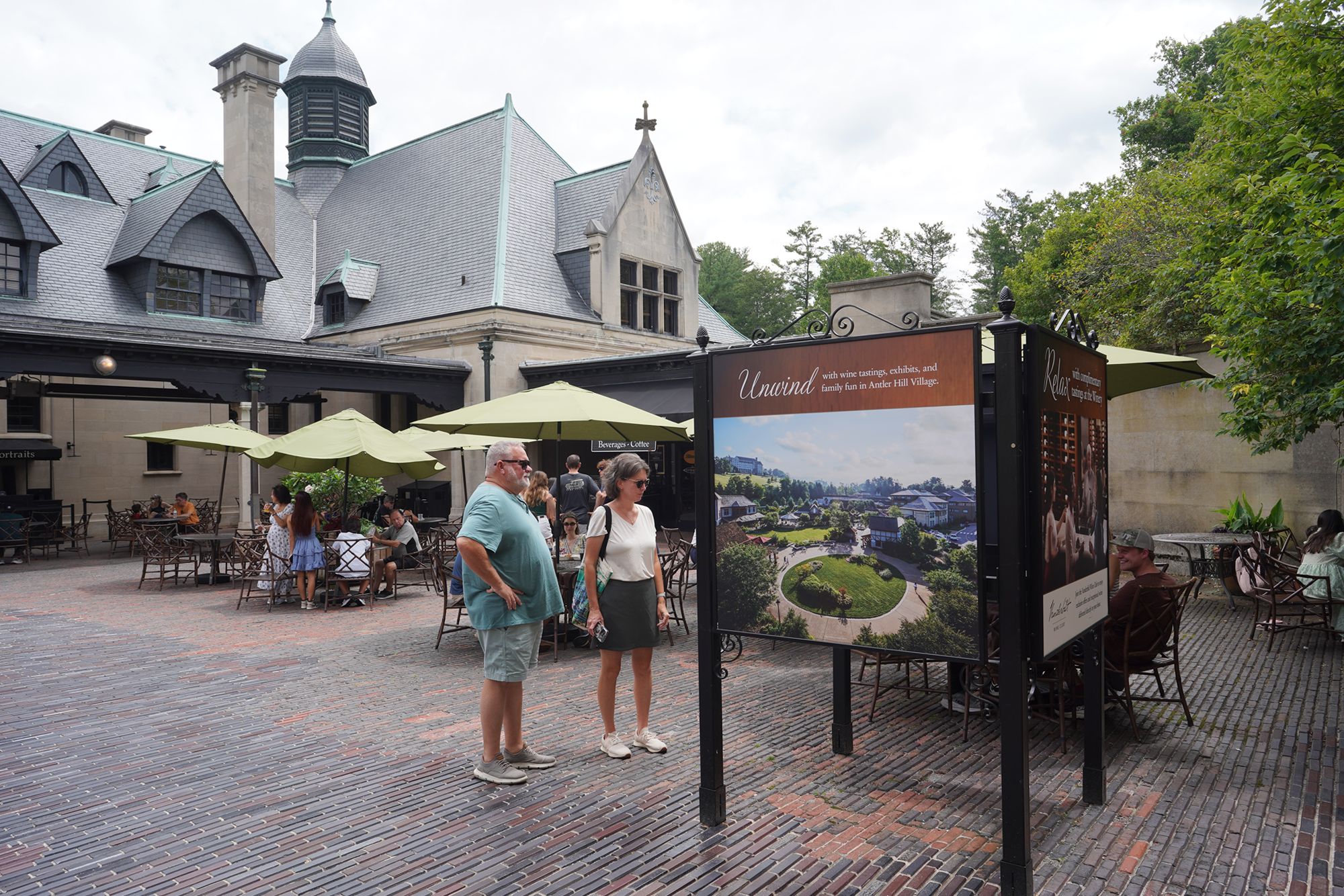
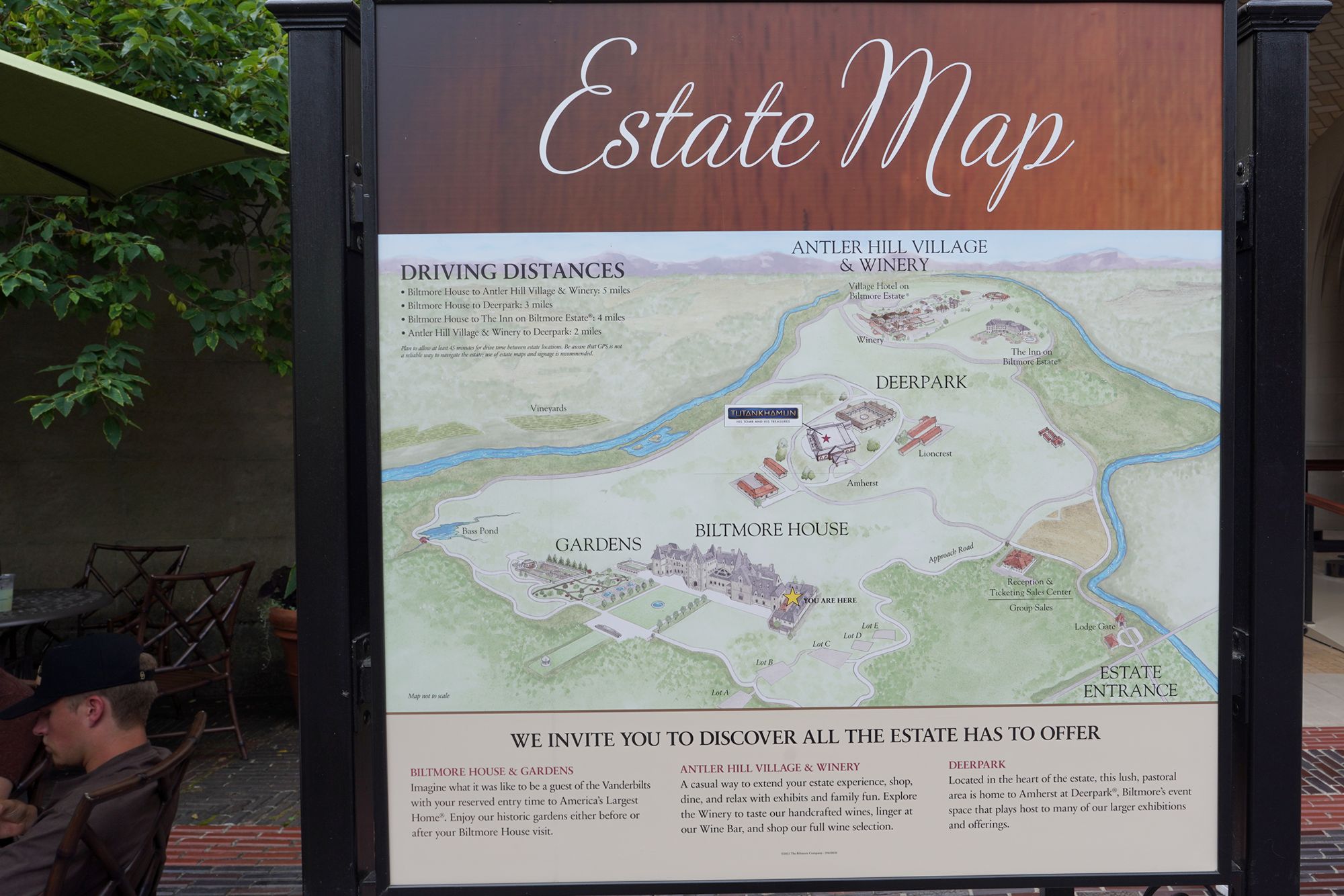
There are three main structures in the Estate: Biltmore House with Gardens, Deer Park with Buildings and Antler Hill Village.
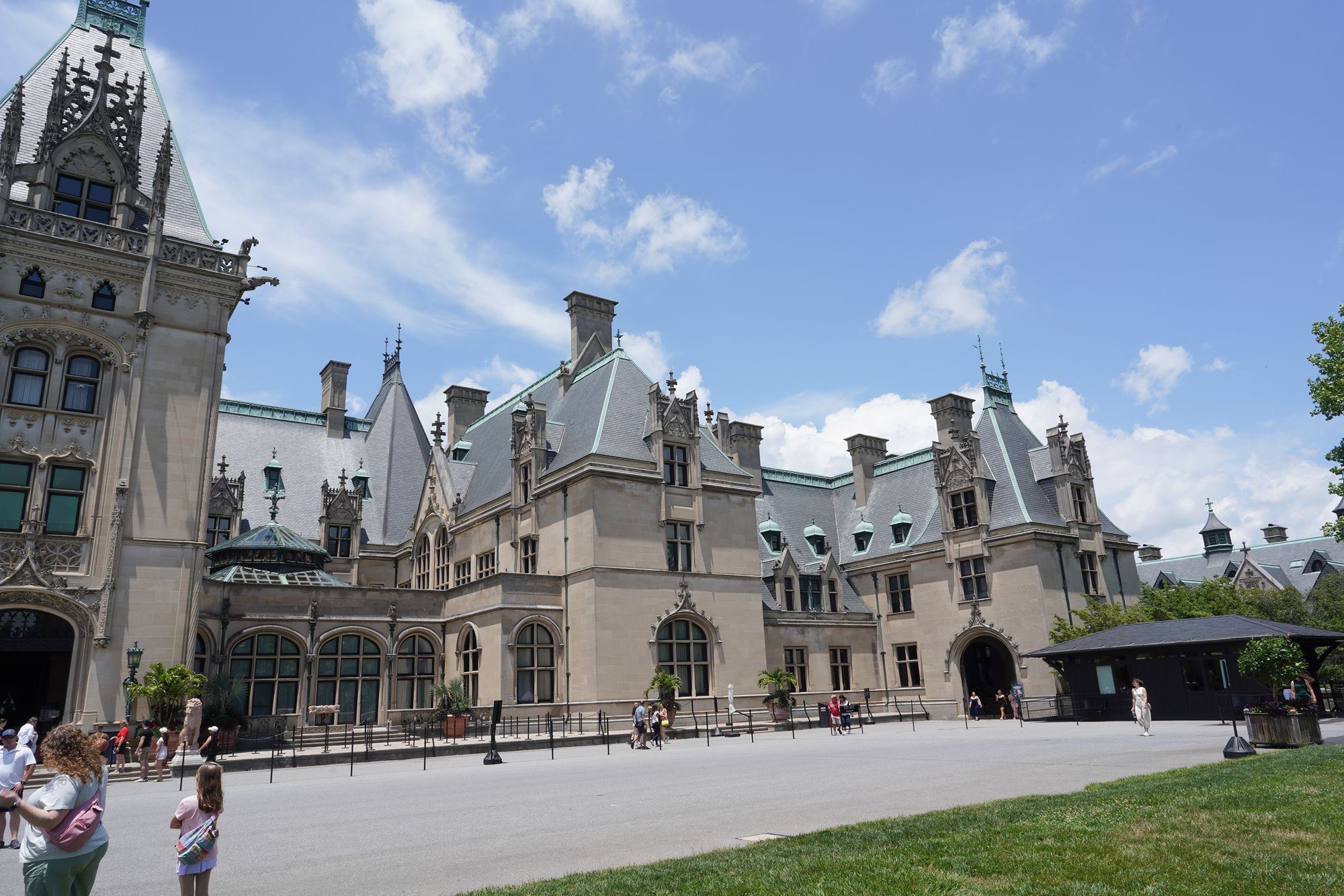
Walking toward the garden
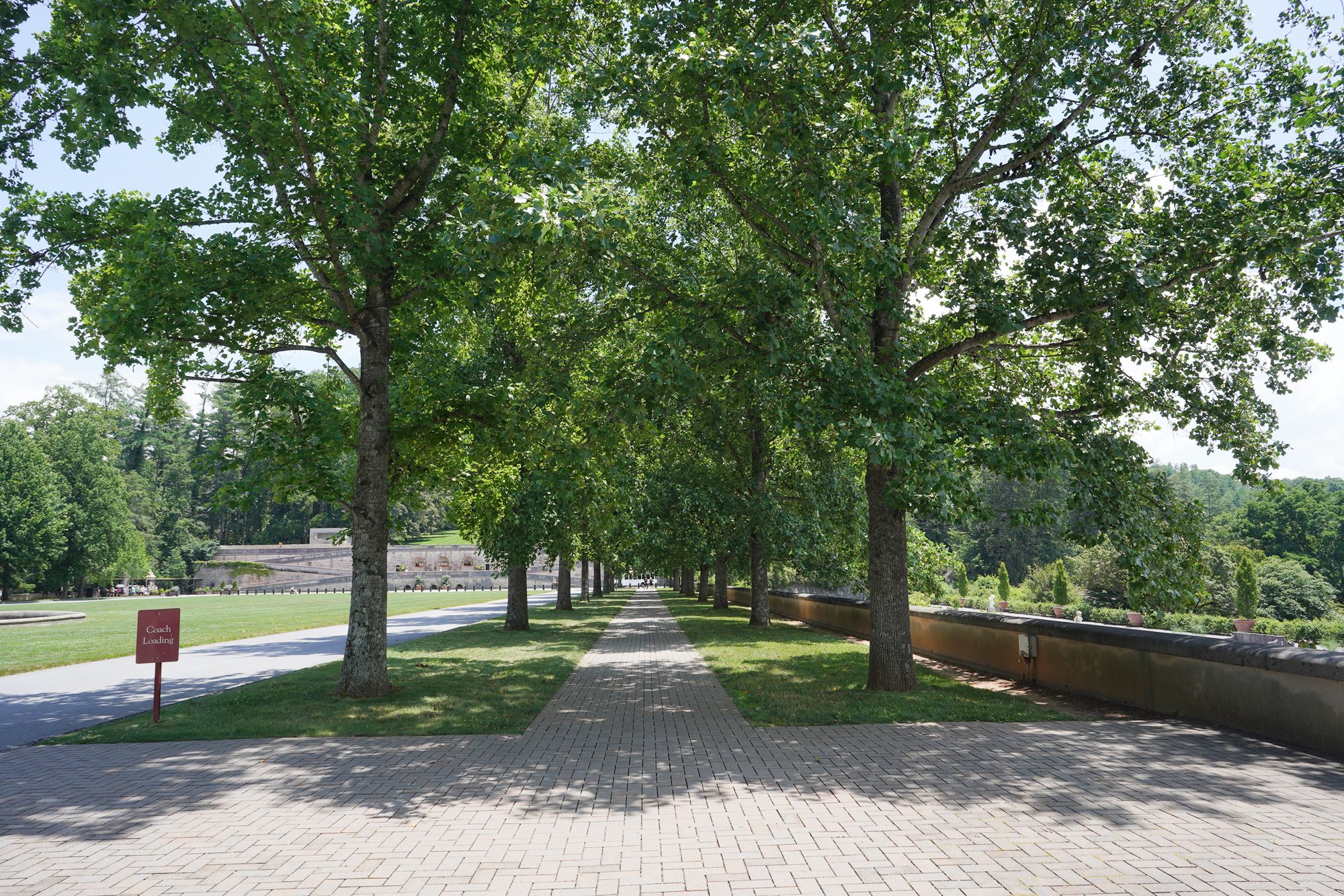
These gardens are just next to the house
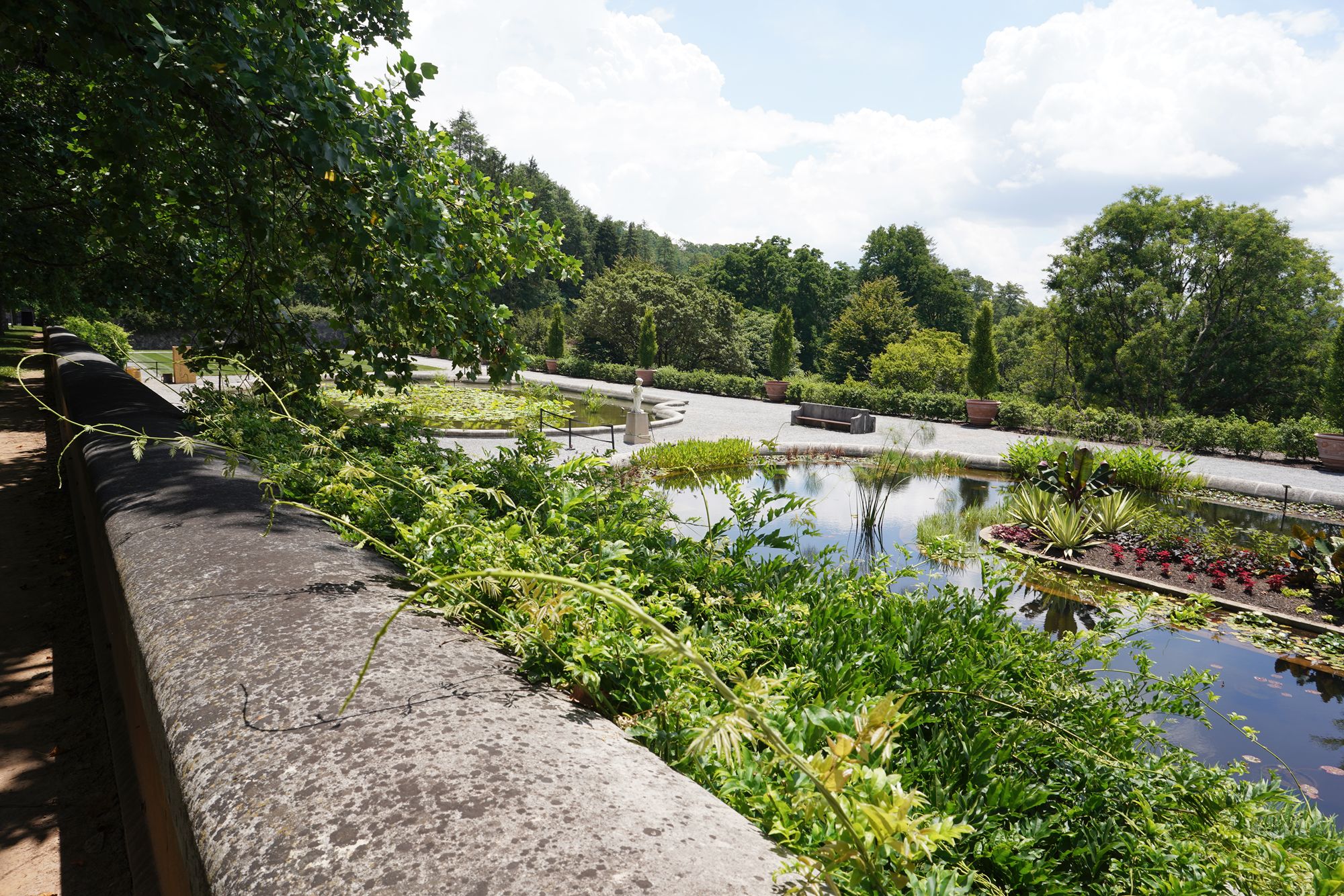
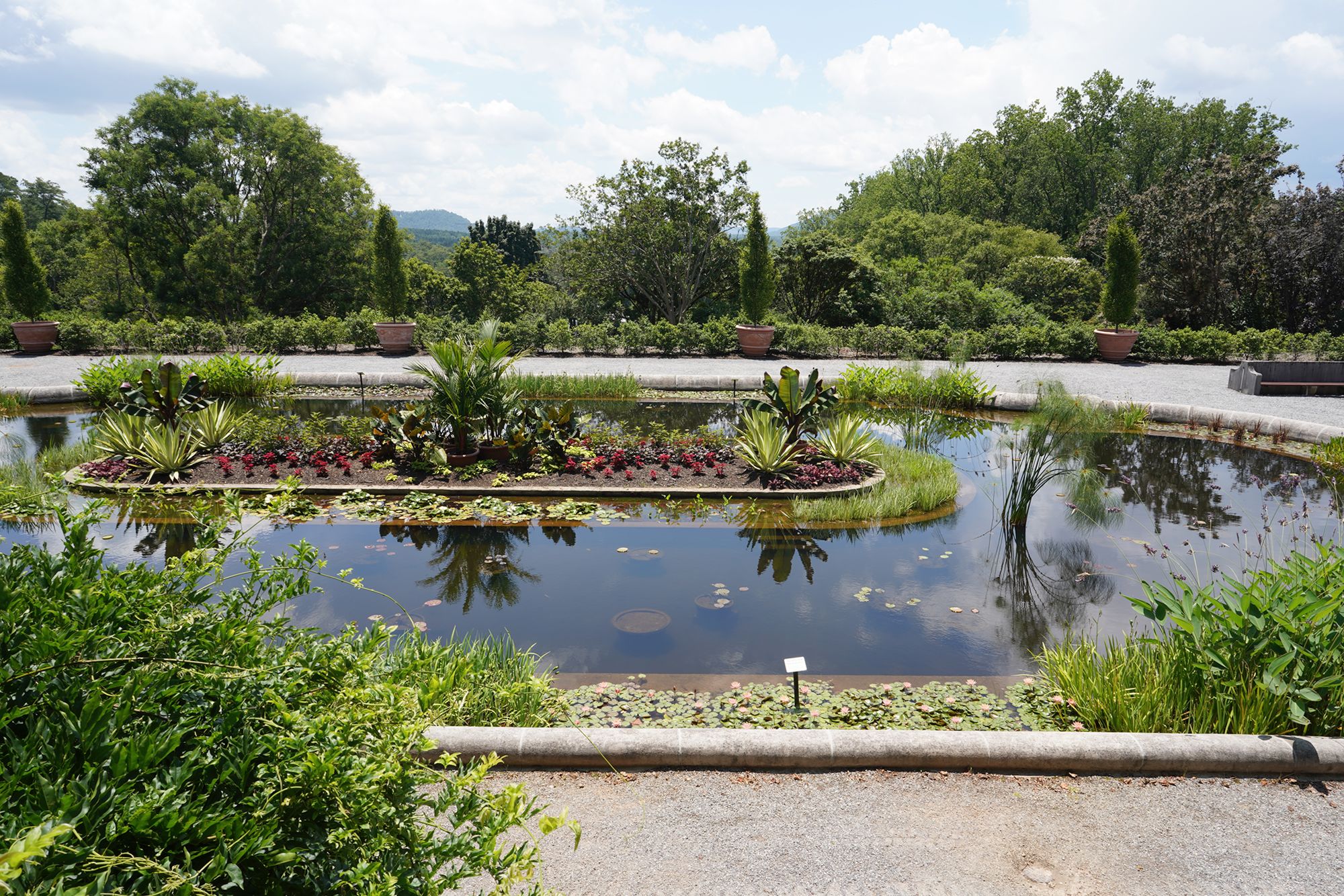
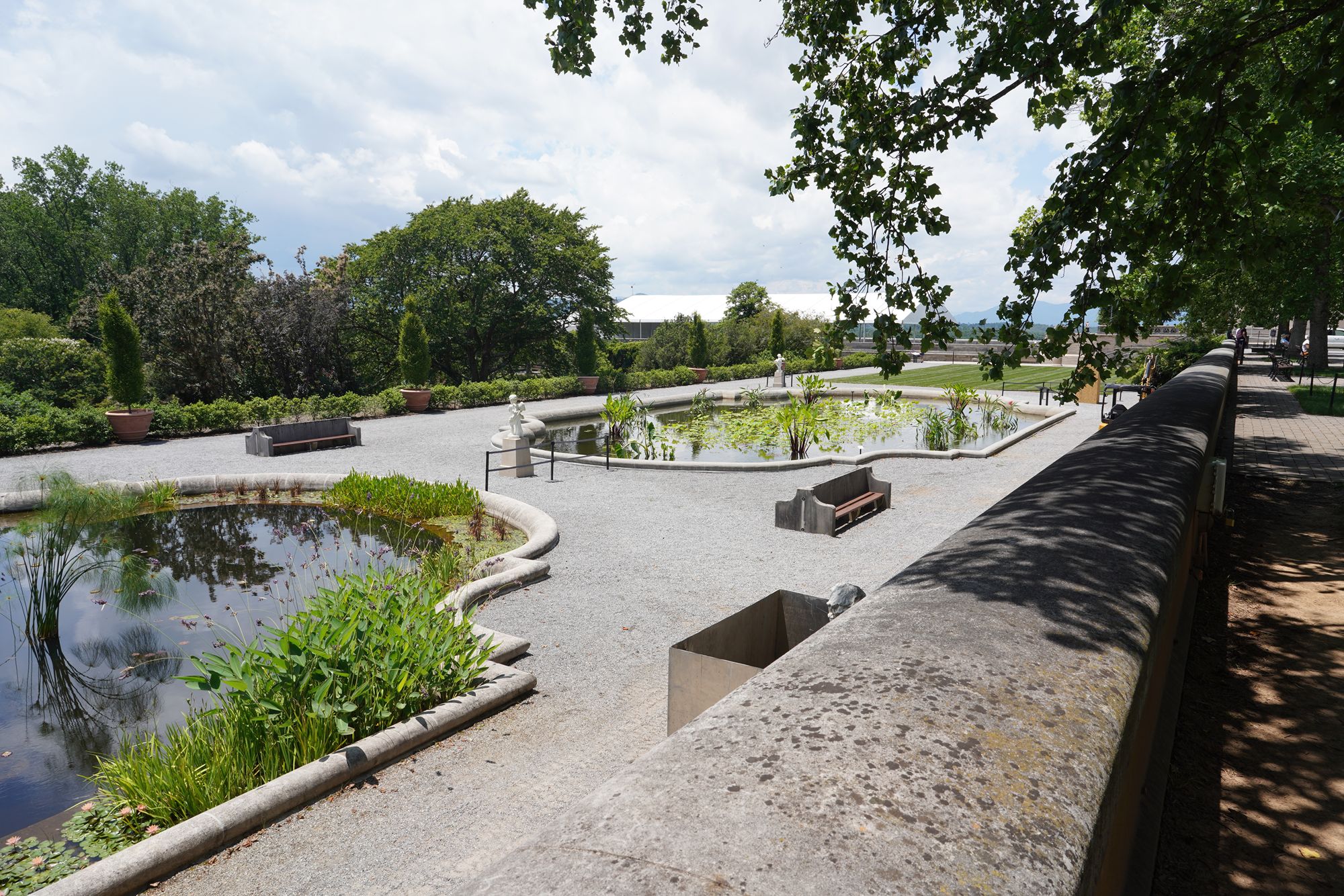
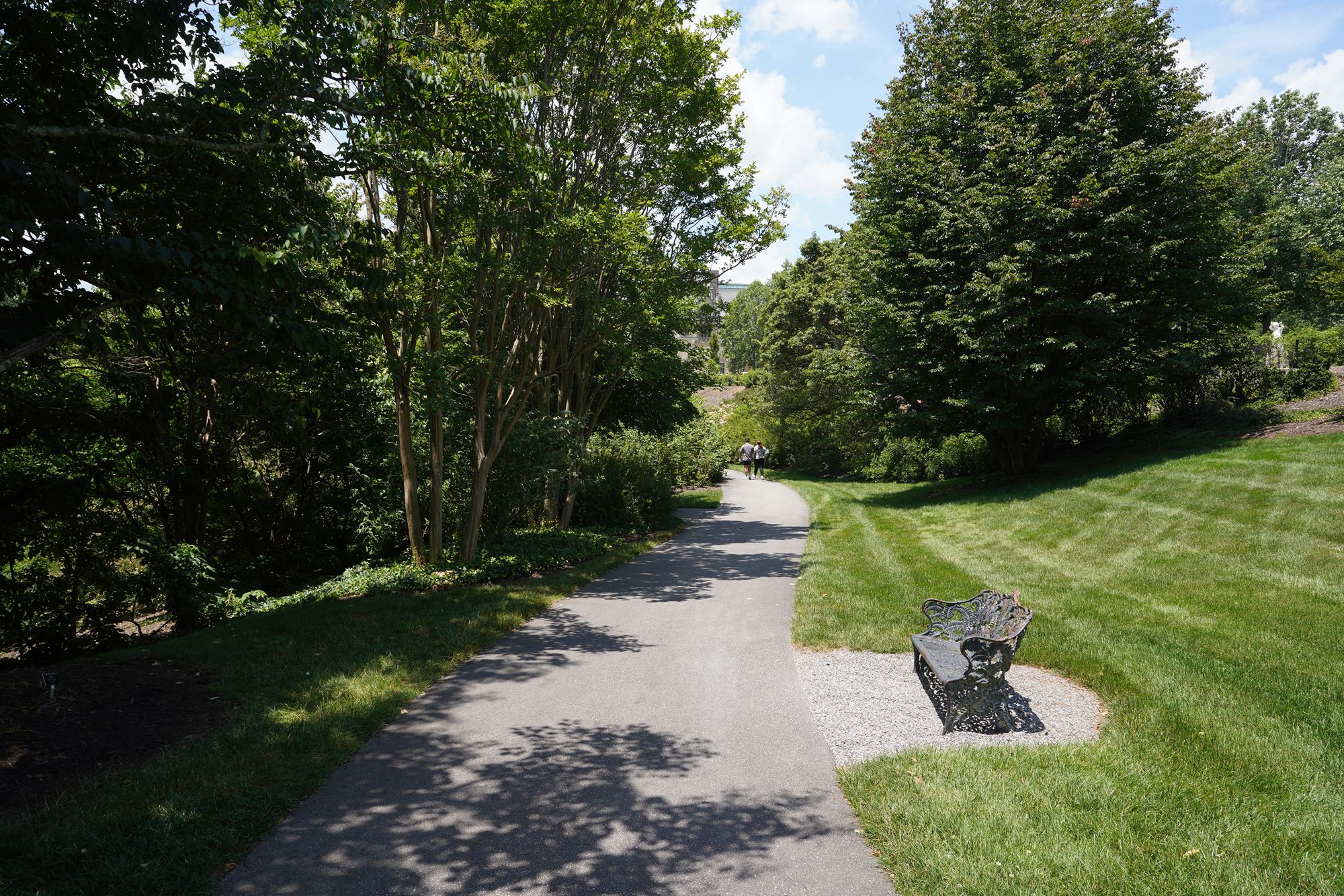
But the larger garden is a bit away
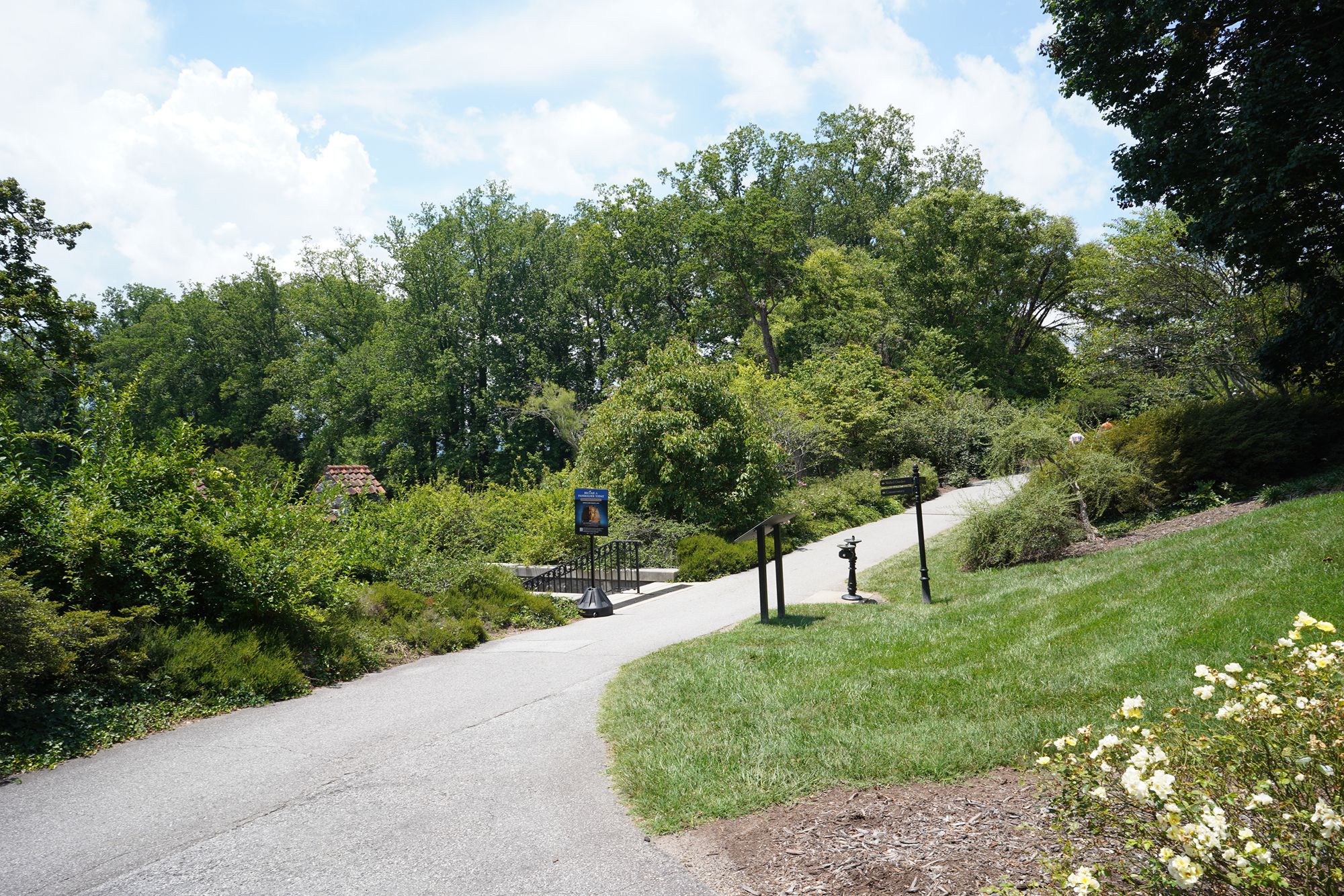
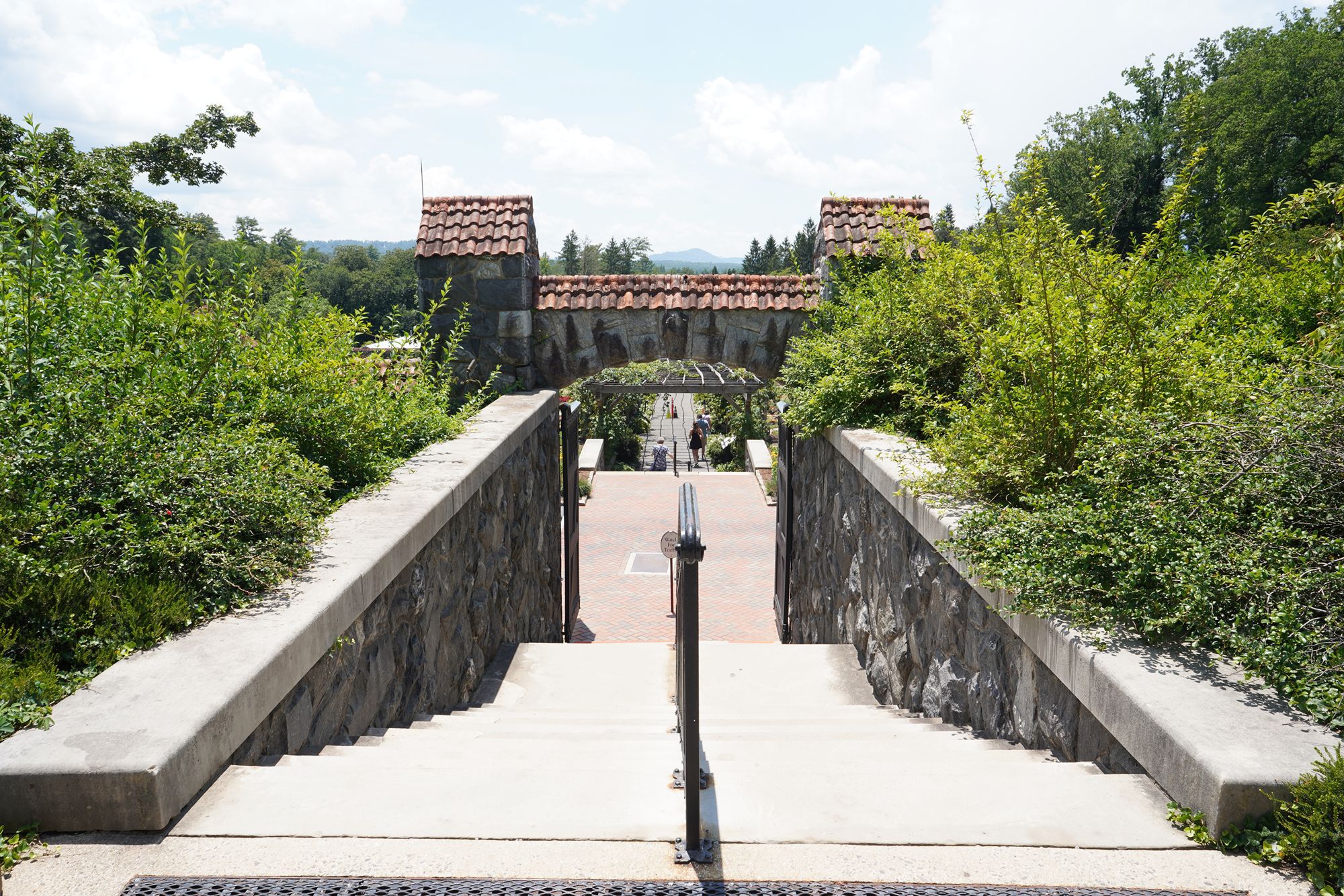
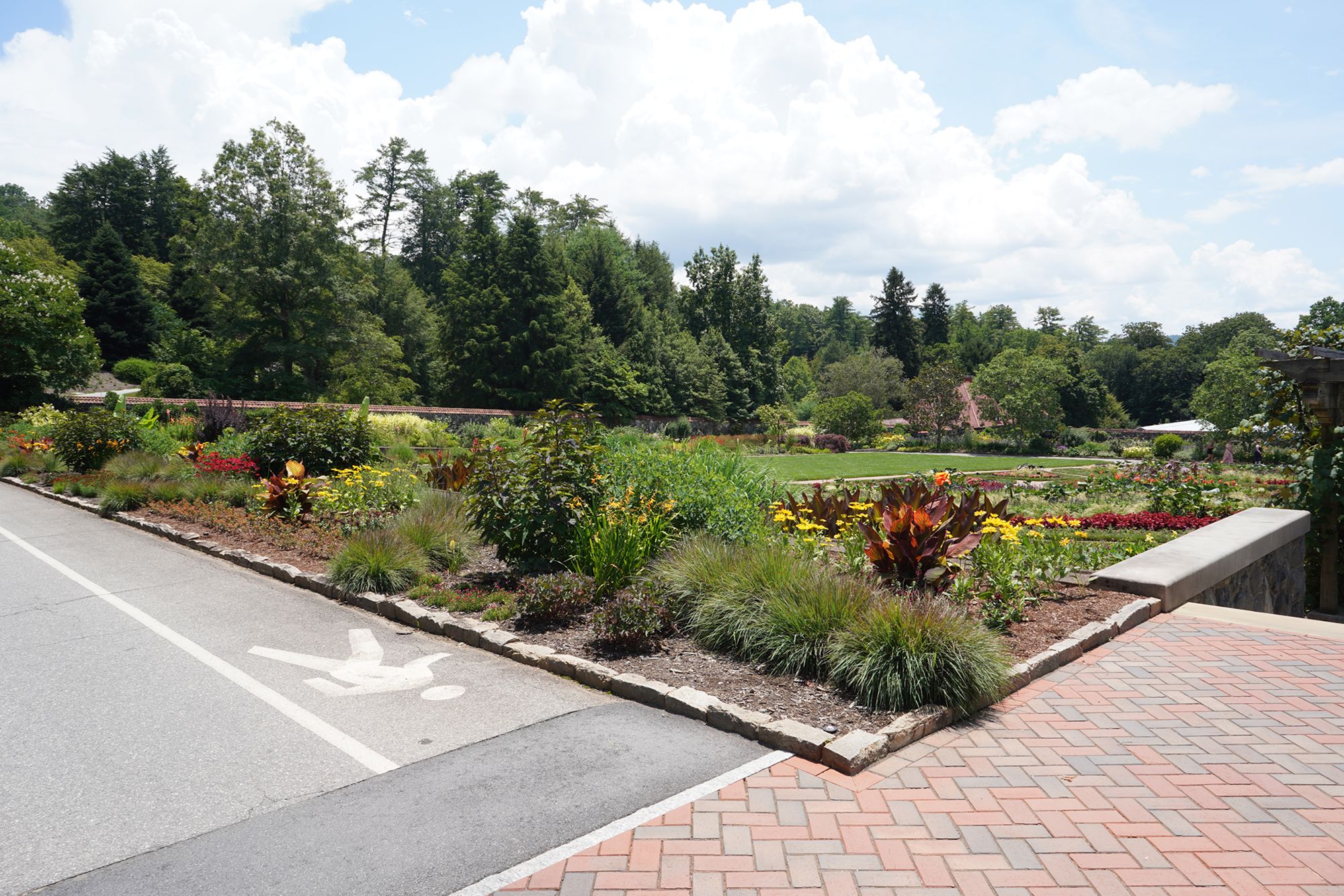
The garden
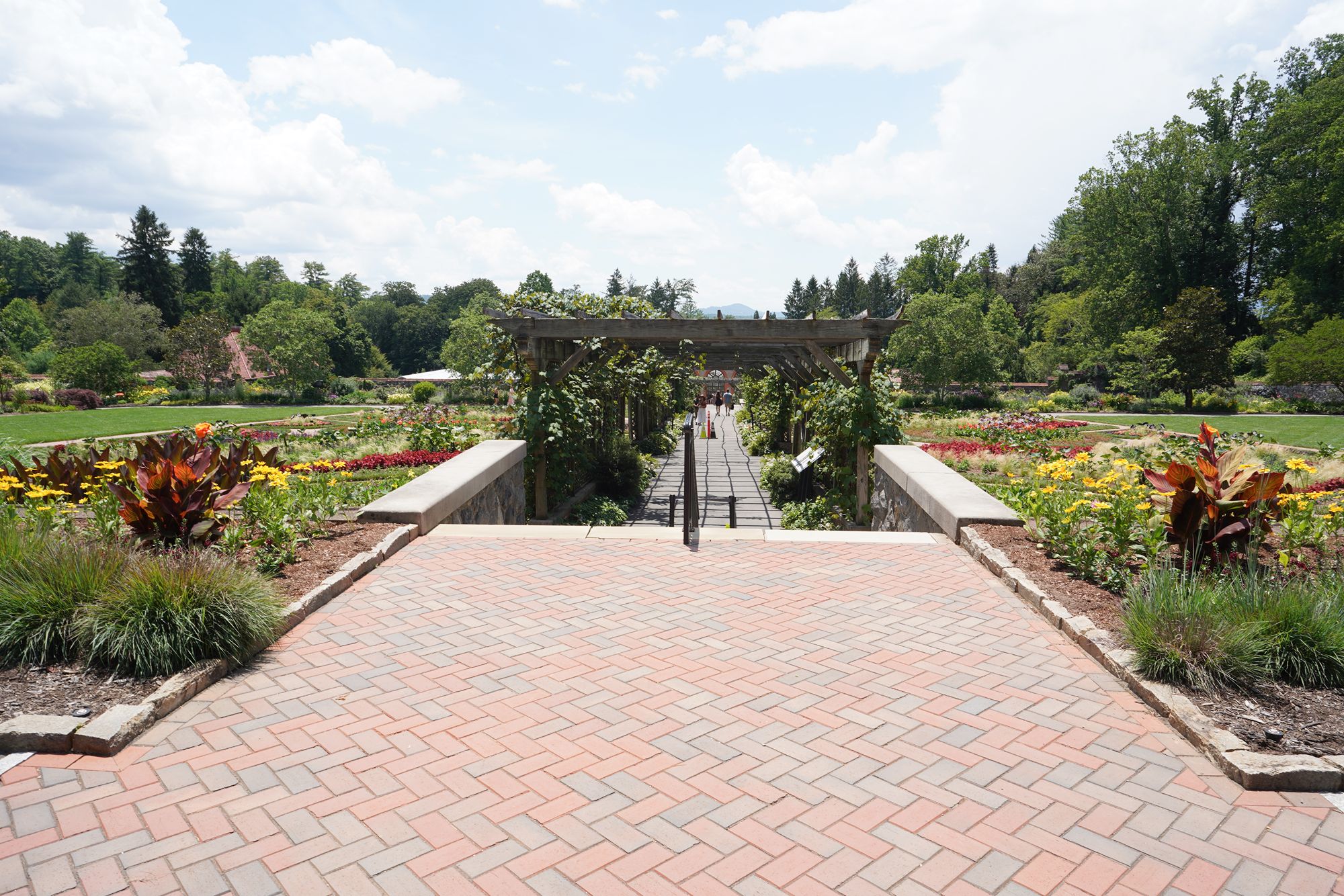
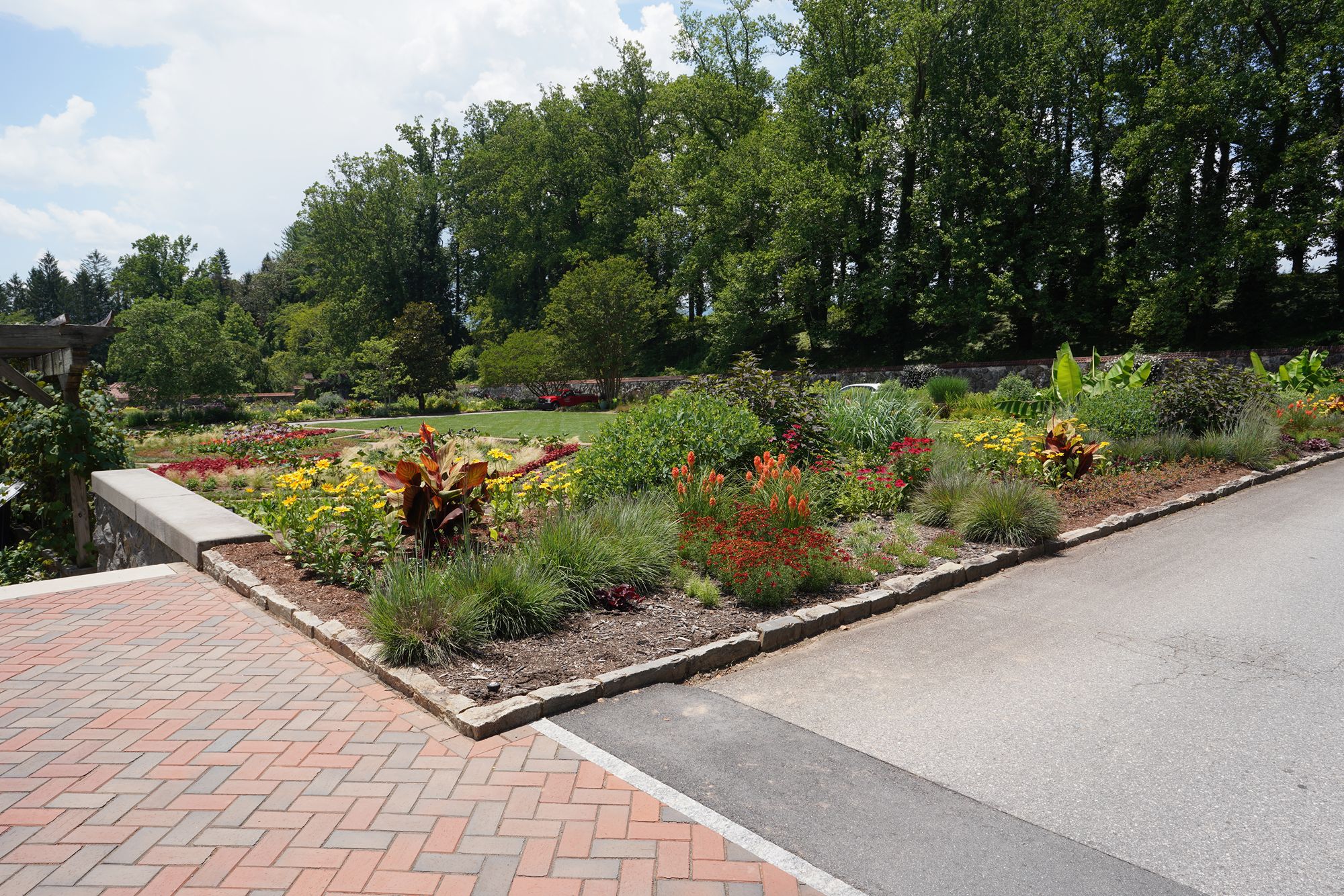
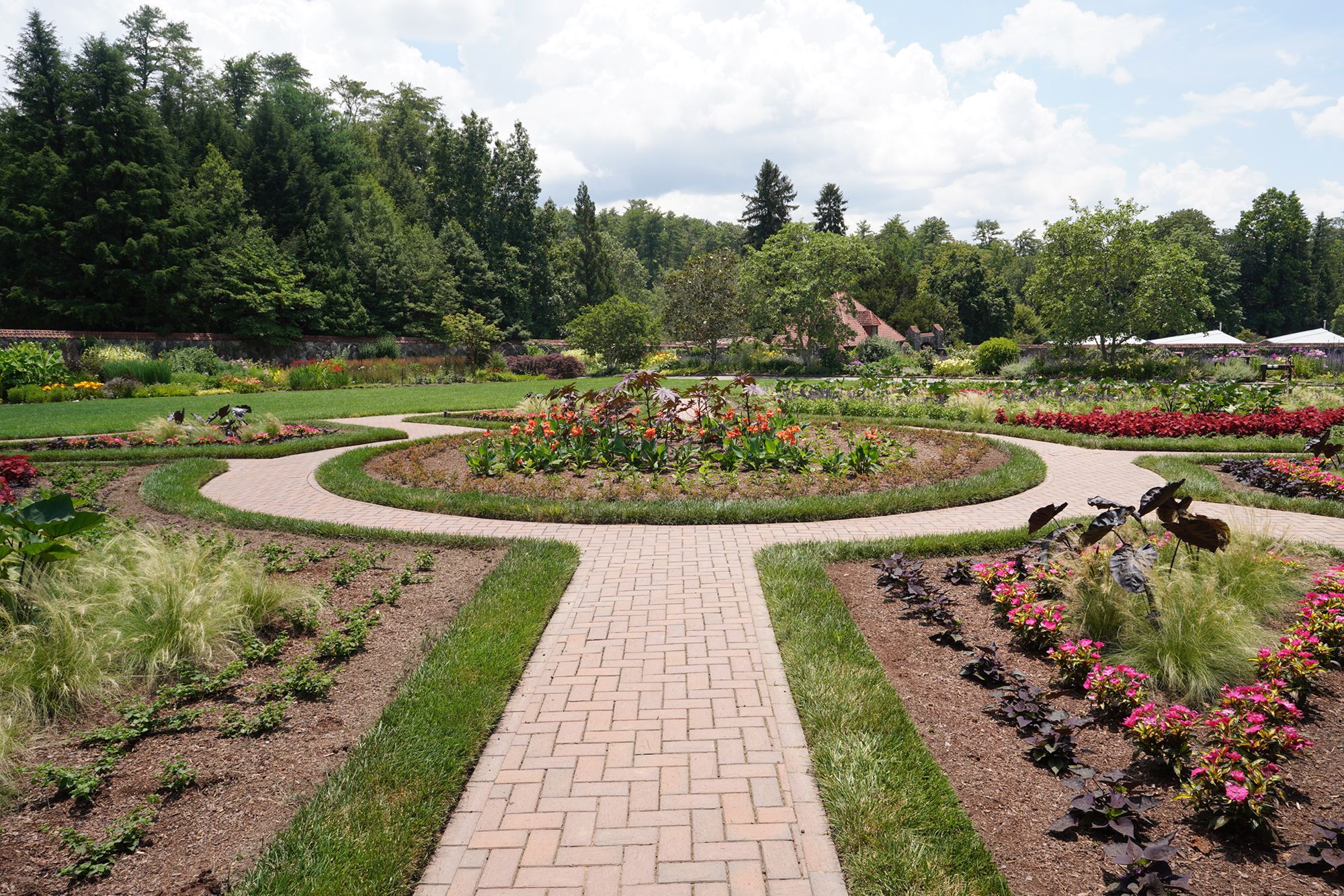
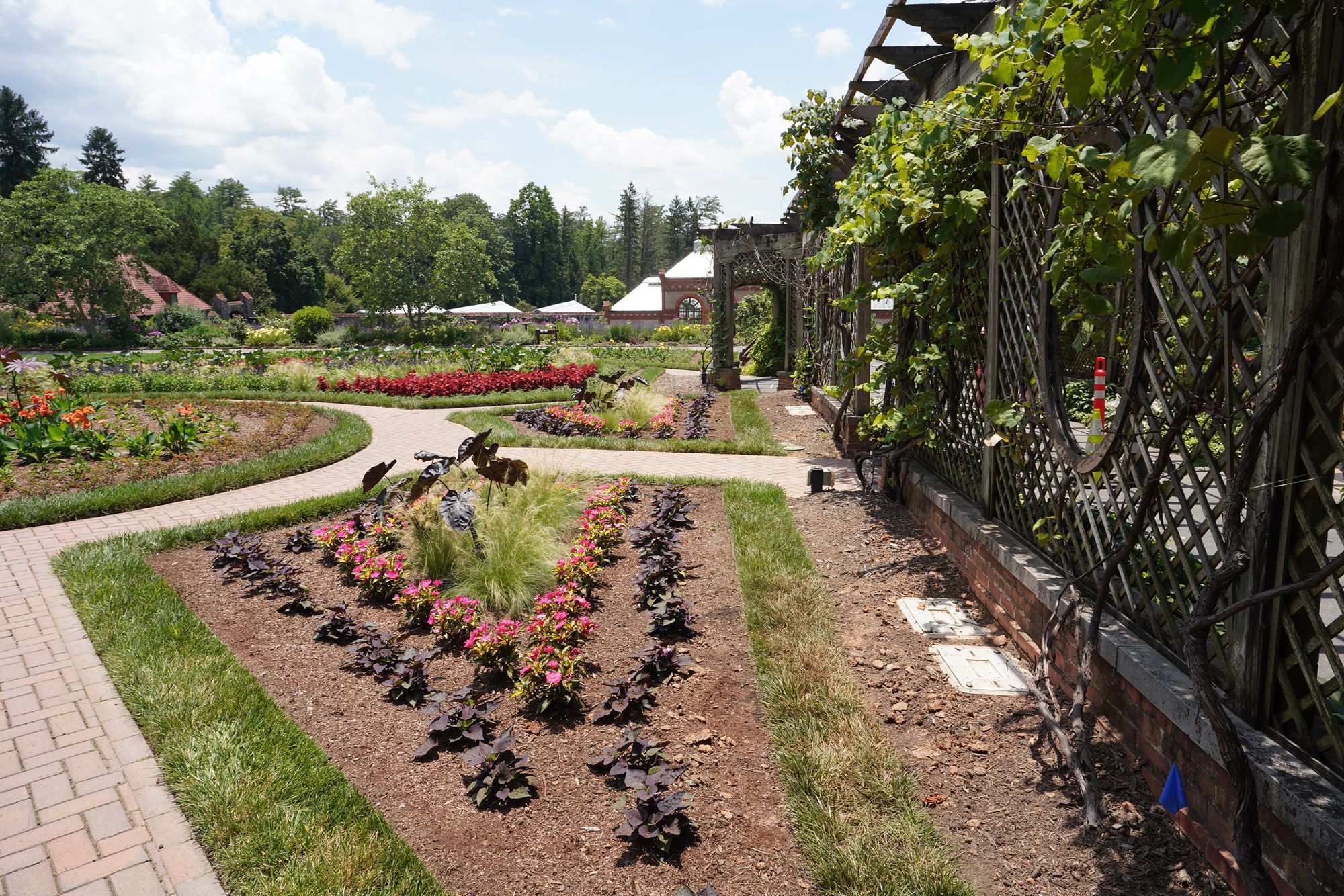
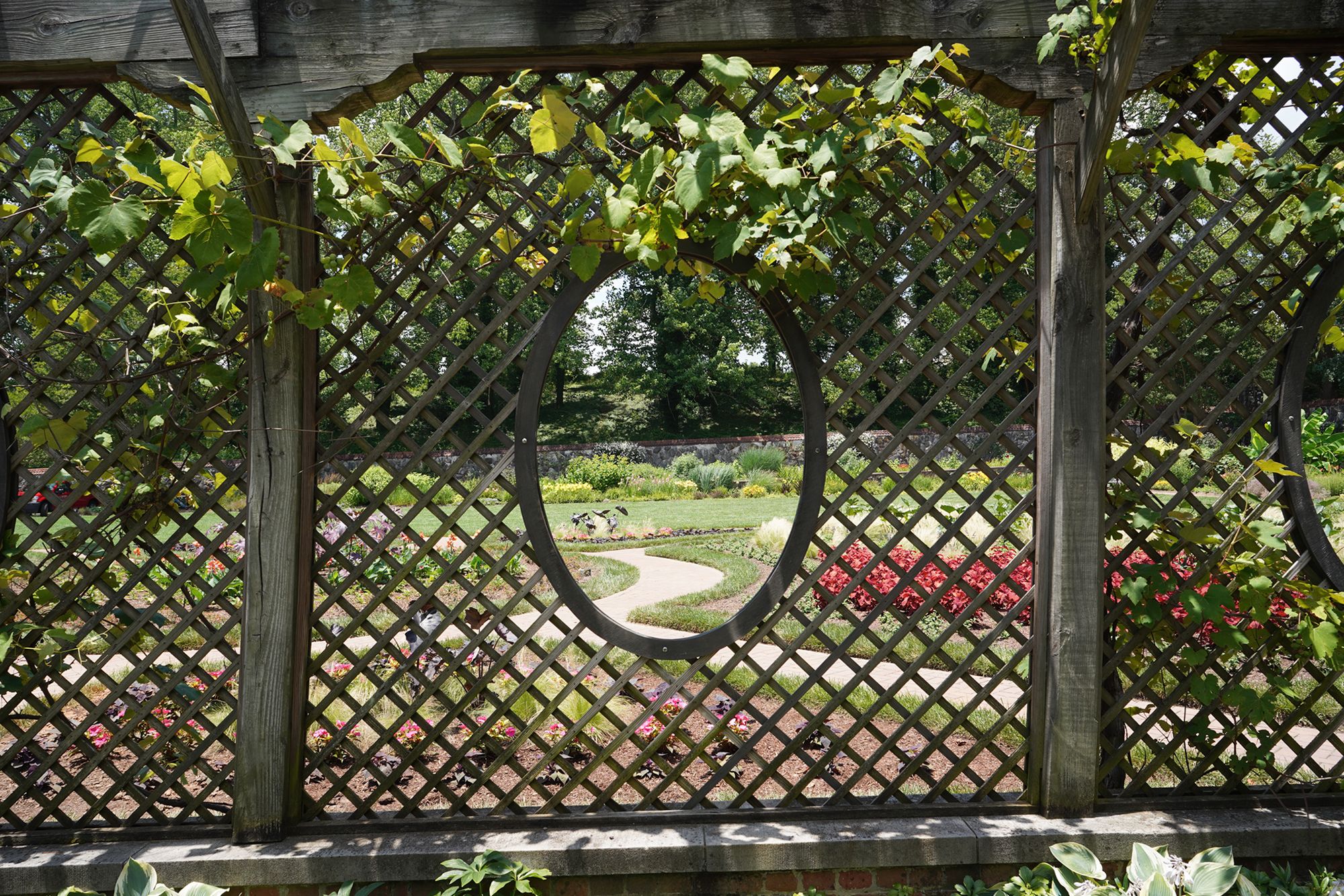
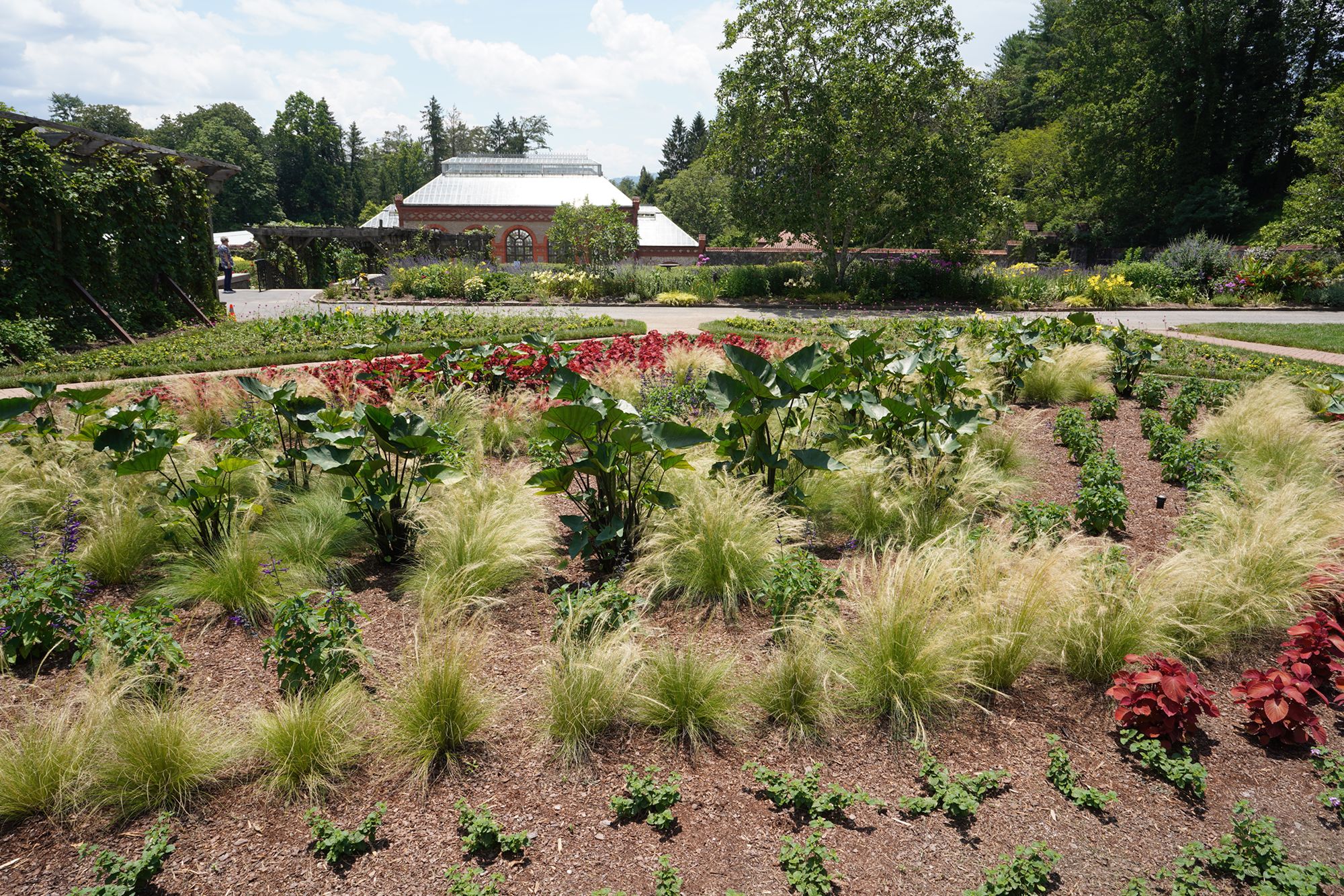
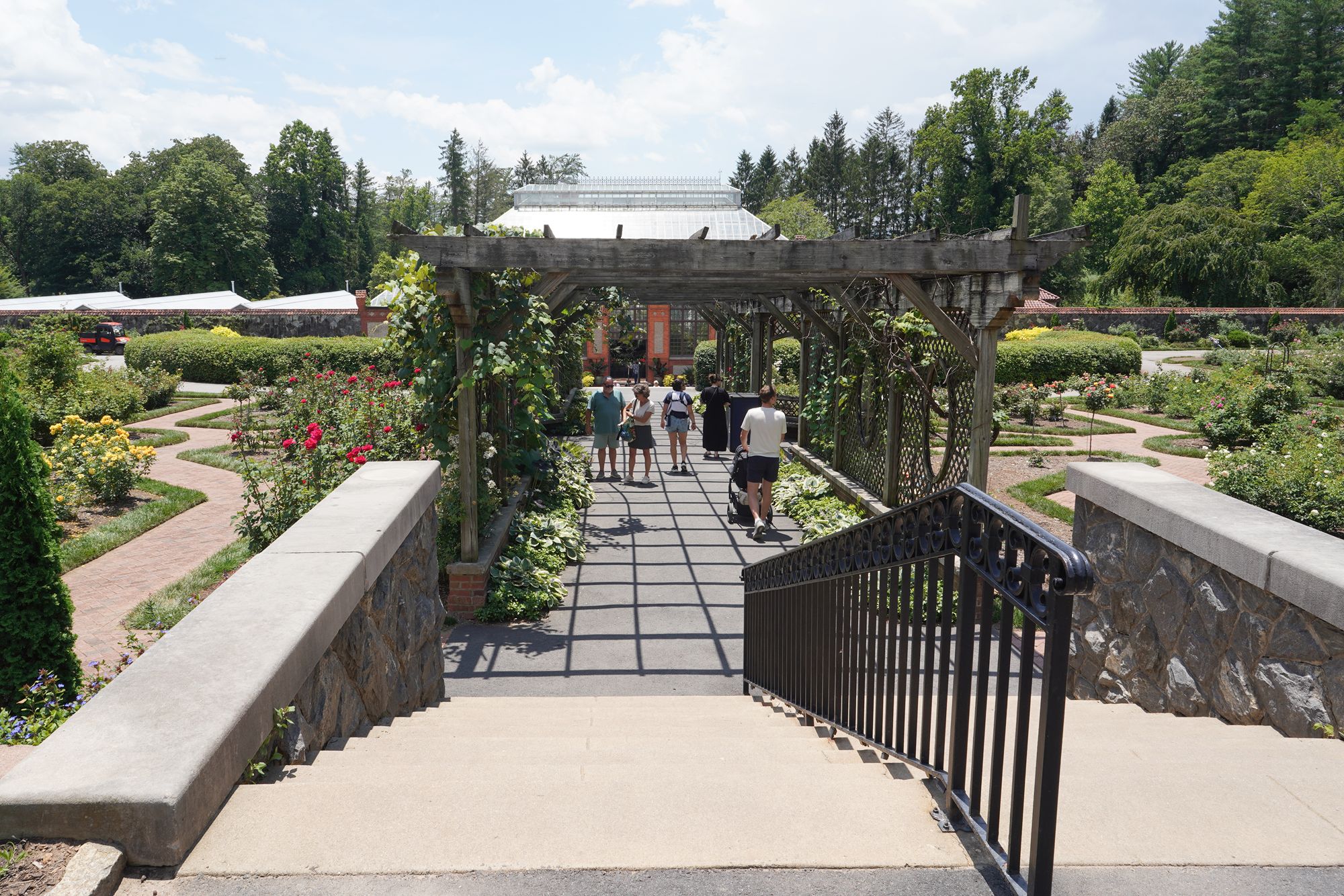
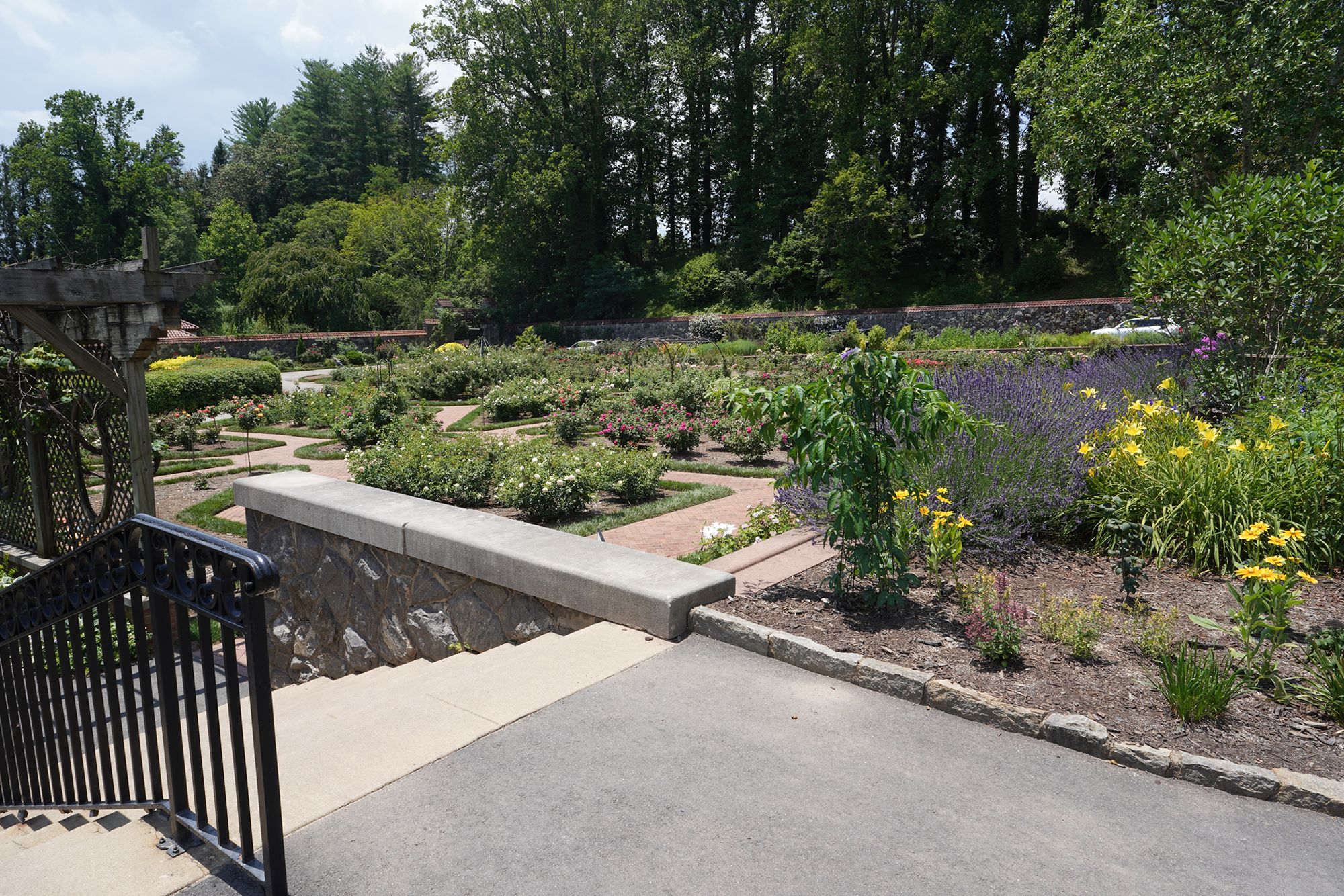
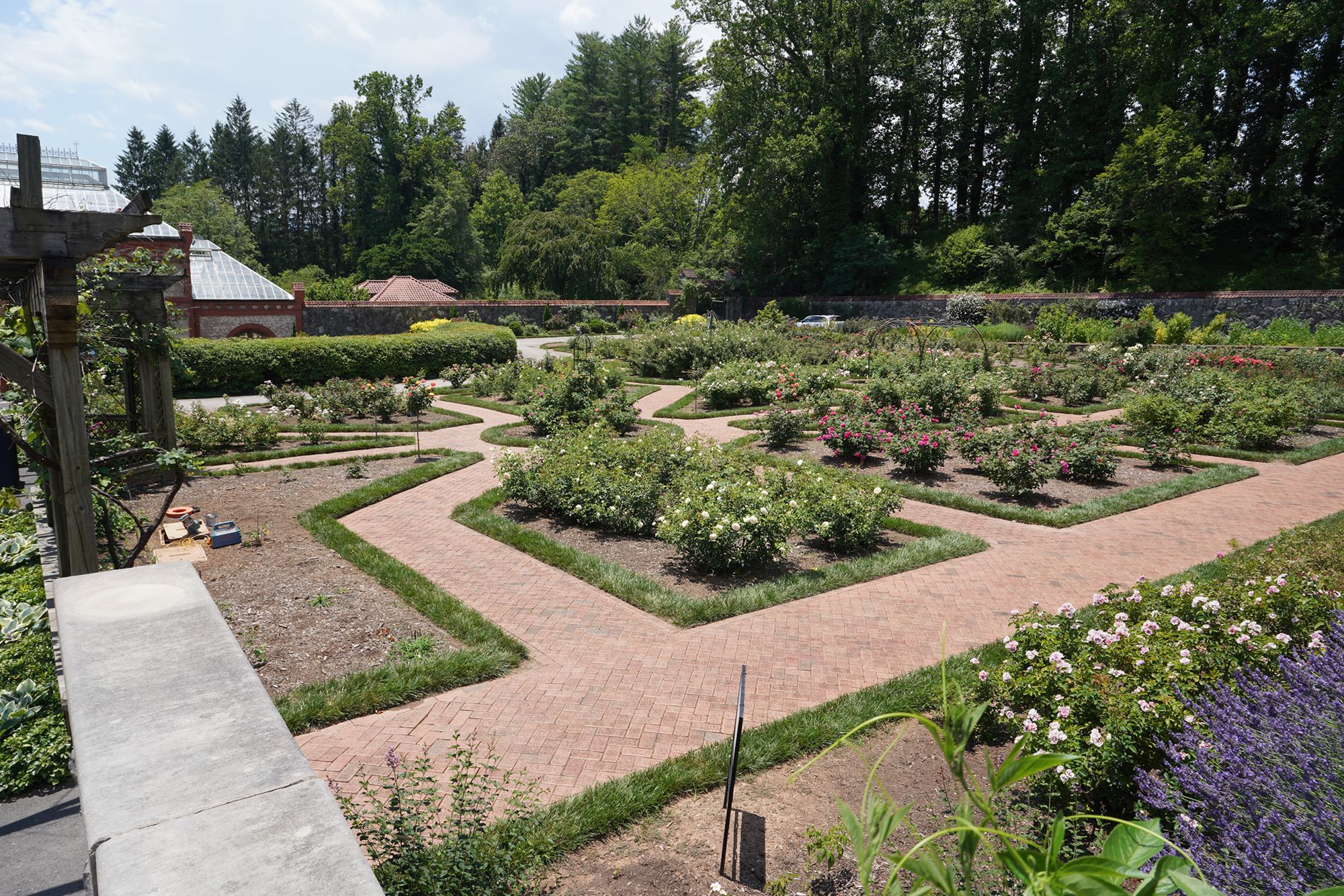
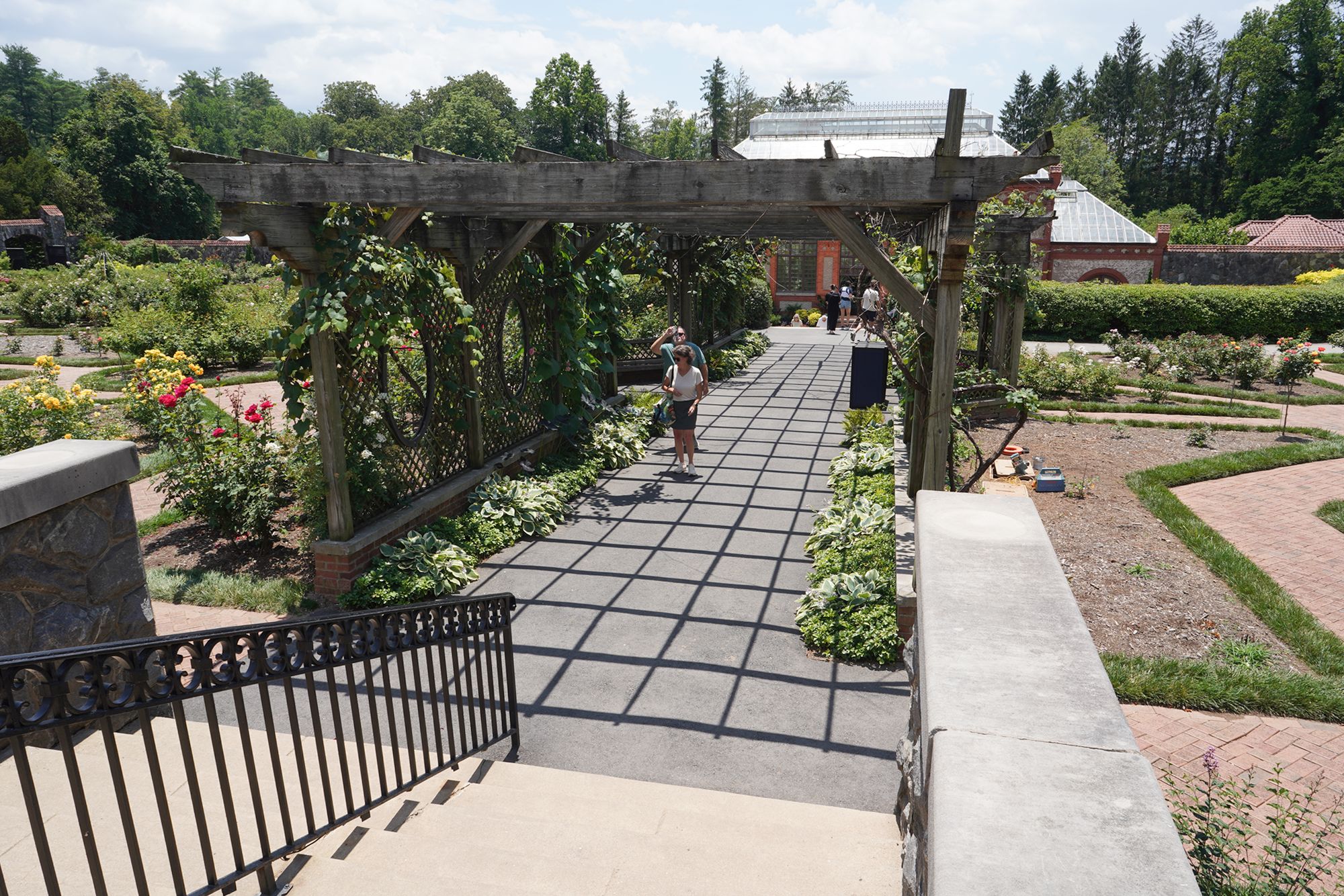
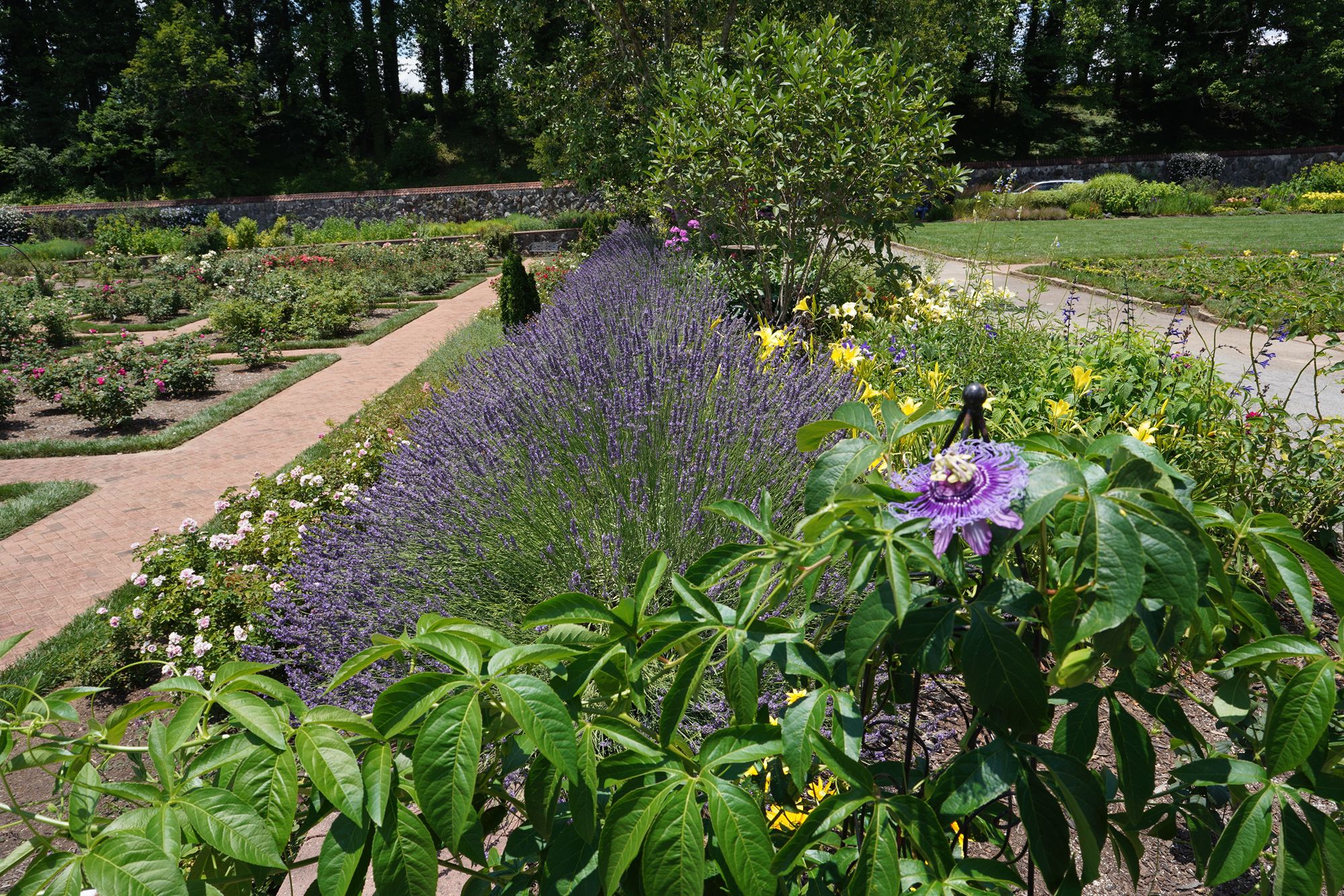
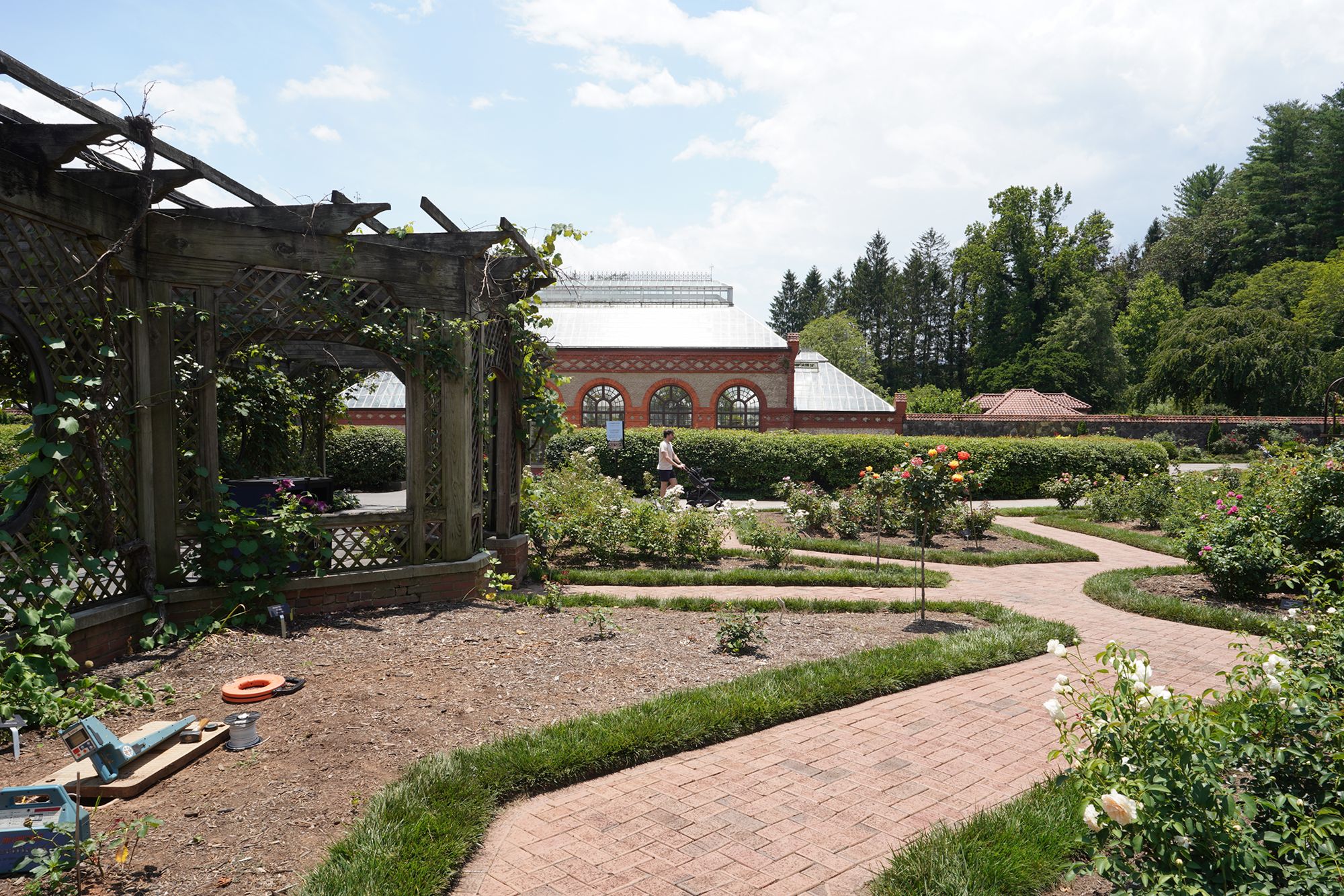
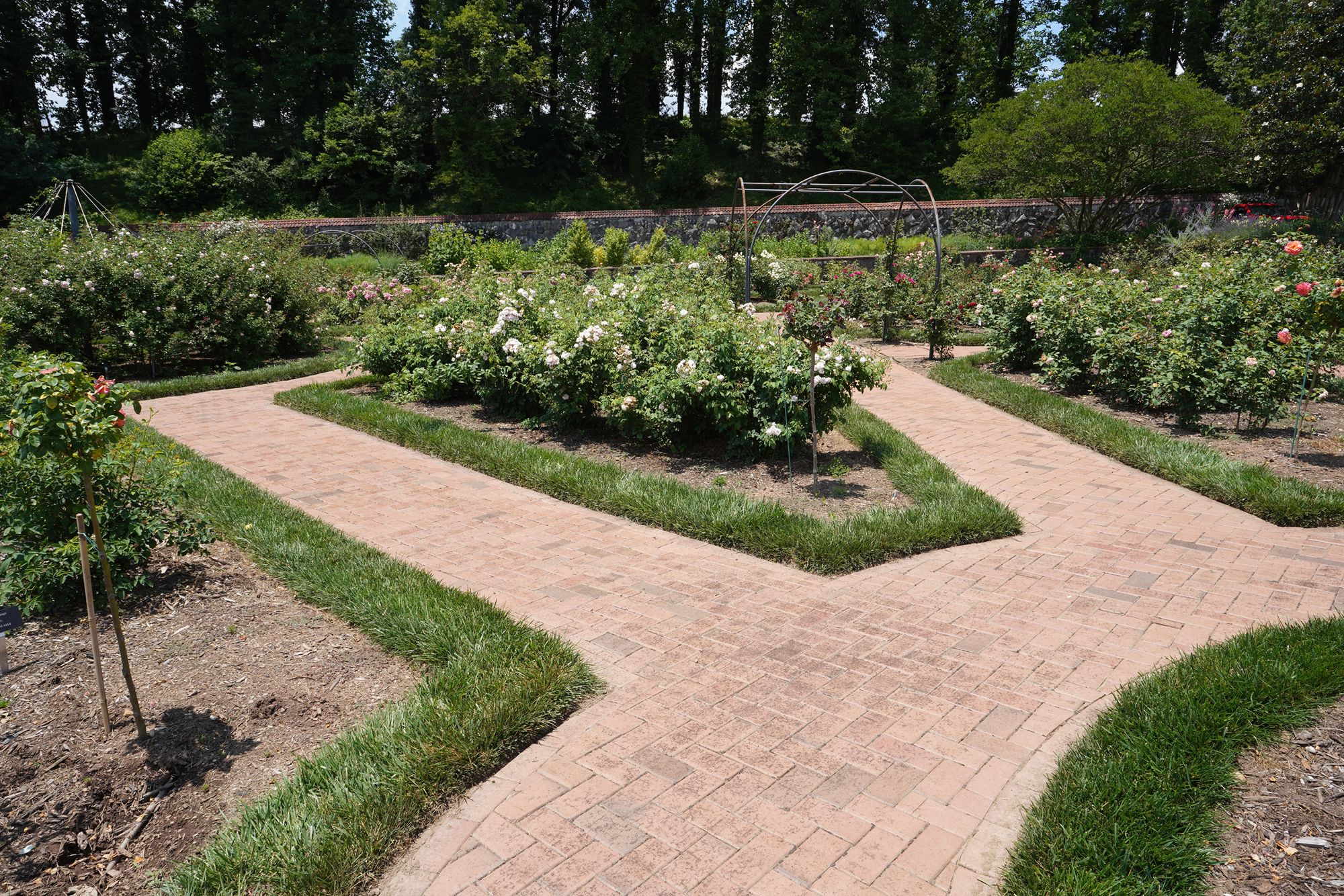
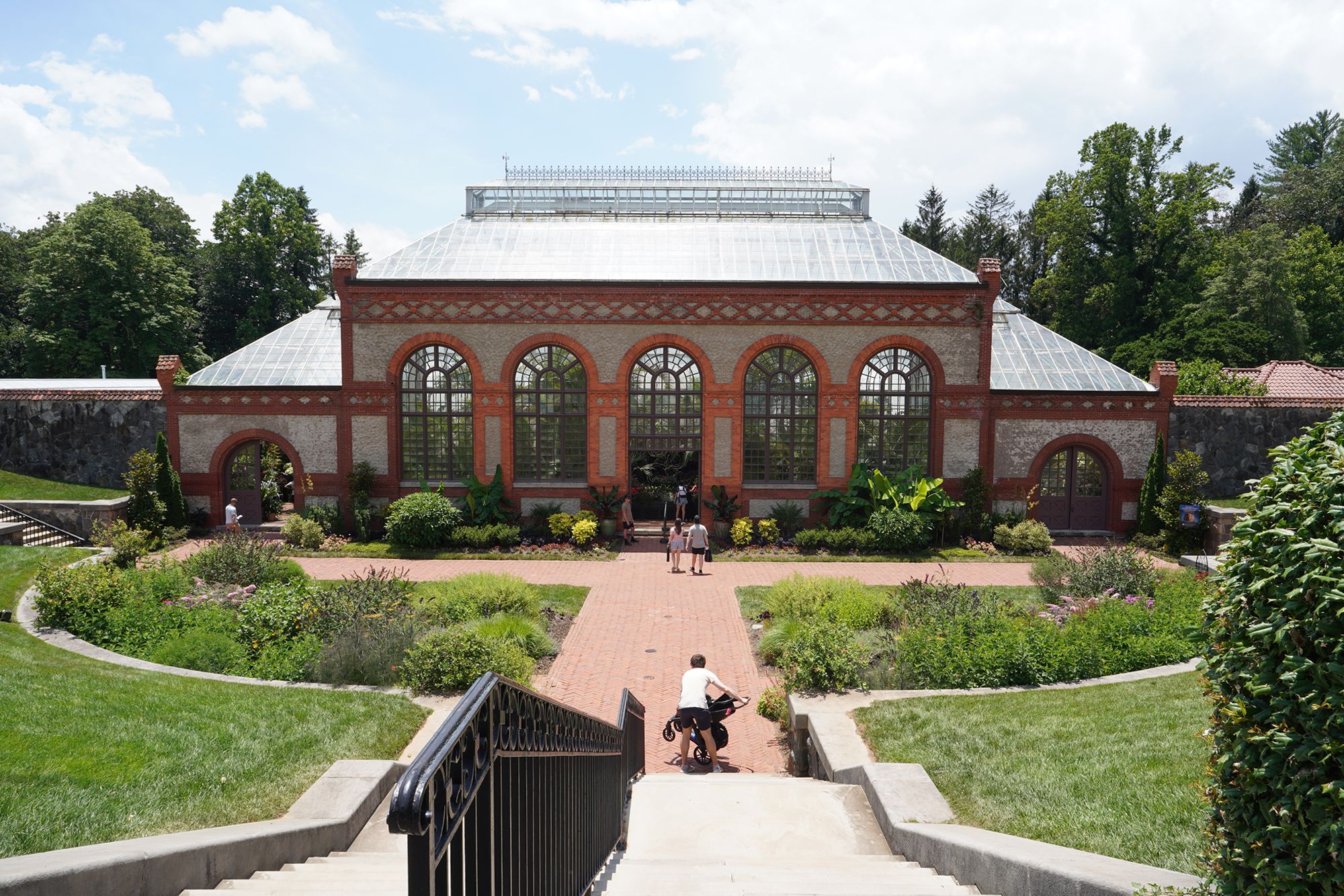
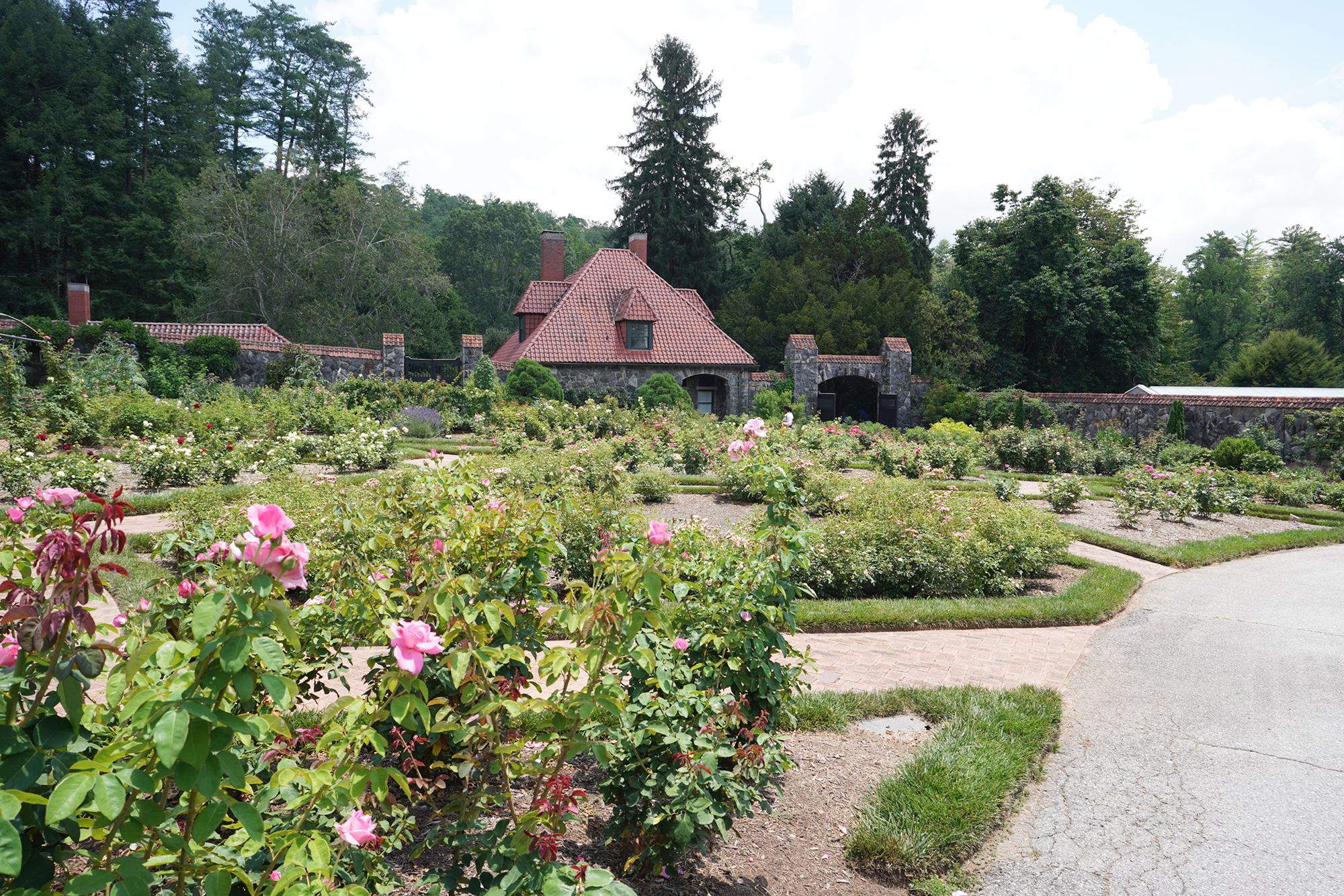
A garden house
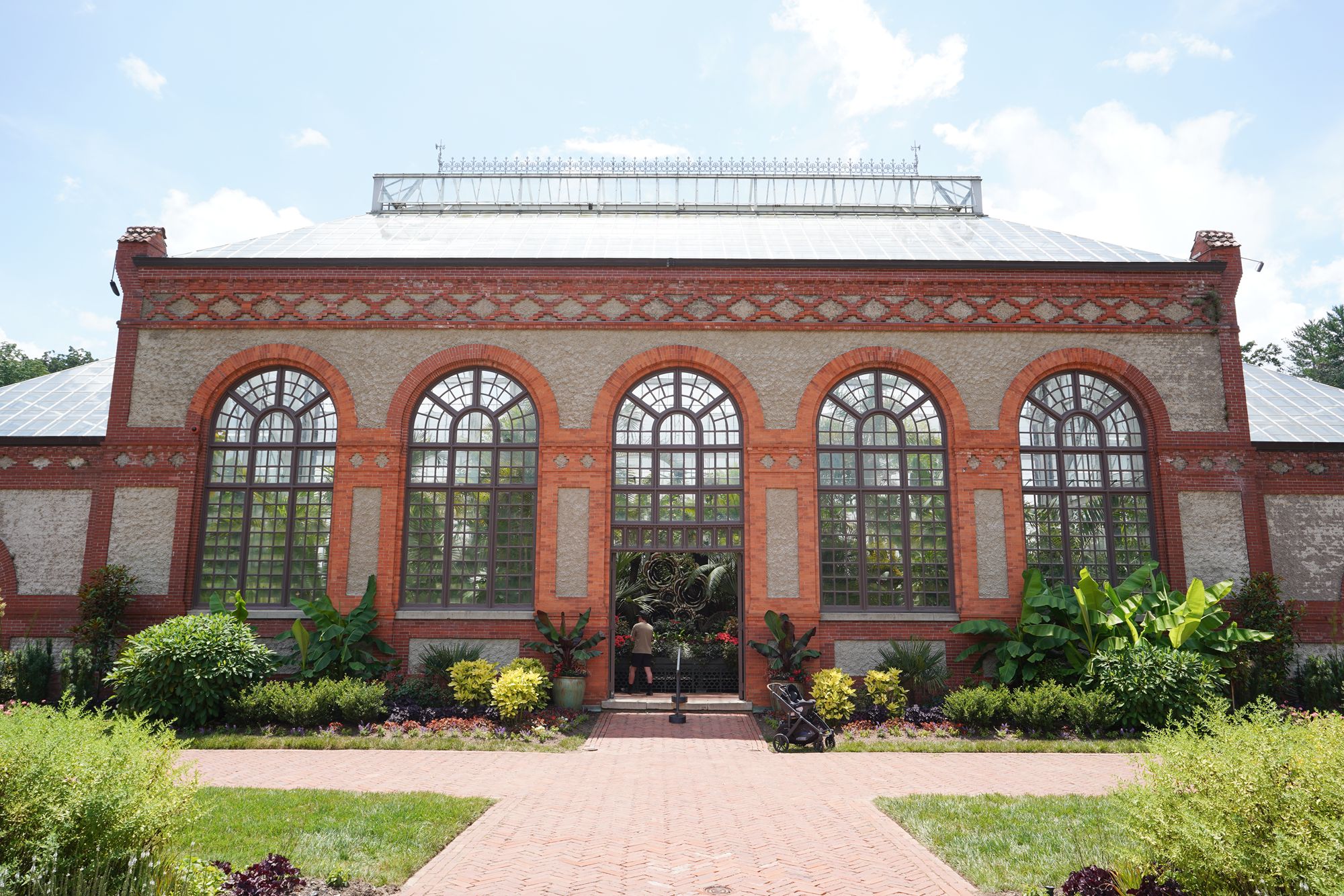
Inside the garden house
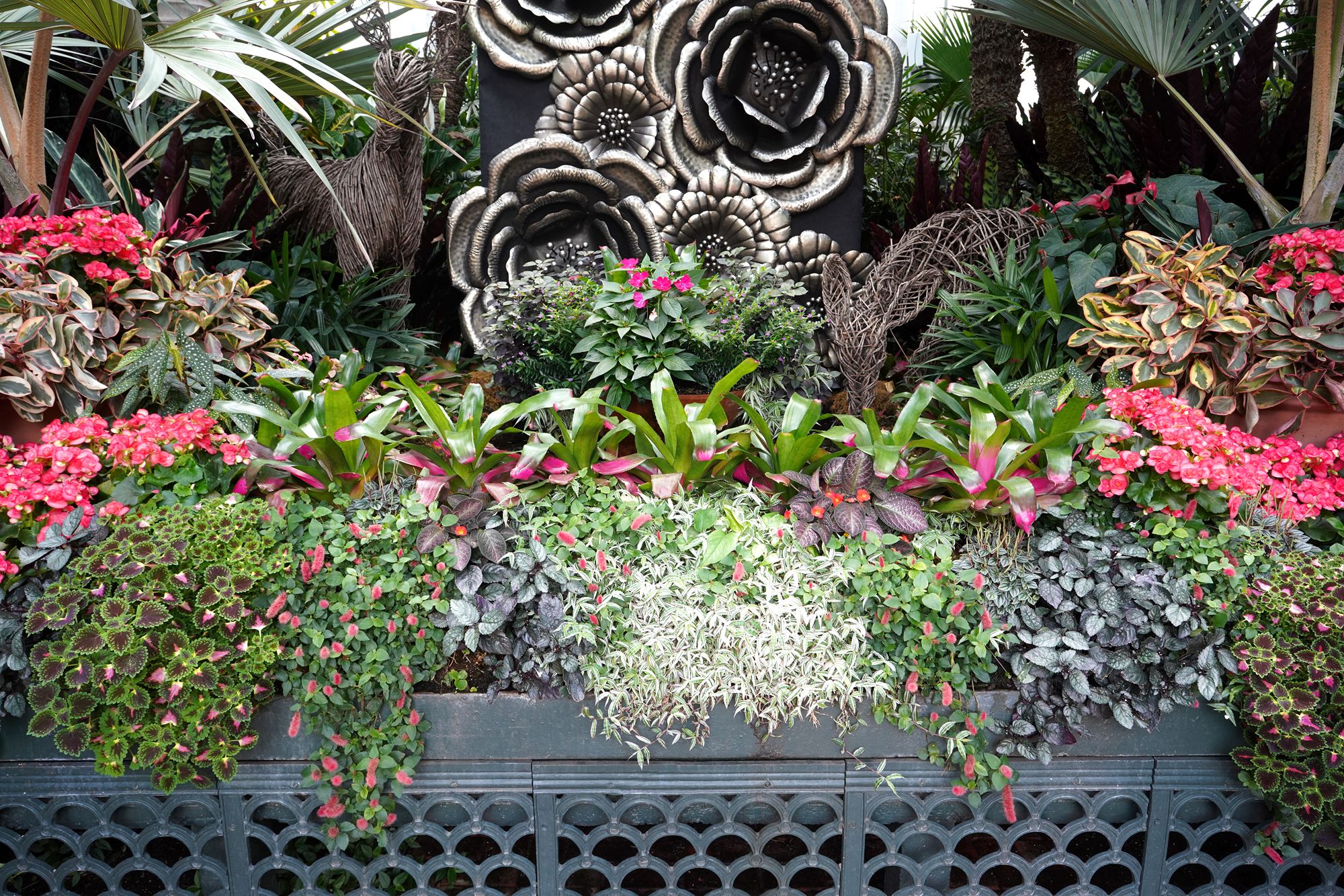
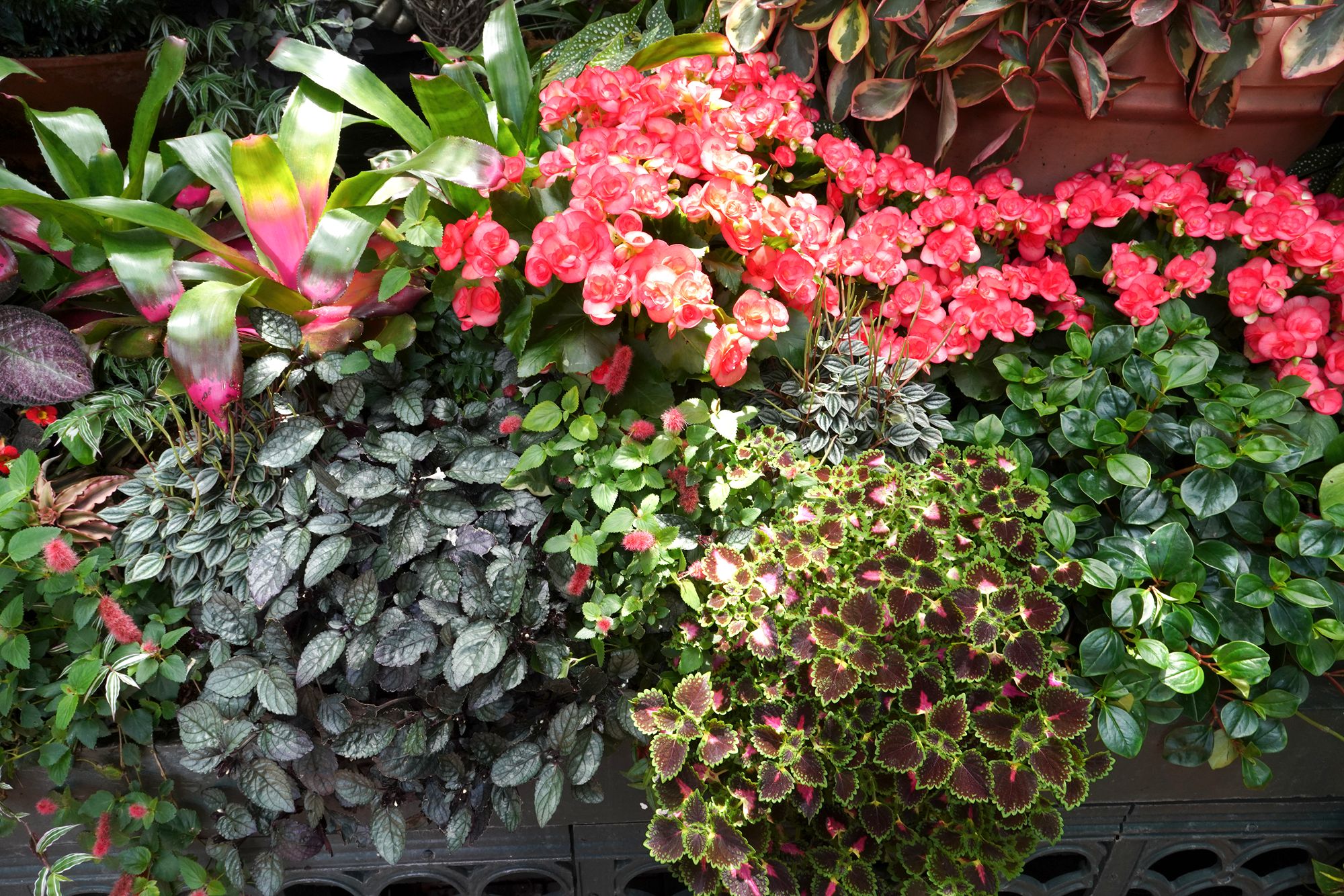
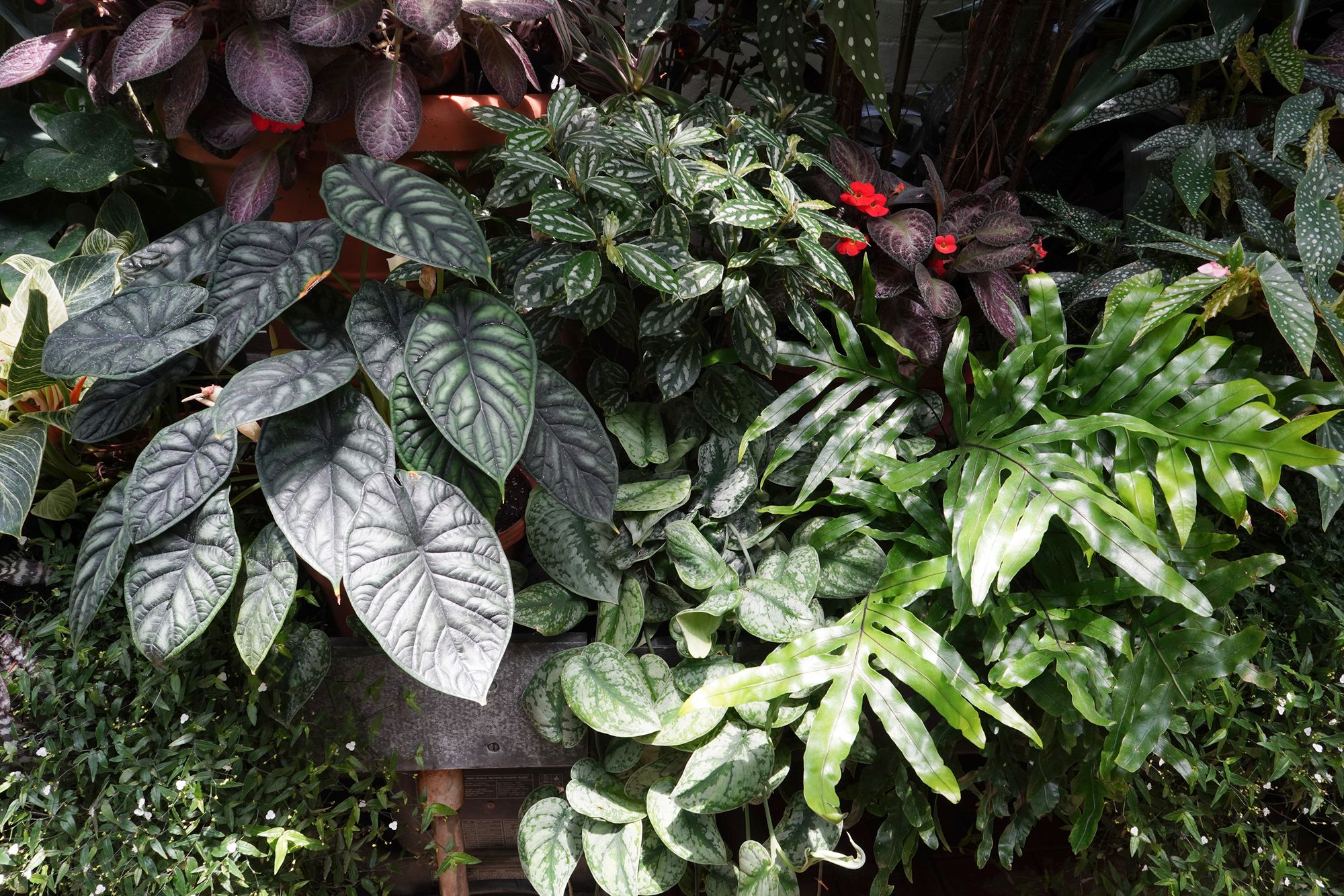
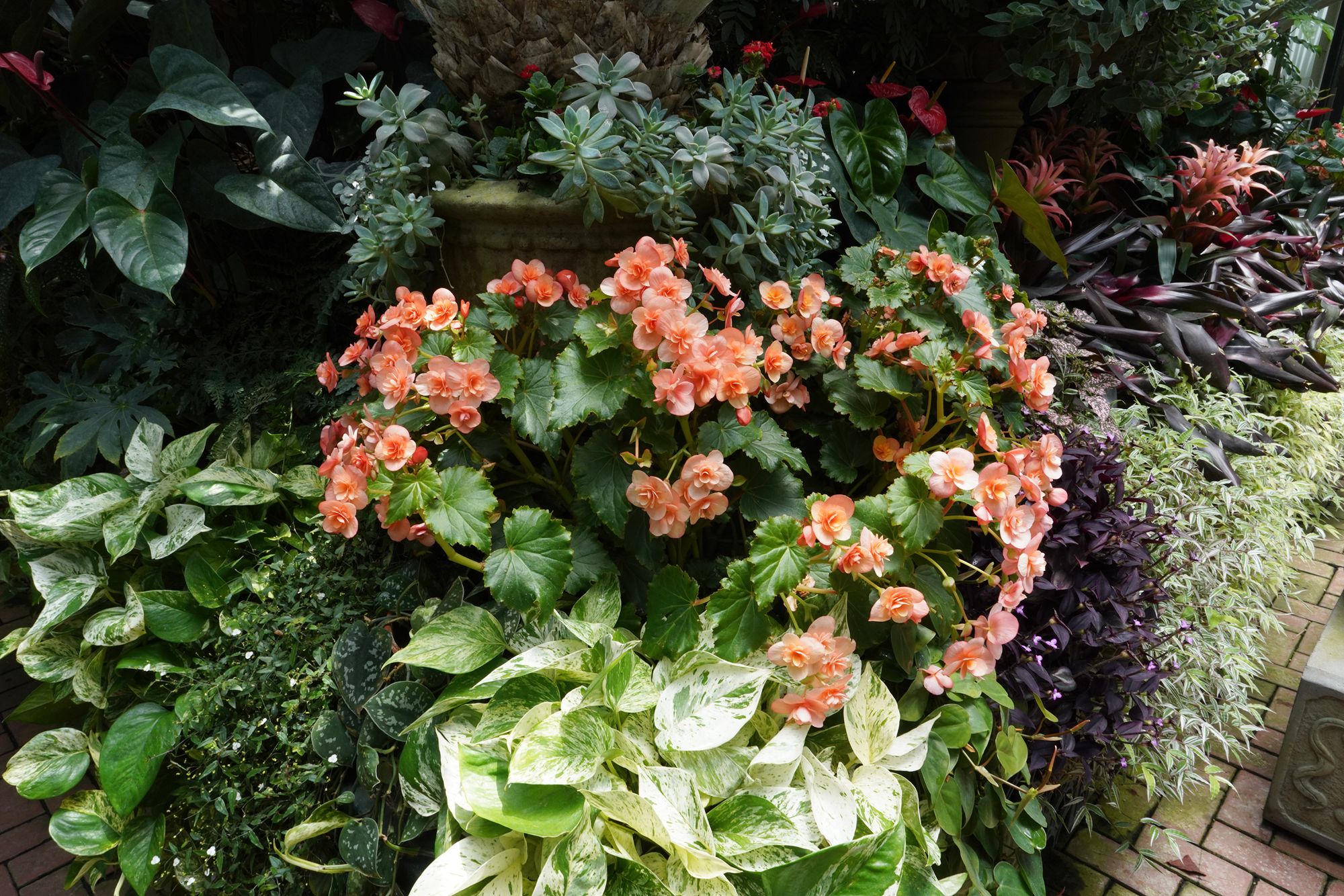
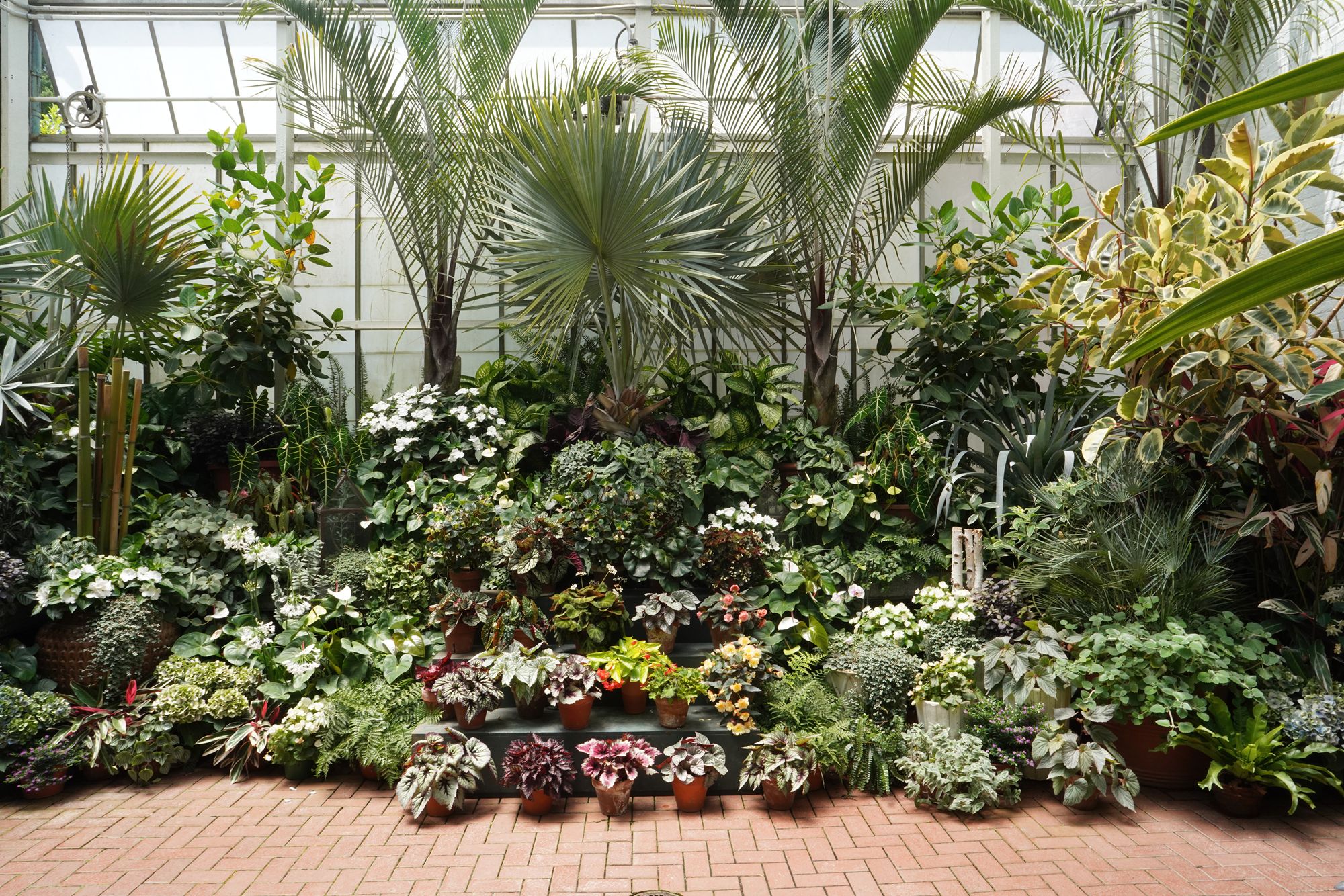
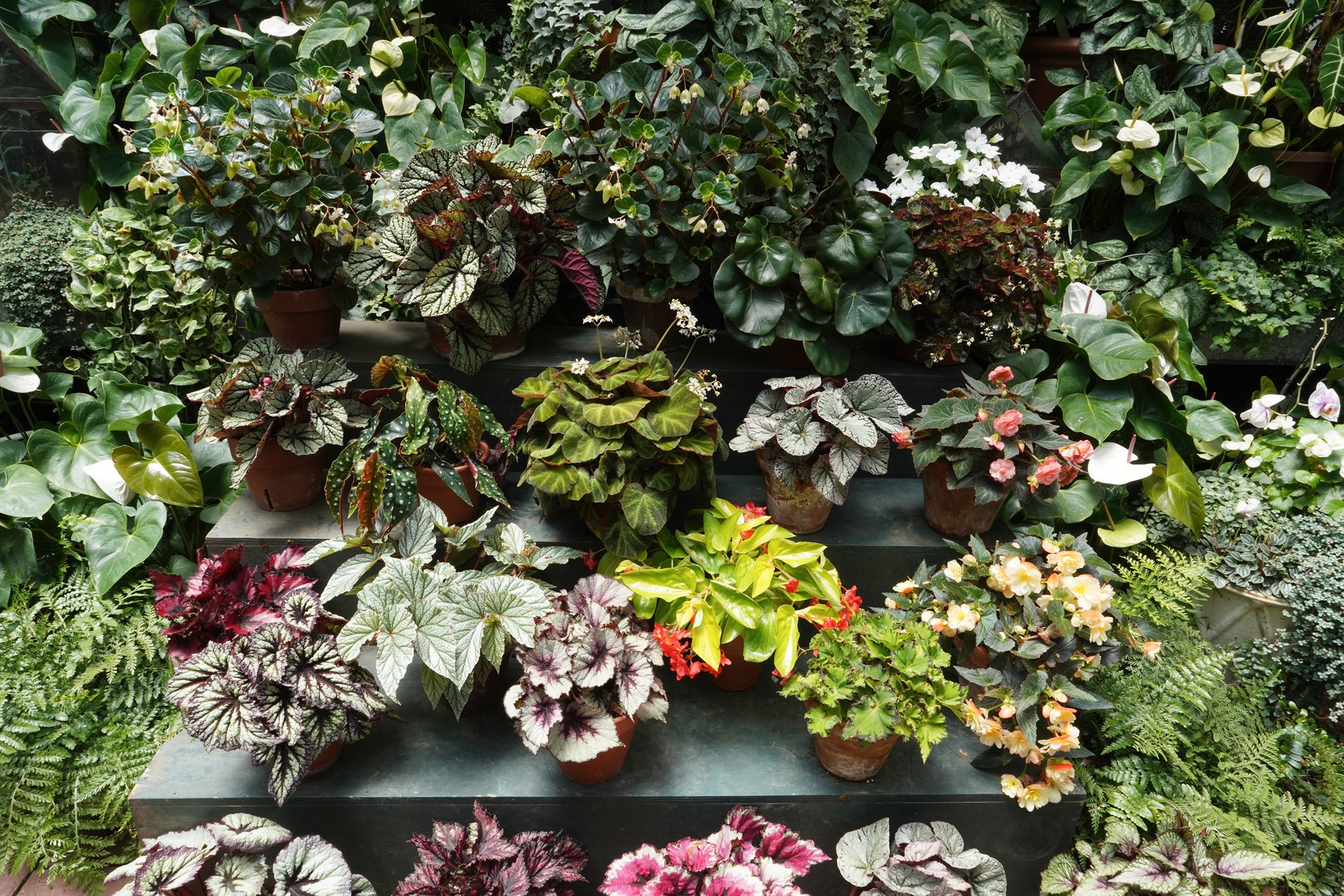
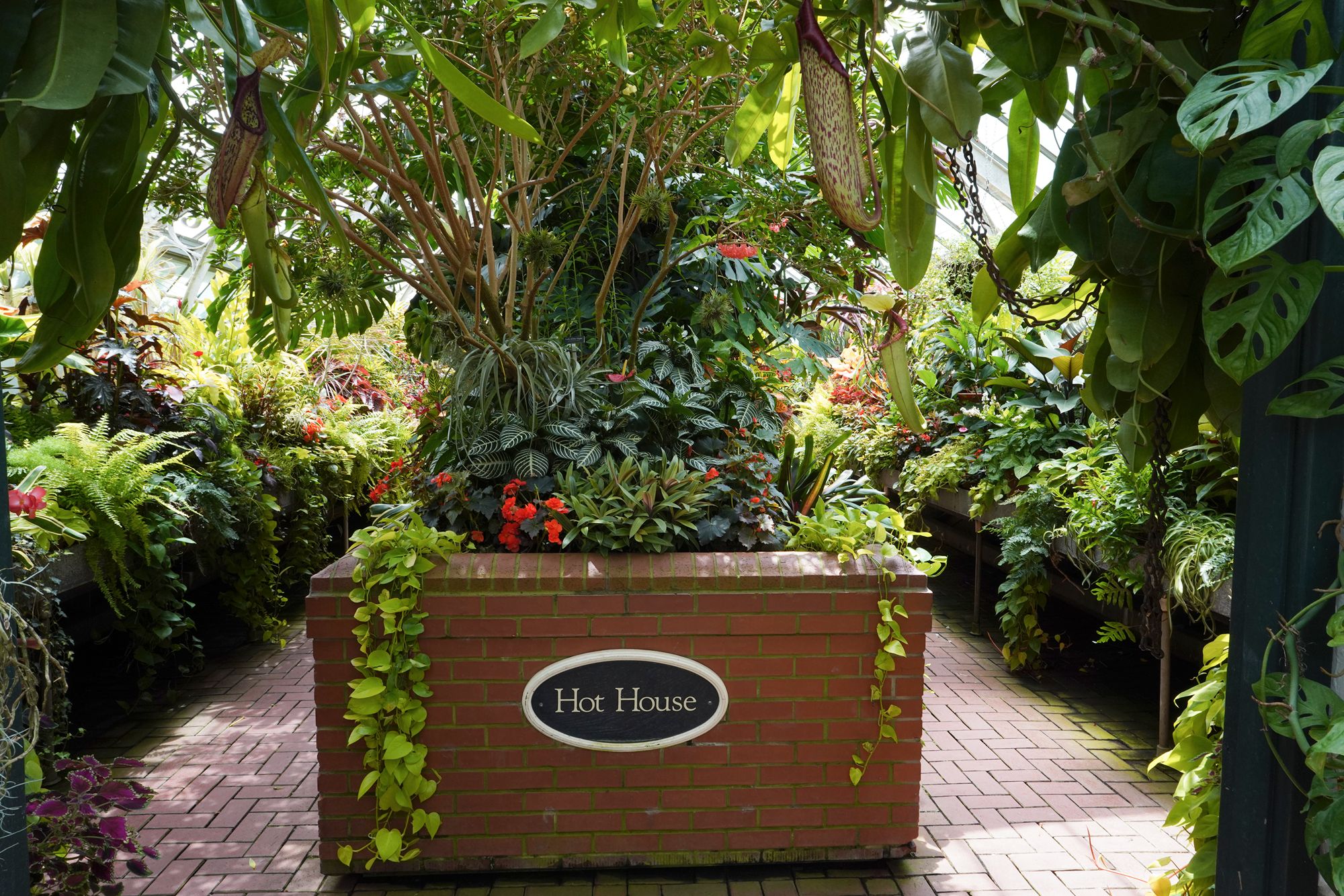
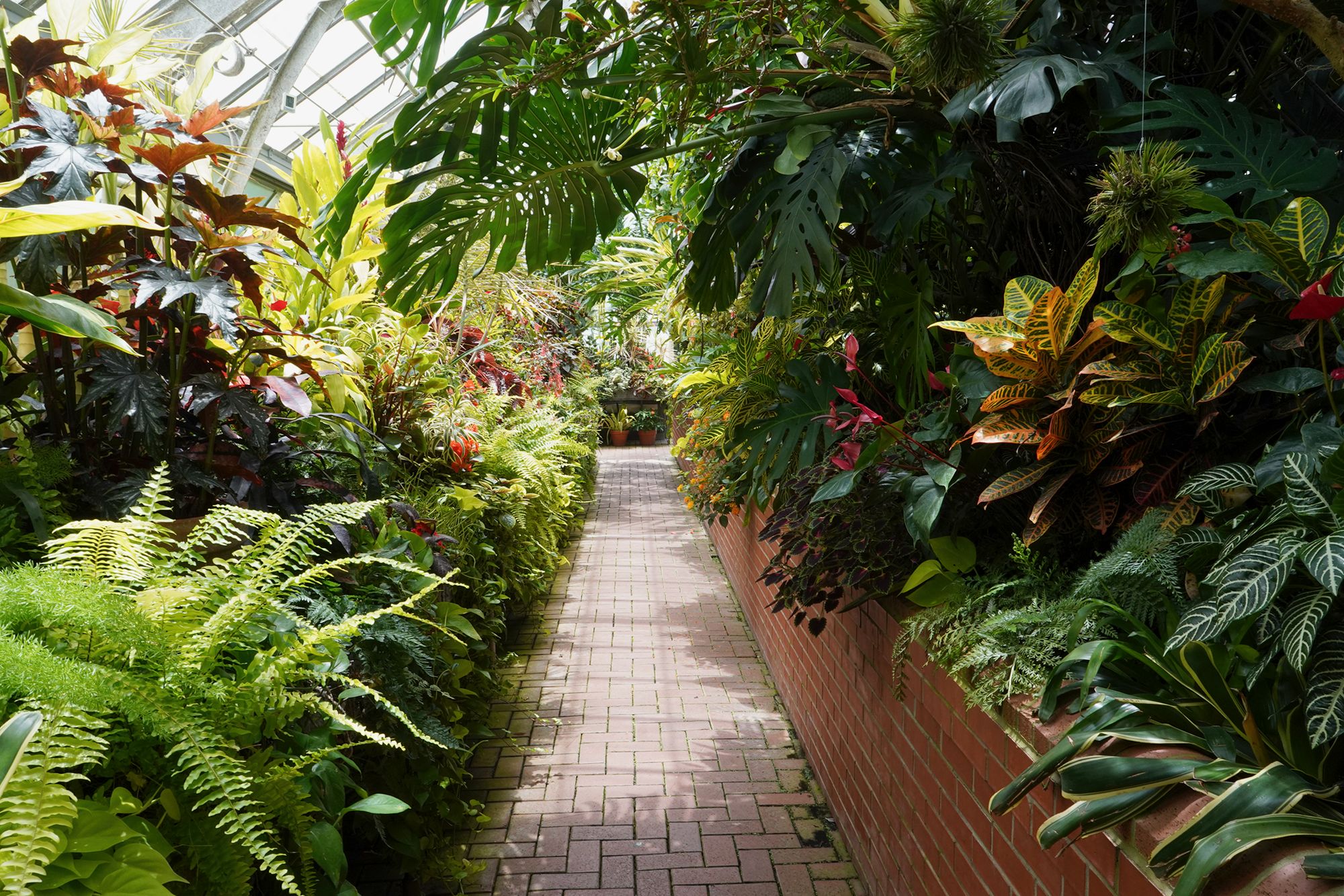
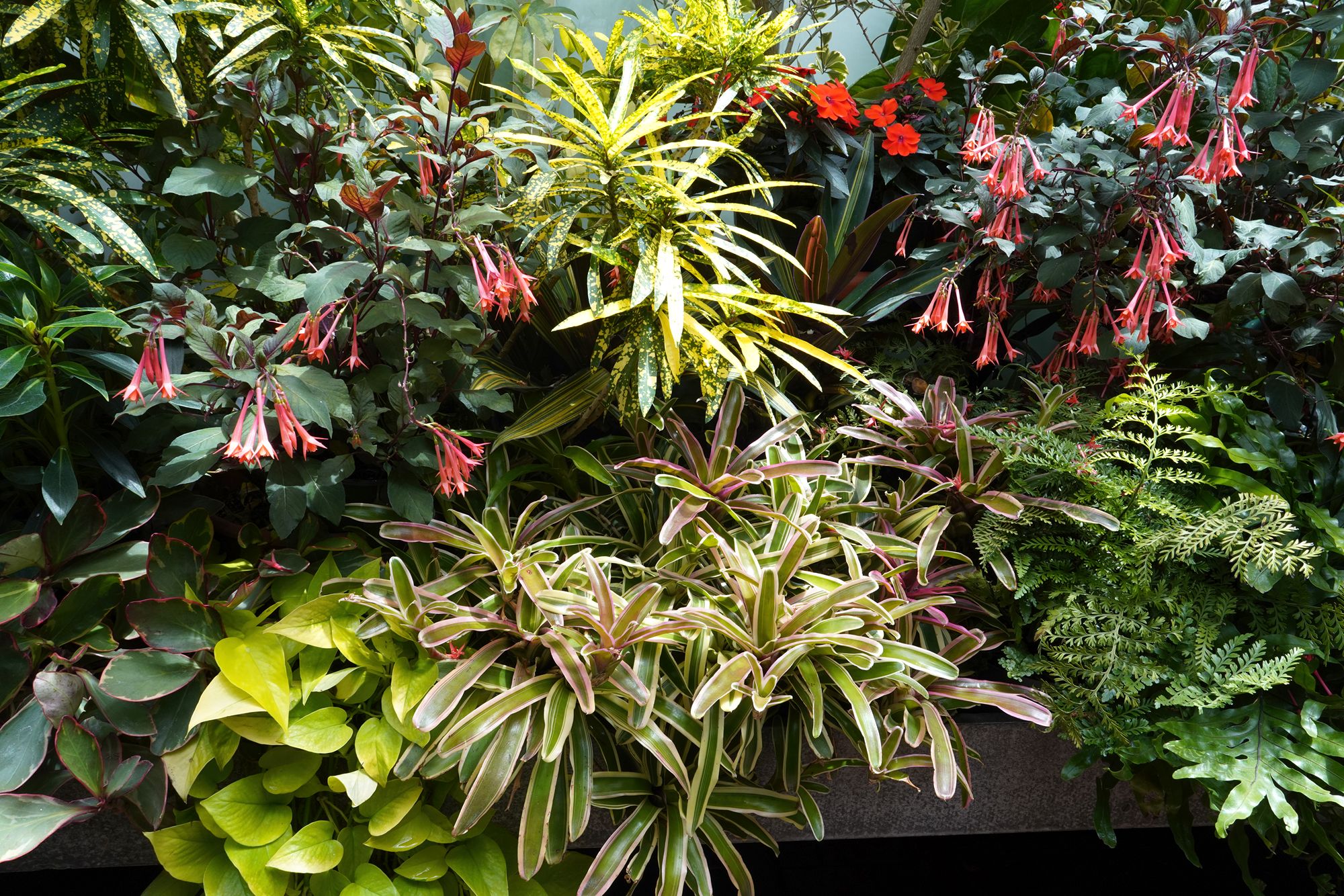
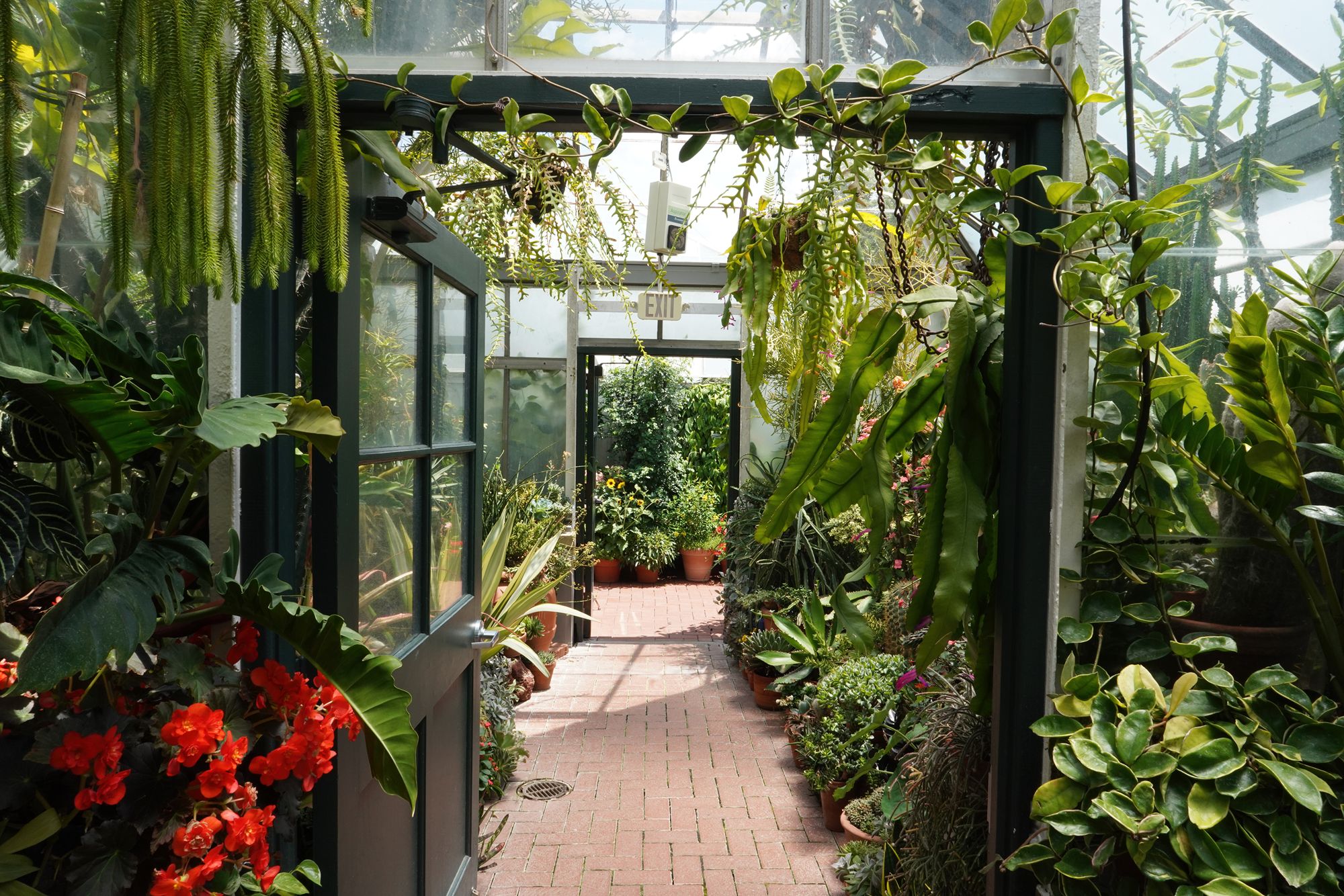
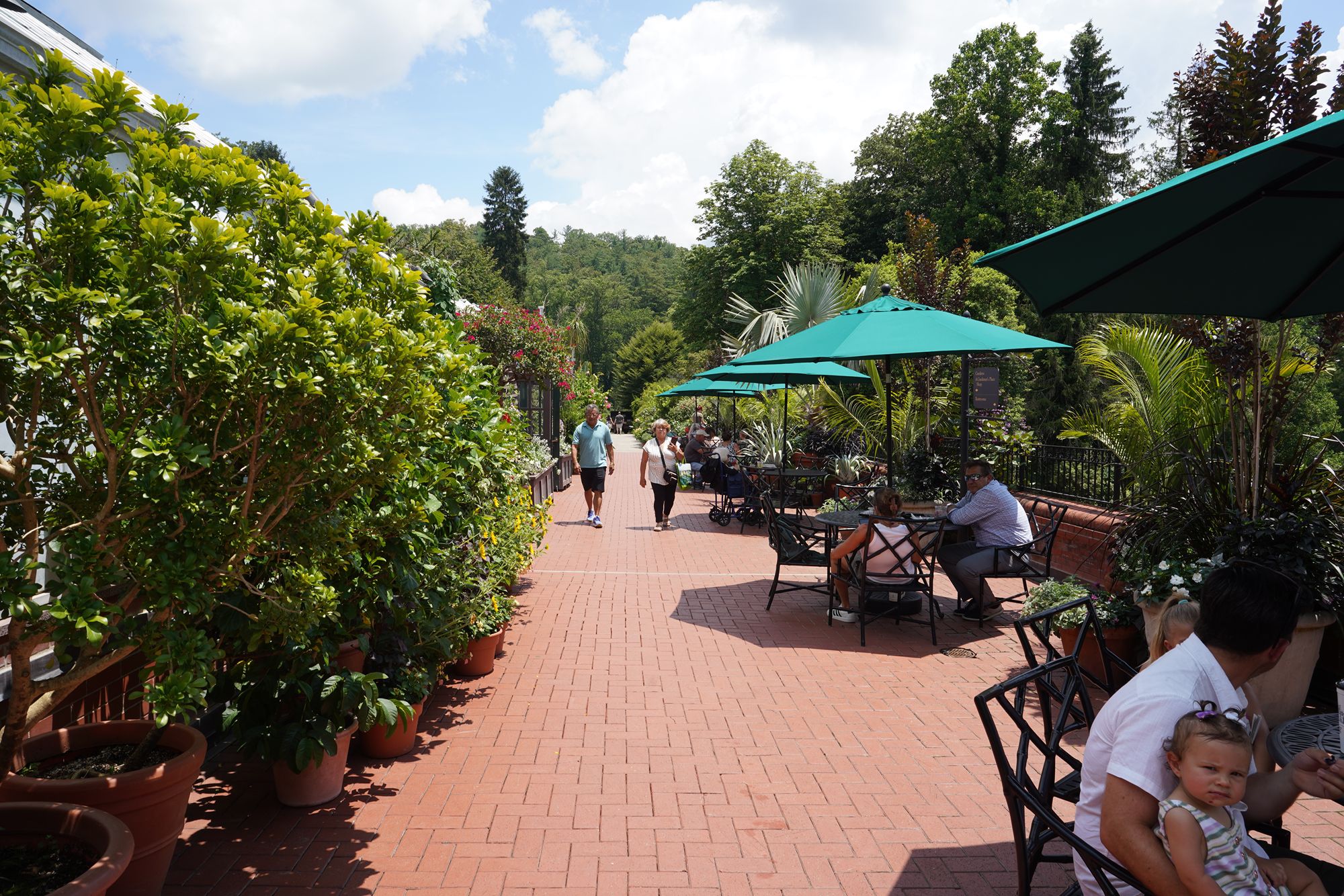
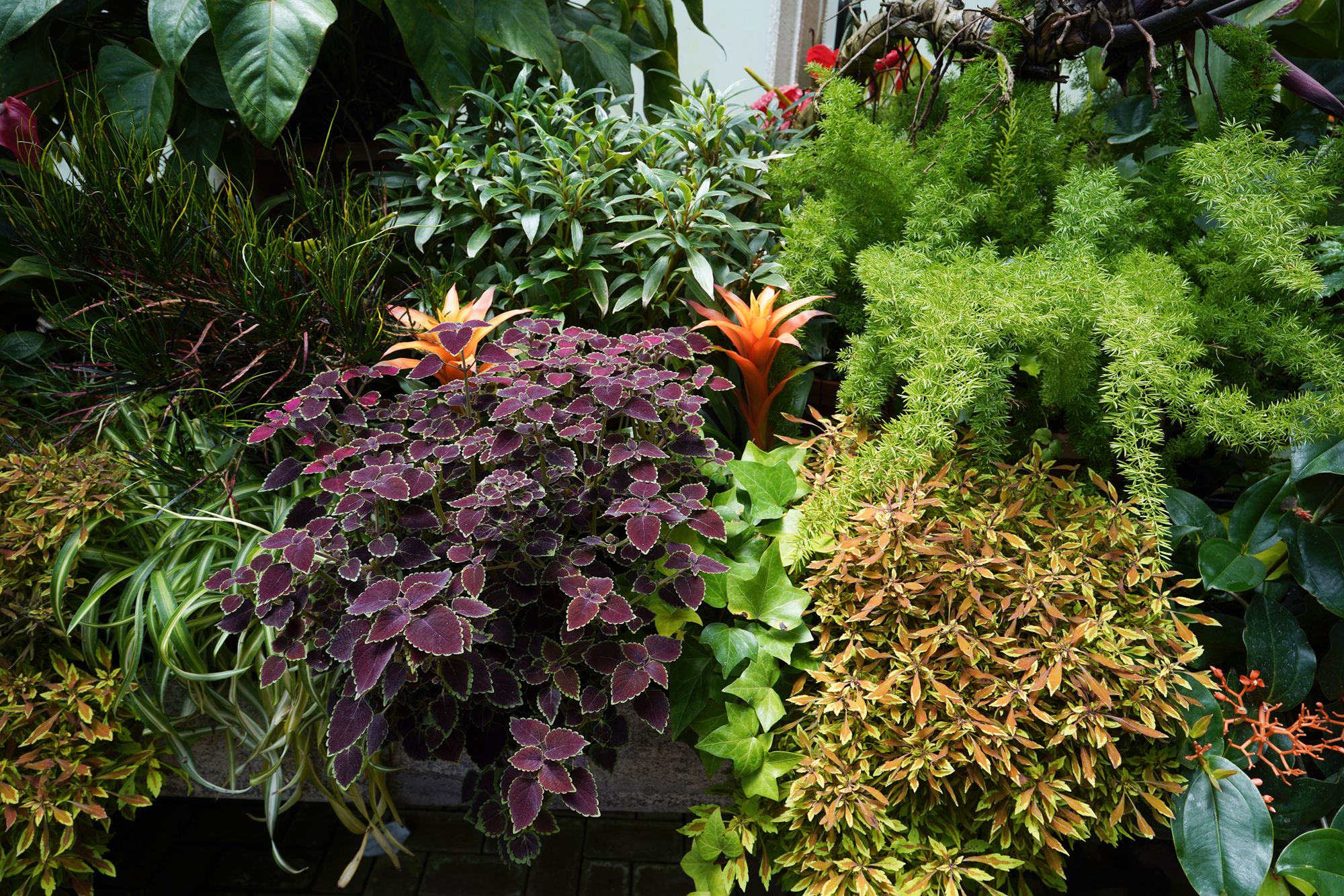
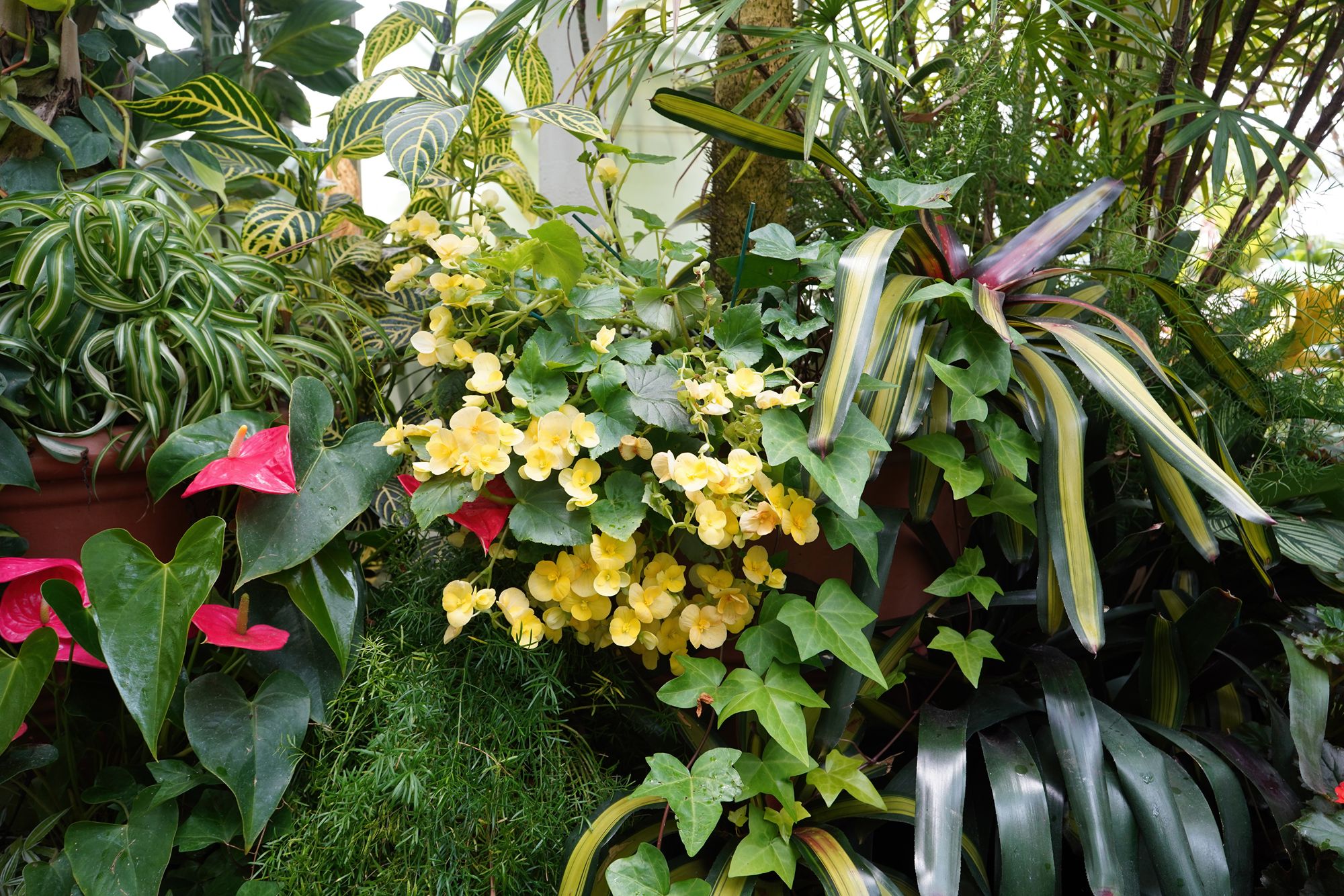
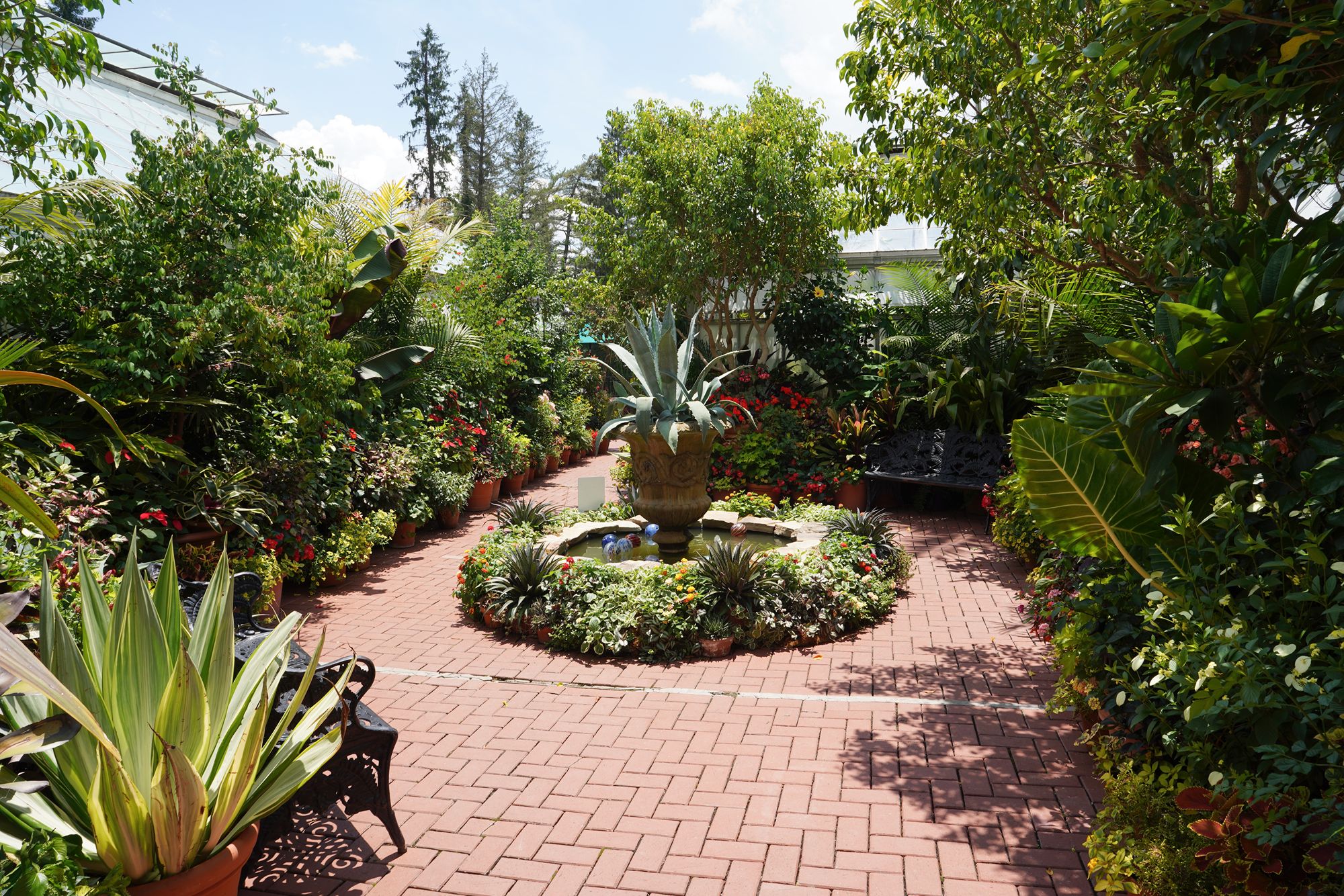
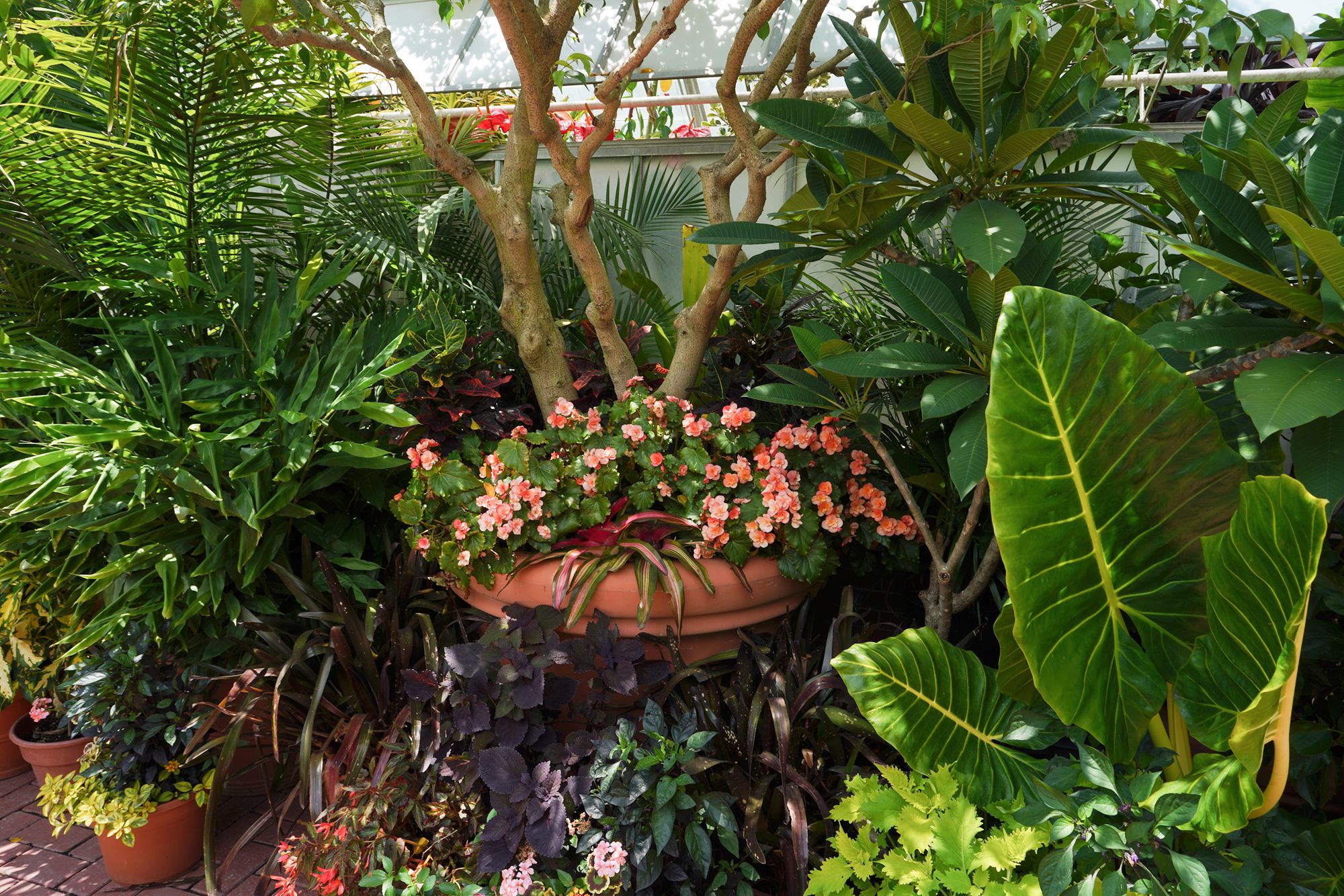
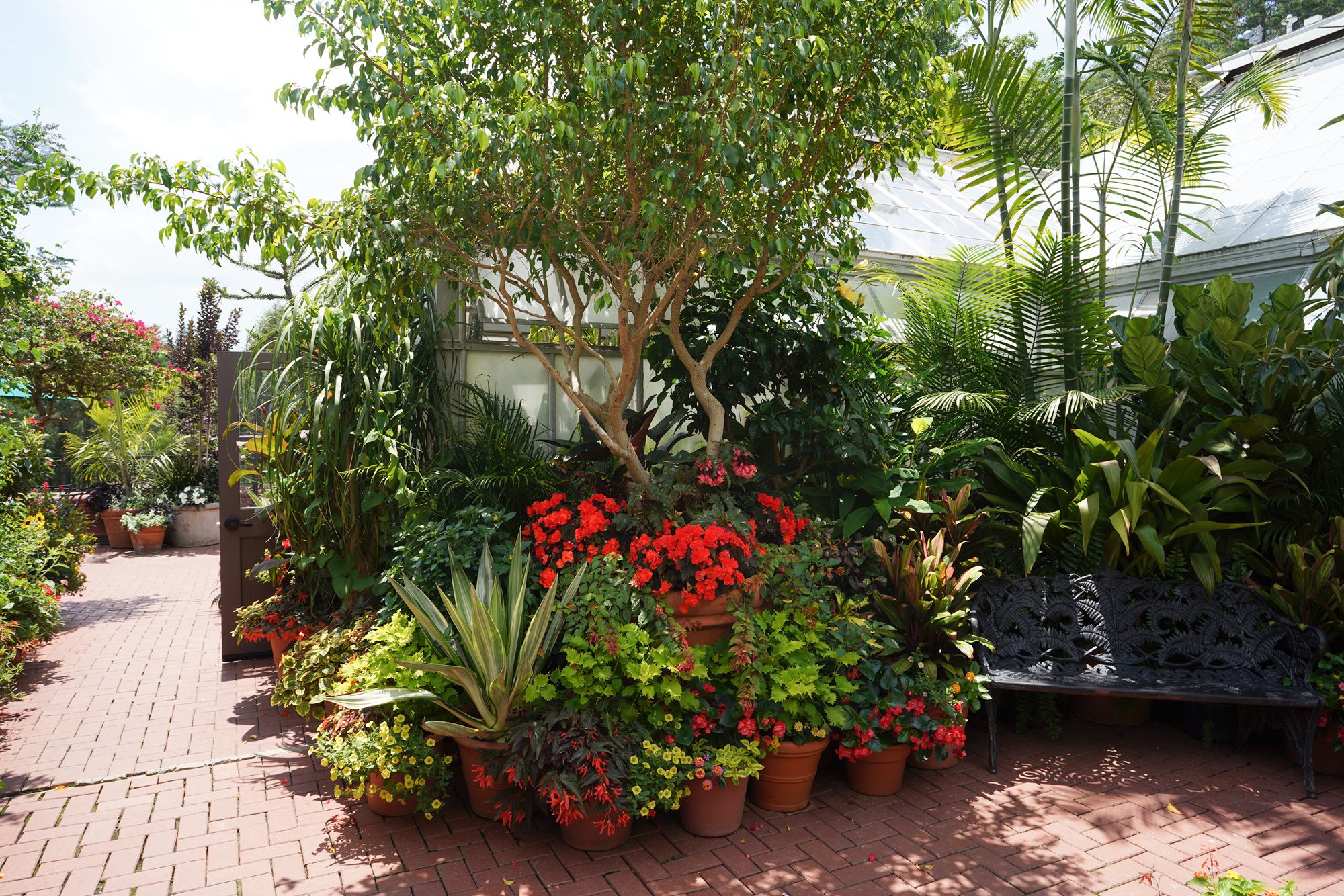
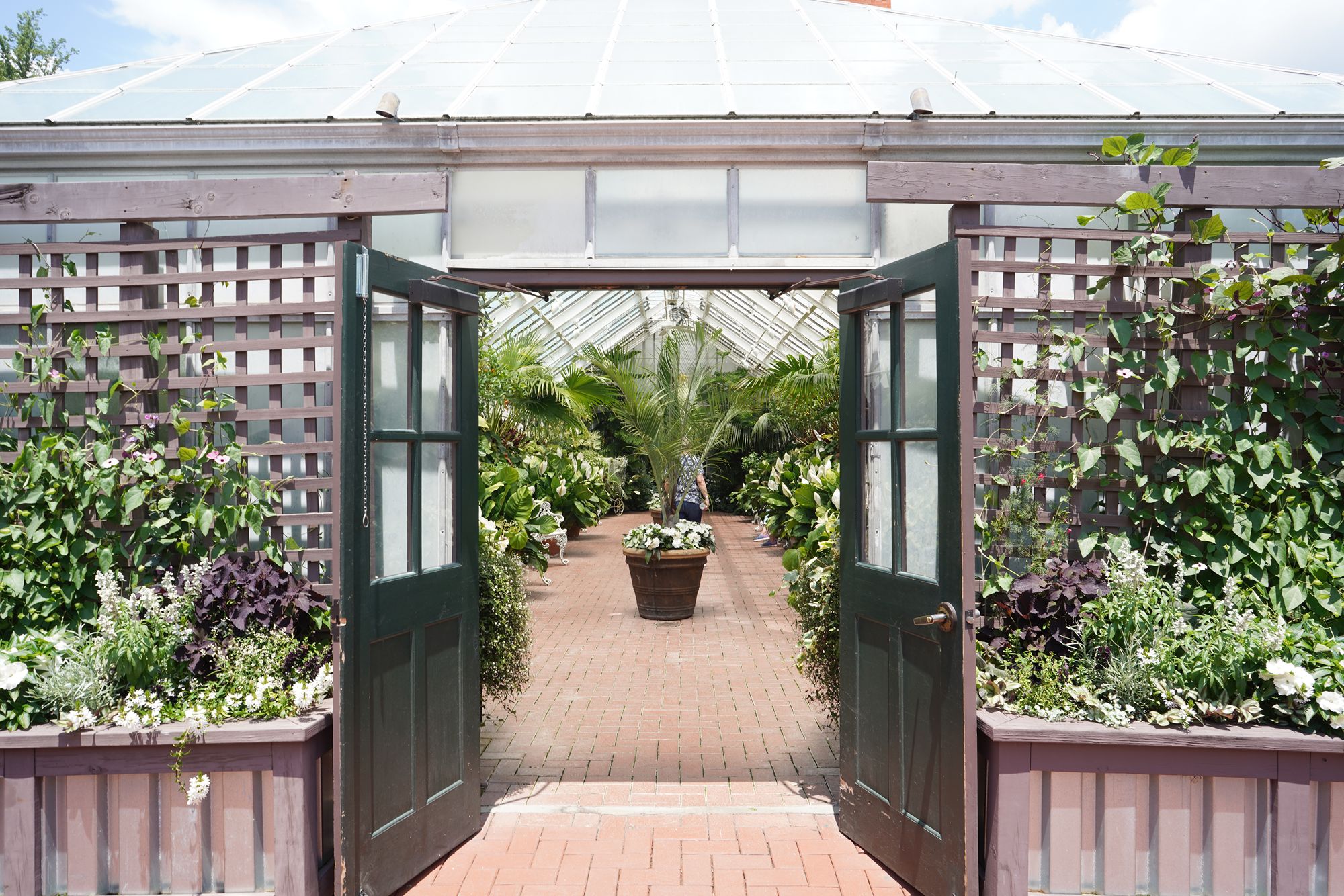
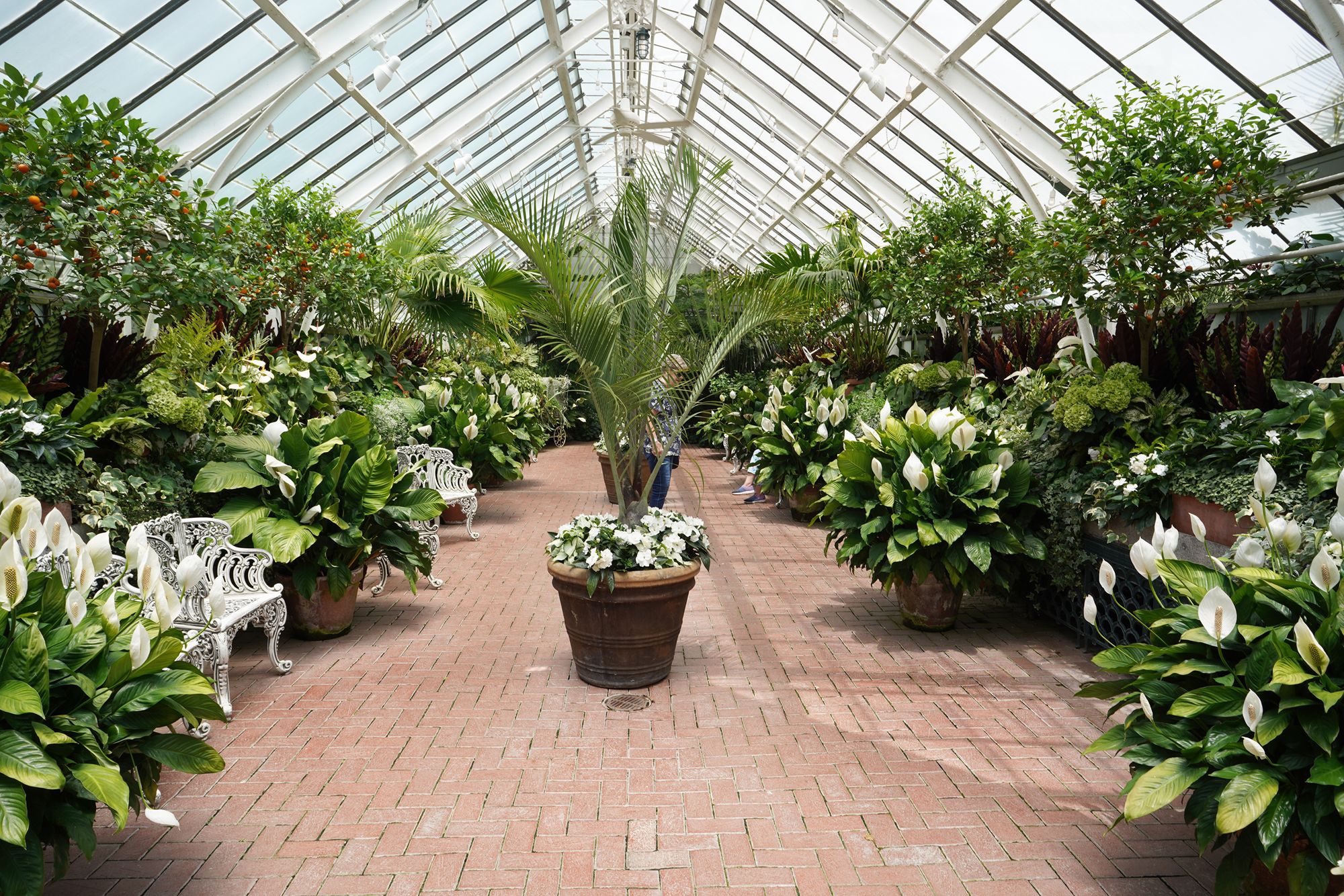
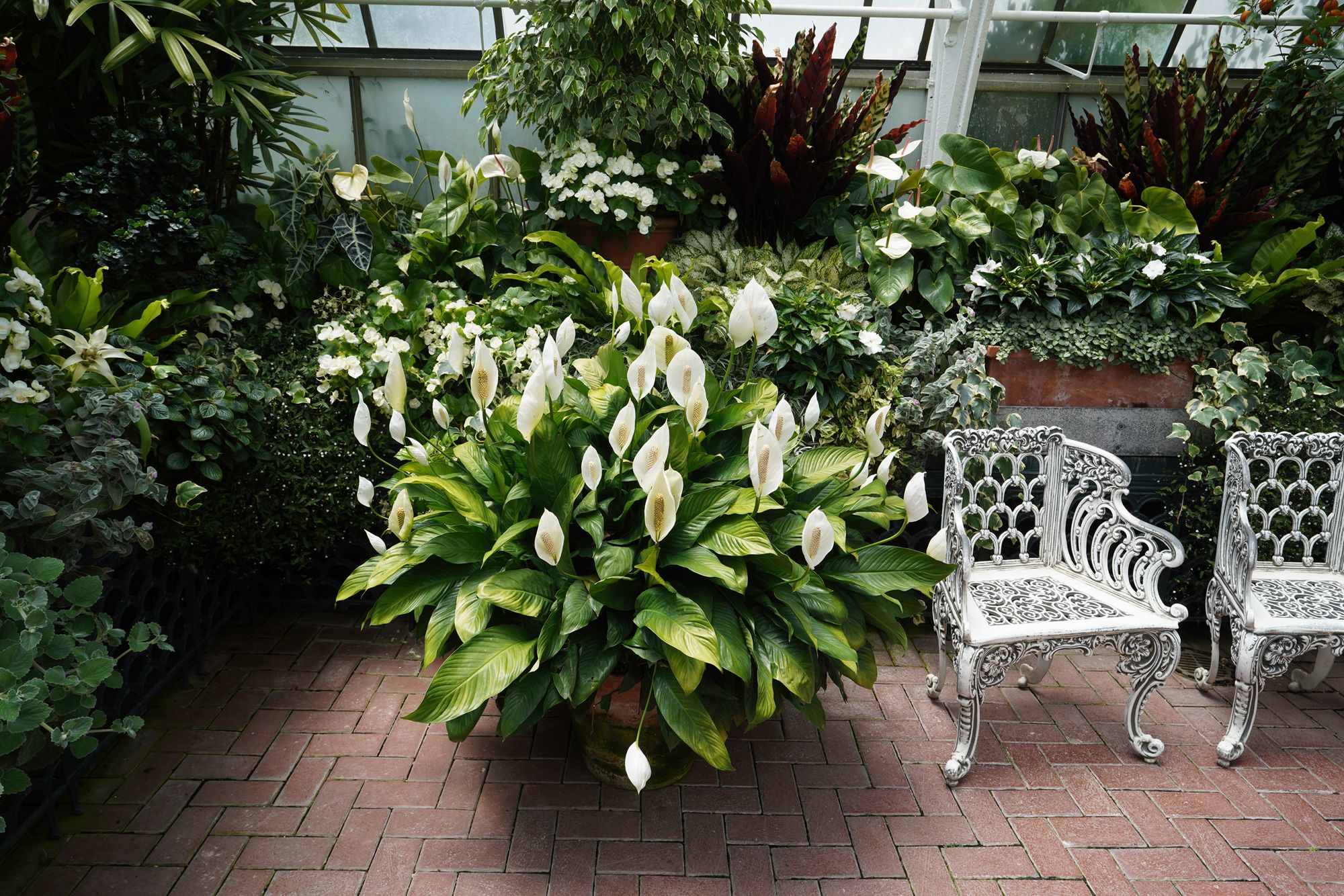
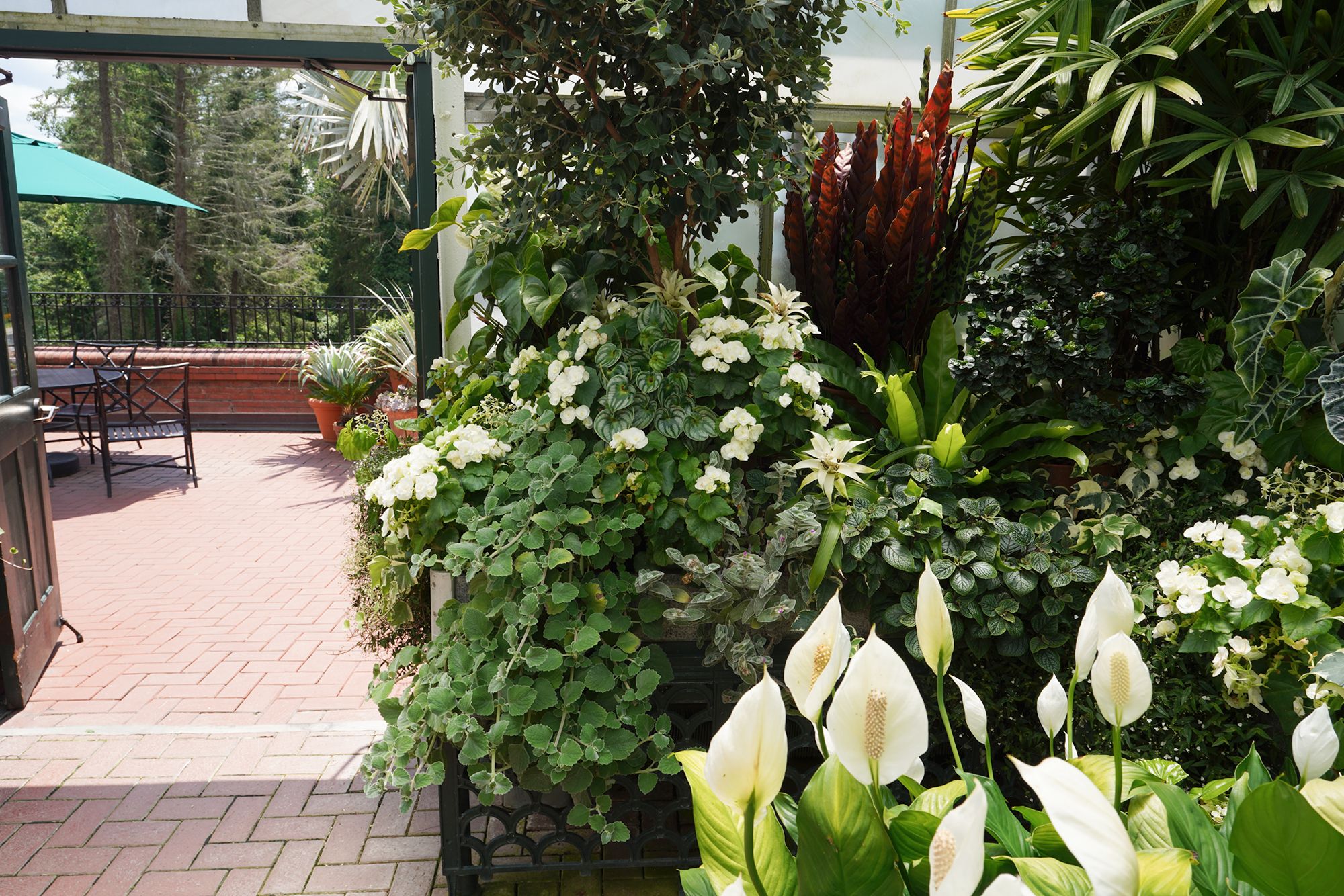
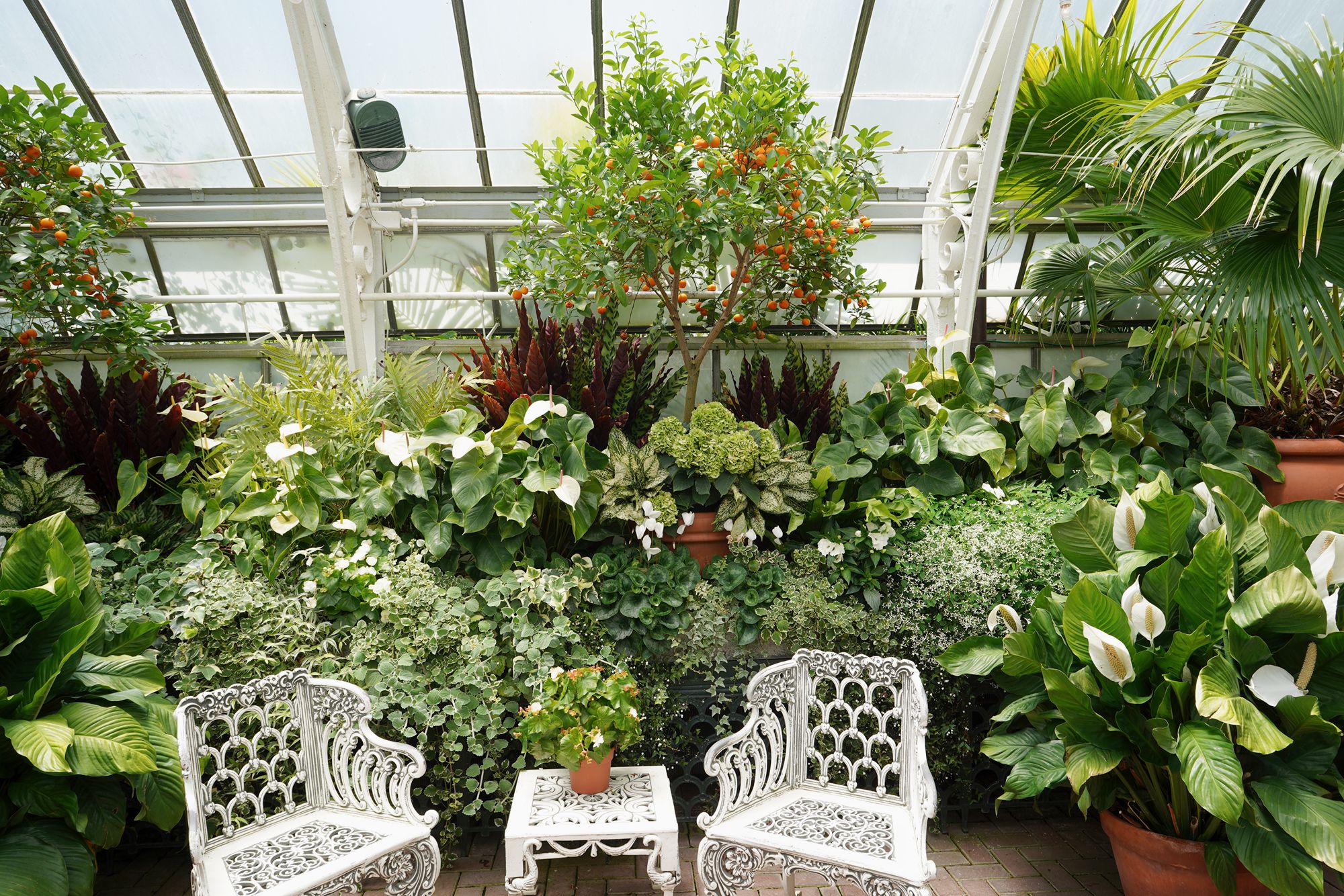
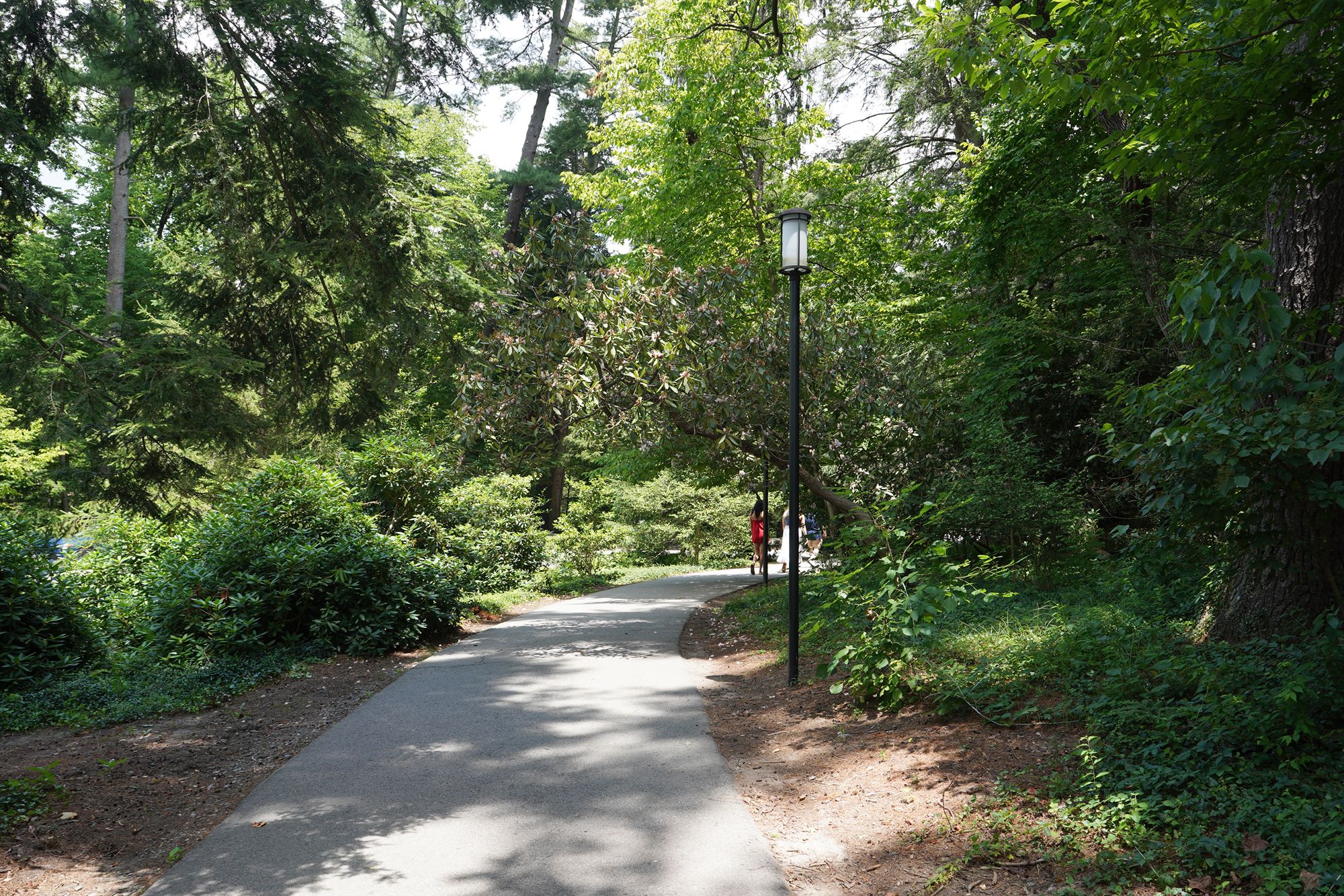
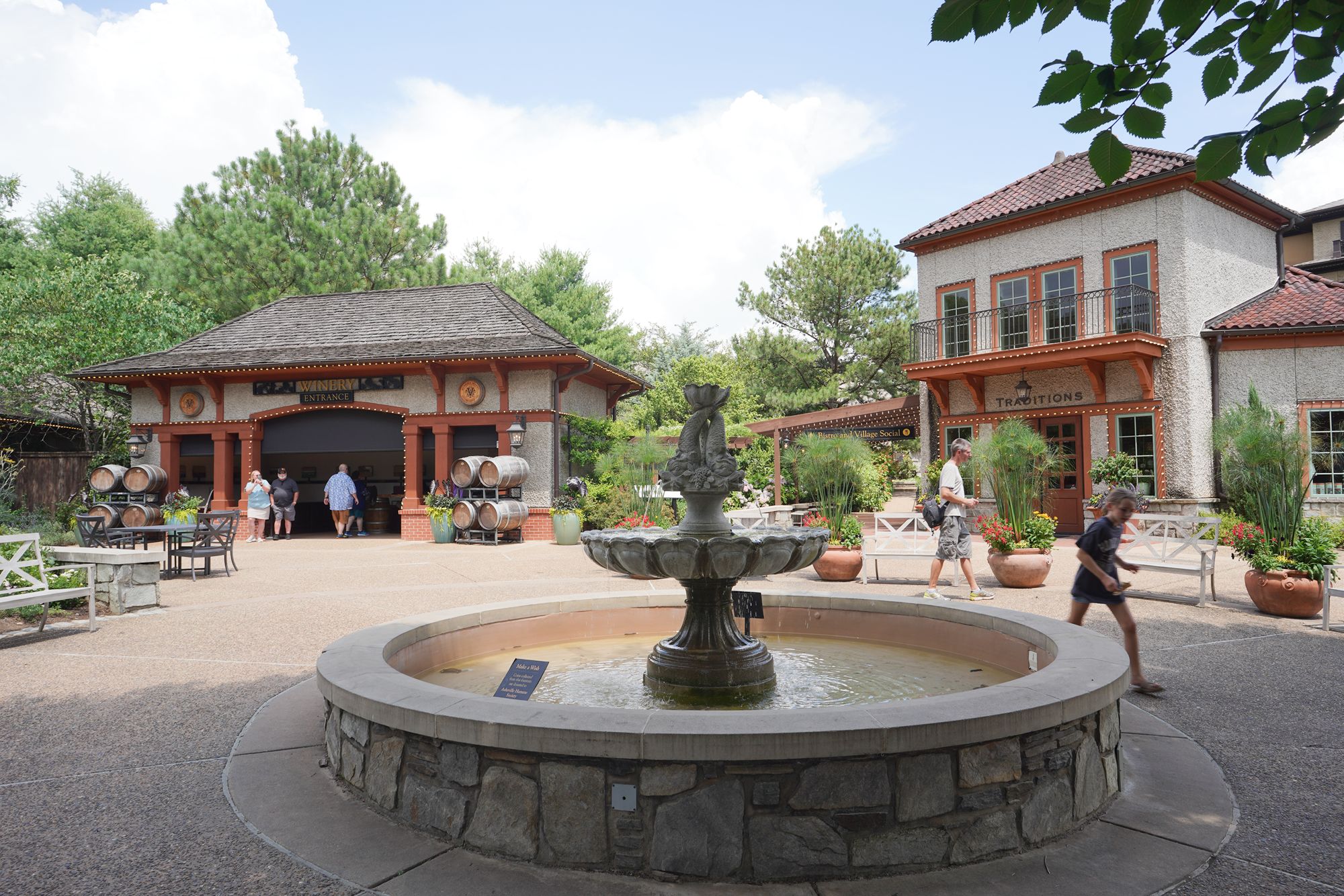
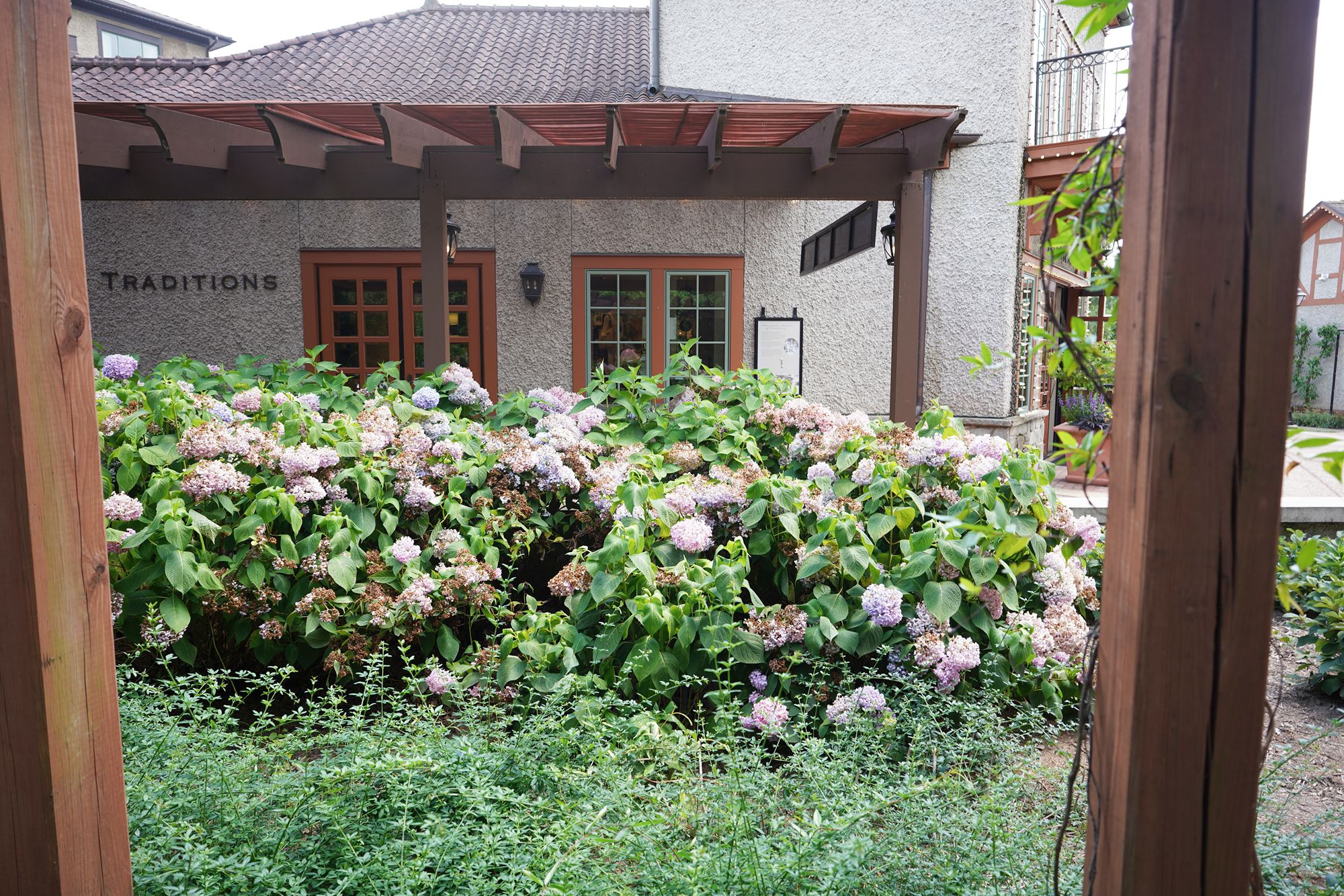
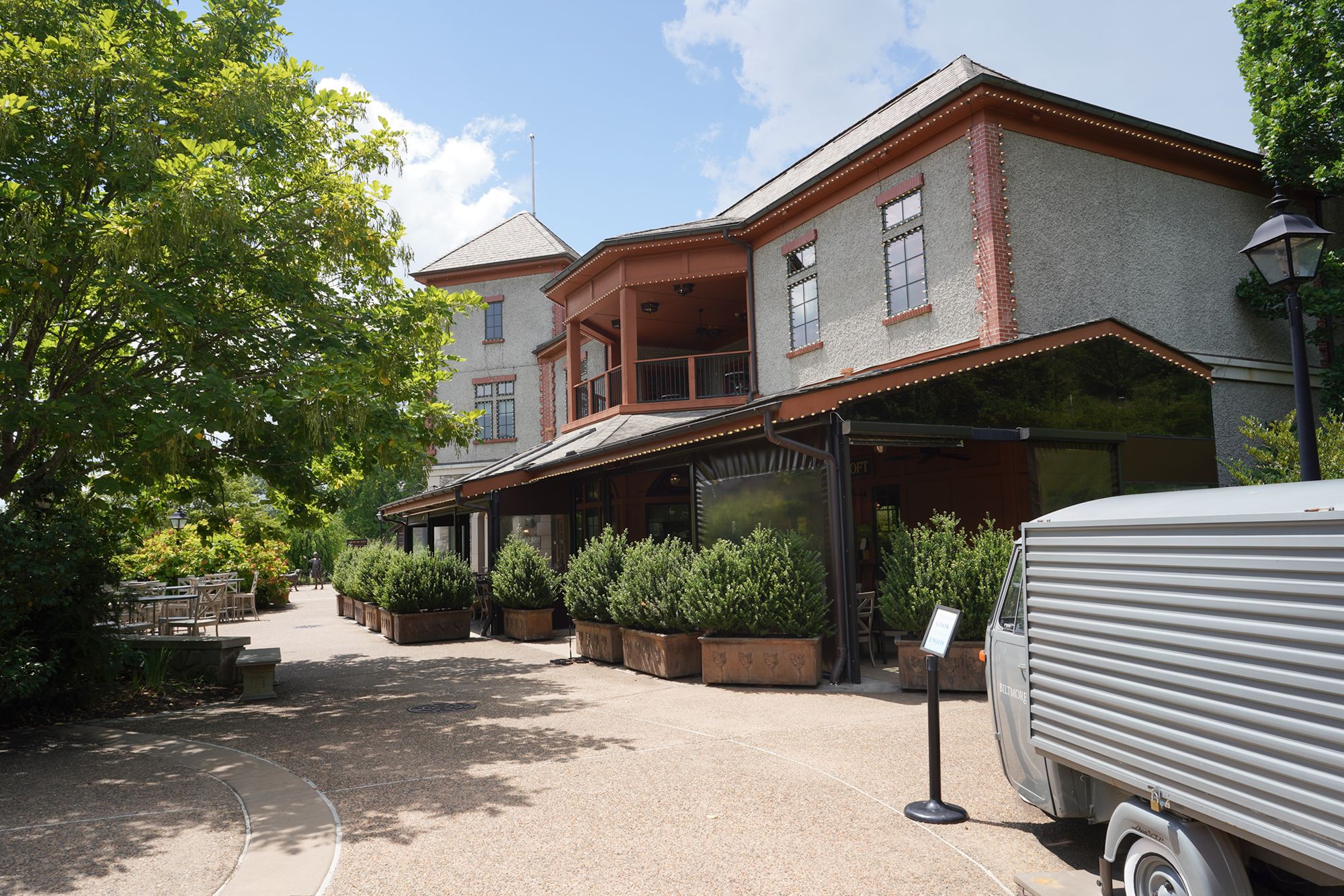
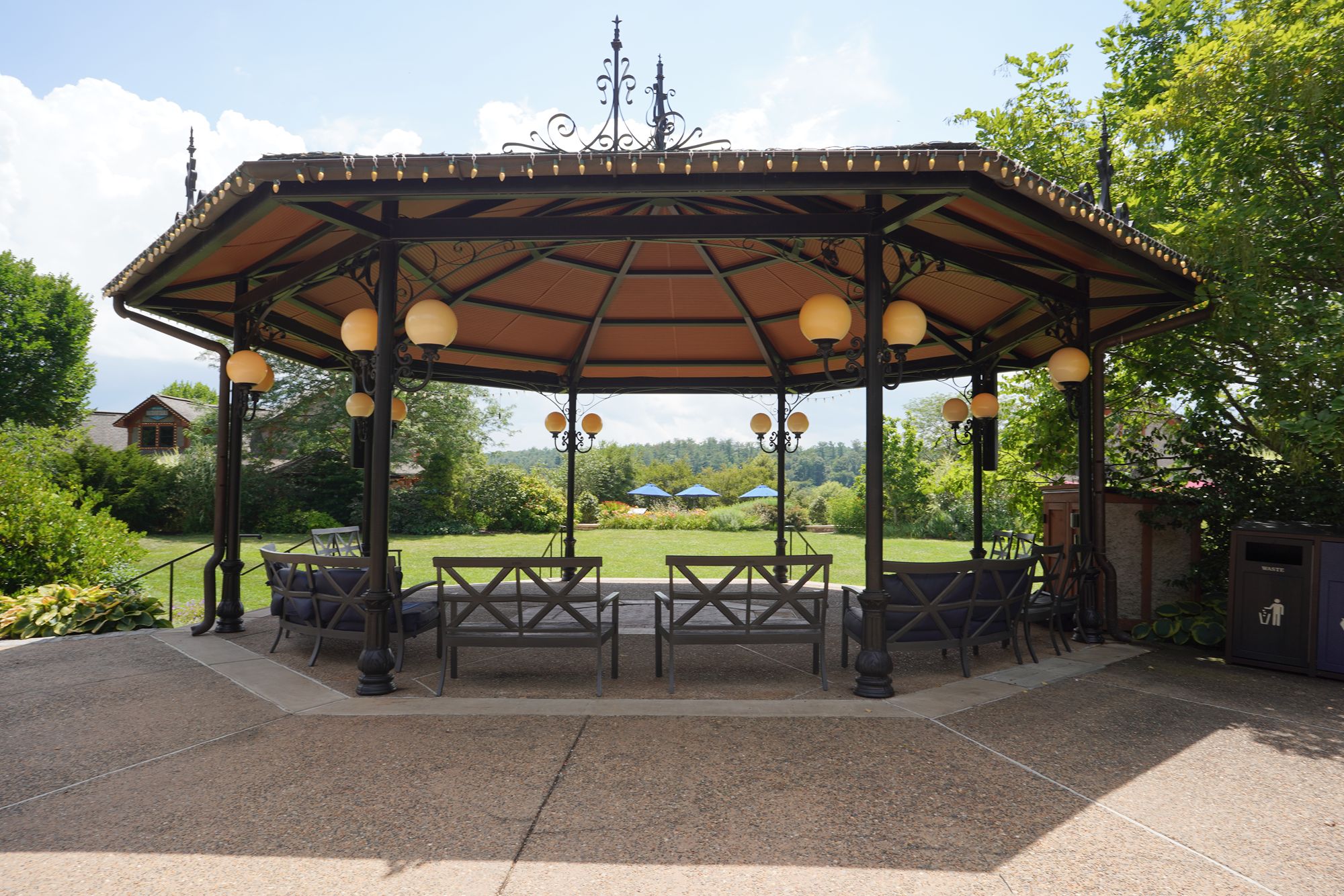
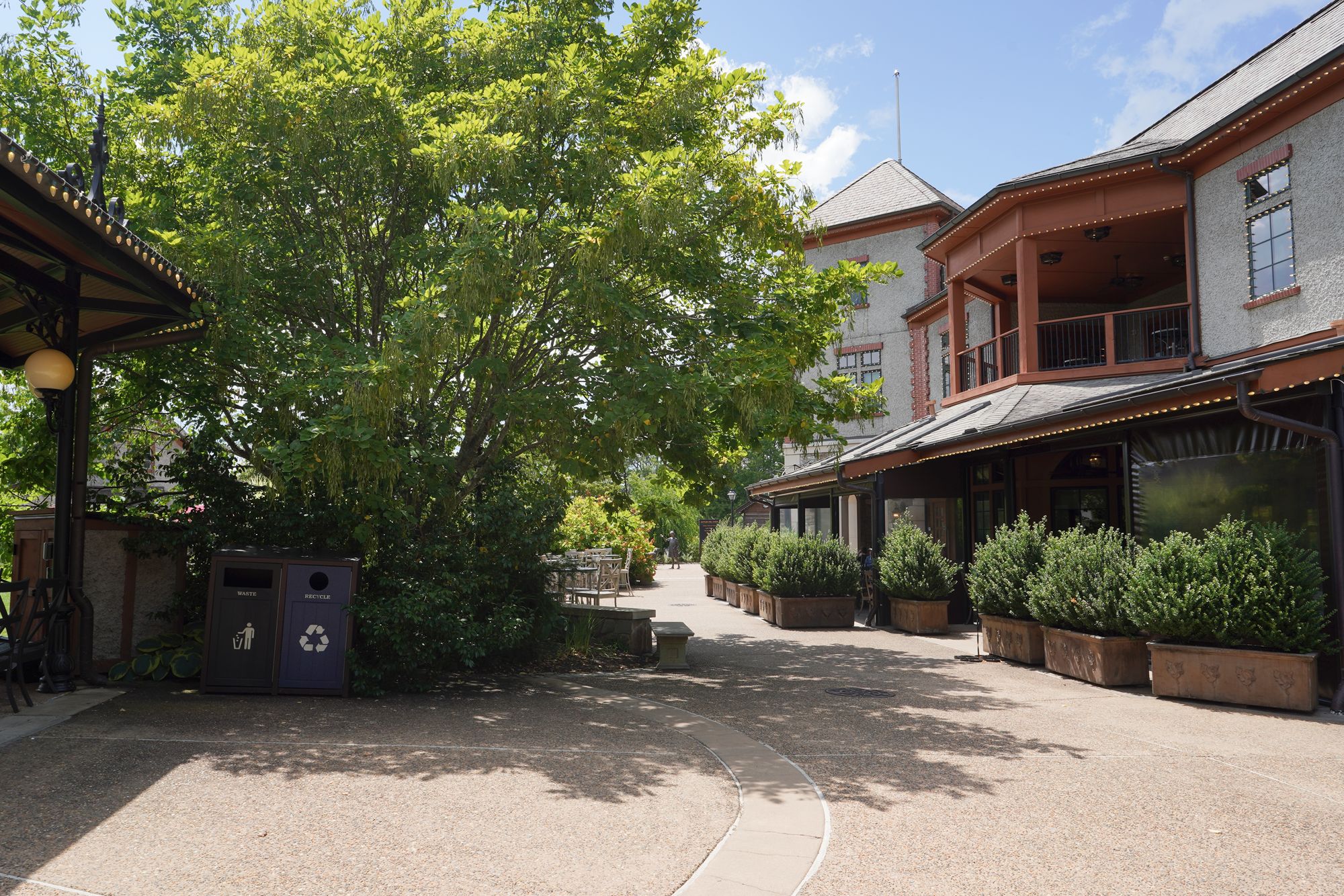
After the garden, I drove to Antler Hill Village in the estate
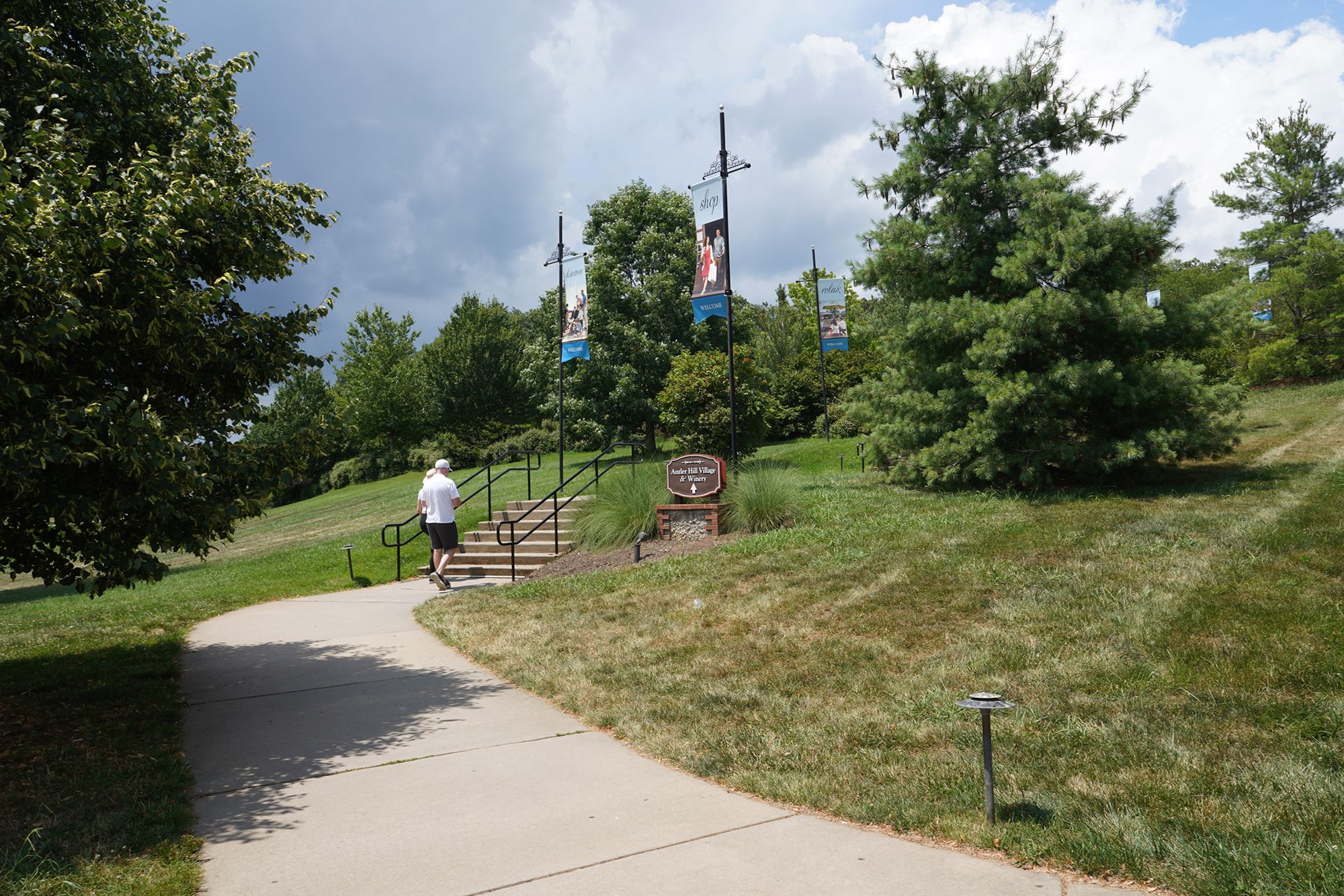
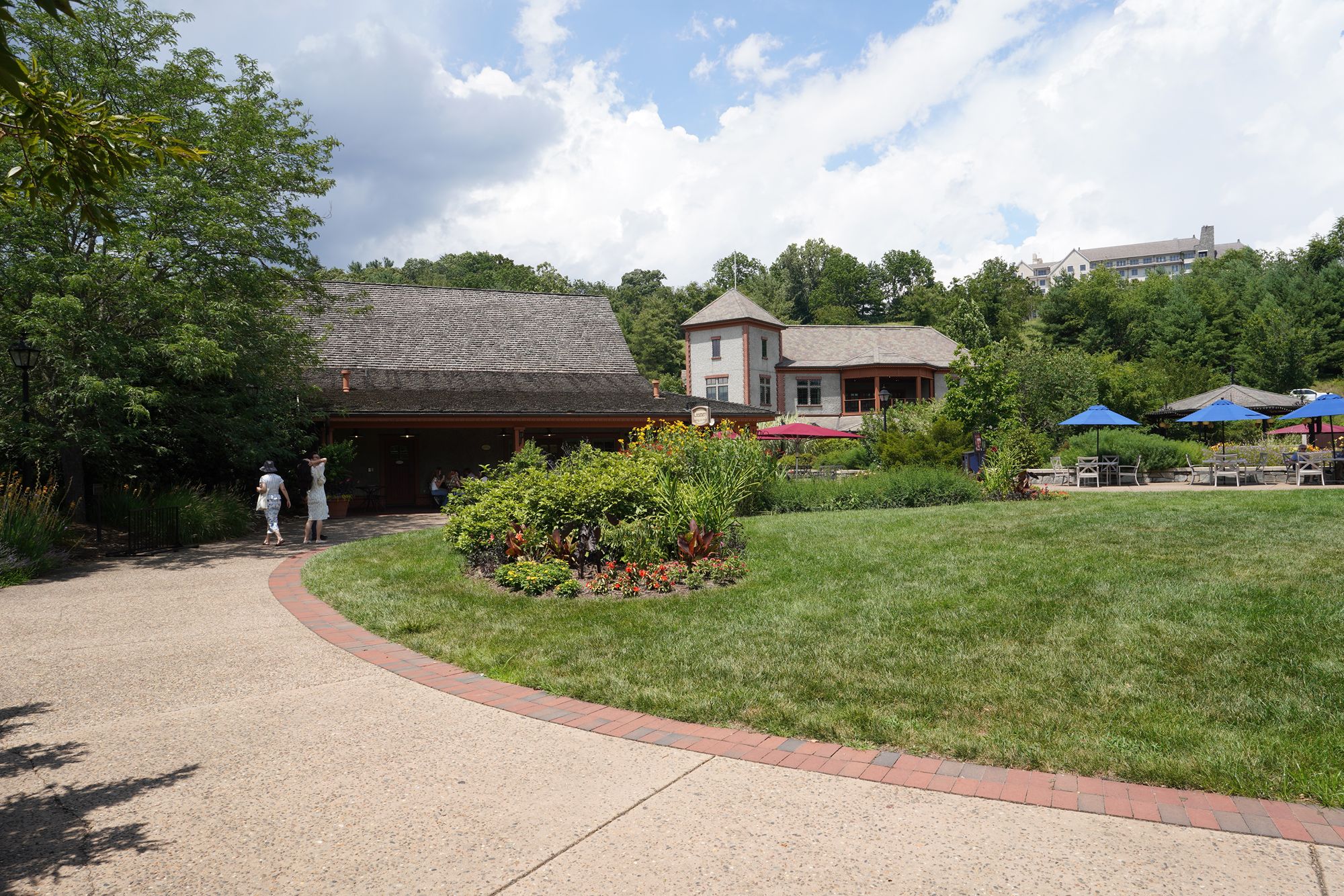
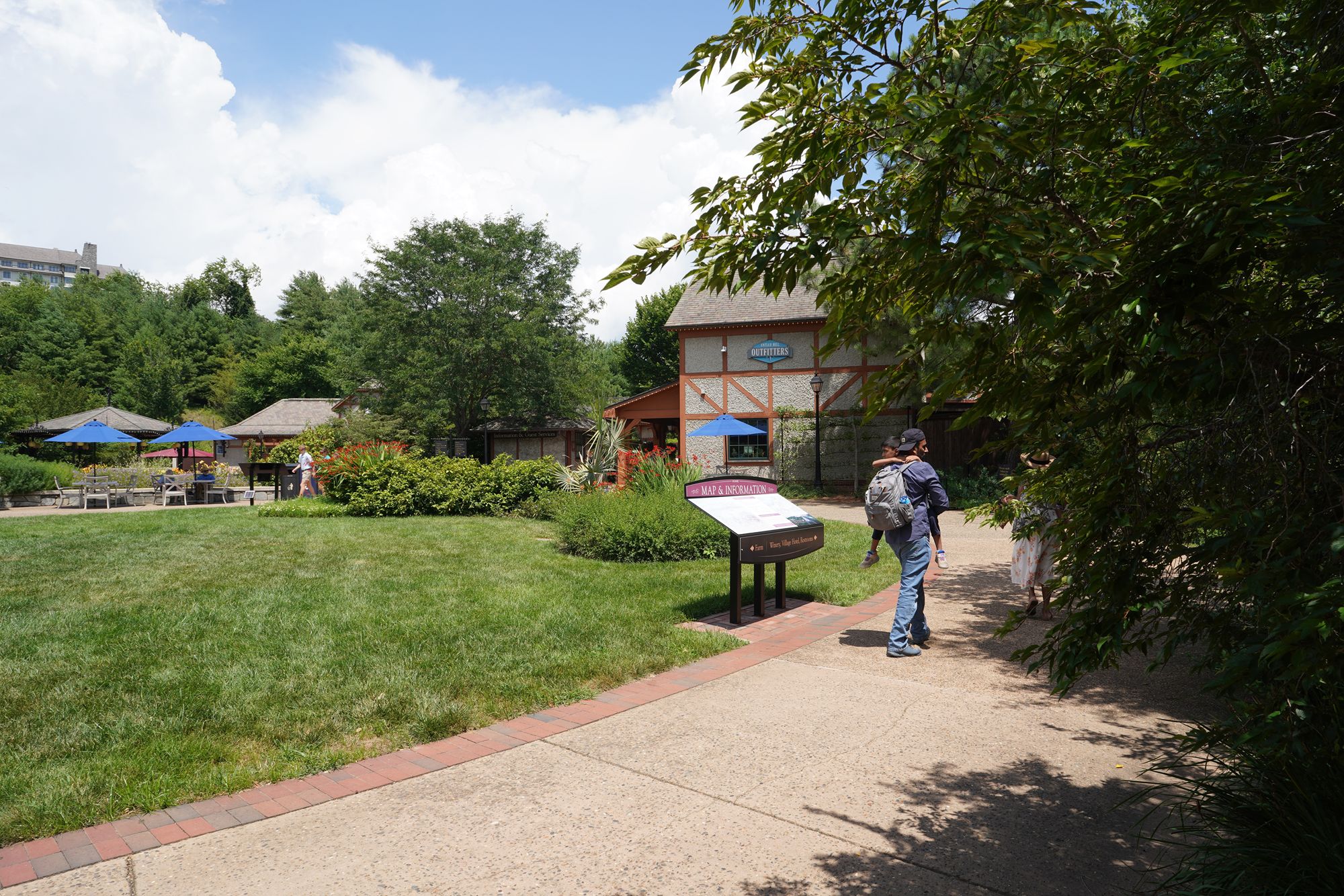
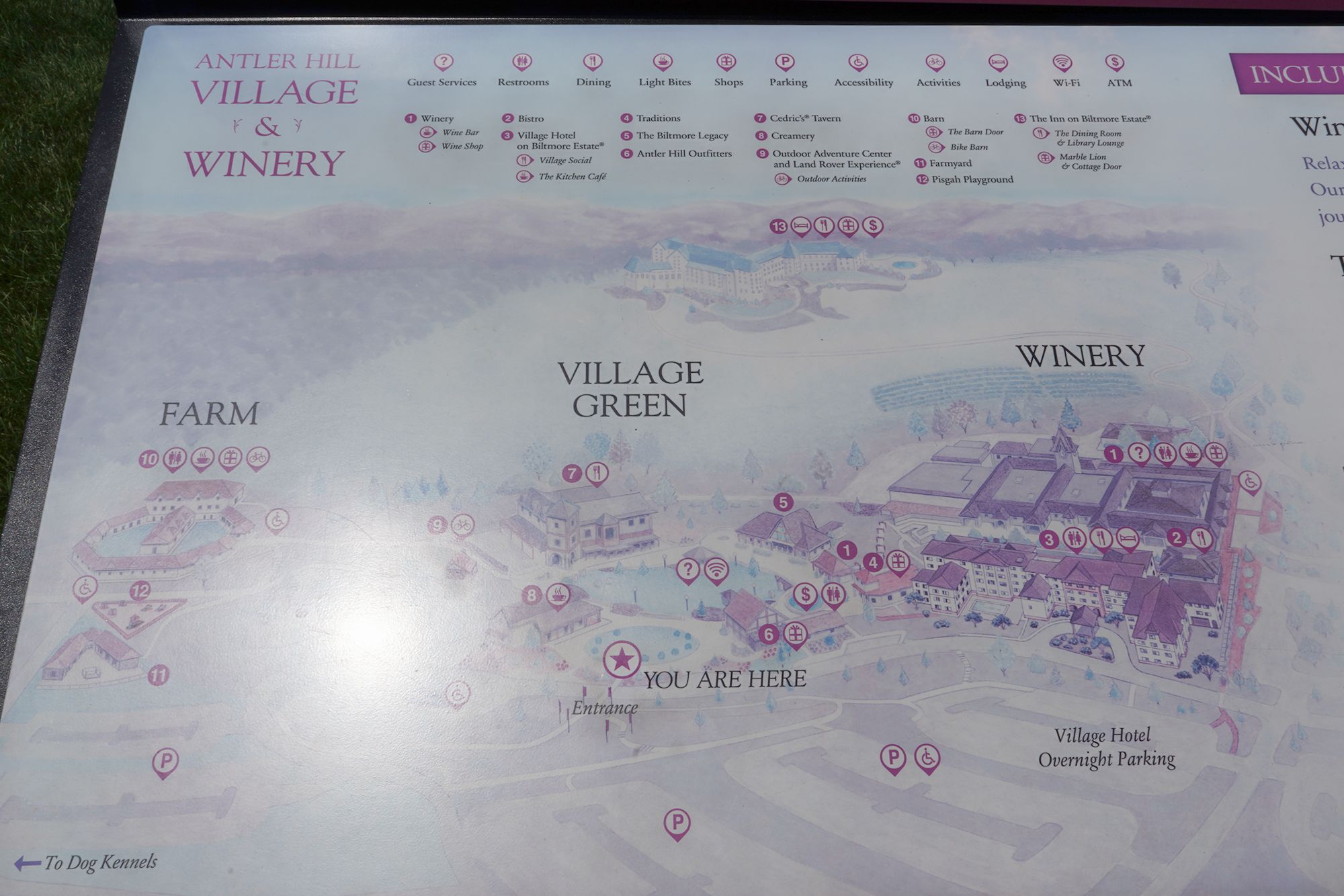
The Village Green
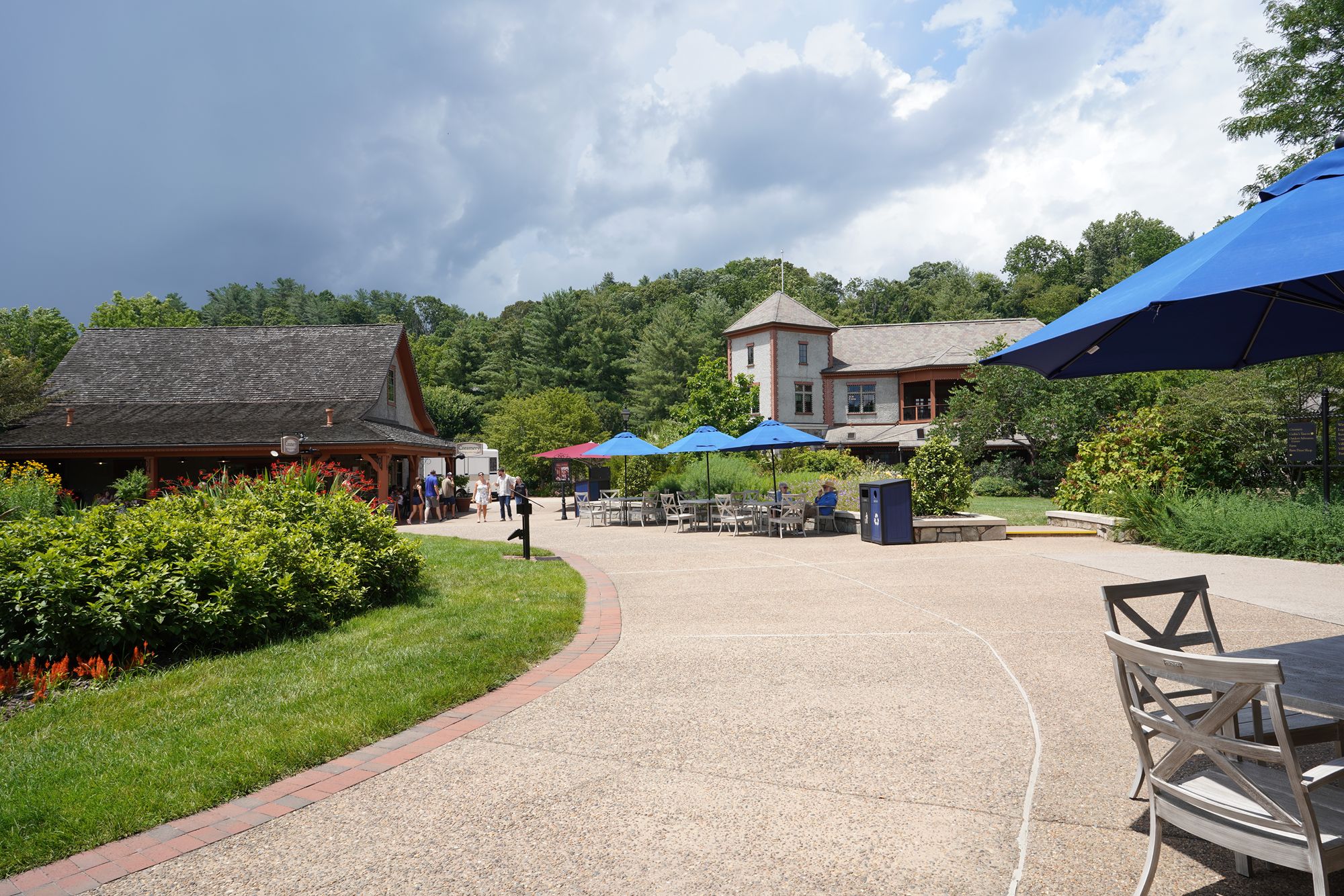
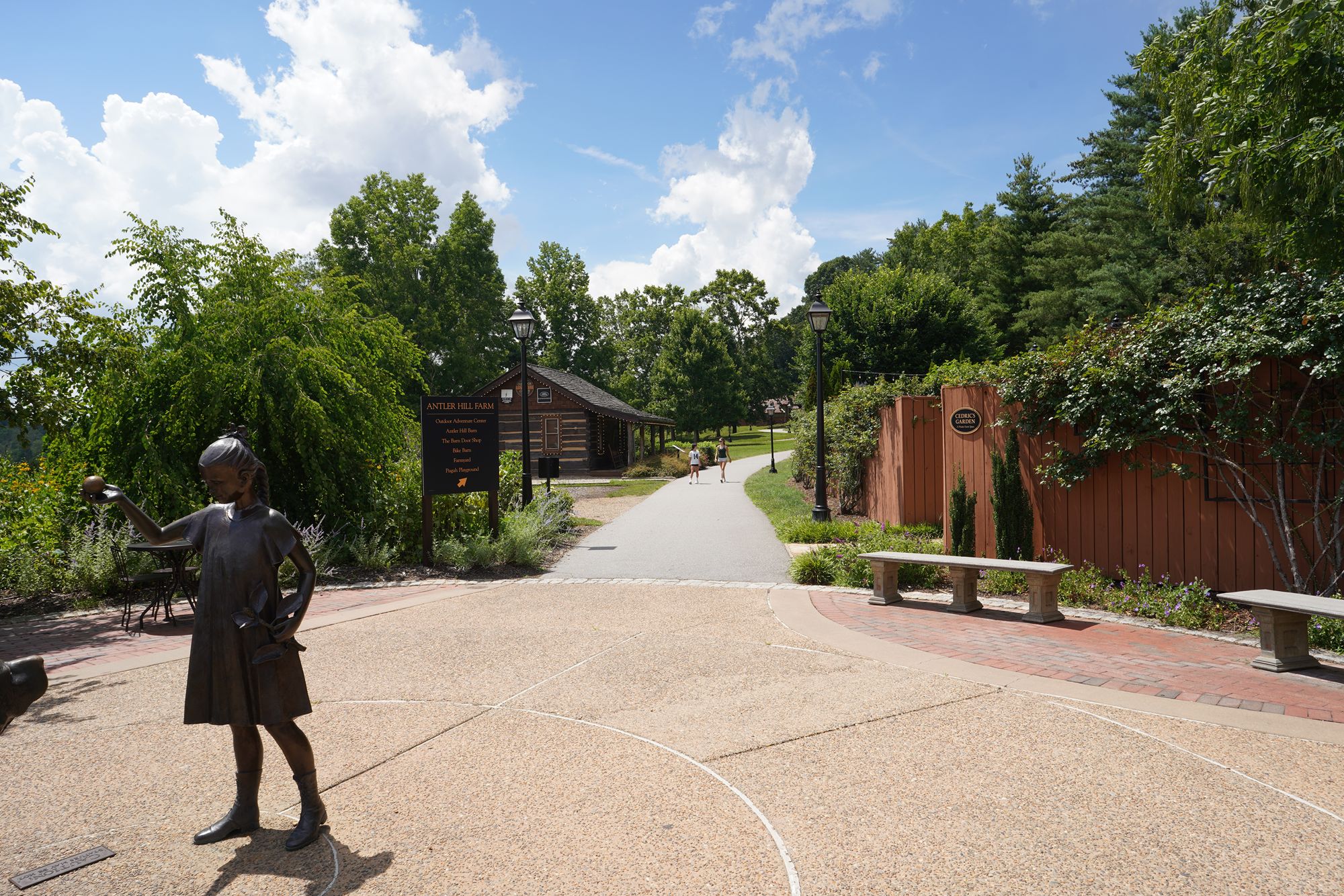
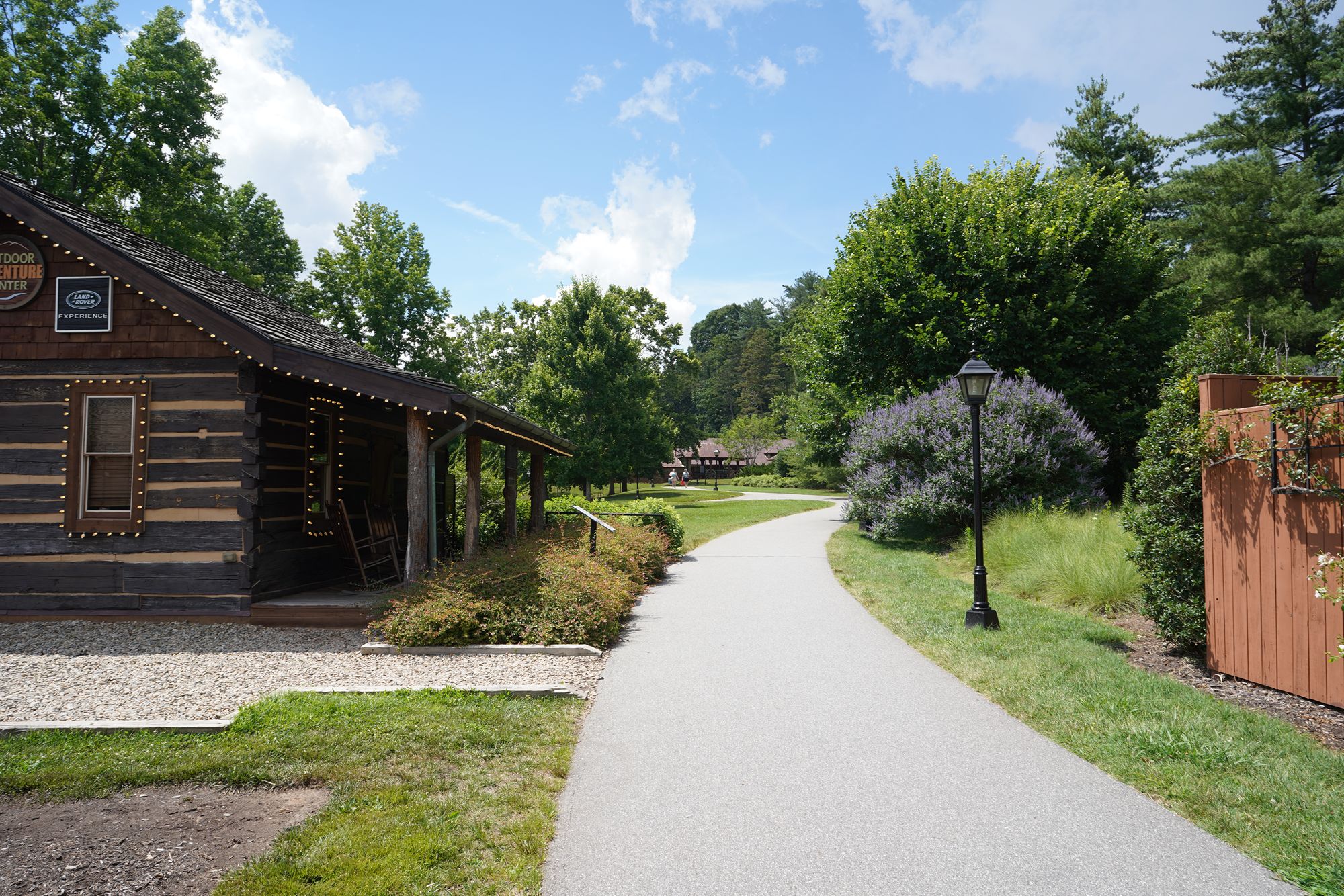
Walking toward the farm
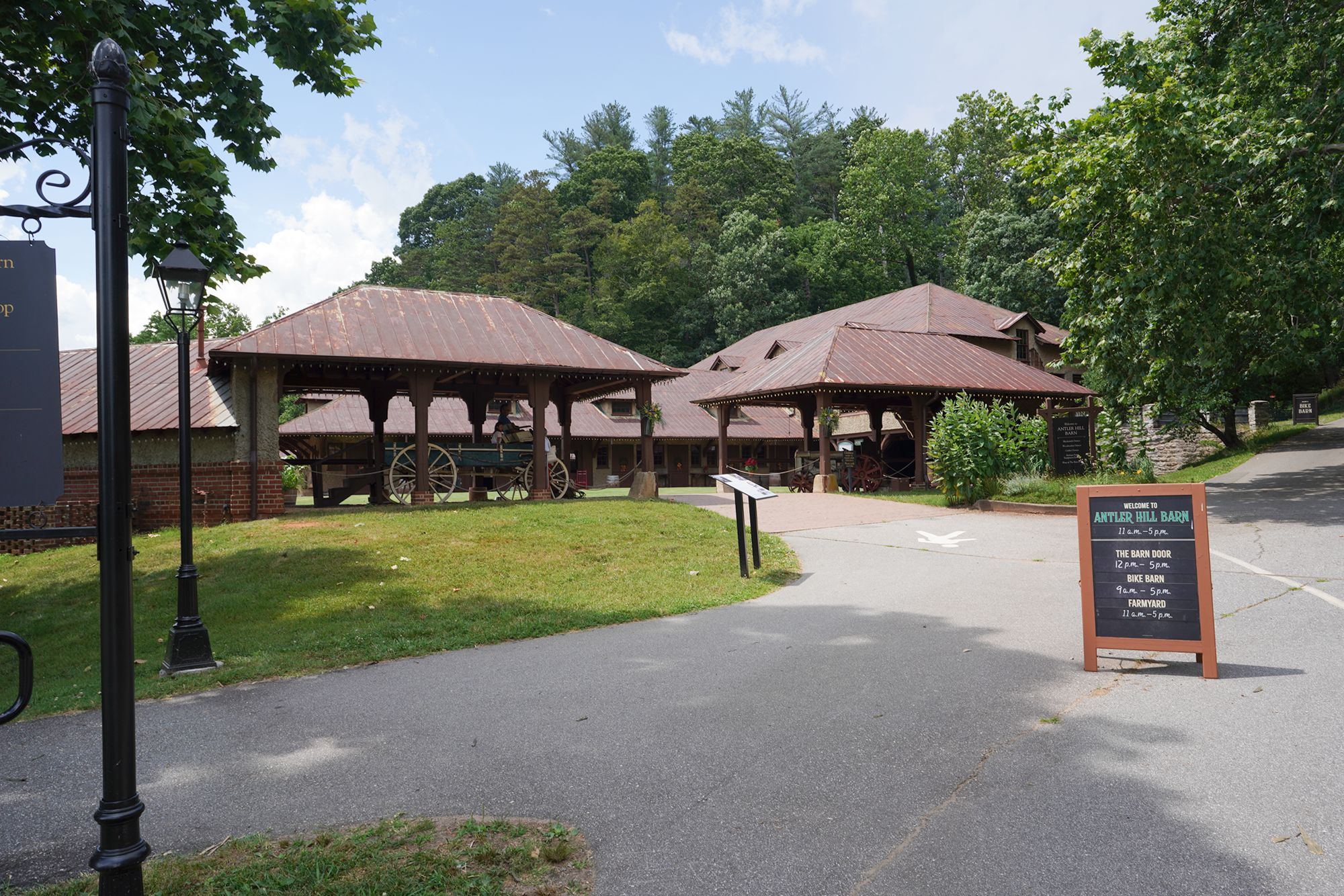
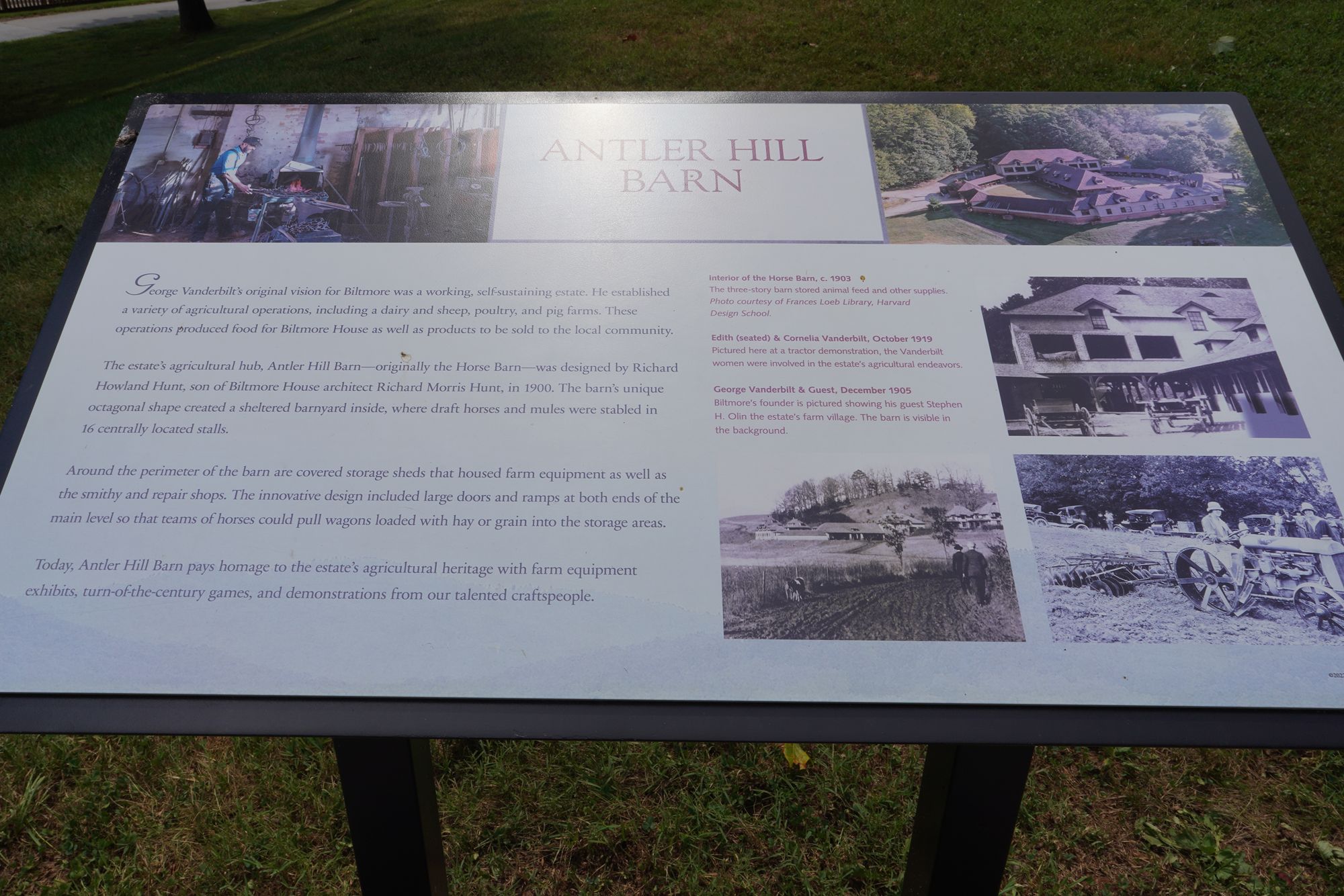
Antler Hill Barn
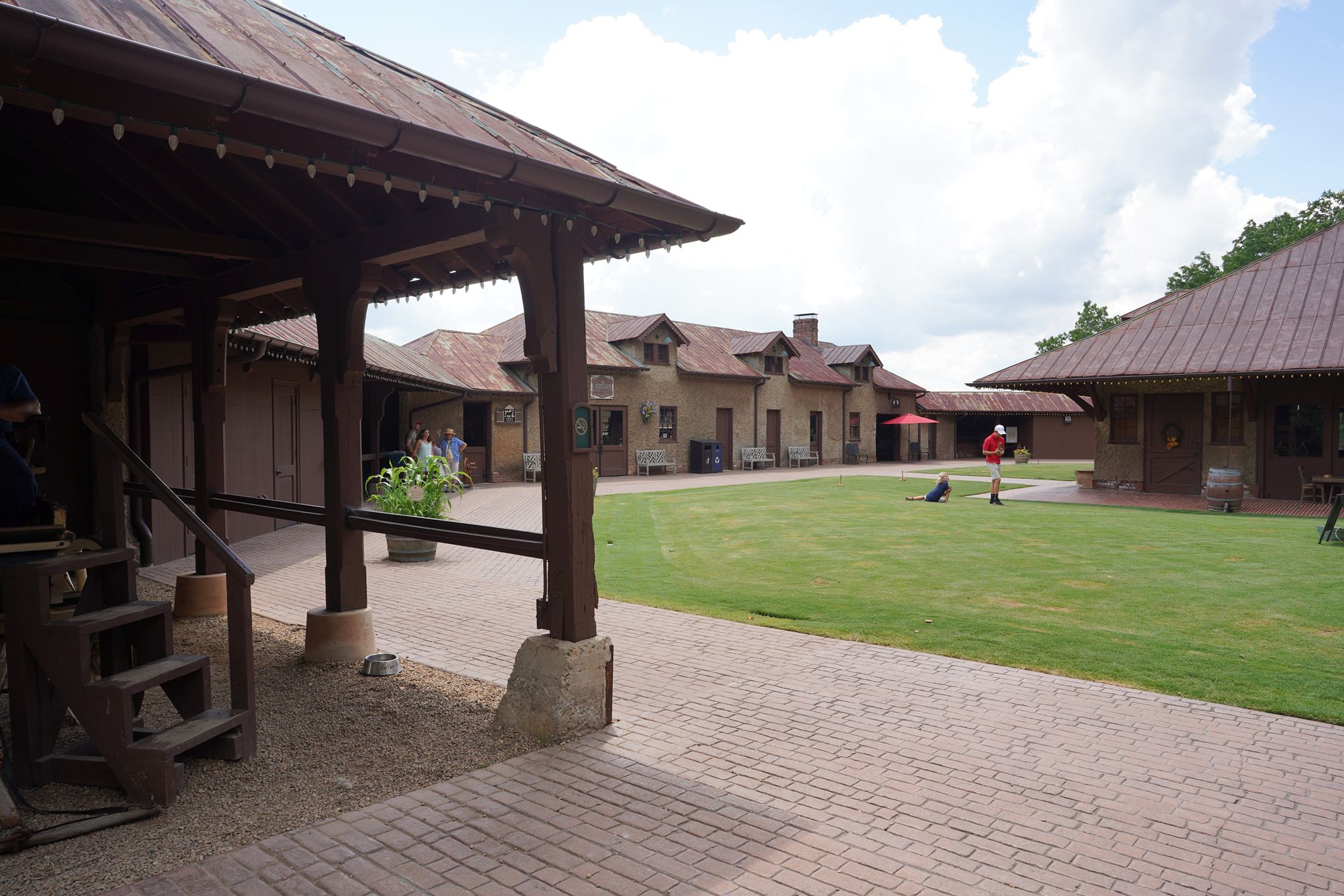
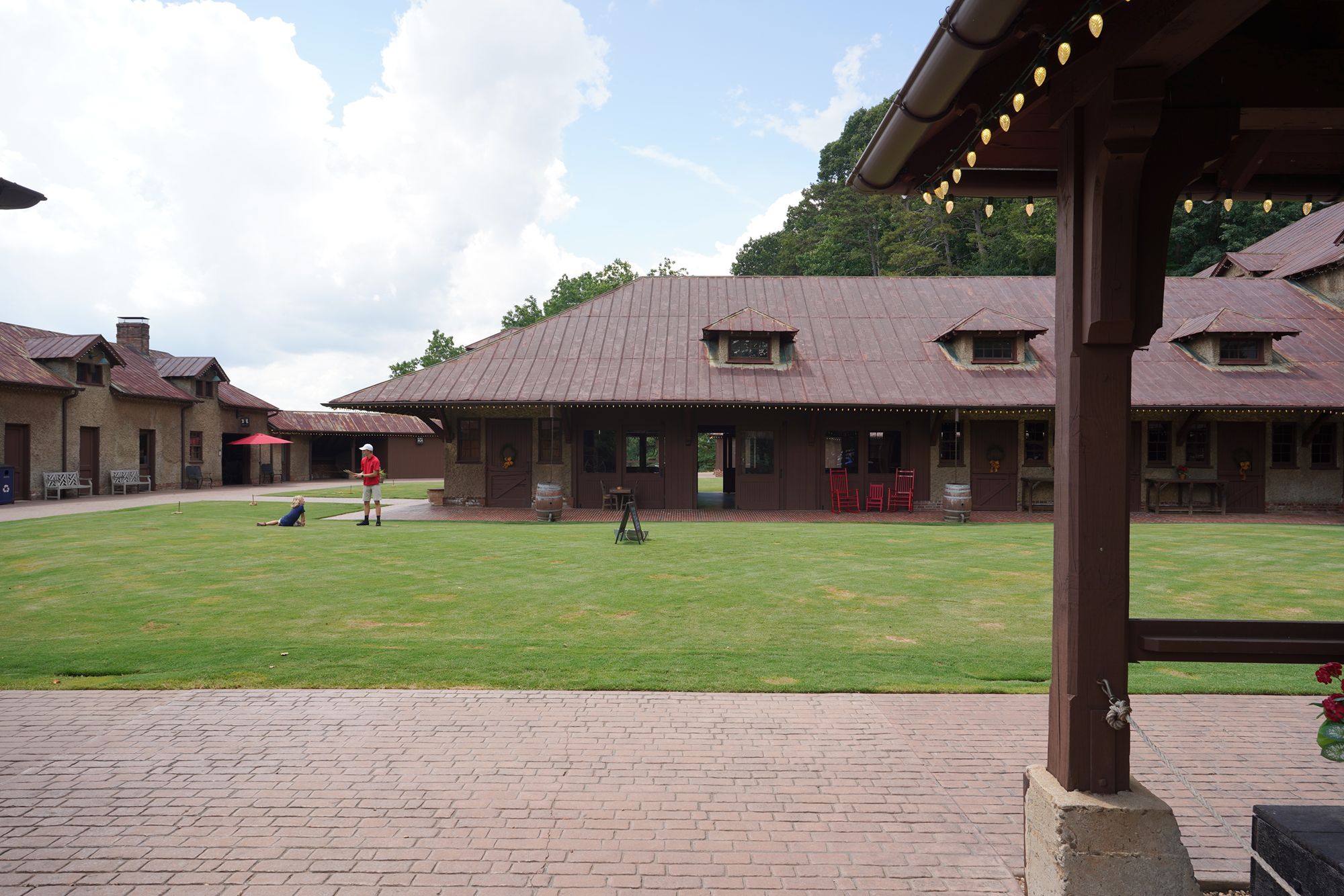
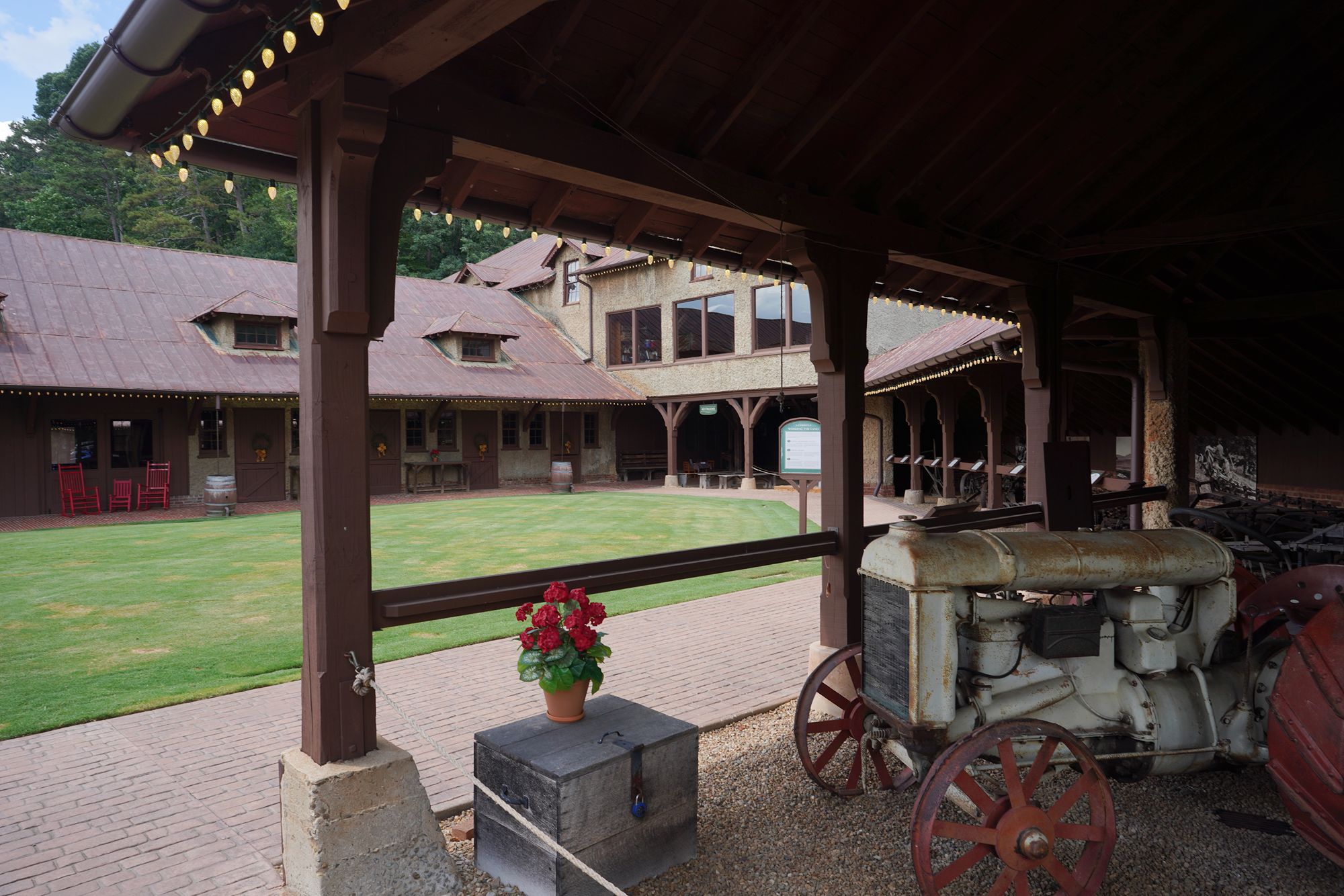
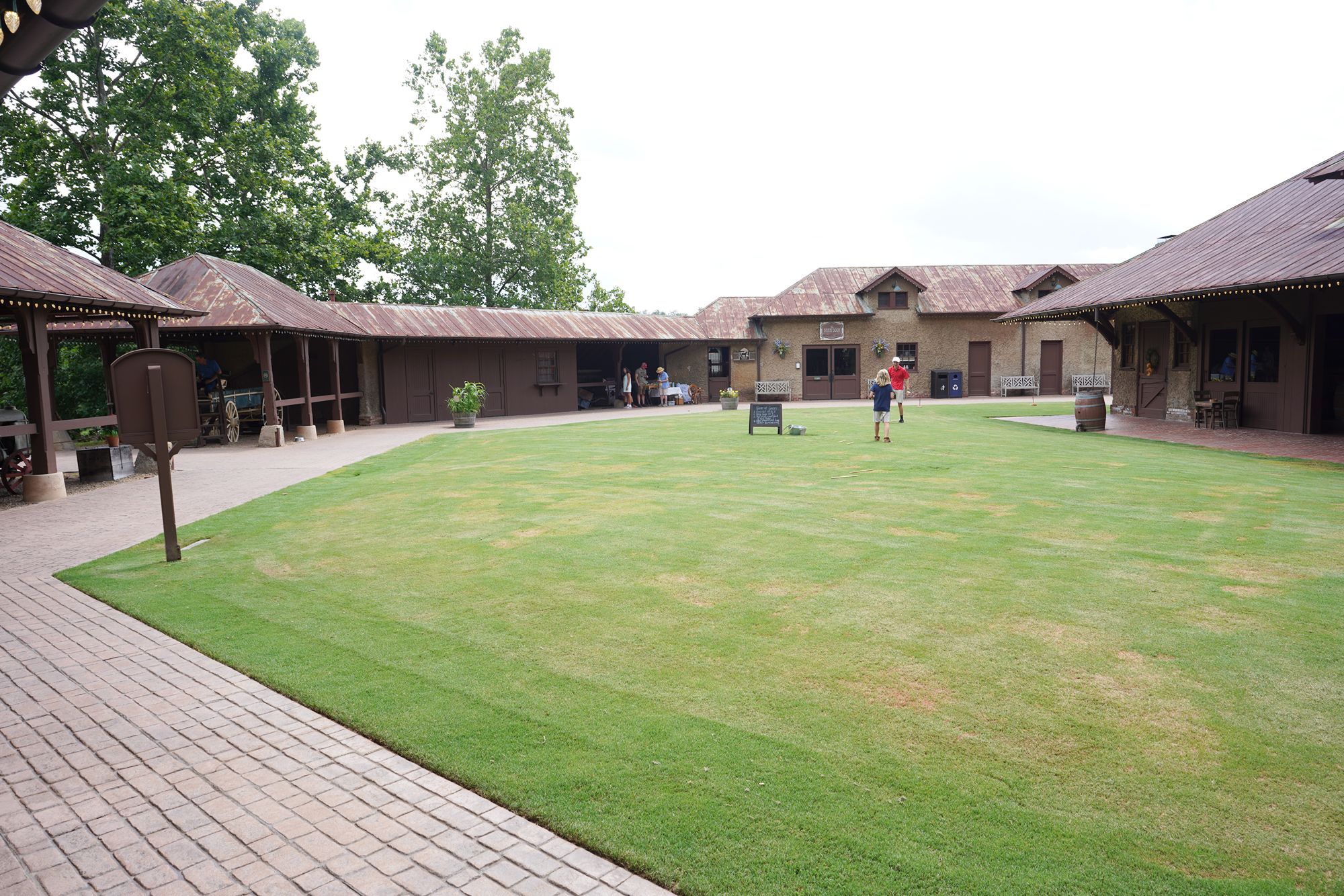
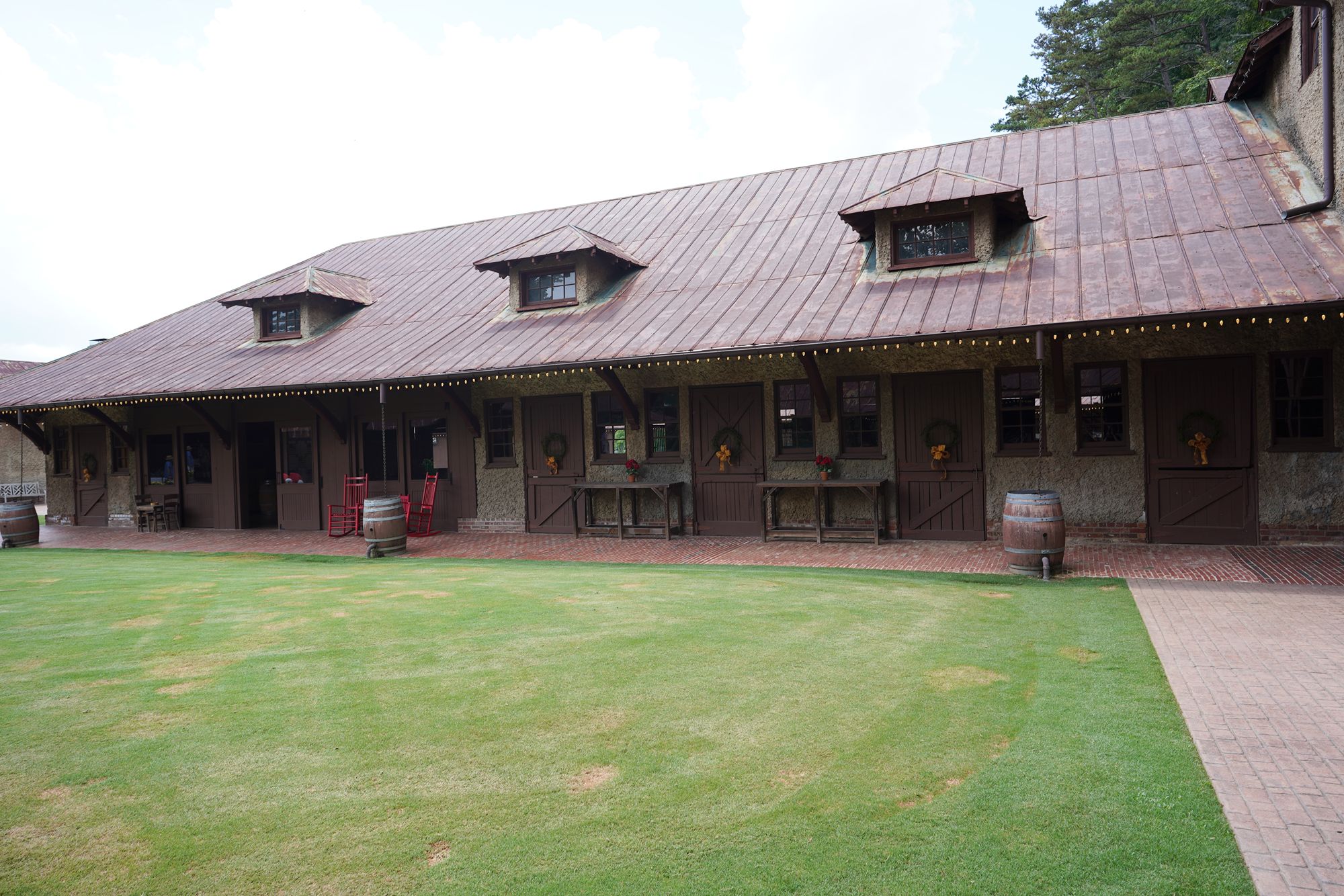
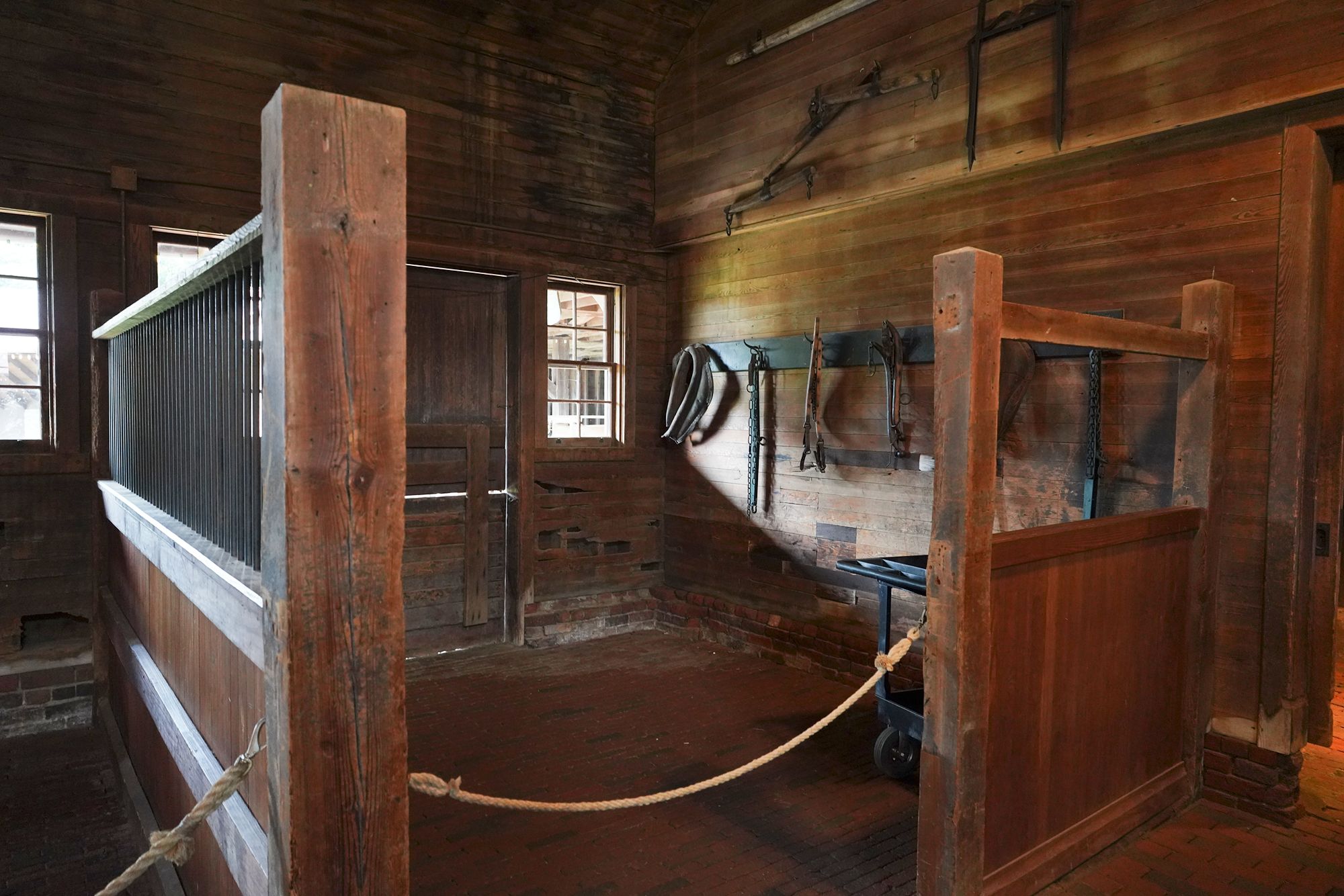
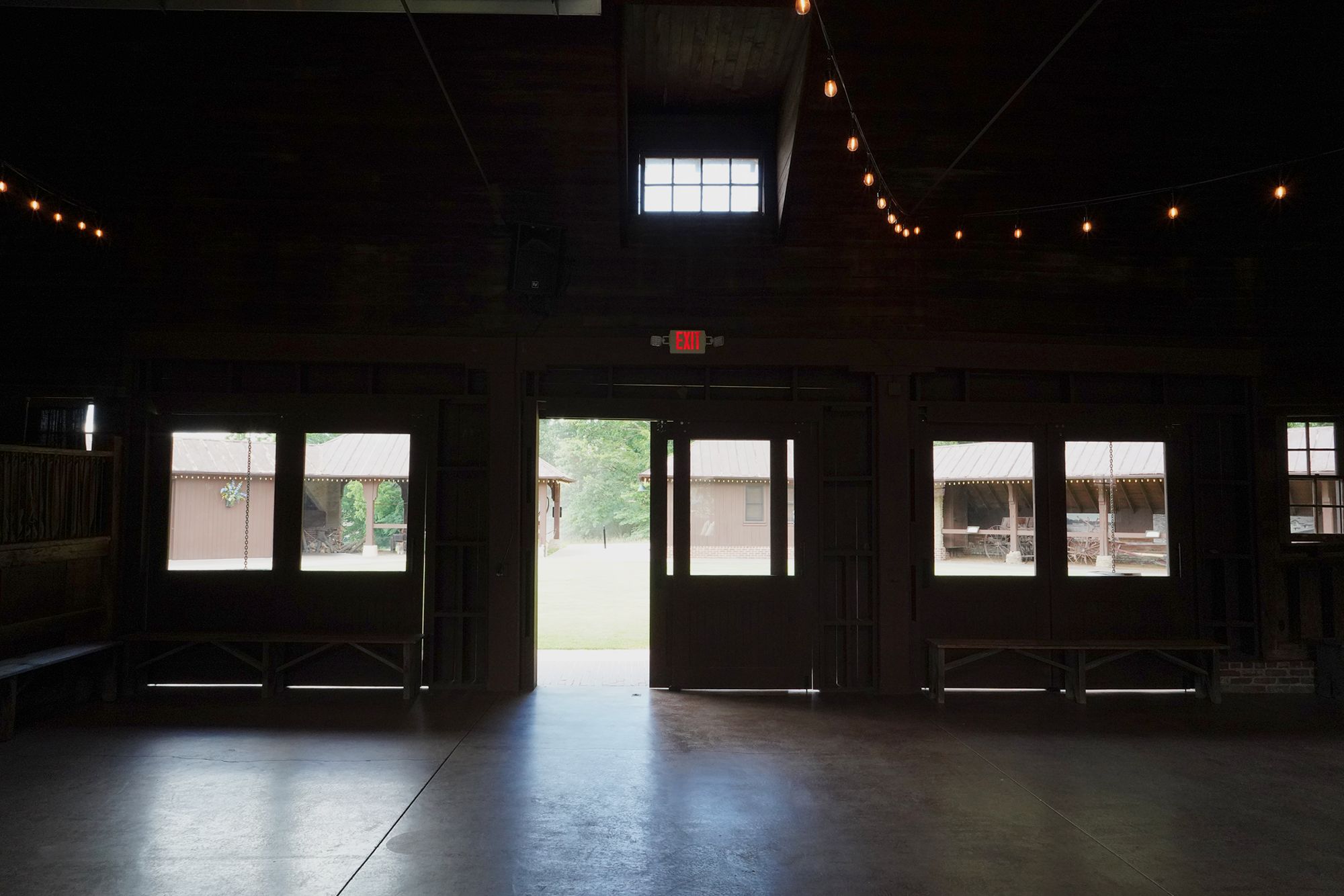
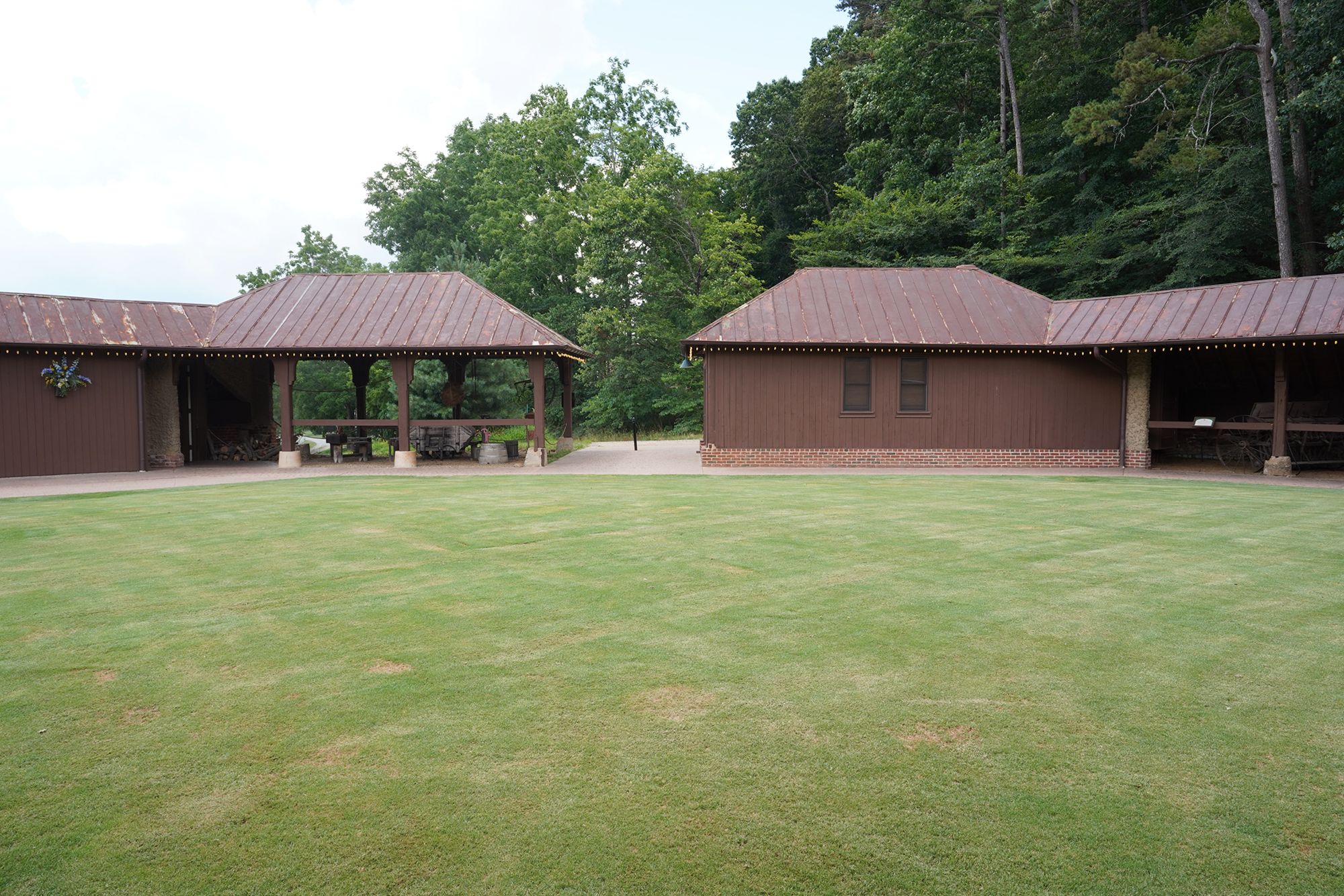
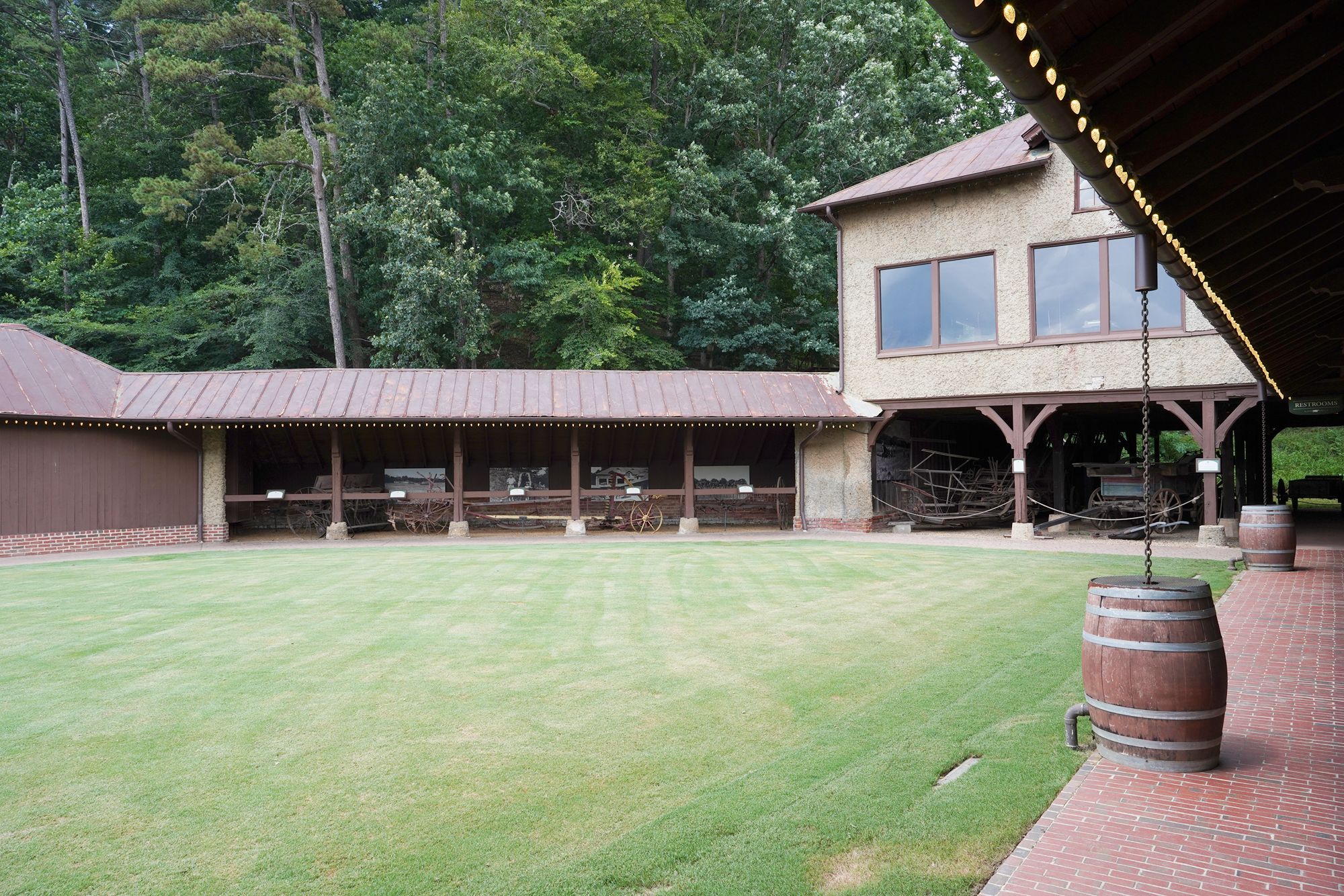
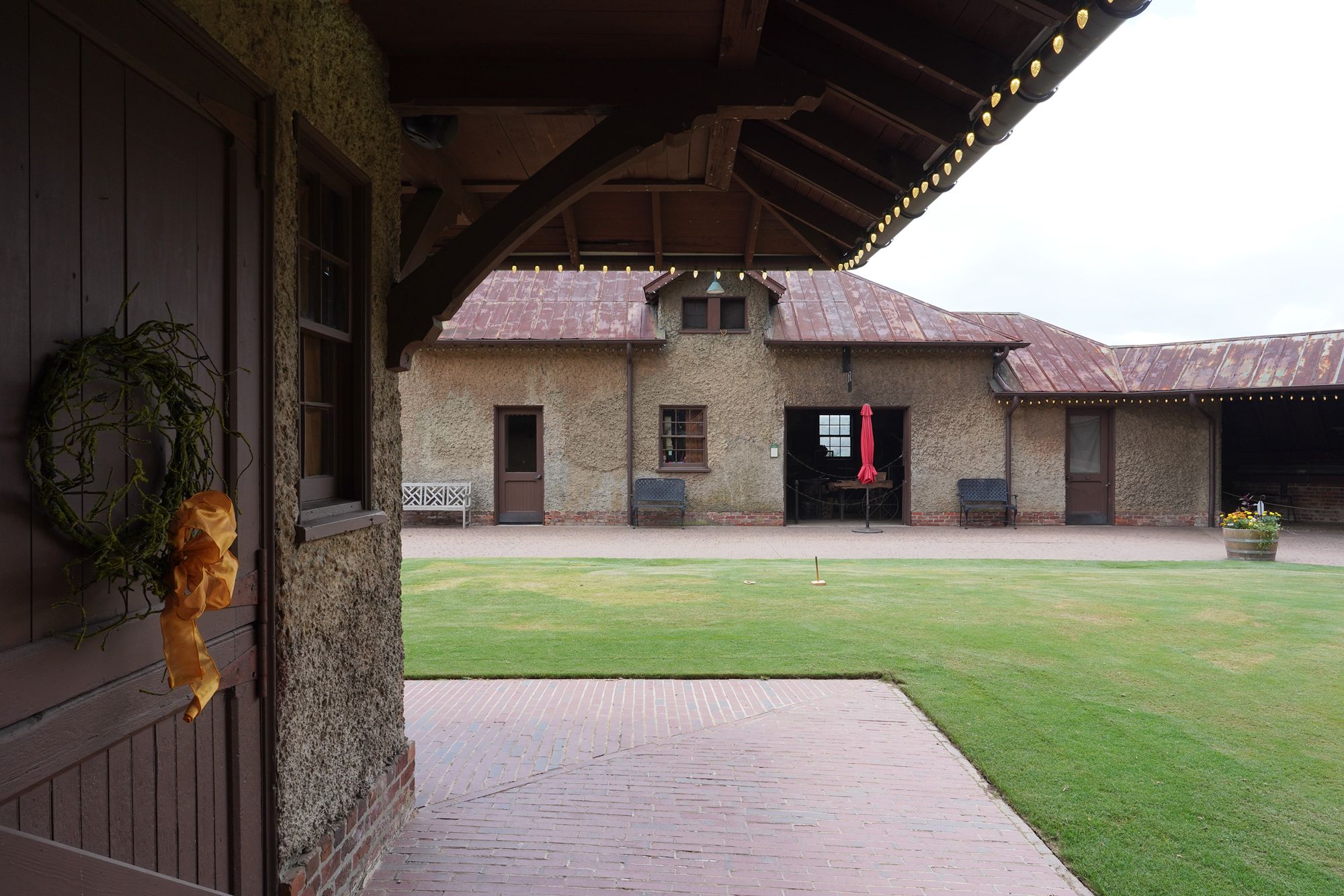
The farm land